







Neighbourhood Watch was introduced to New Zealand as a crime prevention initiative in the late 1970s. The initiative evolved to become Neighbourhood Support New Zealand, a community owned and managed organisation with a wide-ranging interest in community support, safety and crime prevention.
Neighbourhood Support became an Incorporated Society in 2000. In 2001 it signed a Memorandum of Understanding with the New Zealand Police. The purpose of the Memorandum of Understanding is to establish and promote a collaborative working relationship between Neighbourhood Support New Zealand Incorporated and the Police.
Neighbourhood Support aims to make homes, streets, neighbourhoods and communities safer and more caring places in which to live.
This is primarily achieved through the establishment of small cells of households known as a “Neighbourhood Support Group”, comprising anywhere from 4 to 50 residential households in a single street or suburb. Groups throughout a single suburb or a wider town or city area are co-ordinated either via a civilian co-ordinator, or through a Community Constable based at a local Police station.
The main purpose of the groups is to encourage neighbours to know one another and share information on crime or suspicious activities in their area. Early contact with authorities such as the Police is also encouraged for reporting of unusual observations or unacceptable behaviour. Crime prevention information can also be shared with group members via Community Constables, or Neighbourhood Support Area Co-ordinators.
A secondary objective of Neighbourhood Support is to facilitate communication between Civil Defence (Emergency Management) and the community during a manmade or natural disaster affecting residents.
Sadly, the world in which we live is not as law abiding as it was a generation or two ago, which makes the work of all sorts of government and voluntary organisations vital.
Neighbourhood Support is a lively, worthwhile and necessary organisation which provides avenues for neighbours and communities to socialise, and look out for each other.
Our sincere thanks to the contributors of all the articles contained here. A lot of hours have gone in to making this book as relevant, useful and convenient to use as possible.
This book is a vehicle for the latest news and messages of many of the above, in an easy to use format. Please keep it by your phone for ready reference.
The community-minded advertisers represented in this book have provided the finance for its manufacture and distribution, as well as critical funding for your local Neighbourhood Support groups to continue their important work.
Please support these advertisers as they are supporting you!
Published by Markat
P.O. Box 1879
Christchurch
Phone: 03 961 5050
Email: sales@markat.co.nz
www.markat.co.nz
Advertising / Articles Enquirers
Phil Cowen
Phone: 021 660 355
Email: phil@markat.co.nz
Published Bi-annually - ref: E20C1


Hello all, I’m Dave Crean and I’m the new Chairman of Canterbury Neighbourhood Support.
I have been on the Board for a number of years as a Community Representative for Papanui-Innes Ward and was elected Chairman at the AGM.
Until last year we had an engraving and promotional business in Papanui and I have been involved in a number of sports over the years.
I wish to thank Mike Mora for the work and time he has put into Canterbury Neighbourhood Support over the many years of his involvement.
On behalf of Canterbury Neighbourhood Support I wish you all a happy and safe Festive Season.
Regards Dave





Welcome to this edition of Eye on Communities magazine, which no thanks to Covid, is the only one for this year.
This is my first edition since taking over the role of manager of Canterbury Neighbourhood Support (CNS) at the start of this year.
It has been quite a year with the outbreak of the Coronavirus pandemic across the globe.
The effects of the virus along with the control measures imposed certainly influenced how events progressed this year.
I look back and note that my predecessor, Dave Wilkinson, took over the reins at Canterbury Neighbourhood Support only months before the September earthquakes in 2010.
Within months of me starting, the country was in lockdown… food for thought.
Looking back even further, the first edition of this magazine was published in April 1994 as “Eye on Crime”.
At that time Neighbourhood Support came under the umbrella of the Police and Sergeant Pat Creasey was the Crime Prevention Officer in Christchurch, responsible for running CNS.
Only the front cover of the magazine was
in colour, only a couple of the advertisements had cell phone contact numbers, and none had an email address.
There are many people to thank who have contributed articles to this magazine.
This includes Nadine Hall, editor of “New Zealand Lifestyle Block” magazine, and her publishers for permission to use an article written by Sheryn Dean (“The Good Life – How to be a good country neighbour”).
While this article is aimed at people living rurally, the idea of being a good neighbour applies everywhere.
Other contributors include Superintendent John Price, the District Commander of Canterbury Police with his message of Police and Community working together to make a better and safer place to live and work in.
Superintendent Price was very recently invested as an Officer of the Most Venerable Order of St John (OStJ) in recognition of his commitment to relationship-building between St John and Police.
Senior Sergeant Vaughn Lapslie of Highway Patrol has a very simple message for us on “Patience” – and it does not just apply to the highways.
Darlene Heard has written about her early memories of Neighbourhood
Have your vehicle superiorly cleaned with Mobile Car Valet, at your place or ours. Safe for your vehicle and safe for the planet.
NEIL BAKER - Mobile: 027 222 5053 • Phone: 0800 497 395 Email: christchurch@mobilecarvalet.co.nz
1 Claw Place, Rolleston, Christchurch www.mobilecarvalet.co.nz





Freephone: 0800 27 17 27
Mobile: 0274 184 739
Email: info@excellentservices.co.nz www.excellentservices.co.nz



Support (involving her grandparents), and how she and her family are keeping those values going as home-owners with their own group.
Ann Smith of Community Patrols (another group that works very closely with Police) tells us of a recent training day and the development of IT within the organisation.
Community Patrols in Christchurch are actively recruiting for new members to act as the “eyes and ears” of the Police. If you are interested in finding out more, email canterbury@cpnz.org.nz for information.
Deb Smalley is back with an article on Covid hotels (managed isolation and quarantine facilities).
I also wish to acknowledge the dedicated work that Mike Mora has put into CNS.
He recently stood down after many years as the chair of our board and continues to share his expertise as a member of our executive committee.
Mike will also be known to many for his role as chair of the Halswell-HornbyRiccarton Community Board.
We welcome the new chair of CNS, Dave Crean - another long-standing member of the board.
I owe a vote of thanks to Dave Wilkinson for providing continued guidance as I came into this role, and for still being available to answer any queries. Dave also helped over the lockdown period with contacting members.
Thanks also to Elissa and Barbara for each doing their part and more, to keep the organisation, not only running, but improving over this particularly unsettled year.
Finally, our fundraisers, supporters, sponsors, along with advertisers in this magazine. You make it possible for us to invest resources and services into our communities to make them a safer more caring place to live in, all at no cost to the communities. Thank you!
Take care, stay safe, and keep a look out for your neighbours.

Regards Murray
Asbestos containing materials were commonly used in the construction of homes prior to the year 2000. Given that asbestos can be found in over 3000 different products, it’s possible to find it almost anywhere! Left undisturbed, most asbestos containing materials do not pose a risk to health. However, when damaged or degraded, or when disturbed through refurbishment of demolition work, they can become a hazard and need to be managed safely.
As a hazardous waste, asbestos containing materials need to be disposed of at an approved facility. Do not dispose of as general refuse at your local refuse centre or in your red bin! Your local council will have information on the correct disposal methods. You may also want to get professional advice, as some things are best left to the experts!
The following links contain some useful information about asbestos:
Asbestos advice for householders, Ministry of Health www.health.govt.nz/news-media/news-items/asbestos-advice-householders
Asbestos information for homeowners, WorkSafe www.worksafe.govt.nz/topic-and-industry/asbestos/information-for-homeowners
General information on asbestos, Asbestos Aware New Zealand www.asbestosawarenz.com
If you require expert help, get in touch with the friendly team at MBC Environmental Solutions. They are licensed by WorkSafe to conduct both Class A (friable) and Class B (non-friable) asbestos removal. They can also help with asbestos testing and can offer expert advice on how to manage any asbestos issues you may have. www.mbc.co.nz

Every day I look out my window I am reminded of the community I serve – which is also the community to which I belong.
This is important because I believe this is where we draw our collective strength. Great policing happens when Police recognise they are part of a community and the community recognises Police as one of their own.
One of the key principles we police by in NZ is that Police at all times should maintain a relationship with the public and this gives reality to the historical tradition that the Police are the public and the public are the Police.
What I mean by this is that the Police are members of the public who are paid to give full-time attention to duties that are incumbent on every person in the community in the interests of community wellbeing and safety.
Having trust and confidence in each other supports us to achieve our goal to ensure everybody can be safe and feel safe.
I also believe that having a sense of purpose and belonging to something greater than ourselves is important for our mental wellbeing. It is one of the reasons why I go to work every day. It is also why Neighbourhood Support is so important for our communities.
Neighbours supporting each other as a group is such an honourable thing. When you check on your neighbours, when you report suspicious behaviour
and when you drive to the conditions, we are part of the same team. You are protecting our loved ones as we strive to protect yours.
We are lucky in Canterbury that our Neighbourhood Support networks are strong. We know this because they have been tested. As a community we know how to care for each other and we pull together when needed to make positive things happen.
The great philosopher Aristotle probably said this best: “The whole is greater than the sum of its parts.”
So, as we approach the summer months – as we prepare for the festive season and economic pressures continue –I encourage you all to keep checking on your neighbours, keep reporting suspicious behaviour and be careful on our roads, so we can all be safe and feel safe.
Thank you to you all for your care to the community, as we are all in this together.

Ngā manaakitanga Superintendent John PriceCanterbury Police District Commander
www.bruceythebuilder.co.nz


We service and repair 4WDs, cars, trucks & vans. Our services include WOF, tune-ups, brakes, clutch systems, cooling system servicing, cam belts, CV joints, electrical repairs, exhausts, suspensions, tyres, wheel alignments, regular maintenance & oil changes.







1 Albert Wills Ave, Copper Ridge 2 Reuben Ave, Branthwaite New homes for a fixed price & a guaranteed build
19 Holmes Hanover Lane, Halswell Commons




With my exposure to so many children at so many schools, I see a huge range in the leadership opportunities that students have.
Have a look at what the children have accomplished in several schools to make their bit of difference to our planet, see what ideas you could also start up in your home and neighbourhood.
They play a major role in the development of how the school feels. There are students who shine in many different ways.
I get a buzz from watching a confident student leading the kapa haka group, playing an instrumental solo for the assembly or running the school library over lunchtime.
In many cases now, these children were in junior classes when I started my JNS role and they have followed the leadership of students before them to now be at the senior level.
They competently reveal how much they have learnt by just being in the school, observing and taking the opportunities to be really involved.
It has been great to see and I also see it in the JNS leaders, which reinforces to me how important it is to have these on-going, stable initiatives in schools so that generations of students have a chance to excel to these roles.
One area of learning, that schools seek to develop a school culture in, is sustainability and innovation.
It is a message that children relate to, they love the natural world, and they know there are fears for our planet. With lockdown we all got more time with nature and it became important for our well-being.
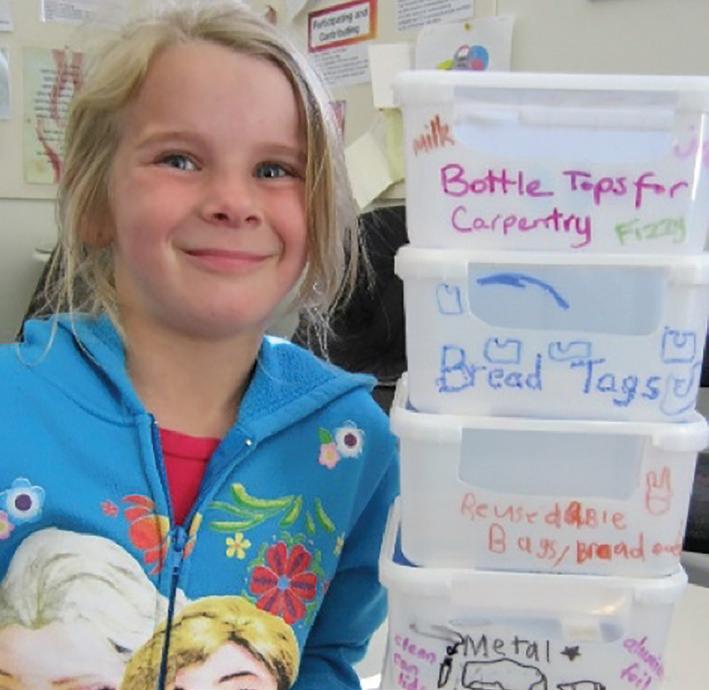
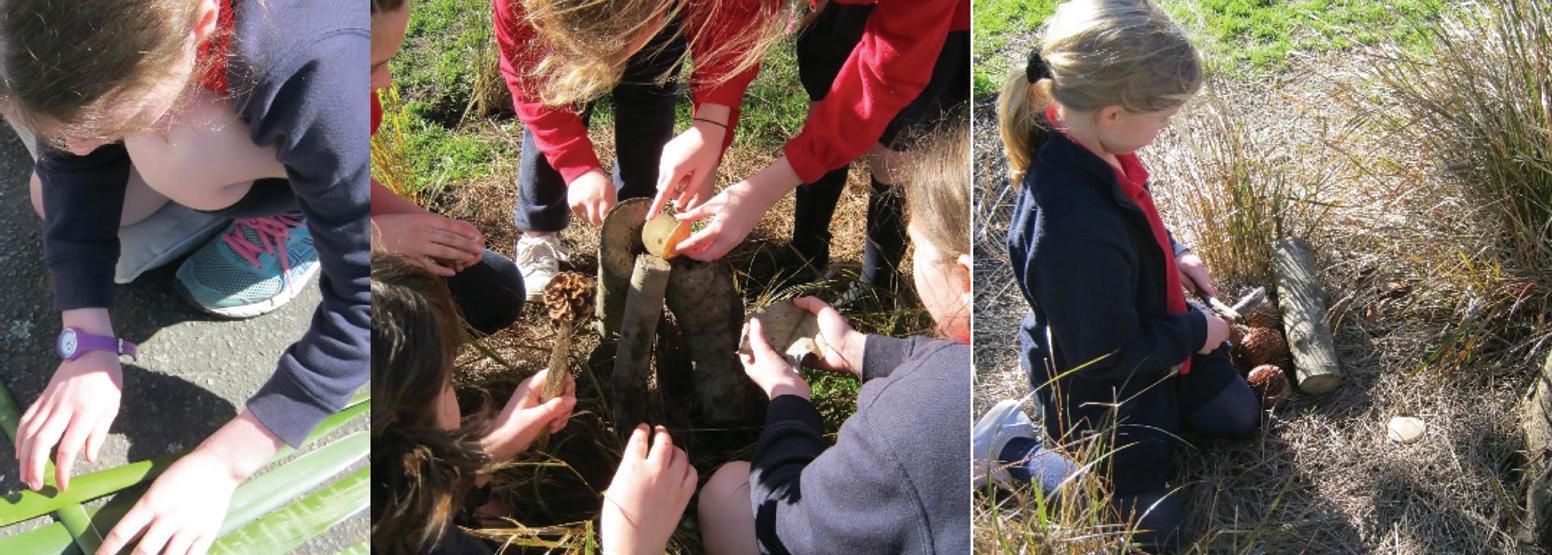
This student created her own personalised recycling stack for the teachers’ staffroom. All the things she has labelled on the pottles can be reused or recycled within the school so a stack like this makes it easy to collect the different items. Doesn’t she look proud!
After you have eaten a huge amount of ice cream, just cut out little slots in the containers, put the lids back on and label.
This student made one especially for the Hornby Police Station, the top label says ‘Police do good things’.


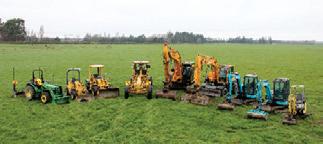





This student and his friends decorated a recycled white bucket with handmade stickers about protecting the environment, they included some long-handled tongs and now have a rubbish collecting kit to use at lunchtime clean-ups of the school grounds.


This school has had a focus on nature play, especially considering small group play.
So with just natural items at no cost to the school, no plastic, commercial toys, these children have been playing restaurants, hospitals, camping, cooking, families and fishing just with the natural items that can be collected on a family walk.
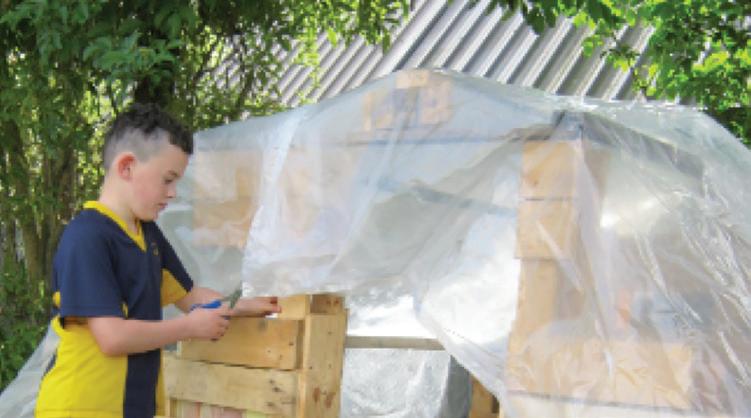
Ready for planting all sorts of vegies, this school’s garden now has a tunnel house made from pallets and plastic found out on the roadside.
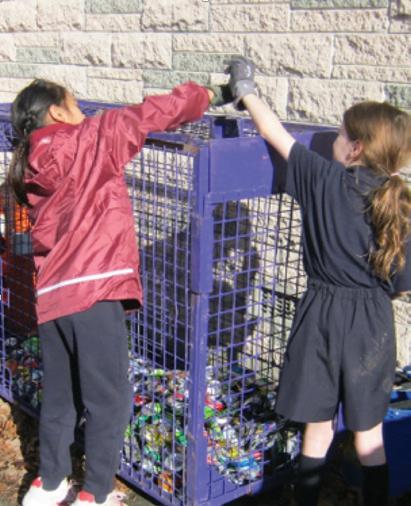
These girls fill a can cage with aluminium cans that parents bring into school or are found on the road. When it is full it should be worth about $50, money for nothing to be spent in the school garden. Of course, all the other parts of the JNS programme continue and for a very interrupted year, it seems like we have achieved a lot.

Provide farmers in the Amuri District with high quality lime at a really economical price.

Now providing mixing of lime with minerals and seed. Earth Friendly Bio-degradable Landscaping Products
Ph: 03 315 6144 | Mob: 022 500 6144 135 Iverachs Road Waiau, North Canterbury www.amurilime.co.nz



For irrigation design, supply, install and maintenance of existing systems throughout Selwyn, North Canterbury, Christchurch and Canterbury.
Contact Phil on 0800 22 33 92 or phil@freemanirrigation.co.nz
www.freemanirrigation.co.nz


• Plant Establishment
• Stakes & Ties
• Weed Control
• Ground Reinforcement
• Erosion Control
• Landscape & Hort Fabrics & Film
• Water Management
• Field, Track & Site
FREE FREIGHT NATIONWIDE on orders over $200+ gst (excl rural)
0800 600 789 | sales@advancelandscape.co.nz www.advancelandscape.co.nz
We offer:
• Competitive/affordable pricing
• Attention to detail • Professional service
• Free quotes/insurance scopes 0278 145 848 www.drivecrete.co.nz



The biggest range of vehicles in one convenient location
32 Moorhouse Ave, Addington, Christchurch STORE HOURS Mon - Fri 8.30am - 5.30pm Sat: 9am - 5pm Sun: 10am - 4pm

Phone: 03 366 7768
Email: info@valuecarswarehouse.co.nz www.valuecarswarehouse.co.nz


Learning about smoke alarms, making compliment cards with sign language actions, making cards for local families in tough times and these fantastic chalk drawings of emergency vehicles, learning what roles they have in emergencies.
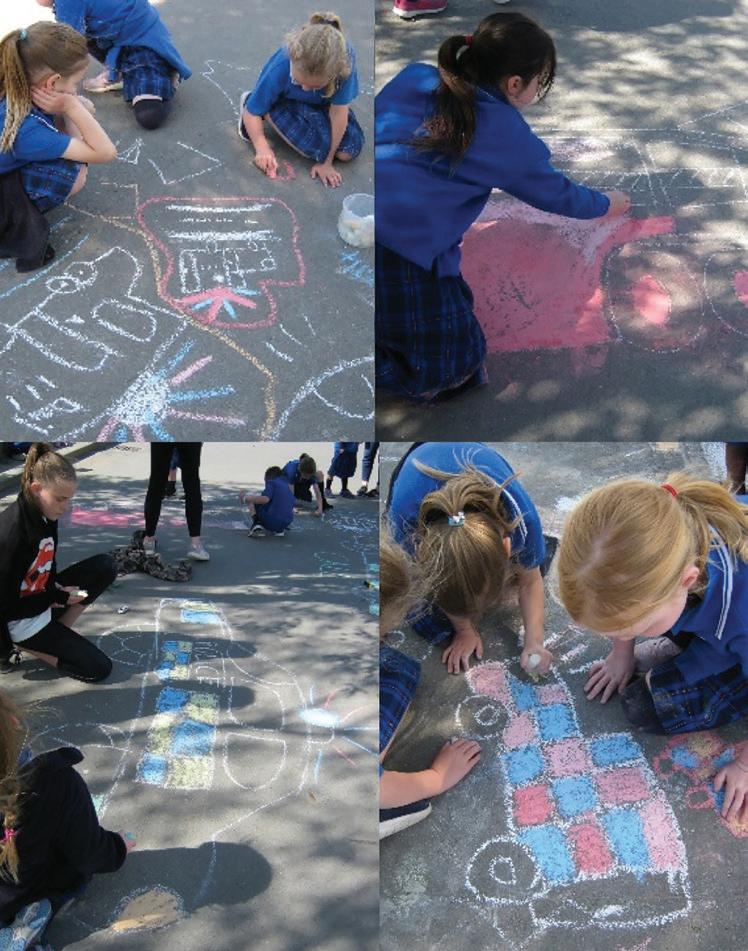
Some other major events recently have been the South Hornby School bike track opening where Murray helped cook sausages on the Blue Light BBQ trailer, for the students after they had had a turn on the new track. I ensured they all had helmets on fitted correctly.
We worked with Fire and Emergency New Zealand to visit neighbours of a fatal house fire, ensuring they had smoke alarms in all sleeping areas. I engaged any children in the houses and assured them as the smoke alarms were installed.
With the Healthy Ōpāwaho project at Beckenham Ponds, I assisted Beckenham Te Kura o Pūroto School students, to plant local native species. I overheard one girl saying “In 30 years, I’m gonna bring my children here to look at the trees I planted in this special place”.
If you are part of a school and think the JNS programme would be something you would like to ask about, please contact me, contact details are at the back of this magazine.
Elissa Smith

- JNS Co-ordinator









1. I love seeing our city rise again. But our physical rebuild and our social rebuild are not the same. Just because one is in hand doesn’t mean the other is.
2. It is so important that we do what we can to ensure the places we build - where we spend so many hours of our lives - are part of our community, and not just part of the map.
Otherwise, we risk a scenario where the businesses or residents in areas emerging today may still be only a collection of
strangers with similar addresses ten years from now.
How can that lead to a more resourceful and caring society, better able to care for each other and our planet? It certainly won’t help us get any closer to achieving the Sustainable Development Goals by 2030!
3. Fortunately, the global trend is clear. What people want, even in cities, is good old-fashioned neighbourhoods. We need connection to each other as well as a sense of belonging to a place.






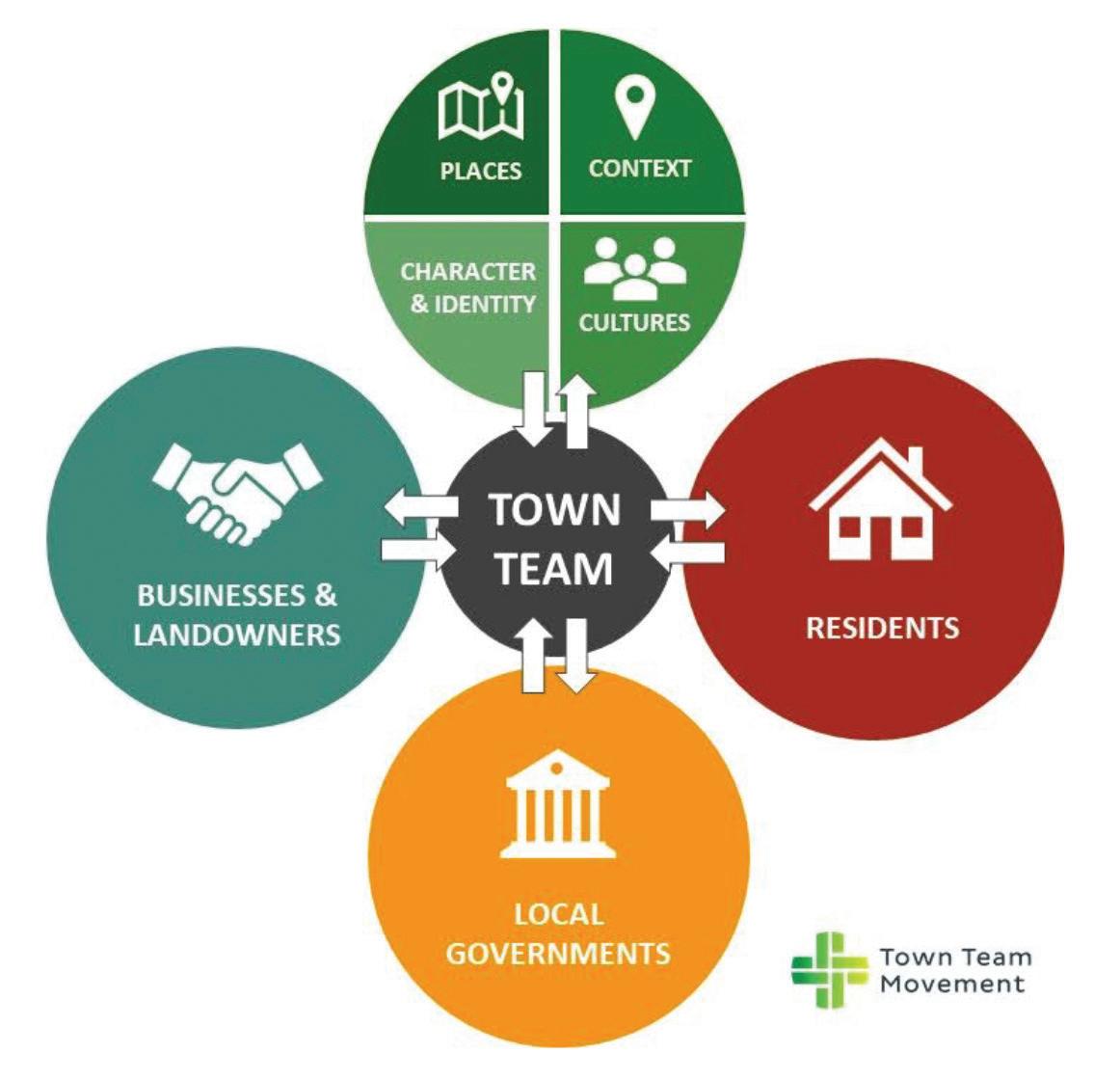
4. If you’re curious about how to make change happen, here are two things you could look up. One is the Town Team Movement.
It’s an award-winning approach to place governance at the community level that brings together anyone who wants to be part of making the area they care about into the best it can be.
5. The other is SALT District. It’s the area around St Asaph, Lichfield and Tuam Streets (where Little High is).
SALT District is significant because it is the first neighbourhood in New Zealand to adopt the Town Team way.
Here, locals set the intention to become a neighbourhood now and not wait 10 years for magic to happen. SALT District’s choice shifted them from the realm of tactical thinking to strategic thinking.
6. Did it matter? Absolutely. As physicist Max Planck is supposed to have said, “when you change the way you look at things, the things you look at change”.
For SALT, considering what builds community and benefits the area, as well as the city, changed the way they might have otherwise done things, and changed outcomes.
7. That choice to think about the bigger picture instead of just the individual bits is one any fragmented neighbourhood can make, but I do think it helps to have some facilitation and a little leg-up.
8. SALT District are doing it. After only a couple of years building on local assets and the smallest amount of public funds, they’ve used an impressive bunch of collaborations
to develop their community, identity and destinations. They’ve become award-winning placemakers.
Many involved think if the central city had up to 10 walkable little 5-minute neighbourhoods, each built around what makes them special and unique, the whole city would be pretty unique and amazing.
9. Based on my experience facilitating SALT District, I know that putting resources around neighbourhood development is crucial. It amplifies everyone’s impact.
10. I imagine a future where each neighbourhood wishing to develop as such receives three years of part-time facilitation by a dedicated community development advisor, and, as you can’t build something from nothing, each can access ongoing support of up to $20K per year to support hyperlocal organising strength and provide a small financial platform to amplify value from.
We’d no longer be trying to whistle that symphony alone; we’d be playing together. Now that’s a social rebuild.
Laura Taylor is Principal Placemaking Advisor at Ōtākaro Ltd, a Crownowned development company based in Ōtautahi, Christchurch.


The advent of COVID-19 has forced many industries to adapt to a new way of doing things - the ‘new normal’, as it’s being called. It’s not always a bad thing; for New Zealand’s manufacturing sector, the pandemic is presenting some opportunities as well as challenges.
Many New Zealand businesses outsource some or all of their manufacturing offshore and have had to re-evaluate how to continue production as their offshore options become no longer available.
What this has meant is manufacturers have been looking at fulfilling their requirements back home, playing a major role in revitalising NZ’s economy. Part of this economic upturn will include Kiwi businesses using local manufacturers providing employment opportunities through the sector.
Cost effectiveness – is overseas really cheaper?
Outsourcing is a viable strategy for achieving a ‘leaner’ approach to manufacturing and it applies to New Zealand contract manufacturers, as well as those offshore.
A business is still outsourcing - but the manufacturing is done here in New Zealand. When a business decides to outsource their manufacturing to a contractor, they’ll save money in a number of ways, including:
Scaling resources to fit demand - there’s no need to hire people with specific skills for particular, possible short-term projects. This reduces the administration of related resource management like holiday pay, sick leave, training costs and staff turnover.
Health and safety costs - this isn’t an issue if the manufacturing is being done off-site, and there aren’t any compliance headaches either.
As well as strengthening local supply chain links, New Zealand businesses should be looking to invest in additional inventory space to keep supply inputs on hand in case of future supply disruptions.
As disruptive and challenging as Covid-19 is, the past few months have helped strengthen the belief in local manufacturing; to create more jobs, increase local revenues and to safeguard the economy.
It’s not the end of globalisation, but global supply chains are likely to become less integrated over the next few years.
What the pandemic has done is highlight the risk of relying too heavily on offshore outsourcing, and if Kiwi businesses continue to operate with supply chains that are too exposed to global trends, they’re facing a struggle in the event of future outbreaks.
Lorenzo Massetti is a face and name you’re not likely to forget! With his jovial manner, well-dressed attire, and super friendly nature, he’s bound to put you straight to ease the moment you meet him.
Having worked for over 20 years as a Funeral Director, Lorenzo made the change to the aged care industry last year. He recounts his time in the funeral industry as a humbling by rewarding experience, where he assisted others during a very distressing time in their lives. With extensive experience in aged care management, Lorenzo has also worked in a sales environment but was naturally drawn back into his key skills – helping people make big life decisions.
Originally from Dunedin, but having called Christchurch home for the past five years, Lorenzo is no stranger to good old fashion Southern hospitality. He prides himself on his ability to take time to listen to others, hear about their journeys, and facilitate the transition of moving to a retirement village.
‘I
am privileged to see, on a daily basis – happy and content village residents, who often say to me I should have done this sooner’
Based on Lorenzo’s experience at Bupa Parkstone Retirement Village, we asked him what he thought made our Ilam village stand out. “Independent living without the worry of many aspects of owning and maintaining your own home. Companionship and reassurances of continued care”, he said.
And with a smile on his face, we asked Lorenzo if there was any parting wisdom he wanted to share with us before we left him to tend to his busy day – “be loyal, be honest, have Integrity – always”, he said smiling that big warm Southern charm smile we’ve come to love seeing around Parkstone.


It was so unfortunate that a threat of an ongoing spread in community transmission arising from a very serious pandemic (Covid 19) prompted this annual and special event to be cancelled.
As during this period of time a nationwide household lockdown was enforced for controlling this new, very serious and nasty virus.
However, it was important to continue acknowledging the significance of this public event.
Hence, I believe it was somewhat informally decided an alternative arrangement was required to consider the introduction of an alternative option.
As it was recognised many people (at home and in their “bubble”) could become involved to assist in this alternative idea.
This commenced prior to Anzac Day as a large number of commemorative type placards, unique designs, flags etc were seen displayed on the fences of many residences.
Additionally, appropriate communicative options were implemented (via emails, media, TV, radio etc.) to introduce further or
additional methods to acknowledge this occasion.
This introduced an involvement throughout New Zealand with many Brass and Pipe Band members being heard playing outside their households on the dawn of Anzac Day. Contact was also made with a former RNZAF Pilot whom annually represents NZ at the large Sydney Anzac Parade.
Consequently this Kiwi-type idea was promptly relayed to the organiser of the Sydney Parade (the relevant Allied Australian Commander) and I believe a similar concept occurred right throughout Australia.
My personal involvement was in being heard playing the Last Post and Reveille at 6.00am outside my home in Northcote, Christchurch.
It was an honour and privilege to share this special time with my local neighbourhood, whom many were seen present at this early hour.
Gary L Watts
Canterbury Neighbourhood Support Camden Street and Northcote area Co-ordinator, Christchurch






Like many fellow farm and rural dwellers in New Zealand I am aware of the upset, frustration and vulnerability felt if you ever become a victim of rural crime or experience an emergency situation.
We can be affected by crime, wild weather, wildfires, floods, slips, snowfall, and natural disasters at any time with no, or little warning.
Recently our Twizel community experienced a large wildfire which has taken amazing efforts from Fire and Emergency Service staff and volunteers to get under control and continue to assess and monitor.
We are working with our Police colleagues and landowners in the rural Albury area of the Mackenzie District to deter poachers and we are alerting local members across our area to a spate of motorbike and trailer thefts.
Rurally we often live apart from others and not within easy reach of neighbours or friends for help or support at times of crisis or emergency and it can be harder to make connections and contacts that we might need from time to time. It can be harder to catch up and communicate with neighbours regularly.
Today rural crime can cover a multitude of offences ranging from livestock theft or harm to fly-tipping, theft to poaching and it can mean financial loss, damage, loss of property or animals and pets and a feeling of vulnerability or isolation for those targeted.
In some cases, rural lifestyle owners and farmers have become an easier target for the
criminals as our urban friends have become more security conscious.
It is also less likely thieves will be seen or reported in rural areas and sometimes country people may not be as mindful or aware of how these issues could affect them as much as their town and city counterparts.
Sadly, rural crime will not go away. Criminals can find ways round our security measures, so we need to be checking and improving our security to keep one step ahead.
Police can and will respond to rural crime but keep in mind they may need to travel a longer distance to get to you. Call 111 when you need immediate help with a life-threatening or time-critical emergency. Some emergencies will need more than one service (Fire, Ambulance and Police).
Ask for the service which is needed most urgently. For non-urgent situations call 105.
Report all instances of crime, even when police response is not required this helps police identify any suspicious behaviour or patterns of crime developing. It also helps the police to decide if the rest of the community should be alerted.
Look after yourself and your rural neighbours by connecting and communicating, with the help of Neighbourhood Support.
We can keep safe and happy by being mindful to take easy and sensible measures inside and out, both to keep safe and make it hard for criminals to steal in our rural areas, to help bring










those offenders to justice and to be prepared in a crisis or emergency situation.
- Lock and secure homes, outbuildings, and vehicles. Install security sensor lights around buildings if possible
- Take notice of who is out and about, talk to them (particularly if they are not locals)
- Ensure you have enough food and water for yourselves and your pets and animals to keep you going for at least three days if you are unable to get out
- Have a plan in case power is lost, how will you keep warm? Can you cook? Do you have alternative power?
- Be fire safe! Have a family escape plan, working smoke detectors, adequate and appropriate firefighting equipment, and resources to hand, always check local fire restrictions and think about fire prevention and protection needs on your property
- Keep a pack of emergency supplies at hand in case you need to leave your property in a hurry and may not be able to return for a while
- Clearly tag pets and animals and keep up to date accurate stock and produce records as well as inventories
- Know your neighbours, exchange contact details, and let them know when you may be away or if you need assistance
- Keep yourself safe; If you are leaving the house to investigate something of concern, ensure
someone knows where you are going, what you are checking and how long you will be. Take a phone or radio with you.
- Close access gates and keep an eye on one another and neighbour’s property, animals, and pets.
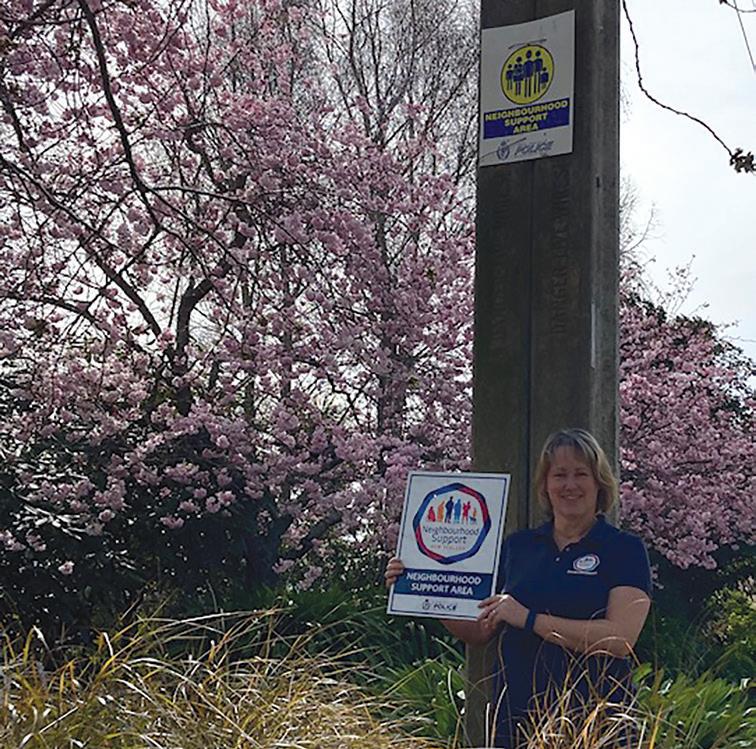
- You may choose to become a Neighbourhood Support member or form a local group for crime prevention and use our mailbox and window home security stickers or request street signs.
Betty-Ann Smart
South Canterbury Neighbourhood Support Co-ordinator
scns@xtra.co.nz
(03) 687 9802
027 668 8114
By Sheryn Dean
Understanding rural etiquette can make for a more peaceful life on the block.
When you live in town, you have a lot of neighbours close by, but you may only get to know one or two.
Country living is different. It’s often a tighter community, even though you physically live a lot further apart.
There are a few reasons:
1. most of us have animals, and animals often don’t respect boundaries.
2. you may share a water supply.
3. your surface water may drain onto their block, or theirs onto yours.
4. you’re affected by their plantings, or they are by yours.
5. you’re probably going to live next to them for a long time - the average length of block ownership is just over seven years.
Getting along with your neighbours can make country life that bit more special.
best friends, but calling in with a small welcome gift or inviting them for a coffee establishes you both as acquaintances.
DO invite neighbours if you’re having a big party. At the very least, it lets them know it’s on, makes them feel included, and you may find they’re more tolerant about the noise and excess traffic.
DO connect with your neighbours regularly. Invite them over for a Friday night drink or a Sunday coffee occasionally. It keeps the relationship cordial and communicates any issues before they become problems.
DO turn outside lights off or put them on a motion sensor. Light pollution is ugly and wastes energy.
DO let your neighbours know if you’re lighting a bonfire. There’s nothing worse than a house full of smoke or washing covered in ash. Also, if it’s not permitted, you can be fined.
Sheryn’s 12 do’s and don’ts of being a good neighbour
DO - DO greet new neighbours when they move in. You don’t have to be
DO consider not having fireworks, or be careful if you do. Explosive or shrieking noises can cause horses and other livestock to bolt over or through fences and gun-shy dogs to run away. A phone call or text gives neighbours a warning, and allows them to ensure their pet’s safety.
DON’T - DON’T locate a beehive right on the boundary, or where the bees’ flight path goes directly over the neighbour’s house or vehicles. Bees defecate when
they leave the hive and bee poo on a car or washing is very annoying.
DON’T ring the police or council every time you’re upset with your neighbours. They may be breaking the law, but you may have to live beside them for a long time. Talk to them. Explain (respectfully, calmly) how their behaviour is affecting you and offer some reasonable solutions, eg could they phone you beforehand.
DON’T shoot a gun without advising neighbours who might be within earshot. Gunshots can be scary for people home alone, and for animals which may run away or bolt through fences. I know of a home-kill butcher who was taken down by the armed offender’s squad after a concerned neighbour called police about shots fired.
DON’T subject your neighbours to constant noise. You might have moved to the country so your kids could ride their motocross bikes, but it can get really irritating after the second or third hour. Keep activities away from the boundary where possible, especially if neighbours have animals, which can be easily spooked.
DON’T start up chainsaws, lawnmowers, or other noisy machinery early on the weekend and go all day. If you’re having a big working bee, let them know. Be reasonable with noise pollution.
DON’T leave a dog at home alone if it barks all day. Take it for a good hard run before you leave to tire it out, so it sleeps while you’re gone. Leave it with some toys, consider getting a second dog for company, or book it into doggy daycare.
If you only have a few animals, it may make sense to work in with your neighbour and:
1. Share a ram, bull, buck, or boar.
2. Build shared yards on the boundary.
3. Go halves in a pack of drench.
4. Share the cost of the shearer.
If you see stock in obvious distress or without water, call your neighbour to let them know, Do this before interfering.
A situation can quickly get worse, particularly with newborns, where well¬meaning intervention can be detrimental. Only intervene if you can’t locate the owner or the situation is urgent.
If wandering stock comes onto your property, call the owner to remove them and insist they be secured. If you can’t find the owner, call Animal Control for advice. You have every right to impound stock on your property, but you must care for them, and make attempts to find and notify the owner (or Animal Control if the owner is unknown). You do have legal recourse to charge for feed, care, and claim for any damage.


8568
Mandeville Street, Riccarton, Christchurch

Byron Street, Sydenham, Christchurch 8023 P 03 365 0226 E office@jerichowalker.co.nz www.jerichowalker.co.nz
Fleetguard
Components.
Service,







In the past four years, wandering stock on the road has caused four deaths, 46 serious injuries, and 202 minor injuries.
Always drive on rural roads at a speed where if you need to, you can stop in half the visible distance. That’s often not the speed limit.
It’s your legal responsibility to contain your stock by ensuring the integrity and adequacy of road-side fences. Carefully secure gates opening onto the road; I use chain and a combination lock to discourage trespassing, and also because I’ve yet to see a cow open one with its tongue.
If you see stock anyone’s stock on the road, don’t drive past and leave it. Ever. If you see any animal on the road, anytime, anywhere, herd it off the road immediately. The next person coming round the corner may not be as lucky.
Sheep and goats will usually scatter at the sound of an approaching vehicle, but other animals may stand their ground. Hitting a pig is like driving into a brick wall. A larger animal can destroy a car and seriously injure or kill someone if it goes through the windscreen.
Turn on your hazard lights to warn other traffic while you move stock into the nearest paddock. It doesn’t matter whose stock they are or whose paddock it is, so long as the animal is off the road. If possible, choose an empty paddock, and call in at the nearest house to let them know what you’ve done. Also, call Animal Control, in case an owner or the landowner calls them.
If you can’t move the stock, or it’s not safe to, call 111 if it’s urgent; if not urgent, 0800 4 HIGHWAYS (0800 44 44 49), the local council, or *555 and report it.
Think carefully before getting an athletic, intelligent working dog such as a collie, blue heeler, or huntaway. These types of dogs need a lot of exercise and stimulation every day. Bored or unhappy dogs tend to roam; dogs with a buddy or in a pack often act like predators, even if they are usually friendly dogs.
Once a dog learns to ‘worry’ stock, it’s tough to break the habit. A landowner has the right to destroy a dog if it’s worrying stock. A dog owner can be fined up to $3000 and is also liable for any damage caused.
Always ensure your dogs are secure at night and know where they are during the day. Having good relations with your neighbours and your phone number on your dog’s collar means you’re more likely to get the call before Animal Control. If your dog does cause a problem, take responsibility, be apologetic, and do everything you can to ensure it doesn’t happen again. If you find a strange dog on your property, check its collar for a phone number or call around your neighbours to see if they know who owns it. You can also take it to a vet to check for a microchip. If you can’t locate an owner or can’t keep the dog contained, call your local council.









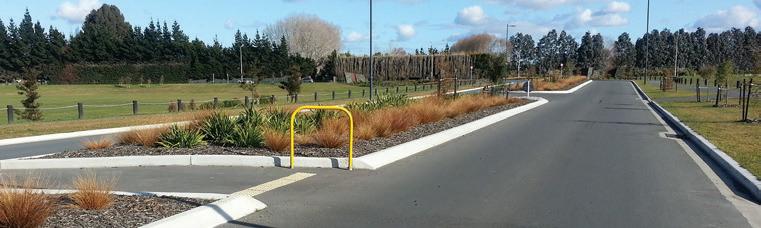
It’s logical to want to plant some big trees on your southern boundary as a windbreak. But your southern boundary is your neighbour’s northern boundary, and you’ll be shading their land. Legally, landowners have no right to a view. But consider how you’d feel if someone blocked out one of the loveliest aspects of your block? There are plenty of options that will give you privacy without causing distress to your neighbours. A good windbreak can be a win-win situation. The best ones filter the wind and don’t have to be high. Instead of something like an old-fashioned, very tall, solid hedge of Japanese cedar, try low maintenance alder trees under-planted with flax.
You’ll get shelter from the wind, privacy, winter sun, and keep your neighbour happy. If you’re considering planting hedging trees on a boundary, ask your neighbour if they’ll allow access for pruning. If it’s a problem, set the trees back off your boundary fence, leaving enough room for branches to spread and still allow for a large tractor to gain access.
It’s your responsibility to manage stormwater on your property; you can’t just install a drain that runs to the neighbour’s boundary.
If there’s an existing or natural drain to a watercourse coming onto your property, you can reasonably expect to utilise it. However, if you widen it, increasing the volume, you’re affecting the downhill
neighbour so discuss it with them first. Some extra work may be required to accommodate excess water flow.
Water runs over land too. This natural overland flow path must be maintained. If you’re doing earthworks on your property, be aware of how this will affect the surface flow. While it might make sense to build your driveway up so it doesn’t get muddy in winter, it might dam the flow from the neighbour’s paddock. If what you’re planning could hinder or increase water flow, you’re responsible for how it will affect the neighbouring properties.
Talk to your neighbours before doing anything as adverse effects may not be evident from your side of the fence. Sometimes it can be as simple as including an extra drainage pipe or doing some remedial work on their side of the fence.
You and your neighbour are each 50 percent liable for an ‘adequate’ boundary fence. Generally, this is a standard 7-wire stock fence, but you can agree on anything. For example, if the fence runs through a flood plain, it could be a 3-wire electric fence.
If you can’t agree, there’s a legal process to follow: www.consumer.org.nz/articles/fencing-law.
Legally, fences must be adequate to keep your stock contained. If you choose to







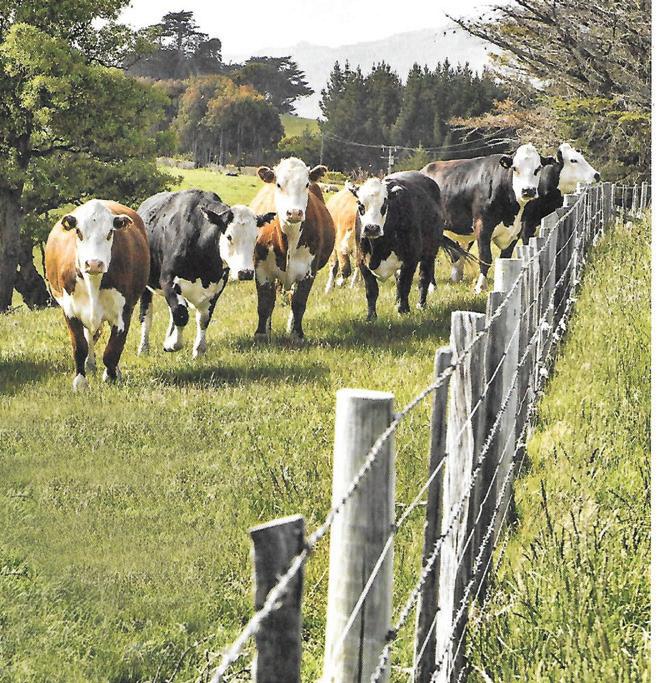
have goats, pigs, or bulls, a 7-wire fence isn’t going to be sufficient. Trespassing stock destroying the neighbour’s garden will upset them, and you’re legally liable for any damage. Hotwires help, decreasing wear and tear on a fence. However, I’ve had a bull jump a 7-wire battened boundary fence with an eighth hot wire along the top. Some farmers use outriggers. These can increase the height of a fence and widen it so stock on either side can’t touch each other. Nose-to-nose contact can spread contagious diseases such as Mycoplasma bovis and Bovine Diarrhoea Virus (BVD).
Keep in communication with your neighbour. If you can work it, rotate when you graze boundary paddocks to avoid contact If trees or stock damage or destroy a boundary fence, it’s the owner’s responsibility to repair it
Rabbits, possums, rats, and wasps don’t care about boundaries. If you have a problem, it makes sense to take a combined approach to fight pests. Talk to your neighbours; the more who join in, the more effective an eradication effort will be.
Don’t use open bait containers or bait that can cause secondary poisoning.
A dying animal may make it next door before it dies, and you don’t want to poison or harm beloved pets inadvertently. Take care when doing pest control, and let neighbours know if you’re using something that could place pets at risk.
If there isn’t one in your area, consider starting up a Neighbourhood Support group. It’s an excellent way to:
1. Formalise a network
2. Get to know your neighbours
3. Reduce local crime.
It can also be essential in an emergency. Find more resources here: neighbourhoodsupport.co.nz.
Sheryn Dean (ex-Clothier) spent 12 years on an organic lifestyle block in the Waikato experimenting with growing nutrient-dense food in a ecologically-friendly manner. She offers her services as a consultant and tutor to help others on the same journey.
form of advertising you can measure, then increase or decrease, so you can manage your workflow accordingly!
You’ve probably heard people talk about digital marketing, Google AdWords, online traffic, SEO and social media. Then on top of all that, you need to have a lead generating web presence with good traffic etc.
This can sound complicated – but it doesn’t have to if you talk to the right people.
Right now there are people looking for a business just like yours. However, if you don’t have AdWords, there’s a very good chance they’ve just clicked one of your competitors’ websites.
Most businesses would benefit from Google AdWords. It’s simple to set up, it’s fast, you set the monthly budget, and you can see the results immediately.
Included is a complimentary call tracking service to measure daily results, plus you get a monthly report that’s explained in as much detail as you like.
We have many success stories where people have thought marketing is a waste of money, but have finally found something that gives them a transparent Return on Investment.
If you would like to be our next success story, please call or email: enquiries@fatweb.co.nz
We have offices throughout New Zealand and can discuss your needs over the phone or by Skype.
Don’t let another year go by without truly discovering what digital marketing can do for your business.
With years’ of experience and having delivered outstanding results, we have some of the best digital experts in the business.
We are so confident, that if you aren’t 100% happy after the first month, you won’t pay a cent for the management fee. And if you mention this ad, set-up is free – a service other companies charge up to $3,000 for.
FREE call tracking, which means you can actually hear recordings of the phone calls coming into your business to see if your staff are doing things correctly or if they need more training. This tool can make a massive difference to the FAT on your bottom line.
Available to the first 25 people who book a consultation.
With 15 years’ experience - we know what we’re doing.
- 38 Lowe St, Addington, Christchurch 8011 - Level 6, 3-13 Shortland Street, Auckland CBD, Auckland 1010
Call 0800 FATWEB, or email enquiries@fatweb.co.nz to book a FREE consultation.



From the first book
We have opened up the archive to bring you these gems...

We have opened up the archive to bring you these gems...

We have opened up the archive to bring you these gems...
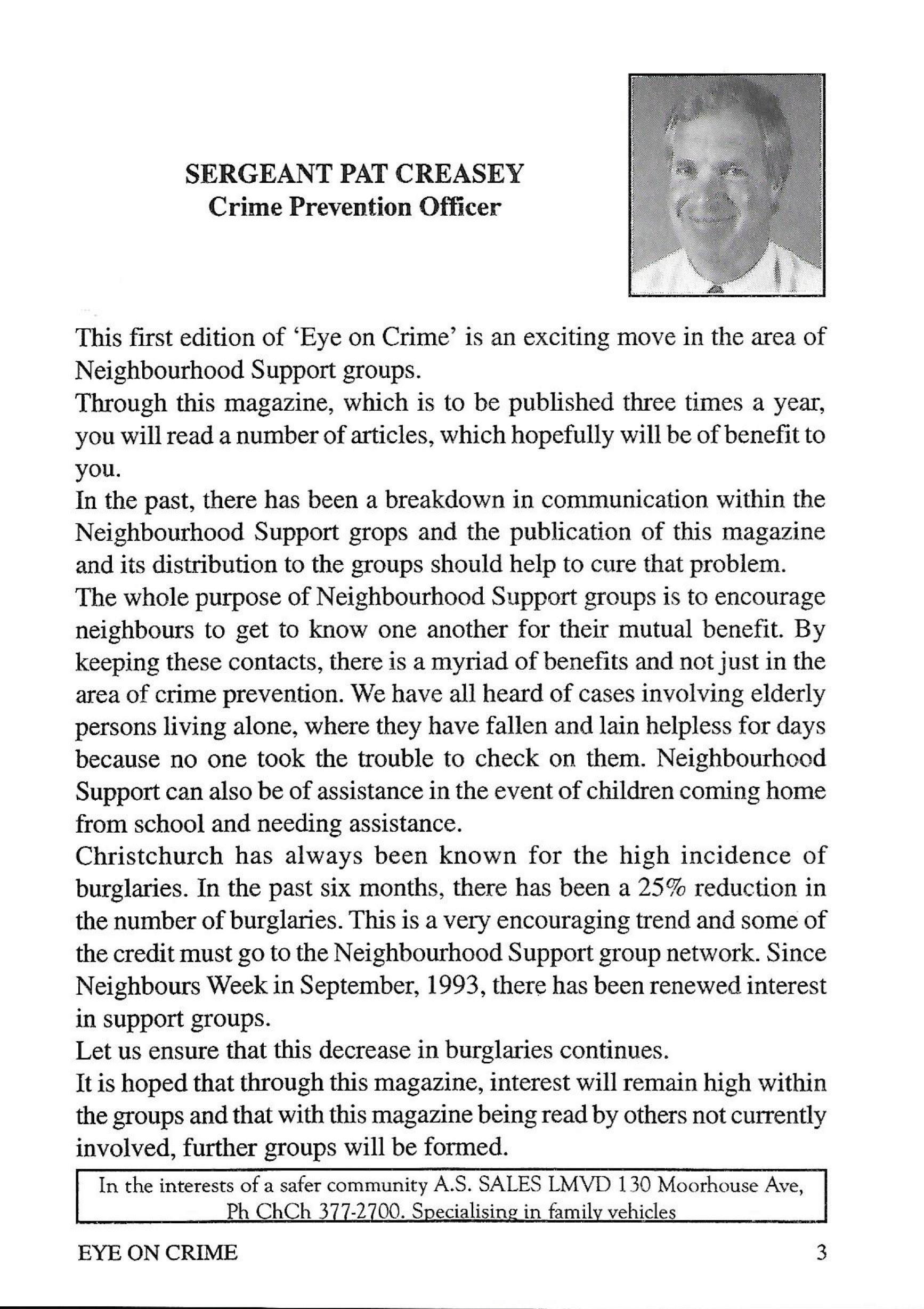








We have opened up the archive to bring you these gems...






Patience is a virtue. It is a very old saying, but patience is something we are all capable of. Although sometimes when we get behind the steering wheel patience disappears.
Having patience means you can remain calm, even when you have been waiting forever, or dealing with something painstakingly slow.
So, as you prepare for your summer adventure (in our own backyard because of you know why) please make sure you take your patience with you.
Long journeys can be tedious and we just want to be at our destination.
But this year when you get behind the wheel please be patient.
When you are stuck behind that slow truck or slow caravan, be patient.
When you are thinking of ‘speeding up just a bit to get there in good time’, please be patient.
The time you think you will save is minimal and the risk you take is greater than you may think.
Enjoy the trip. Accept it will take time to get there. Stop and enjoy the scenery and stretch the legs. Support a local café and recharge with a coffee.
So be patient, watch out for pedestrians, look for bikes and if on your journey you see a local Highway Patrol unit, give them a wave.








Article by Deb Smalley
Today I am relieving at Novatel hotel at Christchurch Airport – a Managed Isolation Facility.
The hotel is very new, and I have to say a pleasure to visit. The windows are all enormous and give stunning views of either the Port Hills or the Southern Alps. There are 190 souls here currently as ‘guests’ with 180 rooms available for use. There are another five MIF hotels in Christchurch.
The New Zealand Defence Force manage operations with four staff living on site 24/7. Another team of four come in daily to lead security.
Aviation security and private security provide the bulk of labour for security work in and around the hotel. There is a wellness team, whose job it is to, problem solve and offer support and advice.
A medical team is here 24/7 also to monitor wellness and care for ill or injured people which is not limited to Covid patients. Then of course there are the hotel staff, management, cooks, cleaners and maintenance people.
Lastly the Police - one officer at every hotel working in shifts around the clock. We are here for the power of arrest but only as an absolute last option if all else fails. Diplomacy is the preferred tactic here. Most folks are well behaved, considerate and thankful but there are always those who swim against the current and demand special treatment.
It’s not all bad - movies and endless internet. You can get alcohol, though there
is a sensible daily limit imposed, and it can’t be purchased off site.
If you don’t care for the daily menu, you can order delivered fast food at your own cost, or have the supermarket send groceries. In fact, within reason, you can order in most things except alcohol or a masseuse. Yes - someone did try that.
Exercise consists of running or walking around the hotel behind a tall wire fence. You can just sit and enjoy the sun so long as everybody remains two metres from one another. Even the smokers can get outside for a puff.
Guests are Covid tested at day three and again before release. All must remain physically well and return a negative result before being allowed to leave the hotel. A little boring certainly, but otherwise these folks are very well cared for, and will be delighted when released into the world once more at the end of 14 days.
As a reward for my services, I too will have to be Covid tested, as do all staff who work at MIFs. That should be fun!
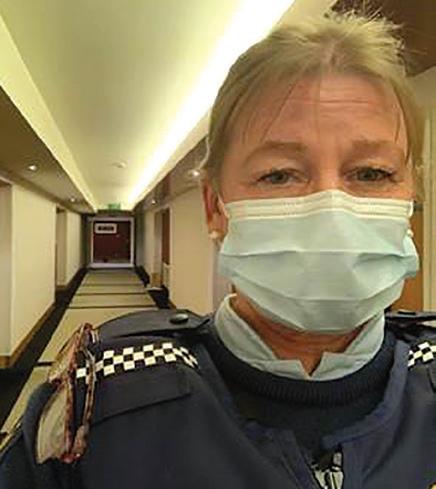












Submitted by Anne Smith
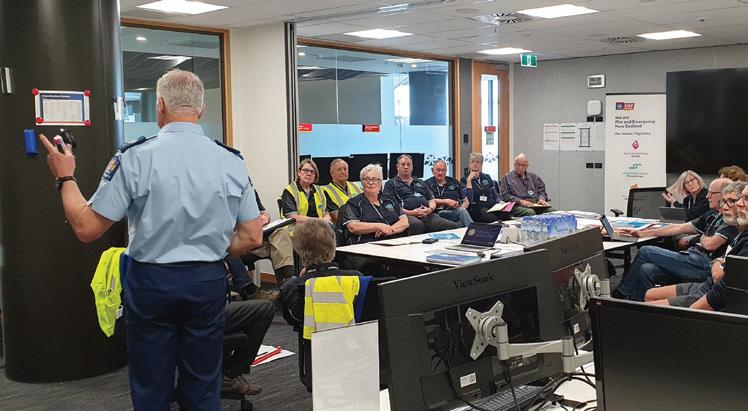
On the 19th September, trainers and Chairs from 12 Canterbury Community Patrols attended a training day at The Justice Precinct facilitated by Snr Sgt Roy Appley.
Plans to hold a training day and awards dinner for all members of the Canterbury Patrols this year was cancelled due to the uncertainty of which Level we could have found ourselves in.
We were delighted that this session could proceed, and we had members from as far away as Timaru attend.
The main focus of the day was to better understand the intelligence the patrols receive from Police, how to best complete the requirements of a tasking, and finally how to report back our findings in a timely fashion and consistent manner to them.
It became clear early in the session that although all patrols receive the same information, the way it is interpreted and made accessible to their members, varies greatly.
It is through these training sessions that we can achieve consistency, offer support, and
achieve a greater level of professionalism and credibility.
The patrols key role is to be the “Eyes and Ears” for Police. Training days are important as our volunteer base is mobile and they complement the standard modules we all complete online with our national body, CPNZ.
It was great to see that patrols are embracing technology with several now recording their reports electronically. Several others are looking at moving this way.
In Alberta Canada, an app has been developed to record a report. This app will track your patrol and there is the ability to send photo’s directly to Police at the time of finding something of interest.
It was obvious from the interest in this app that we will need to set up a Canterbury IT committee.
canterbury@cpnz.org.nz











Article by Dave Berry, Canterbury Rural Fire Commander
Canterbury is more than used to dry hot summers. With these weather conditions comes the risk of fire. Over the past five years we have seen an increase in the amount of wildfires that we are attending. We have also seen an increase in the duration of our ‘fire season’.
For many years the fire season would generally start late January and go through to mid March. We are now seeing large, fast moving and destructive wildfires starting in October and lasting until late March to early April. This takes a huge toll on our fire fighters and the resources required to get these fires under control.
Fires can start from a multitude of different reasons but it is how they spread through available flammable materials which causes the most destruction. Preparing your property early for the season can help reduce the impact of fire.
Simple acts like the below will help give your property a defendable zone:
• Cleaning out guttering
• Removing dry built up vegetation material from under the decking
• Storing firewood at least 10m away from the house
• Trimming low hanging branches from trees (at least 2m on large trees)
• Keeping bushes trimmed
• Keep lawns mowed
• Looking at having low flammability plants in the garden.
• Looking to swap out the pea straw mulch and bark in the garden to chip.
Being prepared to leave your home early and quickly in the case of a wildfire is just as important. These lessons were imperative during the self evacuation of Lake Ohau on Sunday 4th October.
A plan which the permanent residents had put in place some years beforehand, was enacted and helped to save the lives of the many visitors staying in the village overnight. It is important if you live in any part of Canterbury to have an evacuation plan. It should include taking important neccesities with you, like medication and baby food (if required).
It should also include an evacuation plan for any domestic animals and a plan for any livestock on the property. More information on these plans and how to create your own one can be found on the Civil Defence website www.getready. govt.nz/prepared/household/impacts/ have-to-evacuate.
During the fire season, the Canterbury area will usually always be in a Restricted Fire Season or a Prohibited Fire season.
If you are planning on lighting a fire, you will need to check if you require a permit to light first, You can do this by checking www.checkitslaright.nz or giving us a call on 0800 658 628. More information regarding defendable zones for your property and how to prepare your property for the upcoming fire season, are available on our website www.fireandemergency.nz.

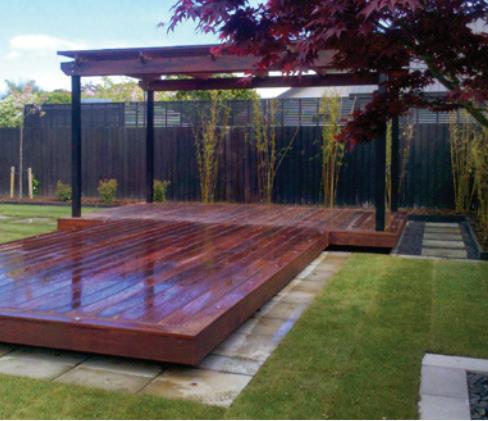
After being in operation for over 12 years, Ken Lomax Landscaping’s strong base of regular clients chose them due to the quality of the workmanship and excellence in service.
Mobile: 022 639 3473 www.kenlomaxlandscaping.co.nz

It offers you future living skills for a healthier lifestyle and a new approach to making consumer choices.




www.seismic.co.nz

The Sustainable Living Programme is a practical, fun way to learn and use actions which reduce your environmental impacts.

Waimakariri District’s residents can download the learning guides to find eco-building design or house renovation suggestions, see how to make their homes healthier, drier and warmer, and reduce their power bills (among other sustainable actions).
To register on-line go to http://www.sustainableliving.org.nz/SLP/Councils click on the link for “Waimakariri” and then on “sign up for access to the Sustainable Living study guide”.
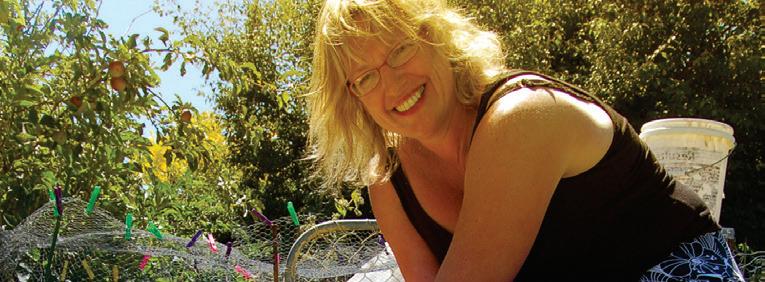
Article by Darlene Heard
Preserving, darning, going to work, camping in the caravan, watching the 6 o’clock news. Roast meals, knitting, reading the newspaper, neighbours popping in to say “hello”.
These are the memories and experiences of my childhood when visiting my grandparents. Through my young eyes, I learned that this is what it was to be agrown up.
Undoubtedly things have changed in our society – newspapers have been replaced with smartphones, while mending is replaced with fast fashion. Is this progression? Some would say yes, others would say no. One thing that is clear to me though, is that being neighbourly is no longer the norm it once was for my grandparents. I believe this is a shame.
Pat and Kitty Brown were the youngest couple on the street when they moved to Christchurch in December 1963, where they quickly got acquainted with their neighbours: Pat recalls: “the older people came and introduced themselves, brought us fruit from their trees, vegetables from their gardens. It was great”. He recounts that the children played together on the street, and everyone knew who each other was. It felt safe.
In 2004 Pat and Kitty formalised their community spirit by joining Neighbourhood Support, where Pat became the street co-ordinator; a role in which he remains today. Pat explains: “it didn’t put any extra pressure on my life, you felt like you were part of the community and it was a good way to know your neighbour.” Furthermore, he pointed out that Neighbourhood Support is the first link between your community, and the police.
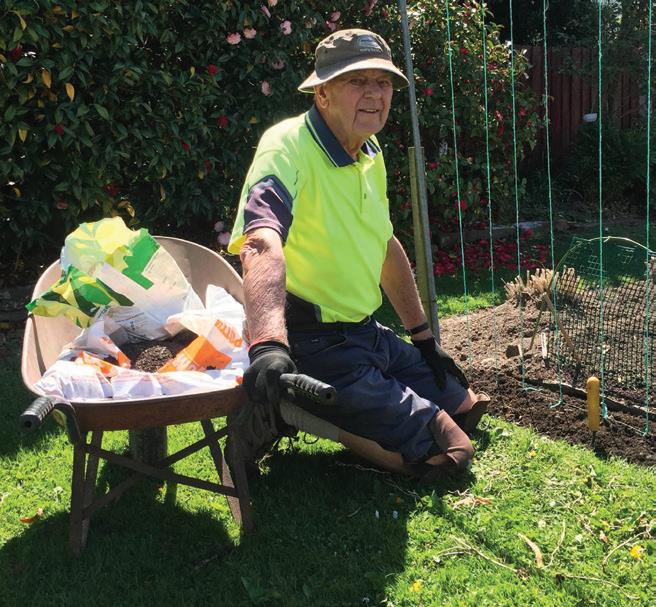
He once had 10 households within his group however, as of 2020, there is now only one other household in the group. Aside from friends passing on, or sadly passing away – what has changed?
Unfortunately, it seems the new generation of homeowners and renters are not interested in getting to know their neighbours. As a result of this, the street is no longer the idyllic haven it once was. Burglaries, speeding cars and unfamiliar faces have become the new norm.
My husband and I are now part of the next generation of homeowners. I do believe it is now up to us to disengage from social media and engage in reality by extending a greeting to the neighbours, and either forming, or joining a Neighbourhood Support group. As Pat correctly puts it – “you don’t need to live in each-others’ houses” - but you can certainly get to know faces to be part of a community.
I am happy to report that thanks to our own Neighbourhood Support group, we have already gotten back to the stage of neighbours popping in to say “hello”.





Active Explorers
Central City Vibrant, nurturing and high quality early childhood centre.
CENTRAL CITY A childcare centre your family will love
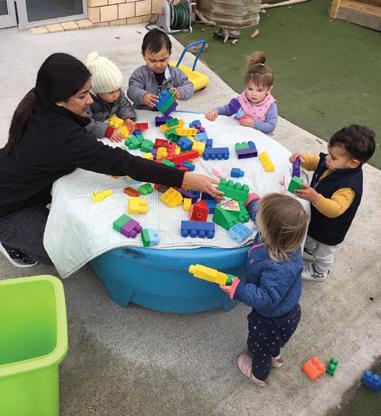
Active Explorers Central City gives children the best possible start, setting them up for a lifetime of engaged learning in a safe and supportive environment.
CENTRE HOURS
Monday to Friday: 7:30 am – 5:30 pm Closed Saturday, Sunday & public holidays
Phone 03 366 4307 396 Manchester Street, Christchurch




Article by Linda Keall, Administrator,
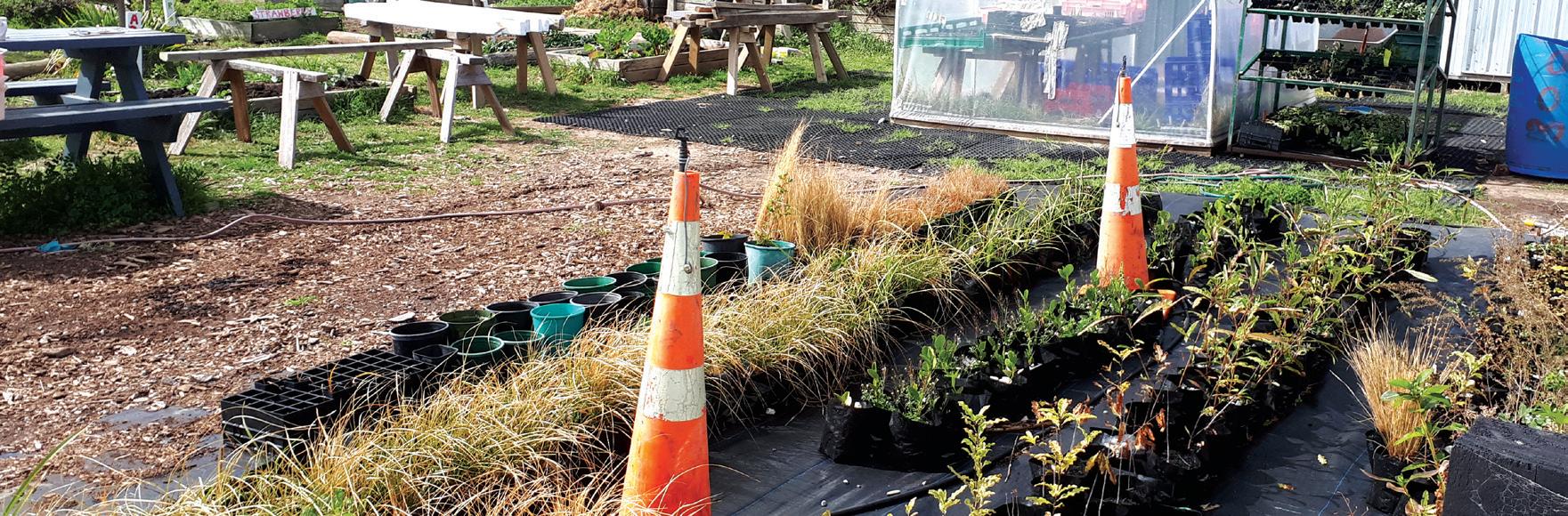
KCB is a branch of Keep New Zealand Beautiful, and a part of the city’s not-for-profit community. We have been around since the 1980s. Our Chair is Alexandra Davids, who is also Chair of KNZB.
We run various projects and work with many groups around the city, including NFPs, community groups, schools and regulatory bodies such as the Council.
Some of our projects:
Our Schools Environment Enhancement Programme (SEEP) for primary/ intermediate schools is in its 27th year with 39 schools enrolled. The programme encourages schools to be litter free; monitor their recycling systems and acknowledges the work of their fantastic Caretakers.
KCB runs its own Clean-Up events and supports others. At our last clean-up Murray and Elissa from Neighbourhood Support turned up to run a BBQ for participants, which was much appreciated. We have Clean-up Event Kits to lend out. We are moving to reusable bags and gloves where practicable so as not to add to the rubbish burden.
We support volunteers, lending clean-up kits, paying dumping fees, collaborating with others and recognising their efforts annually at our Community Awards Ceremony.
We acknowledge the great work volunteers do at our Annual Awards Ceremony - last year we awarded certificates to schools and caretakers for long service; students supporting the

environment; individuals collecting rubbish on walks; volunteers helping in schools; a business that has converted its vehicle fleet to electric vehicles among others.
We particularly value our connection with groups like Neighbourhood Support, the Council’s Graffiti Programme, Neighbourhood Policing, and many volunteering groups. These people do so much work in the community, it is a privilege to work alongside them. We work alongside Elissa in schools and collaborate on projects.
We promote KNZB projects – Young Reporters for The Environment, Wall Wise, Paint NZ Beautiful, Plant New Zealand Beautiful, Chorus Cabinet Murals, Clean Up Week. KCB would like to develop more projects including one for preschools, further recycling schemes and a volunteers’ forum.
When people take action in and for their community, they ‘own’ it and feel safe there. When others see their communal areas cared for, they in turn feel safe and are often inspired to join in. KCB helps this upward spiral of community action which benefits us all. If you have ideas, want to join us, run a clean-up, just say hello – we’d love to hear from you.
You can reach us by phone (03) 940 9419 (message service only), email: tidykiwi@kcb.org.nz, or our Facebook page: Keep Christchurch Beautiful www.facebook.com/KCBNZ.


on: (03) 3499 572 Email: office@hornbyaccounting.co.nz www.hornbyaccounting.co.nz

With three manufacturing jewellers on
The








Volunteering Canterbury was the second Volunteer Centre to open in New Zealand, in 1988. There are now 17 Volunteer Centres from the far north to the deep south.
The organisation that opened all those years ago was all about supporting both volunteers and volunteer engaging organisations. And that is still the basis of what we do.
Through the years, though, there have of course been changes in the way we do things and we have had particular milestones along the way – the initiation of a Youth Volunteer Programme in 1992, the hosting of a national conference “Inspiring Volunteering” in 2002 and later that year the website, launched in 2000, became interactive - enabling people to register online for a volunteer referral – a first for New Zealand.
We believe volunteering must be inclusive and so providing access to volunteer roles via a database is part of that – as is the availability of an office which people can come to and actually speak to somebody about volunteering.
Volunteering Canterbury currently has a membership of 300 not-for-profits in the region. And one of the things which we do is identify trends – including global ones – which affect volunteering.
This enables us to prepare training and resources to support organisations around volunteer management. In New Zealand there are around 115,000 not-for-profit organisations and research suggests that nearly 90 percent of staff at those not-for-profit organisations are volunteers.
So it’s essential that they are treated well
– both in terms of recognition within their organisations, but also within the laws which pertain to them – things like health and safety.
While not the current largest group of volunteers in New Zealand, the group with the largest growth in volunteering numbers are those between the ages of 18-25 and Volunteering Canterbury partners annually with the University of Canterbury to provide a recruitment expo at the University for community organisations.
This event is always well received. Additionally, we talk to a wide range of groups about volunteering – why it’s important and how they can get involved. This includes our newcomers to the city.
Social engagement, making new connections, getting a ‘taste’ of a kiwi workplace – volunteering does all that!
The gifting of time cannot be underestimated. It doesn’t matter how much time is gifted - it’s all valuable.
In the words of Desmond Tutu: “Do your little bit of good where you are; it’s those little bits of good put together that overwhelm the world”.

Glenda Martin Outreach Manager
Volunteering Canterbury

Use the most cost effective and easiest job site in New Zealand. Now with a new and improved website making things even easier, ensuring you get quality applicants, everytime!
You can either buy 1 ad (for 1 month) for $137+gst or unlimited ads for 12 months for $997+gst
100% money back guarantee if you don’t think it’s the best money you’ve spent all year, plus we’ll give you another 12 months FREE
FREE access to search CVs – other companies charge thousands for this
You can include your company profile so applicants can see why they want to work for you – once again, other companies charge for this.
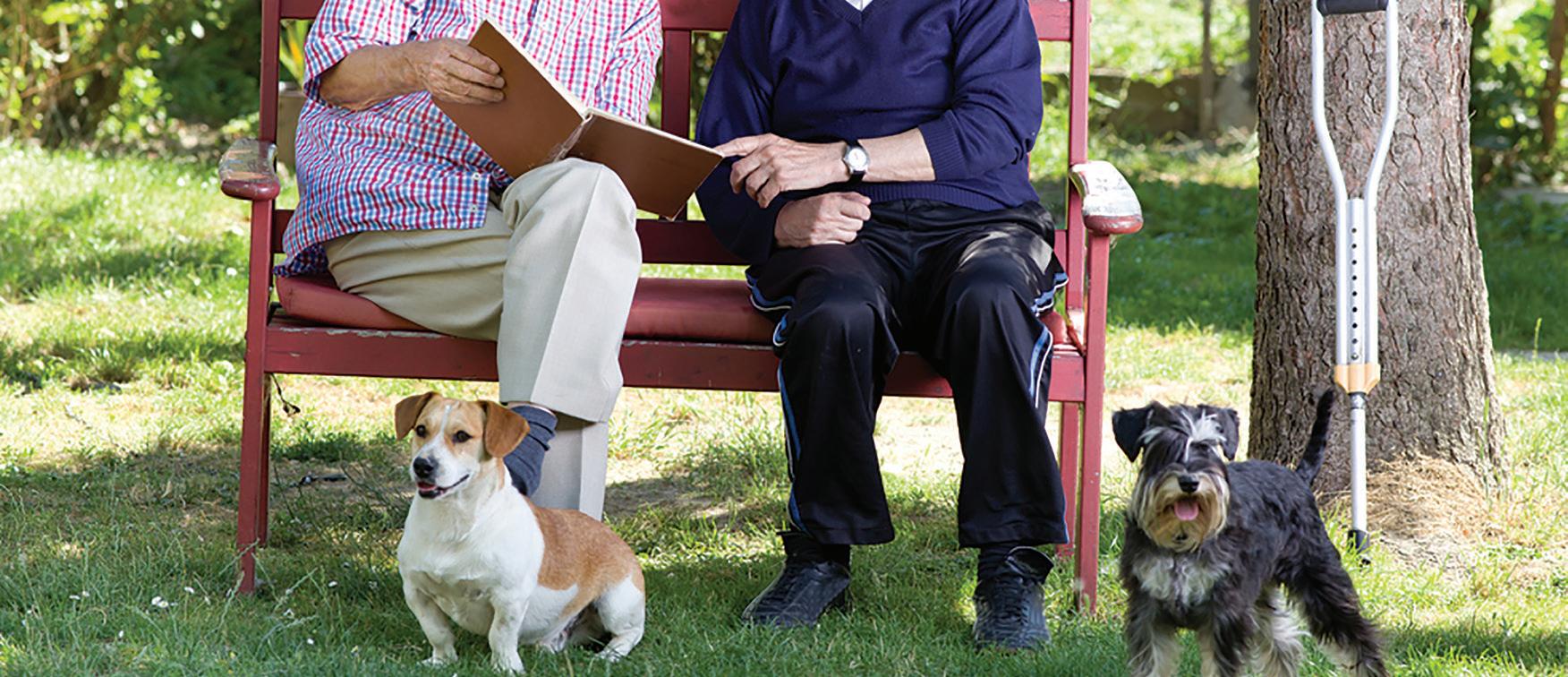
Age Concern Canterbury has established a wide range of services that help address the needs of older people in our community. The Accredited Visitor Service and Companions on Paws are befriending services that provide regular visits to older people who would like more company.
The majority of older people are not severely lonely, but findings from The Social Report 2016 show that 10 percent of New Zealanders aged 65-74, and 13 percent of those aged over 75 feel lonely all, most, or some of the time.
This is important, not just because loneliness is painful, but because having inadequate social relationships has been shown to be as bad for health as smoking. Loneliness has also been linked to increased likelihood of entering rest home care.
You could benefit from the Visiting Services if you feel like you would like more company, or that you spend too much time on your own. If you would like a visitor, you only need to contact Age Concern Canterbury and a co-ordinator will come to see you in your home to get to know you. The co-ordinator will then match you with a carefully chosen trained volunteer who will begin to visit you for about an hour each week.
“Companions on Paws” is a new addition to our visiting service where a volunteer and their companion dog will visit on a regular
basis. This service is proving popular with those older people who have had pets throughout their life, but for many reasons are now unable to do so.
The relationships established through the Visiting Service are mutually beneficial. Our volunteer visitors often find the person they visit become special friends and wise mentors, while those being visited value the intellectual stimulation, humour and friendship the visits provide.
Volunteers are the core to both these services, and our co-ordinators work hard to provide ongoing training and support to ensure that everyone has a rewarding, safe and enjoyable experience. If you feel like you would benefit from a visitor or wish to volunteer with us, please call our coordinators Rebecca (331 7816) or Peter (331 7809).

If you want to volunteer with your dog or would love a visit from a four-legged friend please call Bev (331 7817).





















By J F Pearson
The blackened night’s sky slowly changed to a lighter hue as a monster tool sale at 6.50am was located at Placemakers Riccarton front carpark.
The area was awash with hi-vis top tradies. This annual event was designed to encourage trades personnel to view the latest tools of their trade and also think about security of the tools.
More than 500 tradies made the most of a free cup of coffee plus steak, bacon and sausage sandwich whilst mingling and viewing the 30 plus colourful stalls and displays which added to the atmosphere.
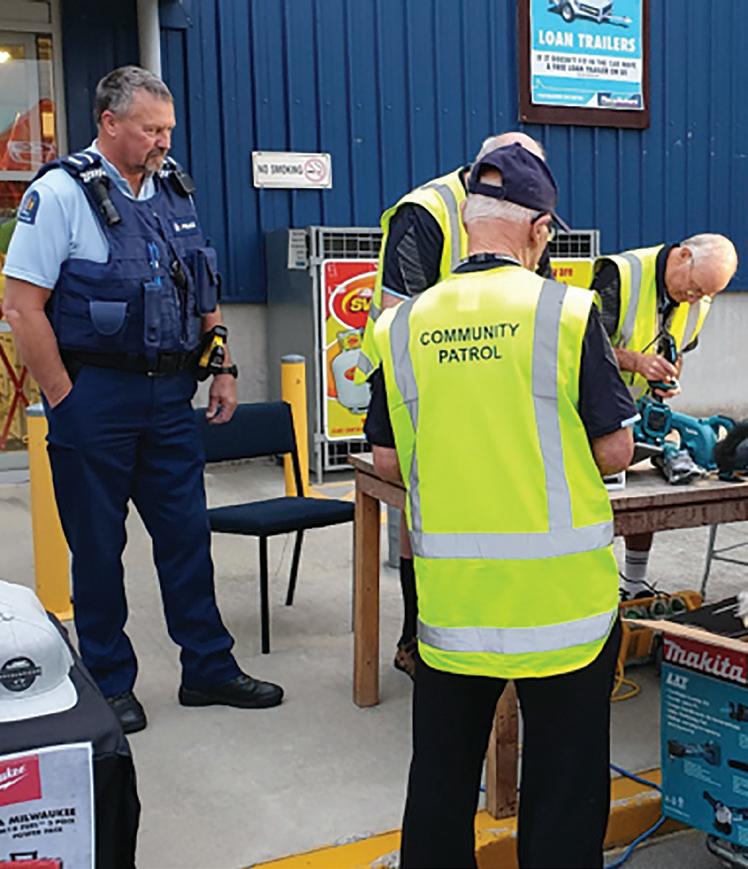
Riccarton Community Patrol members plus several NZ Police were at the engraving table site.
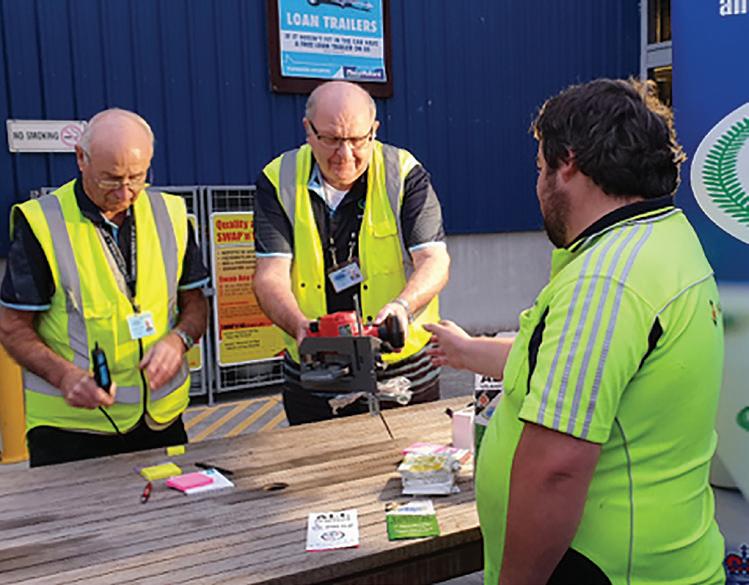
Tool engraving is a recommended security practice, and many new tools were engraved with the tradies unique motor vehicle drivers’ licence numbers.
One of the tradies thought he was going to miss out, because his licence was at home. However, the Police were able to find out his information with the aid of the police mobile phone, and was able to add, not a demerit point to his name!
This is just one-way Riccarton Community Patrollers have the community at heart, would you like to join us?
Please leave your contact details at riccompatrol@gmail.com or phone (03) 335 0114.


You can now order online from Hoon Hay Thai Restaurant in Christchurch using your own smartphone.
We’ll be delighted to confirm your order in real-time. Simply download the app and start ordering online from Hoon Hay Thai Restaurant.






Tuesday - Saturday 11:00 AM - 2:00 PM Monday, Sunday 4:00 PM - 9:00 PM Tuesday - Saturday 4:00 PM - 9:00 PM







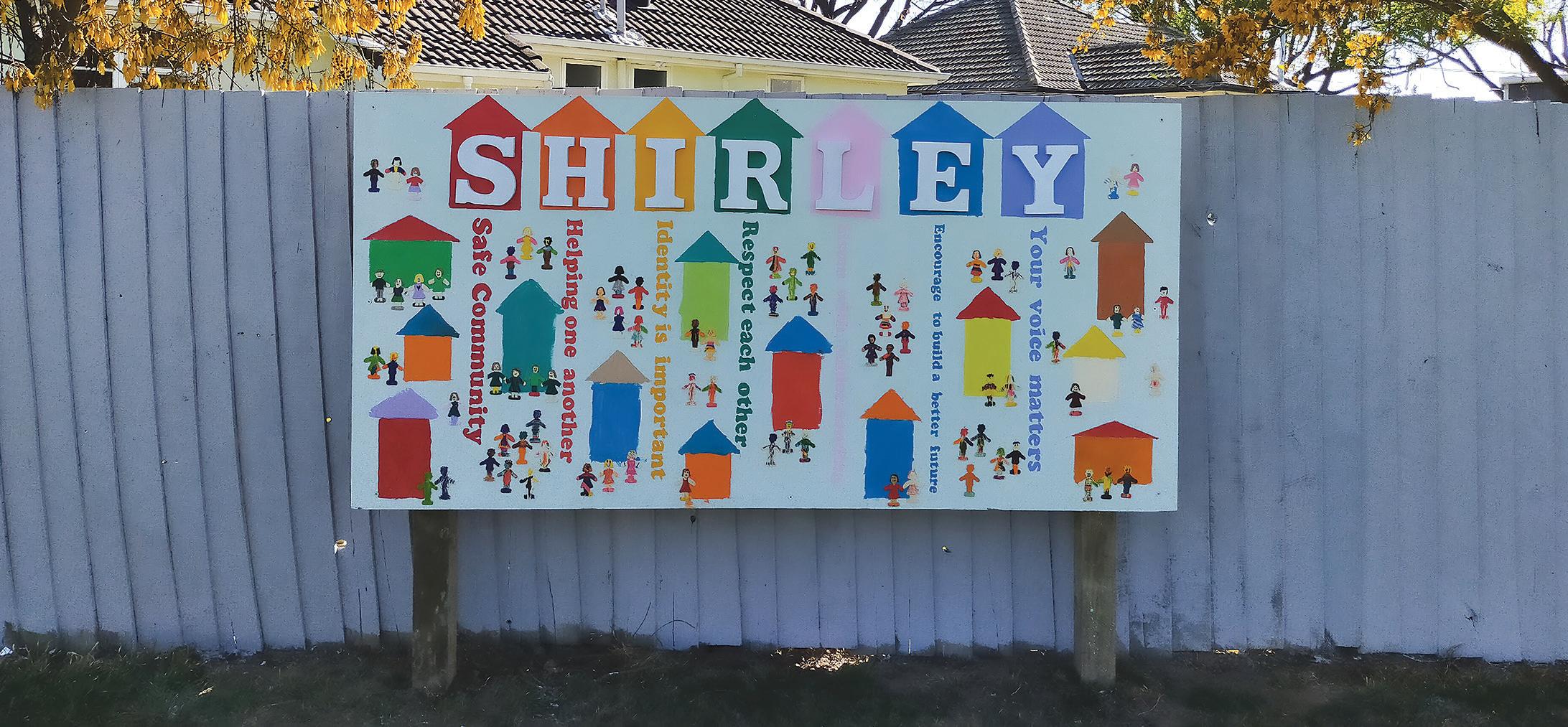
With a goal of reducing the level of graffiti in their area, the Shirley Village Project recently unveiled an additional two murals in MacFarlane Park, bringing the total number of murals in the park to six.
This community-led project is a great example of working together, enhancing your community and providing a deterrent to further acts of graffiti vandalism.
If you would like to design and create a mural within your own community, please contact us at the Graffiti Programme on 941 8999 or email us at: graffitiprogramme@ccc.govt.nz.














Jeff Wood, a Support Worker for Victim Support, was nominated for a Westfield Local Heroes award. Here he talks about what he feels are the key aspects of his Support Worker role.
I work with victims of serious crime and trauma to help them regain control of their everyday lives.
This work involves responding to rostered call outs after hours supporting people of all ages, ethnicities and cultural backgrounds, who have suddenly found themselves to be a victim of trauma.
Sadly, these people did not choose to be victims, but find themselves and often with family and friends, thrust into a foreign situation. In many cases, this is a crisis situation requiring me to use crisis management skills to help whānau and communities come together to support those in need.
The positive impact of our work is that it allows people who have experienced loss or trauma to manage their response and their healing at their own pace and in their own way. Everyone is different and the effects of trauma are not always evident, nor are they the same for everyone.
Following a trauma, a victim’s thought processes can become scrambled and what may have been logical and structured before the “event” now becomes confused and illogical. This can
create fear for people as they are experiencing feelings that they have not experienced before.
Being there for a victim can be as simple as being a voice on the end of the phone to attending a crisis situation alongside Police – the dreaded ‘knock on the door’ - as often victims can display a wide range of responses to grief and loss.
Identifying these needs is about coaching - the answers are within the people we support themselves - my role is getting the actions out of them and into a formulated plan.
To get a plan requires empathy, understanding and clear-headed thinking. Working together to identify needs provides a positive impact for people as it is the first step in them regaining control of their lives. This is the first step on the road from victim to victor.
My work as a Victim Support volunteer is all about building trust - to help people on their journey from victim to victor.

PHONE US Get Help: 0800 VICTIM (0800 842 846) Volunteer: 0800 VOLUNTEER (0800 865 868)
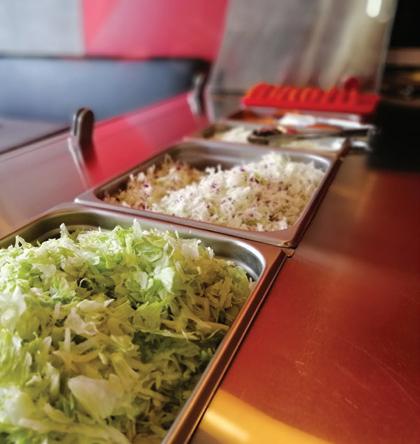


Remembering moments with hand-crafted, original pieces of jewellery
We create pendants or charms for necklaces and bracelets, personalised cufflinks and keyrings. We can also do custom designs on request.
www.fingerprintmemories.co.nz


Phone:
Store









Albert Einstein was quoted as saying: “If
I
were to remain silent,
I’d
be guilty of complicity”.
Many people in today’s society do not follow that quote. They see suspicious activity and do not report it – they may intend to report it, but fail to do so. By doing that you are effectively condoning what has been going on!
I know that some people are frightened about becoming involved. However, if you don’t report something when you see it, you are effectively giving your consent. If you see something suspicious you should contact the police immediately. The police can only act on the information they receive.
By seeing something and doing nothing you are allowing burglars, vandals, thugs, drug sellers etc. to continue in their sordid ways.
A lot of crime can be prevented. Still there are some really simple things we can do.
Things such as reporting people or vehicles acting suspiciously. If truants are seen walking the streets, contact their school and report what you have seen. If there is a valid reason for them being out of school minimal harm has been done, but if they are truant, they could be up to no good, they could be preparing to
“knock off” someone’s home. Your report could prevent that from happening.
By reporting suspicious behaviour you may be preventing the beginnings of a criminal life style by stopping it in its tracks.
Remember a big oak tree grows from a small acorn. The same way a criminal starts on a life of crime with a first step, often as a youngster truant from school. Your report may be the trigger point to stop it developing into something bigger.
If for whatever reason you wish to report something anonymously to the police, contact “Crimebusters” on 0800-555-111.
Neighbourhood Support Groups are encouraged to be observant and to report suspicious behaviour.
This helps to reduce the crime level in Neighbourhood Support streets. In Rotorua there is a coverage of over 37 percent of the district’s occupied households, yet Neighbourhood Support covered areas have only 20 percent of the residential crime.
Join a group in your area or if there isn’t one there get one started, the sooner the better.
For further information, contact Neighbourhood Support Canterbury on (03) 420 9944, or by email to admin@canterburynz.co.nz

Trust a company that has experience & is passionate about Real Estate.


Grassam Real Estate has local knowledge and drive to achieve the very best for our clients whether you are buying or selling. Our honest & trustworthy team will meet, advise & support you through your next move. Full Service Real Estate - Residential, Property Management, Commercial and Businesses. Phone 03 528 359 2c Trafford St, Harewood. We offer a wide range of concrete products ranging from water troughs, water tanks, wing walls and pipes, to silage pits, precast walls and multi-use bunkers. Ph (03) 308 4816 info@hanhamconcrete.co.nz
www.hanhamconcrete.co.nz



Your inner city specialist
Christchurch Accommodation specialises in providing quality apartment and townhouse accommodation within the central city of Christchurch. Phone 03 372 3408 www.christchurch-accommodation.co.nz





Developing extensive knowledge during years of recruitment and sales, both in the UK and New Zealand, we wanted to bring this platform and provide a service to help and develop your recruitment needs.

NZ Recruit is offering services to help reach and fill your current vacancies by advertising your current jobs on Seek , Trademe and Myjobspace, also by expanding your reach through social media. Not only can NZ Recruit offer advertising services, we will ensure applicants
are contacted accordingly. Communication is key. We can help write your advert, screen and prepare for interviews. What takes your time and puts pressure on you; we can help manage. Building long- term working relationships is essential to us both, understanding your business and your recruitment needs.
We understand that sometimes you need an extra pair of hands to help for a few days or a few weeks; not a problem, we can provide both short and long term solutions to help your company during those busier times.
The only requirement for membership is a desire to stop drinking.
There are no dues or fees for A.A. membership; we are self supporting through our own contributions.
A.A. is not allied with any sect, denomination, politics, organisation, or institution; does not wish to engage in any controversy, neither endorses nor opposes any causes.
Our primary purpose is to stay sober and help other alcoholics to achieve sobriety.
A.A. can help people of any age and background so youth drinking, teen
drinking, drinking alone, drinking at home, solo drinking and elderly drinking are all factors that have brought people to A.A., and we have members aged from 16 through to 96.
If you find problem drinking, binge drinking, drinking blackouts or other alcohol problems are affecting your life and that of your friends and family, Alcoholics Anonymous may have the solution for you.
To find out if we can help, try our ‘Are you an alcoholic?’ quiz at www.aa.org.nz or contact AA by ringing 0800 229 6757. Alcoholics Anonymous is a fellowship of men and women who share their experience, strength and hope with each other that they may solve their common problem and help others to recover from alcoholism.

Alcoholics Anonymous is a fellowship of men and women who share their experience, strength and hope with each other that they may solve their common problem and help others to recover from alcoholism.
THE EVENT THAT YOU MIGHT BE REQUIRED TO EVACUATE YOUR HOME, DO YOU HAVE
Based on the information available, and my knowledge of the area...” Do I need to evacuate?” If the answer is “YES”... Do you have a place to go? How will I get there?... Will I take my vehicle? Will transport be provided?, Will I have to walk? What do I need to take with me?
SO... LET’S TAKE THESE DETAILS ONE AT A TIME. DO YOU KNOW:
Where will you go?
The safest route to get there?
How long it will take to get there?
What do I need to take with me?
Medications (regualry taken)
Important documents (Birth/marrigae certifactes; Home insurance; Drivers license; Passport etc)
Sturdy Shoes (especially if leaving on foot)
Snacks/Water
Warm Jacket (both wind & waterproof)
Money (A small amount of cash in small denomations - not $100 bills)
Do I need to evacuate?
If the answer to this is YES... where will you be going?
To a friend or family?
To a welfare centre?
How will I get there?
Simply to higher ground? Am I going by vehicle?
Am I going to walk?
Is transport provided?
IT IS REALLY IMPORTANT THAT THIS IS A DISCUSSION YOU HAVE WITH YOUR FAMILY AND A PLAN IS SET IN PLACE.
Name
Doctor
School
Police - non emergency



Canterbury
Office Phone: 03 420 9944
Barbara Brothers (Office Administrator)
Email: admin@canterburyns.net
Elissa Smith (Junior Neighbourhood Support Co-ordinator)
Email: jns@canterburyns.net
Murray McGusty (Manager)
Email: manager@canterburyns.net
Postal Address: PO Box 16103, Hornby 8441
www.nscanterbury.nz
This website for general information about Neighbourhood Support Canterbury.
TBC
c/- Ashburton Police Station
Postal Address: P O Box 34, Ashburton 7740
Office Phone: 03 307 8410
Email: neighbourhood@saferashburton.org.nz
TBC
Neighbourhood Support North Canterbury
Postal Address:PO Box 5, Rangiora Phone: 03 313 2681
Email: coordinator@ncns.org.nz www.northcanterbury.getsready.net
Sue Jenkins
Selwyn District Council
Postal Address: P O Box 90, Rolleston 7643
Phone: 0800 735 996
Betty-Ann Smart
Neighbourhood Support South Canterbury
Phone: 03 687 9802 | 027 6688 114
Email: scns@xtra.co.nz
Complete this survey — reduce your risk of being burgled.
1. Are all locks to outside doors either dead locks or strong bolt locks?
2. Can door locks be opened by breaking a window and reaching through?
3. Can internal doors be locked?
4. Are all locks in good working order?
5. Do you lock the internal door from your garage?
6. Can you account for all copies of keys to your home?
7. Are window locks properly and securely mounted?
8. Do you keep windows locked when they are shut?
9. Do you use locks that allow windows to be secured partly open?
10. Do you lock your garage door at night?
11. Do you lock your garage door when away from home?
12. Do you have good secure locks on garage windows and doors?
13. Do you lock your car when its parked in your garage?
14. Do you notify neighbours when away on holiday?
15. Do you have mail and circulars collected for you when you are away?
16. Do you stop deliveries and newspapers when on holiday?
17. Do you have shades up and lights on when on holiday?
18. Do you use timers on lights & radios to make it look like you are home?
19. Do you arrange to keep lawns and gardens maintained?
20. Are you a member of a neighbourhood support group? Environment
21. Do you have sensor lights around your house?
22. Are shrubs and bushes well trimmed near your house and boarders? Safe Practices
23. Have you recorded all serial numbers and stored them away from home?
24. Have you uniquely marked valuable items (etch or invisible)?
25. Do you have a description of valuable property?
26. Have you displayed a sign that items are marked for identification?
27. Do you have an alarm?
28. Have you displayed a sign stating that your house is alarmed?
29. Do you report suspicious activity or people to Police immediately?
30. Do you know not to disturb anything if you are burgled? just to call Police?





Open to the public every day from 9am to 3.30pm, our 5 Acres Café gets rave reviews for its coffee and fabulous food, which is all made on the premises. Make an appointment to view our Living Well Apartments and we’ll shout you morning or afternoon tea. Call Tara on 021 489 784 or visit parklaneretirement.co.nz