What Budget 2026 means for the construction sector
Quality Electrical Components for Industry
With over 10,000 products in stock, we pride ourselves on being a dynamic and innovative company, providing custom solutions to meet the needs of our clients.
Global Solutions for Industrial Automation
Electrical Importing Company was established in 1988 and is recognised for importing and supplying quality electrical components for the industrial electrical industry. We are one of the top Electrical Suppliers in New Zealand offering over 6000 products in stock with various options to suit your every need.
Our products cover:
• Contactors
• Metal Enclosures
• Circuit Breakers
• Solid State Relays
• Pendants
• Motor Starter
• Plastic Enclosures
• IEC309 Connectors
• Limit Switches
• Power supplies & so much more.
sales@eic.nz 117A Captain Springs Road, Onehunga, Auckland 1061, New Zealand Electrical Importing Company
(09) 634 2978
This edition opens on the question looming over every worksite: as AI eats into entry-level office work, a new wave of school leavers is turning to the trades, and Budget 2026 has doubled Trades Academy places to 20,000 to meet them. But the apprenticeship they're signing up for is already being remade by automation, and the shift isn’t humans being replaced, it's the new skills the people alongside those machines now need.
Viewpoints
Beyond the cover, the numbers tell their own story: $227 billion of private work in the pipeline per Pacifecon, build costs still climbing as cheaper diesel fails to offset a 21% jump in cladding, and a construction sector that's proving more resilient than almost anyone expected — provided it keeps lifting productivity.
We also look at a New Zealand‑first trial to destroy asbestos rather than bury it, the decade that doubled women in infrastructure training, and the case for finally listening to your Health & Safety reps.
There's plenty in here to sharpen the year ahead. Enjoy the read.
8 Manufacturing's automation moment is here Now comes the workforce challenge 26 'Competent' is a legal word The duty you can't hand over on a handshake 28 What it costs to get it wrong How HSWA sentencing actually works
Workplace injury focus The case for Health & Safety Representatives
The apprentice of the future AI, Budget 2026 and the remade apprenticeship
Cheap today, cold tomorrow Jason Quinn on NZ' building‑execution problem
What Budget 2026 really means for the construction sector
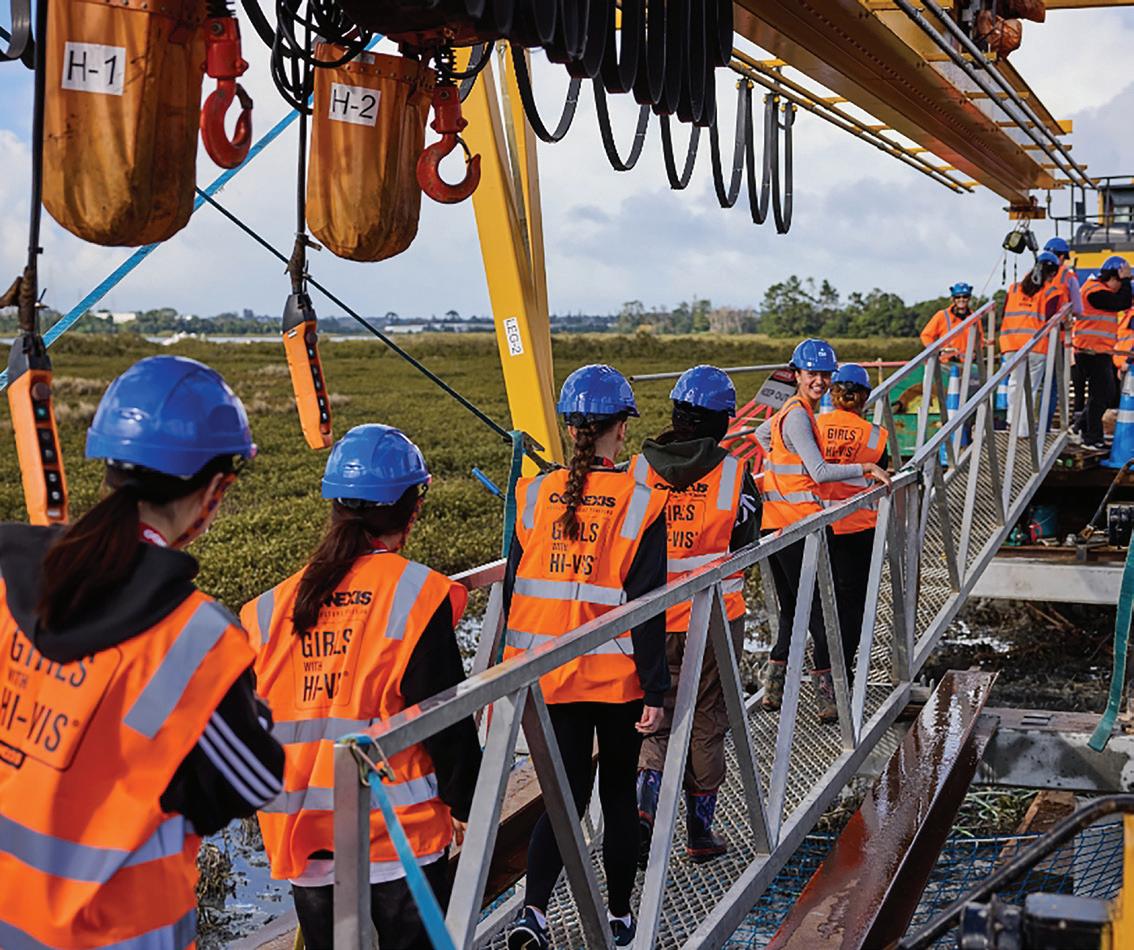
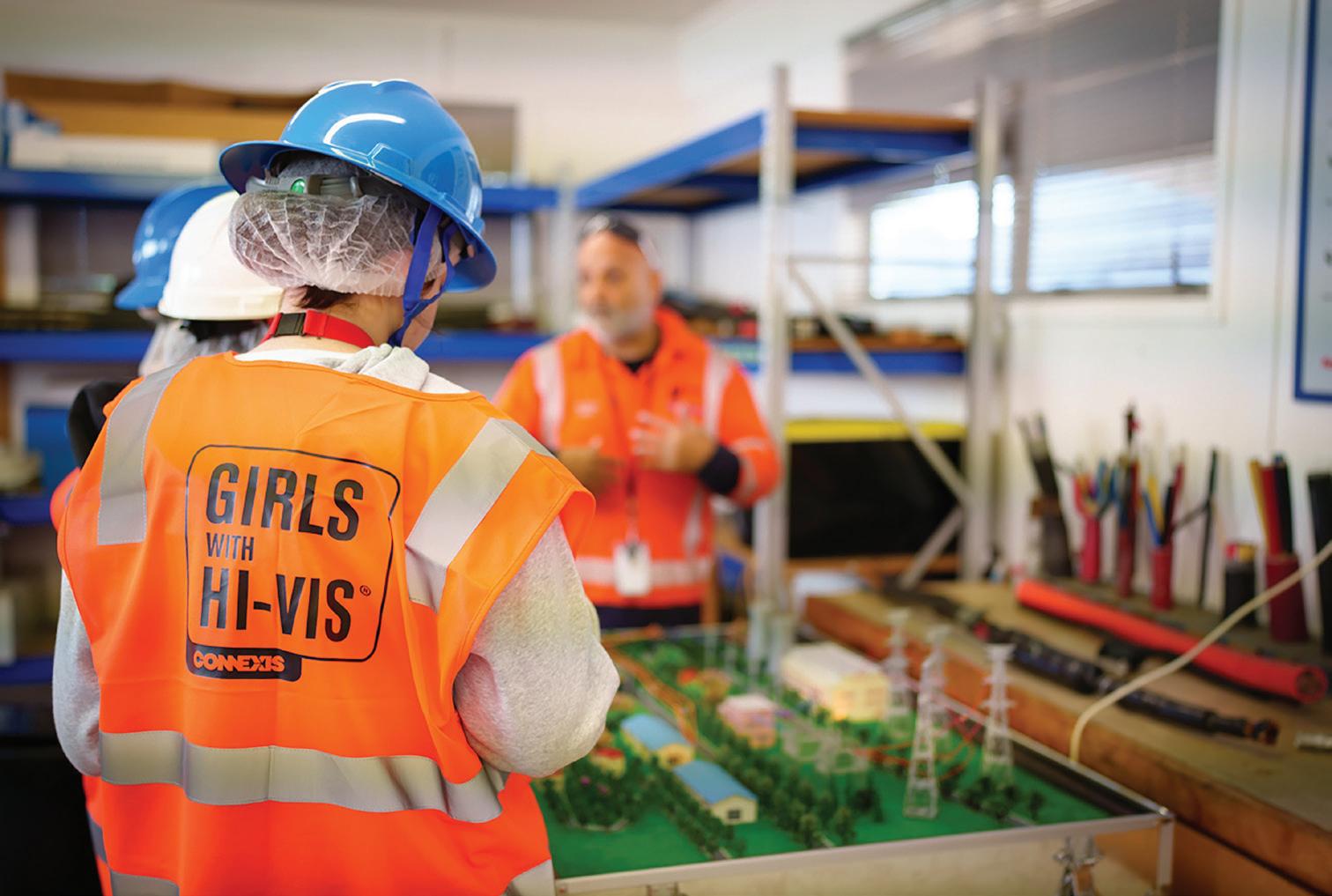
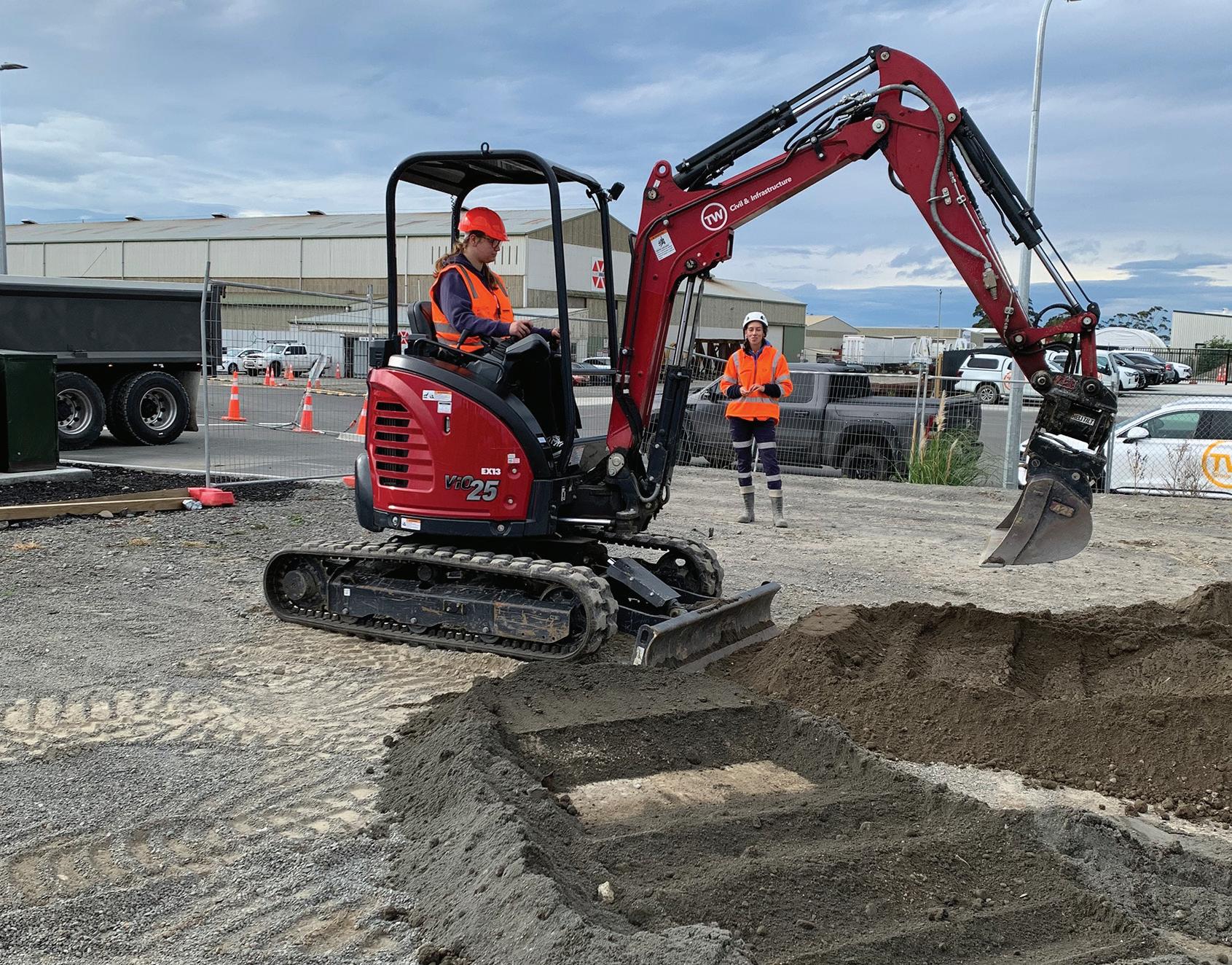
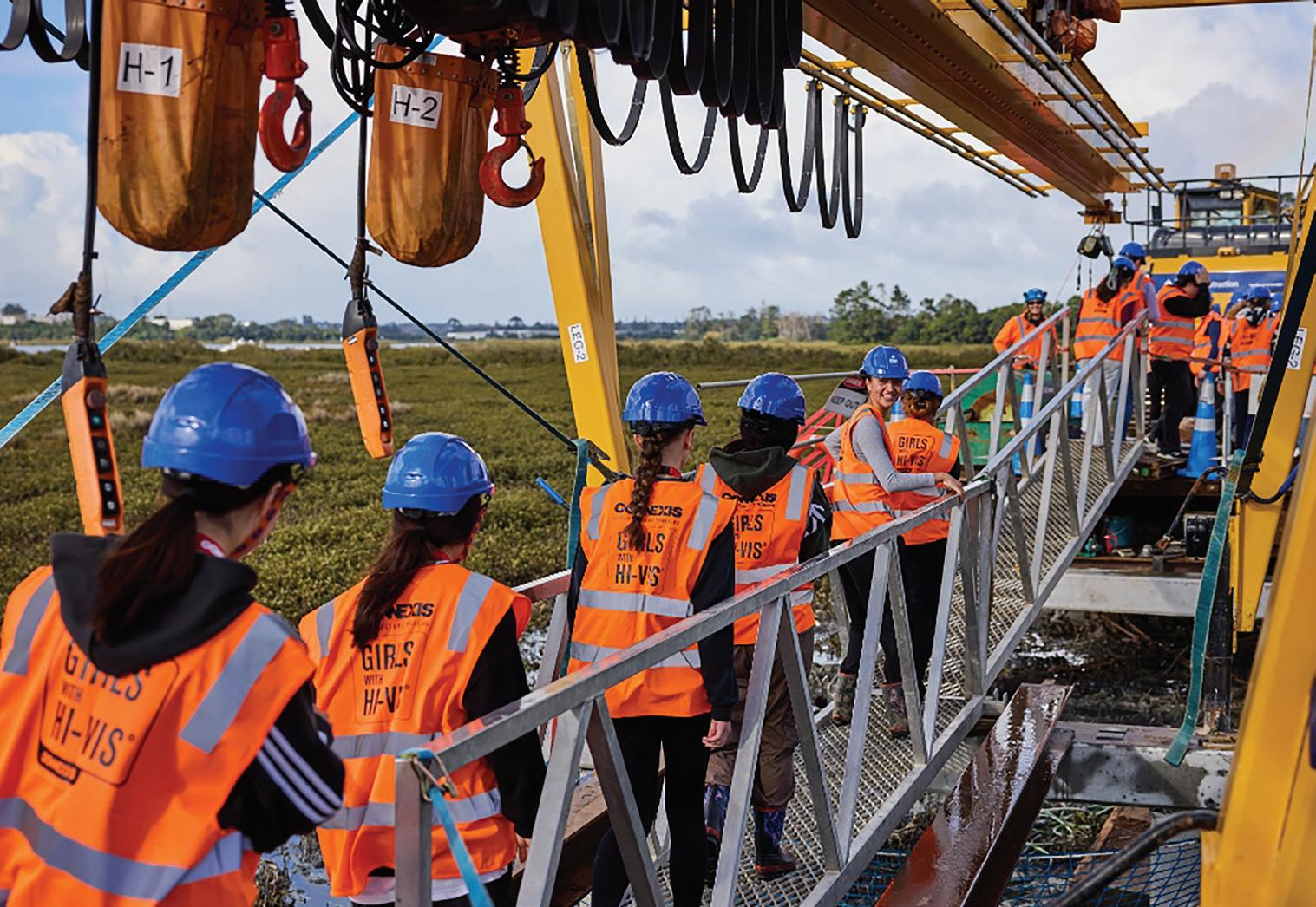
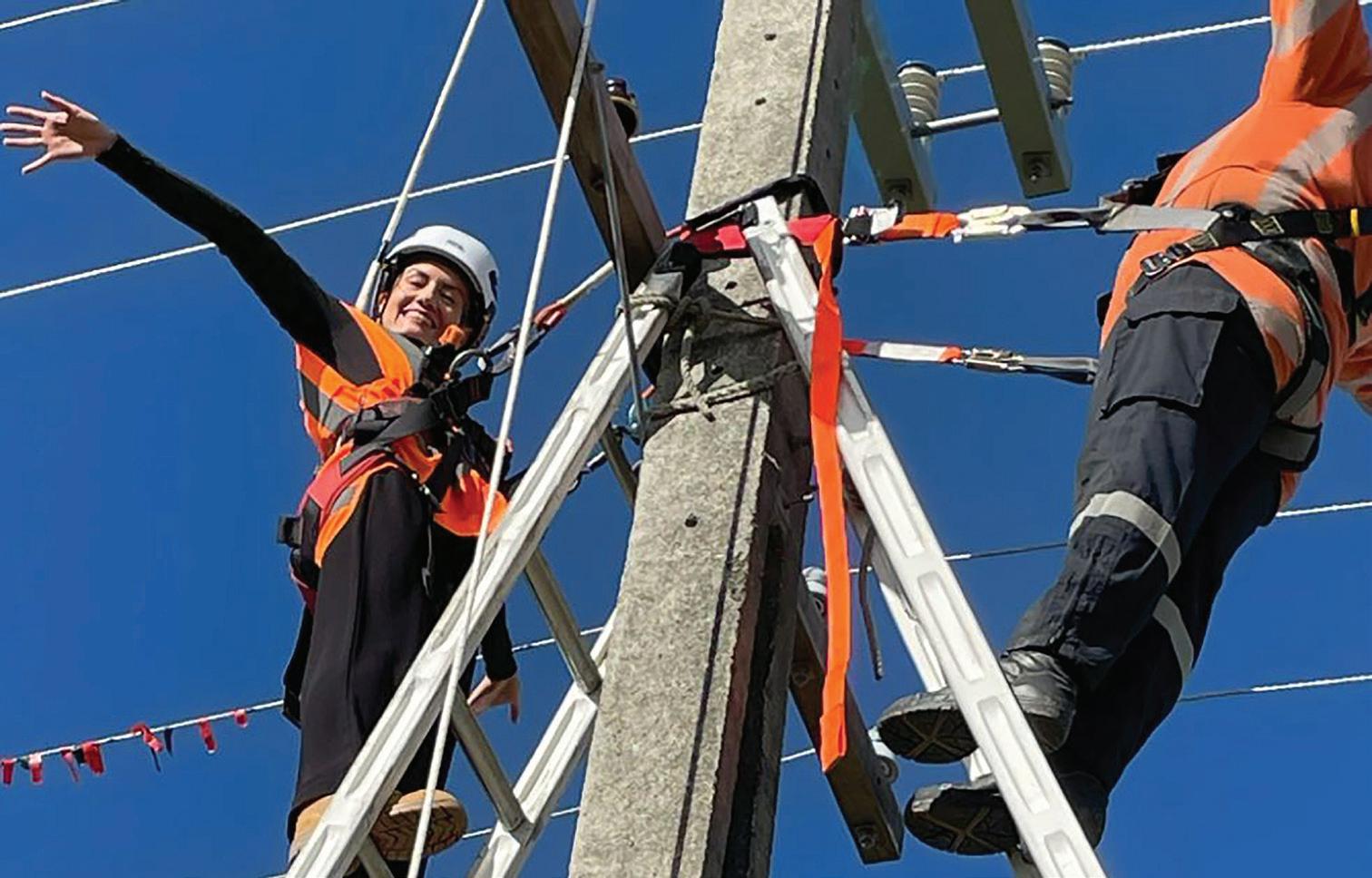
Girls with Hi-Vis helps build tomorrow's workforce
Designing with escape routes in mind
C/AS1 guidance
Builders and Contractors, a national trade newspaper targeted directly at New Zealand's building and construction industry. For some time we were aware that, although the building and related trades were generally covered individually by some trade journals, there was no amalgamated news link for trades as a whole, especially on a nationwide basis.
boom brings new focus to
one builds alone
and tradie
updates asbestos guidance
Asbestos neutralisation trial begins A New Zealand first at Silverstream
Build costs rise as materials offset fuel relief 22 Construction sector proves more resilient than expected 2degrees Shaping Business 2026
60 The weak point in the envelope Weathertightness and compliance
70 New report maps pathway to a circular steel future for New Zealand
72 Before the next big rain Managing site runoff
74 Reinforced concrete: evolving for a lower-carbon future
77 Entries open: 2026 Concrete Industry Apprentice of the Year
Readers: Construction/building industry leaders and decision makers: government & trade organisations, site safe members, business owners and professionals in the industry.
Nationwide Distribution: Mailed directly to a carefully maintained list of decision makers and subscribers for 25 years.
This void has been successfully filled by Builders & Contractors. Distribution is by way of various outlets: PlaceMakers, Mitre 10, Builders Hardware, Site Safe Members, timber companies, hire companies, together with our database direct mail drop to architects, draughting professionals, consulting engineers, building consultants, designers and local Councils. By these means we aim to reach one of the most powerful buying groups in the industry.
We’re proud to be 100% NZ owned and operated, supporting you with local trade knowledge and experience at every stage of your build.
As one of New Zealand’s most trusted brands, Mitre 10 Trade makes the job easier with people you know and can rely on.
Manufacturing’s automation moment is here
– now comes the workforce challenge
You lock up your warehouse at night, switch off the lights and press play on an autonomous drone. By morning, it has flown the aisles, scanned barcodes, completed stocktakes and delivered real-time inventory data before the first staff member arrives. For some manufacturers, that future isn’t coming - it’s already here.
Having recently attended the MAKE NZ industry conference at the engineering and manufacturing show EMEX alongside spending the past few months visiting manufacturing sites across New Zealand I’ve had a front row seat to how quickly technology is evolving. From collaborative robots (co bots) on factory floors to increasingly sophisticated AI and automated systems in warehousing and distribution, one message came through consistently: the biggest shift isn’t machines replacing people. It’s that the people alongside those machines now need different skills.
There is still a persistent narrative that technology equals job losses. But across manufacturing floors, warehouses and engineering workshops, the reality looks different. Across many manufacturing environments, technology is changing jobs faster than it is removing them.
The biggest shift isn’t machines replacing people. It’s that the people alongside those machines now need different skills.
Take robotic welding. A robot may handle repetitive work, but it still needs someone who understands welding quality, tolerances, and outcomes. Visit a distribution centre, and you’ll see technology moving stock, but humans still analysing outputs, monitoring systems and solving problems when things go wrong.
Are the robots ready to fly solo?
Recently, I visited a manufacturer trialling a machine designed to automatically pick up boxes, stack pallets and shrink wrap them. Impressive? Absolutely. Faster than the person standing next to it? Not even close.
The lesson is simple: technology still needs people.
Technology is not a procurement decision - it’s a workforce project
The strongest manufacturing investments happen when conversations about technology and workforce capability start early.
If new technology, robotics or AI enabled systems are on your roadmap, ask now:
who will operate it? Who will maintain it? Who will monitor outputs and manage exceptions? What new skills will supervisors need?
This is where workforce planning becomes more valuable than talking about training alone.
Bringing workforce partners into technology planning conversations before equipment arrives creates opportunities to build capability early whether that is through structured on the job learning, targeted microcredentials or broader workforce development.
When done well, technology and workforce investment should happen side by side.
Adaptability is becoming manufacturing’s newest superpower Manufacturing has always evolved. What is changing is the speed.
Export customers increasingly expect more data, more traceability and greater visibility across supply chains. In some cases, modern production systems are becoming less of a competitive advantage and more of a requirement to stay in the game.
That means the workforce needs to evolve too.
One concept gaining attention is reverse mentoring, where younger workers support experienced teams with digital capability while learning operational expertise in return.
We know skills are becoming more transferable too. The capabilities needed to oversee modern production systems, interpret data, troubleshoot systems, and lead teams are no longer confined to a single sector. They move across manufacturing, engineering, logistics and beyond.
For people leaders, this creates both a challenge and an opportunity. People are more likely to stay where they can see a future for themselves. Building clear development pathways around emerging
industry training organisation, Competenz
We need stronger digital capability, systems thinking, problem-solving skills and transferable capability that moves across sectors. Because tomorrow’s workforce may need to understand AI-enabled systems, data and quality processes before they ever step onto the factory floor.
technology isn’t just about capability it’s increasingly about retention.
The first rung on the career ladder is changing
Perhaps the biggest shift is happening right at the workforce entry point.
Historically, many workers entered manufacturing through repetitive, manual or production line roles. But what happens when technology increasingly absorbs those tasks?
The first job may no longer be loading boxes or manually checking inventory. It could involve monitoring systems, quality assurance, interpreting machine data or overseeing AI enabled systems.
That raises a bigger question: are we preparing young people for those jobs?
This creates a genuine opportunity for industry, schools and workforce partners to rethink what work ready means. Last month’s Budget announcements allocated $15 million for Industry Skills Boards (ISBs) to develop at least eight new industry led secondary school subjects creating one of the biggest opportunities in years to better align what students learn with what employers actually need.
Importantly, these new subjects won’t be developed in isolation. The Manufacturing and Engineering ISB will work alongside employers, educators and schools to help shape pathways that reflect real workforce demand ensuring young people are
developing capabilities that match the jobs, technologies and workplaces they are likely to enter.
We need stronger digital capability, systems thinking, problem solving skills and transferable capability that moves across sectors. Because tomorrow’s workforce may need to understand AI enabled systems, data and quality processes before they ever step onto the factory floor.
Now the challenge and opportunity is making sure those new pathways reflect where manufacturing is heading, not where it has been.
Workforce planning matters at every size
Technology driven change is already reshaping manufacturing. The businesses that thrive won’t necessarily be those with the newest or biggest technology investments they’ll be the ones planning their workforce around the changes ahead.
For large manufacturers, that may mean significant investment in new systems. For smaller businesses, it may simply mean asking different questions earlier, building capability gradually and preparing people for what comes next.
Because the future of manufacturing won’t be built by technology alone. It will be built by people who know how to work alongside it.
The apprentice of the future
Kiwi teens are looking into trades as AI eats into entry-level office work. Budget 2026 leant in, doubling secondary school Trades Academy places to 20,000 over four years. But the apprenticeships they're signing up for look little like the ones their parents did. Automation has already reached the workshop floor.
Take training itself. Apprentices now practise high risk work such as welding runs and live electrical tasks in virtual reality before they touch the real equipment. On the job, augmented reality headsets overlay wiring diagrams and repair steps straight onto the gear in front of them, while AI systems capture the troubleshooting knowledge of retiring tradespeople and turn it into searchable guidance. Smart sensors, drone footage and digital plans are increasingly standard, in the classroom and on the tools.
The tools are breeding new roles, too. Engineering firms now talk about the predictive maintenance technician, who reads sensor data to catch a failure before it happens, and the robotics technician, who calibrates and integrates the collaborative robots, known as cobots, that share the floor with people. Behind them sit the IoT sensors, 3D simulation and data driven assessment threaded through the trade itself. As University of Auckland business lecturer Dr Kenny Ching notes, that doesn't make trades untouchable: "It's not quite right to say that trade based jobs are AI immune."
AI can follow the recipe, but only a person can taste the soup.
Jane Kennelly, Skills Group
Industry trainers have a name for where this is heading: the 'digital tradesperson', someone who pairs a steady hand with genuine digital fluency and follows a structured career ladder rather than years of repetitive grunt work. "AI can follow the recipe, but only a person can taste the soup," says Jane Kennelly, Director of People at Skills Group, who describes the shift as going from spanners to scanners. "These are specialist professions that integrate practical expertise with technology. The future of the trades is not analogue; it's smart, connected and highly skilled."
New Zealand's workforce data outlines the scale of the opportunity. Industry estimates put the country short of around 6,000 electricians, while economics agency Infometrics forecasts more than 5,000 plumbing, gasfitting and drainlaying (PGD) openings through to 2030. Yet Skills Group's own figures show Electrical Level 4 apprentice enrolments fell about 16% between December 2023 and June 2025, with PGD Level 4 down 8%, the pipeline needs strengthening.
"This imbalance between need and supply is one of the biggest opportunities for young people and career changers," Kennelly says. "If we don't address it, New Zealand risks slowing down essential housing and infrastructure projects. These aren't optional skills, they're critical to how the country functions." School leavers should know the trades aren't immune to sector shifting technology, but for those willing to learn them, that's the opportunity.
The future of the trades is not analogue — it's smart, connected and highly skilled
Jane Kennelly, Skills Group
Build costs rise as materials offset fuel relief
Residential construction costs continue to edge higher even as fuel prices ease. New Stats NZ data shows petrol prices fell 3.8% in May, while diesel dropped 11.4%, in line with short-term eases in global fuel pressure after a volatile start to the year. This movement will be welcome news for transport-heavy industries but the reduction isn’t enough to shift the broader trajectory of construction costs.
QV CostBuilder data shows the average residential building cost per square metre increased by 1.6% in the three months to the end of May 2026, and 2.4% over the past year. The data suggests that while some input costs are stabilising, overall pressure remains firmly to the upside.
“The reduction in diesel prices has provided some much needed relief for fuel intensive areas of work, but it hasn’t been enough to stop residential construction costs from rising overall,” QV CostBuilder spokesperson and quantity surveyor Martin Bisset said.
“The steep price of fuel has obviously been the most pressing issue in recent months. We’ve seen some of that pressure ease now, but diesel is still significantly higher than it was earlier this year and so it remains highly relevant and highly volatile.”
Lower diesel prices did contribute to short term easing in some early stage
construction activities. Excavation costs fell 5.1% over the month, while piling work declined 0.9%. But these savings remain isolated rather than widespread across the sector.
“The broader picture is still one of modest cost growth overall. Some costs have come back, but materials such as concrete, timber, cladding and pipework are still moving higher,” Bisset said.
“Construction cost inflation is not running away right now, but it is still present. Anyone planning a build should allow for some movement in costs. Even modest increases can make a difference over the life of a project.”
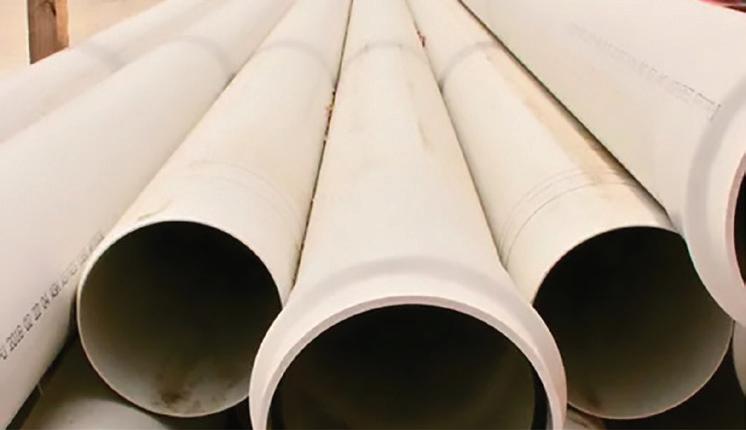
At the same time, building material prices continue to move higher across a wide range of categories, reinforcing underlying cost pressure in the sector. Increases were recorded in garage doors (2.5%), framing timber (3%), ready mix concrete (4.1%) and fibre cement cladding (4.8%), alongside sharper rises in cedar cladding (21%) and key infrastructure materials including PVC pressure pipework (18.8%), PVC drain, waste and vent pipework (21.6%) and polyethylene pipework (25%).
Non residential construction is also tracking upward, with the average building cost per square metre (excluding educational buildings) increasing 1% over the quarter and 1.8% annually. Taken together, the data points to broad based but moderate inflation, with fuel easing partially offset by continued strength in core material pricing across both residential and commercial projects.
The case for practical assessment by competent assessors
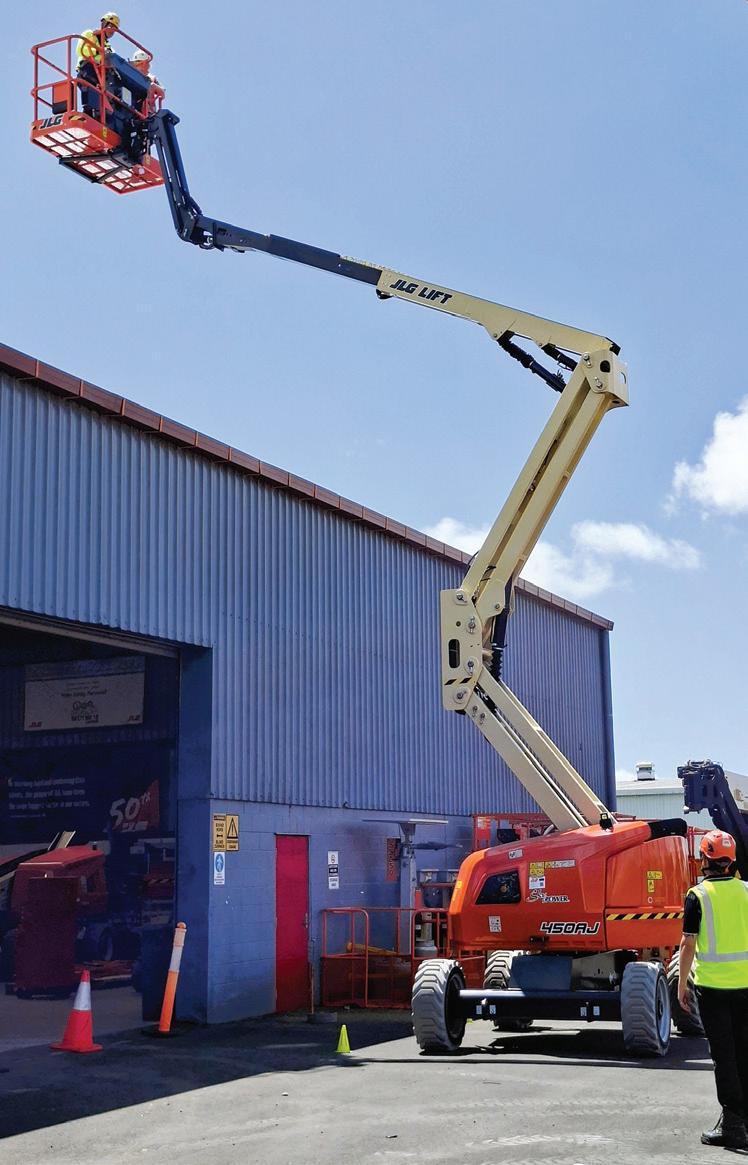
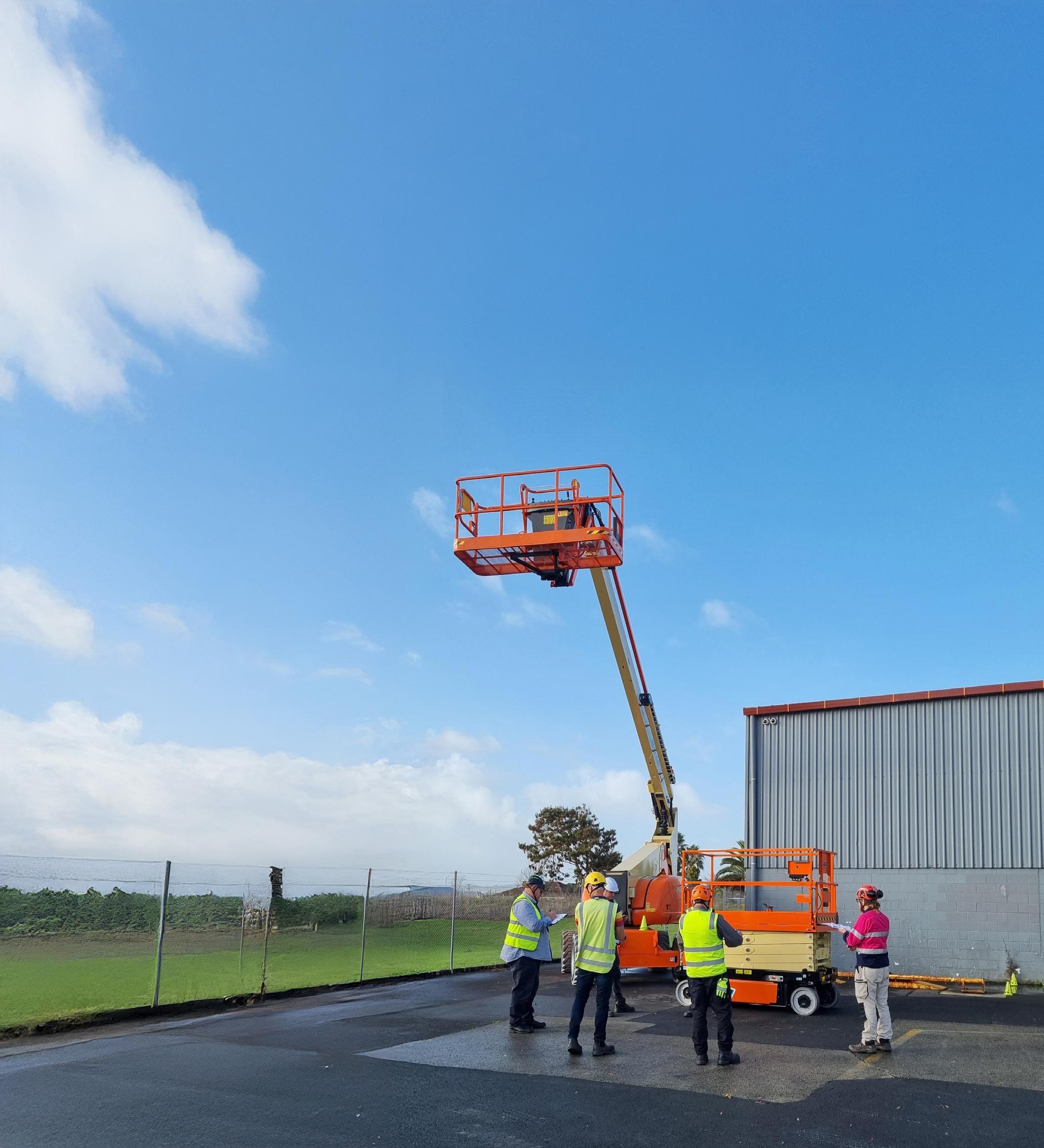
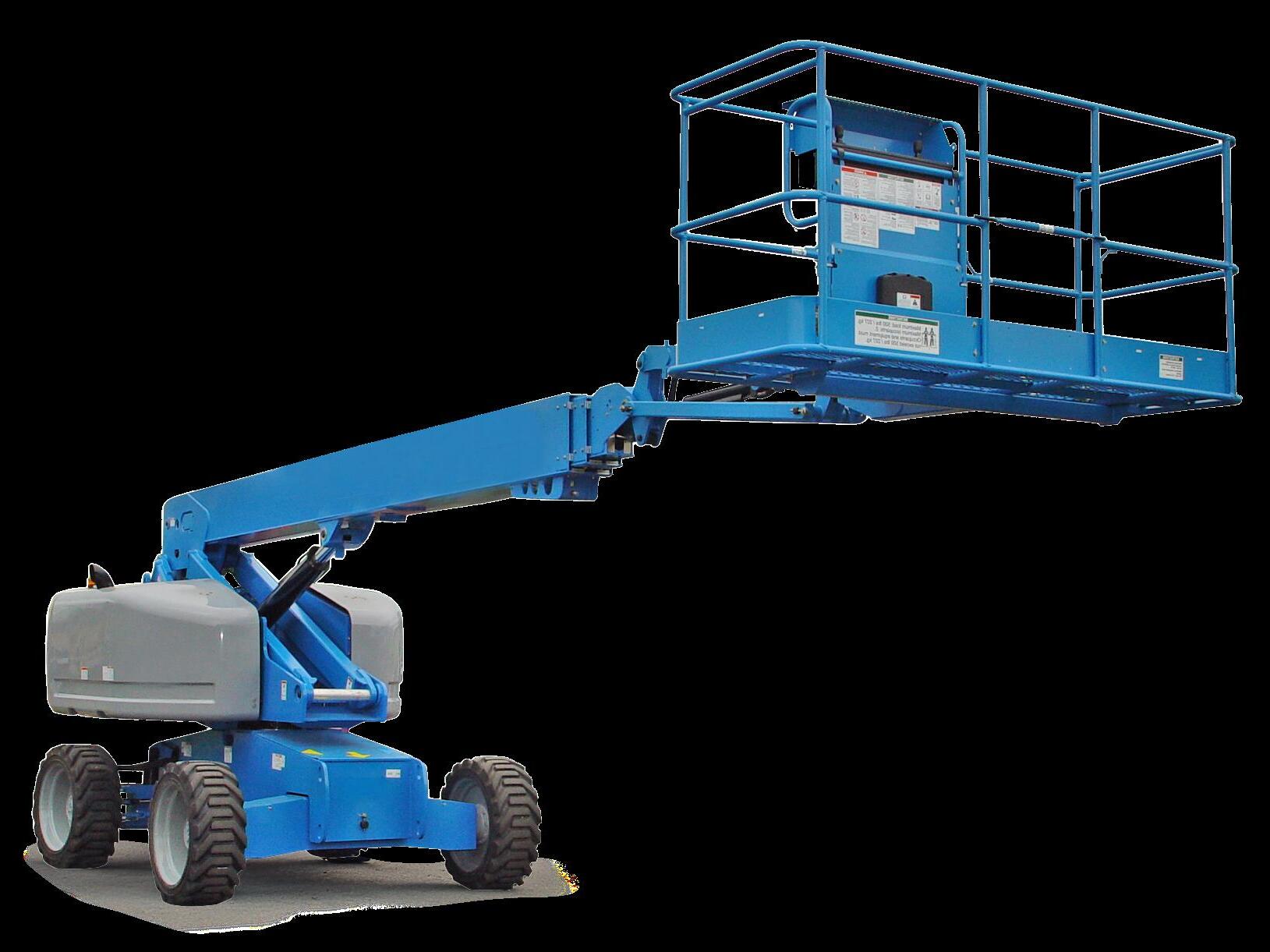
An operator can sit through a theory session, pass a knowledge test, and walk away with an understanding of the principles of safe MEWP operation. But can they safely operate the machine?
That is what practical assessment is designed to answer.
As training methods change, theory based learning is easier to access than ever. Online courses, digital resources, and self paced study all help build knowledge. But knowledge on its own does not prove someone is competent.
When it comes to Mobile Elevating Work Platforms (MEWPs), competency is about more than knowing the rules. It is about being able to use that knowledge on the job. That includes spotting hazards before they lead to incidents, carrying out checks properly, understanding the machine’s limits, making good decisions, and operating safely in changing worksite conditions.
That gap between knowing and doing matters.
Reading about a pre operational inspection is not the same as doing one. Learning about emergency lowering procedures is not the same as responding in a practice scenario. And understanding stability, ground conditions, or safe operating practices in
theory is not the same as showing those skills on an actual machine.
Practical assessment bridges that gap.
However, practical assessment is only as valuable as the person conducting it.
Being able to operate a MEWP and being able to assess someone else’s competency are not the same thing. A good assessor needs the knowledge, experience, and judgement to spot unsafe habits, test decision making, ask the right questions, and decide whether someone can apply safe operating practices consistently on site.
Competency should not be based on assumptions, familiarity, or what is easiest at the time. It should be assessed by someone with the skills and experience to make that call properly.
For employers, that distinction matters.
A certificate may show that training happened. Practical assessment gives employers more confidence that the operator can actually do the job safely.
Silvercard are raising the bar for MEWP and Forklift safety and
The WorkSafe MEWP Best Practice Guidelines recognise nationally recognised NZQA unit standards, or an equivalent or higher qualification, as one way to show competency. They also make it clear that competency should be assessed while the equipment is being operated.
It reflects a simple reality: operating a MEWP is a practical task, so competency needs to be shown in a practical environment.
NZQA unit standards include both theory and practical assessment and are backed by moderation and quality assurance processes. That helps create more consistency in training and assessment outcomes, no matter where the training is delivered.
A good assessor needs the knowledge, experience, and judgement to spot unsafe habits, test decision-making, ask the right questions, and decide whether someone can apply safe operating practices consistently on site.
Under the Health and Safety at Work Act 2015, PCBUs are required to take reasonably practicable steps to ensure workers are competent to perform their work safely. The WorkSafe MEWP Best Practice Guidelines represent recognised industry good practice and provide a practical framework for developing and assessing operator competency.
As training methods continue to evolve, the fundamental question remains unchanged: Can the operator safely use the equipment?
Practical assessment by a competent assessor remains one of the clearest ways to answer that question. In safety critical industries, knowing is not the same as doing. Competency has to be shown in practice.
Red Stag backs mass timber future
As pressure grows on the construction sector to reduce emissions, improve productivity and deliver projects faster, engineered timber is continuing to gain momentum both in New Zealand and internationally.
For Red Stag, that shift is more than a trend. It reflects a broader change in how the industry is starting to think about construction materials, sustainability and building performance.
Red Stag Investment managing director Jason Cordes says the group’s focus is on producing timber solutions that combine environmental benefits with structural performance and construction efficiency.
He says every material has its merits, but engineered timber offers a combination of sustainability, speed and precision that’s becoming harder for the industry to ignore.
The wider Red Stag Group operates across multiple timber and manufacturing businesses, with a focus on structural and engineered wood products, including cross laminated timber (CLT) and glulam.
Its Rotorua operation remains the only manufacturer of cross laminated timber in New Zealand, positioning the company uniquely.
Jason says one of the major advantages of engineered timber is the ability to
manufacture structural components off site with a high level of precision before rapid onsite installation.
Using advanced CNC technology, mass timber systems can be prefabricated to exact specifications, reducing waste, improving quality control and significantly speeding up construction schedules.
Compared with traditional steel and concrete construction, timber structures are much lighter, which can simplify transport, reduce foundation requirements and improve seismic performance. That lighter weight is also opening opportunities for taller buildings and more flexible structural design.
YOUR PARTNER IN TIMBER CONSTRUCTION
Red Stag is now helping drive the next phase of advanced timber construction through its VoMo division and the introduction of advanced Mass Modular Timber (MMT) systems into New Zealand. Based on proven German modular technology and incorporating CLT as the primary structural component, the system enables highly precise, high quality volumetric modules to be manufactured offsite and rapidly assembled into mid and high rise buildings, significantly reducing construction programmes and site disruption.
around timber construction still remain, despite growing uptake. Jason says many people continue to associate timber buildings with lightweight residential framing, rather than modern mass timber systems designed for large scale commercial structures.
CLT panels can reach up to near 17 m wide x 5 m wide and perform very well and predictably under fire conditions. As timber chars externally, the carbon layer formed on the outside can help protect the structural core beneath, slowing combustion and maintaining structural integrity.
Red Stag continues to advocate for stronger durability standards and better moisture management as mass timber adoption expands across Australasia.
Those advantages are becoming increasingly attractive across sectors such as hotels, student accommodation, aged care, offices, schools and commercial developments. The system also enables large open plan spaces and flexible design outcomes through open sided modular configurations and long span mass timber solutions. Through VoMo’s advanced modular systems, entire volumetric modules can be fully manufactured off site before being rapidly integrated into a CLT superstructure, with some projects targeting programme savings of six to twelve months compared to traditional construction methods.
That reduction in construction time is helping drive growing interest in modular mass timber systems, particularly as developers look for ways to manage labour shortages, financing pressures and project delivery risk.
Red Stag Group has supplied engineered wood products (EWP) into many of New Zealand’s most iconic and inspirational mass timber projects, with a significant number recognised as finalists in the NZ Timber Design Awards being held in June, including the Red Stag Mobile Plant Workshop in Rotorua. Jason says this reflects the strength of Red Stag’s growing capability across advanced timber design, manufacturing and technical performance. Misconceptions
Jason says misconceptions around combustibility persist. “The amount of fire testing and engineering behind these systems is enormous.”
Seismic resilience is another area where engineered timber is drawing increasing attention. Following events such as the 2016 Kaikōura earthquake, lighter structural systems have become more appealing in earthquake prone regions. Timber’s significantly lower structural mass can reduce seismic demand on buildings and foundations during an earthquake, while still delivering high structural strength and performance. Jason says engineered timber also aligns closely with growing demand for lower carbon construction materials. Unlike emissions intensive materials such as concrete and steel, timber products can store carbon throughout the life of a building, creating a net carbon sequestering effect within the built environment.
Red Stag continues to advocate for stronger durability standards and better moisture management as mass timber adoption expands across Australasia.
Red Stag continues to advocate for strong durability standards as mass timber adoption expands across Australasia. The Group sees timber treatment as an important part of protecting building assets over their full lifecycle, providing additional resilience and confidence for owners and insurers alike. Boron treatment is naturally derived, non toxic and widely recognised as an effective long term durability solution for engineered timber systems.
Through its TimberLab and project work in Australia, the Group is investing in research around treatment systems and moisture ingress prevention, among other areas. As developers continue searching for faster and lower carbon construction methods, Red Stag and mass timber will lead the way.
What happens to your business if a shareholder dies?
Owners spend years building a successful business. What happens if a business partner dies or is permanently incapacitated, who would you end up in business with?
Often, it’s their spouse, family, or estate, which can be less than optimal for everyone.
Risks not covered
Companies with a small number of shareholders, who know and trust each other are great for a Buy Sell Agreement. The last thing a shareholder wants is to be in business with someone who has no knowledge of the industry and different expectations about how things should run.
People underestimate the cost of not having an agreement. Going through a sale process at the worst time after a business has lost a key person, can be expensive, disruptive, unsettling for your customers, team, remaining shareholders, and the estate. You don’t get great outcomes. I recommend a Buy Sell Agreement to avoid this.
How it works
Value and agree what the business is worth; and importantly, what it's worth without that key person. Losing a director, estimator, or experienced site manager has an impact on value, a valuation accounts for that.
Once valued, the agreement fixes the price remaining shareholders pay to acquire the departing shareholder's interest from their estate, family, or trust. No negotiation, disputes, or uncertainty on either side. If shares are held through a trust; which is common; trustees need that certainty too.
The agreement covers situations where existing shareholders can't fund the full buyout, or where bringing in a new person makes sense; fresh capital, new skills, or the right fit for where the business is heading. The remaining shareholders approve and stay in control of who comes into the business.
The insurance that funds it
Two types of insurance help. Shareholder protection insurance funds the share buyout; the payout goes to the estate; the shares transfer cleanly. Key person insurance covers the cost to the business: recruitment, lost revenue, and keeping operations stable while you rebuild. If the shareholder is the person who prices jobs, manages subcontractors, or holds the key client relationships, you likely need both.
Shareholder protection premiums are generally not deductible, but the payout is typically not taxable either. Structure matters so get that advice early.
When insurance doesn't cover the full value, the agreement can include a structured repayment programme paid from business cash flow over time. The estate gets a fair price. The business doesn't face a crisis.
It works
I recently worked with a construction client who put an agreement and insurance in place. The shareholders, their families, and trustees of the shareholding trusts all came away with genuine peace of mind. That's what good planning looks like.
I recently worked with a construction client who put an agreement and insurance in place. The shareholders, their families, and trustees of the shareholding trusts all came away with genuine peace of mind. That's what good planning looks like.
These conversations are far easier before something happens. Give me a call, and together we can work alongside your lawyer and insurance adviser, to get the structure right from day one.
Sustainable Engineering director Jason Quinn says New Zealand doesn’t have a building science problem, but a construction execution one
Jason Quinn spent about a decade at NASA working in propulsion and combustion physics. Seeking change, he took a year off in New Zealand, fell in love with the country, and never left. He soon became one of New Zealand’s first certified Passive House designers, and later its first certified Passive House certifier.
The founding director of Sustainable Engineering, Jason and his team have a deceptively simple mission, applying building science to make buildings healthier, more comfortable and radically energy efficient. He says we don’t have a shortage of products, materials, or technical knowledge. Instead, we have an execution problem. “We don’t have a building physics problem in New Zealand, or a technology problem,” he says. “We have an execution and constructability problem, and that’s due to an extreme focus on first costs.”
Jason is a leading advocate for Passive House, a standard that has its roots in passive solar design, but has developed into something far more rigorous. Rather than relying on active heating or cooling, the approach uses insulation, airtightness, ventilation and careful design to hold comfortable temperatures with very little energy. One misconception is that it’s simply a rigid checklist of pricey requirements. “It’s just a lens to look through at how you design homes so they perform really well.”
By Ben O’Connell
We don’t have a building physics problem in New Zealand, or a technology problem. We have an execution and constructability problem, and that’s due to an extreme focus on first costs.
He compares it to NZS 3604. Builders see the timber framing standard as the accepted method for structural performance, not as some ideological movement. Passive House, he argues, is the equivalent framework for thermal performance, comfort and health.
“If you want homes that are warm, dry, healthy and accessible for everyone, you end up with something that looks like Passive House whether you call it that or not.”
Early passive solar design often relied on vast expanses of north facing glazing to harvest winter heat, then somehow retain it overnight. It seldom worked. Passive House relies on detailed modelling to respond to the realities of each design, climate and site, carefully balancing solar energy coming in with minimal heat losses going out. Two sections in the same suburb can need completely different solutions depending on orientation, topography and local climate.
Jason points to his own home, currently being designed on Wellington’s south coast. Despite sitting in the capital, the site loses its winter sun by half past eleven, meaning its thermal requirements resemble a cold Christchurch rather than a north facing section a few streets away that he would treat almost like Auckland. “When you look
at how builders actually build that high performance house, it’s not crazily different,” he says. Better windows, a little more insulation, careful detailing. “It’s how you put the pieces together.”
Where buildings lose out
Home builds are often driven by upfront cost, while long term performance is treated as optional. The Building Code, Jason says, shouldn’t be taken as a benchmark. A Passive House targets heating demand below 15 kWh per square metre per year, with the whole home held at a steady 20°C and continuously ventilated with fresh air. In Christchurch conditions, a Passive House next door to a code built home would use roughly a tenth of the heating energy.
But those benefits are the first to disappear when budgets tighten. Triple glazing becomes double, mechanical ventilation is dropped, roof insulation slips from R6.6 to R5, and the walls thin out to 90mm studs. The builder, he stresses, usually isn’t cutting corners cynically. In their experience, clients care almost entirely about first cost, so they do what they believe is right and get the price down. “Then the client rings me and says their house is cold. I tell them they’ve built
a standard code house. Why did you expect anything different?” A code minimum home, he says, is simply the cheapest building that’s legal. “It costs more because you’re getting more.”
The trap isn’t confined to custom builds gone wrong. A man rang him recently about a 2021 house in Nelson, “not exactly the world’s coldest climate”, that was already miserable, cold and mouldy, and wanted a deep energy retrofit. With its 2021 R values and double glazing, Jason notes, it was built essentially the way a brand new house would be built today. The fault was it lacked a ventilation system and was a home left to perform “as the worst it’s legally allowed to.”
Some of those savings never materialise anyway. Take the standard flat ceiling: plasterboard below, battens and trusses above, insulation draped across the top. In theory it sits in still air and performs at its rated value. In practice, wind enters the roof cavity at one end of the building and exits the other, washing through and over the insulation as it goes. “That ceiling is basically R1 if you’re lucky. You paid for R6.6 and got R1, but only when it’s windy.” Faults like that cost very little to avoid and a fortune to live with.
What builders can do tomorrow
In fairness, Kiwi homes are tighter than many assume. A typical new build leaks around six air changes an hour at 50 pascals, against roughly fifteen in Australia, and that from nothing more exotic than plasterboard, plywood and concrete slabs. But even at that level, a closed up home traps
Jason Quinn, director at Sustainable Engineering Ltd
moisture. Surveys show about half of New Zealand homes carry visible mould, worst in Auckland, where mild, damp winters prevent drying.
“If you’ve got windows you can close, you need mechanical ventilation. That’s accepted wisdom everywhere except New Zealand and Australia.” Continuous ventilation manages moisture, thereby preventing damp, rot and mould; heat recovery adds efficiency, but Jason sees health as the main prize, with superior indoor air quality having instant health benefits in some cases. Retrofitting a system later, he says, costs far more than building it in.
For a builder who wants their next house to perform better without chasing certification, Jason suggests three changes that cost little beyond attention. The first is airtightness: treat the internal lining as a continuous air control layer, seal the penetrations through the ceiling, and keep the plasterboard unbroken behind the bath, where it’s so often left open over a void. “A few hundred dollars of labour, no new products, can save 10 to 20% of the heating bill.” The second is wind tightness: walk the outside of the building and close off every path the wind can take through the insulation.
The third is continuous ventilation, often as simple as swapping the bathroom extract fan for a continuous extract model, frequently cheaper than the standard unit at Bunnings, that runs quietly around the clock. Passive doesn’t mean a sealed box. With its ventilation running, a Passive House has more fresh air than an ordinary home, and because it warms faster, the people inside tend to throw the windows open in spring before their neighbours do. “Homes are
If you’ve got windows you can close, you need mechanical ventilation. That’s accepted wisdom everywhere except New Zealand and Australia
supposed to be sanctuaries,” he says, “not somewhere you scrape through life on the least you can get away with.”
There is a caution. Adding high performance products in a build you haven’t modelled can be a double edged sword. Jason points to a recent UK external wall insulation programme with an alarming failure rate, driven, he says, by chasing energy savings at the lowest possible cost, with predictable results. The fix is knowledge, which is where the industry’s next generation comes in.
Sustainable Engineering offers a certified tradesperson course and Master Builders Canterbury has funded scholarships to send apprentices through it.
Could every home be a Passive House one day? Jason thinks so, because it’s simply what a decent home is. And, unlike most upgrades, it pays back from day one in lower bills and better health. The technology and the products are already here, he says. What’s missing is the will to put the pieces together properly.
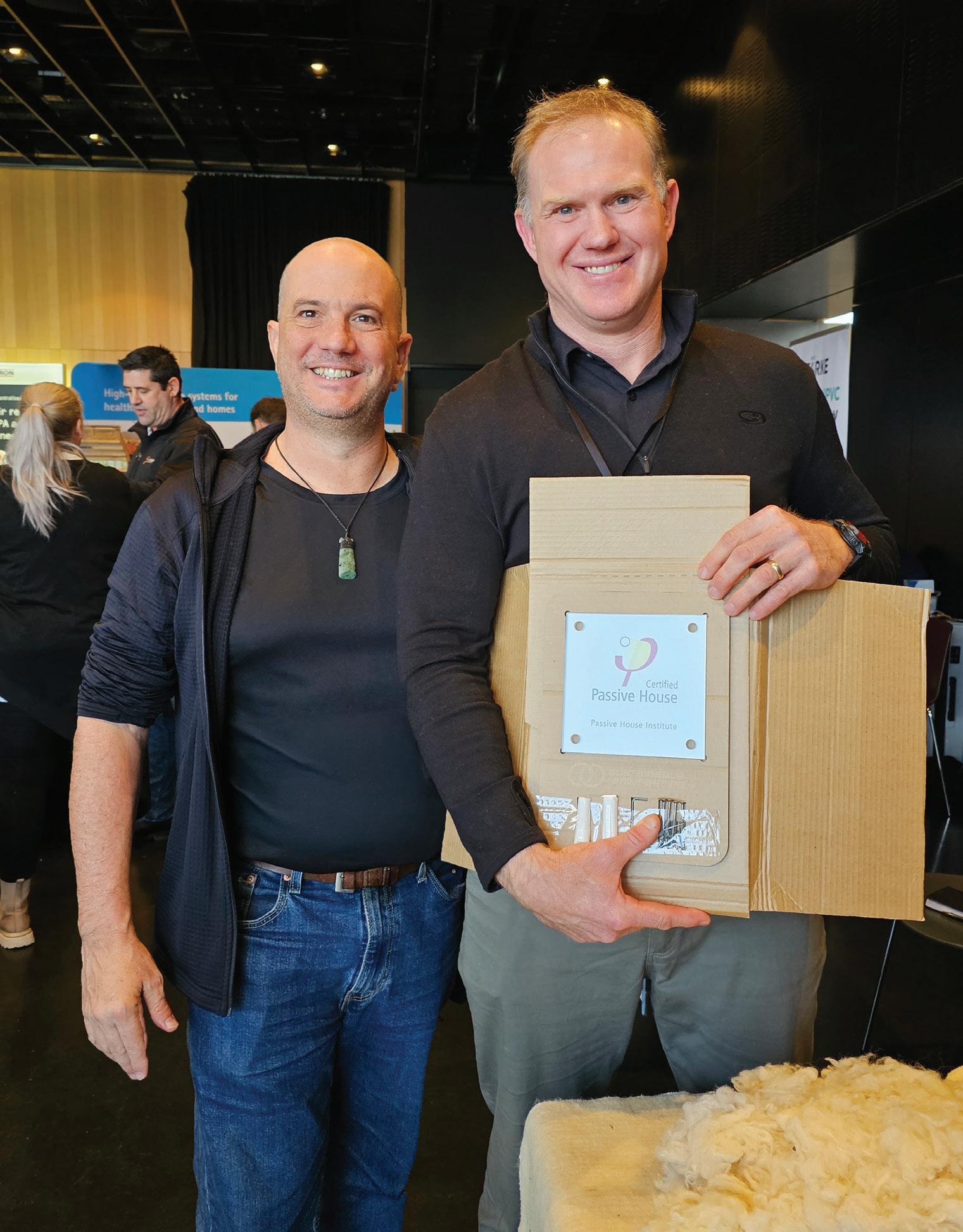
Jason Quinn, director at Sustainable Engineering Ltd and Peter Bielski, director of Ethos Homes
AUCKLAND | WAIKATO | TAUPO REGION
Formerly known as Auckland Cranes and now proudly operating as Universal Cranes, we’ve emerged as a trusted, leading brand in the industry, drawing on our legacy since 1970. Our track record speaks for itself, with a strong reputation for providing secure and highly efficient solutions for all your lifting and shifting needs.
With locations in Auckland and Hamilton, we offer comprehensive mobile crane rental services, serving diverse industries and businesses. Our commitment to delivering precision lifts remains unwavering, no matter how complex the task.
AUCKLAND
Ph: 09 277 2227
Address: 12 Langley Rd, Wiri, Auckland
Email: enquiries@universalcranes.co.nz
In collaboration with Smithbridge Group and Universal Cranes Australia, our trans-Tasman partnership enhances our service offerings across Australia and New Zealand. This cross-border collaboration leverages our expertise, resources, and knowledge, offering seamless solutions for clients in both locations.
Exciting times lie ahead as the next generation leads us into a new era. Contact us today to discover our extensive national and international fleet and dependable crane rental services.
WAIKATO
Ph: 07 849 3846
Address: 86 Sunshine Ave, Te Rapa, Hamilton Email: enquiries@universalcranes.co.nz
Hiring boom brings new focus to workplace drug risk
By Ben O’Connell
Canterbury’s meth use is now almost 40% above its average level from last year, recent wastewater testing shows. National consumption has risen to an estimated 36.6kg per week. This level of methamphetamine use has a weekly social harm cost of almost $40 million. Cocaine use has decreased since it spiked in the October 2025 quarter, but remains above average nationwide.
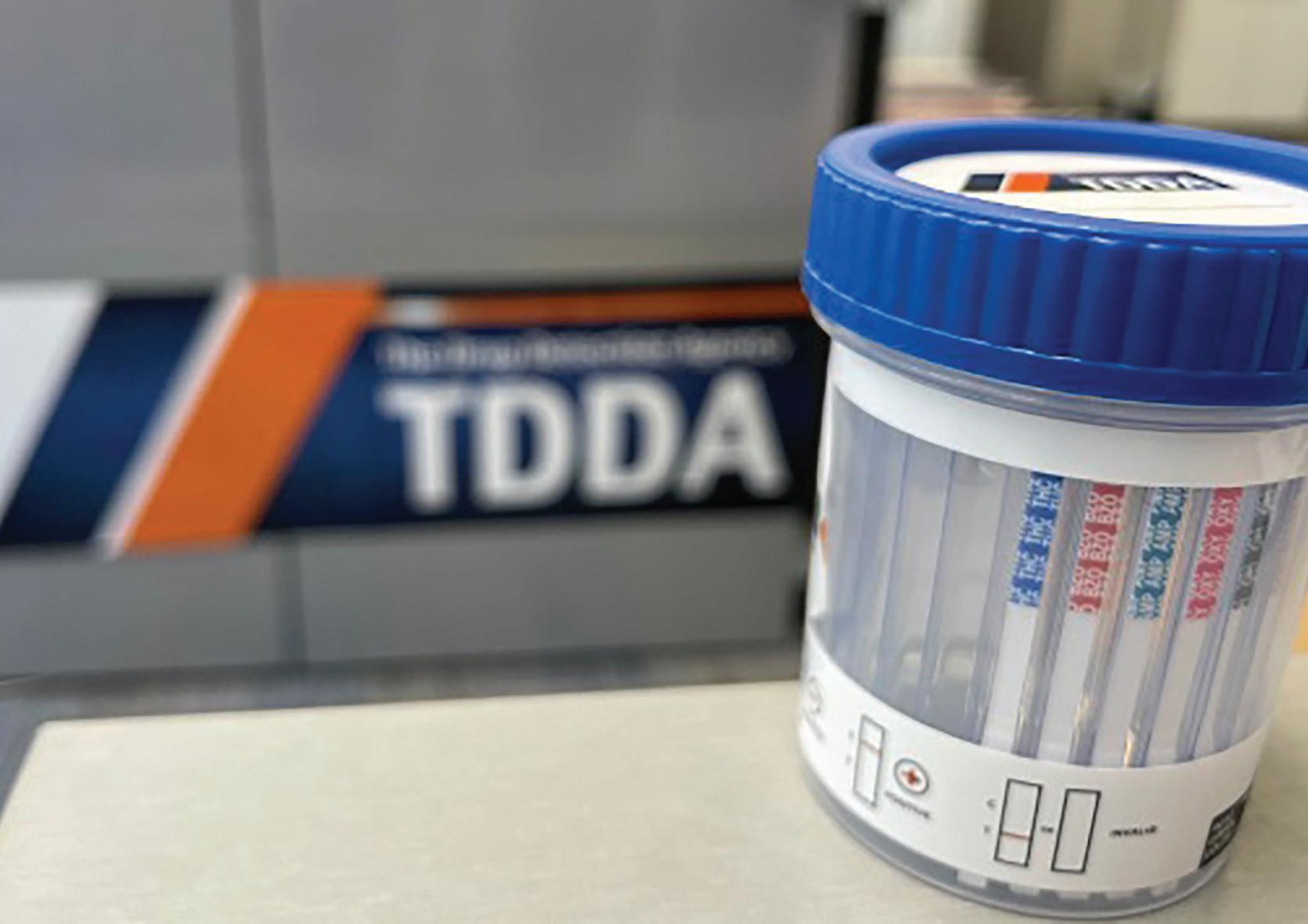
For Glenn Dobson, chief executive of The Drug Detection Agency (TDDA), the figures reinforce what workplace testing providers are already seeing on the ground.
The former New Zealand Police Senior Sergeant says employers need to think about substance use as part of a broader workplace safety strategy, especially during periods of rapid recruitment.
“Pre employment testing is one of the most effective tools for keeping substance use out of the workplace from day one –and setting workplace expectations straight away,” he says.
Businesses routinely screen candidates through interviews, reference checks and licence verification. Dobson believes drug screening should be viewed in the same way.
“You interview candidates, screen CVs, check references, check driving history and then complete a drug test. It’s another step in making sure you’re not potentially hiring an issue and bringing negativity into the workplace.”
Getting recruitment wrong is costly. Job search site Seek Australia estimated that a poor hiring decision can cost small and medium sized businesses more than $16,000 once lost productivity, recruitment expenses and management time are taken into account.
Dobson says workplace drug trends are evolving. Cannabis continues to be the most commonly detected drug in workplace testing programmes, but meth remains a major issue due to its impact on safety, behaviour and performance. At the same time, TDDA is seeing growing interest in emerging risks, including opioids and cocaine. The rise in cocaine use is particularly noteworthy. Dobson recently presented at an industry conference in the United States, where fentanyl and cocaine were major topics of discussion. Wastewater testing reflects this. National cocaine use remains well above historical averages.
While New Zealand is some distance from the scale of America’s opioid crisis, he says the country is still connected to global drug supply networks. “We’re part of a global supply chain. The more we can advise employers to be aware of changing drug trends, the better prepared they’ll be.”
For many businesses, the primary concern is safety. Industries such as construction, transport, logistics and manufacturing often involve heavy machinery, working at height, operating vehicles or performing tasks where impaired judgement can have serious consequences.
“At the end of the day, people need to get home safely,” says Dobson. “Drugs can amplify risk, particularly in safety sensitive roles. That’s why having a robust policy is so important. It’s about being fair to employees while also protecting their safety and the safety of others.”
Employers once adopted a strict ‘one strike and you’re out’ approach, but now many organisations recognise that support and rehabilitation pathways matter.
Dobson says a positive test result does not automatically mean someone is a bad employee or unwilling to contribute positively to a workplace. “There are several
reasons why someone fails a drug test. Culturally, employers have matured around this. Most modern workplace policies now include rehabilitation and assistance options.”
Prescription medications are another consideration. Dobson says many businesses struggle to distinguish between detecting a substance and assessing whether someone can safely perform their role.
“A positive test doesn’t necessarily mean someone has done something wrong. They may be taking legitimate prescription medication. The bigger question is how that medication affects their ability to work safely.”
Rather than focusing solely on identifying illicit drug use, employers are increasingly considering overall fitness for work and the factors that may influence performance, decision making and risk.
Reputation is another concern. While safety remains the primary driver behind workplace testing programmes, Dobson says businesses are becoming more aware of the potential reputational damage that can arise when substance related incidents occur.
“Companies don’t want their brand or organisation appearing on the front page of the newspaper because someone made a poor decision influenced by drugs.”
As New Zealand grapples with record drug use and changing trends, Dobson believes workplaces have an important role to play. The more employers the TDDA can make aware of these issues, the better.
“Employers are part of the community. If we can help prevent and reduce demand for drugs through education, awareness and good workplace practices, that contributes to the wider solution.”
The hidden side of New Zealand’s hiring recovery
New Zealand's job market is in recovery mode. According to recent data, job ads are up 13% year-on-year (YoY), with the biggest gains in construction (+36% YoY) and trades, manufacturing, transport and logistics (each up 22.5% YoY), industries where workplace safety is non-negotiable.
Here’s where some companies make the big mistake. In a rush to move quickly and fill roles, they skip key due diligence checks that ensure the company is not inviting issues, like drugs and alcohol, into the workplaces. In the push to secure the best talent, pre employment testing turns into an afterthought, and an inexpensive test that greatly reduces workplace risk gets skipped. Instead of setting expectations on day one, people wind up on the job unfit and noncompliant with regulations.
TDDA's Q1 2026 Imperans Report, shows drug use is an ever present concern for owners and managers.
Substance use policies must cover illicit, synthetic, prescription drugs and alcohol. Unlike illicit or synthetic substances, opioids are usually prescribed, but that distinction does not reduce the risk they pose in safety-sensitive roles.
Opioid, usually prescription pain medication, detections rose about 35% from last year. It’s the largest increase of any substance nationally, with rises recorded in 11 out of 16 regions. People in the trucking, trades and manufacturing are known to accumulate
wear and tear, and back pain is a known issue. But you can’t use opioids and get behind the controls of a digger.
Opioids quietly embed themselves into workplace culture before most employers even notice. In safety sensitive roles, operating machinery, driving vehicles, working on site, substance use is a risk to the individual and also to everyone around them.
Taking prescription medication is absolutely legal, but it still needs to be managed as a workplace risk. If left unchecked, business owners’ risk compromising their chain of responsibility and exposing themselves to legal challenges. Substance use policies must cover illicit, synthetic, prescription drugs and alcohol. Unlike illicit or synthetic substances, opioids are usually prescribed, but that distinction does not reduce the risk they pose in safety sensitive roles. Whether a substance is obtained from a pharmacy or otherwise, impairment on the job puts people and businesses at risk.
Pre employment testing is one of the most effective tools for stopping, or managing,
risks at the door. It is not about penalising job seekers. It is about two things:
• Identifying persistent, habitual substance use that puts people and businesses at risk
• Establishing from day one that a company's substance use policy is more than words on paper.
Pre employment testing sets the tone of the employment relationship from the very beginning. It communicates clearly that workplace safety is a commitment, not just a compliance checkbox.
For industries like construction, trucking, and logistics, a growing workforce means growing responsibility. Embedding pre employment testing into the hiring process is not just due diligence. It is essential. Because behind every policy, every test, and every hire, there is a real person trying to earn a living and get home safely.
Read more about TDDA’s Why The Girl on The Bike Campaign: www.tdda.com/ protecting-the-girl-on-the-bike/
Simplify the Resource Consent Process
About Us
Recognised for excellence in planning and client service.
Development can be complex — but it doesn’t have to be.
Plan Co. is a specialist planning consultancy that helps property owners, developers, and investors successfully navigate the resource consent process from concept through to council approval.
Founded in 2016, the firm brings together experienced planners with
backgrounds in local government and international planning, offering practical guidance that keeps projects moving forward.
With a collaborative approach and deep understanding of regulatory processes, Plan Co. helps clients unlock the full potential of their sites.
From small residential projects to large-scale developments — no project is too big or small.
info@planco.co.nz
What We Do
Resource Consents
End-to-end management of consent applications — from coordinating specialists to preparing and lodging submissions with council.
Due Diligence
Strategic planning advice and feasibility assessments to help you make informed development decisions.
Development Planning
Expert guidance for residential, subdivision, and commercial developments of any scale.
Why Work With Plan Co?
Extensive experience with councils across New Zealand
Clear, honest communication throughout the process
Collaborative approach with industry specialists
Proven track record delivering successful consent outcomes
These principles allow projects to move efficiently through regulatory processes while maximising site potential.
Construction sector proves more resilient than expected
The
2degrees Shaping Business 2026 Report finds construction among
the most
upbeat sectors
in the country — but the firms doing well are the ones lifting productivity, not waiting for a rebound
After a bruising few years marked by project delays, rising costs and broader economic uncertainty, the construction sector is showing more confidence than many might expect. New findings from the 2degrees Shaping Business 2026 Report suggest the sector is adapting, investing and planning for growth, not just waiting for conditions to improve.
The report shows 44% of construction businesses feel optimistic about the year ahead, compared with 36% across the wider business population. 75% of construction businesses expect revenue growth over the next 12 months, placing the sector among the most upbeat in the country. That level of confidence is notable at a time when many firms are still navigating cost escalation, slow moving projects and a more cautious client market.
The findings point to a sector that is moving beyond a short term recovery mindset. Instead of focusing solely on surviving a difficult cycle, many construction businesses appear to be positioning for the next phase of activity through investment, productivity improvements and tighter operational management.
The report indicates that confidence is more linked to performance rather than the hope of a return to 'normal' conditions. That suggests the businesses that are doing well aren't necessarily the ones waiting for a market rebound, but are the ones lifting efficiency, improving systems and looking
One of the clearest signals in the report is that productivity is becoming central to future success. Construction businesses are increasingly focused on technology and operational efficiency as key drivers of growth. Across business, the report also finds that productivity improvement has stalled, with inflation and time constraints emerging as significant barriers.
for ways to stay competitive in a tougher operating environment.
For many in the sector, that likely means more attention on workflow, delivery timelines, technology adoption and the practical question of how to do more with the same or fewer resources. In a market where margins remain tight, even small gains in productivity can make a meaningful difference.
While cost pressure remains a major issue, the report suggests the shape of that pressure is changing. Labour shortages are no longer the dominant concern they once were. Instead, businesses are increasingly focused on rising fixed overheads, particularly utilities, insurance and lease costs.
That's important because those costs are harder to control than wages or variable inputs. They can also accumulate quickly, especially for firms carrying workshops, depots, office space or a fleet of vehicles and equipment. The report says utilities,
insurance and leases rose 10% as a source of cost pressure in 2026. Structural overheads are now weighing more heavily on business decisions.
This may sharpen the focus on overhead review, supplier renegotiation, equipment usage and smarter asset management for contractors. It also reinforces the need for strong pricing discipline, because businesses are clearly still passing through higher costs where they can.
One of the clearest signals in the report is that productivity is becoming central to future success. Construction businesses are increasingly focused on technology and operational efficiency as key drivers of growth. Across business, the report also finds that productivity improvement has stalled, with inflation and time constraints emerging as significant barriers.
That's a challenge and an opportunity for the construction sector. Digital tools, better job management systems, improved scheduling and data led decision making can help offset
pressure elsewhere in the business. The report also shows construction businesses are strongly represented among those who feel they possess the digital skills needed to get ahead, suggesting the sector may be more ready than some others to adopt practical technology solutions.
That is encouraging for a trade where productivity gains have historically been difficult to sustain. If businesses can combine stronger digital capability with better planning and tighter control of overheads, the sector may be better placed to handle the next phase of market volatility.
The message isn't that conditions are easy, far from it. The sector is still operating in an environment shaped by cost escalation, cautious clients and ongoing uncertainty. But the report suggests many firms are no longer waiting for a turnaround. They are adjusting to a new normal in which success depends on efficiency, adaptability and disciplined growth.
That makes this a useful moment for firms to reassess where profit is being lost, where time is being wasted and which systems could support better output. It also suggests confidence is still available for businesses that can demonstrate reliability, control costs and deliver value in a market that rewards resilience.
If the headline story of the past few years was survival, the next one may be about selective growth. And in construction, that could prove to be the difference between simply staying busy and building a stronger business for the years ahead.
Solar moves from option to infrastructure
With MBIE adjusting the policy and investment settings around residential energy generation, New Zealand’s solar sector is entering a new phase defined not by early adoption but by practical, large-scale integration across homes, schools and off-grid environments.
Recent government initiatives, including expanded support for residential solar uptake and a $30 million Solar on Schools programme, reflect this shift. It intends to reduce pressure on the national grid, lower long term energy costs, and improve resilience through locally generated renewable power.
Companies capable of delivering integrated, real world solar solutions are now central to how Kiwi homes and businesses think about energy independence. One of those players is Christchurch based PBI Solar, a specialist solar installer and systems provider focused on practical, hybrid and off grid solar technologies designed for New Zealand conditions.
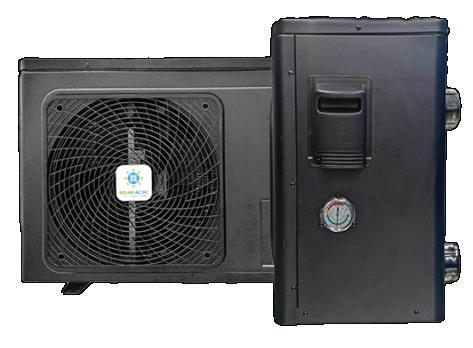
Unlike traditional solar suppliers that focus primarily on panels and inverters, PBI Solar positions itself as an end to end energy solutions provider, delivering fully integrated systems that combine generation, storage, heating, and cooling. Their core focus is AC/DC hybrid solar systems, designed to maximise efficiency while reducing reliance on grid power. These systems are built to operate in multiple configurations, including fully off grid setups, hybrid systems with grid backup, and solar first designs that prioritise self consumption.
PBI Solar offers practical energy services across solar air conditioning, hot water systems, heat pumps, and solar PV generation systems designed for residential, rural, and commercial environments. Their approach reflects a broader industry shift away from single purpose solar installs toward whole of home energy ecosystems.
PBI Solar’s product suite is designed around solving everyday energy demands rather than treating solar as a standalone technology.
Solar air conditioning systems allow households and small businesses to directly offset daytime cooling loads by drawing power from solar generation when demand is highest. In practical terms, this reduces reliance on grid electricity during peak summer periods, when energy costs and demand typically rise.
Alongside cooling solutions, the company delivers off grid and hybrid hot water systems that integrate solar PV input with efficient heat pump technology. These systems are particularly relevant for rural properties, lifestyle blocks and new builds where energy independence or reduced operating costs are a priority. By combining solar generation with thermal energy storage, households can maintain reliable hot water supply while significantly reducing grid dependency.
PBI Solar also provides solar PV and hybrid power systems that integrate panels, inverters and battery storage into a single coordinated energy platform. These systems are designed to optimise self consumption, prioritising the use of solar energy within the home before exporting excess back to the grid or storing it for later use. The result is a more stable, predictable and efficient household energy profile, particularly as electricity prices fluctuate.
In addition to core power and heating solutions, the company extends solar application into lifestyle and auxiliary systems such as solar pool heating and water circulation solutions. These are increasingly used in residential builds where energy systems are being designed holistically rather than added retrospectively, reflecting a shift in how new homes are being specified and constructed.
PBI Solar offers practical energy services across solar air conditioning, hot water systems, heat pumps, and solar PV generation systems designed for residential, rural, and commercial environments. Their approach reflects a broader industry shift away from single-purpose solar installs toward whole-of-home energy ecosystems.
Where PBI Solar differentiates further is in the way systems are configured and delivered. Rather than supplying isolated technologies, the focus is on aligning generation capacity, storage sizing and load demand into a single coordinated design. This reduces inefficiencies that often occur when systems are pieced together from multiple suppliers, and allows performance to be matched more closely to how a household actually operates day to day.
This systems based approach is increasingly relevant as electrification expands across transport, cooking and space heating. Homes are no longer managing a single energy source in isolation, but balancing multiple competing demands on a shared electrical system. In that environment, design precision and load management become just as important as generation capacity itself.
For builders, developers and homeowners, this is also changing the specification process at early design stage. Energy planning is increasingly being considered alongside insulation, orientation and architectural layout, rather than as an afterthought once construction is complete. Solar integration is therefore becoming a structural design decision rather than a bolt on feature.
Within this shift, PBI Solar’s role sits closer to system design than product supply. The emphasis is on configuring complete energy environments that can evolve over time, rather than installing fixed systems with limited flexibility. This allows households to scale capacity, add storage, or adjust system behaviour as energy needs change.
Our nation’s energy continues to decentralise, and as it does, the distinction between generation and consumption is becoming less defined. Energy is increasingly managed at the point of use, with homes acting as self contained micro systems within a wider grid network. In this way, solar has moved from an option and an upgrade, to part of infrastructure itself, embedded into how homes are designed, built and operated from the outset.
“Competent” is a legal word
When you hand a job to another firm, you’re relying on its competence to discharge your own duty — so don’t take it on a handshake
“Competent” gets used loosely on site — a good operator, knows what they’re doing, been around for years. Under health and safety law it is a precise term, and the gap between the loose meaning and the legal one is where firms get caught.
WorkSafe NZ defines a competent person as someone with “the appropriate skills, training, knowledge, and experience to perform the task or role.” That competence can be built through training, formal qualification, experience, or a combination — but the common thread is that it can be demonstrated. A reputation is not competence. A confident quote is not competence. The test is whether the person can show the skills, training, knowledge and experience the specific task actually demands.
Why their competence is your problem
That matters because of how the Health and Safety at Work Act 2015 (HSWA) allocates duties. Every business is a PCBU — a person conducting a business or undertaking — with a primary duty to ensure, so far as is reasonably practicable, the health and safety
of its workers and anyone else affected by its work. You cannot contract out of that duty or push it down the chain. So when you engage another firm to do work you can’t safely do yourself, you are relying on its competence to keep your own duty intact. If that firm turns out not to be competent, the exposure does not stay with it — it comes back to you.
On a typical site the duty is shared across a head contractor, subcontractors, labour hire and specialist trades, and each must consult, cooperate and coordinate with the others so far as is reasonably practicable. But, in WorkSafe’s words, “the more influence and control you have over a health and safety matter, the more responsibility you are likely to have.” The firm choosing who comes on site has both the influence and the responsibility to choose competently.
What competence actually looks like
For some work, the law spells the standard out. Scaffolding above the regulated height must be erected by someone holding the relevant certificate; licensed asbestos removal requires a Class A or Class B licence; prescribed electrical, gas and drainage work must be carried out by registered, licensed practitioners. For everything else the standard is the same in substance even where no ticket is named: the person doing the work must have the skills, training, knowledge
and experience the job needs — and you should be able to point to how you know that. Past performance, a health and safety record, current certifications, the right plant, enough people to do the work safely, and a clear method for the risk in front of them.
This is where the cheapest quote tends to fall down. A low price often reflects the very things competence is made of — training time, supervision, the right gear, working the method properly rather than quickly. An operator who answers “yep, all good, done hundreds of these” but can’t produce a certificate, a record or a method statement is offering you a reputation, not competence. If something goes wrong, “they told me they were experienced” is not a defence; “I checked their licence, record and method before they started” is the beginning of one.
The reason regulators hold firm on this is the harm profile. Construction is about 10 percent of New Zealand’s workforce but roughly 15 percent of all work related fatalities and serious injuries, with nine to ten deaths in the sector each year on WorkSafe’s figures. The recurring causes — falls from height, dust, asbestos — cluster in precisely the specialist work that gets handed to outside providers.
WorkSafe’s draft Approved Code of Practice for residential construction is, in part, an attempt to make these lines plain, setting out who is responsible for what across
WorkSafe NZ defines a competent person as someone with “the appropriate skills, training, knowledge, and experience to perform the task or role.” That competence can be built through training, formal qualification, experience, or a combination — but the common thread is that it can be demonstrated.
client, principal contractor, contractor, subcontractor and worker. It doesn’t change the underlying duty; it underlines it. The practical takeaway is the same and worth building into the way you award work: treat “competent” as a claim to be evidenced, not a courtesy to be assumed. Before the job starts, ask the provider to show you the competence you’re relying on — and keep the proof.
• Waterproofing and Tanking
• Concrete Protection and Repairs
• Structural Repairs and Strengthening
• Floor Levelling, Toppings, and Coatings
• Grouting and Sealants
• Flat Roof and Deck Membranes
• Flooring Screeds - Epoxy and Polyester
• Swimming Pool Sealing and Coating
• High Pressure Injection - Epoxy and Polyurethane
• The country’s largest independent safety-netting specialist.
• Our fall through protection system has been independently tested and certified by Massey University.
• Our system ensures that as a PCBU, you have taken all reasonably practicable steps to ensure the safety of your workforce.
• Bespoke debris and asbestos containment, fall protection system for uninterrupted work processes during industrial property re-roofing.
• A nationwide network of local installers providing exceptional customer-focused fall arrest solutions.
What it costs to get it wrong
How HSWA sentencing actually works — and why a compliant provider chain is part of your defence
Most safety conversations are about preventing harm. This one is about the bill if you don’t — because the numbers under the Health and Safety at Work Act 2015 (HSWA) are large, and they land on the firm in control. Construction is roughly 15 percent of all workrelated fatalities and serious injuries on WorkSafe’s figures, so the sector sees more than its share of these prosecutions.
HSWA sets three tiers of offence. The most serious — reckless conduct that exposes someone to death or serious injury (section 47) — carries up to five years’ imprisonment or a $600,000 fine for an individual who is a PCBU or officer, and up to $3 million for a company. The middle tier, failing to comply with a duty in a way that exposes someone to risk of death or serious injury (section 48), carries up to $1.5 million for a company and $300,000 for a PCBU or officer. The base tier, a straight failure to comply (section 49), tops out at $500,000 for a company. Most construction prosecutions sit in the section 48 band.
HSWA sets three tiers of offence. The most serious — reckless conduct that exposes someone to death or serious injury (section 47) — carries up to five years’ imprisonment or a $600,000 fine for an individual who is a PCBU or officer, and up to $3 million for a company.
For that middle tier the courts follow the bands set in *Stumpmaster v WorkSafe New Zealand* [2018] NZHC 2020: low culpability up to $250,000, medium $250,000 to $600,000, high $600,000 to $1 million, and very high above $1 million, before adjustments for the firm’s circumstances. Where your conduct lands in those bands turns on culpability — and what you did to identify and control the risk is central to it.
The fine isn’t the whole bill
Sentencing follows a four step approach. The court first sets reparation to the victim or their family — for emotional harm and financial loss — then fixes the fine against the bands, then considers further orders, then checks the total is proportionate. Reparation is paid on top of the fine, and a fine itself cannot lawfully be insured against. A serious incident routinely produces six figure reparations plus a six or seven figure fine, plus legal costs, plus the lost time of everyone pulled into the investigation. Cooperation, remorse and prompt remedial steps pull the figure down; a poor safety history and an obvious, ignored risk push it up.
There is also a path short of conviction. An enforceable undertaking is a legally binding agreement WorkSafe can accept instead of prosecuting — a commitment to specified
safety improvements, usually well beyond the original failing. WorkSafe updated its enforceable undertakings practice guide in December 2025. It is not a soft option; it is a substantial, monitored commitment, available only where the regulator agrees.
Compliant providers are part of the defence
This is where engaging compliant, competent providers stops being a nicety and becomes risk management. Culpability — and therefore the fine — turns on whether you did what was reasonably practicable. A firm that can show it engaged a certificated scaffolder, a licensed asbestos removalist or a registered tradesperson, checked their competence, and coordinated the work, is demonstrating exactly the diligence a court weighs in mitigation. A firm that took the cheapest unverified operator to save a few hundred dollars has handed the prosecution its aggravating factor.
The cheapest quote, if it goes wrong, is rarely cheap. Set against a potential seven figure fine and reparations the law won’t let you insure away, the cost of using — and documenting — a compliant provider is the smaller number every time. Before the next job, the question isn’t only whether you can afford the compliant option. It’s whether you can afford the alternative.
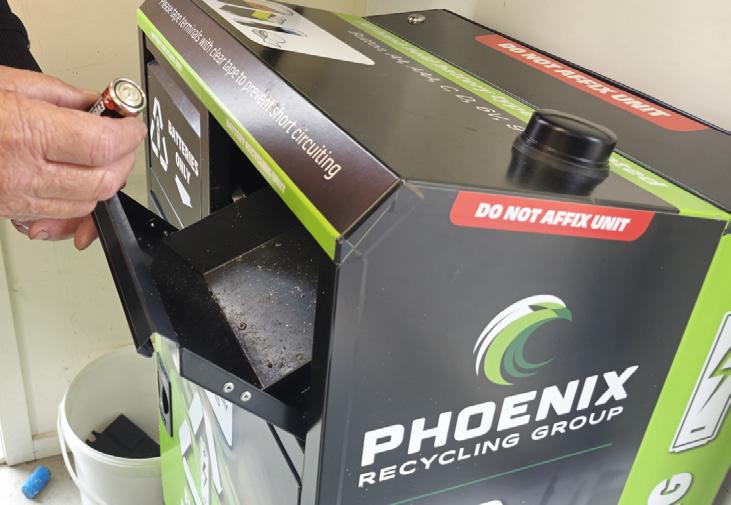
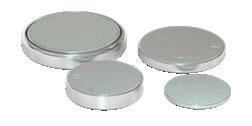
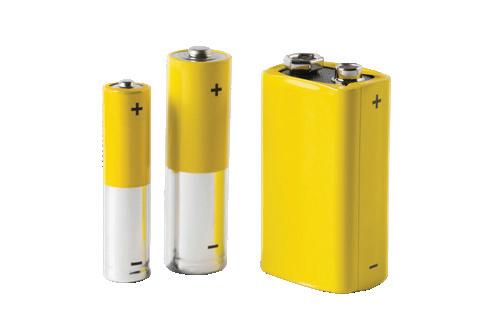
Household batteries deteriorate if not in use and need to be disposed of safely.
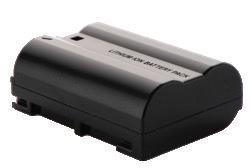
Batteries need to be disposed of safely once they are flat or show signs of deterioration – but they are hazardous, rechargeable batteries especially so.
If batteries, or items that contain batteries, end up in a collection truck, rubbish pit or recycling plant, they have the potential to cause fires in the trucks or facilities and harm people and the environment.
Damaged, leaking or rusty batteries can be dropped off for free at the hazardous waste drop off area in Council’s Southbrook resource recovery park and Oxford transfer station.
Undamaged household and power tool batteries can be recycled, saving valuable components for reuse. As New Zealand currently lacks the infrastructure to recycle batteries, we’ve partnered with Phoenix Recycling Group to collect undamaged batteries from our sites and ship them offshore under strict hazardous waste permits.
Phoenix works exclusively with approved facilities that are equipped to safely process
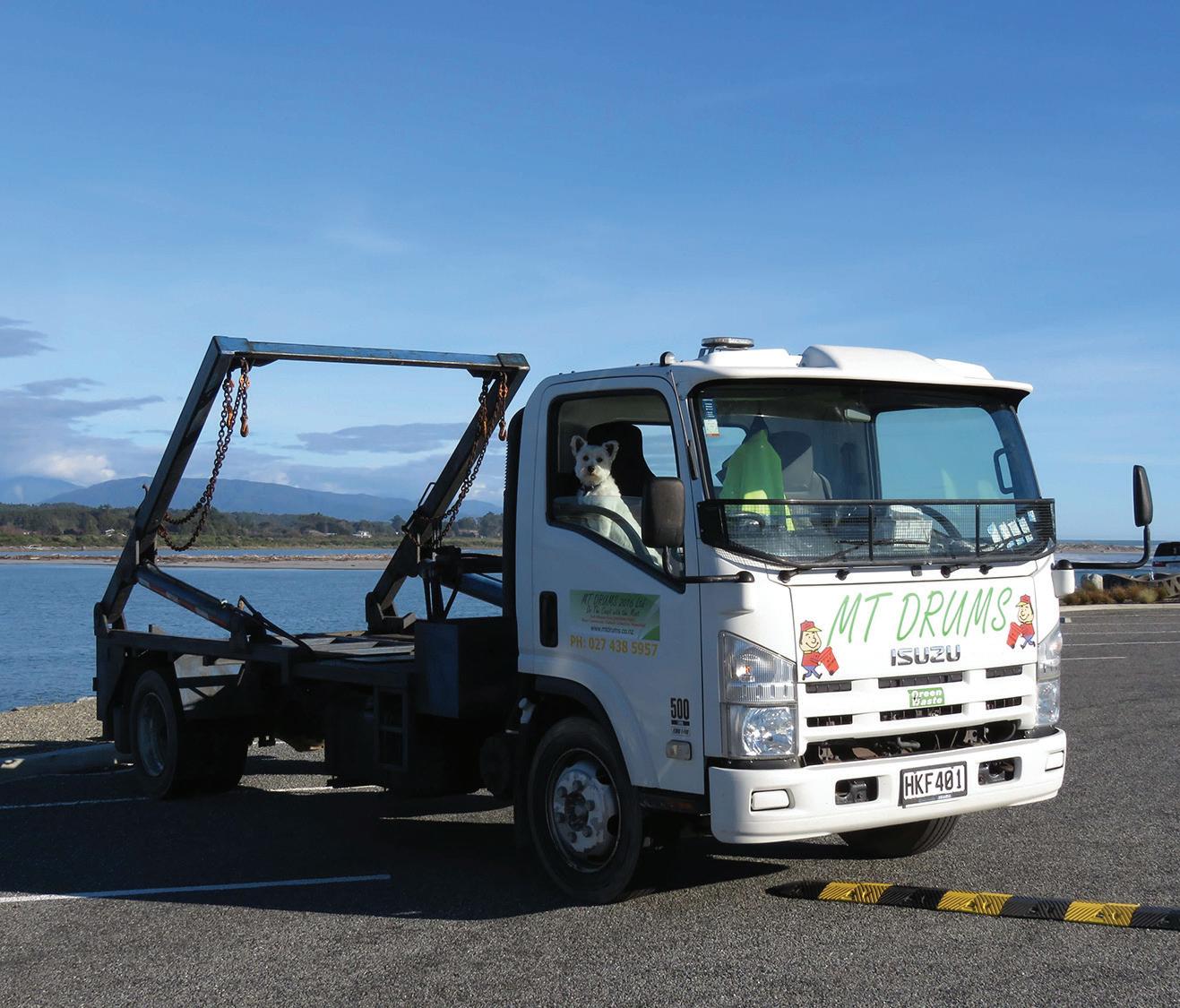
Under New Ownership
Ross and Rebecca Blackburn and the team service Hokitika Monday to Thursday, and Greymouth on Wednesday.
Remember if your rubbish bin is too small and you need something bigger, we have your needs sorted.
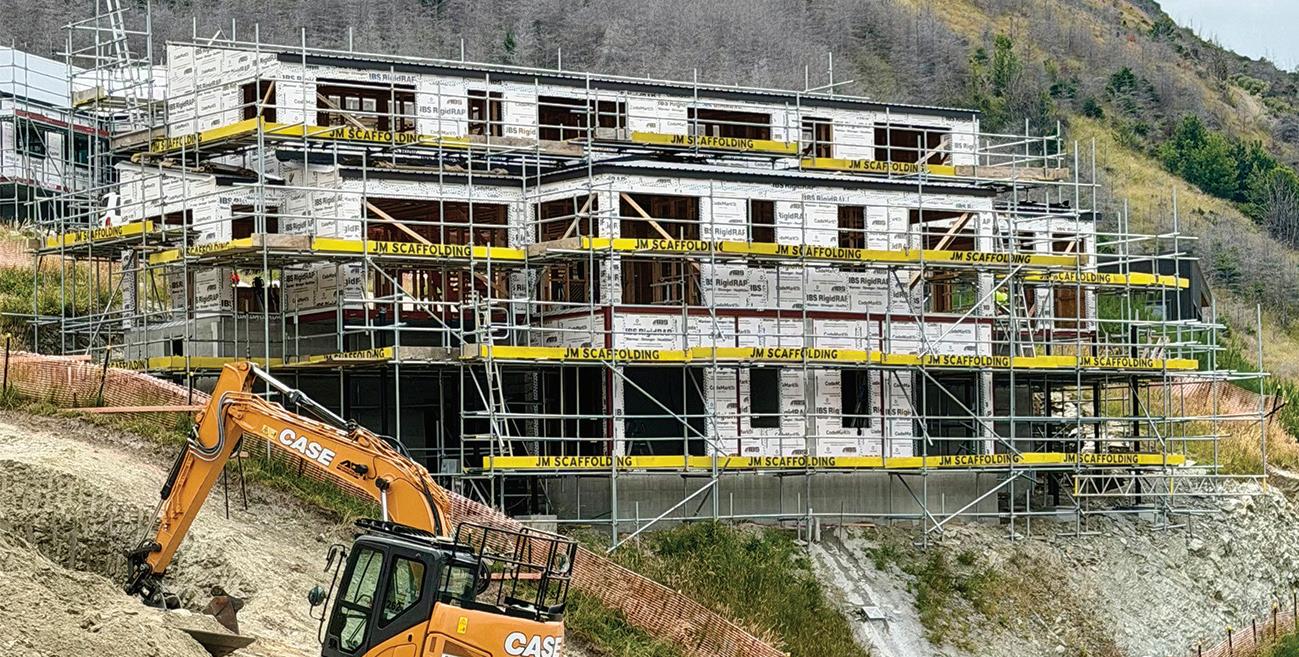
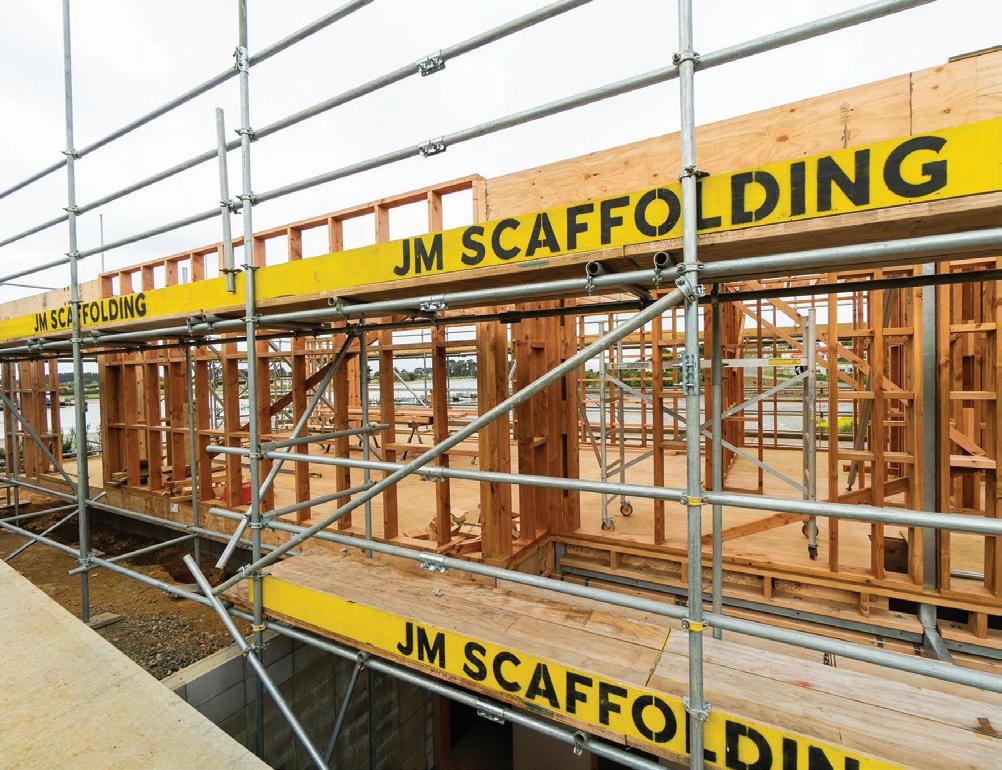
Locally owned and operated, over 10 years of experience providing safe and comprehensive scaffolding.
Whether you need access towers, roof edge protection, shrink wrap, temporary roofing, or a full scaffold structure, we’ve got you covered.
What Budget 2026 really means for the construction sector
Budget 2026 gives the construction sector a clearer picture of where government investment is heading over the next four years. While the headline figure is around $7 billion in new capital investment, the Budget shows a shift towards resilience, renewals and maintaining existing infrastructure alongside major new projects.
Funding includes a new ward tower at Whangārei Hospital, the Cambridge to Piarere Expressway, and more than $1 billion for KiwiRail network improvements between 2027 and 2030. But the bigger shift is towards maintaining and upgrading existing assets, including $400 million for state highway resilience after severe weather events, plus rail renewals, hospital redevelopments and school upgrades. This reflects a broader policy change. Rather than focusing mainly on new builds, government investment is increasingly aimed at extending asset life and improving resilience. For civil contractors, maintenance work can provide a steadier pipeline than one off projects, while greenfield focused firms are being signalled toward where future demand is likely to sit.
Not all measures translate directly into construction activity. A $400 million Incentives for Growth fund is aimed at encouraging councils to support housing development, alongside changes to development levies. These are intended to remove planning and funding barriers that often delay projects.
The Budget also supports early land acquisition for future developments, including schools in growth areas such as Queenstown and land for a future hospital in South Auckland. Buying land earlier can reduce cost pressures and delay risks later in project lifecycles.
Funding is also directed at wider resource management reforms, including replacement planning legislation, a national flood mapping programme, and a digital planning platform to standardise consenting. If successful, these changes could reduce duplication between councils and make multi region delivery easier for contractors.
Infrastructure plan and system overhaul
Alongside the Budget, Parliament has endorsed the Government’s response to the National Infrastructure Plan, a 30 year roadmap from the New Zealand Infrastructure Commission, Te Waihanga (New Zealand Infrastructure Commission). The plan focuses not on new spending but on how infrastructure is planned, prioritised and delivered.
Despite spending around 5.8% of GDP on infrastructure over the past two decades, among the highest in the OECD, New Zealand continues to face poor delivery efficiency and weak asset management. The Commission found some agencies do not have a clear picture of the infrastructure they
already own, making long term planning more difficult.
A central feature is the strengthened National Infrastructure Pipeline, consolidating current and planned public projects. Agencies must keep it updated, with data standards set by Te Waihanga. A key issue will be whether it clearly separates funded projects from early stage proposals.
Oversight of major projects will shift from the Treasury to Te Waihanga, intended to improve scrutiny and ensure better planning before delivery. New legislation will also require agencies to publish long term investment plans and report more transparently on asset condition. A wider review of land transport funding is underway, with consultation expected in 2028.
The response has cross party support, with Labour and Green infrastructure spokespeople contributing. While not binding, this consensus is unusual in infrastructure policy and aims to reduce stop start cycles that have long affected delivery.
Infrastructure Minister Chris Bishop says many recommendations are already underway, with the focus on system improvement rather than new spending programmes.
The number that will matter is not the $7 billion announced, but the share of it that reaches a worksite over the next 12 months.
Delivery still the key test
Industry leaders broadly welcome both the Budget and the infrastructure plan, but remain focused on delivery rather than announcements.
Infrastructure New Zealand chief executive Nick Leggett described the reforms as a positive signal but warned confidence alone is not enough. He noted that only 43% of infrastructure funding announced across the previous three Budgets had translated into physical work within 12 months.
Registered Master Builders Association chief executive Ankit Sharma said builders need a visible pipeline to invest in apprentices, equipment and capability, rather than reacting to stop start demand.
Civil Contractors New Zealand chief executive Alan Pollard said contractors are
ready to deliver, but repeated delays and cancellations have made it harder to retain skilled workers and invest long term.
Dentons said the Budget reinforces a long term pipeline, while reforms to planning, land acquisition and procurement could improve delivery. KPMG described it as measured rather than transformational, focused more on maintaining existing assets than launching major new builds.
For the sector, Budget 2026 and the infrastructure plan provide clearer visibility than previous cycles. But the core challenge remains: ensuring funding becomes contracts, and contracts become work on site. If delivery improves, the sector could see the consistency it has long been seeking after volatile years.
About us
Tyre World is an independent and locally owned tyre dealer based in Tauranga, New Zealand.
With over 40 years of combined experience, we take the time to ensure your vehicle is safely fitted with the correct tyres at a competitive price. You can ensure that by trusting us, you will receive a professional and high-quality service with every visit
We service vehicles of all calibres; no matter if you’re driving a Demio, Hilux, Tractor or Truck, we will be able to source and fit the right tyres you need or want!
Here at Tyre World, we do all tyres and all services. If you’re struggling to source the tyres you need, give us a call and we’ll help you find them and fit them!
Opening Hours
Monday to Friday: 7:30am - 5:00pm Saturday: 9:00am - 12:00pm
US Corner of Courtney Road & Wilrose Place, Gate Pa, Tauranga
m 07 578 0256 k info@tyreworldnz.co.nz www.tyreworldnz.co.nz
30 years of fire protection expertise
When a fire breaks out, the systems that protect lives and property don't happen by accident. Behind the sprinkler heads, alarm panels, and extinguisher cabinets is a team of specialists who have spent years—sometimes decades— making sure everything works exactly as it should.
In the Nelson Marlborough region, that team is FFP Nelson Marlborough Fire, and in 2026 they are celebrating 30 years of protecting people, property, and businesses.
Founded in 1996, FFP began as a modest operation. Over the following three decades, the business steadily expanded its services, strengthened its capabilities, and built a reputation as one of the Top of the South's leading fire protection specialists.
Since 2020, the company has been led by directors Thorben Hoffschneider and Kirstin Vercoe. During this time, the business has successfully navigated periods of industry uncertainty brought about by major global events while continuing to grow. That growth has been driven by a strong commitment to exceptional customer service, continuous improvements to the company's structure and systems, a complete brand refresh, significant investment in modern IT, and a strong focus on team development and technical training.
For the directors, celebrating 30 years is about far more than reaching a milestone. "Over the past six years, we've been preparing FFP for its next 30 years—building a stronger business that will continue delivering exceptional fire protection solutions while creating a workplace we're all proud to be part of."
At its core, FFP Nelson Marlborough Fire provides the design, installation, servicing, and maintenance of fire protection systems, together with ongoing compliance services for building owners. Their expertise spans the full spectrum of active and passive fire protection, including fire sprinkler systems, fire detection and alarm systems, portable firefighting equipment, passive fire protection, fit outs and building alterations, and Building Warrant of Fitness (BWoF) management.
We've worked hard to build a strong team and a positive culture," they say. "Everyone enjoys what they do and understands the importance of their role. We genuinely believe FFP is a great place to work, and that's reflected in the service we deliver to our clients.
The company's BWoF service has become particularly valuable for property owners who often find compliance obligations complex and time consuming. With registered Independent Qualified Persons (IQPs) on the team, FFP manages the complete process, including inspection, testing, certification, and ongoing
compliance. This allows building owners to meet their legal obligations with confidence while leaving the administration and technical requirements in experienced hands.
It's this end to end approach that has earned FFP a loyal client base throughout Nelson and Marlborough.
The directors are equally proud of the culture that has been built since taking ownership. "We've worked hard to build a strong team and a positive culture," they say. "Everyone enjoys what they do and understands the importance of their role. We genuinely believe FFP is a great place to work, and that's reflected in the service we deliver to our clients."
That family first philosophy is embedded in the company's values, which focus on integrity, pride in workmanship, positive thinking, continuous improvement, and working together as one team.
Despite challenging conditions across much of the construction sector, FFP enters its 30th year with a strong pipeline of work. The company is currently delivering the fire protection upgrade and extension at Richmond Mall, providing fire protection services for the new 64 room Albert Hotel in Blenheim, and working on two
significant retirement village developments— Summerset Blenheim and Arvida Waimea Plains. The diversity and scale of these projects reflect the confidence that developers, consultants, contractors, and building owners continue to place in the FFP Nelson Marlborough Fire team.
Looking ahead, the company's ambitions are clear: to further establish itself as one of the South Island's leading independent fire protection specialists while continuing to take on increasingly complex and technically challenging projects.
"We enjoy working with developers who are thinking differently and pushing beyond the ordinary," the directors say. "Fire protection doesn't have to limit great ideas—it should help make them possible. We enjoy working alongside project teams to find practical, compliant solutions for even the most challenging developments."
Thirty years after opening its doors, FFP Nelson Marlborough Fire has grown into a company the region genuinely relies on. While the business is proud of its history, its focus remains firmly on the future— continuing to invest in its people, embrace new technology, and deliver the expertise that has helped protect the Top of the South for three decades.
FFP Nelson Marlborough Fire is based at 12A Elms Street, Stoke, Nelson. For enquiries, visit ffpnelson.co.nz, email office@ffpnelson.co.nz, or call 03 548 2640.
- Danny – Ph: 027 634 4894 – E: dannydrummond.frm@gmail.com
Open 7am – 4:30pm Monday to Friday or by special request
No one builds alone
Live Well, Build Well’s tradie wellbeing surveys keep finding loneliness near the top of the list — here are practical ways builders can stay connected
The Live Well, Build Well initiative began in late 2022 to help residential construction workers improve their mental health and wellbeing. Backed by the Mental Health Foundation and ACC, the programme is designed to help builders and tradies build the mental strength and resilience needed to cope with the demands of working in a challenging and constantly changing industry.
Its annual New Zealand tradie wellbeing surveys consistently show that loneliness is one of the most common challenges facing Kiwi builders and tradies. That can come as a surprise. Construction is a people focused industry. But loneliness isn’t about how many people are around you. It’s about feeling disconnected, unsupported, or like you’ve got no one to talk to when things get tough. The good news is there are practical things you can do that can help.
Take notice of the good stuff
When you’re stressed, tired or feeling isolated, it’s easy to focus on what’s going wrong. A simple habit that can help is taking a moment each day to notice what’s going right. It doesn’t have to be anything big. It could be a good chat with a mate on site, knocking off a job you’re proud of, a laugh with the kids, a decent coffee in the morning, or simply getting home safely after a long day. You could jot down a few things you’re grateful for, think about a couple of wins from the day, or simply thank someone who helped you out. Small moments add up.
Don’t sit in silence
Many tradies spend long hours driving between jobs, working alone, or doing repetitive tasks. If the silence starts getting
The important thing is not to sit with it alone. Reach out. Talk to someone. Take one small step. Connection often starts with a simple conversation. No one builds alone, and you don’t have to carry things alone either.
heavy, fill the space. Listen to music that lifts your mood, podcasts about topics you’re interested in, audiobooks while driving, or talkback radio and interviews that help you feel connected to what’s happening around you. Sometimes having another voice in the background can make a surprisingly big difference.
Pick up the phone
A quick text is easy, but a phone call is often better. If someone pops into your head, give them a call. You don’t need a reason. A ten minute chat with a mate, family member,
former workmate or someone you trust can help you feel more connected and remind you that you’re not carrying everything on your own.
Focus on real conversations
Being around people doesn’t automatically stop loneliness. You can be on a busy site all day and still feel isolated. What often matters most is the quality of your conversations. When you’re catching up with someone you trust, ask how they’re really doing. Share what’s happening in your own life. Talk about more than work, and listen properly instead of rushing to solve problems. You don’t need deep and meaningful conversations every day, but genuine connection goes a long way.
Get outside
Most builders already spend plenty of time outdoors, but this is about getting outside for yourself, not just for work. Go for a walk, take the dog to the beach, get out on the bike, head fishing, or simply sit somewhere quiet and clear your head. Nature has a way of helping put things into perspective and can improve both mental and physical wellbeing.
Share what’s going on inside
A lot of tradies are good at solving practical problems but less comfortable talking about what’s going on inside. Keeping everything bottled up often makes things feel heavier. Talking to someone you trust doesn’t mean you need all the answers. It simply means you’re not carrying it alone. Whether it’s your partner, a mate, a workmate, a mentor or a professional, having a conversation can take some of the pressure off.
Get stuck into something you enjoy When loneliness starts taking over, it can feel like nothing is worth doing. That’s usually the time to do something anyway. Think about what you enjoy outside of work. It might be hunting, fishing, sport, woodworking, music, gardening, DIY projects at home or learning a new skill. Doing things that give you a sense of purpose and enjoyment can help break the cycle of isolation.
Spend time with animals
Pets don’t solve everything, but they can provide great company. Walking a dog gets you moving and often leads to conversations with other people. If you don’t have a pet, consider helping at a local animal shelter or spending time with friends or family who do.
Be careful with social media
Social media can make it look like everyone else is winning. Perfect holidays. Perfect families. Perfect businesses. The reality is most people only share their highlight reel. If scrolling leaves you feeling worse, take a break and connect with someone directly instead. A phone call, coffee or catch up is usually far more valuable than another hour online.
Remember: it won’t last forever
Loneliness can feel overwhelming when you’re in the middle of it, but it isn’t permanent. Many builders and tradies experience periods where they feel disconnected, especially during stressful projects, business challenges, relationship changes or difficult life events. The important thing is not to sit with it alone. Reach out. Talk to someone. Take one small step. Connection often starts with a simple conversation. No one builds alone, and you don’t have to carry things alone either.
Live Well, Build Well are looking for partner sponsors, as funding from ACC is becoming increasingly unpredictable. Interested parties can reach Rafael at rafael@livewellbuildwell.com.
With a variety of industry experience, I provide honest, realistic advice to help improve your workplace health and safety.
Experience:
• Construction
• Aviation
• Manufacturing
• Engineering
Audits & inspections
• Tertiary environments
• Civil construction
Thorough inspections and audits to ensure you meet required standards, with recommendations to improve safety. An approved ACC AEP auditor.
Consulting services
Providing advice, assessments, identifying hazards, and practical solutions to create a safe work environment.
Safe + assessment
Reviewing your safety culture across the business, with a detailed report and practical recommendations for improvement.
www.safetyatwork.co.nz
Focus on Wellington
Why Wellington demands greatness
If you’ve built anything on the Kāpiti Coast or in Greater Wellington, you already know: this region doesn’t let you cut corners. The environment won’t allow it.
Think about what you’re working with. Salt air pushing in off the Tasman. Some of the strongest sustained winds in the southern hemisphere funnelling through the Cook Strait. Active fault lines running beneath suburbs. Sandy coastal soils in Kāpiti. Clay heavy hillsides in Wellington. And on top of all that, clients who can see Kāpiti Island from their kitchen window and want a home that belongs in that landscape, not one that fights it.
This is a technically demanding region to build in. But it’s also one of the most rewarding, and one where the quality of your suppliers, your products, and your subcontractors makes a measurable difference to the outcome.
The environment sets the specs Coastal builds along the Kāpiti strip, from Paekākāriki through to Ōtaki, have non negotiable requirements. Fixings need to be marine grade. Cladding needs to handle UV, salt, and moisture cycling without failing in year three. Joinery has to perform against wind loads that would rattle an inferior product apart within a season. These aren’t
gold plating decisions; they’re the baseline for a build that holds up and keeps your reputation intact.
Wellington adds seismic complexity to the mix. Post Kaikōura, clients and councils both have a sharper eye on structural integrity, and that scrutiny isn’t going away.
The builders who thrive in Wellington and Kapiti know great projects depend on great partnerships. Choosing reliable suppliers, skilled consultants and trusted subcontractors is just as important as quality workmanship, particularly in a region where wind, salt, seismic activity and demanding clients expose every weakness.
A region growing fast
The Kāpiti Coast is one of the fastest growing corridors in the lower North Island. Housing demand is strong, commercial development is expanding, and infrastructure investment is increasing. Business Kāpiti, the region’s economic development body, is actively supporting growth across sectors, and construction sits at the foundation of all of it. Every new home, every commercial fit out, every renovation is an opportunity to lift the standard of what gets built here.
In Wellington city itself, momentum is building too. Wellington City Council has committed up to $40 million toward CBD rejuvenation, with upgrades to Courtenay Place already underway and delivery of the broader programme set to begin in 2027.
Visible improvements to buildings are being funded through the Te Aro Hā business partnership right now. That level of civic investment creates downstream work and downstream scrutiny. The buildings that result from this programme will be public facing, high visibility, and expected to last.
“Our inner city is our economic heart and home to many people. We all want it to be a welcoming place where people can
come together, enjoy a meal in the sunshine, make the most of our arts and culture scene, and feel safer,” Mayor Andrew Little said. “We have an opportunity to do something that will make a difference, be creative and be affordable.”
Choose your supply chain carefully
The builders who thrive in Wellington and Kāpiti know great projects depend on great partnerships. Choosing reliable suppliers, skilled consultants and trusted subcontractors is just as important as quality workmanship, particularly in a region where wind, salt, seismic activity and demanding clients expose every weakness.
Events like the Wellington Build & Renovation Expo bring that supply chain together, making it easier to discover products, technologies and expertise designed for local conditions. In a market that rewards quality and quickly exposes shortcuts, the right partnerships help deliver buildings that last, and the reputation that keeps clients coming back. Match and exceed client expectations. Specify the right products. Engage the best consultants. Build things that last. That’s what this region is worth, and that’s what your reputation is worth too.
Girls with Hi-Vis helps build tomorrow’s workforce
The search for the next generation of skilled workers remains one of the biggest challenges facing New Zealand’s infrastructure and construction sectors. As demand for civil works, utilities and transport projects continues to grow, the industry is increasingly looking beyond traditional recruitment pathways to attract new talent and inspire groups that have historically been underrepresented in the workforce.
Girls with Hi Vis (GWHV), delivered by infrastructure training provider Connexis, is a month long initiative held throughout June that brings secondary school students onto major infrastructure worksites across the country to explore career pathways in the sector.
This year’s programme has now concluded, with employers across electricity, water, telecommunications and civil construction opening their sites to female students. Across the month, participants took part in hands on activities and gained exposure to a wide range of infrastructure trades, from highway construction and power distribution through to water treatment. They also heard directly from women already building successful and varied careers in the industry.
Connexis Executive Director Kaarin
Gaukrodger says the programme plays an important role in helping young women see what is possible in infrastructure careers, while also highlighting the value of vocational pathways that combine qualifications with long term career development opportunities.
“At GWHV events the female students have fun and engage in opportunities to find out what these types of jobs really involve. They see for themselves that they are more than capable of doing this practical, physical work that is crucial to the health and prosperity of their local community.
“They also see the skills required and how they are able to gain those skills through work based training they can complete while working, earning and building their career,” Gaukrodger says.
At GWHV events the female students have fun and engage in opportunities to find out what these types of jobs really involve. They see for themselves that they are more than capable of doing this practical, physical work that is crucial to the health and prosperity of their local community.
- Kaarin Gaukrodger
“Most importantly it connects the students with local employers and the Connexis team who can work with both the businesses and the schools to find Gateway work experience placements that can lead to apprenticeships and jobs.”
Now in its second decade, GWHV has grown steadily since its launch. In 2015, the programme involved three Electricity Supply Industry companies and around 50 students. This year, it expanded to 30 events nationwide, with more than 80 schools and approximately 800 students taking part.
“That growth indicates employers and school careers advisors recognise that young women have generally been overlooked as a potential workforce. Many of our schools and employers are also repeat participants which is a good indication of the value they see in the event,” she says.
Connexis reports that the share of women in infrastructure training has doubled over the past decade, rising from 8% in 2015 to 16% in 2025.
Gaukrodger says the programme’s long term impact is becoming increasingly visible, with past participants now returning to inspire the next generation.
“We are now in the fantastic position of having women working in infrastructure careers who attended a GWHV event and are now passing their knowledge and experiences on to other young women at GWHV events being held by their employer.”
This year’s programme also included a te reo Māori event in Ōtaki, held on the expressway construction site at Te Pae o Tararua: Ōtaki to north of Levin.
As the June programme concludes, organisers say GWHV continues to gain momentum as employers and schools recognise the value of early, hands on exposure to infrastructure careers and the role it plays in shaping a more diverse future workforce.
We have a complete range of trucks and machinery that can tackle anything.
Our modern fleet of trucks comprise of everything from Bulk Tippers, Curtainsiders, Flat Decks, Livestock units and more.
We have a complete range of Contracting Machinery that can tackle anything from Subdivisions to Quarry work.
We supply all types of Gravel, Aggregates, Agricultural Lime, Fertilisers and Dolomite.
We can do anything
Enabling the success of others by connecting people and products
Our Services
General Freight
Bulk Cartage
Stockfeed
Storage
Fertilisers
Livestock
Dolomite
DX50
Our 8 wheeler equipped with winch provides general machinery movements in the Taranaki region as well as the North Island
Our TREX equipped with two winches provides us with the ability to carry out off road recoveries with a small foot print allowing us to reach more places.
We are family owned and operated business based in Taranaki providing 24/7 towing and break down assistance.
Designing with escape routes in mind
Increased housing intensification mustn’t compromise safe evacuation routes. Recent updates to C/AS1 guidance, along with ongoing BRANZ research, place renewed focus on how external escape routes are designed.
In the past, most standalone homes were assumed to provide a straightforward escape path from any exit door directly to an open area such as a street, driveway, or garden.
That assumption no longer holds in many modern developments. Tight site constraints, shared driveways, and additional dwellings built on subdivided lots often mean occupants must move past or alongside other buildings to reach a place of safety. If a neighbouring structure is involved in a fire, that route can quickly become hazardous.
Poorly planned escape paths can lead to consent delays, costly redesigns and reworks late into projects. Builders feel the impact through inspection failures and last minute compliance queries.
The revised C/AS1 guidance sets clearer expectations around when an external safe path is required. Where a single direction of travel exists from an exit door, and no sprinkler system is installed, a compliant external escape route must be provided.
This generally means maintaining separation from adjacent fire cells, often at least 1 metre, or incorporating fire rated construction that limits exposure to heat and flame. The intent is to avoid situations where occupants are forced to evacuate through areas exposed to an adjacent fire.
Designers ought to shift their attention beyond the building footprint itself. Site planning now
plays a direct role in life safety outcomes.
Building placement, boundary clearances, and shared accessways can all influence whether an escape route is acceptable under compliance documents. Early consideration of these factors reduces the risk of redesign later in the consent process.
BRANZ research shows the importance of evacuation design for people with
reduced mobility, including older occupants and those with disabilities. Layouts that support horizontal movement, clear circulation paths, and simple navigation improve the likelihood of safe self evacuation.
Designs that assume emergency services will assist every evacuation scenario place unrealistic pressure on response systems and should be avoided where possible. Fire protection systems contribute to improved outcomes as well. Sprinklers can significantly slow fire growth, while modern alarm systems, particularly voice and visual alerts, provide clearer warning than traditional bell only devices. These systems increase available escape time and improve occupant response.
The key shift for contractors is that external escape routes must be treated as part of the overall building design and site layout, not an afterthought. Coordination between design teams, builders, and consenting authorities early in the process helps ensure routes are both compliant and practical in real world conditions.
As residential density continues to rise, careful planning of external evacuation paths will remain central to delivering housing that meets both regulatory requirements and basic safety expectations.
Abby’s got you covered
Insurance can feel like a maze, with policy jargon, cover gaps, and claims that land at the worst possible time. Having an adviser in your corner makes all the difference.
Abby Esler has spent her career on both sides of the industry. After eight years in Melbourne managing a team of 18 in superannuation insurance, handling life and trauma claims as a team leader, she returned home to New Zealand in 2019 with a rare depth of claims side knowledge. That experience taught her exactly how much a correctly structured policy matters when things go wrong.
Insurance runs in the family. Abby's father spent over 40 years as an adviser before she stepped into his shoes, taking on his Wairarapa client base, a relationship built on trust that now spans from Auckland to Christchurch. Today, Abby is one of the advisers and directors at Umbrella Group, based out of the Masterton office, with a second base in Greytown.
Across the Umbrella Group team there is over 115 years of combined experience in insurance and financial advice. As a Wealthpoint foundation member since
2019, Umbrella Group offers genuinely independent advice, free to recommend the best product for each client rather than being tied to a single provider.
Recent natural disasters, in New Zealand and abroad, have been a stark reminder of why proper cover matters. Abby helps clients across home, car, contents, business and commercial insurance, plus life, trauma, income protection and health cover, matching each person with the right product from a wide panel of providers.
When she's not at work, Abby is usually catching up with friends and family, or out walking her dog, Buddy. If you'd like to review your cover or talk about getting insured, give Abby a call.
YOUR ONE-STOP SOLUTION FOR FASTENERS AND ENGINEERING
The Bolt Shop was established in 2000 under the direction of Director Geoff Smith with a wealth of fastening and technical experience. The team is prepared to support you with your project requirements and take on challenging issues.
The University of Auckland Formula SAE Team and its F:SAE:47 Projects are proudly sponsored by The Bolt Shop Team.
As Child Safety Advocates, we also support the New Zealand Police Managers Guild Trust.
Our Products:
• Mild Steel Bolts
• High Tensile Bolts
• Tapping Screws
• Rivets
• Nuts
• Machine Screws
• Threaded Rod
• Socket Head
• Drills
• Hardware
• Stainless Steel Bolts
• Washers
• Wood Screws
• Masonry
• Taps & Dies
• Consumables
• Tools
Glenfield
191B Archers Road, Glenfield, North Shore City
Phone: 09 441-9425
Mon-Fri: Open 7:30am to 5:00pm | Sat: Open 8:30am to 12:00pm gfsales@boltshop.co.nz
Wiri
23 Ash Road, Wiri, Auckland City
Phone: 09 262-2944
Mon-Fri: Open 8:00am to 5:00pm wirisales@boltshop.co.nz
WorkSafe updates asbestos guidance
WorkSafe New Zealand has released a refreshed suite of guidance aimed at improving how businesses and workers manage and work with asbestos.
The updated resources have been developed in close collaboration with industry experts and are tailored to specific roles, including asbestos surveyors, removalists, assessors, tradespeople, and general businesses.
WorkSafe says the new structure is intended to make it easier for workers to quickly access the information most relevant to their work, rather than navigating a single broad document.
WorkSafe chief executive Sharon Thompson said asbestos continues to pose a serious public health risk in New Zealand.
“Asbestos remains the number one cause of work related death in New Zealand, with approximately 220 people dying from asbestos related disease each year. It’s critical that everyone working with or around asbestos has access to clear, current guidance on how to do so safely,” Thompson said.
She said the updated suite reflects modern industry practice and is designed to be more practical and accessible.
It includes good practice guidelines, interpretive guidance, information sheets, videos, and a mapping document showing
While the 2016 ACOP for the Management and Removal of Asbestos remains in force, WorkSafe expects several of the new good practice guidelines, covering asbestos surveys, removal, and assessments, to eventually be incorporated into updated ACOPs as wider health and safety reforms progress.
ASBESTOS REMOVAL
CITY SALVAGE CON TRACTORS
“Publishing the updated guidance now means the industry doesn’t have to wait for legislative changes to access better information. It balances the need for timely, practical resources with the process for updating the ACOPs,” says Thompson.
Key updates include changes to surface testing requirements for asbestos clearance inspections, the exclusion of swabs during asbestos surveys, revised exposure monitoring requirements, and clearer definitions around asbestos containing dust and minor contamination.
WorkSafe consulted publicly on the future of asbestos guidance in late 2025, with feedback showing strong support for clearer, more detailed and accessible information across the industry.
Compliance doesn’t end with removal
Safely managing asbestos includes transporting, tracking and disposing of contaminated waste in accordance with regulatory requirements. That responsibility matters as older residential housing, commercial buildings and industrial facilities are redeveloped. Demolition and refurbishment projects routinely uncover asbestos containing materials alongside other contaminated building products,
Asbestos remains the number one cause of work-related death in New Zealand, with approximately 220 people dying from asbestosrelated disease each year.
requiring specialist planning before work can safely progress.
For members of the New Zealand Demolition and Asbestos Association (NZDAA), compliance extends well beyond meeting minimum legal obligations. The association promotes recognised industry best practice across every stage of a project, from pre demolition assessment and risk management through to licensed removal, waste transport, environmental controls and disposal at approved facilities. Ongoing training, competency development and adherence to robust health and safety systems help ensure hazardous materials are managed responsibly while protecting workers, clients and surrounding communities.
Companies including City Salvage Contractors demonstrate how these standards are applied in practice. Working across residential, commercial and industrial projects, the NZDAA member company follows documented procedures that support compliant demolition, asbestos removal and waste management, providing clients with confidence that hazardous materials are managed safely and transparently from the initial site assessment through to final disposal.
• Premium Lime / Metal Supply & Delivery
• Cow Races & Tanker Track Construction
• Track Grading& Maintenance
• Calf Shed Cleaning
• Terrain Shaping & Clearing
• Minor to Major Earthworks
• Drainage Installation & Drain Laying
• River Maintenance & Erosion Control
• Heavy Equipment Transport
Asbestos neutralisation trial begins
A New Zealand-first trial at Silverstream Landfill will test whether high-energy milling can destroy asbestos rather than bury it
A new trial at Silverstream Landfill is set to test whether emerging technology can change how asbestos waste is managed in New Zealand. A newly installed asbestos destruction plant is preparing to begin a major trial involving Environmental Decontamination Limited (EDL) and Hutt City Council, marking what is being described as a New Zealand first.
The trial will assess EDL’s MCD® technology, which uses high energy milling to break down the fibrous crystalline structure of asbestos. The process is designed to alter the material at a fundamental level, removing the fibre structure responsible for its hazardous properties and converting it into a stable, non hazardous form that may reduce the need for long term landfill storage. High energy milling (or mechanochemical processing) destroys asbestos by mechanically breaking its rigid crystalline lattice. The violent shearing and crushing forces alter the material at a fundamental level, converting hazardous, respirable fibres into safe, amorphous, or recycled mineral derivatives.
The technology is designed to avoid emissions associated with incineration and may offer circular economy benefits by enabling reuse in construction materials such as concrete, ceramics, or road aggregate, while achieving permanent inertisation of hazardous fibres.
For decades, asbestos has been buried and left for future generations to manage. This trial gives us the chance to explore a safer and more sustainable alternative.
— Mayor Ken Laban, Hutt City
Hutt City Mayor Ken Laban says the council has worked to bring the trial to Silverstream in response to the ongoing challenge of asbestos disposal. He says the current system effectively shifts responsibility into the future, with buried material remaining a long term risk for coming generations.
“For decades, asbestos has been buried and left for future generations to manage. This trial gives us the chance to explore a safer and more sustainable alternative to
simply burying asbestos waste,” Laban said. “If the trial delivers the results we expect, there is real potential for a long term facility here in Lower Hutt that could support jobs, innovation and safer waste management.”
EDL chief executive Marcus Glucina says the focus is on carefully testing the technology under controlled conditions rather than making early claims. He says the project is about gathering evidence on whether asbestos can be safely treated at scale.
Powering the Kāpiti Coast
A locally owned and operated electrical contracting business based on the Kāpiti Coast, Roundhouse Electrical is focused on delivering safe, reliable and highquality electrical services for residential and light commercial clients.
At the core of the business is a strong emphasis on safety, compliance, and workmanship that meets New Zealand electrical standards. Their work spans everything from general maintenance and fault finding through to full rewiring, switchboard upgrades, and electrical installations for new builds and renovations.
A key priority for Roundhouse Electrical is reliability and customer trust. The company places significant emphasis on punctuality, clear communication, and transparent, upfront pricing.
Customers are provided with obligation free quotes and a service experience designed to eliminate uncertainty, which is often a common frustration in the trades sector. This focus on honesty and consistency helps build long term relationships and repeat business.
Responsiveness is another defining feature of the business. Roundhouse Electrical
offers emergency and after hours callout services, positioning itself as a dependable option when urgent electrical issues arise. This reinforces its commitment to being available when customers genuinely need support, not just during standard working hours.
The company also operates as a full service residential electrical provider, offering a broad range of services including LED lighting upgrades, heat and ventilation systems for Healthy Homes compliance, CCTV and security system installations, and general electrical upgrades. This makes them a convenient one stop solution for homeowners and builders.
What sets Roundhouse Electrical apart is its strong local identity and reputation led growth model. The business is deeply embedded in the Kāpiti Coast community and has built credibility through consistently high customer reviews and a strong focus on service quality.
It also differentiates itself through its expertise in upgrading older homes, particularly in areas such as switchboard safety and rewiring, where compliance and risk reduction are critical. Combined, these priorities position Roundhouse Electrical as a trusted, safety focused contractor with a strong emphasis on professionalism and customer care.
Driven by design, powered by craftsmanship, trusted across the North Island for over 70 years 9 23 White Street, Fenton Park, Rotorua 9 6
KITCHENS PANTRIES/SCULLERIES
Keehan Drive, Hilltop, Taupo
Custom Cabinetry and Stone. Tailored to your needs.
With a 50+ strong team across design, manufacturing, stone fabrication, and installation, we cater for every project. We work closely with builders and interior designers to deliver joinery solutions that make your projects run smoother, faster, and with complete confidence in the final result.
Because we manufacture everything in-house, we maintain full control over quality, timelines, and consistency across every project. No outsourcing. No delays waiting on third parties. Just reliable workflows and a team that’s structured to keep your schedule moving.
Workplace injury focus
New Zealand has a workplace injury problem.
Every year, ACC supports thousands of injury claims. In 2025, workplace injuries resulted in 4.7 million days of weekly compensation and cost ACC $815 million, according to ACC’s Injuries in New Zealand Report, released this week. Behind every statistic is a person whose life has been disrupted, a family managing the consequences, and a business dealing with the financial and operational impacts of harm. Organisations want their people to go home safe and well. The challenge is that leaders don’t always have a clear view of what work looks like on the frontline.
The recent Gibson judgment arising from the Ports of Auckland prosecution reinforced an important lesson for directors and executives: assurance cannot come from reports alone. Leaders need multiple sources of information to understand whether health and safety systems are working in practice, not just on paper. One of the most consequential and underutilised sources of that verification sits in plain sight on almost every work floor in Aotearoa: the Health and Safety Representative (HSR).
Too often, HSRs are viewed as a compliance requirement rather than a strategic asset. Yet they occupy a unique position within an
organisation. They understand the realities of the work, the pressures workers face, and the risks that can emerge long before they appear in a report or result in an injury.
As health and safety governance expert Phil Parkes, Group Director at HSE Global, recently commented: “If you bring health and safety reps into your boardroom, you are getting a view from the front row… bringing HSRs into boardroom discussions provides leaders with a direct connection to “work as done” rather than “work as imagined”.”
For large and complex organisations, that frontline perspective can provide insights that no dashboard or performance report can deliver. This is where effective governance and effective worker participation come together. Boards
and executives need more than lagging indicators and compliance reports. They need confidence that controls are working, that workers feel comfortable raising concerns, and that operational pressures are not creating unintended risks. HSRs can provide a valuable line of sight into those realities.
Some organisations have already worked out that structural access to the worker voice is not just good practice, it is smart governance. Air New Zealand is a compelling example. Their Board introduced a non voting HSR representative invited to attend its Board safety committee meetings. Not to give workers a seat at the decision making table in a formal sense, but to give the Board something more valuable: an unfiltered perspective on how work is actually being done. With this procedural decision Air New Zealand’s Board created a mechanism to hear directly from the people doing the work; helping to bridge the gap between what the governance system imagined was happening and what was happening in reality.
Research consistently shows that workplaces with strong worker participation achieve better health and safety outcomes. Workers are closest to the work and are often the first to identify emerging risks, ineffective controls or opportunities for improvement. Listening to workers is not simply good culture; it is one of the most practical ways to prevent harm.
However, if HSRs are to provide meaningful insight, they need the capability and confidence to do so. Historically,
If Health and Safety Representatives are not part of that answer, you may be exposing your business to risks you cannot yet see.
HSR development has focused heavily on legislation and compliance. While understanding legal responsibilities is important, today’s HSRs also need skills in communication, engagement, influence and leadership. They need to be able to gather worker perspectives, engage constructively with leaders and translate frontline experiences into meaningful organisational insight.
That thinking informed the development of the New Zealand Institute of Safety Management (NZISM) Knowledge Wheel, a competency framework designed by HSRs, for HSRs. I led the development of this competency framework in a previous role, to move beyond regulatory literacy to encompass practical, interpersonal and communication capabilities. It recognises that effective representatives require a broad range of skills to help organisations better understand what is happening where work gets done.
WorkSafe NZ published a large scale study in 2019 of more than 1,000 HSRs and found
Selena Armstrong
Selena Armstrong is CEO of ShopCare Charitable Trust
If you bring health and safety reps into your boardroom, you are getting a view from the front row.
that 78% were motivated by a desire to improve health and safety outcomes. Significantly, 94% of HSRs rated collaboration with other HSRs at the same worksite as important or very important, reflecting a strong orientation toward collective safety improvement rather than individual box ticking. These are committed people who care deeply about making their workplaces safer.
The most effective HSRs are far more than compliance champions. They are trusted voices from the frontline who help connect workers, leaders and decision makers. They help organisations identify risks earlier, strengthen safety culture and make better informed decisions.
If New Zealand is serious about reducing workplace harm, we need to make better use of the people who know the work best. Boards and executives should ask themselves a simple question: who is helping us understand what work really looks like in our organisation?
If Health and Safety Representatives are not part of that answer, you may be exposing your business to risks you cannot yet see.
Teresa Haley Sales Consultant
— Phil Parkes, HSE Global
The weak point in the envelope
By Ben O’Connell
The paperwork that proves a window or door meets the New Zealand Building Code is meant to be the one assurance a builder can rely on without cutting into a finished wall. A recent MBIE alert suggests that assurance can no longer be taken at face value.
In a Building Performance alert issued to building consent authorities (BCAs), MBIE said concerns had been raised that supporting documentation for some imported aluminium windows and doors may not provide sufficient assurance of compliance with the Building Code. In some cases, MBIE noted, certification documentation may have been altered or misrepresented without the knowledge of the body that originally issued it.
For an industry living with the legacy of the leaky building era, that is a serious sentence. “Windows and doors are not decorative extras; they are a critical part of the building envelope. They must perform structurally, resist water penetration, support durability, and contribute to warm, dry, energy efficient homes. If the documentation cannot prove the product complies, that product should not be going into New Zealand homes,” says Window & Glass Association (WGANZ) chief executive Brett Francis.
WGANZ says non compliant and fraudulently certified products are a growing building safety problem, and that the government’s response has not matched the pace of the risk. Francis says the industry first raised the issue with officials late last year and has already handed MBIE a list of 20 companies it believes warrant investigation. “Now MBIE has come out months later to warn BCAs about the same types of products and documentation risks we raised last year,” Francis says. “The Government cannot claim it was not warned.”
The concern is that the gap between an alert and enforcement is exactly where the risk sits. A warning to consent authorities tells the people checking the paperwork to
look harder; it does not, on its own, stop a non compliant product from being ordered, shipped and installed. “If the risk is serious enough to warn BCAs,” Francis asks, “why is enforcement not moving faster?”
New Zealand is already running a rare global safeguard investigation into aluminium extrusion imports, and across the Tasman the Australian Anti Dumping Commission is investigating the alleged dumping of Chinese made aluminium windows and doors.
Testing commissioned through an accredited independent laboratory in Australia found seven of eight imported window samples failed to meet basic performance requirements, a result that, if echoed here, would have direct consequences for weathertightness and durability claims.
Francis frames these as connected symptoms of the same problem: products entering the market with no systems in place to verify them. The Association is urging the government to accelerate investigations into the companies already referred, to require verification of overseas test reports relied on for Building Code compliance, and to refer evidence of altered or misleading certification to the Serious Fraud Office and other enforcement agencies. It also wants clearer guidance for BCAs on the red flags in window and door documentation, and targeted audits across both imported systems and locally assembled units built from imported profiles.
Compliance documentation that is incomplete, inconsistent, internally contradictory or visibly altered is now a flag worth pausing on, not waving through. Verifying that a test report genuinely traces back to the issuing laboratory, rather than to a reworked PDF, is becoming part of the job, particularly on imported aluminium joinery sold on price. The product that fails will not announce itself on handover day; it shows up years later, as water in the wrong place.
“New Zealanders deserve homes that are safe, durable, weathertight and energy efficient,” Francis says. “They also deserve confidence that the products installed in those homes have been properly tested, properly certified and honestly represented.”
Whether enforcement now moves at the pace the alert implies is the open question. Until it does, the documentation that travels with a window is only as good as the checking applied to it, and on
Windows and doors are not decorative extras; they are a critical part of the building envelope. They must perform structurally, resist water penetration, support durability, and contribute to warm, dry, energyefficient homes. If the documentation cannot prove the product complies, that product should not be going into New Zealand homes.
- Brett Francis
weathertightness, the cost of a wrong call lands on the homeowner, and on the builder, who signed it off.
“This issue comes down to one core concern: imported window and door products are entering the market with compliance documentation that is non existent, incomplete, misleading or potentially fraudulent. Without reliable proof of compliance with the New Zealand Building Code, those products should not be installed in New Zealand homes. Homeowners should not be left carrying the risk of weak enforcement.”
Marshall Weatherization System
Inside New Zealand's $227b private sector pipeline
Pacifecon's latest Market Watch tracks where the country's private construction work is planned, progressing and starting — part one of three.
Pacifecon's latest Market Watch report explores New Zealand's private sector, alongside general information on projects around the country. This is part one of three looking at projects for the private, central government and council sectors. We also take a look at how the market is trending, letting you know what activity is happening and when.
We report on New Zealand's construction industry, and Market Watch provides analysis focusing on newly reported projects, the progression of existing projects, construction starting, and cancellations across different sectors around the country. Each month we explore a different featured industry — so let's take a jump into the private sector.
"At the end of May 2026, our research team had 10,398 private sector projects in the pipeline at a value of $227b," Philip Dawes, Research Manager at Pacifecon, says. "This sector has the largest share of planned works at 56% of the number and 58% of the value. Both the value and the share of private sector projects in the pipeline saw a small increase when compared to May 2025."
Dawes is responsible for managing and leading the nationwide research and edit team to ensure information is of the highest quality and accuracy. He's across what's happening in the private sector and oversees each report with a keen interest.
Where the work is
Auckland has 45% of New Zealand's private sector pipeline projects and 30% of the value — a slight decrease when compared to 2025's numbers. The Waikato/Bay of Plenty and Canterbury regions follow, and both these areas are sitting at a higher number and value than last year. Examples of some of the projects we're reporting on in the planning stages include:
• Otago — $8.5b: the Lake Onslow/Lake Roxburgh hydro storage scheme
• Waikato — $5b: an offshore windfarm, north of Raglan
• Auckland — $1.3b: a sustainable mixed use neighbourhood encouraging car less living
"Looking at all projects around the country, in May there were 2,153 new projects added to the pipeline with a value of $8,960m. The value increased by 21% when compared to the previous month."
Consents climbing Market Watch also highlights the increases in the latest building consent numbers from Statistics New Zealand. In the year ended April 2026, the actual number of
new dwellings consented was 39,087, up 16% from the previous 12 months. In April this year there were 3,692 new dwellings consented. The non residential building types with the highest values were office, administration and public transport buildings at $1.6b, education buildings at $1.3b, and storage buildings at $1.2b.
Beyond New Zealand
"We cover offshore projects, too, including the Pacific Islands — Fiji, Tonga, Samoa, the Cook Islands and others — as well as regions a little further afield, such as Vanuatu, Papua New Guinea, and Timor Leste."
Pacifecon's research team were tracking a total of 1,731 offshore projects in May with a total value of $91b. Twenty five of these projects were newly reported, with a total value of $357m. One of the new high value offshore projects is the redevelopment of Rabaul Port in Papua New Guinea, announced by Prime Minister Marape as one of the most strategic infrastructure investments for Papua New Guinea and the wider Pacific region.
Everyone on the team has their favourite projects they follow. There are always questions surrounding projects — how much will it cost, what will it look like, who
At the end of May 2026, our research team had 10,398 private sector projects in the pipeline at a value of $227b."
will work on it and how. We answer these questions and let you know what activity is happening and when.
Reading the market
"And important to us as well is how the market is trending. In addition to a highlighted project breakdown, each Market Watch includes commentary and graphs for New Zealand's regions across all sectors. It provides a comprehensive picture of planned construction across the country to help your business," Dawes says.
Be informed, make strategic decisions based on projects planned and what has started, drive business growth, understand which regions are right for your future, and identify which sectors are growing in the regions. Head to pacifecon.co.nz/resources/marketwatch/ to download sample reports, or contact the team to order your copy of Market Watch at projects@pacifecon.nz or on 09 445 0345.
ABRASIVE BLASTING & PAINTING SPECIALISTS
WE COMPLETE
Mobile high pressure water blasting 3000psi – 7000psi
Mobile abrasive blasting and painting
Abrasive blasting and painting
South Port Syncrolift
Abrasive blasting, metal spray and painting in Bond Street workshop
Garnet blasting and Grit blasting
BOND STREET WORKSHOP
is equipped with
5T and 2T overhead cranes
8T Hamilton Crane
3T forklift
COMMONLY COMPLETED WORK INCLUDES
Marine coatings for fishing and tourist boats
Maintenance of existing plants
New and maintenance painting for transport and agricultural sector
Industrial coatings
Architectural coatings
Restoration preparation
Report proposes vocational education overhaul
A heavy diesel mechanic and a policy analyst can complete similar lengths of training and, in some cases, enter the workforce with little or no student debt. Despite this, university education continues to be more highly regarded than vocational training, according to The New Zealand Initiative.
Its latest report, Working Knowledge: Designing Industry Led Subjects for Students and Schools, considers the Ministry of Education’s proposal to introduce industry led subjects as part of the new school qualifications framework. It says the school qualifications system has contributed to a negative perception of vocational pathways over time and argues there is now an opportunity to strengthen them.
The Initiative says the reforms could help address persistent skills shortages in construction, engineering and healthcare, where demand for qualified workers remains strong. It also points to wider concerns about school leavers, noting that nearly twice as many New Zealand students fall into unemployment compared with those who undertake workplace based learning.
Report author Dr Michael Johnston says industry led subjects must be built with
both schools and students in mind, not solely industry needs. “Schools have never had formal national curricula for vocational education in New Zealand. Industry led subjects will change that but they must be designed with schools and students in mind, not just the needs of industry,” he said. “Schools are primarily geared toward university track education, even though only about one third of school leavers enrol in degree programmes.”
The report recommends that Industry Skills Boards work alongside school subject associations to develop new vocational curricula and assessment frameworks. It argues this collaboration would help ensure industry led subjects are both consistent across schools and academically credible within the wider qualification system. It proposes that these subjects be delivered in paired formats, allowing students to complete 40 credit industry certificates alongside traditional NCEA learning. Under this model, vocational study would not replace academic subjects but sit alongside them, enabling students to combine classroom learning with practical, work based training.
The Initiative says this approach would create clearer and more flexible pathways into apprenticeships and industry training, while reducing the need for students to commit early to a single academic or vocational track. It also argues that stronger integration
Schools are primarily geared toward university-track education, even though only about one-third of school leavers enrol in degree programmes.
between schools and employers would help smooth the transition from education into the workforce.
To support implementation, the report suggests funding industry led subjects on a per enrolment basis. It proposes redirecting the university component of the Government’s fees free tertiary entitlement to help finance the system. While acknowledging this may be controversial, it argues the change would better align public investment with areas of workforce demand.
Another key recommendation is the creation of an Industry Award, positioned as equivalent in status and workload to University Entrance. The report says this would provide vocational learning with a clear and nationally recognised endpoint, helping to elevate its standing within secondary education and make career pathways more visible to students.
However, the proposal raises questions about equity and consistency across the school system. While some schools already have strong industry partnerships through trade academies and Gateway programmes, others may lack access to local employers, specialist equipment or trained staff. This could result in uneven delivery unless significant investment and national coordination are provided.
There are also concerns about how students would move between vocational and academic pathways over time. Critics argue that while industry led subjects may strengthen job readiness, care is needed to ensure they do not unintentionally limit access to university study later, particularly for students who change direction after leaving school.
There’s been a long standing tension within our education system on vocational pathways versus academic achievement. The report argues that industry led subjects offer a chance to rebalance that perception, but success will depend on whether they are seen as a genuine alternative rather than a second tier option.
Ultimately, it says the goal is not to replace university pathways, but to create a system where vocational learning is given equal structure, status and clarity — and where students are better supported to choose pathways that reflect both their interests and the needs of the wider economy.
QUALIFICATIONS THAT FIT WHAT YOU DO
WORK SMARTER
TRAIN AN APPRENTICE
ALREADY HAVE THE EXPERIENCE?
GROW YOUR BUSINESS THROUGH TRAINING
Have your team work smarter, learn up-to-date skills.
Help them learn the skills and become qualified.
ARCHITECTURAL ALUMINIUM JOINERY
BRICK AND BLOCK LAYING
CARPENTRY
CONCRETE
EXTERIOR PLASTERING
FLOORING
FRAME AND TRUSS FABRICATION
GLASS AND GLAZING
Get skills recognised with a formal qualification.
Training an apprentice is an investment in your business and the industry.
INTERIOR CONSTRUCTION
JOINERY
KITCHEN AND BATHROOM DESIGN
PAINTING AND DECORATING
RESIN FLOORING
STONEMASONRY
SUPERVISOR
TILING
Powering potential
With more than 40 years’ experience as an electrician, and over 30 running his own business, Clayton McNae knows what it takes for apprentices to succeed, and the value of structured training.
Palmerston North based McNae Group is a family operation, with Clayton’s wife Diane as Director and Administrator, and sons Wesley and Harley also working in the team. The company employs 34 staff, including 13 apprentices completing their training through EarnLearn.
For Clayton, training apprentices through EarnLearn isn’t just a training pathway, it’s a practical solution to grow capability while supporting the wider industry.
“We like to see our industry growing. And training people, which we enjoy doing, is one way to do that while growing our business.
Supporting apprentices to succeed is a company wide effort. One initiative, led by senior electrician Wesley McNae and his wife Ashleigh, is a regular study and pizza night at their home.
“It keeps apprentices up to date with their off job assignments, as well as their on job sign offs. Wesley is an assessor so he can sign them off, and they have access to all our systems so they can find jobs and CoCs to keep everything on track,” Clayton says.
The sessions help apprentices manage the juggle between work, study and life, particularly early on.
“We’ve been doing those study nights for the past two years and they’ve been a huge help in keeping everyone on track,” Clayton says.
The other key to success, says Clayton, particularly with a large group of apprentices on the books, is having good systems in place to keep track of progress.
“This means the tradesman they’re working with knows what they’ve been taught, that it’s been signed off, and who signed it off, so they can be confident leaving the apprentice to do a particular job, like fitting a hot point or clip a cable.”
For Clayton, there is a clear business case for taking on apprentices, but also a personal one.
“It’s not just seeing them get their qualifications, it’s satisfying to see them hit all the little milestones along the way.”
He adds that it’s also important to remember a big part of being a good tradesman is about being good at the non technical aspects of the job. “Be tidy, clean up after yourself on the job, be polite to the customers. It’s about doing a whole job you can be proud of not just about making something go.”
Through EarnLearn, McNae Group is not just filling roles. It is building a steady pipeline
We like to see our industry growing. And training people, which we enjoy doing, is one way to do that while growing our business.
of skilled electricians and backing people to succeed in the trade.
To find out how EarnLearn can support your business, visit earnlearn.ac.nz or call 0800 327 648.
Clayton McNae
New report maps pathway to a circular steel future for New Zealand
Our latest report (R4-167) assesses the current state of steel circularity in New Zealand’s construction sector and identifies options to reduce emissions through improved recycling and reuse.
Authored by Michael Allison, an MPhil candidate at Cambridge University’s Engineering Department, the report draws on a material flow analysis, 28 modelled future scenarios, a survey of 34 industry stakeholders, and 15 in depth interviews with experts across New Zealand and the United Kingdom.
A sector with room to improve New Zealand’s steel industry accounts for 2.2% of the country’s annual emissions, producing between 1.6 and 1.8 million
tonnes of CO2 each year. The country’s only domestic steel producer, New Zealand Steel, uses a direct reduction iron and basic oxygen furnace process with an emissions factor of approximately 2.5 tonnes of CO2 per tonne of steel — well above the global average of 1.4 tonnes. Steel reuse in New Zealand is described as “almost non existent,” and scrap steel is exported overseas for recycling due to the lack of any domestic recycling capacity. The total steel recovery rate sits at 74%, down from 80% in 2015.
The planned electric arc furnace
A key focus of the report is the planned $300 million electric arc furnace (EAF) at NZ Steel’s Glenbrook site, partially funded by the Government Investment in Decarbonising Industry fund. The EAF is expected to reduce the embodied carbon of crude steel production from 2.5 to 1.6 tonnes of CO2 per tonne initially, and cut
coal usage by around 50%. Across the 28 future scenarios modelled, the EAF combined with improved scrap collection consistently showed the most significant emissions reductions.
A practical future scenario
The report develops a “practical, sustainable future scenario” for 2050 incorporating domestic EAF use, 30% structural steel reuse, 93% scrap collection, and a 100% renewable electricity grid. Under these conditions, the report projects an annual emissions reduction of 870,000 tonnes of CO2 — approximately 58% — for New Zealand’s steel industry. If applied across the entire steel industry, the report suggests net zero could be reached by 2050.
Barriers, solutions and recommendations
Survey participants identified key barriers to steel reuse including the cost of deconstruction, recertification requirements, time delays, lack of supply chains, and limited client awareness. Proposed solutions include material passport systems to track steel component properties and history, government incentives, new industry players to test and store reclaimed steel, and broader education across the supply chain. For policymakers, the report recommends integrating life cycle emissions reporting into building codes, establishing standards for material passports, promoting pre demolition asset surveys, and considering tax rebates for developments using reused steel.
Before the next big rain
Heavy rain turns a building site into two problems at once. While the downpour is on, the question is where your dirty water is going. Once it clears, the question is whether the site is safe to walk back onto. Both sit with the person in control of the work, and both are easier to answer with a plan written before the clouds arrive than worked out in the mud afterwards.
The water that leaves your site is yours Bare, disturbed ground sheds sediment laden water fast, and that runoff carries silt, cement washings and fuel residues straight off the site unless something stops it. The water that leaves your site is your responsibility, and a brown plume reaching the kerb is visible to the neighbours, the council and anyone with a phone.
There is a regulatory floor under this. The Resource Management (National Environmental Standards for Freshwater) Regulations 2020, in force since 3 September 2020 and amended again in January 2026, set national rules for earthworks near water; including thresholds on the area you can expose and a requirement that disturbed ground be stabilised on completion and that
soil and debris not be placed where they can reach a water body, drain or race. On top of that sit regional council rules and consent conditions, which often bite well before the national thresholds do. Get it wrong and the exposure runs from an abatement notice through to enforcement and the reputational hit of being the site that silted the stream.
The controls are not exotic. Auckland Council’s GD05 — the standard New Zealand reference for erosion and sediment control, last updated in August 2023 — and Environment Canterbury’s small sites guidance both work from the same hierarchy: keep clean water clean, slow dirty water down, and catch the sediment before it leaves. In practice that means:
• An erosion and sediment control (ESC) plan for the site, with one named person responsible for installing, checking and maintaining the measures
• Minimise what you expose. Stage the earthworks, and stabilise or cover bare ground and stockpiles you are not actively working
• Divert clean water around the disturbed area with bunds or channels so it never picks up sediment in the first place
• Silt fences and sediment retention on the down slope side to filter and pond runoff so the heavy material drops out before discharge
• A stabilised entranceway — a metalled pad — so trucks aren’t tracking mud onto the road
• Dewater deliberately. Pump from excavations to a treatment or settlement point, never straight to the gutter.
Install the controls before you break ground, then check them after every significant rain — a silt fence full of sediment or a blocked diversion does nothing.
The water that leaves your site is your responsibility, and a brown plume reaching the kerb is visible to the neighbours, the council and anyone with a phone.
Getting the crew back on safely
When the storm passes, the instinct is to get straight back to work. WorkSafe NZ’s storm recovery guidance, issued 22 January 2026, is a useful brake on that. Jason Gibson, WorkSafe’s Acting Northern Regional Manager at the time, set out the hazards a flooded or storm hit site presents — and they are not the obvious ones.
Floodwater and silt top the list. “Always assume that debris, flood water and silt is contaminated,” Gibson said — with farm run off, sewage and chemicals — “stay away from it, or wear the right protection if you have to work in it.” Contaminated water also raises the risk of leptospirosis, so hand washing and PPE matter. Treat every downed power line as live and keep clear, and have an electrician check any gear that won’t start once power is back, rather than switching it on and hoping. Run generators only with good ventilation and never use portable LPG indoors; carbon monoxide is the quiet killer in recovery work.
The ground itself is the next hazard. Waterlogged terrain is unstable, excavations and trenches may have collapsed or filled, and familiar routes can’t be trusted. Walk the whole site and reassess before anyone works on it. Finally, manage fatigue, recovery work is long and hard, so watch hours and conditions, and set up a check in plan so no one is working alone out of contact.
The takeaway is the same for both halves: the work that protects you happens before the weather, not during it. Before the next big rain, confirm your ESC plan and who owns it, walk the controls, and agree how a storm hit site gets inspected and signed.
Reinforced concrete: Evolving for a lower-carbon future
When people talk about "concrete", they are almost always talking about reinforced concrete.
From bridges and buildings to reservoirs, retaining walls and transport infrastructure, the overwhelming majority of structural concrete incorporates reinforcing steel. Combining concrete's compressive strength with steel's tensile strength has made reinforced concrete one of the world's most important construction materials for more than a century.
The idea is deceptively simple. Concrete performs exceptionally well in compression but is relatively weak in tension, a deficiency that is addressed by the high tensile strength of steel. Together they form a single structural system, with the concrete protecting the reinforcing steel from corrosion and fire, while both materials work in unison to resist tensile forces, bending and seismic loading.
Today, reinforced concrete is the world's most widely used structural material, underpinning everything from homes and commercial buildings to bridges, ports and water infrastructure. Its versatility, durability, affordability and resilience have made it indispensable to modern society.
In broad terms, the development of reinforced concrete can be traced to the mid 1800s, with French gardener Joseph Monier generally credited as its pioneer after patenting reinforced concrete flowerpots, pipes and water tanks. The material was then rapidly advanced by engineers including François Hennebique, Ernest L. Ransome,
Robert Maillart, Eugène Freyssinet and Oscar Faber, whose innovations established reinforced concrete as one of the defining structural materials of the twentieth century.
More than 150 years after its invention, reinforced concrete is entering another defining chapter in its evolution, one focused not only on structural performance, but also on reducing embodied carbon.
Much attention has rightly been given to reducing the embodied carbon of concrete itself. Concrete NZ's Roadmap to Net Zero 2050 focuses on measures such as reducing clinker embodied emissions, increasing the use of supplementary cementitious materials, improving production efficiency, optimising structural design and recognising concrete's natural carbon uptake over its service life.
Reinforcing steel is not included within Concrete NZ's roadmap because it falls outside the concrete industry's direct emissions boundary. Nevertheless, it remains an essential component of reinforced concrete and is now following its own ambitious decarbonisation pathway. That pathway is outlined in the Sustainable Steel Council's recently released roadmap, Forging Ahead: A Roadmap to Net Zero Greenhouse Gas Emissions for Aotearoa New Zealand's Steel Industry. The roadmap sets a goal of reducing direct and electricity related emissions from steel used in New Zealand buildings and infrastructure by more than 90 percent by 2050, supported by increased recycling, renewable electricity, improved design efficiency and lower emissions ironmaking technologies.
Today, reinforced concrete is the world's most widely used structural material, underpinning everything from homes and commercial buildings to bridges, ports and water infrastructure. Its versatility, durability, affordability and resilience have made it indispensable to modern society.
A major milestone will soon be achieved with the commissioning of New Zealand Steel's new Electric Arc Furnace (EAF) at Glenbrook.
The EAF represents one of New Zealand's most significant industrial decarbonisation projects. Using substantially more recycled domestic steel scrap alongside Glenbrook's unique iron sand based production, it is expected to reduce New Zealand's greenhouse gas emissions by around one million tonnes annually more than one percent of the country's gross emissions. The Sustainable Steel Council describes the EAF as a decisive step towards a more circular, lower emissions steel industry.
Concrete NZ's Reinforcing (Processors) Sector Group represents the businesses that transform reinforcing steel into fabricated cages, meshes and bar assemblies for construction projects throughout New Zealand. As a critical part of the reinforced concrete supply chain, its members bridge the gap between steel production and construction, delivering reinforcement that meets stringent quality standards while helping bring lower carbon reinforced concrete solutions to market.
The implications for reinforced concrete are profound, with both of its principal components undergoing major and measurable reductions in embodied carbon.
As reinforcing steel becomes lower carbon, so too does reinforced concrete. As part of its ongoing work supporting the industry's Roadmap to Net Zero 2050, Concrete NZ has modelled the impact of lower emissions reinforcing steel on reinforced concrete using NZ Green Building Council baseline
data and published Environmental Product Declarations (EPD). The modelling indicates that the combined embodied emissions of reinforced concrete can reduce by approximately 30 percent through the use of low emissions steel, with reductions approaching 50 percent when the use of steel scrap is maximised in steelmaking. While around 80 percent of reinforcing steel used in New Zealand is expected to come from domestic production at Glenbrook, approximately 20 percent is imported, much of it supported by independently verified (EPDs) demonstrating a lower embodied carbon footprint. Together, these developments complement the significant progress already being made across the concrete sector.
Reinforced concrete is not a static material. Both of its principal components are evolving rapidly. Concrete producers continue lowering the carbon footprint of concrete, while the steel industry is transforming the way reinforcing steel is produced.
The result is that reinforced concrete continues to deliver the durability, resilience, fire resistance and seismic performance for which it is renowned, while becoming an increasingly lower carbon construction solution.
More than 150 years after Joseph Monier embedded steel into concrete, this remarkable partnership continues to evolve, creating structures that are stronger, more resilient and increasingly sustainable for generations to come.
Genesis Energy’s Tekapo, intake gate and shaft.
Image: Steel & Tube
Building better concrete: Why New Zealand contractors are choosing OLI Vibrators
In today’s construction environment, quality, efficiency, and reliability are more important than ever. Whether delivering major infrastructure projects, commercial developments, precast operations, or residential pours, contractors and concrete professionals across New Zealand are under increasing pressure to achieve superior concrete consolidation while maintaining productivity and compliance standards.
This is where OLI Vibrators continues to set the benchmark.
OLI’s range of high frequency concrete vibrators has become a trusted solution throughout the construction and industrial sectors, supporting everyone from independent contractors and concrete crews through to major civil organisations, precast manufacturers, and equipment hire companies. Designed for demanding site conditions and engineered for maximum performance, OLI products provide dependable results where quality cannot be compromised.
Concrete consolidation remains one of the most critical aspects of achieving structural integrity and surface finish quality. Poor vibration practices can lead to air voids, honeycombing, reduced strength, and costly rectification works. OLI’s internal
poker vibrators are specifically designed to deliver consistent high frequency vibration throughout the concrete mass, ensuring optimal compaction and superior finish quality across a wide range of applications.
For formwork and precast operations, OLI’s external vibrators provide equally impressive results. Engineered to efficiently transfer vibration through moulds and formwork systems, these units improve material flow, eliminate trapped air, and enhance the overall finish and consistency of the final product. Their robust construction and reliability make them ideal for continuous production environments where downtime simply isn’t an option.
Beyond concrete consolidation, OLI’s industrial vibrator range also plays a critical role in plant and process operations throughout New Zealand. From aggregate
As the New Zealand construction and industrial sectors continue to evolve, having reliable vibration technology and experienced application support has never been more important.
handling and hopper discharge through to batching plants, screening systems, silos, and material flow applications, OLI industrial vibrators help operators improve efficiency, reduce blockages, and maintain consistent production output. These solutions are widely used across quarrying, manufacturing, food processing, recycling, and bulk material handling industries.
One of the key advantages for New Zealand customers is OLI’s exceptional price to performance ratio. Contractors and operators require equipment that not only performs but also delivers long term value. OLI
products are recognised globally for combining European engineering quality with practical durability and cost effective operation.
Equally important is product availability. With strong local support and extensive stock availability, OLI helps businesses minimise downtime and keep projects moving. Fast access to replacement units, technical advice, and application support ensures customers can maintain productivity and meet increasingly demanding project schedules and quality requirements.
As the New Zealand construction and industrial sectors continue to evolve, having reliable vibration technology and experienced application support has never been more important.
For contractors, plant operators, hire companies, and manufacturers looking to improve efficiency, concrete quality, and operational reliability, OLI Vibrators offers proven solutions backed by industry expertise.
To learn more about OLI’s complete range of concrete consolidation and industrial vibration solutions, contact the team today and discover how OLI can support your next project.
New MAX® WMC80 Mesh Cutter
MAX® pioneered the world‘s first battery operated rebar tying machine as a construction tool in 1993. Since then, the MAX® Rebar Tier has been highly praised for improving productivity and reducing the workload. Recently MAX® has launched the WMC80 cordless wire mesh cutter, designed to significantly reduce physical strain on workers.
Weighing only 2.8 kg (including the 5.0Ah battery), its compact body can cut rebar mesh with diameters from 3mm up to 8mm in just 0.7 seconds per cut. With a simple pull of the trigger, you can cut rebar mesh effortlessly with one hand, reducing physical burden while further enhancing on site work efficiency. What MAX® brings with the WMC80 is an entirely new solution for precast factories worldwide.
The aim of MAX® WMC80
As the construction industry faces a shortage of skilled labour, there is a strong demand for mechanisation to improve working conditions and productivity. With the introduction of the WMC80 mesh cutter, MAX® aims to reduce the physical strain on workers and enhance the efficiency of cutting operations.
Wire mesh, truss bars, and rebar are commonly cut using manual bolt cutters, grinders, or pneumatic cutters with hoses. These methods place a heavy physical burden on workers, while some tools pose safety risks such as scattering sparks. In some factories, workers are required to make more than 500 cuts per day, making this a harsh and demanding task.
The MAX® WMC80 can cut rebar mesh with diameters ranging from 3mm up to 8mm in just 0.7 seconds per cut, and it is capable of cutting two overlapped rebar’s at once (up to 6 mm). In particular, precast factories benefit from its compact body and cordless operation, which allows highly efficient cutting work such as panel openings or on table processing.
Specific features of MAX® WMC80 Mesh Cutter
• Cuts rebar, mesh wire, chain link fencing, cable trays, or bundled wire, with diameters from 3mm up to 8mm in just 0.7 seconds per cut.
• One hand operation is possible simply by pulling the trigger, allowing the other hand to support or move materials, improving both safety and work efficiency.
• Equipped with a “rubber cushion” to minimise scattering of cut off pieces.
• An auto power off function ensures safety when the tool is not in use.
The new MAX® WMC80 Mesh Cutter is an ergonomic and fast solution for cutting various types of mesh up to 8mm. Compared to a manual bolt cutter or a pneumatic tool, the lightweight tool only weighs 2.8kg, which reduces the physical strain on your body. The WMC80 cuts from 3mm up to 8mm material in approximately 0.7 seconds per cut.
Uses interchangable 5.0Ah Lithium-ion battery.
Made in Japan.
• No sparks are generated during cutting, and being cordless, there is no risk of tripping over cables or hoses.
• Compact design and lightweight at only 2.8 kg (including 5.0Ah battery).
• Capable of up to 1,400 cuts of 6mm rebar or 1,000 cuts of 8mm rebar per charge.
• The WMC80 mesh cutter uses the same 5.0Ah lithium ion battery as MAX® rebar tying tools.
• Easily change out the blades when dull. Replacement part: WMC80BLADES.
Entries now open for 2026 Concrete Industry Apprentice of the Year
The concrete sector offers rewarding and highly practical career pathways, from concrete production and placing through to specialist construction and infrastructure work. This award is about celebrating those apprentices who are already making a positive contribution to the industry and showing strong potential for the future.
Concrete NZ, in partnership with BCITO, is calling for entries to the 2026 Concrete Industry Apprentice of the Year award.
Marking the 10th anniversary of the award, the 2026 programme continues to recognise outstanding apprentices who are helping shape the future of New Zealand’s concrete industry.
With a $10,000 prize pool and national industry recognition on offer, the award celebrates apprentices demonstrating excellence, commitment and leadership across the sector.
Concrete NZ Chief Executive Rob Gaimster says reaching the award’s 10 year milestone highlights the importance the industry places on developing skilled people and celebrating achievement.
“For a decade, this award has recognised apprentices who represent the future of New Zealand’s concrete industry people who are committed to quality workmanship, professionalism and continuous improvement,” says Gaimster.
“The concrete sector offers rewarding and highly practical career pathways, from concrete production and placing through to specialist construction and infrastructure work. This award is about celebrating those apprentices who are already making a positive contribution to the industry and showing strong potential for the future.”
Jason Hungerford, Chief Executive of BCITO, added “This competition is a unique
opportunity for the future stars of the concrete industry to showcase their skills, challenge themselves alongside their peers, and to be recognised by the industry as the ones to watch.”
The 2026 award is open to anyone currently enrolled in, or who has completed (after August 2025), one of the following BCITO concrete qualifications:
• New Zealand Certificate in Concrete Construction Skills (Level 3)
• New Zealand Certificate in Concrete Construction: Commercial and Civil Infrastructure (Level 4)
• New Zealand Certificate in Concrete Specialist (Level 4)
• New Zealand Certificate in Concrete Production (Level 4)
Membership of Concrete NZ is not required to apply.
Applications must be completed by the apprentice, their employer and assessor, and submitted to Concrete NZ by Friday 14 August 2026.
The winner will be announced during the Concrete NZ Conference Formal Dinner and Awards Ceremony on Thursday 22 October 2026 at Tākina Wellington Convention and Exhibition Centre.
For entry criteria, application details and submission forms, visit the Concrete NZ website – http://www.concretenz.org.nz/
The Concrete Industry Apprentice of the Year award is proudly sponsored by Concrete NZ and BCITO.
This competition is a unique opportunity for the future stars of the concrete industry to showcase their skills, challenge themselves alongside their peers, and to be recognised by the industry as the ones to watch.
Rex Podmore of Brownmore Concrete with 2025 Concrete Industry Apprentice of the Year Todd Maitland.
Quality Workmanship Guaranteed
C Brown Builders have a reputation for excellence, founded in 2005 on the principle that it’s the little things that count. Founder Craig Brown is a qualified tradesman with over 35 years of experience on a huge range of projects. Whether your plans are generic or bespoke, C Brown Builders can manage your project from start to completion, to an exacting award-winning standard.