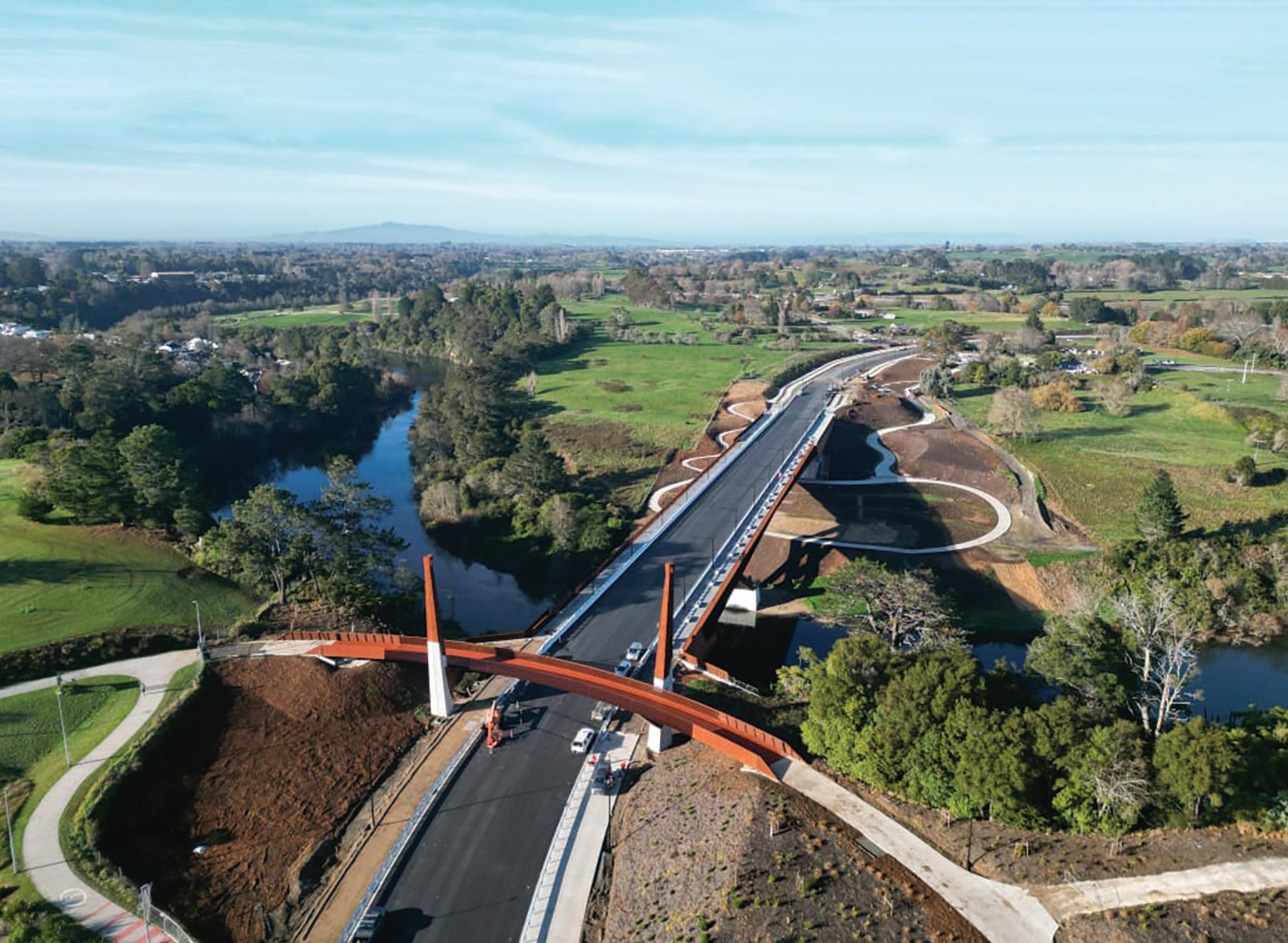
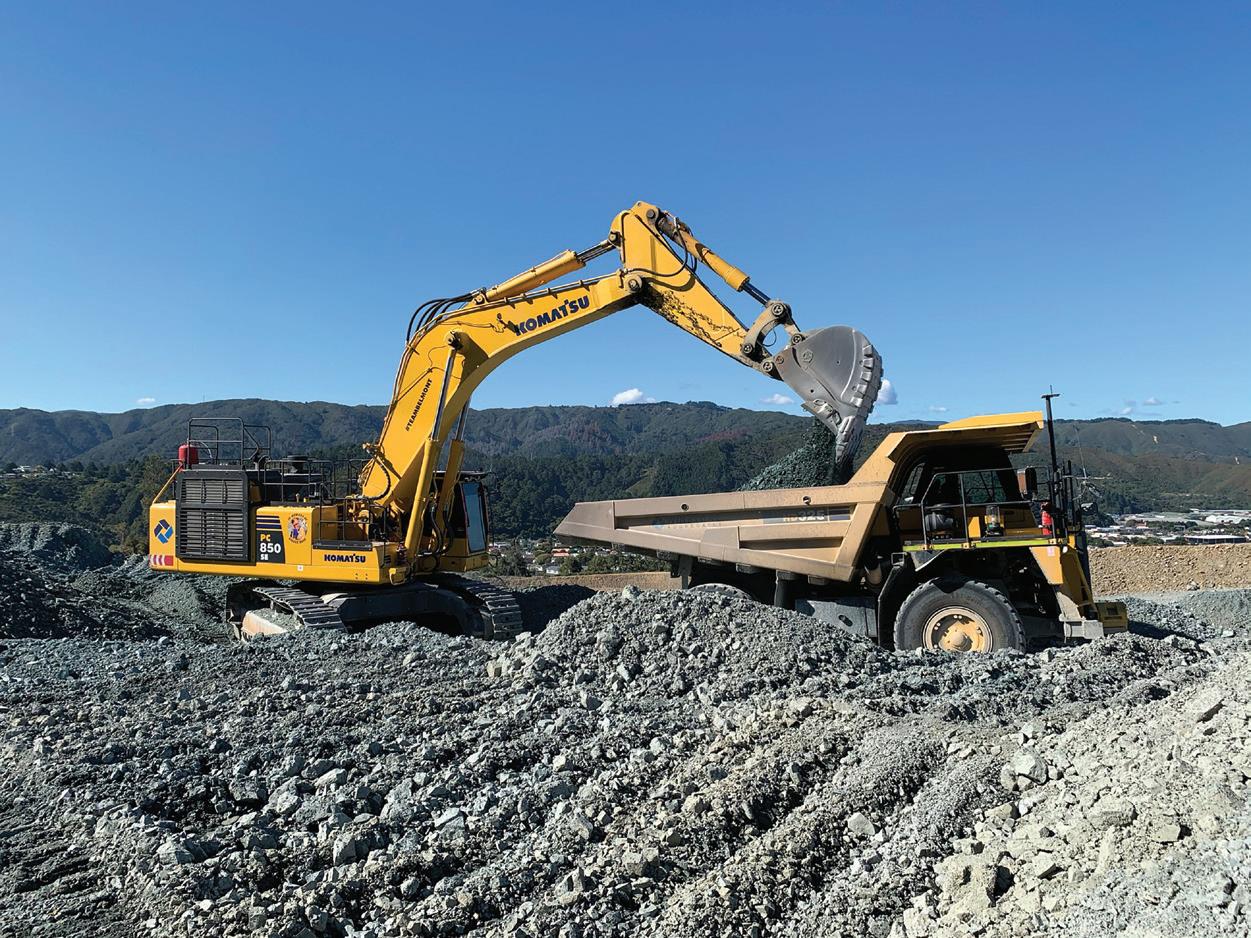
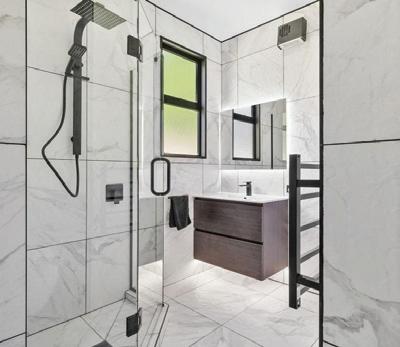
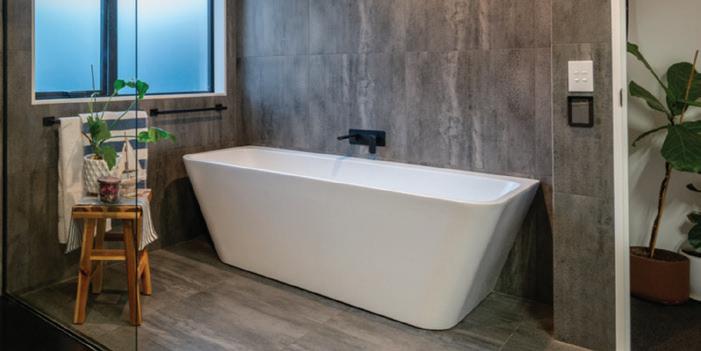
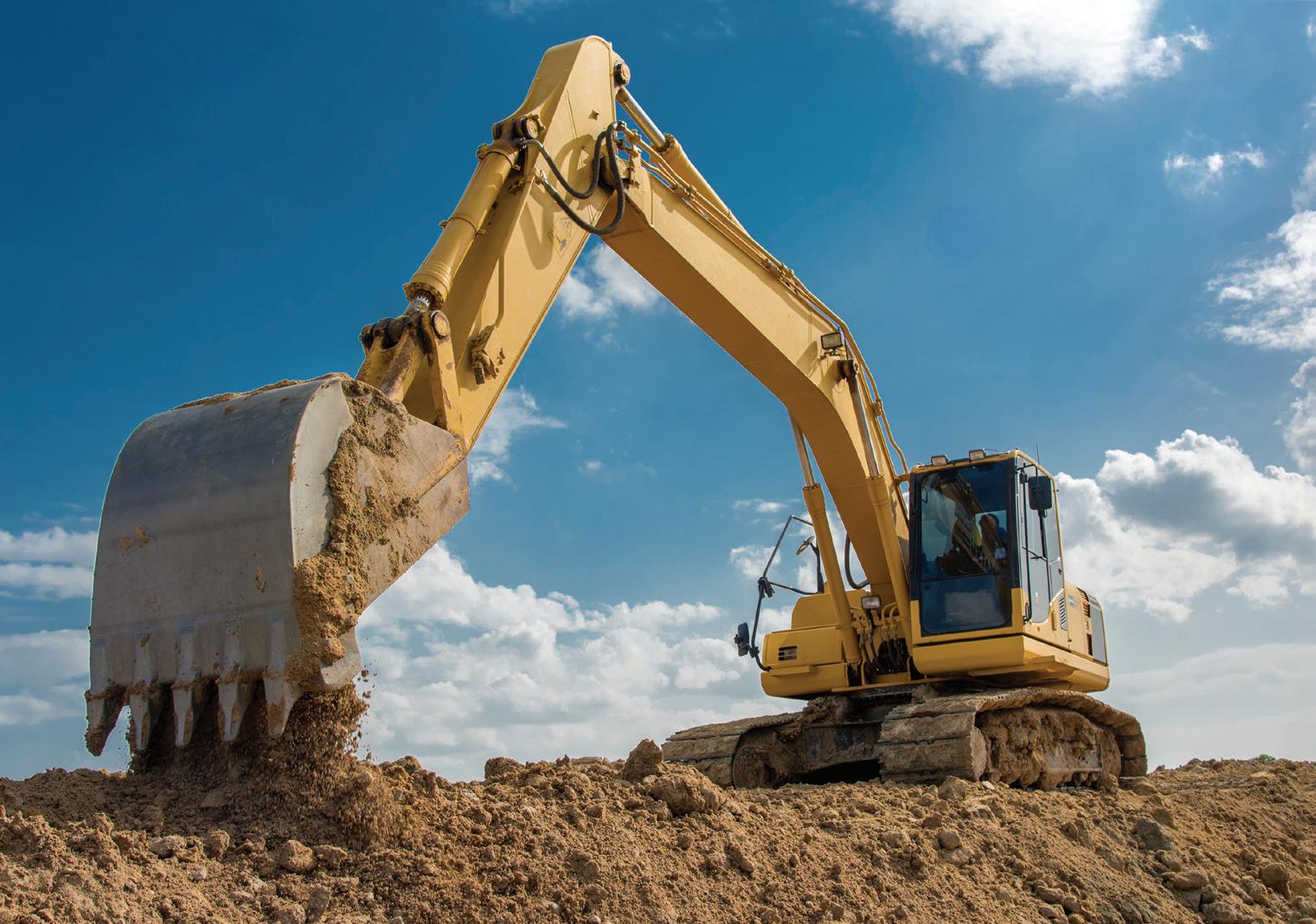
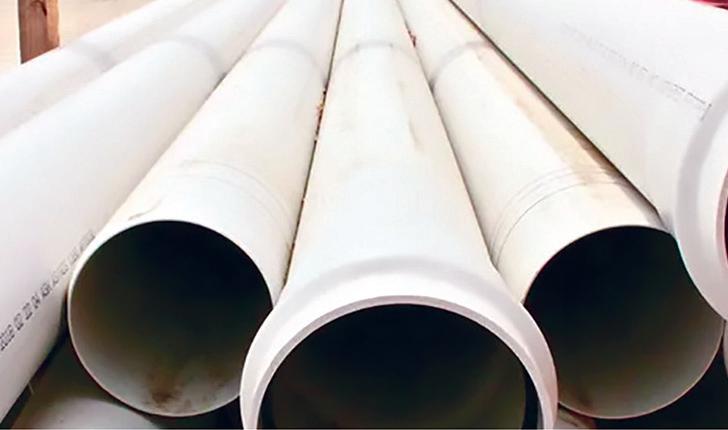
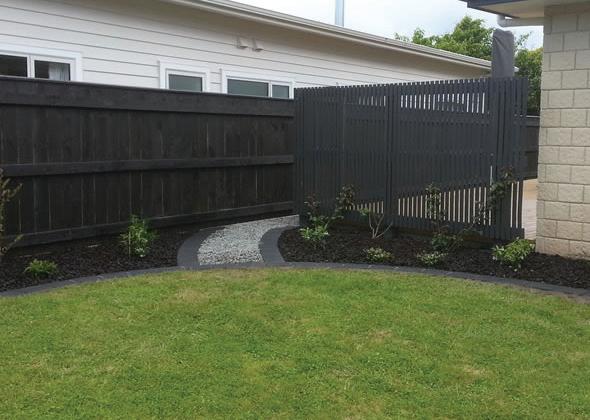
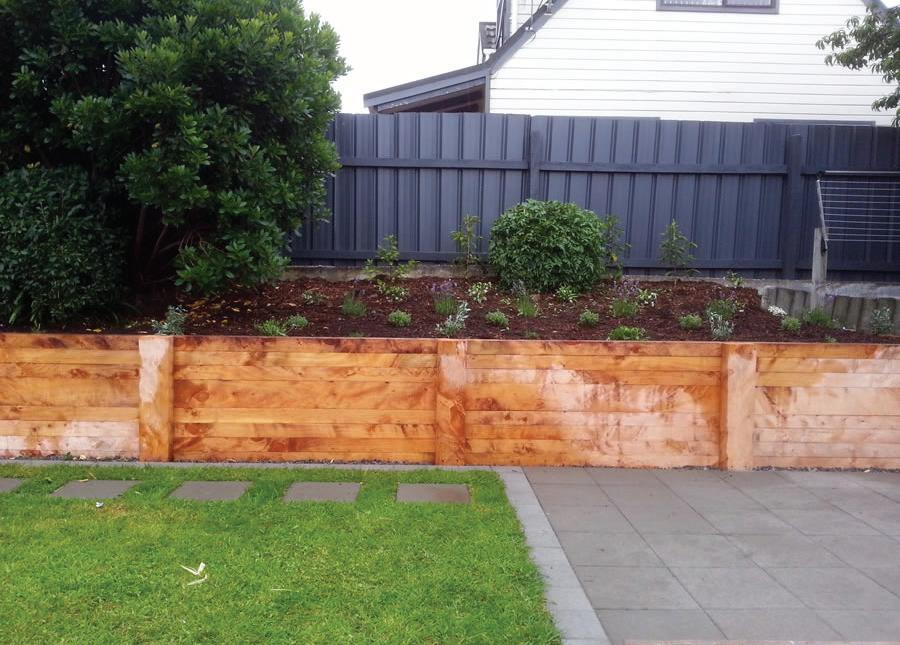
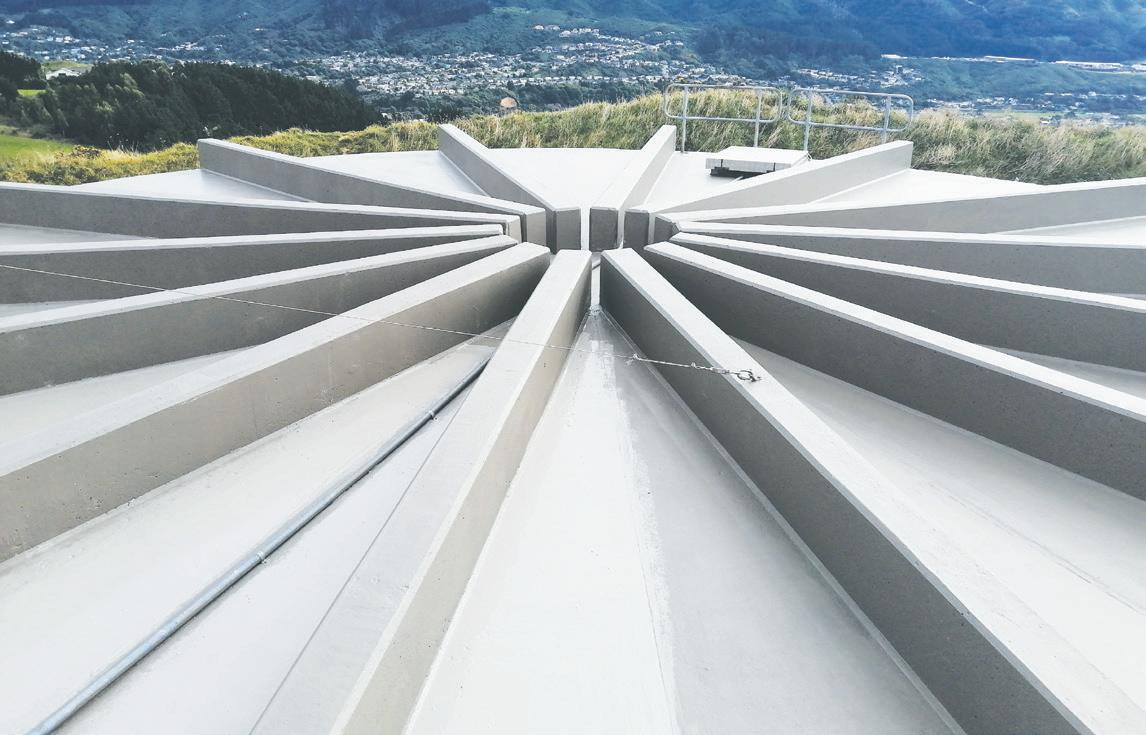
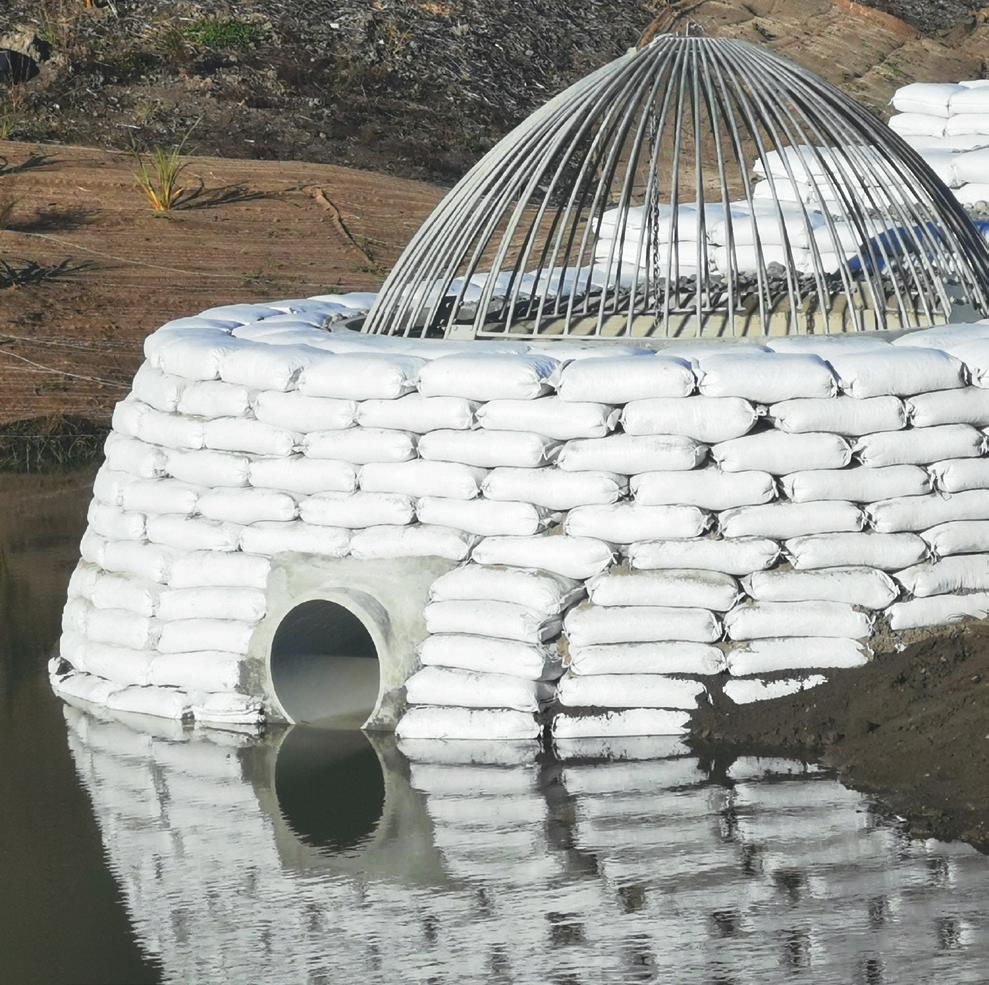
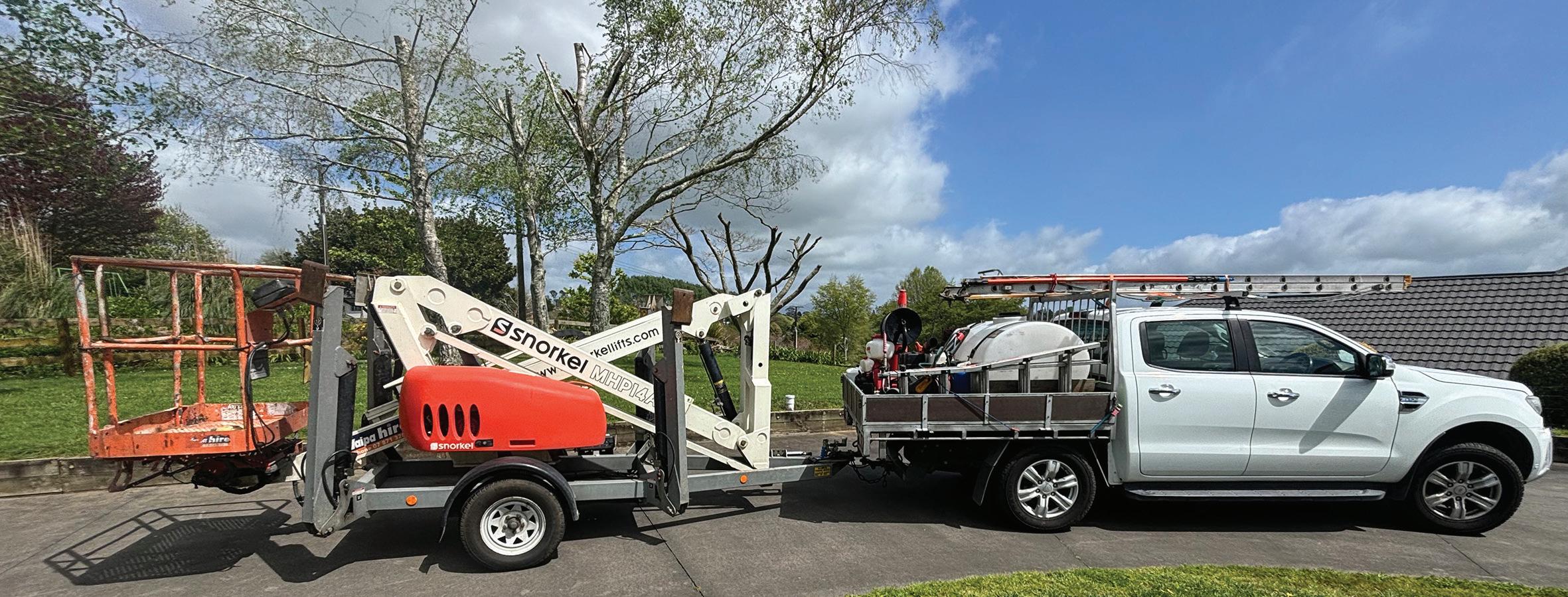
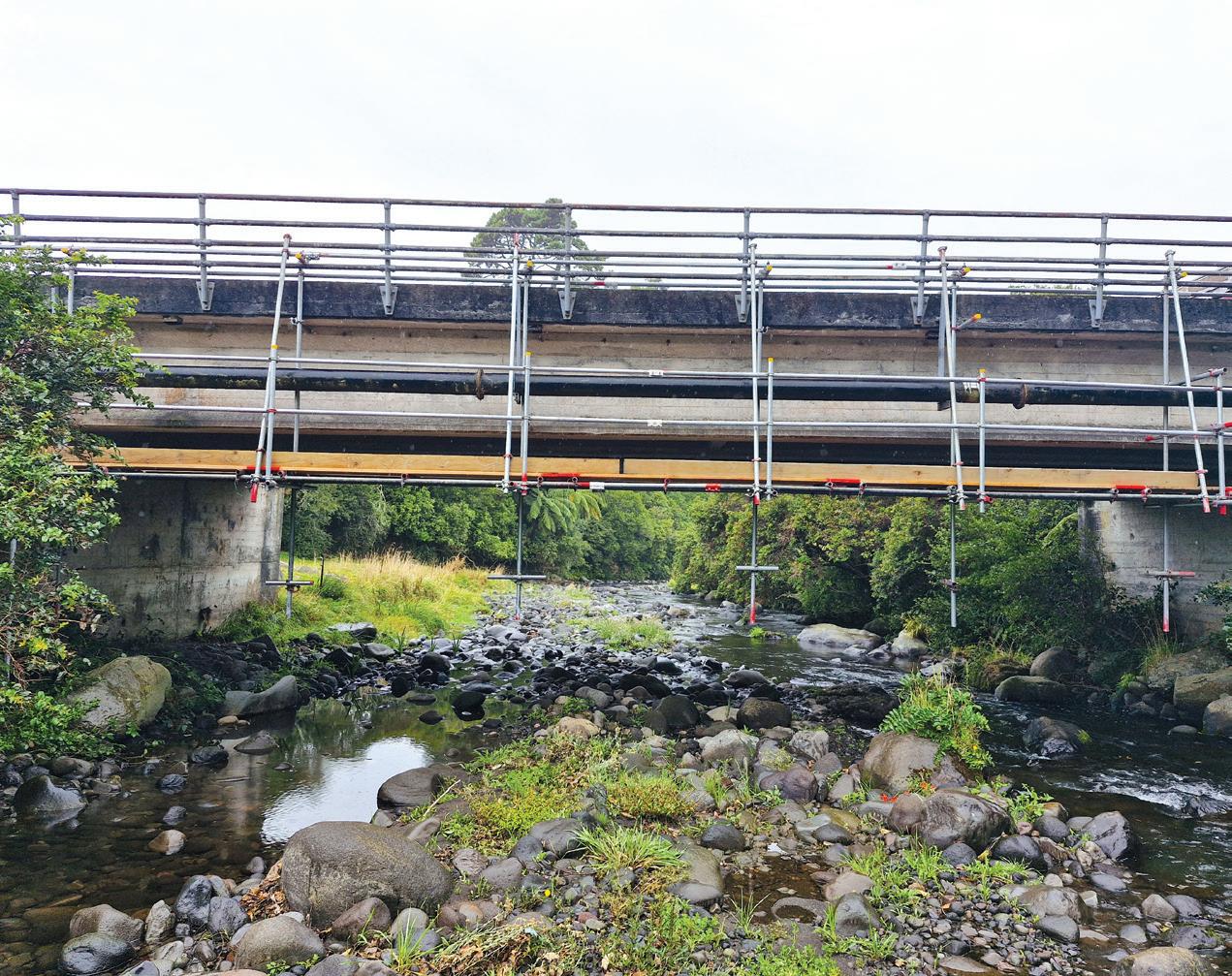
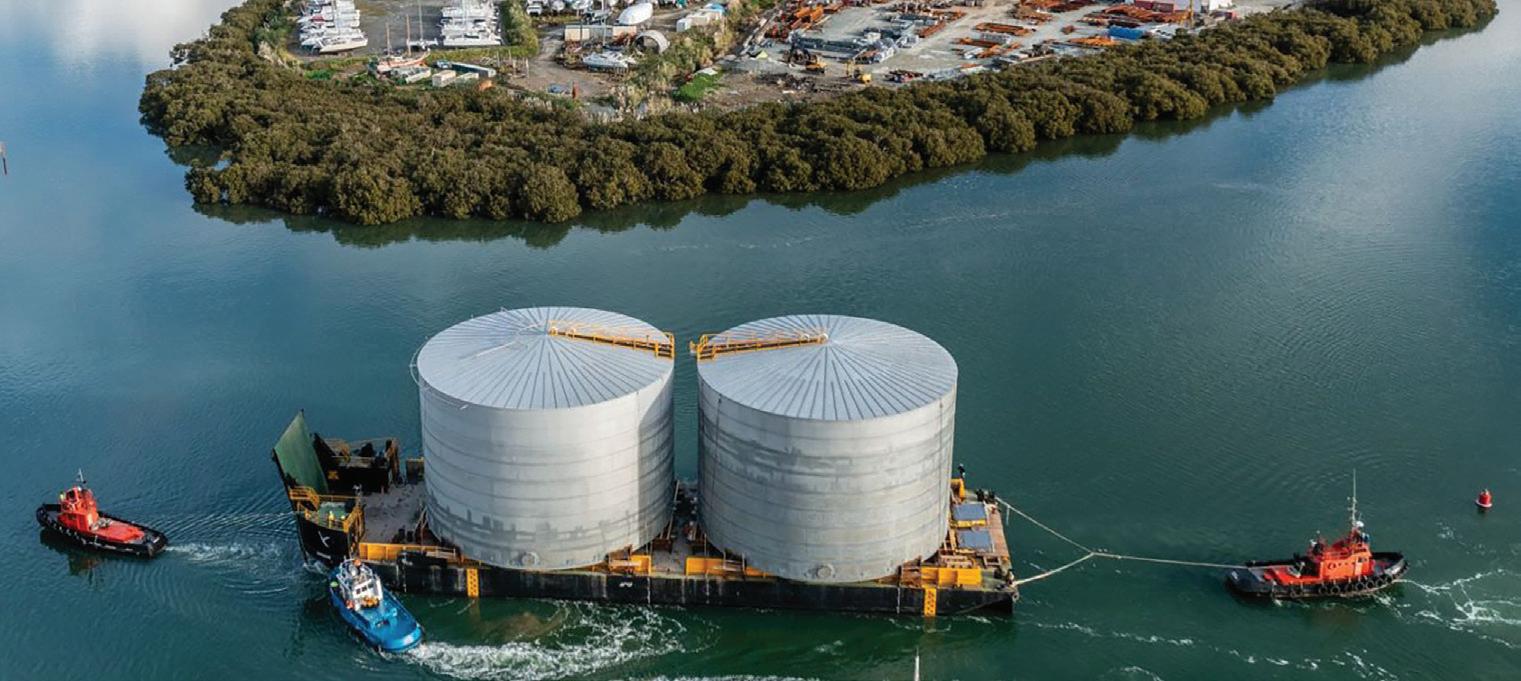
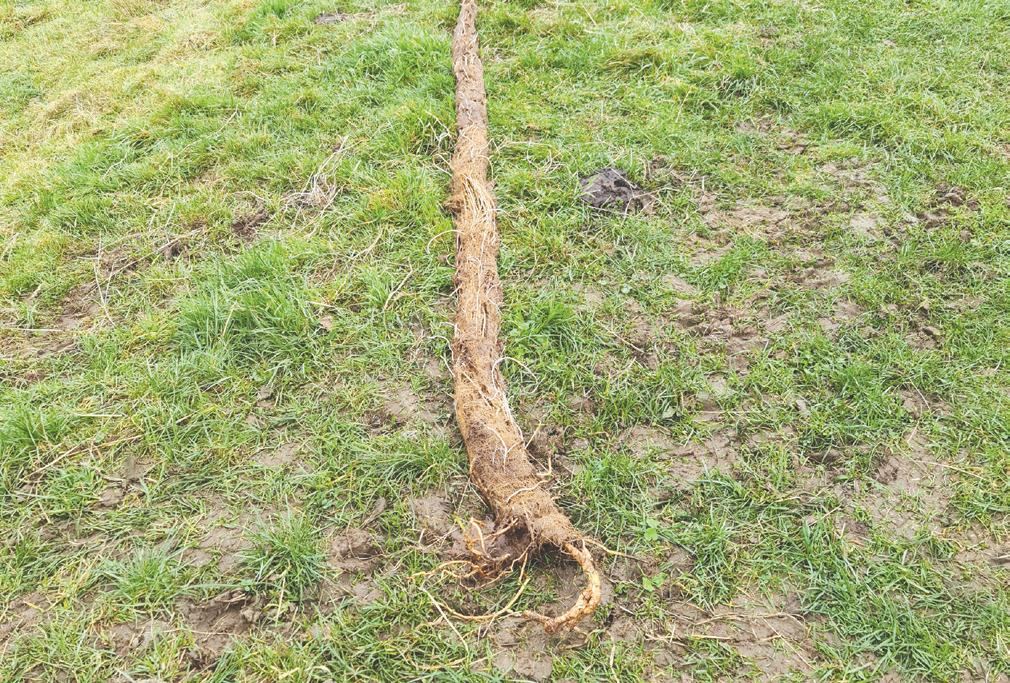
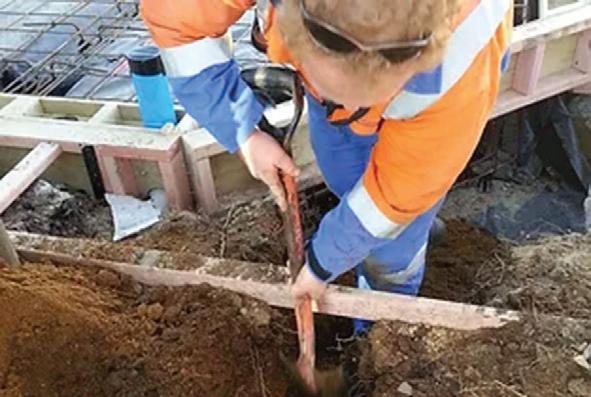
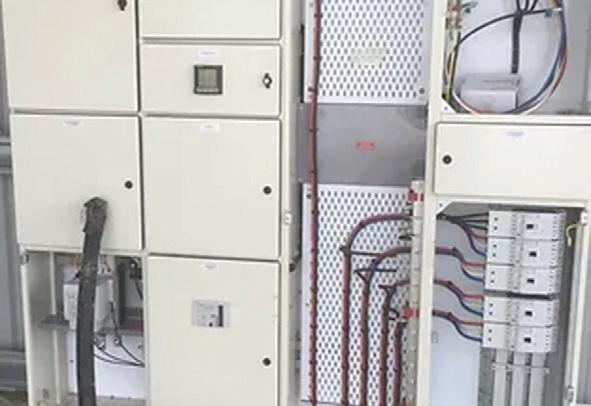
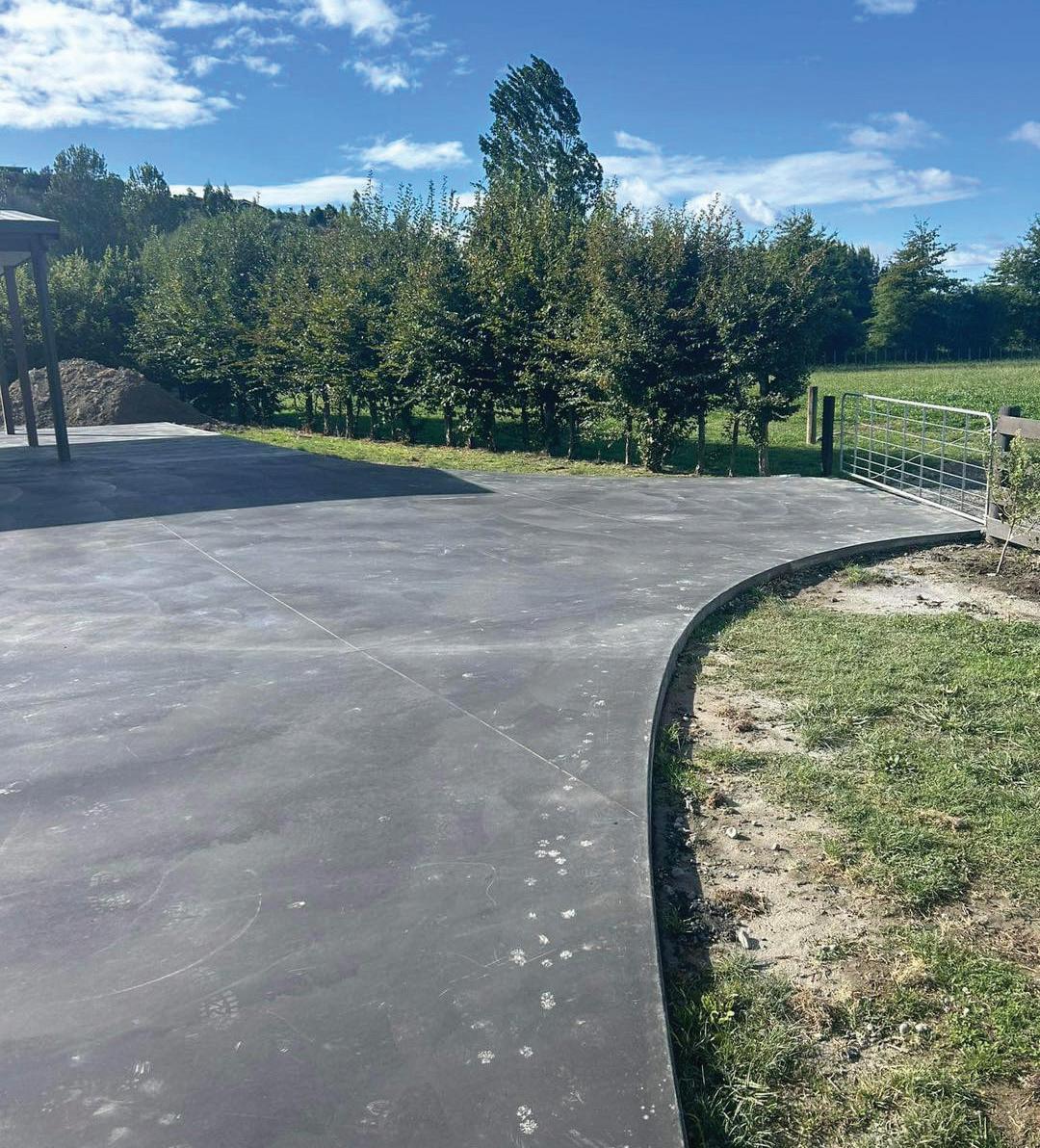
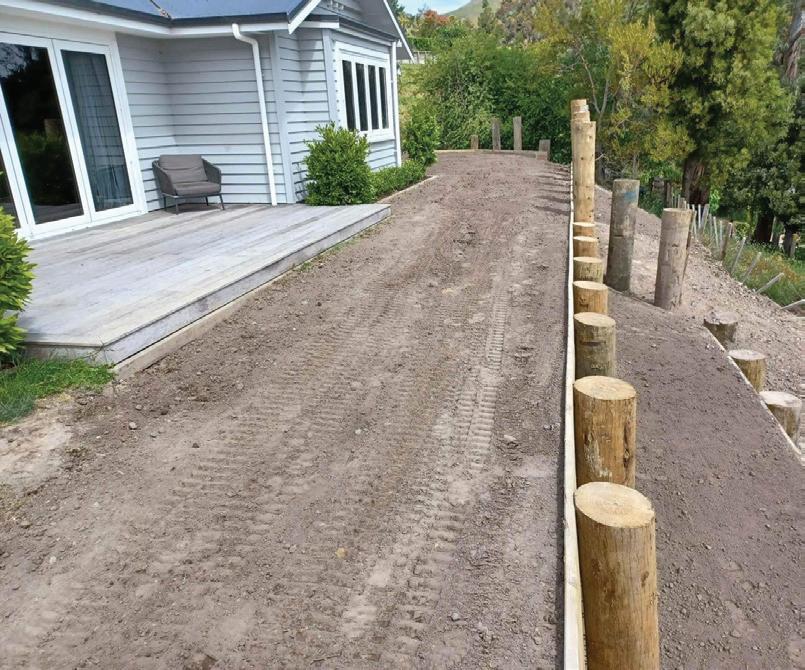
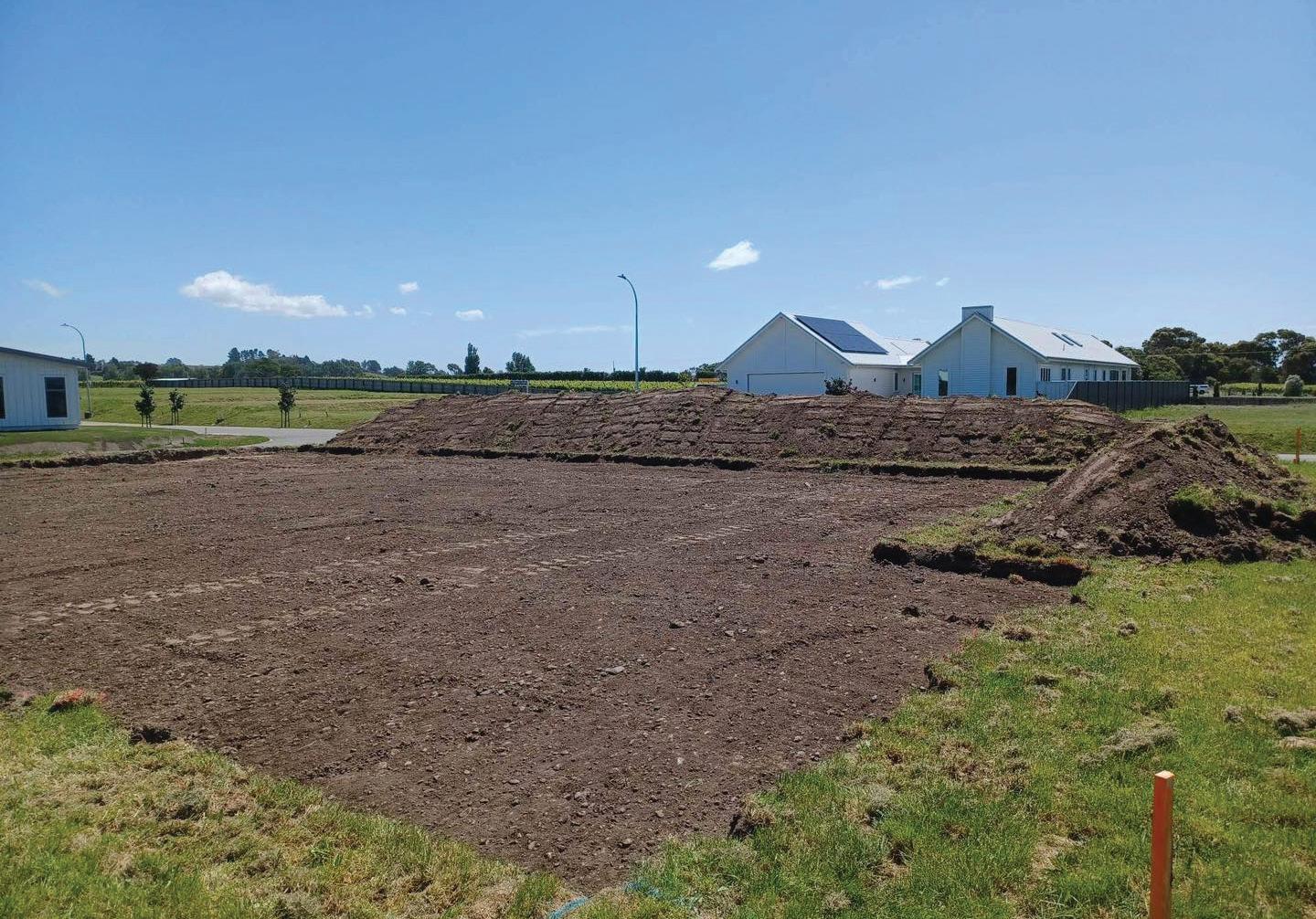
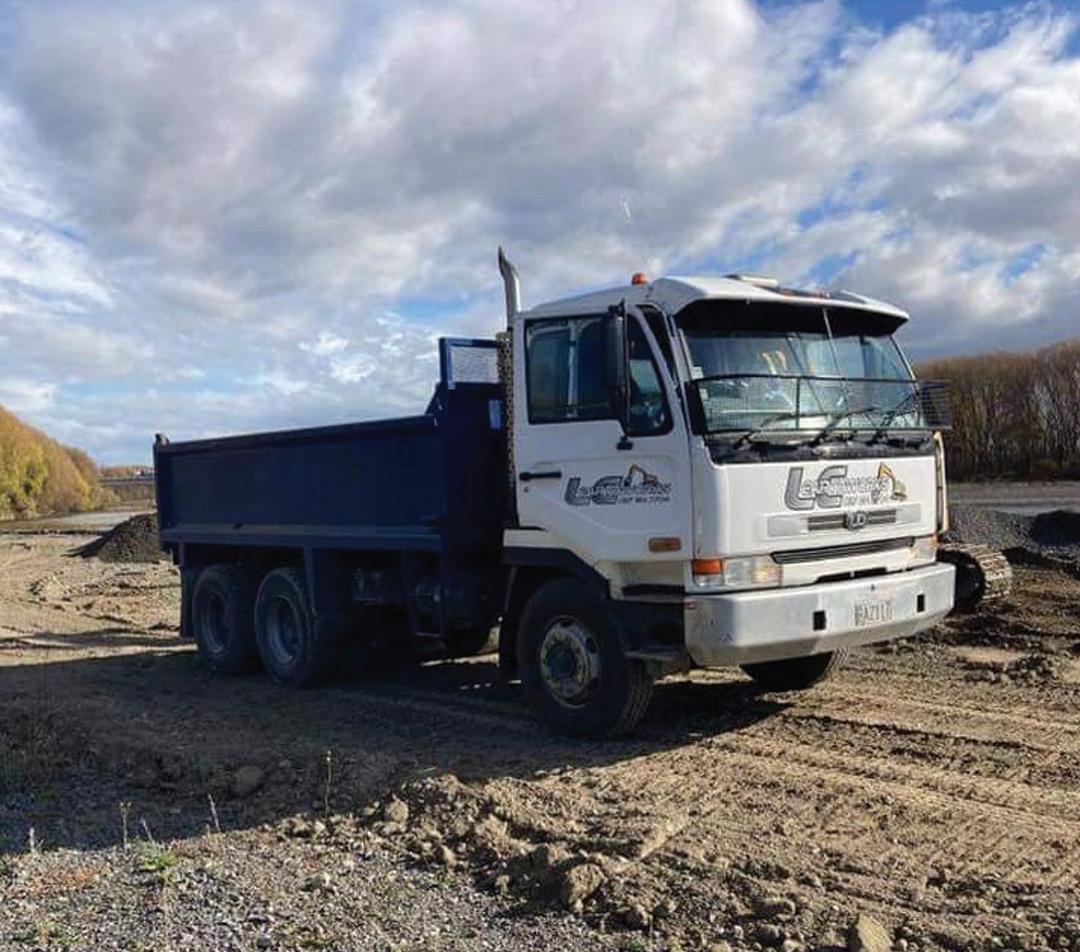
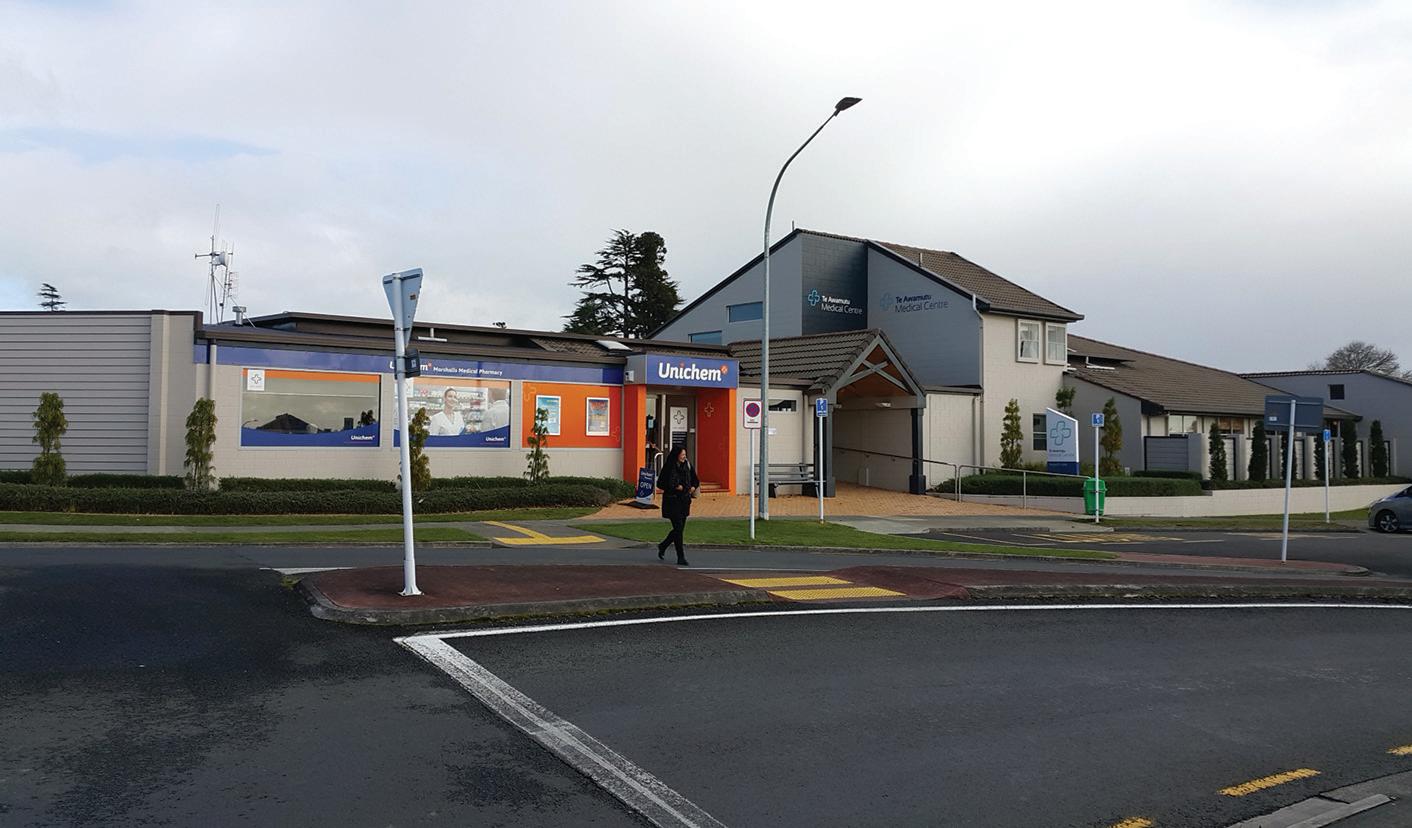
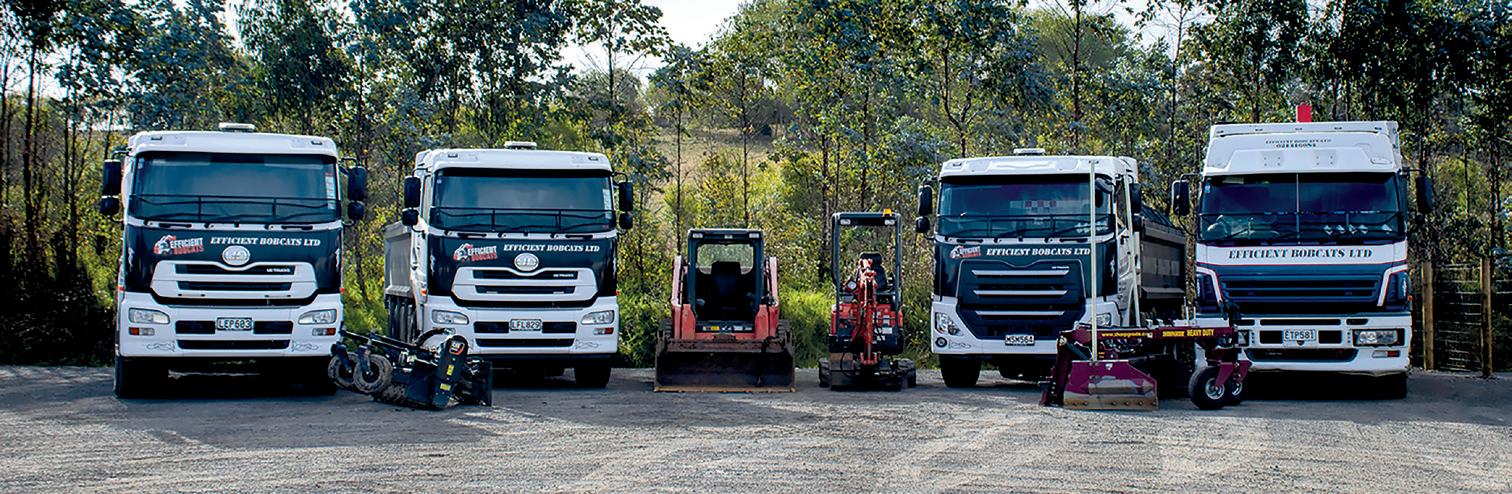
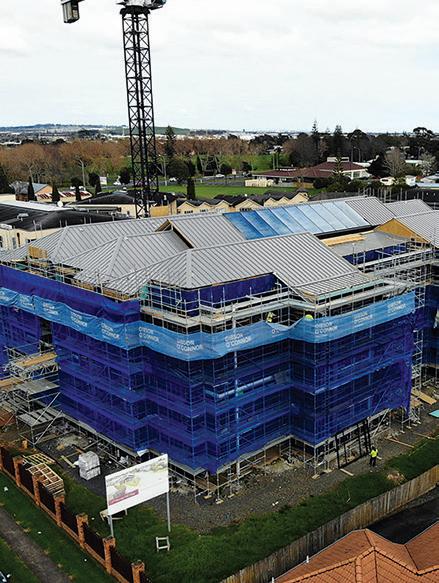
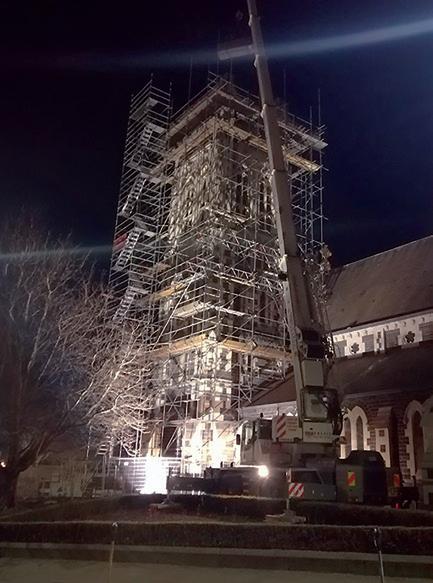
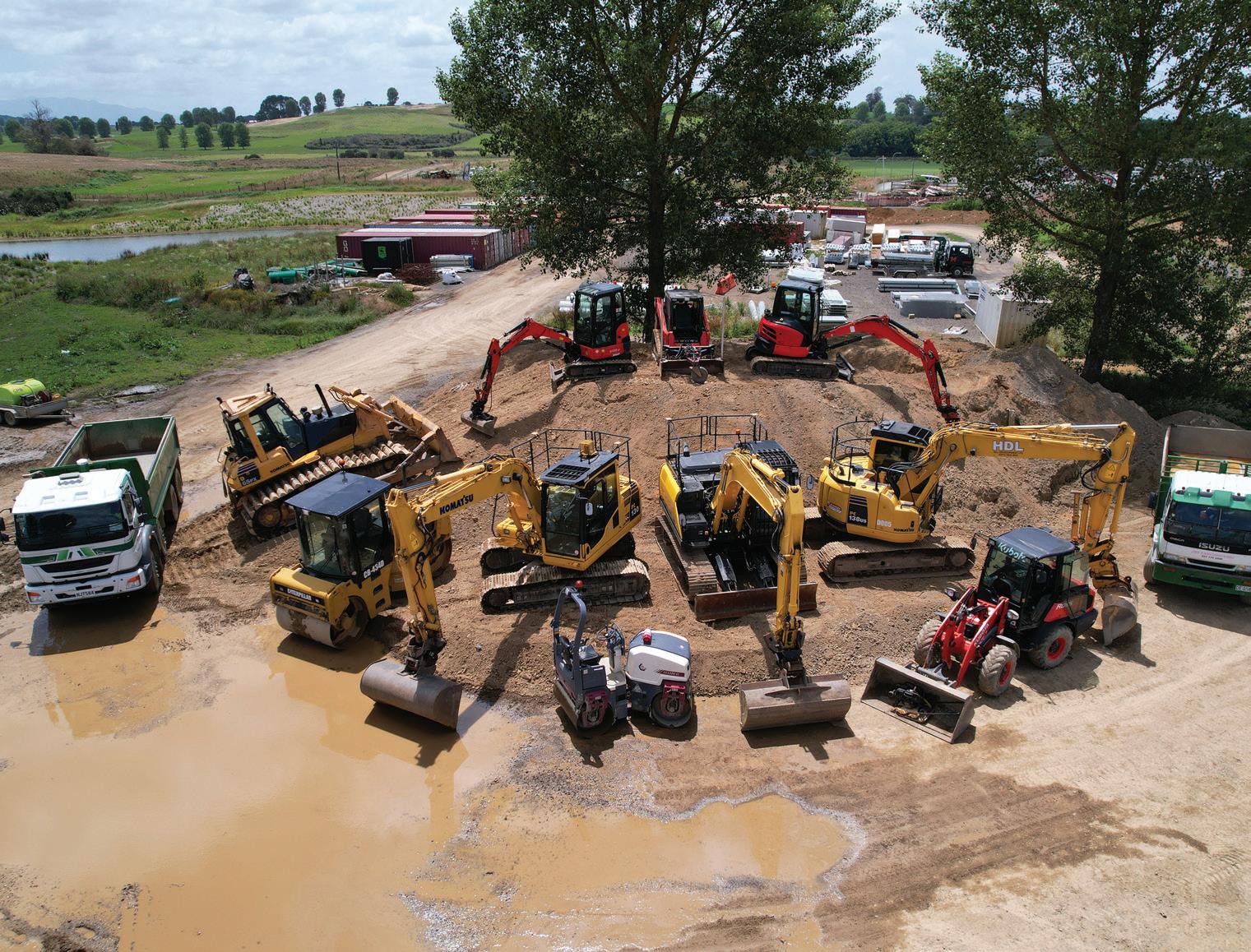
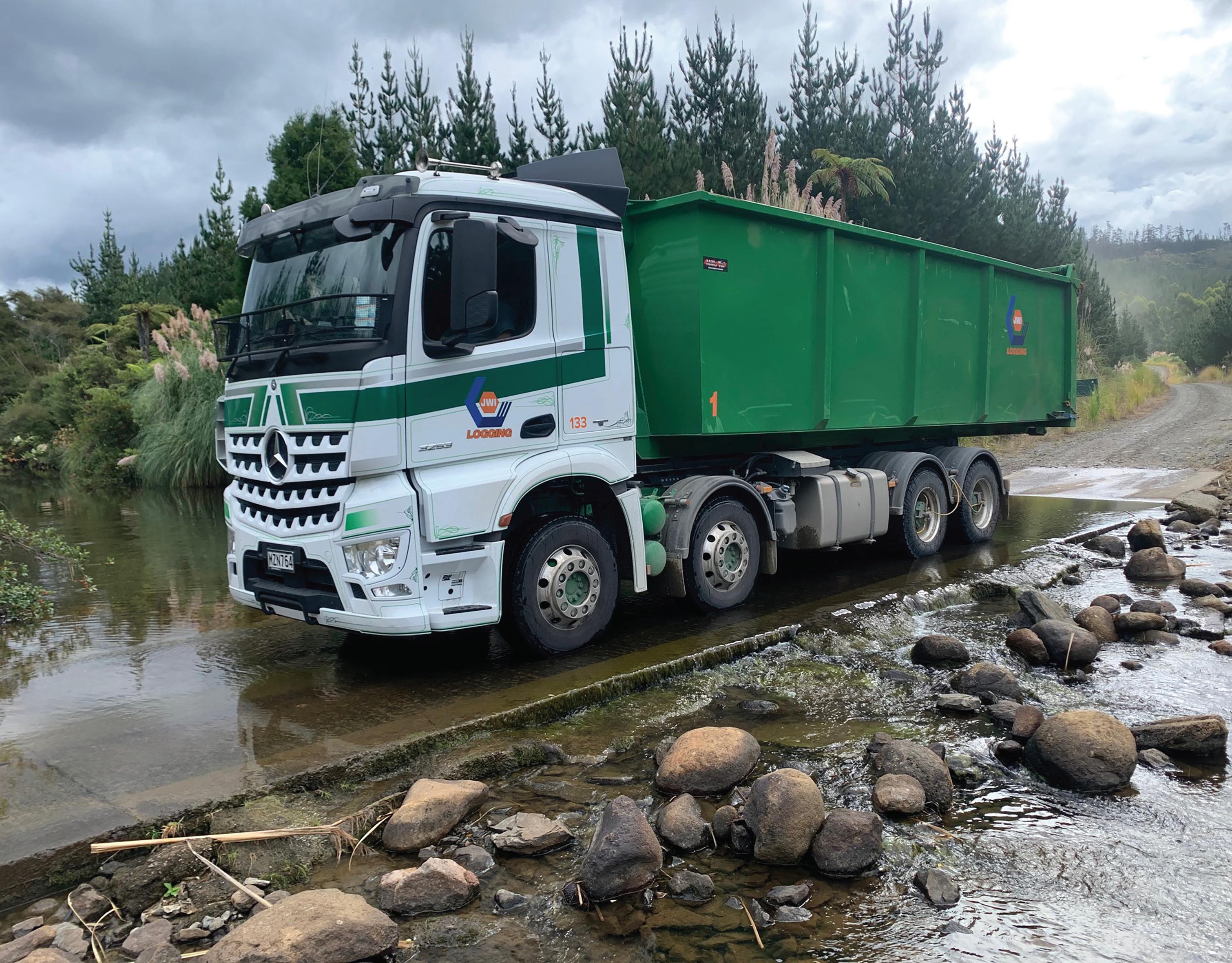
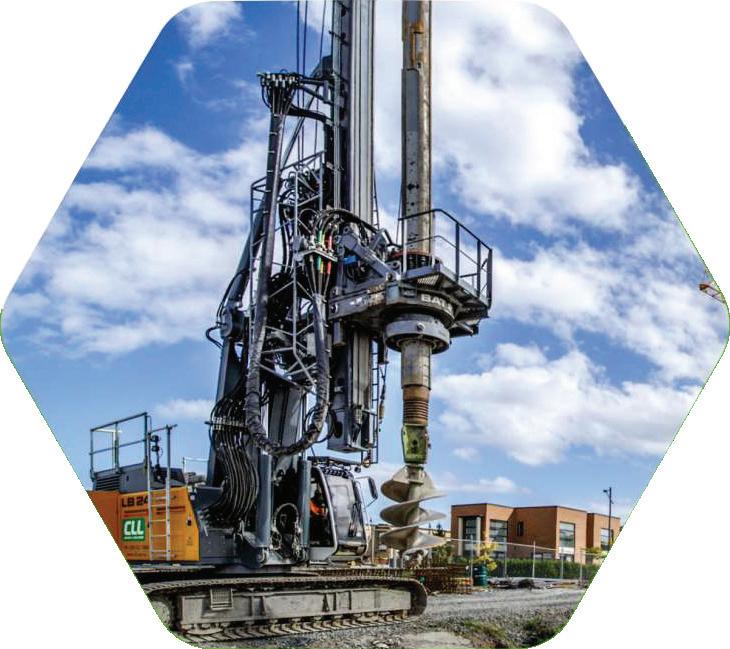
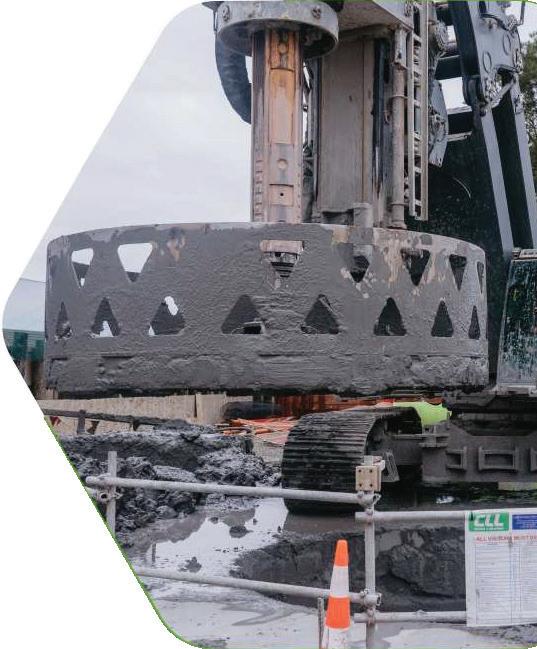
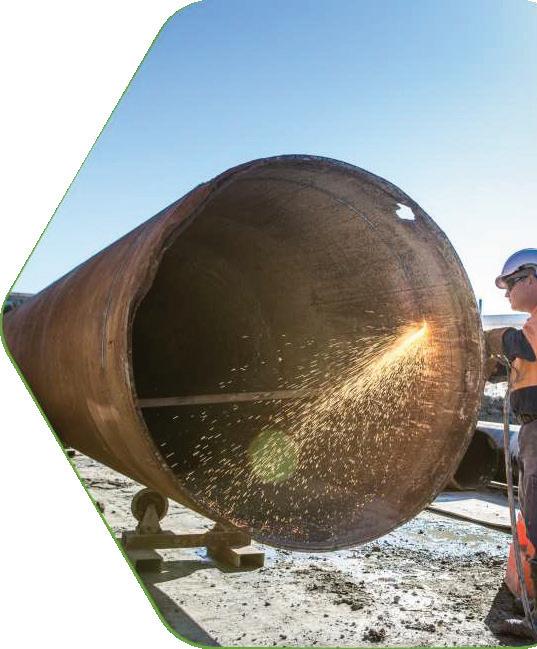
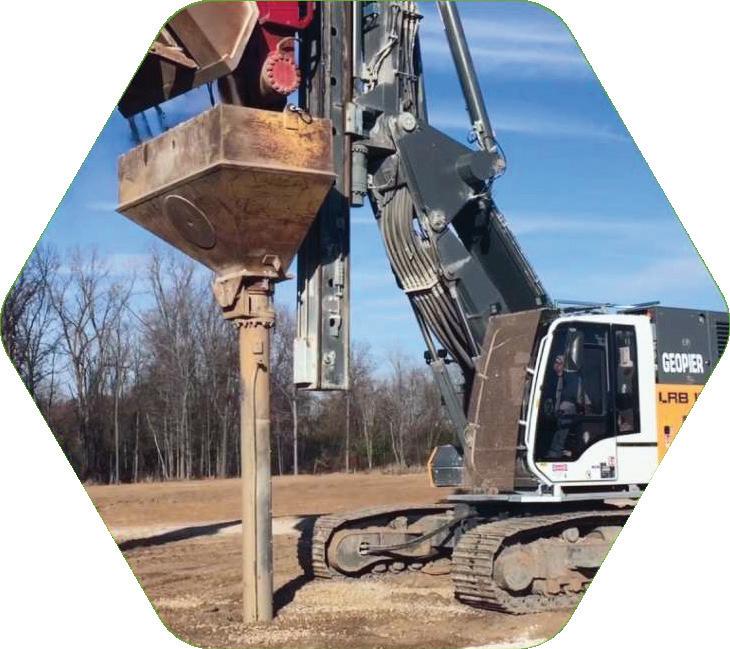
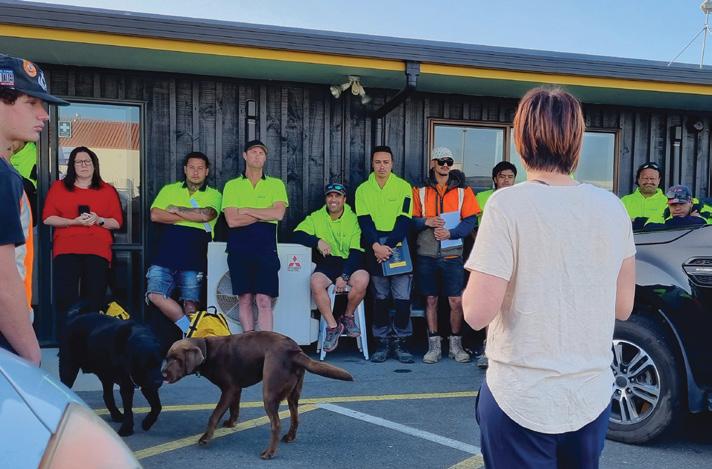
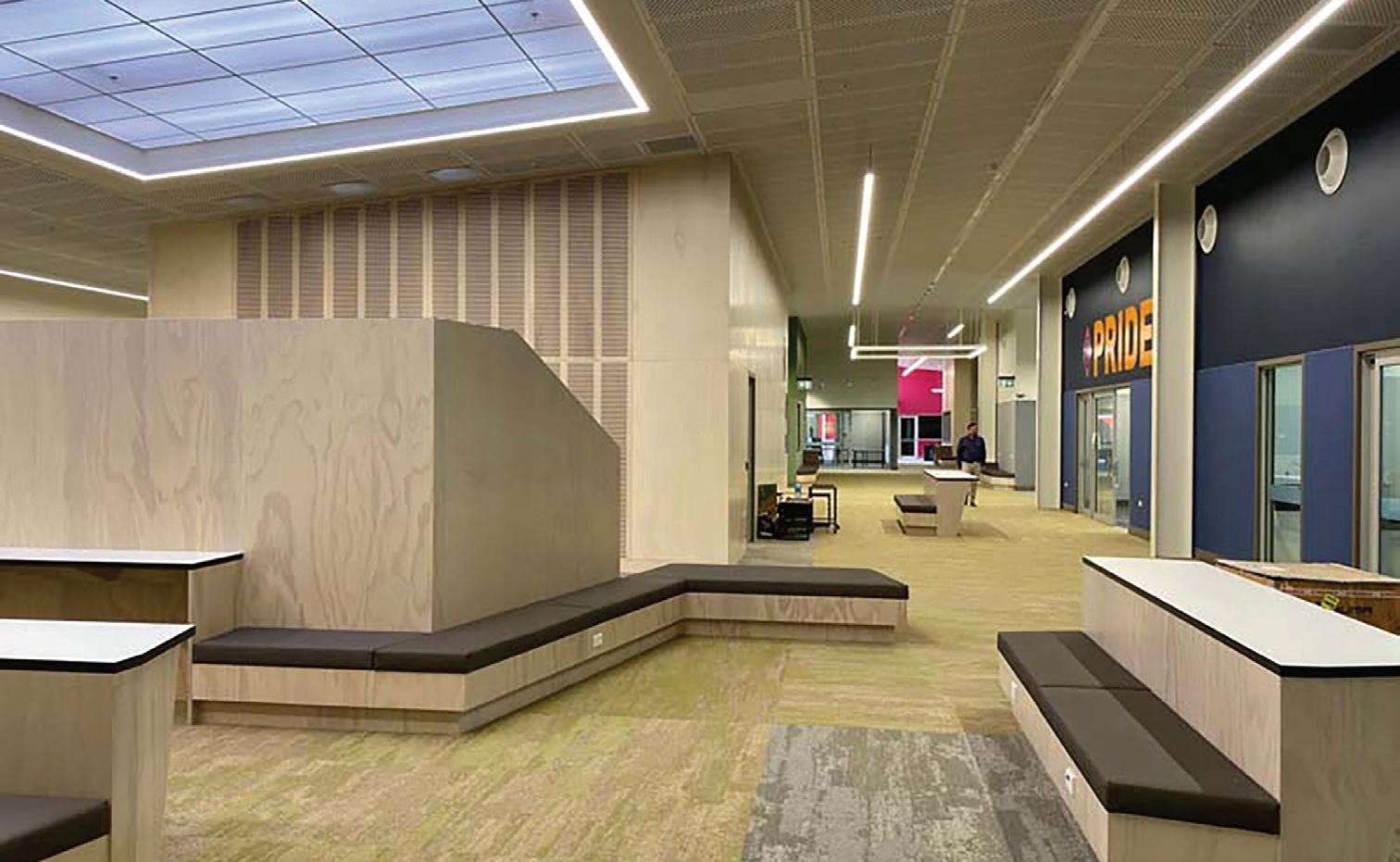
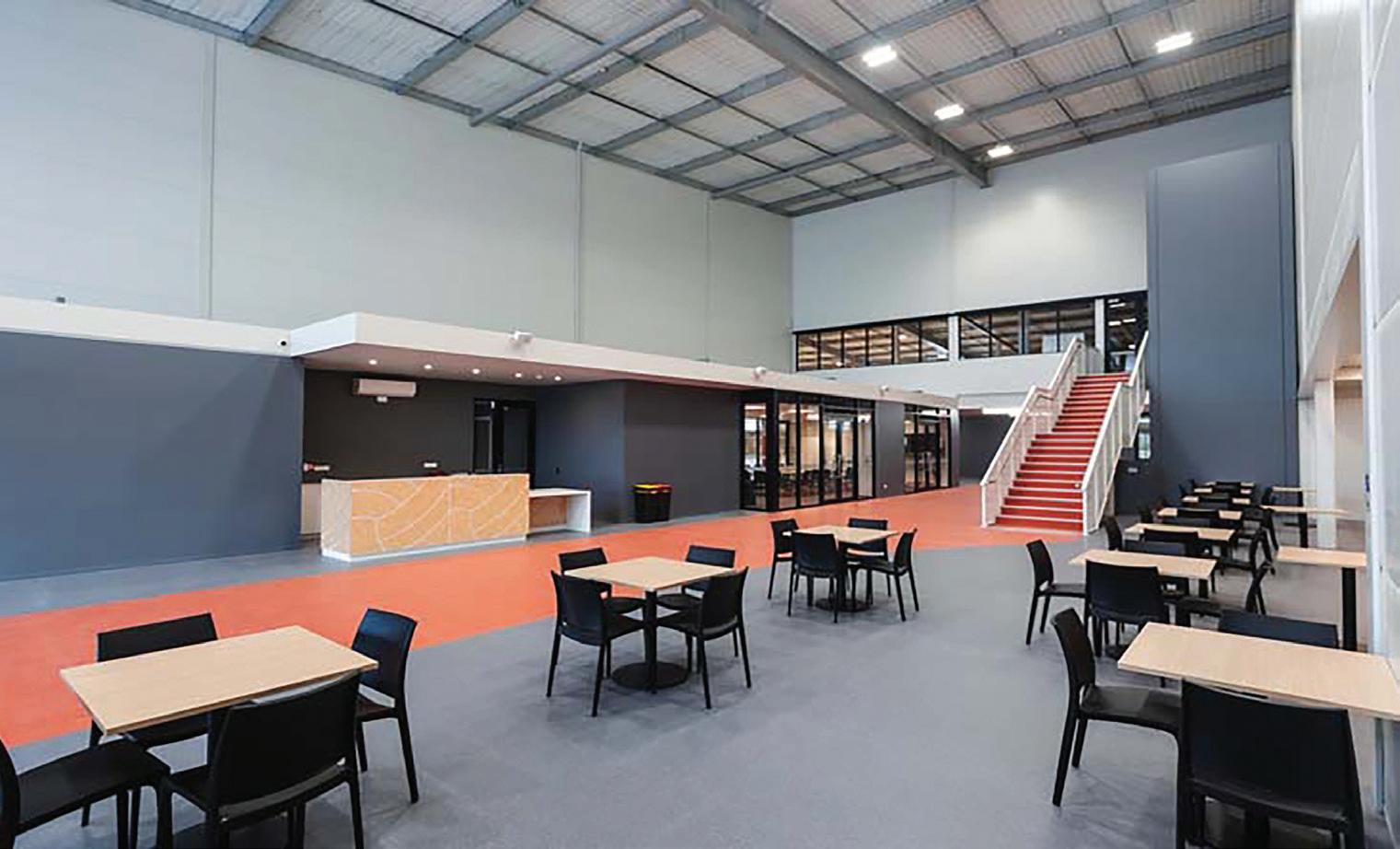
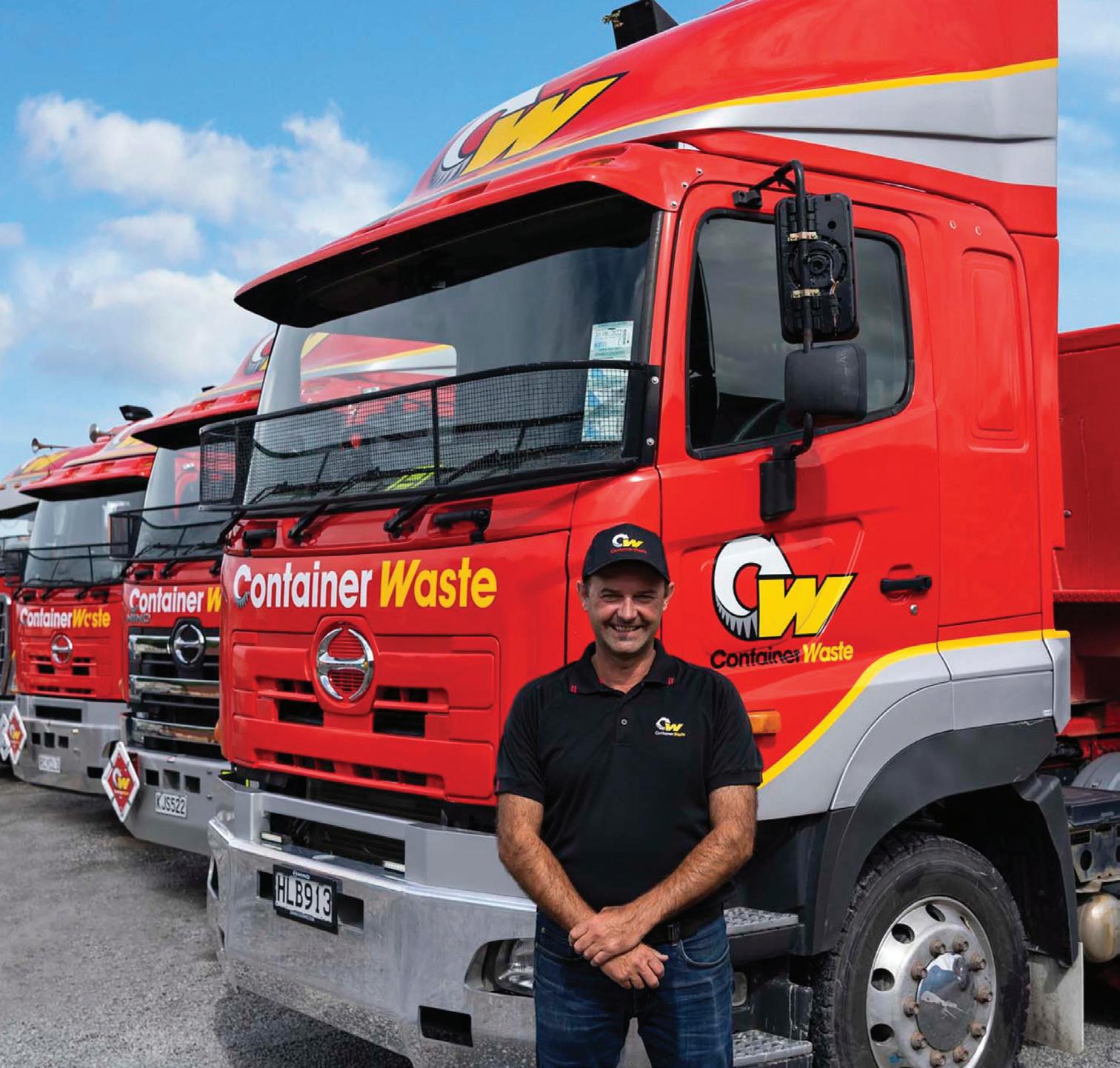
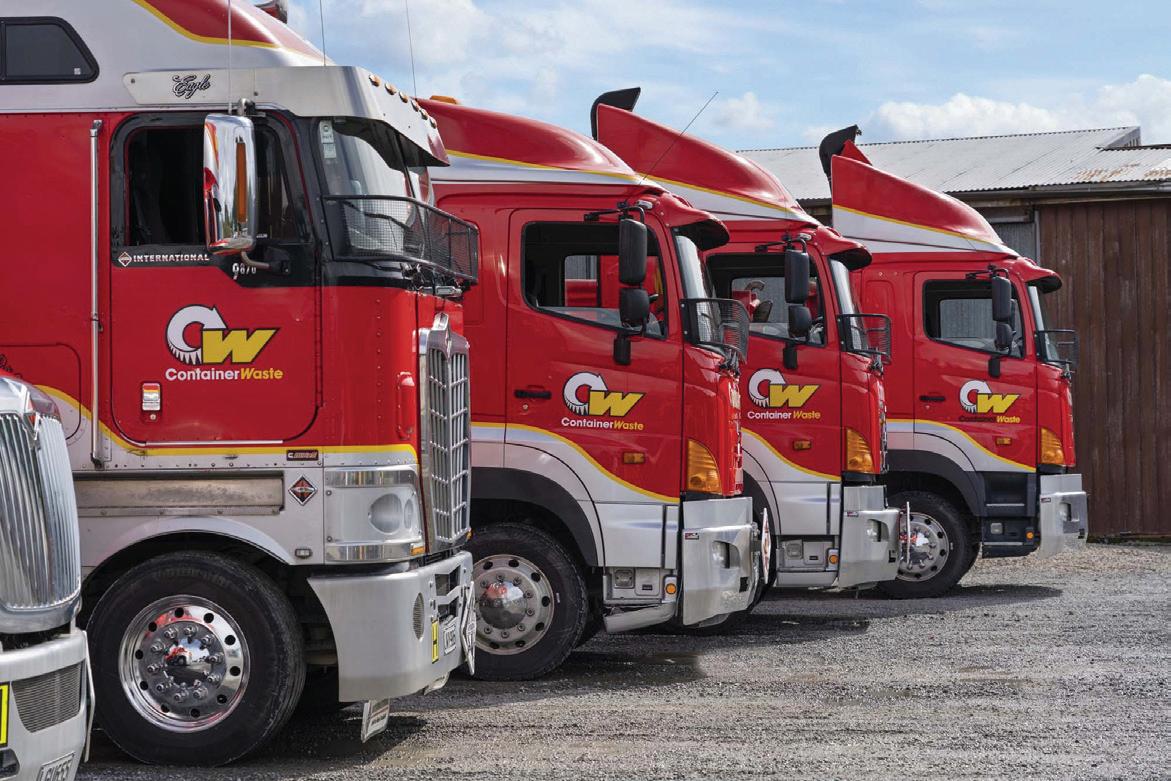
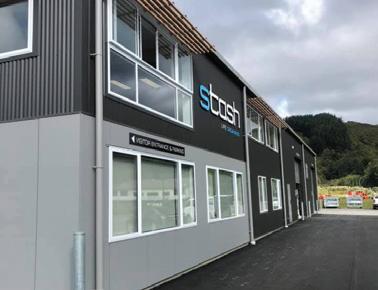
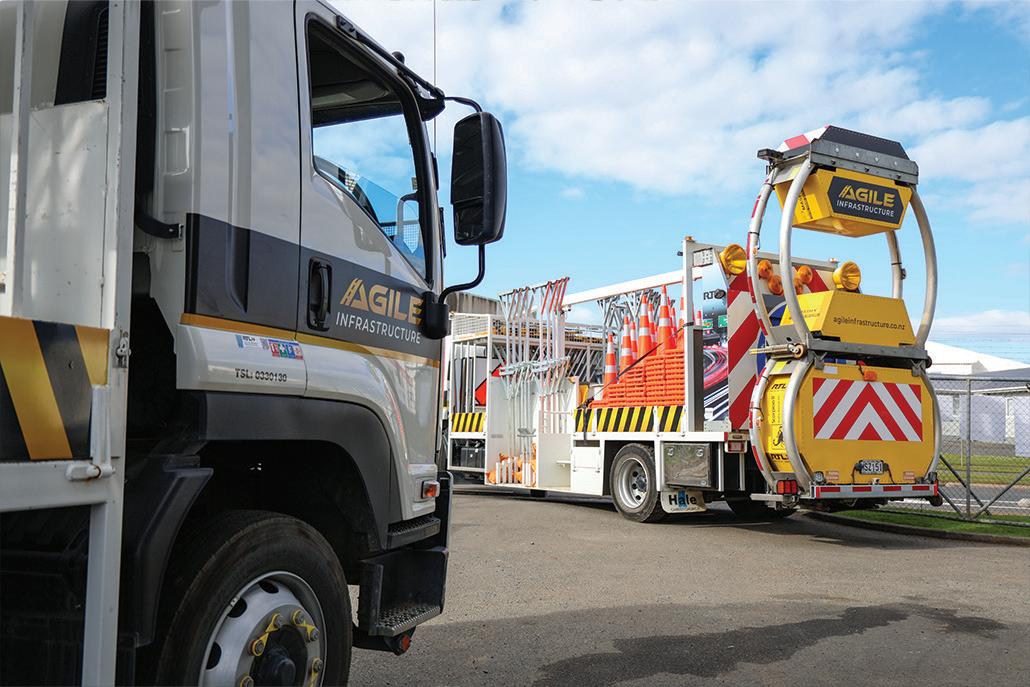
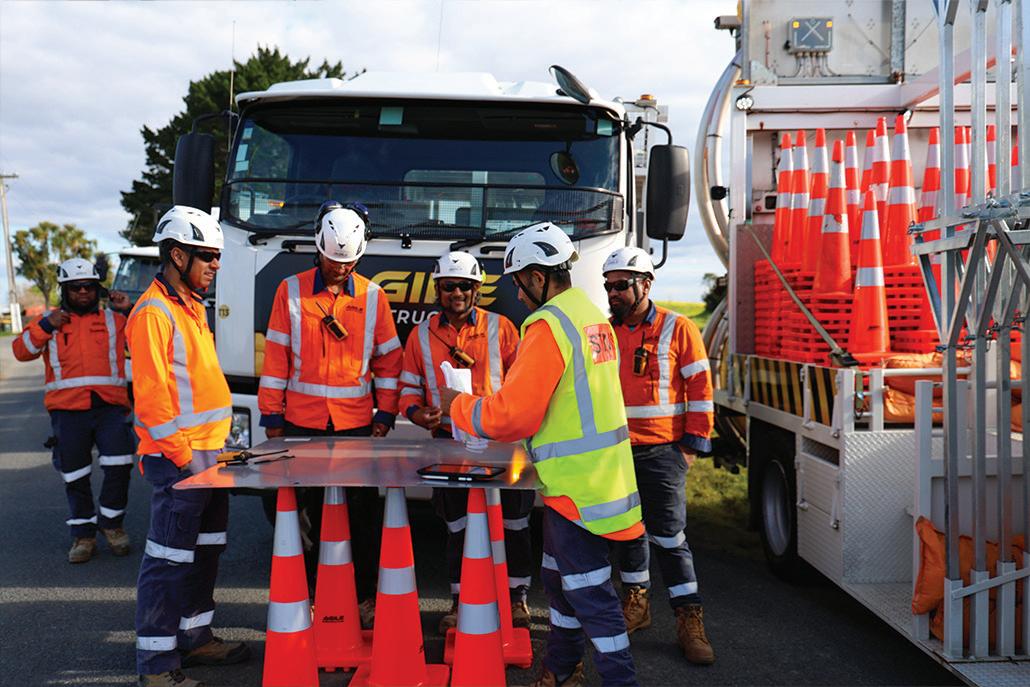
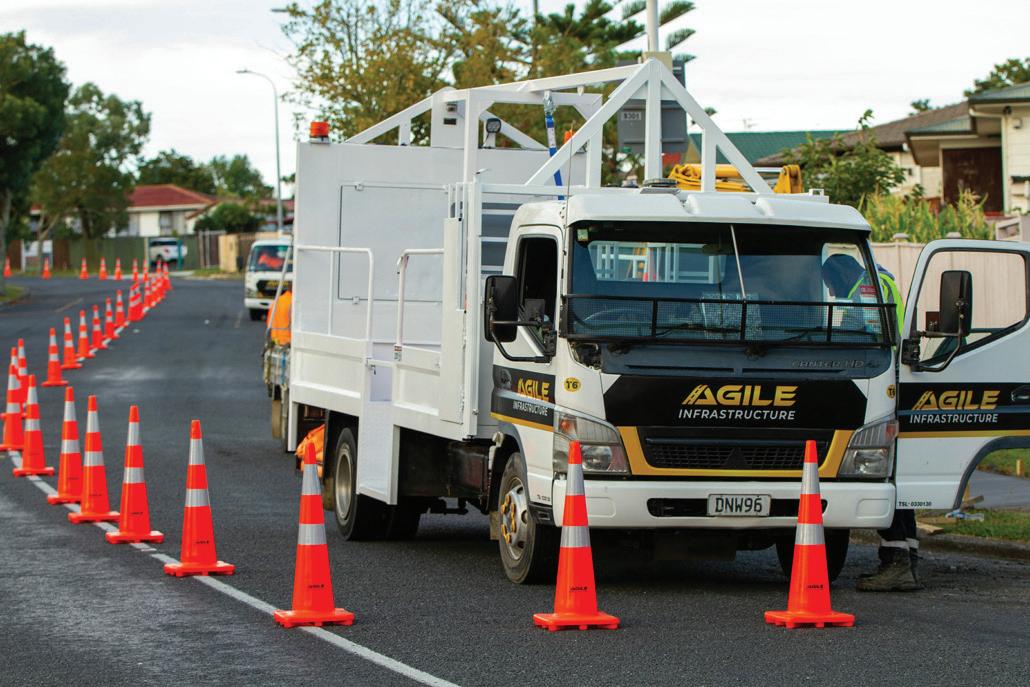
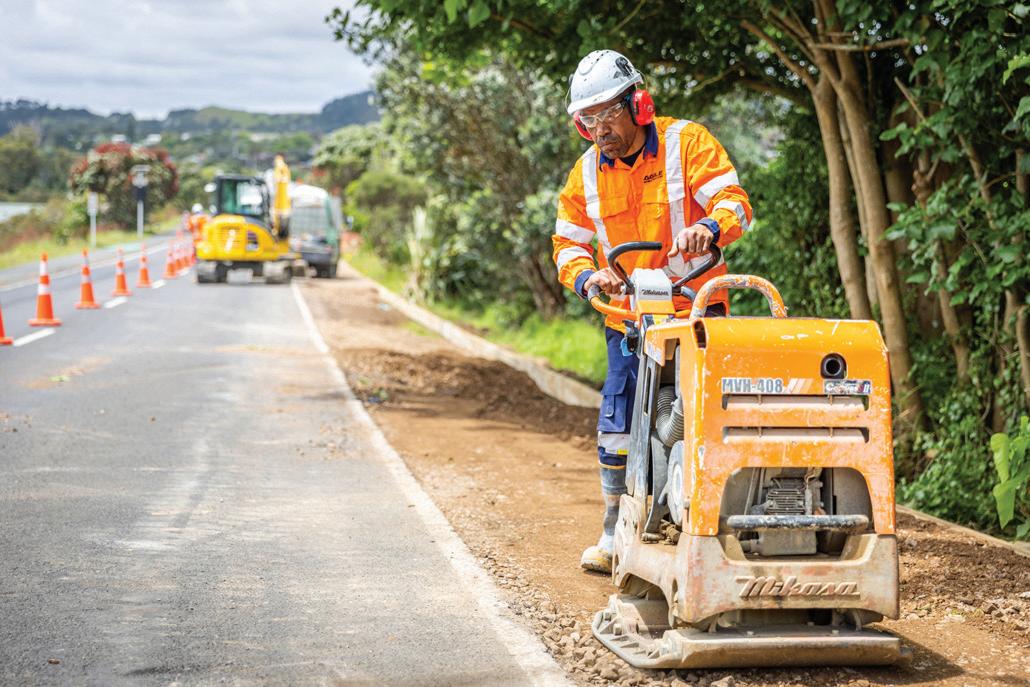
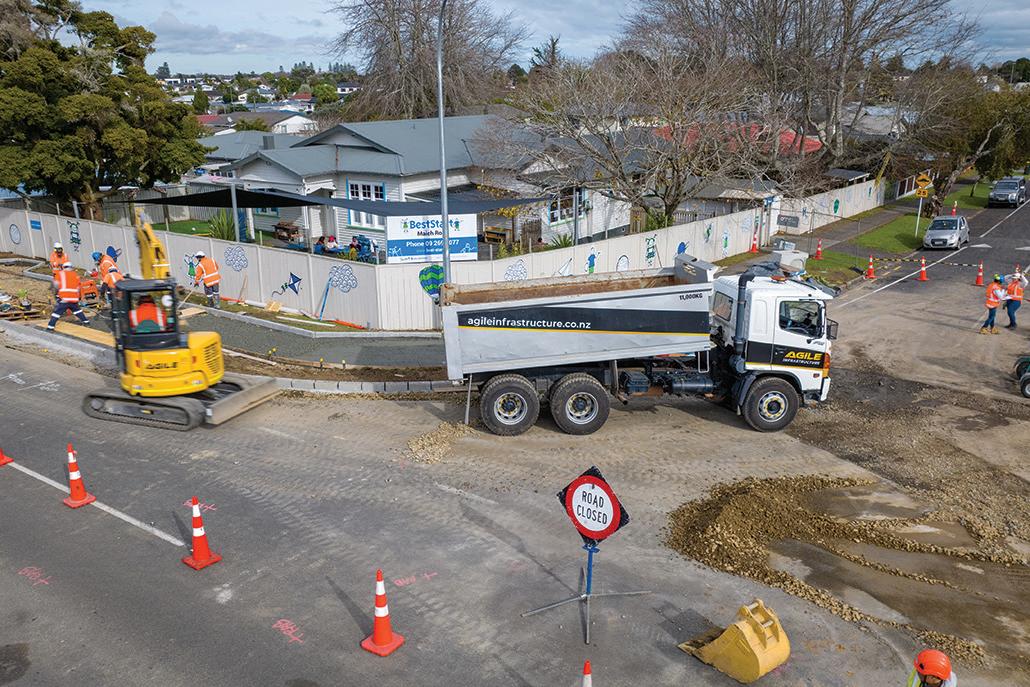
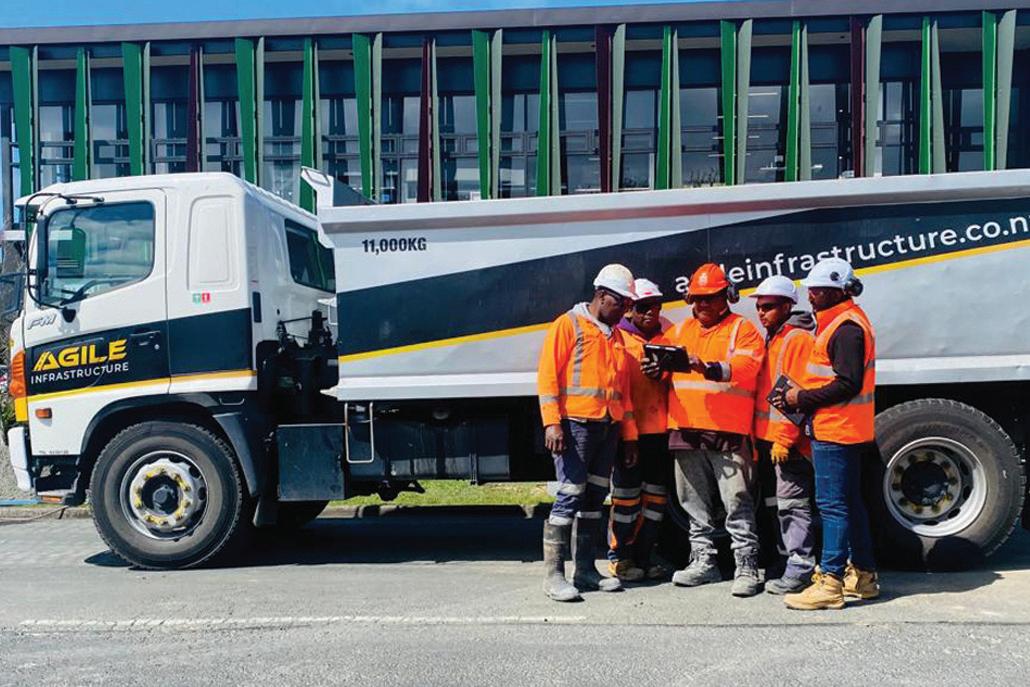
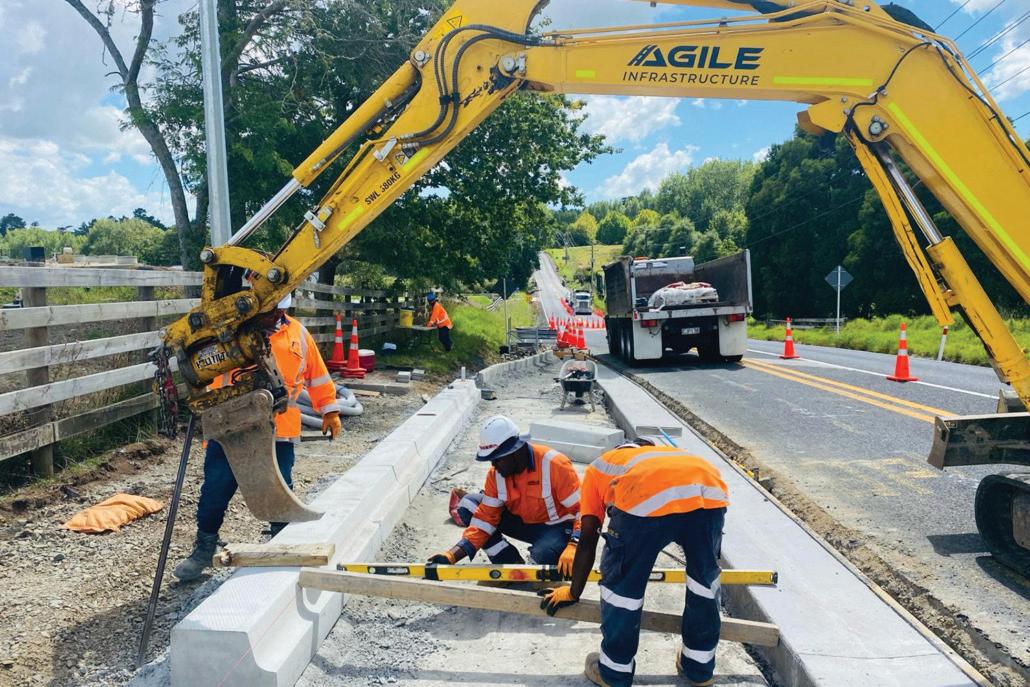
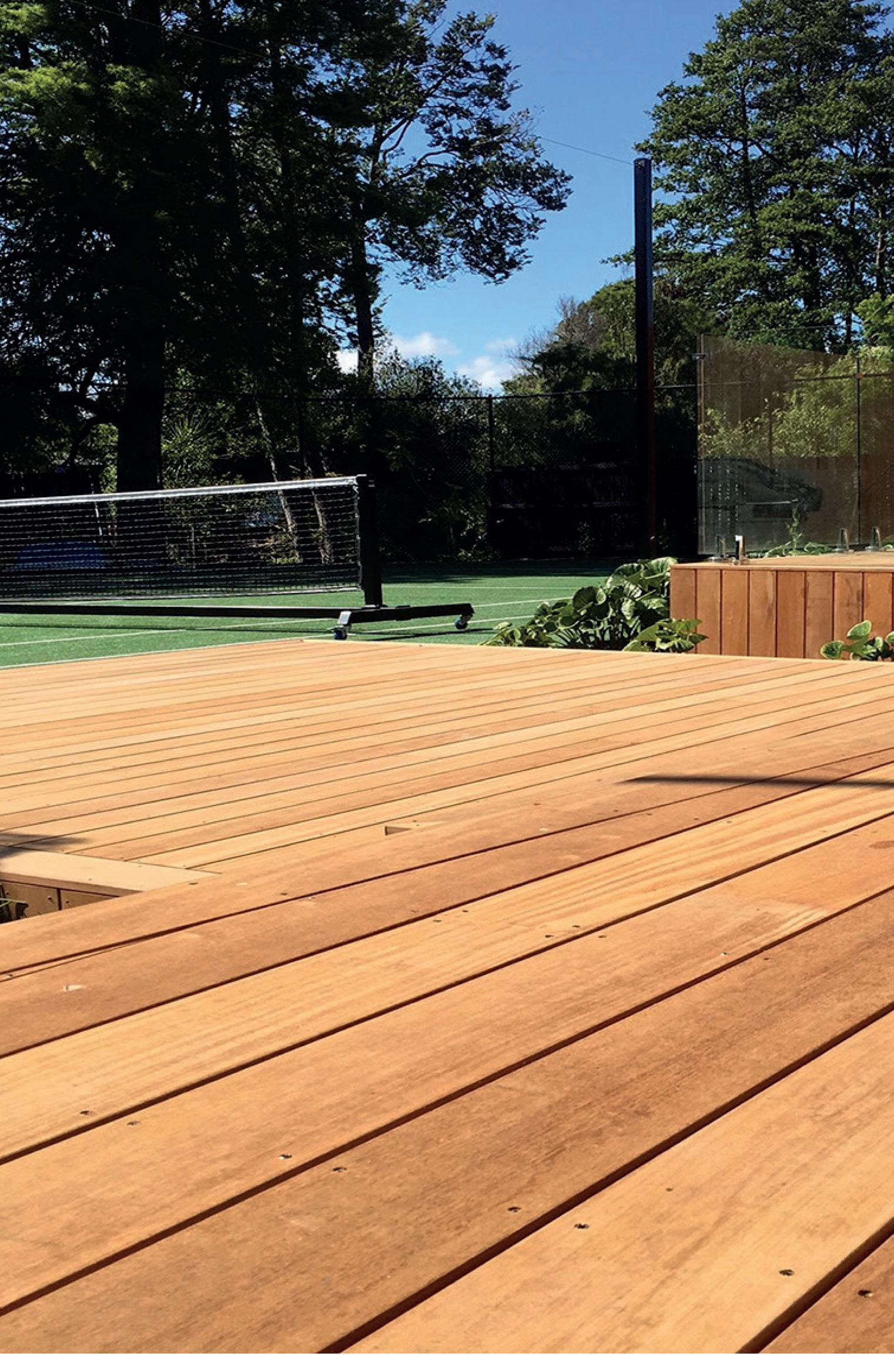
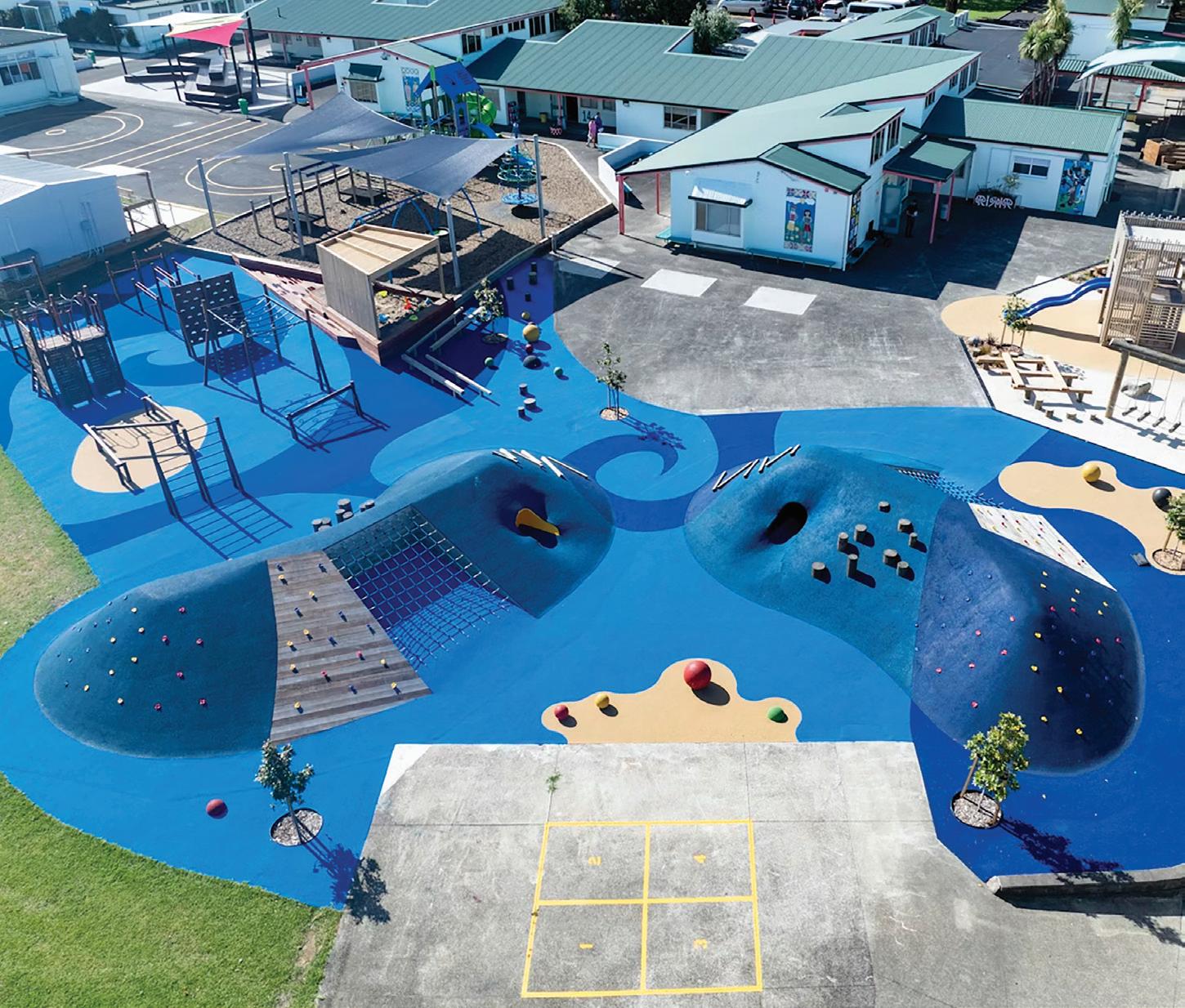
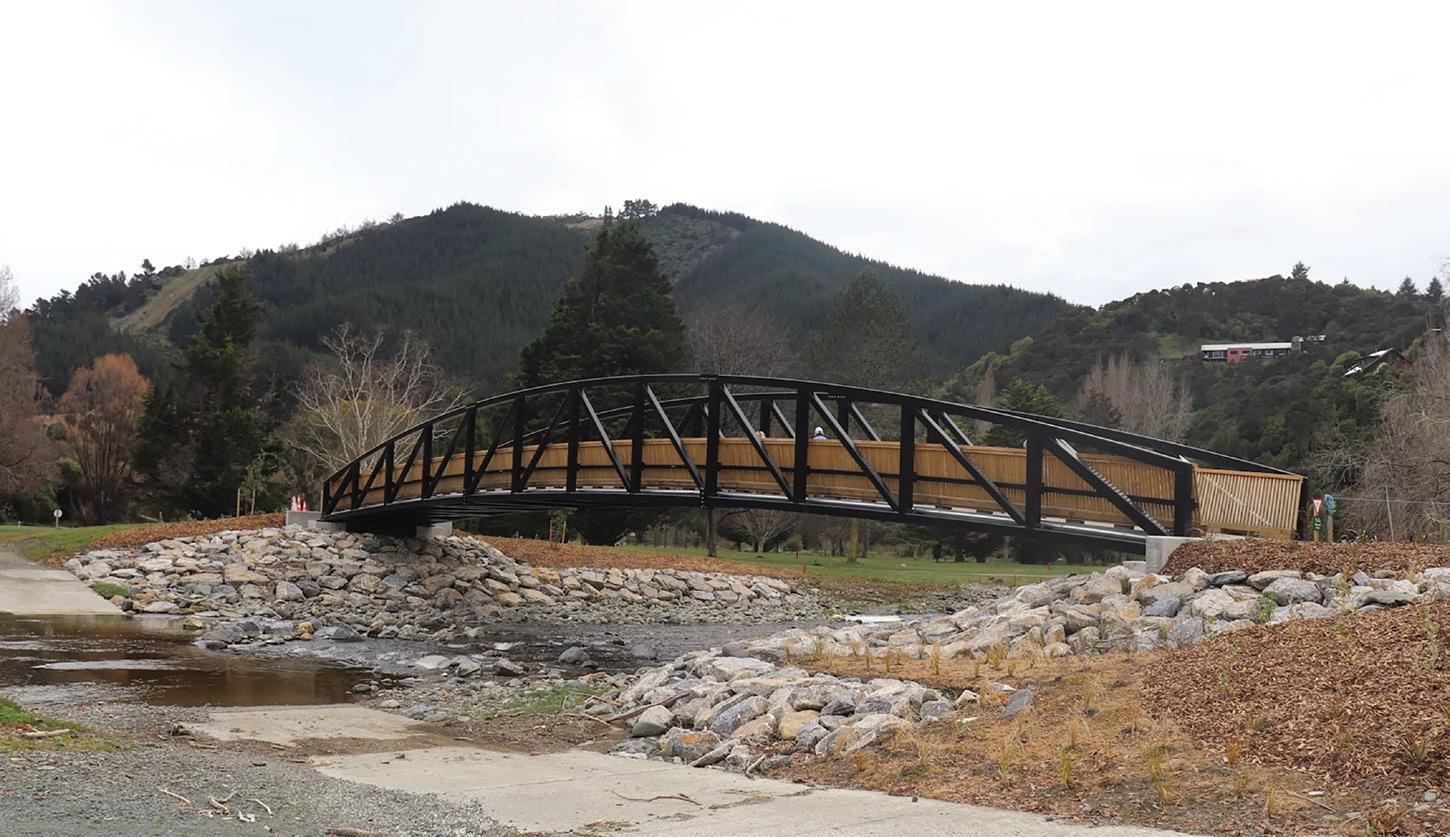
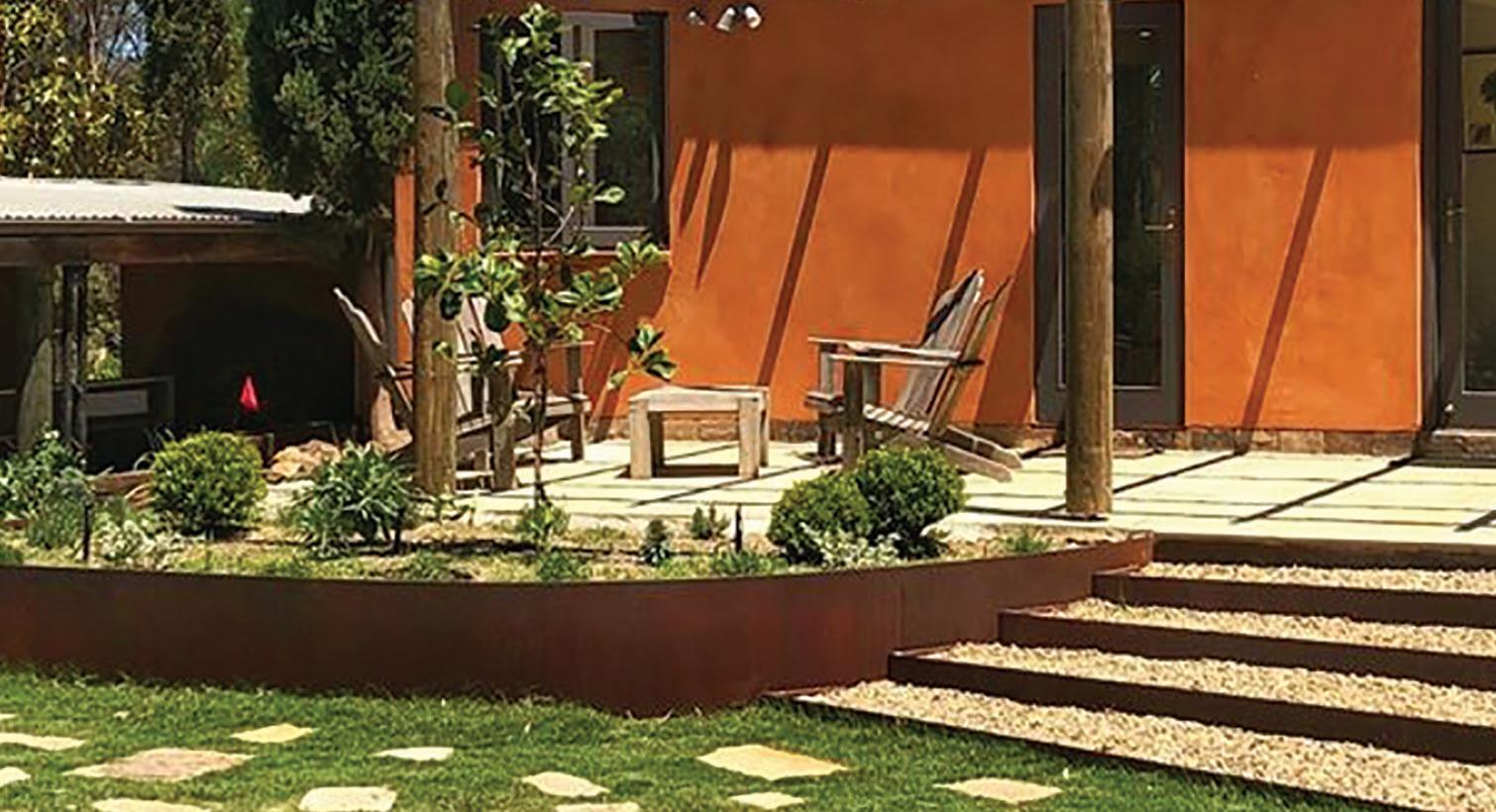
100% Maori owned construction business that is based on fostering strong relationships and building challenging projects for New Zealanders. We deliver high-quality civil construction projects across Aotearoa. From complex infrastructure developments to environmentally sensitive works, our portfolio showcases a diverse range of projects that demonstrate our ability to deliver results that benefit our communities.
SERVICES
• Drainage • Earthworks • Civil Works • Utilities • Residential Works
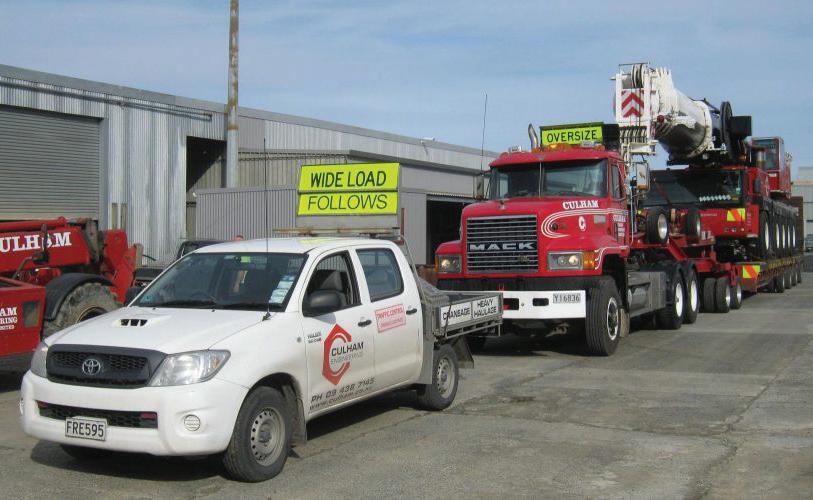
• Heavy Haulage • Truck Hire • Landscaping
This issue of Builders & Contactors kicks off with New Zealand’s sand squeeze — AQA’s Wayne Scott explains how consenting bottlenecks and supply pressures left Auckland scrambling, stalling pours and pushing costs. And he warns that Government reforms – while welcome – may not go far enough.
There’s some good news in the timber industry with US President Donald Trump’s tariffs not having quite the bite feared – but as we reveal, the future is still uncertain. We also look inward at capability. Professor James Rotimi argues that too many SMEs struggle not for lack of trade skill, but for gaps in financial literacy, document control, resource planning, and performance review — competencies as essential as a nail gun on site. Meanwhile, the Government’s occupational licensing shake-up aims to lift standards and force cowboys out of the industry.
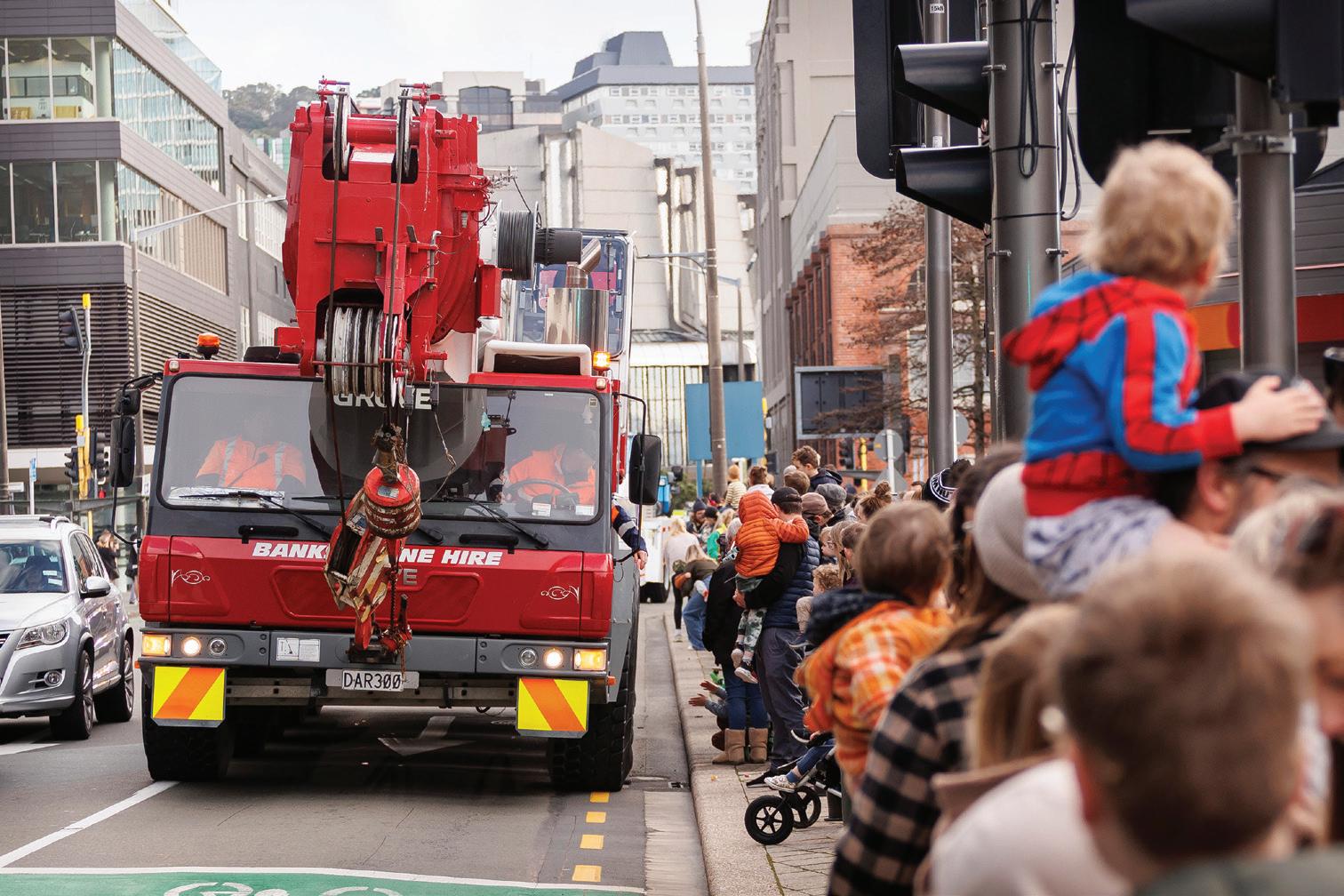
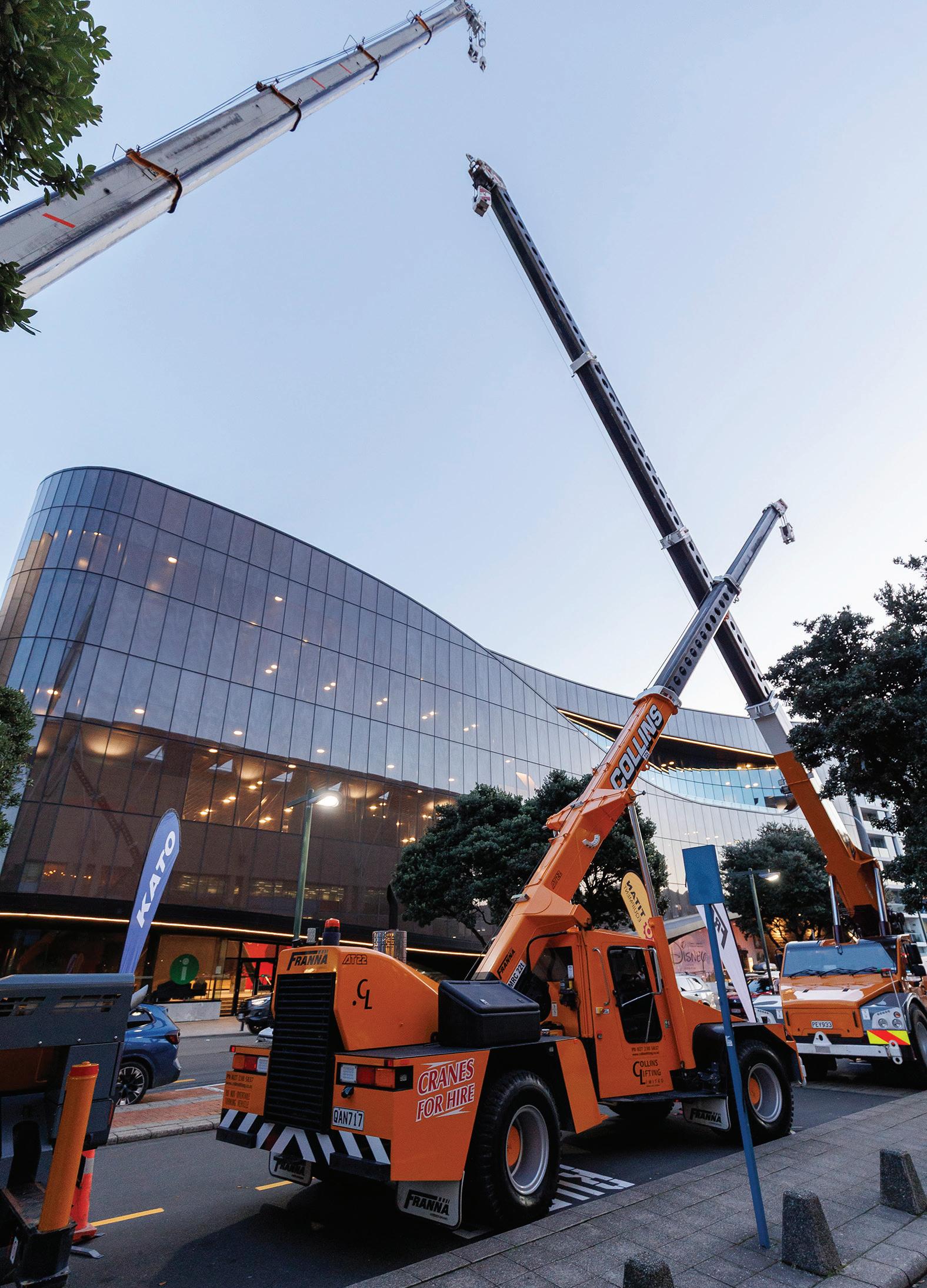
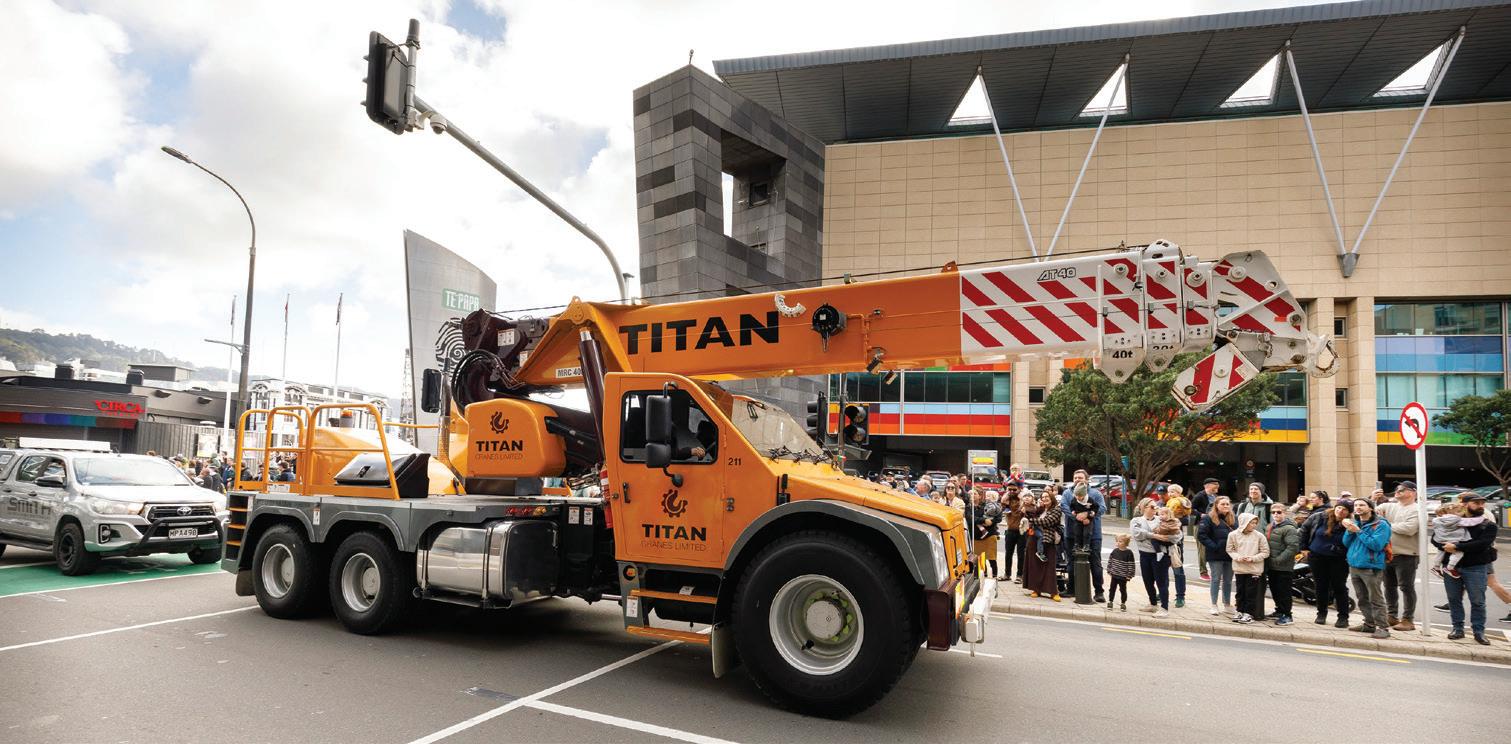
There’s plenty to inspire. We celebrate CANZ’s 50 years with the Wellington Crane Parade, and our Focus on Wellington explores strengthening heritage while building for a seismic future. Finally, don’t miss the chance to be a great MATE as part of a mental health campaign to look after every tradie. Thanks for reading — and for building a better New Zealand.
Group Editor
Phone: 021 676 320
stuart@academygroup.co.nz
Readers: Construction/building industry leaders and decision makers: government & trade organisations, site safe members, business owners and professionals in the industry.
Nationwide Distribution: Mailed directly to a carefully maintained list of decision makers and subscribers for 25 years.
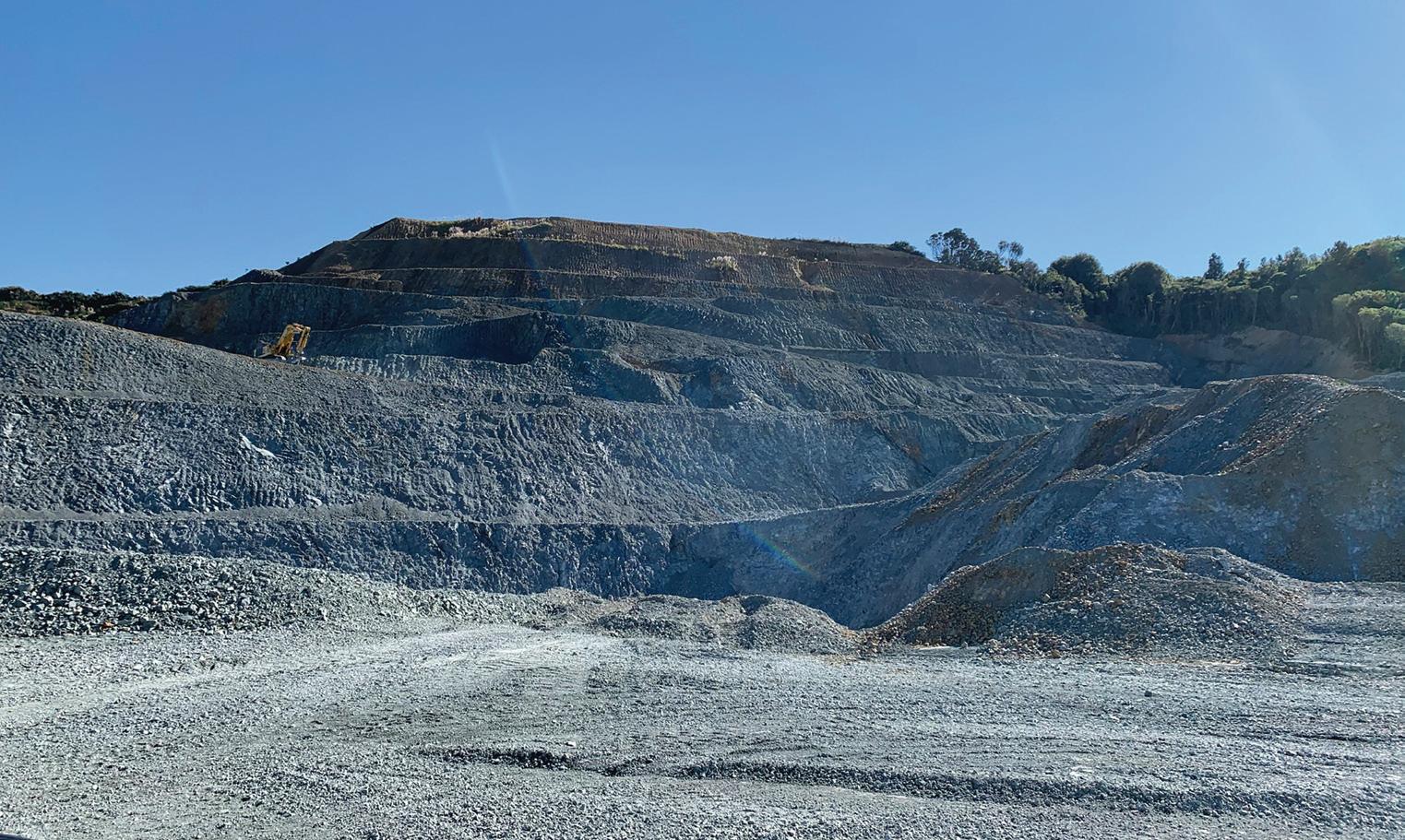
6: Easier access to local aggregate Govt proposes targeted changes to quarrying consents
10: Shifting sands
AQA’s Wayne Scott on consent bottlenecks and Govt reforms
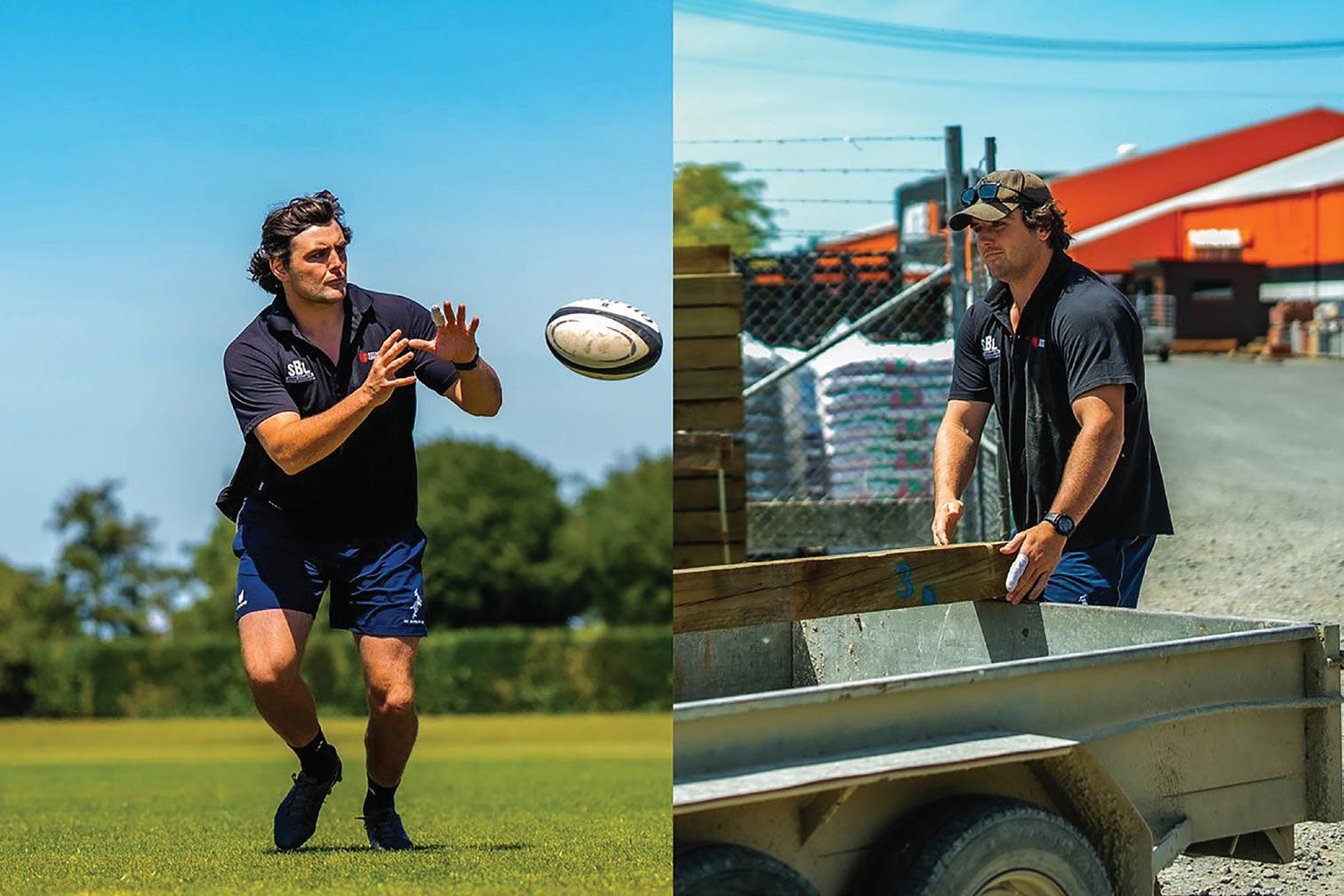
12: Athletes into trades Programme links clubs and apprenticeships
14: 3D tech brings 360 clarity ‘It’s like Google Street View for your pre-lined walls’
18: Local Water Done Well
Three Waters is out; councils retain ownership with stronger oversight
26: Tile and error
A practical guide to matching tile type, adhesive and movement joints to the job
34: Timber dodges Trump’s tariffs NZ wood exports spared – but for how long?
38: Wellington crane parade CANZ marks 50 years with a sky high waterfront parade
42: Strengthening the foundation
Professor James Rotini on why business management is critical for small construction businesses
46: Managing asbestos in heritage Auckland Museum boss on the challenging closure of an icon
How to have your mate’s back as part of mental health campaign
56: Carbon-neutral concrete What next on the road to a more sustainable industry?
80: WorkSafe’s shakeup
From enforcement to guidance – what it means for you
86: Building superstars
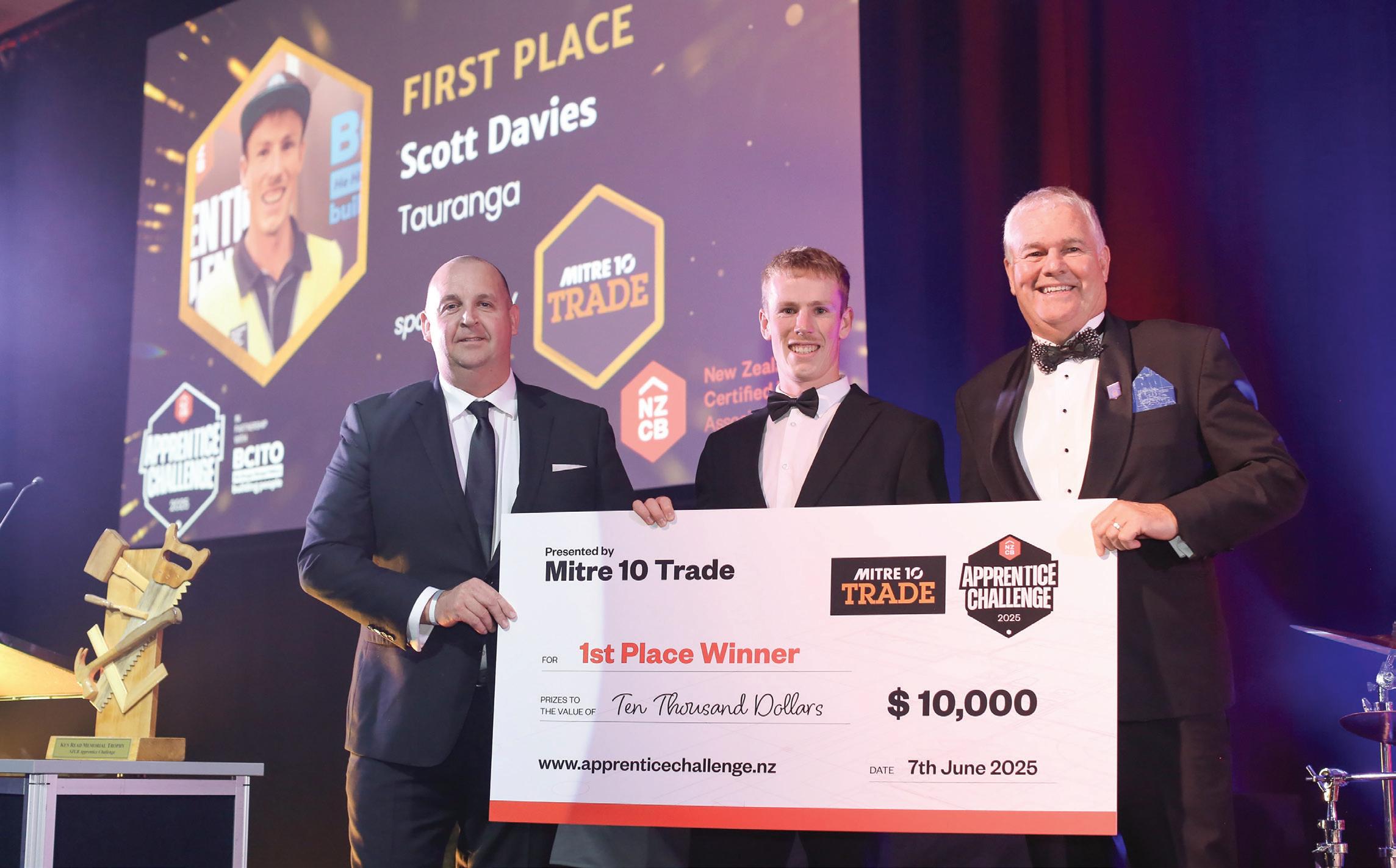
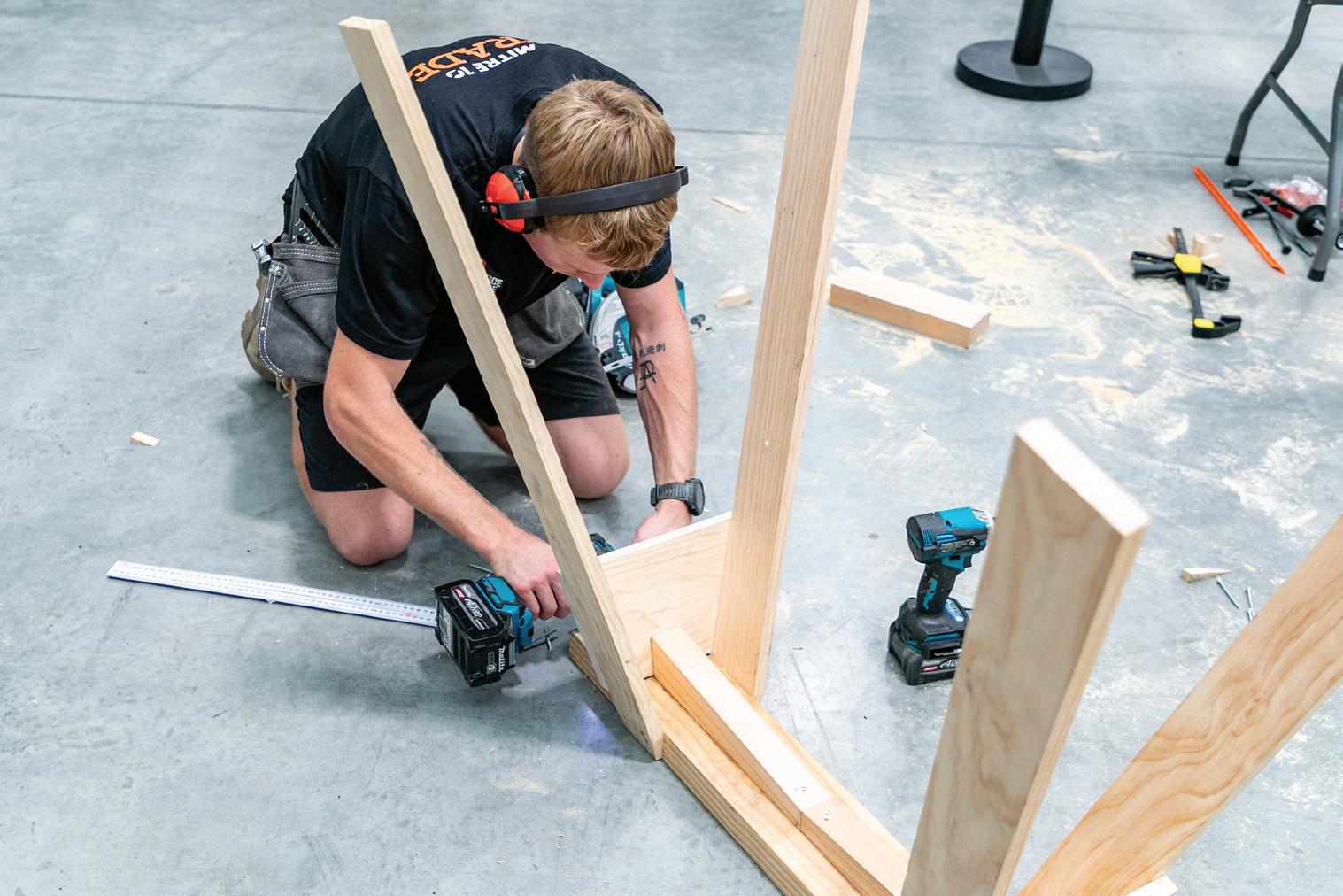
Behind the scenes of the NZCB Apprentice Challenge
94: Cowboy crackdown
How new licensing rules aim to lift standards
98: Lead with safety
What you need to know about your health and safety duties
112: Focus on Wellington
Building in a city of hills, wind and quakes brings unique demands
122: Shape shifters revealed NZ’s most outstanding landscape award winners
Builders and Contractors, a national trade newspaper targeted directly at New Zealand's building and construction industry. For some time we were aware that, although the building and related trades were generally covered individually by some trade journals, there was no amalgamated news link for trades as a whole, especially on a nationwide basis.
This void has been successfully filled by Builders & Contractors. Distribution is by way of various outlets: PlaceMakers, Mitre 10, Builders Hardware, Site Safe Members, timber companies, hire companies, together with our database direct mail drop to architects, draughting professionals, consulting engineers, building consultants, designers and local Councils. By these means we aim to reach one of the most powerful buying groups in the industry.
50: Best MATES
Easier access to locally sourced aggregate
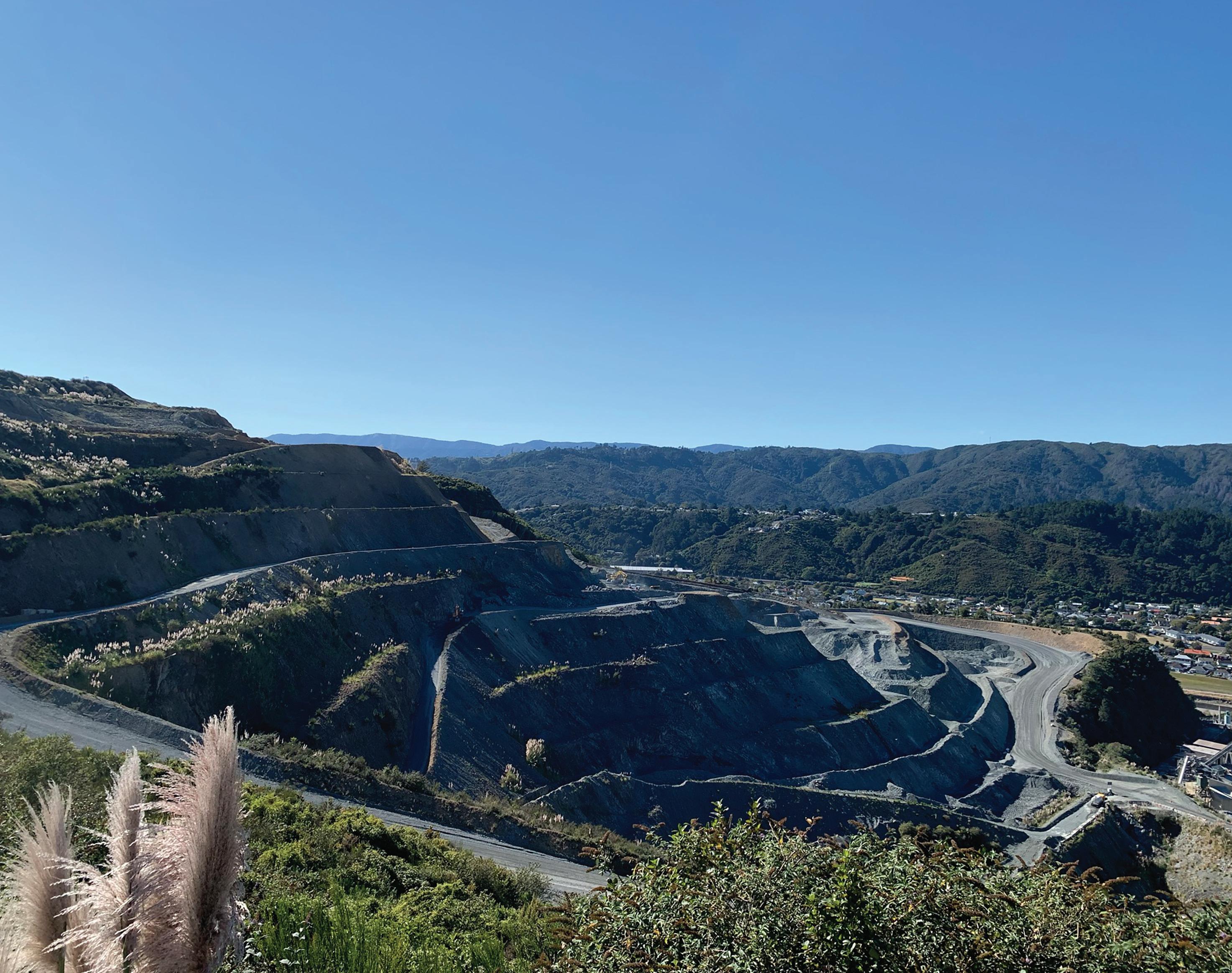
The Government has instigated proposals to make it easier to consent quarries and mines to enable more infrastructure development.
It has released three discussion documents proposing amendments to 12 different instruments and the introduction of four new instruments, centred on three packages: infrastructure and development, the primary sector, and freshwater.
“New Zealand has a massive infrastructure deficit, but to build and maintain more infrastructure, we need quarries and mines. The RMA makes it far too difficult for these types of projects to get consent,” Minister for RMA Reform Chris Bishop says.
“Addressing this is critical to boosting economic growth, improving living standards and meeting future challenges posed by natural hazards and climate change.
“We’ve already repealed Labour’s botched RMA reforms and made a series of quick and targeted amendments to remove unnecessary regulations for primary industries as well as barriers to investment in development and infrastructure.
“We’ve also passed the Fast-track Approvals Act to make it much easier to deliver projects with regional or nationally significant benefits – and the first projects are already going through the Fast-track process.
“Next year we’ll replace the RMA with new legislation premised on property rights. Our new system will provide a framework that makes it easier to plan and deliver infrastructure, quarrying and mining projects, as well as protecting the environment.
“In the meantime, we’re making targeted, quick changes through our second RMA amendment Bill, which is expected back from the Environment Committee next month, and to national direction,” he says.
The proposed changes include amendments to quarrying and mining provisions in four existing national direction instruments:
• National Policy Statement for Indigenous Biodiversity 2023
• National Policy Statement for Highly Productive Land 2022
• National Policy Statement for Freshwater Management 2020
Next year we’ll replace the RMA with new legislation premised on property rights. Our new system will provide a framework that makes it easier to plan and deliver infrastructure, quarrying and mining projects, as well as protecting the environment.
• National Environmental Standards for Freshwater 2020.
The Minister for Regional Development, Shane Jones, says the Government is committed to utilising New Zealand’s mineral reserves to boost regional opportunities and jobs, increase self-sufficiency, improve energy security and resilience, and drive our exportled focus for economic recovery.
“The length of time it takes to navigate various consenting processes for a major mining project in New Zealand is costing us dearly in missed economic opportunities that could lift living standards for our regional communities and supercharge productivity.
“A mining operator currently needs to navigate the often contradictory and confusing requirements of many national direction instruments. By amending these instruments to remove duplication and provide more clarity, we are reducing costs and inefficiencies and providing the certainty potential investors and operators need to take well-designed projects forward – something our regulatory regime has long lacked. I want to be clear - we are cutting red tape and barriers, not corners. There are no shortcuts in terms of robust planning and rigorous consideration of environmental protections.”
Quarrying and mining amendments to National Policy Statements and National Environmental Standards
The Government says it is committed to unlocking development capacity for housing and business growth, and to boosting mineral exports. To support this, locally sourced aggregate and minerals are needed.
This targeted amendment for quarrying and mining, aims to make the consent pathways and gateway tests for quarrying and mining affecting wetlands, significant natural areas (SNAs) and highly productive land (HPL) more enabling, and to ensure the policies are more consistent across the:
• National Policy Statement for Indigenous Biodiversity (NPSIB) 2023
• National Policy Statement for Highly Productive Land (NPS-HPL) 2022
• National Environmental Standard for Freshwater (NES-F) 2020
• National Policy Statement for Freshwater Management (NPS-FM) 2020.
Key proposals
To amend wetland quarrying and mining provisions across NPS-FM, NES-F, NPSIB and NPS-HPL to make them more enabling and more consistent, which involves:
• Adding ‘operational need’ to the gateway tests for mining and quarrying activities that may adversely affect wetlands under the NES-F and NPS-FM
• Changing a few words in the NPSIB and NPS-HPL SNA and HPL mining and quarrying exceptions for SNAs and HPL to:
• Clarify that essential related (ancillary) activities for mining and quarrying have a consent pathway and use consistent terminology
• Remove “that could not otherwise be achieved using resources within New Zealand” and the requirement for benefits to be ‘public’ and allow regional benefits of mining to be considered.
Experienced Professionals: Our team consists of experienced professionals with in-depth knowledge of passive fire protection systems and industry best practices.
Quality Assurance: We maintain rigorous quality standards and adhere to strict compliance measures to ensure the reliability and effectiveness of our solutions.
Customer Satisfaction: We are committed to exceeding the expectations of our clients, providing exceptional service and support every step of the way.
Acoustic Performance: Where Purple Cow ensures compliance set out by the Fire engineer, we have a sister company which will meet the Acoustic Performance requirements set out by the Acoustic engineer. greengoat.kiwi for more information.
Why Google reviews matter for contractors and trade specialists
If you’re a contractor, or trades specialist in New Zealand, Google reviews may not be at the top of your priority list. But they should be. In an environment where new clients often “Google first”, reviews are a form of word-of-mouth, as well as being public, permanent, and powerful, they often underline AI searches.
We work with successful trade businesses across the country. One of the easiest missed opportunities we see is the lack of a structured, repeatable approach to collecting Google reviews. Reviews aren’t just testimonials. They boost your visibility, increase trust, and directly influence who picks up the phone and calls you.
Here’s how to take control of them.
1. Make it easy
Set up a direct Google review link from your Google Business Profile (set one up if needed). Here’s how:
• Search your business name on Google while logged into the Google account that manages it.
• A business dashboard will appear. Click “Ask for reviews”.
• You’ll see a direct review link and a QR code you can download immediately.
You can add the link and QR code to invoices, email footers, your website, or print it on cards you leave with clients at the end of a job. When it’s easy, clients are far more likely to follow through. You do need to consider how and when you send QR codes, the above may not be suable for all businesses.
2. Ask at the right time
Don’t be shy. The best time to ask is straight after a job is completed and the client is happy. Keep it casual, “If you’re happy with the work, we’d really appreciate a quick review” is often all it takes.
3. Guide what they say
You can’t script reviews, but you can guide them. Encourage clients to mention the type of work you did and the location. For example, “new deck in Waikanae” or “bathroom renovation in Christchurch”. These keywords improve your ranking in relevant local searches.
▪
▪
4. Focus on quality
Only ask clients you’ve genuinely helped and who are likely to leave honest, positive feedback. You’re aiming for five-star reviews from people who can speak truthfully about their experience. A few strong, specific reviews will go further than dozens of generic ones.
5. Build a habit
Track who you’ve asked and follow up if needed. A simple spreadsheet will do. This isn’t a one-off marketing push, it’s a repeatable habit that grows your business reputation over time, you must keep showing up regularly for a long time.
6. Get your team involved Your team can play a role too. Encourage them to ask for reviews when appropriate
and give them a reason to take it seriously. One option is to run a monthly challenge: whoever gets the best or most helpful client review wins a small gift, a voucher, or even a trophy that floats between staff. It’s a simple way to build momentum and make it part of your culture.
Google reviews are not optional. In an AIpowered, search-driven world, they are part of your brand, your sales funnel, and your competitive edge, and it’s worth treating them that way.
Logan Granger, Partner Johnston Associates Mobile 027 283 8331 Call 09 361 6701 or email info@jacal.co.nz www.johnstonassociates.co.nz
We can help. Our strategic business advisory services can make running your business smoother and legitimately more tax efficient. If you’re after growth, or just need more certainty, but not sure what the next steps are, talk to us. Robust reporting and forecasting can make decision making clearer, reducing risk, and with our team’s experienced overview, we can find opportunities to optimise your business. We provide mentoring and support with the added benefit of access to our network of trusted Intermediaries, for specialist services.
including Māori Business entities, Family Trusts, high net worth Individuals and Not-for-Profits.
Talk
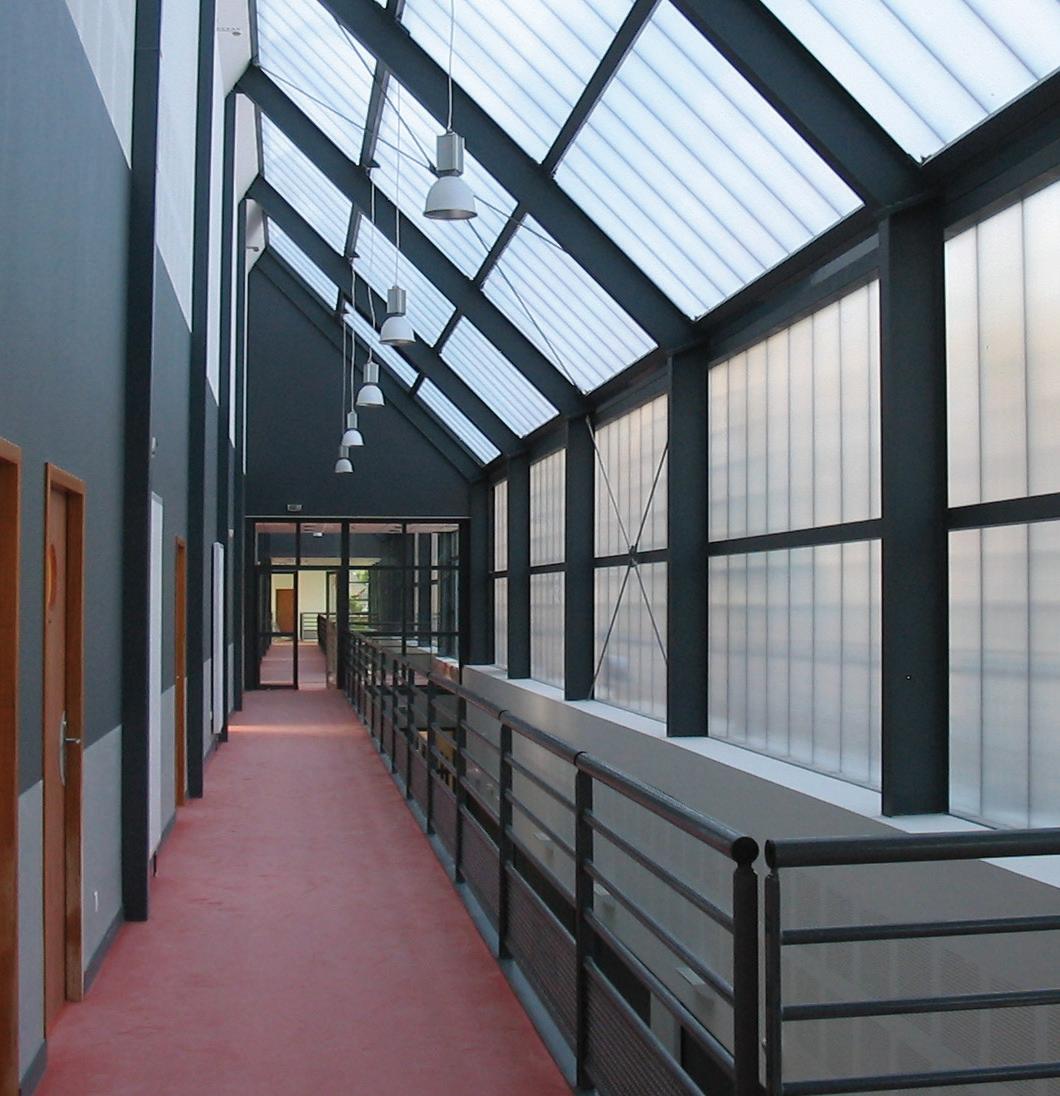
DANPALON’s performance is certified by rigorous testing from worldwide institutions. It offers a new concept in glazing providing outstanding performance and flexibility in design. Use Danpalon for roofing, facades or partitions, internally and externally
Shifting sands Quarry boss CEO Wayne Scott on extractive industry challenges
By Ben O’Connell
New Zealand’s demands for sand isn't always being met, and real change will take tough conversations, intensive planning, and a nationwide culture shift, says Aggregate and Quarry Association (AQA) Chief Executive Wayne Scott.
From Kaitaia to Bluff, 1 million tonnes of aggregate and sand are moved each week. That’s an average of one kilogram of aggregate, rock and sand accessed for each New Zealander every hour. New Zealand is the third-highest consumer of aggregate sand per capita, behind only China and Canada.
Our massive roading network drives aggregate demand. Some 65% of quarry materials go to roading, and another 20% go towards concrete structures. For a small nation scattered across difficult and environmentally protected terrain, that’s a staggering resource demand.
New Zealand has long struggled with a sand shortage. The sand is there, but environmental limits, fewer viable sites, market pressures, and slow consents all constrain extraction. Wayne Scott says the quarry industry has exhausted its typical toolbox and done all it can to chase shortfalls and sound the alarm.
“This will impact across transport, infrastructure, economic development, housing and much more. We know this is not of the Government’s making, but interim solutions are desperately needed.” Scott said this nine months before some pockets of sand supply to Auckland ran out just before Christmas 2024.
Before December, Auckland’s normal annual construction sand demand (866,000 to 880,000 tonnes) could not be met, and multiple concrete batching plants temporarily halted operations. Industry sources reported that infrastructure and residential projects in Auckland saw delays of several weeks as a direct result, which had a massive economic flow-on effect.
One key delay was renewing resource consents for sand extracted off the coast north of Auckland, which once supplied half the region’s construction sand. Interim consents now meet less than a third of that supply. A lack of clarity in parts of the National Policy Statements on Highly Productive Land and Indigenous Biodiversity also complicates matters.
Scott warns that the industry is stretched so thin that even if demands were to improve, recovery would be slow. “When demand is down, as it is now, the existing quarries cut back on production,” Scott says. “PostCOVID-19 was a struggle, but market demand was high.
“If we get back to those demand levels, if we get back to heavy days, which might happen later this year, then the sector might struggle.” He points to recent pressures such as Transmission Gully’s material shortages and multiple Auckland tunnelling projects running at the same time, which pushed the system to its limits.
Government reforms a start
The first step in improving the state of the sector, the quarry industry welcomed Government proposals to amend the Resource Management Act (RMA) in May.
These reforms promise to streamline guidance for councils and accelerate approvals for quarries. After these and other coalition government reforms, New Zealand ranked 12th globally for mining investment appeal, as measured by the Fraser Institute’s latest survey.
“New Zealand has a massive infrastructure deficit, but to build and maintain more infrastructure, we need quarries. The RMA makes it far too difficult for these types of projects to get consent,” the Minister responsible for RMA reforms, Chris Bishop,
AQA CEO, Wayne Scott
After thirty-plus years, everyone knows the RMA. For many in the industry, it’s all they have ever known; it’s what they were taught at university, so getting minds to think outside of it is difficult. What matters now is finding different ways of doing things. We clearly have to.
says. “Addressing this is critical to boosting economic growth, improving living standards and meeting future challenges posed by natural hazards and climate change.”
AQA has long called for changes to the RMA, a piece of legislation Scott says is the biggest problem impacting the extractive sector. The time and effort that it takes to receive consents, especially for cases that would have a low impact on everybody, is increasingly costly. Rising prices and resource shortages mean it can now take up to two years to get a consent approved. He says that though the RMA was suitable when first introduced, it has now morphed into something beyond what was intended, a law that makes it tough to approve even the simplest developments.
RMA reforms will take time to bed in, and the devil will be in the detail, he says. “We are heading in a reasonable direction. What the RMA reforms look like is the uncertain piece. The RMA is something we have worked with for 30 years. Everyone acknowledges that the system is broken. I don’t think it needs to be entirely thrown out, but I must say the changes being proposed are positive.
“After thirty-plus years, everyone knows the RMA. For many in the industry, it’s all they have ever known; it’s what they were taught at university, so getting minds to think outside of it is difficult. What matters now is finding different ways of doing things. We clearly have to.
“We need to have genuine bipartisan political support so that there can be a flow of projects over a long period. A long-term plan just makes sense. At least then, people can prepare for the future.”
Manufacturing misconceptions
Natural sand will remain essential for many years. Produced by crushing rock, gravel, and sand, manufactured sand is another piece of the puzzle, and New Zealand is making more of it than ever before. But it’s still not enough. It’s only meeting 5-10% of the national demand for sand and cannot replace the need for natural sand in concrete, says Wayne Scott.
It’s a misconception that quarry waste is used to manufacture sand; the same high-quality rock is used to manufacture sand that is used for aggregate. Natural sand typically is $10 per tonne cheaper than aggregate because of the ease of extraction and historical availability. Natural sand needs to come to a price point for manufactured sand to become economically competitive, as it is more energy-intensive and expensive to produce.
As a low-value, high-bulk product, New Zealand’s sand industry is domestic. Imports and distribution aren’t economically feasible. Scott notes that sand and aggregates are on the Government’s Critical Minerals List, and bulk importing through New Zealand’s ports isn’t currently possible; the infrastructure to receive and distribute such volumes simply isn’t there. Specialised sand is imported for specific uses, but that’s about it, especially considering our ample national supply and biosecurity considerations.
“The price of aggregate and sand doubles when it travels 30 kilometres, increasing
We need to have genuine bipartisan political support so that there can be a flow of projects over a long period. A long-term plan just makes sense. At least then, people can prepare for the future.
- Wayne Scott
every kilometre after that,” Scott says. “There’s this idea that materials are always available, and that isn’t always the case. What are you willing to pay for it?”
“Nobody wants a quarry in their backyard, but everyone wants the product.” He says that having multiple supply options would keep the construction and infrastructure sectors going, but it isn’t that simple.
Ratepayers can either pay four times the price for materials or see extraction happen closer to home.
He cites how a new significant quarry has not been approved in our largest market, Auckland, for a decade. “The availability of sand from alternative sources is overstated. The conversation is that we just don’t want it here.”
Nature calls
The environmental impact of mineral extraction is undeniable, something the sector is well aware of. “Our industry has worked for years to improve our environmental credentials and relations
with our communities. We see these latest changes as helping both the environment and those communities who want the resources provided for their homes and roads.”
Scott says that, unlike other nations, New Zealanders don’t see beach extractions and general seabed extraction as environmentally more sustainable. “It’s becoming harder and harder,” he says. “People generally don’t like quarries anyway.”
The Government’s RMA replacement proposal also has net positive environmental outcomes. “Through the Fast-track Approvals legislation and other RM amendments, we have stressed we are after certainty and speed, not environmental degradation.”
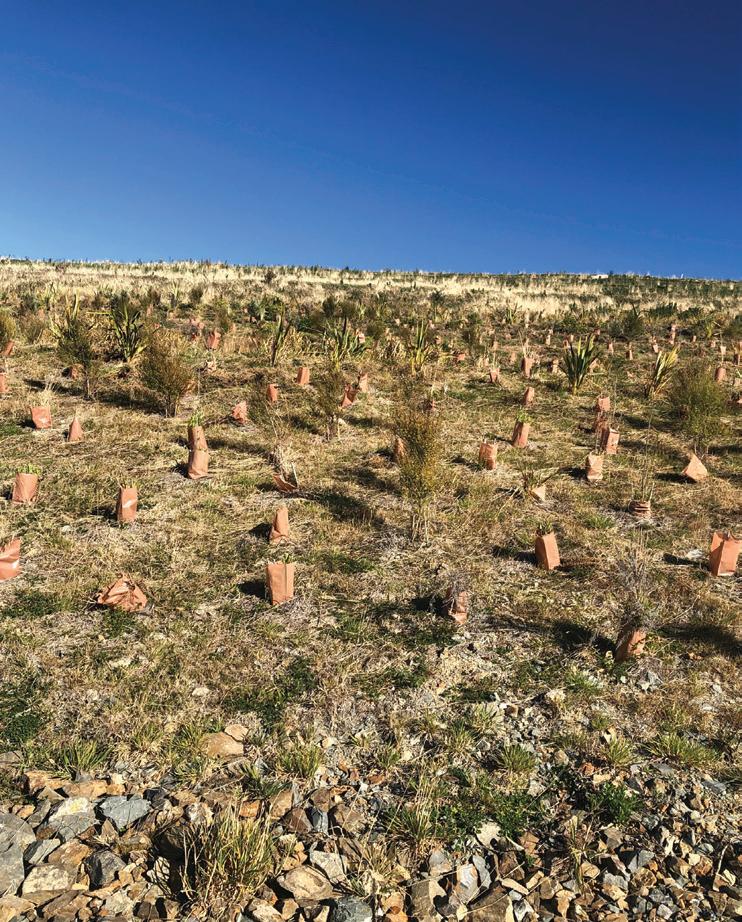
Some 31 quarries sit on conservation estate in New Zealand. Where environmental impact cannot be mitigated or avoided, it is offset at least one-to-one. Biodiversity offsetting – protecting flora and fauna of one area to make up for negative impacts in another – is increasingly common. As an example, Scott points to the Brookby Quarry in East Auckland, which offsets five times the area affected by extraction. He adds that 80% of the nation’s quarries are low-impact and effects can be mitigated or offset.
For the Brookby site, some of the land where offsetting occurs is adjacent to the quarry itself, and the rest takes place on an island in the Auckland Harbour with a similar habitat. Offsetting this way is typically only considered after all other options to avoid and minimise the on-site impacts have been exhausted. The goal is to ensure that the overall biodiversity value of the affected area is not diminished.
“We are digging holes; we are going to have an environmental impact,” Scott says. “You’re not going to maintain social licence without having a net positive impact.”
- Wayne Scott
BCITO Sports: Helping athletes build a career in the trades
The trades have always been a strong career option for those with a background in sport. The industry works well for people who are physically fit, personally disciplined, focused, and used to working in a team environment. BCITO Sports builds on this. It’s a customised programme for athletes at all levels that enables them to build a rewarding career in the building and construction trades.
Whether you’re an athlete thinking about your long-term career, a club, school or sports organisation looking to attract and retain talented individuals, or an employer looking for strong performers, the BCITO Sports programme has much to offer.
Career Pathways: One of the most significant challenges athletes face is transitioning into new careers after their high-performance sporting days are over. BCITO Sports provides a structured pathway for athletes to smoothly transition into the trades. This programme recognises the unique skills athletes possess and helps them leverage these skills in a new, rewarding career.
Professional Development: Clubs and associations often struggle to build and retain their numbers. 64% of adults in Sports NZ’s Active NZ survey want to do more activity but say work or family commitments get in the way.
By integrating professional development into their player programmes, clubs can offer more value to their athletes, ensuring they stay engaged and motivated. BCITO Sports offers tools and resources to help sports organisations earn micro-credentials and skills that can help them in their careers, combining their sporting and professional aspirations.
Apprenticeship Opportunities: Connecting school leavers with apprenticeships through their sports clubs and schools is another key
aspect of BCITO Sports. This initiative ensures athletes have a clear and direct path into the trades, providing them with the necessary training and support to succeed.
“According to Sport NZ, at age 15-17, 81% of us do some sort of sports or fitness activity, but this drops away to 73% after our school years. By helping students keep up their sports and club participation with supportive employers after they graduate, we’re not only creating a healthier building and construction industry, we’re supporting a healthier New Zealand,” says Jeremy Benton, programme lead for BCITO Sports.
Trade-Positive Attitudes: Encouraging apprentices to bring valuable skills from sports into their trades is a cornerstone of the BCITO Sports programme. Skills such as teamwork, motivation, personal health knowledge, and a drive for success are highly transferable and beneficial in the trades.
Athletes are accustomed to challenging themselves and seeing the tangible results of their efforts, making them well-suited for careers in the trades.
Tanita Garnett is a BCITO Sports ambassador and star Tasman Mako lock who’s just graduated from a joinery apprenticeship, fitting her studies and work around training.
“I love to push myself, and my apprenticeship has been a good balance of learning, being physical and earning money on the job,” she says.
“Both my work and my rugby are quite physical and demanding, but with my employer having played rugby, he understands how much it means. Also, being able to do BCITO night classes on a Wednesday has meant I’ve been able to fit my apprenticeship study around training.”
Benton says the trades suit people who want to see the difference they’re making and who challenge themselves to do better every day.
“As a local rugby player myself, I know sportspeople are motivated by having a tangible goal – winning a match, or hitting your personal best – and in team sports, sharing that camaraderie with others. When you’re working on a construction project, you get both those things,” he says.
“You get the satisfaction of seeing what you’ve created take shape, putting up homes or buildings that you can drive past every
day, while also solving challenges and sharing success with your colleagues. There’s nothing like it.”
Joining the trades is about making the most of what you’re best at. Select from your pick of 16 sought-after building and construction trades that have their own career pathways, from being an apprentice to owning your own business.
BCITO Sports is not just a programme; it’s about having a game plan for the future. It’s about recognising the potential in athletes and providing them with the tools and opportunities to build successful trade careers, while enjoying the sports they love.
To make your next move in the trades, contact BCITO today:
0800 4 BCITO
BCITOSPORTS.NZ
Frank Lochore, Hawkes Bay Magpies, BCITO Qualified Carpenter.
Have your team work smarter, learn up-to-date skills.
Help them learn the skills and become qualified.
Get skills recognised with a formal qualification.
ARCHITECTURAL ALUMINIUM JOINERY
BRICK AND BLOCK LAYING
CARPENTRY
CONCRETE
EXTERIOR PLASTERING
FLOORING
FRAME AND TRUSS FABRICATION
GLASS AND GLAZING
Training an apprentice is an investment in your business and the industry.
INTERIOR CONSTRUCTION
JOINERY
KITCHEN AND BATHROOM DESIGN
PAINTING AND DECORATING
RESIN FLOORING
STONEMASONRY
SUPERVISOR
TILING
Beyond the walls 3D tech, 360 vision
By Ben O’Connell
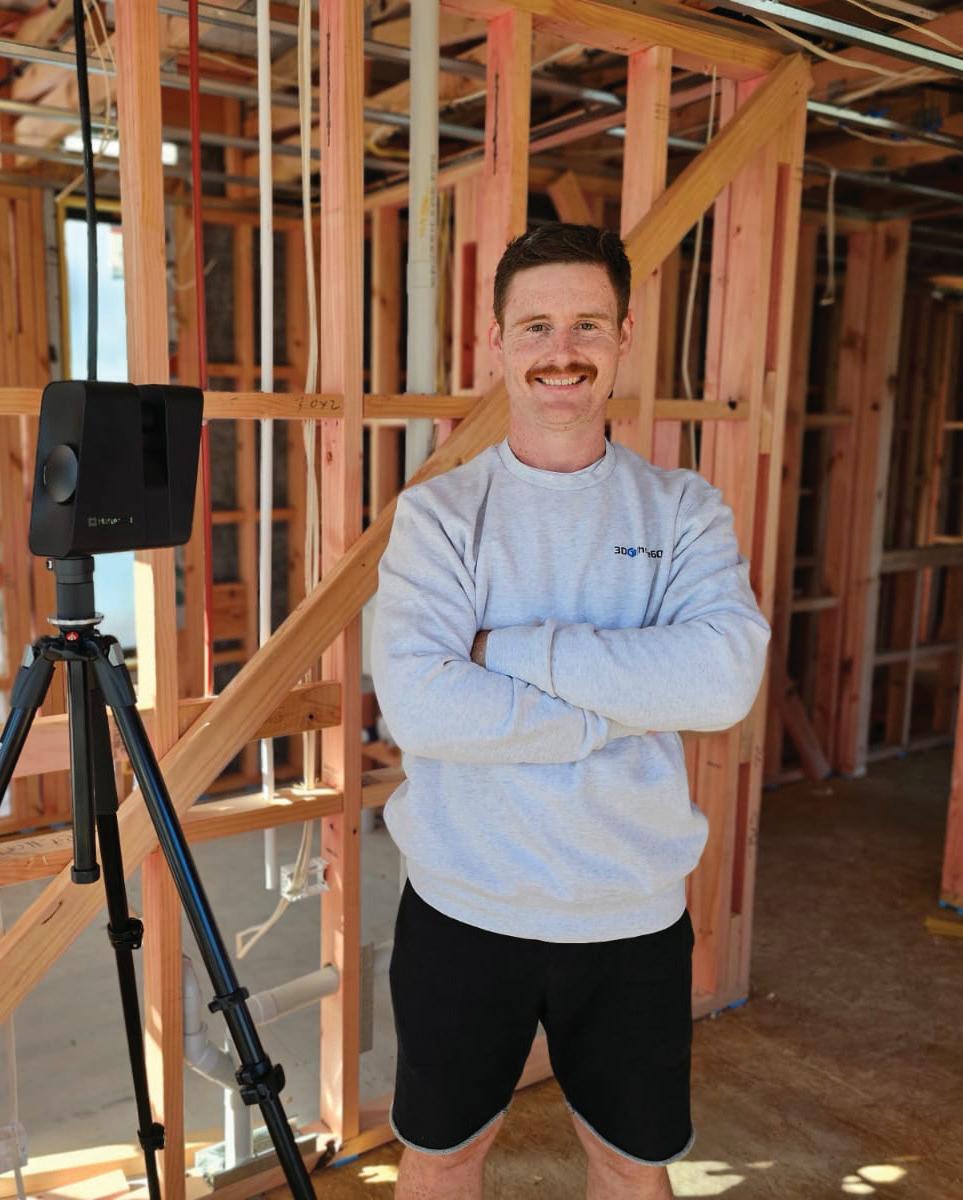
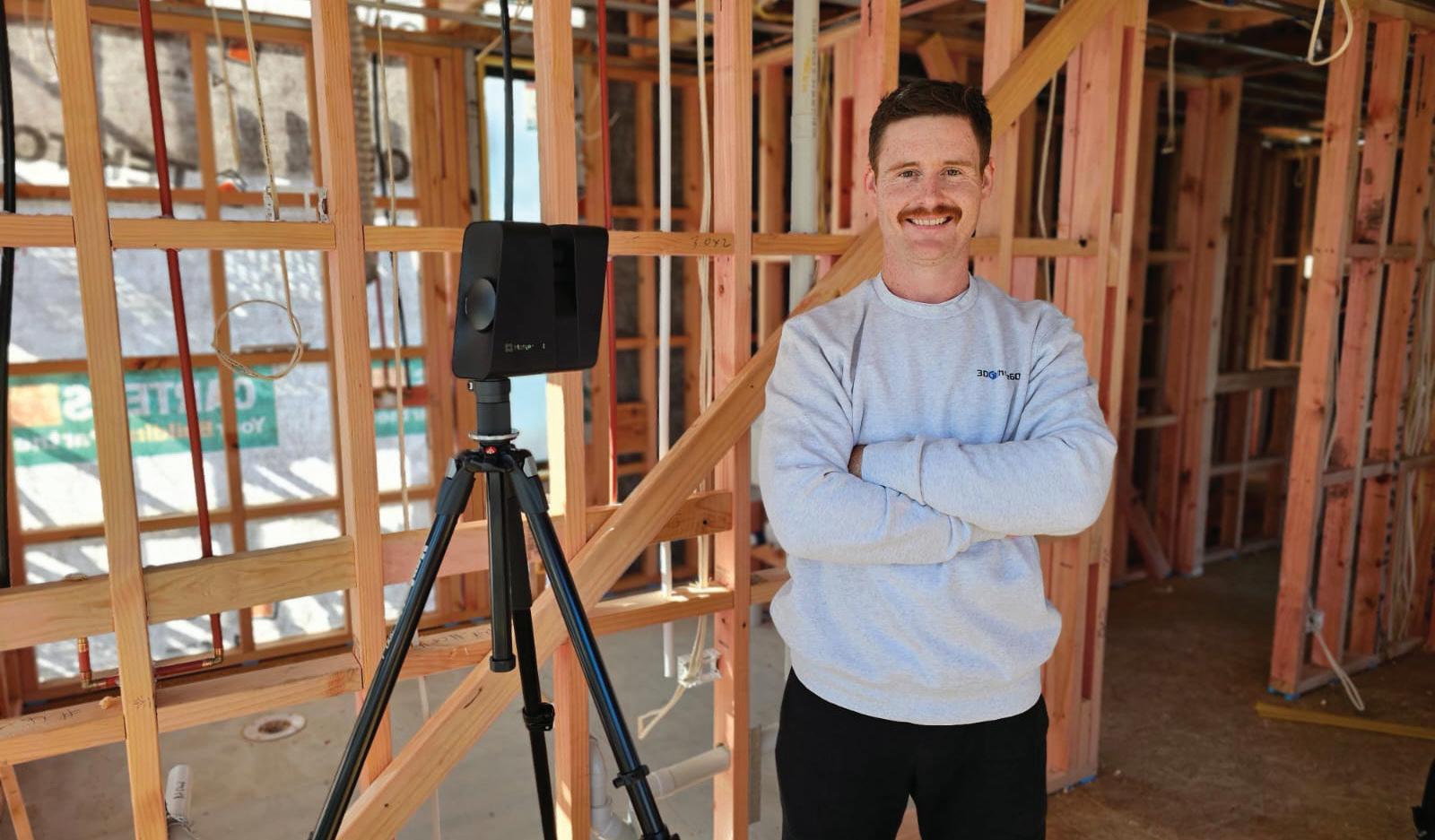
Entrepreneurial tradesman Rob Horrocks is pioneering the use of 3D and 360-degree scanning tech in New Zealand’s residential construction industry. Like Google Street View for inside your pre-lined walls, 3D Three60 uses state-of-the-art Matterport camera equipment with infrared and lidar scanners to create high-definition virtual tours that archive, measure, and showcase building projects.
Pre-line 3D scanning is popular overseas but seldom used locally–until now. Beyond one-off cases of architects and commercial projects, pre-line 3D scanning has been an underutilised process nationwide. 3D Three60 fills that gap with independent, crystal-clear records that document exactly what builders and their subcontractors have done, which is invaluable in the short term and long run.
As a certified plumber, drainlayer, and gasfitter, Rob’s expertise positioned him well to commercialise the technology for residential projects. He carefully places scan points across a build to maximum effect. “There’s lots of blocking, pipe work, wiring and ducting–I get around and target those crucial areas,” he says.
“It’s about knowing what you’re looking at and capturing it from the angles you’d need to assess an area properly.”
5 Generations of expertise you can trust
With decades of experience and plenty of happy customers. We pride ourselves on being punctual, affordable and transparent.
and Commercial
There’s lots of blocking, pipe work, wiring and ducting–I get around and target those crucial areas. It’s about knowing what you’re looking at and capturing it from the angles you’d need to assess an area properly.
- Rob Horrocks
Rob arrives on-site before insulation and wall linings are installed to capture the entire site. The data is processed into an interactive virtual tour that allows anyone to walk through the site, measure distances, and inspect details in high definition. The process doesn’t only capture photos, but also captures dimensional data. “360-degree cameras and LiDAR scanning are the ultimate combination for construction documentation,” Rob says. “You can measure where a pipe is going up a wall or where timber is positioned. Hitting pipework or wires is an expensive mistake, not to mention the inefficiency of having to redo work. “Otherwise, you’re relying on plain 2D photos, which miss so much.” The technology saves time for architects and builders by allowing them to visit sites remotely and carry out thorough QA from the peace and quiet of their office. Rob’s customers are finding that the quality and standard of work
have improved since having their sites preline scanned, not that 3D Three60 wants to be ‘Big Brother’, but naturally, tradespeople are lifting their standards, knowing that all their work is captured in high-definition. This level of record-keeping future-proofs the industry. Being able to see exactly how a building is constructed gives future architects and tradespeople the best possible insight into the scope of work needed to make the alterations. That way, quoting and scheduling will be significantly more accurate. Everyone is on the same page, and the customer is better informed. Rob says.
Rob envisions a bright future where pre-line 3D scans are an integral part of a building’s records. After just two years of operation, 3D Three60 is a Master Builders Associated Member and has attracted industry attention, especially as self-certification regulations evolve, with Master Plumbers and industry experts, among others, recently reaching out. Rob’s industry knowledge has opened industry eyes to the technology’s potential, including how it could support compliance and future auditing.
3D Three60 offers a range of 3D modelling and 3D scanning services. As-built 3D scanning is another key service and area in which the 3D Three60 is thriving. 3D Three60 is based in Auckland, but with growing demand, Rob is more than happy to travel and expand into different regions across New Zealand, as he has recently done so to Christchurch and Northland. To encourage adoption, every new customer in 2025 will receive a complimentary Meta Quest 3S VR headset, allowing them to experience their scanned project in immersive virtual reality. Visit 3dthree60.co.nz for more information.
New Investment Boost incentive launches May 2025 to support business reinvestment and economic growth
During the Budget announcements in May 2025, the Government introduced an Investment Boost incentive allowing businesses to claim 20% off new asset purchases and claim depreciation on the remaining 80%. The incentive was introduced to encourage reinvestment and support economic growth.
Investment Boost is a form of accelerated depreciation. It does not change the total value of deductions you claim over the life of an asset. However, it does mean you can claim a greater deduction in the 1st year. This means you pay less tax in that year. Because money saved today is worth more than money saved later, this helps you save more overall.
Investment Boost Incentive example
A transport company purchases two trucks for $200,000 to expand their fleet. This company can then claim 20% of this total cost as a deduction in that years tax return –that’s $40,000 to offset their profit (and tax bill). The company can still claim depreciation on the remaining 80% of the cost of the new asset ($160,000) as if that amount is 100% of the cost.
For more examples visit: ird.govt.nz
What you can claim for:
• New or new to New Zealand
• Available for the business to use on or after 22 May 2025, and
• Depreciable for tax purposes
• New commercial and industrial buildings
• Improvements to depreciable property (but not residential buildings)
• Primary sector land improvements
• Assets arising from petroleum development expenditure and mineral mining development expenditure incurred on or after 22 May 2025 (except rights, permits or privileges)
• Mixed-use assets.
What is not eligible
• Second-hand assets sourced in New Zealand
• Residential rental buildings
• Most fixed-life intangible assets (e.g., patents).
UDC has a team of finance specialists throughout New Zealand. Our finance specialists can help you arrange the most suitable finance option for your business.
Find your nearest UDC finance specialist at udc.co.nz or contact us on 0800 500 832.
For more information visit ird.govt.nz or search for “Investment boost nz” and refer to the Government Incentive Boost fact sheet.
Investment Boost Incentive.
20%
About UDC Finance
For over 85 years, UDC Finance has been helping New Zealand businesses grow, turning entrepreneurs’ ideas into reality. As one of the country’s largest finance companies, we have an in-depth understanding of the industries and markets our customers operate in.
Our main expertise is in providing assetbased finance to New Zealand businesses for purchasing plant, vehicles and equipment,
helping them to grow and prosper. We do not rely on land or buildings as security, and we steer well clear of speculative property developments.
We’ve grown alongside the sectors that have built New Zealand’s economy – transport, forestry, agriculture, and manufacturing –and we’re proud to be the finance company that backs Kiwi business.
udc.co.nz | 0800 500 832
Source: ird.govt.nz
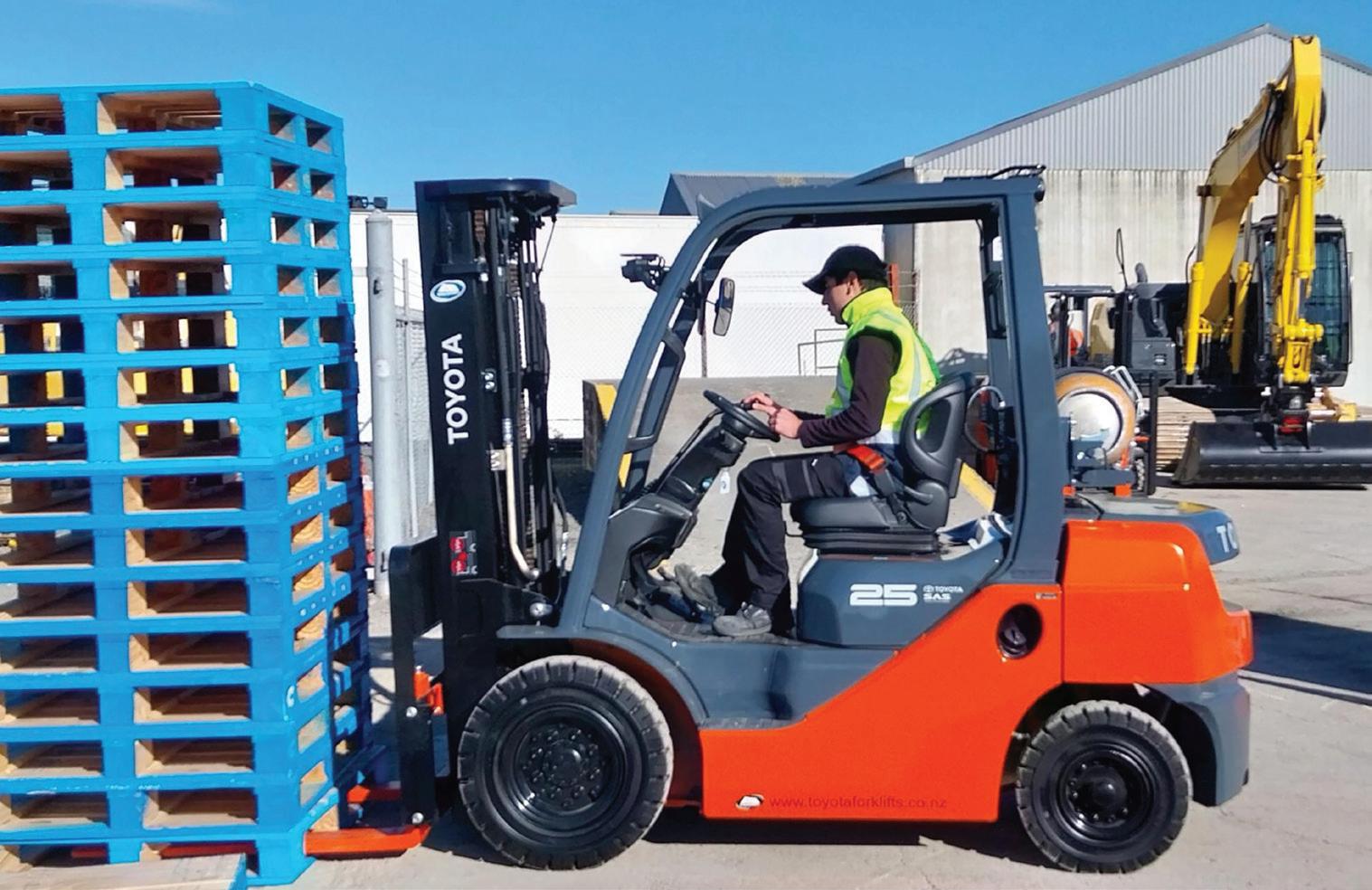
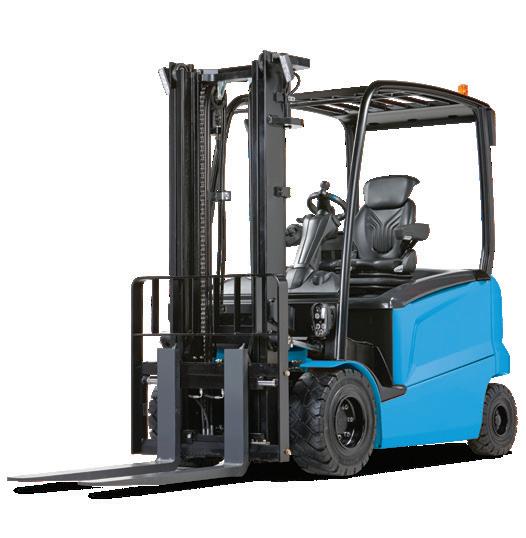
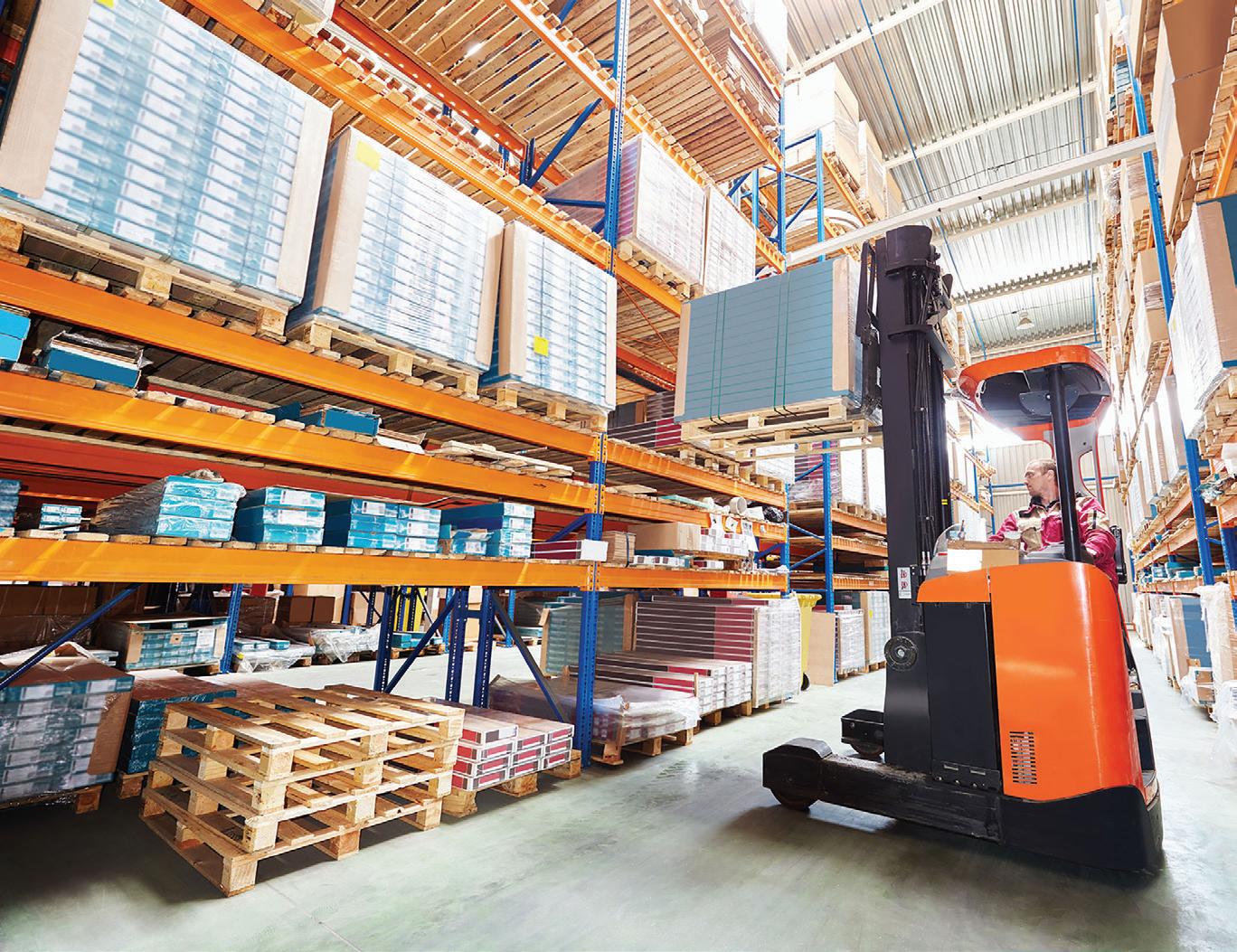
Forklift training
Every year, harm continues to occur to people in and around forklifts. For 30 years, our statistics have remained consistent, and it seems there is a level of complacency, as no new approaches have been attempted to effect change.
Except now. The industry has mobilised, following the publication of the Forklift Good Practice Guidelines, which have provided updated guidance and support. This has led to a rethink of the shape and style of training. Furthermore, changes to the vocational education sector have created an opportunity to redefine competent operator training.
Over the past year, a team of engaged and motivated people, committed to improving forklift operator training, have developed a new nationally recognised and structured training framework. They have updated the old unit standard for forklifts to ensure learners receive better, more appropriate training, with in-depth competency assessment.
A PCBU can now be assured that their worker has received the appropriate level of training to be work-ready.
This alone does not guarantee operating competency. Training and supporting the worker to consider all risks and how to control them is one of the improved performance outcomes of the new skills standards.
Furthermore, barriers to NZQA-based training and assessment have been reduced, making this higher level of competency training easier to access.
The time has come to make a step change, to stop accepting lower-quality delivery and the continued harm to people in the workforce around forklifts.
There is much more work to do to lift forklift training out of the gutter (poor quality, short duration, and low value). WorkSafe NZ must accept and support the new guidance and move away from outdated thinking tied to their failed Approved Code of Practice. The entire training industry needs to accept, shift, and embrace the new skills standards, striving to improve the quality of instruction and ensure workers are competent in and around forklifts. Doing nothing, or doing the same, is no longer acceptable. As an employer or PCBU with forklifts, continuing to use these outdated training regimes exposes you, your team, and your business to increased risk.
Make the change: get your people trained to the new NZQA skills standards so they are capable and competent in baseline safe forklift operations, and can further hone their knowledge, skills, and behaviours in your workplace.
If you would like to know more about this or other initiatives from the Forklift Sector of the Hire Industry Association of NZ, please visit www.hianz.net.nz for contact details.
A deep dive into Local Water Done Well
Three Waters has been replaced, and Local Water Done Well has taken its place. Pacifecon’s team of 30 nationwide researchers have been busy dissecting the government’s plan to address the long-standing water infrastructure challenges.
Local Water Done Well aims to restore council ownership and control with strong central government oversight. We’ve broken down how the water services will be delivered, what it means for New Zealand organisations, which councils may collaborate and stats on the water pipeline.
Implementation is in three stages – the first two were completed last year, and the regulatory framework for water services delivery is expected to be passed soon. The control of drinking water, stormwater and wastewater will now remain in local control – councils will need to invest in ongoing maintenance and replacement of their water infrastructure.
What does it mean for councils?
Councils must now have Water Services Delivery Plans (WSDP), individually or with other councils, and must submit these to the Minister by September 2025. They must deliver water services by:
1. Providing services themselves (e.g. ring-fenced business unit)
2. Transferring responsibility to a water organisation
3. Contracting another party
4. Entering into a joint arrangement (CCO)
5. Another type of arrangement (but not a franchise or concession agreement)
“At Pacifecon, we recognise that Local water done well will be a significant shift in how NZ’s water infrastructure is managed,” Philip Dawes, Pacifecon’s Research Manager. “Our research team will focus on building strong relationships with these new entities as they take shape, and also ensure that we stay ahead of any changes in water projects and funding structures. We will continue to track and update all water infrastructure projects in our online platform in line with government and evolving council strategy.”
So, what does all this mean for New Zealand organisations?
New relationships will need to be built and a ‘mixed bag’ of different water service arrangements. Three Waters activities in current Long Term Plans will be removed and new planning and reporting documents for water services will be introduced, which include a water services strategy prepared every three years and a water services annual report. Water service arrangements for stormwater may differ from water supply and wastewater. Our research team have compiled a list of which councils they believe may look at working together, which can be found in the full report, noting that many councils around the country are consulting now or about to consult on their preferred water service arrangements over April/May.
Philip Dawes, Pacifecon’s Research Manager.
Who’s potentially looking at working together?
(To see the full list head to mkt.pacifecon. co.nz/resources/complimentary-reports)
In the North Island, some of the councils we expect to work together are:
• Kaipara, Whangārei and Far North
• Auckland to retain ownership of Watercare
• Hamilton and Waikato District
• Waipā, Waitomo, Ōtorohanga, South Waikato, Taupō, Matamata-Piako, & Hauraki under the banner of Waikato Water Done Well (noting that Taupō would prefer keeping services in-house for now)
• Rotorua Lakes preference is for delivering water services in-house until 2028, then having services delivered via a Rotorua Lakes CCO* or a multi-council owned Council Controlled Organisation
• Gisborne (preference for keeping services in-house)
• New Plymouth, Stratford and South Taranaki
• Wellington City, Upper Hutt City, Hutt City, Porirua City, and Greater Wellington Regional (GWRC) councils
In the South Island, some of the councils we expect to work together are:
• Tasman (preference for keeping services in-house)
• Marlborough (preference for establishing a new Council-owned Water Services Organisation under the yet to be enacted Local Government Water Services Bill)
• Christchurch City (preference for keeping services in-house)
• Central Otago, Clutha, Gore and Waitaki
• Selwyn District has completed its consultation & has confirmed the inclusion of a Selwyn water services CCO in it water service delivery plan
• Dunedin City (preference for keeping services in-house)
• Invercargill City (preference for keeping services in-house)
If you’d like to read the full comprehensive report on the Government’s plan, Local Water Done Well, addressing the water infrastructure challenges, you can head to pacifecon.co.nz/resource. Here you’ll also discover our extensive library of free and paid reports.
Our research team will focus on building strong relationships with these new entities as they take shape, and also ensure that we stay ahead of any changes in water projects and funding structures. We will continue to track and update all water infrastructure projects in our online platform in line with government and evolving council strategy.
- Philip Dawes
We
Pushing boundaries on Devonport Road
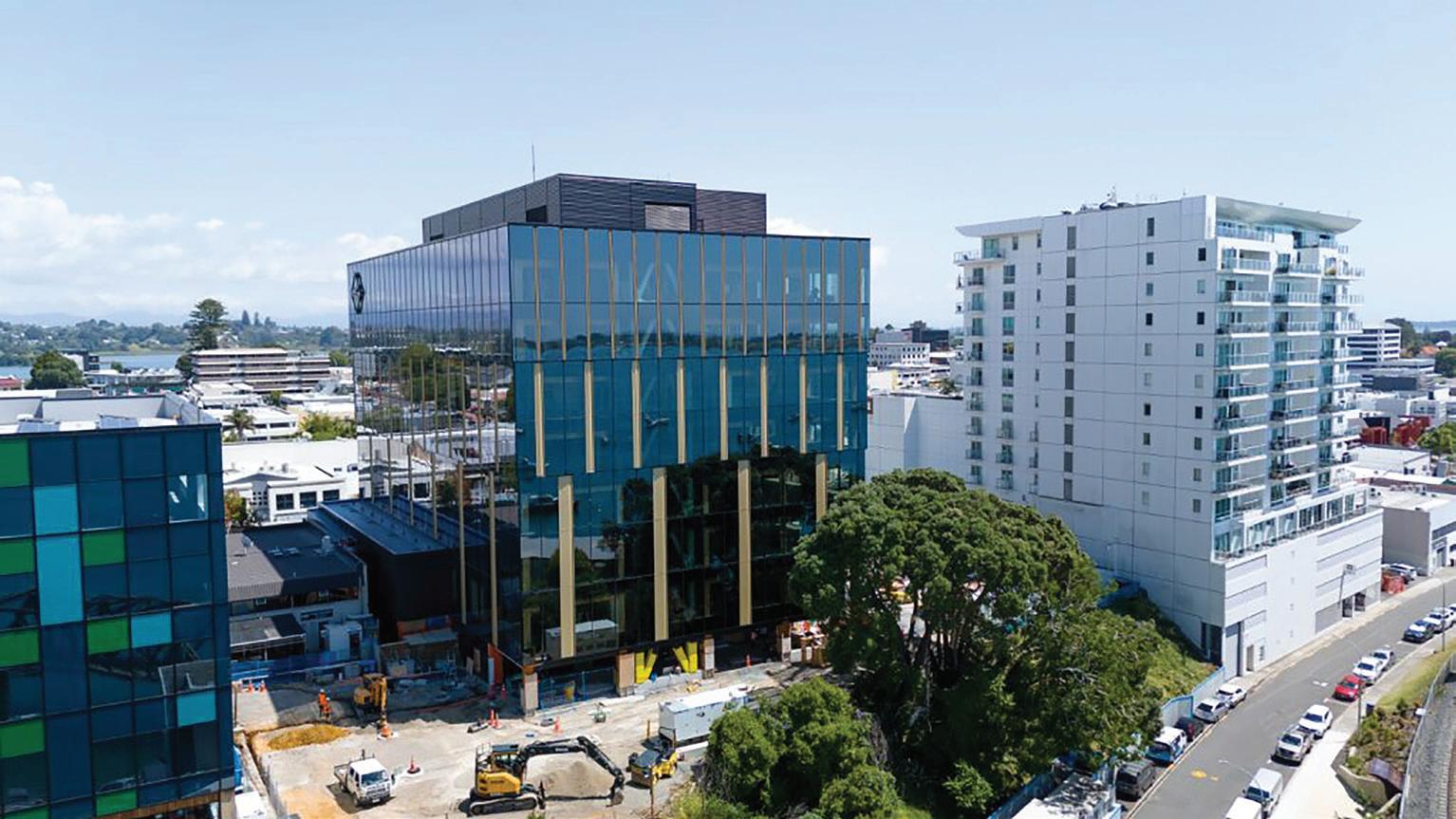
LT McGuinness Tauranga have recently completed New Zealand’s largest mass timber hybrid office building for Willis Bond and the Tauranga City Council in the heart of Tauranga’s current city centre revitalisation.
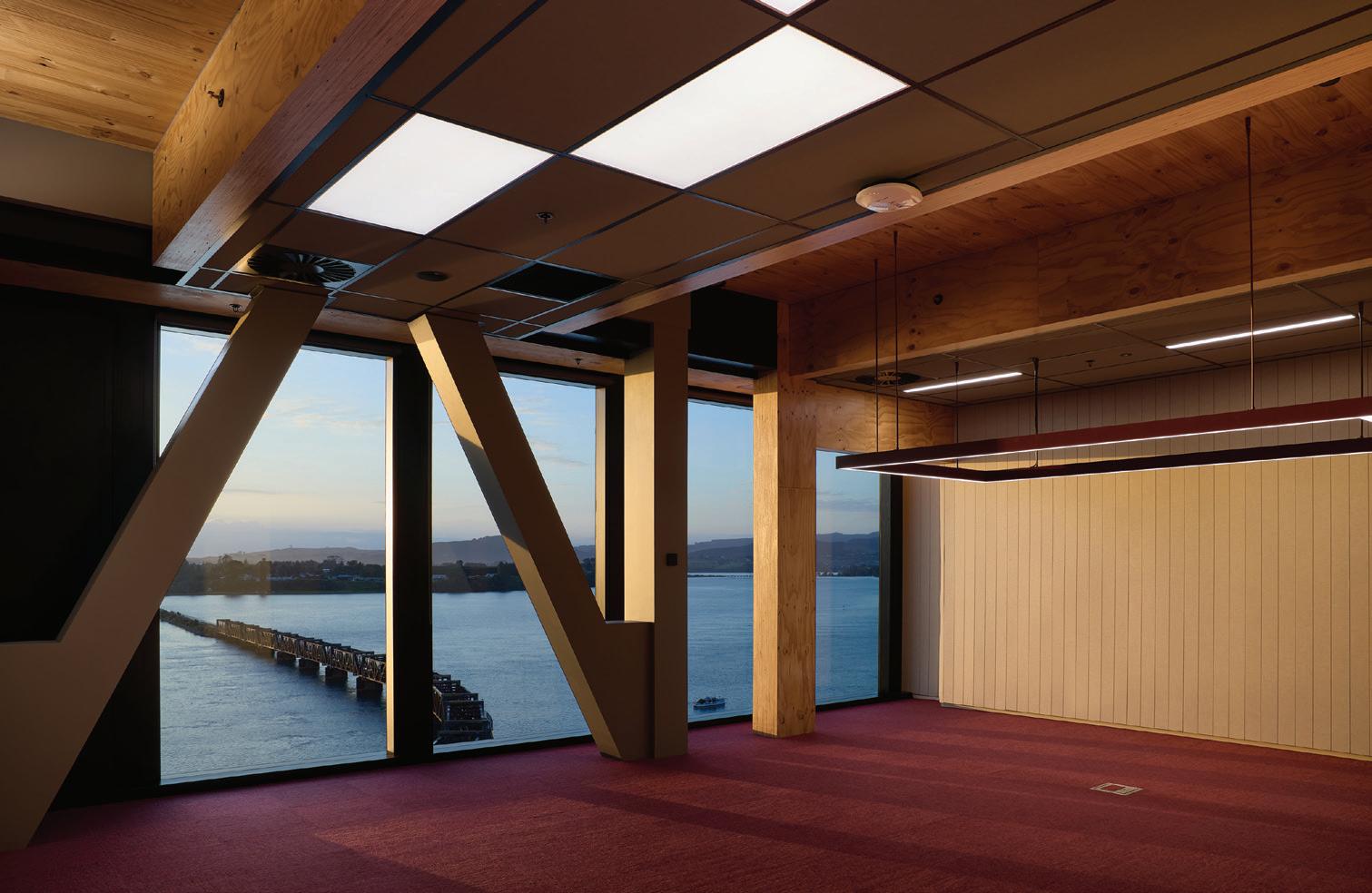
90 Devonport Road sits elevated above the Tauranga harbour with 360-degree views over the Tauranga city and the wider Bay of Plenty region. The site presented significant challenges regarding ground improvement solutions, with many options explored before a mass timber hybrid building on top of CFA piles was settled on.
The basis of the design principles implemented were to have a lightweight sustainable structure to house approximately 900 office staff in a flexible yet collaborative environment, achieve a six Greenstar rating and provide a Gold WELL certification.
A mass timber frame with structural steel K frames on top of concrete foundation beams connected to CFA piles was the final design solution. The footprint is approximately 1500m2 floor plates with orthogonal grids over eight floors, including ground floor, with a generous 4.0m floor-to-floor elevation. A plant room is located at roof level for AHUs and outdoor chiller units.
A building of this nature requires robust design coordination and a rigorous peer review process; the mass timber provides an aesthetic structural product that requires significant attention to detail by all design consultants from the start to ensure each discipline has full coverage of engineering requirements while remaining simplistic in its
The basis of the design principles implemented were to have a lightweight sustainable structure to house approximately 900 office staff in a flexible yet collaborative environment, achieve a six Greenstar rating and provide a Gold WELL certification.
final presentation, all while accommodating services in a non-invasive design philosophy.
LT McGuinness were awarded the project in December 2022 and took possession of the site in January 2023, with piling commencing in March. Detailed design was largely complete on contract award, enabling LT McGuinness to undertake an extensive in-house 3D BIM coordination process of all structural components commencing in January 2023. The programme deliverables required an aggressive pre-manufacturing process with the first of the mass timber
and structural steel being installed in July 2023 and curtain wall façade in November 2023. Progress was efficient with milestones being achieved at each floor level, allowing the façade to continue two floors below the structure. The building was topped out in March 2024, with the envelope complete in August 2024.
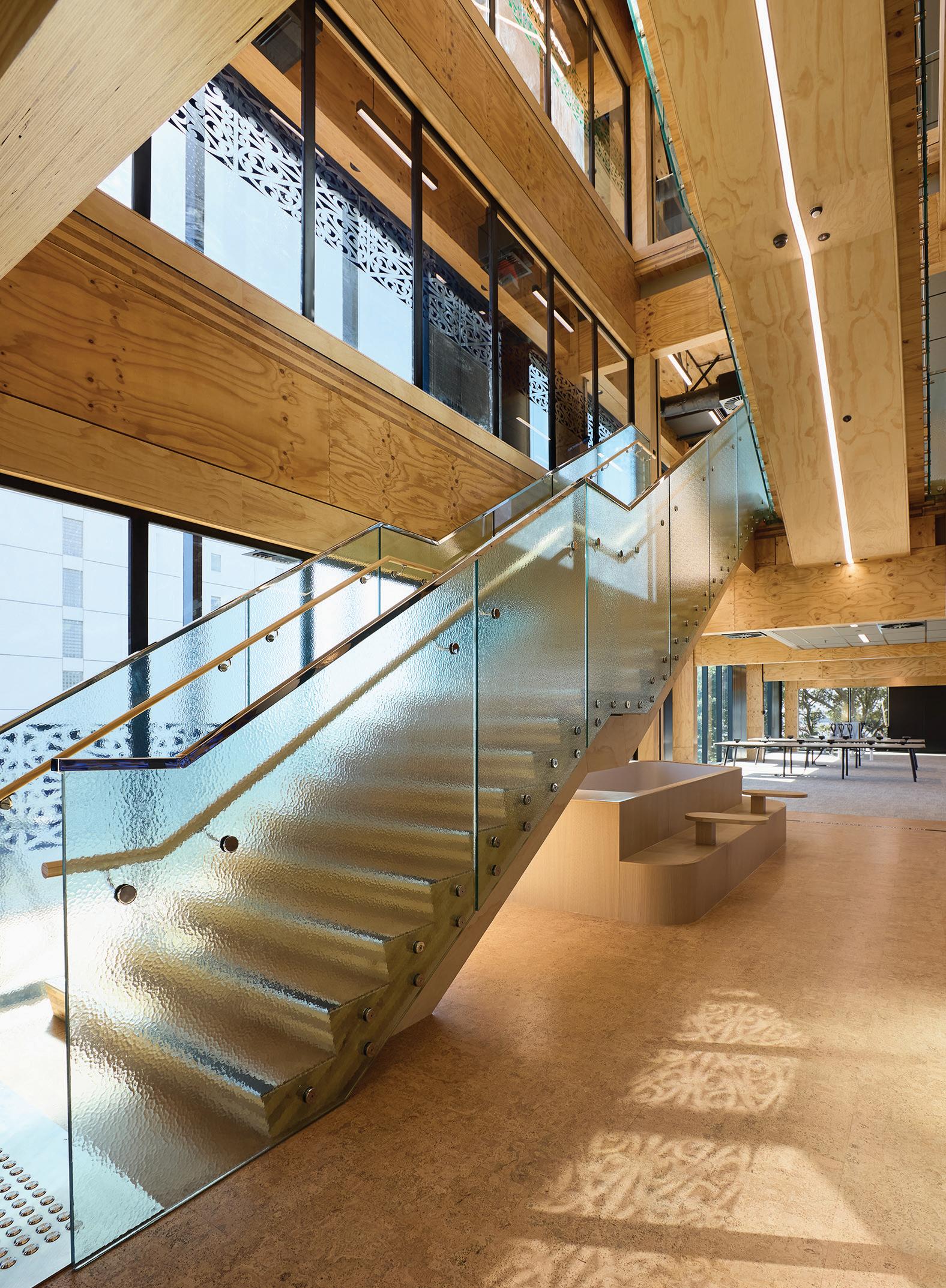
The structural buildup of the mass timber has H3-treated exterior Glulam columns to the east and north faces. LVL (Laminated Veneer Lumber) Columns and beams to the main interior structure with CLT (Cross Laminated Timber) floors, core walls, and stairs. The junctions are housed with timberto-timber screw connections and full contact structural steel to CLT junctions at the K frame interface. The timber connections have a 2mm tolerance at each joint, creating an extremely accurate and snug installation process. A team of nine mass
timber specialist installers completed a full floor plate in 26 days, with core walls being completed for three levels in seven days.
Fit out of the lower floors commenced in October 2023 with a mixture of premanufactured steel stud walls and LT McGuinness-manufactured timber frames. All frames are coordinated within the 3D model to ensure service penetrations and on-wall fixtures are allowed for during the manufacturing process. Accuracy and quality assurance (QA) was provided by our LT McGuinness Total Station team, who provided the set out of walls, services, and surveying reference points pre-installation, making the verification, as-built, and QA process effortless during commissioning and compliance checks.
Fire rating for a mass timber building of this scale required full independent consultant
inspections throughout the project, with all timber-to-timber gaps larger than 2mm requiring passive fire remediation, and also a rigorous QA documentation process for all steel-to-timber connections. To maximise the timber aesthetics, a hit-and-miss ceiling design was implemented. This provided the required fire load reduction without excessive passive fire intervention and created a covered space to conceal the inceiling services.
Constructing a mass timber building of this scale provided some challenges. Extensive planning prior to construction, led by the entire team, around temporary works, water management, and the installation sequence, provided certainty in our methodology and programme. This allowed the plan to be
flexible enough in the early stages to apply minor alterations to the design that could easily be implemented as the installation process got underway. This up-front planning was critical in creating a high-quality build constructed efficiently, environmentally consciously, and with consideration for natural resources.
LT McGuinness successfully handed the project over to its clients in March 2025, achieving Practical Completion and CCC on the programmed completion date. This significant milestone represents the enormous team effort by all involved in this project and highlights the success of early design conclusion and the determination of all involved to ensure the project’s success.
joy in listening to feedback and achieving solid results, which has deepened our understanding of creating warm, healthy, and energyefficient homes.
Insulmax utilizes a dry, inert, anti- fungal mineral fibre designed for installation in closed cavity walls without the need for renovation. It effectively handles moisture without the
Skill up your team - train now and save
Working in an infrastructure trade can offer the opportunity to work on the project and assets that are vital to keeping New Zealand moving and growing.
Connexis provides industry apprenticeships and ongoing training in infrastructure trades like civil construction, as well as energy, telecommunications and water, but it also offers a suite of general qualifications that can help grow skills and careers across a range of different roles and industries. All of these qualifications help New Zealand businesses strengthen their workforce capability and depth of skill, through highquality, fit-for-purpose industry training.
For both employers and employees expanding into areas like health and safety, asset management, contract management, procurement, and temporary traffic management can unlock new opportunities, boost job security, and position workers as leaders in a rapidly evolving industry.
To support this growth in workforce capability Connexis is offering the Training Booster initiative, which features reduced fees for new enrolments in a range of programmes until 31 October, 2025.
Programmes covered by the reduced fees initiative include:
• NZ Certificate in Infrastructure Procurement Procedures (Level 6): covers creating a procurement plan, preparing RFx documents, evaluating tenders, applying legal and ethical standards to tendering
• NZ Certificate in Infrastructure Works Contract Management (Level 5): covers the applying requirements from the contract, tendering, and estimating processes to implement infrastructure works contracts, and managing infrastructure works contractual requirements for the duration of a contract.
• NZ Certificate in Infrastructure Works Projects (Level 5): covers ensuring projects meet requirements for quality, health, safety and environmental standards, leading projects to ensure they are delivered to contract specifications.
• NZ Certificate in Infrastructure Works Single Site Supervision (Level 4): covers supervising implementations of health and safety, and environmental procedures for single site works, leading and monitoring a team, meeting contract requirements, planning and tracking onsite resources, implementing industry best practice.
Case study: Georgia Campbell
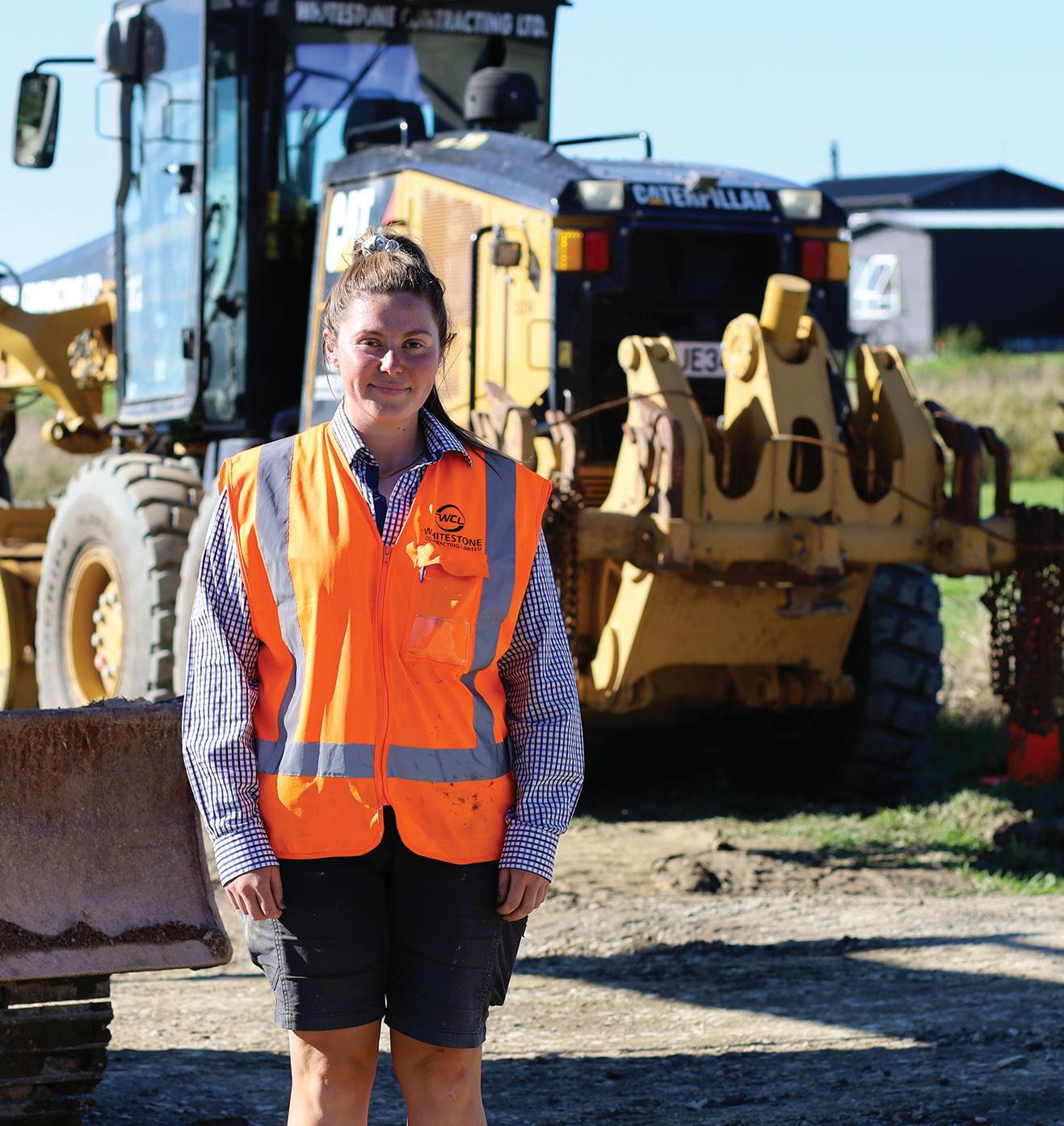
Training for a NZ Certificate in Infrastructure Works - Contract Management (Level 5) has given Georgia Campbell valuable extra insight in her role as a civil foreman with Whitestone Oamaru.
“Doing the Contract Management training gives you a really good understanding of the whole documentation and tendering side of projects which is really interesting,” Georgia says. Now, when sent to a work site she says she has a good knowledge of how jobs are priced, and how projects can be run to maximise efficiencies for the price.
As an old-hand at training through Connexis, having completed other qualifications such as NZC Infrastructure works (level 2 and level 3), NZC Surveying (level 4) and NZC Infrastructure Works Single Site Supervision, (Level 4), Georgia says the biggest challenge of completing the Level 5 Contract Management programme was collecting evidence for some of the course requirements which weren’t part of her dayto-day job.
“I had great support from my managers, though, who organised the time for me to do what I needed and from [Connexis customer service account manager] Kelly McEvedy who gave me really good insight into what I should be doing in terms of qualifications.”
Georgia, who started in civil construction as a labourer, truck driver and digger operator with her parent’s business before joining Whitestone, says she recommends ongoing trades training for anyone interested in improving their understanding of the civil industry, who has the time to do it.
“It’s so good to have the extra training. I’ve done other qualifications and they all expand your horizons, and change the dynamics of
It’s so good to have the extra training. I’ve done other qualifications and they all expand your horizons, and change the dynamics of what you understand about civil construction and how you work.
what you understand about civil construction and how you work.
“If you have the interest I’d recommend looking at completing different qualifications as they definitely help open a few doors.”
After consistent study and training over the past five years Georgia is giving herself a break from study for the next few months, before deciding what qualifications will give her even more insight into an industry and a job she loves.
“I love the people in this job as well as the physical work. No two days are the same.”
All Connexis qualifications are developed with industry to ensure skills and knowledge match what is expected and required by industry. For more on Connexis Training Booster and all qualification programmes visit www.connexis.org.nz. For details on Connexis’ reduced fees initiative, talk to your local Connexis Customer Service Account Manager or call 0800 486 626.
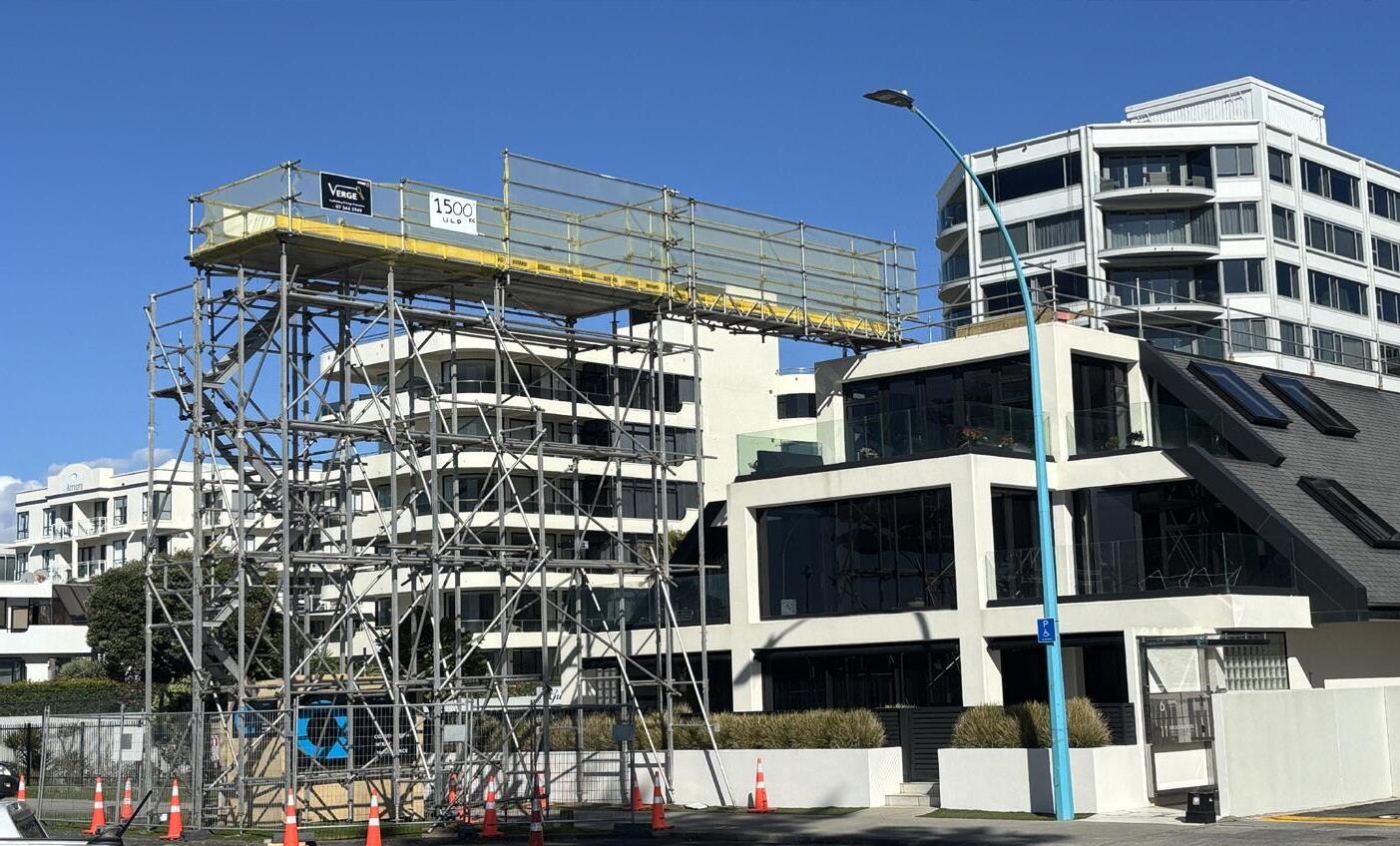
What we offer:
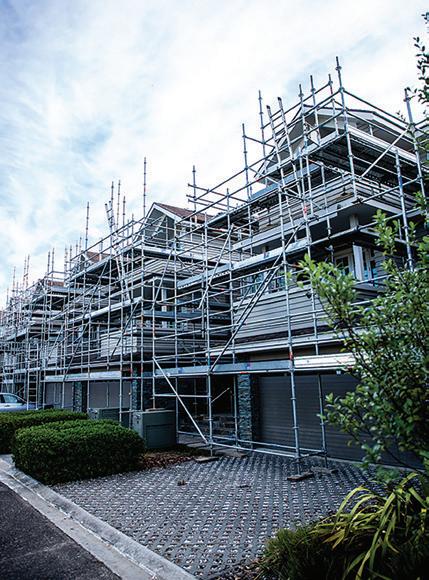
• Residential Scaffolding
• Commercial Scaffolding
• Industrial Scaffolding
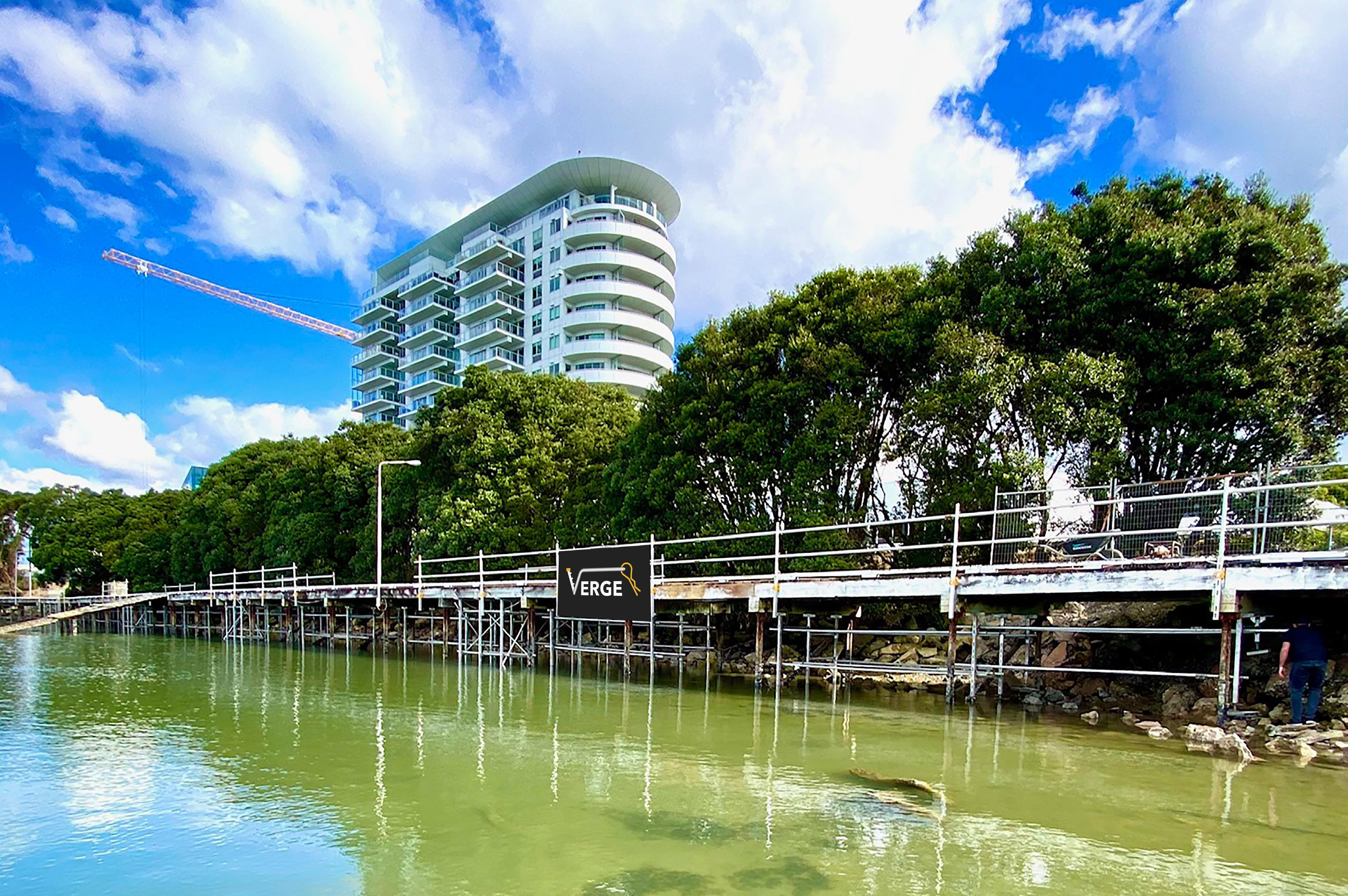
• Infrastructure Scaffolding
• Mobile Scaffolds
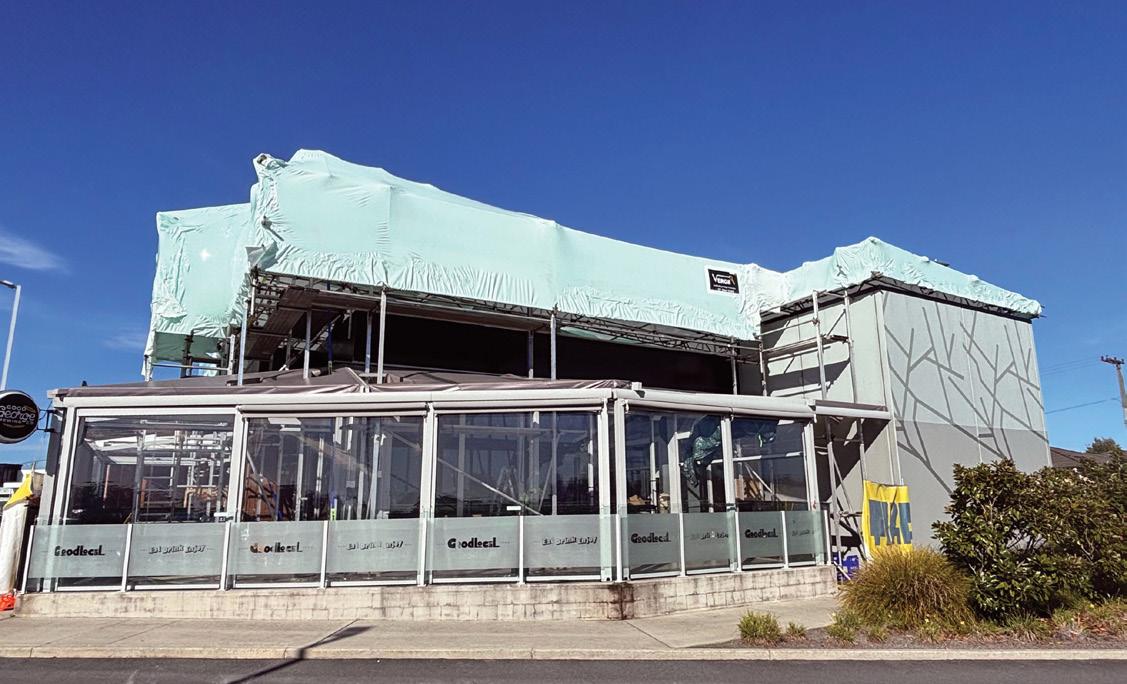
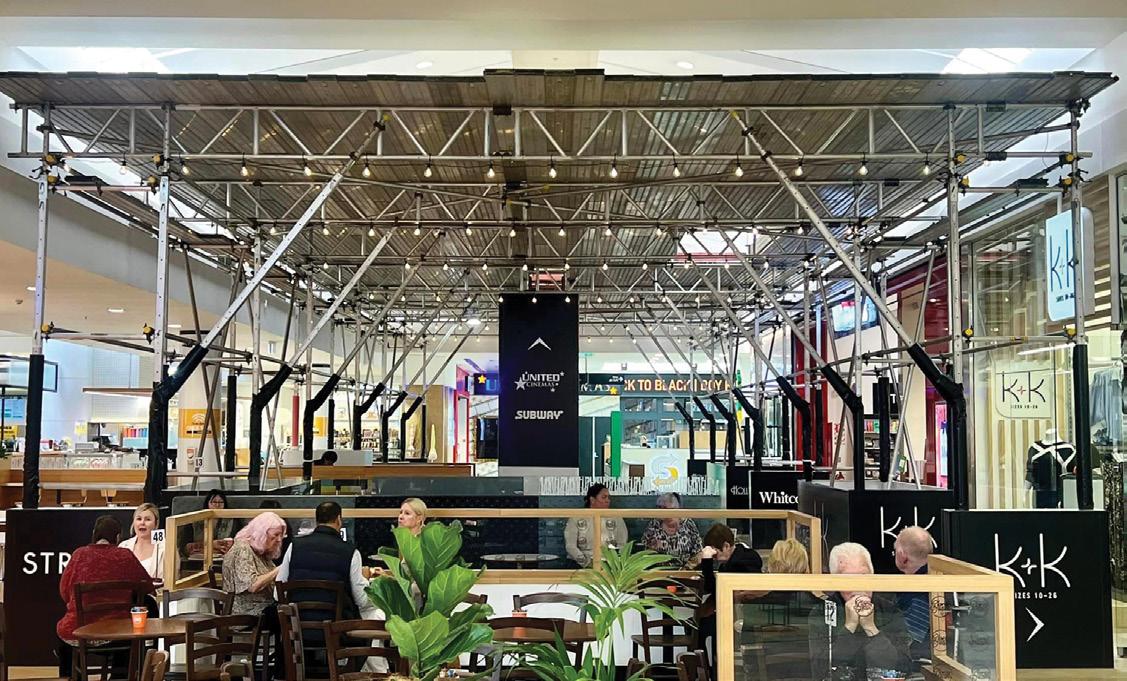
• Temporary Roof Structures
• Staircase Access
• Shrink Wrapping
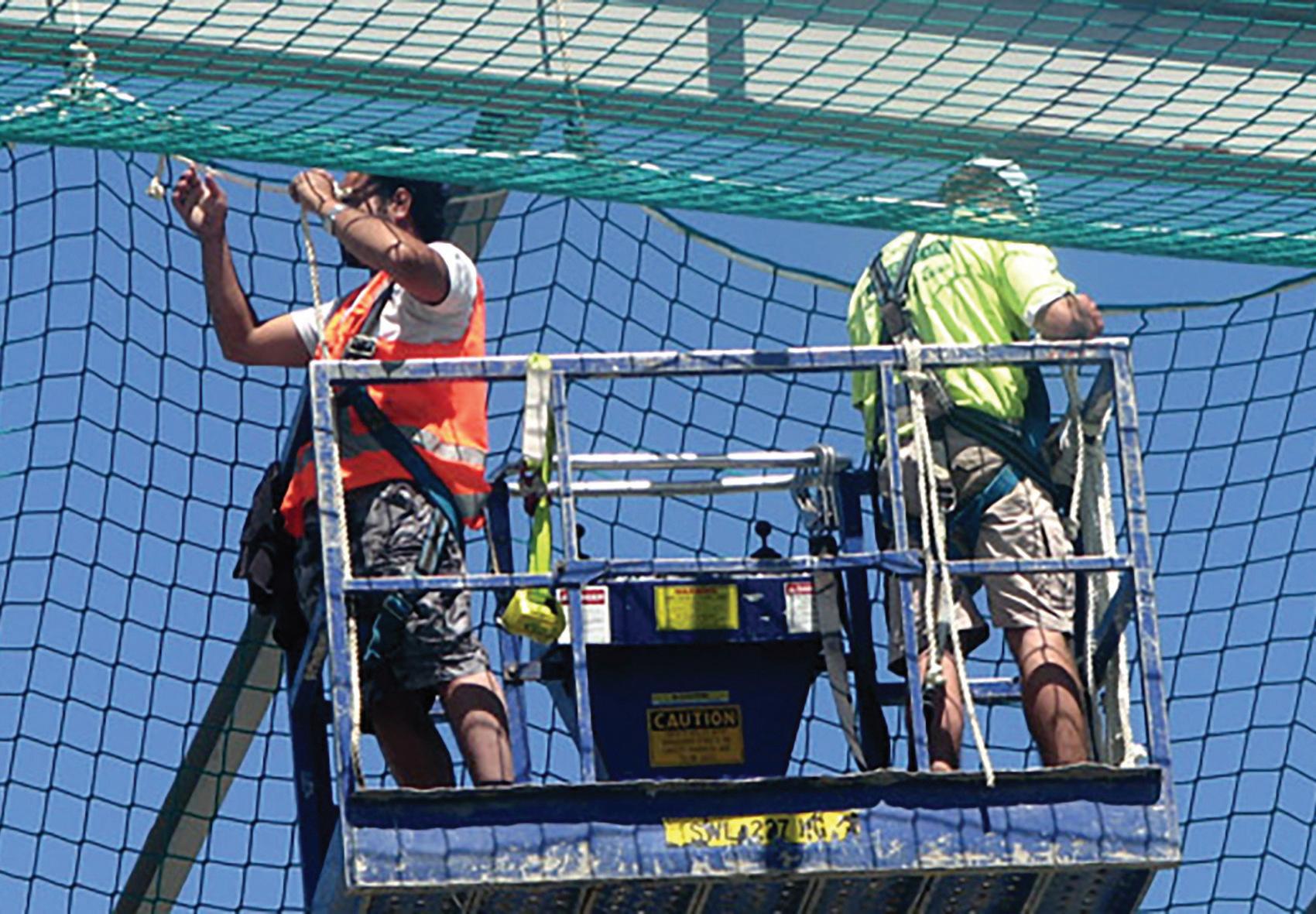
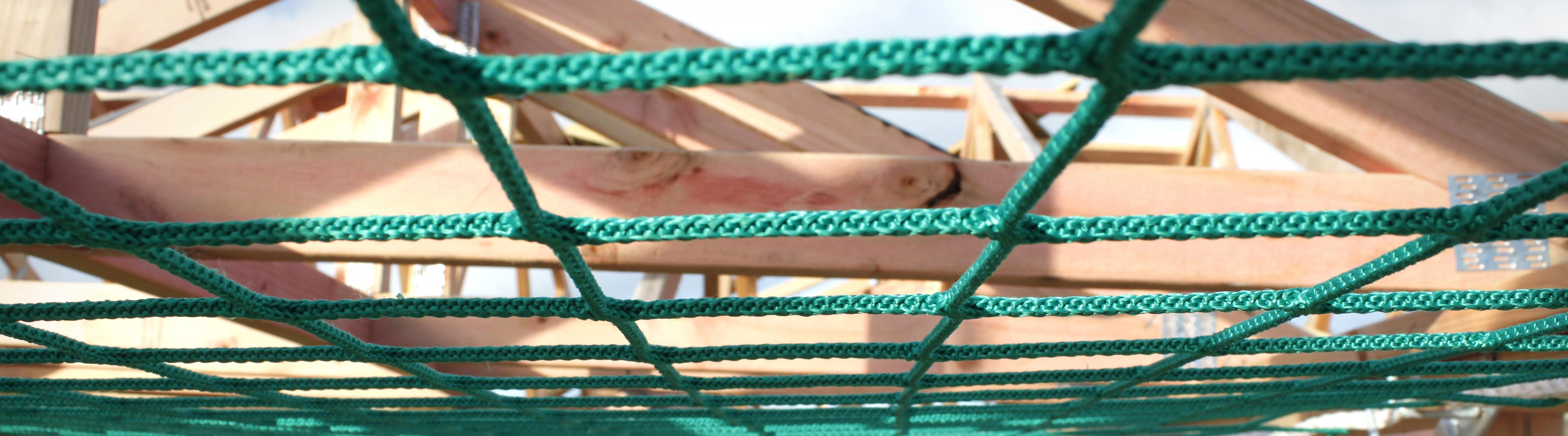
• Fall Protection Safety Netting
• Engineered 3d Design Concepts
Our most recent achievement:
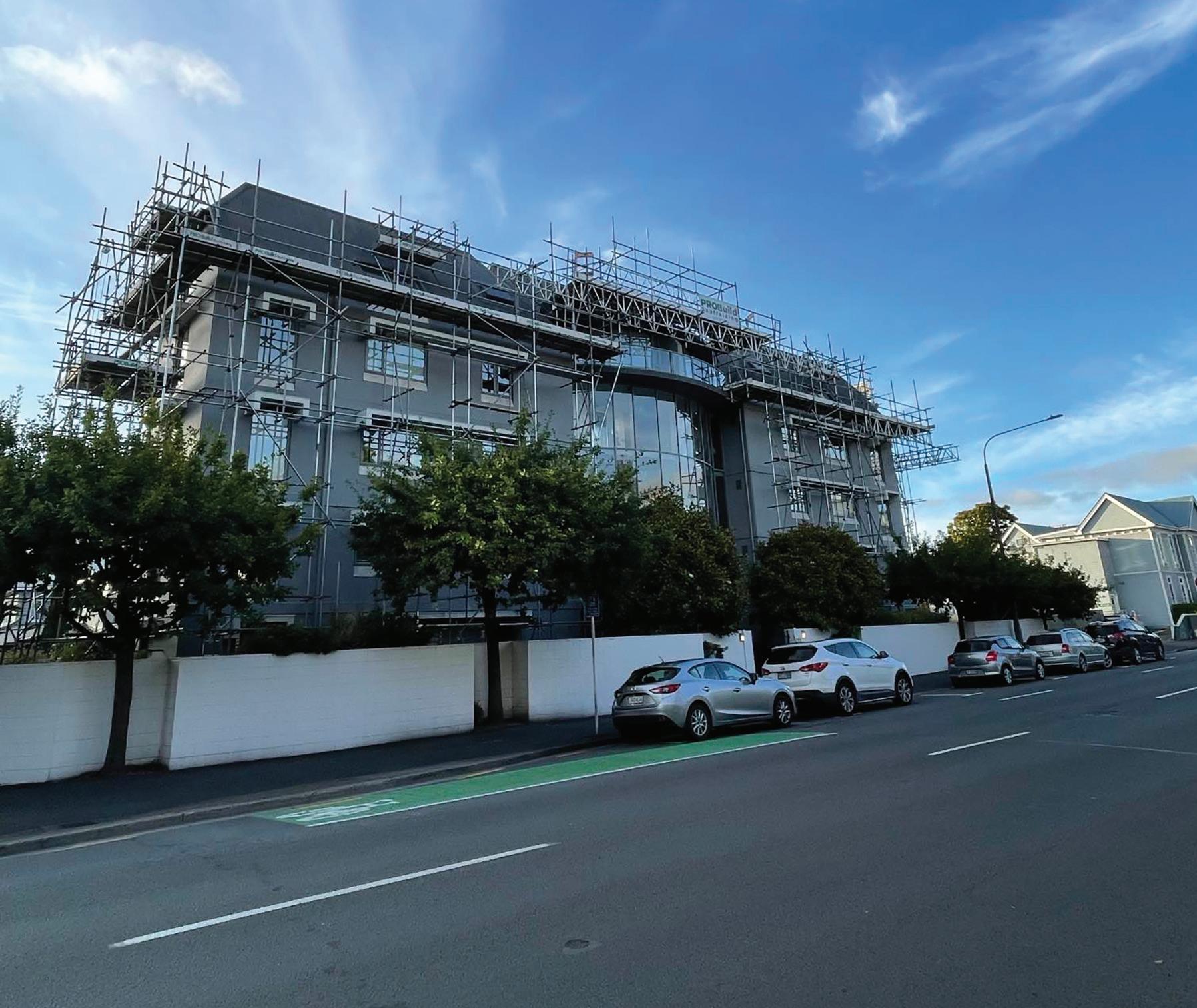
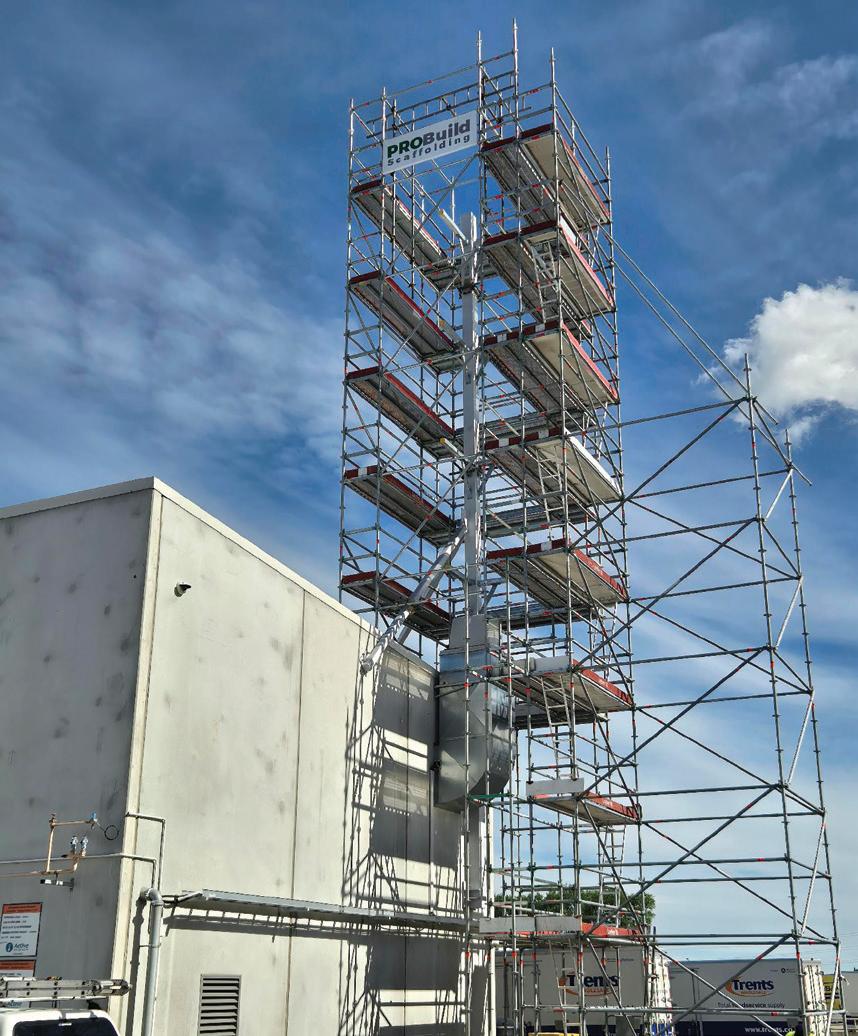
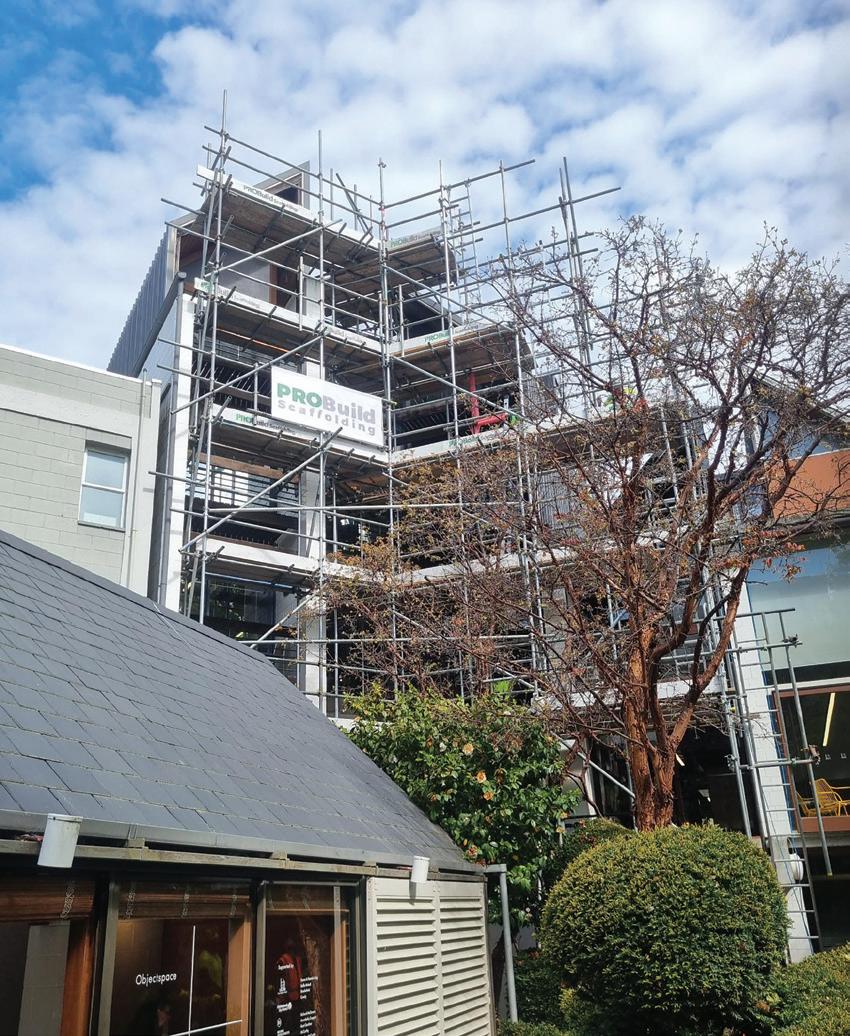
PROBuild Scaffolding have been awarded the 2024 Winners Award for:
Most Trusted Scaffolding Company in Christchurch
Most Trusted Construction/Trades & Engineering Company
This year has been their biggest yet, with over 2,500 eligible businesses across New Zealand and nearly 10,000 reviews and comments from the public!
Needing Safety Netting and Guard Rail Systems?
ProBuild Scaffolding is pleased to be able to offer a host of domestic and commercial scaffolding options to our growing customer base. A family-centred approach has likewise enabled us to build up productive relationships with many of our customers. From new builds and home renovations to larger projects, our flexibility ensures that even the most demanding tasks can be met.
We also supply a wide range of fall prevention and protection systems for working at height, including safety netting, Guard Rail Systems and staircase access solutions.
Health & Safety:
We pride ourselves on ensuring our Health and Safety practices and procedures are at the forefront of our business. All our Health and Safety Management Systems have been externally accredited. This demonstrates our organisation’s complete commitment to the health and wellbeing of our employees and commitment to implement, maintain and improve the way in which we manage Health and Safety within the company. In recognition of this we are pleased to share we hold a Site Wise Gold Status and Certificate along with a current PREQUAL Certificate.
Tile and error Making the right choice
By Jamie Quinn
Tiles are one of those materials that can be overlooked during the planning stage, but they play a huge role in how a space performs, not just how it looks. Whether you’re working on a residential build, a commercial fit-out, or a large public facility, choosing the right tile for the right environment can make or break a project. With so many options available, it pays for contractors to be knowledgeable about the basic types of tile, what they’re best suited for, and what to watch out for when installing them.
Let’s break down the main types of tile you’re likely to come across and how to use them wisely.
Ceramic tiles
Ceramic tiles are among the most widely used due to their affordability and versatility. They are made from clay, fired at lower temperatures than porcelain, and typically come glazed.
Best suited for: Indoor walls and low-traffic floors (e.g., residential bathrooms and kitchens).
Pros: Cost-effective, easy to cut and install
Cons: Less durable and more porous than porcelain.
Porcelain tiles
Denser and fired at higher temperatures, porcelain tiles offer greater water resistance and durability. Available in glazed or fullbodied varieties.
Best suited for: High-traffic floors, commercial spaces, wet areas, and outdoor use (when textured for slip resistance).
Cons: More difficult to cut and often more expensive.
Natural stone tiles
Including marble, granite, slate, limestone, and travertine, stone tiles offer a premium finish and unique look, but require more maintenance.
Best suited for: High-end residential, feature walls, commercial lobbies, and exterior use, depending on stone type.
Pros: Visually striking, durable if sealed properly.
Cons: Requires sealing, variation in quality, and higher installation cost.
Mosaic tiles
Small tiles (often glass, stone, or ceramic) mounted on mesh sheets, mosaics are often used for decorative or detailed work.
Best suited for: Splashbacks, shower niches, pool areas, and accents.
Pros: Flexible design applications, easy to apply to curved surfaces.
Cons: Time-consuming to install; grout lines may be more difficult to clean.
Cement tiles
Handmade tiles are gaining popularity for patterned designs, especially in boutique commercial settings.
Best suited for: Interior floors and walls, where design impact is a priority.
Pros: Durable, visually unique.
Cons: Porous, needs sealing, can be prone to staining.
Technical considerations:
• Slip ratings: In any space where water or spills are likely, e.g. bathrooms, kitchens, entranceways, or outdoor walkways, slip resistance is non-negotiable. The New Zealand Building Code (NZBC) outlines requirements for slip resistance depending on the environment and use. Choosing tiles with the correct surface finish and certified slip rating is essential, especially in commercial or public settings where safety liabilities come into play. It’s important to look at the R-rating or P-rating system, depending on your supplier, and make sure the tile surface isn’t too smooth underfoot.
• Water absorption: Moisture is one of the biggest enemies of tiling. Porcelain tiles are a good choice in high-moisture zones due to their low porosity. They absorb less than 0.5% of water, making them ideal for wet areas, outdoor patios, or places subject to freeze-thaw cycles. In contrast, ceramic and natural stone tiles are often more porous and may require extra protection like waterproof membranes beneath the surface or a sealing product applied after installation. Ignoring water absorption rates can lead to issues like mould, efflorescence, or tile delamination.
• Substrate preparation: Even the best tile won’t perform well on a poor surface. The
Not all adhesives and grouts are created equal, and using the wrong one can compromise the entire installation. Contractors should use adhesive products suited to the tile type and substrate.
substrate must be flat, stable, clean, and dry before tiling begins. Different tiles have different tolerances, so larger-format tiles, for example, demand a higher degree of flatness to prevent lipping or cracking. If the surface moves or flexes, the tile job won’t last, and rectifying that after installation is far more costly than doing the prep right the first time.
• Adhesives and grouts: Not all adhesives and grouts are created equal, and using the wrong one can compromise the entire installation. Contractors should use adhesive products suited to the tile type and substrate. Flexible adhesives are crucial for underfloor heating or timber substrates, where movement is more likely. Epoxy grout is worth considering in commercial kitchens, food prep areas, or high-moisture environments because it’s water-resistant, stain-resistant, and chemically durable.
• Movement joints: Tiled surfaces need room to breathe. Thermal expansion, substrate movement, and structural shifts can all put stress on tile installations, especially over large floor areas. Without proper movement joints, tiles can crack or lift over time. Movement joints, either along perimeters, at transitions, or set intervals within large tiled expanses, help accommodate this stress. These joints must be flexible and compliant with industry standards.
Tiles may seem like a design element, but they’re a practical consideration involving compliance, longevity, and performance. Choosing the right type of tile for the job isn’t just about what looks good, it’s also about knowing what will last, stay safe, and meet client and code expectations.
Te Huinga KŌtuku, gambling and gaming support.
How Gambling is affecting our people
A new service - Te Huinga KŌtuku - is educating communities across Te Wai Pounamu / South Island on the harms of Gambling.
Karaitiana Tickell, CE of Purapura Whetū Trust – a community leader in the provision of health and social service committed to reducing gambling harm across our South Island communities. He expresses caution when stating that gambling can be an enjoyable form of entertainment for many, but stressors for some, it can spiral into a serious problem that affects their mental, emotional, and financial well-being. Karaitiana is inviting any community or health provider that wants to support a reduction in gambling harm amongst their community to contact his team.
Service Co-ordinator Mahlon Saumalu points out that “Gambling harm does not only impact the gambler; it also extends to their family, friends, and the wider community”. Saumalu is emphasising that understanding the signs of gambling harm and knowing where to seek help can be crucial in preventing the negative effects gambling has on individuals and society as a whole.
Mahlon is an educator and health promoter working in schools, with employers and across community groups. Mahlon points out that “Kiwis spend an estimated 5 billion dollars gambling each year, and that up to half of all young people gambled in the last year. More and more Kiwis are negatively affected each year”. He says that
What we know about Gambling Harm
For people that are impacted negatively by gambling they will know that gambling harm can take many forms, from financial strain and relationship issues to mental health problems such as anxiety, depression, and even
suicidal thoughts. When gambling becomes uncontrollable, it can interfere with daily life, causing a person to neglect responsibilities, family, and work. The desire to win back lost money can lead to even riskier behaviours, making
communities can help themselves being educated, and he is especially keen to support young people as they are targeted by the online casino operators. He says gaming and gambling operators deliberately take advantage of young people’s brains, particularly our need as humans to get a dopamine response when we are bored or stressed.
If you, your school, or your workplace and community want a basic education session you can call Mahlon on 0800 4 WHETU or email him on mahlon@pw.maori.nz
We can also supply an education kit for your community or your workplace so that people can self-educate.
it harder to break the cycle of harm. Unfortunately, the hidden nature of gambling addiction often makes it challenging to recognise, and those affected may feel isolated and reluctant to seek support.
STEP 1
The first step in protecting yourself or someone you know from gambling harm is to acknowledge the problem. If you notice that gambling is taking up more of your time and money than you'd like, or if it is starting to negatively impact your relationships or job, it might be time to reassess your behaviour. Setting clear boundaries, like limiting the time and money you spend on gambling, can help create a healthier relationship with it. For some it may be safer to ban themselves and we can help with that too.
STEP 2
family members can help too.
Friends and family members can also play an essential role by offering support and understanding. Encouraging open communication and reassuring loved ones that seeking help is a sign of strength, can break down barriers to accessing necessary services.
If you are struggling with gambling harm, it's important to know that help is available. There are many services in New Zealand designed to provide confidential support to individuals dealing with gambling problems. Gambling Helpline New Zealand offers free, confidential counselling and advice, available 24/7 via phone or text. Their number is 0800 654 655.
STEP 3
How counselling helps
Counselling services can provide tools to manage urges, address underlying issues contributing to the gambling behaviours, and develop healthier coping strategies. In some cases, professional therapy may be recommended to help individuals address mental health concerns that may stem from or be exacerbated by gambling harm.
If gambling is affecting your life, don’t wait for it to get worse. Reach out for help today, and take the first step towards recovery and a healthier, more balanced life.
If you would like help and or talk to someone call us on 0800 4 WHETU
Growing Maori trades talent
BCITO has launched a campaign to highlight the achievements of Māori tradespeople. “We’ve seen the percentage of Māori workers in building and construction grow from 12 per cent in 2018 to 17 per cent. However, we also want to see a corresponding rise in Māori students completing their apprenticeships and qualifications,” said BCITO Director, Greg Durkin.
“With industry, we’re supporting Māori tradies to grow their skills and success. It’s more than working in the trades; it’s getting qualified to take your career and the whole industry forward. This is vital so we can continue to have a strong and thriving workforce that can deliver New Zealand’s infrastructure needs now and in the future.”
BCITO’s package of initiatives includes Kahukura, a pilot programme that offers mentoring and support for first-year Māori apprentices studying through BCITO, scholarships for more advanced qualifications, and a leadership development programme aimed at encouraging young Māori to consider owning and leading businesses.
Award-winning Māori-led employer Stronghold Group currently employs 19 BCITO apprentices. “You can’t separate the culture from the person, and we embrace the culture. For us, it’s amazing. We appreciate that, we appreciate you, we see you for who you are and where you’ve come from,” says Managing Director of Stronghold Group, Karalee Tangiau (Ngāti Whātua ki Kaipara).
You can’t separate the culture from the person, and we embrace the culture. For us, it’s amazing. We appreciate that, we appreciate you, we see you for who you are and where you’ve come from.
- Karalee Tangiau
Josh Davis (Ngāpuhi, Te Rarawa) recently qualified in painting and decorating after a decade in the industry. “As a 39-year-old male Māori, I want to tell you it’s not too late to start your apprenticeship and get qualified. It’s not too late to create new opportunities and take control of your career path. It’s not too late to start again or try something new. You are worthy. Your future is in your hands,” he said at his graduation.
BCITO’s campaign also responds to persistent challenges facing Māori in vocational education, where qualification completion rates continue to lag behind national averages. While Māori representation in the trades is growing, 2021 data showed that only around 48% of Māori learners at polytechnics and institutes of technology
complete their qualifications, compared to 57% for non-Māori, non-Pasifika learners. Through culturally responsive initiatives like Kahukura and partnerships with Māori-led employers, these figures have improved in recent years. BCITO supports more Māori to not only enter the trades but also to thrive in them, complete their apprenticeships, and become industry leaders.
• Waterproof and fire mortar mixes
• Waterproofing systems and membranes
• Fast setting & acid-resistant mixes
• High strength culvert bags & road sign retaining bags
• Products for sewer repairs and water treatment
• Water treatment plant repairs
Local, honest, and always here to help
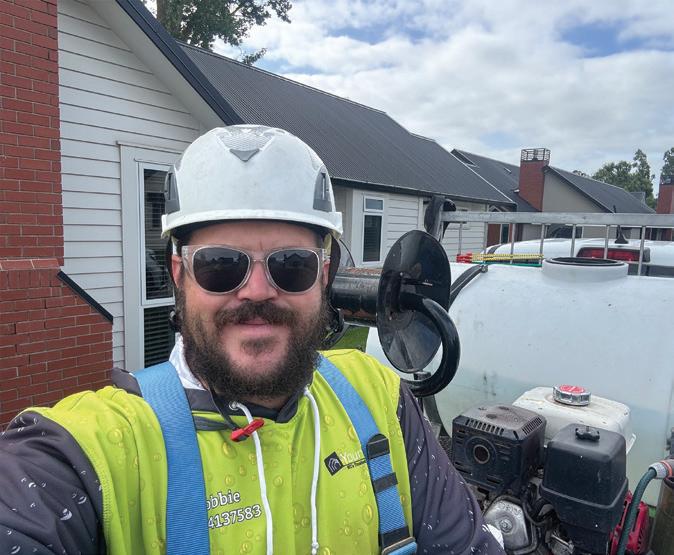
At Your Local Waikato, we’re all about delivering dependable, down-to-earth service that you can trust. I’m Robbie Stapleton, and alongside my wife Jacina, we’ve built our business on honesty, hard work, and treating every customer like a neighbour.
Since joining the Your Local franchise in 2019, we’ve had the privilege of working on more than 3000 properties across the Waikato, and we’re just getting started. Whether it’s freshening up your home’s exterior or tackling stubborn pests, we’re here to get the job done right.
As a small, family-run business, we take pride in doing things properly. That means showing up on time, communicating clearly, honouring quotes, doing the job thoroughly, and treating every person and property with genuine care and respect. These may sound like the basics, but we’ve found that consistently getting the basics right is what keeps customers coming back and recommending us to others.
We offer a wide range of services, including house washing, roof cleaning and treatments, gutter clearing and chimney sweeping. On the pest control side, we handle everything from spiders and flies to more persistent
problems like bed bugs and borer. We also offer commercial building washing services for local businesses that want to keep their premises looking sharp and professional.
At the end of the day, we genuinely enjoy what we do, and we’re always up for a chat after the job’s done. We back all of our services with a 100% money-back guarantee, and for your peace of mind, we’re fully insured and double vaccinated.
If you’d like a free, no-obligation quote, give me a call on 022 413 7583 or email me at robbie@yourlocal.nz.
We’d love the opportunity to help you care for your home or property properly.
Trusted Home Services
We offer a wide range of professional home services which means you do not have to go looking for a lot of different tradesmen, saving you time and money
We’d love the opportunity to help you care for your home or property properly.
Truck Maintenance & Curtainsider Repairs
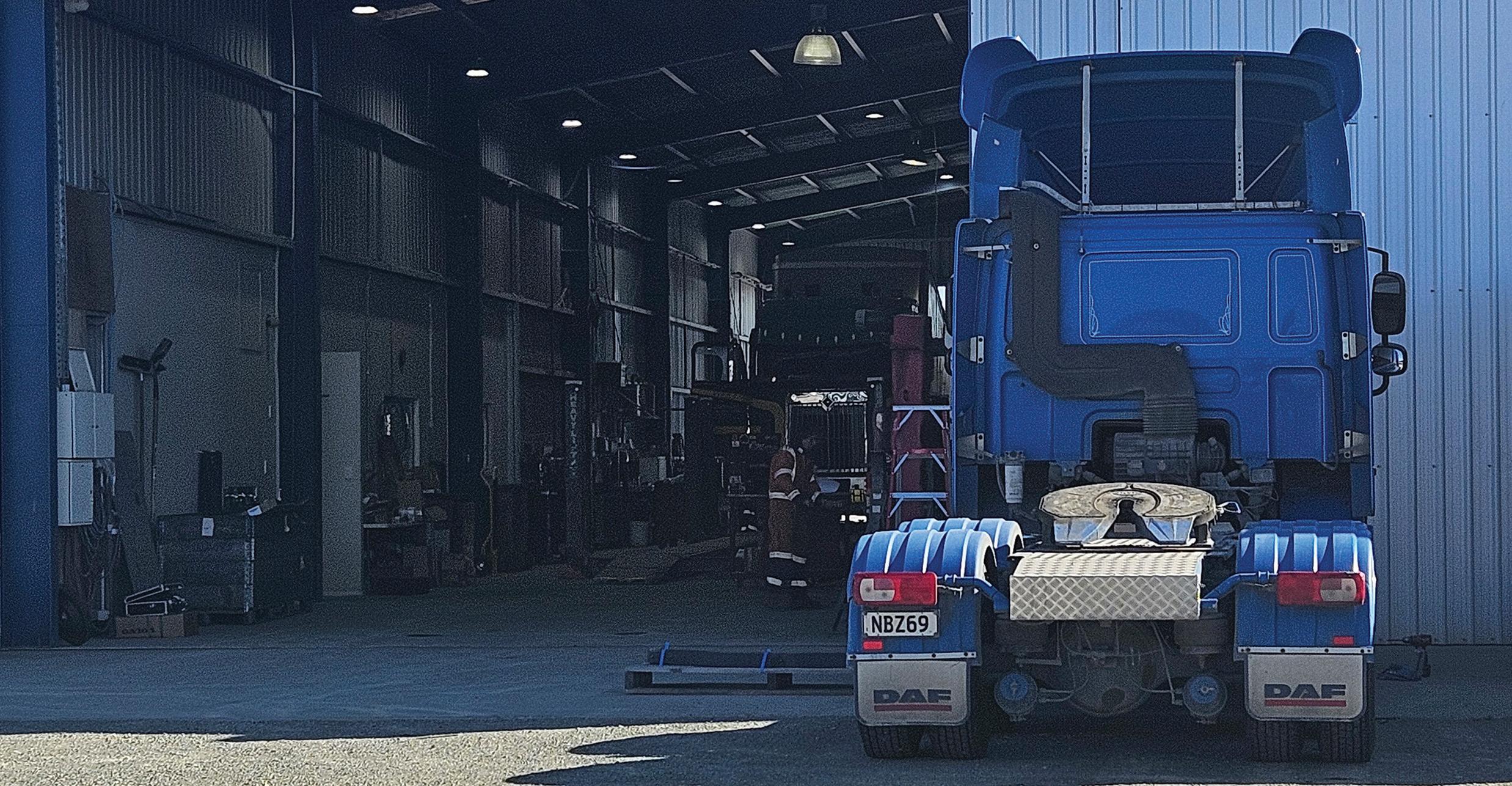
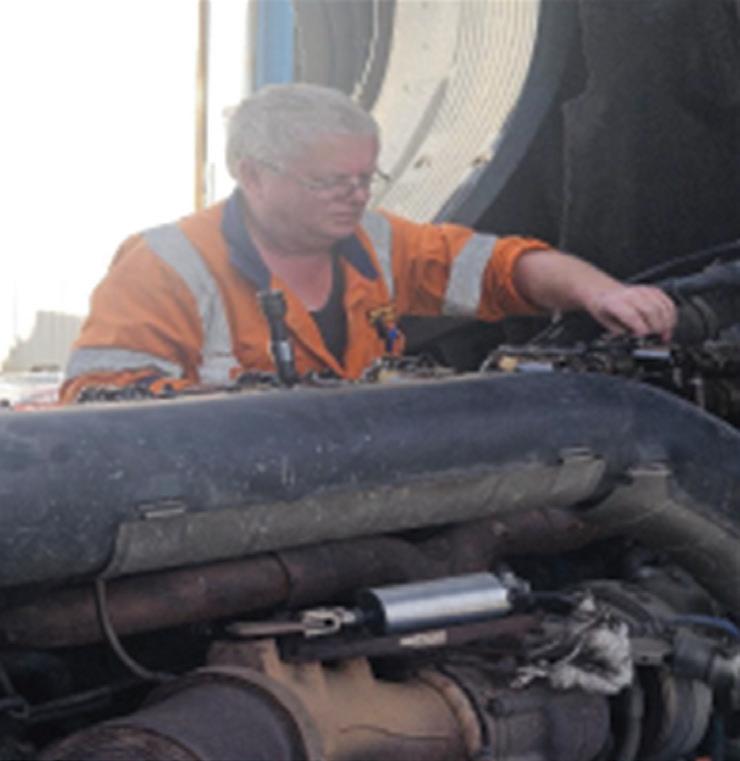
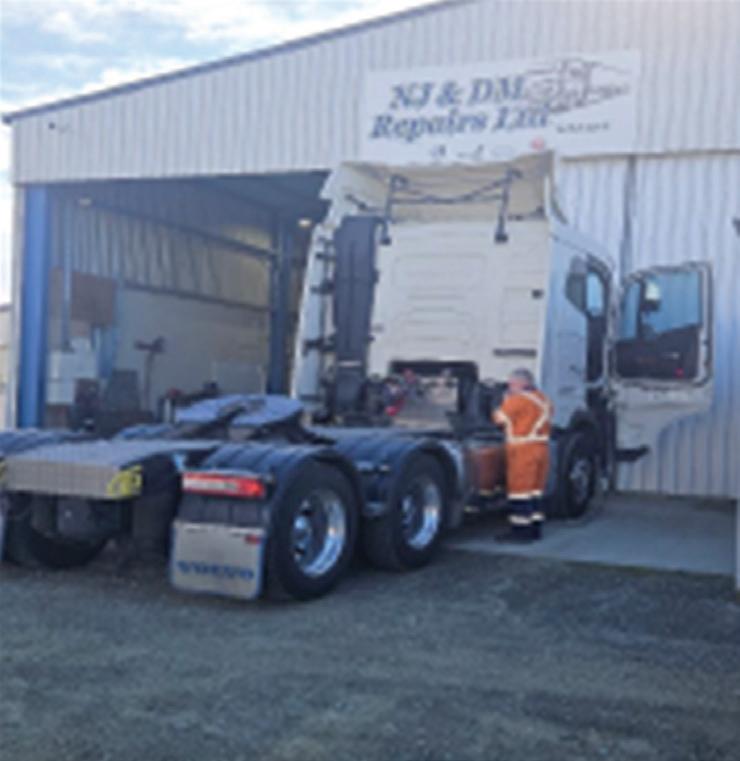
We Maintain and Repair Trucks and Trailers to a high standard, cost effectively and within a timely manner
Our Heavy Diesel Workshop can assist you in the South Canterbury Area. NJ & DM Repairs are here for you. Get in touch to find out more information about us today. m 0274733135 o 9 Milward Street, Washdyke,
Cof Prechecks
Truck General Maintenance
Trailer General Maintenance
Engine Rebuilds
Gearbox Rebuilds
Diff R ebuilds as Needed
Warranty Work on Volvo, Nissan ( UD ), Mack, Man
Tariff relief for NZ timber — for now
By Ben O’Connell
When US President Donald Trump announced a series of extra import tariffs in April 2025, New Zealand wood exporters breathed a sigh of relief. Wood products were temporarily exempt from the initial tariff wave because of a new trade investigation into US lumber imports.
Albeit temporary, the chief executive of the Wood Processors and Manufacturers’ Association, Mark Ross, still welcomed the tariff relief as a blessing. “We now wait for completion of the section 232 investigation as to what the future holds for imported New Zealand timber and lumber products entering the United States.”
The United States was New Zealand’s thirdlargest export market for forest products behind China and Australia, with USD 215 million of radiata pine heading to the States in 2024.
New Zealand’s overall exports to the US reached $5.40 billion in 2024, with wood and wood products accounting for $224 million of that total, making timber a key component of the bilateral trade relationship.
Radiata pine is especially prized by American buyers for its quality and appearance, making it a staple in both home construction and the DIY sector. New Zealand timber exporters offer Americans products that are not available elsewhere.
“Although the $US215 million is minor when compared to the total global imports of $US2.3 billion of timber and lumber products into the United States, this trade is valued by both the New Zealand producers and the American DIY customers.”
The exemption was granted pending the outcome of a formal Section 232 national security investigation, launched on March 2, 2025, to determine whether reliance on imported timber poses a threat to US national interests. This investigation, overseen by US Commerce Secretary Howard Lutnick, is expected to conclude in late November 2025.
Lobbying convinces Trump
Initially, timber was on the list of products facing a baseline 10% tariff. However, a concerted lobbying effort by powerful US industry groups, including the National Association of Home Builders (NAHB) and the American Building Materials Alliance, successfully convinced the Trump administration to reconsider.
These groups argued that imposing tariffs on imported timber would exacerbate the country’s housing affordability crisis, drive up building costs, and hinder disaster recovery efforts, especially in the wake of devastating wildfires in California.
US timber prices had already surged by more than 30% in recent months, and domestic supply chains were under significant strain. The American construction sector’s need for reliable, high-quality imported timber,
particularly from New Zealand, was deemed too critical to risk further disruption.
“It’s a growth market, and there’s a shortage of lumber and timber products here for the home construction and the do-it-yourself market, and that’s what we feed into,” said Mark Ross.
New Zealand responds
New Zealand’s government and industry remain cautious. The WPMA did not submit a response to the Section 232 investigation, following official advice.
Trade and Investment Minister Todd McClay’s office has confirmed ongoing discussions with US trade counterparts to clarify the scope of product exemptions. For now, the industry is simply waiting for the outcome of the investigation, aware that the exemption could be revoked or made conditional depending on the findings.
The US market is particularly valuable for New Zealand’s timber sector as it seeks to diversify away from heavy reliance on China. Between 15 and 18 New Zealand mills regularly supply lumber, clear pine boards, and primed products to American buyers, who value the timber’s quality for both framing and finishing in residential construction.
The outcome of the section 232 investigation will determine whether New Zealand timber retains its tariff-free access to the US or faces new barriers. Possible scenarios include a continued exemption, the imposition of delayed or conditional tariffs, or targeted restrictions based on the investigation’s assessment of supply risk and industry resilience.
For now, New Zealand’s timber exporters have a temporary reprieve, but the industry remains on alert. As Mark Ross of the WPMA put it, “We are just going to have to wait. We don’t know.”
Although the $US215 million is minor when compared to the total global imports of $US2.3 billion of timber and lumber products into the United States, this trade is valued by both the New Zealand producers and the American DIY customers.
Workplace Safety Solutions is an NZQA-approved training facility that offers the highest quality driver training with on and off site options available. Rotorua based, our trainer/ assessor has extensive industry experience, providing proven industry credibility.
About Us
Meet our friendly training provider, Beau. Drawing from extensive international experience, Beau is dedicated to equipping you with the qualifications you need to excel in your role.
Courses
Achieve certification or enhance your existing license with us. Our specialised training covers forklift operation (no prior experience required), Class 2-5 heavy vehicle licenses and endorsements.
Driver Training Courses
• Forklift Skills, Licences & Endorsements
• Class 2-5 Heavy Vehicle
• Track, Wheels & Roller (TWR)
The high life Celebrating 50 years
On Saturday 19th July 2025, Wellingtonians were treated to a once-in-a-lifetime spectacle as the Crane Association of New Zealand (CANZ) rolled out a Crane Parade to celebrate its 50th annual conference. The event was not just about showcasing impressive machines, but also about bringing cranes into the public eye, raising awareness of crane careers, and creating a memorable family day out.
For most people, cranes are glimpsed only from a distance — towering above construction sites, hidden behind fences, and seemingly out of reach. The Crane Parade flipped that script, connecting the community with the industry in a tangible, up-close way. Families could not only see these extraordinary machines moving through the heart of the capital but also get hands-on once they parked up.
The parade aimed to spark curiosity about the world of cranes, inspire future operators, and give the public a chance to celebrate alongside the industry in marking CANZ’s half-century milestone.
The response from the industry was overwhelming. In the lead-up, CANZ confirmed 23 cranes in the parade — with companies still calling the day before, eager to be part of the action. On the day, Wellington delivered picture-perfect sunshine as crowds lined the streets to welcome the machines. Excitement built as the convoy left the staging area at Wellington Stadium, winding
its way through the city and onto Cable Street. As the flashing pilot lights of the cranes appeared, the energy in the crowd was palpable. Children squealed with delight as operators tossed out lollies and merchandise from cab windows, while crane enthusiasts of all ages gathered to watch the slow, powerful procession.
Once parked up on Cable Street, the real magic began. Skilled operators maneuvered their cranes into place with surgical precision, turning the waterfront into a living showcase of engineering excellence. The public wasted no time getting involved — queues 20-deep formed at every crane as kids and adults alike waited for their turn to sit in the cab of these massive machines.
The looks of pure joy on children’s faces as they climbed into the driver’s seat said it all. Parents took photos, operators answered questions, and the atmosphere was one of genuine community celebration.
A resounding success
Feedback from the day has been nothing short of incredible. Families and crane lovers raved about the experience, and requests have already poured in from other cities to host their own crane parades. Wellington locals, too, are keen to see the event return.
The operators and companies involved were thrilled by the turnout and engagement. For many, it was a chance to proudly share their work with the public and feel that appreciation reflected back. Perhaps the most rewarding moment came when one young visitor asked how they could sign up for a crane apprenticeship — a perfect reminder of why the event was held in the first place.
The Wellington Crane Parade was a fitting tribute to 50 years of CANZ and a glimpse into the future of the industry. It celebrated the machines, the people who operate them, and the communities they help build. Most importantly, it showed New Zealanders that cranes aren’t just construction tools — they’re symbols of possibility, careers of the future, and aweinspiring feats of engineering that capture the imagination of every generation.
As CANZ looks ahead to the next 50 years, one thing is certain: cranes have never been more loved.
Reliable roadside assistance
Experience the Whanganui towing difference – reliable, efficient, and customer-focused
When your vehicle breaks down, or you’re involved in an accident, you need a towing service you can trust. Whanganui Towing is your reliable partner for all your emergency roadside assistance needs.
As Wanganui’s only certified AA contractor, our experienced team is equipped to handle any situation, from flat tyres and batteries to lockout and complex recoveries. We understand that a breakdown is never convenient, but with Wanganui Towing, you can have confidence that help is on the way. At Whanganui Towing, we know that breakdowns don’t keep regular hours, and neither do we. Our fleet is ready to respond whenever you need us, 24 hours, 7 days a week. Whether you’re stranded on the side of the highway in the middle of the night or need assistance in the early morning hours, we’re just a call away. Our operators are certified and trained to handle your vehicle with care, ensuring your safety on the roadside. From light vehicles to heavy machinery, we have the right equipment for any recovery or transport job. Whether you need a quick jump start or a complex recovery, our team has the expertise to get the job done safely and efficiently.
But it’s not just all about the equipment – it’s about the service. At Whanganui Towing, we pride ourselves on our efficient response times, clear communication, and commitment to getting you back on the road as quickly as possible. We know how stressful a breakdown can be, and our goal is to make the process as smooth as possible. Our team will keep you updated on our estimated arrival time and provide clear instructions
on what to do when help arrives. We work directly with insurance companies and police for salvage and recovery operations, simplifying the process for you and minimising the hassle.
For reliable, efficient towing and roadside assistance in Whanganui, trust the experts at Whanganui Towing. Our dedication to customer service sets us apart, and we’re dedicated to providing the best possible
Our dedication to customer service sets us apart, and we’re dedicated to providing the best possible experience. We understand that you’re not just calling about a vehicle – you’re calling because you need help.
experience. We understand that you’re not just calling about a vehicle – you’re calling because you need help. Contact us anytime for a prompt response and peace of mind, knowing your vehicle is in good hands. Experience the difference of working with a locally-owned company that cares about its customers and its community. Call Whanganui Towing for all your towing and roadside assistance needs.
Why management skills matter for small construction businesses
James O. B. Rotimi
In New Zealand’s construction industry, we are experiencing a concerning pattern of hundreds of construction companies entering liquidation each year. In February 2025, the construction sector accounted for 31% of insolvencies. Similarly, credit defaults in construction continue to rise and were recently up to 35% according to a recent Centrix report (2025).
Generally, experts opine that construction businesses suffer from ‘busy work syndrome’, they win bids but continually struggle to deliver on projects because of marginal business losses. The worst affected are small and medium construction businesses down the value-chain who account for about 97% of sector population. New Zealand research on small construction businesses suggest that their challenges are mostly in the area of resourcing, together with poor business and management skills. Furthermore, small construction businesses suffer from poor financial and document management skills and often lack awareness of the contractual implications of some of their key business decisions. Similarly Australian studies indicate that other key issues faced by small construction businesses are slow invoicing and payments, undercapitalisation, and inadequate planning.
Beyondtechnical skills: The management competency gap
Therefore, many lack the business and managerial competencies needed to analyse opportunities, navigate challenges, and sustain growth in a competitive environment. This isn’t just anecdotal – our industry’s collective experience shows that successful construction businesses require a particular mindset: opportunity-driven, pioneering, enthusiastic, and focused. They need confidence in their capacity to achieve outcomes and a willingness to take calculated risks. Most importantly, they need to be watchful, forward-looking, and adaptable.
Pathways to building better business skills
As a keen observer, I believe that because small construction businesses have limited capacity for growth and development, they lack the framework or mechanism to reflect and evaluate their performance and determine what capabilities they will need to sustain their businesses. Obviously, their challenges extend beyond technical construction knowledge to fundamental business management deficiencies. Without stronger foundational business skills, even the most skilled tradespeople could find themselves operating on unstable ground. The following areas illustrate the critical
business competencies that must be developed to ensure better business skillslong-term viability and success.
1. Financial Management and Cash Flow Literacy - As significant number struggle with basic financial management skills (budgeting, cash flow forecasting, and capital planning), they are ill equipped to absorb financial shocks or navigate slow invoicing cycles and extended payment terms. Stronger financial literacy is essential to improve their resilience and long-term planning.
2. Information and Document Management - Managing the paperwork that comes with regulatory approvals, compliance obligations, and contracts is a daily challenge. Many small firms rely on ad hoc methods, resulting in lost time, missed deadlines, and compliance risks. These business owners need skills in setting up efficient document management systems and adopting more innovative digital tools that could streamline their administrative processes.
3. Strategic Resource Planning - Too often, their resource planning is reactive rather than strategic. Without the ability to forecast material needs, schedule skilled labour effectively, or manage equipment availability, their projects could run into avoidable delays and budget overruns. Training in resource management, scheduling, and basic project planning tools can significantly improve project outcomes and profitability.
New Zealand research on small construction businesses suggest that their challenges are mostly in the area of resourcing, together with poor business and management skills.
4. Performance Evaluation and Continuous Improvement - Perhaps most critically, small businesses operate without structured ways to assess their own performance. Thus, there is a clear need for business owners to adopt self-evaluation frameworks that help identify inefficiencies and pinpoint skill gaps— both within their teams and in their own management practices. Cultivating a mindset of continuous improvement could be a key to their competitiveness in the long-term. Thus, investing in business capability is not a luxury—it’s a necessity. By building pathways to develop these essential business skills, empowered small construction firms can grow more sustainably, operate more efficiently, and contribute more confidently to New Zealand’s built environment.
The untapped potential If properly equipped with business management skills, small construction businesses in New Zealand could transform from vulnerable links in the supply chain to sustainable sources of profitable activity and job creation. Their potential to boost New Zealand’s economic efficiency remains largely untapped. The COVID-19 pandemic has introduced additional operational challenges, but it has also accelerated innovation and adaptation. Thus, businesses with strong management foundations could weather the storm better than others.
Building a stronger future
To reverse current business failure statistics will require deliberate focus on developing core business competencies: financial planning, document management, resource forecasting, and strategic thinking. These can change the trajectory for small construction businesses. Industry has an opportunity to rally around this challenge, creating support structures and learning pathways that acknowledge the unique pressures facing small contractors. Government agencies, industry associations, educational institutions, and larger construction companies all have roles to play. For individual business owners, the message is clear: technical excellence alone isn’t enough. Investing in business management skills isn’t optional – it’s essential to survival and prosperity in today’s competitive construction environment. The foundation of New Zealand’s construction industry deserves stronger support, building on management competencies alongside technical skills, to create a more resilient, productive, and profitable sector for generations to come.
James Rotini is a Professor of Construction Economics and Management at Massey University: PhD, MSc, BSc, PGCert, HND, GradDipHE, SFHEA, FCIOB, MRICS, MNZIOB, MNIOB, MIMC He is a chartered construction manager, chartered building professional, and chartered quantity surveyor.
James O. B. Rotimi
61D Ford Road, Onekawa, Napier
Managing asbestos in historical buildings
By Ben O’Connell
In May 2025, the Auckland War Memorial Museum was closed while specialists removed asbestos that had been discovered in the roofing of the original 1929 part of the building during renewal work.
Auckland Museum Tumu Whakarae Chief Executive David Reeves said it had been a challenging few weeks, but the community looked forward to partially reopening. “We look forward to welcoming our community back into the building.
“We have undertaken a stringent cleaning and testing protocol and been given complete reassurance that we can reopen these spaces safely. We want our visitors to feel the same confidence when they walk in the door, we wouldn’t open unless it was absolutely safe to do so.”
Sections of the north side of the building, including Te Marae Ātea Māori Court, Pacific Galleries, and the Grand Foyer, remained closed while asbestos remediation work continued. Ongoing air monitoring tests have reassured staff and visitors that reopened spaces remain safe for occupation. Fire evacuation procedures were also reviewed. It’s common for old buildings to have traces of asbestos, as was the case with the nearly century-old Auckland War Memorial Museum. Asbestos was a widely used building material from the mid-1940s to the mid-1980s. If it is found on a property, you will need to obtain specialist advice on the risk it poses, how it can be removed, and the time and cost associated with the removal.
When asbestos is disturbed, however, it can pose a significant health risk. That’s why it’s essential to take the right steps: assess the risk, bring in licensed specialists, and ensure every space is safe to re-enter.
Asbestos in Aotearoa
Asbestos remains New Zealand’s number one work-related killer. Although it was banned from importation in 2016, its legacy remains in thousands of homes, schools, and public buildings built or renovated before the 1990s. According to WorkSafe New Zealand, over 220 people die every year from asbestos-related diseases such as mesothelioma, asbestosis, and lung cancer.
For property owners, employers, and contractors, this legacy entails significant responsibilities. Under the Health and Safety at Work (Asbestos) Regulations 2016, anyone who manages or controls a workplace, including schools and public buildings, must ensure asbestos is identified and, if necessary, managed or removed.
Asbestos management plans
This includes the requirement to develop an asbestos management plan for any property likely to contain the substance. The plan must identify known or assumed asbestos, detail how it will be monitored, and outline procedures to control exposure risks. If any asbestos-related work is to be carried out, it must be done by a licensed asbestos removalist, particularly when dealing with friable asbestos or high-risk removal jobs.
WorkSafe emphasises that not all asbestos needs to be removed immediately. In many
We have undertaken a stringent cleaning and testing protocol and been given complete reassurance that we can reopen these spaces safely. We want our visitors to feel the same confidence when they walk in the door, we wouldn’t open unless it was absolutely safe to do so.
- David Reeves
cases, if the material is undamaged and in good condition, it can be safely managed in place through regular inspections and clear labelling. However, if the asbestos is deteriorating or located in a high-use area, removal may be the safest option.
Managing asbestos with education
Training is also a key part of managing asbestos risk. Workers who may come into contact with asbestos, including maintenance staff, tradespeople, and facilities managers, must receive proper asbestos awareness training. This ensures they understand what asbestos looks like, where it may be found, and how to avoid disturbing it.
Finally, strict notification and disposal procedures must be implemented. Work involving asbestos removal must be notified to WorkSafe at least 5 days in advance, and all removed materials must be disposed of at approved hazardous waste facilities. Whether you’re overseeing a school, restoring a heritage site, or renovating an older home, understanding your legal obligations is essential. With the right expertise and guidance from licensed professionals, the risk posed by asbestos can be effectively managed, keeping your community, staff, and visitors safe now and into the future.
About Us
We are a leading team of experienced qualified removal agents who are certified and registered with worksafe and NZDAA.
We are provincial based and cover the regions of Taranaki, Whanganui, Manawatu, Rangitikei.
Creating A Safe Environment
We offer qualified asbestos removal services, ensuring safety and efficiency in industrial, domestic, and commercial projects, including government work, consulting, surveys, and dedicated removal.
• Asbestos Consulting
• Asbestos Sampling
• Asbestos Removal Safe
• Asbestos Disposal
• Air Monitoring
Don't risk it - how best to clear the air
When it comes to asbestos removal, you want more than just a service – you want peace of mind. That is exactly what Clear Air Asbestos Management delivers.
Based in New Zealand, Clear Air is a team of licensed, experienced asbestos removalists who take the safety of your home or business seriously. Whether you are tackling a residential renovation, a commercial upgrade, or dealing with contaminated soil, Clear Air is the trusted partner you need to get the job done right.
Asbestos is no joke. It is a hidden danger that can threaten the health of anyone exposed to it. Once widely used in construction for its durability and fire-resistant properties, asbestos is now known to cause serious health issues, including lung diseases and cancer. This makes safe removal an absolute must. Clear Air understands the stakes, which is why their entire crew is fully licensed and trained to handle asbestos safely and thoroughly. They don’t just remove asbestos; they manage the entire process from start to finish, teaming up with WorkSafe-licensed assessors to make sure your building is safe before you step back inside.
Clear Air specialises in both Class A and Class B asbestos removal. Class A involves the removal of all types of asbestos materials, including those considered the most hazardous and friable, which can easily release fibres into the air. Class B focuses on bonded asbestos materials, which are typically more stable but still require expert handling to ensure no contamination remains. No matter the class, Clear Air’s skilled experts handle every job with precision and care, making sure your property is free from asbestos contamination. They are not just removing a threat; they are restoring your peace of mind. But asbestos removal is only part of what Clear Air offers. They also handle asbestoscontaminated soil, a tricky issue that requires specialised treatment and authorisation. Contaminated soil can pose risks not only to the property owner but also to the wider environment. Clear Air’s qualified team is trained to safely manage and treat soils contaminated with asbestos, protecting your property, your family, and the environment.
Safety is not just about the removal; it is also about the ongoing management. Clear Air provides oversight management
services to make sure proper handling and control of asbestos materials. This helps safeguard everyone on your property –whether you live there, work there, or are just visiting – from potential exposure. Their oversight management is a key step in making sure that asbestos-containing materials are monitored and managed responsibly, preventing future risks. Because safety concerns extend beyond asbestos, Clear Air also offers methamphetamine decontamination services. Properties contaminated by methamphetamine pose serious health risks due to the toxic chemicals involved in the production process. Clear Air testing and decontamination services give you confidence that your environment is safe again, allowing you to reclaim your space without worry.
If your project involved demolition, Clear Air has you covered there too. Their full range of demolition services is handled with the same attention to safety and compliance, making them a one-stop solution for projects that require both demolition and hazardous material management. This integrated approach means you don’t have to juggle multiple contractors or worry
What sets Clear Air apart is their dedication to reliable, affordable service without cutting corners. They understand that dealing with asbestos and contamination can be stressful, so they make the process as smooth and transparent as possible. From your first call to the final clearance, Clear Air’s crew is there to support and guide you.
about coordination – Clear Air manages it all efficiently and safely.
What sets Clear Air apart is their dedication to reliable, affordable service without cutting corners. They understand that dealing with asbestos and contamination can be stressful, so they make the process as smooth and transparent as possible. From your first call to the final clearance, Clear Air’s crew is there to support and guide you. Their team is known not just for their expertise but also for their respect and empathy for clients navigating challenging situations.
Clear Air’s commitment to quality is shown through their approach. Before any work begins, the team collaborates closely with
licensed assessors to develop a detailed plan made to your specific project. This ensures compliance with New Zealand’s health and safety regulations. Their experts use the latest equipment and techniques, minimising disruption and maximising safety.
Got questions or need a quote? Clear Air offers free quotations and is just a phone call away at 027 775 5005 or check out their website at www.clearair.co.nz . Their friendly, knowledgeable team is ready to assess your needs and provide honest, clear advice tailored to your situation.
Don’t take chances with asbestos or contamination. Choose Clear Air for expert service that puts your safety first.
Asbestos Removal Services
Our Company Services
Here at ClearAir, our team consists of highly skilled and committed professionals who take great pride in their work. With licensed supervisors leading the way, and boasting years of experience in asbestos removal, you can rest assured that your project is in safe hands from start to finish.
• Class B Asbestos Removal
• Class A Asbestos Removal
• Demolition
• Oversight Management
• Asbestos Contaminated Soil
• Mould Remediation/Removal
• Methamphetamine Decontamination
Best MATES Looking out for each other
Since its launch in November 2019, MATES in Construction has seen a positive response from the industry to its suicide prevention programmes, with the construction sector embracing the initiative and recognising the need for early intervention and open conversations about mental health.
New Zealand has traditionally been good at postvention, supporting whānau and communities after a suicide has occurred. However, we’ve struggled with prevention: identifying the early signs of distress and stepping in before someone reaches a crisis point. MATES addresses this gap by connecting workers to help early, before issues escalate.
One of the major challenges is the ingrained ‘tough guy’ culture that discourages vulnerability. This mindset leads many to stay silent when struggling, fearing stigma or judgement. Phrases like “take a concrete pill and harden up” are still common and reinforce the idea that seeking help is a weakness. It’s a deeply rooted societal belief that “real men don’t talk” — one that continues to cause harm.
In our industry, 99% of suicide deaths are men — often seen as strong, dependable, and hardworking individuals. But this very image can prevent people from opening
up to friends, family, or professionals when they need support. It’s time to break down that image and replace it with one that encourages honesty and connection.
Importantly, suicide doesn’t always stem from mental illness. Over half, 52%, of those lost to suicide had no known mental health history. Often, suicide results from being unable to cope with overwhelming life circumstances. It could be depression or anxiety, but just as often, it’s the pressures of daily life that push people to the edge, things like financial stress, alcohol or drug use, bullying, poor lifestyle habits, poverty, or a lack of education.
One of the most encouraging shifts in recent years is the growing awareness around suicide prevention. More people are recognising the importance of speaking up when they’re struggling or reaching out to support their mates. This change aligns strongly with MATES’ approach, which is based on empowering workers with practical tools and a peer-supported network.
But awareness alone isn’t enough. For prevention to truly work, people need clear pathways to support services. Early access to help is vital — and that’s where MATES’ workplace programmes come in.
When MATES visits a site, they deliver General Awareness Training for all workers. The sessions focus on the impact suicide has on the industry and the signs that may suggest someone is struggling. Recognising changes in a colleague’s behaviour is only the first step. Knowing what to do next is just as important.
One of the most encouraging shifts in recent years is the growing awareness around suicide prevention. More people are recognising the importance of speaking up when they’re struggling or reaching out to support their mates.
MATES teaches workers how to respond effectively: how to start conversations, how to navigate tough moments, and how to connect someone to the help they need. It’s about giving people tools they can use right away.
By taking a whole-of-community approach, MATES is helping build mentally healthier worksites. They’re ensuring that everyone has the skills and confidence to support a mate or ask for help when it matters most.
The four pillars of MATES in Construction
The MATES delivery model is not linear, it moves back and forth – each site has its own community ecosystem which exists within the greater industry environment. Therefore, what we do on one site will influence other sites.
The provision of training, case management and helpline services are elements of our model, but there is a complex interaction between all the different parts.
The true value of MATES is not the sum of these elements, but how they exponentially build on each other.
Informing industry through research
By partnering with researchers in research on aspects of the construction industry that impact on mental health and suicide risk.
Raising awareness
That mental health and suicide is an industry issue that we can address together.
Creating resilient and stronger worksites
By training and supporting workers and managers to make a difference and improving mental health and preventing suicide.
Connecting to help
By providing case management support to workers who are struggling helping them to navigate the mental health support system.
Need help and support? Check out these resources:
Anxiety New Zealand - 0800 ANXIETY (0800 269 4389).
Depression Helpline - 0800 111 757. Kidsline – 0800 54 37 54 (0800 kidsline) for young people up to 18 years of age. Open 24/7.
Lifeline - 0800 543 354 or (09) 5222 999 within Auckland.
Need to Talk? - Call or text 1737. Rural Support Trust - 0800 787 254 (0800 RURAL HELP).
Samaritans - 0800 726 666. Shakti Community Council - 0800 742 584.
Warning: This article discusses sensitive topics such as suicide.
Supporting New Zealand projects one fastener at a time
Need a nut, bolt, or screw that’s not on the shelves at your local hardware store?
The Bolt Shop’s probably got it, and if they don’t, they’ll do their best to track it down.
Born and bred in Auckland, this family-run business has been keeping projects moving since 2000. What started in Glenfield has grown to include a second store in Wiri, and they’ve built a solid reputation as the people who know their fasteners inside and out.
The original setup still stands at 191B Archers Road, Glenfield, often the first stop, thanks to staff members like Sandra, Geoff, John, Louise, Ben, and Sarah, a team known for their combined expertise and energetic customer interactions. Meanwhile, over in Wiri, customers are greeted by Malcolm and Jared, who started down in Glenfield and eventually took charge of operations in the South Auckland branch. That continuity offers comforting consistency, but now with better coverage across Auckland.
Together, they’re driven by a philosophy of combining “good old-fashioned, friendly service” with high technical know-how. Whether someone is building a trailer, restoring a vintage hot rod, or engineering a marine-grade project, the Bolt Shop’s team is ready for the challenge.
From the start, The Bolt Shop’s mission has been to stock the hard-to-find. At any given time, they hold around 2.7 million items, a staggering inventory that sets them apart from regular hardware chains. That in-stock promise makes short work of projects where downtime equals frustration or lost revenue. When something isn’t on the shelf, they go the extra mile. Orders are dispatched the same day, when possible; otherwise, next-day delivery is standard. And for anyone who’d rather get advice than browse catalogues, they’ve published a Definitive Technical Guide to Fastenings — a free resource diving into materials, strength grades, coatings, and torque values. Their ethos is straightforward: expert advice combined with expert hardware equals happier customers.
The Bolt Shop doesn’t just sell bolts; they’re trusted partners in sectors ranging from aerospace and marine to highperformance racing. What’s more, they take pride in showcasing real-world applications. For instance:
• Russell’s Volopini “Russolini” project — a Lotus-inspired rebuild of a Toyota MX5 chassis — reportedly used so many bolts from the shop that there were enough left over to build another car.
• Matt’s garden frames relied on the shop to recommend the right fixings that would endure decades in outdoor conditions.
• The Tauhara College Evolocity Team, a youth electric-bike competition, sourced a range of fastenings from the shop to support their students’ builds. Their clients range from passionate DIYers and innovative project teams to major contractors working on large-scale builds. Across the board, customers consistently praise The Bolt Shop for its technical
know-how, dependable service, and fast, accurate delivery, all backed by a team that genuinely knows their stuff.
Community involvement and sponsorships
The Bolt Shop doesn’t just sit on the sidelines. They sponsor the University of Auckland’s Formula SAE team (Project F:SAE:47), investing in future engineers and motorsport innovators. They also support the NZ Police Managers Guild Trust as Child Safety Advocates, a cause that speaks to their commitment to local communities beyond just business.
Visiting either location feels like stepping into a specialist’s workshop, not just another store. The Glenfield team, led by Geoff and John, handles complex enquiries daily, while Louise and the field reps ensure calls and orders are expertly managed. At Wiri, Malcolm and Jared bring both technical skill and customer-first service to their guests.
The Bolt Shop is so much more than a hardware counter. It’s a family-run specialist business anchored in Auckland that prides itself on blending oldschool service with technical excellence.
With a nationwide courier reach, they support all sorts of projects, from Whangārei to Invercargill, without missing a beat. For industries where project failure can hinge on a bolt’s tensile strength, that reassurance matters.
The Bolt Shop is so much more than a hardware counter. It’s a family-run specialist business anchored in Auckland that prides itself on blending old-school service with technical excellence. Whether a customer drops in to grab a handful of screws or calls in for expert advice on aerospace-grade fasteners, The Bolt Shop treats every customer with the same dedication and expertise. Their story has only grown stronger across two locations, numerous projects, and partnerships that span youth competitions to public safety initiatives. It’s that trust, range, knowledge, and genuine willingness to help that keeps customers coming back. In a world of big-box retailers, The Bolt Shop offers something distinctly Kiwi: expert care, loads of stock, and a smile.
YOUR ONE-STOP SOLUTION FOR FASTENERS AND ENGINEERING
The Bolt Shop was established in 2000 under the direction of Director Geoff Smith with a wealth of fastening and technical experience. The team is prepared to support you with your project requirements and take on challenging issues.
The University of Auckland Formula SAE Team and its F:SAE:47 Projects are proudly sponsored by The Bolt Shop Team.
As Child Safety Advocates, we also support the New Zealand Police Managers Guild Trust.
Our Products:
• Mild Steel Bolts
• High Tensile Bolts
• Tapping Screws
• Rivets
• Nuts
• Machine Screws
• Threaded Rod
• Socket Head
• Drills
• Hardware
• Stainless Steel Bolts
• Washers
• Wood Screws
• Masonry
• Taps & Dies
• Consumables
• Tools
Glenfield
191B Archers Road, Glenfield, North Shore City
Phone: 09 441-9425
Mon-Fri: Open 7:30am to 5:00pm | Sat: Open 8:30am to 12:00pm gfsales@boltshop.co.nz
Wiri
23 Ash Road, Wiri, Auckland City
Phone: 09 262-2944
Mon-Fri: Open 8:00am to 5:00pm wirisales@boltshop.co.nz
Safe options for disposal of household and small power-tool batteries in Waimakariri District
Household batteries deteriorate if not in use and need to be disposed of safely.
Batteries need to be disposed of safely once they are flat or show signs of deterioration – but they are hazardous, rechargeable batteries especially so.
If batteries, or items that contain batteries, end up in a collection truck, rubbish pit or recycling plant, they have the potential to cause fires in the trucks or facilities and harm people and the environment.
Damaged, leaking or rusty batteries can be dropped off for free at the hazardous waste drop-off area in Council’s Southbrook resource recovery park and Oxford transfer station.
Undamaged household and power-tool batteries can be recycled, saving valuable components for reuse. As New Zealand currently lacks the infrastructure to recycle batteries, we’ve partnered with Phoenix Recycling Group to collect undamaged batteries from our sites and ship them offshore under strict hazardous waste permits.
Phoenix works exclusively with approved facilities that are equipped to safely process the batteries, recover valuable materials, and minimise environmental impact.
• AA, AAA, C and D cell batteries • Alkaline cell • Lithium • 9-volt
• Cr123 camera batteries
• Dry cell and zinc
• Li-ion batteries • NiCd
• NiMH
Lead-acid and Gel car batteries can be dropped off at the Southbrook Resource Recovery Park and Oxford Transfer Station recycling area.
Concrete industry reports clear sustainability progress
Concrete NZ has released its latest Sustainability Report, the third annual review of progress towards a net-zero carbon future for Aotearoa New Zealand’s cement and concrete industry.
The report demonstrates that momentum for decarbonisation remains strong, even against a backdrop of slower building activity and wider economic uncertainty.
Importantly, it shows that the industry is now able to track progress across a broader range of sustainability metrics, underpinned by significantly increased data submissions from members.
Wider data coverage, clearer results
The latest report, which covers the 2024 calendar year, draws on contributions from producers representing approximately 80% of ready mixed concrete volumes, alongside substantial participation from precast, masonry and reinforcing processors. This level of engagement means the sector is building a robust evidence base, giving government, specifiers and the wider community a clearer picture of the industry’s direction.
One of the most pleasing outcomes is the rapid uptake of Supplementary Cementitious Materials (SCMs) – alternative binders such as granulated blast-furnace slag that reduce the reliance on traditional Portland cement. SCMs now make up 6.6% of all binders used in ready mixed concrete, more than four times the 2020 baseline share. With infrastructure already in place to support the 2030 Roadmap target, this progress shows that the industry is well on its way to delivering tangible emissions reductions.
Concrete production in the spotlight
Each of the industry’s sustainability reports has cast a spotlight on a different theme.
The 2021/22 edition focused on establishing the SCM value chain, while the 2023 report showcased the growing uptake of SCMs in concrete mixes. The 2024 report turns attention to efficiency in concrete production and delivery - a critical lever in reducing the sector’s footprint.
Across the country, members are making smart investments to modernise their operations. These range from upgrading batching infrastructure and optimising material inputs, to deploying electric vehicles and embracing digital technology for real-time quality control. Such practical innovations demonstrate that sustainability and performance can go handin-hand, delivering lower-carbon outcomes without compromising durability, strength or cost-efficiency.
Wai Ariki Hot Springs & Spa, Rotorua –shaped by Ngāti Whakaue values, with concrete providing resilience and aesthetic depth. Jono Parker Photography.
Innovation in action - Case studies
The report features case studies that exemplify the breadth of innovation underway:
• Kayasand Engineered Sand™: Developed using advanced Japanese processing technology, this technology transforms quarry by-product into high-performance engineered sand, reducing reliance on natural sand - an increasingly scarce and environmentally sensitive resource.
Kayasand Engineered Sand™: Advanced processing technology turns quarry byproduct into high-performance sand, easing pressure on scarce natural resources and supporting sustainable construction.
• Bullocks Group and Eco-Max concrete: Bullocks Group is taking a multi-pronged approach to low-carbon construction, from solar generation and electric loaders to circular practices with water and recycled aggregates. Its flagship initiative is the adoption of Eco-Cem™ cement from HR Cement, enabling production of Eco-Max concrete that can cut around 90kg CO₂-e per cubic metre at a 40% blend, without compromising strength or finish quality.
• Bridgeman Concrete and Verifi: By adopting digital technology to automate and optimise concrete delivery, Bridgeman has improved efficiency and cut emissions across its operations. The case illustrates how smarter systems in the delivery cycle, such as Verifi® technologies, can achieve meaningful carbon reductions.
Smarter delivery systems: Bridgeman uses Verifi® digital technology to optimise
concrete transport, boosting efficiency and achieving meaningful carbon reductions across its operations.
These examples show how local companies are embracing innovation to reduce emissions, strengthen resilience, and support the shift towards a circular economy.
Looking ahead
- Building on the road map
The report also highlights the next stage of the industry’s journey. Building on the 2050 Net-Zero Carbon Roadmap, the Transformation to a Low Carbon Concrete Industry project is well underway. Due for release in early 2026, this major initiative will identify and catalogue the specific opportunities and actions needed to accelerate progress. By drawing expertise from across the value chain, it will provide a detailed blueprint for delivering on the sector’s ambitions.
A collective effort
Concrete NZ Chief Executive, Rob Gaimster, said the latest Sustainability Report was proof that collaboration is turning ambition into action:
“We are now tracking progress with more confidence than ever before, thanks to the commitment of our members. The breadth of data and innovation highlighted in this report demonstrates a real industry-wide determination to reduce emissions while continuing to deliver the durable, resilient concrete that New Zealand needs.”
The 2024 Sustainability Report is available here: https://cdn.ymaws.com/ concretenz.org.nz/resource/resmgr/ docs/cnz/c_2024_sus_report.pdf
Supporting contractors to deliver quality, low-carbon projects
Concrete NZ is extending to builders and contractors the same key messages it recently promoted to structural engineers at the SESOC Conference in Wellington: source ready mixed concrete from audited plants, and look for opportunities to use lowcarbon mixes.
Why the plant audit scheme matters For contractors, the Concrete NZ Plant Audit Scheme is all about assurance, efficiency, and trust. Established nearly 60 years ago, the Scheme was designed to give the industry a simple and reliable way of ensuring ready mixed concrete meets the standards required under New Zealand’s Building Code. Instead of every project team having to carry out its own checks, the Scheme provides an independent audit of each participating plant’s quality systems.
Proven performance and time savings Concrete supplied for consented construction projects must comply with NZS 3104: Specification for Concrete Production. This guarantees that the product will perform in terms of strength and durability. The easiest
way to ensure this is by sourcing from a Concrete NZ Plant Audit Scheme member. Without it, contractors would be faced with a costly and time consuming audit of concrete quality for each construction project.
The Scheme has grown from 30 plants in the 1960s to around 200 nationwide today, with quarterly production close to one million cubic metres. This growth reflects both the demand for quality assurance and the Scheme’s long-standing credibility.
Understanding material availability and logistical capacity at the outset ensures that concrete requirements are achievable. This early dialogue avoids later changes or substitutions and helps ensure that the project delivers on its sustainability and performance objectives.
The new SH8 Beaumont Bridge, built by HEB Construction and designed by WSP, showcases concrete at its best with a curved 195-metre deck, composite superstructure, and four striking piers – and was a recipient at the 2025 Concrete Construction Awards.
In short, the Plant Audit Scheme is the proven, go-to quality assurance tool for contractors who want to save time, reduce risk, and deliver reliable outcomes.
Independent auditing and quality controls
Each plant is regularly reviewed against strict performance criteria, including concrete strengths, aggregate quality, weigh scale calibration, mixer efficiency, testing accuracy, staff training, and record keeping. Audits are carried out by a Plant Audit Committee of registered engineers, with representation from Engineering New Zealand.
On top of this, the Scheme is certified to ISO 9001 and undergoes annual external validation by Bureau Veritas, a global leader in certification services. For contractors, this means extra confidence that the concrete delivered to site is compliant, consistent, and ready to perform.
In short, the Plant Audit Scheme is the proven, go-to quality assurance tool for contractors who want to save time, reduce risk, and deliver reliable outcomes.
Building with low-carbon concrete
At the same time, the sector is progressing rapidly in its decarbonisation efforts – and contractors are key enablers of that progress. One practical step is to ask for “low-carbon” concrete. This refers to concrete mixes with a Global Warming Potential (GWP) lower than the average conventional mix of the same strength class, based on tools like the NZ Green Building Council’s Embodied Emissions Methodology.
Understanding the GWP of available mixes is supported by reviewing third-party verified Environmental Product Declarations (EPDs). Concrete NZ members have invested heavily in EPDs, which provide a robust foundation for assessing and comparing the carbon impact of different options. While no tool is perfect, EPDs give construction professionals a transparent, credible way to consider emissions when choosing materials – ensuring sustainability can be part of the decision-making process without compromising performance.
Practical flexibility
When ordering low-carbon concrete, it is important to set performance-oriented requirements based on a targeted GWP
reduction relative to a recognised New Zealand baseline. This approach provides suppliers with the flexibility to deliver outcomes using the most appropriate means – such as incorporating Supplementary Cementitious Materials (SCMs) that are available locally.
This method also accounts for all emissions associated with concrete production up to the point it leaves the batching plant. It recognises that carbon intensity can vary depending on the cement source and that geographical realities – like aggregate availability – affect cement demand and, in turn, overall carbon footprint. The benefit for contractors is that they can rely on practical, locally relevant solutions while still meeting carbon-reduction goals.
Early engagement pays off
Finally, contractors are encouraged to engage with their local ready mixed concrete supplier early in the design and planning process. Understanding material availability and logistical capacity at the outset ensures that concrete requirements are achievable. This early dialogue avoids later changes or substitutions and helps ensure that the project delivers on its sustainability and performance objectives.
By factoring in low-carbon options from the start, contractors can give clients added confidence that their projects not only meet quality and compliance standards, but also contribute to New Zealand’s wider decarbonisation targets.
Concrete NZ’s commitment
Concrete NZ is here to support builders and contractors with tools, knowledge, and guidance to help them deliver projects that are both high-quality and low-carbon. By choosing audited plants and engaging on low-carbon options, contractors can add real value for clients and play a direct role in shaping a more sustainable built environment.
The new SH94 Milford Road avalanche shelter at Homer Tunnel, delivered by Downer, WSP and McIntosh Precast for Waka Kotahi NZTA, highlights innovative concrete construction – and was a recipient at the 2025 Concrete Construction Awards.
The new range of MAX ® TwinTier ™ rebar tiers can tie rebar faster and with more power than ever before!
These are the sixth generation tools from Max Japan and by far the best!
Three new generation MAX® Rebar-Tiers make up the TwinTier™ range. Introduced with 3 new design features to provide the greatest efficiency and highest level of safety for reinforcing ironworkers.
The TwinTier's "dual wire feeding mechanism" increases tying speed by reducing the time needed to twist and feed the wire, consequently reducing the cost, and shortening the time required for construction. The tool’s dual-wire wrap ensures each tie is reinforced for maximum hold.
The TwinTier's “wire pull back mechanism” firmly pulls the tie wire in to adjust the tie to the rebar’s size to maximize the strength of the tie. When forming a tie the tool makes a loop with the wire and then pulls the wire to tightly secure and lock the rebar in place.
The TwinTier's “wire bending mechanism” feeds a precise amount of wire to match the thickness of the rebar being tied and cut down on the use of unnecessary wire. This bending mechanism consistently feeds, pulls back, twists and releases the perfect sized tie for the each application.
The TwinTier's quick load magazine makes changing wire spools a piece of cake, and its frontward position provides improved balance/ ergonomics, making flatwork easier.
This generation of the MAX® Rebar-Tiers produce ties that are approximately 50% shorter in height, allowing for thinner concrete pours. Also, the ends of each tie are positioned downward to increase safety. Additionally, wire spools now produce up to 240 ties (when tying D12 x D12 rebar).
• The RB441T Rebar Tier is designed to tie D10 x D10 up to D22 x D22 rebar.
• The RB611T Rebar Tier is designed to tie D16 x D16 up to D29 x D32 rebar.
• The RB401T-E Standup Rebar Tier is designed to tie D10 x D10 up to D19 x D19 rebar.
The TwinTier's quick load magazine makes changing wire spools a piece of cake, and its frontward position provides improved balance/ergonomics, making flatwork easier.
A low “battery power consumption” design allows the tool to produce 5000 ties per charge using a 5.0Ah, 14.4volt Lithium-ion battery, which recharges in just 60 minutes.
The tool’s 6-step torque adjustment dial allows its user to adjust the strength of the tie based on the application. Steel, electrogalvanized and polyester (“poly”) coated wire are all available for use with the MAX® TwinTier™.
The MAX® TwinTier™ works at double the speed and produces double the number of ties from a single roll of wire than the previous model and far exceeds that of any of its competitors.
Overall, no matter the application, the MAX® TwinTier™ reduces the time it takes to complete a job, saves businesses money by cutting man hours needed for each project and increases the productivity of its workers.
For more information visit the SIFCO website - www.sifco.co.nz
outSale”
The 3Dx™ Articulating Clutch: One clutch. Multiple anchors. Every lift done right. Compatible
Oli Australia supporting New Zealand infrastructure: Trusted vibratory solutions through local expertise
Across New Zealand, where the pace of infrastructure development demands precision, efficiency and reliability, Oli Australia has proudly played a vital role in many key projects. Through our trusted and qualified reseller network, Oli high-frequency vibrators have been instrumental in delivering concrete consolidation solutions that contribute directly to the strength, durability and finish of critical precast concrete components.
From bridges and tunnels to water systems and large-scale building structures, Oli’s high-frequency vibrators, operating within a frequency range of 0–200Hz, are helping ensure consistent and high-quality results on site and in precast yards. This level of performance is critical to achieving the dense, void-free concrete required to meet modern engineering standards.
Engineered for versatility, Oli vibrators are ideal for use on all types of formwork, from conventional panels to the most intricate and detailed moulds. This makes them especially valuable in the manufacture of complex architectural elements and components requiring exceptional surface finishes and dimensional accuracy.
A key driver behind Oli’s success in New Zealand is the close collaboration with our local reseller partners. Their on-the-ground knowledge, technical understanding and responsive support have ensured that our customers receive not only world-class products but also tailored advice and service. This trusted network continues to be central to Oli’s ability to deliver on time, on spec, and in line with the expectations of New Zealand’s construction professionals.
Time-sensitive and technically demanding projects, such as those contributing to
Auckland’s growing transport infrastructure, have relied on Oli vibrators to maintain consistency in concrete placement and compaction. Our equipment is valued not only for its robust performance but also for its ease of integration with existing precast operations. Whether selecting the optimal vibrator for a specific application or designing a customised control drive system, Oli and our resellers provide end-to-end support that aligns with each project’s unique demands. What sets Oli apart is not just the quality of our equipment, but our commitment to reliability at every stage, from supply chain efficiency to technical back-up. Even under tight timelines, our coordinated delivery of vibrators and drive systems across New Zealand has helped keep construction schedules on track.
As infrastructure investment continues across the country, Oli Australia’s contribution, through our established New Zealand reseller network, remains focused on delivering durable, high-performance vibratory solutions for concrete consolidation. The result: stronger, more resilient infrastructure that reflects the combined strength of worldleading products and local expertise.
Aquamax introduces robotic technology
Aquamax has expanded its infrastructure service offering with the addition of an Aquacutter hydro-demolition robot. Aquajet Systems, a Swedish firm, are the world leader in this technology.
Hydrodemolition is a process utilizing ultrahigh pressure (1450 bar or 20,000 pounds per square inch) water blasting to cut away concrete without impact to surrounding structure or damage to steel reinforcing. Engineers specify hydrodemolition particularly when remediating or modifying existing concrete structure. Concrete is stripped away prior to welding in repairs or additions to the existing rebar. The process ensures there is no damage or microcracking of the existing concrete that might weaken the structure or reduce the pull-out performance of the rebar.
Hydrodemolition robots dramatically increase the productivity and safety margins of the hydrodemolition process by taking the operator off the gun. The machine is mounted on a tracked crawler chassis and is electrically powered. The operator controls the machine remotely via a wireless controller.
The machine can handle significantly higher reaction loads arising from the jet lance and therefore much higher fluid flow rates. There is a direct relationship between
Manual
The Aquacutter receives high-pressure water from a large, containerized pump delivering 95 lpm at 20,000 psi. The pump is contained in a purpose-built sound-proof container which can be located up to 150 metres from the robot if required.
can be very tiring and requires operators to take plenty of breaks during the work day. The robot never tires and is just as productive at the end of the day as the beginning of the shift.
Manual blasting can deliver productivity in the range of 0.2 – 0.3 cubic metres of concrete per day. A robot can easily cut one cube per day representing a four to five-fold improvement. Manual blasting still
Hydrodemolition robots dramatically increase the productivity and safety margins of the hydrodemolition process by taking the operator off the gun.
has a role, tidying up or reaching those hard-to-get places.
The robot is programmed to cut complex shapes with varying parameters depending on the situation. The waterjet lance is also ‘wobbled’ to simulate hand-gunning and reduce the likelihood of ‘shadowing’ –leaving uncut concrete behind rebar. The cutting head is mounted on an articulated arm that allows for blasting on horizontal, vertical and overhead surfaces.
In addition to hydrodemolition, the robot can also be fitted with a scabbling head with similar productivity benefits. The machine has been used to scabble large areas of sewer prior to re-surfacing. Weighing around a tonne, the robot is easily craned into tanks or onto upper floors of buildings.
the flow rate and productivity. Doubling the flow rate will result in twice as much concrete removal.
gunning
Eastown Timber is your destination for exceptional timber processing in New Zealand
Our team of dedicated experts have a wealth of experience, we are at the forefront of the industry, driven by a passion for crafting timber into remarkable creations.
Current services available:
Timber profiling up to 300x100 mm
Coating – Prime, Topcoat, Staining, Charring
Packaging for transport/export
Defecting and cut to length
Treating CCA H3.2, H4, H5
Treating LOSP H3.1
Re-sawing
Timber grading
Lamination
Custom production
Steam drying
Kiln drying
Sixty years of innovation, excellence and the strength of steel
In the infrastructure industry, some companies shape the nation not by chasing headlines, but by delivering reliable and innovative solutions. Eastbridge Ltd, based in Napier, is one of those companies. For more than five decades, it has been at the core of New Zealand’s bridging and steel fabrication sector, its work visible in communities across the country and throughout the Pacific.
Eastbridge began in the late 1960s, specialising in plate girder and truss bridges. It was originally the New Zealand agent for the Callender-Hamilton modular bridging system, an early association that inspired the development of its own proprietary system. In collaboration with the Ministry of Works, Eastbridge created the “Eastbridge Truss,” a back-to-back bolted angle system designed to simplify construction and installation. This innovation reflected the company’s practical approach to engineering: refine existing solutions and deliver efficiency, strength, and durability.
While truss remains a core part of Eastbridge’s identity, its services now extend across a wide spectrum of steel fabrication. The company provides complete solutions from concept planning and optioneering through to design, fabrication, and installation. Today its projects encompass network arches, supertrusses, box and plate girders, through-trusses, pedestrian and
cycleway bridges, and rail bridges. Eastbridge also supplied New Zealand’s first weathering steel bridge, built as part of the Mercer to Longswamp project. The ability to deliver both standardised systems like its Rapid Deployment Bridges and highly customised, one-off structures makes Eastbridge a versatile partner for both local authorities and large civil contractors.
The company’s fabrication facilities in Napier are central to its success. Located less than two kilometres from the Port of Napier and connected to major road and rail routes, the workshops are positioned to serve both domestic and international markets. Inside, the factory is equipped to handle heavy plate, high-tensile steel, and complex welding requirements. Overhead gantry systems allow for the safe handling and rotation of large assemblies, making it possible to deliver the heavy and intricate steelwork demanded by modern infrastructure projects.
or multiple sites,
Eastbridge’s portfolio demonstrates its diversity and capability. Among its landmark projects are the Cambridge Pipe Bridge over the Waikato River, a structure that not only carried utilities but also earned industry recognition for its engineering excellence. The Memorial Avenue arches in Christchurch remain another striking example of the company’s ability to combine functionality with design impact, while Te Ara a Toa, the pedestrian bridge at Cannons Creek on Transmission Gully, has become an iconic feature of the new motorway. Beyond New Zealand, Eastbridge has delivered significant bridge projects in Fiji and Vanuatu, further underscoring its reputation for reliability across varied environments and conditions.
The steady performance has been matched by national recognition. Eastbridge has received numerous awards from Steel Construction New Zealand (SCNZ) in recent years. In 2015 it won the Judges’ Merit Award for the Te Rehu O Waikato bridge. In 2018, it was a finalist in the $3 million-plus category for the Russley Road Memorial Arches. The following year, the Cambridge Pipe Bridge earned the company the SCNZ Award in the $1.5-$3 million category. In 2020, Eastbridge was a dual winner, recognised in the $1.5$3 million category for the Ruha Street Pedestrian Bridge and in the $3 million-plus category for the Cannons Creek bridge at Transmission Gully. More recently, in 2021,
Eastbridge received the SESOC Infrastructure Award for its work on the Waiora River Bridge Cycleway Extension. Together, these accolades affirm the company’s ability to deliver projects that meet the highest standards of quality, safety, and design.
Eastbridge holds Construction Category 4 (CC4) certification under the SCNZ Steel Fabrication Scheme. This represents the highest level of quality assurance within New Zealand steel fabrication, recognising the company’s capability to deliver work for structures of the greatest importance and complexity. For clients, it is an assurance that Eastbridge’s processes, people, and product standards meet rigorous, independently verified benchmarks.
More than 50 years since its founding, Eastbridge Ltd remains one of New Zealand’s most trusted names in steel fabrication and bridging. Its projects continue to connect communities, support industry, and push the boundaries of engineering design. With award-winning projects behind it, CC4 certification in place, and a reputation built on quality and innovation, Eastbridge is not only part of New Zealand’s infrastructure story, it is helping write the next chapter. From Napier to the Pacific, its bridges and structures stand as proof of what can be achieved when tradition and innovation combine with an unwavering commitment to excellence.
Weaving Matauranga Maori into construction 4.0 A path to sustainable and inclusive innovation
The promise and challenge of construction 4.0
Construction 4.0, funded by MBIE and an evolution of Industry 4.0 tailored for the built environment, is defined by its use of advanced digital technologies to improve productivity, safety, efficiency, quality and sustainability. These technologies range from BIM and digital twins to robotics, real-time data analytics, and AI-powered design tools. A HERA study estimated that Construction 4.0 could add over NZ$8 billion to New Zealand’s GDP over five years by reducing waste, accelerating delivery, and improving efficiency.
However, barriers persist. Financial constraints, regulatory fragmentation, low digital readiness, and resistance to cultural change have slowed adoption, particularly among SMEs. These challenges are compounded by a lack of a coherent national framework that considers not only the technological dimensions but also the social, cultural and environmental contexts unique to Aotearoa New Zealand.
One promising and underexplored avenue to accelerate this transformation is the integration of mātauranga Māori, the Māori knowledge system, into the Construction 4.0 framework.
A recent review article in Sustainability Science (https://link.springer.com/
article/10.1007/s11625-024-01625-z)
explores this potential intersection. The findings highlight a timely opportunity for New Zealand to lead globally by creating a culturally rooted, sustainabilityfocused, and technologically advanced construction sector.
Why Matauranga Maori matters
Mātauranga Māori refers to the evolving body of knowledge, values, and practices developed by Māori to understand and live in harmony with the environment. It includes genealogy (whakapapa), environmental stewardship (kaitiakitanga), customary law (tikanga), and relational ethics (whanaungatanga). It continues to grow, adapt, and interact with modern science and engineering.
When applied to construction and engineering, mātauranga Māori offers a holistic lens on sustainability and resilience. It challenges us to think beyond compliance, cost, and carbon, and instead consider how built environments impact people, place, and future generations. It provides a culturally grounded framework for engagement, ethics, and long-term value creation.
Integrating Matauranga Maori and construction 4.0
The review outlines several benefits and challenges. Key insights include:
Matauranga Maori refers to the evolving body of knowledge, values, and practices developed by Maori to understand and live in harmony with the environment.
• Enhancing sustainability – Construction 4.0 supports environmental goals through reduced waste and optimised energy use. Mātauranga Māori can strengthen this by embedding values of balance with nature and intergenerational responsibility.
• Improving community engagement
– Digital tools can overlook local perspectives. Mātauranga Māori offers pathways to deepen engagement, particularly with mana whenua, ensuring that projects reflect cultural significance.
• A distinctive Aotearoa approach –Integrating Indigenous knowledge can create a Construction 4.0 model that is high-tech, high-trust, and socially conscious.
• Promoting ethical innovation – Māori concepts such as mauri (life force), mana (authority and integrity), and tapu (sacredness) can inform decision-making in AI, data use, and automation.
• Strengthening workforce capability –Co-designing digital tools with Māori and incorporating mātauranga Māori into engineering education can build bicultural capability and attract wider participation.
The role for HERA industry leaders HERA is well-positioned to lead this work. Through its Ngākopa Construction 4.0 hub (https://ngakopa.org.nz), HERA is building a collaboration site and digital knowledge base.
HERA’s earlier R5-92 report laid the economic foundation—now, the focus must shift to inclusive implementation.
HERA CEO Dr. Troy Coyle explains: “Construction 4.0 will only succeed in Aotearoa New Zealand if it reflects Aotearoa. Mātauranga Māori gives us the opportunity
to build a construction 4.0 innovation ecosystem that is not only technically worldleading but also grounded in our cultural identity and responsibilities under Te Tiriti o Waitangi.”
The Sustainability Science article calls for co-developing a national intersectionality framework that enables practitioners, engineers, and policymakers to meaningfully integrate mātauranga Māori into digital transformation.
Practical pathways forward
To support this integration:
1. Policy alignment – Government agencies must embed mātauranga Māori principles
in strategies, procurement policies, and codes. Te Tiriti o Waitangi and Vision Mātauranga should guide infrastructure programmes.
2. Workforce development – Training must include te ao Māori, cultural competency, and digital fluency. Tertiary institutions should back Māori-led curriculum design and research.
3. Technology co-design – Developers should partner with iwi and hapū to ensure cultural data is handled ethically and design reflects local tikanga.
4. Case study sharing – Early adopters should share projects that integrate mātauranga Māori and digital tools.
There’s also limited regulatory clarity around encoding cultural considerations in digital processes. Trust will take time. The sector must be bold enough to try, open to feedback, and committed to learning and adapting. These challenges are also opportunities— for leadership, innovation, and reflection. Mātauranga Māori is a living knowledge system that can add cultural, environmental, and economic value.
Towards a bicultural digital future Construction 4.0 isn’t just about robots and data—it’s about reimagining how we build. In Aotearoa New Zealand, that means building with respect for the land, the people, and the knowledge systems that have long understood both.
5. Cross-sector collaboration – Māori knowledge holders, engineers, technologists, and government must work together to advance this kaupapa.
Challenges to anticipate Integration won’t be seamless.
Epistemological differences between Western science and Indigenous knowledge can create tension. Risks of tokenism and extractive use must be avoided through genuine partnership.
Integrating mātauranga Māori isn’t just a cultural obligation. It’s a smart, strategic move to help Aotearoa lead in sustainable construction globally. With HERA’s Ngākopa Hub and growing national momentum, now is the time to turn potential into practice.
For more information on HERA’s work in Construction 4.0 and sustainability, visit www.hera.org.nz and www.ngakopa.org.nz
Construction 4.0 will only succeed in Aotearoa New Zealand if it reflects Aotearoa. Matauranga Maori gives us the opportunity to build a construction 4.0 innovation ecosystem that is not only technically world-leading but also grounded in our cultural identity and responsibilities under Te Tiriti o Waitangi.
Images from HERA www.hera.org.nz
- Dr. Troy Coyle
A/Prof at AUT and Theme Leader for Mātauranga Māori in Construction 4.0, Fleur Palmer presenting on her research theme.
We
We
Culham Engineering
Culham's story Precision, power and people
In the heart of Whangārei, where industry meets innovation, Culham Engineering has become one of New Zealand’s leading heavy engineering firms. With over 65 years of experience, the company has built a legacy of precision, resilience, and technical innovation, delivering structural steel, marine infrastructure, and industrial solutions that shape the nation’s landscape.
From bridges and commercial builds to industrial plants and marine, Culham’s fingerprints are found across the country. But what sets this Northland powerhouse apart isn’t just the scale of its projects; it’s the way they’re executed: with discipline, foresight, and a deep respect for quality and the client.
While Culham Engineering’s headquarters remain firmly embedded in Whangārei, its operations extend far beyond Northland. The company has workshops in Tokoroa, Kawerau, and a support office in Auckland. Culham has developed a strong presence in the central North Island, supporting pulp and paper, geothermal, infrastructure and industrial sectors with responsive, regionally embedded expertise. The strategic locations of their workshops allow Culham to deliver bespoke solutions to clients throughout the North Island.
Culham Engineering’s capabilities span a wide spectrum of heavy industry needs. Their structural steel fabrication is trusted for high-profile builds, including commercial facilities and civil infrastructure. In the marine sector, their slipway access and fabrication workshops support shipbuilding,
Culham Engineering is constantly adapting to meet these expectations. Their expertise in sustainable fabrication, lifecycle asset management, and traceability systems positions allows them to support both government and private sector clients navigating this transition.
Get Serious About Health and Safety Remove Welding Fume At Source
The xFUME® PRO the lightest and most efficient xFUME® fume extraction gun yet. As easy as holding a standard MIG/MAG welding torch in your hand.
Combine with the xFUME® ADVANCED extraction system to remove up to 99.76 % of weld fume particles > 0.1 μm to protect all workshop staff
vessel repairs, and port upgrades. For industrial clients, Culham offers pressure vessel manufacturing, piping systems, and for all sectors, protective coatings; all delivered with meticulous attention to compliance and performance.
The company also provides craneage and heavy haulage services, enabling seamless transport and installation of oversized components. Culham operate a vertically integrated model encompassing fabricating, transporting, and installing, which gives Culham a strategic edge, ensuring tighter control over timelines, safety and quality.
At the core of Culham’s operations is a structured philosophy: plan, produce, deliver. This isn’t just a slogan, it’s a discipline. Every project begins with rigorous planning, followed
by technically sound production, and ends with delivery that meets or exceeds expectations. With a project portfolio reflecting this commitment that includes the Whangārei Civic Centre, Waikato River, and Peacocke Bridge, Tauhara Geothermal Power Station, Kaipara Karrier VII and the New Zealand International Convention Centre, they have delivered complex engineering solutions across infrastructure, energy, marine, and commercial sectors. Each project is approached with precision, safety, and a focus on long-term value for their clients and the communities they serve. Their workshops are equipped with advanced automation, including robotic welding and CNC cutting systems, which enhance productivity and reduce material
Mount Maunganui Tanks
Formerly known as Auckland Cranes and now proudly operating as Universal Cranes, we’ve emerged as a trusted, leading brand in the industry, drawing on our legacy since 1970. Our track record speaks for itself, with a strong reputation for providing secure and highly efficient solutions for all your lifting and shifting needs.
With locations in Auckland and Hamilton, we offer comprehensive mobile crane rental services, serving diverse industries and businesses. Our commitment to delivering precision lifts remains unwavering, no matter how complex the task.
In collaboration with Smithbridge Group and Universal Cranes Australia, our trans-Tasman partnership enhances our service offerings across Australia and New Zealand. This cross-border collaboration leverages our expertise, resources, and knowledge, offering seamless solutions for clients in both locations.
Exciting times lie ahead as the next generation leads us into a new era. Contact us today to discover our extensive national and international fleet and dependable crane rental services.
Universal Cranes New Zealand offer a diverse fleet ranging from 2.5T to 450T
Health, safety, and environmental stewardship are non-negotiables. Culham maintains robust HSE systems, conducts regular risk assessments, and fosters a safety-first culture across all levels of the organisation.
waste. Quality assurance is embedded throughout, with inspection protocols aligned to national and international engineering standards.
Health, safety, and environmental stewardship are non-negotiables. Culham maintains robust HSE systems, conducts regular risk assessments, and fosters a safety-first culture across all levels of the organisation. But precision at Culham goes beyond engineering; it extends to how the company engages with the environment and the communities it serves. Sustainability is embedded in their operations, from responsible sourcing of steel to minimising
emissions and waste across fabrication sites, and energy efficiency is prioritised in equipment use.
Culham’s corporate social responsibility efforts reflect a long-standing commitment to regional development and workforce inclusion. The company partners with local schools and training institutions to promote careers in engineering, supports apprenticeships that build long-term capability, and contributes to community initiatives across Whangārei, Tokoroa, and Kawerau. Whether it’s sponsoring youth programs or supporting local infrastructure, Culham sees its role as a builder of both assets and opportunity.
While Culham’s engineering feats are impressive, it’s their people who give the company its enduring strength. The firm invests heavily in apprenticeships and technical training, ensuring that knowledge is passed down and innovation continues to thrive. The company has successfully trained over 700 apprentices and currently has 44 individuals completing their trade. Their team includes seasoned engineers, project managers, welders, and technicians who bring both skill and pride to their work. This culture of continual learning and accountability is reflected in the company’s long-standing relationships with clients and suppliers alike.
As New Zealand confronts complex challenges, including climate adaptation, infrastructure renewal, and the transition to low-emission energy systems, the demands on engineering firms are intensifying. Precision alone is no longer enough. Clients expect solutions that are sustainable, traceable, and resilient across decades of asset performance.
Culham Engineering is constantly adapting to meet these expectations. Their expertise in sustainable fabrication, lifecycle asset management, and traceability systems positions allows them to support both government and private sector clients navigating this transition. But adaptation isn’t without friction. It requires rethinking legacy processes, investing in new capabilities, and maintaining operational discipline while embracing innovation and doing it with eyes wide open to the challenges ahead.
With deep roots in Whangārei, Tokoroa, and Kawerau, Culham understands the regional realities of infrastructure delivery. Their reputation has been earned through decades of consistent performance, but sustaining that reputation means evolving and facing the challenges. Culham’s focus remains clear: deliver with integrity, improve with intent, and stay accountable to the communities they serve.
Blast Cabinets
Coating Inspection Gauges
Blast Pots
Waikato River to Peacocke Bridge
Mount Maunganui Tanks
Recognising excellence 2025 RANZ Award Winners
Rotorua, Aotearoa New Zealand
– The Roofing Association of New Zealand (RANZ) celebrated the best in the business at its annual Roofing Awards, held as part of the 2025 RANZ Conference in Rotorua. The gala awards dinner took place on Wednesday 18 June at Rydges Rotorua, bringing together roofing professionals, business leaders, suppliers, and trainers from across the motu.
Hosted by celebrated comedian Paul Ego, the evening was a highlight of the conference. As the winners were announced, clapping, cheers, and heartfelt speeches echoed the sense of pride shared by roofers, business owners, and their teams.
Training Company of the Year
WINNER: DK Roofing
DK Roofing was recognised for its strong commitment to developing talent and creating a supportive training culture. Judges noted that “this company places people at the heart of its operations, embedding qualifications into employment and supporting experienced staff to gain formal recognition.”
With clear development pathways, dedicated training support, and a focus on values and culture, DK Roofing is helping to lift the standard of roofing through its people. Judges remarked that “your investment in people is paying off for the entire industry.”
Roofing Trainee of the Year
WINNER: Masi Folaumoetu’i – High Rise Group
Recognised for his strong work ethic, willingness to learn, and emerging leadership, Masi Folaumoetu’i took home the Roofing Trainee of the Year title. Judges were impressed by his passion for the trade and for supporting others coming up behind him.
“He’s the kind of trainee every company hopes to have, humble, hardworking, and already thinking about how to mentor others,” one judge commented. At the awards dinner, Masi credited his team, saying, “This is not just me – this is a team effort.” His positive attitude and hunger to learn mark him as a future leader in the industry.
Commercial
WINNER: The Architectural Roofing Company Ltd. – Sacred Heart Basilica, Timaru
In a project that combined heritage sensitivity with roofing precision, The Architectural Roofing Company delivered an award-winning restoration of the Sacred Heart Basilica in Timaru. The building, a Category 1 listed heritage site, features multiple domes and intricate detailing, with the roofing work requiring nearly 900 bespoke copper panels to restore its historical character.
Judges praised the effort as “next-level skill, honouring old-world design with modern tools and traditional technique.”
The team’s ability to adapt traditional craftsmanship to a contemporary restoration brief stood out. The complexity of the domes, coupled with the need to work around fragile historical materials, made this a benchmark project in commercial heritage roofing.
Roofing Excellence Award
WINNER: Ben Clisby – Protech Roofing
Presented biennially, the Roofing Excellence Award recognises a roofing professional who consistently demonstrates outstanding skill, dedication, and leadership. This year, it was awarded to Ben Clisby of Protech Roofing.
Ben is a Licensed Roofing Practitioner with over 15 years in the trade. Known for his technical expertise, problem-solving under pressure, and commitment to raising the
bar on quality, Ben is a respected figure in both his team and the wider industry. He leads Protech Roofing, where he’s recognised for mentoring others and taking on challenging, complex jobs with a calm and capable approach.
In addition to his work on the tools, Ben is an active industry contributor. He is a Work Should Not Hurt ambassador for CHASNZ, advocating for healthier worksites and injury prevention across the trade. His commitment to the sector was further recognised at the 2025 RANZ AGM, where he was elected to the Executive Committee, signalling his ongoing dedication to shaping the future of the industry.
The RANZ Roof of the Year Awards shine a spotlight on exceptional achievements across residential and commercial roofing, individual excellence, and the companies and people who are raising standards across the trade.
Residential Roof of the Year
WINNER: Metalhartt Roofing – Oliver Street Project
A standout in the residential category, Metalhartt Roofing’s Oliver Street project impressed judges with its sleek execution, clean lines, and exceptional detailing. The roof showcases a high degree of difficulty, with concealed fixings, meticulous corner junctions, and crisp angles that maintain symmetry across the entire build.
Described by judges as “a real artform,” they were particularly struck by “the uniformity of the mitres and invisible transitions — it’s the kind of roof that makes an architect’s vision sing.” The level of precision required not only demanded technical expertise but demonstrated how thoughtful design and expert installation can elevate a residential project to an architectural showpiece.
Nina McLaughlin and team from TARC
CEO Luke Boustridge, Tyler Orange, Blake Orange - Metalhartt
Roof of the Year
Steel made better: A roof for the community, done in a day
Complete a full re-roof in one day? Hardly heard of—but for one roofing company, it was a mission set for a good cause.
Earlier this year in April, commercial roofing specialists Graham Hill Roofing’s Canterbury team took on a community challenge: re-roofing the historic Christchurch Yacht Club, a building that’s stood proudly in Monck’s Bay since 1938. The project was part of a local initiative run in partnership with The Breeze Canterbury, inviting the public to nominate a deserving building in need of a new roof.
The Yacht Club, one of New Zealand’s oldest sailing institutions and a social space enjoyed by the community for decades, was selected for its legacy and its need. Years of wear and coastal exposure had taken their toll, and the roof was ready for renewal.
Enter ColorCote®, a proud sponsor and supplier to the project. Making better happen in our communities is exactly what ColorCote’s purpose, Steel Made Better, is all about: making better happen through supporting the everyday people who bring pride, resilience, and care to the places we live, work, and gather. For this project, ColorCote® supplied MagnaFlow™ in the heritage colour Pioneer Red, keeping the roof as close to the original as possible.
Steel
MagnaFlow™ is designed for demanding environments, especially coastal zones. Its aluminium/zinc/magnesium alloy coating allows zinc to flow over cut edges, sealing them and providing long-term protection against corrosion. These self-healing properties have been a proven innovation for over 16 years.
The coil was roll-formed by Roofing Industries, who stayed true to the original roof profile, roll-forming just over 307 lm of classic corrugate. Their support - alongside other sponsors such as Thermakraft, Bremick, Mitre 10, and more - ensured the material matched the building’s character while delivering modern performance.
Then came the install. In just one day, Graham Hill Roofing completed the full re-roof, an impressive feat that speaks to their experience, coordination, and commitment to quality. With over 40 years in the industry, their team brought precision and pride to every sheet laid.
From nomination to installation, the Christchurch Yacht Club re-roof was a story of collaboration, craftsmanship, and care. It’s proof that when local legends come together, we don’t just build - we uplift.
ColorCote® - Steel Made Better. colorcote.co.nz 0800 279 979 enquiries@colorcote.co.nz
Roofing Installer: Graham Hill Roofing Canterbury
Substrate: ColorCote MagnaFlow, Pioneer Red
Project: Christchurch Yacht Club
Dave’s Homekill
We offer professional homekill and butchery services
We specialise in slaughtering, butchering, cutting and processing.
From sausages, roasts and mince to chops, steaks and more!
Government shake-up refocuses WorkSafe
As part of a broader package of health and safety reforms, the Government has announced a significant shift in the role and culture of WorkSafe New Zealand. Workplace Relations and Safety Minister Brooke van Velden says the changes are aimed at transforming WorkSafe from a heavily enforcement-focused regulator into one that engages early with businesses and workers to help manage critical risks and deliver clearer guidance.
The reforms come in response to widespread feedback gathered during the Minister’s public consultation roadshow, where businesses and workers across the country expressed frustration with WorkSafe’s perceived inconsistency, punitive culture, and lack of practical support.
“Time and again, I heard from employers and workers who felt let down by WorkSafe,” said van Velden. “The message was clear: they want a regulator that helps them understand and meet their obligations, not one that only turns up when something goes wrong. For too long, WorkSafe has told businesses that it’s not their job to provide guidance — that’s going to change.”
A cultural and structural shift At the heart of the reform is a cultural reset. The Government is shifting WorkSafe’s focus from enforcement as a first resort to proactive engagement and education. “A regulator feared for its punitive actions instead of valued for clear, consistent advice is not delivering positive safety outcomes,” van Velden says.
This change in direction is being supported by several new initiatives, including
the launch of WorkSafe’s “road cone tipline”, which will allow members of the public and industry to report instances of over-compliance in temporary traffic management. The tipline aims to address unnecessary or excessive safety measures that do not align with actual risk. It will be backed by a joint engagement programme involving NZTA and key stakeholders.
“This programme will educate those working in temporary traffic management to adopt a practical, risk-based approach instead of defaulting to blanket rules and over-engineered solutions,” van Velden explained.
The message was clear: they want a regulator that helps them understand and meet their obligations, not one that only turns up when something goes wrong. For too long, WorkSafe has told businesses that it’s not their job to provide guidance — that’s going to change.
- Brooke van Velden
Cleaning up guidance and boosting clarity
Another key focus is the overhaul of WorkSafe’s guidance materials. Outdated or irrelevant documents are being removed from the WorkSafe website — with 50 already gone, and more to follow. These materials were found to no longer reflect current practices or technologies, and often duplicated information already available in better, more current sources.
“The goal is to make it easier for businesses to access consistent, practical, and up-todate guidance,” van Velden said. “This is vital if we want WorkSafe to become a partner in health and safety, not just an enforcer.”
To further support this reset, the Government will restructure WorkSafe’s appropriation — how it receives and reports on its funding — into four clear categories:
1. Supporting work health and safety practice.
2. Enforcing work health and safety compliance.
3. Authorising and monitoring work health and safety activities.
4. Energy safety.
This change, coming into effect later in 2025, is designed to improve fiscal transparency
and help both the Government and the public better assess the cost-effectiveness of WorkSafe’s activities. “Until now, it’s been difficult to determine where WorkSafe’s funding is going and whether it’s delivering value,” said van Velden. “This new framework will sharpen focus and make performance more measurable.”
The public will also have more opportunities to provide feedback on WorkSafe’s performance, including the quality and timeliness of its inspections, guidance, and other engagements. This is expected to promote continuous improvement and responsiveness from the agency.
A formal Letter of Expectations has now been issued to WorkSafe, clearly outlining the Minister’s vision and priorities. Van Velden thanked WorkSafe’s board, executive team, and staff for acknowledging the scale of the change ahead and committing to making the agency more fit-for-purpose.
“These reforms represent a turning point,” she concluded. “We’re creating a health and safety system that is smarter, more supportive, and focused on managing real risks — not just ticking boxes. I’m confident this will lead to better safety outcomes for workers and better support for the businesses that employ them.”
Safe, reliable, professional
Looking for unparalleled electrical services in the Waikato region?
Rivertown Electrical is your go-to, specialising in a wide range of electrical solutions.
Whether you need domestic, rural, commercial, or industrial services, our skilled electricians are ready to deliver toptier and unmatched customer care.
Superior service options
Rivertown Electrical provides an extensive array of services. From routine maintenance checks to complex installations and emergency repairs, our team ensures your electrical systems function flawlessly. Our expertise covers everything from rural installation and servicing to domestic installation, maintenance and servicing. No job is too big or too small for us.
Deep local roots and expertise
Located in Huntly, we are deeply embedded in the Waikato community and understand its unique electrical needs and challenges. Our local knowledge not only helps us deliver effective solutions but also
guarantees compliance with regional safety standards, giving you peace of mind that your electrical work is done right.
Customer satisfaction: Our core commitment
We prioritise our clients’ satisfaction above all else. Rivertown Electrical is dedicated to exceeding your expectations through our responsive customer service, punctuality, and commitment to solving your electrical issues swiftly and efficiently. We listen
to your needs and tailor our services accordingly, ensuring a personalised experience every time.
Safety and quality standards
Safety is number one to us at Rivertown Electrical. We adhere to strict safety standards, and all our work is compliant with national regulations. Our electricians are well-trained in the latest safety protocols and use only the best tools and technologies, guaranteeing the highest quality of workmanship.
Our expertise covers everything from rural installation and servicing to domestic installation, maintenance and servicing. No job is too big or too small for us.
Reach out for exceptional electrical services
Don’t compromise on quality and safety. Reach out to Rivertown Electrical for reliable, efficient, and high-quality electrical services. Let Rivertown Electrical power your home or business with skill, dedication, and professional integrity. Experience the best in the business –because when it comes to electricity, only the best will do.
Contact Information
Rivertown Electrical
07 828 7240
rivertownelectrical@xtra.co.nz
www.rivertownelectrical.co.nz
30 William Street, Huntly 3700
Hours of operation: 24/7, 365 days of the year
Inside the Apprentice Challenge
By Paige O’Brien
The 15th annual New Zealand Certified Builders (NZCB) Apprentice Challenge took place earlier this year, drawing 100 of the country’s most promising young builders to regional heats on April 12th. With around 20 regional competitions taking place on this day, competitors showcased their talent, precision and passion for the trade. After a tough round of regional contests, only 19 apprentices earned a spot at the national final, held in Hamilton on June 6-7.
Backed by sponsors and partnerships such as Mitre 10 and BCITO, the final brought together the best of the best, who were judged on their craftsmanship, trade commitment, and the quality of their builds. Taking out the top honours was Tauranga’s Scott Davies, with Jack Mathis from Te Awamutu placing second, and Charlette Bone of Nelson rounding out the podium in third.
To find out more about the Apprentice Challenge, its impact, and how it helps shape the future of New Zealand’s building industry, NZCB Chief Executive Malcolm Fleming shares his perspective.
How would you describe the Apprentice Challenge to someone who hasn’t heard of it before?
The NZCB Apprentice Challenge is a nationwide competition that tests apprentices’ practical carpentry skills in real time. In April, we run regional heats with more than 100 apprentices from across New Zealand, who compete in an eight-hour build, which this year was a planter box constructed from detailed plans provided to the apprentices the week prior to the nearly 20 regional events being held. Apprentices donated the completed planter boxes to a local community group of their choosing.
This year’s 19 regional champions advanced to the national final in Hamilton, where they tackled a series of high-pressure challenges,
including a one-hour build for a traditional saw stool. That challenge tested accuracy, speed, and technique under the eyes of industry experts.
What made this year’s comp stand out compared to previous years?
For the first time, the Apprentice Challenge included a design competition with student members of Architectural Designers New Zealand (ADNZ), the winning design was used for the challenge. Apprentices received the plans just a week before the build, giving them a real taste of working with designers under pressure. The winning design featured complex castle joints that really tested their precision and skill. This addition was part of NZCB’s focus to prepare apprentices for the future, showing them what working closely with architects and designs will be like on real projects.
What were some memorable moments from this year?
Watching this year’s 19 finalists work under pressure at the national final was impressive, especially during the one-hour saw stool builds, where every cut and joint counted. I also enjoyed hearing them share their stories and how their projects give back to the community. And, of course, celebrating Scott Davies as New Zealand’s top apprentice at the Gala dinner was a proud moment.
What skills do apprentices gain from taking part in this challenge?
Apprentices pick up everything from reading plans and cutting accurately to assembling tricky joints and working safely with hand and small power tools. It’s also about managing time, thinking on your feet, and solving problems under pressure, all the skills you need on a real site. They gain confidence and the chance to meet other apprentices, mentors, and industry people along the way.
What qualities stood out the most in the apprentices this year?
Seeing the calibre of apprentices that made the final filled me with hope about our industry’s future. They’re motivated, skilled, and genuinely passionate about what they do. They also showed focus, determination, and the ability to adapt when things got tricky, all the qualities you want in a builder.
How does the challenge benefit the wider building community?
The Challenge helps the industry by raising the bar for workmanship and practical skills. It shows what a well-trained apprentice can achieve and sets a benchmark for quality across trade. It’s not just about spotting talent; the challenge is also an opportunity for the whole industry to come together. Builders, suppliers, training providers, mentors, and designers all get in the same room, share ideas, and connect. These connections help the industry work better as a whole and ultimately benefit homeowners because everyone along the chain, from the designer to the supplier to the builder, is more coordinated, confident, and capable.
What kind of feedback have you heard from participants, mentors, or the community?
We had really positive feedback from the community this year. Apprentices built planter boxes to give back to local groups, and a couple of apprentices even made additional boxes, one to meet the demand of both kindergartens in their town, and the other for the schools in their town. The apprentices themselves had a lot of fun. Some found the build challenging, while others found it more straightforward, but everyone got a sense of achievement and pride in what they achieved. Seeing the next generation of tradespeople in action like this gives everyone confidence that the industry’s future is in good hands.
New Zealand’s building industry, NZCB Chief Executive Malcolm Fleming
Your locally owned joinery manufacturing and timber machining shop. CONTACT US 027 326 1485 info@thjoinery.co.nz 3 Murphys Road, Blenheim
Focus on Auckland
SH16 safety improvements get the green light
NZ Transport Agency Waka Kotahi (NZTA) has confirmed that additional funding has been approved for Stage 2 of the State Highway 16 (SH16) Brigham Creek to Waimauku safety improvements project, which runs between Brigham Creek interchange and Kumeū town centre.
These improvements will make this important link safer and more efficient for the people that use it and provide resilience within the wider Upper North Island state highway network.
NZTA regional manager of Transport Services, Stephen Collett, acknowledges the importance of this project for the community, which has been reviewed in line with the Government Policy Statement on land transport 2024 and the 2024-27 National Land Transport Programme.
“We really appreciate the communities’ patience as we have worked to revise costs for the project, which were approved by the NZTA Board. This brings us one step closer towards construction and means we can now recommence landowner engagement and property acquisition, while finalising the design.”
Images via www.nzta.govt.nz
Key features include:
• Extra lanes between Brigham Creek and Taupaki roundabout from two lanes to four lanes (two in each direction) to make travelling along SH16 more efficient
• A new roundabout at the SH16/ Coatesville Riverhead Highway intersection to help traffic flow better and make it safer to turn
• A shared use path for people who walk and cycle between Brigham Creek and Kumeū.
Stage 1 of the project, which runs from Huapai to Waimauku, is in the final phases of construction and is scheduled to be completed by December this year.
This work has included widening bridges and road shoulders and creating right turning bays at Joyce Adams Place and Fosters Road to provide people with safer turning options.
The SH16 Improvements Project will improve safety and efficiency in the area which will improve the wider transport network’s effectiveness. Auckland Council, Auckland Transport and NZTA are currently investigating plans for the longer-term to address future growth, including in Auckland’s North West.
The civil experts you
JWI Group is a dynamic, family-focused civil and earthworks company rooted in Hamilton and delivering top-tier solutions across the North Island. Founded in 2016 by director Jason Inness, the business has evolved from a modest sideline into a thriving enterprise, boasting over 30 years of collective experience and more than 250 completed projects.
Jason’s career has taken him across Australia, Canada, the United States and New Zealand, where he developed a strong foundation in civil construction, bulk earthworks and poly-pipeline installation, particularly within the mining and rail sectors.
What defines JWI Group is its steadfast commitment to quality, safety and client satisfaction. The team has maintained a flawless safety record, thanks to rigorous internal reviews and a forward-thinking approach to wellbeing on site. That same attention to detail carries through to their service model. Every project begins with a personal site visit from Jason or a senior team member, ensuring clients receive precise estimates and realistic timelines from the outset.
From preparing land for foundations to delivering a crisp concrete finish and completing the final landscaping touches, JWI Group offers an end-to-end civil solution. They manage every stage of the process in-house, eliminating the need for multiple contractors and giving clients a single point of accountability. Whether it is a civil subdivision, a commercial platform
What defines JWI Group is its steadfast commitment to quality, safety and client satisfaction. The team has maintained a flawless safety record, thanks to rigorous internal reviews and a forward-thinking approach to wellbeing on site. That same attention to detail carries through to their service model.
or a public infrastructure upgrade, their workmanship remains consistent and dependable.
Though based in Hamilton, JWI Group operates extensively across the North Island. Their broad reach and reputation for excellence have secured them repeat
engagements with a diverse client base. Projects range from private residential accessways to large-scale developments and essential infrastructure works, each completed with the same standard of care and technical precision.
Clients also benefit from Jason’s personal experience, a skilled and safety-conscious crew, and clear communication from start to finish. Every job is approached with realism, respect and pride in execution. It is not just
about building structures. It is about building trust, delivering results and exceeding expectations.
Straightforward, reliable and deeply experienced: if it is on-site and needs doing, JWI Group is equipped to take it on with focus, skill and integrity. For a seamless, full-scope civil construction service, get in touch with Jason and the team today on 021 170 3509 or visit jwigroup.co.nz to learn more.
Plumbing your needs
The General Plumbing Company is your trusted source for expert plumbing and drain-laying solutions servicing the Tauranga and Bay of Plenty region. Warren Ashdown is known as The General and is the proud owner of this reputable business.
With 25 years of dedicated service. Warren brings a wealth of knowledge as a qualified certified Plumber and certified Drainlayer.
With an apprenticeship completed in 1988, Warren boasts decades of experience in maintenance plumbing, new home construction, and alterations. As an adept drainlayer, he can efficiently address drainage issues and install new drainage systems.
Discover a range of services that The General Plumbing Company can provide you:
• Professional plumbing maintenance
Tap dripping? Blocked toilet? Leaking dishwasher? Is Wastemaster not working?
Shower head broken? Drains blocked?
If you have any plumbing problems from leaky taps to a broken shower mixer to a blocked drain, contact Warren for fast and reliable plumbing maintenance.
• Alterations and new home plumbing in Tauranga Warren can provide home plumbing services, including supply of baths, showers, waste masters and more. With years of experience in all aspects of new home plumbing repairs and drainage, you can be sure you’re contacting the right person.
• Experienced drainage solutions
For all new drain-laying for new homes, Warren can install all the drainage required and ensure you’re connected to the local council sewage and stormwater drainage systems.
When you choose The General Plumbing Company for new homes, enjoy peace of mind with a ten-year guarantee on plumbing and drainage work. Rest assured that all manufacturer warranties will be honoured. For alterations and maintenance plumbing, customer satisfaction takes precedence –reach out with any concerns.
For all your plumbing and drain-laying needs, contact Warren today on 021 574 577.
Cracking down on the cowboys
New licensing reforms aim to lift standards and accountability in the building trades
The New Zealand Government has announced a suite of changes to occupational licensing aimed at lifting standards, improving accountability, and giving homeowners greater confidence in the quality of work delivered by licensed tradespeople.
These reforms, set to take effect in 2026, will apply to Licensed Building Practitioners (LBPs), licensed electrical workers, and licensed plumbers, gasfitters, and drainlayers.
According to Building and Construction Minister Chris Penk, the reforms are designed to strengthen trust in the trades, ensure better outcomes for homeowners, and streamline the complaint and disciplinary processes. While the vast majority of tradespeople are skilled and reliable, Penk acknowledges that poor workmanship by a small number of individuals has damaged the industry’s reputation and added costs and stress for homeowners.
A stronger, more accountable licensing system
The changes are part of a broader effort to simplify regulations, speed up building processes, and ensure only qualified professionals are carrying out regulated building work. One of the key goals is to hold tradespeople accountable for their work and to ensure there are clear consequences if that work falls short of acceptable standards.
Key changes to the occupational licensing framework include:
• Improved disciplinary processes for LBPs: The LBP Registrar will now have more authority to triage complaints and appoint investigators when necessary. This ensures that complaints are handled more efficiently and appropriately.
• Greater transparency: Information about LBPs who have had their licences suspended for disciplinary reasons will be made publicly available. This gives homeowners more clarity when choosing a builder for their project.
• New waterproofing licence class: A dedicated licence for waterproofing work will be introduced, ensuring that those working on wet area bathrooms and levelentry showers are specifically qualified and accountable. This is a significant step in preventing costly and common issues such as water damage and leaks.
• Enhanced complaints processes: For licensed electrical workers and licensed plumbers, gasfitters, and drainlayers, registrars will be empowered to initiate complaints and investigations without needing a formal complainant. This will allow earlier intervention when poor practice is suspected.
• Introduction of codes of ethics: New codes of ethics will be established for electrical workers and plumbing-related trades, setting clear expectations for professional behaviour. Breaches of these codes will be treated as disciplinary offences.
We’re working on proposals that would allow trusted tradespeople to sign off their own work, a move that will streamline the consenting process but must be balanced with strong accountability measures.
- Chris Penk
Supporting quality while driving reform
The Government’s reforms are also intended to support the broader industry by cutting unnecessary red tape and improving productivity. Delays in paperwork and overly complex regulatory processes have been cited as major pain points for builders and homeowners alike. Minister Penk stressed the need to reduce these delays, which often drive up costs and slow down much-needed construction projects.
“These reforms are part of an ambitious programme to improve the building system overall,” Penk said. “We’re working on proposals that would allow trusted tradespeople to sign off their own work, a move that will streamline the consenting process but must be balanced with strong accountability measures.”
Master Builders has welcomed the changes, saying they will help reinforce the credibility of the profession and ensure the highest standards are maintained. Strengthening the disciplinary process, adding transparency
to registration information, and introducing new licence classes are all seen as significant steps forward.
Raising the bar for the entire industry
Ultimately, the reforms are aimed at fostering pride in workmanship, deterring poor practice, and protecting homeowners from substandard building outcomes. By equipping regulators with better tools and increasing visibility around poor performance, the Government hopes to encourage continuous improvement across all licensed trades.
“This is just the beginning,” Penk said. “We’ll continue to roll out reforms that crack down on cowboy builders and raise the bar for everyone in the industry — including increasing penalties for careless or negligent work.”
With clearer processes, new professional standards, and stronger enforcement, the building and construction industry is set for a reset — one that rewards quality and gives New Zealanders the confidence to build with trust.
VergeNZ provides a full suite of commercial edge protection solutions tailored to minimize disruption and maximize productivity on your project.
Whether you need scaffolding or an adaptable edge protection system, we have the expertise to meet your requirements.
Our solution is fast to set up and dismantle, enabling multiple trades to work simultaneously and accelerating your project timeline.
COSTEFFECTIVE INNOVATIVE SUSTAINABLE
WHETHER IT’S A RESIDENTIAL OR A COMMERCIAL BUILD WE CAN MEET YOUR NEEDS.
OUR TEAM IS THE BACKBONE OF OUR SUCCESS
To provide exceptional service and deliver on our promises, we need a strong team.
We achieve this by adhering to our core values and promoting personal development, allowing our team members to advance within the company.
We pride ourselves on putting our customers first, and providing excellent service.
INNOVATORS IN THE INDUSTRY
Our continual investment in advanced scaffolding technologies and methods keeps our team at the cutting edge of the industry.
Leading with safety
Understanding your duties under the Health and Safety
at Work Act
New Zealand’s workplace health and safety space underwent a massive transformation with the introduction of the Health and Safety Work Act 2015. This legislation marked a change from a reactive approach to a proactive, risk-based framework, aiming to prevent harm before it occurs. For businesses and workers, understanding the Health and Safety at Work Act (HSWA) is essential to maintaining a safe and compliant work environment.
In 2013, the Independent Taskforce on Workplace Health and Safety highlighted failures in New Zealand’s health and safety practices. This then led to the adoption of HSWA in 2015, representing the most notable revamp of the country’s health and safety laws in two decades. The Act, influenced by Australia’s model, highlights the importance of participation, leadership and accountability across all levels of the workforce.
Key groups under HSWA HSWA lays out responsibilities among a number of different parties to make sure there is a proper approach to workplace safety:
• Person Conducting a Business or Undertaking (PCBU): This term covers businesses, organisations, and sole traders. PCBUs hold the primary duty of care, as far as reasonably practicable, to ensure the health and safety of workers and others impacted by their operations.
• Officers: Individuals in senior positions, like directors or partners, are expected to exercise consistency to make sure their PCBU complies with its health and safety obligations.
• Workers: Employees, contractors, and volunteers need to take reasonable care of their health and safety as well as others, by complying with any appropriate instructions, policies, or procedures.
• Other Persons: Visitors and customers also have duties to make sure that their actions don’t affect the health and safety of others.
Principles of HSWA
According to WorkSafe, HSWA is built upon a number of principles:
• Proactive risk management: The Act strongly encourages identifying and managing risks before they result in harm, moving the focus from compliance to active prevention.
• Worker engagement: Understanding and recognising that workers often have the best insights into potential hazards, HSWA includes their involvement in health and safety matters, using a collaborative technique.
• Shared responsibility: Health and safety are shared responsibilities. HSWA highlights that everyone in the workplace, from employers to visitors, has a role to play in maintaining a safe environment.
Supporting regulations
To provide clarity and more detail to HSWA’s framework, a number of regulations have been implemented, which can all be found online:
• General Risk and Workplace Management Regulations 2016: These outline the requirements for managing workplace risks, such as first aid, emergency plans, and personal protective equipment.
• Worker Engagement, Participation, and Representation Regulations 2016: These regulations detail the tools needed for effective worker participation, including the roles of health and safety representatives and committees.
• Hazardous Substances Regulations 2017: These set out controls for the use and management of hazardous substances, including labelling, storage, and worker training requirements.
Enforcement and penalties
WorkSafe New Zealand works as the main regulator, making sure compliance with HSWA and its regulations. The Act outlines a number of different offences and penalties, with some more serious breaches resulting in imprisonment.
Steps for compliance
1. Understand your duties: Familiarise yourself with the responsibilities and roles outlined in HSWA and its regulations.
2. Engage workers: Get employees involved in health and safety discussions, and make sure their insights are included in risk management strategies.
3. Put strong systems in place: Develop and uphold thorough health and safety policies, procedures and training programs.
Individuals in senior positions, like directors or partners, are expected to exercise consistency to make sure their PCBU complies with its health and safety obligations.
4. Regularly review practices: Continuously assess and, if needed, improve health and safety measures, adapting to new risks or changes in operations.
Following New Zealand’s health and safety laws needs a deep understanding of HSWA and its supporting regulations. By welcoming the principles of proactive risk management, worker engagement, and shared responsibility, businesses can make sure their workplaces are as safe as possible, while also working towards continuous improvement.
Stay proactive with annual health monitoring
WorkSafe recently reported that each case of work-related illhealth costs businesses $44,500 in lost productivity. Annual health monitoring keeps you ahead of these challenges by picking up health risks early.
It helps smart companies take action to prevent injuries, reduce absenteeism, and keep projects running to schedule. It’s a practical way to meet your Health and Safety at Work Act 2015 obligations without adding complexity to your operations.
Work-related health issues can be slow to surface. Regular exposure to dust, noise, chemicals, or repetitive strain often builds up quietly, only showing up as illness or injury when it’s too late. Add to that long work schedules, shift patterns, and fatigue, and the risks multiply.
The health of your team is just as important as the health of your business and annual check-ups with the right health and safety partner, like Health Tick, make that easy.
Integrated support for worker health and safety
Health Tick, the occupational health arm of The Drug Detection Agency (TDDA), provides New Zealand businesses a streamlined approach to looking after employee health.
Health Tick’s health monitoring starts with a baseline, pre-employment medical check and continues with annual, and other regular,
assessments to pick up changes over time. From hearing loss to lung issues, these checks are designed to spot problems early, before they turn into downtime, injuries, or long-term health issues.
Catching risks early means keeping your people safe and your projects on track. Prevention is better than the cure, and that’s why a lot of businesses choose Health
Tick and TDDA to keep their teams healthy, maintain safe, productive worksites, and meet their legal obligations.
Tailored assessments for actionable insights
Health Tick’s team of registered occupational health nurses use the latest equipment and standards to ensure accurate, efficient
testing. They provide health monitoring customisable to your business’ needs, generally covering four key areas: hearing, lung function, vision, and musculoskeletal assessments. Each worker receives personal results electronically, while employers get reports showing the health status of their people and workforce through Health Tick’s secure electronic reporting portal known as Imperans.
Real time insights make it easier to target workplace health risks and design fit-forpurpose safety initiatives. Proactive health monitoring also improves engagement and retention. Workers who feel cared for are more likely to stay, especially on health matters that directly affect them.
Convenient, nationwide service
Health Tick is unique in that only Registered Nurses carry out workplace health assessments. Their clinical expertise means they’re trained to recognise early warning signs, helping businesses address potential health risks before they escalate.
Health Tick’s commitment to quality is backed by a nationwide network of fixed site clinics and a fleet of mobile clinics. This flexibility allows Health Tick to deliver assessments directly to worksites, minimising employee downtime for companies with teams spread across remote or regional areas.
The health of your workers drives the health of your business. Start making it a priority today with Health Tick. Learn more or book annual health monitoring at: https://healthtick.com/
Shaping smart spaces
In commercial construction, reputation is everything.
That’s why AEON Interiors was founded with a clear purpose: to become a trusted name in the fit-out sector, known for delivering quality work, on time, and without cutting corners. From humble beginnings, the Christchurchbased company has grown into a team that’s relied on by architects, developers, and businesses alike for their straight-talking approach and consistent results.
Since its beginning, AEON Interiors set out to be more than just another name in the commercial construction sector. The goal? To become the trusted name. And they’ve done just that, earning their reputation one project at a time, thanks to an unwavering commitment to delivering cost-effective solutions without compromising on quality or safety.
Step inside any AEON site and you’ll see a team that’s fully engaged. There’s no cutting corners here. From the materials chosen to the placement of every screw, the focus is always on detail, precision, and performance. AEON prides itself on delivering work that stands up to both time and scrutiny, whether it’s an office fit-out, a retail refresh, or a large-scale theatre installation.
At the heart of their success is a simple but powerful mission: provide top-tier materials and workmanship at a fair price, while prioritising health and safety on every site. It’s not just about ticking boxes. It’s about delivering results that are built to last and earning the respect of clients and peers in the process.
But AEON Interiors isn’t just a team of tradespeople, it’s a collective of problem solvers and collaborators. Whether working alongside clients, architects, or other contractors, the AEON crew brings a can-do attitude and a solutions-focused mindset. When a challenge arises, they don’t just flag it, they fix it. That spirit of collaboration is what keeps projects running smoothly and keeps clients coming back.
And come back they do. AEON has built a strong base of repeat clients who know they can depend on the team to get the job done right the first time. It’s not about flash and flair for the sake of it; it’s about function, precision, and professionalism. Clients appreciate AEON’s no-fuss approach and their ability to adapt without ever losing sight of the end goal.
One project that perfectly captures AEON’s values is their work on the Christchurch Court Theatre. This was a job that demanded
As trends come and go in the world of commercial interiors, AEON stays grounded in value and practicality. Rather than chasing every new design movement, they focus on delivering smart, functional spaces that offer better value for money.
every new design movement, they focus on delivering smart, functional spaces that offer better value for money. They’re not afraid to push back against wasteful trends or short-lived fads. Instead, they ask the hard questions: Is this going to last? Does it serve the space and the people in it? Is there a better, more efficient way to get the same impact?
That mindset sets them apart. They’re not just fitting out spaces, they’re thinking ahead, planning for durability, and making sure clients get the most out of every dollar spent. So what’s it like to work with AEON Interiors? In a word: dependable. From early planning through to project completion, the team is transparent, responsive, and committed to delivering results. They show up, they follow through, and they keep things moving. And in an industry where time is money and communication is everything, that kind of reliability makes all the difference.
AEON Interiors may have started with a simple vision: to be a trusted name in the commercial construction sector, but their evolution has been anything but ordinary. Today, they stand out as a team that blends practical experience with an eye for detail, all while keeping the client’s needs front and centre.
creativity, precision, and an understanding of how form and function intersect in a space designed to inspire. It wasn’t just about the finishes; it was about understanding the client’s vision and bringing it to life with meticulous attention to detail. The result? A space that reflects AEON’s commitment to craftsmanship and collaboration, a space the team is proud to have contributed to.
As trends come and go in the world of commercial interiors, AEON stays grounded in value and practicality. Rather than chasing
Whether you’re a developer, architect, or business owner looking for a fit-out partner who delivers on their promises, AEON Interiors is a name worth remembering. In a world of fast fixes and fleeting trends, they offer something rare: solid work, clear communication, and results that speak for themselves.
AEON Interiors—where craftsmanship meets commitment, and every project is built on trust. Visit aeoninteriors.co.nz to find out more or get in touch.
Commercial Interior Fitouts
AEON Interiors are an experienced team specialising in commercial interior fitouts - South Island wide.
Safety Nets NZ Engineering layers of protection and peace of mind
Safety Nets NZ is New Zealand-owned and operated, leading the field as the nation’s premier supplier of fall arrest and debris containment systems. With over 450,000 m² of netting deployed across the North and South Islands, and a hands-on team of 30 certified riggers, we are trusted to create safer sites—from residential builds to complex commercial developments.
More than a net: Collective safety
Our solutions form a collective safety envelope, combining robust fall-protection nets with supplementary containment layers to address multiple site hazards. This layered approach ensures that those working at height, and the spaces below, are shielded from both accidents and disruptions.
The 3-layer protection system:
Safety, containment, compliance?
Our signature three-layer system elegantly integrates:
1. Primary fall-arrest net – engineered to European standards (EN 1263-1), this UV-stabilised nylon net is the backbone of our safety solution, stopping heavy impacts like tool drops or worker falls.
2. Debris-capture liner or second net – catches smaller items that might slip through the main net, reducing contamination and damage below.
3. Heavy-duty polythene overlay – seals the work area from dust, water, and environmental debris, ensuring internal operations remain unaffected.
This system was developed for live retail environments (such as Spotlight and The Warehouse), enabling roof replacements or demolitions with zero trading downtime. It also supports asbestos-handling projects, with the extra layer ensuring that hazardous fragments are safely contained.
The 4-layer system:
Asbestos and hazard shielding
Where asbestos, airborne contaminants or stringent environmental protection is required, Safety Nets NZ offers a four-layer variant. This enhances the three-layer system by adding:
• A secondary polythene barrier, specifically designated for hazardous fibres, ensuring complete encapsulation and compliance
with disposal regulations. This upgrade is vital for sites dealing with asbestos abatement or high-risk demolition.
Why layered systems are game-changers
• Trade continuity – Projects can proceed safely while operations continue beneath, cutting downtime and preserving budgets.
• Comprehensive site protection –Layered systems protect people, buildings, stock, and internal systems like sprinklers and lighting.
• Fast, compliant deployment – Certified riggers install systems quickly, often outside retail hours to minimise disruption.
• Engineered accountability – We exceed safety standards, contribute to code drafting, and conduct in-house testing.
Who we are — A partner, not Just a vendor
Safety Nets NZ is more than a supplier. We are a safety-focused partner supporting your project every step of the way:
• Trusted and certified – Our team is fully qualified in rigging and net installation, delivering Site-Safe compliant work.
• Innovators and influencers – We’ve driven professionalism through industry involvement and code development.
• National footprint – With bases across the country, we provide truly nationwide service.
• Client-centric – Every installation is tailored to the unique needs of your site.
• The country’s largest independent safety-netting specialist.
• Our fall through protection system has been independently tested and certified by Massey University.
• Our system ensures that as a PCBU, you have taken all reasonably practicable steps to ensure the safety of your workforce.
• Bespoke debris and asbestos containment, fall protection system for uninterrupted work processes during industrial property re-roofing.
• A nationwide network of local installers providing exceptional customer-focused fall arrest solutions.
NZ’s First IANZ-Accredited Industrial Air Testing Specialists, Delivering Standards-Compliant Emissions Data You Can Trust
About Us
In August 1992, Air Resource Management was established. We provide efficient and reliable service to industries concerned about air emissions and compliance with the Resource Management Act. Test Results remain confidential between the client and Air Resource Management. Our client database is also confidential.
Contact Us
Our Testing
Whether you’re seeking routine monitoring, occupational health data, or resource consent support, we deliver a streamlined, professional service—no matter the size or scope of the job. Let us handle the testing, so you can focus on running your operation.
Get in touch for a free proposal or expert advice on your emissions testing needs. We offer flexible scheduling, fast reporting, and a fully self-contained service. Whether you need compliance support, odour testing, or full stack analysis —we’re here to help. All enquiries confidential. Let’s make it easy. m 09 627
Our Equipment
We Offer
• Free Proposals
• Standard Test Methods
• Standard Test Methods
• Resource Consent Preparation
• RMA 4th Schedule Requirements
• Occupational Health Testing
• Competitive Prices
• Full Data Spreadsheets
• Stand-Alone Reports
• Efficient data processing & reporting
• Scientific Support for Interpretation of results
• Expert Evidence
• Odour Testing
Industries We Test
• Acid Plants
• Ashphalts Plants
• Boilers
• Cement Plants
• Chemical Manufacturing
• Furnaces
• Incinerators
• Municipal Waste Combustors
• Petroleum Refineries
• Power Plants
• Pulp and Paper Mills
• Smelters
• Steel Mills
Sampling Probe
Heated Probe
Filter Box
Pump Box
Probe in Stack Heated Probe
Making waste removal simple
With over 20 years of experience in skip hire, we at Container Waste Limited are proud to be an independent, locally owned waste management company based right here in Canterbury. We provide a full range of waste removal services tailored to suit both residential and commercial clients across Christchurch and the surrounding areas.
Our focus has always been on managing the safe and efficient flow of waste through each stage of the waste stream, with a strong emphasis on reducing the amount of residual solid waste sent to landfill. We work closely with the Landfills available in Canterbury, where we transport waste for disposal. It’s a partnership we take seriously, knowing how important it is to protect our environment for future generations.
Our modern fleet of trucks and trailers is equipped with the latest safety features and environmental standards. We also operate with some of the most advanced equipment in the country, our goal is to deliver every job on time, within budget, and with safety and quality at the core of everything we do.
We make waste removal as easy as possible for our customers. From online ordering to delivery, collection, and final disposal, we handle every step with professionalism and care. We’re committed to providing
a seamless and hassle-free experience, and we believe that maintaining great relationships is key to our success. That’s why so many of our customers return time and time again. We don’t just get the
We’re proud to be 100% Canterbury owned and operated, and even prouder to be your go-to team for skip bin hire.
job done; we do it with a level of service people remember.
People don’t choose us just because we offer some of the most affordable skip hire in Christchurch. They choose us because we know the local area, we’re quick to respond, and we genuinely care about providing a reliable, friendly service. Whether it’s for a home project or a commercial job, we’re here to help make the waste side of things simple.
We’re proud to be 100% Canterbury owned and operated, and even prouder to be your go-to team for skip bin hire.
Ready to get started? Whether you’re clearing out the garage, managing a construction site, or need regular waste removal for your business, we’ve got the right skip for the job. Book online today at www.containerwaste.co.nz or give us a call to talk through your needs. Let us take the hassle out of waste, quickly, reliably, and with service you can count on.
We have a complete range of trucks and machinery that can tackle anything.
Our modern fleet of trucks comprise of everything from Bulk Tippers, Curtainsiders, Flat Decks, Livestock units and more.
We have a complete range of Contracting Machinery that can tackle anything from Subdivisions to Quarry work.
We supply all types of Gravel, Aggregates, Agricultural Lime, Fertilisers and Dolomite.
We can do anything
Enabling the success of others by connecting people and products
Our Services
General Freight
Bulk Cartage
Stockfeed
Storage
Fertilisers
Livestock
Dolomite
DX50
Building better – the weathertightness factor
A warm, dry home is a basic expectation for comfort and health — but in New Zealand, achieving this can be a challenge. Despite our reputation for innovation and lifestyle, too many homes continue to fall short of the mark, especially when it comes to weathertightness. For builders and industry professionals, the spotlight is once again on how we design and construct homes that truly support the health of their occupants.
Why weathertightness matters
Weathertightness is not just about keeping rain out. It’s about ensuring that moisture, once inside, has a path out — and that it doesn’t linger long enough to cause lasting damage. Poor weathertightness can compromise the structural integrity of a building and pose serious health risks, particularly respiratory issues caused by damp and mould. The link between building performance and occupant wellbeing is no longer debatable — it’s essential knowledge for all professionals in the construction industry.
Excessive internal moisture is not just a maintenance headache. It accelerates deterioration, encourages mould growth, and can result in costly repairs or even complete rebuilds.
Shifting towards healthier building practices
The fallout from New Zealand’s leaky building crisis drove industry-wide reflection. It’s clear now that poor design, substandard project management, and inadequate workmanship
Excessive internal moisture is not just a maintenance headache. It accelerates deterioration, encourages mould growth, and can result in costly repairs or even complete rebuilds.
all played a role in past failures. But learning from these mistakes is crucial to building a better future.
International design trends have also had unintended consequences. Architectural features suited to dry climates — such as parapets, flat roofs, and minimal eaves — have been adopted in wetter parts of New Zealand, with disastrous results. Penetrations such as decks, pergolas, and complex
junctions further increase risk if not properly detailed and constructed.
As an industry, we must ensure that imported ideas are adapted to local conditions, not just copied wholesale.
The exposure of New Zealanders to international design trends and materials has led to a wider range of housing styles, but some house designs and materials are unsuitable to specific site conditions.
Some house styles and features designed for dry climate locations have been used in areas of high wind and rainfall. Features such as parapets, decks and pergolas that penetrate a dwelling’s cladding contribute to weathertightness risks, as does monolithic cladding, low-slope roofs, membrane roofs, a lack of eaves and complex junctions, especially when these are used in wet and windy conditions.
More recently, New Zealand has added airtightness, ventilation, and insulation to the conversation, recognising that a truly healthy home needs to manage all aspects of air and moisture flow.
The call for healthier, more resilient homes is louder than ever. For building professionals, it means putting weathertightness front and centre — not just as a compliance issue, but as a key part of delivering quality, liveable homes. By focusing on proven principles and adapting to local conditions, we can help ensure that the next generation of New Zealand homes are truly built to last. Excessive internal moisture is not just a maintenance headache. It accelerates deterioration, encourages mould growth, and can result in costly repairs or even complete rebuilds.
DIODE ELECTRICAL SERVICES LTD
Do you need sound and lighting in the Whitianga area? Have you got an electrical problem? We can help!
PA SYSTEM | SPEAKERS | LIGHTING
OUR SERVICES
• Residential, Commercial and Industrial Electrical Services
• Small or Large Jobs Welcomed
• Renovations or Full House Electrical Fit Outs
• Alternative Energy (Solar) and Off Grid Solar
• Freeview Installations and Tv Set Up
• Motorhome and Caravan Electrical
• Hot Water Cylinders
• Electrical Maintenance for the Bach or Holiday Home
• Testing and Tagging Leads, Health and Safety Testing for Work Places
• All Other Electrical Works As Requested!
Work and Income Approved Gold Card discount rates may apply.
Contact our team for your special event.
Damon Christensen 027 355 1650
Proud to be local. Proud to support One Mahurangi.
Composite Joinery are the longest standing, most successful aluminium joinery fabricators in Warkworth.
Specialising in a stylish and versatile range of aluminium windows and doors, Composite Joinery create bespoke results to meet your needs. We’re expert joiners with over 50 years’ combined experience.
Composite Joinery are proud manufacturers of Vantage Aluminium Products.
Building quality in Greater Wellington
Wellington is a region like no other. With its stunning harbour, dramatic hillsides, and ever-changing weather patterns, it offers one of New Zealand’s most captivating natural backdrops and some of its most complex construction challenges. From earthquake resilience to steep terrain, saltladen air to heritage overlays, Greater Wellington demands that the buildings rising within its borders do more than simply stand up; they must fit in, last, and contribute to the region’s unique character.
In this distinctive environment, cutting corners isn’t just unwise, it’s dangerous. Whether you’re designing a multi-storey development on the city fringe, renovating a heritage villa in Thorndon, or building a coastal retreat in Eastbourne, quality matters at every stage, from planning and design to materials and installation. And when it comes to Wellington, there’s little room for error. The capital’s volatile seismic profile has long shaped how and where we build. Wellington is criss-crossed by major fault lines and
regularly experiences small-to-moderate earthquakes. In 2016, the Kaikōura quake, though centred over 200 kilometres away, shook Wellington’s CBD hard enough to force the demolition of several buildings. These reminders have left a lasting impression on how construction is approached in the region. Today, seismic strengthening is an integral part of planning.
With new national building laws and stricter earthquake-prone building deadlines, property owners and developers are under pressure to ensure older buildings meet updated safety standards. In June 2024, the Government reaffirmed its commitment to supporting the strengthening of Wellington’s character buildings by allocating additional heritage resilience funding, a move welcomed by architects and engineers
alike. For owners of historic buildings, this represents both a challenge and an opportunity: how to preserve beauty and heritage while ensuring public safety and compliance.
This duality—between preservation and progress—is a core theme of construction in the capital. Wellington’s dynamic geography means that building requires more than a hard hat and a toolbox. It also requires specialist knowledge, technical expertise, and an appreciation of both aesthetic and environmental demands. This is where the right collaborations matter. From architects and designers to planners, builders, and developers, a strong network of professionals is essential to ensuring that every detail works in harmony with the site, climate, and local character.
Focus on Wellington
The best teams understand how to make the most of a site without compromising on safety, visual cohesion, or environmental integrity. They’ll be fluent in the latest seismic design technologies and aware of material behaviour under stress. They’ll consider wind zones, manage complex drainage requirements, and offer solutions that are as sustainable as they are durable. Increased rainfall and the growing threat of climate change only add urgency. The Wellington Regional Council has reported that the region could see up to 15 percent more annual rainfall by 2040, which has already begun to influence design considerations. Smart drainage systems, weather-tight cladding, and resilient foundation design are essential.
The salt air adds another layer of complexity. Coastal suburbs like Island Bay, Seatoun, and Petone face harsh environmental conditions that can deteriorate traditional building materials at speed. Choosing the right cladding, roofing, and fixings, those that can endure years of exposure to sea air, requires not just good judgement but experience. This is where high-quality suppliers and specialists become indispensable. The longevity of a build often comes down to the calibre of its components and the expertise of those installing them.
What’s more, building in Wellington isn’t just about technical performance, it’s about cultural and visual alignment. There is a growing emphasis on designing buildings that “respond to place.” This includes respecting the surrounding environment, the mana whenua history of the land, and the legacy of local architectural styles. In suburbs like Aro Valley and Mount Victoria, for example, developers are increasingly expected to contribute to—not detract from—the character of the area. That
means thoughtful design, muted palettes, sensitive scale, and, in some cases, modern interpretations of heritage forms.
This cultural consciousness is especially vital as the city continues to grow. Wellington’s population is projected to increase by over 80,000 residents in the next 30 years, according to Wellington City Council’s Long-term Plan. New developments must not only accommodate this growth but also enhance liveability. Mixed-use developments, well-integrated transport links, and green infrastructure are all key elements that the city is encouraging through updated district plans and urban design guidance.
But great design needs more than a strong concept. It requires skilled craftspeople, reliable suppliers, and innovative thinkers who don’t just follow a brief but help elevate it. Builders who pay attention to detail,
joiners who work with care, and contractors who understand the value of coordination all contribute to the final outcome. These people aren’t just fulfilling roles, they’re helping bring visions to life in a way that reflects Wellington’s spirit.
From a project management perspective, the importance of working with trusted product and service providers cannot be overstated.
With construction costs high and client expectations even higher, the companies you partner with are more than just names on an invoice, they are the foundation of your reputation. A job done right, using the right people and products, adds long-term value to both the client and the community.
In this sense, quality is not a luxury, it’s a necessity. Energy-efficient builds, lowmaintenance materials, and structures designed to integrate with their surroundings
are expected. And in Wellington, where homes must contend with hillsides, sea spray, wind gusts, and the possibility of shaking ground, that expectation is well justified.
Recent developments such as the $6.4 billion Let’s Get Wellington Moving project, which includes mass rapid transit and improvements to Golden Mile pedestrian infrastructure, are further signs that the city is evolving with an eye on sustainability and function. These infrastructure investments create new possibilities and new responsibilities for the building industry. Ensuring that private developments align with public goals will require a shared understanding and a forward-thinking mindset.
Ultimately, the construction industry in Wellington plays a powerful role in shaping how the region grows, feels, and functions. It’s not just about putting buildings on the map, it’s about creating spaces where people want to live, work, and thrive. And that only happens when the right people are involved from the start.
This is especially true in a region as unique and challenging as Wellington. When you’re building on land that’s steep, shifting, or heritage-protected, every decision counts. There’s no room for second-rate, no shortcuts that won’t eventually catch up with you. Every element, from engineering and materials to layout and lighting, must serve the dual purpose of resilience and beauty. Whether you’re breaking ground or preserving history, the message is clear: surround yourself with the best, so your project and Wellington itself will be all the better for it.
Expert Electrical Solutions for your Home and Business!
As proud members of the NZ Master Electricians Association, we adhere to the highest industry standards and offer added assurance through Workmanship Guarantees.
With a strong focus on safety and compliance, you can count on us to keep your property protected and performing at its best.
Get in touch today to discuss your next project or request a free quote or consultation!
New Builds & Renovations
Smart Home Automation
Switch Board Upgrades
Solar/Electric Vehicle Installations
Nash Thornley - Managing Director 027 248 8639
Quotes/Enquires admin@thornleyelectrical.co.nz
Proudly Servicing Tasman and Marlborough Regions
Thornely Electrical Ltd
Trusted experts in pump and electrical services
At Pump & Electrical Services, located in the heart of the Waikato, we specialise in delivering pump and electrical solutions tailored to both residential and industrial clients.
Our commitment to excellence is evident in every service we provide, making us your ideal partner for all your pumping and electrical needs.
Your trusted service provider
Range of services: Our expertise includes a diverse array of services, including domestic and industrial pump systems, cutting-edge milking machinery, and water treatment technologies. Each service is customised to address the challenges of our clients, ensuring top performance and dependability.
Exceptional milking machinery: We recognise the importance of reliable milking systems for your agricultural operations. Our advanced milking machinery solutions are designed to boost efficiency and productivity, supporting the backbone of your dairy business.
Innovative water solutions: We offer services ranging from water bore drilling and trenching to advanced water filtration and treatment. Our solutions ensure your water is clean and well-managed, whether for residential use or large-scale agricultural and industrial applications.
We recognise the importance of reliable milking systems for your agricultural operations. Our advanced milking machinery solutions are designed to boost efficiency and productivity, supporting the backbone of your dairy business.
UV water treatment systems: Specialised in enhancing water quality for both public supplies and private residences, our UV treatment systems are equipped with installation and maintenance services, ensuring your water remains pure across the greater Waikato area.
Dedicated customer service: We strive to exceed your expectations with exceptional customer support, both before and after your purchase. Our knowledgeable team is always available to answer your questions and offer tailored solutions that meet your specific requirements.
Available around the clock: Understanding that emergencies can occur at any time, we provide 24/7 support to ensure your systems operate smoothly without interruption. Our emergency response team is just a call away, ready to assist you when you need it most.
A pillar in the community: Based in Hamilton and extending our services through our Huntly workshop, we pride ourselves on being a reliable part of the local community. Our commitment to professional integrity and personalised service has earned us the trust of numerous customers.
Contact us today
For expert guidance on system upgrades, new installations, or any other inquiries, reach out to Pump & Electrical Services. With our deep industry expertise and commitment to quality, we are your go-to source for all pumping and electrical needs. Call us at 07 846 0678 to speak with one of our experienced team members, or visit our Hamilton office for a consultation.
C Brown Builders have a reputation for excellence, founded in 2005 on the principle that it’s the little things that count. Owner Craig Brown is a qualified tradesman with 35 years of experience on a huge range of projects. Whether your plans are generic or bespoke, C Brown Builders can manage your project from start to clothesline, to an exacting award-winning standard.
NEED SUPERIOR CIVIL CONSTRUCTION SOLUTIONS FOR PROJECTS IN OR AROUND AUCKLAND?
Our dedicated team of civil construction specialists provide the highest quality solutions, applying Tier 1 contractor standards and using our ISO-aligned H&S systems. With Agile Infrastructure, you can take a can-do attitude, honesty and integrity as baseline expectations for everyone in our business.
09 394 2413
info@agileinfrastructure.co.nz 25a Bairds Road, Otara www.agileinfrastructure.co.nz CONTACT US
■ CIVIL CONSTRUCTION
■ ROADING INFRASTRUCTURE
■ CARPARKS & SITE WORKS
■ DRAINAGE & RETAINING WALLS
■ SUBDIVISIONS
■ TRAFFIC MANAGEMENT
■ PROJECT MANAGEMENT SERVICES:
We Provide Commercial and Industrial Air Conditioning, Mechanical and Ventilation Solutions Including: Your Trusted Source for HVAC Excellence
WE
• Design and Installation
• IQP Inspections
• Preventative and Proactive Maintenance Services
• Energy Saving Assessments and Implementations
• Project Management Services
• Peer Reviews
• Fault Finding and Repairs
• Electrical Services
CREATE YOUR DREAM BACKYARD
OneStopDeckShop is your trusted partner for premium outdoor products and solutions, we help you create your dream backyard. We are your outdoor timber, decking and landscaping experts with products and solutions for everything decking, under your deck, around your deck and above your deck. With three locations across New Zealand, a passionate team of experts and a nationwide delivery service we can turn your outdoor dream into a reality.
Hardwood Decking I Kwila I Vitex I Garapa I Purple Heart I Radiata Pine Decking I Framing Timber I Fencing I Landscaping Timber I Macrocarpa I Plywood I ModWood Composite Decking I Thermory Decking I NatureDeck I Modas Aluminium Framing System I Kleva Klip Hidden Fixing System I Sharkstooth Hidden Fixing System I Carbonised Bamboo Decking I Screening & Battens I Pergola’s I Factory Coating I Nationwide Delivery to Site I QS Service
Recognition for New Zealand’s Best Landscapers
The most outstanding landscaping projects in Aotearoa New Zealand recently received the industry’s highest accolade at the Registered Master Landscapers’ Landscapes of Distinction Awards 2025.
Every two years the Registered Master Landscapers (RML) Landscapes of Distinction (LOD) Awards recognise projects in residential and commercial landscape design, construction, planting and maintenance.
Registered Master Landscapers has officially represented the landscaping industry for 40 years with a mission to promote professionalism and quality trade practice.
New Zealand’s only association representing the wider landscaping industry, RML’s scope encompasses landscaping design, construction, planting and garden care.
Members are bound by a code of conduct and environmental policy, ensuring that businesses operate with integrity.
RML Chair, Janet Clarke says, “These awards offer an opportunity for the very best professional landscapers in Aotearoa New Zealand to receive the recognition and national exposure their expertise so richly deserves.”
Entrants compete for gold, silver and bronze medals across 14 categories in residential and
commercial landscape design, construction, installation and maintenance projects.
The pinnacle of achievement is the Supreme Award, which is given to one of the winners from the event’s Premier Award categories. This year, there were six:
• Best Design Project of the Year
• Best Residential Build Project of the Year
• Best Commercial Build Project of the Year
• Best Softscape Project of the Year
• Best Maintenance Project of the Year
• Best Environmental / Revegetation Project of the Year
“The breadth of expertise required to achieve the best results across this range of disciplines makes our industry both a challenging and exciting one to work in,” says Clarke. “Our Premier Award categories reflect the diversity of skillsets within our members’ teams. The level of quality on display among this year’s LOD entries has been truly inspiring.
Best Commercial Build Project of the Year >
Luijten Landscaping won the Commercial Build Premier Award for the redevelopment of the Otāhuhu Primary School free play area. The project redefined a neglected site into a flagship space for active learning and inclusive adventure.
The judges were impressed by the rich, imaginative experiences and distinct aesthetic. They praised the project for contributing meaningfully to children’s play and learning.
Best Environmental / Revegetation Project of the Year
An ambitious ecological restoration project on Nelson’s eastern fringe has earned top honours in this category for Kūmānu Environmental.
Its Mahitahi and Groom Creek Redevelopments saw a storm-damaged, weed-infested site become a thriving riverine ecosystem. The LOD judges
Supreme Award winner >
Auckland-based Second Nature’s entry won both Best Softscape Project of the Year and Best Maintenance Project of the Year and was selected for this year’s Supreme Award.
Designed by Damian Wendelborn, the project was praised by the
awarded the scale and execution of the work. The project supports native biodiversity, community recreation and long-term flood resilience. It has enriched local ecosystems, restored key habitat types and improved the site as an asset for the community.
judges for its serene structure, artistic planting and masterful upkeep across several disciplines.
The maintenance regime from Chris Ballantyne and Second Nature’s Garden Care team meets the site’s evolving needs particularly around irrigation.
ZERO FLEX
The Newest addition to our range “like BIG KIDS MECCANO”. A selection of heights and panels, coupled with the option of internal and external corners, or a straight connection giving you countless design opportunities. Make a square, rectangle, single sided retaining, L or U shaped designs. The options are endless!
Available in 240, 400 and 560 mm High.
MAKING HARD JOBS EASY
Fast, easy assembly with no pre-forming required. Long lasting product available in Galvanized Steel or Weathering Steel (CORTEN) giving that stunning Rust Patina.
FLEX
Designed to give stunning evenly flowing curves and lines. For Garden edging, raised gardens and feature retaining. Six heights available from 75 - 560mm high.
RIGID
The identical profile as Flexline but designed for straight lines. All connections etc are also the same between Flexline & Rigidline so you can flow from one to the other. Six heights available from 75 - 560 mm high.
ZERO-FLEX
Zero Flex Super Rigid Edging, perfect for Garden Designs featuring straight and angular lines. Available in 75, 100 and 150 mm High.
Best Design Project of the Year
>
The judges applauded the well-thoughtout response to a tight site, achieving the client’s brief with spatial clarity and finesse.
Best Residential Build Project of the Year
South Pacific Landscapes was recognised for its masterful five-year transformation of an historic Havelock North homestead into a formal garden estate.
Kopanga is a rare example of scale not diminishing detail, where every aspect has been considered and crafted. The
Clients are the ultimate judges
For the first time, this year’s LOD Awards included client feedback within the judging criteria.
“Satisfying the client is always the primary focus of any project,” explains Clarke. “For clients, navigating a project requires knowledge, skill and diplomacy.
That’s what we are seeking to celebrate, and why clients’ judgements are now included as part of the LOD judging criteria.
For more information about the Registered Master Landscapers and how to enter your landscaping project in the 2026 Landscapes of Distinction awards, visit the RML website – www.masterlandscapers.org.nz
judges found the landscape an inviting, rewarding place to spend time. They noted that the visual balance and technical execution showcased a high level of skill and commitment.
Sustainably reclaimed rustic hardwood timbers, beams and railway sleepers for landscaping and urban designs
Luijten Landscaping won for its clever planning, lush planting and innovative pool fencing of a restricted urban site.
Excellence set in stone
With one of the largest ranges of monuments in the country, Headstone Warehouse specialise in personalised, handcrafted memorials for our clients throughout New Zealand and the Pacific.
Commemorating loved ones
We pride ourselves on delivering personalized service and creating bespoke memorials that truly reflect the unique life and personality of your loved one.
33 High Street, Hawera 06 278 5518
hawera@headstonewarehouse.co.nz
209 Coronation Ave, New Plymouth 06 759 9975
newplymouth@headstonewarehouse.co.nz
www.headstonewarehouse.co.nz
Taranaki’s only member of the NZMMMA - Quality, guaranteed.
Gasfitting & Plumbing Professional Services
Our Services
• Gasfitting maintenance and new installs.
• Plumbing maintenance and new installs.
• Hot water repairs & upgrades.
• New Builds & renovations.
• Commercial Plumbing & Gasfitting.
Contact PG Plumbing & Gasfitting if you’re looking for experienced plumbers in North Shore, Albany or Rodney – or for all your Auckland based plumbing needs. For an obligation free quote or more information on our services, get in touch with our friendly and helpful team today.
UNMATCHED QUALITY
Explore the pinnacle of stainless-steel fabrication with Stainless Electrical Products (S.E.P), New Zealand’s leading innovator in stainless steel Electrical solutions since 2004.
At S.E.P, we specialise in fabricating highquality stainless steel electrical enclosures powered by ABB Products.
Our Extensive product line features stateof-the-art modular distribution cabinets, IP66-rated hygienic enclosures, wire mesh cable trays and robust stainless-steel cabinets designed for severe industrial conditions, all proudly NZ made.
Our versatility shines through our custom fabrication services, where we tailor solutions to fit your exact requirements, enhancing both functionality and aesthetic appeal.
Why choose S.E.P? We commit to excellence and precision in every product. Our engineering expertise ensures that each item not only meets but exceeds industry standards, providing you with lasting reliability.
From complex electrical setups to straightforward enclosures, our skilled team delivers exceptional support and meticulous attention to detail in every project.
Partner with S.E.P for your stainless-steel needs and beefier from a partnership that values quality, customer satisfaction, and innovative solutions.