Suicide in construction
Battling the perfect storm of pressure


Suicide in construction
Battling the perfect storm of pressure
Projects of significance powering the city's sails
Building sustainable homes for healthier kiwis
The impact of Covid on the trades industry
Using digitalisation to ease the load
WAYS
Developing extensive knowledge during years of recruitment and sales, both in the UK and New Zealand, we wanted to bring this platform and provide a service to help and develop your recruitment needs.
NZ Recruit is offering services to help reach and fill your current vacancies by advertising your current jobs on Seek , Trademe and Myjobspace, also by expanding your reach through social media. Not only can NZ Recruit offer advertising services, we will ensure applicants are
contacted accordingly. Communication is key. We can help write your advert, screen and prepare for interviews. What takes your time and puts pressure on you; we can help manage. Building longterm working relationships is essential to us both, understanding your business and your recruitment needs.
We understand that sometimes you need an extra pair of hands to help for a few days or a few weeks; not a problem, we can provide both short and long term solutionsto help your company during those busier times.
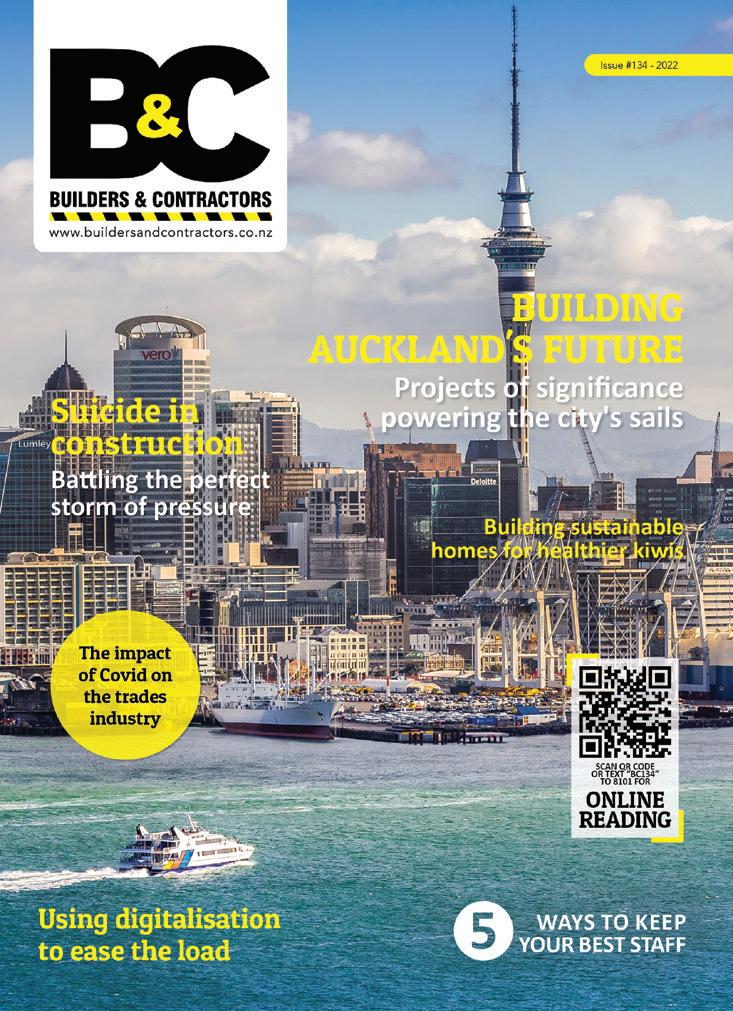

This issue of Builders & Contractors looks at the great awakening of Auckland as projects of significance build an optimistic future for our largest city.
We delve into the suicide rate in the construction industry, looking at how the sector and individuals in it are battling the perfect storm of pressure.
There are informative pieces which offer advice on a variety of issues, such as five incentives to keep your best staff, using digitalisation to ease the load, the impact of Covid on the trades industry, building sustainable homes for healthier lives, as well as the suspension of work, discussing when and how can you do it.
As always, we thank all our columnists for their expertise, along with the views, opinions and predictions of all those who contributed, to help you manage the risks your face each and every day.
6: Construction safety: vaccines and other requirements
7: The impact of Covid-19 on the trades industry
8: Five incentive ideas so your best staff never want to leave
9: Suspension of work – when and how can you do it
12: Suicide in construction
14: Keeping Aotearoa’s communities switched on and connected
17: Construction costs rise at the fastest annual pace in four years
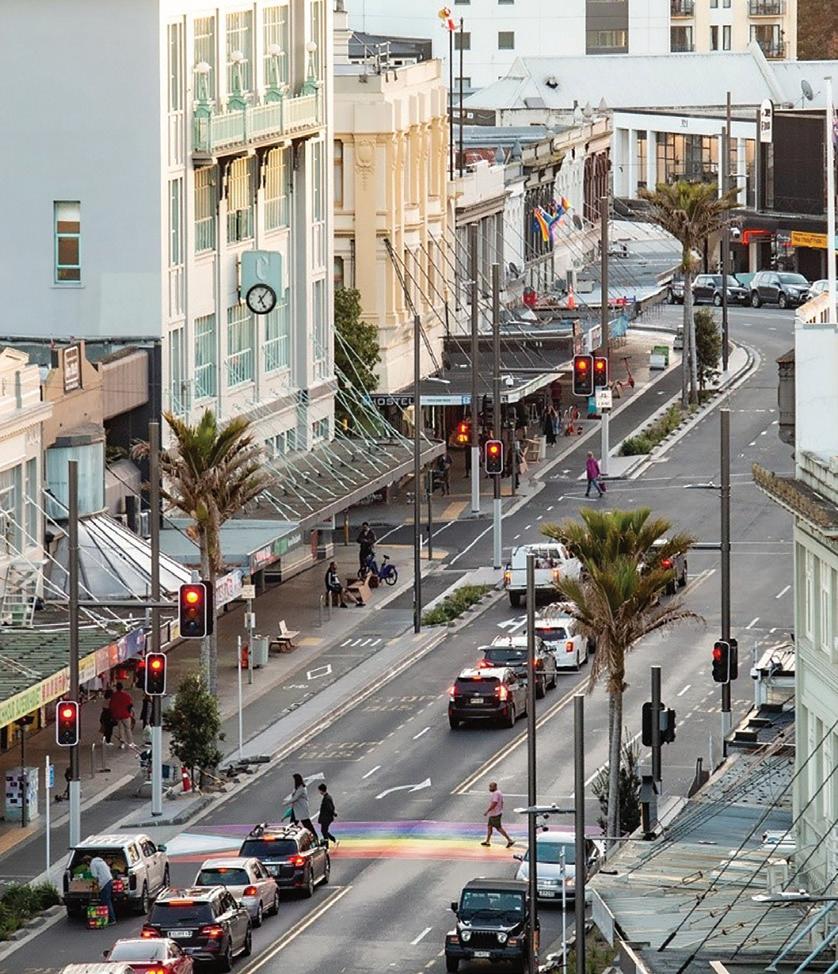
18: Using digitalisation to counter stresses imposed on the industry
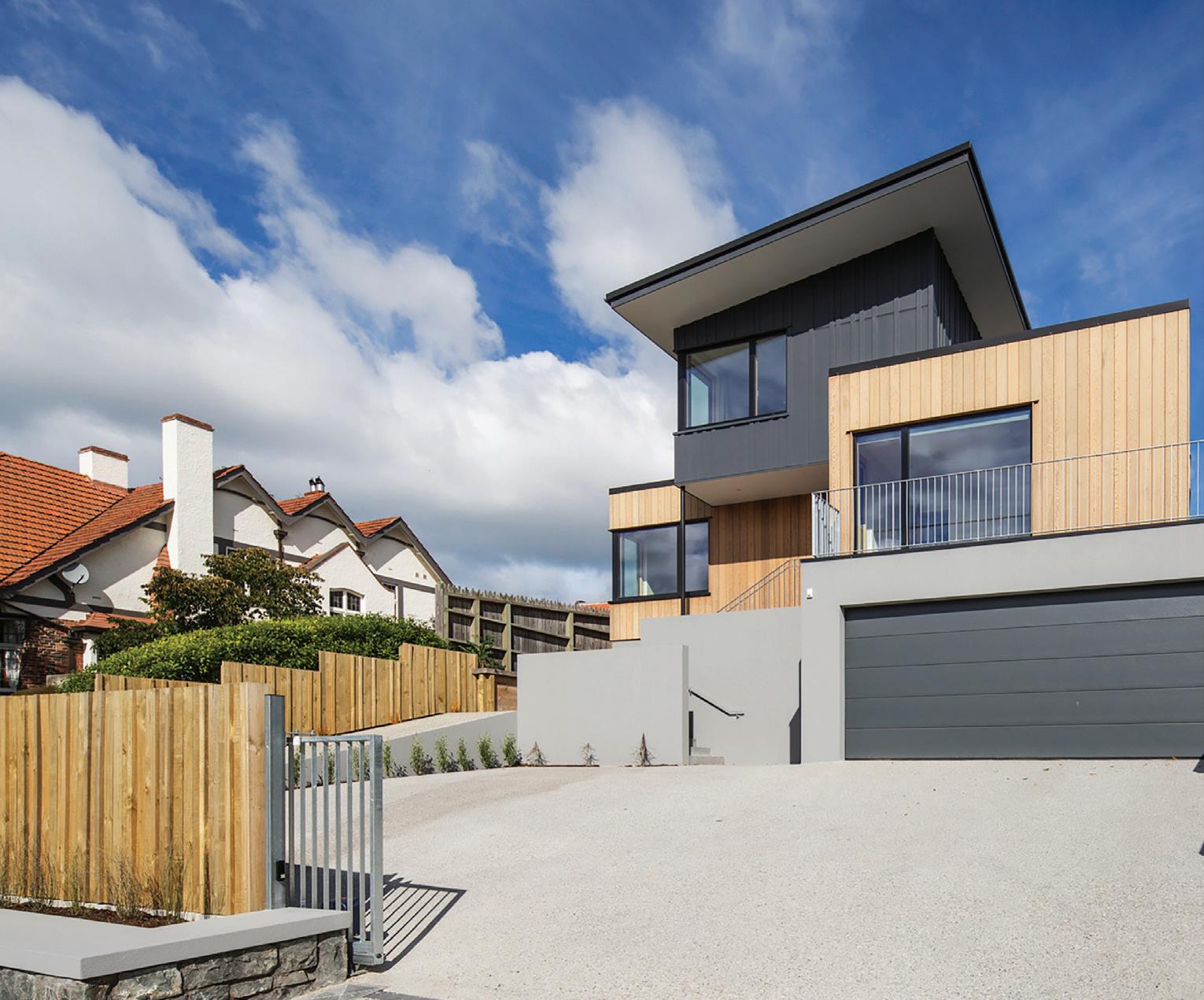
24: Building an optimistic future for Auckland
42: Wellington – city of the future
46: The best in the sustainability business
47: The Passive House standard
50: Building sustainable homes for healthier New Zealanders
52: Be prepared when it comes to the supply of materials
Page: 22 Page: 42

Builders and Contractors, a national trade newspaper targeted directly at New Zealand's building and construction industry. For some time we were aware that, although the building and related trades were generally covered individually by some trade journals, there was no amalgamated news link for trades as a whole, especially on a nationwide basis.
This void has been successfully filled by Builders & Contractors. Distribution is by way of various outlets: PlaceMakers, Mitre 10, Builders Hardware, I.T.M., Carters, Site Safe Members, Home Ideas Centre, timber companies, hire companies, together with our database direct mail drop to architects, draughting professionals, consulting engineers, building consultants, designers and local Councils. By these means we aim to reach one of the most powerful buying groups in the industry.
Editorial: Jonathon Taylor Phone: (03) 961 5098 editor@academygroup.co.nz
60: Concrete recarbonation: absorb the facts
62: Creating the standard for brick and blocklayers
63: Advanced ground improvement solutions
64: HERA’s role in progressing the United Nations’ Sustainable Development Goals
68: Jay Cee Welding - the structural steel specialists
70: Queenstown Engineering delivers beyond expectations
72: How CANZ ensures an industry’s safety standards
75: SARNZ offers the support its members require
82: Understanding height safety
86: Raising the bar for waterproofing
88: Wanaka town centre set for revitalisation
92: Exploring the Far North
94: Horizons Regional Council’s long-term plan for future prosperity
Production: Jarred Shakespeare Phone: (03) 961 5088 jarred@academygroup.co.nz
sales@academygroup.co.nz
www.buildersandcontractors.co.nz PO Box 1879, Christchurch, 8041
Nationwide Distribution: Mailed directly to a carefully maintained list of decision makers and subscribers for 25 years.
Disclaimer

By Marcus Beveridge and Tina Hwang
The Vaccine
The “Vaccine” and the “Vaccine Mandate” in 2021 and 2022 have become tremendously controversial terms making repeated headlines and dividing New Zealanders. It touches on politics, religion, personal ethos, safety of each individual and the country collectively.
Everyone has a view. Everyone has a strong stance. It affects everyone’s core lives, work, families, and life generally.
We have now experienced different Alert Levels, traffic lights, phases, vaccines, PPE gear, and testing systems. There have been protests and riots.
Justice Cooke in the recent High Court decision of R Yardley & Othrs v the Minister for Workplace Relations and Safety & Othrs, has recently ruled that the vaccine mandate is unjustified and unlawful.
Safety requirements
Meanwhile, the government has published numerous guidelines for general businesses as well as the construction industry on the constantly evolving safety requirements.
Publications can be found online by WorkSafe, business.govt.nz, Employment New Zealand, building.govt.nz, and Construction Health and Safety New Zealand (CHASNZ), health.govt.nz and of course the health.govt.nz websites.
Alert Level 4 lockdown saw construction sites empty and projects being delayed. At Alert Level 3, workers were allowed on site with restrictions, though general price escalations, scarcity of skilled workers, border closures and supply issues still resulted in huge project delays and budget blow-outs.
There was never a vaccine mandate for the building and construction sector, so workers did not face termination if they did not become “fully vaxxed” by 1 March, 2022, unlike the police force, health and disability workers, education, and other such specified staff.
However, all employers are obliged to have a “COVID-19 control plan” and any employers can decide that all or some of their staff must be vaccinated.
Health and safety are paramount, especially now that directors and PCBUs can be personally prosecuted for failing such duties.
For instance, construction workers attending hospitals, prisons, early childhood centres, primary or secondary schools form part of the government mandate and must therefore be fully vaccinated, so employers will have to impose suitable requirements on their workers.
Changes in immigration regulations have meant that an employer who wishes to support even one single work visa holder, must become accredited.
To become accredited an employer must prove it is a responsible and legally compliant employer with appropriate HR policies including health and safety plans for its staff and each construction site.
Now employers must add the “COVID-19 control plan” to their long list of policies and administration requirements, in the middle of a pandemic where sales and profit margins are being squeezed to the maximum with no clarity on when the rainbow will shine after the storm.
Care must be taken regarding the sensitivities on vaccination, PPE gears and testing.

Masks are particularly challenging in construction because guidelines state that masks should not always be required as employers must assess the level of ventilation, potential social distancing and barriers, the unnecessary risks of creating more respiratory and other health issues, and whether the masks are compatible with other safety gear.
There is no “one-size fits all” policy.
Furthermore, there have been constant changes and confusion to the definition and implications of a “positive case”, “close contact”, “casual contact” and “household contact” which all triggered different isolation requirements.
Isolating periods varied throughout the Alert Levels, traffic lights and the three phases where the government initially commenced with a confident plan of elimination then slowly progressed short of “herd immunity” and “business as usual” despite the rise in numbers and variants.
While we now desperately wait for the “peak” and our likely turn to isolate as a “positive case” or a “household contact,” while also hoping the borders opening will alleviate our economic issues, those in the construction sector must find a way to survive the forecasted economic recession, rising interest rates, increasing inflation, lack of workers, and limited supplies, all the while answering the numerous difficult questions from staff.
They may also have to battle with sudden staff notices that they cannot work as they are positive or isolating.
Questions include whether staff need to get boosted now when it has not been three
Right now there are people looking for a business just like yours. However, if you don’t have AdWords, there’s a very good chance they’ve just clicked one of your competitors’ websites.
Most businesses would benefit from Google AdWords. It’s simple to set up, it’s fast, you set the monthly budget, and you can see the results immediately.
Included is a complimentary call tracking service to measure daily results, plus you get a monthly report that’s explained in as much detail as you like.
need to have a lead generating web presence with good traffic etc.
This can sound complicated – but it doesn’t have to if you talk to the right people.
months, and whether they need to isolate for a further seven days when another household member tests positive after they have already finished isolating.
Further questions include whether they can have a N95 mask instead of the one you are supplying, a refusal to work with unvaccinated staff while another worker refuses to get vaccinated, whether they can return to work even though the PCR/RAT is positive, but they have finished isolating and show no symptoms, can they refuse certain work if they do not consider it Covid-safe, will their time off work to get vaccinated be paid, and can they have paid-sick leave in advance during their isolation because they have used up all their sick leave?
The questions and list go on.
It is a difficult time for the country, but it is an even more difficult time to operate a business.
A company must ensure it has all the right HR policies and health and safety manuals to ensure it is fully compliant with the everchanging regulations and policies, in addition to staying solvent during these tough economic times.
If you have any construction, property, employment, or litigation queries, please feel free to contact Tina Hwang or Marcus Beveridge at Queen City Law.
We have taken care to ensure that the information given is accurate; however, it is intended for general guidance only and should not be relied upon in individual cases. Professional advice should be always be sought before any decision or action is taken.
We have many success stories where people have thought marketing is a waste of money, but have finally found something that gives them a transparent return on Investment.
If you would like to be our next success story, please call or email: enquiries@fatweb.co.nz.
We have offices throughout New Zealand and can discuss your needs over the phone or by Skype.
Don’t let another year go by without truly discovering what digital marketing can do for your business.



By Natasha Parrant
Health and safety have always been a main focus in the building and construction field, but now with the spread of Covid-19, it’s another whirlwind of things workers must watch out for.
Covid isn’t leaving just yet so its best builders and contractors should be informed on the latest updates, and how it affects them.
Firstly, Covid-19 has caused many people to lose their jobs.
The three largest sectors greatly affected by the outbreak between March 2020 and March 2021 are:
• Hospitality (more than 53,000 jobs in accommodation and food services are expected to be lost over the year)
• Retail (41,200 jobs are expected to be lost in retail and wholesale trade)
• Trade (an estimate of 29,400 of those working in construction may have lost their jobs).
This data can be found via: www.infometrics. co.nz/examining-the-nz-industries-hithardest-by-the-covid-19-pandemic.
Covid-19 has also affected a lot of new-home building projects according to Stats NZ.
Around half of the surveyed building projects for new homes in Auckland have reported a moderate to severe Covid impact in the March 2021 quarter.
Stats NZ posted in June 2021 that “more than 4,500 builders, developers, and owners provided their perceptions of Covid-19’s impact associated with COVID-19 in the March 2021 quarter”.
Construction statistics manager, Michael Heslop, says those who were meant to build new homes in Auckland were likely to be more largely impacted from Covid-19 than the rest of New Zealand.
Results on Stats NZ show how much respondents were impacted.
For instance, 30 percent of Auckland residentials were considered moderately impacted. However, 27 percent of residents living in New Zealand (except Auckland) were moderately impacted.
Results also show 16 percent of Auckland residents as majorly affected, compared to the rest of the country as residents were only majorly impacted by seven percent.
On the whole, Auckland residents were more moderately affected than other residents in the country by Covid-19 in the March 2021 quarter.
Stats NZ also stated over two-thirds of respondents from new-home projects were impacted by Covid-19 as they had less access to materials and equipment.
Respondents from new-home projects from the rest of the country were less likely to report an impact on the lack of materials and equipment, but more likely to report being impacted by cash flow, costs, labour, or productivity.
Stats NZ shows the percentage of respondents from new-home projects who reported being impacted by Covid-19 during the March 2021 quarter.

Labour in Auckland has been largely affected by 57 percent compared to the rest of the country only being affected by 31 percent.
Materials are the most affected - Auckland suffers from the lack of materials by 69 percent, whereas the rest of Aotearoa’s materials are affected by 10 percent less than Auckland.
Aucklanders’ costs are affected by 64 percent, whereas the rest of the country is affected by 47 percent.
“The perceived impact of COVID-19 on building projects may also be influenced by the high volume of building consents for new homes,” Michael says.
“This is particularly the case in Auckland where there has been a big rise in consent numbers for new homes.”
This issue is significantly affecting Aotearoa because “Auckland has been making up a larger proportion of all new homes since the late 2000s,” he says.
The impacts of Covid-19 are not helping fix the housing crisis or tradespeople from keeping their jobs.
If you need help, ask for advice or look up resources online.
Construction Health and Safety New Zealand (CHASNZ) gives Covid-19 related advice to builders and contractors, such as tools and resources outlining standards and protocols for health and safety standards during each level, what to do if someone on-site becomes a Covid-19 contact and how to go about travelling between regions safely during each level.
For example, CHASNZ’s Covid-19 worker contact flowchart states what someone should do if they’re in close contact, secondary contact, or casual contact with someone who has become infected by the infectious disease.
There’s also a graph to follow on what the worker should do for each scenario, and what to do on-site at: www.secure. chasnz.org/downloads/resources/COVID19WorkerContact-Flowchart_V1.3.pdf.
Other contacts that tradespeople may want
The perceived impact of COVID-19 on building projects may also be influenced by the high volume of building consents for new homes.
to contact for advice are also listed on their site at: www.chasnz.org/covid19.
WorkSafe also has resources employers/ employees can use to ensure everyone is safe from Covid-19, featuring information such as how to maintain mental health during this hard time: www.worksafe.govt.nz/managinghealth-and-safety/novel-coronavirus-covid.

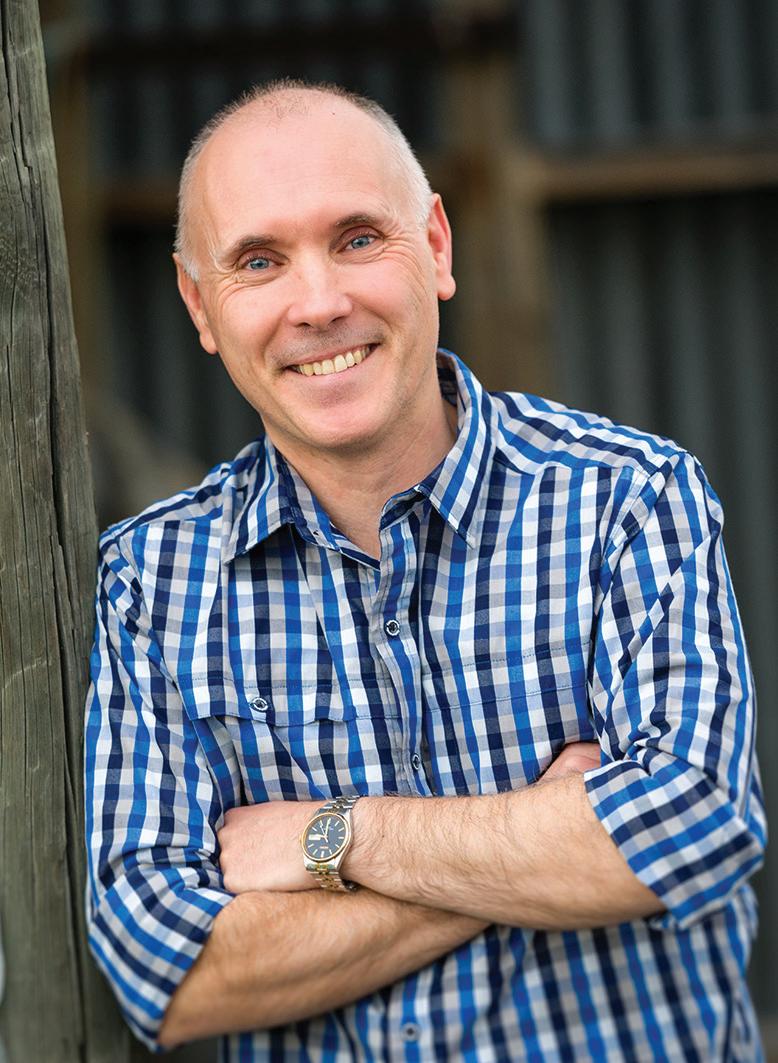
By Daniel Fitzpatrick from Next Level Tradie
Nothing stings more than losing one of your standout workers.
You know who I’m talking about. The ones that always turn up on time, have a great attitude and never let you down. They’ll go the extra mile, because they take pride in their work.
Things tick along nicely. Until they ask for a ‘quick chat’. They’ve had an offer they can’t refuse and they’re off. You ask what you can do to keep them, but that ship has sailed. Great staff are worth their weight in gold at the moment. So how do you make sure your best staff stick around? Think about your current team. Who can you not afford to lose?
Now consider this…
1: Can your incentives pass the poacher test?
Say your best employee got approached tomorrow with a job offer. What would stop them saying yes? Losing a valuable team member hurts.
The best incentives help you build a culture that people won’t want to leave.
Everyone wants to know where they’re heading. Help them get what they want in their lives. Invest in training them. Align their goals with your business goals. Show them how working with you gets them the career path they want. This creates loyalty and they are less likely to get poached.
Give great bonuses for hitting targets, like the team gets a certain dollar amount for completion of a job on time or early. Consider a $10K bonus if they are still with you at the end of each year.
For the ultimate employee – consider offering a profit share or even an ownership share to keep them for good. Without stating the obvious, these incentives should only be considered for your MVP’s.
2: Do you know what your staff want next?
Long-term incentives are crucial for retention, but you’ve also got to walk before you can run. Knowing what your team wants in the short-term matters too.
Have you spent time finding out what your team members value most? Don’t assume you know what they consider good perks. Ask them and find out what they really

want. They’ll give you powerful incentive ideas for now and later on.
Show them how going the extra mile will help you help them achieve that goal.
One business owner I work with goes out of his way to help out his staff. In their first few months he finds a way to contribute to their personal lives. This could be setting them up with a mortgage advisor if they’re looking for a house, or they get to leave an hour early to coach their kid’s sports team on Thursdays.
The point is, it’s what matters to them.
3: Is your incentive program breeding entitlement?
Entitlement. It’s the last thing you want in a staff member. So how do we stop it creeping in from incentives?
You might do this already – keep them random. Shout your guys the odd coffee here and there. Give them a gift card to the local tool supplier when a curveball meant they really had to dig in to get a job done on time, and they knocked it out of the park.
At the risk of stating the obvious – the key lies in the inconsistency. They’re informal gestures that say ‘we appreciate your effort.’ Keeping them unexpected is what keeps entitlement at bay. If staff don’t know they’re coming, then expectations don’t grow.
That said… random incentives are a move, not a game plan. They’re valuable, particularly if you sense entitlement brewing. But they’re best placed as the cherry on the incentive cake – not as the cake itself.
On the flip side – a lack of recognition is why 44 percent of employees change jobs.
One tradie I worked with had an admin person who was on a bit of a performance roller coaster. She wasn’t quite giving the boss what he needed. Productivity fell, especially when she was at home during the holidays. Deliverables weren’t meeting deadlines or required standards.
Tough conversations weren’t working. Turns out she finds it hard if she’s not encouraged. Once he said things like ‘thanks for your work on that project – I couldn’t have done it without you’ there was a huge change. She was diligent again and a lot easier to work with.
4: How often do you ask your team members for their number?
You’ve asked each staff member what they prefer as an incentive. Extend the buyin. Ask them to come up with their own performance goals.
Go through this process together. Agree on something, then catch up regularly to help them stay on track. This doesn’t have to be long (10mins weekly should do it) but consistency is key.
For example, if your apprentice wants to work on turning up on time or improving their attitude, and you agree, hold them accountable to these performance goals by grading them out of 10 at the end of each week.
Do this with each of your team so everyone has something they’re aiming for. This way they don’t get bored, as studies show being bored in their current role is the biggest reason people look for a new one.
Keep your team challenged by giving everyone a number that they’re accountable to. The best sports teams are great at this. The players hold each other accountable, not the coach. When everyone has their number, your guys will help each other out too.
5: How big are you on the little things? Incentives are great. But they’re not your only tool to building a team that loves working for you.
Recognition is powerful (and definitely a lot easier). Research shows that 63% of staff who feel recognised are highly unlikely to look for a new job.
So what drove this change? Not a lot, actually. Just her boss made her feel appreciated by acknowledging what was true – he couldn’t have done that task without her. Sometimes we can overlook the power of recognising the value of what our team does every day.
This recognition doesn’t have to only come from you. Put praise from customers in your group chat. This will make your team feel great about the work they’ve done.
Recognition of a job well done can be one of the best returns on investment in your business. How often do you say ‘thank you?’
So, what’s the ultimate key to staff retention? You’ve got to pay your staff well, but more money isn’t always the answer.
Instead, find out what truly matters to them and reward them in that way. Even better, attach it to their long-term professional growth.
Make it personal. Cookie cutter bonuses and incentives can be helpful, but they only go so far.
Align staff incentives with your business goals. This gets everyone on the same page and your business ends up running with the fluency of a Formula 1 pit crew. Well, maybe not quite. But you get the idea.
Need some help to get your team performing at the highest level?
Book a free strategy chat with me here: www. nextleveltradie.co.nz/nextstep
by Geoff Hardy, an Auckland commercial lawyer
There are three situations where a contractor might want to suspend work.
The first is where you badly need to take a break or it is overwhelmingly in your interests to do so. Examples of that would be where a competitor poaches your senior staff, you suffer a serious illness, the Christmas holidays arrive, you are offered a project in Dubai that will set you up for life, or you win Lotto.
The second situation is where you simply cannot continue because a third party has intervened or some natural event has occurred – for example where the resource consent gets revoked, a neighbour gets a court order freezing the project, the architect goes AWOL, some critical components aren’t delivered, the structure burns down or a tornado wipes it out.
The third situation is where your client is in default – such as by not paying you, not issuing directions, or not giving you access.
It might surprise you to learn that in none of those situations do you have an automatic right to suspend work.
Under the building contract you have undertaken to work diligently and conscientiously until the project is completed, and unless the contract lets you off the hook, you have to see it through to the end. If you plan to take a holiday mid-project, you need to have made that clear at the outset. If you win an allexpenses-paid, two-month trip to the World Cup, that’s too bad, unless you can arrange cover for yourself.
And the most surprising thing of all, is that if your client is well overdue in payment and has no reasonable excuse, the law still requires you to keep honouring your obligations regardless. That is, unless prior payment is a precondition to you starting or continuing work. Or, the client’s default is so bad that you can actually cancel the building contract (assuming you want to).
If you don’t have those rights, then the theory is that you have a process under the contract or under the general law for recovering your payment – whether that be mediation, arbitration, adjudication, the Disputes Tribunals, or the Courts – and in the meantime you have to keep working.
When can you suspend?
Fortunately, there are four exceptions to the rule:
1. If the contract is “frustrated” (which means it become impossible to perform –such as where the building site disappears into the sea) then the law gives you a getout-of-jail card. However, this situation is very rare.
2. Many building contracts allow you to suspend work in “force majeure” situations where you are held up by things beyond your control like earthquakes, volcanic eruptions, tsunamis, floods, wildfires, states of emergency, riots, strikes or lockouts. However to do so you need to have a written building contract that contains a force majeure clause.
3. Regardless of your contract, the Construction Contracts Act allows you to suspend work if you have given your client a valid payment claim, and the client either hasn’t given you a valid payment schedule in time, or hasn’t paid what the payment schedule said would be paid. But there are a few traps to look out for here. First, many contractors don’t manage to satisfy all the criteria for a valid payment claim under the Act. Secondly, even if you have, you then have to give the client a special written notice and allow five working days for the notice to be complied with, before you can suspend. Thirdly, as soon as you do get paid you have to resume work immediately – not when it suits you.
4. However the best option of all is to use a building contract that allows you to suspend work in situations where it would be unfair to make you behave like a saint when your client is behaving like a sinner.
If you are required to sign up to one of the NZ Standards or NZ Institute of Architects contracts, they do give you some suspension rights, but they are not as favourable to you as they might be. Under the NZS contracts you can suspend work for non-payment or for some other persistent, flagrant or wilful default, but you have to give a written warning and allow the client time to comply.
Under the NZIA contracts you can suspend work if you have not been paid or you have not been provided with security for payment, but there is a similar requirement to allow time to remedy the default. However, the biggest obstacle is that you are prohibited from suspending work during a dispute, and there are very few construction projects where an alleged default is not disputed.
Ideally your building contract would give you two specific rights to suspend work. The first is where the client has not complied with his/her/its obligations, whatever those obligations may be. Then you could suspend work as soon as you have given the client a written notice of suspension that identifies the particular default relied upon, and states that you will be suspending work.
The second situation is where you have reasonable cause for concern about the client’s ability to pay your future invoices. Under your contract, you could ask for security for payment such as a bond or money paid in advance, and if you don’t get it within a specified number of days, you could then suspend work.
The important point to note is that there would have to be a genuine default on the part of the client before you can suspend, and there is a process you would have to follow. If you don’t have valid grounds, or you don’t follow that process, then you would be in default and it is you who will be liable to the client.
The process should be outlined in the contract, and it is unlikely that you could just pull your guys off the job and assume that it will be okay. When you send the notice, there are certain issues that it may be important for you to address.
Before you down tools there may be some critical work you need to do to secure the site to prevent vandalism, theft, or obvious health and safety risks, or to avoid damage due to exposure to the elements.
Use your common sense here, and take basic precautions before vacating the site. You might even need to remove scaffolding or other plant and equipment to avoid incurring unnecessary hire charges, if the suspension looks like it will last for a while. Ideally all costs and expenses that you incur because of the suspension, including the costs of recommencing work, should be chargeable as a variation under your building contract.
The most important point to emphasise in your suspension notice is that you are ready, willing and able to resume work once the default is remedied. This is to avoid the impression that you have abandoned the project for good, or cancelled the building contract, which could expose you to a claim for damages for unlawful termination.
You should reserve your right to cancel if the delay drags on too long, but make it clear that that hasn’t happened yet. You
should also point out that if you remove your scaffolding or plant and equipment off site, that is merely for security reasons so they are not vandalised or stolen, or so that you can use them elsewhere or avoid paying unnecessary rental on them, and it is not to be interpreted as evidence that you have departed for good.
From a practical point of view, you will not be able to effectively manage health and safety risks while you are away from the site, so you should put on record that primary responsibility for health and safety logically reverts to the client during the period of suspension, as the party best able to manage and control what goes on at the site.
Suspension of work should automatically extend any required completion date under your contract. The resulting delay may result in the contract works insurance lapsing before the new completion date, so someone will need to extend the policy. Typically, in a renovation that will be the client, and in a new build it will be the head contractor. Bear in mind that if the cost is on you, you will want the right to recover it as a variation.
Once you suspend work you will have to reallocate your resources to other projects to generate income and keep your staff occupied, and it will be difficult to predict when you will free up again. It is important that your contract doesn’t require you to resume work immediately the client’s default is remedied, because that may be difficult for a small building business. Your suspension notice should therefore state that the precise date of recommencement will depend on your commitments at the time and will have to be mutually agreed.
Finally, you should bear in mind that any fixed pricing or cost estimates you gave your client originally were based on prevailing rates at the time and may not adequately cover your costs at the time of recommencement. If you have cost adjustment provisions in your building contract then you will be covered. Although you may need to hold your costs as much as reasonably possible you should be able to reprice the job at the time to ensure that your profit margin is not eroded.
Geoff Hardy has 46 years’ experience as a commercial lawyer and is a partner in the Auckland firm Martelli McKegg. He guarantees personal attention to new clients at competitive rates. His phone number is (09) 379 0700, fax (09) 309 4112, and e-mail geoff@martellimckegg.co.nz. This article is not intended to be relied upon as legal advice.
New Zealand’s safest work platform system is now manufacturing in New Zealand
Following demand from the local building industry, the owners of Workdek have begun production at a purpose-built facility in Huntly. The platform system is now being used by building companies across the country and business opportunities with Workdek are set to follow later this year.
Built for builders, by builders
Work platforms have been used with great success in United Kingdom for more than 10 years. The team that brought Workdek to New Zealand, who were builders themselves, used their vast experience to improve the systems and launched the Kiwi version of Workdek to the local market in 2021. Designed and tested to work for New Zealand conditions, the platform system is a proven solution for safety, enhances productivity and reduces stresses on the body too. Building crews are happier and companies’ bottom lines are positive too.
Stable ground, now built on local ground
After two years in the local market, Workdek has had increasing demand from New Zealand building companies. Builders have realised the multiple benefits of the platform system and now see Workdek as an essential tool for productivity and safety. With the increase in demand, it made sense to bring manufacture to NZ soil. With production now out of Workdek’s facility in Huntly, the owners can oversee quality control and develop stronger relationships with New Zealand builders who are embracing the successful system.
Workdek is the gamechanging platform system that allows builders to work quickly, efficiently and safely, at any height. Gone are the days of relying on ladders, scaffolding and nets.
Workdek is the game-changing platform system that allows builders to work quickly, efficiently and safely, at any height. Gone are the days of relying on ladders, scaffolding and nets; now replaced with a robust and reliable system where the ultimate in safety is matched by new levels of productivity.
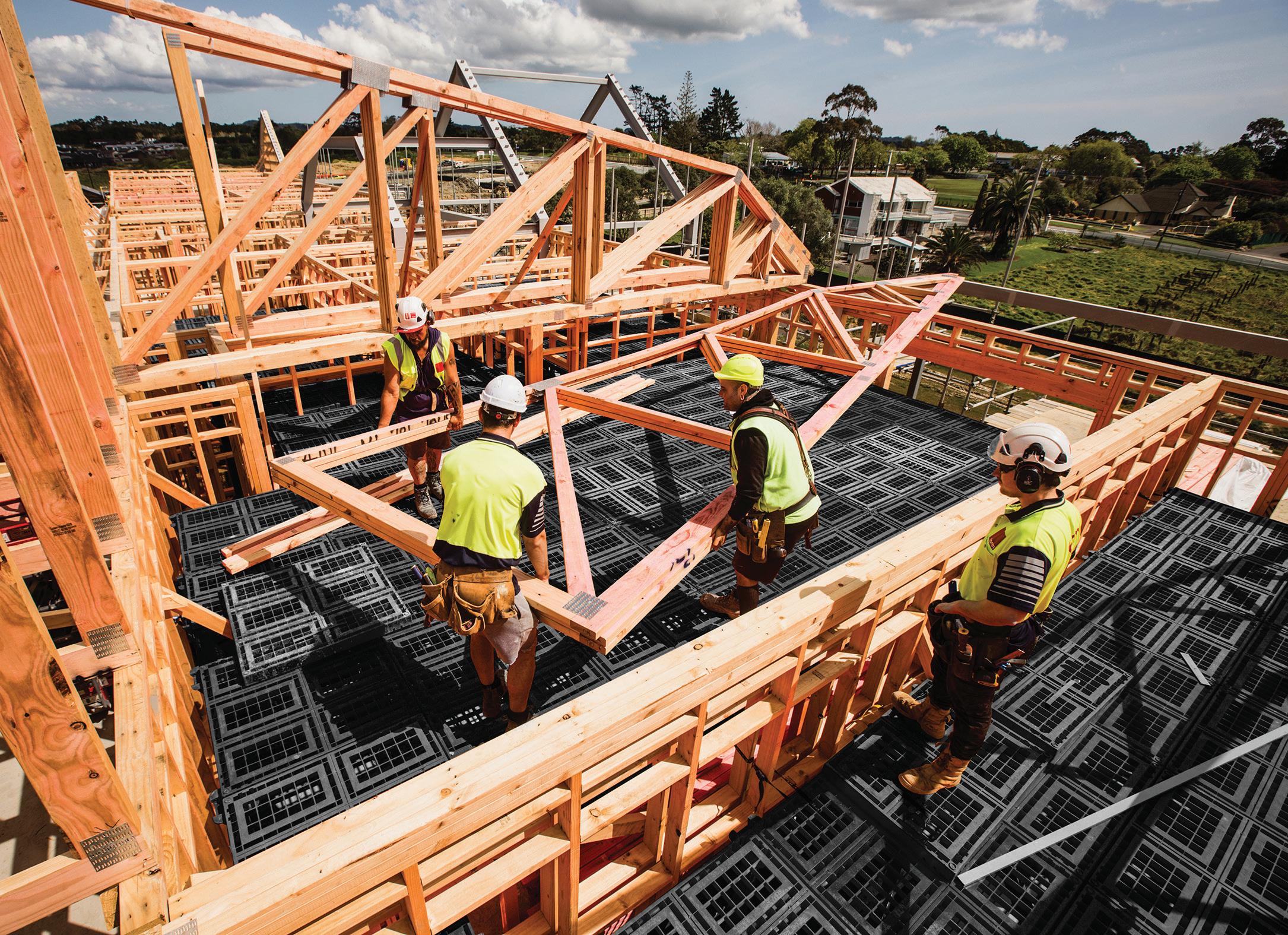
Workdek is a simple but strong and stable work platform. The modular construction system can be easily configured to work on any building site. And the beauty of it?
Builders can work twice as fast, at any height. Tools and machinery on hand at any level is no problem, with each Workdek deck holding up to 200kgs.
Teams can build at speed, without the fear of falling. Word from building sites is that productivity with Workdek is increasing –builders are working twice as fast compared to working with other height systems.
Common feedback from builders who have used Workdek on site includes;
“This is an absolute game changer!”
“With Workdek, we’re now working twice as fast.”
“We’re now more efficient and my team’s guaranteed not to fall.”
With safety at its core, Workdek is an innovative working platform that prevents falls. The people behind Workdek owned a building company and had first-hand experience with the frustrations of working with nets and other inferior fall protection systems. Nets rarely stop items falling through to lower levels, potentially hurting workers, and causing all kinds of health and safety issues. While Workdek may cost more than nets to install, the price pales into comparison with the increased performance and profitability from working on what feels like, stable ground.
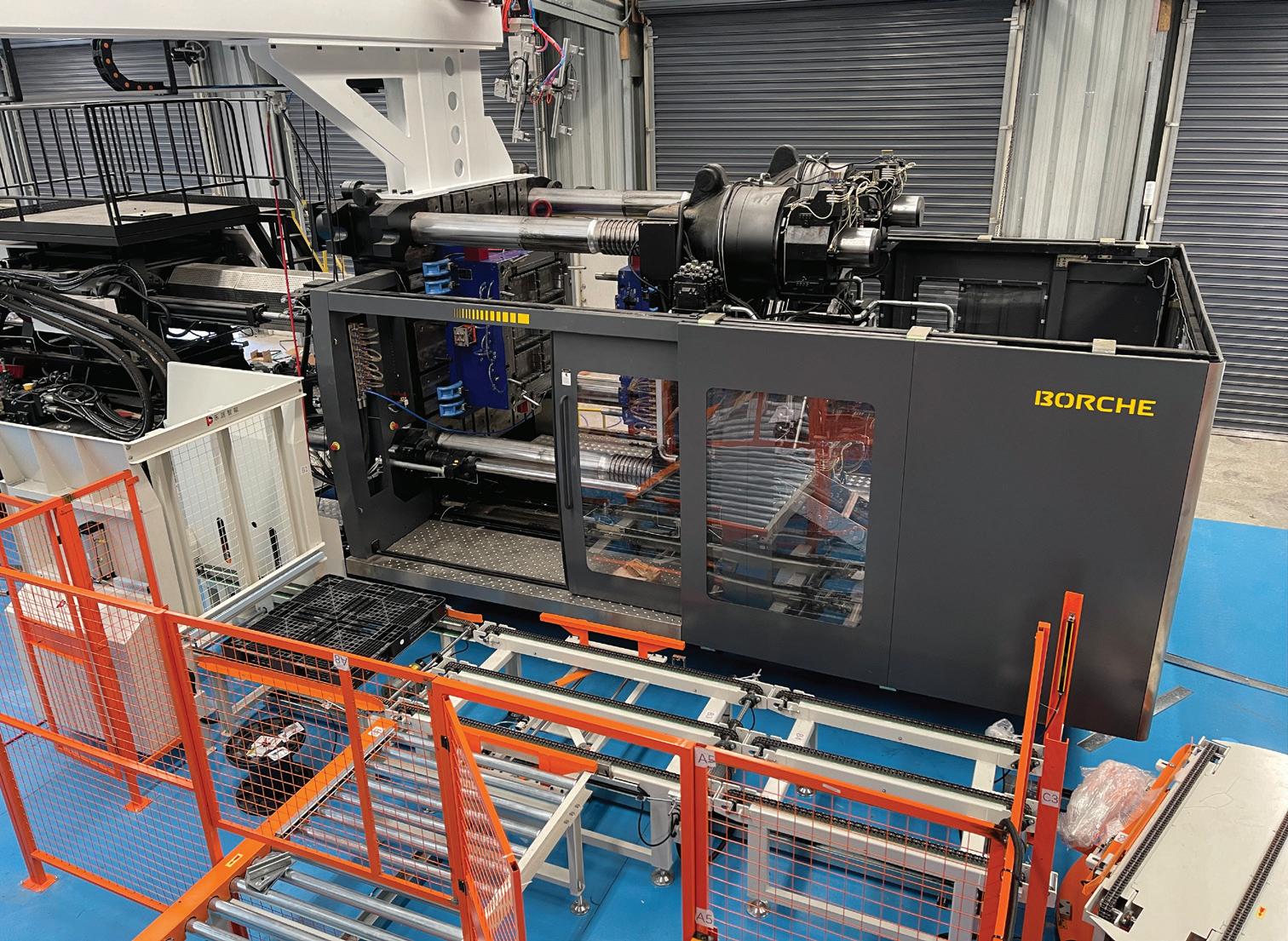
Workdek’s modular platforms are made from injection molded panels that snap together creating a stable work platform at any building height. The decks are supported by a complete system that is as easy to put together as playing with Lego. The components are lightweight yet once locked into place, are incredibly durable and sturdy.
Worksafe NZ endorses Workdek’s view on the hierarchy of fall protection; that eliminating the fall is better than capturing the fall. Nets are outdated, unsafe and counterproductive. Workdek is the alternative, safer solution.
Franchise opportunities coming soon
Workdek is welcoming interest to franchise opportunities that will be available later this year. More information about Workdek can be found at www.workdek.com and for franchise information, contact Director, David Grigor on 0800 3255 7233
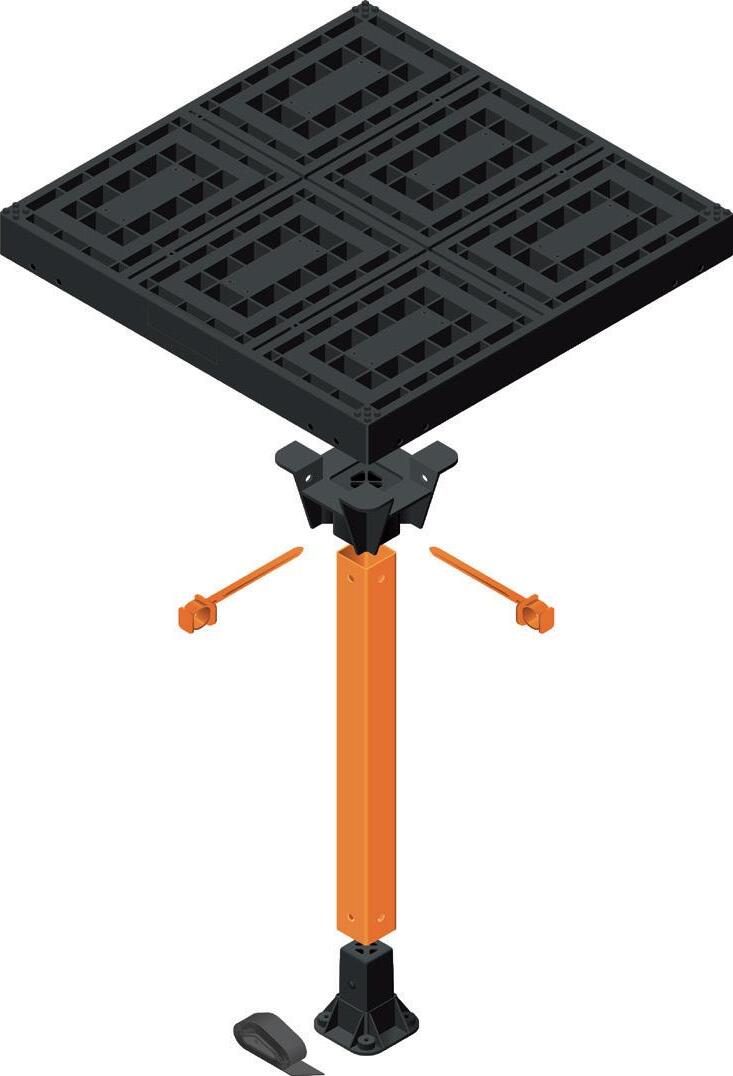
The components of Workdek
1. Deck
This helps eliminate the fall by letting builders work safely at any height with their tools. Each deck holds up to 200kg, improves performance and reduces fatigue.
2. Coupler
This clever piece of kit is all about strength and stability. It sits at the top of the legs to support the decks.
3. Legs
These super-stable legs support the deck system and extend your working height.
4. Foot
The foot anchors the leg and spreads the weight load. It can handle the weight of a Sumo wrestler.
5. Pins
The Pins secure the Coupler, Leg and Deck together to overcome any separation anxiety.
6. Strap
Lastly, this secures the Workdek system to the frames to minimise movement.
Get on board NZ’s safest work platform Call 0800 3255 7233 | workdek.com
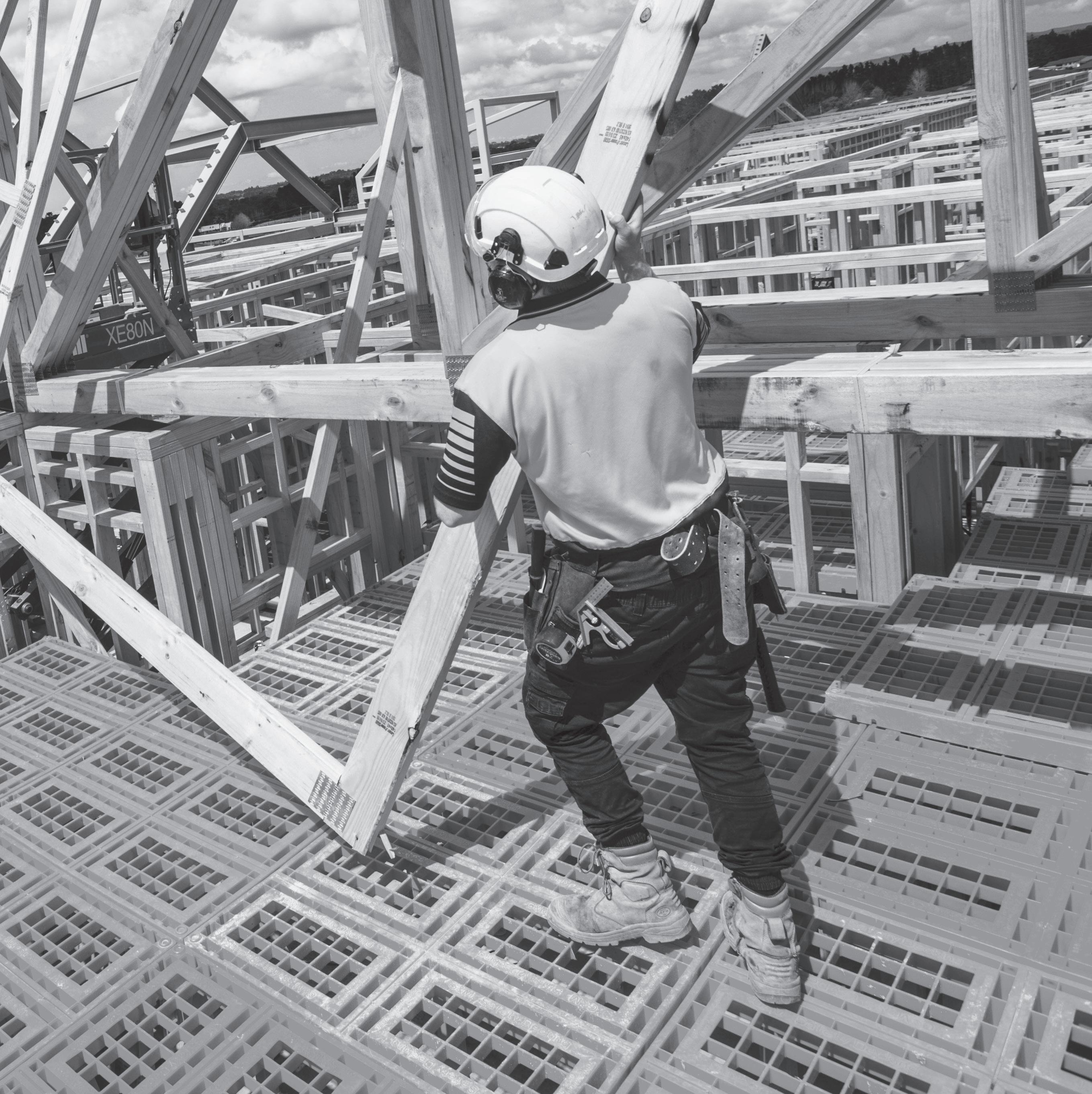
By Julie Moffett
Behind every suicide statistic is a story of someone who just couldn’t take anymore and that is one person each week in the construction industry.
Pressures of what we broadly term “life” have been exacerbated in recent years by the side-effects of the COVID-19 pandemic.
Housing costs, loss of jobs or reduced hours, rising costs of food and petrol, and then there are the psychological effects from the fear of an unseen enemy that comes in the form of a virus.
COVID-19 impact study
Towards the end of 2021, suicide prevention group MATES in Construction commissioned a study to ascertain what impacts COVID-19 was having on the mental health of that workforce.
The Industry Wellbeing Environmental Scan and Survey (IWESS) confirmed what MATES had been observing on building sites - an increase in fear, anxiety, anger and frustration.
The findings of the IWESS, which came out in mid-February, found that of the 1,200 responses received by surveyor Allen and Clarke, 43 percent reported that their mental health was worse since COVID-19, four percent had seriously thought of ending their life, two percent made plans to end their life, and one percent attempted suicide.
Young workers have been particularly impacted with 18 percent of 18 to 25 yearolds reporting suicidal ideation.
The study found that the three most common issues of concern in the workplace were high workload (37 percent) COVID-19 protocols (31 percent) and pressures from delays (30 percent).
In the past 12 months how frequently has your employer checked on your wellbeing while you were at work?
• More than once a week: 14%
• Once a week: 18%
• Once a month: 12%
• A few times: 32%
• Not at all: 16%
• Prefer not to say: 3%
• Don’t know: 5%
* Figures from the MATES in Construction: Industry Wellbeing Environmental Scan Survey.
Even before the pandemic the mental health of men in the construction industry was in a relatively fragile state. Those working in the sector are twice as likely to commit suicide compared to any other industry.
Figures from a University of Otago study found that between 2011 and 2019 suicides in the construction industry jumped from 17 percent to 30 percent of total suicides in Aoteroa-New Zealand.
Now it seems there is a perfect storm of conditions adding to pressures not only on the home front, but in the workplace. Tight deadlines, financial pressures, the welldocumented supply chain issues, and the responsibility managers and business owners feel for the livelihoods of their employees.
MATES in Construction CEO, Victoria McArthur, says COVID-19 protocols play their part.
“Social distancing, self-isolation rules, these have an impact on how sites operate and go about their everyday work. We’ve seen anger and anxiety festering around Covid and the pressure that’s brought.”
There are often very long working hours, stress because of the tight timelines, and Victoria says people are often working seven days a week, from early morning to late in the evening.
She concurs that there is nothing MATES can do about housing and petrol costs, but that their on-site suicide prevention programme teaches men better coping mechanisms.
“We can help build resilience in the workplace, that can then be taken back to their homelife. We help build the capability to seek help or offer help.”
Male dominated workforce
Victoria McArthur says the peer group is the strongest influence in the workplace and playing to the strengths of guys on the building site is the key to better mental health.
“Men are good at fixing things and offering advice, so we encourage them to notice changes in their mates.
“For instance, if he’s stopped socialising on a Friday night. Rather than leaving him to it, ask what’s happening and if you can help. Our programme gives them the confidence and courage to approach their mates when they see those changes.”
Professor of Psychology at Victoria University of Wellington, Marc Wilson, led a longitudinal assessment of the MATES suicide prevention programme for construction workers, which was released in 2021.
He says that there is a long tradition of research that suggests some forms of mental
distress, for example depression, are more common among women.
But this could be part of the gender role stereotype associated with women and not part of the gender role stereotype for men. So, women are more likely to disclose mental distress when they experience it.
He says that although mental distress in men is becoming more visible this is not the case in many occupations.
“The construction industry has one of the highest proportions of men and is a traditionally masculine occupation.
“As a result, initiatives like Mates in Construction are particularly important because they signal that mental health is a conversation that is okay in this setting, and they provide a specific framework for supporting mental health.”
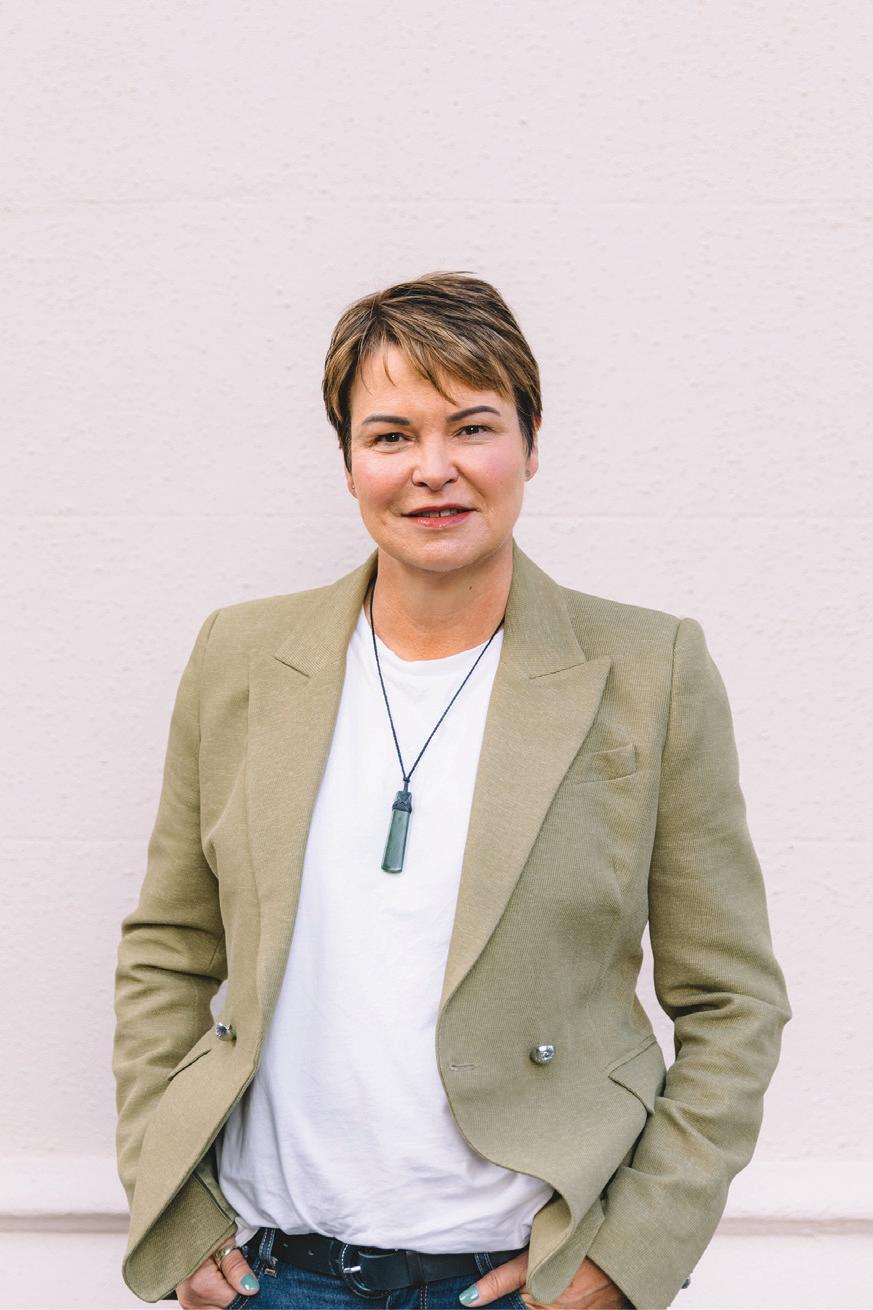
Lead by example Managers and employers play an important role, according to Marc Wilson, by visibly and consistently supporting initiatives like Mates in Construction.
“This validates the programme as something that is ‘real’ as opposed to a tick-box activity.”
Marc says that managers providing their personal narratives is another way of validating the experience of distress.
“I don’t mean people going into lots of detail about particular experiences, but rather the personal acknowledgement that one has oneself experienced distressing times and got through them.
“This is important because it’s easy for a male workforce to look across at each other and worry that they’re the only person who’s having trouble holding it together.”
The full MATES in Construction Industry Wellbeing Environmental Scan and Survey can be read here: www.mates.net.nz/research.
Where to get help:
• Mates in Construction - 0800 111 315
• Lifeline – 0800 543 354
• Suicide Crisis Helpline – 0508 828 865
• Supporting Families in Mental Illness0800 732 825
• Anxiety New Zealand - 0800 ANXIETY
• Rural Support Trust - 0800 787 254
• Youthline - 0800 376 633
• In a life-threatening situation, call 111.

The form these conversations take is important. Around the water cooler or in the smoko room. These discussions give people a chance to feel like they’re a part of something. People who feel like they belong demonstrate better wellbeing in all domains.
Need help now? Call Mates in Construction 0800 111 315

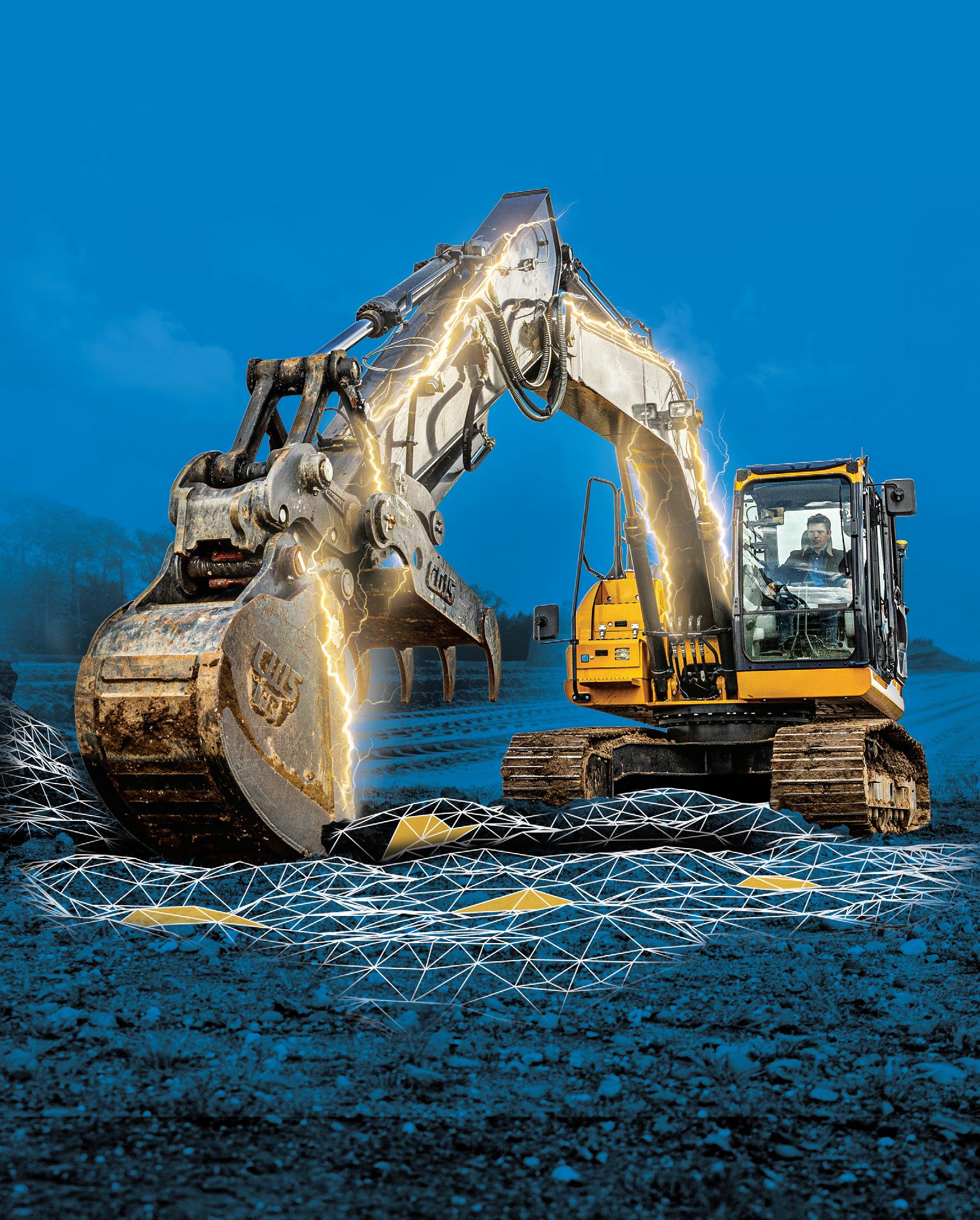
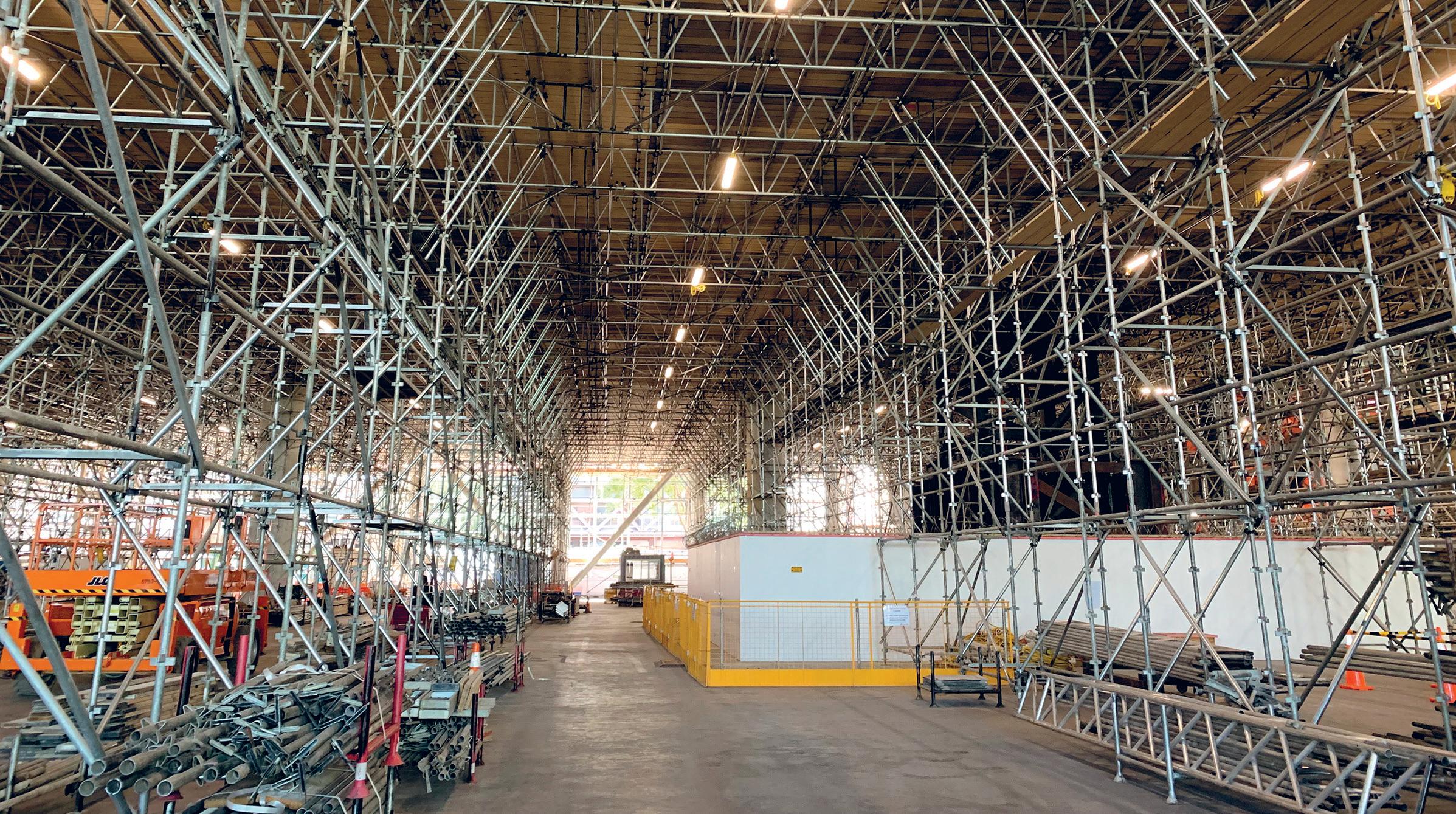
For many, a career that provides them with the opportunity to live, work and play in their backyard has long been tantamount to an urban myth.
Aotearoa New Zealand’s Electricity Supply Industry (ESI) is refreshingly countering this misconception with a determination to showcase ESI as a way to ‘have it all’.
A new industry led and backed workforce development strategy, Re-Energise –Ngā Mahi A Māui, is shining a spotlight on four key goals, including increasing visibility of the ESI, and all it has to offer to attract the right talent.
Industry partners Waihanga Ara Rau Workforce Development Council, Connexis, Orion, Transpower, Genesis, Powerco, Counties Energy, Connetics and the Electricity Engineers’ Association (EEA) are behind the report, with contributions from Tokona Te Raki, Infometrics and Assurity Consulting.
General manager Assurance at Waihanga Ara Rau, Mike Grumball, sets the scene for the report, emphasising that the clock is ticking on addressing some persistent issues.
“We know ESI captures a dynamic and attractive value proposition - that you don’t have to compromise. You can keep your roots for life while also enjoying rewarding career progression.
“But we need to get the untapped talent pool well acquainted with this proposition,
and address a number of other barriers to recruitment and retention, because the ES workforce is facing chronic talent shortages and a tight labour market.
“With the de-carbonisation of New Zealand’s energy sector front and centre and unprecedented growth on the horizon, our report identifies four strategic goals and thirteen actionable recommendations to support a thriving workforce that can facilitate New Zealand’s move towards a cleaner future.”
Re-Energise – Ngā Mahi A Māui takes a community-first focus with the knowledge that people at the flaxroots are deeply driven by the desire to see their tangata whenua thrive which is well evidenced by interviews conducted for the report.
The scale of the challenge:
• Electricity generation is proposed to grow from 43 Twh in 2020 to 52 Twh in 2035
• Over $10b of ES capital improvements and new large-scale projects are already planned for the next decade
• 43 percent of businesses reported that finding skilled workers had become harder
• Low domestic unemployment, which is hovering between 4-4.5 percent
• Competition from the construction sector, which is predicted to see strong growth for the next 3 to 5 years.
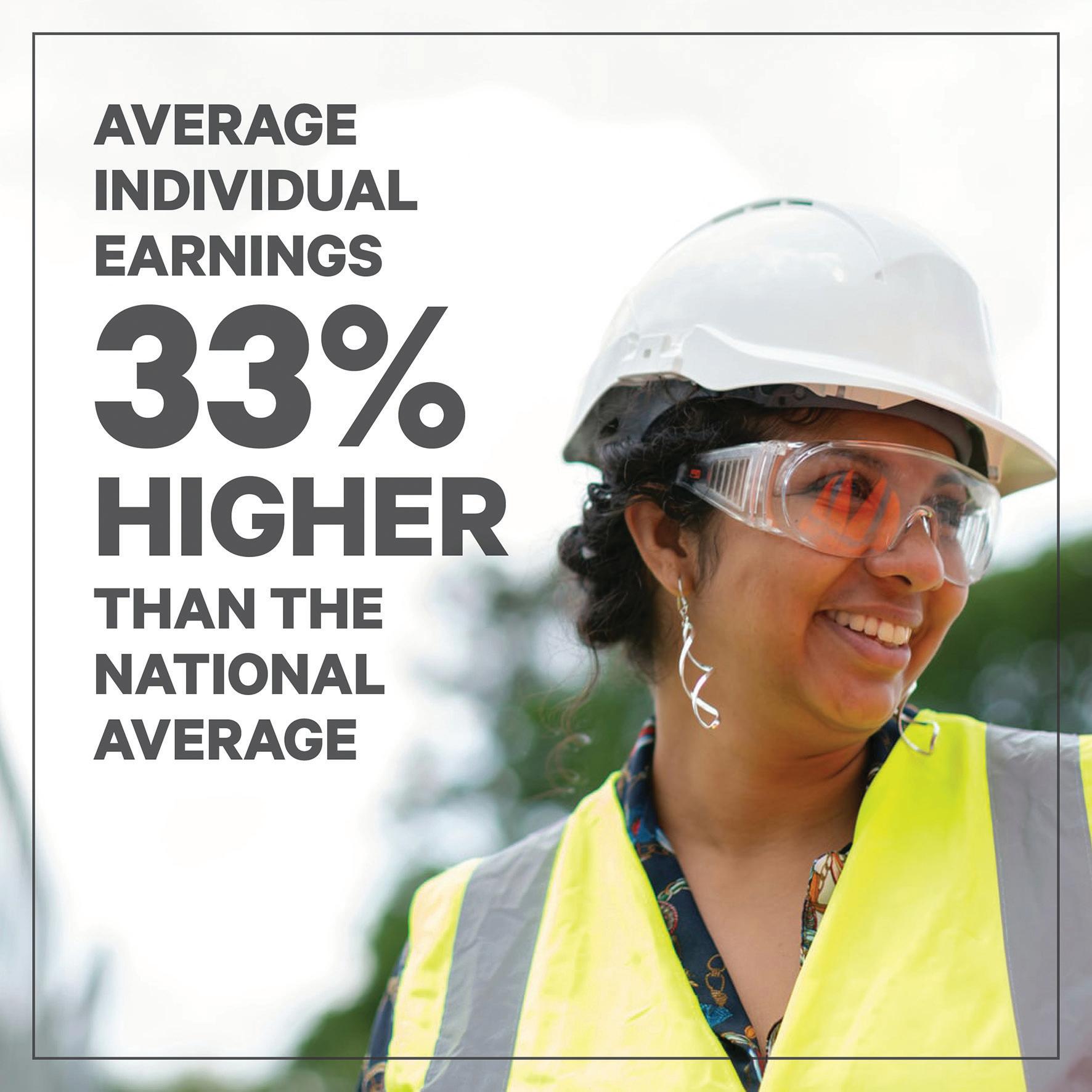
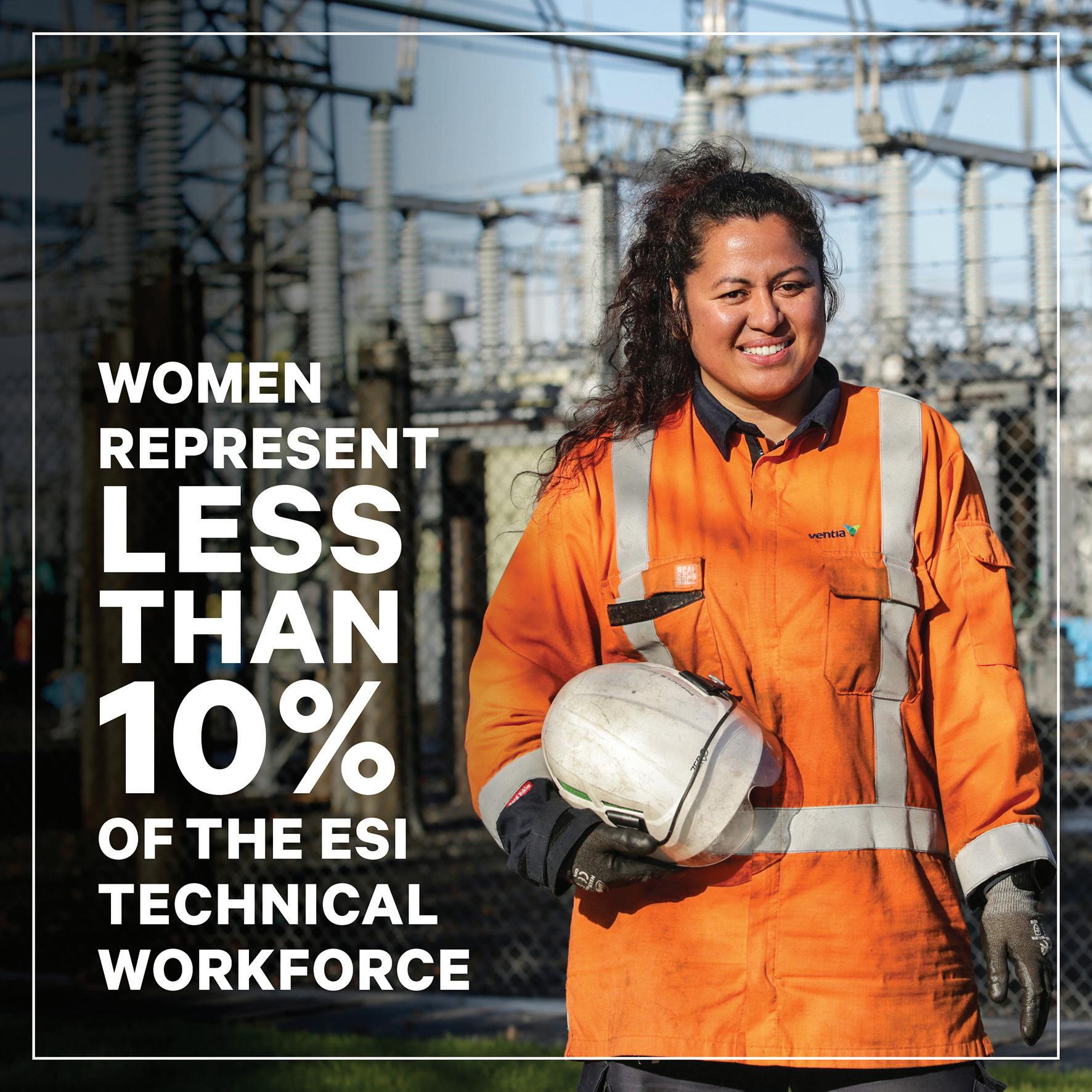
Among the 70 interviewees engaged to share their insights, rangatahi working in ESI made it clear that for them, it’s all about protecting what is taonga.
Comments captured in the report include, “I switched to this role because I grew up in Turangi and I want to work in my own backyard” and “My parents are in their pension age now. It would be good to help them financially. We have a thing called iwi, which is like my tribe. I want to use my expertise at some point to benefit my tribe. It’s my main motivation at the moment.”
Mike explains: “We know local talent holds such great potential. That’s why our report focuses on actionable recommendations like developing community-focused campaigns to celebrate and share the long-term value of careers that allow employees to train and work within their home towns.
“Our report highlights that it’s also critical to build partnerships and prioritise relationships with Māori businesses and Māori communities by partnering with iwi and embedding Te Tiriti o Waitangi across ESI organisations.
“We need to develop cultural leadership and inspire Māori to enter the industry and thrive within it.
“There are already great examples of community engagement as a way to reach more Māori. Genesis Energy, for example, has created a programme
focused on the communities where they generate electricity.”
Genesis Energy’s Pou Hāpori community liaison manager explains: “Ngā Ara – Creating Pathways is about inspiring young people to become the energy innovators of the future.
“It aims to give the communities a head-start to fill these future roles with local people and is focused on rangatahi Māori and females. It brings together many organisations collaborating for a common goal.”
To build a resilient workforce, Re-Energise –Ngā Mahi A Māui also says that the ESI must be committed to growth and a domestic recruitment focus.
“This focus reflects the Government’s signalled position on immigration, which is that they will take a ‘high skills/low volume’ approach to immigration when the borders eventually reopen,” Mike says.
“We know many of our communities across Aotearoa hold the answers and can help to solve the challenges the ESI is facing.
“To futureproof our energy supply, we must act now and our report is the catalyst for the transformational change we need. We encourage stakeholders to read, share and challenge our findings so that together we can help the next generation of our workforce to succeed.”
t: 03 578 0060
e: info@morganplumbing.co.nz www.morganplumbing.co.nz


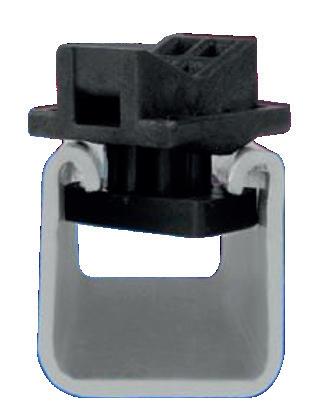
First established in 2018, Uniclamp International is a global team of driven problem-solvers that manufacture and distribute innovative industrial products. Our mission is to reduce your costs, while increasing installation speed, to assist you in reaching greater profits.
With this in mind, we've developed an increasing range of adaptable, patented products that cater to multiple different sectors – think the world's only strut & flat surface clamping system that saves you up to 85 percent on installation time.
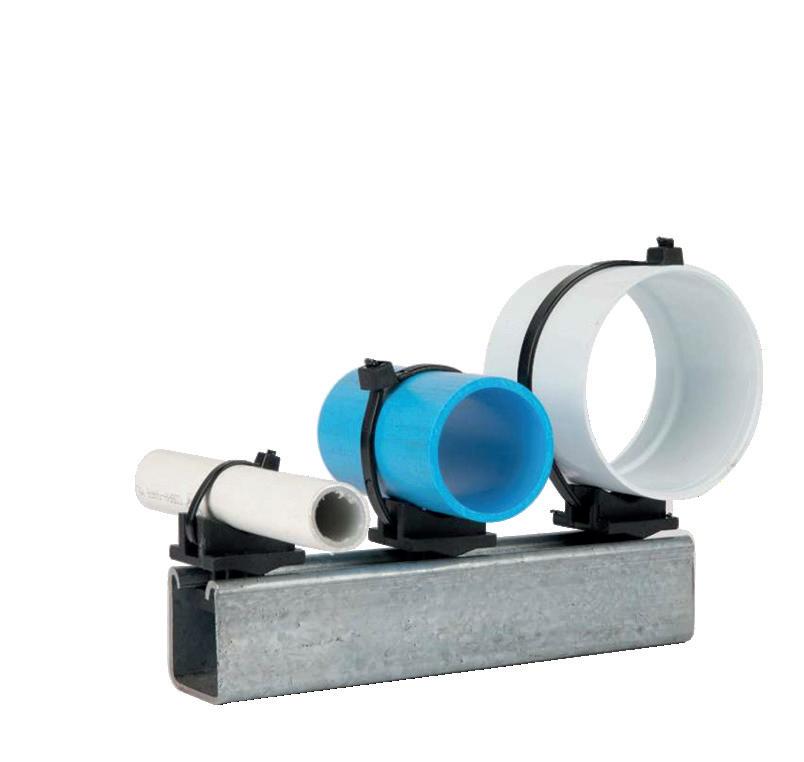
Why do you need different clamp sizes for a single project, when the Uniclamp can accommodate any sized piping from 3/8" (9mm) up to 5" (127mm) on a single clamp? This means that you require less stock, and it expedites your procurement as well.
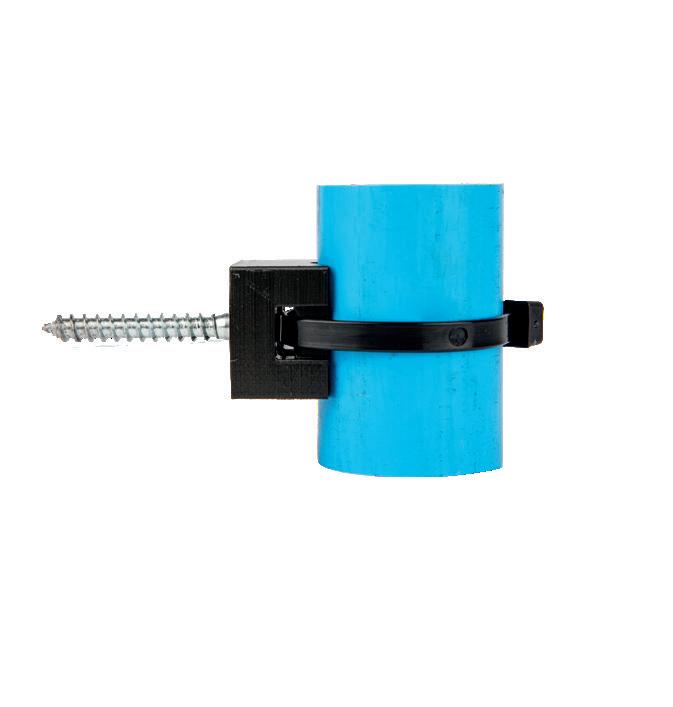
Tired of having to spend time and money fastening loose nuts and bolts on your existing clamps? Not to worry, Uniclamp is completely maintenance-free. Our 30% glass-reinforced nylon 6 design means that it will never corrode, never rattle loose, is resistant to 95 percent of industrial corrosives and even has a UV lifespan of up to 20 years outdoors.
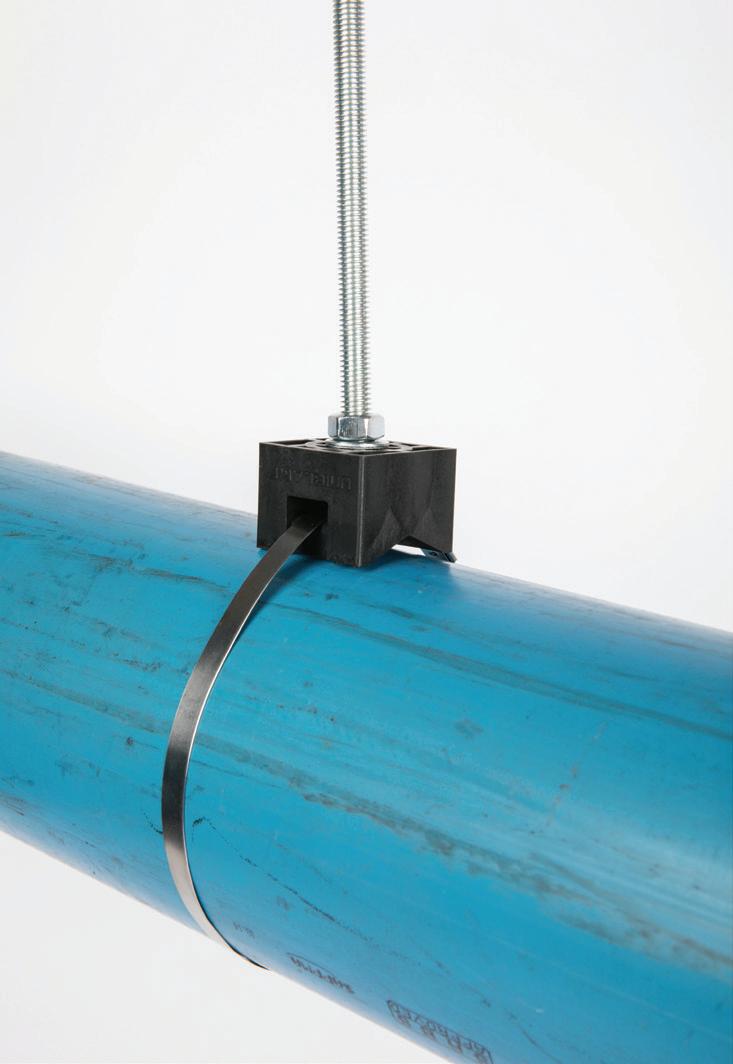
It doesn't matter if you're in HVAC, oil & gas, solar, telecommunications, plumbing or electrical, Uniclamp is the right choice for all of your round surface clamping needs. It can also handle temperatures up to 260° Celcius and has a tensile strength of up to 408kg.
Never cut or damage insulation again to fit a clamp. We specifically designed high-density polyethylene (HDPE) sleeves, which distributes the force of the strapping across the insulation. This means that the insulation will never be compressed, or damaged, in any way. The Uniclamp is UL Listed – (UL 2043 and UL 2239).
Less maintenance, less labour, and more savings to you is what we care about.
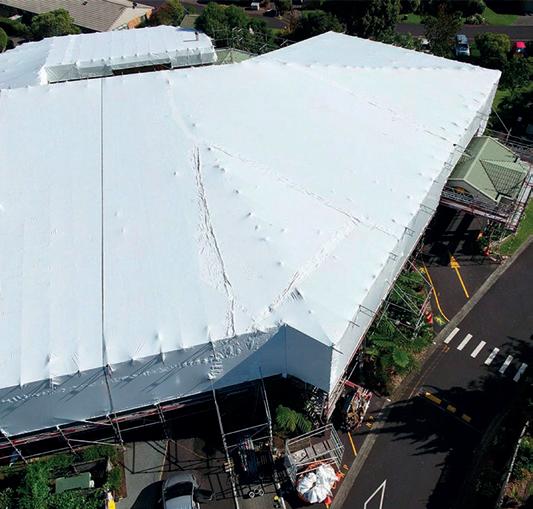
Wrapid Man is a proudly Kiwi-owned and operated business that deals with shrink wrap solutions. First establised in 2013 in the Auckland region, the company provides services in residential, commercial, and marine shrink wrapping, as well as recladding and leaky buildings.
As full members of SARNZ, the team is fast, efficient and their projects are affordable. They are there to help so customers feel satisfied and have a piece of mind knowing they dealt with New Zealand’s leading shrink wrapping experts.
The team is always forward-thinking and does their projects in the most effective ways. When they shrink wrap the team makes sure it's weatherproof, safe, and also sustainable. Doing the job for years and years, no project is too big or small. These guys are confident they can do jobs that have never been done before while making sure everything has been done correctly.
The team's expertise and experience range, as some have experience in the construction and marine sector - everyone is capable of repairing leaky homes and recladding, construction wrap for revamping houses,
and fixing commercial stretch wrapping for interior and exterior projects.
Customers will be pleased with the high-quality products used, along with exceptional service and workmanship. The team uses specialised tools and equipment that have been tested and used for many years now.
Wrapid Man’s shrink wrapping solutions are based in Auckland but are becoming wellknown for being the country's leading shrink wrap company. The company's goal is to continue succeeding objectives and ensuring prices are low to offer customers the best competitive prices. The company is proud to be an industry leader in community and environmental responsibilities as all products are recycled.
Customers will be pleased with the high-quality products used, along with exceptional service and workmanship.
Get in touch with Wrapid Man to experience excellent communication skills, staff always being on time and providing professional knowledge, advice, and experience in construction.
Enquire now either via phone on 09 213 7267 or email hello@wrapidman.nz
Despite an easing in the quarterly rate of growth, construction costs rose by 6.1 percent during the 2021 calendar year - the highest since Q1 2018 (6.2 percent) and not far short of the cyclical peak of 6.9 percent in Q4 2017.
CoreLogic’s Cordell Construction Cost Index (CCCI) for Q4 2021 showed that the cost to build a ‘standard’ 200 sqm brick and tile house in Aotearoa rose 0.9 percent in the final three months of 2021.
CoreLogic’s chief property economist, Kelvin Davidson, says timber prices and record building consents are a couple of the key drivers.
“Despite reports of a slight softening in the rate of price growth for timber in the last quarter of 2021, our perception is that timber products for housebuilding are generally continuing to see significant price increases,” he says.
“New dwelling consents are also running at record highs. This, combined with consented alterations and additions projects, work that doesn’t need consent plus the wildcard that is Omicron indicates that there is plenty more to come in terms of cost growth.
“It wouldn’t surprise me if construction costs accelerate further in the next few quarters, possibly even hitting double digits.”
Rising construction costs come at a time when CoreLogic is reporting a 27.5 percent rise in housing values nationally over the 12 months to January. Higher construction costs are likely to add to affordability challenges already at play across the established housing market.
“What we have at the moment are headwinds and tailwinds colliding.
“On one side we have the loan to value ratio rules which favour lending for newbuilds, plus the rejigged system around investors claiming mortgage interest as a deductible expense, both which should underpin construction demand and activity to some degree.
“But mortgage rates have risen sharply, meaning households will be less able to stretch their budgets than before.
“And of course, the rapid construction cost growth itself may deter some households from going down the new-build or significant renovation path, which I expect will lead to an eventual slowdown in new work being consented later this year,” Kelvin says.
“Of course, builders themselves may not be too concerned about a possible reduction in consents, as the pipeline of work they already have booked stretches for many months yet,” he adds.
Simone Moors, CoreLogic NZ country manager, warns rising construction costs don’t just impact home renovators, builders and businesses, but all home owners and property investors.
“In these times of rapidly rising home and construction costs, under insurance can quickly become a real threat to what is a most valuable asset.
“It’s important that home owners keep track of their sum insured and annually check that it is sufficient should the worst occur by using their insurer’s rebuild calculator or giving them a call,” Simone says.
CoreLogic researches, tracks and reports on materials and labour costs which flows through its Cordell construction solutions to help businesses make better decisions, estimate rebuild and insurance quotes easily and, ultimately, appropriate risk effectively.
The CCCI report measures the rate of change of construction costs within the residential market and covers freestanding and semi-detached single and two storey homes.
For more information or to read the report, visit: www.corelogic.co.nz/reports/cordellconstruction-cost-index.

According to the latest New Zealand Core Logic data, construction costs in New Zealand have increased by 6.2 percent in the last quarter alone, largely due to rising commodity and raw material prices.
Raw material shortages are creating continual price fluctuations and increased costs.
In the current climate, predicting how long a project will take has become nigh on impossible which also impacts on cost in other areas including labour and equipment hire.
Escalating prices:
The numbers speak for themselves
Highlighting this issue, the global consultancy firm Rider Levett Bucknall released a forecast
of construction cost increases for capital and regional cities around Australia in 2022.
In New Zealand, CoreLogic predicts that construction prices could grow by double digits this year as they continue to rise at the quickest rate in over four years, with costs increasing by 6.1 percent just last year.
For instance, CoreLogic’s Cordell Construction Cost Index (CCCI) revealed the cost of building a conventional 200 square metre brick and tile house increased by 0.9 percent in the fourth quarter of 2021, and again by 6.1 percent year over year.
Interest.co.nz analysed Stats NZ’s building consent figures and found that average residential building costs rose 4.3 percent over 12 months to the end of September 2021, and the cost of some types of dwelling increasing by up to 8.0 percent.
That equates to an average construction cost of $2,484 per square metre for a new dwelling, up from $2391 in the 2020 September quarter. Based on the average size

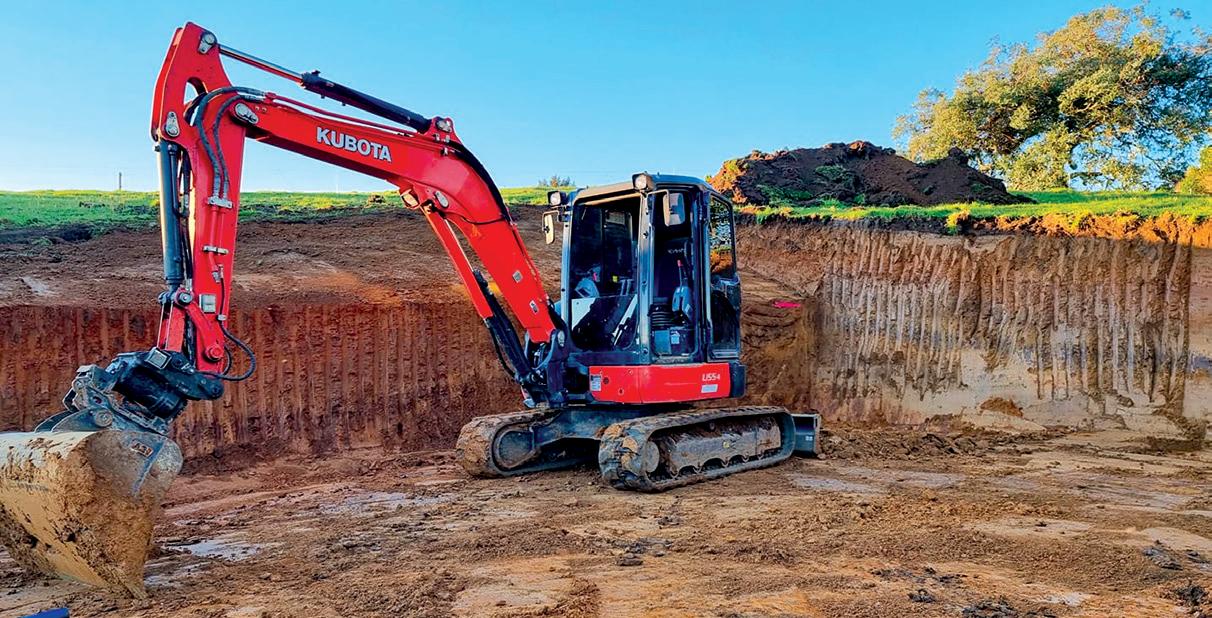
In the current climate, predicting how long a project will take has become nigh on impossible which also impacts on cost in other areas including labour and equipment hire.
of 152 square metres, that’s an additional $5,621 per dwelling.
These numbers provide an indication of the challenges our construction companies and contractors are facing, and it still doesn’t include rapidly growing and exorbitant shipping costs and the fallout of month-long delays.

Digitisation in construction: A landscape of change
Our recent Frost & Sullivan study on digital transformation within construction flagged supply chain issues as one of the top roadblocks for construction firms.
Of the respondents, 55 percent cited supply chain transformations as the top shift impacting workplaces of the future in A/NZ.
However, our research also highlighted that digitisation and the adoption of technology tools presents a possible solution.
Real-time collaboration, the ability to manage and track key tasks, and having a centralised platform with a single source of truth can help to develop the relationship between head and sub-contractors and bring together a fragmented environment.

If you ask an average person to imagine a typical construction worker, they’ll probably think of a male in work pants, boots, a high visibility vest and helmet. But the face of the construction industry is changing.
For one, more than 40 percent of our users are female. We’re also seeing the next generation of leaders coming through.
For a long time, construction firms have been led by their founders, but now those with fresh ideas and approaches are stepping into leadership positions.
While it’s important to not lose the momentum we have built up over time, it’s crucial to embrace the new, to be open to the power of digital tools, and the new thinking that comes along with that.
On top of this, most organisations are small - they might have under 10 people in their team, not 50 or 100.
These factors also lend themselves to tools that will help people become more effective and efficient, and better engage with all stakeholders. In this scenario technology becomes an obvious choice.
At Payapps we see that most organisations may not think they are engaged in digital transformation, but in fact they do have some form of construction management platform, whether that’s around estimation, project management, or financial aid. And that’s across all sizes of organisation.
In beginning to recognise these tools and actively adopt more, leaders can create more efficiencies and help teams to meet ongoing, and at times severe, challenges.
From our end, we’re primarily focused on using technology to improve efficiencies and clarity around progress claims, which has long been a manual process.
It has become a critical piece in reducing complexity for both builder and subcontractor, enabling them to have live, collaborative documents that can be adapted and changed to match their activities, costs and work within a contract.
This is even more important as prices and projects are changing so rapidly.
In this instance, digitisation also becomes about lowering the cost of doing business and increasing satisfaction with subcontractors.
In moving from manual to automated processes, you create a cost efficiency opportunity.
It helps contractors to deliver on what is promised each time and reduce risk of misinformation or miscalculation.
We’re giving people the best chance of being paid the right amount at the right time, to keep all parties happy and in the know of what’s going on.
Knowledge is power, especially when we’re faced with difficulties around price increases, delays in projects and changing teams.
What gives us a sense of optimism within the construction industry, despite the current landscape, is to see organisations that are moving into a new phase of growth and adopting digital tools and technologies to drive greater efficiencies, collaboration and risk mitigation.
What gives us a sense of optimism within the construction industry, despite the current landscape, is to see organisations that are moving into a new phase of growth and adopting digital tools and technologies to drive greater efficiencies, collaboration and risk mitigation.



Solidscaff is a family run business operating out of Palmerston North. As a Company, we are totally committed to delivering highly professional and timely scaffolding solutions to residential and light commercial clients within the greater Manawatu Region.
Managing Director – Philip Hiku has an excellent reputation in the industry, is known for being a problem solver and is timely in his execution. With over a decade in people management, Phil also brings with knowledge of the industry having spent the last three years as a scaffold manager, Phil and the team have the skills and experience to complete any job to a very high standard.
Solidscaff is positioned at the top end of the industry from a service point of view with very competitive pricing and dealing with Solidscaff, safety and interaction with our customers are at the forefront of our company’s values.
We offer high quality, reliable scaffolding in a safe and timely manner.
At Solidscaff Health and Safety is paramount to ensure the safety of our staff and clients. Our staff are trained professionals in the safe erection and dismantle of scaffolding.
Health and Safety measures, we take on all sites:
• Worksite compliant PPE at all times Eg: steel caps, Hi-Viz clothing, hard hats and harness (when required).
• Follow good Practice Guidelines as set out by Site Safe NZ, when erecting and dismantling any scaffolding.
• Weekly Inspections on all jobs – all jobs will be tagged with further information.
• Regular review of our Health and Safety practices to ensure we stay up to date with the industry.
• Hazard ID and site induction done on all sites.
Our mission is around providing honesty and safety.
Solidscaff’s vision is to deliver this in all our transactions with safety always at the forefront of our minds.
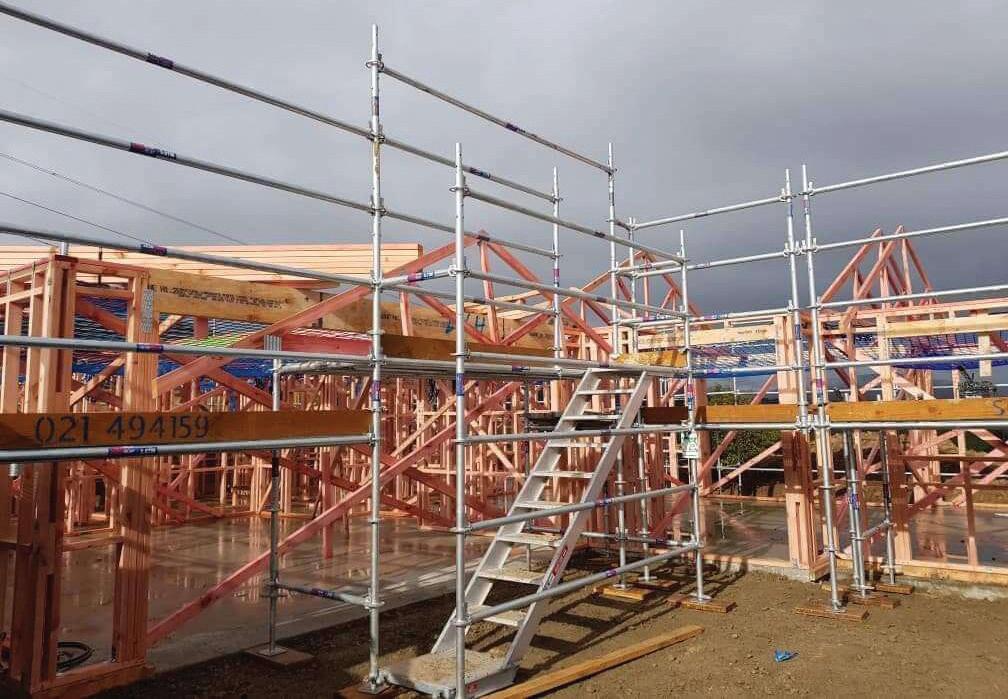
With super friendly and courteous employees we pride ourselves on highly professional interactions, quality service, competitive pricing underpinned by strong work ethics and values.
Our Values: "Accountable, Responsible, Consultative & Informative". These are the foundations for which we do everything on.
Solidscaff is positioning itself to be an award-winning Scaffolding Service Company within the construction industry.
Our motto of "Safe, Honest and Reliable" sets us apart and our clients are supported to ensure safe working conditions are maintained for all workers.
We support industry growth and best practice in all areas of compliance and innovation, making us an easy choice for our clients.
Solidscaff provides equipment and services including:
• Edge protection
• Scaffolding
• Site inspections
• Safety nets.
Please contact us any time for questions you have, a FREE QUOTE, or just a chat. We love to hear from you and give you a hand.


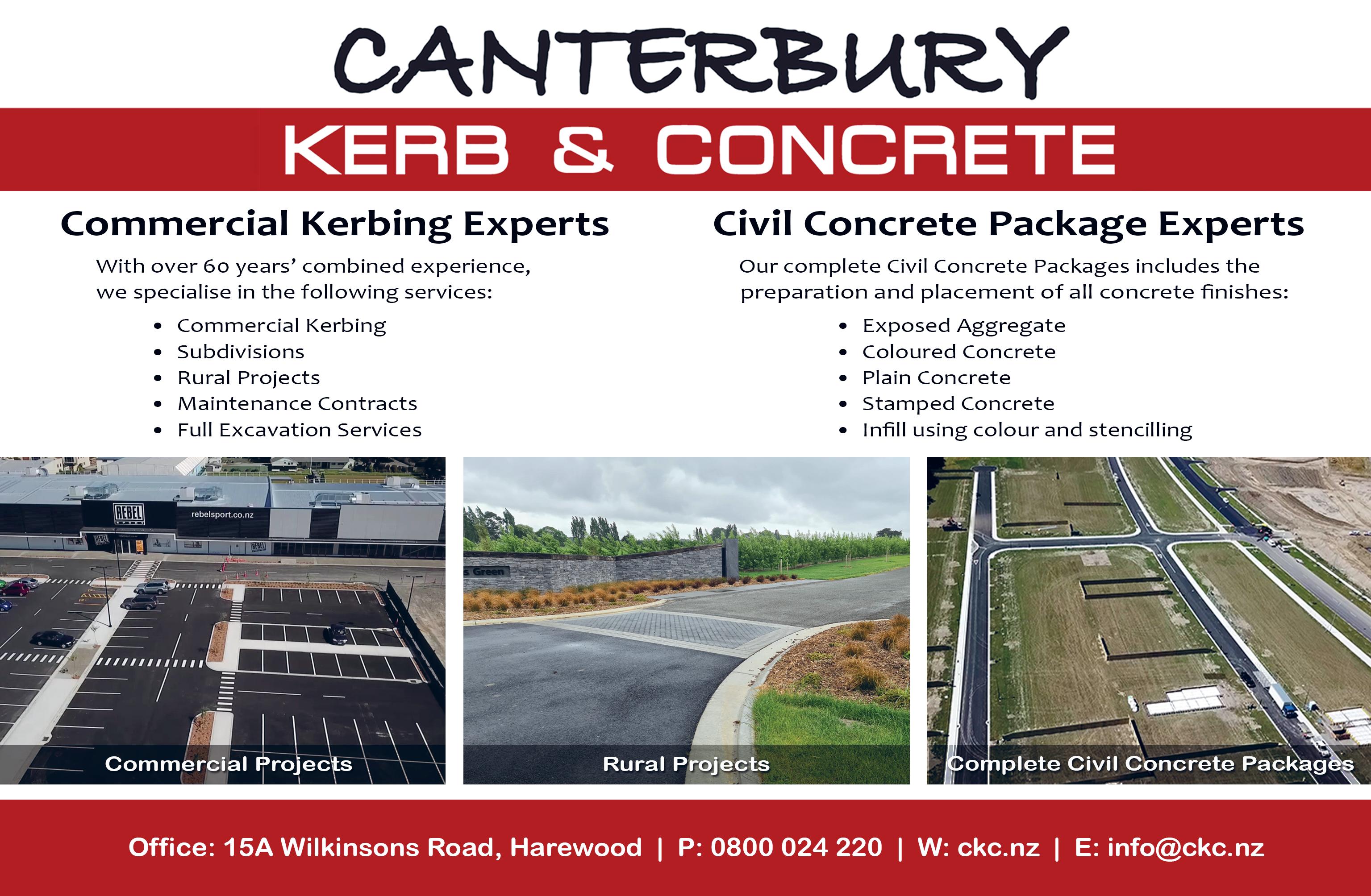
Alan Judd is owner of Canterbury Kerb and Concrete Limited (CKC) –a thriving Christchurch company operating in commercial kerbing and concrete placement.
Kerbing is in Alan’s blood – as a secondgeneration business established by his father in 1965, with over 60 collective years of experience in the current team, all areas of concrete construction are covered.
Canterbury Kerb and Concrete primarily works for corporate clients on commercial sites, roading projects or subdivisions. Last year, CKC poured in excess of 20,000m2 of concrete and laid over 50,000m of kerbing. Currently employing 21 staff, CKC has the capacity to lay more and operates over the entire South Island.
The company is well equipped, with specialised trucks, trailers, and machinery. CKC operates 12 kerb machines, and 24 profiles to South Island council specifications ensuring they can work wherever required.
Subdivisions
• Meadowlands and Quarry Park in Halswell
• Ravenswood Stages II and III A, B, C, and D in Woodend
• Faringdon in Rolleston
• Belfast and Springrove in Belfast
• Prévelles in Prebbleton.
Commercial Projects
• Northlink Retail Hub
• Burlington Retirement Village
• Christchurch Mens’ Prison
• Waimak Business Park
• Project Sakura – large industrial cardboard facility in Hornby
Other commercial projects have had CKC undertake the Flaxton Road upgrade with the Rooney Group while the concrete and kerbing teams have been in action at the Ravenswood McDonalds restaurant, BP and New World.
The large variety of concrete services provided enables the company to offer complete civil concrete packages to all clients, and the company’s quality workmanship produces functional areas that are also extremely eye-catching.
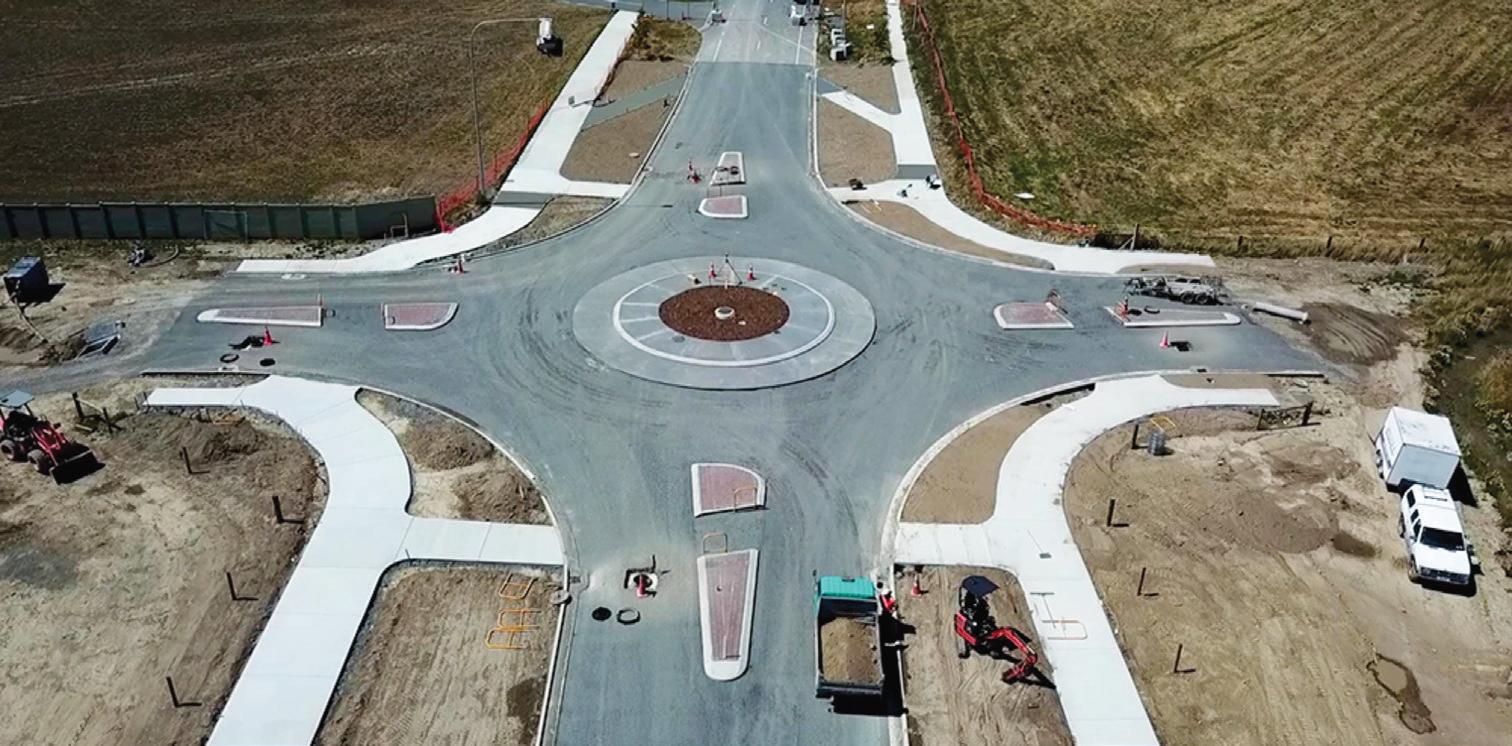
Last year, CKC poured in excess of 20,000m2 of concrete and laid over 50,000m of kerbing.
As well as kerbing, the company offers full excavation, paving and hardscaping services, and the preparation and placement of all concrete finishes including:
• Exposed Aggregate
• Coloured Concrete
• Plain Concrete
• Stamped Concrete
• Infill using colour and stencilling.
Canterbury Kerb and Concrete enjoys an 8-year relationship with Kainga Ora and currently holds two Canterbury maintenance contracts with a total of over 8,000 homes driveways and paths being maintained. Rural driveways and subdivisions are also a speciality.
The continuing success of the company starts at the top with Alan as the Managing Director relying on a well-oiled and experienced team of Operations Managers and Team Leaders.
Kerbing Operations Manager Josh Johnstone has seven years’ experience and knowledge with the company. Josh maintains the kerbing team is running at full efficiency, producing top quality work at all times.
Concrete Operations Manager, Matt Cole, with 10 years’ experience and great civil practise knowledge, ensures multiple customers’ requests and contract deadlines are met with quality maintained.
Clients of CKC can’t stop singing their praises. The testimonial page on the companies’ website, www.ckc.nz/testimonials is full of comments from happy customers.
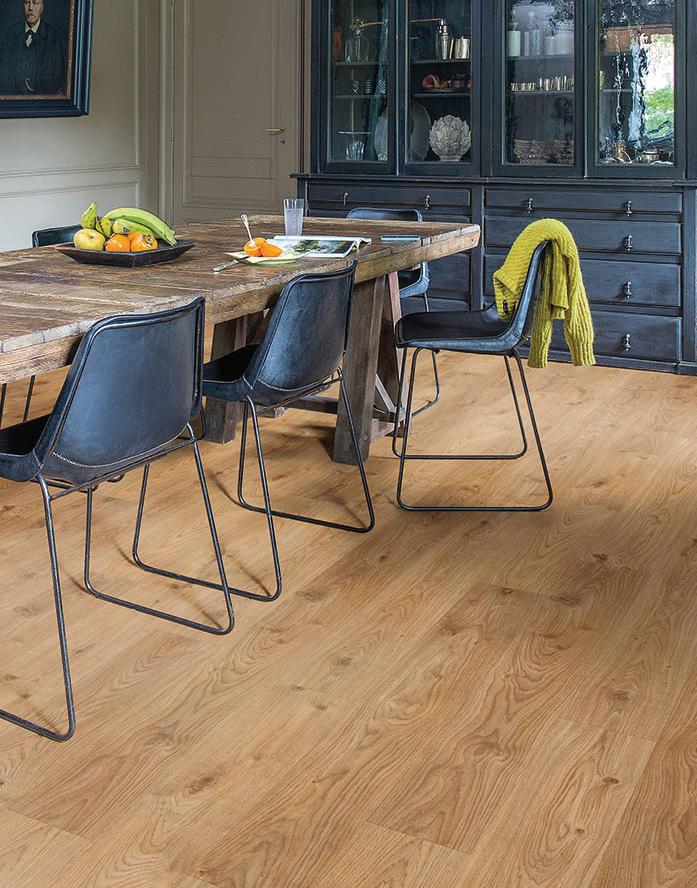
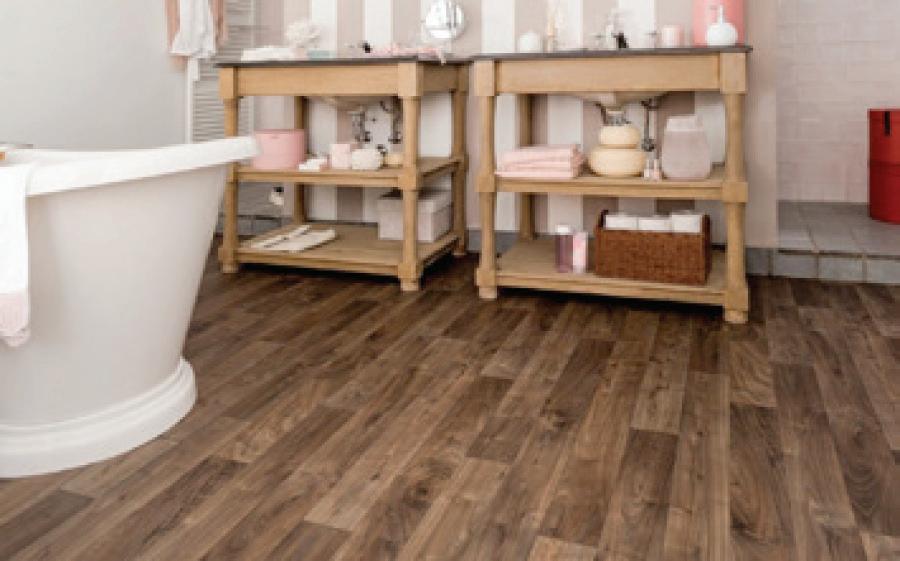
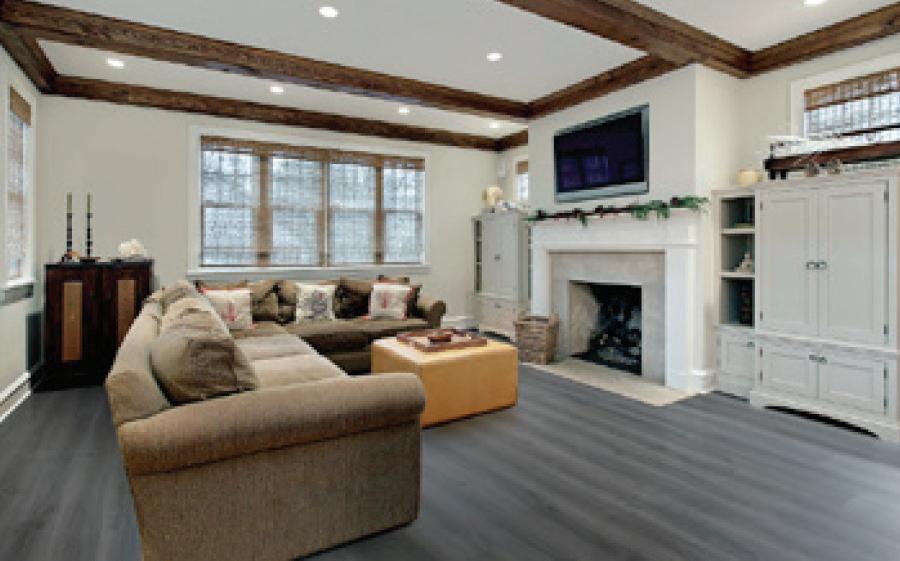
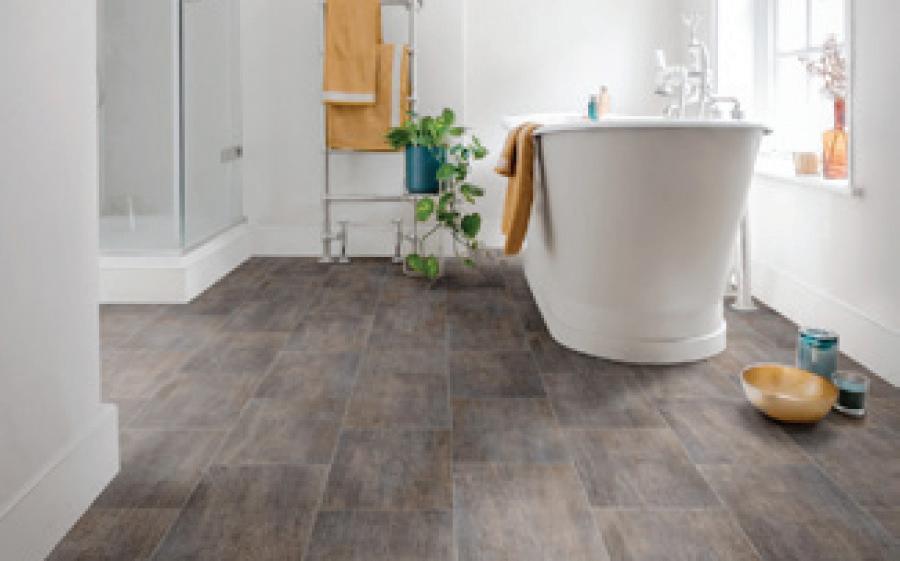
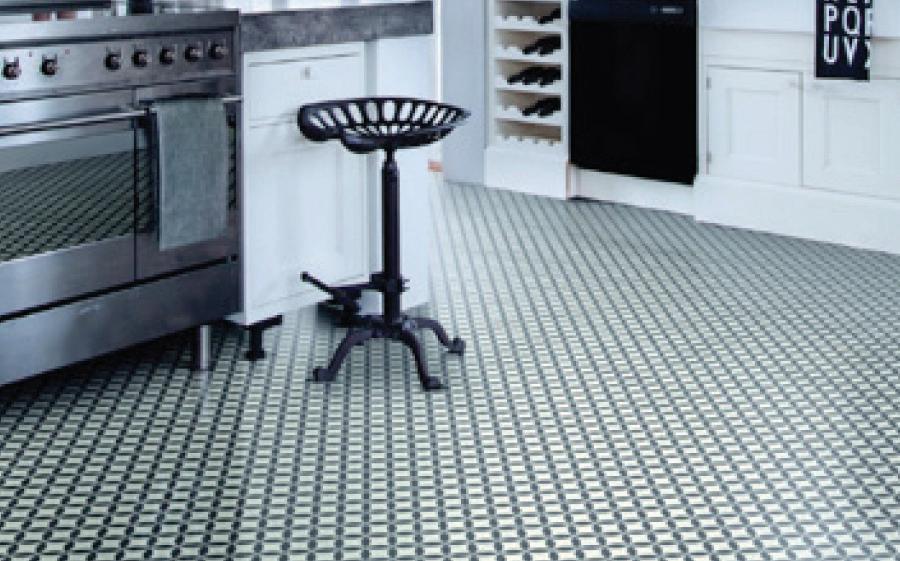
From our Whangaparaoa store we supply the wider Auckland area with carpet, vinyl, timber, laminate, garage carpet, designer rugs, boat carpet and more.
Owners and operators Alan and Melissa Maher from Red Beach have more than 35 years’ expertise in the flooring industry between them.
Alan is a certified carpet layer and salesperson, while Melissa has worked in commercial and residential flooring for the last 18 years.
There is not much they don’t know about the range of carpets, vinyls and wood flooring they sell and over the years have seen changes in the kind of materials people like to put on their floor.
Melissa and Alan hope that locals will tap into their considerable experience.
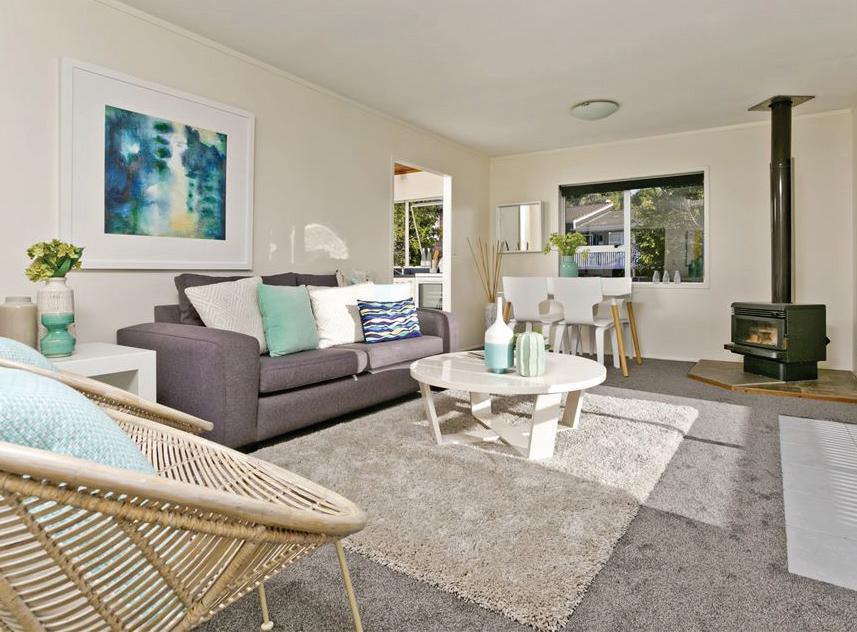
They have a big focus on establishing The Flooring People as ‘your local flooring store’.
“Being locals, we feel strongly about keeping jobs local.”
At The Flooring People we believe in buying local and supporting local. We endeavour to support local community groups every year. In 2021, we have chosen Red Beach Surf Club, Orewa Surf Club, Hibiscus Coast Boating Club, Manly Tennis Club, HDF Hockey Club and North Harbour Hockey. Without our community supporting local businesses this would not have been possible.
Contact us by calling (09) 428 3168, or email: sales@theflooringpeople.co.nz.
"We found Melissa’s advice on carpet choice to be knowledgeable and practical. Our property manager also commented on the professionalism of Al and team when installation took place. A competent and trustworthy local business, thanks for your great service"
-Renee, Stanmore Bay
"The Flooring People were absolutely amazing and I would totally recommend them 100% for their efficiency, friendly, and very helpful advice that they gave us. Choosing new carpet was a big decision for us and happily Mel and Al were there to help every step of the way from assisting with colour, texture, type of carpet to organising the uplifting and disposal of the old carpet, laying of the new and even popped in to make sure both of us were happy. We were more than happy, we were ecstatic! Huge thank you Mel and Al for a very smooth and organised operation."
-Janine, Red Beach
"Al and Mel helped out immensely with my first ever carpet purchase and I couldn't be happier with the result! Such great service – especially with COVID-19 throwing a bit of a spanner in the works – and such great quality! My apartment is like a new home all over again! Thanks guys! "
-Tracy, Mt Wellington
"The team at The Flooring People has been completing work for me for a number of years for various companies I have worked for. They are professional, friendly and prompt in all aspects of their work. I have been nothing but happy with the service and would highly recommend them to anyone looking for a great flooring team. "
- Kim, Property manager







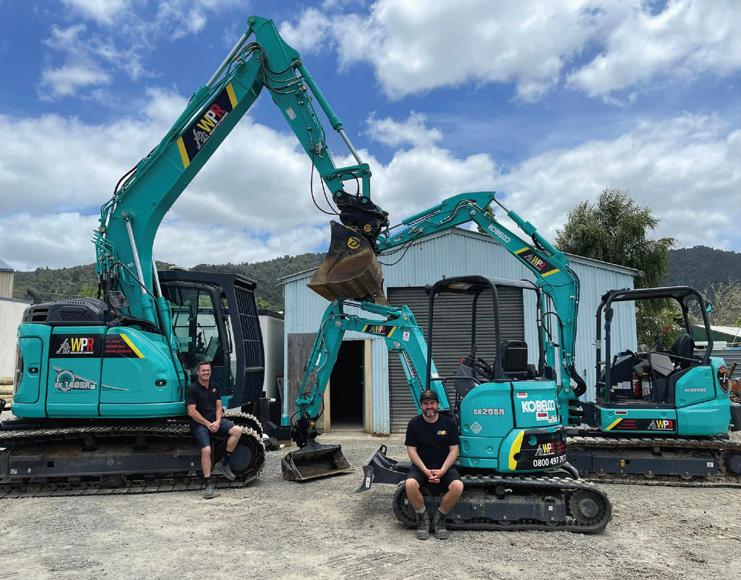
To stand the test of time, a successful business requires the most robust and reliable of foundations.
Waikato Post Ramming not only specialise in foundations of such strength; they are also built on them.
With over 30 years’ experience in pile driving, retaining walls and foundational drilling, the strength of this successful Waikato company owes to the skills and dedication of its’ people and director, Brad Albiston.
Over the last three decades, the business has worked with a wide range of clients – from private construction firms and landowners, to large commercial enterprises and residential properties; providing excellent results, every time.
Whether it’s for residential applications, commercial establishments or the civil sector – each and every team member has been trained to provide a high-quality service and deliver excellent results to customers across the Waikato, Bay of Plenty & South Auckland regions.
The team at Waikato Post Ramming constantly aim for customer satisfaction
and work tirelessly to maintain strong business relationships with their clients. They can also customise their services according to your requirements, making your investment worthwhile.
Indeed, their commitment to their customers time and time again, by keeping open, honest communication and displaying acute attention to detail throughout is what sets them apart.
If you’re searching for professional Post Ramming, retaining wall specialists and foundation drilling contractors in the Bay of Plenty and the greater Waikato region, you needn’t look any further.
Don't hesitate to get in touch with Waikato Post Ramming – one of New Zealand’s leading Civil foundation and Retaining wall companies – today.

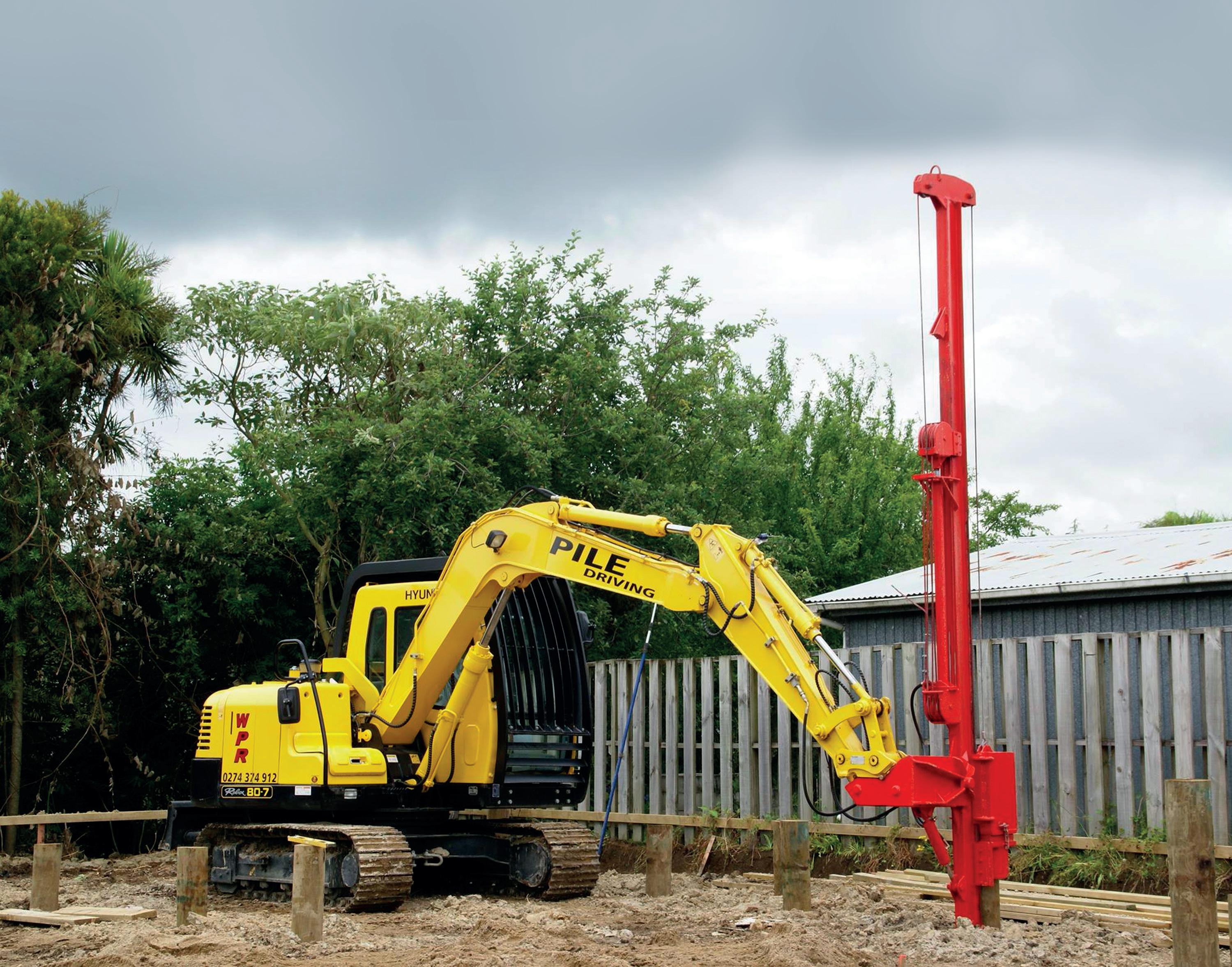
Every structure needs a solid foundation. Give your project the strength it needs with our pile driving services.
• We use quality piles that are strong and durable
• Various piling options like timber poles and steel I-beams
• Skilled team with years of experience in piling and excavating
• We use modern machinery such as: excavator, bobcat mounted piling machines, and tractors.
Traditional piles come with a range of constraints that have long been accepted as part of the construction process –until now. Screw piles make light work of a large number of these problems:
• Fast to install
• Create less mess and waste
• Require less labour
• Offer unlimited pile lengths
• Create no excessive noise or vibration.
Foundational drilling
Drilling and constructing foundations are very difficult jobs best left with the experts to handle.
• Wide range of auger sizes up to 11 meters in depth
• Truck and excavator mounted drilling machine for versatility in every project
• Skilled team for smooth operations of heavy machines
• Services provided- drilling, craning of steel cages, I-beams, road projects, sign installations, and general drilling projects.
Retaining walls
Retaining walls can be used in supporting and landscaping your site.
• Retains sloping sections to be levelled
• High-quality, strong, and attractive retaining walls
• Variations are available like- wooden, block and crib
• Available from heights of half a meter to five meters.
Over 30 Years of Experience Skilled and Efficient Drilling Contractors in Waikato.

The structure of the City Rail Link’s (CRL) Aotea Station can be seen taking shape above ground.
The reopening of the Wellesley/Albert Street intersection and the switch to the temporary closure of the Victoria/Albert Street intersection have taken place, enabling the construction of the Victoria Street entrance into the Aotea Station below.
When it opens, the Aotea Station will be New Zealand’s busiest area with more people entering or exiting than any other.
It’s a key component of the transit-oriented development outlined in the City Centre Masterplan, which was widely consulted and unanimously agreed by the Auckland Council in 2020. It is a key part of the renaissance of midtown.
You can access details online here:
www.aucklandccmp.co.nz/transformationalmoves/transformational-move-5-transitoriented-development
www.aucklandccmp.co.nz
Last year Auckland Council and Auckland Transport unveiled their midtown programme, describing the area as “a part of Auckland where our history, art, and culture can be seen and heard and will spill out into public life, where people choose to spend time and socialise, a place that is attractive and feels inclusive and safe”.
Midtown is the area that radiates from Aotea Square, taking in landmarks like the historic Auckland Town Hall, Civic Theatre, Auckland Art Gallery Toi o Tāmaki, and SkyTower, two universities, the laneway network including Federal, Elliott, High and Lorne Streets, and treasured city parks - Myers Park and Rangipuke Albert Park.
It’s at the heart of a significant shift in the way people travel into, out of, and through the city, and its regeneration is expected
to be a catalyst for growth, productivity, a healthier, more sustainable city centre, and vibrant arts and cultural heart of Auckland.
These are the projects listed by Auckland Council and Auckland Transport to help regenerate Auckland’s midtown in preparation for the thousands of people who’ll arrive there by train and bus every day in 2025 when CRL opens.
Projects include:
• CRL’s Aotea Station - the station’s threshold designs, woven with narratives from mana whenua, won a World Architecture Festival WAFX cultural identity award in 2019. https://ourauckland.aucklandcouncil.govt. nz/news/2019/12/crl-station-designs-wowinternational-judges
• Stage one of the Wellesley Street bus improvements project (Albert Street to Queen Street) – an upgraded environment for bus users and pedestrians
• Stage one of Te Hā Noa - Victoria Street Linear Park (Albert Street to Kitchener Street)
• Federal Street upgrade, an extension of the shared path laneway circuit
• Wai Horotiu Queen Street Project
• Myers Park underpass upgrade
• Aotea over station development by MRCB, enabled by Eke Panuku
• High Street upgrade
• Hobson Street upgrade (Victoria Street to Wellesley Street)
• Aotea Centre refurbishment
• Completion of the Albert Street upgrade between Wyndham St and Wellesley St.
Excluding Aotea Station itself, the over station development, and Watercare’s wastewater upgrade, Auckland Council
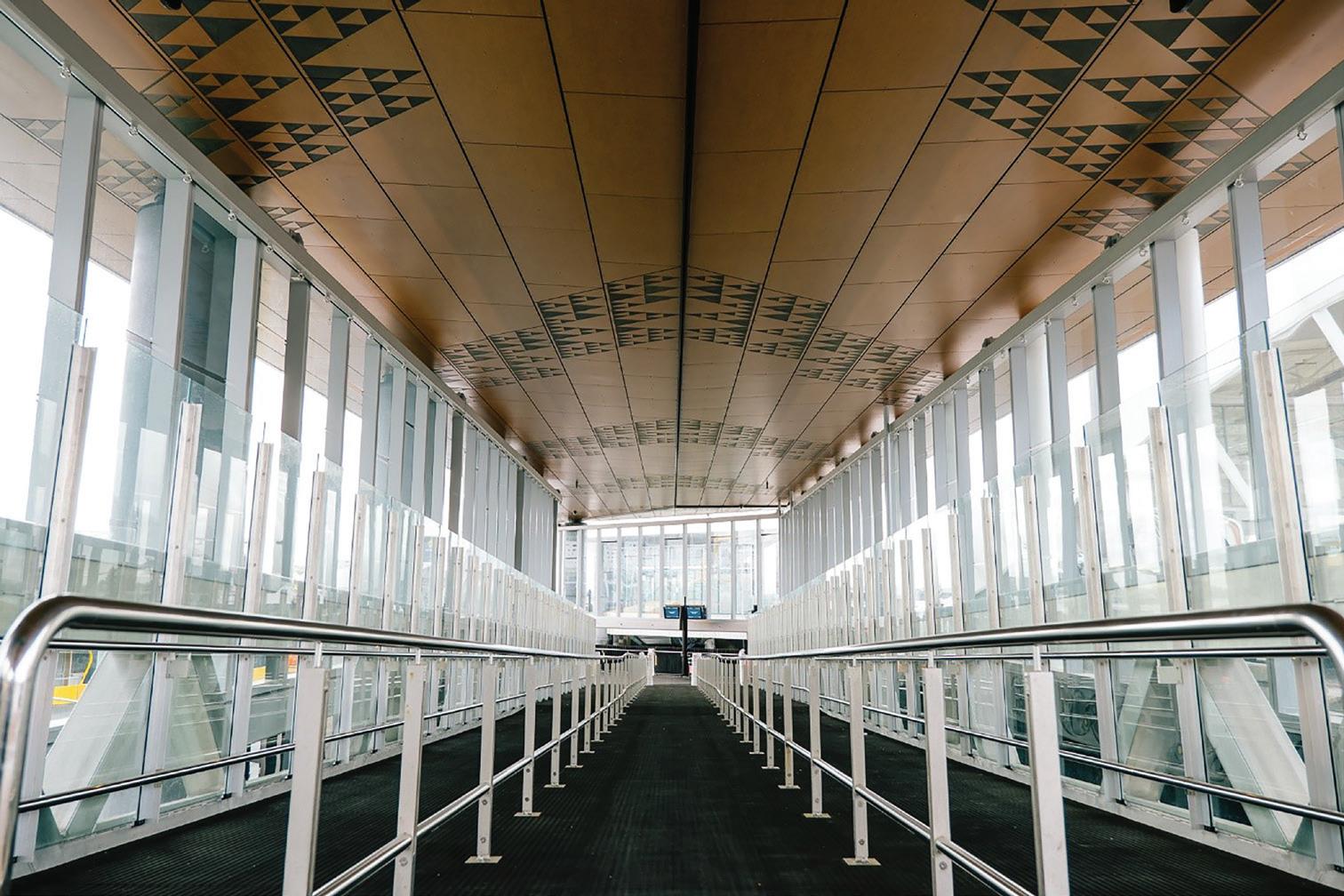
is investing more than $133million into midtown in the next five years.
Auckland Council director of infrastructure and environmental services, Barry Potter, says “our focus in recent years has been delivering a magnificent new downtown area and a more vibrant, people-friendly and accessible Karangahape Road, and the focus is now shifting to midtown.
“Midtown is the gateway to two of our universities and our arts and entertainment quarters. It’s also a vibrant commercial and civic precinct.
“With the Aotea Station set to bring significantly greater numbers, travel to the area will be frequent, safe, and convenient. We’re making sure midtown will be ready.”
The regeneration of midtown will include upgrades to many streets including Federal Street, Wellesley Street, Victoria Street, Queen Street, High Street, the entrance to Myers Park (Mayoral Drive side), and parts of Hobson and Albert Streets.
It’ll also include investment from central government and private developers, with the 21-storey Aotea over station development, Auckland City Mission Homeground, The CAB development next to Aotea Square, and the Kāinga Ora development on Greys Avenue among many midtown developments in the pipeline.
Councillor Pippa Coom says, “we know private investment follows public investment on this scale in growing, prosperous cities with good transport connectivity and people-prioritised design, and we’ll see that in midtown.”
In the future, the city centre’s population is forecast to continue to grow with improved housing supply enabled by the Auckland Unitary Plan.
For more on what’s ahead for midtown and the wider city centre explore the City Centre Masterplan: www.aucklandccmp.co.nz
Moss Electrical offers electrical maintenance for both residential and commercial properties. No job is too big or too small for Moss Electrical.
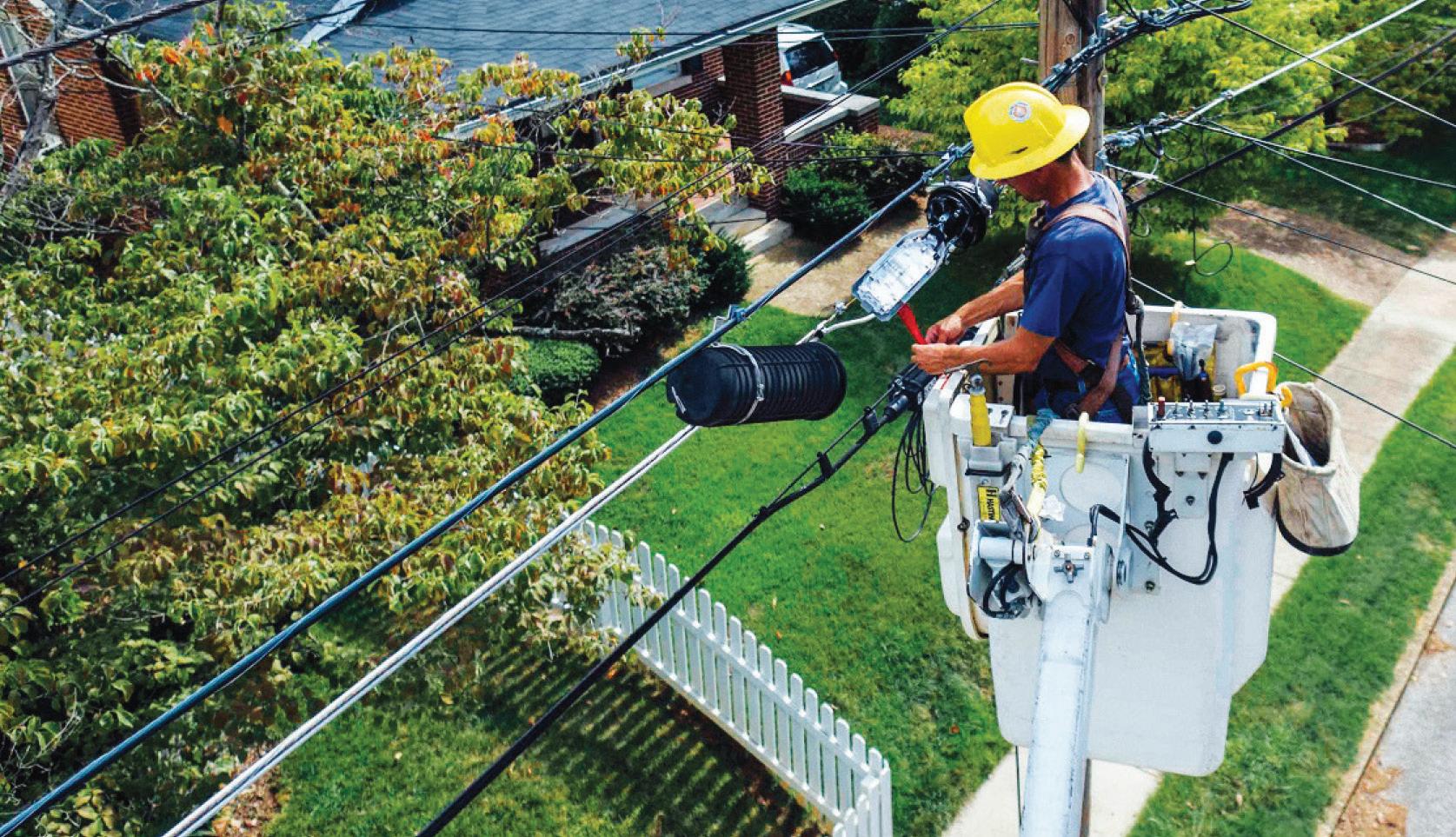
With over 25 years working in the electrical industry we can take on almost any job you need. We make sure to put our clients first and use our expertise to help get the job done right.

■ Electrical Maintenance
• Residential • Commercial
■ Deck Lighting
■ New Builds
■ Rewiring of Homes
■ Spa Pool Power Outlet Installations
■ LED Strip Lighting (Internal & External)
■ Switchboard Upgrades & Maintenance
■ EV Charger Installations
■ Renovations
■ Fault Finding
■ Rangehoods
■ Lighting Upgrades
■ Solar & wind turbine installations partnership with Solarwind
The Centre Masterplan is proving to be much more than the sum of its parts.
It provides perspective on why the 4.3 square kilometres at the centre of Auckland play a pivotal role in the economic health of New Zealand.
Auckland Mayor Phil Goff says, “central Auckland has undergone a massive transformation over the past decade and there is much more to come”.
“The Wynyard Quarter, once an industrial area mostly closed to the public, is now a stunning public space with parks and attractions, new apartments, and spaces for people to walk and enjoy the views over the Waitematā.
“Nearby, new spaces such as Te Komititanga, the public square outside Britomart; Te Wānanga, the stunning coastal shelf over the Waitematā; the new ferry terminal, and the upgraded and pedestrianised Quay Street have helped create a downtown waterfront that is vibrant, attractive and accessible.
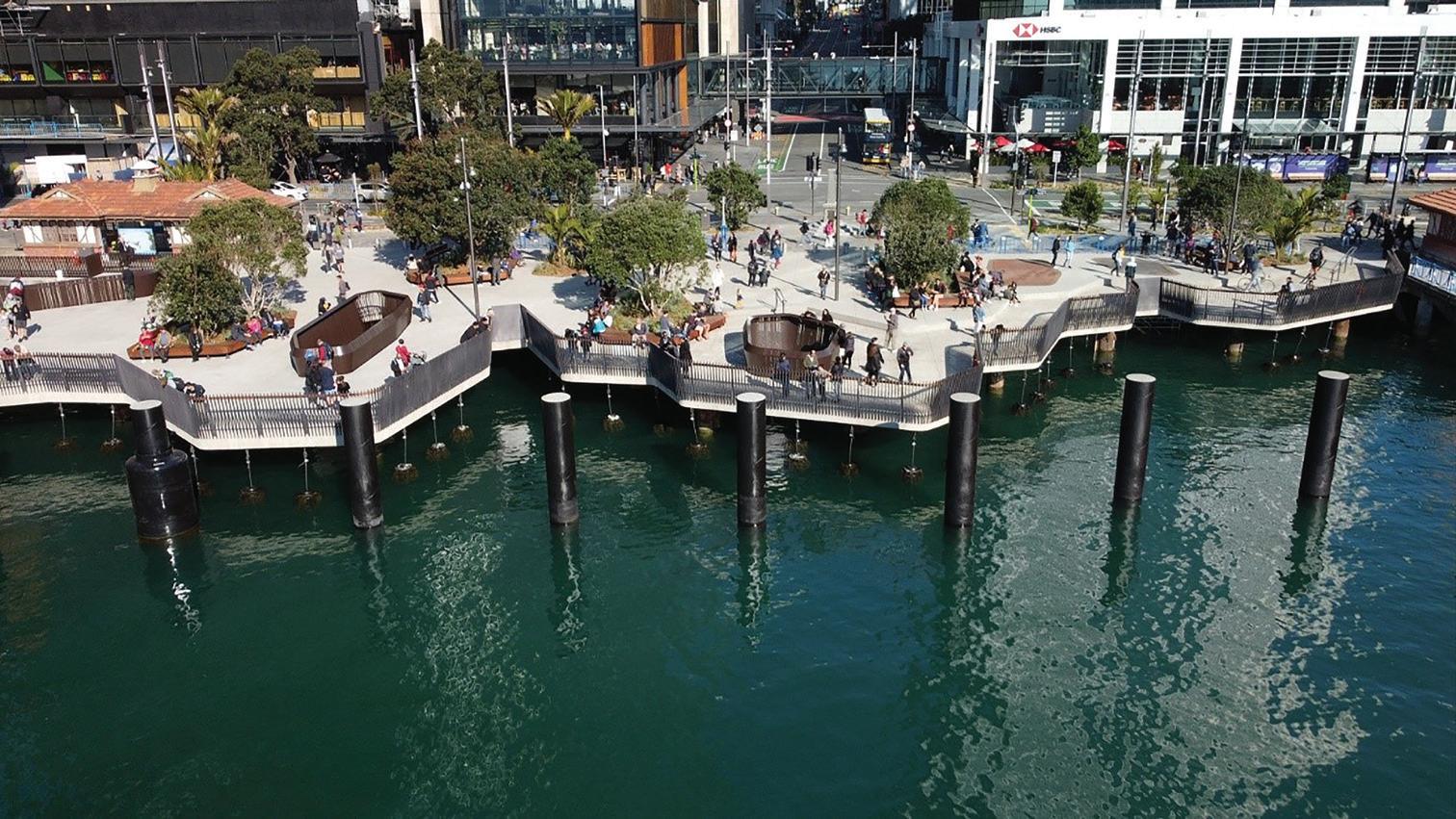
Northside Plumbing is a small business that has been running for 10 years now. We are a close-knit team that works well alongside each other – we thrive on all challenges and jobs we are given; no job is ever too small or too big.
Our work ranges from new builds, renovations, maintenance and light commercial jobs.
With our experienced team of certified plumbers and gas fitters, we provide a reliable, efficient service. We cover all gas fitting and plumbing work, with fast service Auckland-wide.
We pride ourselves on customer service and anything you need; you can count on us to make the process that much easier for you. You can check out the team and our work on both Facebook and Instagram by searching Northside Plumbing. Give us a call today to speak to our friendly office staff for all enquiries you may have.
“And this is just the start. We are extending our successful waterfront vision through the city centre, transforming areas such as Queen Street and Aotea to match the vibrancy and accessibility of our downtown precinct.
“The City Rail Link when open will make it much easier to get into and around central Auckland, spurring new development,
investment and further increasing the vitality of our city centre.
“Auckland has been hit hard by the COVID-19 pandemic, but we are continuing our investment to make our city centre a fantastic place for Aucklanders to enjoy, and once our borders reopen, a global and national destination for tourism, business and investment, arts and culture and much more,” he says.
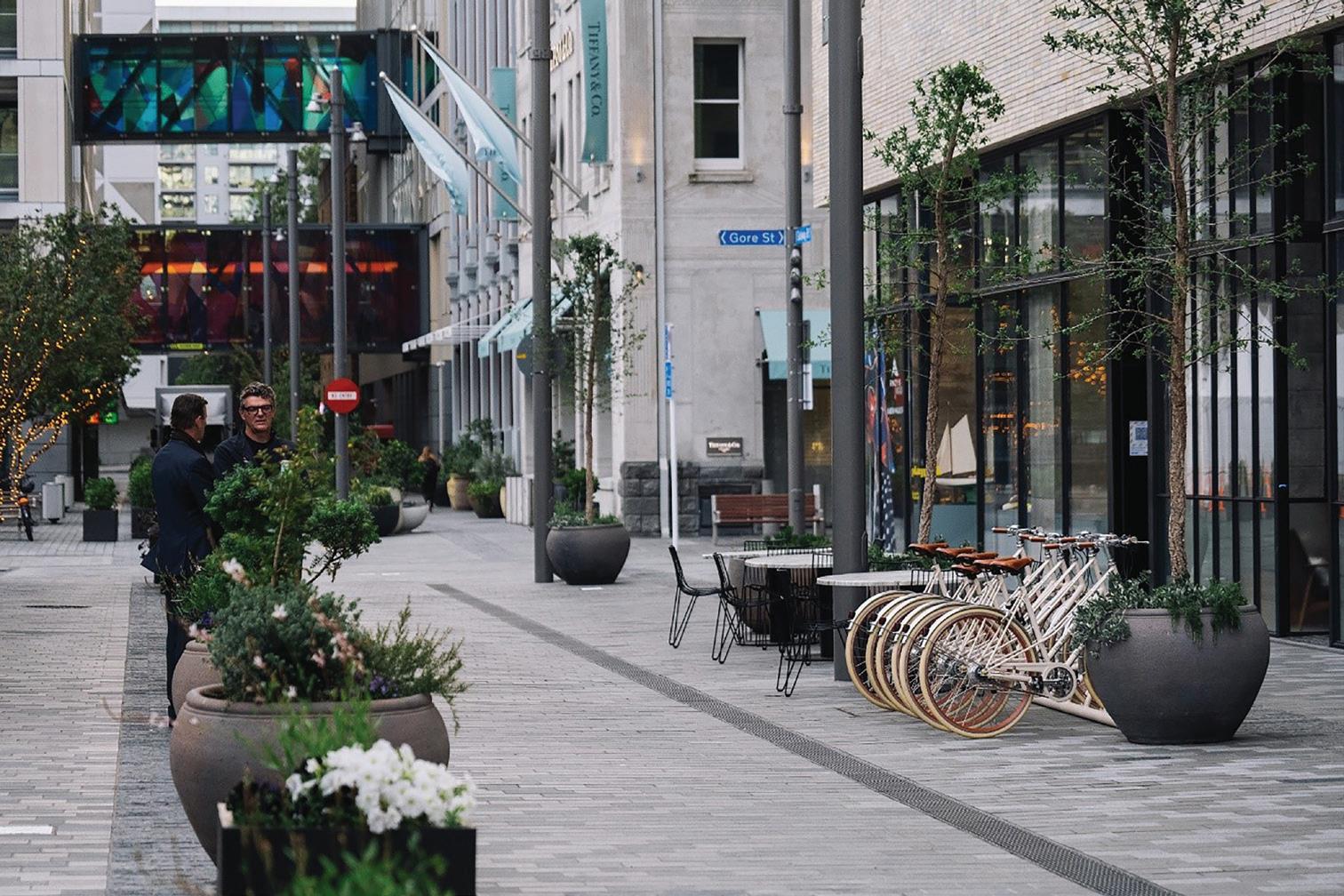
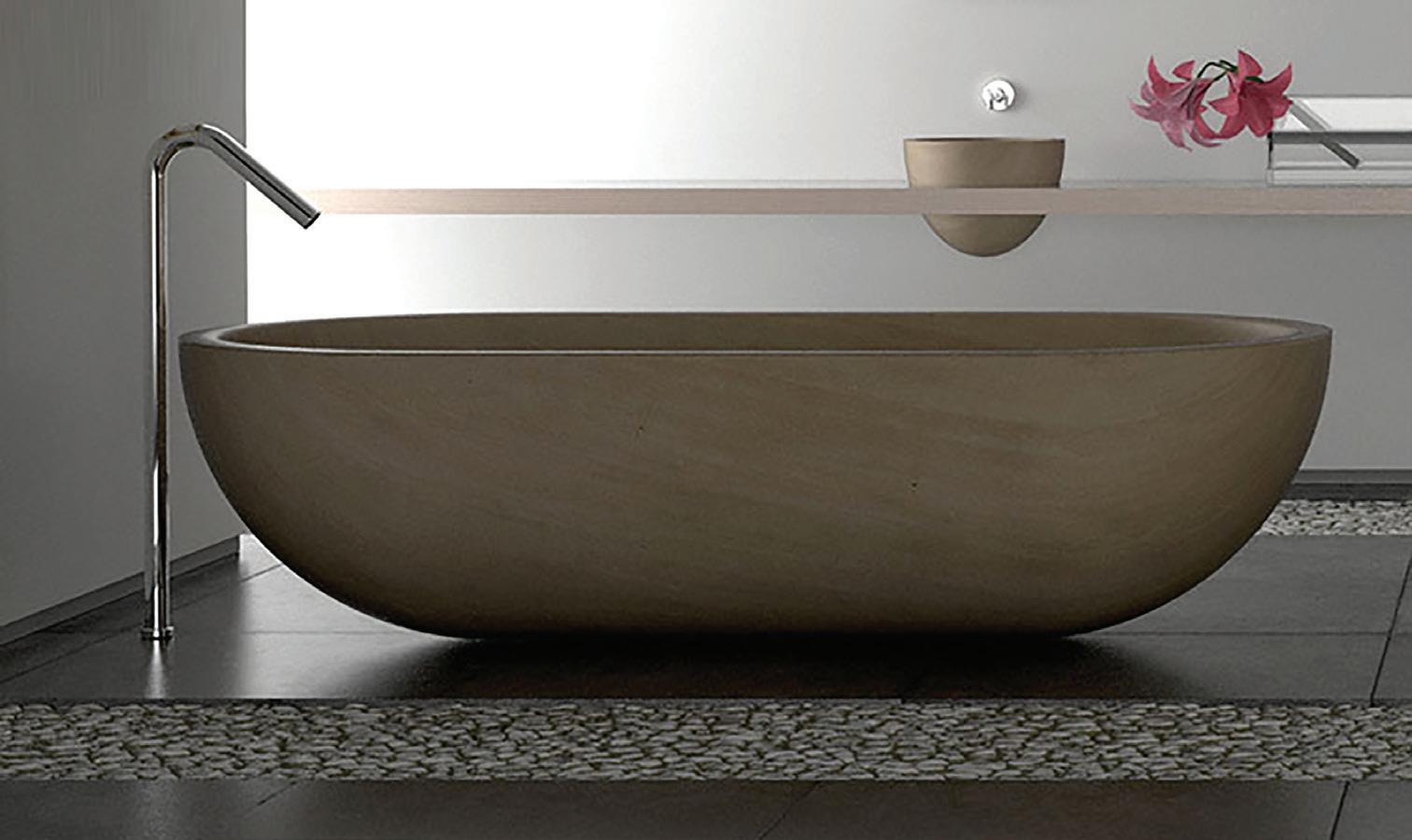
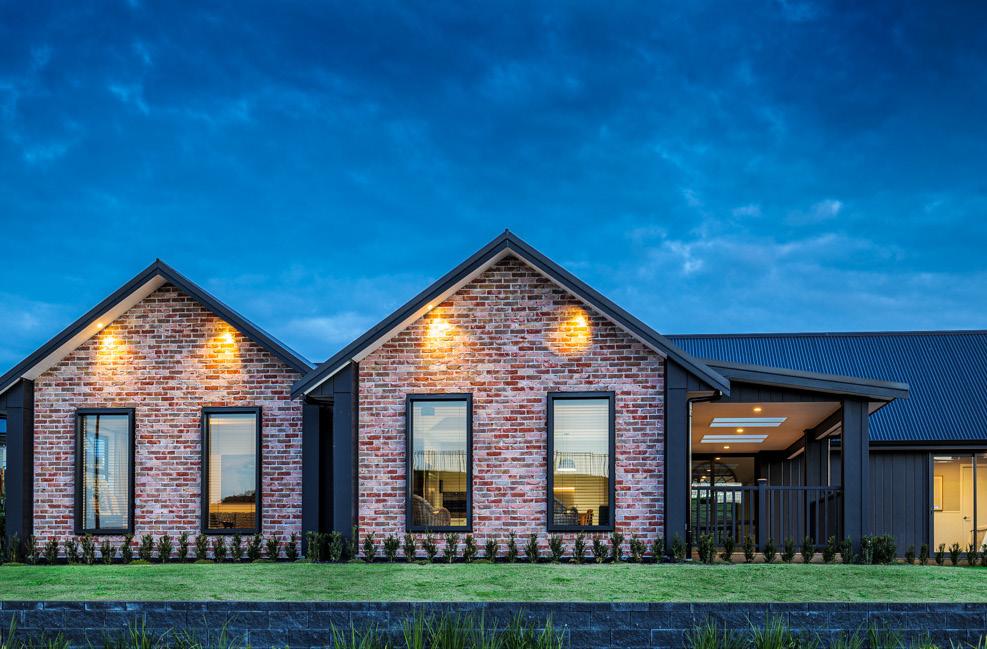
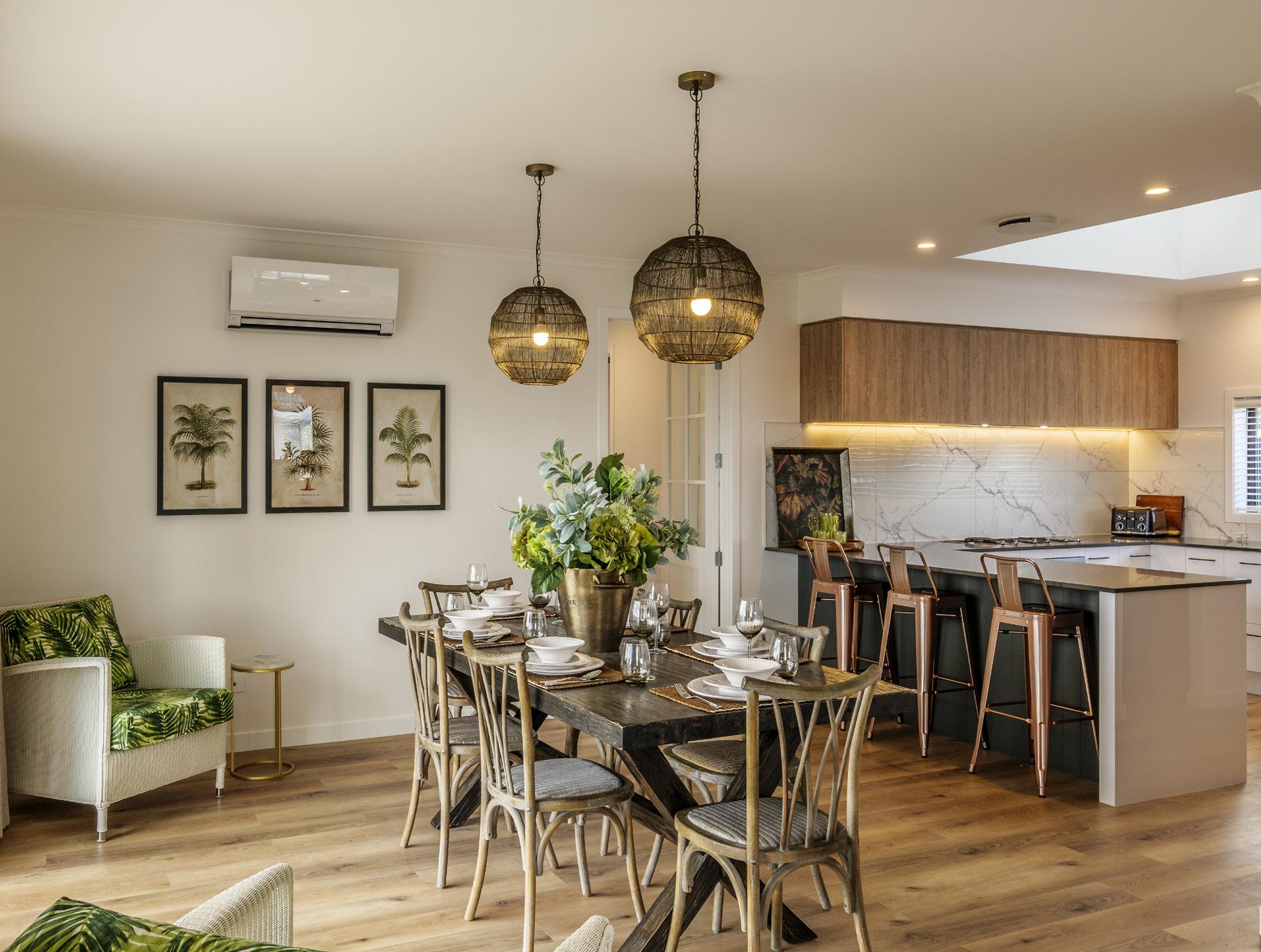

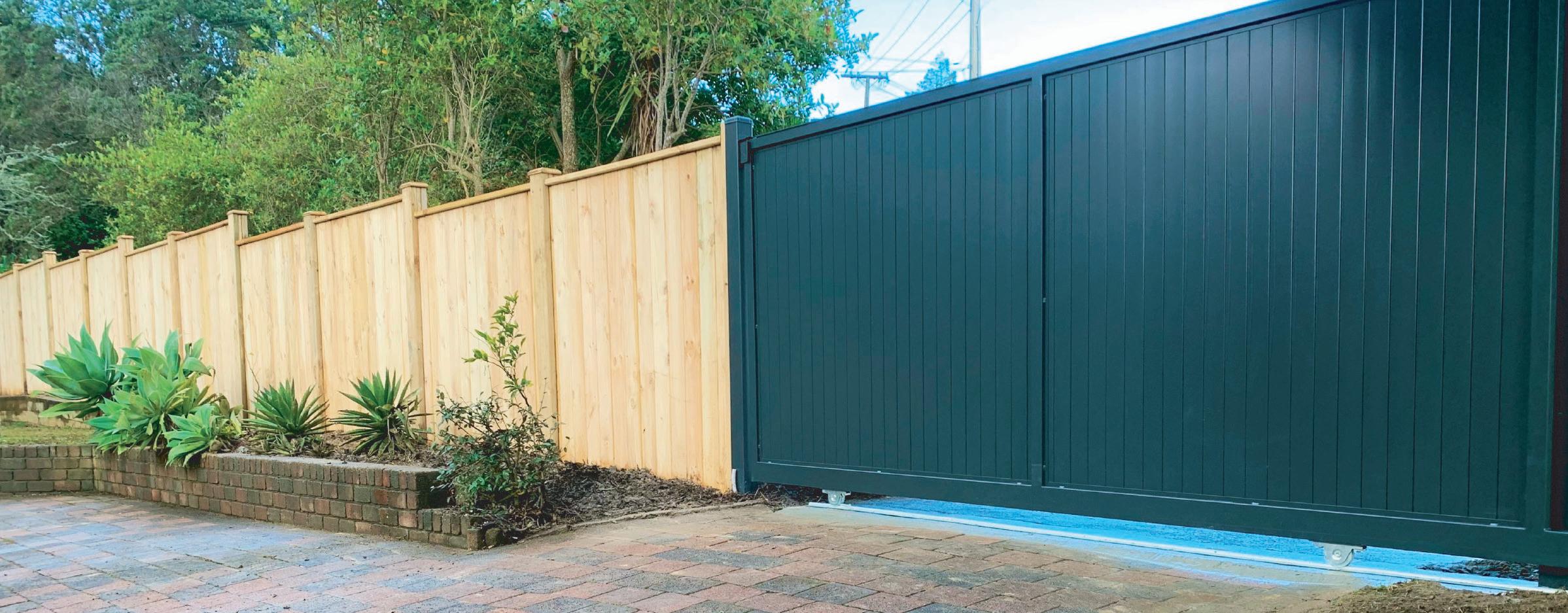
At Planet Gates and Fences, quality and creativity are king. We aren’t afraid to take on complex, challenging or unusual jobs because we pride ourselves on finding innovative solutions for any property need.
These are the three essential qualities for gates and fences, and they’re at the core of every project.
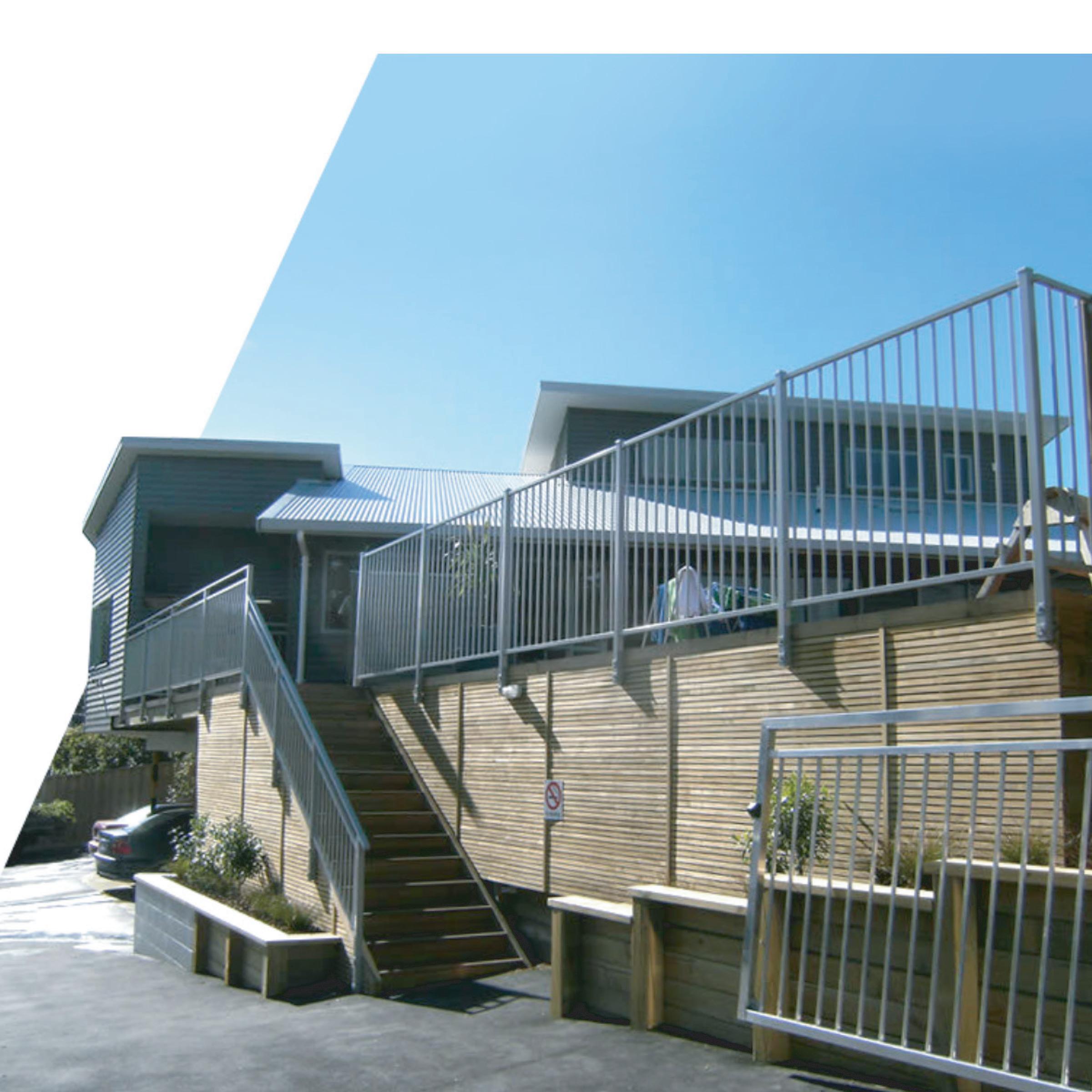
Dining outside, from the first light of morning to the glow of dusk, is quintessential in Auckland in summer.
This summer, as hospitality businesses respond to COVID-19 trading restrictions including capacity limits and social distancing requirements, Auckland Council has delivered a raft of measures in support. The council has fast-tracked applications for food-only outdoor dining, provided a temporary waiver of outdoor dining fees, and worked with city centre business associations to enhance their members’ outdoor dining capacity.
An outdoor dining grant scheme has, to date, supported more than 30 businesses to add new or enhance their outdoor dining spaces with new outdoor equipment, such as street furniture, shade umbrellas, outdoor heaters, and planters.
The scheme has meant more al fresco dining spaces have popped up in the city centre, helped by this initiative between Auckland Council and Heart of the City, funded through the city centre targeted rate.
Councillor Richard Hills says outdoor dining is vitally important for Auckland’s economic recovery and the vibrancy of our city centre.
“Currently the safest place to dine and socialise is outside, so it’s great to see businesses taking up this opportunity. The current outbreak could last months, so we see these measures helping communities support local businesses safely,” he says.
With more Aucklanders able to dine outdoors, businesses who have been involved are positive about the benefits.
“The new outdoor tables have been a big hit with our customers, they have been pretty much constantly full since we put them out,” Three Beans Coffee and Scratch Bakers managing director, Jonny McKessar says.
“Customers seem to be enjoying being outdoors under the sun umbrellas. The tables also have been great at drawing people into the cafe as they drive past and see a busy outdoor area.”
In the Karangahape Road Business Association catchment, where outdoor dining was already well established along the upgraded street, Auckland Council has provided funding to connect hospitality businesses with local artists, creating collaborative art installations to add interest and vibrancy for people dining and shopping in the street.
Wynyard Quarter and The Viaduct have long been an illustration of Aucklanders’ and visitors’ growing appetite for dining in pedestrian-prioritised waterfront spaces.
In 2021, widened footpaths in our new street layouts along Quay Street, Galway Street, Karangahape Road, and Te Komititanga - where Britomart Transport Centre and Commercial Bay meet the new square - have further enabled outdoor dining.
New Zealand’s Good Group Hospitality chief manager operations Hamish Klein is happy with the outcome of their new outdoor dining space on the new and improved Quay Street.

Into The Blue is a one-stop-shop for all Business Advisory and Consultancy Services from Start-Up advice, through Business Improvement, Marketing & Digital Enablement, right up to Exit Strategies for those looking to retire:
• Business Planning including business plans
• Fully blown costing models designed to achieve the correct margins
• Business process improvement to reduce waste and duplication
• Financial planning including segmentation accounting and forecasting
• Marketing & customer analysis with digital engagement/improvement
• Exit strategies to ensure you obtain the maximum amount of money for your business
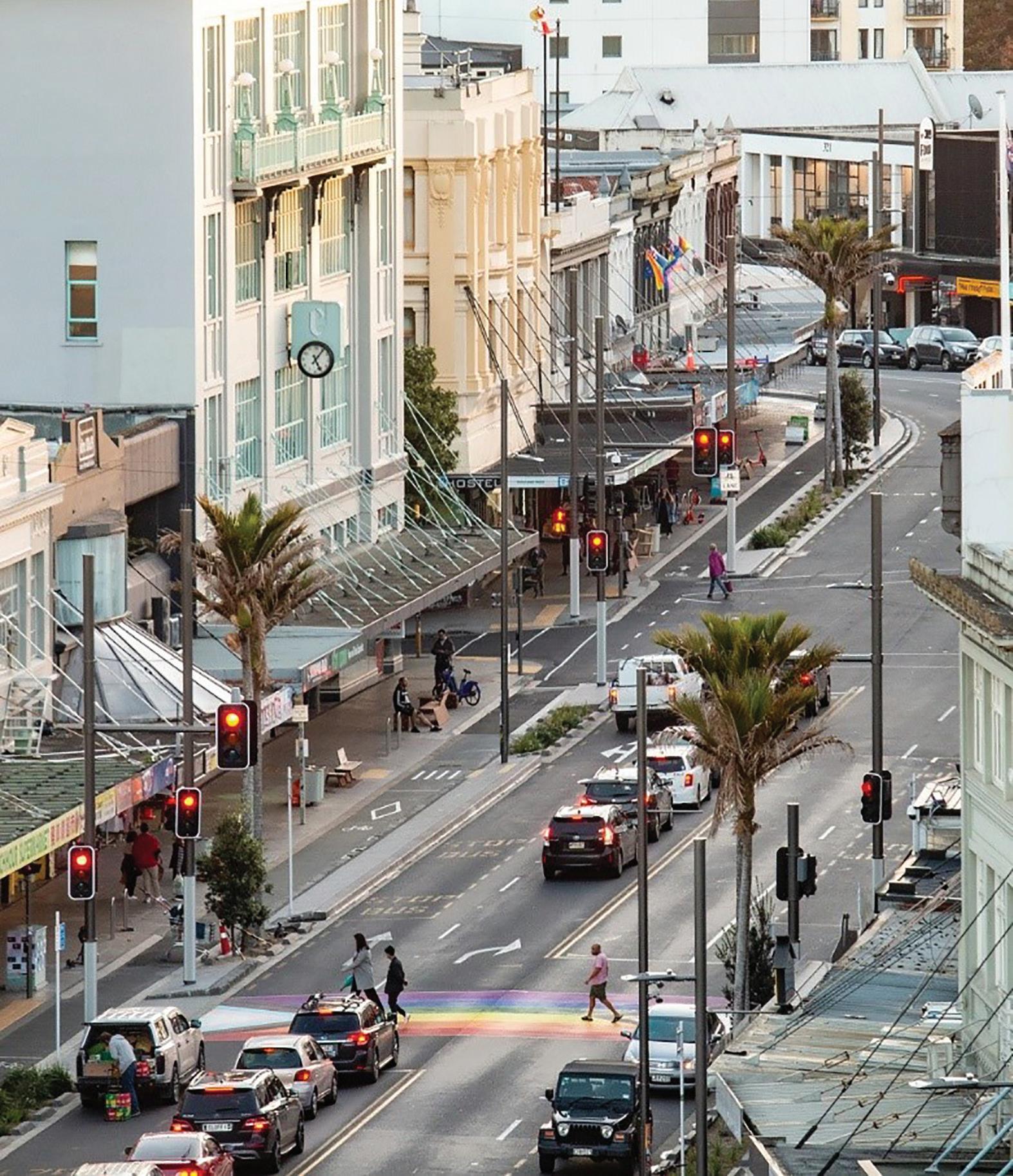
“We really appreciate the fact that more outdoor dining has been enabled and we’re proud to be able to provide space for customers looking for a safer outdoor option and help attract people back into the city.


Regardless of your plumbing problems, rest assured the highly skilled team at Mat Clark Plumbing can repair, replace, or unblock it.
Mat Clark Plumbing is a family business founded in 2018 by Mathew Clark, a fully qualified and certified plumber.
After spending 11 years working for his previous employer, whom he started his trade with, Mat decided it was time to start his own business.
Mat has all types of plumbing experience from managing high-rise commercial buildings to residential new builds and renovations to your everyday plumbing maintenance.
Mat Clark Plumbing has you covered for all plumbing needs; no job is too big or too small. Combined, Mathew and his team have over 42 years of experience working in the industry and cover the wider Auckland region. They pride themselves on a strong reputation for a high quality, budget friendly, reliable and time efficient service.
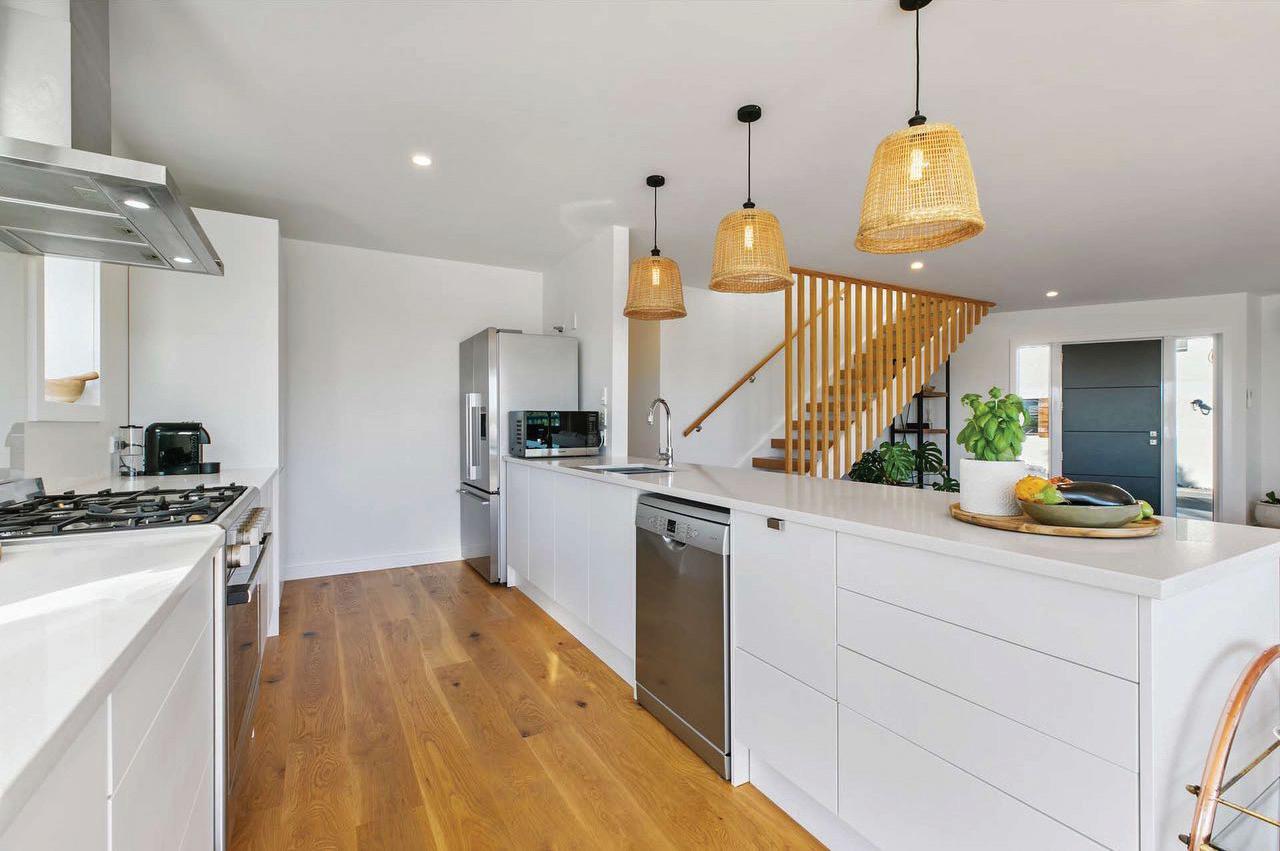

“We have an amazing team of plumbers who pride ourselves on top quality workmanship. Our main aim is to have happy satisfied clients who want to use our services again,” Mat says.
Indeed, the team will spend time working with you to understand your concerns and prepare a solution that best suits your situation and budget.
Services:
• New builds
• Renovations
• Commercial
• Maintenance.
So, what are you waiting for? Call Mat for all your plumbing related enquiries and get a free quote today.
Ph: 0211873656
Email: info@matclarkplumbing.co.nz
“Our builder recommended Mat Clark Plumbing and for very good reason. Mat proved himself to be an excellent plumber; cost effective, achieved great solutions by using innovative problem solving, had real attention to detail and as a result we got high quality finishes, awesome communicator, always on time and all while being a really nice friendly guy. We highly recommend Mat.” – Liv & Nigel
“We had Mat from Mat Clark Plumbing install a new bathroom and ensuite in our Apartment in Orewa, Auckland. From first contact right through to completion of the project, Mat has been very efficient, nothing was too much bother especially when it came to arranging for the removal of te old bathroom including some building works required. The project came in on time and on budget and we are extremely happy with the result. We have no hesitation in recommending Mat Clark Plumbing.” – Jim and Yvonne
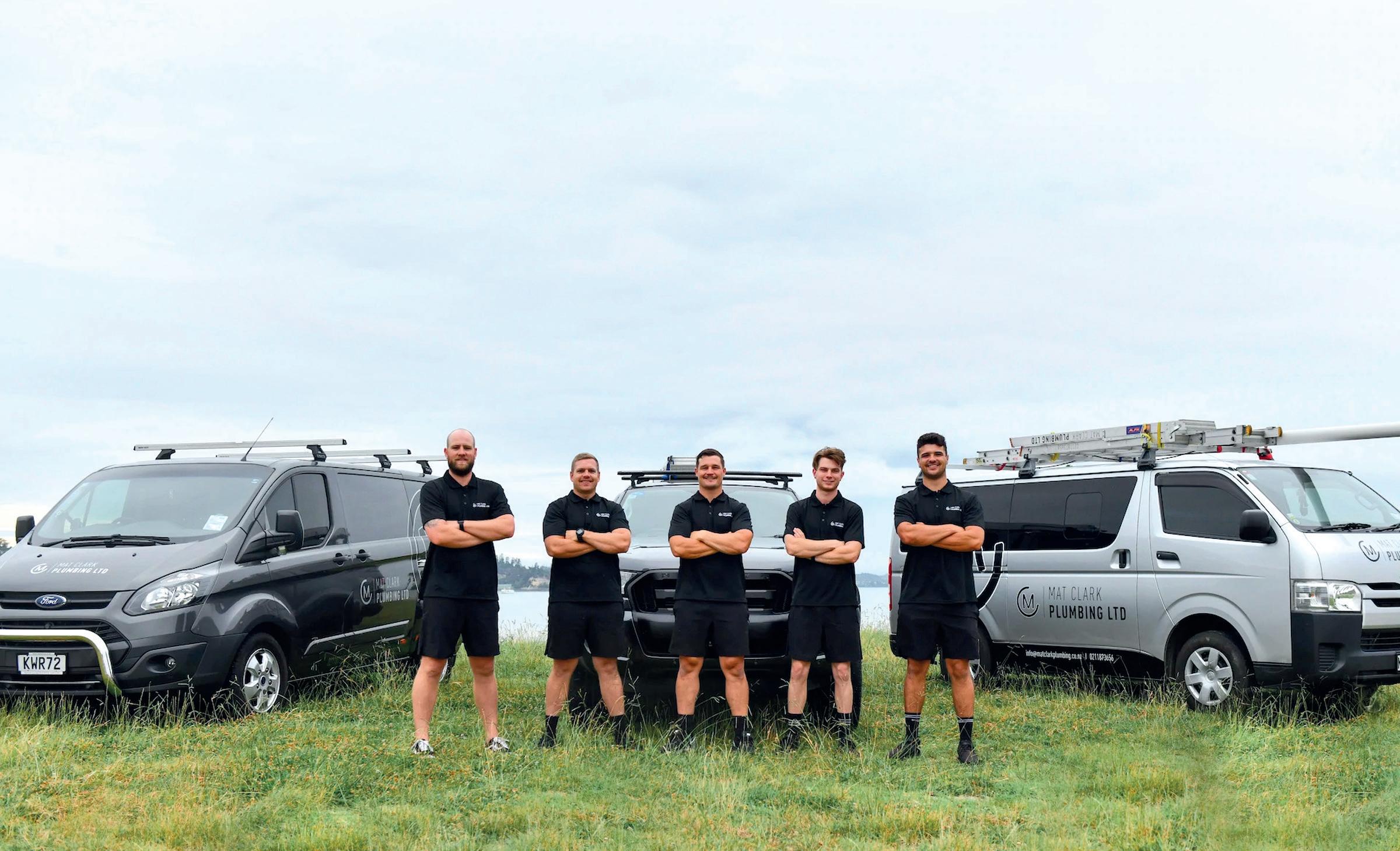
Do you want the job done right? With precise work every time? Well, look no further than Precision Earthworks and Drainage Ltd; specialist in providing hassle-free earthworks solutions since 2019.
We offer a large variety of different services meaning whatever job you need help with, we can sort it.
• Bulk excavation
• Retaining walls
• Basement dig outs
• Landscape and driveways
• Service trenching
• Civil drainage
• Strip footings and foundations
• Retaining walls
• House slabs
• Trucking and cartage
• Floor Preps.
We pride ourselves in providing industry leading and professional earthworks services for our clients, valuing the client relationship and input while ensuring the process is stress-free in delivering a high level of results.
We only offer services you can trust. Lead by Roy, Precision Earthworks and Drainage has the backing of 15+ years of trade experience in the construction industry, running and project managing some of Auckland’s largest civil and earthworks companies.
We have a highly experienced team that are experts in what they do. You can feel at ease knowing that we only hire a trusted and knowledgeable team who is passionate about what they do.
As a small family run team, we provide clients with trustworthy services where we have your best interest at heart. Our operators and drivers provide a further 40+ years of industry knowledge and experience, so you can be sure you're in great hands when taking on your next project.
We know all to well the impending doom of knowing you have an earthworks job or drainage that needs doing. This may be because traditionally, completing such work has been known to be extremely costly, difficult and time consuming. We take the hassle out of the job and offer new and fresh ways to complete things.
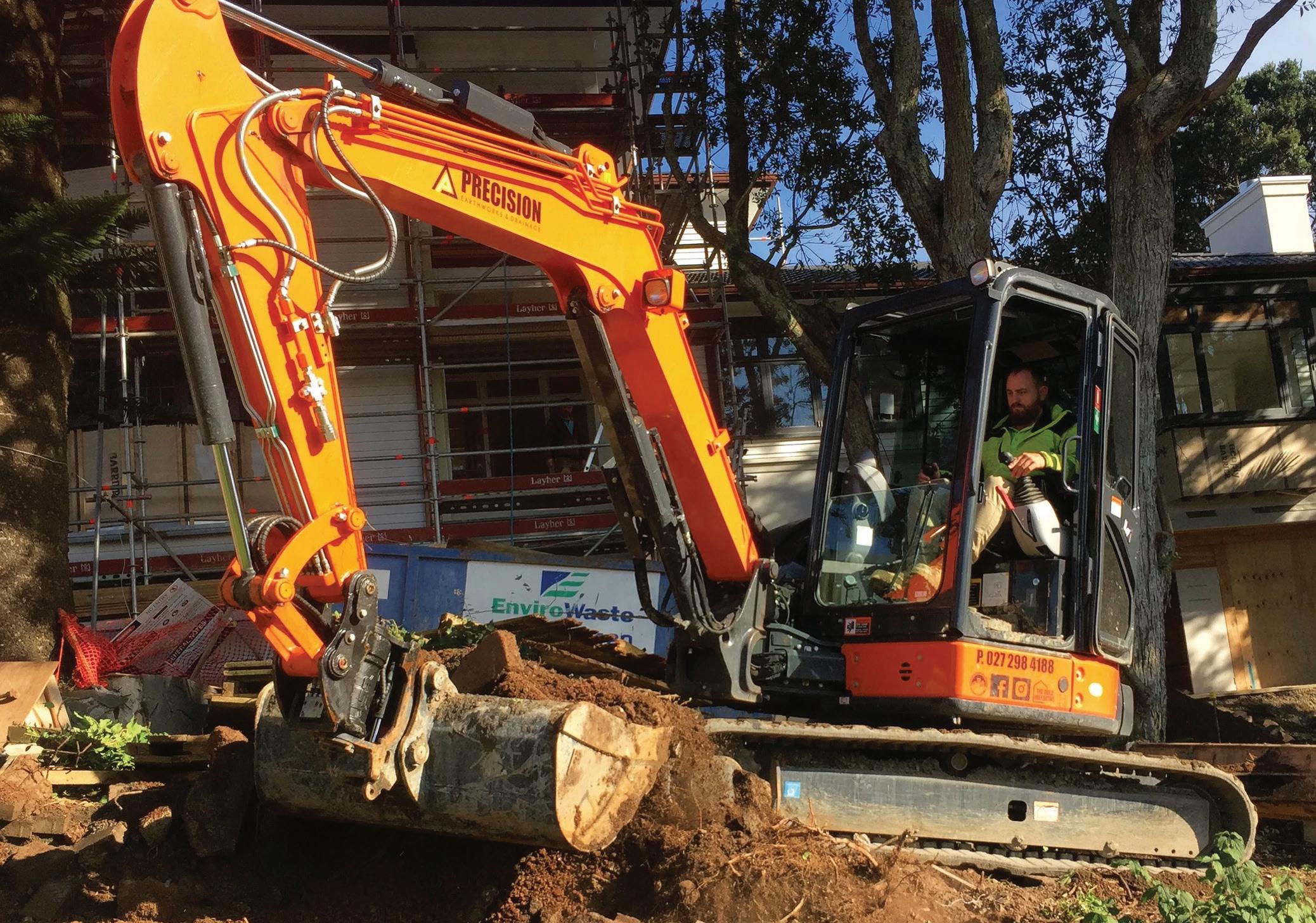
We only have the best team and the best equipment meaning everything is completed in a timely and efficient manner whilst still aiming for the most costeffective solution to the problem.
From quotes to completion, we take pride in our work. At Precision Earthworks and Drainage Ltd, we know that good groundworks and site prep provide the base of any successful project.
For this reason, we provide our clients with in-depth quotes, including 3D imaging to simulate a virtual representation of proposed works and ensure all parties are happy with planned works prior to commencement, including the methodology in which it is completed.
So, feel free to reach out for any questions or to obtain a quote, give us call to discuss how we can help you with your next project. Roy Wykes and the Precision Earthworks & Drainage team.
We pride ourselves in providing industry leading and professional earthworks services for our clients, valuing the client relationship and input while ensuring the process is stress-free in delivering a high level of results.
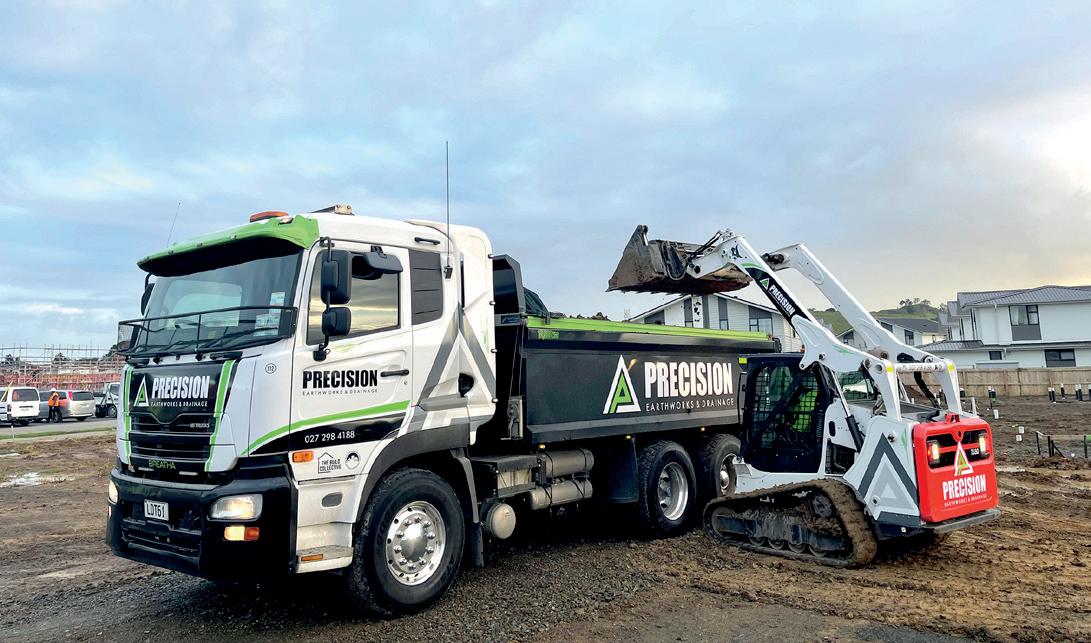
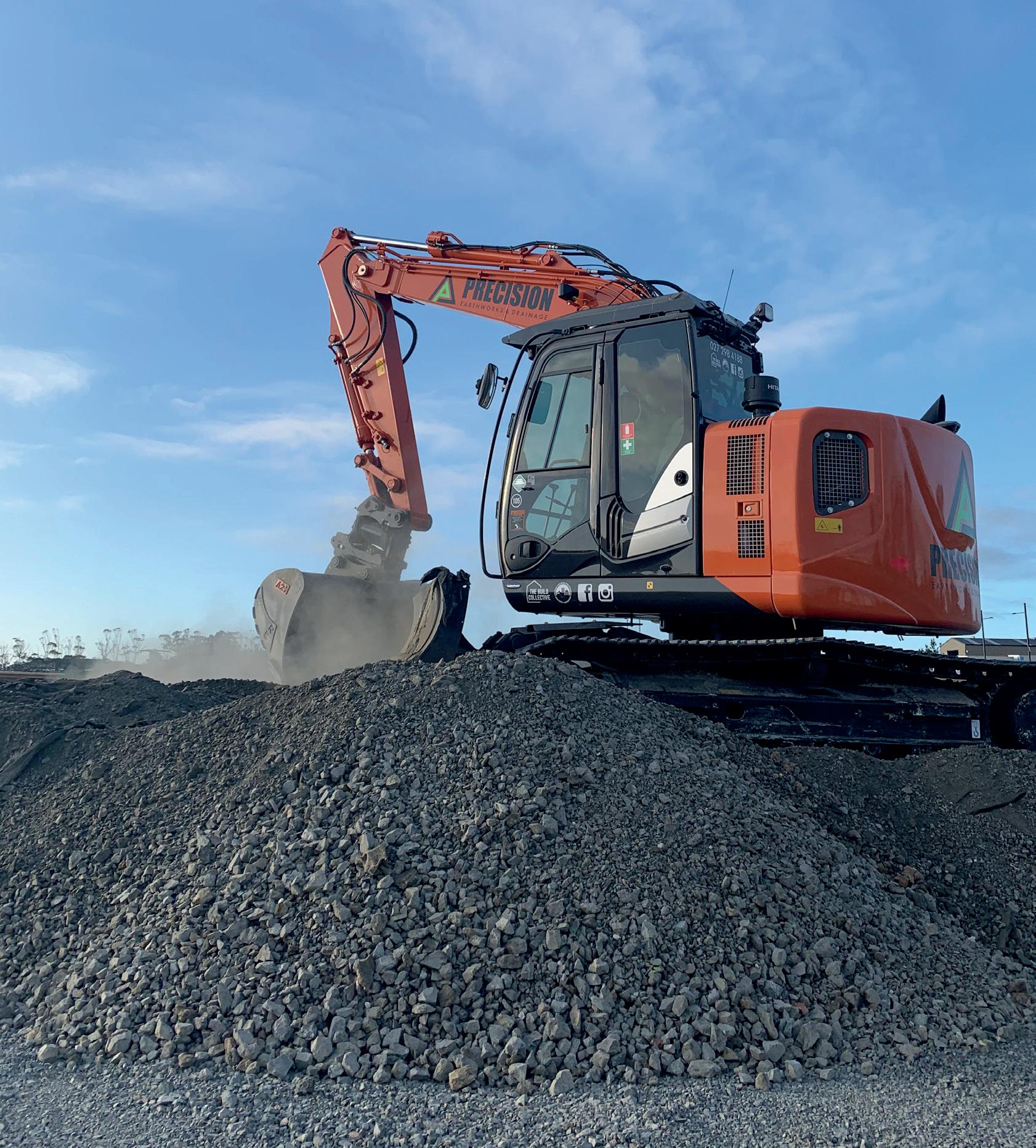
By Natasha Parrant
Auckland, being the biggest city in Aotearoa, means the city needs to prepare for a larger population in the future.
Ever since the Covid pandemic began, Stats NZ population estimates and projections manager, Hamish Slack, says the country has seen a massive decrease in population growth everywhere.
According to Stats NZ, Auckland’s population was previously estimated to have 1.72 million in June 2021, but now has a population of 1.5 million according to World Population Review in 2022.
Auckland mayor Phill Goff, who recently announced in February that he’s retiring this year, has always advocated for the need to make changes to ensure there’s less traffic, more space, and more transport opportunities as the city expects to have a rise in population – with a million more residents over the next 30 years.
Every year Auckland citizens spend most of their week stuck in traffic.
According to the Auckland Council website, overcrowding traffic has been estimated to cost up to $2 billion a year in “lost productivity”.
Auckland’s infrastructure must keep up as the city continues to grow to shape the way the city functions for future residents.
The rise in population and economic growth means Auckland will entail several infrastructure challenges, such as
organising investment and planning for an increase in population and improving Auckland’s infrastructure.
One example of new infrastructure is the Light Rail investment for Aucklanders.
The mayor announced in late January this year the investment is essential to Auckland as it’ll reduce emissions, chaotic traffic, and provide more intensive housing opportunities as the population rises.
City Centre to Māngere Light Rail will ensure the city has a fast and efficient transit network to make way for the busy lives of citizens, the mayor says.
“For more than half a century, Auckland’s rapid population growth has not been matched by a corresponding investment in transport infrastructure.
“The result is congestion and more than 40 percent of the city’s carbon emissions coming from transport.”
What Light Rail will enable is fast and easy transport to the northwest and a third harbour crossing to the North, while also connecting to the East through the airport to the Botany transit route and eastern busway.
Another challenge the mayor mentions is the housing crisis.
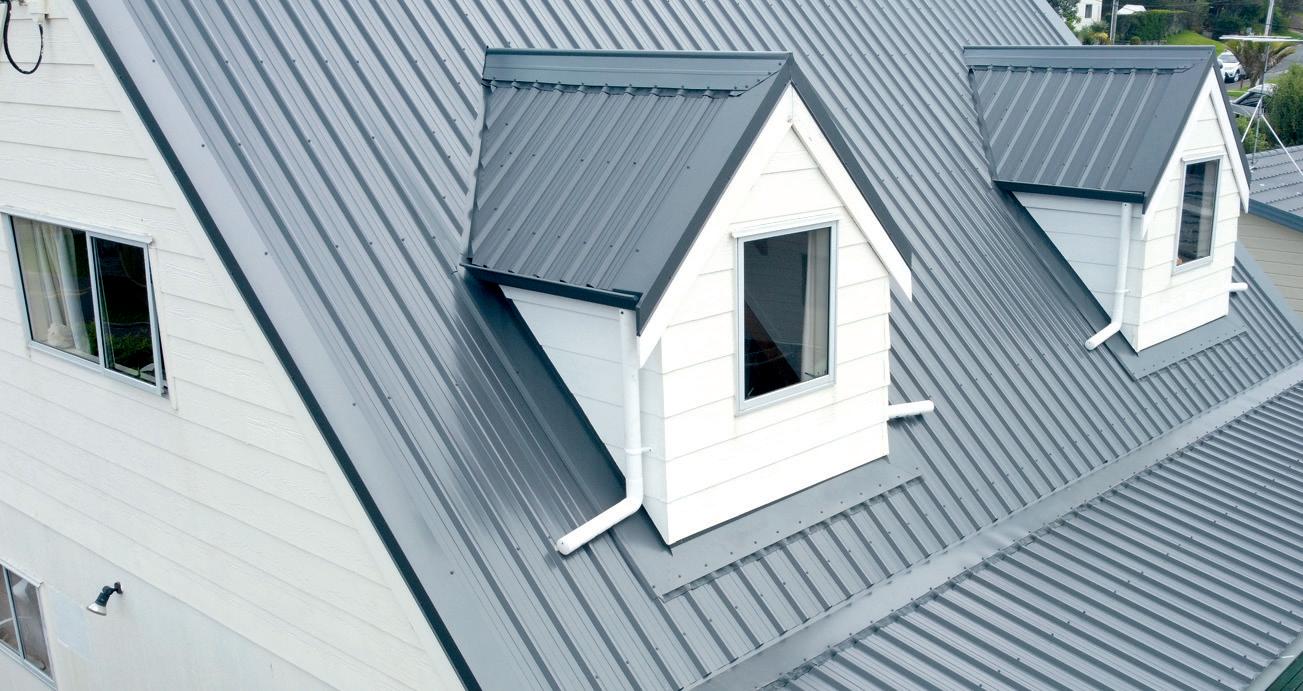

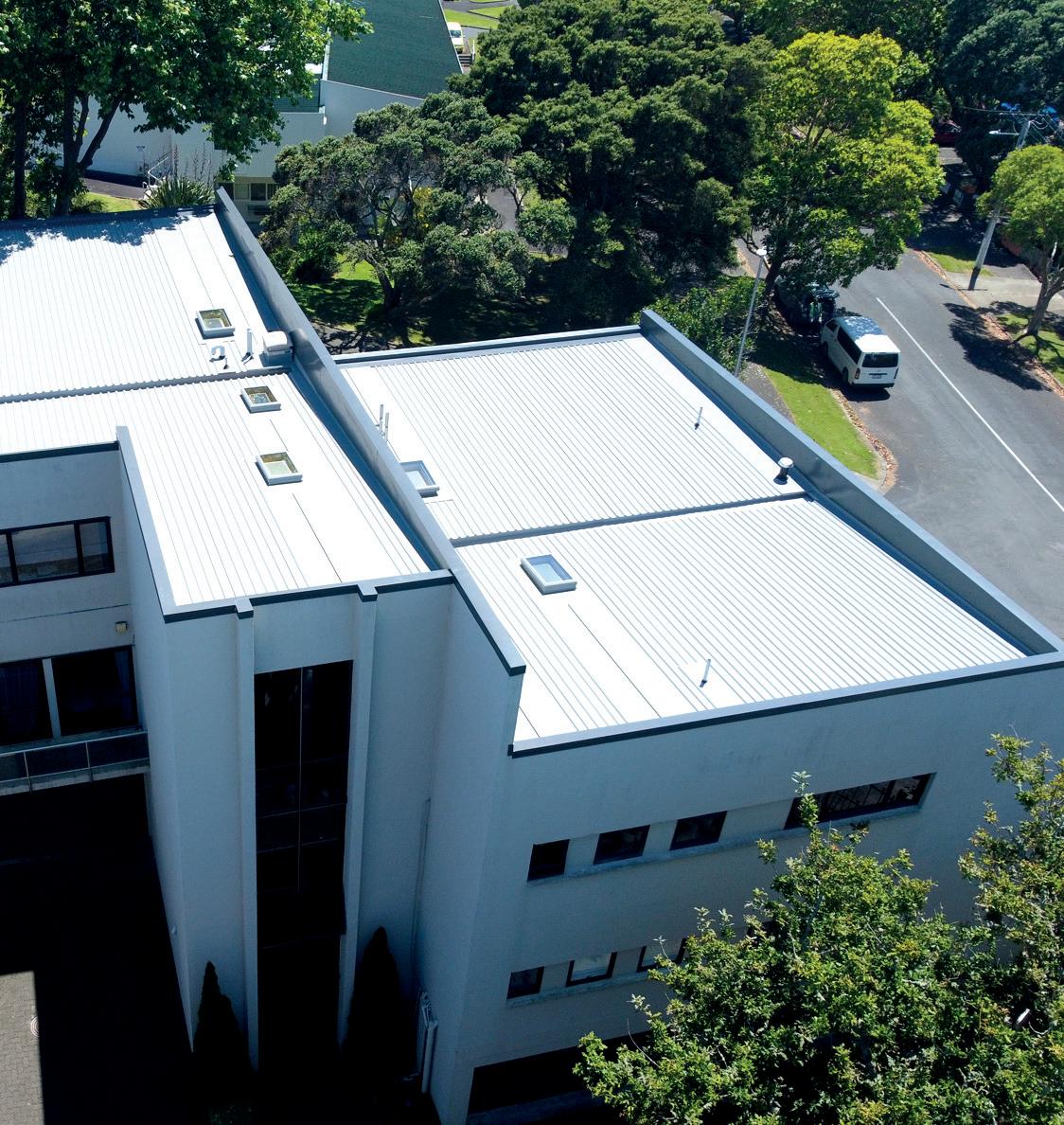
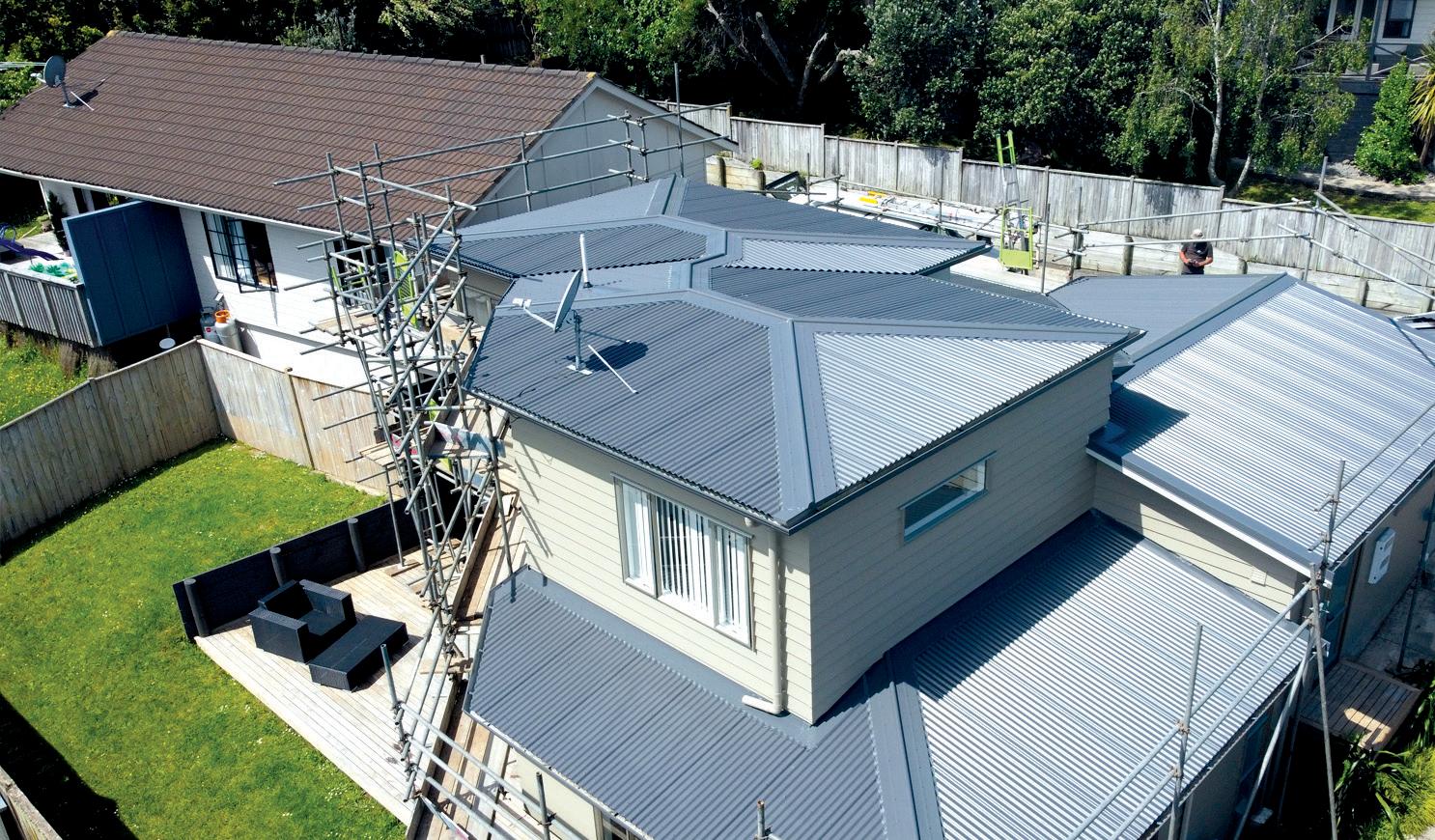

Light Rail will enable housing intensification, which will support 200,000 people in the city.
It’ll also mean there’ll be 97,000 more jobs created and up to 66,000 new homes available.
“The investment is critical to addressing the productivity costs of congestion in the city, conservatively estimated at $1.3 billion a year and growing. While the investment is large, it will be offset by not having to invest similar sums in the future to provide infrastructure for greenfield developments for a sprawling city,” Goff says.
For more information on Auckland’s infrastructure head to these links: www.ourauckland.aucklandcouncil. govt.nz/news/2022/01/mayor-goffwelcomes-transformative-light-railinvestment-for-auckland
www.aucklandcouncil.govt.nz/plansprojects-policies-reports-bylaws/ our-plans-strategies/auckland-plan/ development-strategy/Pages/aucklandsinfrastructure.aspx




Looking for a company that can help with your all of your commercial landscape requirements? You’ve come to the right place!
The Plant People has been established in the Auckland area since 1986, providing professional services in all areas of horticulture. The company operates out of their main depot in Otahuhu supported by plant and tree nurseries at Oratia and Dairy Flat, as well as bases in Christchurch and the Waikato region.
The company has a strong management team lead by Jason Higgott. The Plant People offer a broad scope of services including commercial landscaping and landscape construction, urban and parks developments, civil works for residential developments. We also offer advanced construction and horticultural services including the design and construction of stormwater ponds and revegetation planting projects.
The Plant People is a leader in the landscape sector in New Zealand.
The Plant People deliver comprehensive landscaping programmes and solutions to local government, land developers, retail and commercial construction facilities and private customers.
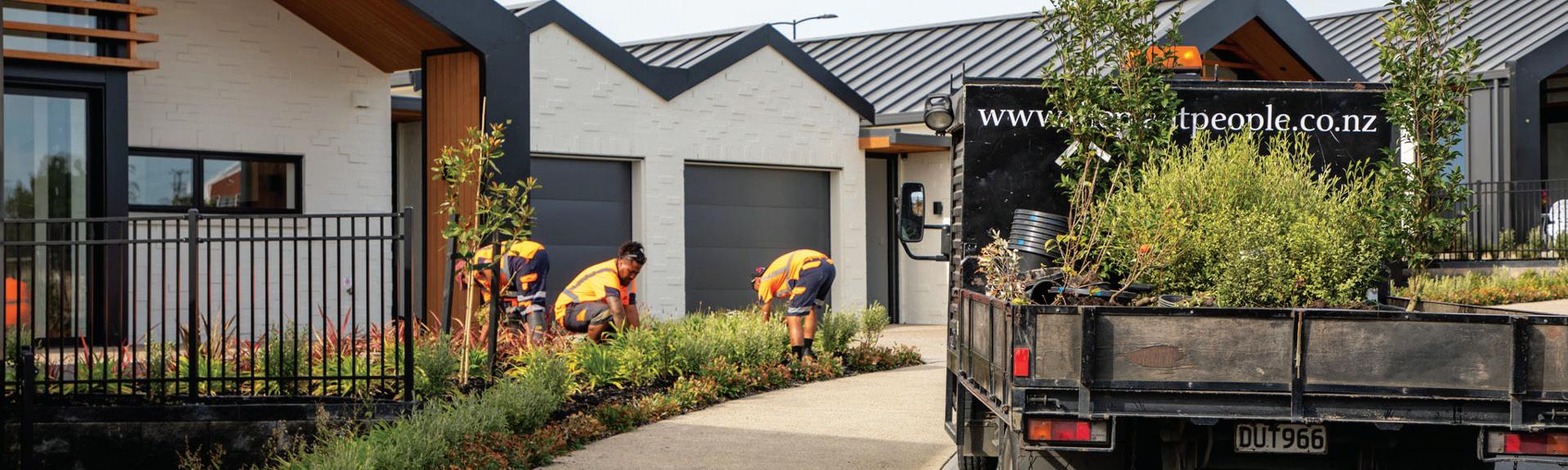
The Plant People are committed to assisting our customers with their unique needs by providing them with comprehensive value-added solutions and professional service. With more than 90 full-time staff, The Plant People employs our industry’s most diverse and welltrained service force, which assists our customers in meeting their requirements.
Our main office and depot is in Otahuhu.
The Plant People are committed to supporting our communities. This benefits the economic and social vitality of our communities making them more attractive to our families, our business and our neighbours.
Regular donations to our schools, local charities and other organisations with cash, product and labour helps us to achieve this.
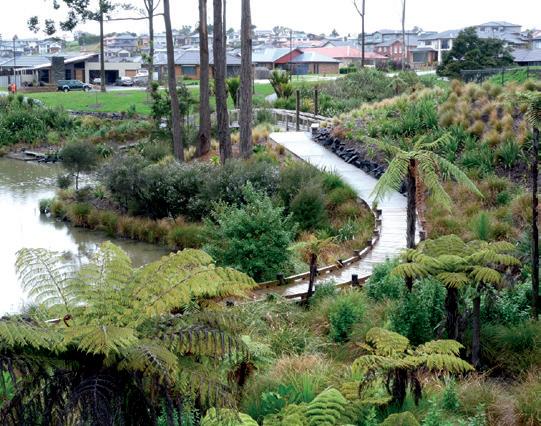
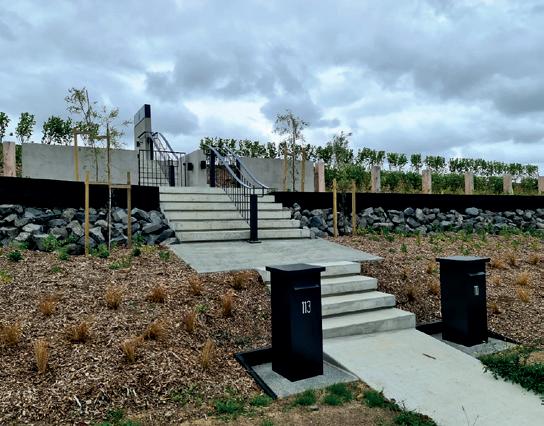
We offer many landscape construction and maintenance services including:
Our Civil Construction team carry out all machinery works on our construction and installation projects for foot bridges, stormwater ponds and rain gardens.
Our Commercial Landscaping division specialises in planting and streetscaping for residential subdivision developments and commercial clients.
The Plant People’s Irrigation Department has extensive knowledge of the three main brands of irrigation available in New Zealand: Hunter, Toro and Rain Bird.
The Earthworks and Drainage team at The Plant People carry out all machinery works on our construction and installation projects.
The Plant People’s Maintenance team provide care and well-being of plants and lawn areas in subdivisions, commercial and office environments.
The plant people’s nursery division encompasses two Auckland-based wholesale nurseries; our sister company signature plants. These nurseries support our Contract Growing and Indoor Plant Hire services (including Living Walls). Signature Plants also supply plants to our Commercial Landscaping and Landscape Maintenance divisions.
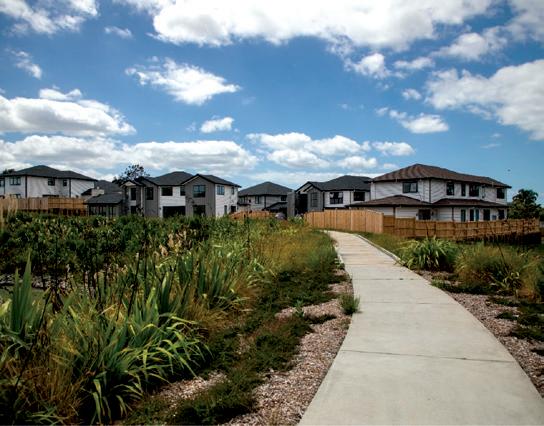
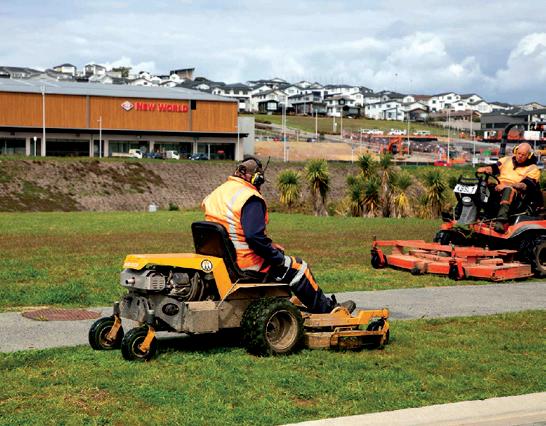

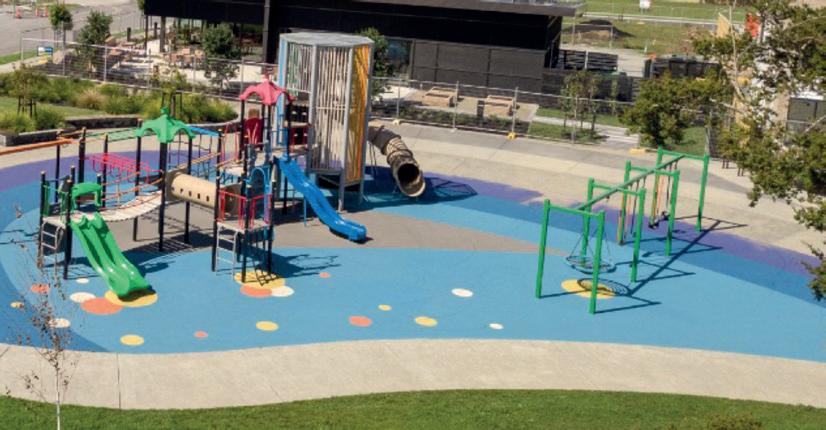
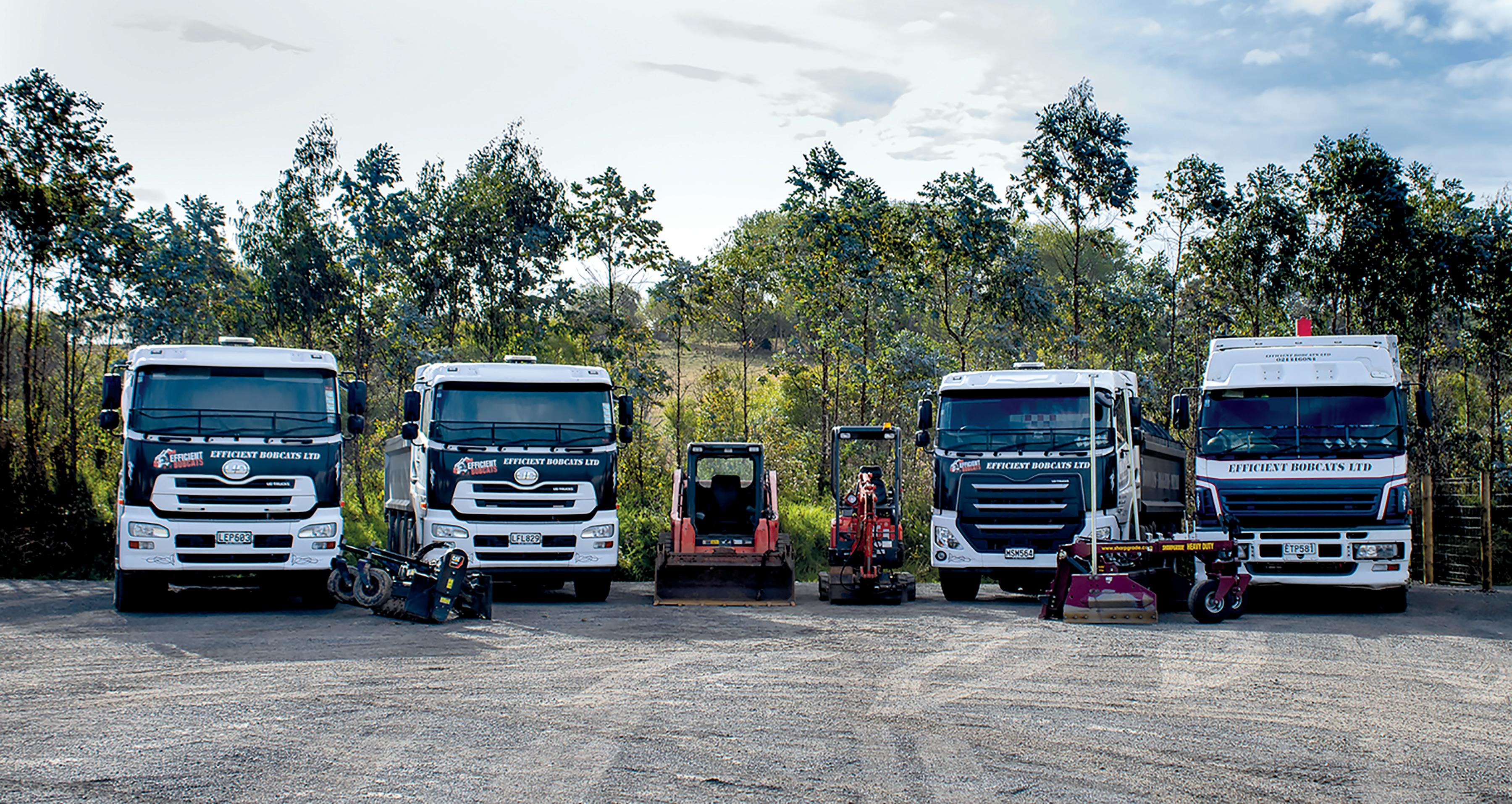
Absolute Scaffolding is New Zealand’s leading scaffolding company giving you the best local and edge protection services in the North and South Island.
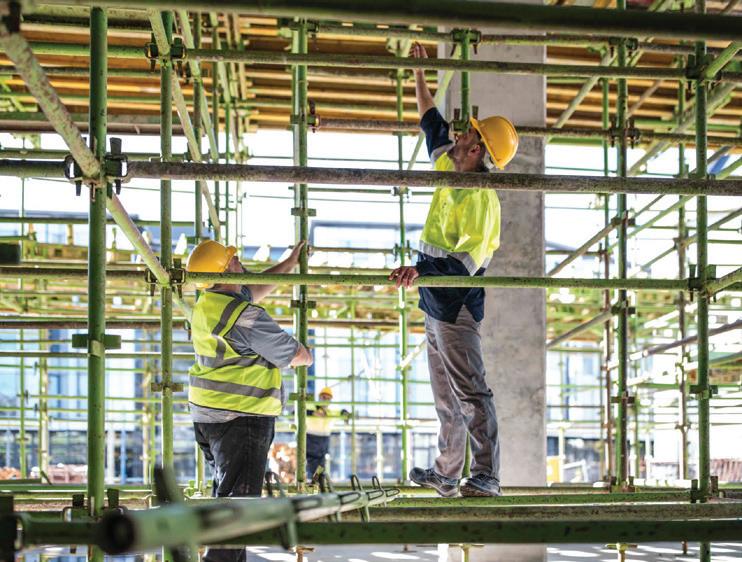
The company provides fast and responsive friendly customer service in the country.
Services also include high-quality scaffold solutions with safe working products on time and within your budget.
Absolute Scaffolding offers a wide range of solutions to suit everyone’s needs.
For instance, commercial and residential scaffolding, edge protection, and mobile access towers.
The company provides:
• Commercial scaffolding solutions to properties and structures internally and externally through (water treatment plants, motorways plyons, bridges, factories, cantilever, and suspended scaffolding).
• Residential scaffolding to suit your requirements whether it’s a new build, modification, paint job, re-roof, or repair (ranging from house extensions/ alterations, multi or single storey new builds, gutter replacements/re-roofing, re-painting, skylight installations, and minor dwellings/farm sheds).
• A detailed consultation either onsite or via a detailed plan
• A quote outlining what will be covered and Terms & Conditions
• Erection as the company is under the NZ OSH and the standards of ‘The Best Practice Guidelines for Scaffolding in NZ’ handbook by Absolute Scaffolding’s SARNZ COC qualified staff
• Rental and safety inspections with Weekly Saftey Site visits
• Dismantlement as the site is closed when the scaffold is dismantled and the site is cleaned.

We use high quality Proscaff Scaffold and Tube and Clip Scaffold to ensure the safest working conditions for your contractors so you can get your job done safely and efficiently, on time and within your budget.
Absolute Scaffolding creates a safer working environment by providing high-quality solutions whilst having close relationships with its customers.
The team of experts offers professional scaffolding solutions with high-quality systems, excellent communication and affordable prices.
The team is always up for a challenge, so no project is ever too big or small.
Core values the team strive to do well in include:
• Safety (the number one priority is to work onsite without any incidents or injuries – the team are members of Site Safe NZ and Hazardco)
• Integrity (it’s about building a trustworthy relationship with clients by communicating well and efficiently from start to end)
• Quality (The Tube and Clip, Proscaff System, and Mobile Tower Access Scaffold are very high-quality solutions).
At Absolute Sccafoling, the team hopes to satisfy the needs of construction companies, builders, painters, roofers, and homeowners throughout New Zealand.
The team is always up for a challenge, so no project is ever too big or small.
Let the team provide you with a 'Safe Qualified Scaffold' solution so you can get on with your job knowing you have the best support.
Contact today for a free quote!
Contact the North Island team via 021 356 429 or 021 237 0480 , or head to Sanderson Road, Warkworth, Auckland.
Contact the South Island team on 027 344 0978 or 027 637 0882 , or head to 52 High Street, Parkside, Timaru.
Otherwise email: manager@ absolutescaffoldingltd.co.nz or admin@absolutescaffoldingltd.co.nz
For more information, check the website: www.absolutescaffolding.nz
Absolute Scaffolding looks forward to speaking to you.


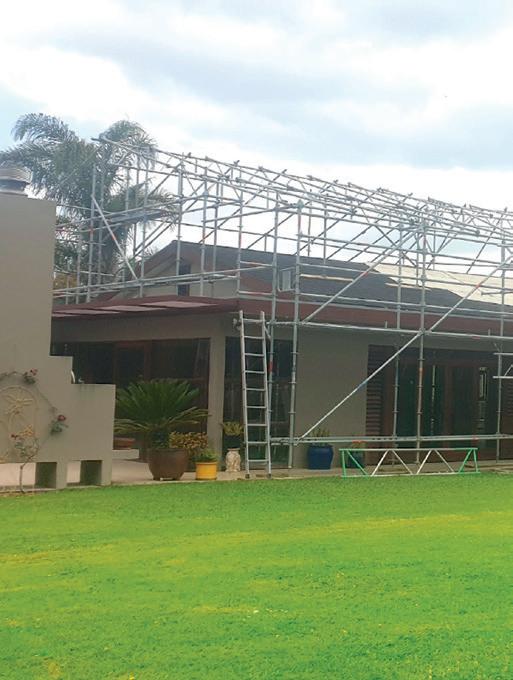
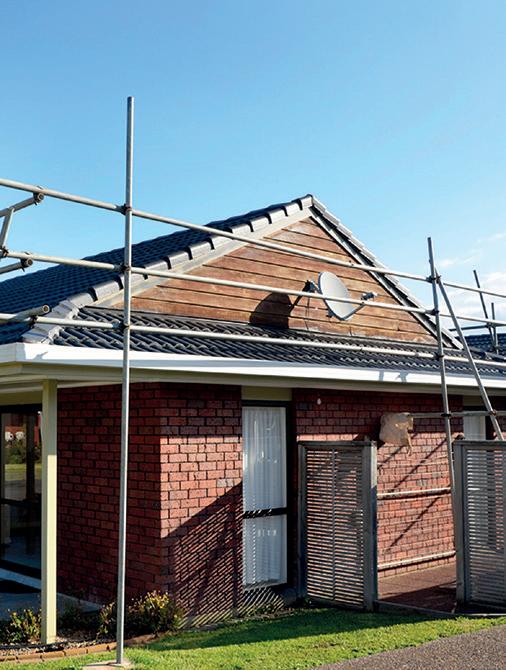
Exciting new ventures are afoot for the team and clients of Hotspot Installations Ltd. With a premises in Invercargill to service the Southland region, Hotspot Installations Ltd has now opened a new premises in Cromwell, and can service the Central Otago region.
Hotspot Installations Ltd is a proud Southland owned and operated family business which has been helping keep homes warm since 2015.
Co-owner Phill Tily said their staff have the knowledge and experience to ensure homeowners stay warm and healthy during the cold months and to ensure their wood or multi-fuel burners met the National Environmental Standards (NES) for Air Quality.
With the new rules to home heating in Invercargill, Gore, Central Otago now in place, Hotspot Installations has the knowledge and experience to ensure your new burner is compliant with the National Environmental Standards (NES) for Air Quality.
The home heating specialists signed up to Energy Efficiency and Conservation Authority (EECA)’s Warmer Kiwi Homes programme in December 2019, a programme designed to encourage homeowners to make their homes warmer, drier and healthier.
Through the scheme, home owners could apply for grants to offset the costs associated with installing compliant home heating systems. To find out if you are eligible, go to www.energywise.govt.nz and click on the Warmer Kiwi Homes tool.
Phill’s wife and fellow co-owner Laura Tily said it was important for clients to think ahead of the winter months for getting their home-heating sorted in time.
The team have a range of options – suppliers of the Dimplex Opti-myst and Optiflame range, there are options for style and convenience in the form of an electric fire without sacrificing the ambience of flame.
Another option was the Nobo panel heater range, ideal for those looking for modern and inconspicuous heating solutions.
For those wanting additional control of their panel heater, the Energy Control System enables that through a ‘hub’ which connects all home panels to the users mobile or tablet via the internet.
Hotspot can help with all fireplace needs, from installing new fireplaces, servicing and repairing existing fireplaces to cleaning chimneys and flues, and providing advice on which burners would best suit customers’ needs.
The range of brands available is extensive, and caters for a range of needs and desires. These include Ethos, Woodsman, Masport, Kent, Firenzo, Jayline, Bosca, Blaze, King and Wagener stoves.
They also sell several new brands of wood burners, including Pyroclassic, Warmington, Nectre and Regency; in addition to wood and multi-fuel burners, Hotspot also sell Ravelli Pellet Fires and ultra low emission burners (ULEB).
If you are unsure whether your burner is compliant with current clean air rules, get in touch today and the staff at Hotspot Installations Ltd can help.





Hotspot Installations have been keeping homes warm since 2015. Locally owned and operated, Hotspot travel throughout the Southland & Central Otago region, installing and servicing fireplaces.
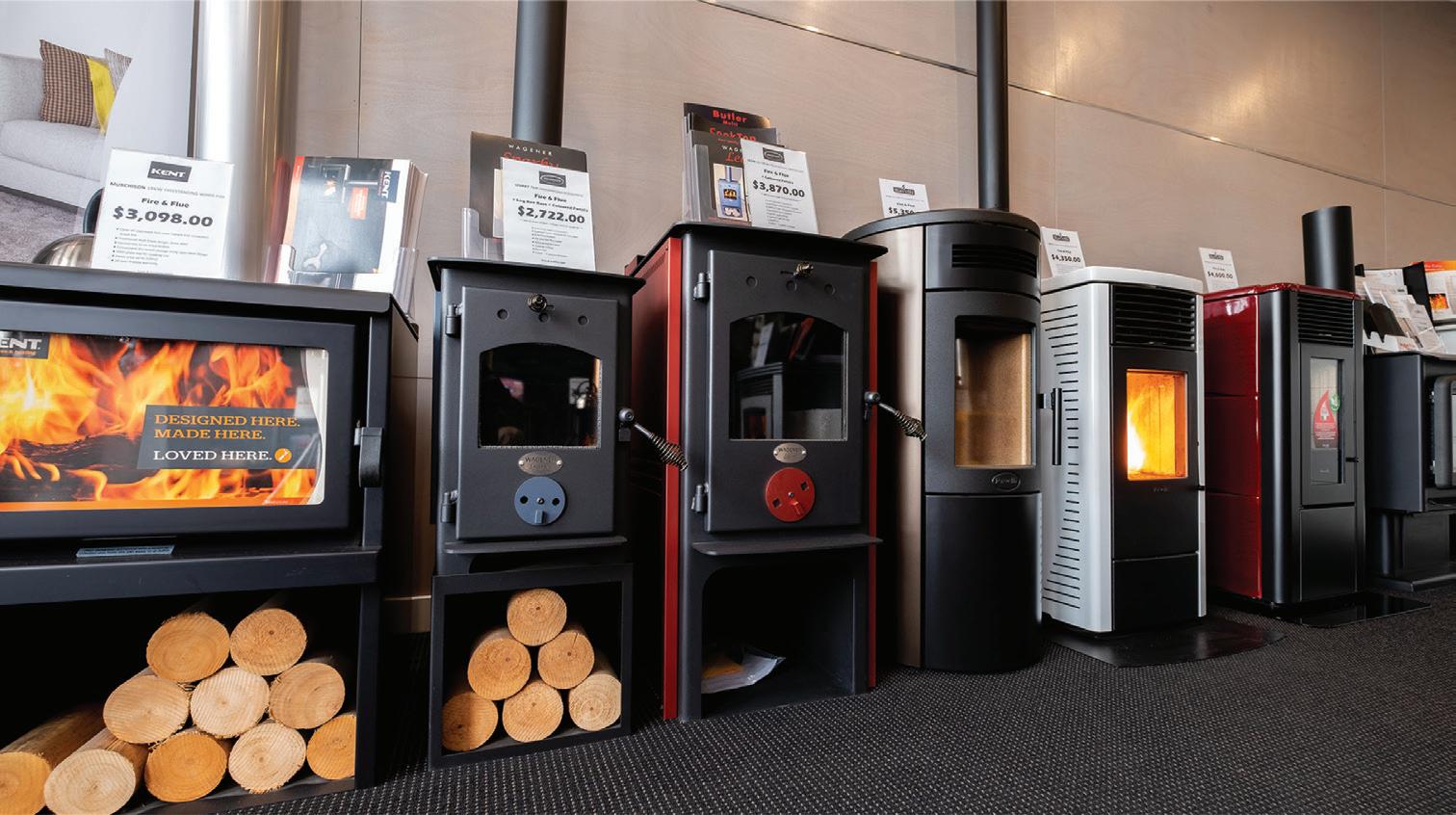
Renshaw Civil Ltd are civil contractors that do work on the Kapiti Coast and Wellington region.
Anthony Renshaw has been doing civil work on the Kapiti Coast and throughout the Greater Wellington Region since January 2000. After branching out on his own in October 2017 to build up Renshaw Civil ltd, Anthony and his wife, Natalie, established Renshaw Civil Ltd in 2017.
Anthony was born and raised in Pauatahanui, Wellington. After completing his school years at age 17, Anthony spent several years working for other Civil Contractors around the grater Wellington area doing everything from drainage to land scaping to bulk dig outs before heading to Christchurch.
He worked for an asphalt company for 18 months around the greater Canterbury region doing asphalt prep and concrete prep work and bulk dig outs running a small team of guys before moving back to the North Island.
Anthony moved to Kapiti in 2014 when he started working for Goodmans Contracting working on NZTA contracts for example the kapiti expressway and then moved on to Transmission gully since. The inception of Renshaw Civil Ltd in 2017 came about as he knew there was a gap in the market for a
quality small contractor in the region. During the years Anthony has worked in Kapiti and the greater Wellington region he has established excellent relationships with local and regional suppliers and subcontractors. He works alongside excellent tradespeople who share his passion for quality civil work at an affordable price.
• Professional house demolition
• Residential demolition
• Concrete breaking.
• Foundations, footing & compaction works
• Trench excavation for pools, drainage, foundations etc
• Soil & topsoil removal
• Drilling
• Earthworks and civil works
• Retaining wall systems.
• Concrete & asphalt driveways
• Section cut
• Certified Drainlayer
• Cartage & trucking
• Paddock clearing
• Land Clearing
• Quarry supplies.
We base our business on expertise, quality, trust, and value for money.
With a professional and highly trained workforce providing a wide range of construction skills and services, we are committed to providing competitive and efficient services. Dedication to our clients is extremely important and our strong work ethic has earned us a respected reputation throughout the industry.
We base our business on expertise, quality, trust, and value for money.
• Professional house demolition
• Residential demolition
• Concrete breaking
• Foundations, footing & compaction works
• Trench excavation for pools, drainage, foundations etc
• Soil & topsoil removal
• Concrete & asphalt driveways
• Section cut
• Certified Drainlayer
• Cartage & trucking
Over the years our team has worked on a variety of different projects, which lets people know that no matter the size or scope of the job, we have ample experience and knowledge in understanding the task at hand and completing it to a high standard.
At Renshaw Civil Ldt we take health and safety seriously and ensure that everybody on site has the proper qualifications and knowledge to ensure that everybody is as safe and protected as possible on site.
So contact us today for a free quote, we would love to hear from you.
Contact Anthony on: 027 697 4854 renshawcivilltd@gmail.com
Keep up to date on Facebook
Operated by Steve Douglas, Mastermix was originally founded in 1997 with the goal of developing a scientifically tested range of premixed and rapid set concrete products which meet the needs of the New Zealand building and construction industry.
That commitment to innovation has not stopped to this day, with new products being developed and all products continuously monitored and independently tested annually at company expense.
At Mastermix, we know selecting the right bagged ready-mix concrete product to suit your project's specific requirements can be difficult, but MasterMix and Packaging Limited is here to save you time and money, walking you through the selection process. With this in mind, we will ensure that you find the products and materials you need to complete your job to the highest standards, while sticking to your budget.
Mastermix is an industry leader which is uniquely focused on providing concrete solutions for New Zealand’s toughest environmental and industrial challenges.
Our focus has always been on offering the full service to our customers. From developing the best range of products designed to solve problems in the New Zealand and the Asia/ Pacific region, to our staff who are fully trained to advise you with any bagged concrete supply solutions you require. We provide expert advice and solutions that last.
We have our own training program for MasterMix approved applicators for when there are long product warranties involved. These are generally required in the water, waste water infrastructure repair domain.
As part of our commitment to delivering the best customer experience throughout the project lifecycle, Steve Douglas personally reviews each warranty request on the MasterMix product line. Often times we exceed the required project warranty period by up to 43 years.
A quick snapshot of the Mastermix product range:
Pre-Mix Concrete Products
Ready to use 15 min concrete mix
Ready to use 45 min concrete mix
Ready to use concrete mix Mix & pour.
Mortar
Waterproof mortar mix
Mortar mix
Fire mortar mix
Super mortar mix.
Coating and Repair System
• Armor
• Shield
• Rapid repair
• QPR
• Multi-Cote
• HSR.
Cementitious Bag products
• Culvert bags.
Traffic Management Products
• Weighted stop sign retaining bags.
Pavement Locking
• Joint-Loc – pave locking mix.
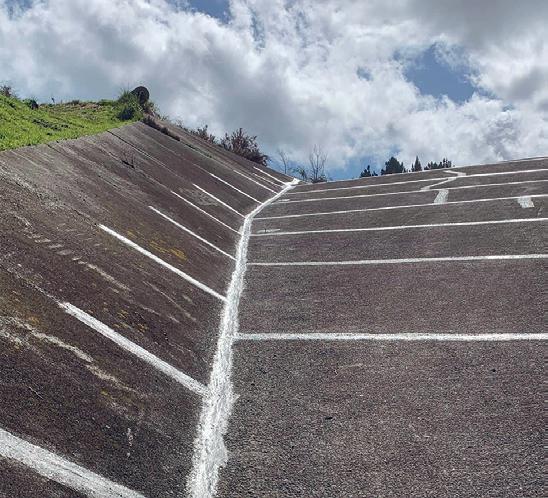
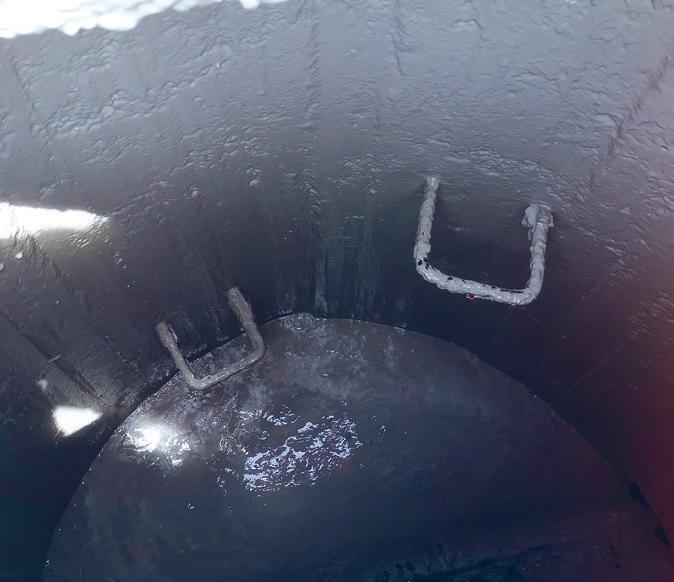
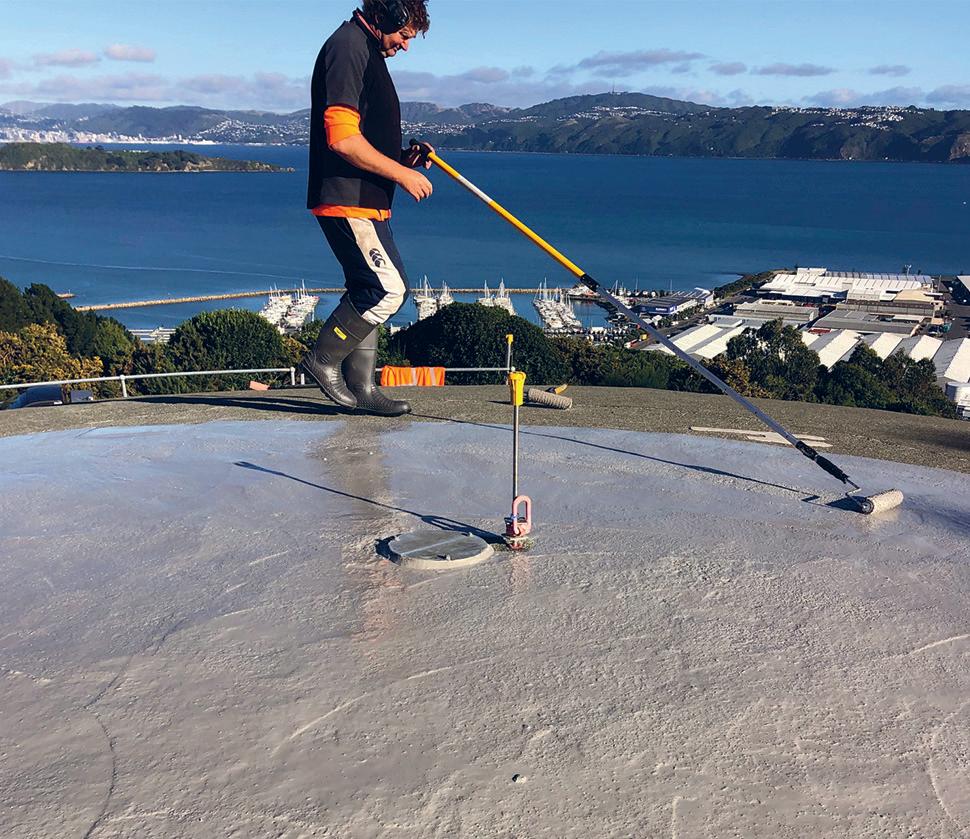
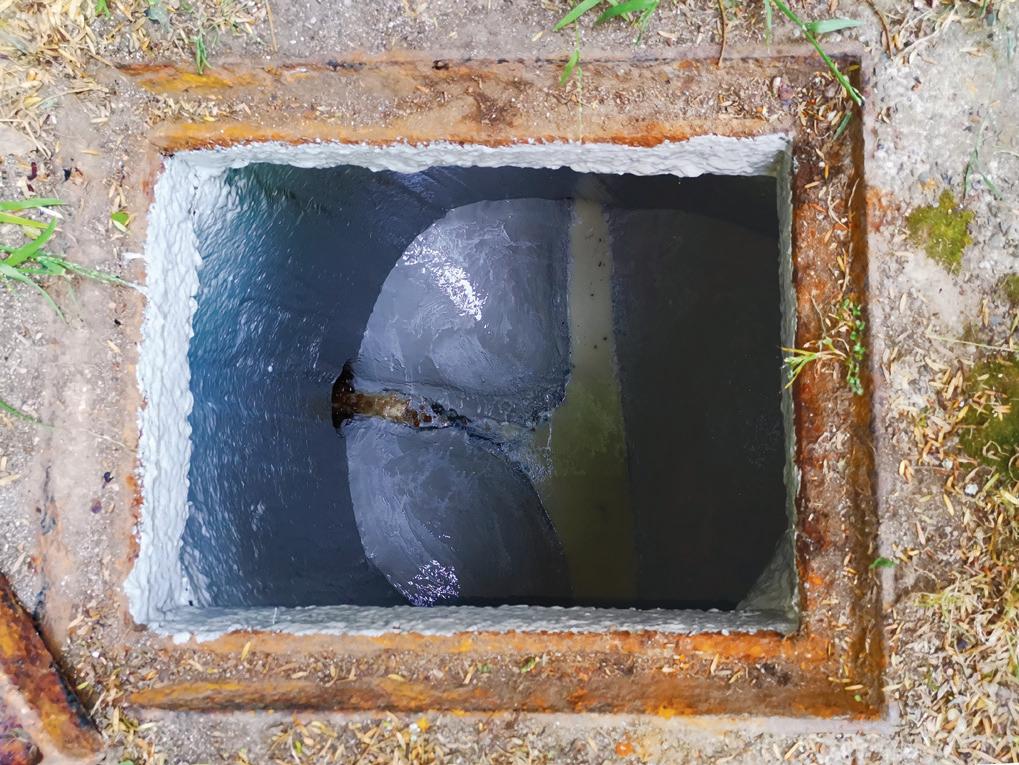
Mastermix is an industry leader which is uniquely focused on providing concrete solutions for New Zealand’s toughest environmental and industrial challenges. We have been solving our customers concrete problems for over 20 years. We are so committed to finding the perfect solution that we pay independent laboratories OPUS and Eurofins to test all our products before we offer them to our clients.
At Mastermix we are here to help you with any questions you might have. Call us today for all your quality concrete products and related needs nationwide.
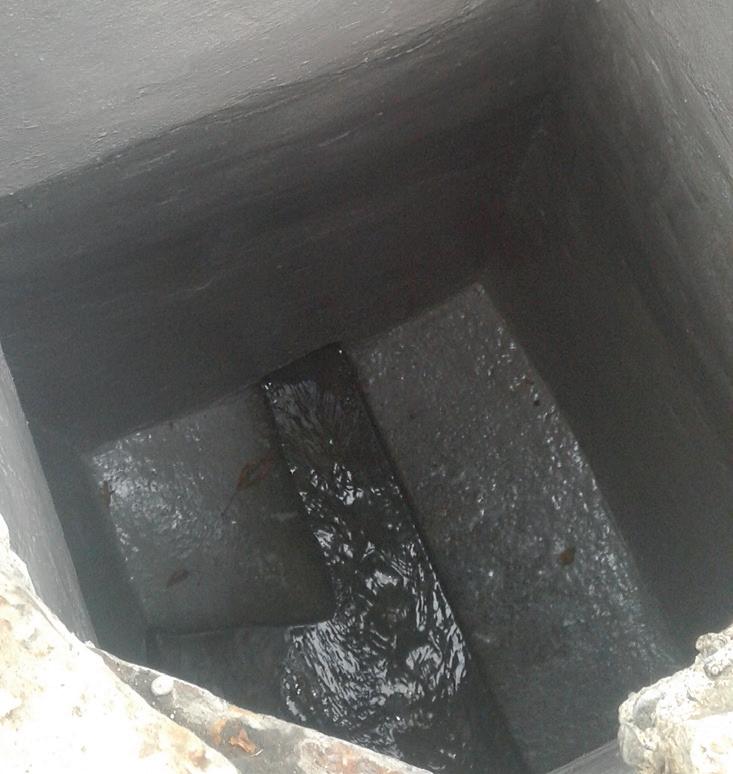


Absolutely positively Wellington City Council has released its 10-year plan which was adopted by the council on 20th of June, 2021.
The 2021-31 Long-term Plan (LTP) sets the direction for the next 10 years, outlines what they will be investing in, how much it may cost and how this will be funded.
The plan is focussed on fixing the city’s aging infrastructure, response to climate change,
minimising sewage sludge and waste and cycleway networks.
The plan is published in two volumes.
Volume one includes:
• an overview of the outcomes and priority areas we are working towards
• a description of our services and key projects
• how we will track performance against outcomes and performance targets for services
• supporting and financial information on what it costs to deliver those services.
Volume two includes:
• significant assumptions underpinning this plan
• financial policies and strategies that support this plan.
A key aspect underpinning the plain is increasing investment for a city ft for the future.
Mayor Andy Foster says that the plan is progressive and ambitious.
“It is built on much needed increased investment in infrastructure that our city is crying out for, and on solving resilience issues. It is investment we need to underpin a modern, dynamic, creative, sustainable city.
“This Long-term Plan provides the required increase in funding for renewals of our three waters infrastructure.
“Construction is also underway on our biggest ever reservoir, Omāroro, to provide a resilient water supply for our central city and lower-lying suburbs.
“A major decision in this plan outlines the best option to treat sewage sludge. Dealing with sludge is essential to allowing us collectively to reduce waste to landfill and significantly reduce the scale of the pending landfill extension.”
Modernisation of key buildings across town is a priority.
“It includes funding to complete major civic projects that are currently well underway.
The St James Theatre will reopen this coming summer, and the Town Hall, Takina – Wellington Convention and Exhibition Centre, and Omaroro Reservoir will all be completed in 2023.
“The St James Theatre will reopen this coming summer, and the Town Hall, Tākina –Wellington Convention and Exhibition Centre, and Omāroro Reservoir will all be completed in 2023.
“Alongside this is investment in the sustainability and efficiency of our transport system, and the strengthening and modernising of our Central Library.
“Collectively the proposed investment programme in this plan is the largest we have ever made in our city. It prioritises essential infrastructure and resilience while ensuring responsible debt levels and rates affordability,” the mayor says.

Priority Objectives for the next three years
1. A functioning, resilient and reliable three waters infrastructure with improving harbour and waterway quality and, reducing water usage and waste.
2. Wellington has afordable, resilient and safe housing within an inclusive, accessible, connected, and compact city.
3. The city’s core transport infrastructure is a safe, resilient, reliable network that supports active and public transport choices, and an efficient, productive and an environmentally sustainable economy.
4. The city has resilient and fit-forpurpose community, creative and cultural spaces – including libraries, marae, museums and community halls, where people connect, develop and express their arts, culture and heritage.
5. An accelerating zero-carbon and wastefree transition – with communities and the city economy adapting to climate change, development of low carbon infrastructure and buildings, and increased waste minimisation.
6. Strong partnerships with mana whenua upholding Te Tiriti o Waitangi, weaving Te Reo Māori and Te Ao Māori into the social, environmental and economic development of our city and, restore the city’s connection with Papatūānuku (nature).
In a summary of the financials’, the Council’s current financial position is strong with a healthy balance sheet and manageable levels of debt ($730m) relative to assets ($7.8bn) including income generating investments ($470m).
What is the council spending the money on?
They plan to spend $11b in total over the next ten years, $8bn in operating costs and $3bn in capital expenditure.
A significant proportion of Council operating expenditure relates to the management of city infrastructure with 22 percent being directed to the management of three waters services and 16 percent on transport.
Community Support is the other large area of operating expenditure and this activity covers services including social housing and libraries.
In terms of capital spending, over the next ten years 52 percent ($1.7bn) is targeted toward the renewal of existing city assets, most of which being transport and three waters infrastructure.
A further 33 percent ($1bn) is related to building new or upgrading existing Council assets, large projects such as the Central Library remediation, Tākina Wellington Convention and Exhibition Centre, cycleways and LGWM make up a significant proportion of these upgrades.
Where does the money come from?
The money for operating expenses comes mainly from rates, fees, and charges from those using the services, revenue from investment income e.g. ground lease income and any Wellington International Airport dividend.
Caduceus ensures businesses, especially those involved in architecture, engineering and construction, get the absolute best out of today’s technology.
Whether you are just starting out or well into your business journey, taking stock of where you are and where you want to be is the best way to make sure you’re maximising the huge potential of technology.
Caduceus does this through two key focuses: aligning clients with the appropriate technology for their needs, and equipping them with the knowledge to get the most out of this technology.
“Once you have the right equipment and software you need to make the most of your investment, it doesn’t matter how clever the programs are, if you or your staff aren’t up to speed on how to get the best out of them, you’re wasting valuable time and money.
“We have a team of experts to keep your IT systems running at peak performance and your staff happily productive.”
Caduceus is driven by the philosophy that it’s a tough environment out there and you’ve got to be prepared for the ride.
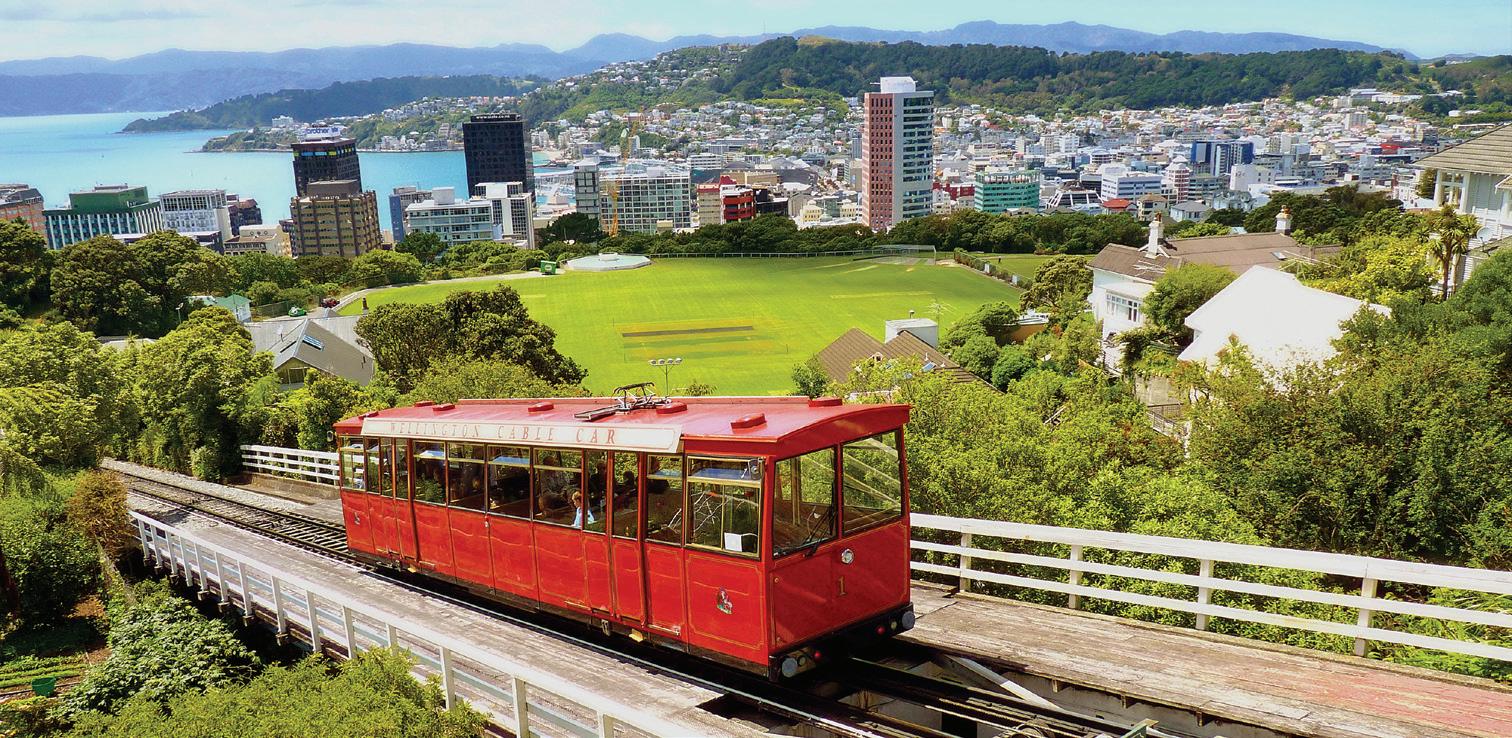
Debt funds the majority of our capital projects – our development projects and renewing and upgrading our assets and infrastructure.
They borrow for these expenses as they are often quite large, and this means we can spread the cost of paying for the projects over time and make sure generations that benefit from the asset also pay their share of the costs. This happens by the borrowings being repaid over time through funding depreciation.
What is the plan for rates?
The budget has an average rates increase for the average ratepayer of 5.5 percent after growth across the 10 years of the plan.
Wellington City Council chief executive, Barbara McKerrow, says “In setting this plan, there are significant choices the council has made to ensure our borrowing remains reasonable, while at the same time enabling a signifcant uplift in investment in the basics – our physical infrastructure.
“These limits are important to ensure that the afordability of rates is managed while leaving enough ‘headroom’ to repay our debt
and respond to future events, opportunities and pressures.
“The context in which we have made the decisions in this LTP is also unique – as we recover as a city and a community from COVID-19 and continue to manage the uncertainty the pandemic has created around the world.
“Me Hiki Ki Pōneke | Wellington City Council has been around for 150 years, so we have strong foundations to build from. We’re continuing to build on those foundations as we work together across the city to ensure a successful future for Wellington.”
“We facilitate technology for your business landscape making sure you’re well equipped for your journey. We ensure it can handle the terrain so you can drive your business hard.”
Caduceus provides specialist Information Technology products and services including but not limited to:
IT Services:
• Consultation, Advice & Strategy
• Hardware & Software Provision & Implementation
• Servers, Networks & Cloud
• Maintenance, Support & Training.
CLOUD:
• Rackspace & Colocation
• Dedicated Servers
• Managed Services
• Backup & Business Continuance.
CAD & BIM:
• Autodesk® Architecture Engineering & Construction software specialists
• BIM Management & Coordination Services
• Training & Support
• Custom Content Creation.
If you want help with you journey – let’s talk.




There’s a lot more to traffic management than just road cones and vehicle routes.
It means gaining the right consents quickly and efficiently, overseeing a site and ensuring every specification is accurately met.
Indeed, the primary focus at ATMS, is on safety for our staff, clients, and the public.
We really care about the safety and wellbeing of our people, clients, community, and environment in which we work in.
So accordingly, a cohesive and multifaceted health and safety plan for our organisation is extremely important.
Safety is our business, and as such each and every employee must understand and comply with safety standards and collectively seek to maintain those standards on every occasion.
At ATMS, we understand that safety is measured by the reduction of risk through careful planning, preparation, highly trained staff, using state of the art plant and equipment, effective management, and clear communication.
We believe that the success of any project is directly related to the planning process and are committed to providing a complete design and implementation of all levels of traffic management services to our clients.
For example, a traffic management plan (TMP) is a site-specific plan that covers the design, implementation, maintenance, and removal of temporary traffic management (TTM) measures while work or activity is carried out in the road corridor (road, footpath or berm).
The plan details how road usersincluding cyclists and pedestrianswill be directed around a work site,
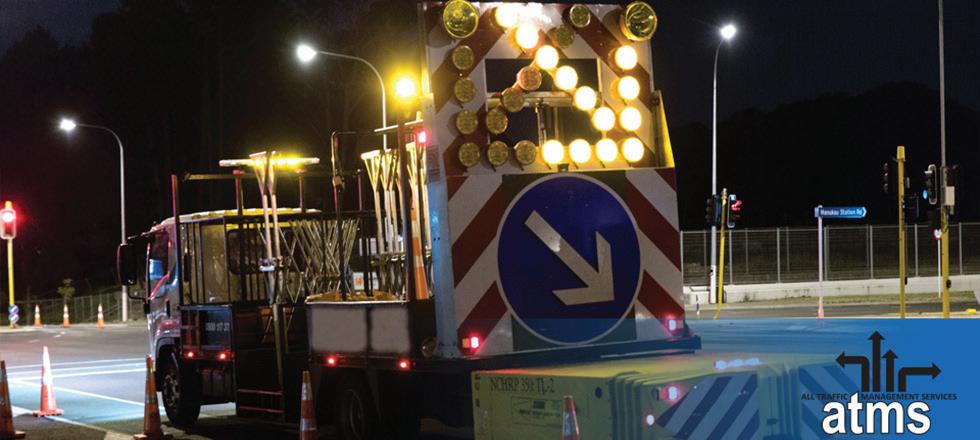
accident, or other temporary road disruption, to minimise inconvenience while providing safe conditions for both the road user and those carrying out the activity.
By having Vena carry out random audits on all of our sites in operation, we can ensure that our quality measures are in keeping with our health and safety standards, as well as protect our clients and staff.
At ATMS, we understand that safety is measured by the reduction of risk through careful planning, preparation, highly trained staff, using state of the art plant and equipment, effective management, and clear communication.
With this in mind, all of our approved Traffic Management Plans (TMP) are designed using modern engineering and architectural design software and are considered the blueprint for smooth management.
In addition to this, our internal auditor Vena, adds an extra level of support to our service agreement when using ATMS.
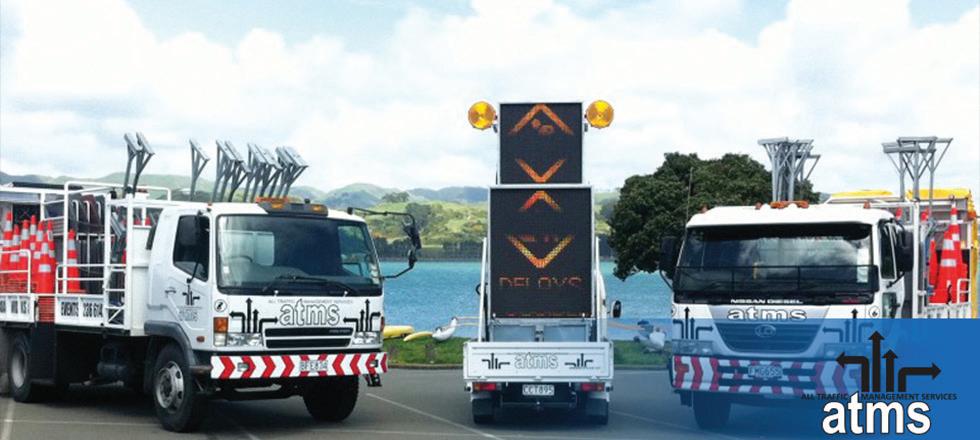
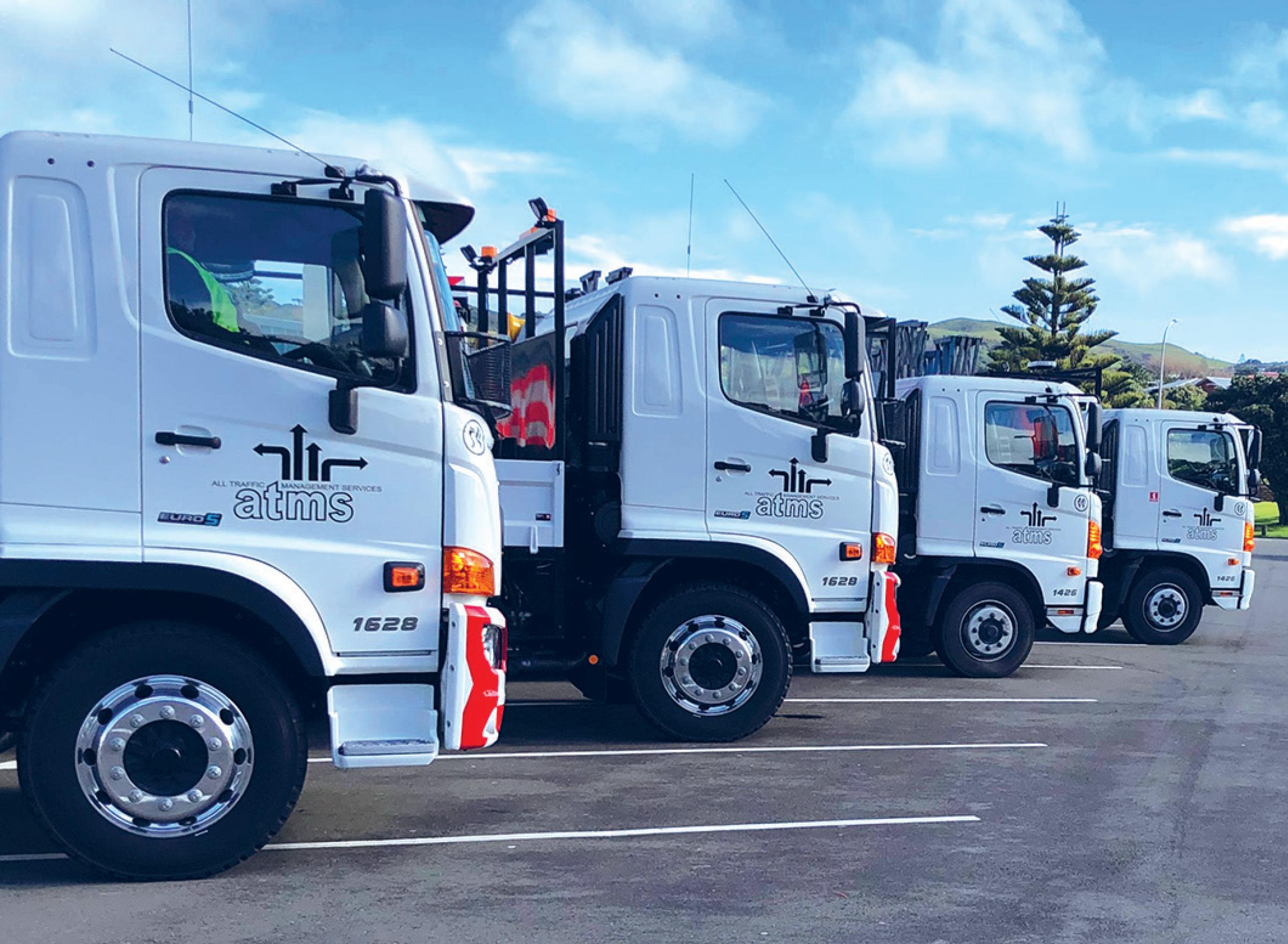
We guarantee only the highest quality service for traffic management projects in Wellington and the surrounding regions; you’ll always remain streets ahead of any possible road hazard with ATMS.
So, what are you waiting for? We’d would love to hear about your project, please don’t hesitate to contact us today.
knows that safety is measured by the reduction of risk through careful planning, preparation, highly trained staff, using state of the art plant and

The team at Wairarapa Dream Clean understand that a tidy home is indeed a happy home.
Established in 2017, Wairarapa Dream Clean has a team of amazing cleaners, who provide an honest and trustworthy service throughout Wairarapa.
So, whether you have a property in Tora or Eketahuna (or anywhere in between) we can service your property.
We use a variety of eco-friendly products including Bar Keepers Friend, Ecostore and Norwex and we even sell the products we use so that you can keep your house sparkling in between your regular cleaning visits.
We can tailor our services to suit you using our professional cleaning services and our friendly and approachable cleaners.
Let’s meet to discuss your needs and tailor a clean to suit you. We can come to your home or office and make a plan that suits your requirements.
Get in touch with us today to design your own dream clean and book a time.
• Book a time for us to come and visit you to see your home and your needs
• A quote will then be sent to you
• Once agreed to, you will be given a contract to sign with terms and conditions agreed on by both parties
• Meet your cleaner and arrange a time for the cleaning to commence. Regular cleaning will be approximately the same time each clean
• Keep in touch, we are here to help.

Our services
Below you will find a list of the services we provide to our clients. If you want a service and you can’t see it on the list, please contact us to see if we provide it.
We can tailor our services to suit you to provide your “dream clean” using our professional cleaning services and our friendly and approachable cleaners.
Domestic cleaning
We offer domestic cleaning services on a weekly, fortnightly, or monthly basis. This includes residential dwellings, as well as holiday homes, Airbnb’s and rental properties.
Our domestic services include:
• Bathroom
• Kitchen
• Lounge
• Bedrooms
• Vacuum
• Mop
• Dust hard surfaces
• Remove visible cobwebs
• Wiping all surfaces including whiteware
• Clean toilet, shower, bath vanity & mirror
• Polish taps
• Light switches
• Door handles
• Skirting boards
• Wall spot cleaning
• Windows inside & out (single dwelling only).
One-off or custom cleaning:
• Oven cleaning
• Spring cleaning
• Exit cleaning
• Window cleaning (single dwelling only)
• Professional organisation
• Minimising of clutter
• Work one-on-one with client
• In home laundering and ironing
• Drop off or arrange pick-up & delivery of laundry.
Realty cleaning *minimum two weeks’ notice required
• Exit cleaning
• Pre-inspection cleaning
• Rental cleaning.
Construction cleaning
• Full house dust removal
• Surface clean
• Vacuum
• Mop
• Windows. Light commercial cleaning
• Offices
• Schools
• Retail
• Churches, plus more!

Finalists for this year’s Sustainable Business Awards span sectors from food and beverage to fashion, beauty, construction and travel.
The Sustainable Business Awards recognise and celebrate success in sustainability. They have been running for 19 years.
Rachel Brown ONZM is founder and CEO of the Sustainable Business Network, which runs the Awards.
“The latest IPCC report on climate change has left no doubt about the imperative to change our ways of living and working. Businesses need to step up – their customers, employees and the planet are demanding it.
“The 75 finalists in these Awards are leading the way. They include corporates, small
enterprises and individuals from the public and private sector, showing that whoever you are you can play your part.
“These long-standing Awards celebrate the achievements of these progressive organisations and I hope others will be inspired to follow in their footsteps. It has never been more important.”
The winners for all categories will be announced at a ceremony on 25 November. The ceremony will be held simultaneously in Auckland and Wellington, and broadcast online.


The finalists for the 2021 Sustainable Business Awards are:
Change Maker Award
Sponsored by Environmental Protection Authority
• Courtney Davies, BLAKE
• Felila Neama Taufa, TROW Group
• Maggie Hewitt, Maggie Marilyn
• Oliver Hunt, Medsalv
• Patrick Moynahan, Computer Recycling
• Sophia Olo-Whaanga, Dempsey Wood Civil.
Climate Action Innovator
Sponsored by Waka Kotahi
NZ Transport Agency
• Christchurch International Airport
• CoGo
• Golden Bay Cement
• New Zealand Nature Highlights
• Zealandia.
Climate Action Leader
Sponsored by EECA
• Chia Sisters
• Christchurch International Airport
• Fletcher Building
• Forest Lodge Orchard
• New Zealand Post.
Communicating for Impact
Sponsored by Kind&Co
• All Heart NZ
• Businesses for Climate Action
• CarbonClick
• Fonterra
• Goodsense & Outside the Box Caskets
• NZ Panels Group.
Going Circular
Sponsored by Auckland Council
• All Heart NZ
• Citizen
• Emma Lewisham
• Fonterra
• Glass Bottle Milk & Lewis Road Creamery
• Happy Cow Milk
• Maggie Marilyn
• Mutu
• RUBY
• SOLID Oral Care
• The Better Packaging Co.
Good Food
Sponsored by New World
• All Good
• Citizen
• Golden Bay Fruit
• New Zealand Food Network
• Ngāti Whātua Ōrākei
• The Sustainable Food Co
• Thieves Tea
• Wholly Cow.
Outstanding Collaboration
Sponsored by Toitū Envirocare
• Citizen
• Community Finance, Generate KiwiSaver, ANZ, Simplicity, Pathfinder, Forsyth Barr, Lindsay Foundation, Clare Foundation, & WEL Energy Trust
• EECA (Energy Efficiency and Conservation Authority) & BEC
• ERANZ (Electricity Retailers’ Association of New Zealand)
• Foodstuffs North Island & Wellington City Mission
• New Zealand Food Network
• Piritahi
• The Ākina Foundation & Community Enterprise Network Trust.
Sponsored by Department of Conservation
• Habitat Restorations Aotearoa
• HealthPost
• Lake Hawea Station
• Red Tree Environmental Solutions
• Tahi Estate
• Tanes Tree Trust
• Yealands Wine Group.
Sponsored by MAS
• All Good
• All Heart NZ
• Aroha Funerals
• Auckland Permaculture Workshop
• AWWA
• Fair Food New Zealand
• Gap Filler
• HealthPost
• Isthmus Group
• Kaipatiki Project
• TROW Group.
Sponsored by NZI
• Camden Howitt, Sustainable Coastlines
• Charlotte Rutherford, Fonterra
• Charmaine Bailie, Kaipatiki Project
• Jayden Klinac, For the Better Good
• Kayleigh Appleton, Waiheke Resources Trust
• Malcolm Johns, Christchurch International Airport
• Manu Rastogi, Kathmandu
• Peter Simons, DB Breweries.

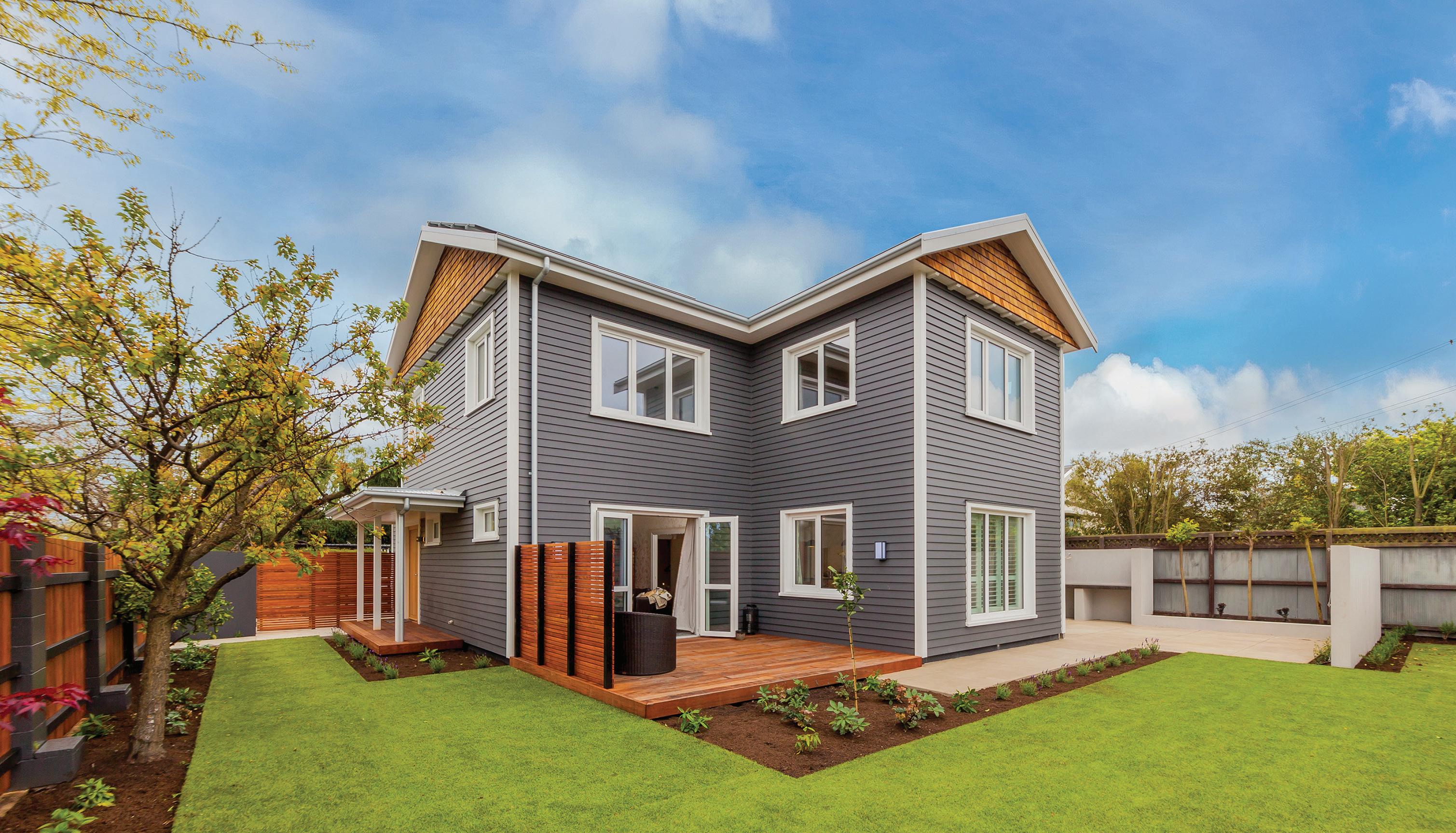
Passive House is a rigorous, proven and effective method of designing and building, resulting in highly energy-efficient and healthy buildings.
The key features of a Passive House building include excellent air quality, minimal use of energy required for heating and cooling, and a comfortable temperature maintained year-round.
Celebrating its 30th birthday internationally, Passive House is a relatively new concept in New Zealand with the first Passive House being certified in 2012, and the market up until now has been small.
There are now 37 certified Passive House buildings in Aotearoa NZ. However, with the projects under construction and in the planning stages currently, this is on track to double in the next year and continuing to rise fast.
More than ever, we are aware of climate change and the role we can play as consumers in mitigating for this.
Certified Passive House buildings maintain optimum comfort in all the varied climates of Aotearoa NZ while only requiring 8-20 percent of the heating energy a building built to the current Building Code would require to maintain similar conditions.
The occupants of a home built to Passive House standard will enjoy a high level of comfort and wellbeing in a healthy building, and will need to use only a small amount of energy to keep their home warm and dry in the winter and fresh and cool in the summer.
Passive House Institute New Zealand, Te Tōpūtanga o te Whare Korou ki Aotearoa (PHINZ) is a charitable trust working hard to bring the Passive House standard into the mainstream in Aotearoa New Zealand.
PHINZ CEO Amy Tankard says, “New Zealanders are starting to recognise that we don’t have to do things the way we always have. We deserve to live, work and play in comfortable buildings, and we shouldn’t need to pay a fortune to heat and cool our houses.
“We also have a rising awareness of how we can live more sustainably and are questioning what changes we can make in our lives to use our resources more efficiently.”
PHINZ aims to increase awareness of the benefits and opportunities of highperformance buildings based on the Passive House standard through research, education and building sector engagement.
PHINZ membership has doubled in the past year, demand for training through the Passive House Academy (a project of PHINZ) is at an all-time high, and enquiries from component suppliers about how to engage with Passive House have increased significantly.
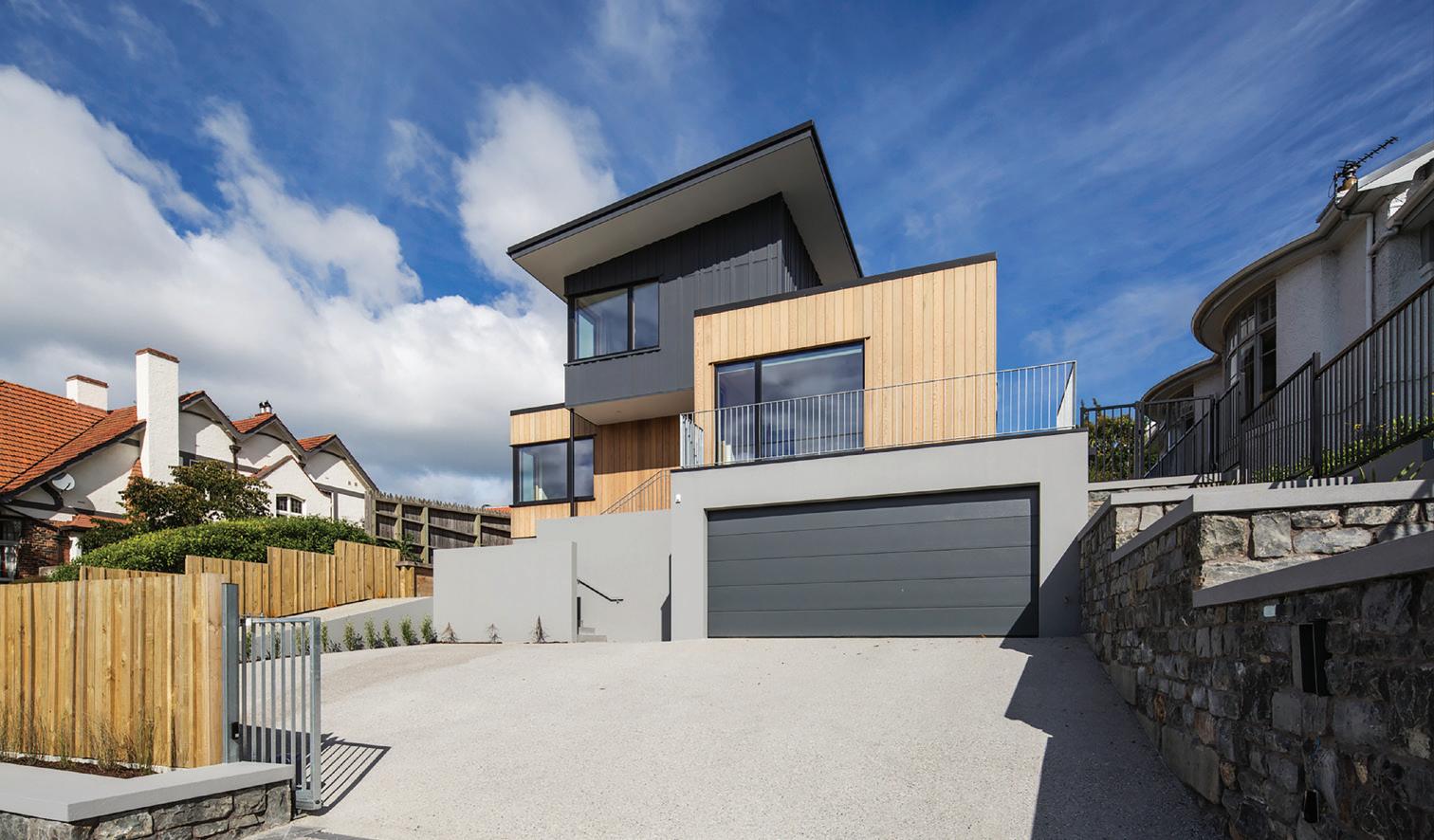
Attending to basic principles early on in the planning stages, and following through with these in the build make a huge difference to the performance of the building.
A Passive House will aim to optimise the orientation of the building to the sun, have suitable insulation and windows for the climate, an airtight building envelope, avoidance of thermal bridges, and a ventilation system with heat recovery.
“We have a proven method of designing and building houses that are energy efficient and comfortable,” Amy says.
“This leads to people living, working and playing in nurturing healthy spaces. That’s a really good foundation for a fulfilled life, it’s that baseline of comfort. Passive House can and should become standard in Aotearoa New Zealand.”
The Passive House standard is a proven standard with specific requirements. If building a Passive House is on your horizon, please remember to do your homework and make sure you have a Passive House certified professional advising the process.
A project PHINZ is very excited about is a collaboration with BRANZ to publish a handbook of high-performance construction details, set to come out this year.
It is a catalogue of high performance and Passive House suitable details that are tried and tested in NZ and each construction detail comes with thermal performance, carbon impact and cost information.
This handbook should provide significant help and guidance to members of the building industry looking to plan, design and build better buildings.
Find a Passive House professional on the PHINZ website www.passivehouse.nz, find out more about Passive House by contacting PHINZ on enquiries@passivehouse.nz, and see upcoming training information at Passive House Academy New Zealand (phanz.ac.nz).
At Dayle ITM we're big on relationships, honesty, and flexibility. Our three North Island locations in Avondale, East Tamaki, and Kopu mean we’re conveniently located to be your one-stop-shop for trade building supplies.
Our experienced team at Dayle ITM are here to make your next job easier, by purchasing from one account across all three Dayle ITM locations. We’re a knowledgeable, friendly team and proud to be the most reliable building supply specialists out there. We’ve got twelve trucks on the road daily – delivering to you across Auckland, North Waikato and Coromandel. Too easy!
Dayle ITM has been proudly family-owned and operated for forty-five years, and counting. That's just one reason why we’re trusted trade partners to thousands of builders across the upper North Island, too. No matter the size of your next build, our team can help you out. Being part of the ITM Co-operative means we’re connected to over ninety stores across New Zealand –so our knowledgeable team is always there to get you what you need.
Going the extra mile? That’s our team. We’re committed to the success of your next project, that’s why we’re continually investing in ways to support the building trade. We’ve invested in three prenail frame and truss plants, one at each of our North Island locations, to help speed up your project timeline. In addition, our fleet of twelve delivery vehicles on the road daily ensures your supplies are on site when you need them. Plus, keep an eye out for our free LBP training events – a great opportunity to socialise with mates in the
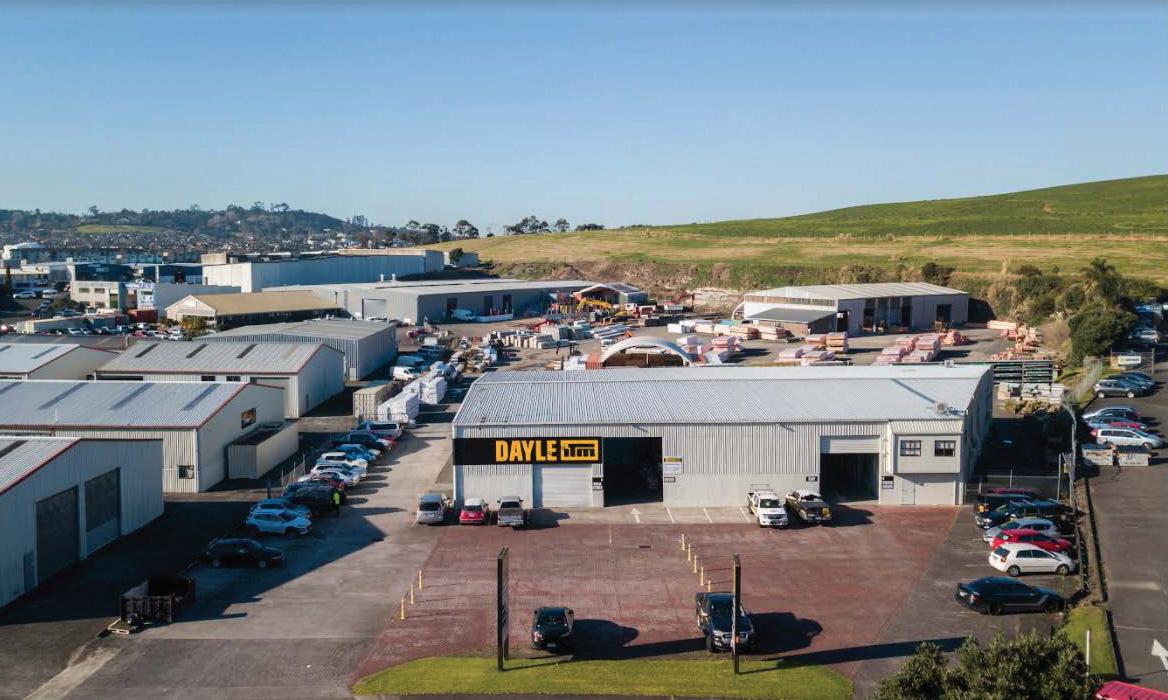
trade, and ensure you’re at the forefront of industry updates. Topping it off, our customers can purchase from one account at all three Dayle ITM locations – making your job easier.
Avondale
Dayle ITM is a true ‘West Auckland’ family business. Founded in 1976 by Alan and Gloria Day, Dayle ITM Avondale started its business journey fabricating Dayle Cottages, before moving into prenail frame and truss manufacturing. Our family-run store and the team of forty staff live by our business values – which is being a one-stop-shop for builders and to make sure our team is an extension of your own business. The Dayle ITM MiTek Manufacturing Plant is well-known in the industry for the high-quality of the frame and truss product we manufacture. With seven trucks out and about delivering to sites in Auckland and beyond every day, we are well placed to meet your needs.
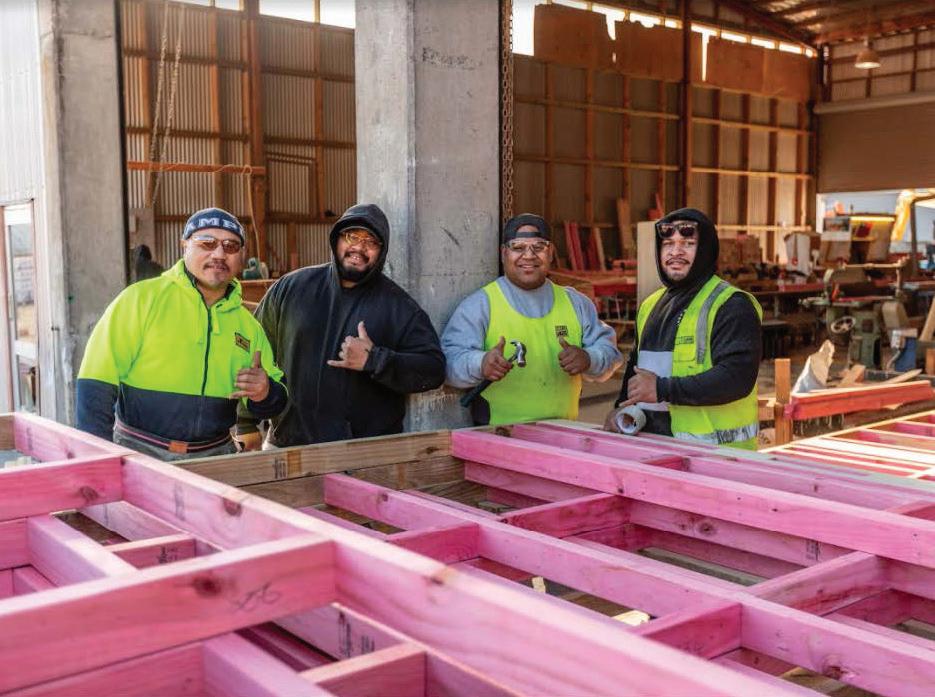
The Dayle ITM East Tamaki store is the transformation of a store with a thirty year lineage. Already in the ITM fold, first as Smith Timber, then as Tamaki ITM from April 2014, the East Tamaki store joined the Dayle ITM family in May 2019. With an onsite MiTek Manufacturing Plant and a central Auckland location, our East Tamaki store is perfectly situated for projects in Central, East and South Auckland – as well as the Northern Waikato. Our skilled crew are here to help you with your next build project throughout Auckland.
Dayle ITM Kopu is your trade building partner on the Coromandel Peninsula and the Hauraki Plains. Our store brings a total solution to the building industry in the area. This store is perfectly located to assist with all your building projects in the Coromandel Peninsula, across the Hauraki Plains and the Northern Waikato. Talk to us about your next job and our friendly team can show you just how good our service is.
If you’re a busy construction business and want the very best in building supplies, advice, and service – talk to us. We’ll see you right! Find us online at www.dayleitm.co.nz or call any of our three handy locations on 0800 DAYLE ITM (0800 32953 486)
Store info
Avondale: 713 Rosebank Road, Avondale. Monday – Friday: 7am-5pm. Saturday: 8am-2pm.
East Tamaki: 21 Greenmount Drive, East Tamaki. Monday – Friday: 7am-5pm. Saturday: 8am-12pm.
Kopu: 71 Kopu Road, Thames. Monday – Friday: 7am-5pm. Saturday: 8am-1pm.
The New Zealand Green Building Council are on a mission to make New Zealand homes healthier and happier.
After launching a Net zero carbon road map last year which called for a building code that aligns with the zero-carbon-act, the NZGBC is prompting a change.
Climate change is the most serious and pressing issue of our time and the science is clear. The Intergovernmental Panel on Climate Change says that we need to achieve net zero carbon emissions by 2050, and to reduce emissions by 50 percent by 2030, if we are to avoid a range of climate change impacts.
The NZGBC are helping to make this happen by introducing robust authentication schemes, such as Green Star and Homestar, which measure the health, warmth and efficiency of New Zealand homes and buildings.
New Zealand buildings are responsible for significant climate-changing pollution. Emissions from the construction sector have leaped 66 percent in a decade and the built environment is responsible for approximately 20 percent of New Zealand’s carbon footprint.
NZGBC’s rating tool Green Star is an internationally recognised sustainability rating system. It is used as a tool to support stakeholders in the property and construction sectors to design, construct and operate projects in a more sustainable, efficient, and productive way.
The Green Star tool measures energy, water, materials, indoor environment quality (IEQ), transport, land use and ecology, management, emissions, and innovation of homes and buildings.
NZGBC chief executive Andrew Eagles says the benefits of choosing a Green Star home or building are lower running costs, productive occupants, lower carbon emissions, lower water usage and less waste to landfill.
Homestar measures the health, warmth and efficiency of New Zealand homes, using a rating tool from 6 to 10.
Homestar rates a home’s performance and environmental impact across several categories including density and resource efficiency; energy, health and comfort; water; waste; materials; site; home management; and an optional innovation category.
Since certification started, the demand for Green Star buildings has already doubled in the last two years and there are now 10,000 homes registered with Homestar, compared with the few hundred there used to be, Andrew says.
It’s taken over a year of analysis to align their processes with the Homestar process, but the result is that we now have thousands of homes being built to a higher standard for new Zealanders.
- NZGBC chief executive Andrew Eagles
This increase is due to more volume home builders wanting to know about Homestar, as well as ANZ offering a lower mortgage interest rate.
Through the authentication schemes, Andrew says he hopes to normalise having energy labels on all New Zealand homes in the future.
Kāinga Ora, a New Zealand housing government agency have also jumped on board and are now working alongside NZGBC.
This has resulted in all their buildings being built to Six Homestar0 or above.
While this means thousands of New Zealand homes built by the government agency have to now be up to this standard, there have been a few challenges to get there, Andrew says.


“We had to look at the way Kāinga Ora works, which meant looking at their quality assurance process and working with their construction team.
“It’s taken over a year of analysis to align their processes with the Homestar process, but the result is that we now have thousands
About the NZGBC
NZGBC is created by the construction property sector and continues to be run by the construction property sector.
The NZGBC represents more than 520 companies and organisations, including government departments, banks, energy companies, insurers, property and construction companies, architects, developers, designers, and tertiary education institutions.
This includes many of the NZX50. These members have a combined market turnover of $20 billion. We also work with local government members, representing over 60% of New Zealand’s population.
NZGBC has 540 members who work with the government to focus on healthier, low carbon buildings. They run the NZGBC board, tools on the website and also have input on what NZGBC does as an organisation.
The summary of Green Star, Homestar and other tools are available on the New Zealand Green Building Council’s website: www.nzgbc.org.nz
of homes being built to a higher standard for new Zealanders.
“It’s really leading the way for volume builders out there who are needing to build to this standard for government.”
The business case for green building As well as being good for the environment and health, green buildings are good for the bottom line.
Green commercial buildings deliver better returns for owners and investors and are in greater demand from tenants.
International evidence shows that green buildings enjoy better occupancy and better returns, and have lower operating costs (including energy).
The principles of green buildings also apply to housing, where energy and water efficient homes cost less to run, and are warmer and drier, delivering health benefits to people living in them.
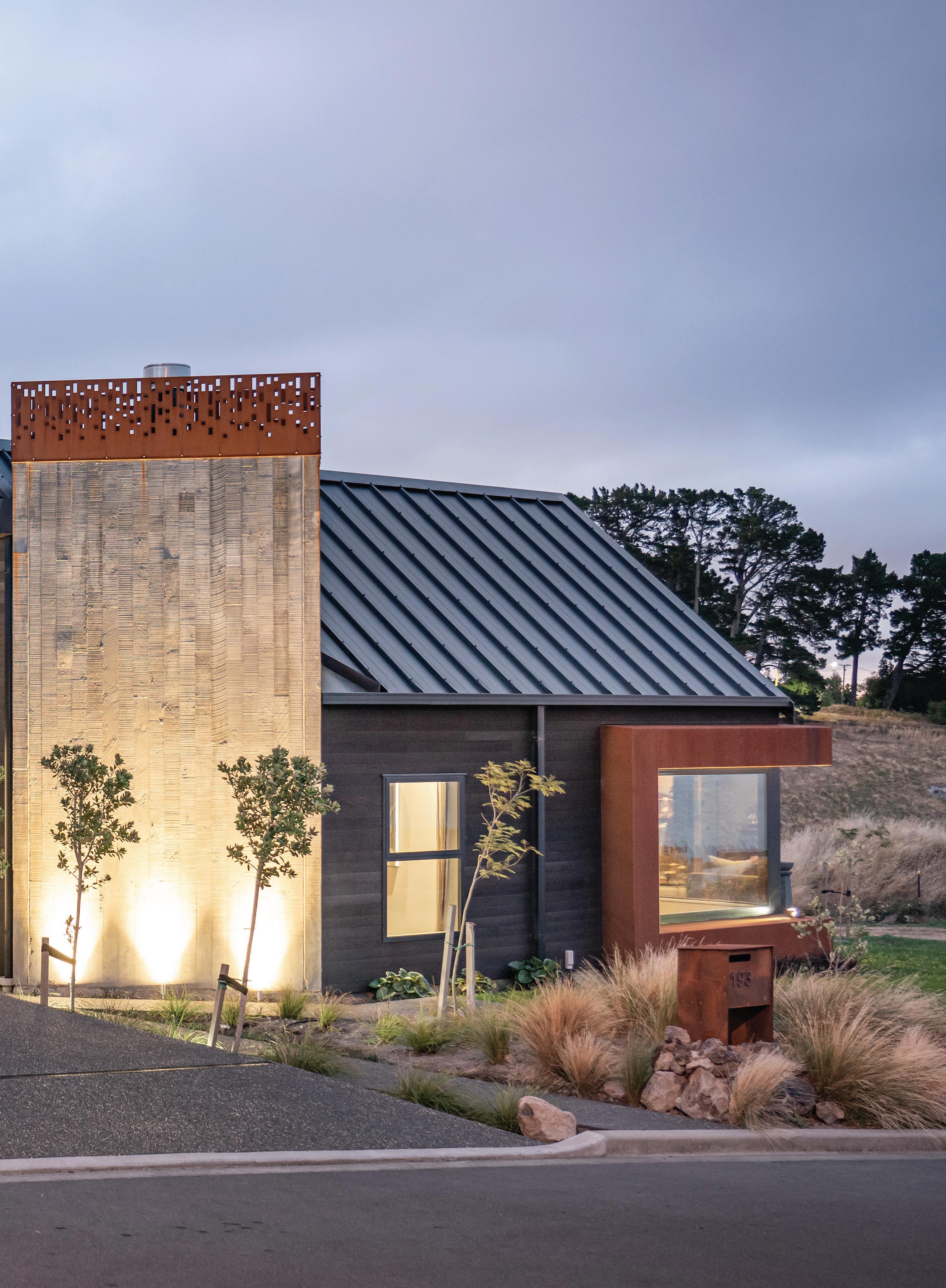
Dimond® adds style, substance and durability with its range of roofing and cladding profiles. Our commitment to leading environmental principles provides you with a ‘best in class’ and sustainable roofing solution.
Dimond® Roofing. Get the Edge.
dimond.co.nz/environmental
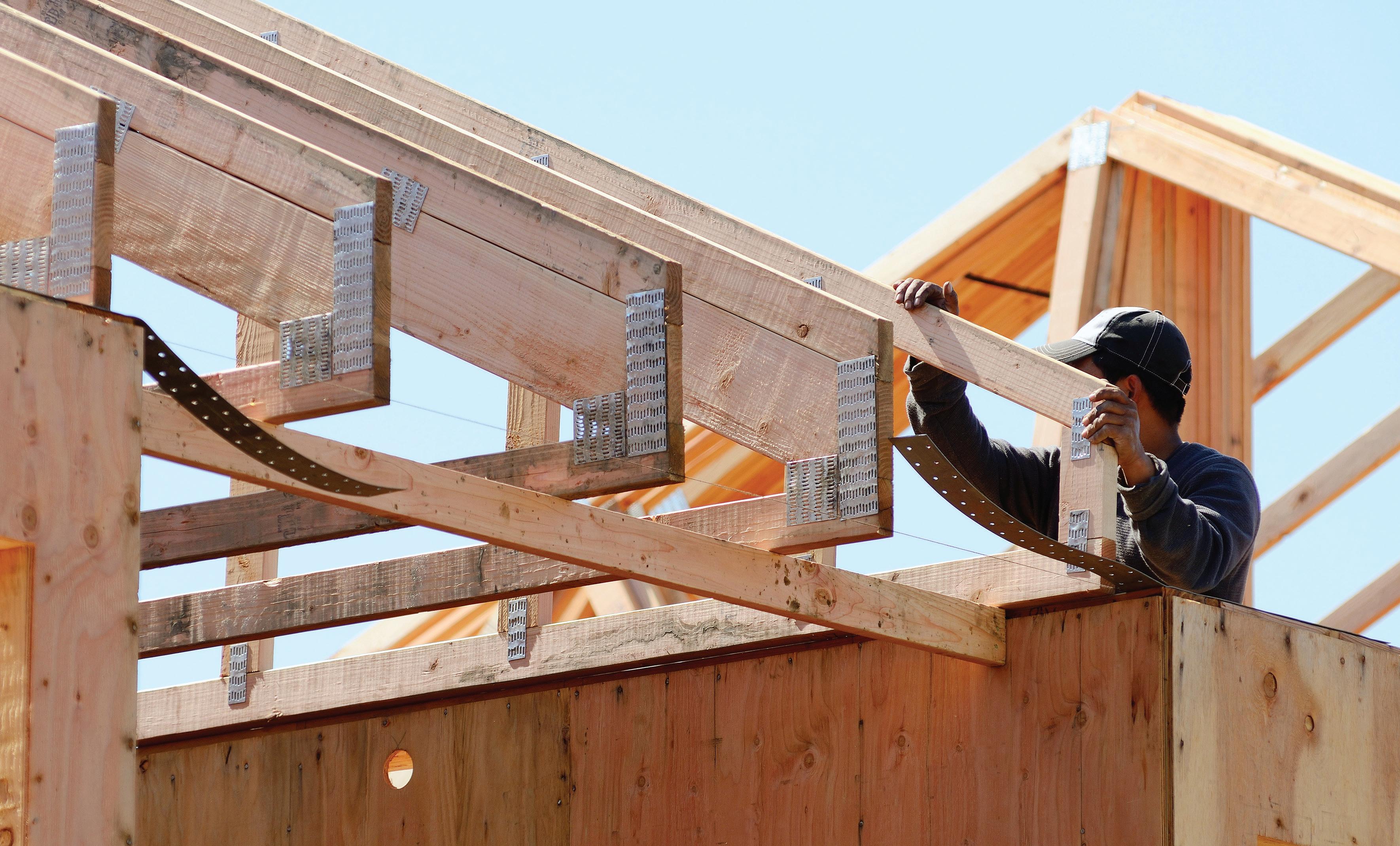
The Scouts got it right. Plan, plan, plan are three top words of advice for anyone in the building industry when it comes to the supply of materials.
What’s going on in the supply chain is beyond the control of most, but what those in construction can do is order materials well in advance.
The Frame and Truss Manufacturers Association (FTMA) Member Services manager, Peter Carruthers, says in the current conditions to place orders for frame and truss six months ahead of your build.
Something else to consider is the options that are available with of frame and truss. It’s worthwhile to have a decent discussion with your supplier about how to get the best result for your project.
“Spend some time thinking about the house you’re building,” says Peter.
“For example, if you’re building an impressive portico and want dead-straight, no wonky walls, think about whether
The FTMA works closely with the Building and Construction Industry Training Organisation (BCITO) in the development and review of industry qualifications.
All frame and truss qualifications are free until 2023. For detailed information on the qualifications: www.bcito.org.nz/apprentices/ careers/frame-truss
you could use LVL for the frame which is dimensionally more consistent than solid timber.
“With trusses there are options apart from the standard link truss such as a scissor truss for a vaulted ceiling effect.
“If you are thinking about possible future roof space or attic expansion, discuss that with the truss fabricator so that the flexibility can be designed in from the start.”
Peter also points out that builders must not modify trusses on site with consulting the manufacturer.
This kind of advice is part of the service provided by FTMA which is there to support members navigate many areas of the industry.
The FTMA works closely with the Building & Constriction Industry Training Organisation (BCITO) to promote and support training in the sector.
There are two qualifications available to those in the frame and truss manufacturing industry.
National Certificate in Frame and Truss Manufacture (Level 3)
A great place to start for anyone working in a fabrication plant on the production of timber wall frames and timber roof trusses.
“This qualification is also good for anyone who’s worked in the industry for years.
“They can get a certificate that attests to their skills and knowledge. It improves their self-esteem and job satisfaction, knowing that their skills are recognised,” Peter says.
New Zealand Certificate in Frame and Truss Detailing (Level 4)
For those operating the design software used for frame and truss manufacture.
If you are thinking about possible future roof space or attic expansion, discuss that with the truss fabricator so that the flexibility can be designed in from the start.
The FTMA represents 64 fabricators and has more than 20 associated members.
The majority of members are small operators, with five to 20 staff, and are not always in a position to investigate and understand the implications of legislative changes on their businesses.
This qualification is being upgraded to a Level 5 qualification Diploma in Timber Structure Detailing.
Virtually every project in the New Zealand residential building industry is bespoke and this is why training is so important, according to Peter Carruthers, especially in the computer operation side of things.
He says that although the software is precise and very sophisticated, human experience and judgment is still a critical component of the process.
“Good detailers can be people who have come off building sites or the assembly floor and know how the process works and have an understanding of the practicalities.
“It also requires the ability to think spatially, attention to detail and problem solving. A good detailer will pick up potential problems at design stage and nip them in the bud.
“Errors get more expensive the further they get along the track. Getting it exactly right at the point where the plans are being interpreted in the factory is important.”
The government has provided good trade training support such as the Boost fund from the Ministry of Social Development in the form of a subsidy to the employers of staff who undertake certain training.
A voice for the industry
Quality and consistency across the frame and truss manufacturing sector is something the FTMA supports by making members aware of the helpful resources available.
Another job of the FTMA is dealing with the government on issues such as codes and health and safety.
Over the past two years MBIE has pushed a lot of rapid change that affects the building industry, Peter says.
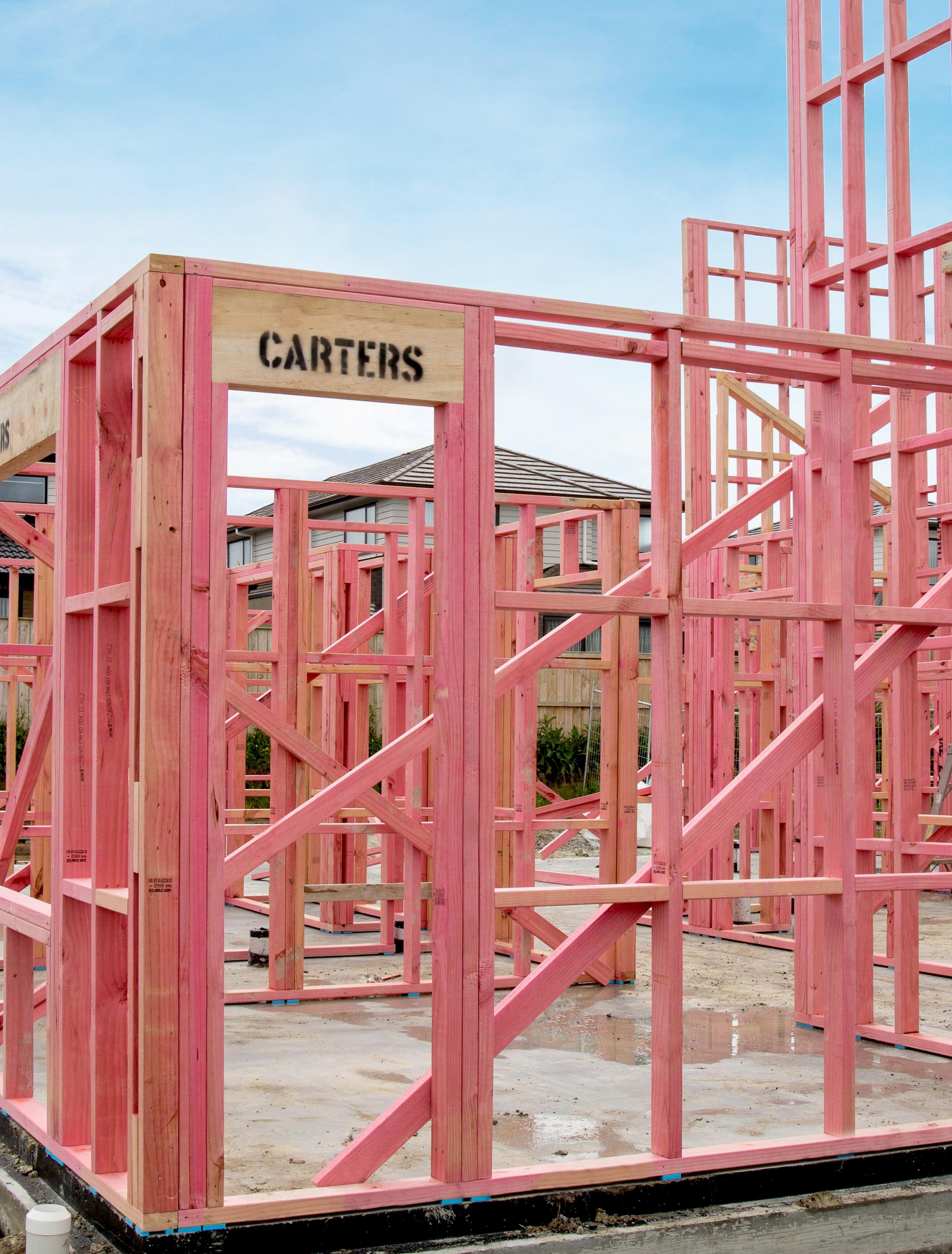
With 9 manufacturing plants across the country, including our super site in Auckland, you can trust CARTERS Frame and Truss to support your build.
Backed by state of the art manufacturing plants and an experienced team who understand quality, your build is sure to stand the test of time.
• All CARTERS Frames and Trusses are manufactured in accordance with the NZS3604:2011 Timber Framed Buildings and to consented plans and specifications.
• FSC (Forestry Stewardship Council) accredited manufacturing plants.
• Sustainable, renewable and proudly made with New Zealand pine for New Zealanders.
Let’s partner together. Call your local branch and talk to us today.
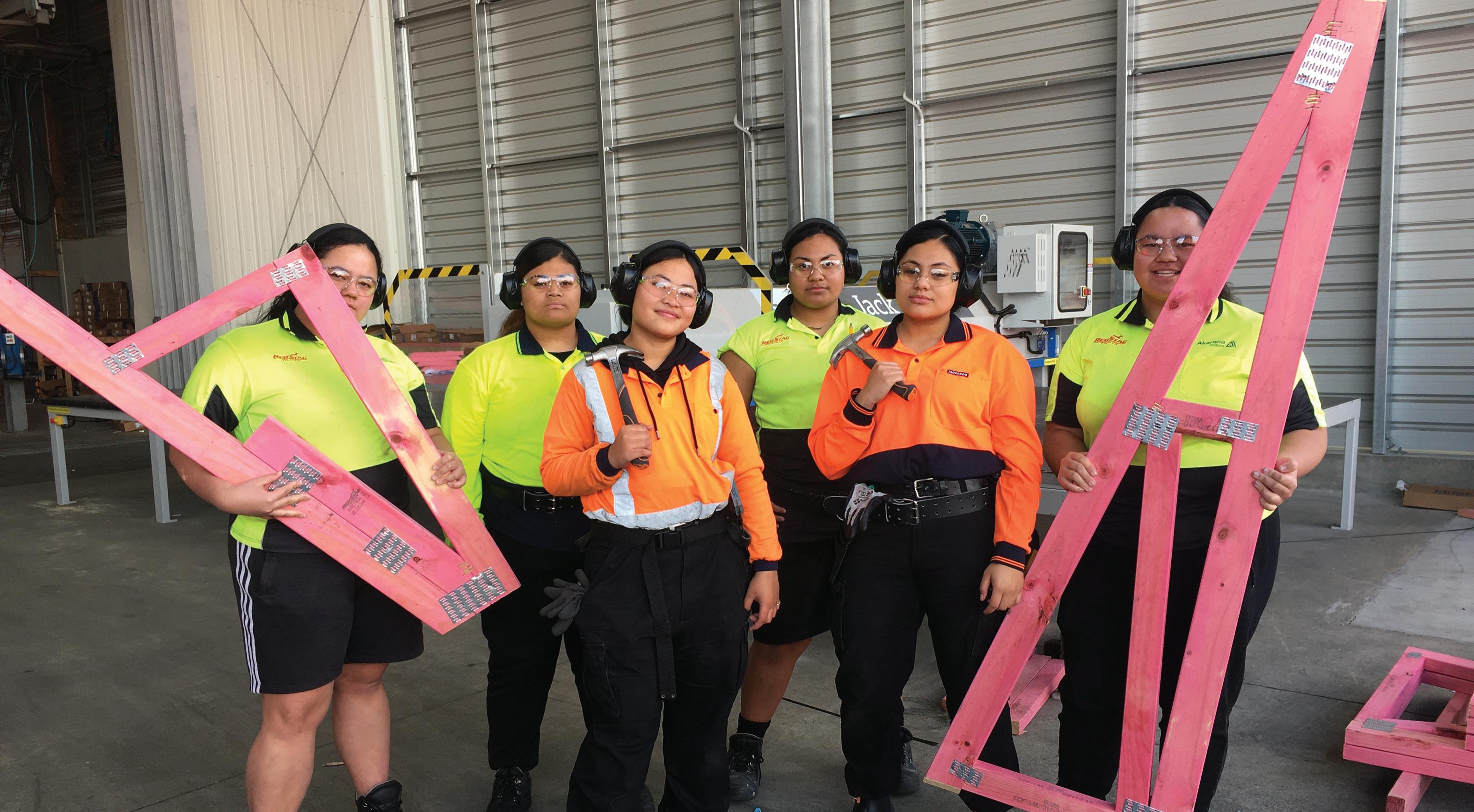
A team of young women who started with Akarana Timber in 2021. Like many businesses, frame and truss manufacturers can struggle to find enough good staff - one strategy to relieve this is to be more open to employing people from a wider range of backgrounds, and another is for the construction sector to become more attractive career choice for women.
“This rapid regulatory change and amendments to performance requirements, combined with extra complexity in the consents process and verification has kept everyone busy.”
On top of that, it’s been a time of maximum market demand.
“We’ve been in direct discussions with MBIE on a number of these consultations and reminded them that we’re all struggling under a heavy load, and it’s challenging to carry out all these changes, as well as keep up with the demands on building supply.
“To be fair they have listened and pulled back the pace of or modified some of those changes for less stress and pressure on the supply chain.”
Health and safety
The Frame and Truss Manufacturers Association keeps health and safety high on
Ideal for leaky building repairs:
• Effective control of decay fungi and insect attack
• Easy application by brush, spray or roller
• Odourless, colourless, non-corrosive and non-flammable
• Diffusing action into timber
• Available from all good building material suppliers
building in New Zealand, and there are interesting advances that add to its durability and versatility.
While FTMA is primarily a pro-timber organisation, they are open to using hybrid solutions incorporating steel and other materials where appropriate.
“We have members who are making timber assemblies that incorporate light steel webbing or steel tensioning bars,” Peter says. Rotorua-based Red Stag Timber is a strong FTMA supporter that has recently opened a Cross Laminated Timber (CLT) plant.
They literally glue full-sized pieces of timber together to create a massive slab that’s incredibly strong and versatile. From that, door and window apertures can be cut to exacting requirements.
These kinds of components are another thing that builders can talk to their suppliers about well-in advance of a project. Find out what kind of products are on offer for particular jobs, and pick and choose what is best for a specific function.
its agenda, as it is important to keep it top of mind with employers and employees.
There are a lot of potential dangers in the factories and on building sites and it’s very easy to become complacent. One area that has come into focus recently is extended producer responsibility and ensuring that the right steps are taken to protect those that receive and use our products.
The FTMA ensures that WorkSafe alerts find their way to members.
Timber is a tried and true material that continues to be the backbone of residential
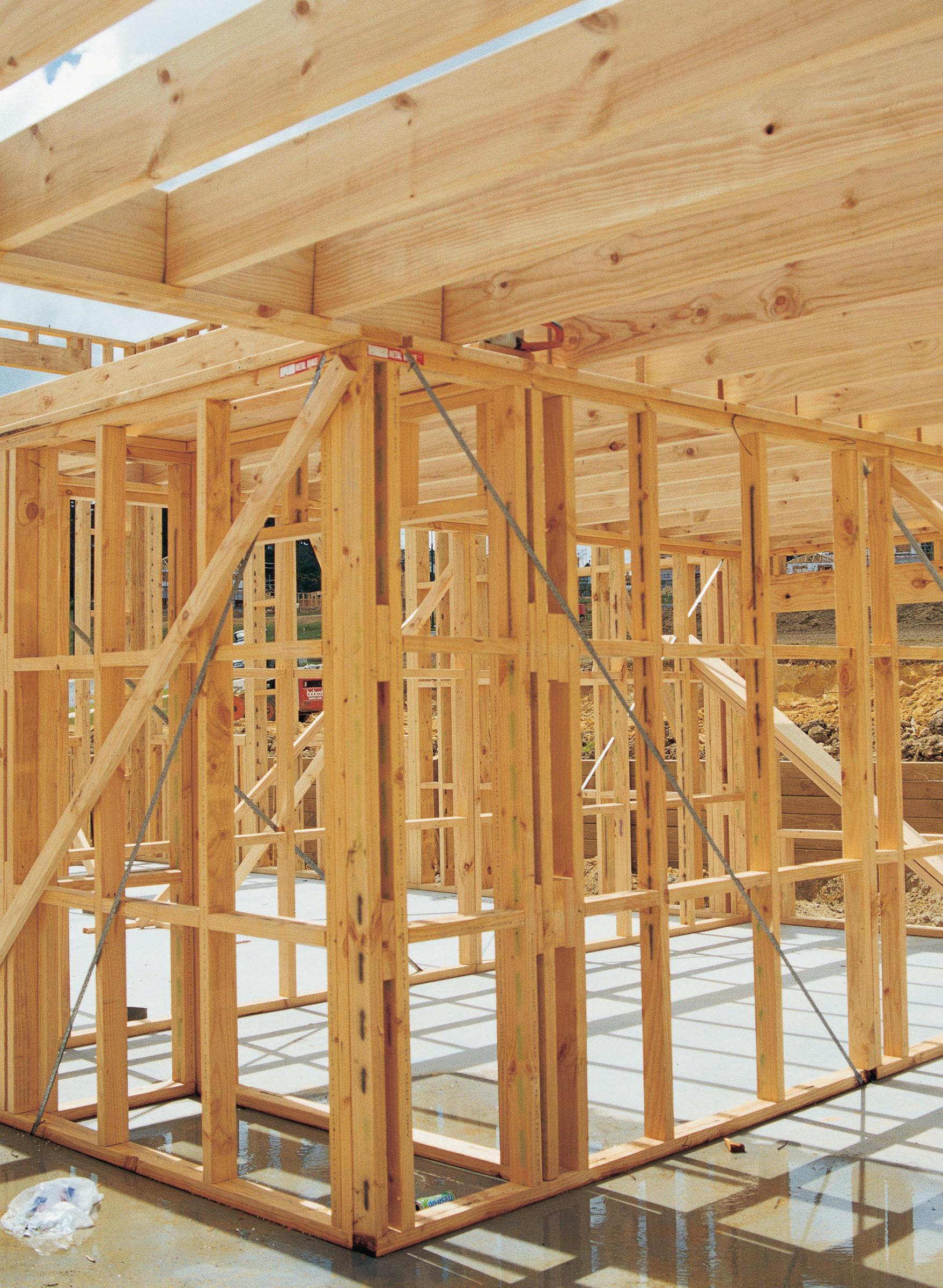
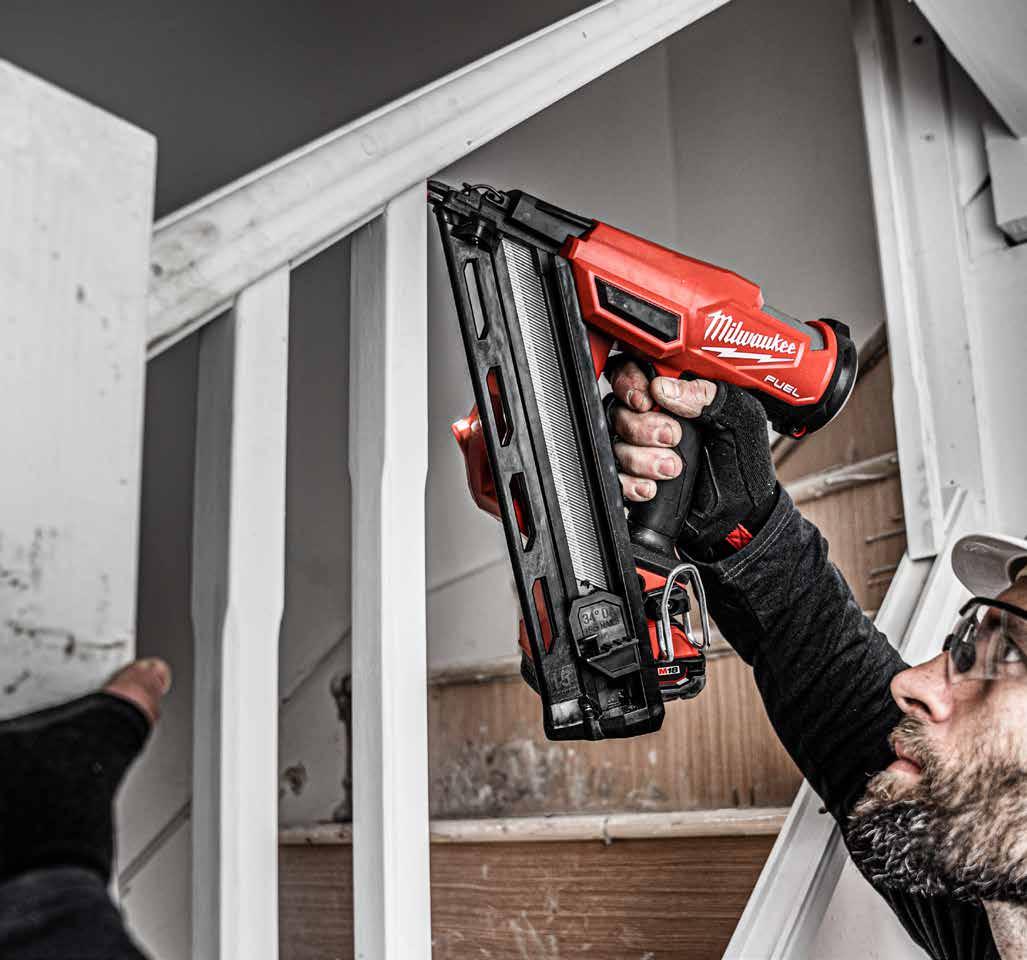
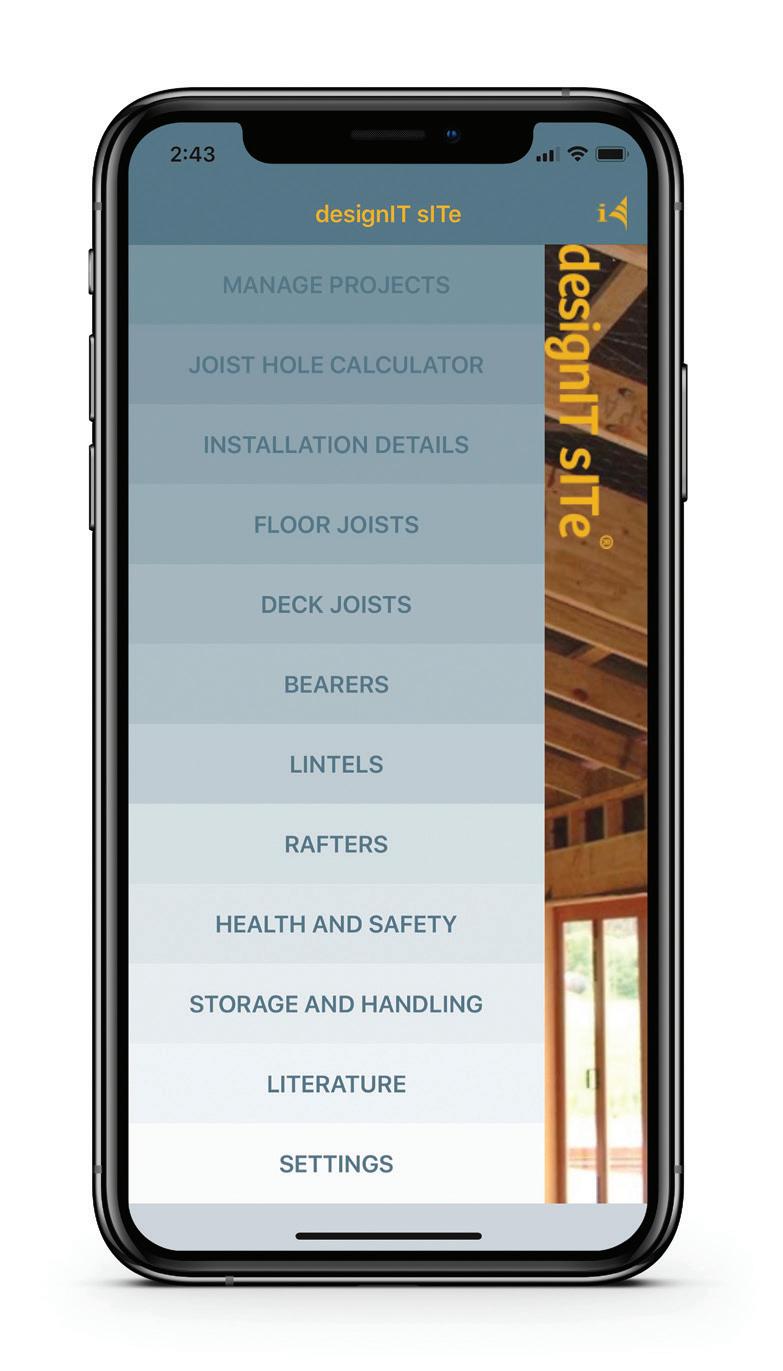
The LVL tool in your pocket — use it onsite, anywhere, anytime
The designIT® sITe App has been growing in popularity with builders as a must-have onsite tool when working with Laminated Veneer Lumber (LVL) based products.
The app, developed in house by the Futurebuild LVL team, has been around since 2011. Colin Taverner, Business Development Manager at Futurebuild LVL, takes great pride in demonstrating the App and seeing the reaction it gets.
“It just gives everyone in the building channel confidence. The designers know that when they specify Futurebuild LVL, the contractors onsite have a tool that fits in their pocket to easily access installation information as well as other useful tools such as a web hole calculator,” he comments.
The designIT sITe App serves as a handy reference tool and calculator for tradesmen who use Futurebuild LVL products, giving designers confidence that the specified products will be installed in accordance with Futurebuild LVL details.
“Having the app gives you access to many tools without having to thumb through brochures or search the website.
“You know everything is up to date and my favourite tool is the hole calculator you can use with hyJOIST® and hySPAN® and other LVL products.”
Colin continues, “whenever I am demonstrating the app, I find most people are surprised with how easy it is to design large holes for services in hyJOIST in comparison to the smaller diameter holes allowable in unreinforced solid section of LVL and SG8.
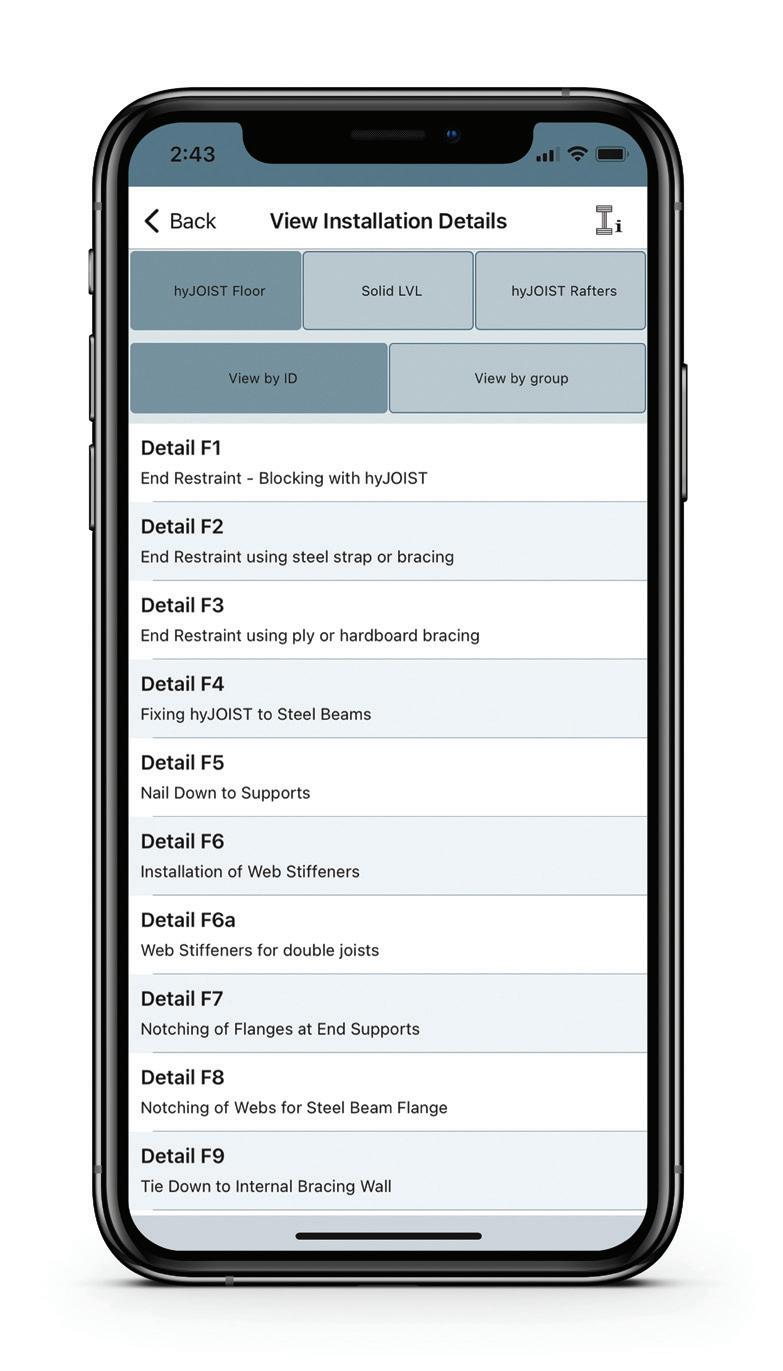
“This tool means the builder as well as other tradespeople can check it right then and there, on site, any time.”
The app provides access to all Futurebuild LVL details as well as allowing builders, plumbers and electricians to determine the appropriate size and location of holes for services in both solid Futurebuild LVL and hyJOIST floor joists.
Details include common rafter overhangs in hyJOIST plus the ability to review and redesign bearers, joists, lintels and rafters.
The results can be saved to the device or the cloud for access on other designIT platforms. All of Futurebuild LVL’s literature is accessible from the designIT sITe App.
Since 1999, designIT for houses has enabled building practitioners to design components for houses and similar structures using engineered wood products and/or SG8.
It is quick and simple to use, yet deceptively powerful software, and is useful for the selection of beam sizes. designIT for houses is available on both Windows and Mac operating systems.
For those not familiar with designIT for houses, the software removes the need for architects and designers to interpolate span tables, and provides solutions to complex load conditions without the need to separately engage an engineer to provide the solution, saving time and money with design fees. designIT for houses includes the ability to design perpendicular load bearing walls on floor joists, as well as lintels supporting common truss configurations, and develops a site-specific Design Certificate and Producer Statement for Building Consent Authority approval.
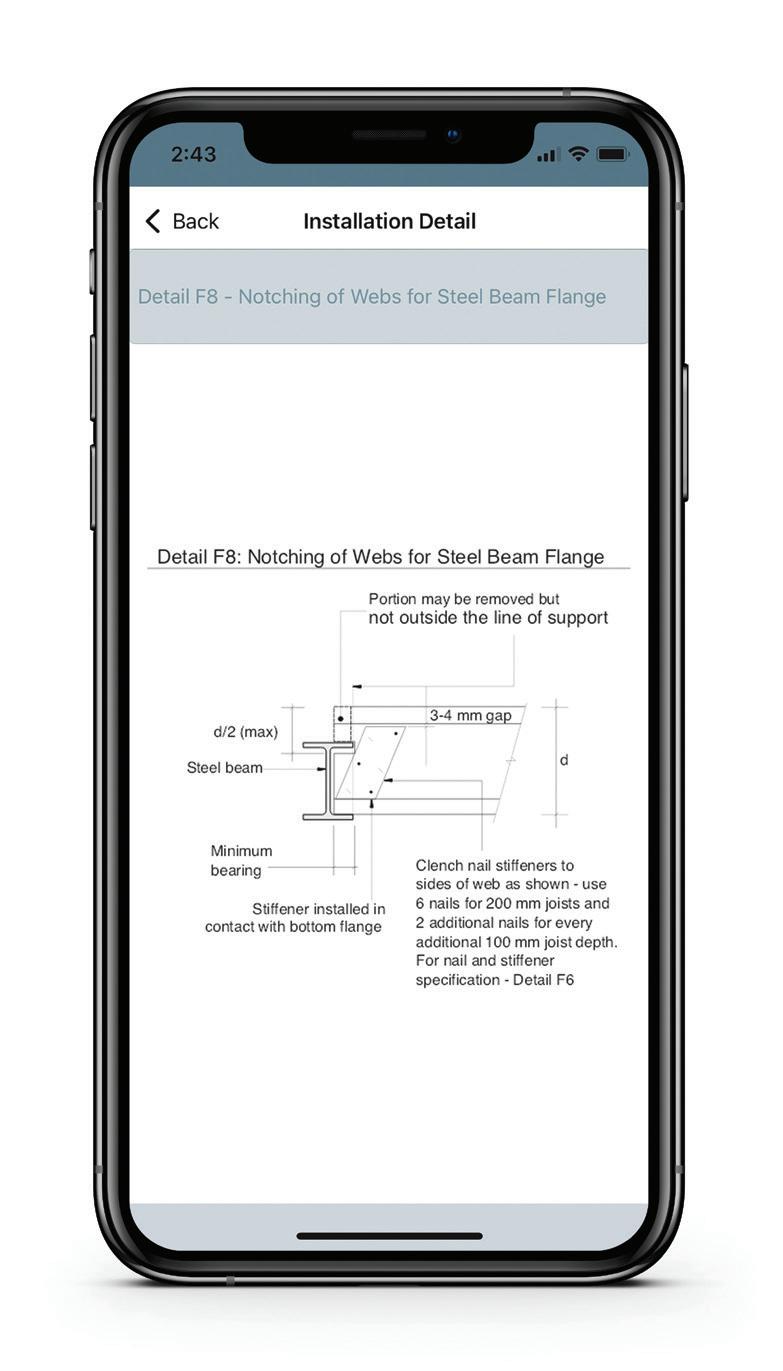
Futurebuild® LVL is the engineered wood product to take projects to the next level; made from multiple layers of wood veneer laminated together under precise factory conditions, combined using heat and pressure resulting in a solid, consistent material that delivers proven structural reliability along with design versatility.
New Zealand builders, architects and engineers are unlocking the potential of LVL as a building material as they come to realise this product has more uses than just as a beam.
With the next generation of LVL systems, including Timber Concrete Composite (TCC) Floors, LVL Portal Frame systems and LVL post and beam structures being used increasingly in the New Zealand Market, combined with Futurebuilds LVL extensive use in mid floor applications – what better time is there to explore the potential of these systems and the full range of software and apps we have available to support the use of these in your projects.
The Futurebuild LVL team offers CPD training, have a dedicated specification team and offer product, software and app
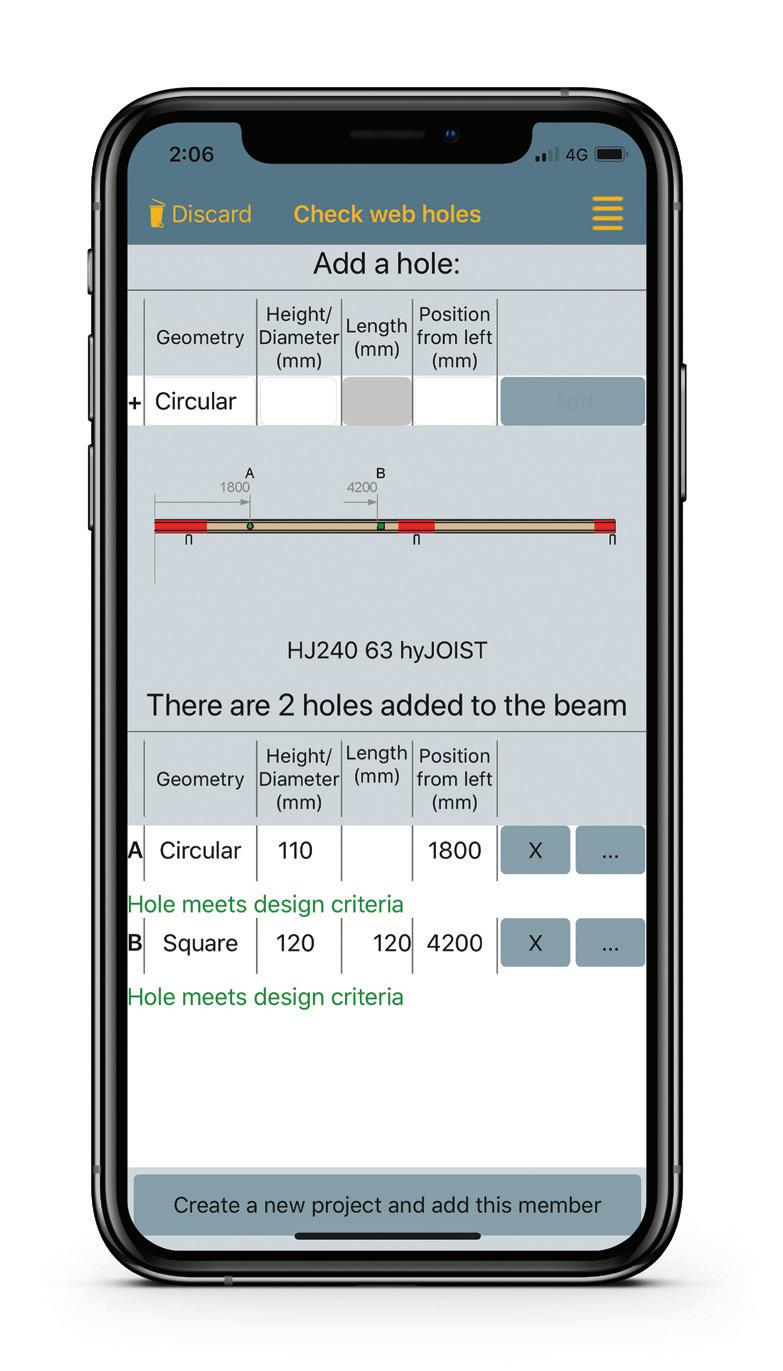
It is quick and simple to use, yet deceptively powerful software, and is useful for the selection of beam sizes. designIT for houses is available on both Windows and Mac operating systems.
training*. Visit the Futurebuild LVL website www.futurebuild.co.nz to find out more or to get in touch with the team today.
The designIT Site App can be downloaded for free from the App Store for iPhone and on Google Play.
*Contact Futurebuild LVL for availability of training sessions, these are currently being conducted via video conference. Mac and App Store are trademarks owned by Apple Inc. Windows is a trademark owned by Microsoft. Google Play is a trademark of Google LLC.
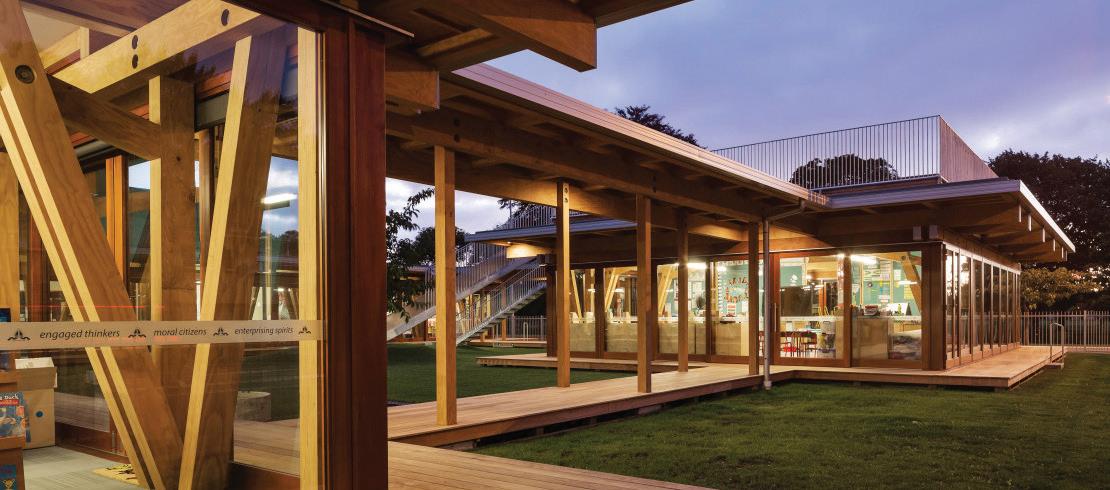
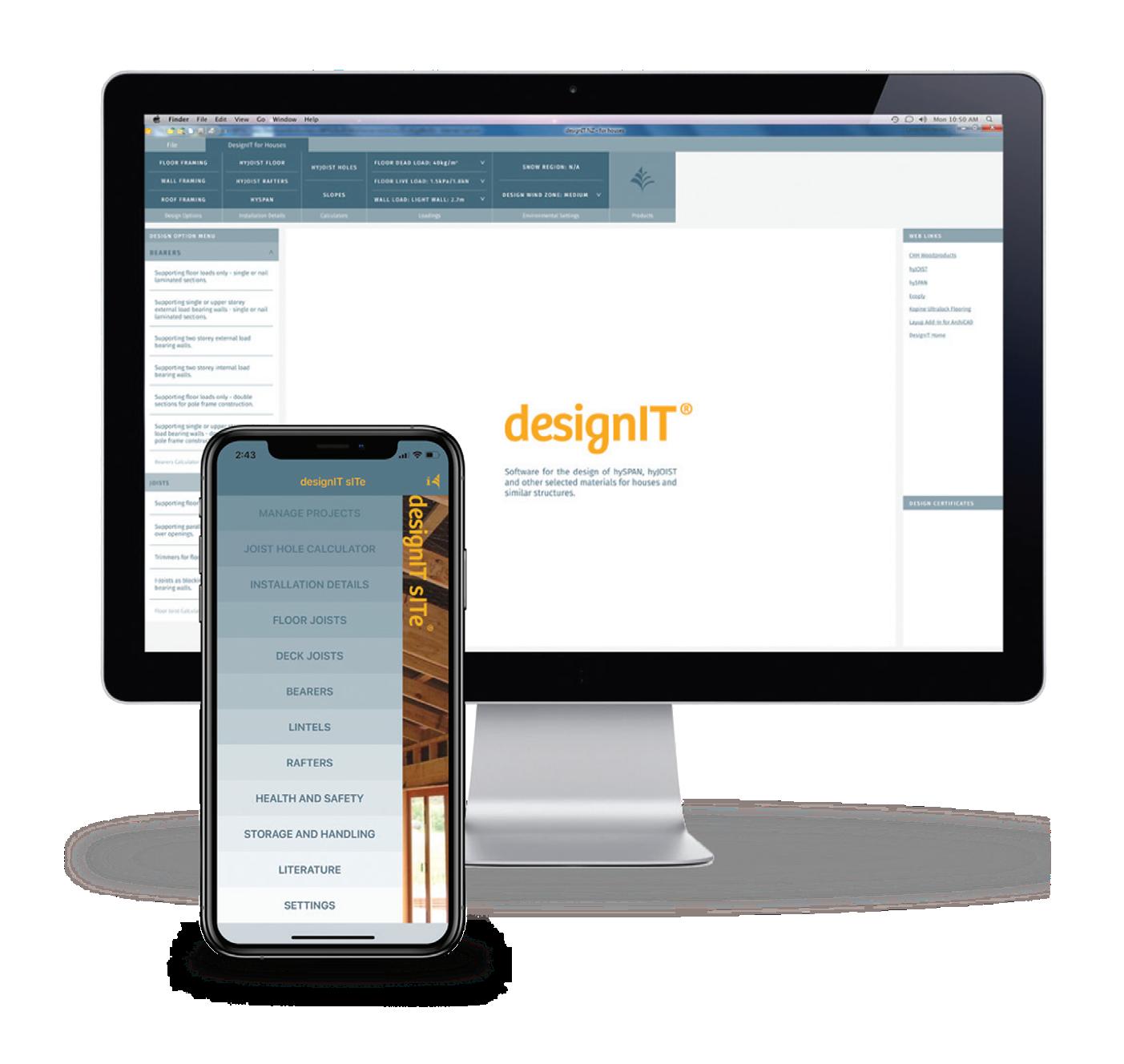
Futurebuild® LVL has a comprehensive range of technical literature, software solutions and a dedicated technical team including chartered professional engineers, architects and building practitioners to offer assistance with your Laminated Veneer Lumber (LVL) queries.
For more information visit: www.futurebuild.co.nz
0800 808 131
Regret – a negative cognitive or emotional state that involves blaming ourselves for a bad outcome, feeling a sense of loss or sorrow at what might have been, or wishing we had made a different decision in the past.
Regret originates in a comparison between outcomes of a chosen option and the non-chosen alternatives in which the latter outperforms the former.
Regret sits on a scale from the simple everyday regret – ‘I should have stuck to the speed limit’ or ‘I should have brought the washing in before the rain’. Then there are the regrets that keep you awake at night–loved ones, family, friends, the person who got away or the words you didn’t say. No matter what causes the regret or where it sits on the scale, the emotional response is the same–sadness, remorse or disappointment.
At Vekta, it is interesting how many times we hear about regret from our customers.
“The only regret I have is that I didn’t buy it a couple of years sooner.” - Bruce Wallace, The Truss Joint.
“Just hurry up and do it, I wish I’d done it 4 years ago!” - Dean Kidd, Kidd Truss.
“I reflect on what we had to put up with over all the years before the purchase of our Vekta Razer S5. We wonder how we got this far without it.” - Alan Donagal, Timber Walls and Trusses.
So, what is it exactly that creates the regrets for Vekta customers? Why would not purchasing a Vekta Razer sooner create a regret? To better understand this- it’s only right to hear directly from the customers!
Regrets often revolve around expectations. The reality does not live up to the expectations created in your mind – consider TV-shows, movies, restaurants on-line shopping experiences. For the Truss Joint, the expectations for their Razer Saw were exceeded.
“It’s meeting all our expectations, I am sure there are others that use it differently, but generally we get timber in, timber out and it’s labelled and cut exactly how we want it. It’s the best piece of machinery that I’ve put in. I mean the other saw that I had when it went in… was the best bits of machinery you could buy at the time, you wouldn’t go back to one of them, that’s our recut machine and it probably will because with the Razer, it’s going, it’s flying along!”
For Richard Schoof at Rainbow Frame and Truss in Albany, WA it was the speed of the saw that exceeded expectations.
“The speed of operation compared to the Mango saw immediately improved, what we used to cut in a day, the Razer will do in a couple of hours. Also our use of timber has improved. We used to carry a lot more stock and different lengths. You’d have to work it all out in your brain, now the saw does it all
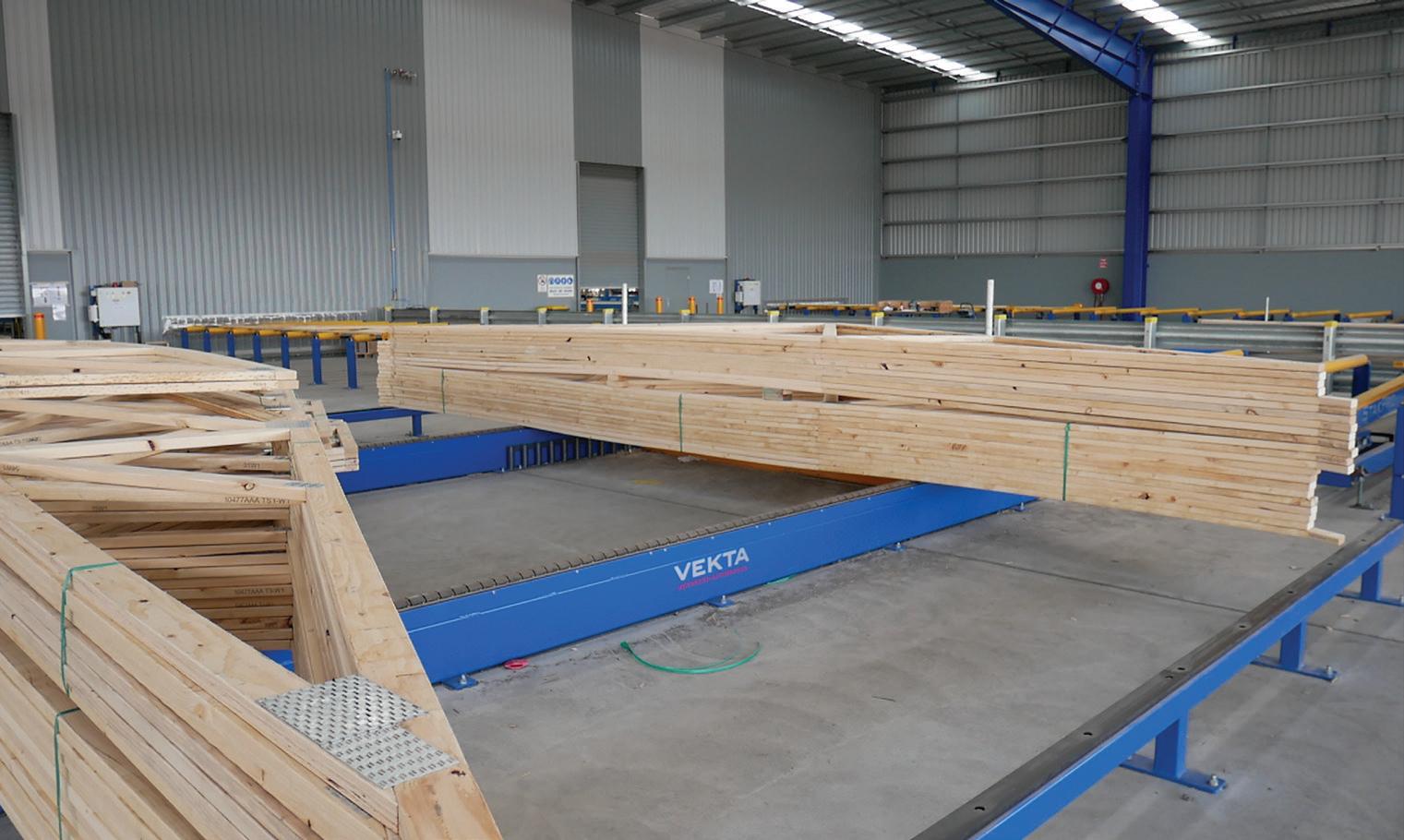
for you. We’ve really been able to reduce the amount of stock held.”
For Dean Kidd at Kidd Truss there were a few surprise elements that exceeded expectations.
“There are two features that have really stood out for me. The ability to run ‘Razer View’ on my computer. I can sit in the office and oversee what is happening in production, review statistics and if the guys get stuck I’m instantly notified and able to help. The ‘onthe-fly’ cutting (optimising random lengths of timber) is also fantastic. I’m able to put re-used timbers on the live deck and the Razer automatically works out what can be cut using them.”
Andrew Sternberg from Dahlsens commented:
“The operators especially love the printer (Vekta P3 Printer). The ability to print the plate location on the truss chords provides a huge advantage when putting the trusses together. For management, the feedback loop is fantastic. The ability to see what timbers are going through the saw, and the down and uptime allows us to review internal processes and make the improvements necessary. I also appreciate the ability to make changes on the fly and test them before going live.”
Alan Donagal from Timber Walls and Trusses:
“A few years in and the benefits have exceeded our expectations. Not only from a financial point of view in a number of areas, but we have also ‘deskilled’ our plant as far as requirements for employing workers to cut truss components. Also, the safety aspects in the use of cutting equipment is now not an issue.”
Regret often happens when a decision is made then something in the future (controlled or not) changes resulting in the earlier decision being regrettable.
Booking that European summer getaway for July 2020 – regrettable decision. In relation to automated machinery for the Frame and Truss industry – capacity is not something you want to regret.
“We’ve grown over 50 percent in the last 2 years, the saw has had a big part to play in that, from a cutting point of view, knowing
we could do that and having heaps of capacity up our sleeve, we know that’s not an issue for us.
“We are still only running at 60-70 percent capacity – at 60-70 percent speed – when we are cutting at that high end of what we need to produce. So we’ve still got a lot of capacity left in that saw and from where I sit, I don’t have to worry about sawing capacity for some time now, which is really good and I know when I was at another company and there was a lot of growth, we grew quite rapidly over a period of time.
“Sawing you know, we’d fix something and we’d be back at the saw for our bottleneck, so you are always upgrading your saw. Knowing there is so much more capacity left on that saw is very comforting.
- Bruce Wallace, The Truss Joint.
“In Ballarat we’ve been able to reduce our wastage by 60 percent thanks to the Razer Saw. We also get an extra 30 percent efficiency in cutting in the same period of time than from other equipment.” - Andrew Sternberg, Dahlsens.
“I was interested in the Vekta Razer as my prior history with the Razers had been good. I wanted something that was proven in the market and could be trusted – if something breaks down, I need it fixed and I felt that Vekta and the Razer gave me that assurance. The footprint was also important- it needed to fit into my factory space… One of the main benefits was dealing with an Australian supplier and support team.” - Dean Kidd, Kidd Truss.
When it comes to automated machinery, the support you receive is definitely not something you want to be kicking yourself over! So, what do Vekta customers say?
“Vekta service is something we can’t fault at all. We’ve probably only had the saw out for a day maximum, maybe two. I remember in the early days, Ed would be in America and he would jump on his phone and log in and correct any issue.
“Being located in a remote area the support was a big concern. It’s different for the big companies with two or three saws. If one goes down they can still keep operating but when you’ve only got the one support is more critical. If it breaks down we need it up and running quick and smart. I really can’t fault the Vekta service and support at all.” - Richard Schoof, Rainbow Frame and Truss.
Ross Wallace at The Truss Joint commented:
“Vekta support is pretty quick! Yeah a couple of times I put the ticket in, normally within half an hour someone’s onto it. It’s good and sometimes I haven’t got all the info ready.
“You know it’s the same as anywhere else - you have turnover of staff and you are bringing new people in and training them, but I think from a training point of view when we are talking with people they are not going ‘I don’t know I will have to find out’ they are generally well trained and versed in what we want and being able to fix or get someone to fix it for us quickly.
“I put a ticket in early one morning, we wanted to put our logo on and be able to print it on the bottom chords so it could be seen. The guy from New Zealand rang in no time, I went out and logged him on and bang, bang, bang, next thing you know it was on there.”
Nathan Salama, Sydney Frame and Truss:
“When issues tend to arise, the new system allows us to quickly alert the team to have things resolved rapidly. This form of interaction is especially useful as it creates less down time. After a brief phone call, a technician remotely logs into the machine to rectify the issue. This process has been great, the technicians have been extremely helpful in answering questions on product knowledge and resolving our issues in a timely manner.”
Dean Kidd, Kidd Truss:
“My operators have all had experience with different linear saws. They really love the Razer and how easy it is to use. They’re enjoying having no overtime. The installation was perfect, completed over two days and training started on the third. The whole Vekta team has been fantastic! David was awesome, he was helpful with the guys and took his time with helping them learn.”
Andrew Sternberg, Dahlsens:
“The support and service is second to none. With Vekta we can get constant support. We can call any time of the day and do not need to worry about time zones. We can ask the stupidest questions and get a response within 24 hours. It has been a struggle to get information from other countries. We can also get spares and consumables delivered within 24 to 48 hours.”
As emotional people we are always going to have regrets. The emotion of wishing we had made a different decision in the past will always creep up on us. Living a life with ‘no regrets’ is just a catchphrase.
If you can learn from the mistakes others in the industry have made, it is this –contact Vekta and find out more about our automated equipment for your Frame and Truss plant.
From Razer Linear saws, PackFeeders, Truss Transfers, Smart Conveyor Lines and StakPros to name a few. You won’t regret it! info@vekta.com.au
The Vekta Razer V5 is the ultimate linear saw, designed to have maximum safety, flexibility and capability. The Razer can be customised to suit-
• Your budget: Fully installed systems starting at $220,000 AUD, with upgrade options as your budget and needs change over time.
• Your workflow: Left-to-right or right-to-left timber flow, as well as in from the front or back and out to the front or back.
• Your Space: Fully customisable to fit into even the smallest plants. Everything is built to order, so Vekta can customise virtually any aspect of your machine.
• Your Processes: Highly configurable software that easily lets you choose where and how optimising is done, what you want printed on each different member type, cut orders, options to go paperless and so much more.
Don’t just look at the outputs. You need to consider the entire package. The support, being a local supplier and not international, the servicing requirements and costs, optimisation, absolutely everything. Vekta and the Razer ticks all the boxes.
Andrew Sternberg, Dahlsens
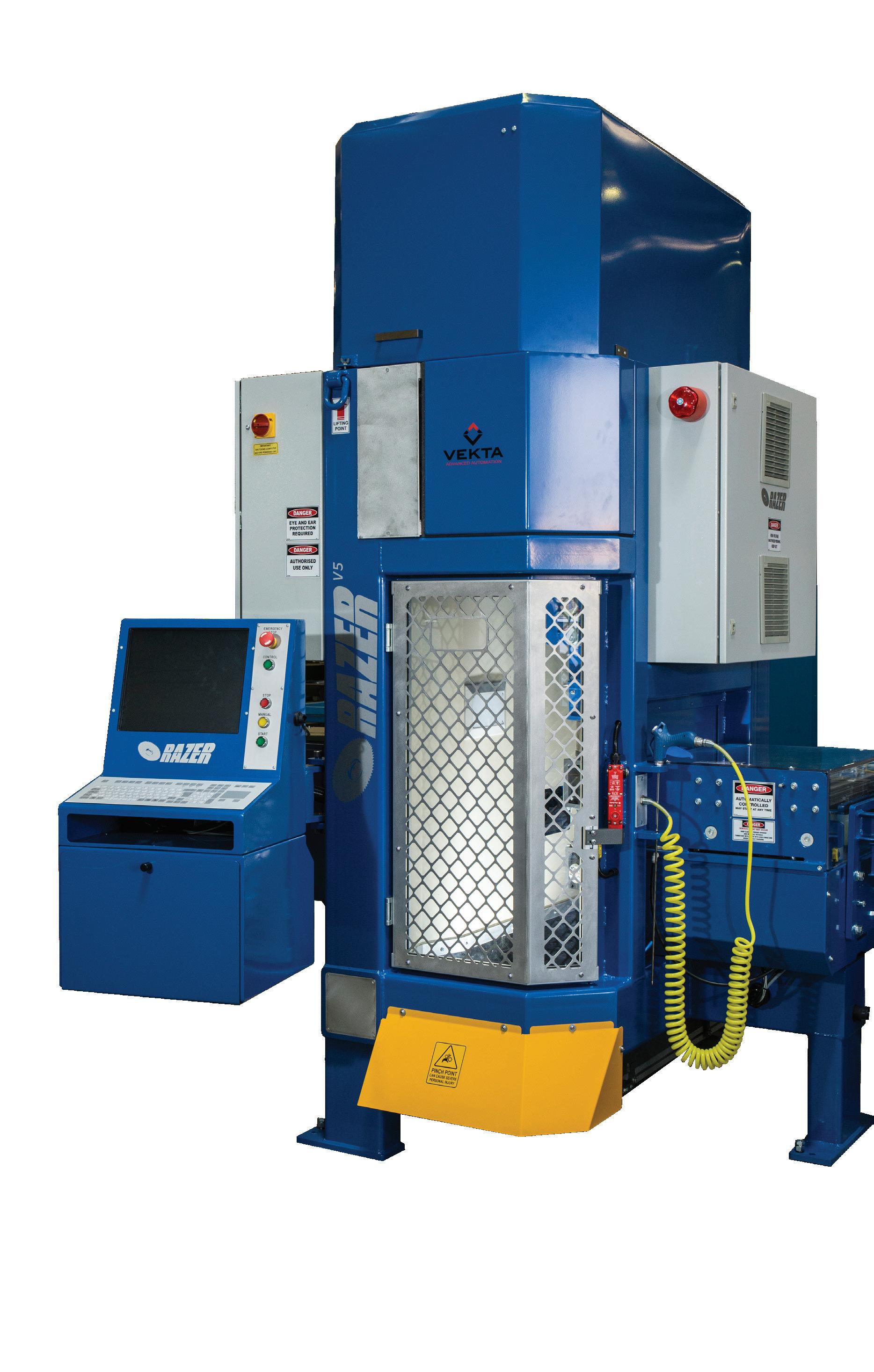
Concrete NZ is calling for the fact that the world’s concrete infrastructure provides the single largest human-made carbon sink to be included in New Zealand’s overall carbon budget.
Emissions reduction plan
In late 2021, the Ministry for the Environment (MfE) sought feedback on its Transitioning to a Low-Emissions and Climate-Resilient Future document - a collection of potential policies that may be in the government’s Emissions Reduction Plan, which will set the direction for climate action over the next 15 years.
“The consultation was chance for us to urge government to take into consideration concrete’s carbon sequestration capacity,” says Concrete NZ chief executive Rob Gaimster.
“The point that concrete absorbs carbon dioxide must be respected in deciding a building’s or piece of infrastructure’s (e.g. bridge or hydro-dam) carbon footprint.”
What is (re)carbonation?
“Often overlooked in the sustainability debate, carbonation is the absorption of carbon dioxide from the atmosphere by concrete and other cementitious materials during their service life, and secondary life following recycling,” says Rob.
“Concrete technology uses the term ‘carbonation’, but ‘recarbonation’ is more accurate.
“The Global Cement and Concrete Association (GCAA) describe recarbonation as a natural process, occurring when concrete reacts with carbon dioxide in the air.
“Concrete can reabsorb up to 100 percent of the carbon dioxide emitted during the calcination of limestone in the cement manufacturing process.
“These ‘process’ emissions account for approximately 60 percent of the embodied carbon dioxide of concrete.
Visit the Concrete NZ website to download a copy of Technical Report 3 (TR 3) Alkali Silica Reaction: www.concretenz.org.nz
“The amount of carbon dioxide uptake depends on different factors, including the resistance class, exposure conditions, concrete thickness, recycling situation and secondary use.
“GCCA believe that an estimate of the global concrete carbon dioxide sink is 25 percent of the ‘process’ carbon dioxide emissions released during cement production,” adds Rob.
“The absorption process also happens at different speeds, occurring quickly in nonreinforced products or thin applications (renders, mortars and concrete blocks), but more slowly in reinforced concrete elements.
“Non-reinforced porous applications, such as masonry, that are exposed to air, can fully recarbonate within a few years, and it is estimated that such applications account for two-thirds of the global concrete carbon sink.
“Another significant part of concrete’s carbon dioxide uptake occurs when concrete structures are demolished, as the increased surface area and exposure to air speeds up the process.”
Accounting for carbonation
In the Intergovernmental Panel on Climate Change’s (IPCC) Sixth Assessment Report1 , published in 2021, the United Nations acknowledged that carbonation absorbs a significant proportion of carbon dioxide
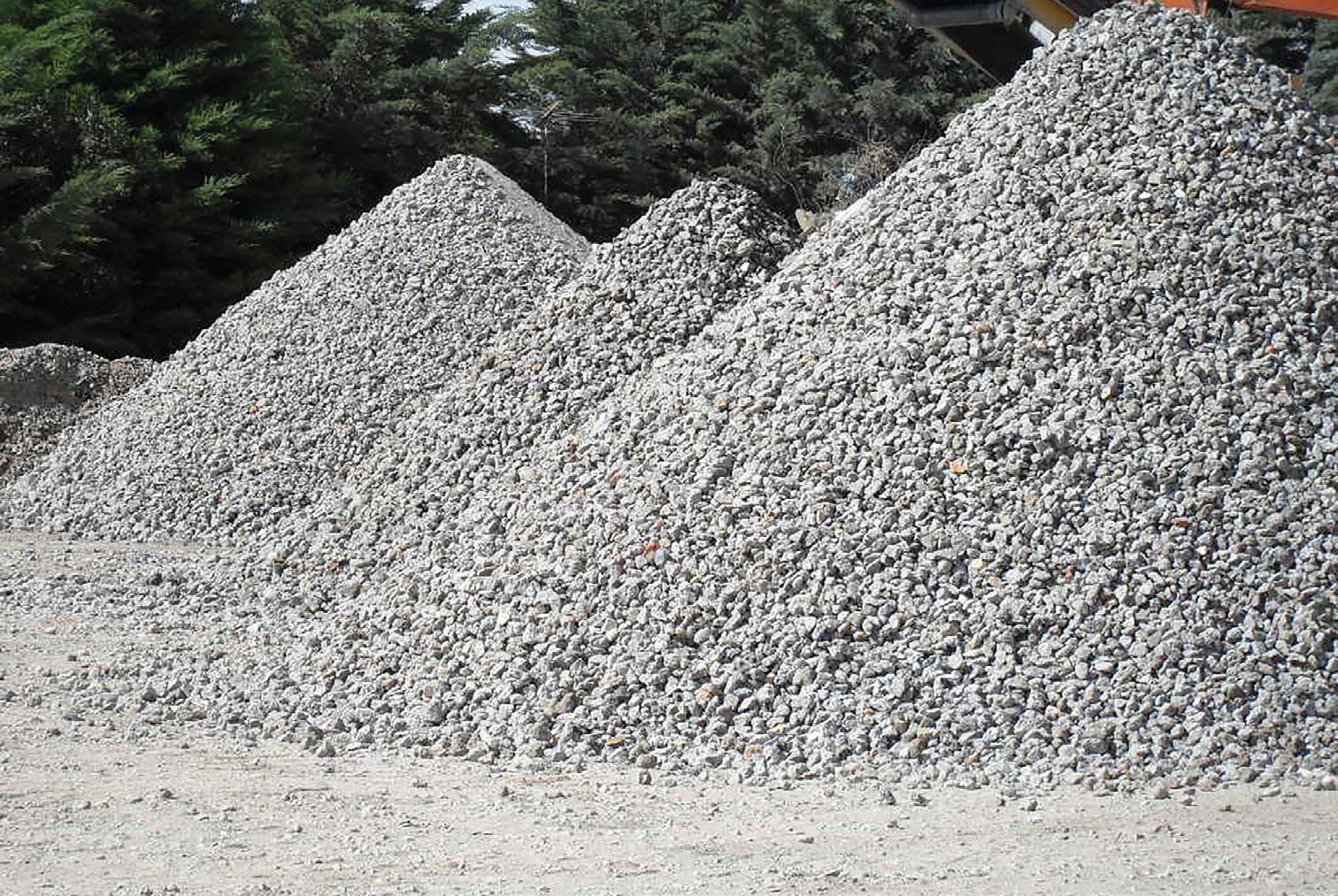
emissions over the lifecycle of concrete infrastructure.
“Furthermore, in the UK, the Department for Business, Engineering and Industrial Strategy (BEIS) has appointed the Mineral Products Association (MPA) to undertake research to develop a method to assess the role of concrete in the absorption of carbon dioxide across the built environment,” Rob says.
“Concrete NZ will be following the MPA’s progress and reporting to both MfE and the Ministry of Business, Innovation and Employment’s (MBIE) Building for Climate Change team.”
Carbon zero roadmap
“These are exciting times for the New Zealand concrete industry as we look to advance accomplishments from recent years, which saw a 15 percent drop in carbon dioxide emissions from cement between 2005 and 2018,” Rob says.
“Concrete NZ is collaborating with members to draft a 2050 Industry Roadmap for Net Zero Carbon Concrete, which will be based around Past, Present and Future actions designed to guide concrete’s role in a sustainable built environment.”
1) United Nations Intergovernmental Panel on Climate Change (IPCC) (2021). Sixth Assessment Report. https://www.ipcc.ch/assessment-report/ar6/
With input from across industry, Technical Report 3 (TR3) Alkali Silica Reaction: Minimising the Risk of Damage to Concrete: Guidance Notes and Recommended Practice, previously published by the Cement & Concrete Association of New Zealand (CCANZ), has been revised.
The 2021 Concrete NZ edition provides sufficient information based on current New Zealand experience and internationally accepted practices to enable the wider concrete industry to minimise the risk of Alkali Silica Reaction (ASR) damage in new concrete structures. The new edition supersedes the 2012 CCANZ version, with the principal changes being:
• The maximum concrete alkali limit for normal concrete has been increased to 2.8 kg/m3
• Testing protocols have been updated to reflect international practice
• The provisions covering the use of supplementary cementitious materials have been updated
• Appendices have been expanded to include modern testing methodologies. The report’s recommendations comprise an acceptable solution to the requirements of NZS 3104 Specification for Concrete Production and NZS 3101 Concrete Structures Standard for minimising the risk of ASR damage in new concrete in New Zealand.
TR3 will continue to be updated as research, field experience, and international practice identify further improvements.
Visit the Concrete NZ website to download a copy of Technical Report 3 (TR 3) Alkali Silica Reaction: www.concretenz.org.nz
Concrete NZ
Level 4/70
The Terrace Wellington admin@concretenz.org.nz www.concretenz.org.nz

MAX® is aiming to cut down on back strain for workers tying rebar on concrete slabs with a new stand-up battery-powered tying tool.
They have introduced the NEW MAX® RB401T-E Stand-up TwinTier™, the first tool of its kind that gives ironworkers the ability to tie rebar while standing upright.
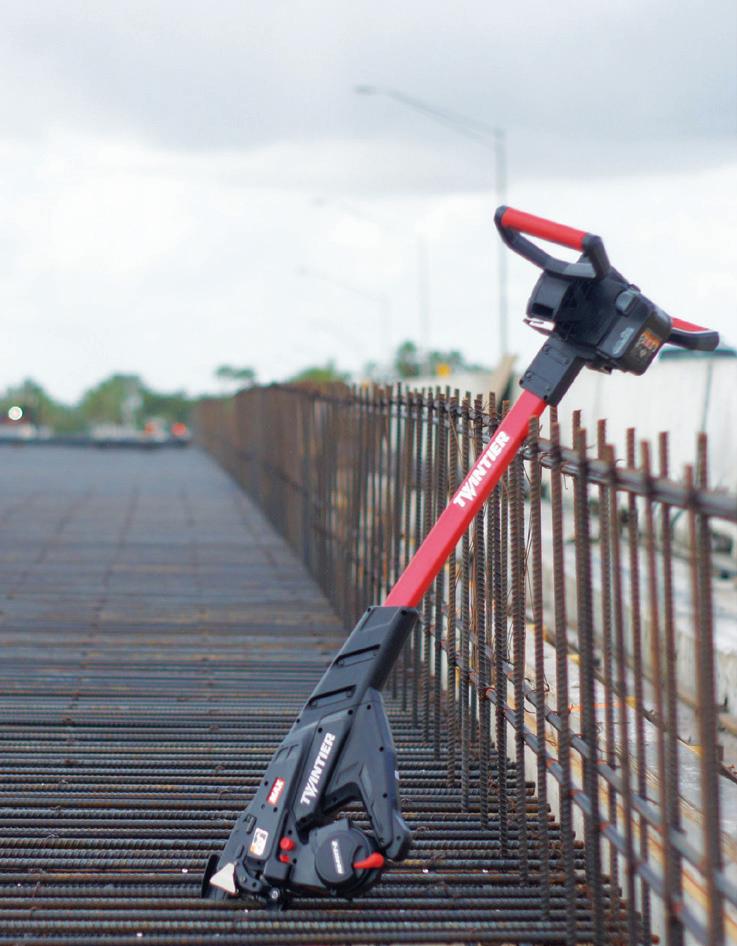
Features of the new MAX® RB401T-E Stand Up Twintier™ Rebar Tier include:
• Reduced Back Strain – the RB401T-E is an ergonomic solution for backbreaking slab work.
• Adjustable Handles – users can adjust the handles to 2 positions, to find the most comfortable fit for their height.
• Trigger less Technology – an automatic contact mechanism allows the tool to instantly tie when pushed down over a rebar intersection.
• Shorter Tie Height – a wire bending mechanism produces a shorter tie height. Less concrete is needed to fully cover a wire tie.
• Tilt Sensor – the tilt-sensor prevents the tool from tying when angled upward.
• Enclosed Design – greater protection against debris and moisture entering the tool.
The tool’s ergonomic construction, along with its contact mechanism, which requires no pulling of a trigger, lets workers automatically form a tie when pushing the tool down on a rebar intersection. The long nose attachment allows the tool to glide into rebar intersections with minimal effort from the operator.
The TwinTier's “wire bending mechanism” feeds a precise amount of wire to match the thickness of the rebar being tied and cut down on the use of unnecessary wire. This bending mechanism consistently feeds, pulls back, twists and releases the perfect sized tie for the each application.
A low “battery power consumption” design allows the tool to produce 4000 ties per charge using a 14.4v , 4.0 Ah Li-ion battery, which recharges in just 65 minutes.
All of these features work together to reduce instances of back strain and the development of musculoskeletal injuries for ironworkers. This means the significant risk of developing back pain in the long term was reduced by 55% using the RB401T-E.
The RB401T-E can tie D10 x D10 up to D19 x D19 rebar combinations for a variety of applications including, but not limited to, road and bridge decks, industrial foundations, commercial floors and water tanks.
Like other tools in the TwinTier family, the RB401T-E’s special attributes include its faster tying speed, a reduction in wire consumption and a short wire tie.
The RB401T-E also uses the same battery and TwinTier™ tie wire as the RB441T and RB611T handheld TwinTiers.
All of these features work together to reduce instances of back strain and the development of musculoskeletal injuries for ironworkers.
Because the RB401T-E is such a unique and sophisticated tool in the marketplace, paired with the evolving TwinTier™ solution, contractors should find that their workforce is safeguarded from what has been a backbreaking industry.
The Battery-Powered RB401T-E Keeps You Standing
For more information visit the SIFCO website - www.sifco.co.nz

The Master Brick and Blocklayers Association has created a set of standards that will be used throughout the industry.
Chairperson, Brian Miller, says it’s all about improving the outcomes for employers, contractors and clients.
He says the New Zealand standards haven’t been updated in about 20 years and that it’s
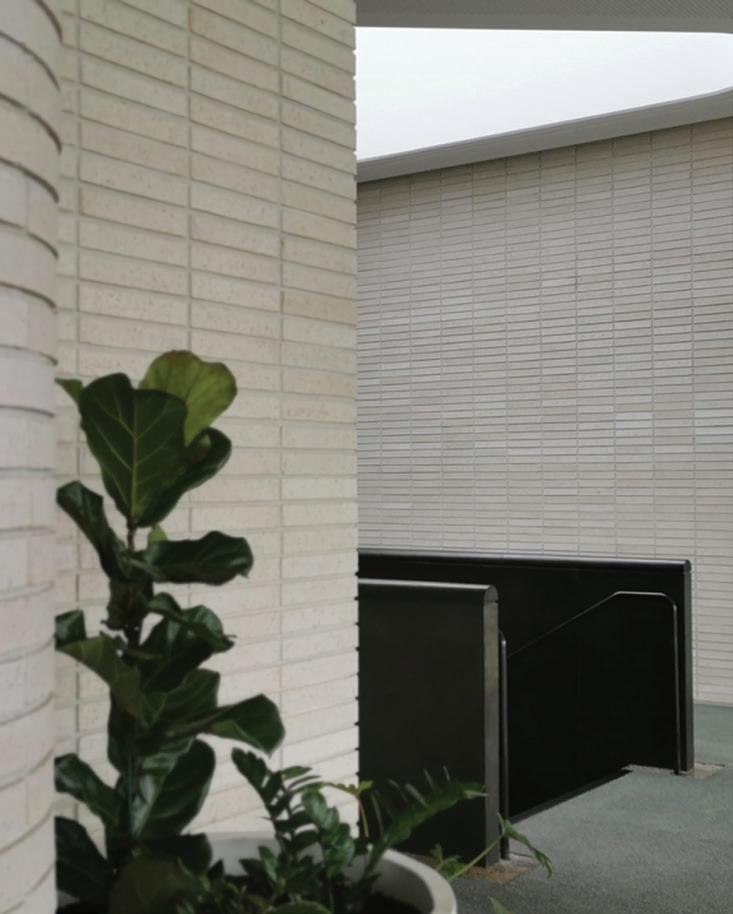
a common issue in many trades industries in New Zealand. Brian says the Association, like others, decided to put a stake in the ground and complete their own guide.
“We collected input from product suppliers and very experienced contractors,” Brian says.
“Our aim is to give confidence in the products and up skill and ensure that installers are up to date with the best practices for today.”
The Best Practice Guide is to be provided to various parts of the industry upon request. Brian says it’s particularly valuable for training bodies.
The association is also about to launch an app that’s designed to make the inspection process for the industry considerably faster.
“Currently, we’re experiencing significant delays in the inspection process. Contractors have to stop at what we call half high and wait for an inspector to come in.”
Brian says the wait time for an inspector in areas like Canterbury is around 12-14 days. This means work on that job has to stop completely for that length of time.
For companies who have plenty of work in the pipeline, it isn’t too much of an issue. However, for the smaller contractors it can be very challenging.
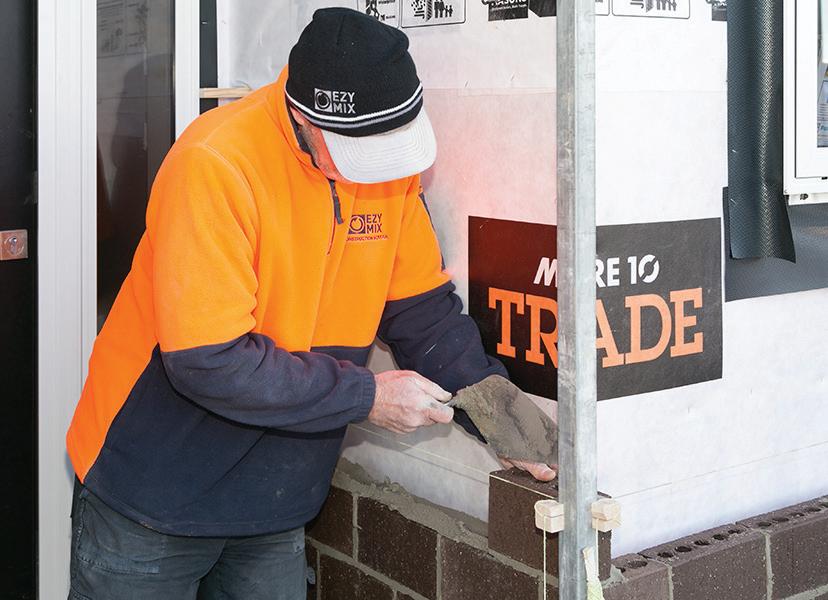
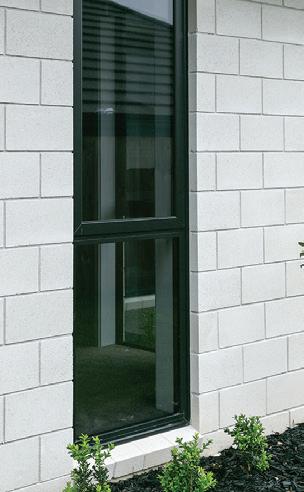
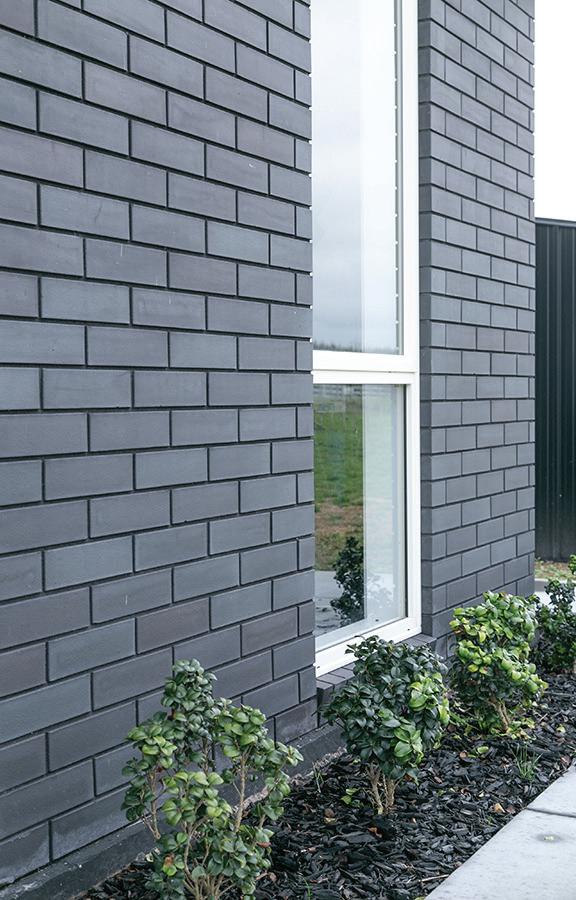
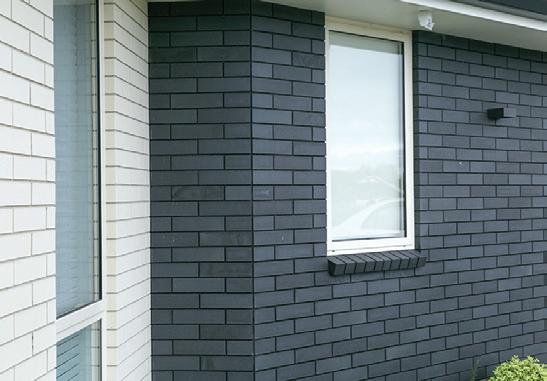
You can join the Association and receive the use of the Site Inspection App, the Best Practice Guide, Record of Work forms, Quality Assurance checklists and a Masonry Manual. It also lists your company on the Members Directory. You’ll even receive relevant industry news, seminars and events in your area.
The app allows contractors to send the required information directly to participating consenting authorities. This means contractors can get inspections pretty much instantly.
Brian says it allows for an instant upload of compliant work. “It takes a lot of pressure off those consenting authorities as well as improving productivity for companies and contractors. The app is nearly signed off and will be hitting the market soon.”
Brian says another vital facet of the association is focusing on turning great contractors into great business people.
They’re putting together a body of material that will be available to contractors and small businesses.
“It’ll help people understand the costs of businesses and give free Legal and Tax advice.”
Brian says it’s all about making business easier for the smaller contractor and business person.
The association will engage in industry training by delivering vital information and lessons via webinars. The training will be delivered by experts in the varying fields and will be free of charge for all apprentices.
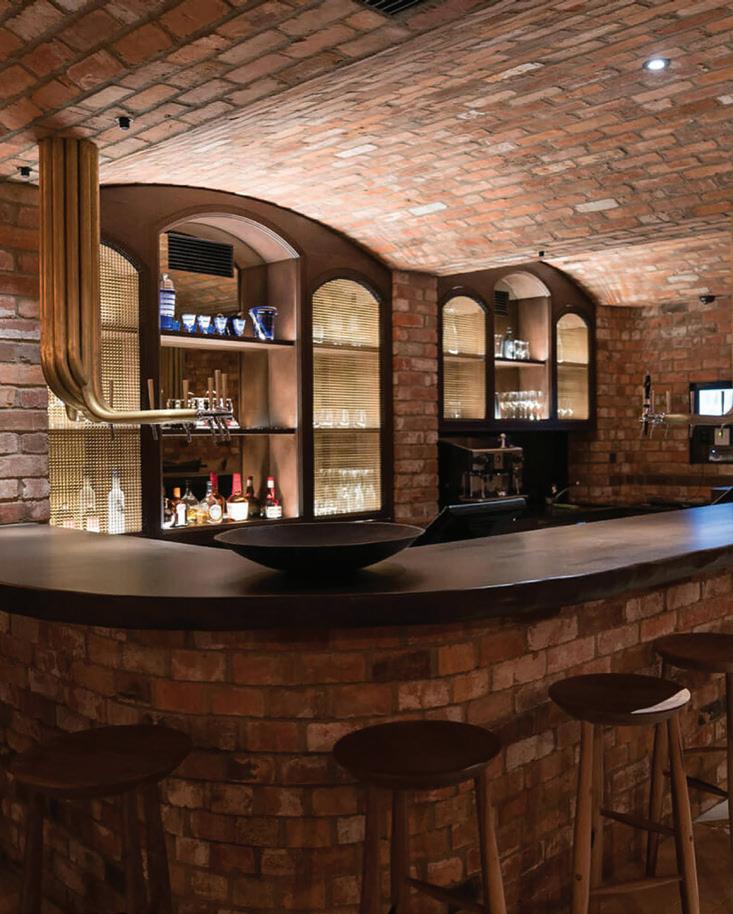
“We want to improve the outcomes for trainees, employers and the industry as a whole. These people are passionate about their industry and want to be the best they can be.”
Master Brick & Blocklayers PO Box 3178
Christchurch
info@masterbrickandblock.co.nz www.mastebrickandblock.co.nz
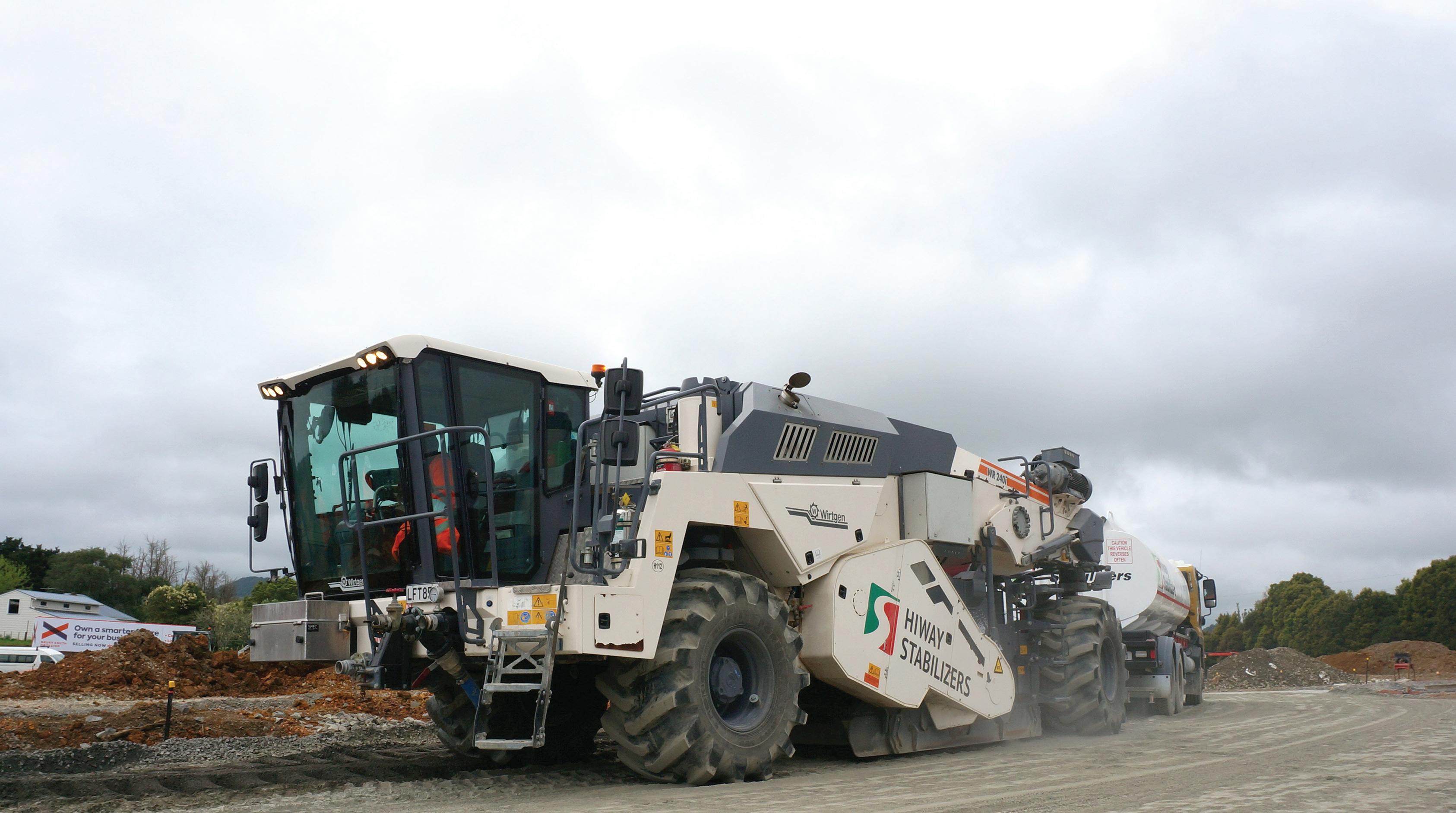
The Hiway Group has been delivering these innovative solutions throughout the country since 1986.
Hiway Stabilizers, part of the Hiway Group, is New Zealand’s largest provider of specialist solutions for pavement design and construction across the roading, infrastructure and construction sectors.
Hiway’s commitment to innovation, environmental sustainability and industry leadership has enabled it to introduce cutting edge technologies to the local market and develop its own advanced methodologies and proprietary stabilising products throughout Australasia.
Advancing construction speed and ensuring program resilience
Over the last 30 years, Hiway’s has led the way in the use of stabilisation in construction and infrastructure projects.
More recently, Hiway’s has been successful in providing construction methodologies to accelerate construction programmes to deliver projects on time; avoiding costly delay penalties.
Weather characteristic in the North Island can provide a challenging environment for construction.
However, with the use of a stabilised subgrade, Hiway’s was able to provide a number of key advantages to the construction of Foodstuffs’ distribution centre in Auckland, which has a concrete floor area of over 75,000sqm.
Commercial building platforms are highly susceptible to water damage during the construction phase as the floor base is flat. Furthermore, the floor base does not shed water which leads to a reduction in strength of the underlying ground.
This – combined with frequent, heavy traffic intrinsic to large building sites – weakens the slab base and compromises the integrity of the overlying slab once constructed.
Nonetheless, stabilising the subgrade of the building platform can increase the strength of the material by up to fifteen times its original strength.
The process is beneficial in terms of providing a robust, all-weather, building platform which is able to facilitate faster construction and fewer delays due to poor ground conditions or weather.
Modifying soil through stabilisation can improve its strength by up to twenty times its natural strength and reduces the need for costly, cut-towaste exercises.
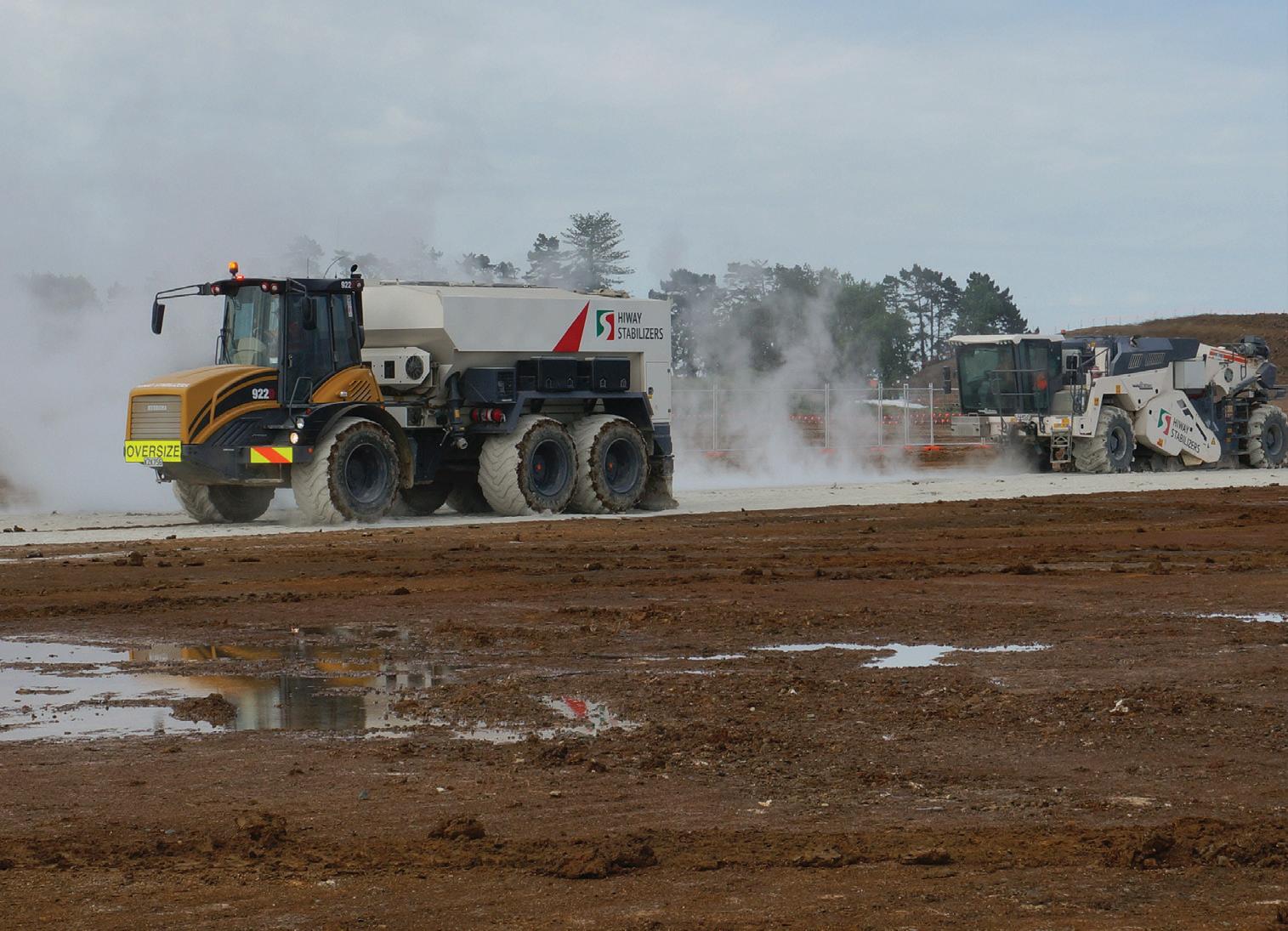
Stabilisation processes like fill drying and subgrade stabilisation achieve significant programme efficiencies over conventional construction techniques and allow projects to continue in winter and marginal weather conditions.
A number of developers, consulting engineers and contractors are now beginning to use what was traditionally considered a road construction technique and adapted the technique for use in large commercial building sites to reduce risk and costs.
Pavement stabilisation benefits
Incorporating a stabilised subgrade into the platform design reduces the demand for increasingly costly aggregates and surface drainage provisions; therefore, creating a safer work environment and greater flexibility in platform grades during construction.
All this enables the building contractor to continue with the build rather than putting energy, time and money into repeated maintenance of the platform or dealing with soft, unsuitable ground conditions that often impair construction of the building.
In summary, stabilisation provides the following benefits:
• Resource savings
• Costs savings
• Programme savings and resilience
• All-weather access
• Reduced clean-up costs.
Employing stabilisation techniques can accelerate earth and civil works programmes by up to 40 percent compared to conventional methodologies.
Hiway’s chief executive, Peter Metcalfe says, “Often the cost of applying multiple binders separately may not be feasible due to traffic management, environmental, added cost of reduced onsite productivity, traffic management and increased transport costs.”
The company’s significant investment in purpose-built, computer-controlled blending plants and proprietary stabilising products allows successful treatment of just about any existing ground materials as determined by pre-construction testing. Along with subgrade stabilisation, aggregate modification and fill drying, Hiway Group also provides foamed bitumen stabilisation and subbase improvement.
Hiway Group PO Box 225 Silverdale Auckland 0932 (09) 426 3419 info@hiways.co.nz www.hiways.co.nz
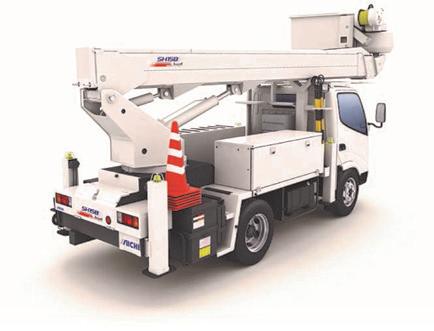
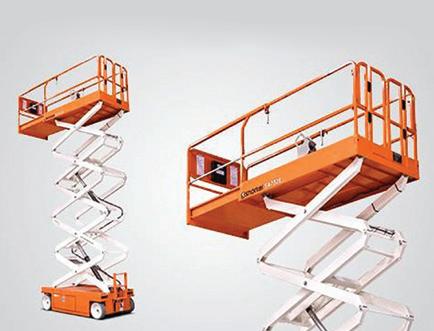
A wero (challenge) that HERA has recently taken up, is to view their work through the lens of the United Nations Sustainable Development Goals (UN SDGs).
The output of this review was a report authored by International Institute of Welding (IIW) Fellow, Chris Smallbone and HERA CEO, Troy Coyle, which assessed the initiatives HERA has undertaken to achieve sustainable heavy engineering.
This looked at HERA’s work in education, training, qualification and certification of personnel to both national and international standards, assisting companies to meet customer needs, research and development initiatives, technology transfer, and similar.
What was found is that there are many examples of heavy engineering initiatives that have been executed that have direct correlation to the SDGs.
Some examples for HERA are the improvement of national welding capability and their relationship with national and international networks such as the IIW, which enable them to collaborate to progress the SDGs collectively.
This work has also highlighted how the SDGs align with other key initiatives that both HERA and their industry support.
This includes:
• The Living Standards Framework and our commitment to be the first industry in Aotearoa to assess the economic contribution of the metals industry against it
• Honouring Te Tiriti o Waitangi (Treaty of Waitangi) through our works in Mātauranga Māori (Māori knowledge)
• Sustainability across its many facets.
Understanding the SDGs
The United Nations Sustainable Development Goals (SDGs) are at the heart of a call to action to end poverty, protect the planet, and ensure that by 2030 all people enjoy peace and prosperity.
These goals were adopted by the 193 member states of the United Nations in September 2015 – including Aotearoa, New Zealand, which currently ranks 23rd out of 165 countries reporting under this agenda.
The New Zealand Government’s latest outputs in relation to the SDGs was the release of “He Waka Eke Noa, Towards a Better Future, Together. New Zealand’s Progress Towards the SDGs” report in 2019.
To date, the SDGs continue to be a focus for the Government through domestic action, global policy influence, aid investment, and partnerships to support priority targets.
The SDGs (also known as the Global Goals) are 17 integrated goals that recognise that action in one area will affect outcomes in others – and that development must balance social, economic and environmental sustainability.
The 17 goals are:
1. No poverty – end poverty in all its forms everywhere.
2. Zero hunger – end hunger, achieve food security and improved nutrition and promote sustainable agriculture.
3. Good health and well-being – ensuring healthy lives and promote well-being for all at all ages.
4. Quality education – ensure inclusive and equitable quality education and promote lifelong learning opportunities for all.
5. Gender equality – achieve gender equality and empower all women and girls.
6. Clean water and sanitation – ensure availability and sustainable management of water and sanitation for all.
7. Affordable and clean energy –ensure access to affordable,

We’ve got you covered Your complete service provider for all your Hot Dip Galvanizing, Sandblasting, and painting and Industrial Grating requirements. Hot Dip Galvanizing gives you the reassurance of protection both inside & out.


reliable, sustainable and modern energy for all.
8. Decent work and economic growth – promote sustained, inclusive and sustainable economic growth, full and productive employment and decent work for all.
9. Industry, innovation and infrastructure – build resilient infrastructure, promote inclusive and sustainable industrialisation and foster innovation.
10. Reduced inequalities – reduce inequality within and among countries.
11. Sustainable cities and communities – make cities and human settlements inclusive, safe, resilient and sustainable.
12. Responsible consumption and production – ensure sustainable consumption and production patterns.
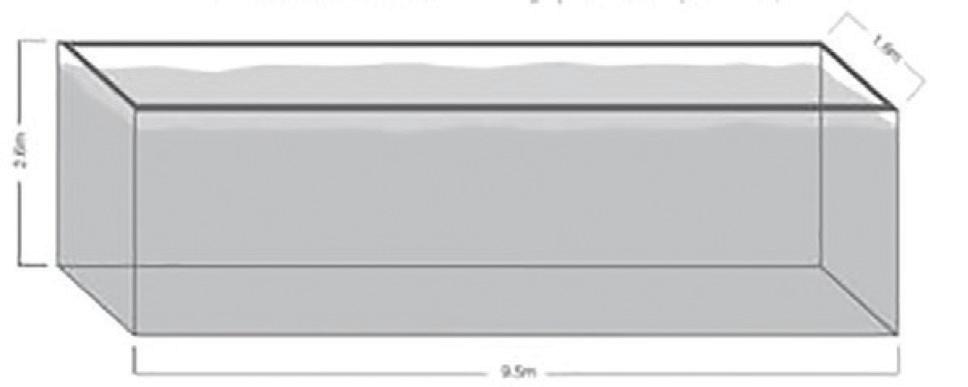
13. Climate action – take urgent action to combat climate change and its impacts.
14. Life below water – conserve and sustainably use the oceans, seas, and marine resources for sustainable development.
15. Life on land – protect, restore and promote sustainable use of terrestrial ecosystems, sustainably manage forests, combat desertification, and halt and reverse land degradation, and halt biodiversity loss.
16. Peace, justice and strong institutions – promote peaceful and inclusive societies for sustainable development, provide access to justice for all and build effective, accountable and inclusive institutions at all levels.
17. Partnerships for the goals –strengthen the means of implementation and revitalise the global partnership for sustainable development.
Perry Metal Protection has been strengthening steel through Hot Dip Galvanizing (HDG) in New Zealand since the early 1970’s. Perry Metal Protection can offer the most comprehensive galvanizing service in New Zealand with Galvanizing operations in Auckland, Hamilton, Tauranga, Wellington, and Christchurch. Perry Metal Protection can now also offer a comprehensive Sandblasting and Painting service with the recent purchase of Waikato Sandblasting Service Ltd. Perry Grating can provide you with a great range of Industrial Grating solutions.
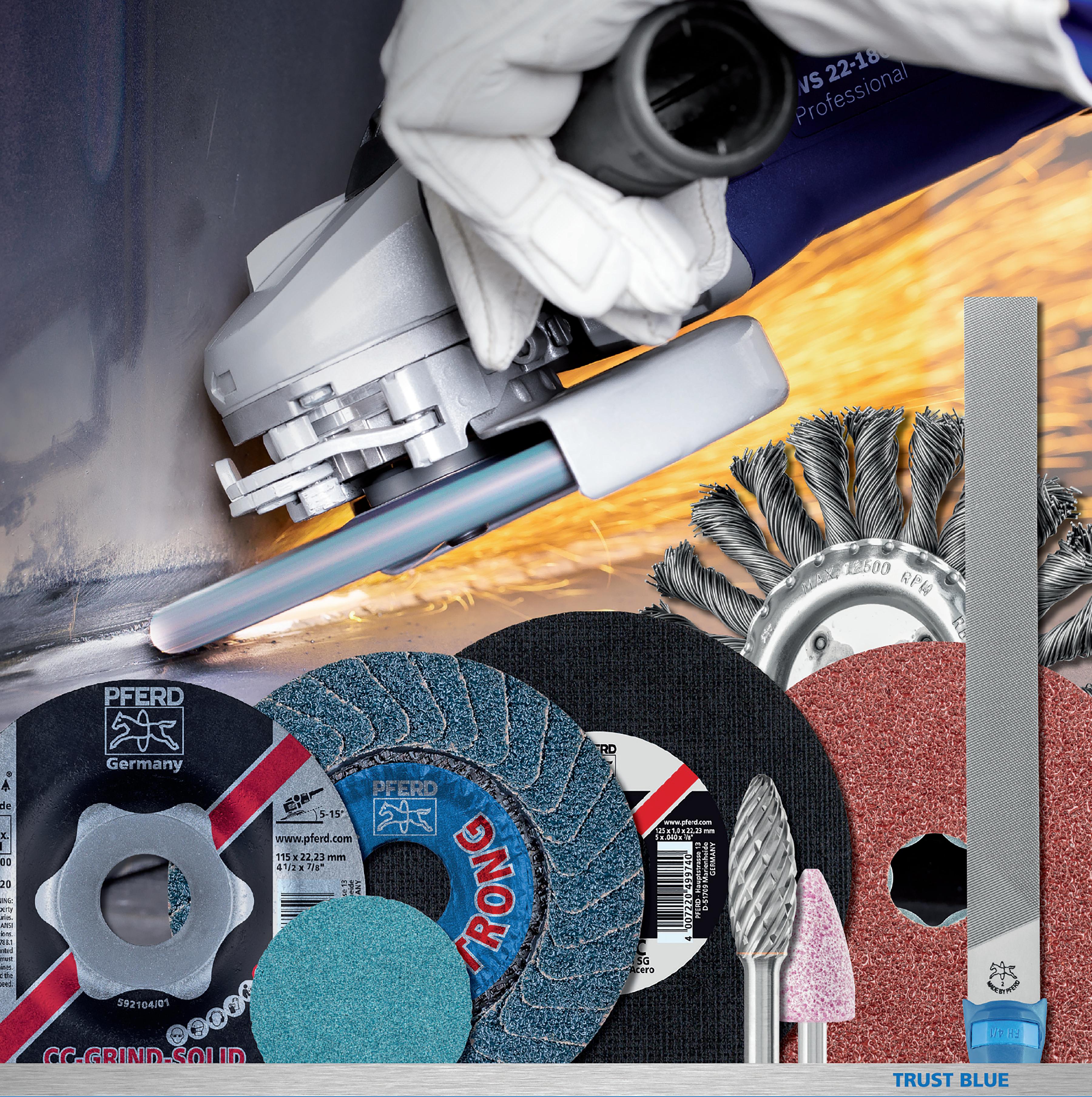
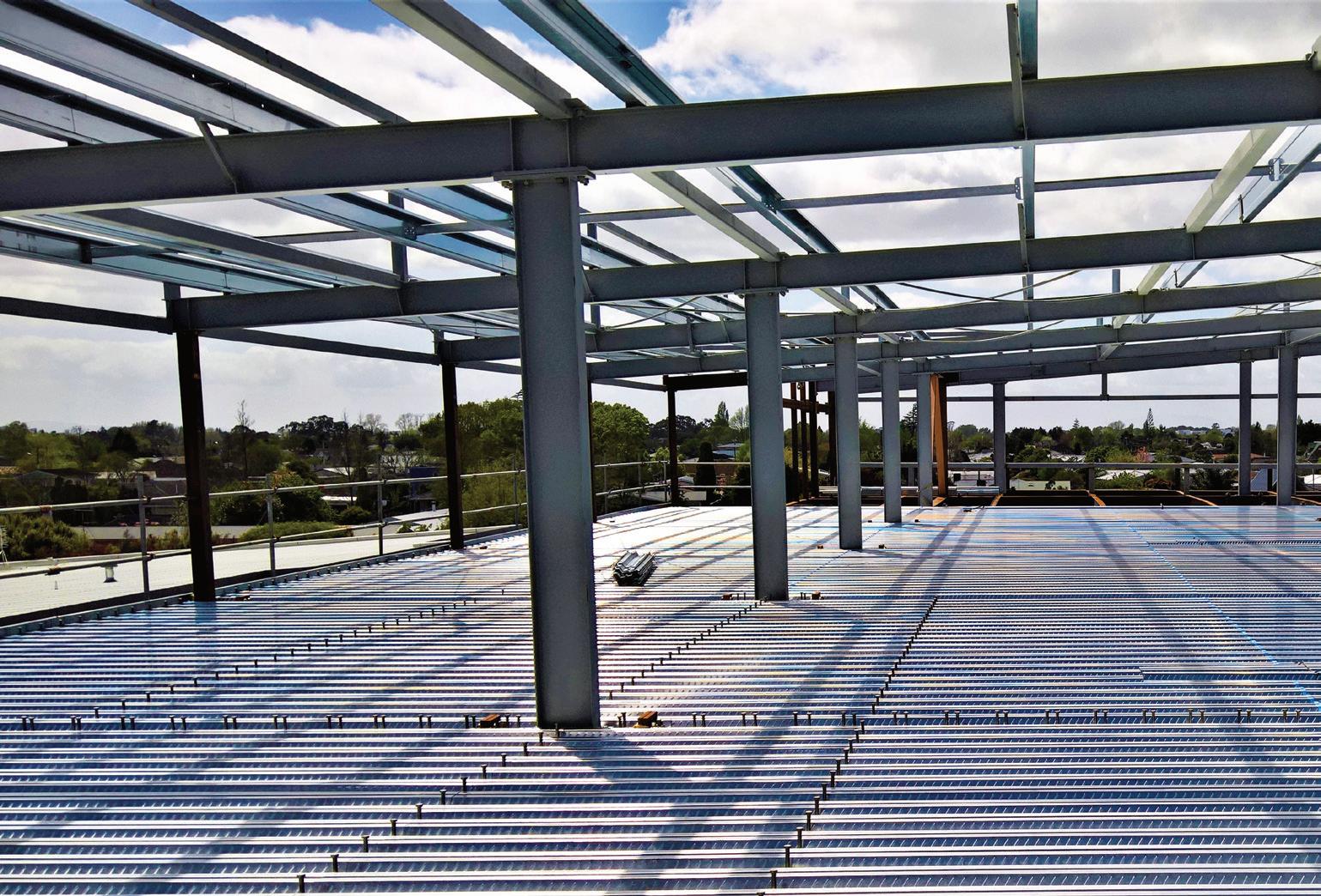
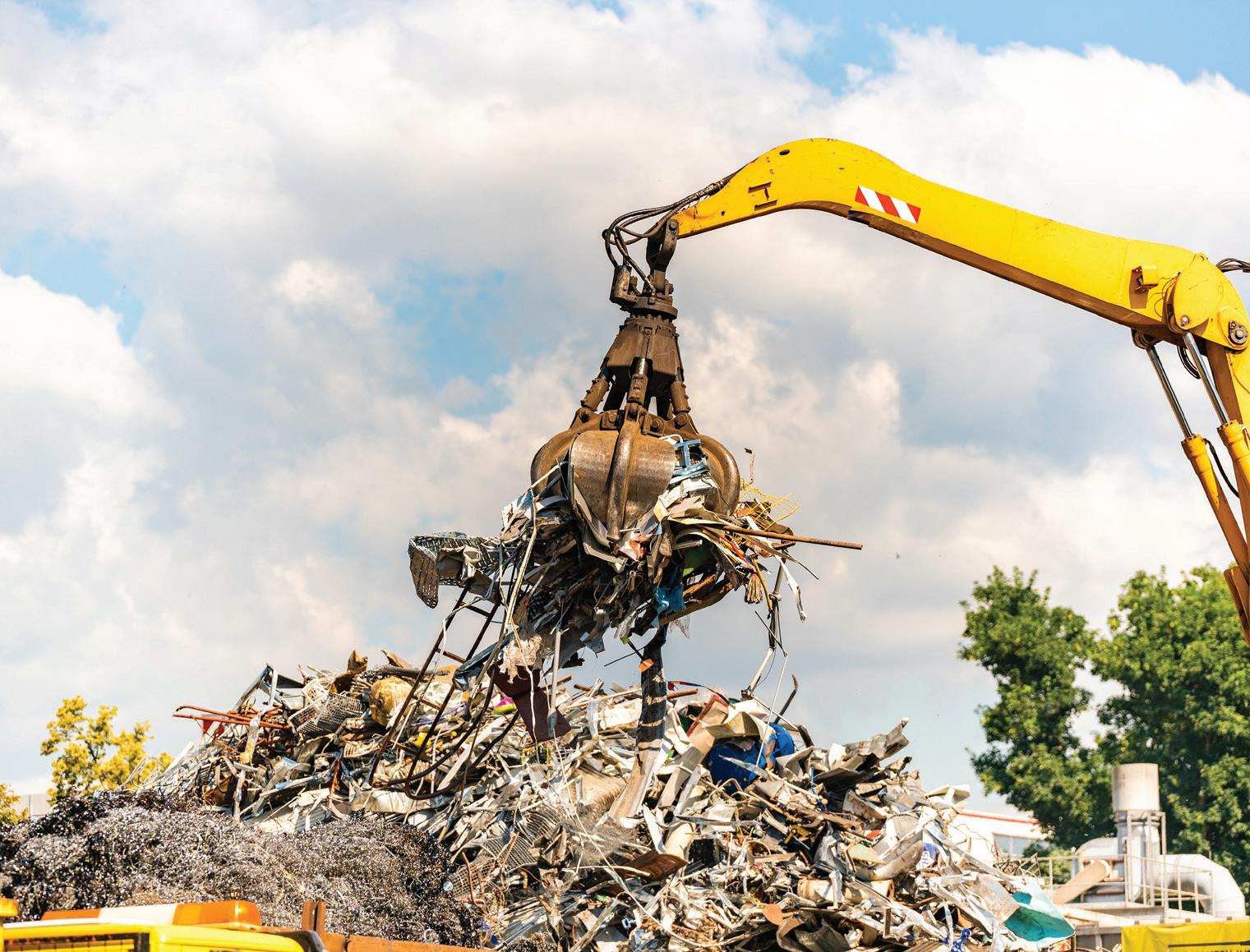
What does this mean for HERA’s members and the wider steel industry?
The SDGs are not just the responsibility of the United Nations countries to take up. All companies can contribute to the Sustainable Development Goals to make positive change globally – regardless of size or industry that they serve.
You can do this by first doing business responsibly and then, by pursuing opportunities to solve societal challenges through business innovation and collaboration.
HERA hopes this report will serve as an example or case study for its members to similarly review their works against the SDGs. This is a great way to demonstrate your commitments to sustainability.
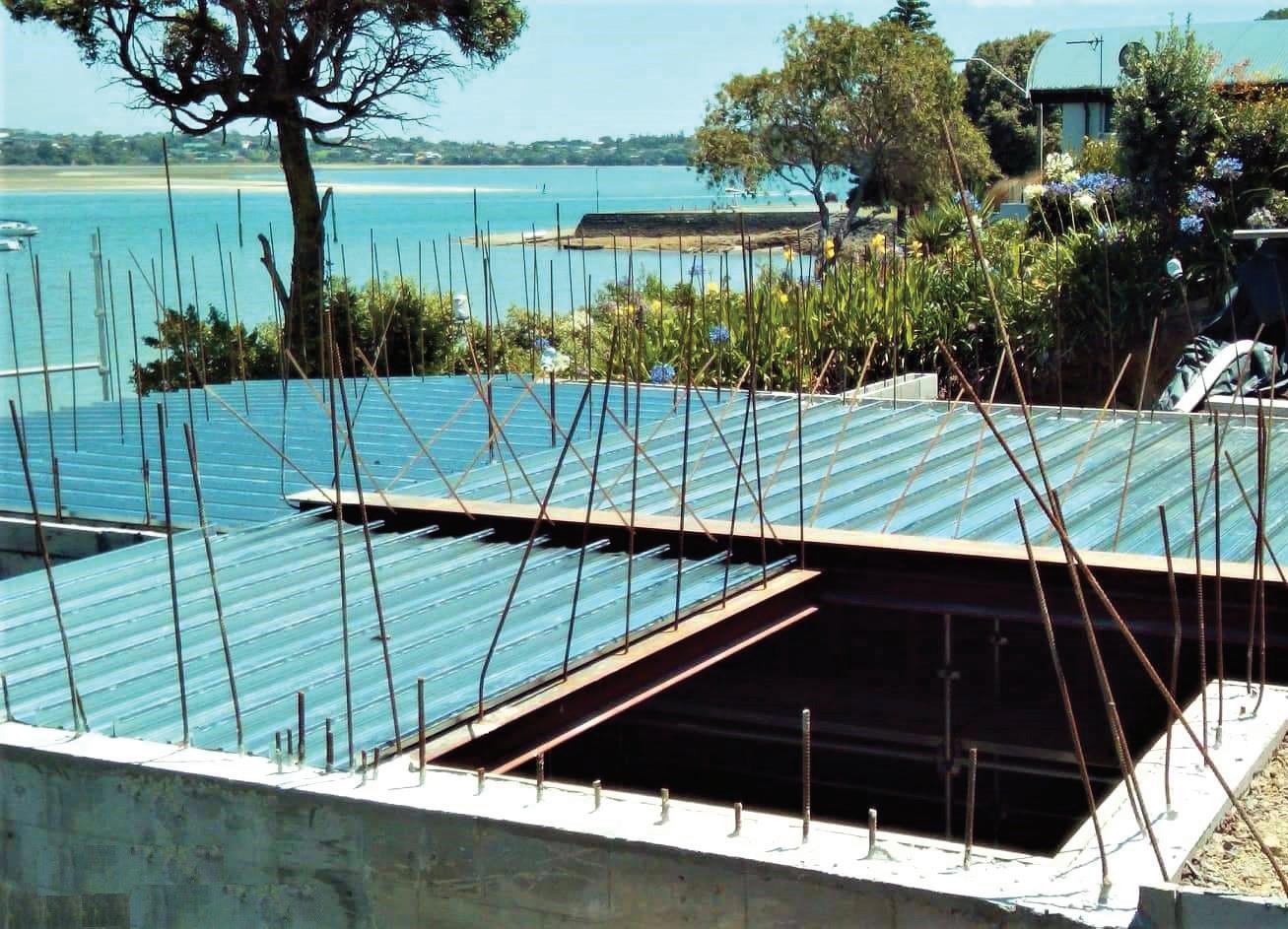
It also is a good gateway to understand how technology, Industry 4.0 and other innovations within your business can play a bigger role than simply productivity improvements.
Sustainability, innovation and Industry 4.0 are all areas that HERA has a number of support services available to our membership.
Steel recycling report
Steel is a hero of the circular economy: study estimates 85 percent of Aotearoa’s building and construction steel waste is recycled
Earlier this year, HERA published a Steel Recycling Report, which outlined the estimated steel recycling rate in New Zealand.
At the time, HERA indicated that the specific building and construction waste recycling rate was likely to be much higher.
To estimate the sector specific recycling rate, HERA again commissioned thinkstep-anz to investigate. This study estimates that 85 percent of building and construction waste is recycled.
At 85 percent recovery, the savings in global warming potential per tonne of steel scrap generated in the sector is 1,249 kg CO2equivalent. If 100 percent recovery could be achieved, there are potential savings of 1,473 kg CO2-equivalent.
What does this report mean for steel in Aotearoa?
This report demonstrates the significant role that steel plays in Aotearoa’s circular economy, supporting a whole industry in steel recycling and contributing significantly to global carbon emissions reduction.
At 85 percent recovery, the savings in global warming potential per tonne of steel scrap generated in the sector is 1,249 kg CO2-equivalent. If 100 percent recovery could be achieved, there are potential savings of 1,473 kg CO2-equivalent.
The report also provides a value for Module D estimates for use in comparative carbon calculation.
This should be considered when assessing the relative carbon performance of materials over their life, or in the case of steel, over its infinite potential lives.
Module D is something that is not considered much in carbon calculation and many organisations simply focus on embodied carbon.
This ignores what happens to a material at the end of life…. like for steel. This study indicates steel has a 85 percent chance of being recycled versus timber (which is mostly going to landfill where it will release carbon back into the atmosphere).
It is important to always ask if a carbon calculator includes LCA (life cycle analysis) data that incorporates Module D data –because we should be looking at carbon reductions now and in the future.
HERA PO Box 76134 Manukau (09) 262 2885
troy.coyle@hera.org.nz www.hera.org.nz
The benefits of automation thanks to the FICEP sawing and drilling technologies.
The partnership between FICEP and Calder Developments – a construction and engineering company based in New Zealand – highlights the many advantages that implementing FICEP automation technologies could bring into the customers' production processes.
FICEP provided a CNC beam drilling line Valiant model 1203VL combined with a Katana sawing line model K115 to Calder Developments. Valiant, the automatic CNC drilling systems equipped with three different drilling spindles allow processing of all different profiles used in the steel construction, industrial and commercial building industries. It carries out advanced milling, drilling and marking operations complying with high-performance standards.
Notably, the new FICEP Direct Drive spindles, which transfer 100% of the motor power to the tool, offer even higher machining performance, adapting perfectly, in terms of resistance and available torque, to every production need.
The choice of giving a major boost to the automation inside their production processes comes from Calder’s aim of increasing their competitive footprint in the market. Stephen and Nick Calder reached out to Francis Lee
of FICEP in New Zealand to learn more about the current state of automation and how it could positively impact their business.
After a preliminary investigation phase and considering the genuine interest shown by Stephen and Nick Calder, the next step was to visit FICEP premises. In FICEP HQ, both the dedicated demonstration and the high professionalism shown during their visit made Stephen and Nick fully understand the numerous advantages they would access, allowing them to select the best fit for their production requirements.
The line is now fully operating. They appreciate the multifunctionality and versatility of the Valiant machine, combined with the CNC sawing line Katana, which processes in one pass, accomplishing different operations.
"The Valiant requires only one operator to conduct multiple operations and eliminate manual layout. This FICEP machine allows this to occur." Besides the drilling, the customer finds the marking and milling features of the Valiant system highly productive. Precise milling capabilities increase the accuracy of the end product and eliminate the manual layout.
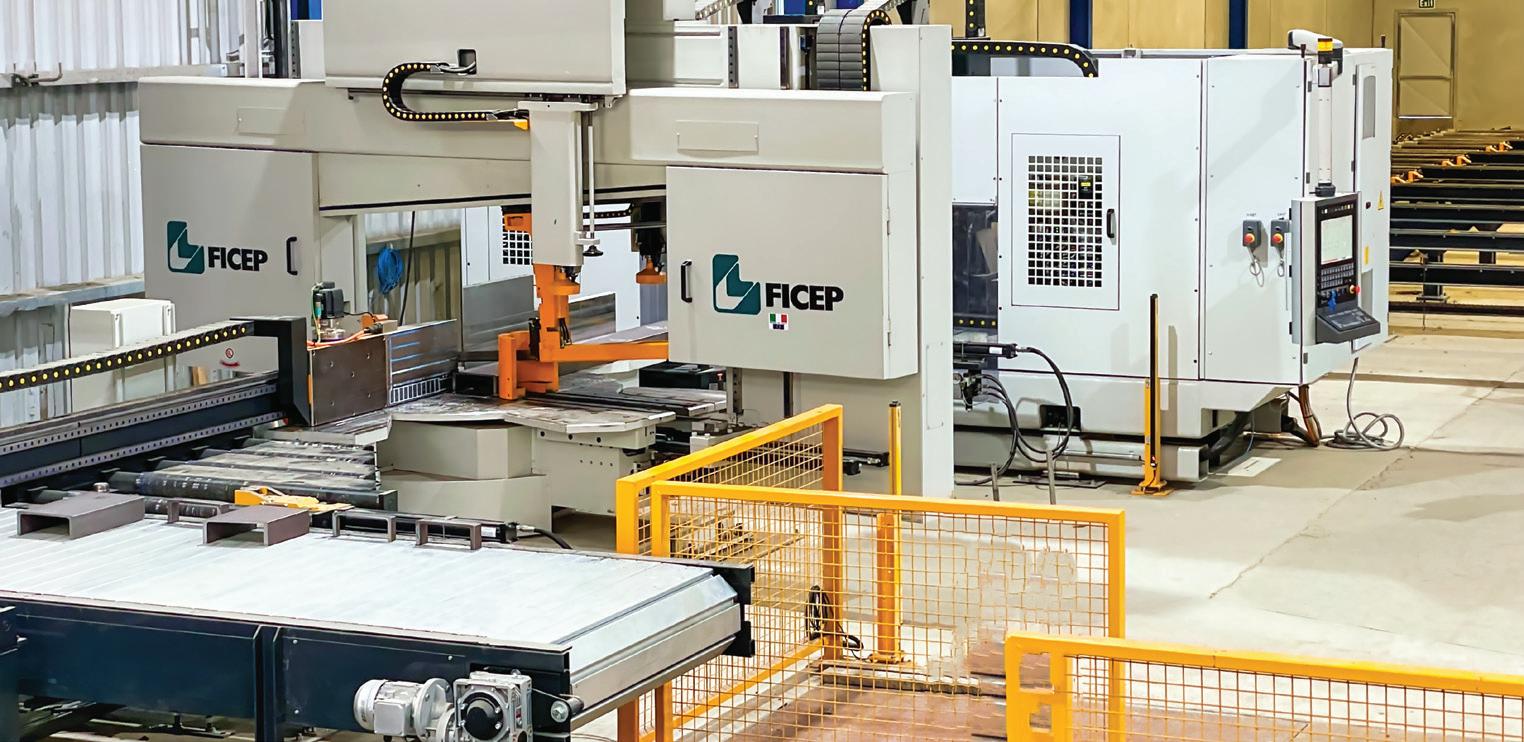
In terms of man-hours saving, the result is quite impressive: "Previously we would spend 2-3 hours for manual marking and layout. Now with the Valiant, we complete the same layout tasks within 2-3 minutes. Adding sawing and drilling of the required holes, you end up with a total process time of 5-10 minutes!" says Nick Calder.
Valiant brought important benefits in terms of speed and therefore savings on time to market and quality, precision, accuracy and repeatability. "We have experienced an increase of the overall quality and accuracy of the finished pieces processed with Valiant and Katana lines. Compared to the same pieces that we produced with manual layout process and magnetic drilling. We have totally eliminated manual errors."
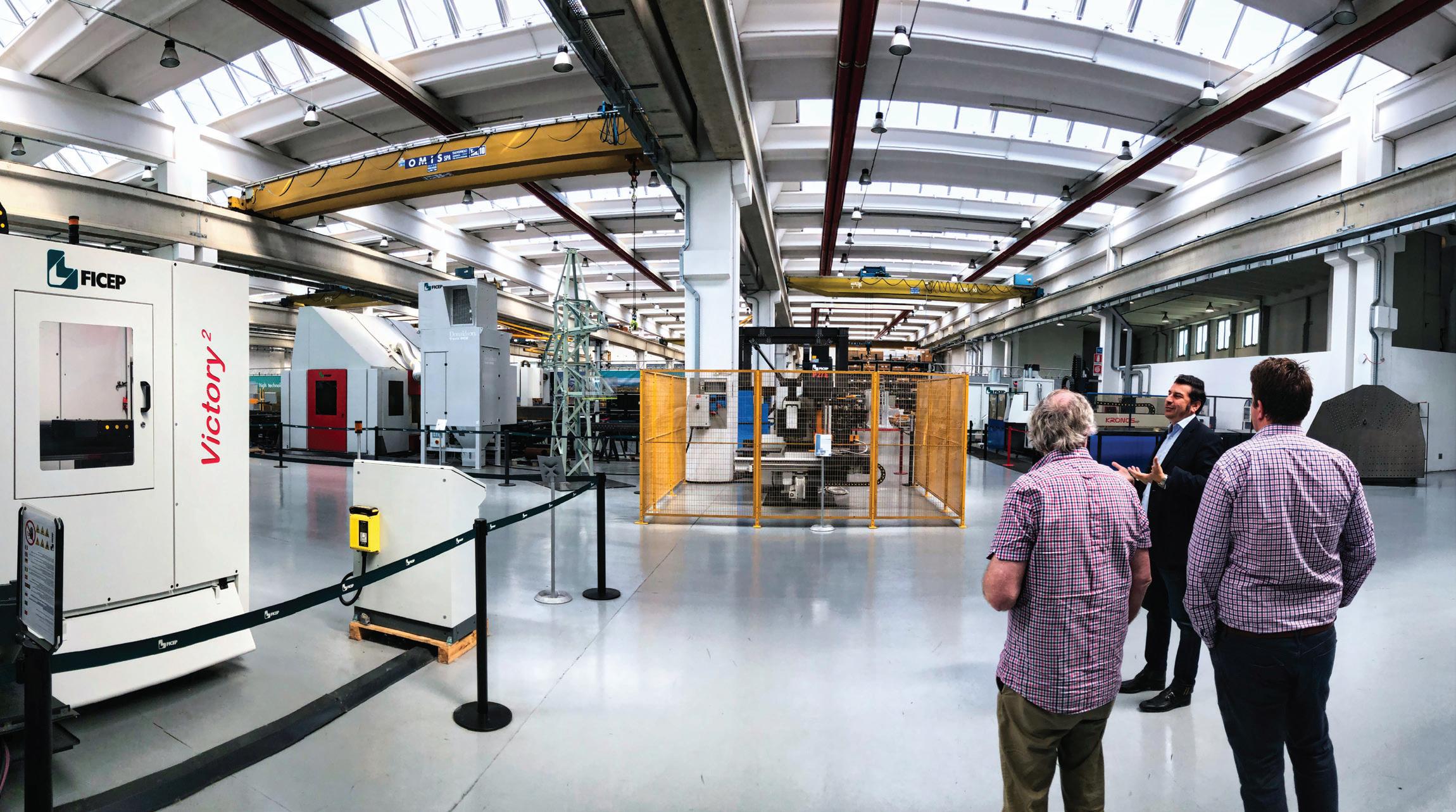
FICEP, an Italian-based company with over 90 years of experience, has a massive production strength spread over four different plants and a worldwide presence. Today, the company is the leading partner for the production and supply of complete solutions, offering a wide range of high technology machines for the steel construction, forging and stamping industries.
FICEP can manage every detail, offering turnkey solutions and the broadest range of hardware and software to cover the entire production process.
The companies' four compass points are know-how, research and development, education and local presence. New Zealand represents a significant market where FICEP operates through a local experience manager, Mr Francis Lee, assuring quick and practical answers.

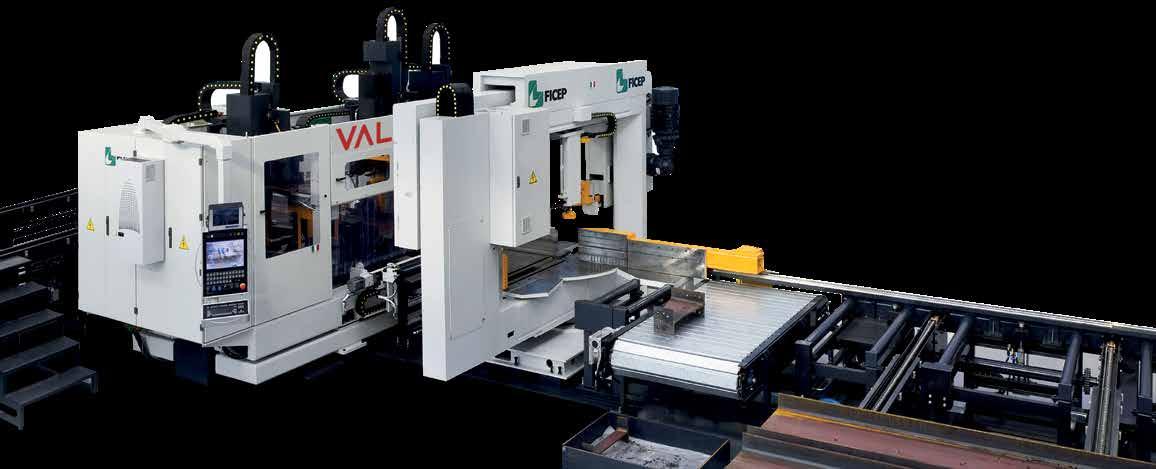
The Henderson-based company is a structural steel fabricator and erector which has
of operation.
Jay Cee Welding fabricates, welds steel beams, girders and other structural elements for commercial and private projects.
It has undertaken everything from large multi-storey office blocks and apartment buildings to house beams for residential projects.
Jay Cee Welding have our own team of Certified Erectors and a 30 tonne crane The company is a medium-sized steel fabrication facility now based in Henderson, Auckland.
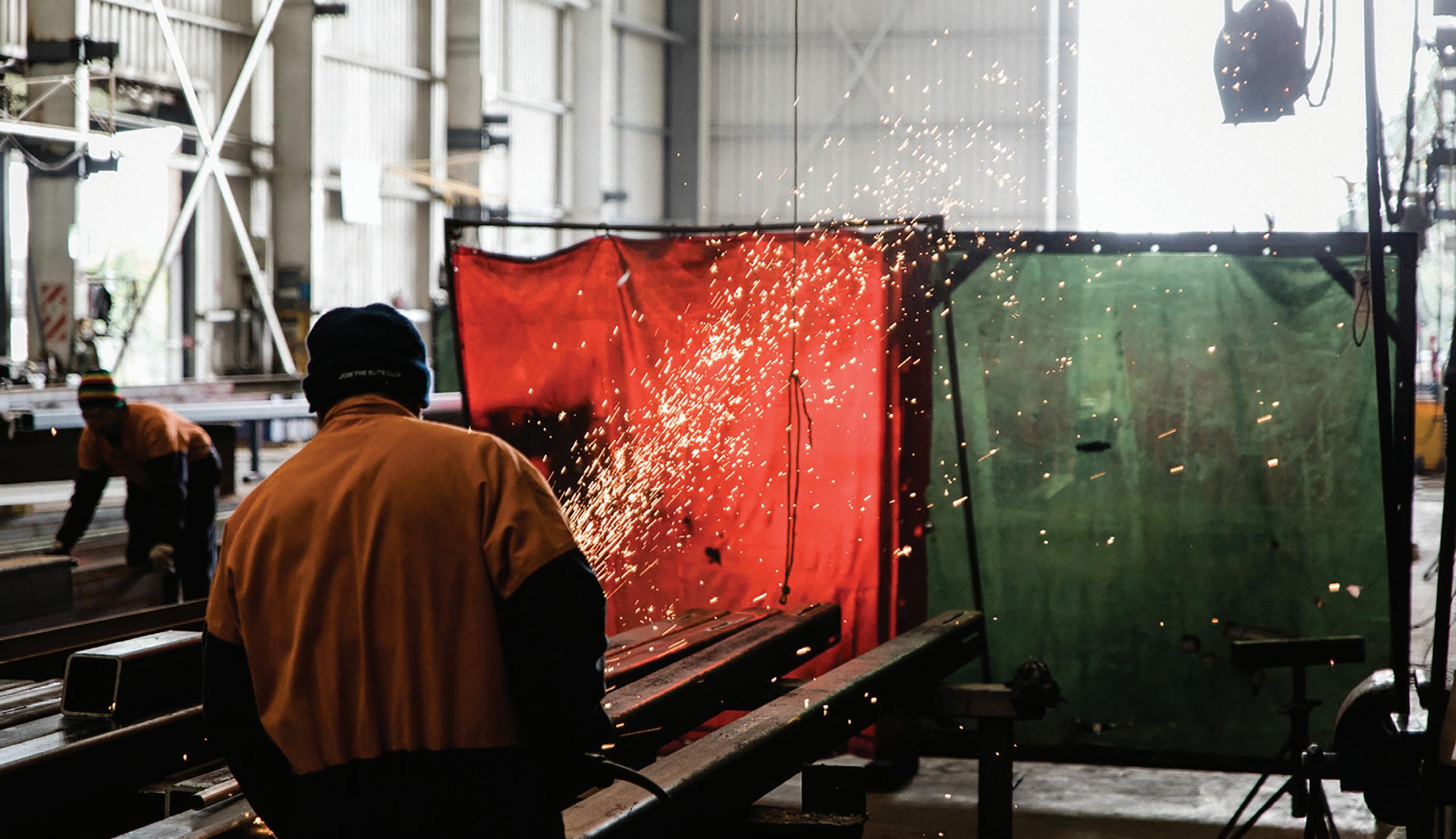
Conveniently located near the northwestern motorway junction at Lincoln Rd, Jay Cee Welding runs a modern workshop, with equipment including a Peddinghaus beamline, a CNC plate facility, a 120 T punch and shear machines, to ensure accuracy and economy.
Jay Cee Welding employs fully qualified tradespeople, certified welders, riggers, draughting and quantity surveyors to ensure accurate, high-quality work.
The team is friendly, helpful and provides free and competitive quotes.
Expanding its project range
While the company has already been involved in building high-rise buildings to 32
storeys, the Auckland City Council and SCNZ requires all steel fabricators involved in highrise building work to be certified to CC3.
Jay Cee Welding has attained HERA Steel Fabricators Certification to CC3, which enables the company to fabricate and erect high-rise buildings and high-spec projects. Jay Cee Welding attained CC 3 Status on Sept 8, 2020.
Jay Cee Welding has recently completed structural steel on a number of apartments in Auckland, including: Summerset Village in Ellerslie, Queens Square and The Vulcan in Auckland’s CBD. As well as St Kentigens Girls School, #1 Queen St, Hadlow Apartments, 228 Queen St and the Alkobar Building complex.

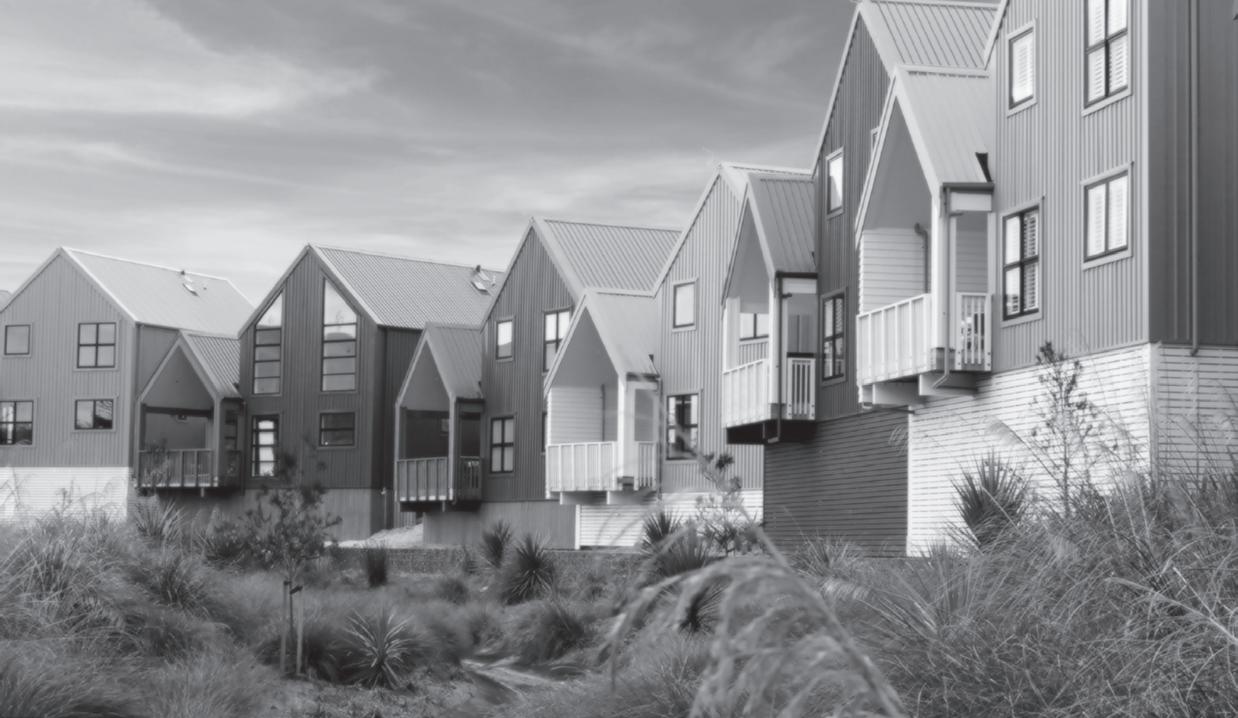
Strong company leadership
John Fraider - Director
Jay Cee Welding owner, John Fraider, has extensive experience within the structural steel industry and is still actively involved in all aspects of the company. John served his time during 1968-72 at the Railways workshop in Otahuhu as a boilermaker right at the time when riveting was ending and welding, particularly Mig welding, was taking over.
He worked for a number of large engineering and construction companies before establishing his own business.
“I started in 1990 with two men and today, employ a staff of 22.”
John heads up a strong management team and workforce and is particularly active in site tasks, health and safety, production and control of site-based activities.
Mike Vinkenvleugel
– Contracts manager
Mike runs the contracts side of Jay Cee Welding and has been in the steel industry for more than 40 years. He is involved in pricing, negotiations and assisting John with other key tasks.
Maya Cross – Office manager
Jay Cee Welding’s office manager Maya Cross has a wealth of experience in administration and has been John’s PA for more than 18 years. She plays an integral role in keeping the rest of the staff in line and focused.
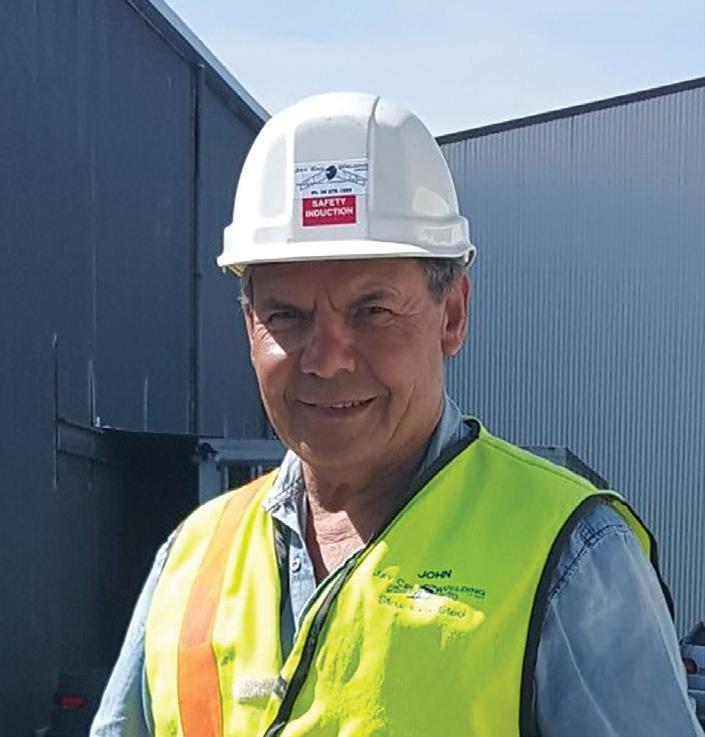
Sanjay Prakash - Quality and estimation manager
Sanjay is another long-time employee, having served over 12 years with John as a fabricator, and is now happily established in the main office, helping with implementation of SFC, QA and estimating projects. This is a key role within Jay Cee Welding, which benefits from Sanjay’s positive attitude.
Talin Kochchigoda – Production manager Workshop control is carried out by Talin, who has been with Jay Cee Welding since early 2019. Talin is a time-served tradesman who has worked in the local industry for a number of years and has a huge range of experience to manage the production and flow of work from the workshop, helping Jay Cee Welding exceed customers’ expectations.
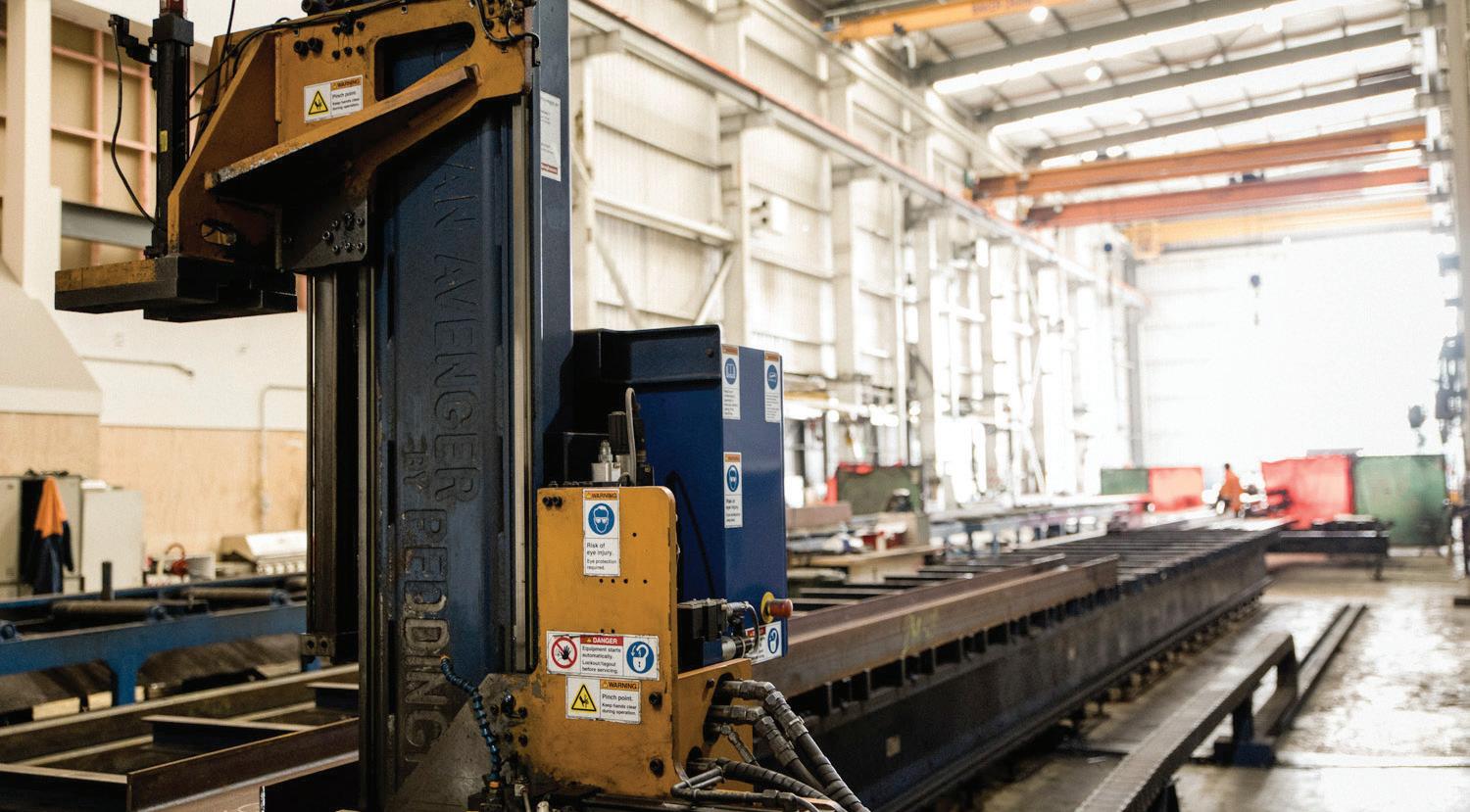
“We have also done the new shopping complex in Walters Road, a seismic upgrade at 125 Queen Street, the 396 Queen Street Hotel and the Rosedale Road apartments, to name a few,” John says.
“We work closely with our clients to save time and money and be efficient and accurate, first time. Most of our projects are in Auckland but we have sent work up to the Pacific islands as well.”
A history of success
John says one of the key reasons for the success of Jay Cee Welding is the company is small enough to care about every job it does, whether it is a large multi-storey commercial project or a residential house.
“I keep a tight rein on things and make sure we do it right and on time, the first time,” he says.
“We are small, close-knit team and we take pride in our work. The team has been together quite a while.”
- Jay Cee Welding director John Fraider






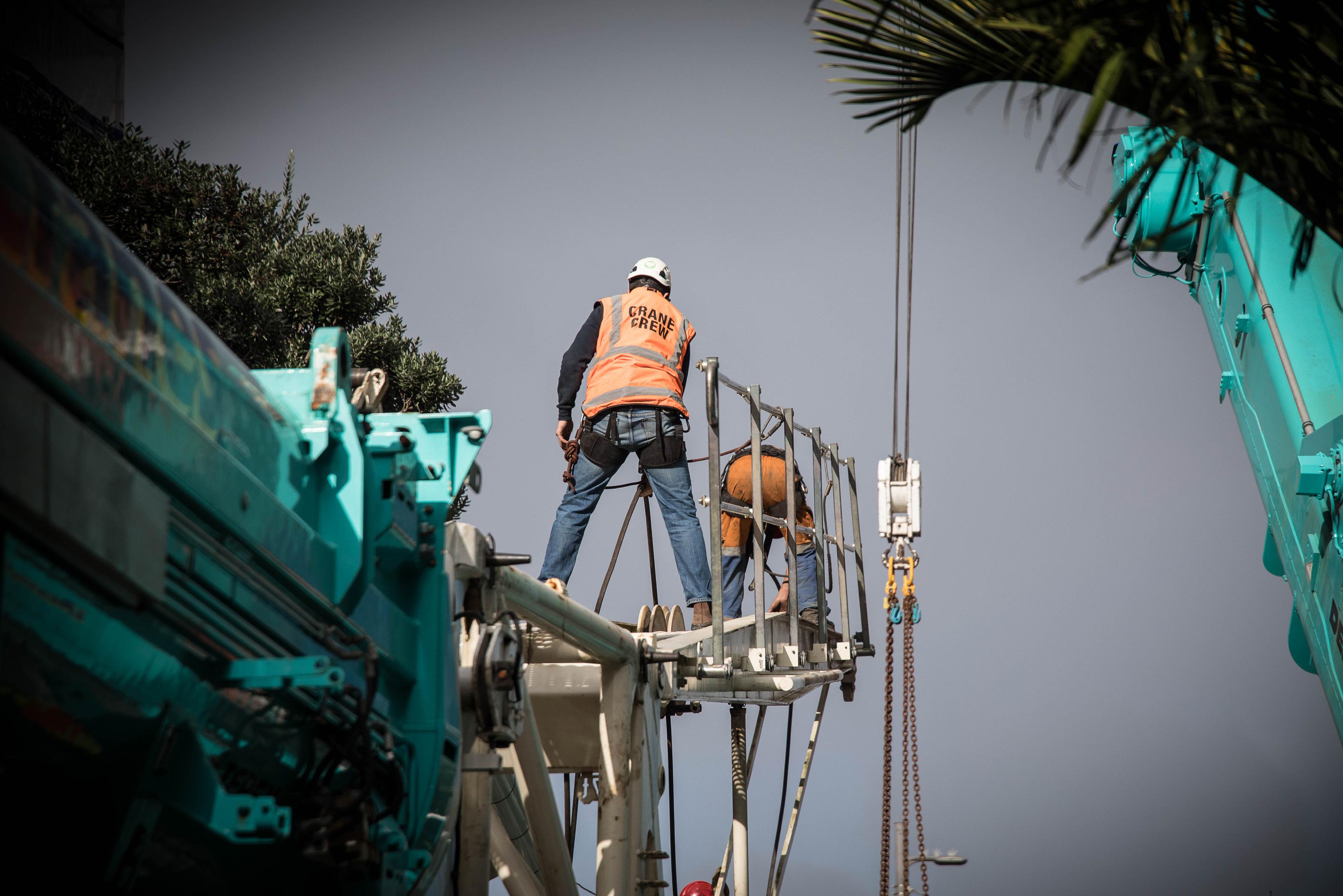
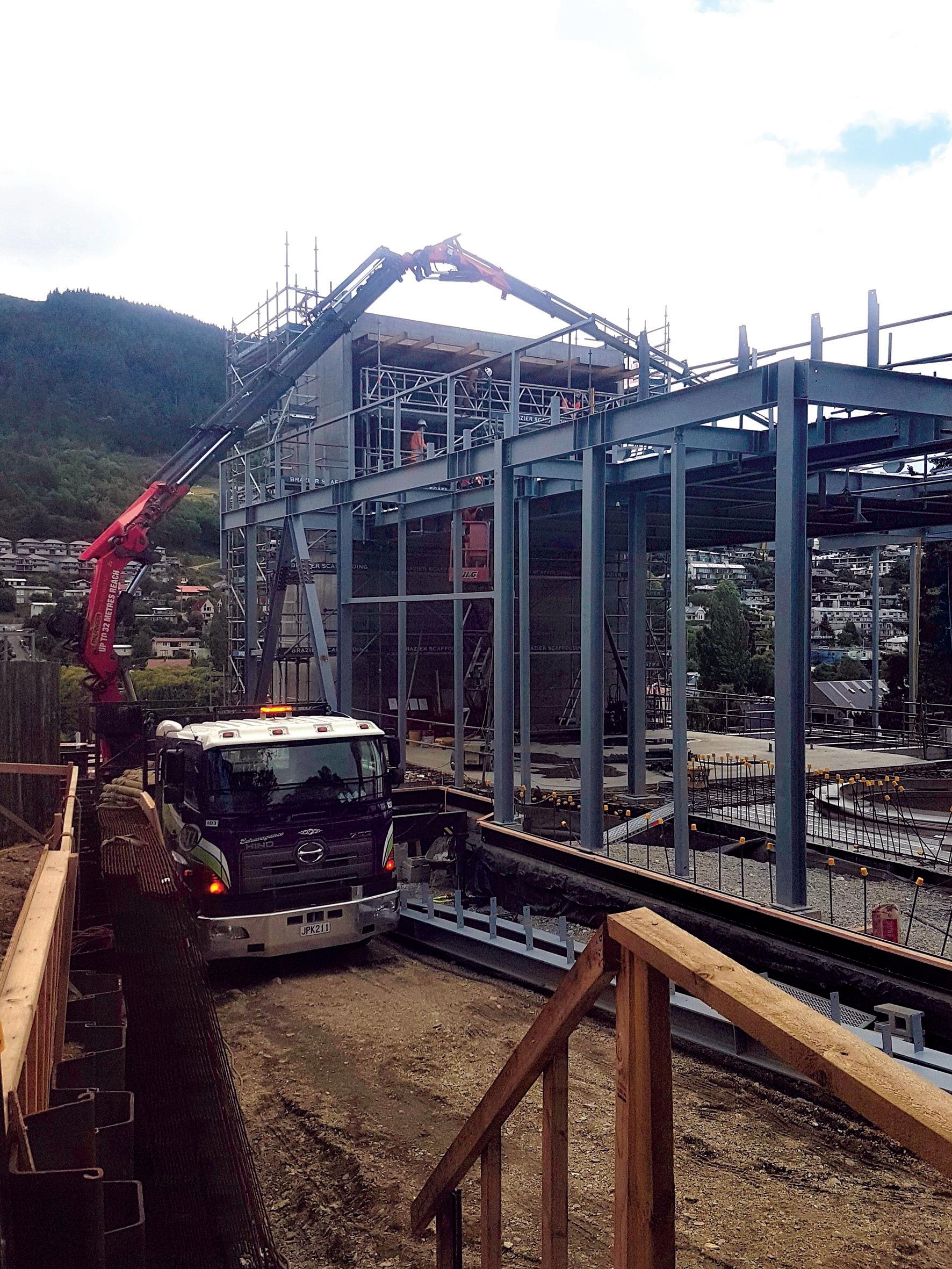
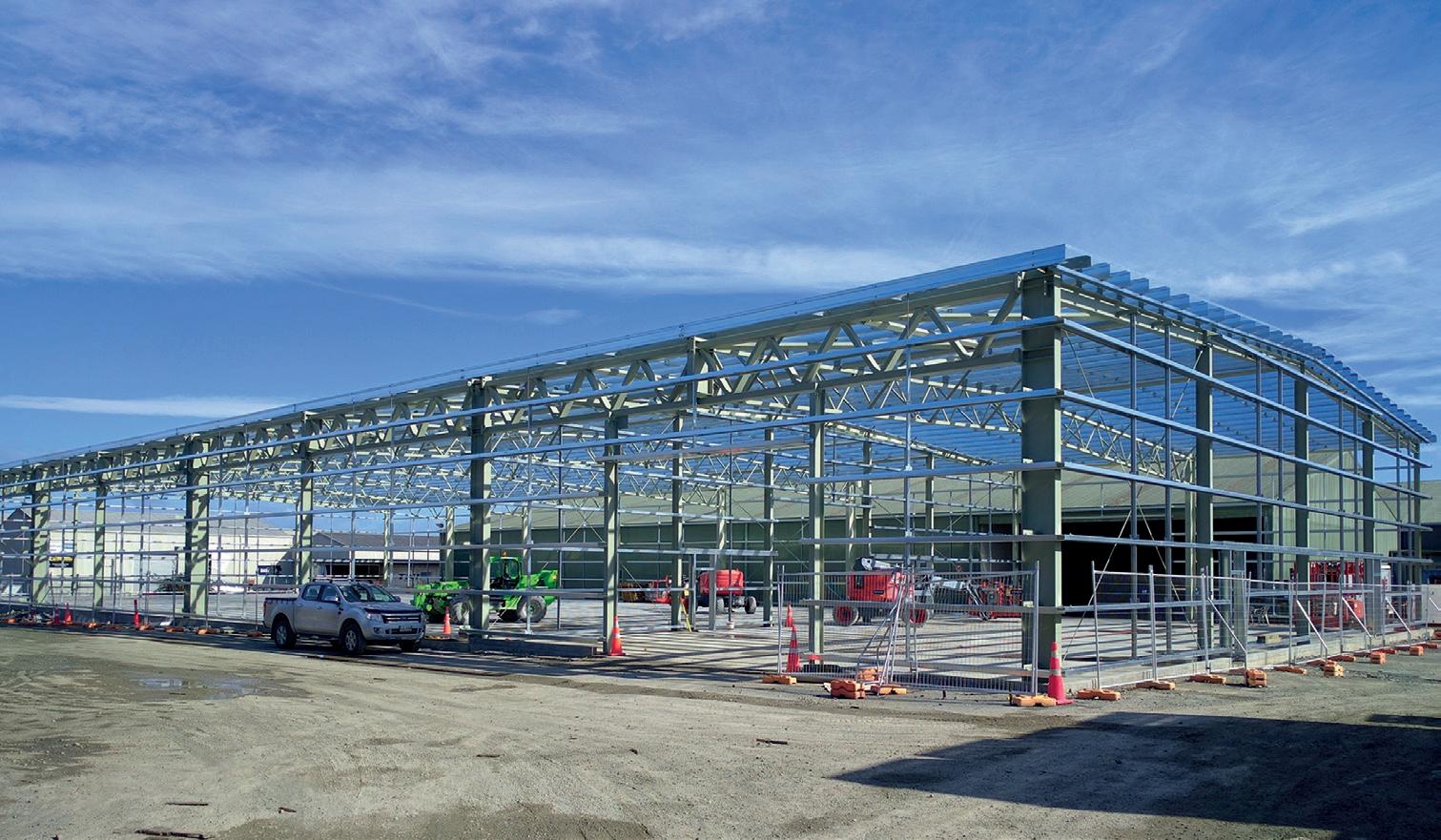
Starting back in 2003, the company began in Frankton as a one man band. In 2009, Justin Taylor and Allan Foote took over, moving away from the one man band style of operation.
Since then, the company has grown considerably with 20-25 workers involved.
Last year, Allan sold his shares to two key workers, Jason Moss and Adam Klimeck. Jason and Adam are both directors alongside Justin, and provide a range of skills from estimating, workshop management and experience in their industry fields.
Together, they have over 50 years of practical experience in the steel fabrication industry.
Managing director Justin Taylor, says he’s been in the industry since he was 16, and has enjoyed being solutions oriented across all aspects of industrial, structural, and architectural engineering.
He bought Queenstown Engineering because he wanted to be his own boss. Now, with the new team on board, Justin says they’re looking to expand.
They’re working on taking advantage of technology. “Engineering has traditionally been old school but in this day and age, in order to be competitive, you’ve got to run with technology,” Justin says.
“Twelve months ago, we put in a new Beam Line machine we imported from Italy. It’s enabled us to increase production significantly.”
The computerised machine drills all the holes required into the steel and marks the beam.
Justin says bringing it in has been a real game changer in terms of offering the customer exceptional accuracy of product, and faster turnaround resulting in a better overall price.
Justin says they’ve been working on seismic strengthening for the Queenstown airport.
“We’ve been working on it for the last seven months but we’re coming to the end of the contract now.”
He says the project has been an interesting one because of the highly technical degree of welding involved, and the logistics of working at night, within an existing building.
Queenstown Engineering are also specialists in high end architectural buildings with exposed steelwork.
Our clients value having us close at hand to problem solve and liaise between owner, builder and architect in order to help create their vision.
Justin says a focus for the company is to provide clients with a high degree of personal service.
“Our clients value having us close at hand to problem solve and liaise between owner, builder and architect in order to help create their vision.”
Queenstown Engineering works with many several local industrial environments like the Local Transfer Station, Pump Stations and Recycling Centre.
The company also repairs and maintains equipment for adventure tourism operators.
Some of their services include plant installations, plant repairs and repair of conveyer belts, bearing replacement and carbon air gouging for major crack and weld repairs.
They’ve also worked with ski fields installing ski area pipe work, and they’ve supplied and installed snow making system pipe work for local fields.

2013 saw Queenstown Engineering moving to a new custom built engineering workshop. Around 600 plus square meters in size, it boasts a 3T overhead gantry, abrasive blasting, beamline and galvanizing facilities. In 2015, they opened the Queenstown Engineering Bolt Store. It’s a showroom demonstrating their full range of Konnect nuts, bolts and screws.
Along with being the only certified steel fabricator in the area, Queenstown Engineering is the only company in the Wakatipu basin to have its own zinc arc spraying system.
This allows them to be able to apply zinc to much larger lengths of steel.
It’s different and more efficient than the traditional method of hot dip galvanizing. This mitigates issues like distortion and it also has a faster turnaround time.
Queenstown Engineering also offers powder coating, urethane paint systems, hot dip galvanizing and expert paint systems.
At the moment, they’re booked for the next six months .
“Not to mention, because the borders have been closed, we’ve been missing the transient staff that usually come through Queenstown.”
Queenstown Engineering actively supports Apprentice Training New Zealand (ATNZ) and Comptenz. These companies encourage young New Zealanders to become qualified tradespeople.
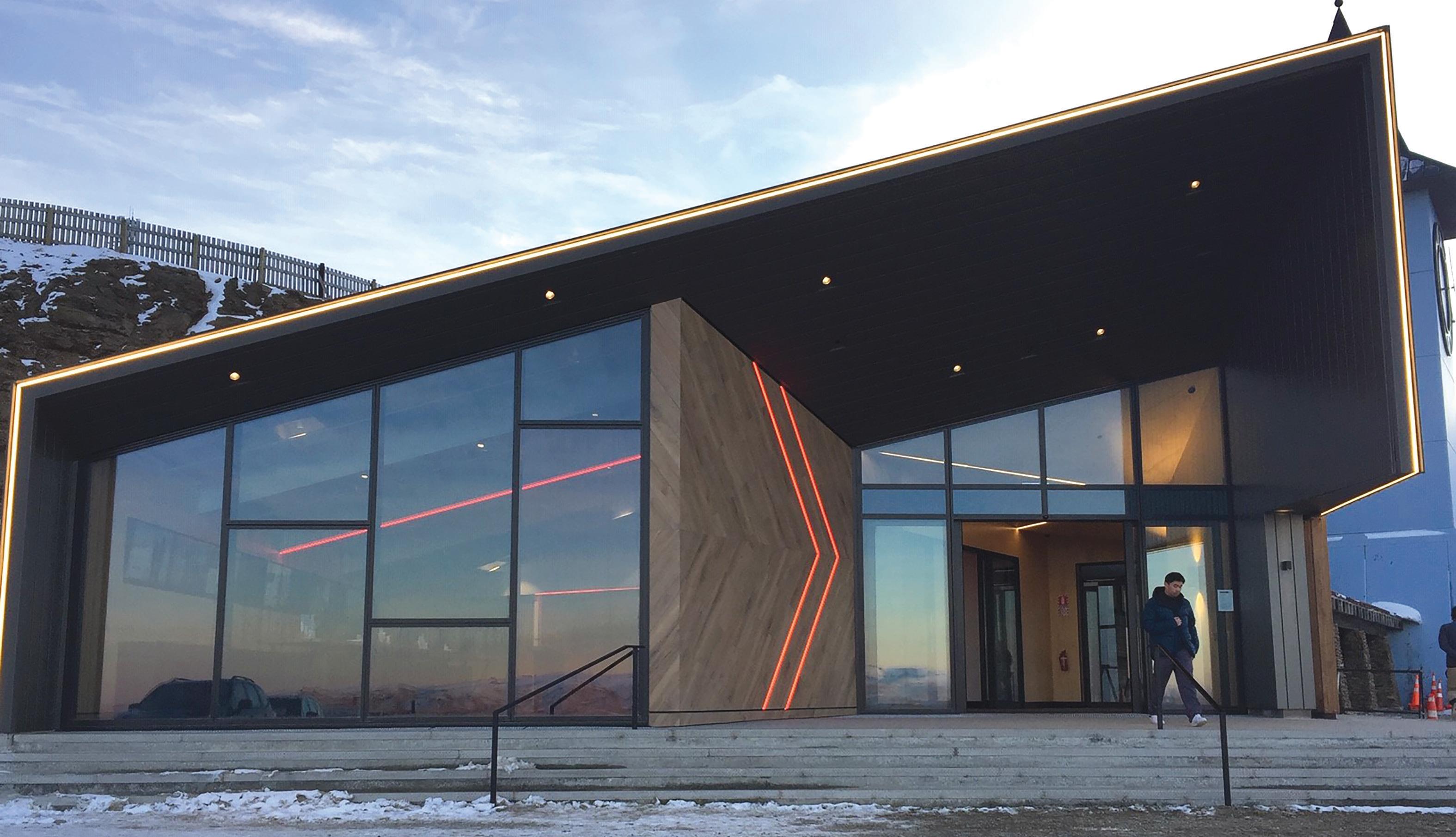
Queenstown Engineering also offers a full range of certified welding services. They weld to AS/NZS 2980 and employ a welding supervisor qualified to AS 2214.
They work with a range of welding processes like metal inert gas welding and manual arc welding.
The company works with vehicles too; making quality tow bars and helping repair and modify vehicles. They work with truck decks, trailers, ramps, bash plates, guards, draw beams, load anchors, rope rails and excavators. They custom make trailers up to 3500 GVM.
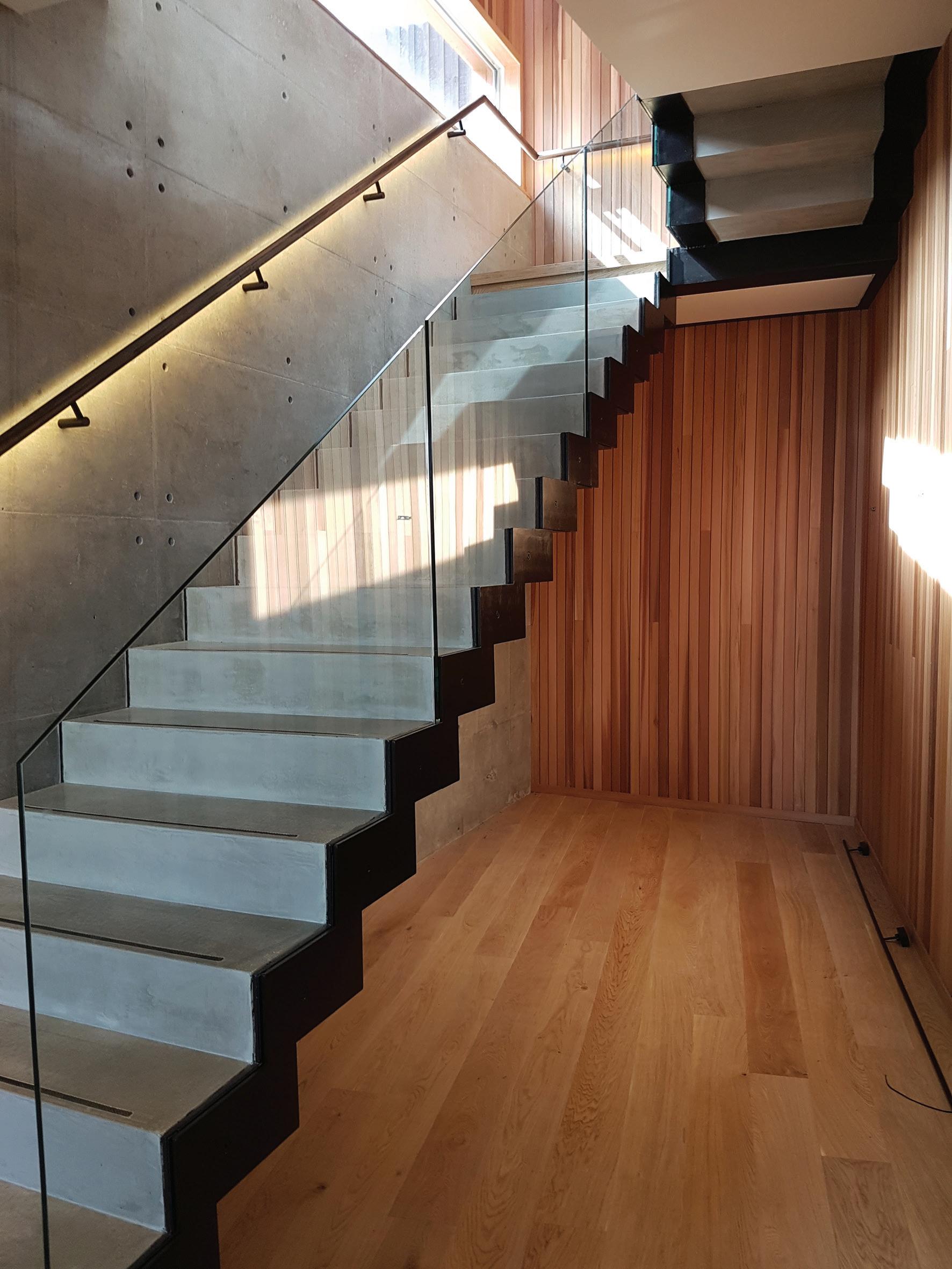
Queenstown Engineering
120 Glenda Drive Frankton Queenstown, 9300 (03) 442 3036 info@queenstownengineering.co.nz www.queenstownengineering.co.nz
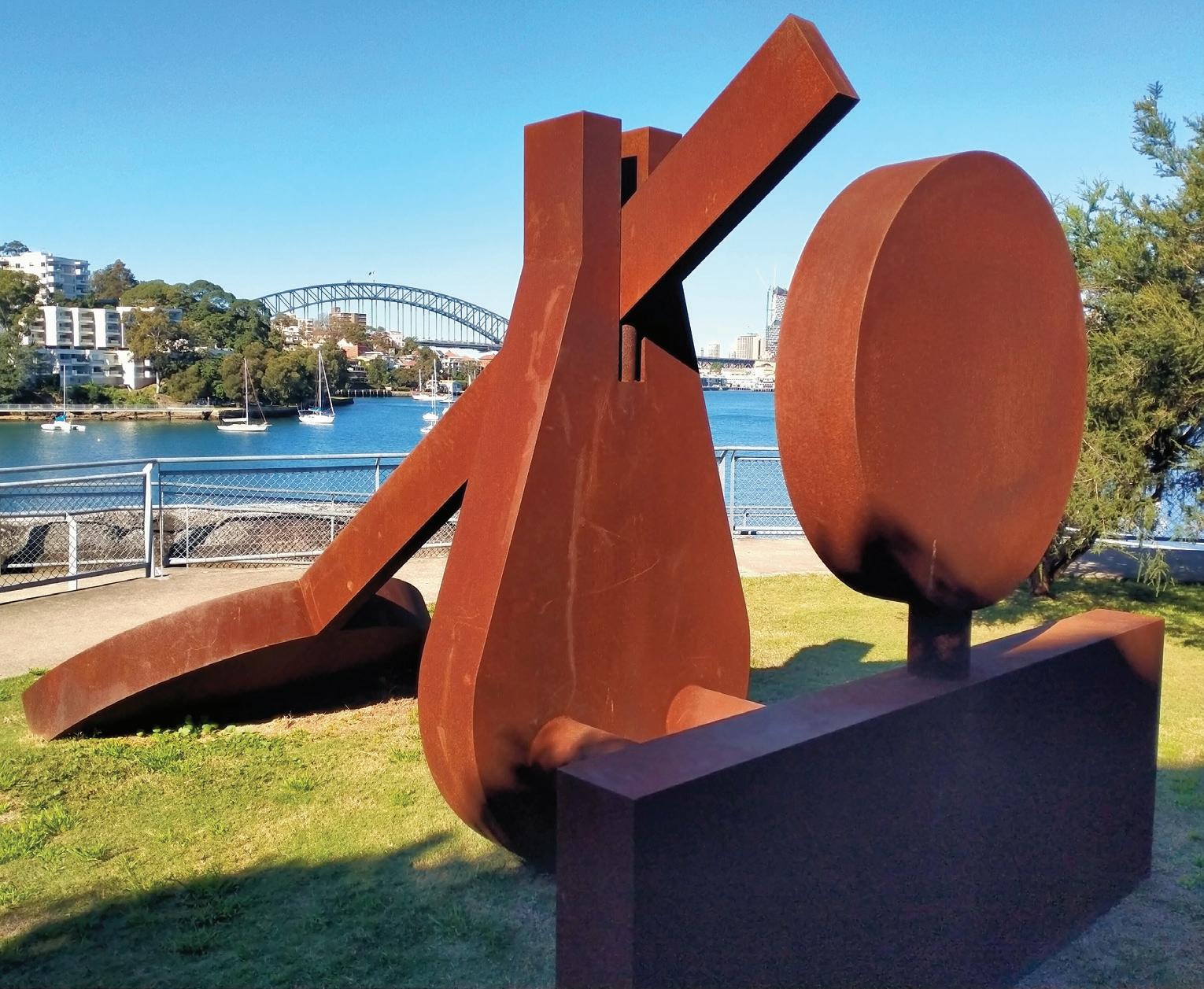


Established in 1975 by crane owners to represent their interests, the Crane Association of New Zealand (CANZ) has never had more relevance or currency in a climate where its leadership and advocacy are offering members strategic direction and representation at industry and policy level.
The voice of the crane industry, CANZ is recognised by the New Zealand Government and the general public alike as the official representative on all matters relating to the safety and operation of cranes.
Membership benefits are multitudinous - from receiving up-to-date information on changes or additions to legislation, regulations and Approved Codes of Practice, to providing input on consultations regarding national, regional and local policy matters.
There’s also the Association’s major flagship event – the Crane Association of
The services members offer
• Access Equipment Hire
• Access equipment sales and service
• Advanced Riggers
• Construction (Building)
• Construction (Civil)
• Consultants
• Contract personnel suppliers
• Cranes and equipment sales and service
• Crawler Crane Hire
• Demolition
• Drilling (Foundation)
• Drilling (Well)
• Dry Crane Hire
• Engineering
• Engineered Lift Planning
• Finance and insurance
• Heavy Transport
• Hiab Transport
• Mechanical and electrical services
• Mobile Taxi Crane Hire
• Piling and Foundations
• Planning and Resources
• Precast Concrete Fabrication
• Riggers and Dogmen
• Rigging equipment sales and service
• Safety equipment sales and service
• Safety Inspection Services
• Steel Fabrication (Industrial)
• Steel Fabrication (Stainless)
• Steel Fabrication (Structural)
Steel Supply
• Term Crane Hire
• Tower Crane Hire
• Training and assessing.
NZ Conference, its discounts for the Crane Training NZ Shop, access to extensive industry resources, and advice on crane and business issues.
The association places a great deal of importance on training and safety, and has succeeded in raising the standards of operation and efficiency across the face of the crane industry.
By supporting our members in these and other operational objectives, the New Zealand crane industry has become an international benchmark of success in these areas.
SafeCrane has been created by the Crane Association of New Zealand to provide guidance on how to create a safe workplace for cranes.
Moving forward, the Association will be firmly focused on its current lobby and advocacy work, as lobbying forms an important part of the association’s role in representing the New Zealand crane industry.
As construction is a large contributor to the national GDP, the value of cranes to the nation means that we punch above our weight as the building and infrastructure sectors are totally reliant on cranes.
About the association
The Crane Association of New Zealand (Inc.) was established in 1975 by crane owners to represent their interests. Today crane
The benefits of membership
• Up to date information on changes or additions to legislation, regulations and to Approved Codes of Practice
• Advocacy on behalf of members and the wider industry
• Input into consultation on national, regional and local policy matters
• Inclusion in the online i ndustry directory
• Negotiated member group purchasing
• Networking opportunities with industry members
• Annual Conference
• An online company profile accessible for updating by the member
• Contractor Magazine
• News Brief – the Association online newsletter
• Advice on crane and business issues
• Mediation on behalf of members
• Free monthly Contractors magazine and quarterly dispatches newsletter.
To achieve this, the association works closely with its members, the government departments and agencies, Industry Training Organisations (ITO) as well as other associations and stakeholders.
The main objectives of the Association are:
● Provide an organisation through which members may coordinate their efforts solving problems of common concern to the industry
owners of all types are members, as are many suppliers to the industry.
The Association places a great deal of importance on training and safety and has succeeded in raising the standards of operation and efficiency across the face of the crane industry.
By supporting its members in these and other operational objectives the New Zealand crane industry has become an international benchmark of success in these areas.
The Association is the voice of the crane industry and recognised by the New Zealand government and the general public alike as the official representative on all matters relating to the safety and operation of cranes.
The Crane Association of New Zealand Inc is the national trade association for companies that operate or hire cranes and offer ancillary services relating to the crane industry.
The Association acts as a conduit between the members, the regulators and the training providers to provide leadership in crane industry best practice. It facilitates the highest standards of workplace safety, and promotes the premise that all crane operators must be trained, competent and are qualified on the equipment they are operating in the work environment.
● Take appropriate action to raise standards of efficiency within the industry, thus enhancing its national prestige and status
● Represent and act for the industry vis-a-vis organs of Government, public and private organisations and activities of which concern the crane industry
● Procure and disseminate information that may be helpful to members
● Promote, oppose, or press for, the amendment or repeal of any legislative enactments, by-laws or other rules or regulations affecting the interests of members
● Represent the industry in any training programme aimed at increased safety and efficiency in crane operation and to this end, cooperate with other persons and bodies as far as lawfully possible and expedient.
Crane Association of New Zealand PO Box 12013 Wellington 6144 (04) 473 3558 info@cranes.org.nz www.cranes.org.nz

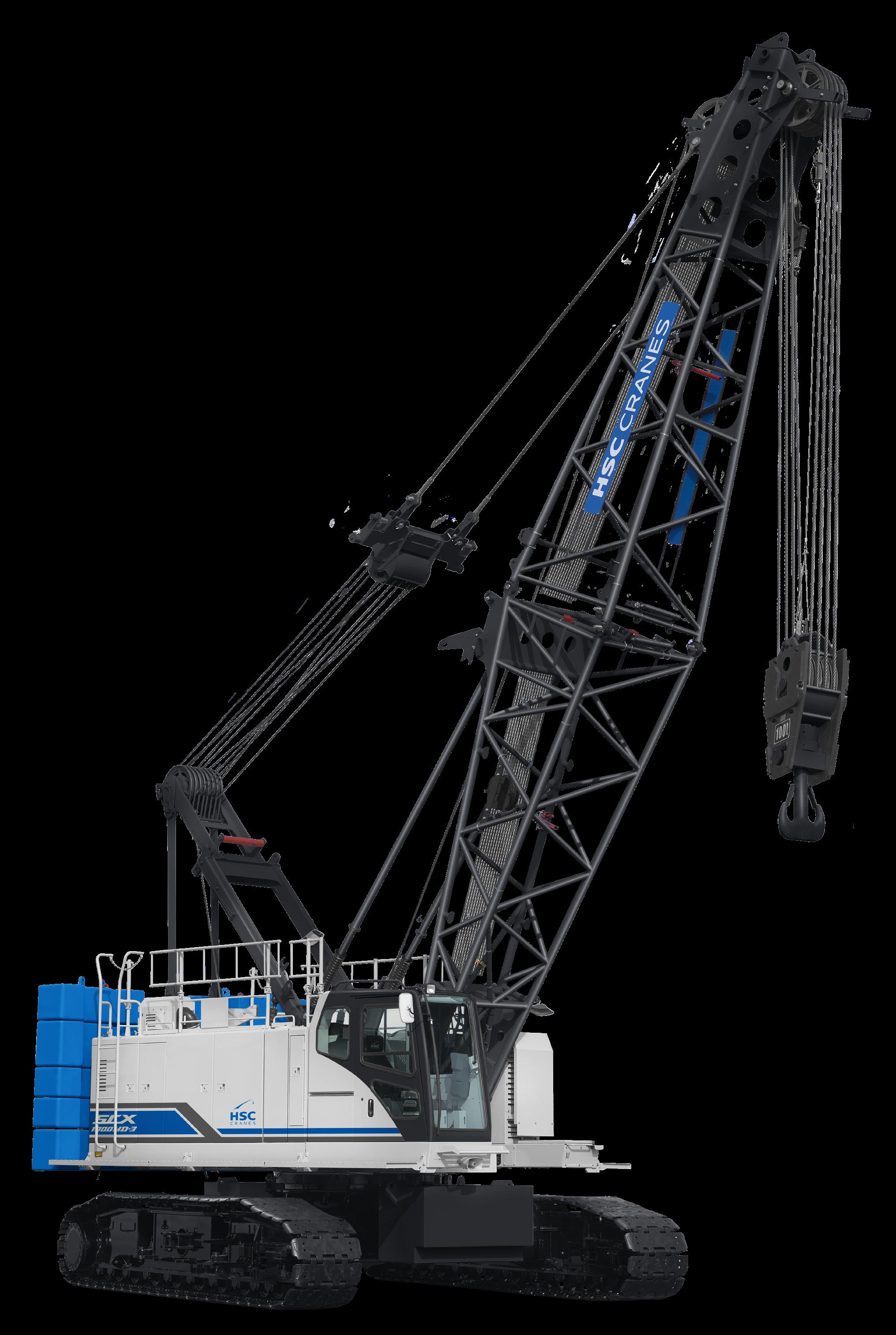

• Powerful
•
•
•
Several reasons really. Employment law is a forever changing beast, SME’s cant and don’t always have the time and resources to be across all the legislation, and amendments, particularly in the climate we find ourselves.
Even before Covid there were many changes to various acts such as the Employment Relations Act 2000, Mnium wage Act 1983, Health, and safety at Work Act 2015, and several more. All of which need attention and can create issues for employers
Are you aware of the number or type of leave available to employees:
• Annual leave
• Sick leave
• Stress leave
• Bereavement leave
• Parental leave
• Armed Forces Leave
• Domestic Violence Leave
• Election Voting Leave
• Jury Service
What are the types of employees
Permanent employees (Full or Part time)
These are the most common type of employee. Permanent employees have the full set of employment rights and responsibilities. Employees must meet certain criteria to qualify for some employment entitlements, such as parental leave, parental leave payments, annual holidays, sick leave, and bereavement leave. There may be small differences between full-time or part-time employees because of their work patterns.
Casual employees
‘Casual employee’ is not defined in employment legislation, but the term is usually used to refer to someone who has no guaranteed hours of work, no regular pattern of work, and no ongoing expectation of employment. The employer doesn’t have to offer work to the employee, and the employee doesn’t have to accept any work offered. The employee works as and when it suits both them and the employer. Each time the employee accepts an offer of work it is treated as a new period of employment.
Do you use contract labour, and do you know about triangular relationships. Sometimes employees work in a triangular employment situation. This is where someone is employed by one employer but is working under

another business or organisation that directs or controls their day-to-day work (controlling third party).
The example being, an employee is employed by a recruitment or employment agency, and is sent on work assignments to another organisation, sometimes this is called labour-for-hire or “temping”.
Previously a person in a triangular employment situation could only raise
personal grievances against the agency that employed them, even if the mistreatment were committed by the controlling third party. With the advent of the amendment in the Employment Relations Act 2000 the Employment Relations (Triangular Employment) Amendment Act 2019 employees in such arrangements can raise personal grievances against both the employer (the agency) and the third party (controlling third party).

Ranging from multiple stories high, to working with complex structures, scaffolding needs to be robust, safe, and designed with the building and health and safety in mind.
It requires skill and a safety conscious approach to working on scaffolding and in rigging.
It became apparent that there needed to be oversight of the quality and regulations that companies operated under.
That’s when Scaffolding, Access and Rigging New Zealand Inc (SARNZ) was formed, in 1994.
A like-minded group formed SARNZ to ensure there was a unified voice for concerns and improving regulation.
We are a nucleus for companies of all sizes in scaffolding and rigging to join.
SARNZ is one centralised place for voicing concerns or feedback on regulations, getting help with training and applying Unit Standards for apprentices or overseas applicants, and having the backing of an organisation that exists to raise industry standards in quality and safety.
We work with government agencies like WorkSafe and CHASNZ to ensure that rules and regulations are fit for purpose and meet the needs of the industry.
SARNZ supports members in training staff on best practice, health and safety, and even business development.
This support provides our members with the knowledge and expertise to be the best in the industry, and to raise the standards of construction.
If companies are interested in being further quality assured, they can apply for Gold Accreditation.
Safety and standards are important to us and we hold our members to a high standard, so we are always continually working on options and projects to protect the industry.
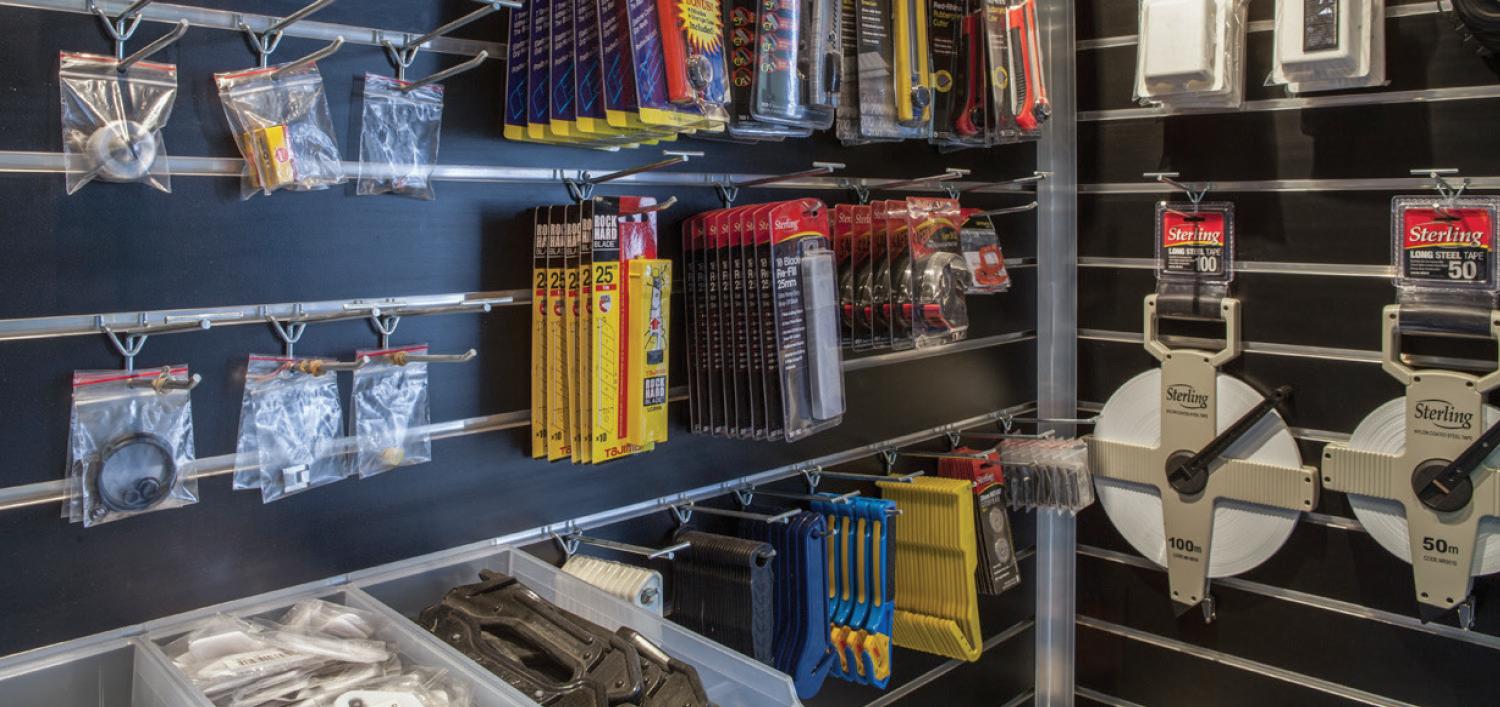
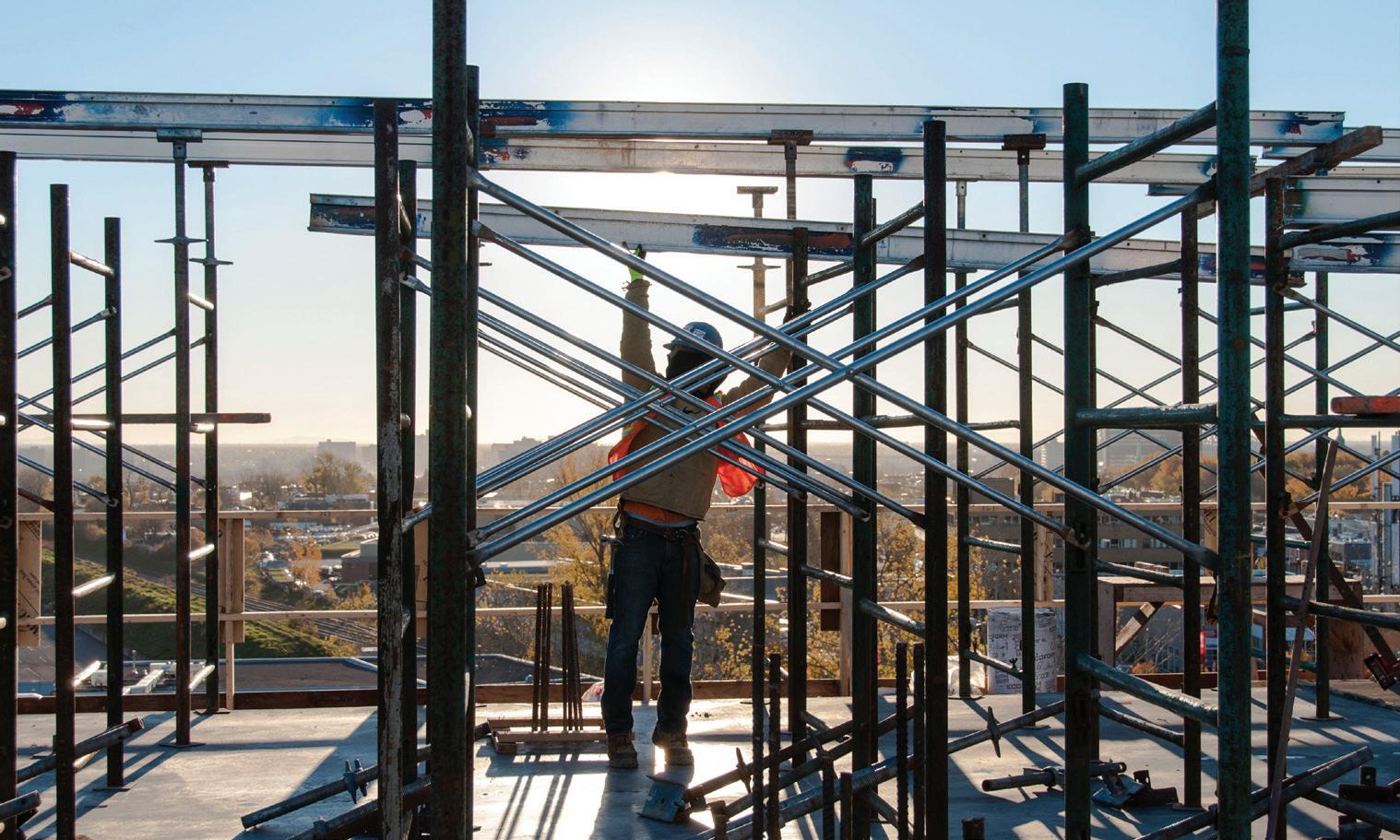
Our board members, Vadim Spice and David Sopp, have teamed up with CHASNZ, and other industry experts, to work on improving Musculoskeletal Disorders (MSDs) recognition and prevention in the industry.
With the rapid growth of technology in the industry, processes and awareness have not kept pace to ensure that staff aren’t being injured during its use.
This project aims to increase awareness of MSDs and its prevalence.
SARNZ is excited to help the industry build more robust communication and reporting methods for staff around injuries or discomfort, and design processes that acknowledge and account for risky work.
A survey has been made publicly available so that the MSDs taskforce can collect data from all over New Zealand from people currently suffering from MSDs or who want to be involved in the project.
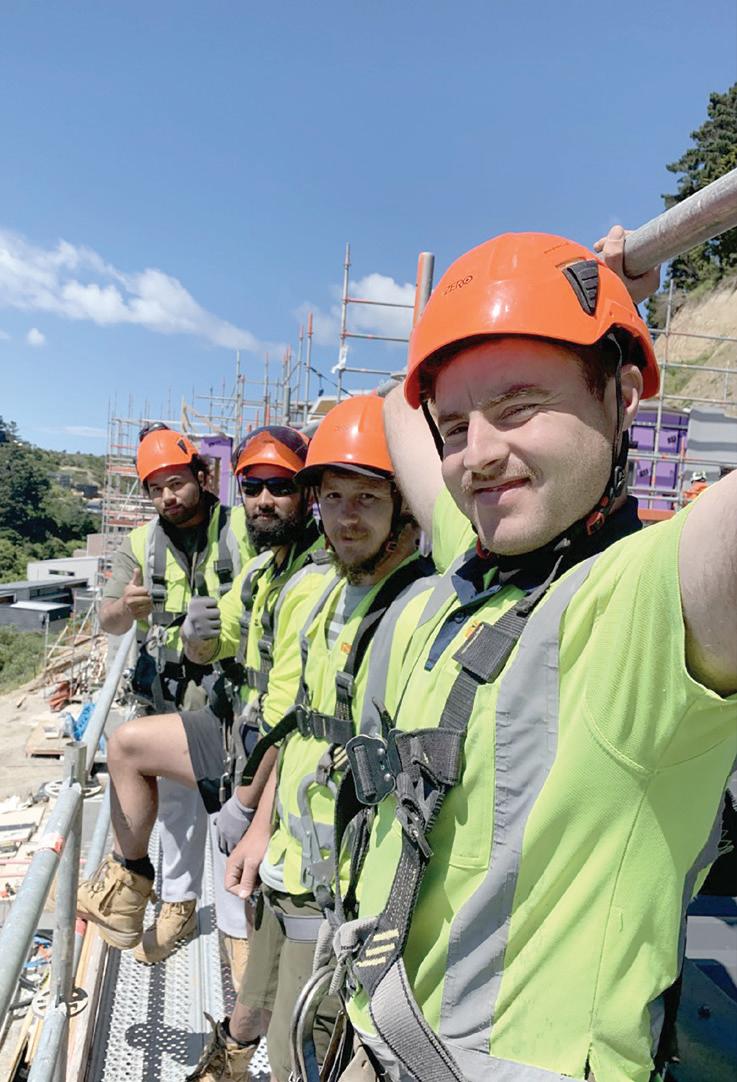
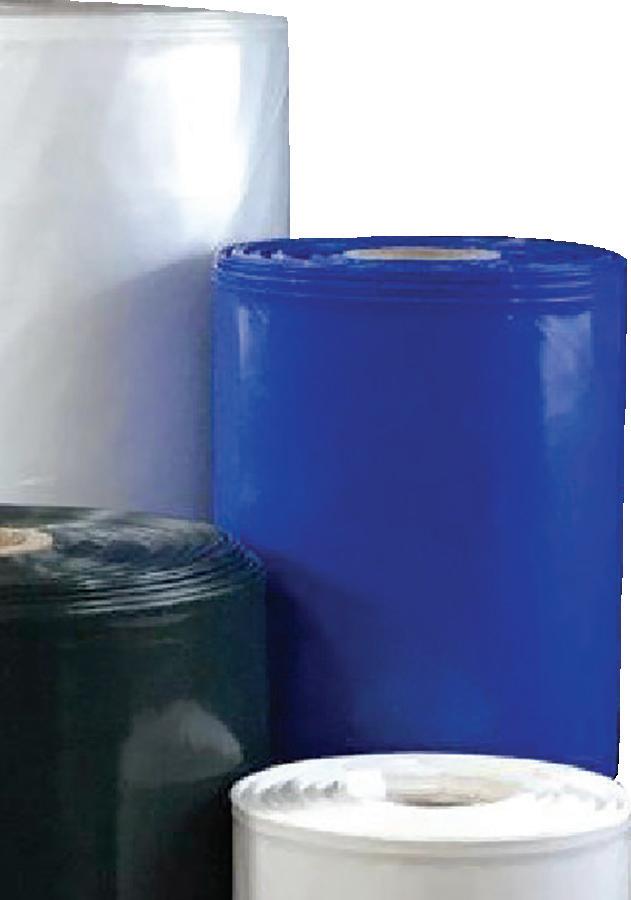

A membership with SARNZ includes exclusive insurance offers for members which provides peace of mind throughout the full project phase, making SARNZ members the smart choice.
• Industry support and advocacy
• Help with training and apprenticeships
• Discounts for insurance and much more
• Quality assured and Gold Accreditation for further quality testing
• Conferences and events for people to network.
Our members have access to the best support for concerns, training, guidance, and they are quality checked.
This means they are supported to be the best in the industry, while we also work to raise standards nationally. With SARNZ, our members are backed by an organisation that delivers on quality and support.
If you are interested in joining SARNZ, head to www.sarnz.co.nz to learn how you can become a member.
Businesses keen to take on new apprentices can mould them to do things the way they like and make sure the job’s done right the first time.
Not only is taking on an apprentice a great way to grow your business, once they’re qualified, they can help free up your more-skilled scaffolders to grow their own capabilities.
By encouraging your experienced scaffolders to gain more advanced qualifications, you’ll be making sure they don’t get stuck doing the same level of jobs; helping get your business to take the next step and pick up more of those complex jobs.
Through the apprenticeship, we aim to work together with the industry to improve the quality and safety on all levels of the industry.
Importantly, this will raise the professionalism of the industry, shifting views of scaffolding to be a more respected career choice for young Kiwis.
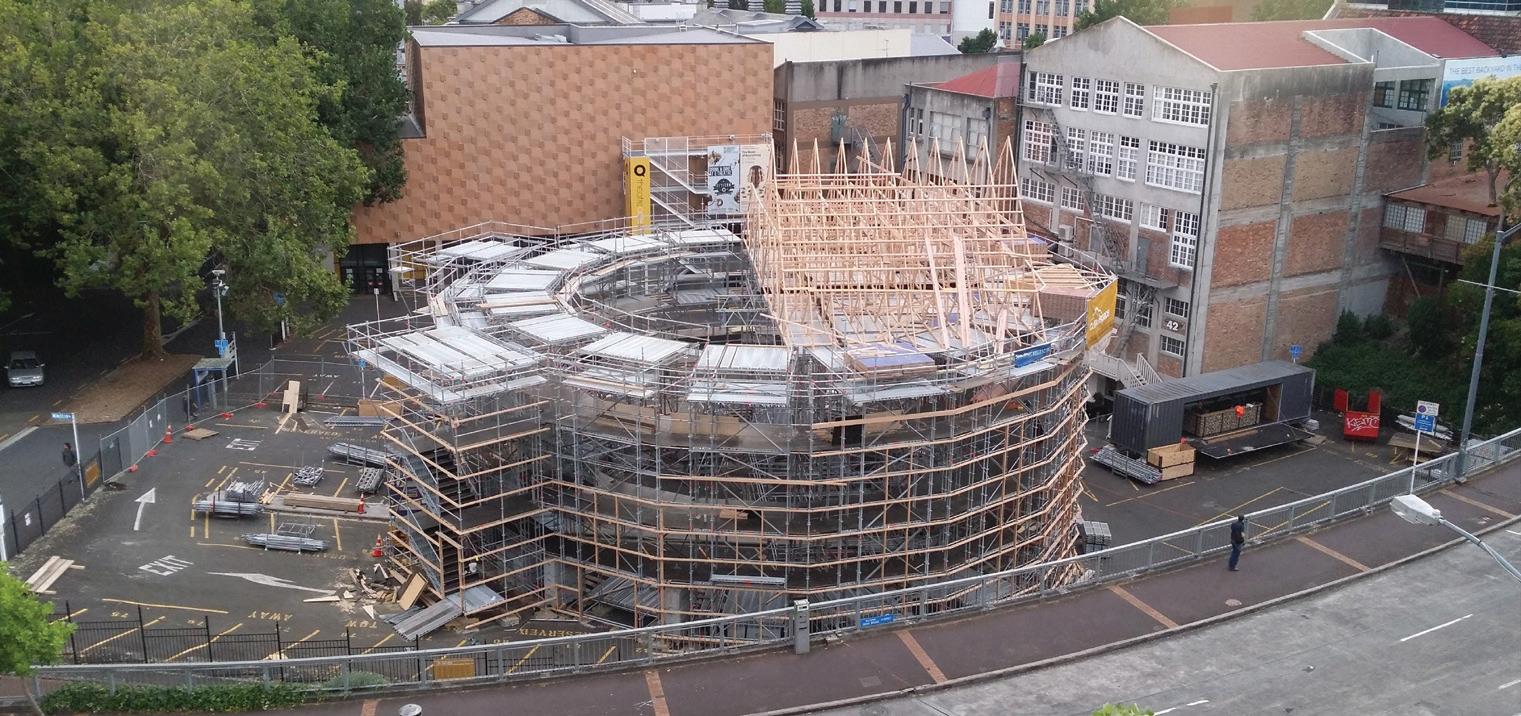

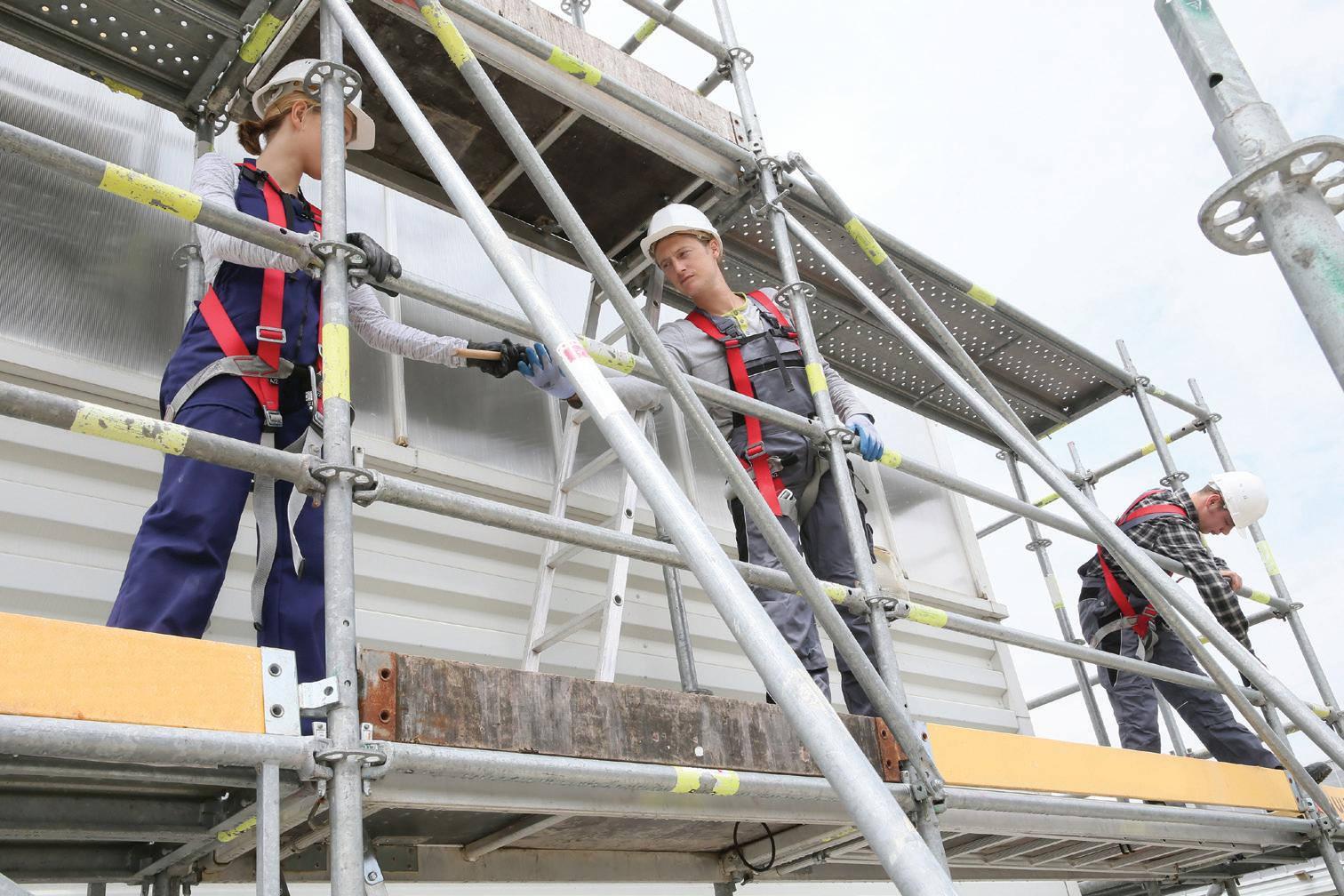
All over the country apprentices are meeting up to discuss what they’ve learnt and what’s happening in their industry.
The future of New Zealand scaffolding is in our apprentices and this is the platform for them to form those industrial bonds that will one day be the bones of the industry.
Training and qualifications
Training courses are a vital part of the industry’s immediate and long-term success and there’s a course for every level of worker.
Scaffolding apprenticeship
The scaffolding apprenticeship qualification launched in 2018 takes up to three years to complete.
As a part of their apprenticeship, apprentices must attend block courses provided by accredited scaffolding training providers; Tai Poutini and Vertical Horizonz which are based throughout New Zealand.
After completing their apprenticeship, apprentices have all the skills required to apply for a Trade CoC.

It is one of the requirements of applying for the Suspended CoC through SARNZ; most gain this as a part of their advanced Level 5 qualification.
The New Zealand Certificate of Scaffolding (Level 3) (Proprietary Suspended) takes approximately 11 months to complete and is done through block courses and on-thejob learning.
There are no prerequisites to entering this programme. Applicants will need to be currently employed within the scaffolding industry and have a supervisor who is willing and able to verify your on-job work.
New Zealand Certificate of Scaffolding (Level 3) (General)
For those interested in a career in scaffolding but whose company doesn’t have the range of work required for the scaffolding apprenticeship, they can still enter into the New Zealand Certificate of Scaffolding (Level 3) (General).
This course is one of the requirements of applying for their Elementary CoC through SARNZ.


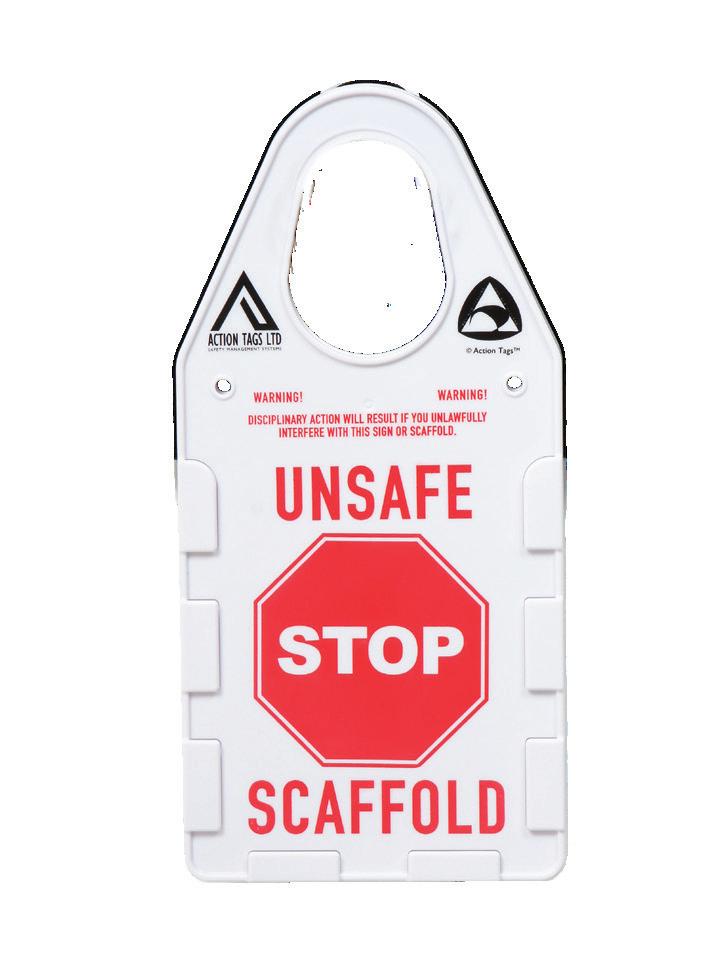


SARNZ is positive that the apprenticeship will entice more young people to consider a career in the profession and provide them with the tools to successfully do their role.
Scaffolding & Rigging Recognition of Current Competency
For those with scaffolding and rigging experience, the RCC programme in rigging is targeted at those who are keen to have the New Zealand recognised qualification, but either don’t have the formal qualifications or need to have overseas qualifications converted to the New Zealand equivalents. This programme is designed to recognise the skills and knowledge participants gained from hands-on experience in the industry by providing a pathway to a New Zealand qualification in scaffolding and rigging.
New Zealand Certificate of Scaffolding (Level 3) (Proprietary Suspended) If you’re working within the scaffolding industry specialising in suspended scaffolding, the New Zealand Certificate of Scaffolding (Level 3) (Proprietary Suspended) course is a must-have.
The New Zealand Certificate of Scaffolding (Level 3) (General) takes 18 months to complete and is done through block courses, on-the-job learning and verification.
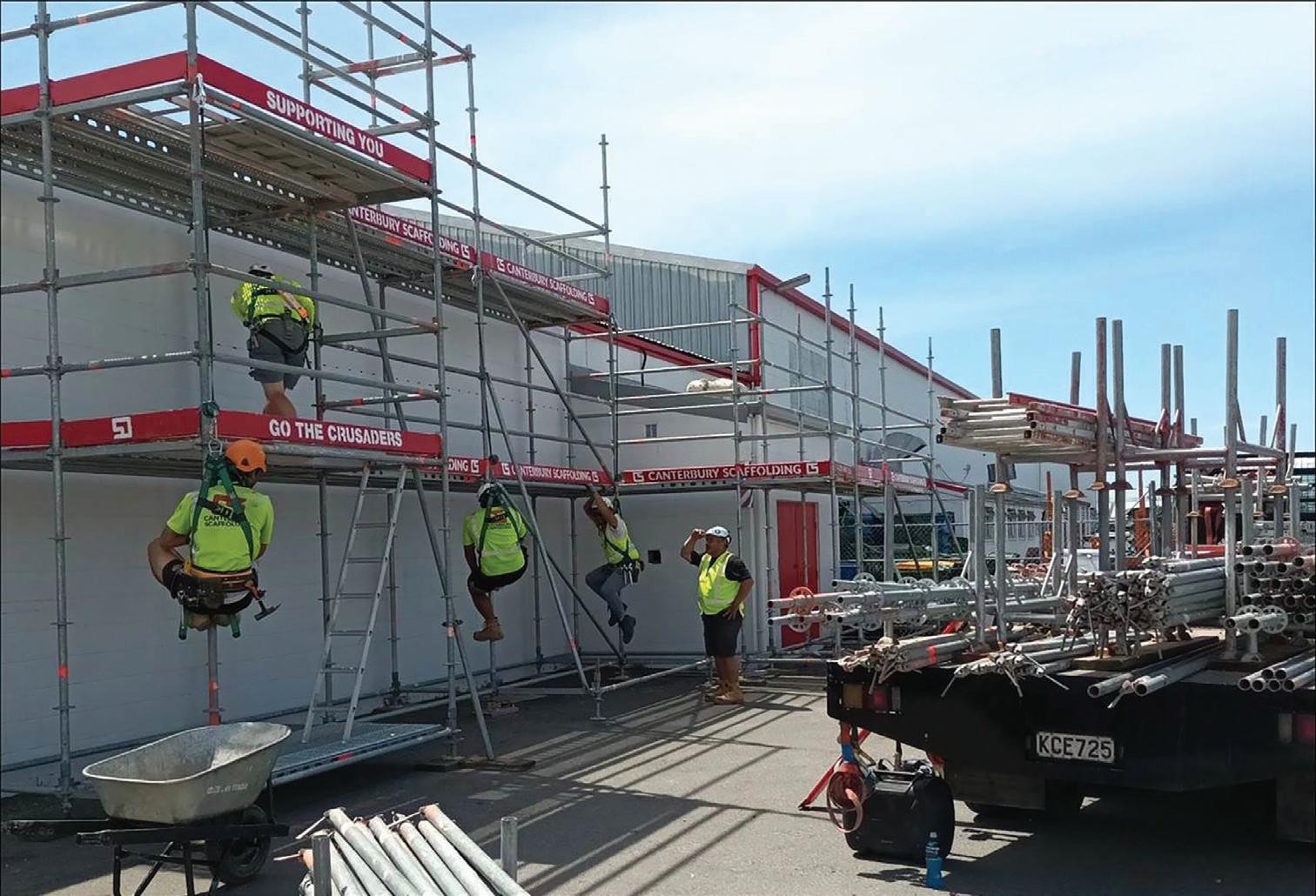
There are no prerequisites to entering this programme. Applicants will need to be currently employed within the scaffolding industry and have a supervisor who is willing and able to verify their on-job work.
New Zealand Certificate in Scaffolding (Level 5) (Advanced)
For already qualified and experienced scaffolders, this is the next step up from the Intermediate (Level 4) qualification.
This course is one of the requirements when applying for the Advanced Suspended CoC through SARNZ.
The New Zealand Certificate in Scaffolding (Level 5) (Advanced) is an 18-month programme done through block courses and on-the-job learning.
You will need to hold a New Zealand Certificate in Scaffolding (Level 4) (Trade) or National Certificate in Scaffolding (Level 4) (Intermediate) to enter this programme. Also, you will need to be currently employed within the scaffolding industry and have a supervisor who is willing and able to verify your on-job work.
Membership body
As a membership body we represent about a one third of the industry of scaffolding companies.
To scaffold over five metres, you have to hold a certificate of competence and from our numbers we know that most ticket holders – so most people in New Zealand that hold these tickets - are our members.
So, while we might not represent all of the members, we hire and employ most of the qualified scaffolders in the country, which means we know that our members are truly above the line because they have the qualified workers with them.
Membership support
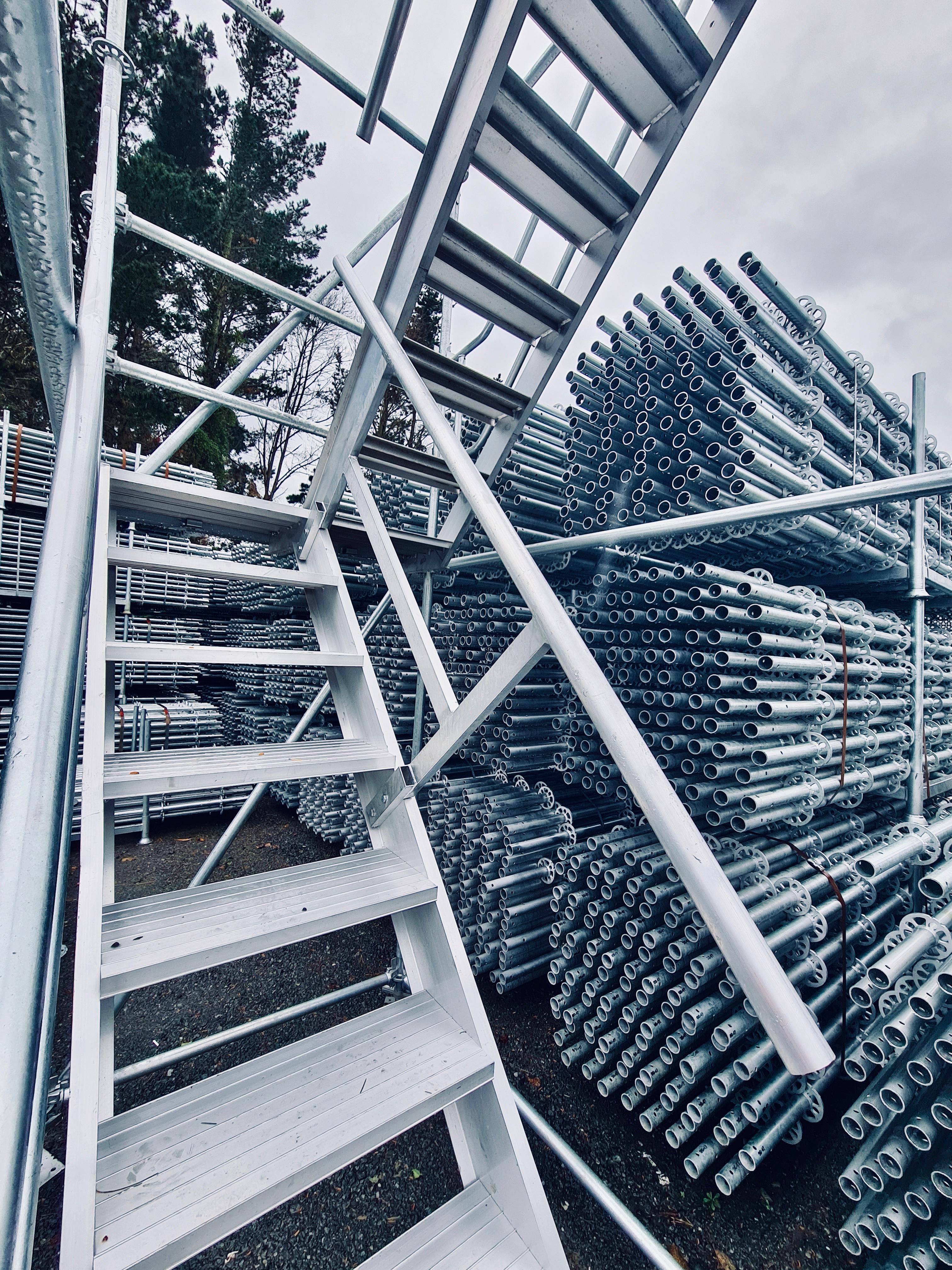
Our members have support from our office for a wide range of needs including training, health and safety and business development.
Industry representation
SARNZ works closely with government agencies to ensure that standards and regulations are fit for purpose. Be part of the organisation that regularly lobbies government for our members.
Ensuring scaffolding is safe Scaffolding is an essential component of most construction projects.
Not only does it provide support to workers and their tools while on the job, it also makes it easier for personnel to access areas of a structure that would otherwise be difficult to reach.
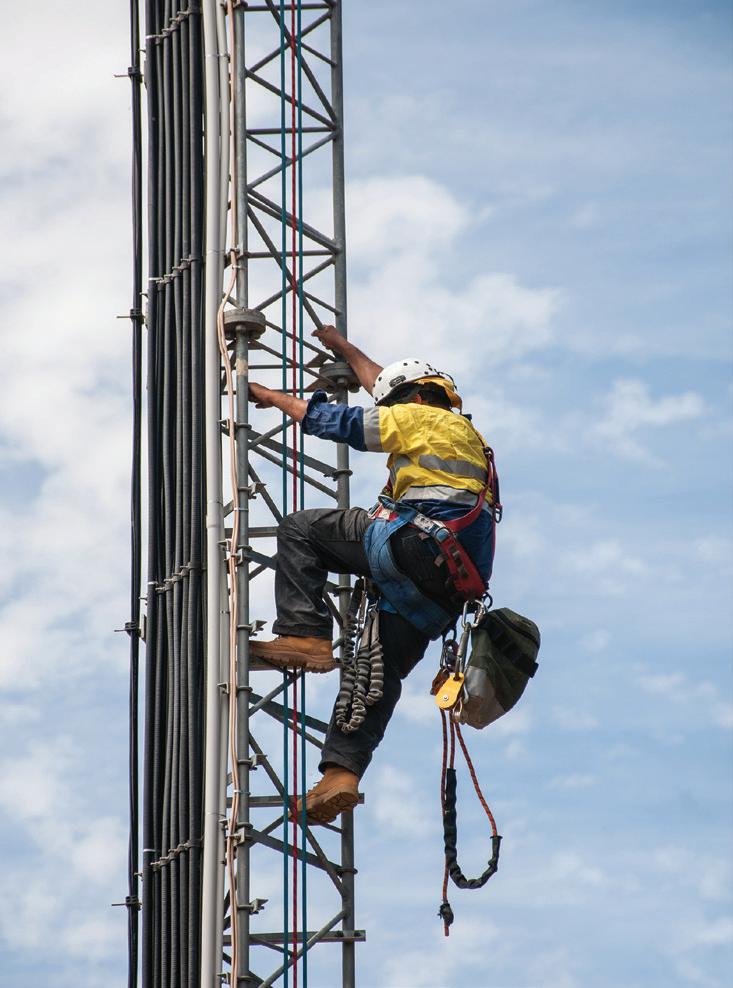
As important and as widely used as scaffolds are, scaffolding risks exist on any construction site. This is especially true if important safety steps are neglected. Scaffold risk is a reality in the workplace.
National organisation Scaffolding, Access and Rigging New Zealand (SARNZ) has worked since its formation in 1994 to advocate for higher standards for safety and quality within the access industry.
Today SARNZ represents more than 200 practitioners working in the manufacturing, distribution and installation of access and rigging (approximately one-third of the market).
SARNZ has two major goals.
We want our members to maintain, deliver and teach the highest levels of quality and safety in the industry.
We also want to see our members regarded as the preferred choice for customers looking for scaffolding contractors.
If a contractor is a member of SARNZ that tells the customer that the contractor can be relied on to deliver on the promise of ‘quality and safety every time’.


Proscaf is designed for maximum build efficiency.
The bolt-free rosette connection provides 8 connections on each level – 4 fixed and 4 at variable angles, making the system versatile for simple and complex sites. Without the need for bolts, Proscaf can be single-handedly assembled 3 times faster than traditional tube and clip systems. Simply lock the wedge into any rosette and the piece will self-support, giving you a load-rated base to build from.
With higher strength components than most systems, the unique load bearing properties of Proscaf makes it ideal for projects that involve:
• Cantilevered / spurring structures
• Craneable structures
• Propping / high load bearing.
The highly engineered properties of the system and extensive technical data available means that engineering of complex structures is simplified and streamlined.
Our extensive Q&A processes, batch testing and stamping of every component assists operational teams in verifying and tracking any piece of Proscaf. Proscaf complies with all New Zealand codes and standards and is manufactured through our ISO:9001 certified production arm.
The Proscaf range is so much more than a scaffolding system. You can add components to create public access structures: stairs, ramps, and viewing platforms. Your investment in Proscaf is an investment in the most versatile, efficient, and costeffective scaffolding solution in NZ.
A lightweight yet strong modular system that can be built into just about any configuration – perfect for short or long term. SwiftStage is comprised of 18mm anti-skid Latvian birch plywood decking, is quick and easy to erect, and easy and fast to dismantle and transport.
This portable staging system is compatible with Proscaf scaffolding, and is a simple solution for any Proscaf customers looking to enter the entertainment and staging market, or to support a one-off event by easily integrating the two systems. Stair and guardrail components combine with Proscaf's vertical standards to create a stage of any shape or size.
The system can also be used for 'birdcaging’ and can stand alone without being reliant on being fixed to a permanent wall. The area under the stage can be set up as a usable place for sub-floor equipment storage or a temporary weather-proof 'room'.
For public access around construction projects or temporary access during public events. SafeSmart can specially-design a stair and bridge system to suit your access needs perfectly.
Depending on the scale and use of the system, we can provide a solution made from either high-quality marine grade aluminium for easy transporting, or high-quality steel for the more heavyduty applications.
SafeSmart designs and installs bridging systems using Proscaf scaffolding as the core system. Proscaf accommodates a greater variance of tube join angles, so the options for making a system that scales around irregular-shaped obstacles and structures is easy to do.
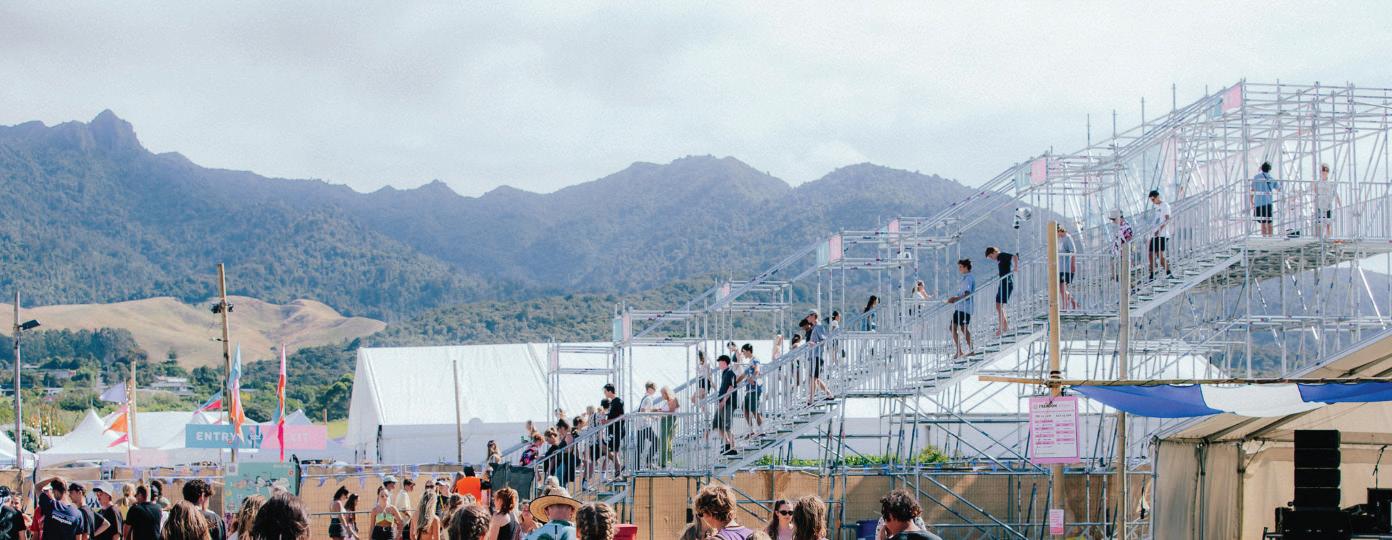
We can incorporate elements into your system that suits specific environments and types of uses – timber stair treads, anti-slip nosing, marine grade weatherproof carpet, aluminium continuous treads, Monarflex wrap, timber framing or polycarbonate panels, to name a few.
• Bridge large distances for temporary pedestrian access
• Compatible with Proscaf system scaffold stair towers and components
• Designed to achieve high load ratings at 30m+ spans
• Components are constructed from high tensile aluminium with a strength to weight ratio that exceeds steel
• Standard Proscaf components are utilised within the SmartBridge allowing the use of your Proscaf stock
• Simple bolt and wedgelock connections for fast and simple assembly
• Includes roofing system for efficient encapsulation and weather-proofing
• Designed to be built on the ground and craned into position – minimises downtime and achieves a safer installation.
The SmartRoof temporary roof and wall system was designed in consultation with scaffolding industry professionals to provide a versatile and cost-effective system for weather protection and containment. Key features have been developed to make a scaffolding roofing solution that is stronger, lighter, and easier to install.
The SmartRoof keder system allows for roof and side walls to be contained within one continuous sheet, reducing leakage and minimising the requirement for single-use wraps. The modular design, compatible with both Proscaf and tube and clip scaffolding components, provides a cost-effective and truly modular solution for temporary roofing.
Supported by a standard scaffolding structure, lightweight Proscaf marine grade aluminium trusses, are joined at the apex with a specialist hip joiner to suit the area requiring cover. The unique truss beam adjustable mounts can accommodate 5 to 45 degrees of pitch. The Ripstop Polyester 1100 Decitex Canopy easily glides through the rail system, to install the roof and walls, and an optional translucent Suntex anti-wicking canopy is also available.
Your investment in Proscaf is an investment in the most versatile, efficient, and cost-effective scaffolding solution in NZ.
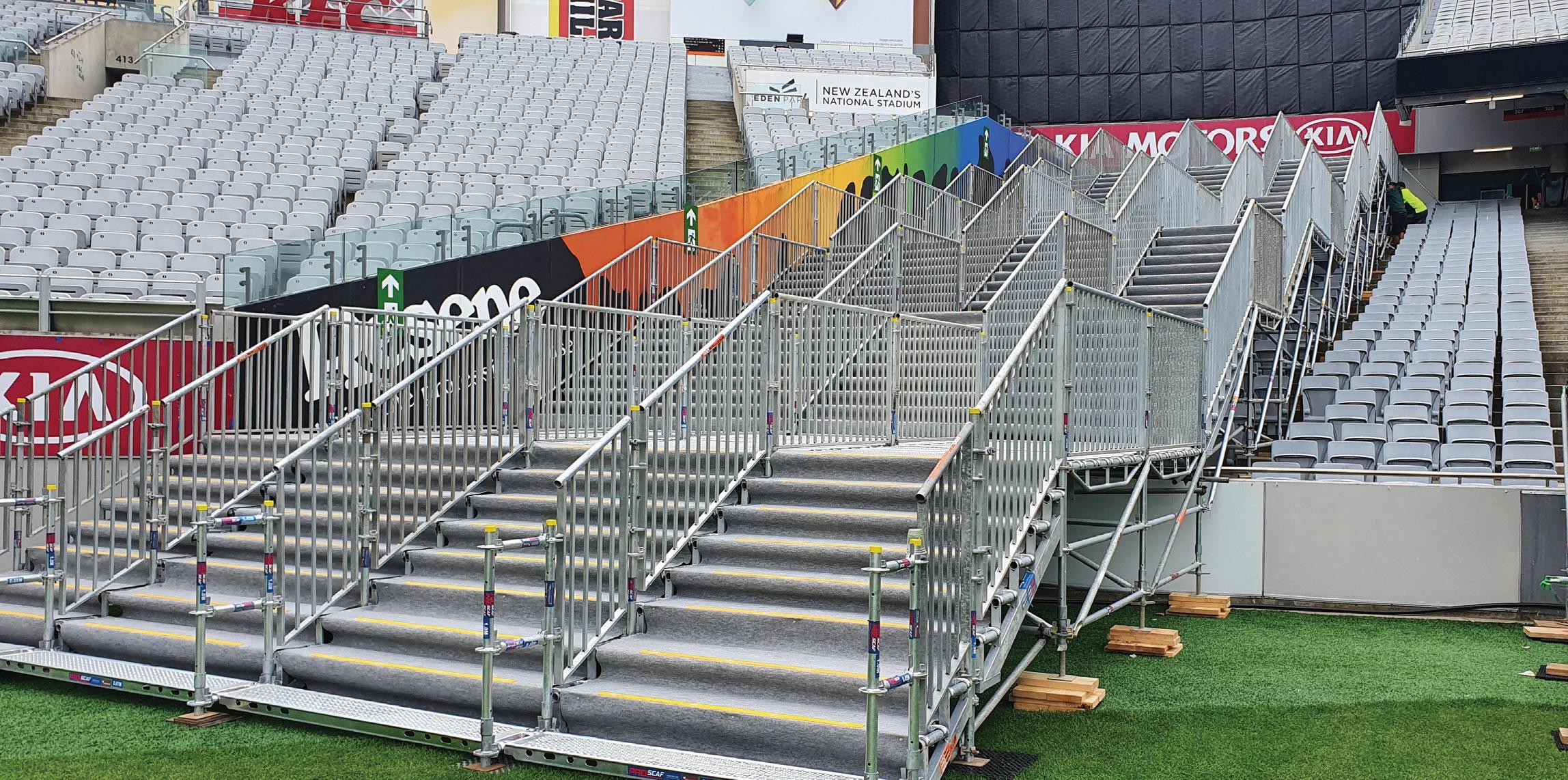
The result? A reusable, no waste, temporary roof and wall system, designed in conjunction with the scaffolding industry. Internally, workers and materials are protected from weather conditions rolling over the canopy, and any falling or flying debris is contained safely within.
Do you need a Tailored Solution?
Across many different industries there is a need to access machinery and building at heights considered high risk or difficult too access.
We will assess the conditions of your site and the tasks that need completing and recommend the safest and most costeffective solution that will allow the project to be completed in the safest and efficient manner. Our innovative approach and experience across a range of height access solutions means you get the right support with our project.
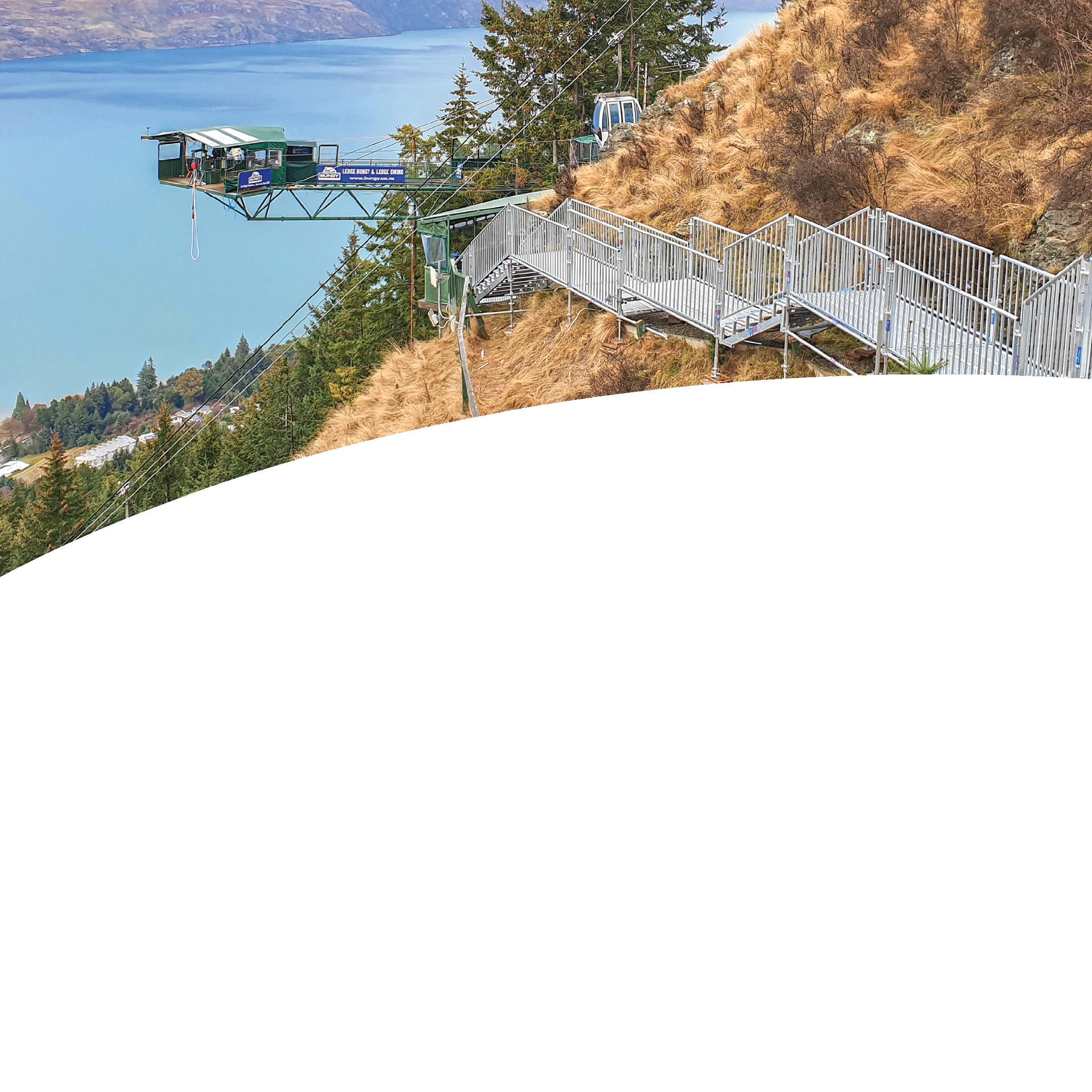
The Proscaf Scaffolding Advantage - The ring system allows for ultimate flexibility in use, with the system designed to allow you to achieve maximum build efficiency.
The bolt-free rosette provides 8 connections on each level – four at fixed and four at variable angles, making the system versatile for simple and complex sites alike.
Without the need for bolts, Proscaf can be single-handedly assembled three times faster than traditional tube and clip systems. Simply lock the wedge into any rosette and the piece will self-support, giving you a load rated base to build from.
The unconventional becomes conventional – the unique load bearing properties of Proscaf components makes it ideal for projects that involve:
• Cantilevered/spurring structures.
• Craneable structures.
• Propping/high load bearing.
Build with confidence – the highly-engineered properties of the system and extensive technical data available means that engineering of complex structures is simplified and streamlined.
Extensive QA processes and batch testing & stamping of every component. Proscaf fully complies with AS1576:2010 and is manufactured through our ISO:9001-certified production arm.


Asia Pacific Logistics Ltd is a small transport service based in Rotorua and the East Coast, that offers services along with its subsidiary companies, GDF Limited Electrical Services and Workplace Safety Solutions – a commercial driver training company.
We provide a small transport service consisting of bulk, heavy haulage and civil plant hire backed by its own mechanical service.
We understand the importance of meeting scheduled deliveries therefore offer a timely transport service to meet customer demands as required, supply and train drivers in the environment to the expected standards required by the customer.
GDF Ltd provides underground and overhead power line maintenance and services to network owners and private companies.
Our operations manager, Paul Douglas, has over 33 years of experience in the electricity industry, with 14 years in contracting.
His experience encompasses distribution & transmission, asset condition assessment, project, and contract management.
Workplace Safety Solutions Ltd provides commercial driver licensing and driver training to the transport industry.
We have established ourselves in the marketplace as a leading provider of structured commercial driver training services based on Australian, New Zealand and ISO International Standards.
Our friendly training provider, Beau has a wealth of experience working with industry specialists. Beau is accredited to deliver the following workplace training programs:
• MITO Workplace assessor (NZ Road Transport Industry Training, NZQA Registered)
• Competenz OSH accredited Forklift Assessor
• Land Transport NZ Registered Provider for driver license endorsements
• Heavy Vehicle Licenses and Endorsements: Classes 2,3,4,5 F-Forklift and TWR-Tracks, Wheels and Roller
• National Certificate Goods Service, Log Truck Driver, plus many more.
Beau Maru – Owner Operator / Director, has many years of experience in the industry and is supported by experienced drivers and operators:
• 20 years as a NZTA, MITO approved training provider
• 7 years logistics safety and training operations consultant, off-shore mining, oil and gas exploration projects in, USA, PNG, Malaysia, Fiji, Laos and Thailand
• 23 years combined in livestock, bulk, log, general freight, transport and forest roading contracting on the East Coast, North Island.
Our Health & Safety Compliance for all companies is of an extremely high standard.
All employees complete a pre-employment full workplace medical (this is not the LTA licensing medical) and applicants must meet a high standard of [pre - and post-employment]
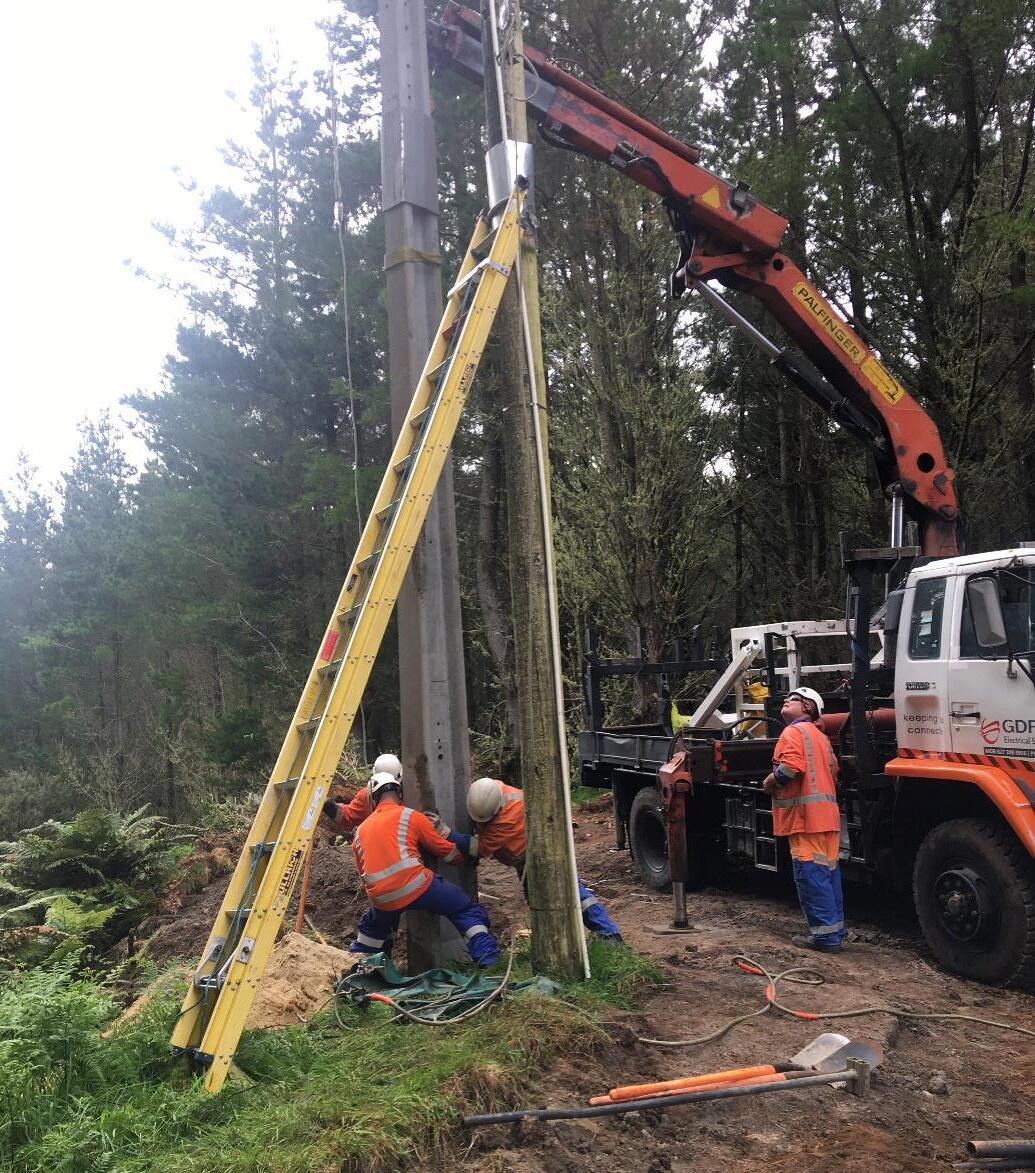
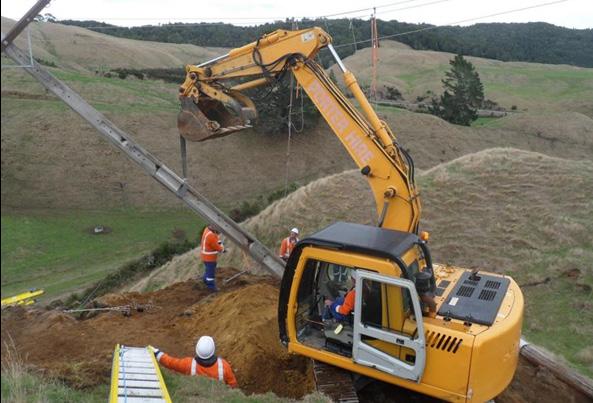
inductions, medical, drug and alcohol testing, to qualify for a position, including ongoing random drug testing once employed, as part of our Health & Safety Policy.
• Management ensure that its employees are meeting all Health & Safety in line with statutory and individual company and customer’s compliance
• Our vehicles are maintained to a high standard, repairs and maintenance costs are budgeted to ensure that there is no short cutting to maintenance
• We are committed to ensuring that our transport operation is functioning to the highest level and are proud to say we have an NZTA (5) Star rating since the forming of the company
• Vehicle and driver presentation are of the utmost importance to us and our customers
• All vehicles are fitted with E road GPS monitoring systems. Accountability of driving behavior and productivity is monitored through this.
• All our companies are intertwined and able to utilise each other’s services – thus providing a unique business concept, which we are very proud of.
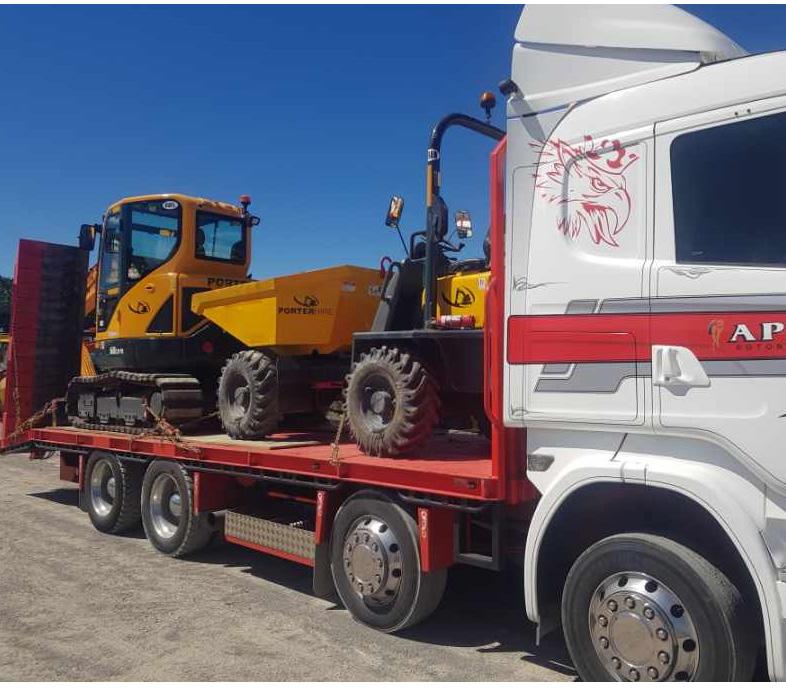
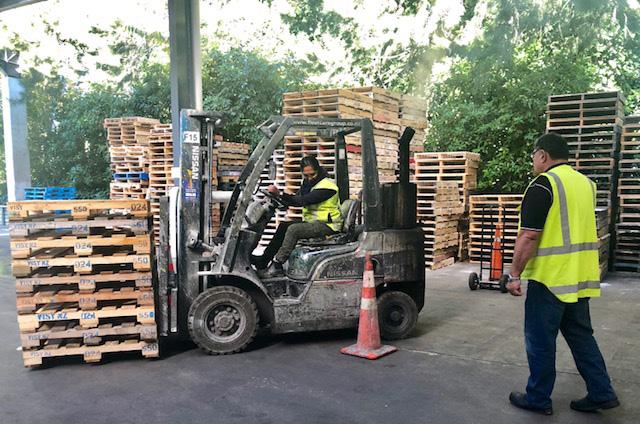

Every year hundreds of New Zealand workers are seriously injured due to falls from height at work, some of them fatally.
Plan a safe approach
Too many falls from height are caused by a failure to plan and organise work properly. Start by planning a safe approach.
Identify the hazards
Identify any hazards of working at height where someone could fall. Four ways of identifying hazards are:
1. Physical inspections – walk around the workplace using a checklist to identify and manage hazards.
2. Task analysis – identify the hazards involved in each task of the job.
3. Process analysis – identify hazards at each stage of the production or service delivery process.
4. Analysis of accident investigation
– identify hazards and causal factors from investigations involving similar types of work.
Assess the hazards
Decide if the identified hazards are significant. How badly harmed someone would be if they fell and how likely a fall
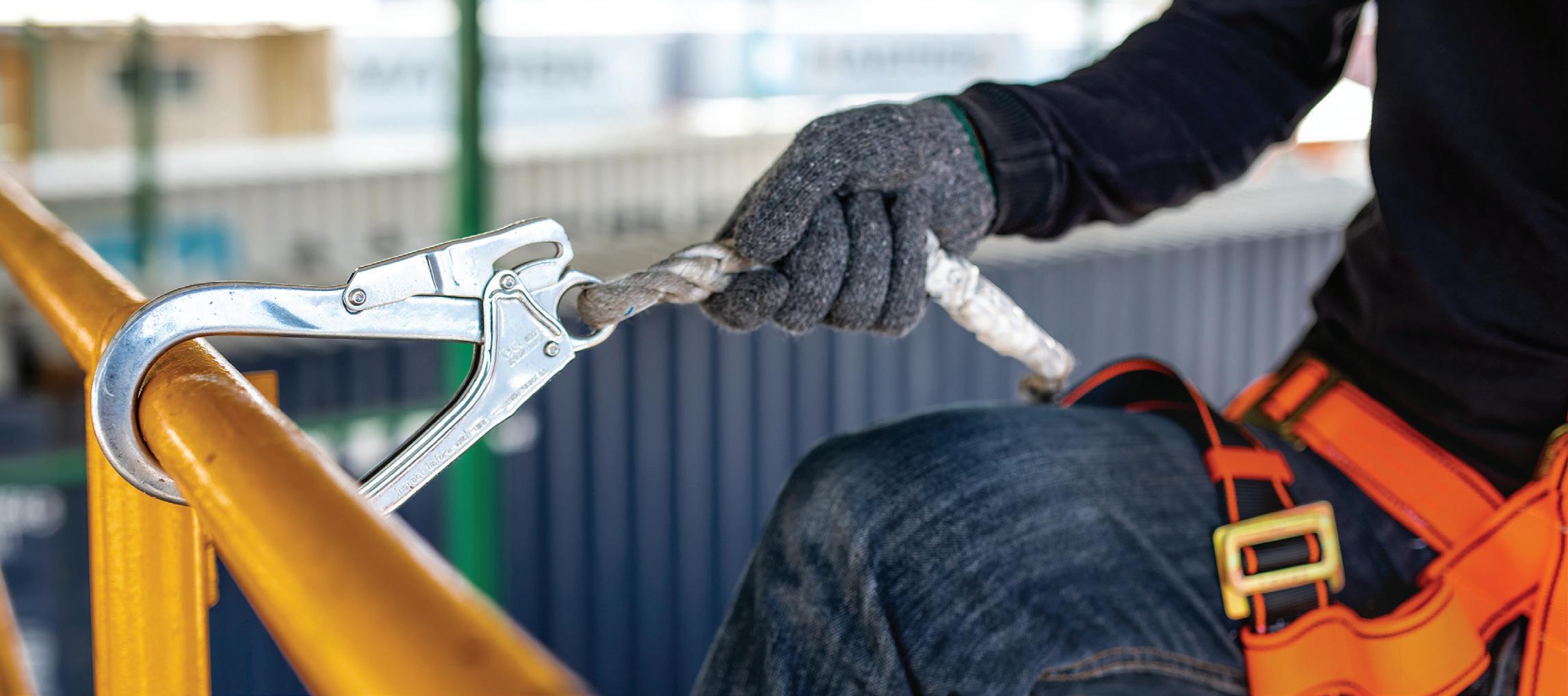
could be? If serious harm could result, then it’s a significant hazard.
Control the hazards
Now keep people safe from the identified significant hazards. Select the best work method to eliminate, isolate or minimise (in that order) the potential for harm resulting from the significant hazard.
• Can the hazard of working at height be eliminated?
• Could long-handled tools be used from ground level?
We use high quality Proscaff Scaffold and Tube and Clip Scaffold to ensure the safest working conditions for your contractors so you can get your job done safely and efficiently, on time and within your budget.
• Could structures be built at ground level and lifted into position on completion?
• Can the hazard of working at height be isolated?
• Could edge protection be used?
• Could a guard-railed work platform (eg scaffold or elevating work platforms) be used?
• Could a total restraint system be used to prevent a fall occurring?
• Could a fall arrest system be used?
• Can the distance and impact of the fall be minimised? Only take this step when elimination and isolation options have been exhausted.
• Could nets or air bags be used to minimise the impact of a fall?
Information kindly provided by Worksafe New Zealand. For further information, visit: worksafe.govt.nz.
Safety Nets NZ is a preferred safety-netting specialist for supplying all your safety-netting requirements.
Workplace falls are one of the most common causes of injury within the New Zealand construction industry and the easiest thing you can do to mitigate that risk is to choose a trustworthy provider of safety net equipment.
From large commercial and industrial sites to residential home builds, Safety Nets NZ’s fall protection systems are suitable for a range of circumstances to meet your every heightsafety concern.
Supported by a nationwide network of installers, the company is able to offer its solutions to businesses nationwide.
It has over 750,000sqm of nets available for use in different regions, which is the equivalent to more than 5,000 house-lots of nets.
As an industry leader the company has been instrumental in developing and improving industry standards. This includes assisting in the writing the Code of Practice, and together with a team from the Massey University School of Engineering and Advanced Technology, developing a facility to test its safety nets and engineer the only fully independently certified and compliant safety net fall protection system for use on residential construction projects in New Zealand.
From large commercial and industrial sites to residential home builds, Safety Nets NZ’s fall protection systems are suitable for a range of circumstances to meet your every heightsafety concern.
The Health and Safety at Work Act (2015) states that all PCBUs have an obligation to ensure the health and safety of themselves and others. The act requires all PCBUs to ensure that any system that they are using is without health and safety risk so far as is reasonably practicable.
There is a “duty to test” placed on all PCBUs to ensure and verify that they are certain that the systems, materials, and more that they use are fit for purpose, and capable of performing as expected, without risk to health and safety of the workforce.
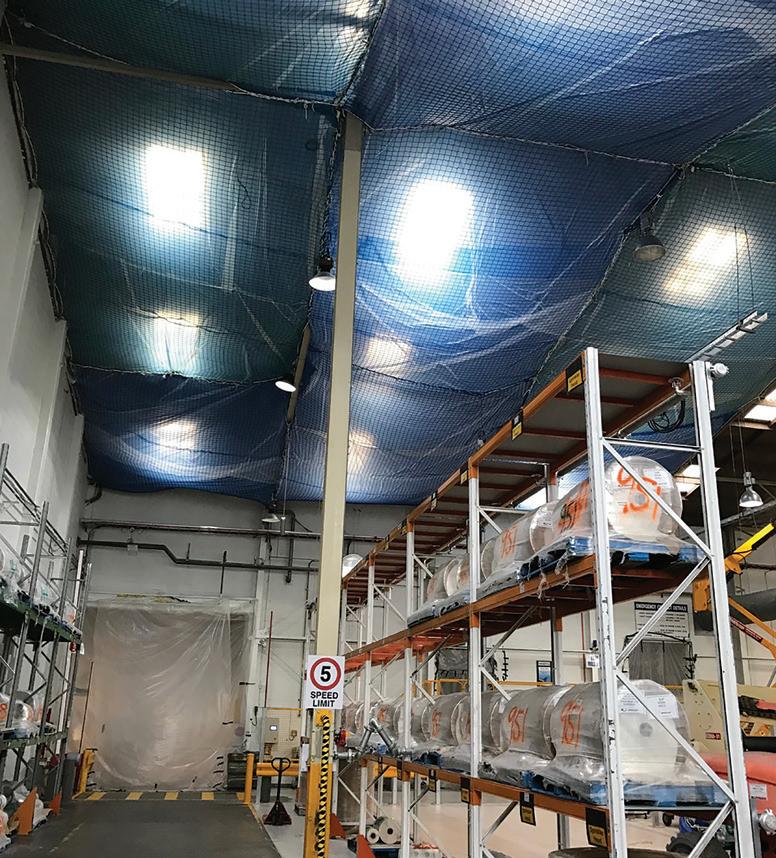
By using the systems developed by Safety Nets NZ, which have been independently tested and certified by the team at Massey University, the company’s clients can rest assured that they have discharged their duties in regards to their obligations of the Act.
The company has continued to develop the stable of services that it offers to include a bespoke protection system for use with the removal/replacement of existing roof sheeting on large warehouses.
Our clients’ business processes have been able to continue on unaffected as their roof has been replaced.
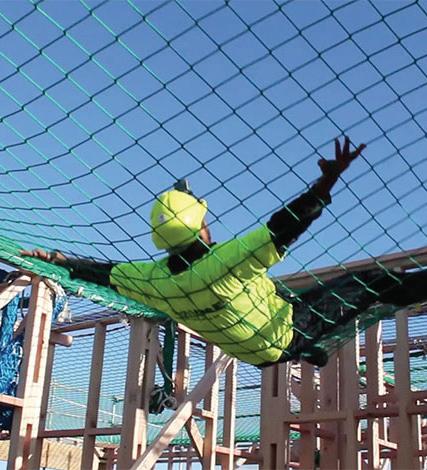
The combination of safety net, debris net and plastic sheeting forms a “sandwich” that is proving very popular with clients who are looking to replace aged roofs on their properties.
The system has successfully been established on numerous projects throughout the country with minimal disruption to existing factory processes, meaning that our clients’ business processes have been able to continue on unaffected as their roof has been replaced.
The system has subsequently been further developed to deal with the removal of asbestos contaminated roofing materials.
It is the aim of Safety Nets NZ to offer the most professional, practical and efficient safety net installation solution in the country, with delivery of the highest possible level of customer service being its main focus.

• Safety industry pioneer Safety Nets NZ has developed a fall through protection system that has been independently tested and certified by Massey University
• By using our system you have the comfort of knowing that as PCBU, you have taken all reasonably practicable steps to ensure that the system you are using is fit for purpose and capable of performing as expected without risk to the health and safety of your workforce.
• Are you re-roofing an industrial property? If so ask us about our bespoke debris and asbestos containment, fall protection system which enables your work processes to continue uninterrupted whilst the roof is replaced.
• Our nationwide network of local installers are dedicated to providing exceptional, customer focussed fall arrest solutions.
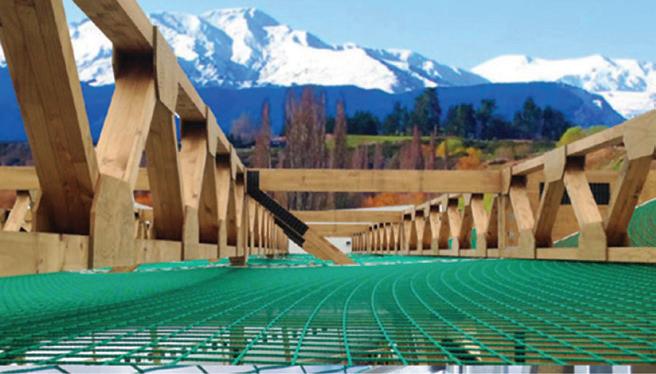
A roof is not just a roof; something the team at Metalcraft Roofing knows all too well.
The nationwide company has been manufacturing innovative and stylish metal roofing and cladding products for the residential and commercial markets since the 1950s.
Today the company operates 12 branches throughout the country and has firmly established itself as New Zealand’s largest and most-established privately owned building product rollformer and installer, offering an extensive range of longrun roofing profiles, light-weight metal tiles and rainwater system solutions.
New roofing and cladding products
Metalcraft Roofing offers a wide range of metal roofing and cladding options, which are all backed by solid manufacturing and installation warrantees.
Its roofing and rainwater systems are manufactured from New Zealand steel, Galvsteel®, Zincalume®, Colorsteel® Endura® and Colorsteel® Maxx®.
Metalcraft’s primary niche product is its Espan® profile, which have been designed for style and performance and feature high ribs which create defined shadow lines and superior weather performance.
Espan® is suitable for both the residential and commercial market as roofing and
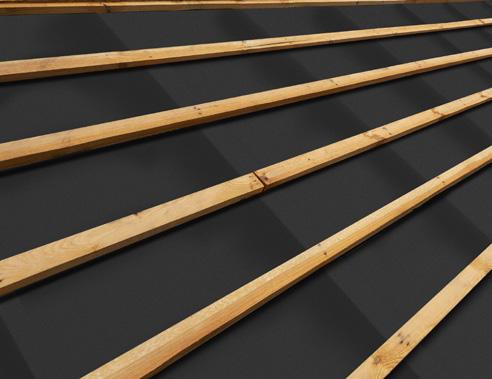
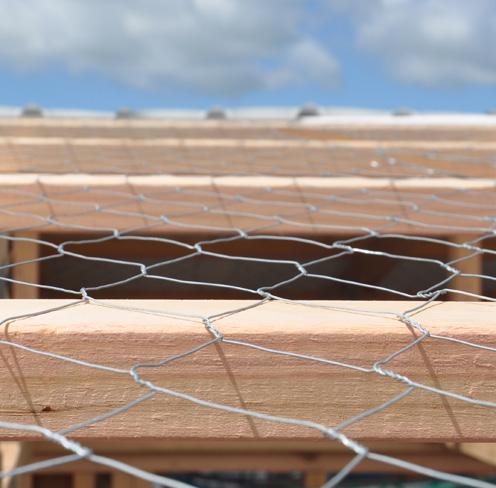
vertically laid cladding, and is available in either 340 mm or 470 mm rib spacings.
Espan is a tray roofing and cladding system the company has developed. It’s a timeless look which is comparatively maintenance free, is very aesthetic and Metalcraft receives plenty of inquiries about it.
Another relatively new product for Metalcraft Roofing is its Kahu® roofing and cladding profile, which can add elegance, strength and style to any residential or commercial project.
Kahu® is designed for roofs to 3-degree minimum pitch and as both horizontal and vertical wall cladding.
One of the main features of Kahu® is the double-capillary overlap to the side lap, which provides greater weather performance through the extra capillary barrier.
For wall cladding applications, the exposed capillary groove on the overlap can be omitted, providing for a smoother appearance. The clean lines have seen it specified in a number of Ministry of Education school projects, and it can also be used in residential and commercial applications.”
Another recent product release is the new profile called Metcom 965.
The larger spanning capabilities on commercial projects will make it more economical with a 965mm cover. It comes with or without swages and architects are keen on it because it can be used as industrial cladding.
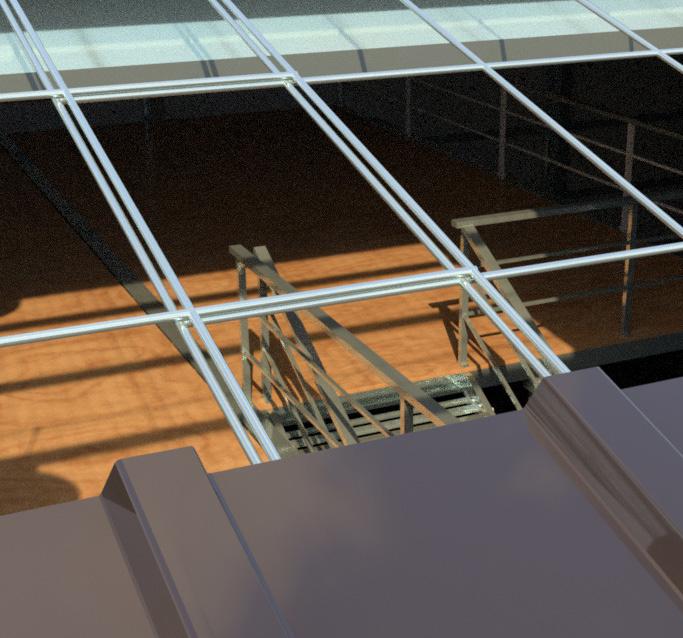
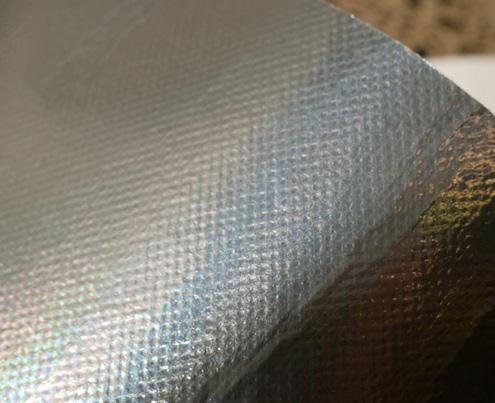
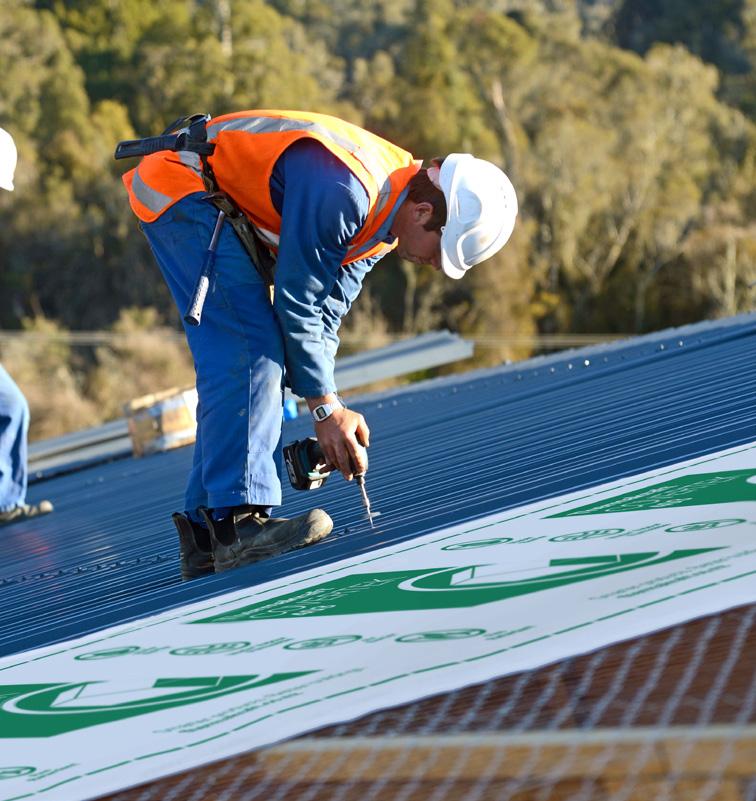
Fully integrated roof lining solutions for drier, safer and healthier buildings.
• Thermakraft Covertek – our premium synthetic roof underlay range has four options designed specifically for local conditions. Reduce condensation by keeping water in and letting water vapour escape.
• Bituminous Paper – highly water resistant and vapour permeable.
• Thermabar Foil – fire retardant, high strength foil underlay.
• Ausnet – galvanised steel hexagonal underlay support netting.
• Ausmesh – high strength roof safety mesh and underlay support.
We’ve got Metalcraft Roofing Cromwell covered.
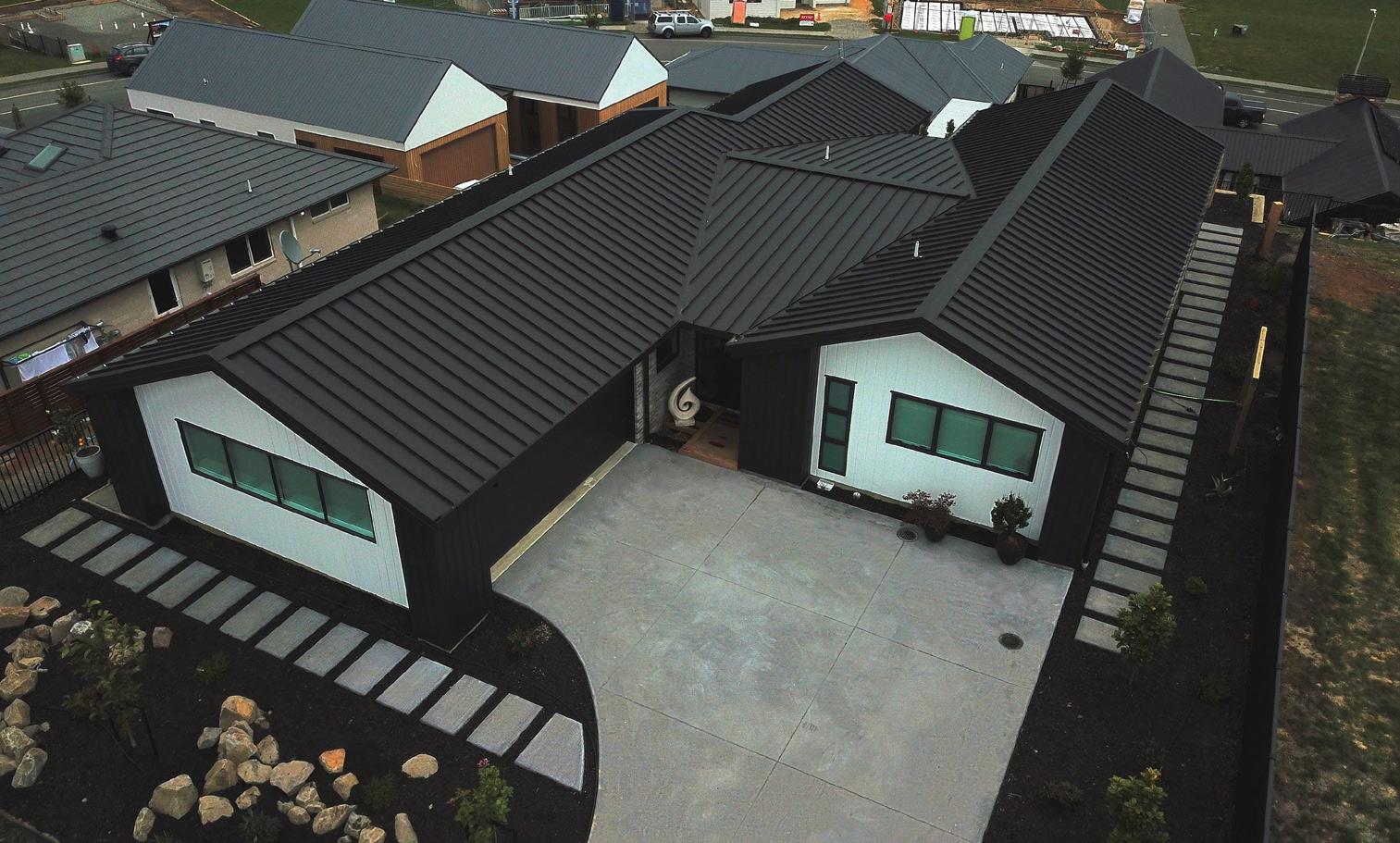
Metalcraft Roofing manufactures and installs a range of high-quality products, including:
• Metal roofing and cladding
• Metal tiles
• Metal guttering and spouting
• Steel purlins, girts and tophats
• Metal fencing
• PV solar solutions
• Asphalt shingle roofing
• Metal insulated panels.
While targeting the commercial market, it can also be used in residential applications. Light-weight metal cladding has been popular in Canterbury since the earthquakes, with demand continuing to be strong.
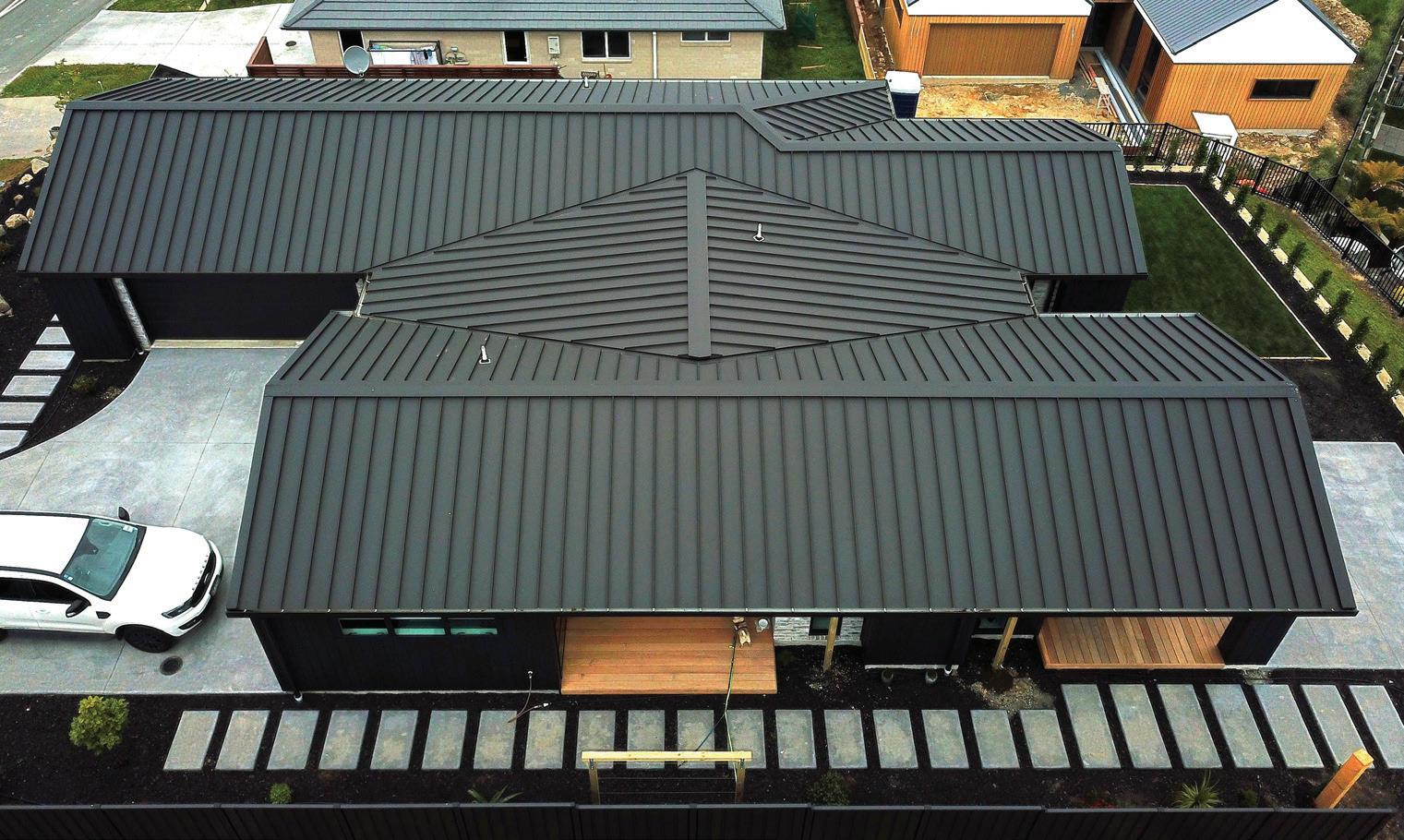
Thornton Auctions are the leaders of live-stream general goods auctions with two auctions held every week and other online options too, including make an offer, buy now and timed auctions.
Our experienced team can help you with an all-encompassing one stop solution to your auction needs, including surplus stock, deceased estates, liquidation, company close down, buy outs and valuations for everything from fine jewellery to heavy machinery. We love what we do, and this passion extends to every single item that comes through our doors.
Auctions held onsite tend to attract more potential buyers and better returns and also reduces the costs to the vendor with little to no transport costs and no auctioneer overheads to be covered. Our experienced team can also quickly set up an auction in nearly any location. From one
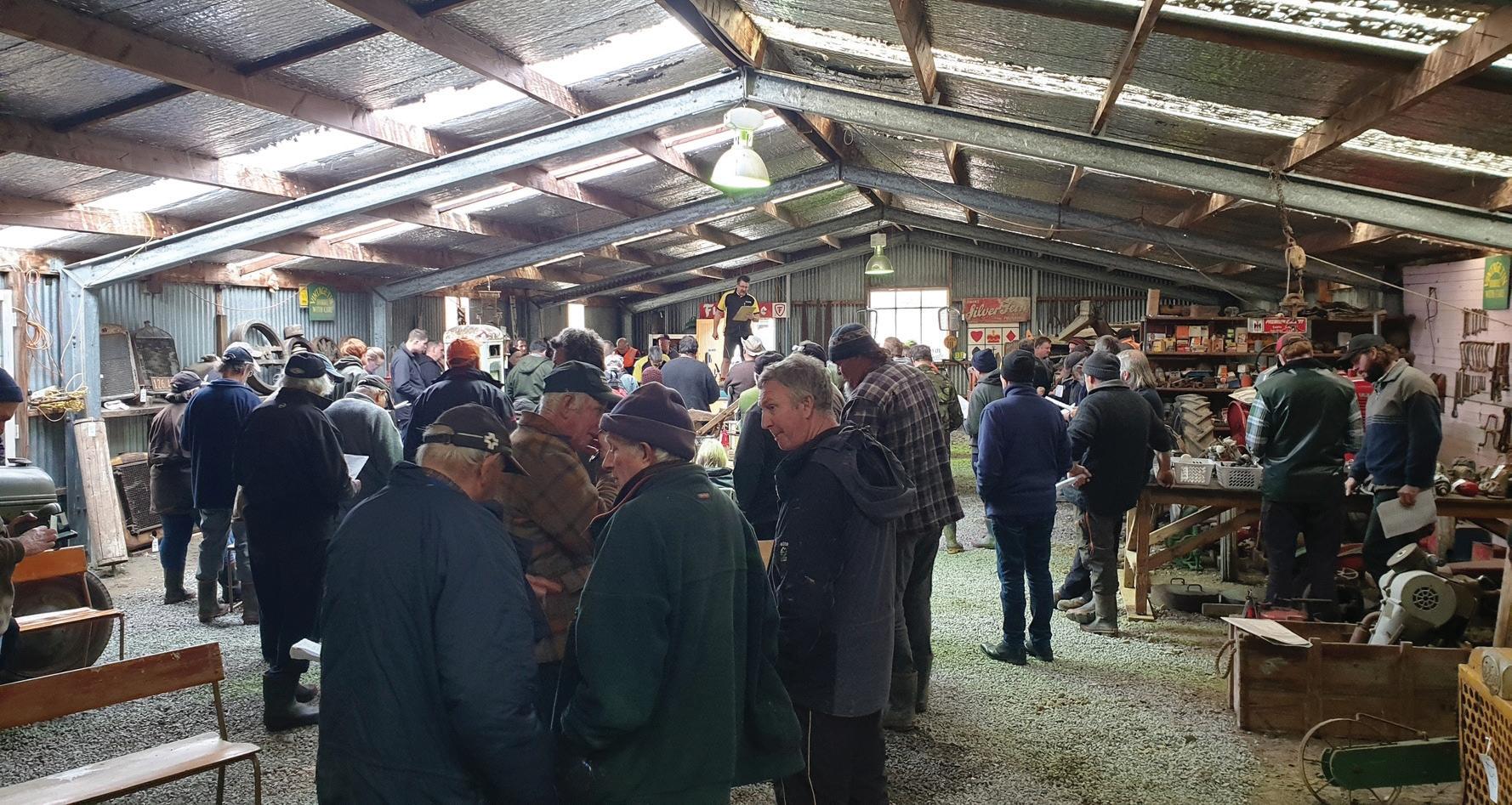
hundred lots to one thousand, we can set up our cost-effective and professional services in your backyard, wool shed or paddock. Furthermore, if you have any advice or questions our expert team would love to help you with any of your queries or concerns.
We sell items in-house using live outcry auctions which are live streamed on the internet so potential buyers can bid where ever there is an internet connection. This makes buying our unique items insanely convenient. Got your eye on a piece but can’t physically make it to the auction? Absolutely no worries with the help of our live stream.
Valuations are based on our previous sales history of over 3,500,000 items, information gathered from recent sales, along with manufacturers and suppliers. We are also able to provide a simple over the phone desktop valuation or full written report for finance, solicitors, insurance or sale of assets and have indepth information available to provide you with current and accurate information. Our valuations are always in depth and thorough, meaning you always get the price your item deserves.
There’s nothing better than finding a unique one-of-a-kind item at an auction house. That’s what makes us so special, we offer you gorgeous items that you simply cannot find elsewhere on the market.
There’s nothing better than finding a unique one-of-a-kind item at an auction house. That’s what makes us so special; we offer you gorgeous items that you simply cannot find elsewhere on the market. Whatever your interests are, wherever your passions lie - there are products you will adore at Thorntons. The variety we offer is unmatched and we make both the selling and buying process easy. We look forward to continuing the work done before us and invite you to come in for a chat to see what we have on offer; buy at a price you like and to walk away with a great bargain. The team at Thornton Auctions look forward to seeing you soon!

Raising the standards and providing clear, consistent guidelines for the building industry around waterproofing new residential builds, is the aim of the Waterproofing Membrane Association Inc (WMAI).
The major activity of the Association is to develop Codes of Practice which, up until now have been sadly lacking.
The good news is that the waterproofing and tiling industries are keen to advocate for better practices.
WMAI chair, Chris Withers says that there is a strong appetite in the building industry to produce first class buildings, which means high standards in waterproofing and moisture control.
“Part of this is to have the information and training available for installers, architects and designers.”
The two main documents the association has been working on are the Code of Practice for Internal Wet Area Membranes (IWAM) and the Code of Practice for Reinforced Modified Bitumen Membrane Systems (RMBM) for Roofs and Decks.
The IWAM, which details, selection, design and installation requirements for Internal Wet Area Membranes, has been cited by MBIE as E3/AS2 which is in effect now and must be used to demonstrate compliance to NZBC E3 Internal Moisture.
An extensive review of the 2008 requirements for what used to be known as “torch-on” membranes has taken place and is also before MBIE and once signed-off, should be added to the Building Code by 2023.
WMAI is also working on a Code of Practice for underground waterproofing (Below Grade Tanking). (BGT)
Education around the Codes is a priority and Chris says part of that is making councils aware of the new requirements.
“These are things that they have to be aware of when doing inspections of new buildings. Councils will have to satisfy the new requirements, whereas up until now they haven’t had to look at these things.”
It all starts with architects and designers who will need to become familiar with new regulations, so they incorporate the changes when designing bathrooms and wet area environments.
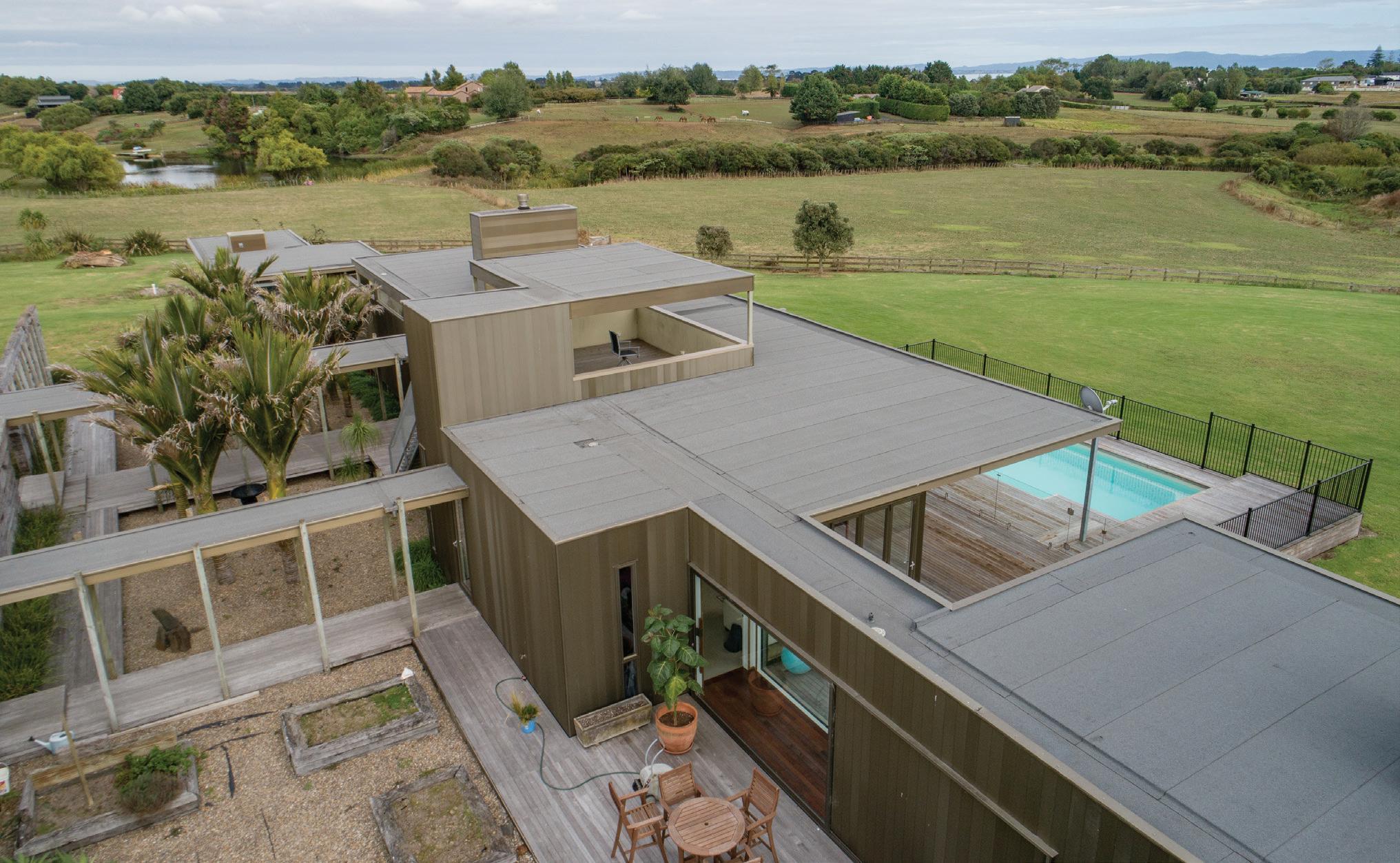
Code development:
WMAI has developed a suite of Codes for waterproofing membranes which will cover the following types of membranes:
• RMB (Reinforced Modified Bitumen)
• Liquid-applied
• Self-adhesive
• Internal Wet Area Membranes
• Below Grade Tanking Membranes
The codes are available for purchase here www.wmai. org.nz/publications
A code for Below Grade Tanking is a work in progress.
The Waterproofing Membrane Association has the updated Codes readily available and access to them is one of the advantages of membership.
“We’re also here to support those in the industry with education and training in the standards. We listen to their concerns and ideas and represent them.”
These are things that they have to be aware of when doing inspections of new buildings. Councils will have to satisfy the new requirements, whereas up until now they haven’t had to look at these things.
- WMAI chair, Chris Withers
Membership of WMAI:
The WMAI is a group of companies in New Zealand who have an interest in membranes used for waterproofing applications. Membership includes manufacturers, suppliers and applicators, and is open to any interested party. The WMAI is a NZ not for profit association.
• Members gain access to the latest codes of practice documents and WMAI newsletters.
• Roof & deck membranes
• Waterproofing & tanking
• Concrete protection & repairs
• Floor leveling, toppings & coatings
• Grouting & sealants
• Flooring screeds - epoxy & polyester
• HP injection epoxy & polyurethane
• Swimming pool sealing & coating

(03) 365 0914 • ch@adhesionsealing.co.nz
(03) 453 0791 • dn@adhesionsealing.co.nz
The Association was formed by a select group of suppliers who could foresee the issues that were to plague the membrane supply industry, in the aftermath of the New Zealand leaky homes crisis, and their mission was to find solutions to the issues that beset the building industry at the time.
Three-hundred companies are involved in the waterproofing membrane industry nationwide. Of those, up to 60 are WMAI members.
Roofers and membrane installers make up the core membership; other members include suppliers; the likes of the Australian Institute of Waterproofing and TANZ (Tiling Association of New Zealand) are affiliate members.
Chris says that the majority of roofing contractors are metal roof installers and membrane is not the biggest part of their business.
“Having said that, flat roof membrane design is now being utilised more. Also, warm roofs are becoming very popular with designers for the thermal properties that they offer the homeowner.”
WMAI has had recent discussions with MBIE about warm roofs and Chris says that MBIE are looking to address gaps in the Building Code around heating and ventilation and incorporating a warm roof code of practice.
• WMAI provides a platform for members’ issues to be raised and ideas to be aired.
• WMAI represents members at conferences and other forums.
To join, click on the “Become a Member” button on the homepage and download the PDF. www.wmai.org.nz
Waterproofing Membrane Association Inc
Chair
Chris Withers 0272 845 327 chairman@wmai.org.nz
Technical Adviser
Brian Greenall 027 442 5762 techadviser@wmai.org.nz www.wmai.org.nz
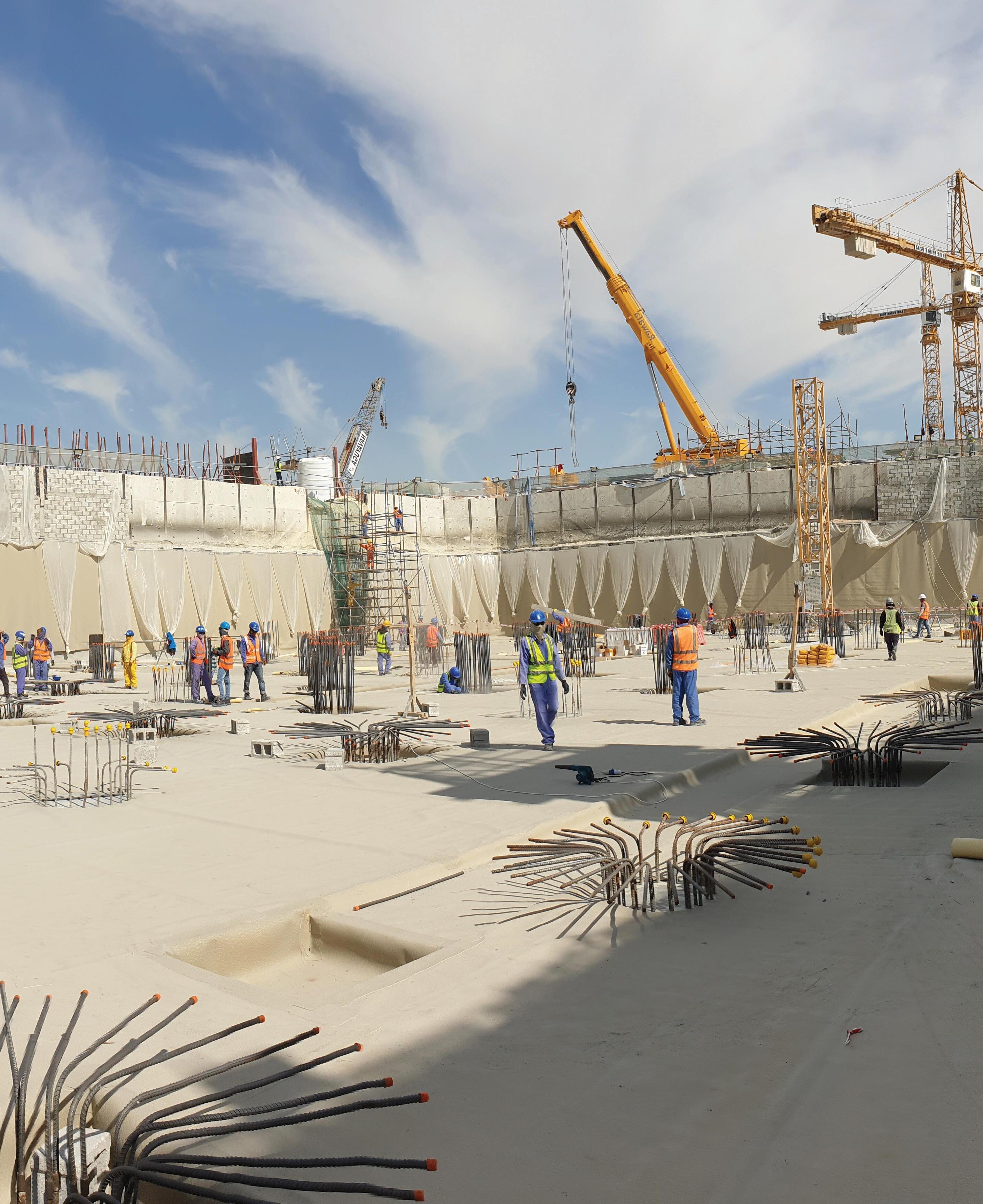
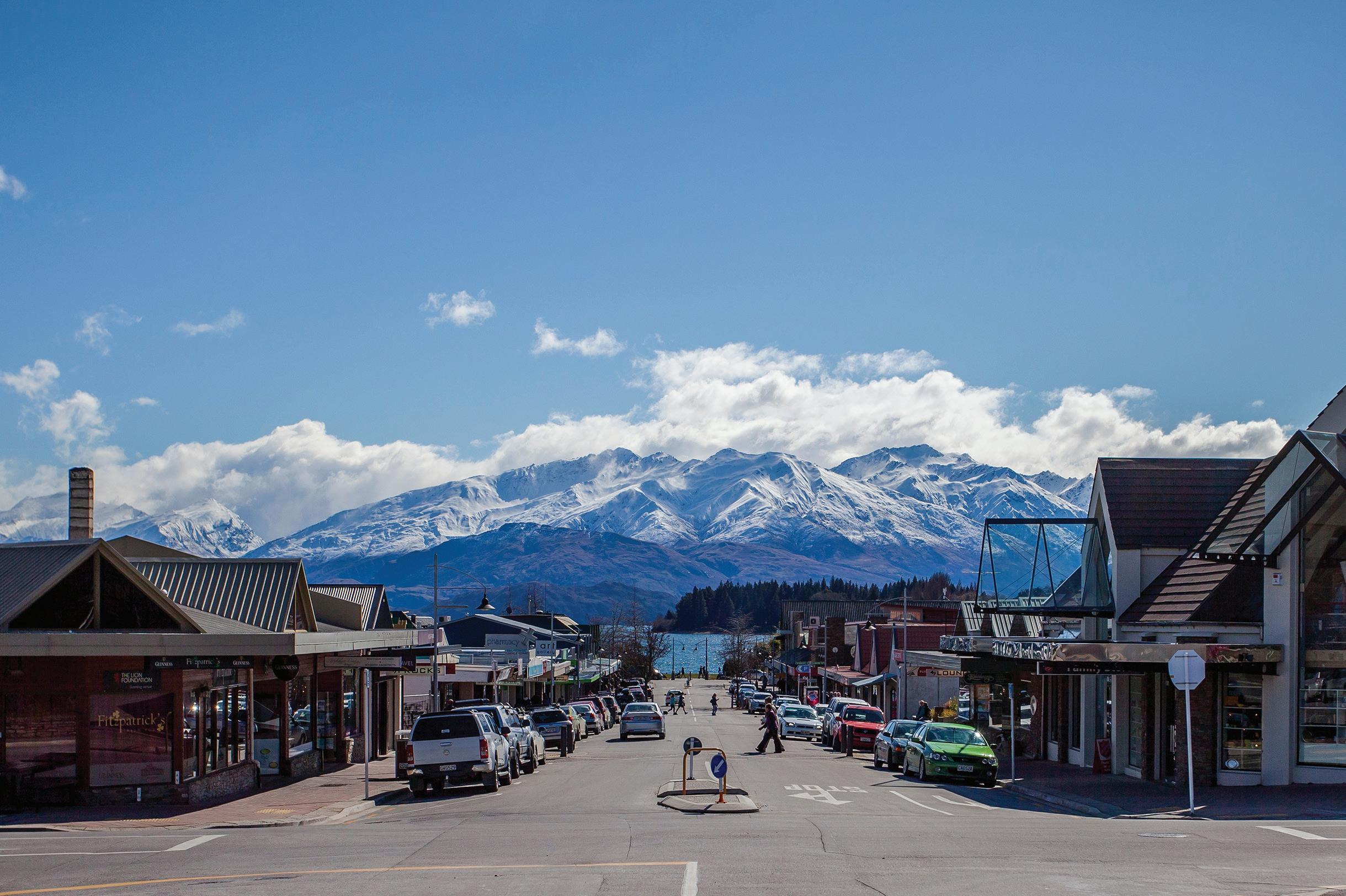
For years, Wānaka has been touted as Queenstown’s smaller, and less-inviting, neighbour.
Indeed, whereas Queenstown has always attracted visitors from the North Island and overseas, sleepy little Wānaka – on the other side of the Crown Range – was mostly left to those in the know.
Of course, visitor numbers have always been high over the Christmas-New Year period and again in July and August for the ski season. However, in the last couple of years, Wānaka has experienced extraordinary growth.
It seems that its striking scenery and recreational opportunities for biking, hiking and boating have finally been realised; with holiday-goers coming from near and afar, at all times of the year.

While this has been great for the local economy, such development doesn’t come without its own set of growing pains.
To meet the demands of a burgeoning visitor and general population, Wanaka Central JV directors Five Mile developer Tony Gapes of Auckland, and Brett Gamble of Christchurch, have proposed a comprehensive mall-like development for the town centre.
The resource consent application lodged with the Queenstown Lakes District Council last month, reveals plans for the construction of a 143-room hotel, five retail spaces opening onto Ardmore Street, seven food and beverage outlets accessed by an internal laneway and 56 residential units.
The undeveloped land on Ardmore Street is currently home to a bungalow and a fish and chip cart and sits between the ANZ bank and Heartland Design and Print.
The application itself would cover five separate land titles of 1050sqm between 42 and 64 on the north side of Ardmore Street and encompasses a total land area of 5100sqm.
According to the application, a strip of mixed-use blocks connected by a double height atrium are proposed on the ground floor facing Ardmore Street.
A row of 12 one-storey apartments would be set above the ground floor buildings west of the entrance atrium and two levels of eight, single-storey apartments would sit above the ground floor to the east of the atrium.
The atrium space would connect Ardmore Street with a lift and lobby of the hotel. Directly behind the Ardmore Street development would be a three-storey apartment block, in which 17 one-bedroom
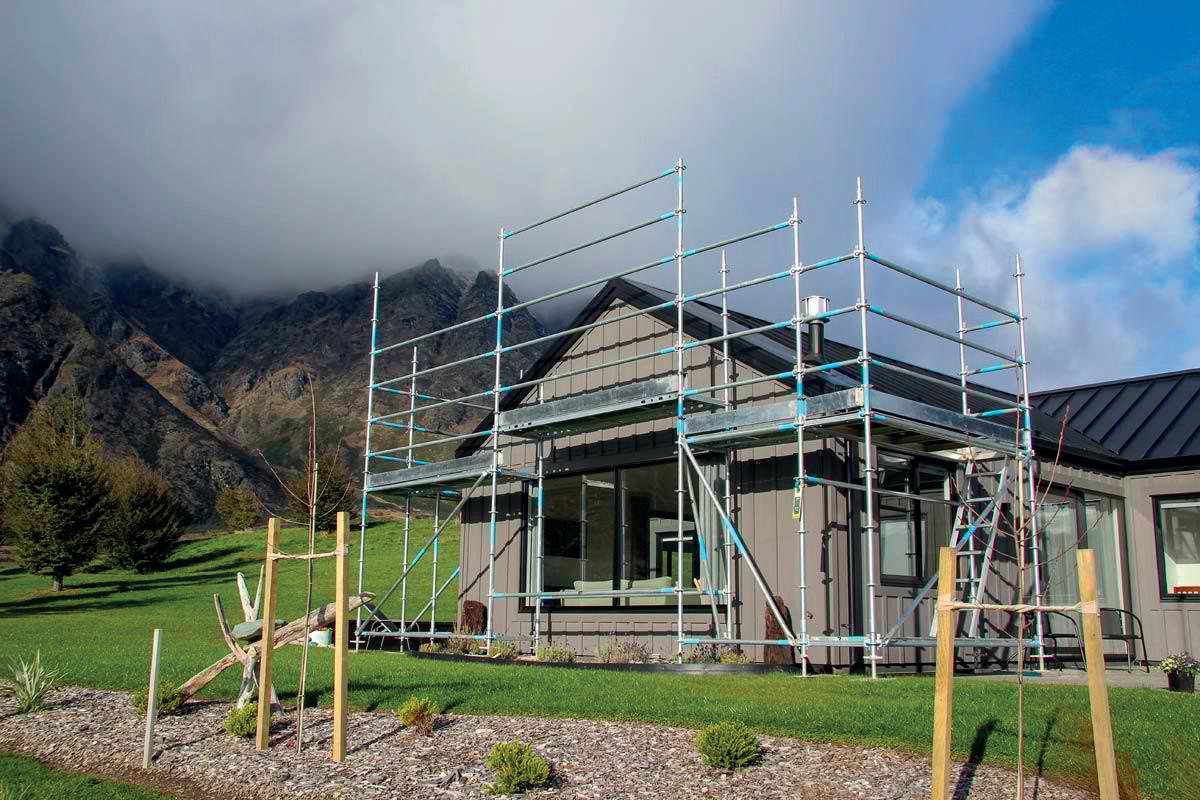
The application itself would cover five separate land titles of 1050sqm between 42 and 64 on the north side of Ardmore Street and encompasses a total land area of 5100sqm.
residential units would be placed on the upper two levels.
The north-western part of the development would contain four blocks of apartments facing the west of the development towards Monley Lane.
Three of the blocks would be two storeys high and contain seven residential units each, while the other would be three stories high with 11 residential units.
The 143-room hotel complex would consist of two hotel blocks.
The northern hotel building would be four storeys and the southern building one predominantly three storeys, the application states.
A rooftop bar and terrace on the fourth storey is also planned.
Pedestrian access to the hotel would be through the atrium from Ardmore Street and the upper basement level car park. The development would also include a car park accessed off of Monley Lane.
The applicants also propose to upgrade Monley Lane, to where the walkway meets the lane at the most north-eastern point, to make it more pedestrian-friendly and improve the connection with Ardmore, Hedditch and Lismore Street, as well as provide sufficient access to the car park for the development from Ardmore Street.
If the application is approved it could be Wānaka’s tallest commercial building.

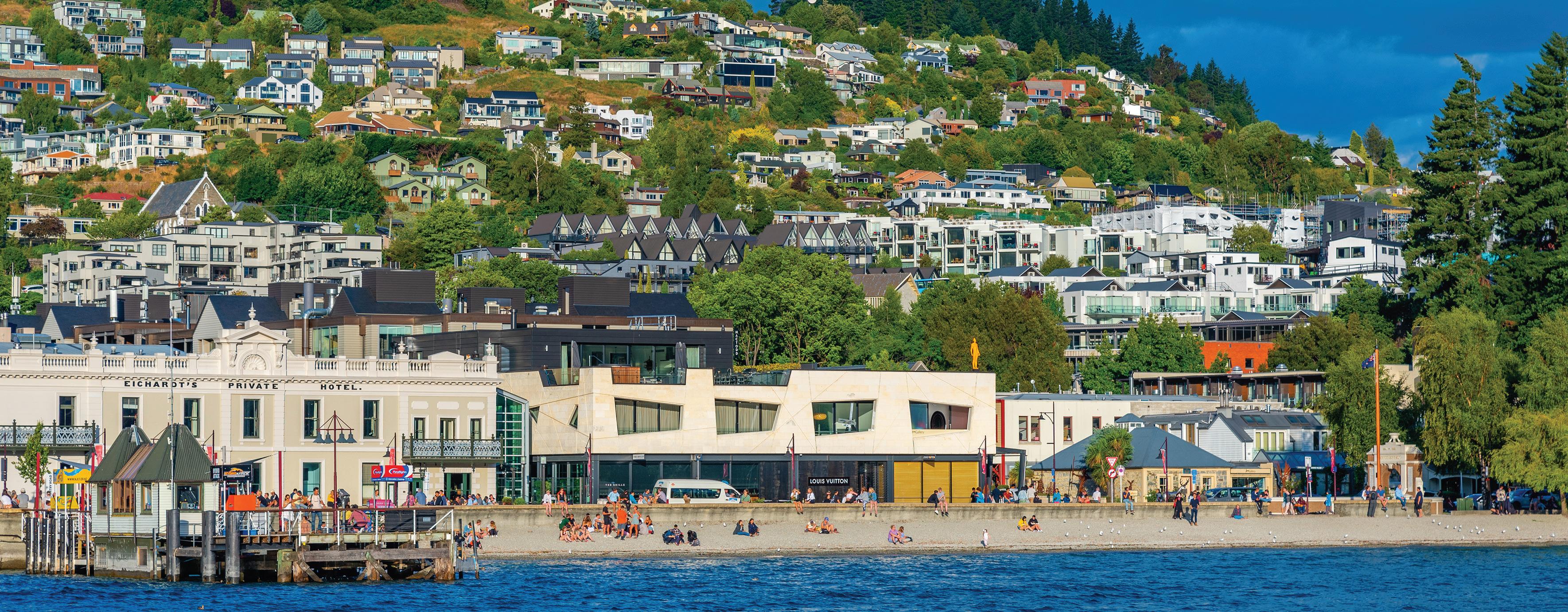
While Wānaka may be hot on Queenstown’s tail in terms of growth, there’s no denying that the adventure capital reigns supreme when it comes to luxurious and lavish developments.
The latest of which being a 90 million dollar apartment, penthouse and villa development – dubbed Lakecrest.
The project, headed by Safari Group, will be a singular boutique development of 25 apartments and six villas, ranging in price from $1.7 million dollars to $7 million dollars says director and senior development manager, Simon Taylor.
“ The development will have four separate entrances, meaning each apartment has an almost private elevator and staircase.
“Each level will be different – the ground floor will have street access and more of a townhouse aspect; Level 1 will be three-
bedroom apartments with mountain views and level two will be two bedrooms with lake views.
“The interior spaces are generous, with large living and shared spaces and very well-appointed kitchens and bathrooms,’’ Simon says.
Queenstown is already nationally and internationally renowned, he explains, but the town has “a huge amount” of growth potential yet.
“I’d equate it with Whistler [in Canada].
“We are seeing many winter ski resorts around the world add more strings to their bow so they are not just winter destinations. Whistler has added to its ski resort reputation by becoming a mountain biking mecca in summer.”
At present, the project is undergoing resource consent, with construction expected to start in the third quarter of this year and completion expected in late 2023.
The Chatham Islands is home to New Zealand’s most remote communities as it’s known for its history, nature, and the county’s classic Kiwi culture.
Recently more mainlanders have been taking the opportunity to visit the Pacific archipelago.
During your stay, we will visit the four corners of the Island and the special places in between.
Located about 840 kilometres (520 mi) east of Christchurch, an ATR flight to the Chatham Islands takes less than two hours, but where are you going exactly?
This is a unique chance to be able to visit the Chatham Islands relatively easily with a flight time of under three hours.
The Chathams form an archipelago consisting of 10 islands - the largest of which are Chatham and Pitt.
While the islands have officially been part of New Zealand since 1842, research suggests Indigenous people of the islands; the Moriori migrated there from mainland New Zealand as early as 1500.
The tour operator of Chatham Island Tours is Merv Halliday.
Tours are scattered around the South and North Island, which lasts for seven nights and eight fully guided days when exploring Chatham’s most eastern island before returning home direct.
Merv’s Chatham Islands Tours have already announced their tour schedule for early 2022, with trips planned to depart from Invercargill, Wellington, and Christchurch in January, March, and April respectively, and Whanganui during October.
As the tours are so popular and in conjunction with Air Chathams and Hotel Chathams, the tours allow a 50 passenger ATR aircraft for another special direct flight from Invercargill Airport direct to the Chatham Islands for January 2022.
Chatham Islands Tours has also been invited to Whanganui where there’s a 50 passenger ATR aircraft for another special direct flight from Wanganui Airport to the Chatham Islands.
Jump aboard to enjoy eight days of adventure, education, relaxation, and wonderment.
The tours are all-inclusive, so from the moment you board the flight to your return, Merv’s got your airfares, airport transfers, accommodation, meals, and bus tours, concessions, and levys covered. You’ll explore the wonderful Chatham Islands by spending your evenings in the beautiful Hotel Chatham or Travellers Rest, while activities like deep-sea fishing keep you entertained during the day.
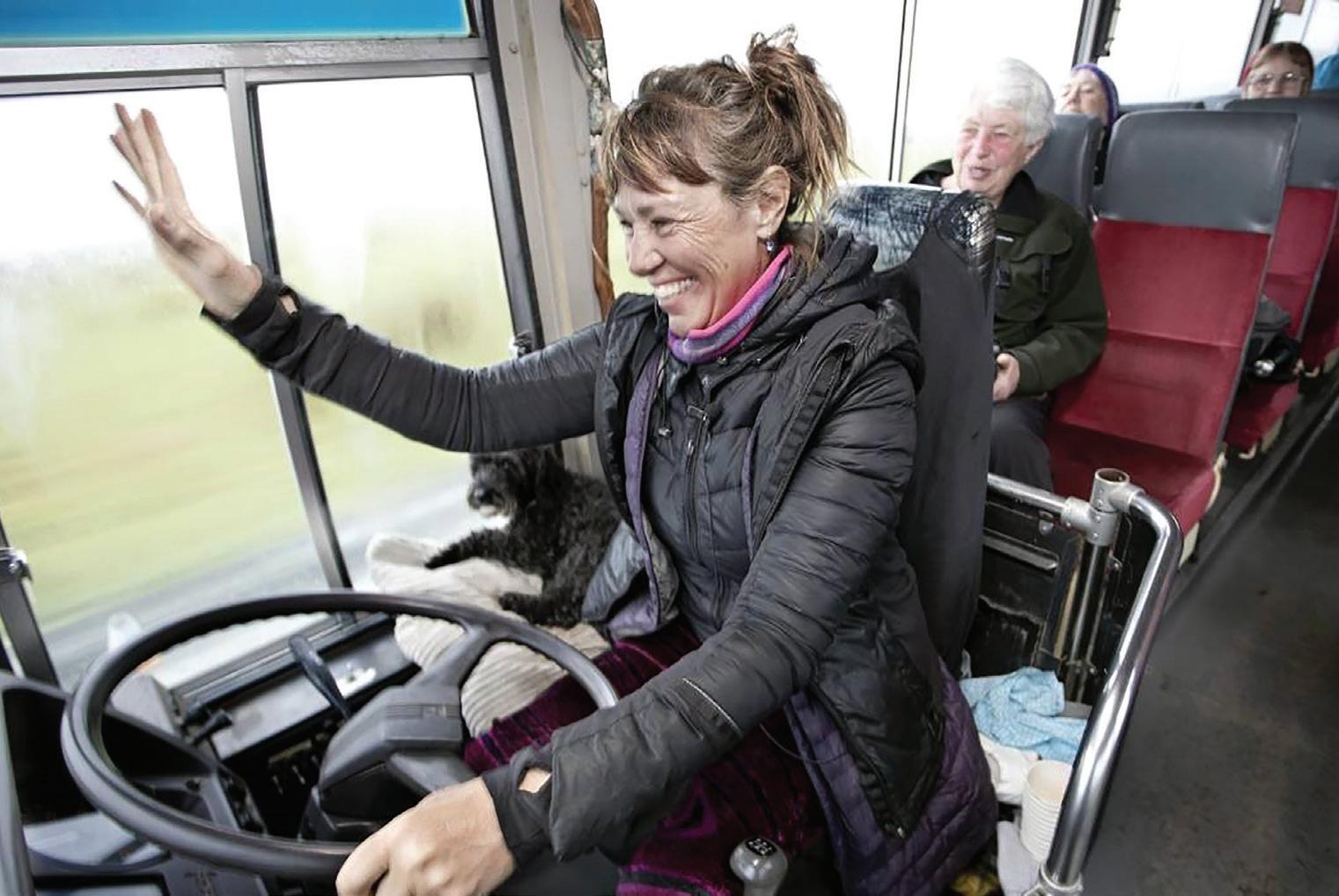
Your local tour guide will greet you at the terminal to officially kick off your Chatham Islands voyage.
During the next few days, you’ll explore the shores of Te Whanga Lagoon, where you will be given the opportunity to fossick for some fossilised shark teeth, some 30 million years old, and Nikau Bush, which is a 19-hectare forest reserve.
Another day is all about fishing as you visit the settlement of Owenga, home to a working fish factory.
Another highlight is Kopinga Marae, the only Moriori marae in New Zealand.
Another day you’ll travel to Waitangi West and see a historic cottage built by Moravian Missionaries, and finally, you’ll stop by Splatter Rock and Hapupu Historic Reserve before enjoying relaxing free time for your final few days.
Join a day trip to Pitt Island and squeeze in some more fishing, or just put your feet up! This is just small a taste of all that is offered on Merv’s Chatham Islands Tours. Check out the website: [https://www. chathamislandtours.nz/] to find more information regarding packages, the schedule, all about the Chatham’s, galleries for inspiration, and on booking a trip.
Experience 8 days in one of New Zealand’s most remote and unique places. The Chatham Islands are the closest most New Zealanders can get to international travel without packing their passport.
Due to ever increasing popularity and in conjunction with Air Chathams and Hotel Chathams, we have decided to run a tour out to the Chatham Islands for folks from Auckland, Wellington, or Christchurch during 2022. We will be using a 50 passenger ATR aircraft, where we will have up to 8 fully guided days to explore our most eastern island before returning home. Pitt Island is an option as is fishing.
Tour # 43 is for 8 days & 7 nights on Chatham X Auckland
Thur 2nd June 2022, departs Auckland 1.30pm - arrive Chatham Islands 4:30pm
Thur 9th June 2022, departs Chatham Islands 8:30am-arrive Auckland 10.30am
Tour # 44 is for 8 days & 7 nights on Chatham X Wellington
Mon 20th June 2022, departs Wellington 2.00pm - arrive Chatham Islands 4:30pm
Mon 27th June 2022, departs Chatham Islands 9.45am-arrive Wellington 11.15am
Tour # 45 is for 8 days & 7 nights on Chatham X Christchurch
Tues 12th July 2022, departs Christchurch 2.00pm - arrive Chatham Islands 4:45pm
Tues 19th July 2022, departs Chatham Islands 9:30am-arrive Christchurch 11.00am
All Inclusive Costing per person X Auckland, Wellington or Christchurch SINGLE shared facilities ..............................................................$4,373 TWIN / DOUBLE with
Make up your party now and take advantage of your preferred accommodation while availability lasts. www.chathamislandtours.nz/contact/booking_enquiry

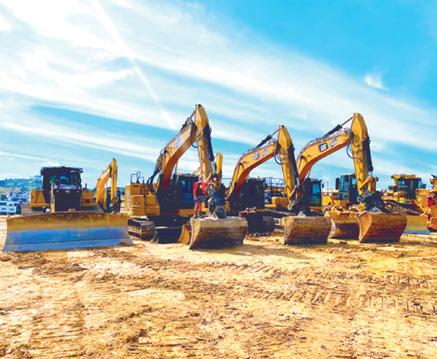
We have the resources and flexibility to successfully complete any earthworks projects. From Bulk Excavation and detailed trimming to Installation of Reinforced Earth Fills and Shear Keys. We have the expertise and resources to do it all.
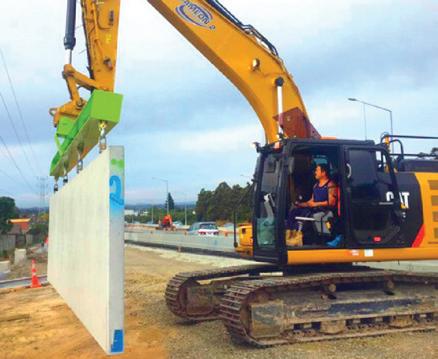
Gameon 2 Contractors have the knowledge and resources to be able to undertake all aspects of civil construction from Drainage to Retaining Walls, and Utilities installation. Gameon 2 Contractors works with its clients to optimise construction staging to ensure projects are delivered on time and to budget.
With many regulations and processes to be aware of, it is critically important that we protect the environment as best we can. Gameon 2 Contractors specialises in identifying environmental risks and works closely our clients to install controls that optimise production whilst also ensuring compliance with all the consents and regulations.
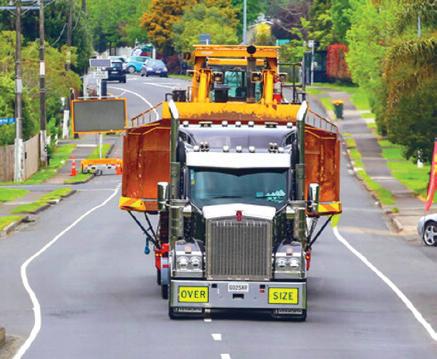
Our T610 SAR Kenworth is capable of transporting machinery up to approx. 58T and we use this to transport our resources across project sites. In addition we also have 2x Truck & Trailers and 2x Artic Units that we use for carting clay or aggregate materials.
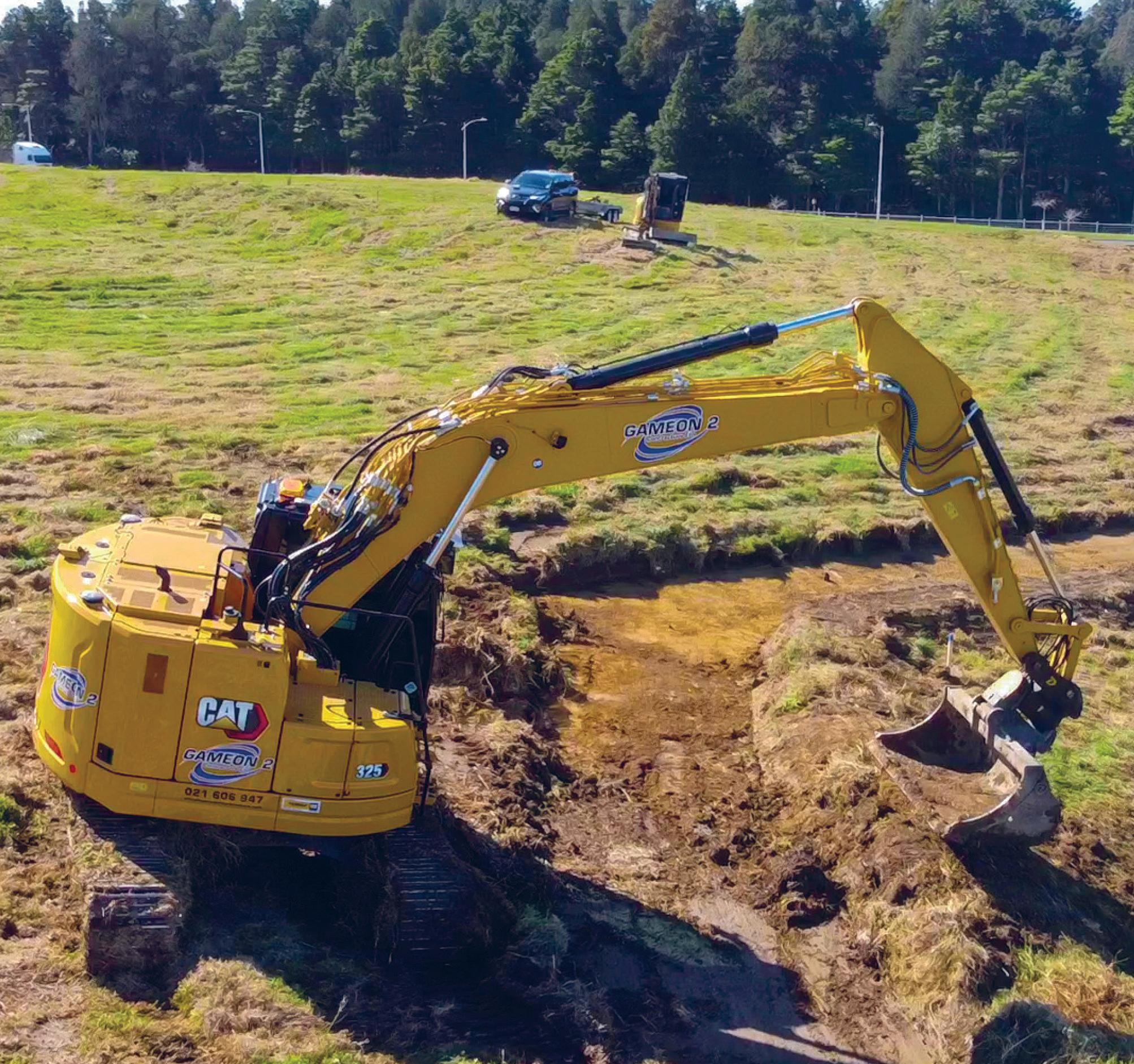
Gameon 2 Contractors Specializes in civil construction and earthworks. We are an Auckland based company and we operate Auckland wide. However, we are also working on significant projects in the Waikato at both Hamilton and Tauranga. We have worked on projects along side some of the biggest companies in the industry such as Fletchers, Fulton Hogan, and CPB.
Our Gameon 2 team come with a variety of skill sets and experience. Our experience coupled with cutting edge technology and machine control systems makes for a very efficient and dynamic team capable of delivering exceptional work for our clients.
We use the Trimble® SPS855 GNSS Modular Receiver which provides GNSS corrections for site measurements and machine control. Our machines used in construction are more precisely controlled to work efficiently in their environment.
We own a range of excavators ranging from 3.5T up to 40T, and on-road and off road trucks with a payload capacity of up to 40T.
At Gameon 2 Contractors we believe strongly in committing fully to projects and therefore we try to be as realistic and transparent as possible with our clients to try and mitigate any unplanned risks. We use the mantra “ALL IN” with our staff, meaning everyone in the business is all in to ensure we deliver exceptional outcome for our clients everytime.

From sweeping and diverse coastlines through to marine reserves and kauri forests –The Far North combines sun, sea and sand with rich history and incredible scenery.
Boasting some of Aotearoa’s most recognised visitor icons and attractions, wherever your passions lie Northland has something for you. Indeed, with a set of world-famous touring routes which tell the stories of Northland and its people, there really is no place more enticing to discover.
A place of soul, Northland is truly an unmissable destination. If you’re planning your trip and you’re struggling with where to begin, use the information below as your destination guide.
Explore our heritage
If you’re interested in learning more about Māori culture, as well as stories about our heritage and people, there’s decidedly no other area in Aotearoa as rich in cultural history.
In Whangārei immerse yourself in Māori culture by enjoying a unique visitor experience that offers a fascinating insight into the rich history of the indigenous people of New Zealand.
Travel further north to the Bay of Islands, one of New Zealand’s most significant historic
areas, and witness the scene of early contact and conflict between the Māori people and European settlers who began arriving in the late 18th century.
In Waitangi, you can learn more about the Treaty and the history of the area on the site, or take a waka tour up the river and experience the ancient customs, rituals, and traditions of Māori first-hand.
Nearby, Kerikeri lays claim to the first European settlement and is home to many historic buildings including the Stone Store, New Zealand’s oldest surviving stone building.
No matter where in Northland you go, the artifacts, structures, history, and culture linger.
Make sure to especially look out for:
• An intricate bone or pounamu (greenstone) carving
• Māori pou (carved wooden posts)
• Visual shows, museums and historic sites
• Waka trips or guided night walks.
Walk among the giants
A great way to experience all that Northland has on offer is via foot, exploring one of many walking tracks.
Take a photo with a giant tree, or a leisurely bush walk, follow a coastal pathway or challenge yourself with a steep climb to pinnacles with views that take your breath away.
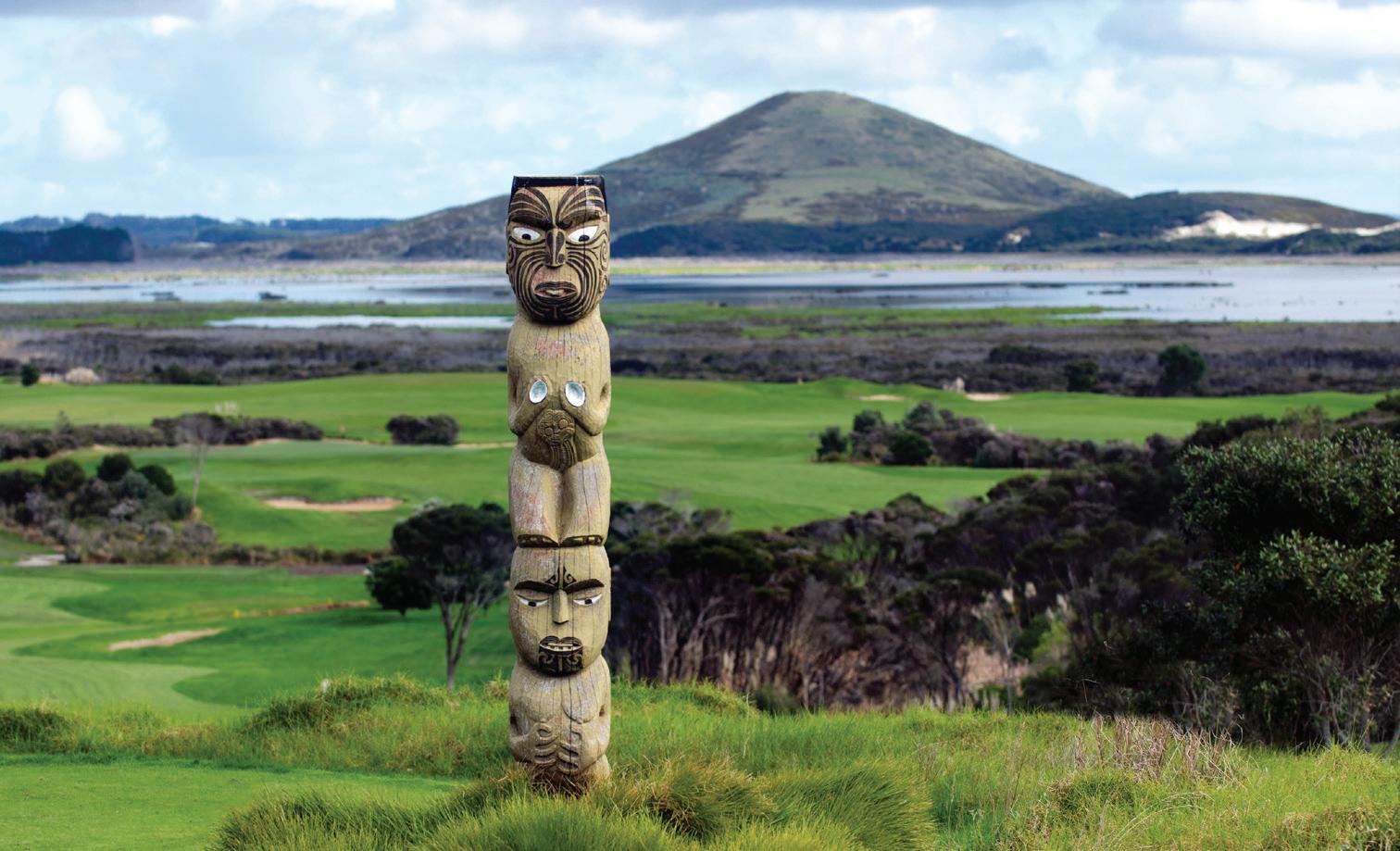
Prepare to be awed by the region’s dramatic contrasts – from farmland and villages through to the ruggedly beautiful beaches and the peaceful shelter and majesty of the kauri forests.
Puketi Forest
Puketi contains magnificent stands of kauri and a rich ecological diversity. Forest huts, cabins and camping facilities available.
AH Reed Memorial Kauri Park
Just minutes from the centre of Whangārei, a tree-top canopy walk offers a spectacular bird’s eye view of 500-year-old kauri and other native trees.
Trounson Kauri Park
A mainland ‘island’ of kauri forest and native wildlife, well worth the 40-minute forest walk. Guided night walks offer a chance to encounter kiwi in their habitat.
Tane Moana Walkway
From Matapouri, near Tutukaka, this walkway takes you to Tane Moana, the largest kauri tree on the east coast, which measures over 11 metres in circumference.
Come and play
Northland is the perfect destination for those wanting to combine their love of the outdoors with their adventurous spirit.
Be it parasailing and skydiving, through to mountain biking and zip lining; there’s an adventure activity for adrenaline junkies of all ages.
Boasting some of Aotearoa’s most recognised visitor icons and attractions, wherever your passions lie Northland has something for you.
Though if culture, leisure and the arts are more your style, there are plenty of wonderful galleries, wineries and creative experiences to choose from.
There are so many exciting options to choose from – you can’t really go wrong.
Adventure Forest
Located between Whangarei Falls and Tutukaka Coast, Adventure Forest offers high thrill activities packed with fun – a familyfriendly must do in Northland.
Ocean Adventure
Jump on board Ocean Adventure for an exhilarating way to take in the spectacular scenery of the Bay of islands.
Dune Rider experience
Travel along of 90 Mile Beach to see the rugged views of the West Coast. Have fun sand boarding at the Giant Sand Dunes of Te Paki and drive up the infamous quicksand stream.
Kaiwiti Caves
Northland’s ultimate glow-worm experience. just before you reach Kawakawa, detour to (Waiomio) Kawiti Caves. Discover stalactites, glow worms and Maori history.
Bay of Islands wine & craft beer tour
The Bay of Islands is a place to indulge and have fun. On this tour experience some of New Zealand’s finest quality wines, craft beers and chocolates.
Whangarei Museum, nocturnal kiwi house & heritage park
Come on a journey of discovery at the Whangarei Museum, where you can see live kiwi, tuatara and gecko.
Visit northlandnz.com for more information and book your holiday to New Zealand’s most breathtaking region today.
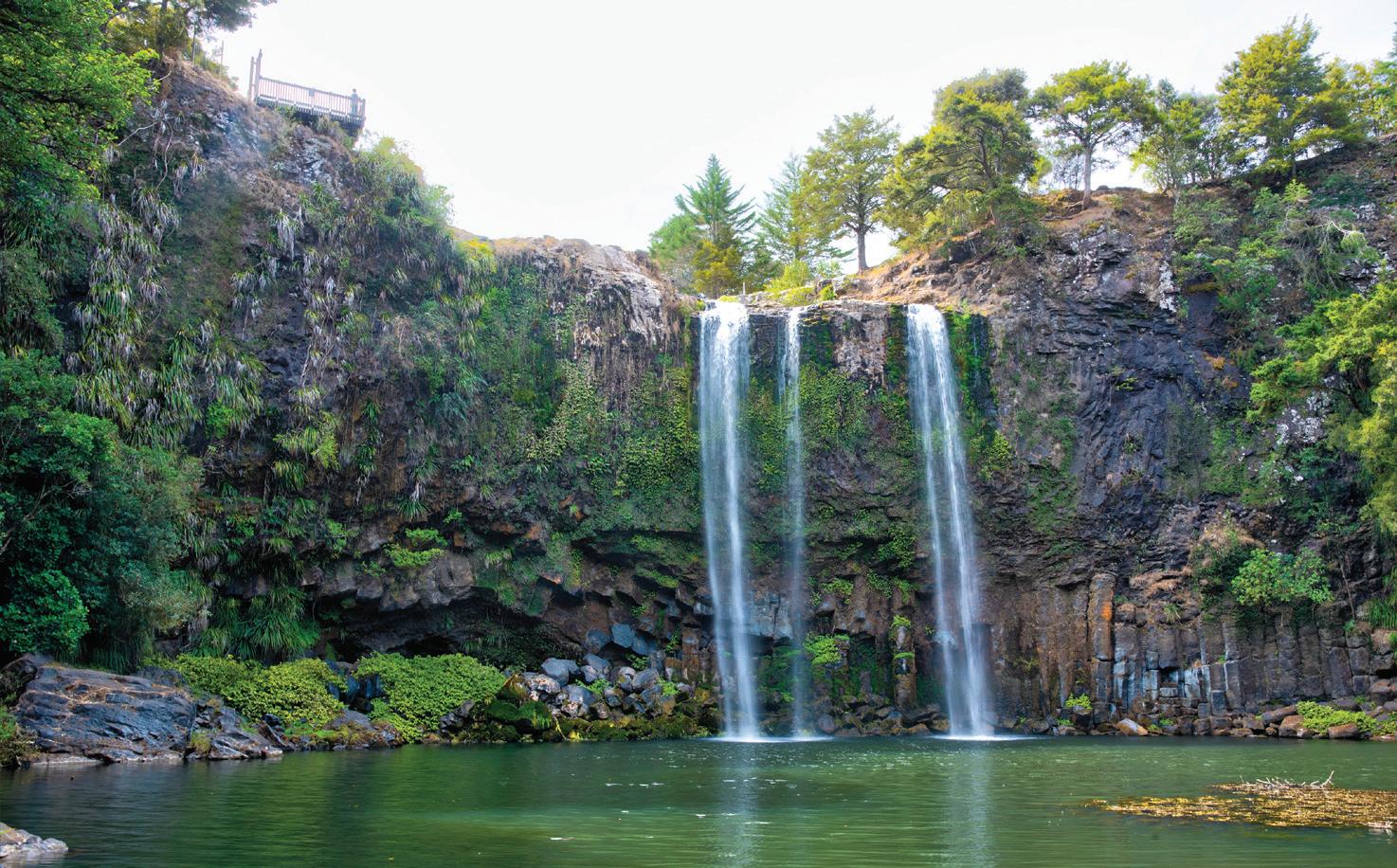
While Fulton Hogan was originally founded in Dunedin in 1933, the infrastructure contracting company is known for delivering high-quality infrastructure to improve the lives of people in Australia and New Zealand, every day. Our 7,800 strong team works in every kind of weather, creating, connecting, and caring for communities.
The family-owned business, started by Jules Fulton and Bob Hogan, has grown to over 7,800 people, with work across New Zealand, Australia and the South Pacific.
Fulton Hogan’s strong bonds in Northland cannot be denied. Since 1989, when Fulton Hogan purchased Reliable Roads in Auckland, and Northland Road Builders in Kaitaia, Fulton Hogan has been delivering infrastructure solutions for Northland Communities.
Some of the more recent major projects in the area include the three new double lane bridges – two in Matakohe and one in Taipa – as part of the Government’s Northland Bridges programme. Recently the team has kicked off with Waka Kotahi NZ Transport Agency to start building a new two-lane bridge and roundabout at the intersection of State Highway 10 and Whangaroa Road that will improve safety and traffic flow for the local community and people traveling through the area.
Last year was an extremely busy year for the Northland Projects teams in the Far North completing Roundabout Projects at Puketona, Kawakawa and a massive slip remediation in the Mangamuka for Waka Ko Tahi / New Zealand Transport Agency.
With a branch in Kaitaia, Fulton Hogan have proudly delivered Road Maintenance contracts for the Far North District Council for over 20+ years. Managing and maintaining a road network length of 1,259 km under the Far North “North” contract.
Beyond its work for significant infrastructure projects in New Zealand, Fulton Hogan cares for the communities it operates in. With their employees regularly donating their time to local causes and initiatives, the company provides regional and national financial support, skills and resources. Locally our teams sponsor a number of sports teams and local community events. Nationally our main community partnerships include
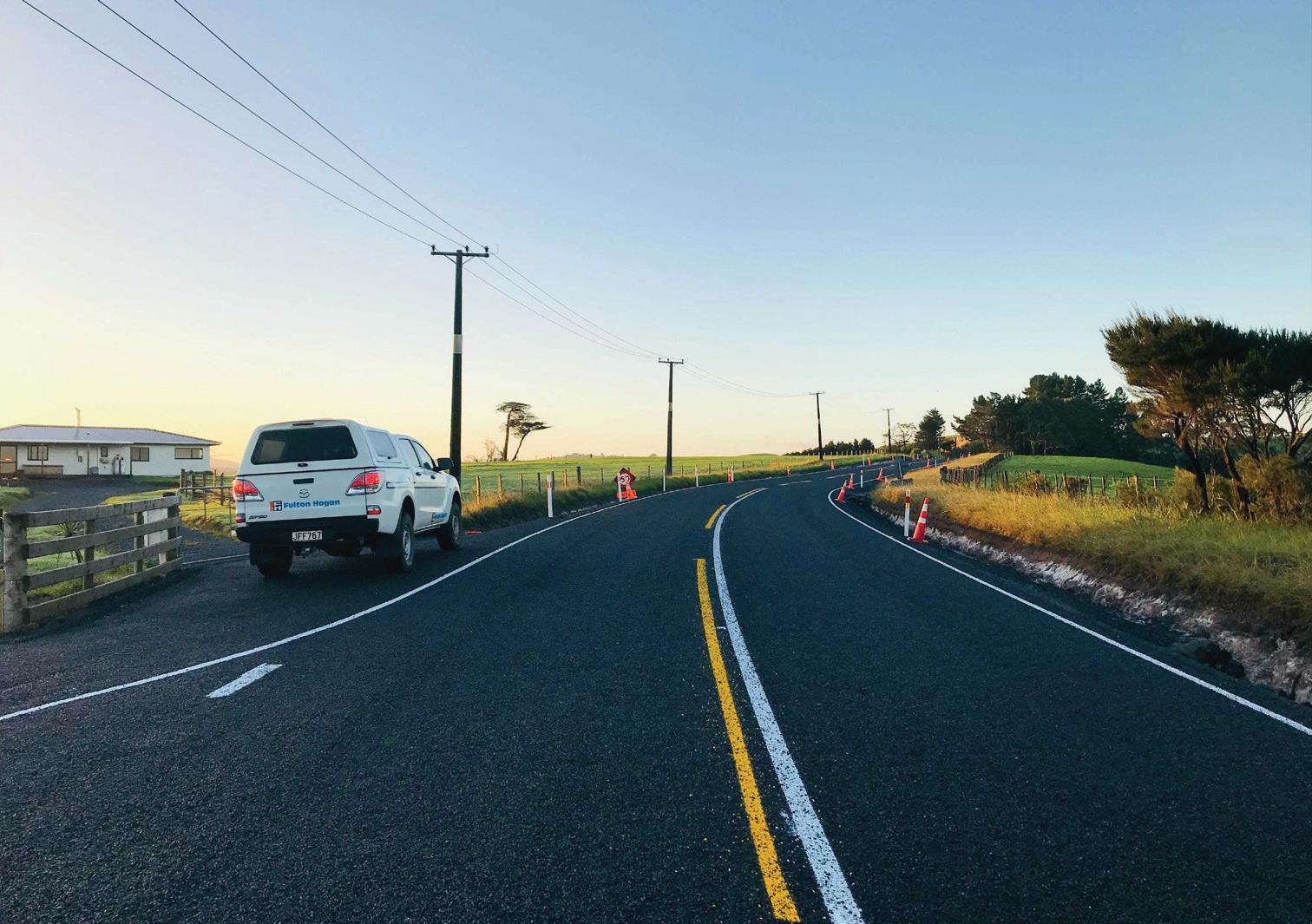
the Takahē Recovery Programme with the Department of Conservation, Motor Neurone Disease MND New Zealand and the NZ Invictus games team (an international sporting event for wounded, injured and sick servicemen and women, both serving and veteran).
Fulton Hogan’s vision and purpose of sustaining a successful infrastructure business hasn’t gone unnoticed.
By creating and connecting with local communities – and keeping people at the heart of everything the team strives to uphold the high calibre of work the company is known for.
Fulton Hogan’s decades of experience, combined with its wealth of plant and resources, gives them the technical knowledge and skills to provide a wide range of construction services.
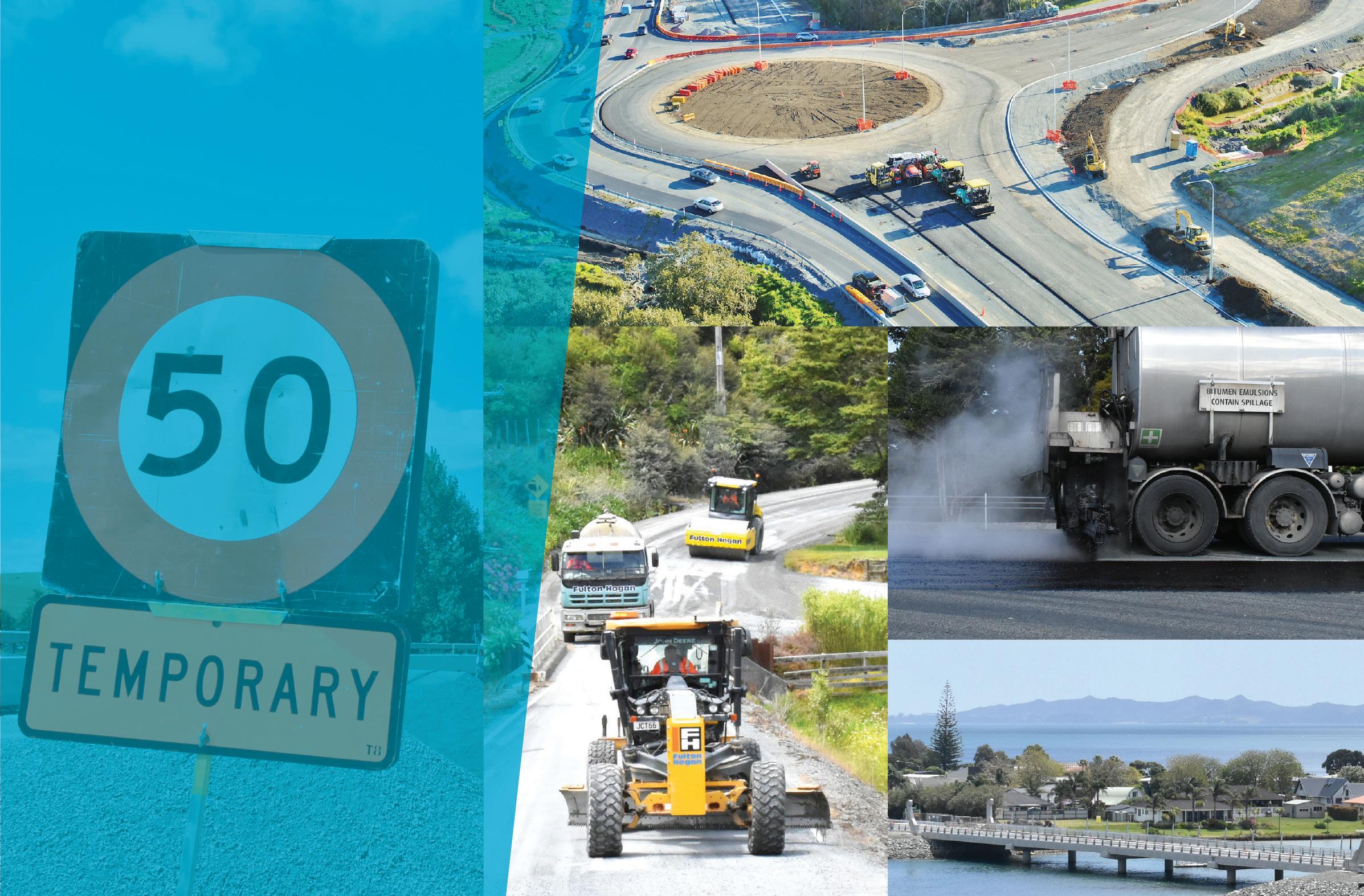
The Horizons Regional Council governs the region from Manawatū to Whanganui and has recently released its 10year long-term plan.
Around 250,000 people call the region home and it encompasses three major river systems, two coasts and the central plateau.
As part of our Long-term Plan, Horizons as a local authority, is required to set out the region’s community outcomes. The following are what Council has determined to be the high level outcomes that it pursues. They are:
• Our region’s ecosystems are healthy
• Our region has effective transport networks
• Our region’s communities are vibrant and empowered
• Our region’s economy is thriving
• Our region’s communities are resilient to the impacts of natural hazards and climate change.
These outcomes form a key part of our strategic approach and align with Council’s vision for the region: Tō tātou rohe – taiao ora, tangata ora, mauri ora. Our place – a healthy environment where people are thriving.
Achievement of the community outcomes requires some level of prioritisation and trade-offs. To that end, Horizons has four strategic priorities to inform the next three years.
They are (in no particular order):
• Freshwater
• Climate Change
• Unlocking Information
• Biodiversity.
The following section further describes each outcome and how our work programmes advance the region towards achieving them.
The region’s communities are resilient to the impacts of natural hazards and climate change
Communities understand natural hazards and our changing climate and are supported to respond and adapt. This work primarily protects the economic and social wellbeing of our communities.
There are four components to this:
• Flood protection and control
• Emergency management
• Climate change
• Strategic management.
Natural hazards, be they earthquakes, tsunamis, floods, droughts or pandemics, can be extremely disruptive to our economy and our communities.
Our region has seen this during the 2004 and 2015 flooding events, the 2016 Kaikōura earthquake, and the current COVID-19 pandemic. Horizons works to ensure the region is resilient to these natural hazards in a variety of ways.
Flooding is the most significant hazard in our region, and many of our towns and cities have been built on fertile floodplains. To protect our communities, we build
and maintain a large network of flood protection, drainage and catchment monitoring infrastructure.
Over the next 10 years we have a range of projects to increase the resilience and level of service of our schemes. In the near-term we will deliver a range of Climate Resilience projects to improve the resilience of schemes in the Rangitīkei and Lower Manawatū Catchments. Longer term, we will also deliver projects to facilitate the urban expansion of Palmerston North, Foxton, Feilding and Levin, and improve resilience in Whanganui.
The region’s ecosystems are healthy This work primarily protects and enhances the environmental wellbeing of our region and communities.
There are two main components to this:
• Freshwater quality and ecosystem health continue to be a challenging issue for our region. We are seeing improving trends in some areas and worsening trends in others. This is mirrored across New Zealand.
• Biodiversity on land also remains a challenge in our region and across New Zealand. Our region has lost most of its native habitats since human settlement, with some ecosystems such as wetlands and dune forests restricted to only small fragments.
Horizons is also responsible for the coastal marine area, extending 12 nautical miles out to sea. A healthy environment is central to what we do. Recognising te mana o te taiao and ensuring that we are leaving
our environment in a good state for future generations, drives many of Horizons’ activities.
The region has effective transport networks Safe, sustainable public transport and infrastructure planning that support connected communities and reduce the region’s carbon emissions.
This work aims to enhance the economic and social wellbeing of our communities, and protect our environmental wellbeing. Our region sits at the nexus of the Lower North Island and is the gateway from Wellington to Taranaki, Hawke’s Bay and the rest of the North Island. Because of the centrality of our region, we have a role to play as an important transport corridor. Ensuring that people and goods can move through and around our region is critical to the region’s economic function and social wellbeing. We engage with our communities through a range of channels, including print, digital and in-person, seeking genuine two-way communication as we work towards our vision for the region.

With more than 50 years’ experience in the construction sector we are well aware of the needs of the industry. This means we realise how important the safety of your best asset – your staff – is to you and your company’s future.
So, as a national company servicing New Zealanders in the construction industry, we are committed to the safety of your staff.
And when you deal with us you’re dealing with the owner, which means you receive a superior and speedy service – every time.
Our extensive construction knowledge ensures we understand local compliance issues and we realise how critical your deadlines are and we guarantee to be on time – check out our Secureguarantee.
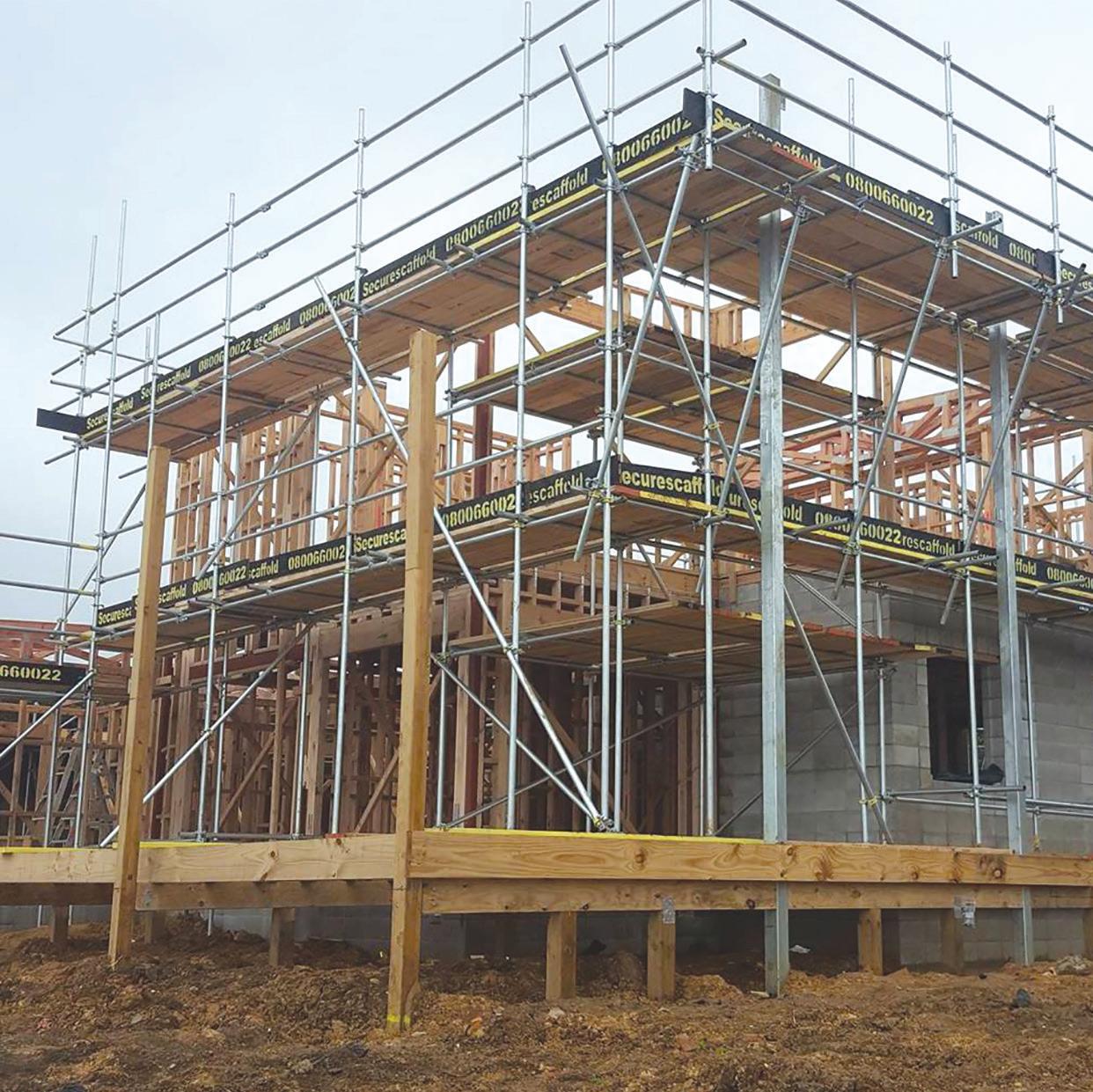

• We guarantee to beat any written quote by 10%
• We guarantee to return all quotes within 48 hours otherwise you will receive the first week rental FREE of charge!
* Terms and conditions apply to the
By using Securescaffold you can rest assured that your objectives of safety, cost and meeting deadlines are of paramount importance.
All our equipment is rigorously tested to the highest of standards.
Securescaffold covers all NEW Worksafe working height requirements providing fall protection for builders, painters, home handyman and roofers on new and existing home constructions.
WE ARE DEDICATED TO THE SAFETY OF YOUR STAFF, CONTRACTORS AND THE PUBLIC. Ask your builder if they are using Securescaffold – it will save you money.