The transport infrastructure gap widens Report calls for urgent action, and asks who pays SCAN QR CODE FOR HANDS-FREE READING
Fixing New Zealand’s build now, fix later culture
Auckland faces steepest rates rise in 11 years
The Northland Expressway’s price tag Luxury house market shifts south
Emplo
Labour
Work
Settlement
Legal
Migrant Workforce Planning
Skilled Residence Pathways
Family Visa Applications
Recruitment with a conscience
The ethical evolution of better trade solutions
Better Trade
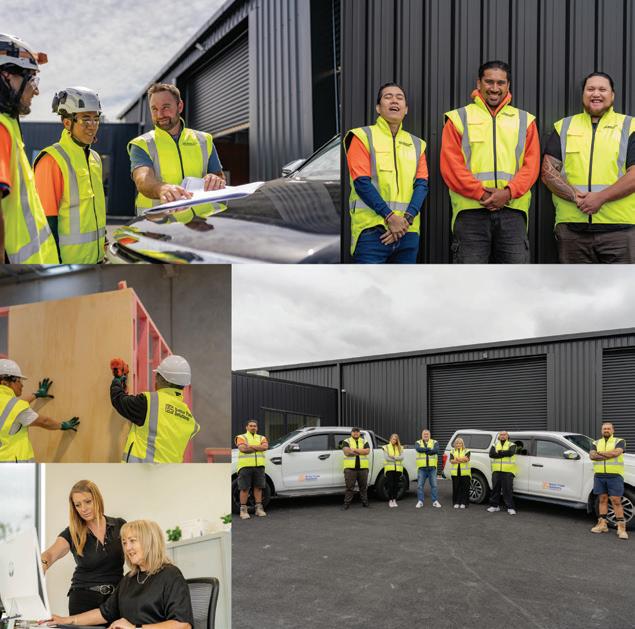
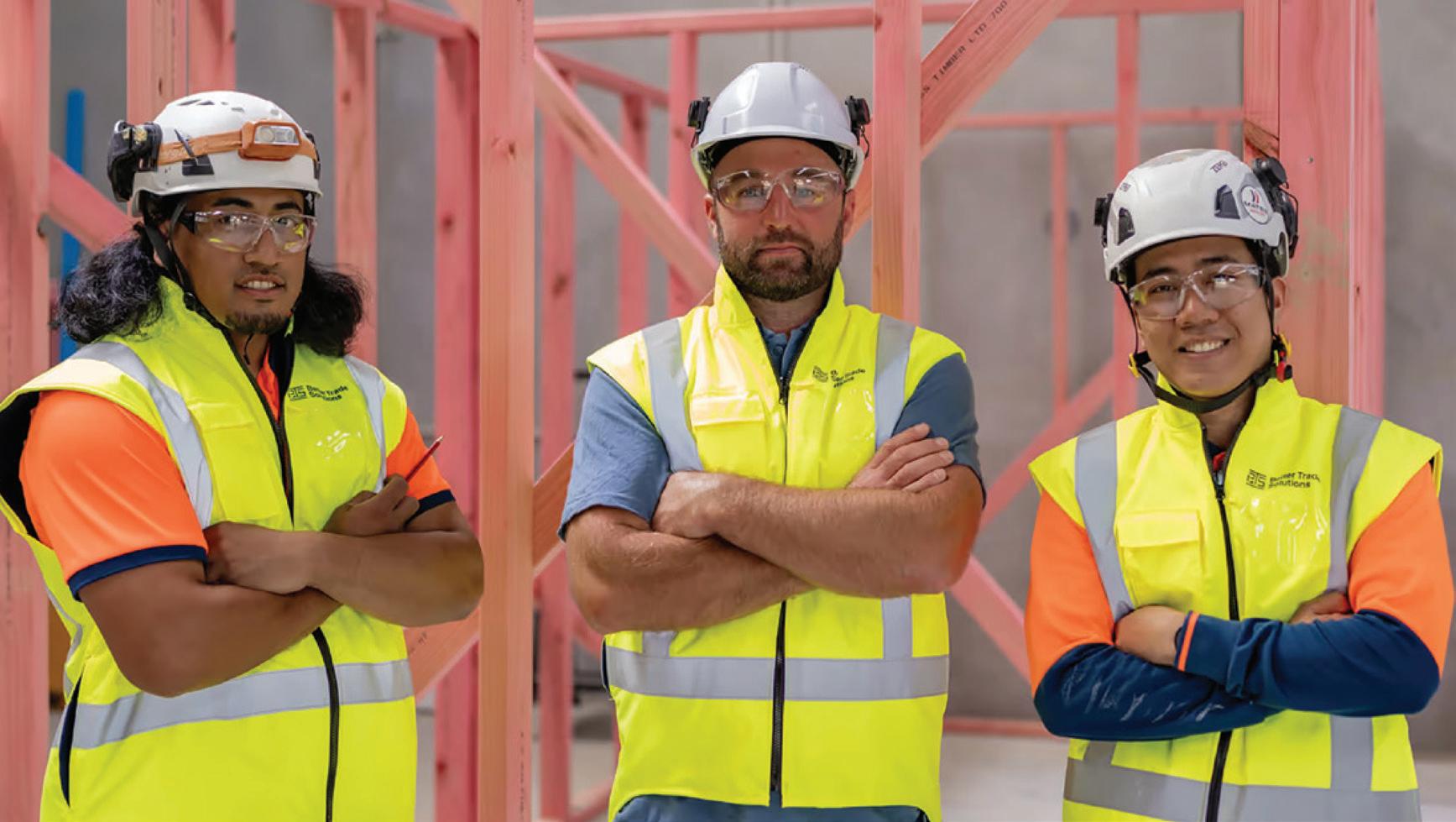
Solutions set out to “do better” when it comes to recruitment for New Zealand’s construction sector.
Richard Giftkins, Founder and National Operations Manager at BTS, has seen cycles come and go, and has more than 25 years of experience in the industry.
For Richard, the solution is not just about filling immediate gaps without considering what might come next. It involves taking a measured approach, responding to the market with the right actions. Being responsible and ethical are a large part of the equation.
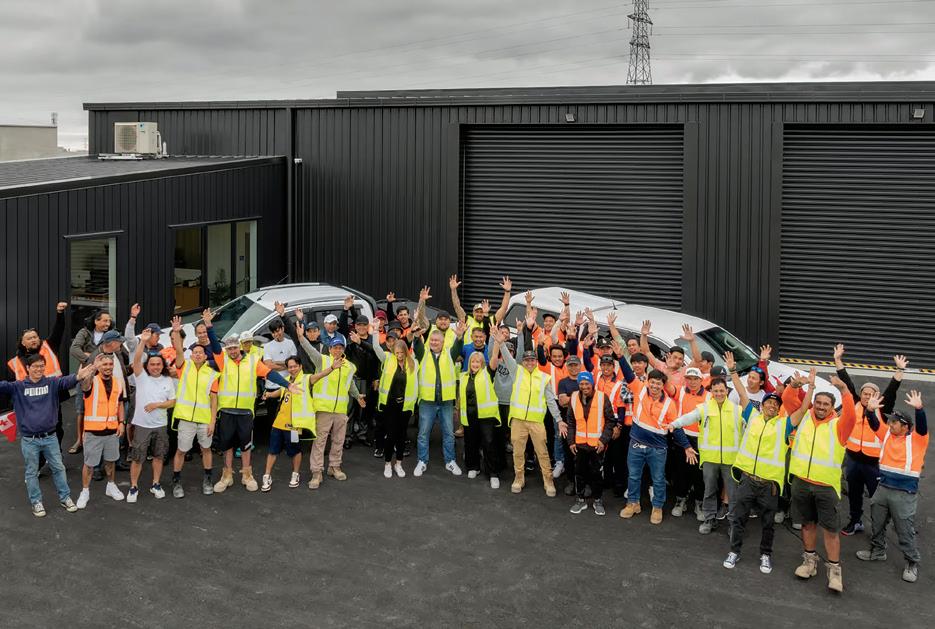
Instead of just filling roles, BTS has focused on building real, lasting partnerships. For employers, that means taking care of all the moving parts that tend to slow projects down or create risk when it comes to recruitment and HR. It gives businesses space to focus on delivery, rather than constantly managing workforce issues in the background. For employees, this means having a close personal connection. Despite his workforce growing, Richard still connects one-onone with his staff. He is a boss who cares.
Unlike many other labour hire businesses, BTS started out only employing local talent. That Kiwi-first mindset is a strong pillar for the business that sets it apart from others. There is a genuine focus on building local capability, despite this sometimes being
As an employer myself, I also see the pressure and the stress experienced by employers when businesses face growth or when there just isn’t enough time in the day to take care of recruitment and HR properly.
challenging. Richard enjoys mentoring and developing local talent, and this is how he has built a strong team of senior and permanent workers.
Even with a strong local focus, there will always be gaps. Specialist roles, large-scale projects, or work in remote locations do not always get filled domestically. When it comes to delivering on those challenges, BTS relies on VisaLegal to provide support for their visa processes. BTS and VisaLegal have built a strong foundation, sharing the same set of values and beliefs around what New Zealand’s goals should be and how migrant labour fits into that picture.
“I’ve got teenagers, and it’s pretty easy to see how important it is to invest locally for the future of our workforce,” says Melanie Bradley, founder of VisaLegal.
“As an employer myself, I also see the pressure and the stress experienced by employers when businesses face growth or when there just isn’t enough time in the day to take care of recruitment and HR properly. Visa processes can be onerous on employers who want to recruit their own offshore labour. It can be costly, and there is a steep learning curve involved. That’s where connecting with Better Trade Solutions may be a really good option. Using a third-party
accredited employer takes a lot of that weight off, leaving you with the workers you want, without the hassle of the paperwork.
“We really enjoy working with Richard and the team. They’re highly ethical and, compliance-wise, they are the best of the best, but aside from that, they also understand the bigger picture.”
That bigger picture is what ties it all together. Supporting local workers where possible, bringing in people when there is a genuine need, and doing it in a way that is compliant, responsible, and sustainable.
Better Trade Solutions is not trying to overcomplicate recruitment. It has simply taken a straightforward idea and applied it consistently.
“Our focus is simple. People.” Everything else follows from that.
This Auckland Elevate edition takes the pulse of the region’s construction sector. A Committee for Auckland report warns the city’s transport gap is widening, and asks the awkward question of who pays. Rates climb 7.9%, the steepest rise in eleven years, while a $2.5 billion repair bill puts the industry’s ‘build now, fix later’ culture under the microscope. Building costs keep edging up even as fuel prices ease, and up north, the country’s most expensive road inches closer.
The people side matters, too. Teens are turning to the trades
meth use puts drug testing back on the agenda, and loneliness on the tools gets frank attention. Also inside this Elevate is a look at designing for safe escape against this backdrop of housing intensification, managing site runoff before the next big rain, and why the luxury market is shifting from Auckland to Otago and beyond. Enjoy
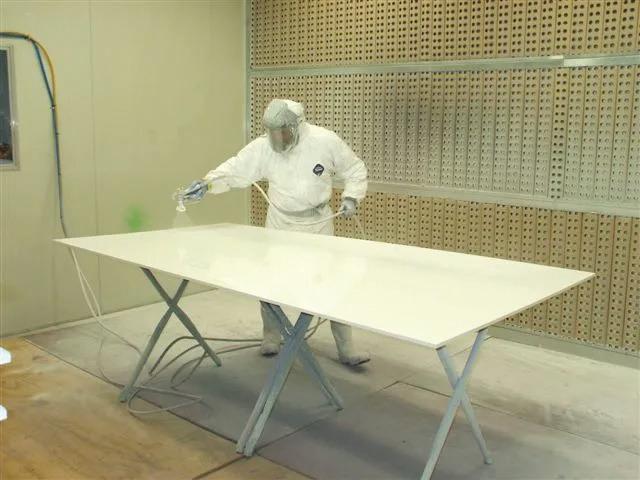
Range of applications
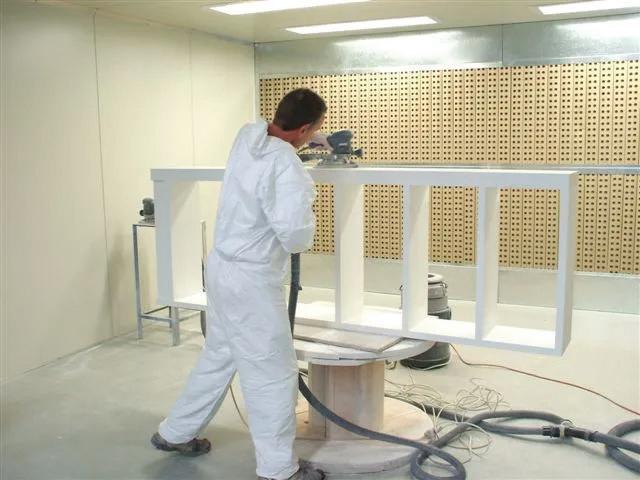
No matter the application, you may be able to benefit from implementing a modular spray booth filter through the processes of your business. The filters can be used for a range of applications and in a variety of industries such as:
• Joinery, cabinet-making, furniture - where sprayed lacquer/ enamel finishers are used
• Powder coating on a variety of products
• vehicle, machinery and truck painting
• In dust extraction systems
Product features
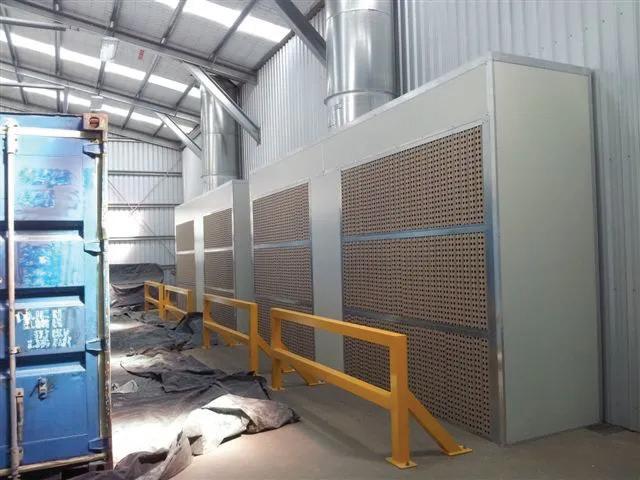
The patented Viking modular spray booth filters have a number of desirable features for your specific needs in Auckland and beyond:
• Available in 4-metre booth packs, 84 filters in the carton
• 900mm long, 100mm wide, 50 mm deep
• A longer life than other filter available
• No need to change ALL booth paper, just the dirty modules
• Can fit any dry backed booth that uses paper filters
• Low resistance to air flow
• Strong, does not collapse when laden with paint
• Lacquer over-spray can be easily brushed off
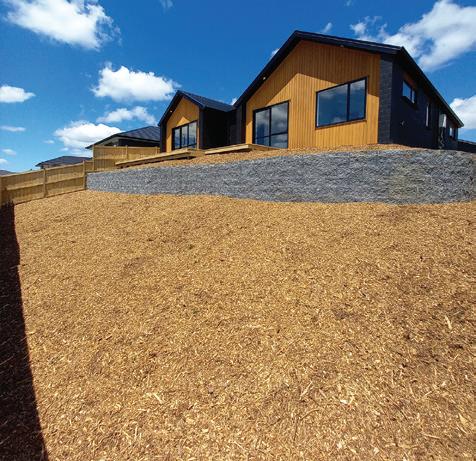
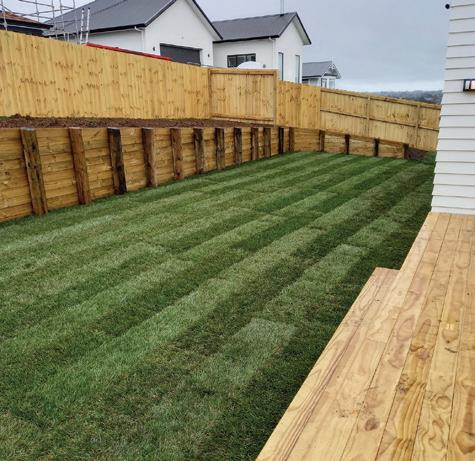
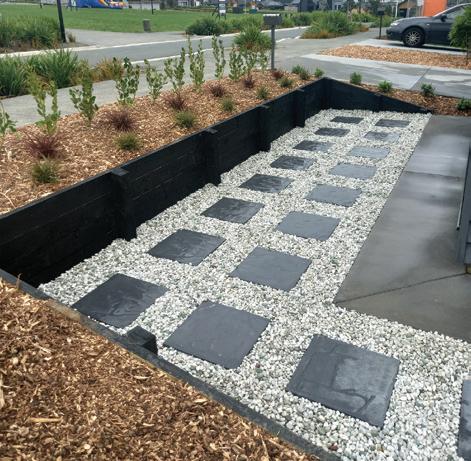
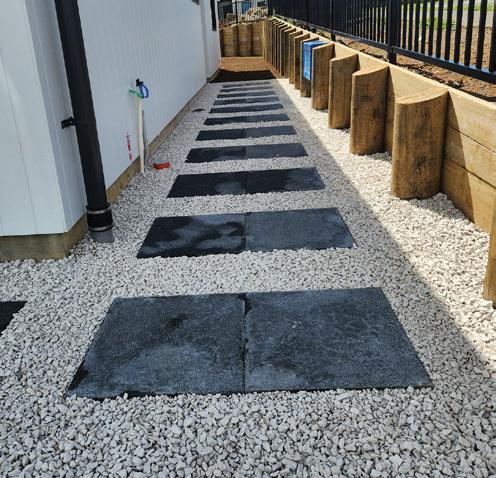
Quality Masonry
Brick & Block Laying Experts – West, South & North Shore regions of Auckland
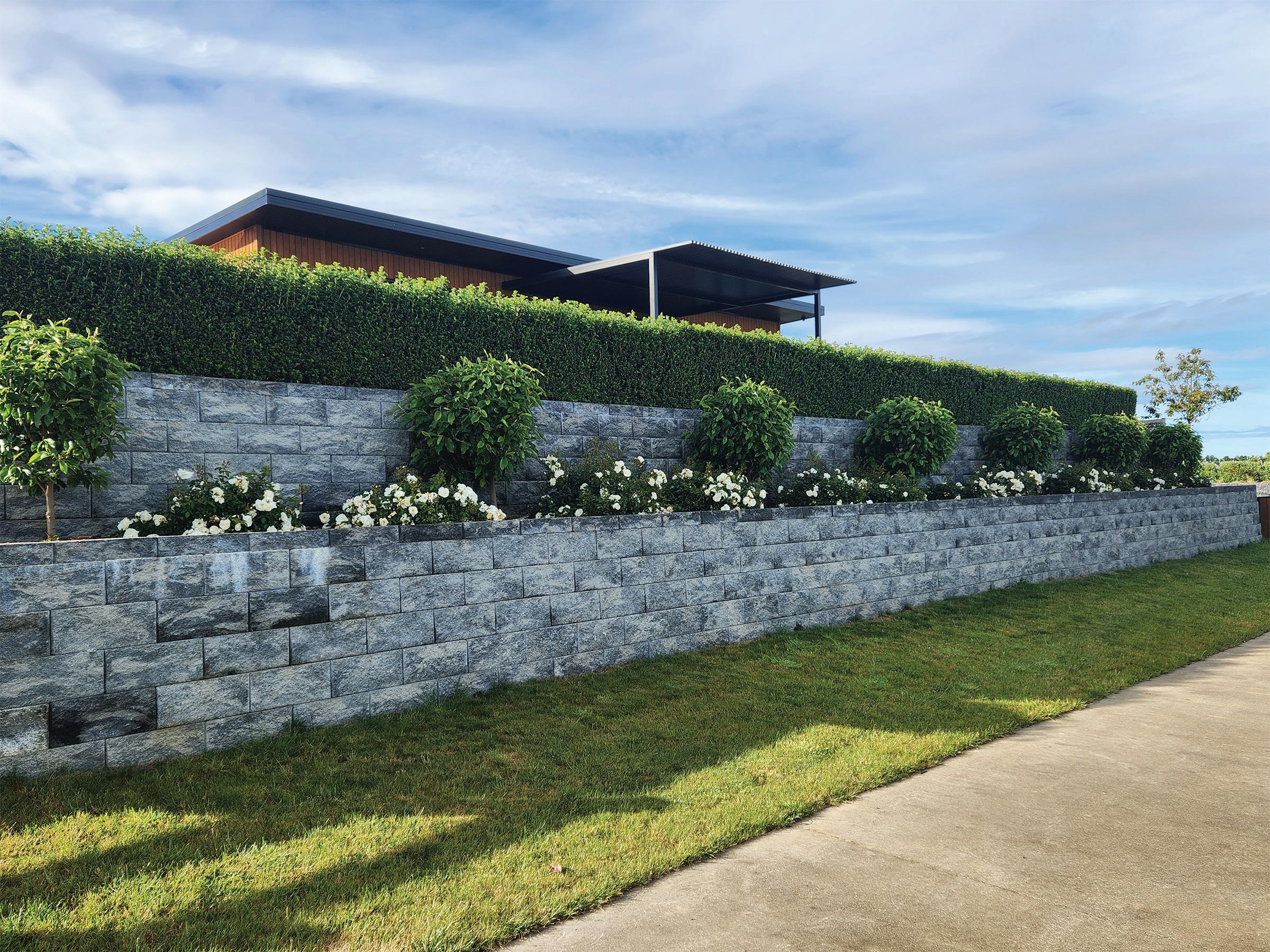
Quality Masonry has more than 30 years of experience in all aspects of block laying, including both architecturally designed residential and commercial construction.
The team at Quality Masonry offers its clients a friendly, professional and efficient end-to-end service at very competitive rates. We deliver on time, every time.
Retaining
Taking care of business
Employment law protection where you need it most
ABOUT US
EAL has supported NZ employers since 1995 with clear, practical HR and Employment Law help. We focus on what employers need to do, offering tools that make managing staff simpler and safer. With a nationwide client base and a strong legal team, we deliver straightforward guidance and a cloud platform that keeps your business compliant and confident.
BUSINESS UPDATES NEWSLETTER
OUR PRODUCTS
• Employers Toolbox HR cloud
• Contracts & Agreements
• Employment Related Products
• Health & Safety
EXCLUSIVE FOR READERS:
Get 15% off our membership when you scan the QR code.
We publish newsletters which contain articles on any significant case law, legislative changes, employment law news in general, HR and Health & Safety. Individual articles can become out of date as the law changes, and archive articles may still be accessible when they no longer summarise the correct legal position or current best practice. Searches show the most recent article first, please check the date of the article you are reading. If in doubt please take advice about your particular situation before taking action.
Employers Assistance 0800 15 8000.
All new products or product upgrades are also announced this way. Other services from third parties which we think may be of assistance to employers are also sometimes advertised.
A new report from the think tank Committee for Auckland is urging immediate and decisive action on Auckland’s transport system. It warns that delays in reform are compounding costs and constraining growth across the city’s development pipeline.
The report argues Auckland is at a “critical juncture”, with population growth continuing to outpace transport investment, a gap that is already being felt across construction, freight, and project delivery.
Infrastructure NZ and the Committee for Auckland partnered on the report and say Auckland doesn’t need more plans, strategies or debate; it needs delivery.
Infrastructure NZ chief executive Nick Leggett says progress is falling short. “Auckland’s transport challenges are well understood. What’s been missing is the commitment to follow through.”
Auckland is home to roughly one -third of New Zealand’s population, about 1.8 million people or around 33 % of the nation’s residents, making it by far the country’s largest urban centre.
In economic terms, the region punches above its weight, generating around 38 % of New Zealand’s total GDP and significantly more than any other region. “There is a high degree of alignment
By Ben O’Connell
Infrastructure NZ chief executive Nick Leggett says progress is falling short.
transport challenges
“Auckland’s
are well understood. What’s been missing is the commitment to follow through.
on priorities, from making better use of what we already have, to progressing key rapid transit corridors and improving connections across the city,” says Committee for Auckland Executive Director Rupert Hodson. The challenge is execution.
A central theme is the disconnect between where housing is being delivered and where transport infrastructure is being prioritised.
Greenfield developments on Auckland’s fringes continue to expand, but without the transport links needed to support them at scale. This has flow-on effects for developers and builders, who are increasingly working in areas where access, labour movement, and material delivery are less efficient.
Another issue is congestion, which is no longer a commuter issue and is now a productivity one, too. Extended travel times are increasing labour costs, delaying site access, and reducing efficiency for trades operating across multiple projects. For freight and materials, unreliable transport networks are adding further pressure to already tight margins.
The report points to Auckland’s continued reliance on private vehicles, combined with limited rapid transit expansion, as a key constraint on network performance.
Rather than small-scale upgrades, the Committee for Auckland is calling for a more integrated and longterm approach, centred on rapid transit investment and
better coordination between government agencies.
“Auckland is too important to Aotearoa’s future for transport policy to remain stop-start,” Hodson says.
It highlights the need to prioritise high-capacity transport corridors that can support both population growth and intensified development, particularly as Auckland continues to push toward higher-density housing.
The report, Transporting Auckland Forward: A Call to Action, comes after a summit of more than 60 senior leaders from across business, infrastructure, and government. “The 30year Integrated Auckland
Transport Strategy that will be developed under the impending Auckland Transport reforms provides a useful mechanism to capture and deliver many of the recommendations from this summit,” Hodson says.
“We cannot keep avoiding the question of who pays,” Leggett says. “We need a clearer, long-term transport vision for Auckland, backed by a sequenced programme of investment and credible funding pathways.”
At a project level, the impacts are already material. Longer travel times across Auckland are reducing the number of productive hours trades can spend on site each day, while increased congestion is adding variability to delivery
schedules that projects are not priced to absorb. For contractors, this is showing up in tighter margins, more conservative programming, and increased risk allowances in tenders— particularly on projects located in outer growth areas.
For developers, the disconnect between housing and transport is also becoming a feasibility issue. Sites that look viable on paper are becoming harder to deliver efficiently, as labour access, subcontractor coordination, and material logistics all become more complex and costly without reliable transport links.
Without a step change in delivery, these inefficiencies are likely to compound. Slower
We cannot keep avoiding the question of who pays. We need a clearer, long-term transport vision or Auckland.
build times, higher costs, and reduced capacity across the sector risk constraining Auckland’s ability to meet both its housing targets and broader infrastructure pipeline.
In that context, the report’s call for execution is less about long-term planning and more about maintaining the viability of projects already in the system.
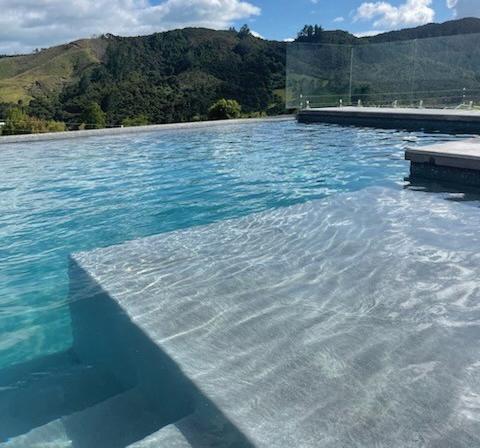
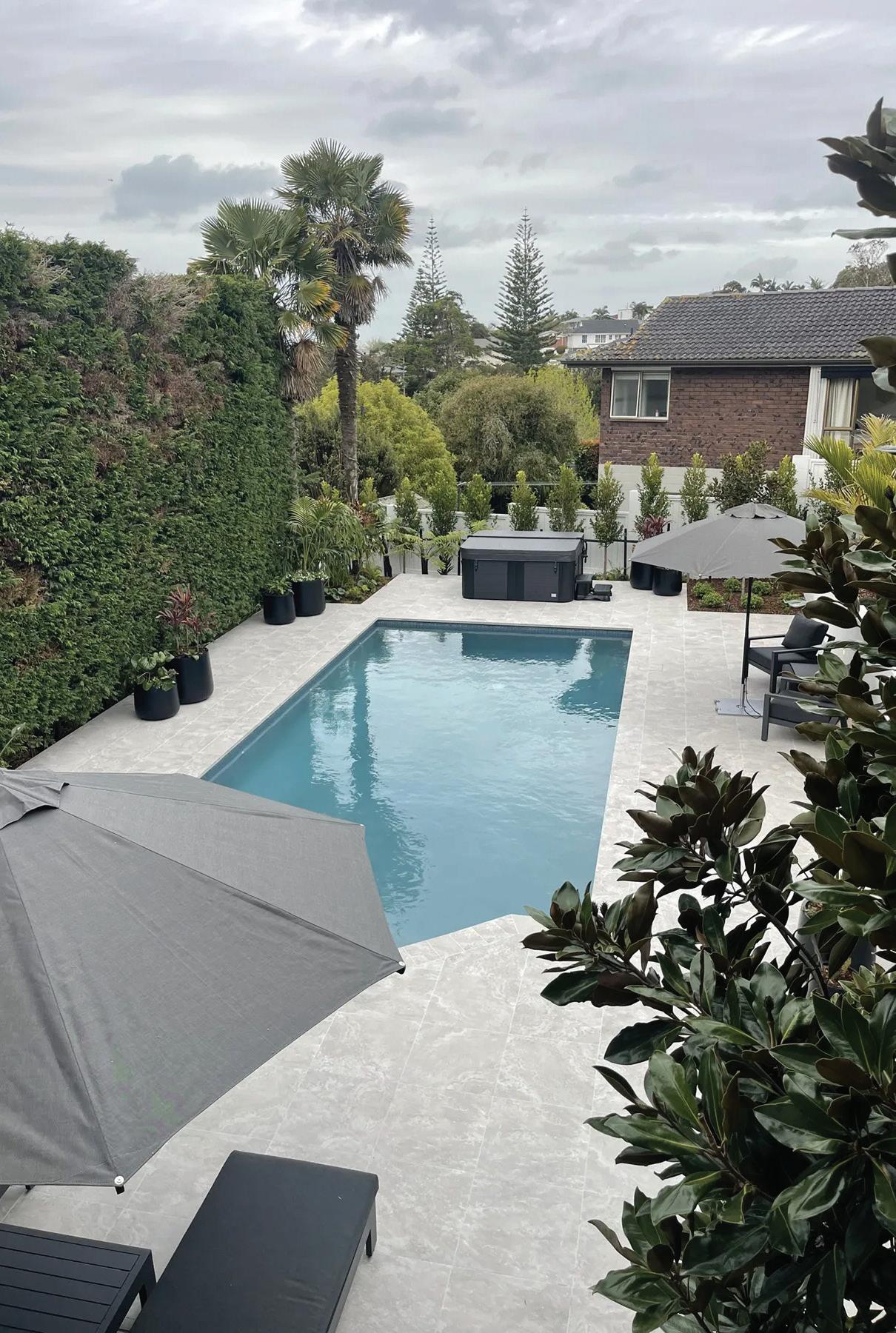
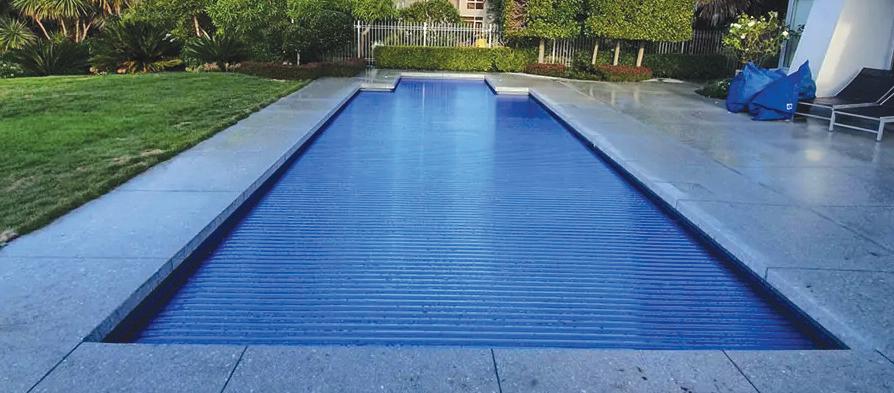
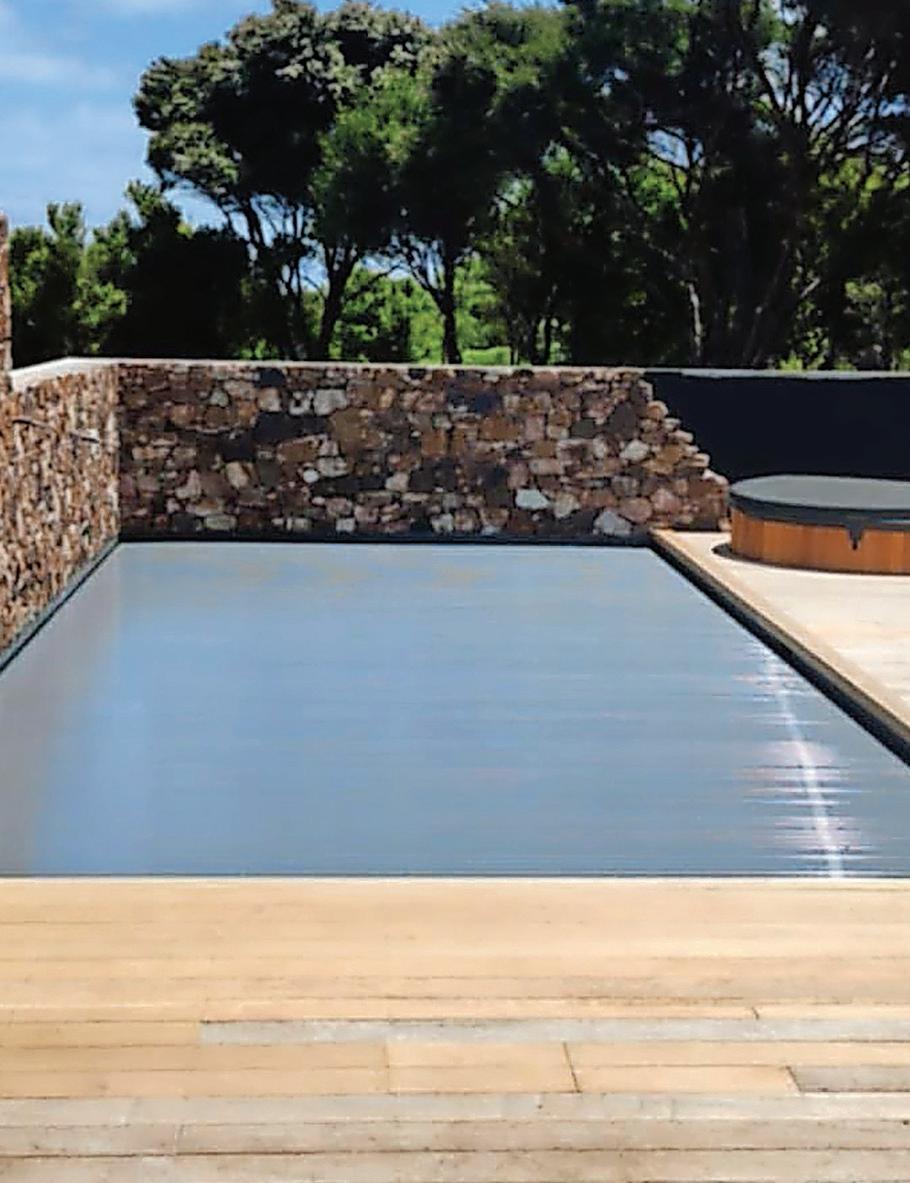
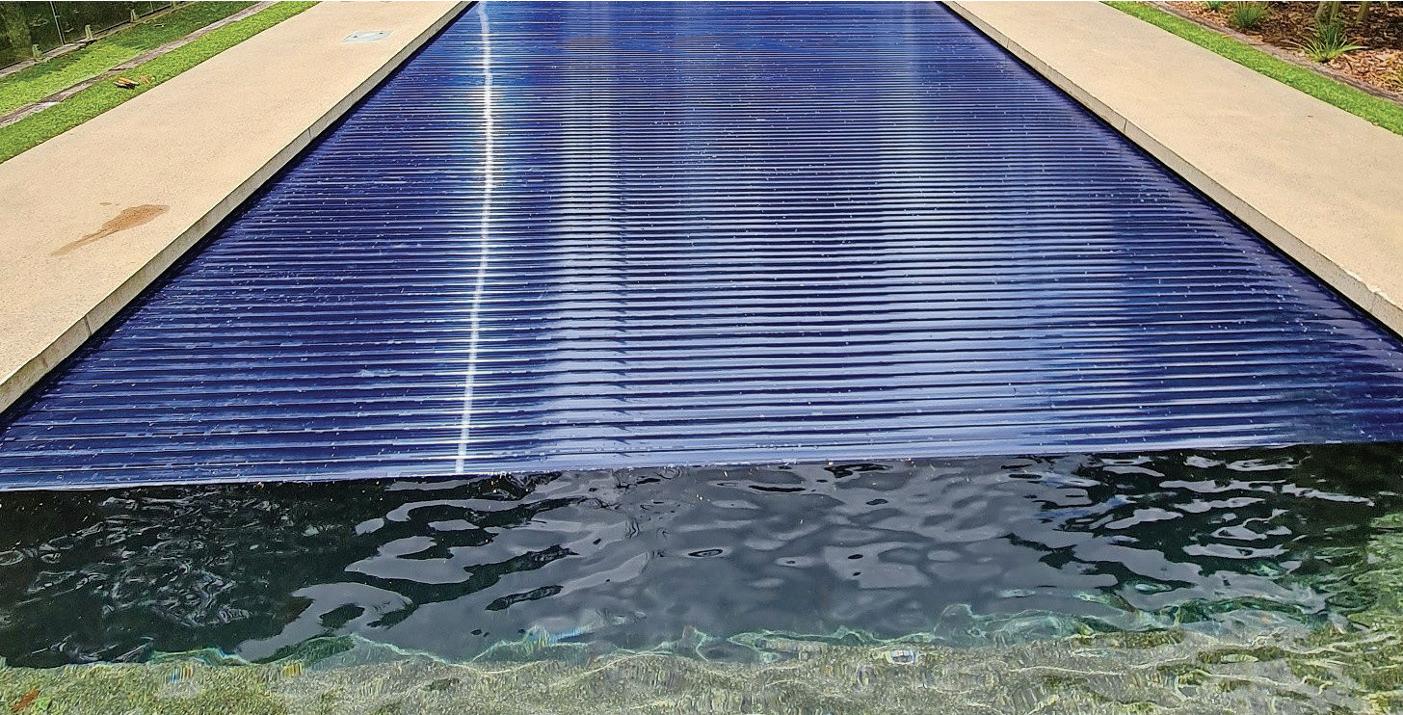
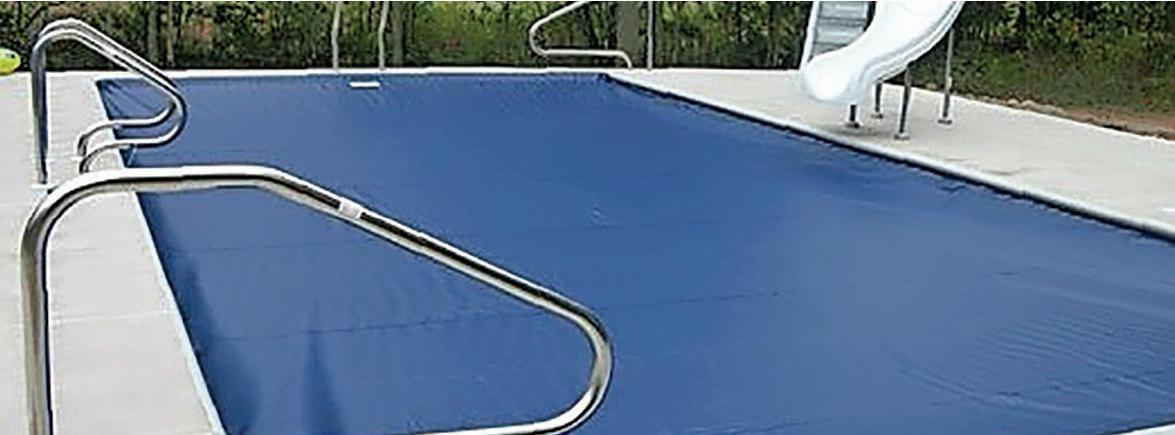
HANSEN POOLS SERVICE OFFERING
• New Construction and Renovations
• Complete Design and Build Service
• Salt and Fresh Water Pools
• Heat Pumps and Accessories
Hansen Pools offers endless
catering to various desires, from family-friendly features to luxurious spa-like experiences. Their expertise spans from kid-friendly pools to elegant reflection pools, making them a top choice for those seeking excellence in pool construction and property enhancement.
Landslide claims surge as storms intensify
Following a sustained period of severe weather, the Natural Hazards Commission says it is now receiving more claims for landslide damage than for any other natural hazard, with growing pressure on vulnerable properties.
The organisation has recorded almost 13,000 landsliderelated claims over the past five years — an increase of around 10,000 compared with the previous five-year period.
The sharp rise reflects what officials say is a clear trend toward more frequent and intense storm events, which are increasing slope instability in both urban and rural areas.
Chief Executive Tina Mitchell said landslides can occur with little warning and often cause significant damage to homes, infrastructure and land, with some events posing direct
safety risks to residents. “As storms become more frequent and intense, landslides are understandably a growing concern for many communities,” she said. “A good first step is understanding the risk in your area and the practical things you can do to strengthen your property.”
NHC Toka Tū Ake is urging homeowners, particularly those living on or near slopes, to prioritise regular property maintenance, effective drainage, and early professional advice where stability concerns exist. The agency notes that geotechnical engineers can assess slope risk and recommend mitigation measures such as retaining
wall upgrades or drainage improvements.
Residents are also being encouraged to watch for early warning signs of ground movement, including new cracks in soil or foundations, leaning retaining structures, and sudden changes in ground conditions following heavy rainfall.
A key focus of the warning is insurance awareness. Under the national natural hazards scheme, homeowners are covered for up to $300,000 plus GST for damage to insured residential buildings caused by events such as landslides, earthquakes, tsunamis, volcanic activity and geothermal events.
NHC Toka Tū Ake is urging homeowners, particularly those living on or near slopes, to prioritise regular property maintenance, effective drainage, and early professional advice where stability concerns exist.
Any additional loss beyond that cap may be covered by private insurance, depending on individual policy terms.
However, land cover is more limited and only applies in specific circumstances, often restricted to the immediate area around a home, typically within eight metres, and subject to statutory caps.
Driveways may also be covered in some cases, but long or complex accessways are not always fully protected. The agency is also encouraging property buyers to check the Natural Hazards Portal for historical claims data, which can provide insight into previous landslide activity and broader hazard exposure before purchasing.
“Understanding your property’s natural hazard risks before an event occurs can help reduce stress and financial pressure later,” Tina says.
"JC Operators provides great trainingThe perfect way to move your career forward"
Training
• Transport
Logistics
• Relief Driving
• Piloting
• Crane Movement
• Heavy Haulage Operating
Cranes
• Crane Operator
• Crawlers
• Rigger Dogman
• Assembly
• Project Management
Features
• Waterview Tunnel
Boring Machine
• Wind Turbine Maintenance
• Building Deans Stand at Ami Stadium
• CTV Building Rrescue Recovery
Christchurch Earthquakes
• Te Reinga Bridge Installation
• Waipipi/Turtia
Wind Farm Installation
• Te Kaha
Christchurch Stadium
Roof Structure Erection
NZ’s $2.5 billion shoddy building bill: How to fix the ‘build now, fix later’ culture
By Mark Kirby, Construction Industry Consultant, Auckland University of Technology
New Zealand’s residential construction industry contributes roughly NZ$26 billion annually to the economy and employs around 70,000 workers. Yet despite its significance and scale, the sector’s productivity levels have flatlined since the mid-1980s.
In housing construction, “productivity” isn’t a simple measure of output per worker; it refers to the industry’s ability to deliver the right quantity of highquality homes without significant delays or flaws.
If a builder spends ten hours rectifying avoidable mistakes , for instance, their productivity for the day is effectively zero. And this has become all too common within the sector.
A 2014 study by the Building Research Association of New Zealand (BRANZ) confirms
In housing construction, “productivity” isn’t a simple measure of output per worker; it refers to the industry’s ability to deliver the right quantity of high-quality homes without significant delays or flaws.
If a builder spends ten hours rectifying avoidable mistakes, for instance, their productivity for the day is effectively zero. And this has become all too common within the sector.
92% of new houses surveyed had compliance defects.
Subsequent analysis carried out for BRANZ by the New Zealand Institute for Economic Research estimated the annual cost of defective building to the overall economy:
“The results show that economy-wide effects of an increase in productivity would see New Zealand’s GDP rise by $2.5 billion, as the industry’s overall costs of production decrease.”
That means nearly 10% of the sector’s total value is lost to systemic quality
failure. Based on the average construction cost of an Auckland house, that loss represents around 5,000 missing homes every year.
Recognising the productivity problem, the government last year introduced major reforms aimed at speeding up consent processes and allocating financial liability for defective buildings to those responsible.
But while poor productivity is often blamed on procurement methods, technology or labour, our research suggests better quality management is key to remedying the industry’s “build now, fix later” culture.
Commercial viability before quality control
We surveyed the views of 106 residential construction professionals, including general managers, construction managers, site managers, project managers and subcontractors.
They were asked about the influence of quality management on improving residential construction productivity, and about the effects of government policy. The views expressed suggested a culture prioritising time and cost over quality is a systemic norm at the industry level.
We then traced the industry’s problems back to the major policy shifts that began in the mid-1980s. Before then, building quality was anchored in the prescriptive standards set by the Ministry of Works . By specifying how to build, the ministry acted as a national governor of technical standards. But by 1988, those standards
Continues over page >
were viewed as a barrier to efficient market operation, effectively ending the era of the state as master builder.
The New Zealand Building Code subsequently replaced the previous prescriptive system with a performancebased model focused solely on outcomes.
Without strict procedural guidance, the industry moved towards a culture that prioritised speed and commercial viability over rigorous quality management.
A ‘tick-box’ culture
To understand why industry performance stalled, we refer to what’s called the “theory of constraints”, which argues a system is only as strong as its weakest link.
In New Zealand’s residential construction sector, we argue, the weakest link is not just poor quality control but the absence of a quality-focused culture in general.
The 1980s shift to a handsoff, self-regulated model helped foster a “tick-box” culture rather than genuine organisational reform. This has meant that with every step forward, the industry is pulled back by the need to fix previous errors, stalling productivity.
On the building site, this manifested as a disconnect between the “work as imagined” (the manuals and checklists from head office) and the “work as done” by builders and subcontractors.
The worst outcomes are well known. New Zealand is still
paying for the nearly $47 billion legacy of the leaky homes crisis , which peaked in the early 2000s. Poor quality, damp and mouldy housing contributes to respiratory illnesses costing $145 million annually in hospitalisations.
While policies such as the healthy homes standards for rental properties now exist, such measures mainly treat the symptoms of a deeper problem.
In Auckland alone, one-third of all projects fail their final inspection. The high volume of remedial work required chokes the entire system’s throughput.
The government must lead
Fixing an annual $2.5 billion problem requires a structural shift. Our research proposes a framework where the state, as the primary funder and driver of major construction, sets the standard the rest of the industry must adopt.
The proposed framework is underpinned by “lean principles” designed to minimise waste and encourage continuous improvement through a “plando-check-act ” cycle. It uses the ISO 9000 standards New Zealand already has in place for exports.
To help achieve this, we argue the government would need to do two things.
• Establish a national construction, productivity and quality commission.
This would be a nonpartisan body staffed by industry and academic experts to ensure reform survives beyond three-year election cycles.
• Mandate quality management systems that align with existing ISO 9000 standards for all government-funded residential projects.
To help achieve this, we argue the government would need to do two things.
• Establish a national construction, productivity and quality commission. This would be a nonpartisan body staffed by industry and academic experts to ensure reform survives beyond three-year election cycles.
• Mandate quality management systems that align with existing ISO 9000 standards for all governmentfunded residential projects.
The aim is to create a trickle-down effect, driving culture change throughout the industry. To win stable government contracts, subcontractors would be forced to up-skill and formalise standards-based oversight of their work.
Improved quality and productivity should not be aspirational. New Zealand has 2.5 billion reasons to create the genuine structural reform required.
Auckland ratepayers are absorbing their steepest rates increase in 11 years.
The 7.9% average rise took effect on 1 July, adding roughly $320 to the annual bill for an average home, after the governing body formally adopted the budget on 30 June. New bills reach letterboxes from early August.
For a construction-anddevelopment sector already working through a flat market and stubborn cost inflation, the rise is another line of pressure, on households weighing a build, on commercial owners, and on the feasibility numbers that decide whether a project proceeds.
By Ben O’Connell
Where the money goes tells part of the story. The increase is driven largely by rising costs on the City Rail Link, the transport spine changing density and land value across the central suburbs. Council says it navigated a $213 million budget risk that could have forced a 15% spike, holding the
rise down with a $106 million savings target rather than deferring costs.
The rest of the story is disaster recovery. Mayor Wayne Brown points to the 2023 storms, where the $2 billion recovery partnership assumed around 700 property buyouts but is
now tracking closer to 1,200. “Ratepayers are not insurers and shouldn’t bear the burden of the cost of major weather events,” Brown said, arguing for a nationally-led funding model backed by government and the insurance sector rather than the local rating base.
“While times are tough, we are maintaining strict internal discipline to protect everyday services without racking up costly debt.”
The signals to watch are the buyout final tally, any move on a national disaster-funding model, and how CRL cost pressure feeds into future rating decisions, each one has its impact on the cost of doing business across the region.
Pure Energy. Pure Innovation.
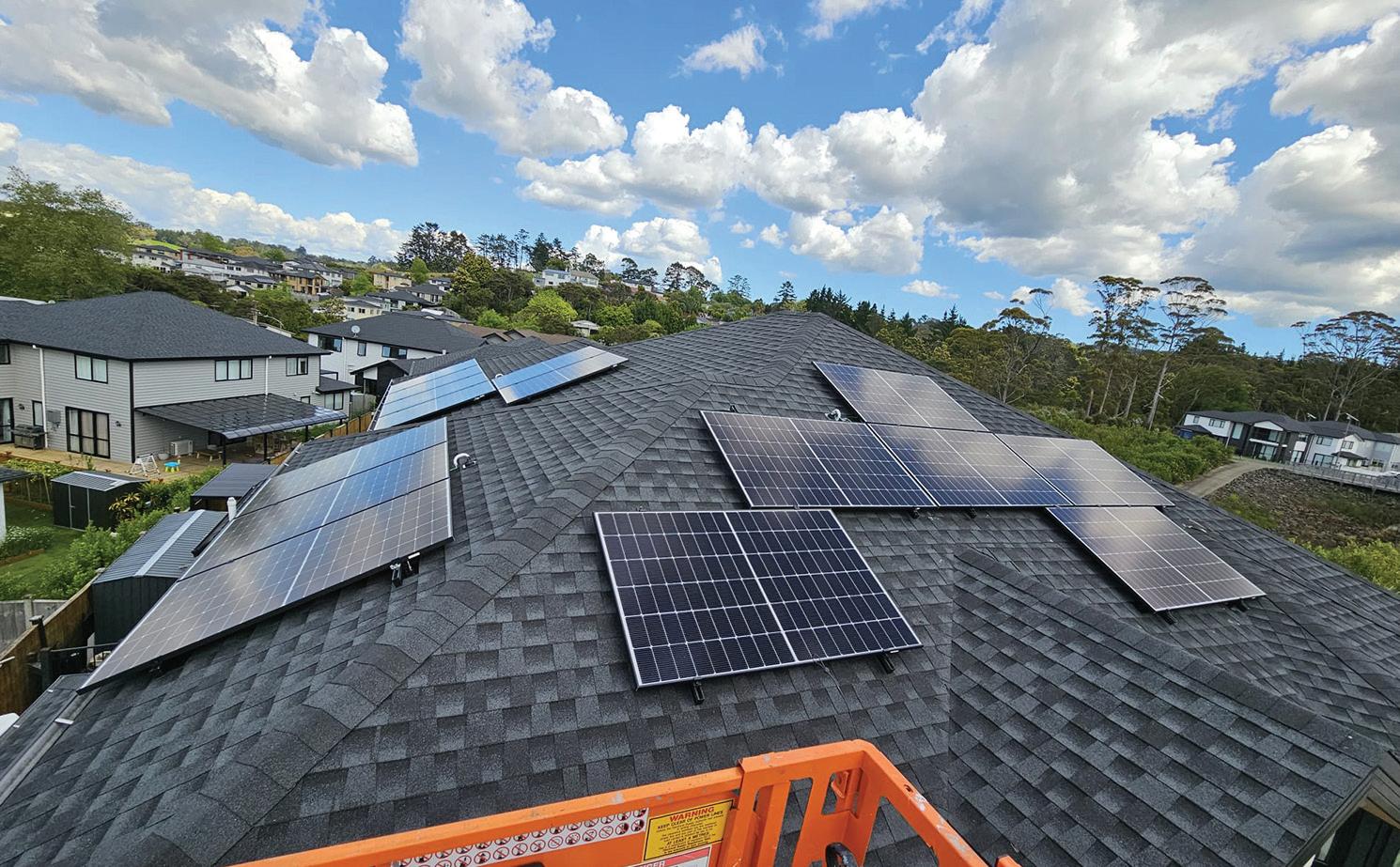
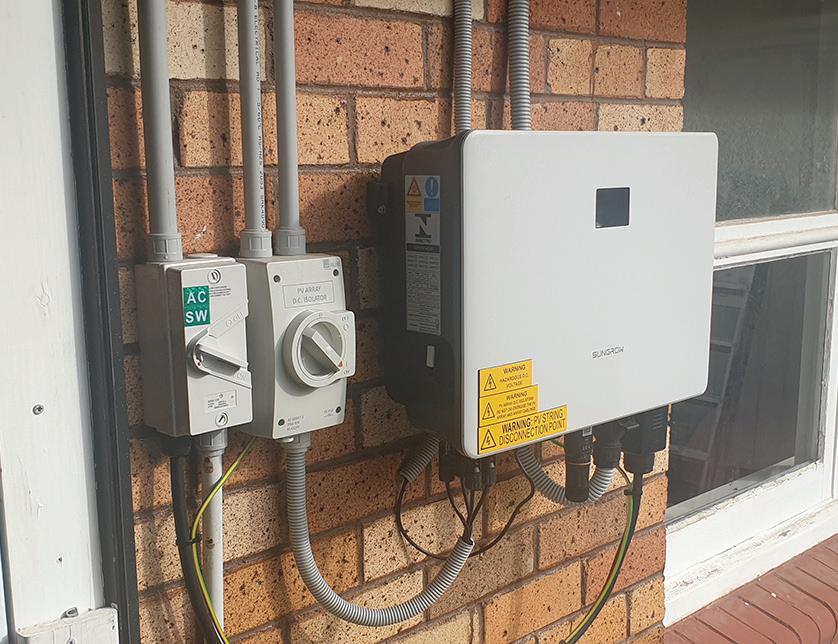
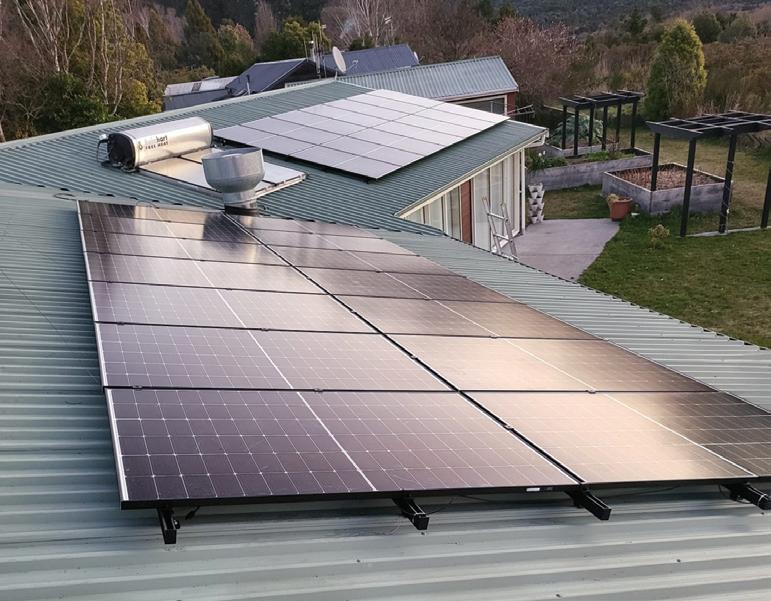
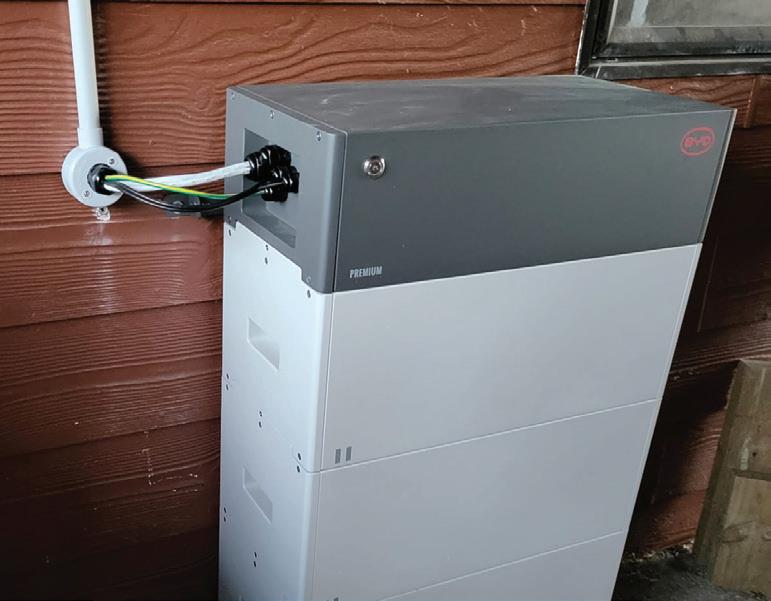
New Zealand–owned and operated solar and battery specialist. Focused on
and
• Residential solar PV systems
• Commercial & industrial solar installations
• Battery energy storage systems (BESS)
• Grid-connected and hybrid solar solutions
• Export-limited systems and network-compliant designs
Live Well, Build Well’s tradie wellbeing surveys keep finding loneliness near the top of the list — here are practical ways builders can stay connected
The Live Well, Build Well initiative began in late 2022 to help residential construction workers improve their mental health and wellbeing.
Backed by the Mental Health Foundation and ACC, the programme is designed to help builders and tradies build the mental strength and resilience needed to cope with the demands of working in a challenging and constantly changing industry.
Its annual New Zealand tradie wellbeing surveys consistently show that loneliness is one of the most common challenges facing Kiwi builders and tradies. That can come as a surprise. Construction is a people-focused industry. But loneliness isn’t about how many people are around you. It’s about feeling disconnected, unsupported, or like you’ve got no one to talk to when things get tough. The good news is there are practical things you can do that can help.
Take notice of the good stuff
When you’re stressed, tired or feeling isolated, it’s easy to focus on what’s going wrong.
The important thing is not to sit with it alone. Reach out. Talk to someone. Take one small step. Connection often starts with a simple conversation. No one builds alone, and you don’t have to carry things alone either.
A simple habit that can help is taking a moment each day to notice what’s going right. It doesn’t have to be anything big. It could be a good chat with a mate on site, knocking off a job you’re proud of, a laugh with the kids, a decent coffee in the morning, or simply getting home safely after a long day. You could jot down a few things you’re grateful for, think about a couple of wins from the day, or simply thank someone who helped you out. Small moments add up.
Don’t sit in silence
Many tradies spend long hours driving between jobs, working alone, or doing repetitive tasks. If the silence starts getting heavy, fill the space. Listen to music that lifts your mood, podcasts about topics you’re interested in, audiobooks while driving, or talkback radio and interviews that help you feel connected to what’s happening around you. Sometimes having another voice in the background can make a surprisingly big difference.
Pick up the phone
A quick text is easy, but a phone call is often better. If someone pops into your head, give them a call. You don’t need a reason. A ten-minute chat with a mate, family member, former workmate or someone you trust can help you feel more connected and remind you that you’re not carrying everything on your own.
Focus on real conversations
Being around people doesn’t automatically stop loneliness. You can be on a busy site all day and still feel isolated. What often matters most is the quality of your conversations. When you’re catching up with someone you trust, ask how they’re really doing. Share what’s happening in your own life. Talk about more than work, and listen properly instead of rushing to solve problems. You don’t need deep and meaningful conversations every day, but genuine connection goes a long way.
Get outside
Most builders already spend plenty of time outdoors, but this is about getting outside for yourself, not just for work. Go for a walk, take the dog to the beach, get out on the bike, head fishing, or simply sit
somewhere quiet and clear your head. Nature has a way of helping put things into perspective and can improve both mental and physical wellbeing.
Share what’s going on inside
A lot of tradies are good at solving practical problems but less comfortable talking about what’s going on inside. Keeping everything bottled up often makes things feel heavier. Talking to someone you trust doesn’t mean you need all the answers. It simply means you’re not carrying it alone. Whether it’s your partner, a mate, a workmate, a mentor or a professional, having a conversation can take some of the pressure off.
Get stuck into something you enjoy
When loneliness starts taking over, it can feel like nothing
is worth doing. That’s usually the time to do something anyway. Think about what you enjoy outside of work. It might be hunting, fishing, sport, woodworking, music, gardening, DIY projects at home or learning a new skill. Doing things that give you a sense of purpose and enjoyment can help break the cycle of isolation.
Spend time with animals
Pets don’t solve everything, but they can provide great company. Walking a dog gets you moving and often leads to conversations with
other people. If you don’t have a pet, consider helping at a local animal shelter or spending time with friends or family who do.
Be careful with social media
Social media can make it look like everyone else is winning. Perfect holidays. Perfect families. Perfect businesses. The reality is most people only share their highlight reel. If scrolling leaves you feeling worse, take a break and connect with someone directly instead. A phone call, coffee or catch-up is usually far more valuable than another hour online.
Share what’s going on inside. A lot of tradies are good at solving practical problems but less comfortable talking about what’s going on inside. Keeping everything bottled up often makes things feel heavier.
Remember: it won’t last forever
Loneliness can feel overwhelming when you’re in the middle of it, but it isn’t permanent. Many builders and tradies experience periods where they feel disconnected, especially during stressful projects, business challenges, relationship changes or difficult life events. The important thing is not to sit with it alone. Reach out. Talk to someone. Take one small step. Connection often starts with a simple conversation. No one builds alone, and you don’t have to carry things alone either.
Live Well, Build Well are looking for partner sponsors, as funding from ACC is becoming increasingly unpredictable. Interested parties can reach Rafael at rafael@livewellbuildwell.com.
DESIGNED TO WORK WITH NATURE
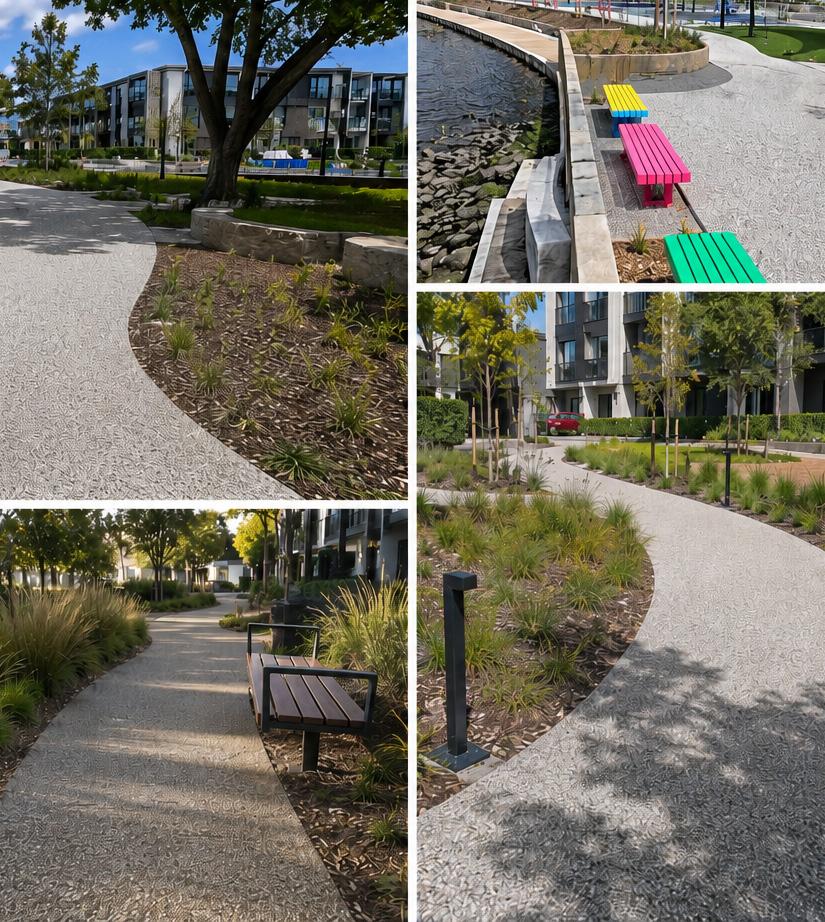
Across New Zealand, park managers are being asked to respond to increasingly complex environmental challenges. More intense rainfall, expanding urbanisation and increasing pressure on stormwater networks are driving a shift towards infrastructure that works with natural systems rather than against them.
Parks are uniquely positioned to play a role in this transition. Unlike most urban environments, they retain open ground, vegetation and soils capable of absorbing, filtering and storing water. These natural processes sit at the heart of what is now recognised globally as Nature-Based Solutions (NbS).
Traditional hard surfaces can interrupt these processes. Conventional concrete and asphalt are impermeable, preventing rainfall from soaking into the ground. Instead, water becomes runoff, carrying contaminants into drainage networks and waterways while increasing pressure on stormwater infrastructure.
Permcon permeable concrete takes a different approach. Rather than treating stormwater as a problem to be moved elsewhere, Permcon permeable pavements become part of the site’s water management system. Rainfall passes through the surface into an open-graded base below, where it can infiltrate the surrounding soil or be temporarily stored and gradually released –either through evaporation or into the soil beneath in a controlled manner.
This aligns closely with the principles of NbS, which are recognised by organisations including the International Union for Conservation of Nature (IUCN), the UN Environment Programme and leading engineering bodies worldwide. These frameworks recognise the value of combining engineered performance with natural processes to deliver environmental, social and economic benefits
THE PERFORMANCE CASE
The environmental performance of permeable pavement is well established. In addition to managing stormwater at source, international research has shown permeable
pavements can remove more than 80% of total suspended solids and help to prevent hydrocarbons and other contaminants from reaching waterways. Research has also demonstrated that microbial communities establish within the pavement base, helping break down contaminants and creating a living treatment system beneath the surface.
Where conventional pavements isolate soil from air and water – reducing biological activity that supports healthy landscapes – Permcon permeable concrete maintains the movement of water, oxygen and nutrients into the soil, helping sustain microbial activity, support adjacent vegetation and protect tree root zones.
THE CARBON EQUATION
For councils and project teams focused on carbon reduction, Permcon CarbonLow delivers up to 62% less embodied carbon than standard permeable concrete while maintaining the same structural and hydraulic performance.
Permcon CarbonLow has been independently assessed by Toitū Envirocare and verified to ISO 14067:2018.
As councils increasingly incorporate NbS principles into procurement, freshwater management and sustainability frameworks, Permcon permeable concrete offers a practical way to meet multiple objectives through a single solution.
Every pathway, plaza or park surface represents an opportunity to make our built environments function a little more like the natural systems they replace. Individually these may be small decisions but, across an entire city, they can make a significant difference.
The apprentice of the future
Kiwi teens are looking into trades as AI eats into entry-level office work. Budget 2026 leant in, doubling secondary school Trades Academy places to 20,000 over four years.
But the apprenticeships they’re signing up for look little like the ones their parents did. Automation has already reached the workshop floor.
Take training itself. Apprentices now practise high-risk work such as welding runs and live electrical tasks in virtual reality before they touch the real equipment. On the job, augmented-reality headsets overlay wiring diagrams and repair steps straight onto the gear in front of them, while AI systems capture the troubleshooting knowledge of retiring tradespeople and turn it into searchable guidance. Smart sensors, drone footage and digital plans are
AI can follow the recipe, but only a person can taste the soup.
The future of the trades is not analogue — it’s smart, connected and highly skilled
increasingly standard, in the classroom and on the tools. The tools are breeding new roles, too. Engineering firms now talk about the predictivemaintenance technician, who reads sensor data to catch a failure before it happens, and the robotics technician, who calibrates and integrates the collaborative robots, known as cobots, that share the floor with people. Behind them sit the IoT sensors, 3D simulation and data-driven assessment threaded through the trade itself. As University of Auckland business lecturer Dr Kenny Ching notes, that doesn’t make trades untouchable: “It’s not quite right to say that tradebased jobs are AI immune.” Industry trainers have a name for where this is
heading: the ‘digital tradesperson’, someone who pairs a steady hand with genuine digital fluency and follows a structured career ladder rather than years of repetitive grunt work. “AI can follow the recipe, but only a person can taste the soup,” says Jane Kennelly, Director of People at Skills Group, who describes the shift as going from spanners to scanners. “These are specialist professions that integrate practical expertise with technology. The future of the trades is not analogue; it’s smart, connected and highly skilled.”
New Zealand’s workforce data outlines the scale of the opportunity. Industry estimates
put the country short of around 6,000 electricians, while economics agency Infometrics forecasts more than 5,000 plumbing, gasfitting and drainlaying (PGD) openings through to 2030. Yet Skills Group’s own figures show Electrical Level 4 apprentice enrolments fell about 16% between December 2023 and June 2025, with PGD Level 4 down 8%, the pipeline needs strengthening.
“This imbalance between need and supply is one of the biggest opportunities for young people and careerchangers,” Kennelly says. “If we don’t address it, New Zealand risks slowing down essential housing and infrastructure projects. These aren’t optional skills, they’re critical to how the country functions.” School leavers should know the trades aren’t immune to sector-shifting technology, but for those willing to learn them, that’s the opportunity.
Jane Kennelly, Skills Group
AND INVESTORS
GET YOUR PROPERTY MARKET READY IN 2 WEEKS FOR REAL ESTATE AGENTS
We Think Like Investors, Not Just Painters
Unlike typical painters, we’re run by an active property investor. This means every recommendation, every quote, and every timeline is designed with one goal in mind: maximising your return and ensuring a smooth, easy property transformation.
Detailed, Transparent Quotes: No surprises.
We provide comprehensive written (electronic) quotes so you know exactly what you’re getting.
Reliable and Systematic: With 20+ projects a month, our processes are refined for efficiency and quality. Our systems ensure we meet your deadlines.
Full-Service Capability: From painting and plastering to carpentry and tiling, we’re your single point of contact for property upgrades.
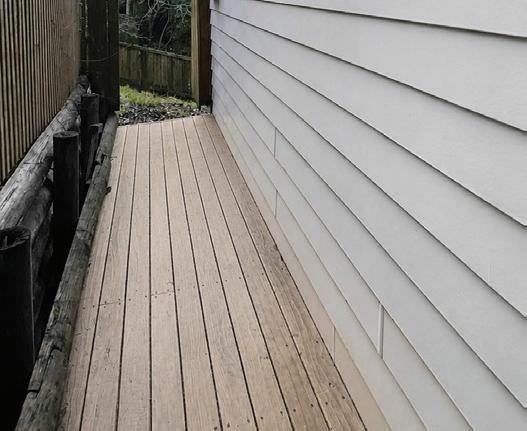
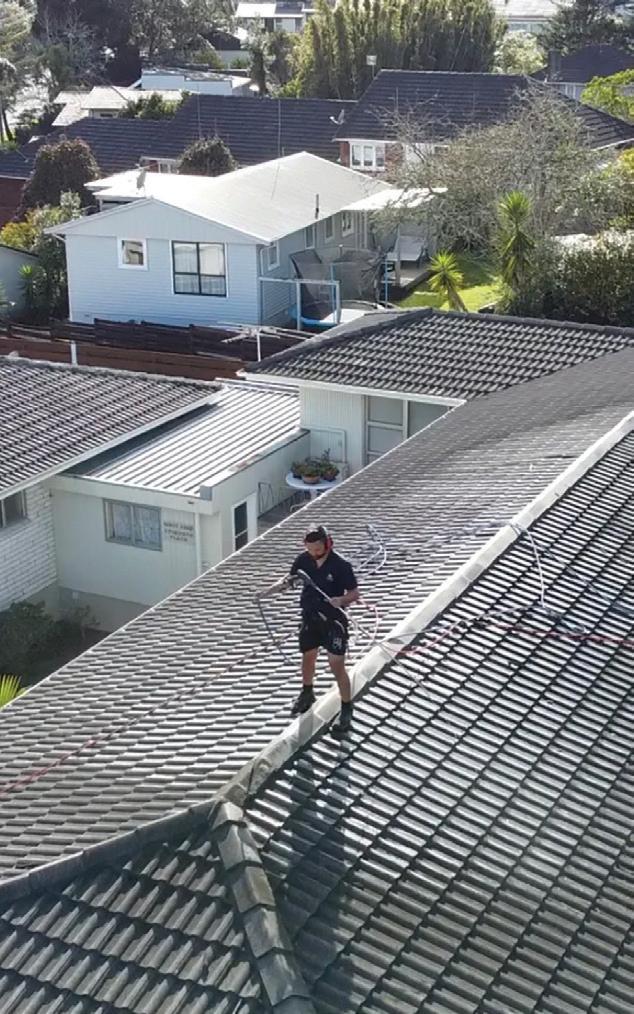
Maintenance and cleaning of exterior cladding, roofs and gutters.
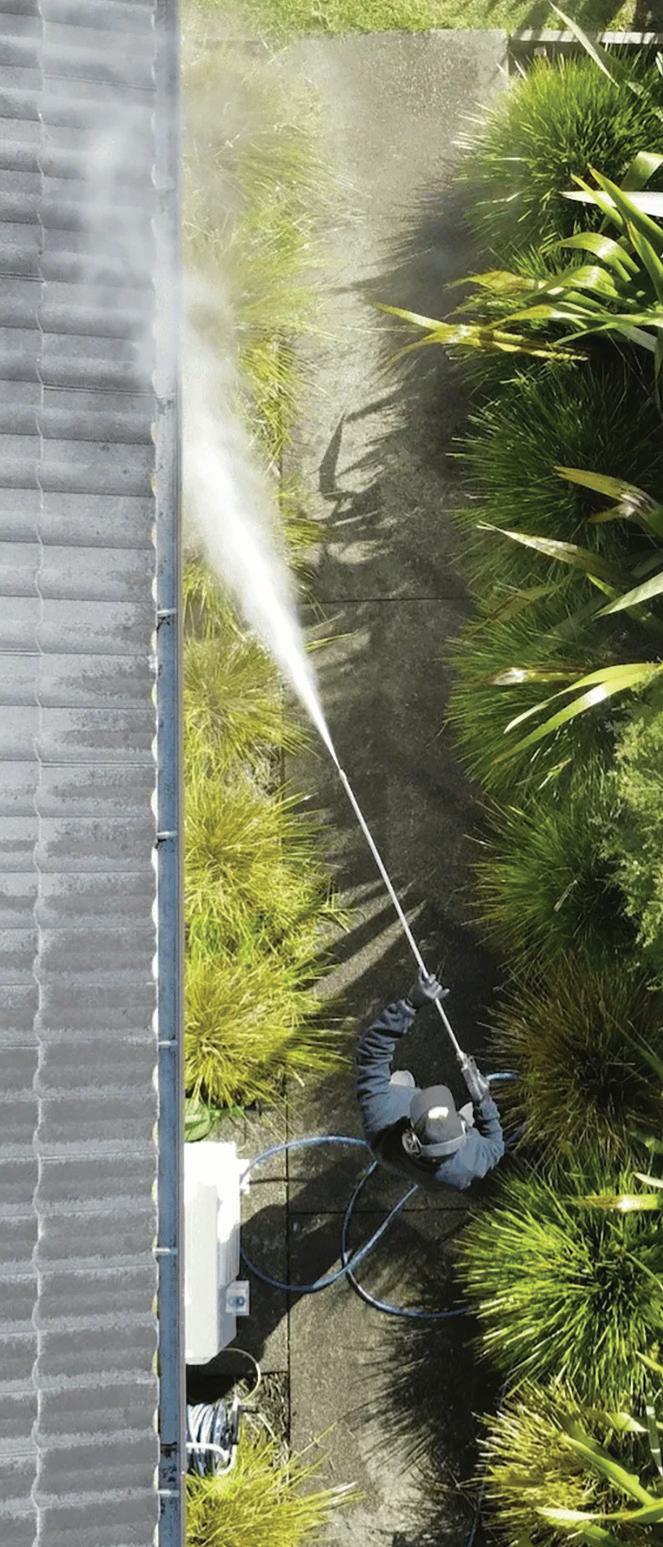
FIA Services is an exterior property maintenance company who clean roofs, gutters, windows, houses decks and driveways.
Frayne was helpful from the first communication we had. He got us booked in quickly to fix our spouting problem and brought in his builder, Mike to repair the fascia and joists that had rotted a bit.
Karen Smith
I would give it a 10-star rating actually for reliability, amazing work ethic, and always delivering excellent results! We are very happy with FIA’s professionalism, great communication, easy to deal...
Alastair Crawford
Frayne cleaned my roof and gutters a few months back. The work he has done is excellent. It looks like a new roof even after so many months. Frayne did not mind spending time to do meticulous work.
Susy Oommen
Things we do
House washing
Low pressure washing and soft-brushing for a clean and protected finished.
Gutter cleaning
Remove buildup in gutters to prevent leaks and other unplanned events.
Roof treatments
Using a non toxic formula, remove moss and mould from your roof.
Gutter repair/ replacement
Replace a leaky or damaged gutter system.
Water blasting
Keep your driveway looking presentable, preventing unplanned maintenance.
Commercial
Full exterior commercial maintenance, preventing leaks and other damages.
Designing with escape routes in mind
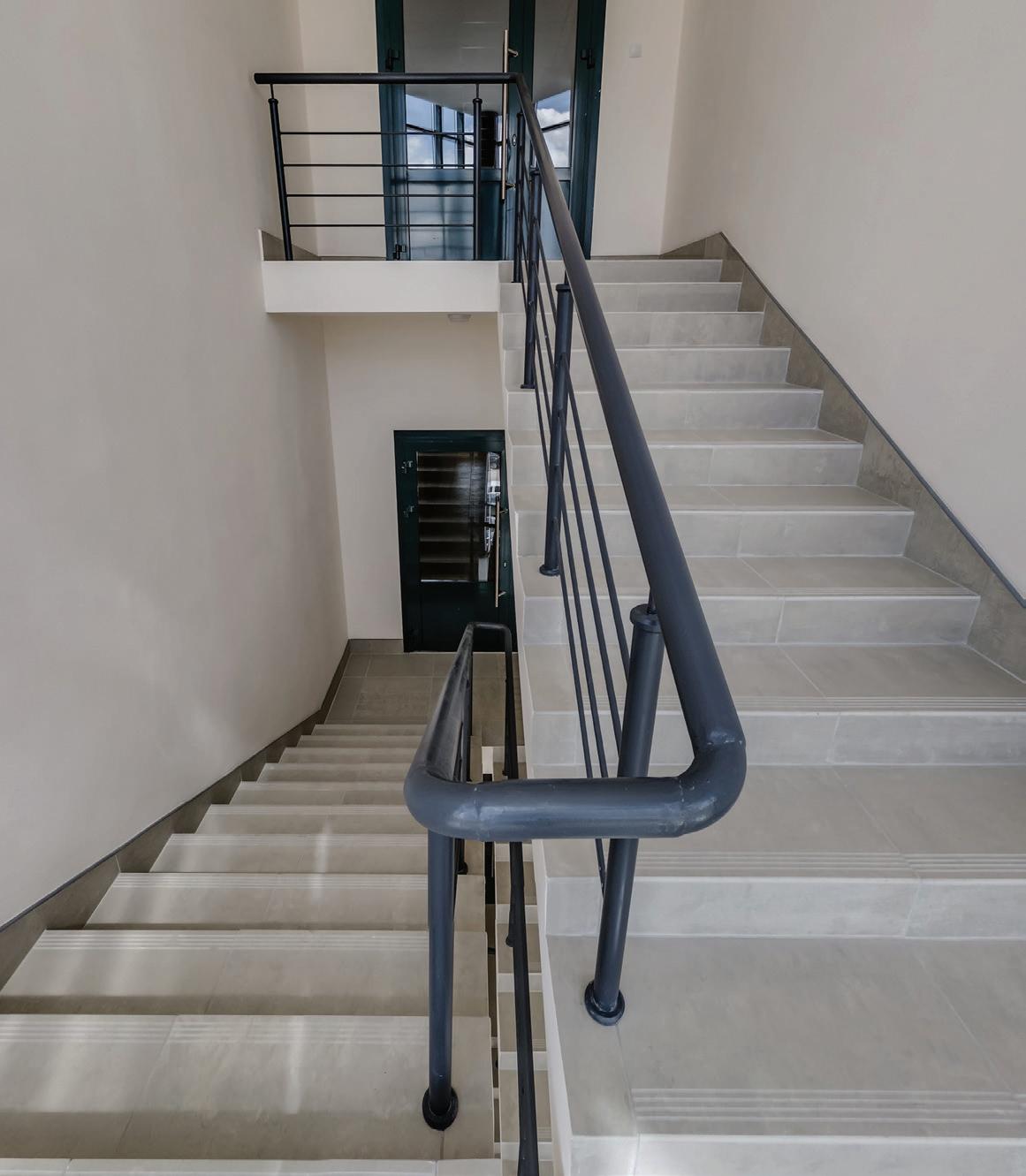
Increased housing intensification mustn’t compromise safe evacuation routes. Recent updates to C/ AS1 guidance, along with ongoing BRANZ research, place renewed focus on how external escape routes are designed.
In the past, most standalone homes were assumed to provide a straightforward escape path from any exit door directly to an open area such as a street, driveway, or garden.
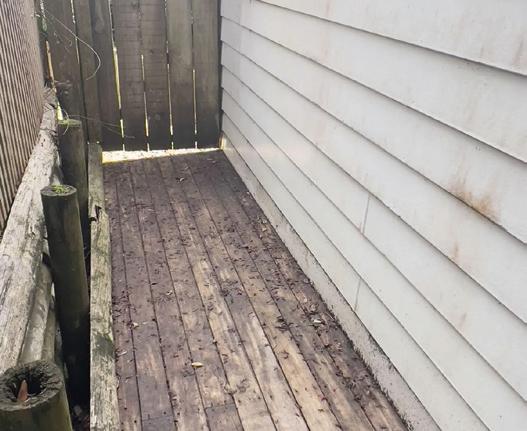
That assumption no longer holds in many modern developments. Tight site constraints, shared driveways, and additional dwellings built on subdivided lots often mean occupants must move past or alongside other buildings to reach a place of safety. If a neighbouring structure is involved in a fire, that route can quickly become hazardous.
Poorly planned escape paths can lead to consent delays, costly redesigns and reworks late into projects. Builders feel the impact through inspection failures and last-minute compliance queries.
The revised C/AS1 guidance sets clearer expectations around when an external safe path is required. Where a single direction of travel exists from an exit door, and no sprinkler system is installed, a compliant external escape route must be provided.
This generally means maintaining separation from
reduced mobility, including older occupants and those with disabilities. Layouts that support horizontal movement, clear circulation paths, and simple navigation improve the likelihood of safe self-evacuation.
Designs that assume emergency services will assist every evacuation scenario place unrealistic pressure on response systems and should be avoided where possible.
Fire protection systems contribute to improved outcomes as well. Sprinklers can significantly slow fire growth, while modern alarm systems, particularly voice and visual alerts, provide clearer warning than traditional bell-only devices. These systems increase available escape time and improve occupant response.
Poorly planned escape paths can lead to consent delays, costly redesigns and reworks late into projects. Builders feel the impact through inspection failures and last-minute compliance queries.
adjacent fire cells, often at least 1 metre, or incorporating fire-rated construction that limits exposure to heat and flame. The intent is to avoid situations where occupants are forced to evacuate through areas exposed to an adjacent fire.
Designers ought to shift their attention beyond the building footprint itself. Site planning now plays a direct
role in life safety outcomes. Building placement, boundary clearances, and shared accessways can all influence whether an escape route is acceptable under compliance documents. Early consideration of these factors reduces the risk of redesign later in the consent process.
BRANZ research shows the importance of evacuation design for people with
The key shift for contractors is that external escape routes must be treated as part of the overall building design and site layout, not an afterthought. Coordination between design teams, builders, and consenting authorities early in the process helps ensure routes are both compliant and practical in real-world conditions.
As residential density continues to rise, careful planning of external evacuation paths will remain central to delivering housing that meets both regulatory requirements and basic safety expectations.
Quality Electrical Components for Industry
Global Solutions for Industrial Automation
Electrical Importing Company was established in 1988 and is recognised for importing and supplying quality electrical components for the industrial electrical industry.
We are one of the top Electrical Suppliers in New Zealand offering over 6000 products in stock with various options to suit your every need.
Our products cover:
• Contactors
• Metal Enclosures
• Circuit Breakers
• Solid State Relays
• Pendants
• Motor Starter
• Plastic Enclosures
• IEC309 Connectors
• Limit Switches
• Power supplies & so much more.
Hiring boom brings new focus to workplace drug risk
Canterbury’s meth use is now almost 40% above its average level from last year, recent wastewater testing shows. National consumption has risen to an estimated 36.6kg per week.
This level of methamphetamine use has a weekly social harm cost of almost $40 million. Cocaine use has decreased since it spiked in the October 2025 quarter, but remains above average nationwide.
For Glenn Dobson, chief executive of The Drug Detection Agency (TDDA), the figures reinforce what workplace testing providers are already seeing on the ground.
The former New Zealand Police Senior Sergeant says employers need to think about substance use as part of a broader workplace safety strategy, especially during periods of rapid recruitment. “Pre-employment testing is one of the most effective tools for keeping substance use out of the workplace from day one – and setting workplace expectations straight away,” he says.
Businesses routinely screen candidates through interviews, reference checks and licence verification. Dobson believes drug screening should be viewed in the same way.
By Ben O’Connell
Getting recruitment wrong is costly. Job search site Seek Australia estimated that a poor hiring decision can cost small and medium-sized businesses more than $16,000 once lost productivity, recruitment expenses and management time are taken into account
“You interview candidates, screen CVs, check references, check driving history and then complete a drug test. It’s another step in making sure you’re not potentially hiring an issue and bringing negativity into the workplace.”
Getting recruitment wrong is costly. Job search site Seek Australia estimated that a poor
hiring decision can cost small and medium-sized businesses more than $16,000 once lost productivity, recruitment expenses and management time are taken into account.
Dobson says workplace drug trends are evolving. Cannabis continues to be the most commonly detected drug in workplace testing
programmes, but meth remains a major issue due to its impact on safety, behaviour and performance. At the same time, TDDA is seeing growing interest in emerging risks, including opioids and cocaine. The rise in cocaine use is particularly noteworthy. Dobson recently presented at an industry conference in the United States, where fentanyl and cocaine were major topics of discussion. Wastewater testing reflects this. National cocaine use remains well above historical averages.
While New Zealand is some distance from the scale of America’s opioid crisis, he says the country is still connected to global drug supply networks. “We’re part of a global supply chain. The more we can advise employers to be aware of changing drug trends, the better prepared they’ll be.”
For many businesses, the primary concern is safety. Industries such as construction, transport, logistics and manufacturing often involve heavy machinery, working at height, operating vehicles or performing tasks where impaired judgement can have serious consequences.
“At the end of the day, people need to get home safely,” says Dobson. “Drugs can amplify risk, particularly in safety-sensitive roles. That’s why having a robust policy is so important. It’s about being fair to employees while also
protecting their safety and the safety of others.”
Employers once adopted a strict ‘one strike and you’re out’ approach, but now many organisations recognise that support and rehabilitation pathways matter.
Dobson says a positive test result does not automatically mean someone is a bad employee or unwilling to contribute positively to a workplace. “There are several reasons why someone fails a drug test. Culturally, employers have matured around this. Most modern workplace policies now include rehabilitation and assistance options.”
Prescription medications are another consideration. Dobson says many businesses struggle to distinguish between detecting a substance and
While safety remains the primary driver behind workplace testing programmes, Dobson says businesses are becoming more aware of the potential reputational damage that can arise when substancerelated incidents occur.
assessing whether someone can safely perform their role.
“A positive test doesn’t necessarily mean someone has done something wrong. They may be taking legitimate prescription medication. The bigger question is how that medication affects their ability to work safely.”
Rather than focusing solely on identifying illicit drug use, employers are increasingly
considering overall fitness for work and the factors that may influence performance, decision-making and risk. Reputation is another concern.
While safety remains the primary driver behind workplace testing programmes, Dobson says businesses are becoming more aware of the potential reputational damage that can arise when substance-related incidents occur.
“Companies don’t want their brand or organisation appearing on the front page of the newspaper because someone made a poor decision influenced by drugs.”
As New Zealand grapples with record drug use and changing trends, Dobson believes workplaces have an important role to play. The more employers the TDDA can make aware of these issues, the better.
“Employers are part of the community. If we can help prevent and reduce demand for drugs through education, awareness and good workplace practices, that contributes to the wider solution.”
HUNDREDS OF JOB LISTINGS
CONNECT WITH EMPLOYERS GET ON SITE FASTER
Comprehensive Structural Steel Solutions
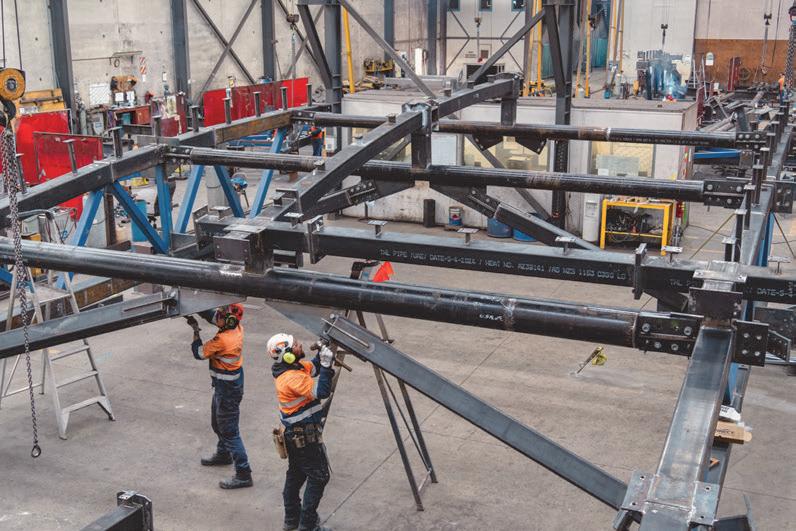
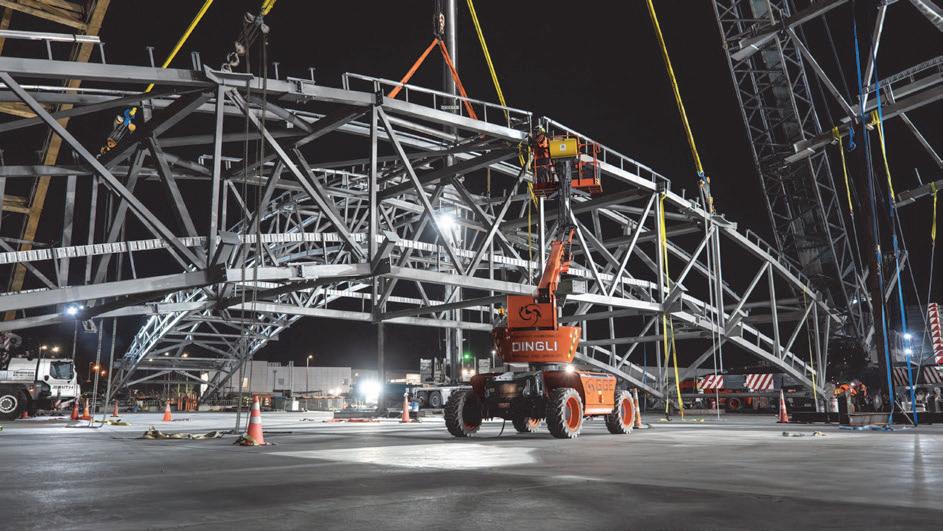
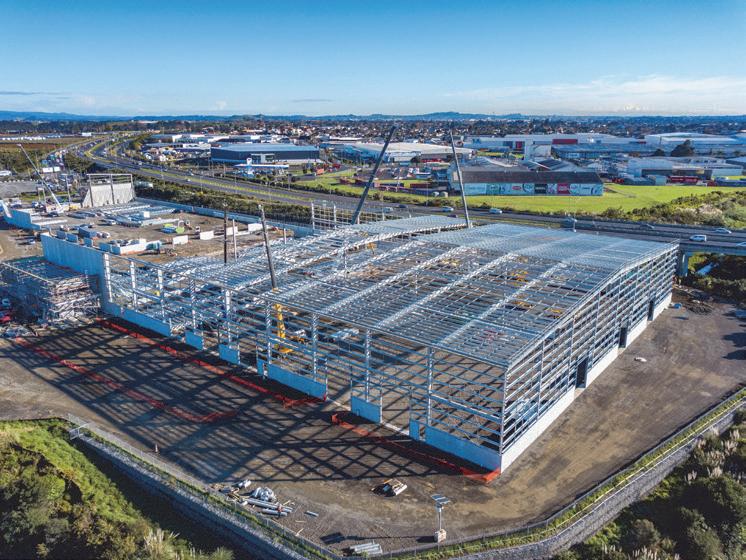
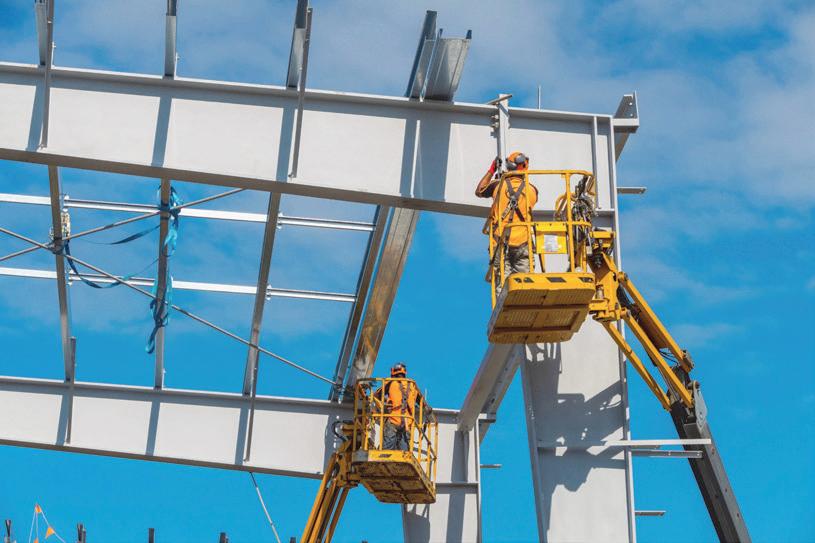
For over 35 years, George Grant Engineering (GGE) has been a trusted structural steel fabrication company in Auckland, delivering high-quality structural steel fabrication, steel erection, and installation services across New Zealand and the South Pacific. As experienced structural steel fabricators, we support projects of all sizes — from major infrastructure and industrial developments to specialised fabrication and smaller commercial steel works.
Our Services
• Fabrication: Tailored steel components for your specific needs.
• Installation: Precise, on-time assembly with a focus on safety.
• Project Management: End-to-end coordination to ensure timely delivery.
• Custom Steel Solutions: Bespoke structures for complex projects.
What Sets Us Apart
• 35+ Years of Expertise delivering precision and excellence.
• Certified Quality: SCNZ-certified for safety and standards.
• Advanced Technology for unmatched precision.
• Sustainable Practices supporting Green Star Ratings.
• Client Focus: Realising your vision with attention to detail.
YOUR ONE-STOP SOLUTION FOR FASTENERS AND ENGINEERING
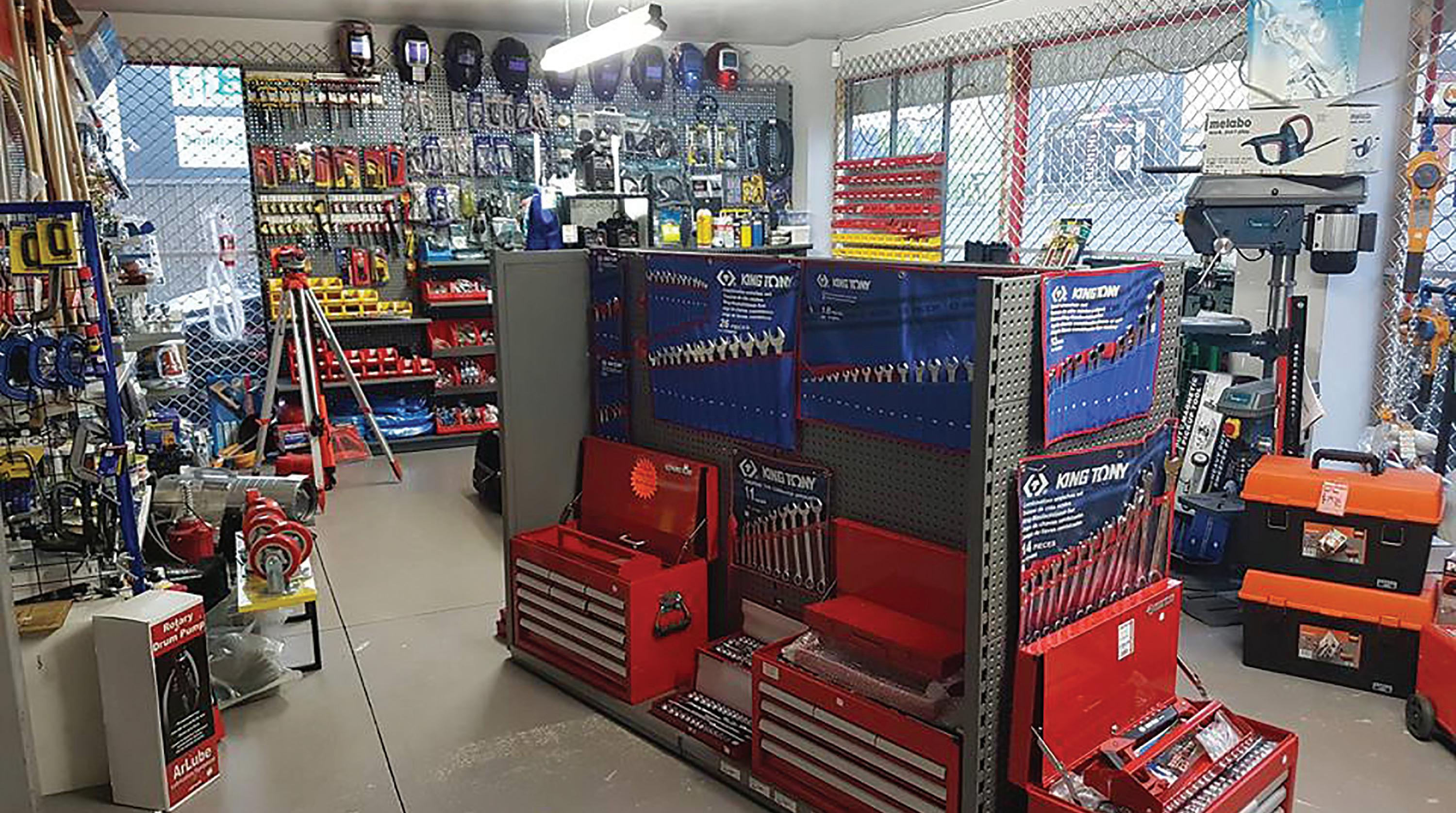
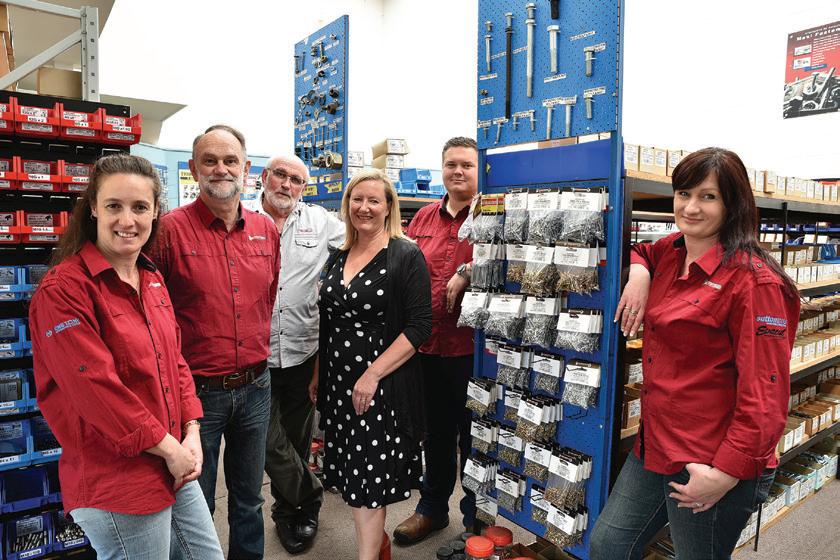
The Bolt Shop was established in 2000 under the direction of Director Geoff Smith with a wealth of fastening and technical experience. The team is prepared to support you with your project requirements and take on challenging issues.
The University of Auckland Formula SAE Team and its F:SAE:47 Projects are proudly sponsored by The Bolt Shop Team.
As Child Safety Advocates, we also support the New Zealand Police Managers Guild Trust.
Our Products:
• Mild Steel Bolts
• High Tensile Bolts
• Tapping Screws
• Rivets
• Nuts
• Machine Screws
• Threaded Rod
• Socket Head
• Drills
• Hardware
• Stainless Steel Bolts
• Washers
• Wood Screws
• Masonry
• Taps & Dies
• Consumables
• Tools
Glenfield
191B Archers Road, Glenfield, North Shore City
Phone: 09 441-9425
Mon-Fri: Open 7:30am to 5:00pm Sat: Open 8:30am to 12:00pm gfsales@boltshop.co.nz
Wiri
23 Ash Road, Wiri, Auckland City
Phone: 09 262-2944
Mon-Fri: Open 8:00am to 5:00pm
wirisales@boltshop.co.nz
Before the next big rain
Heavy rain turns a building site into two problems at once. While the downpour is on, the question is where your dirty water is going.
Once it clears, the question is whether the site is safe to walk back onto. Both sit with the person in control of the work, and both are easier to answer with a plan written before the clouds arrive than worked out in the mud afterwards.
The water that leaves your site is yours
Bare, disturbed ground sheds sediment-laden water fast, and that runoff carries silt, cement washings and fuel residues straight off the site unless something stops it. The water that leaves your site is your responsibility, and a brown plume reaching the kerb is visible to the neighbours, the council and anyone with a phone.
There is a regulatory floor under this. The Resource Management (National Environmental Standards for Freshwater) Regulations 2020, in force since 3 September 2020 and amended again in January 2026, set national rules for earthworks near water; including thresholds on the area you can expose and a requirement that disturbed ground be stabilised on completion and that soil and debris not be placed where they can reach a water body, drain or race. On top of that sit regional council rules and consent conditions, which often bite well before the national thresholds do. Get it wrong and the exposure runs from an abatement notice through
to enforcement and the reputational hit of being the site that silted the stream.
The controls are not exotic.
Auckland Council’s GD05 — the standard New Zealand reference for erosion and sediment control, last updated in August 2023 — and Environment Canterbury’s small-sites guidance both work from the same hierarchy: keep clean water clean, slow dirty water down, and catch the sediment before it leaves. In practice that means:
• An erosion and sediment control (ESC) plan for the site, with one named person responsible for installing, checking and maintaining the measures
• Minimise what you expose. Stage the earthworks, and stabilise or cover bare ground and stockpiles you are not actively working
• Divert clean water around the disturbed area with bunds or channels so it never picks up sediment in the first place
• Silt fences and sediment retention on the down-slope side to filter and pond runoff so the heavy material drops out before discharge
• A stabilised entranceway — a metalled pad — so trucks aren’t tracking mud onto the road
• Dewater deliberately. Pump from excavations to a treatment or settlement point, never straight to the gutter.
Install the controls before you break ground, then check them after every significant rain — a silt fence full of sediment or a blocked diversion does nothing.
Getting the crew back on safely
When the storm passes, the instinct is to get straight back to
The water that leaves your site is your responsibility, and a brown plume reaching the kerb is visible to the neighbours, the council and anyone with a phone.
work. WorkSafe NZ’s stormrecovery guidance, issued 22 January 2026, is a useful brake on that. Jason Gibson, WorkSafe’s Acting Northern Regional Manager at the time, set out the hazards a flooded or storm-hit site presents — and they are not the obvious ones.
Floodwater and silt top the list. “Always assume that debris, flood water and silt is contaminated,” Gibson said — with farm run-off, sewage and chemicals — “stay away from it, or wear the right protection if you have to work in it.” Contaminated water also raises the risk of leptospirosis, so hand-washing and PPE matter. Treat every downed power line as live and keep clear, and have an electrician check any gear that won’t start once power is back, rather than switching it on and hoping. Run generators only with good ventilation and never use portable LPG indoors; carbon monoxide is the quiet killer in recovery work.
The ground itself is the next hazard. Waterlogged terrain is unstable, excavations and trenches may have collapsed or filled, and familiar routes can’t be trusted. Walk the whole site and reassess before anyone works on it. Finally, manage fatigue, recovery work is long and hard, so watch hours and conditions, and set up a checkin plan so no one is working alone out of contact.
The takeaway is the same for both halves: the work that protects you happens before the weather, not during it. Before the next big rain, confirm your ESC plan and who owns it, walk the controls, and agree how a storm-hit site gets inspected and signed.
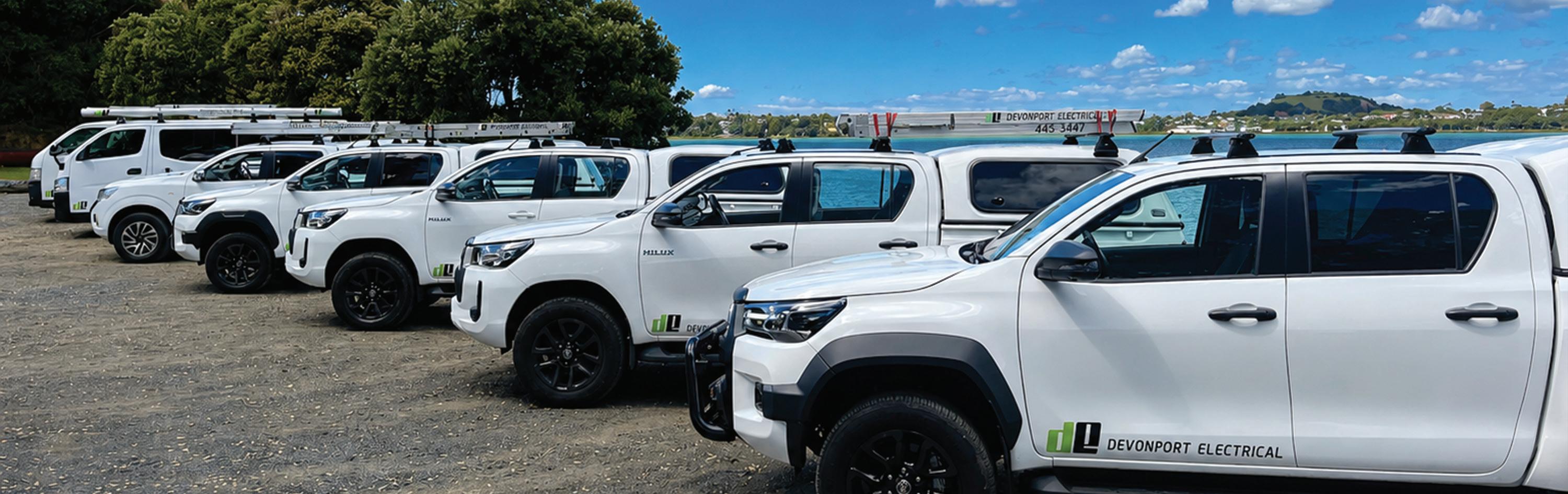
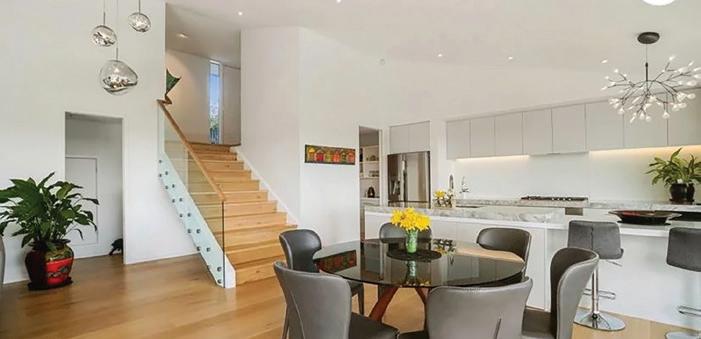
Devonport Electrical offers a comprehensive range of services for home improvement and safety.
Terry & Jo Bourke
Devonport Electrical specializes in providing tailored electrical services for commercial properties.
Devonport Electrical offers services to ensure the safety and efficiency of electrical fittings for both homes and businesses.
Build costs rise as materials offset fuel relief
Residential construction costs continue to edge higher even as fuel prices ease. New Stats NZ data shows petrol prices fell 3.8% in May, while diesel dropped 11.4%, in line with short-term eases in global fuel pressure after a volatile start to the year.
This movement will be welcome news for transportheavy industries but the reduction isn’t enough to shift the broader trajectory of construction costs.
QV CostBuilder data shows the average residential building cost per square metre increased by 1.6% in the three months to the end of May 2026, and 2.4% over the past year. The data suggests that while some input costs are stabilising, overall pressure remains firmly to the upside.
QV CostBuilder data shows the average residential building cost per square metre increased by 1.6% in the three months to the end of May 2026, and 2.4% over the past year. The data suggests that while some input costs are stabilising, overall pressure remains firmly to the upside.
“The reduction in diesel prices has provided some muchneeded relief for fuel-intensive areas of work, but it hasn’t been enough to stop residential construction costs from rising overall,” QV CostBuilder spokesperson and quantity surveyor Martin Bisset said.
“The steep price of fuel has obviously been the most pressing issue in recent months. We’ve seen some of that pressure ease now, but diesel is still significantly higher than it was earlier this year and so it remains highly relevant and highly volatile.”
Lower diesel prices did contribute to short-term easing in some early-stage construction activities.
Excavation costs fell 5.1% over the month, while piling work declined 0.9%. But these savings remain isolated rather than widespread across the sector.
“The broader picture is still one of modest cost growth overall. Some costs have come back, but materials such as concrete, timber, cladding and pipework are still moving higher,” Bisset said.
“Construction cost inflation is not running away right now, but it is still present. Anyone planning a build should allow for some movement in costs. Even modest increases can make a difference over the life of a project.”
At the same time, building material prices continue to move higher across a wide range of categories, reinforcing underlying cost pressure in the sector. Increases were recorded in garage doors (2.5%), framing timber (3%), ready mix concrete (4.1%) and fibre cement cladding (4.8%), alongside sharper rises in cedar cladding (21%) and key infrastructure materials including PVC pressure pipework (18.8%), PVC drain, waste and vent pipework (21.6%) and polyethylene pipework (25%).
Non-residential construction is also tracking upward, with the average building cost per square metre (excluding educational buildings) increasing 1% over the quarter and 1.8% annually. Taken together, the data points to broad-based but moderate inflation, with fuel easing partially offset by continued strength in core material pricing across both residential and commercial projects.
Pre-Purchase Property & Building Inspections
North Shore & Auckland
Buying a home in Auckland? Get a fast building inspection that reveals what’s really going on, so you don’t end up with a lemon.
Whether you need a property inspection for the bank or peace of mind for yourself, I’ll make sure you know exactly what you’re walking into.
Quality Guaranteed
Powder Coating
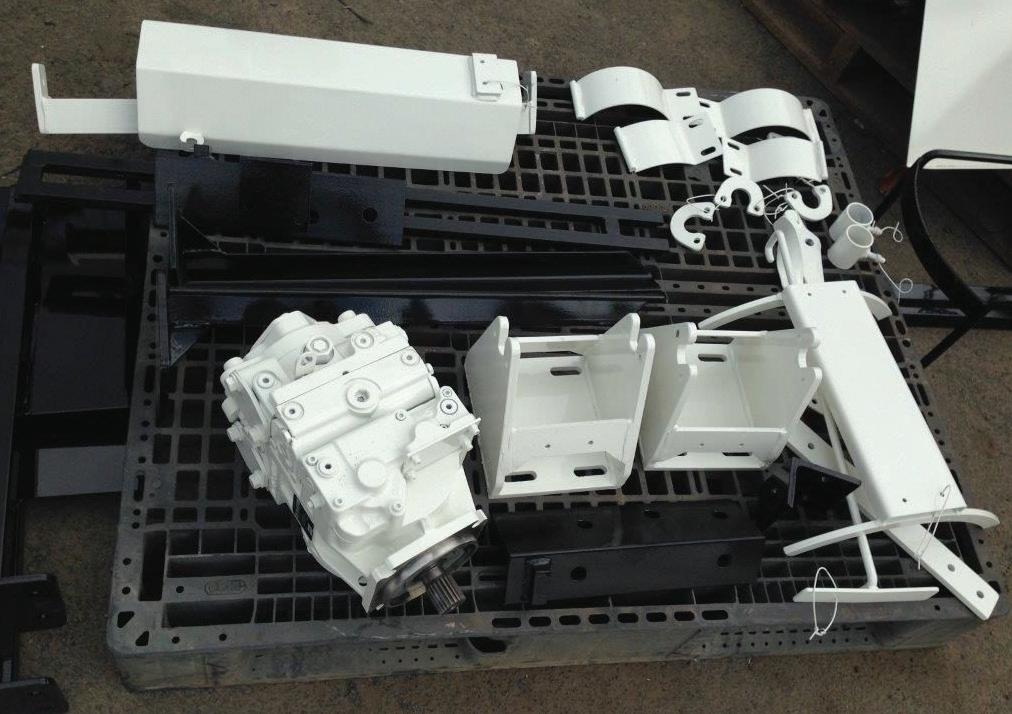
ColourTec NZ in Auckland is a full service custom coating shop specialising in commercial powder coating and high volume industrial wet paint for the architectural, appliance and component markets in New Zealand.
We are superior powder coaters and high volume industrial wet paint experts. Our plant has both manual and fully automated spray equipment to handle large production runs.
REALISTIC HIGH DEFINITION
For over 40 years our reputation has been built by offering quality and service at a fair price. Our workmanship meets or exceeds NZ, AUS and US standards. We are fully accredited and licensed applicators.
We have become a recognised leader within the custom powder coating industry. We offer both the capacity and expertise to handle your finishing requirements.
TIMBER FINISH
TimberTec is the registered name for a process developed by ColourTec NZ to produce a realistic high definition timber finish look on powder coated surfaces.
The dazzling array of colours and range of products means powder coating has become the choice for manufacturers and fabricators.
ColourTec NZ use only environmentally friendly coatings that offer toughness and durability with improved exterior performance.
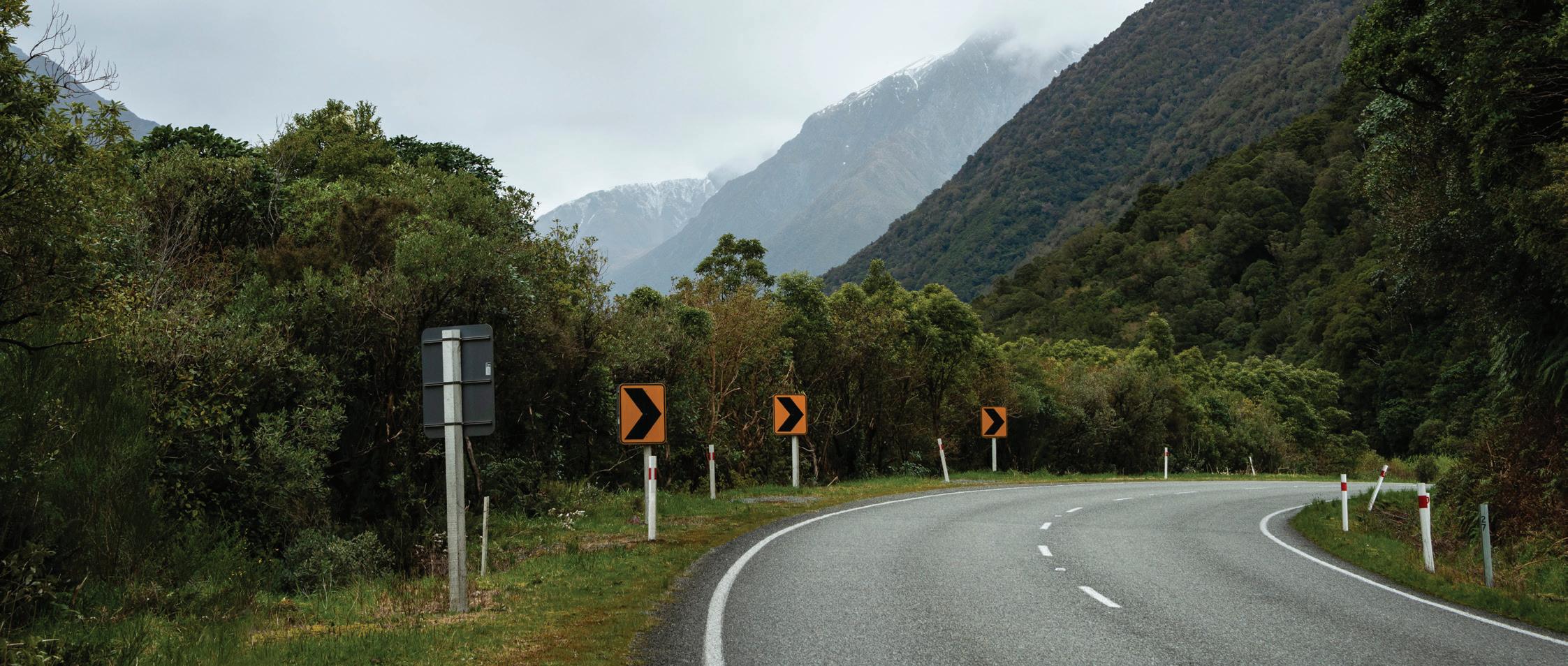
Would this be our most expensive road?
The first stage of the Northland Expressway is edging closer to construction, and if current estimates prove accurate, it could become the most expensive road ever built in New Zealand.
The 26-kilometre Warkworth to Te Hana section is widely estimated to cost between $3.5 billion and $4 billion, surpassing the per-kilometre cost of projects such as Transmission Gully. While an updated official project cost has not yet been released, the scale of the investment has already sparked debate over whether the benefits justify the price tag.
The route is the first stage of the Government’s planned Northland Expressway, a 100-kilometre strategic corridor linking Warkworth and Whangārei. The project includes four lanes, three interchanges and an 850-metre twin-bore tunnel through Dome Valley, with NZ Transport Agency Waka Kotahi aiming to
Several factors contribute to the unusually high cost. The route traverses challenging terrain, requiring significant earthworks, major bridge structures and the twin-bore tunnel through Dome Valley. Rising construction costs, inflation and increasingly stringent environmental and engineering requirements have also pushed up the price of large infrastructure projects across New Zealand.
begin detailed design and construction by the end of 2026, subject to final contract approvals.
Several factors contribute to the unusually high cost. The route traverses challenging terrain, requiring significant earthworks, major bridge structures and the twin-bore tunnel through Dome Valley. Rising construction costs, inflation and increasingly stringent environmental and engineering requirements have also pushed up the price of large infrastructure projects across New Zealand.
Unlike many previous highway projects, Warkworth to Te
Hana is also being delivered through a public-private partnership (PPP). Under this model, a private consortium finances, designs and constructs the motorway before being repaid by the Government over an agreed period. Supporters argue the approach allows major infrastructure to be delivered sooner, while critics point to the long-term repayment commitments that accompany PPP arrangements.
The Government and NZ Transport Agency say the project will deliver more than simply a faster journey north. The new expressway is intended to improve freight
reliability, reduce crashes, strengthen resilience along a corridor frequently affected by weather events and support long-term economic growth across Northland. Travel times between Warkworth and Te Hana are expected to improve by up to 10 minutes while providing a safer alternative to the existing section of State Highway 1 through Dome Valley. The route also forms part of a much larger transport corridor designed to improve connections between Auckland and Northland over coming decades.
Not everyone is convinced the investment represents the best use of public money. Transport commentators have questioned whether a multi-billion-dollar motorway is justified given projected traffic volumes, arguing that targeted safety upgrades, resilience improvements, rail investment or expanded public transport could deliver greater value at a lower cost. Others argue that the project’s long-term economic benefits will outweigh its substantial upfront expense.
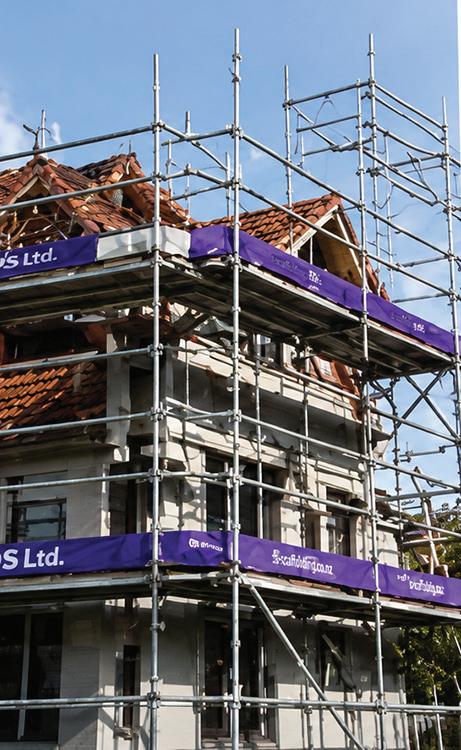
When to shrink-wrap a building
Opening up a roof or stripping cladding exposes the structure and everything inside it to the weather.
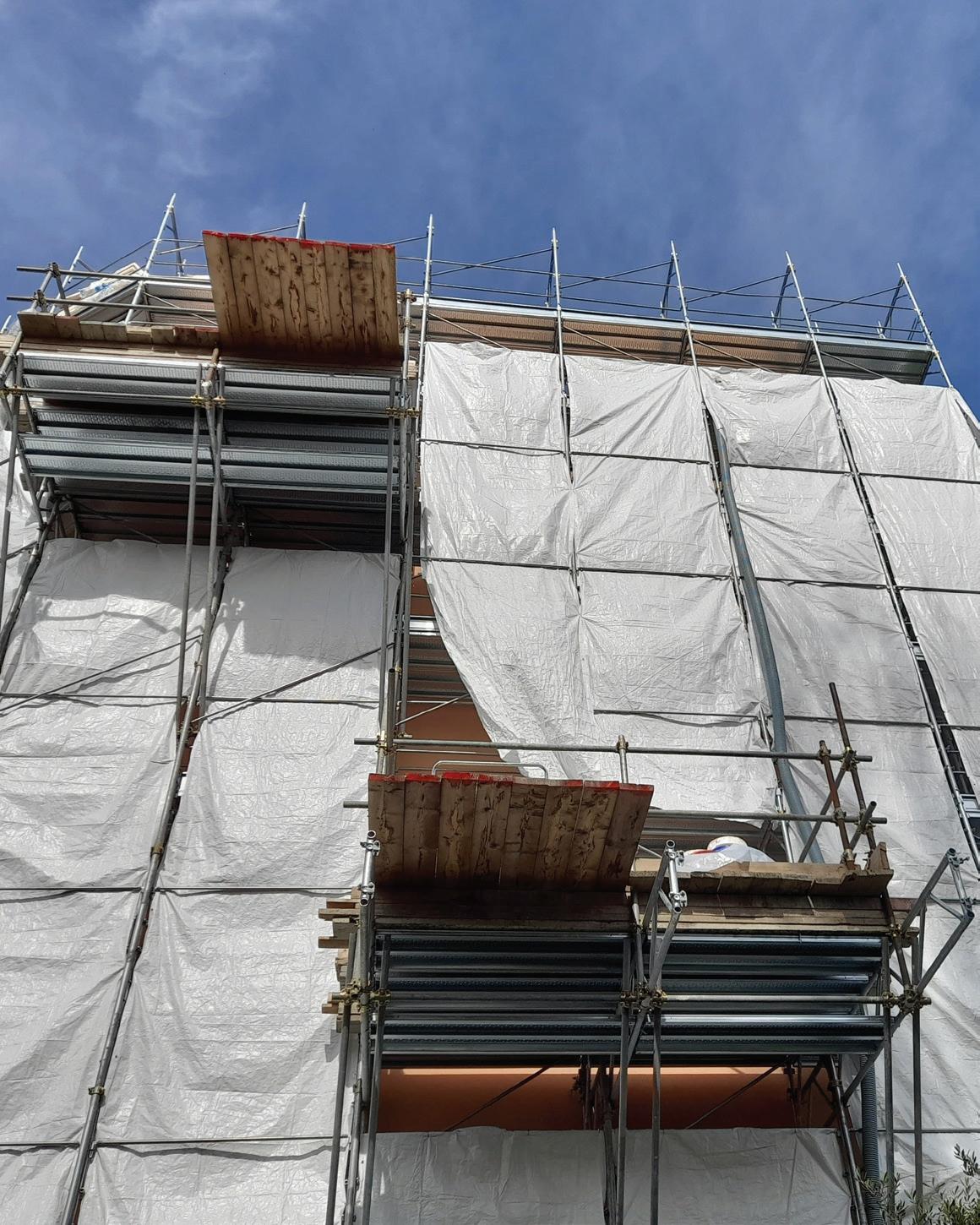
The real question is what goes back over the top while the work runs. Temporary encapsulation, as in heatshrunk reinforced polyethylene tensioned over a scaffold, has moved from a specialist option to a routine line item on reroof, recladding and remediation jobs.
The case for wrapping is strongest whenever the envelope stays open for more than a day or two. Reroofs and recladding are the obvious examples: with the skin off, framing and interiors are exposed, and a wrap keeps rain out so interior trades can keep working instead of waiting on dry weather.
Weathertightness remediation carries the same logic at higher stakes. The point of the job is to dry the building out and rebuild it dry, which is undone if it takes on water mid-repair. Hazardous-material containment, heritage repairs, leaky-building work, and emergency cover after storm or fire damage round out the strongest cases.
Moisture is the underlying driver. BRANZ has long noted that water trapped in framing during a build leads to decay, mould and finish failures, and that keeping a structure dry costs less than drying it out afterwards. A tarp only slows water ingress; a wrap stops it. Heat-tensioned film doesn’t rip,
Industry good-practice guidance echoes this: a wrapped scaffold needs additional ties, anchors and bracing, since high wind on a sealed face can both lift the structure and create a vacuum behind it. Where wind or rain pooling on the film exceeds the design allowance, the film comes off.
flap or pull loose the way a tarp does, so the building stays dry and the crew keeps working through weather that would otherwise shut the job down.
A sealed envelope also creates a controlled work environment containing dust and debris, catching dropped
material inside the scaffold line, and shielding the public. For asbestos and lead-paint work, that containment isn’t incidental, it’s the job itself. WorkSafe’s asbestos guidance treats sealed enclosures and negative-pressure control as core measures, and any friable asbestos removal requires a
Class A licence. Encapsulating the work zone is how fibres stay contained.
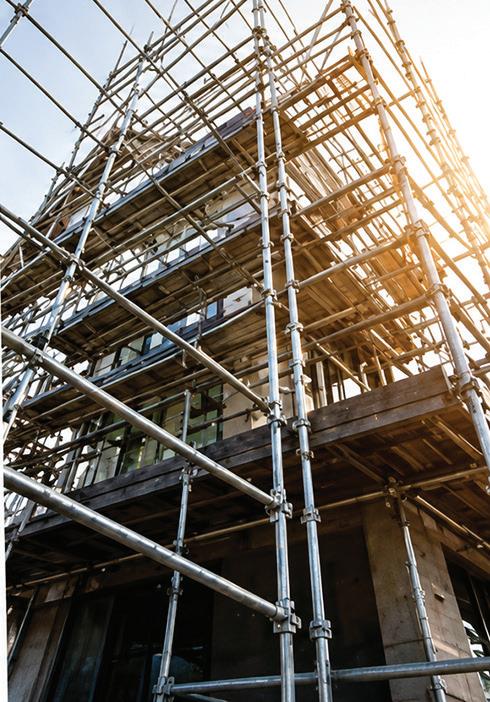
The trade-off is structural, and it’s the part most often underestimated. A bare scaffold lets wind pass through; sheet it and you’ve built a sail, with the structure underneath carrying every newton of load. WorkSafe’s scaffolding guidelines place wind loads on screens and sheeting squarely in the designer’s live-load calculation, flag environmental loading as complex, and direct scaffolders toward a chartered engineer where those loads haven’t been verified, as governed by the AS/NZS 1576 scaffolding series and AS/NZS 1170 structural design standards.
Industry good-practice guidance echoes this: a wrapped scaffold needs additional ties, anchors and bracing, since high wind on a sealed face can both lift the structure and create a vacuum behind it. Where wind or rain pooling on the film exceeds the design allowance, the film comes off.
That makes wrapping a design decision. The ties and engineering need planning alongside the scaffold, not after it, with access, ventilation and ignition control built in from the start. For any job with the envelope open more than a few days, weigh the wrap and its engineering demands against a wet structure and lost weather days. On most reroofs and remediations, the wrap wins, provided the scaffold underneath is built to carry it.
Auckland’s trusted scaffolding specialists for residential and commercial projects. 50+ YEARS EXPERIENCE
Trusted across Auckland for projects big and small.
All Around System Scaffold Access Towers
Roof Edge Protection
Tube & Clip Scaffolding Scaffold Wrapping
Shutdowns & Maintenance Access
Temporary Fencing
Confined Spaces
Luxury house market shifts south
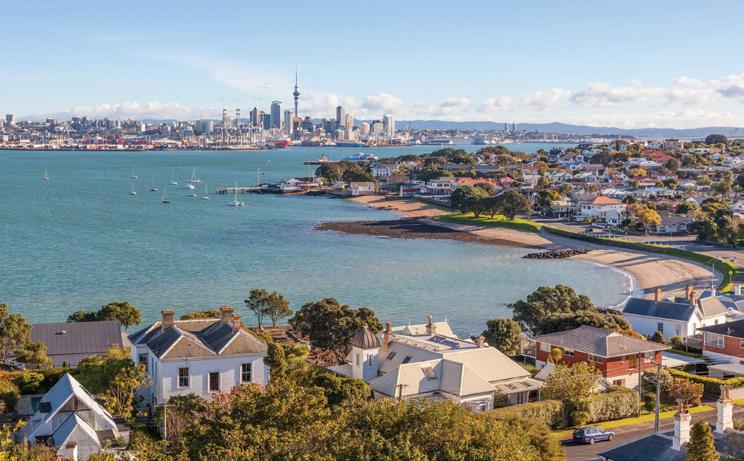
Otago has overtaken Auckland as New Zealand’s most expensive prestige property market for the first time.
New analysis from Ray White Group economist Atom Go Tian shows New Zealand’s luxury housing market peaked at a median price of $2.26 million during the pandemic boom before correcting to around $1.9 million. Prices have since stabilised, edging up to $1.93 million.
However, the national figure masks major differences between regions. Otago has emerged as the standout performer, with luxury median
prices climbing from $2.3 million in 2024 to $2.7 million in 2026.
Much of that growth has been concentrated in the Queenstown-Lakes district, where limited land supply, lifestyle appeal and international buyer interest continue to drive demand.
Auckland, by comparison, has remained relatively flat. The region’s luxury median has hovered around $2.5 million for the past three years and recorded only 4.4% growth over the past decade, including a 2.3% decline over the last year.
Auckland’s prestige market experienced much of its growth during the pandemic
boom, while recent buyer demand has shifted toward lifestyle destinations and coastal holiday towns, so down south. The report suggests some of the strongest long-term growth has come from traditionally cheaper prestige markets. Southland and the West Coast have both more than doubled in value over the past decade as buyers seek lifestyle properties outside the main urban centres.
At the suburb level, Queenstown-Lakes dominates the country’s fastest-growing luxury locations. Kawarau Falls recorded 240% growth over 10 years, reaching a median of $2.71 million, while Kelvin Heights rose 39% in the past year alone.
Arrowtown also continued its strong run, with luxury prices increasing 163% over the decade as buyers look for quieter alternatives near Queenstown. Christchurch suburb Fendalton was Canterbury’s only entry among the country’s topperforming prestige areas.
The suburb recorded 81% growth over 10 years alongside strong annual price gains, making it unusual among already-expensive luxury locations.
General Auto Diagnostics & Servicing
• Diagnostics and Repairs
• Air Conditioning Servicing & Repairs
• Hybrid and Electric Vehicle Services
• Routine Maintenance Services
• Additional Services
Commercial Auto Diagnostics & Servicing
• Fleet Electrical System Inspection
• Electrical System Diagnostics
• Specialised Services for Commercial Vehicles
• Advanced Diagnostic Tools
• Emergency and On-Site Services
Industrial Auto Electrical Solutions
• Heavy Machinery Electrical Services
• Specialised Wiring Solutions
• Battery and Power Solutions
• Lighting and Safety Systems
• Air Conditioning Systems for Industrial Vehicles
Delkor Battery
Retailers in Auckland
Delkor automotive batteries are known for their high quality, reliability, and advanced technology.