The Maritime Worker Te Whanganui-a-Tara
BY MICK WILLIAMS MUNZ VETERANS
Seventy-five years ago, the ruling class launched a calculated offensive against organized waterfront labour.
The 1951 Waterfront Lockout was not a failure of negotiation, it was an act of open class war waged by the state and employers to smash one of the most powerful sections of the working class in Aotearoa.
Watersiders were targeted because their unity allowed them to exercise real control over their labor.
The response was repression: emergency regulations, censorship, military intervention on the wharves, and the deliberate starvation of workers’ families.
For MUNZ members, this history is not abstract.
The conditions we face today –casualization, labor hire, constant surveillance, and legal restrictions –are direct products of that era.
This anniversary is not for mourning, but for resolve.
The lesson of 1951 is that when maritime workers organize effectively, the state responds with force.
The answer remains unity and uncompromising solidarity.
In 1951, New Zealand’s economy was locked into Britain’s imperial trading system.
Shipping firms like P&O and Blue Star Line were not neutral; they were pillars of capital that required strict labor control.
Shipowners had a long memory of dock struggles and viewed New Zealand watersiders as a threat to global supply chains.
Their solution was destruction, not compromise.
Wellington was a central battleground.
As the capital and a major port, disciplined labor there represented a direct challenge to political authority.
During the lockout, the National Government dropped all pretense of neutrality, using police and military labor to defend capital.
The human cost was severe, with thousands of workers blacklisted and driven into poverty.
Despite the defeat, maritime unionism did not die.
It regrouped and rebuilt based on the hard lessons of 1951: the state is not neutral, employers act internationally, and unity across unions is essential. This anniversary reminds us of what maritime workers are capable of when organized.
Working-class power on the waterfront was broken once, but through the Maritime Union of New Zealand, it continues to be rebuilt.
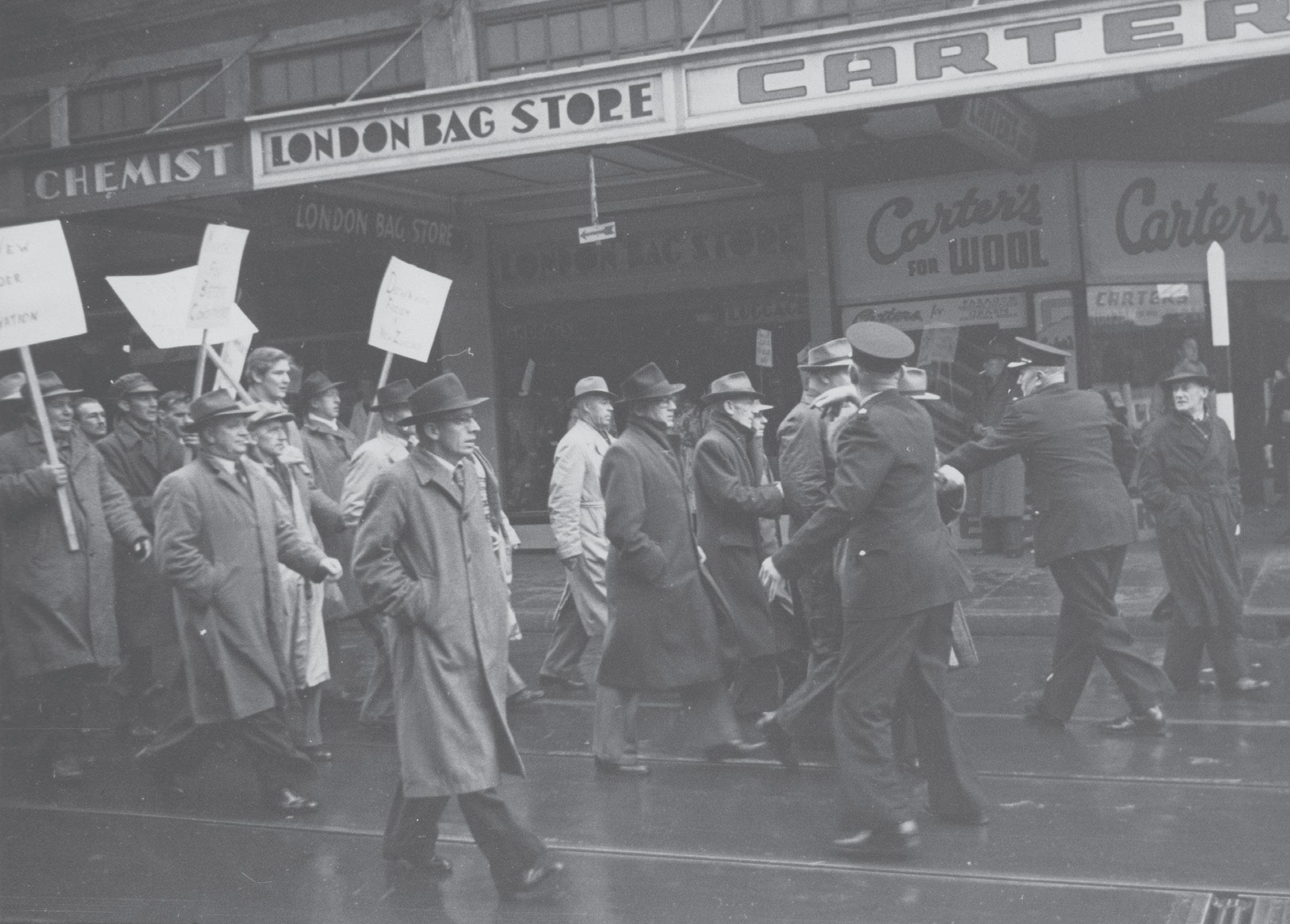
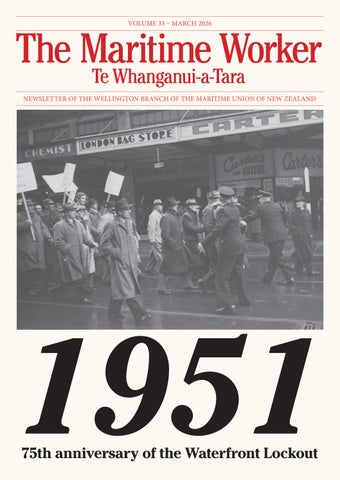
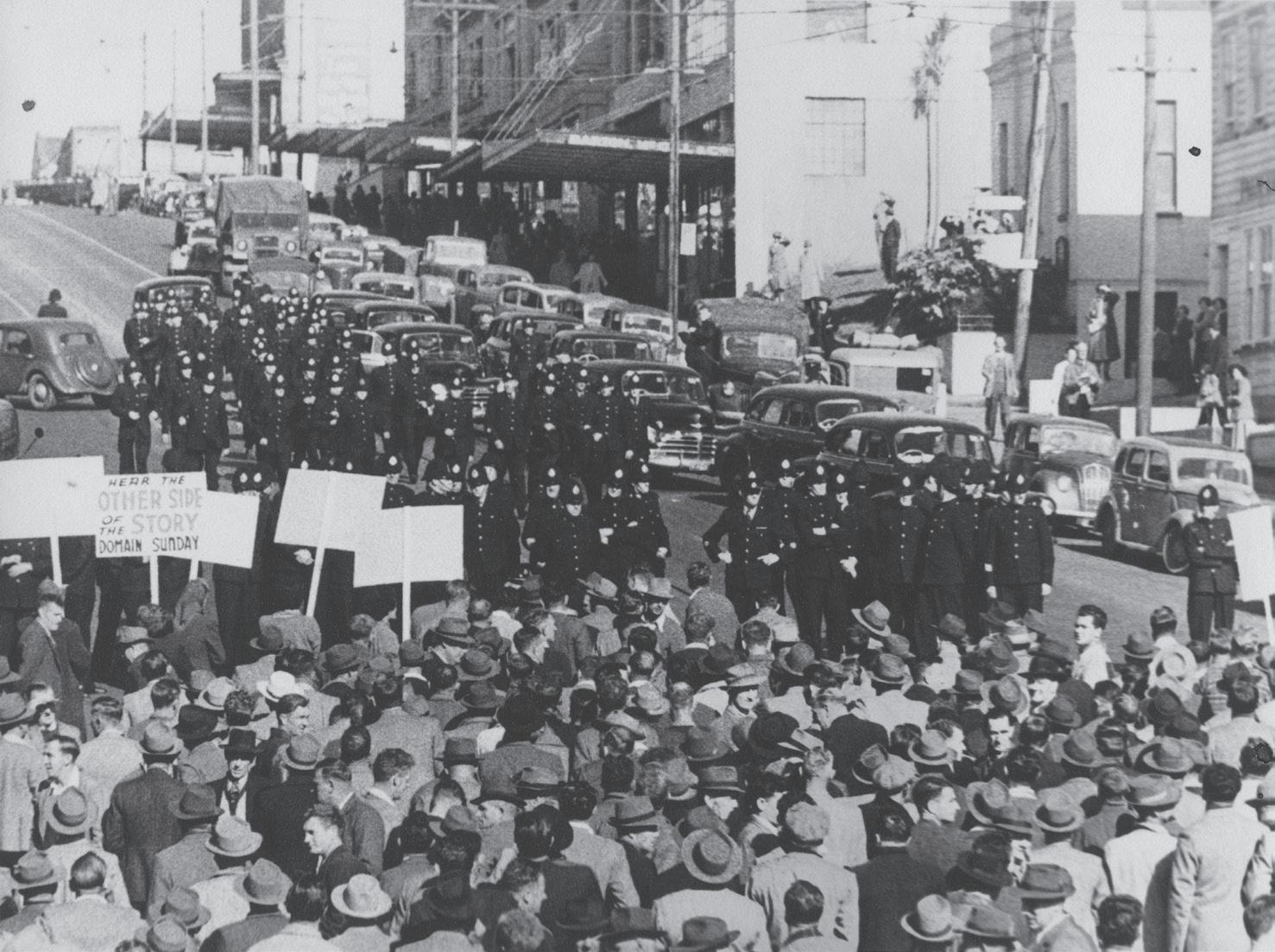
Front page: Police attack marching watersiders on Cuba Street, 1951
This page: Police mass on Queen Street in Auckland shortly before attacking a peaceful demonstration of watersiders, their family and friends. There were many serious injuries.

Listen to the new single on Spotify
This 15th of February marks the 75th anniversary of the Waterfront Dispute of 1951, the largest industrial dispute New Zealand had seen up to that point and since.
The fractious struggle for fair conditions, pay and security became a flashpoint between those who saw working people as simple chattels of company interests and those who dreamed of accessing the promise of a better life in the post-war era.
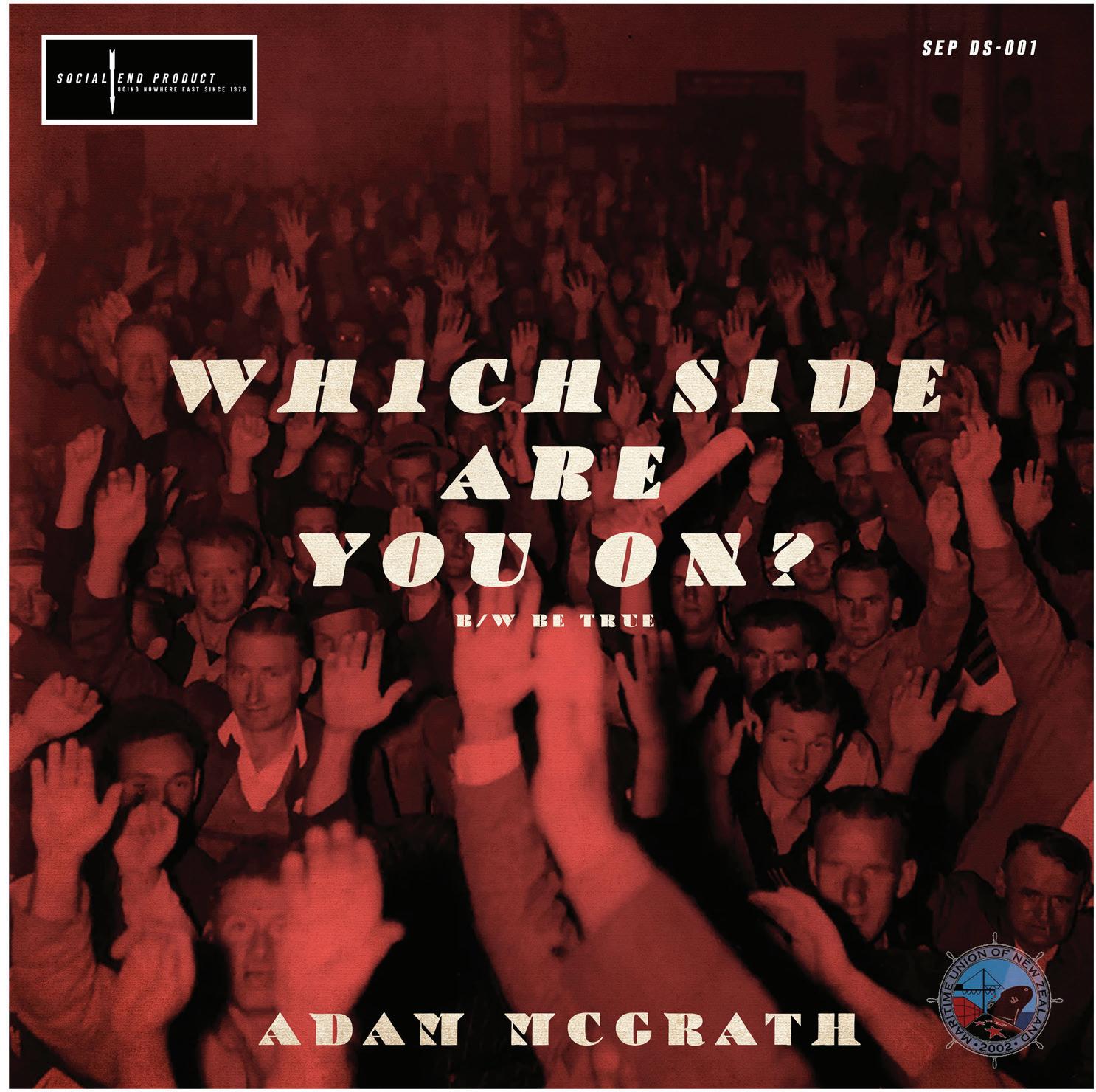
Marking this date, one of New Zealand’s foremost modern folk singers and writers, Adam McGrath, releases the first single from his upcoming album of songs inspired by the stories, struggles and solidarity imbued in the history of the Maritime Union of New Zealand.
The single is a burning reworking of the union song Which Side Are You On?, featuring in the truest of folk tradition new verses about 1951 and the villain of the era, PM Sid Holland, as well as samples from Watersiders’ Union boss and worker spokesman Jock Barnes.
The B-side of the single is a heartbuilding reworking of McGrath’s band The Eastern’s 2010 song Be True, which was inspired by the ‘Stood Loyal Right Through’ cards distributed to those who held ground throughout the length of the dispute.
Both songs feature on Wrecker Songs, which will be released across all formats May 1, and is available for pre-order today.
As McGrath says, “Wrecker Songs started like all good things should start, over a beer in the union hall standing behind Jordan Luck! A conversation with Lyttelton MUNZ Secretary Gary Horan about why and how records got made became an idea about what they could do once out in the world, what they could be; about how folk records had to reach beyond the internal maladies that are the usual fodder for singer-songwriters, further into the world in which they inhabit.”
McGrath notes, “My dad joined the merchant navy as a young teenager and spent his life between pubs and construction sites at sea. Also, the work we’ve done for unions over the years suggested there were songs to find within the scope of the Maritime Union and the Seafarers’ and Watersiders’ unions that preceded it.
The songs run the gamut from fight songs to lonesome songs, drinking songs, unemployment songs and the little shared experiences of women within and close to the Maritime Union movement.
With the world seemingly on fire, the rise of fascism, a New Zealand government in the pocket of the moneyed, unemployment on the march and people as isolated from each other as they’ve ever been, it’s important to roll our sleeves up and get busy working our row with as much empathy, solidarity and history in our packs as we can.”
Recorded and played with help and support from his Eastern bandmates as well as his brothers and sisters in the Union, Wrecker Songs promises to be another strong marker in the McGrath/ Eastern canon.
FIONA MANSELL SECRETARY/TREASURER WELLINGTON BRANCH
Happy belated New Year, comrades. Please accept my apologies for the delayed arrival of this edition of the Maritime Worker.
We are already well into the second month of the year, and the Wellington and New Plymouth branches are operating at full speed now that the Central Region has been confirmed.
Both branches have met to discuss the changes and challenges we face moving forward, and we are excited about our future together.
This will be a massive year for our union, with five contracts expiring and moving into negotiations.
Regarding our infrastructure, there is still no firm word on exactly when the new ferries will arrive in Aotearoa.
What we do know is that we need them immediately.
Given the frequent mechanical issues across all four current ferries, it is blatantly obvious that the cancellation of the iRex project was a terrible decision by the government that will continue to cause problems.
KiwiRail and MUNZ have been discussing potential changes to rostering and salary or hourly rates for Cabin Attendants and Team Leaders.
With the contract expiring at the end of September, the company is seeking to implement these changes before then.
Meanwhile, Strait Shipping is performing reasonably well despite mechanical issues that negatively impact both crew and passengers.
Our membership there is growing steadily.
The port companies have been relatively quiet lately, aside from several issues raised at C3 and Centreport. C3 negotiations concluded just before Christmas, and SGS discussions moved into the new year. This year, we will enter bargaining with Centreport.
In the offshore oil and gas sector, a Wellness Boat from Sweden is due to arrive in late February or March.
This is a positive step forward for our seafarers.
King Salmon, which has extensive experience in salmon farming, is looking at a five-year contract.
All three unions, MUNZ, the Guild, and AMEA, have held productive discussions.
If all goes well, a second vessel could be deployed to Aotearoa in the future. Finally, the MMA Vision contract will conclude around July.
It is currently unclear who will win the tender, but we are hoping for the best outcome for our members on that vessel.
The plan to form the Central Region has finally come to fruition after several years of discussions with members of the Wellington and New Plymouth branches.
On January 22 and 23, I travelled to New Plymouth to meet with the Executive for the first time.
We had an extensive agenda, covering issues with 3I, organizing merchandise, establishing a new local number for New Plymouth, and coordinating Chrystal Farr’s attendance at a women’s event.
This marks the first time a member from this branch will attend WIMDOI (Women in Male-Dominated Occupations and Industries).
It was also agreed that delegate Isaac McIndoe and observer Chrystal Farr will attend the National Council in June.
Our next catch-up is scheduled for the end of March. We look forward to seeing what the future holds for our newly unified region.
BY GEORGE CLARK DELEGATE MMA VISION
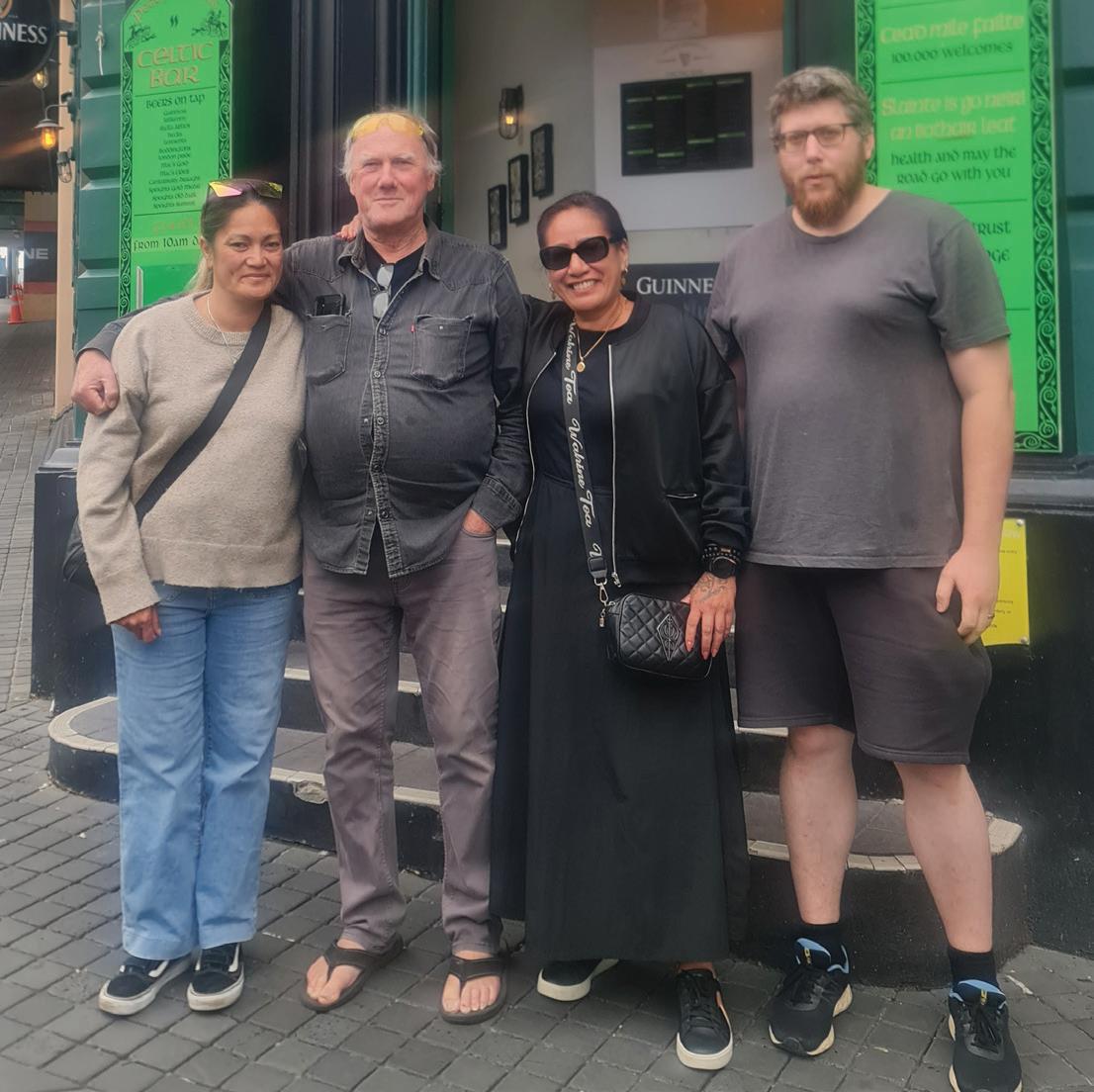
In December 2025 Wellington Branch Secretary Fiona Mansell and myself went to Perth to meet up with and talk to the offshore employers and manning agents, and to further our great relationship with the MUA.
The trip was a great success and it was great to be welcomed and treated so well by George Gakis and the rest of the MUA officials.
George Gakis set up all the meetings with the offshore employers and attended all the meet ups with us. We met with AOS Tidewater, Cyan Renewables and Programmed Offshore.
Our message to all the offshore employers was very clear that when they have offshore vessels coming to work in New Zealand their first port of call is MUNZ for all their manning requirements.
In the past all these companies have come to MUNZ for seafarers and they gave their continued agreement that this would certainly continue.
We spoke on possible up coming work and the decommissioning work that will happen in the not too distant future.
All in all it was an important trip and Fiona and myself left very happy with how everything went.
I wish to thank George Gakis and his team and also the offshore employers for their time and commitment to New Zealand seafarers.
BY MAREE GRIFFITHS
MUNZ NATIONAL YOUTH
CO-REPRESENTATIVE
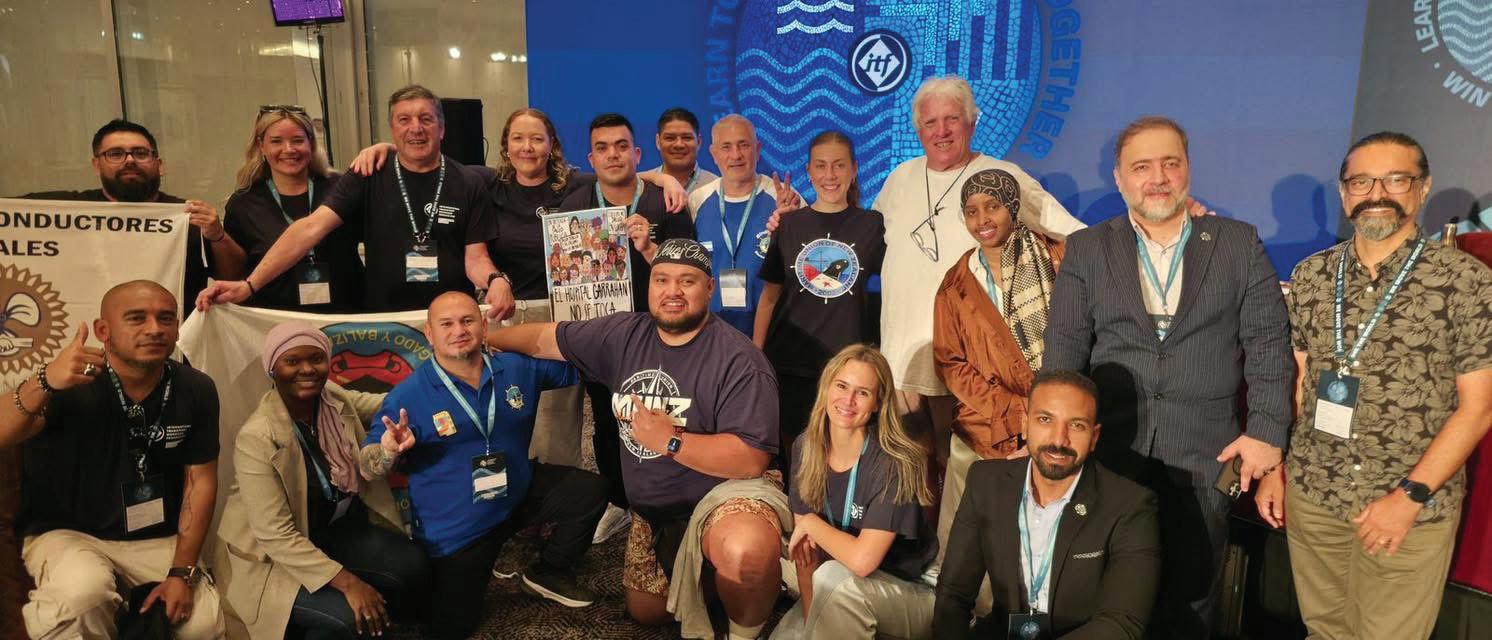
In September 2025, fellow youth representative Nathan Natano and I had the privilege of representing the Maritime Union of New Zealand at the ITF Maritime Roundtable in Limassol, Cyprus.
The four-day conference brought together 178 delegates, including dockers, seafarers, and unionists from 64 countries, to share experiences and deepen our collective solidarity.
The conference was opened by Alexis Vafaedis, the Cypriot Minister for Transport, who set the tone by stating that while change is inevitable, we must be the ones to shape it.
He highlighted three major transitions transforming maritime work: the green environmental transition, digitalization, and the urgent need for training and diversity to ensure no worker is left behind.
Nick Loridan, the ITF youth chair and representative for Belgium’s BTB ABVV young dockworkers, shared his story of rising from a casual worker to a union leader.
He encouraged everyone to invest in young workers to help our generation become the next wave of leaders, a message that struck a personal chord regarding the importance of youth leadership.
One of the most powerful discussions focused on the experiences of women in the maritime industry.
Comrades shared confronting examples of inequality, ranging from sexual harassment to a lack of safe onboard facilities and outdated hiring practices.
However, we also heard inspiring stories of union action. Brazil’s SINDMAR has created a gender equality scorecard to hold companies accountable for fair treatment.
The message was clear: equality is union business. When we fight for respect for women, we strengthen the entire movement. As one speaker noted, wellness is not a privilege; it is a right.
As technology reshapes shipping and ports, the discussion turned to the influence of automation and artificial intelligence.
Delegates raised concerns about how companies collect and profit from data created by workers – information that should belong to the workers themselves.
This emerging issue of data rights is a global focus.
Just as unions once fought for fair pay and safety, we must now fight for control over our data to ensure technology serves people rather than corporations.
The wellbeing of maritime workers was a significant topic.
Long hours, isolation, and fatigue continue to take a toll, but unions are responding by negotiating mental health clauses into collective agreements.
These include guaranteed rest hours, access to counseling, and practical steps that protect both livelihoods and lives.
We spent time in workshops developing ways for delegates to make a difference in their workplaces.
It is encouraging to see mental health treated as a core part of workers’ rights rather than a secondary issue.
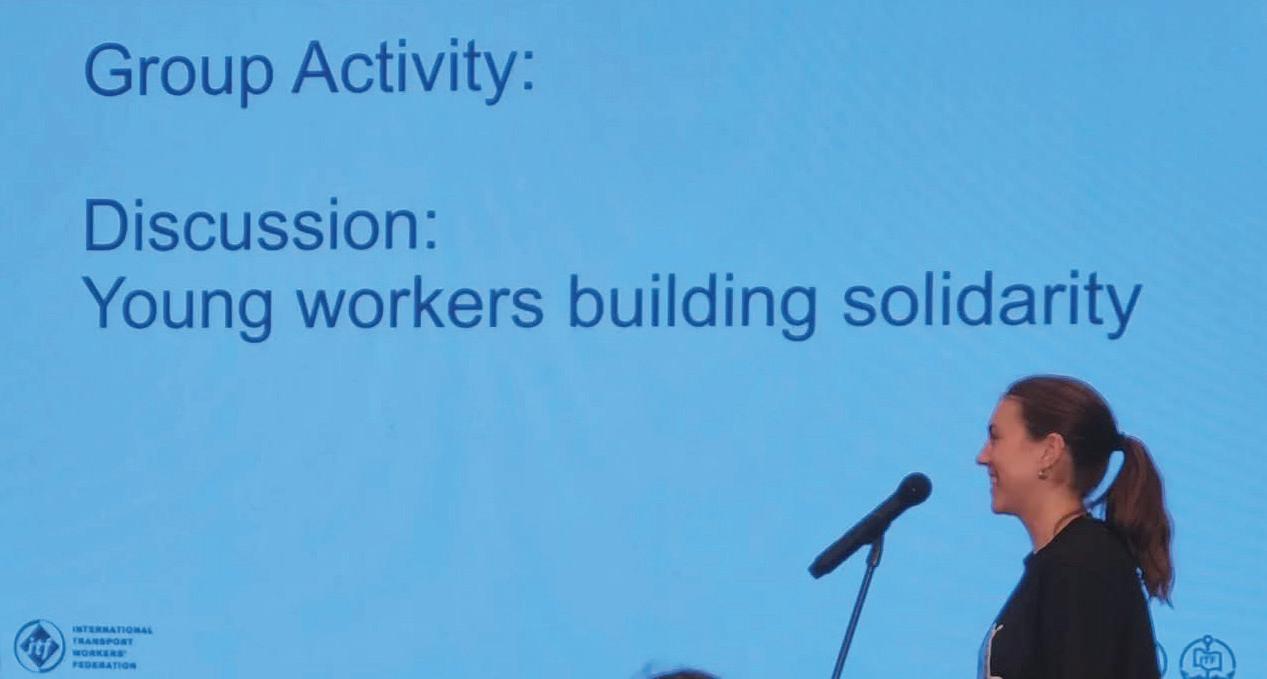
The discussions on youth engagement were a personal highlight.
We explored creative ways to bring young members into the movement through training, mentorship, and community-focused organizing.
Connecting with youth from around the world to hear their achievements was incredibly inspiring.
It served as a reminder that the future of the union depends on how we empower the next generation.
Another strong theme was the use of digital platforms to organize.
The ITF’s ISU Exposed campaign, which called out a fake union undermining seafarers’ rights, demonstrated the power of online solidarity.
Social media and technology must be utilized as tools for us to move forward together.
By the end of the week, one truth stood out: the future of maritime work will be defined by who holds the power—corporations or workers.
The ITF and unions like MUNZ are adamant that power must stay with the working people.
I want to thank the Wellington branch and the National Executive for the opportunity to attend.
The experience was informative, motivating, and a reminder that our struggles and solutions are shared globally.
Solidarity is our anchor in a changing world.

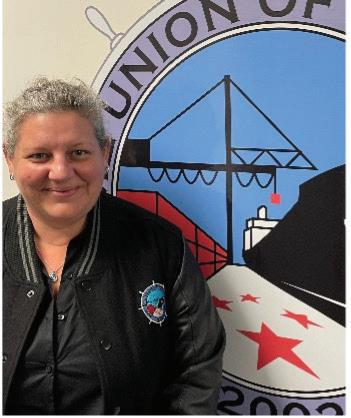
For Annie McCauley, the sea has been a constant since the age of 18. Driven by a deep connection to the water, Annie turned her passion into a career when she stepped onto the path of a Trainee AbleBodied Seafarer (T.A.B.).
Today, she is a fully qualified AbleBodied Seafarer, having completed her apprenticeship during a 13-year tenure with Interislander.
As a seasoned mariner, Annie takes immense pride in mentoring new crew members, noting that it is particularly encouraging to see young women entering an industry that has traditionally been male-dominated.
Annie’s commitment to her comrades is reflected in her extensive work with MUNZ.
Recently elected by her peers at the Lyttelton Branch, she serves as the National Women’s Rep, a role supported by members nationwide.
Her leadership portfolio is diverse and active:
• Local 43 Women’s Rep: Currently in her fifth year of service.
• Seafarers Delegate (Lyttelton): Serving her third year advocating for the branch.
• Interislander Deck Delegate: Re-instated in September 2025, Annie acts as a vital link between the crew and management – running meetings, advocating for members’ concerns, and ensuring the Deck Department remains informed and supported.
• MUNZ Apparel Organizer: Managing apparel for all branches, a role she finds particularly rewarding when she sees members wearing their union gear with pride.
Stepping out of her comfort zone has led Annie to the front lines of industry planning.
She has been an active participant in the Joint Industrial Council and High Performance-High Engagement (HPHE) forums.
She was among a group invited to liaise directly with KiwiRail’s senior management and Board of Directors regarding the HPHE framework and the integration of new vessels into the fleet.
Annie is dedicated to building on the foundation laid by those before her. Her goals are clear:
• Empowerment: Increasing the involvement and networking of women within the Union.
• Growth: Strengthening the Union through education and broader member engagement.
• Mentorship: Acting as a guide for the next generation of trainees, ensuring they have the support and expertise they need to navigate a successful career at sea.
“It is my firm belief that every new person who comes to work at sea needs the guidance of experienced seafarers. I want to be that mentor for those following the same pathway I once took.”
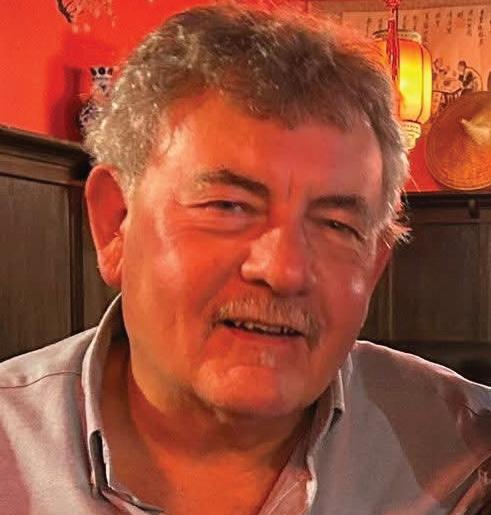
It was a profound shock to receive the news of Bob Thorpe’s passing aboard his vessel in December 2025.
The members of MUNZ and our veterans are devastated by this loss. We extend our deepest condolences to Bob’s wife Kaye, his whānau throughout Aotearoa, and his friends and shipmates in Manchester and New Plymouth.
Bob was a devoted family man who deeply loved his children and grandchildren.
He was also a principled trade unionist who served as National Vice President of the former New Zealand Seafarers Union and was an active delegate in the offshore industry.
Bob was highly respected for his knowledge and his unwavering commitment to the rights and welfare of our industry.
His energy was always the biggest in the room, but he never had an ego to match. He will be deeply missed by all who knew him and sailed alongside him.
Rest in peace, Bob. Fair winds and following seas.
The Wellington Branch has formally nominated Larry Stills (Member 1572) for Life Membership of the Maritime Union of New Zealand.
The recommendation, which received resounding endorsement at the November 10 stop-work meeting, honors a man whose career serves as a living history of the New Zealand waterfront.
Proposed by Jimmy King and seconded by Pat Harcus, the nomination celebrates a staggering 60 years of continuous financial membership – a milestone believed to be virtually unparalleled in the New Zealand labor movement.
The nomination highlights a defining moment of internationalism in April 1971.
While sailing aboard the Waimate in Lautoka, Fiji, Larry and his crew encountered a dockworkers’ strike.
Despite intense pressure from the shipping company and the Fijian Prime Minister, the crew stood firm in solidarity with the local workers.
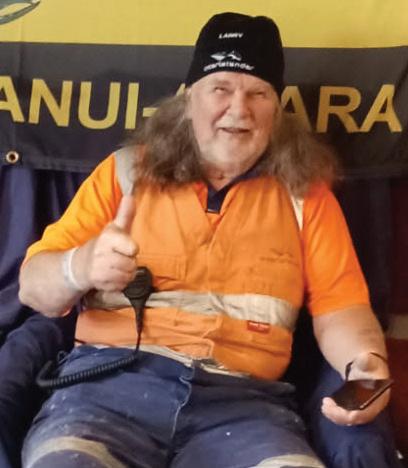
Larry’s journey began on November 25, 1965, when he joined the New Zealand Seamen’s Union at just 16 years old. Under the leadership of then-National President Bill “Pincher” Martin, Larry took his first berth on the Aramoana.
Over the ensuing six decades, he transitioned from the early days of the Seamen’s Union through to the modern MUNZ, serving as an Able Seafarer and Integrated Rating.
However, it was his role as a rankand-file delegate where Larry truly left his mark.
“Larry’s meticulous preservation of employment contracts, now housed at the Wellington Branch office, serves as a living archive of hard-fought victories,” the nomination states.
His efforts were instrumental in securing the terms and conditions that remain the bedrock of collective agreements for ferry workers today.
This principled stance led to a historic moment in union history: Taniela Vietata, President of the Fijian Dockworkers, presented Pincher Martin with a Whale’s Tooth (Tabua) – a gesture of the highest respect and gratitude. Larry was at the heart of that struggle.
Though recently retired, Larry’s commitment hasn’t wavered. He remains a daily presence at the union rooms, offering guidance and historical perspective to the next generation of seafarers.
Wellington Branch Official Fiona Mansell will now take the recommendation to the National Council for final consideration.
For the members in Wellington, the choice is clear: Larry Stills embodies the resilience and “touch-one-touch-all” spirit that defines the Maritime Union.
As the nomination concludes: “His legacy is something that we as members of this union should be very proud of, right across the sector.”
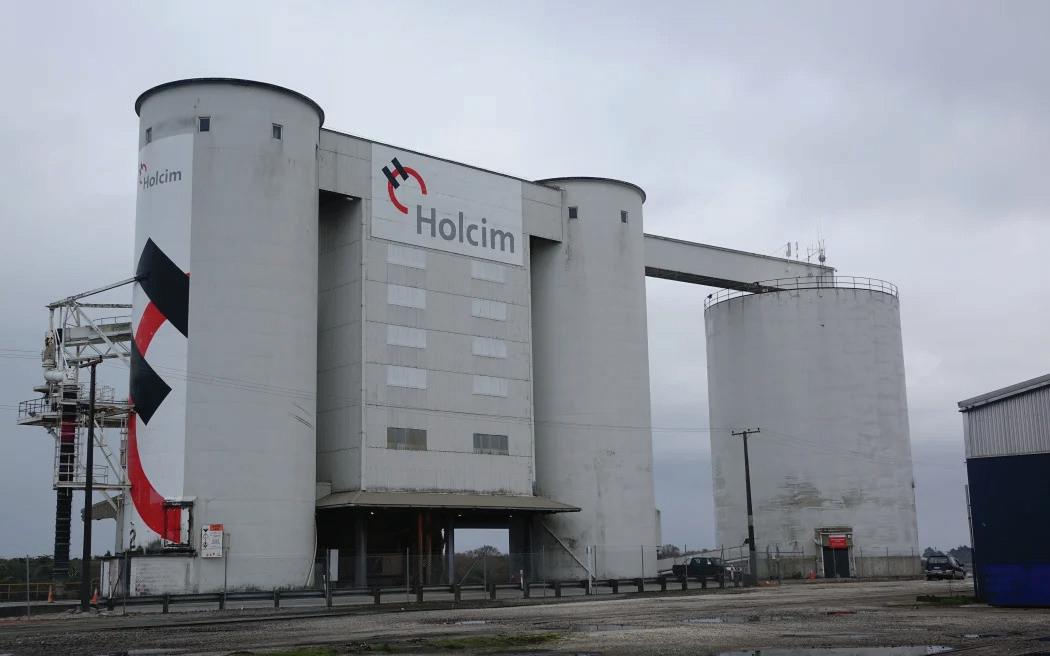
The ongoing battle to protect New Zealand’s coastal shipping industry has reached a critical point following a series of significant legal and political developments in the dispute between the Maritime Union of New Zealand (MUNZ) and global cement giant Holcim.
REJECTS FOREIGN-CREWED EXEMPTION
A major turning point occurred in December 2025, when Associate Transport Minister James Meager officially declined the Section 198 application from NovaAlgoma Cement Carriers (NACC).
NACC had sought a Ministerial authorisation to operate the Panamanian-flagged NACC Vega on the domestic coast using foreign labor on inferior terms.
The Minister’s decision upheld the principle that coastal cargo should be carried by New Zealand ships whenever suitable vessels are available.
THE SALE OF THE MV BUFFALO AND HOLCIM’S “ROAD OPTION”
Despite this setback, Holcim proceeded with the sale of the MV Buffalo on 28 December 2025. The vessel has since departed New Zealand waters for China.
In response to the Minister’s ruling, Holcim announced a shift to an “alternative distribution model,” which involves moving an additional 15,000 tonnes of cement per month via more than 500 truck movements, as well as rail and third-party shipping supported by a mobile shore-based unloader.
MUNZ has challenged this plan as an environmentally damaging bluff that risks supply chain resilience.
The Union successfully secured an interim injunction in late December 2025, preventing Holcim from making six seafarers redundant while legal proceedings continue.
The Employment Relations Authority (ERA) ruled that the injunction was necessary to preserve the status of these employees until a substantive investigation could occur.
The full investigation meeting before the ERA took place in February 2026. This hearing focused on several key claims, including:
• Whether Holcim breached the “disadvantage clause” in the Collective Agreement by failing to protect workers during the transition.
• The statutory right of cooks and stewards to transfer to any replacement vessel under Part 6A of the Employment Relations Act.
• Whether Holcim fulfilled its good faith obligations during the consultation process.
The Authority’s determination is currently pending, and its outcome will have profound implications for maritime labour rights in New Zealand.
In a positive development for local jobs, MUNZ has entered into formal negotiations with Nova Marine for a new Collective Agreement.
Nova has indicated it is a possibility to bring a new vessel to the New Zealand coast for a two-year period and to crew the vessel with New Zealand seafarers.
As negotiations continue, the Union remains committed to ensuring that any vessel carrying Holcim cement, operates with a skilled Kiwi crew under New Zealand terms and conditions.
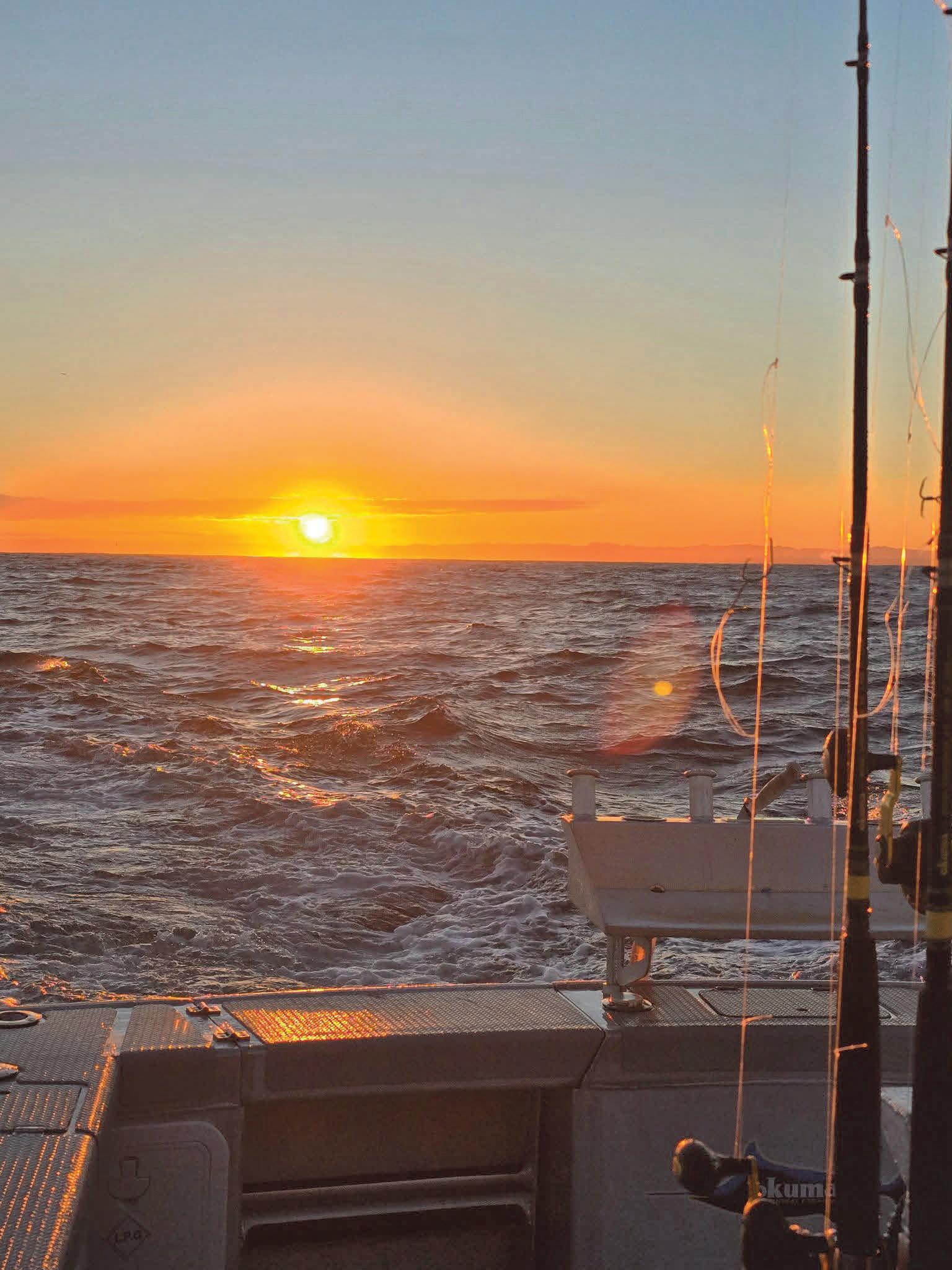
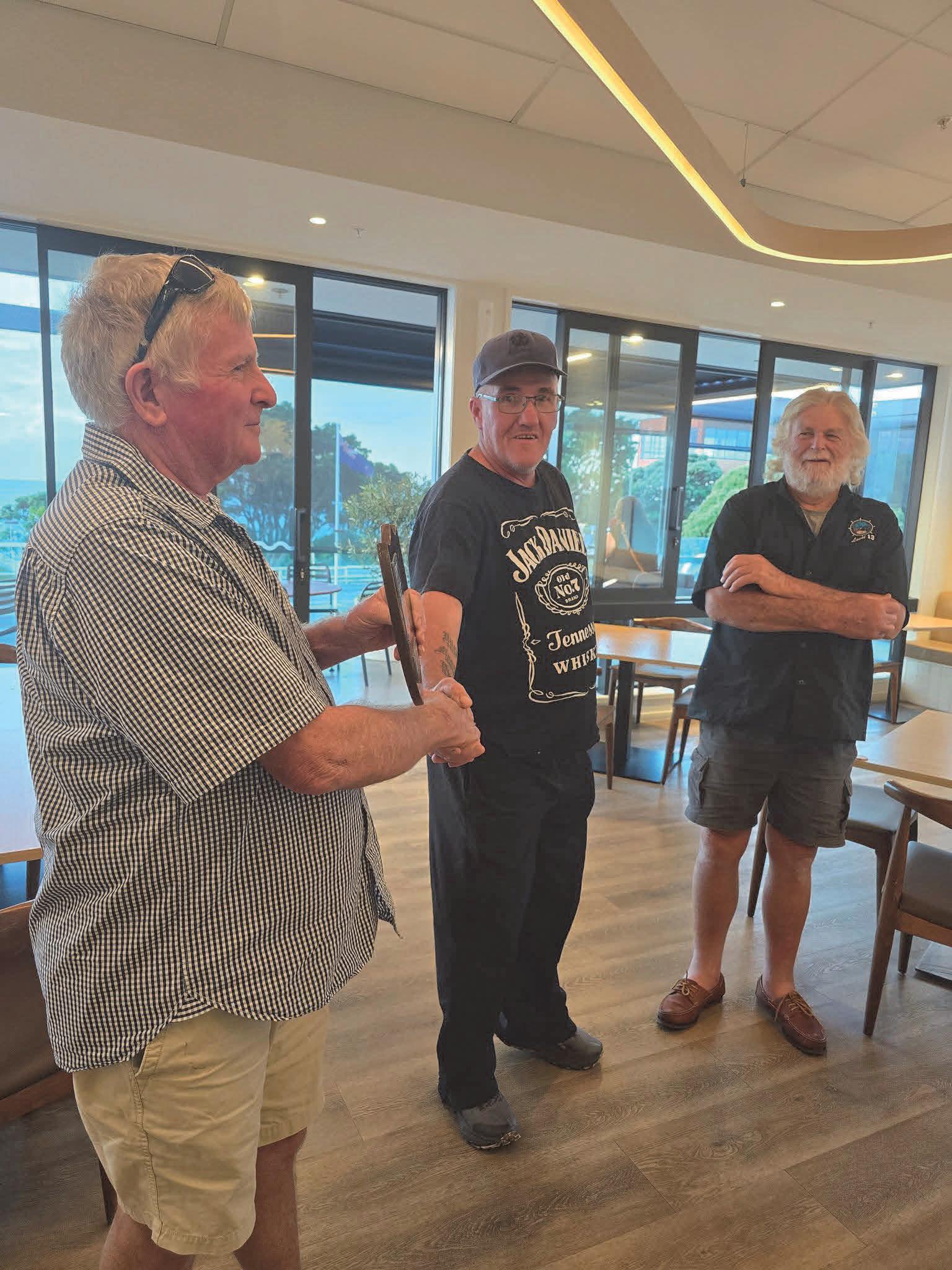
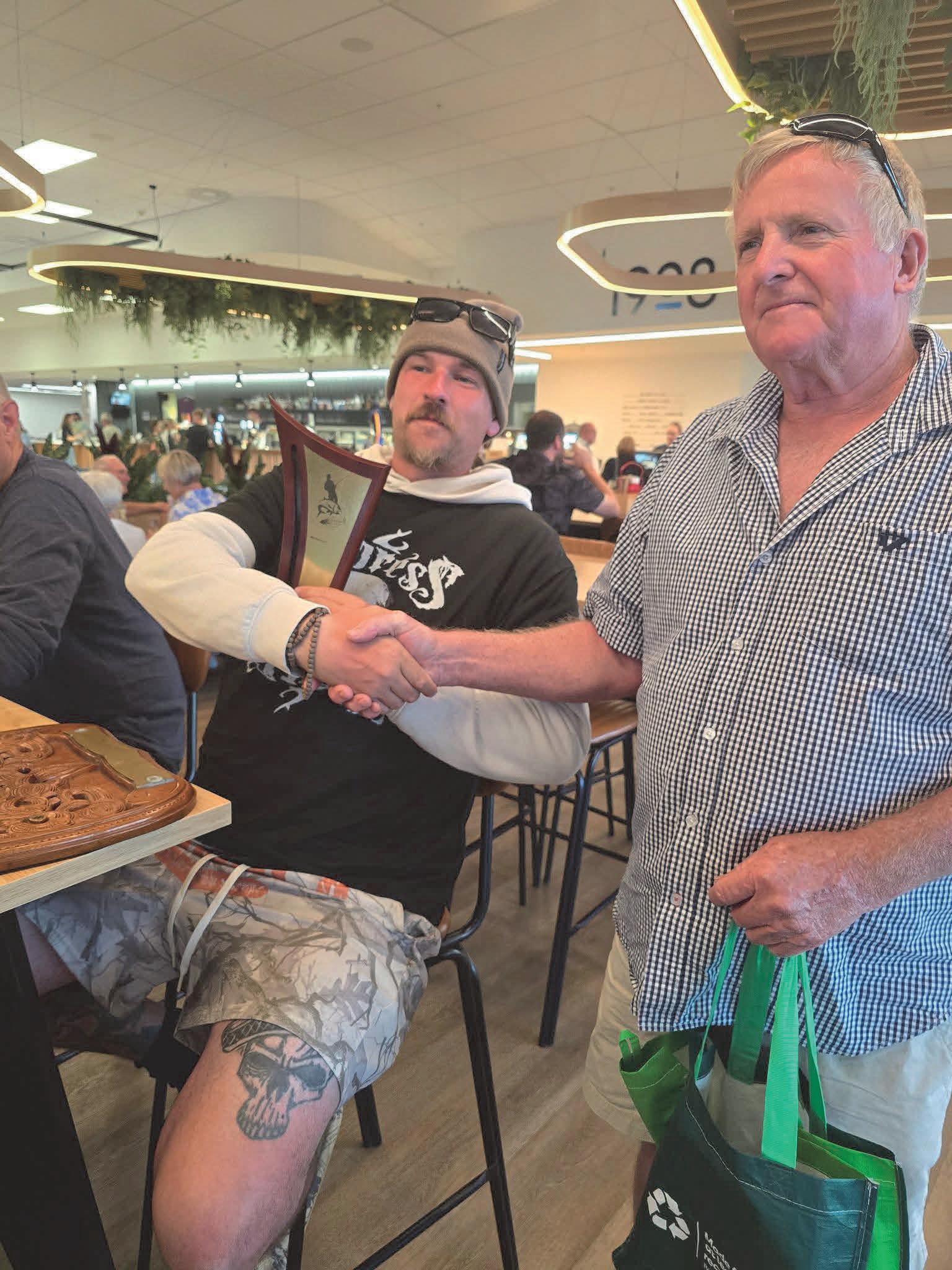
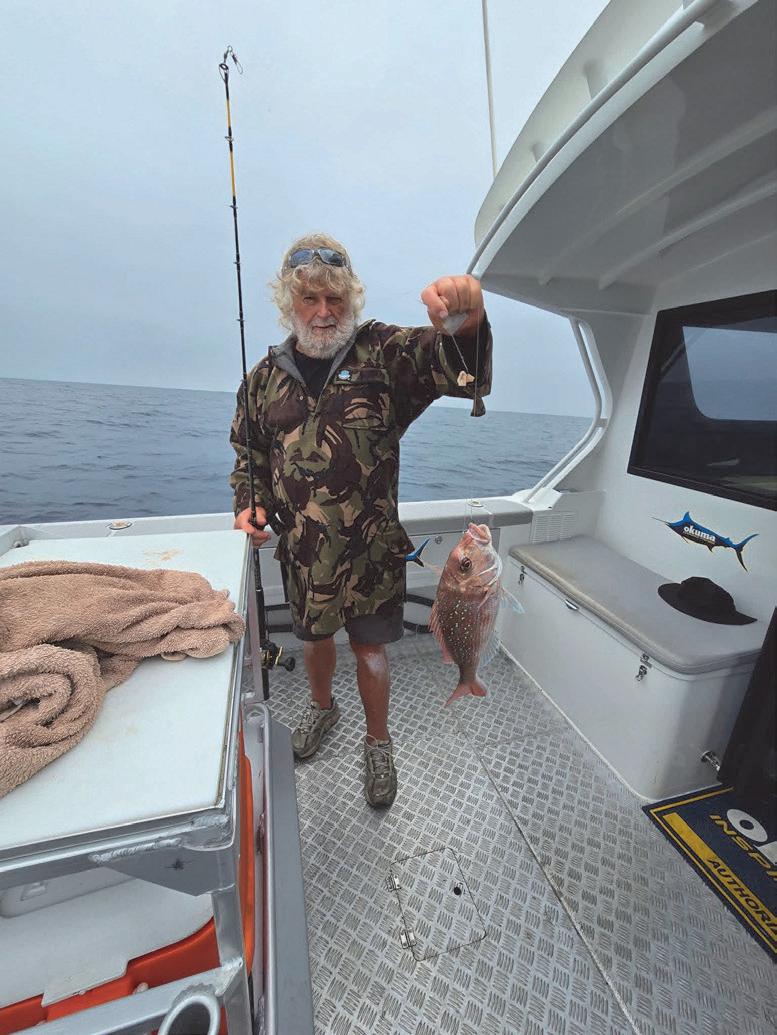
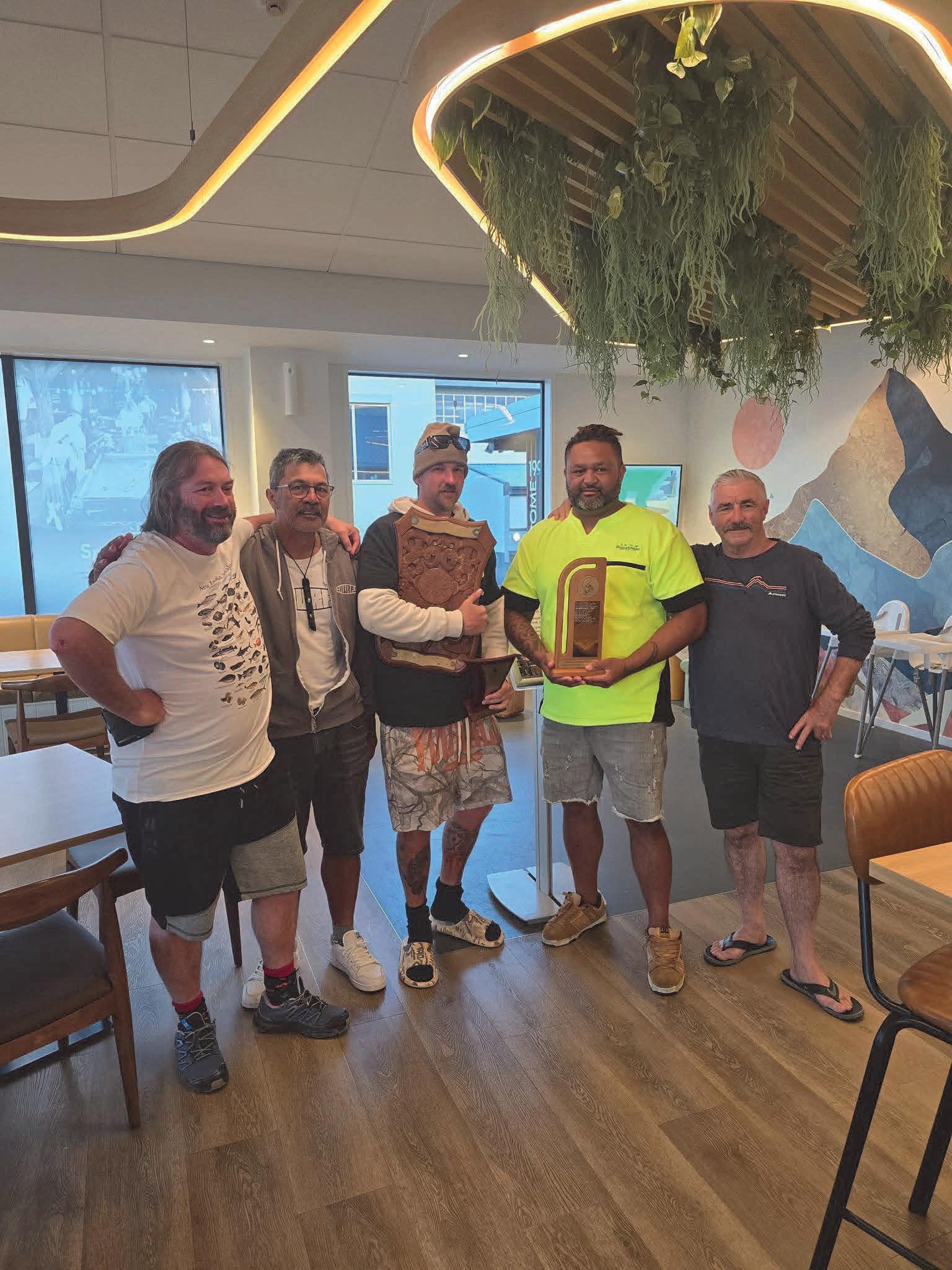

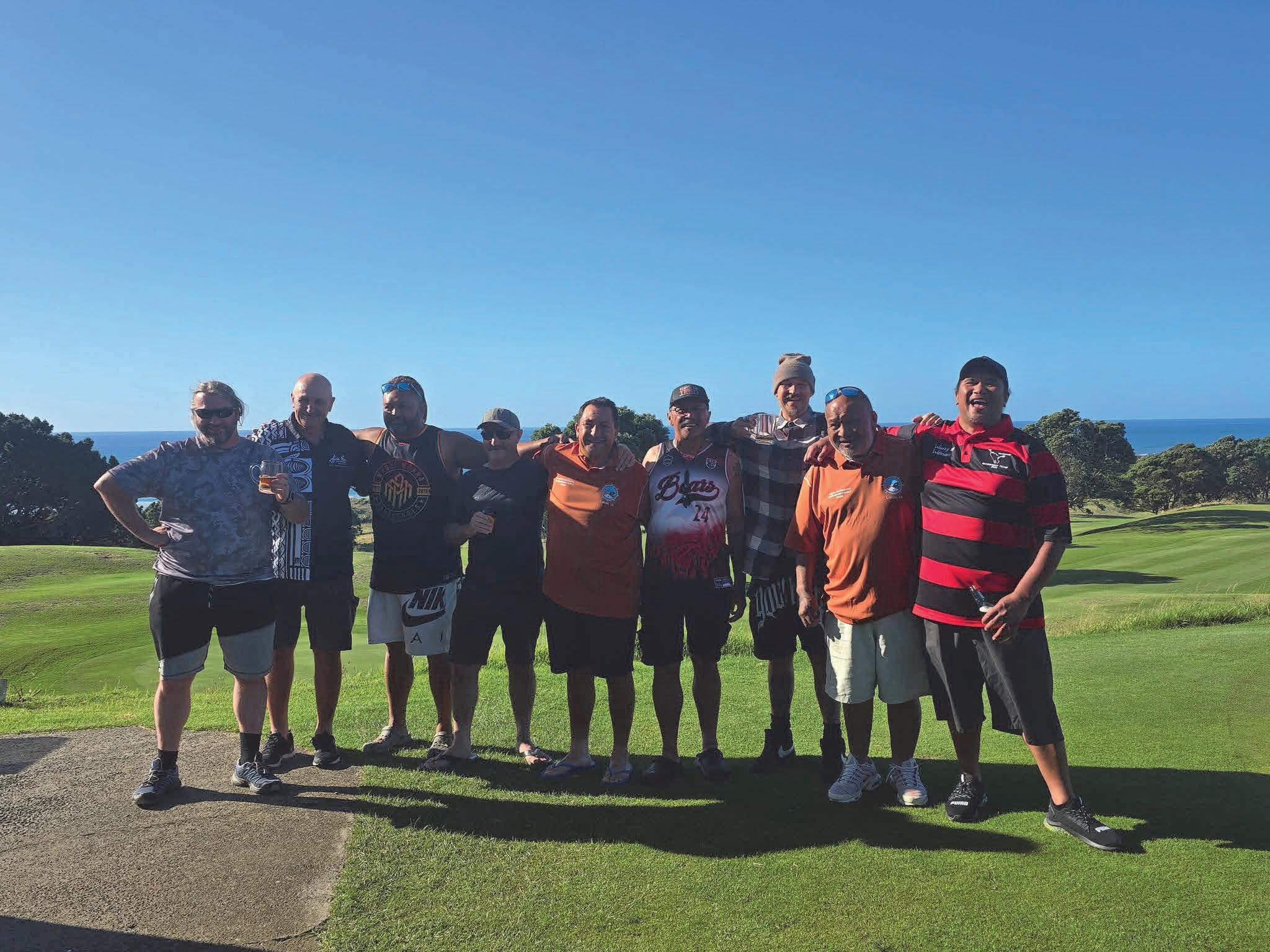
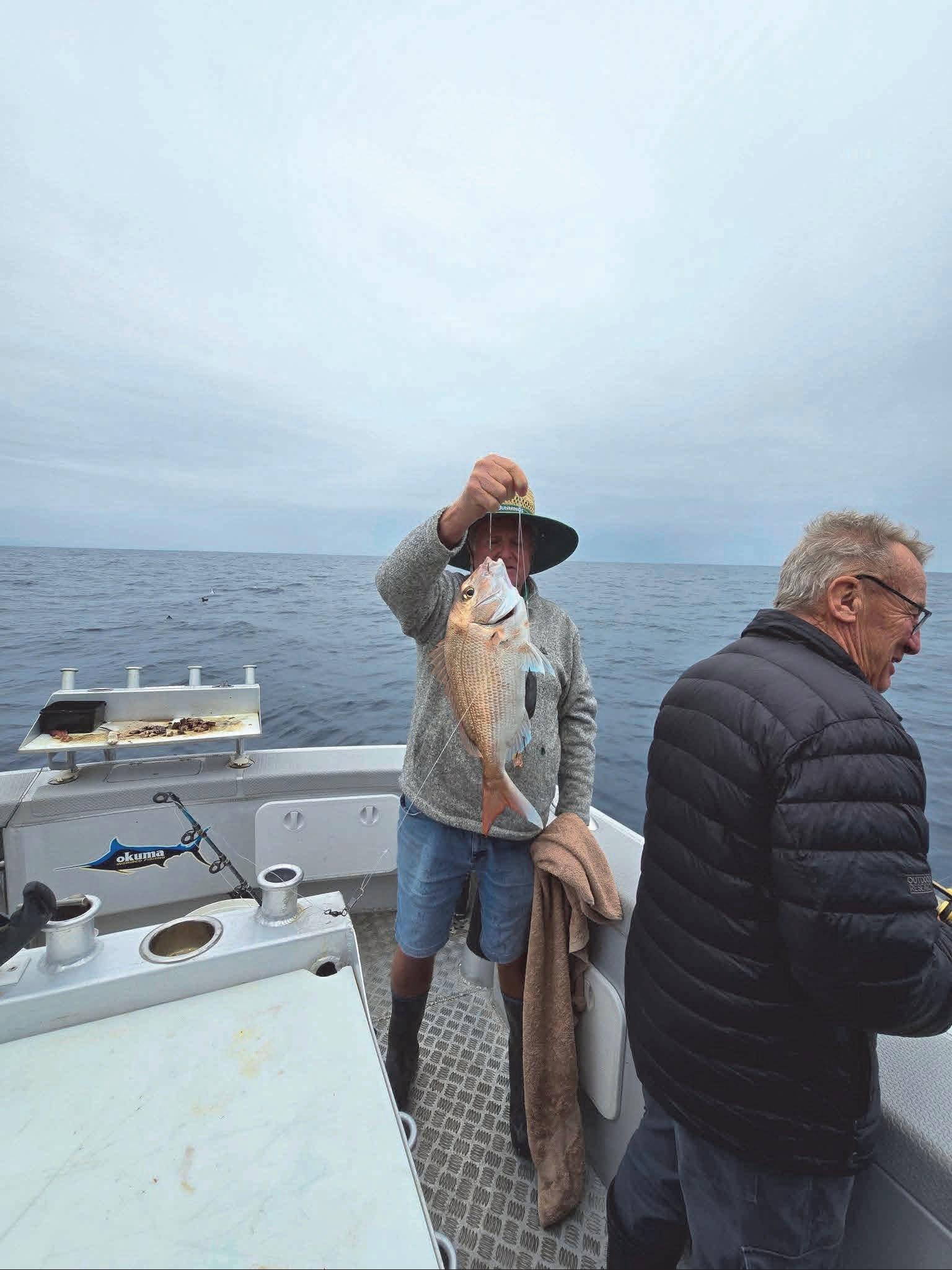
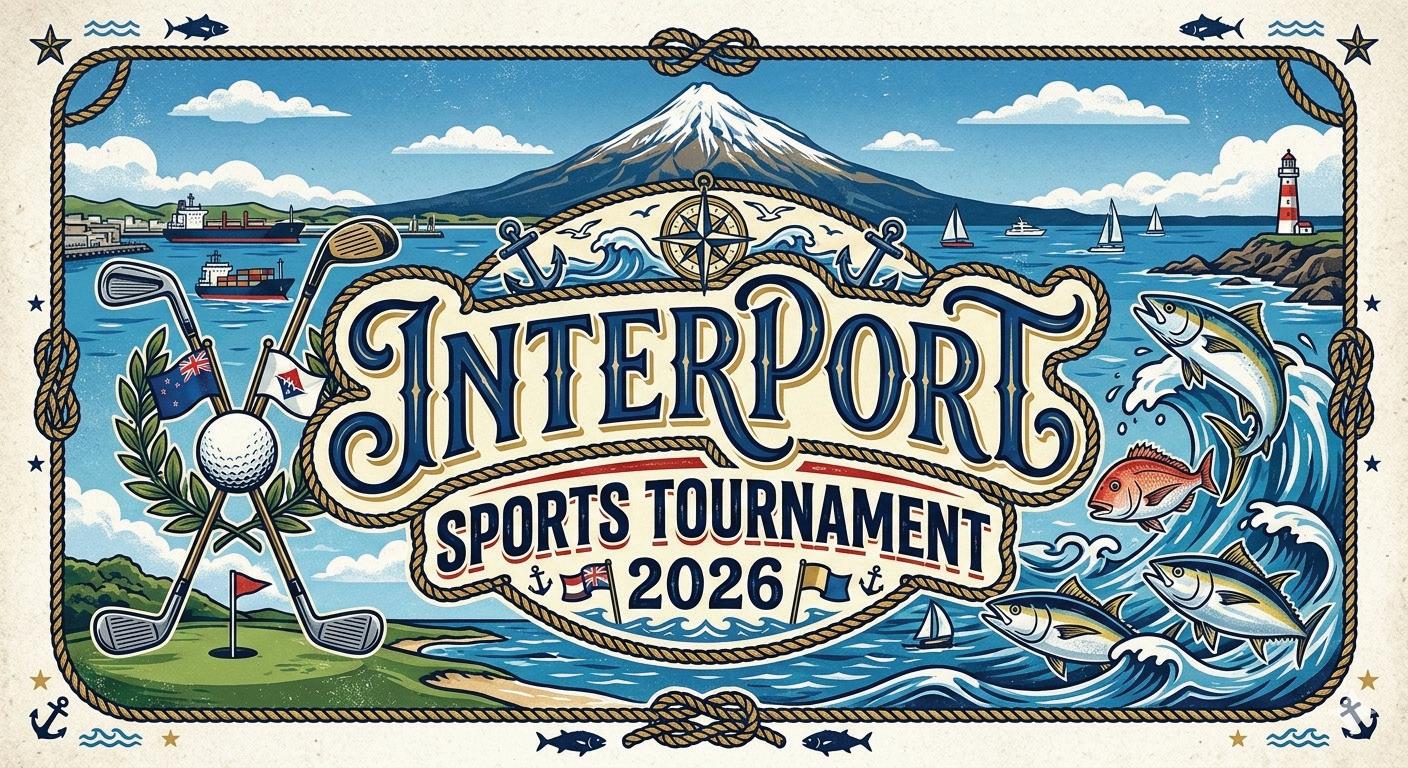
THE MUNZ INTERPORT SPORTS TOURNAMENT WAS HOSTED THIS YEAR BY THE NEW PLYMOUTH BRANCH.
GOLF WAS PLAYED AT THE FITZROY GOLF CLUB, AND THE FISHING COMPETITION TOOK PLACE FROM PORT TARANAKI.
WELLINGTON FIELDED A TEAM OF SEVEN, INCLUDING FIVE FISHERMEN WHO WON THE TEAM TROPHY.
CHRIS HAND FROM WELLINGTON TOOK HOME PRIZES FOR BEST FISHERMAN AND THE BIGGEST FISH – A 10KG SNAPPER.
HE NARROWLY AVOIDED THE “BOOBY PRIZE” FOR SEASICKNESS, WHICH WENT TO RAY MUNCE.
THE GOLF TOURNAMENT WAS WON ONCE AGAIN BY THE NEW PLYMOUTH TEAM, CONTINUING THEIR LONG WINNING STREAK.
IF YOU WANT TO HELP WELLINGTON WIN NEXT YEAR, BE SURE TO SIGN UP FOR THE 2027 INTERPORT IN LYTTELTON.
– BRADLEY CLIFFORD
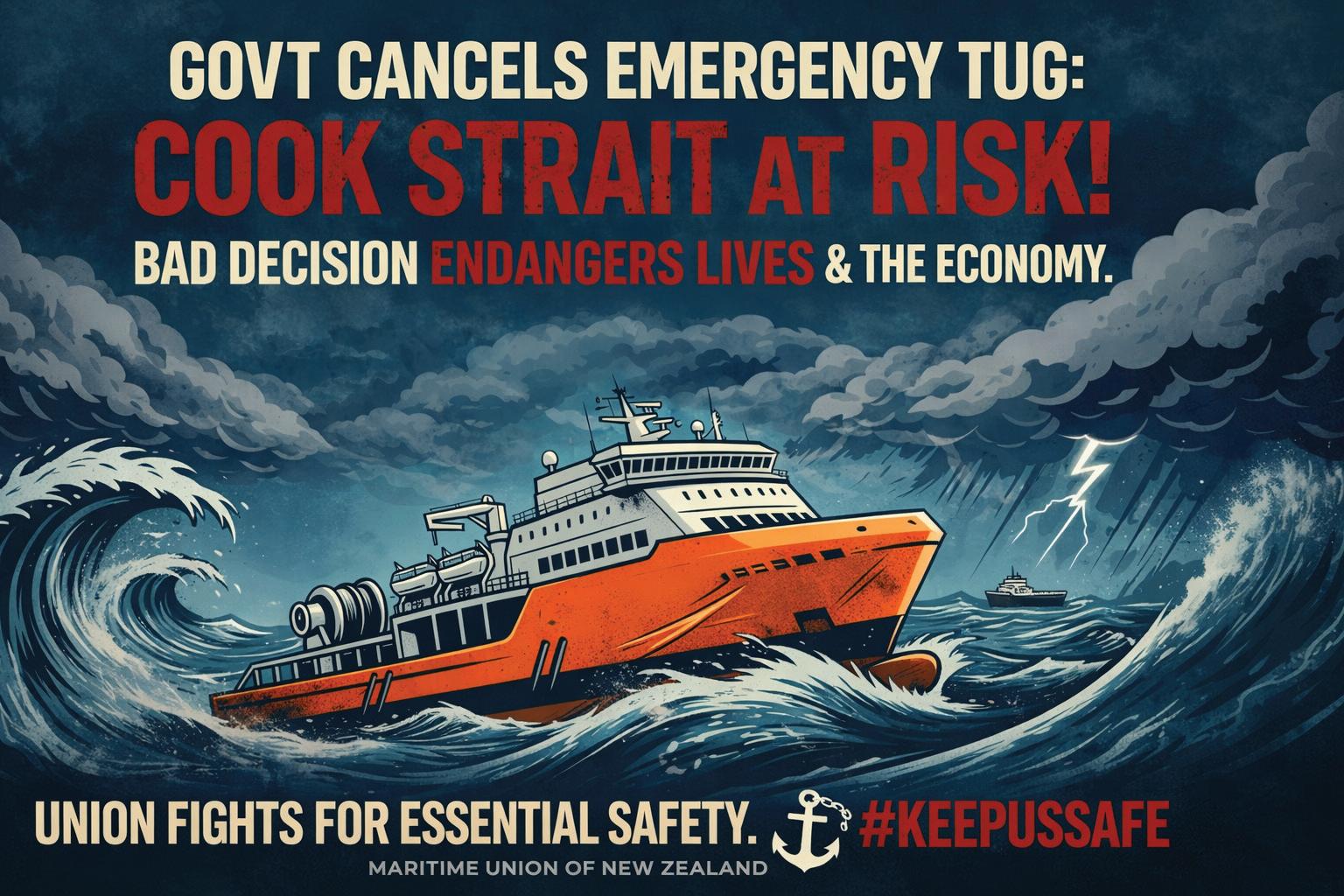
The Maritime Union of New Zealand (MUNZ) is maintaining the pressure as the Government risks lives on the Cook Strait by dumping the country’s only dedicated ocean-going emergency tow vessel, the MMA Vision.
Despite the vessel’s proven track record, the Coalition government has chosen to prioritize cost-cutting over maritime safety.
The emergency response contract for the MMA Vision officially ended in early February 2026. This is months ahead of the original June 2026 end date.
Without the MMA Vision, the closest vessel with comparable emergency capability is reportedly in Australia, approximately five days of travel time away.
Harbour tugs are simply not designed or equipped for open-ocean rescues in the treacherous conditions of the Cook Strait.
Beyond safety, the MMA Vision is a vital hub for high-skilled maritime jobs.
The crew’s expertise in offshore oil and gas is directly transferable to emerging sectors like offshore wind.
We don’t have to guess if the MMA Vision is necessary. Its record speaks for itself:
• September 2025: Successfully towed the tanker Golden Mind to safety after it lost steering west of Stewart Island.
• Manahau Grounding: Assisted in pulling the barge off a Westport beach and towing it to Tasman Bay.
• Ferry Failures: With the aging Interislander and Strait Shipping fleets continuing to experience mechanical issues, the need for a safety net has never been higher.
Greater Wellington Chair Daran Ponter and Marlborough Mayor Nadine Taylor have slammed the decision, calling the absence of a rescue vessel an “unacceptable risk” to lives and economic lifelines.
They formally requested an extension of the contract from Transport Minister Chris Bishop.
The MMA Vision’s contract with the Government has now ended prematurely.
Industry sources say there is a high risk the vessel will leave New Zealand waters entirely if a new contract is not secured.
MUNZ will continue to push for a permanent, long-term Emergency Towing Vessel (ETV) solution.
As we enter an election year, the public needs to know that the government is trading maritime safety for cost-cutting, while at the same time providing tax cuts for individuals like the Prime Minister.
The removal of the MMA Vision leaves a gaping hole in New Zealand’s maritime safety net.
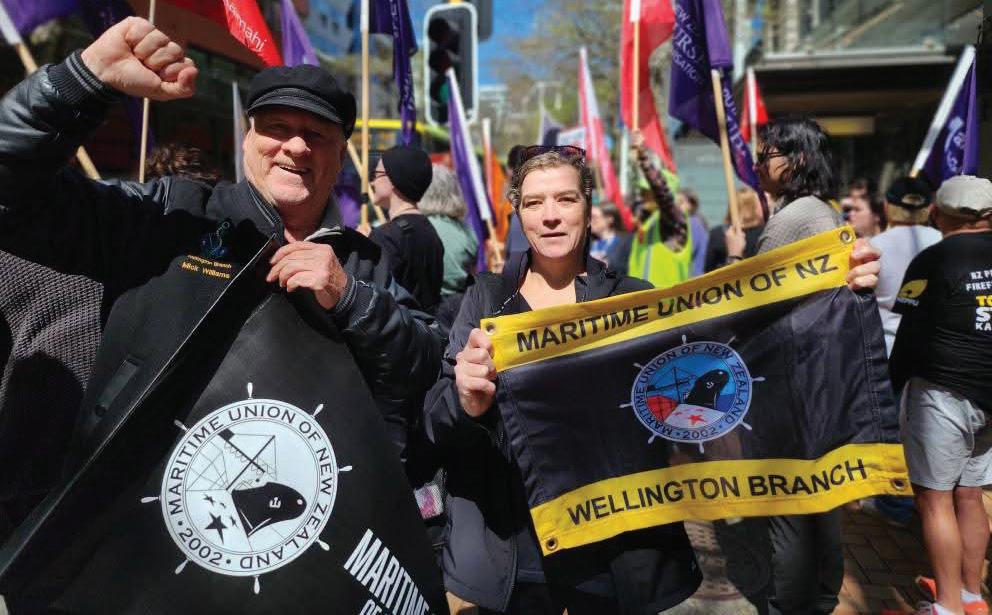
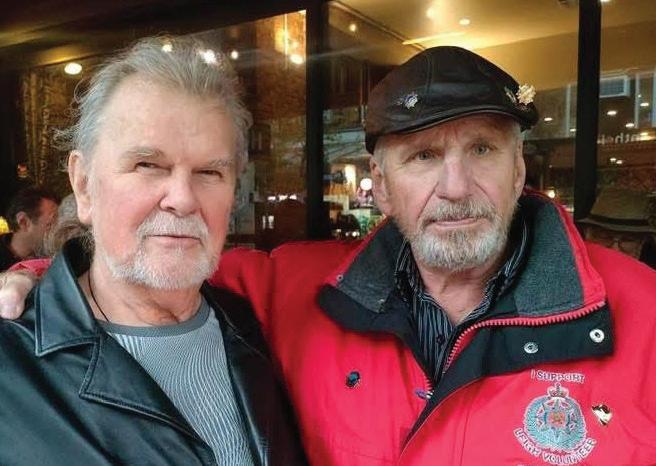
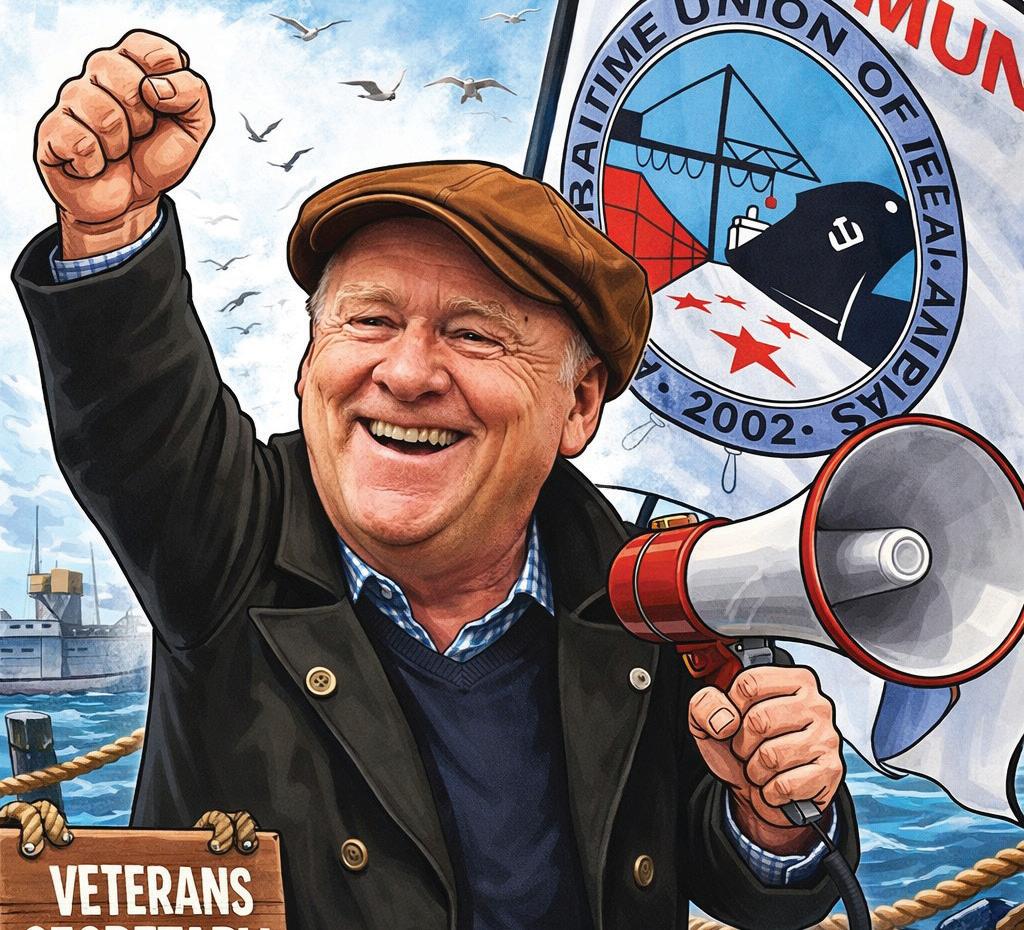
Top: MUNZ Wellington reps Mick Williams (Veterans) and Branch President Marian Lesslie supporting NZPFU firefighters’ industrial action
Middle: Life members Larry Stills and Glen Wylie
Bottom: A likeness of Veteran’s Rep Mick Williams
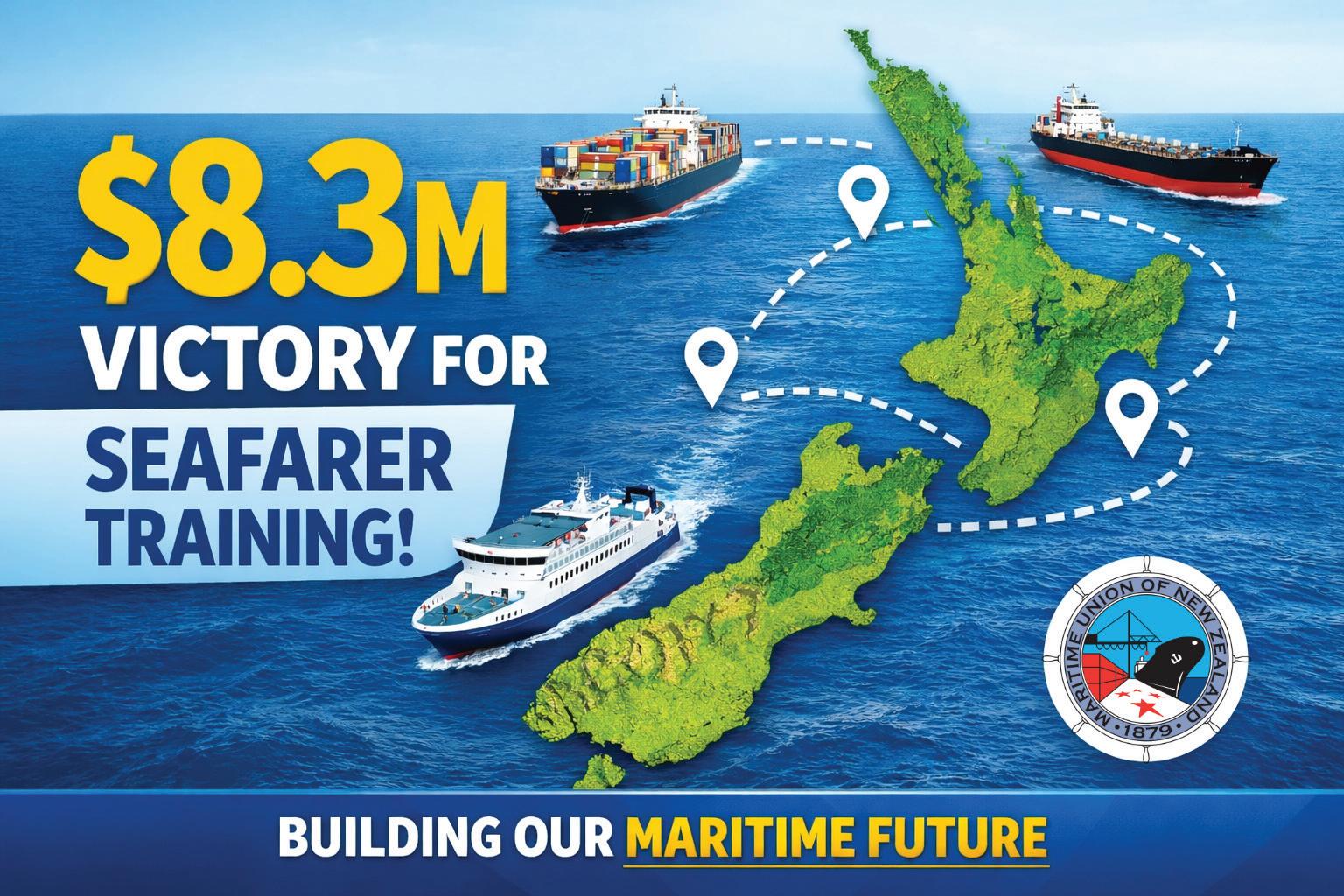
The Maritime Union of New Zealand (MUNZ) has secured a significant win for the future of the industry with the Government’s announcement of $8.3 million in dedicated funding to expand training berths for Kiwi seafarers.
Announced by Associate Transport Minister James Meager through the Coastal Shipping Resilience Fund, this investment is a critical step toward rebuilding a domestic maritime workforce that has been pushed to the brink by decades of neglect and deregulation.
The funding is designed to cover the core costs that often prevent operators from taking on new recruits, including trainee wages, course fees, and travel expenses.
For MUNZ members, this move addresses one of the most persistent bottlenecks in the sector, the training berth crisis.
MUNZ National Secretary Carl Findlay welcomed the announcement, noting that for too long, the lack of available spaces for trainees to gain their required sea time has served as a “brick wall” for young New Zealanders.
“New Zealand has plenty of people keen to work in the maritime industry, but the lack of available training berths has been a barrier we couldn’t get past,”
Mr. Findlay said.
“By funding these berths, the Government has finally recognized that you cannot have a shipping industry without seafarers to crew the ships”.
The urgency of this investment is highlighted by staggering workforce statistics from the MUNZ database.
Currently, there are fewer than 160 able-bodied (AB) seafarers working in New Zealand, and their average age is 53.5 years.
More than 32 percent of the workforce is aged 60 or older, while a mere 2.5 percent are under 30.
This demographic crisis was severely exacerbated in 2022 by the closure of the Marsden Point refinery and the decommissioning of the coastal tankers MT Kokako and MT Matuku These vessels provided the majority of non-ferry training berths in the country.
The Union has long campaigned for a resilient “Blue Highway” as a matter of national security.
As seen during the aftermath of Cyclone Gabrielle, coastal shipping becomes a critical lifeline when land transport links fail.
Relying solely on the capricious decisions of international shipping giants. who have frequently abandoned New Zealand services in favour of larger global profits, has left the country’s supply chain vulnerable.
This $8.3 million allocation marks the fourth major project supported by the $30 million Coastal Shipping Resilience Fund.
It signals a long-overdue shift back toward supporting sovereign maritime capability and high-skill careers for New Zealanders.
MUNZ is now preparing to work closely with the Government and domestic shipping operators to ensure this funding translates into real jobs and a sustainable maritime sector that can support New Zealand through future emergencies.
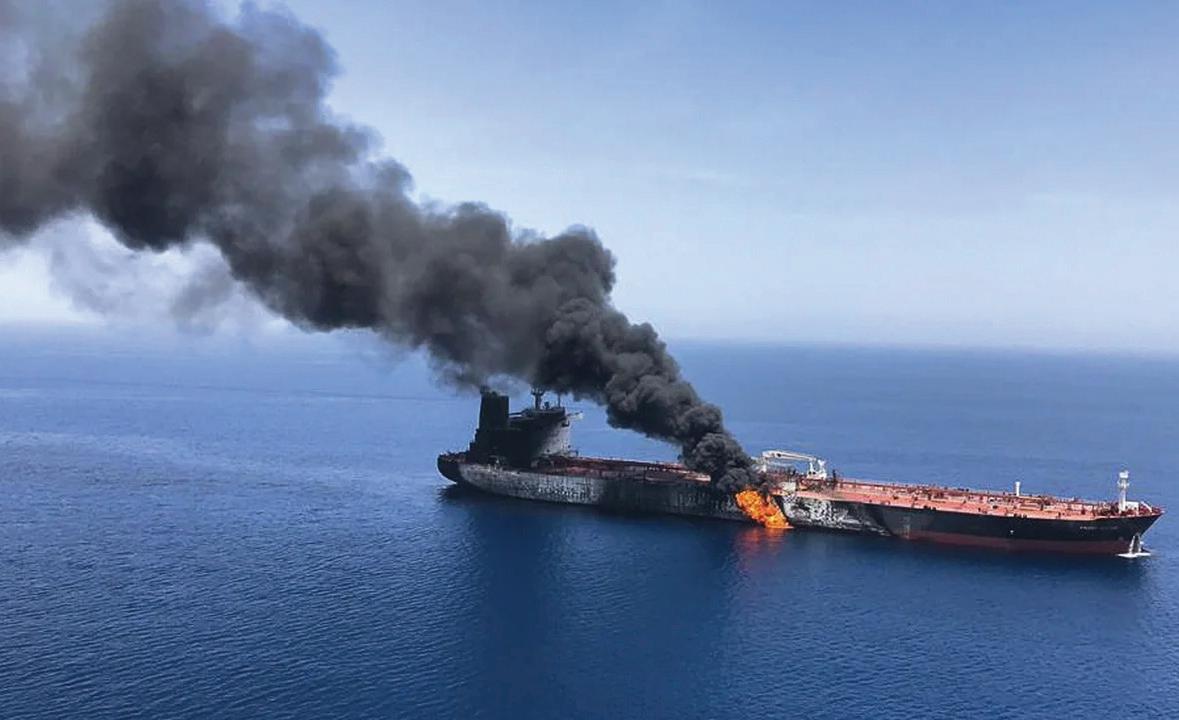
The escalating military conflict involving Iran has moved rapidly from a regional conflict into a global threat.
For New Zealand, a maritime trading nation defined by its geographic isolation, the effective closure of the Strait of Hormuz in the Middle East has massive implications.
The Strait of Hormuz is the most critical chokepoint in global energy trade, the site of 20% of the world’s liquefied natural gas (LNG) and nearly a quarter of all seaborne oil trade.
The current virtual closure of the Strait, driven by military strikes and the withdrawal of maritime insurance, has triggered severe economic shocks.
Global crude prices surged by 8% in the immediate aftermath of joint U.S.Israeli strikes, while natural gas indices rose by 25%.
For New Zealand, these price spikes translate directly into domestic inflationary pressure.
Since the 2022 conversion of the Marsden Point Oil Refinery into an import terminal, the country has become 100% dependent on a maritime supply chain for all refined liquid fuel.
This dependency is particularly precarious because NZ’s primary sources for refined fuels, Singapore and South Korea, rely heavily on Middle Eastern crude.
A sustained interruption could lead these nations to prioritize domestic demand, potentially leaving New Zealand without essential diesel, petrol, and jet fuel.
Positioned at the “last stop” of global supply lines, New Zealand faces unique connectivity risks.
Major shipping lines have suspended services through the Strait of Hormuz, leaving thousands of shipping containers filled with New Zealand exports, primarily dairy, red meat, and horticulture, caught in the conflict.
Beyond direct delays, the imposition of surcharges of up to $4,000 per container has placed a heavy financial burden on cargo owners.
This volatility is compounded by the trend toward mega-ships that often bypass smaller New Zealand regional ports, further straining domestic logistics.
The International Transport Workers’ Federation (ITF) and the Maritime Union of Australia (MUA) have taken a firm stand against military aggression.
The ITF has joined calls for an immediate ceasefire, condemned the illegal bombing by the United States and Israel, and highlighted that transport workers are often the first victims of conflict.
In response to the deteriorating situation, the ITF and its partners designated the Strait of Hormuz as a High Risk Area, activating protections that include the seafarers’ right to refuse to sail into the area.
The MUA has echoed these condemnations, describing the strikes as reckless acts of aggression. The union maintains that “peace is union business”.
The 2026 Iran war has demonstrated that maritime supply chains are no longer a neutral, reliable backdrop to trade.
The case for a New Zealand domestic shipping fleet is now an argument for strategic resilience.
Rebuilding our presence on the water is essential to shield our economy from global volatility and ensure the safety and security of our workers and communities.

carl.findlay@munz.org.nz
Josh Greer 027 348 2692 National President local10munz@xtra.co.nz
Fiona Mansell 021 573244 Assistant National Secretary fiona.mansell@munz.org.nz
Gerard Loader 021 1286236 National Vice President gerard.loader@munz.org.nz
Ramesh Pathmanathan 021 260 4895 Office Manager ramesh@munz.org.nz
Albert Williams 021 973561 Senior Admin Support albert.williams@munz.org.nz
Grahame MacLaren 021 2921782 ITF Inspector mclaren_grahame@itf.org.uk
Victor Billot 022 479 1786 Communications Officer victor.billot@munz.org.nz
Quintin