


































































































































































































































There’s something about this time of year that invites reflection.
Maybe it’s the shift in season, the quieter mornings, or the sense that things are settling just enough for us to take stock. Growth doesn’t always arrive loudly. Sometimes, it’s subtle. It shows up in the spaces we create, the choices we make, and the way we begin to shape our lives with a little more intention.
That’s the thread that gently weaves its way through this issue.
Growth, for us, isn’t just about getting bigger or doing more. It’s about doing things better. It’s about understanding what truly matters and building around that. And in a world that often feels fast and ever-changing, our pets have a beautiful way of reminding us to stay grounded in the things that count.
In this issue, you’ll find stories that explore growth in all its forms. Carolyn from Paws-A-While shares an honest and practical look at what it really takes to start a welfare organisation. It’s the kind of growth that comes with courage, compassion, and a deep commitment to making a difference.
We take a look at the journey through the life stages of our pets, from playful beginnings to the slower, more tender years. It’s a reminder that growing together isn’t always linear, but it is always meaningful.
We’ve also leaned into the idea of creating spaces that support the lives we want to live. Whether you’re choosing a new home or simply rethinking your current one, our Top Tips feature will help you consider what truly makes a property work for both you and your pet.
As always, this issue is a reflection of the many ways we live alongside our animals. The lessons they teach us, the comfort they bring, and the quiet ways they help us grow, often without us even realising it.
So, wherever you are, I hope you find something in these pages that resonates. Something that inspires you to pause, to appreciate, and perhaps to grow in your own way. After all, the best kind of growth is the kind we share.
Each person has the power to make a difference in this world. As a magazine focused on animal welfare, we firmly believe in this statement. Our passion for animals has taken us on a whirlwind adventure and we are proud to say that we have been actively involved in paying vet bills, donating food and shelter and even volunteering our time to help the animal welfare organizations that work tirelessly to fight for animals. You can be part of this project by supporting us. The bigger our network, the more animals we will be able to help.
“The universe does not give you what you ask for with your thoughts; it gives you what you ask for with your actions.” Dr Steve Maraboli
Marise Burger 071 382 7795
marise@projectearth.org.za
mail@petprints.co.za @petprintsmag
ISSUE 2, 2026
EDITORIAL
Marise Burger Gerhard Maritz
Nelda Cilliers
Nadia Bruiners
Gaironesa Atkins
PHOTOGRAPHY
Emma O’Brien Photography
PRINTING
Searchlight Publications
CONTRIBUTORS
Get-to -Know Dr Graeme King from Parkmore Veterinary Clinic
Top Tips on How to Pick the Right Property for You and Your Pets - Bryony Van Niekerk
Small Steps, Big Progress - Tanri De Lange
When Pets Thrive but People Struggle - Tracy McQuarrie
Growing Together - Jenni Davies
COPYRIGHT: All rights reserved. Pet Prints is published by Umsebeni Emhlabeni (Pty) Ltd t/a Project Earth. All profits go towards assisting nonprofit animal welfare organisations in need. The opinions expressed in this magazine do not necessarily reflect those of the editors of this magazine. While every effort is made to ensure editorial and factual accuracy, no responsibility is accepted for any errors.
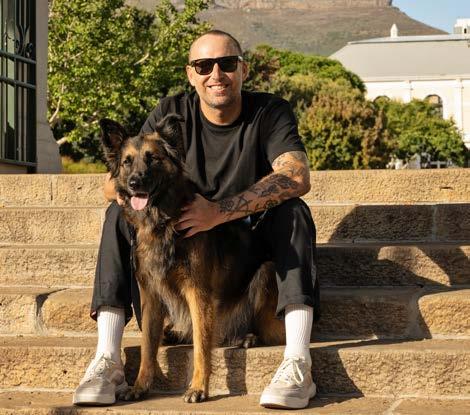







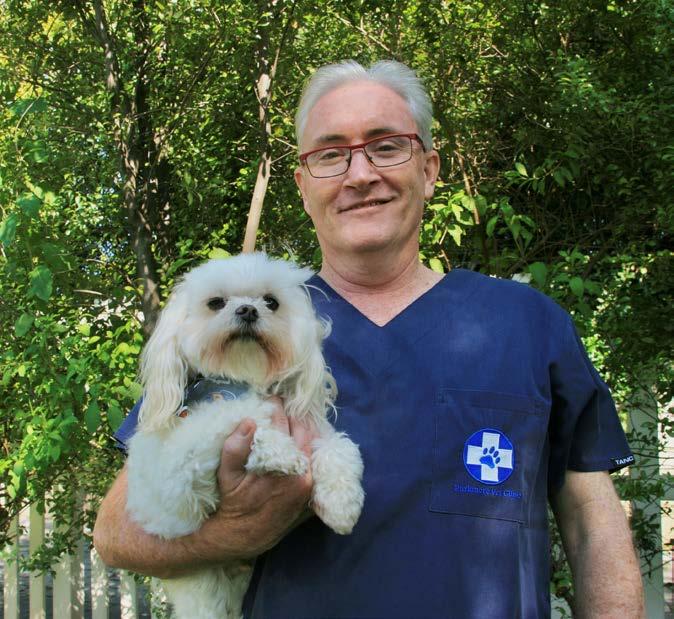
“Behind every healthy pet is a caring vet with a heart full of compassion.”
My patients can’t tell me where it hurts. Some of them hiss, bark, squeak and even squawk, and a surprising number attempt to bite me. Every day brings a new cast of characters, from nervous cats and enthusiastic
Labradors to the occasional patient who sees the examination table as a wrestling ring. As a small animal veterinarian, every day begins with a puzzle: a patient who can’t speak, an owner who’s worried, and the challenge of working out what’s wrong. It’s a career that requires equal parts science, patience, and a good sense of humour.
My love for working with animals began long before I ever stepped into a veterinary clinic. I grew up on a farm in what was then the Eastern Transvaal, now Mpumalanga and as a child I always imagined myself becoming a farm vet. Some of my favourite memories are of the veterinarian visiting our farm during calving season. Watching him work left a lasting impression and sparked a passion that would eventually shape my career. That passion led me to study veterinary science at Onderstepoort. Looking back at old photos from those years reminds me how much fun we had, and somehow we still managed to get a degree between all the fun and socialising. More importantly, those years formed friendships that have lasted a lifetime. This year is a particularly special milestone as we celebrate 30 years since graduating, with classmates now scattered across the world. It was also at Onderstepoort where I met my wife, who is also a veterinarian. Our shared love for animals has shaped both our careers and our family life ever since.
After graduating we spent four years in England, partly to gain experience, partly to travel, and partly to earn pounds to pay back student loans. Growing up I loved reading the books of James Herriot, and although he sadly passed away just before we arrived in the UK, I often felt like I was living out a version of his stories
while doing large animal work in the Kent countryside, sometimes in knee-deep mud or snow.
After four years in the UK we came back to South Africa, and in June 2000 we bought Parkmore Veterinary Clinic in Sandton. While the farm boy in me always thought I would end up a large animal vet, small animal practice has proven incredibly rewarding. You get to treat each patient as an individual and often care for them throughout their entire lives, from energetic puppies and kittens to their senior years and the ends of their lives. While small animal practice keeps me busy in the city, I still make time during holidays to be out in nature: camping, fishing, bird watching and visiting game parks all over Southern Africa.
One of the things we value most about working in a smaller, family-oriented practice is the relationships we build with our clients. Over the years we’ve watched children who once visited the clinic with their parents grow up and bring in their own pets, (that does make me feel quite old, I do admit). Seeing familiar faces, both human and animal, is one of the greatest joys of the job.
As a family we have three children, and our home has always been filled with animals. While all of them share our love for animals, nature and the bush, our middle child has decided to follow in our footsteps and is now studying veterinary science at Onderstepoort.
Thirty years on, the profession still brings new challenges, new patients, and new stories every day. Animals have an incredible way of reminding us what really matters. As the author James Herriot once wrote, “If having a soul means being able to feel love and loyalty and gratitude, then animals are better off than a lot of humans.”

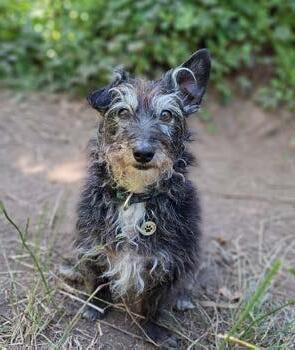
Barnaby is amazing, we adopted him from the Cape of Good Hope SPCA 4 years ago with a suspected age of between 10-12 years. He is the happiest most affection dog we have ever has the pleasure of sharing our lives with. He loves snuggling down under the duvets in the morning, he is ball obsessed and takes
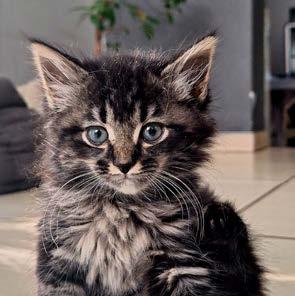
My rescue kitten Binx (10 weeks). He has very unusual markings (especially around the eyes) and wonderful pointy ears. Please let me know if you do cat / kitten modelling or know of an agency in Johannesburg. He loves the camera! – Leigh Sascha
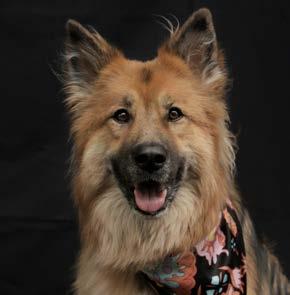
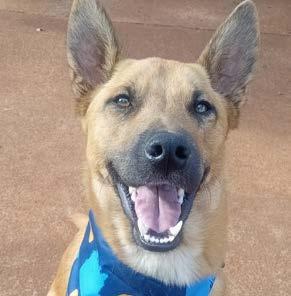
My name is ice was rescued at 1 day old my now human mommy was only supposed to foster me but she fell in love with me I am a huge mommy’s boy and love when we get foster friends in i am 1 or old and still a big baby - ilse smit
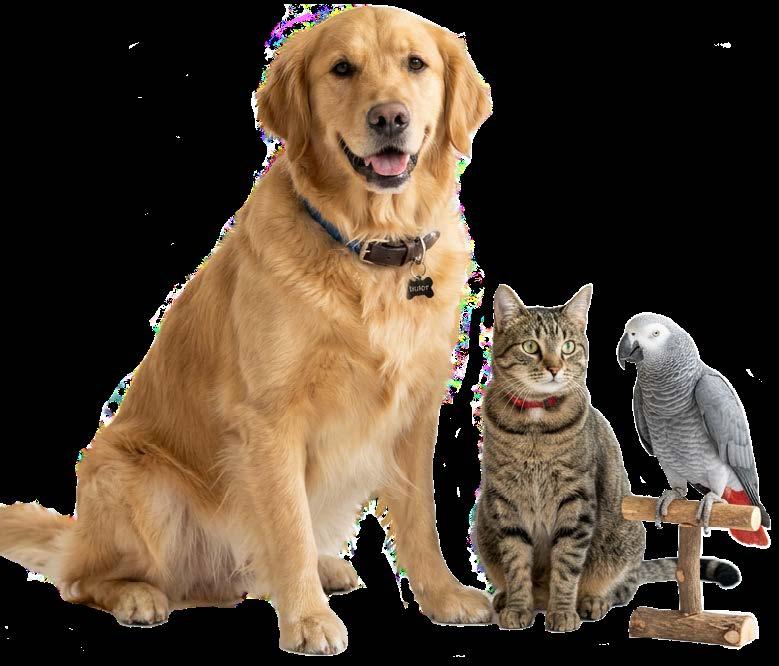
Meet Migla, a six-year-old wolfdog. She is incredibly intelligent and a sweet soul who always wants to please everyone. She loves doing tricks and learning new things. Migla is also a very chatty girl and isn’t afraid to speak her mind. She loves cats and people, but children are her favourite because they are the perfect height for her to give kisses. Migla also loves the camera and will happily strike a pose anytime - Tala Cronje

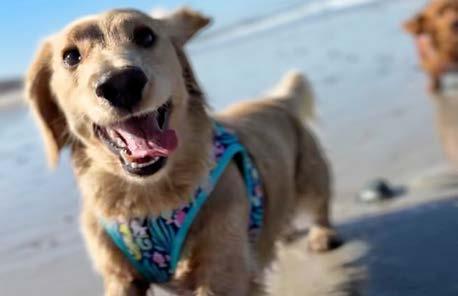
Harvey is a total wild child—basically a tiny adventurer in sausage dog form. The moment he hits the beach, he’s off chasing birds like he’s on a mission, with seagulls being his absolute favorite targets (even though they always win). And if he’s not sprinting after them, he’s busy crunching on mussel shells like they’re gourmet snacks. Calm and chill just aren’t in his vocabulary—he’s all chaos, curiosity, and beachside mischief. - Michelle
Higgins is the definition of a little lover boy—pure affection wrapped up in a fluffy red sausage dog. He lives for tummy scratches and will happily roll over at any moment to claim them, like it’s his full-time job. He’s always gazing up at you with those soft, loving eyes, sneaking in kisses whenever he gets the chance. And when it’s time to relax, he’s right there under the blankets, curled up as close as possible, just wanting to be near his people. - Tanya
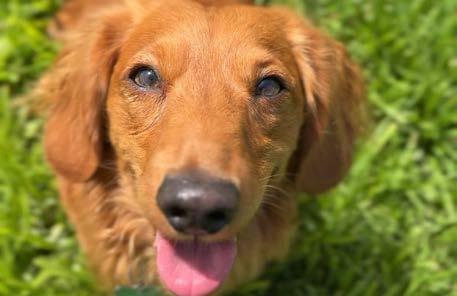

Marley, our one-year-old Great Dane Ridgeback cross, has completely transformed our lives, bringing our family closer, encouraging us to be more active and showing us the true value of bonding through training. As a large breed, dogs like Marley can seem more difficult, but through consistency, dedication and the right training, we show any dog can be well-behaved. Marley inspired PetNix, our brand focused on dog shampoo and training accessories. He’s part of a special dog park community, and through PetNix we hope to give back by running a winter donation drive for shelters in need. –
Nicole Botha
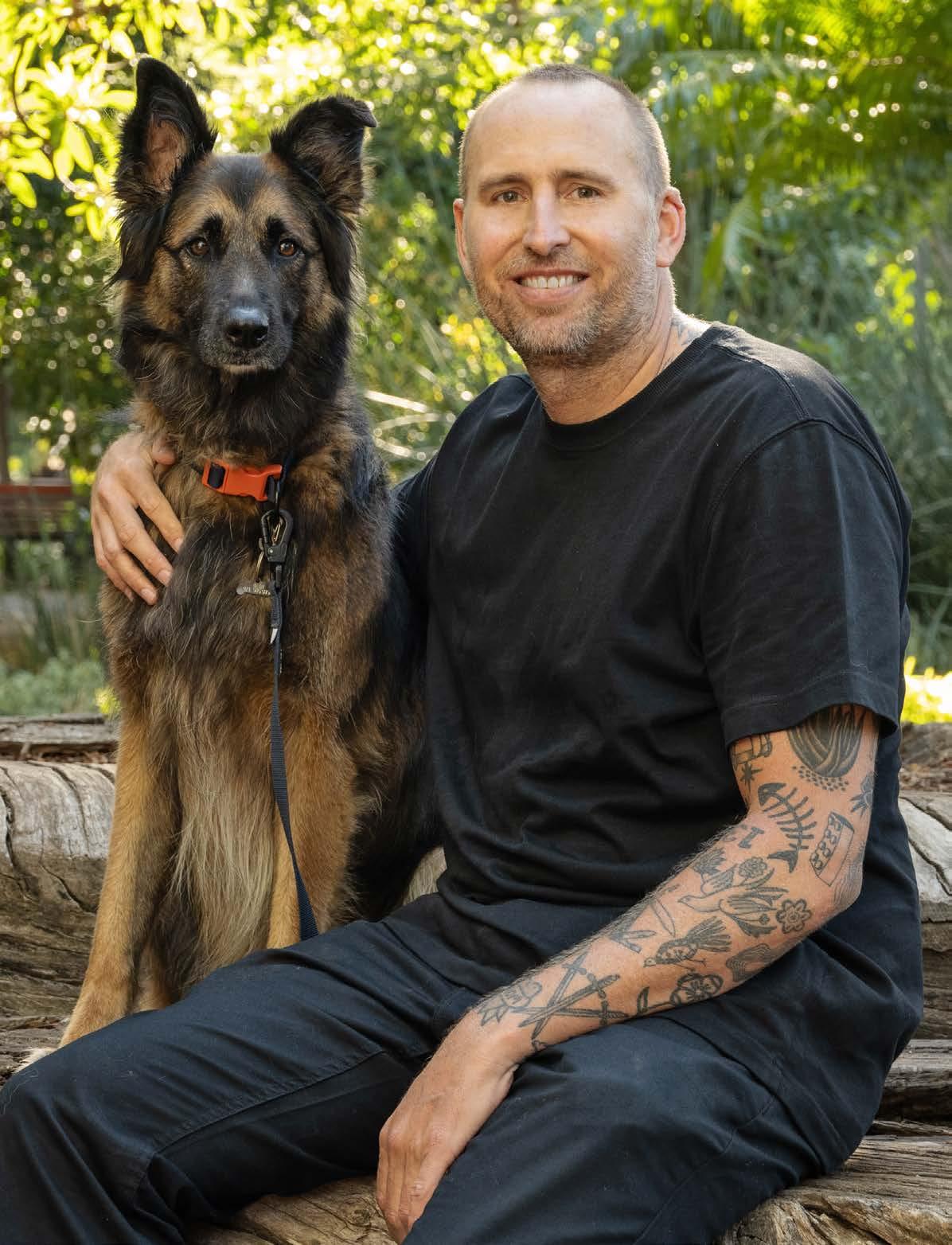
PHOTOGRAPHY: EMMA O'BRIEN
MAKE-UP: LAUREN
WORDS: MARISE BURGER
BEAR DRESSED BY: FETCH PETS
Pet Prints
Cape Town isn’t just growing in theory. It’s happening in real time. The City of Cape Town approves tens of thousands of new residential apartments every year, while somewhere between 11,000 and 17,000 homes are actually completed annually. And still, it’s not enough. The demand keeps climbing, the waiting lists keep growing, and the skyline keeps shifting to keep up.
Drive along the Atlantic Seaboard and you’ll see it immediately. Cranes cutting into the skyline. Scaffolding wrapped around buildings that didn’t exist a few months ago. Entire pockets of the city quietly transforming while we get on with our day. There’s an energy to it.
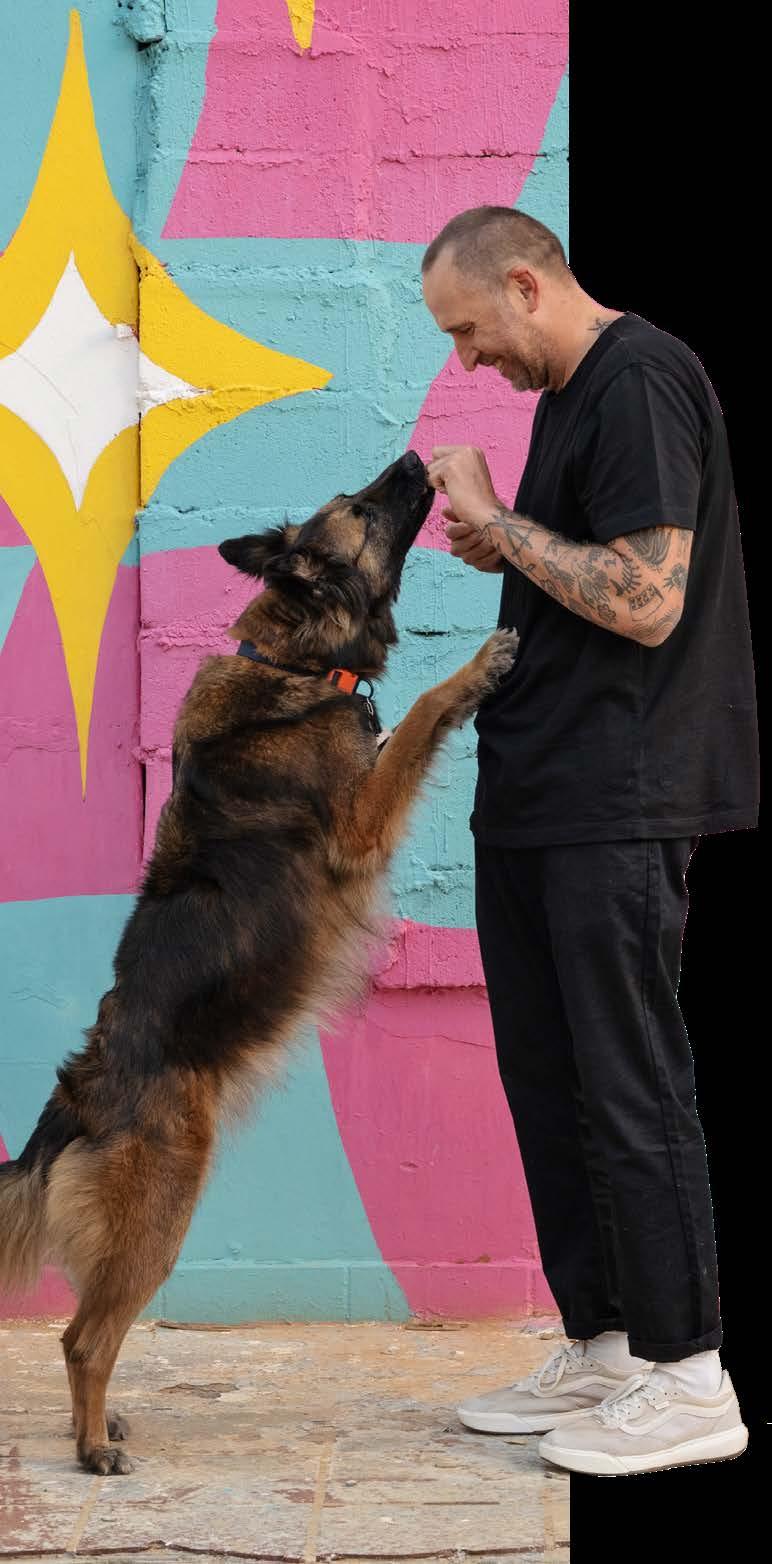
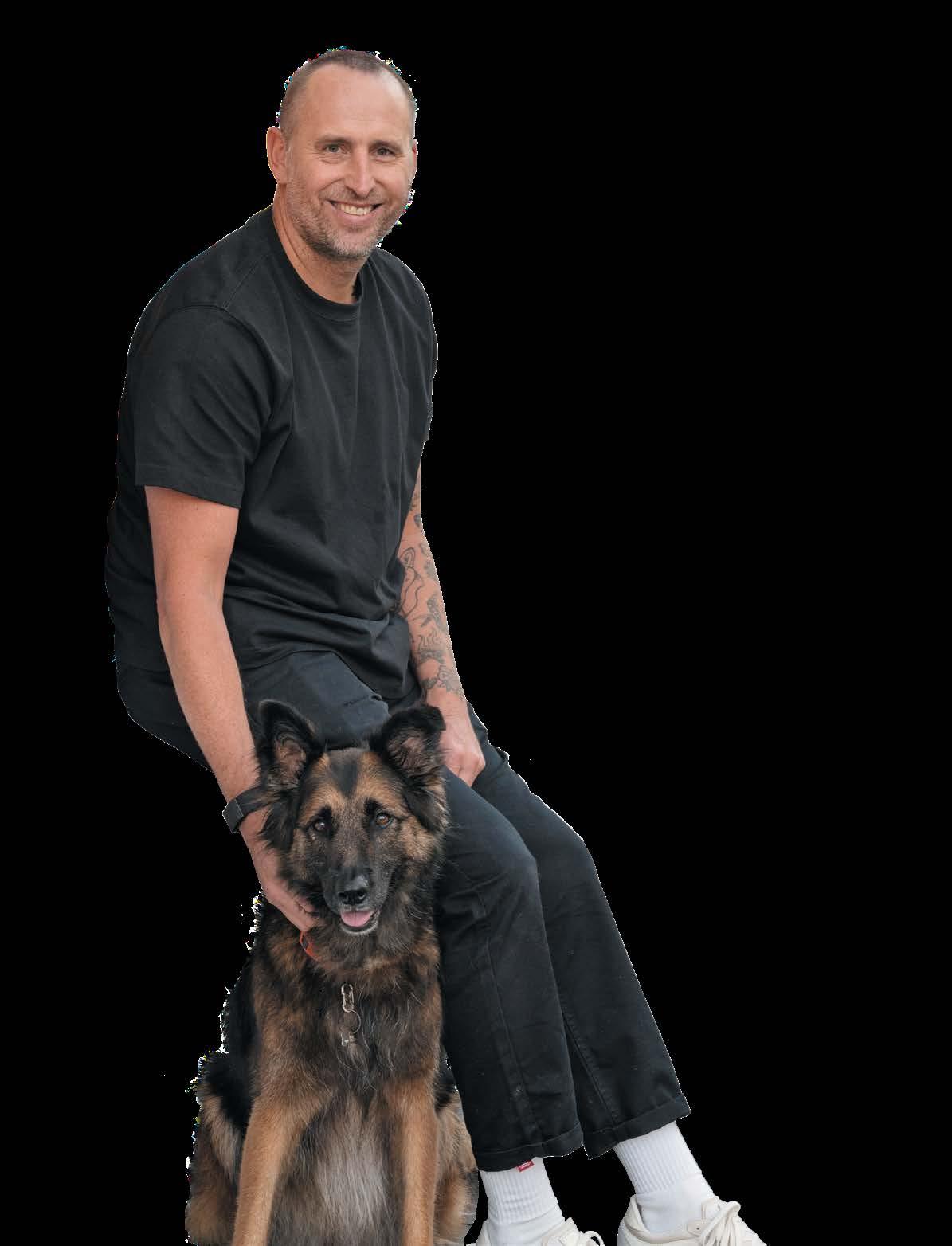
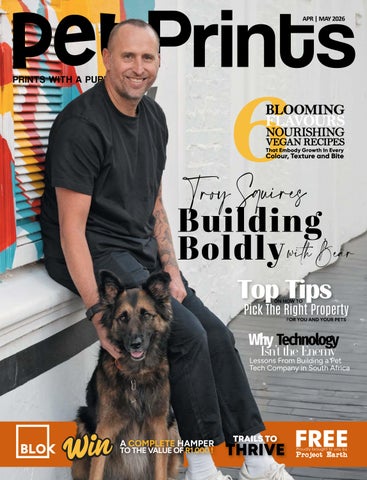
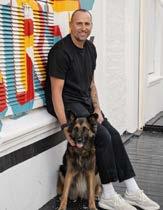
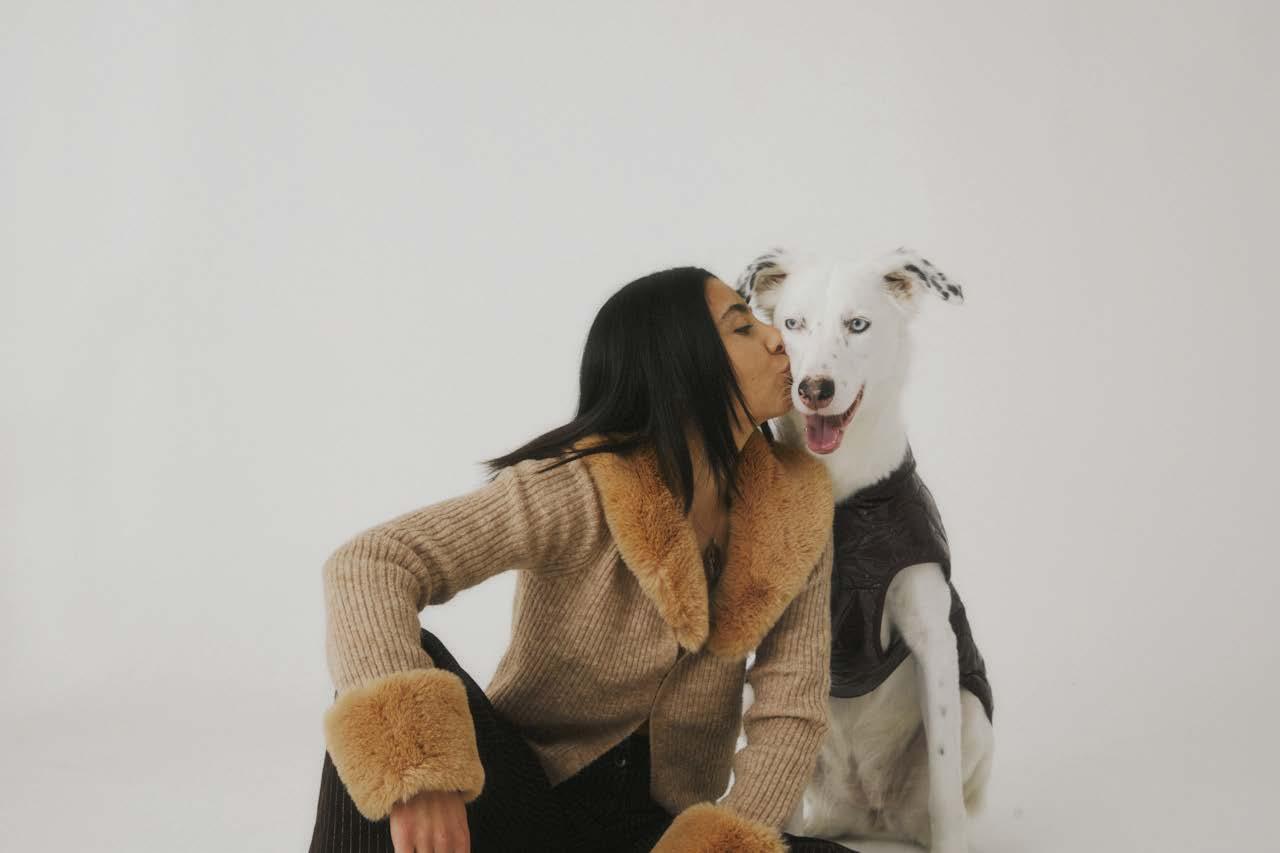
And somewhere in the middle of all of that, I found myself sitting across from Troy Squires, with Bear sprawled next to him, completely uninterested in the pace of the world outside.
It struck me then that while the city is growing at full speed, the real question isn’t how fast we’re building. It’s what we’re building for.
Blok, for context, isn’t just another developer adding to the skyline. They’ve quietly built a reputation for rethinking how people live in Cape Town, with over 20 thoughtfully designed developments already completed and more unfolding across the Atlantic Seaboard and city bowl. Their focus has always been on urban apartment living that feels intentional rather than cramped, spaces that work with your lifestyle instead of against it. And importantly, they’ve never treated pets as an afterthought. From the beginning, their buildings have been designed with pet-friendly living in mind, not just allowing it, but embracing it. It’s a small detail on paper, but in reality, it speaks to something much bigger about who they’re building for and how they understand modern living.
Because growth isn’t just about space. It’s about people. It’s about how we live, how we connect, and how we shape the lives we’re stepping into. And more often than not, those lives don’t exist in isolation. They expand. They evolve. They make room for something, or someone, else. Sometimes, that shift is big. And sometimes it starts with something as simple as
That’s where our conversation really began. Not with buildings or floor plans, but with Bear. With the reality of what it actually means to live in a space, rather than just occupy it. While Blok may design the framework, it’s people, and the lives they build within those walls, that ultimately give it meaning.
Almost immediately, the conversation moved away from buildings to something warmer and more meaningful. “A building is tangible,” he said. “A neighbourhood is the feel of it. The soul.” And that word stayed with me.
If you look at Cape Town right now, it’s easy to get caught up in the physical growth. The numbers tell that story clearly enough. The metro population has surpassed 4.8 million people, with urbanisation across South Africa sitting at around 67% and rising. Housing demand continues to climb, with a national backlog of over 2.3 million homes. Apartment living is no longer a lifestyle choice for a niche group of people. It’s becoming the norm.
We need more space. That part is undeniable. But space without soul doesn’t hold people. It just houses them. And that’s where the idea of neighbourhood becomes something much more meaningful. A neighbourhood isn’t just where you live. It’s how you live. It’s the familiarity of the same barista remembering your order. It’s the person you nod to every morning without ever really knowing their name. It’s the quiet understanding that you belong to something, even if it’s small.
And, as it turns out, it’s often a dog that gets you there.
Bear came into Troy’s life in a way that felt both ordinary and extraordinary at the same time. She was part of a litter born after her mother was rescued by TEARS Animal Rescue. Eight puppies. One moment. One decision.
“She looked like a little bear,” he said, almost laughing at how obvious it seems now.
The decision was simple and the bond was solid. But anyone who’s had a dog knows it’s never just that simple. Dogs require exercise and play time and a lot of attention, so what started as companionship quickly becomes something deeper.
“She gets me out,” he said. “Even on the days I don’t want to.”
There’s something honest about that. No overthinking. No big statement. Just the reality of what it means to share your life with an animal. You don’t always feel like showing up. But they do and so you go. You walk. You explore. You notice things.
And slowly, without realising it, you start building a life that’s bigger than just you.
We often talk about growth in very structured ways. Career growth. Financial growth. Business growth. But there’s another kind of growth that doesn’t come with targets or timelines. It’s the growth that happens when you expand your life to include something or someone else. When you take on responsibility. When you create routine. When you begin to see your surroundings not as something you pass through, but something you’re part of. Dogs have this quiet way of facilitating that.
Troy spoke about how Bear has shaped his relationship with the city. How walking isn’t just exercise, it’s exploration. How you begin to recognise people, rhythms, patterns.
And that’s when it clicked for me.
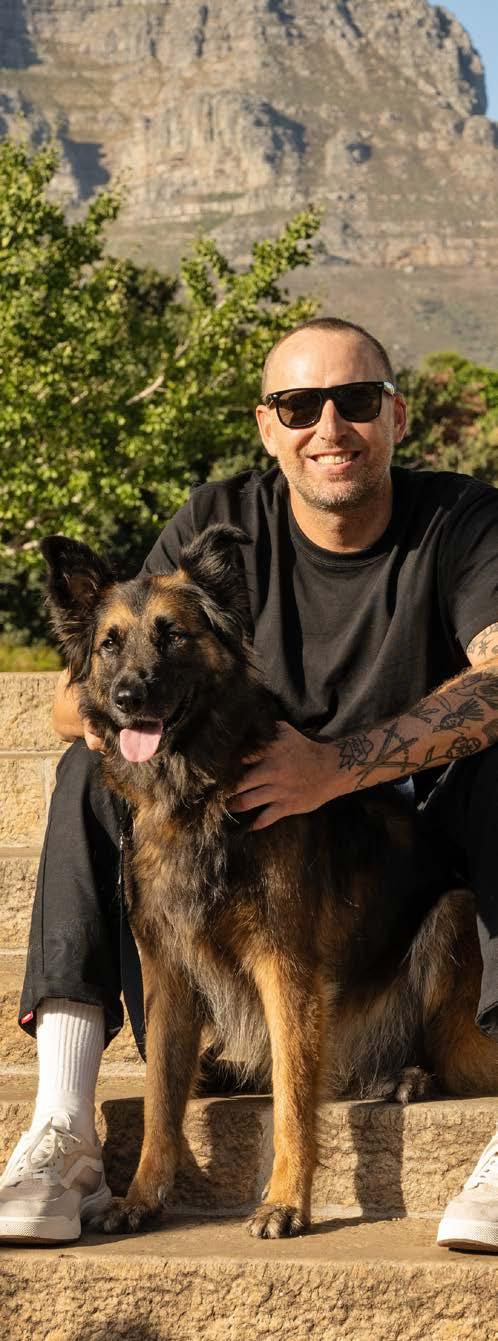
Morning walkies or evening walkies?
“Evening, no doubt.”
Coffee at home or coffee at a café?
“Café. Because there’s something about someone else making your coffee that just hits differently.”
Did you choose Bear, or did she choose you?
“She chose me” Apparently, she had this quiet leadership energy, even as a puppy. The kind of presence that naturally draws you in.
The first thing Bear destroyed?
“A TV remote. And not just one.”
Who takes up more space on the couch?
“Also Bear.” No hesitation.
One word to describe her?
“My everything.”
And if Bear had to describe Troy?
“Annoying,” he laughed. Because he never leaves her alone.
If Bear were an architect, what kind of space would she design?
“Green space.” Which, honestly, feels like the most on-brand answer for a dog living in a city that’s growing as quickly as this one. And then the question that felt surprisingly fitting for everything we’d been talking about.
What’s harder, raising a brand or raising a puppy?
“A brand,” he said. Because a brand is intangible. It needs constant shaping, constant direction. A puppy, on the other hand, meets you halfway.
In a city that’s growing this quickly, it’s easy to feel disconnected. Like you’re just moving between spaces rather than living within them. But dogs don’t let you do that.
They root you. Cape Town is uniquely positioned for this kind of lifestyle.
We have the mountain. The ocean. The trails that feel endless if you’re willing to explore them. But what stood out to me was how Troy spoke about the promenade. Not as a landmark. Not as a scenic route. But as a shared space.
“The promenade is probably Cape Town’s greatest asset,” he said. And the more he described it, the more it made sense. It’s accessible. It’s free. It belongs to everyone.
You see families walking together. Elderly people being pushed in wheelchairs. Runners, couples, children, dogs. People from completely different walks of life, all occupying the same space
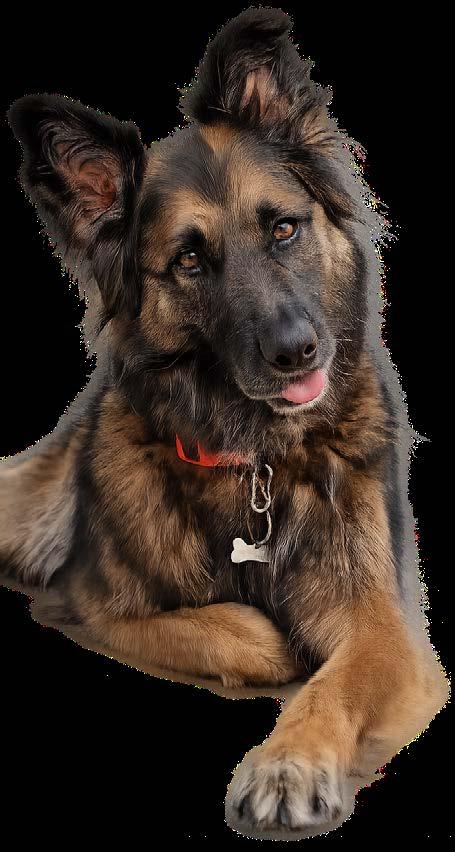
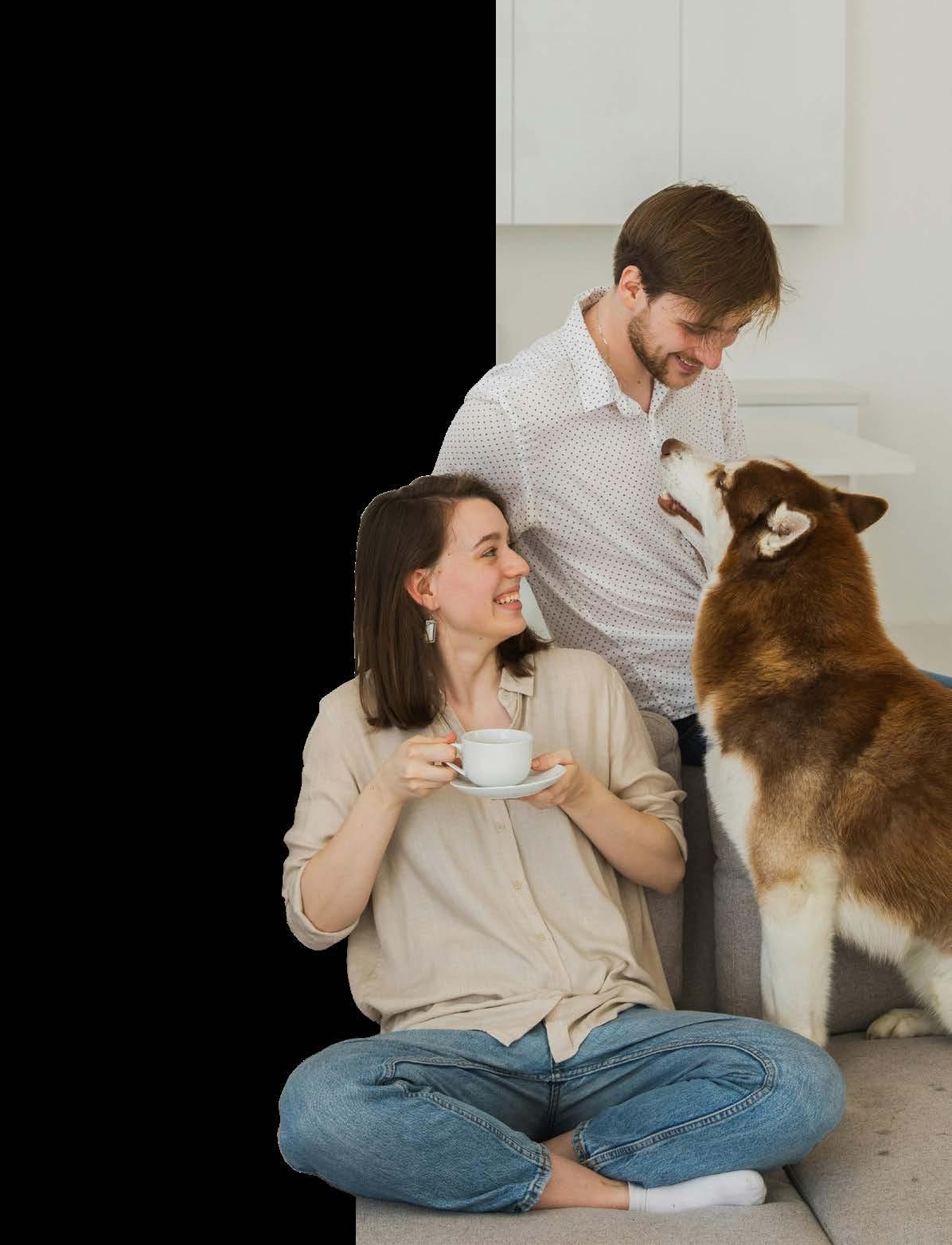
Finding a property to rent or buy that fits your needs is hard enough. Add pets into the mix and suddenly the challenge becomes ten times more complicated. These days it feels like more and more places are either not pet-friendly at all, or they come with a long list of restrictions; size, breed, number of pets… you name it. It doesn’t seem to matter whether it’s a complex, duet or estate.
In a country where the majority of households have pets, particularly dogs who also offer the added benefit of security, it’s quite perplexing that we seem to be becoming less and less pet-friendly. Unfortunately, this has a ripple effect. Many people are forced to give up their pets when they cannot find suitable accommodation, placing even more strain on already overwhelmed SPCAs and animal shelters.
Anyway, just like Brent Lindeque from Good Things Guy, I digress.
Searching for a new home is a very exciting experience but it can be a bit daunting when taking everything into consideration. For you, it might be proximity to work, schools and shops. For your pets, it’s a completely different checklist, things like whether there’s enough space to run around, or whether the property sits on a busy road that could be dangerous for a wandering cat.
So, before you fall head over heels for the first place with a cute kitchen and a decent braai area, here are a few important things to consider in ensuring it works just as well for your pets.
Choosing a location is one of, if not, the most important aspects of picking a property. Some neighbourhoods in South Africa are simply more pet-friendly than others, so if you have some flexibility, spend time exploring different areas before making a decision.
Things to take note of are pavements, parks and pet supply stores. The pavement point might sound strange, but some areas don’t have them at all which can make walking your dog quite dangerous, especially if it’s a fairly busy street or neighbourhood.
A local park is also a major draw card, particularly if it is fenced. Having a safe space where your dog can stretch their legs can make a huge difference and may even compensate for having a slightly smaller garden at home.
I have seen this happen time and time again. Pet policies in complexes and estates are not always explained in detail and everything seems fine until you’ve signed the lease, moved in and settled down, and then suddenly a nosy neighbour or the HOA appears at your door informing you that you’re in violation of the rules.
Always ask for the official pet policy and get written permission for your pets before signing any lease or purchase agreement. This protects you from unpleasant surprises later on.
Suitable perimeter fencing that your pets cannot squeeze through or jump over is the obvious one here, but there are many other things to consider as well. Is there enough shade or a place for them to shelter from inclement weather when you aren’t at home?
Take a moment to look at the plants in the garden too. Some popular garden plants can be toxic to dogs and cats, so it’s worth checking before your pet decides to sample the landscaping.
If the property has a swimming pool, make sure it is properly fenced, particularly if your pet hasn’t grown up around water. Pets can easily fall into a pool and panic if they cannot find a way out.
It’s also worth considering the neighbours. Do they have pets? And if so, how secure is the boundary between the properties? A solid brick wall is ideal as it prevents animals from seeing and interacting with each other. Palisade fencing, on the other hand, is far less ideal. Smaller pets can be pulled through the gaps, and the “devil fork” tops can pose a serious injury risk
While outdoor space is important, the inside of the house matters too.
Practical features such as easyto-clean flooring like tiles or sealed hardwood are often preferable to plush carpets, which tend to trap pet hair, smells and muddy paw prints.
Mom of dogs; slave to cats. An environmentalist who loves travelling, baking and going on adventures with her dogs, Linc and Oliver.
To be a part of the chaos, follow @misadventures_of_ollie
Another popular trend for pet owners is walk-in wash stations for dogs. This is a wonderful addition to any pet-friendly home, but especially for owners of
large breeds that can’t easily be lifted into a bath, or in older homes that don’t have a suitable shower.
If you’re considering an apartment or a home with a balcony, make sure railings and windows are secure. Cats in particular are incredibly curious and can squeeze through surprisingly small gaps.
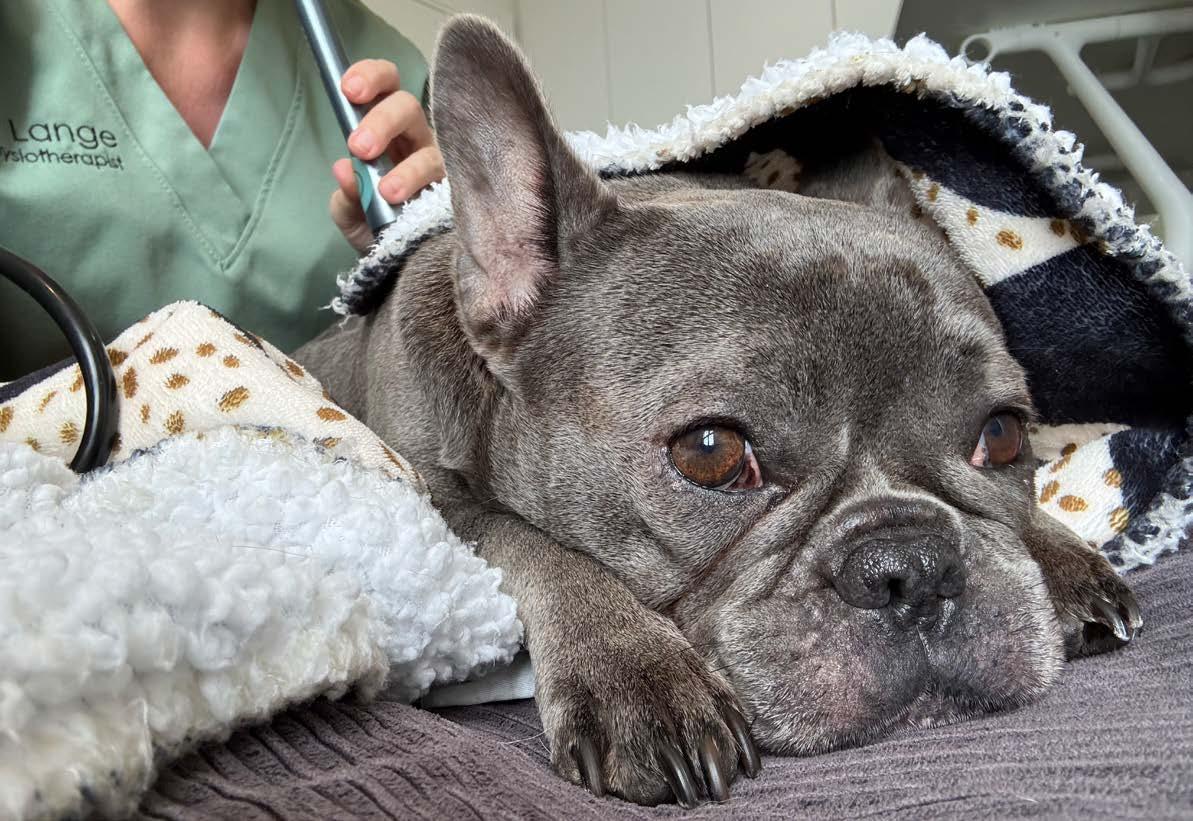
Coco, a lively French Bulldog, suddenly lost function in her back legs. Her owners immediately knew something was wrong. She was rushed to the vet, where the diagnosis was confirmed: Intervertebral Disc Disease (IVDD), a spinal condition commonly seen in chondrodystrophic breeds like French Bulldogs and Dachschund.
By Tanri de Lange
SAVC Registered Veterinary Physiotherapist
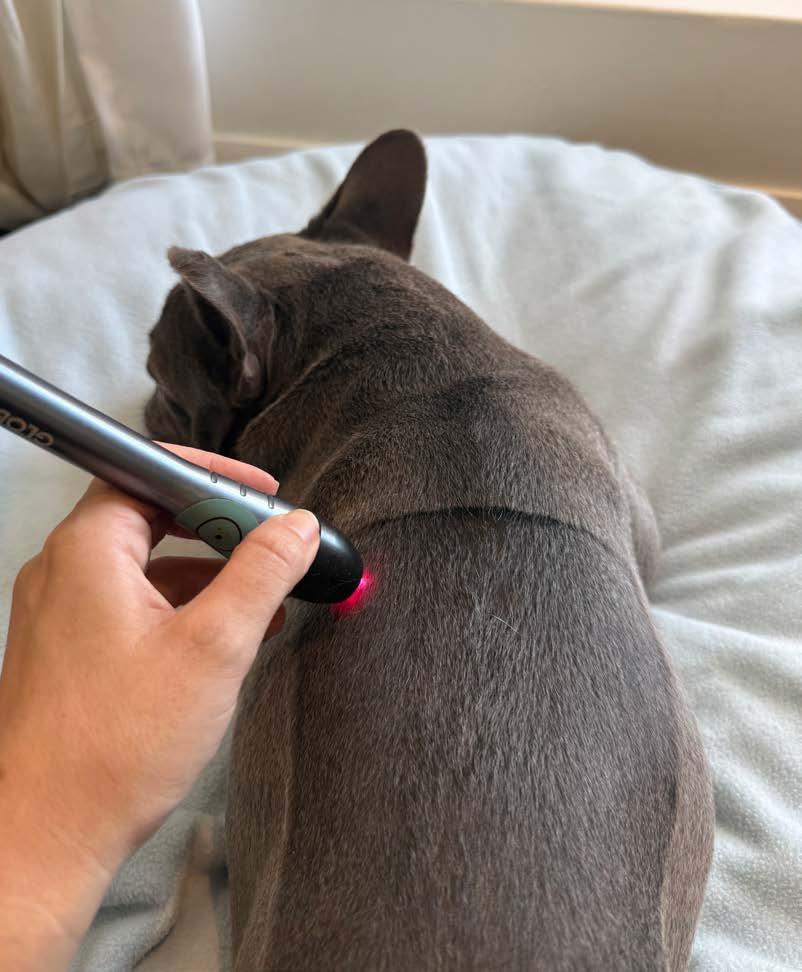
Coco underwent spinal surgery to relieve pressure on her spinal cord. While the procedure was successful, recovery would require patience, dedication, and a structured rehabilitation programme to help her regain strength and mobility.
In the early days following surgery, Coco needed significant support. Physiotherapy began with gentle techniques aimed at pain management and reducing inflammation, while carefully encouraging and stimulating movement in her hind limbs.
As her recovery progressed, targeted exercises and hydrotherapy were gradually introduced to build
strength, improve coordination, and stimulate normal movement patterns.
At first, the movements were small, a twitch of the paw, a brief attempt to stand. But within just one week of surgery, Coco began to walk again
Each milestone from the first flicker of movement in her hind legs to her first confident steps marked an important moment in her journey.
For dogs recovering from IVDD, progress often happens gradually, one small step at a time.
Home management now plays a key role in Coco’s continued progress.
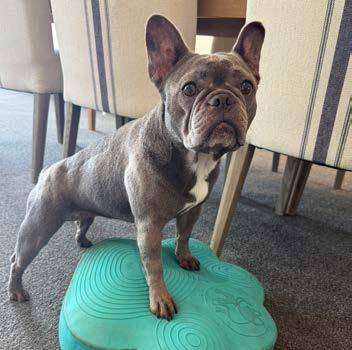
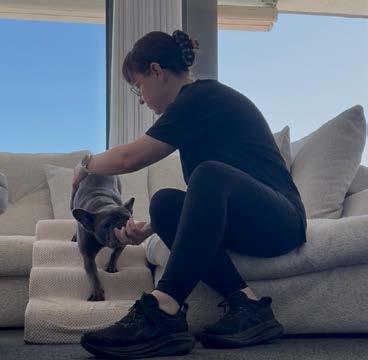
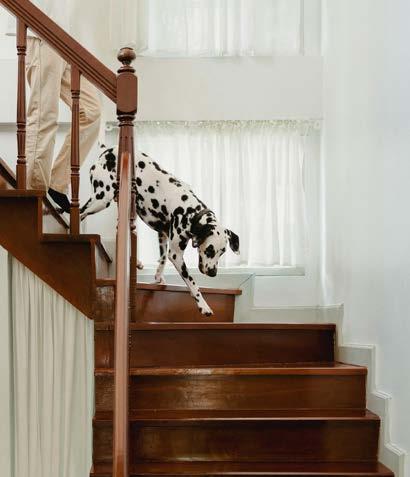
Simple adaptations such as adding stairs to access furniture and preventing slipping on tiled surfaces help protect her spine and support safe movement.
Her owners were, and continue to be, dedicated to following the rehabilitation plan, practising exercises, and providing the calm environment needed for healing. Their consistency and patience played a vital role in helping Coco make steady progress.
Today, Coco is back on her paws and enjoying life again. While ongoing care and mindful activity remain important, her recovery highlights the powerful role rehabilitation can play after spinal surgery.
Coco’s story is a reminder that with the right treatment, dedicated care, and structured physiotherapy, many dogs can regain mobility and return to a happy, active life.
BY TRACY MCQUARRIE
Over the past few decades, the way we care for our pets has changed dramatically. Dogs and cats are no longer just animals who live in our gardens or guard our homes, they are family members. They sleep on our couches, travel with us, and hold a place in our hearts that is deeply personal.
And because of this shift, the world of pet care has evolved in remarkable ways.
Veterinary medicine has advanced. Nutrition has improved. Behaviour science has taught us better ways to understand and train our dogs. We now recognise that animals have emotional needs, not just physical ones.
All this progress has helped our pets live longer, healthier and happier lives.
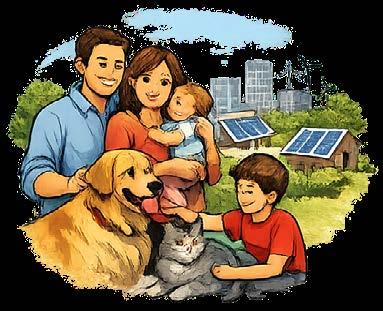
But there is another side to this growth. As the standards of pet care rise, so do the costs associated with owning a pet. For many families, keeping up with these expectations is becoming increasingly difficult.
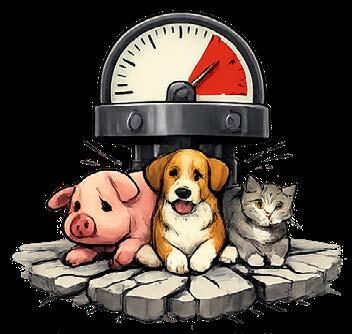
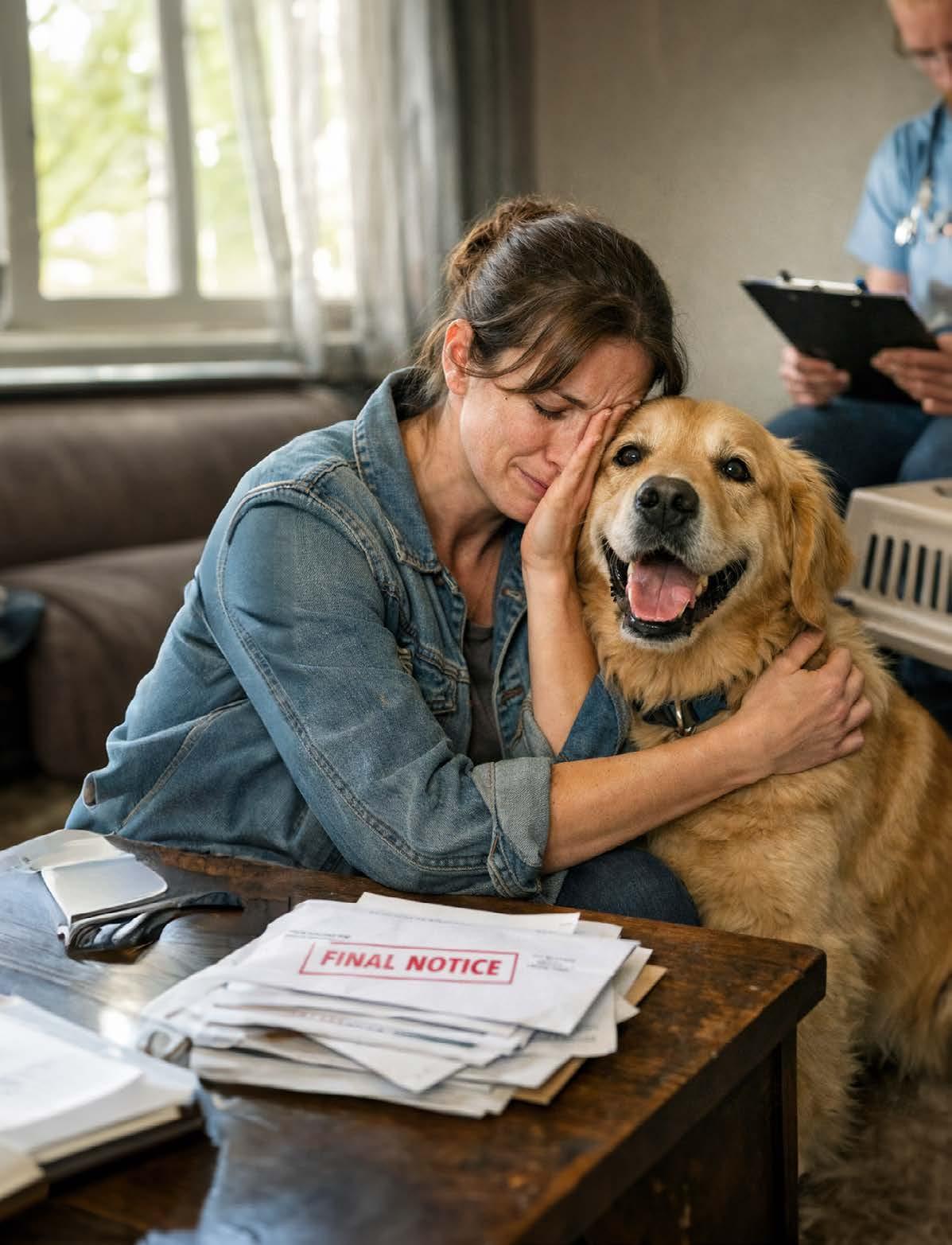
While pets are benefiting from advances in care, animal shelters are facing a different reality. Across South Africa, shelters are seeing increasing numbers of animals being surrendered and more often than not, the reason is not a lack of love but rather financial pressure.
Rising food prices, increasing veterinary costs, housing restrictions, job loss, and economic uncertainty are forcing families into heartbreaking decisions. Many people are surrendering animals they have loved for years simply because they can no longer afford to care for them. At the same time, shelters themselves are struggling with rising operational costs while demand for their services continues to grow.
There is an uncomfortable truth we need to acknowledge. The pet care industry has grown rapidly, but the economy has not grown at the same pace for many households. This creates a widening gap between what animals need and what people can realistically afford. Animal welfare organisations across the country are absorbing the consequences of this gap. Shelters are doing everything they can, but they cannot solve this problem alone.
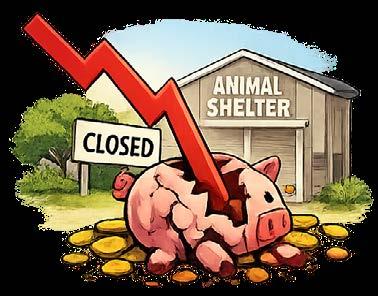
The future of animal welfare cannot rely solely on rescue. If we want to reduce the number of animals entering shelters, we must also focus on supporting the people who care for them.
This means thinking differently about how we approach animal welfare:
• Supporting struggling pet owners before relinquishment becomes the only option
• Educating communities about proper puppy development and long-term care
• Creating more pet-friendly housing policies
• Strengthening collaboration across the animal welfare sector
Most importantly, we must recognise that animal welfare and human wellbeing are deeply connected. When families struggle, animals struggle too.
At BarkingMad, we believe the future of animal welfare lies in collaboration, education, and support for the entire ecosystem of people and animals. Every dog and cat deserves the chance to live a long, healthy, and happy life. But to make that possible, we must build a world where the humans who love them are supported too.
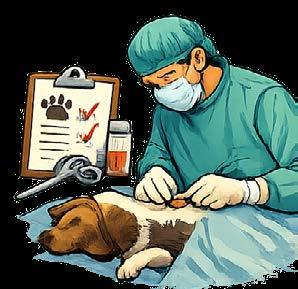
Because when we protect the bond between people and their pets, we protect something incredibly powerful, a relationship built on trust, loyalty, and unconditional love.

Lionel’s Choice Puppy is the foundation for the ambitious days ahead. Growth isn’t just about getting bigger; it’s about getting stronger.
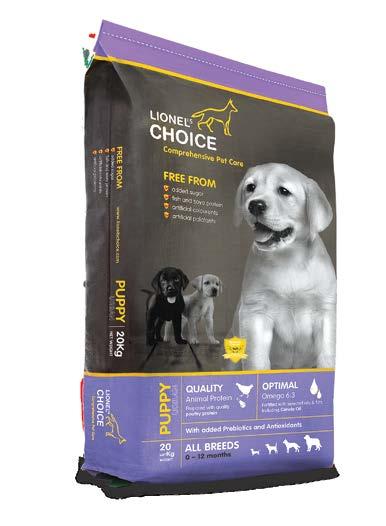
Rich in antioxidants to maintain cellular integrity and strengthen the immune system, providing essential support for puppies with sensitive constitutions.
Protein and minerals from a single chicken source deliver the ideal amino acid profile and calcium-tophosphorus ratio to support healthy muscle and sound skeletal development.
A sophisticated blend of Chestnut tannins, Butyrate, and Chicory (prebiotic fibre) works with botanical extracts to support holistic digestive and gastric health.

By: Jenni Davies
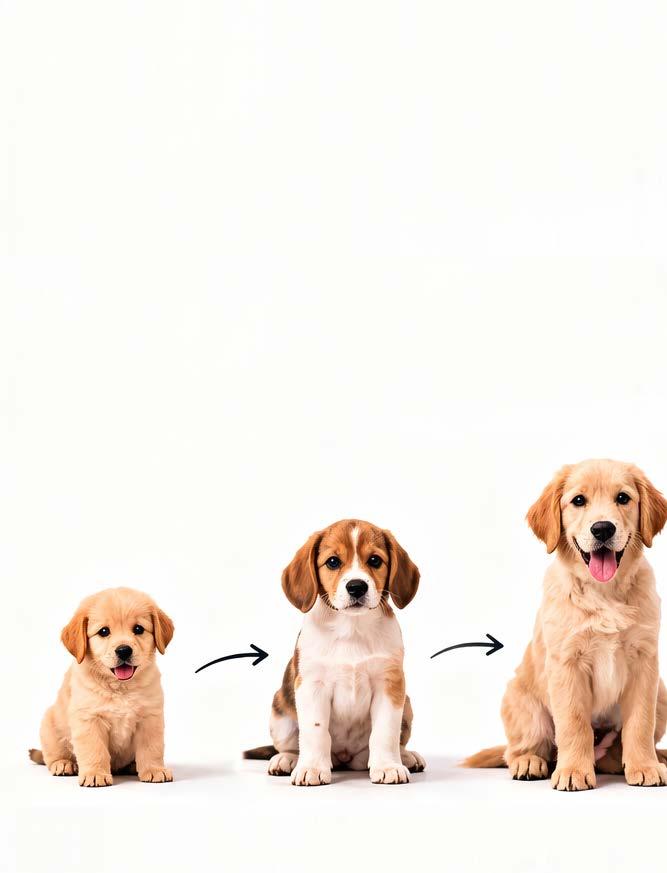
Our furry family members don’t all enter our lives at the same stage. We welcome some as roly-poly babies or gangly juveniles; others as fully fledged adults or frosty-faced seniors. Wherever the journey begins, our lives together are a story of constant growth and development.
One thing’s for sure: every stage of life brings different needs. And the care we give them now helps shape their futures with us. kyronvetrx www.kyronlabs.co.za
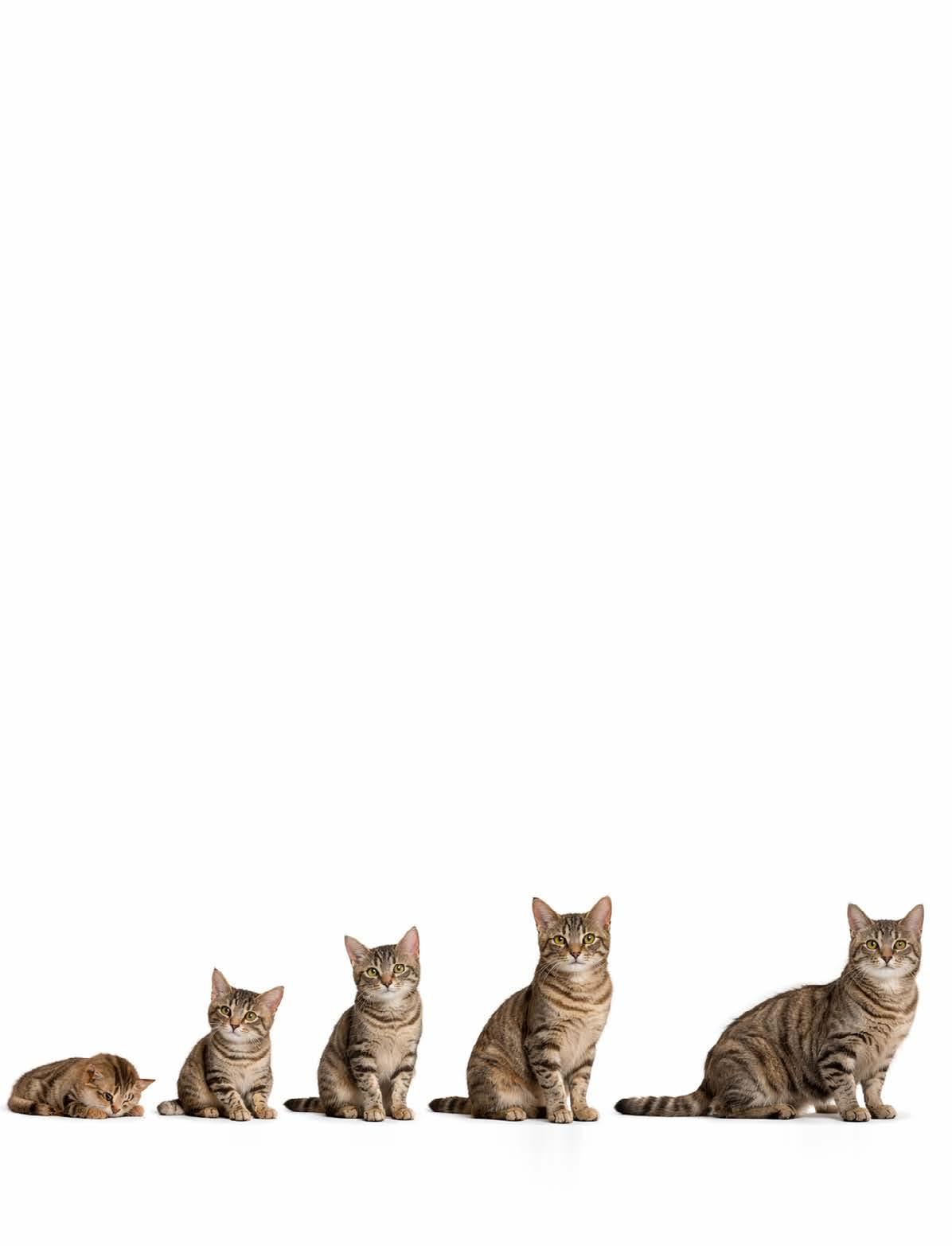
With puppies and kittens, things unfold like lightning. They start out blind, deaf, and content to snuggle in a milky haze with mom and siblings. But within 2 weeks, that’s all changed - and it’s not long before a bobble-headed wobbly crawl becomes full-speed-ahead action.
Then your bouncy little fluffball reaches 6 months - and suddenly you’re living with a puppy-shaped T-Rex. No plakkie is safe from little chompers. No flower pot remains unturned. Kittens scale curtains like they’re the Compassberg. Welcome to the juvenile months – supervision is now your full-time job.
With growth happening so fast, their need for support is high. Good preventative care and the right nutrition are crucial. But good food is only part of the picture. Without a healthy digestive system, even the best food won’t help. This is the time to build a strong gut microbiome, needed for good digestion and immune health. Alongside food, proand prebiotics such as Probiflora* can provide a helping hand (once weaned).
Despite your best gut-building efforts, however, tummy troubles are common in young animals. Their developing systems react to new foods, environmental changes, and new routines. They’re more vulnerable to infections and, at times, even worms - and deworming treatment – can temporarily turn things upside
down. Where appropriate, supplements containing probiotics and binding agents like Diomec Plus may help support digestive stability*.
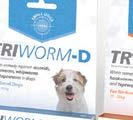
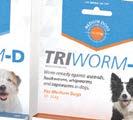
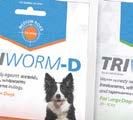
Another essential part of pet healthcare is parasite control. Intestinal worms are extremely common in young animals and can affect their development. Parasites divert nutrients needed for organ, bone, brain, and muscle development. Left untreated, worms can disrupt the gut microbiome’s balance and impact immunity and long-term wellbeing. That’s why establishing a proper deworming routine early is key. Opt for broad-spectrum veterinary dewormers like Triworm that tackle tapeworms, hookworms, roundworms, and whipworms, and which offer different formats like liquids for puppies/kittens and pastes and tablets for older dogs and cats. And remember: flea control goes hand-in-hand with deworming.
(PS: don’t forget vaccinations!)
Eventually, the chaos settles and your soft furnishings are safe again. Once they reach adulthood (around 12–18 months, depending on size, breed, and species), our focus shifts towards maintenance and building future resilience with nutrition, parasite control, lifestyle, and preventative care. Having a strong early foundation makes this easier - but even if they didn’t have the best start, there is still much we can do.
Two particularly common issues seen in adult dogs are skin allergies and joint problems.
Smaller dogs reach adult size quickly (6-12 months). But, because their total growth is smaller, there’s less strain on cells, joints and organs so they tend to age more slowly over time. However, they tend to be more prone to dental problems and Larger dogs have a steeper growth curve, adding much more mass and bone over a longer time (18-24 months), placing extra stress on the body. Even though they reach adult size later, they tend to show signs of wear and tear sooner. These dogs may benefit from more frequent vet checkups, tailored exercise, and receive joint support earlier. The same applies to breeds genetically prone to conditions like arthritis (e.g. German Shepherds) or spinal degeneration (e.g. Dachshunds).
But what about cats? They age more uniformly, reaching adult size around 12 months. However, certain pedigree breeds with extreme traits like Persians and Scottish Folds may develop agerelated health issues earlier. This means they may need senior-style care earlier than others of the same age.
Ever tried figuring out your pet’s “human age”? Because dogs and cats age much faster than us in their first years, it’s not as simple as just multiplying by 7 or 9. Here’s a general rule of thumb:
• Year 1: add 15 years
• Year 2: add 9 years
• Year 3 and up: add around 5 years for dogs and 4 years for cats. Smaller breed dogs age slower after 2 years (around 4 years/ year) and large breeds age faster (up to 6-7 years/year).
That means your 1-year-old cat is a 15-year-old teenager and, by the time they reach 15, they’re in their mid-70s. A 5-year-old Great Dane is around 45, while a small Jack Russell is closer to 36.
If you see fleas on your dog or cat, there’s a good chance they have tapeworms too. Fleas often carry tapeworm larvae - when the flea is swallowed, the larvae can develop into worms in the intestines. Reinfection happens easily and some animals may have a higher flea and worm burden, needing a course of treatment. That’s why deworming isn’t a once-off.
Puppies and kittens need deworming every 2 weeks from 2 weeks of age until 12 weeks. Thereafter, monthly until 6 months, then every 3-6 months depending on their lifestyle (for example, free-roaming cats may need more frequent treatment than indoor cats).
Canine
Atopic
Dermatitis - with its characteristic itching, skin irritation, redness, and, sometimes, recurring ear infections - is one of the most common skin conditions in dogs. It’s often linked to the environment, pollen, dust mites, grasses, and sometimes food. Aside from reducing potential allergens (such as keeping bedding clean and managing dust), supplementing essential fatty acids can help. These nutrients have anti-inflammatory properties, support skin hydration, and are needed for a healthy skin barrier. It’s not easy to get these nutrients from diet alone, so supplements like Efazol can provide the extra support.
Joint health is another important focus, particularly for large breed and active dogs or those with previous injuries or genetic predisposition. As animals age, wear and tear can contribute to degenerative joint diseases like osteoarthritis, affecting mobility
and causing pain and stiffness.
Maintaining a healthy weight reduces excess pressure, while ensuring appropriate exercise keeps muscles strong to provide support. Nutrients such as glucosamine and chondroitin help support cartilage – the cushion between the joints which allows for smooth movement.
Supplements - like GCS Joint Care Advanced for dogs – can make it easier for you to provide such nutrients. Supporting joints now may help with comfort and function later.
Emotional wellbeing also becomes increasingly important. Now that they’re old enough, they may join us on adventures – but new experiences can be scary. Separation anxiety and loud noises like thunder and fireworks are common stress triggers, and pets from tough backgrounds may find the world particularly stressful. Providing regular exercise, a safe space (such as an igloo bed or indoor kennel), and consistent behavioural work are key. Supplements with B vitamins and amino acids L-Tryptophan, L-Theanine, and Peptazine like Calmeze Plus provide extra nutritional support for the nervous system.
And then, all too soon, muzzles become frosty, the pitter-patter of paws slows down, and the selective deafness isn’t quite so selective anymore. We’re privileged to share these years with them - but it’s hard to watch age sneak up. The goal now is to support daily quality of life by providing a comfortable environment - extra-soft bedding, nonslip floor covers, steps up to the couch - and manage age-related conditions consistently.
One of the most common challenges for older animals is reduced mobility –maybe they’re not running to the gate as swiftly, or the climb up to the counter is more arduous. Some senior pets have chronic pain, digestive changes, or cognitive decline. They may become clingier or more anxious as their senses alter, and many find changes to their routine upsetting.
Dire though it may sound, with simple adjustments - nutrition, exercise, pplementation, vet visits, and lifestyle –we can make an immense difference.
Again, it starts with diet and digestion. Senior animals have specific nutritional needs, while age-related changes in gut microbiome impact nutrient absorption and immune function. They generally benefit from specifically formulated senior-pet foods, and added probiotics like Probivet to support a balanced gut environment.
Constipation is a common senior malady. Staying hydrated and exercising - even with gentle strolls around the garden - helps keep things moving. Ensure they get enough dietary fibre - cooked pumpkin works well for many dogs. Cats may be less enthusiastic and wheatgrass may do the trick for them.
Animals struggling with chronic pain, stress, poor appetite, or anxiety may benefit from CBD oil supplements like C*Vet. CBD (cannabidiol) is a plant extract which has become increasingly popular for supporting comfort and relaxation in senior pets.
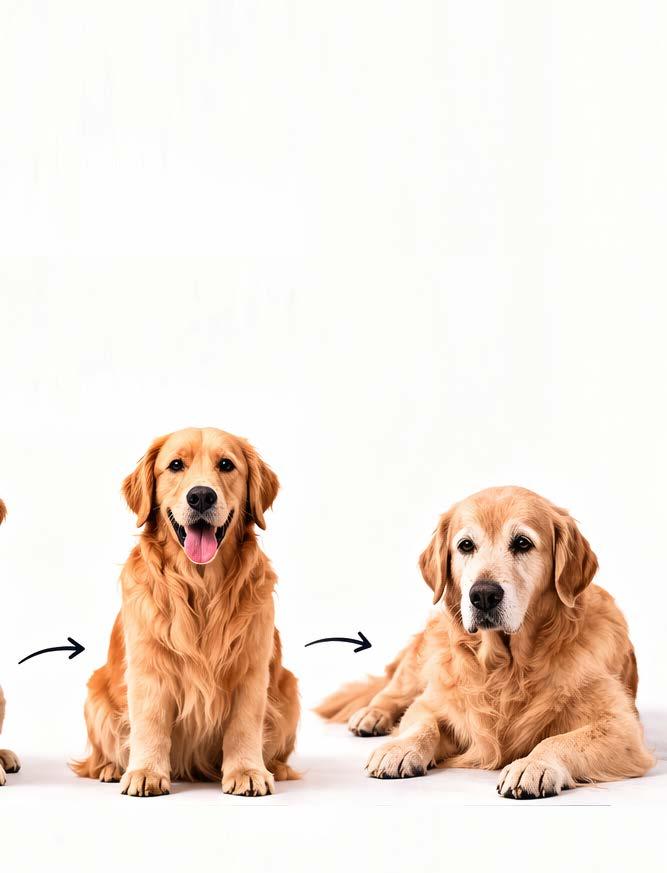
Our pets grow alongside us, from puppy-breath yawns to the deep snores of a contented senior companion. They give us unconditional love and companionship. In return, our role is to help them live their best lives – at every stage.
From good nutrition and preventative care to veterinary treatment and support, the choices we make shape their wellbeing. And, while their needs may change, one thing only grows stronger: the bond we share.
*Safety note: This information is not a substitute for veterinary advice and supplements do not replace prescribed medication. Puppies, kittens, small animals, and senior or immunecompromised pets can deteriorate within hours from uncontrolled diarrhoea and/ or vomiting. Seek veterinary attention promptly. Avoid self-diagnosing - many conditions may masquerade as others which need different treatment. And always consult your veterinarian before giving supplements.
Life stage Dogs Cats
Neonate
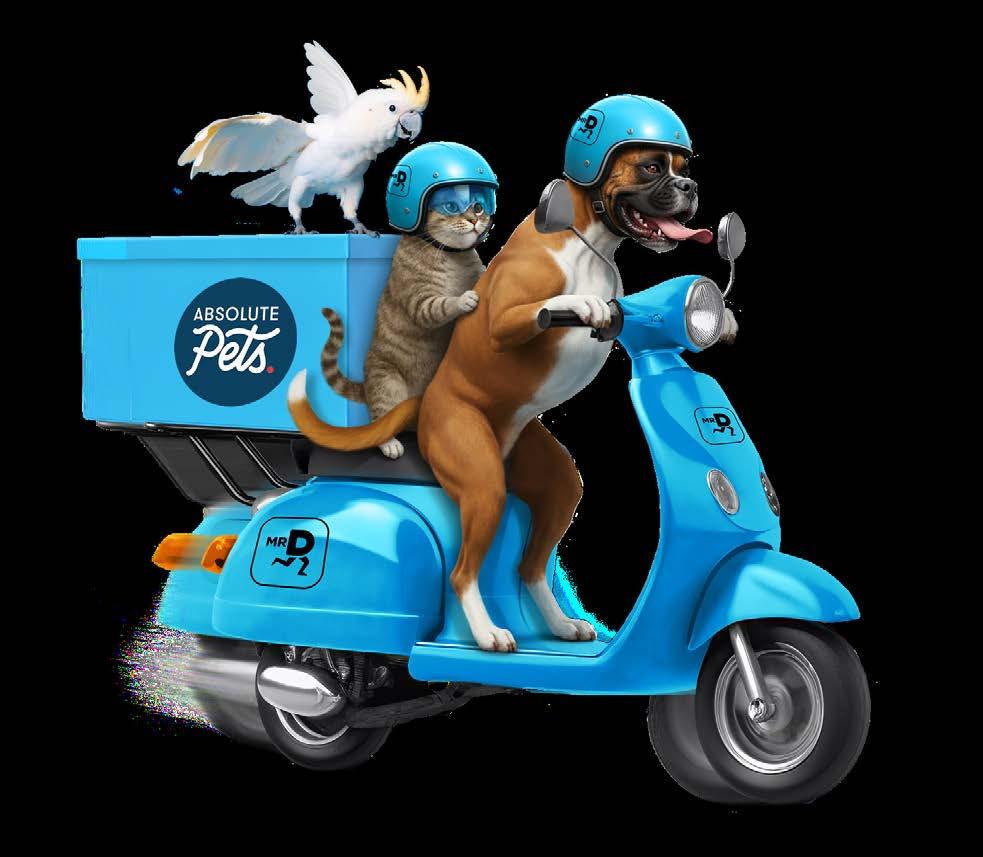


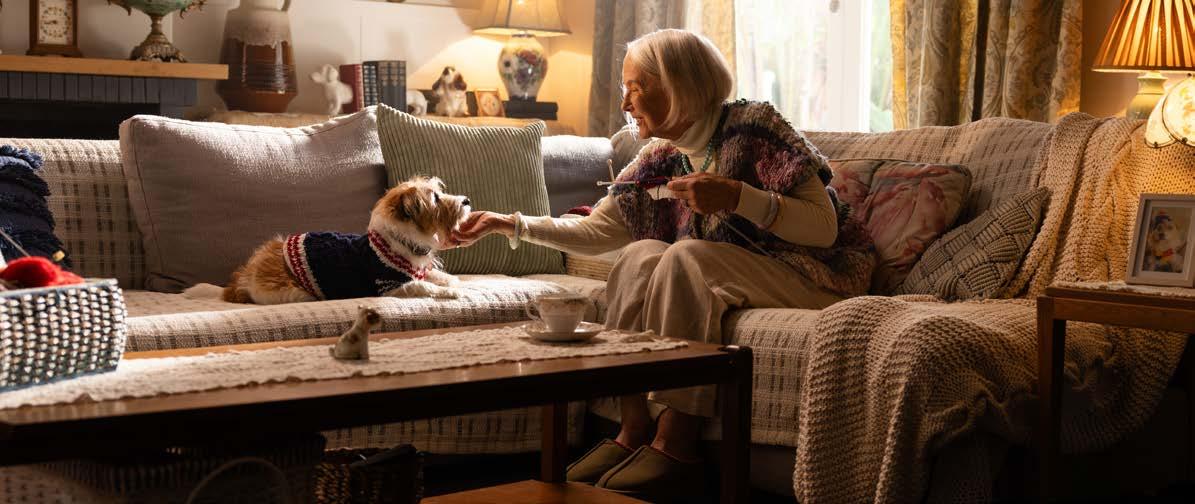
Pet Parents, this one is for you. Absolute Pets, South Africa’s leading specialist pet care brand, is now available on the Mr D app. That means premium pet food, wellness essentials, treats, toys and grooming goods, and more can now be delivered straight to your door, quickly, conveniently and within minutes*
Whether you share your home with a whiskered nap enthusiast, a midnight zoomies sprinter, a toy-shredding champion, or a tail-wagging ball chaser, their essentials are now only a tap away.
Absolute Pets has been trusted by South African pet lovers for over twenty years, with 200 stores nationwide and a reputation for expert advice and highquality products. Now their most loved items are available on Mr D, making life easier for pet families alike.
You can shop all the big names you know and trust, including Lokuno, Canagan, Royal Canin, Montego, Acana, Ultra Pet, Olly & Max and Eukanuba.
There are also even more must-haves to explore, from dental care and grooming supplies to toys, accessories and travel comforts. Think feather wands and scratching pads for curious cats, tug toys and chewy favourites for enthusiastic pups, slow feeders for fast eaters and cosy beds for every snoozer in the house.
With Absolute Pets now available on Mr D, customers enjoy a wider specialist range at in-store pricing,
paired with effortless convenience, and TakealotMORE premium members get unlimited free delivery on their Absolute Pets purchases. Customers who are already members of the Absolute Pets’ Pet Parent Loyalty Programme will still earn points for every shop.
In the words of Mr D, Lee-Anne Trower, Head of Retail, says, “The pet care market is booming, and customers want effortless convenience from the retailers they trust. Partnering with Absolute Pets enables us to offer a wider, higher-quality range directly to our customers, all in one place. It strengthens our commitment to making everyday shopping easier while giving Pet Parents access to the brands they know and love.”
This partnership combines Absolute Pets’ specialist knowledge and wide range of quality products, along with Mr D’s fast, reliable delivery.
Kevin Tuffin, Commercial Director at Absolute Pets, says, “We recognise that convenience plays a vital role in how our customers shop, and we continuously seek ways to enhance this while delivering greater value. Partnering
with Mr D, a trusted brand known for its reliable delivery network and strong reputation, enhances our ability to deliver conveniently. This collaboration ensures Pet Parents have easier access to the quality pet products they know and trust, wherever and whenever they need them.”
Alex Wörz, CEO of Mr D, adds, “This partnership is a meaningful step forward in how we continue to build out Mr D as a multi-category retail platform. Bringing a trusted specialist brand like Absolute Pets onto the app strengthens our ecosystem, expands the relevance of our Shops offering and unlocks long-term growth in a category with strong customer demand. It reinforces our strategy of partnering with category leaders to create greater choice, value and everyday convenience for our customers.”
Purrfectly simple, effortlessly convenient and at in-store pricing
Your pet deserves the best. Now you can get it delivered with the tap of a button so that you can get more DONE. Shop Absolute Pets on Mr D today.
*Delivery times may vary based on location and store availability.
For over 30 years, Mr D has been a Proudly South African one-stop app shop designed to deliver a seamless ordering experience whenever you need it. No paying extra for priority, just seamless convenience, a huge variety of food options, and smooth checkout with Apple Pay and Google Pay. Harnessing cutting-edge technology you can rely on, Mr D is all about effortless convenience and supporting local businesses you can feel good about. Our dedicated teams are always on hand to assist, ensuring every customer experience with us is nothing short of exceptional. Mr D is underpinned by convenience made smarter, simpler, and more satisfying.
For more, visit: https://www.mrd.com/
FASCINATING HONEY BADGER (MELLIVORA CAPENSIS)
The honey badger (Mellivora capensis) is the only surviving species in the genus Mellivora and the subfamily Mellivorinae.
THE SPECIES NAME “CAPENSIS” ORIGINATES FROM THE CAPE OF GOOD HOPE, WHERE EARLY SPECIMENS WERE FIRST DOCUMENTED.
Up to sixteen sub-species were historically proposed based on variable colouration and size.
Honey badgers are genetically closer to weasels and martens than to true badgers. They belong to the Mustelidae family, which includes otters, ferrets, wolverines, and polecats.
“Ratel,” a common name for the species, comes from Dutch/Afrikaans and may refer to their rattling growl.
Fossil evidence shows honey badgers likely
originated in prehistoric Asia before spreading to Africa. Adults measure roughly 55-77 cm in body length, with an additional 20-30 cm tail. They stand about 23-28 cm tall at the shoulder. Adult body mass typically ranges from 8 to 16 kg, with males noticeably larger than females.
THEIR HALLMARK COLORATION INCLUDES A PALE GREY OR WHITE MANTLE OVER A BLACK UNDERSIDE. THEIR FUR IS COARSE AND SPARSE, PROTECTING AGAINST ROUGH TERRAIN AND STINGS BUT OFFERING LIMITED INSULATION.
Honey badger skin is extremely tough and loose, allowing the animal to twist inside its own hide if grabbed.
Their neck and shoulders are heavily muscled, giving them a strong, compact build. Their hide is notoriously difficult for predators to bite through or hold onto.
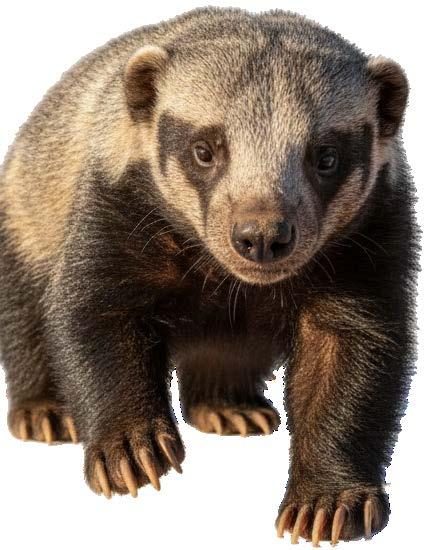
Long, curved foreclaws make them powerful diggers capable of breaking into burrows and hives. Their hind claws are smaller and adapted for traction rather than digging.
Honey badgers regularly dig temporary dens for resting or hunting.
THEIR EYESIGHT IS LIMITED, SO THEY RELY LARGELY ON THEIR SENSE OF SMELL.
Peninsula, and South Asia.
Their range continues into parts of Central and Western Asia, including regions of Iran and Turkmenistan. They avoid only the driest desert zones, such as the central Sahara.
THEY INHABIT SAVANNAS, FORESTS, GRASSLANDS, ROCKY TERRAIN, AND SEMI-DESERT ENVIRONMENTS. HONEY BADGERS ARE MAINLY FOUND AT LOW TO MODERATE ELEVATIONS, ALTHOUGH OCCASIONAL RECORDS SHOW THEY CAN SURVIVE AT HIGH ALTITUDES OF OVER 4,000 METERS IN PARTS OF AFRICA.
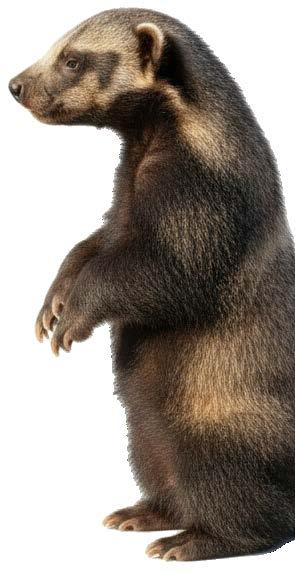
They frequently use burrows left by aardvarks, porcupines, and other mammals. In Namibia they are widespread but rarely found in the dune fields of the Namib Desert.
Surveys have recently confirmed honey badgers in coastal areas where their presence wasn’t previously recorded.
THEIR TOLERANCE OF MANY HABITAT TYPES HIGHLIGHTS EXCEPTIONAL ECOLOGICAL ADAPTABILITY.
Honey badgers can survive in a wide range of habitats, from arid savannas and semideserts to areas with moderate rainfall, demonstrating remarkable adaptability.
Honey badgers are primarily solitary animals.
Their bold black‑and‑white coloration may act as a warning signal to potential predators. The species is widely distributed across sub -Saharan Africa, the Arabian
Although honey badgers are mostly solitary, the large home range of a male often overlaps with the territories of several females, allowing for mating opportunities.
THEY ARE NOMADIC RATHER THAN TERRITORIAL AND TRAVEL WIDELY WHILE FORAGING. In the Kalahari, some male honey badgers have been recorded with home ranges exceeding 500 square kilometers, reflecting their nomadic lifestyle and the search for food and mates.

On a single night, a honey badger can cover more than 20 kilometers while hunting, roaming tirelessly in search of food.
HONEY BADGERS CHANGE WHEN THEY ARE ACTIVE: SOMETIMES THEY ARE ACTIVE AT NIGHT (NOCTURNAL), SOMETIMES AT DAWN OR DUSK (CREPUSCULAR), AND SOMETIMES DURING THE DAY (DIURNAL), DEPENDING ON THE WEATHER AND HOW MANY HUMANS ARE AROUND.
They communicate through growls, hisses, and rattling vocalizations.
ANAL-GLAND SECRETIONS AND URINE SERVE AS IMPORTANT SCENT- MARKING SIGNALS.
When threatened, they stand their ground and engage in loud, aggressive displays.
ALTHOUGH THEY SPEND MOST OF THEIR TIME ON THE GROUND, HONEY BADGERS ARE CAPABLE CLIMBERS.
Honey badgers are very clever and can solve tricky problems (problem-solving), and sometimes even use tools, like sticks or rocks, to get food when in captivity (living in zoos or wildlife centers).
Their diet is extremely varied and includes insects, rodents, reptiles, birds, eggs, fruits, roots, and carrion.
Honey badgers can even kill and eat venomous snakes, including cobras.
HONEY BADGERS ARE PARTLY RESISTANT TO VENOM (POISON FROM SNAKES), WHICH MEANS THAT IF A VENOMOUS SNAKE BITES THEM, THEY MIGHT GET TEMPORARILY PARALYZED (UNABLE TO MOVE FOR A SHORT TIME) BUT USUALLY RECOVER AFTERWARD.
They frequently raid beehives for honey, larvae, and wax.
MOST OF THEIR WATER COMES FROM THE ANIMALS THEY EAT (PREY), WHICH HELPS THEM SURVIVE IN VERY DRY PLACES (DESERTS AND SAVANNAS).
They prefer live prey but also scavenge opportunistically.
THEIR POWERFUL JAWS CAN CRUSH TOUGH -SHELLED PREY SUCH AS TORTOISES.
Their broad diet helps regulate populations of rodents, reptiles, and insects.
When honey badgers dig (use their strong claws to move soil), they help air reach the soil (aerate it) and uncover animals and insects living underground.
They sometimes steal food from other predators, which can change how animals in the area hunt and survive.
Breeding can occur throughout the year without a fixed season.
BABY HONEY BADGERS GROW INSIDE THEIR MOTHER FOR ABOUT 50 TO 70 DAYS (GESTATION), BEFORE BEING BORN.
Females usually give birth to one cub, with twins being rare. Newborn cubs are blind, hairless, and completely dependent on their mother.
Cubs begin accompanying their mother on hunts at about three months old.
Young honey badgers remain dependent for up to a year.
FEMALE HONEY BADGERS CAN HAVE BABIES WHEN THEY ARE ABOUT 12 TO 16 MONTHS OLD, WHILE MALES BECOME ABLE TO FATHER BABIES A LITTLE LATER, AT AROUND 2 TO 3 YEARS OLD (SEXUAL MATURITY). HONEY BADGERS USUALLY LIVE AROUND 7-8 YEARS IN THE WILD, BUT CAN SURVIVE OVER 20 YEARS WHEN CARED FOR IN CAPTIVITY, SUCH AS IN ZOOS OR WILDLIFE CENTERS.
They are classified as Least Concern, though declines occur in areas where snaring or persecution is common.
In many African cultures, honey badgers symbolize courage, toughness, and resilience.
QUICK HONEY BADGER FACTS TO WOW YOUR FRIENDS!
Honey badgers can shrug off cobra venom, sometimes passing out and waking up hours later as if nothing happened.
Their skin is so loose and tough that they can twist inside it and bite a predator holding them.
They’re smart enough to use tools, including rolling logs or stacking objects to escape enclosures.
Honey badgers can travel over 20 km in one night searching for food.
Despite their name, they’re actually more closely related to weasels than true badgers.
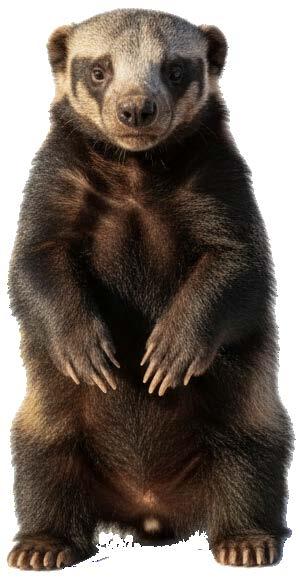
At the start of 2026, over the foothills of Meiringspoort in De Rust are long ears and hooves on open land, and in a place fittingly called Die Hoop. Hope.
For the Karoo Donkey Sanctuary, the road here was anything but gentle.
“2025 was a year that pushed us to the brink,” says founder and CEO Jonno Sherwin. And that is not said lightly.
What began as a promise turned into heartbreak when the sanctuary was forced to leave the Prince Albert property. The eviction came during winter, shelters were dismantled, animals stood exposed to rain and cold, and the future felt frighteningly uncertain.
With the help of a small group of angel investors, the sanctuary was able to purchase a 500 hectare farm at the base of Meiringspoort. A place called Die Hoop.
“This move was not just physical,” Jonno explains. “It was a spiritual lifeline.”
Today, around 400 rescued donkeys, horses, and farm animals call this land home.
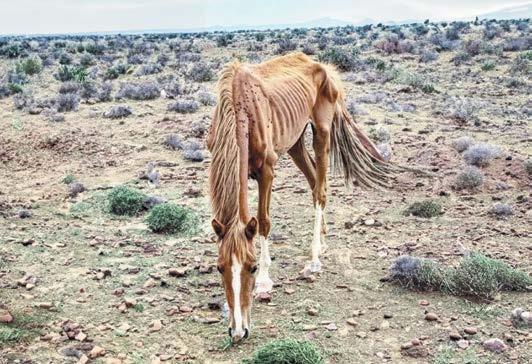
Mercy is one of them. She was found alone in the vast Karoo, emaciated, dehydrated, and overwhelmed by heat and flies. Months of intensive care followed, marked by patience, persistence, and hope.
Today, Mercy walks freely across green fields. Healthy. Loved. Alive.
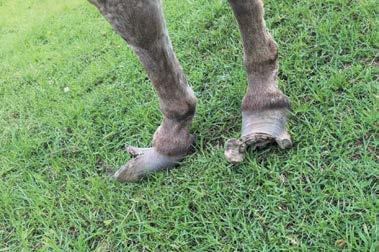
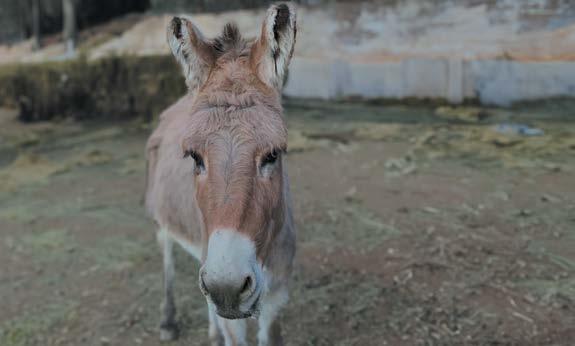
Meisie’s story is quieter but no less powerful. Used for years as a guard donkey, she worked without shelter, proper food, or veterinary care. With specialised farrier care and months of rehabilitation, Meisie now lives with a foster family, surrounded by comfort, dignity, and affection.
With monthly expenses of around R250,000, the sanctuary relies entirely on donations to survive. One of their most important goals for 2026 is self-sustainability.
Supporters are encouraged to join the Long Ears Club, a community of monthly donors contributing from R100 per month. There is also the option to sponsor a donkey’s feed at R500 per month, complete with a personalised certificate.
Looking ahead, there are plans for a dedicated rehabilitation barn and on site medical facility. Expanded education and advocacy to fight cruelty and raise awareness around the global donkey skin trade. And a mobile rescue unit to reach animals in distress across the Western Cape.
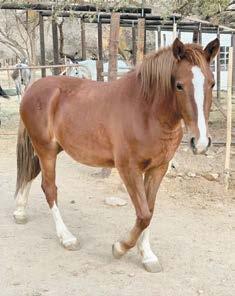
If you would like to donate contact jonno@karoodonkey.org or make a donation to Karoo Donkey Sanctuary
You can also sponsor a donkey’s feed at R500 per month and receive a personalized certificate. Email fund@karoodonkey.org for more information.
“We thank every supporter who helped us care for the animals in 2025 and welcome new friends in 2026,” says Sherwin. De Hoop Farm | R341 De Rust | Western Cape 6650 | 171-525 NPO | PBO 930062356 www.karoodonkey.org | https://www.facebook.com/karoodonkeysanctuary
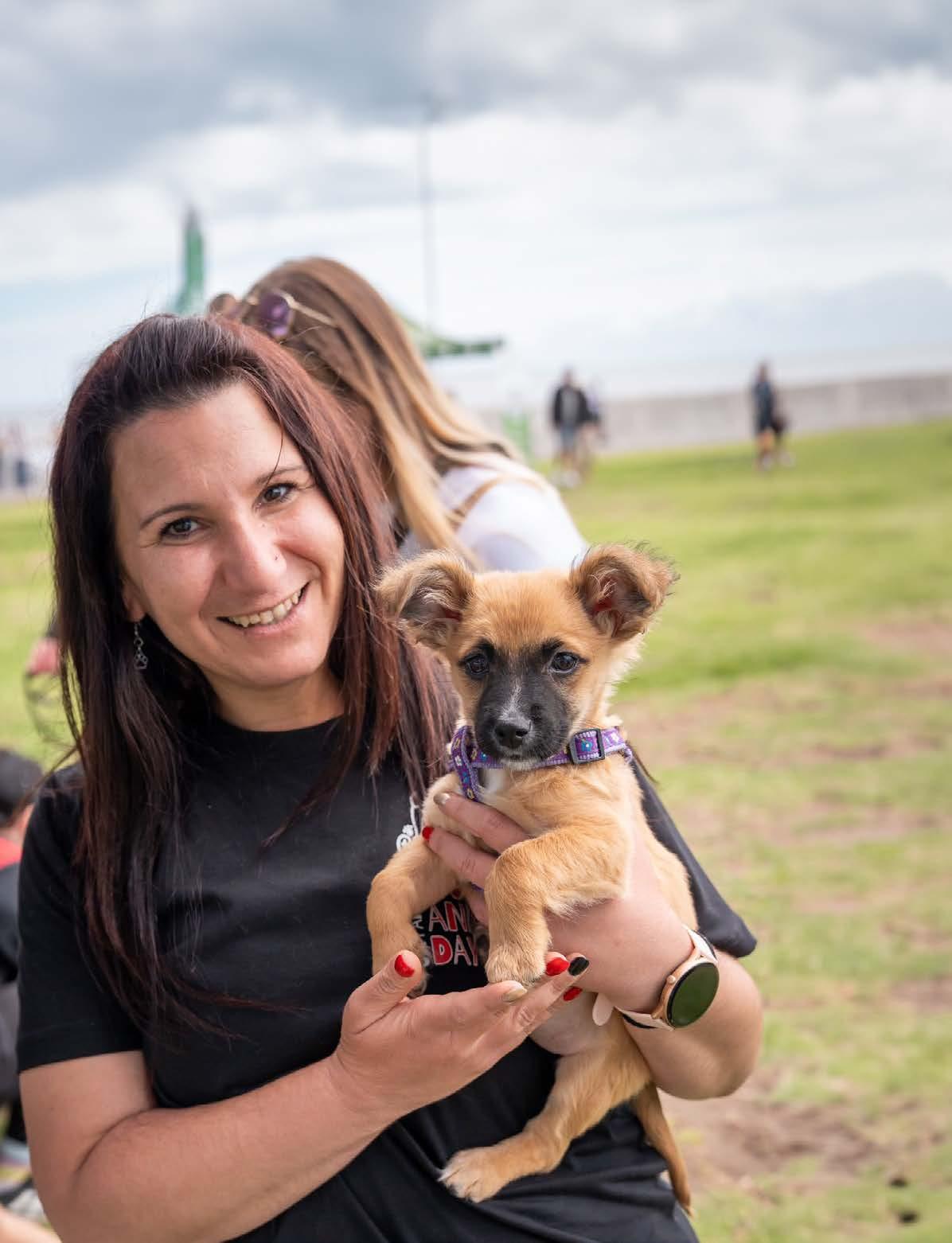
By Carolyn Dudgeon, Founder of Paws-a-While
Paws-a-While was born in May 2021, in the middle of COVID. Events were still restricted. Shelters were overflowing. Animals were being surrendered at unprecedented rates, and rescue organisations were buckling under pressure.
There was a clear gap between capacity and collaboration. Organisations were working tirelessly, but often in isolation. I kept thinking: what if we created one platform where rescues, government, corporates and the public stood together instead of competing for attention?
I started Paws-a-While because I couldn’t ignore what I was seeing. At that stage, I believed growth meant numbers. More stall holders, more foot traffic, more exposure, more homes found.
If the events grew, I thought, the impact would grow. And initially, it did. We created visibility when it was scarce. We connected rescues to adopters. We proved that collaboration was possible.
The Moment It Became Bigger Than Me: Paws-a-While was never meant to be permanent.
The first event was a proof of concept, a demonstration that the sector could be stronger if everyone stood behind the same cause. Then I was asked to host a second one. That was the moment everything shifted. Being asked to repeat it meant expectations now existed. Relationships needed nurturing. Trust needed protecting. Standards needed defining. It was about sustaining collaborations.

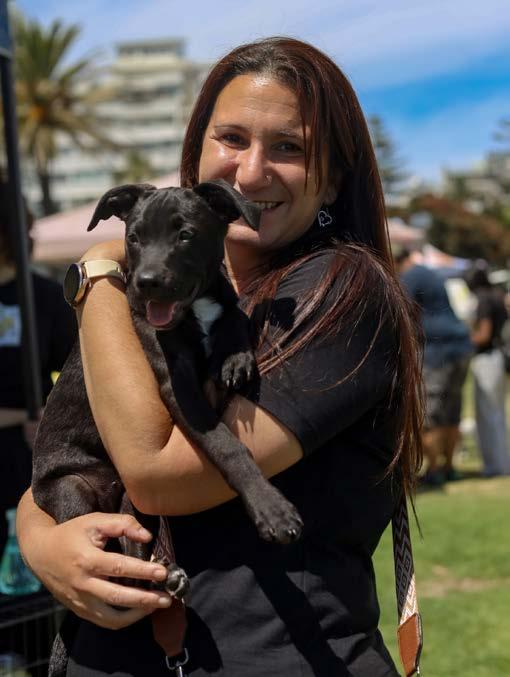
The First Mistake: Professionalism Matters.
My first big mistake? Using a logo without permission. It sounds minor, but it was an early wake-up call. Welfare does not operate outside the rules simply because the intention is good. If you want to build something that lasts, it must be built properly. Good intentions are not governance. Passion is not compliance. Urgency is not an excuse for shortcuts. Professionalism is not the opposite of compassion, it protects it.
There are simply too many animals and not enough homes. We were creating movement inside an overcrowded system, but we were not reducing the source of the crisis. That realisation meant Paws-a-While needed to evolve.
The Pivot: From Reactive to Preventative In November 2024, we hosted our first sterilisation drive in Langa in collaboration with the Cape of Good Hope SPCA. There are no celebratory

photos or public applause. Every sterilisation prevents future suffering, abandonment and euthanasia.
Growth stopped being about visibility. It became about sustainability.
The Ugly: The Emotional Cost No One Prepares You For
Working in the SPCA hospital, the volume of animals being euthanised simply because there is no space in the world for them is something you cannot unsee.
We were there to prevent that outcome, dropping off and collecting animals for sterilisation. Yet, the scale of the crisis made our efforts feel painfully small.
This is where burnout begins. Founder burnout in welfare is about emotional accumulation. Protecting the Founder Is Protecting the Mission. One of the most important lessons I’ve learned is this: An organisation cannot outgrow the
wellbeing of its founder.
TO AVOID BURNOUT, FOUNDERS MUST:
* Define boundaries early
* Build systems that reduce decision fatigue
* Delegate before they feel ready
* Separate identity from outcome
* Seek collaboration instead of carrying everything alone
Most importantly, founders must accept that they cannot save every animal. Without that internal boundary, compassion becomes self-destructive. Learning that was one of the most important moments in my personal growth and in the growth of the organisation.
The quiet reality of founding something is that no one will ever care about the organisation the way you do. People will support it. Some will believe in it deeply. Many will work hard alongside you. But the founder carries something different, the vision, the responsibility, and the knowledge that if you stop pushing, the whole structure can stall. Welfare work is largely thankless, and the public sees outcomes, but not the thousands of small decisions, negotiations and sleepless nights that made it possible.
Building something meaningful requires persistence long after the excitement fades.
And when things get difficult (and they will) purpose is the only thing strong enough to carry the work forward. Not everyone is going to like you. Welfare is political, emotional and, at times, territorial.
For Paws-a-While, that meant asking:
What problem are we actually solving?
What does success look like in five years?
Where can we create the most leverage in the system?
Once those answers became clearer, the work changed. We began designing interventions, sterilisation campaigns, partnerships, education and collaboration.
1. Define the real problem. Be honest about what you are solving. Adoption is reactive. Sterilisation is preventative. Education is generational.
2. Build professionally from day one. Governance, permissions, documentation and transparency are foundations, not extras.
3. Measure impact, not applause. Visibility is not the same as systemic change.
4. Be willing to pivot. Do not fall in love with your format. Fall in love with outcomes.
5. Protect the founder. Burnout collapses organisations faster than lack of funding.
6. Choose collaboration over ego. No single organisation can solve overpopulation alone.
Growth in welfare is not about being the biggest voice in the room. It is about building something strong enough to outlast your energy on any given day. It means choosing prevention over praise, structure over chaos, and sustainability over speed.
If there is one lesson this journey has taught me, it is this: Real growth is not measured by how many animals pass through your hands but by how many never need rescue at all.
We invest enormous amounts of personal energy into building these initiatives, often during years of exhaustion, uncertainty, and sacrifice. Seeing something you built take on a life of its own can bring both pride and a bruised ego. But this moment is also






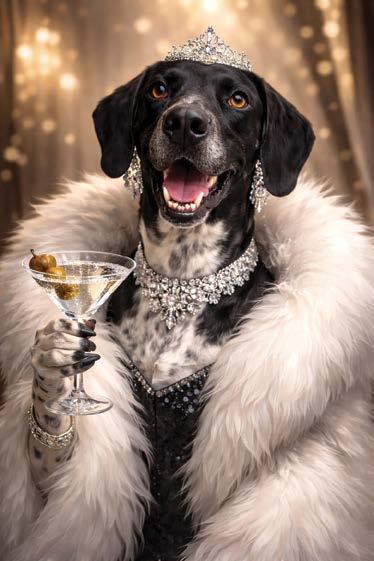
Dear Diary
All I have been hearing of late is Momager muttering “winter is coming” and then looking unhappy about it.
I, however, have been counting down the days until the great chill arrives.
Summer is terribly overrated if you ask me. It’s far too hot for dignified lounging and maintaining the regal levels of fluffiness expected of a queen. Winter, on the other paw, is perfection. Crisp air for strutting. Crunchy leaves for dramatic walks. And a breeze that carries the most fascinating neighbourhood gossip directly to my nose.
When it comes to neighbourhood watch, I’m like the local CIA. I can now accurately monitor what the neighbours are cooking, who walked past the gate, and whether that fluffer of a cat from next door has been in my garden again. A queen must stay informed.
But the real highlight of the season?
The blankets.
Suddenly the humans bring out thick, luxurious throws and pretend they’re for “decor.” Pfft. These are obviously winter cloaks intended for dogs of distinction. Naturally, I claim them all as my own.
And let us not forget the Ziggy Zones; those golden sun patches that appear across the floor as the sun sits lower in the sky. Humans think these are accidents of light. I know better. They are carefully placed solar charging stations for important dogs.
So yes, winter is coming.
And while the humans fuss with heaters and scarves, I’ll be doing what any sensible queen does this time of year.
Sniffing the neighbourhood intelligence.
Occupying the best blankets.
And rotating gracefully between Ziggy Zones.
A ruler must maintain her comfort, after all. Ziggy x
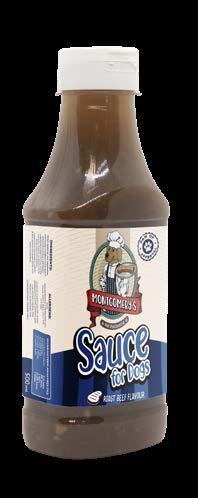
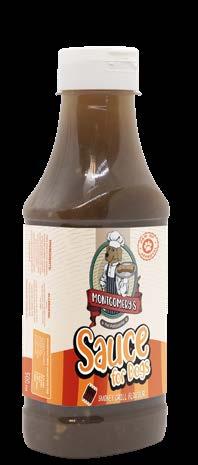
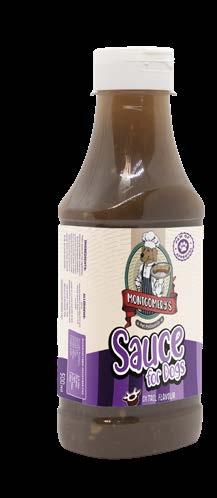
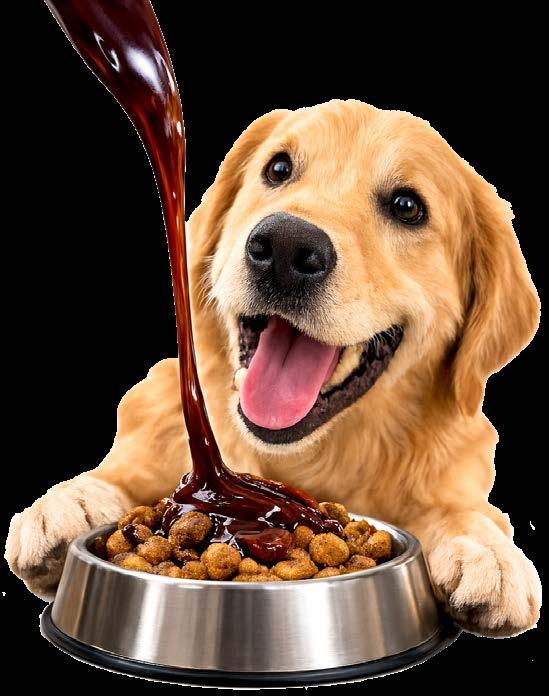
Turn every mealtime into tail-wagging excitement with MONTGOMERY’S Dog Sauce
The delicious way to add flavour, nutrition, and joy to your dog’s bowl.
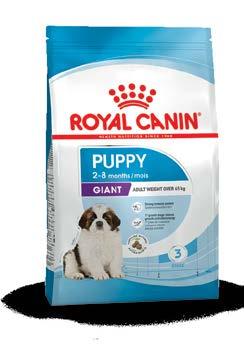
Growth is one of the most important stages in a dog’s life. During this time, puppies are not only maintaining their existing body tissues, they are also building bones, muscles, organs and blood vessels as their bodies develop at an extraordinary pace. To support this rapid development, growth formulas provide higher levels of energy, protein, fat and key micronutrients compared to formulas designed for adult dogs.
The length of the growth period depends largely on a dog’s expected adult size. Smaller dogs mature relatively quickly,
while larger breeds continue developing for much longer.
Size also influences a puppy’s nutritional needs during development. Small breed puppies have limited stomach capacity and benefit from nutrient-dense nutrition that allows them to meet their energy needs in smaller portions. Large and giant breed puppies grow over an extended period and require carefully balanced nutrition to support skeletal development while helping to manage the risk of excessive weight gain.
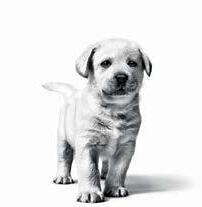
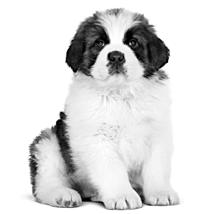
As a puppy’s digestive system matures, prebiotics such as MOS and highly digestible proteins help support a balanced intestinal microbiota and healthy digestion.
PAWPHORIA
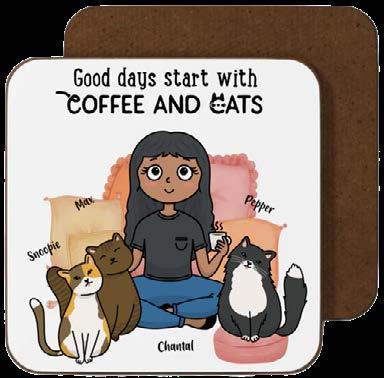
Good Days Start with Coffee and Cats – Personalized Coaster Set
Start your day with a purr-fectly cozy touch!
SNOUTBOX
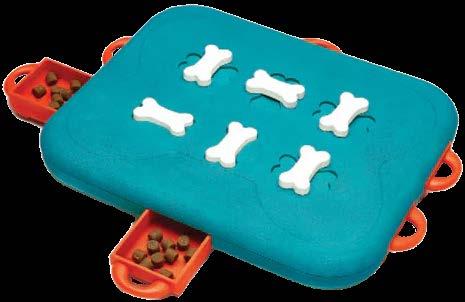
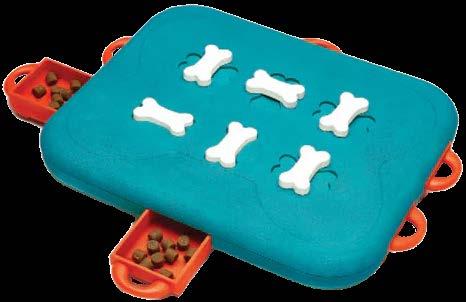
Nina Ottosson Dog Casino Level 3 Treat Puzzle Toy
www.silkworm.co.za R199.00 A bold fashion story celebrating pets stepping into their glow-up era.

DOG BLAST
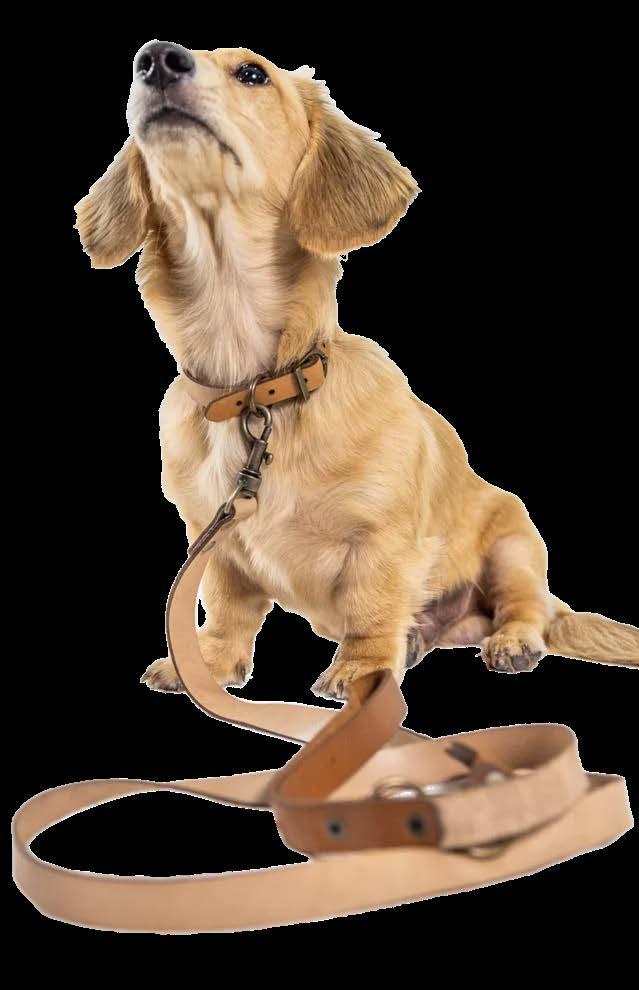
Level 3 interactive game with twistable bones and drawers to challenge dogs and reward with treats. the Classic Leather leash was thoughtfully designed to combine utility with modern aesthetic.
Pet Head Sensitive Soul Shampoo With Natural oil & extracts:
Pet Head’s sensitive coconut shampoo is packed with oatmeal and marula oil, gently cleansing and calming delicate skin.
www.dogblast.co.za R399.00









Ingredients:
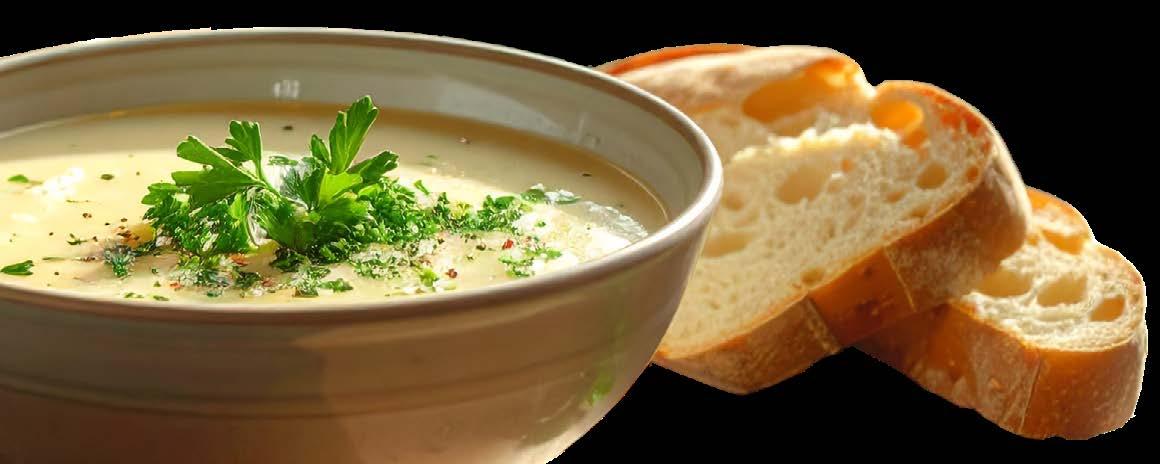
450g baby marrow,
1 onion, roughly chopped 2 celery sticks, roughly
1 carrot, roughly chopped
3 cups vegetable stock or Salt and pepper to taste *optional * ½ cup vegan
Instructions:
Chop the vegetables.
Melt butter in a stockpot and sauté the onion, celery, carrot until shiny and aromatic.
Sprinkle in the flour and stir it around to coat all the vegetables evenly.
Add vegetable stock and baby marrow, plus salt and pepper to taste. Bring to a boil.
Once bubbling, turn down the heat and gently simmer until marrows are soft.
Blend the soup into a smooth purée. Stir in cream before serving.
Serve with fresh bread or croutons.
Baby marrow soup can be refrigerated and can be frozen for up to three months in an airtight container. Simply reheat on the stove or in the microwave. Adding small amounts of water because the soup thickens when it cools.
Ingredients:
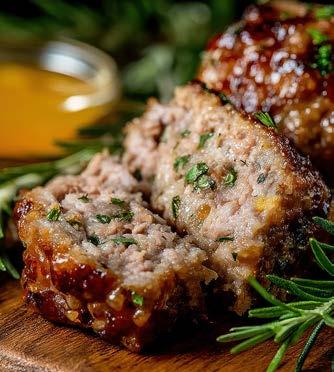
300 – 450g plant-based beef ½ cup rolled oats or quick oats ⅓ cup onion, finely diced or grated ¼ cup tomato or barbeque sauce (extra needed for topping)
2 tsp vegetarian Worcestershire sauce or Soy sauce
1 clove garlic, minced ¼ tsp ground black pepper

Instructions:
Preheat oven to 180C
Add all the ingredients to a medium bowl and mix until well combined.
Shape the mixture into a loaf and place on a lined baking pan. Bake for 20 minutes.
Remove from the oven and brush generously with more tomato or barbeque sauce. Bake for another 10 minutes.
Allow to stand for 5 minutes before serving.

Ingredients:
Sweet Potatoes
4 medium sweet potatoes, scrubbed
1 cup dry brown lentils, rinsed
1Tbsp olive oil
1 Tsp cumin seeds
1 small onion, diced
3 cloves of garlic, finely minced
2 tomatoes, chopped, or 410g can diced tomatoes, drained
1 Tbsp fresh ginger, finely grated
1/4 Tsp ground cinnamon
1/2 Tsp sweet paprika
1 teaspoon ground chilli powder
1/2 Tsp salt
4 cups firmly packed baby spinach
2 Tbsp pomegranate molasses
1/2 cup lemon tahini dressing
Lemon Tahini
Dressing
1/4 cup tahini
1 clove garlic, finely minced
2 Tbsp freshly squeezed lemon juice
1/2 Tsp maple syrup
1/4 Tsp salt
1/8 Tsp freshly ground black pepper
Instructions:
Sweet Potatoes
Preheat the oven to 200°C and line a rimmed baking sheet with parchment paper. Put the sweet potatoes on the lined baking sheet and prick each several times with a fork. Bake for 45 to 60 minutes, until fork-tender. Cook the lentils according to their package instructions. Drain well.
Heat the oil in a large skillet over medium heat. Add the cumin seeds and cook, stirring constantly, for 1 to 2 minutes, until the seeds start to pop. Add the onion and cook, stirring occasionally, for 5 to 7 minutes, until tender and translucent. Add the garlic and tomatoes and cook, stirring frequently, for 1 to 2 minutes, until the garlic is fragrant.
Decrease the heat to low and stir in the lentils, ginger, cinnamon, paprika, harissa, and salt, then stir in the spinach. Cook, stirring frequently, until the spinach has wilted, adding water by the 1⁄4 cup if needed to prevent sticking.
Stir in the pomegranate molasses. Taste and adjust seasonings if desired.
Cut each sweet potato in half and use a fork to coarsely mash the flesh, still in the skin. Place two halves on each serving plate and top them with a generous scoop of the lentils. Serve right away, with a drizzle of the tahini dressing and the optional fresh herbs.
Combine all the ingredients, plus 1/4 cup warm water, in a small bowl or measuring cup and whisk until evenly blended. If the dressing is thicker than you’d like, whisk in water by the tablespoonful to achieve the desired consistency.
Ingredients:
Carbonara Sauce
60g cashew nuts
1/2 cup water
2 tbsp yeast
2 tbsp lemon juice
1 tbsp olive oil
1/2 tsp garlic powder
1/2 tsp salt
Tofu Bacon Marinade
2 tbsp olive oil
2 tbsp soy sauce
1 large tsp dark miso paste
1/2 tsp garlic powder
1 tsp smoked paprika powder
150g firm tofu & Pasta of your choice


until you get a smooth sauce. Tip! Soak the cashews before to make blending easier.
For the tofu bacon marinade, in a bowl combine 2 tbsp olive oil, 2 tbsp soy sauce, 1 large tsp or 1 1/2 tsp of dark miso paste, 1/2 tsp of garlic powder and 1 tsp of smoked paprika powder. Mix them together well.
Cut 150g of firm tofu into small cubes and transfer into a small dish with a lid. Pour the tofu bacon marinade into it, close the lid and shake the dish so the marinade covers every single tofu cube. You can leave it to marinade for a while if you prefer.
Transfer the marinated tofu bacon bits to a lined baking tray and distribute evenly. Bake in the preheated oven for 15min. Cook the spaghetti or paste to your preference. Once the pasta is ready and drained, pour the carbonara sauce over it and mix in the tofu bacon bits. Serve with a fresh green salad.
Ingredients:
320g Sheet of vegan shortcrust pastry
150ml maple syrup
150g light brown soft sugar
100g vegan baking butter
2 tbsp cornflour
300g Silker tofu, drained
1 tbsp Rum (optional)
1 tsp Vanilla extract
1 tsp Ground cinnamon
250g Pecans (150g roughly chopped, 100g left whole)
Instructions:
Heat the oven to 200C. Roll the pastry out slightly onto baking parchment so it fits a 23cm tart tin. Flip over into the tin using the parchment to help you, then remove the parchment and press the pastry into the base and up the side of the tin.
Trim the excess slightly but leave some overhanging. Slide the tin onto a baking sheet. Scrunch up the used sheet of parchment and use it to line the pastry case, then fill with baking beans or uncooked rice.
Bake for 15-20 mins, then remove the beans or rice and the parchment, and bake for another 5-10 mins until the pastry is sandy to the touch and golden.
Cut away the excess pastry with a serrated knife. Melt the maple syrup, brown sugar and butter together in a saucepan over a medium heat. Whisk in the cornflour until fully incorporated, then remove from the heat and set aside to cool.
Tip the tofu, rum (if using), vanilla and a large pinch of salt into a blender and blitz until the mixture is creamy and smooth.
Add the maple syrup mixture and blend again to combine, then pour into a bowl and stir in the chopped pecans. Pour the filling into the pastry case and decorate the top with the whole pecans. Bake for 25 mins, then reduce the oven temperature to 160C.
Bake for 30 mins more until the top is set and dark golden brown. Leave to cool completely in the tin before cutting into slices to serve.
Ingredients:
2 sticks of cinnamon
8 whole black peppercorn
1 star anise
3 cloves
1/2 tsp sliced ginger
3-4 black tea bags
500ml almond
2-3 Tbsp maple syrup
Instructions:
Toast the spices in a dry frying pan until fragrant. Add 500ml of water and the ginger, and simmer gently for 5 minutes. Remove from the heat and add the tea bags. Steep for 10 minutes, then strain out the tea bags and spices. On a low heat, heat the milk with the maple syrup (to make the milk frothy, blitz the milk first in a blender before heating).
Divide the tea between mugs, then stir in the milk, topping with some foam.

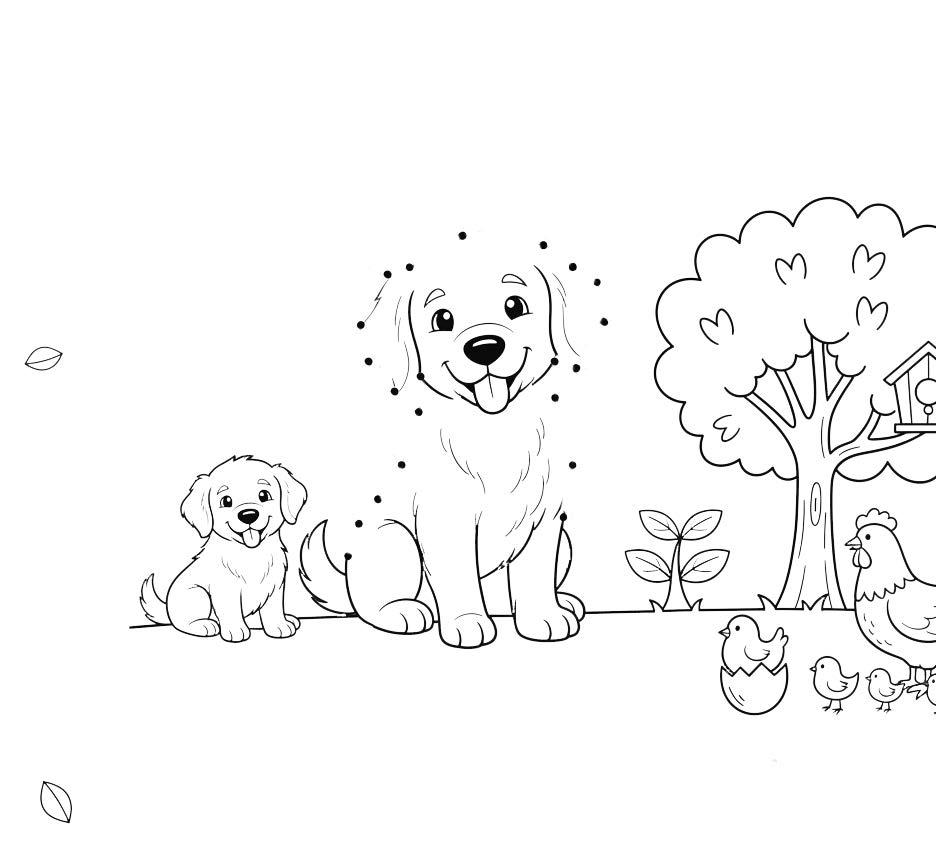
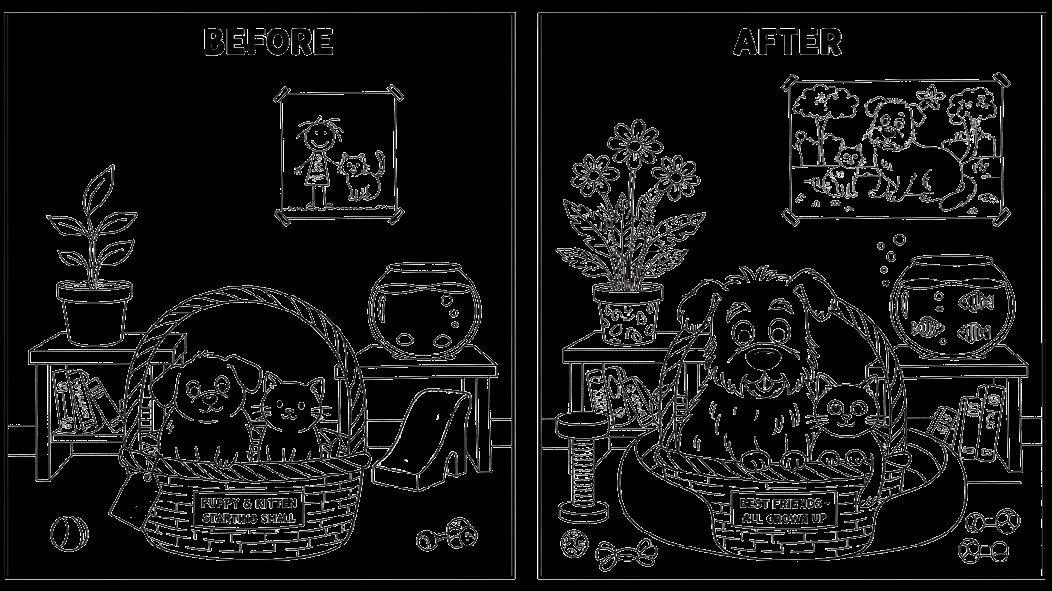
Can you find how much they’ve grown?
Connect and watch your friends grow
Inspiring pet-friendly destinations where every trail walked together tells a story of growth

Rugged, dramatic, and beautifully untamed, the Cederberg Mountains are a paradise for adventurous pet owners. With wide-open spaces, fresh mountain air, and scenic hiking trails, it’s the perfect destination for dogs who love to explore as much as their humans do.
Many self-catering cottages and farm stays in the area welcome well-behaved pets, offering fenced
yards and plenty of room to roam. Whether you’re hiking through striking sandstone formations or relaxing under a blanket of stars, the Cederberg promises freedom, tranquillity, and tail-wagging joy.
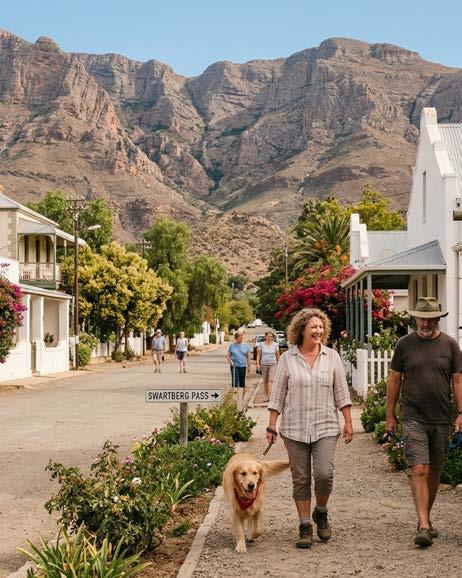
Nestled at the foot of the Swartberg Mountains, Prince Albert offers Karoo charm with a pet-friendly heart. This quaint village is known for its wide streets, historic architecture, and relaxed pace, ideal for leisurely
walks with your four-legged companion.
Several guesthouses and cottages welcome pets by arrangement, and the surrounding open landscapes provide plenty of space for exploration. Enjoy a morning coffee at a pet-friendly café, browse local art galleries, or take a scenic drive through the Swartberg Pass with your furry co-pilot.
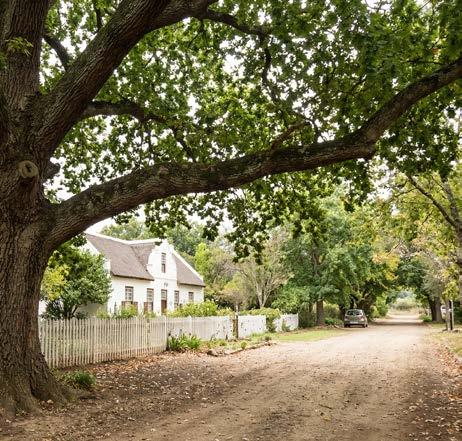

Greyton is a dream for pet owners seeking a peaceful countryside retreat. Famous for its oak-lined streets, mountain views, and charming cottages, this Overberg village is wonderfully walkable and many establishments warmly welcome pets.
From scenic nature reserves to riverside strolls, Greyton offers endless opportunities for outdoor bonding time. Weekend markets and relaxed restaurants often provide petfriendly seating areas, making it easy to include your furry friend in the full experience.
Set along the banks of the Klein River, Stanford blends country elegance with laidback charm. This heritage village is known for its scenic beauty, birdlife, and welcoming atmosphere, including plenty of pet-friendly accommodation options.
Enjoy riverside walks, outdoor dining, and tranquil countryside surroundings where pets are often treated like part of the family. With its slower pace and open spaces, Stanford is ideal for a relaxing getaway that both you and your pet will love.
Always confirm pet policies in advance, as some establishments may have size limits or specific guidelines. Bring your pet’s essentials, keep them leashed where required, and respect wildlife and fellow travellers.
Because the best adventures are the ones shared, paws and all.
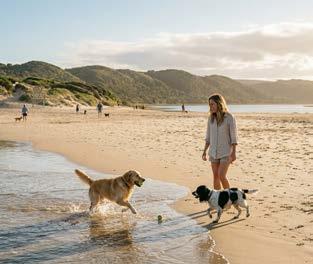
True to its name, Wilderness is a haven of unspoiled beaches, tranquil lagoons, and lush forests. The perfect playground for pets and their people. Long stretches of sandy shoreline invite early morning walks with paws in the surf, while forest trails offer shaded adventures for more energetic companions.
Many self-catering cottages and holiday homes in Wilderness welcome pets, especially those with secure gardens and easy access to walking routes. With its laid-back atmosphere and abundance of nature, it’s an ideal escape for pet owners seeking both relaxation and outdoor fun.
Before booking, confirm each establishment’s pet policy, including size limits and fencing. Always respect local wildlife, keep pets leashed where required, and leave only paw prints behind.
Because along the Garden Route, the best memories are made side by side with sandy paws and happy hearts.


Tucked between forested hills and the Indian Ocean, Nature’s Valley feels like a secret sanctuary. This peaceful coastal gem offers wide beaches and gentle lagoon waters where dogs can stretch their legs and enjoy the fresh sea air.
Accommodation here is mostly self-catering homes, many of which are pet-friendly by prior arrangement. With minimal traffic and a strong sense of community, it’s a safe and serene environment for families traveling with furry companions.
Known as the “Slow Town” of the Garden Route, Sedgefield embraces a relaxed lifestyle that suits pets perfectly. Surrounded by lakes, beaches, and rolling dunes, it offers plenty of open space for long walks and playful exploration.
Pet-friendly guesthouses, cottages, and holiday homes are plentiful, and some local cafés with outdoor seating happily welcome wellbehaved dogs. Whether you’re exploring the lagoon, visiting the local markets, or enjoying sunset beach strolls, Sedgefield makes it easy to include your pet in every moment.

Always confirm pet policies before booking, as some establishments may require prior arrangement or have size restrictions. Bring your pet’s bedding and essentials to help them feel at home, and be mindful of livestock and wildlife in rural areas.
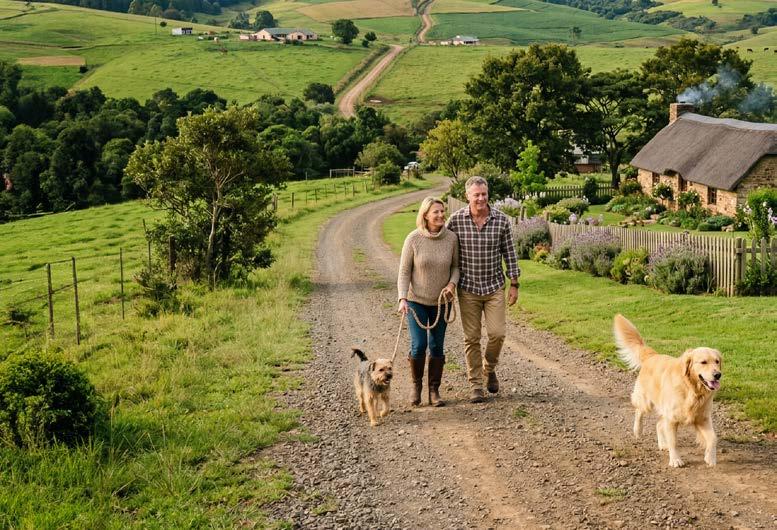
Rolling green hills, country roads, and cosy farm stays make the Midlands Meander a dream destination for pet lovers. This scenic route is dotted with charming cottages, craft shops, and relaxed eateries, many of which welcome well-behaved dogs in outdoor areas.
Pet-friendly self-catering accommodations are especially popular here, often offering secure gardens and wide-open spaces for dogs to roam. Long countryside walks, fresh mountain air, and a slower pace of life make the Midlands perfect for reconnecting with nature and your four-legged companion.
Nestled at the foot of the Southern Drakensberg, Underberg is an outdoor enthusiast’s paradise and many establishments cater warmly to pets. Think mountain views, flowing rivers, and scenic hiking trails where adventurous dogs can explore alongside you.
Farm stays and country cottages frequently welcome pets by arrangement, offering plenty of space and tranquility. For active travellers and energetic pups, Underberg delivers unforgettable mountain adventures.
Just a stone’s throw from Underberg, Himeville charms visitors with its small-village atmosphere and scenic surroundings. With open farmlands and peaceful country roads, it’s ideal for relaxed strolls with your pet.
Many guesthouses and self-catering units are pet-friendly, often featuring enclosed gardens and easy access to walking routes. Himeville offers a quiet retreat where pets are treated like part of the family.
Affectionately known as “Notties,” Nottingham Road blends country elegance with relaxed Midlands charm. From cosy inns to stylish country homes, several accommodations welcome pets — especially those offering garden spaces and outdoor seating. Enjoy meandering through local breweries, farm stalls, and scenic countryside drives with your furry travel companion. The cool climate and rolling hills create the perfect setting for long walks and fireside evenings. drives with your furry travel companion. The cool climate and rolling hills create the perfect setting for long walks and fireside evenings.

Because in KwaZulu-Natal’s countryside, adventures are simply better when shared one paw at a time.
Tucked against the foothills of the Maluti Mountains, Clarens (outskirts) offers pet lovers the perfect blend of countryside calm and village charm. Often called the “Jewel of the Free State,” Clarens is known for its sandstone buildings, art galleries, and crisp mountain air but it’s the wide-open spaces just beyond the village that truly make tails wag.
The outskirts are dotted with smallholdings, farm stays, and petfriendly cottages where dogs can roam safely under big skies. Gravel roads are ideal for long morning walks, while scenic trails weave through grassy plains framed by dramatic sandstone cliffs. Many accommodations cater specifically to travellers with pets, offering fenced yards and easy access to nature.


A short drive from Clarens lies the spectacular Golden Gate Highlands National Park, a treasure trove of dramatic landscapes and pet-friendly adventure (in designated areas). Famous for its towering golden sandstone cliffs that glow at sunset, this high-altitude park feels almost otherworldly.
While pets are not permitted on all park trails due to wildlife conservation, the broader Golden Gate Highlands region offers numerous pet-welcoming lodges and walking routes along quiet country roads. The scenery is breathtaking, rolling grasslands, grazing antelope in the distance, and vast skies that seem to stretch forever.
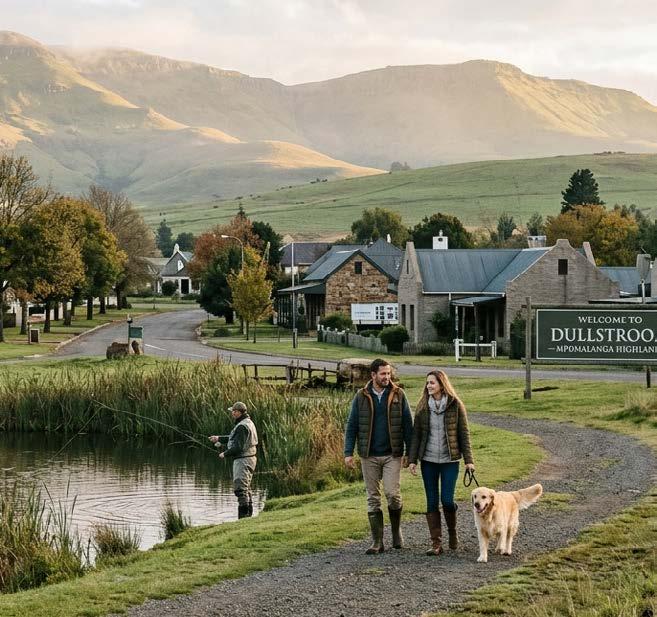
Perched in Mpumalanga’s cool highlands, Dullstroom is a charming, pet-friendly escape known for its trout dams, misty mornings, and cosy country feel. Many lodges and self-catering cottages welcome dogs, often with fenced gardens and plenty of open space to explore. Gentle walks around the dams and along quiet village streets make it ideal for relaxed outings, while the crisp mountain air offers a refreshing break from city life. It’s a peaceful retreat where pets can roam safely and owners can truly unwind.

Getting to your destination safely is just as important as the stay itself. If you are traveling by car, make sure your pet is properly secured using a pet carrier, travel crate, or seat restraint. This not only protects your pet but also reduces distractions while driving. During long journeys, schedule regular stops so your pet can stretch, drink water, and take bathroom breaks. Try not to feed large meals immediately before traveling to avoid motion sickness.



A short scenic drive away, Waterval Boven delivers dramatic landscapes and outdoor adventure. Famous for the striking Elands River waterfall and towering cliffs, the area offers expansive views and invigorating walking trails. Pet-friendly guesthouses provide easy access to nature, making it a wonderful choice for active dogs and their owners. With fresh mountain air, flowing water, and wide-open spaces, it’s the perfect complement to Dullstroom’s gentle countryside charm.
Nestled in the lush mountains of Limpopo, Magoebaskloof is a refreshing escape of indigenous forests, rolling hills, and crystal-clear streams. It’s a wonderful destination for pet-loving travellers, with several pet-friendly cabins and country retreats tucked into nature. Shaded forest trails and scenic mountain paths offer cool, invigorating walks it is perfect for active dogs and owners who love the outdoors. The misty scenery and tranquil setting create a peaceful break from city life.
Just minutes away, the charming village of Haenertsburg adds a touch of small-town warmth to the adventure. Known for its cool climate and beautiful mountain views, this quaint stop offers pet-friendly stays and quiet streets ideal for leisurely strolls. Surrounded by forests and open countryside, it’s an easygoing destination where pets can explore safely and owners can soak up Limpopo’s scenic highland beauty.
JOCK Dog Food is scientifically formulated to unleash your dog’s inner legend, because heroes aren’t born, they’re made. JOCK dog food is rich in protein and loaded with essential minerals and vitamins to meet your dog’s day-to-day nutritional needs, protect and maintain their overall health and ensure that your furry friend is at its physical and mental best to enjoy all of life’s adventures.
Unleash your Dog’s Inner Legend


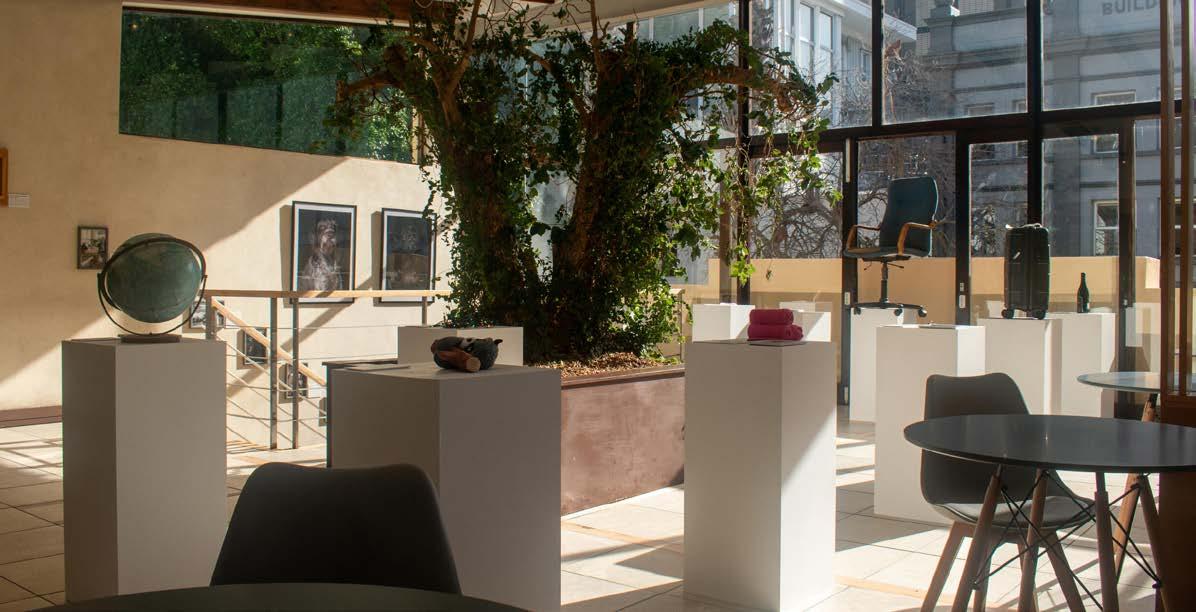
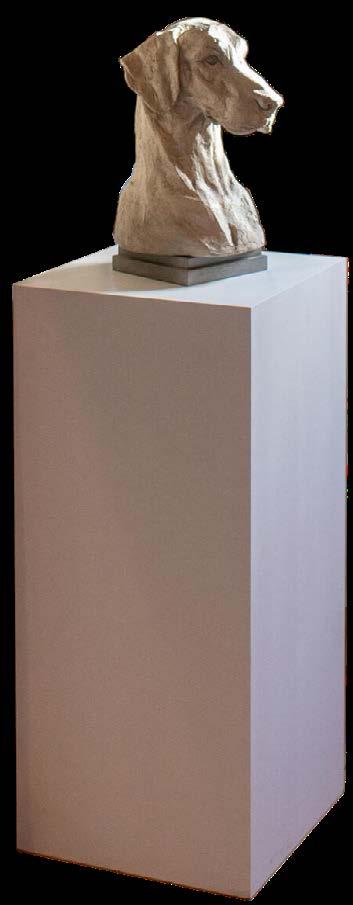
In a city celebrated for its iconic landscapes and cultural richness, it is often the quieter, more unexpected spaces that leave a lasting impression. The Museum of Dogs is a perfect example of this, a personal, thoughtfully curated space that reveals more the longer you explore.
At its surface, the museum delights with its charming collection of dog themed artworks, vintage memorabilia, and carefully curated curiosities. It is playful and inviting, a space that instantly resonates with anyone who has ever loved a dog. Yet, beneath this light-hearted exterior lies a more reflective narrative, one that speaks gently to the idea of growth.
Created as a passion project by its owner, the museum has evolved from a personal appreciation into a shared experience. This sense of evolution is felt throughout the space. Each object tells a story, not only of dogs and their enduring presence in our lives, but of how those relationships shape us over time. Growth here is not presented as something grand or performative, but as something deeply personal and often quiet.
Despite its thoughtful curation, the museum never feels overly formal. It is not a space that asks for quiet reverence, but rather one that invites genuine reaction. Many of the objects can be interacted with,
offering a tactile and engaging experience, as long as they remain within the space. Visitors are encouraged to laugh, reflect, and even shed a tear or two.
In a fitting tribute to its subject, the museum also welcomes well trained, on leash dogs. While the space is entirely indoors and home to delicate ceramics and valuable pieces, it remains a place where the bond between people and their pets can be experienced firsthand.
There is a certain stillness within the museum that invites pause. As you move through the collection, you are reminded of the subtle ways in which companionship fosters change. Dogs, in their unwavering loyalty, teach patience, presence, and care. They anchor us, offering moments of reflection in lives that are often in constant motion.
In its essence, the Museum of Dogs is more than a niche attraction. It is a thoughtfully crafted space where joy and introspection exist side by side. It reminds us that growth does not always announce itself in bold transformations. Sometimes, it is found in the quiet comfort of companionship, in the routines we share, and in the simple, grounding presence of a dog at our side.
For those willing to step inside, it offers not just a moment of delight, but a gentle invitation to reflect on how far we have come, and the often-overlooked companions who have helped us along the way.
By Shan Sweetman Founder of Tame Pet App
Today, conversations around technology are often dominated by fear.
- Fear of artificial intelligence.
- Fear of automation.
- Fear of being replaced by machines.
I understand that perception completely, as I lived it too. However, my experience of building a tech company over the past 6 years, has shown me something very different , that when tech is built with purpose, empathy and the right team behind it, it becomes one of the most powerful tools we have, and if we step back and look at technology we already use every day without thinking, we realise that these were also once feared:
- Navigation apps that help us avoid traffic.
- Banking apps that allow us to manage finances instantly.
- Platforms that connect people across the world.
Ironically, when I first started building Tame along with Kyne Lupini in 2020, I had no background in tech at all, neither did she - but we were both risk takers with a deep love and respect for the voiceless. We knew we needed to continue advocating wellness for pets and so we did.
My entrepreneurial journey, which was deeply set in creativity & authenticity took on a very different path. One that started out as a DJ successfully touring South Africa representing Cape Town as the first female DJ in this male dominated space. My calling around animals made me pause the music and step forward into my role as a self-taught professional photographer within a very niche market specialising in pets. The idea was to simply capture what I loved most in the world , my dogs! Purely for the absolute joy it would bring me and those I shared with. This evolved effortlessly where I found myself being asked to do adhoc work with industry leaders Woolworths and Absolute pets which thankfully put me on the map. I also had the honour of working along side many incredible pet brands and separate to shooting the Woolworths & absolute pets food range and lifestyle work, I found myself naturally creating a pet lifestyle brand called Dog Meets Girl. One could say it was a deep personal calling.
So, through powerful emotive imagery I began to share on my platforms the love, commitment & responsibility I gave to my dogs. To honour them by giving them a full, adventurous, free life filled with all that is good, all that is healthy! This journey in itself gave me incredible, real, authentic knowledge and insight from the ground up into the pet space. Invaluable learnings and connections with companies in the pet space and pet parents around South Africa.
Through it all, one theme stood out for me: Pet owners speak the same language - if I worry about my dogs in uncertain moments around their health and general well being, then millions of others do.
That gap , between worry and clarity, is what inspired Tame.

Only available at participating stores and online shops SCAN TO FIND.
It’s late at night and something about your pet doesn’t feel right.
- Your dog hasn’t eaten all day.
- Your cat is behaving strangely.
- Maybe your puppy has started coughing, or you’ve noticed something unusual and can’t quite figure out if it’s serious.
Anyone who loves an animal knows that feeling.
The worry creeps in quickly.
- Is this urgent?
- Do I need to rush to the vet?
- Am I overreacting?
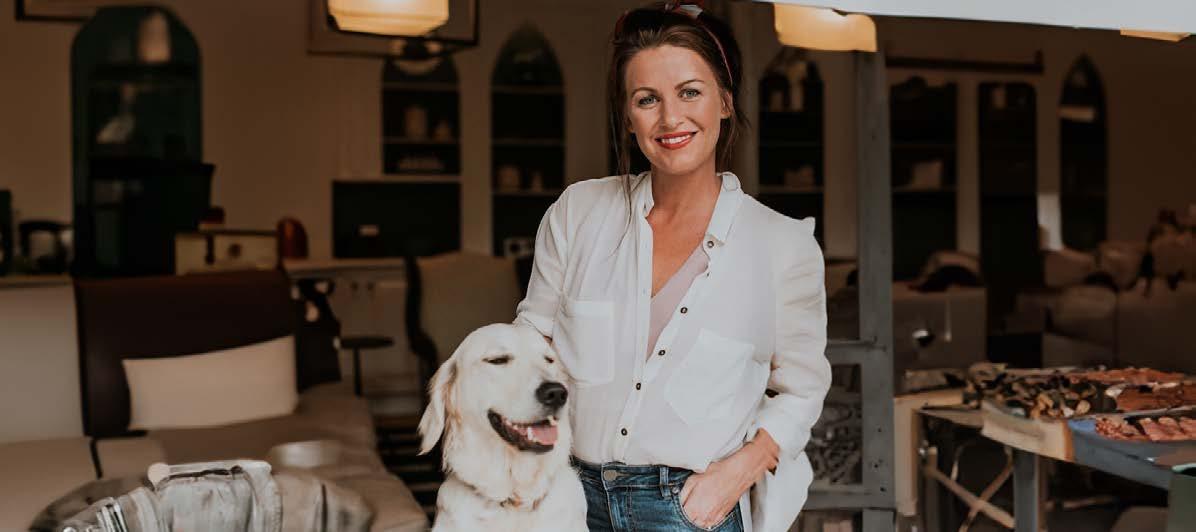
Most pet owners do what we’ve all done at some point, they turn to the internet. But endless articles, conflicting advice and frightening search results can often create more anxiety than answers. This moment of uncertainty is exactly where the right technology can help.
One of the biggest concerns people have about online veterinary advice is whether it’s safe or trustworthy - I know for certain that I do not want to ever speak to a robot when it comes to Jessie and Reefs health & well being. Additionall, another misconception around online veterinary guidance is that it is only for emergency situations.
At Tame, every conversation happens with real veterinarians registered with the South African Veterinary Council (SAVC). With nine incredible SAVC-registered veterinarians available on the platform 24 hours a day in scheduled shifts, pet owners can access guidance whenever they need it. This means that when you speak to someone through Tame, you are not speaking to an automated system or anonymous internet advice. You are speaking to a qualified veterinarian who understands animal health and genuinely wants to help through our app. Sometimes that help can simply look like:
- are my dogs gums the right colour?
- Is my puppy’s behaviour normal?
- Why is my cat acting this way?
- how do I safely cut my dogs nails?
- What fresh foods can I add to my pets diet?
These are the kinds of questions many people sit with for days, unsure whether they warrant a vet visit, or if the concern can be safely guided from your home. Most importantly when something does require medical attention, the advice is always clear: your pet should be seen by a vet in person!
There are many things to fear in life when our hearts are on the line, but at the end of the day, Tame isn’t really about technology, its about making sure that no pet owner ever feels alone when they are worried about their pet they so deeply love.

I’ll end with this. Veterinary practices and veterinary professionals are an essential part of responsible pet ownership. Nothing can ever replace an in-person consultation with a vet. Technology simply plays a supportive role helping to filter everyday concerns and at-home advice, while ensuring that the cases needing urgent or serious attention are directed to the clinic.
Tame has evolved alongside the speed of technology. Through working closely with our own dedicated team of veterinary professionals, we’ve come to understand just how important this role has become. This is why Tame is stepping into another important rolesupporting veterinary practices as an after-hours triage partner. When clinics are closed, our Tame veterinarians are available to guide pet owners, assess concerns, and triage cases in real time. What many pet owners don’t see is the pressure veterinary professionals carry. They show up every day with compassion, strength, and professionalism often while quietly carrying the emotional weight that comes with caring so deeply for animals and the people who love them. If we can help lighten that load, even a little, by supporting practices after hours and giving veterinarians space to rest and be with their families, then we are doing something meaningful.
Technology will never replace veterinarians. But it can stand beside them and support them when they need it most.


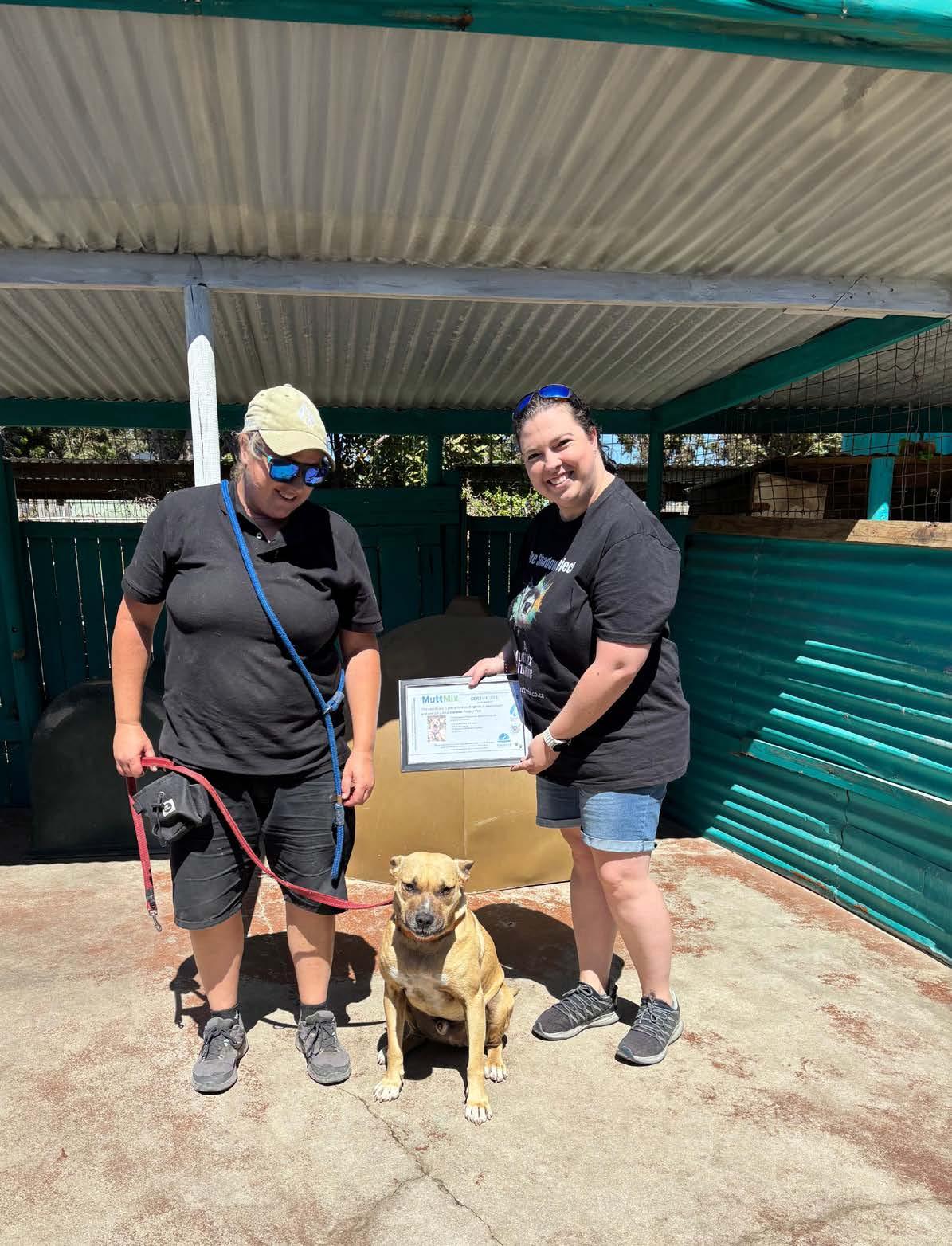
The Mutt Mix test drive plays an important role for the dogs at TEARS Animal Rescue by helping uncover each dog’s unique background and needs. A Mutt Mix test is a type of dog DNA test used to determine the breed makeup of a mixed-breed dog. Because mixed-breeds come from multiple lineages, their appearance alone does not always tell the full story. These tests analyze a simple cheek swab and compare the dog’s DNA to a database of known breed markers, with results typically presented as percentages of different breeds.
Understanding a dog’s breed mix can provide valuable insight into its behaviour, energy levels, and potential health risks. This allows the TEARS to offer more tailored care while the dogs wait for adoption, and helps potential adopters make more informed decisions, ultimately increasing the chances of a successful, long-term match. Beyond the science, the initiative celebrates the individuality of each mixed-breed dog, making them more appealing to adopters and helping more dogs find loving homes.
Angelo is one of the long-staying residents at the TEARS Animal Rescue kennels, having been in their care since the start of 2021. Despite the wait, he remains a lively and affectionate dog with a love for playtime, never one to turn down a toy and a strong enthusiasm for the outdoors. Whether it’s a long walk or a hike, Angelo thrives in an active environment, making him an ideal companion for an energetic family.
Thanks to the mutt mix test, the team now has a deeper understanding of Angelo’s background, with results showing a mix of Staffordshire Bull Terrier, Boston Terrier, and Boxer. This insight has allowed TEARS to implement more tailored training suited to his breed traits, helping to better prepare him for life in a home. Just as importantly, these results make it easier to match Angelo with the right family, increasing the likelihood of a successful, long-term placement when his forever home finally comes along.
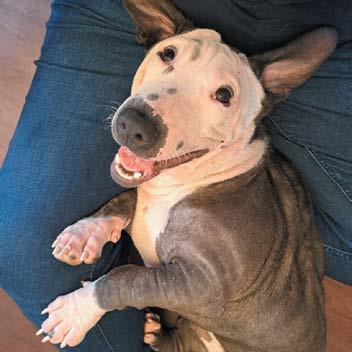
Help us unlock more the stories behind every wagging tail sponsor a mutt mix test today and give a dog the chance to be truly understood, better cared for, and matched with the home they deserve.

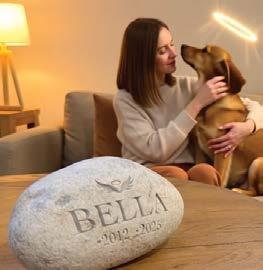
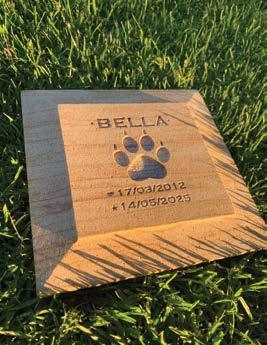
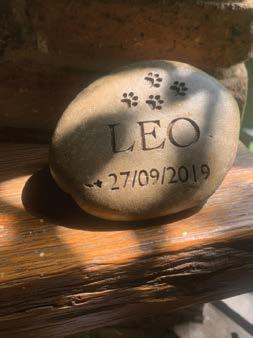

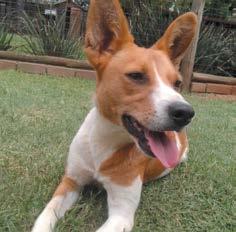
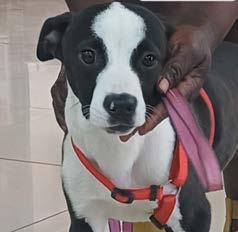
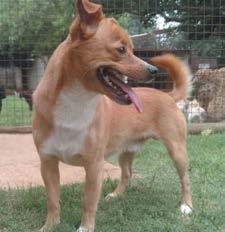
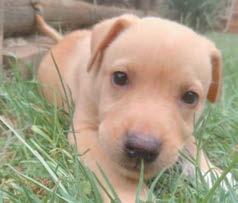
Snippie is a female long-leg Jack Russell mix. She is approximately two years old. She is full of love and personality. Snippie adores children and is used to being around other dogs, both big and small. She is playful, friendly, and enjoys being part of the action. Her compatibility with cats is currently unknown.
Ranger is a two-year-old male English Pointer mix. He is very social with other dogs, big and small, and full of energy. Ranger is playful, lively, and would suit an active home. His compatibility with cats is unknown.
Zoos is a three-year-old male Chihuahua mix and a small breed. He is used to both small and big dogs and absolutely loves attention. Zoos craves affection and unconditional love and would make a wonderful little companion. His compatibility with cats is unknown.
Milo is a 12-week-old male Labrador Retriever mix puppy. He is lovable, trainable, and just needs love and affection to become the best companion. Puppies don’t belong in kennels, they belong in loving homes. Milo is ready for his forever family.
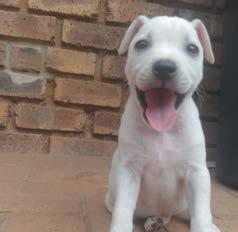
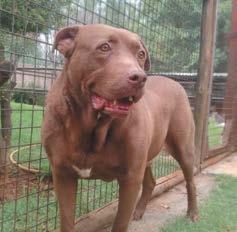
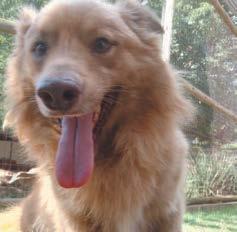
Daisy is a 12-week-old female Labrador Retriever mix puppy. She is lovable, trainable, and just needs love and affection to become the best companion. Puppies don’t belong in kennels, they belong in loving homes. Like Milo, Daisy is ready for her forever family.
Tiger is a six-year-old male Labrador Pitbull mix. He adores attention and loves being around people. Tiger would do best in a home with a female dog companion. He is not suitable for small breed dogs or cats.
Buster is a three-year-old male Border Collie mix. He is a real darling who can be a little shy at first, but he warms up quickly to new people. He is socialised with other dogs, full of energy, and very loving. His compatibility with cats is unknown.
Adoption Fees: Dogs R1100 & Cats R950: Includes parasite control, deworming, vaccinations, microchip, sterilization, snap test for feline aids and leukaemia.
Contact details: Cast aways Animal Sanctuary NPC 2018/455295/08 Cell: 072 812 3333 (Louisa Rossouw)

When adopting from one of these rescue facilities each new pet parent will receive a FREE bag of food for themselves as well as for the facility
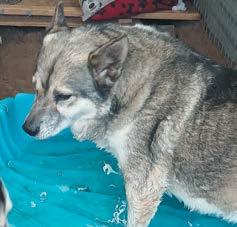
Zorro is a Malamute cross. He is very outgoing and loves to run around. Zorro the loves water. He has lived with cats previously but it is unknown if he will still accept cats. He is fine with children and walk well on leash. Zorro is also well disciplined.
Fin is a Staffie cross and he is between 6 and 7 years old. A more loving companion you will not find. He is the most loyal dog and may do well with female companion of his size. Not good with small dogs or cats. He is also a very good guard dog and very alert.
Kastelle & Leila are Boerboel cross pair of around 11 years old. These two would love a retirement home where they can lounge in the sun and sleep close to you at night. They are extremely loving and well disciplined but other dogs and cats are unknown. Leila can be bit snappy until she gets to know you.
Leila & Kastelle are Boerboel cross pair of around 11 years old. These two would love a retirement home where they can lounge in the sun and sleep close to you at night. They are extremely loving and well disciplined but other dogs and cats are unknown. Leila can be bit snappy until she gets to know you.
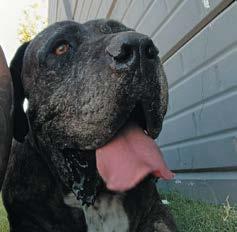
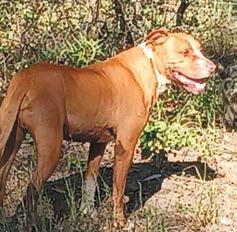
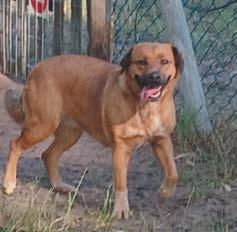
Louis is a stunning big boerboel of 7 years old. This gentle giant just wants to be with his human and maybe a female companion. He is social but a female companion is preferred. He also loves his squeaky toys.
Simba is a male Pit-bull and our oldest resident of around 12 years old. Simba is a very human social dog and will protect you with his life. He has to be an only dog and needs a very special home due to age and where he came from. Simba adores digging big holes and enjoys a lot of time in his pool.
Chloe is around 3 years old and a medium sized Africanes. She is very loving but skittish at first until she gets to know you. She will do well with a male companion after slow introductions. Chloe needs very high jump-proof walls and prefers a stayat-home person as she wants to be with her human all the time.
Coco is a beautiful ridgeback cross of around 5 years old. Coco seems highly strung when you first meet her, but she is a real softy. She is extremely high energy so needs an active family who can exercise her as required. She will make the perfect running partner. She is excellent on leash but needs to be an only dog and no young children as she plays rough. Cats unknown.
Adoption Fee: R1000 per dog and R1500 for bonded pair. All dogs are sterilized vaccinated, dewormed, given tick and flea treatment (Nexguard) and leash trained. They have received basic training as well with a qualified trainer.
Contact details: Vanessa (Kennel Manager) 0625114812 | Email: info@sarabipaws.org.za | Sarai Paws with a Cause is a registered PBO. PBO no 930073899
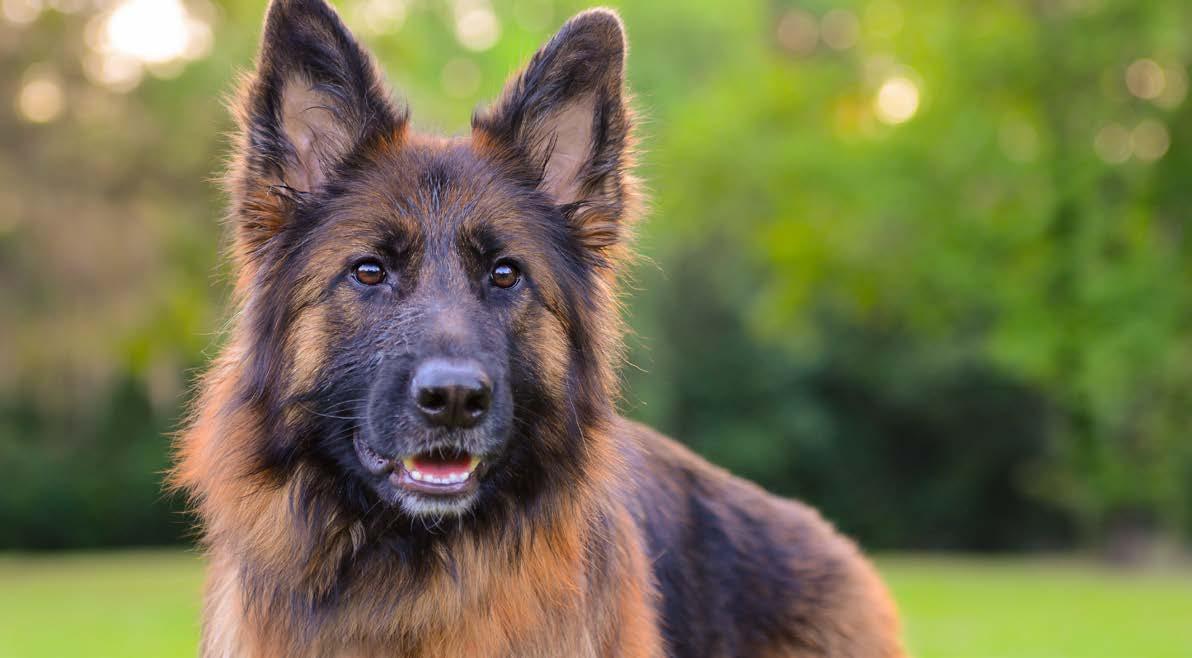
here is something deeply compelling about a German Shepherd. Perhaps it is the soulful intelligence in their eyes, or the way they carry themselves, alert, aware, and fully present in each moment. More than just a breed, the German Shepherd is a partner, a guardian, and, when given the chance, a profoundly loyal member of the family.
Originating in Germany as a working dog, the German Shepherd was bred for herding and protecting livestock. Over time, they have become one of the most versatile breeds in the world equally capable in search-and-rescue, service work, and family life. Their adaptability is the natural expression of a dog that is both highly intelligent and deeply willing to work alongside people.
An adult male German Shepherd typically stands between 60–65 cm at the shoulder and weighs around 30–40 kg, while females are slightly smaller, usually 55–60 cm in height and 22–32 kg in weight. Their average lifespan is between 9–13 years. They mature gradually, with adolescence often stretching up to two years of age. Training can begin as early as 8–10 weeks, and the foundation laid during this time shapes the dog that follows. When a relationship is built on trust, respect, and a genuine loving connection, guided with consistent, calm leadership and patient encouragement a German Shepherd has every opportunity to grow into the remarkable companion so often admired.
This is a breed designed for engagement and purpose. German Shepherds are energetic, aware, and responsive. They require a meaningful balance of physical exercise, mental stimulation, and emotional connection. When these needs are met, they settle into themselves with confidence and stability. When they are lacking, the dog will find ways to release that energy, sometimes through barking, restlessness, or destructive behaviour. In each case, the behaviour is communication.
At Retreat 2 Eden, we witness this transformation every day. On Retreat 2 Eden’s 43-hectare animal welfare and wildlife sanctuary, many of our Shepherds are gradually introduced into stable social groups, where they begin to find their place. Within these groups, dogs communicate in ways we cannot fully replicate. They correct, reassure, and guide one another with a natural fluency. In time, many rediscover a sense of belonging and emotional balance. Our role is to support that process by providing structure, guidance, and boundaries rooted in fairness and care.
Welcoming a German Shepherd into your home is the beginning of a relationship. Each dog is an individual. While puppies are undeniably endearing, their adult temperament cannot always be predicted from their behaviour as puppies. As they grow, traits such as prey drive, confidence, or sensitivity begin to emerge. For some families, adopting a slightly older dog, whose personality is already visible can
offer a clearer sense of compatibility. Training, for this breed, becomes most effective when it feels like shared activity. Games such as fetch, tug, and scent work become tools for communication as much as exercise. Through these interactions, trust deepens, understanding grows, and the bond between dog and human strengthens in a way that is both natural and enduring.
In a world where many families seek both companionship and a sense of security, the German Shepherd comes into its own. With highly developed senses of hearing and smell, they detect subtle changes in their environment long before we do. For this reason, we encourage that they be kept as part of the family, inside the home and close to those they love. This strengthens their sense of belonging and keeps them safe. Dogs left outside, particularly at night, can face risks that often go unseen. Bringing them inside protects them while allowing them to fulfil their role as attentive, earlywarning companions in a meaningful and effective way.
To share your life with a German Shepherd is to enter into a partnership built on trust, respect, and presence. They ask for your love, your patience, and your understanding. In return, they offer unwavering loyalty, deep companionship, and a connection that stays with you long after the day is done.
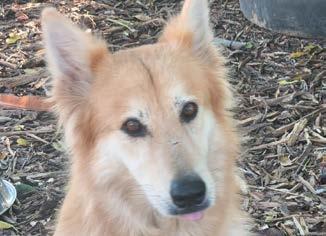
Baloo is 2 years old and he is a big, affectionate boy who loves being part of the action. He will thrive in an interactive home with plenty of exercise and mental stimulation. He would do best with a playful, confident female companion and a family without small children.
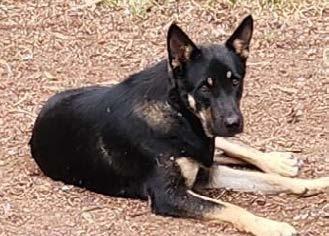
Ripley is 4 years old and a striking German Shepherd cross. He is a loyal and loving boy who dreams of having a family and a space to call his own. He is playful, well-socialised with other dogs, and farm-friendly, but needs to be an only dog due to food reactivity.
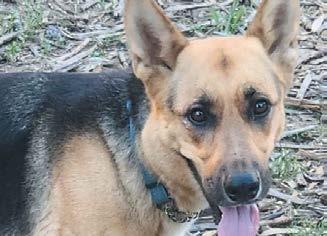
Lilly is a 2 year old and she is a lively, fun-loving girl who brings energy and joy wherever she goes. She will thrive in an active home, she is good with children and is currently building her confidence with other dogs.
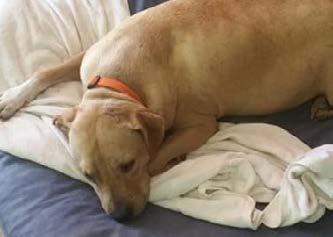
Mike is a 7 year old well-socialised, affectionate companion who loves cuddles and playtime. He is wonderful with children and would thrive in a loving home, ideally with a female dog or a non-dominant male. Secure, high fencing is essential.
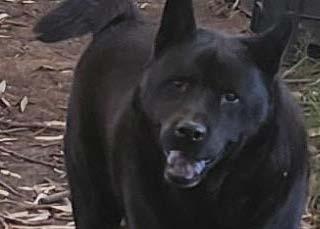
Duke is 7 years old and a unique Chow cross. He is a calm and thoughtful companion who enjoys both quiet independence and gentle affection. He would thrive in a home with a female dog or as a human-focused companion, and suits older children.
Jasper is a 5 year old and he is a joyful, affectionate boy who loves people and gets along well with dogs, children, and even cats. Playful and eager to please, he would thrive in an active, loving home.
Marley is 6 years old and is a deeply loving and loyal girl who asks for little more than companionship, comfort, and a place in your heart. She needs to be an only dog in a calm home. Older children will be fine but not small children.
Koda is approximately 7 years old and he is a loyal, active boy who loves walks, swimming, and simply being close to his person. He is well-socialised but needs to be an only dog in the home to avoid possessiveness, while still enjoying social outings.
Adoption: Adoption is subject to a minimum contribution of R750 per dog, helping us continue the rescue, rehabilitation, and care of animals at Retreat 2 Eden.
Contact Details: Email: info@retreat2eden.co.za Johann: 072 966 7692 Lynne: 072 388 9054
African Tails
AACL Durban & Pietermaritzburg
AACL Epping
AACL Johannesburg
Brooklyn CT 021 510 7360 www.africantails.co.za
Durban 031 736 9093 www.aacl.co.za/branches-durban
Cape Town 021 534 6426 www.aacl.co.za
Johannesburg 011 435 0672 www.aacl.co.za
AACL Port Elizabeth Port Elizabeth 041 456 1776 www.aacl.co.za
Animal Rescue Org
AWS (Philippi)
AWS (Stellenbosch)
Cape of Good Hope SPCA
Cart Horse Protection
CHAIN (Boland)
DARG
Fallen Angels
Hermanus Animal Welfare
Ottery CT 021 396 5511 www.animalrescue.org.za
Philippi 021 692 2626 www.awscape.org.za
Stellenbosch CT 021 886 4901 www.aws-stb.co.za
Cape Town 021 700 4140 www.spca-ct.co.za
Cape Town 021 535 3435 www.carthorse.org.za
Tulbagh/Ceres 072 609 1165 www.chainboland.co.za
Houtbay CT 021 790 0383 www.darg.org.za
Cape Town 084 688 7111 www.fallenangels.org.za
Hermanus 028 312 1281 www.hermanusanimalwelfare.webs.com
Knysna Animal Welfare Society Knysna 044 384 1603 www.knysnaaws.com
LEAPS West Coast CT 082 447 8866 www.leaps.co.za
Mdzananda Animal Clinic
Peanut Animal Rescue
People’s Dispensary for Sick Animals
Khayelitsha 021 367 2302 www.mdzananda.co.za
Melkbosstrand CT 076 339 5485 www.peanutanimal.co.za
Cape Town 021 638 5134 www.pdsa.org.za
People’s Dispensary for Sick Animals George 044 875 8300 www.pdsa.org.za
People’s Dispensary for Sick Animals
Soweto, Johannesburg 011 984 4340 www.pdsa.org.za
SPCA Durban Durban 031 579 6500 www.spcadbn.org.za
SPCA East London East London 043 374 1441 www.elspca.co.za
SPCA Garden Route Garden Route/George 044 878 1990 www.grspca.co.za
SPCA Johannesburg Johannesburg 011 681 3600 www.jhbspca.co.za
SPCA Mossel Bay Mossel Bay 044 693 0824 www.grspca.co.za
SPCA Port Elizabeth Uitenhage 041 992 3016 www.uitenhagespca.co.za
SPCA Pretoria Pretoria 012 803 5219 www.spcata.org.za
TEARS Southern Peninsula CT 021 785 4482 www.tears.org.za
Township Animal Rescue
Somerset West CT 021 855 1824 www.townshipanimalrescue.co.za
TUFCAT Cape Town 082 433 0932 www.tufcat.co.za
Wetnose Animal Rescue Centre
Emgwenya Animal Welfare Organisation
Dead Animals Walking
Bronkhorstspruit 013 932 3941 www.wetnose.org.za
Waterval Boven 082 262 3197 www.eawo.co.za
Durbanville CT 072 298 9086 www.deadanimalswalking.co.za

From tiny breeds to large dogs, puppies develop at very different rates on their way to adulthood. Supporting that growth requires nutrition adapted to their expected adult size.
Strong immune system
Brain development
Digestive and microbiome support