PORTFOLIO
SELECTED WORKS
PEREZ RODRIGUEZ MARIA ISABEL2024
Research: Maria Isabel Perez
Supported
Research: Maria Isabel Perez
Supported


In September 2017, southeastern Mexico faced two severe earthquakes, causing extensive damage to housing in high-poverty areas. This study explores the role of universities in post-disaster recovery, focusing on the case of a University-Led Housing Reconstruction Program in Alpanocan, Puebla, Mexico. The research focused on how universities can play an active role in disaster recovery, using the case study of Alpanocan. It aims to understanding the dynamics of community-university collaboration, evaluating the effectiveness of University-Led Housing Reconstruction Programs, and identifying challenges and opportunities for improvement.
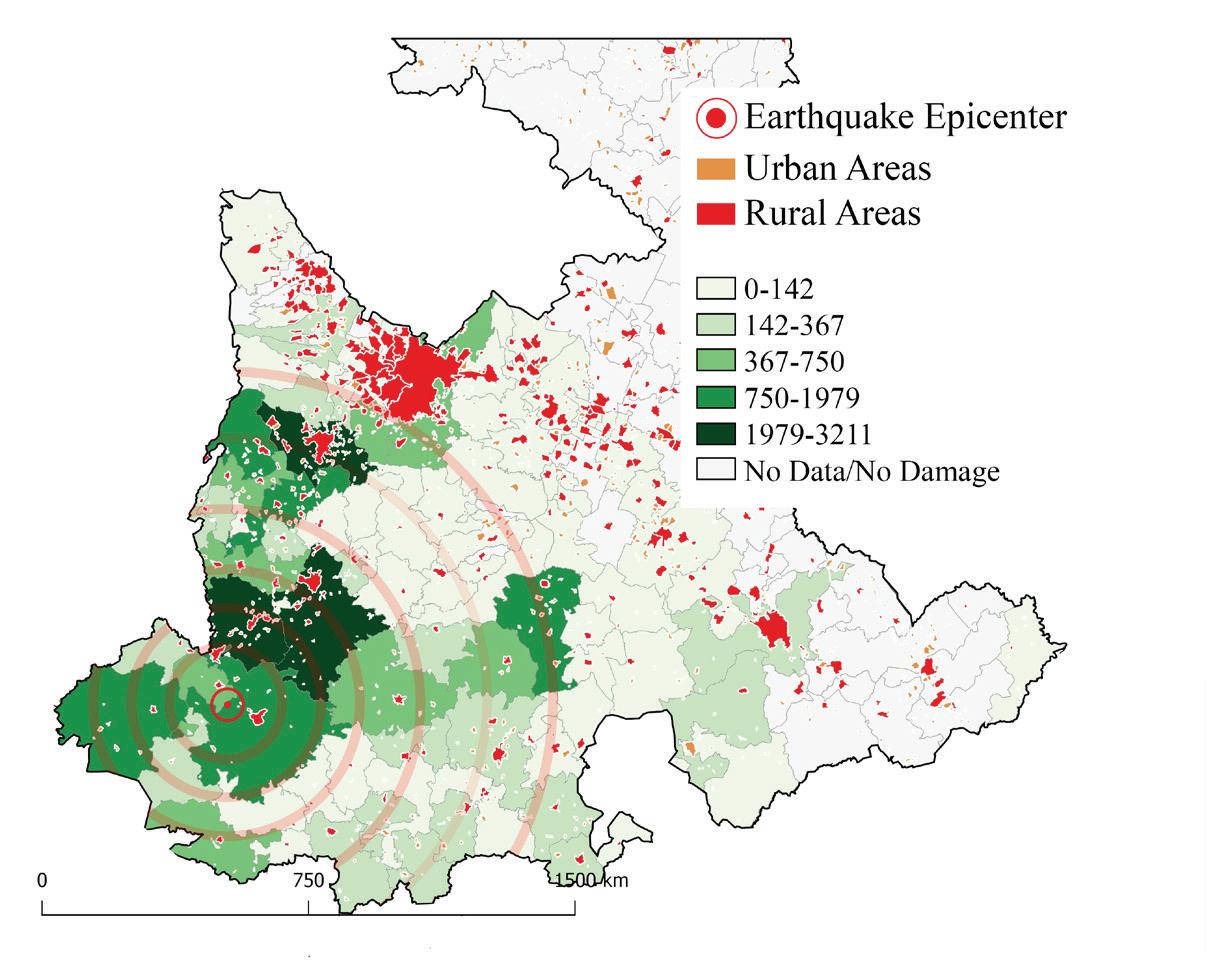


Qualitative data collection, official government sources, literature review on the 2017 earthquakes, vulnerability, and disaster recovery in vulnerable areas, and on-site methods, including observation, photographic analysis, semi-structured interviews, and an architectural survey of six houses within the program provided a detailed case study.


The findings reveal that university-led housing reconstruction programs in Mexico demonstrate significant strengths during disaster recovery. The robust social networks, multidisciplinary knowledge, and long-term commitment of universities allow for efficient mobilization, comprehensive disaster response, and enduring community impact. Additionally, cooperation based on trust and the implementation of livelihood-development activities showcases the potential for universities to work with communities against vulnerabilities. However, challenges such as the predominance of these programs such as the prioritization of formative experiences, funding fatigue, and the need for further community involvement in adaptable design that responds to the local context, are opportunities for improvement.

Addressing these challenges requires clear targets, proactive resource management, transparent communication, and inclusive decision-making. Moreover, collaborating with local youth, empowering marginalized groups, and incorporating local resources and knowledge are critical for creating self-sustainable communities. Ultimately, addressing challenges and enhancing strengths could position higher education institutions and, hence, university-led reconstruction programs, as promising agents in fostering resilient, empowered, and prepared communities in the aftermath of disasters.
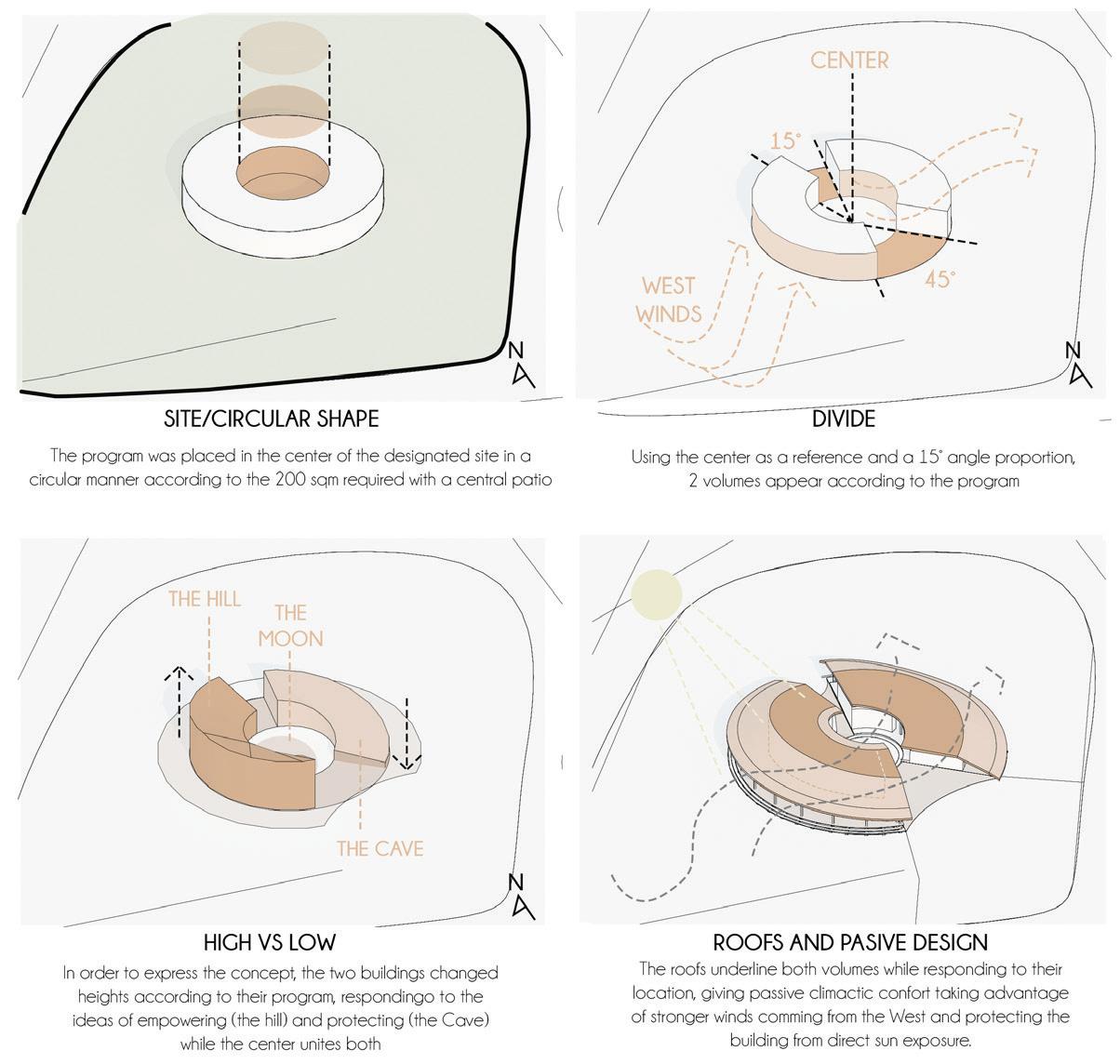
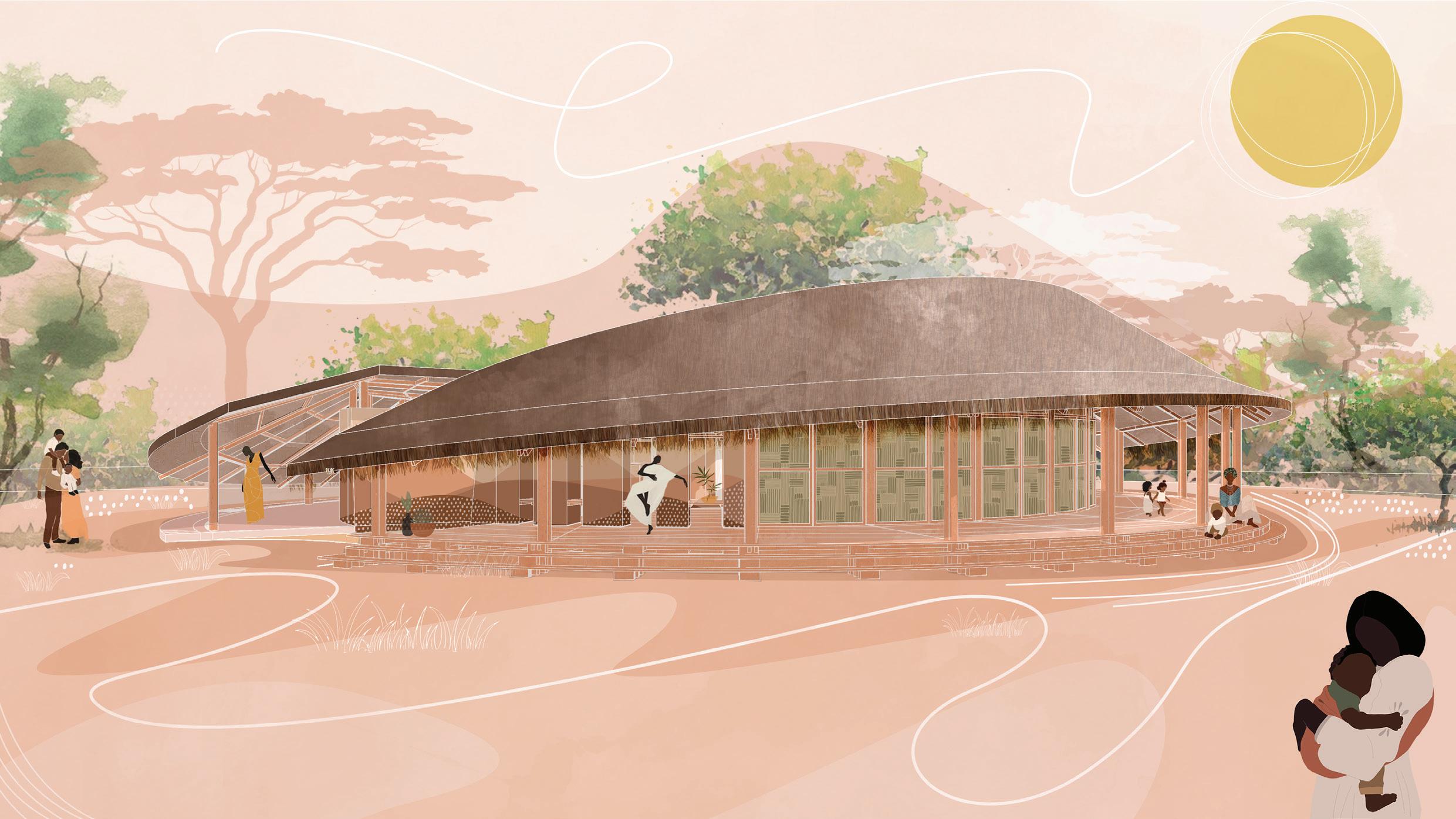
The use of local materials, the implementation of passive design, and the emphasis in dynamic and adaptable spaces, were the main concepts of the project.
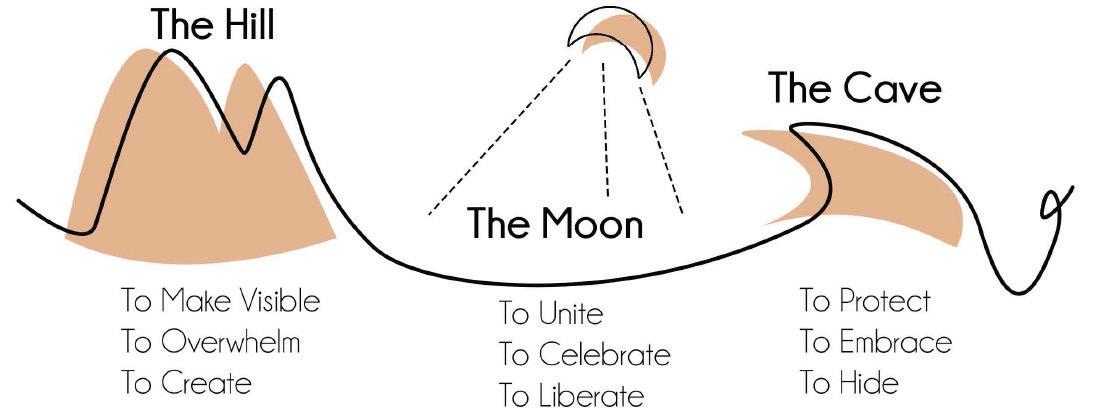
Being women is a complex concept. It is a series of ideas and characteristics that make us who we are. The project tries to show the interesting duality women experience in their every day lives. Similar to how being at the top of a hill can make us feel strong, and being inside of a cave can make us feel protected, this duality between empowerment and protection is the concept we took for The Women’s House.
The project was part of Kaira Looro architecture competition in 2021. The purpose of designing a community center for women in Senegal that considers local needs, materials, and cultural backgrounds was essential throughout the process.

 Team Members: Maria Isabel Perez, Colette Parizot
Rhino, Sketchup, Photoshop
Team Members: Maria Isabel Perez, Colette Parizot
Rhino, Sketchup, Photoshop
Team Members: Students from Architecture Projects VII, Ibero Puebla University 2017.
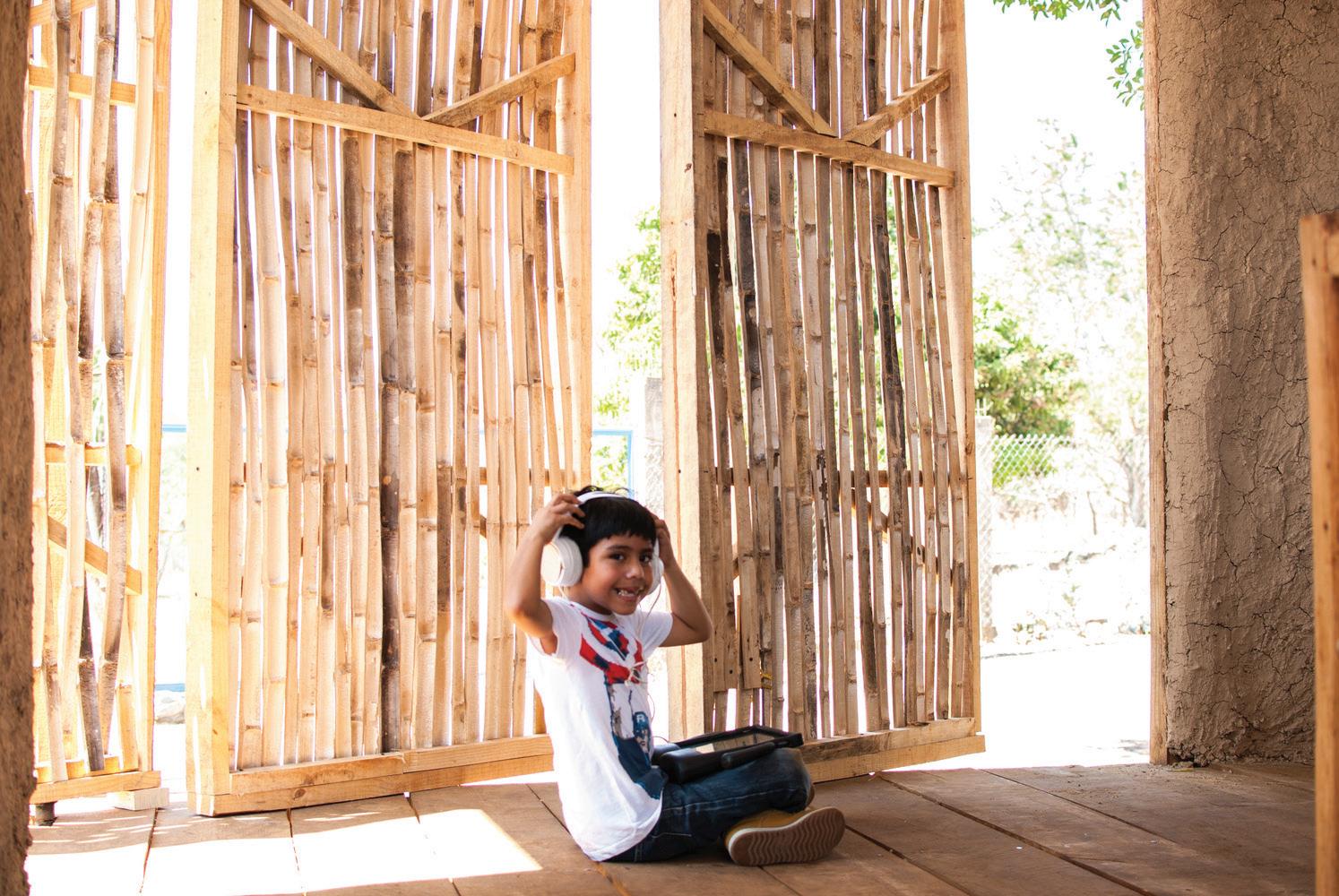
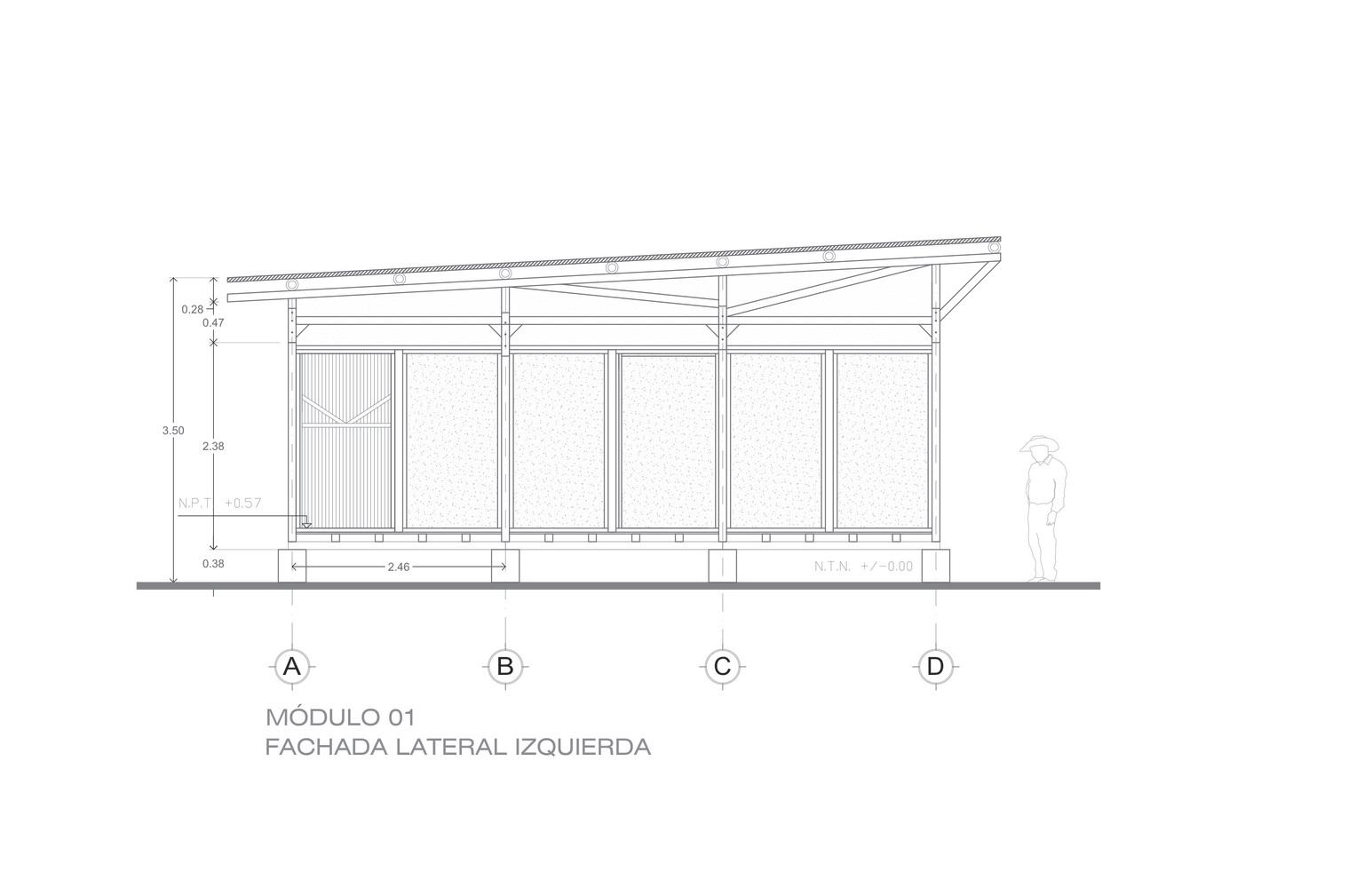
San Juan Pilcaya, is in the state of Puebla, to the municipality of Chiautla, south of the State, and close to the Epicenter of the September 19th, 2017, earthquake, which severely affected the South-East of Mexico. Pilcaya’s population of 1129 people was severely affected by the events since of their homes were damaged.
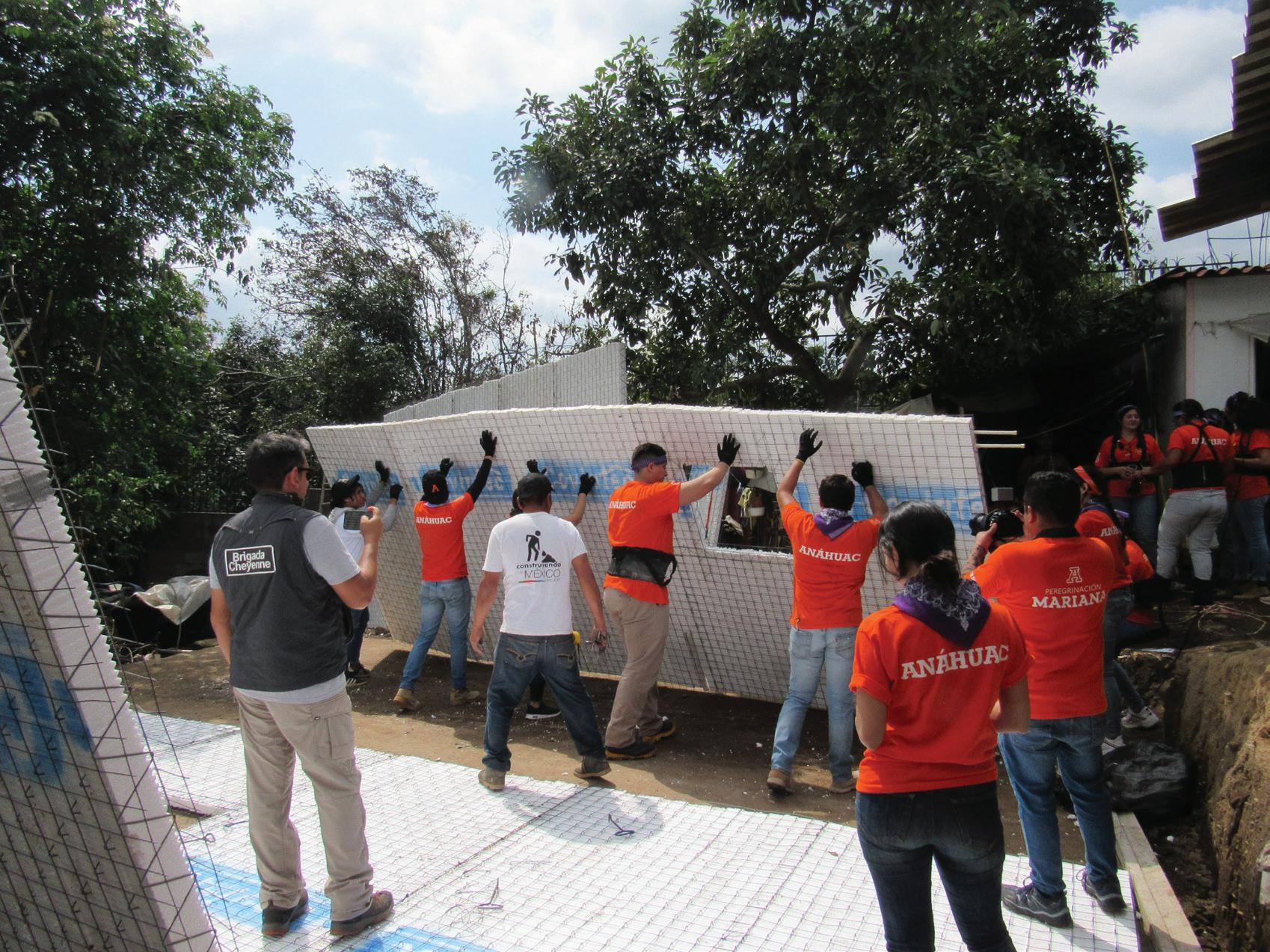
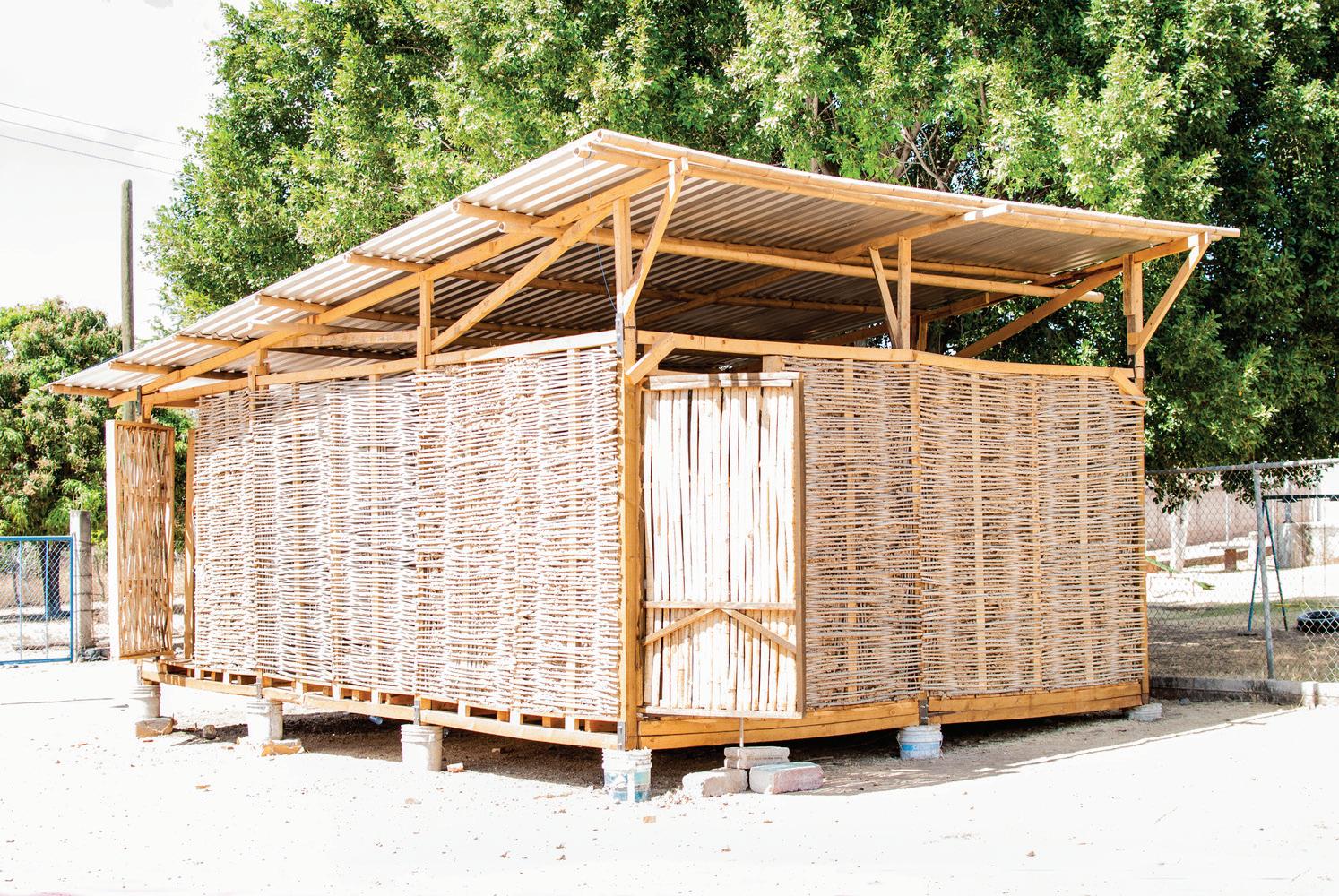
As a response, students and professors from the School of Architecture of Iberoamerican University Campus Puebla from the classroom of Architecture Projects VI in 2017, decided to lead a small project focused on building earthquake-resistant and durable struc tures using mostly locally available materials. project was done under the supervision of professors who guided students into self-funding and designing a viable solution. The result was a prototype, built together between the community and the students in November 2017, a few months after the earthquake.

The prototype works as an example for safer self-con struction proposals using local construction. The result was a 35m2 timber-framed structure using the local technique of bahareque (waddle and daub)
Team Members: Maria Isabel Perez, Jared Alcala, Cesar Garcia

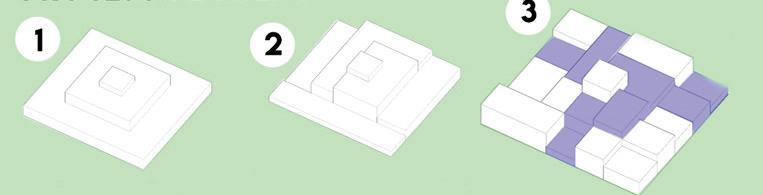
Growing Sections:
Medicinal and Aromatic Plants for the students
Stairs | playing ground | lunch outdoors area

Capulac, a community living with poverty, malnutrition, and health issues, was selected to design a self-sustainable module. The goal was engage elementary school students into improving their health while having fun.
The result was a simple, yet dynamic module for kids to play, enjoy, and engage in the public area of the school.




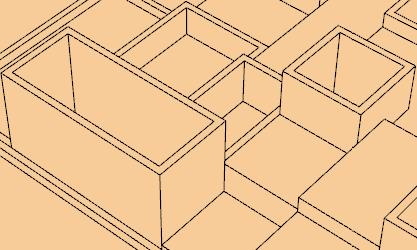





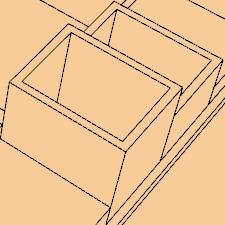

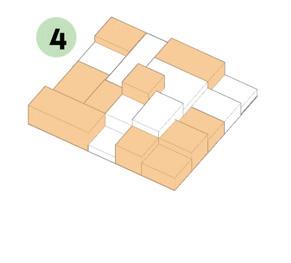
Garden Beds: for produce to use to improve student’s nutrition
Made out of low-cost materials, the idea was to mix garden beds and a medicinal garden with a playground. The project seeks to engage kids with nature, while giving them tools to grow healthy produce and medicinal plants to be used and consumed at school.
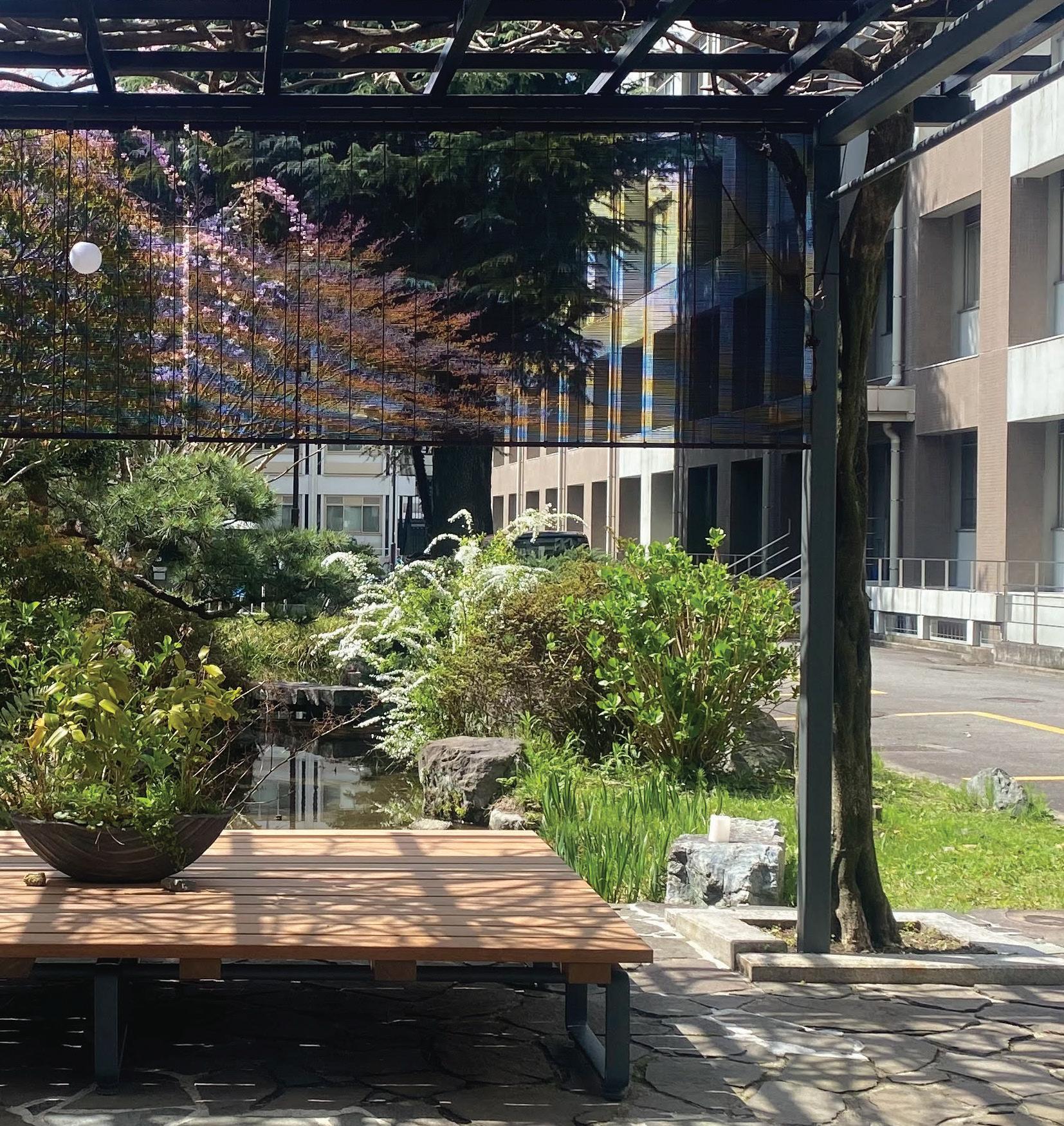
Inside Kyoto University Yoshida Main Campus, there is a small pond that holds a variety of species in its landscape. This hidden place used to take little to no attention from students, professors, and workers due to the lack of maintenance and comfortability.
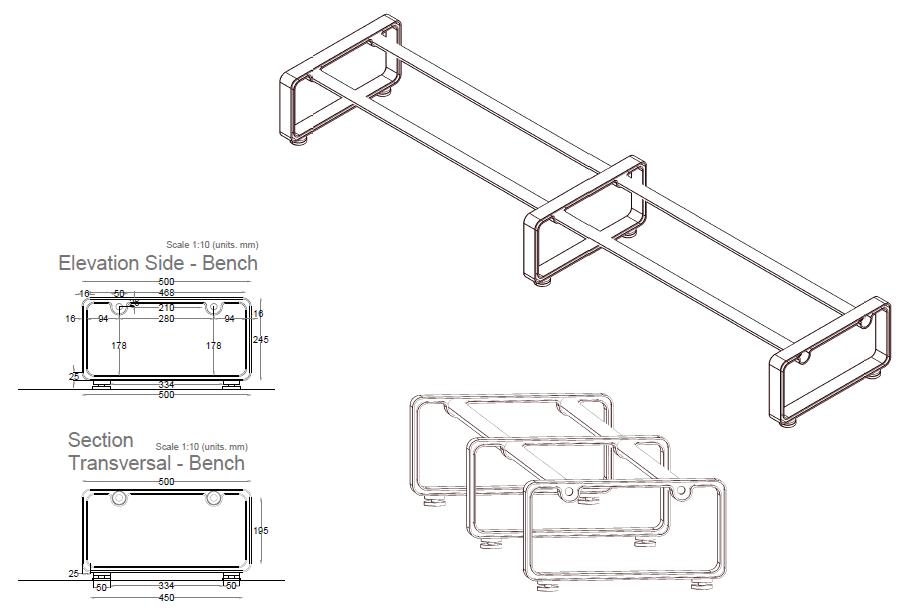
With this challenge in mind, students from the laboratory of Global Environmental Architecture at GSGES of Kyoto University, decided to renovate the space by mostly using available materials. This challenge led us to reuse the structure of two old benches for the public garden to transform them into something more interesting: an ENGAWA, Japanese term for outdoor wooden flooring usually used for contemplation and enjoyment of gardens at home. The project, designed and built by university students, brought positive results by attracting people to enjoy the beautiful landscape by framing the landscape with subtle design to enhance nature.


 Team Members: Maria Perez, Srijon Badhua, Made Nuradi, Lalita Phatthanachaisuksiri, Augusto Oyama, Keika Saito
Reused bench structure
Engawa Top View
Team Members: Maria Perez, Srijon Badhua, Made Nuradi, Lalita Phatthanachaisuksiri, Augusto Oyama, Keika Saito
Reused bench structure
Engawa Top View




The Women’s Cooperative (COOP), is a project focused on supporting women’s financial independence through a community center in a highly-dense, high-poverty area in the Capital City of Puebla, one of the poorest states of Mexico.
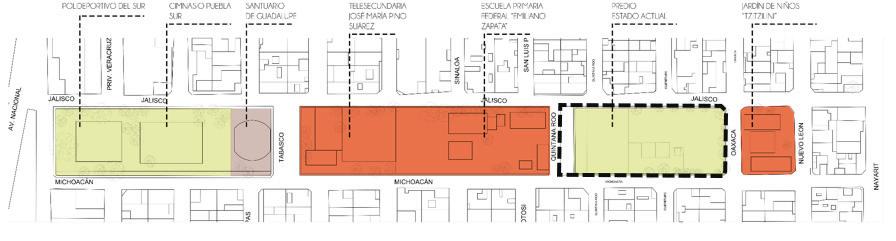


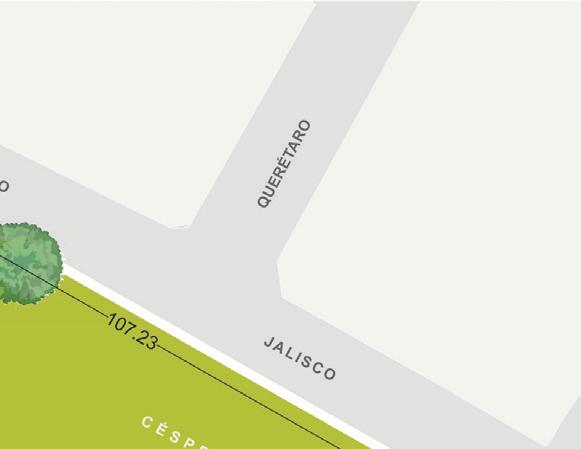

An Urban Analysis was conducted in the Area to understand the appropriate location for the program, considering local needs vulnerable groups like women might have in the city. The selected site, a public area surrounded by public schools was transformed into an open, public space with multiple activities where women, and their families, could work, collaborate, and create stronger communities.
The program sought to integrate three essential parts of Mexican women’s lives:



Productive Life:
Technology and ICT
Development of Collaborative Projects
Mixed use Classrooms and Lecture Halls
Workshops
Outdoor Working Areas
Personal Life:
Time Bank (Community Kitchen, Dinning, Laundry Room)
Child day Care
Women Support Center
Community Life:
Meeting Areas
Public Spaces
Community Development Spaces
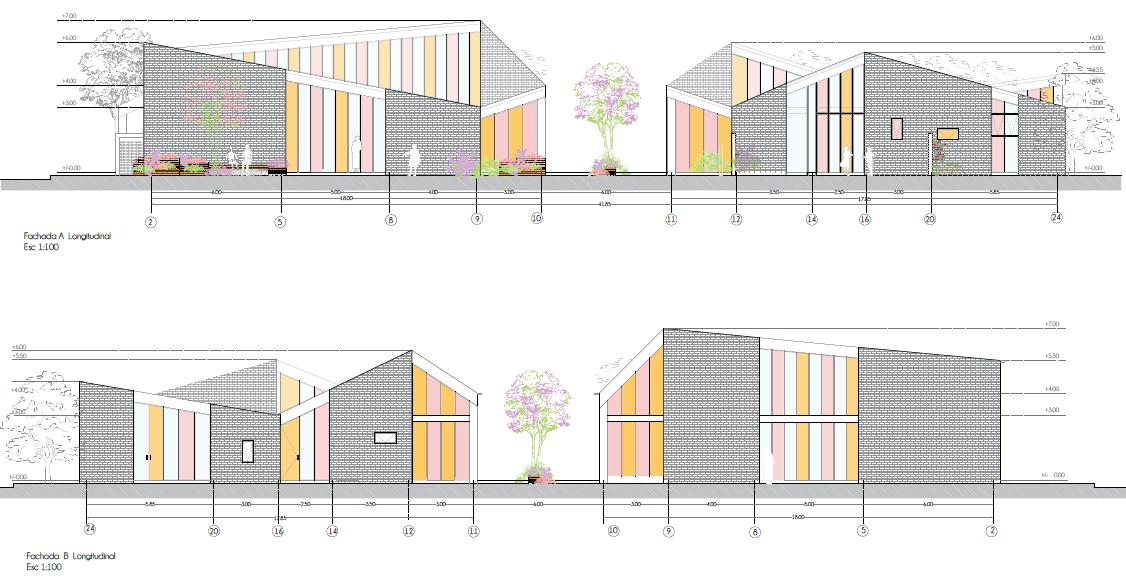

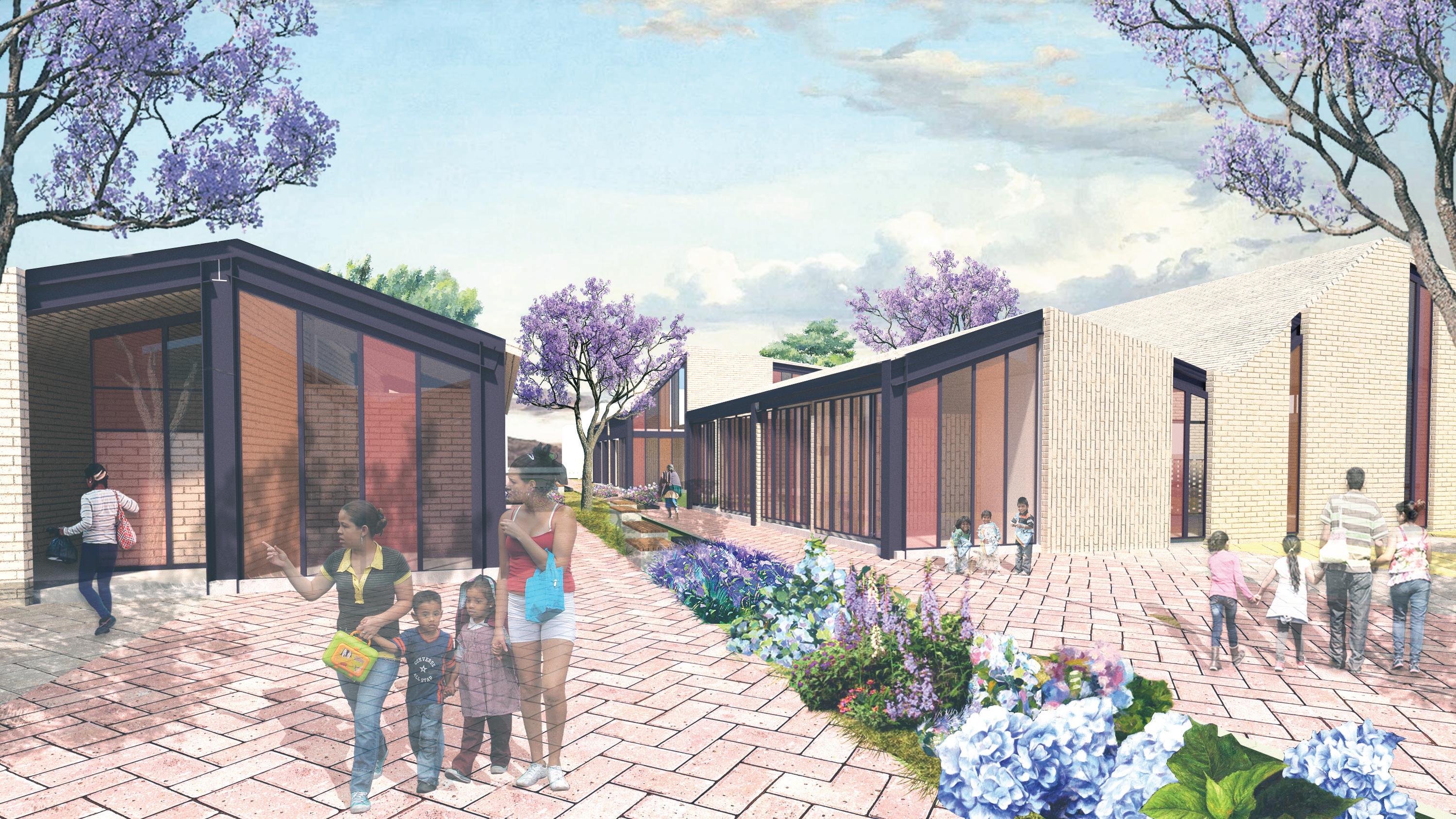
pUEBLA, mEXICO | 2022 - 2024
master’s thesis | environmental management | research
kaira looro | the women’s house
senegal | 2021
design competition | architecture
infosismo | post-disaster construction module
puebla, mEXICO | 2017
architecture | construction | Field Work
self-sustainable production module | capulac
concepcion capulac, puebla | 2017
sustainable development | architecture
mori project | public space renovation
kyoto university main campus, japan | 2023
landscape design | construction | environmental project
coop | community center for women’s
empowerment and financial Independence
puebla, mEXICO | 2019
bachelor final project | architecture | Urban design