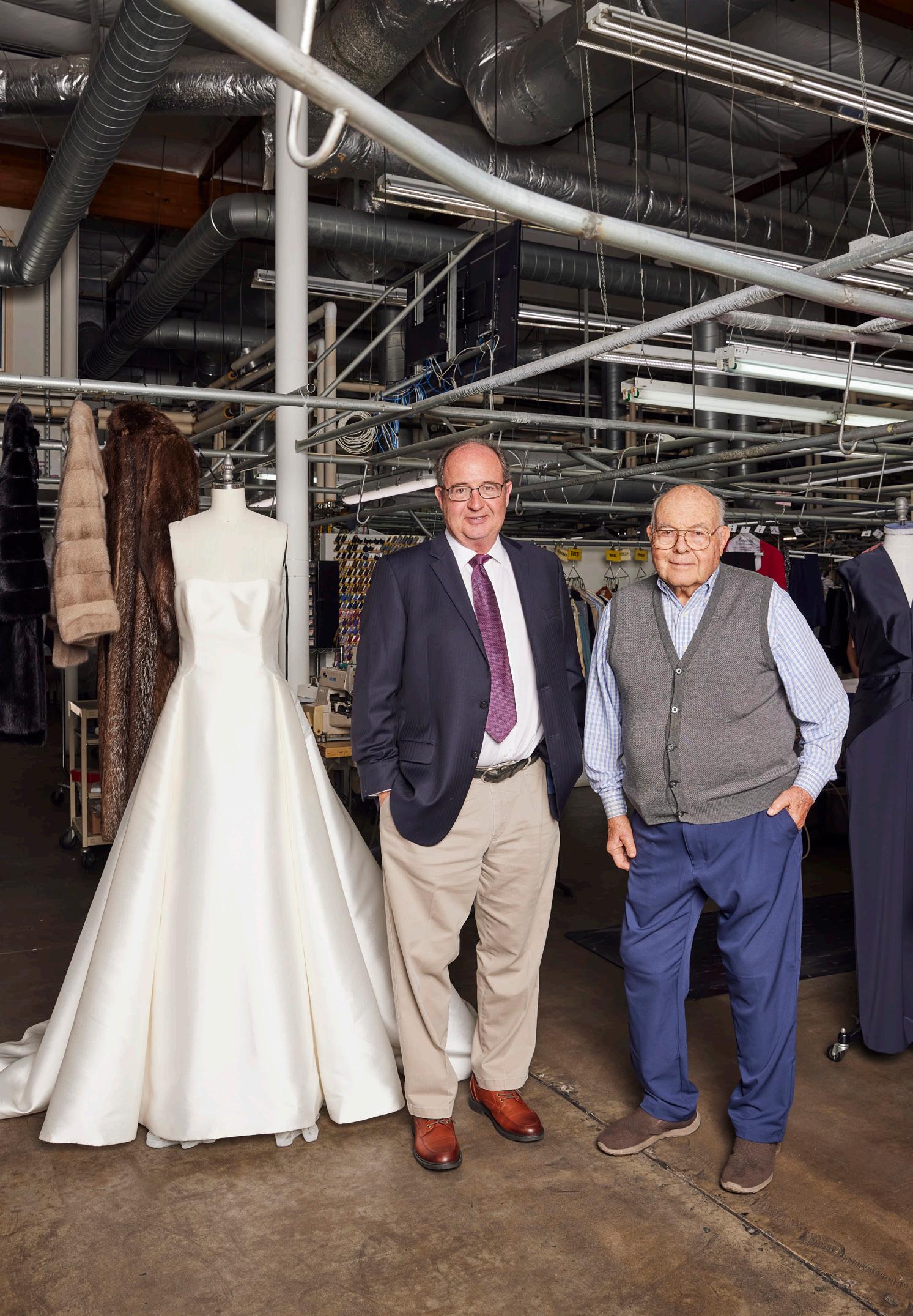
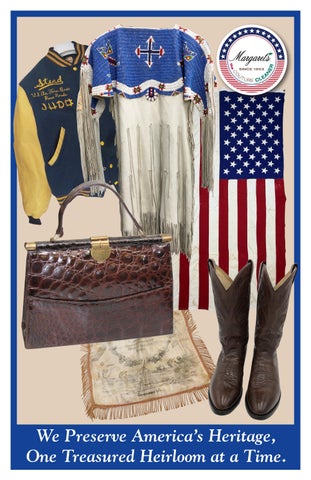
As our nation prepares to commemorate the monumental milestone of America 250, we find ourselves reflecting deeply on the timeless values of preservation, craftsmanship, and the enduring entrepreneurial spirit that defines the American story. For the Horst family, this celebration is intimately intertwined with our own multi-generational legacy—a journey that spans over a century of dedication to textile care, transitioning from turn-of-the-century horse-and-buggy laundry routes in East Liverpool, Ohio, to setting the global standard for couture and textile restoration from our home base in Southern California.
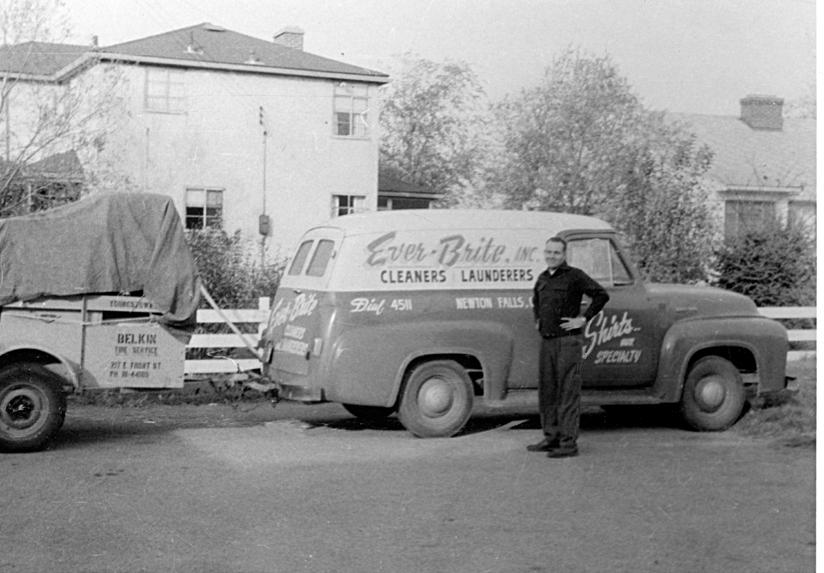
The foundations of our heritage were forged in the industrial landscape of Youngstown, Ohio, where John and Barbara Horst married at nineteen and built a thriving dry-cleaning enterprise encompassing fifteen locations and nine specialized plants, proudly maintaining the uniforms of the Cleveland Police Department. It was
here that a thirteen-year-old Chuck Horst began his apprenticeship, guided by his father through a labyrinth of pipes, steam, and cleaning rooms, learning the trade from its absolute fundamentals—beginning with the simple, meticulous task of hand-assembling paper and foam garment hangers for a humble seventy-five cents a day.
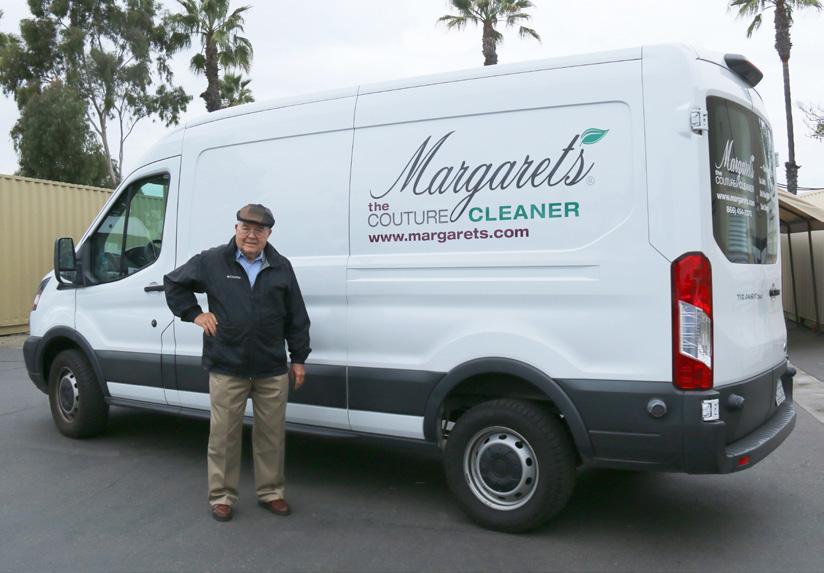
In 1953, a monumental shift brought our family’s dedication westward. John Horst identified a rare jewel in La Jolla, California: a pristine garment care business owned by Margaret Clutter. Margaret was fiercely protective of her impeccable reputation and resisted selling her good name to a stranger. Yet, John possessed an extraordinary ability to navigate complex challenges through dedication and character. He chose to work alongside Margaret, earning her absolute trust and promising to forever honor and respect her name. Six months after the acquisition, John took the helm as Chairman, and Barbara became Chief Financial
Officer. It was Barbara’s fierce, longterm vision and aggressive strategic management that truly structured our growth, transforming a local boutique cleaner into a world-renowned authority operating five premier locations across Southern California and garnering prestigious global industry accolades.
True success is not measured merely by expansion, but by a continuous reinvestment into excellence. This core philosophy allowed us to attract world-class artisans and integrate cutting-edge innovation. After building a distinguished career as an astrophysicist at General Dynamics—where he worked on advanced defense technologies and the structural legacy of the Hubble Space Telescope—Chuck Horst returned to his roots to serve as President of Margaret’s. Bringing a degree in Physics and Mathematics and a master’s degree Astronomy to the art of couture care, Chuck continued building the business and revolutionized the dry cleaning industry by developing our proprietary Gratiis Software system, an unparalleled digital tracking, content management, and inventory
With our highest regards,
infrastructure which ensures absolute security for every irreplaceable item entrusted to us.
Today, Margaret’s employs nearly one hundred full-time specialists and master artisans. We do not merely clean; we curate, restore, and preserve. Our expertise covers the entire spectrum of high-value asset care, from haute couture apparel, investment leather, and bridal gowns to historical textiles, military memorabilia, and exquisite home furnishings. We are honored to serve as the trusted partner for the nation’s most prestigious luxury fashion houses, couture boutiques, elite private collectors, and prominent museums.
As you turn the pages of this America 250 Lookbook, you are witnessing a celebration of craftsmanship that refuses to settle for the status quo. We have never been interested in competing with standard practices, because we believe that extraordinary treasures require extraordinary devotion. Our contribution to the preservation of fashion history remains absolute, anchored by a simple, definitive promise that’s guided us for generations: Margaret’s Delivers. ★

John Horst Chuck Horst Chairman President
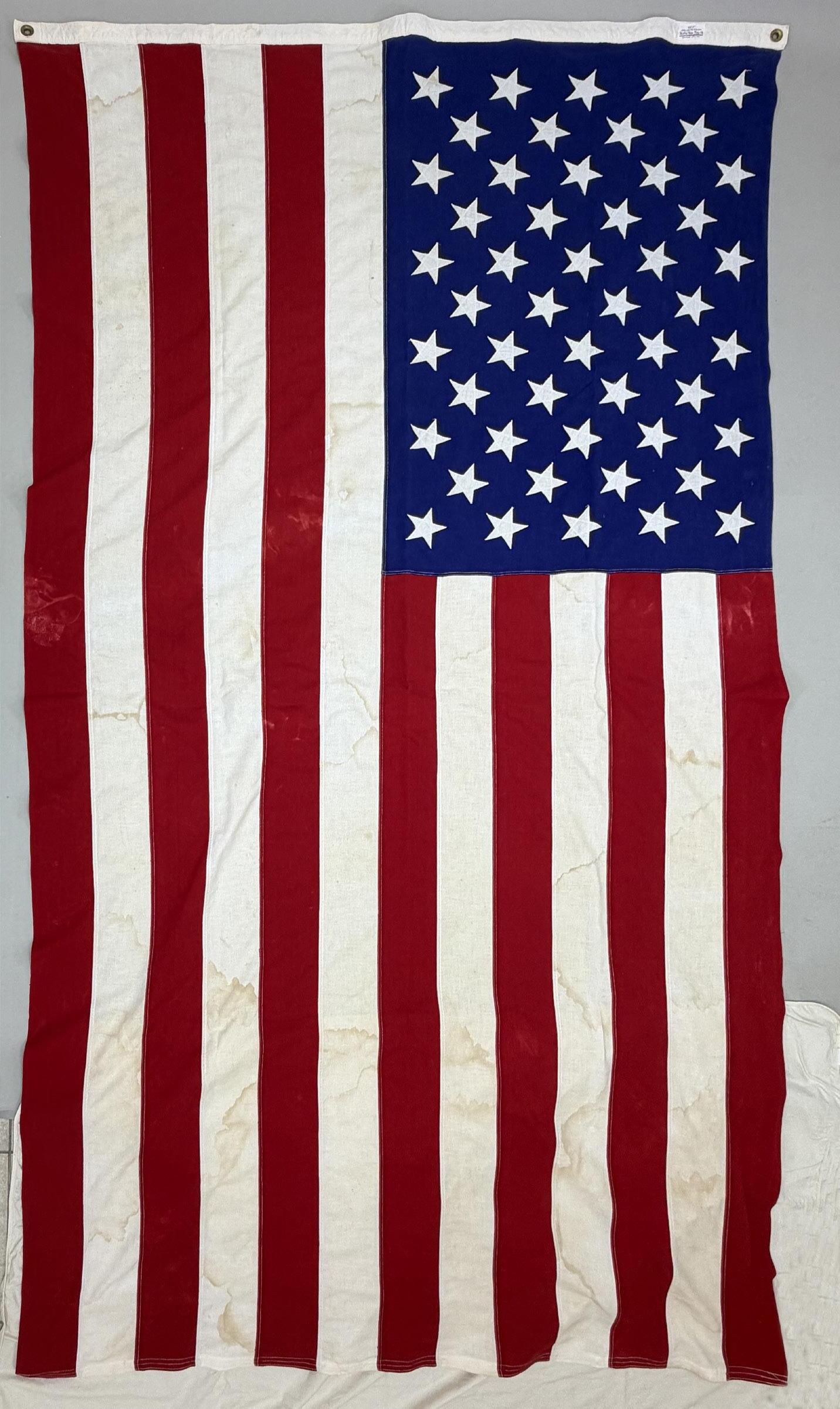
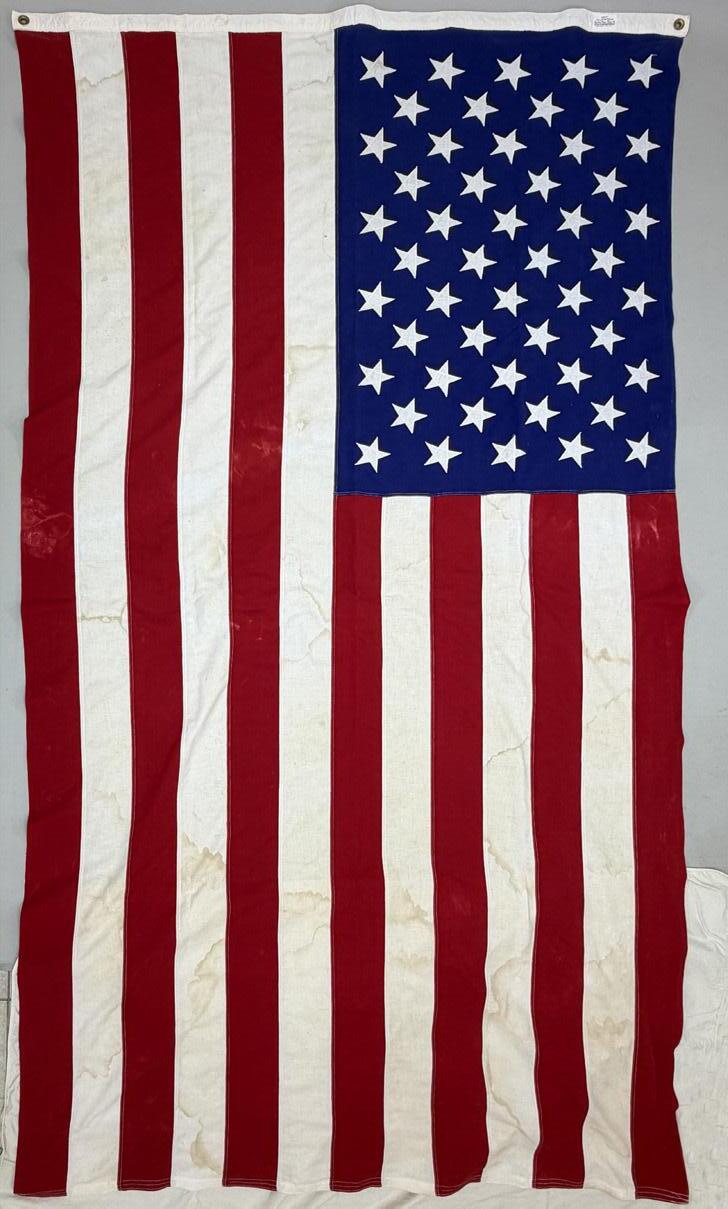
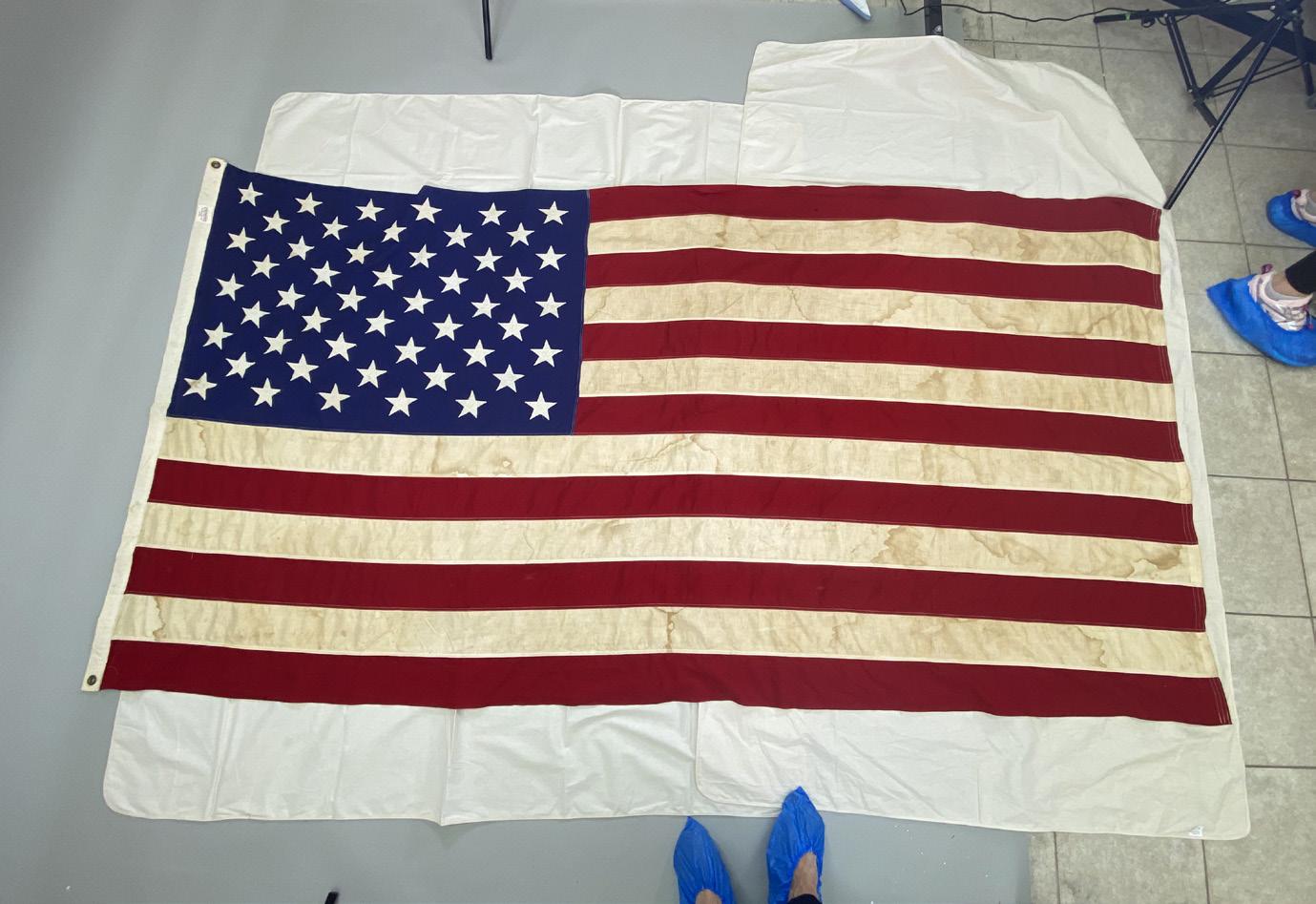
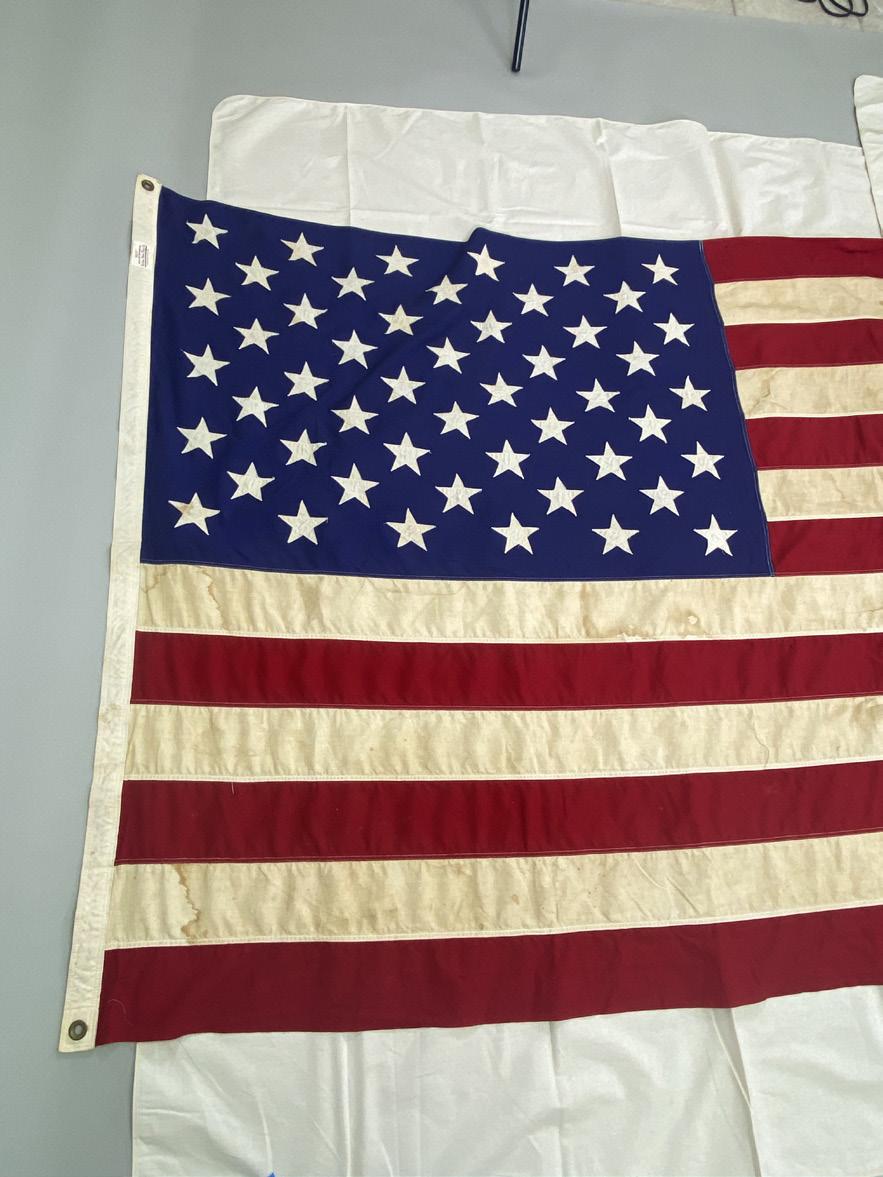
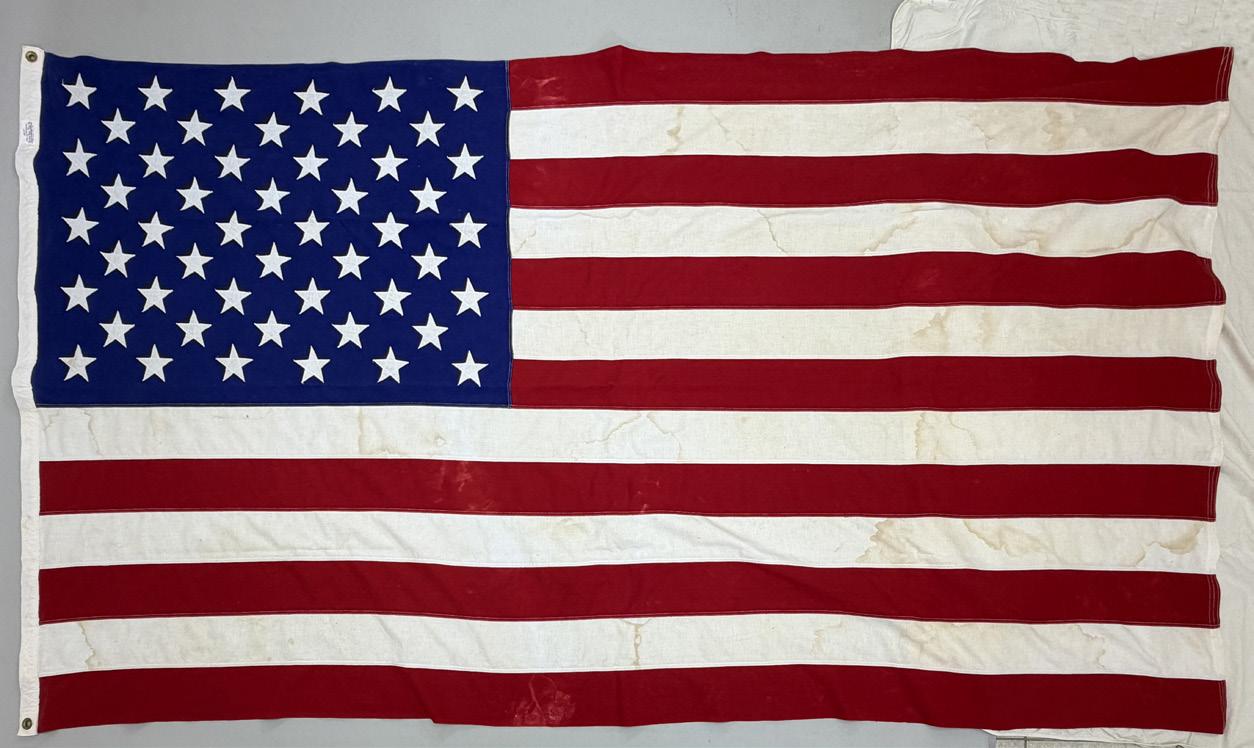
Every thread tells a story of service, and some flags embody a family’s legacy. This 50-star American flag, made in the U.S., reflects a golden era of domestic textile manufacturing. It was produced by a respected American flagmaker such as Annin & Co. or Valley Forge. It showcases the rigorous craftsmanship that defined institutional textile production.
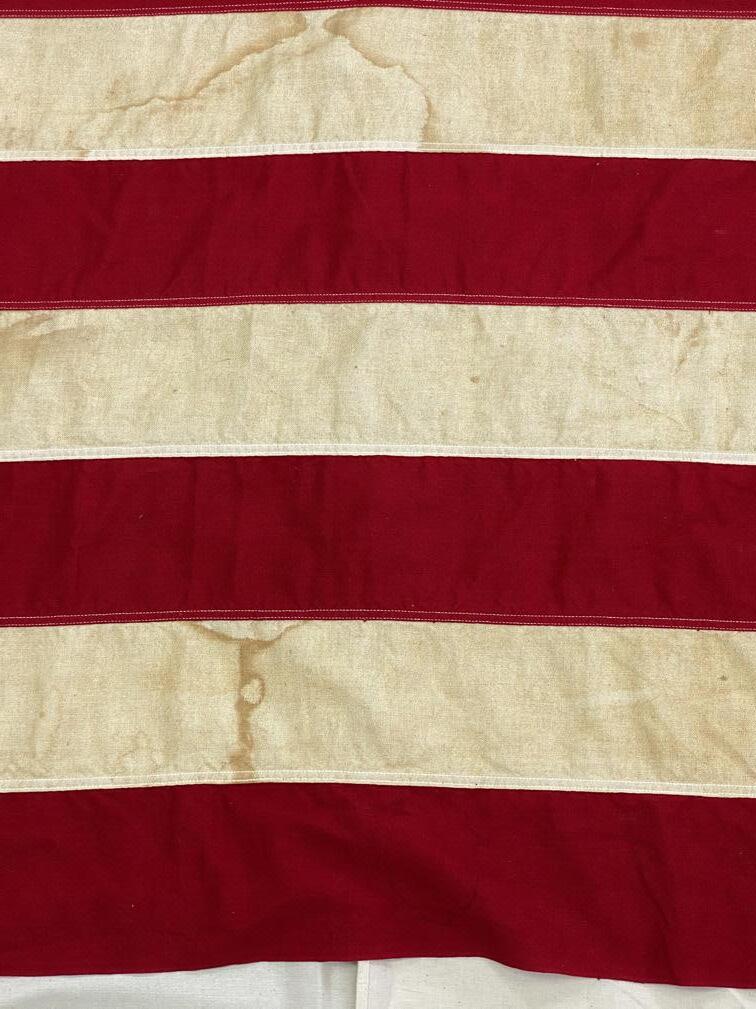
For example, the flag features cotton-wool-blend stripes, each sewn individually, and a canvas header with brass grommets. This design withstands the elements while preserving dignity.
This flag holds deep significance as it belonged to a late relative of a customer based in New York. Decades of display and storage have led to severe water staining, caramelized sugars, and atmospheric soot, which heavily discolor its white stripes. Left untreated, these acidic stains
would permanently degrade the fibers, causing dry rot and irreparable damage.
To honor this individual’s memory, Margaret’s the Couture Cleaner, stepped in. Specializing in preserving specialty textiles and couture, our team analyzed the flag’s fiber composition, assessed the damage, and implemented a tightly controlled stabilization and stain removal process. We carefully lifted the water stains by targeting affected fibers and ensured no bleeding of indigo or crimson, restoring the flag’s visual balance and historic patina.
Margaret’s the Couture Cleaner helps preserve American heritage by offering complimentary flag cleaning and restoration for families, collectors, and local businesses. We ensure every treasured flag—whether heirloom or historic—continues to fly proudly and is preserved for future generations. ★

This striking military cloak marks a pivotal moment in American fashion and military history. In the mid-19th century, it was essential in both pre-war state militias and the Civil War officer corps. The heavy wool cloak was a practical necessity and a symbol of rank.
The cloak’s exterior is locally sheared wool dyed a deep, somber slate grey. This shade was closely associated with American volunteer regiments and Confederate officers’ attire. The garment’s design highlights a sophisticated mix of textures and colors: The Exterior: Heavy, tightly woven cadet-grey wool designed to repel wind and moisture.
The Lining: A vibrant, contrasting scarlet wool lining that provided an immediate flash of prestige and warmth.
The Trim: A dark, plush velvet collar that protected the neck from chafing against coarse wool uniforms.
The Closure: A highly detailed, handbraided passouterie frog closure—an ornamental fastener made with decorative cord, utilizing intricate knots on the breast that secured the cloak against the elements.
Unlike mass-produced uniforms, this piece was custom-crafted by skilled
American artisans. The tailored collar contours and hand-set frog closures showcase craftsmanship produced under strict wartime supply constraints.
Museum-Grade Cleaning & Conservation
When the cloak arrived at Margaret’s the Couture Cleaner, it showed the toll of more than a century and a half of use. Years of atmospheric exposure, poor storage, and aging fibers had dulled the wool, made the velvet collar brittle, and put the braided knots at risk of unraveling.
To feature this artifact in the America 250 Lookbook, the conservation team at Margaret’s executed a meticulous, multi-phase stabilization process:
Fiber Stabilization: Before any cleaning began, the hand-braided frog closures (decorative knotted fasteners) and weakened seams were carefully secured with archivalgrade mesh, a conservation material that prevents structural failure during treatment.
Artisans used eco-friendly, museumgrade restoration techniques to remove generations of soot, dust, and debris from the wool. These proprietary methods lifted residues without stripping the fragile, original vegetable dyes.
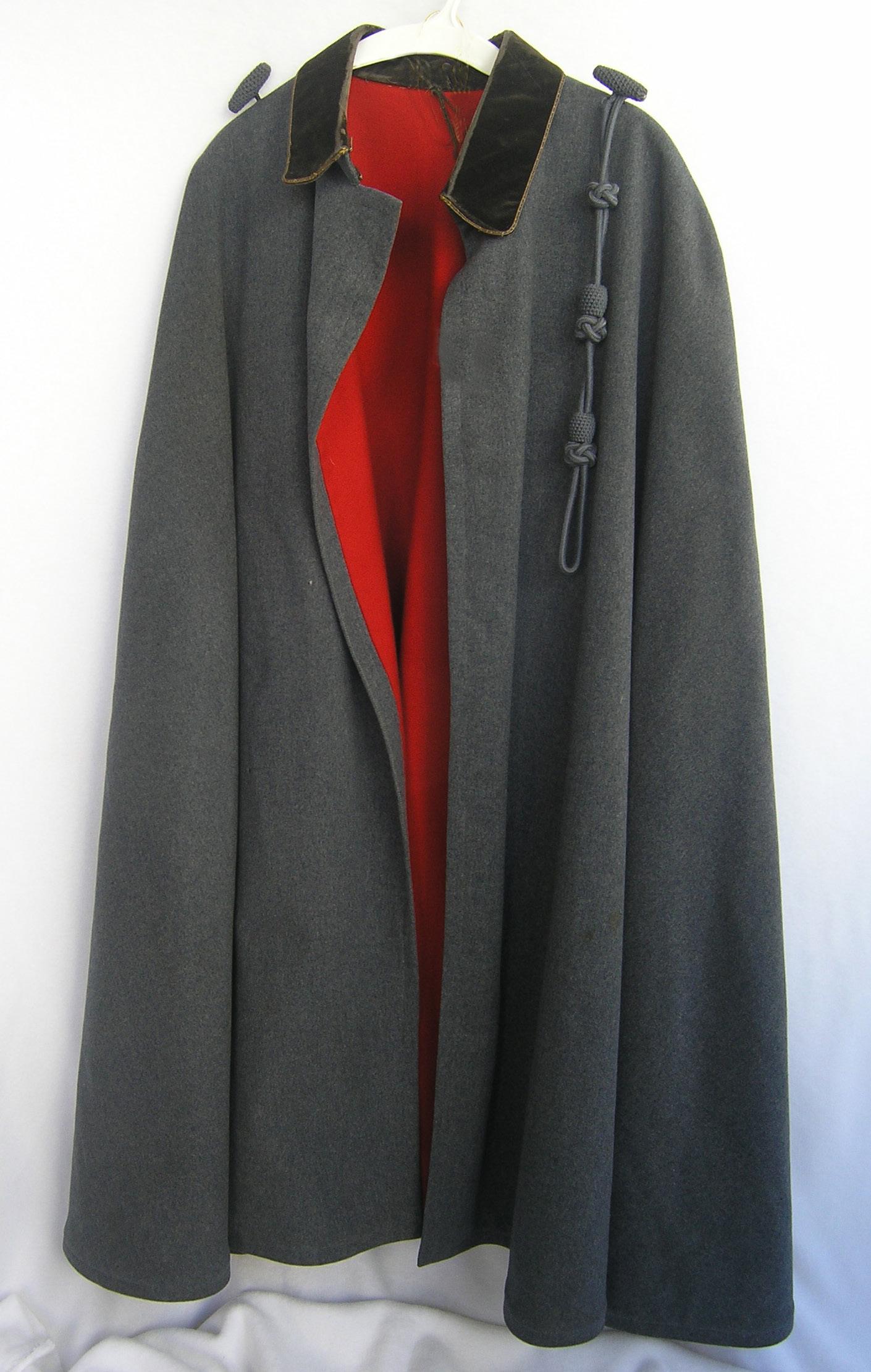
Experts carefully restored the faded crimson lining to its original warmth & vibrancy. Their work revived the striking contrast between the inner scarlet and the outer grey.
Finishing & Archival Prep: The velvet collar was gently handsteamed to restore its pile, and the entire silhouette was shaped on a custom archival form.
Thanks to the specialized preservation expertise at Margaret’s, this magnificent piece of American textile ingenuity has been safeguarded for future generations. This allows its impeccable historical craftsmanship to shine clearly once more. ★
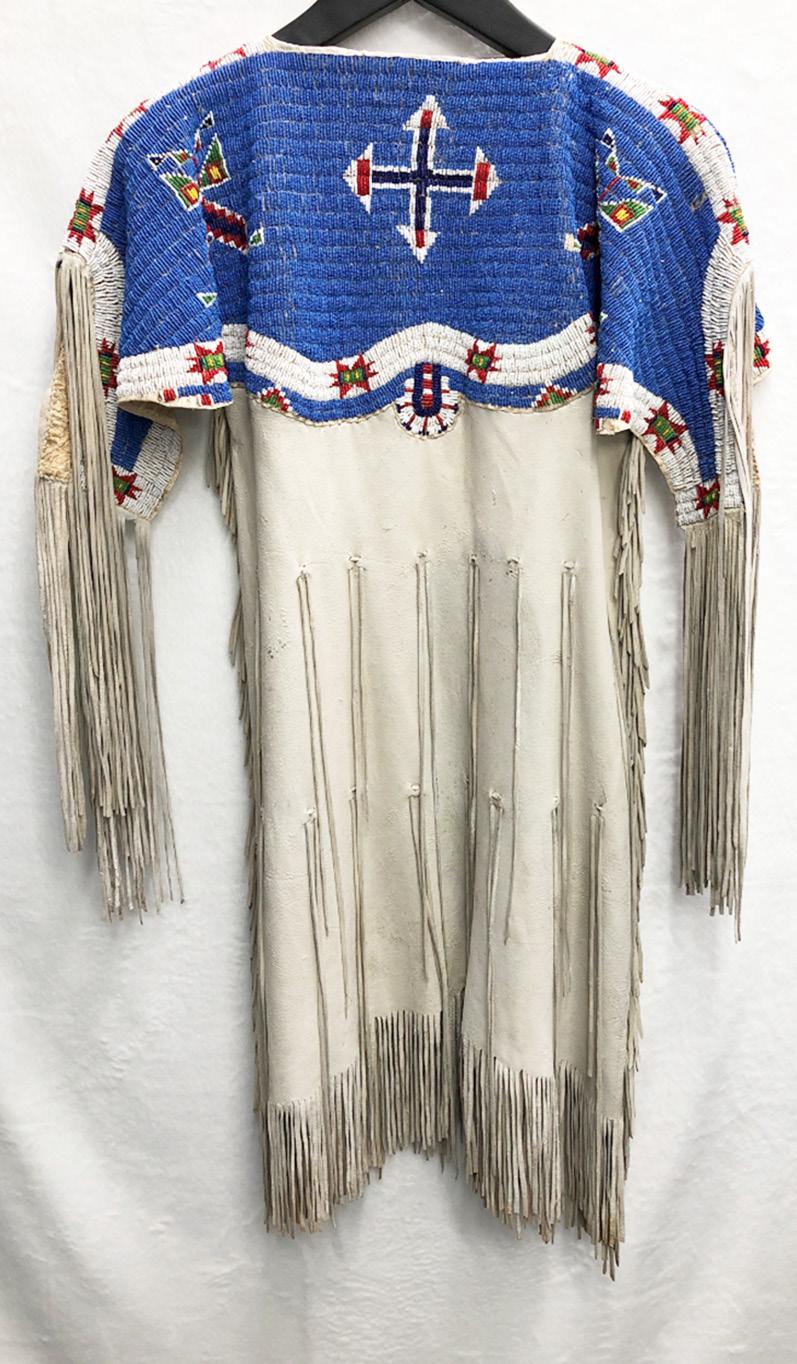
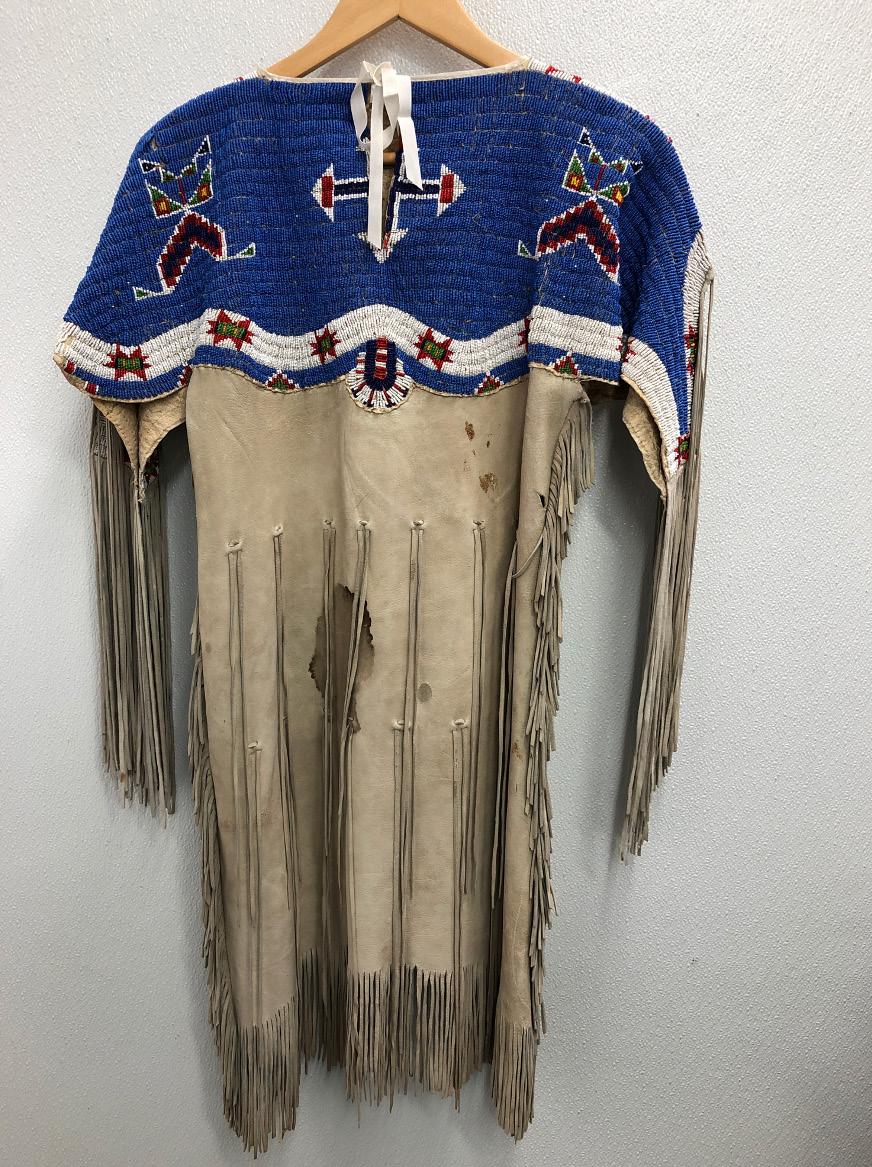
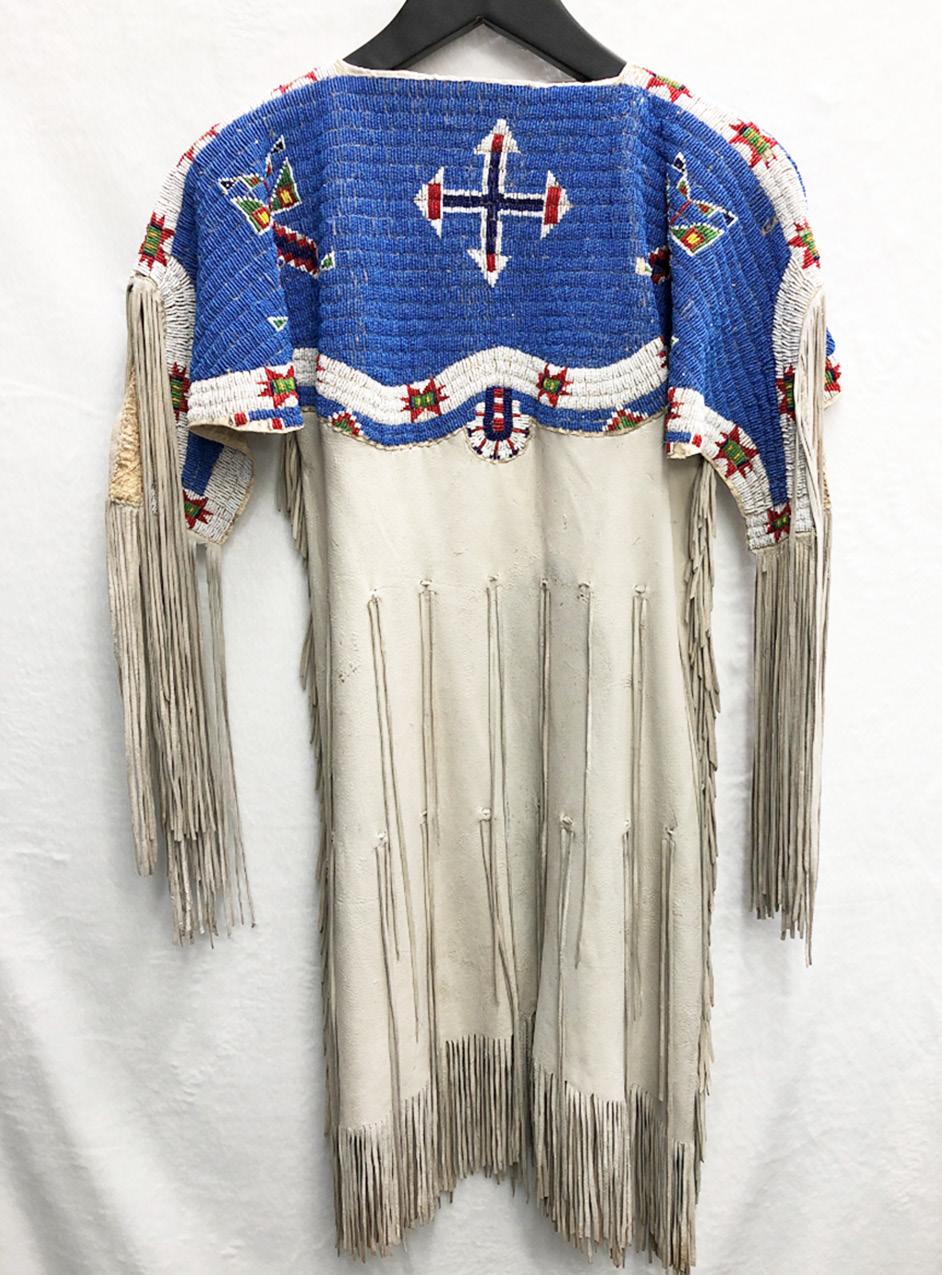
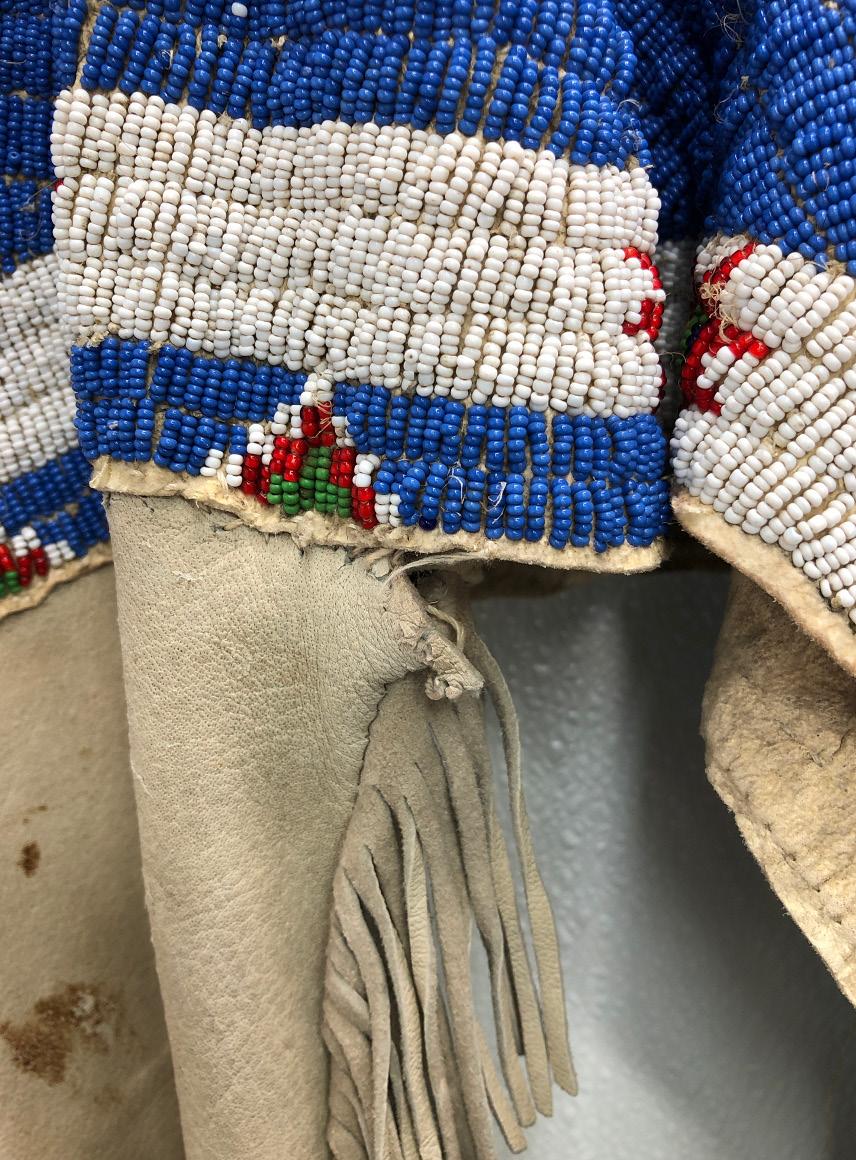
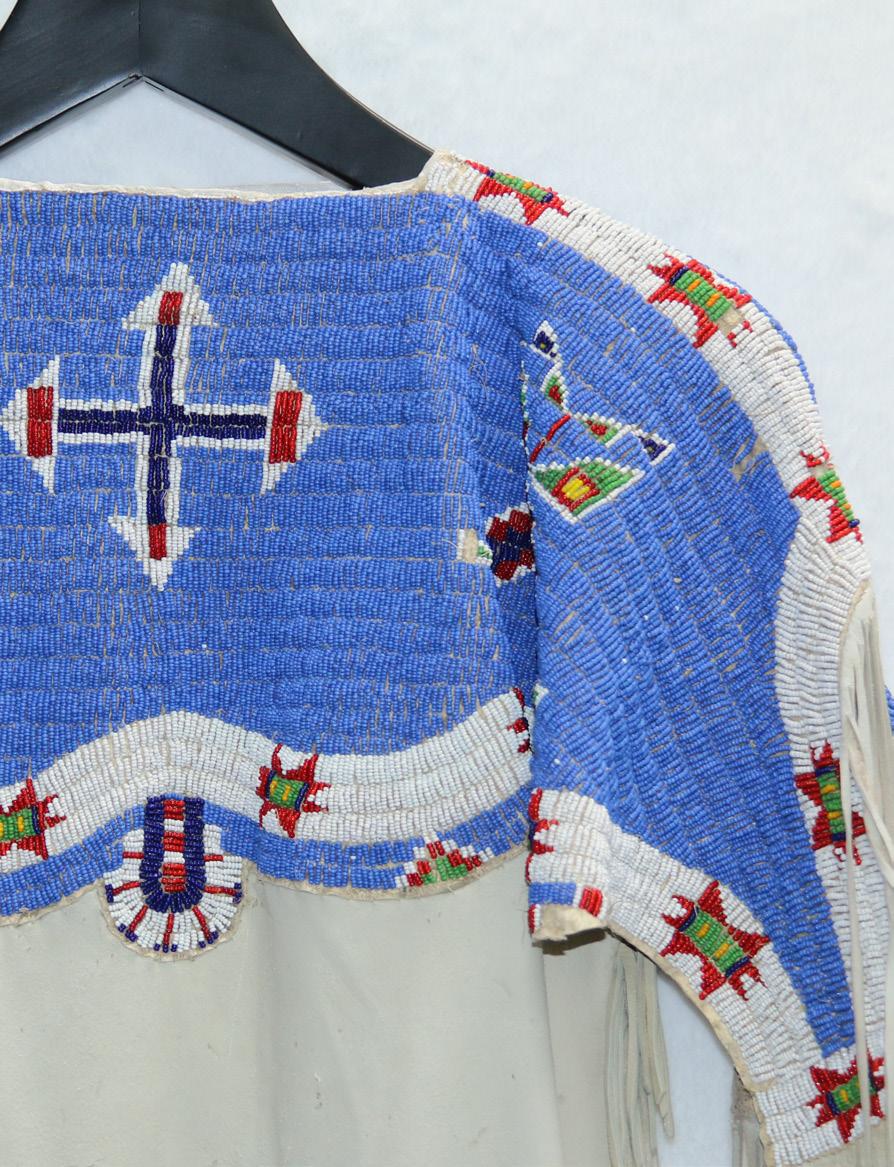
This late-19th to early-20thcentury Plains Indian woman’s buckskin dress is a remarkable tribute to Native American craftsmanship and material heritage. Primarily associated with the Lakota (Teton Sioux) tradition, the dress features a distinctive, fully beaded “lake” yoke. In Plains visual symbolism, the bold blue seed beads evoke a lake mirroring the sky, while the central fourpointed cross denotes the Morning Star. Positioned over the heart at the yoke’s lower hem, a stylized U-shaped motif signifies the sacred turtle—a respected Lakota emblem for women’s health, longevity, and protection. Executed in the historic “lane stitch” technique, the beadwork skillfully emulates the textured ridges of traditional porcupine quillwork.
The Conservation & Restoration Challenge
When the dress arrived at Margaret’s, the Couture Cleaner, it needed a highly specialized, multi-phase stabilization strategy. Years of environmental exposure had left the brain-tanned animal hide weakened, showing significant surface soiling, concentrated staining, and structural deterioration. Most importantly, a severe, uneven tear appeared in the hide bodice’s center, along with separations where the beaded yoke connected to the fragile sleeve fringe.
Because conventional commercial dry cleaning solvents would strip natural oils from the historic hide—causing shrinkage, hardening, and brittleness—Margaret’s employed an artisanal, non-aqueous hand conservation method.
Surface Hand-Cleaning: The hide body was methodically hand-cleaned using specialized soot sponges and targeted micro-vacuuming to remove embedded dust and particles without altering the leather’s natural patina.
Beadwork Stabilization: The fragile glass seed beads were individually stabilized. Missing or loose structural threads were reinforced with archival-grade, colormatched silk thread to prevent further loss of the lane-stitched rows.
Structural Hide Repair: To address the prominent tear in the skirt’s front, Margaret’s conservation team executed targeted stabilization. An ultra-thin, color-matched archival leather backing was placed behind the gap. Using flexible conservation adhesive and precise microstitches, frayed edges of the original hide were aligned and affixed to the backing. This method halted the tear, filled the visual gap, and restored the dress’s tensile strength without compromising its historical flexibility.
Note: The sleeve and hem fringe were humidified under controlled conditions to restore their original fluidity.
Through this meticulous blend of technical textile science and heartfelt reverence for heritage, Margaret’s has lovingly preserved this invaluable piece of North American material culture. Their careful work ensures its stories, artistry, and spirit endure, offering inspiration and pride for generations yet unborn. ★
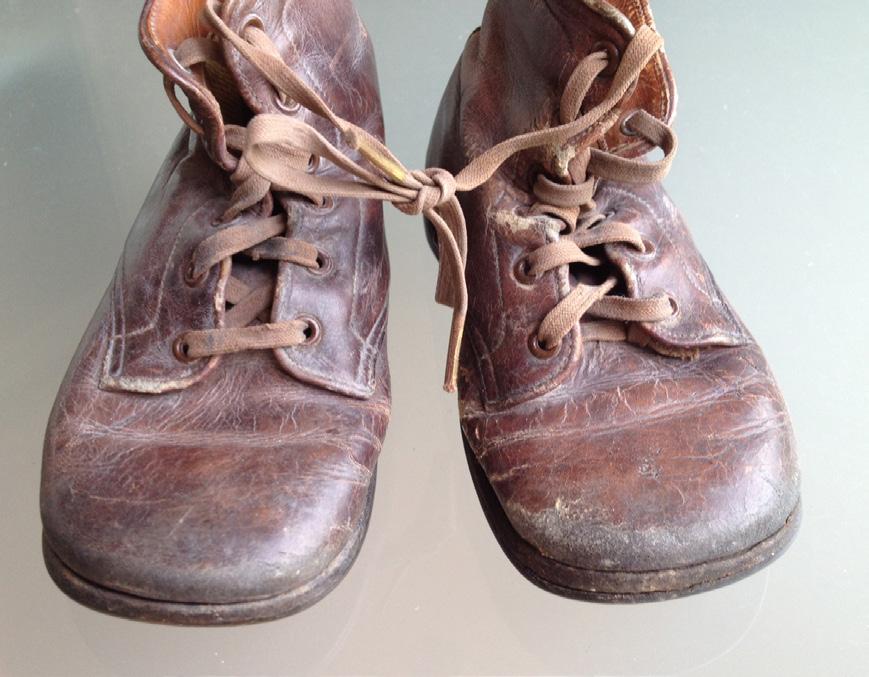
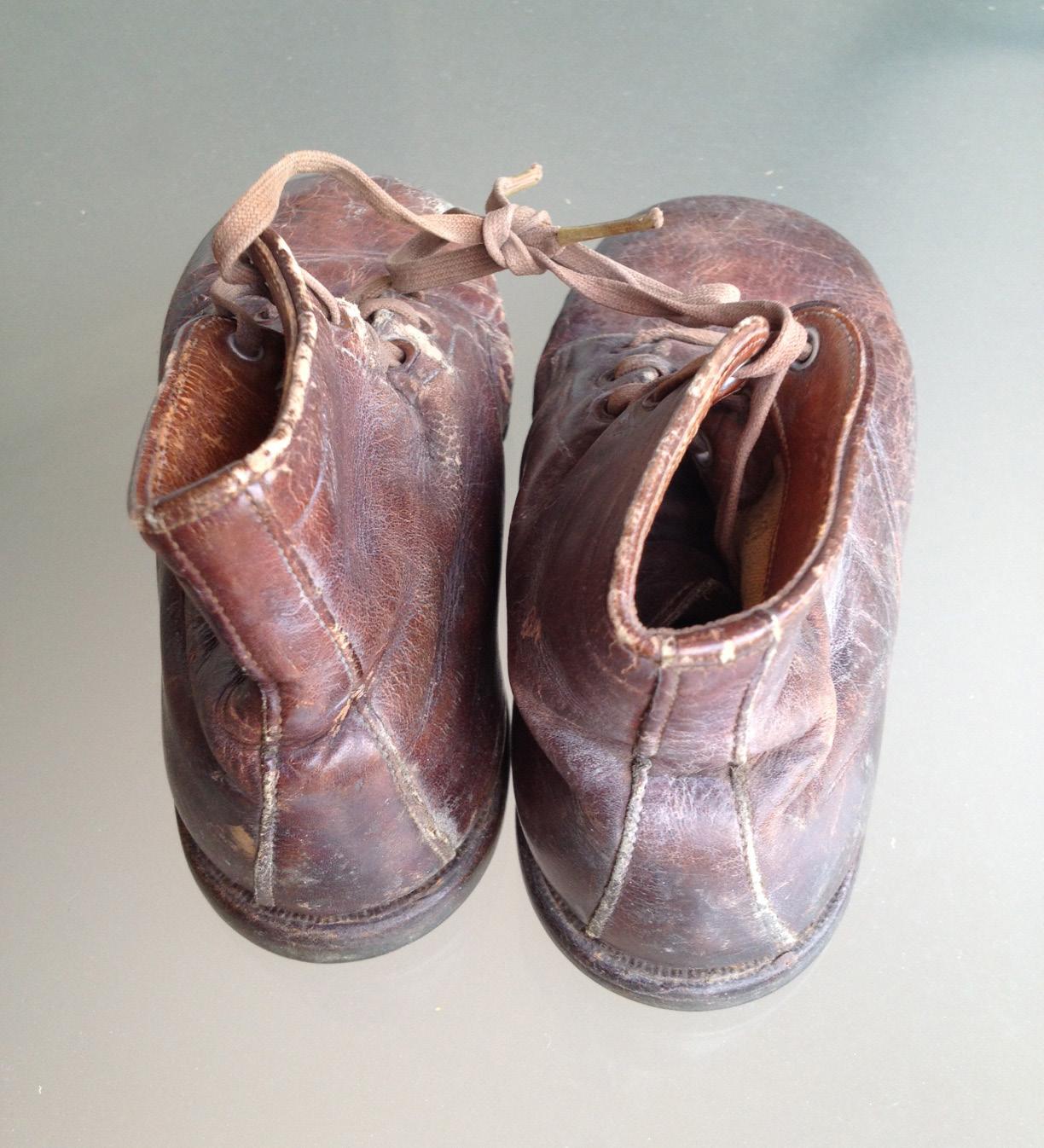
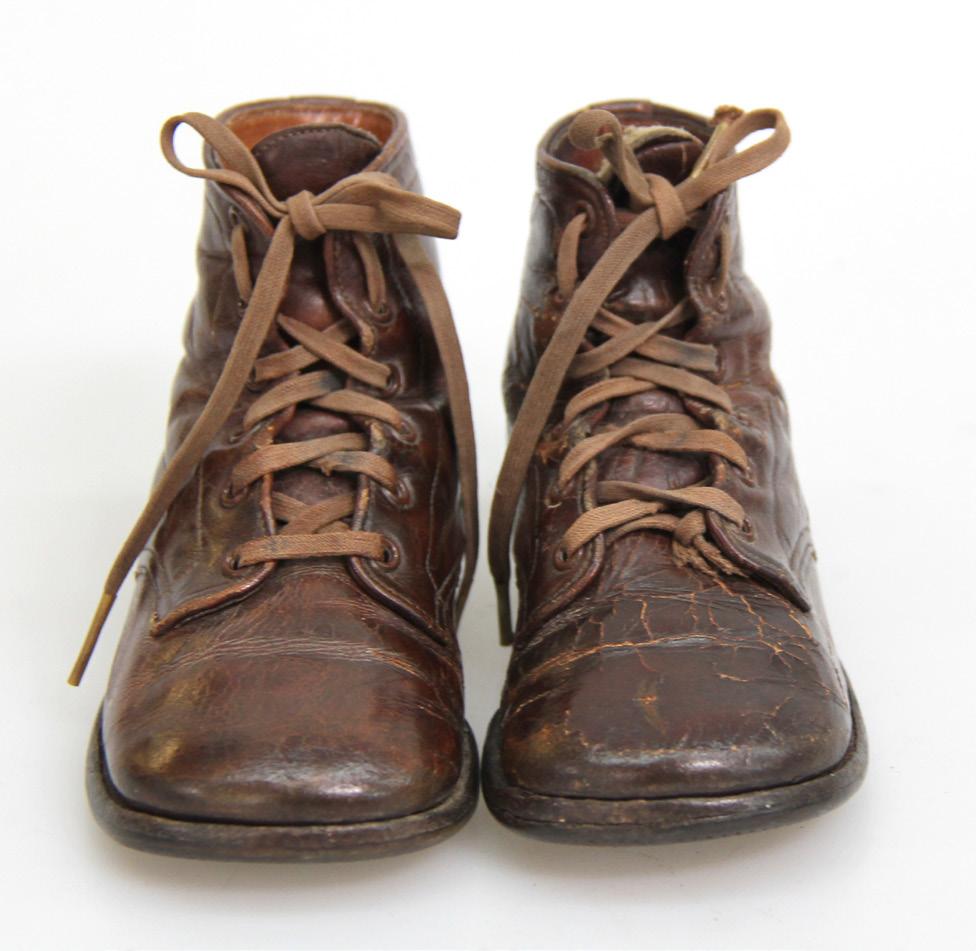
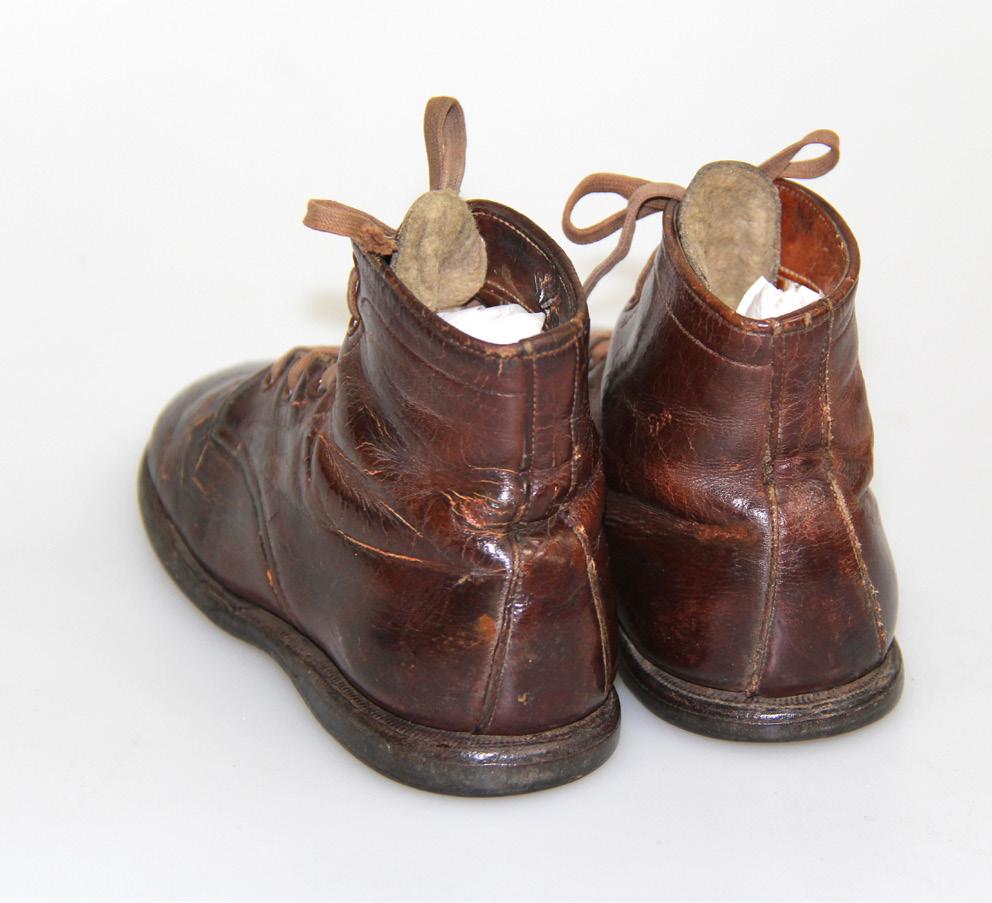
The artifact we worked on is a pair of classic children’s lace-up boots made in America between 1890 and 1915. During this period, wellknown brands like Buster Brown, Red Goose, and Robin Hood were popular. These companies made leather high-top shoes, often called “spring heel” boots, to help toddlers and young children as they learned to walk.
The boots are made of reddish-brown “russet” cowhide. These colors and styles were common in catalogs from stores such as Sears, Roebuck & Co., and Bloomingdale’s. The boots have strong metal eyelets, a flat heel for walking, and sturdy soles secured with nails or stitching for durability. Over many years, the leather dried out, weakened, and its surface was damaged.
The Specialist Restoration Process:
To keep the boots strong and true to their history, Margaret’s the Couture Cleaner used a gentle multi-step process led by their leather restoration team. The boots started out very dry and cracked, with dust in the creases and sagging ankles from having lost their shape. The restoration began by providing support for the boots.
Custom molds were placed inside the boots to help them regain their shape, lifting the ankles and easing the leather. Next, the boots were cleaned by hand using gentle leather cleaners, removing dirt and residues without harming the leather’s original qualities or the inner lining. After
deep cleaning, the biggest challenge was reversing the leather’s dryness.
Experts applied high-quality conditioners that deeply moisturized the leather, making it softer and reducing surface cracks. Next, a careful color treatment was used. Artisans blended and applied small amounts of matching color to the toes and seams, restoring the reddish-brown look without covering up the boots’ character and history.
The original cotton laces were carefully dampened, straightened, and tied to keep the boots looking authentic. The results show a great improvement: the boots stand upright, the leather is healthy and shiny, and the original color is preserved for long-term care.
Sources & Historical References: Sears, Roebuck & Co. Catalog Archives (c. 1895–1910): Comparative reference for turn-ofthe-century American children’s utilitarian footwear design, hardware configuration, retail pricing, and leather classifications.
Margaret’s the Couture Cleaner: Technical restoration case files, proprietary lipid-conditioning methodologies, handtinting color-matching protocols, and archival before/after photographic documentation (May 2026).
The Footwear Heritage Museum Society: Historical monographs regarding early American children’s footwear manufacturing, covering Goodyear welt styles and structural “spring heel” walking boots. ★
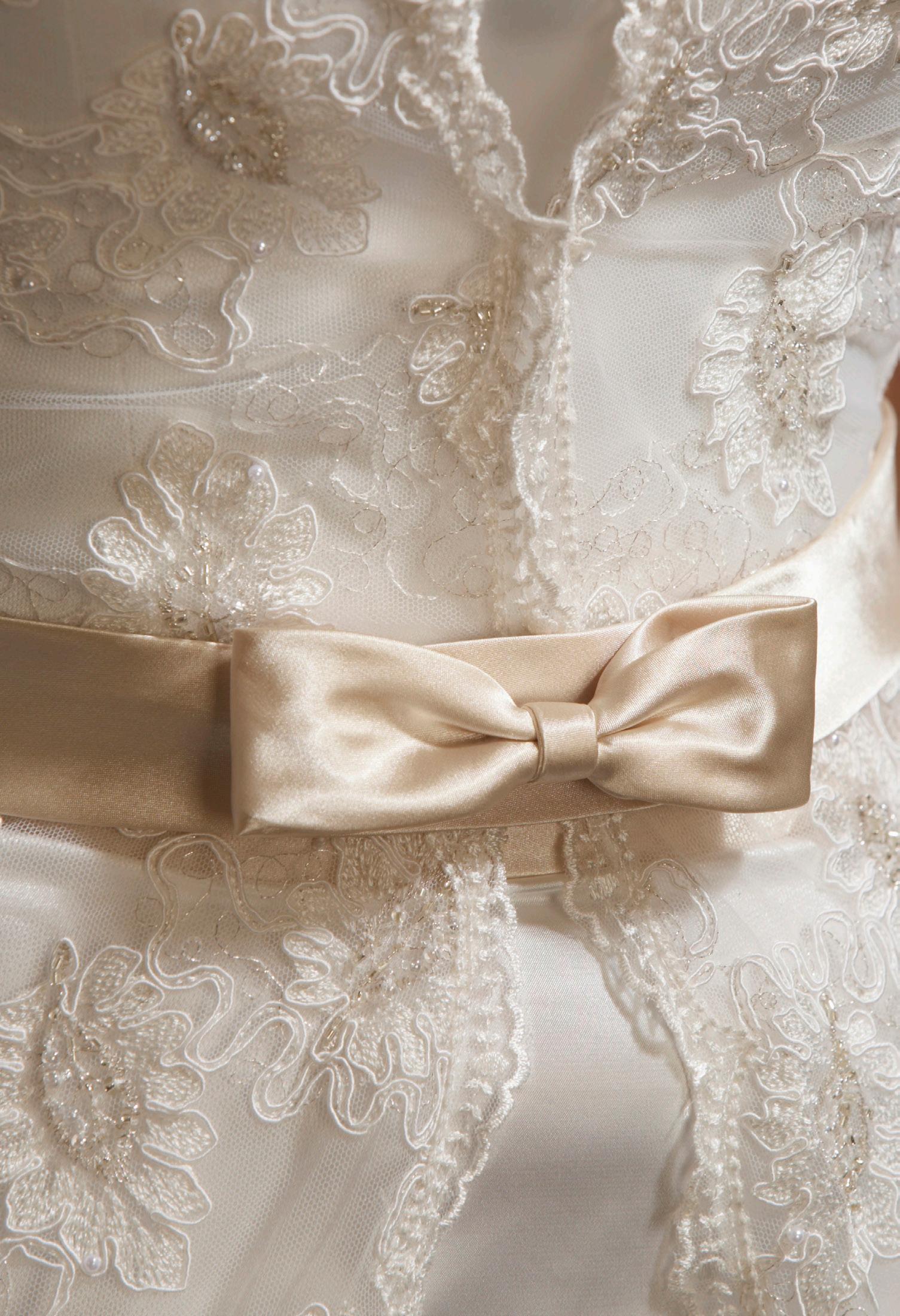
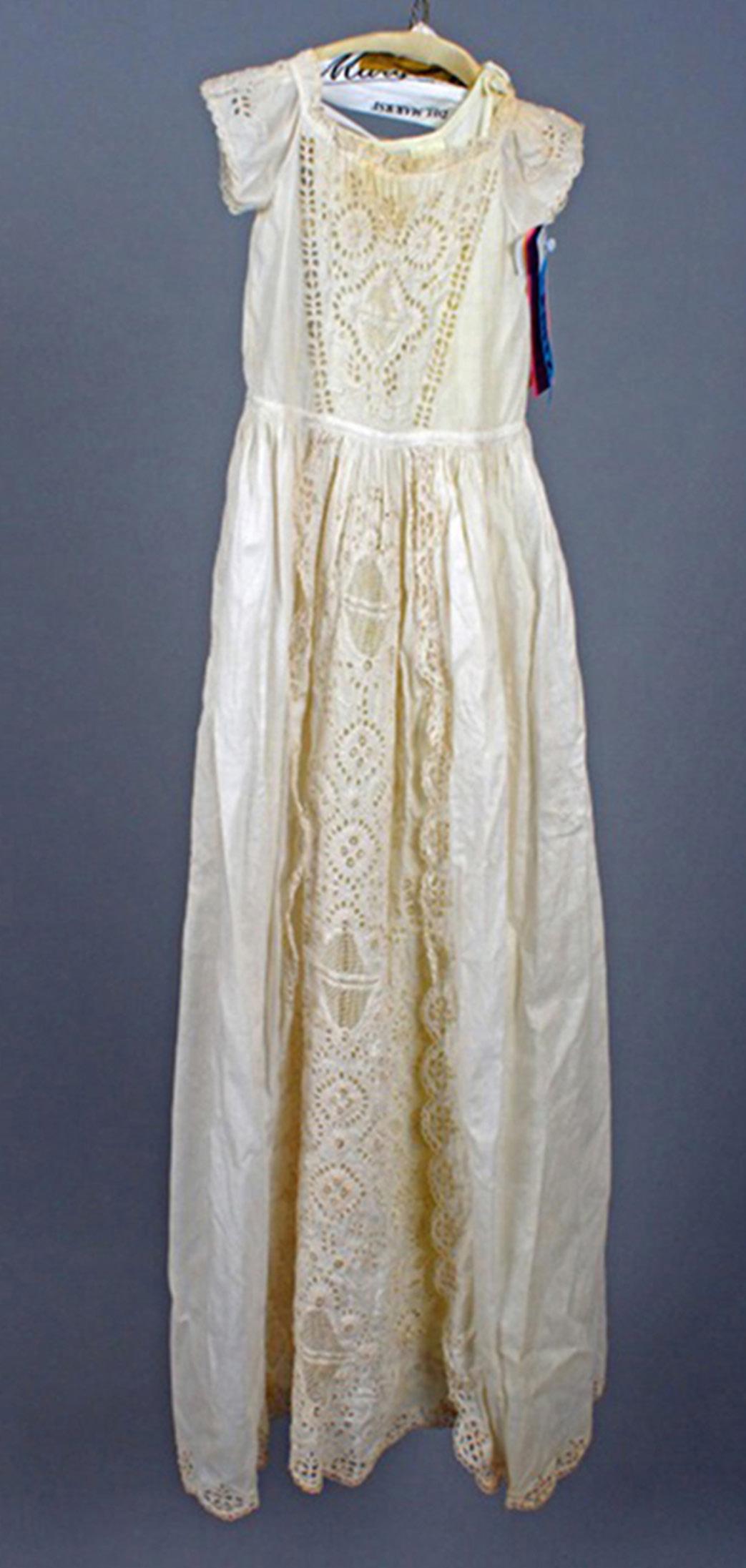
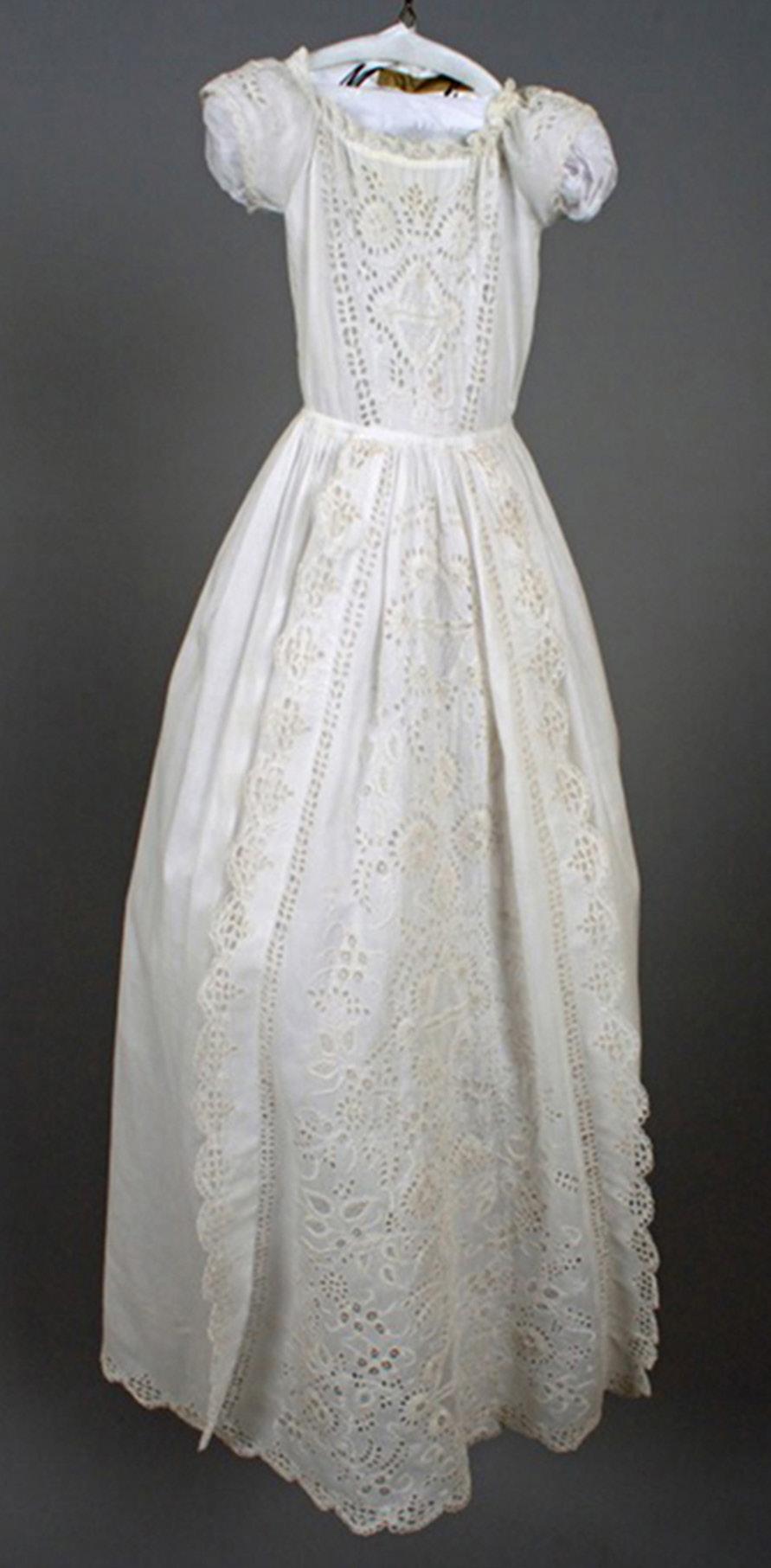
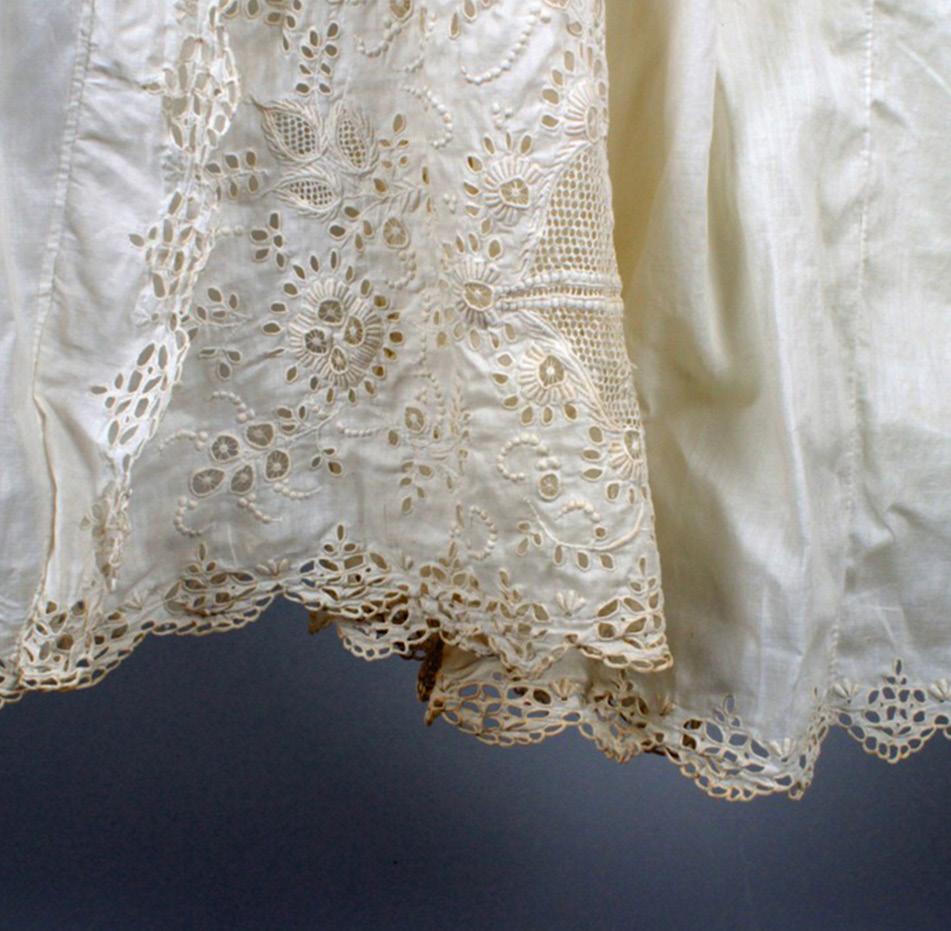
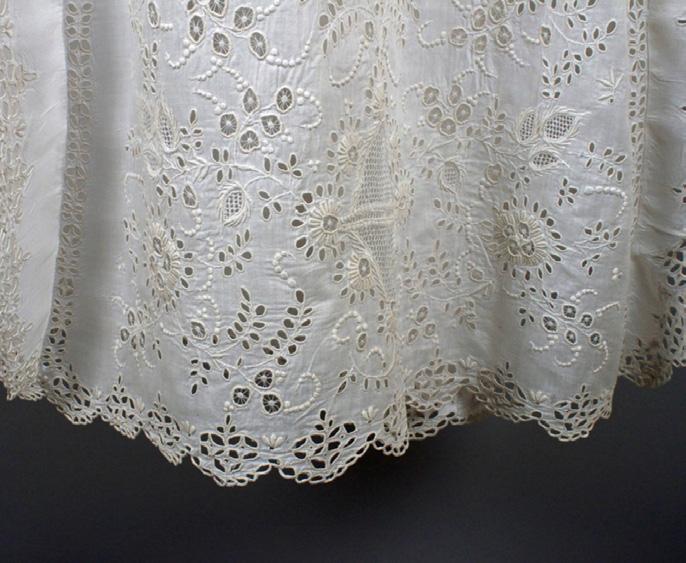
The story of America is a story of generations— families moving forward while holding onto the traditions of the past. Few objects show this continuity as well as a century-old American christening gown. Made around 1890–1910, this special garment featured light cotton lawn, detailed eyelet whitework, and scalloped embroidery. Filled with deep emotional meaning, the long gown served as a tangible connection to family history, worn by many generations of babies as they were welcomed into their families and communities.
But the delicate nature of an heirloom makes it especially vulnerable to the passage of time. Years of storage in wooden cedar chests and old attic trunks exposed the cotton fibers to air, causing them to deteriorate.
When the gown arrived at Margaret’s conservation studio, it was found to be damaged both visually and structurally. The once-clean fabric was stained with deep, uneven amber coloring—the typical result of old sugars and vegetable starches reacting with humidity over many years. The neckline, sleeves, and eyelet inserts were at risk of acid damage from airborne pollutants.
Margaret’s textile conservators treated this delicate piece of American history with care. Handling old, fine cotton lawn requires balance—regular modern whiteners or strong cleaning would quickly break the fragile threads. Instead, the gown underwent a gentle, multistage cleaning with special pHneutral solutions. This process lifted stains and yellowing from the tiny centers of the cotton fibers, reversing the discoloration without harming the seams.
After cleaning, the gown was carefully shaped and dried under gentle tension to restore its original form and structure. The scalloped eyelet lace and waist gathers were hand-straightened, making the garment look full and beautiful again.
The results are a triumph in textile preservation. Renewed to a bright ivory color, the gown has regained its strength and beauty. As shown in the America 250 Lookbook, this restored piece honors early American needlework & highlights Margaret’s expert preservation, that makes sure this family tradition continues for the next 250 years.★
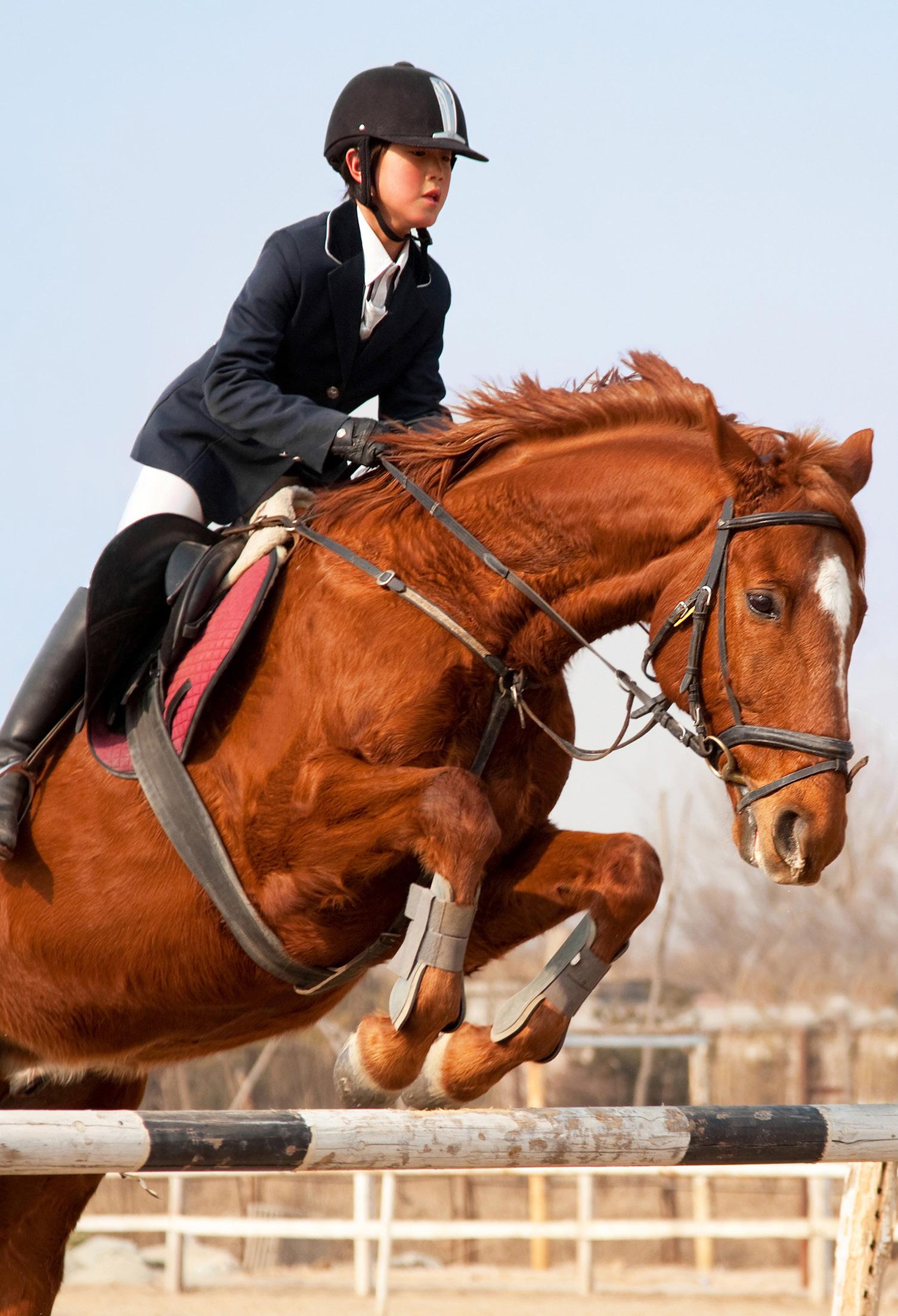
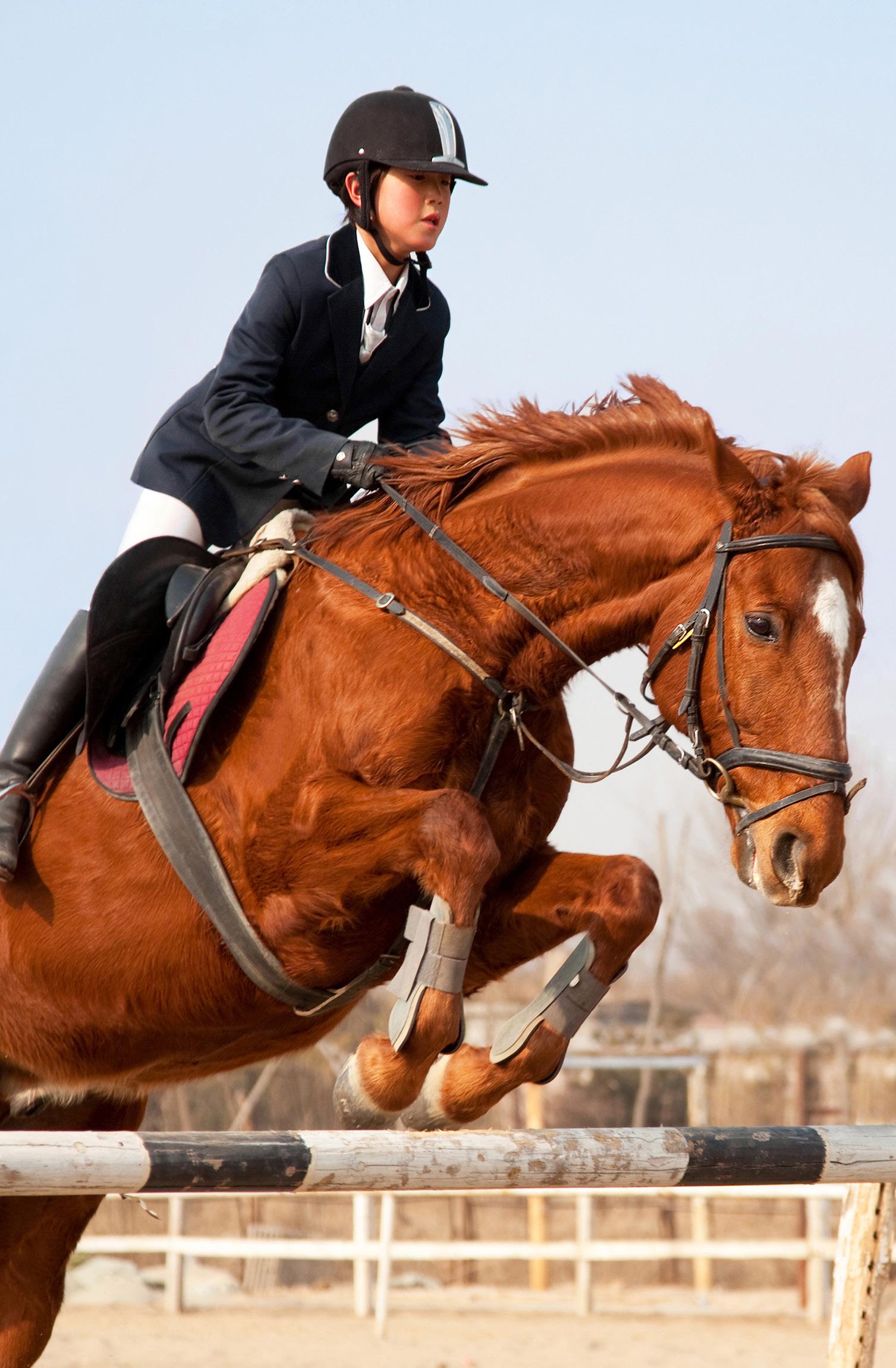
As the nation approaches its Semiquincentennial, America 250 is reflected not only in fragile parchment or bronze statues but also in the deeply grained leather of our equestrian heritage. For over two centuries, riding traditions and the saddle have been indispensable tools of American life—bridging the gritty utility of the American West with the refined equestrian disciplines of the Atlantic coast. This legacy shows the rugged spirit of the frontier and the precise grace of the arena, shaping one another.
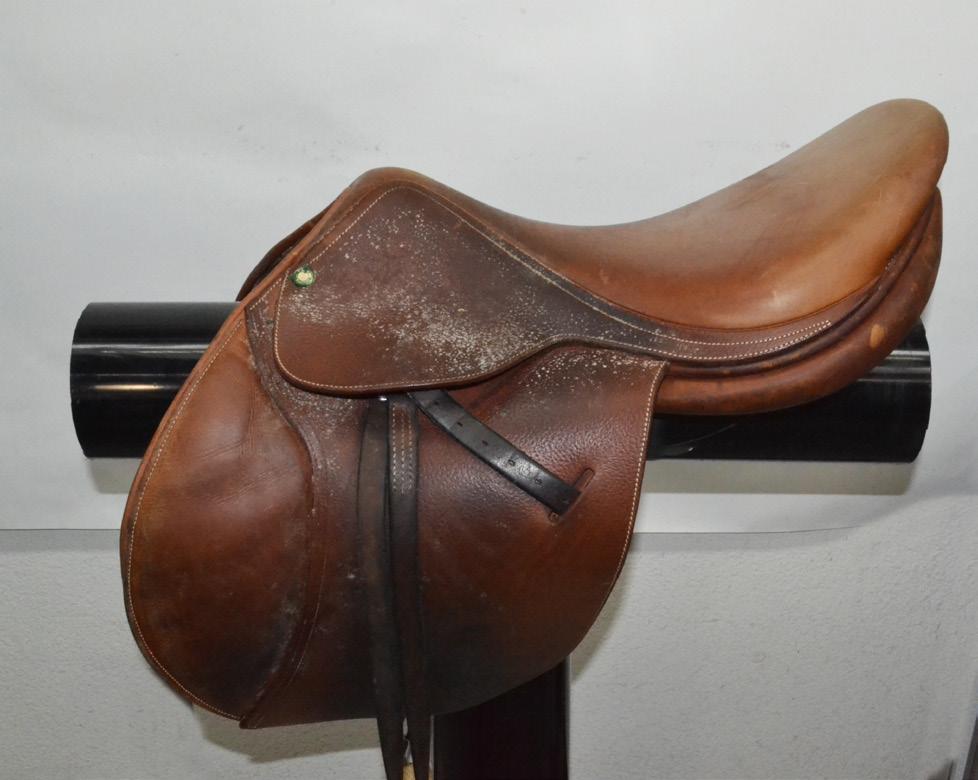
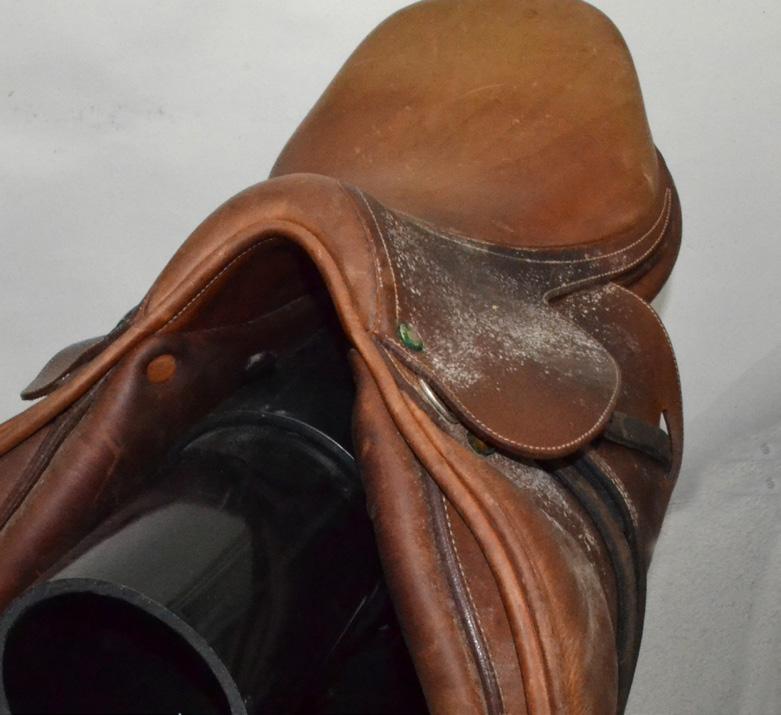
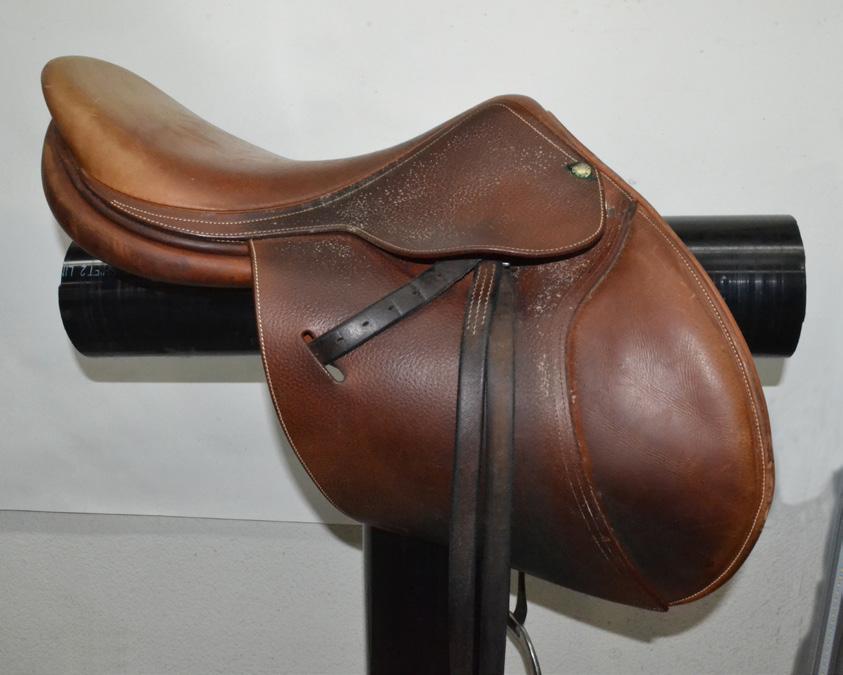
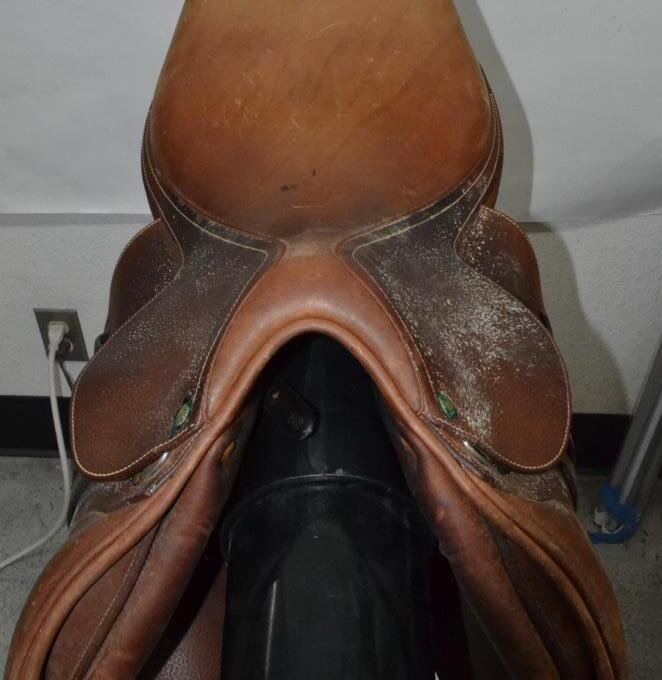
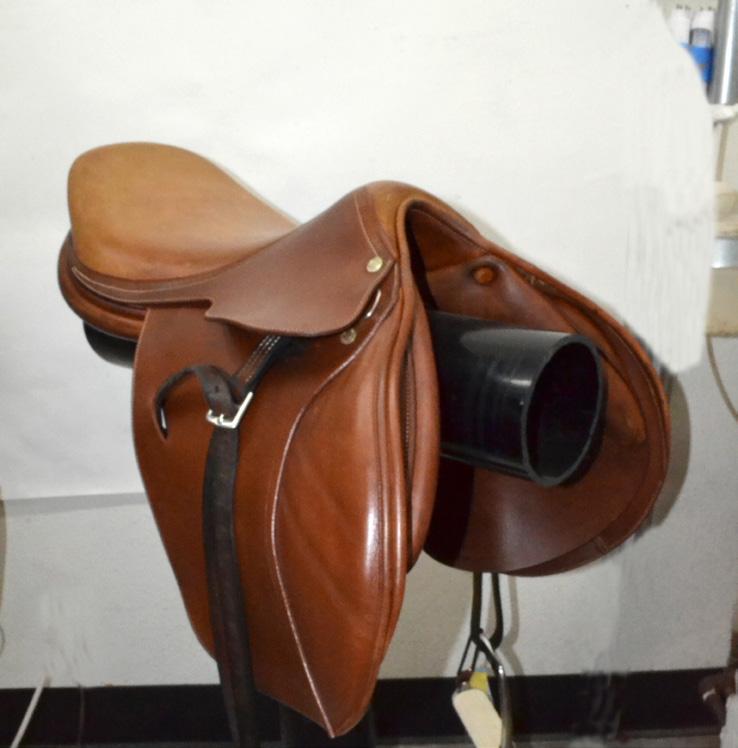
The vintage close-contact saddle that recently arrived at Margaret’s the Couture Cleaner, carried the echoes of this dual heritage. Though crafted for the elegant world of English equestrian jumping, its lineage is tied to America’s romance with the horse. Decades of neglect had taken a severe toll: it arrived suffocated by mold and mildew. Spores had penetrated the hide, dulled its surface, and threatened the historic stitching. To the untrained eye, it was a relic lost to time; to the artisans at Margaret’s, it was a piece of living history in urgent need of preservation.
Every artifact tells a story, but only if its physical form is preserved
from decay. The restoration became a meticulous act of reverence. Rather than using harsh chemicals that would strip the leather of its integrity, Margaret’s deployed gentle extraction methods to draw out embedded mold spores without altering the hide’s natural character.
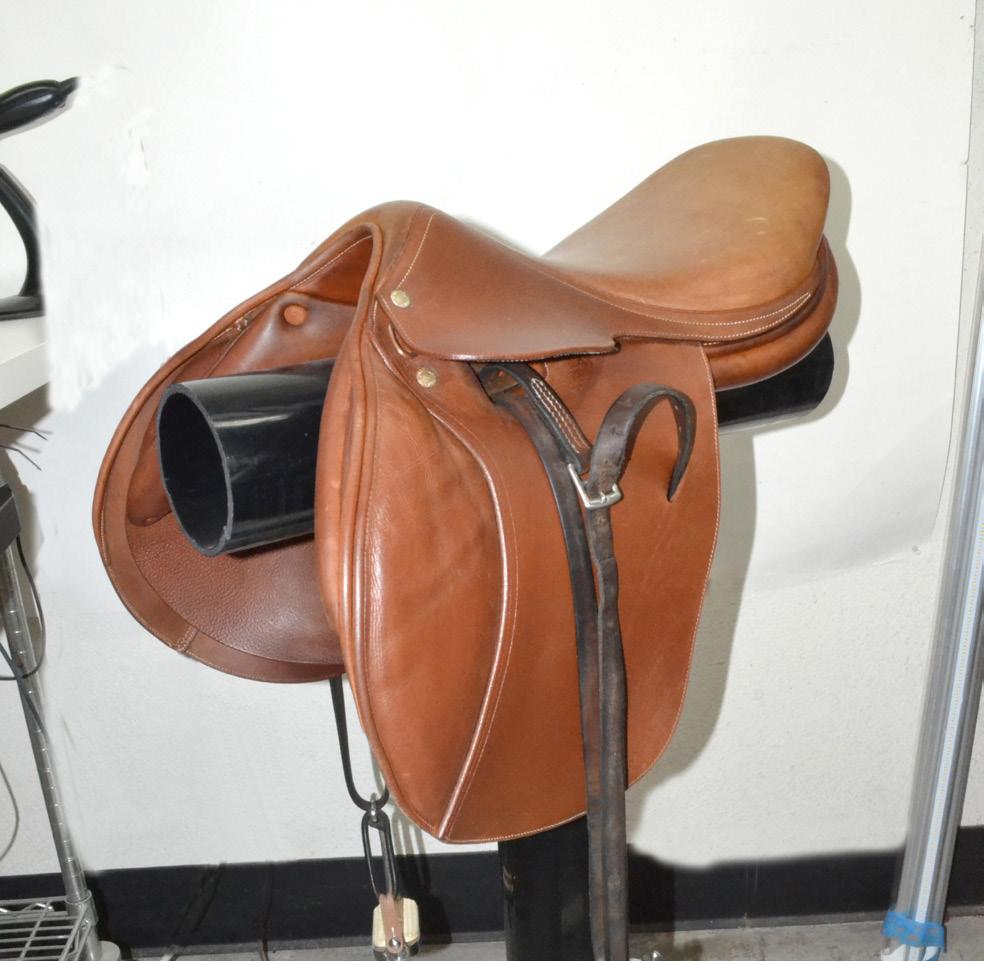
Following the successful extraction, the leather required deep replenishment. Decades of dehydration had left the pores parched and brittle. Through precise conditioning, the artisans infused the saddle with proprietary oils, restoring its natural elasticity. Slowly, the transformation occurred. The dull residue gave way to a rich, luminous chestnut patina—revealing the luster and depth that only decades of authentic history can bestow.
By saving this remarkable piece from the brink of ruin, Margaret’s the Couture Cleaner has done more than refurbish leather; they have preserved a tactile touchstone of the American equestrian journey. As we celebrate America 250, this restored jumping saddle stands as an elegant testament to the enduring spirit of craftsmanship, riding, and western influence that shaped the nation. ★
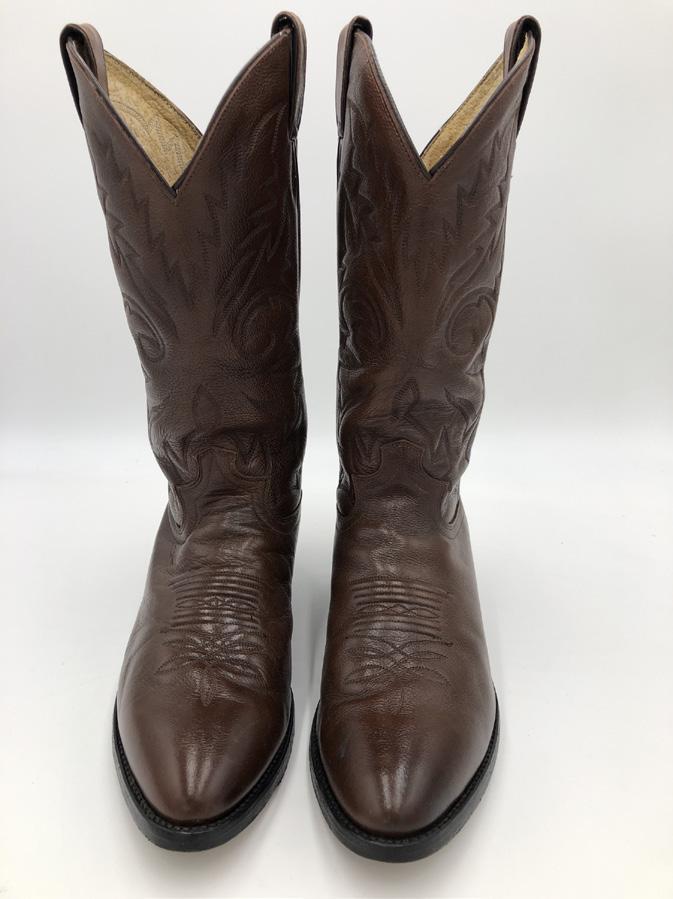
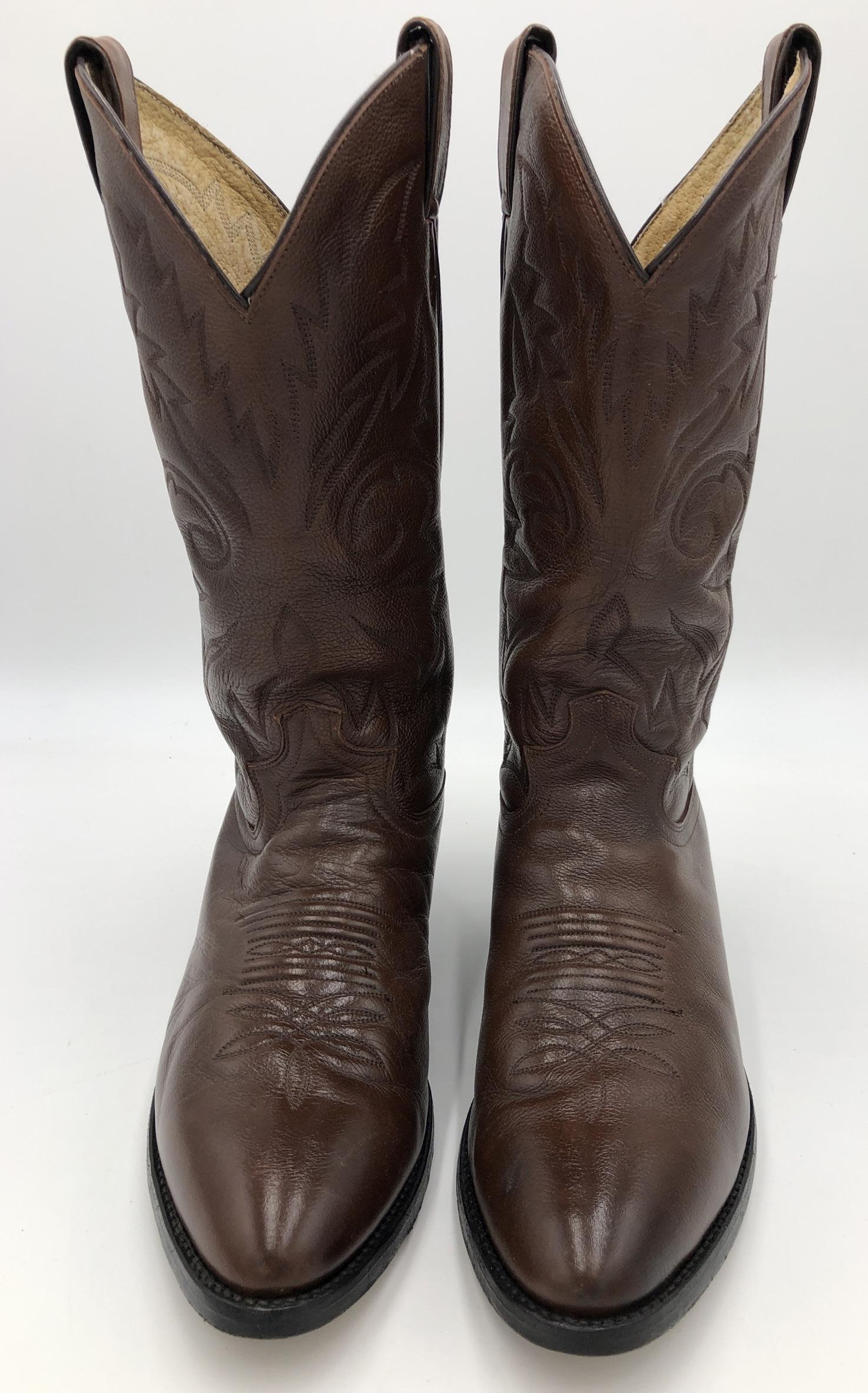
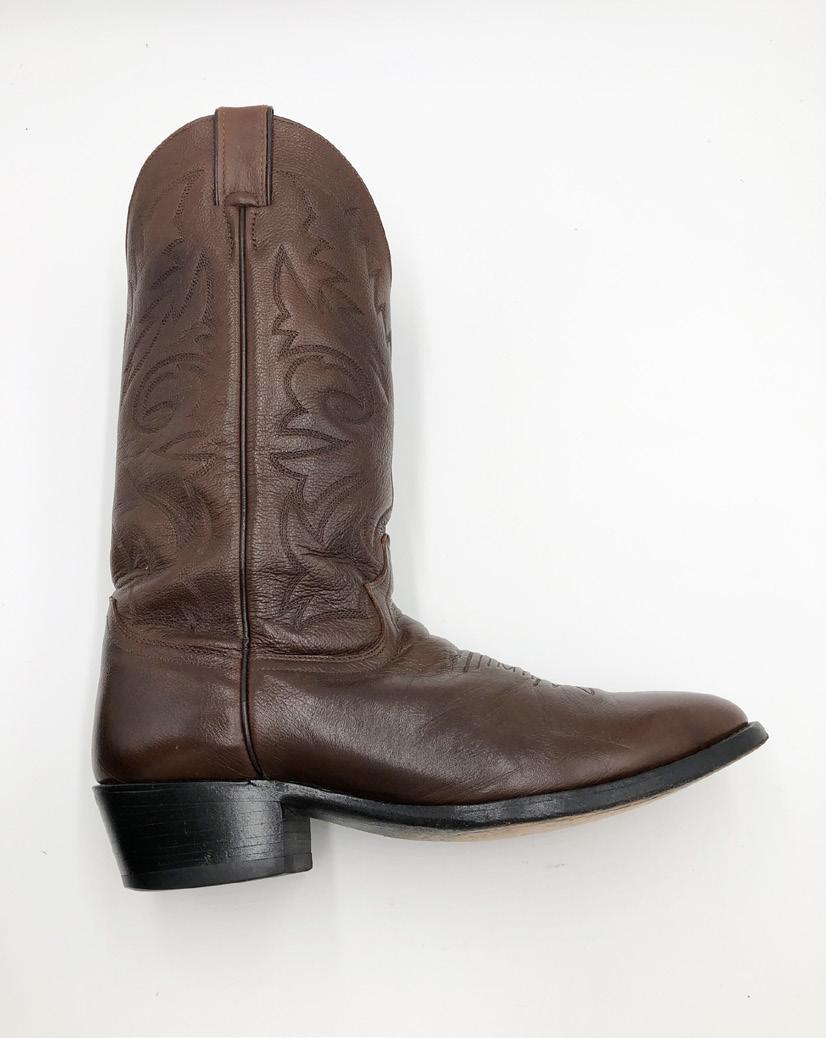
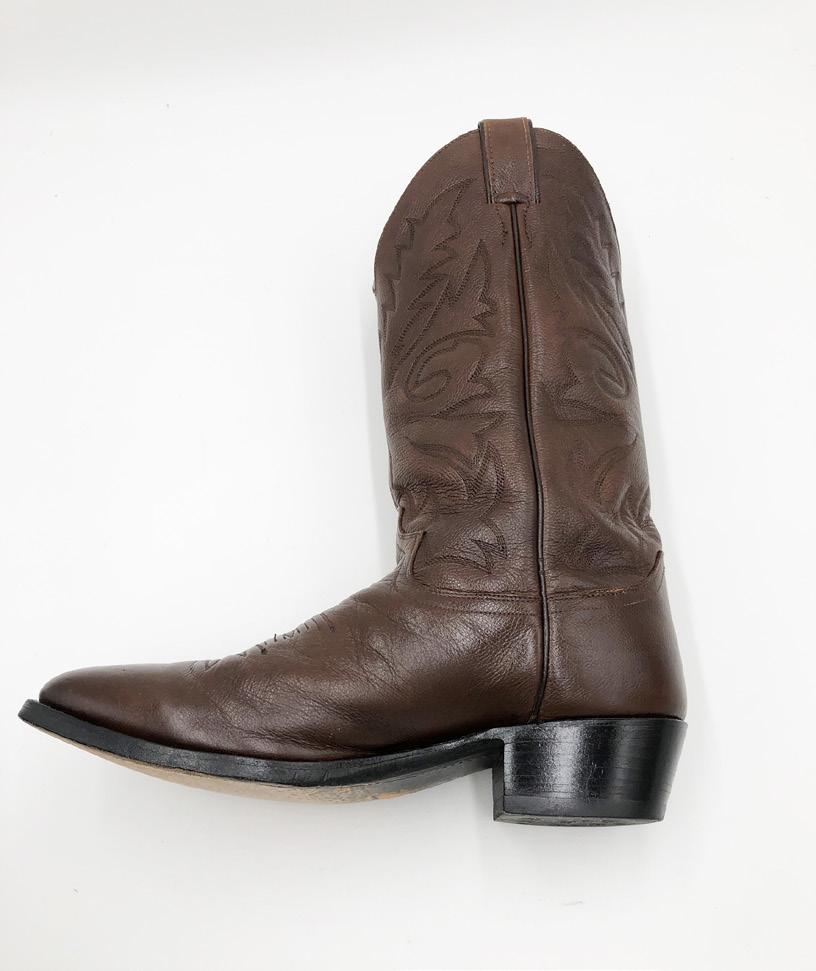
True American style unites diverse landscapes. These deep-brown leather cowboy boots embody geographic harmony and cultural fusion. Created by a heritage label and handcrafted in León, Mexico, they journeyed to New York City in 2002, where they served as a testament to American design’s reach and resonance.
At the turn of the millennium, Manhattan’s downtown—SoHo, Tribeca, Nolita—fostered a rebellious Western revival. Boutiques like Western Spirit and Buffalo Chips curated hand-pegged footwear merging rugged authenticity with urban sophistication. This sleek pair, with an oiled-leather finish and swallowtail flame stitching, was made not for the stirrup but for New York’s avenues, seamlessly complementing both tailored outerwear and creative urban attire.
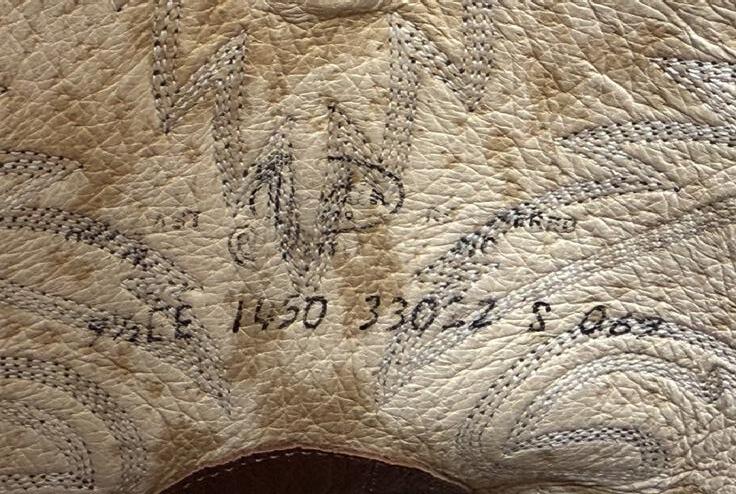
Beyond their aesthetic appeal, the internal markings in
these boots reveal the true craftsmanship behind historic shoemaking. Handwritten codes on the interior lining attest to a process steered by skilled hands. The construction—featuring centuries-old, multi-row shaft stitching and robust leather welt techniques—ensures these boots endure, adapt, and can be restored. They stand as lasting icons, a clear rejection of modern throwaway fashion.
Semiquincentennial, these boots highlight shared material culture. Their craftsmanship preserves a legacy of collaboration and quality, symbolizing Western design’s enduring appeal and New York street style’s timelessness. ★
Every historical textile holds a story—a personal history woven within its fibers. As our nation nears its Semiquincentennial, Margaret’s America 250 campaign honors these legacies by restoring heirlooms that reflect the American spirit.
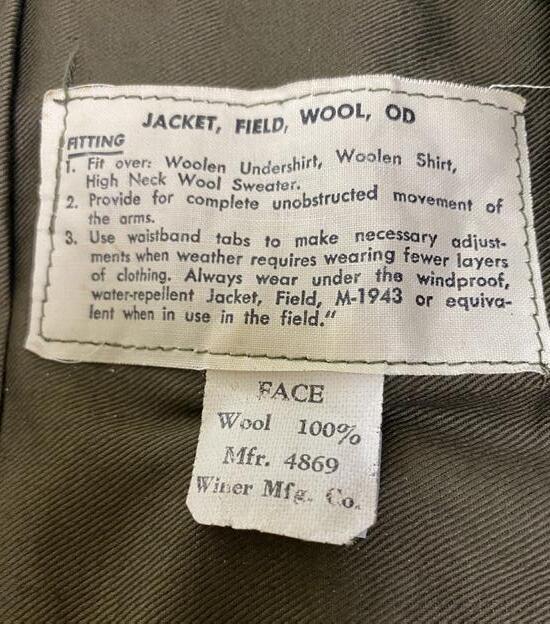
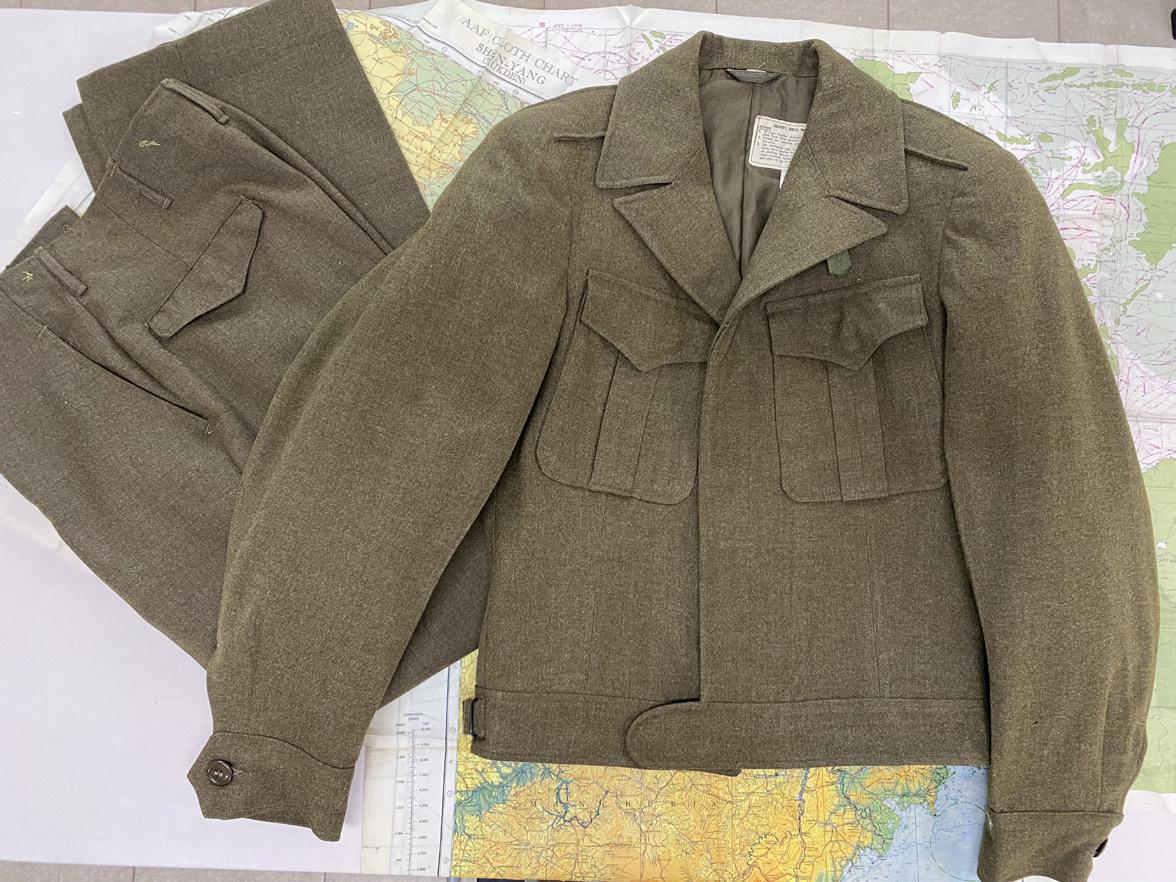
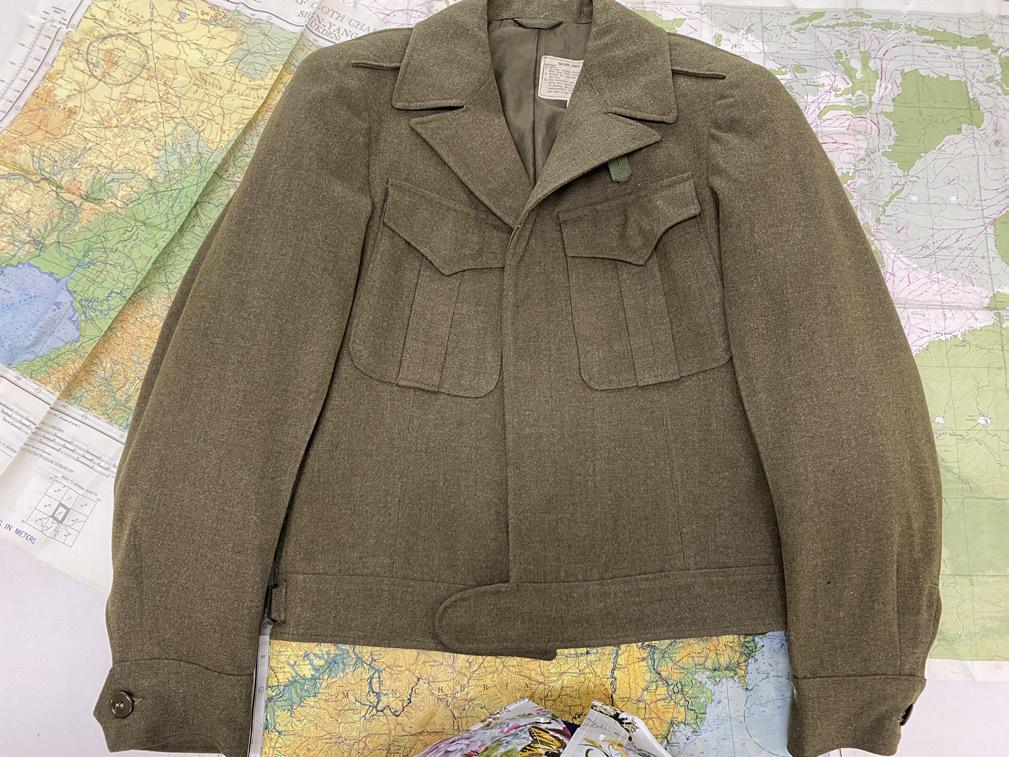
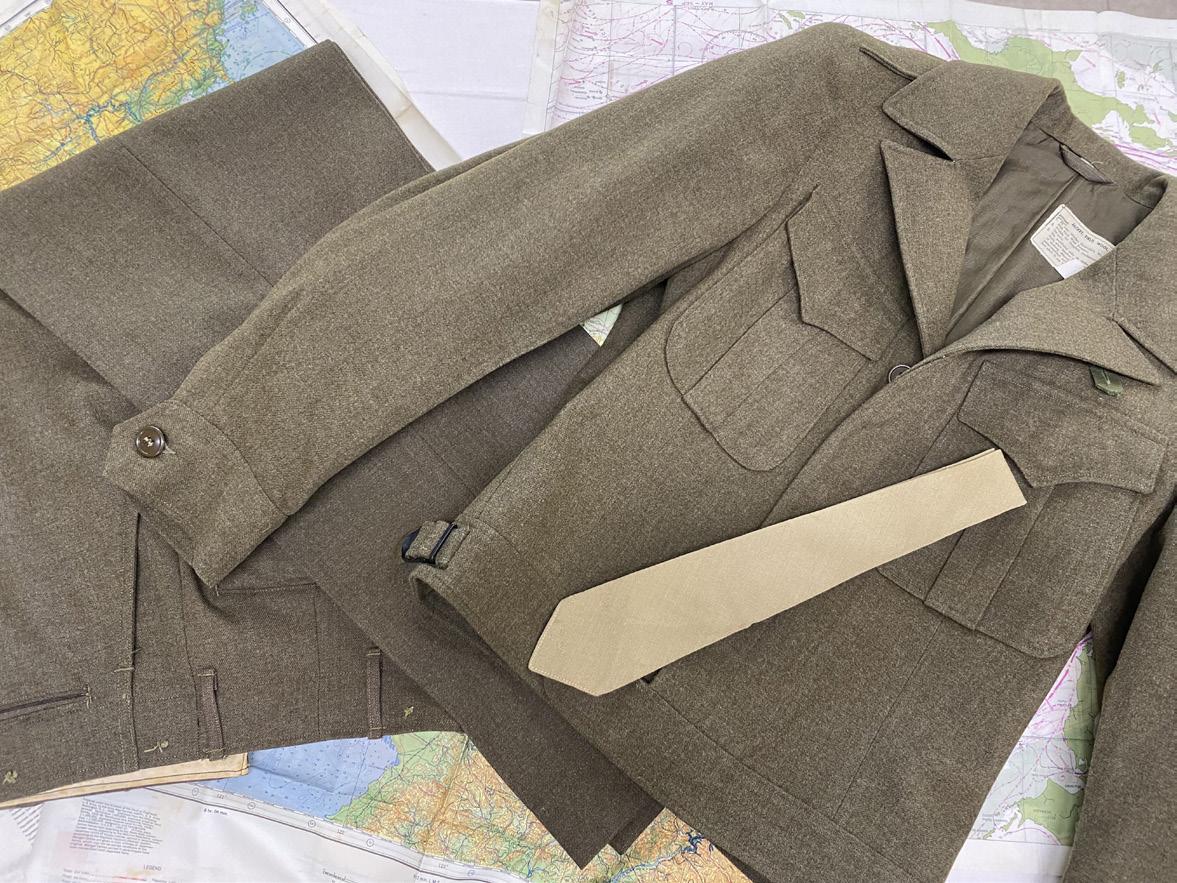
One recent artifact at our Couture Preservation House is a well-preserved World War II U.S. Army uniform with the M-1944 “Ike” Field Jacket and matching 18-ounce wool serge trousers.
The M-1944 jacket appeared late in the war and marked a change from standard military tailoring. General Dwight D. Eisenhower liked a cropped, neat, and practical style. The jacket could be layered over heavy wool shirts and sweaters. It included adjustable waistband tabs, deep breast pockets, and a slim fit for free movement in the field. This piece, made by Winer Manufacturing Company with trousers by Kentucky Pants Co., connects us to the elite forces who wore it. Paratroopers wore these uniforms in dangerous, unknown parts of the Pacific theater.
When Margaret’s received this uniform, time had left marks. Years in storage weakened the olive drab wool. Moisture in the air caused oxidation and stains on the cotton-twill pocket and waistband lining. Preserving a heavy, complex textile needs careful technical skill and knowledge of materials.
Our restoration experts use specialized, low-moisture treatments for vintage wool. They target interior stains carefully to protect the fabric and preserve original dyes. The team uses pH-neutral micro-treatments to stabilize the cotton lining and remove oxidation-induced yellowing. They also hand-clean the wool serge to keep its crimp and elasticity, remove embedded debris, and retain its true texture.
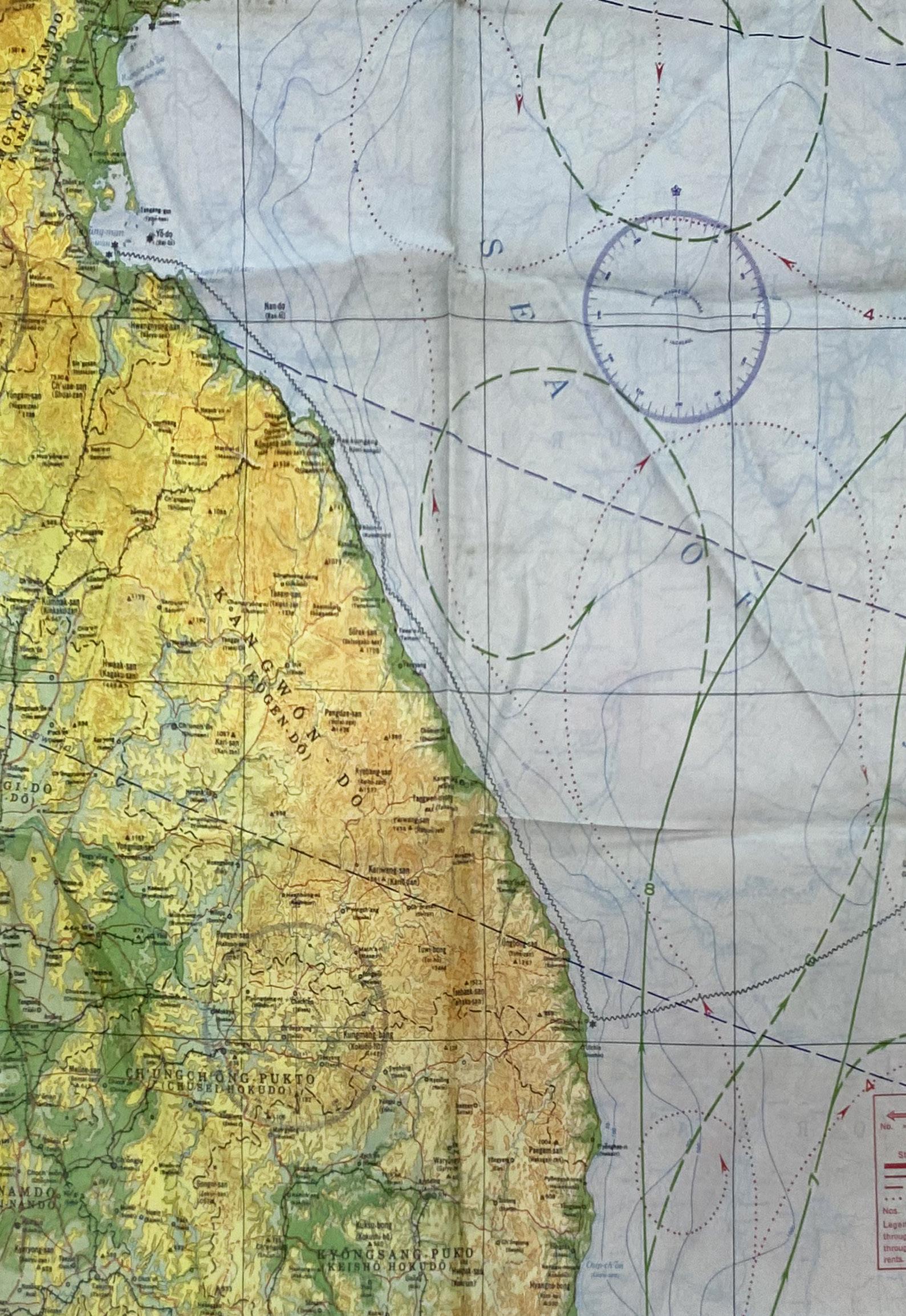
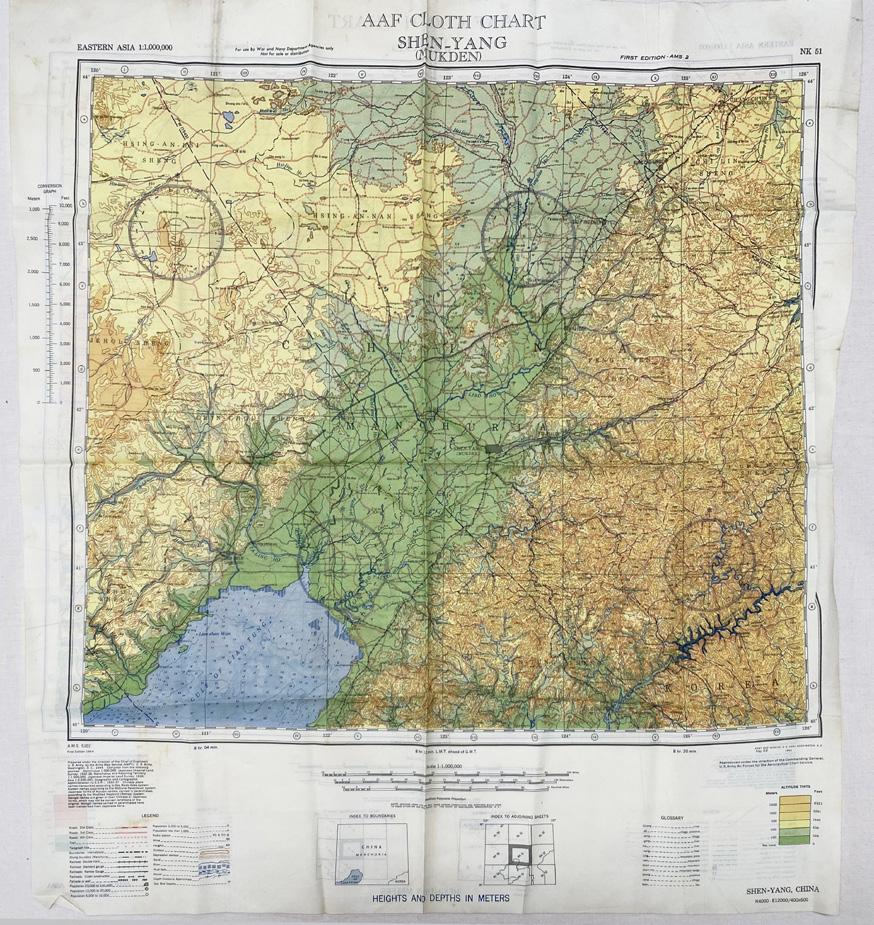
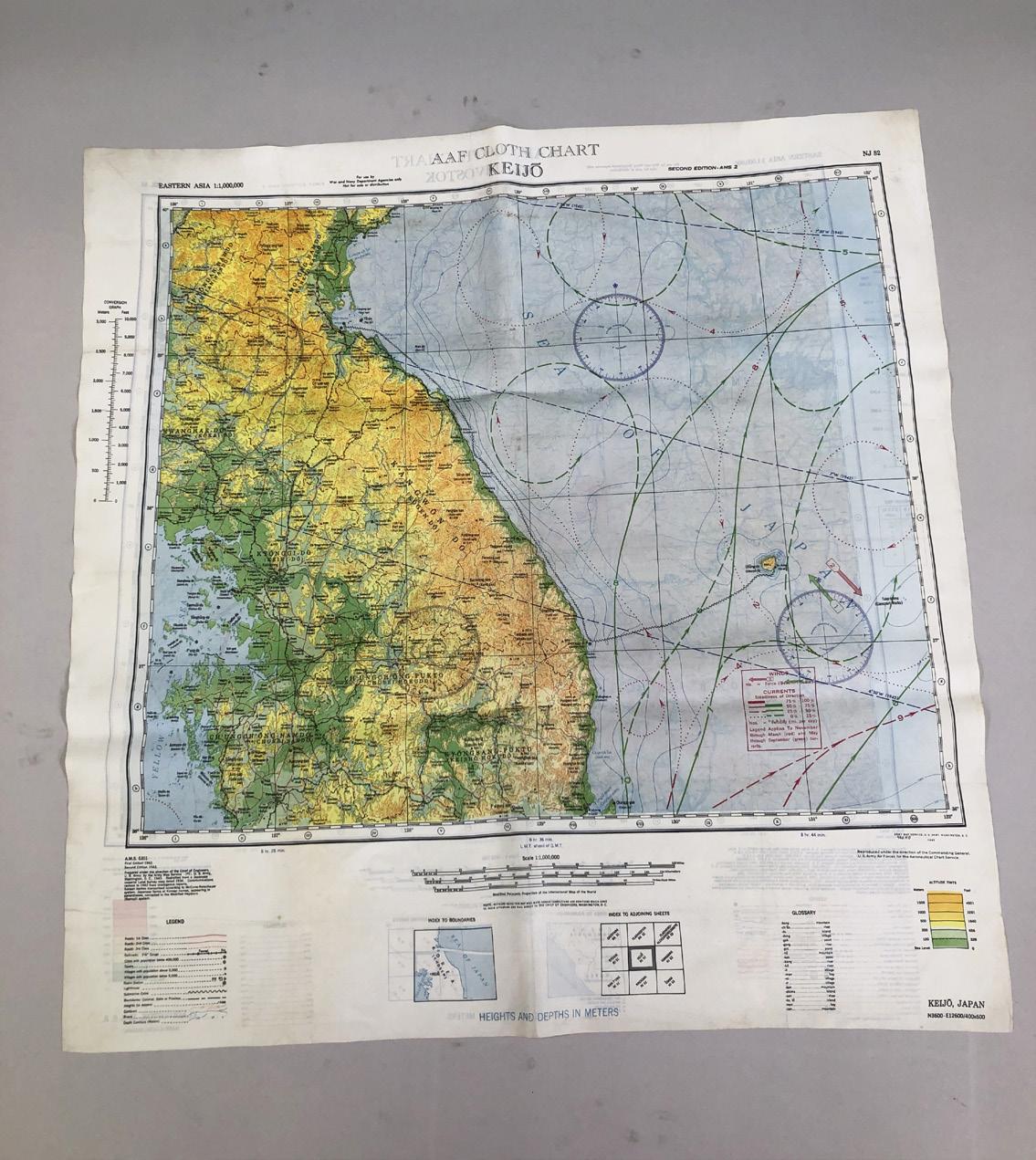
The uniform now rests on rare WWII AAF silk escape maps, just as it might have on a field desk in 1945. Thanks to museumquality preservation, this family and military artifact is stable for the next century. It stands as a testament to a generation’s sacrifice, preserved so their stories remain alive. ★
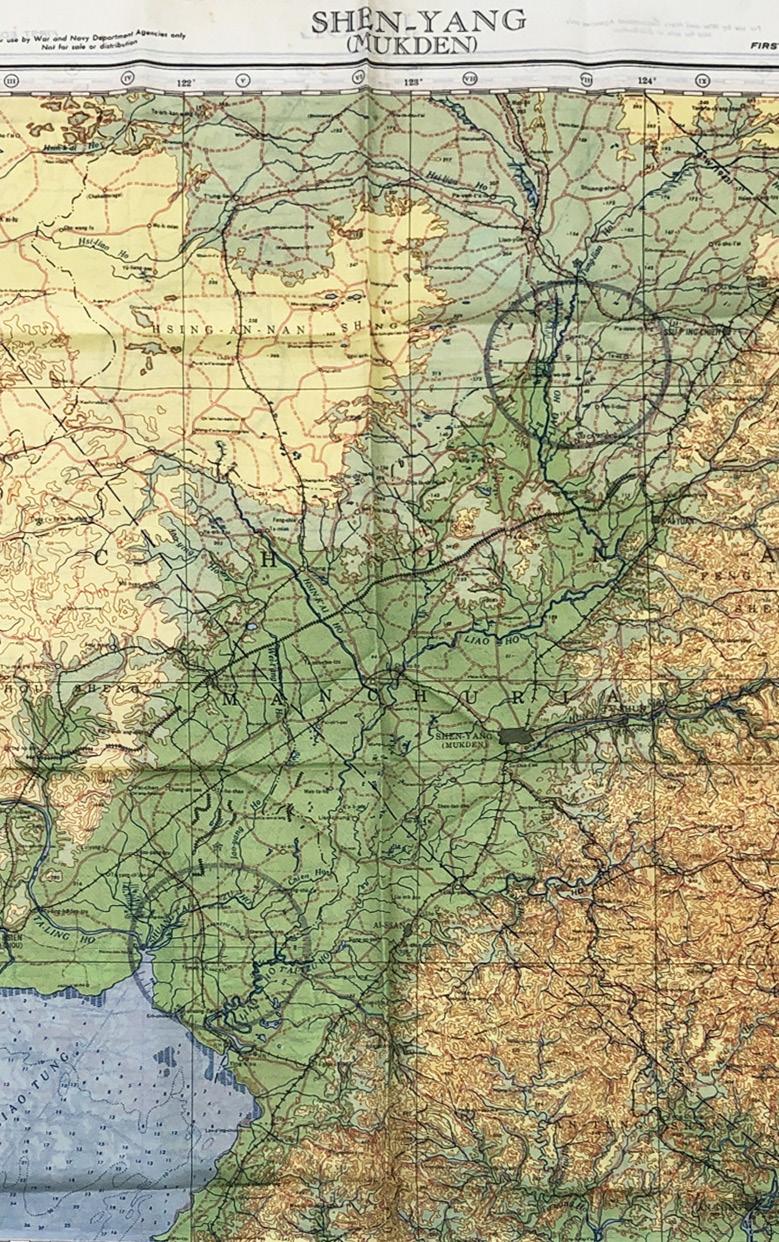
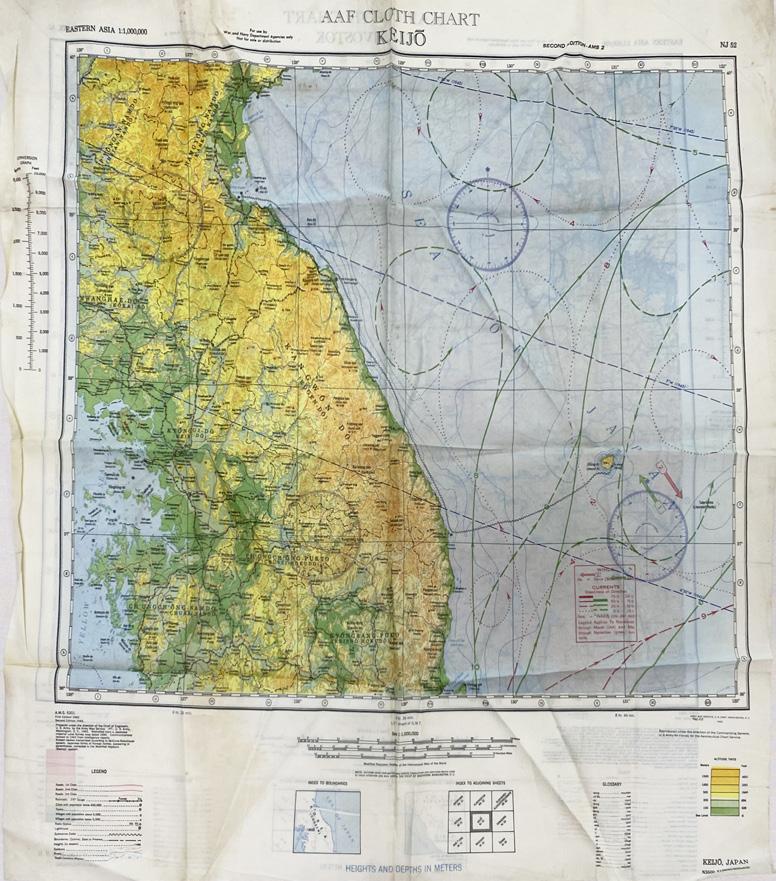
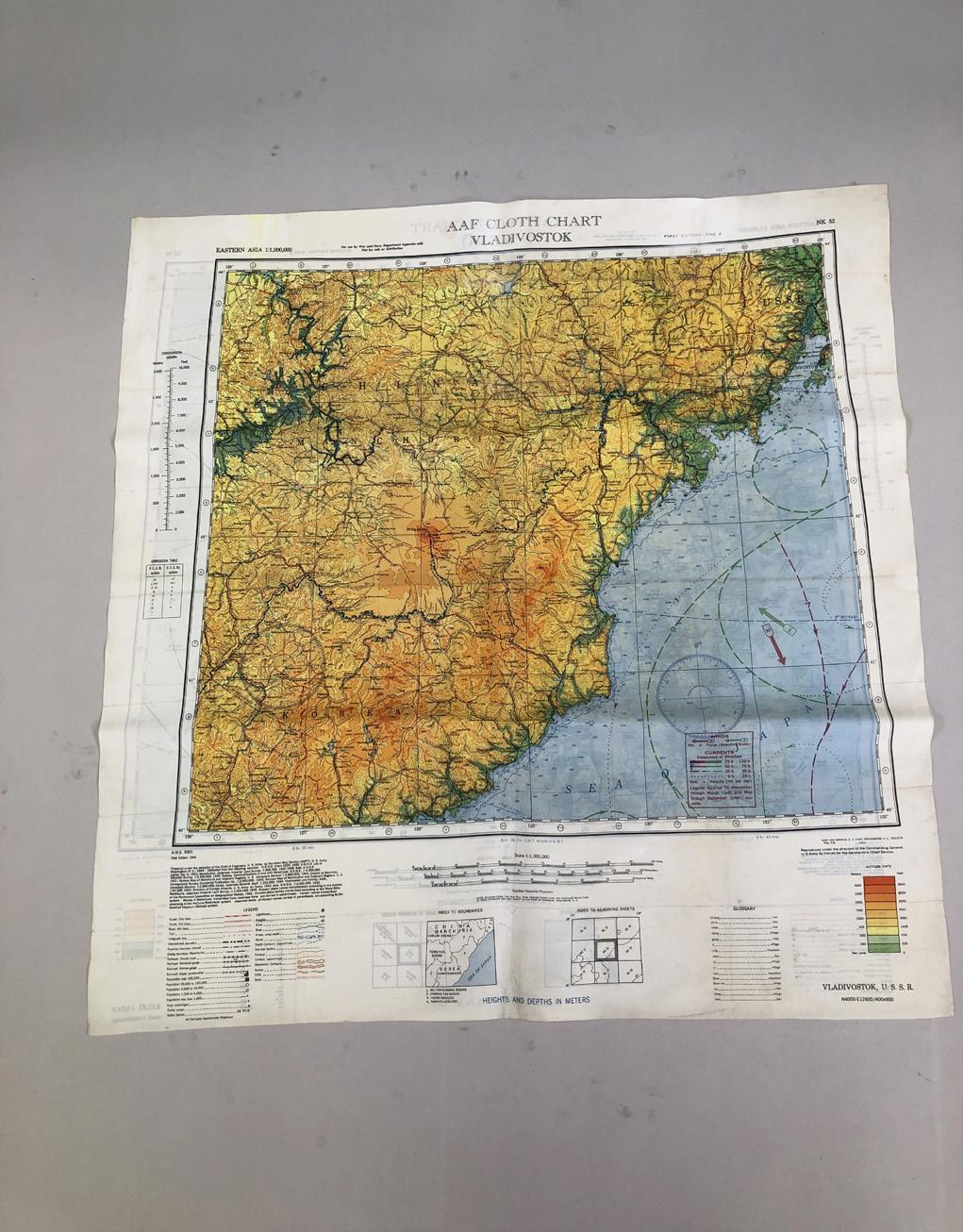
In the high-stakes theater of World War II, survival often depended on what a pilot could conceal beneath his uniform. Among the most brilliant and clandestine tools issued to Allied aircrews and paratroopers were fabric Escape and Evasion maps—lifelines woven with hope, courage, and a desperate yearning for home.
Printed primarily on lightweight silk or acetate rayon, these charts were masterpieces of both cartography and military ingenuity. Their unique construction set them apart from traditional paper maps, which would tear, disintegrate when wet, or rustle loudly enough to betray a hidden soldier. In contrast, fabric maps were silent, incredibly durable, and effortlessly malleable. They could be crumpled into a tiny pocket, sewn seamlessly into the lining of a flight jacket, or worn subtly as a neck neckerchief—ready to navigate a downed crew member through hostile territory. The specific artifacts featured here are vital records of the Pacific Theater, illustrating the role these maps played in aiding survival.
The topographical charts—focusing on the strategically crucial regions of ShenYang (Mukden) and Vladivostok—show the intricate borderlands of northeastern China, the Soviet Union, and the Korean Peninsula.
Complementing these land charts is a highly specialized Western Pacific Ocean Current and Air-Sea Rescue Chart. Designed for crews who found themselves ditching aircraft at sea, this remarkable map outlines prevailing winds and major ocean currents,
giving survivors the critical data needed to calculate raft drift and chart a course toward rescue.
The “before” images displayed here reveal the natural story of these artifacts. Faint browning, light foxing, and distinct “tidelines” along the original fold lines trace decades of history—the aging of original fabric starches, long-term storage, and exposure to the elements of a bygone era, rather than mere damage.
To honor the America 250 celebration and ensure these heirlooms endure for the next century, Margaret’s the Couture Cleaner undertook a meticulous stabilization and museum-quality preservation process, continuing the thread of historical stewardship.
Treating these textiles balances scientific care with artisanal care. Wet cleaning isn’t feasible due to the sensitivity of military inks. Margaret’s specialists used advanced dry extraction to remove dust and pollutants without harming the weave or the ink colors.
Through this specialized intervention, the organic fibers have been stabilized against future decay, arresting acid migration and preventing the fabric from becoming brittle. These charts are no longer just fragile relics of the 1940s; they are vibrant, enduring testaments to American resilience, ingenuity, and the unbreakable spirit of freedom—stories of bravery and hope cherished across generations and celebrated today as threads that bind us to the past. ★

After Samples
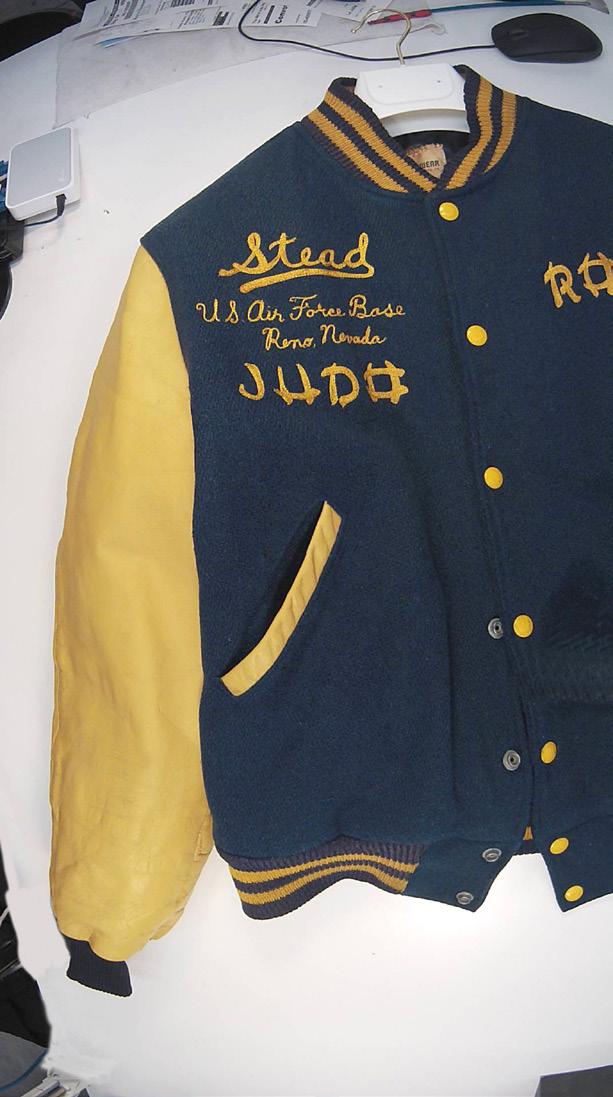
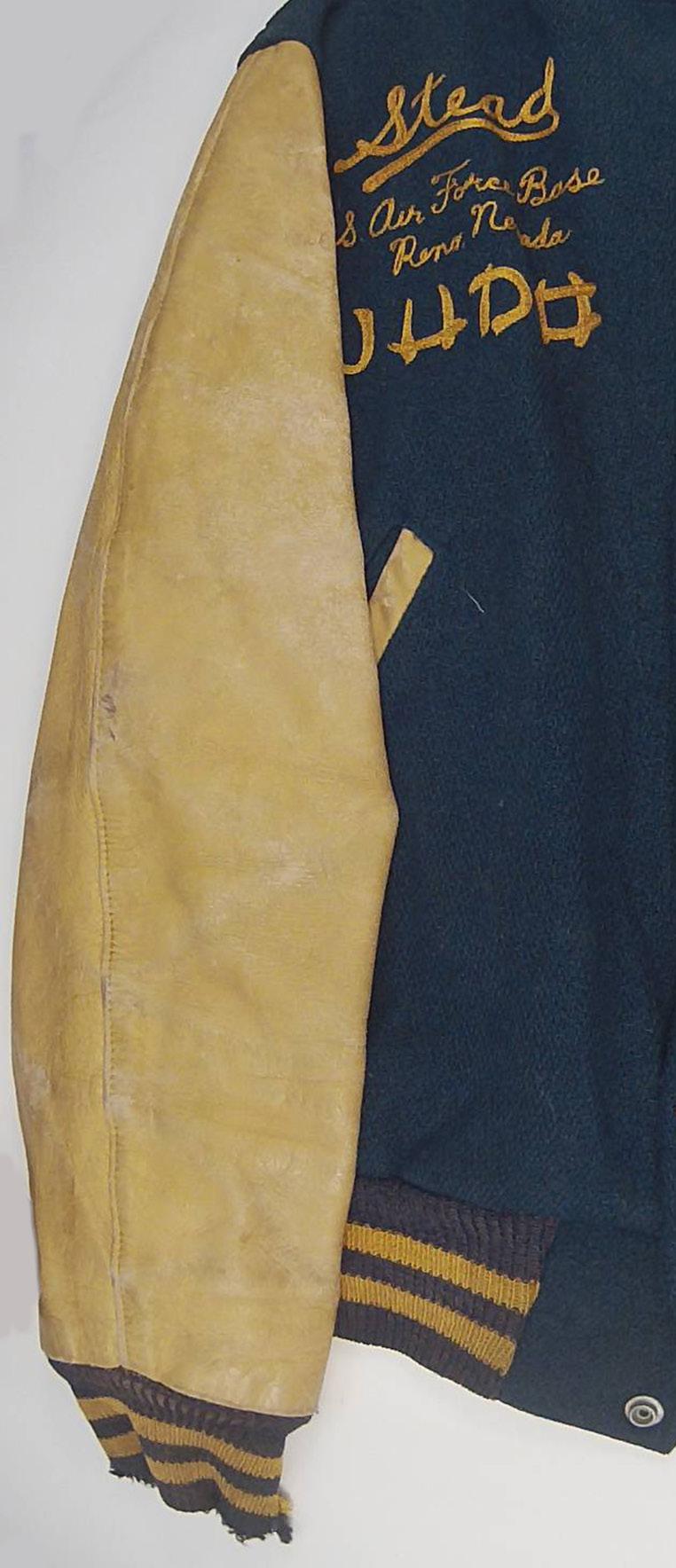
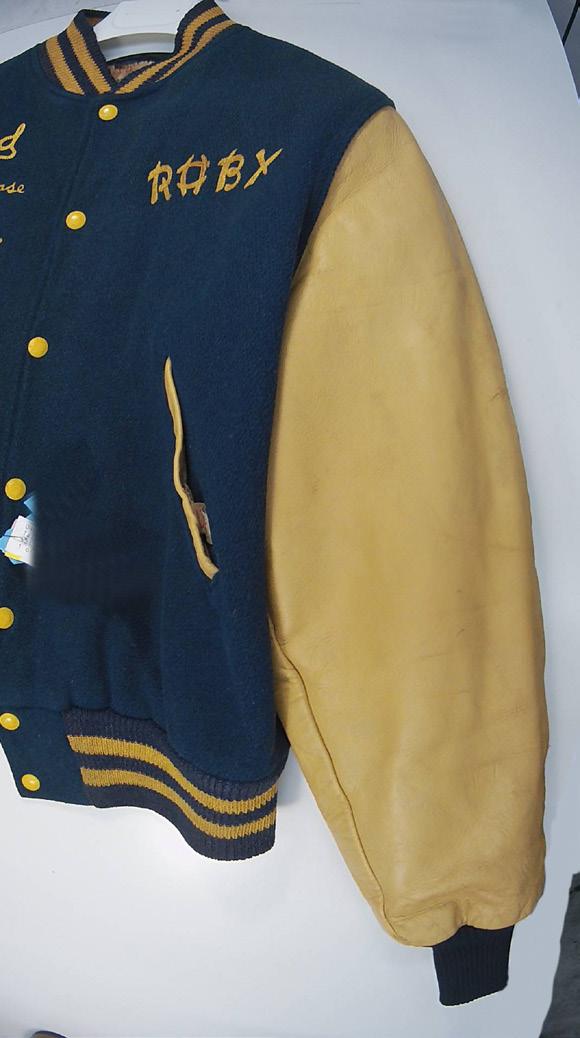
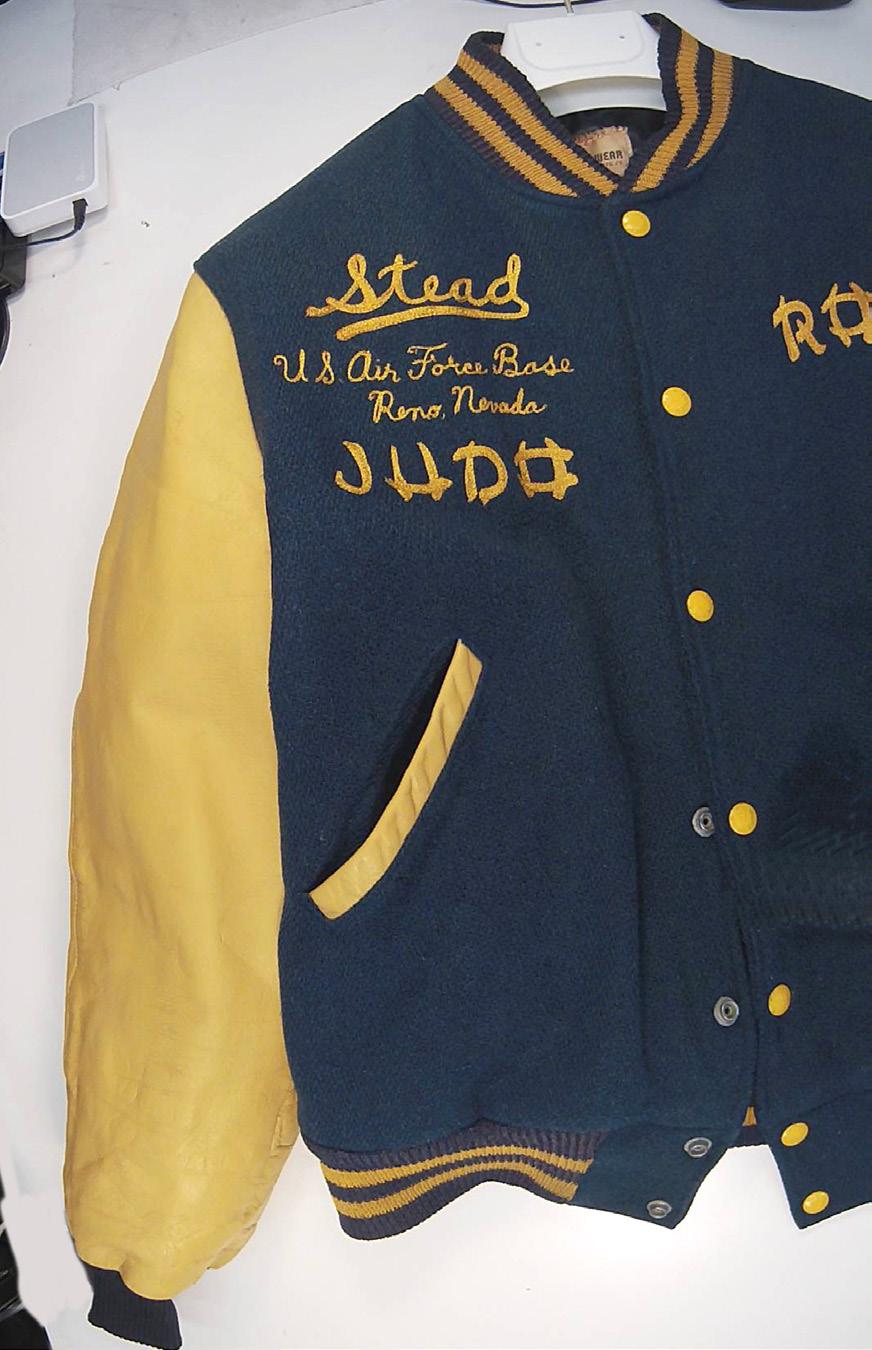
This striking navy-and-gold varsity jacket is more than vintage athletic wear—it is a rare, living artifact from an overlooked chapter in Cold War military history.
In the 1950s and 1960s, General Curtis LeMay changed physical conditioning in the Strategic Air Command (SAC). He demanded mental and physical toughness from his strategic aircrews. LeMay created an elite combative measures program centered on martial arts. Between 1959 and 1962, Stead U.S. Air Force Base in Reno, Nevada, became the main hub for this tough curriculum. Thousands of service members learned judo, paired with advanced wilderness survival training.
The custom embroidery on this jacket tells that story. It bears the name “Roby,” the inscription “Stead U.S. Air Force Base, Reno, Nevada,” and a handstyled “JUDO” script. This jacket is a proud piece of Americana that helped mainstream Japanese martial arts in the United States.
The Restoration by Margaret’s the Couture Cleaner
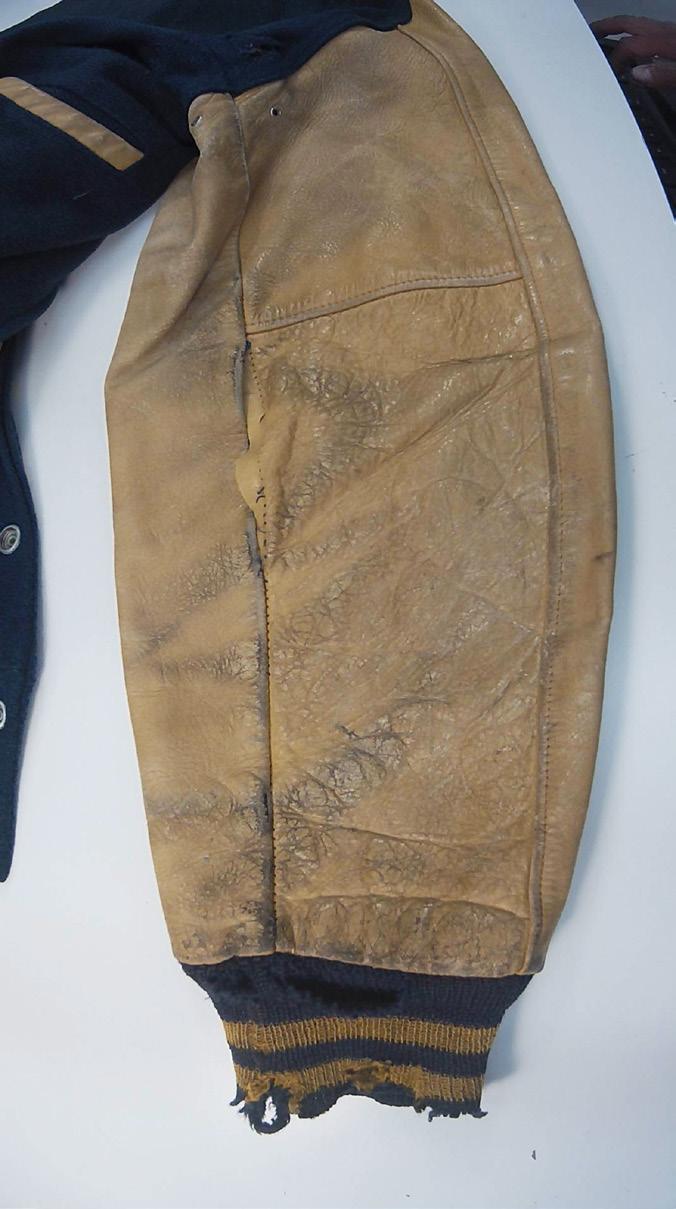
Decades of storage and military use severely damaged this historic garment. When it arrived at Margaret’s, the Couture Cleaner, it was structurally compromised and visually diminished. The original yellow leather sleeves were badly dry-rotted, cracked, and darkened
by embedded soil, while the wool body suffered fiber degradation and tearing near the pockets.
The restoration team at Margaret’s executed a meticulous, multi-stage preservation process to bring this piece back to its original glory.
Deep Clean & Stabilization: The heavy navy wool body was carefully cleaned and stabilized using specialized, gentle techniques designed to lift deeply embedded soot and dust without causing further fiber loss or shrinking the vintage structure.
Leather Conditioning & Repair: The cracked, dry-rotted leather sleeves received deep-conditioning treatments to restore suppleness, followed by precise color restoration for vibrant athletic yellow.
Structural Reconstruction: Torn pocket openings were meticulously repaired, leather trim restitched, and wool frame reinforced to ensure the jacket’s foundational strength remained intact.
Thanks to Margaret’s meticulous work, the vivid contrast between the rich navy wool and the supple yellow leather has been renewed. The gold chain-stitch embroidery stands boldly once more, preserving Roby’s legacy and this American military heritage for generations. ★
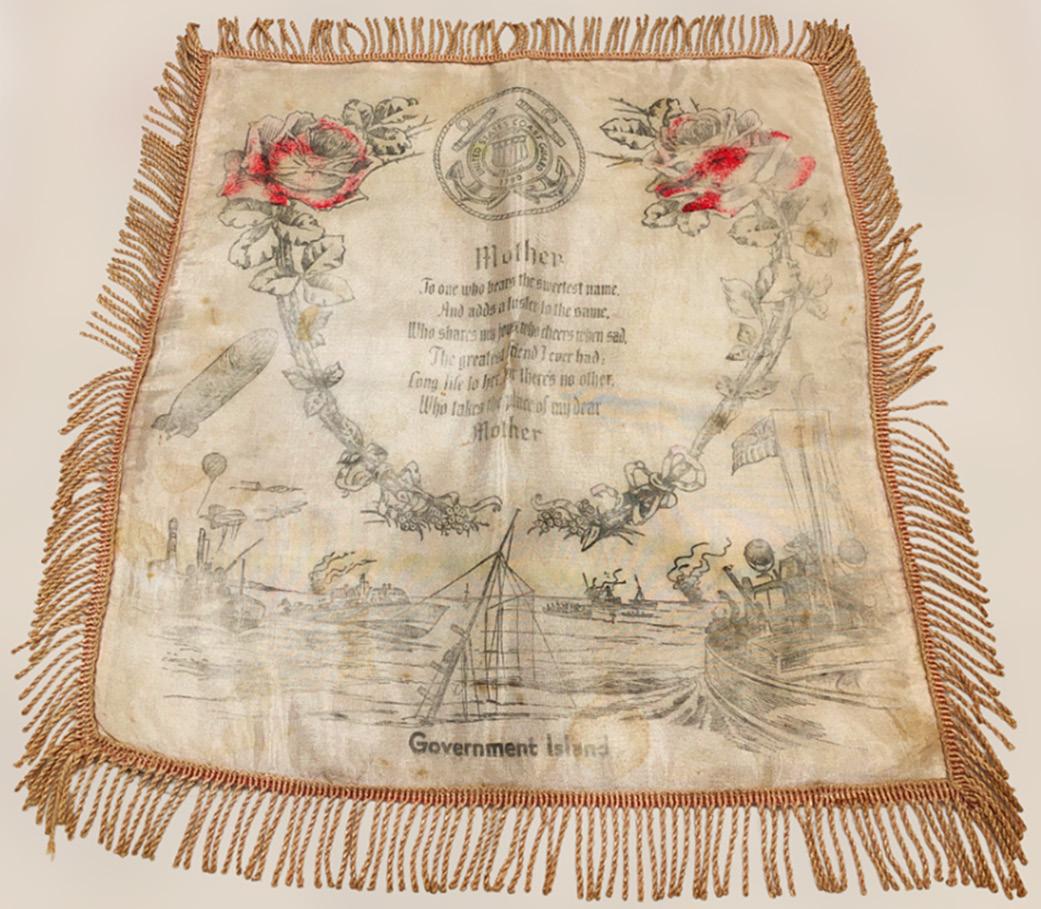
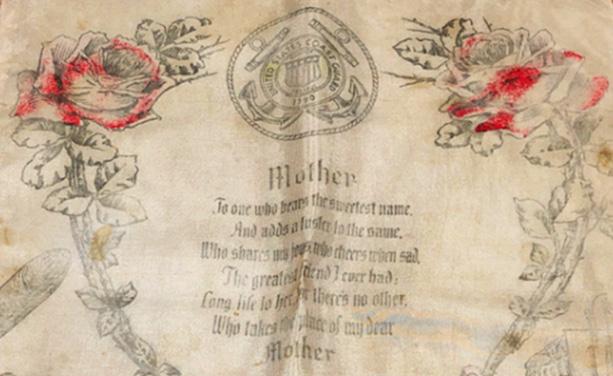
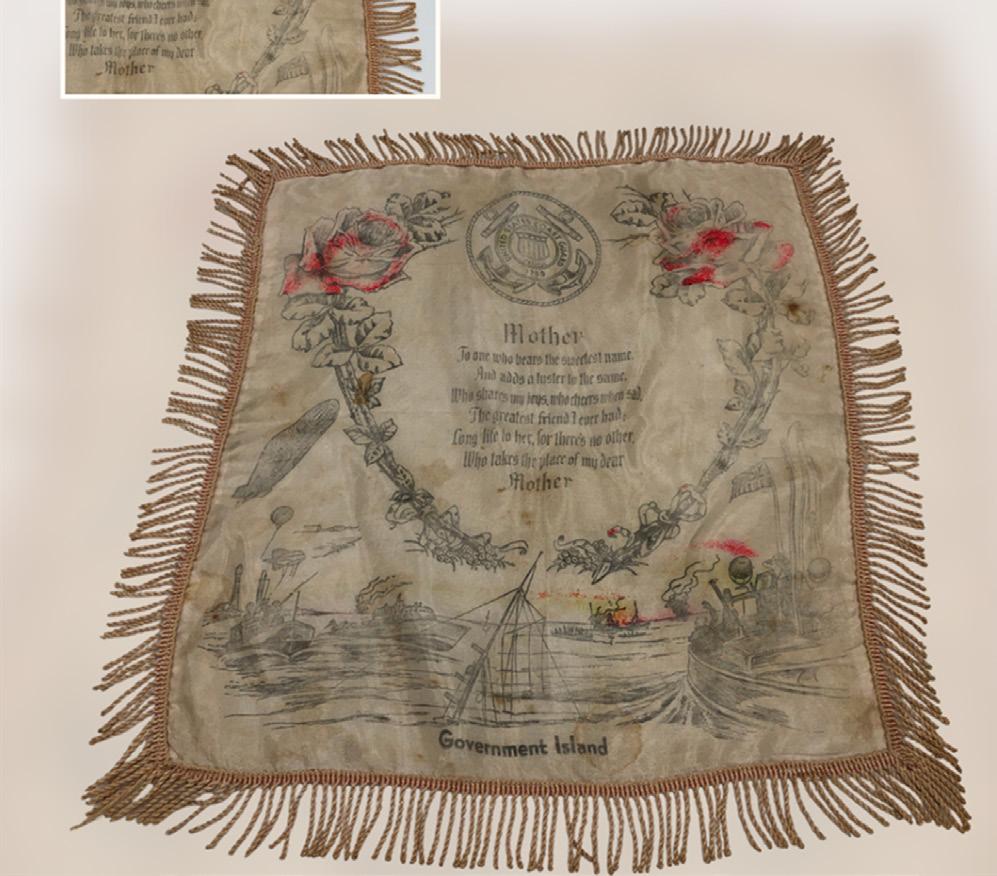
This World War II-era sweetheart pillow cover is a poignant artifact from the home front. Made of an acetatesatin-rayon blend with its original twisted cord fringe, it was bought by a serviceman on Government Island, Alameda, California, and sent to his mother.
In the 1940s, post exchanges on military bases sold these textiles as keepsakes. Most sweetheart textiles featured floral designs, but this rare Coast Guard example combines sentimentality with detailed wartime imagery. At the top, the Coast Guard emblem sits between two red roses framing a tribute to maternal devotion. The bottom shows an illustrated view of American coastal defense in the Pacific, showing ships, an antisubmarine blimp, and a barrage balloon over the shoreline.
Government Island, now Coast Guard Island, was a major World War II training center that turned civilians into skilled mariners.
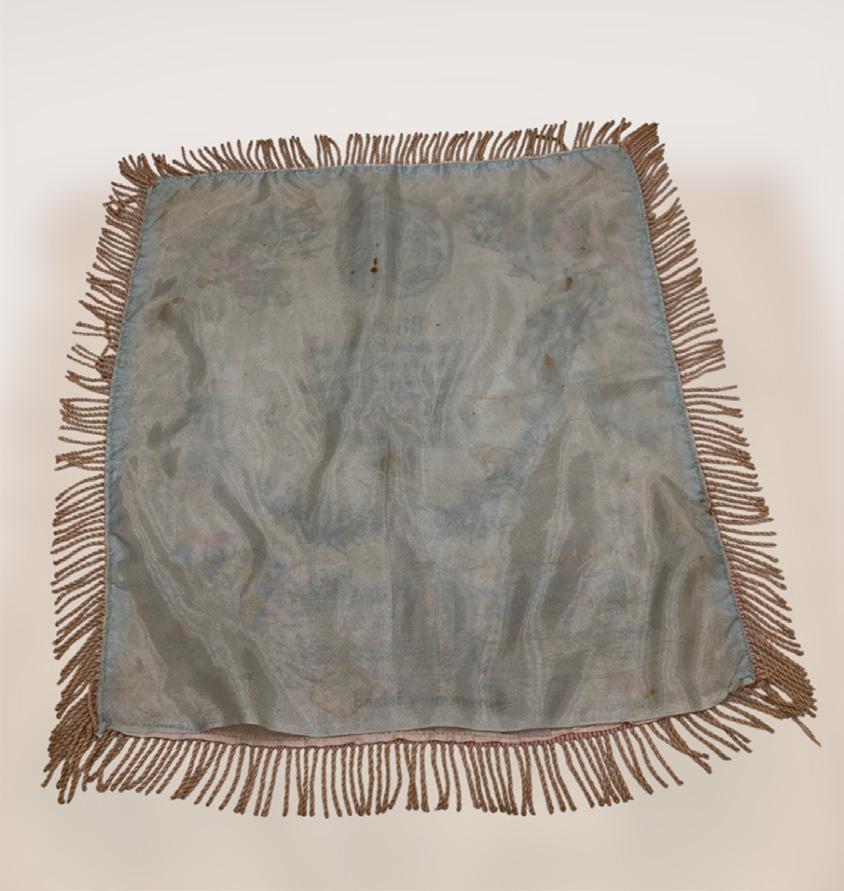
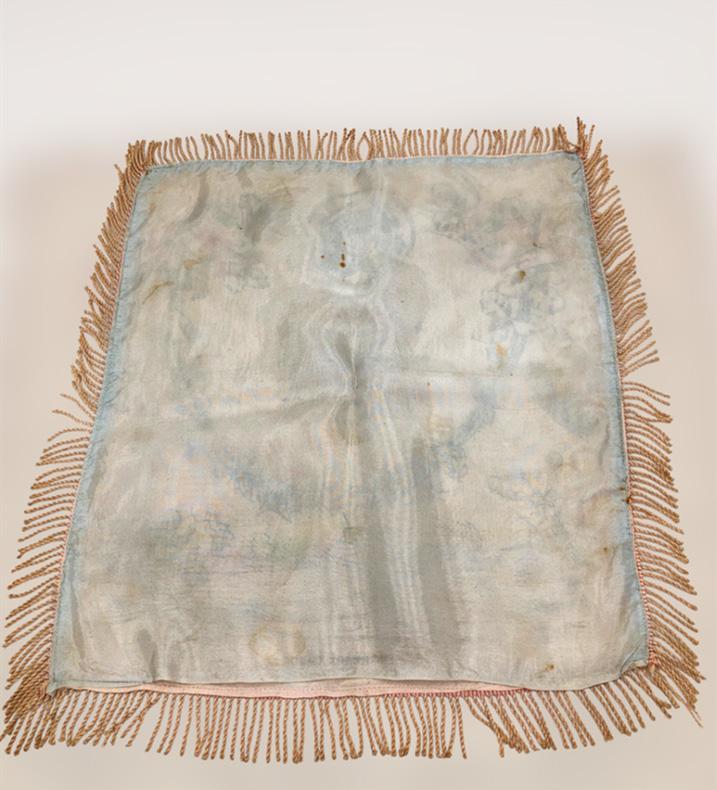
Wartime synthetics from this era are fragile and prone to yellowing and water damage. To preserve this textile, Margaret’s, the Couture Cleaner, cleaned and stabilized it using archival techniques. Margaret removed decades of dirt while protecting the hand-tinted pigments and rayon fibers.
For the America 250 celebration, this restored artifact is a prominent example of Closet Equity and textile preservation. It honors the enduring love of the Greatest Generation and the skill required to preserve American history. ★
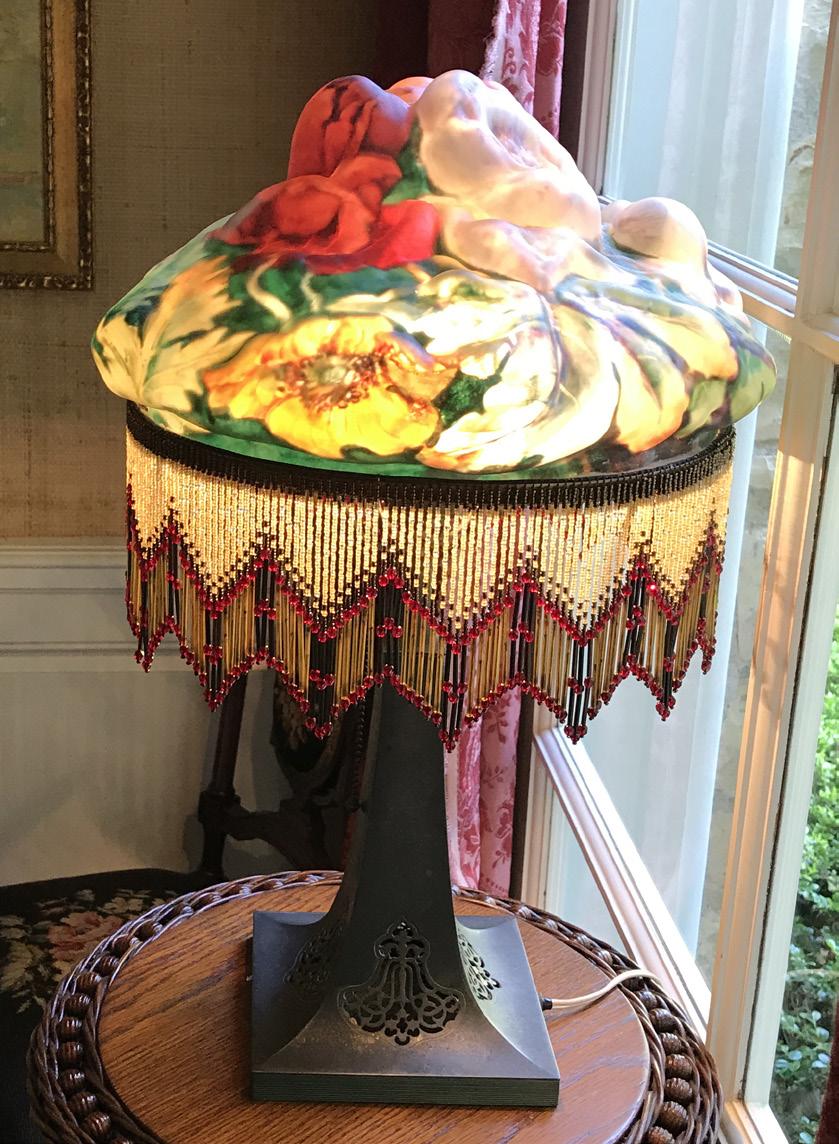
This refined 100-year-old table lamp exemplifies American decorative lighting mastery from the late Victorian and early Arts & Crafts periods (circa 1910–1920).
The fixture rests on a substantial, darkpatinated cast-metal base showcasing detailed, openwork geometric and floral motifs typical of eminent American manufacturers such as the Bradley & Hubbard Manufacturing Company of Meriden, Connecticut. A hallmark detail of its American manufacture is the bold fourdigit production number (style “1825”) cast into the base corner.
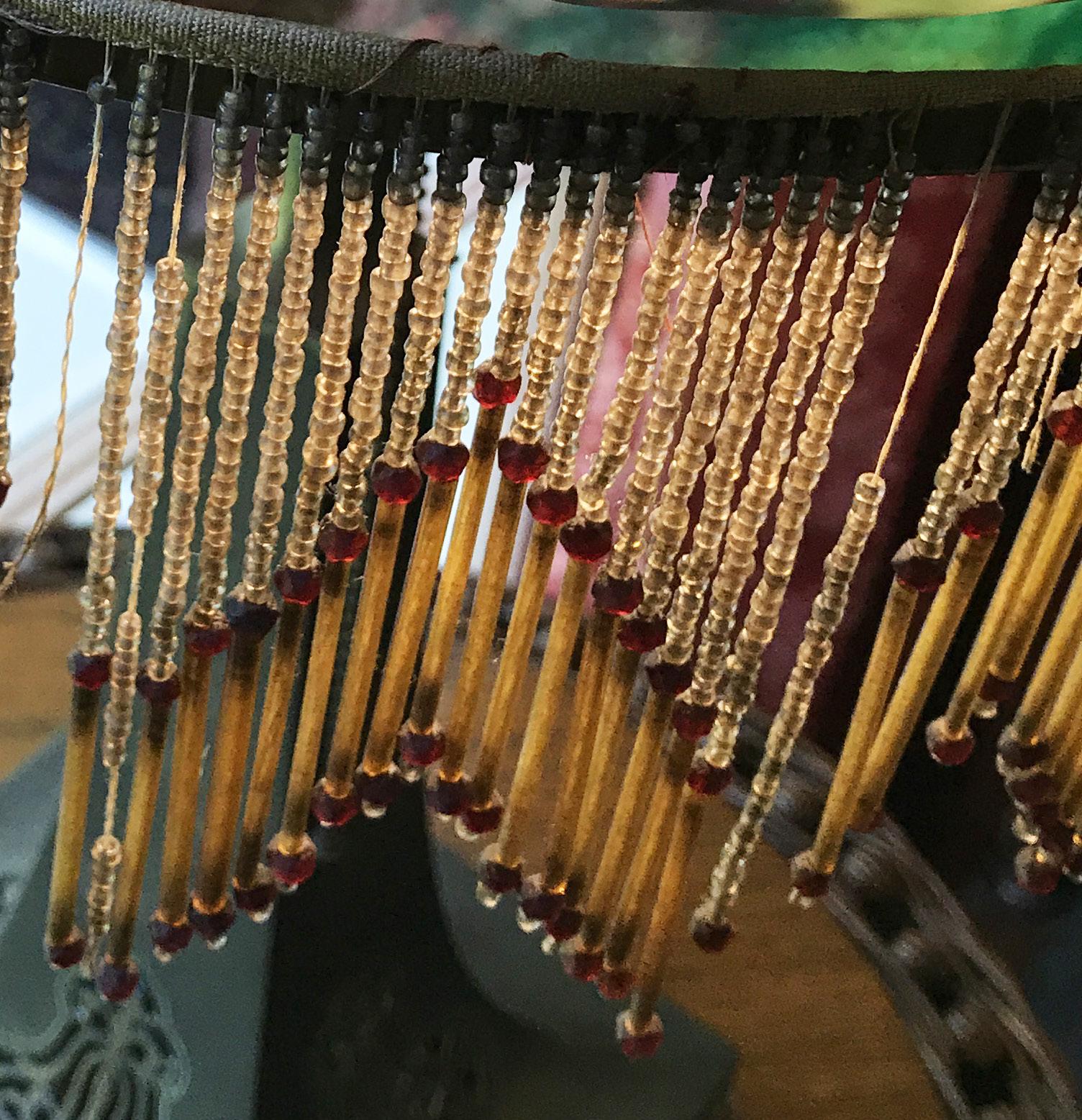
The lamp is topped with a vibrant, multicolored slag-glass shade adorned with intricate, reverse-painted floral designs. Encircling the shade’s edge is a striking geometric, looped beaded fringe. This embellishment unites elongated amber bugle beads, rich wine-red glass “garnet” beads, and clear spacer beads, creating a vivid zigzag pattern that diffuses the lamp’s glow with clarity.
After a century exposed to dust, environmental contaminants, and handling, this artifact suffered significant deterioration. The complex beaded fringe succumbed to structural damage, and deep-seated soot and grime muted the luster of both the garnet and clear glass beads.
To revive this heirloom, Margaret’s the Couture Cleaner’s restoration team executed a careful, museum-grade conservation process.
Deconstruction & Cataloging: The entire beaded fringe was methodically dismantled, strand by strand. Specialists cataloged the original layout, bead tension, and looping method to ensure an authentic re-anchoring pattern.
Delicate Component Cleansing: Using advanced, non-abrasive proprietary cleaning agents, hundreds of glass pieces were individually hand-cleaned. This meticulous process removed generations of buildup without compromising the antique glass’s strength. The dramatic transformation restored the beads from opaque, dark debris to sparkling, clear, and richly colored wine-red garnets.
Precision Structural Reconstruction: Missing, damaged, and weakened beads were systematically replaced with period-matched vintage glass pieces. Using archival-grade thread, Margaret’s artisans expertly rebuilt the fringe, replicating the original tension and zigzag alignment to secure it to the slag glass shade.
This meticulous restoration dramatically revived the lamp’s brilliance. Margaret’s the Couture Cleaner stabilized delicate components, ensured historical accuracy, and restored the original decorative impact, guaranteeing longevity for future generations. ★
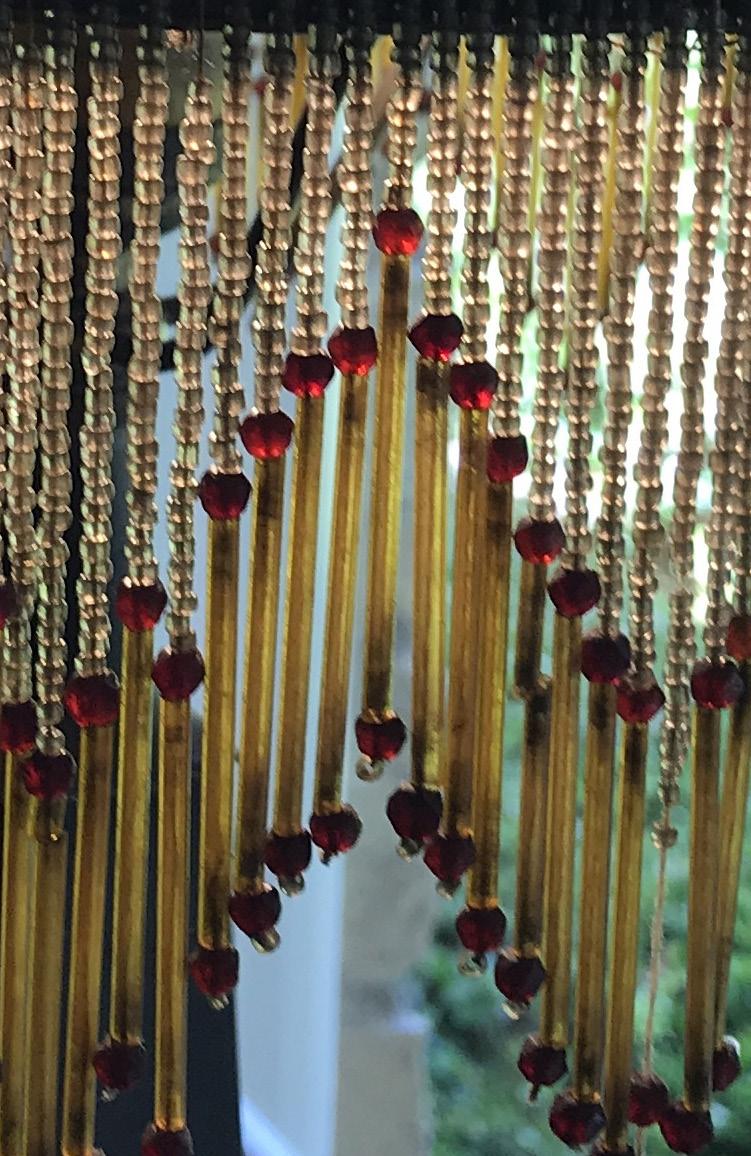
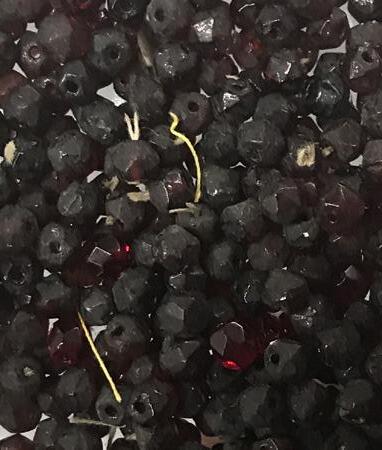
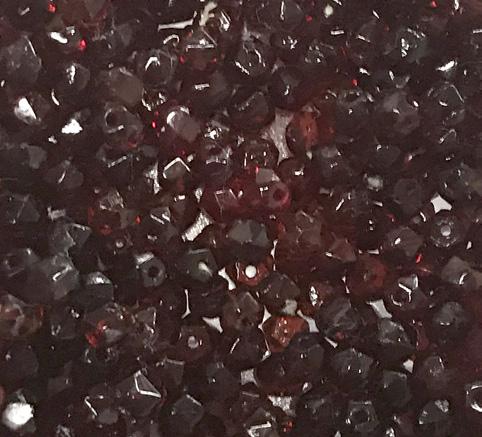
ABOVE: Garnets from Lamp, before and after BELOW: Once “clear” beads, before and after
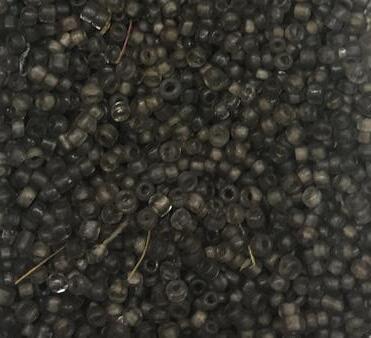
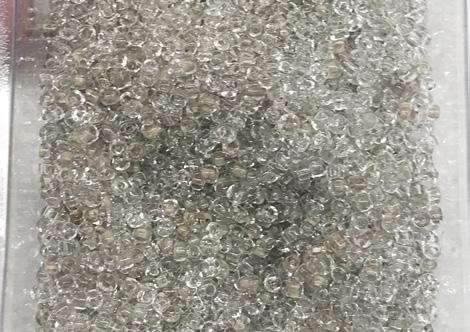
The lamp was completely dismantled, and missing and broken beads were replaced. It was then carefully reconstructed with a similar bead pattern using the newly cleaned garnets and clear beads.
BELOW: The Restored Vintage Lamp
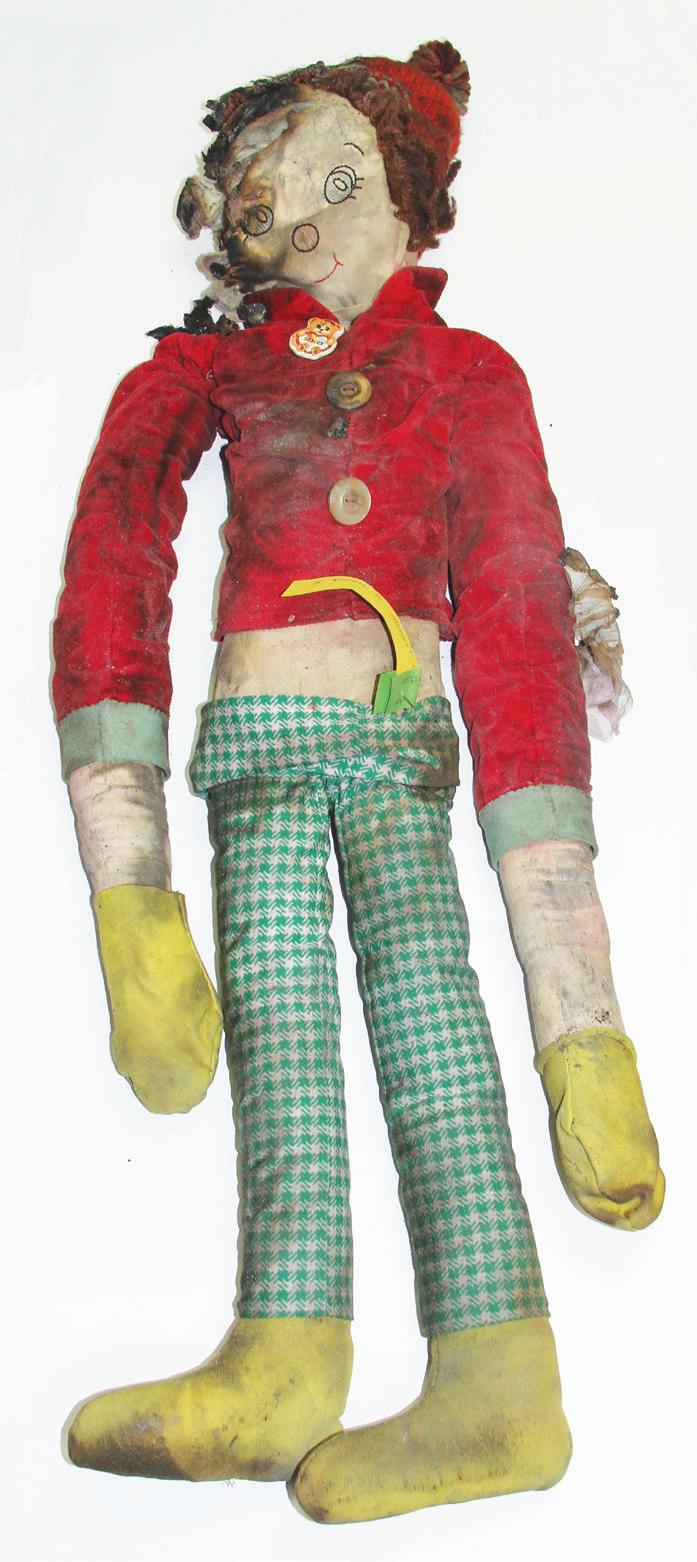
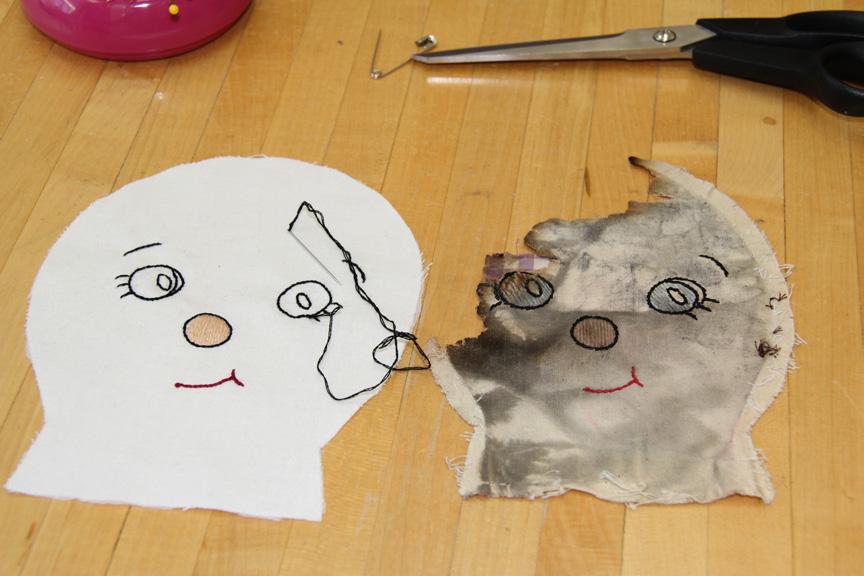
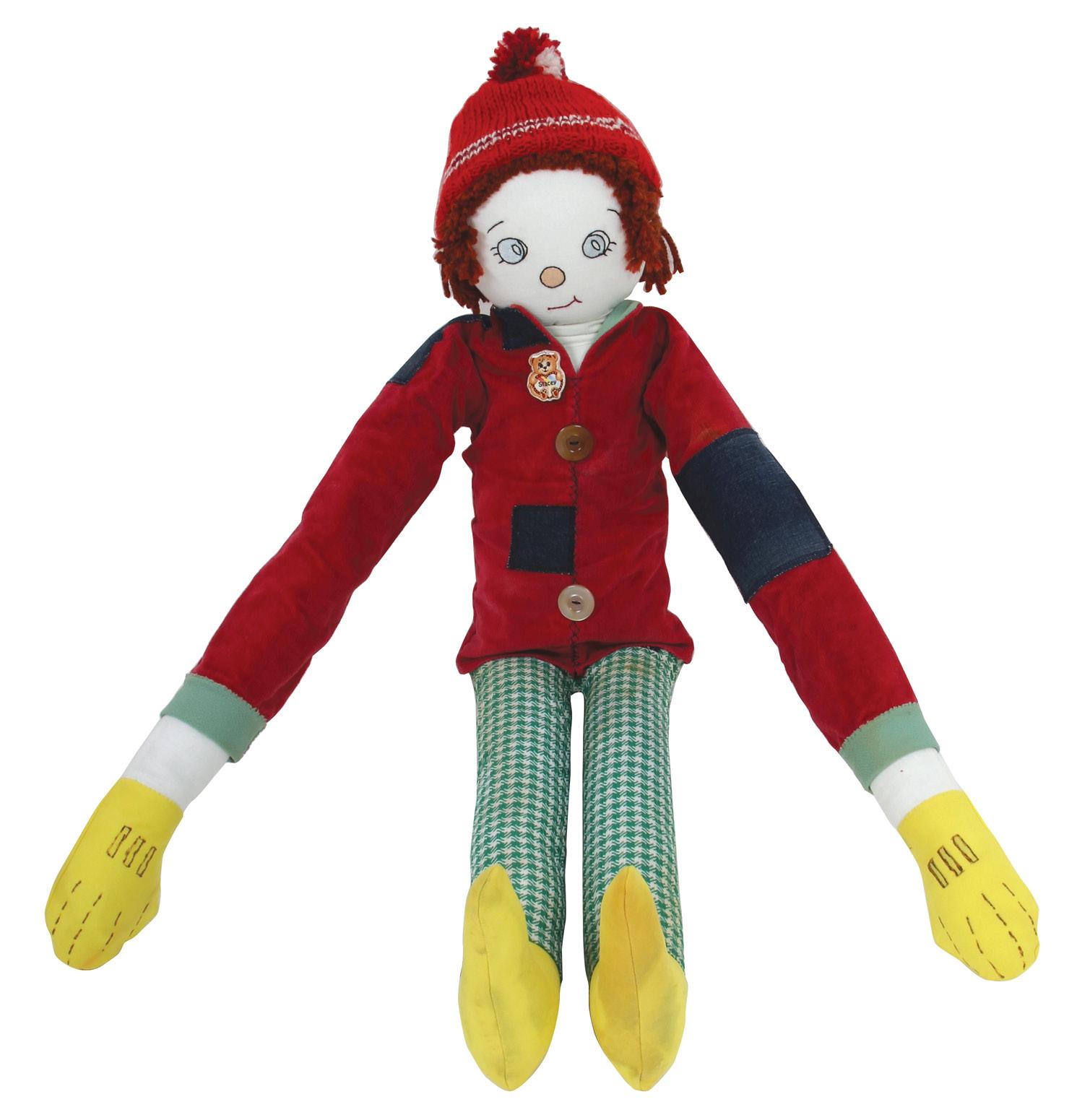
Few artifacts resonate as deeply as a childhood toy shaped by American home craft. This longlimbed, mid-century cloth doll, hand-sewn and dressed with care, was more than a shelfsitter; it witnessed a family’s laughter and growth, embodying the enduring spirit of resilience that defines treasured family heritage.
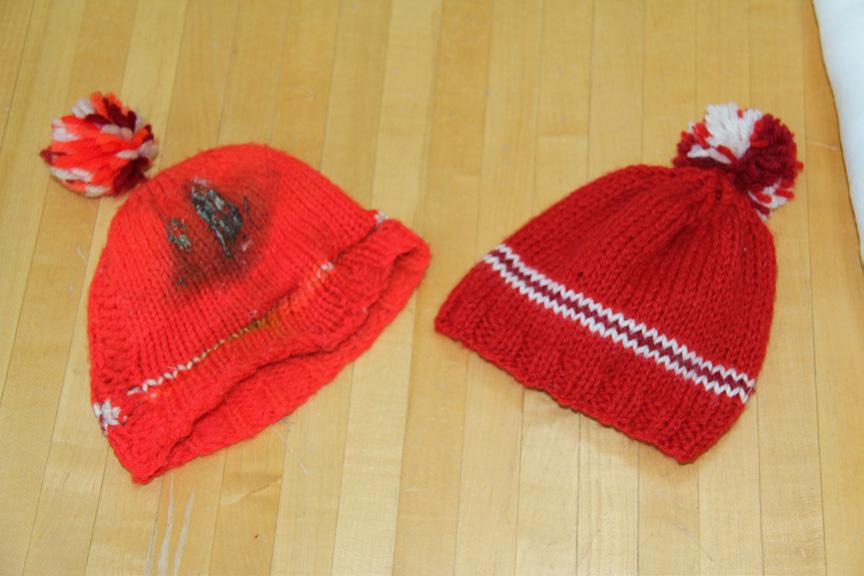
A devastating fire threatened this treasured companion. Severely damaged by soot and heat, the doll seemed lost. Its face was nearly erased, its hat destroyed, and stuffing tainted by smoke—an apparent casualty. Yet, the family’s resilience and commitment to preservation raise a crucial question: what stories are worth saving?
Expert conservators, recognizing the doll’s sentimental worth, meticulously restored it. Through careful soot extraction, structural repairs, and artistic replication, they returned its charm and integrity. Restoration showcased not just skill, but the resilience embedded in both family and artifact.
Now revived, the doll symbolizes resilience. As America honors its Semiquincentennial, it mirrors the enduring spirit of families and artisans, illustrating how preservation ensures cherished objects’ comfort and inspires for generations. ★
Founded in New York City in 1837, Tiffany & Co. stands as a quintessential pillar of American design and luxury culture. While celebrated globally for its jewelry, the historic house long set the material standards for the American executive lifestyle by curating unparalleled accoutrements.
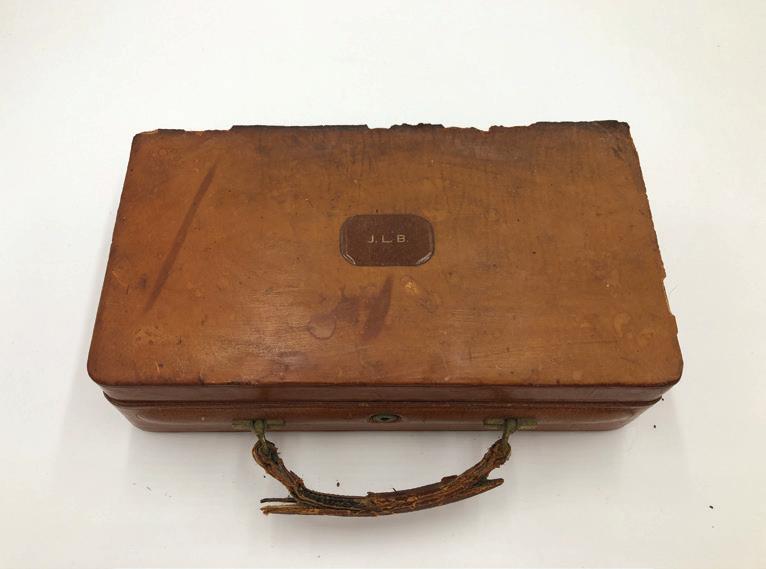
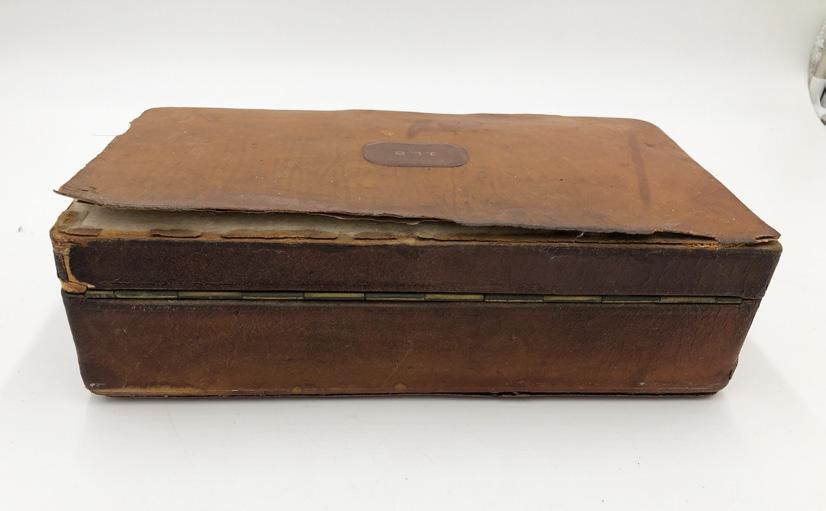
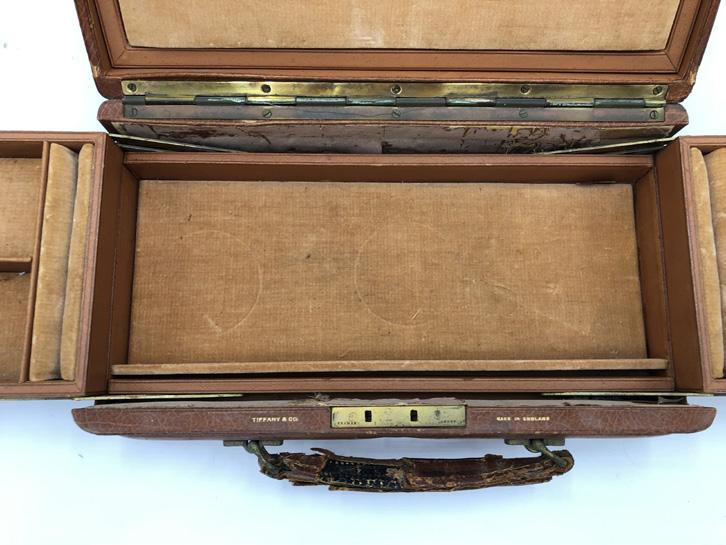
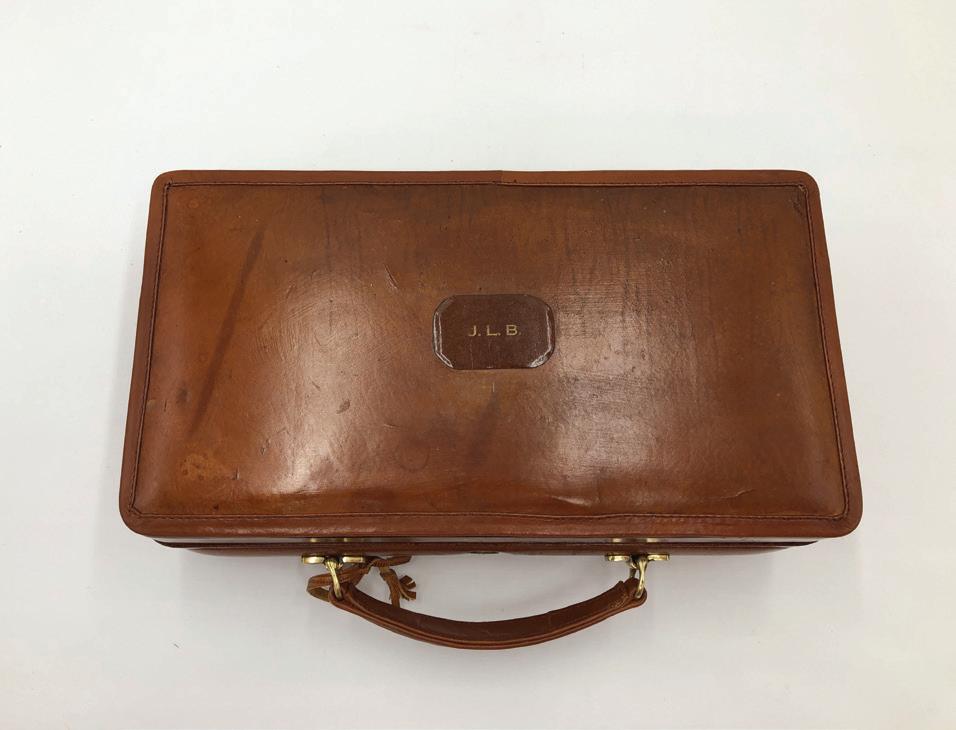
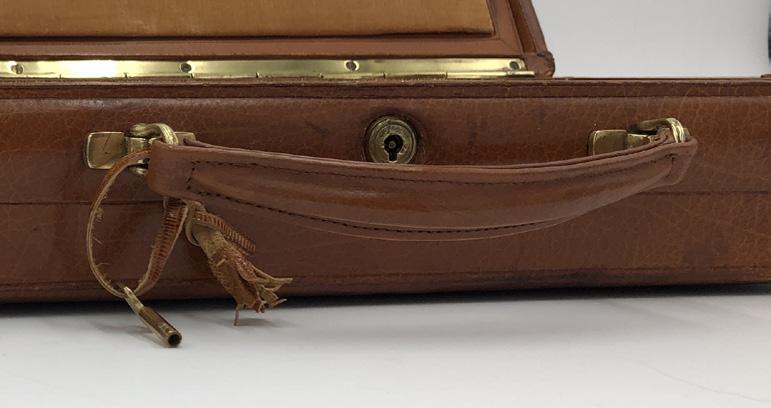
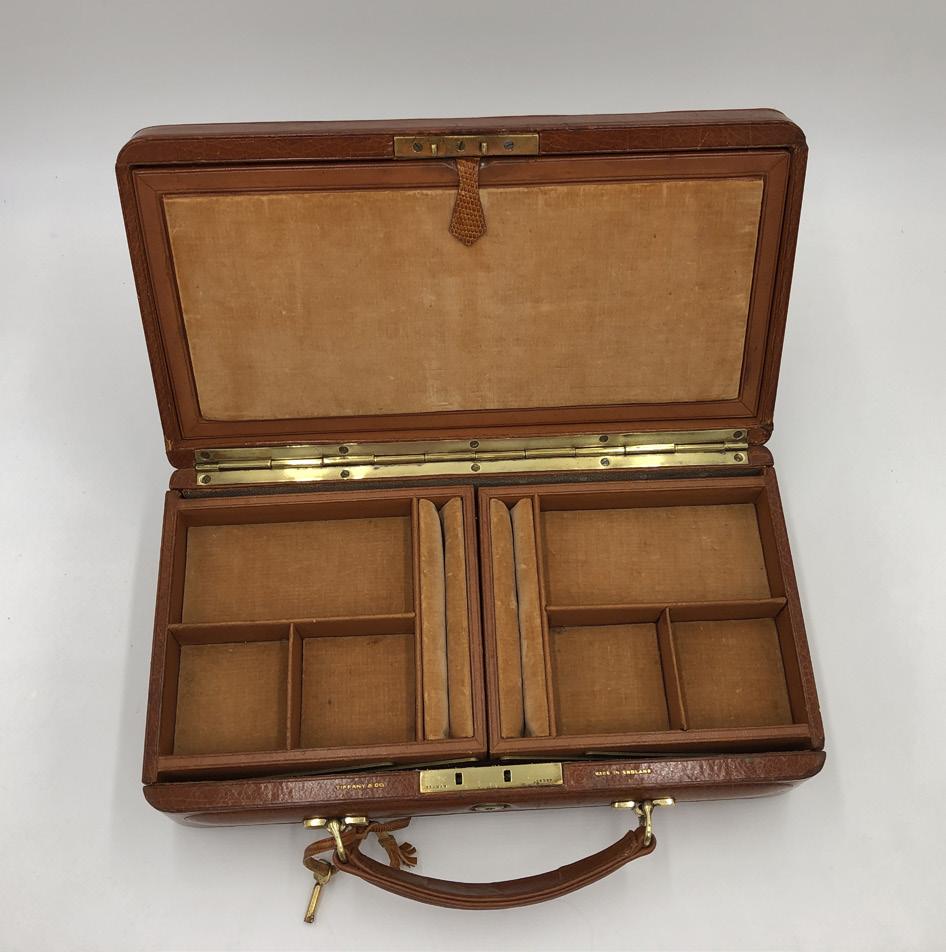
Among their most brilliant historical offerings was the bespoke gentleman’s cantilevered travel case. Emblazoned with a gold-leaf “J.L.B.” monogram, this heirloom case showcases Tiffany’s mid-century practice of global curation: designed in New York to serve elite captains of industry but commissioned from master leather-smiths in England to draw on their centuries-old expertise in heavy bridle hides and brass engineering.
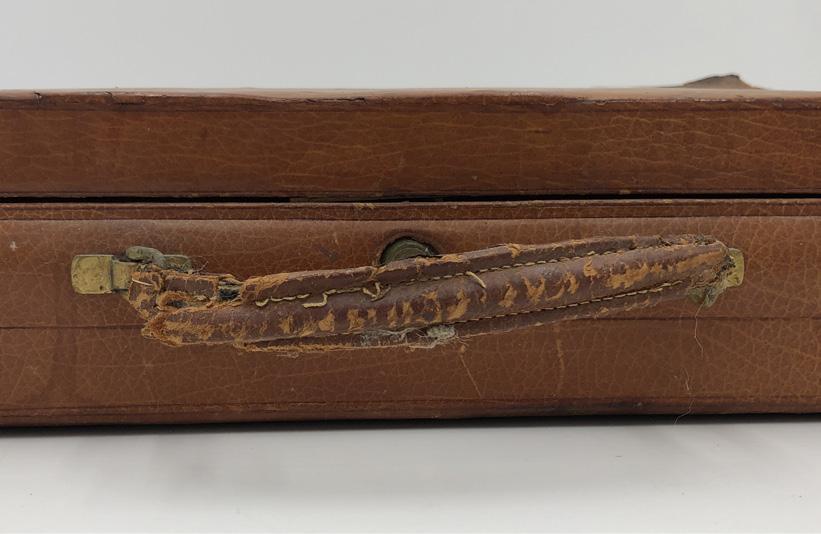
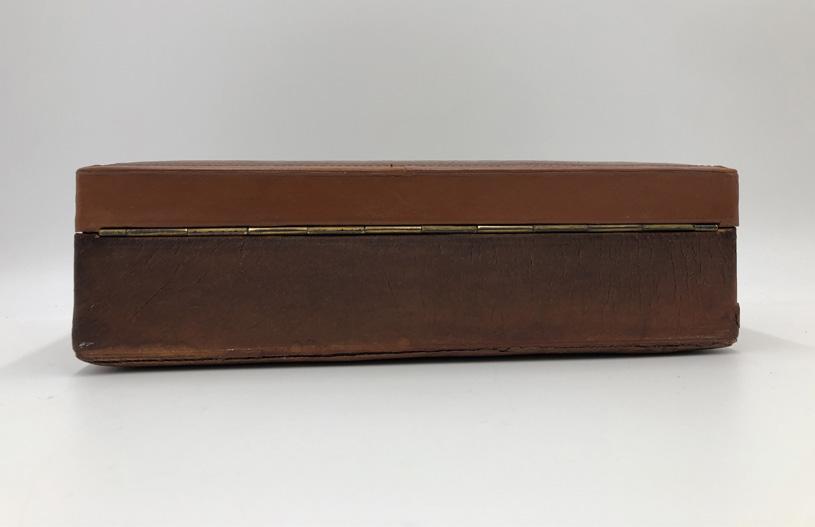
Time and heavy mileage had exacted a severe toll on this striking travel companion. Upon arrival at Margaret’s specialized studio, the case was deeply deteriorated. The top leather panel was fully detached along the forward edge, curling upward from extreme dryness. The handle was shredded, its core exposed, and the perimeter stitching had rotted. Decades of exposure left the leather parched, scuffed, and water-stained, threatening the gold-stamped “Tiffany & Co. / Made in England” identity within.
Margaret’s skilled leather artisans implemented a comprehensive restoration plan to restore structural integrity
and preserve the historical patina. Restoration commenced with deep leather rehydration, saturating the dry hide with proprietary, pH-balanced oils for suppleness. This enabled careful flattening of the curled lid under controlled pressure. Employing authentic, period-specific linen thread, artisans hand-stitched the detached panels back onto the wood frame, matching the original stitch count exactly.
The highly compromised handle required an absolute masterclass in traditional saddle-stitching. The disintegrated leather wrap was removed, and a matching, top-grain vachetta leather sleeve was hand-molded over the original brass hardware and stitched flawlessly back into place. Finally, a series of proprietary, non-destructive cleaning and colorblending steps minimized the disfiguring water stains and scuffs on the exterior, while stabilizing the velvet-lined cantilever drawers inside.
The result is a remarkable achievement in preservation. Restored to rich amber luster, the executive travel case maintains its unique vintage appeal and full functionality. Featured in the America 250 Lookbook, it honors American commercial elegance and Margaret’s expert craftsmanship, ensuring this monumental symbol of 20th-century enterprise continues to inspire for generations. ★
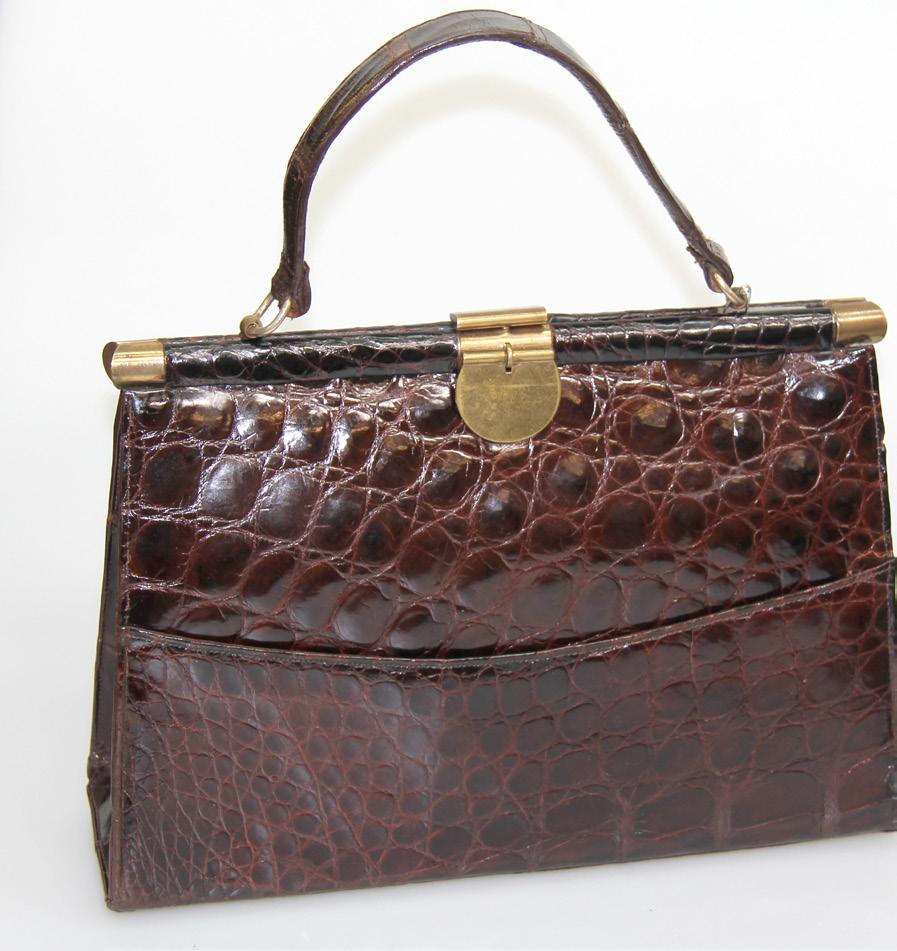
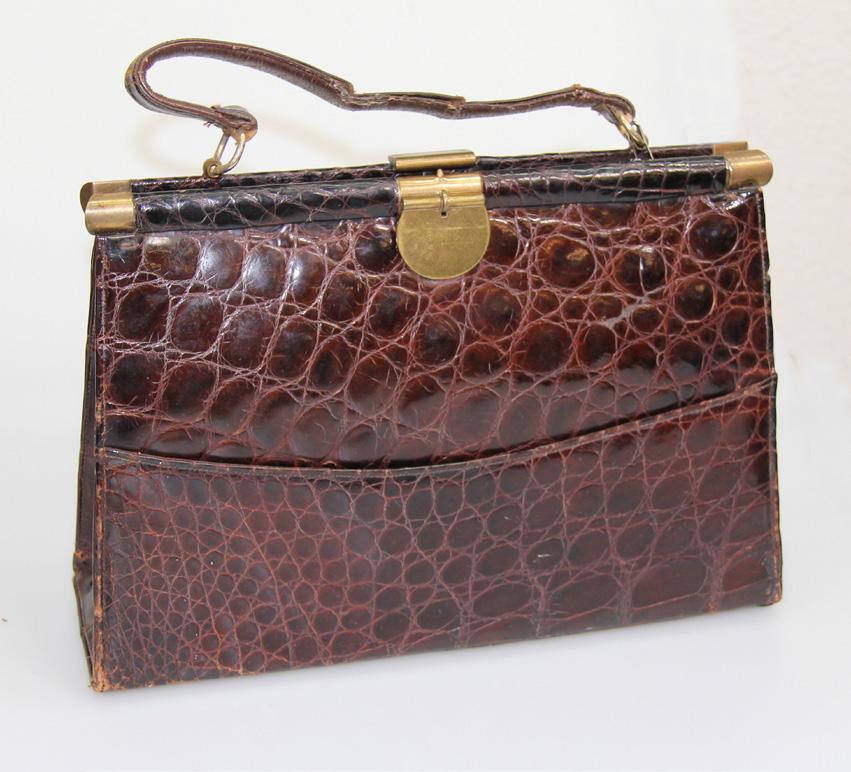
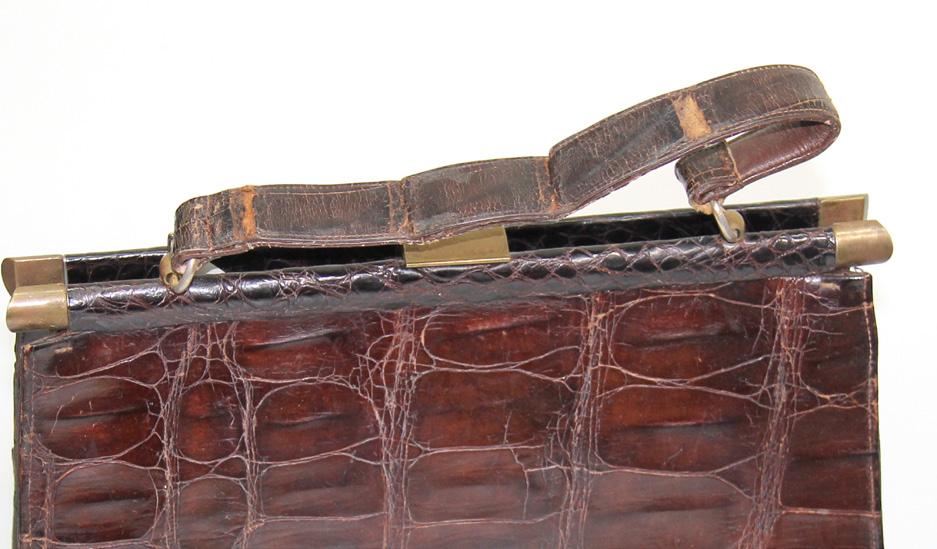
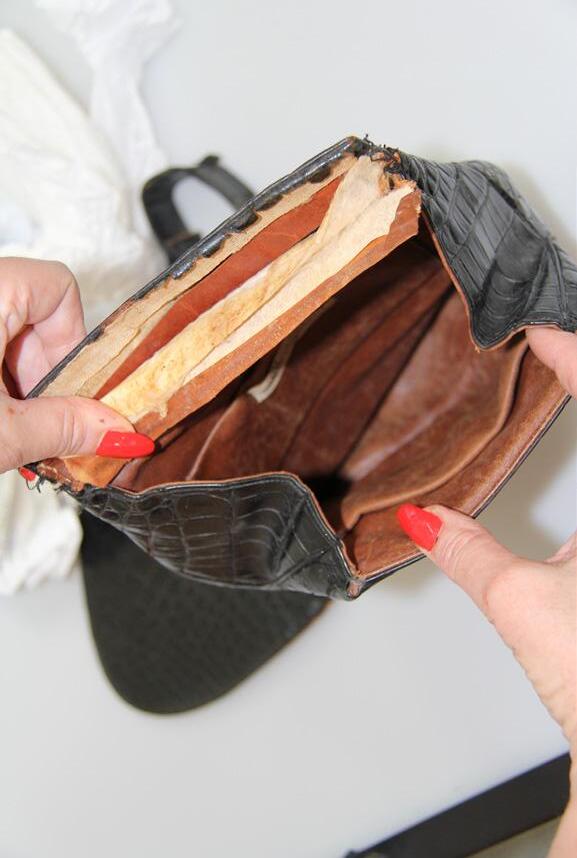
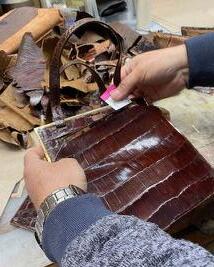
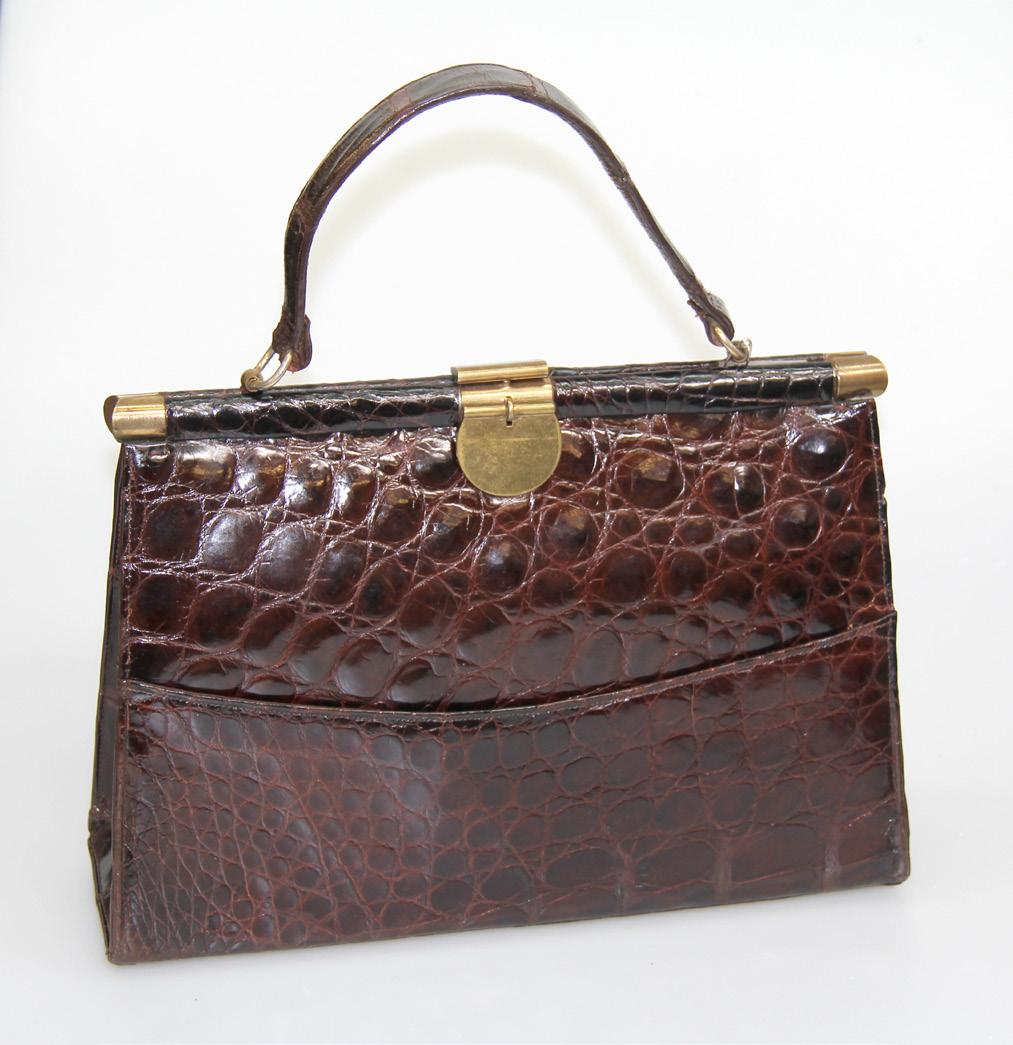
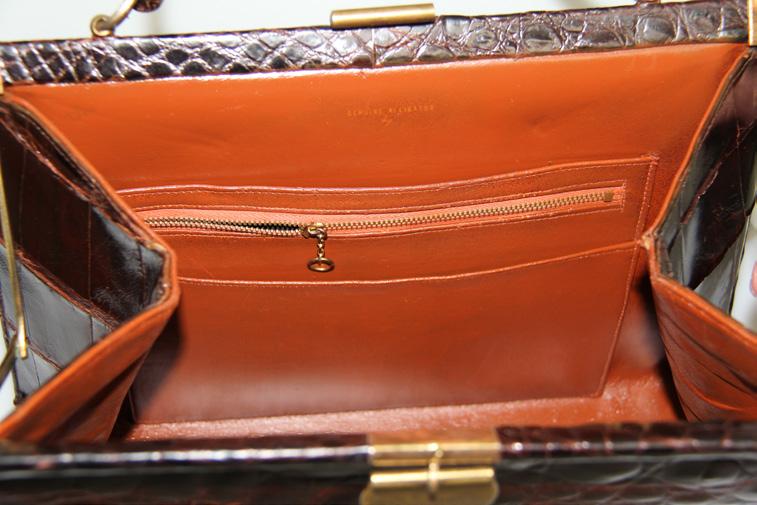
On the artisan’s workbench, the midcentury Vassar clutch speaks to American ingenuity. Crafted in the golden age of domestic leather goods, this rare alligator handbag bears the interior stamp of “The Gray Shop,” a style institution from Oakland, California. During an era when department stores sought luxury, American manufacturers met the demand with quality, producing structured frame bags built to endure.
The Vassar handbag’s exterior features deep mahogany bellycut alligator skin, renowned for symmetrical, high-gloss tiles. Its polished brass frame and geometric clasp reflect midcentury design. Yet the artifact’s true soul lies within: peeling back the lining reveals structural reinforcement made from vintage Spanish-language newsprint. Resourceful bag-makers cleverly wove global history into Californian luxury.
To preserve this masterpiece, Margaret’s, the Couture Cleaner, performed meticulous restoration. Decades of storage can leave alligator skin brittle, requiring gentle, pH-balanced cleansing to lift grime without stripping oils. Specialists conditioned the hide with reptile leather emollients, restoring suppleness and luster. The brass hardware was carefully handpolished to protect surrounding skin.
When structural backing weakened, Margaret’s master restorers delicately rebuilt the panels, matched original patterns, and revitalized the lining. This craftsmanship goes beyond repair; it preserves the legacy of domestic manufacturing. Through Margaret’s expertise, the Vassar clutch remains an enduring symbol of American luxury, proving that true quality lasts when cared for. ★
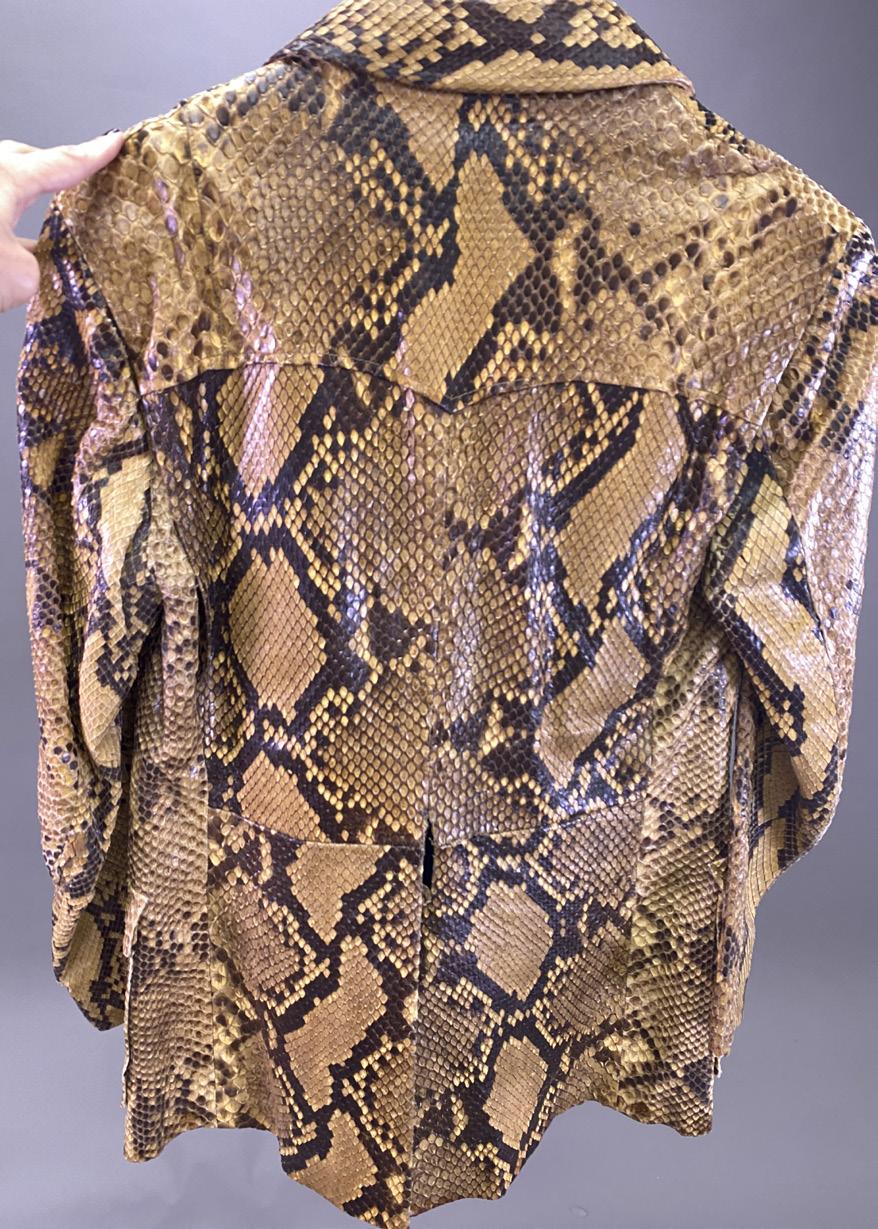
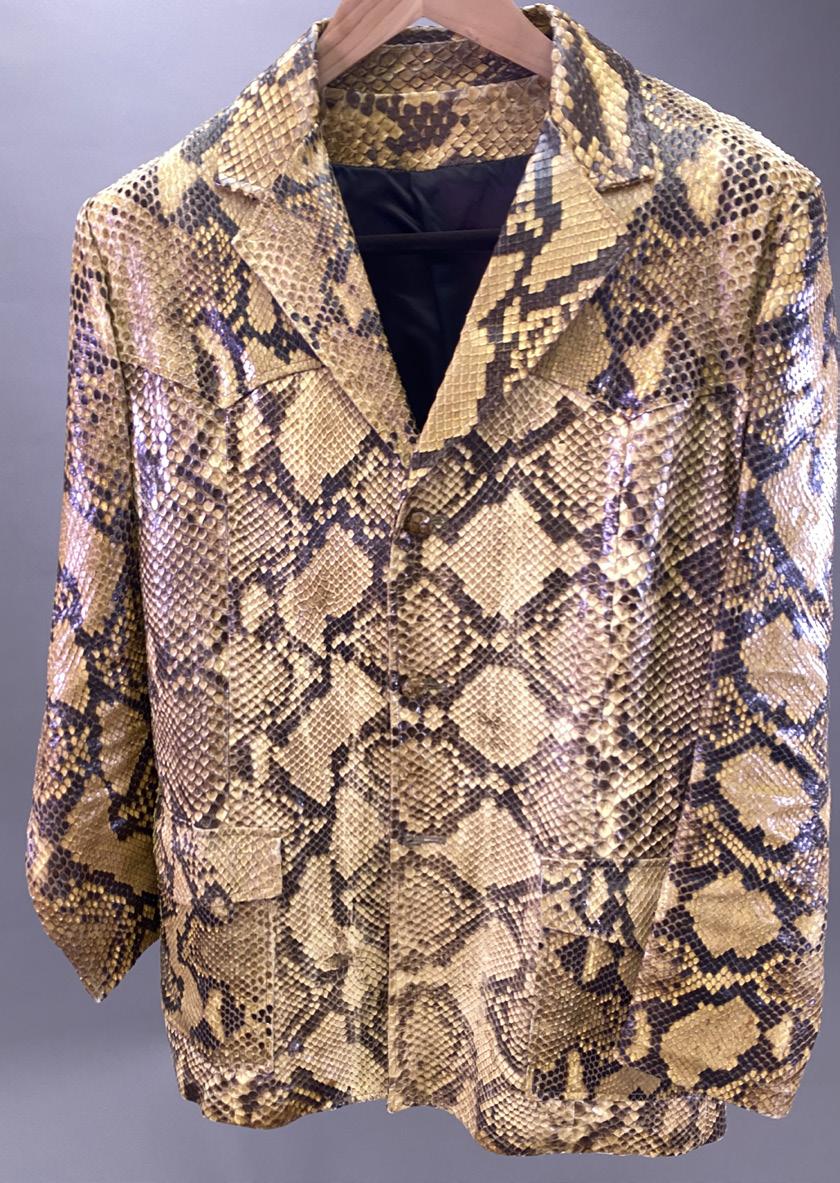
Western wear comes from the rugged American frontier. It represents a distinct chapter in the history of American style. This vintage men’s sport coat, made by the heritage brand Justin in Fort Worth, Texas, stands as a monument to that legacy.
This jacket is more than just a garment. It is a masterclass in regional tailoring. A sophisticated blazer silhouette is paired with traditional Western yokes. These are pieced into a genuine pythonskin exterior. Each scale tells a story of the untamed American spirit, preserved through decades of ownership.
Challenge: A Fracture in Time
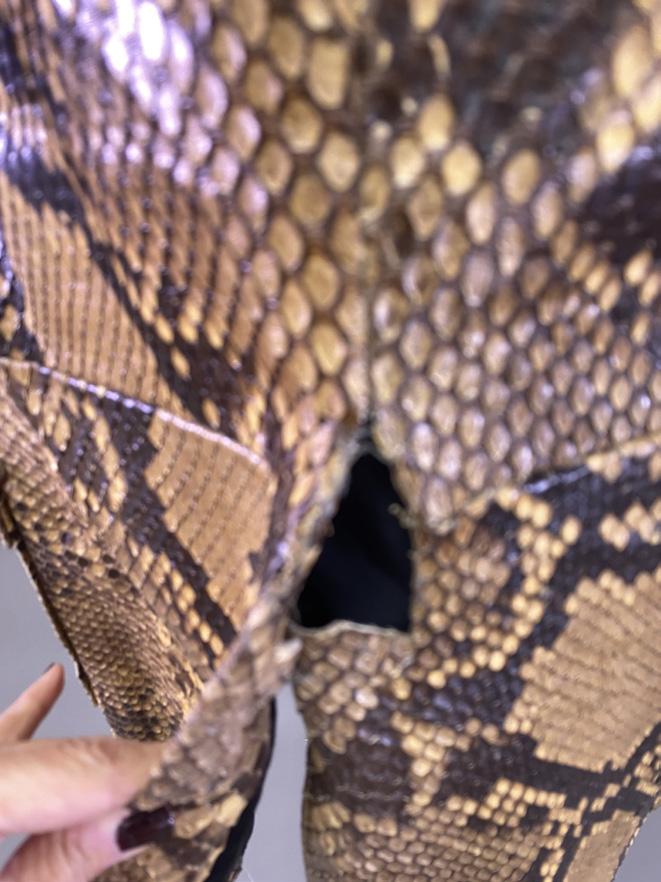
Exotic skins have unmatched natural beauty. Yet, as they age, they grow fragile and delicate. Over time, they become prone to drying and structural weakness. As shown in the upper left photo, this piece suffered a severe, jagged tear along a critical seam. The damage pierced through the python’s hide, exposing the dark lining beneath.
A tear this large in an exotic skin is devastating. Unlike traditional textiles, snakeskin cannot be
stitched together without risking further splitting. Stitching can cause permanent scarring or disrupt the diamond-shaped pattern. Preserving it required both material science and artistic symmetry.
To honor America’s Semiquincentennial is to celebrate the hands that built our history. It also means respecting those who keep it alive today. The artisans at Margaret’s the Couture Cleaner took on the difficult task of repairing this American icon. Our team used special textile conservation methods. We first stabilized the area from the reverse side. Next, we carefully pulled the fractured python skin back into place. The team matched the natural grain of the scales. This seamless repair restored the jacket’s structure and preserved its vintage character.
Through dedicated craftsmanship, this piece of Americana was rescued from decay. Its bold western heritage will be appreciated for generations to come. ★
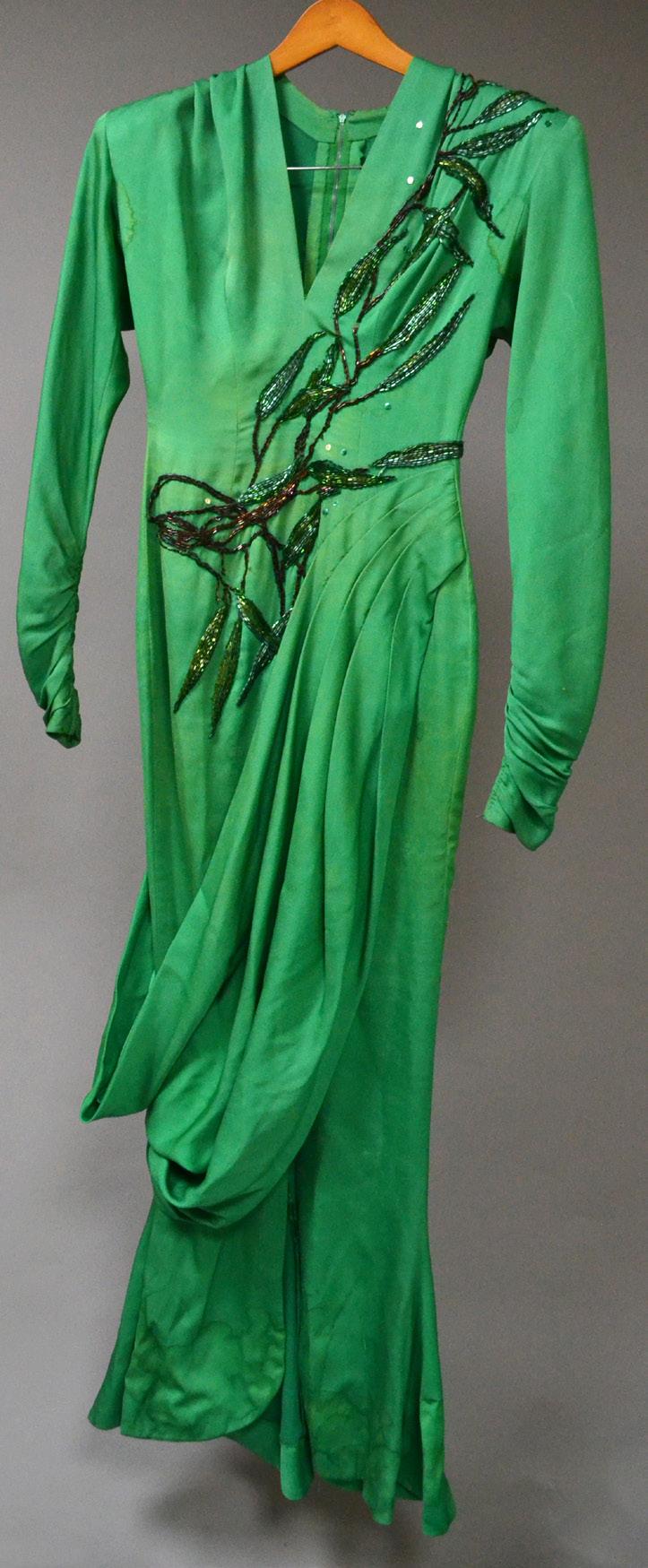
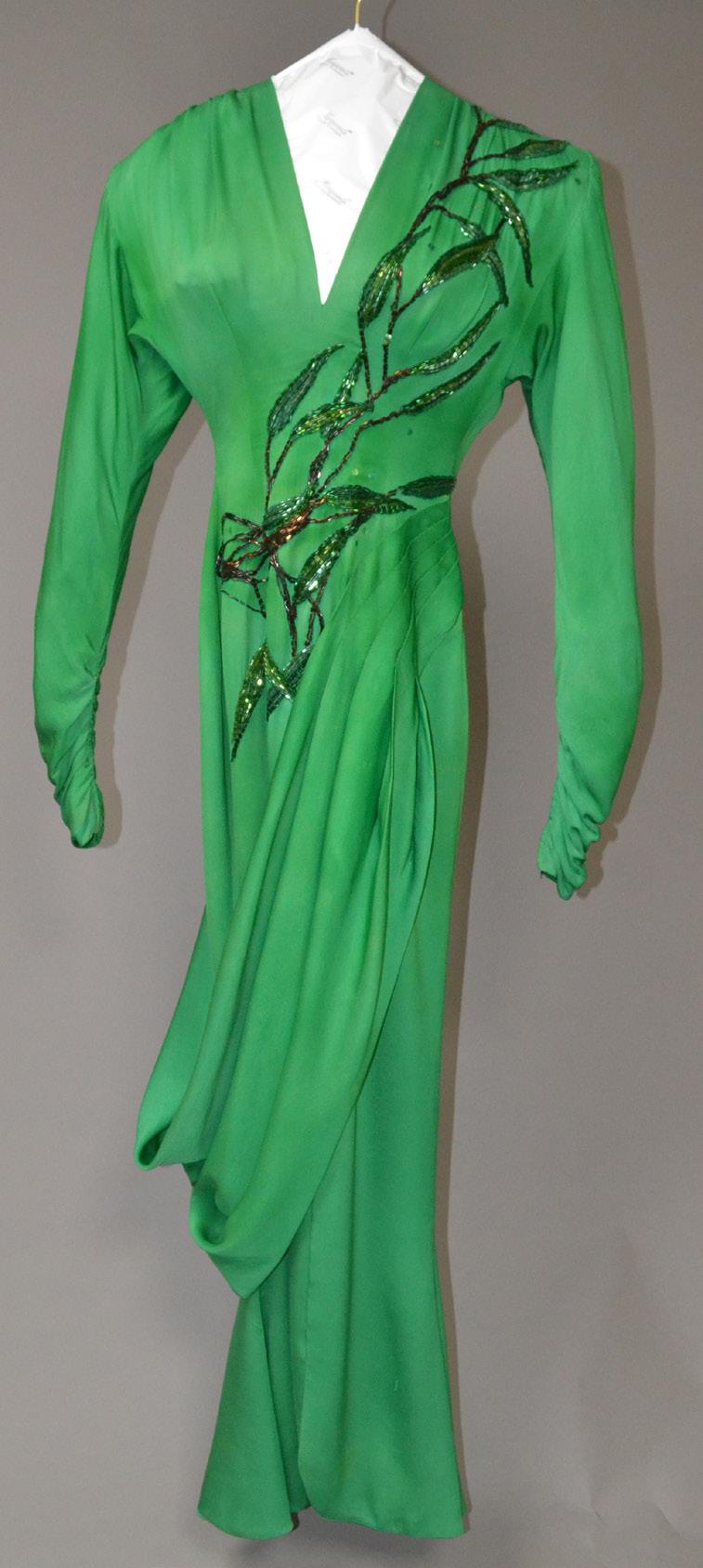
n Martin Scorsese’s 1977 musical drama New York, New York, Liza Minnelli portrays Francine Evans, a rising star navigating a postwar romance and the world of showbiz. One of the film’s most striking visual moments features Minnelli in an Emerald Green Evening Dress with Draped Skirt, accented by sequined embroidery that cuts across the bodice.
As documented in the archival restoration, this garment was once severely compromised, marked as “badly stained with damaged sequined embroidery.” Its modern restoration to a “stainfree” masterpiece mirrors the film’s own theme: preserving glamour against time’s wear.
The Designer: Theadora Van Runkle’s Cinematic Canvas
While Liza Minnelli was famously tied to the clean lines of her close friend Halston off-screen, her transformation into a 1940s jazz songstress for Scorsese was guided by the legendary American costume designer Theadora Van Runkle.
Van Runkle—famed for her definitive, eradefining work on Bonnie and Clyde and The Godfather Part II—was an artist who didn’t just dress actors; she built characters. For New York, New York, she blended vintage post-WWII inspiration with bold, theatrical silhouettes. The emerald green dress was carefully engineered to capture the nightclub spotlight, anchoring Minnelli’s stage presence in a visual world that felt both historical and larger-than-life.
The Backstory: Hollywood Royalty on the Old MGM Lot
The production of New York, New York carries a multi-generational American backstory. Seeking to capture the grand, artificial beauty of classic Hollywood studio filmmaking, Scorsese shot the movie on the fabled MGM Studios lot in Culver City, California. This was sacred ground for Liza Minnelli. The MGM lot was the creative home where her parents—the legendary entertainer Judy Garland and master director Vincente Minnelli—had helped shape the golden age of the American musical.
A Passing of the Torch: During filming, Liza occupied her mother’s old dressing room.
A Father’s Eye: Her father, Vincente, visited the set, bringing the legacy of MGM’s golden era into Scorsese’s modern, gritty lens.
An American Legacy: When Liza stepped in front of the camera wearing Van Runkle’s designs, she wasn’t just playing a character; she was carrying the weight, the style, and the heritage of American entertainment royalty in her fabric.
New York, New York: The Anthem of Resilience
The film itself stands as a monument to American reinvention, uniting performance, design, and legacy.
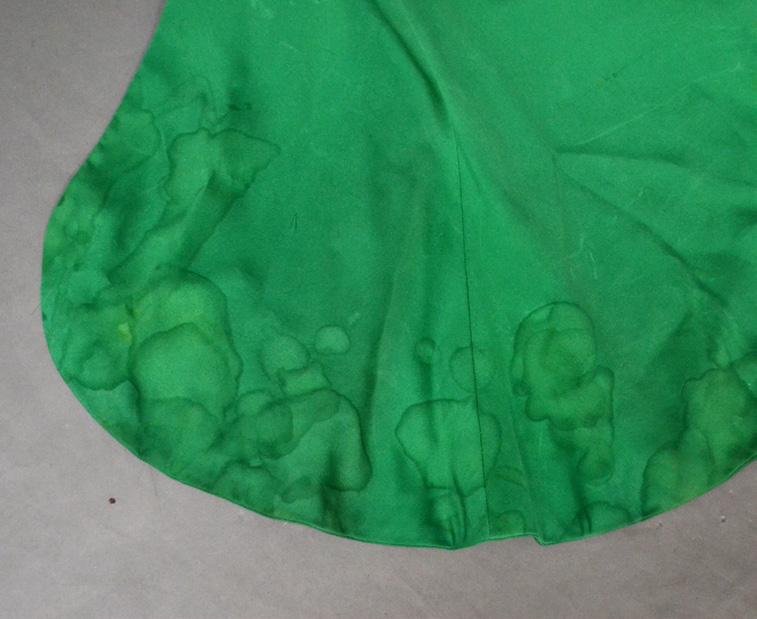
Just like the emerald gown meticulously brought back to life, the movie and its iconic costuming remind us that true American art isn’t fragile—it is restored, remembered, and celebrated. ★

Don’t trust your treasured articles to an unproven dry cleaner or shoe repair shop. Our worldwide CleanByMail® service cleans and/or repairs your handbags, ties, leathers, suedes, sweaters, knits, and even preserves wedding gowns, easily and safely, no matter where you live.
We’ve developed custom shipping boxes and carefully package each garment for protection. You can submit an estimate request on our website (along with photos of your item) as well as obtain a CleanByMail® request form to accompany your order.
Video consultations for advice are available with one of our expert technicians.
If your home or business is located outside our Southern California pickup and delivery areas, you can now ship items to our CleanByMail® service using UPS. This provides a convenient way to send cleaning or repairs to us. With over 4,900 UPS Store® locations, professional couture garment care has never been easier. It’s like having 4,900 Margaret’s drop off locations. Return shipments will come directly to you.
Estimate Requests