Making Seafarers Future-Ready
- Pratik Bijlani
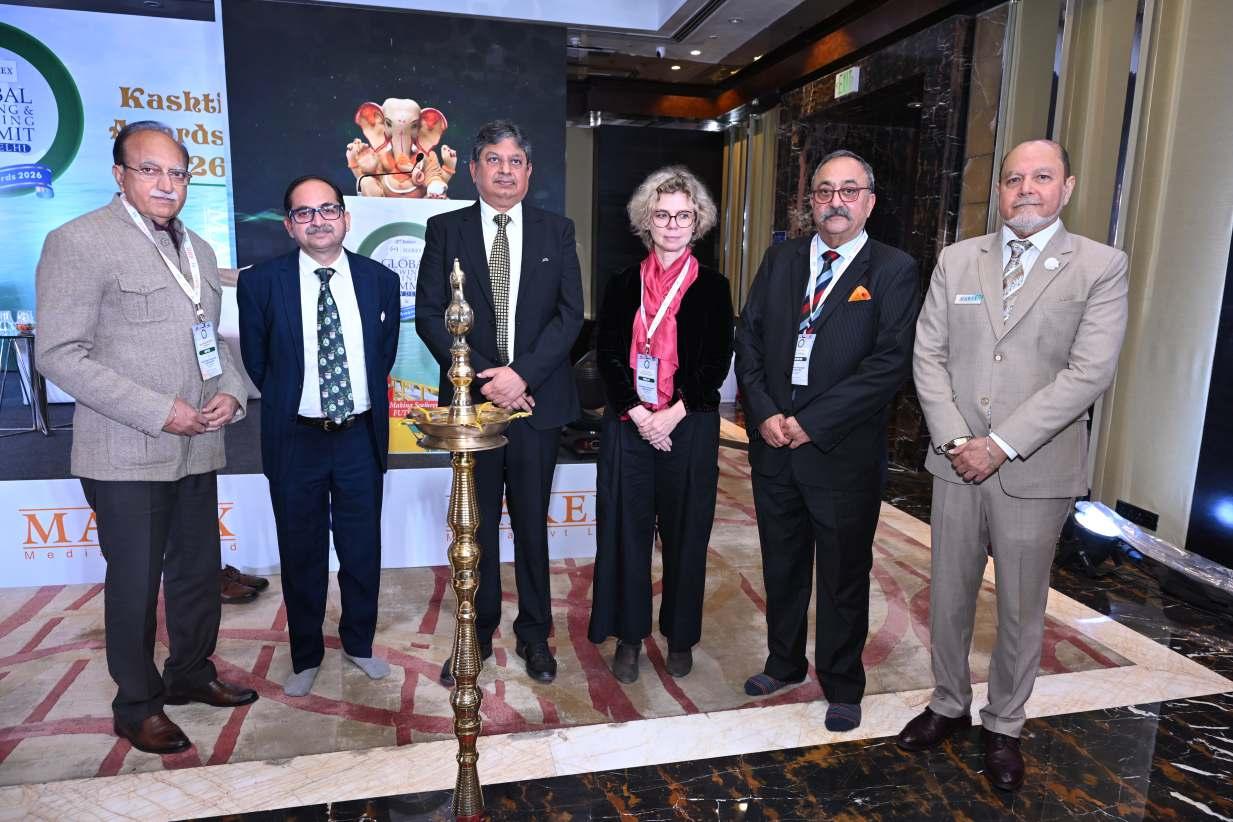
The 2nd edion of ATPI–Marex Global Crewing & Training Summit & Kash Awards 2026, held at the Radisson Blu Plaza Hotel Delhi Airport, New Delhi on 13th February, brought together senior marime leaders, policymakers, trainers, regulators, shipowners, managers and seafarer advocates to deliberate on the most pressing issues shaping the future of global shipping. Convened in the naonal capital, the summit reinforced the growing recognion that India's marime ambions hinge on thestrength,skillsandwellbeingofitshumancapital.
From shipmanning and training reform to digital transformaon, decarbonisaon, mental health and gender diversity, the conversaons were candid, forward-looking and soluon-driven. With more than 200 global marime decision-makers in aendance—including shipowners, charterers, traders, brokers, government officials, training instutes, vessel operators, ship managers, captains and manning companies the summit underscored the collecve responsibility to make seafarers futureready
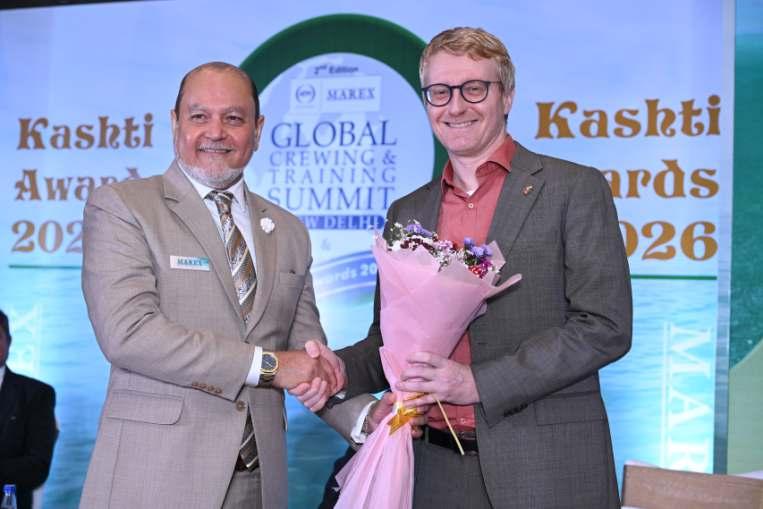
Delivering the welcome address, Capt. Kamal Chadha, Managing DirectorofMarexMedia,setthetonebyemphasizingcollaboraon and seafarer-centric transformaon under the theme “Making Seafarers Future-Ready” He urged stakeholders to move beyond dialogue toward partnerships that strengthen training ecosystems andsustainableworkforcedevelopment.
Capt.RajeshTandon,DeputyChairmanoftheBoardofAdvisorsand CEO of FOSMA, outlined India's marime manpower ambions, highlighng significant government investment plans and the goal of increasing India's share of global seafarers from 12% to 20%. He drew aenon to bolenecks in onboard training slots and called for innovave soluons such as dedicated cadet training ships and structured trainer development programs Stressing the importance of data-driven feedback systems and early career awareness at the school level, he advocated building a resilient and future-focusedmarimetalentpipeline.
Guest of Honour Mr Amitabh Kumar, Former Director General of
Shipping, lauded India's 17% annual growth in seafarer numbers while urging a strategic shi to meet Marime India Vision targets of500,000seafarers.Heemphasizeddiversificaonbeyondtankers into gas, bulk and cruise segments, segment-specific training including hospitality skills, and greater use of simulators to address sea-meconstraints.Hisfour-pointfocus—digitalandAIreadiness, green fuel preparedness, regulatory adaptability, and gender diversity—framedtheroadmapforagloballycompevemarime workforce.
Guest of Honour Fredrik Bjerke Abdelmaguid, Deputy Consul General at the Royal Norwegian Consulate General, highlighted Norway–India cooperaon in marime training and seafarer welfare under the TEPA agreement. He underscored the growing presence of Indian seafarers in the global fleet and emphasized shared commitments to gender equality, alternave fuels and sustainableinnovaon.
Chief Guest Dr Shishir Shrotriya, Coordinator at the Centre for MarimeEconomyandConnecvity(CMEC),describedthesummit as a defining moment for marime manpower development. He stated, “The ATPI–Marex Global Crewing & Training Summit & Kash Awards 2026 in New Delhi is more than a conference—it is a collecve call to acon. By bringing together policymakers, global shipowners, training instuons and seafarers, the summit reinforces a shared commitment to making marime manpower future-ready while celebrang excellence across the industry” Emphasizingahuman-centricapproachamidrapiddecarbonisaon and digitalisaon, he called for advanced training in cybersecurity, alternave fuels, IMDG and IGF Codes, and Polar compliance, alongsidecurriculumreformandfacultyupskilling.
AvideomessagefromProf MaximoQ.MejiaoftheWorldMarime University reinforced the need to revise the STCW framework to address cyber risks, mental wellbeing and alternave fuels, urging experienalandtechnology-enabledlearning.Capt.SarabjitButalia echoed these concerns, stressing that without genuine industry investment, research and empathy toward seafarers' realies, progress toward 2040-ready competencies would remain fragmented.
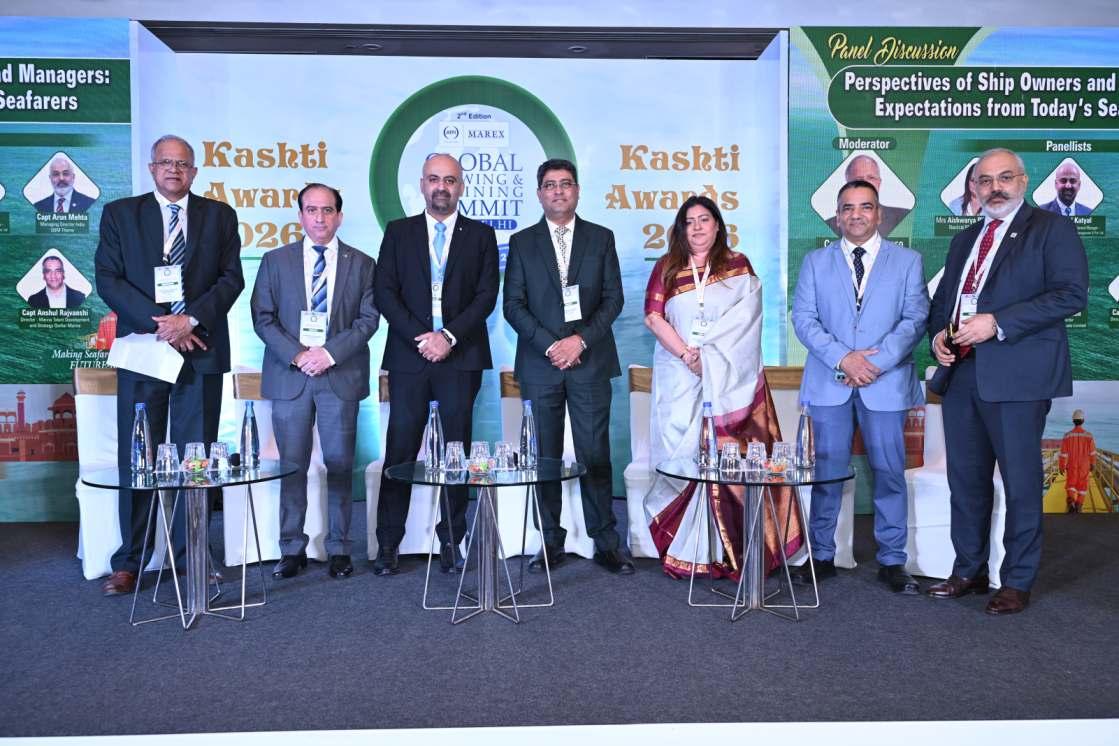
Panel discussions provided granular insight into industry expectaons. The first panel, moderated by Capt. S.M. Halbe, examined shipowners' perspecves on evolving competence requirements. Parcipants emphasized technological agility, resilience,adaptabilityandstrongersoskills,withrecognionthat futureseafarersmustbedigitallyawareyetnotdigitallydependent. The second panel, moderated by Capt. Yashoverman Sharma, debatedwhetherIndianseafarersarefuture-ready,concludingthat systemic investment, cultural change and structured cadet developmentareessenaltocloseskillgaps.
The third panel focused on fostering a culture of wellbeing,

highlighngmentalhealth,leadershipempathy,data-drivenhealth assessments and shared responsibility between ship and shore. Discussions acknowledged generaonal shis, where younger seafarers priorize workplace culture and wellbeing alongside remuneraon The fourth panel, “Marime Careers from Classroom to Ship & Beyond,” explored strengthening awareness through school outreach, alignment with the Naonal Educaon Policy 2020, and clearer career pathways from seafaring to boardroomleadership.
Mr Shyam Jagannathan outlined India's ambion under Marime India Vision 2030 and Amrit Kaal Vision 2047, emphasizing green shipping, digital governance and safety-first culture. A special session by Captain Jaisimha Sharma on financial literacy reminded seafarers of the importance of disciplined invesng and long-term wealth creaon, reinforcing holisc wellbeing beyond professional growth.
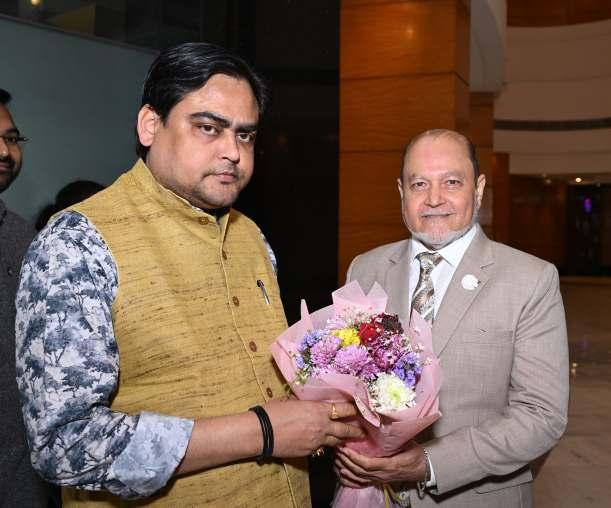
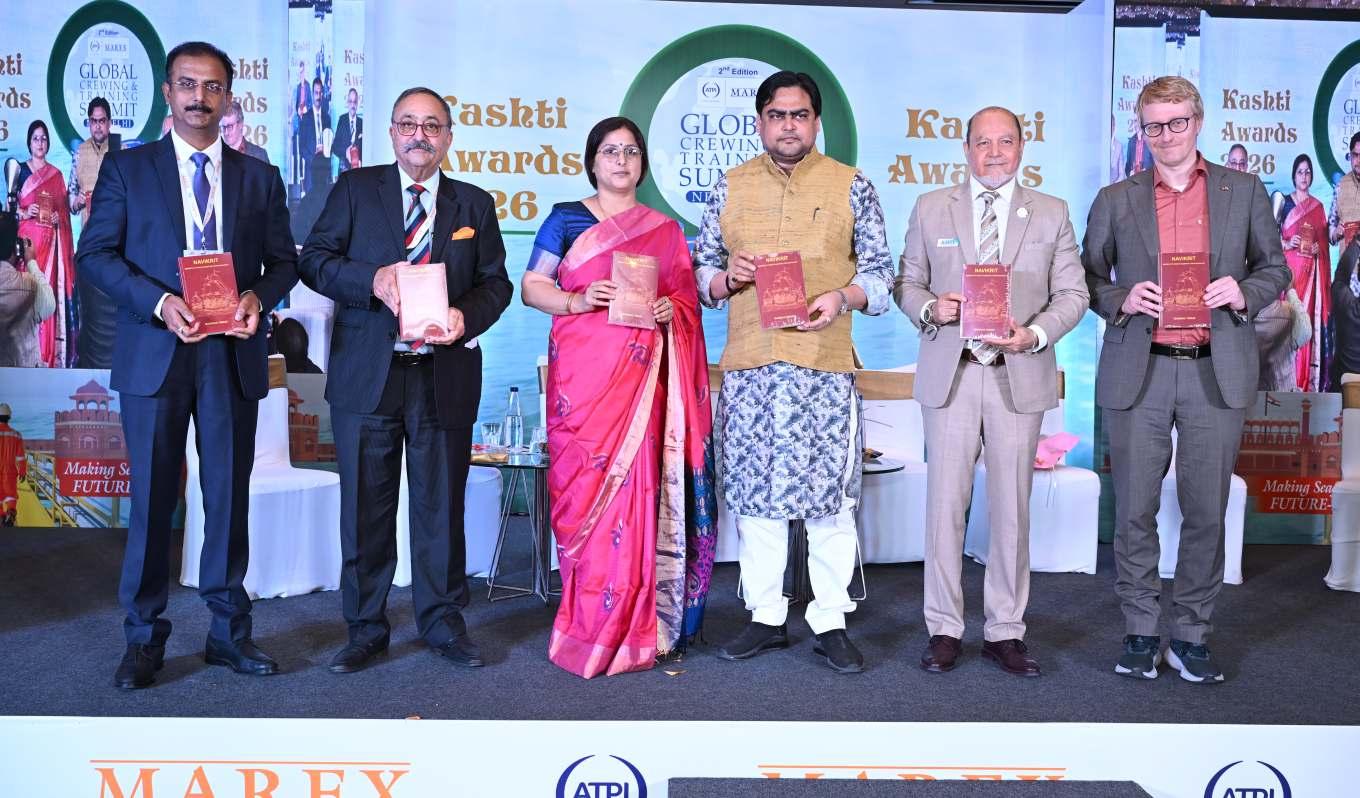
The summit also witnessed the launch of two significant books in the presence of Mr Shantanu Thakur, Minister of State for Ports, Shipping and Waterways: Navikrit – Rebirth of India's Marime Consciousness by Adv Manisha Tiwari and Blue Bharat: India's Voyage to a Resilient Ocean Economy by Capt. Gajanan Karanjikar, further enriching discourse on India's marime resurgence and BlueEconomyvision.
In his keynote address, Mr Thakur highlighted transformave growth across inland waterways, shipbuilding and the Blue Economy He declared, “Under the visionary leadership of our Hon'ble Prime Minister, India's marime sector has witnessed unprecedented growth from expanding inland waterways to strengthening shipbuilding and advancing the Blue Economy With strategic projects like Galathea Bay, we are determined to harness

the true potenal of the Indian Ocean and propel India toward becomingaleadingglobalmarimeandeconomicpowerby2047.” He underscored the expansion of inland waterways from three to 111 since 2014 and emphasized the strategic importance of GalatheaBayPortintheAndaman&NicobarIslands.
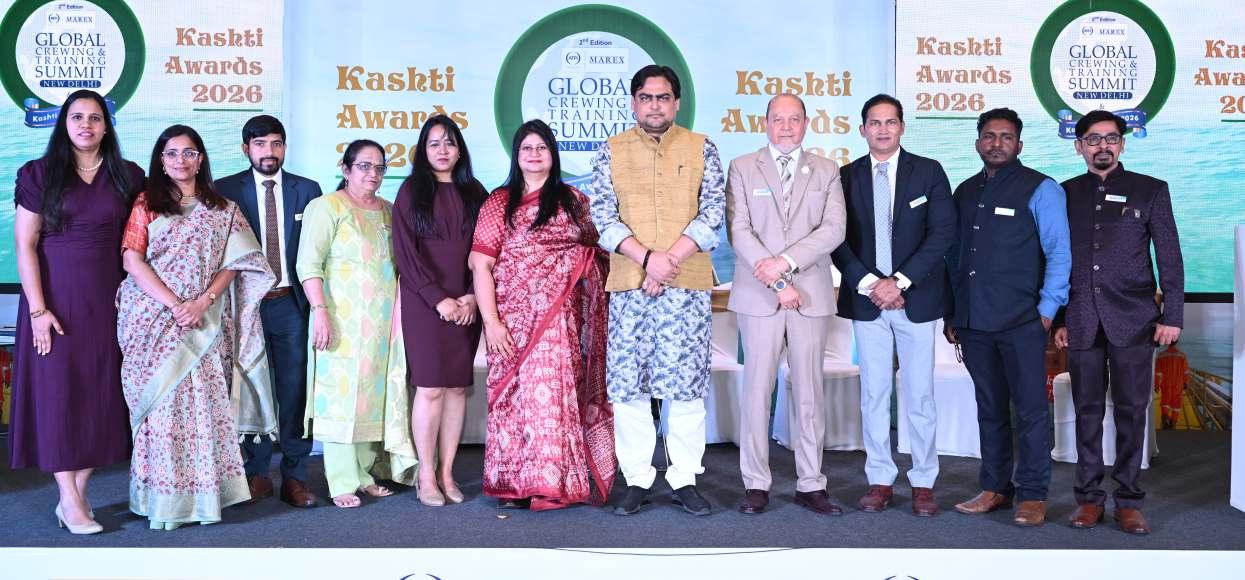
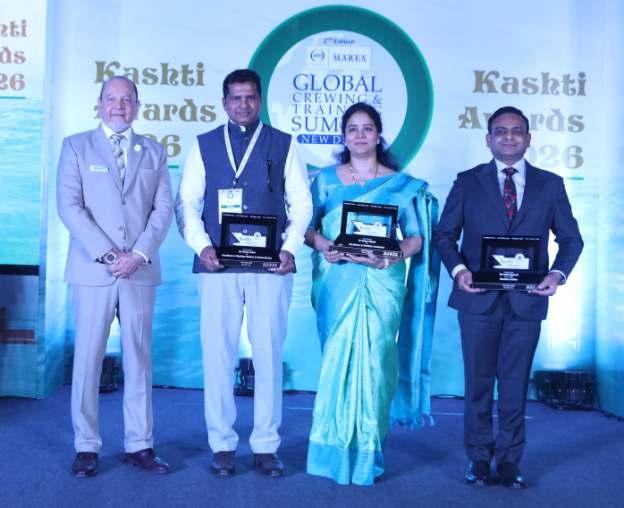
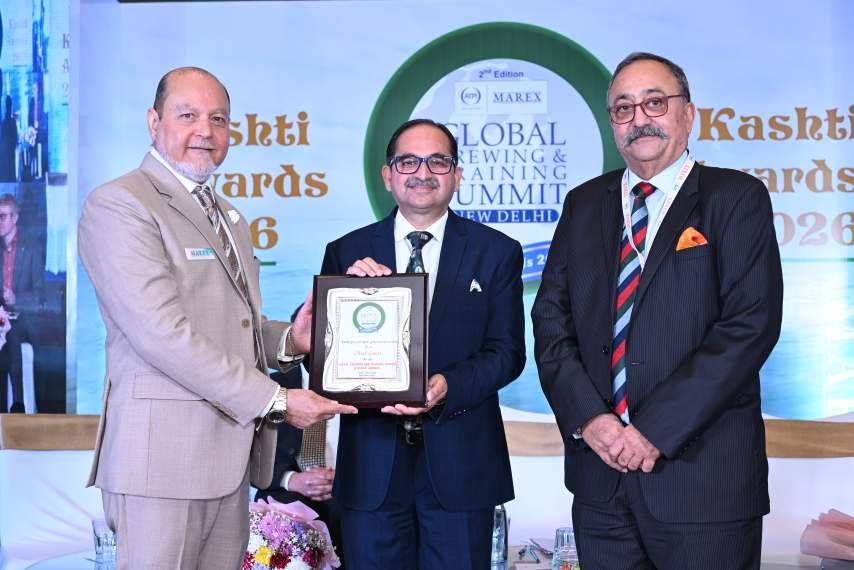
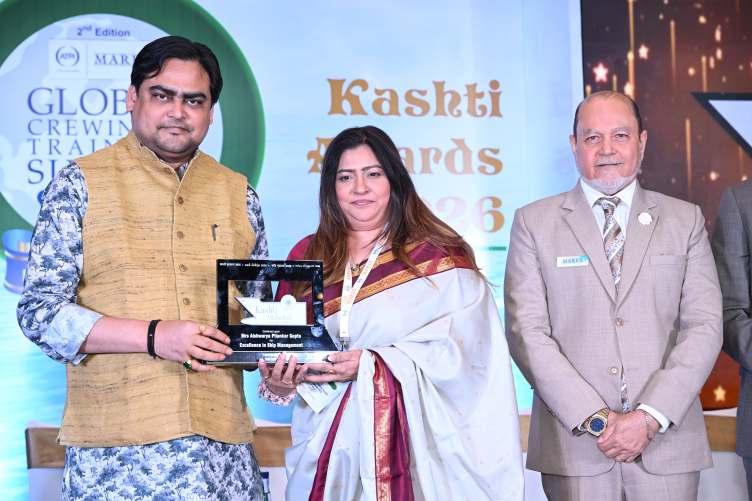
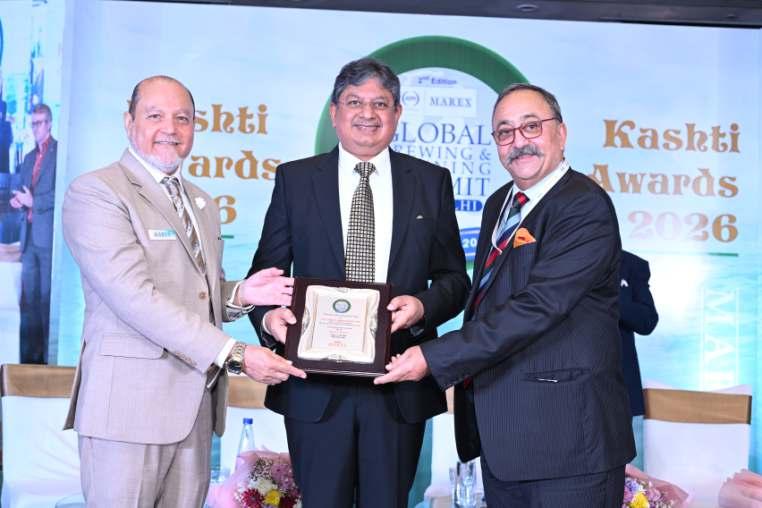
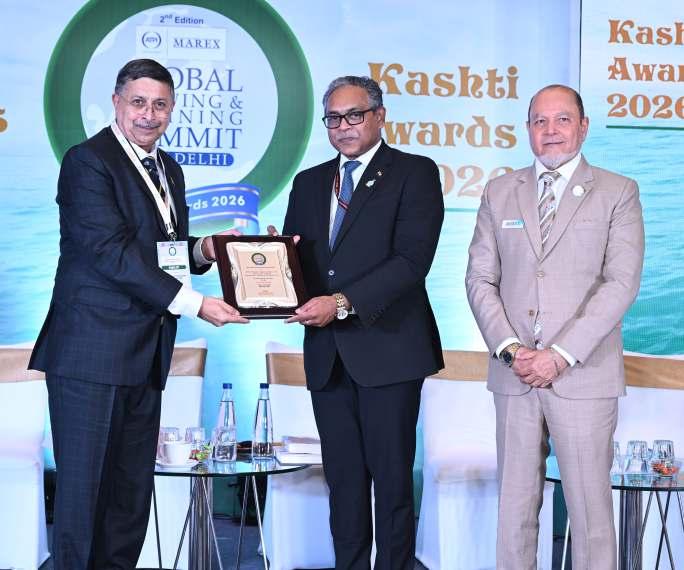
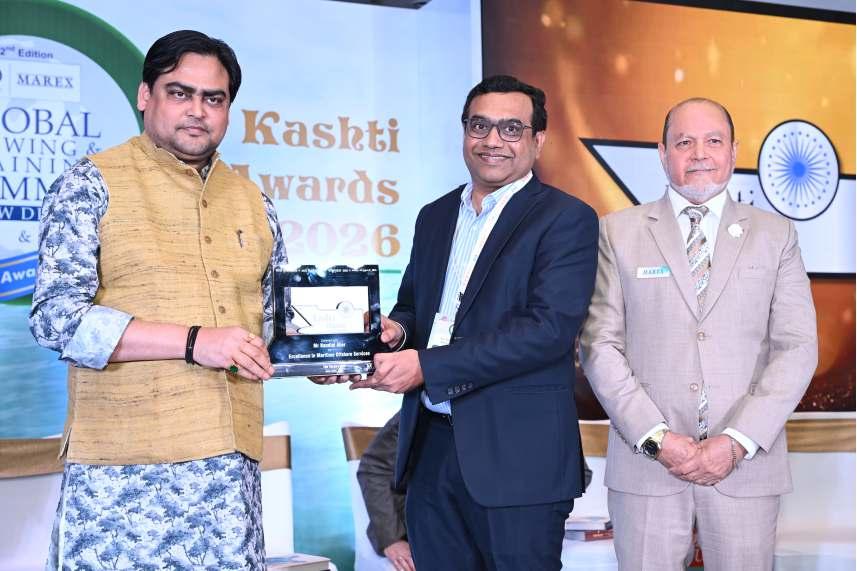
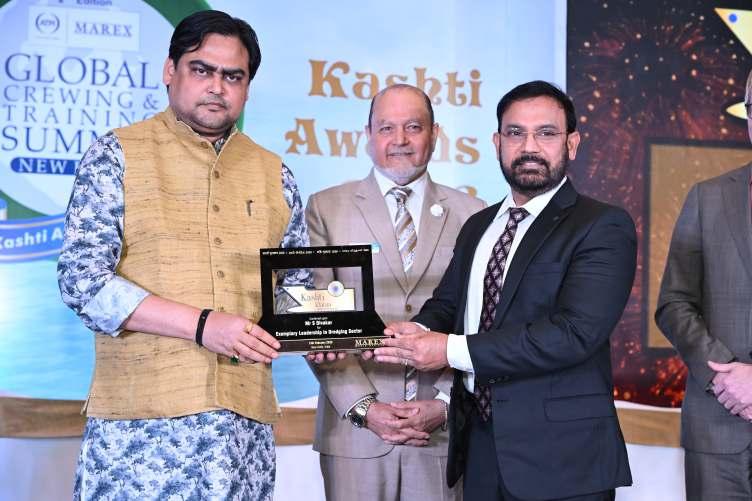
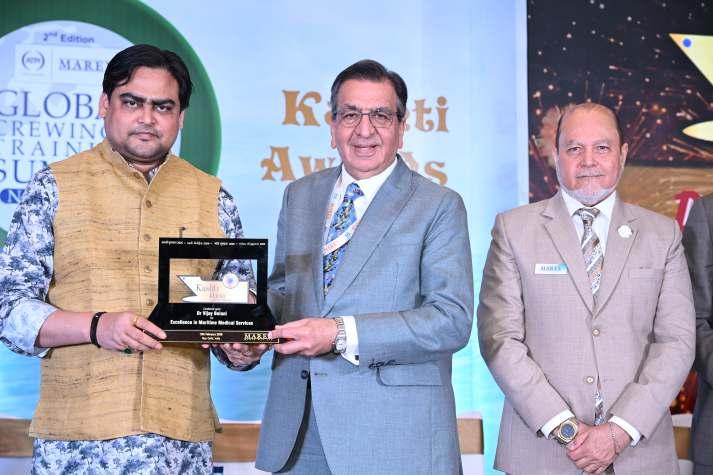
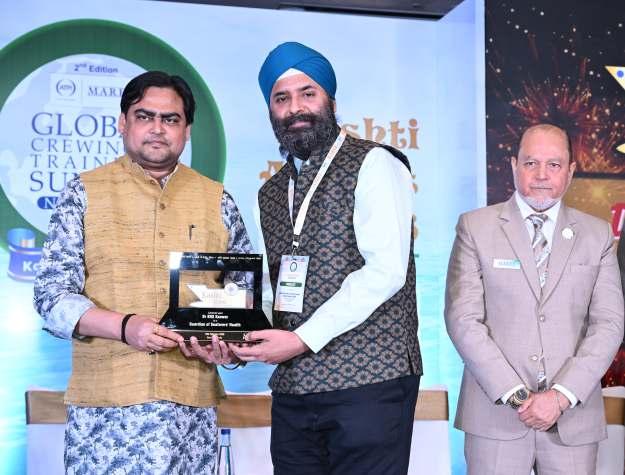
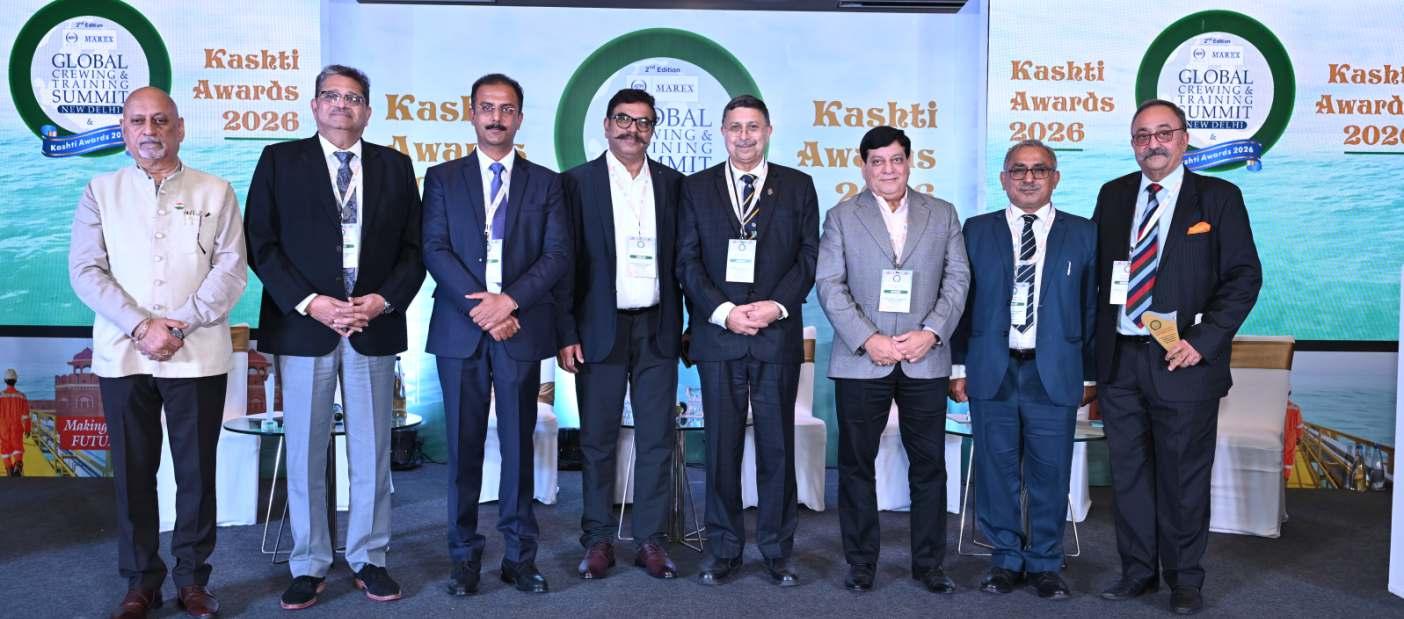
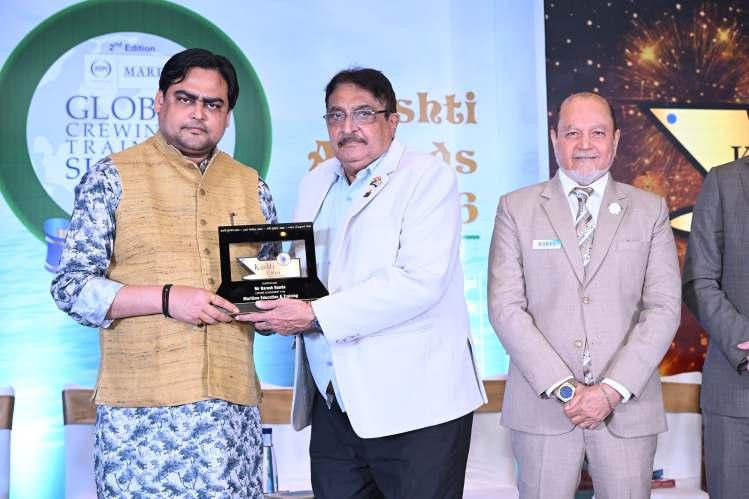
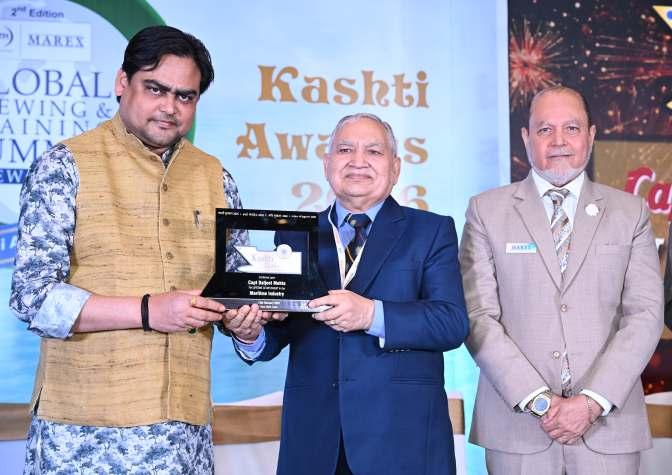
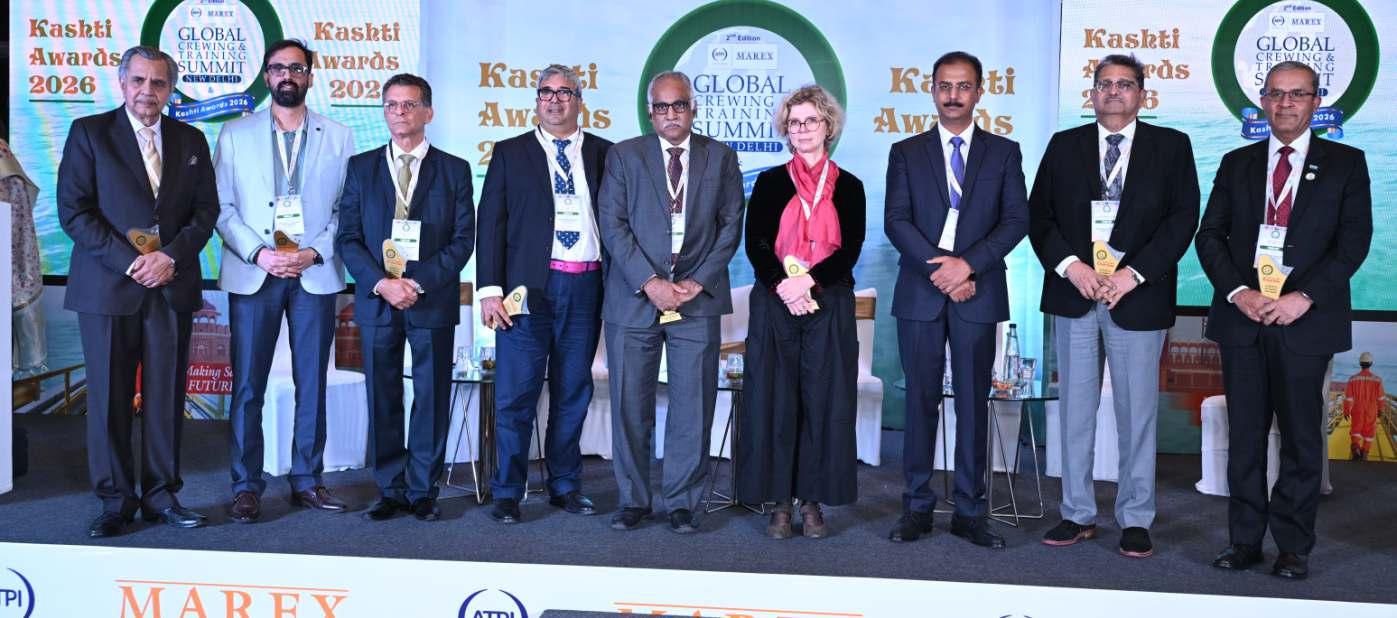
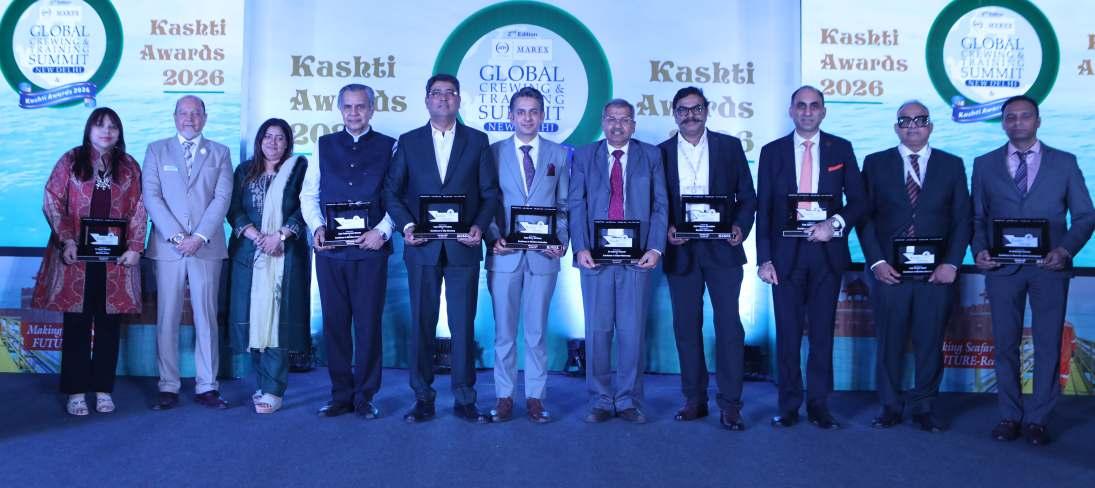
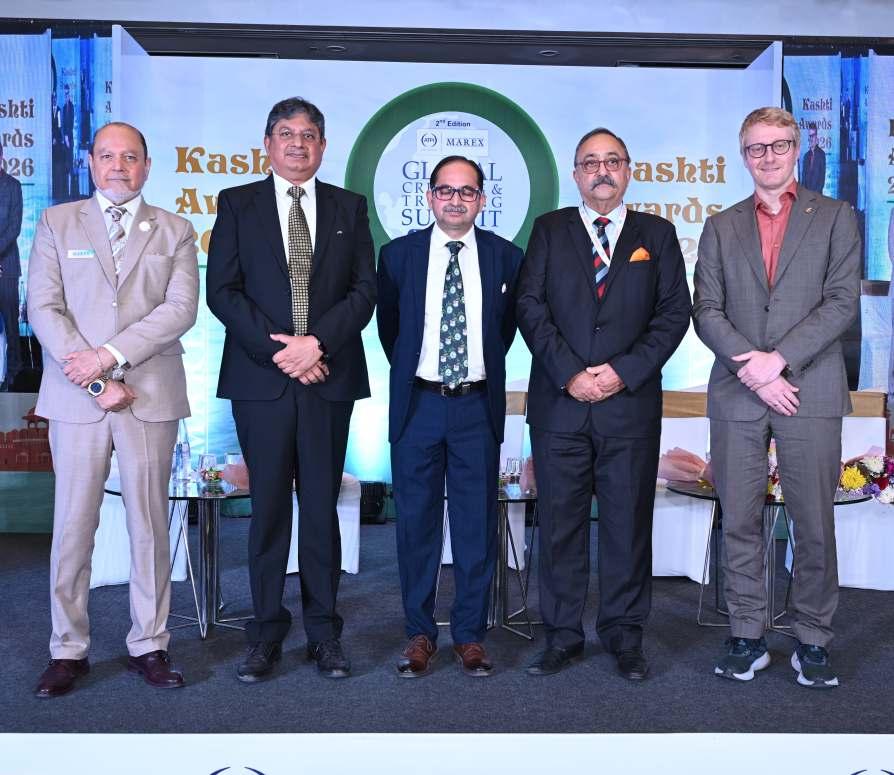
The event also featured the presgious Kash Awards ceremony, honouring excellence across crewing, training, welfare, leadership, innovaon and marime services. Awards such as Kash Bhushan, Kash Ratna and Kash Vibhushan recognized disnguished individuals and organizaons for their outstanding contribuons, reinforcing pride and purpose within the global marime community
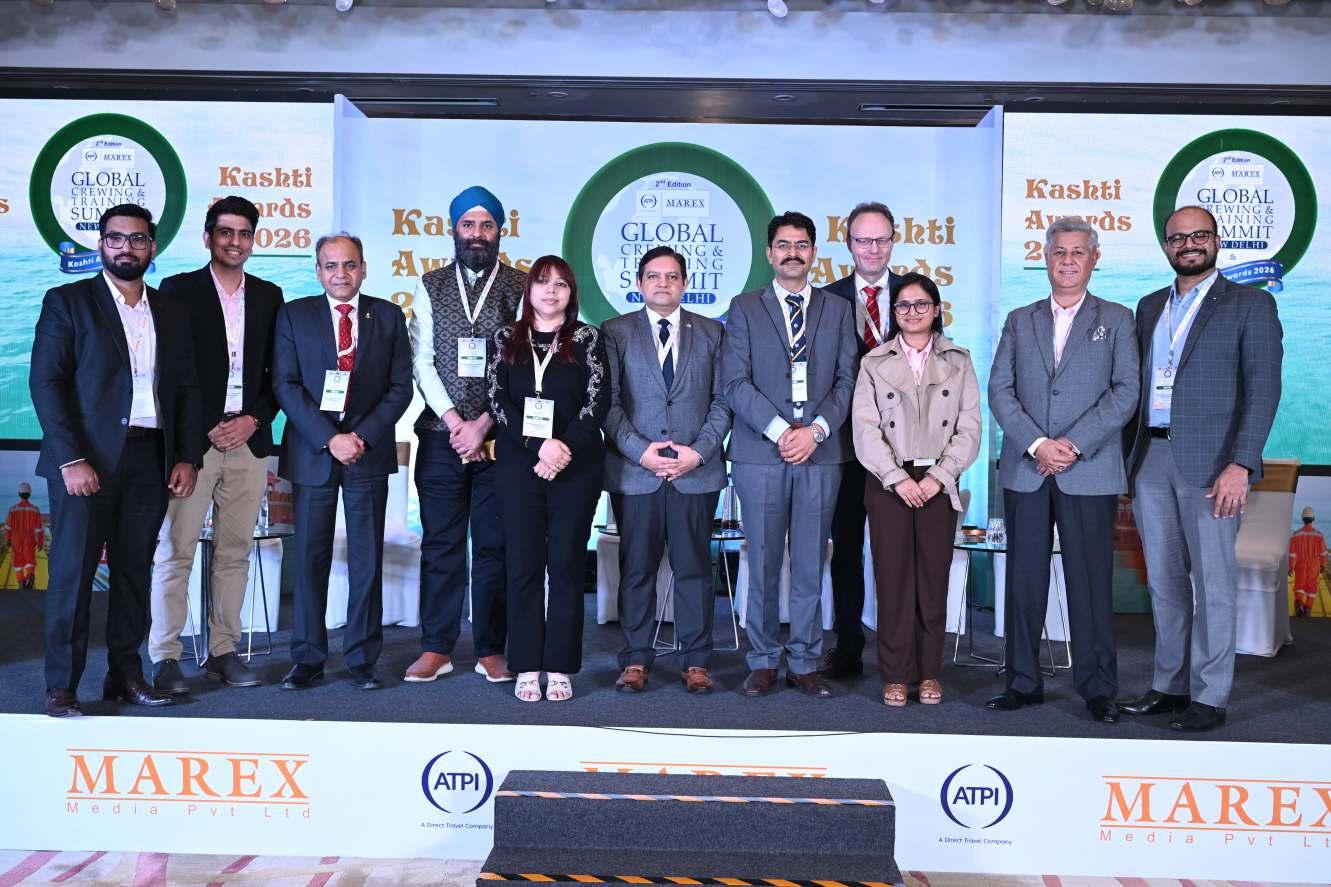
TheproceedingsconcludedwithasummarypresentedbyMrDavid Birwadkar, followed by a gracious vote of thanks delivered by Ms Delphine Esbeiro. The evening drew to a close with cocktails and dinner, providing an excellent opportunity for networking and fosteringdeeperindustrycollaboraon.
Together, the ATPI–Marex Global Crewing & Training Summit & Kash Awards 2026 reaffirmed that India's marime ascent is inseparable from its investment in people. By aligning policy, industry, educaon and welfare under a unified vision, the summit chartedaclearcoursetowardasafer,smarterandmoresustainable futureforglobalshipping—withIndianseafarersatitshelm.
Marex Media
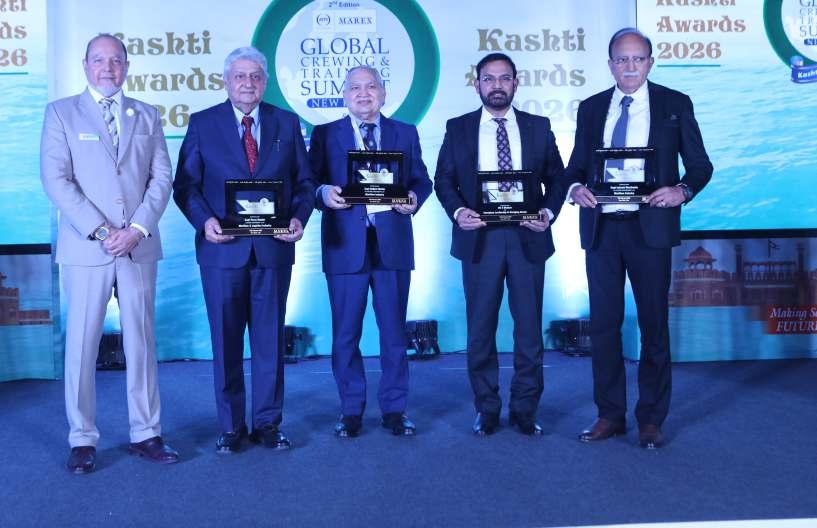
KASHTI 2026 AWARD WINNERS
Kashti Ratna (Jewel of Shipping)
1. Mr. S. Divakar - For Exemplary Leadership in the Dredging Sector
2. Capt. Daljeet Mehta - For Lifetime Achievement in the Maritime Industry
3. Mr. Naresh Nanda - For Lifetime Achievement in Maritime Education & Training
4. Dr. Vijay Belani - For Excellence in Maritime Medical Services
5. Dr. K. R. S. Kanwar - As a Guardian of Seafarers' Health
6. Capt. Percy Master - For Lifetime Achievement in the Maritime & Logistics Industry
7. Capt. Indresh Kharbanda - For Lifetime Achievement in the Maritime Industry
Kashti Vibhushan (Treasure of Shipping)
1. Mr. Johan Smith - For Excellence in Maritime Welfare & Social Service
2. Mrs. Aishwarya Pilankar Gupta - For Excellence in Ship Management
3. Dr. Mahendra Sharma - For Excellence in Maritime Skills Development
4.Mr. Warren Pinto - For Excellence in Maritime Banking & Finance
5. Dr. Inderveer Solanki - For Excellence in Inland Waterways
6. Capt. Ruchin Dayal - For Excellence in Maritime Services
7. Capt. Dhruv Sawhney - For Excellence in Maritime Innovation
8. Capt. Gajanan Karanjikar - For Maritime Literature
9. Dr. Deepti Mankad - For Maritime Author
10. Capt. Yashoverman Sharma - For Excellence in Maritime Leadership
11. Capt. Jagdeep Kahlon - For Excellence in Crew Management
12. Dr.Rajesh Ramachandran - For Excellence in Maritime Education and Training
13. Capt Aniket Pradhan - For Excellence in Ship Manning
Kashti Bhushan (Gem of Shipping)
1. Mr. Rohit Agarwal - For Maritime Author
2. Mr. Rubal Mansal - For Excellence in Ship Recycling
3. Mr. Manoj Yadav - For Excellence in Maritime Welfare & Social Service
4. Dr. Nayana Nandakumar - For Industry Impact in Shipping & Logistics
5. Mr. Nandlal Aher - For Excellence in Maritime Offshore Services
6. Dr. Deepa Rajesh - For Excellence in Maritime Academics