Customer Spotlight Q&A
Lena Sjöholm, Training Manager and Ambulance Nurse
Stockholm County Health District – SLSO Sweden
Please tell us about your background and how you first learned about Pediatric Education for Prehospital Professionals (PEPP).
My background is in pediatric emergency care, where I have worked as a nurse since 1979.Since 1981, I have also served as a nurse in the ambulance service. In addition, I hold advanced training in emergency, ambulance, anesthesia, and intensive care nursing, and have worked within all these fields. However, throughout my career, I have continuously remained active in both ambulance and pediatric care.
I first became interested in the PEPP course in 2010 while we were searching for a structured pediatric education program tailored for prehospital personnel. At the time, we were already offering PHTLS: Prehospital Trauma Life Support and AMLS: Advanced Medical Life Support courses, but recognized a gap when it came to pediatric-focused training. We reached out to contacts in the United States and the United Kingdom to explore how we could bring the PEPP course to Sweden.
Eventually, instructors from the UK came to Sweden to run the course and assist us in establishing a faculty in Stockholm. Since then, we have supported other regions in training their own instructors, enabling them to establish local faculties. We are now approaching our goal: for every region in Sweden to have its own PEPP faculty and to require all prehospital staff to complete the course successfully.
PRODUCTS USED
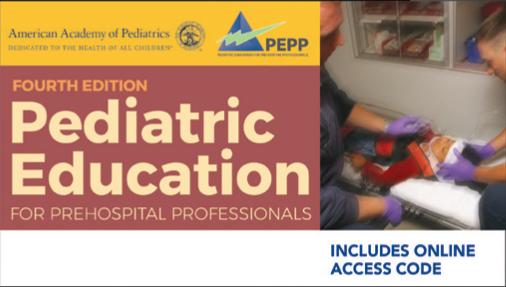
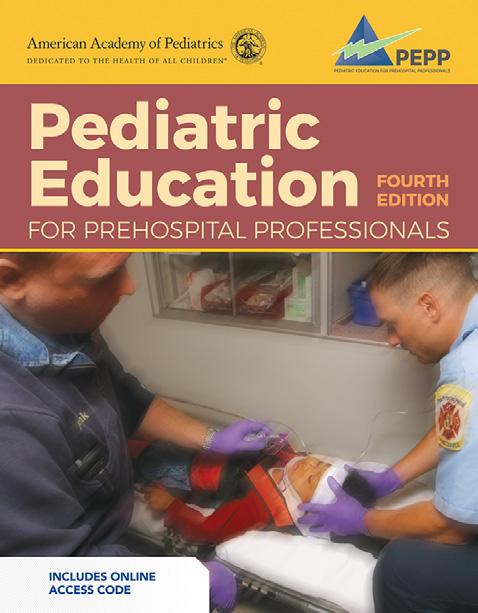
Pediatric Education for Prehospital Professionals (PEPP), Fourth Edition
KEY BENEFITS
Prehospital pediatric care in Sweden has become more standardized across the country, significantly improving the quality and confidence of prehospital pediatric care.
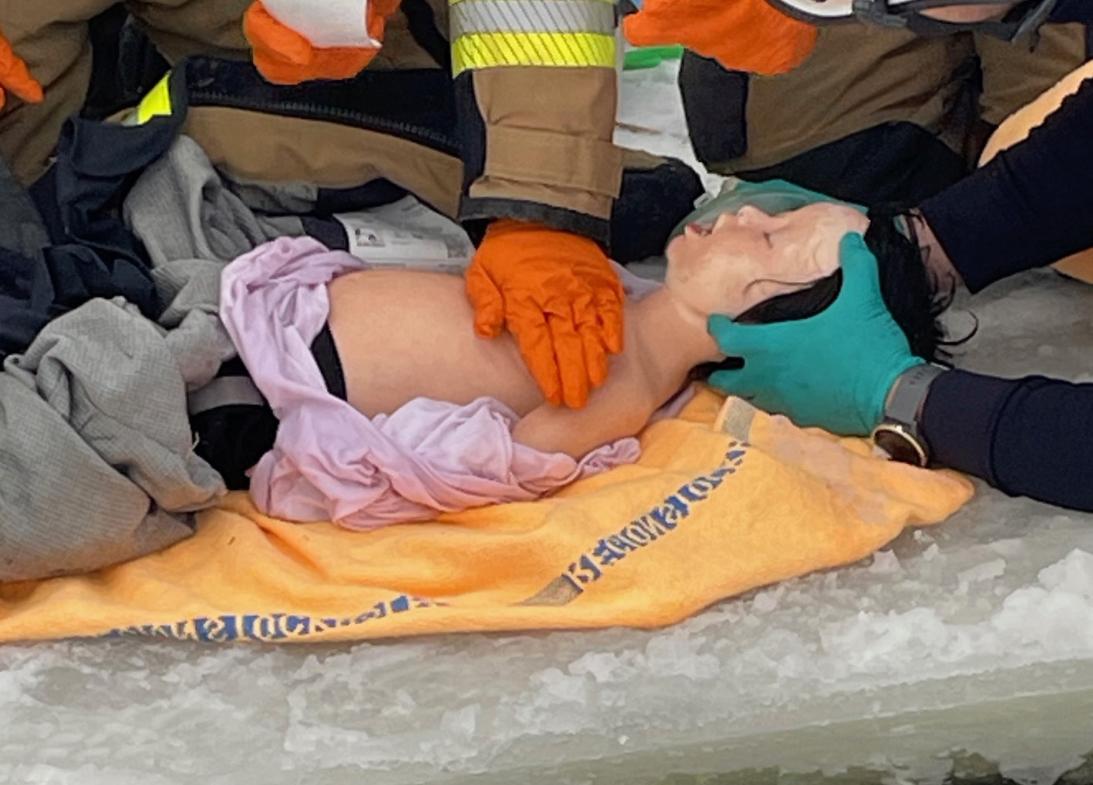
Practitioners are much better prepared when responding to critically ill or injured children, enabling them to perform the right interventions even in critical cases
Teaching PEPP’s key concepts— including the Pediatric Assessment Triangle (PAT), the structured approach of XABCDE followed by respiratory support as needed, then fluid administration when appropriate, and evaluation of blood glucose levels— has proven to be lifesaving in the field.
Continues on next page.

What led you to consider PEPP for your training, and what were you hoping to accomplish?
We appreciated the course structure, which combined lectures with hands-on practical training stations. We felt that PEPP provided exactly what we needed. Our goal has been for all prehospital personnel in Sweden to complete the PEPP course, so they can feel more confident and competent when caring for sick, injured, or newborn children.
Has the classroom experience changed since introducing PEPP training?
While the overall classroom experience has remained quite consistent, we have noticed some meaningful developments over time. The lectures have become more case-based, which helps participants relate the material directly to real-life scenarios they might encounter in the field. Additionally, we’ve made some adjustments to reflect updated guidelines that are in line with other training programs such as PHTLS, AMLS, and current CPR protocols. These changes have helped ensure that the content remains relevant, integrated, and practically useful for prehospital providers.
How has PEPP training changed prehospital pediatric care in Sweden?
Since the implementation of PEPP training, prehospital pediatric care in Sweden has become more standardized across the country. Today, the assessment, treatment, and monitoring of sick, injured, and newborn children are guided by the PEPP algorithm, which is now widely adopted in national protocols. This consistency has significantly improved the quality and confidence of care provided in the field.
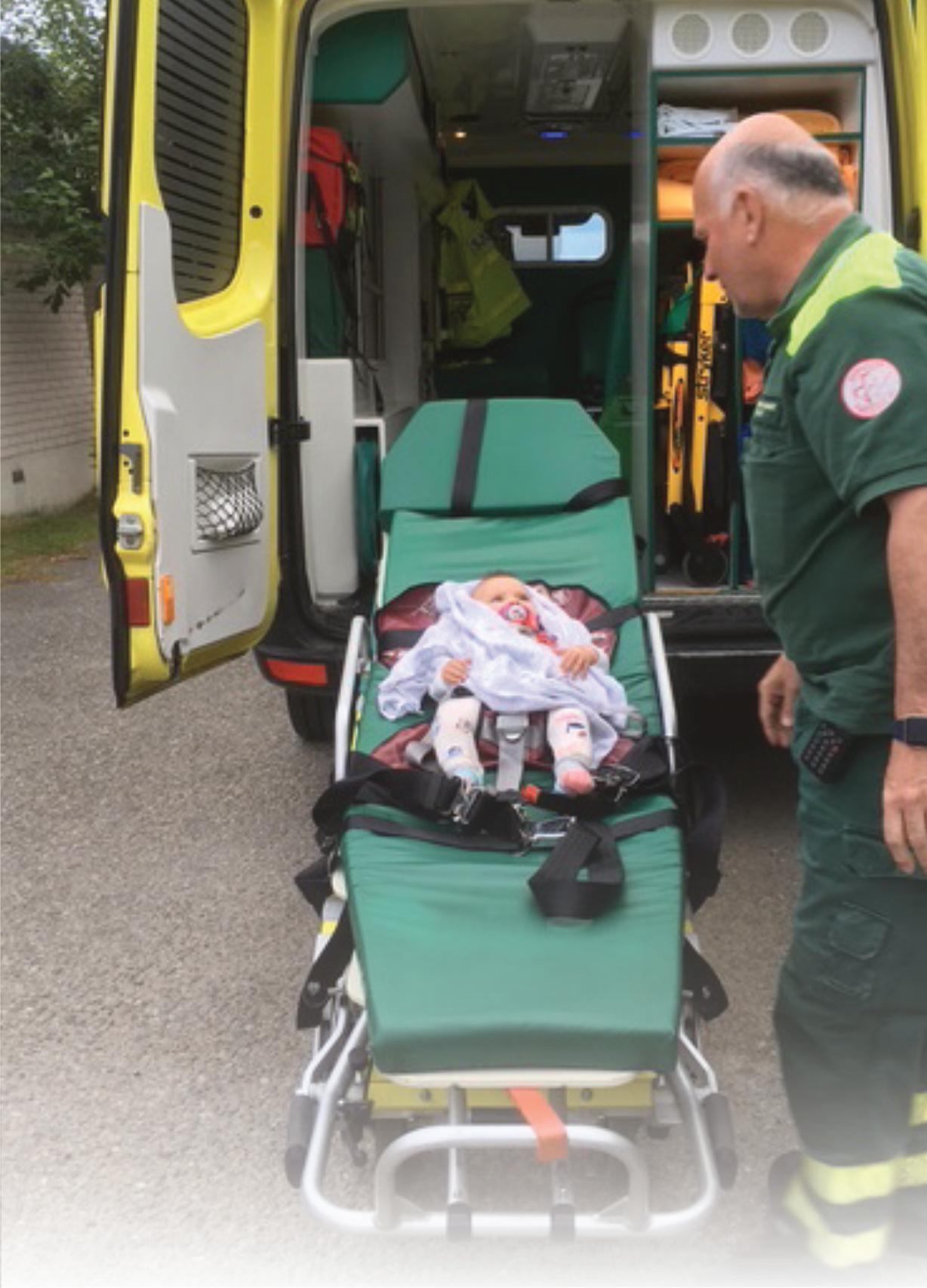
Over the years, we have received many accounts from course participants who described how much better prepared they felt when responding to critically ill or injured children. Several have shared powerful stories where their PEPP training enabled them to perform the right interventions—often in high-stress situations—and in some cases, they believed their actions were truly lifesaving.
“Several [EMS practitioners] have shared powerful stories where their PEPP training enabled them to perform the right interventions— often in high-stress situations—and in some cases, they believed their actions were truly lifesaving.”
What would you recommend to new instructors of PEPP to get the most out of their training?
To get the most out of their training, I would encourage new PEPP instructors to stay actively involved in their everyday clinical work and to consistently apply the PEPP assessment algorithm in real-life situations. This reinforces both their own understanding and their credibility when teaching others.
It’s also important to stay up to date with the latest CPR and emergency care guidelines, as these evolve and are closely tied to the content in PEPP. Teaching regularly is key—run as many courses as you can, and don’t hesitate to participate in courses led by other instructors. Observing different teaching styles and exchanging experiences is incredibly valuable and helps foster a strong, supportive instructor community.
In your opinion, which concepts from PEPP are the most important for prehospital professionals to carry with them every day as they treat pediatric patients?
In my opinion, one of the most important concepts for prehospital professionals to carry with them every day is the Pediatric Assessment Triangle (PAT). It allows for a rapid, visual assessment from a distance, helping providers quickly determine the severity of a child’s condition even before hands-on contact. This first impression can guide priorities and decision-making in those critical early moments.
Equally important is consistently following the structured approach of XABCDE, with particular focus on ensuring the child has a clear airway, is breathing adequately, and receives oxygen if needed. Timely fluid administration is also crucial, and we emphasize the importance of not overlooking blood glucose levels—especially in children with altered mental status. These steps may seem simple, but they are truly lifesaving when applied correctly and promptly.
We know that many prehospital professionals worldwide find pediatric prehospital care challenging mentally and emotionally. What advice would you give to instructors and students to help themselves and their peers sustain good mental health practices?
It’s true that pediatric prehospital care can be emotionally and mentally challenging, especially for those who don’t encounter children regularly. One piece of advice I often give is a bit lighthearted, but true—children rarely bite, unlike some adults! That small reminder can help ease anxiety and break the tension. On a more serious note, I remind students that children generally don’t die suddenly like adults often do from cardiac arrhythmias. Instead, they deteriorate more slowly, typically due to hypoxia or hypovolemia—conditions that are both recognizable and treatable if caught in time.
This means that there are clear warning signs, and with the right training, you can feel confident in identifying and acting on them. I always recommend that students spend time in a pediatric emergency department if they can. Observing children in that environment helps develop both clinical judgment and emotional comfort.
And above all—play with children. Interacting with them in everyday situations builds confidence, empathy, and a deeper understanding of how they express themselves. These moments not only improve clinical care but also remind us of the human side of what we do. Supporting each other, talking openly about difficult calls, and recognizing that it’s okay to feel affected are all crucial for mental well-being in this field.
Learn more about the benefits of teaching with Pediatric Education for Prehospital Professionals at peppsite.com

Public Safety Group, a Jones & Bartlett Learning Brand Distributed in Europe by Mare Nostrum Group jbl@mare-nostrum.co.uk | www.mngbookshop.co.uk