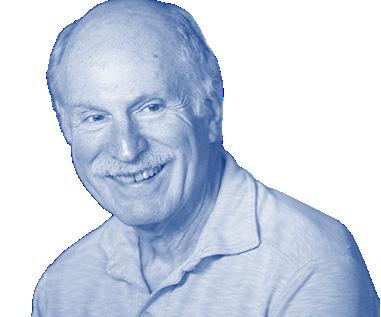
DANIEL S. BLUMENTHAL, MD, MPH
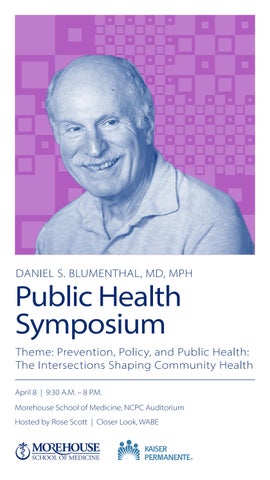
DANIEL S. BLUMENTHAL, MD, MPH
Theme: Prevention, Policy, and Public Health: The Intersections Shaping Community Health
April 8 | 9:30 A.M. – 8 P.M.
Morehouse School of Medicine, NCPC Auditorium
Hosted by Rose Scott | Closer Look, WABE
Daniel S. Blumenthal, MD, MPH, was Professor and Chair of the Department of Community Health and Preventive Medicine and served as the Associate Dean for Community Health at Morehouse School of Medicine ( MSM). For over 35 years, he dedicated his life to serving people across the world through medicine, research, teaching and community service. He demonstrated his devotion to teaching medical and other health professionals how to properly treat and care for disadvantaged underserved populations. He had an unwavering commitment to empowering communities regarding health and has worked tirelessly in local Atlanta communities to bring quality healthcare services, research and resources in some of the city’ s most impoverished areas.
Dr. Blumenthal was a graduate of Oberlin College and the University of Chicago School of Medicine. He completed his residency in pediatrics at Charity Hospital of New Orleans (Tulane Division) and received his Master of Public Health degree from Emory University. He was board-certified in both pediatrics and preventive medicine.
He served as a VISTA Volunteer physician in Lee County, Arkansas, as an Epidemic Intelligence Service Officer with the Centers for Disease Control and Prevention ( CDC); and as a medical epidemiologist with the World Health Organization Smallpox Eradication Program in India and Somalia. While at THE CDC, he served in the Nutrition Program and the Parasitic Diseases Branch.
From 1975- 80, he was an assistant professor in the Department of Community Health at the Emory University
School of Medicine, where he served as the medical director of an Atlanta neighborhood health center. In 1980, he joined the faculty of MSM and, in 1985, was appointed Professor and Chair of the Department of Community Health and Preventive Medicine. He added the role of Associate Dean for Community Health in 1993. In 1992- 93, while on sabbatical from MSM, he served as a consultant to the World Health Organization in Geneva. In 2000, he spent six months as a scholar- in- residence at the Association of American Medical Colleges in Washington, D.C. Dr. Blumenthal served as President of the Association of Teachers of Preventive Medicine, as a Regent of the American College of Preventive Medicine, as a member of the Governing Council of the American Public Health Association, as Fulton County (Atlanta) Health Officer, and as a Robert Petersdorf Scholar- in- Residence at the Association of American Medical Colleges.
He was a recipient of the Georgia Public Health Association’s Sellers-Mc Croan Award “for outstanding achievement and service to Georgia in public health.” He was named the Outstanding VISTA Volunteer of the 1960s. He received a “Shining Light” Award from the Georgia Association for Primary Health Care, the Leonard Tow Humanism in Medicine Award from MSM, and the Duncan Clark Award from the Association for Prevention Teaching and Research, the association’ s highest award.
A resident of Atlanta, Dr. Blumenthal was often seen physically in the various Atlanta communities working alongside neighborhood residents. He actively advocated for better resources at local Neighborhood Planning Unit ( NPU) meetings and teaches neighborhood residents skills needed to apply for funding to bring resources into their local communities.
Dr. Daniel S. Blumenthal was an exemplary leader, a compassionate physician, and a human rights champion.
Dr. Daniel Blumenthal: A Catalyst For Change Closer Look: The Legacy Of Dr. Daniel S. Blumenthal
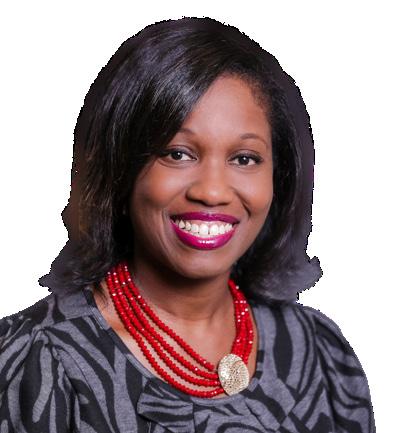
Welcome to the 2026 Daniel S. Blumenthal, MD, MPH Public Health Symposium. It is my great pleasure to welcome you on behalf of the Department of Community Health and Preventive Medicine (CHPM) at Morehouse School of Medicine, which is proud to host and facilitate this year’s convening. We are deeply grateful for our collaborators—the Department of Graduate Education in Public Health, the Georgia Public Health Association, our valued ongoing partner, the Satcher Health Leadership Institute, as well as the phenomenal slate of speakers, panelists, presenters, and community partners who have joined us.
This symposium is especially meaningful as it coincides with several significant milestones that reflect the collective legacy and enduring impact of public health education, leadership, and practice at Morehouse School of Medicine and beyond. We proudly celebrate the 40th anniversary of the Public Health and Preventive Medicine Residency Program, conceptualized by Daniel S. Blumenthal, MD, MPH. Dr. Blumenthal’s visionary leadership helped establish CHPM and laid the foundation for training generations of physician leaders dedicated to preventive medicine, population health, and authentic partnership with communities. His enduring legacy continues to shape how we teach, conduct research, and advance public health practice—by, with, and for communities. This year also marks the 30th anniversary of the Department of Graduate Education in Public Health, whose Master of Public Health program has been a cornerstone at Morehouse School of Medicine for three decades. Through its unwavering commitment to preparing a diverse, equity focused public health workforce, the program has cultivated leaders who serve across sectors and settings locally, nationally, and globally. In addition, we recognize the 20th anniversary of the Satcher Health Leadership Institute, founded in 2006 by David Satcher, MD, PhD, the 16th Surgeon General of the United States. For two decades, the Institute has advanced leadership development, equity centered research, and policy driven solutions that address persistent and structural health inequities and promote health justice.
As communities continue to face complex challenges rooted in social, economic, political, and historical inequities, progress requires coordinated approaches that integrate prevention science, evidence informed policy,
and community leadership. Through this symposium, we bring together scholars, students, practitioners, policymakers, and community leaders in shared dialogue aimed at advancing sustainable, equity driven solutions. In this context, this year’s theme—Prevention, Policy, and Public Health: The Intersections Shaping Community Health—reflects both urgency and opportunity.
This year’s symposium features a remarkable slate of speakers, panelists, and presenters whose work spans prevention, policy innovation, community based participatory research, and public health practice. We remain steadfast in our vision—to lead the creation and advancement of health equity to achieve health justice. Thank you for joining us in celebrating these milestones and in shaping the future of prevention, policy, and public health—at a time when collaboration, collective resolve, and purposeful action for the public’s health are needed now more than ever.
Sincerely,

Tabia Henry Akintobi, PhD, MPH Professor and Chair of Community Health and Preventive Medicine Morehouse School of Medicine
9:30 a.m.
10 – 10:20 a.m.
WELCOME
• Symposium Moderator- Kim Ford: Welcomes all Opening Remarks:
• CHPM Chairperson – Tabia Henry-Akintobi, PhD, MPH
• Sponsor – Kaiser Permanente
• Community Leader - LaShawn Hoffman
• Ag. Dean, Sandra Harris-Hooker PhD
• Georgia Public Health Association President, Jimmie Smith, MD, MPH
• Director, Department of Public Health
Education: Stephanie Miles-Richardson, DVM, MPH
• MPH Blumenthal Scholarship: Jonathan Carey2nd year MPH Student
10:20 – 10:25 a.m.
BLUMENTHAL VIDEO
10:25 – 10:30 a.m.
SPEAKER INTRODUCTION
Prevention, Policy & Public Health: The Intersection Shaping Community Health
Featured Speaker: Dr Nandi Marshall DrPH, CHES, CLC. President, APHA
11:15 – 11:20 a.m.
11:20 a.m. – 12:05 p.m.
Deans of Public Health Schools – Policy & Public Health in Transition
12:05 – 12:10 p.m.
12:10 – 12:55 p.m.
Prevention and Public Health policy
Featured Speaker: George Rust MD, MPH Center for Medicine, Public Health and Policy, Florida State University
12:55 – 1 p.m.
SPEAKER AWARDS & PICTURES
LUNCH BREAK, COMMUNITY FAIR, BOOK
SIGNING, COMMITTEE PICTURES & POSTER PRESENTATION (1:30 -2:30 P.M.)
2:35 – 3:20 p.m.
PANEL 2
Prevention, Policy & Public Health: Physicians Perspectives
3:20 – 4 p.m.
PLENARY 3
Policy and Public health
Featured Speaker: Tiffany Manuel PhD, President & CEO, The CaseMade
4 – 4:45 p.m.
PANEL 3
Policy Leaders – Policy in Prevention and Public Health
4:45 – 5 p.m.
CLOSING & AWARDS CEREMONY
• Executive Vice Dean - Dr Ngozi Anachebe PharmD, MD, FACOG
• Danielle Duverney, Carla Durham-Walker, Alema-Mensa
FAIR CLOSE OUT
6 – 6:30 p.m.
REFRESHMENTS & DINNER
6:30 – 6:40 p.m.
OPENING, WELCOME REMARKS & SPONSOR ACKNOWLEDGEMENT
6:40 – 7 p.m.
FEATURED SPEAKER
Frank Franklin JD, MPH, PhD, Chief Strategy Officer BeBashi
7 – 7:30 p.m.
ANNIVERSARY LEARNER PANEL: MPH, PHPMR
7:30 – 7:45 p.m.
CLOSING FORMALITIES, SPONSOR REMARKS & PICTURES
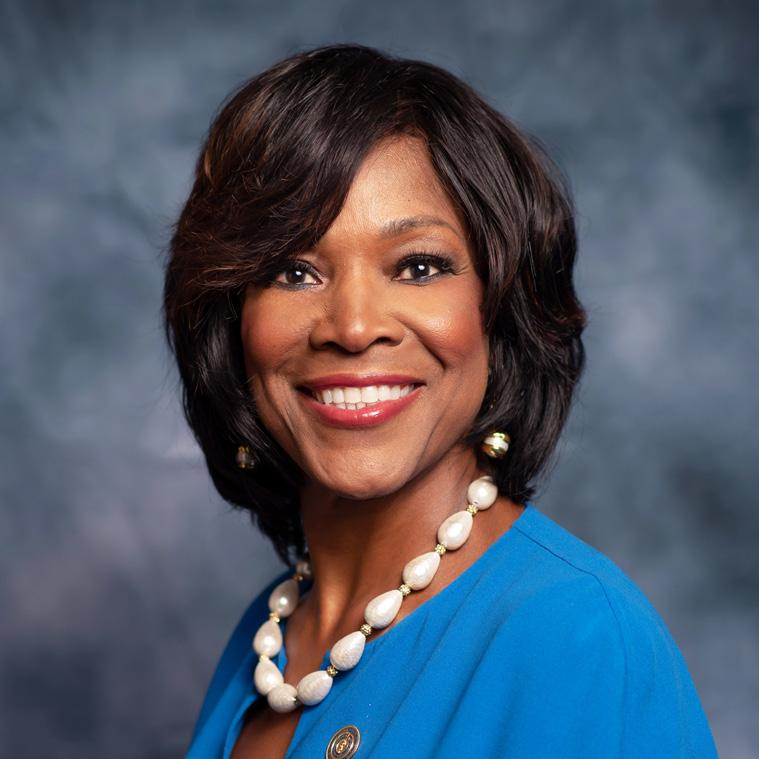
Valerie Montgomery Rice, MD, FACOG, is the sixth president of Morehouse School of Medicine (MSM) and the first woman to lead the freestanding medical institution, Montgomery Rice serves as both the president and CEO. A renowned infertility specialist and researcher, she most recently served as dean and executive vice president of MSM, where she has served since 2011.
Prior to joining MSM, Montgomery Rice held faculty positions and leadership roles at various health centers, including academic health centers. Most notably, she was the founding director of the Center for Women’s Health Research at Meharry Medical College, one of the nation’s first research centers devoted to studying diseases that disproportionately impact women of color.
Dedicated to the creation and advancement of health equity, Montgomery Rice lends her vast experience and talents to programs that enhance pipeline opportunities for academically diverse learners, diversifies the physician and scientific workforce, and fosters equity in health care access and health outcomes. Montgomery Rice has received numerous accolades and honors. She was named to the Horatio Alger Association of Distinguished Americans and received the 2017 Horatio Alger Award. For three consecutive years (2016-2018) Georgia Trend Magazine selected Montgomery Rice as one of the 100 Most Influential Georgians.
Other honors include the following: The Dean Griffin Community Service Award from the Georgia Institute of Technology, Girls Inc. 2019 Smart Award, The National Medical Association OB/GYN 2019 Legend of the Section Award, The Turknett Leadership Character Award (2018), Visions of Excellence Award, Atlanta Business League (2018), Links Incorporated Co-Founders Award (2018), Trumpet Vanguard Award (2015), The Dorothy I. Height Crystal Stair Award (2014), National Coalition of 100 Black Women - Women of Impact (2014), YWCA – Women of Achievement of Atlanta-(2014) and Nashville(2007), American Medical Women’s Association Elizabeth Blackwell Medal (2011) and Working Mother Media Multicultural Women’s Legacy Award (2011).
A Georgia native, Montgomery Rice holds a bachelor’s degree in chemistry from the Georgia Institute of Technology, a medical degree from Harvard Medical School, an honorary degree from the University of Massachusetts Medical School and a Doctor of Humane Letters honorary degree from Rush University. All reflect her lifetime commitment to education, service, and the advancement of health equity. She completed her residency in obstetrics
and gynecology at Emory University School of Medicine and her fellowship in reproductive endocrinology and infertility at Hutzel Hospital.
Montgomery Rice is married to her fellow Georgia Institute of Technology alumnus, Melvin Rice Jr., and they have two children: Jayne and Melvin III.

Tabia K. Henry Akintobi, PhD, MPH is a distinguished Professor and Chair of the Department of Community Health and Preventive Medicine at Morehouse School of Medicine (MSM). She is a globally sought-after social behavioral scientist and public health practitioner, leading community-driven translational research and programs aimed at eradicating health disparities and advancing community health. She is Principal Investigator and Director of the MSM Prevention Research Center, the first institutionally designated center advancing community-based participatory research following the leadership and legacy of Founding CHPM Chair and PI, Dr. Daniel S. Blumenthal.
As Associate Dean for Community Engagement, Dr. Henry Akintobi has led collaborations with leaders, across the institution to demonstrate MSM’ s preeminence in community health strategies (teaching, clinical, research and outreach) towards successful acquisition of the Carnegie Designation for the Advancement of Teaching in Community Engagement and the Josiah Macy Inaugural Award for Excellence in Social Mission. Her contributions to public health are recognized through numerous awards, including the American Public Health Association’s Dr. John W. Hatch F Flame award and the Rotary Women of Impact Award for Wellness Advocacy. She is an extensively published author, contributing to texts such as “The Morehouse Model” and “Community-Centered Public Health.” As Associate Dean for Community Engagement, she facilitates community-centered, equity-driven partnerships that advance health equity and justice. She represents MSM as its lead for the Georgia Center for Diabetes. Translation Research, the Georgia Clinical and Translational Science Alliance Community Engagement Program, and the Georgia Community Engaged Alliance. These efforts are guided by training in public health, social epidemiology, social marketing, community- based participatory research, and a mission to not only understand and address, but, ultimately, eradicate health disparities.

Alex E. Crosby, MD, MPH, Professor and Vice Chair of the Department of Community Health and Preventive Medicine at Morehouse School of Medicine (MSM), was born in Highland Park, Michigan and raised in Detroit. He is the oldest son of Emeral and Corene Crosby and is a husband and father of four children. He graduated with a BA in chemistry from Fisk University in Nashville, Tenn., an MD from Howard University’ s College of Medicine in Wash., D.C., and an MPH in health administration and management from Emory University’ s School of Public Health in Atlanta, Georgia.
Dr. Crosby completed medical training in Family Medicine at Howard University Hospital; General Preventive Medicine and Public Health at Morehouse School of Medicine and the Georgia Division of Public Health and epidemiology training at the Centers for Disease Control and Prevention’ s (CDC’ s) Epidemic Intelligence Service.
While working at the CDC for 30 years, he responded to numerous public health emergencies and led investigative teams, addressing adolescent suicide clusters, civil unrest, school-associated violence, sniper attacks, firearm- related injuries due to celebratory shooting, and the public health response to hurricanes, Ebola and Coronavirus. Dr. Crosby has authored or co- authored over 125 publications and his work as a medical epidemiologist focuses on prevention of suicidal behavior, child maltreatment, intimate partner violence, interpersonal violence among adolescents, and assault injuries among minorities.
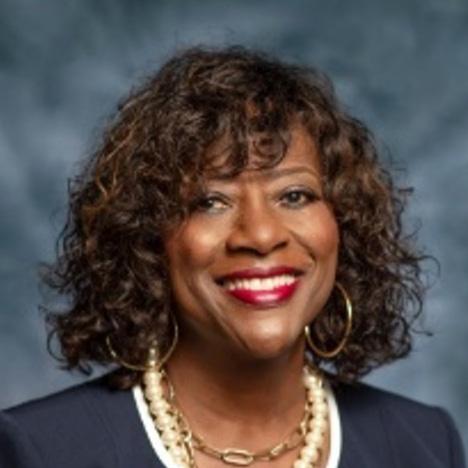
Dr. Sandra Harris-Hooker is the Interim Dean for Academic Affairs at Morehouse School of Medicine (MSM). In this position, she works closely with the executive leadership team, faculty, staff, and students to ensure continuity, support academic and research priorities, and advance the strategic goals of MSM. She is also a Professor in the Department of Anatomy, Pathology, and Medical Education at Morehouse School of Medicine.
Upon completing her Ph.D. at Atlanta University, Dr. Harris-Hooker spent three years in postdoctoral training in the Cardiovascular Training Program within the Department of Pathology at the University of Washington School of Medicine in Seattle, Washington. After training in Seattle, she served as a faculty member in the Department of Pathology at Boston University School of Medicine before joining the faculty at Morehouse School of Medicine.
Dr. Harris-Hooker conducted research on the pathology of coronary heart disease for more than 25 years and is also interested in strategies to integrate basic, clinical, and population-based research.
She has been instrumental in directing and/or facilitating several institutional research programs at MSM, including but not limited to the Research Centers in Minority Institutions, the Cardiovascular Research Institute, the Clinical Research Center, and the Research Initiative for Scientific Enhancement (RISE) Program. These initiatives have strengthened research training and enhanced research infrastructure for MSM student trainees and faculty.
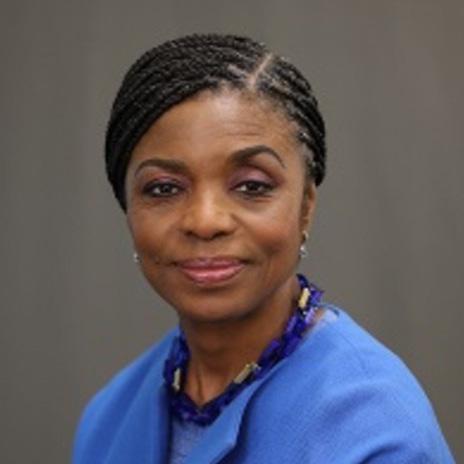
Dr. Ngozi Anachebe is a board-certified ObstetricianGynecologist and holds the faculty rank of Professor of Obstetrics and Gynecology. She serves as the Inaugural Executive Vice Dean for Education and Faculty Affairs, providing oversight of Morehouse School of Medicine’s (MSM) academic programs and faculty affairs and development. Prior to her return to MSM, she served as the Academic Administrator at Florida International University Herbert Wertheim College of Medicine. Before that she was the Inaugural Vice Dean for Educational Affairs at Wright State University Boonshoft School of Medicine (BSOM). Dr. Anachebe came to BSOM from MSM where she served as the Senior Associate Dean for Admissions and Student Affairs. She received her medical education and completed internship, and residency training in Obstetrics and Gynecology all at Morehouse School of Medicine. She holds a Pharm.D. degree (cum laude) from Mercer University, College of Pharmacy in Atlanta, GA.
Dr. Anachebe is a practicing OBGYN and her areas of expertise include normal and high-risk pregnancy and delivery, and routine gynecologic care. Her clinical and research interests include pharmacotherapeutics, disparities in reproductive health outcomes, menopausal management, and predictors of medical student success. She takes care of women throughout their life cycle from adolescence and beyond. She prides herself in partnering with her patients to provide them individualized, comprehensive obstetric and gynecologic care. Her patients love her warm, down to earth, honest and straight forward demeanor.
Nationally, she has encouraged the adoption of approaches to ensure an equitable and fair admissions process for medical training and the support of medical students. She has published and presented nationally on this subject, educating and encouraging medical schools on the importance and ways to diversify their classes and successfully train students who come from backgrounds underrepresented in medicine.
Dr. Anachebe loves to motivate her students and residents and to help them succeed. She serves as their advisor, coach, mentor, sponsor, and role model. She is the recipient of numerous awards from MSM MD and graduate students. She is also the recipient of the Wright State University Boonshoft School of Medicine 2024 Faculty Mentor Award, 2019 Leadership Award from the National Medical Association, Region III, 2018 Mentor of the Year Award from the American College of Obstetricians and Gynecologists, District IV, and 2012 Morehouse School of Medicine Distinguished Alumnus Award.
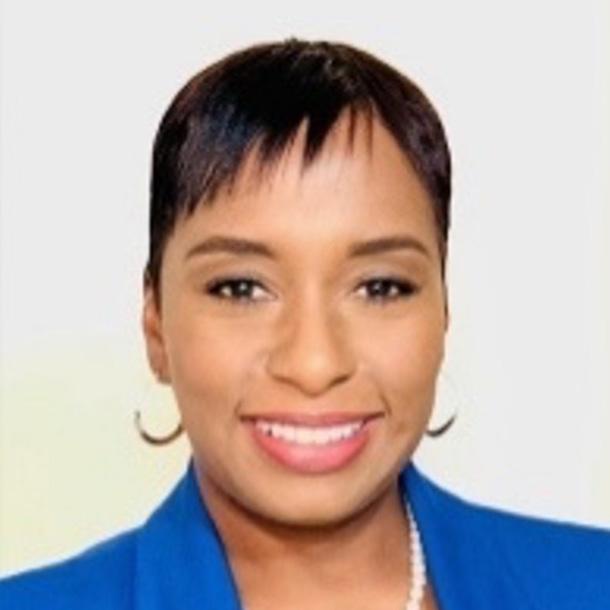
Stephanie Miles-Richardson, DVM, PhD, Professor
and Founding Chair, Department of Public Health EducationAssociate Dean, Graduate Education in Public Health, Director, Master of Public Health Program Director, Center of Excellence on Environmental Health and Sustainability, Morehouse School of Medicine, Atlanta, GA is the founding Chair of the Department
of Public Health Education at Morehouse School of Medicine (MSM) in Atlanta, GA. Dr. Miles-Richardson also serves as Associate Dean of the division of Graduate Education in Public Health and Director of the Master of Public Health Program. She joined the faculty at MSM in 2008 after over a decade of federal service at the Agency for Toxic Substances and Disease Registry, where she was a United States Public Health Service Commissioned Officer and Scientific Technical Advisor for a $4 million toxicology research program. She also served as Associate Director of Minority Health and Health Disparities Policy at the Centers for Disease Control and Prevention (CDC). Dr. Miles-Richardson was appointed in 2015 to the Board of the Council on Education for Public Health (CEPH), an independent agency recognized by the U.S. Department of Education to accredit programs and schools of public health. Joint appointment was made by the American Public Health Association (APHA) and the Association of Schools & Programs of Public Health. Dr. Miles-Richardson has made history in academic public health: In 2018, she was the first African American to serve as President of the Association of Accredited Public Health Programs, and in 2019, she was elected President of CEPH, the first African American to serve in this capacity. She is a member of the Association of Prevention Teaching and Research (APTR), where she served on the One Health Working Group. She was awarded a grant from APTR and CDC to develop an interdisciplinary Climate Justice elective course for dissemination. Dr. MilesRichardson is the recipient of an honorary diploma by the American Veterinary Epidemiology Society for her work in human health, animal health and One Health. She is the inaugural Director of the Beacon of Hope Center of Excellence on Environmental Health and Sustainability at MSM and a Governing Councilor of the Environment Section of the APHA.
Dr. Miles-Richardson received her undergraduate degree in Biology from Grambling State University, the Doctor of Veterinary Medicine degree from Tuskegee University, and a dual PhD in Pathology and Environmental Toxicology from Michigan State University.

Chima Ohuabunwo MD, MPH, FWACP is a medical epidemiologist and public health physician with over 25 years’ experience in Global Health. Currently a professor of Global Health and Epidemiology in the Department of Community Health and Preventive Medicine, and Team lead for the One Health and Epidemic preparedness/response core in the David Satcher Global Health Equity Institute at Morehouse School of Medicine (MSM). He also holds secondary appointment in the MSM Department of Internal Medicine, and adjunct positions at the Emory University’s Rollins School of Public Health, Atlanta GA and at the University of Port Harcourt College of Health Sciences in Nigeria. Dr Ohuabunwo is an alum of the US CDC Epidemic intelligence service fellowship class of 2000 that responded to the aftermath of the September 11 terrorist attack and the US postal services anthrax bioterrorism attack of 2001. He is a former Executive Director of the African Field Epidemiology Network (AFENET), a US CDC global health partner with operations in over 30 sub-Saharan
African countries. He led the sub-regionalization of AFENET operations, founding of the AFENET Corps of Disease Detectives (ACODD) and the establishment of the Journal of Interventional Epidemiology and Public Health (JIEPH). His global health work in collaboration with US CDC also includes serving as a the pioneer Program Coordinator of the CDC-supported Nigeria National Stop Transmission of Polio (NSTOP) program, foundation member of the National Polio Emergency Operations Center (EOC) and the Coordinator for the Case Management and Infection Prevention team of the Nigeria Ebola Emergency Operations Center that worked with the Government, international and local partners to contain the July 2014 highly impactful West Africa Ebola Virus Disease (EVD) Outbreak as well as the eventual elimination of wild polio virus transmission in Nigeria in 2020. He also served as the pioneer Resident Advisor of the Ghana Field Epidemiology Training Program, Team lead, for the AFENET USAID One Health Initiative in East Africa, Lead Epidemiologist on the PEPFAR-funded CDC-MSM 5-year Ghana HIV/AIDs Monitoring and Evaluation (GHAME) project and many other impactful global health efforts. He has presented papers at multiple national/ international conferences and authored over 60 peer-reviewed publications with over 1500 citations. Dr ‘Chima” serves on multiple Africa CDC workforce capacity development steering committees and loves training and mentoring the next generation of global health professionals and leaders.
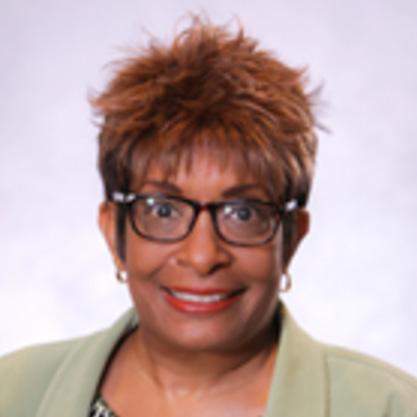
Sherry R. Crump, MD, MPH, FACPM is a board-certified physician in Public Health/General Preventive Medicine who has a 28-year history of promoting the health and wellness of underserved populations, predominantly through teaching, research, and administrative service. She received her medical degree from the University of Virginia and completed an internship in Pediatrics at the Carolinas Medical Center. She completed her residency training in Public Health and Preventive Medicine at Morehouse School of Medicine (MSM), which included the completion of the Master of Public Health program at the Rollins School of Public Health.
Currently, in her part-time faculty role at MSM in the Department of Community Health/Preventive Medicine, she facilitates medical students’ and Preventive Medicine residents’ learning of: community health assessment methodologies; health promotion intervention development, implementation, and evaluation; and the process of collaboration with community-based organizations in health promotion efforts. She also currently serves as a medical consultant for Georgia Vocational Rehabilitation Services (GVRS) conducting reviews of medical records of Social Security and Social Security Insurance disability applicants and providing recommendations on claimants’ ability to perform work-related functions.
Past key work with MSM has included community-based research in breast cancer prevention and control, and the review of research protocols as a member of the MSM Institutional Review Board. Through a collaboration between MSM and the Fulton County Department of Health and Wellness Teen Services Program,
she provided primary and secondary clinical preventive services to underserved adolescents.
Dr. Crump continues to seek opportunities to utilize her skills in community-based research, intervention evaluation, and health education to prevent disease, injury, disability, and premature mortality in our communities through the provision of lifestyle interventions and the promotion of access to quality healthcare services.
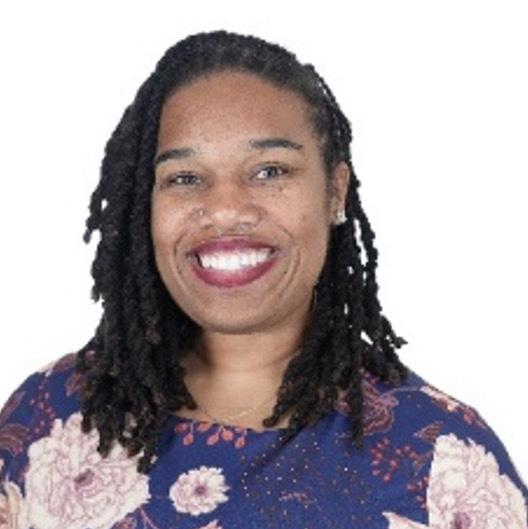
Dr. Nandi A. Marshall, DrPH, MPH, CHES, CLC, CDE is a nationally recognized public health leader, community-engaged scholar, and educator committed to advancing health equity and preparing the next generation of the public health workforce. She is a Professor in the Department of Health Policy and Community Health and serves as Associate Dean for Academic Affairs in the Jiann-Ping Hsu College of Public Health at Georgia Southern University.
Dr. Marshall’s work sits at the intersection of community engagement, maternal and child health equity, breastfeeding equity, and public health systems transformation. With more than 22 years of experience across local, state, and national contexts, she is known for centering lived experience, amplifying community voice, and translating research into practice through participatory and equity-focused approaches. Her scholarship emphasizes qualitative and community-based methods, including photovoice, to address social determinants of health and reduce persistent inequities.
A dedicated public health leader, Dr. Marshall currently serves as President of the American Public Health Association (APHA). While she has also held several leadership roles within APHA, her leadership extends across the field through service, including the United States Breastfeeding Committee, the Georgia Breastfeeding Coalition, the Society for Pubic Health Education (SOPHE), and the Bulloch County Board of Health.
Dr. Marshall has secured and contributed to millions of dollars in grant funding, including federal awards supporting workforce development, community health initiatives, and scholarships for disadvantaged public health students. She is a widely published author and invited speaker whose work includes amplifying the voices of Black women in maternal health research.
Dr. Marshall holds a BA from Spelman College, an MPH from East Stroudsburg University, and a DrPH from Georgia Southern University. She is a proud member of Delta Sigma Theta Sorority, Inc., and a devoted wife and mother of two.

Dr. George Rust is a physician-teacher-scholar-author who has spent his career working at the intersection of race, health, and poverty. From training in inner city Chicago’s urban public hospital to serving farmworkers and the uninsured in a raciallyfraught, Southern small town to leadership roles in helping build out the historically-black Morehouse School of Medicine, he has consistently worked in settings where he could make a difference and be a voice for health equity.
Dr. Rust has a unique perspective on race and privilege. He grew up surrounded by wealth in Boca Raton, Florida but worked as a janitor to attend an elite college prep school. He chose to train in the organized chaos (the blood and pus and grit) of Cook County Hospital. There he learned not only hospital and ER medicine, but also community-based, primary care in the Pilsen / Little Village (La Villita) neighborhood.
This training prepared him to work in the smallest and most rural of the Farmworker Health Association clinics in Groveland Florida. He cared for poor and uninsured patients living in shotgun houses on dirt roads on the black side of town and in white neighborhoods with paved roads and in patches at the edge of an orange grove where migrant families lived in crowded mobile homes. He saw needless suffering tied to poverty and uninsurance. And he sensed the dysfunction of a racial history which remained unspoken.
Doctors serving the underserved pay a price for standing in the gap, often in ten-hour days and emotional exhaustion. Married to a solo pediatrician, Dr. Rust knew it was time for a change when two children came along. He joined the Morehouse School of Medicine when it was only ten years old, even though it had been born out of the century-old, historically-black Morehouse College. He taught students and residents. He founded the Morehouse Faculty Development program, teaching and mentoring hundreds of physicians over the years. He was also founding director of the National Center for Primary Care.
He is now a tenured Professor at the FSU College of Medicine in Tallahassee, FL, where he also worked as Medical Director for local county health departments. He did public health through Covid and monkeypox, TB and syphilis. He helped prevent a measles outbreak. As a population health outcomes and health equity researcher, Dr. Rust has authored over 120 peer-reviewed publications, and has received numerous local, state, and national awards for teaching and service. But his favorite roles are as husband and father and grandpa.
His book, Healing in a Changing America: Doctoring in a Nation of Needless Suffering tells the stories of lessons learned, mistakes made, and skills acquired during this journey. Scars and healing. Hope for the future.
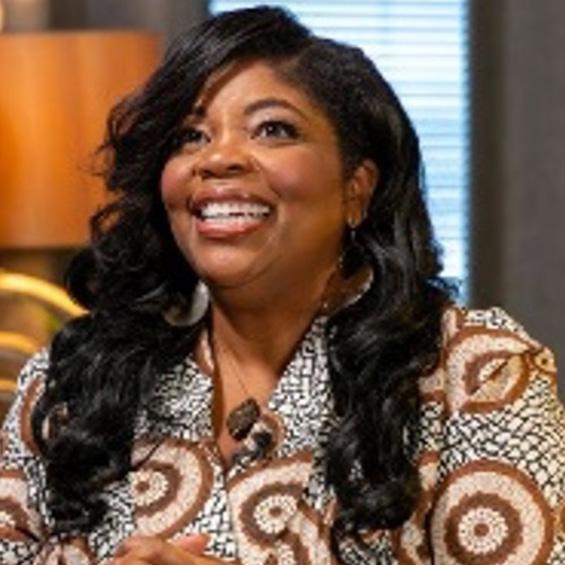
Dr. Tiffany Manuel, President and CEO
Tiffany Manuel, “DrT”, Dr. Tiffany Manuel (DrT) is a truth-teller, bridge-builder, and lifelong believer in the power of people to create a more just and joyful world.
For more than 30 years, she has walked alongside courageous leaders and good troublemakers—those who dare to reimagine what’s possible for their communities. A social scientist by training and a storyteller at heart, DrT helps changemakers speak the truth of what their communities deserve in ways that bring people closer, rather than push them apart.
As President and CEO of TheCaseMade, DrT works across the country and around the world to help leaders build stronger support for the big ideas that make all our lives better—from affordable housing to health equity to racial justice. She is the pioneering force behind the science of Strategic CaseMaking™ , a methodology rooted in empathy, alignment, and possibility that has helped thousands of everyday leaders mobilize energy, shift narratives, and spark lasting change.
Her work is as personal as it is professional. Raised in Detroit, Michigan, she knows firsthand the power of community and the cost when it’s denied. That’s why she’s made it her life’s work to translate complex systems into human stories that move people to action. Her books and master classes, Fast Track and Case Made!, are guides for the brave souls who choose to lead in times of challenge and change. Her video series Fierce CaseMaking highlights powerful strategies how we make the case for strong communities.
DrT holds a PhD in Public Policy from the University of Massachusetts Boston and advanced degrees from the University of Chicago and Purdue University. Today, she lives in Orlando, Florida, surrounded by the love of her family, continuing to remind us all that the road to justice begins with the stories we dare to tell and the hope we choose to hold.
DrT has served on numerous advisory boards and expert roundtables, including the National Academy of Sciences Population Health Roundtable, Redress Movement, and KaBoom!. She is a lifetime member of Delta Sigma Theta Sorority, an African American public service sorority.

Frank A. Franklin II, PhD, JD, MPH, FCPP, Chief Strategy Officer, BeBashi
Dr. Franklin is trained in Injury Epidemiology and Prevention at The Johns Hopkins University School of Public Health, Center for Injury Research and Policy, where he received his Ph.D. He trained in Public Health at the Morehouse School of Medicine.
Dr. Franklin has post-graduate training at the University of Pennsylvania, New York University, the University of Michigan, the David Satcher Health Leadership
Institute, Morehouse School of Medicine, and Oregon Health & Science University. Dr. Franklin also holds a Juris Doctor from Drexel University, Kline School of Law.
His research and practice interests are population health, violent crime, forensic epidemiology, and the law. He currently serves as the Chief Strategy Officer for Bebashi Health. Dr. Franklin has served as the Interim and Deputy Health Commissioner for the city of Philadelphia; a former member of the Board of Scientific Counselors (BSC), National Center for Injury Prevention and Control (NCIPC), Centers for Disease Control and Prevention (CDC); and currently serves as a member of the International Advisory Council of Monell Chemical Senses Center, the Health Innovation Council at the University City Science Center in Philadelphia, PA. and the Board of Directors for the American Heart Association. Dr. Franklin is also a Fellow of The College of Physicians of Philadelphia.
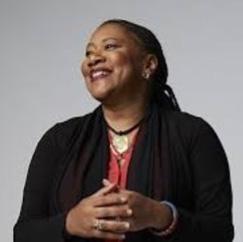
Rose Scott (Featured Moderator), Executive Producer and Host of WABE’s Closer Look, is an award-winning veteran journalist and the executive producer and host of Closer Look, the midday news program on Atlanta’s NPR station, 90.1 FM WABE. Her distinguished career includes interviews with Supreme Court Justice Ketanji Brown Jackson, foreign heads of state, cabinet members, U.S. ambassadors, consuls general, and state and local leaders. She has anchored both national and international broadcasts. Scott’s honors include a Southeast Regional Emmy,Telly Award, Edward R. Murrow Awards, Atlanta Association of Black Journalists Award, Atlanta Press Club recognition, multiple Georgia Association of Broadcasters awards, and honors from the Georgia Associated Press. She frequently speaks to students about journalism, civic engagement, democracy, and a free press. Scott has delivered two college commencement addresses and received an honorary Doctor of Letters for her contributions to journalism and community engagement.
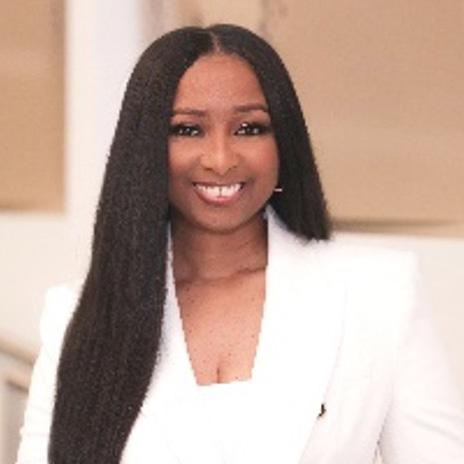
Kim Ford (Moderator) is a Morehouse College adjunct professor, TEDx and keynote speaker, TV host, and media expert with a passion for storytelling. She currently serves as the Content Manager and Program Coordinator in the Department of Community Health and Preventive Medicine at Morehouse School of Medicine, where she leads communications strategy and event planning for major departmental initiatives. At Morehouse, she teaches Movies, Music, and Celebrity Journalism, a course exploring the intersection of pop culture, media, and social justice.
A proud HBCU graduate of Grambling State University, Kim also holds a master’s degree in Communications from Georgia State University. She is the author of It’s Never Too Late and an entertainment journalist with a media career spanning over 15 years. Her work has been featured in The Hollywood Reporter, and she has appeared as an on-air entertainment expert on CNN covering film and television.
She has interviewed cultural icons including Oprah Winfrey, Tyler Perry, Kevin Hart, and Michael B. Jordan.
Ms. Ford is a member of Alpha Kappa Alpha Sorority, Incorporated. Her original documentary, Faith, Race, and Politics, was an official selection for Black Girls Rock!, showcasing her commitment to creating content that informs, uplifts, and inspires.
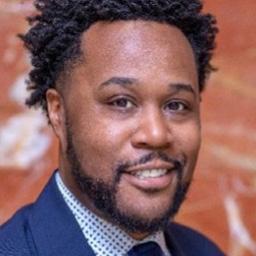
Brenton Powers (Moderator), ED, MPH, is an Assistant Professor in the Department of Public Health Education and the Assistant Director for the Master of Public Health Program at Morehouse School of Medicine (MSM). He joined MSM from General Dynamics where he held several positions including Senior Health Specialist and Operations Lead for the Atlanta Office for his work with the Centers for Disease Control and Prevention. At MSM, Dr. Powers’ driving force is ensuring the effective and efficient operation of Graduate Education in Public Health (GEPH) with the responsibility of planning, administering, reviewing, and evaluating all undertakings related to GEPH degree programs and its students.
Brenton received his Bachelor of Science in Biology with a minor in Chemistry from Tennessee State University and earned his Master of Public Health degree from Morehouse School of Medicine. Dr. Powers received his Doctor of Education in Higher Education Administration at the University of Alabama.

Jimmie H. Smith, Jr (Moderator), MD, MPH, Administrator, Macon-Bibb County Health Departmentbegan his foundation in health with an undergraduate degree from Johnson C. Smith University, medical degree from Wayne State University and residency training at the Southwest Georgia Family Medicine Residency Program. He was an Education Staff Fellow at the American Academy of Family Physicians (AAFP) in Kansas City, Missouri. He completed the Master of Public Health Degree with a concentration in Environmental Health from Fort Valley State University and has completed graduate courses Educational Leadership from Mercer University. These experiences have provided him with an exceptional lens in the areas of general family medicine, public health practice, and public health policy.
His professional experiences include, but are not limited to, academic and public health practice. He has facilitated courses for Argosy University-Atlanta, Atlanta Metropolitan College, and Mercer University School of Medicine. Dr. Smith served as an Assistant Professor of Practice for Mercer University and as the Liaison for the Academic Health Department. This relationship was the first of its kind in the state of Georgia, helping to strengthen the links between public health practice and academia. He remains with Mercer University, facilitating courses at the master’s and doctoral level.
Dr. Smith gained federal public health experience while serving as the Special Assistant to the Assistant Secretary for Health and 16th Surgeon General of the United States. He has served as the Deputy Director of Clinical Services for the Fulton County Department of Health and Wellness and served as the Senior Deputy for Health Science in the Chronic Disease Section at the Georgia Department of Public Health before taking on the role of Administrator of MaconBibb County Health Department during the Covid-19 pandemic.
He maintains service to the profession by being the current President of the Georgia Public Health Association. He is an active member of the APHA Community Health Planning and Policy Development Section, represented Georgia and Region IV in the Council of Affiliates, and is engaged with the Public Health Accreditation Board.
Dr. Smith remains active in the central Georgia community through the Central Georgia Scout Council, and active at Bibb Mount Zion Baptist Church. He is married to Dr. Yvette Monique Davis-Smith, and they have three childrenElizabeth, Amelia and Gordon.
Prevention, Policy, and Public Health: Perspectives of the Physician
Michelle Staples-Horne, MD, MPH, MS, CCHP, FACCP
Bonzo K. Reddick, MD, MPH, FAAFP
LaKesha A. Tables, MD, MPH, FACPM
Jeremy Aguinaldo, MD, MPH, CPH, AAHIVS
Tina Robinson, MD FACP
Public Health Deans Panel
Nannette C. Turner, PhD, MPH
Marsha Davis, PhD
Stephanie Miles-Richardson, DVM, PhD
Policy Makers Panel
Kim Schofield, PhD, M.A.
Tom Ellison, MD, PhD
Jeromey Beaman, MSc
Melissa Alperin EdD, MPH, MCHES
Evening Panel
Victor Bowden, MD
Matthew Rivera, MPH Scholar, 1st year
Alexis McCowin, MPH Scholar, 2nd year
Blumenthal Symposium
Co-Chairs
Dr. Sherry Crump
Dr. Stephanie MilesRichardson
Dr. Chima Ohuabunwo
Dr. Samantha Weber
General Organizing Team
Dr. Tabia Akintobi
Dr. Jennifer Rooke
Dr. Alex Crosby
Ms. Crystal Brown-Helem
Dr. Ernest Alema-Mensah
Dr. Kimberly Davis
Dr. Carey Bayer
Dr. Ryan Clark
Ms. Harrittia Harper
Mr. Derrick Green
Ms. Kim Ford
Ms. Stephanie Turner
Ms. Danielle Duvernay
Ms. Tamekic Hill
Ms. Kortnii Farley
Dr. Jammie Hopkins
Dr. Peter Baltrus
Dr. Rakale Quarells
Dr. Brenda Klement
Ms. Chelsea Cliatt
Dr. Donna Pratt
Dr. Christina Muhammad
Dr. Ruchi Rachmale
Ms. Carla Durham Walker
Ms. Asia Rivers
Mr. Renaldo Wilson
Ms. Shakira Fortson
Ms. Morgan Jackson
Dr. Virginia Floyd
Dr. Rosanna Barrett
Ms. Cindy Chaengjamras
Mr. Anthony Villaverde
Ms. Joi Hargis-Hickman
Ms. Emma Bicego
Dr. Jammie Hopkins
Ms. Angela Edwards
Ms. Brionna Wicks
Dr. Kisha Braithwaite
Dr. Hwanseok Choi
Dr. Herman A. Taylor, Jr
Ms. Zahra Shahin
Dr. Sonja Hutchins
Dr. Jimmy Smith
Dr. Sage Carson
Dr. Fengxia Yan
Dr. Angela Wimes
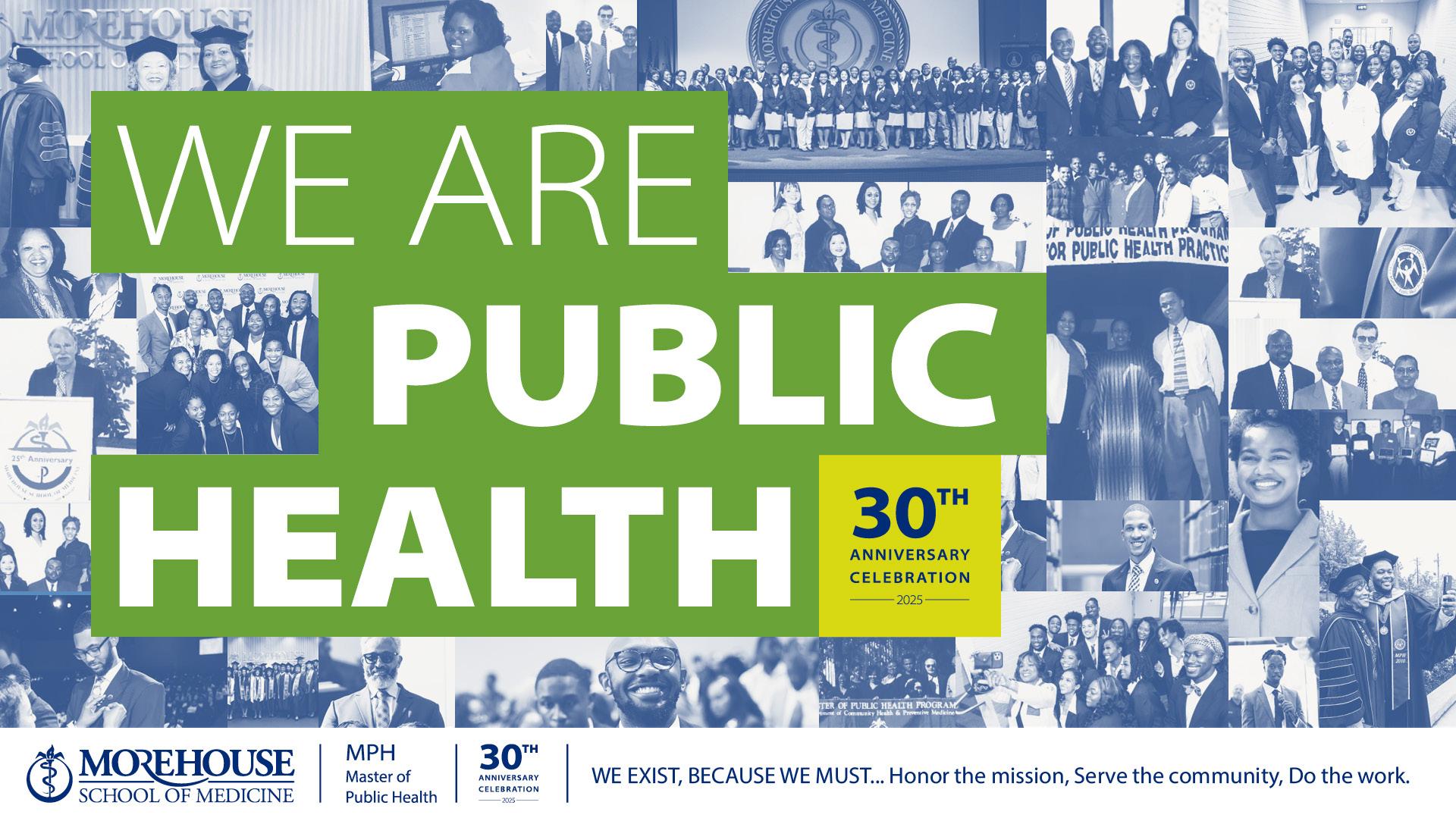
Join us in Celebrating 30 Years of Imact — and Building What Comes Next
For three decades, the Master of Public Health (MPH) Program at Morehouse School of Medicine has been a cornerstone in advancing health equity, preparing leaders who have reshaped communities locally, nationally and globally.
In honor of our 30th anniversary, we have set a goal to raise $30,000 in support of the MPH Endowed Scholarship Fund.
Your gift–no matter the size–helps ensure that future students can carry forward the mission that brought us all here: to transform public health and uplift our communities.
Visit bit.ly/48yuKkH to give now or scan the QR code.


Abstract#: CH-1
Title: “Implementing an Emotional Regulation and Safety Awareness Curriculum at Finch Elementary School”
Author(s): Commitment MD Learning Community:Tamilore Adeogun; Chiemela Ananaba; Tiarra Green; Jada Grimes, MS; Manaal Khalid; Regina Kyei; Vidyashree Manivannan; Keon Nelson; Muraya Shekhey; Vashaun Williams, MS; Sherry R Crump, MD., MPH, FACPM; LaKesha A. Tables, MD., MPH, FACPM
Affiliation(s): Morehouse School of Medicine, Atlanta, GA
Finch Elementary School, a predominantly Black Title I school in NPU-S, serves families with a median income of $50,000 and faces rising neighborhood crime. A community needs assessment revealed deficits in SEL skills, situational safety awareness, and healthy coping strategies among students. Based on these findings, the Adapted Second Step curriculum was delivered using interactive methods such as role play and scenario-based activities. Pre-test results showed low baseline performance across SEL, coping, and safety domains, including a notable knowledge gap in gun safety knowledge and conflict deescalation skills. Post-intervention data analysis is expected after April 1, 2026. The program aims to address health equity barriers by equipping students with emotional regulation and situational safety skills to support long-term wellbeing.
Abstract#: CH-2
Title: “Closing the Gap: A Community-Informed STEM Tutoring and Career Exposure Intervention for Fifth-Grade Students at a Title I Atlanta School”
Author(s): Compassion MD Learning Community: Floyd J¹, Hodges B¹, Ingram M¹, Kandolo E1, Moreno V¹, Ohanaja V¹, Sanders J¹, Ubah L¹, Uchegbu C¹, Hefner D¹, Wimes A¹, Butler P1
Affiliation(s): Morehouse School of Medicine
This project evaluated a community-informed science tutoring and STEM exposure intervention aimed at improving academic readiness and engagement among fifth-grade students at Tuskegee Airmen Global Academy (TAG), a Title I elementary school in Atlanta serving a predominantly African American and economically disadvantaged population. Students in underresourced communities often face structural barriers to science achievement, including limited access to enrichment opportunities and reduced exposure to STEM careers, contributing to disparities in standardized testing outcomes and long-term educational pathways. A community needs assessment conducted in 2025 identified gaps in science performance and informed the development of this intervention. In response, our group implemented a structured, standards-based tutoring program alongside a “Doctor Scientist for a Day” career exposure experience to address both academic and motivational barriers. Baseline assessment data demonstrated lower performance in Earth and Physical Science domains, highlighting key areas of need. This initiative emphasizes the importance of pairing targeted academic support with early STEM exposure to improve both performance and student confidence. Findings suggest that equity-focused, community-based educational interventions can support science readiness while fostering interest in STEM careers. These approaches may contribute to strengthening the early STEM pipeline and reducing educational disparities in underserved communities.
Abstract#: CH-3
Title: “Reach for More Mentorship at South Atlanta High School”
Author(s): Discovery MD Learning Community: Sripad Adarasupally1, Kellsie Delgado1, Nkkezi George1, Leah Mohnkern1, Makda Mulugeta1, Harlem Murray1, Alisha Nkwonta1, Naman Shah1, Zikora Udeagbala1, Katrina Brantley, DrPH, MPH1, Carla Durham Walker1, Sonel Etienne2
Affiliation(s): 1Morehouse School of Medicine MD Program, 2South Atlanta High School
This community assessment of South Atlanta High School (SAHS) in NPU Z included windshield surveys, key informant interviews, focus groups, and student/faculty surveys to reveal and identify high violence exposure, unmet mental health needs, and systemic “exposure gaps” as primary barriers to student success. To address these disparities, we developed Reach for More, an intervention designed to complement SAHS’s existing Career, Technical, & Agricultural Education (CTAE) course activities by providing mentorship and pathway planning. This intervention had two key initiatives:
• Emotional Resilience: Collaborating with the Thrive Social and Emotional Learning Summit (TSELS) at SAHS to provide students access to behavioral specialists and evidence-based coping mechanisms.
• Professional Mobility: Integrating Career Action Plans (CAPs) into the CTAE curriculum to formalize post-secondary pathways.
Preliminary results show 86% of the CTAE students reported increased preparedness for future goals and 80% felt confident in their understanding of their desired career. These outcomes demonstrate that structured mentorship fosters professional confidence and resilience despite environmental stressors. Data from pending post-surveys will help to fully evaluate the overall success and comprehensive impact of the intervention. Future efforts will focus on permanent curriculum integration and addressing community violence to sustain long-term equity at SAHS.
Abstract#: CH-4
Title: “Beyond One Meal: Expanding Food Access Through Awareness and Community Navigation”
Author(s): Equity MD Learning Community Reagen Bruce 1, MS, James Gadri MS 1, Lethan Hampton 1, Zeina Housseyki 1, Vivian Huynh 1, Shamara Jordan 1, BSN,RN , Neina Lully 1, Karly Mondaizie 1, MS, Benjamin Nguyen 1, Heaven Varner 1, MS
Mentors: Robina Josiah Willock2, PhD, Christina Muhammad2 EdD, Rev. Terry Hightower3
Affiliation(s): 1 Morehouse School of Medicine Doctor of Medicine Program, 2 Morehouse School of Medicine Community Health and Preventive Medicine, 3 Antioch Urban Ministries Inc.
Antioch Urban Ministries, Inc. (AUMI) is a nonprofit organization that serves the Vine City and English Avenue neighborhoods within NPU-L.¹ Food insecurity continues to be a major issue affecting the community.4 To address this need, we created a five-week educational intervention to improve community members' awareness and utilization of local food resources. We created and disseminated a food resource guide to individuals attending Antioch Baptist Church North’s weekly meal program that provided supplemental information on other hot meal sites and food pantries within a twomile radius of the community. Pre-survey analysis indicated that initial awareness of local food resources was limited. After the intervention, post-survey results indicated that participants' knowledge of alternative food pantries and hot meal sites increased. These findings suggest that community-informed resource guides may be a simple and effective strategy to improve food resource awareness and navigation in underserved communities.³
Abstract#: CH-5
Title: “Enhancing Life Skills and Career Exposure: A Syndemic Approach to Community Health”
Author(s): Excellence MD Learning Community: Naomi Cargill, Beven Jojo, Taylor Jackson, Miracle Gosier, Arianna Woods, Valentin Iaquinta, Erika Beasley, William Pemu, Deneen Ekwueme, Camille Shakir
Mentors: Ryan Clark PhD, Gail McCray MA, MCHES
Affiliation(s): Community Health, Morehouse School of Medicine
Adolescents in underserved urban communities face increased vulnerability to poor health outcomes due to limited access to culturally relevant education, misinformation, and socioeconomic stressors. In response, the Excellence Learning Community at Morehouse School of Medicine developed and implemented a culturally tailored, interactive program for ninth-grade students at Carver STEAM Academy through the Community Health Course. The program consisted of two sessions focused on life skills (healthy relationships and conflict resolution) and early exposure to healthcare careers, incorporating discussion-based learning, simulations, and real-world scenarios to enhance engagement. Pre- and postintervention assessments were designed to evaluate changes in knowledge, confidence, and communication skills, alongside qualitative feedback on student experience. Preliminary observations indicate strong student engagement and positive reception of the program’s interactive and culturally relevant approach, with students reporting increased confidence in navigating interpersonal challenges and applying learned concepts to real-life situations. This pilot highlights the potential of culturally responsive, skills-based education to effectively engage adolescents and support personal development. The model offers a scalable framework for school-based interventions aimed at promoting health equity, with future efforts focused on expanding implementation and evaluating long-term impact.
Abstract#: CH-6
Title: Unearthing Community-Defined Health Needs and Assets
Author(s): Inclusion MD Learning Community: Fatima Abu Bakr, Karimatu H. Kallon, Justin Ok, Judy Chong, Maliha Hasan, Alexia Yemat Burgos, Thierry Muchi Awah, Ronah Magembe, Marcus Marcelin, Raigan Traylor
Affiliation(s): Department of Community Health & Preventive Medicine, Morehouse School of Medicine
This project used a mixed method approach including windshield surveys, key informant interviews and focus group discussions to identify community needs and create targeted interventions. A two-part community-based intervention was implemented: a resource pamphlet providing information on free and low-cost services for uninsured and low-income individuals that were easily accessible, and an informational session focused on relevant nutrition education for chronic disease prevention/management. A pre- and post- intervention survey assessed changes in participant knowledge and awareness. Baseline findings revealed limited awareness of available resources, transportation, affordability challenges, and gaps in nutrition knowledge. Though data was limited, results of gathered data demonstrated participants had an improved understanding of healthcare resources and healthy dietary practices, along with increased confidence in accessing services post intervention. These findings suggest that community-centered interventions that combine resource navigation with tailored health education could possibly enhance health literacy and address disparities. A larger sample size would be needed to support whether these interventions can be used as sustainable strategies to advance health equity in underserved communities.
Abstract#: CH-7
Title: “John H. Harland Boys and Girls Club: Innovation Learning Community”
Author(s): Innovation MD Learning Community: Sahaas Anandan¹, Zoe Andrews¹, Diamond Beckford¹, Mamta Chaudhary¹, Fiza Hasta¹, Ashley Issak¹, Natu Hagos¹, Jammie Hopkins 2 , Jelani Jarrett¹, Aramide Olorunfemi¹, Maisha Standifer 2 , Kearra Carlisle 3
Affiliation(s): 1 Morehouse School of Medicine, MD Program; 2 Morehouse School of Medicine, Community Health and Preventive Medicine; 3 John H. Harland Boys & Girls Club, Atlanta, GA
The Innovation Learning Community (LC) was assigned to the John H. Harland Boys & Girls Club which is located within Neighborhood Planning Unit-T (NPU-T), an area characterized by high mortality rates and low-incomes. Our study was aimed at assessing the community’s socioeconomic challenges as well as collate the experiences of the youth served by this center. This assessment utilized several qualitative and quantitative methods including windshield surveys, key informant interviews (N=9), and focus groups (N=12). These methods highlighted several issues faced by the students including limited mentorship and career opportunities, educational disenfranchisement between students at the club and the Atlanta University Center (AUC), and a lack of crosstalk between the youth and older generation. To address these gaps, we decided to implement various activities aimed at improving the students’ skills in area such as goal setting, financial literacy, improve their entrepreneurial and career networking skills.
Abstract#: CH-8
Title: “Breaking Barriers: Supporting Mental Health Awareness and Comfort in Older Adults”
Author(s): Integrity MD Learning Community: Stephen-Paul Allen, Michelle Bookal MS, Michael Campbell MS, Will Ferebee, Kaelyn Griffiths, Sai Soumya Gudipudi MS, Camilla Isaro, Maya Smith, Chloe Tilton
Affiliation(s): Morehouse School of Medicine, Medical Doctorate Program, Antioch Urban Ministries Inc. Neighborhood Planning Unit-L (NPU-L) in Northwest Atlanta, including Vine City and English Avenue, has a significantly lower median household income than Fulton County and Georgia, contributing to poorer health outcomes. In partnership with Antioch Urban Ministries Inc. (AUMI), we conducted a community assessment using census data, a windshield survey, key informant interviews, and a focus group. While concerns included safety, financial strain, and housing insecurity, mental health emerged as the primary challenge, especially among seniors facing stigma and fear of losing independence. To address this, we implemented a mental health workshop focused on awareness, local resources, and communication. Preand post-surveys demonstrated increased knowledge and improved attitudes, and a brochure was developed to provide sustainable, ongoing support for seniors.
Abstract#: CH-9
Title: “Addressing the Needs of Dunbar Elementary”
Author(s): Knowledge MD Learning Community: Lawrence Bayin 1 ; Ranya Benchaaboune 1 ; Isha Gohel 1 ; Katlynn Karwan 1 ; Sean Mitchell 1 ; Leticia Mosqueda 1 ; Tyra Perkins 1 ; Brevin Rose 1 ; Annabelle Zekeri 1Mentors: Stephanie Banks, MPH 1 ; Carey Roth Bayer, EdD., MEd, BSN, RN, CSE 1 ; Martina Jackson Brown, MEd, EDS 2
Affiliation(s): 1 Morehouse School of Medicine; 2 Paul L. Dunbar Elementary School
Background/Significance: Dunbar Elementary is a pre-K through 5th-grade school located in the Mechanicsville neighborhood of Atlanta, Georgia, within NPU-V. Based on our community needs-based assessment findings, Dunbar community members prioritized interventions focused on resource accessibility and staff burnout. The purpose of this project was to implement and evaluate three interventions: (1) Resource Guide, (2) Wellness Guide, and (3) Wellness Sessions to address these needs.
Methods:
1. We created and distributed a resource guide to the family members of Dunbar students. The guide included descriptions and contact information for organizations providing food, hygiene, and health resources. It was distributed during a parent engagement event, and we measured participants’ intent to use services via a retrospective survey.
2. We created and distributed a wellness guide to Dunbar staff, which described stress reduction strategies and included a survey collecting demographic information. Following the wellness sessions, a retrospective post-survey assessed changes in stress levels and the use of burnout prevention strategies was intended for distribution.
3. We conducted three wellness sessions for Dunbar staff to learn and practice mental wellness techniques. We evaluated the staff members’ moods after each session via a retrospective survey.
Participants in all interventions were recruited using flyers and word-of-mouth. They were incentivized with a raffle for a wellness basket.
Results:
1. Four out of seven individuals who read the resource guide indicated they were very likely to use the services listed, and all reported increased knowledge of available resources.
2. The wellness guide was distributed to 13 individuals via paper copies and to all faculty and staff via email and word of mouth. However, we received no responses to the pre-survey
3. Across three wellness sessions, five unique staff members participated, with attendance varying by session. Participants reported feeling more relaxed and demonstrated yoga skills at each session.
Conclusions and Implications: The resource guide and wellness sessions met the objectives of the intervention, while the wellness guide partially met the objectives. These findings suggest that resource guides and in-person wellness sessions can be effectively incorporated to address community needs. Future interventions should prioritize in-person programming over virtual content to improve engagement.
Abstract#: CH-10
Title: “Gap Analysis and Care Solution for an Independent Living Community in NPU-T, Fulton County, GA (September 2025 - March 2026)”
Author(s): Leadership MD Learning Community: Arias, M. 1 , Davis, D. 1 , Galon, P. 1 , Mohammed, A. 1 , Opuni, A. 1 , Ruiz Plaza, A. 1 , Scott, A. 1 , Skates, K. 1 , Smith, J. 1 , Ohuabunwo, C. 2 , and Mitchell, C. 2
Affiliation(s): Morehouse School of Medicine, Medical Doctorate Program, Antioch Urban Ministries Inc.
Background
Older adults living in independent housing communities in underserved urban areas face structural, environmental, and social challenges that may negatively impact health outcomes. Social determinants such as food insecurity, limited healthcare access, safety hazards, and social isolation contribute to increased morbidity and reduced quality of life.
Objective
To conduct a comprehensive needs assessment of residents at Oasis at Scholars Landing and develop targeted, community-informed interventions addressing identified safety and social gaps.
Methods
The needs assessment was conducted from September to November 2025 using a mixed-methods approach that included windshield surveys, key informant interviews, focus groups, attendance at an NPU-T meeting, and resident engagement activities such as bingo with community members. Based on these findings, interventions were developed in partnership with local fire departments to address limited fire safety preparedness. Partnerships with academic institutions through an intergenerational bridge program addressed feelings of loneliness among residents. The effectiveness of the fire safety and bridge program interventions will be evaluated using pre- and post-workshop surveys measuring changes in fire safety knowledge, skills, and confidence, and residents’ sense of social connectedness, respectively.
Results
Windshield survey observations, key informant interviews (n = 10), and resident focus group (n = 12) data indicated environmental, structural, and social concerns among residents of Oasis at Scholars Landing. The windshield survey revealed aging infrastructure, safety hazards, and limited access to healthy food options consistent with food desert conditions. Key informants reported limited healthcare access, housing instability, financial hardship, and gaps in community resource awareness. From the focus group, concerns with building management, cleanliness, fire emergency preparedness, and social isolation were prevalent.
Conclusion
Collaborative interventions that address fire safety and social isolation may improve emergency preparedness and psychosocial well-being among OASIS residents. Continued engagement with community partners and intergenerational programming shows promise for sustaining these benefits.
Abstract#: C-11
Title: “John Hope After-School Career Pathways Poster: Exploring Skilled Trades and STEM Futures”
Author(s): Service MD Learning Community: Matin Bahmanabadi MS, Andrew Eubanks MSBHS, Melissa Hernandez, Tomi Ibikunle, Maygui Jean, Patrick Keyes, Quintera Knight, Esther Sado MS, Ronda Webster, Mr. Derrick Green, MBA, Mr. William Oliver MBA, Dr. Beverly Taylor MD
Affiliation(s): Morehouse School of Medicine
Community context shapes health trajectories long before clinical intervention. In Atlanta’s NPU-T including Ashview Heights, West End, and the Atlanta University Center rapid gentrification and shifting demographics coexist with persistent socioeconomic inequities. Nearly one-third of residents live below the poverty line, educational attainment remains low, and unemployment exceeds national averages. Correspondingly, chronic conditions such as diabetes, asthma, HIV, and cardiovascular disease are disproportionately prevalent [4]
● Through windshield surveys, five key informant interviews, and a parent focus group conducted with John Hope Community Center (JHCC), we identified a central theme: the presence of resources does not ensure engagement. Residents expressed neighborhood pride but cited safety concerns, fragmented communication, transportation barriers, and limited visibility of long-term opportunities.
● Originally designed as a community health fair, our intervention pivoted based on these findings. Many JHCC students demonstrated constrained career aspirations shaped by limited exposure to diverse pathways. In a rapidly transforming neighborhood, such cyclical aspirations risk perpetuating intergenerational inequities key upstream determinants of health.
● We developed a weekly “Career Exploration and Pathways” initiative embedded within JHCC programming. The program connects students and families with professionals across multiple sectors and emphasizes mentorship, financial literacy, and educational planning through interactive, accessible sessions. Early exposure and mentorship are associated with improved motivation, educational attainment, and social capital [1]
● This project reframes career exposure as a public health intervention, targeting upstream determinants such as education, economic stability, and community engagement. It aligns with evidence that sustainable population health improvements require community-engaged approaches addressing structural inequities [8]
Abstract#: CH-12
Title: “Health Starts at Home: Improving Awareness of Mental and Physical Health in NPU-V”
Author(s): Wisdom MD Learning Community: Angeline Belnavis, Aaron Cooper, Emmanuel Emovon, Kiyanie Fedrick, Riesa Hoque, Caitlyn Johnson, Zipporah Kaffey, Kaitlyn Taylor
Affiliation(s): Morehouse School of Medicine
Background: Access to healthcare services, nutritious food options, and safe recreational spaces plays a critical role in promoting positive health outcomes. Within Neighborhood Planning Unit V (NPU-V), comparisons between the east and west sides revealed notable differences in access to these essential resources. We hypothesize that the observable differences in the built environment across NPU-V would correspond with differences in access to healthcare services, food resources, and transportation infrastructure. The underlying objective of this study was to assess neighborhood-level resource distribution and built environment characteristics within NPU-V to inform future health equity interventions
Methods: A qualitative, descriptive approach was used to assess the built environment and social dynamics. During the windshield survey, observations were documented on housing, transportation, healthcare access, public amenities, and indicators of gentrification. Team members also conducted a semi-structured key informant interview. To support community engagement efforts, professionals were invited to lead a mental health seminar, and a range of community resources was coordinated and made accessible during the health fair.
Results: Observations revealed stark contrasts across NPU-V. The east side showed greater development with grocery stores, urgent care centers, and public facilities; however, there were some signs of gentrification apparent. The west side had fewer resources, limited grocery options, and only one pharmacy near a package store. The key informant echoed these themes, emphasizing persistent food insecurity, transportation limitations, and healthcare access issues. Many families live in multigenerational homes with limited mobility, hindering access to medical and mental health services. Following the implementation of our health fair intervention, it became evident that while some community members were aware of available resources, there was overall neutrality and limited engagement with them. However, after the intervention, there was a noticeable increase in awareness and a more positive reception toward community resources. The mental health workshop fostered a dialogue and discussion about mental health.
Conclusion: Findings demonstrate that while NPU-V maintains a strong social network and collective resilience, systemic inequities persist in healthcare access, food security, and transportation infrastructure. The health fair and mental health workshop interventions showed that targeted, community-centered initiatives can enhance awareness and engagement with available resources. Future efforts should focus on expanding the information on health resources present in the community to sustain the community’s social fabric while advancing health equity.
Title: “Preventing Perioperative Adverse Events in High-Risk Pediatric Patients with Recurrent Anaphylaxis”
Authors: David Aka, B.S., MD Candidate Muhammad Numan, B.S., MD Candidate Affiliations: Morehouse School of Medicine, Doctor of Medicine Program, Atlanta, Georgia, USA
Goals and Purpose: The purpose of this practice-based case is to highlight perioperative risk prevention strategies for pediatric patients at high risk of anaphylaxis due to severe atopy, asthma, and coexisting airway disorders. The goal is to demonstrate how anticipatory planning, systems preparedness, and interdisciplinary coordination can reduce preventable perioperative morbidity in vulnerable pediatric populations.
Activities: We describe the clinical course of a 16-year-old female with severe atopy, asthma, vocal cord dysfunction, eczema treated with biologic therapy, and multiple food and environmental allergies who experienced three episodes of anaphylaxis within one week, each requiring intramuscular epinephrine. Symptoms included oral pruritus, chest and throat tightness, nausea, rash, and facial swelling, with recurrence despite antihistamines and bronchodilators. Hospital admission allowed for observation, stabilization, and multidisciplinary discussion regarding risk mitigation. The case was used to identify perioperative safety considerations, including differentiation of anaphylaxis from asthma exacerbation or vocal cord dysfunction, medication and latex avoidance, airway preparedness, and the need for extended monitoring to detect biphasic reactions.
Outcomes: This case reinforced several key preventive practices relevant to perioperative and procedural settings. First, overlapping airway conditions can obscure early recognition of anaphylaxis, emphasizing the importance of maintaining a high index of suspicion and early epinephrine administration. Second, standardized documentation of allergy history and prior anaphylactic events is critical for perioperative planning. Third, system-level readiness, such as immediate access to epinephrine, clear escalation pathways, and interdisciplinary communication supports timely intervention and reduces the risk of adverse outcomes. Collaboration with allergy and immunology specialists was identified as essential for confirming triggers and guiding safe anesthetic and pharmacologic choices.
Public Health Impact: Although centered on a single case, this example reflects broader public health concerns related to patient safety, health equity, and care of medically complex pediatric patients. Children with severe atopy and asthma are disproportionately represented in emergency and inpatient settings, and failures in recognition or preparedness can lead to avoidable harm. Applying standardized preventive frameworks across perioperative systems can improve safety for high-risk populations, particularly in safety-net and academic medical centers.
Relevance: This abstract aligns with preventive medicine and public health priorities by emphasizing systems-based prevention, capacity-building, and interdisciplinary care rather than isolated clinical management. The lessons from this case are broadly applicable to anesthesiology, surgery, pediatrics, and public health practitioners seeking to reduce preventable perioperative adverse events through proactive planning and process improvement.
Title: “Flexitarian Dietary Patterns and Obesity in U.S. Adults: Analysis of NHANES 2017–March 2020”
Author(s): Victor Bowden, MD, MPH (candidate)
Affiliation(s): Public Health and Preventive Medicine Resident; MPH Candidate, Department of Community Health and Preventive Medicine, Morehouse School of Medicine
Background: Flexitarian diets, which emphasize plant foods while allowing modest animal product intake, may be more acceptable and sustainable than fully plant-based diets for adults transitioning from a standard American diet. Evidence on flexitarian patterns and obesity in nationally representative U.S. samples is limited.
Methods: This cross-sectional study used pre-pandemic NHANES 2017–March 2020 data on adults aged ≥20 years with valid BMI and two 24-hour dietary recalls. Animal product intake in ounce equivalents per day was derived from the Food Patterns Equivalents Database. Participants were classified as flexitarian if intake was greater than 0 and less than or equal to prespecified cutoffs (2, 4, 12, or 14 oz eq/day), with omnivores above each cutoff as the reference. Obesity was defined as BMI ≥30 kg/m². Survey weighted logistic regression estimated adjusted odds ratios (ORs) for obesity, using multiple imputation as the primary approach and complete case analysis as sensitivity analysis. Restricted cubic splines modeled the continuous association between animal product intake and BMI.
Results: Flexitarians had lower odds of obesity than omnivores. At 4 oz eq/day, flexitarian intake was associated with 27 percent lower odds of obesity (OR 0.73, 95% CI 0.63–0.86). At 12 oz eq/day, odds were 43 percent lower (OR 0.57, 95% CI 0.33–0.98). Spline models showed a positive, nonlinear relation between animal product intake and BMI, with a steeper increase beginning around 12 oz eq/day.
Conclusions: Flexitarian dietary patterns characterized by lower animal product intake were associated with lower BMI and reduced odds of obesity compared with more omnivorous patterns, independent of sociodemographic and lifestyle factors
Public Health Implications: Plant-forward flexitarian diets may provide a practical, scalable, and more adherent strategy for obesity prevention and treatment among U.S. adults, complementing but not replacing intensive plant-based approaches for high-risk patients.
Data Source Utilized: NHANES
Title: “Comparing Mutational Effects between Nature vs. Lab for Influenza type A Virus”
Author(s): Chelsea Benton2 , Karrington Johnson2 , Hugh Haddox Ph.D1, Erick Matsen Ph.D1
Influenza A virus rapidly evolves, posing challenges for vaccine design and therapeutic interventions. Understanding the fitness consequences of mutations is critical for predicting viral evolution. In the past, researchers have experimentally measured the effects of mutations in the lab, but these experiments don’t capture the complex set of selective pressures in nature. Here, our lab utilized a vast array of natural influenza sequences to estimate mutational effects in nature. Synonymous mutations tended to have neutral effects, while nonsynonymous mutations had a range of effects from deleterious to positive. Nonsense mutations had deleterious effects. Next, our lab compared the mutational effects estimated from natural sequences to effects measured in the lab using deep mutational scanning, focusing on three proteins: hemagglutinin (HA), nucleoprotein (NP), and polymerase subunit 2 (PB2). We hypothesize that integrating experimental and natural data will uncover key differences and similarities in the fitness effects of mutations across proteins, advancing our understanding of influenza A virus evolution. For each protein, the effects were moderately correlated between nature vs. the lab. However, some effects showed large discrepancies, suggesting the lab experiments are missing important selective pressures present in nature. A structural analysis of HA indicated that missing selective pressures might relate to immune selection in nature. Our findings underscore the importance of integrating experimental mutational data with evolutionary analyses to characterize the fitness landscape of influenza A viruses accurately. This approach advances our understanding of viral evolution and can inform strategies for improved surveillance and intervention.
Title: “Barriers to Accessing Breast Reconstruction in Sub-Saharan Africa: A Scoping Review”
Author(s): Briana Osei, MS;1,2, Claudy Sarpong;3 Christina Asare, MS;4 Carisa M. Cooney, MPH1
Affiliations: 1Plastic and Reconstructive Surgery, Johns Hopkins University School of Medicine, Baltimore, MD, United States; 2 Morehouse School of Medicine Doctor of Medicine Program; 3Loma Linda University School of Medicine; 4Georgetown University School of Medicine
Background: Breast reconstruction following mastectomy is associated with positive psychosocial outcomes; however, access in Sub-Saharan Africa remains limited and barriers poorly characterized. We conducted a scoping review to better understand potential barriers to breast reconstruction in sub-Saharan Africa.
Methods: We conducted a scoping review per PRISMA-ScR guidelines to identify existing barriers to breast reconstruction access in Sub-Saharan Africa. We searched Embase, PubMed, Scopus, Web of Science, CENTRAL, and African Index Medicus. We used Covidence to screen titles and abstracts followed by full text review. Studies examining barriers to breast reconstruction or earlier stages of surgical care affecting reconstruction access were eligible for inclusion. Data abstraction is ongoing, focusing on reported barrier domains and study characteristics.
Results: Of n=199 unique records identified, n=39 underwent full-text review and n=24 met inclusion criteria. Preliminary analysis identified six barrier themes: patient-level (limited awareness, health literacy, fear of surgery; n=24), sociocultural and psychological factors (stigma, gender norms, religion, cultural beliefs; n=22), provider-level limitations (shortage of reconstructive surgeons, lack of training; n=18), infrastructure (lack of equipment, fragmented cancer centers/systems; n=18), geographic barriers (travel distances, centralization of healthcare services, COVID-19 pandemic restrictions; n=12), and financial barriers (procedure cost, limited insurance; n=20. Studies also noted barriers to mastectomy which prevented subsequent reconstruction.
Conclusions: Access to breast reconstruction in Sub-Saharan Africa is limited by intersecting barriers on multiple (e.g., patient, provider, financial, and infrastructure) levels. Identifying these barriers may inform the design of future targeted interventions to improve access to breast reconstruction care.
#: 414
Title: “Unilateral Gynecomastia in a Young Male with Segmental Neurofibromatosis Type 1: A Rare
Presentation”
Author(s): Peykova TZ1 , Gochnauer H2 , Eichenfield L2
Affiliations: 1Morehouse School of Medicine, Atlanta, GA; 2University of San Diego School of Medicine, Department of Dermatology, San Diego, CA
Neurofibromatosis 1 (NF1) is a neurocutaneous genetic condition which can manifest with café-au-lait macules, freckling, neurofibromas, Lisch nodules, cerebral tumors, and osseous abnormalities. Gynecomastia in association with NF1 is a much less commonly reported finding, especially in pediatric patients1. Segmental neurofibromatosis (SNF) is a rare variant of the disease characterized by cutaneous lesions localized to one region of the body2. Furthermore, there is no published literature on the presence of gynecomastia in SNF. We present a case of a 13-year-old white non-Hispanic male who developed unilateral right-sided gynecomastia with ipsilateral congenital café-au-lait macules (CALM) on the abdomen. His macules have been present since birth and are not growing or painful. His right nipple began to swell at age eleven. The patient denies past medical history. There is no family history of neurofibromatosis. Physical exam revealed four CALMs and medium brown freckling on the right lower abdomen respecting the midline. The right breast and nipple were non-tender and fuller than the left. MRI of the chest with and without contrast showed asymmetric enlargement of the right breast tissue without evidence of plexiform neurofibroma. The patient does not have Lisch nodules or axillary freckling, and genetic blood testing for NF1 was negative as expected in patients with segmental disease. This presentation is most consistent with SNF. Given stable clinical exam and normal endocrine work-up, our patient will be monitored with routine dermatology appointments. The aim of this report is to highlight a rare clinical association between SNF and unilateral gynecomastia and to further the understanding of SNF in pediatric patients so as to prevent longterm sequelae of undiagnosed disease in this vulnerable population.
Title: “Systemic Barriers to Health Equity: A Landscape Assessment of Atlanta’s Deferred Transportation Infrastructure”
Author(s): Renaldo Wilson, MA, ACSM-CEP
Affiliation(s): Morehouse School of Medicine, Satcher Health Leadership Institute
GOALS AND PURPOSE: The primary goal of this landscape assessment was to identify the systemic barriers preventing the timely completion of voter-approved transportation infrastructure projects in Atlanta and to understand how these delays impact public health, safety, and equity. This work seeks to bridge the gap between urban design and public health by analyzing how the planning and management of the built environment serve as significant predictors of life expectancy. Ultimately, this assessment aims to equip advocates and policymakers with evidence-informed tools to translate community voice into accountable government action
ACTIVITIES: This assessment involved a comprehensive review of publicly available data, including an independent audit of the $460 million “Moving Atlanta Forward” infrastructure program and an analysis of the Mayor’s proposed FY2026 City of Atlanta budget. The team evaluated the Atlanta Department of Transportation’s (ATLDOT) staffing levels, departmental performance metrics, and budgetary allocations. These findings were synthesized with advocacy materials from civic organizations to identify recurring themes related to project delays and organizational capacity.
OUTCOMES: The analysis revealed a severe staffing crisis, with a 24% overall vacancy rate at ATLDOT and a 39% vacancy ratein theCapital Projects division, whichis directly responsibleformajorinfrastructure delivery. Furthermore, ATLDOT’s proposed FY2026 budget represents only a 2% increase over FY2023 a level insufficient to deliver safety projects concurrently with street repaving. Two years after voter approval, only 13% of the “Moving AtlantaForward”funds have beenspent, withthe majority ofsidewalk and safety projects remaining in the design phase, signaling systemic capacity and accountability gaps.
PUBLIC HEALTH IMPACT: These operational and political delays disproportionately affect “Communities of Concern” areas characterized by high poverty and heavy reliance on walking or public transit. By failing to deliver promised sidewalks, bike lanes, and safe crossings, the city perpetuates health inequities and social disconnection. Safe infrastructure is a critical public health strategy for promoting physical activity and reducing chronic illness; therefore, these delays constitute a direct and measurable barrier to improving community health outcomes, particularly among Atlanta’s most vulnerable residents.
RELEVANCE: This assessment is directly relevant to the symposium’s theme ofexploring the intersections of policy and public health practice. Itdemonstrates how evidence-informedadvocacy cantargetsystemic bottlenecks, such as departmental staffing and performance metrics, to translate community voice into action and catalyze sustainable solutions to structural health inequities. This work exemplifies the role that community-engaged research and policy analysis can play in advancing health justice at the municipal level.
Title: “Improving Health Equity Through Medical LanguageAccessibility: A Community-Facing Educational Tool”
Author(s): Taylor James
Affiliation(s): MorehouseSchool ofMedicine, MD Program
Goals and Purpose: Medical terminology often functions as an unintentional barrier for patients and community members without prior exposure to healthcare environments. Limited comprehension of medical language can hinder patient engagement, informed decision-making, and trust challenges that disproportionately affect historically marginalized communities. The goal of this project was to develop an accessible, educational tool that presents medical terminology as a learnable system, rather than an opaque or intimidating vocabulary. By emphasizing root meanings and patterns in medical language, the project aims to support more equitable participation in healthcare conversations and promote patient understanding across diverse community settings.
Activities: This project involved the development of a publicly accessible website designed to teach medical terminology through root-based explanations rather than isolated definitions. Drawing on principles of transfer learning, the platform emphasizes recurring linguistic patterns to promote durable understanding across unfamiliar terms. Content was written in plain language, organized for intuitive navigation, and designed for use by community members, patients, and pre-health learners alike. The development process prioritized clarity, scalability, and applicability beyond academic settings, with the intention of serving as a complementary resource to existing health education efforts.
Outcomes: While formal evaluation is planned for future iterations, the anticipated outcomes of this initiative include improved comprehension of commonly encountered medical terms, increased confidence when engaging with healthcare information, and greater perceived accessibility of medical language. By shifting the focus from memorization to pattern recognition, this approach aims to support transferable learning that can extend across clinical encounters, written materials, and public health messaging.
Public Health Impact: Health literacy is a modifiable determinant of health that directly influences preventive behaviors, patient engagement, and the effectiveness of public health interventions. By making medical terminology transparent and accessible, this project demonstrates how targeted digital tools can work to reduce informational asymmetry between healthcare systems and the communities they serve. Improved comprehension of medical language has the potential to enhance preventive decision-making, support patient self-advocacy, and reduce miscommunication. At a population level, this approach positions medical language education as a scalable upstream strategy one that can complement community-based prevention efforts, strengthen trust in healthcare encounters, and advance health equity by empowering individuals to more fully understand and participate in their own care.
Relevance: This project aligns with the emphasis on prevention, community-engaged public health practice, and actionable strategies to address structural inequities. As a student-led initiative, it demonstrates how healthcare students can contribute to public health innovation by translating newfound knowledge into tools that support community understanding. By situating medical language accessibility within a health equity framework, this work underscores the potential for educational interventions to complement policy, prevention, and community-based efforts aimed at improving population health outcomes.
#: 418
Title:“Surgical RiskAssessment for Adults with Sickle Cell Disease:A Literature Review Addressing Gaps in Perioperative Care”
Author(s):
Bianca McAlister1 , MPH-C;JohnH. Stewart, IV, MD, MBA, FACS 1,2 : Anny D. Rodriguez, Ph.D., MPH1
Affiliation(s):: 1 Morehouse School of Medicine Master of Public Health Program; 2 Grady Memorial Hospital
Objective: The objective of this study is to systematically review the existing literature on perioperative outcomes among adults with sickle cell disease to evaluate the adequacy of current surgical risk assessment tools and to identify gaps that support the need for a disease-specific surgical risk prediction model.
Background/ Significance: Sickle Cell Disease (SCD) is one of the most prevalent inherited blood disorders globally, characterized by a point mutation in the β-globin gene resulting in the production of abnormal hemoglobin (HbS). The consequent vaso-occlusion, chronic anemia, and multi-organ dysfunction create unique clinical challenges, particularly in the surgical setting.
Adults with SCD are at increased risk for postoperative complications such as acute chest syndrome, infection, and thromboembolic events. Widely used surgical risk calculators fail to incorporate diseasespecific variables, such as baseline hemoglobin, hydroxyurea use, or history of vaso-occlusive crises, limiting predictive accuracy. This study seeks to evaluate perioperative outcomes among adults with SCD and to determine the need for a disease-specific surgical risk model. We hypothesize that a SCD specific surgical risk calculator will more accurately predict postoperative outcomes in adults with SCD than current general risk tools.
Methods: A comprehensive literature review was conducted to assess existing research on perioperative outcomes in adult patients with SCD. Sources included peer-reviewed articles, national datasets. The review examined complication rates across surgical subspecialties, demographic and clinical predictors of outcomes, and the limitations of current risk tools.
Results: Preliminary findings reveal a significant gap in risk prediction accuracy for adults with SCD undergoing surgery. Current models underestimate complication rates and fail to account for hematologic parameters and disease-specific comorbidities. Limited data disaggregation by surgical subspecialty further obscures the true burden of risk. Adults with SCD, particularly those treated at safety-net hospitals such as Grady, experience disproportionately high morbidity rates relative to the general surgical population.
Conclusions and Implications: The absence of a validated surgical risk model for SCD represents a critical gap in perioperative medicine and health equity. Developing a tailored risk calculator that integrates diseasespecific clinical indicators can improve surgical planning, patient counseling, and postoperative management. This emphasizes the need for national and institutional collaboration to enhance perioperative outcomes for adults with SCD.
Title#: “Reducing Stigma in Perinatal Substance Use for Justice-Involved Populations”
Author(s): McKenzie Harpe, MPH, CHES, Behavioral Health
Counselor
Affiliation(s): Georgia Department of Community Supervision, Master of Public Health in Health Promotion and Behavior, University of Georgia
Goals and Purpose: Perinatal substance use, including illicit and prescription substances during pregnancy and postpartum, remains a critical public health concern with major implications for maternal and infant health. Stigma operates as a central driver of risk and delayed care through internalized, interpersonal, and institutional mechanisms (Weber et al., 2021). Additionally navigating services is particularly complex for pregnant and parenting individuals due to fragmented systems and punitive responses (Choi et al., 2022). This is especially true for justiceinvolved women, where surveillance, community supervision, and fragmented systems intersect with high prevalence of substance use disorders (Sufrin & Knittel, 2021; Crawford et al., 2024). Building on these insights, this initiative aims to reduce stigma-related barriers while emphasizing early support and education. Goals include developing evidence-based prevention tools, strengthening system readiness among providers and correctional staff, and fostering equitable, non-punitive responses to perinatal substance use.
Activities: This initiative centers on designing a stigma-reducing, prevention-focused educational approach for justice-involved individuals during pregnancy and postpartum. A proposed needs assessment defines the population and explores key areas, including gaps in perinatal substance use education, stigma-related barriers, and system touchpoints across correctional facilities, community supervision, and public health services. Drawing from this assessment, a prevention-focused toolkit was developed for perinatal providers, correctional staff, and community facilitators. Core content covers perinatal substance use, harm reduction, postpartum risk, and non-punitive engagement strategies. Development was guided by early practice experience, behavioral health training, and maternal health literature, emphasizing design and readiness over direct implementation.
Outcomes and Public Health Impact: Though still in the early design stage, this initiative aims to improve prevention readiness across community and justice-adjacent systems by clarifying education gaps and highlighting early prevention opportunities for perinatal substance use. A key anticipated outcome is increased self-reporting, fostered by trust between justice-involved pregnant and parenting individuals and providers in correctional and community supervision settings. Additional outcomes include strengthened provider capacity for non-punitive engagement, early risk identification, and informing future pilot programs or policy-aligned initiatives, with upstream impacts advancing maternal and perinatal health equity.
Relevance: This initiative aligns with the symposium theme of “Prevention, Policy, and Public Health: The Intersections Shaping Community Health” by centering prevention-focused strategies for perinatal substance use among justice-involved populations. It bridges maternal health, behavioral health, and justice systems to inform education, non-punitive engagement, and upstream prevention opportunities. By translating early-stage, practiceinformed design into potential policy and system interventions, it provides actionable insights for professionals developing prevention initiatives and advancing equitable maternal and perinatal health outcomes.
Title: “Community
Author(s):
Nicollette Lewis, MD, DABFM, MPH candidate
Mentor: Sherry Crump, MD,MPH, FACPM
Affiliation(s): Public Health and Preventive Medicine Residency, Morehouse School of Medicine
Objective: The purpose of this study was to understand the health needs of the Greenforest Community Baptist Church.A community needs assessment was conducted in collaboration with the cancer ministry leader Ms. Gwen Black of Greenforest Community Baptist Church.
Background: Greenforest Community Baptist Church is located in the city of Decatur, Georgia in Dekalb county. There are about 3000 registered congregants with about 1000 of them being active members and 500 virtual members. This congregation consists of mostly African-American females over the age of 55. The ministries offered by the church include pastoral care, youth, worship and arts, music, discipleship, congregational care, communication support, fellowship and hospitality, and the health and wellness ministry.
Methods: To understand the needs of the congregation and surrounding community, a community health assessment utilizing a mixed methods approach was conducted. The data collection methods included a windshield survey, key informant interviews, and a convenience sampling survey.A univariate analysis was conducted to analyze the results of this assessment in Excel.
Results: The windshield survey revealed several community assets including two parks, a public library, and Marta bus stops. Community needs include more sidewalks, a recycling center, and walking trails. The key themes from the key informant interviews were nutrition, exercise, and mental health. All informants acknowledged obesity, hypertension, and diabetes as major health concerns in the congregation. The survey revealed that the most common health problem among the participants surveyed was hypertension. The survey also revealed that there are knowledge gaps in several lifestyle pillars including nutrition, exercise, and risky substances, as well as gaps in knowledge about the timing of breast, prostate, and colon cancer screenings.
Conclusion: This community has many beneficial assets. There are several key lifestyle medicine themes that are of great importance to the congregation, and areas for improvement of knowledge, especially regarding evidence-based lifestyle medicine recommendations and preventive health screenings. An interactive intervention like a jeopardy game which combines all the health topics most interesting to the congregation would be beneficial for improving the knowledge gaps and addressing the most important concerns of the congregation.
Title: “Building an Imaging-to-Molecular Workflow on the EVOS M7000: Quantitative Analysis of TNBC and DARC/ACKR1-Linked Tumor Biology”
Authors: Samiatu Yussuf 1; Rachel Martini, Ph.D2; Melissa Davis, Ph.D2 ,
Other Co-Author(s): Nourddine Djeddar2; Jamirah Chevrin, MPH2; Pascal Uchehara2
Affiliation(s): 1 Spelman College, Atlanta GA, USA; 2 Institute of Genomic Medicine, Morehouse School of Medicine, Atlanta GA, USA.
Mentor: Rachel Martini, Ph.D., and Melissa Davis, Ph.D, Morehouse School of Medicine
Background/Significance: Triple-negative breast cancer (TNBC) disproportionately affects women of Africanancestry andis markedby moreaggressive tumor biology andpoorer outcomes. Ancestryassociatedimmunemechanisms, particularly thoseinvolvingtheDuffy AntigenReceptor for Chemokines (DARC/ACKR1), may contribute to these disparities. We hypothesize that this aggressiveness reflects distinct immunologic responses to tumorprogressionshapedby ancestry-specific genetic variation. However, standardized quantitative histopathologic data linking tissue morphology to molecular profiles remain limited, underscoring the need for integrative imaging-to-molecular approaches. This pilot study aims to establish a microscopy-to-molecular analysis workflow using the EVOS™ M7000 Imaging System and a mouse mammary tumor model. We will (1) acquire high-quality histologic images, (2) perform quantitative analysis of cellular morphology and density, (3) develop and validate a standardized imaging and cell-counting SOP, and (4) pilot integration of quantitative imaging data with molecular assay outputs to support translational imaging studies focused on immune-modulated TNBC biology in African ancestry.
Methods: Formalin-fixed, paraffin-embedded (FFPE) mouse mammary tumor sections were prepared and stained with hematoxylin and eosin (H&E). Imaging was performed using the EVOS™ M7000 Automated Imaging System under standardized acquisition parameters. Regions ofinterest are annotatedfortumor, stroma, andnecrosis usingon-boardtools.Quantitative metrics including cell density and nuclear morphology were derived using automated counting and segmentation functions. Output images and metadata were exported for integration with downstream molecular datasets. This workflow will form the basis for cross-validation in human TNBC samples, including those stratified by DARC/ACKR1 genotype.
Anticipated Results: We expect to generate a high-quality image dataset representing diverse tumor architectures within the mouse mammary model. Quantitative image analysis will yield reproducible cell density and morphology metrics, establishing performance thresholds for image QC and automated cell counting. These pilot results will inform SOP parameters for human tissue imaging and support the development of ancestry-informed imaging biomarkers.
ConclusionsandImplications:This pilotestablishes the foundationfor anintegratedimaging-to-molecular pipeline at the Institute of Translational Genomic Medicine (ITGM). Standardizing imaging and quantitative analysis on the EVOS M7000 platform will enhance reproducibility and facilitate the linkage of histologic features with genomic and immunologic datasets. Ultimately, this approach supports ongoing efforts to elucidate ancestry-associated mechanisms underlying TNBC disparities and to develop precision imaging biomarkers for translational research.
Acknowledgment of Funding: This research is supported in part by grant number R01-CA259396 from the NIH and the Student Research Training Program (SRTP) at Morehouse School of Medicine.
Title: “Westside Health Collaborative: Community Health Plan”
Author(s): Shkiyah Little
Mentor: Latrice Rollins
Affiliation(s): Morehouse School of Medicine, Department of Community Health & Preventive Medicine
Abstract: Underserved communities often face long-term health neglect, which becomes increasingly visible as essential resources remain inaccessible. The Westside of Atlanta is a community that lives in this reality. Residents experience persistent challenges related to social determinants of health, including limited transportation, poor housing, and inadequate access to nutritious foods. These conditions contribute to high rates of chronic health issues, such as heart disease, diabetes, maternal and child health concerns, and mental health challenges, highlighting the need for culturally responsive, community-driven interventions. To mitigate, the Westside Health Collaborative is working to develop a Community Health Plan that will follow a multi-step, participatory process. As groundwork, a secondary data assessment was conducted to examine community health indicators, resource distribution, and disparities related to chronic disease outcomes. This was followed by a series of community conversations that centered resident experiences, perceptions of healthcare access, and locally identified health priorities. Collaborative meetings with community-based organizations, health practitioners, and local stakeholders were then held to interpret findings, identify service gaps, and co-develop culturally grounded intervention strategies. This project is currently in the analysis phase, focusing on translating community-engaged research into the development of a Community Health Plan that reflects residents’ priorities while addressing structural barriers to care. Guided by the question, How can communityinformed health hubs– whether physical or network-based– effectively improve chronic disease management and address social determinants of health in underserved communities? Community input has been synthesized around six key health priorities: (1) improving access to checkups, basic healthcare, and community support; (2) promoting maternal and early childhood health from birth to age three; (3) expanding mental health and addiction services; (4) enhancing collaboration among organizations to strengthen community health infrastructure; (5) supporting people living with HIV in care while increasing access to PrEP; and (6) reducing illness and mortality related to heart disease and metabolic conditions such as diabetes. These priorities serve as the framework for targeted prevention strategies within the Community Health Plan. By intentionally shifting away from implementing solutions based solely on researcher assumptions, this planning process prioritizes the active and relevant input of residents who are directly living in and impacted by the health inequities being addressed. Rather than positioning the community as passive recipients of intervention, residents were engaged as essential partners in identifying priorities, interpreting findings, and shaping strategies that reflect their lived realities. Centering resident voices in this way allows
the Community Health Plan to move beyond generalized, top-down approaches and toward sustainable, equity-driven models of care that integrate prevention strategies, strengthen cross-sector collaboration, and support evidence-informed policy solutions. Ultimately, this approach aims to advance health equity by addressing chronic disease management and the underlying social determinants that shape long-term health outcomes in historically underserved populations
Title: Ancestry-Specific Effects of the ABCA7 44-bp Deletion on Lipid Profiles in the All of Us Research Program
Author(s): Ciera Robinson (Bachelor of Science in Biology Candidate)1, Caitlynn Diggs (PhD Candidate)2, Sharon Owino, PhD2
Affiliation(s): 1 Clark Atlanta University, 2 Morehouse School of Medicine
Objective: To determine whether the 44–base pair premature termination codon (PTC) deletion in ABCA7 (rs142076058) functionally alters circulating lipid profiles and whether these effects differ by genetic ancestry, using data from the All of Us Research Program.
Background: ABCA7 encodes a transmembrane lipid transporter involved in cholesterol efflux, phospholipid transport, and membrane homeostasis. Proper lipid regulation is critical for microglial function, amyloid-β clearance, and neuronal health. The 44-bp deletion in ABCA7 is enriched in individuals of African ancestry and introduces a premature stop codon, suggesting loss-of-function. However, its systemic metabolic consequences remain unclear. Because lipid metabolism links cardiometabolic and neurodegenerative risk, defining whether this variant produces gain- or loss-offunction effects on lipid handling has important public health implications. The All of Us Research Program provides whole-genome sequencing, electronic health records, laboratory data, and diverse ancestry representation, enabling ancestry-aware investigation of genotype–phenotype relationships.
Methods: We will identify carriers of the ABCA7 44-bp deletion using whole-genome sequencing data within All of Us. Participants will be stratified as non-carriers, heterozygous carriers, and (if present) homozygous carriers. Primary outcomes include total cholesterol, LDL cholesterol, HDL cholesterol, and triglycerides. Secondary outcomes include ApoA1 and lipid-related diagnoses (hyperlipidemia, atherosclerosis, coronary artery disease). Multivariable linear and logistic regression models will evaluate associations between carrier status and lipid phenotypes, adjusting for age, sex, body mass index, statin use, and genetic principal components. Ancestry-stratified analyses and local ancestry inference at the ABCA7 locus will test whether regulatory haplotypes modify lipid effects. Longitudinal EHR data will assess persistence of lipid differences over time.
Results (Anticipated): We hypothesize that carriers will exhibit lipid alterations consistent with reduced cholesterol efflux capacity, potentially reflected by lower HDL and altered LDL levels, consistent with partial loss of transporter function. We further anticipate ancestry-specific effect sizes, supporting a regulatory modifier model in which haplotypic background shapes functional consequences of the deletion.
Conclusion: This study leverages a large, diverse national cohort to define the systemic metabolic impact of an African-enriched ABCA7 loss-of-function variant. By integrating genomic and clinical lipid data, we will clarify whether the 44-bp deletion produces measurable alterations in lipid handling and whether ancestry modifies this effect. These findings may illuminate shared pathways linking cardiometabolic health and dementia risk, advancing precision public health approaches that address ancestry-informed genetic risk within diverse populations.
Title: “Community Focused Approaches to Increasing Active Transportation and Healthy Lifestyles: Community Active Living Ambassador’s Scavenger Hunt”
Author(s): Quantez Brooks1; Teshawn Jones, MPH1; Bailey Norman1; Gianna Armand2; Huyen Nguyen, MPHc; Antonio Owens3; Kelsey Schaffer4; Da’Shirelle Washington2
|
Affiliation(s): 1 Morehouse School of Medicine, Master of Public Health Program, 2 Clark Atlanta University, 3 Morehouse College, 4 Spelman College
Mentors: Jammie M. Hopkins, DrPH, MS, MSCR and Renaldo Wilson, MA, ACSM-CEP, CISSN | Morehouse School of Medicine
GOALS AND PURPOSE: Southwest Atlanta has a rich history while facing deep challenges, including high crime, food insecurity, and urban development issues. Morehouse School of Medicine’s Community Active Living Ambassadors seeks to build community knowledge and competence in active transportation strategies and to increase active-living-focused opportunities. The Urban Scavenger Hunt was developed to expose community members to active transportation strategies. This initiative was created through an assessment of the West End from July to September 2025, including community walk audits, asset mapping, and community engagement. The goal was to engage at least 30 community residents in active living education. The activation was a crucial initiation into the Ambassadors' purpose to affect change in physical activity-focused policy systems and environmental change strategies.
ACTIVITIES: Participants in an Urban Scavenger Hunt engaged in activities promoting physical activity and health education. The event included six interactive stops, such as stretches at base camp, discussions on public transportation’s role in active living at the bus stop, hydration’s significance at the water station, cardiovascular benefits of walking at the mural stop, nutrition and movement connections at the food hall, and core and leg muscle strengthening through biking and scootering in partnership with Lime at the final stop. The scavenger hunt changed a normal neighborhood walk into an engaging and educational experience focused on active living.
OUTCOMES: The activation engaged participants from the community. We successfully educated 12 participants about active living, as measured by a post-survey. Interactive activities, such as trivia and riddles, allowed participants to learn new information and raise their awareness concerning active living. During the activation, ambassadors formed new connections in the community for future collaboration.
PUBLIC HEALTH IMPACT: This initiative fosters meaningful dialogue and collaboration among community members, students, and academic stakeholders to catalyze actionable public health initiatives. By promoting active transportation and healthy lifestyles in an underserved urban community, the Community Active Living Ambassadors directly address chronic disease prevention through community-based engagement. The Urban Scavenger Hunt exemplifies how culturally responsive, community-centered approaches can advance health equity and health justice in Southwest Atlanta.
RELEVANCE: Community engagement is a vital tool for chronic disease prevention in neighborhoods because it provides accessible, tailored, preventive care and helps reduce health inequities. The scavenger hunt highlighted gaps in access to safe spaces for activity and helped create fair opportunities for residents in their built environment who are traditionally underserved to promote physical activity. By combining interactive learning with real-world exploration of transportation options such as MARTA, biking, and scooters, participants became more confident in using these resources for exercise and daily movement. It is important that infrastructure and activity planning include high-impacted communities, given the comorbidities in their environments. The activation sets the framework for future changes to activity-focused policy systems and urban development of the built environment within the West End of Atlanta.
Title: “The Association of GFAP and UCH-L1 With Head Computed Tomography Findings in Pediatric Traumatic Brain Injury”
Author(s): Ms. Makda Mulugeta1 , Dr. Andrew Reisner1,2, Dr. Laura Blackwell1,2
Affiliation(s):1Children’s Healthcare of Atlanta, Atlanta, United States of America, 2Emory University, Atlanta, United States of America
Background: GFAP and UCH-L1 are validated as aids in the management of adult TBI, including assessing need for a head CT. For pediatrics, a non-invasive marker of intracranial injury would reduce unnecessary radiation resulting from CT. Understanding how blood biomarkers differ across types of head CT findings is important for management of these children.
Objective: Toexamine the association of GFAP andUCH-L1 withheadCTfindings defined as only intracranial injuries, only skull fractures, combined findings (both intracranial and skull), and negative findings.
Methods: Patients admitted to the ED for TBI (GCS 3-15) with head CTs (n=384) from 2018-2021, part of a larger prospective study. Plasma samples taken ≤6 hours of ED arrival were analyzed using the Quanterix SiMoA platform. GFAP/UCH-L1 were obtained. Kruskal-Wallis-H/Dunn’s post-hoc tests were used.
Results:Thesample ranged in age (0-18, -=8.3±5.3), gender (65.6% male; 34.4% female), and race (49% White; 33.9% Black; 11.2% Hispanic). 18.8% (n=72) had only intracranial injuries, 11.5% (n=44) hadonly skull fractures, 33.9% (n=130)hadcombined findings, and 35.9% (n=138) had negative findings.
Significant differences in GFAP values across head CT categories were found (H(3)=42.10,p<0.001). Post-hoc tests revealed that GFAP differed between negative findings andintracranial only, skull only, andcombined findings each (p<0.001). UCH-L1 values differed across head CT categories (H(3)=11.24,p=0.011), but only between negative findings and combined findings (p<0.001).
Conclusion: This study suggests that blood biomarkers can differentiate between various findings on head CT following pediatric TBI. Further investigation into the clinical utility of these markers is warranted.
Title: “Trends in Pediatric Gunshot Wounds to the Head”
Author(s): Ms. Makda Mulugeta1 , Dr. Andrew Reisner1,2, Dr. Laura Blackwell1,2
Affiliation(s):1Children’s Healthcare of Atlanta, Atlanta, United States of America, 2Emory University, Atlanta, United States of America
Background: Gunshot Wounds to the Head (GSWH) are devastating injuries not well studied in pediatrics despite its prevalence. This study examines trends in pediatric GSWH demographics, social determinants of health (SDH), injury circumstance, severity, and outcome.
Methods: Retrospective review of patients with GSWH aged 0-18 (x4=8.64±4.770) from 2014-2022 in two tertiary children’s hospitals (N=74). Child Opportunity Index (COI), an indicator of neighborhood resource quality, and insurance were used as SDH. Chi-square, Mann-Whitney U, Fisher’s exact test, and Binary Logistic Regression were performed.
Results: Majority of patients were Black (66.2%), male (73%), publicly insured (56.8%), and lived in very low to low opportunity areas (71.6%). Most were injured on a weekday (68.9%) and at home (70.3%). Almost half had a GCS of 3 (41.9%), 54.1% received neurosurgery, and 33.8% died. Of those who survived (n=49), 46.9% received inpatient rehabilitation. Increasing age associated with decreasing likelihood of neurosurgery and rehabilitation (OR=.897, 95% CI:.807.998, p=.045; OR=.843, 95% CI:.732-.970, p=.017). White patients had lower rates of rehabilitation than Black patients (18.2% vs. 58.8%, p=.036), and White race neared significance of associating with decreased likelihood of rehabilitation (p=.057). Public insurance or no insurance associated with decreased likelihood of mortality (OR=.164, 95% CI:.033-.810, p=.027; OR=.101, 95% CI:.012-.831, p=.033). Higher opportunity associated with increasing likelihood of mortality (OR=1.025, 95% CI:1.001-1.050, p=.039).
Conclusions: Results depict age-related differences in treatment following pediatric GSWH as well as insurance- and opportunity-related differences in mortality. Further research is needed to determine risk factors, improve treatment, and inform prevention.
Title: “A Culturally Responsive Surgical Boot Camp to Address Attrition and Advance Health Equity in Surgical Training”
Author(s): Issa-Boube, M11 , Vasques-Gonzalez, J11 , Thomas, M1, Jones, F22 ,
Affiliation(s): 1 Morehouse School of Medicine MD Program, 2 Morehouse School of Medicine Surgery Residency Program
Goals and Purpose: A culturally responsive surgical bootcamp course is needed to address the high attrition rates for minority surgery residents. Collected data can justify institutional curriculum improvements for surgeryinclined medical students. The proposed research will determine the efficacy of the Surgery Bootcamp Course offered for fourth-year medical students and lead to better health outcomes for minority surgery patients. The data show a cumulative attrition rate of around 13%-18% overall, with the higher end of that range at 18% for Black trainees and 21% for female trainees. These rates are attributed to a lack of faculty representation, microaggressions, unclear standards of professionalism, and an increased socioeconomic burden. These barriers lead to workforce inequities, which impact representation in surgery and patient outcomes. The purpose of this initiative is to implement a culturally responsive Surgical Boot Camp for fourth-year medical students to reduce disparities in preparedness for intern year of surgical training.
Activities: MSM developed a fourth-year Surgical Bootcamp aligned with the school’s commitment to health equity and representation in medicine. The course provides mentorship, guidance on resident rights and national policies, discussions on “professionalism” rules, financial planning, and investment as a resident. Students developed a mixed-methods framework to assess preparedness and long-term impact. Measures include open-ended survey responses addressing preparedness, professionalism, exposure to the hidden curriculum, mentorship development, and understanding of residency expectations. Quantitative measures were conducted in the second cohort and included pre- and post-course assessments of clinical knowledge and selfperceived readiness for residency. Knowledge assessments consisted of a standardized examination modeled after validated resources (AMBOSS, UWorld, and Essentials of General Surgery and Surgical Specialties). A planned longitudinal component includes post-intern-year surveys and semi-structured interviews to assess sustained preparedness, professional development, and perceived impact on residency performance.
Outcomes: Preliminary findings from the January 2026 cohort demonstrated improvements in self-reported knowledge, procedural domain, escalation recognition, and floor management. Participants stressed the importance of clear expectations for various surgical rotations and hands-on practice in the simulation lab.
Relevance: This initiative is a public health equity issue. Numerous studies show that when surgeons and patients share the same race/ethnicity, there is an improvement in patient outcomes. The Surgery Bootcamp Course addresses preparedness for surgical residency and functions as an early prevention strategy to reduce attrition rates for minority trainees. Retaining minority surgeons will enhance culturally sensitive care, patient trust, and overall health outcomes in underserved communities. This initiative represents a scalable strategy to improve workforce equity and community health.
Title: “Citizen Science Driven Asset Mapping to Advance Health Equity”
Authors: Jammie Hopkins, DrPH, MS, MSCR1; Elijah Richardson, MPH1; Renaldo Wilson, MA, ACSM-CEP, C-ISSN1; Mark V. Mooney, MPH, MA2
Affiliations: 1 Morehouse School of Medicine, 2 The Grey Owl Public Health Services, LLC
GOALS AND PURPOSE: Communities disproportionately impacted by political and social determinants of health often face significant barriers and hazards when accessing health-yielding resources in their communities. Conversely, communities may possess valuable assets supporting healthy lifestyle that may be poorly promoted, overlooked, or underfunded. The purpose of this abstract is to describe an innovative approach to train community advocates in asset mapping techniques and mobilize local teams to identify and contextualize salient assets and hazards in their respective communities.
ACTIVITIES: Community residents and other partners were recruited to participate in a 4.0 hour virtual-based asset/hazard mapping training workshop. Training components included didactic modules on principles of asset mapping, review of case studies where asset/hazard efforts were employed to inform local policy efforts, a Google MyMaps mapping tutorial, asset mapping data collection techniques, and a self-directed mapping skills training assignment. Participants who completed all training workshop components obtained a certificate of completion and asset mapping resource toolkit.
OUTCOMES: To date, 67 community advocates and students have completed the workshop (82% completion rate). A total of 6 asset/hazard maps have been initiated in four metropolitan areas (Atlanta, GA; New Orleans, LA; Baton Rouge, LA; Charlotte, NC; Chicago, IL). Collectively over 650 community health assets and hazards have been mapped since 2023.
PUBLIC HEALTH IMPACT AND RELEVANCE: Community-led mapping is a promising strategy to mobilize community and employ an equity lens when critically examining resource environments. However, systematically linking low-income, high-risk populations to available community assets remains a challenge for public health practitioners. Additional qualitative inquiry is necessary to determine the quality of goods and services provided by these assets, and to determine community members’ attitudes, perceptions, and barriers to accessing these assets regularly.
Title: “Fostering Community Representation for Equitable Community Design for Physical Activity in Atlanta, GA: Development of the Community Active Living Ambassador Training Program”
Author(s): Jammie Hopkins, DrPH, MS, MSCR; Renaldo Wilson, MA,ACSM-CEP, C-ISSN; Elijah Richardson, MPH; LaShawn Hoffman, Latrice Rollins, PhD, MSW;
Affiliation(s): Morehouse School of Medicine
GOALS AND PURPOSE: Policies, systems, and environmental change (PSE) strategies for enhancing active transportation options, street safety, and active living resources are essential to optimizing physical activity in communities. However, advocacy for the adoption and implementation of these strategies often lack community voice and representation, which results in lack of interest or tensions among community members. Innovative approaches are required to facilitate community awareness, involvement and leadership in PSE strategies operating in their neighborhoods.
The purpose of this abstract is to describe the pilot implementation of a novel Community Active Living Ambassador (CALA) training program in metropolitan Atlanta. Community Active Living Ambassadors are local residents who, through personal and professional motivations, are committed to advocating for increased opportunities for physical activity and active transportation in their communities.
ACTIVITIES: Prospective participants submitted a brief interest application which was evaluated by program faculty and strategic partners. The 12-week hybrid learning training program (45 hrs) consisted of virtual and in-person didactic training sessions, guest lectures from subject matter experts, self-directed and group-based experiential learning activities. Training topics included active living policy and community design basics, policy and environmental landscape assessments, asset and hazard mapping, an urban city cycling workshop, tactical urbanism, and community activation and event planning. The program culminated with the Ambassadors’ planning and execution of a 5.0 hour Urban Scavenger Hunt public community activation.
Participants completed a pre/post survey assessing their knowledge of active transportation policies and terminology; awareness of community resources and active transportation options; physical activity behaviors; and attitudes towards community design for physical activity.
Descriptive statistics, pre-post surveys differences in survey responses, and open-ended responses were then analyzed.
OUTCOMES: All participants selected for CALA program completed all training activities and deliverables (100% retention). Pre/post survey results (n=9) revealed improvements in participants’ knowledge and familiarity with active transportation policies and terminology; increased awareness of active transportation options in their community; increased perceptions of accessibility to community resources; and increased personal usage of active transportation options.
: We successfully implemented CALA, yielding nine newly trained Ambassadors who have subsequently been mobilized to participate in active transportation and physical activity promotion efforts in local Atlanta communities. Our hybrid training model was well-received by participants and resulted in significant improvement in their knowledge, attitudes, and confidence in pursuing active transportation and physical activity options in their respective communities. Participants reported high levels of satisfaction with the program (add avg. satisfaction scores), particularly for the self-directed activities and the Urban Scavenger Hunt culminating activity. However, some program logistical challenges were noted (food preferences; heavy traffic impacting punctuality to evening in-person sessions; in-person scheduling conflicts with work and educational responsibilities; delays in payment processing). Lessons learned from the inaugural cohort will inform future CALA training efforts.
Title: “Start for Baby+Mom Atlanta”
Author(s): Gail
Brooks, Principal
Affiliation(s):The BLK+Cross
Goals and Purpose: In recent years, gaps in regular health screenings and routine immunizations and potential confusion around vaccine recommendations have contributed to outbreaks of diseases like measles and pertussis, putting babies, families, and communities at risk for vaccinepreventable illnesses. To help address these gaps, The BLK+Cross, a community-based health equity organization, led a phased, two-year-long education campaign to share information and answer common questions about recommended vaccines for infants and expectant moms, including vaccine schedules for children 0-2, how to access free vaccines, questions to ask your prenatal care team and your child’s healthcare provider, and ways to prioritize self-care during pregnancy.
Best Start for Baby+Mom Atlanta sought to reach parents and caregivers in the Atlanta metro area and surrounding counties whose children are eligible for free vaccines through the Vaccines for Children (VFC) program, as well as expectant moms seeking information on recommended vaccines during pregnancy. Families were encouraged to find a VFC provider, schedule prenatal and well-baby visits, and stay updated on routine immunizations.
Activities: The campaign used English and Spanish-language resources to reach target audiences with key information, including developing tailored content for providers and patients, sharing bilingual information through a variety of social media channels and local paid advertising, and partnerships with like-minded community-based organizations. The campaign engaged nine local organizations dedicated to promoting public health, including Fulton County Board of Health, Fulton-Dekalb Hospital Authority, Georgia CEAL, Georgia Primary Care Association, Hispanic Health Coalition of Georgia, Macon-Bibb County Board of Health, and Morehouse School of Medicine Prevention Research Center, each of whom disseminated materials tailored to their networks and communities.
Outcomes: Eighteen evergreen campaign resources were developed to provide evidence-based, culturally relevant vaccine information to parents and pregnant women, including three PSA-style videos about vaccinations developed by a partner physician. These resources were uploaded to a bilingual campaign website where readers could download materials and find a vaccine provider near them. Over 2,000 printed copies of campaign materials were shared with local partners, who in turn distributed them at local events, including the Morehouse School of Medicine’s Community Engagement Day and the Greater Atlanta Women’s Healthcare’s Prenatal Educational Expo & Baby Shower. To date, the campaign has reached more than 12 million Georgians through social media, weekly newsletters, website visits, and local paid advertising.
Relevance: With vaccine-preventable diseases on the rise amid complexity related to vaccine recommendations for infants and pregnant women, Best Start for Baby+Mom Atlanta provides credible information to support parents and caregivers in the community in making health decisions for their families. By partnering with trusted community-based organizations, healthcare providers and local experts, the campaign helps bridge the gap in maternal and infant health literacy and care in socially vulnerable communities of color.
Title: “Encoding Equity: The Health Equity Tracker's SEED Program as a Model for Expanding Access to Technology Careers While Advancing Health Data Justice”
Author(s): Benjamin Hammond, B.Mus; Eric Warren, B.A., M.S. Biotechnology (Candidate); Kimberly Cinco, M.Psy., USN Vet; James Demlow, A.A; Ali Nix, MPH
Affiliation(s): Satcher Health Leadership Institute, Morehouse School of Medicine
Goals and Purpose: The Health Equity Tracker (HET) is a free-to-use data platform for health disparity visualization. The HET’s Software Engineering and Education Development (SEED) Program addresses two interconnected equity challenges: critical gaps in awareness surrounding health equity issues, beginning with maternal mortality disparities, and barriers excluding underrepresented individuals from technology careers. U.S. maternal mortality rates have more than doubled across all racial groups over two decades, with rates for Black and Indigenous individuals nearly two and a half times higher than for White individuals according to HET reports. This intersectional issue contributes to poorer outcomes among mothers and birthing people of color. The HET exposes this intersectional disparity by translating complex data into actionable insights that may be used by diverse community-based organizations, advocates, and grassroots leaders to support prevention strategies, policy change, and resource allocation. The technology sector often excludes career changers without formal computer science degrees, women, and people of color from shaping the tools that influence public health. SEED demonstrates that these challenges can be addressed through mentorship, open-source collaboration, and equitycentered design.
Activities: During early 2024, SEED's pilot cohort supported two participants underrepresented in technology through a structured six-month program with production milestones: frontend development, backend data pipeline engineering, and full-stack feature deployment. Participants received mentorship, built infrastructure using Google Cloud Platform, developed Python pipelines to normalize maternal mortality data spanning 25+ years across all U.S. states, and deployed validated, accessible visualizations. This program, developed within the Morehouse School of Medicine (MSM) Satcher Health Leadership Institute, integrated cross-institutional consultation to ensure scientific accuracy and cultural sensitivity. Participants contributed production code to healthequitytracker.org, serving over 85,000 users annually.
Outcomes: Both participants completed the program, received employment offers citing this work, and continue contributing to the codebase. The maternal health explorable report they developed visualizes deaths per 100,000 live births disaggregated by state and race, with population share analyses revealing disproportionate impacts on communities of color. This tool empowers these communities to advocate with evidence at local, state, and federal levels.
Public Health Impact: SEED advances health equity by increasing awareness of maternal mortality disparities through accessible data visualization, creating pathways for underrepresented technologists to author health tools, and establishing a reproducible capacity-building model. Educators, journalists, and policymakers can use the freely available feature to advocate for public health solutions. Community feedback informs ongoing development, ensuring the HET evolves to meet advocacy needs of those directly impacted.
Relevance: This program aligns with the symposium's call for innovative, community-centered approaches catalyzing actionable public health initiatives. By building technical infrastructure for health equity research, raising public consciousness about health disparities, and dismantling barriers to technology careers, SEED demonstrates how cross-sector collaboration advances workforce diversity and data justice toward health equity.
Title: “Policy-Created Inequities and Policy-Powered Prevention: Community Insights from a Multi-Webinar HIV Advocacy Initiative in the Southern United States”
Author(s):
Donrie Purcell, PhD, MPH¹ Maisha Standifer, PhD, MPH¹ Evan Martin, MSW¹
Affiliation(s): ¹ Satcher Health Leadership Institute, Morehouse
School of
Medicine
Objective
To evaluate stakeholder perceptions, advocacy readiness, and policy barriers influencing HIV prevention and care, including PrEP and PEP implementation, across the Southern United States using a six-part HIV advocacy webinar series.
Background
The Southern United States bears a disproportionate burden of HIV, driven by structural and policy inequities such as Medicaid non-expansion, criminalization laws, and systemic stigma. Community-driven policy engagement is a critical yet under-resourced strategy for advancing HIV equity and Ending the HIV Epidemic goals.
Methods
A mixed-methods descriptive evaluation was conducted using post-webinar surveys administered following six SHLI–Gilead HIV advocacy webinars. Participants included healthcare providers, community-based organizations, advocacy groups, educators, policymakers, and individuals with lived experience. Quantitative items assessed relevance, advocacy readiness, and coalition engagement interest. Qualitative responses were thematically coded to identify policy barriers, leadership dynamics, and biomedical prevention equity issues.
Results
All participants reported the webinar content was relevant to their work, and most expressed intent to mobilize communities, educate networks, and apply policy knowledge. Sixty-nine percent indicated willingness to join a national HIV advocacy network. Key policy barriers included Medicaid non-expansion, outdated HIV criminalization laws, limited funding transparency, structural stigma, and inconsistent PrEP and PEP policy implementation. Participants reported inequities in biomedical prevention uptake among Black women and gender-diverse populations and emphasized the importance of community-based delivery models. Black women, HBCUs, faith leaders, and individuals with lived experience were identified as trusted but underfunded policy stakeholders.
Conclusion
Communities across the Southern United States demonstrate strong readiness and leadership capacity to influence HIV policy but lack sustained structural investment to coordinate advocacy and prevention efforts. Strengthening civic infrastructure, leadership pipelines, and equitable PrEP and PEP policy implementation represents a scalable public health intervention to reduce HIV incidence and advance health equity.
Title: “The Just Schooling Global Stress Reduction Model”
Author(s)
:LT Shara Kennedy, Global Clinical Researcher, BA, BSN
Affiliation(s): Just Schooling, LLC
he Project is to introduce The Just Schooling Global Stress Reduction Model(JSGSRM) in order to identify and create a new strategic system to reduce stress in vulnerable populations. According to the National Institute of Environmental Health Sciences (NIEHS) 2025-2029 Strategic Plan, launched in late 2024 and revised in early 2025, environmental health issues are recognized as critical, complex challenges requiring, at their core, a focus on "Health at the Intersection of People and Their Environments." The purpose is to develop a new sustainable fluid model approach to specifically identify environmental stressors to reduce stress. The methods in which we utilize to collect statistical data is by using our Just Schooling Global Stress Survey to identify environmental stressors impacting vulnerable populations. The results reflect overwhelming amounts of stress due to unresolved environmental stressors impacting health. The discussion is a health mathematical problem in which we quantitative & qualitative address stress based on the following mathematical equation titled Just Schooling, LLC Health Equation: (E)nvironment) x ((P)erson)= (EP) + ((G)enes x ((D)ieases).
The public health practice relevance is Just Schooling Global Stress Reduction model as solution. The proposed solution to reduce stress by implementing public health resources and public health collaborative teams in order to improve early intervention of comorbidities caused by stress. The goal is to educate, improve long-term health outcomes, decrease health inequities,improve intervention, reduce mortality, and provide public health resources based upon vulnerable population environmental stressors and risk factors. Just as nothing stays the same in the environment, The Just Schooling Global Stress Reduction Model helps us to address changing environmental stressors impacting families, communities and the big elephant global economies. As we continue to support reshaping the future of health equity, Just Schooling Global Stress Reduction Model aims to innovatively create sustainable fluid health systems & policies that can advance equity and strengthen families & community well-being. As we continue to inspire participants to advocate for policy solutions that address persistent health inequities caused by stress. No matter the fate, we continue to diligently work to improve the human experience through our continued research in stress. #Somebody’sgottadoit
Title: “Factors associated with post-discharge pediatric mortality among children aged <5 years in Nigeria, 2013–2018”
Authors: Philomina Nwaugo Chukwudike1 , MPH, PhD, Howell Sasser1 , PhD, Celeste Torio1, PhD, Chima Ohuabunwo2, MD, MPH, FWACP, MACE
Affiliations: 1Walden University, 2Morehouse School of Medicine
Background: Child mortality remains a major public health issue in Nigeria and other low- and middleincome countries, with 13,800 children under five dying daily in 2021 and approximately 5 million deaths occurring in 2020. Socioecological factors that might be associated with post-discharge pediatric mortality (PPM) among children under 5 years of age have not been fully explored. This study was conducted to address this important maternal and child health research gap.
Objectives: The study objectives were to determine:
1. The distribution of key socioecological factors among children under 5 years.
2. The prevalence of PPM among children under 5 years
3. The association between key socioecological factors and PPM among children under 5 years, and propose strategies to reduce PPM.
Methods: A cross-sectional quantitative design was used to analyze the 2018 Nigeria Demographic and Health Survey. A sample of 21,671 mothers of children under 5 years was selected using predetermined exclusion criteria. Descriptive statistics were used to assess the distribution of socioecological factors and estimate the prevalence of PPM, while chi-square tests and simple logistic regression were used to examine associations between socioecological factors and PPM. Statistical significance was determined at p<0.05.
Results: Of 21,671 participants, 43.7% of mothers had no formal education, 23.1% of households were in the poorest wealth quintile, and 64.6% of children resided in rural areas. Only 20.8% of children received timely follow-up care after discharge, and 29.6% of mothers reported difficulty accessing healthcare facilities. Age range 15 – 49 years; 20 – 24 (19.3%), 25 –29 (25.8%), 30 – 34 (21.4%), 45 to 49 years (3.3%), mean age 29.7 years. The prevalence of PPM was 6.2%. There was statistically significant associations between PPM and the following socioecological factors: maternal education (χ² = 88.31, p < .001), household income (χ² = 83.29, p < .001), geographic location (χ² = 16.25, p < .001), maternal age (χ² = 110.04, p < .001), timely follow-up care (χ²(1) = 59.89, p < .001), and healthcare facility availability (χ² = 5.58, p = .018). Furthermore, the likelihood of PPM was 45% less with a timely follow-up visit (OR = 0.55, 95% CI [0.47, 0.65]), while the unavailability of healthcare facilities increased the likelihood of PPM by 15% (OR = 1.15, 95% CI [1.02, 1.30]).
Conclusion: Multiple socioecological factors influenced post-discharge deaths among children under 5 years in Nigeria. Particularly, timely follow-up visits reduced it, while the unavailability of health facilities for follow-up visits increased it. Strengthening follow-up care and improving healthcare availability may help reduce post-discharge mortality in this population.
Title: “Advancing Prostate Cancer Prevention for Black Men Through Faith-Based Community Engagement”
Author(s): Lavern Sleugh-Sharpe, MS, RN, Doctor of Nursing Practice (DNP) Candidate: Community Engagement & Health Justice
Affiliation(s): Graduate Education in Nursing and Inter-collaborative Excellence (GENIE) Program, Morehouse School of Medicine
Goals and Purpose: Preventive medicine is central to improving population health outcomes, yet persistent inequities in preventive care access and utilization, particularly among Black communities, highlight the limits of clinic-based strategies alone. Barriers such as medical mistrust, unmet health communication needs, and weak linkages between health systems and communities continue to delay early prevention. This is especially significant for Black men who are twice as likely to die from prostate cancer as their white counterparts, usually due to delayed diagnoses and low early screening rates. In many communities of color, faith-based settings such as churches and mosques represent trusted and enduring community institutions that can function as vital connectors in preventive medicine. The purpose of this work is to promote prostate cancer education in faith-based settings as a strategic intervention that aligns with Healthy People 2030 goals to advance health equity and address social determinants of health. The primary aim is to decrease morbidity and mortality gaps through prostate cancer education and support to complete evidence-based screening for the target population and the community at large. Activities: Research indicates that prevention-oriented efforts embedded in faith-based settings are associated with increased engagement, improved trust in health information, and greater receptivity to preventive messaging. The proposed intervention consists of a five-session, community co-designed preventive education series delivered within a faith-based setting after a gap analysis, with the assistance of peer educators. Core components will include: (1) foundational prostate health literacy; (2) prostate cancer prevention and early detection; (3) navigating healthcare systems and addressing medical mistrust; (4) masculinity, mental health, and social support in preventive care; and (5) connection to screening resources and follow-up services. Outcomes: Integrating health education in religious settings has been linked to earlier detection and higher survival rates. Process measures include recruitment yield, attendance, session completion, and participant satisfaction. Short-term outcomes include pre/post changes in prostate cancer knowledge, perceived risk, trust in healthcare providers, and confidence in engaging in shared decision-making, to be measured using validated survey instruments. Behavioral long-term outcomes include self-reported discussion of prostate cancer screening with a healthcare provider and/or completion or scheduling of PSA testing within three to six months following program completion. Where feasible, partnerships with local health systems and community organizations will support referral and tracking to ensure access to screening and follow-up care. Relevance: This initiative exemplifies community-engaged public health practice by centering Black men as active partners in prevention, embedding education within trusted faith-based institutions, and addressing structural and cultural barriers to early detection. Faith-based prostate cancer education offers a scalable, equityfocused complement to clinical outreach and supports early public health prevention strategies aimed at reducing persistent disparities in prostate cancer outcomes.
Title: “Identification of Resilient and At-Risk Census Tracts for Cardiovascular Disease Among Black and White Residents in Georgia”
Author(s): Epiphany
Wilson, Chaohua Li, MS, Peter Baltrus, PhD
Affiliation(s): Morehouse School of Medicine
Background: Cardiovascular disease (CVD) remains a major health concern in Georgia, with persistent racial differences in outcomes. This study expands upon the previous The MorehouseEmory Cardiovascular Center for Health Equity Stud (MECA) study which identified census tracts (neighborhoods) in Meter-Atlanta where Black adults had substantially better (“resilient”) or worse (“at risk”) rates of cardiovascular outcomes than would be expected based on their median income levels. The study uses more recent data to expand the analysis of census tract cardiovascular outcomes for Black and White adults throughout the entire state of Georgia. Methods: . We used 2019-2023 racespecific census-tract–level cardiovascular mortality, hospitalization, and emergency department data, and used the residual percentile method that was used in the previous MECA analysis to identify tracts that are “resilient” or “at-risk” relative to expected outcomes. We then examined whether demographic and other community characteristics from the American Community Survey were different in at-risk vs resilient census tracts using descriptive statistics and logistic regression analysis. Results: We found that the geographic distribution of at-risk and resilient tracts differed for Black and White adults in Georgia. Percentage of residents < 17, % racial/ethnic minority population and % of residents with no vehicle in the household were independently associated with the at-risk or resilience status of the census tract for Black and White adults. Additionally, % single parent households, % civilians with a disability, % with a high school education or less, Gini index, and % crowded units were also associated with at-risk/resilient status in White adults. Conclusion: The geographic distribution of, and the factors that are associated with “at-risk” and “resilient” status of census tracts are different for Black and White adults in Georgia. The findings highlight place-based drivers of cardiovascular health and guide more targeted interventions to reduce disparities in Georgia.
Title: “Calcitriol-Mediated Regulation of BTG2 Expression in Prostate Cancer Disparities”
Author(s): Jarrette AT1 , Allen B1 , Martini RN, PhD1 , Yuan YC, PhD2 , Woods-Burnham L, PhD1 , Walker M, PhD2, Ortiz-Hernandez GL, PhD2 , Davis MB, PhD1, Kimbro SK, PhD1 , Murphy AB, MD3 , Cambell M, PhD4, Yates C, PhD5, Kittles RA, PhD1 and Johnson JR, PhD1
Affiliation(s): 1Morehouse School of Medicine, Atlanta, GA; 2City of Hope, Duarte, CA; 3Feinberg School of Medicine, Northwestern University, Chicago, IL; 4 Karmanos Cancer Institute, Detroit, Michigan; 5Johns Hopkins Medicine, Baltimore, Maryland
Background
Prostate cancer (PCa) is the second most common cancer among American men, with African American (AA) men experiencing a higher incidence and nearly twice the mortality rate compared to European American (EA) men. While social determinants contribute to these disparities, biological factors, including vitamin D deficiency, have been associated with aggressive disease and advanced tumor stage in AA populations. Calcitriol, the active metabolite of vitamin D3, regulates a myriad of gene signaling axes that underlie tumorigenesis. Among the genes involved in this regulation is B-cell translocation gene 2 (BTG2), an antiproliferative tumor suppressor frequently downregulated during PCa progression. Therefore, elucidating the effects of vitamin D on BTG2 may identify drug targets to improve PCa outcomes in high-risk populations, especially AA men, who are more prone to vitamin D deficiency.
Methodology
RNA sequencing analysis was performed on an AA prostate cell line, RC-77N/E, derived from non-malignant epithelial tissue obtained from a prostate cancer patient. We compared untreated replicates of RC-77N/E cells with replicate cells treated with vitamin D3 metabolite, Calcitriol. Bioinformatic analysis and public cohort data mining were used to filter and validate selected differentially expressed genes from RNA-seq analysis.
Results
RNA sequencing of calcitriol-treated African American (AA) non-malignant prostate cells identified BTG2 as a significantly upregulated gene (log2FC = 0.564, p adj. = 0.02), with known roles in DNA repair, cell proliferation, and actin cytoskeletal reorganization. Pathway Studio analysis further positioned BTG2 as a downstream target of the calcitriol-VDR signaling axis, implicating it in DNA damage response and transcriptional activation. To assess clinical relevance, TCGA PRAD data revealed significantly lower BTG2 expression in primary tumor versus normal tissue (p = 0.0019), with reduced expression correlating with worse overall survival (p = 0.0402) and progressively declining across increasing Gleason scores. These findings were mirrored in our AA clinical cohort, where BTG2 expression was significantly lower in tumors compared to matched normal tissue (p = 0.0013) a trend present but nonsignificant in European American (EA) patients (p = 0.196). Secondary RNAseq analysis of calcitrioltreated AA and EA prostate cell lines validated these results, demonstrating substantially greater BTG2 upregulation in AA tumor-derived cells (RC43T) compared to EA-derived cells (LNCaP) (log2FC = 3.204, p adj. = 0.000185), while a more modest but significant difference was observed between AA and EA non-malignant cells (RC43N vs. HPr1AR) (log2FC = 0.571, p adj. = 0.0198).
Conclusion
In conclusion, calcitriol upregulates BTG2 expression in AA prostate cells and reduced BTG2 correlates with tumor progression and poor survival, suggesting calcitriol as a potential therapeutic target for reducing prostate cancer disparities.
Title: “Building Resilience in Ministry: A Faith-Integrated Clergy Wellness Pilot Centering Prevention and Leadership Sustainability”
Author(s): Chloe A. Smith, BSPH1; Rev. Dr. Brian E. Smith, DMin, MDiv, MHSA2; Christian Horn, BBA3
Affiliation(s): 1 Morehouse School of Medicine, 2 Chicago Theological Seminary, 3 Sandbox Industries
Goals & Purpose: Clergy serve as trusted leaders within communities disproportionately affected by health inequities, yet they often neglect their own physical and emotional well-being. Chronic stress, burnout, and limited boundary-setting contribute to elevated risks of hypertension, poor sleep, and reduced work-life balance among faith leaders. The Resilience in Leadership Initiative (RELI) was designed to implement a culturally responsive, prevention-focused wellness model that equips clergy with sustainable health strategies while strengthening leadership resilience.
Activities: RELI conducted a 12-week pilot program engaging seven Chicagoland clergy. The initiative integrated physical activity coaching, musculoskeletal movement sessions, spiritual formation coaching, and nutritional guidance. Participants received Fitbit devices and wellness stipends to support behavior change. Data collection included two structured wellness surveys and Fitbit-tracked metrics (steps, active zone minutes, sleep scores). Data were encrypted and analyzed to assess trends in physical activity, rest, and engagement.
Outcomes: Sixty-seven percent of participants increased steps and active minutes during the program, and 83% maintained at least 25 active zone minutes. Sixty percent improved sleep scores from baseline, with 80% reporting improved sleep during the holiday season. Female participants demonstrated higher adherence and consistency in activity and sleep improvements. Qualitative findings identified boundarysetting challenges, work-life balance strain, and high value placed on peer coaching and spiritual accountability.
Public Health Impact: Clergy influence congregational behaviors, health messaging, and community trust. Strengthening clergy wellness supports preventive health modeling within marginalized communities and enhances leadership sustainability. This pilot demonstrates the feasibility of integrating wearable technology, coaching, and spiritual formation into a scalable faith-based prevention framework.
Relevance: This initiative offers a replicable model for seminaries, faith-based institutions, and public health practitioners seeking to address burnout and promote resilience among community leaders. By centering prevention within trusted community structures, RELI advances culturally responsive strategies that contribute to health equity and long-term community capacity-building.
Title: “Diagnostic Disparities in Autosomal Dominant Polycystic Kidney Disease”
Author(s): Nina Truitt, BS Candidate1; Tennille. Leak-Johnson, PhD, MS2
Affiliation(s): 1 Spelman College; 2 Morehouse School of Medicine
Background
Early diagnosis of autosomal dominant polycystic kidney disease (ADPKD) is important for slowing disease progression, yet delayed diagnosis remains common, particularly among underserved populations.
Objective
This project reviews current literature to identify factors contributing to delayed diagnosis, characterize reported trends in ADPKD care, and outline gaps that limit understanding of diagnostic disparities.
Methods
We performed a literature search using PubMed and Scopus to capture studies addressing ADPKD detection, diagnostic timelines, or disparities in care. Search terms included “polycystic kidney disease,” “ADPKD,” “health disparities,” and “social determinants of health.” Manuscripts unrelated to these themes were excluded. Nine studies published between 2018 and 2025 met inclusion criteria, and their findings were grouped into thematic categories.
Results
The literature revealed recurring themes, including a lack of diversity in ADPKD genetic studies, limited data on disparities in early-stage disease, and racial and ethnic differences in kidney failure onset and access to specialty care. Analyses of over 41,000 patients from the U.S. Renal Data System consistently demonstrated that Black and Hispanic individuals have lower access to nephrology care, fewer preemptive transplants, and earlier progression to kidney failure, even after adjustment for socioeconomic and clinical factors. Additional findings included small cohort sizes in genetic studies and gaps in population-based research that include diverse patient groups.
Conclusion
These findings suggest that inequities in diagnostic access and broader social determinants of health may play a significant role in delayed ADPKD detection and worse outcomes in minority populations. Synthesizing the existing literature highlights areas where further research is needed and underscores the importance of early diagnosis as a preventive strategy for reducing diagnostic disparities in ADPKD.