Why Web Design Matters More Than Ever for Business Growth 2026
A company’s website is often the first impression customers have of a brand. Before contacting a business or making a purchase, users evaluate credibility based on how the website looks and functions. Because of this, web design is no longer just about visuals it directly influences trust, engagement, and conversions.
A well-structured website encourages visitors to stay longer, explore services, and take action. In contrast, slow loading speeds, cluttered layouts, or confusing navigation can drive potential customers away within seconds. In today’s competitive digital environment, businesses cannot afford to overlook the impact of good design.
What Is Web Design?
Web design refers to the planning and creation of a website’s layout, structure, and overall user experience. It combines creativity with technical performance to ensure visitors can easily find information and interact with the site.
Effective design includes:
● Clear navigation
● Fast loading pages
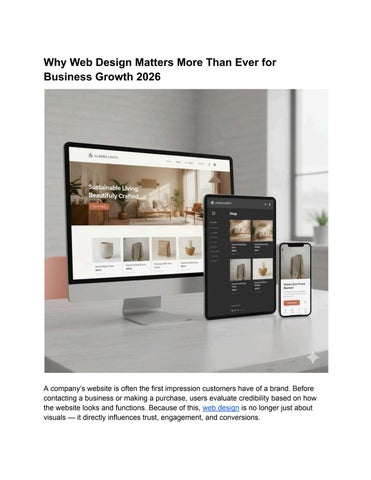
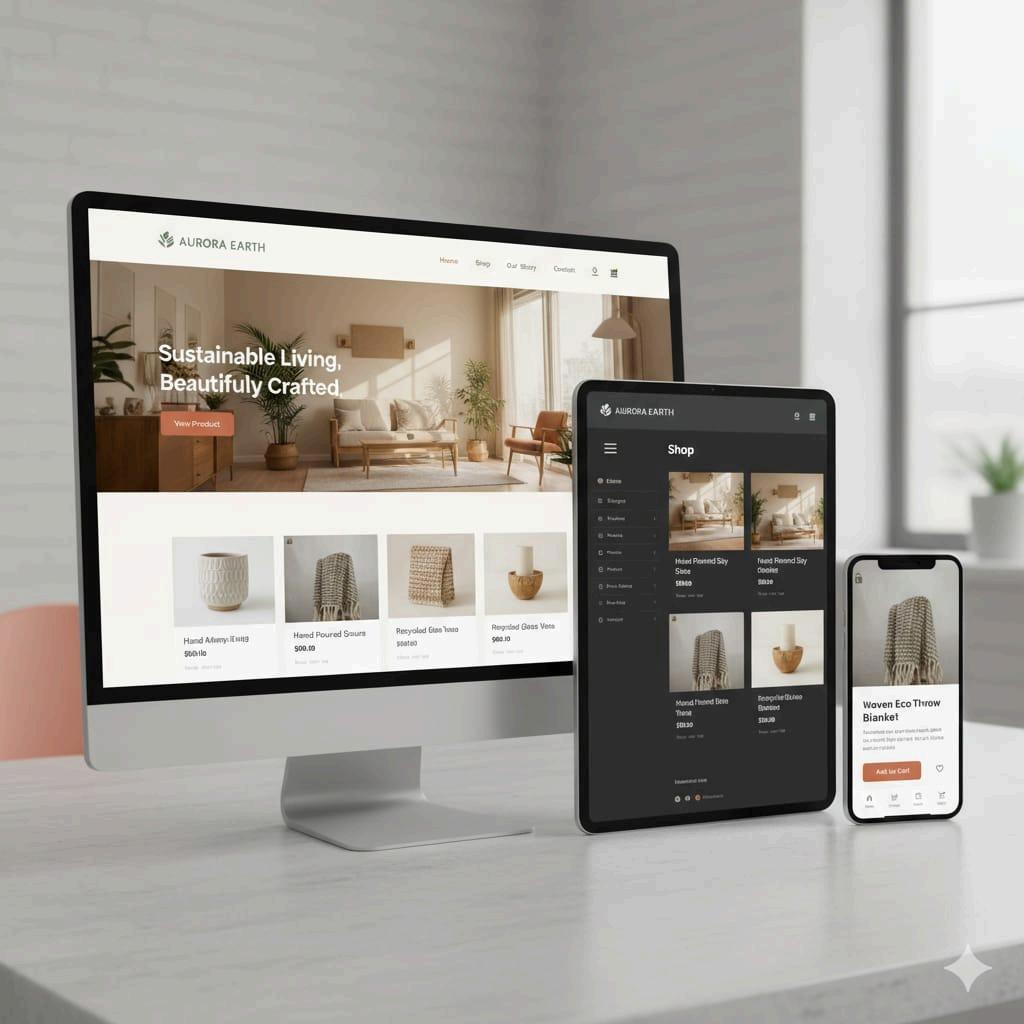
● Mobile responsiveness
● Organized content structure
● Strong calls-to-action
When these elements come together, users feel comfortable and confident engaging with your brand.
Why Businesses Can’t Ignore Modern Web Design in 2026
Customer expectations have evolved rapidly People expect websites to load instantly and function smoothly across devices. If a site feels outdated or difficult to use, visitors quickly move to competitors.
Modern websites help businesses:
● Build credibility: Professional layouts create trust and make a strong first impression.
● Improve user experience: Simple structures help visitors find what they need quickly.
● Increase conversions: Clear messaging and smart placement of buttons guide users toward enquiries or purchases.
● Support SEO: Search engines prioritize fast, mobile-friendly websites, improving visibility and rankings.
● Stay competitive: Keeping your website updated ensures you don’t fall behind in the market.
Key Elements of High-Performing Websites
Strong design focuses on both appearance and performance. Some of the most important elements include:
● Mobile-first layout
Most users browse on smartphones, so websites must adapt seamlessly to smaller screens.
● Speed optimization
Compressed images, clean coding, and reliable hosting improve page speed and reduce bounce rates.
● Visual hierarchy
Headings, spacing, and sections make content easier to scan and understand.
● Consistent branding Fonts, colors, and visuals should reflect your brand identity across every page.
● Accessibility
Readable text, proper contrast, and simple navigation ensure the site is usable for everyone.
When these fundamentals are in place, the website becomes easier to use and more effective at generating results.
Website Redesign Trends for 2026
As technology continues to evolve, websites must adapt to changing user behavior and expectations. Staying updated with modern practices helps businesses maintain relevance and performance
Here are some trends shaping websites in 2026:
● AI-assisted design tools AI tools now help suggest layouts, automate testing, and improve personalization, speeding up development while maintaining quality.
● Minimal and clean interfaces: Simple designs with fewer distractions improve readability and encourage users to focus on key actions.
● Faster performance standards: Users expect websites to load in under two seconds, making speed optimization a top priority
● Interactive experiences: Micro-animations, smooth transitions, and subtle effects create engaging user journeys without overwhelming visitors.
● Security and accessibility improvements: Secure connections and inclusive design practices are becoming essential for trust and compliance.
Because of these changes, many companies are planning a website redesign 2026 strategy to modernize their websites and stay ahead of competitors.
Essential Web Design Tools in 2026
Modern web design depends on smart tools that improve creativity, speed, and overall performance. Using the right platforms helps teams design faster, optimize efficiently, and deliver better user experiences.
Key tools include:
● Figma, Adobe XD, Canva – for wireframes, layouts, and visual design
● WordPress, Webflow, Framer – for building and managing websites easily
● Google PageSpeed Insights, GTmetrix – for speed and performance testing
● Google Analytics, Search Console – for traffic and SEO insights
● Hotjar, Microsoft Clarity – for heatmaps and user behavior tracking
● AI design assistants – for faster prototyping and layout suggestions
By combining these tools, businesses in 2026 can create faster, more responsive, and user-friendly websites that drive better results.
When Should You Update Your Website?
Even well-designed websites lose effectiveness over time. Regular evaluation helps maintain strong performance.
You may need an update if you notice:
● Slow page loading
● Poor mobile experience
● High bounce rates
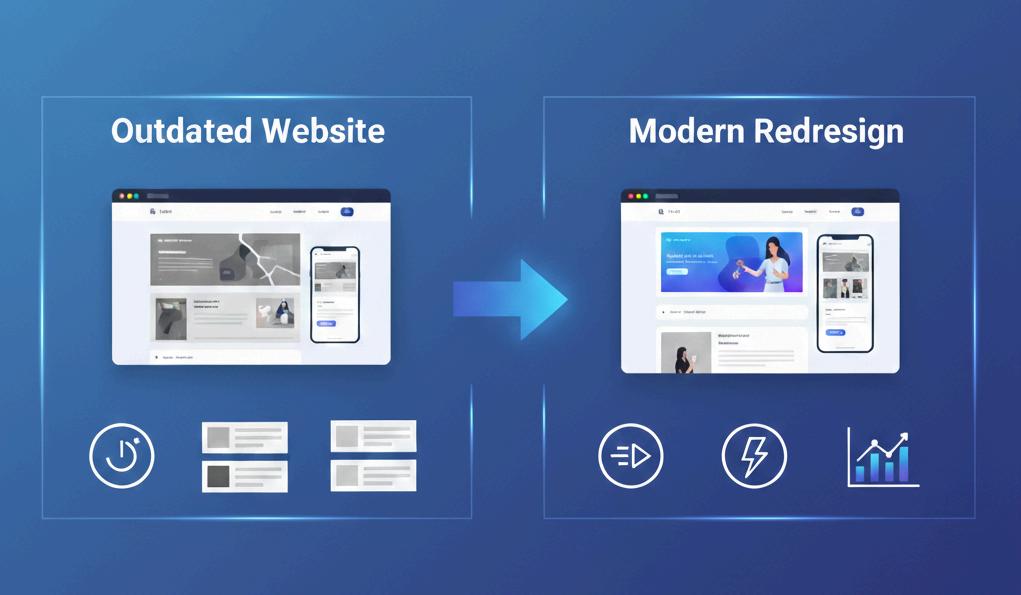
● Outdated visuals
● Low enquiries or conversions
● Difficult content management
Addressing these issues early can significantly improve engagement and lead generation.
Final Thoughts
Your website is more than a digital brochure it’s a powerful marketing and communication tool that represents your brand around the clock. Investing in thoughtful web design helps create better experiences, build credibility, and convert visitors into customers.
As expectations continue to rise, businesses that focus on speed, usability, and modern design standards will stand out. Regular improvements and strategic updates ensure your website remains effective today and ready for the future.