Strategic Economic Development Corporation
626 High Street NE, Suite 200 Salem, OR 97301
503-588-6225 www.sedcor.com
Erik Andersson
President
503-837-1800 • eandersson@sedcor.com
Jenni Kistler
Director of Operations
503-588-6225 • jkistler@sedcor.com
Naureen Khan Communications and Marketing Manager 503-837-1802 • naureen@sedcor.com
Abisha Romano
Economic Development Manager –Yamhill County 503-837-2131 • abisha@sedcor.com
Alex Paraskevas
Economic Development Manager –Polk County Rural Innovation Catalyst 503-837-1803 • alexp@sedcor.com
Kip Morris
Economic Development Manager -–Marion County 503-837-1804 • kip@sedcor.com
401 Oak St., Silverton, OR 97381
503-845-9499 • www.mtangelpub.com
Design: Steve Beckner All material © 2026 its respective owners.
As the year comes to a close, I generally try to look back and celebrate the good news stories of the past twelve months. But this year it feels like we’re at a crossroads, with news concentrating more on Oregon’s challenging business climate and its impact on the state’s economic growth and declining competitiveness with other states. What does that mean for SEDCOR?

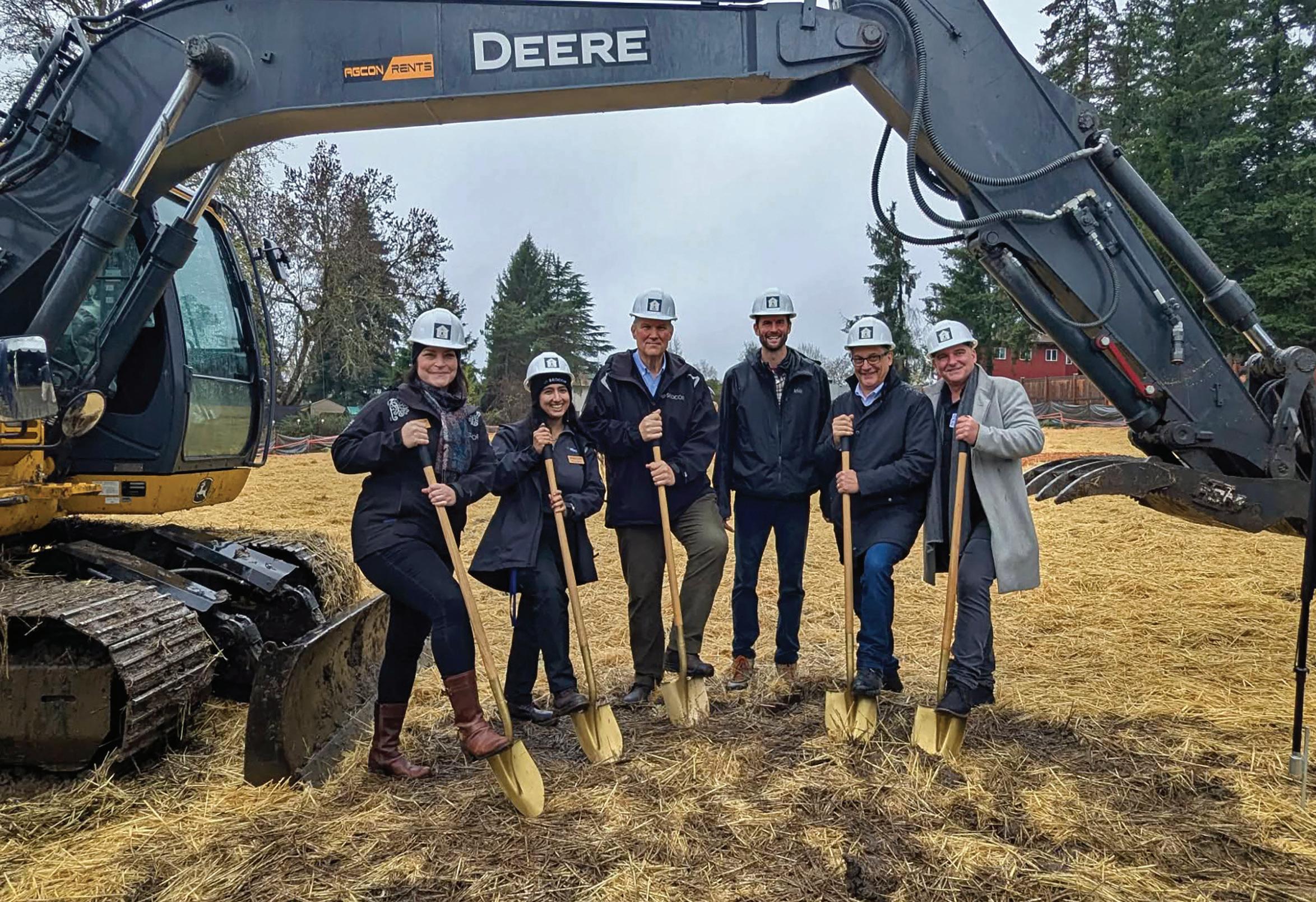
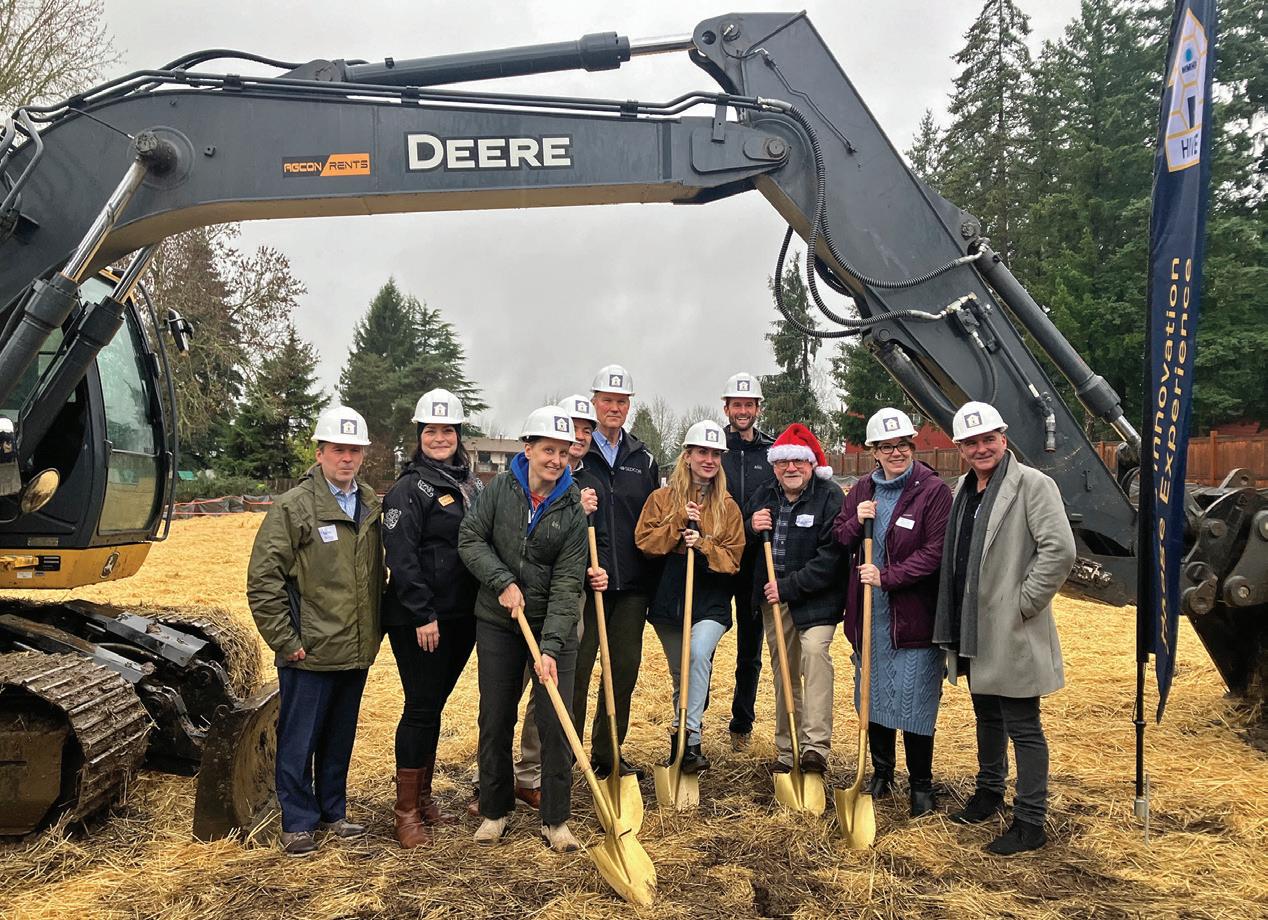
To begin with, there appears to be a renewed interest in business retention and expansion (BRE) efforts at the state level, which is the heart of SEDCOR’s work plan. It’s often said that 70-80% of a community’s new jobs and investment comes from businesses that are already in the community. It is through our BRE efforts over the years that SEDCOR has engaged in career and technical education (CTE), childcare and workforce housing efforts in response to the needs of our region’s traded sector employers. For example, in April 2025 SEDCOR worked with the MidWillamette Valley Council of Governments and the Missing Middle Housing Fund to stage Build Mid-Valley, bringing together over 100 industry and community representatives to get inspired and motivated to develop more workforce housing in our region. And in December, we broke ground on a cottage cluster of 10 tiny homes in Newberg which will provide housing to area workers. The Missing Middle Housing Fund will be working with developers to build housing using innovative materials, construction techniques and new approaches to funding, as well leveraging the city’s revised systems development charge structure to keep prices down. All of that started with outreach visits with Newberg businesses that shared their struggles to retain and attract workers due to a lack of affordable housing.
The Mid-Valley, like Oregon, is largely dependent upon trade. We grow and manufacture a lot more than we can consume, so much of what we produce is sent out of the region, out of state and even out of the county. We learned from local businesses in a variety of industries how new tariffs were impacting their markets and supply chains. Fortunately, we also had some businesses who received unprecedented numbers of inquiries from companies seeking new suppliers as their bottom lines were impacted by rising costs of imported components. SEDCOR also actively promoted the need for assistance to help our companies develop domestic markets for what is grown and made in the Willamette Valley.
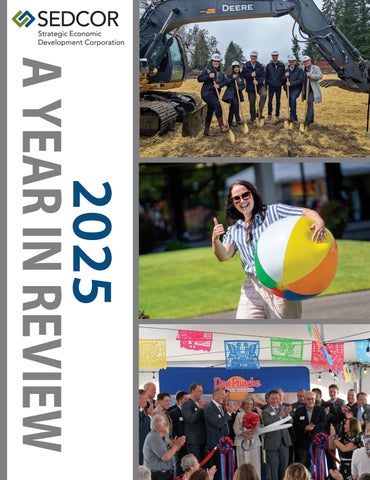
Despite the dreary economic trends, we still found projects to celebrate in 2025. Northwest Hazelnut successfully acquired the Hazelnut Growers of Oregon facility outside of Donald, investing millions in upgrades and new machinery and equipment. Agility Robotics launched its production line of “Digit” robots at its Salem RoboFab facility. In McMinnville, SEDCOR supported our partners at MEDP, the McMinnville Economic Development Partnership, to help Belgium-based snack bar manufacturer EMPWR in its $100 million expansion, bringing on a 5th production line to be in place by this coming spring. And home-grown Don Pancho moved into its new, 300,000 square foot facility in the former NORPAC space in Salem.
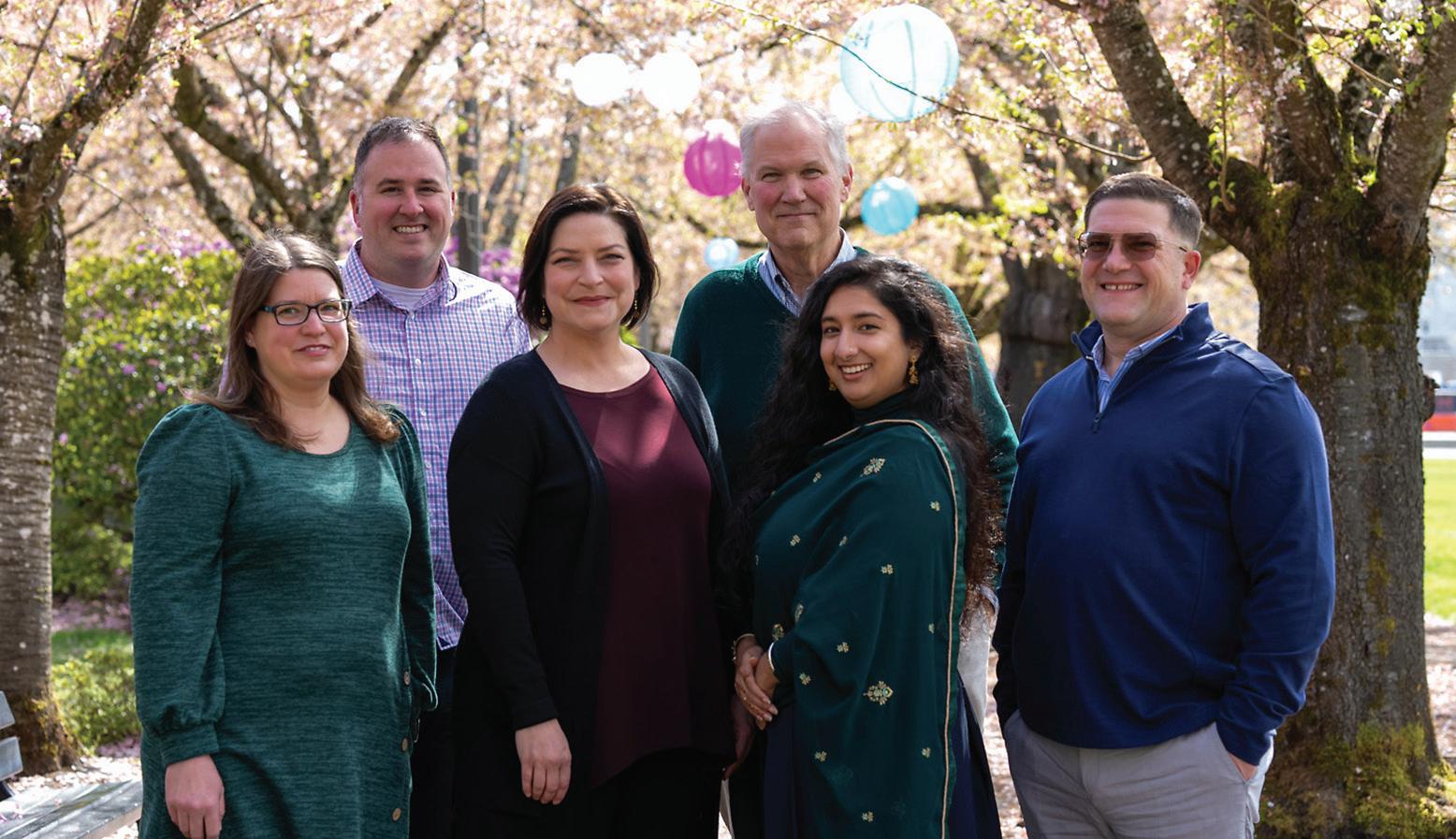
While we certainly have some challenges we need to address in 2026, SEDCOR is able to look back at 2025 with a great deal of pride. My thanks to the small but scrappy group of professionals that comprise the SEDCOR team – I am proud of what we are able to accomplish. I am also thankful for the SEDCOR members, businesses and community partners that support our work. We look forward to working with all of you to make 2026 an even better year for the Mid-Willamette Valley!

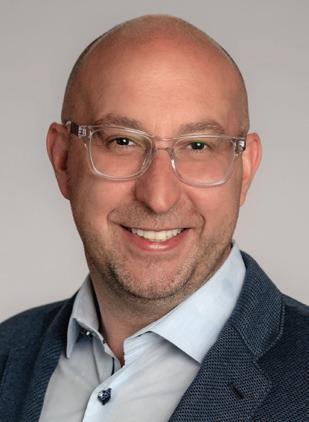
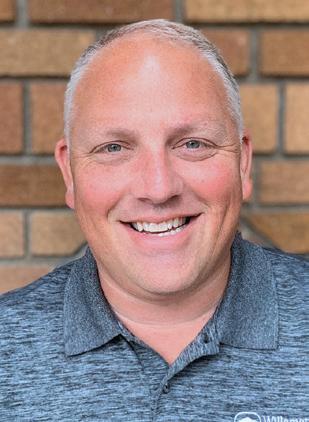
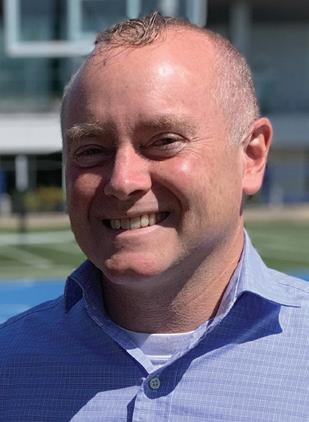
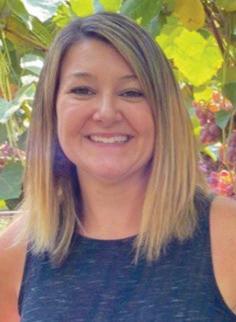
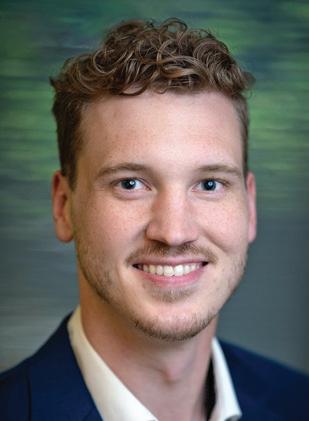
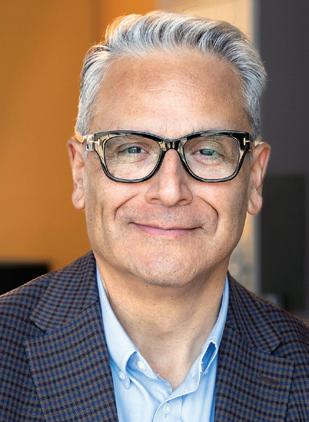
Marin Arreola President/Business Consultant Advanced Economic Solutions, Inc.

Shawn Daley Vice President of Strategic Initiatives George Fox University
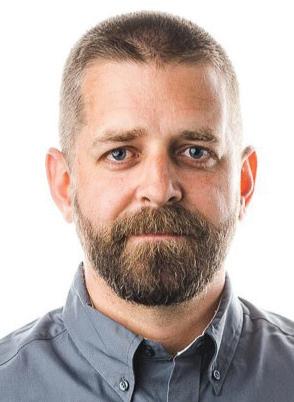
Kent Kaufman President/Owner Kaufman Companies
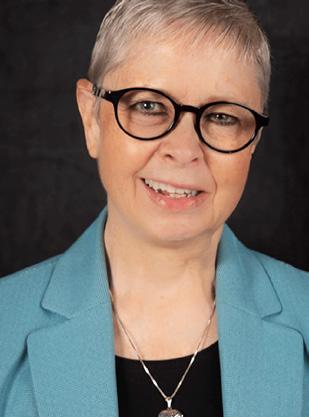
Victoria Shinn VP Commercial Loan Officer People’s Bank

Curt Arthur Managing Director SVN Commercial Advisors

Ricardo Baez President Don Pancho Authentic Mexican Foods, Inc.
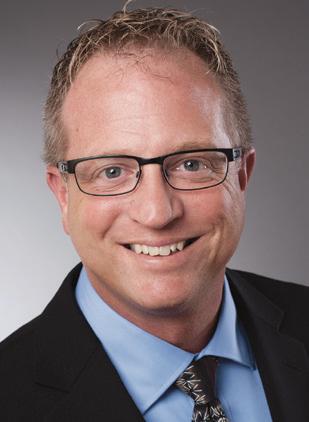
Rich Duncan President Rich Duncan Construction, Inc.
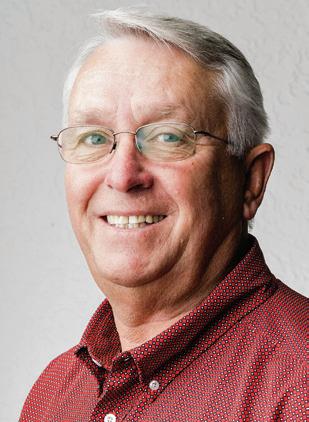
Lyle Mordhorst County Commissioner Polk County
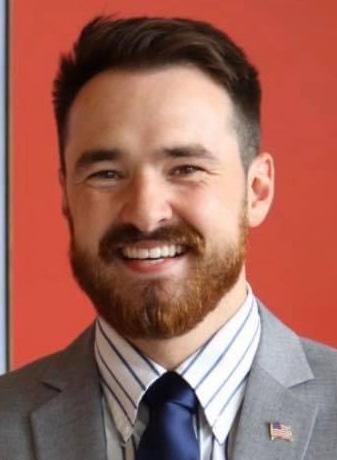
Sielicky Government Affairs NW Natural

Theresa Beach Business Development Manager Portland General Electric
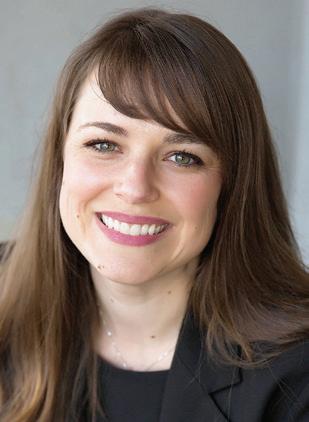
Margaret Gander-Vo Real Estate and Land Use Attorney Saalfeld Griggs PC

Ryan Mosgrove AVP/Business Banking Relationship Manager Key Bank
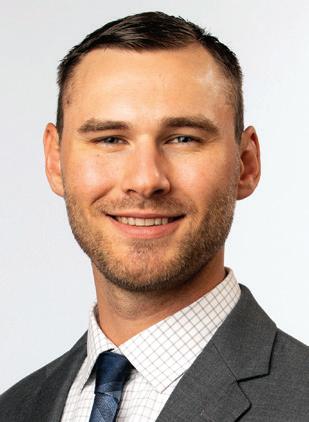
Matt Sturzen Attorney Sherman Sherman Johnnie & Hoyt, LLP

Cathy Clark Mayor City of Keizer

Nathan Good Architect Nathan Good Architects PC
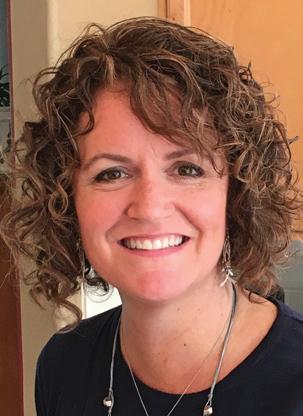
Kim Parker-Llerenas Executive Director Willamette Workforce Partnership

Special Projects Director City of

Crosby Operations Manager Crosby Hop Farm
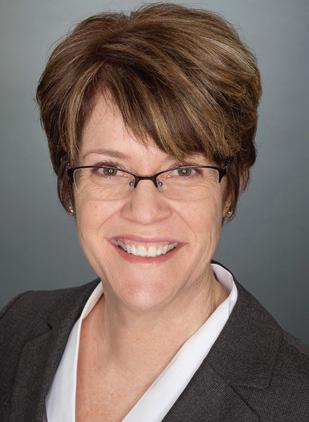
Dr. Jessica Howard President/CEO Chemeketa Community College
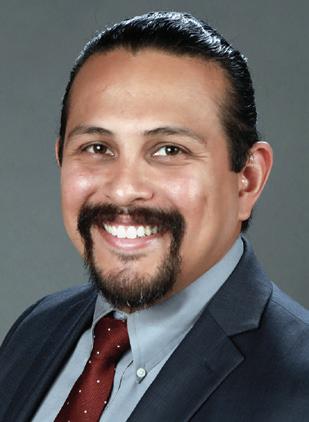
Scott Salazar Regional Business Manager Pacific Power

Willis Commissioner Marion County
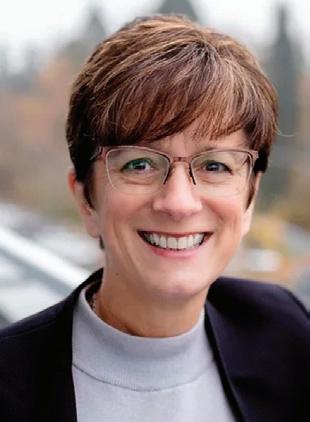
Julie Hoy Mayor City of Salem

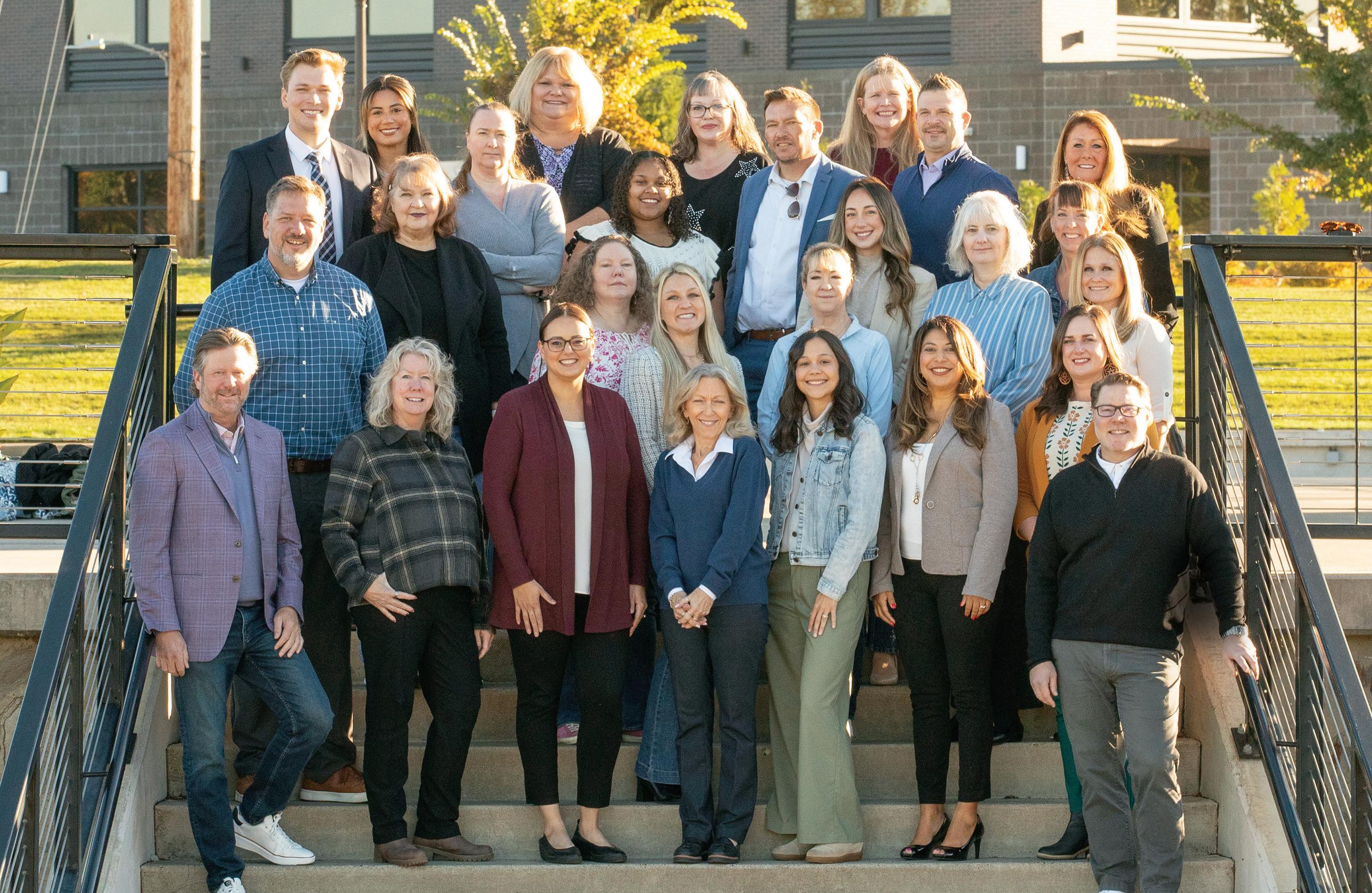
The SEDCOR staff, in collaboration with our Executive Council and Board of Directors, worked with Kinesis, a creative and strategy agency, to develop our five-year strategic plan. This plan guides our focus across six interconnected priority areas that reflect our values and our mission to support business and community prosperity throughout the Mid-Willamette Valley. Everything we accomplish across these areas is grounded in relationships, SEDCOR’s unique role is connecting businesses, community leaders, and partners to move projects forward.
In the last year, SEDCOR played a role in every project highlighted below, supporting our businesses and partners through tools such as incentive navigation including the Enterprise Zone, as well as helping secure financial and technical resources that made growth possible.
The past year was active across nearly every industry sector. In agriculture and food processing, George Packing and Northwest Hazelnut successfully acquired and reopened the Hazelnut Growers of Oregon facility near Donald, preserving jobs and strengthening the region’s globally recognized hazelnut supply chain. Through this work, we’ve had the opportunity to collaborate with Ferrero, the iconic Italian company behind Nutella and Ferrero Rocher.
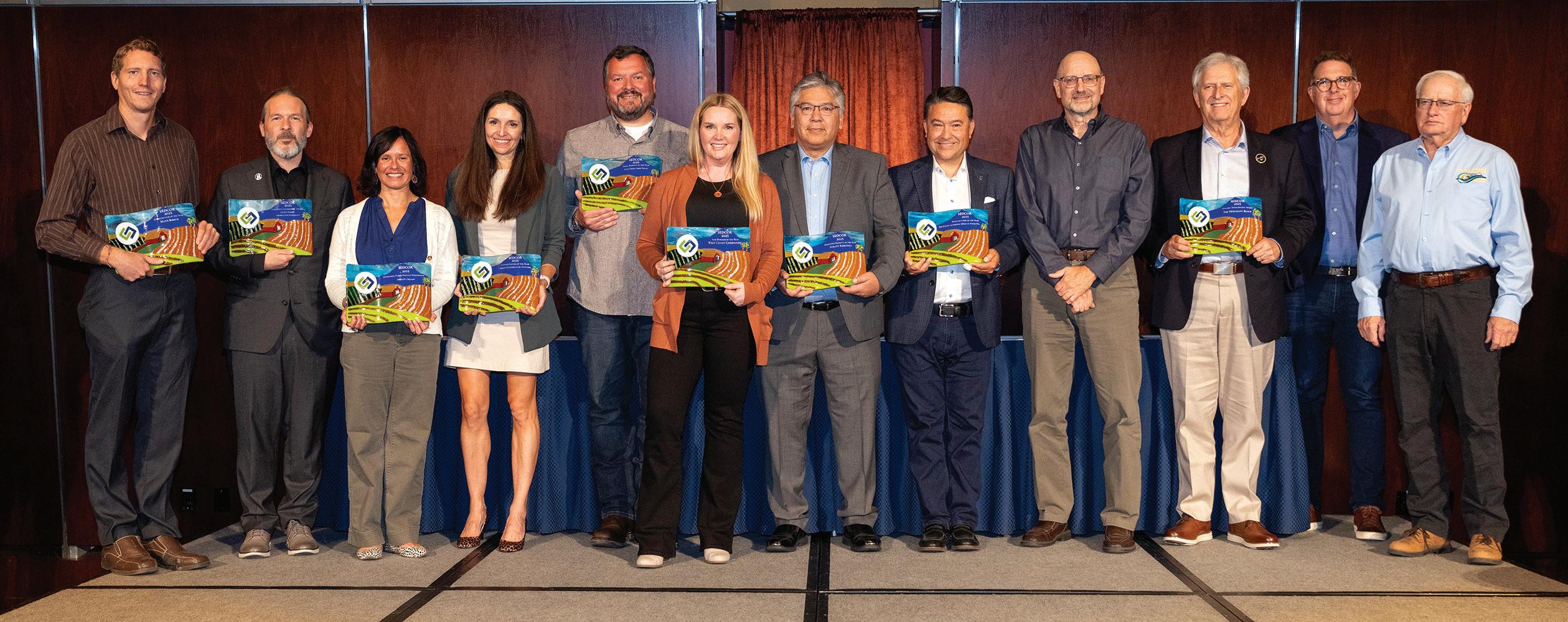
Innovation continued to thrive as well. SEDCOR Award winner Revino advanced its reusable wine bottle system with strategic support from the Governor’s Strategic Reserve Fund, while fellow award winner Solid Carbon of McMinnville secured an innovation grant through the NSF Futures Engine, supported by SEDCOR’s advocacy.
Across fiscal year 2024–25, SEDCOR expansion, retention, and recruitment efforts contributed to:
• $179 million in total capital investment
Valley Fab was approved for a Rural Industrial Property Tax Exemption to support new equipment and building investments in Brooks. In advanced manufacturing, GK Machine purchased and installed additional machinery to support its new facility near Donald, while Jackman Industries expanded its equipment capacity in Salem to broaden its metal pipe flashing product lines.
• 350 new jobs created
• Over $3.4 million in estimated annual property tax revenue
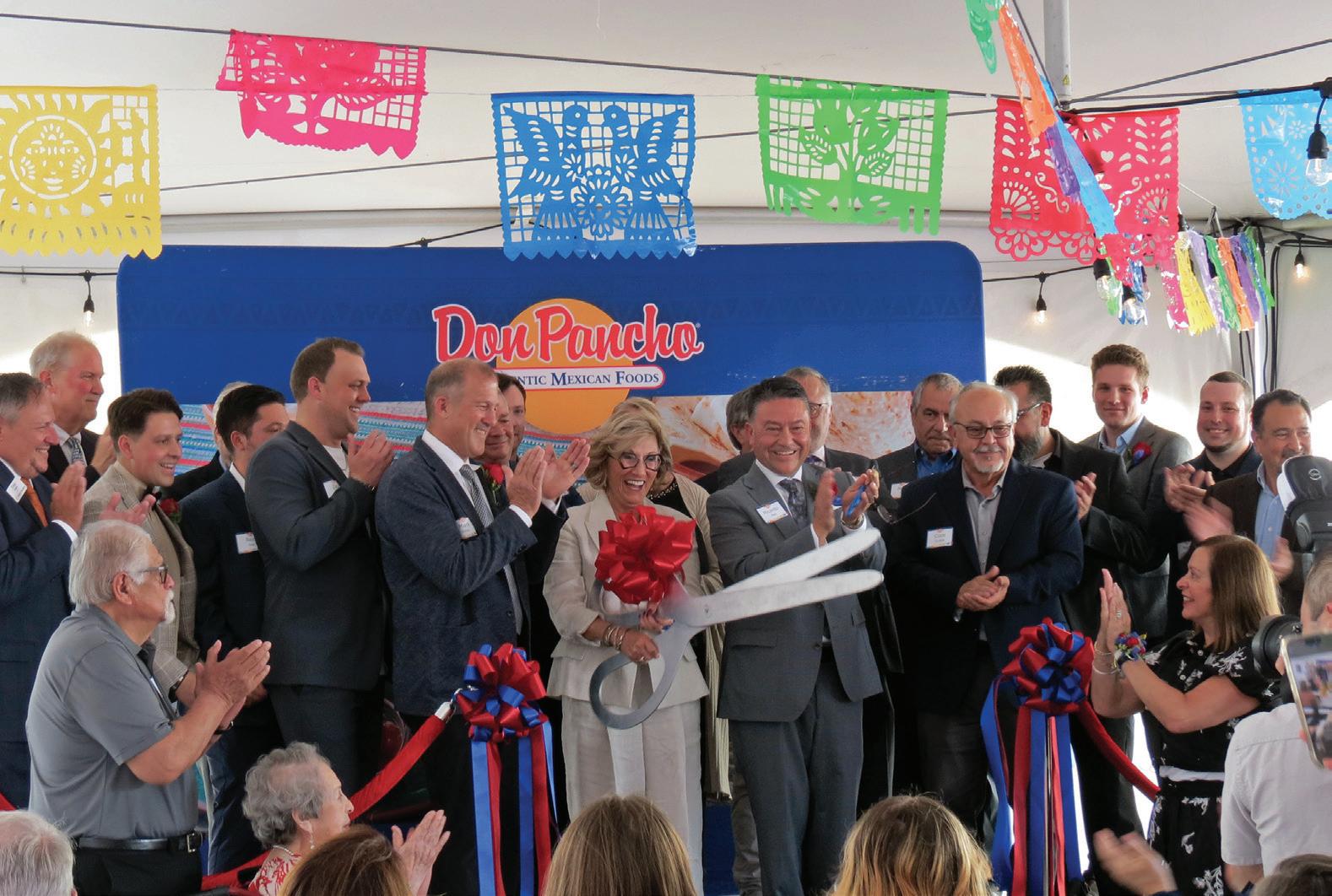
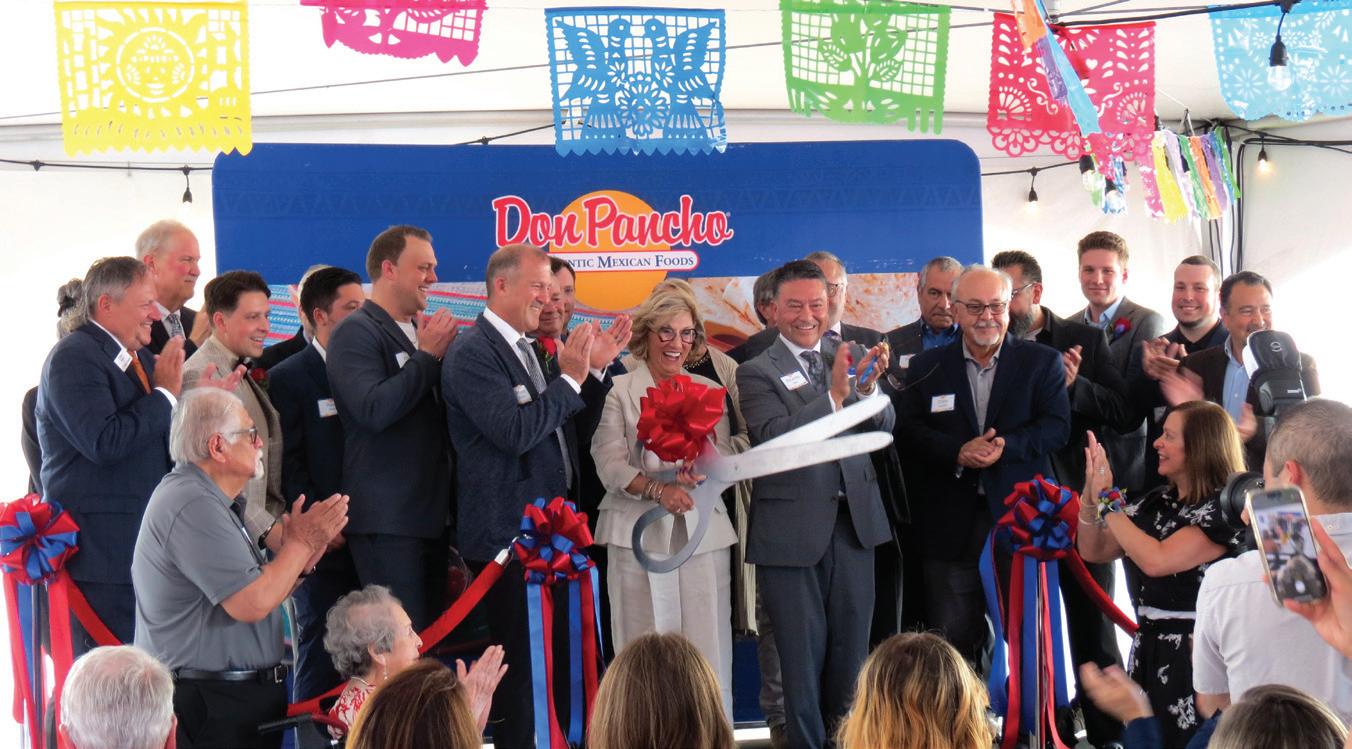
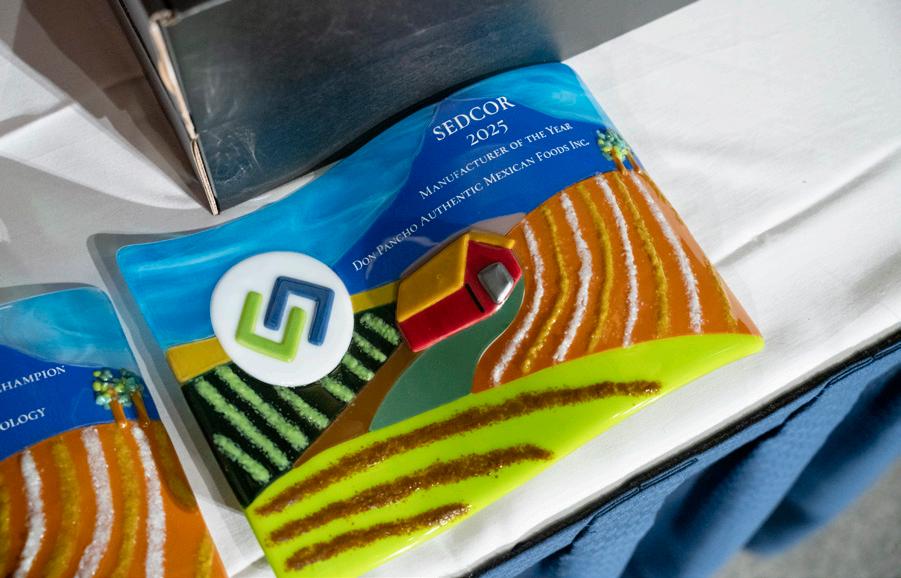
In food and beverage, Salem-grown brand Don Pancho moved into its 300,000-square-foot facility at the former NORPAC site, marking one of the largest food manufacturing expansions in the valley in recent years. The company celebrated its grand opening this fall, underscoring the strength of Salem’s manufacturing workforce.
Also in McMinnville, SEDCOR partnered with the McMinnville Economic Development Partnership to support EMPWR’s $100 million expansion, including its fifth production line slated to be operational next spring. EMPWR, a Belgian-based snack bar producer which acquired Noble Foods in 2022, continues to anchor the region’s food manufacturing cluster.
In Polk County, SEDCOR remains engaged with Crystal Creek Dairy Service on the development of a new manufacturing space in Independence. Its affiliated brand, Dreamies Creamery, recently opened its second retail location at The Forge in downtown Salem, bringing award-winning sheep’s milk ice cream to even more fans.
Entrepreneurship remains a central pillar of SEDCOR’s work.
Through partnerships with the Latino Business Alliance, Advanced Economic Solutions, the Mid-Willamette Valley Council of Governments, Chemeketa SBDC, and Unidos of Yamhill County, the Latino Microenterprise Development Program continues to thrive. This year’s cohorts were held in Salem, Woodburn, Newberg, and Independence, building on nine completed cohorts regionally and supporting over 200 entrepreneurs to date with technical training, business coaching, and peer networks. Funding is made possible through Business Oregon’s Economic Equity Investment Program.
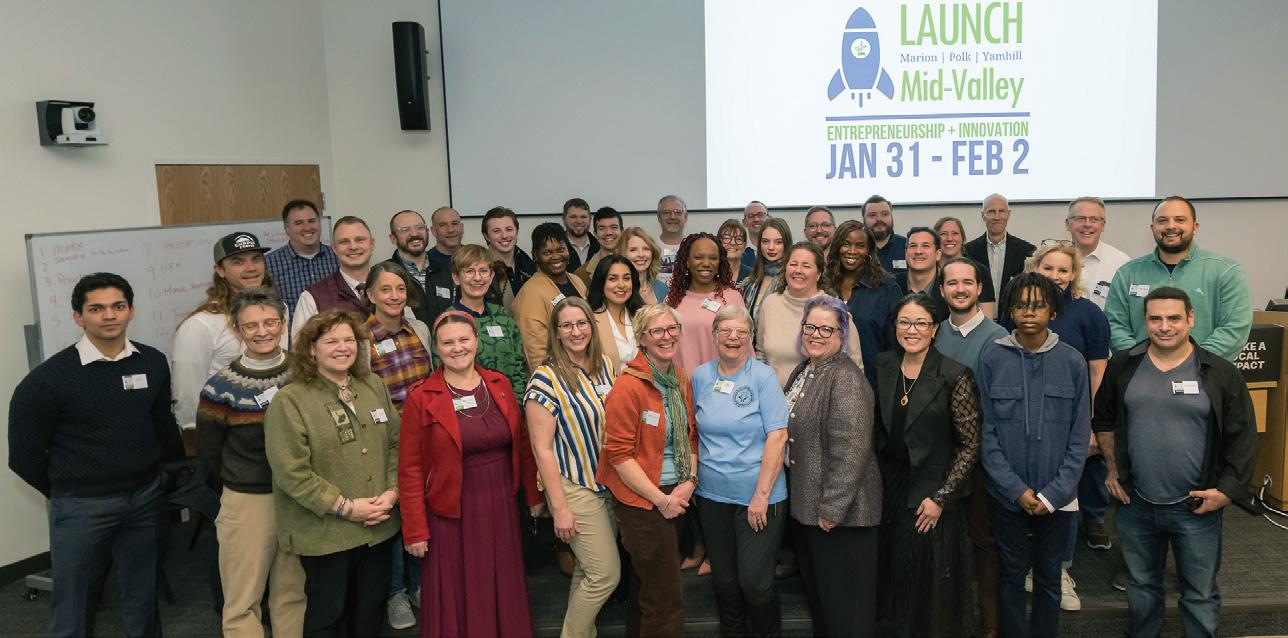
SEDCOR also secured state support from Business Oregon to grow Launch Mid-Valley into an official Regional Innovation Hub, connecting entrepreneurs with investors, educators, and mentors. Core partners include Chemeketa Community College, McMinnville Economic Development Partnership, Chehalem Valley Innovation Accelerator, and George Fox University. Hub programming included these key highlights:
• 9 Coffee Clubs meeting regularly across the region
• 1,175 total number of entrepreneurs served
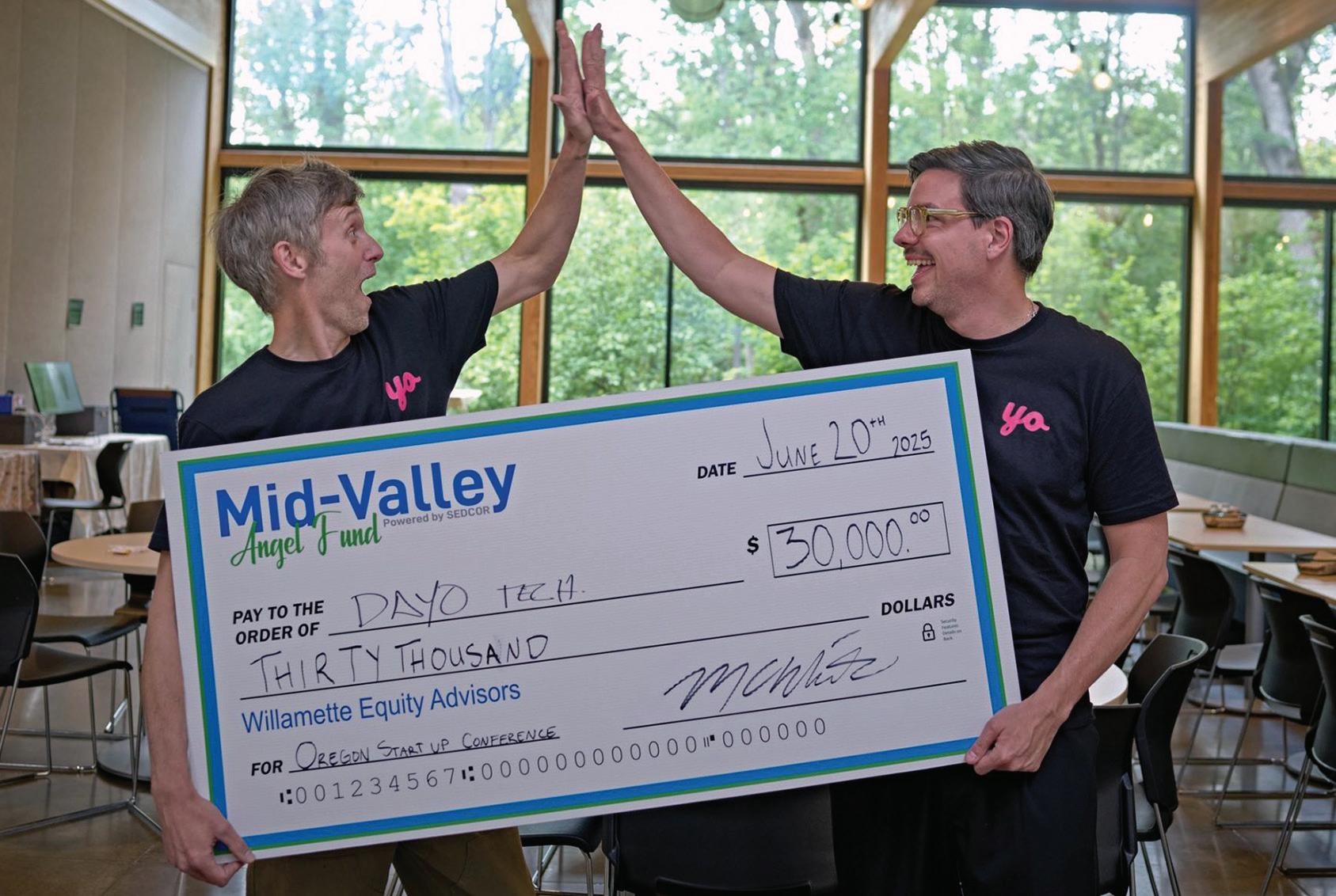
• $70,000 given at Pitch Willamette, where entrepreneurs pitch directly to regional investors
Food entrepreneurship has become a particularly bright spot. In partnership with the Oregon Entrepreneurs Network, SEDCOR hosted the Oregon Angel Food Marketplace,
connecting food entrepreneurs with retailers and offering the public hands-on tasting opportunities. Our Locally Grown Supply Chain event strengthened ties between local farmers and processors, building real connections between what’s grown here and what’s made here.
SEDCOR continues to lead the region’s Regional Innovation Cluster work with AgLaunch, advancing agtech development and cultivation support through partnerships between farmers and technology innovators.
Infrastructure remains a foundation of sustainable economic development—especially workforce housing.
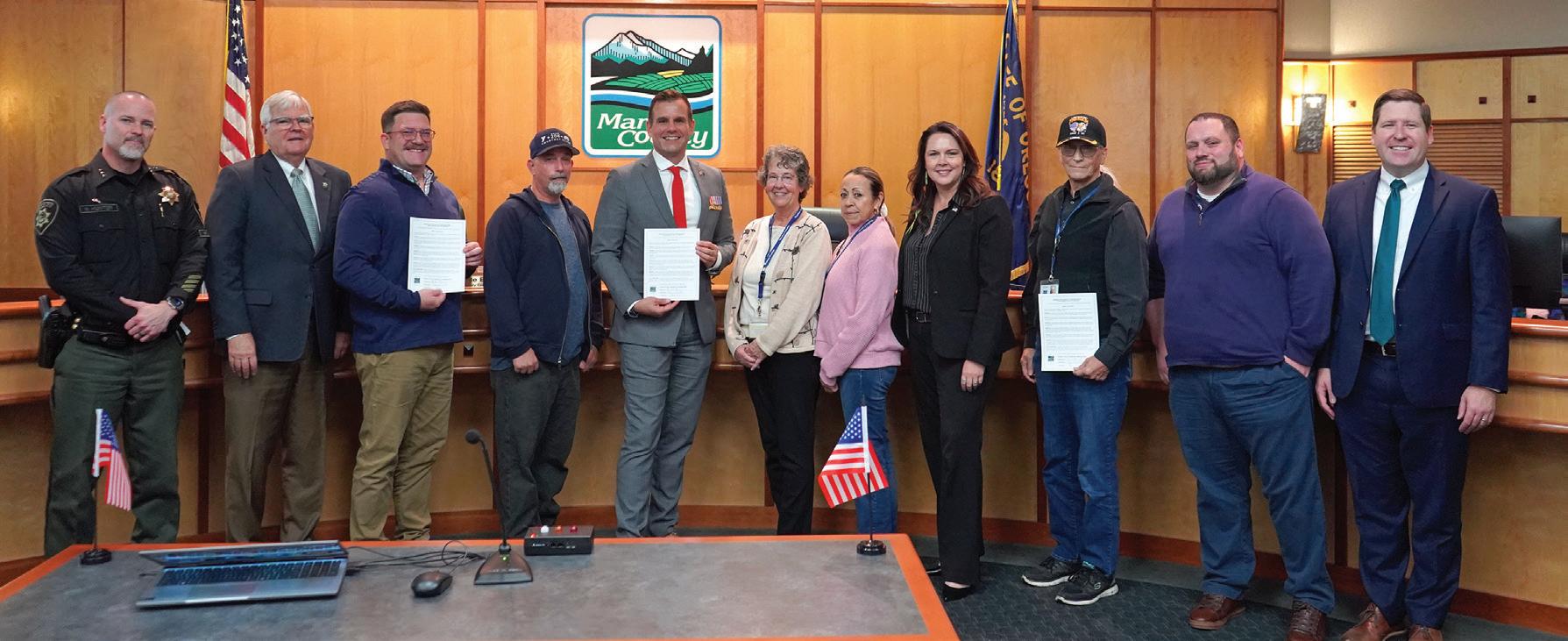
Working alongside the Newberg Workforce Housing Consortium and with strong support from Representative Anna Scharf, SEDCOR helped establish the Workforce Housing Investment Fund, which has now made its first loan to HumanKind Homes. This funding supports research, development, and certification for HumanKind’s innovative design-manufacture-build housing system, creating new solutions to address housing shortages for working families.
SEDCOR is currently partnering with the Mid-Willamette Valley Council of Governments to expand this model across Marion and Polk Counties, working with communities and employers to explore scalable housing strategies.
In more traditional infrastructure work, SEDCOR is launching a new collaboration with the City of
Continued on page 9
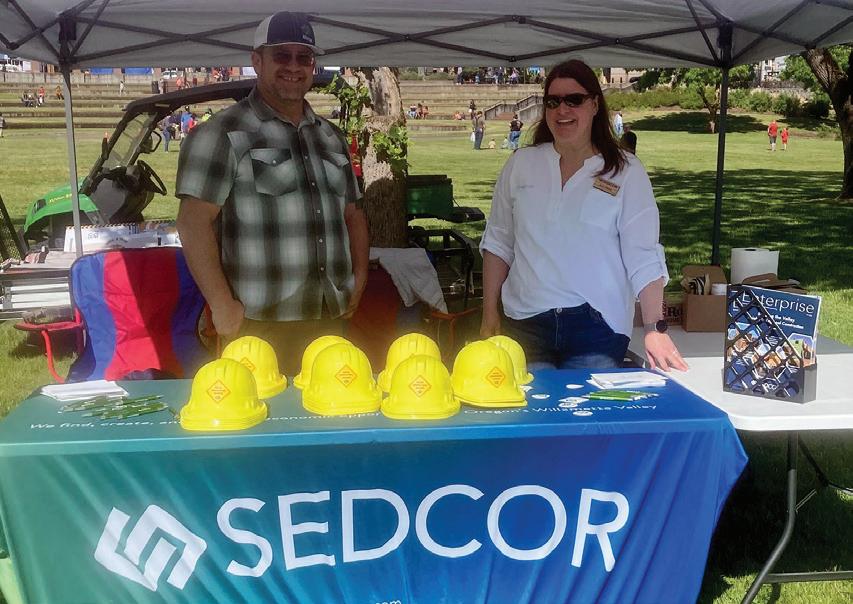
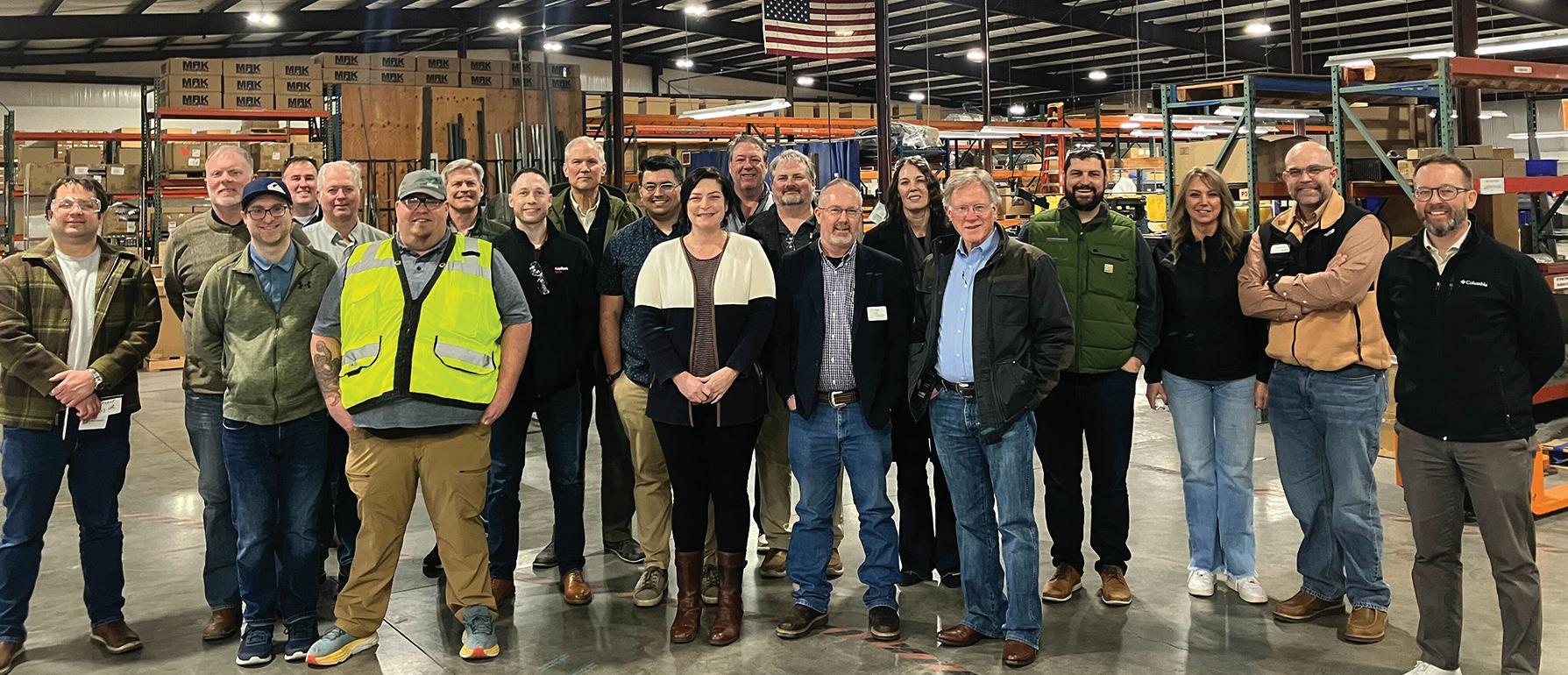
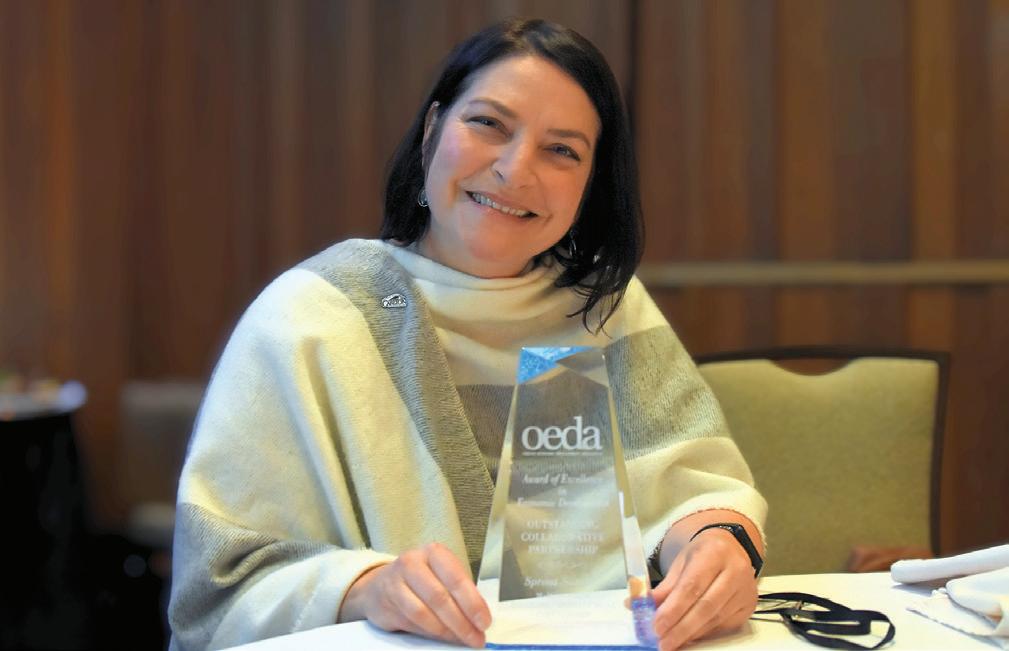
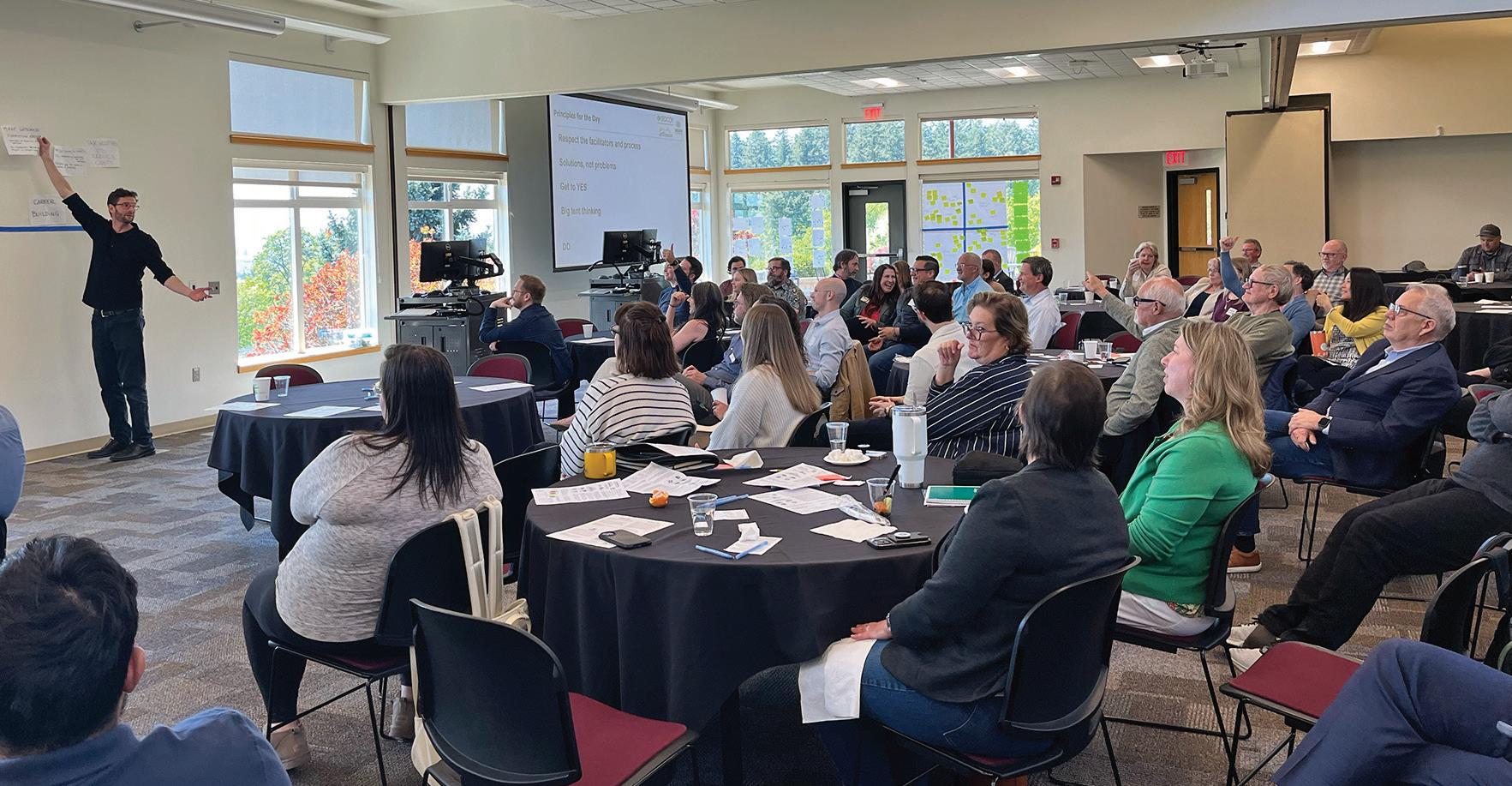
We want SEDCOR to be recognized among businesses and community as a regional expert and invaluable catalyst in the field of economic development. Our biggest potential lies in the connections we make between people, companies, and communities. Engaging our stakeholders is critical to that process.
Events Hosted
37



Sheridan focused on industrial land readiness, ensuring development sites are positioned to attract future business investment.
For more than two decades, workforce development has remained one of SEDCOR’s core strengths. Our team continues to serve as a connector between employers and educators to align training with real-time industry needs.
SEDCOR convened warehouse and distribution employers in Woodburn and Salem to assess workforce challenges. This collaboration, supported by Chemeketa Community College and the Willamette Workforce Partnership, is guiding curriculum updates focused on robotics training, logistics technology, and digital literacy.
SEDCOR also continues to be contracted with the Sheridan School District to manage employer advisory committees for the Barbara Roberts Career Technical Education Center, helping guide regional career training investments and strengthen pathways from classroom to career.
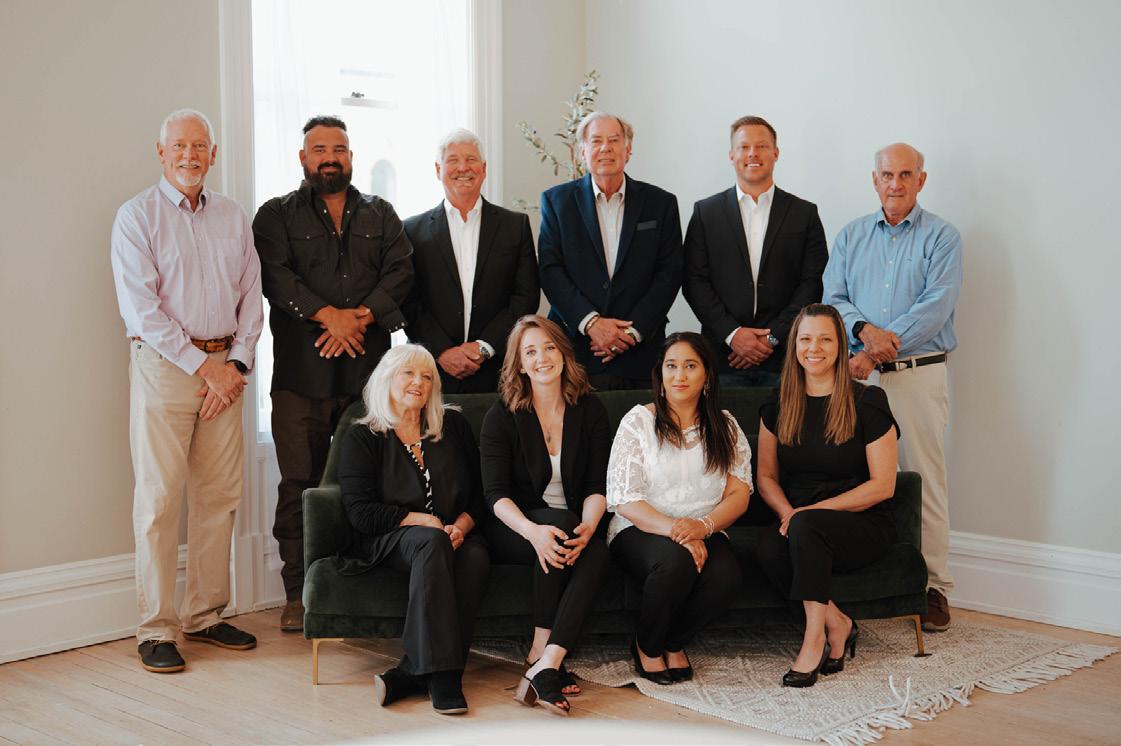
SEDCOR continues to implement the Board’s shared vision for the Mid-Willamette Valley as:
or





Blue - SEDCOR event
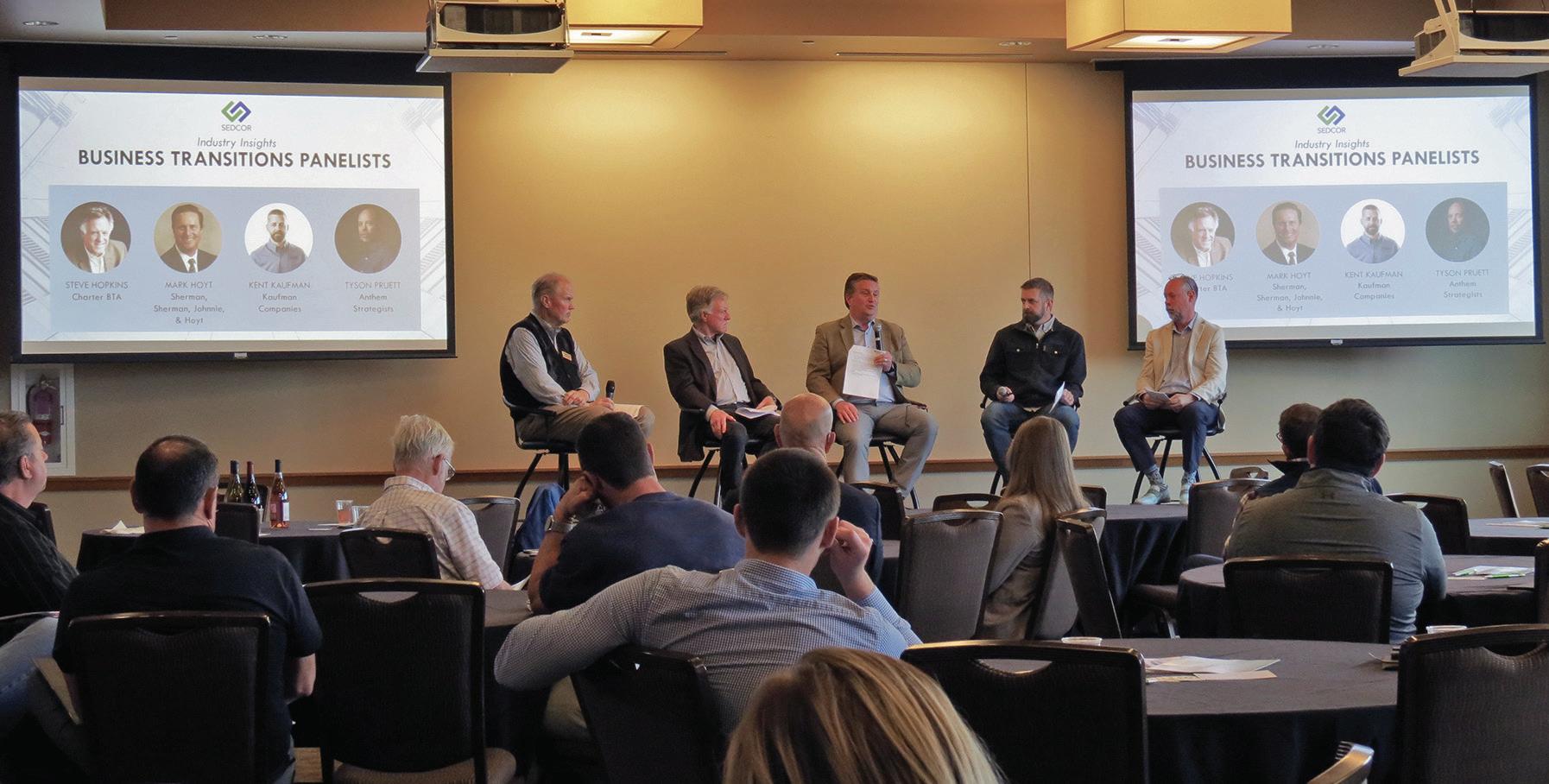
18 – Industry Insights: Navigating Oregon’s
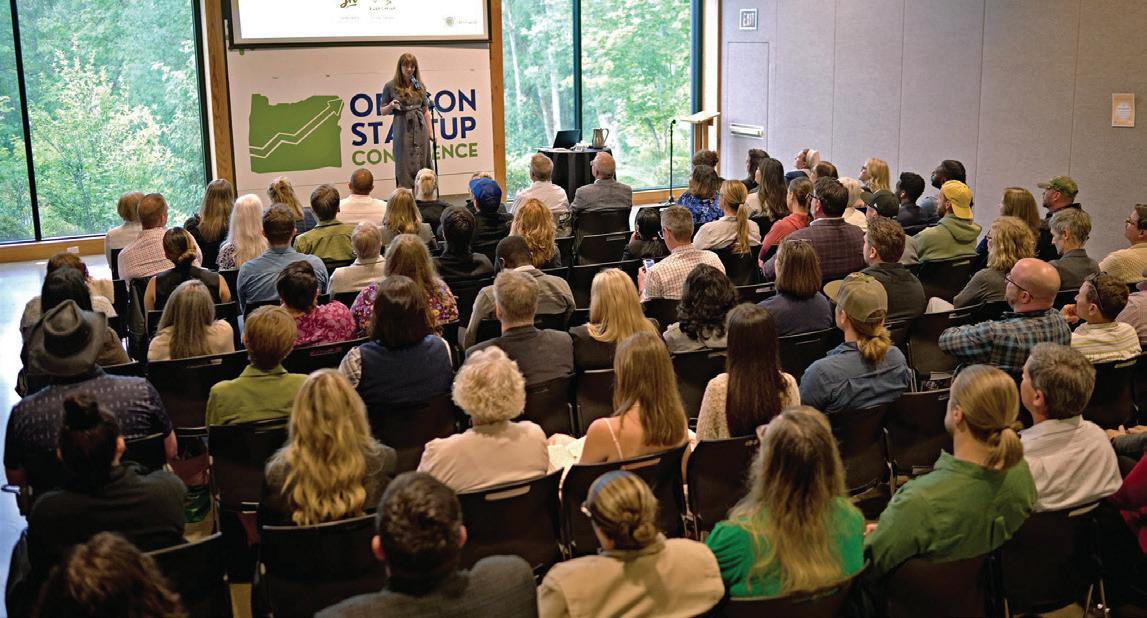
- 29 – Launch Mid-Valley Startup
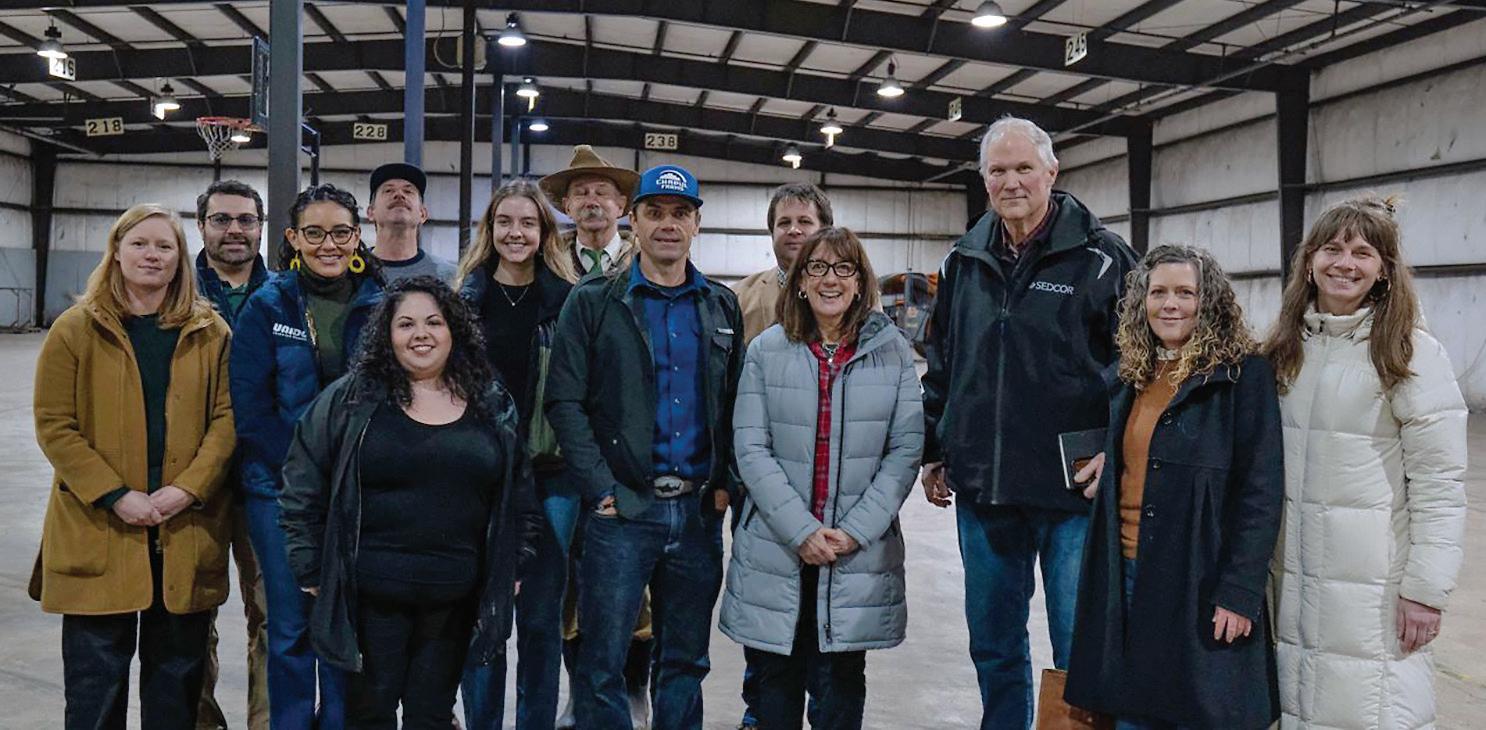
April Spring Industry Tour*
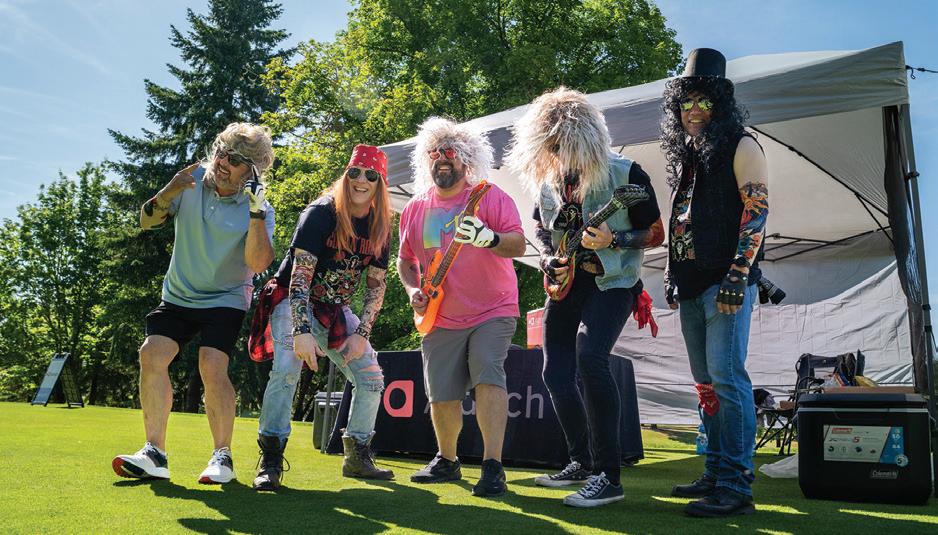
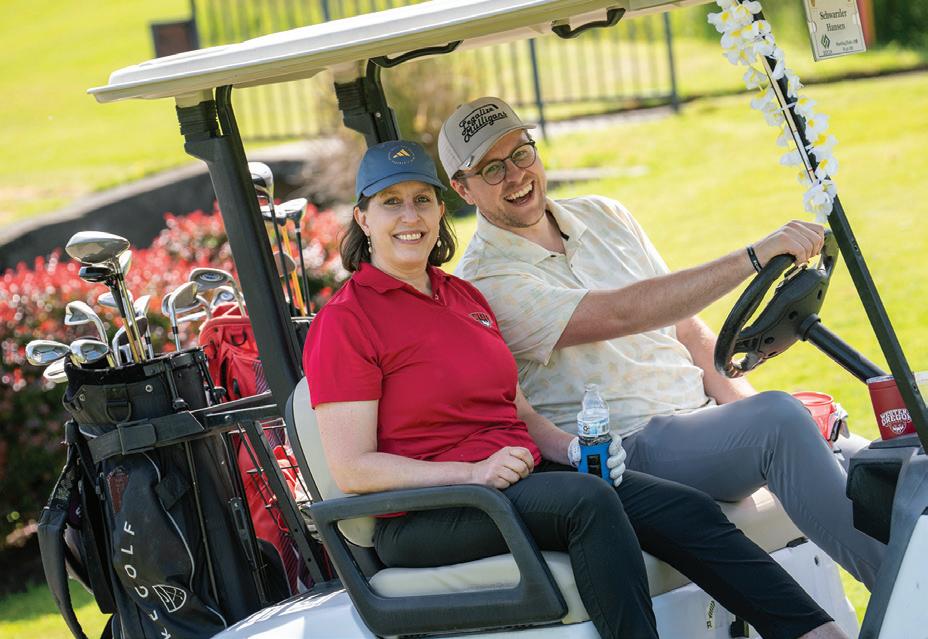
5 – Annual Golf Tournament: Par for the Panel
Summer Happy Hour*
Summer Happy Hour*
Summer Happy Hour* Launch Mid-Valley Pitch Willamette
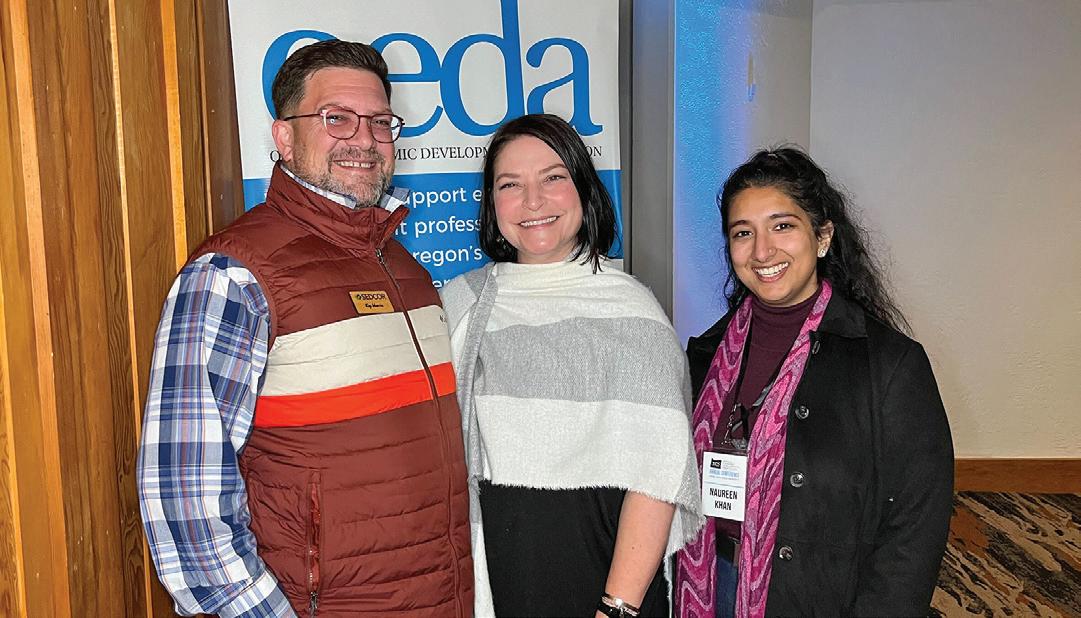
SEDCOR Fall Industry Tour* 25 - 27 – Oregon Economic Development Association’s Annual Conference in Salem
Launch Mid-Valley Marketplace* Industry Insights* * - Tentative, subject to change
Mid-Valley Economic Summit
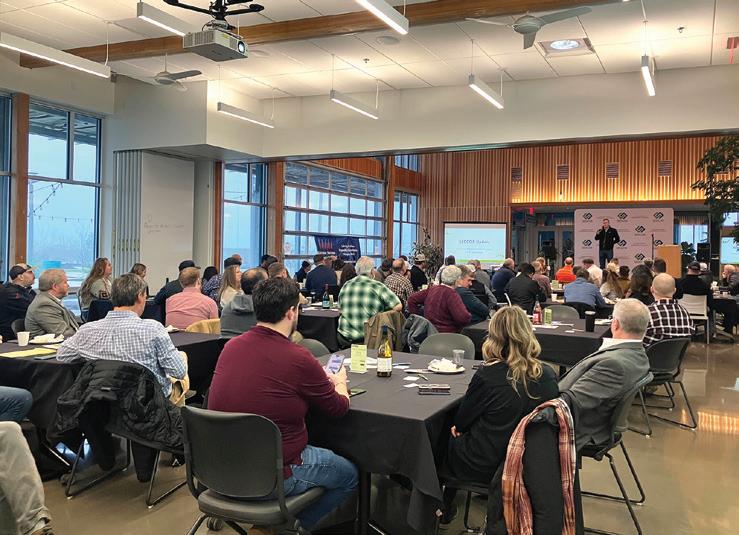
Back by popular demand! Join us for an early morning breakfast paired with speakers and panels exploring the trends, challenges, and strategies shaping our regional economy.
Summer Happy Hours
This summer, we’re making the roundshosting one happy hour each month in Marion, Polk, and Yamhill Counties. Come connect, mingle, and network with fellow SEDCOR members in a relaxed setting.
More events are sure to be added so please keep an eye out for our weekly e-newsletter or social media for the latest updates.
Interested in partnering, sponsoring or volunteering for an event?
Reach out to Naureen at naureen@sedcor.com



As we wrap up 2025, we connected with our economic development managers to gather their insights on the past year and their expectations for the year ahead.
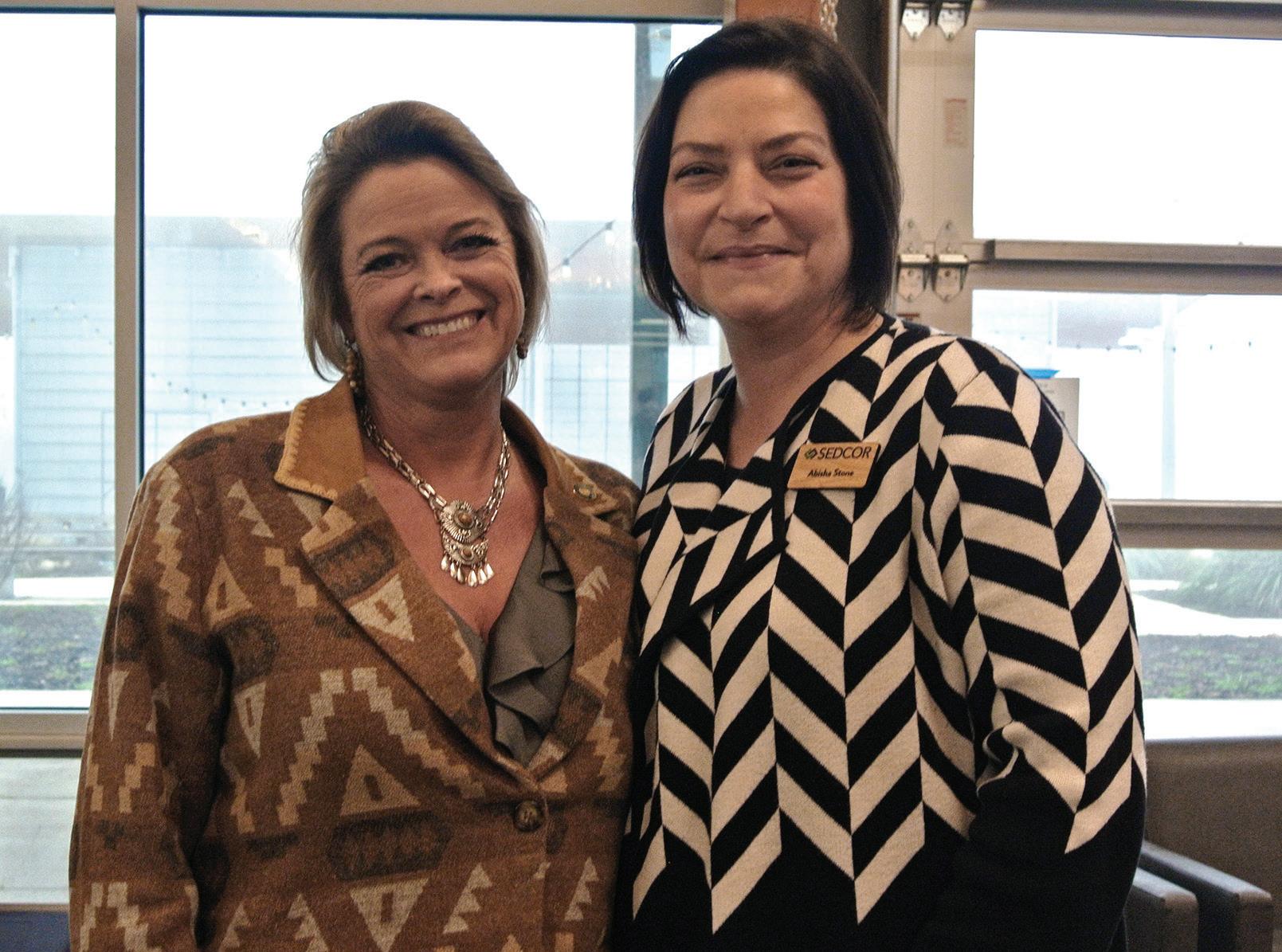
Abisha Romano
Yamhill County Economic Development Manager
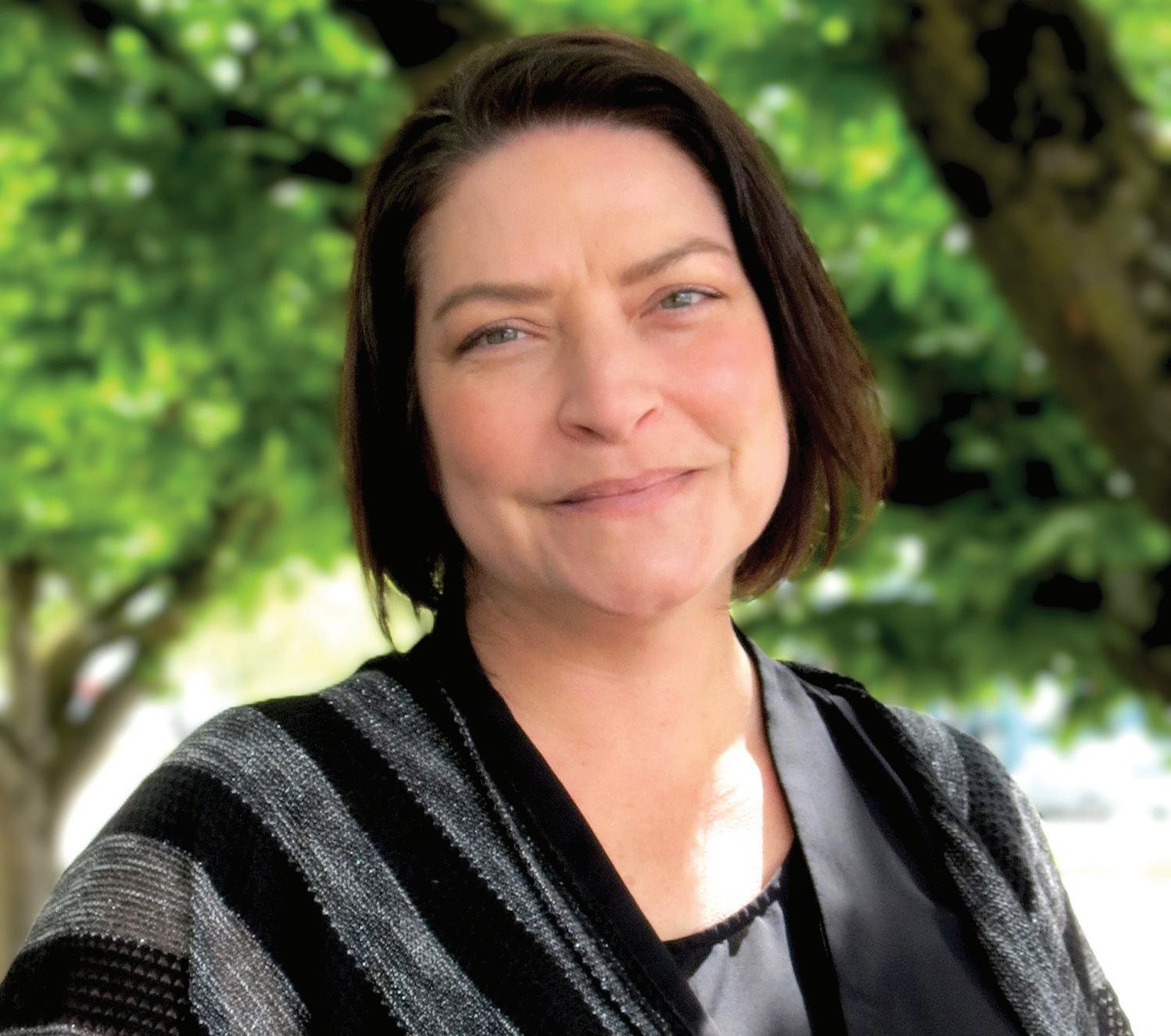
Overall, how would you describe 2025?
I am now referring to 2025 as the year of assessment and controlled movement. While some firms became mired in analysis paralysis as they tried to navigate the ever-shifting impacts of federal policies, others seized the opportunity to strengthen local supply chains, capture new domestic markets, and expand their existing operations. Our partners at Business Oregon (the State’s economic development department) underwent a full programmatic review and impact deep dive, hosting several “Incentives Modernization Regional Workshops” to garner partner and business input regarding the effectiveness of their current incentive programs. We are all eager to see what comes of that work. For now, I remain hopeful their program assessment inspires measured movements that lead to increased investments and a healthier economy for Oregon.
What were some of the biggest challenges?
I don’t think we can close out 2025 without referencing the agony of the 2025 tariff debacle. Some have referred to 2025 as “The Year of the Tariff”. Economic analysts referred to the unprecedented and deep fluctuation of markets
as “Quiet Volatility”. A CNBC report suggested the tariffs created “Maximum Chaos” and reported impacts being felt as far away as the Falkland Islands, playfully naming the phenomenon “Penguin Tariffs.” No matter what you refer to it as, the 2025 tariff debacle caused unprecedented global impacts. For many local businesses, managing the volatility was pure agony and most certainly their biggest challenge.
Most exciting projects from this last year?
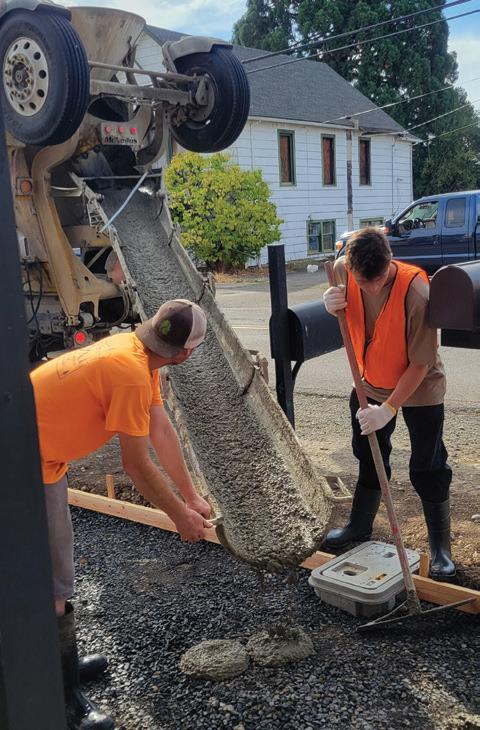
I’m thrilled to share the exciting progress in our region! The Newberg Workforce Housing Consortium and the Missing Middle Housing Fund have made a significant investment to secure property for the Housing Innovation Village Experience (HIVE)—a truly forward-thinking cottage cluster development in the heart of Newberg. Groundbreaking took place before year-end, and construction is slated to begin in early 2026. I’m equally proud to highlight the success of the rebooted Youth Sidewalk Program, hosted by Willamette Workforce Partnership (WWP). In a true spirit of collaboration, SEDCOR, WWP, YOOP, the City of Carlton, and several local donors joined forces to relaunch this impactful workforce training initiative. Five local youth worked alongside a licensed and bonded contractor to install more than 800 linear feet of sidewalk along the north side of Main Street in Carlton. These young participants gained handson experience in concrete removal, form setting, pouring, leveling, and curing—while the city benefited from muchContinued on page 19






needed sidewalk infrastructure.
What do you expect for 2026?
I may be stepping into 2026 with a healthy dose of unearned optimism—but I truly feel hopeful about the year ahead. I envision a season of investment and growth for our region. I’m encouraged by the efforts of our state partners to assess, reassess, and reset their incentive programs in ways that could finally deliver consistent, meaningful support. I see businesses moving forward with investments they’ve been analyzing for years, and I anticipate slow but steady increases in job numbers. Most of all, I hope that when I revisit this projection next year, I can smile—not because I was overly optimistic, but because some of that optimism became reality.
Alex Paraskevas Polk County Economic Development Manager
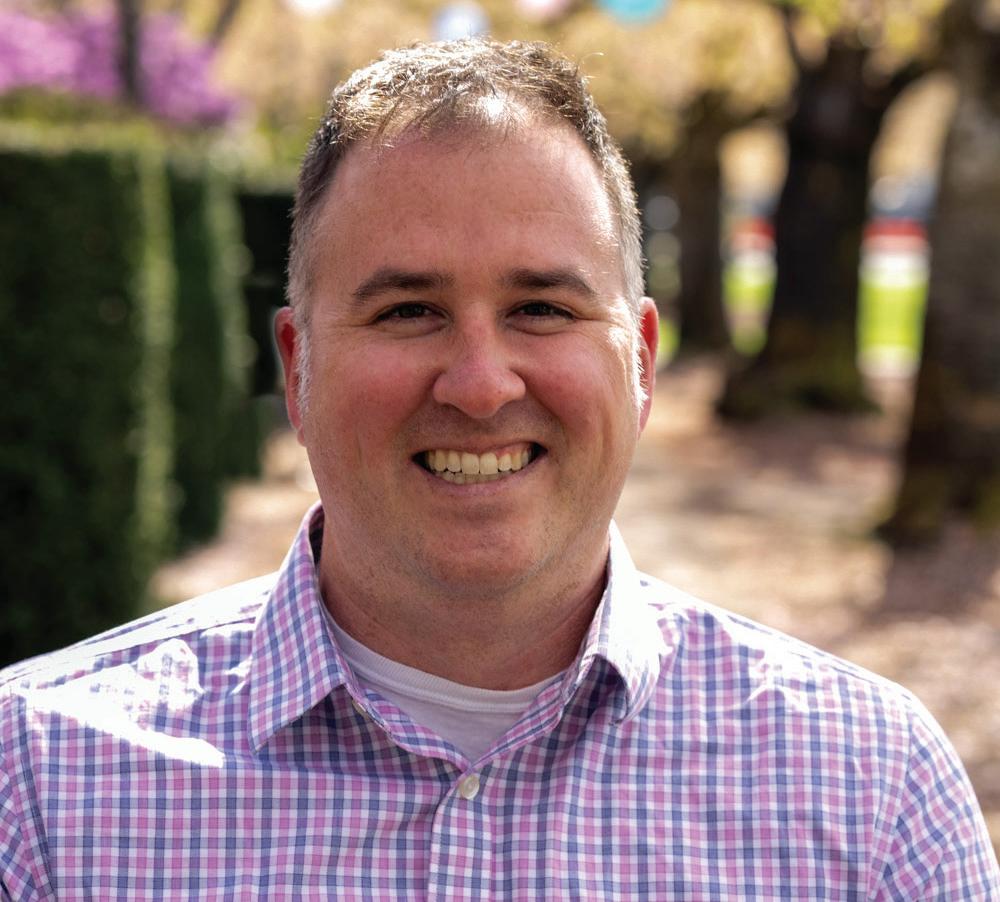
Overall, how would you describe 2025?
2025 was tumultuous, no doubt! Uncertainty reigned supreme, and SEDCOR (along with everyone else) was kept busy trying to keep up with policy changes, tariffs, supply chain pressures, etc. I was told early on that economic development can be countercyclical and that is proving true! Despite that, it’s always exciting to see local businesses expand – whether new equipment, new facility, or new staff (hopefully all three), and 2025 still had its share of good projects.
What were some of the biggest challenges?
As always, uncertainty. Quickly shifting markets and policy
landscape made it hard to keep up, and the quick shutdown of certain federal programs meant a lot of staff transition. Since we’re in the relationship businesses, it’s hard when there is no one to pick up the phone at the other end. I think regionally, the tough markets continued to be an obvious challenge for all parts of the farm-to-table supply chain that we so frequently reference.
Most exciting projects from last year?
SEDCOR’s relationship with AgLaunch continues to provide bright spots, as working with startups and entrepreneurs who remain steadfast even in the midst of all the aforementioned uncertainty is very rewarding. It was great to see another cohort of startups get accepted into the 20242025 cohort and work their way through the beginning of the AgLaunch365 agtech business accelerator. Plus hosting our first AgLaunch robotics trial was an excellent milestone for the SEDCOR partnership. I’m really excited about the Crystal Creek Dairy Service expansion which will hopefully be complete in the next few months as its exactly the type of vertically-integrated business that we like to support, led by a family that is deeply committed to the area. Easy to get excited about great people!
What do you expect for 2026?
I expect 2026 to be a bit of continuation of 2025. Tough will presumably remain that way, and the quickly fluctuating conditions probably won’t improve in that respect. I won’t call it a complete bright spot just yet, but it nice to see the executive branch in Oregon talking about economic development for the first time in a long time, and the health and happiness of business as important. While we still have to wait to see what comes of the strategy, it’s at least nice to hear that type of thinking from leadership in Oregon. I hope the state can pull from SEDCOR playbook that prioritizes showing up, listening, and synthesizing information informed by first-hand accounts, productive working relationships, and trust.
Continued on page 21
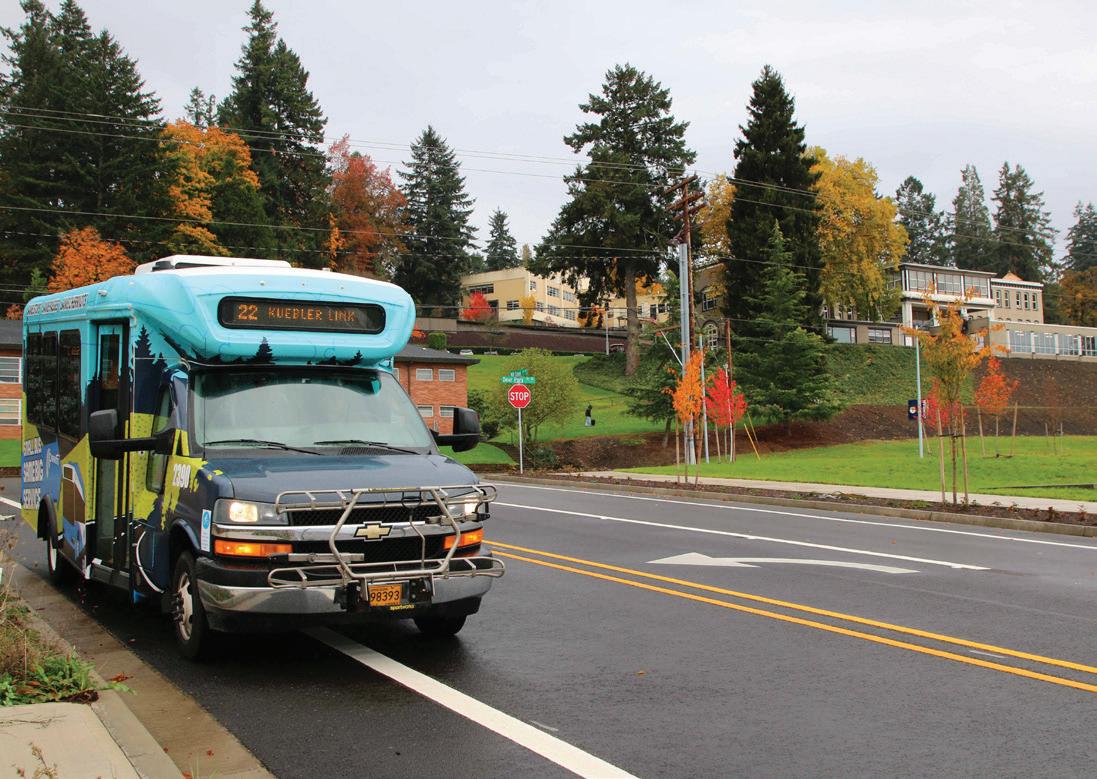
Route 22 now makes Salem more connected than ever. New Service to Corban University seven days a week supports learning, shopping, and working locally.
BETTER transit means a stronger, more connected community.
Creating Community Connections
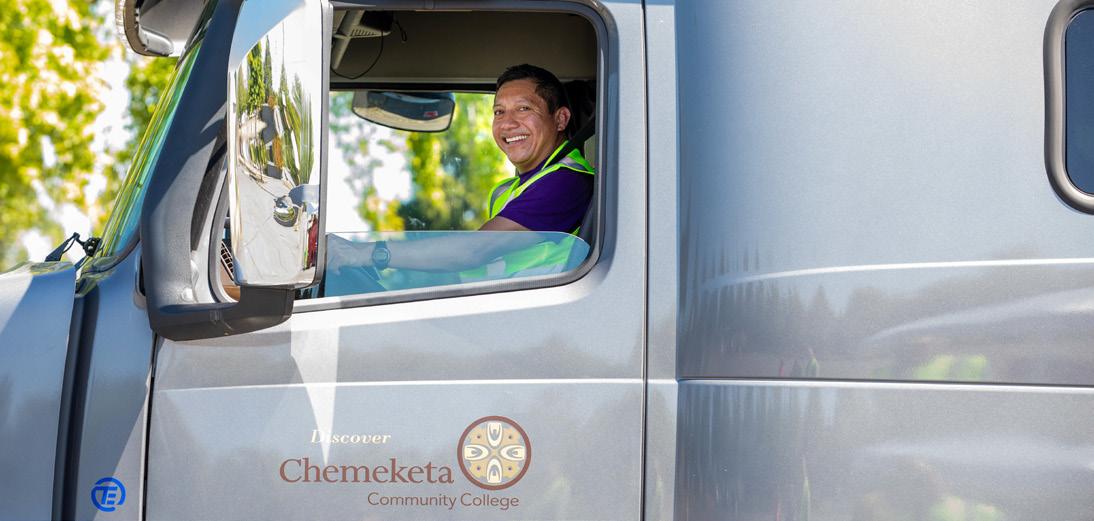

Chemeketa Community College’s Truck Driving Certificate Program prepares you for your Commercial Driver’s License (CDL) in just 4 weeks with 160 hours of classroom and behind-the-wheel training.
With nearly 400 local openings each year and a nationwide driver shortage expected to grow, the demand for trained drivers has never been higher. Get the skills to start a reliable, high-demand career today.
✅ 4-week intensive CDL training
✅ Hands-on instruction with industry-standard trucks
✅ High demand = strong career security
✅ Local and long-haul job opportunities
Ready to hit the road? Learn more and apply today at: chemeketa.edu/cdl EO/AA/ADA/Title

Marion County Economic Development Manager
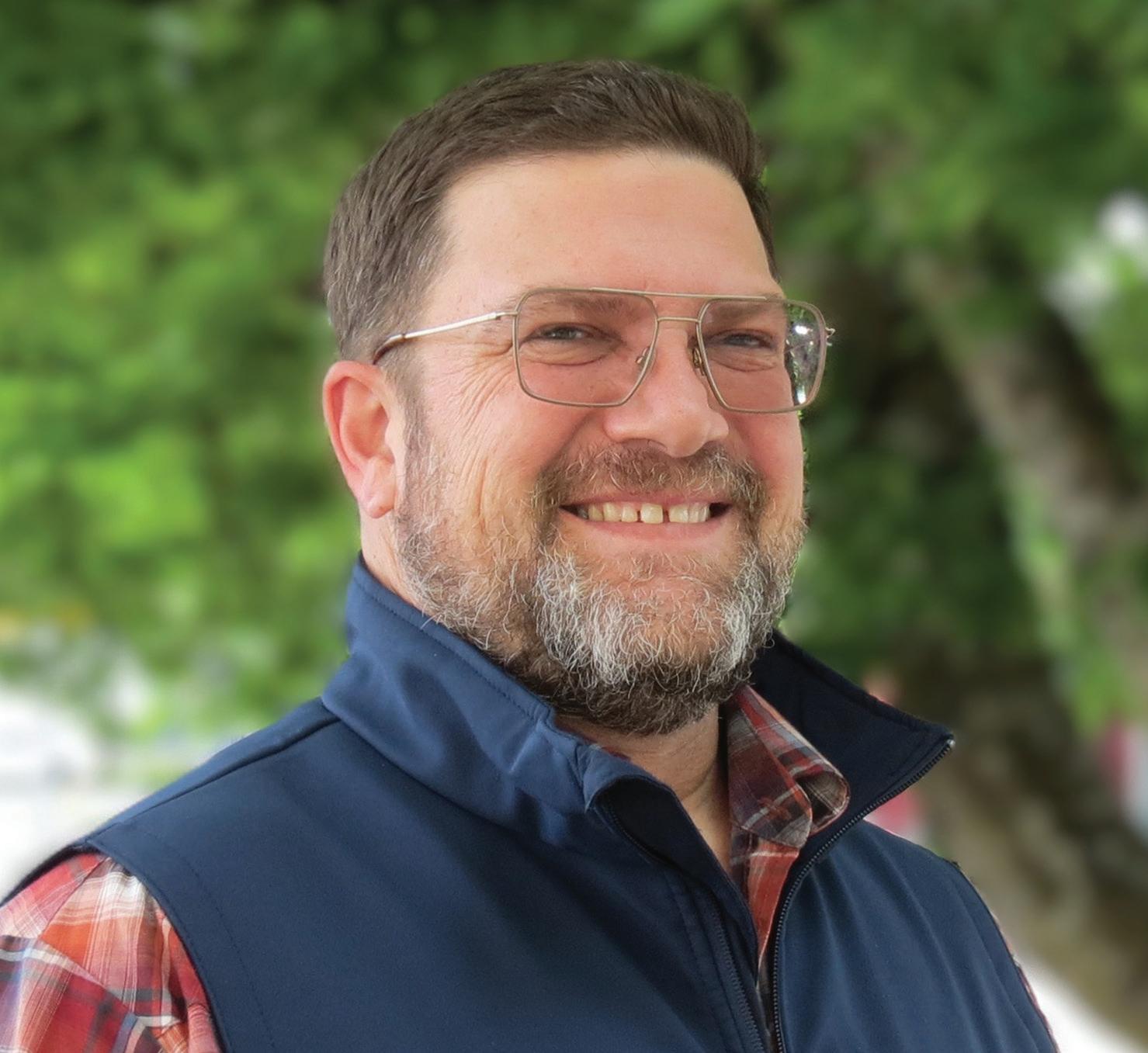
Overall, how would you describe 2025? 2025 can best be described as a year of stabilization, transition, and strategic alignment. Across Marion County, economic development efforts were less about rapid expansion and more about protecting critical assets, maintaining employment, and positioning businesses for long-term resilience. This approach closely mirrors the priorities outlined in the State of Oregon’s Strategic Roadmap and the Marion County Economic Strategic Plan which emphasizes sustaining existing traded-sector businesses, strengthening regional capacity, and aligning local action with statewide economic goals.
What were some of the biggest challenges?
The most significant challenges in 2025 were industry transition, facility utilization, and workforce alignment. The loss or restructuring of legacy operators—particularly in food processing and agriculture—created ripple effects for industrial real estate and employment. Repurposing large-scale facilities proved more complex and timeintensive than supporting workforce transitions. Additional challenges included rising operating costs, infrastructure constraints, and uncertainty around capital investment timing. Employers consistently cited the need for clearer pathways related to utilities, transportation access, and workforce availability. Addressing these challenges required close coordination between state, county, cities, and private partners.
Most exciting projects from this last year?
NW Hazelnut Growers and Hazelnut Growers of Oregon. One of the most impactful projects in 2025 was the
successful transition of the Hazelnut Growers of Oregon processing facility, ensuring continuity for Northwest Hazelnut Growers during a critical pre-harvest period. Through strategic reserve funding, enterprise zone tools, and rapid coordination, local farmers and the broader Oregon hazelnut industry were able to maintain operations for one of the state’s top agricultural export crops. This effort exemplified the roadmap’s focus on protecting existing supply chains and value-added agriculture.
Another standout project was the continued growth of Don Pancho, which expanded from a small startup into a major employer occupying a 300,000-square-foot former co-packing facility. This expansion helped backfill industrial space impacted by the closure of NORPAC and minimized workforce displacement. It also created secondary benefits, including space for the Marion Polk Food Share to expand operations. These projects demonstrate how economic development, workforce stability, and community outcomes can be mutually reinforcing when assets are strategically rematched rather than lost.
Looking ahead to 2026, the outlook is measured but optimistic, with growth driven primarily by expansion of existing traded-sector businesses rather than large-scale attraction. Consistent with both the State Strategic Roadmap, the University of Oregon economic survey, and the Marion County Economic Strategic Plan, priorities will center on infrastructure readiness, workforce development, capital access, and adaptive reuse of existing industrial assets.
SEDCOR will continue to serve as a comprehensive regional resource—actively collaborating with the state, Marion County, cities, and private partners—to strengthen workforce pipelines, support infrastructure investment, and facilitate business growth. As economic conditions continue to evolve, adaptability and coordination will remain essential. Marion County is well positioned to build on the progress of 2025 and advance toward a more resilient, competitive, and inclusive regional economy in 2026.
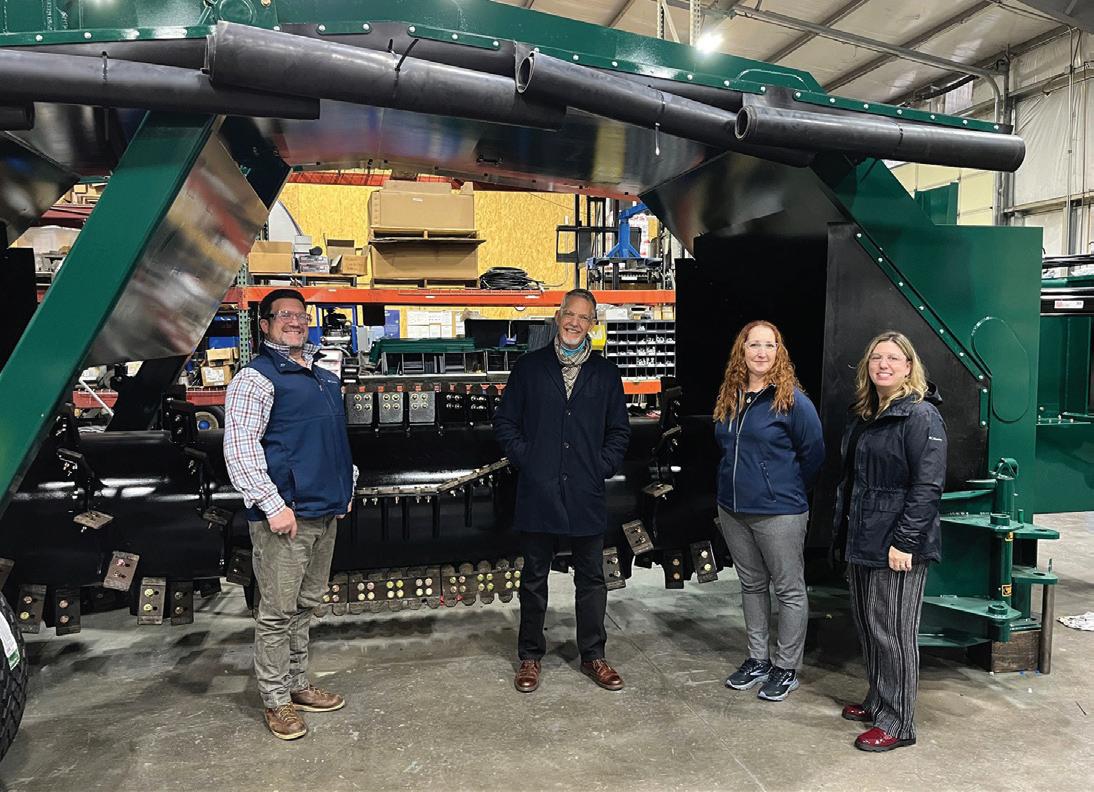



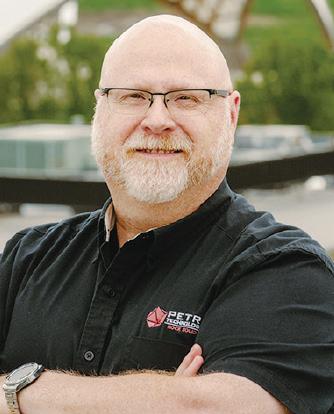




What obstacles do you think 2026 holds for businesses in the Mid-Valley?
We enter 2026 at a crossroads. The state of Oregon is actively attempting to address regulatory and tax issues that have negatively impacted the business climate. Many of the local businesses whose expansions we celebrated in 2025 were actively courted by other states; we are fortunate that these companies chose to make those investments here despite being tempted with free real estate and significant incentive grants. Obviously, there is much work to be done to improve Oregon’s business climate and refresh our toolbox of incentives, and the SEDCOR team will be involved to ensure that the needs and experiences of MidWillamette manufacturers will be reflected in that work.
How does SEDCOR plan to address challenges such as workforce shortages or infrastructure needs in 2026?
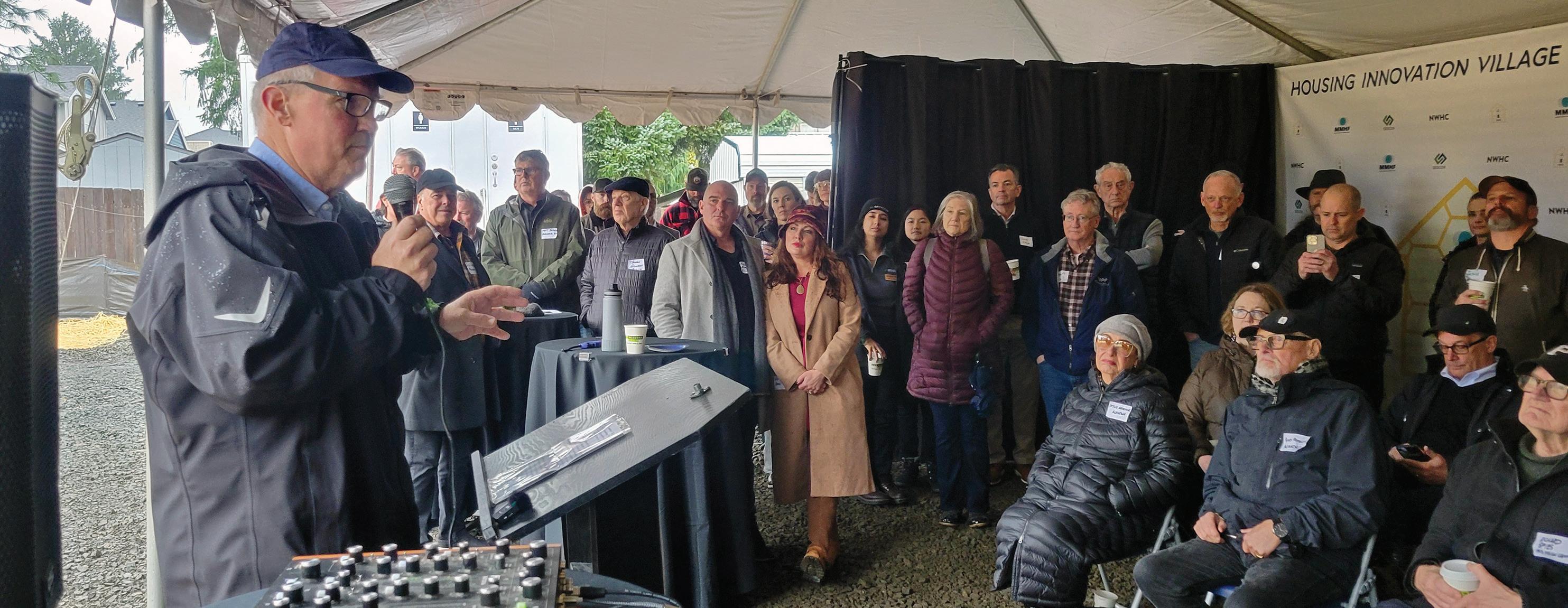
One of SEDCOR’s strengths is our ability to identify business and community challenges and communicate them to those who can provide solutions. In recent years, we have expanded our focus to include workforce housing, partnering with the Missing Middle Housing Fund to address local housing shortages. In late 2025, we began construction on the Housing Innovation Village Experience (HIVE), where five developers will build ten cottages and a community center at rates affordable for Newberg employers. We plan to showcase this project with a “Street of
Dreams”-style open house in 2026. This reflects our commitment to learning from employers and collaborating with partners to address their needs.
We also recognize the importance of building a future workforce pipeline for Willamette Valley industries. In 2026, we will once again work with the construction and transportation industries as we partner with the city of Independence on the Touch-ATruck event. What a great way to get youth (and their families) excited about potential careers in the trades. SEDCOR and the Willamette Workforce Partnership have revived the Sidewalk Project, a program started in 2008 that works with communities and contractors to provide hands-on training (along with tools and PPE) to youth between 16 and 24. We are looking forward to continuing with the second phase of sidewalk work in Carlton in 2026 and identifying additional projects in other communities in the coming year.
Are there any new programs or partnerships SEDCOR plans to launch next year?
Over the past couple of years, the Oregon Business Council has emphasized the support of the state’s food and beverage companies. SEDCOR has been involved in those discussions, which have led to several proposed initiatives intended to bolster the industry through developing infrastructure like co-packing and co-manufacturing facilities and helping businesses access





new domestic markets. A new initiative, Food Forward, will attempt to build a platform for the entire ecosystem, from growers to producers to food and ag science, to bring global attention to what Oregon has to offer. SEDCOR will represent Mid-Willamette Valley growers, processors, and entrepreneurs to ensure that any resources or initiatives that are developed will benefit our region’s businesses. SEDCOR is also working closely with the Oregon Department of Agriculture as that agency looks at its array of programs and resources to see how it can better support efforts to retain and grow the state’s agriculture, food, and beverage sectors.
How will SEDCOR continue to support small businesses and entrepreneurs in 2026?
In 2025, SEDCOR received funding from the Oregon Innovation Council and Business Oregon to extend the activities of our Launch Mid-Valley Regional Innovation Hub through June of 2027. The Innovation Hub provides funding for a variety of resources for the region’s entrepreneurs to help them successfully launch and grow their innovative businesses. This means we can continue to contract with Venture Catalyst
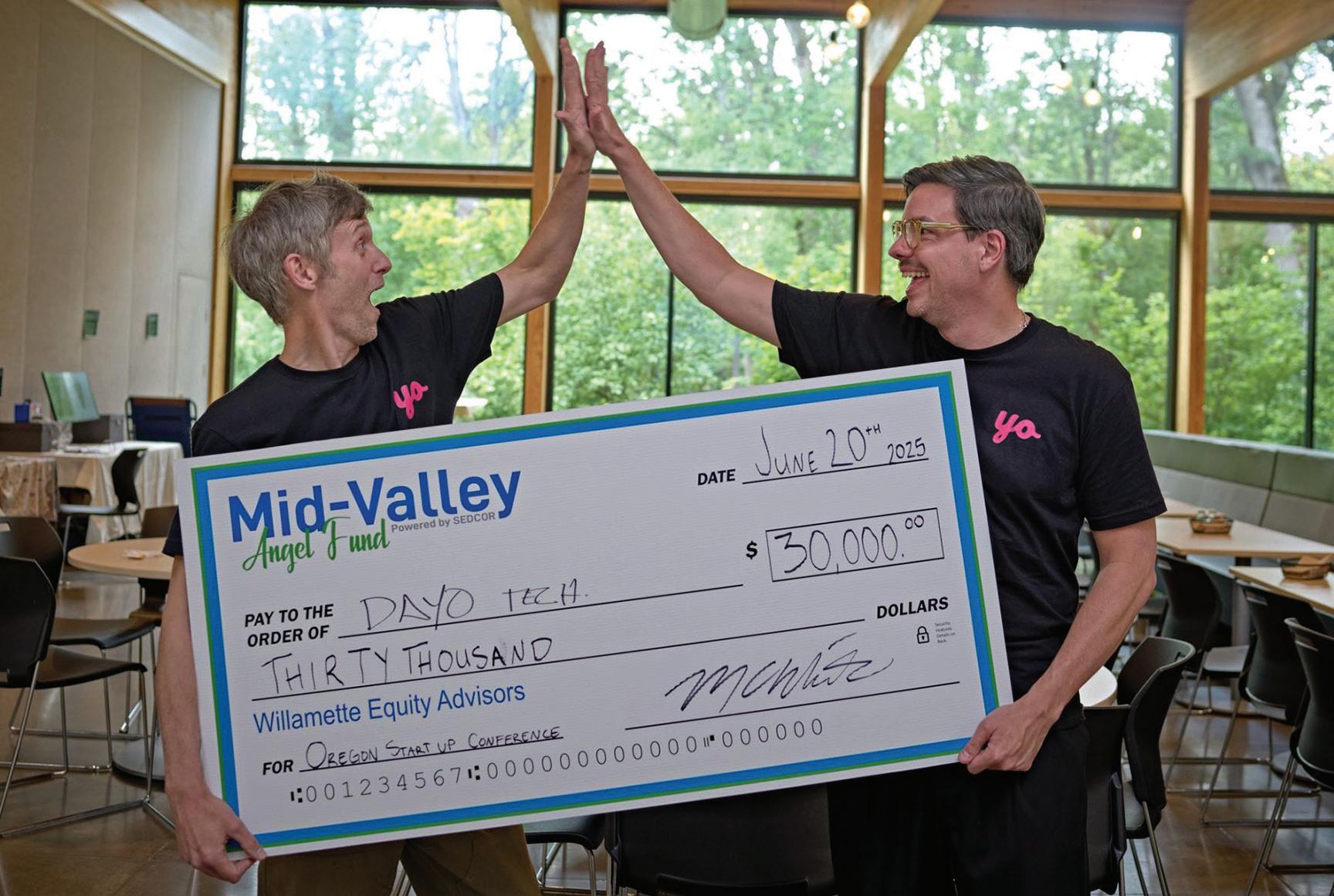
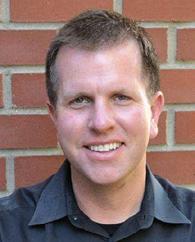
Mike White to connect businesses with investors, as well as connect would-be investors with opportunities to support local entrepreneurs. The region’s small- and medium-sized manufacturers will also benefit from the Hub, as it allows SEDCOR to connect them with resources to innovate, automate, and grow. The Hub will also continue to coordinate various Coffee
Continued on page 26
• No monthly service or transaction fee
• Tiered rates based on the overall account balance
• Our highest business rates offered




Clubs for Entrepreneurs around the region and stage events like Start-Up Bootcamps and Pitch Willamette.
We’re also excited to have received Business Oregon funding to extend the Latino Microenterprise Development Program through June of 2027. Plans are underway to launch a new cohort as well as a workshop series in the coming year.
How do you see national trends impacting the Mid-Valley economy in
We know that the Willamette Valley ships the majority of what we grow and produce to markets in other states and countries. I learned how much we depend on trade over the past year, hearing how local companies in a variety of industries were impacted by tariff policies and uncertainty. SEDCOR will continue to work with state and federal partners to help mitigate the challenges brought by increasing tariffs to our manufacturers’ markets and supply chains. We will also identify opportunities for local manufacturers to serve some of the companies whose international supply chains have been impacted and could benefit from a more localized supply chain.
What is your long-term vision for the Mid-Willamette Valley, and how does 2026 fit into that trajectory?
My goal has always been to support an economic development strategy that is authentic to the people and industries that call the Willamette Valley home. We live in a region that is conducive to innovation – it always has been. We need to foster innovative companies like Garmin AT, Applied Physics Technologies, and Agility Robotics while celebrating the natural resource-based industries the region was built upon – agriculture, food and beverage, and wood products. We at SEDCOR like to say there are innovation opportunities in all industries, and we offer up examples like Freres Engineered Wood, GK Machine, Zena Forest Products, and Chapul Farms. Over the next year, we will be not only updating the SEDCOR work plan (our “Road Map” for the coming five years) but also informing and implementing statewide economic development initiatives that will help us continue to advance toward our vision.

Chemeketa Community College is your partner in professional development
From short-term certifications to skill-based training, we provide the programs your workforce needs to stay competitive. And for employees ready to take the next step into leadership, Chemeketa now offers a Bachelor of Applied Science degree in Leadership and Management—designed with working professionals in mind.
Give your team the tools to grow—and watch your business grow with them.
Visit go.chemeketa.edu/apply or scan the QR code to learn more.