Navigating the Skies 2026 - Top Global Trends in Aircraft Financing and Leasing
The aviation financing and leasing market entered 2026 on a firm footing, with demand and transaction flow underpinned by high load factors, supply constrained delivery pipelines and improving airline fundamentals.
While the outlook has become less certain, with geopolitical events unfolding in an unpredictable manner, scale lessors with diversified funding are setting the pace, aided by Ireland’s role as the operational and managerial centre of global leasing and the Cayman Islands’ position as a flexible, creditor-friendly structuring, financing and registration jurisdiction. Consolidation remains a defining theme, with recent and announced platform acquisitions reinforcing the advantages of size, portfolio breadth and balance sheet depth. Alongside M&A, secondary trading remains exceptionally active across aircraft vintages and engines. Asset-backed securitisation ("ABS") issuance rebounded strongly in 2025 and has seen significant momentum to date in 2026, supported by stable rates, improving yields and investor preference for newer, fuel efficient aircraft types. Commercial bank liquidity has also improved, complementing bond market access for larger platforms.
The Future of Aviation Financing and Leasing: Projections
and Challenges for 2026
Coming into 2026, the global aviation sector had moved beyond recovery and into a phase of sustained, if measured, growth. Passenger demand continues to expand, load factors remain historically high and capacity is gradually increasing, with medium-term forecasts pointing to record passenger volumes. At the same time, airline profitability remains relatively thin when viewed against the capital intensity of the industry, reinforcing a continued focus on asset quality, financial discipline and downside protection.1
Recent geopolitical events are presenting particular challenges to the aviation industry. The situation in the Middle East has resulted in temporary airspace closures (exacerbating the existing route restrictions over Russia), fuel price volatility and changes to airline routes (with the associated increased fuel demands). While the duration and ultimate impact of the conflict in the Middle East remain uncertain, the aviation industry has historically demonstrated a strong capacity to adapt to similar disruptions, albeit airlines already experiencing razor thin margins, particularly those operating long haul, are likely to face immediate profitability pressures.
Within global aircraft financing and leasing, two jurisdictions in particular continue to play an integral role: Ireland and the Cayman Islands. Each has developed a distinct but complementary proposition, underpinned by legal certainty, regulatory credibility and deep market experience. Ireland remains central to aircraft leasing operations and asset management, while the Cayman Islands continues to play a pivotal role as a structuring, financing and registration jurisdiction. Together, they feature prominently across the life cycle of transactions.
We highlight certain key trends that we are seeing across our global offices as we enter into the second quarter of 2026 and which we expect will shape the market for the year ahead.
Resilience and Scale Among Leading Leasing Platforms
A defining characteristic of the current market is the resilience of the largest and best-capitalised leasing platforms. Scale, diversification and access to multiple funding channels have proven decisive in navigating delivery delays, geopolitical disruption affecting airspace as well as energy markets, inflationary pressures and sanctions-related complexity.
Ireland’s position as the operational centre for the world’s leading lessors remains fundamental to this resilience. Concentrated technical expertise, experienced management teams and deep financing capability continue to underpin Ireland’s dominance as a global leasing hub. Cayman Islands structures are frequently used alongside Irish platforms, particularly at the holding, financing and capital markets levels, supporting portfolio ownership, securitisations, structured financing and leasing arrangements within a familiar common law framework.
1 IATA, Economic Performance of the Airline Industry, December 2025 - IATA - Airline Profitability Stabilizes with 3.9% Net Margin Expected in 2026 (https://www.iata.org/en/pressroom/2025-releases/2025-12-09-01/)
Consolidation Reshaping the Leasing Landscape
Industry consolidation continues to reshape the aircraft leasing market. Transactions such as the acquisition of Nordic Aviation Capital Designated Activity Company and its consolidated subsidiaries by Dubai Aerospace Enterprise Ltd, and the announced acquisition of Air Lease Corporation by a consortium including SMBC Aviation Capital and institutional investors reflect a clear trend toward scale and platform integration within a maturing industry.2 The new holding company formed as a result of the SMBC / Air Lease acquisition, Sumisho Air Lease Corporation, will be based in Dublin, reinforcing Ireland’s position as the global hub for aircraft leasing.
These transactions underscore the advantages of scale in a market characterised by aircraft scarcity, capital intensity and increasingly complex risk management. For platforms integrating multiple legacy fleets and funding stacks, Cayman Islands / Irish structures provide tax neutrality and legal certainty for transfers and novations, while accommodating diverse investor requirements. They also enable seamless warehousing of assets ahead of take-outs into securitisation structures, supported by well-established true sale, limited recourse and nonpetition mechanics.
The aviation leasing industry has been an attractive destination for investors during an era of cheap money and low returns elsewhere. While there are signs that the investment charge may be slowing, we do expect further consolidation in 2026 (noting the recent announcements of the proposed acquisitions of Arena Aviation Capital by Crestone Air Partners and Amedeo Air Four Plus by Lesha Bank).
For platforms integrating multiple legacy fleets and funding stacks, Cayman Islands / Irish structures provide tax neutrality and legal certainty for transfers and novations, while accommodating diverse investor requirements.
2 DAE Completes US$2.0 billion Acquisition of Nordic Aviation Capital – DAE (https://dubaiaerospace.com/2025/05/07/dae-completes-us20-billion-acquisition-of-nordic-aviation-capital/)
Trading
Alongside the trend towards consolidation as an acquisition mechanism, we continue to see exceptionally high levels of trading across all aspects of the industry; narrow body, wide body, new through mid to end of life, as well as engines and spare parts. Newer entrants to the space are actively looking to acquire assets and bidding very competitively versus existing players. We expect that 2026 will continue to see investors chasing assets with the consequent upwards drive in terms of pricing, albeit that an expected easing of the supply crunch over the midterm may mean we start to see a levelling in this area.
Engine issues remain a key contributor to the supply bottleneck. New gen engines are coming off-wing earlier than anticipated for maintenance, which is exacerbating an existing significant backlog in the availability of maintenance slots. Combined with the well-publicised engine defect issues, it is all taking aircraft out of the system. Progress is being made to alleviate these issues but the short-term prospects for availability of aviation assets remain challenging.
We continue to see exceptionally high levels of trading across all aspects of the industry; narrow body, wide body, new through mid to end of life, as well as engines and spare parts.
With new-build delivery slots increasingly scarce and costly, wellmaintained aircraft in liquid types have regained prominence as collateral worth financing.
Renewed Comfort with Mid-Life Aircraft Financing
In parallel with constrained supply, lenders and investors have demonstrated renewed comfort financing mid-life aircraft. With new-build delivery slots increasingly scarce and costly, well-maintained aircraft in liquid types have regained prominence as collateral worth financing.
Underwriting in this segment is grounded in pragmatic considerations: maintenance status, quality of records, realistic assumptions regarding remaining useful life and credible remarketing strategies. Documentation has evolved accordingly, with greater emphasis on technical covenants, maintenance reserve structures and redelivery provisions designed to support multiple leasing cycles.
Irish-based leasing teams continue to play a central role in the operational management of these assets, while Cayman Islands structures are commonly used to preserve ownership and financing continuity as aircraft move between lessees and / or jurisdictions.
Sale-and-Leasebacks as a Core Financing Environment
Sale-and-leaseback transactions have re-emerged as a core feature of the current financing environment. Airlines have increasingly turned to sale-and-leasebacks to monetise owned aircraft and fund fleet renewal.
For lessors and alternative capital providers, saleand-leasebacks offer immediate cash-generating assets with defined lease terms, particularly attractive in a supply-constrained market, while airlines benefit from another source of revenue. Cayman Islands entities are frequently used in these structures, especially where transactions involve cross-border structuring. Cayman Islands special purpose vehicles (“SPVs”) offer creditor-friendly legal frameworks, tax neutrality and well-established corporate, security and insolvency regimes that align with securitisation and warehouse financing.
Ireland is also a very popular jurisdiction for saleand-leasebacks for a number of reasons, not least the country’s very broad double taxation treaty network and well-established aviation ecosystem. This makes Ireland a very efficient and flexible jurisdiction in which to own and lease aircraft. It is also a very familiar location to many airlines, aircraft owners and financiers around the world. Many of the largest aircraft lessors and owners have substantial operations in Ireland, with core competencies in sales and marketing, technical, financial and legal located throughout the island. This has cemented Ireland’s pre-eminent position in the aviation sector, making it a natural location in which to do sale-and-leasebacks, aircraft trading and leasing more generally.
Expansion of Alternative Capital
Alongside traditional bank lending, alternative capital has become an increasingly prominent feature of aviation finance. Private credit funds and infrastructure-oriented investors have been attracted by the asset-backed nature of aircraft financings and predictable cash flows. This investor cohort has broadened the financing toolkit beyond vanilla secured loans, supporting structures such as warehouse lines for lessors, pre-delivery payment financing, engine financings, and strategies culminating in ABS issuances. In many cases, alternative lenders offer speed of execution which can prove decisive in time-sensitive transactions.
Cayman Islands and Irish SPVs remain well suited to these requirements of transaction participants. The legal framework is familiar to global institutional investors, supports New York and English lawgoverned finance documentation and permits efficient granting of security over shares / equity interests, together with recognition of trust concepts and streamlined enforcement mechanics. Cayman Islands and Irish SPVs can be supported by professional fiduciary service providers to administer the entities, while aligning with economic substance and beneficial ownership requirements in a manner consistent with cross-border investor expectations. In combination, these features enable alternative capital providers to achieve the elevated cash-flow control, governance oversight and reporting discipline they require, without sacrificing execution speed or contractual sophistication, and within a jurisdictional profile that is well understood by credit committees and rating agencies.
Aviation ABS
In 2025, the aviation ABS market showed continued resilience and resurgence despite lingering challenges from the pandemic recovery period and various global disruptions. Airlines have continued restructuring their balance sheets, with lessors actively using ABS structures to finance aircraft portfolios at competitive rates. These structures continue to use Cayman Islands / Delaware co-issuer vehicles alongside Irish entities that own and lease aircraft.
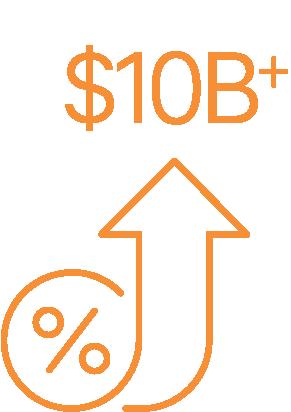
The market saw established players like Altavair, Carlyle Aviation Partners, Aercap, Sky Leasing and DAE continue regular programmes. Additionally, Griffin Global Asset Management came to market with a very strong debut offering of $1.245 billion (the largest issuance in the history of aircraft ABS) at the end of 2025. The market in 2025 was driven by a combination of both demand and structural innovation, including the increased use of “master trust” structures. This saw total issuance reach over US$10 billion, an 85% increase on 2024 levels and the strongest year in aviation ABS issuance since 2019. With improving yields, rising asset values and a generally stable interest rate environment, our expectation is that 2026 will be another significant year for aviation ABS issuances and a number of platforms continue to build aircraft portfolios with a view to tapping this market. There are a number of issuances in the pipeline for Q2 2026, demonstrating a clear confidence in the market and the underlying air carriers, despite ongoing geopolitical turmoil and uncertainty around oil prices. The structures generally include Cayman Islands, Irish and Delaware corporate vehicles and we have also seen an increase in the use of Irish owner trust structures, both within ABS and other financing transactions.
The market in 2025 was driven by a combination of both demand and structural innovation, including the increased use of “master trust” structures.
This saw total issuance reach over US$10 billion, an 85% increase on 2024 levels and the strongest year in aviation ABS issuance since 2019.
Financing
An expansion of new joint venture and other financing options reflects the broader diversification of funding sources available to transaction participants. We witnessed a marked increase in the establishment of new joint venture financing structures. These structures typically pair private equity investment and fundraising capabilities with the technical and servicing expertise of an established Irish aircraft lessor, creating new aircraft acquisition and leasing platforms in the process. The continued increase of lending and leasing platforms in Ireland has been aided by a global increase in aircraft trading activity in 2025 and, with that, an increase in liquidity and aircraft investment.
After a relatively quiet few years in the commercial lending market, banks re-emerged as a significant player in 2025, particularly for better credit borrowers. There were numerous new aircraft and engine facilities, and re-financings of existing facilities, involving traditional and institutional aviation lenders based in Europe, Asia and beyond. Our larger lessor clients were also able to successfully and repeatedly access the bond markets in 2025, benefiting from large, unsecured issuances. This easing of access to capital has further fuelled aircraft trading activity and investment.
Investor appetite remained strong, particularly for transactions backed by newer, fuel-efficient aircraft like the A320neo and 787 families. These assets commanded tighter spreads due to their environmental credentials and operational efficiency. The secondary market for older narrowbodies showed some stress as retirement timelines accelerated.
Interest rate volatility influenced pricing dynamics, with fixed-rate tranches becoming more attractive as rate cuts materialised. Credit enhancement levels stabilised around pre-pandemic norms for investment-grade deals, though sponsors remained cautious given geopolitical uncertainties and airline credit quality concerns in certain regions. However, the market remained buoyant due to improving macroeconomic conditions, strong demand for air travel, ongoing aircraft supply chain constraints from manufacturers and lessors needing to keep older aircraft in service for longer. Against this backdrop, elevated oil prices resulting from the regional instability in the Middle East are a material consideration for airline operating margins and hedging strategies. Airlines with significant exposure to affected routes, or those lacking adequate fuel hedging programmes, may face margin compression. Lessors and financiers may be factoring these developments into credit assessments and covenant monitoring, particularly for carriers with thinner liquidity buffers.
Strong Demand Dynamics in Asia Pacific
Regional demand continues to shape leasing activity, with robust demand evident across many regions and particularly strong performance in the Asia Pacific region. In October 2025, IATA published data that identifies the Asia Pacific region as the principal engine of passenger traffic growth. Irish lessors have historically played a leading role in serving airlines in Asia Pacific, while Cayman Islands and Irish vehicles and registrations are frequently used as neutral platforms within multi-jurisdictional leasing and financing arrangements.
Looking ahead, the interplay of Asia Pacific's structural demand growth is expected to sustain elevated leasing activity with continued emphasis on new generation aircraft to capture fuel efficiency and range advantages. Within this context, Irish platforms and Cayman Islands vehicles are likely to remain core components of market-standard structuring, supporting scalable capital deployment while maintaining creditor protections and execution certainty across borders. The increased interplay between the Cayman Islands, Ireland and Asia Pacific is a trend that we expect to continue into 2026, as capacity and investor appetite increases generally on the back of regional growth in the aviation sector.
Transition Activity and Life-Cycle Asset Management
The Cayman Islands Aircraft Register has evolved into a preferred platform not only for private owners but also for lessors and financiers seeking a reputable, neutral home for aircraft in transition. Central to this appeal is the Civil Aviation Authority of the Cayman Islands’ (“CAACI”) innovative transition register, which provides a streamlined mechanism for temporary registration of aircraft between leases, during remarketing or storage and throughout repossession and recovery. The regime is designed to preserve maintenance continuity, protect certification integrity, and safeguard asset value, while facilitating efficient movements of aircraft into and out of active operation. Supported by a collaborative regulator, pragmatic procedures and a strong safety pedigree, including effective use of Article 83 bis arrangements and alignment with international standards, the Cayman Islands Aircraft Register offers a smooth, predictable experience for owners, operators and creditors alike.
A distinctive advantage of the Cayman Islands regime is its dual mortgage registration system. This dualtrack approach provides robust creditor protection, clear and well-understood priority rules and a practical fallback where Cape Town registration is unavailable or impracticable. It also supports deal certainty across jurisdictions, accommodating both cross-border Cape Town–centric structures and transactions that require a self-contained, Cayman Islands law security solution.
Equally important is the ease of deregistration. The CAACI’s processes are fast, cost-effective and predictable, enabling timely exits when aircraft are transitioning to new operators, moving to storage, or being repositioned after enforcement or remarketing. This procedural clarity reduces friction during periods of operational change and helps preserve asset value. Taken together, the Cayman Islands transition register, dual security regime and efficient deregistration process create an optimal platform for protecting aircraft value through lease changes, repossessions and downtime. For market participants navigating today’s dynamic operating environment, the Cayman Islands offers a stable, credible and practically oriented home for aircraft in transition.
For market participants navigating today’s dynamic operating environment, the Cayman Islands offers a stable, credible and practically oriented home for aircraft in transition.
Conclusion
Aviation finance and leasing has moved decisively beyond recovery into a sustained period of activity characterised by consolidation, intense trading, renewed comfort with mid-life collateral and an expanding role for alternative capital alongside resurgent bank and bond markets. Ireland’s wellestablished ecosystem, spanning management, technical, legal and financing expertise, continues to anchor global leasing operations, while the Cayman Islands provides a legally robust, tax neutral and creditor friendly platform for ownership, financing, securitisation and aircraft registration.
As 2026 continues to unfold, we expect continued consolidation, steady utilisation of ABS and private credit solutions, and reliance on multi-jurisdictional structures that blend Irish operational dominance with Cayman Islands structuring flexibility. Regional tailwinds from Asia Pacific, coupled with ongoing supply constraints and engine related downtime, are likely to support asset values and keep trading brisk. While it is too early to assess the full impact of the current situation in the Middle East, the aviation industry has historically demonstrated significant resilience and the ability to adapt to geopolitical challenges. Against this backdrop, platforms that combine scale, disciplined underwriting, technical excellence and access to diversified capital, should be best positioned to capture opportunities while preserving downside protection.
For further information or if you have any questions, contact one of the below contributors.
Anthony Philp +1 345 814 5547 anthony.philp@maples.com
Managing Agent Software Goes Live in Ireland
In a significant step forward for aviation ABS management, the Maples Group’s new Managing Agent software is now operationally live across the industry for new ABS transactions. Developed in conjunction with leading Dublin-based technology company Aerlytix, the software redefines aviation ABS management, resulting in greater efficiencies, transparency and accuracy across client portfolios.
The Maples Group is the first Managing Agent service provider in the industry to embrace digital aviation ABS management and reporting by leveraging the cutting-edge Aerlytix platform, which utilises next-generation automation, processes, and reporting, to drive significant efficiencies in the administration of ABS transactions. By harnessing technology, data and advanced modelling, this Managing Agent software enhances the management of these complex investments, simplifying monthly reporting processes and bringing greater clarity to all stakeholders, namely investors and their portfolios.
The software works by integrating the cash position of aviation ABS platforms with lease cashflows and maintenance forecasts to automate the production of monthly waterfall and noteholder reports. It essentially replaces the manual Excel-driven approach currently used by other service providers in the market to create monthly waterfall and noteholder reports as required under the governing documents for aviation ABS transactions.
Due to the complexity and nuances in waterfall mechanics and other key metrics on ABS deals, the Managing Agent software provides for complete bespoke monthly reports that can be viewed in customisable user-friendly dashboards. Direct API links can also connect with existing systems or data can be uploaded in CSV format, depending upon client preferences, to ensure all relevant data can be held in one single location.
The software will ultimately deliver faster and more accurate information allowing for greater forecasting and advanced analytical capabilities with respect to aviation ABS transactions. It will also provide more efficient consolidation of lessor and cashflow real-time information and investor reporting metrics, overall delivering enhanced precision, transparency, control & risk mitigation.
It is our view that this new technology addresses a critical gap in a market where manual processes struggle with increasingly sophisticated structures, while recent disruptions from COVID-19 and geopolitical events have exposed the limitations of traditional reporting methods when investors and stakeholders were required to make rapid decisions.
Further enhancing our Managing Agent software is the integration of advanced accounting software including SunSystems, Unifi and Datasnipper, enabling a seamless and efficient audit-ready solution for our clients. Our Managing Agent team are fully resourced and ready to engage with you on any new ABS transactions.
If you are interested in finding out more about our Managing Agent service offering, please contact one of the team in Ireland.
Julian Dunphy +353 1 697 3231
julian.dunphy@maples.com
Jarlath Canning +353 1 697 3294
jarlath.canning@maples.com
Mark Gordon +353 1 697 3276
mark.gordon@maples.com
Kate Macken
+353 1 697 3337
kate.macken@maples.com
Caoimhe Redmond +353 1 697 3253
caoimhe.redmond@maples.com
Notable Transactions
Our global asset finance team is at the forefront of some of the largest, first-of-its-kind and innovative transactions within the asset finance and aviation industry.
Griffin Global Asset Management | Landmark
US$1.245 Billion
Aircraft Securitisation
For the largest issuance in the history of ABS markets, our multi-jurisdictional team of asset finance lawyers and fiduciary professionals provided Cayman Islands and Irish legal advice, acted as the Cayman Islands stock exchange listing agent, delivered registered office and share trustee services, and provided AML and Cape Town International Registry services.
Winner of the 2026 Airline Economics Overall Deal of the Year. READ MORE.
Montego Bay Airport Revenue Finance Limited |
US$400 Million Airport
Securitisation
Marking the second aviation securitisation for Jamaica that we have acted on, the Maples Group provided Cayman Islands legal advice together with fiduciary and listing services in connection with the securitisation transaction by Montego Bay Airport Revenue Finance Limited and the Government of Jamaica.
Winner of the 2026 Airline Economics Airport Deal of the Year. READ MORE.
DIB and Turkish Airline | First Islamic Finance Deal with Turkish Airlines
This is first transaction structured through a 12-year Islamic finance lease (Ijarah) involving the UAE’s largest Islamic Bank and Turkish Airlines. We advised on the Irish and Cayman Islands law aspects of this first-of-its-kind deal.
American Airlines and Barclays | US$1 Billion Incremental Term Loan Financing
We provided Cayman Islands counsel to American Airlines and AAdvantage Loyalty IP Ltd on the major refinancing deal involving incremental terms loans. The financing will support the AAdvantage Loyalty Programme, one of the most valuable loyalty platforms in the aviation industry, and enhance the company’s financial flexibility.
Altavair L.P | Debut US$582 Million Aircraft ABS
We advised Altavair L.P, a leading global aviation asset management firm, on the Cayman Islands and Irish law aspects of its debut aircraft lease ABS issuance. The notes were listed on the Cayman Stock Exchange where we acted as the listing agent. The portfolio consists of 24 commercial aircraft on lease to 11 lessees located in 11 jurisdictions. READ MORE.
SKY Leasing | US$503 Million Aircraft ABS
We assisted longtime client SKY Leasing with their latest ABS issuance, providing Cayman Islands and Irish legal counsel. The notes were listed on the Cayman Stock Exchange where we acted as the listing agent. The issuance will be used to finance the acquisition of a portfolio of 19 aircraft on lease from 10 operators located in 10 jurisdictions. READ MORE.
Apollo and Brookfield | US$7.4 Billion Acquisition of Air Lease Corporation
On one of the most significant mergers in the aircraft leasing space, our multijurisdictional team of finance and tax lawyers provided Irish and Cayman Islands legal and tax advice. Upon closing, Air Lease Corporation will be renamed Sumisho Air Lease, a newly established entity. READ MORE.
Navigating the Skies with Our Global Asset Finance Team
Get to know members of our global asset finance team. THIS OR THAT?
Shari Howell Partner Cayman Islands
Window seat or aisle?
Window seat.
Short or long-haul flight?
Short haul flight.
Online or airport check-in?
Online check-in all the way.
Carry-on or checked luggage?
Checked luggage.
Boarding or deplaning first?
Deplaning first.
What's your most memorable deal?
That's a tough one, because each deal tends to be memorable for different reasons, but one that stands out involved a cross-border aircraft financing, where we were working against an incredibly tight timeline, and the transaction had multiple moving parts across several jurisdictions. What made it memorable wasn't just the technical complexity. It was the collaboration. We had transaction participants in different time zones, all working toward the same goal, and there were moments where creative problem solving really made the difference. Those are the types of deals that remind me why I do this work.
What do you enjoy about working for the Maples Group?
The quality of the work and the people I get to work with. We're advising on some genuinely complex and high value transactions, and the level of sophistication required keeps the work engaging. But beyond that, it's the collaborative culture here at the Maples Group. I work with really talented colleagues who are generous with their time and expertise and that makes a real difference, whether it's bouncing ideas around and a tricky legal issue, or working together to meet a client deadline, there's a real team mentality. Every deal brings something new and ultimately, clients trust us with important matters. And there's something that's very satisfying about knowing that the advice and work that you're providing is genuinely valued and helping clients achieve their business objectives.
Julian Dunphy Head of Structured Finance Fiduciary, Ireland
THIS OR THAT?
Short or long-haul flight?
Short haul.
Online or airport check-in?
Online, I don't know if anyone does airport anymore.
Boarding or deplaning first?
Definitely deplaning first.
Window shade up or down?
Up. Unless I'm watching a film or reading.
Airplane food or airplane nap?
Probably airplane food.
What are you looking forward to in 2026?
We've engaged Aerlytix, a Dublin-based technology solutions company, to develop bespoke managing agent software for us. We're delighted to say that has gone live in Q1 2026. And one of the key things this year that I'm looking forward to seeing how we roll that out for our existing clients, but also for any new ABS issuances this year.
How would you describe your working style? You know, overall, my style would be collaborative. I work with a lot of great people, and I try to make sure that we get the best out of each other in whatever situation we're in. I think the key to that is good communication.
What do you enjoy about working for the Maples Group?
It's probably a combination of things. The people is right up there. You know, and that's not just my own team, but across all of Maples Group on the corporate services side, and then also our colleagues on the law firm side, with whom we work very closely, a variety of work and also the continuous drive that Maples Group has to evolve and try and improve our service offering.