AVAILABILITY
Available full-time August 2025.
AVAILABILITY
Available full-time August 2025.
ARCHITECTURE STUDENT
Bachelor’s degree completed 2024
As a student designer, I seek to engage conscientiously with the built environment, responding mindfully to place through a collaboration of care, story-telling, materiality and motions of play.
Always looking to challenge myself and learn from more experienced colleagues, I hope to contribute my dedication as a proactive and adaptable addition to a collaborative and thoughful team.

SOFTWARE + SKILLS
A typical production workflow involves:
Rhino (drafting, modelling, laser cutting, 3D-printing),
TwinMotion
Adobe Suite
Hand-modelling / hand-drawing
manxilele@gmail.com
(+61) 473200836
manxizarchive
mzarchive.myportfolio.com
The University of Sydney
Bachelor of Design in Architecture (Hons) / Master of Architecture EDUCATION
Dean’s List of Excellence in Academic Performance
Guest Critic for 1st and 2nd Year Studios 2024 2024 - 2025
Bartlett School of Architecture, UCL
Bachelor of Architecture and Interdisciplinary Studies (exchange)
Other:
AutoCAD SketchUp Procreate
Revit (learning) Blender (learning)
Practised research skills
Articulate and polished written work
Efficient organisation and facilitative skills
Fluent spoken Mandarin

I would like to acknowledge that many of the sites proposed in the following projects sit on the unceded lands of the Gadigal as well as Gaimariagal clans of the Eora Nation, and pay my respect to Elders both past, present and future.
Year 3 Semester 2 - The University of Sydney
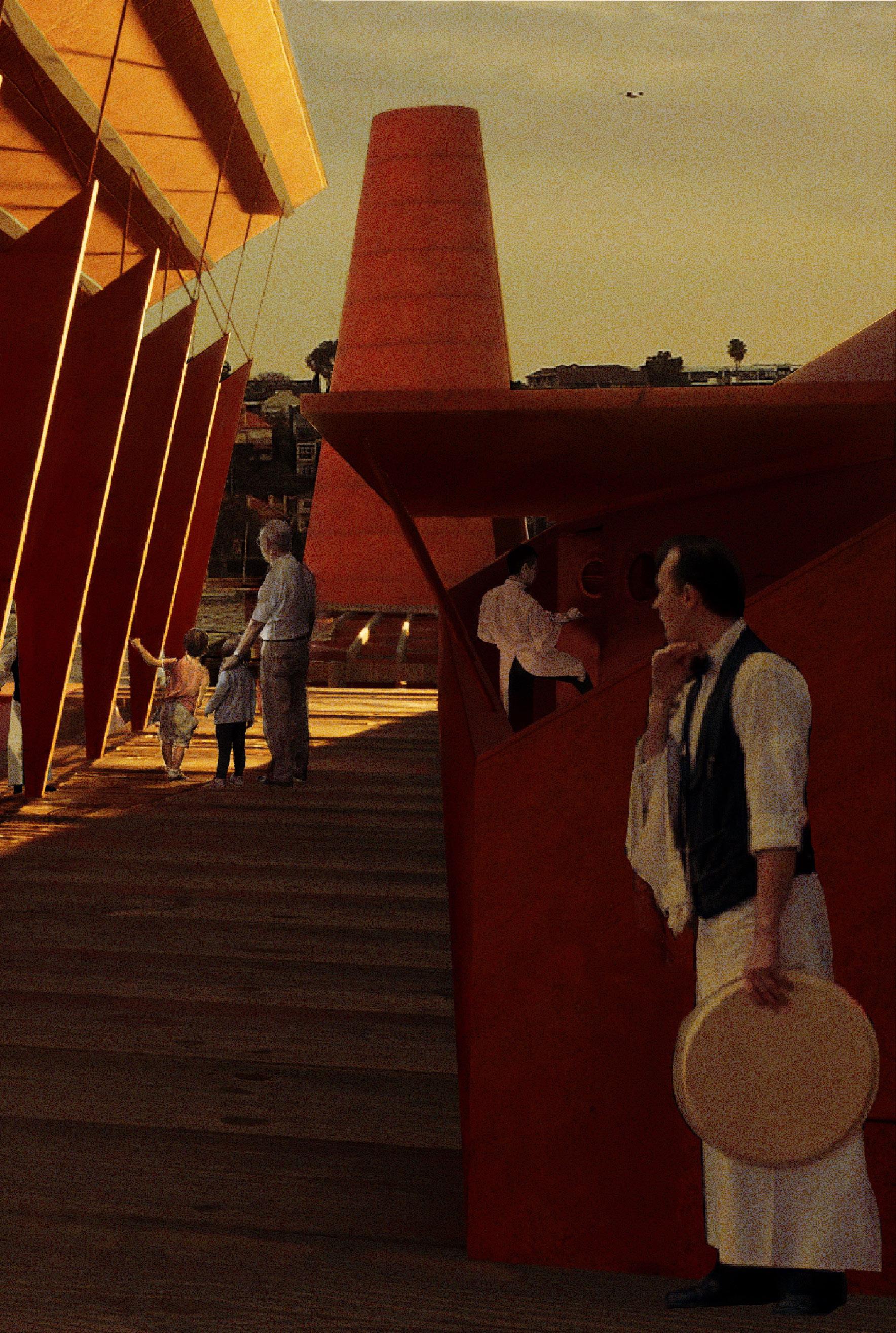
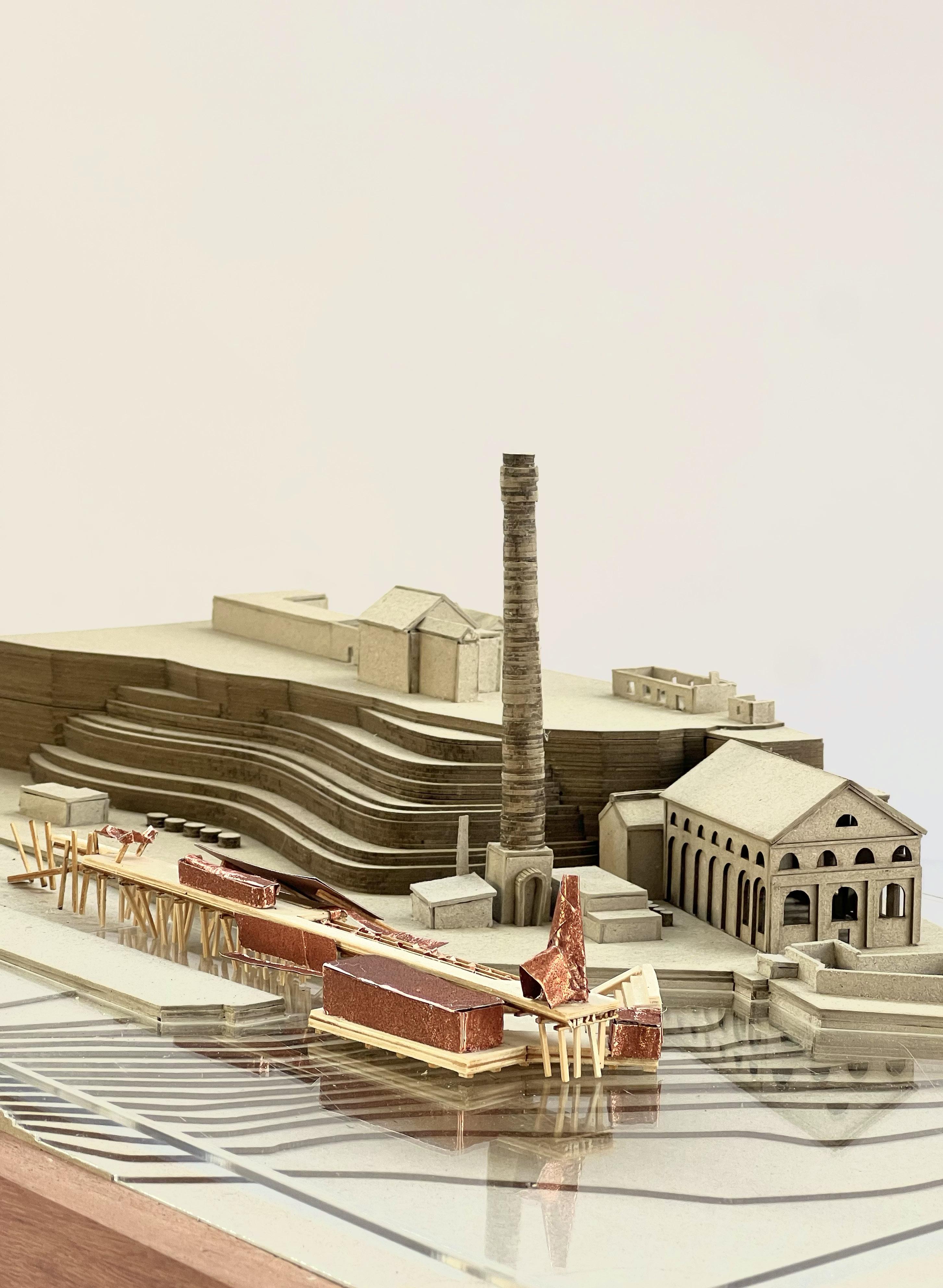
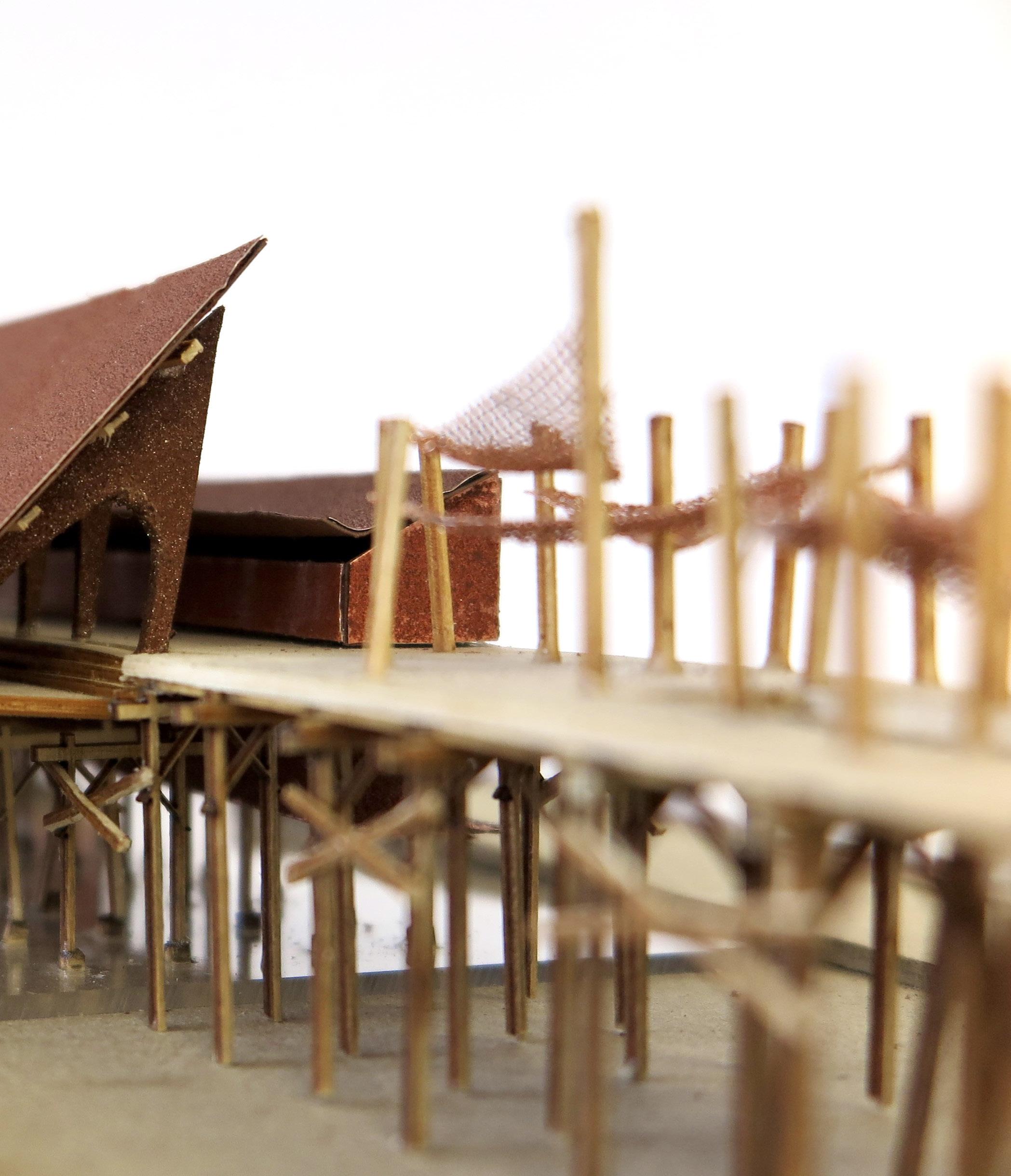
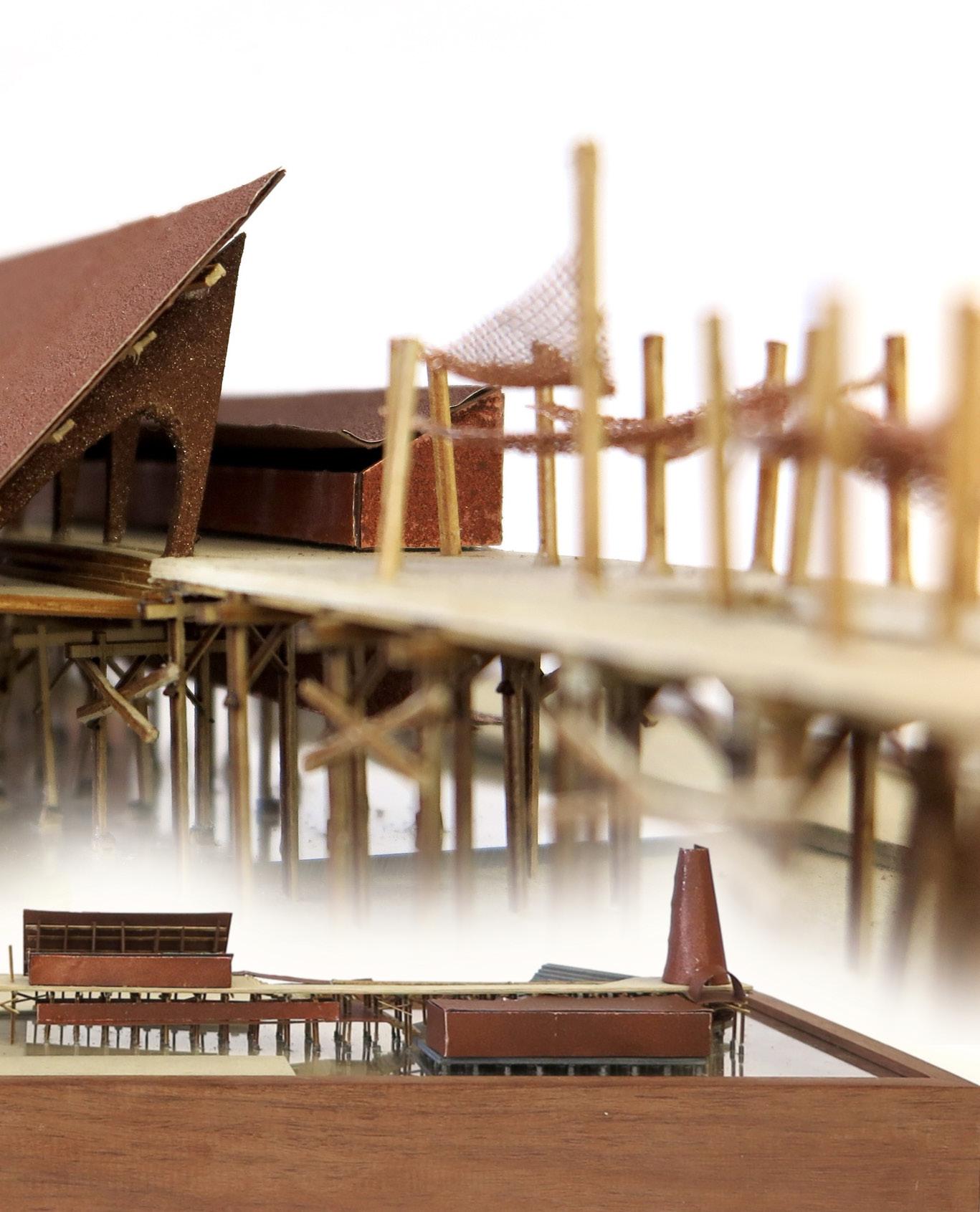
dramahouseinSydneyHarbour
Drawings: Rhino, Hand Model: Rhino (Laser Cutting), Hand Renders: TwinMotion, Photoshop, Procreate
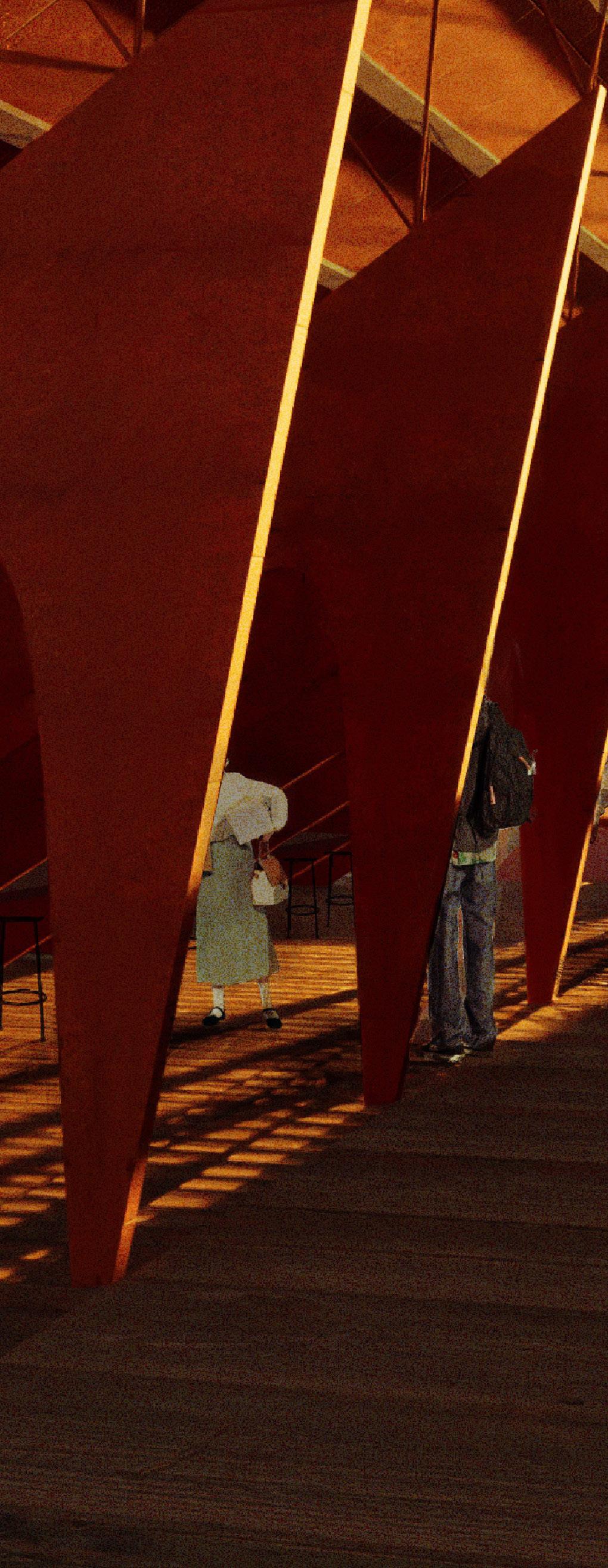
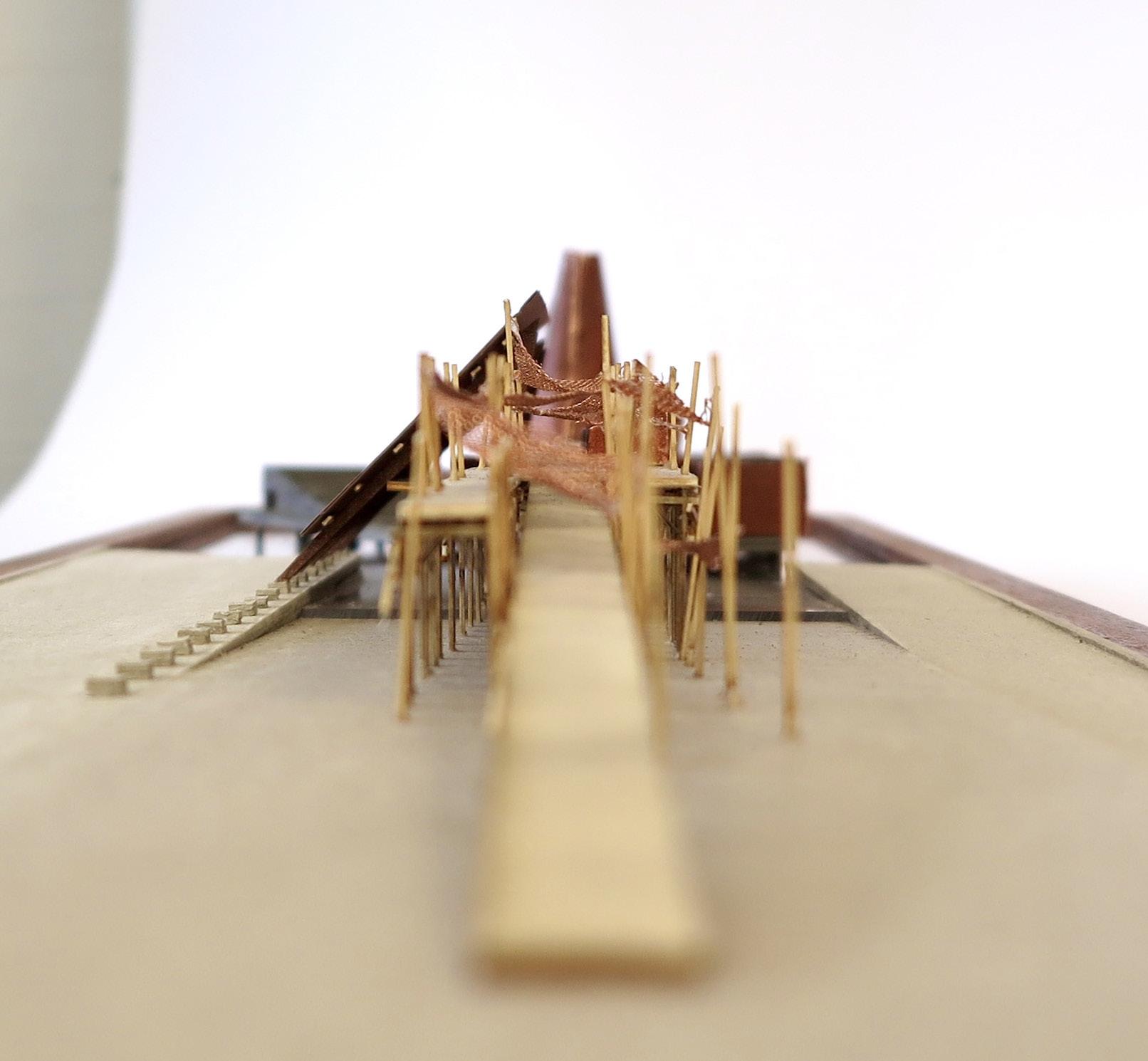
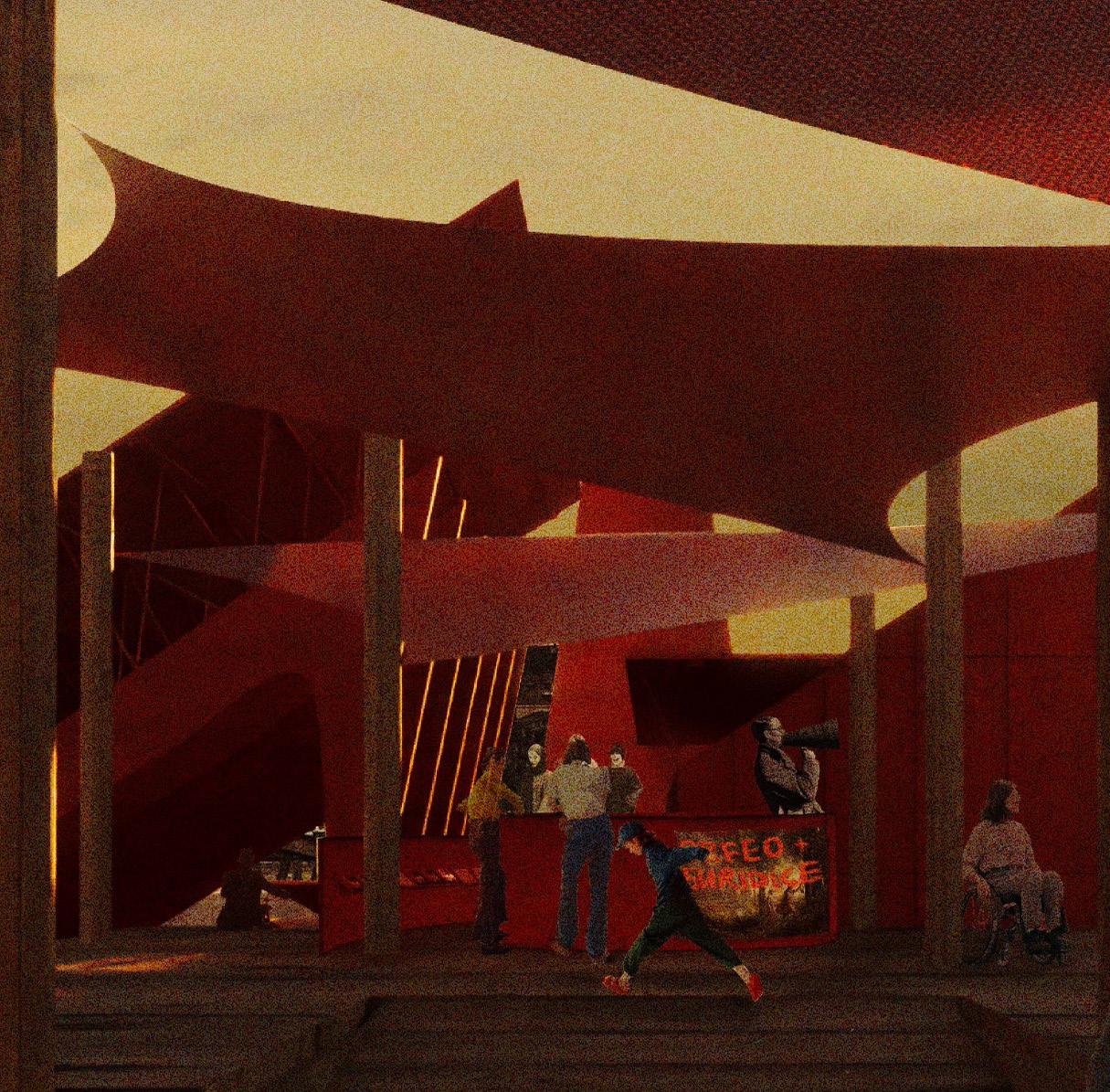
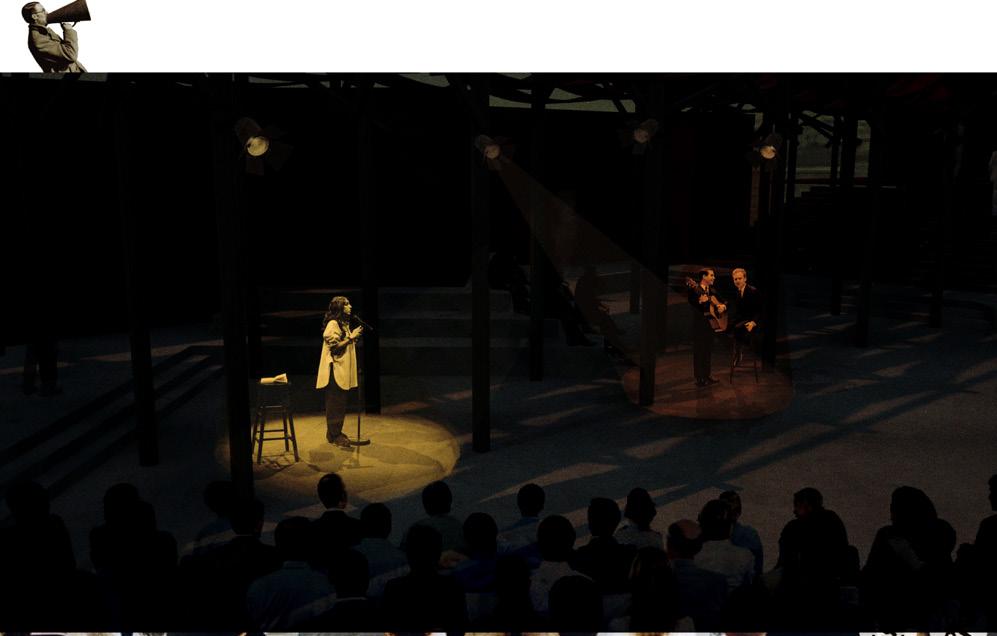
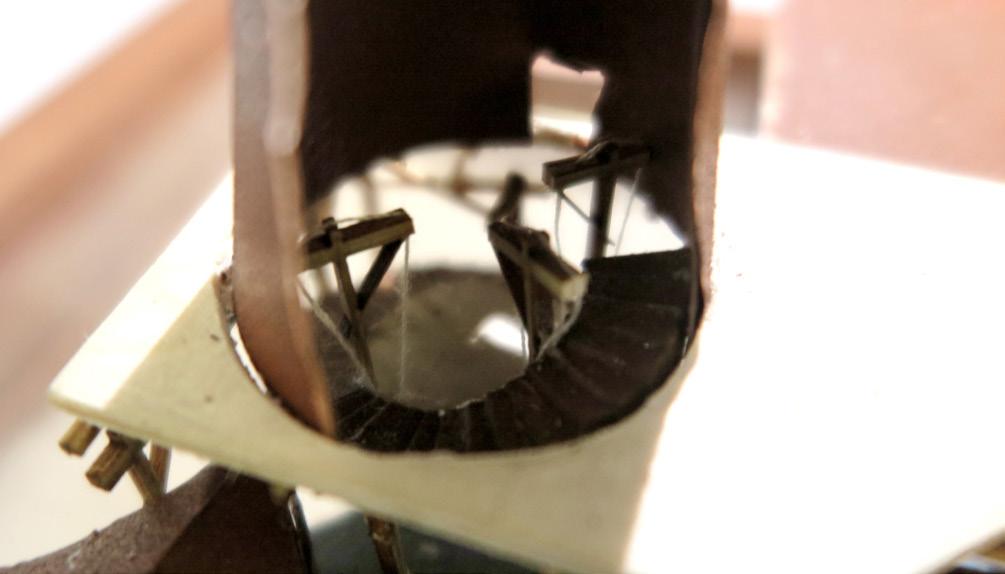
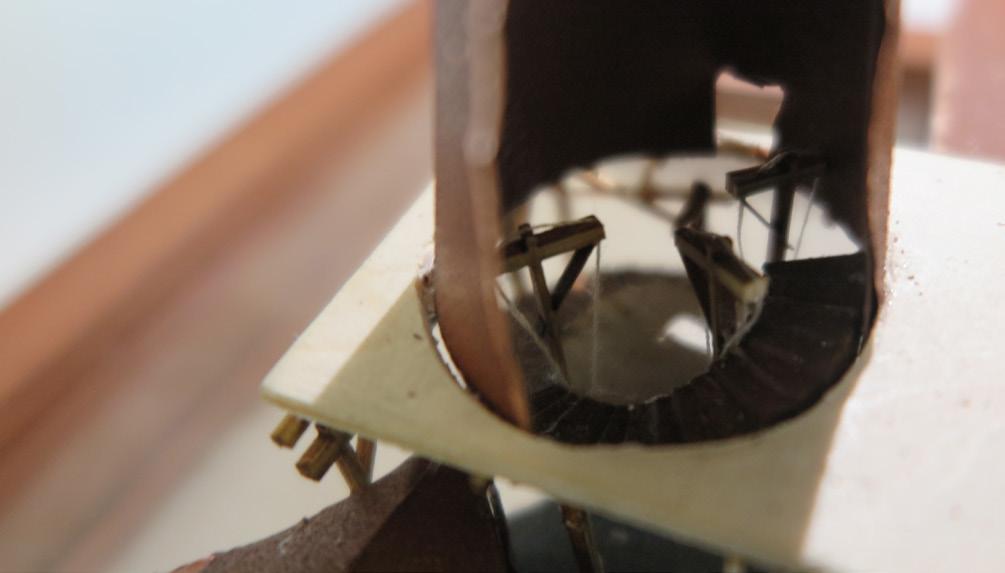
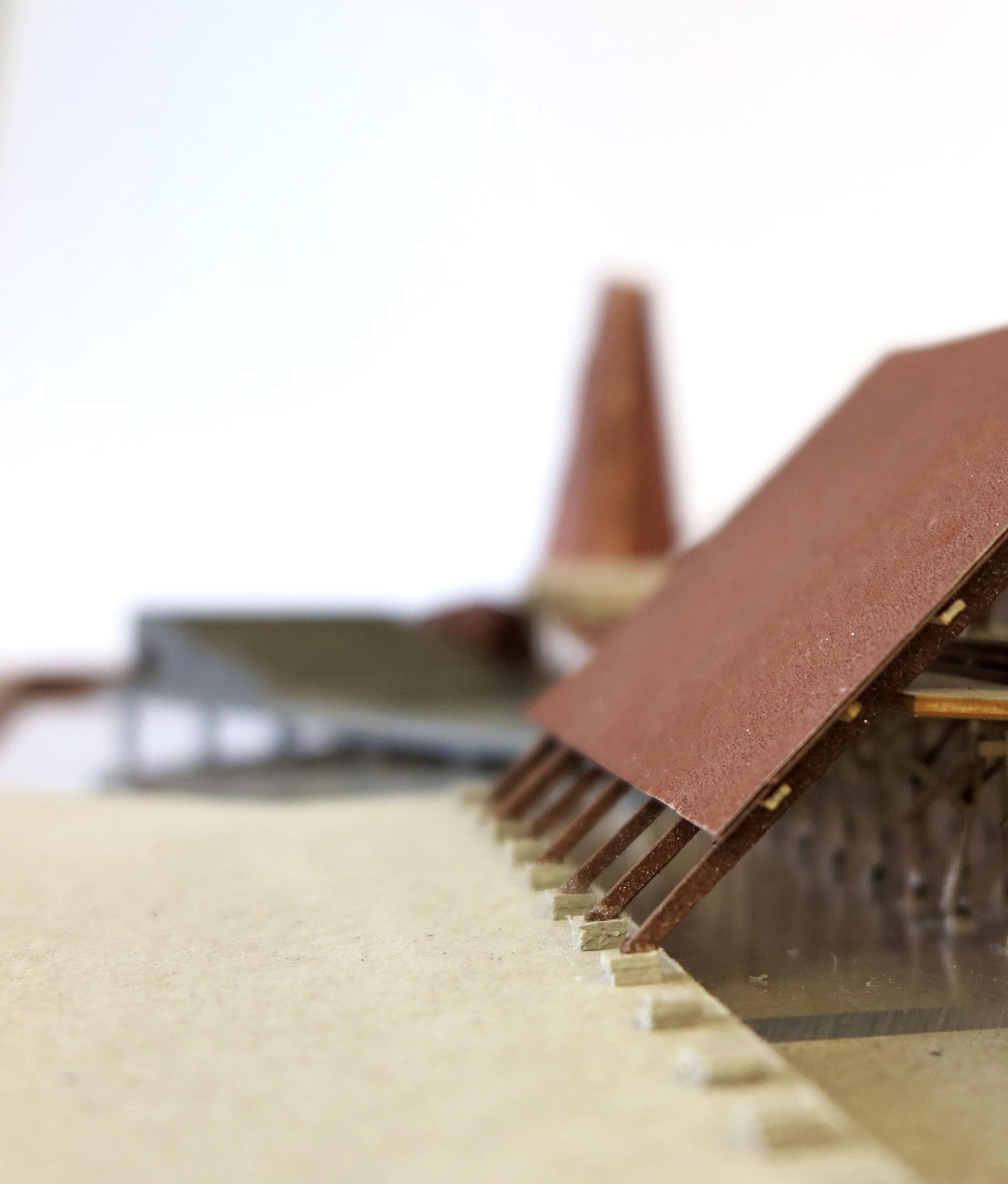
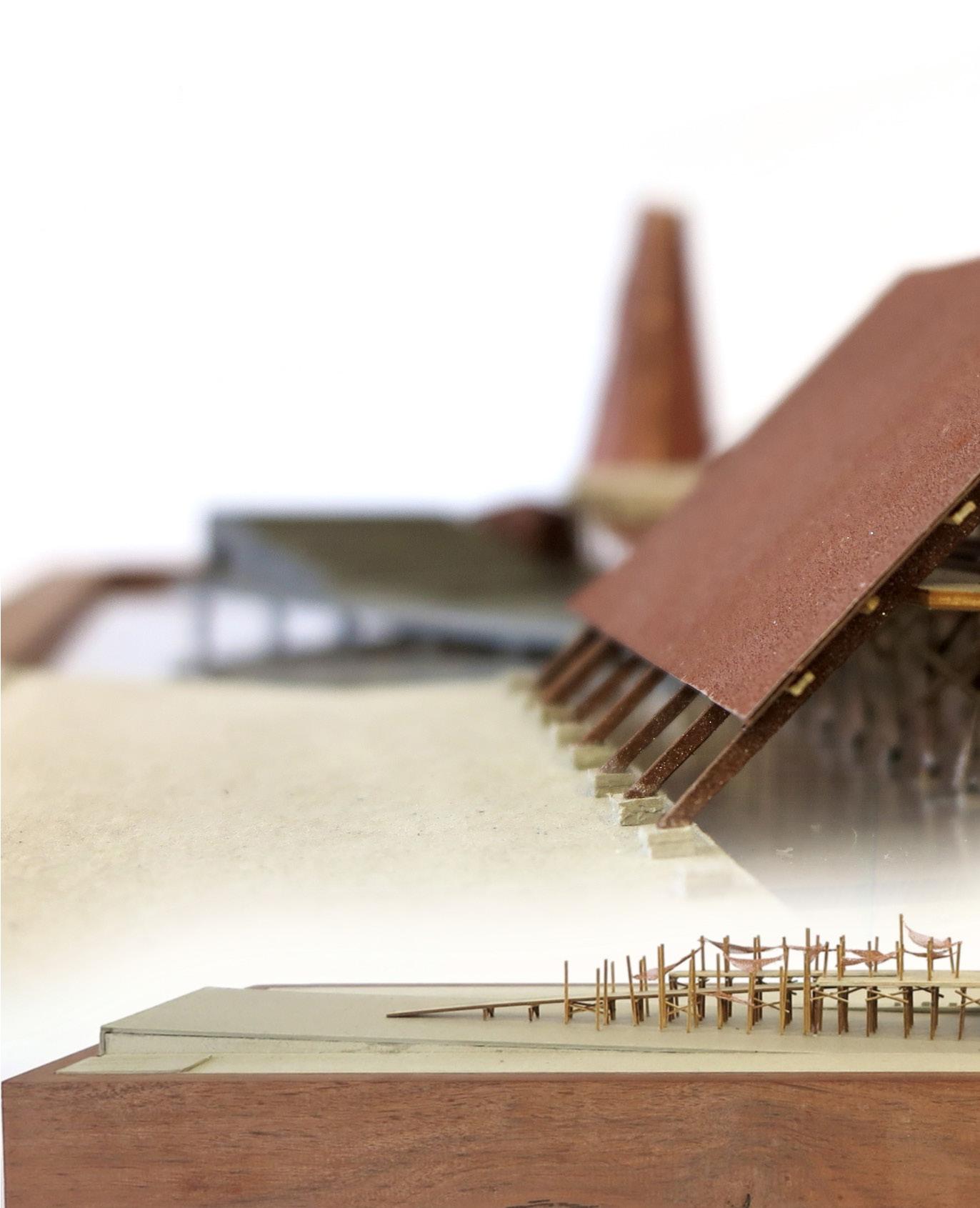
Emerging out of the Island’s powerhouse precinct, this project understands theatre as a form of speculation that engages audiences with a traversal through alternate histories. With its focus on the notion of progression and journey, the theatre is designed around the immersive experience and that of a traverse stage.
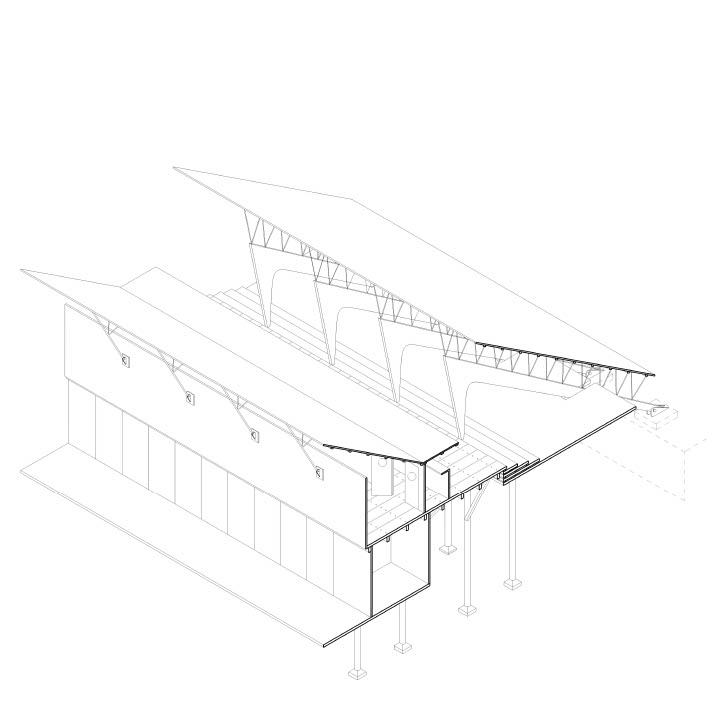
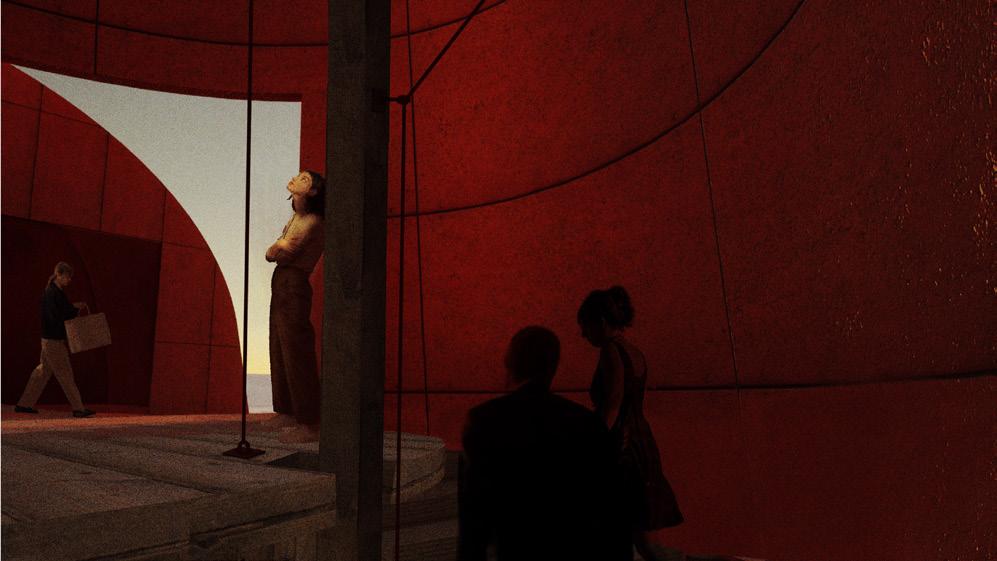
Here, taking cues from the classical narrative of Gluck’s ‘Orfeo ed Euridice,’ the theatre complex is experienced architecturally through a series of pavilions reflecting the scenes and acts of the opera. Borrowing the pre-existing slope and length of the slipway, where the myth takes us into the underworld, this theatre descends below the structure of a pier, guiding us into the water.
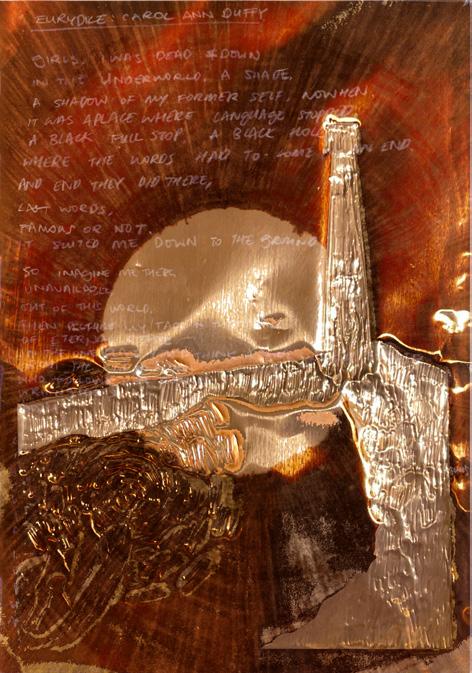
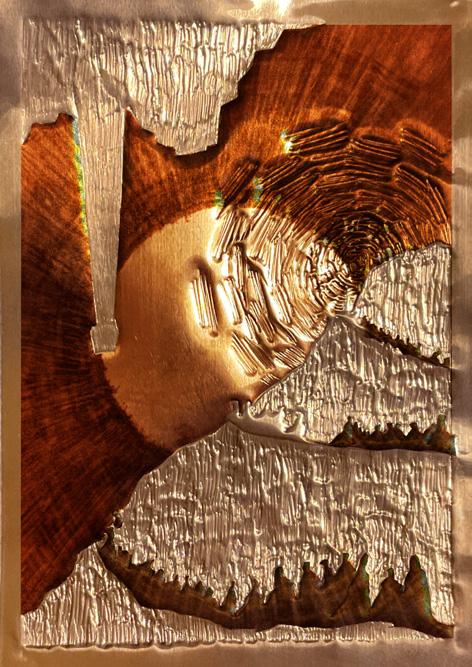

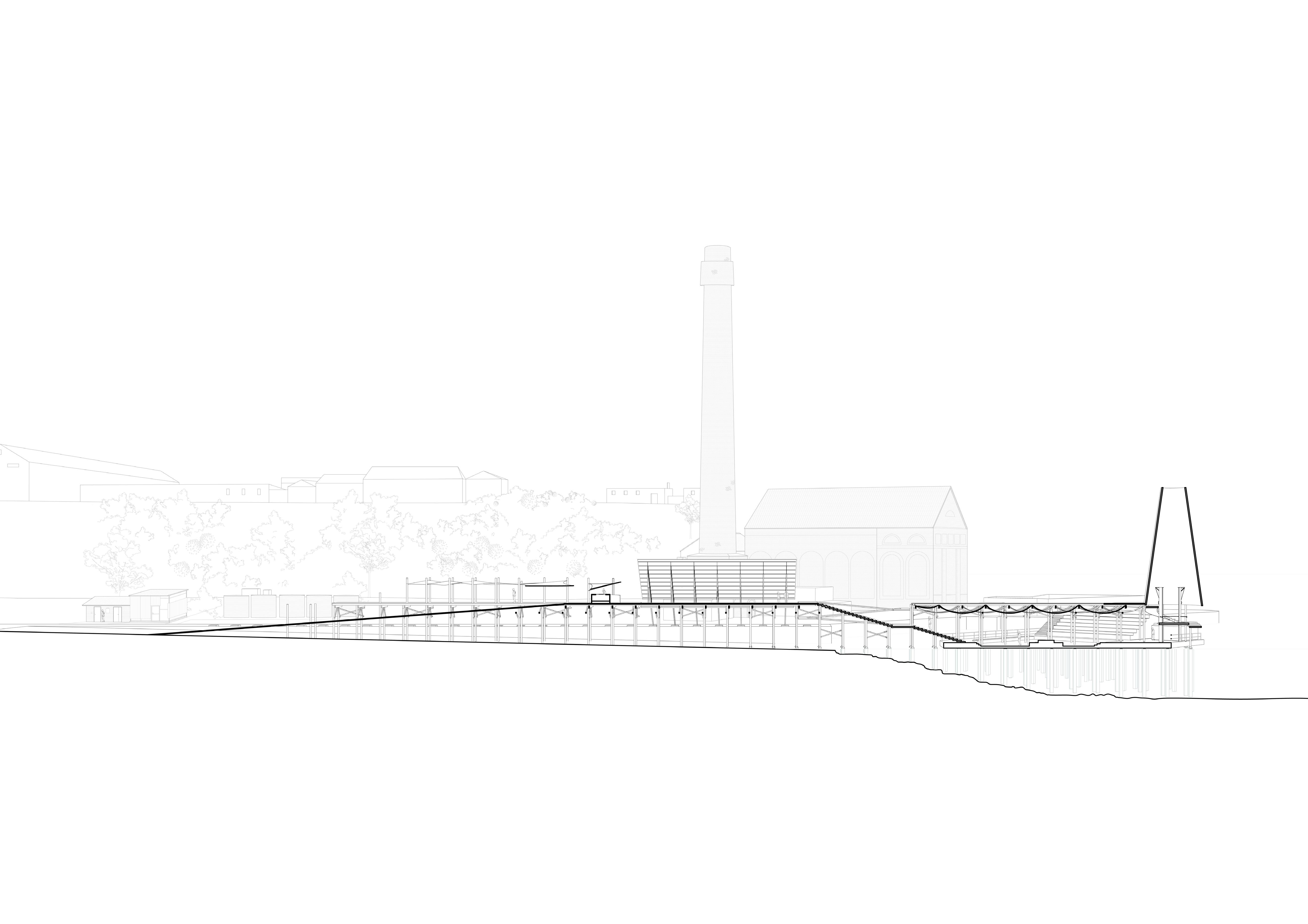
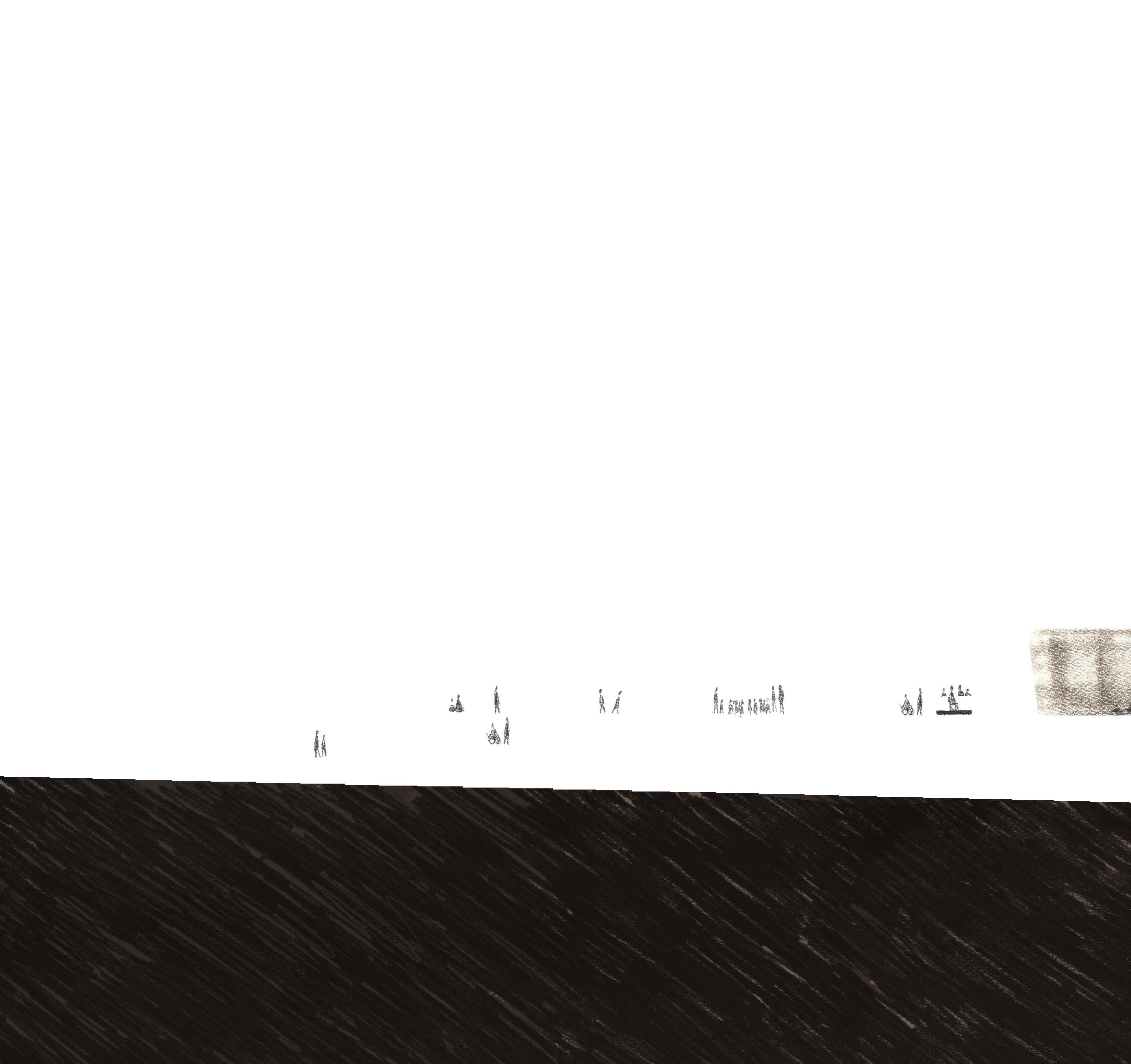
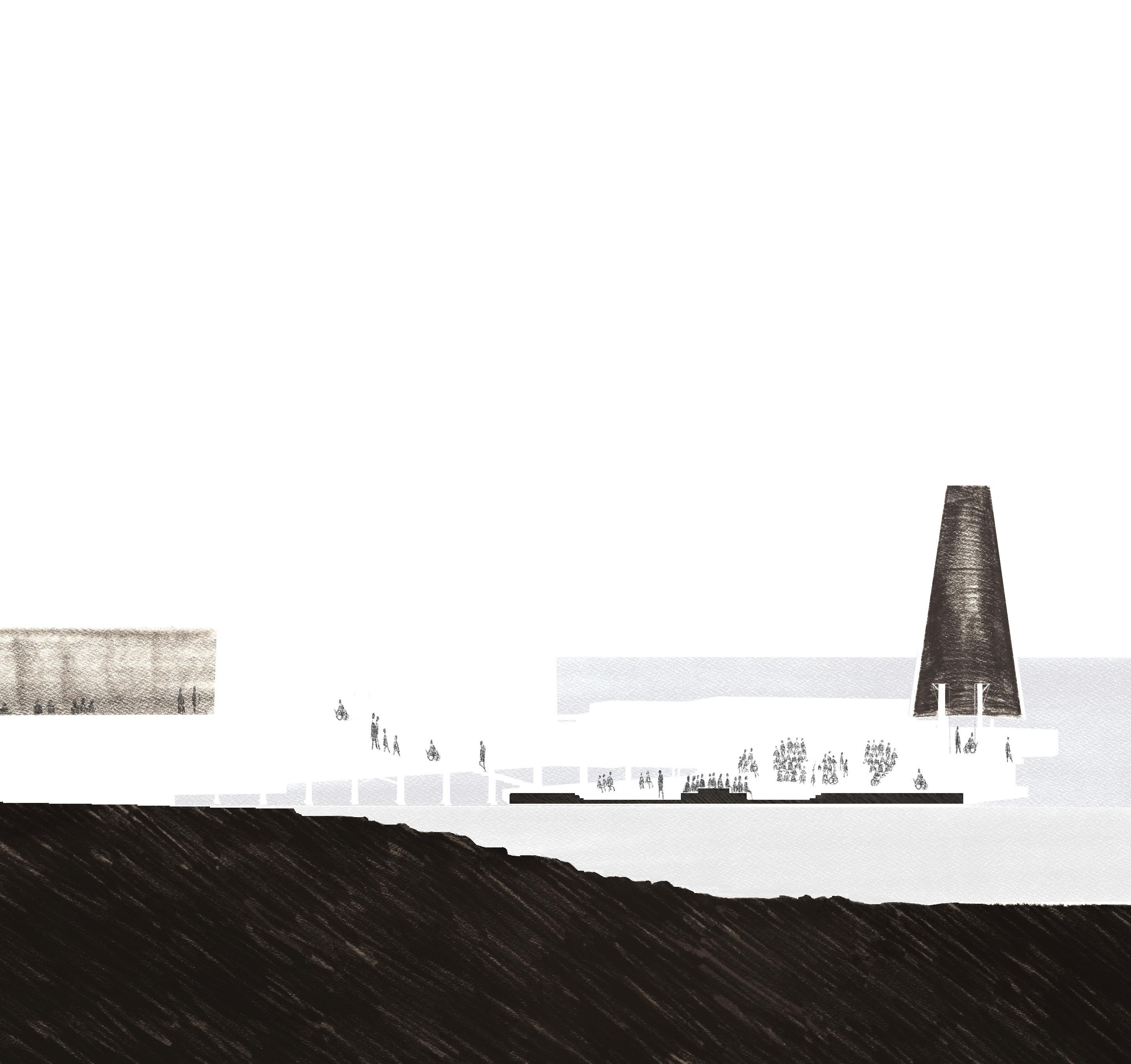

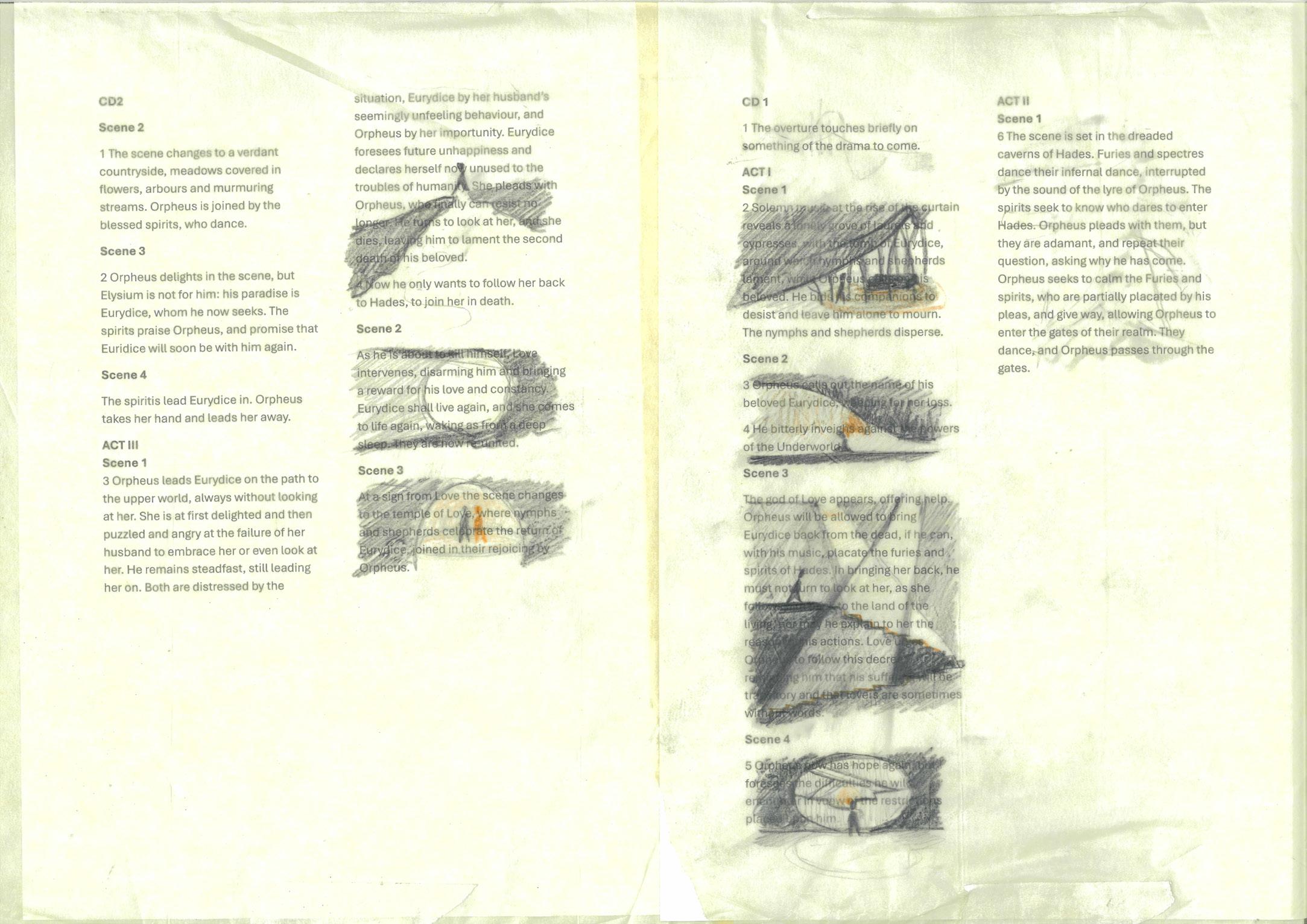
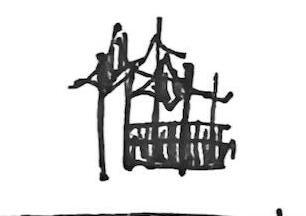

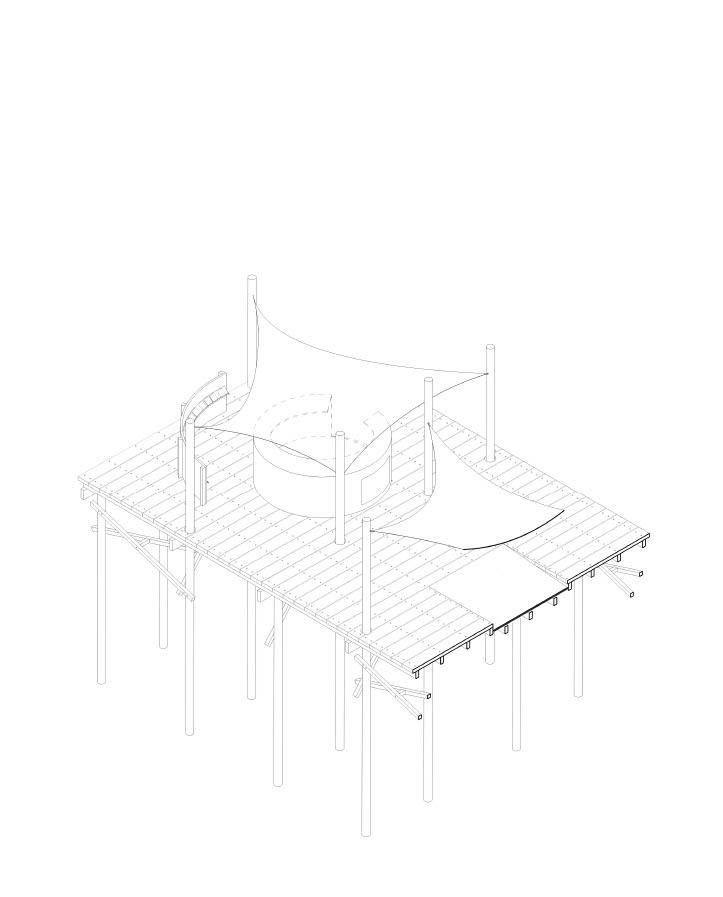
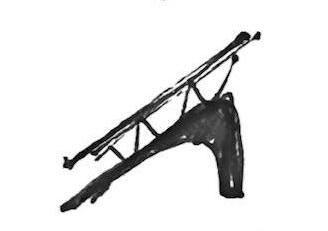

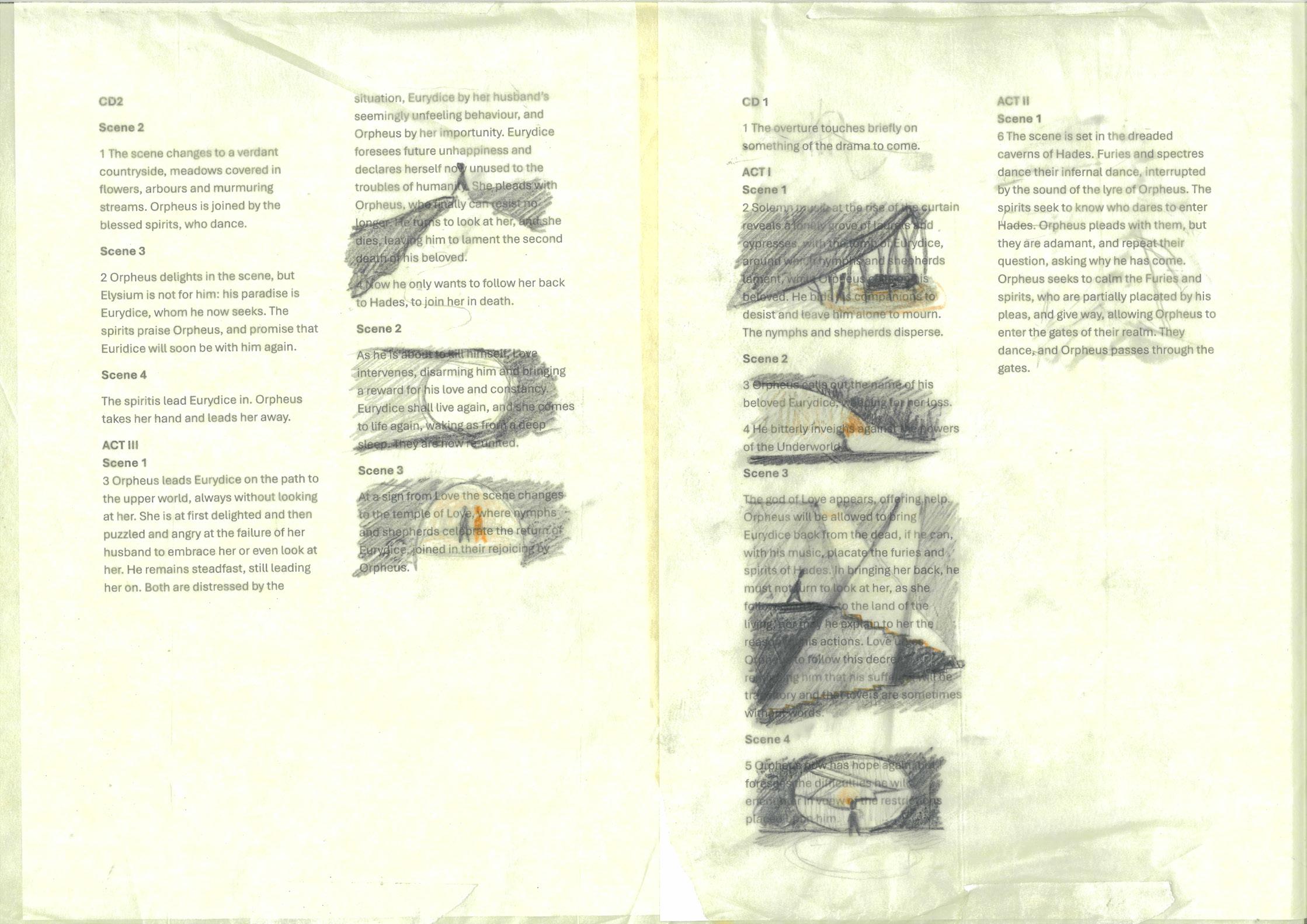
vignettes + axonometric drawings
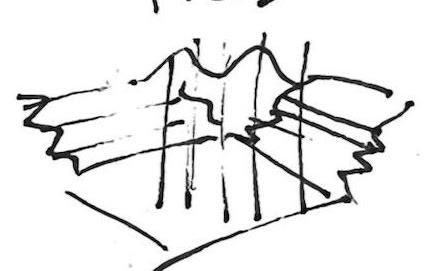



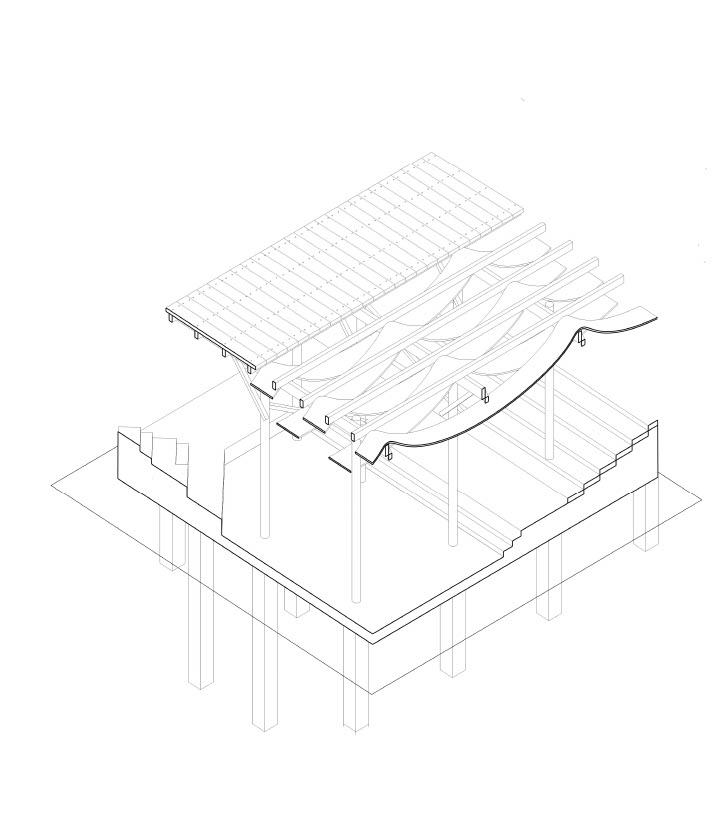
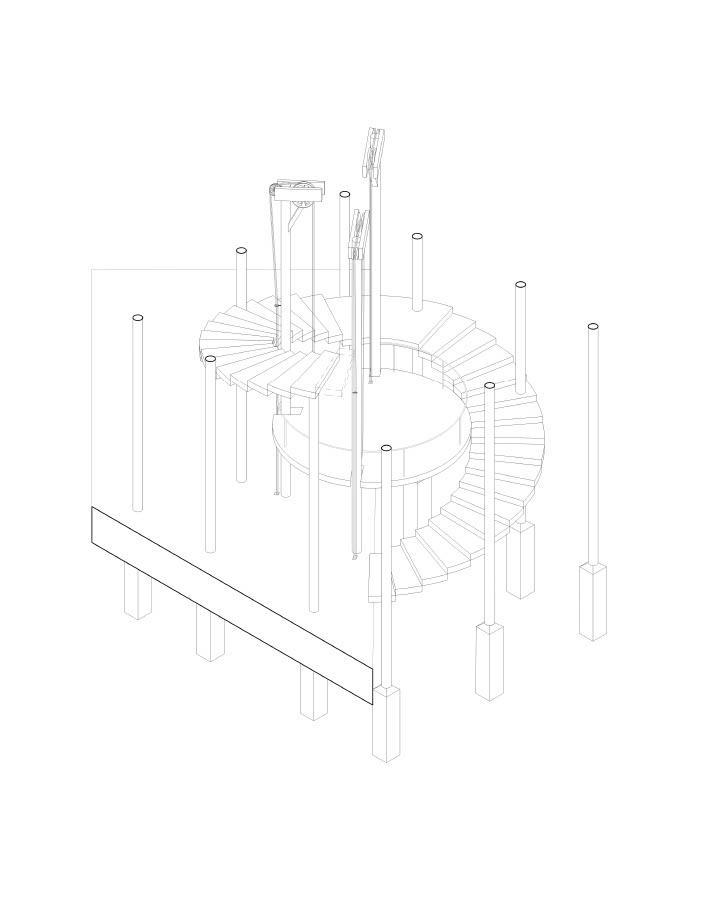
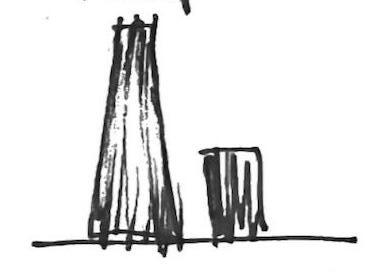

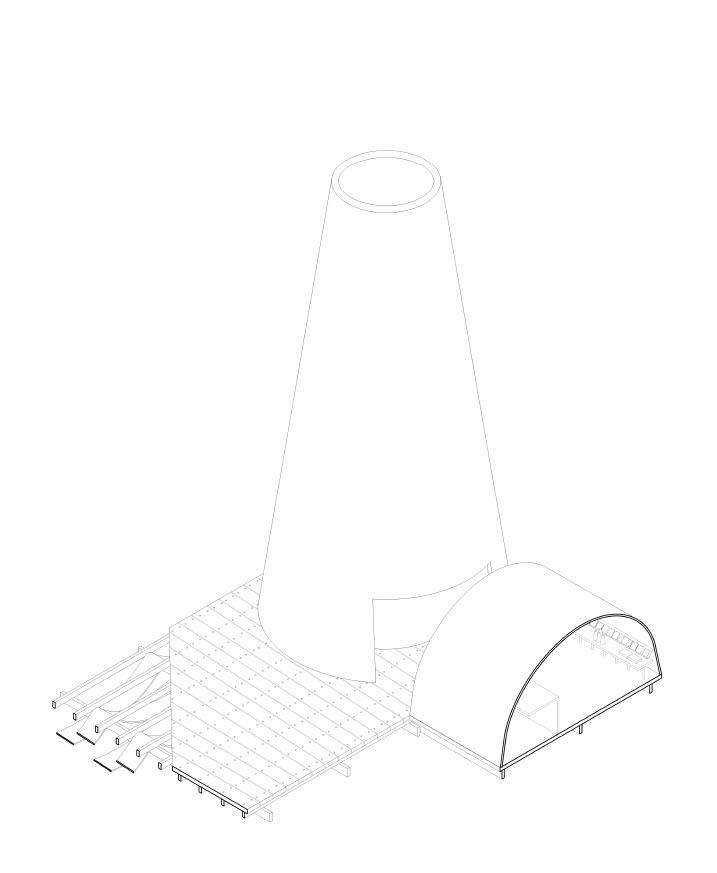
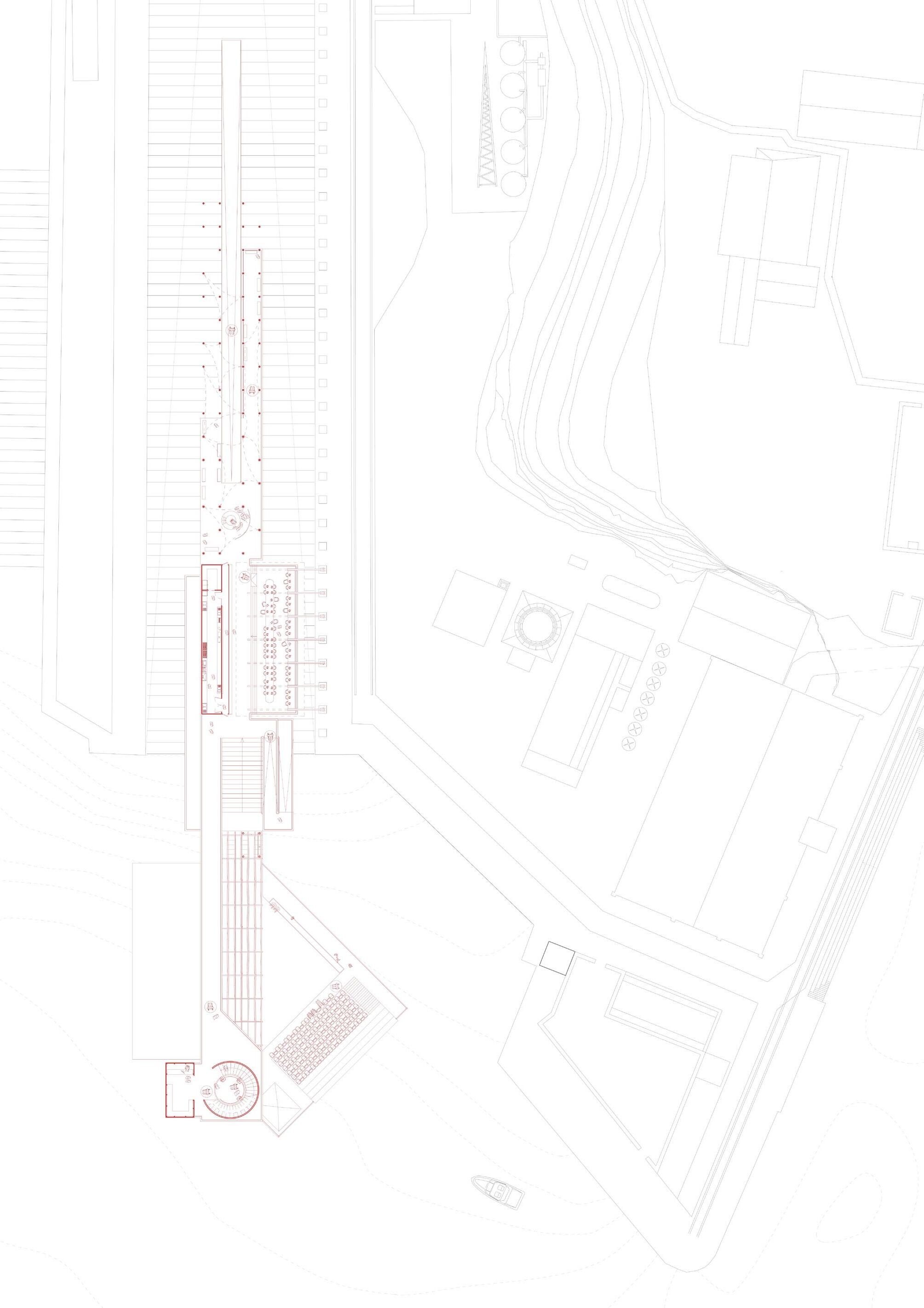
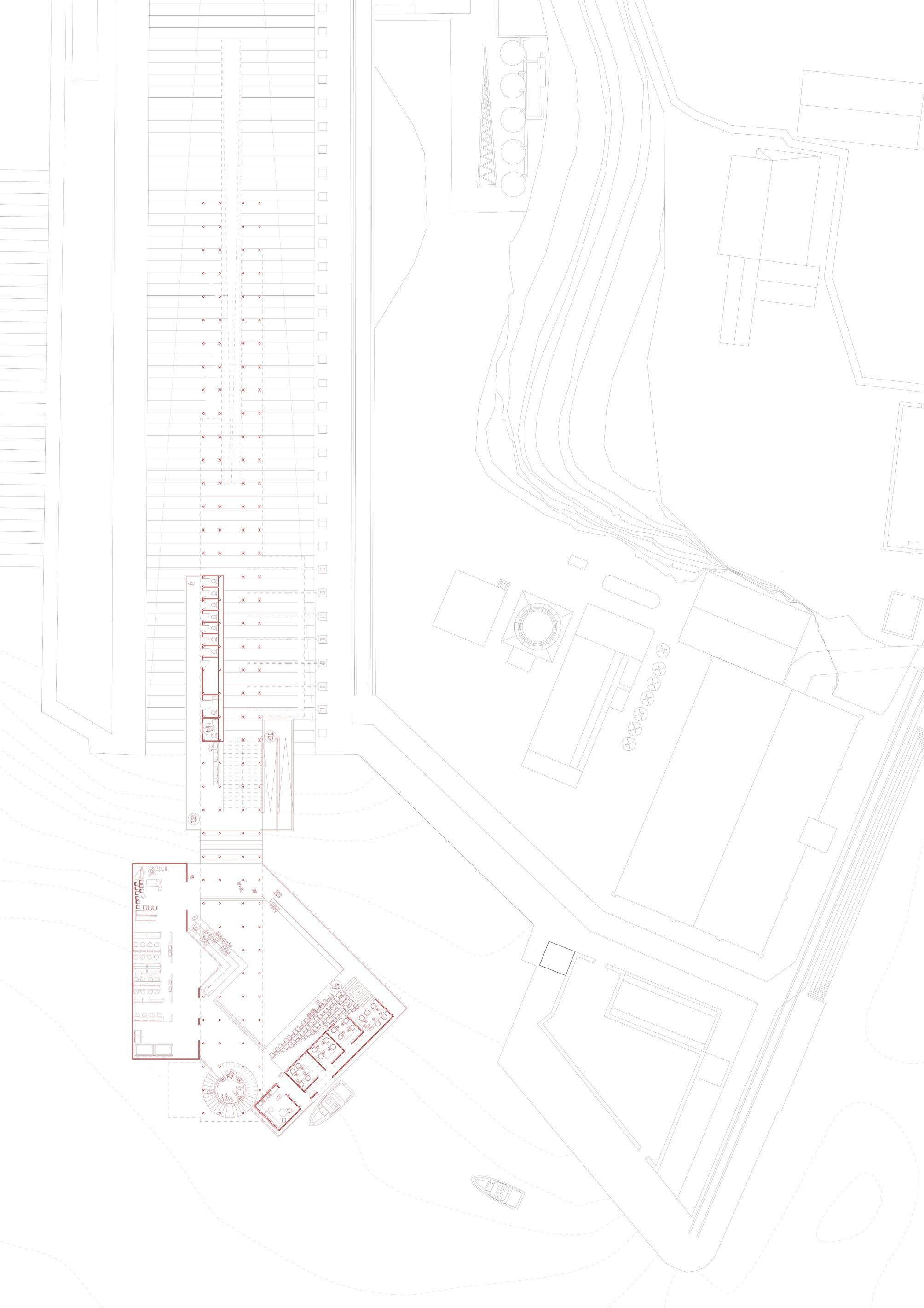
on the slipway at Wareamah, below the pier, and between its posts, one can find the blessed-spirits of Cockatoo, amidst song and dance...
Year 3 Semester 1 - The University of Sydney
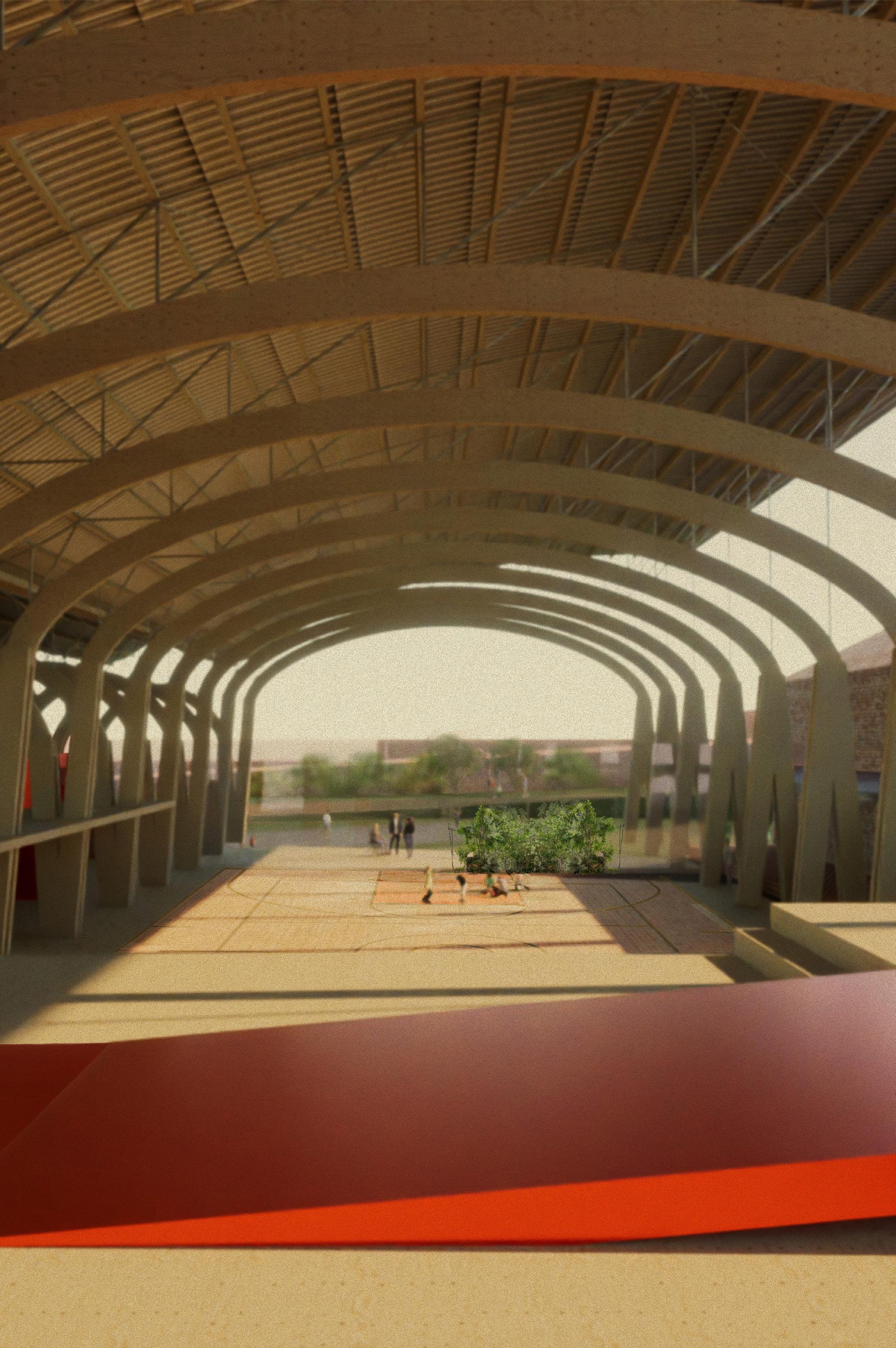
sportsandrecreationhall forlocalcommunity
Drawings: Rhino, Hand
3D Model: Rhino
Render: TwinMotion, Photoshop, Procreate
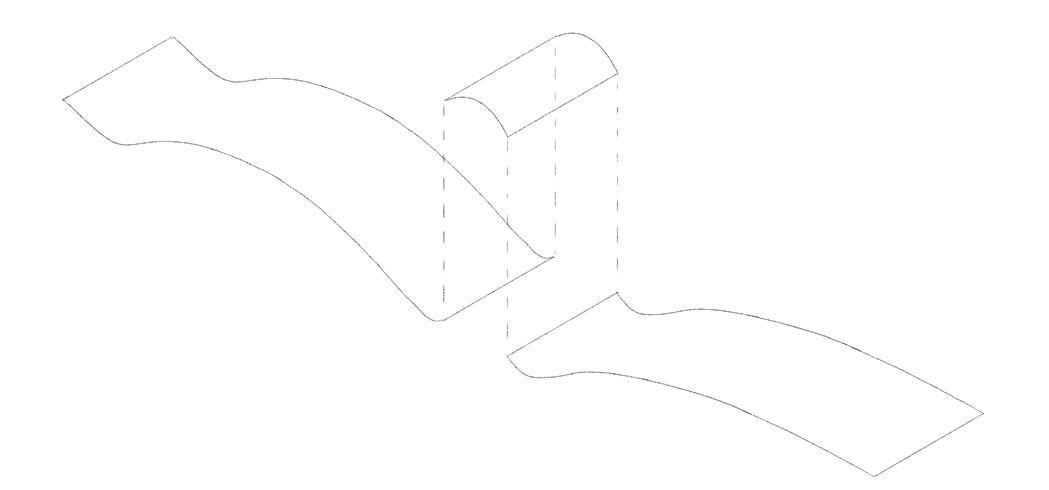
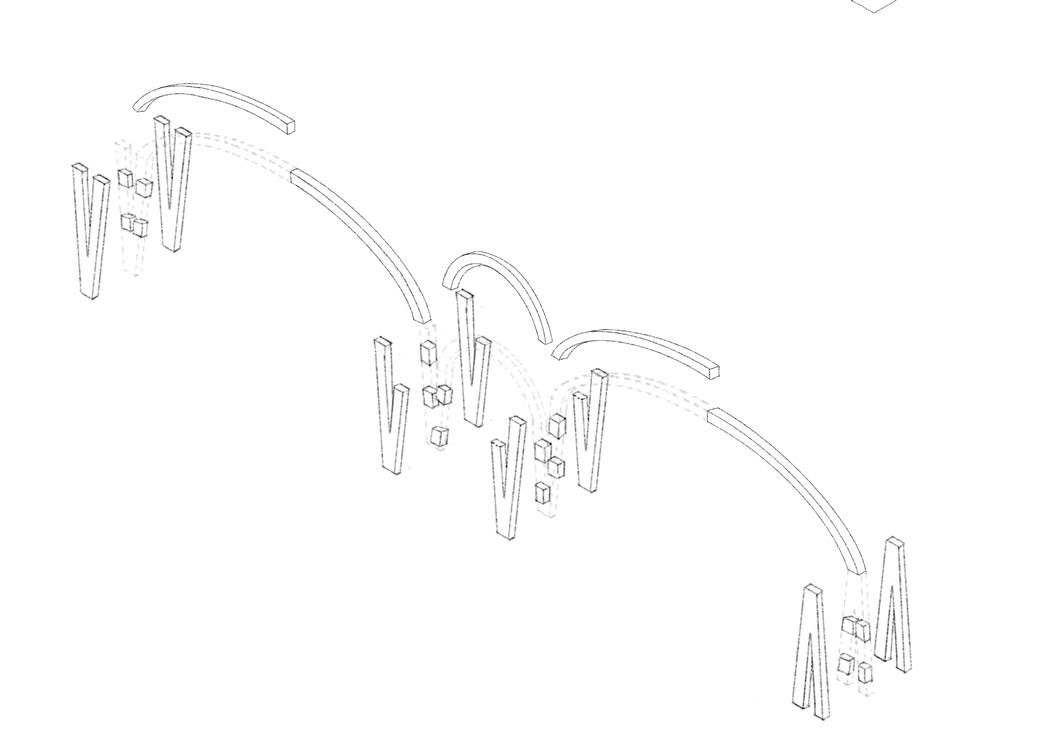
+ ZINCALUME STEEL ROOF CLADDING
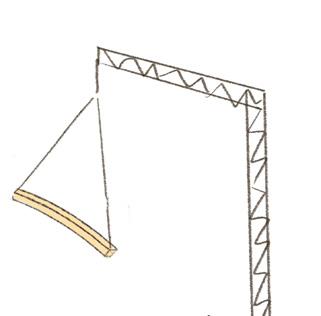
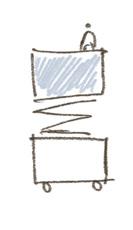
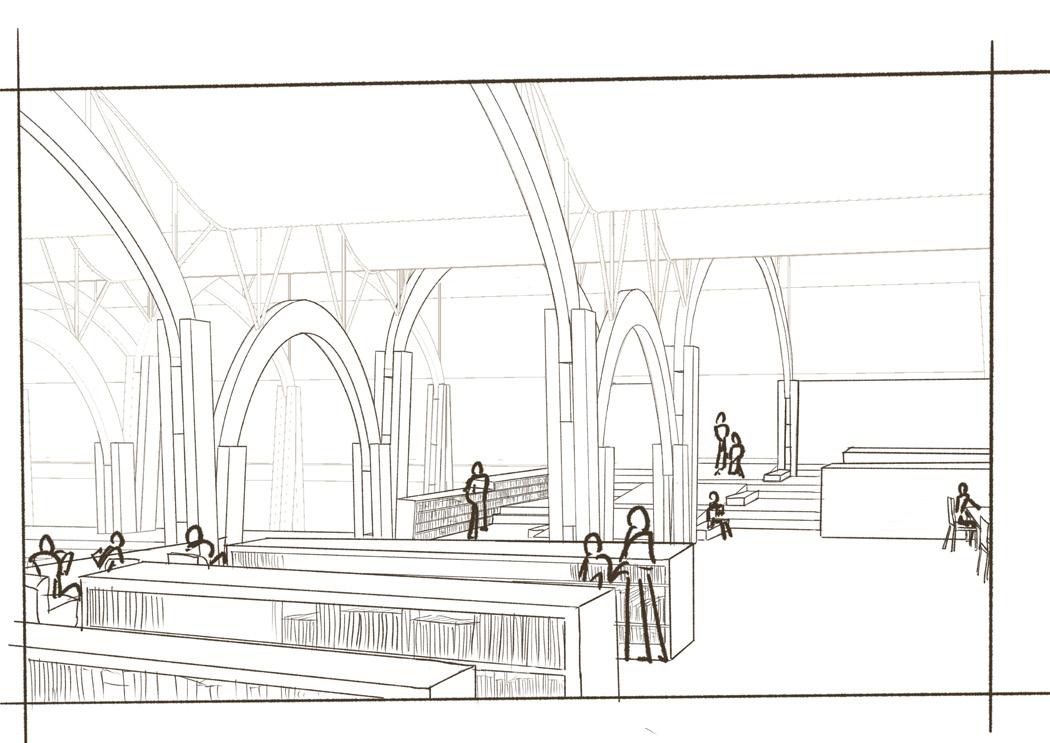
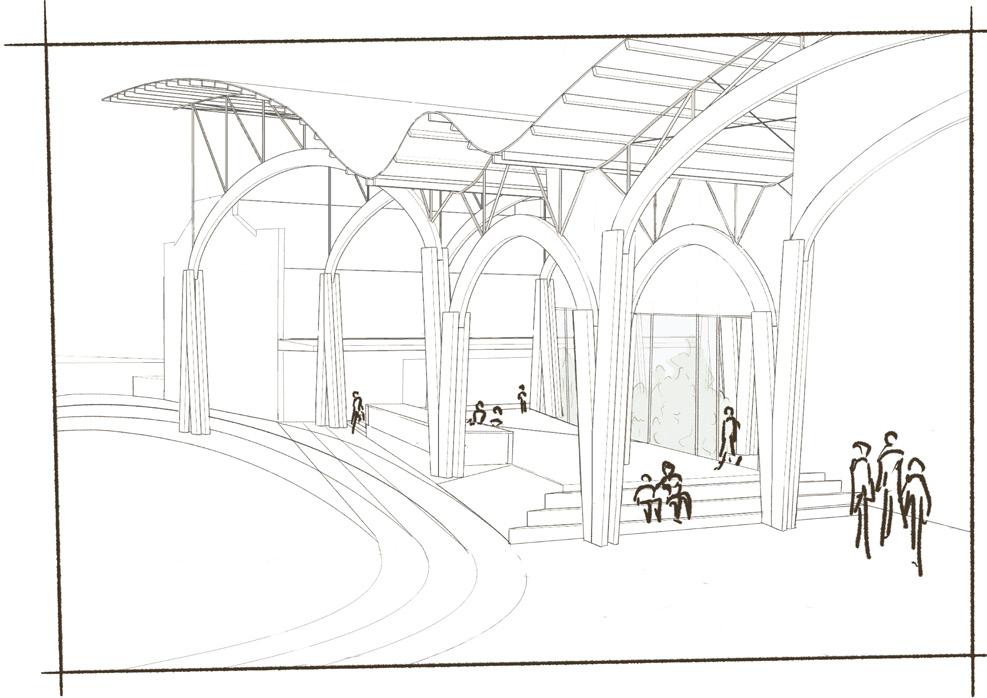
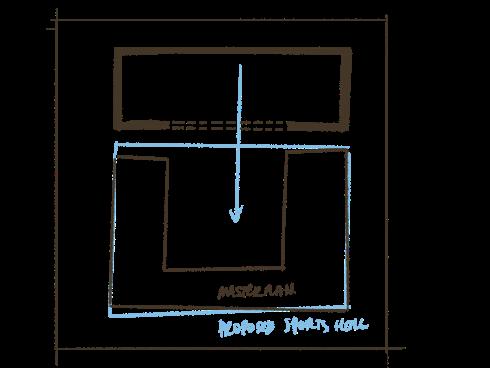
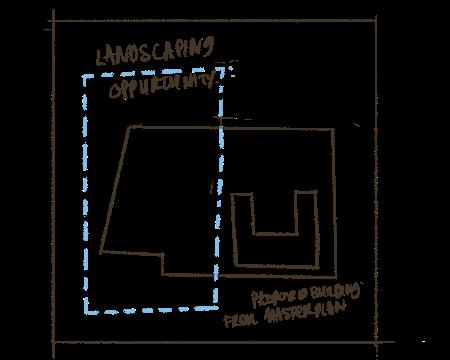
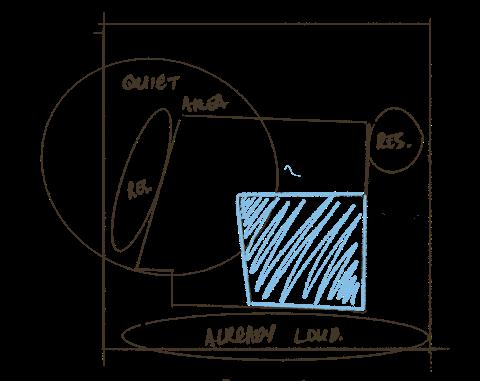
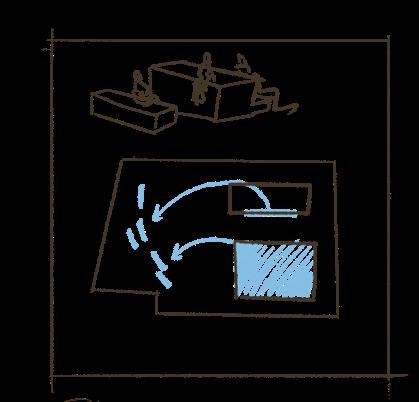
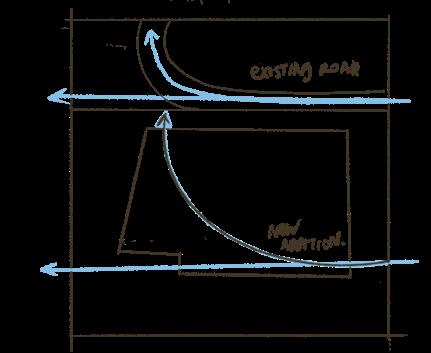
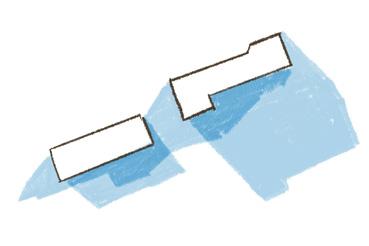
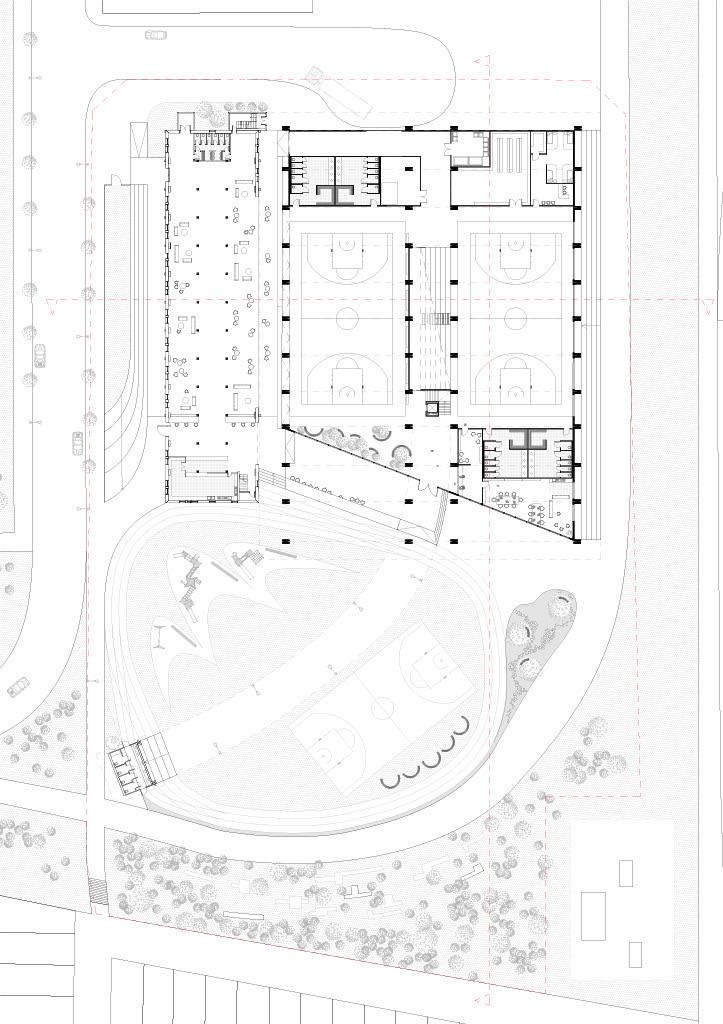
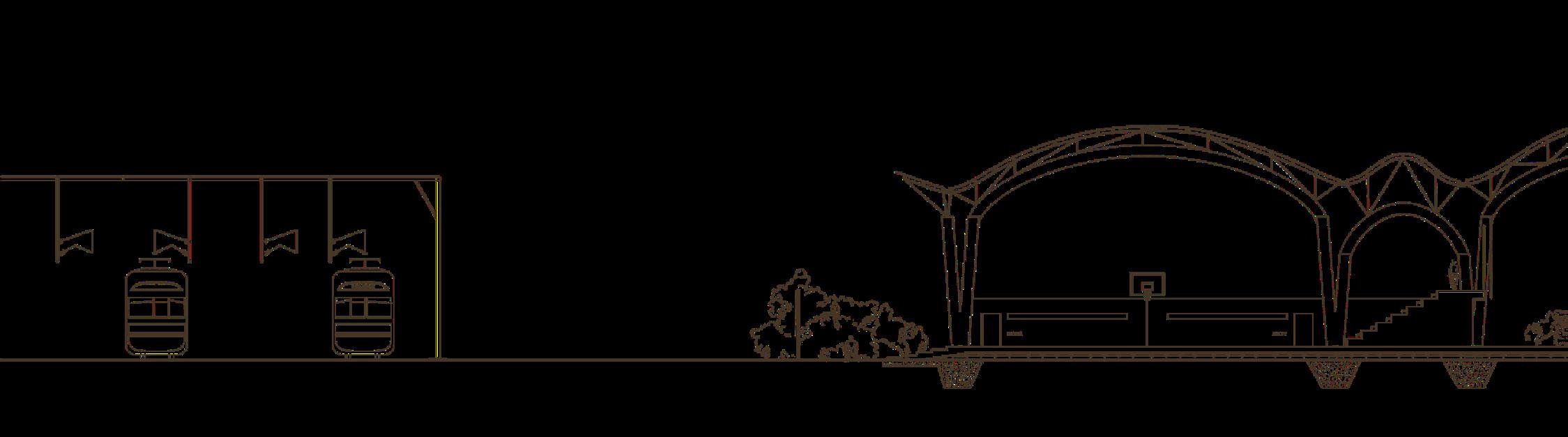
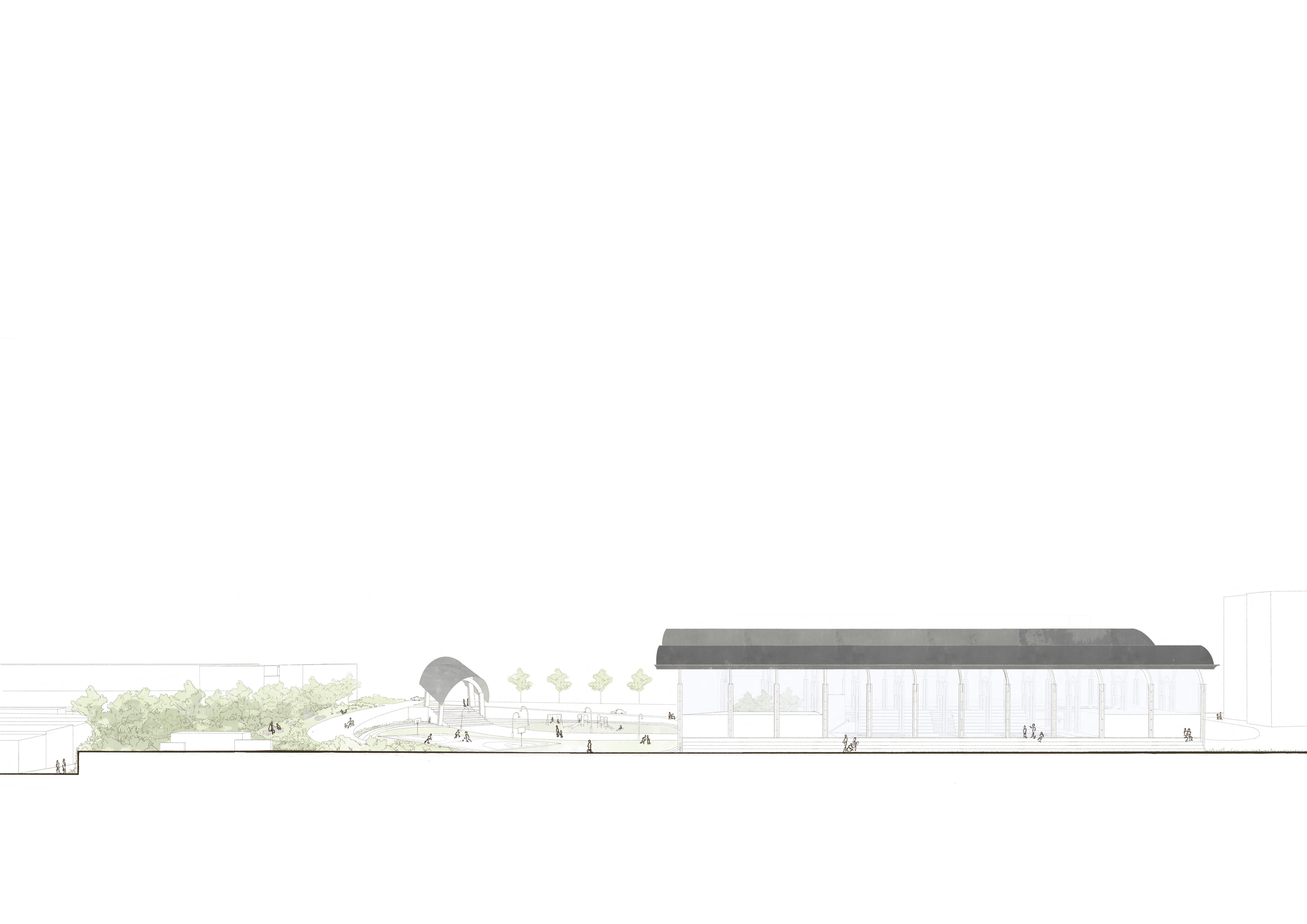
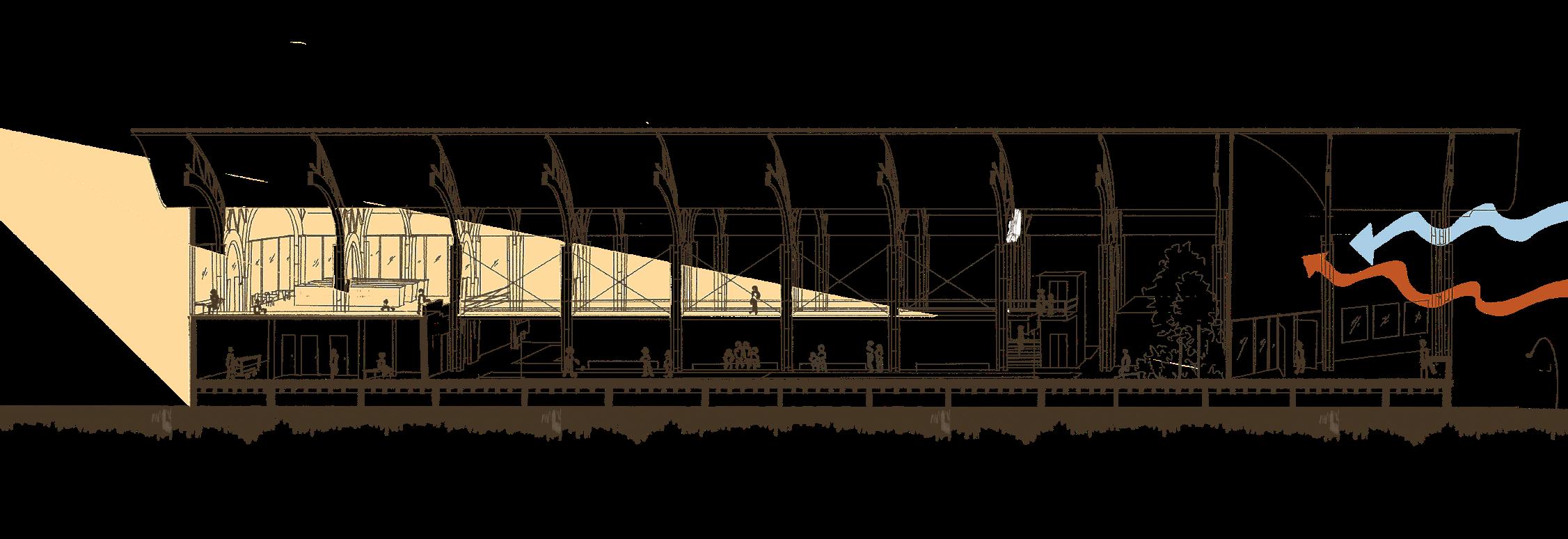
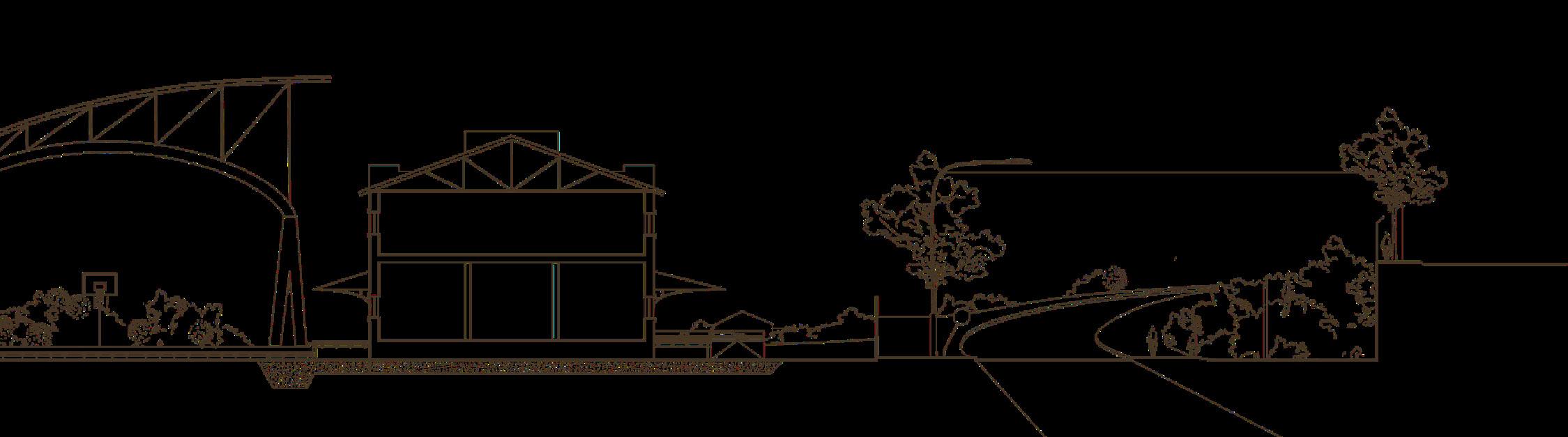
Situated on a vacant lot that awaits future council redevelopment, ‘Bounce’ is a proposal for a temporary community space for recreation. Though designed for disassembly, the structure and landscaping strategy still calls on the industrial railway heritage of North Eveleigh. Taking cues from the council’s proposed master plans to mitigate repeated disturbance to the site, the new timber structure works in conversation with its neighbour’s existing brick facade. Programs include cafe, artist studios, basketball courts, public library and playground.
3/DP218963
Year 3 Semester 2 - University of Sydney
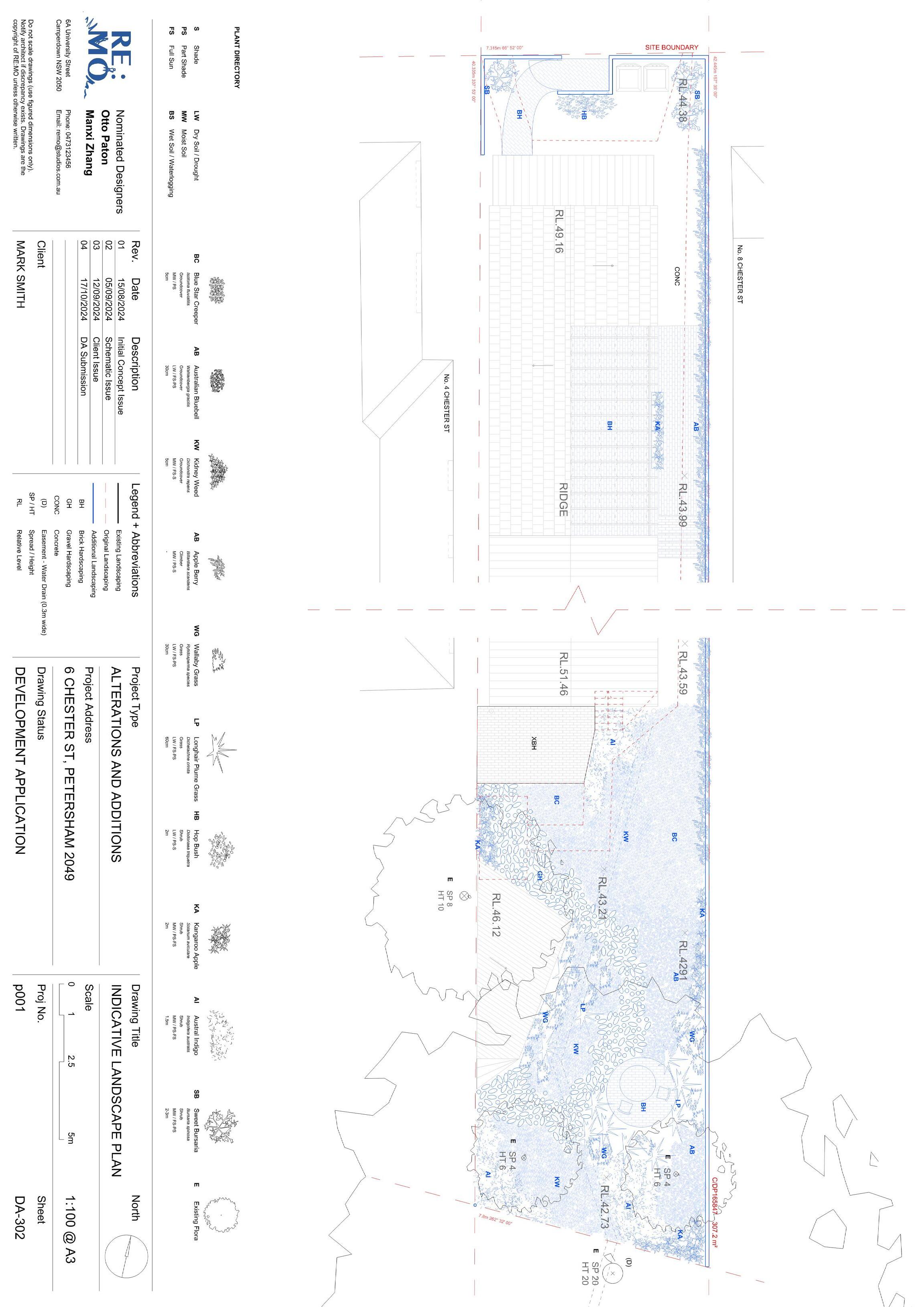
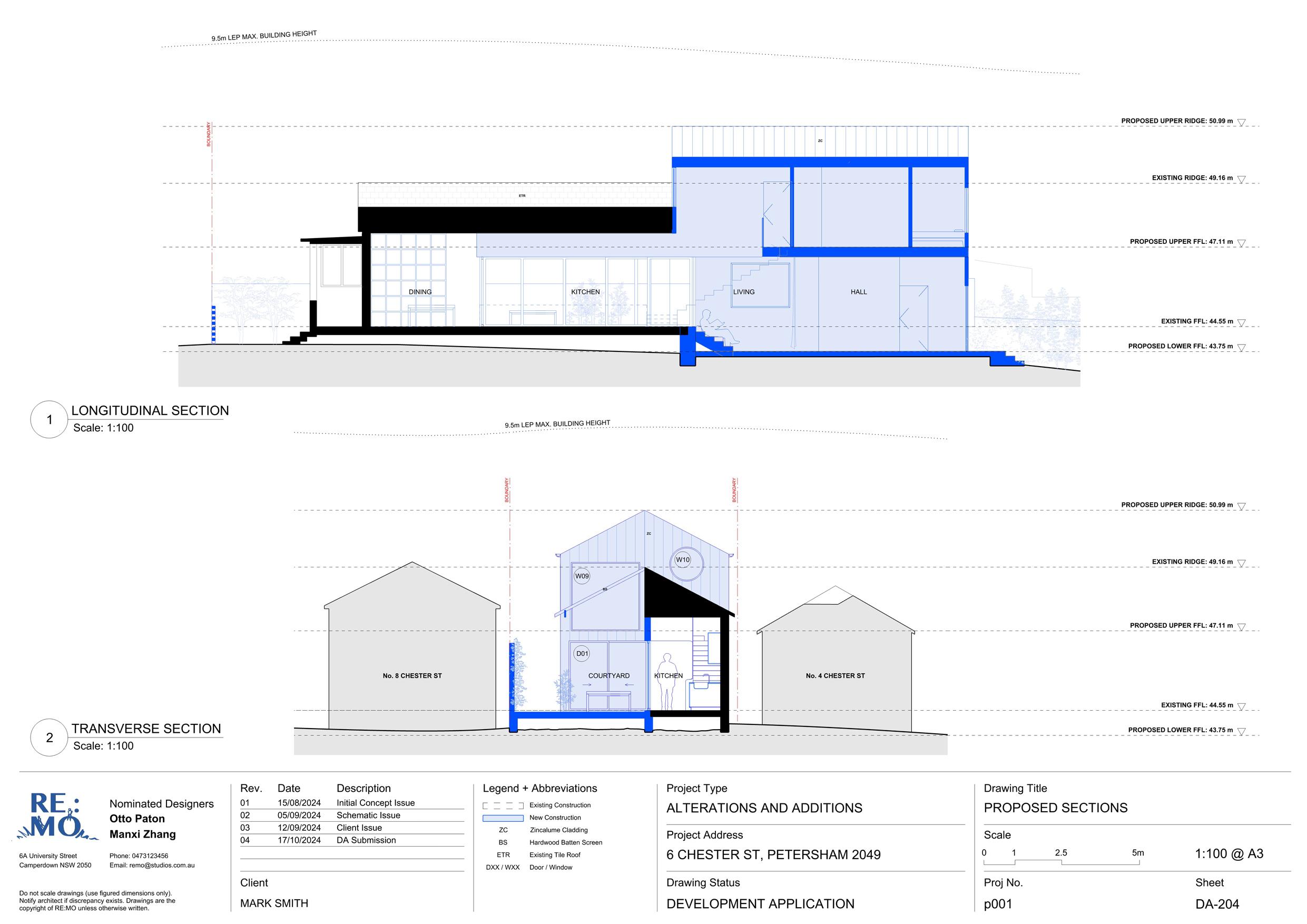
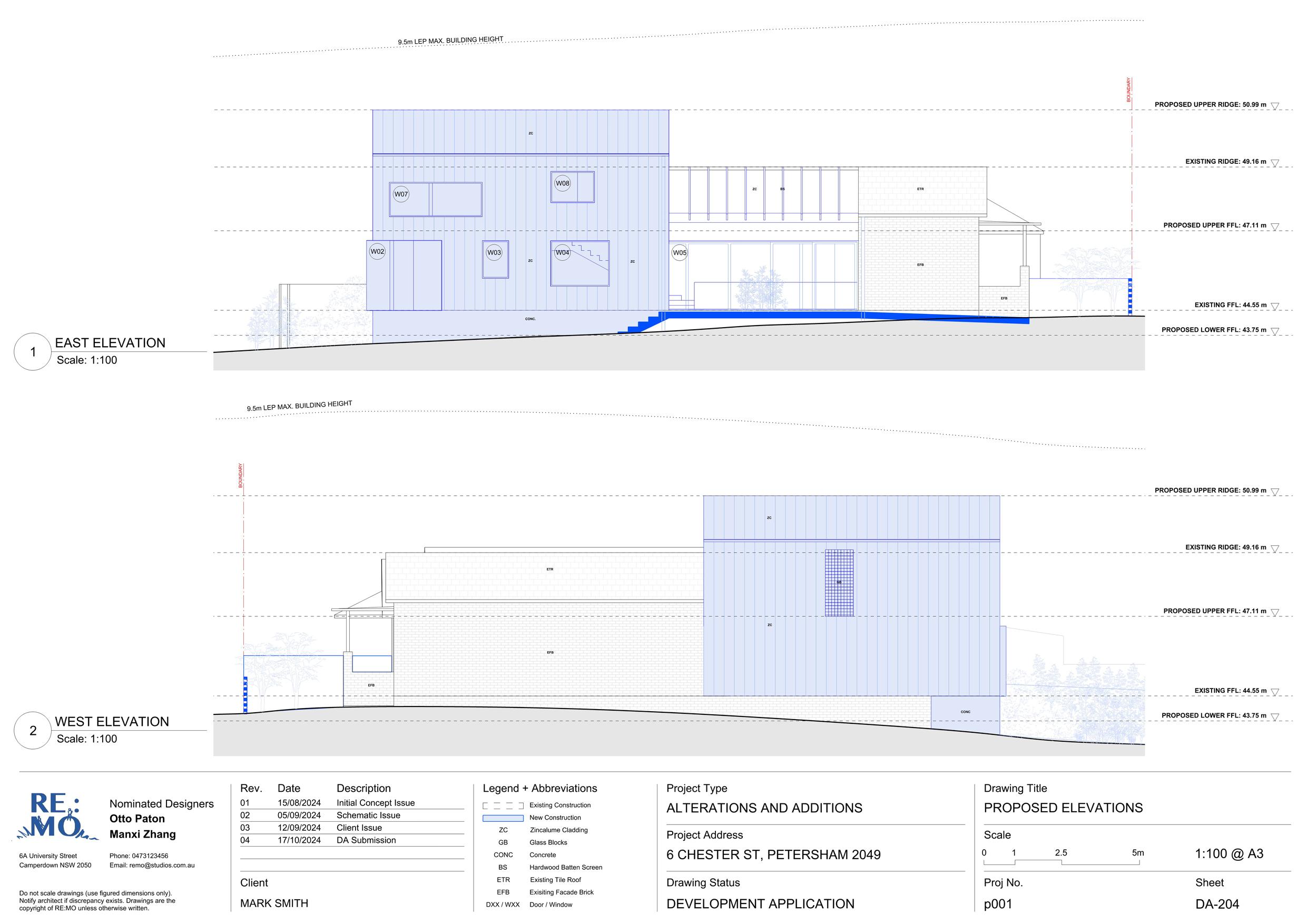
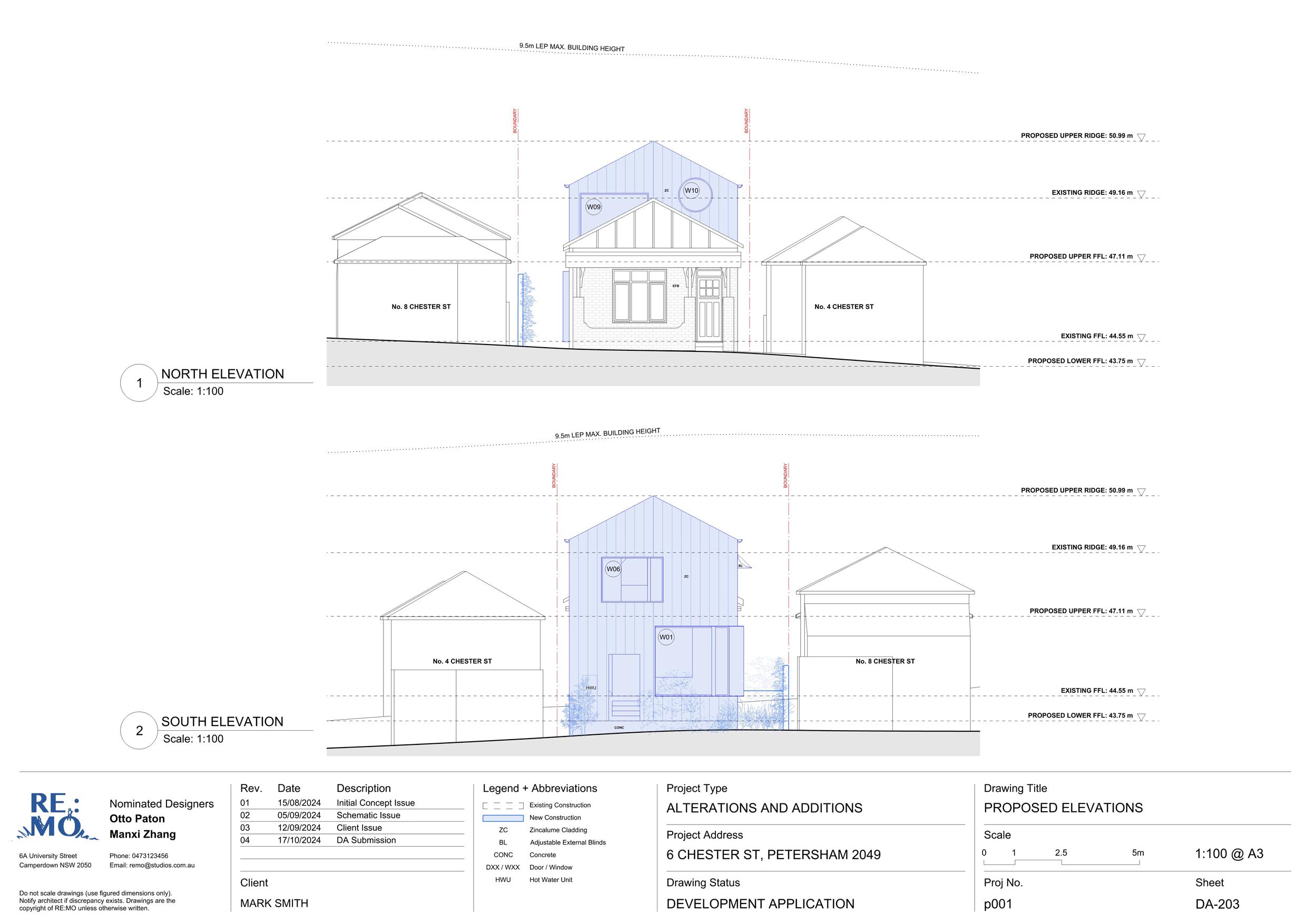
DAMock-up additions+alterations forapre-existingbrickcottage
Drawings: Rhino
(In collaboration with Otto Paton.)


Year 1 Semester 2 - The University of Sydney
livingspacefora children’sbook illustrator
Drawings: Hand
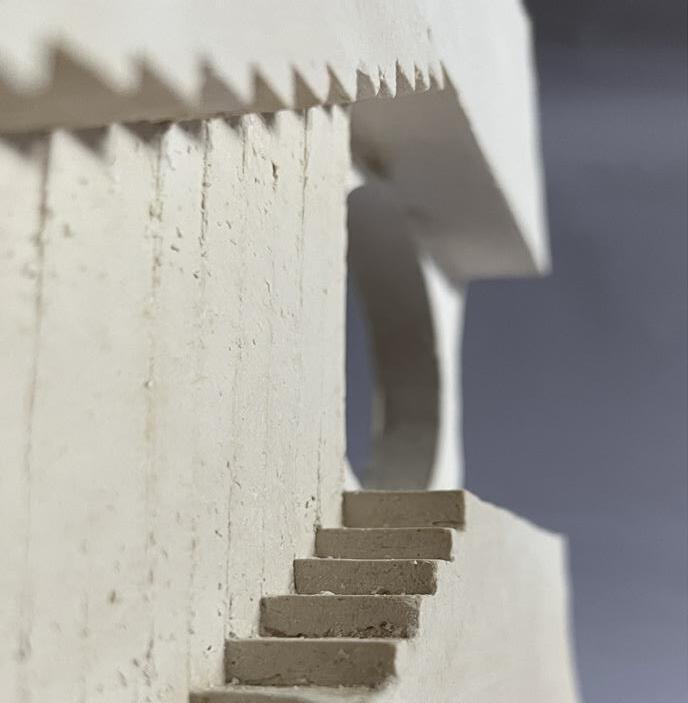
Model: Hand (Plaster, Solder, Balsa) Rhino (3D Printing)
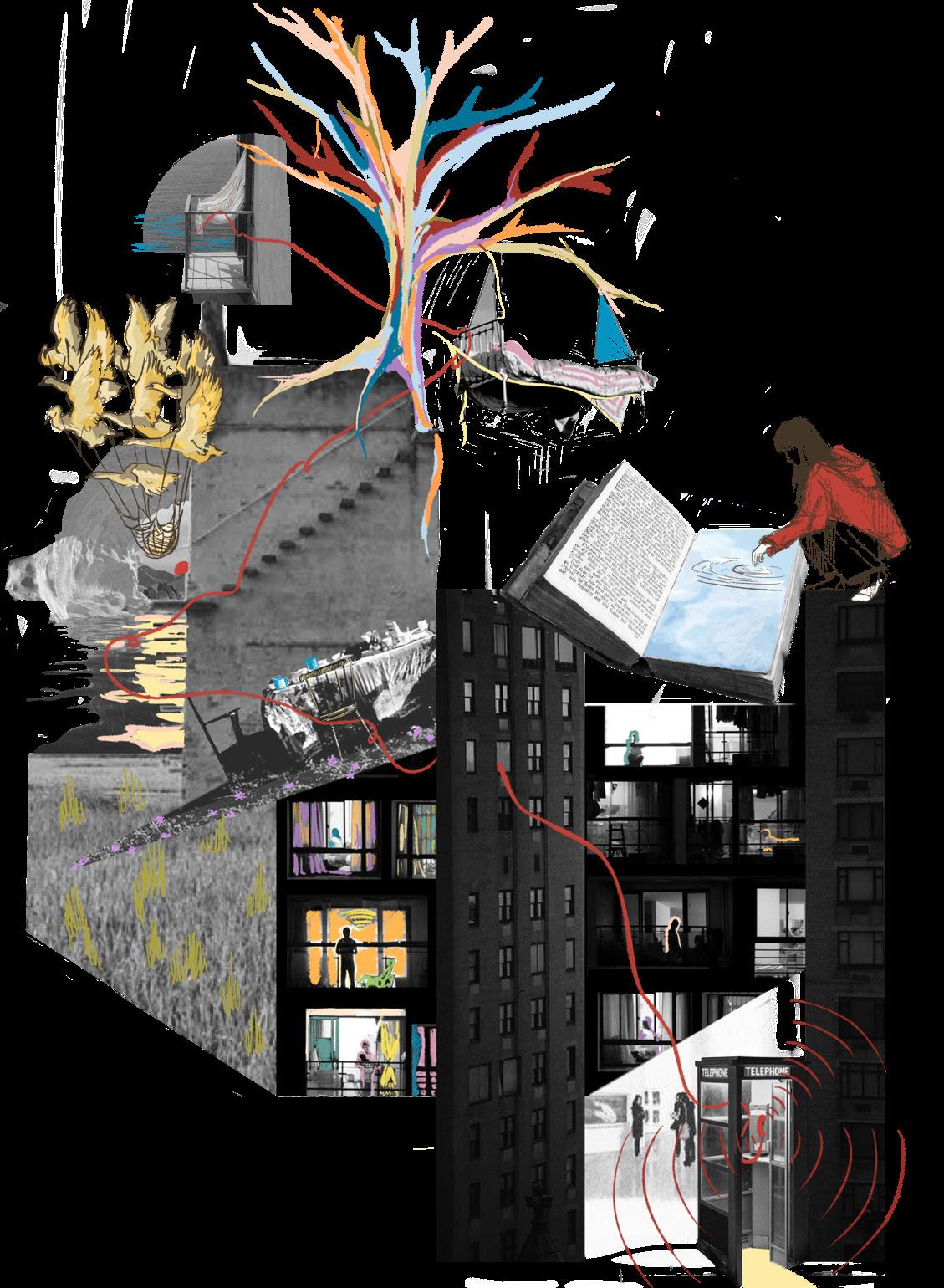
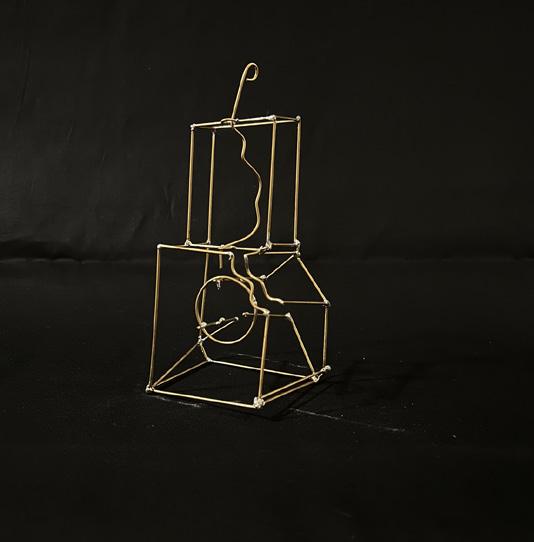
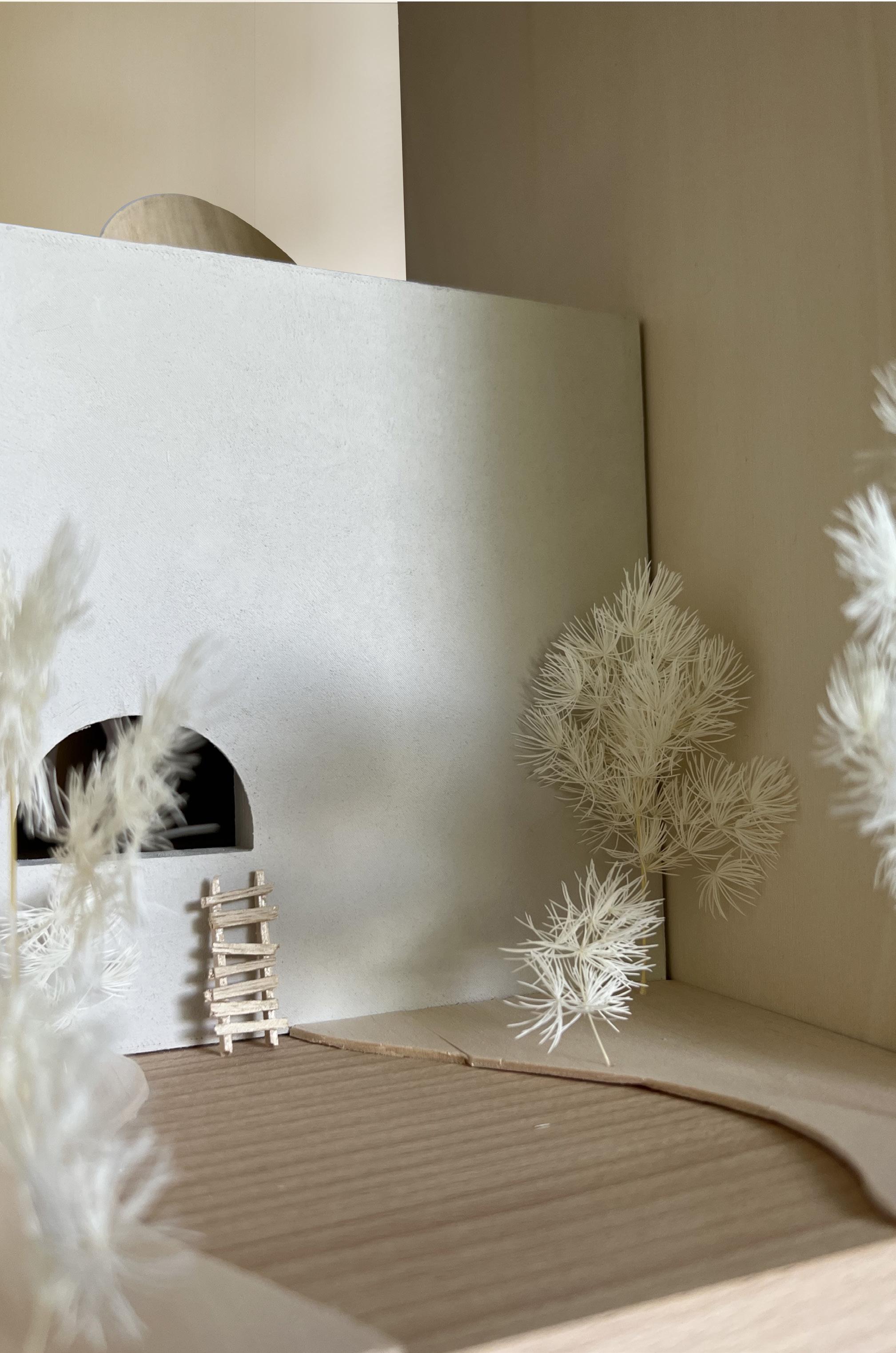
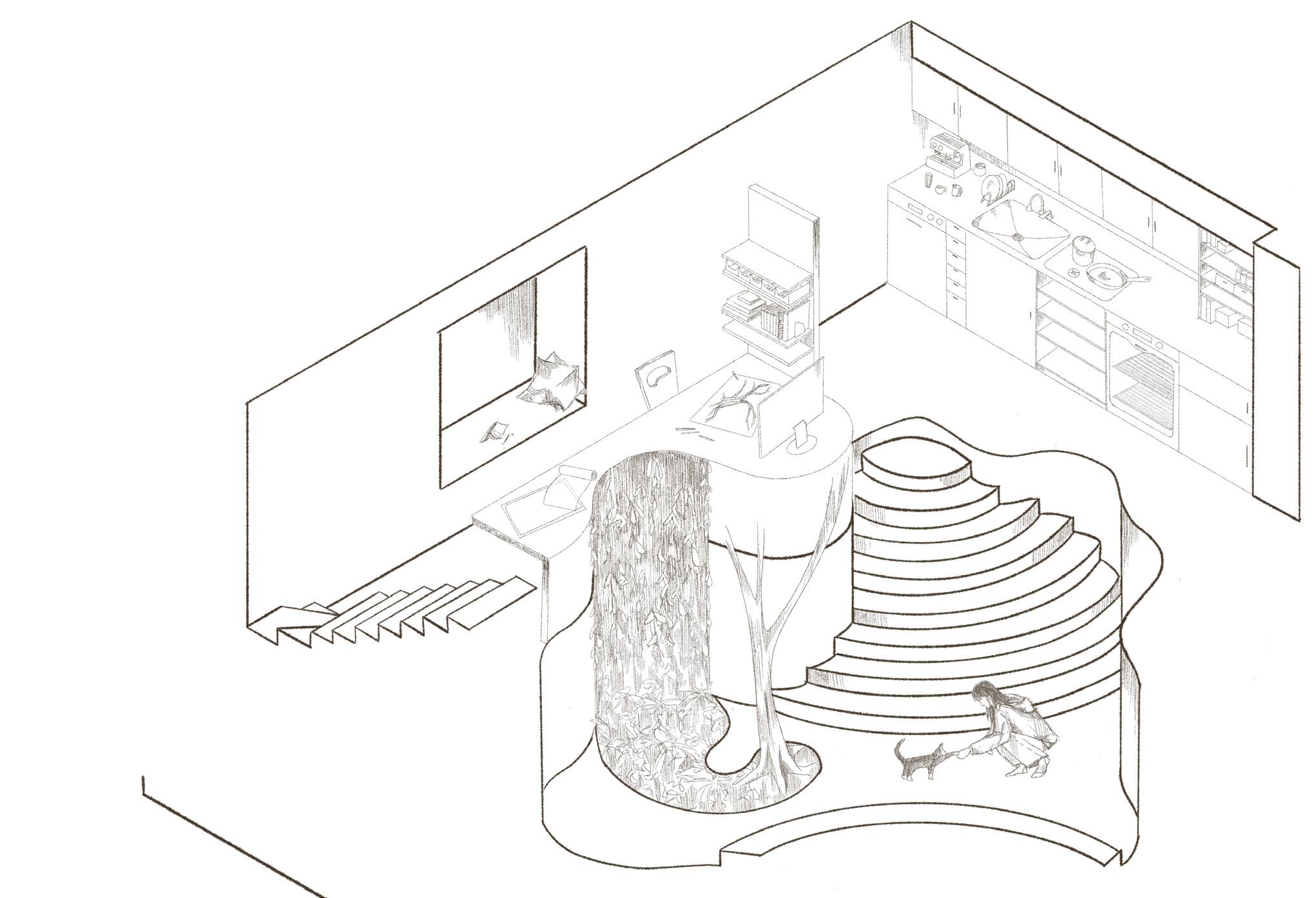
Located in a skyscraperial landscape typical of the Modern City, LOOKING GLASS HOUSE is an invitation to rediscover and emphasise a childlike magic and wonderment encased behind the black rectangular bars of high-rise windows.
The persona residing here enjoys places with a playful quality; a place that does not restrict creativity nor spontaneity, while still maintaining some elements of routine. This is in part to reflect the inhabitant’s personal goals for a regular sleep schedule while realising the inevitability of late nights and early mornings here and there.
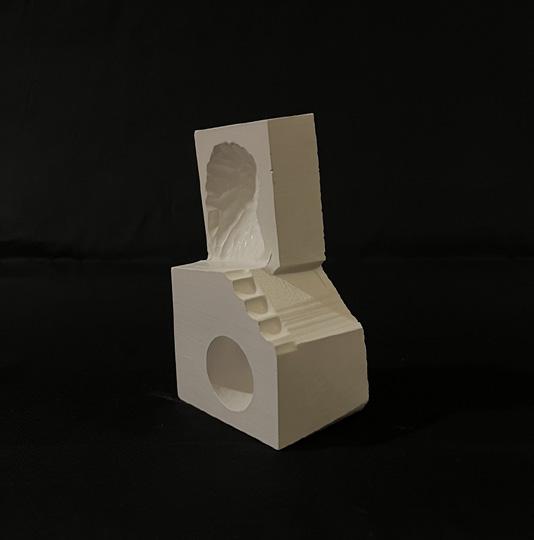
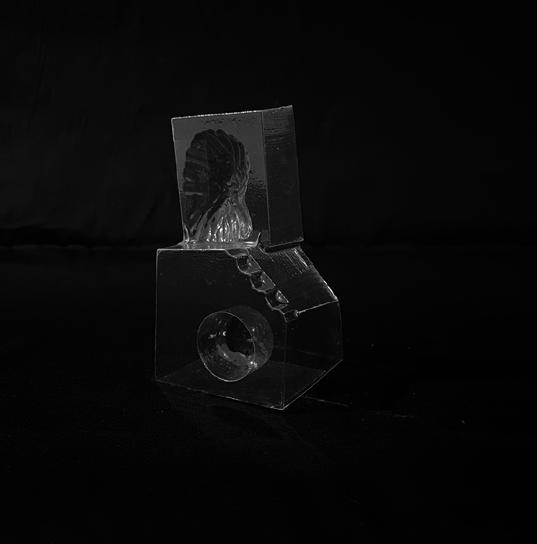
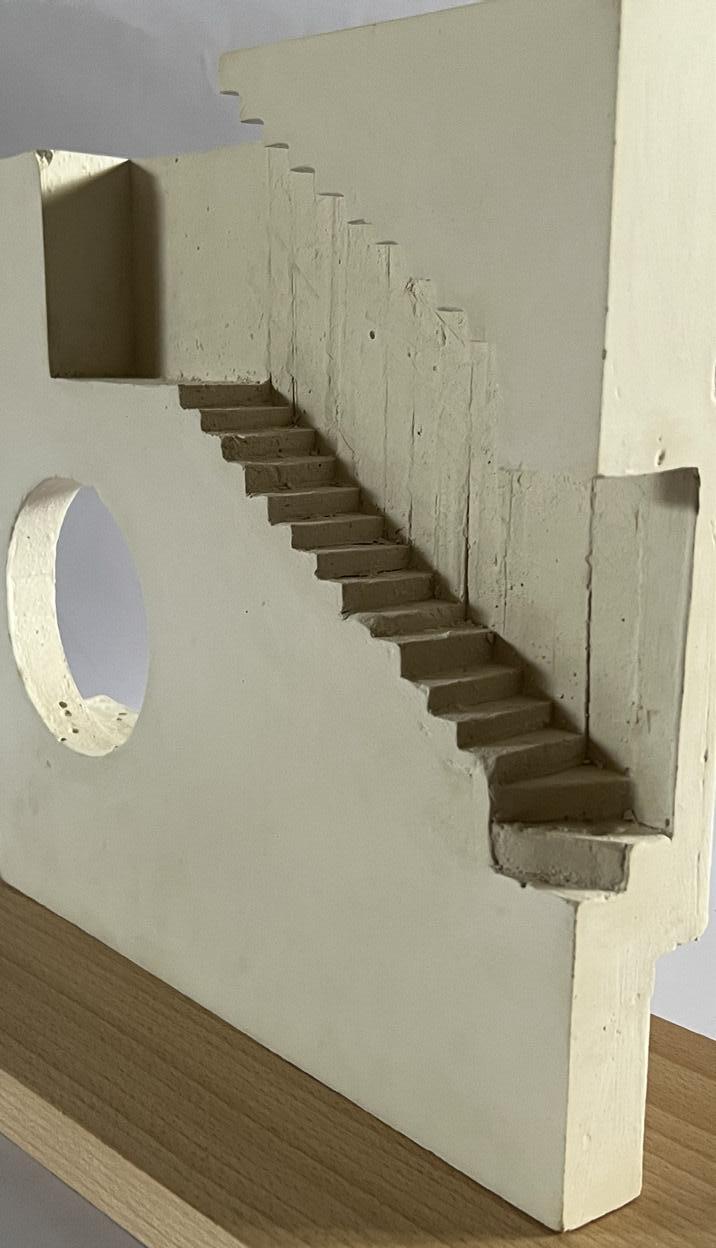
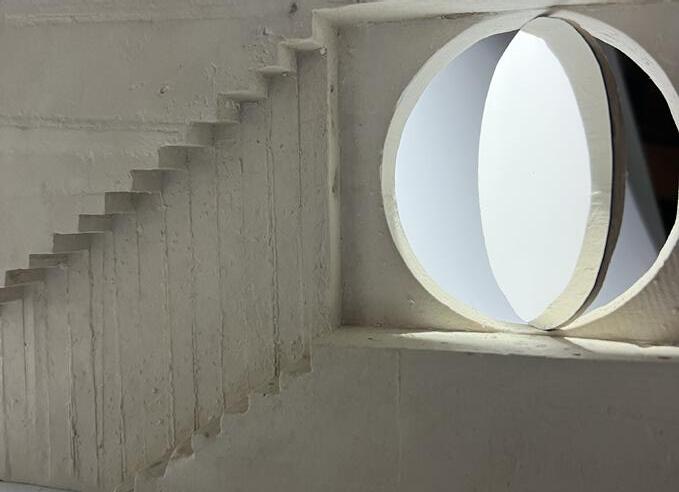
1:20 threshold model inside
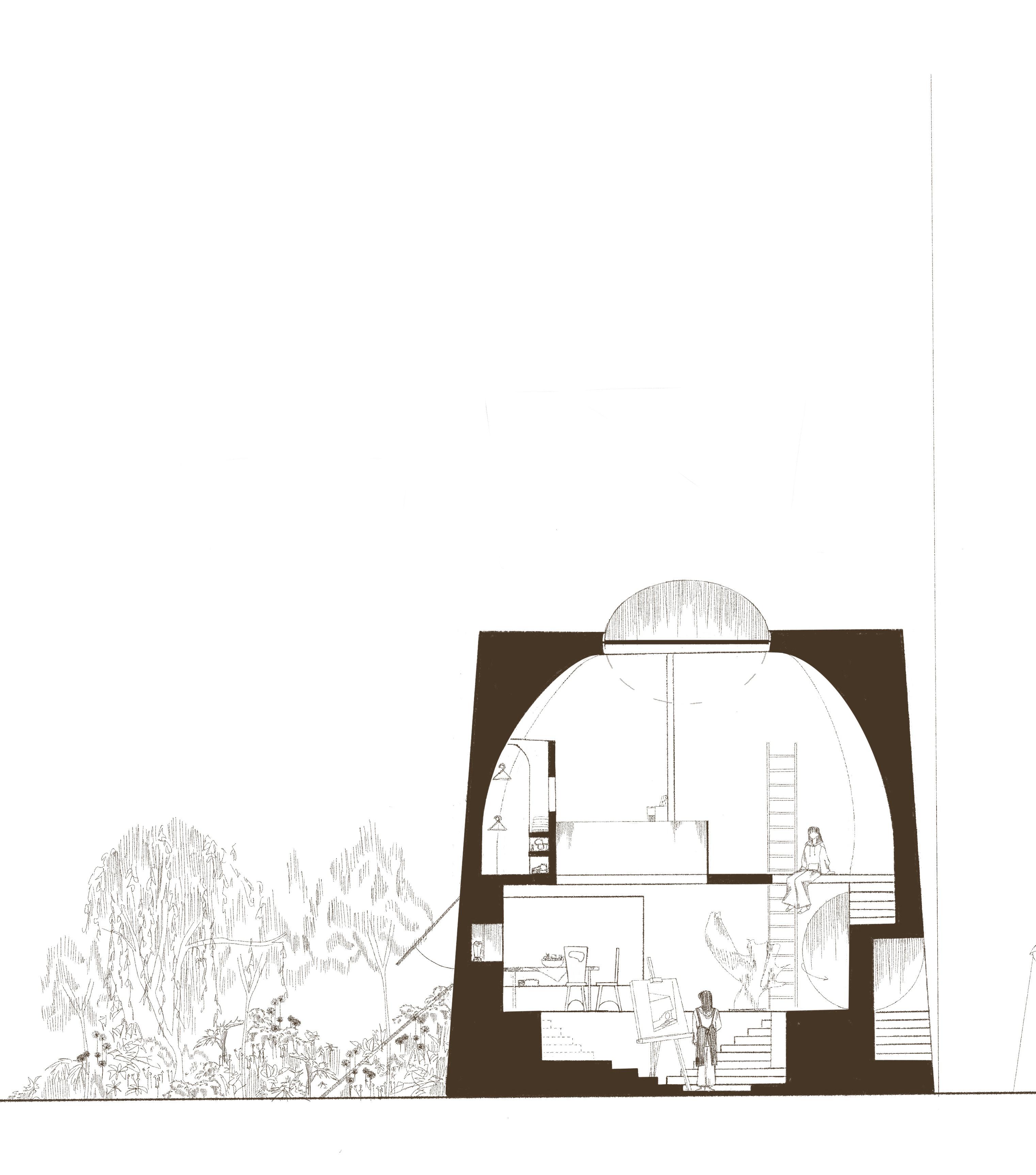
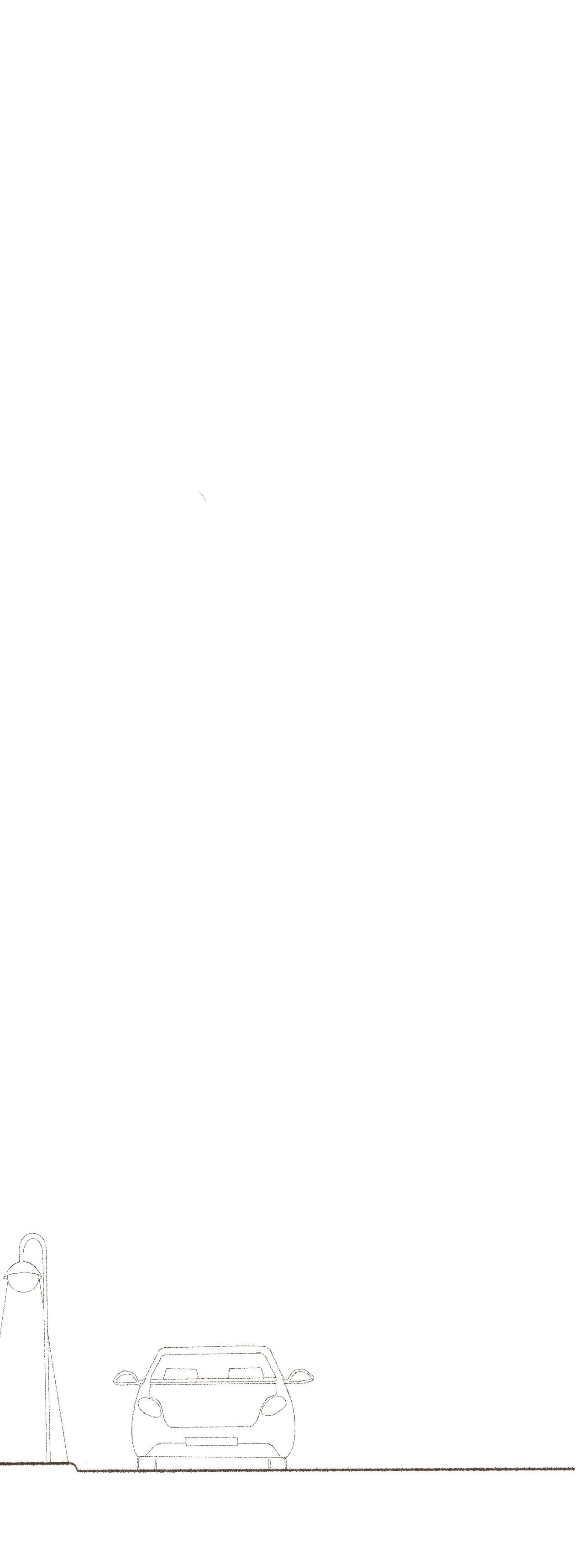
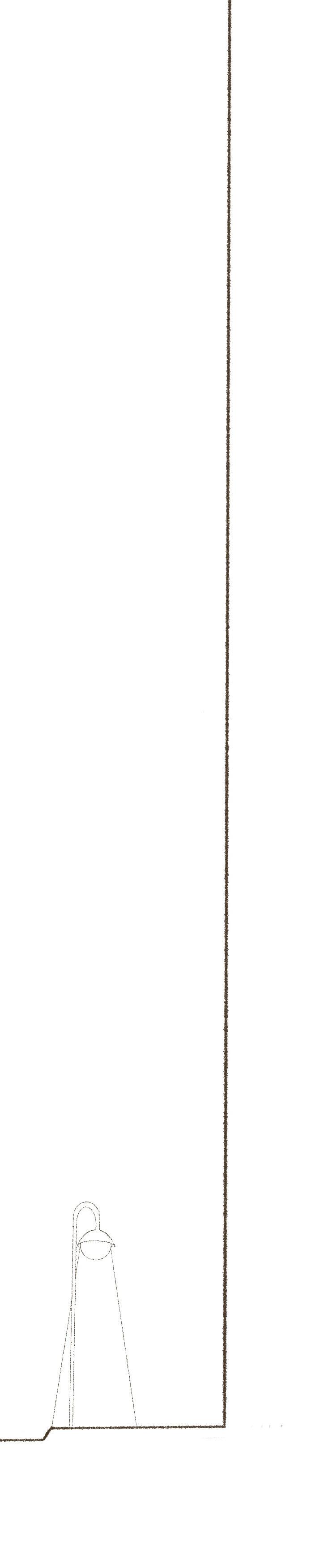
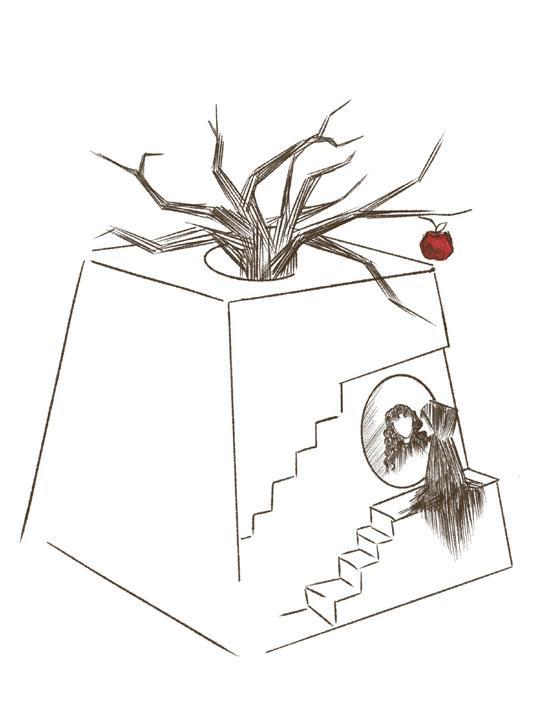
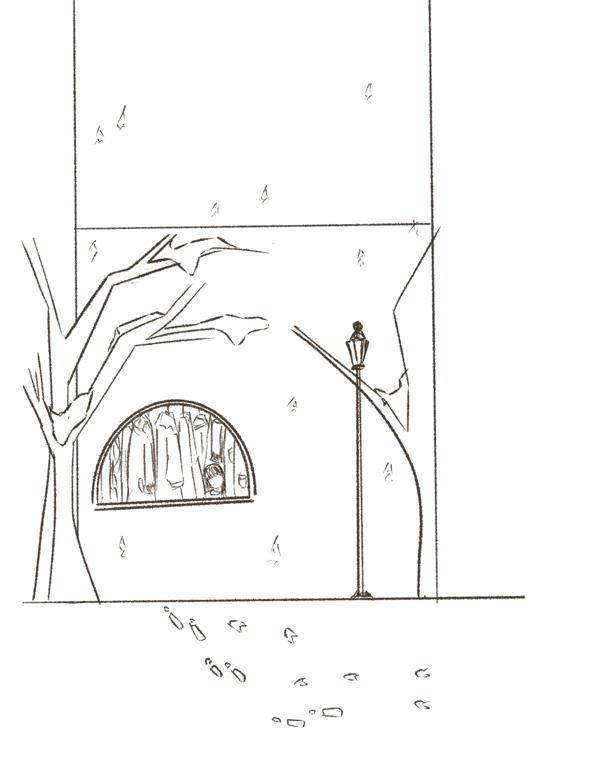
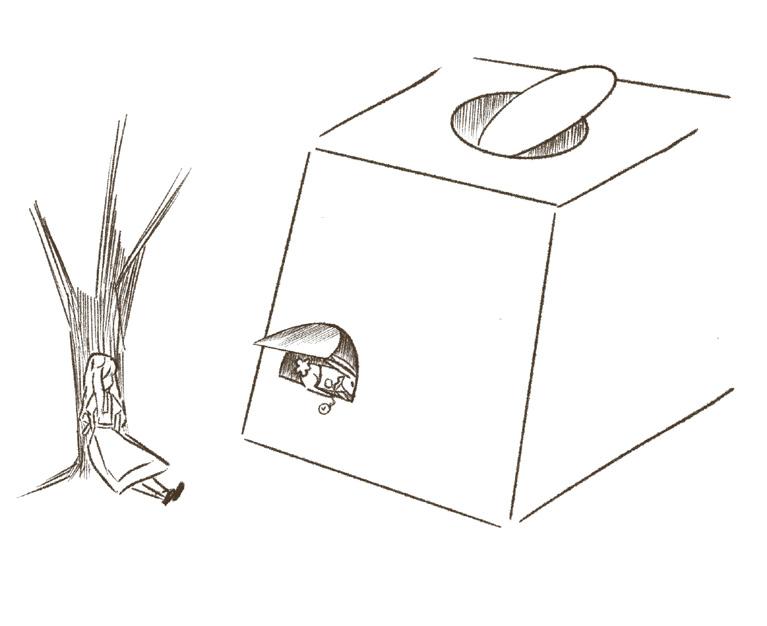
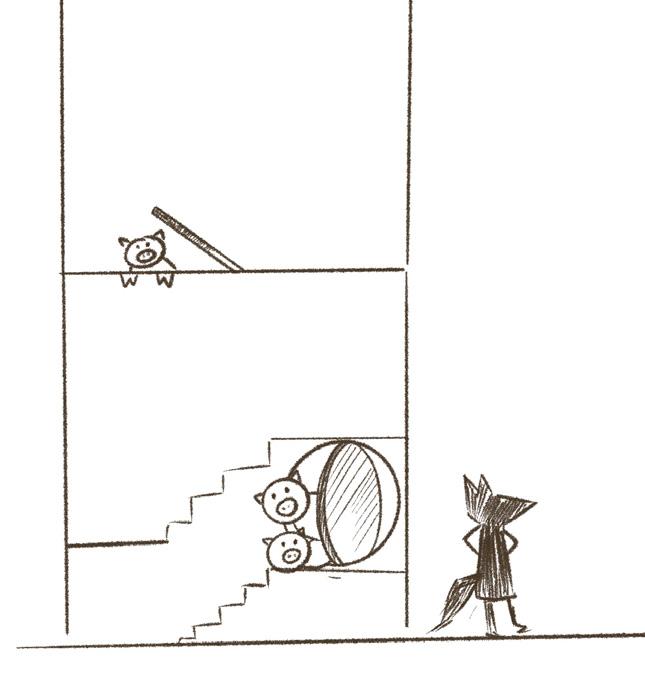
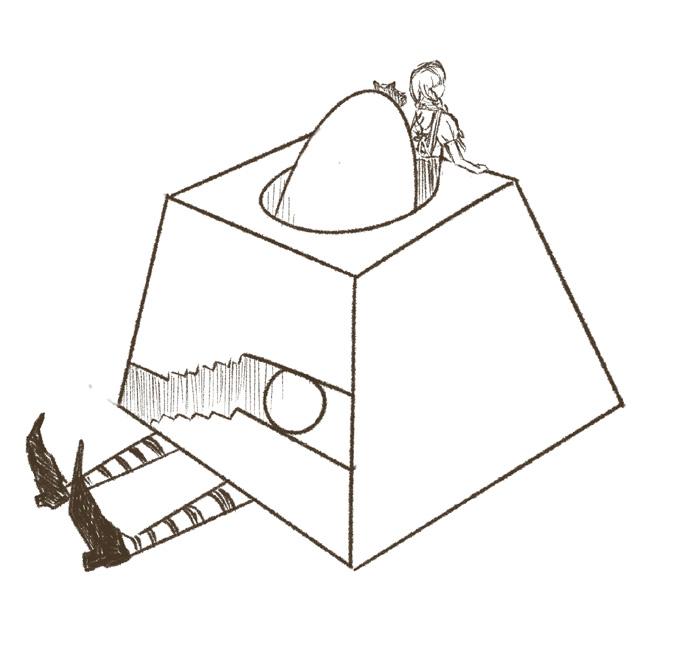
drawings from once upon a time
a space for: dreaming and drinking food and art
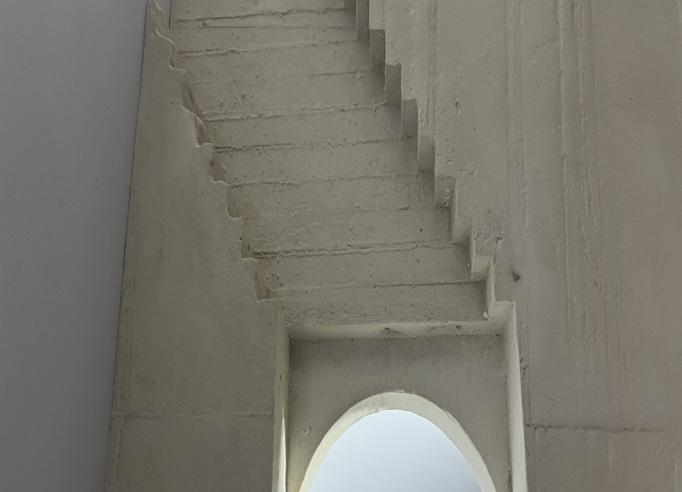
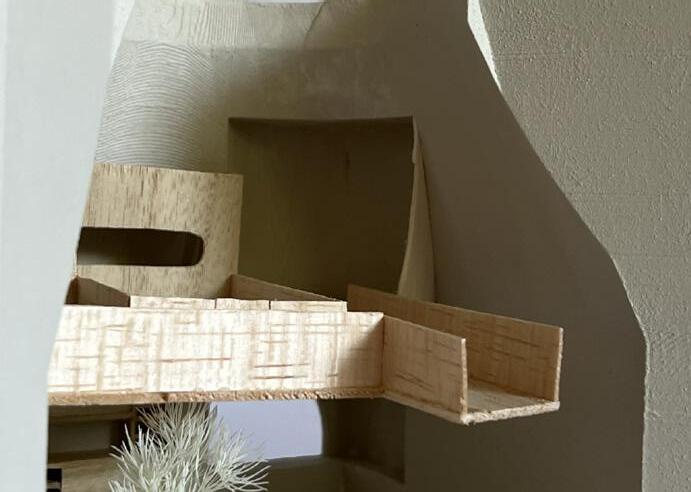
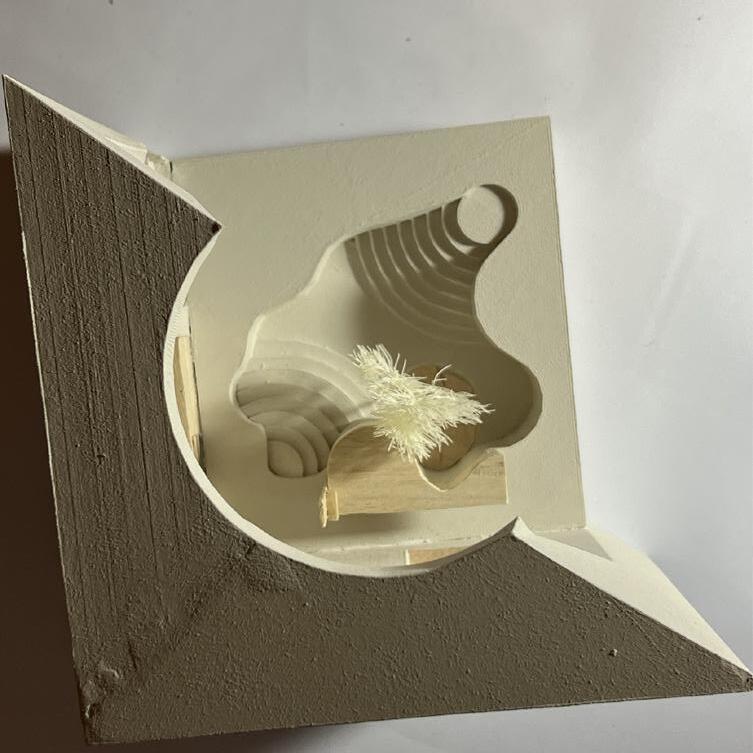
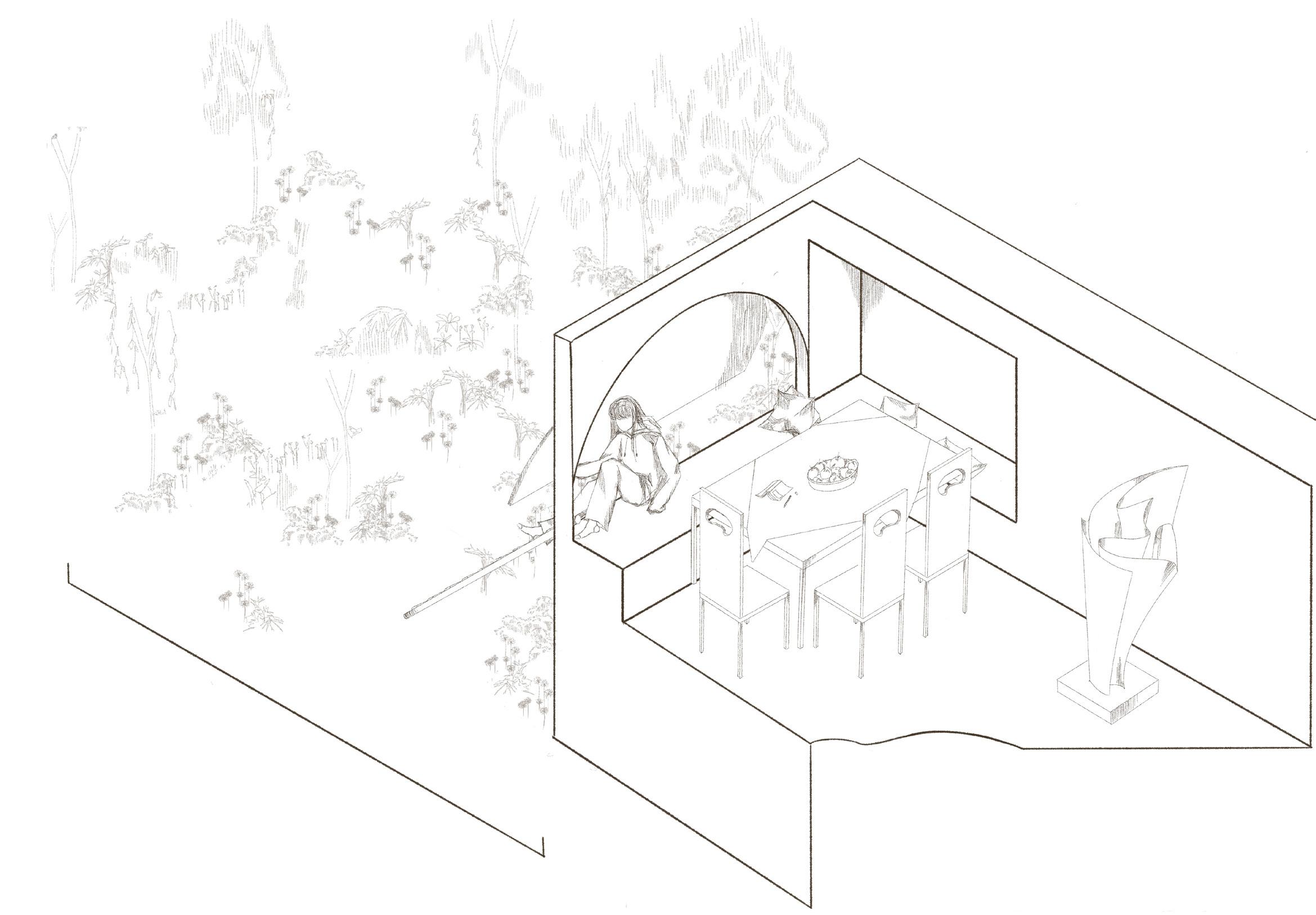
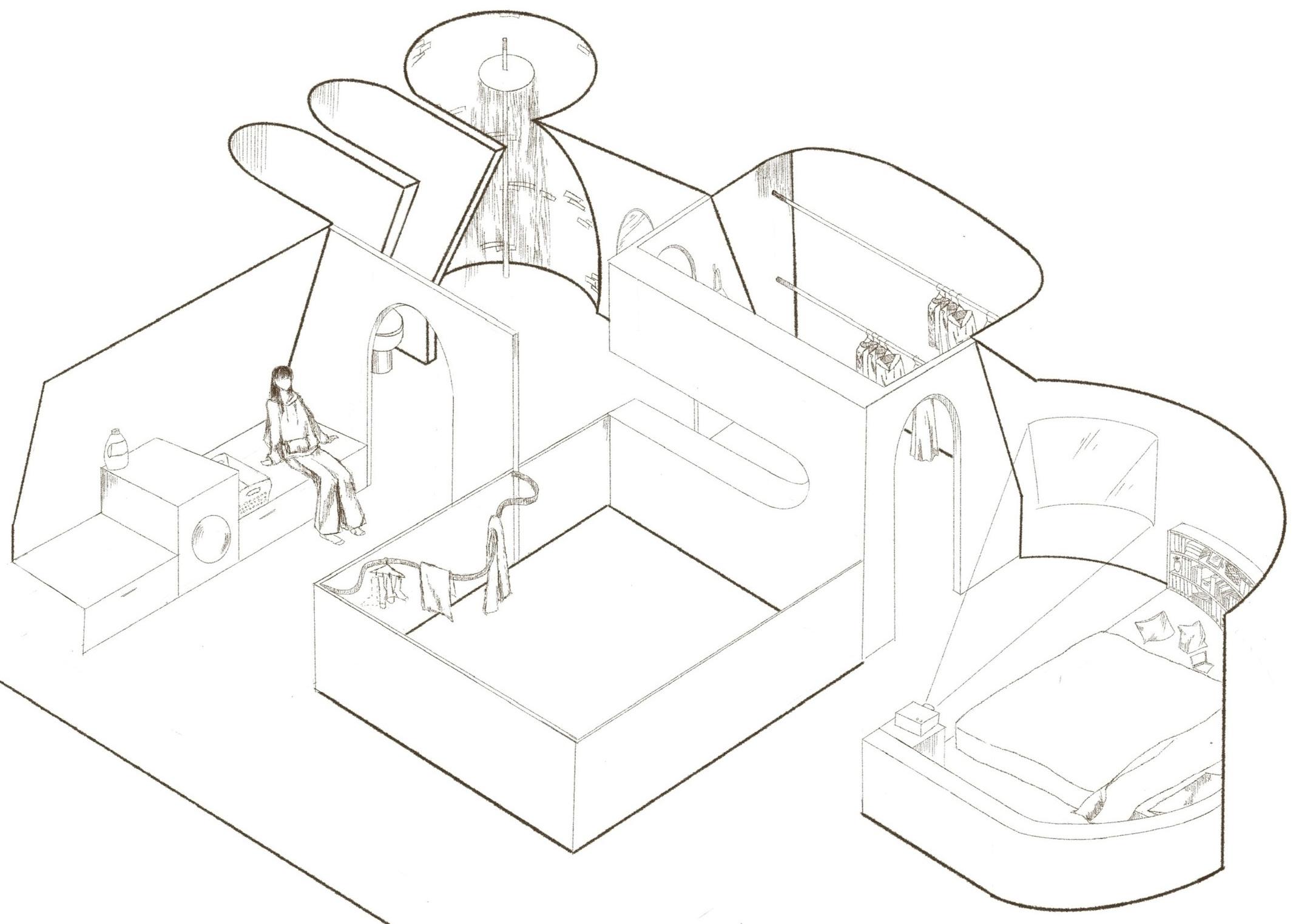
(above) a space for: washing and moon watching showers and storages sleeping and reading
(below)
a space for: working and cooking pets and plants

experimental‘theatre’foracurious visitor
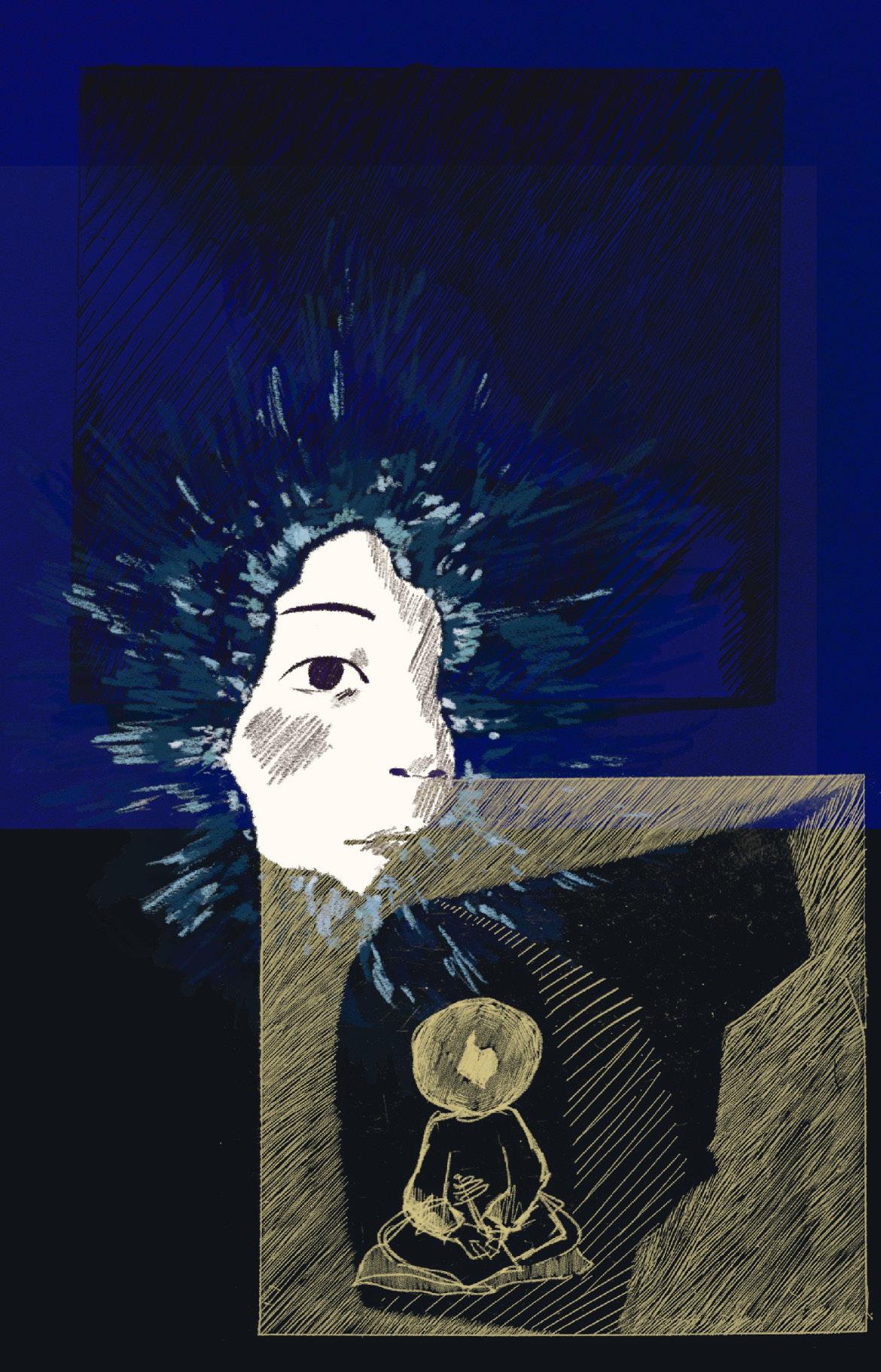
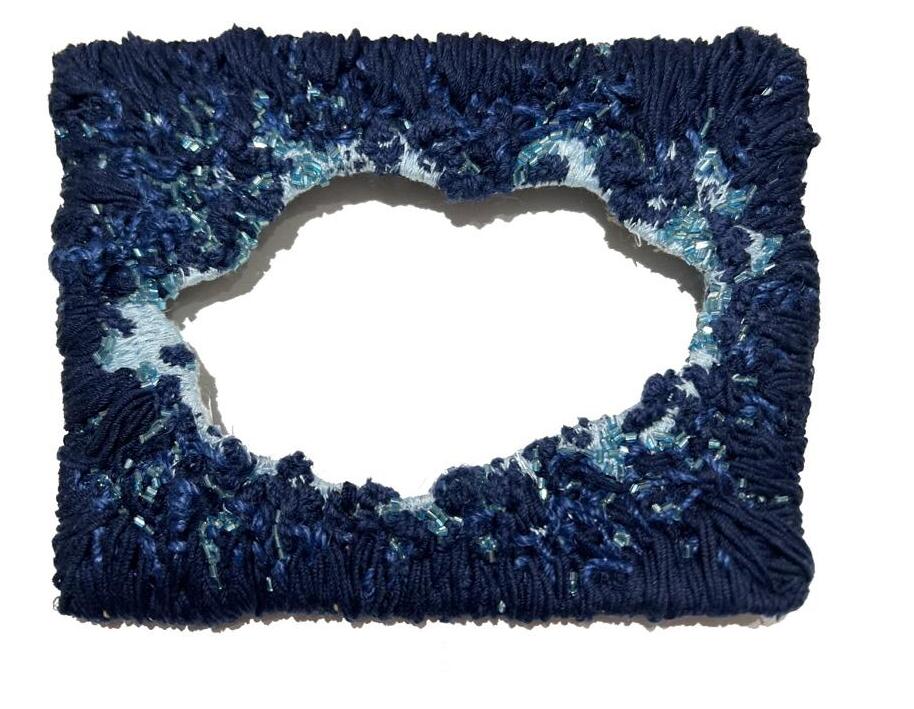
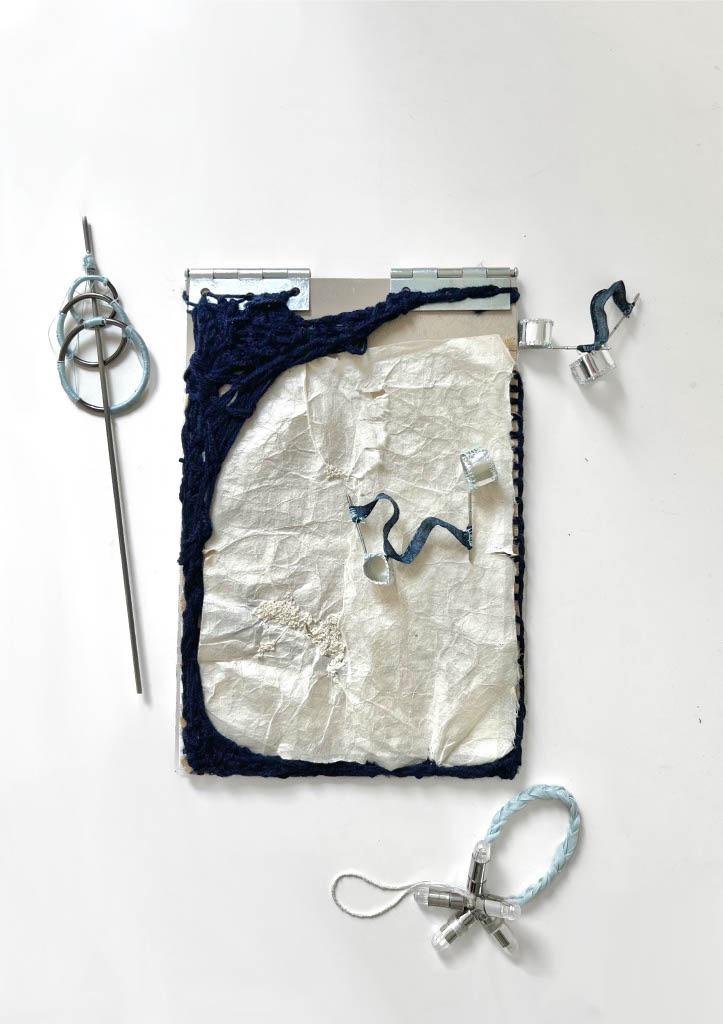
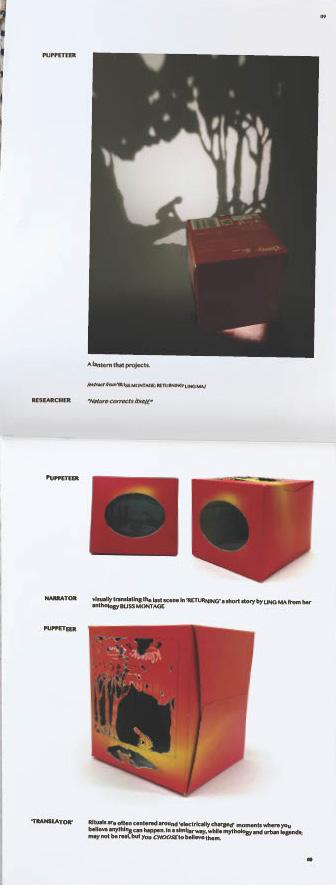
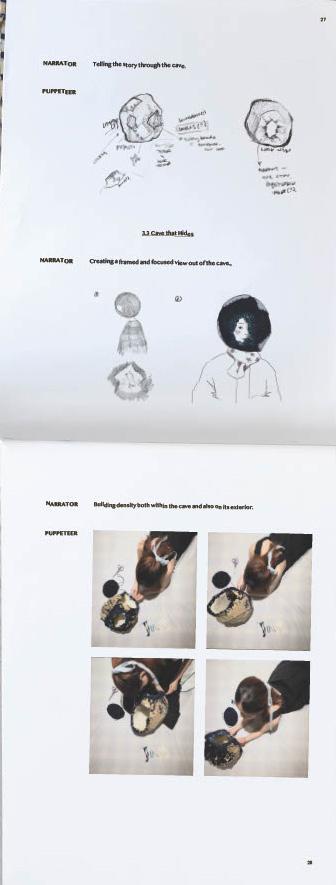
With a focus on experimental play, this project stages ‘a play’ that utilises the components of our individual toolboxes for storytelling; assembling, collaging and stringing together new transcriptions of the spaces around us.
extractfromexhibitioncatalogue:
In times past, we spun tales huddled by the fire, watching their shadows weave unscripted plays against cave walls. And as unwitting storytellers, the ‘cave’ in our minds take on roles of ‘theatre’, ‘shelter’, and ‘mask’. Ceaselessly projecting the narratives we tell ourselves, the overlayed stories reflect the disjunction from translating between the external world and our internal conscious. ‘The Light that Hides’ chronicles the journey of an ingenuous light confronting her reality. In bringing the story into the physical realm as a portable ‘cave’ and a set of toy-like characters, the curious visitor is invited to exteriorise their internal act of untangling the tale’s threads through motions of play.
As the documentation of a story in the act of being told, this project was part of a ‘winter solstice’ exhibition titled:
Excerptfrom Honours Dissertation Proposal
Flavio Martella and Atxu Amann Alcocer, “An Emergent Housing Approach: The Bedroom as the Contemporary Minimum Living Cell,” Home Cultures 18, no. 3 (September 2, 2021): 244-5; Beatriz Colomina, “The 24/7 Bed: Privacy and Publicity in the Age of Social Media,” in Howto Relate:Wissen,Künste,Praktiken/Knowledge, Arts,Practices , ed. Annika Haas et al. (transcript Verlag, 2021), 189–204.
Zahra Nasreen and Kristian. J. Ruming, “Shared Room Housing and Home: Unpacking the HomeMaking Practices of Shared Room Tenants in Sydney, Australia,” Housing,TheoryandSociety 38, no. 2 (March 15, 2021): 162.
Martella and Amann Alcocer, “An Emergent Housing Approach,” 230.
Ibid, 245.
Francesco Spanedda and Maaeo Carmine Fusaro, “The Flipped House and the Bubble. Domestic Space in the Time of Coronavirus,” City, Territory and Architecture 9, no. 1 (November 7, 2022): 35, haps://doi.org/10.1186/ s40410-022-00173-2.
Nasreen and Ruming, “Shared Room Housing and Home,” 152.
Martella and Amann Alcocer, “An Emergent Housing Approach,” 231.
Nasreen and Ruming, “Shared Room Housing and Home,” 154.
Between a general concern for the increasing cost of housing and an emerging importance to role of the bed and the bedroom within the house,1 the proposed research is concerned with understanding the capacity for furnishings – as a form of material resource – to negotiate notions of home and domesticity.2 Therefore, in an age where “beds and couches have become look-alikes,” and our understanding of the house is being reevaluated in tandem with our concept of the ‘family unit,’ via the typology of the sofa-bed, this research aims to answer questions of agency within Sydney’s domestic arrangements.3 Thus, through tracing and analysing the use of sofa-beds across Sydney’s theoretical and archival past, we may begin to further understand our changing domestic needs.
Despite its relative lack of theorisation in architecture, the ‘bed’ and its “slow convergence” with the ‘sofa’ is nevertheless present as an actor in the discourse on our ever-changing relationship with the domestic.4 Though exacerbated in the wake of the pandemic’s forced intrusion into the private domain – exposing the bed’s intimacy to the publicity of work – these changes in the function of beds track a broader shift in our architectural understanding of the domestic.5 Additionally, as urbanisation continues to increase the demand for adequate housing, architecture faces a question of how it ought to adapt to these new domestic practices and lifestyles. This is particularly evident over the last decade in Sydney’s challenging housing market as it continues to see an increase in various sub-renting and cohabitation practices, particularly with non-related occupants. Out of necessity, residents may choose to adapt by adopting temporary or alternate “multi-layered sub-letting rental arrangements which lack formal protection.”6 Yet although various ‘spatial solutions’ currently exist, they rely on housing notions “designed for other [practices] which are traditionally more accepted and ... linked to longterm stays.”7 As such, research into the typology of the ‘bed,’ as a potential point of adjustment within shared-living arrangements, speaks to the current climate of architectural research around our changing domestic practices. Thus, lying at the intersection of a increasingly prevalent discourse around: co-living, rent, materiality, labour and rest, the liminality of the sofa-bed in particular presents itself as a unique area of research in supplement to current literature on the sustaining of home. 8