Blockchain: The Future of Buying and Selling Property
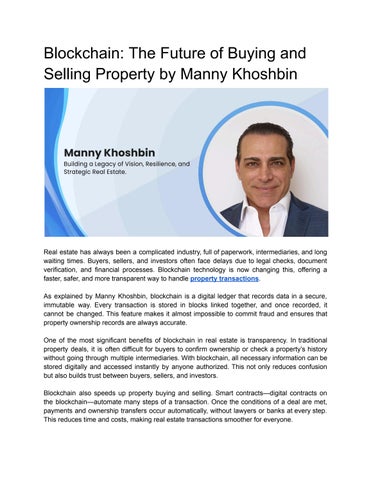
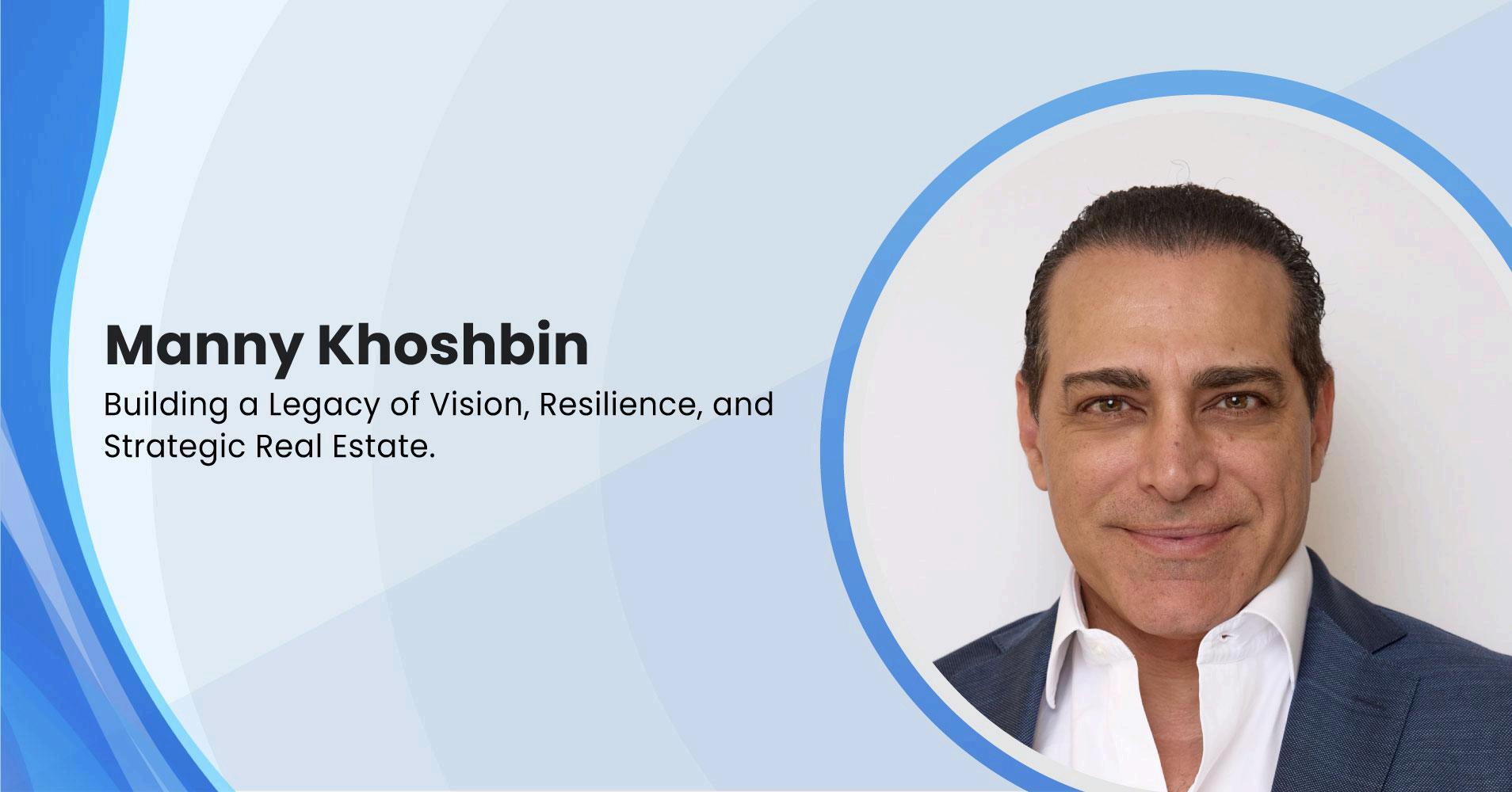
by Manny Khoshbin
Real estate has always been a complicated industry, full of paperwork, intermediaries, and long waiting times. Buyers, sellers, and investors often face delays due to legal checks, document verification, and financial processes Blockchain technology is now changing this, offering a faster, safer, and more transparent way to handle property transactions
As explained by Manny Khoshbin, blockchain is a digital ledger that records data in a secure, immutable way. Every transaction is stored in blocks linked together, and once recorded, it cannot be changed. This feature makes it almost impossible to commit fraud and ensures that property ownership records are always accurate
One of the most significant benefits of blockchain in real estate is transparency In traditional property deals, it is often difficult for buyers to confirm ownership or check a property’s history without going through multiple intermediaries. With blockchain, all necessary information can be stored digitally and accessed instantly by anyone authorized This not only reduces confusion but also builds trust between buyers, sellers, and investors
Blockchain also speeds up property buying and selling Smart contracts digital contracts on the blockchain automate many steps of a transaction. Once the conditions of a deal are met, payments and ownership transfers occur automatically, without lawyers or banks at every step This reduces time and costs, making real estate transactions smoother for everyone
Another exciting development is property tokenization By turning real estate into digital tokens, investors can buy a fraction of a property rather than purchasing it outright. This opens the market to smaller investors who previously could not afford to invest in real estate, creating more opportunities and increasing market participation.
While blockchain offers many advantages, it still faces challenges Legal recognition, regulatory compliance, and technology integration remain hurdles in some regions. However, pilot projects around the world show that blockchain can successfully simplify transactions, prevent fraud, and make property investment more accessible
Blockchain is set to change the way we buy, sell, and invest in real estate By offering transparency, security, and speed, it reduces the complexity of traditional transactions and opens the door for more people to invest in property. As adoption grows and technology matures, blockchain could become a standard part of real estate, making property deals simpler, safer, and more efficient for everyone involved.