















President & CEO
Jeff Mann
Editor
Penelope Herrera
Editorial Consultant
Debra Hazel
Associate Editor
Rose Leveen
Communications Director
Penelope Herrera
Graphic Designer
Sophia Nath
Cover Image Credit
Isaiah Gill
Digital & Social Media
Sophia Nath
Kristen Pooran
Penelope Herrera
Director of Newswire Division
Kristen Pooran
Art Consultant
Avalon Ashley Bellos
Contributing Travel Editor
Merilee Kern
Aspen
Durée Ross



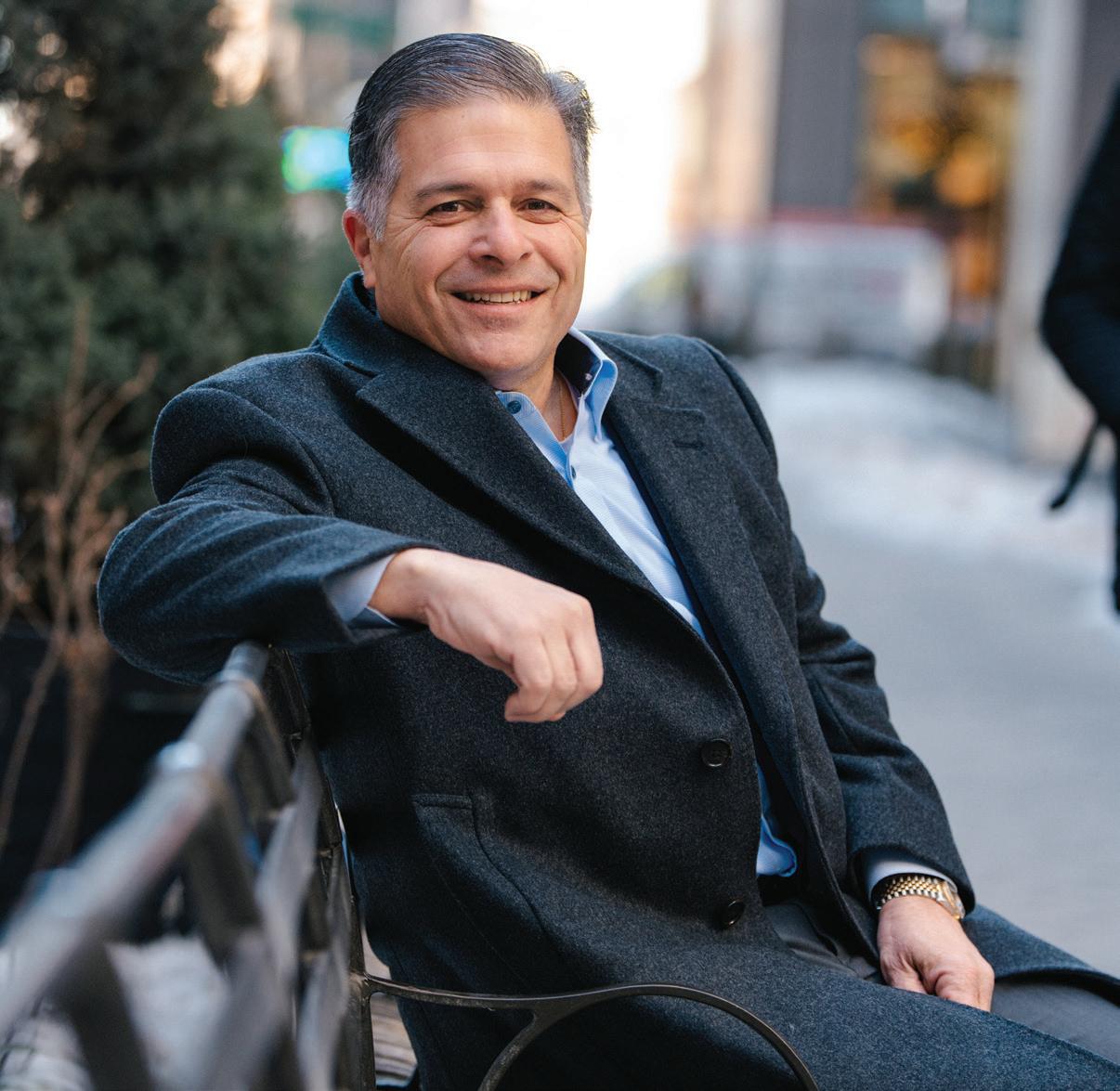
Frank Grimaldi, Gordon Brothers: Commits for the Long Haul
International Fashion Editor at Large London, NYC, Paris
Sofie Mählkvist
Technology Consultant Eric Loh
Distribution Mitchell’s Delivery Service
West Coast Consultant Daniella Platt
Event Producer Arthur Mandel, Nolcha
East Coast Offi ce 450 Seventh Avenue Suite 2306
New York, NY 10123 (212) 840-MANN (6266)
West Coast Offi ce 578 Washington Blvd Suite 827
Marina Del Rey, CA 90292 (866) 306-MANN (6266)
Merging the worlds of fashion, art, real estate and philanthropy, Mann About Town delivers cutting-edge lifestyle content to New York and beyond.

After more than three decades in publishing and a lifetime growing up in a family deeply rooted in the fashion and real estate industries for the past 100 years and counting, I can honestly say that this is one of the most compelling publisher’s notes I have ever written.
Frank receiving the humanitarian award from National Jewish Health is long overdue, and being honored by the National Jewish Health makes it even more meaningful. I have been close friends with Lisa Tadiri for over 20 years and during that time I have supported, promoted and championed National Jewish Health in any way I can. It is an organization that stands in a class of its own, and this recognition feels incredibly personal.
Gordon Brothers has been in business since 1903 and their accomplishments are nothing short of monumental. What truly sets them apart is their unwavering commitment to philanthropy and to people. Frank Grimaldi and Christopher Carmosino embody that culture. Chris gave Frank the opportunity and Frank rose to the moment—something that speaks volumes about both of them. Their philosophy is simple, yet powerful: teamwork makes the dream work.
The way they run a business and treat their employees reflects the values that my father instilled in me growing up. Respect, loyalty and humanity matter. Unfortunately, that’s not something you see everywhere today. Frank understands legacy—not just building one but honoring it by putting others first. My father used to say, “It’s not who you know, but who knows you.” This edition of Mann About Town is a testament to that belief and to Frank.
At lunch with Frank at Arno’s, we spoke about Jim Valvano’s famous words. Jim and I were high school basketball rivals and stayed friendly up until his passing. He said, “If you laugh, you think, and you cry, that’s a full day. That’s a heck of a day.”
I’ll take it one step further: If you laugh, you think and you cry, that’s a hell of a life.

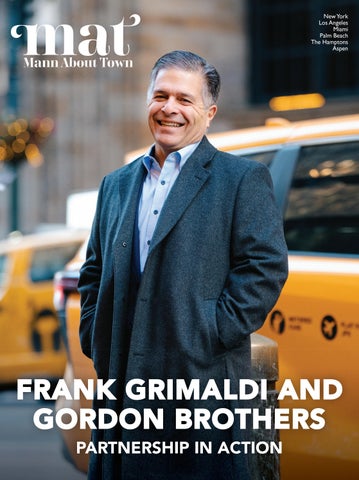
It is truly an honor to feature Frank Grimaldi as our cover story, and kudos to Chris for being such an incredible mentor. Frank is warmth and class personified, a pleasure to be around, a natural leader and someone who genuinely understands what it means to carry a legacy forward. I feel blessed to know such a special person and to celebrate a true class act.
Frank, you’ve done it. God bless you and your family. Your success is well earned and deserved.
“We must not merely will our neighbors good but actually work to bring it about.”
― Thomas Aquinas






Readers!
Welcome to the last wave of the winter— although who knows because it’s been a stormy ride. In the midst of it all though, we have our consistent, enjoyable, worth-reading content.
On the cover we have Frank Grimaldi, who is the senior managing director, North American sales manager, valuations at Gordon Brothers, responsible for developing and maintaining client relationships throughout North America. He’s not just a businessman, but relational, having family and philanthropy at his core.
It is always important to keep philanthropy in mind, and NATAL reminds you of that as well as Nancy Davis with her Multiple Sclerosis experience.
Now for fashion—since most of us are trying to switch up from the currently prevalent winter wardrobe—you will see hints of Spring/Summer collections to get us excited for the warming days to come. Be on the lookout for the collections from Juana Martin, Gant, Christian Louboutin and PacSun. And for those nights out, timeless eveningwear—there is Alexia Maria bringing elegant sophistication to the people. And if you want strikingly bold accessories, Serpentis is calling you with a slither and a hiss.
If you need some unwinding but not trying to leave New York City—or you want to come here—try Tempo, a Hilton experience to slow down the city. If you want a similar slow paced experience, but on another continent, Faro Punta Imperatore in Italy provides the exclusion and modern comforts for you, and Don Totu has an intimate and private retreat. If you want active activities, Cabo Real Surf Club in Mexico will provide the warmth and fun to do so.
Reel it back in for a bit, because let’s not forget that dining in New York is always an experience—usually of delightful options to feast on and settings to marvel in. Try omakase at Sushi Beauu and New American eats at Leslie.
It’s time to start reading! There is much to get caught up on, learn about and relish.
See you in the next issue!






$800+ Million Originated. Built for Bor rowers.





Integritas Capital was built to serve independent sponsors. As developers and operators, we understand the needs of builders and owners.
Founded by Stephen Palmese, the firm leverages two decades of brokerage relationships, development, and real estate lending


In the last 18 months, Integritas has originated $811 million in loans, financing adaptive-reuse, construction, and transitional projects.
Disciplined underwriting underpins our selection process across our robust pipeline.
We deliver professionalism: speed, structure, and certainty to close. We back independent sponsors with institutional execution


Loan sizes typically range from $25 million to $300 million


With over 75 years of experience and deep understanding of industry challenges, IDB’s Commercial Real Estate team supports property owners, developers and builders across every type of financing requirement. We can help you keep pace with changes in the marketplace, while maintaining high credit quality levels and providing the personalized service, efficiency and flexibility to fit your specific needs.
For more information about financing solutions that meet your specific needs, visit idbny.com.






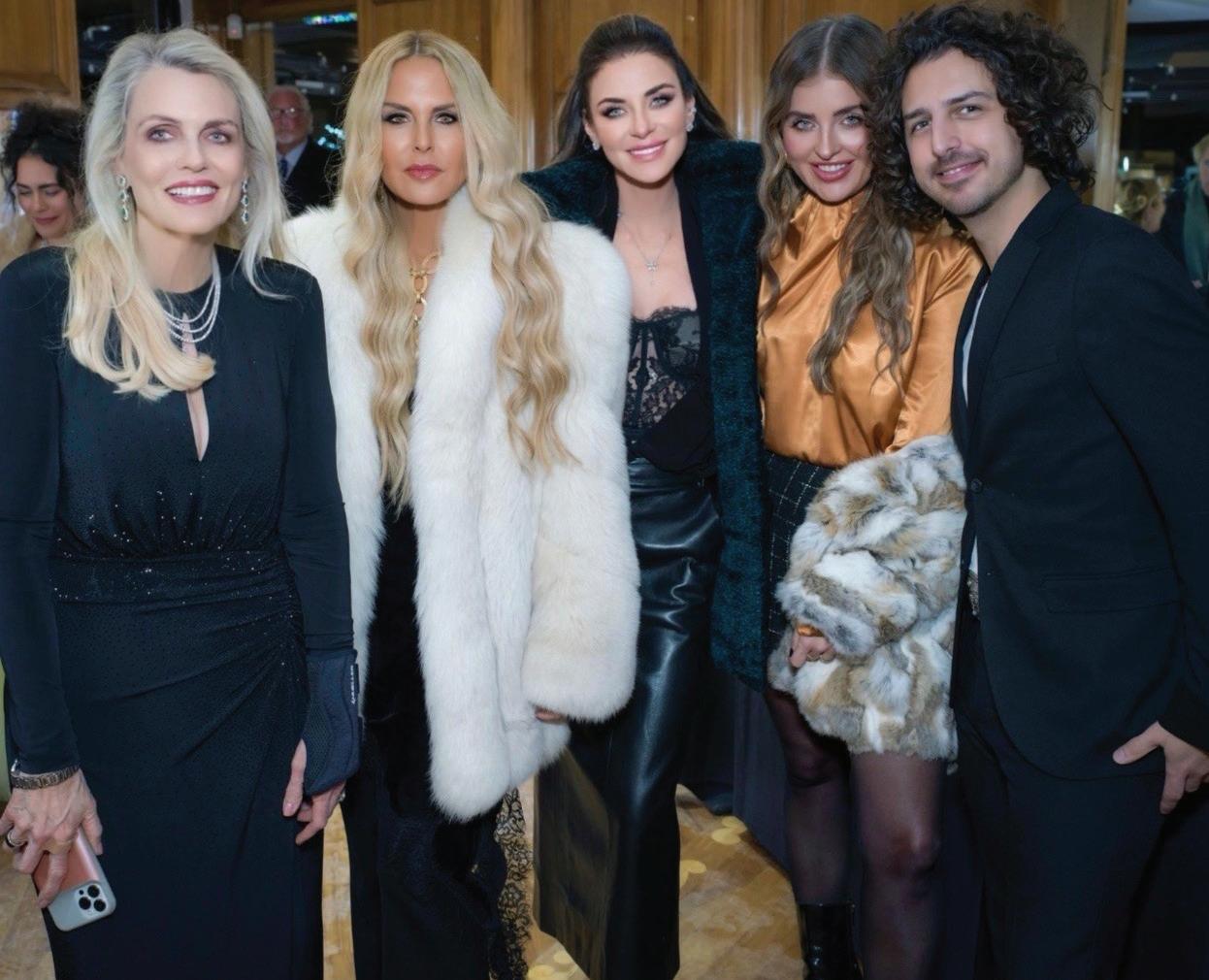
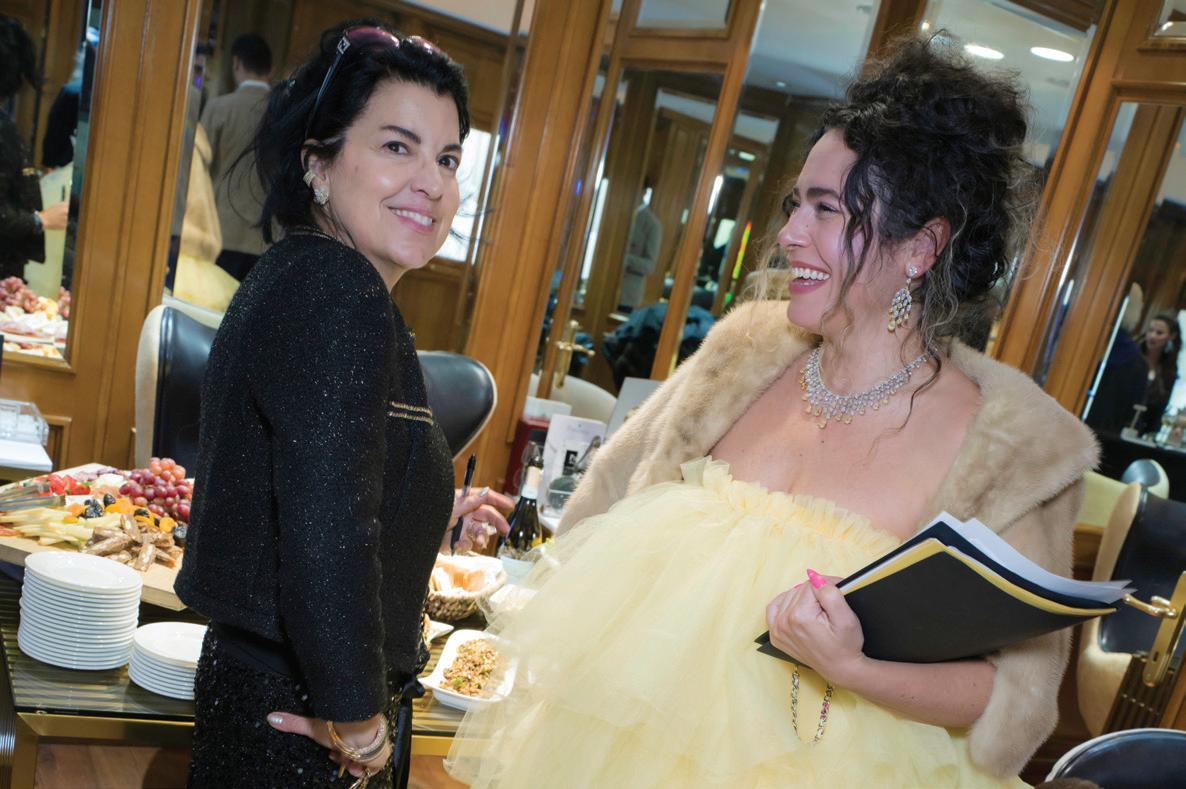
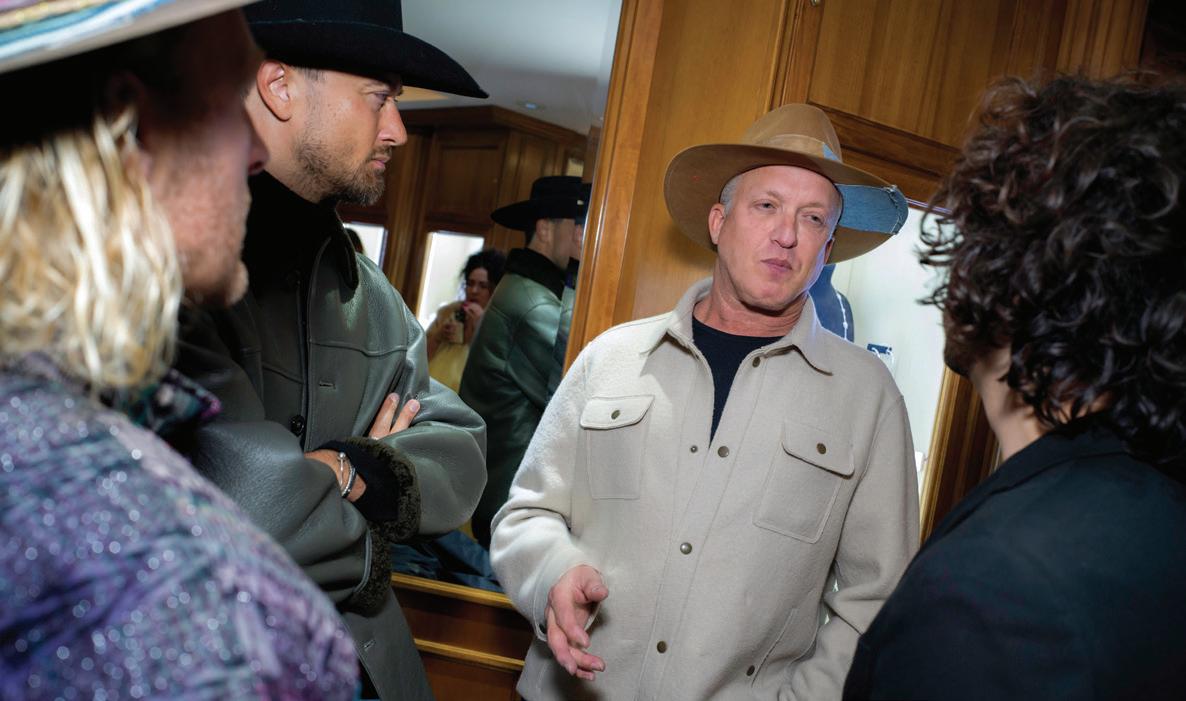
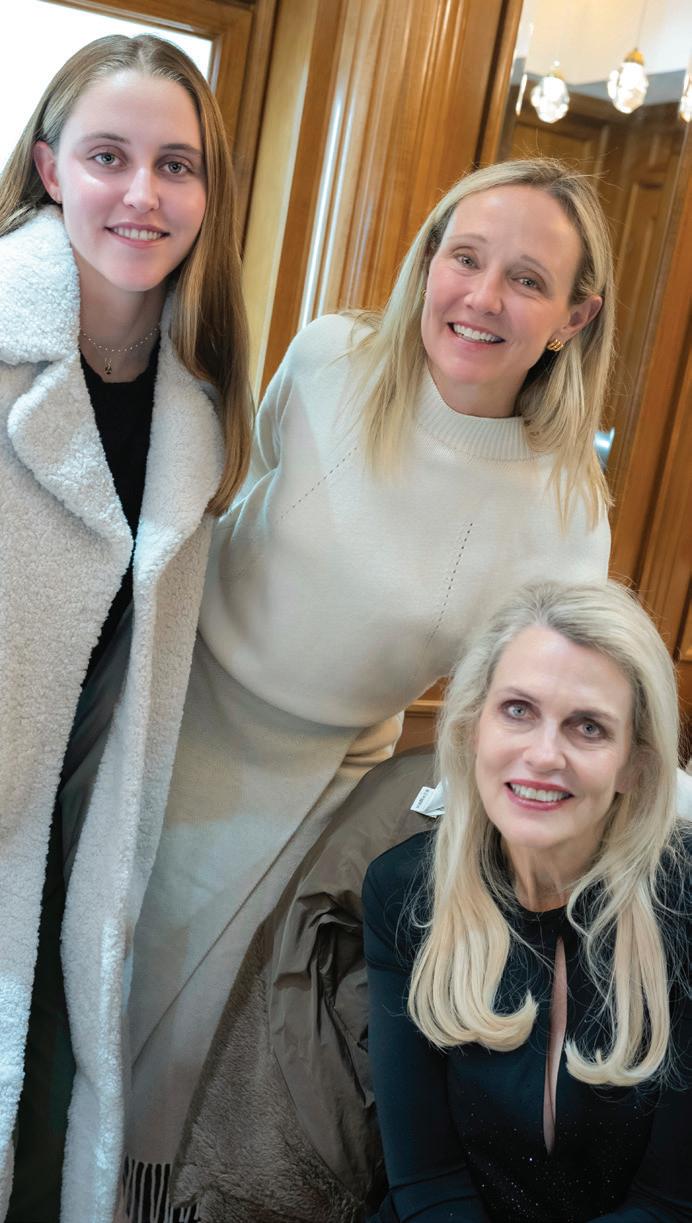
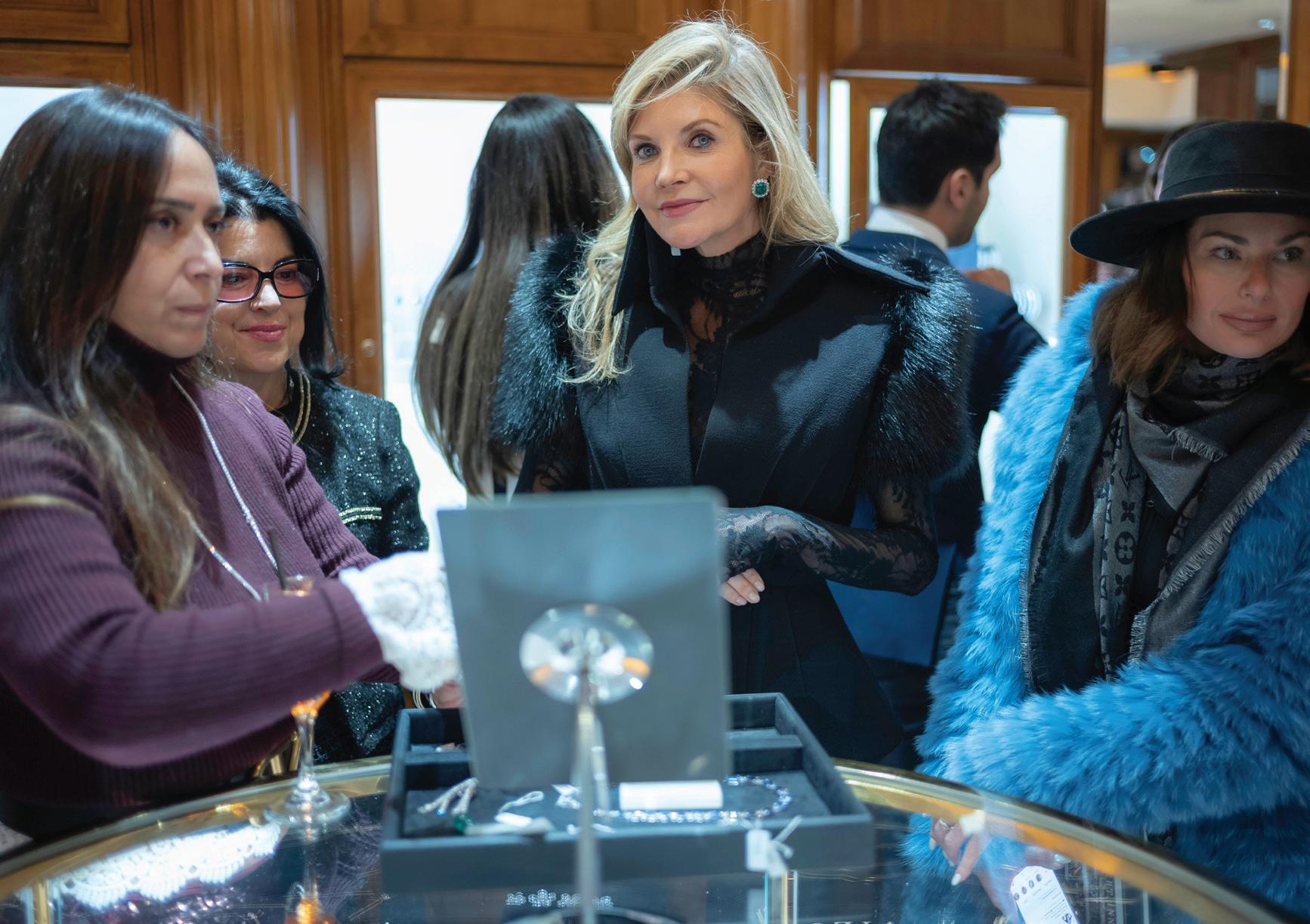
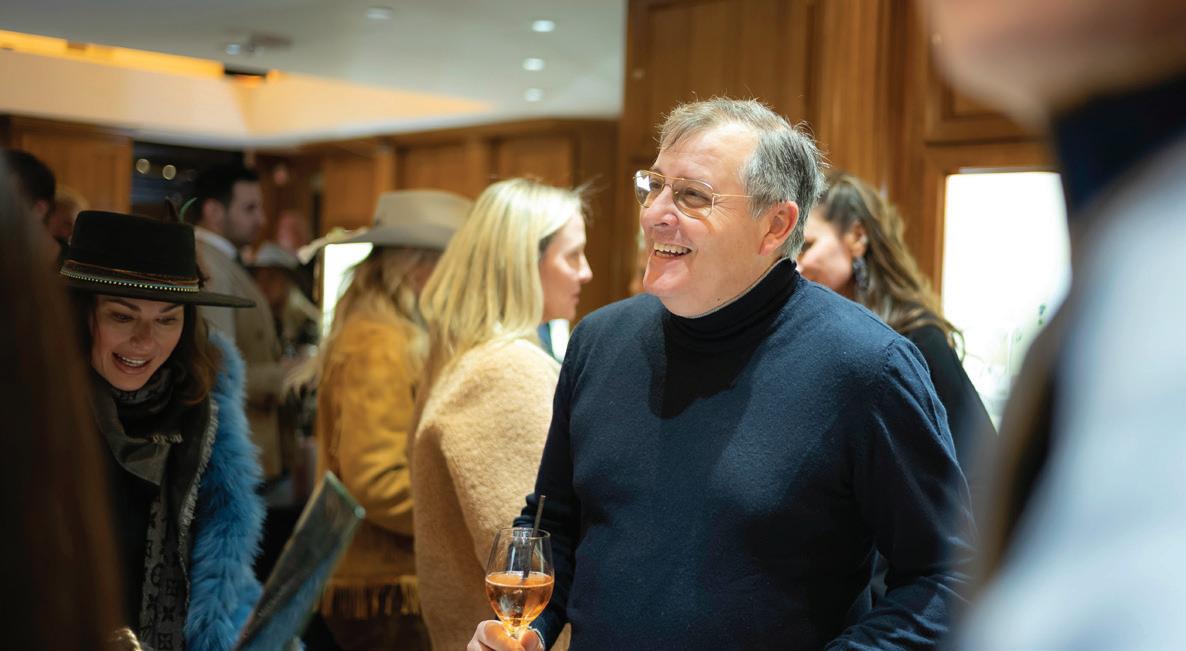
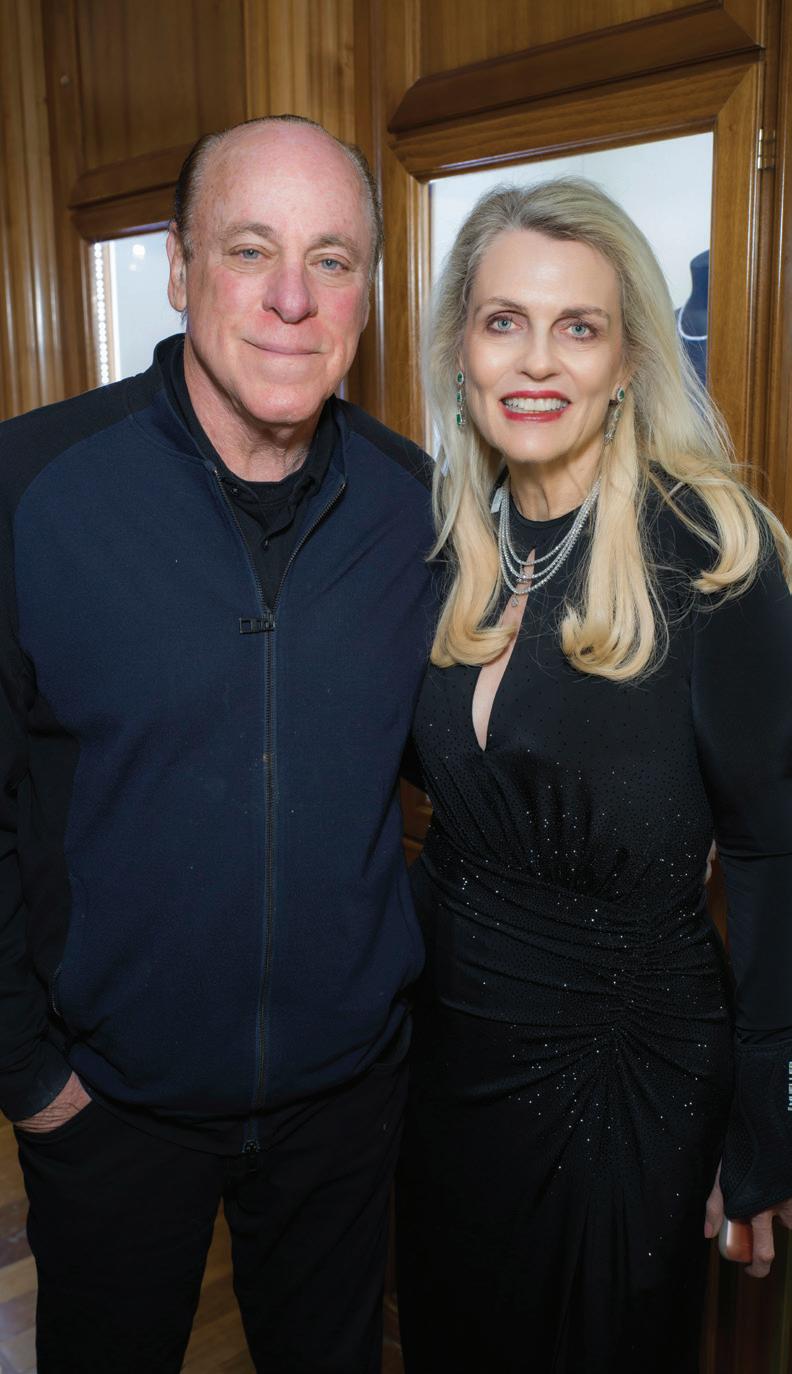
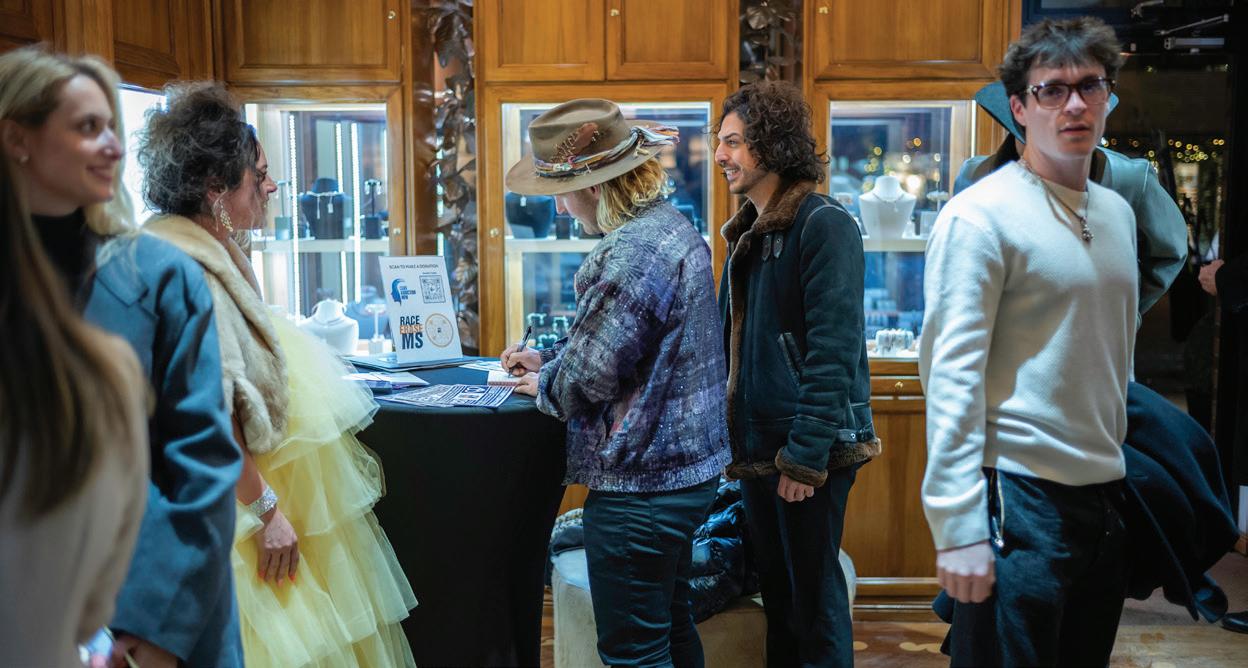
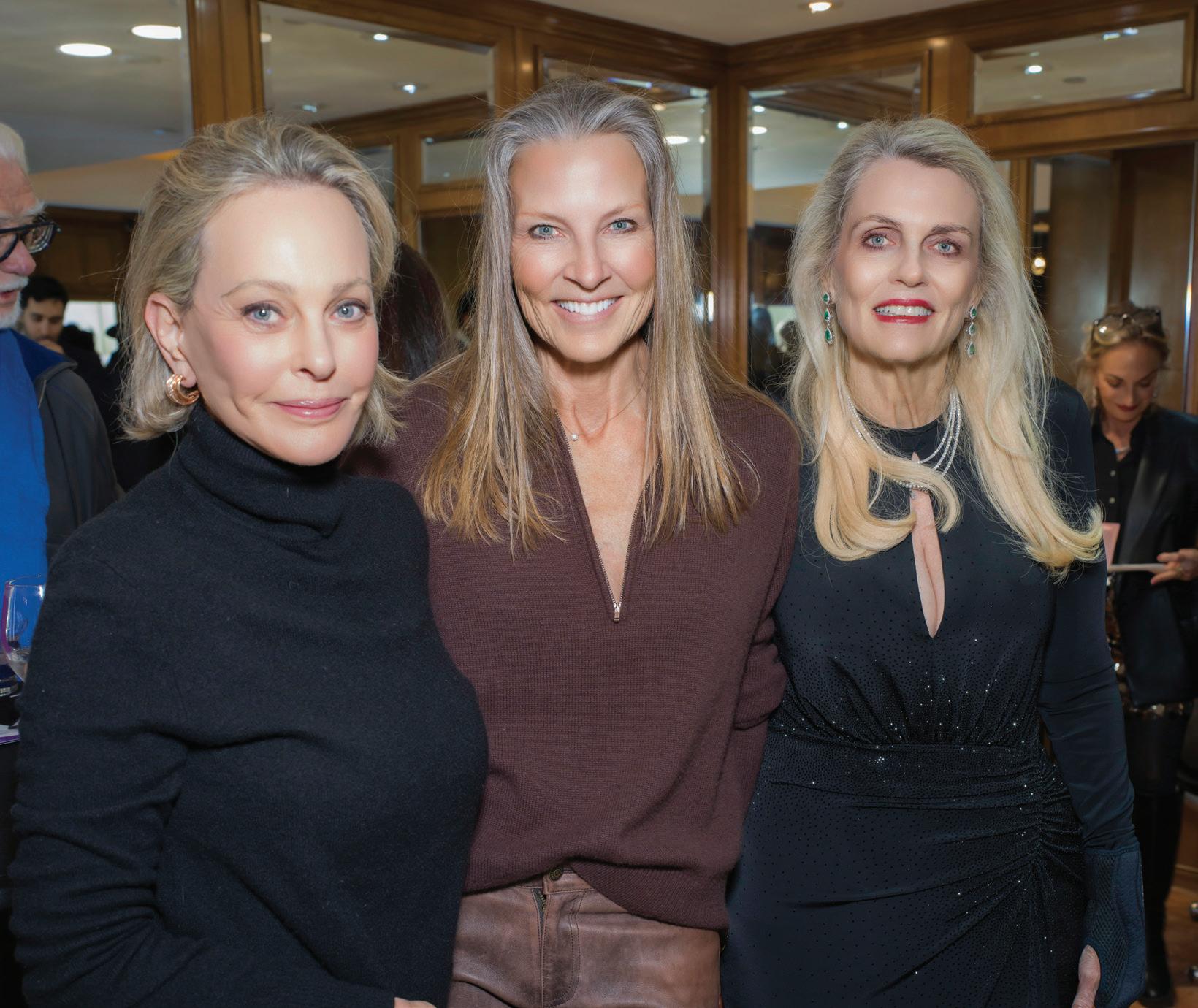
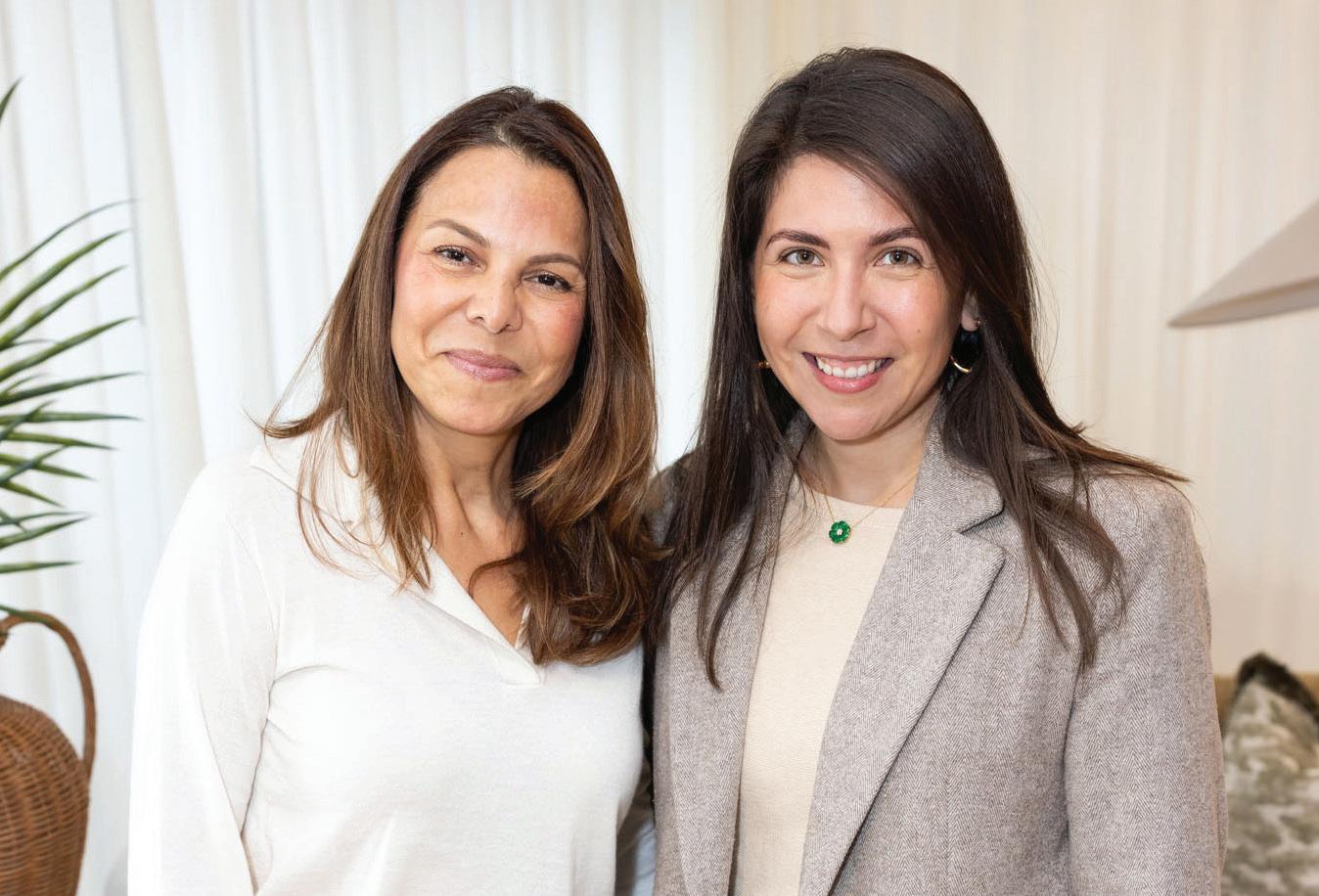
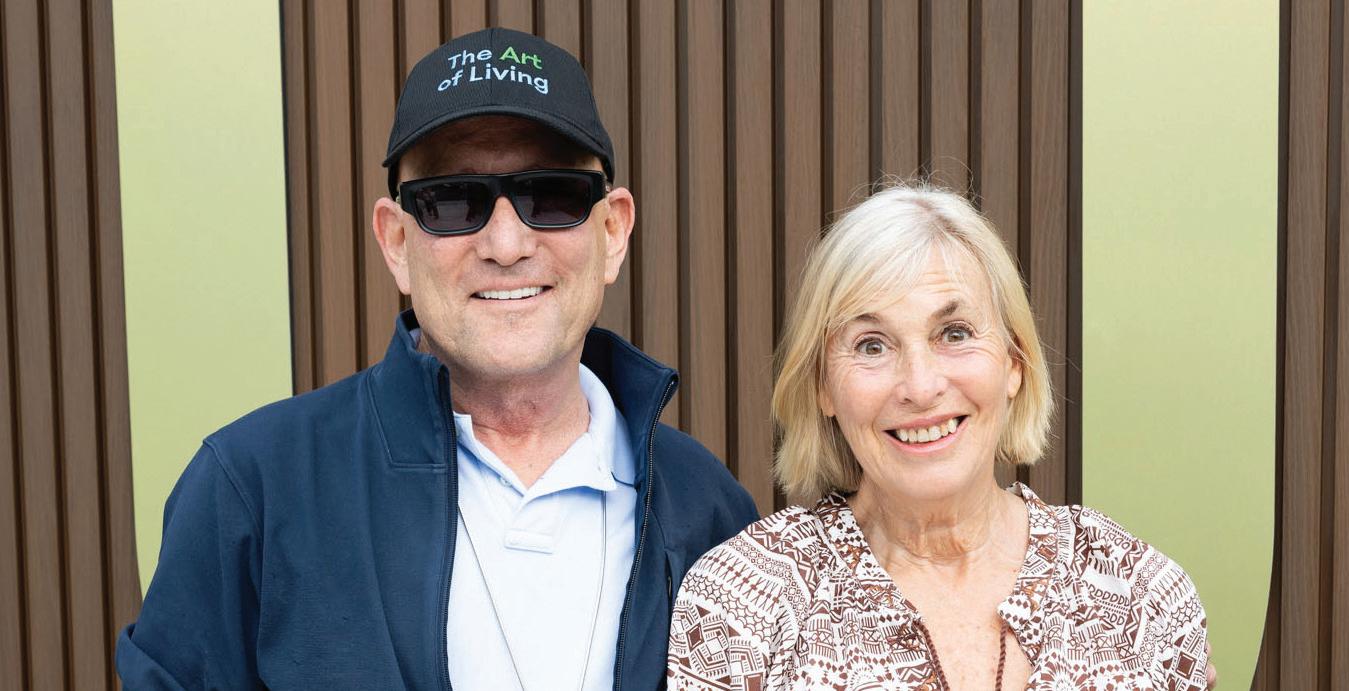
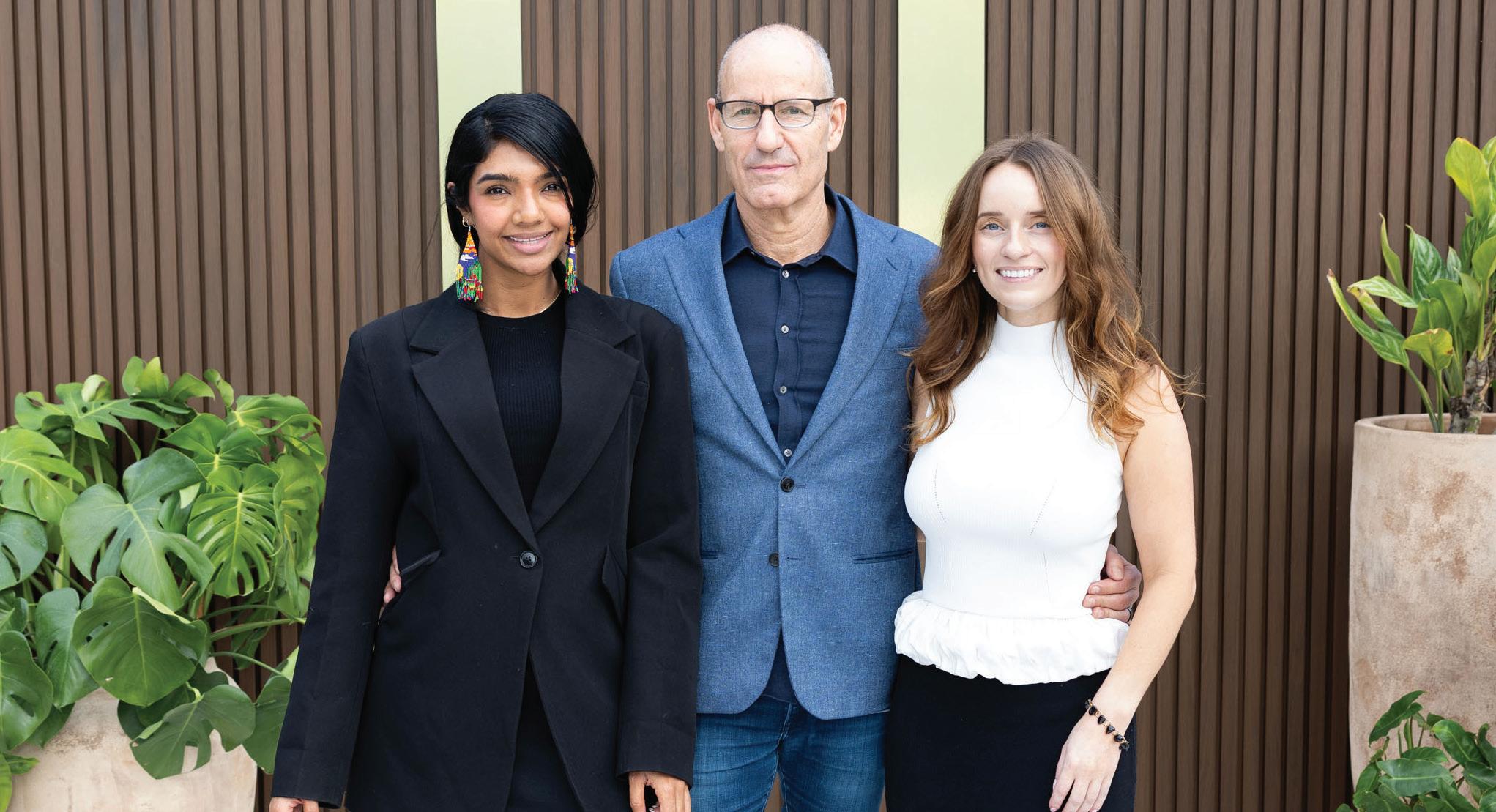
Rachel Zoe, Natalie De’Banco, jeweler Michel Piranesi, Mohave Grey, Nicole Noonan and Steven Knobel, joined Nancy Davis, the founder of Race to Erase MS and Cure Addiction Now, at the high end jeweler Piranesi’s shop in Aspen for a party to celebrate the work of her foundations. The evening brought together philanthropists, tastemakers and community leaders to celebrate the charitable work and special projects of Davis.
Nancy, who suffers from Multiple Sclerosis (MS), founded Race to Erase MS, which is dedicated to the treatment and ultimate cure of MS. The foundation funds Center Without Walls, a selected network of the nation’s top MS research centers. Since its founding in 1994, Race to Erase MS has raised more than $57 million in support of innovative MS research and public education. “While there’s no cure for MS yet, we have broken so much new ground in a very short time and we will not stop until we cross the finish line and find a cure for MS,” Nancy explained. At the time Nancy was diagnosed in 1993, there were no drugs on the market to help stop the progression of this disease. Miraculously, there are now 17 with FDA approval and more to be approved in the very near future. Nancy also founded Cure Addiction Now (CAN) with her son Jason, who tragically passed away in February of 2020. The organization is dedicated to the understanding, treatment and ultimate cure of drug addiction, while simultaneously addressing the importance of mental health as an integral part of the solution.
Nancy Davis is the daughter of Barbara and the late billionaire Marvin Davis, who once owned 20th Century Fox, the Beverly Hills Hotel and the Aspen Skiing Company. Nancy aids in her family’s philanthropic endeavors, with her mother’s Carousel of Hope Ball in Beverly Hills, which she founded in 1978. The gala has attracted every major Hollywood star, including Beyoncé, Sir Elton John, Sting, Celine Dion, Sir Paul McCartney, George Clooney and Stevie Wonder. Other Hollywood elites with homes in Aspen include Jack Nicholson, Kevin Costner, Nicolas Cage, Claire Danes and Hugh Dancy.
cureaddictionnow.org














































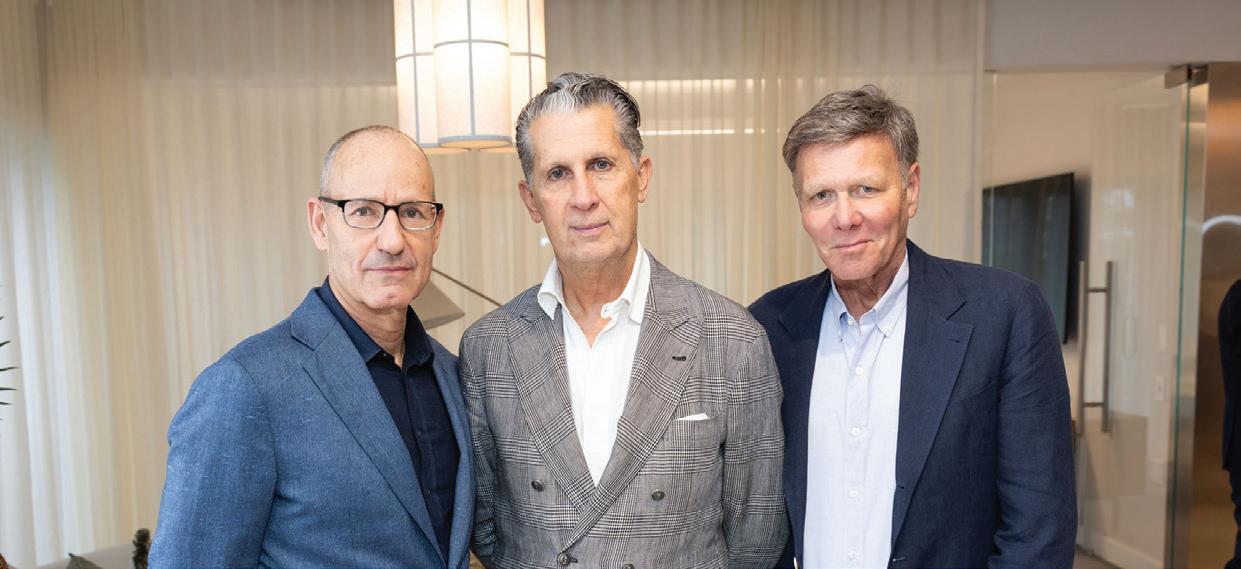
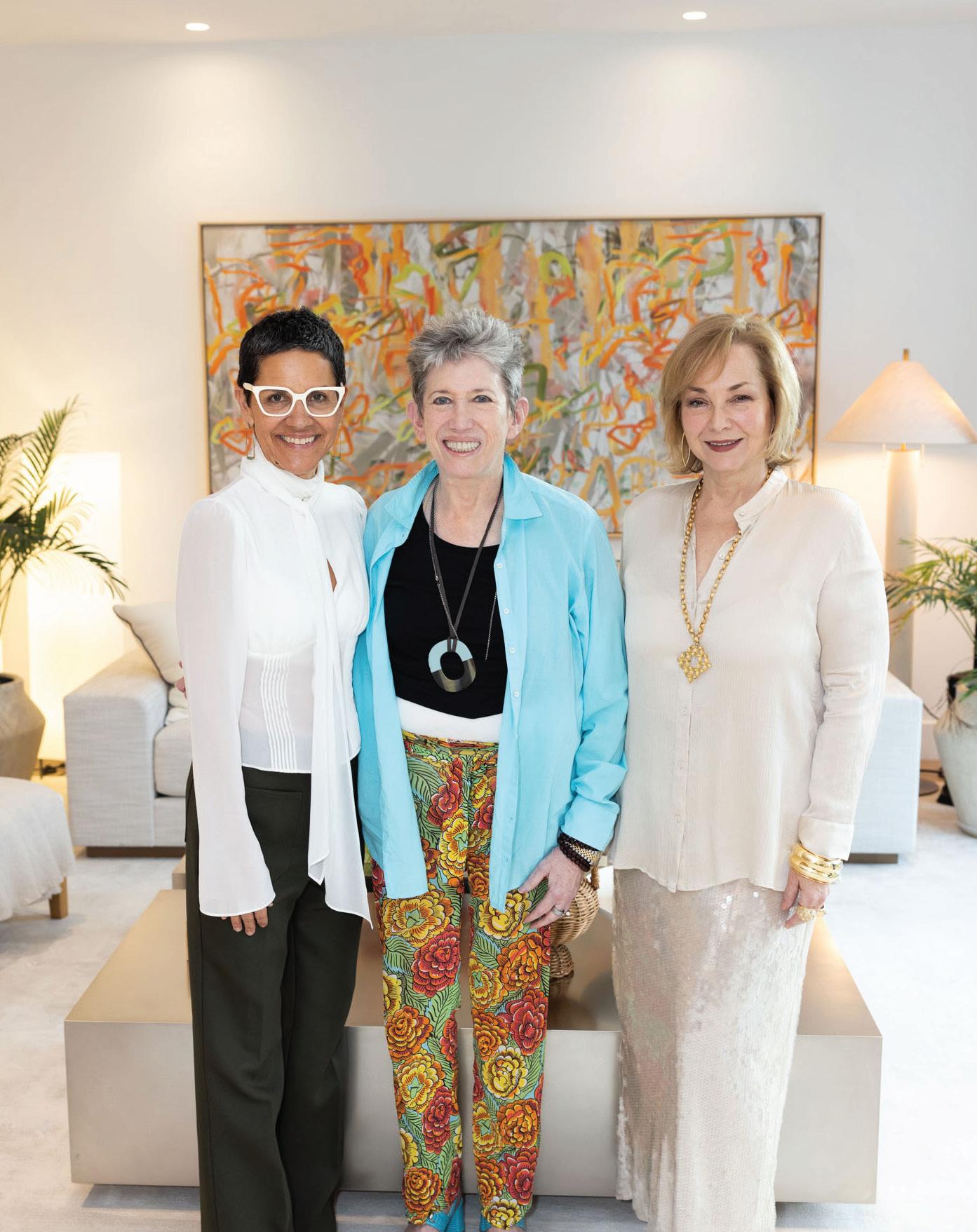
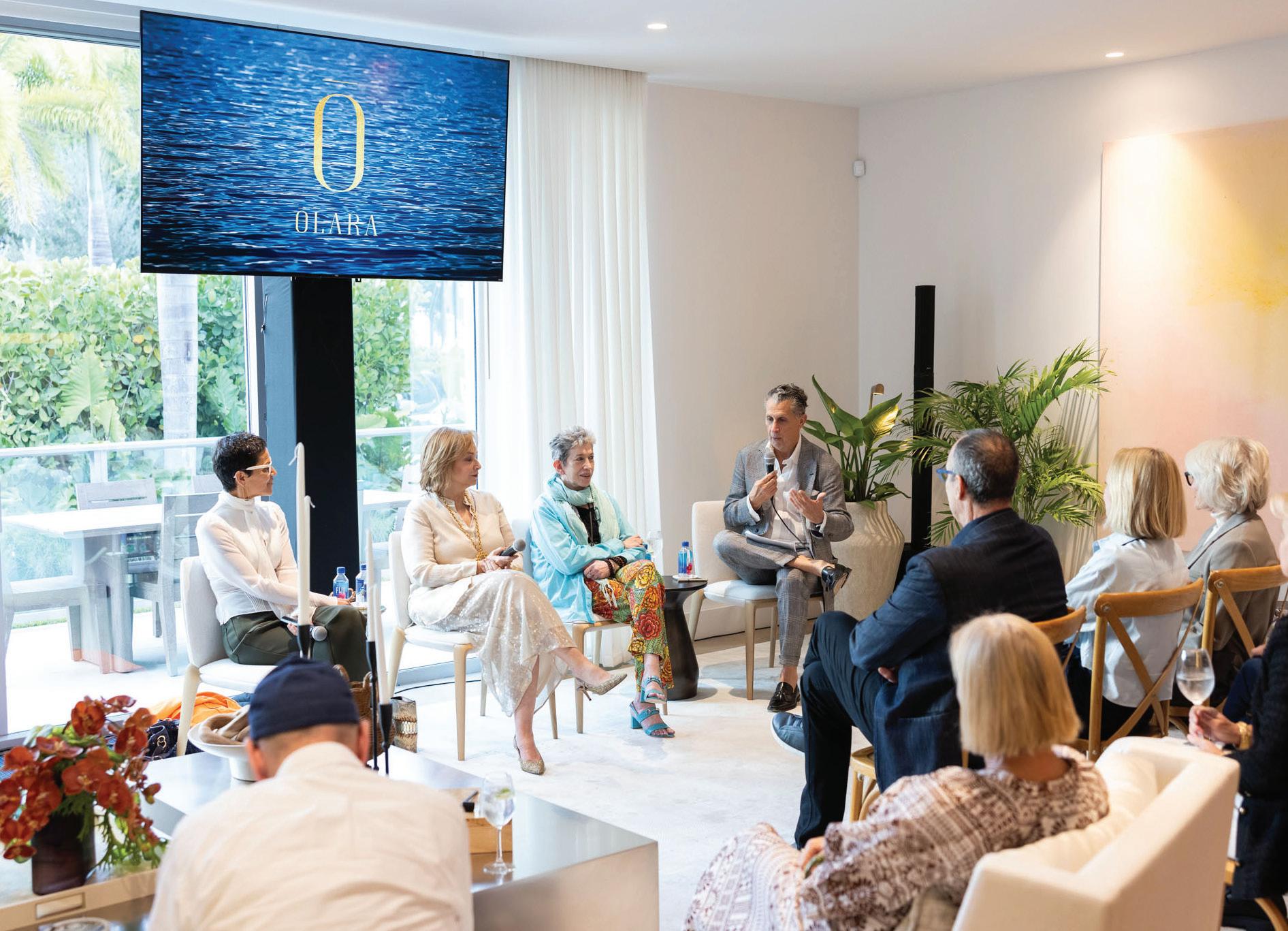
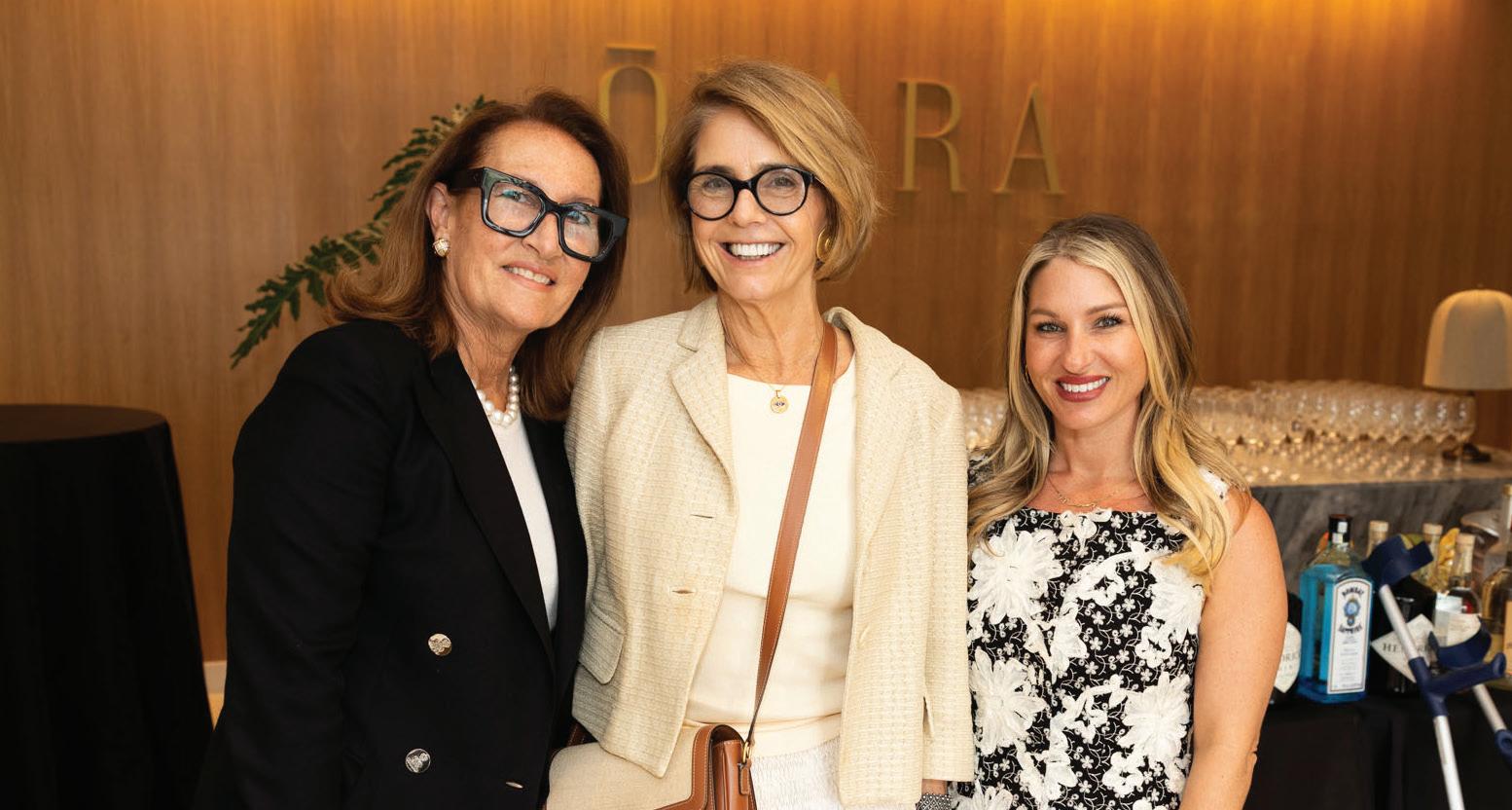
Olara Residences recently hosted an intimate Women in Art panel with Palmer Magazine, spotlighting influential voices in the West Palm Beach art community. The conversation featured Beth DeWoody, Sybille Canthal and Kelly Williams, and took place inside Olara’s Sales Gallery, accompanied by cocktails and bites from the José Andrés Group. Guests also enjoyed an exclusive first look at the luxury waterfront development redefining the city’s skyline.








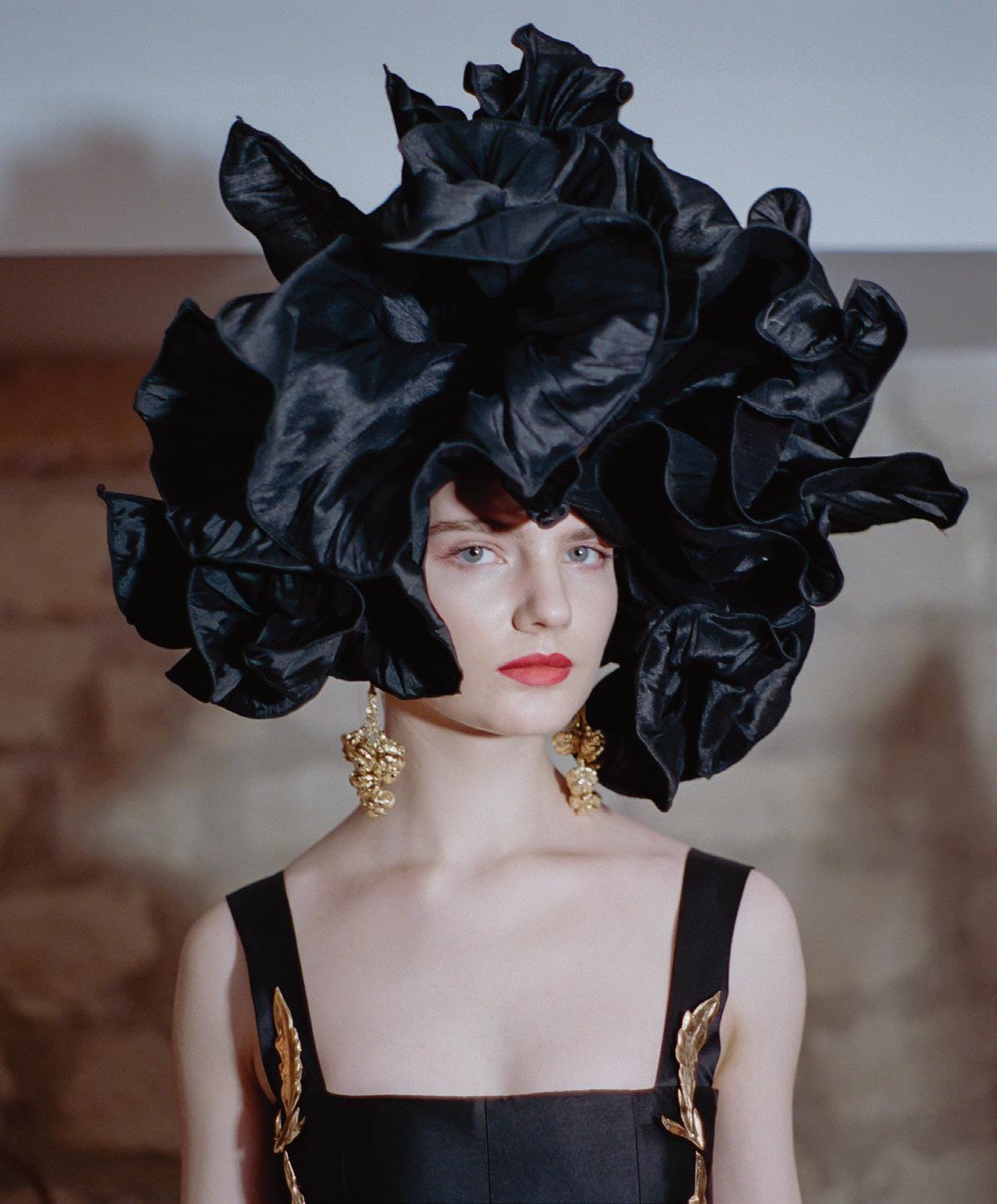
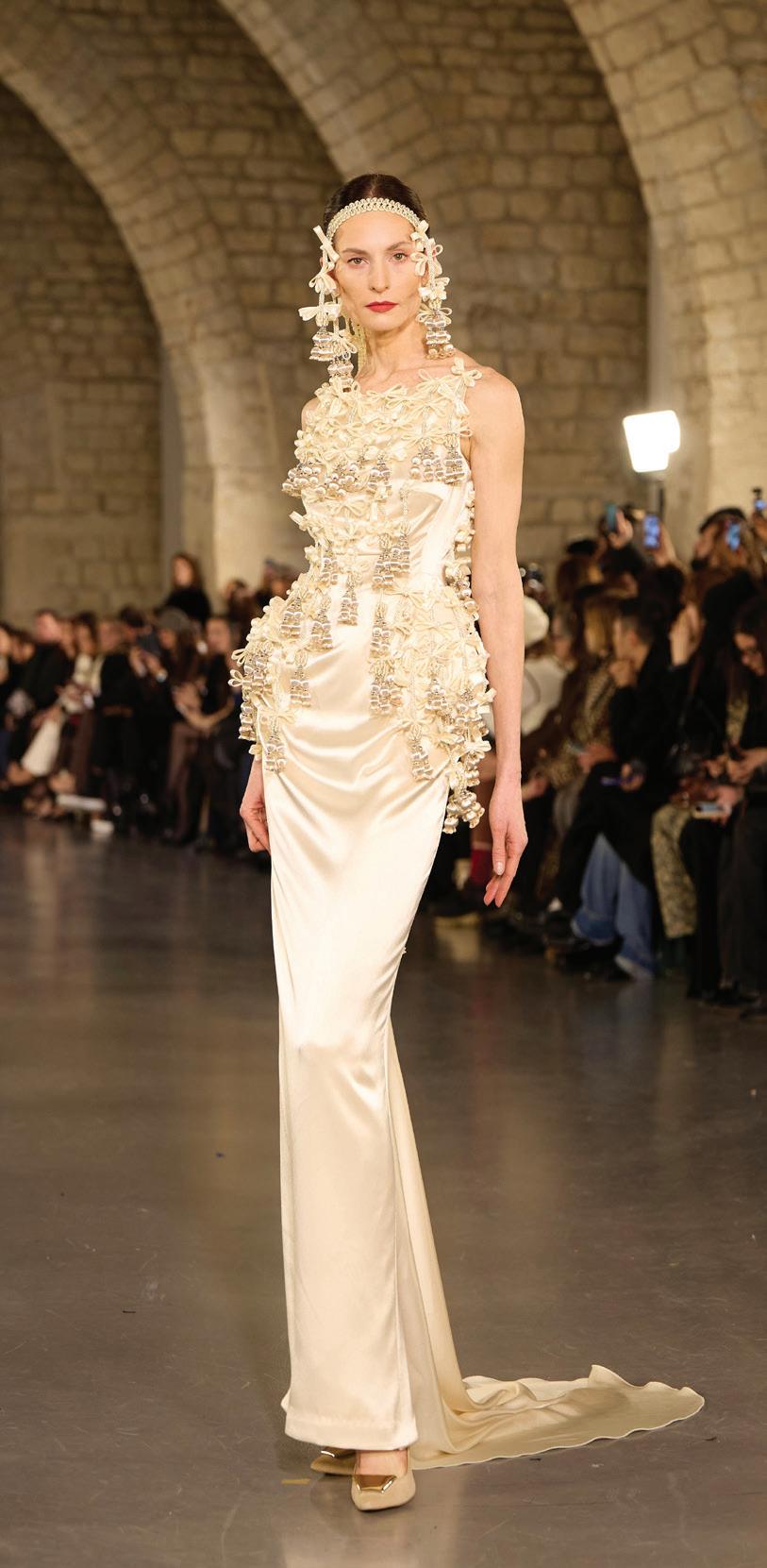
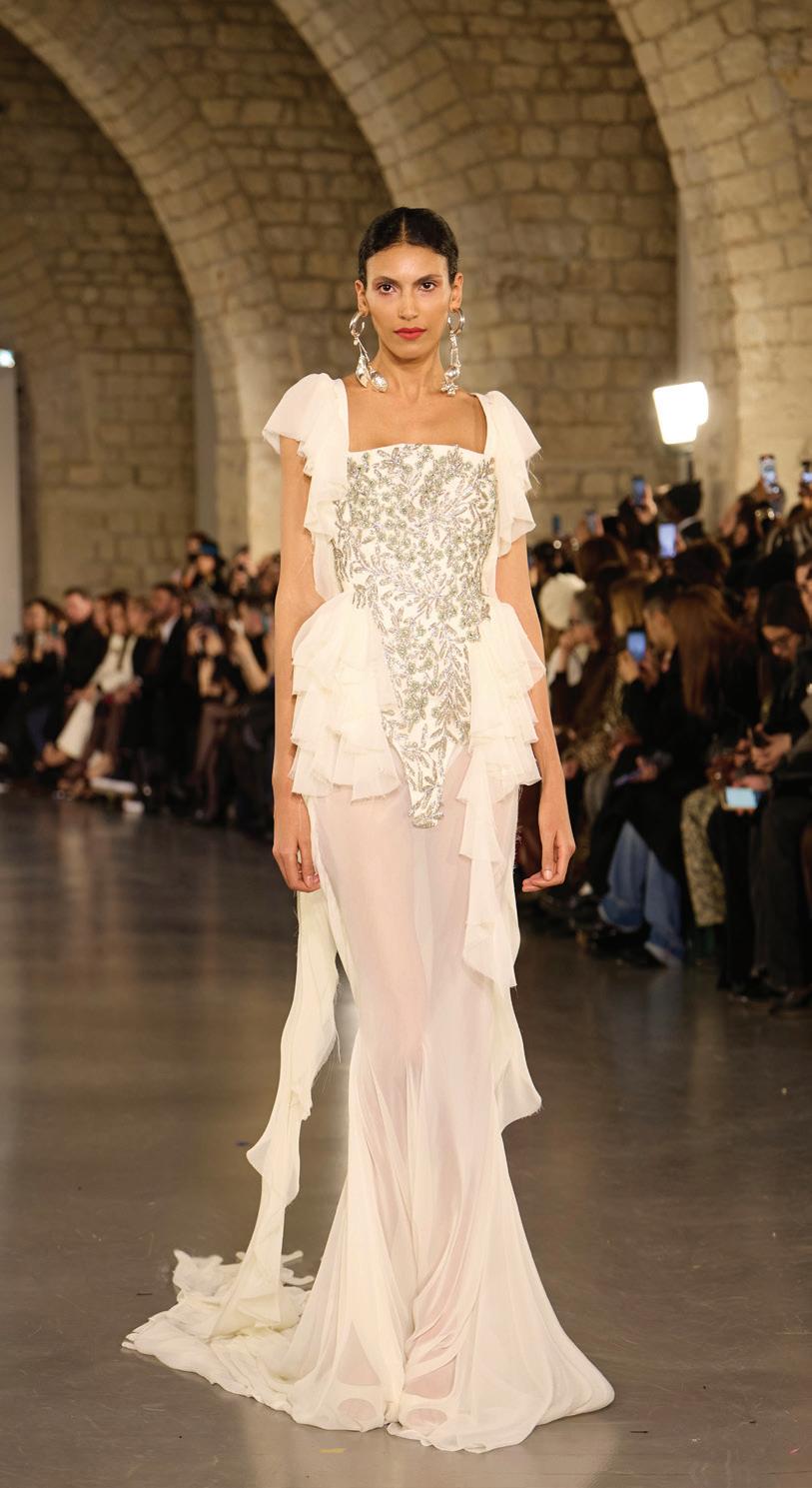
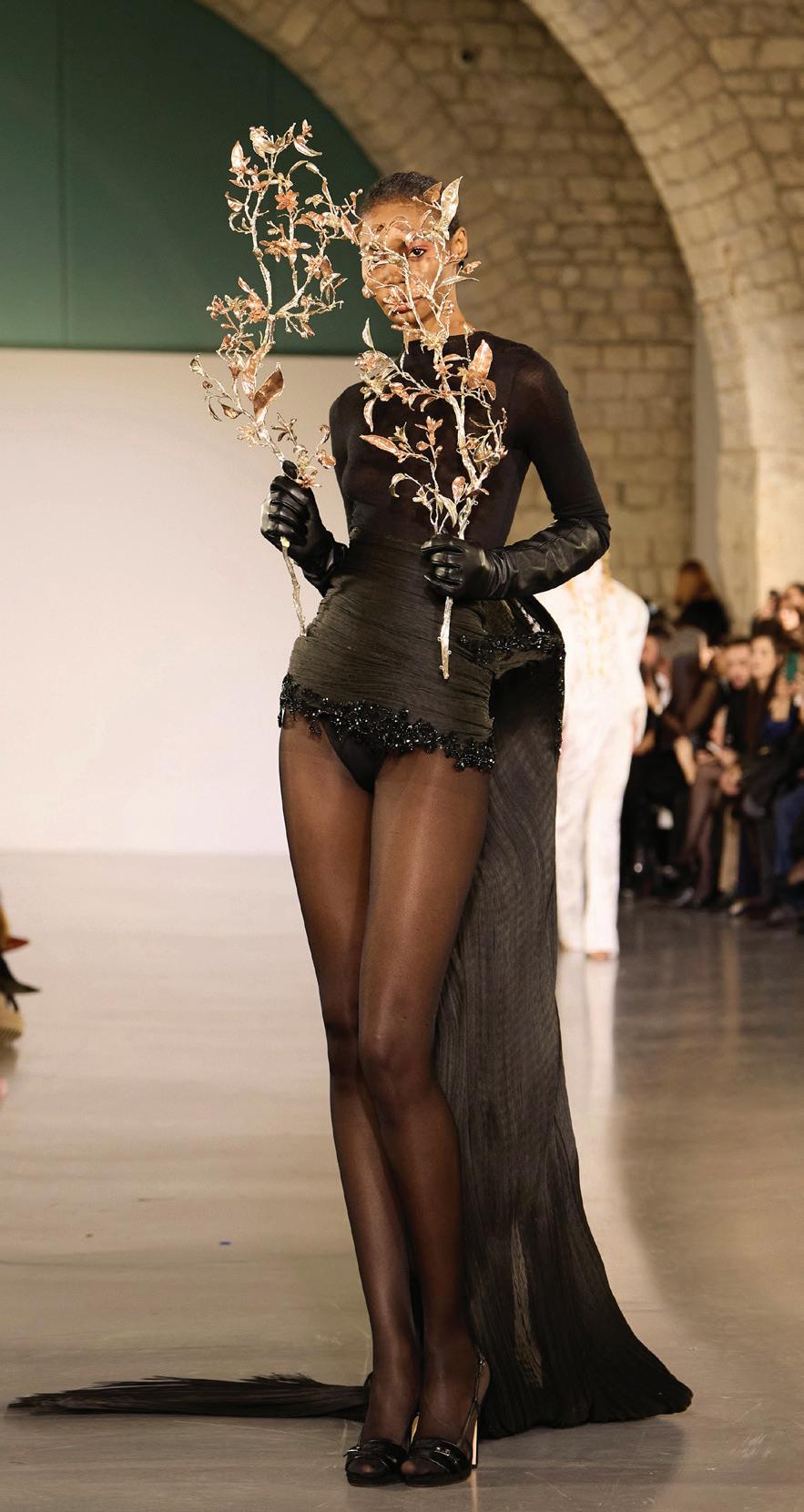
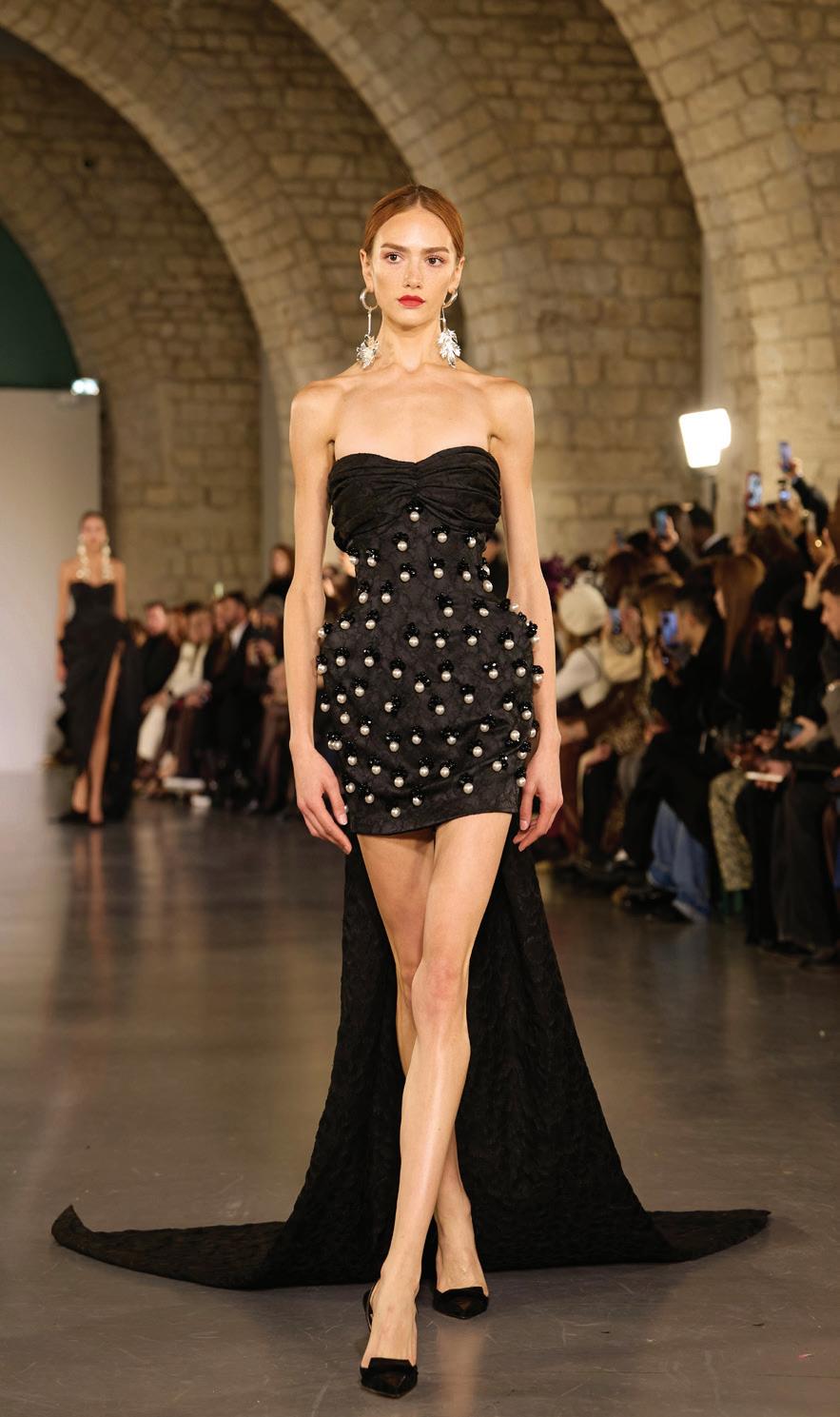
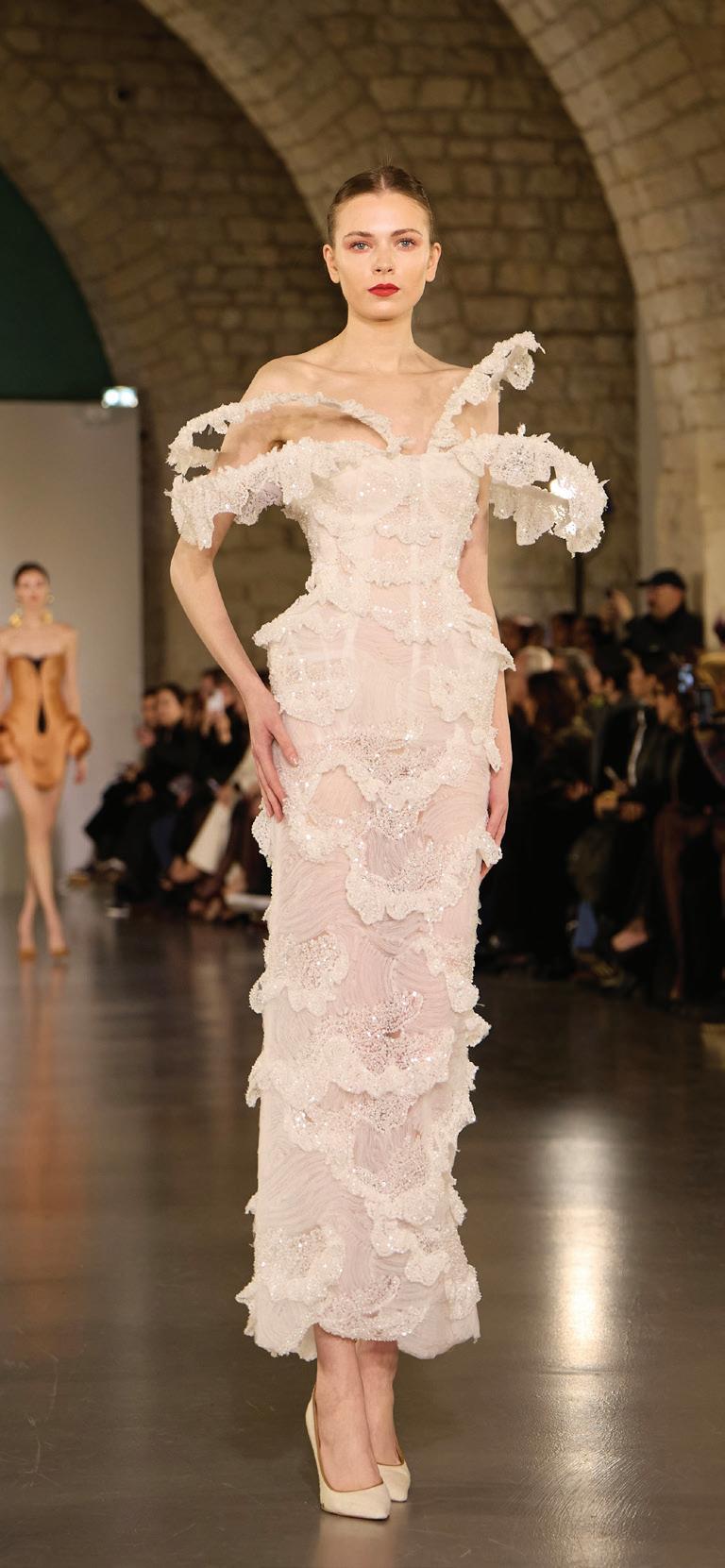
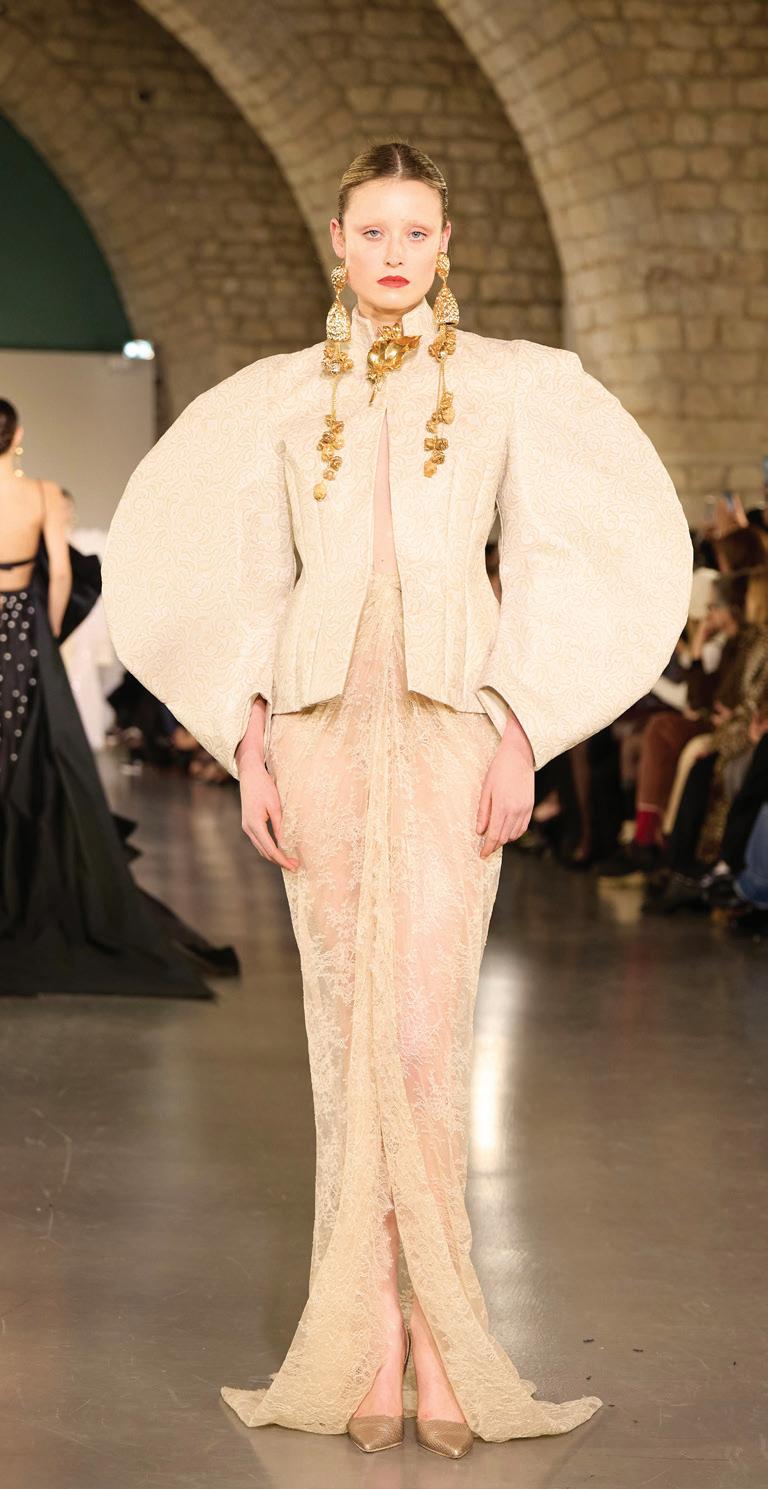
Juana Martín presented Presagio during Haute Couture Week, a deeply symbolic collection that sets the Spanish horse as its central axis. In this new proposal, the Córdoba-born designer explores the horse as an ancestral omen: an announcement of war, change and journey, but also an emblem of triumph and victory.
The show took place in Paris, the epicenter of haute couture, where Juana Martín continues to consolidate her creative dialogue, remaining faithful to an identity that moves between tradition, history and modernity. Presagio unfolds as a powerful visual narrative, charged with tension and beauty, where each silhouette anticipates movement and destiny.
Throughout history, the horse has been a companion in conquest, a witness to conflict and a symbol of power. In this collection, its anatomy and spirit are translated into sculptural volumes, lines that evoke dynamism, and noble materials that reinforce the idea of armor and skin. The garments construct a couture language in which form and meaning advance together, creating a narrative of resilience, elegance and transformation.
Presagio is a collection that speaks of transition and evolution. From uncertainty to triumph. From tension to balance. Each look is conceived as a sign, a signal of change and progress, reflecting a strong, poised and serene woman who moves with determination toward her own destiny.
In this edition, Juana Martín once again surrounded herself with collaborators and artisans who are an essential part of the brand’s universe. Málaga de Moda renewed its support, once again promoting the visibility of Andalusian talent on the international stage. This season, the Association of the Purebred Menorcan Horse joined the project, asserting the cultural and symbolic bond between the collection and the equestrian world.
The beauty team was led by Menchu Benítez in makeup and Maqueda 100% at the helm of hairstyling, shaping an aesthetic that extends the character and conceptual strength of the collection. Icon once again accompanied the designer as a regular collaborator, reinforcing the creative development of the project. Calzados Franjul signed the footwear for the show, bringing solidity, tradition and character to each look. Loha Spain participated in the creation of leather pieces, enriching the collection with its artisanal expertise.
Following her debut in Paris in 2022 with Andalucía, Juana Martín reaffirms with Presagio her position as one of the most singular voices in Spanish fashion on the international stage. A collection that continues to trace an artistic and personal path, where fashion becomes simultaneously memory, symbol and a vision of the future.


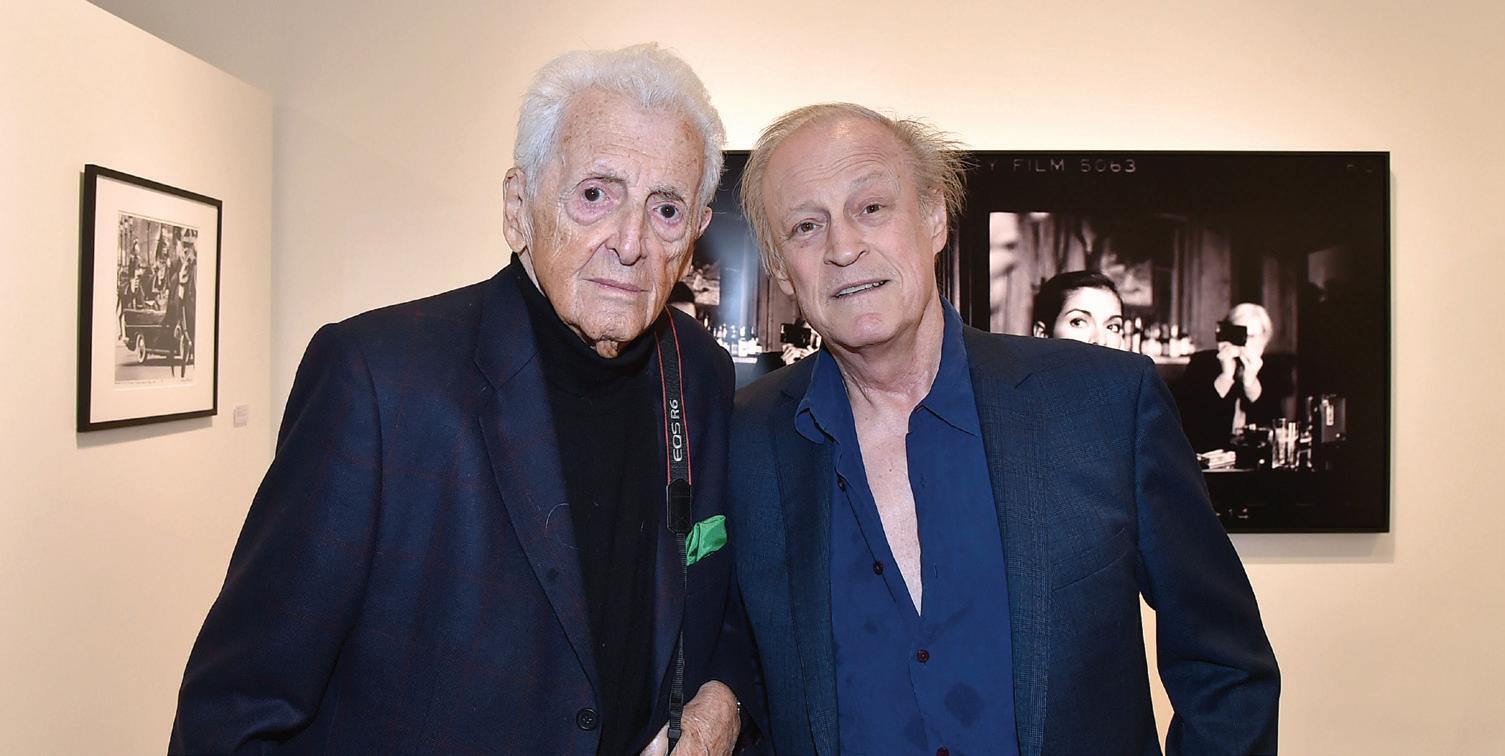
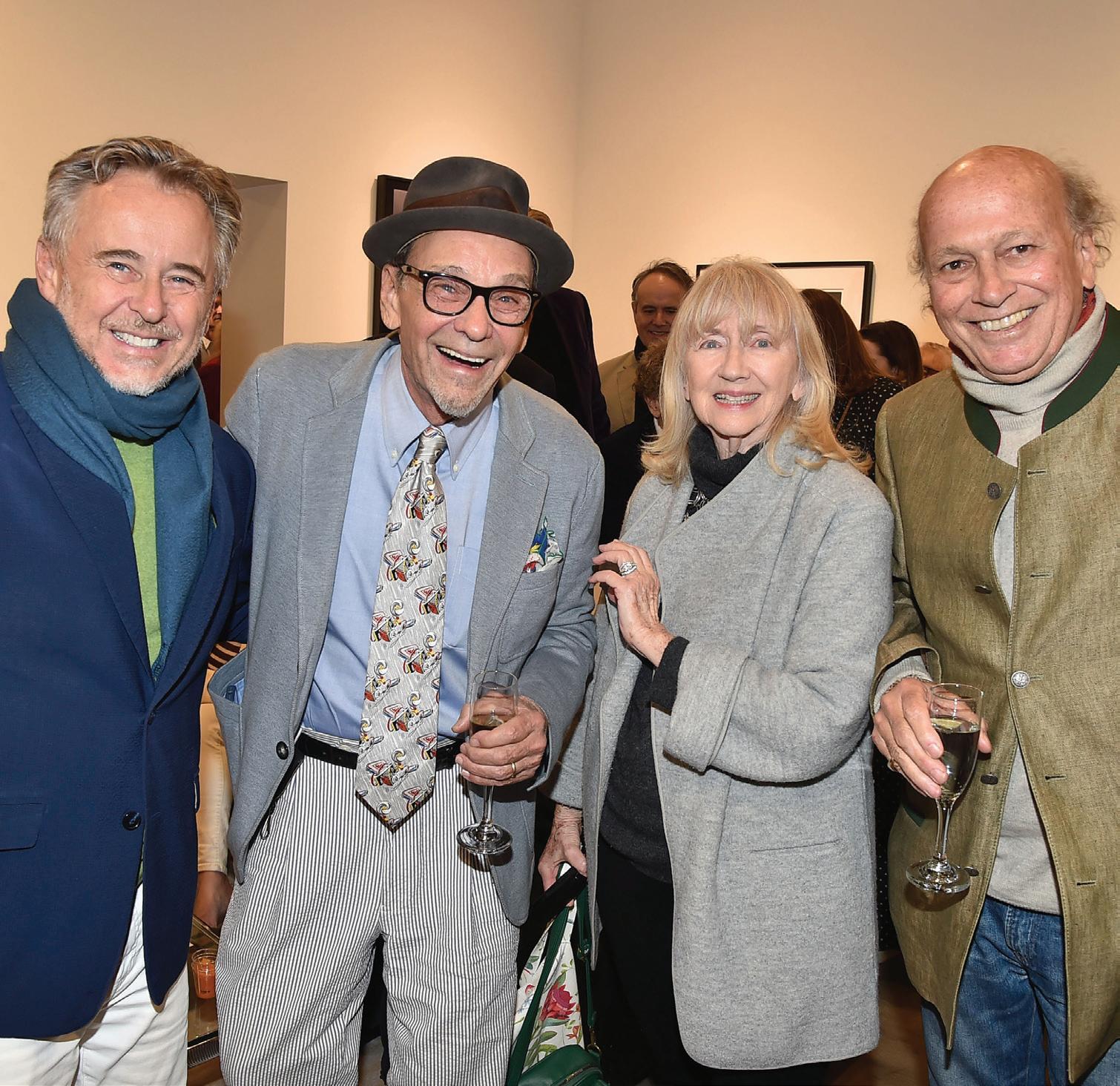
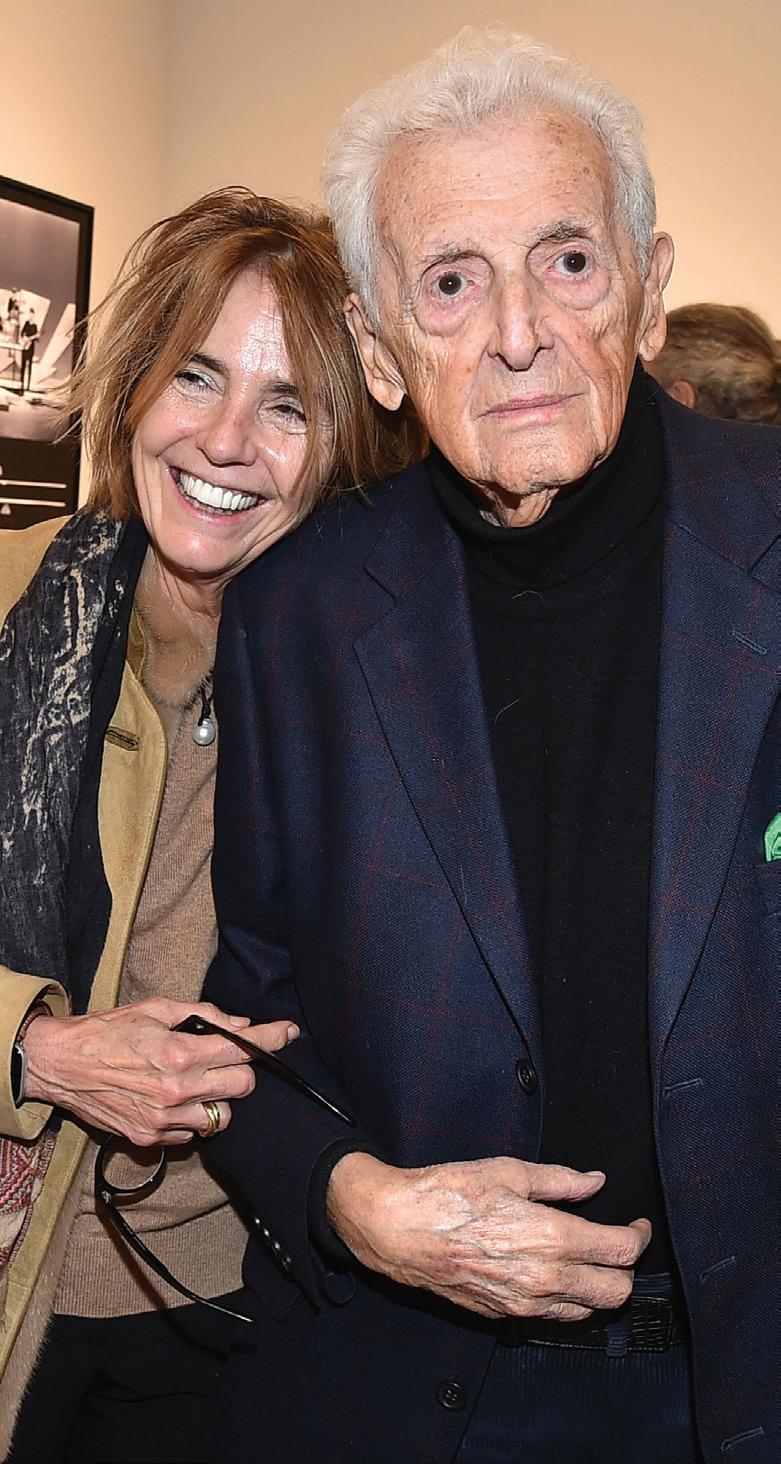
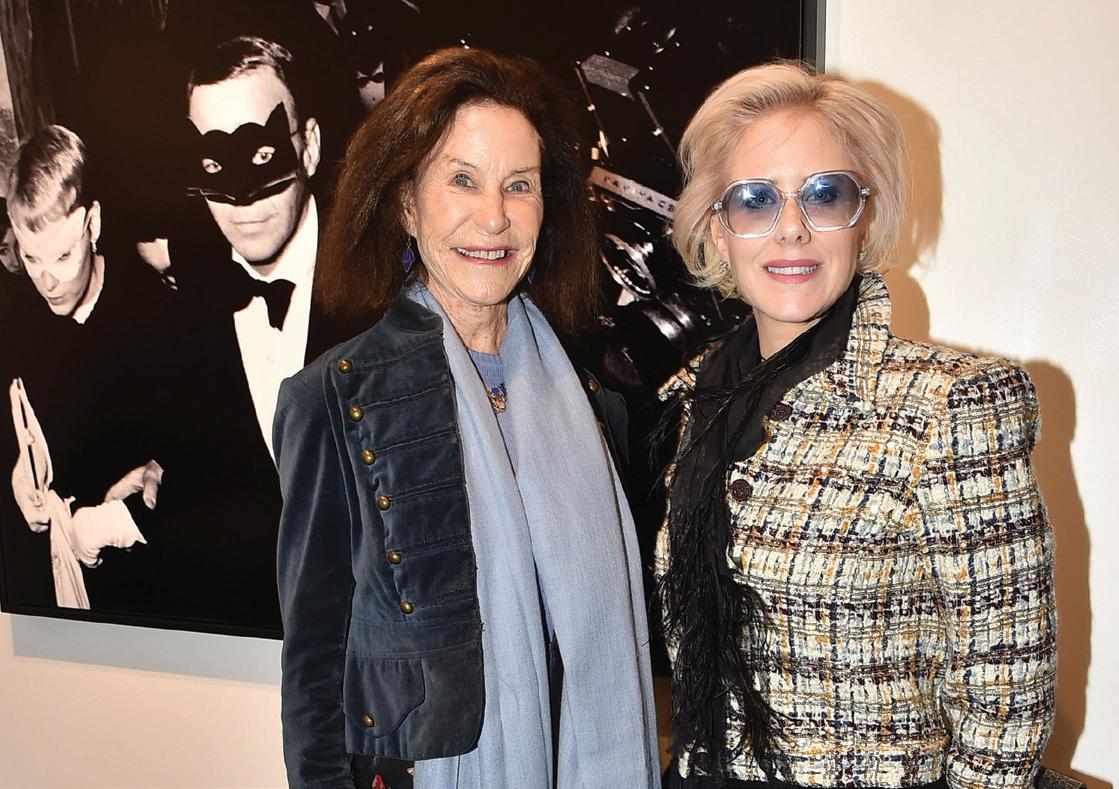
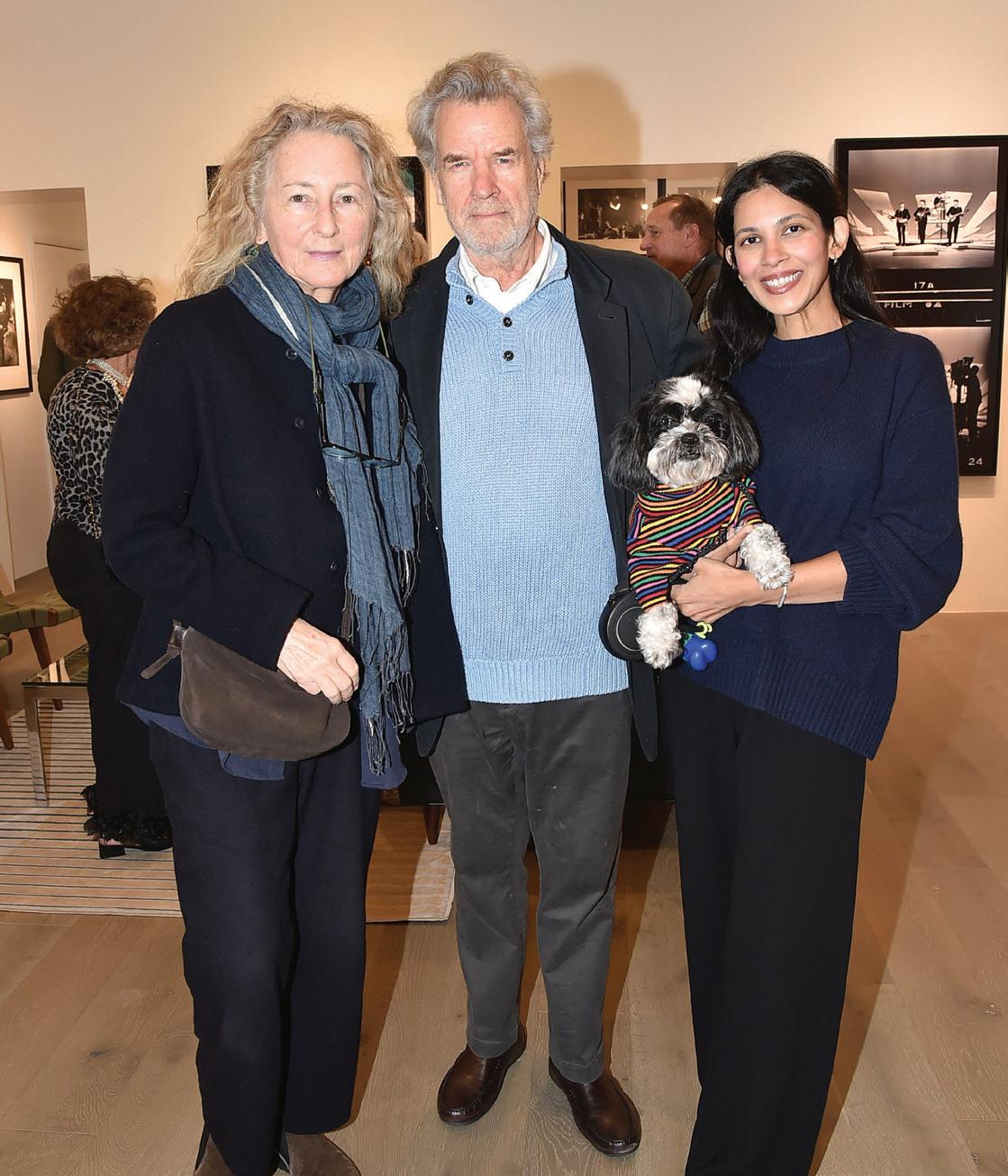
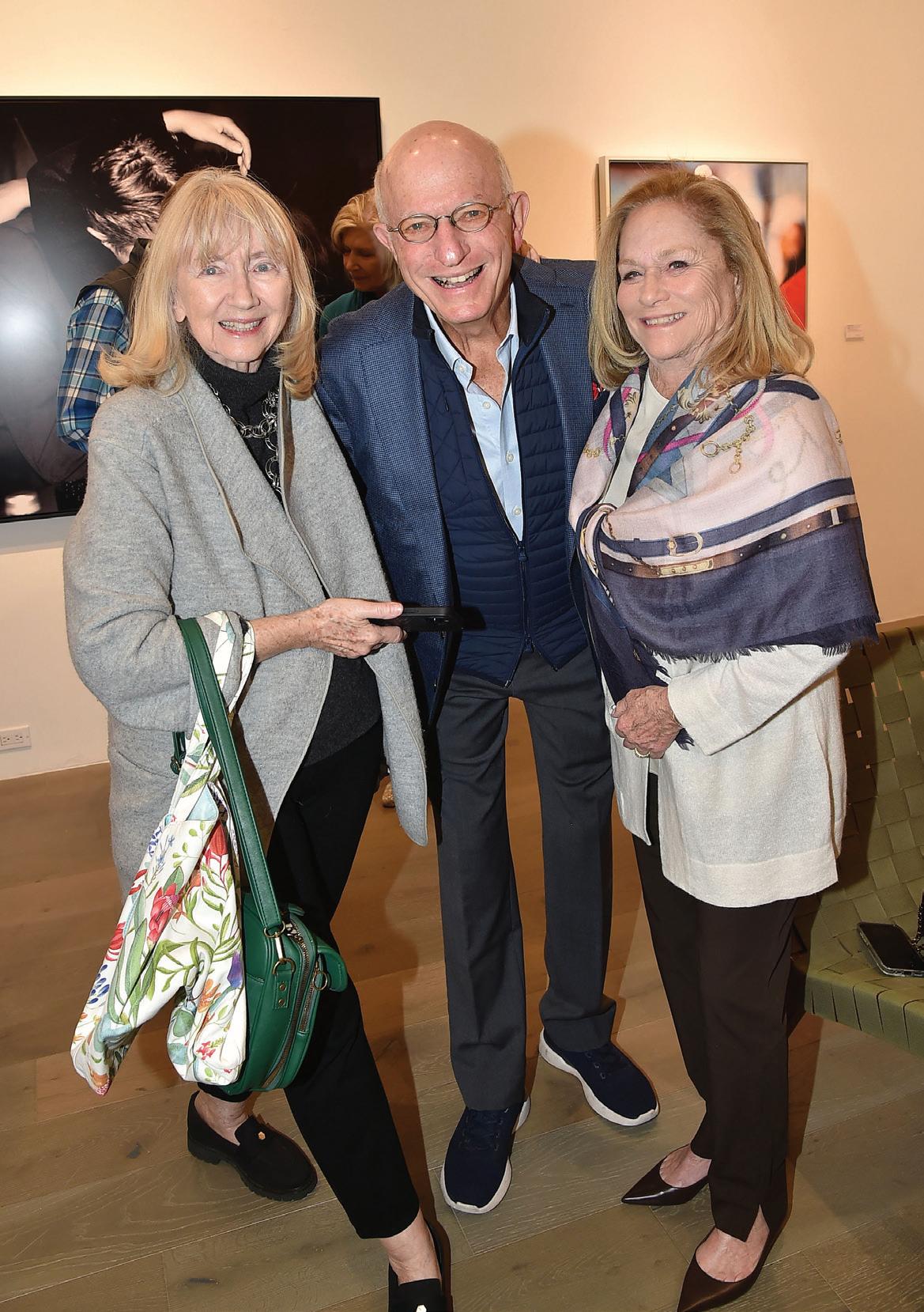
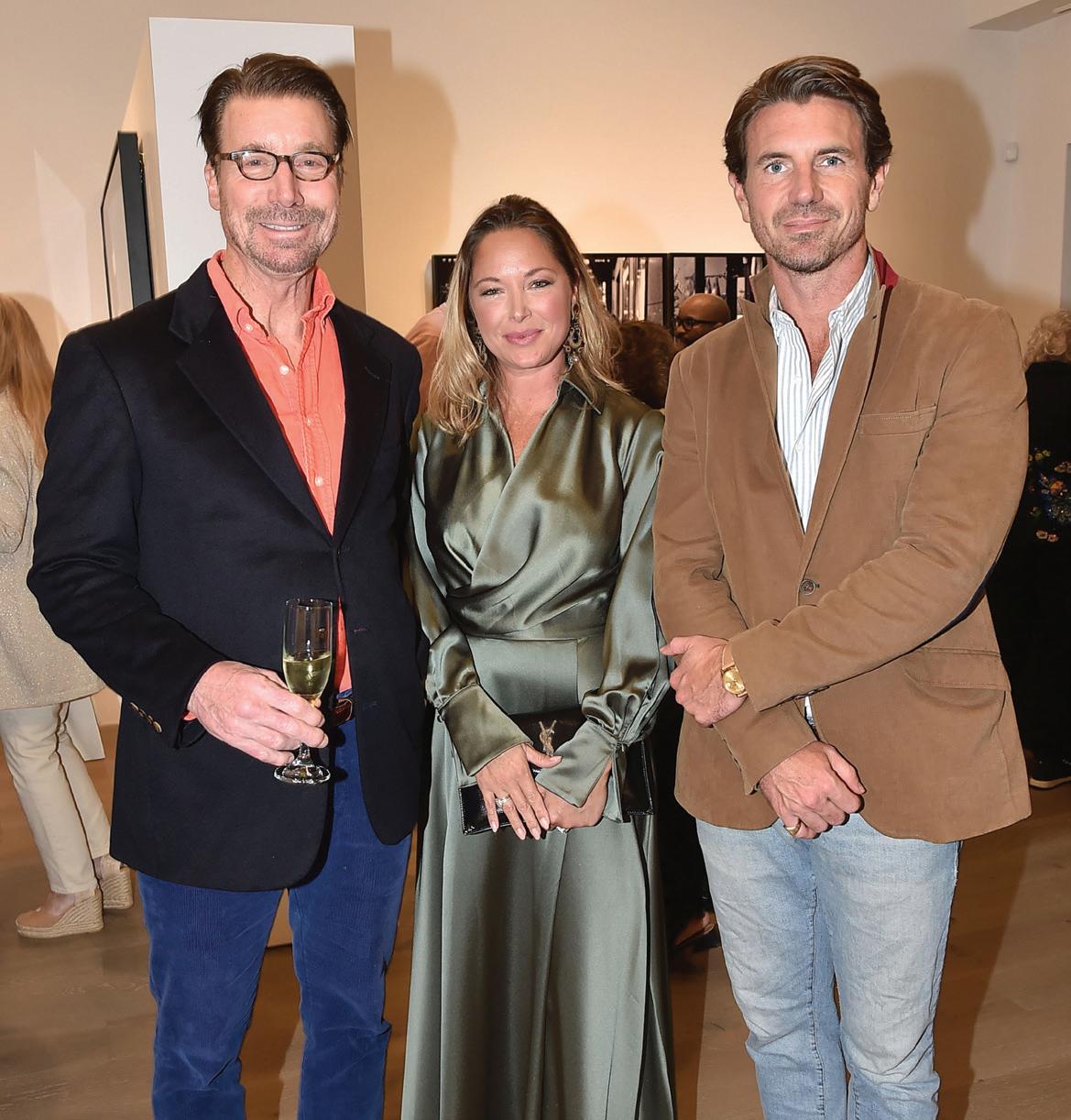
Harry Benson's exhibit, “Moments Observed, a Photographic Odyssey” held at JL Modern Gallery brought together more than 100 collectors, friends and admirers of internationally renowned photographer Harry Benson CBE. Harry and his wife, Gigi welcomed guests to an intimate evening celebrating the iconic photographer’s extraordinary career.






By Maayan Aviv, CEO, American Friends of NATAL
Flip through the pages of this magazine and you will see more than just a calendar of social highlights. You’ll see the living embodiment of a significant trend happening right now in philanthropy. It’s what is being called the “Individualization of Impact.” The photos within these pages tell a story that takes the “black-tie gala” one step further by focusing on relationships.
We see local events, hosted in intimate venues, attended by tight-knit communities, and designed with a unique, meaningful twist. There is a shift in how people, especially business and community leaders and nextgeneration donors, choose to support organizations that are important to the individual for a variety of reasons.
We are currently navigating a fascinating tension in the nonprofit sector. According to data from the National Philanthropic Trust and Giving USA, over 30% of annual donations occur in December, and a staggering 10% of all annual giving happens in just the last three days of the year.
From a purely financial perspective, those numbers can make organizations feel proud and have a sense of accomplishment. But from a relationship perspective, we can see that there is still opportunity. When giving is compressed into a 72-hour year-end sprint, it risks becoming transactional. It becomes a line item on a tax preparation checklist rather than a moment of connection.
In my role as CEO of American Friends of NATAL, I have observed that we are entering an era of “referral-based trust.” In the business world, we know that a warm introduction is worth more than a thousand cold calls. Philanthropy understands this too.
Think about the last time you attended a fundraiser or gave to a charity. It’s likely that it was because a friend told you about their experience. They give because a colleague they respect invited them to an intimate cocktail party or local event where you knew others would be. They give because they trust the person standing next to them. This is why the “unique twist” matters, because whether it’s a boutique fitness fundraiser, a cocktail hour with a trauma expert, or an art gallery opening—it provides a shared experience that builds community.
The “individualization” of giving also means a shift in what donors value. While the grand ballroom has its place, the modern donor increasingly prefers the front line over the front row. They want to be close to the mission.
Today’s donors want to understand the how, why and when of the change they are supporting. They want to know exactly how a program helps a veteran suffering from PTSD or how a community in crisis finds its footing again. This is why smaller, community-led events are thriving. They allow for dialogue, for questions and for a deep dive into the “why.” When a donor can see the specific problem and the specific solution in a high-
touch environment, their connection to the mission becomes personal and permanent.
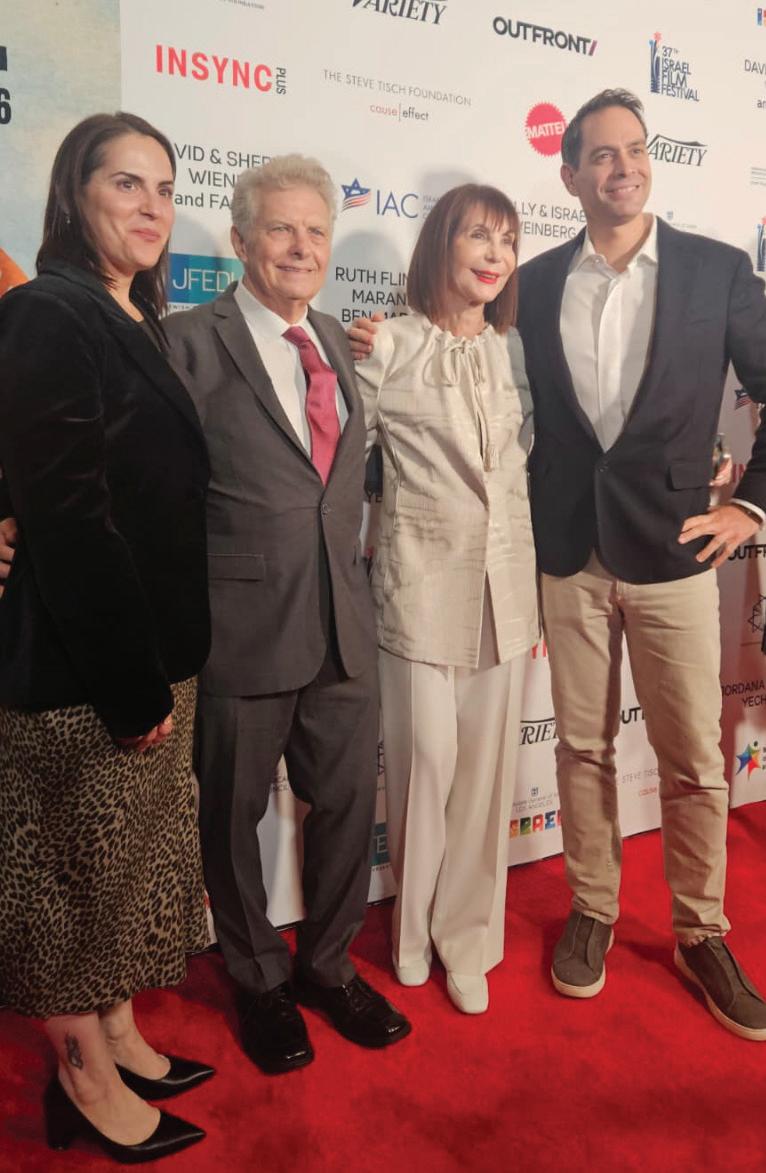
I’d like to share an example. Dr. Dity Brunn, a Beverly Hills based philanthropist, had an idea to support the Israel Film Festival as a way to bring awareness to mental health, an area that she is passionate about being a psychologist. It also spoke to her professional identity and where she lives.
This shift is further accelerated by the rise of Gen Z. This generation views philanthropy through a fundamentally different lens. To them, giving is an extension of identity. They don’t just want to give—they want to do.
They are highly aware of authenticity. They want to be part of the solution in a tangible way. By individualizing the impact, such as breaking down massive global missions into individual stories of recovery and growth, we create a pathway for these younger leaders to see themselves in the work.
Recently, a group of young professionals in Miami approached us to raise money through a beer pong tournament. The event will be informal, casual and highly targeted. This was a specific group of people wanting to be together, using a niche interest as a bridge to a cause.
The transition from transactional to relational philanthropy requires more intention. It is undoubtedly more work to curate a dozen unique, meaningful community interactions than it is to host one massive, anonymous dinner. But the former is what creates a sustainable future for our organizations and our communities. It even helps create stronger business relationships.
As you look through the events and faces in these pages, I encourage you to see them not just as social gatherings, but as the new architecture of impact. When we individualize our approach to giving, we move beyond the yearend statistics and toward a culture of collective resilience.




















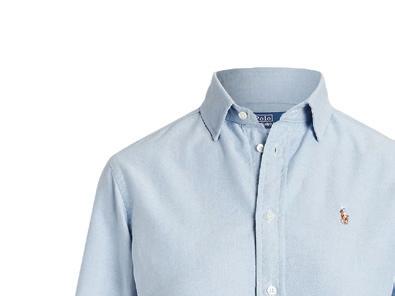
Work, but cool



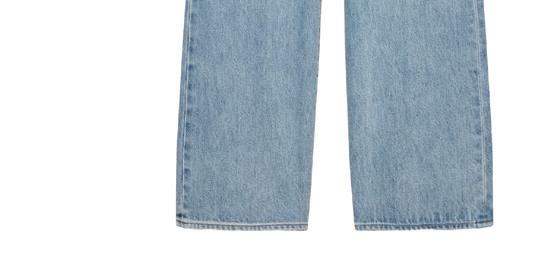














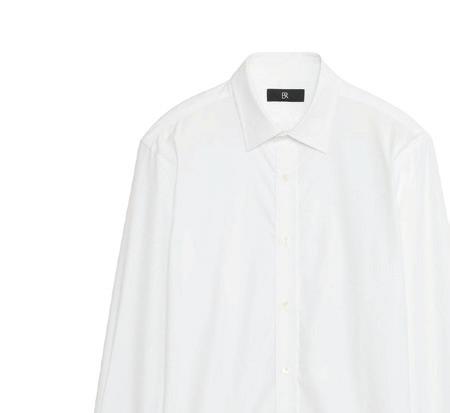


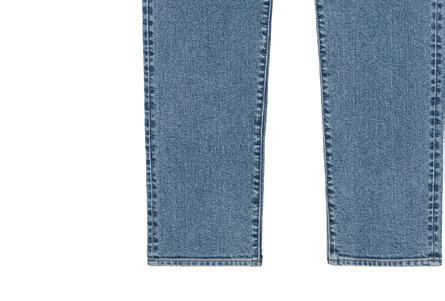




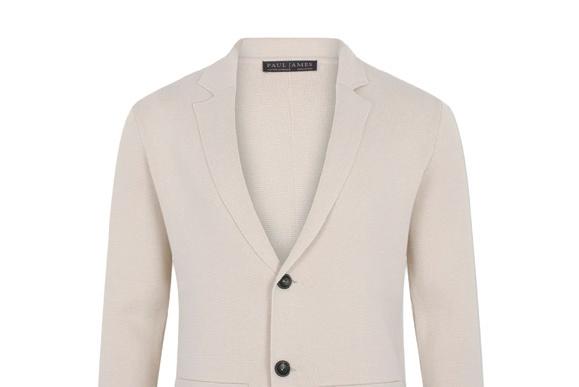
1. Aritzia: Denim Forum The Farrah Hi-Rise Wide Jean in 7 Yrs Bleu Taboo | $110 | aritzia.com

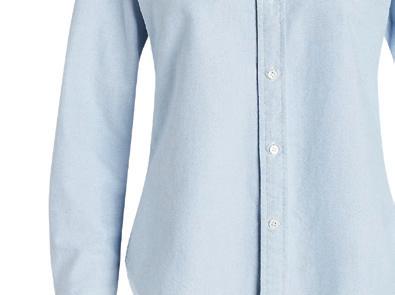
2. Ralph Lauren: Slim Fit Oxford Shirt in Blue | $128 | ralphlauren.com
3. Veronica Beard: Battista Dickey Jacket in Dove | $698 | neimanmarcus.com
4. Todd Snyder: High-Rise Slim Stretch Jean in Washed Blue | $158 | toddsnyder.com
5. Banana Republic: Tailored Slim-Fit Premium Cotton Poplin Dress Shirt in White | $90 | bananarepublic.gap.com
6. Paul James Knitwear: Mens Midweight Cotton Deconstructed Knitted Blazer in Ecru | $395 | pauljamesknitwear.com

Gant Unveils Its Spring/Summer 2026 Campaign: Building on Legacy
Gant presents its Spring/Summer 2026 advertising campaign, shot in New York City, where the brand’s legacy took shape. Rooted in the enduring codes of American sportswear, the campaign highlights iconic pieces brought to life by contemporary style icons whose unique mark on fashion continues to defi ne the modern wardrobe.
Legendary model and actress Lauren Hutton appears as a symbol of timeless style, underscoring the lasting relevance of authentic American fashion. She is joined by Dutch supermodel Mark Vanderloo alongside his son, Mark Vanderloo Jr. off ering a natural refl ection on heritage, and the passing on of legacy across generations. The campaign also features Jasaya Neale, a Los Angelesbased painter and illustrator, and New York author and culture critic Zoe Dubno, both voices of a new generation shaping culture today.
The Spring/Summer 2026 collection introduces a fresh expression of American sportswear. Chinos, shirts, ruggers, collegiate sweats and trench coats set the tone, defined by clean lines, campus references and refined functionality. Rooted in Gant’s legacy and made for everyday wear, the collection captures the essence of modern style.
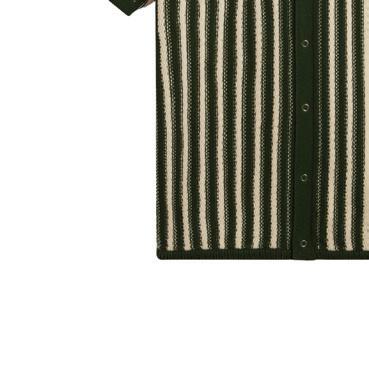
Menswear explores the balance between casual and tailored, presenting a considered selection of essentials. Crisp shirts in solid colors, refined striped and soft chambrays are paired with chinos and updated knitwear while bar-striped and ribbed textures nod to collegiate codes, reimagined for the season.
The womenswear collection embraces the concept of a modular wardrobe, pieces desgined to move eff ortlessly across moments and seasons. Transitional outerwear plays a central role, with cotton car coats, trench coats, suede jackets and tailored blazers layered through changing temperatures. Color, texture and practicality define a collection made for everyday life while maintaining a polised, modern sensibility.
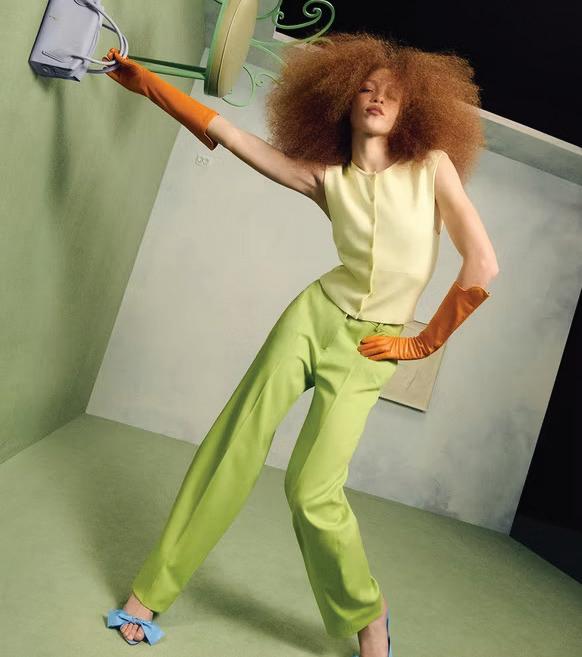
The Christian Louboutin Summer 2026 collection is a magical invitation to step into the designer’s lifelong fascination with the performing arts. The silhouettes express the freedom and extravagance of the stage.
Named after the goddess of love, the Venus line of bags embodies the thoughtful detail at the heart of Christian Louboutin’s heritage. Off ered in tote, medium shoulder, baguette and mini cross-body editions, each piece balances timeless luxury with everyday functionality.
In time for high summer, the line is complemented by the Mulazee, a new kitten-heeled mule off ered exclusively in taff eta, featuring a ton-sur-ton fabric knot at the toe that highlights the feminine décolleté.
Pushing this fashionable potential, a high-heeled mule Cassia, and its ankle-boot counterpart, Pavolva, are being released for the summer, with the mule available in smooth leather or silver laminated nappa, and both in crepe satin refl ecting the elegance of eveningwear.
Finally, the classic Chambelimoc and Chambelimonk silhouettes return in burgundy calf patine leather embossed to look like crocodile, adding a timeless touch to the collection.
1

3
2



5



4










6


1. Jacquemus: The Salon Maïs Clutch Corn Clasp Bag in Yellow | $1,770 | us.lp.jacquemus.com
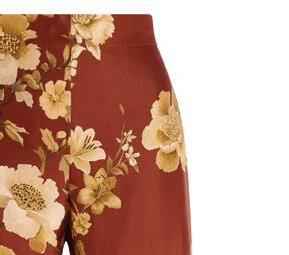
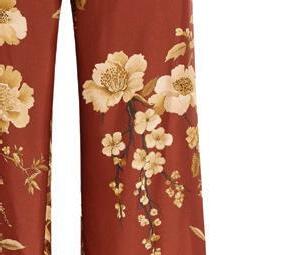
2. Net-a-Porter: Borgo de Nor Haven Fringed Floral-print Silk-twill Pants in Brown | $875 | net-a-porter.com
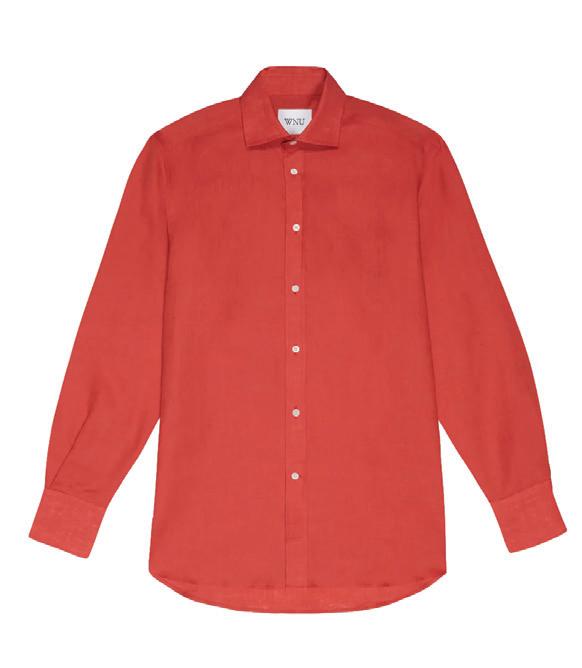
3. Olivela: With Nothing Underneath The Boyfriend Linen Shirt in Red | $190 | olivela.com
4. Dior: Dior Cap in Beige Suede Calfskin | $1,100 |dior.com
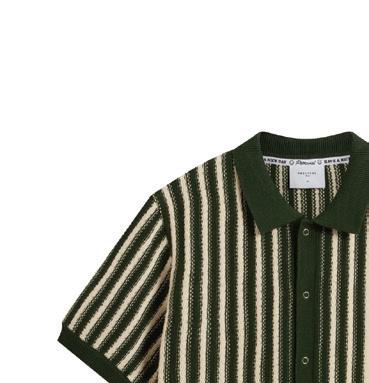
5. Percival Menswear: Collins Micro Cable Knitted Shirt in Green | $240 | percivalclo.com
6. Frame: Wide Leg Trousers in Vintage Khaki | $548 | frame-store.com



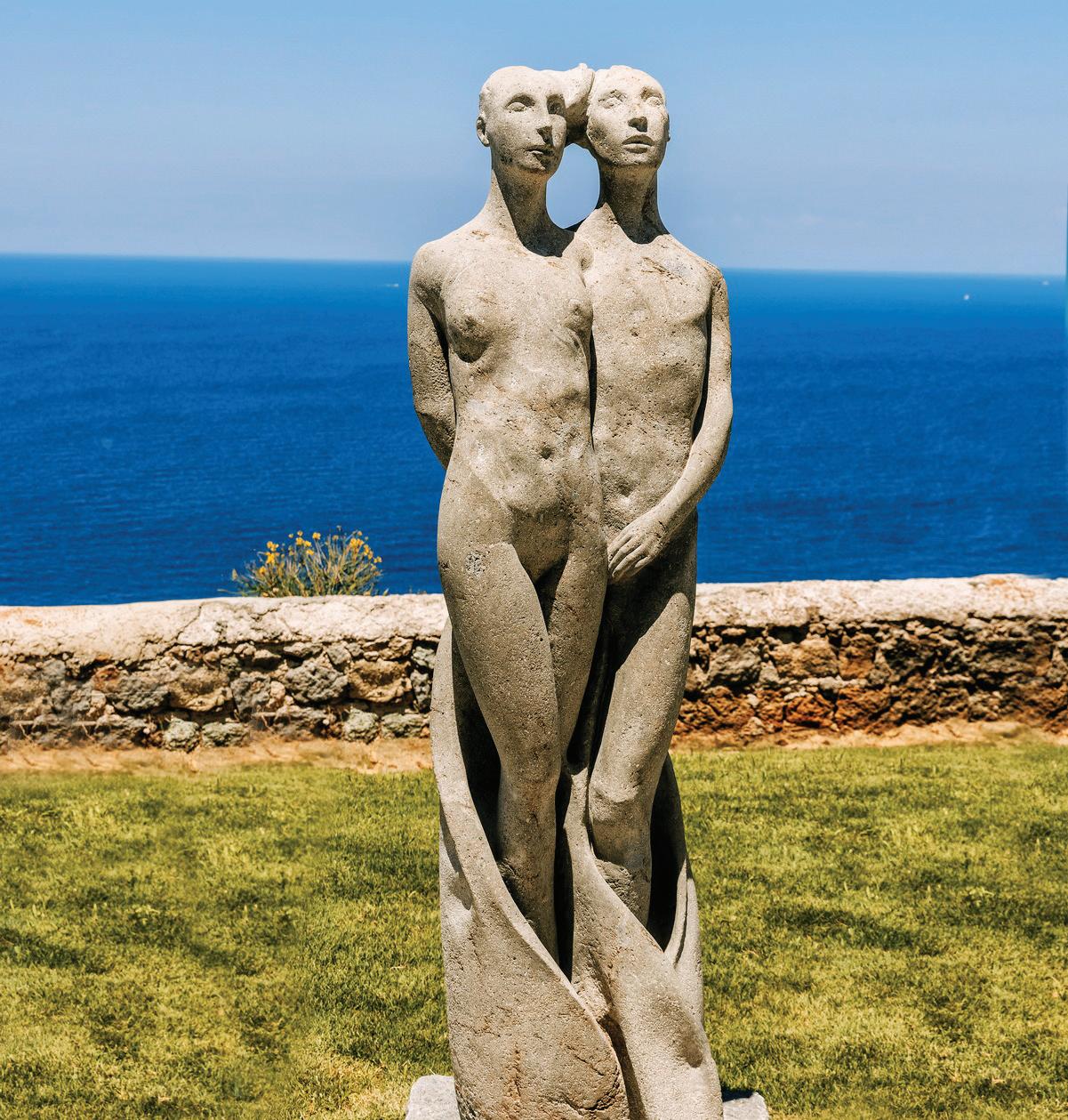
Faro Punta Imperatore opened in July, 2023 on the island of Ischia as the first Italian lighthouse hotel from Floatel. Built in 1884, the lighthouse rises 164 meters above the Tyrrhenian Sea on the island’s westernmost point, projecting its twin white beams 22 nautical miles across the Gulf of Naples. For more than a century, it guided sailors safely toward shore. Today, it has been carefully reimagined as an intimate four-room hideaway.
Accessed by a dramatic 155-step cliffside path, Faro Punta Imperatore retains its spirit of seclusion while offering modern comforts. The restoration—a seven-year undertaking complicated by logistics, weather and the pandemic—involved helicopter lifts for construction materials and the installation of a cable system for luggage and provisions. The result is a striking blend of heritage and the latest in modern hospitality: a listed building reborn as a destination of history, beauty and quietude.


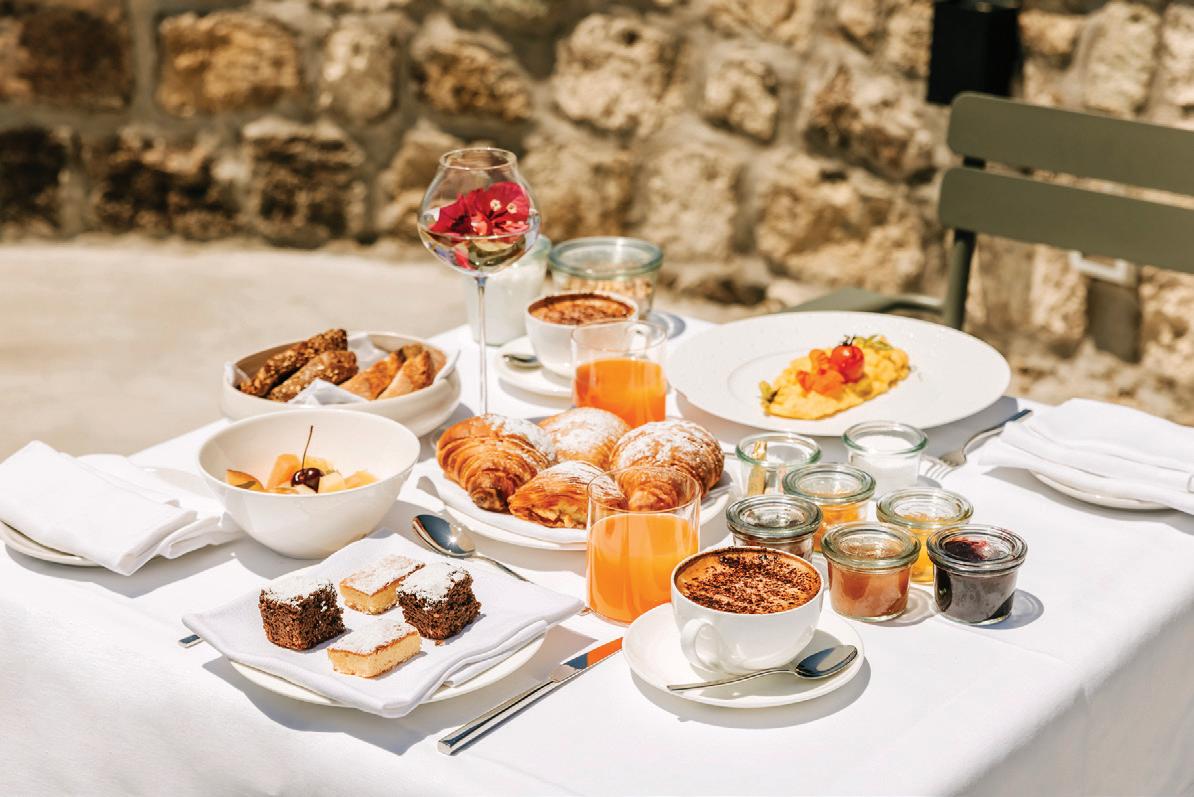

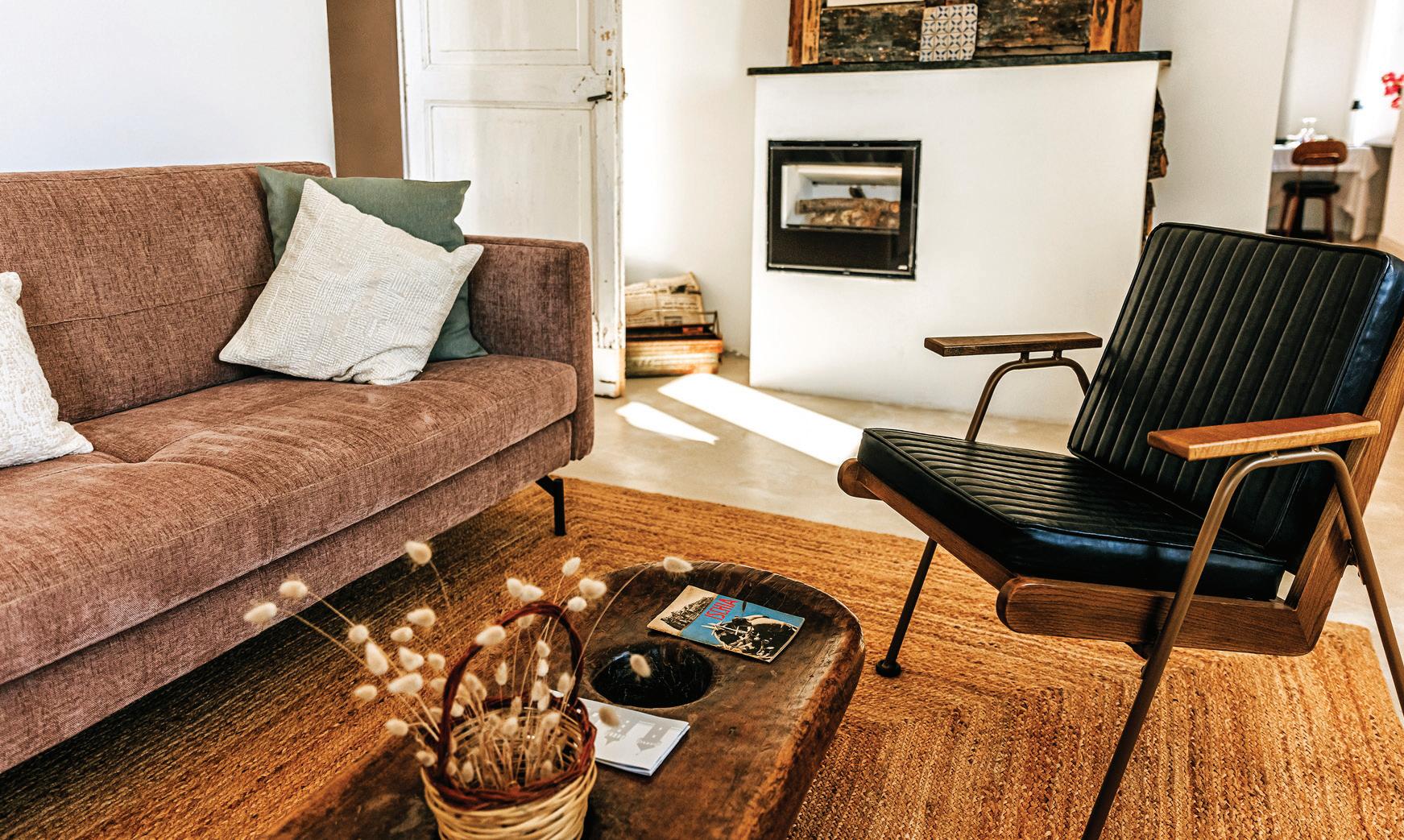

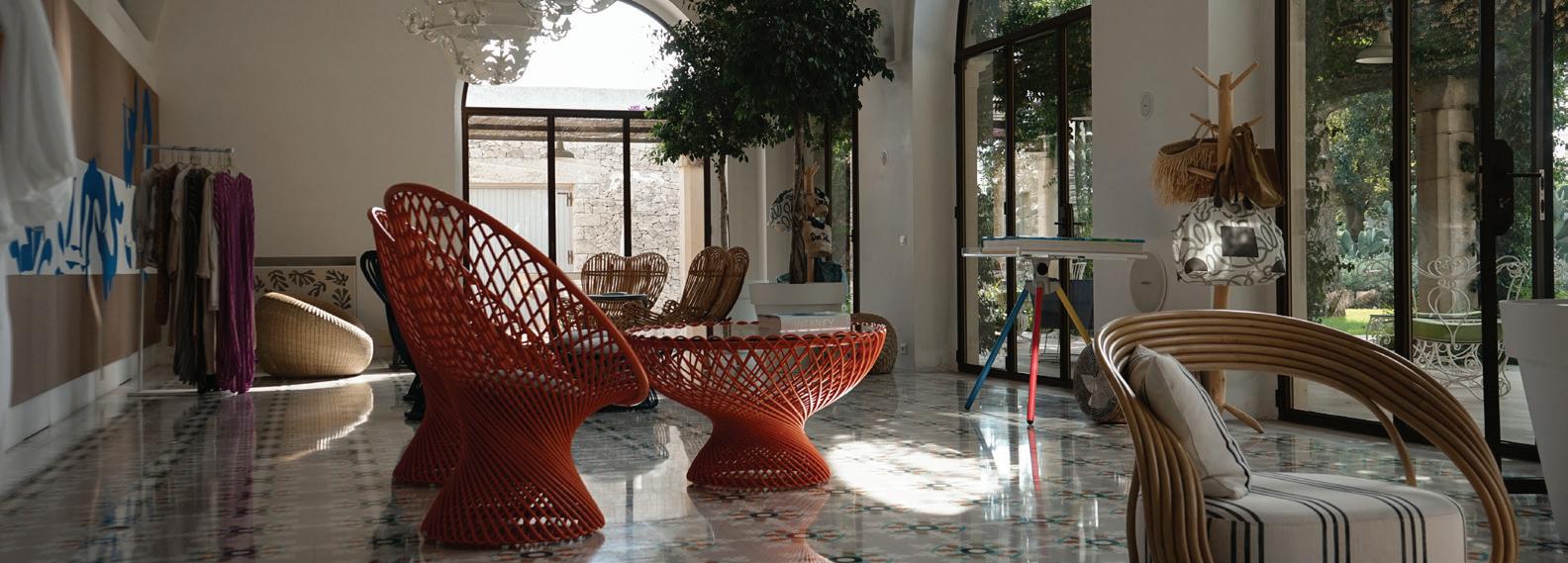
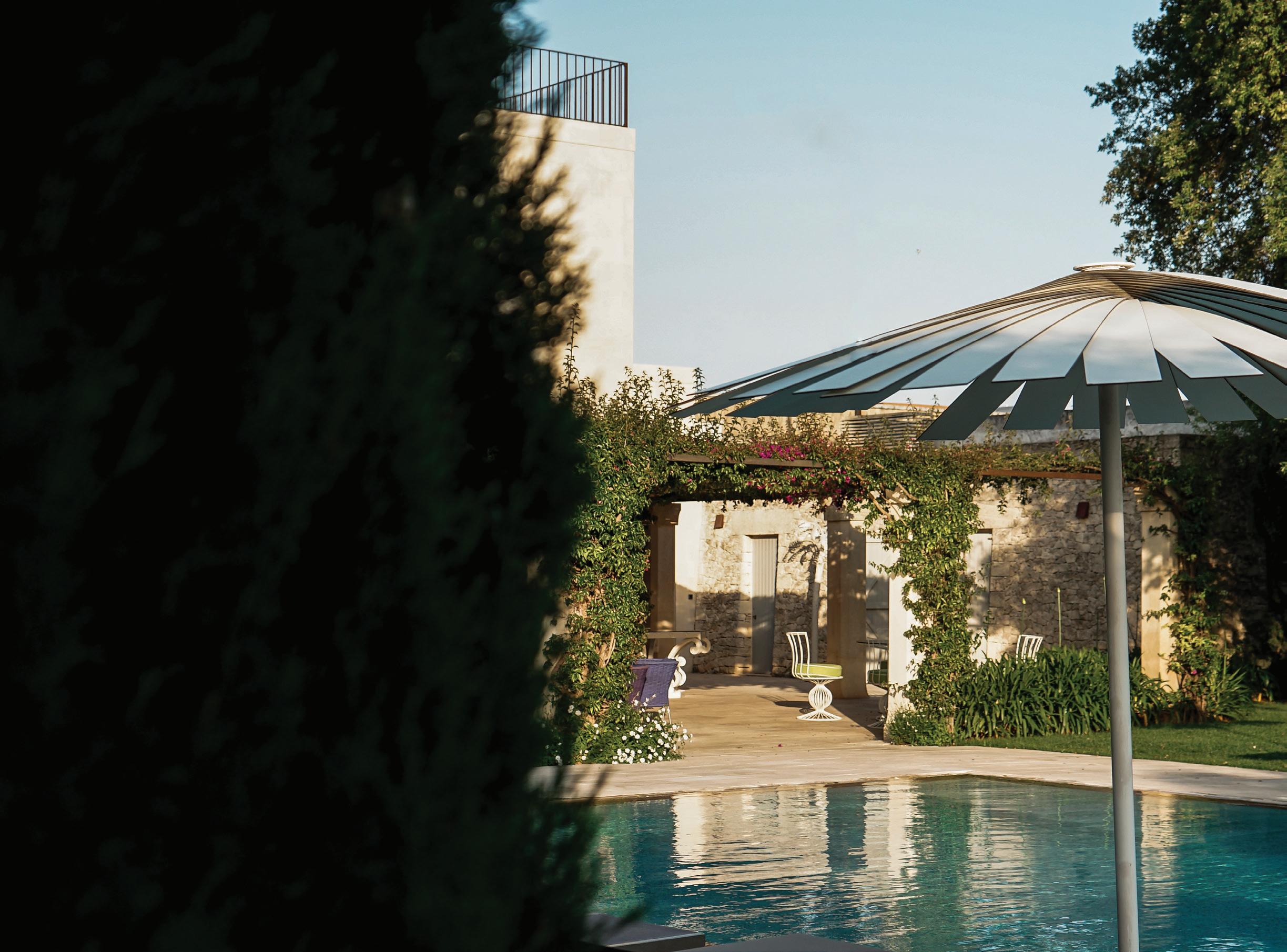
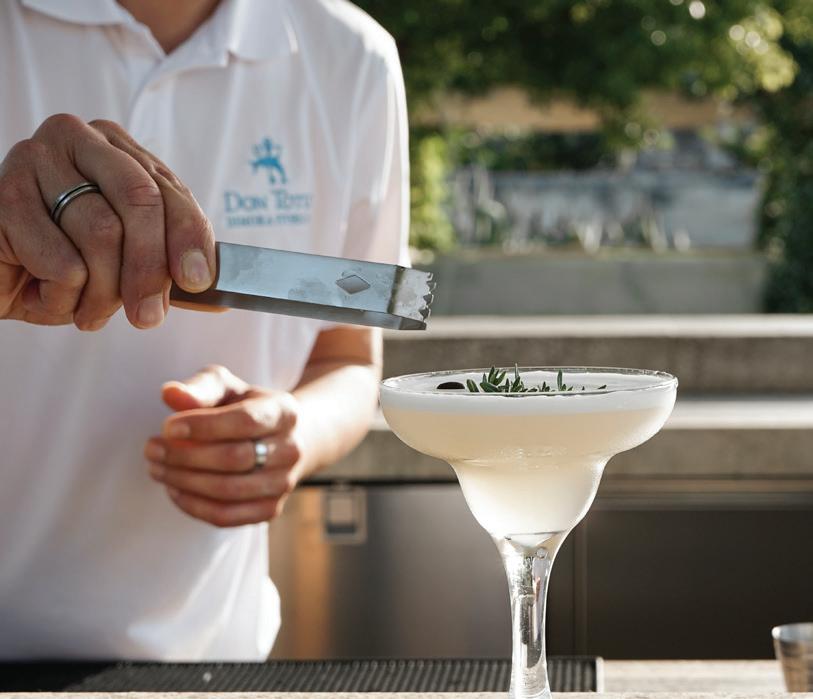
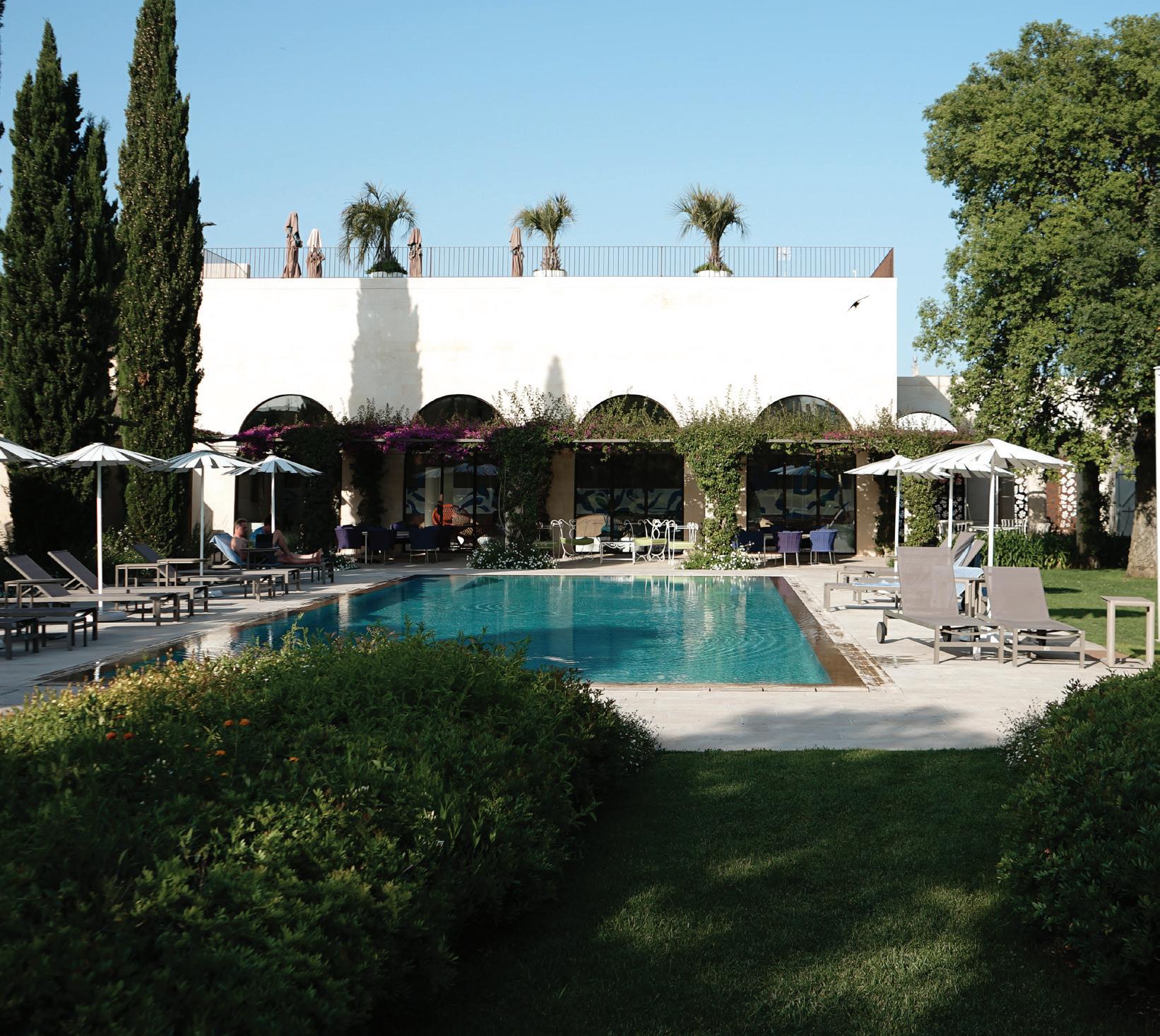
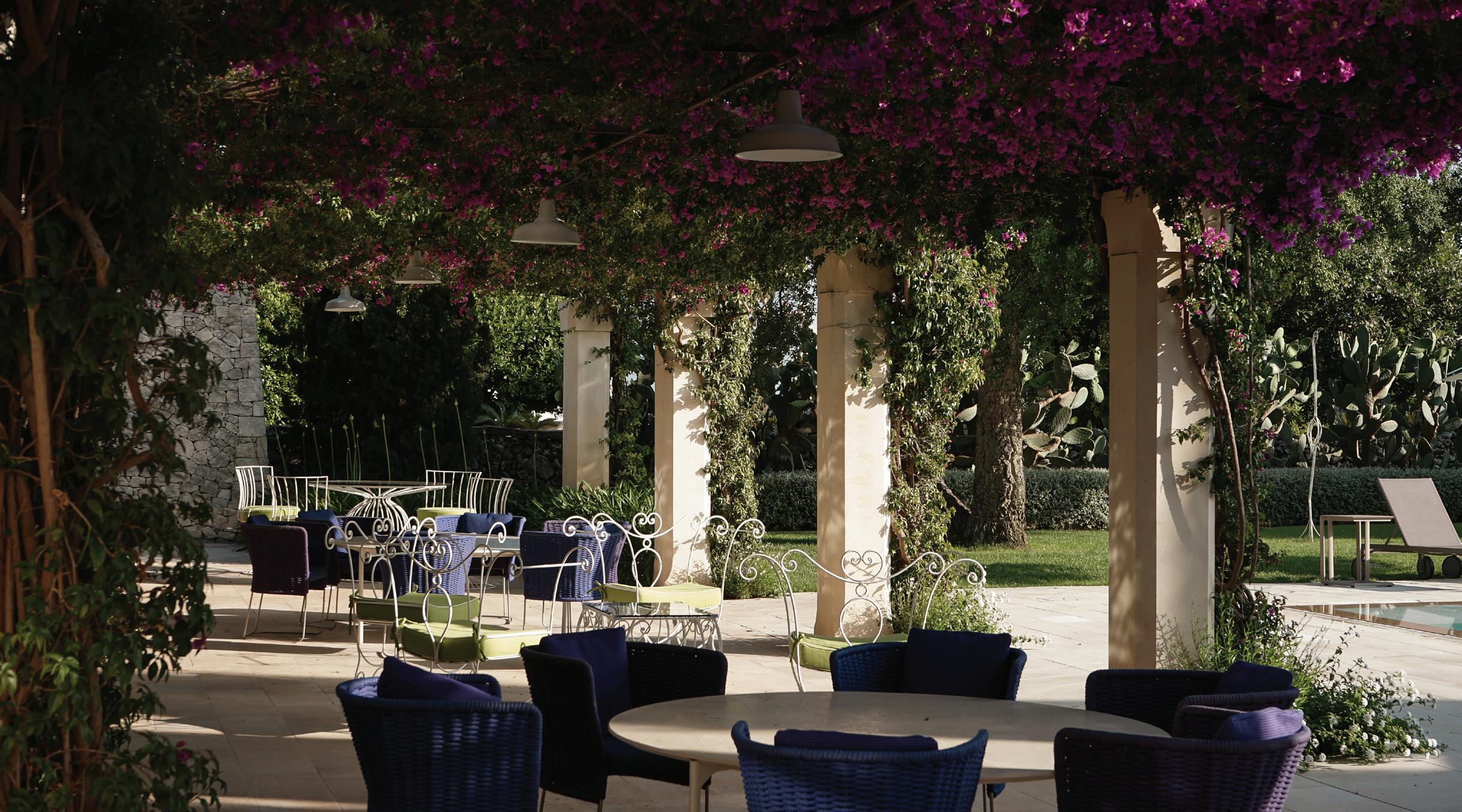
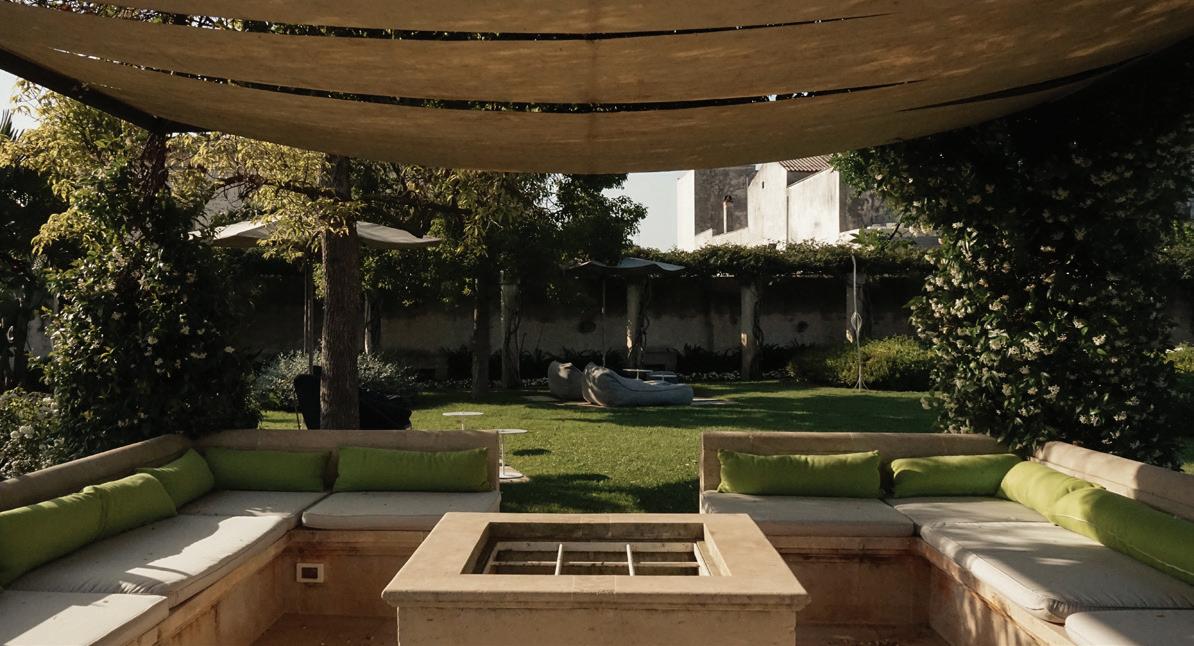
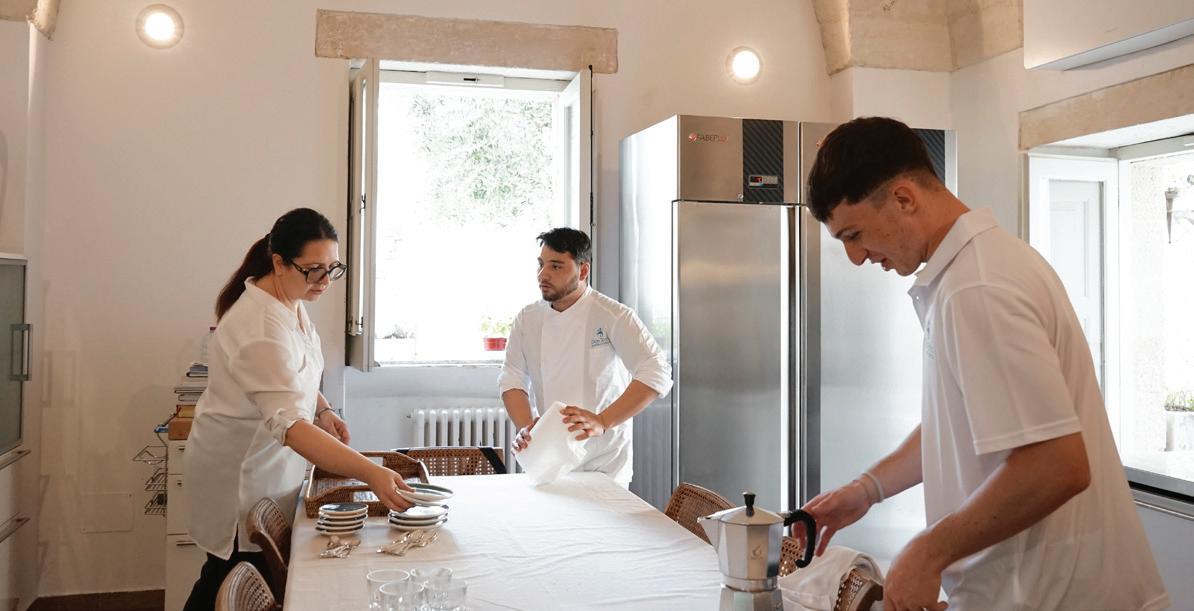
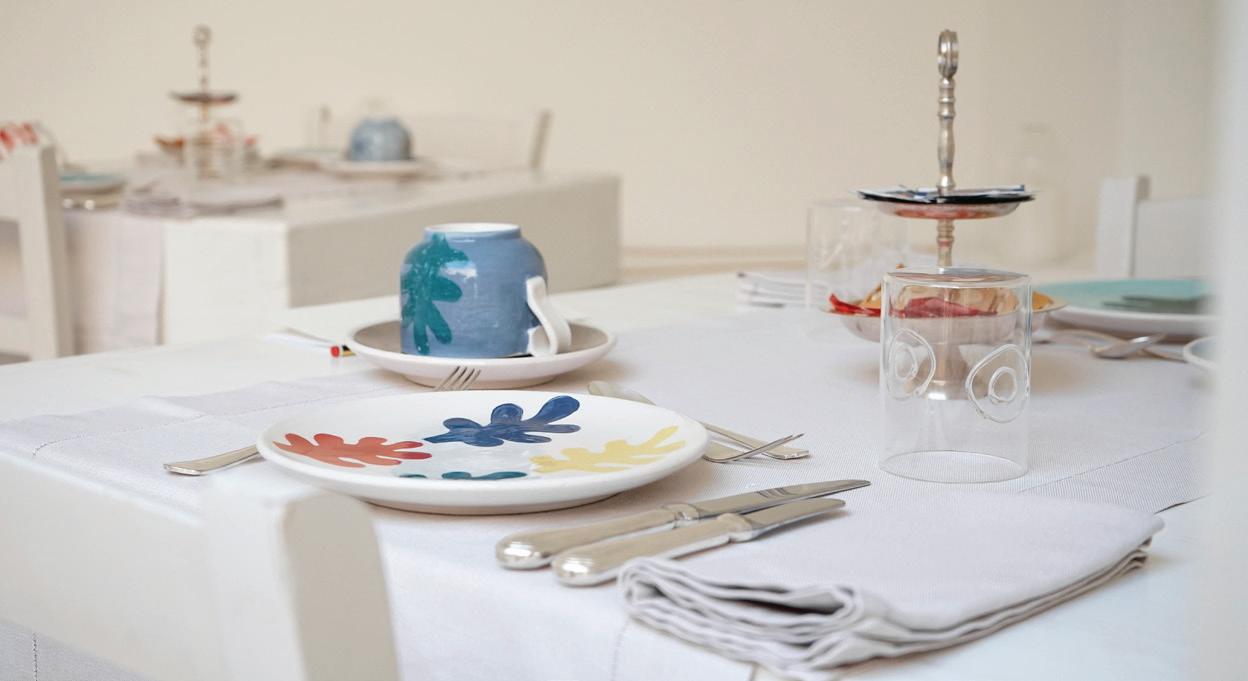
Nestled in the serene heart of Salento, Don Totu offers a rare blend of understated sophistication and passionate hospitality, inviting its privileged guests to just be. Born from the travel experiences and passion for historic preservation of two Italian university professors, the intimate retreat allows visitors to be consumed by personalized hospitality and an unparalleled level of service, redefining luxury in the heart of Salento.
Set within a beautifully preserved “casino di campagna” or a “hidden country palace” from the early 1800s, guests immerse themselves in its rich historical charm, tranquil gardens and authentic southern Italian elegance. At Don Totu, each detail is meticulously crafted to engage the senses and offer an extraordinary experience, where warmth, beauty, privacy and an unwavering commitment to satisfaction create a sanctuary unlike any other.















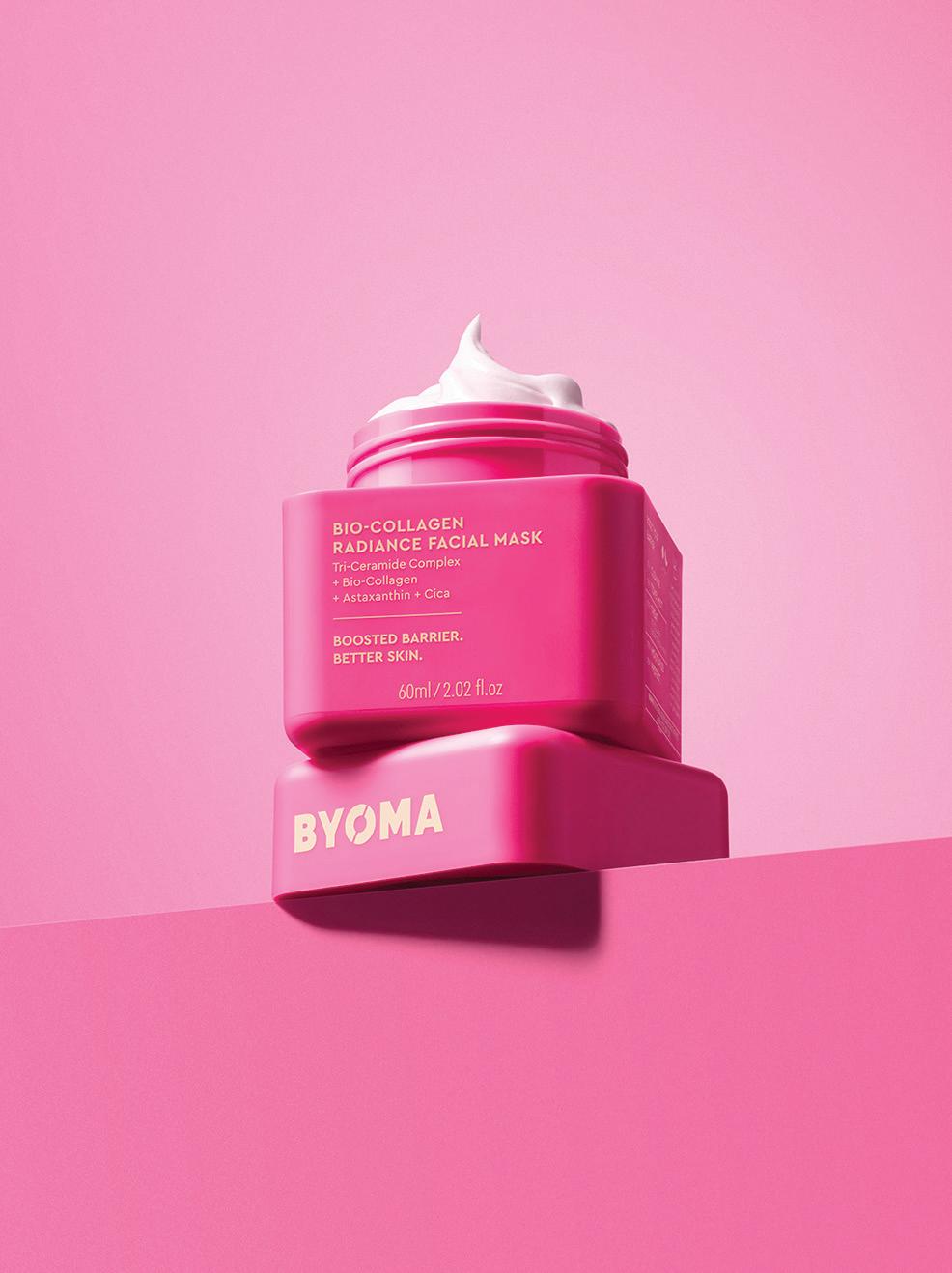
Byoma, the barrier-first derm skincare brand redefining simplicity and science for the next generation, debuted its first-ever TV commercial, “The Byoma Shorttime Show.” Inspired by one of the internet's most talked-about moments ahead of the big game, the digital-first, cultureled campaign introduced the new Bio-Collagen Radiance Facial Mask through a bold creative response designed to live across a fully integrated media ecosystem.
What began as viral discourse around a reported height requirement for a major halftime performance quickly became a cultural flashpoint, igniting memes, commentary and a wave of “short king/queen” pride across social platforms. As the internet debated who was “tall enough” for the biggest stage of the year, Byoma posed a different question: What if shorter is actually better?
That insight became the foundation of “The Byoma Shorttime Show,” a campaign that reframes “too short” as a strength and turns cultural exclusion into confidence. Byoma’s Bio-Collagen Radiance Facial Mask delivers clinically proven glass skin in just 20 minutes with no waiting, no gatekeeping and no height requirements. The campaign’s cast reflects a deliberate cultural stance, spotlighting a new generation of skincare voices whose humor, influence and creativity shape how Gen Z and Gen Alpha discover and trust beauty. These standout creators are redefining skincare culture
in real time, and Byoma placed them at its center. Featured creators include Juhm, Dylan Kevitch, Lisi German, Micky Gordon and Kristyn Hoffman.
“‘The Byoma Shorttime Show’ marks a defining moment for the brand,” said Tara Loftis, global president and chief brand officer at Byoma. “As our first-ever TV commercial, it formally defines a new era of skincare influence, one where culturally fluent creators are not following beauty culture but shaping it for Gen Z and Gen Alpha.”
The campaign not only taps into cultural moments but also showcases Byoma’s commitment to effective, science-backed skincare that delivers real results.
“From day one, Byoma has been about solving real problems with real science, and the BioCollagen Radiance Facial Mask brings that mission to life,” said Marc Elrick, founder and CEO of Byoma. “While collagen masks have gone viral, many focus on quick hydration without supporting the skin barrier. We engineered ours to be clinically backed, barrier-strengthening and powerful enough to deliver glass-skin results in just 20 minutes. The Shorttime Show is the ideal way to debut it, celebrating the idea that when it’s done right, shorter really is better.”
The campaign launched in phases, beginning with teaser dropped across Byoma’s channels and talent channels in late January. The full campaign went live February 6 and included:
A digital-first hero commercial across Byoma’ s owned platforms, further amplified on YouTube
Strategic partnership-led amplification on TikTok
A regional TV spot airing exclusively in Seattle, Washington during the big game
A suite of social cutdowns extending the cultural moment across platforms
Executed with Prompt and Tusk, the campaign was developed in just two weeks, turning a viral cultural flashpoint into a real-time celebration of short kings and queens while introducing Byoma’s newest innovation at the center of online conversation. Shot entirely on iPhone 17, the work underscores Byoma’s belief that simplicity, speed and science drive outsized impact.
Check out Byoma’s social channels: instagram.com/byoma/?hl=en tiktok.com/@byoma?lang=en
youtube.com/channel/ UCJHQIUKgwerZ32oNt2OEaAQ







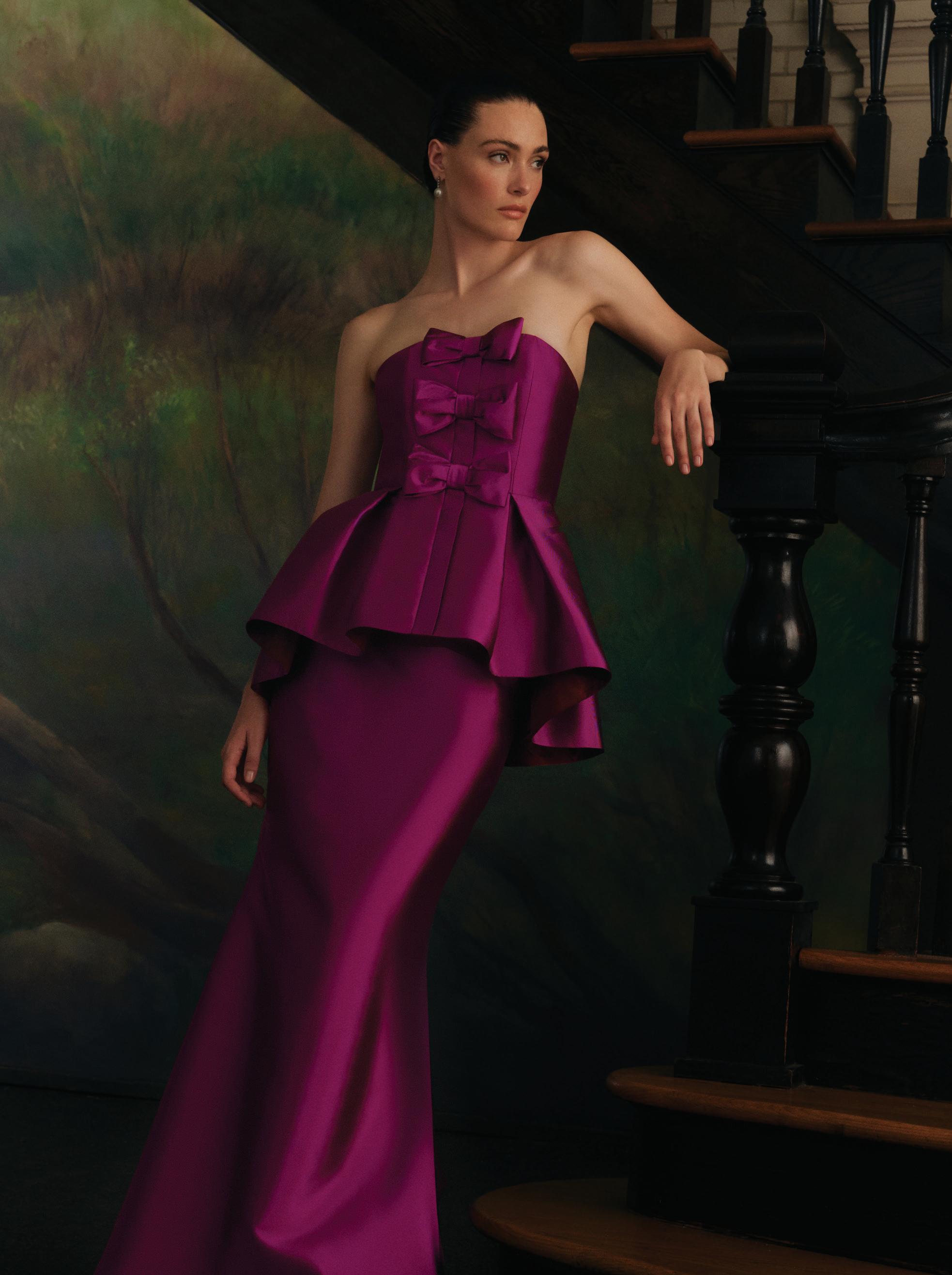
With the 2026 Year of Elegance Collection
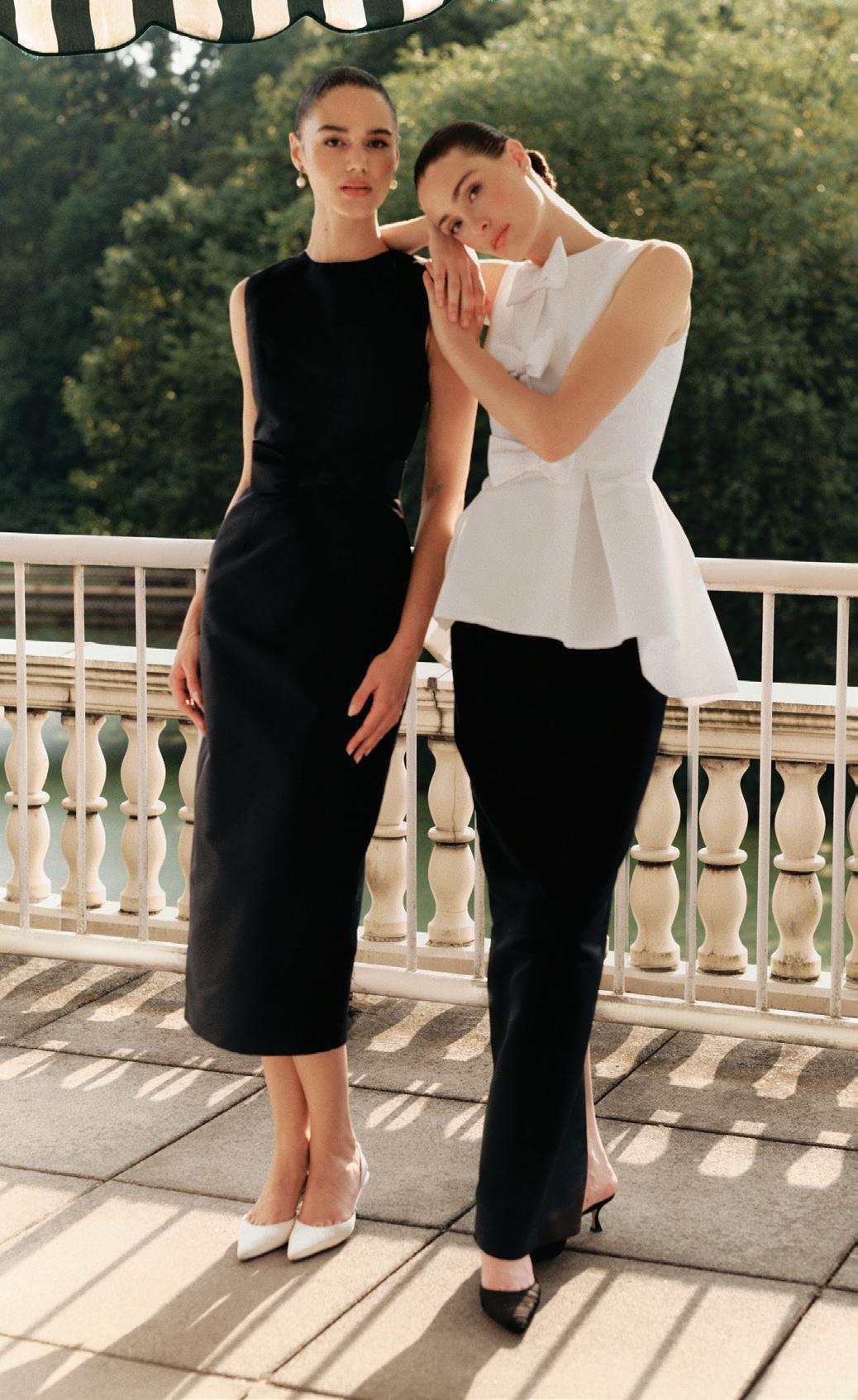
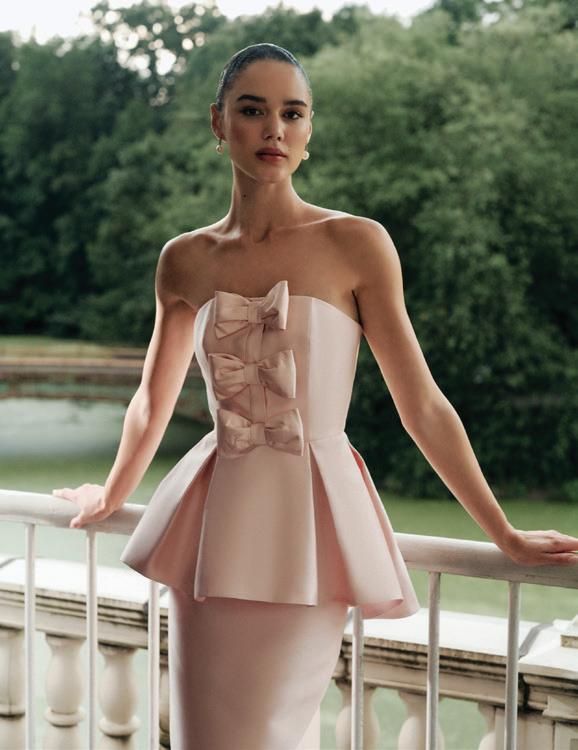
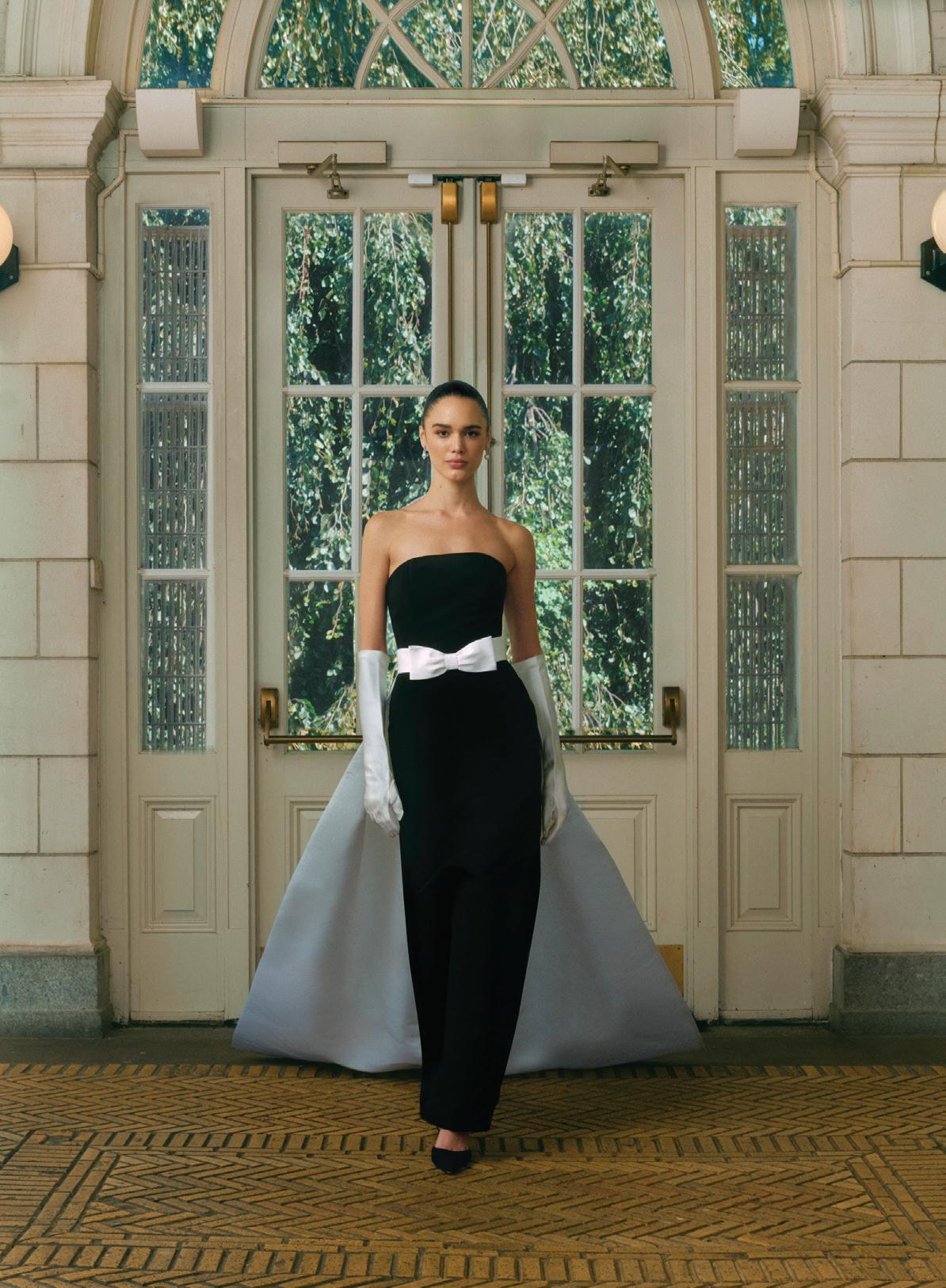
Born and raised in Mexico, Alexia María developed her passion for fashion from an early age. She spent much of her childhood in her grandmother’s atelier, where she was introduced to the design process and the significance of meticulous craftsmanship. Inspired by the glamour and original style icons of the 1950s—including cinematic legends and screen sirens like Audrey Hepburn, Grace Kelly and Jackie Kennedy—María eventually began designing her own collections. She favors structured silhouettes and is dedicated to achieving a perfectly tailored look. Designing with the mission to reignite the art of dressing up, her collections showcase a bespoke approach to tailoring, offering a modern perspective on a timelessly feminine aesthetic.
Based in San Diego, California, the brand is creatively driven by the belief that beauty lies in simplicity and precision in tailoring, and that craftsmanship is synonymous with artistry. María aims to provide women with classic, yet modern and functional pieces that will endure beyond fleeting trends.
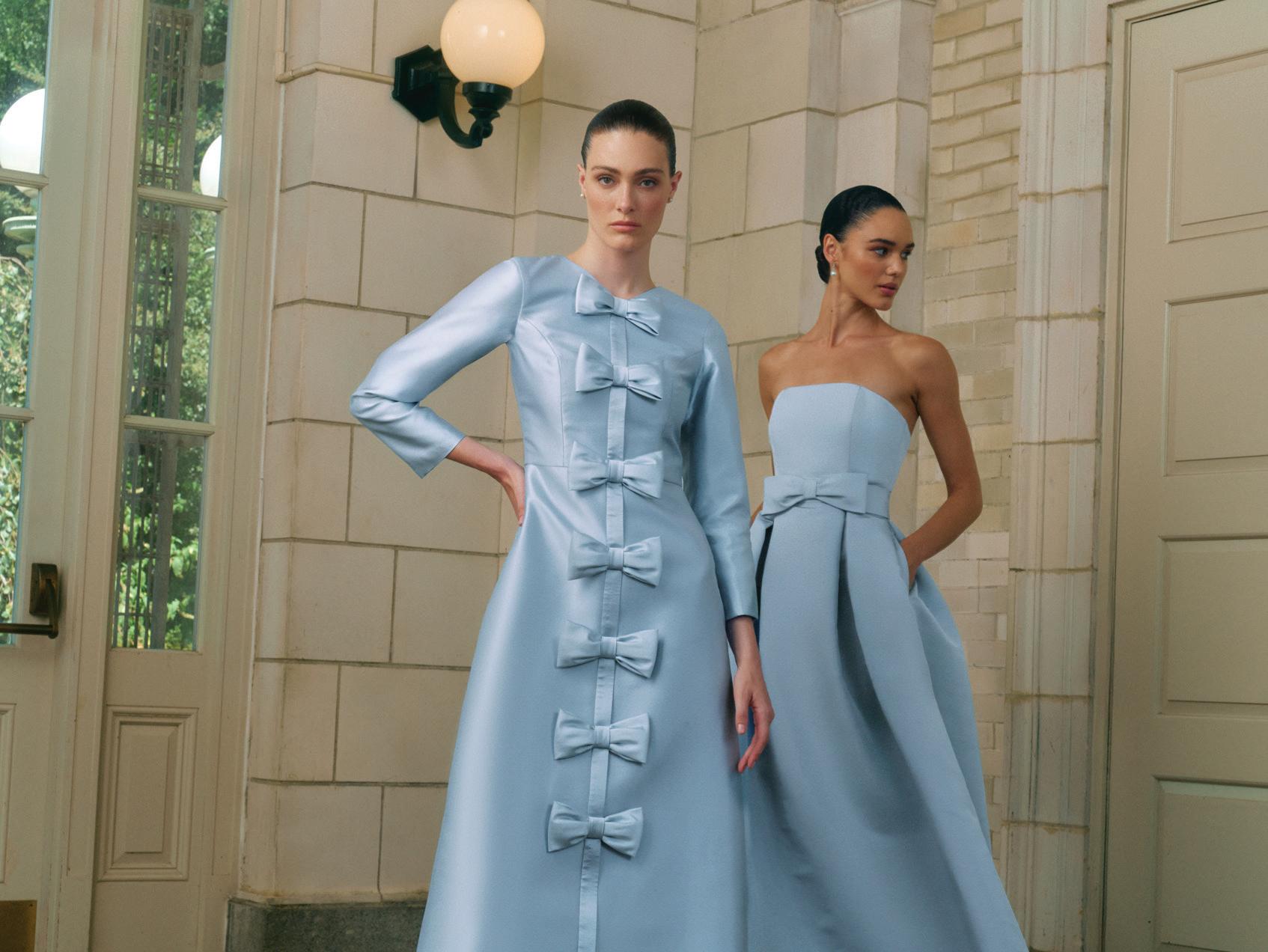
Alexia Maria’s 2026 collection, titled “A Year of Elegance,” marks the launch of the new model and a defining moment for the brand as it transitions to a seasonless, annual collection approach. It reflects Alexia María’s dedication to designing timeless eveningwear staples—pieces that transcend seasons and offer versatility, sculptural beauty and the brand’s emblematic bows. Designed to be foundational elements in a woman’s wardrobe, the collection seamlessly blends classic femininity with a modern, architectural sensibility.
“Elegance has always been at the heart of Alexia María. It is present in every bow, every sculpted silhouette and every thoughtful stitch crafted in our California atelier. This collection brings that essence forward through an atemporal design philosophy: versatile, timeless pieces designed to transcend trends and move with you through the year’s seasons and special occasions,” said María.
The new 30-piece collection is available in ten different colors, with each style made-to-order in María’s San Diego atelier in 10 to 14 business days. “I’ve always designed for the women in my life—elegant, graceful and endlessly inspiring. This collection is a reflection of them, and of the incredible women who wear Alexia María and elevate dressing up into an art form of their own.”


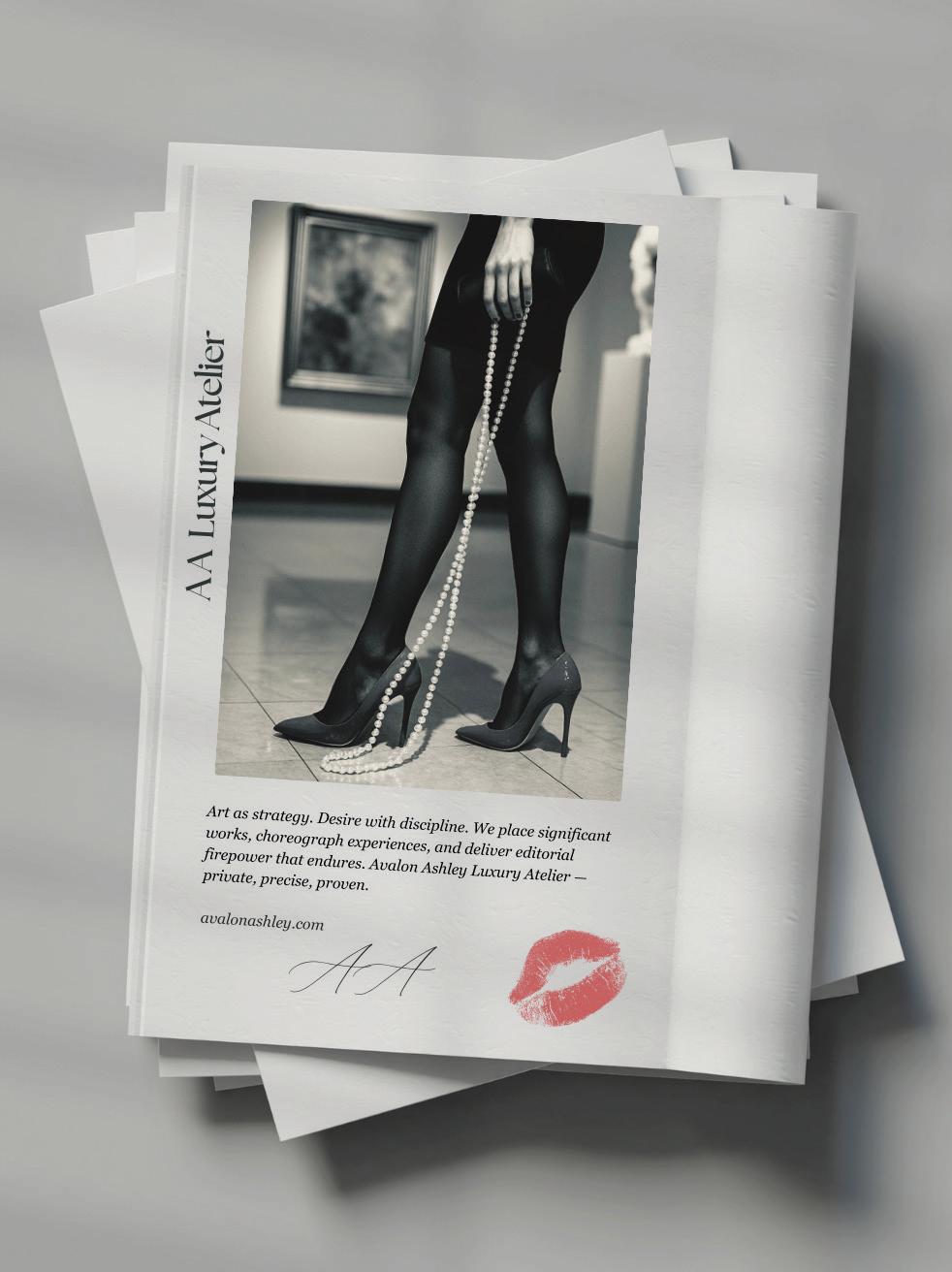
By Avalon Ashley Bellos
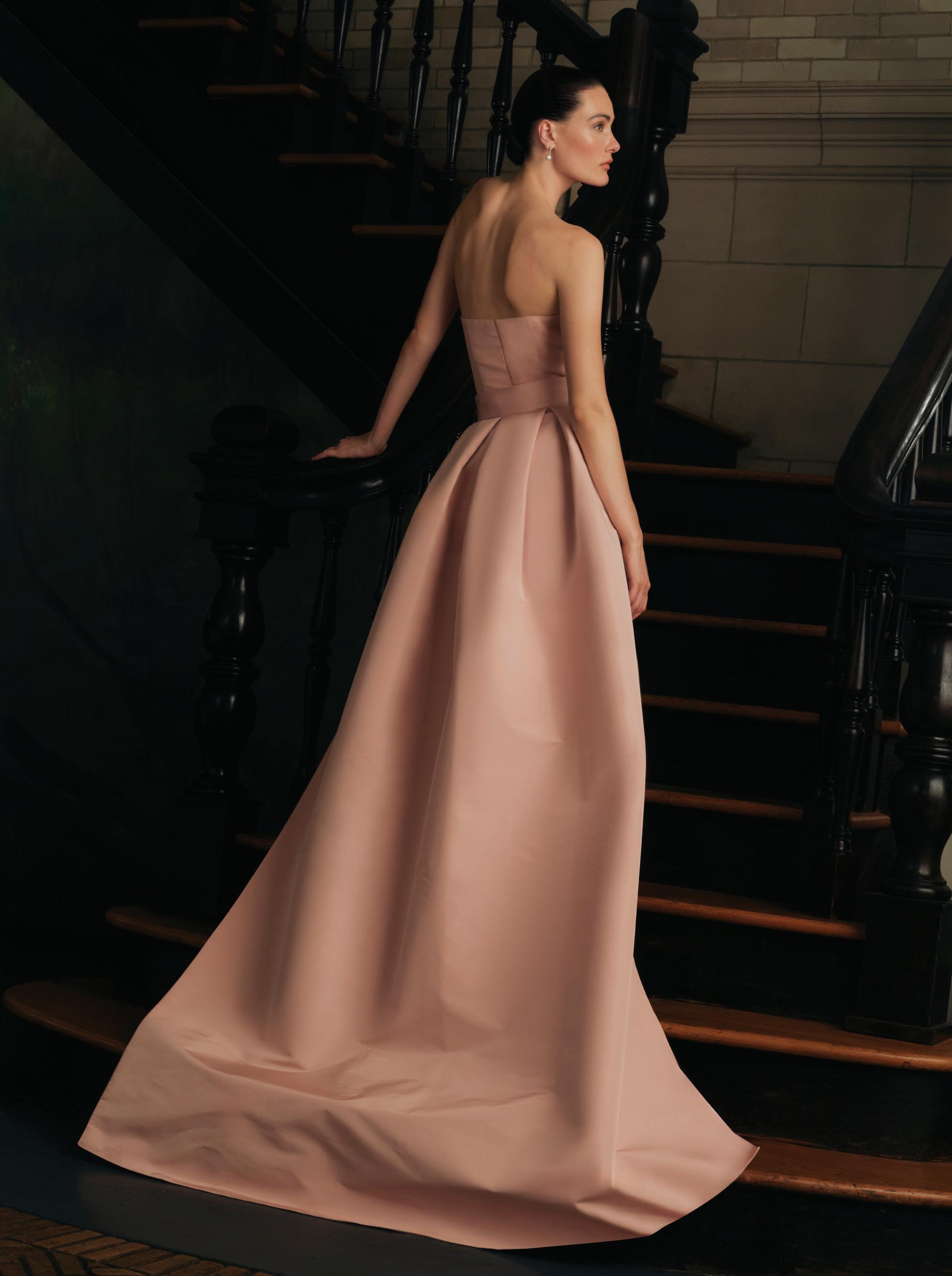
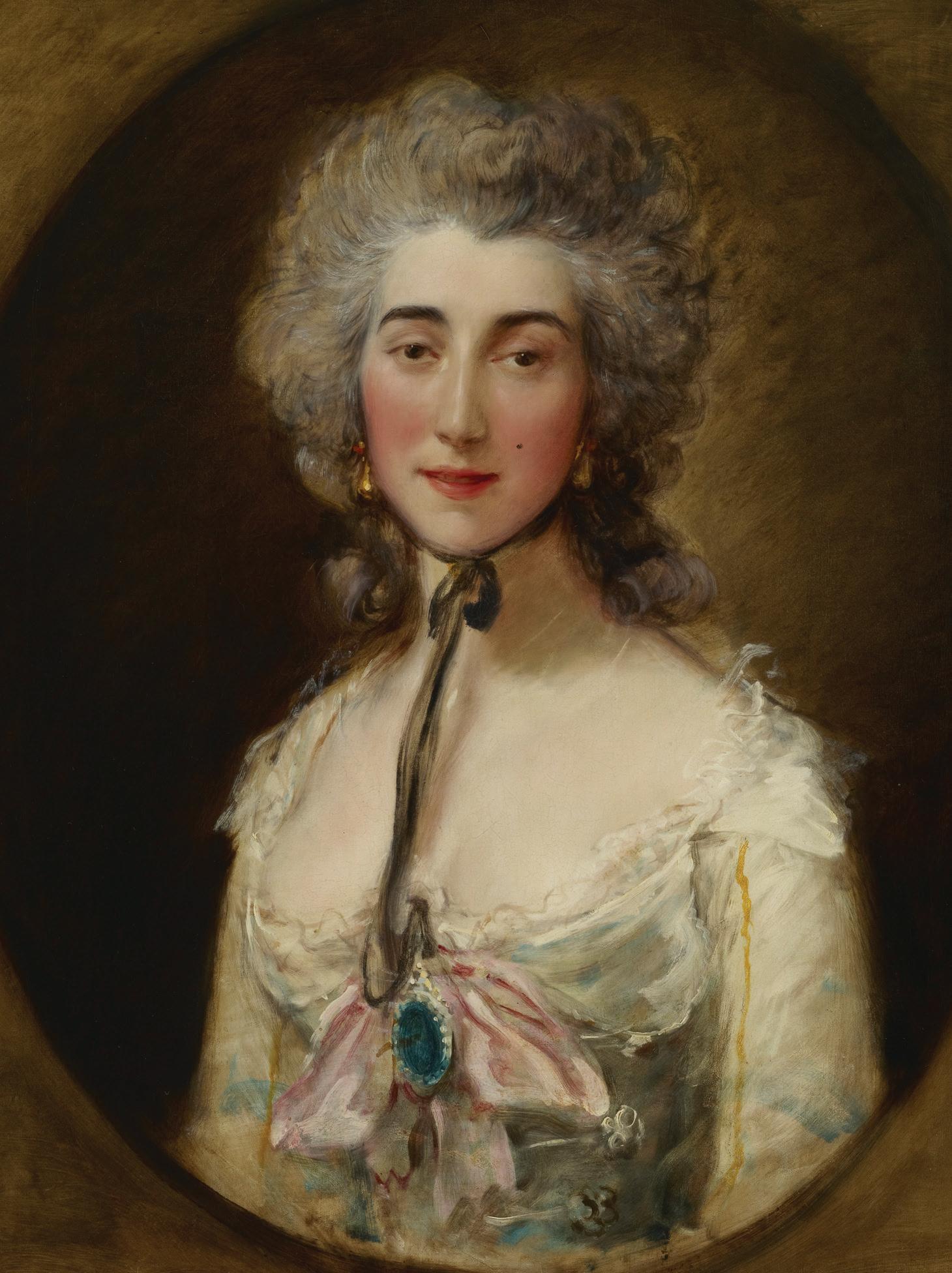
In Georgian Britain, power was neither whispered nor implied. It was engineered in silk, structured in posture and sealed in pigment. Portraiture functioned as both social document and strategic instrument, translating lineage, land and legitimacy into visual permanence. At The Frick Collection, Gainsborough: The Fashion of Portraiture restores Thomas Gainsborough to this charged arena, revealing a painter who understood clothing not as embellishment but as a primary architecture of authority.
To encounter these works now, in the lingering afterglow of New York Fashion Week, is to recognize an unbroken lineage between Georgian portraiture and contemporary fashion systems. The eighteenth-century elite deployed textile, silhouette and gesture to construct identity with the same deliberateness today’s fashion houses apply to runway narratives and brand mythologies. Gainsborough’s canvases reveal that the fusion of art and fashion is not a modern invention; it is foundational.
Status in Georgian society was constructed through visible codes. Fabric functioned as rhetoric. Cut signaled class literacy. Surface communicated discipline, restraint and cultivated taste. Portraiture did not simply record these signals—it refined and amplified them. A commissioned likeness stabilized reputation, projected virtue and ensured a family’s cultural presence across generations. Paint became a vessel for continuity.
Gainsborough’s technical construction intensifies this language. His brushwork operates with an airy elasticity that allows garments to feel animated by atmosphere rather than fixed to form. Satin is built through layered translucencies and directional highlights that turn the surface into a responsive field of light. Velvet absorbs illumination, producing depths that feel almost gravitational. Lace emerges through fractured touches and broken strokes, suggesting fragility without descriptive rigidity. Embroidery is rendered through jeweled punctuations of pigment that catch the eye like refracted light.
Stand close and the surface dissolves into abstraction: vaporous strokes, feathered edges, loaded marks that taper and release. Step back and structure reasserts itself—rank, composure and sartorial magnificence resolve with startling clarity. Gainsborough understood that illusion depends upon distance and that perception itself is a collaborator.
Textiles assume sculptural presence. Silk skirts expand like atmospheric pressure systems. Organza dissolves at the edges into luminosity. Sashes introduce diagonals that stabilize the figure while projecting command. Capes breathe outward, extending the body’s authority into surrounding space. Powdered hair rises like architectural ornament, balancing volume and verticality.
Garments are never inert. Sleeves turn. Ribbons loosen. Fabric gathers midmotion. The sitter is caught within a choreography of dress, suggesting that identity itself is performed rather than fixed. Within this sartorial theater, Gainsborough acknowledges the aristocratic lineage of Anthony van Dyck —the cascading drapery, the elongated line, the aristocratic sweep—yet his emphasis remains resolutely contemporary. Fashion is not historical citation. It is living language.
This visual grammar resonates powerfully with today’s fashion visionaries. The sculptural tailoring and disciplined romanticism of Sarah Burton’s tenure at Alexander McQueen echo Gainsborough’s balance of structure and movement. Pierpaolo Piccioli’s work for Valentino, with its operatic volumes and saturated chromatic presence, mirrors the painter’s understanding of fabric as emotional architecture. The intellectual historicism of Maria Grazia Chiuri at Dior recalls the eighteenth century’s dialogue between dress and power, while Thom Browne’s precision tailoring reasserts clothing as social code and disciplined identity. Even Harris Reed’s theatrical silhouettes and gender-fluid aristocratic references feel spiritually aligned with the performative elegance embedded in Gainsborough’s compositions.
The famed conversation pieces extend this synthesis further by situating sitters within atmospheric landscapes rather than static interiors. Trees lean into the compositional field. Skies participate in the narrative. Identity unfolds in relation to environment, suggesting that status is inseparable from cultivated land, stewardship and proximity to nature. The result is less portrait than ecosystem.
The exhibition’s most intellectually resonant moment arrives in the portrait of Ignatius Sancho. Born into enslavement and later a composer, writer and leading Afro-British intellectual, Sancho is presented with unmistakable dignity and interior authority. He is not rendered as function or curiosity but as a fully realized gentleman. His attire participates in the visual grammar of respectability and intellect, reinforcing the radical assertion of his humanity within a stratified society. The portrait collapses centuries, speaking directly to contemporary discourse on representation, visibility and the politics of being seen.
Equally modern is Gainsborough’s practice of revisiting canvases to update costume elements in accordance with evolving fashion. Identity, even in the eighteenth century, was not static. It was revised, recalibrated and refined. Paint functioned as a living medium of time, capable of adapting the image to shifting cultural codes.
The cumulative effect of The Fashion of Portraiture is sumptuous yet intellectually precise. These works remind us that fashion within painting is never ornamental. It is a system of signs encoding power, aspiration, morality and belonging. Textile becomes text. Surface becomes strategy. Silhouette becomes social architecture.
To stand before Gainsborough in this moment—when fashion, media and identity are again entwined in public performance—is to recognize a continuum rather than a rupture. The runway did not invent the spectacle of power; it inherited it. Georgian portraiture laid the foundation. Here, art and fashion do not intersect. They are indivisible.
Cultural analysis at the intersection of art, fashion and legacy by AA Luxury Atelier
The Albertina Museum, Vienna, houses one of the world’s largest graphic collections, comprising over 1.2 million works. This year, the collection celebrates its 250th anniversary.
“The Albertina’s founding 250 years ago gives us cause to celebrate, and to place our institution and its collection at the center of our 2026 programming. We regard the Albertina’s incomparable holdings as a worldclass artistic treasure and a powerful source of inspiration that can serve as a springboard for the future. With the energy thus gained, we now look forward with courage: we intend to further the development of our museum, revealing new perspectives on what is already here while consistently evolving our collection for the generations yet to come. This entails going beyond conserving past achievements to actively shape the future—doing so hand-inhand with our audience and with openness to innovation. Good art is timeless—and precisely this is what the Albertina will be demonstrating throughout 2026, with a special focus on its own rich heritage as well as inspiring exhibitions of works by Austrian and international artists. We hence set out to celebrate this special year with diverse and lively programming that will enable new discoveries and open new, forward-looking avenues of cultural outreach,” said General Ralph Gleis, director of the Albertina.
While much has been written about the Albertina, nowhere near everything has been said. What stories have yet to be told? What still awaits discovery? And how will the Albertina develop in the future? These questions guide us through this anniversary year’s programming.
Three major exhibitions: “Fascination Paper,” “Collecting for the Future” and “Women Artists of the Albertina” feature innovative approaches and are conceived to present the Albertina’s world-famous collection from new perspectives.
These highlight objects both rarely shown and are entirely unknown while also devoting renewed scrutiny to known artistic quantities.
A “path of discovery” through the Albertina’s extensive collections encourages visitors to visit the exhibition “Fascination Paper” to experience the tradition-steeped medium of paper anew and interact with art from unaccustomed perspectives.
Taking a renewed look at the Albertina’s history also entails centering a female personality whose pivotal role in the collection’s founding is frequently overshadowed by that of her husband, Duke Albert of Saxe-Teschen: Archduchess Maria Christina. As the favorite daughter of Austrian ruler Maria Theresa, she endowed her marriage with the wealth that made possible such wide-ranging acquisitions of art. She had also been active as an artist in her own right since her youth which further equipped her to wield significant influence over the couple’s collecting pursuits. The anniversary exhibition “Collecting for the Future” devotes itself to this aspect of the Albertina’s history while showing how its extensive collection came together over time in light of exquisite examples ranging from Dürer’s Hare to the expressive drawings of Egon Schiele.
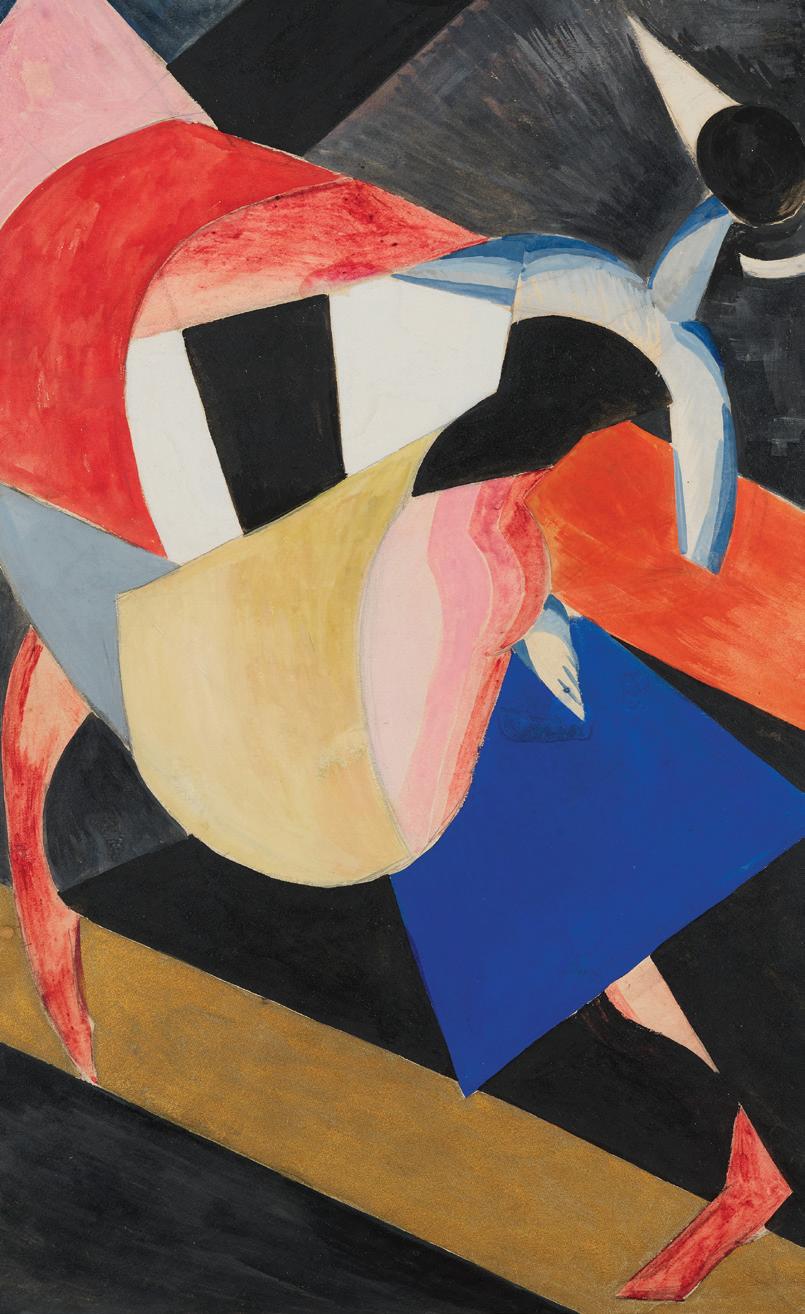
In keeping with this new perspective, the largescale autumn exhibition “Women Artists of the Albertina” will present an epoch-spanning dialogue that unites and invites discovery of female artistic positions that have previously received insufficient attention. While it now goes almost without saying to include women artists when planning new contemporary art acquisitions, multiple questions in this regard remain open when it comes to the museum’s historical holdings. Where are the women artists? What works might still lie hidden in one of the world’s largest collections? Who collected them? An ongoing research project on this topic has already produced astonishing findings—and in this anniversary year, we’ll be providing a look at the current state of knowledge and the diversity of art created by women.



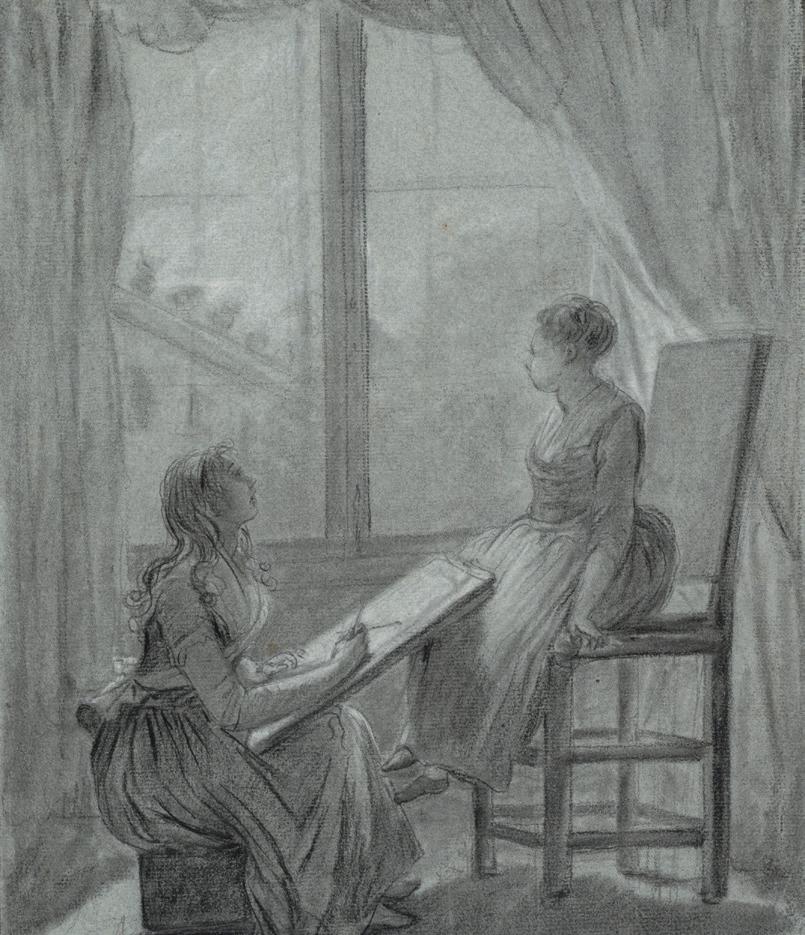



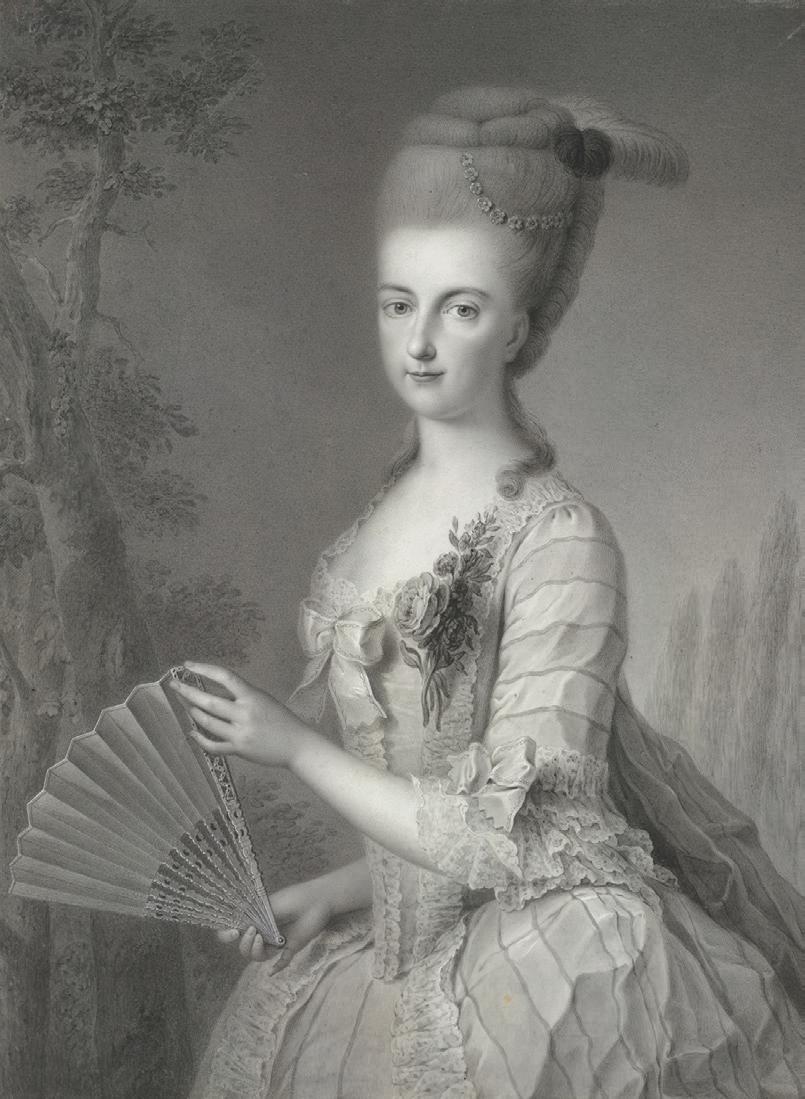
Johann August Walther
Erzherzogin Marie Christine von Österreich, Gattin des Herzogs Albert von Sachsen-Teschen, 1776

Emilie Mediz-Pelikan
Female centaur, 1895
29 x 54,6 cm, Colored

The coming year will see the Albertina’s three locations present a broad array of offerings: works by the French master of political caricature “Honoré Daumier,” whose oeuvre has influenced numerous generations of artists right up to the present. His works will receive their first presentation in many decades. The main autumn exhibition will in turn be devoted to the 20th century’s two most important figurative painters: Pablo Picasso and Francis Bacon.
the Muses will witness an official ceremony with a speech by Austria’s federal president.
Thursday, August 27, will see Albertina Klosterneuburg host an Artists’ Celebration at which the public can celebrate together with renowned artists in the museum building’s attractive inner courtyard.
On Saturday, September 26, the Albertina Museum will host a festive trip back in time to the 18th century. Those who turn up to this Rococo Special in costume will enjoy free admission and a party-like atmosphere in keeping with the Albert & Tina series’ proven recipe.

30.1 x 23.4 cm, Pinsel in Grau mit Weißhöhungen auf Pergament © Albertina, Wien


With Kaws. Art & Comix, Albertina Modern will invite the public to experience a contemporary art dialogue at the interface between comics and fine art. A major Richard Prince retrospective at the Albertina Museum will extend from the 1970s to the present in its emphasis on Prince’s photographic works. The Albertina Museum will also be placing a renewed focus this anniversary year on works by women artists prominent in Austria, and internationally with exhibitions featuring the oeuvres of Helga Philipp and Shara Hughes. And with a comprehensive Franz West retrospective as well as a presentation paying homage to Arnulf Rainer, the museum will also be devoting solo shows to two great masters from Austria.
At Albertina Klosterneuburg, the present year’s motto is “Donated with Love.” On exhibit will be a collection presentation that documents the contemporary art holdings’ broad spectrum and features the most recently donated works by artists ranging from Sean Scully to Julie Mehretu.
For the Albertina’s birthday on July 4, the Albertina Museum will extend an invitation to visit and discover the palace for free on Saturday and Sunday—a special celebratory event together with the general public. Those planning to attend can look forward to wide-ranging family and educational programming.
On the evening of the birthday itself, the Hall of
The Albertina’s anniversary is also set to make waves internationally: Austrian Cultural Forum locations in numerous major cities including New York, London, Madrid, Rome and Prague will be featuring the present and past of the museum, and its collections in their programing.


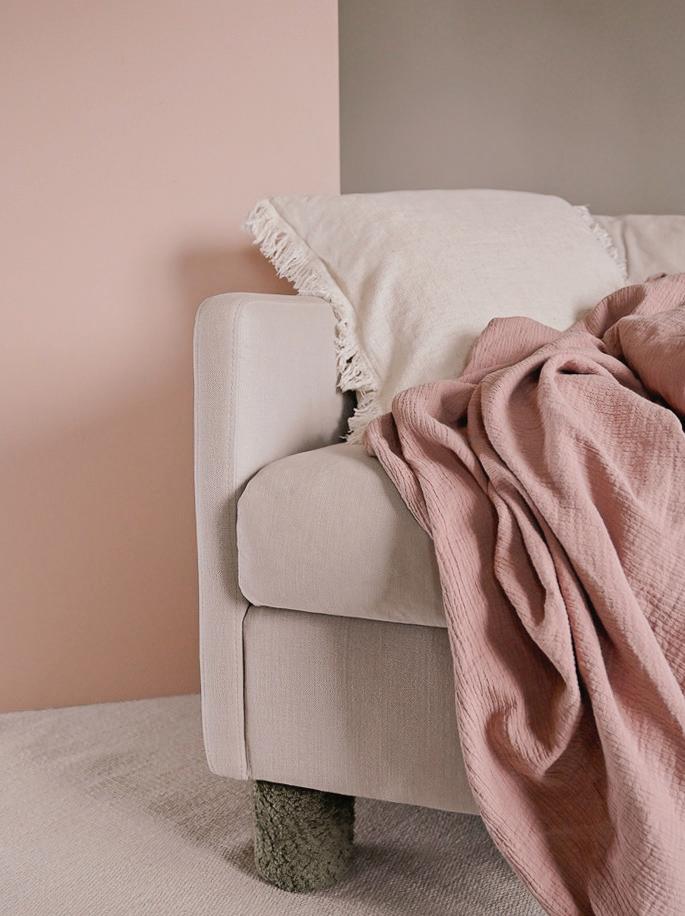

Prettypegs, the Swedish design brand known for redefining how people personalize and extend the life of their furniture, is taking the next step in its design journey. Since 2012, the company has helped thousands of homes gain more character through its distinctive furniture legs, knobs and smart accessories. Everything is rooted in the belief that even small details can make a big difference.
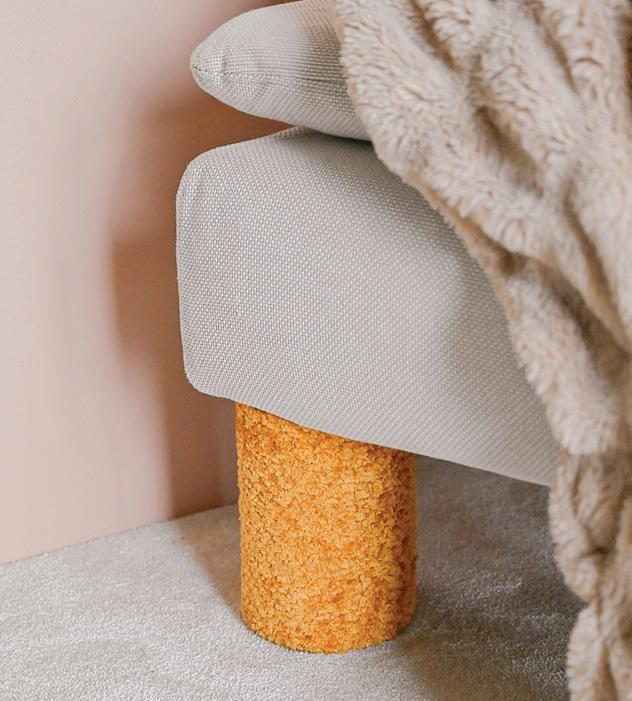
Now, Prettypegs launched an entirely new concept: textile-wrapped furniture legs. This new category brings together Scandinavian minimalism and colorful textiles, offering a fresh way to add warmth and a cozy, inviting feel to the home.
For Prettypegs, the launch marks an exciting evolution. After many years of working with wood and metal, dressing accessories in textiles felt like a natural next step and an opportunity to introduce something genuinely new to the furniture accessories market.
“We have always felt that furniture legs can carry just as much personality as the rest of the piece. With textiles, we open up a completely new way to express that and add softness during the long Nordic winters. We create small contrasts that make a room feel more alive,” said Jenna Kulmalainen, creative content lead at Prettypegs. “Textiles play a central role in Scandinavian homes, especially as the days grow shorter and the need for warmth and texture increases,” Jenna continued. “We started asking ourselves why that feeling couldn’t extend all the way down to the furniture legs. The result feels both familiar and entirely new at the same time.”
Each leg is built around a solid wooden core and hand-wrapped in carefully selected upholstery fabrics. Rather than simply blending in, the legs become small sculptural details that add texture, warmth and contrast to sofas, beds, cabinets and storage furniture.


Prettypegs’ textile-wrapped legs are available in three colors and two heights, designed to fit both Ikea and non-Ikea furniture.
Colors
• Off-White — A soft, timeless bouclé.
• Dark Sage Green — A muted green in Chenille Pile.
• Mustard Yellow — Warm and playful, with a subtle vintage feel in Chenille Pile.
Heights
• 120 mm — Off-White, Dark Sage Green
• 170 mm — Off-White, Dark Sage Green, Mustard Yellow
Price
• 120 mm textile-wrapped leg: 20€ per piece
• 170 mm textile-wrapped leg: 22€ per piece
Thanks to their universal fittings, the legs are easy to install and work just as well with Ikea furniture as with other pieces around the home. They function almost like small textile-covered sculptures, transforming the atmosphere of a room in an unexpected and inviting way.
The collection is fully aligned with Prettypegs’ approach to sustainable interior design. The aim is to inspire people to refresh their existing furniture rather than replace it. With a simple change of legs, a piece of furniture can be given new life. This extends its lifespan while adding a personal update to the home.
“We want to give people creative tools that make interior design personal and meaningful. The textile legs introduce a new kind of softness to a room, both visually and in how it feels. They are cosy, expressive, and unlike anything we’ve done before,” says the team.



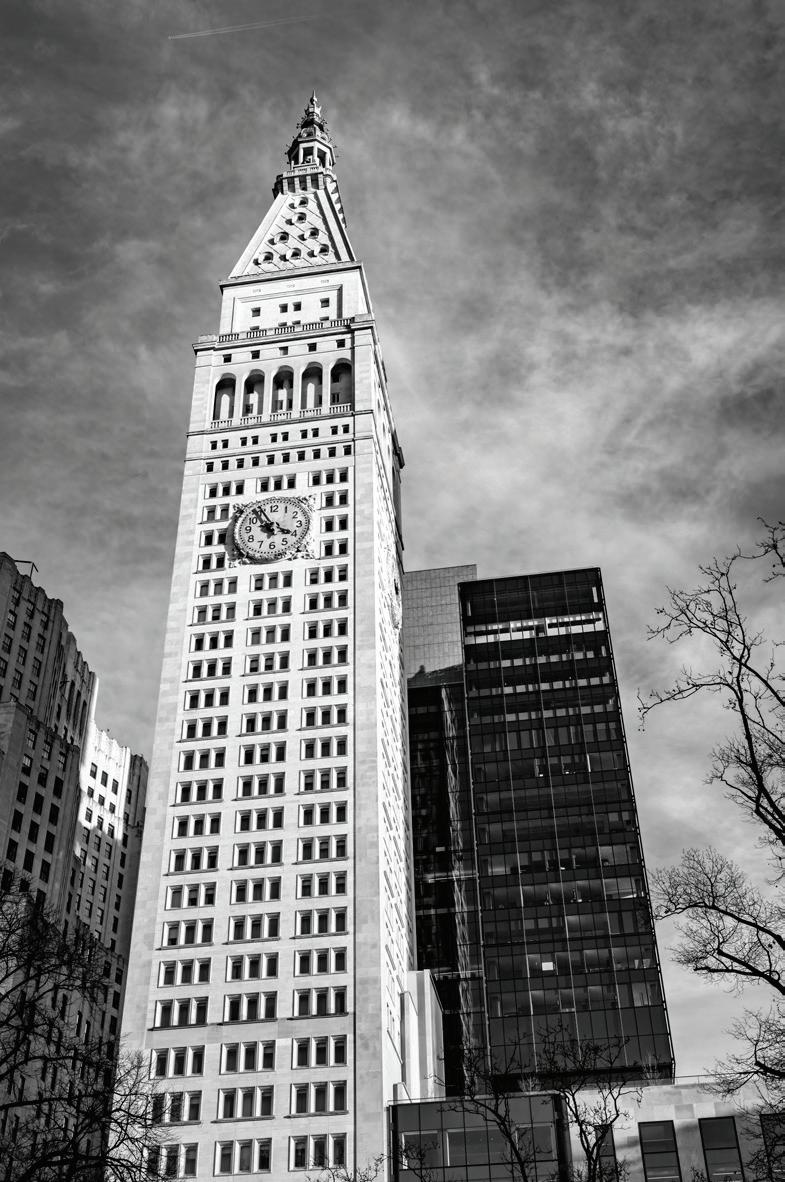
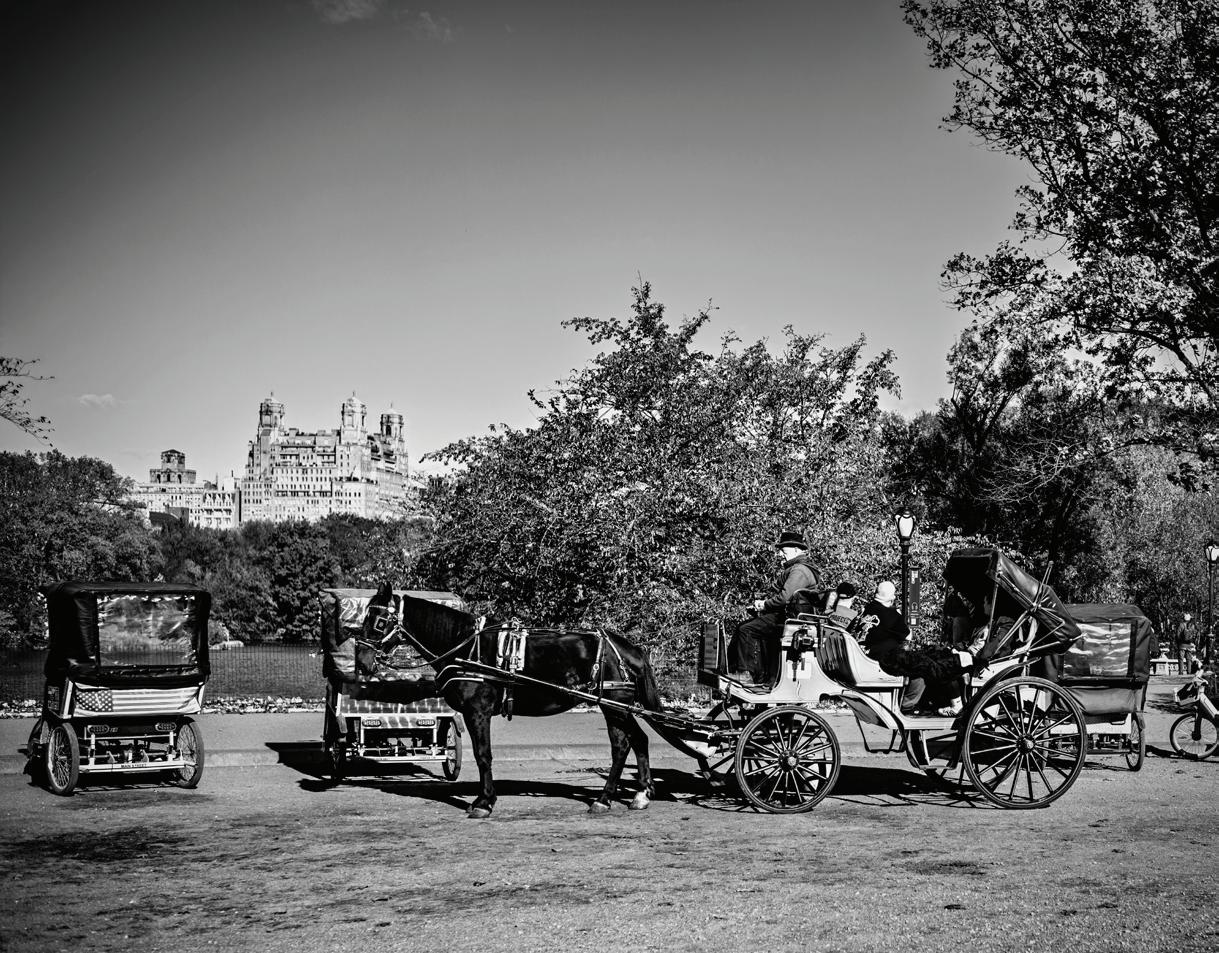
Michael Liman frames New York in monochrome, turning the city into a love letter of sharp angles and soft shadows. From the High Line’s playful skyline, where oversized sea creatures seem to surf above the streets, to Central Park with horse-drawn carriages gliding past a storybook horizon, the city moves between spectacle and stillness with effortless charm. Nearby, the park’s still water mirrors the treetops while grand façades hover just beyond the shoreline, turning the everyday into something quietly cinematic. Night falls and the Brooklyn Bridge ignites, its cables strung like silver threads across the dark, while the Met Life Tower rises with timeless confidence against dramatic skies. Even the city’s pop-art moments land with attitude: a taxi perched impossibly high, balanced on the nose of William Wegman’s Dalmatian, proof that in Manhattan, the unexpected always feels right at home.

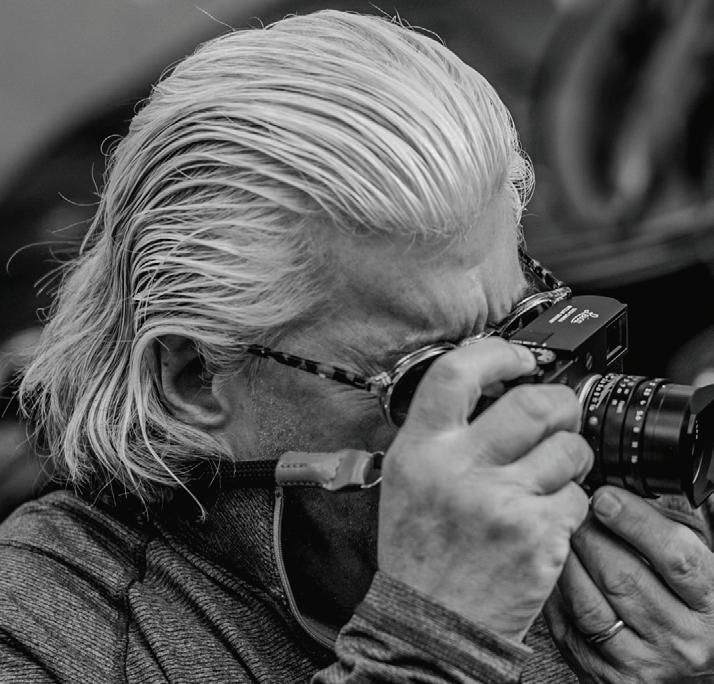
@michael_liman_photography | Michael.liman.photo@gmail.com


MICHAEL LIMAN is a New York based street photographer and visual storyteller whose work captures the layered, ever-evolving spirit of urban life. Liman, born in Brooklyn, New York, and raised on Long Island, works in both film and digital, in color, and black and white, exploring what he describes as “settings within settings” moments where people, architecture and time converge to reveal the quiet rhythms and hidden narratives of the city.
His first project, “The Sands of Summer,” documents the vibrant yet fleeting life of Atlantic Beach, New York, capturing the warmth, nostalgia and human rituals of the summer season. This early work laid the foundation for Liman’s enduring interest in place, memory and the passage of time.
His acclaimed book, “NYC Streets,” is a portrait of Manhattan as a living, breathing organism that is always changing yet timeless, filled with countless untold stories. From crowded intersections to forgotten corners, Liman’s





photographs highlight the interplay between presence and memory, documenting how the smallest gestures and interactions shape the city’s collective identity.
He is currently developing two new long term projects: one centered on Coney Island, exploring themes of transformation and continuity within Brooklyn’s iconic seaside landscape; and another set in Yellowstone and Grand Teton National Parks, where Liman turns his lens toward the vast American landscape examining the relationship between natural beauty, solitude and the human impulse to explore and preserve.
With more than 45 years in the television and motion picture industry, Liman brings a cinematic sensibility to his still photography, combining narrative insight with technical precision. Beyond his work behind the camera, he is an avid collector of Leica cameras and lenses, as well as Hasselblad and Rolleiflex systems, drawing inspiration from the enduring craftsmanship and history of photographic design.













TAILORED SOLUTIONS.
The financial backing of a global bank, and the streamlined structure and agility of a boutique bank that will keep your business moving forward.
BHI offers full commercial banking services that combine the personal attention of a prestigious boutique bank with the expertise and financial strength of Bank Hapoalim – the leading financial institution in Israel.
With a footprint in the largest U.S. metropolitan areas, we are committed to creating innovative funding solutions for your short– and long-term needs and providing convenient banking and liquidity products for your everyday business needs.











By Lauren Nadeau







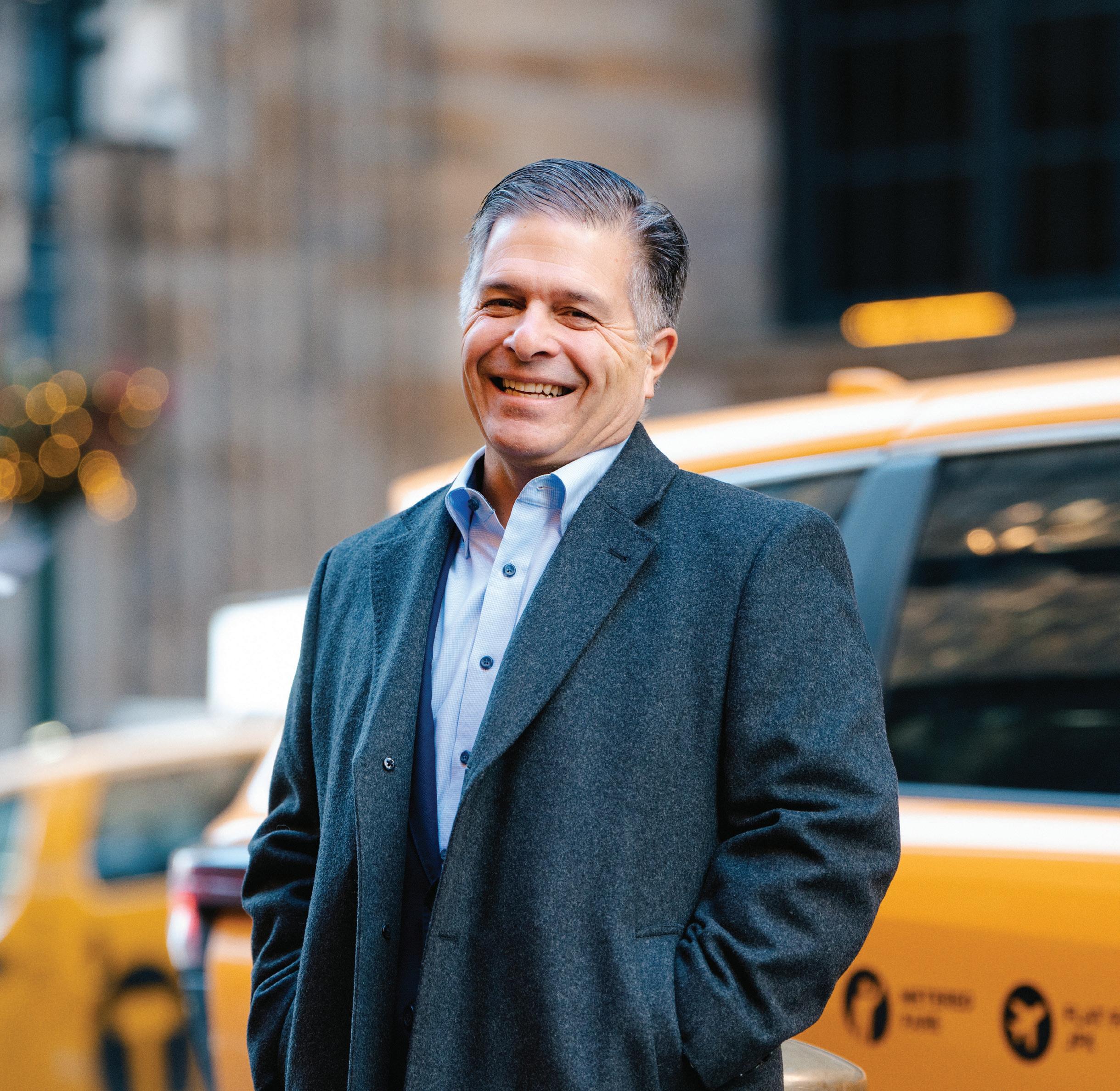
When Frank Grimaldi is in, he is ALL in. Family: he and his wife have been married for nearly 35 years. Career: he’s worked at Gordon Brothers for more than 15 years now.
Philanthropy: he’s been involved with National Jewish Health for more than 25 years. And it’s this commitment—to relationships, to leading by example and to serving others—that will be recognized when Frank is honored with the National Jewish Health Humanitarian Award this month.
For Frank, receiving this honor from an organization he has supported for decades represents a full-circle moment. He’ll be the newest addition to a hall of fame that includes his earliest mentors and others for whom he holds deep respect, all while supporting a cause that has become dear to him. In many ways, this milestone moment is a natural continuation of a philosophy that he has lived for decades: Show up for the people in your life and bring your best self to everything you do.

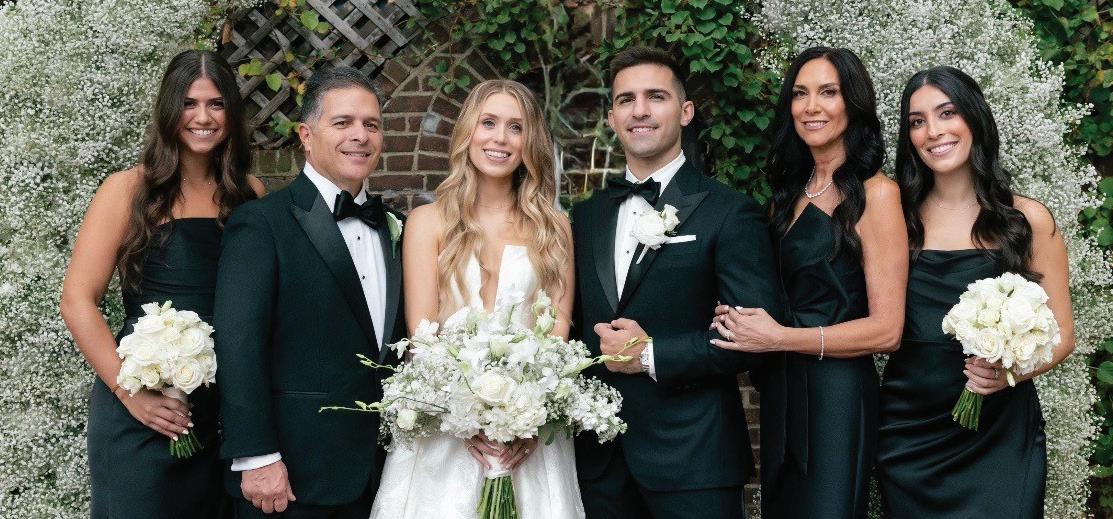
Thirty-five years ago, Frank married his high school sweetheart, Renee. “My wife is my reason for everything,” he said, smiling as he reminisced. “I figured I was the best salesman in America when I convinced her to marry me.” Together, they raised three children— now 30, 29 and 27 years old—and are expecting their first grandchild this May.
From an early age, Frank and Renee taught their children to think about how they could make a difference in the world. Every day they demonstrated how loyalty, stability and giving back make families and communities stronger. Today, their children have chosen careers in service of others. Their youngest child pursued pediatric oncology after witnessing a friend’s health struggles during childhood.

The same commitment to community that defines his family life led Frank to National Jewish Health (NJH). He first got involved 25 years ago, inspired by the organization’s dedication to changing lives. When Frank visited the Denver hospital for the first time, the institution’s focus on research, patient care and innovation struck a chord. “It was absolutely amazing. National Jewish Health works the way medicine is supposed to,” said Frank. The hospital serves patients with some of the most difficult-to-treat cases, working to diagnose patients without delay, significantly expediting the time from initial consultation to tailored treatment plan.
Its physicians and scientists regularly publish groundbreaking findings in top medical journals, which have included research into proteins that slow cancer growth and the cause of chronic fatigue in long-COVID.
Throughout the years, Frank has championed the organization. Several years ago, he served as treasurer for the Financial Industries Dinner, helping to fundraise and share the institution’s mission with others. Now, to have the organization recognize Frank and bestow this recognition on him means the world. “I never thought I’d be honored this way. It’s a dream come true,” said Frank.
National Jewish Health also has deep links to Frank’s professional life. Several of Frank’s mentors have been honored with the NJH Humanitarian Award in past years. Frank credits them with the success he has found in his career and remains dedicated to continuing their legacy.
Frank’s leadership style is grounded in lessons learned early on that demonstrate the importance of valuing relationships and supporting others. He also credits the influence of his current boss at Gordon Brothers, Chris Carmosino. Frank had known Chris through the industry for years, but working closely with him gave Frank insight into Chris’ approach. “Chris gave me enough runway to challenge myself, trusting me to figure out how to sink or swim. But he also made time for me whenever I needed it— whether it was 30 minutes or three hours, said Frank.”
Frank incorporates these lessons into his management style today. A key to his leadership is challenging others to try out-of-the-box ideas. He sets parameters but otherwise encourages his team to explore opportunities and grow into their own. Acting as a sounding board for dealmakers, he encourages them to find interdisciplinary partners and execute creative, real-world solutions. His open-minded approach to problem-solving brings teams together, and his encouragement helps foster the entrepreneurial spirit that defines Gordon Brothers’ culture.
Frank’s commitment to leading through action has helped him find success at Gordon Brothers. When Frank joined 15 years ago, the entire company had around 125 employees. Today, the North American appraisals team alone has 125 employees—with another 75 working in diligence and exam services—and oversees 1,500 appraisals and over 1,000 field exams annually.
Frank regularly emphasizes that every employee is a representative of the company. To him, trust is foundational. “Everyone needs to be a team player,” said Frank. “That internal trust helps set their external interactions up for success. We’re not a deal shop. We’re a relationship shop.” To Frank and his team, that distinction matters.


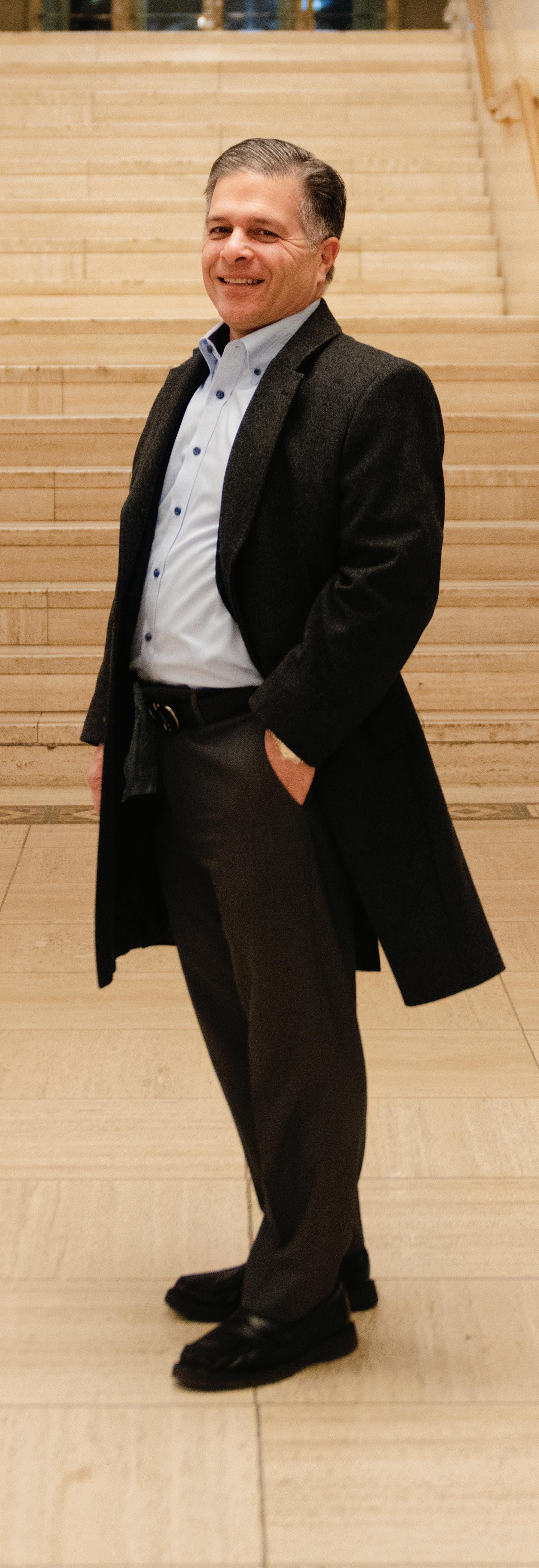
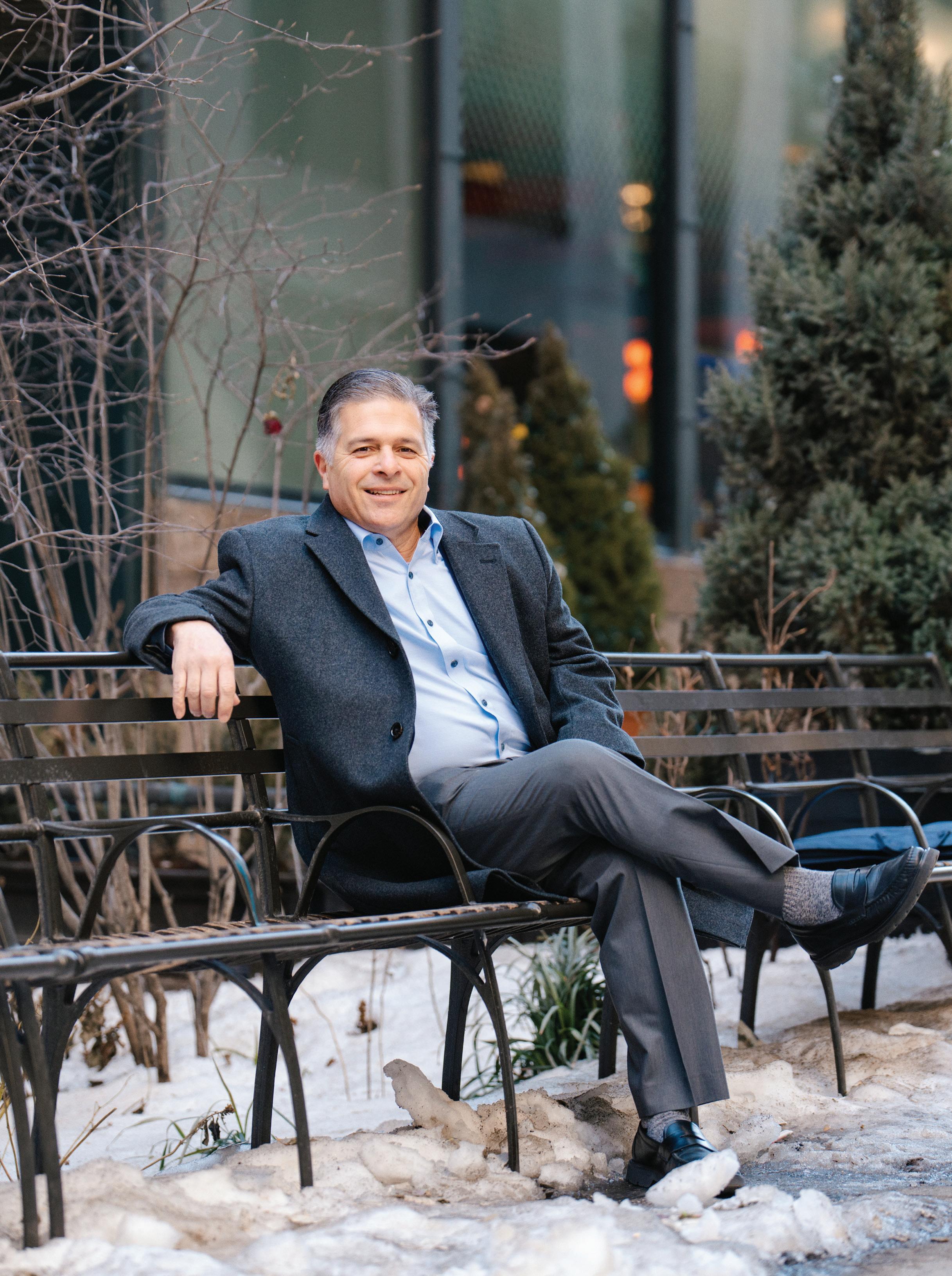
“We’re not a deal shop. We’re a relationship shop. ”
— Frank Grimaldi
The commitment to showing up, which Frank learned from his early-career mentors and is imbued throughout all Gordon Brothers teams, is clearly demonstrated by the work on the Big Lots restructuring in late 2024.
Gordon Brothers and Big Lots had worked together in early 2024, and when Big Lots needed support a year later, it turned back to its trusted partner. Armed with deep knowledge of Big Lots’ operations and financial profile, Gordon Brothers mobilized an interdisciplinary team and partnered with Variety Wholesalers and other advisors.
What followed was a remarkable demonstration of execution under pressure. The Gordon Brothers team structured and funded an expedited purchase agreement, negotiated complex forward contracts, secured court approvals, completed due diligence, and fully repaid nearly $500 million in unpaid loans and claims—all within a few weeks. Together, they helped preserve an iconic American retail brand and thousands of jobs across the country.
Commitment to strong partnerships is the whole ethos of Gordon Brothers. It is not built on quick wins or headline deals, but on enduring relationships and integrity. In the rapidly growing asset-based lending space, Frank’s advice holds true: “Your word is your bond.”



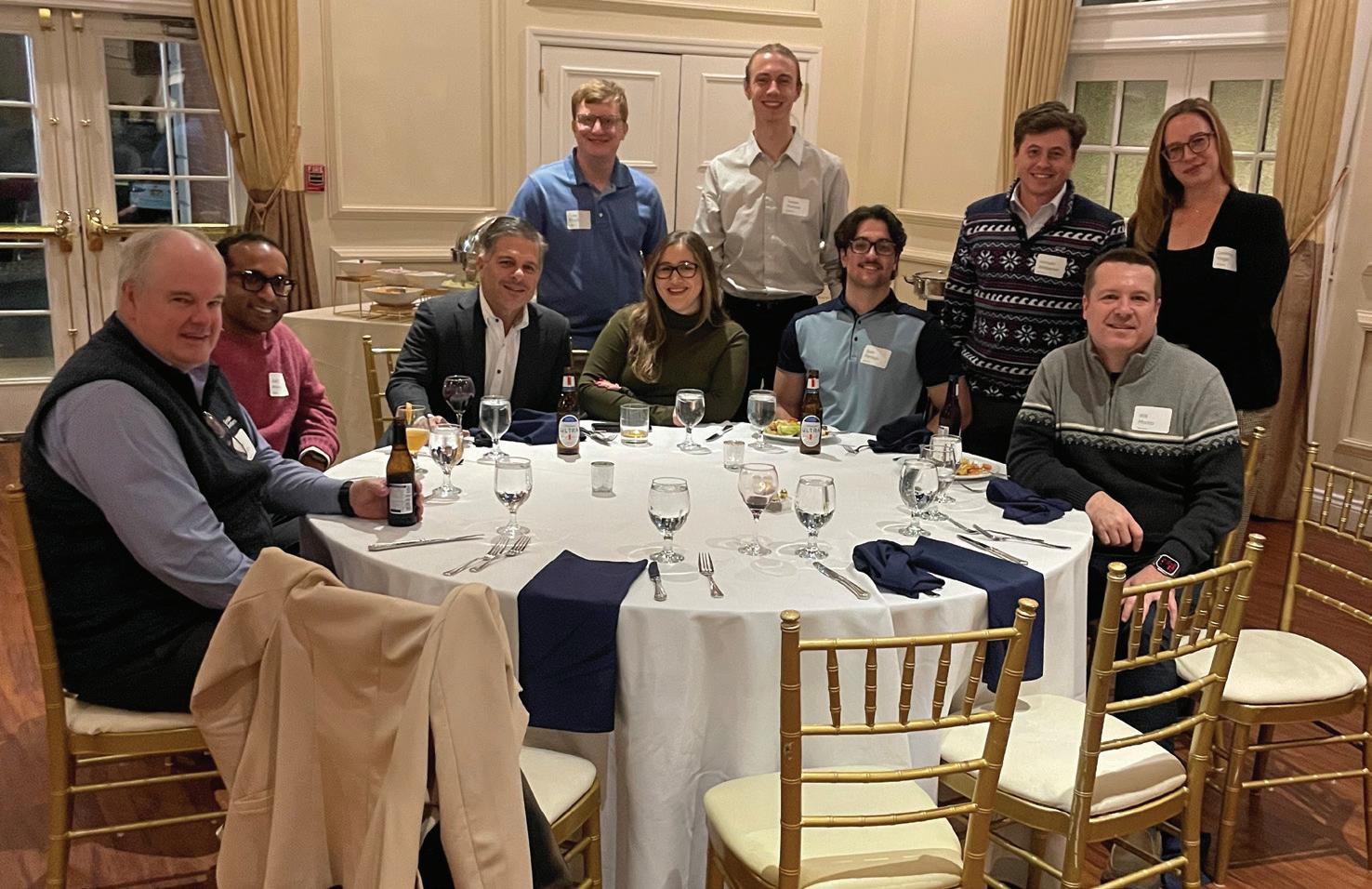
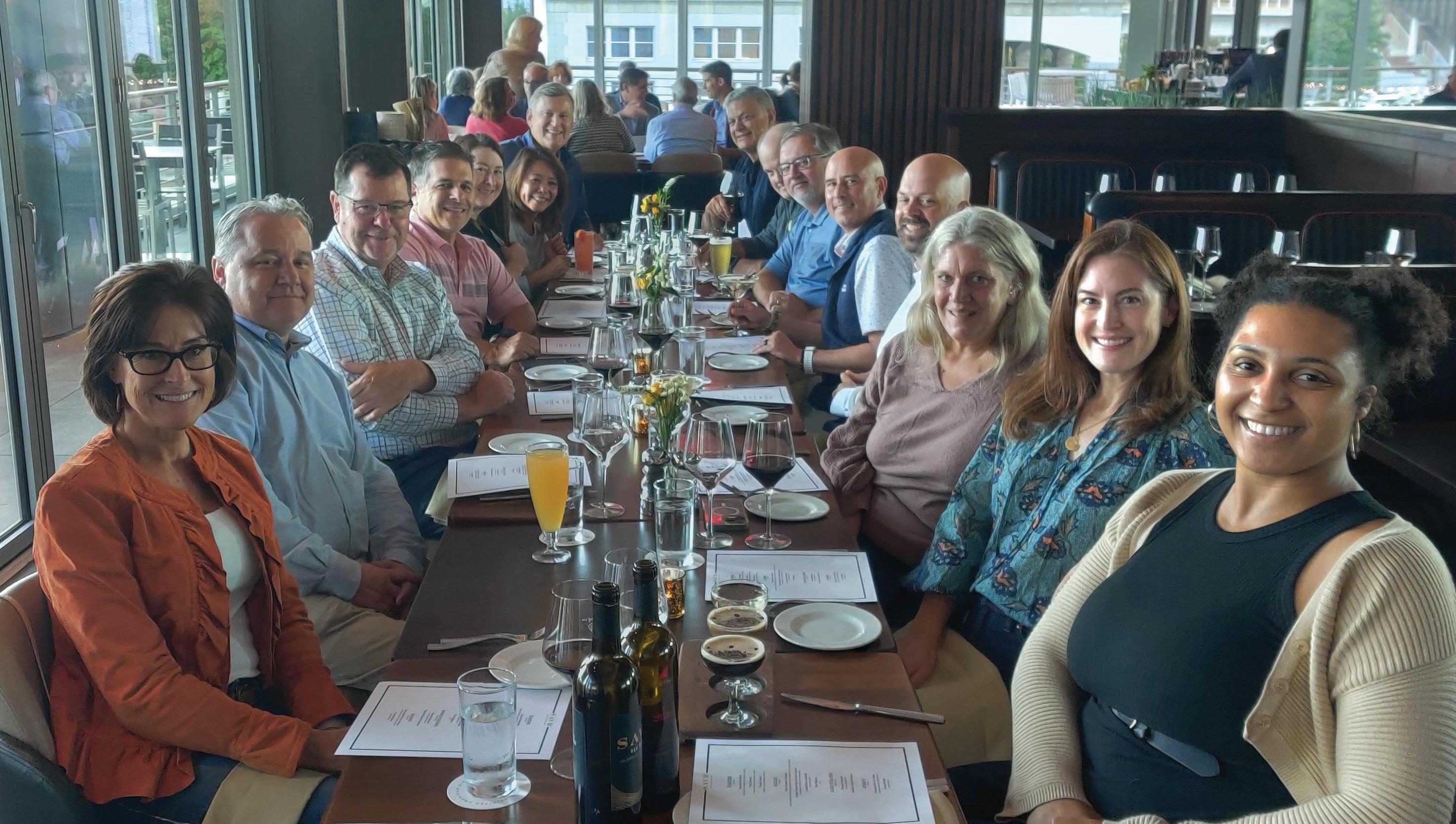
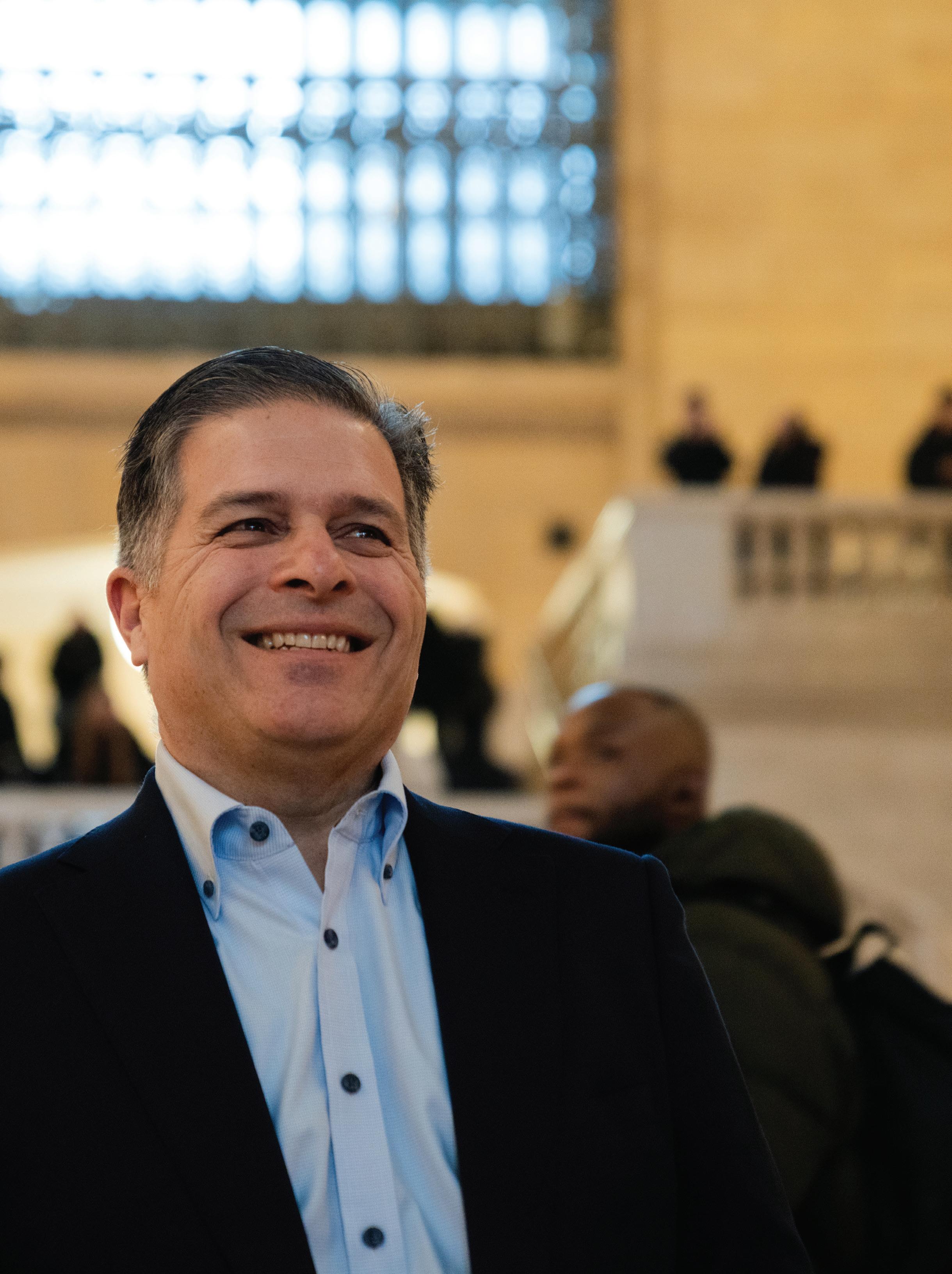
Frank’s wife is certainly his perfect match. But Frank and Gordon Brothers are a formidable team as well, fueled by their passion for philanthropy.
When Michael Frieze, Gordon Brothers’ chairman emeritus and long-time CEO, established the Gordon Brothers Foundation in 2022, Frank was one of the first employees to volunteer his time. The foundation promotes active participation in the communities where Gordon Brothers operates by pledging to donate $5 million to organizations selected by Gordon Brothers’ employees. That pledge encourages all employees to embrace a philanthropic spirit, as Frank has done, and commit to helping those in their communities. In 2025, Gordon Brothers donated almost a million dollars to 34 total organizations, including to groups focused on cancer care, cystic fibrosis, Down syndrome, pediatric care and mental health.
Legacy is often misunderstood as something static—a reputation built in the past. Instead, for Frank, legacy is dynamic. As he has learned from a lifetime of service, building a legacy requires putting others first, establishing and strengthening trust, and prioritizing relationships over anything else. He embodies these principles every day and has built a career with a company that does the same.
This month, National Jewish Health’s honor for Frank is welldeserved. It is recognition of a consistent pattern in his steady commitment to family and community, philanthropy and professional integrity. And he will continue to inspire the next generation, breathing new life into National Jewish Health’s mission to serve those most in need.
And for Frank Grimaldi, that may be the most meaningful honor of all.



33RD



Honoring FEDERICO CHECO
Chief Executive Officer
Prestige Wellness Group Inc.
Gala Chair
JENNIFER L. WIDAY
Kaback Service, Inc.
Chairs Emeriti
KATHY A. CHAZEN, CLU, ChFU
Trustee, National Jewish Health
ROGER A. SILVERSTEIN
Silverstein Properties, Inc.
Trustee, National Jewish Health
BENEFITING

NEW YORK AIR SOCIETY 2026 GALA



Thursday May 7, 2026 | 6:30 p.m.
Ascent Lounge New York
Register at njhealth.org/NYAir or contact Mattie Shepheard: ShepheardM@njhealth.org or 212.297.0857 @ nyair society








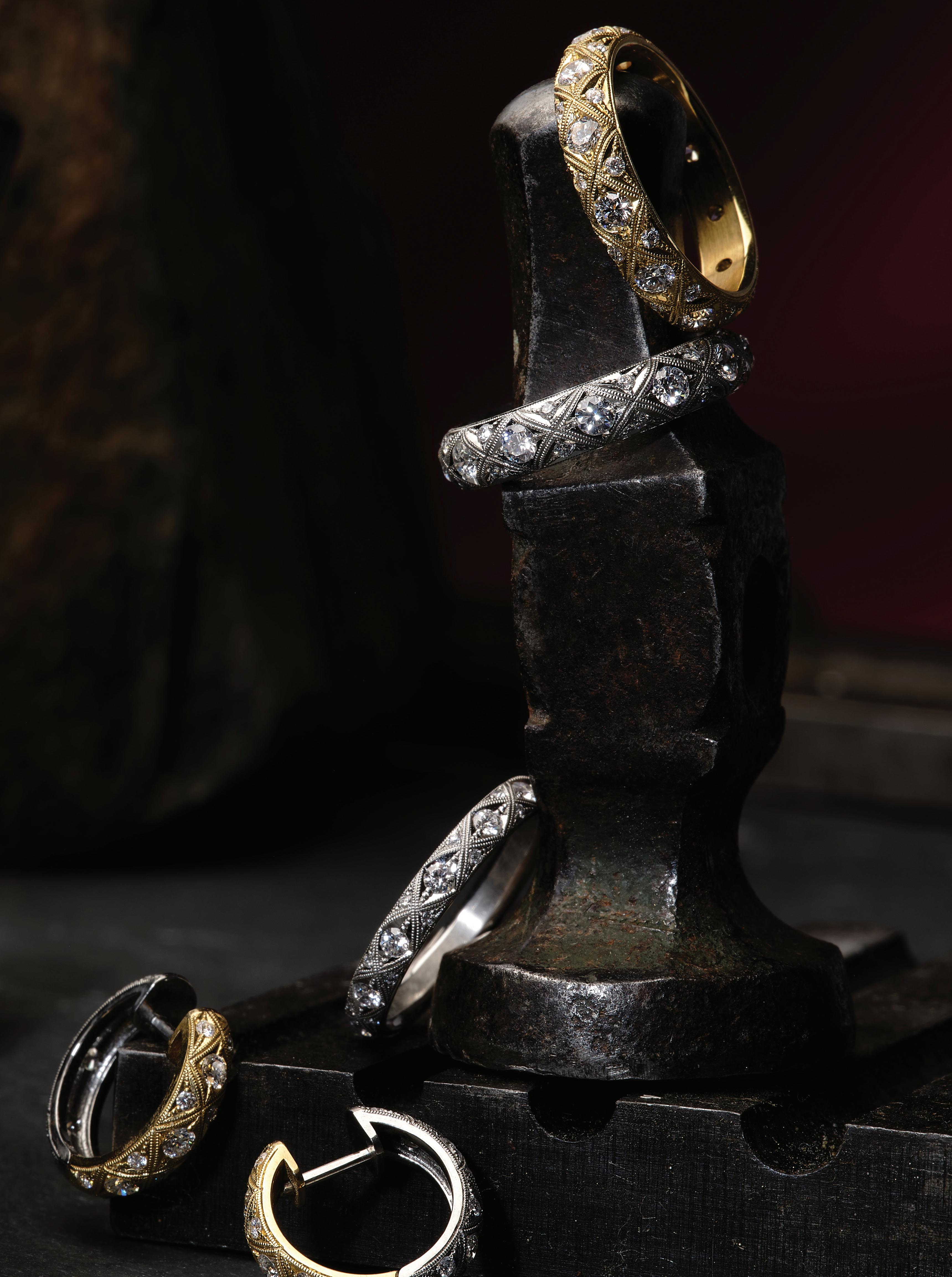
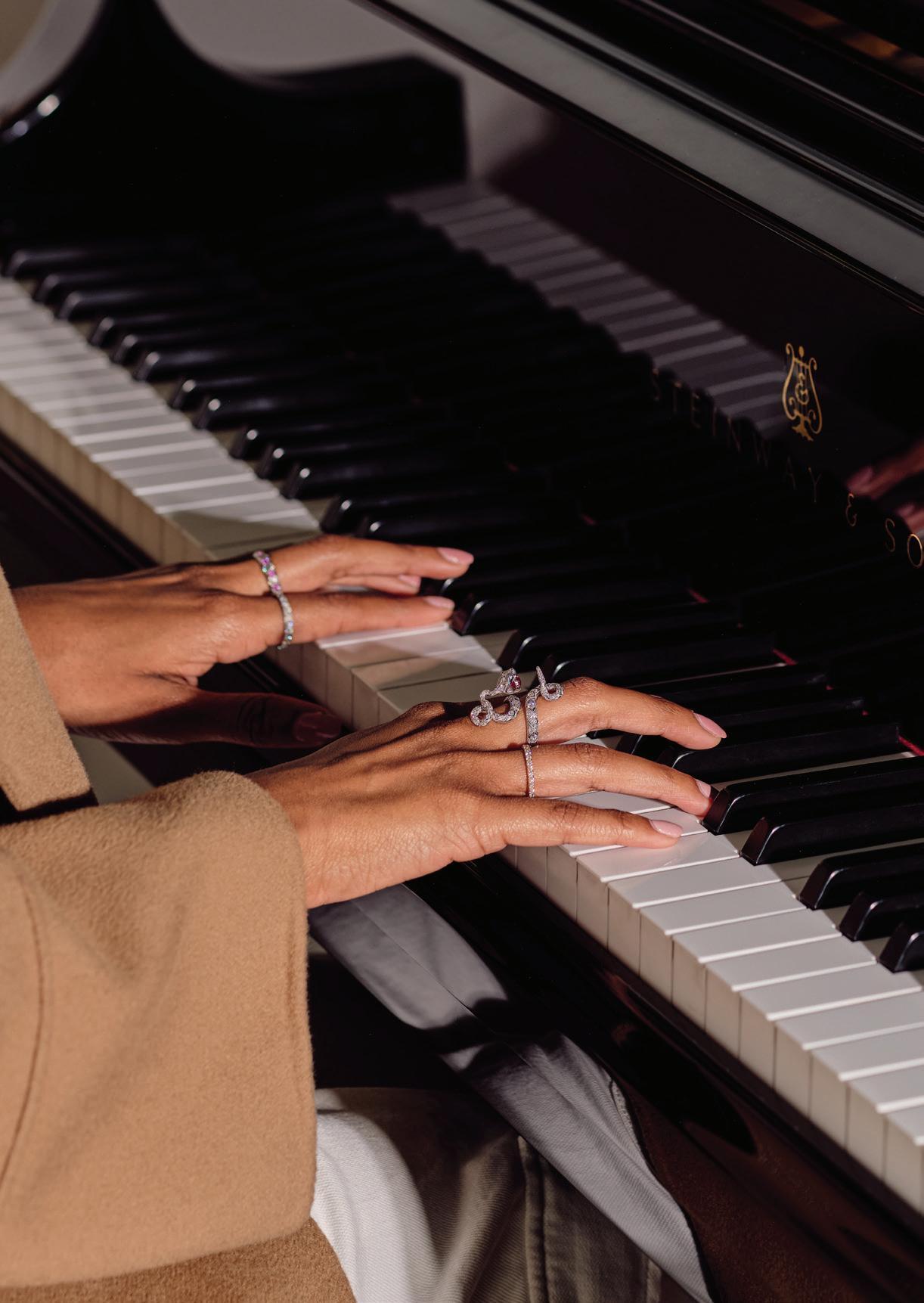
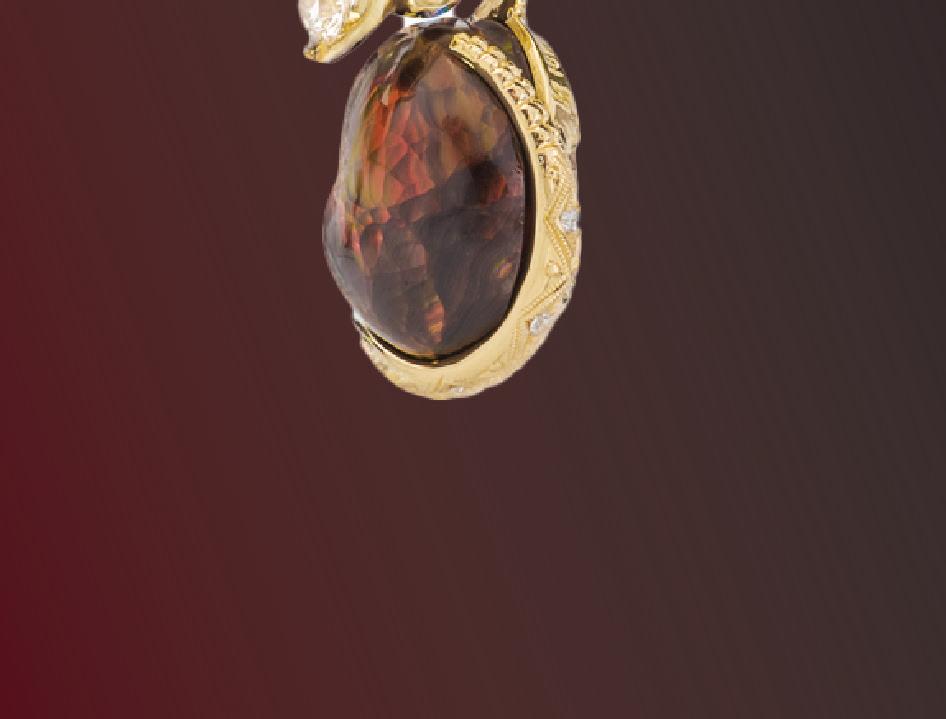
Serpentis is a contemporary homage to the serpent’s enduring symbolic language: wisdom, resilience and protection, translated through hand-engraved gold and platinum. Inspired by ceremonial rattlesnake motifs of the American Southwest, engraved scales ripple across each piece, creating a rhythmic play of light and shadow. The result feels alive, motion rendered in precious metals.
“As a young boy in Northern California, I had a number of intense experiences with rattlesnakes,” said master goldsmith Myles Ryan, founder of Folium. “This was not traumatic but eye-opening to the power of the creature—very peaceful and unassuming, but ready to strike if challenged. This feeling of power and peace is what led to the Serpentis collection.”
The collection balances vintage references with bold, unconventional execution. “The form and style of the Serpentis pieces is a union of a vintage design and the audacity to use it in unconventional ways,” added Ryan, whose work is defined by hand engraving, restraint and a reverence for metalsmithing traditions as living practices. Each jewel reflects Folium’s dedication to traditional goldsmithing, where hand engraving brings depth, texture and soul that cannot be replicated by modern shortcuts.
“Folium is what happens when you mix decades of obsession, tens of thousands of hours perfecting the craft, and a bit of fighting spirit,” said Myles Ryan. On his inspiration for the brand, he said, “I have a very deep connection to freedom and what it means to thrive as a human being. Folium captures the essence of this feeling. It is the first sprout of growth in the spring and the summer's full bloom.”













The Oasis Day Spa Membership gives you a monthly spa service plus exclusive savings on additional treatments, retail products, birthday perks, and more. Perfect for making self-care a regular part of your routine or for giving the gift of relaxation.

JOIN TODAY!

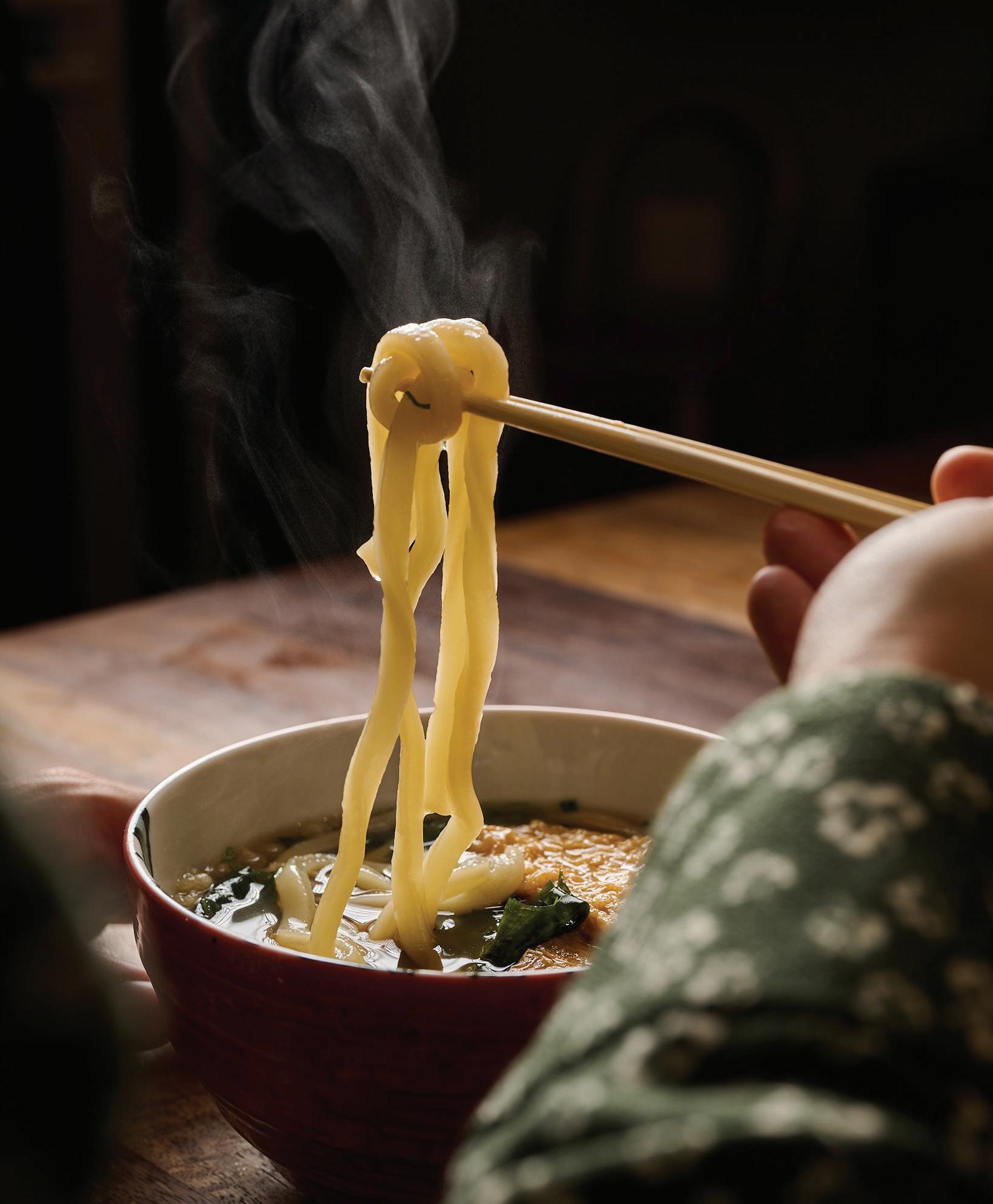
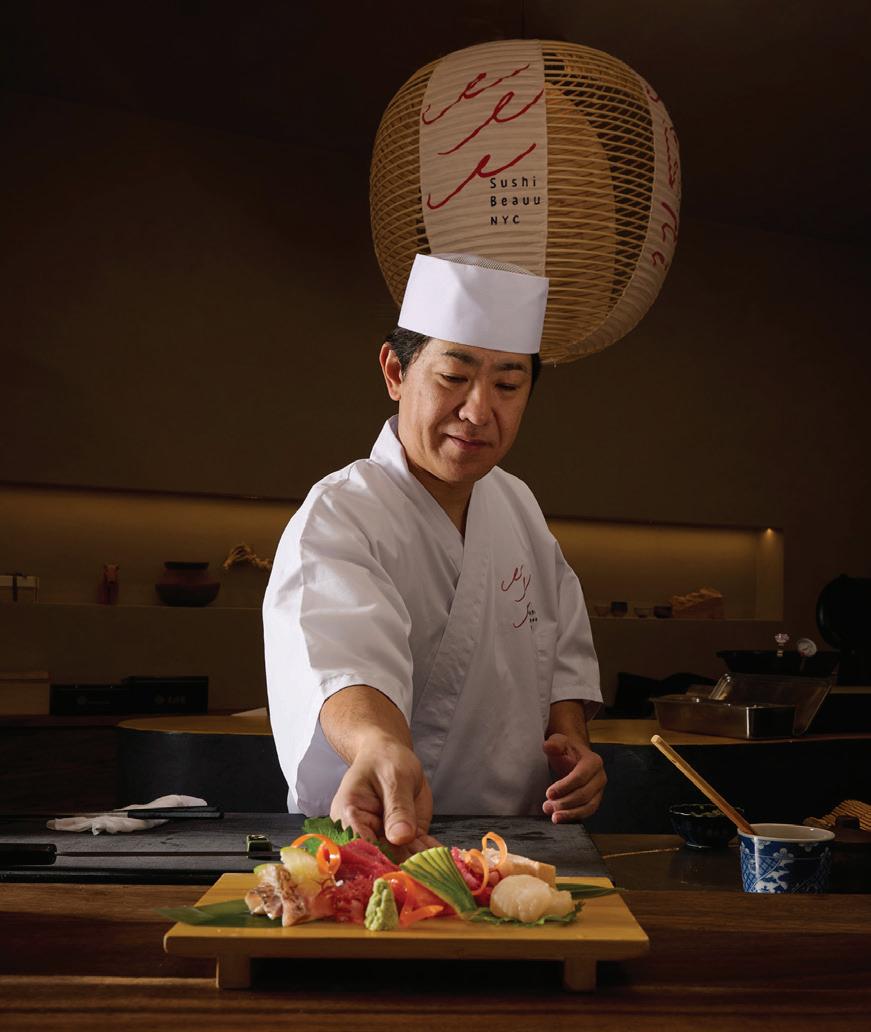
Sushi Beauu is a newly opened Japanese restaurant and omakase bar located inside the iconic Empire State Building. The concept comes from Keisuke Kasagi, a Hokkaido-born, New York–based hospitality veteran known for shaping some of the city’s favorite Japanese dining destinations, including The Izakaya, Dr. Clark and the former Gouie New York.
Kasagi has appointed Executive Chef Tetsu Kaminakaya, who just relocated to New York, to helm the kitchen after decades of running his own restaurant, Hanabi, in Japan.
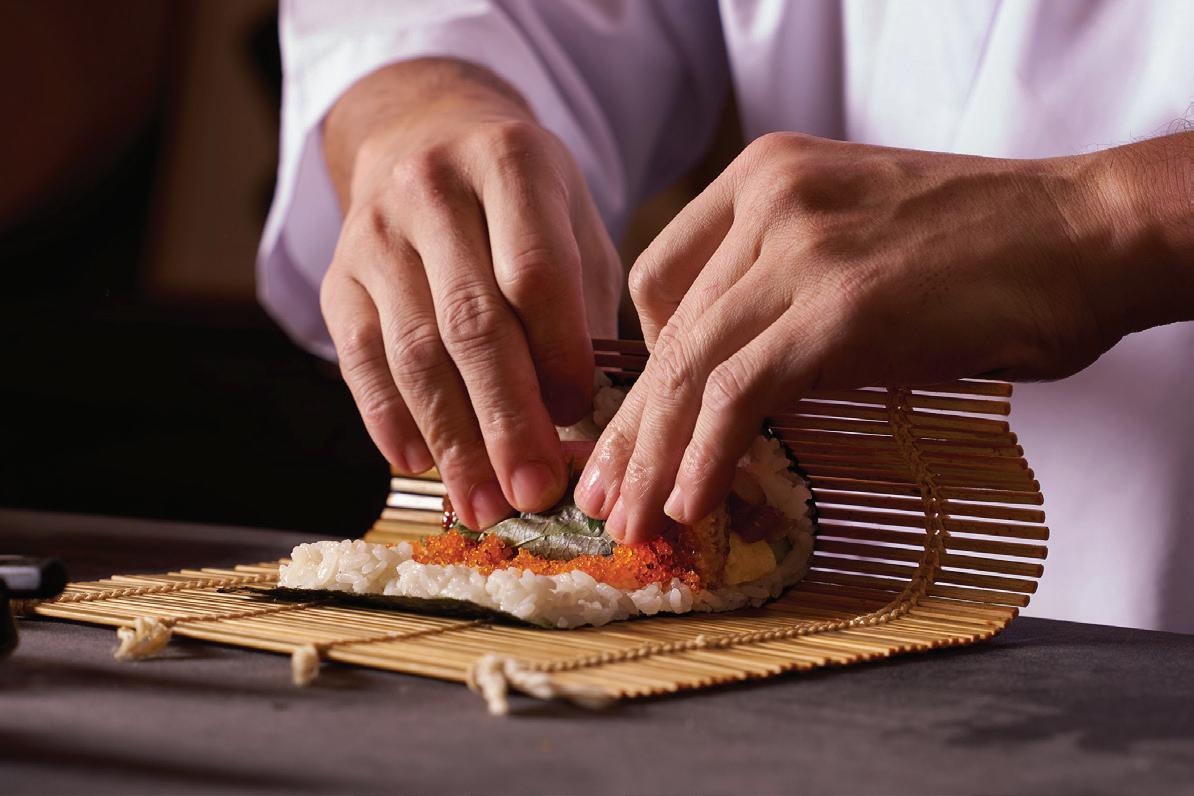
Together, they’ve created an approachable, value-driven premium omakase experience, showcasing two tiers: the Classic at $100 and the Seasonal at $140. Chef Tetsu is sourcing fish both locally and directly from Japan. Regardless of which experience is chosen, Chef Tetsu’s service always includes imaginative and unusual flavor combinations.
The 18-course omakase produces a satisfying culinary journey that will keep diners intrigued.
The meal opens with an amuse-bouche from Chef, which will rotate depending on seasonal ingredients. Currently offered is Monkfish Liver with ponzu.
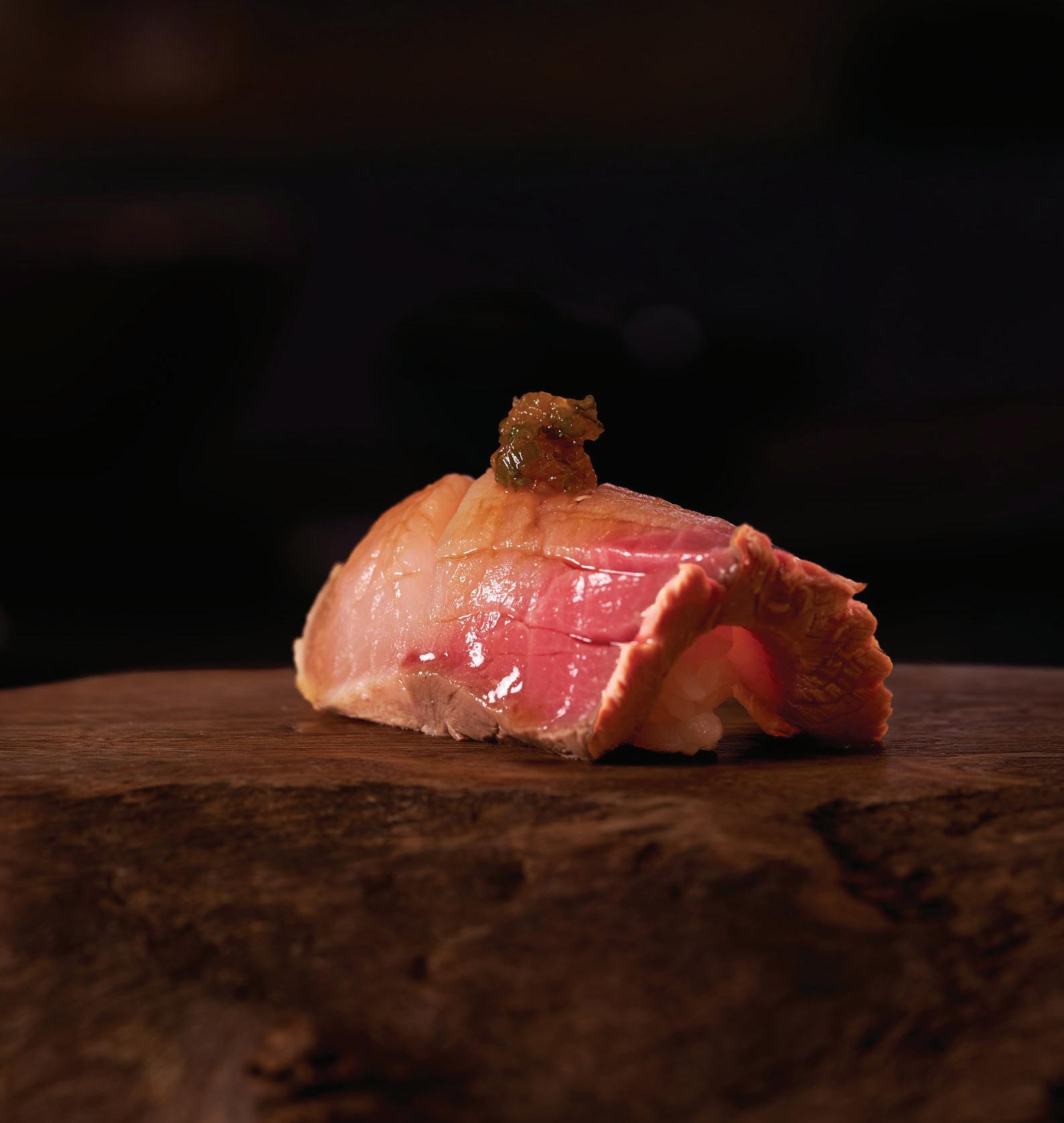
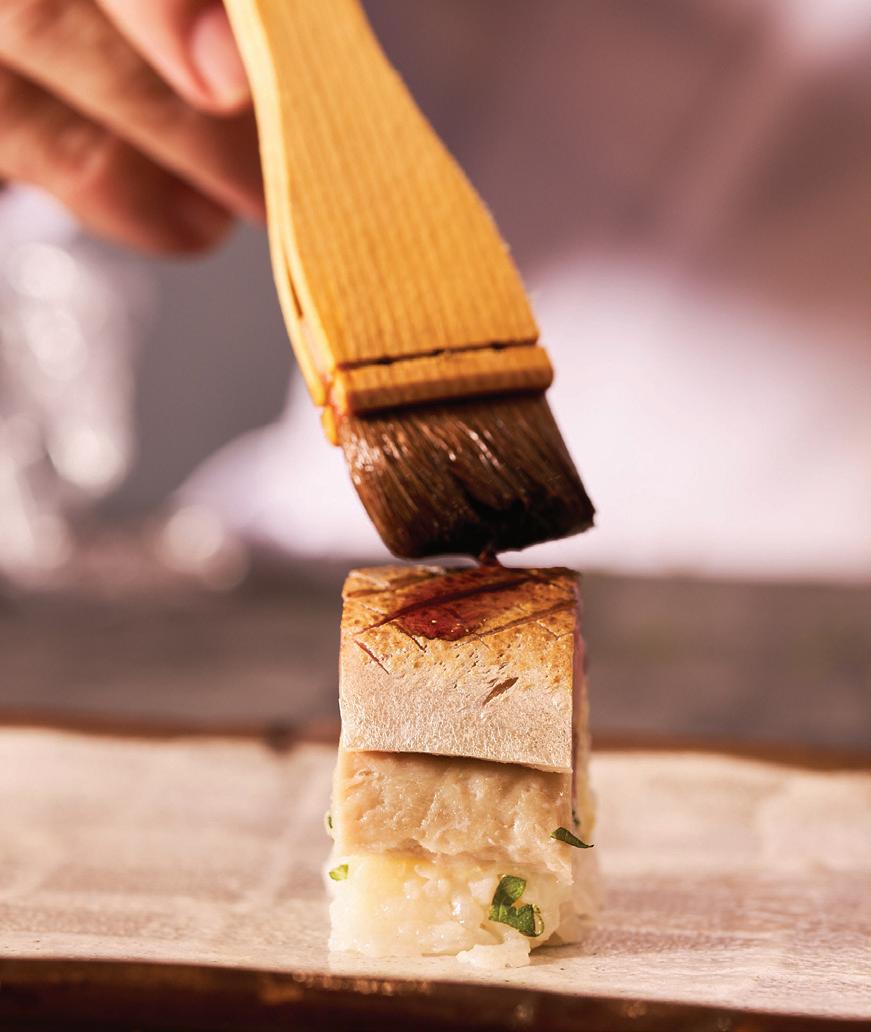
• Seabream, lightly brushed with the chef’s proprietary soy sauce
• Ebi, with ebi-miso paste
• Barracuda, torched, finished with a squeeze of lime and a pinch of salt
• Torched Mackerel, tightly wrapped and shaped into a beautiful, seamless log
• Tamago, prepared fresh before your eyes (This style is unique as it features a core of seasoned sushi rice—shari—nestled inside the sweet omelet)
To provide a pause between the nigiri progression, a warm egg custard is served. This creamy custard features mochi (Japanese rice cake) with eel and mushrooms, topped with ikura and green onion.
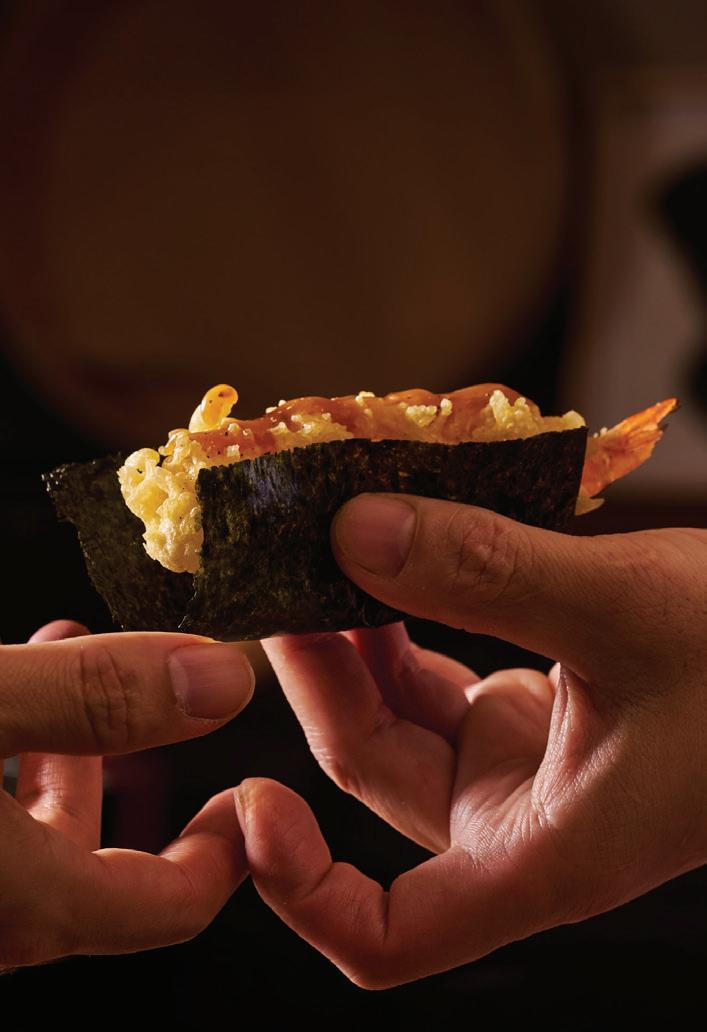
• Japanese Tempura
• ESB Roll—dual meaning: Eel, Shrimp and Buri, and Empire State Building, an homage to the iconic building in which the restaurant is located
A comforting miso soup follows as the final savory course, offered as a gentle digestive before dessert. The progression concludes with Imo Yokan, a traditional Japanese sweet potato dessert.
Dinner à la carte options are also available in the dining room that seats up to 20.
Chef Tetsu’s versatility was a key reason Kasagi brought him on board. More than a master of sushi, he is a craftsman of Japanese cuisine, leading a menu that extends far beyond the omakase bar and spans the full day’s offerings. He showcases this range with The Beauu Morning, a traditional Japanese breakfast, served from 10 a.m. to 3 p.m., featuring onigiri, a vegan-friendly miso soup, tamago and sushi roll sets.
Japanese Omelet breakfast includes Sweet Dashi Omelet, rice, miso soup and three side dishes. The enticing aroma of the omelet transports you straight to the cozy, welcoming start of the day at a Japanese ryokan (traditional inn).
Onigiri selections include Ikura (salmon roe), Beef Shigureni (tender beef simmered in a house-made sweet soy glaze), Pork Ginger (ginger-marinated pork) and Chorizo con Papas, a bold Mexican Japanese fusion (sweet and spicy chorizo, inspired by one of the cooks in the kitchen).
From 11:30 a.m. to 3 p.m., guests can enjoy The Empire Lunch, offering udon sets, empire sets, rice bowls and Chef’s sushi plates.
• Empire Set Lunch offerings include Japanese Curry Rice, a seafood broth salmon curry served with a mini salad and gari
• Udon Set highlight: Nigiri & Udon Set, which includes udon, three pieces of sushi, two California roll pieces and an egg
• Bowl selection: Bara Chirashi, a sushi rice bowl topped with an assortment of diced sashimi
Kasagi offers a well-curated sake list, complemented by a thoughtful selection of shōchū, the traditional Japanese distilled spirit, as well as premium spirits, wines, beers and teas.
The restaurant’s commitment to quality extends to the beverage program, featuring a highly curated selection of fine teas chosen by Katsuhito Imaizumi, the founder of Through The Tea. Imaizumi is a distinguished tea expert who became independent in 2024 after stints at renowned establishments, such as “Sakurai Japanese Tea Experience” and “Ogata Paris.” This expertise ensures that every tea offered at Sushi Beauu is selected with deep knowledge and respect for Japanese tradition.
New team member arriving from Japan: Warm sake chef and sushi chef Soon, a sake expert specializing in the art of hot sake. This specialist will develop curated, house-made sake pairings to complement the omakase.
Through the revolving doors at the Empire State Building’s 33rd street entrance is a calming, nature-inspired dining room featuring light wood accents and cream stucco walls. The interior design was conceptualized by Japanese designer Yuta Tsuchiya, with construction handled by Serious Construction Company. Furnishings from Made by Choice, crafted in Finland, sit atop the terracotta flooring. A large, spherical paper pendant lighting fixture with Sushi Beauu branding, sourced from Kojima-an in Kyoto, illuminates the chefs at work. Behind the 10-seat wooden counter, a selection of Japanese decorative pieces adds a simple, thoughtful touch.



Empire State Building, 15 W 33rd St, New York, NY 10018


beauu.nyc


(646) 329-6111






@beauunyc
Monday: 10 a.m. – 3 p.m. Tuesday – Sunday: 10 a.m. – 3 p.m., 5 p.m. – 9 p.m.
30



Omakase Counter: 10 Dining Room: 20
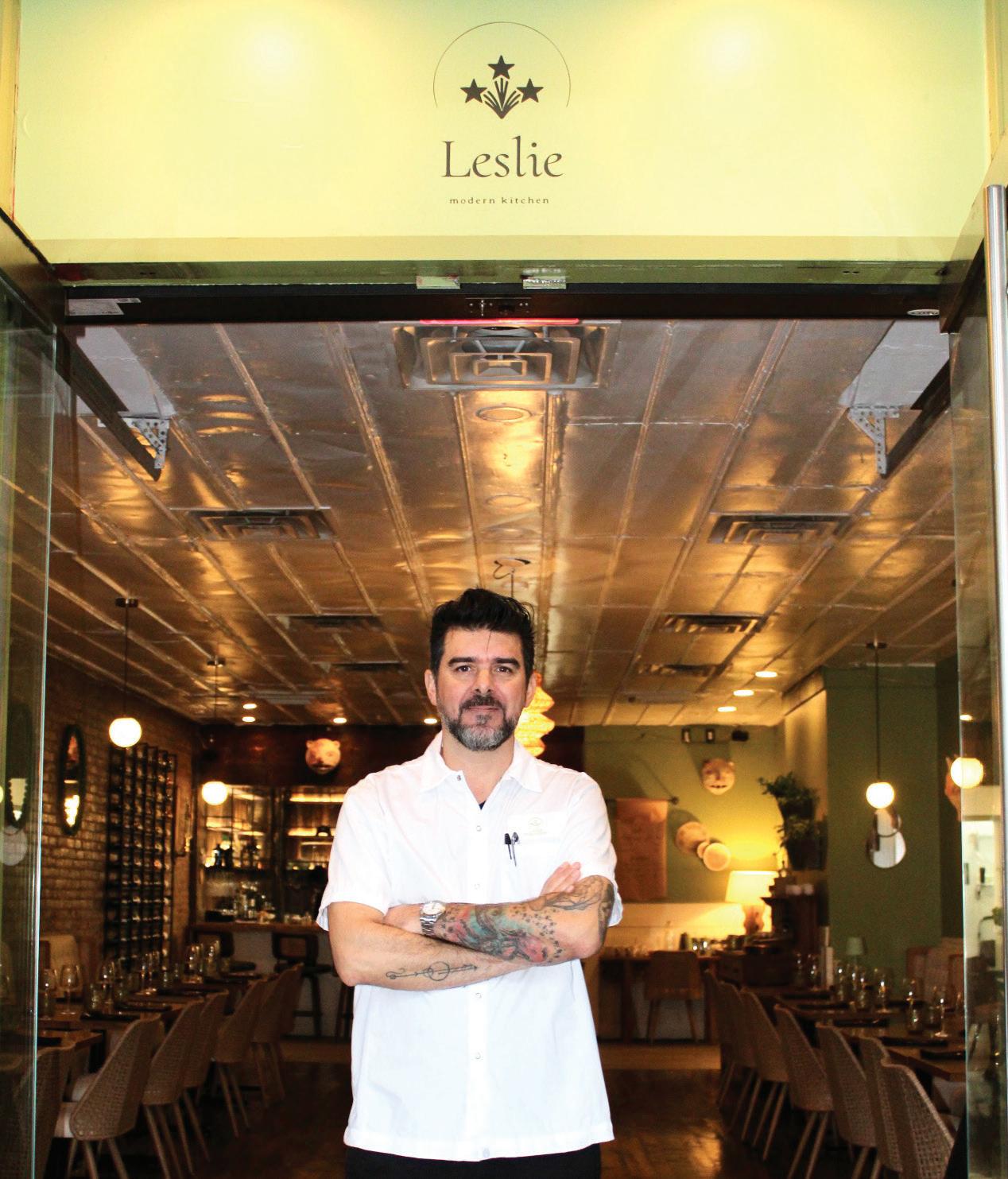
Miami Chef-Restaurateur Sebastian Fernandez made his New York City debut with Leslie, a vibrant New American restaurant in Murray Hill. Named after his wife and business partner, Leslie Ames, the restaurant reflects a partnership rooted in passion and warmth—merging Sebastian’s Chilean heritage with Leslie’s Peruvian roots, by way of Miami, and now New York City. Following the success of his acclaimed 33 Kitchen in Coconut Grove—awarded threeand-a-half stars by the Miami Herald—and his recognition as one of Wine Spectator’s “60 Best Chefs in America” at the 2017 South Beach Wine & Food Festival, Sebastian now brings his culinary vision to the bustling intersection of 34th Street and 3rd Avenue, where Leslie is creating a refined yet welcoming destination that elevates the neighborhood dining experience.
Chef Sebastian began his culinary journey with formal training at Instituto Nacional de Capacitación Profesional (INACAP), one of Santiago, Chile’s premier culinary schools. However, financial pressures led him to leave school early in pursuit of hands-on experience. He landed his first role at Hotel Plaza San Francisco in Santiago, working alongside Chilean celebrity chef Guillermo Rodriguez, known for pioneering new Chilean cuisine. During this time, Sebastian often visited Q Café, a charming local spot owned by Leslie, where they met and became business and life partners.
Riding the wave of their success at Q Café, the couple relocated to Miami, where Sebastian landed his first job at the Coral Reef Yacht Club, a private club in Coconut Grove. There, he steadily climbed the ranks, eventually becoming executive chef, and food and beverage director.
In 2015, Sebastian embraced entrepreneurship and launched 33 Kitchen in Coconut Grove— named after the area’s zip code. The restaurant quickly earned acclaim, receiving the highest rating of 3.5 stars from the Miami Herald. It was also celebrated as the “Best Peruvian Restaurant in Miami by both The New York Post and Miami New Times. Sebastian also participated in the South Beach Wine & Food Festival hosted by José Andrés.
Yearning for creative freedom beyond Peruvian cuisine, Sebastian eventually made the bold decision to close 33 Kitchen to pursue a more eclectic culinary path that included cooking for former President Barack Obama during the summer of 2021 while serving as executive chef at Garde East in Martha’s Vineyard. Now,
Sebastian and Leslie have brought their talents to New York City with the opening of Leslie—a restaurant where Sebastian is free to explore his full culinary range, unbound by any single tradition.
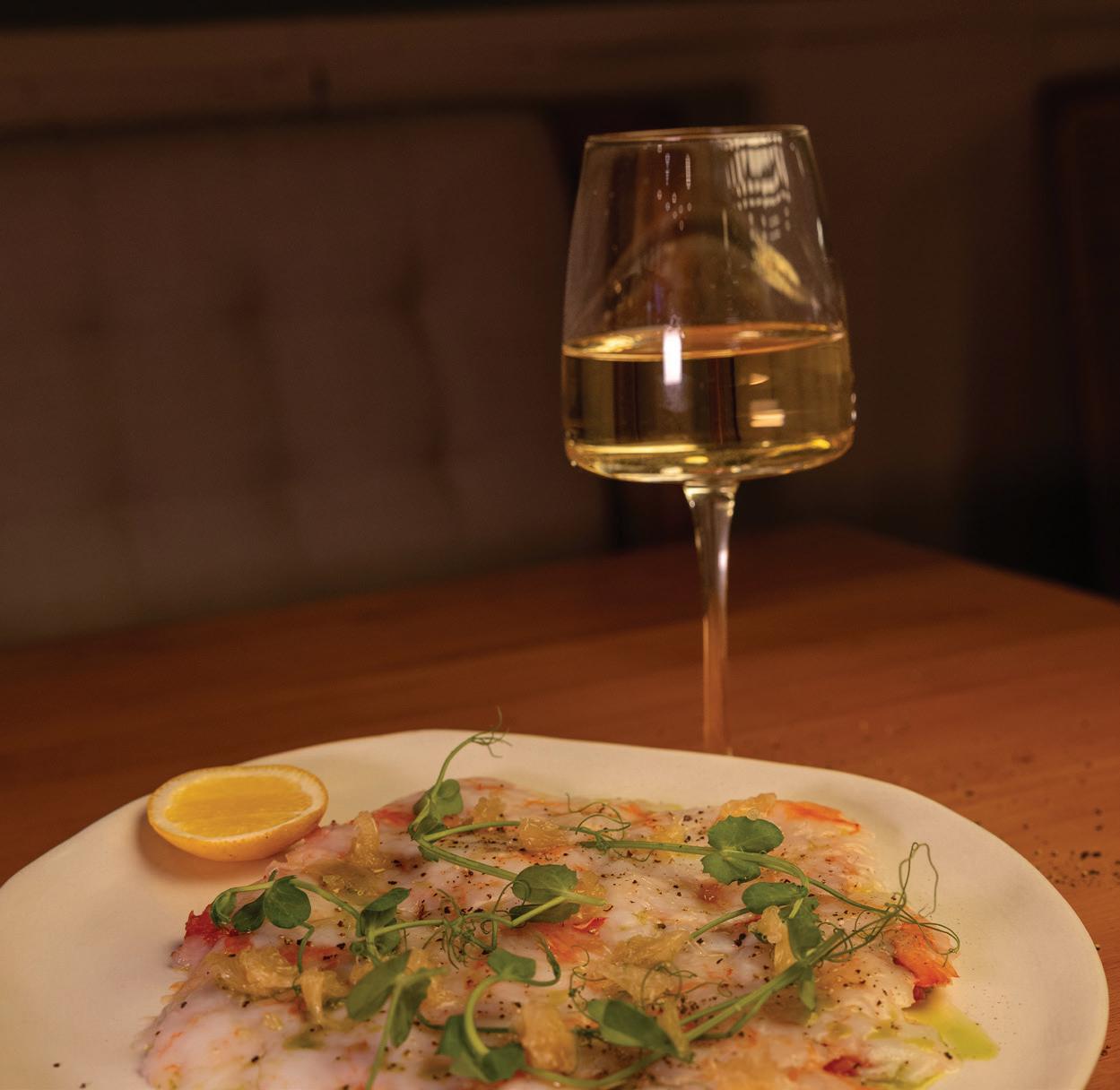
All dishes are artfully plated, and highlights are:
Deviled Eggs, his grandmother’s recipe, topped with a smoky bacon jam; California Dates, sweet medjool dates stuffed with tangy blue cheese, wrapped in crisp, smoked bacon; and Roasted Glazed Carrots, tender rainbow carrots served over creamy labneh yogurt, accompanied by caramelized pecans and topped with fresh mint for a vibrant finish.
Asparagus, grilled asparagus spears drizzled with a nutty almond pesto, garnished with roasted pistachios, shaved ricotta salata and a touch of extra virgin olive oil; and Burrata, creamy burrata paired with slow-roasted zucchini and a velvety pesto blanco, served with a toasted baguette.
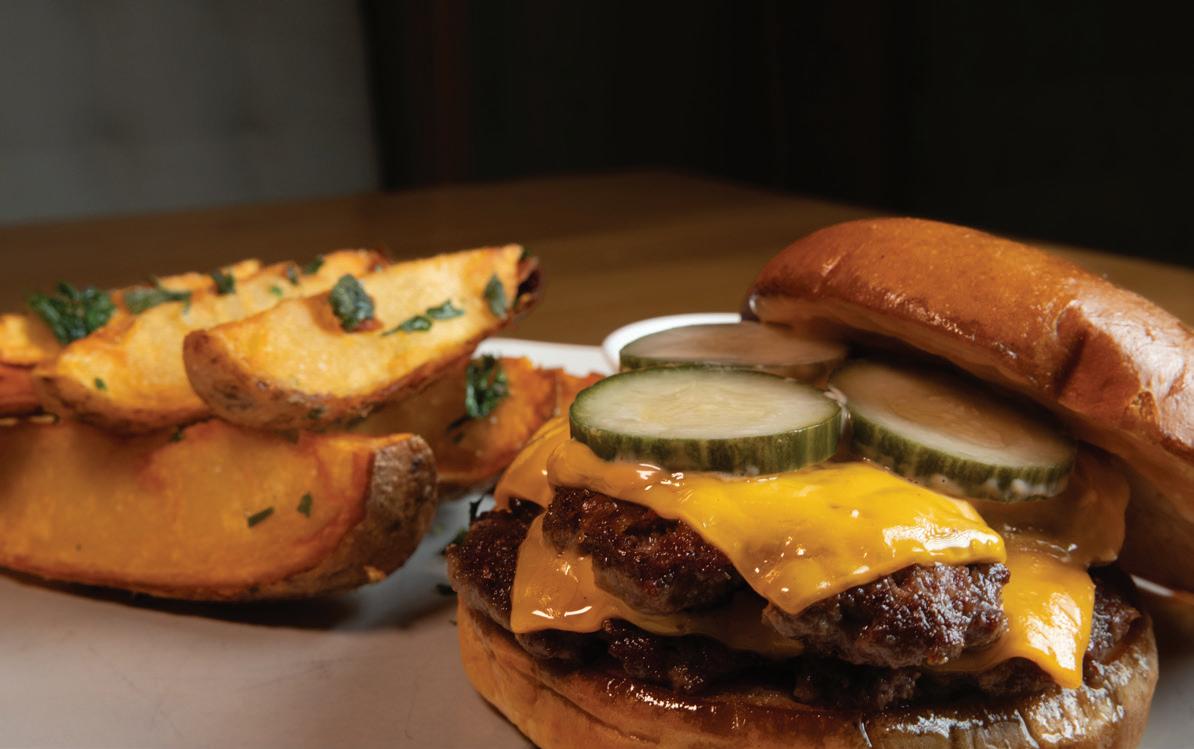
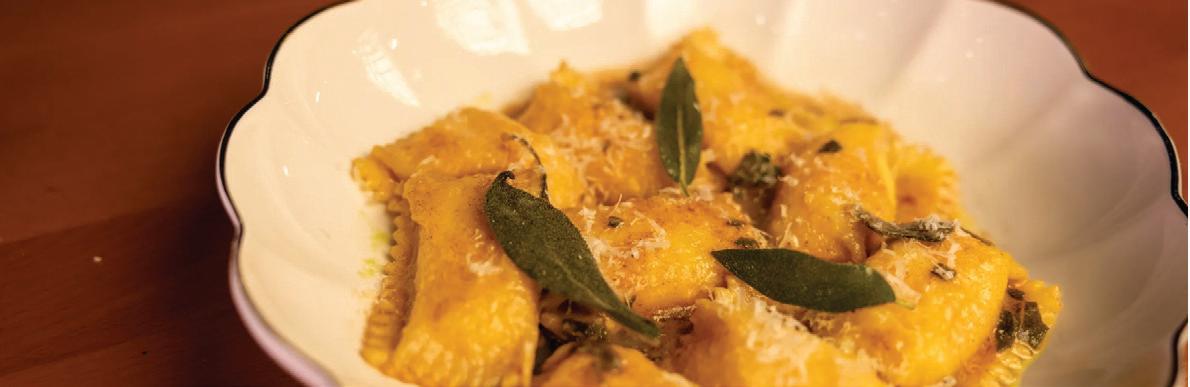
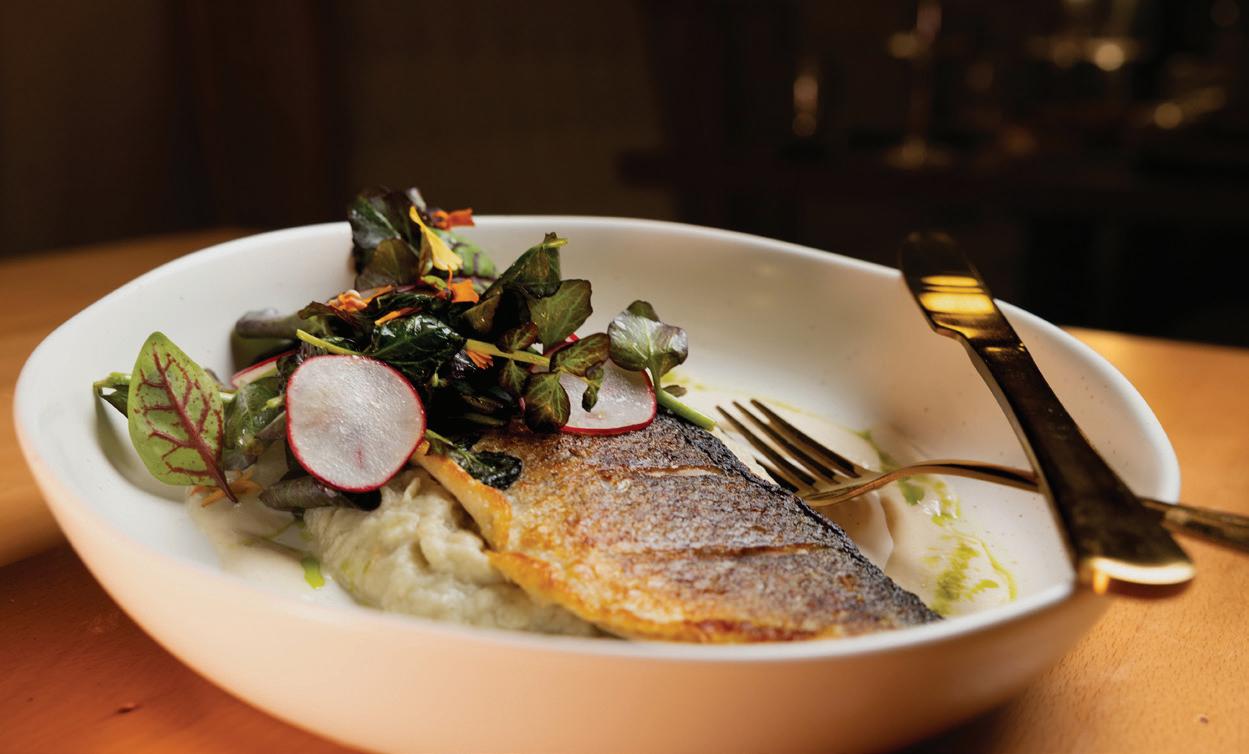
Smashburger, two juicy patties layered with melted American cheese and house-made pickles, served alongside crispy potato fries; Branzino Filet, delicate Mediterranean branzino with velvety white garlic sauce and a braised fennel puree; Steak Frites, a tender cut of steak accompanied by a bold, green peppercorn sauce and baked potato fries; and Agnolotti, pasta pillows, house-made daily, and filled with a truffled ricotta and aged pecorino cheese, gently tossed in a silky brown butter and sage cream sauce
San Sebastian, a creamy Basque-style cheesecake with a caramelized top and a delicate, custardlike center, served with fig jam and topped with strawberries, goldenberries and powdered sugar; Très Leches, a light, airy sponge cake soaked in a blend of three milks, topped with fresh fruit; and Crème Brûlée, silky vanilla custard topped with a perfectly torched caramelized sugar crust.
Sebastian reimagines the classics, incorporating natural sweeteners and unexpected combinations in offerings such as the House Old Fashioned, a timeless bourbon and bitters cocktail sweetened with rich maple syrup for a smooth finish; and Espresso Martini, a bold blend of locally sourced
Brooklyn cold brew, premium vodka and espresso liqueur. The cocktail list is continually evolving, with Sebastian soon introducing a fresh lineup of inventive creations.
The international wine list features varietals from Italy, France, California, New Zealand, Argentina and more.
There is also a domestic and international beer selection available in bottles, cans and draught, including Coney Island Merman from New York, Estrella Damm from Catalonia, Asahi from Japan and Victoria from Mexico.
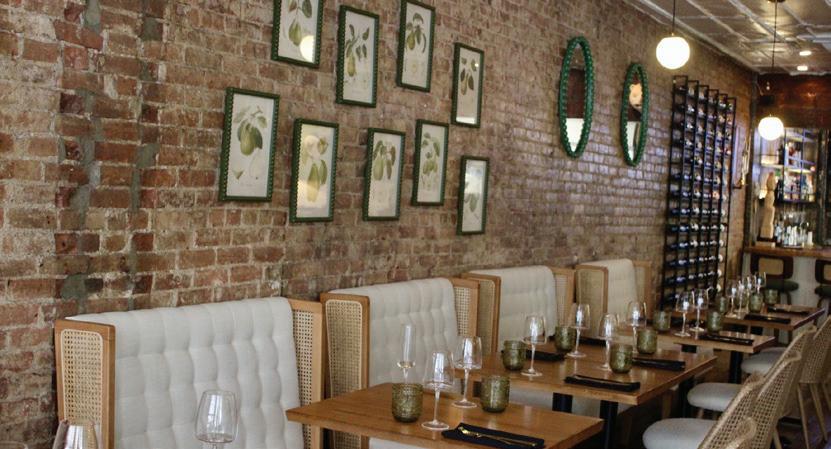
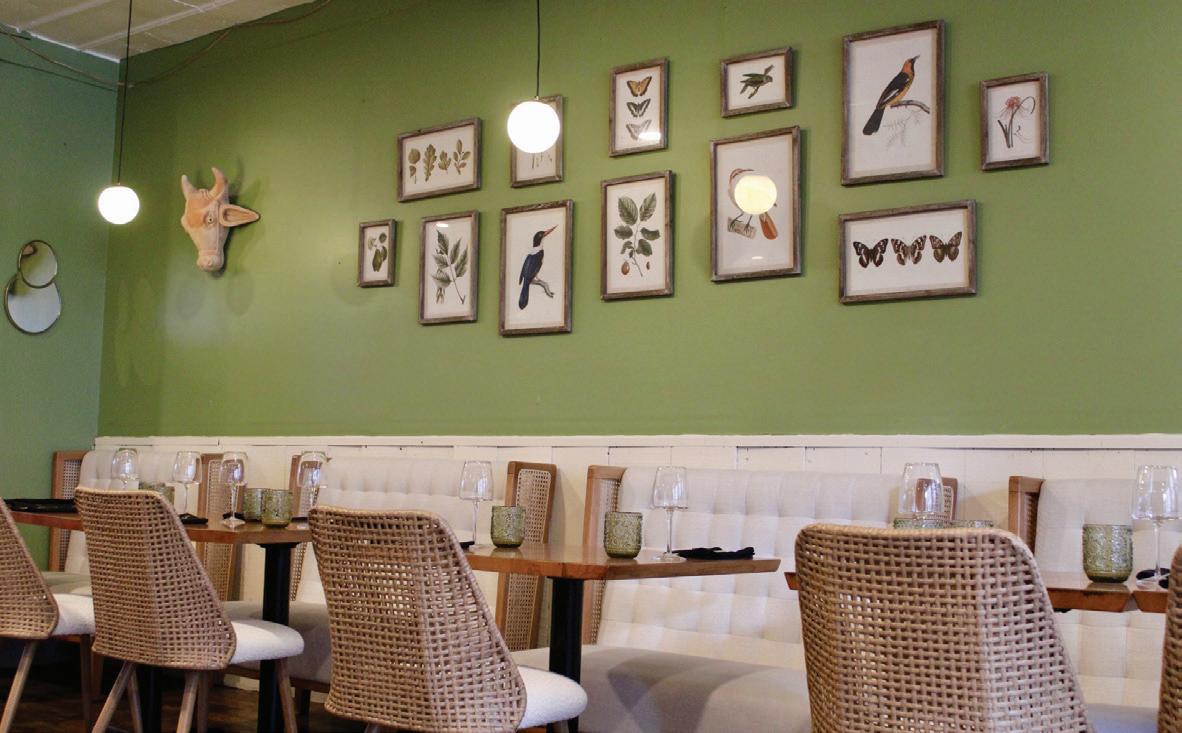
Bathed in natural light from garage doors that open onto bustling 3rd Avenue, Leslie offers a bright, inviting atmosphere that feels both refined and personal. Designed by Leslie Ames, the space captures the warmth and intimacy of the couple’s own dining room, brought to life through soft pale green tones, exposed brick walls, cozy white banquettes and rattan chairs. Thoughtfully curated artwork that includes clay animal masks and Sebastian’s personal trumpet reflects the couple’s creative spirit. Toward the rear, a small bar adjoins the open kitchen, while a striking wine wall showcases the restaurant’s international collection. At the heart of the dining room is Table 33—a piece from the couple’s home and named in tribute to their Miami restaurant—that serves as a symbol of hospitality, connection and the welcoming spirit that defines Leslie.
514 3rd Avenue, New York, NY 10016 leslienyc.com (646) 360-2756



By Merilee Kern, MBA


Times Square does not care how you feel when you arrive. It moves at full speed and expects you to keep up. Screens flash. Crowds surge. Sound ricochets. Most hotels planted in the middle of this environment choose one of two strategies. They either amplify the chaos and sell adrenaline as luxury, or they attempt to seal guests off from the city entirely. Tempo by Hilton New York Times Square chooses neither. It assumes you came here on purpose and then gives you the tools to function well once you arrive.
That distinction shapes the entire experience. This hotel is not about slowing the city down. It is about helping you move through it with intention. You stay above the noise without pretending it does not exist. You engage when you want to. You rest when you need to. That sense of control becomes the quiet luxury running through the property.
As the flagship location for Hilton’s wellness focused lifestyle brand, Tempo did not take the cautious route. It opened in Times Square, inside the TSX Broadway development, one of the most ambitious mixed use projects in New York City. The decision was deliberate. This is not a market where concepts hide behind branding language. Times Square tests whether an idea works under pressure.
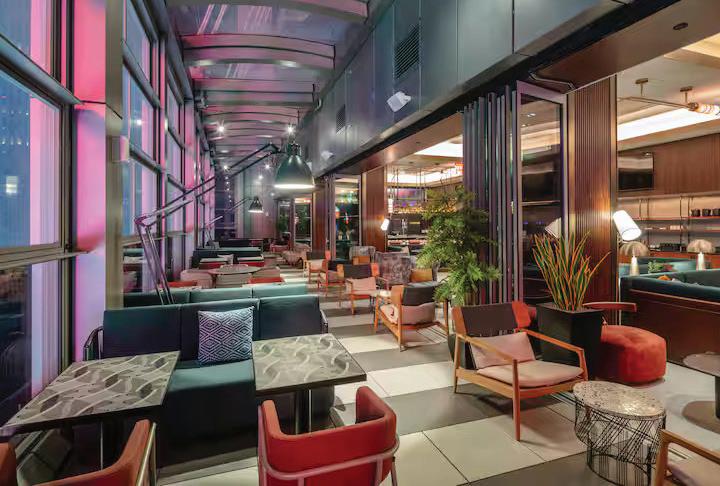
From the moment you arrive, the hotel resets your orientation. The elevated sky lobby begins on the 11th floor, lifting guests out of the street level intensity before they ever reach their rooms. That physical shift matters. You feel the pace change. Not dramatically. Subtly. Enough to recalibrate how the stay unfolds.
Tempo occupies floors 11 and above, positioning guests in a place of perspective rather than immersion alone. You still see the billboards. You still feel the city. You just experience it from a vantage point that makes sense for how people actually travel, work, sleep and recover.
The brand’s philosophy centers on rhythm. Not wellness as an abstract ideal, but rhythm as something practical. How you wake up. How you



prepare for the day. How you transition between meetings, shows, meals and rest. Tempo designs around those real patterns rather than forcing guests into prescribed behaviors.
That thinking carries into the rooms themselves. Every guest room is intentionally zoned to support different phases of the day. Power Up areas are bright, organized and functional. They support getting ready, working and moving out the door with clarity. Power Down zones shift the tone entirely. Softer lighting. Enveloping headboards. A sleep environment designed to help your body actually shut off.
You notice the difference quickly. Early mornings feel easier. Late nights feel less draining. The room works with you instead of against you.
Sleep receives unusual attention for a Times Square hotel, and that focus feels earned. Tempo partnered with Calm, the leading mental wellness brand, to create what it calls the “World’s Sleepiest Room.” This is not a marketing stunt dressed up as wellness. The room integrates immersive Calm soundscapes, Sleep Stories delivered through Ozlo Sleepbuds, blackout shades, an upgraded mattress with cooling pillows, and a one year subscription to Calm Sleep and Calm for one guest.
In a neighborhood that never powers down, this approach treats rest as infrastructure. Frequent travelers understand how rare uninterrupted sleep can be on the road. Tempo addresses that reality directly rather than treating it as an afterthought.
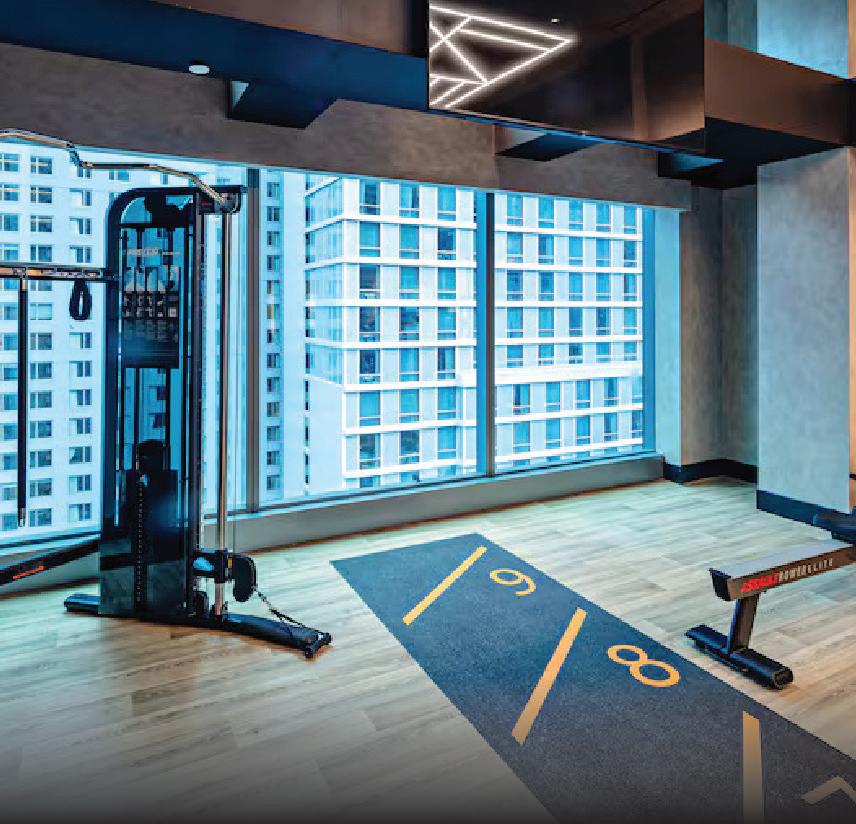
For guests who prioritize movement and routine, the hotel offers dedicated wellness rooms equipped with Peloton bikes, yoga mats, resistance bands and access to a digital fitness library. These rooms are not framed as novelty upgrades. They exist to remove friction. You do not need to hunt for a gym. You do not need to compromise routines. You maintain momentum regardless of what the city throws at you.



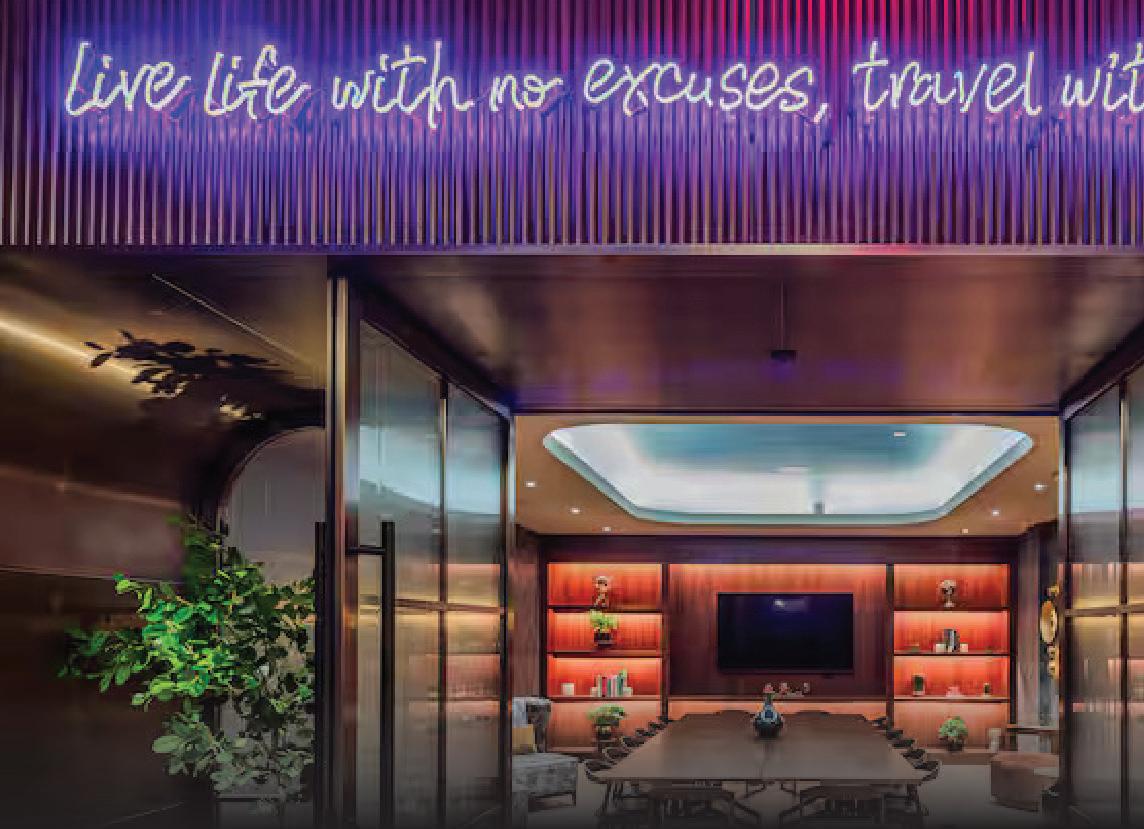
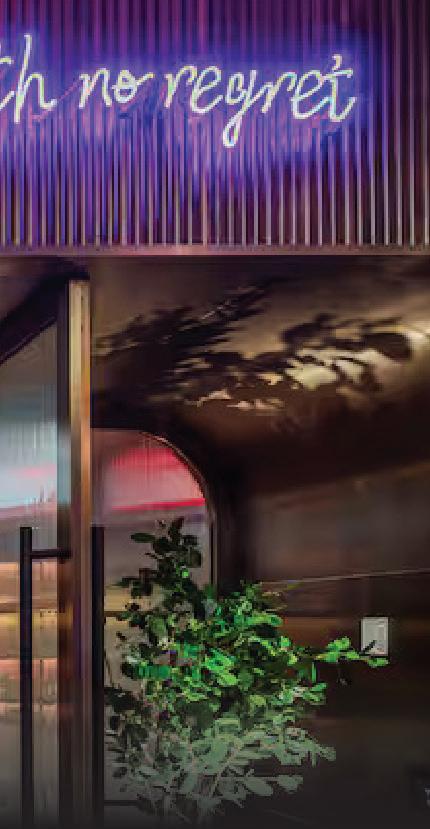
Experiential design appears throughout the property, though it remains tightly controlled. Limited run specialty rooms like the Beetlejuice Suite lean fully into immersion without bleeding into the broader hotel environment. Wrapped in black and white stripes with a mural of the hilltop Maitland Residence above the bed and gallery style character portraits lining the living area, the suite delivers a theatrical stay tied directly to the cult classic musical. It works because it is contained. Guests who want spectacle can opt in. Everyone else continues uninterrupted.
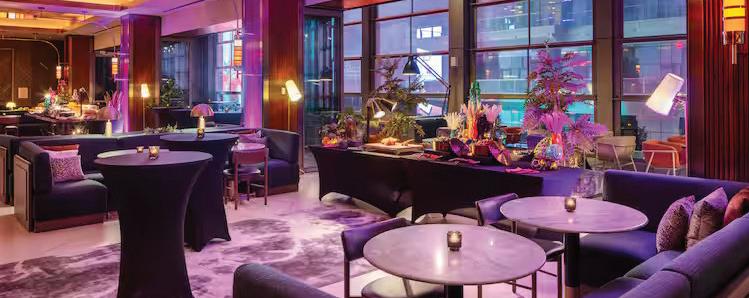
This discipline shows up again in the public spaces. The sky lobby offers sweeping views of Times Square’s iconic billboards without replicating their intensity. It creates a pause point. A place to take the city in rather than fight it. That moment of arrival shapes how guests move through the rest of the property.
Highball, the hotel’s signature restaurant and bar, functions as both social hub and sensory reset. It adapts throughout the day. Lunch before a matinee. A quiet pause between meetings. An evening unwind with views of the city. The beverage program treats alcoholic and non-alcoholic offerings with equal seriousness. Mocktails are crafted to mirror their cocktail counterparts using Lyre’s Non Alcoholic Liqueurs rather than defaulting to juice based stand-ins.
That parity matters. It signals that choice is respected. Energy levels shift throughout the day. Tempo accommodates that reality rather than forcing a single mood.
Technology plays a supporting role rather than dominating the experience. Digital Key access, Bluetooth speaker mirrors and 65-inch streaming televisions simplify logistics without overwhelming the room. Warm materials, layered lighting and thoughtful textures ensure the space still feels human. The technology disappears when you do not need it.
The Ball Drop Suites represent one of the hotel’s most sought after experiences, especially on New Year’s Eve. These rooms offer direct views of the famous Times Square Ball, placing guests inside the event while preserving privacy and quiet. Floor to ceiling windows and elevated positioning create an experience that feels personal rather than chaotic. You absorb the energy without surrendering comfort or control.
That theme repeats throughout the hotel. You are never forced to choose between immersion and restoration. Tempo makes room for both.
Location adds another layer of meaning. The hotel shares its building with the historic Palace Theatre, a Broadway landmark that has hosted generations of iconic productions. Guests quite literally stay above one of New York City’s most storied stages. The pairing feels appropriate. Times Square has always balanced spectacle with craft, performance with preparation. Tempo fits naturally into that lineage.
What ultimately distinguishes this property is restraint. In a district built on excess, Tempo edits carefully. Nothing competes for attention unnecessarily. Every feature earns its place. The zoning of the rooms. The elevated arrival. The focus on sleep. The optional immersion. Together, they create a stay that feels composed rather than reactive. You leave without feeling depleted. That outcome should not be remarkable. In Times Square, it is.
Tempo by Hilton New York Times Square does not attempt to tame the neighborhood or rebrand it into something quieter. It respects the scale, the history and the velocity of the place. Then it offers you perspective. A way to experience one of the most demanding environments in the world without losing your footing.
You move through the city fully. Then you return to a space designed to restore clarity. You wake up ready rather than worn down. In Times Square, that may be the most meaningful luxury of all.

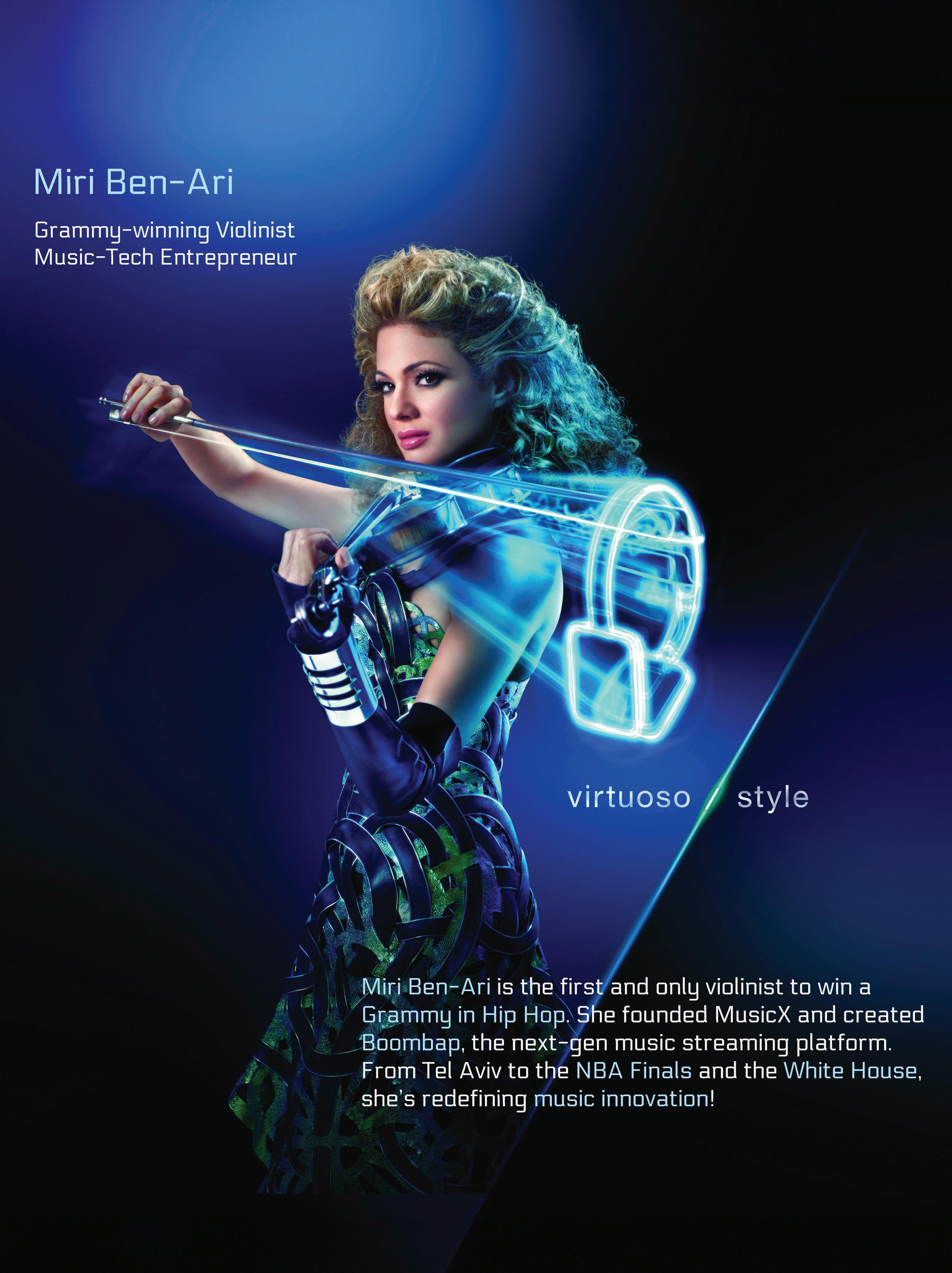

One step closer to the spring






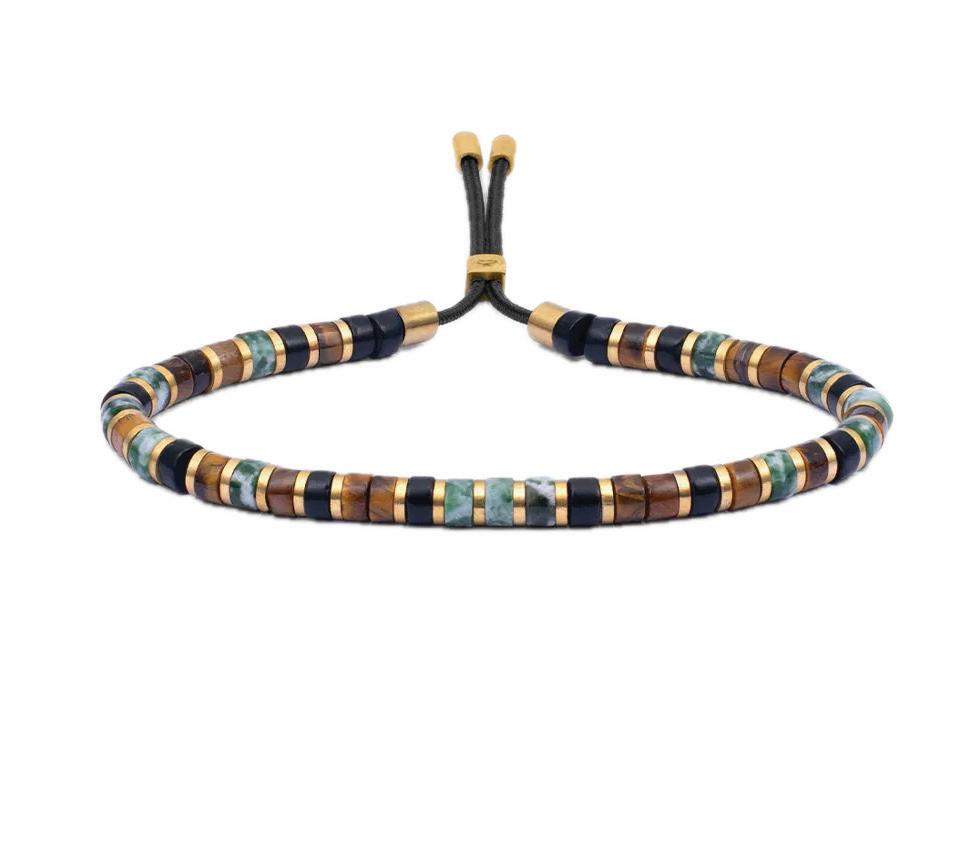
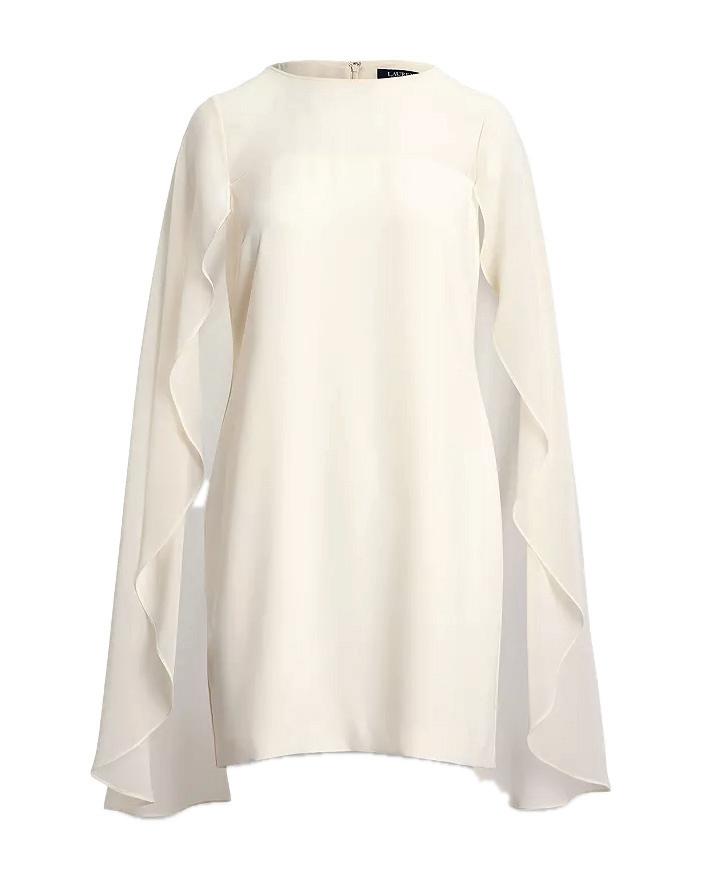














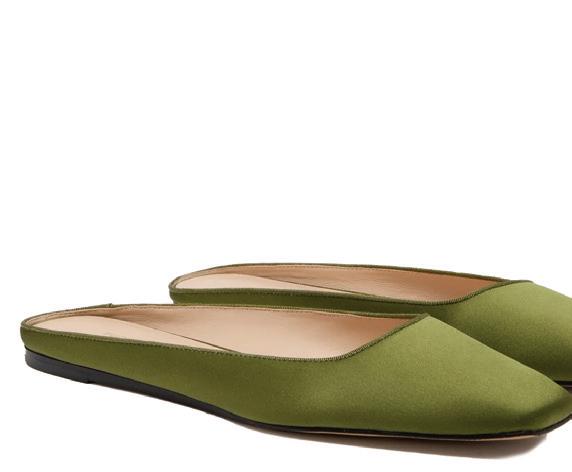












1. Pottery Barn, LoveShackFancy Faux Mixed Spring Bundle, $179, potterybarn.com 2. Lauren Ralph Lauren, Cape Georgette Cocktail Dress (Winter Cream), $195, bloomingdales.com 3. Tuckernuck, Nilli Flats (Satin Fern), $225, tnuck.com 4. Rare Beauty by Selena Gomez, Soft Pinch Liquid Blush, $25, sephora.com 5. Clinique, Moisture Surge Broad Spectrum SPF 28 Sheer Hydrator Moisturizer, $49, ulta.com 6. Rei Co-op, Lightweight Half-Zip Base Layer Top - Men's (Stone Green), $49.95, rei.com 7. Pig & Hen, Brontide 4mm Adjustable (Nagoya Gold), $149, us.pighen.com 8. On, Track Pack 35L Lite (Sand), $150, on.com 9. Giorgio Armani, Acqua di Giò Profondo Eau de Parfum (3.4oz/100ml), $155, giorgioarmanibeauty-usa.com



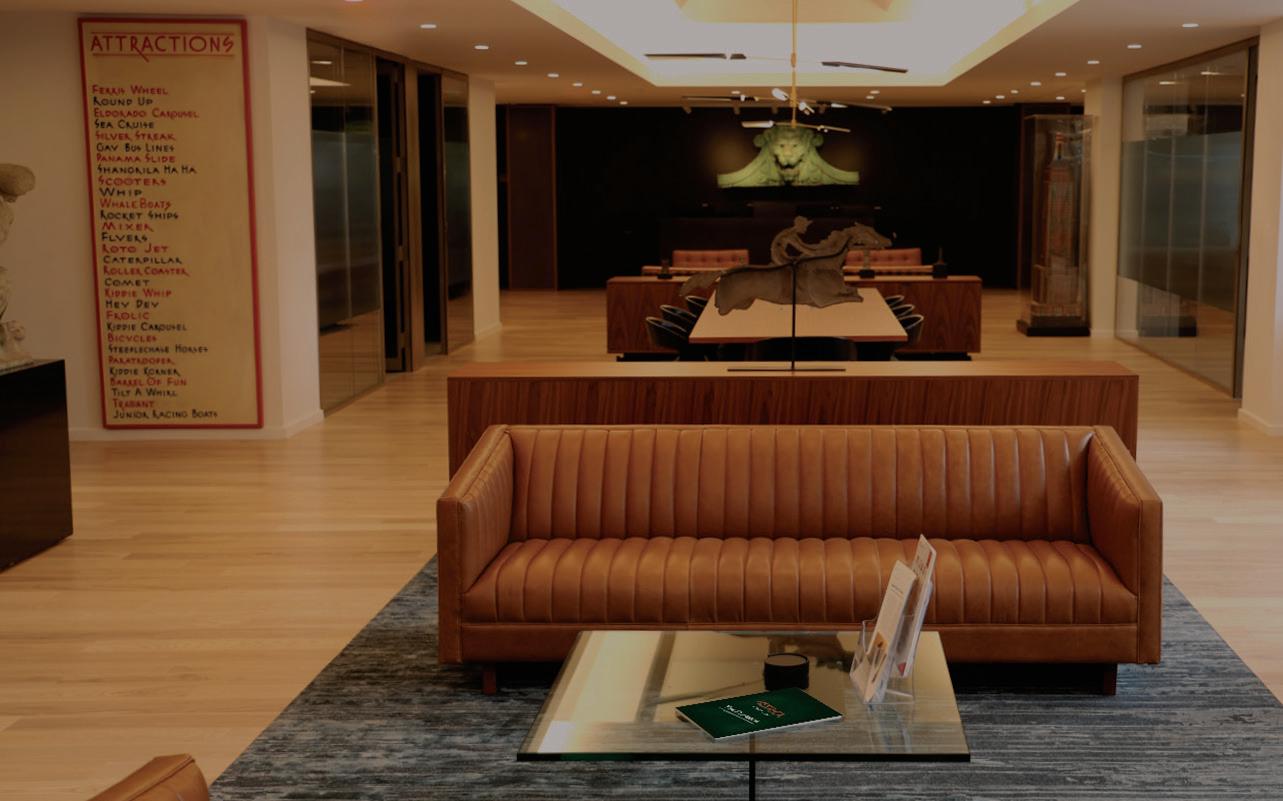





























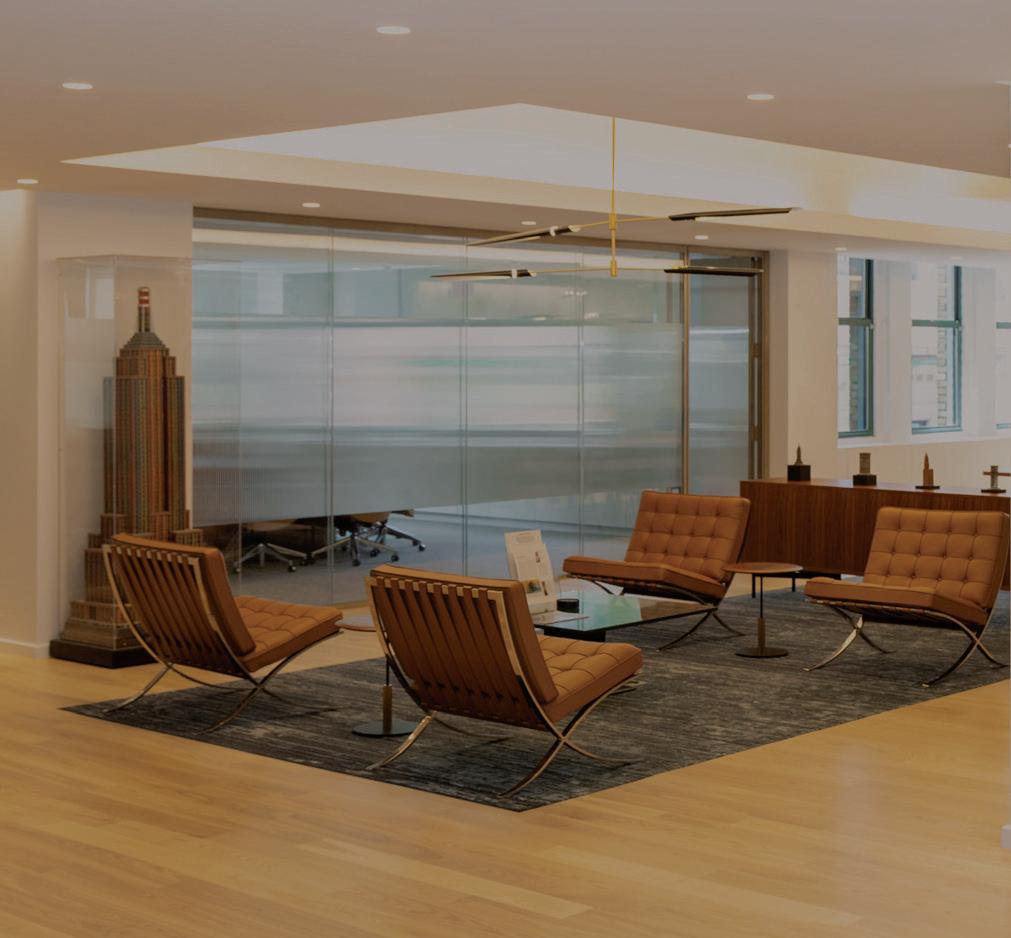




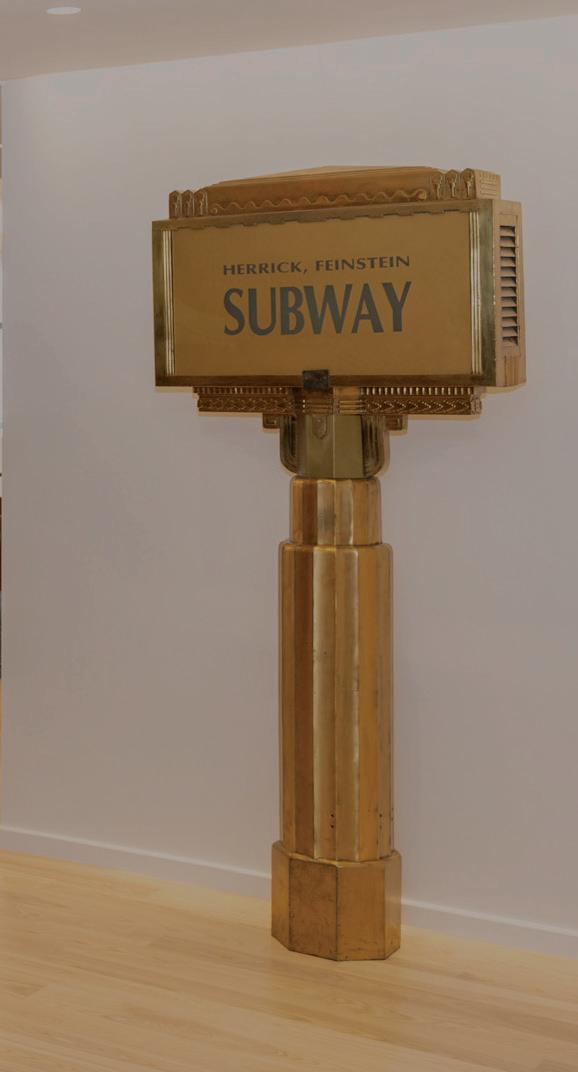
By R. Couri Hay
The Norton Museum of Art’s
Wealthy New Yorkers, including Julia Koch—whose net worth of over $81 billion makes her among the three richest women in the world—Tommy Hilfiger, Bret Baier, Hilary and Wilbur Ross, and Kimberly and Neil Bluhm, were among the art connoisseurs who fled the freezing temperatures on Park and Fifth Avenues to fly to Florida for the Norton Museum of Art’s annual gala in Palm Beach. The exhibition, “The Art & Life in Rembrandt’s Time: Masterpieces from the Leiden Collection,” coincides with the 400th anniversary of New Amsterdam's founding of the island that is present-day Manhattan. The exhibition marks Florida’s first large-scale exhibition of Rembrandt's paintings with over a dozen on display. Almost getting more attention than the Rembrandts were Donald Trump Jr. and his gorgeous fiancée, Bettina Anderson, seen talking to philanthropists Jean and Martin Shafiroff. Other art lovers in the room included Jane Holzer, Andrea Stark and Beth Rudin deWoody. New York City’s Audrey Gruss, Sue Hostetler and Josephine Kalisman were the gala’s co-chairs. norton.org
Elliot Hightower De Niro brought his father, Robert De Niro, to see his abstract painting “Caribbean Colors” at Isabelle Bscher’s Galerie Gmurzynska at The Winter Show, hosted by the Park Avenue Armory. The two-time Oscar winning actor, whose parents were both noted painters, could not hold back his paternal pride, as he asked the gallery’s photographer to take a series of photos with his son’s painting. Elliot’s, who has been diagnosed with Autism, work was being shown alongside Wifredo Lam, Roberto Matta and Majorie Strider. He sold his first work at the preview party, which benefitted the East Side House Settlement. Now the De Niros have all been invited to Bscher’s Dan Basen show, “New York Underground in the 1960s” at Galerie Gmurzynska in the Fuller Building at 595 Madison Avenue. The show will be accompanied by the first academic monograph on Basen, who tragically took his own life in 1970 at the age of 30. The artist was a major part of the 1960s art scene. Basen moved between Happenings, Nouveau Réalisme, Pop, Assemblage and Experimental Cinema while maintaining close ties with Beat poets and American Surrealists. The show will be on view through March 31st. Isabelle met with Grace Hightower and her son about giving Elliot his own show for some of his 200 colorful abstract works this spring to announce the founding of The Helen and Elliot Hightower De Niro Foundation, which will provide a creative safe space for neurodivergent young adults 18 and older. gmurzynska.com
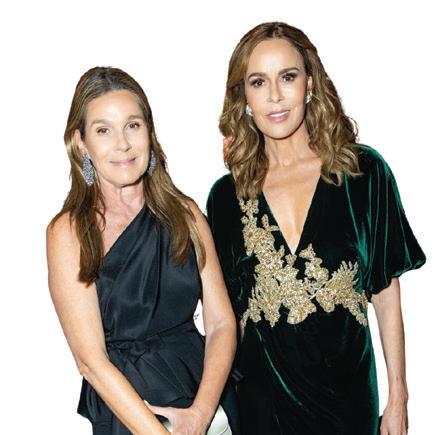


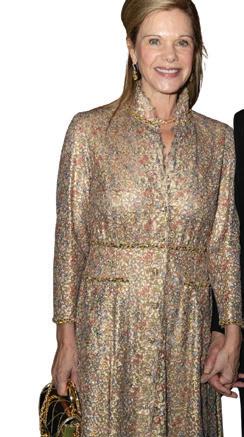









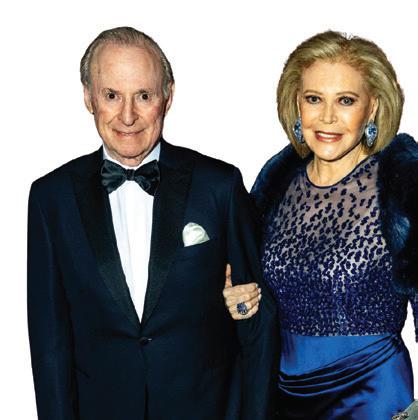
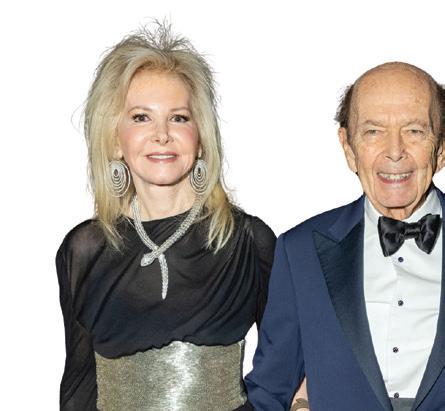














Christina Applegate and her “Married with Children” co-stars, Ed O’Neill, Katey Sagal and David Faustino, recently reunited at the Wiltern Theatre in Los Angeles for a nostalgic trip down memory lane titled “An Evening with The Bundys: The Married with Children Cast Reunion.” I'm told, the actors, who played members of the Bundy family in the popular sitcom from 1987 to 1997, “swapped never-before-heard stories, rare behindthe-scenes moments, and delivered plenty of laughs as the Bundys relived their most outrageous and iconic memories together.” The night benefitted Nancy Davis’s Race to Erase MS foundation, with a portion of ticket sales aiding their mission to fund the nation’s top Multiple Sclerosis (MS) research centers. Davis, who also suffers from MS, founded her nonprofit in 1993 and has since raised $56 million for research. Applegate revealed her own MS diagnosis in 2021, as she was finishing up her Netflix comedy show “Dead to Me.” The actress has been open about her journey with the autoimmune disease. Christina regularly discusses her life with actress Jamie-Lynn Sigler, a good friend who also has MS, on their long-running podcast “MeSsy.” On a 2024 episode, Applegate revealed that her mental wellbeing had suffered after her diagnosis, having said, “I’m trapped in this darkness right now that I haven’t felt in probably 20-something years.” Sigler consoled her, saying, “It’s not a reason enough for you to stop living because I sit here across from you, and you still make me laugh like nobody else can. You still make me smile. You make me feel loved.” Applegate’s memoir, “You with the Sad Eyes,” goes on sale across the country on March 3rd. erasems.org
Actor Manny Perez of NBC’S Third Watch, co-starring Bobby Cannavale, joined Dr. Ramon Tallaj, the founder of Somos Community Care, to celebrate the achievements of Dominican Americans at the annual Dominicans on the Hill Conference. As they rallied in Washington, D.C., Tallaj, who regularly works with baseball legends Mariano Rivera, David “Big Papi” Ortiz and Sammy Sosa to raise money for their Bronx community, delivered the keynote speech to a crowd of over 1,000 people. somoscommunitycare.org
Loews Chairman of the Board James Tisch and Merryl Tisch, the former chancellor of the New York State Board of Regents, have sponsored Chairperson Simone Levinson’s Southampton Art Center’s new education program for kids in grades K–12, in collaboration with the local school district. The partnership kicked off with a student exhibition, titled “First Light: Celebrating Student Artists of Southampton,” which opened on February 7th and will run through May 3rd. The museum offers membership cards to all the kids in the area to encourage their participation in the arts. southamptonartscenter.org





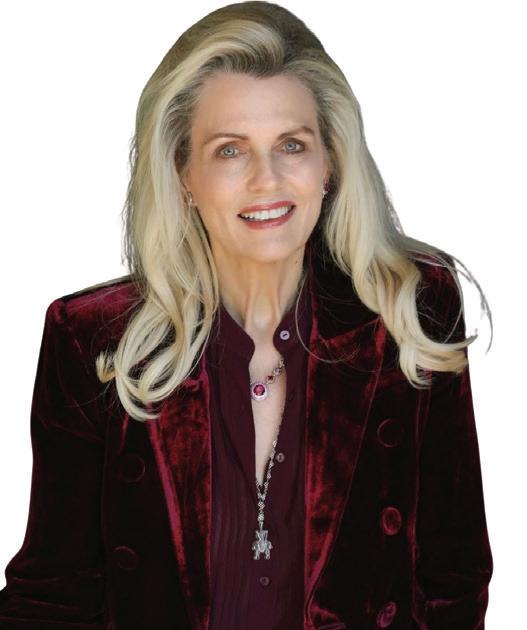







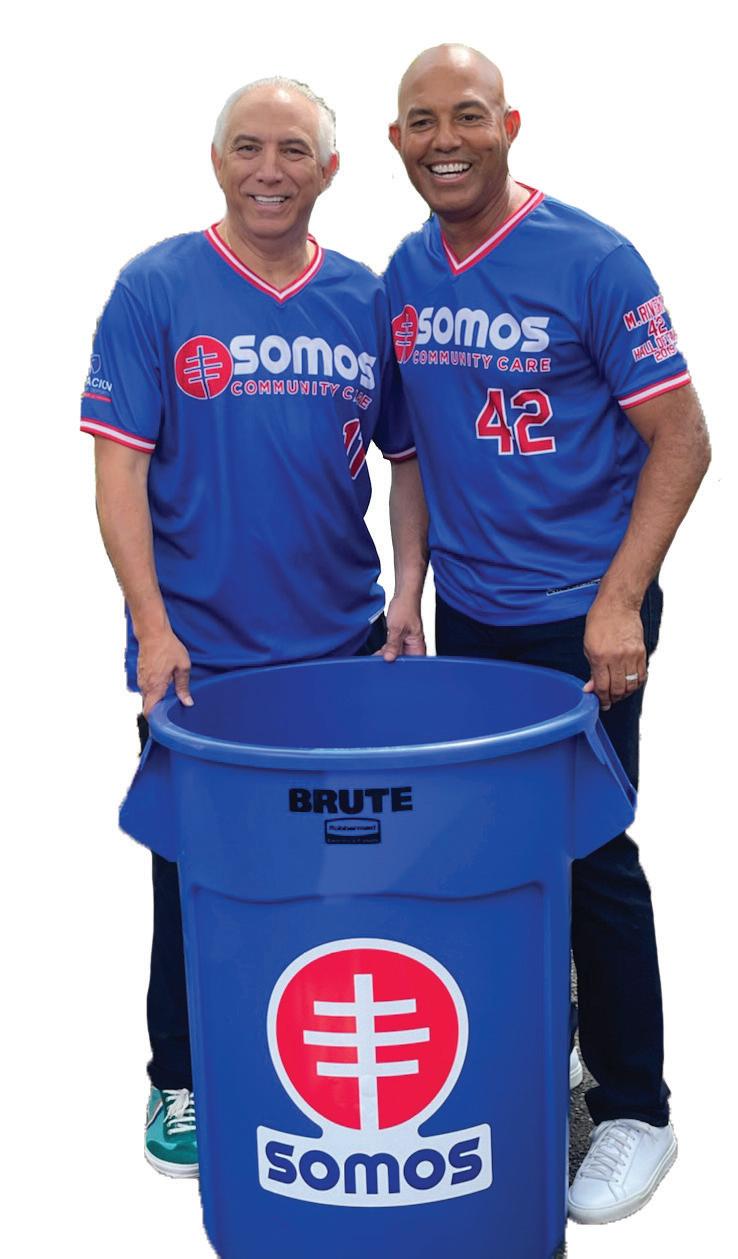
BY MICHÈLE GERBER KLEIN
The Larsen Salon series, which convenes historians, designers and cultural leaders to examine Larsen’s impact across textiles, architecture and landscape, recently invited art historian Max Anderson to talk about the Miller House in Columbus, Indiana. This series is by all accounts a marvel of midcentury architecture and design. Max, who has been the director of the Whitney Museum of American Art and the Dallas Museum of Art, also served as the museum director and CEO of the Indianapolis Museum of Art in Indianapolis, Indiana from 2006 to 2011. It was during his tenure that the museum acquired the Miller House and Garden estate— commissioned by businessman J. Irwin Miller and completed by architect Eero Saarinen in 1957. Max also more than doubled museum attendance to reach some 450,000 visitors annually. The house, which was furnished with many designs by Jack Larson, is now in the registry of National Historic Architecture. Mr. Anderson, who knows the building intimately, delivered his suave informative and amusing speech to a standing ovation of admirers including Dianne Benson, Sherri Donghia, Michael Jones, Peter Olsen, Gael Towey, Michèle Gerber Klein, Leigh Seippel, Lys Marigold, Faith Popcorn, Bastienne Schmidt, and Bernadette and Jimmy Zumot.
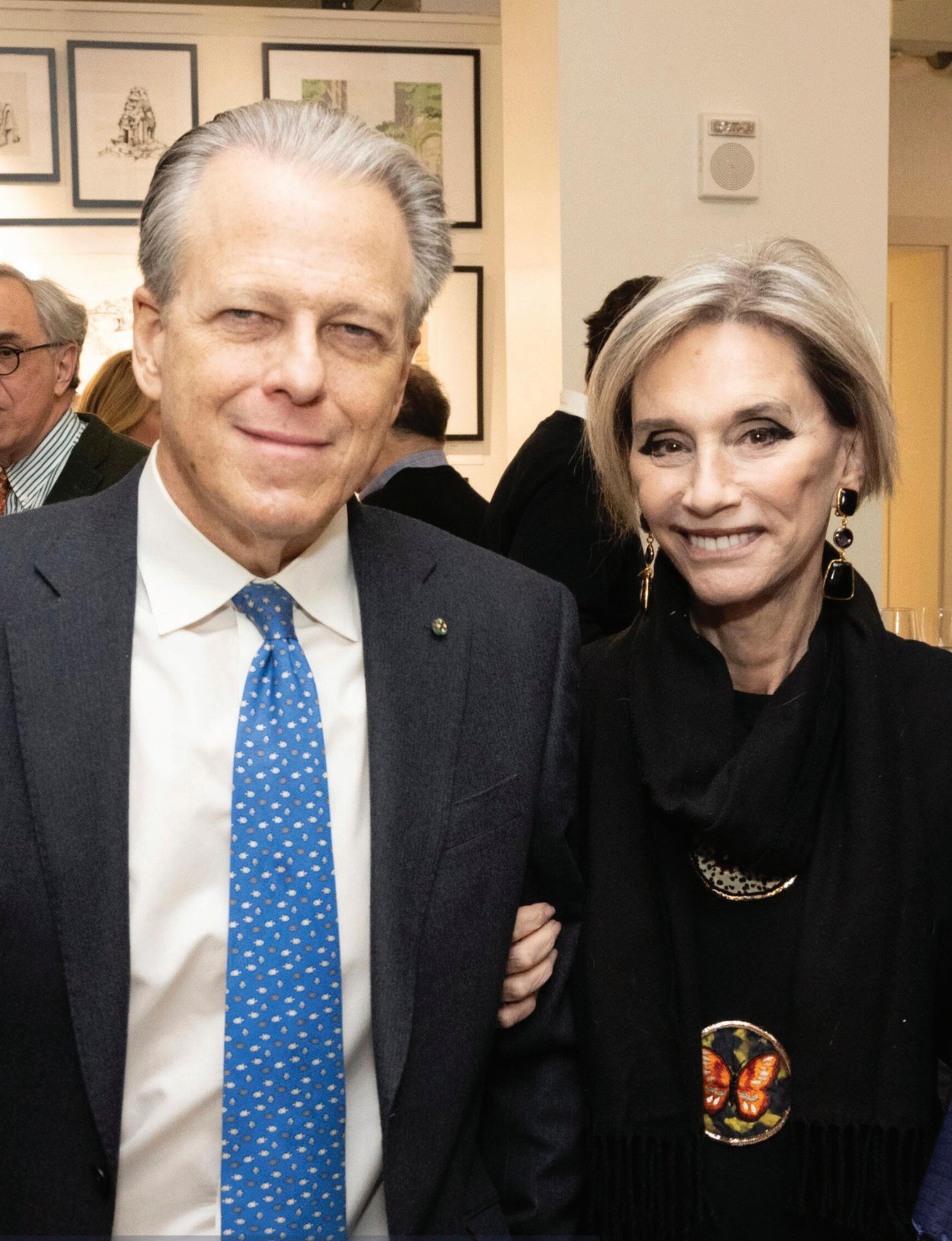
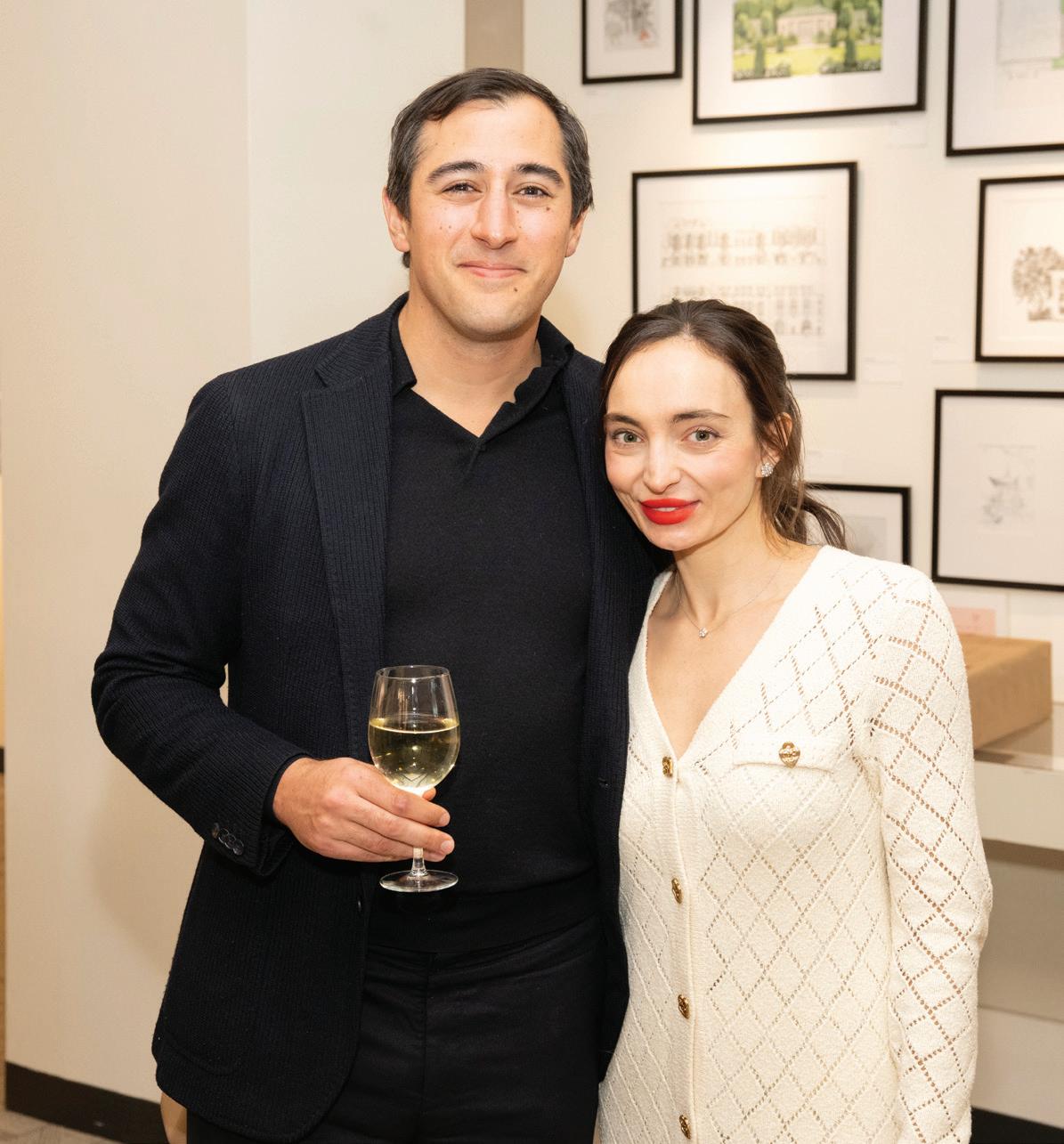

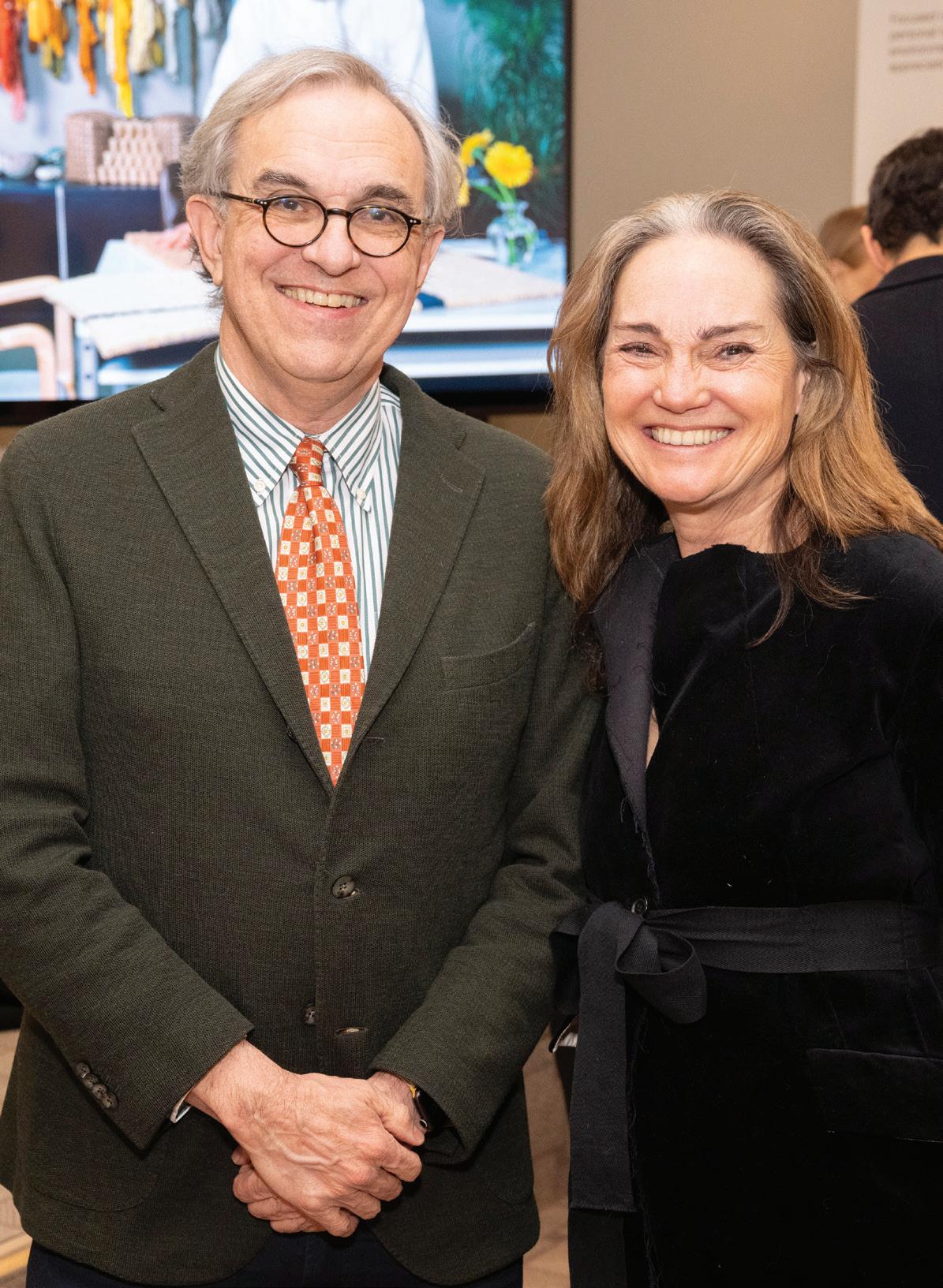

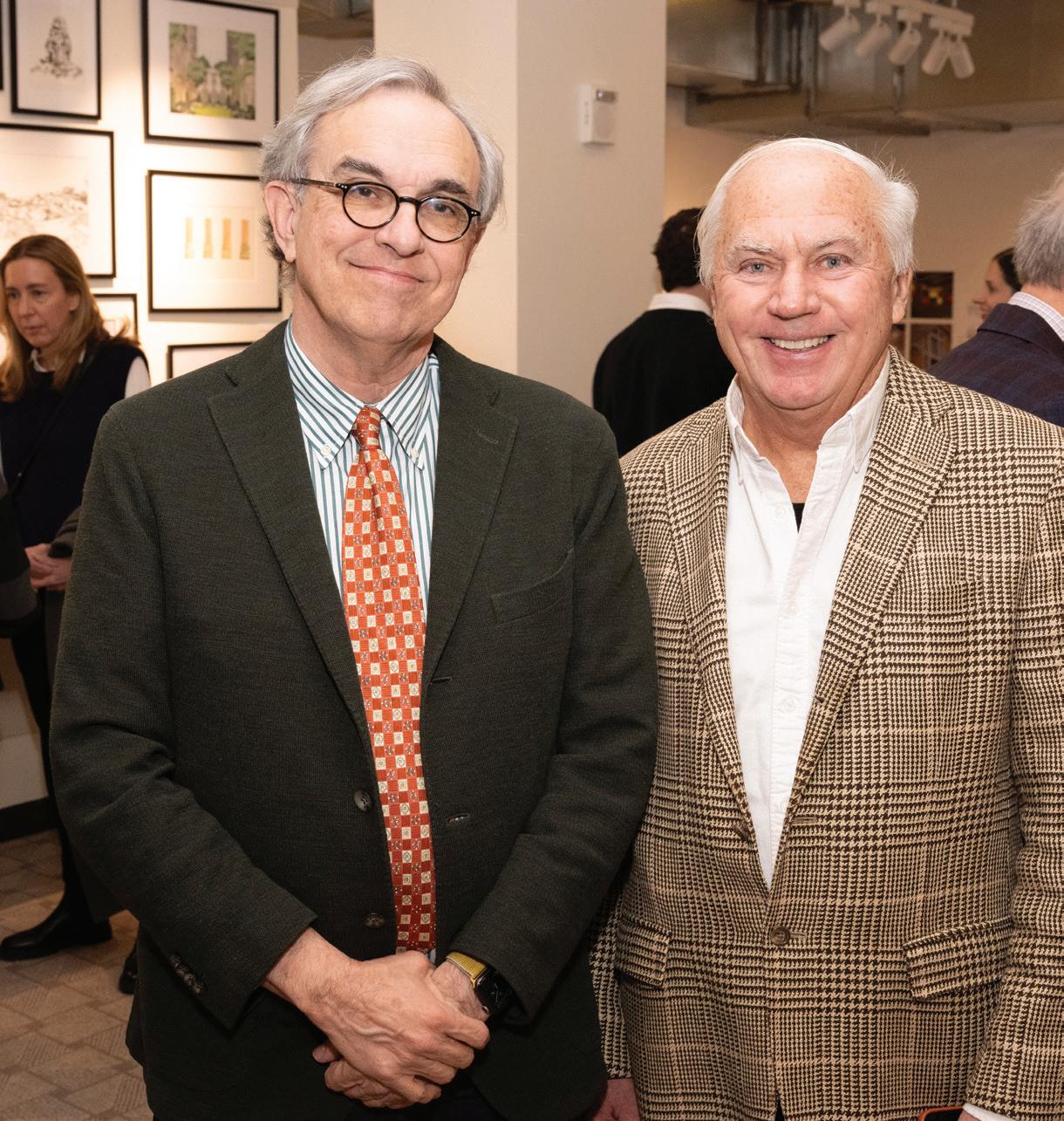

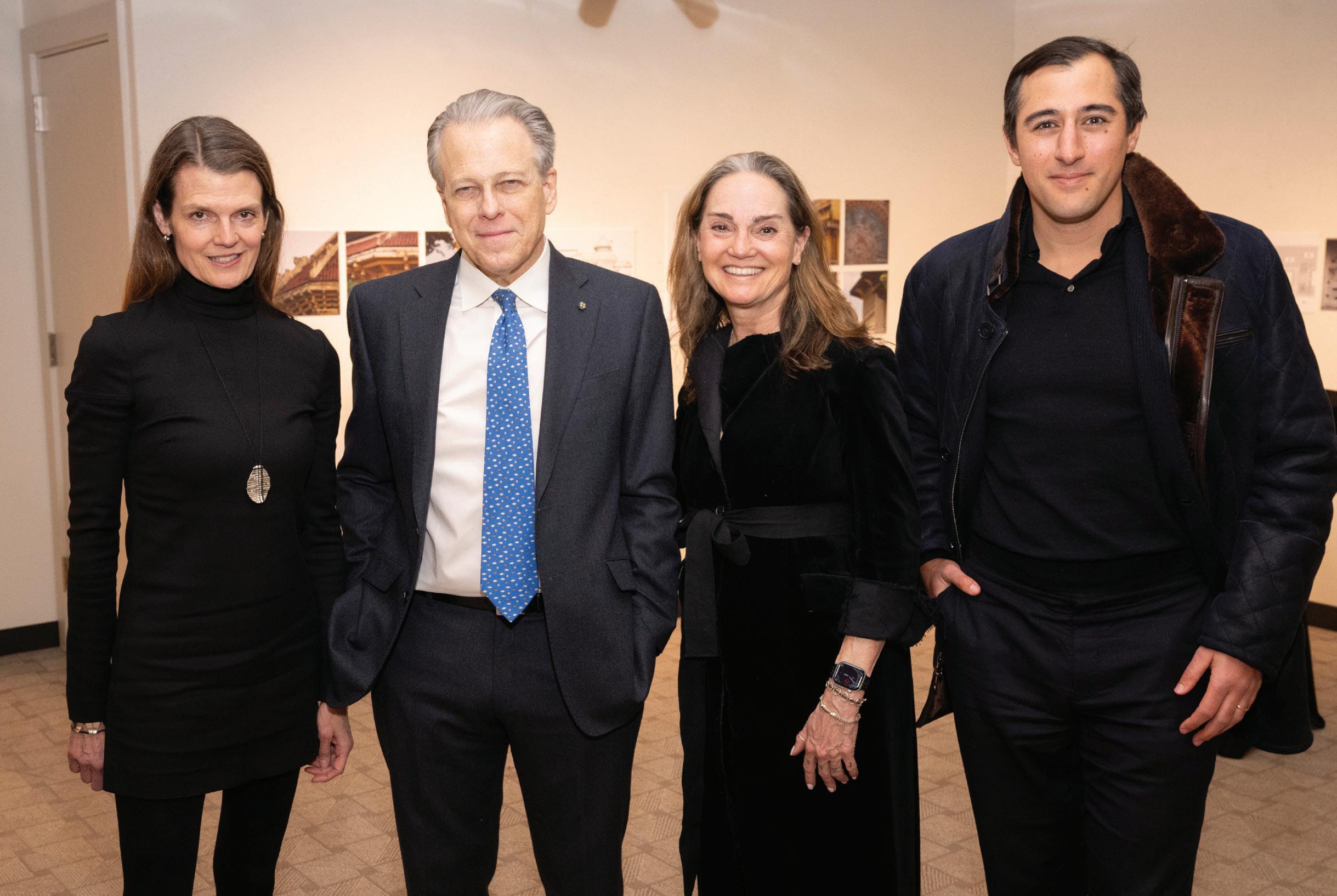




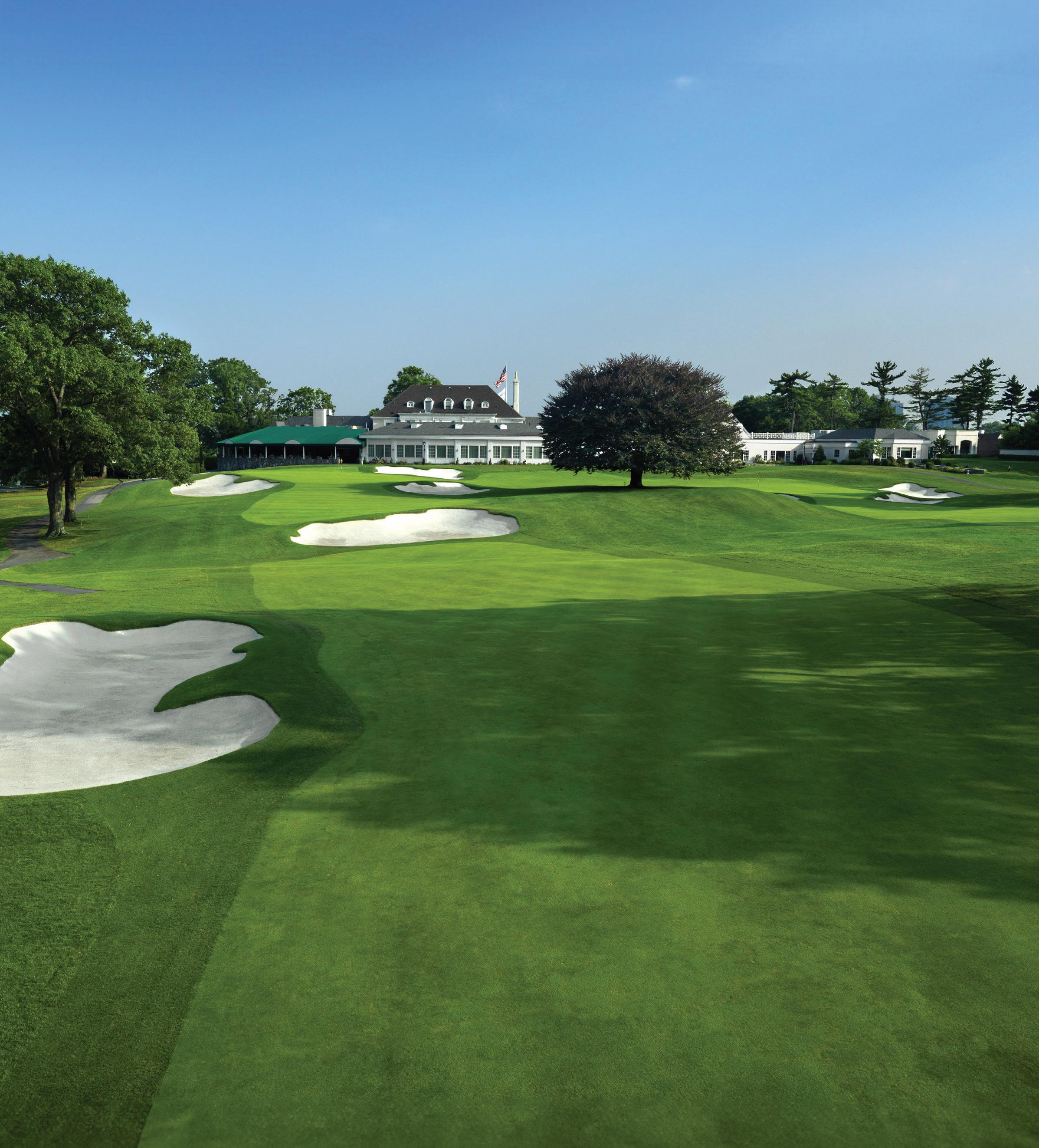
Bradley
Roger
CHAIRS
Robert
Samuel B.
Stephen


For decades, we have built a real estate practice unparalleled in the US. Now, as the global legal powerhouse HSF Kramer, we are so much more. As the only law firm ranked in Chambers Band 1 in the US, the UK and Australia, we continue to transform skylines and reshape landscapes. Please visit our website to learn more.
Kramer Levin is now HSF Kramer
By Jeremy Murphy
When Louise Altese-Isidori was diagnosed with Stage 4B ovarian cancer on Christmas Eve last year, her life changed in an instant. Just weeks earlier, the 50-year-old wife and mother had been planning holiday meals, managing her family’s busy calendar and supporting the launch of her husband Joe’s new restaurant. There were no warning signs—no reason to suspect that cancer had silently overtaken much of her body. “I didn’t look sick. I didn’t feel sick,” Altese-Isidori said. “We had a big party in November for the restaurant opening. I was all over the place. Nobody saw this coming. I certainly didn’t.”
Today, less than eight months after a grueling 10-hour surgery and six rounds of chemotherapy, Altese-Isidori is in remission. Recently, she was the guest of honor at Speak Up and Speak Loud, a benefit luncheon she is hosting with the nonprofit Hearing the Ovarian Cancer Whisper (HOW). The event aims to raise funds for research and patient support, while spreading awareness of a disease often called “the silent killer.”
“I needed this event as much as it needed me,” Altese-Isidori said. “It’s something positive to focus on, and it gives me purpose—to speak out about what happened to me and help make sure it doesn’t happen to someone else.”
The diagnosis came through a transvaginal ultrasound she requested, a test not commonly part of routine women’s health screenings. “It’s shocking how many women have never heard of it,” Altese-Isidori said. “It’s not part of the usual checklist, but in my case, it saved my life. It found what other tests missed.”
Doctors discovered cancer throughout her chest, colon, liver, stomach lining and reproductive organs. She underwent surgery to remove her spleen, appendix, gallbladder, uterus, ovaries, fallopian tubes and the entirety of her stomach lining. “I had a miracle-worker surgeon,” she said. “And I fought like hell. The Brooklyn girl in me came out swinging.”
After the surgery and chemotherapy, she began taking poly adenosine diphosphate-ribose polymerase (PARP) inhibitors, a promising class of medication designed to reduce recurrence. Though the prognosis for ovarian cancer is often grim—over 75% of cases are diagnosed at an advanced stage, and more than 13,000 women in the U.S. are expected to die from it this year—Altese-Isidori is determined to be the exception.
“I want to redefine what Stage 4 cancer looks like,” she said. “I’m living, I’m active, and I want people to see there’s a chance. There’s light at the end of the tunnel.”
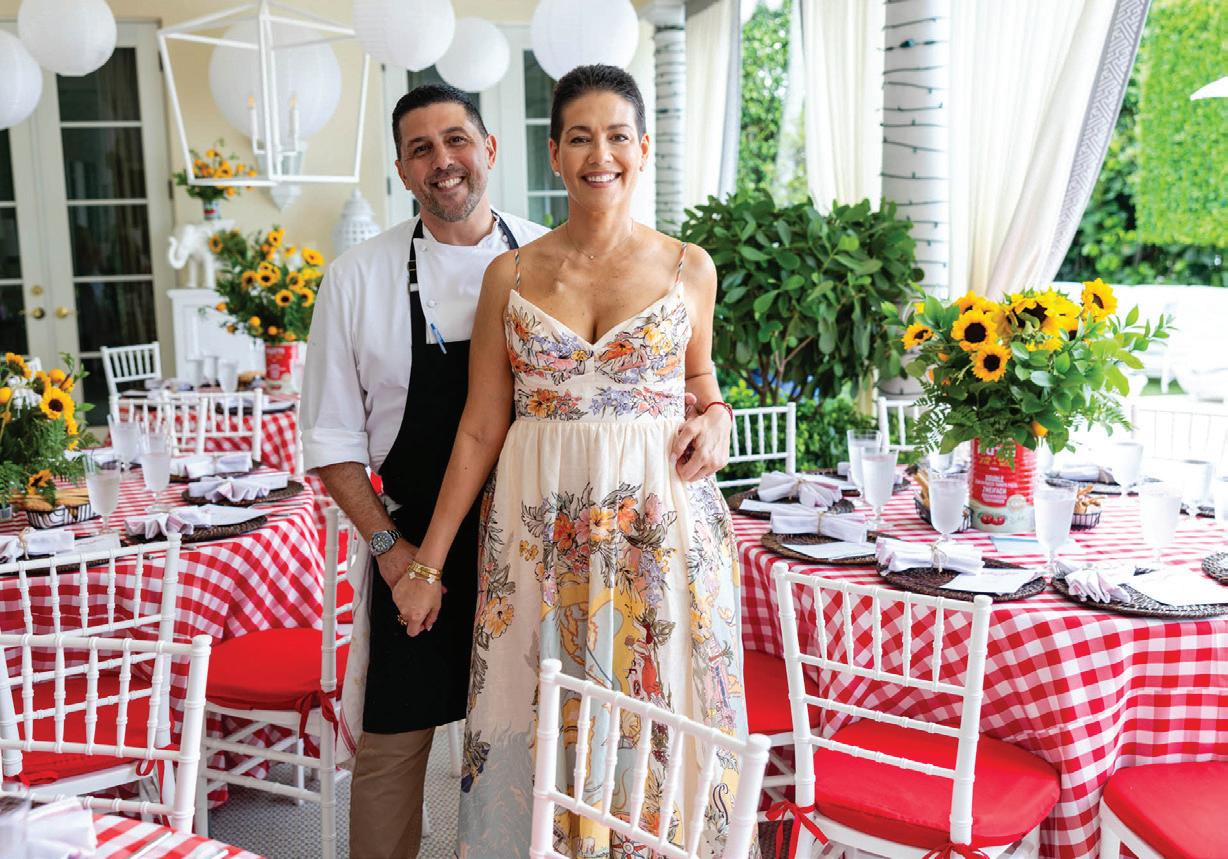
Until recently, public speaking was not part of Altese-Isidori’s life. “Six months ago, I was a totally different person,” she said. “My husband and my sister used to do all the talking for me. But now I feel like my voice has to be heard. I didn’t have symptoms. And that’s what makes ovarian cancer so deadly.”
She credits HOW with helping her to not only survive but find strength. The organization offers financial and emotional support, funds cuttingedge research through its Jacquie Liggett Fellowship, and helps underserved women access genetic screening.
“I’m grateful for their support, but in truth, I probably needed them more than they needed me,” she said.
The luncheon unfolded on a newly opened Italian restaurant owned by Altese-Isidori’s husband. Guests enjoyed coastal-inspired cuisine, Pallini Limoncello cocktails and a luxury trunk show from Italian fashion house Peserico. A silent auction included a dream trip to the Amalfi Coast, a stay at Gurney’s Montauk and a round of golf in West Palm Beach.
Swag bags, a “forever jewelry” bar by Therapy Life & Style, and powerful survivor testimonials rounded out the day. Guests were decked in festive attire—and teal, the official color of ovarian cancer awareness.
“I want people to leave feeling uplifted and educated,” Altese-Isidori said. “We’re creating a beautiful afternoon, but it’s about more than that. It’s about saving lives.”
Altese-Isidori knows the odds. But she also knows the power of community, optimism and early detection. “The CA-125 blood test, the transvaginal ultrasound—these things can help. We just need to speak up and speak loud about them,” she said, echoing the event’s name.
She’s still learning, still healing—but already leading. “I didn’t miss a beat during chemo,” she recalled. “I got up every day with my son, never missed a party, a birthday, or a school day. I dressed up for the doctor like it was a night out. This is my life, and I’m living it.”
And now she’s giving that life a new purpose. “I want women to listen to their bodies—and to each other,” she said. “If even one person gets tested early because of this luncheon, then it’s all worth it.”
ovariancancerpbc.org
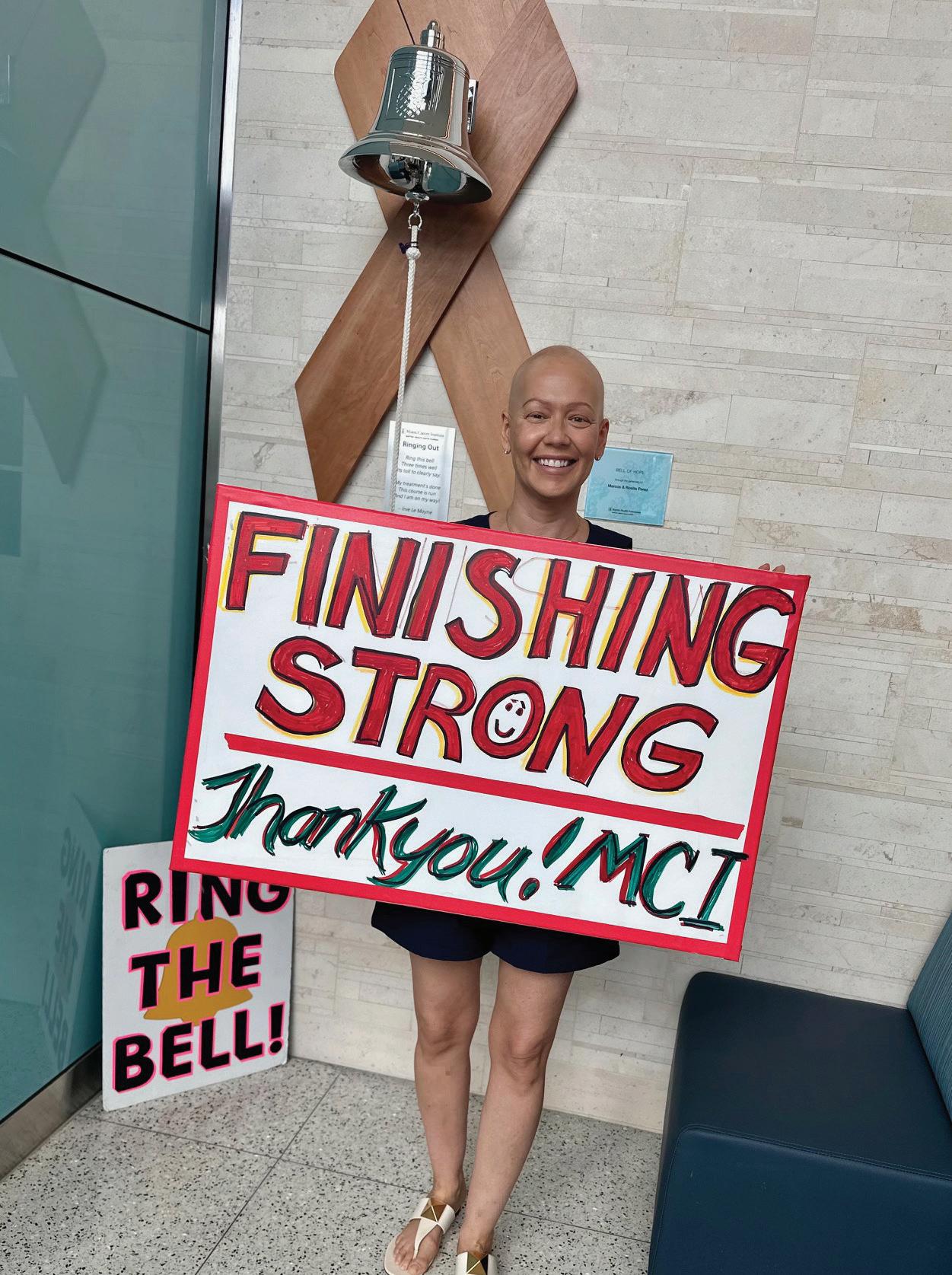

Dominant U.S. youth retailer Pacsun released its newest men’s and women’s spring campaign for 2026. Shot in sun-soaked locations across Brazil, the campaign highlights an all-local cast of youth models, capturing the country’s vibrancy and beauty with Pacsun’s latest styles. The setting serves as a cultural reference point, reflecting the global influences shaping how young consumers dress, travel and express themselves today.
to drive Gen Z shopping behaviors, making it essential that the campaign organically evoke those same emotions.
through fashion. Embracing the spaces that inspired us helped translate the campaign in a captivating way.”
Guided by a purpose-driven approach, Pacsun voluntarily supported local environmental, cultural and preservation initiatives during production. This included clothing donations, beach conservation efforts, community programs in Pedra do Sal and the preservation of the Brazilian flag painting on Eduardo Jansen Street. These efforts underscore Pacsun’s dedication to engaging respectfully with communities and setting the standard for other retailers that shoot abroad. The brand is proud to celebrate Rio while supporting the people and places that make it so special.



The campaign channels a youthful spirit defined by movement, real connection and unapologetic self-expression. Pacsun approaches Spring through an elevated yet romantically authentic lens, with styles intentionally designed for how Gen Z actually dresses—effortless pieces that speak loudly of tasteful prints, rich textures and lively colors. Shot across Rio—from the painted steps of Escadaria Selarón and the rhythm of the General Osório fruit market to the shores of Ipanema Beach—each setting captures the city’s real spirit and the lives that move through it. As a top destination for Gen Z travelers according to Airbnb data, Brazil is the perfect backdrop to reinforce this adventurous mindset where style is empowering, creative and carefree. Insights from The Youth Report by Pacsun show that comfort and confidence continue

For women, the collection introduces fresh swim and warm-weather staples, including new bikinis, denim shorts and skirts, terry cloth mini shorts, feminine tube tops and tanks with crochet and beading details, and relaxed long jeans. Women’s swim sits at the heart of the drop, defined by bright hues, high-cut detailing and distinctive silhouettes. For men, the focus shifts to stylish casual pieces such as short-sleeve camp shirts, crochet collared tees, artistic jackets, printed long denim and lightweight layers designed for understated styling. Beyond trends, the collections were curated to inspire consumers to create their own personal style.
“The energy and openness of Brazilian youth culture aligned naturally with how Pacsun designs and styles its collections,” said Richard Cox, chief merchandising officer of Pacsun.
“By working with Brazilian talent, local businesses and community spaces, this campaign reflects our commitment to showing up responsibly, honoring creativity and showcasing culture


Consumers can further explore and interact with the Spring 2026 campaign through the PS Community Hub, Pacsun’s digital platform connecting creators, style inspiration and community.
Explore new spring arrivals online at Pacsun.com and in-stores nationwide.



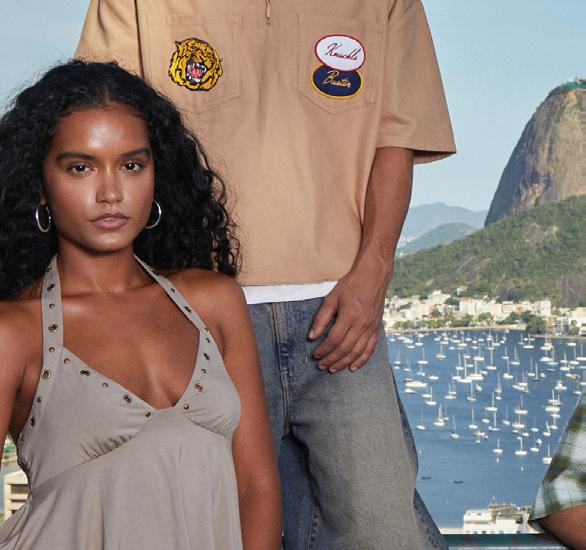







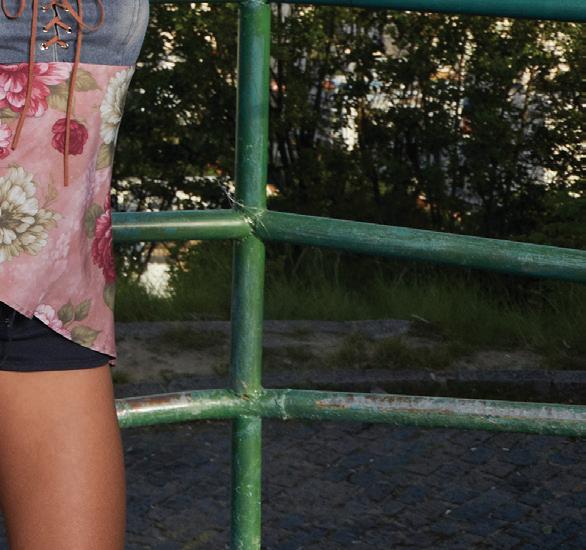




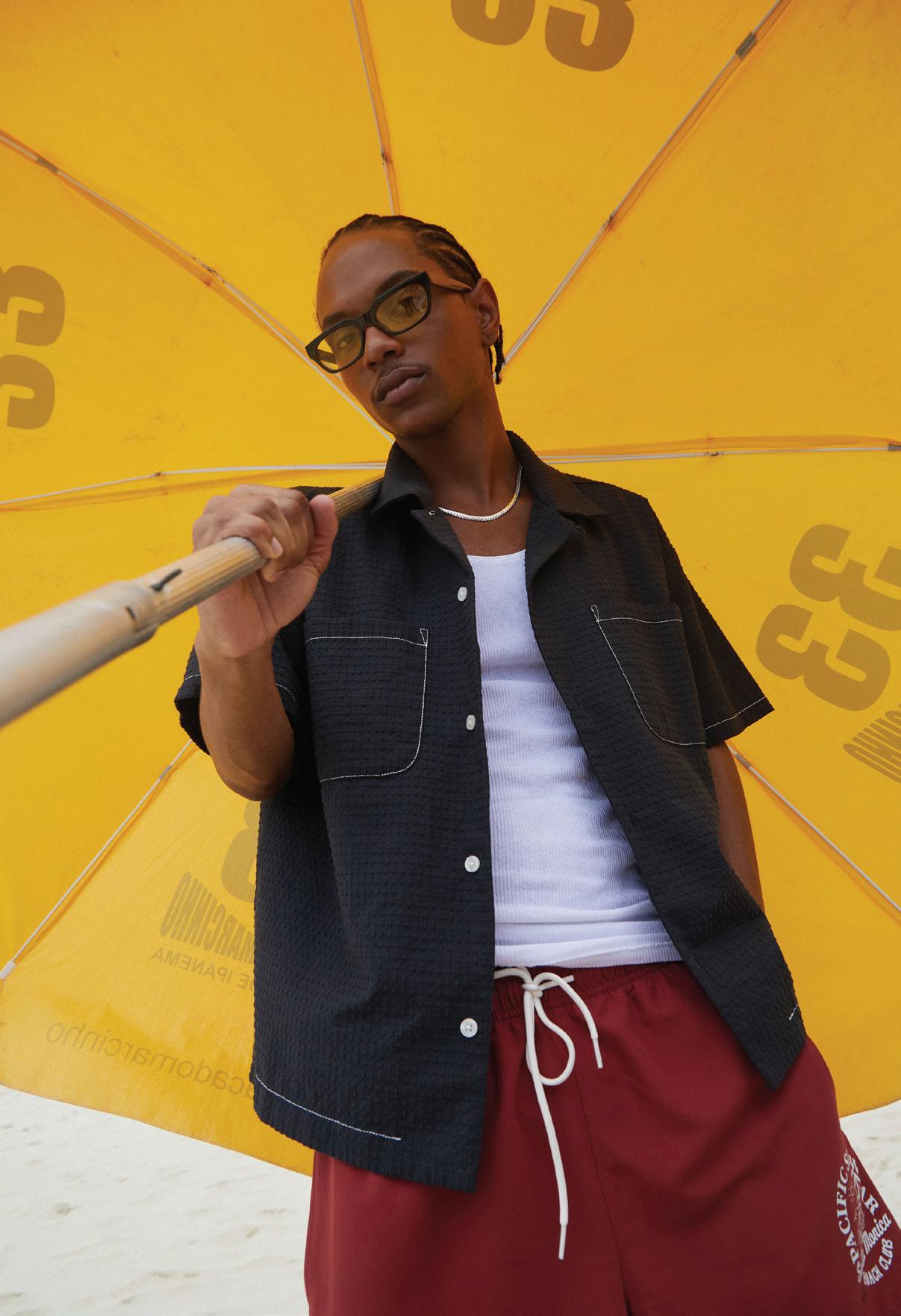
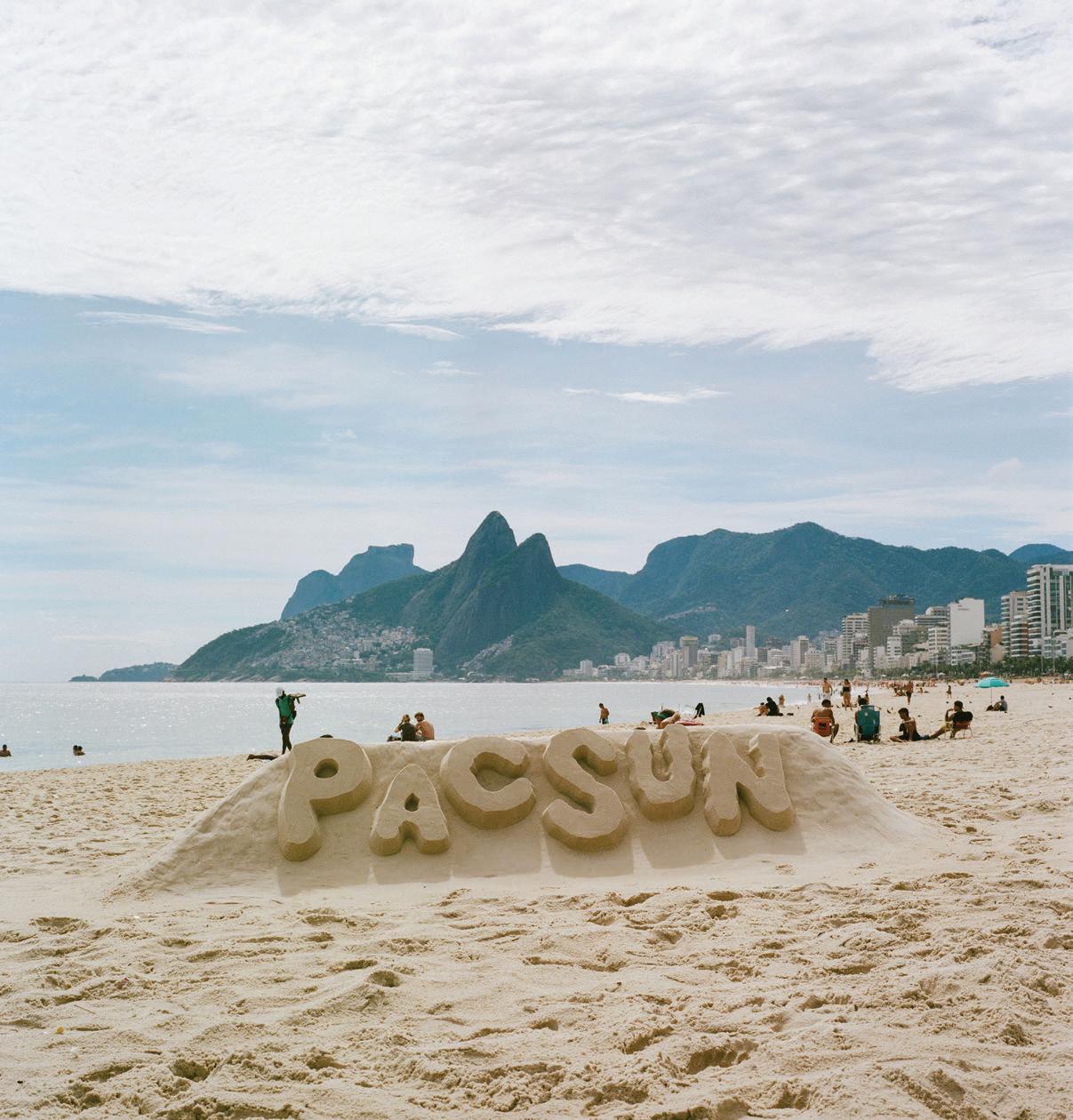
INTRODUCING FIRST-OF-ITS-KIND

Meriwether Companies, a U.S. private real estate investment and development firm, and the Sanchez Navarro family, one of Los Cabos’ pioneering landowners and developers, announced the official launch and groundbreaking of Cabo Real Surf Club. The new community marks North America’s first development with a private Endless Surf wave basin complemented by a Robert Trent Jones II-designed championship golf course, and a wide range of sport and wellness-driven amenities. Set within the established 3,000-acre Cabo Real masterplan in Los Cabos, Mexico, one of the world’s leading resort destinations, the wave basin, residential infrastructure and golf improvements at Cabo Real Surf Club are under construction and scheduled to open in late 2026. The team has secured over $150 million in sales reservations since going to market in 2024.
Companies. “This community represents a celebration of Los Cabos’ ideal climate, natural beauty and culture, offering members an inspiring lifestyle that seamlessly integrates surfing, exceptional golf, family time and wellness in a captivating locale.”
lished 3,000-acre Cabo Real masterplan in Los Cabos, Mexico, one of the Real Surf Club includes plans for more than 200 homes, including custom
“Cabo Real Surf Club is designed to embody the adventurous spirit of the Baja Peninsula,” said Graham Culp, managing partner at Meriwether
Situated on a dramatic Baja landscape stretching from the Sea of Cortez through arroyos and up to the mountain foothills, the initial phase of Cabo Real Surf Club includes plans for more than 200 homes, including custom Estate Lots, Boardwalk Homesites, Surf Casitas and ocean-view Villas. At its heart is a private Endless Surf wave basin featuring next-generation surf technology and sustainable innovations leading the rapidly growing technology-driven surf industry. Suitable for beginners to families and seasoned pros, the surf park offers hundreds of customizable waves per hour in endless configurations, allowing up to 25-second rides with controllable wave heights up to seven feet.
“We are thrilled to partner with Meriwether Companies in bringing Cabo Real Surf Club to life,” said Diego Sanchez Navarro, partner of the Cabo Real masterplan. “My father acquired the land at Cabo Real in 1983 because of its beautiful beaches and ideal location between vibrant Cabo San Lucas and charming San Jose del Cabo. With existing properties such as El Dorado Golf & Beach Club and Las Ventanas al Paraiso, it is fitting that Cabo Real will be home to the most exciting, next-generation private club in Mexico.”
In addition to world-class surfing, the club features access to the renowned Robert Trent Jones II championship golf course, currently undergoing multi-million-dollar enhancements. Future plans include converting the golf course into a fully private course for Cabo Real Surf Club’s residents. The masterplan features a private oceanfront beach club accessible via golf cart with infinity pool and one of Los Cabos’ top swimmable beaches, a golf clubhouse with state-of-the art fitness and training facilities, outdoor pool, and a wellness and recovery spa; racquet sports center complete with Padel, tennis and pickleball; and an extensive network of single-track mountain biking and hiking trails. Adjacent to the wave basin, the Surf Club will serve as the convivial hub with two additional pool experiences, surf viewing areas, food and beverage offerings, and surf retail. Members can also explore the many activities beyond the boundaries of Cabo Real for sport fishing, diving or surfing.
Membership at Cabo Real Surf Club is reserved for real estate owners, with access to club amenities limited to members and invited guests. Newly available real estate offerings include custom Estate Lots and Villa homesites featuring four and five-bedroom plans embracing the dramatic ocean and mountain views. A collection of on-the-strand Boardwalk Homesites situated directly on the shore of the wave basin are available from $1.4 million USD with pre-designed residences by award-winning Mexico City architecture firm Sordo Madaleno. Turnkey Surf Casitas, a collection of three-bedroom homes adjacent to the surf basin in the heart of the community, priced from $2.75 million USD.
With numerous direct flights to Los Cabos from major cities across the U.S. and centrally located just 20 minutes from the Los Cabos International Airport, Cabo Real Surf Club offers convenient access for its members.
To learn more about Cabo Real Surf Club, visit caborealsurfclub.com.






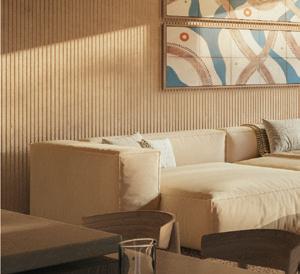




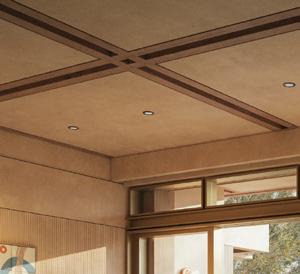
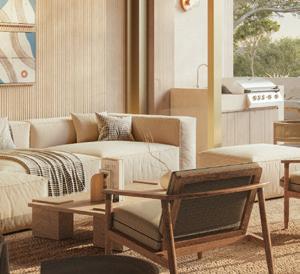



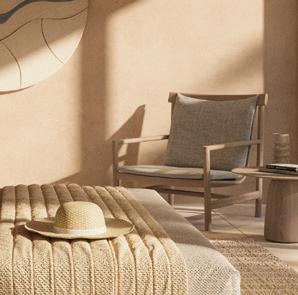












Tired of carry-ons that slow you down before the journey even begins? The Avalon Collection was designed with streamlined silhouettes, lightweight construction, and effortless maneuverability to move at your pace. Finally—a bag that looks sharp and works smarter, so you can focus on the moments that matter.






Zetlin & De Chiara LLP, one of the country’s leading law firms, has built a reputation on counseling clients through complex issues. Whether negotiating a contract, resolving a dispute, or providing guidance to navigate the construction process, Zetlin & De Chiara is recognized as a “go-to firm for construction.”



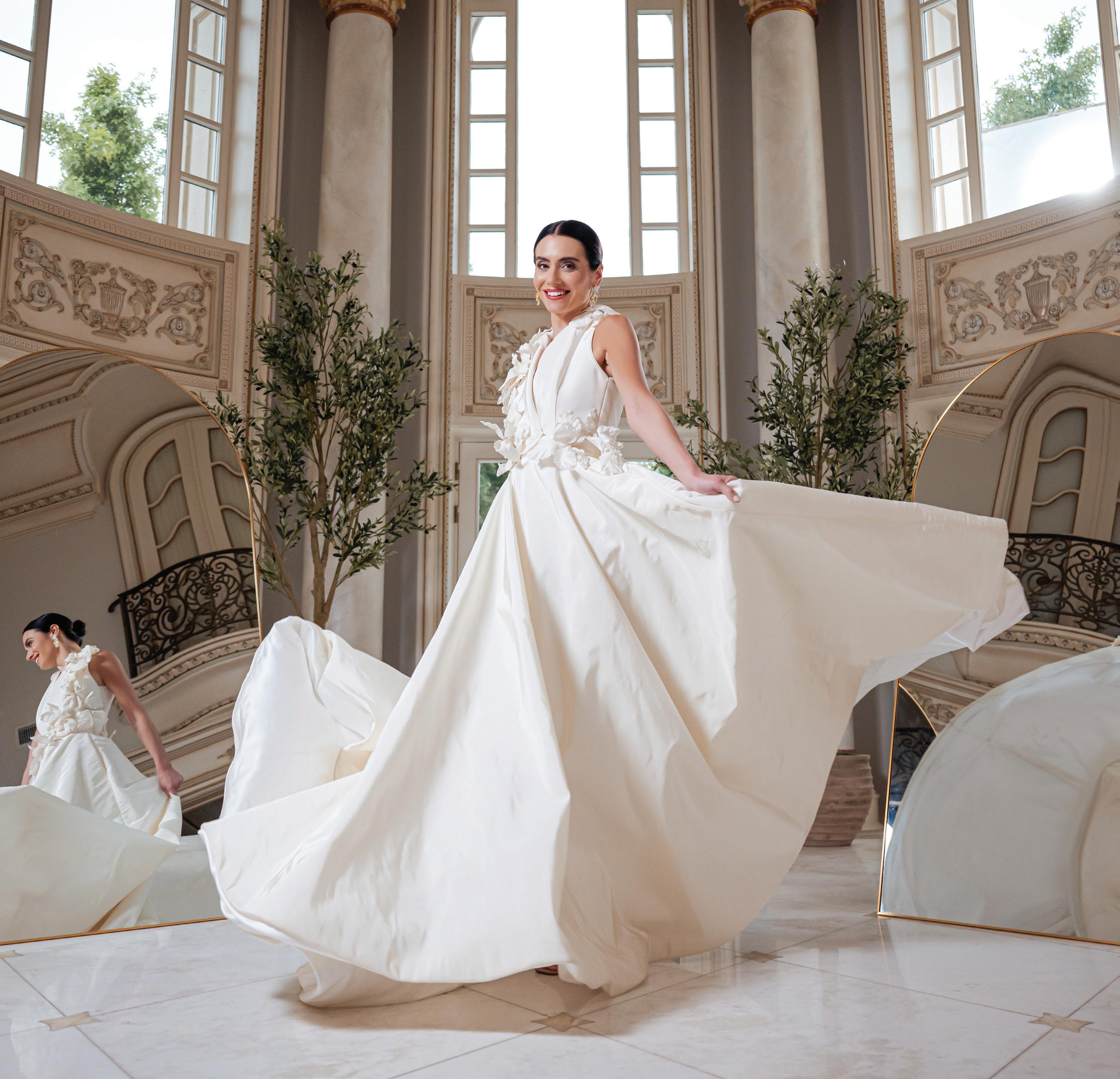

The Mount Sinai Hospital has been recognized for high-quality care in the Newsweek /Statista World’s Best Hospitals 2025 survey. #1 in New York, again.
Newsweek, 2025