













LOS










As one of the nation’s leading providers of factoring and financing, we match our 100-plus years of experience with flexible solutions and actionable insights. Our team has the financial savvy to help companies unlock liquidity and manage credit risk so they can fulfill business demands and keep growing stronger. Let’s explore how we can put our experience to work for you.










































Whether you are an apparel manufacturer or a fashion owner, IDB understands the changing dynamics of the retail environment including the growth of e-commerce and stands ready to assist you with financial solutions tailored to your needs. Our dedicated bankers not only specialize in Apparel & Consumer Products, but also leverage their strong client relationships and extensive global connections to deliver new opportunities, as your preferences, supply channels and fashions evolve. To learn more about










PRESIDENT/CEO
Jeff Mann
EDITORIAL
Editor
Rose Leveen
Editorial Consultant
Debra Hazel
Associate Editor
Penelope Herrera
Director of Communications and Marketing
Penelope Herrera
Graphic Design
Virginia Sanchez
Director of Newsletter Division
Kristen Pooran
West Coast Office: 578 Washington Blvd., Suite 827 Marina Del Rey, CA 90292 866-306-MANN (6266)
ART DIRECTOR
Virginia Sanchez
COVER PHOTOGRAPHY
Story Wear
CONTRIBUTORS
Amy Tsai
David Harouche
Daniella Platt
Debra Hazel
Dora Lau
Ilisa Wirgin
Kimberly Carney
Krieger Worldwide
Maegan Watson
Merilee Kern
Michael Sacco
Olga Gonzalez
Paul Magel
Ron Friedman
Shahrooz Kohan
Vale Siegrist
BUSINESS
Technology Consultant
Eric Loh
DISTRIBUTION
Mitchell’s Delivery Service
California Distribution
MD Service
West Coast Advisor
Daniella Platt
DIGITAL MEDIA
Virginia Sanchez
Web Developer
CS Designworks
East Coast Office: 450 7th Ave, Suite 2306 New York, NY 10123 212-840-MANN (6266)


Now that May has come to a close, it is time for Fashion Mannuscript’s June/July issue. May was a very busy month, especially with many events close to my heart. I attended the Education Through Music gala, where my longtime friend Peter Rosenthal was honored for his work with the organization.
The Accessories Council held the ACE Awards to honor fashion visionaries. Karen Giberson serves as president and CEO of the organization, and she does a great job bringing the Accessories Council to the caliber it is. Karen is also a good friend.
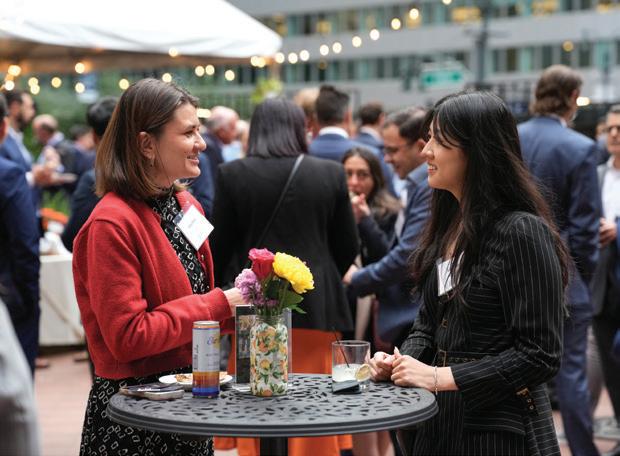
There was also the Accountants and Bankers Reception, an annual event that brings together professionals from both the retail and real estate industries. Attendees spent the evening networking and ultimately raised over $318,000 for Big Brothers Big Sisters of New York City to support an important youth mentorship program.
In addition to these events, I’ve been busy organizing the Mann Charitable Foundation’s upcoming golf outing in September. It’s a meaningful event and one of the highlights of my year.
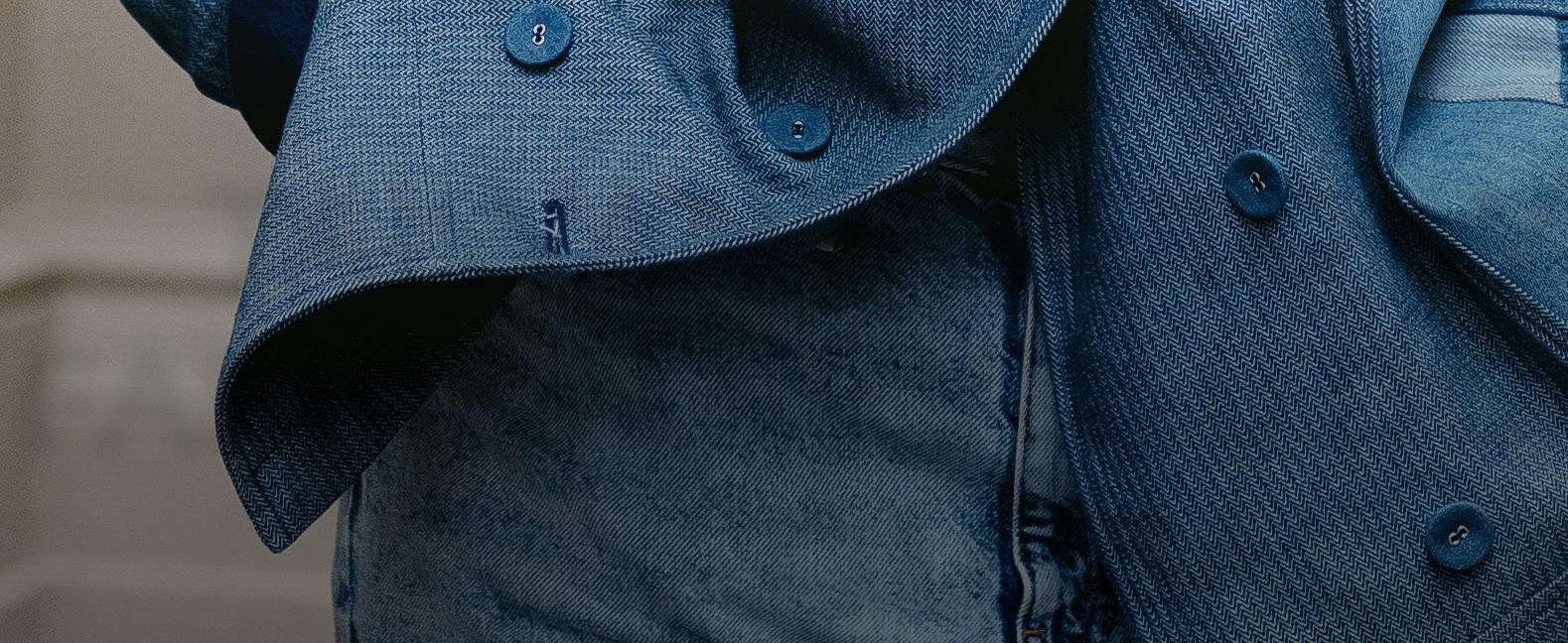
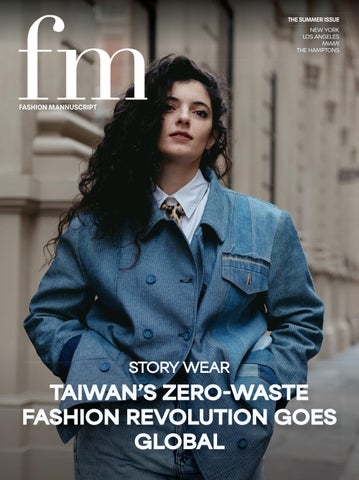
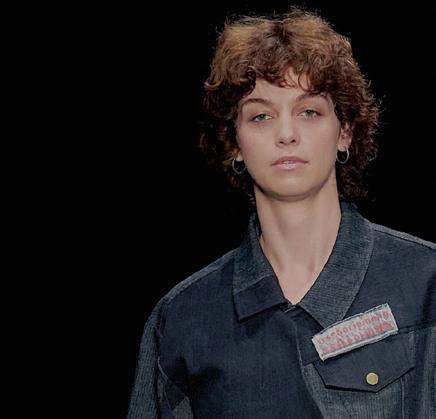
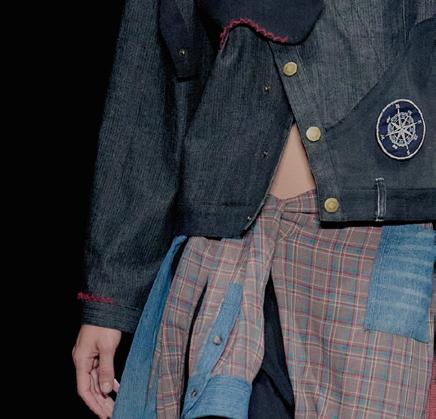
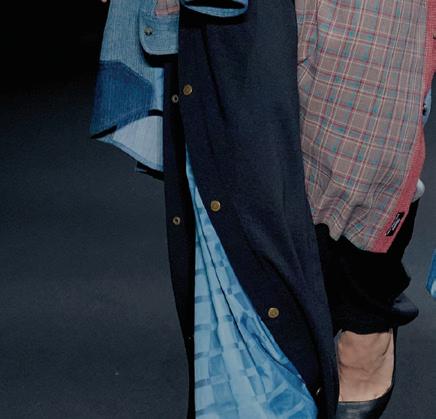
The cover this month is about Story Wear, a brand from Taiwan that will debut at New York Fashion Week this fall. The brand works with preworn and excess denim to make really interesting pieces, and I love that they support great causes by employing people from different backgrounds, like offering jobs to mothers of children with cerebral palsy. Creating cool garments while giving back to the community is pretty unique for clothing brands, and I find it very commendable.
Before I go, I want to wish you a happy summer. Enjoy the sunshine.

“Summer afternoon, summer afternoon; to me those have always been the two most beautiful words in the English language.”
— Henry James

Hi readers! Welcome to the June/July 2026 issue of Fashion Mannuscript. This dual-month magazine is a celebration of summertime, with content ranging from recaps of Paraiso Miami Swim Week to summer accessory features and upcoming trade shows.
For this month’s cover, we’re introducing you to Story Wear, a Taiwan-based fashion label committed to zero-waste production and local craftsmanship. The brand collects donated denim and surplus fabric, upcycling them into beautiful garments, each subtly unique. Over the past few years, Story Wear’s slow-fashion mission has attracted increasing international attention, and in September, it will debut at New York Fashion Week, showcasing Taiwan’s fashion perspective to a new audience.
One of the highlights of this magazine is our talented lineup of columnists. This month, we’re featuring five new writers with a range of expertise across the fashion industry. Because we craft Fashion Mannuscript for an industry audience, it’s always exciting to showcase diverse voices and backgrounds to our readers.
I hope you enjoy the magazine, and I look forward to sharing our next issue in August!









Entrepreneurial financing and credit protection for contemporary, designer and luxury brands.
For decades, we have safeguarded receivables and protected companies from unnecessary credit risk.
Quietly. Reliably. Since 1932.



42
Ezili Swim: Where Summer Becomes a State of Mind 44
Erne + Ace Unveils New Spring ’26 Collection for Summer 52
Maison de Sabré: Crafting the Next Chapter of Luxury

Unvault: Driving Transparency and Liquidity in the Jewelry Marketplace

Paraiso Miami Swim Week Reinforces Miami Beach’s Position as the Global Capital of Swim And Resort Wear 82
Festival Season Essentials: How Sculptor Worldwide Became the Go-To Festival Brand for the World’s Leading ‘It’ Girls






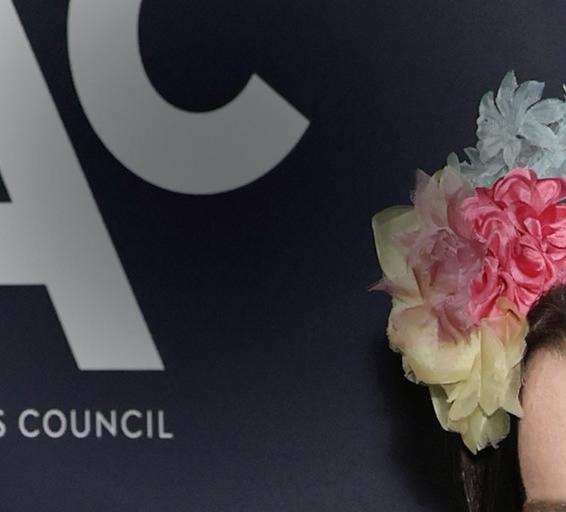



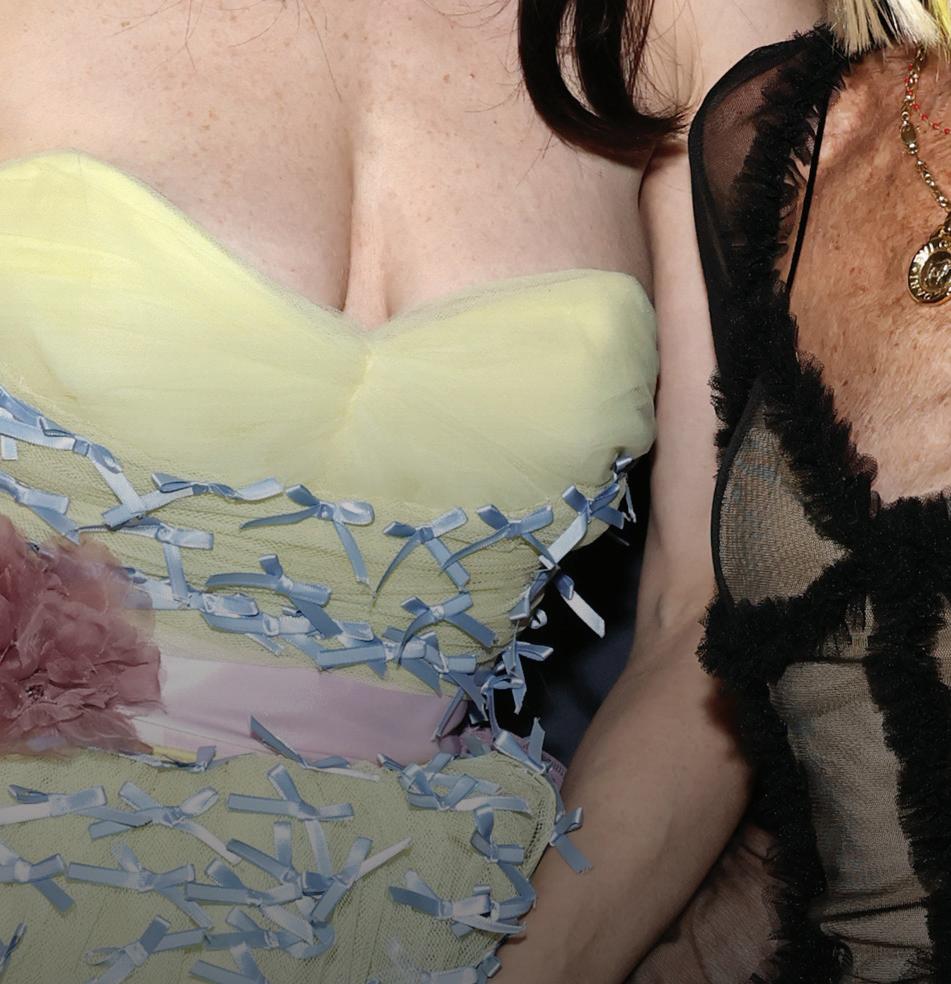




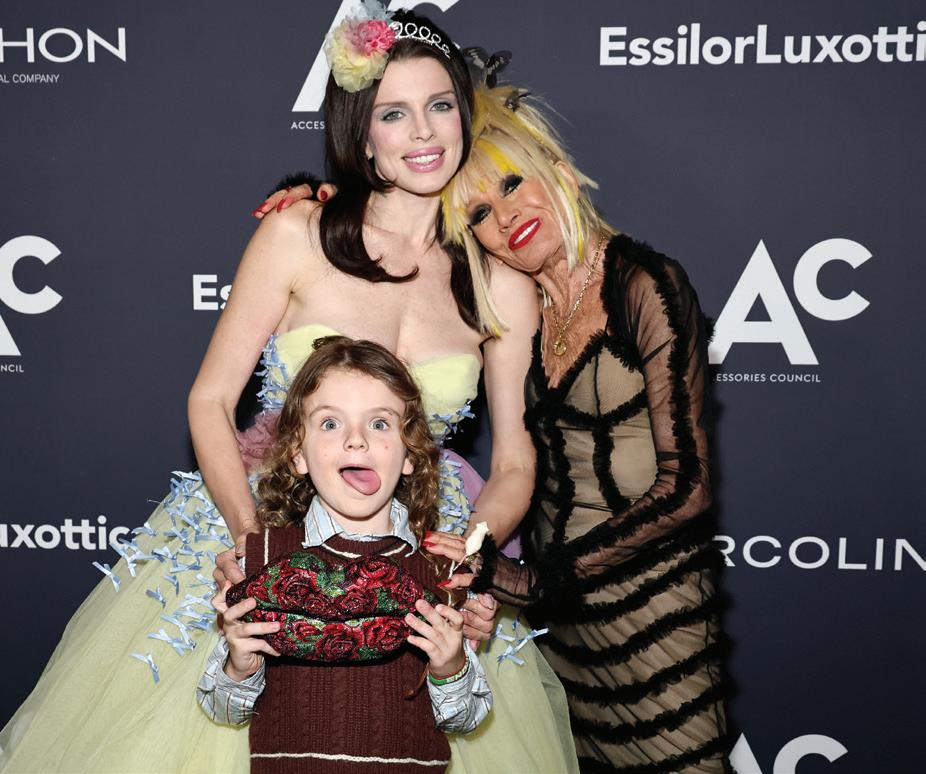
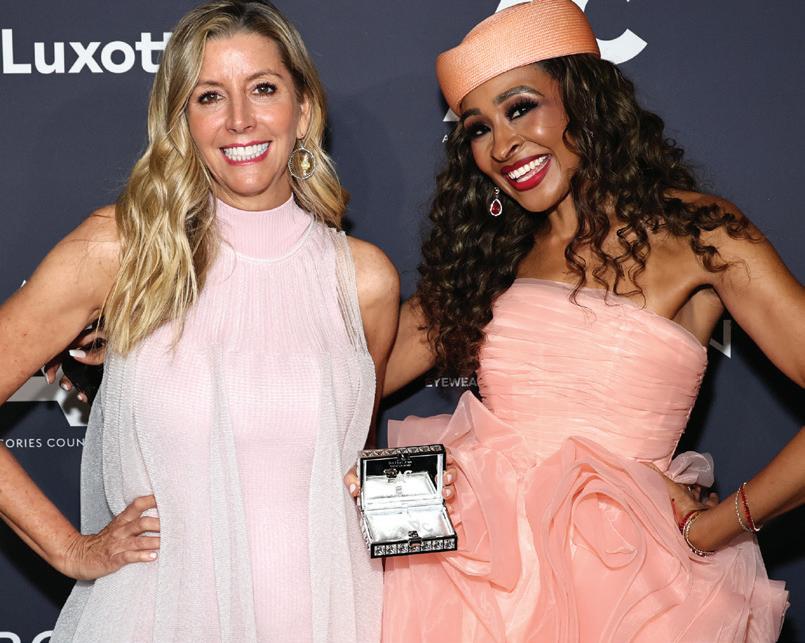
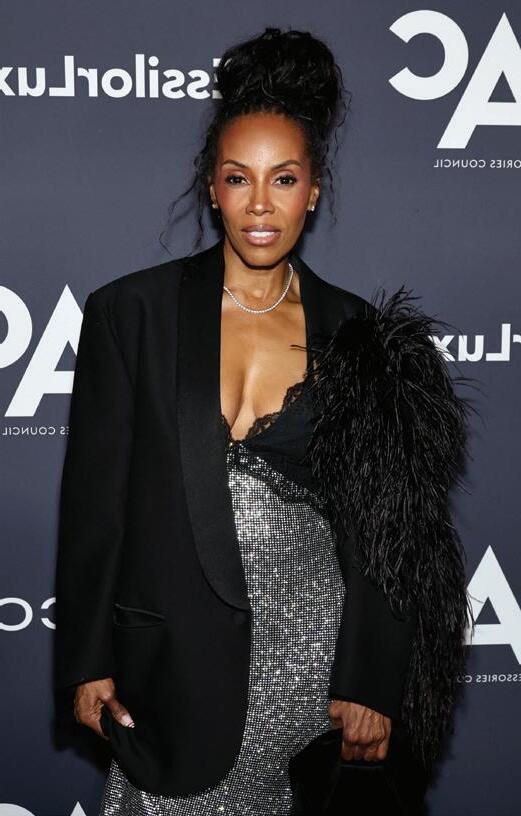
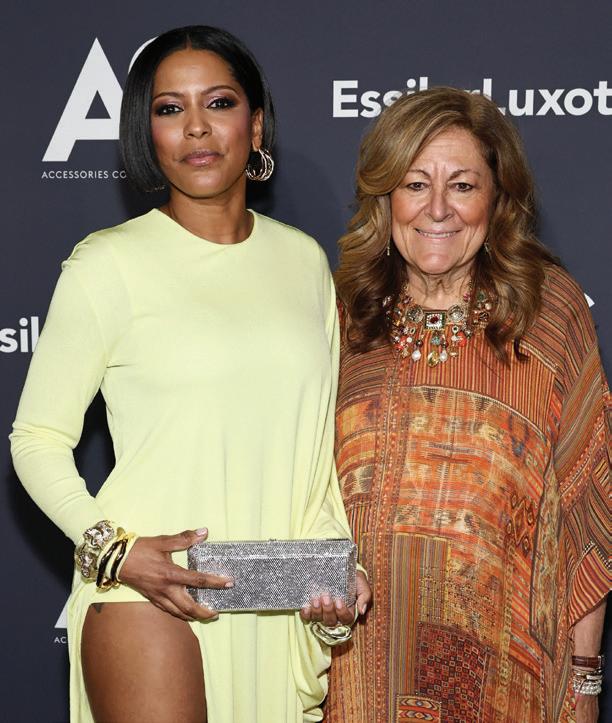
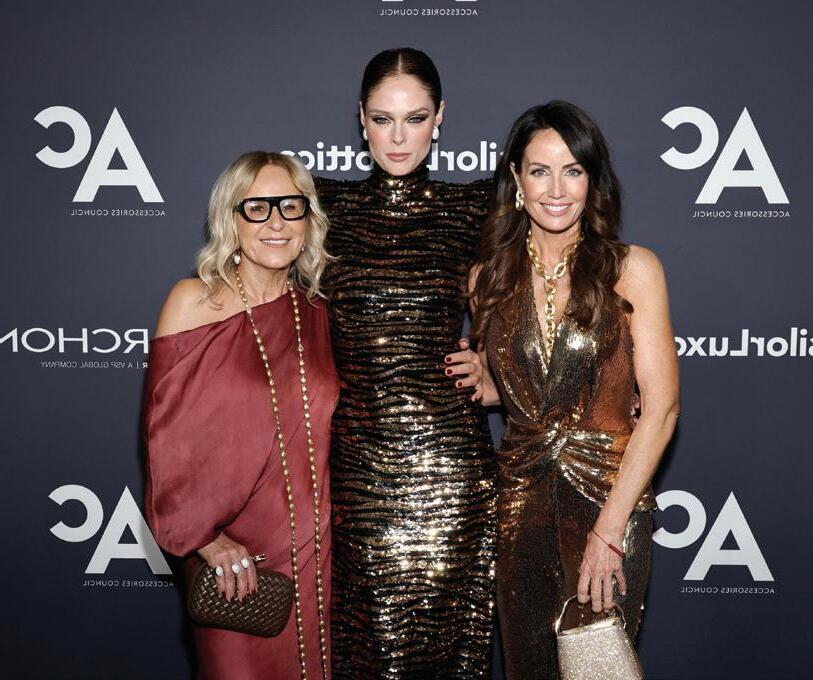
The Accessories Council hosted the 30th Accessories Council Excellence Awards (ACE Awards) at the iconic Pierre Hotel in New York City. The gala honored and recognized global brands and pioneers positioning themselves at the forefront of the fashion industry.
The 2026 ACE Awards were presented in nine categories to designers, brands, retailers and pioneers who have helped to enhance growth and awareness of the accessories industry. In addition, three Legacy Honors paid tribute
Mycoskie
Julia Fox Betsey Johnson
Monica Rich Kosann Brian Williams
Todd Kahn Stuart Vevers
Specialty Retailer
Marissa Collections; Presented to Jay Hartington (CEO/ co-owner)
Fox and Betsey Johnson
Stuart Vevers
Bobbie Thomas Pioneering Spirit
Style Influencer
Merchant of the Year
EssilorLuxottica; Presented to Fabrizio Uguzzoni (president, Americas)
Tamron Hall Fern Mallis
Macy’s; Presented to Nata Dvir (chief merchandising officer)
2026 Legacy Honorees:
Melinda Maria; Presented to Melinda Maria Spigel
Nanis; Presented to Laura Bicego
Marcolin; Presented to Marco D’Acunzo
Lindsay Mall and Jennifer Capuano
Tracey Cunningham
Coco Rocha
Coco Rocha


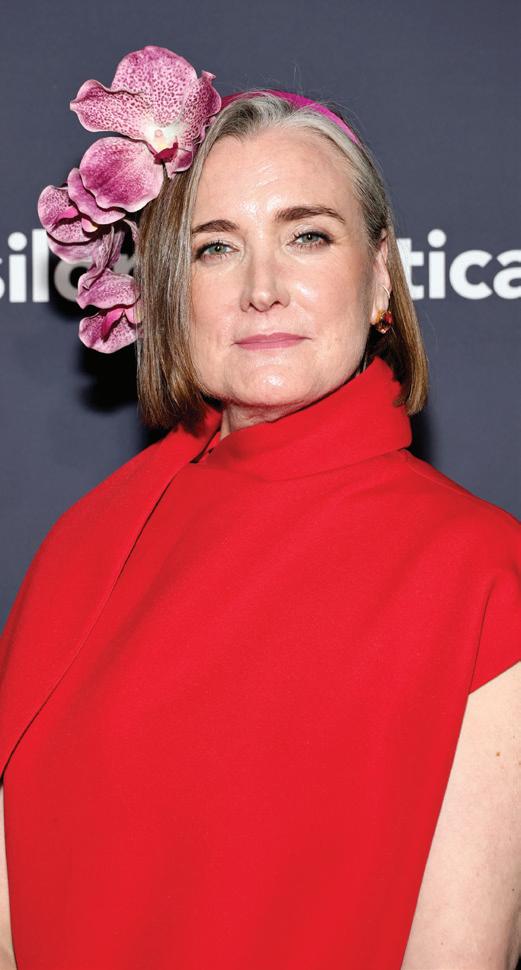
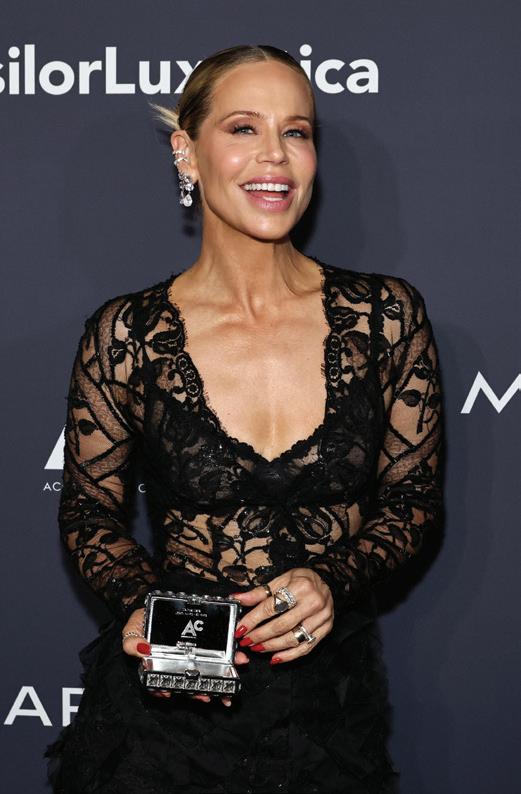


to businesses that have reached significant milestones, marking years of success through determination, innovation and a commitment to excellence.
“Thirty years is traditionally known as ‘the pearl anniversary,’ and as we know, pearls are formed, layer by layer, over time, and it is a joy to look back on the layers of history the council has with so many of you,” said Karen Giberson, Accessories Council president and CEO. “For an event—and frankly, an organization— to thrive for three decades is no small feat. It speaks to resilience, evolution and a relentless commitment to serve an industry we all love deeply.”


The silent auction featured nearly 75 luxury items and experiences from leading luxury brands. The evening’s sponsor, EssilorLuxottica, provided an immersive photo experience for guests during the cocktail hour.
and





















By Daniella Platt





















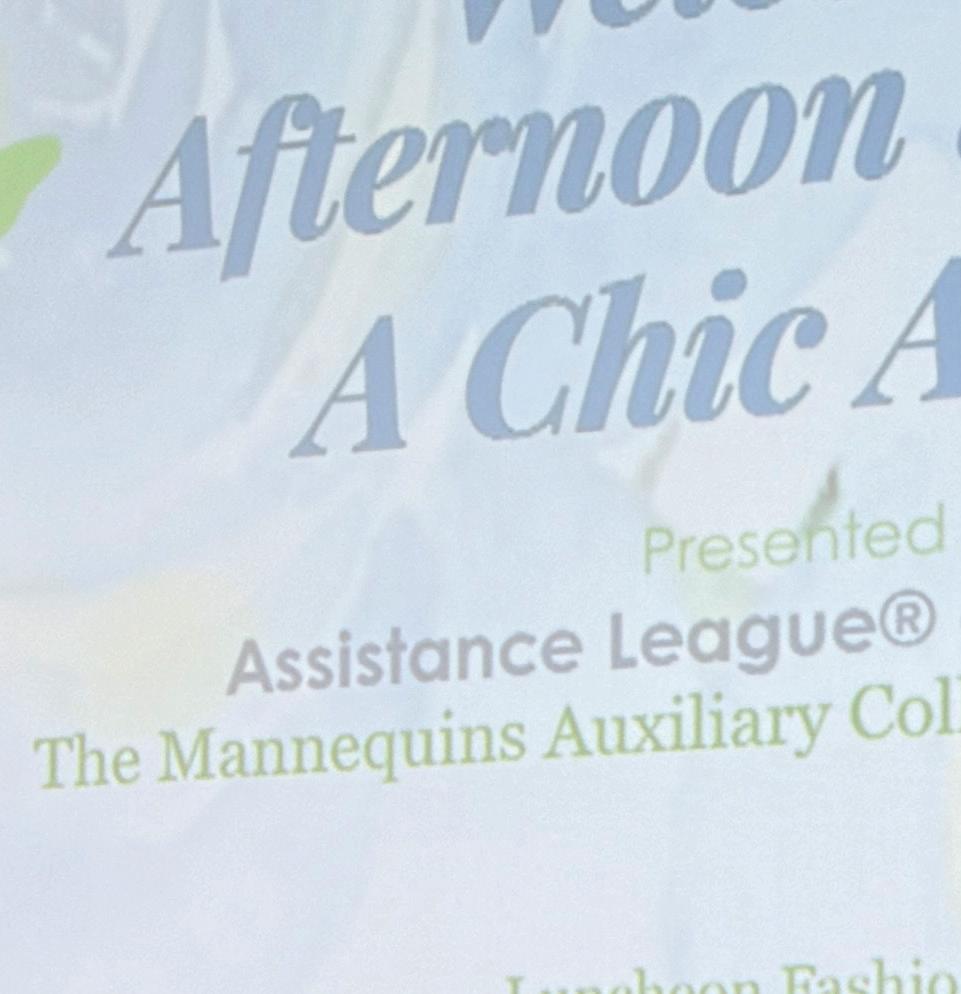
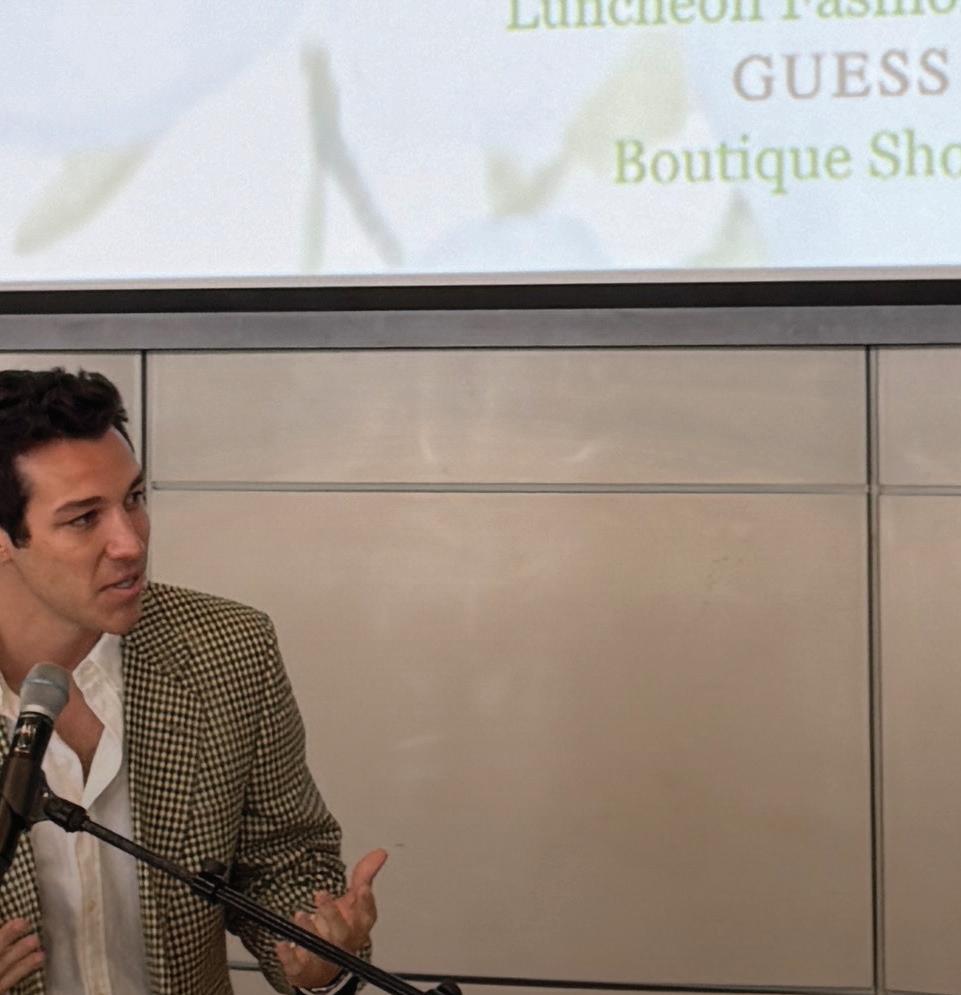
Purpose came together in style at “Afternoon with Eve: A Chic Affaire,” an event to raise money for the Assistance League of Los Angeles. Held at the Skirball Cultural Center, guests gathered for an elegant afternoon dedicated to changing the lives of more than 22,000 underserved children across Los Angeles.
luxury experiences during the silent auction, including experiences at One Hope Winery and Sunnylands, both in Palm Springs, and at Rancho La Puerta in Mexico. Guess also provided gift bags.








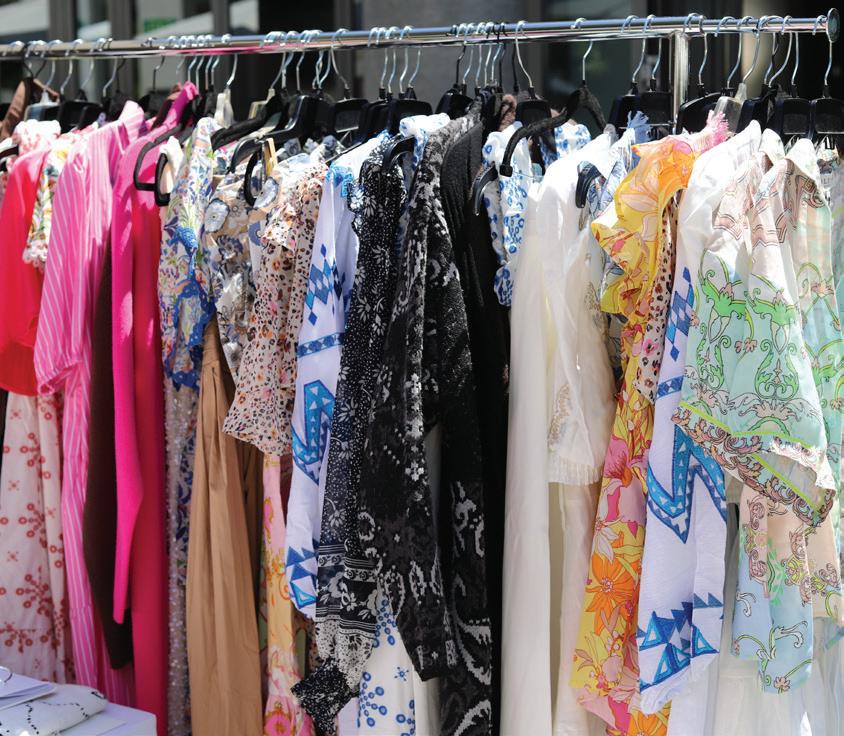
Fundraising is better with friends, and the afternoon reflected exactly that. Guests mingled while sipping champagne on the plaza and shopping at Malibu Road, Jackeez & Nicolz and Del Posso Jewelry.
A standout runway show was presented by Guess, with looks from the latest Californiainspired collection and Marciano styles. In a room fueled with glamour, model Amanda Fields roared down the runway in cheetah print.
Also modeling and turning heads on the fashion stage were members of the league’s fashion auxiliary, the “Mannequins,” including Dahlia Fox, Galina Sobolev, Helena Econn, Jan Daley, Donna Econn and Deniz Olgac. The fashion show was produced by Jenny Leeser, the Guess store manager in Beverly Hills.
The event honored Diane Deshong as the Eve Awardee for opening her heart and tirelessly dedicating her time to helping change the face of poverty in Los Angeles. Deshong is also recognized as a contributor to the Annenberg Trust and the ARCS Foundation.
Nearly 250 guests attended the event, produced by co-chairs Rebecca Albano-Trail of the Mannequins Auxiliary and June Bilgore of College Alumni Auxiliary.
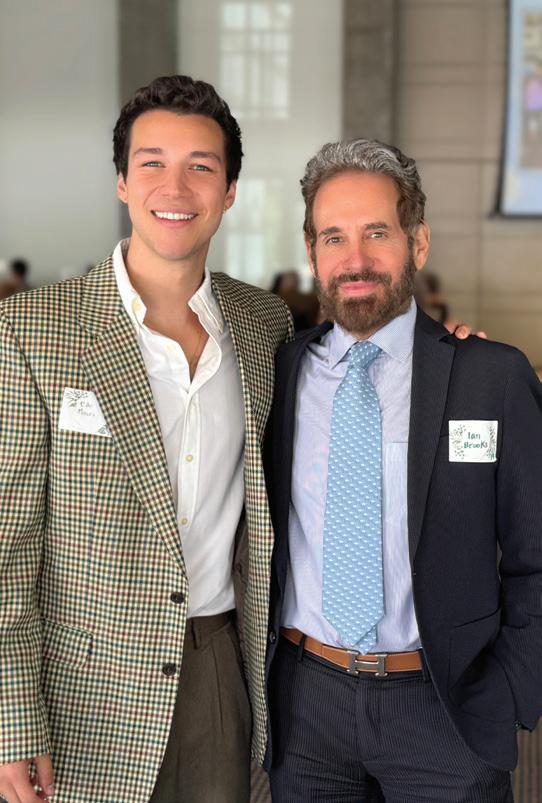
Representing the league’s fashion and philanthropic community and helping bring the day to life were Ian Brooks, Daniella Platt, Miranda Butler, Patti Rowey, Jolin Crofts and many more.

Actor and face of Valentino Mexico, Edu Maruri, stepped away from filming a Netflix series to emcee the event. Guests bid on curated

Since 1955, as part of this benefit event, awards have been presented to extraordinary women from Los Angeles in recognition of their philanthropic and civic contributions. All proceeds from the luncheon directly benefit the league’s college scholarship program and other services.








Honors Alexandra Adame and Mary Slattery With Special Fashion Presentation by Safiyaa





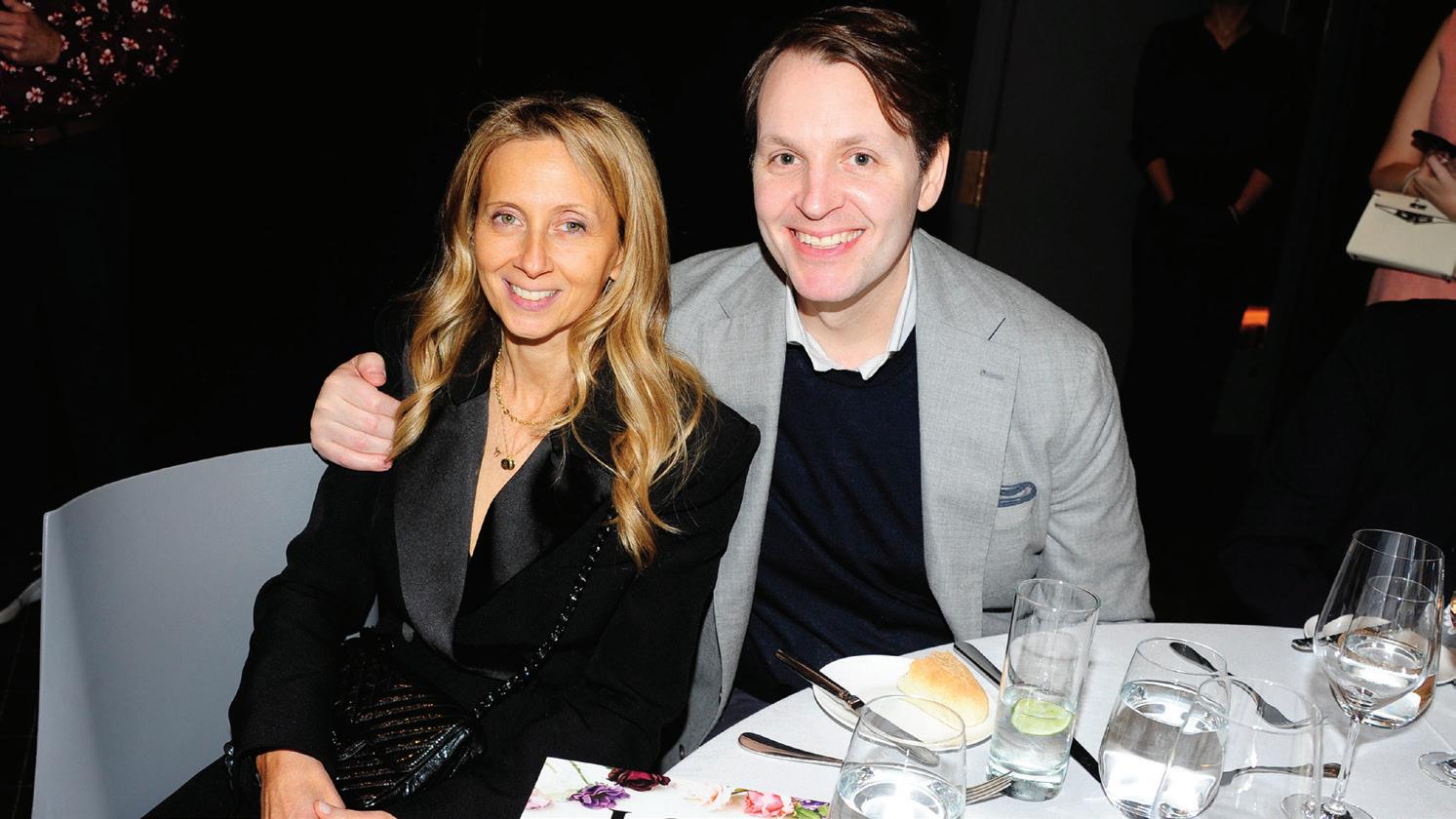







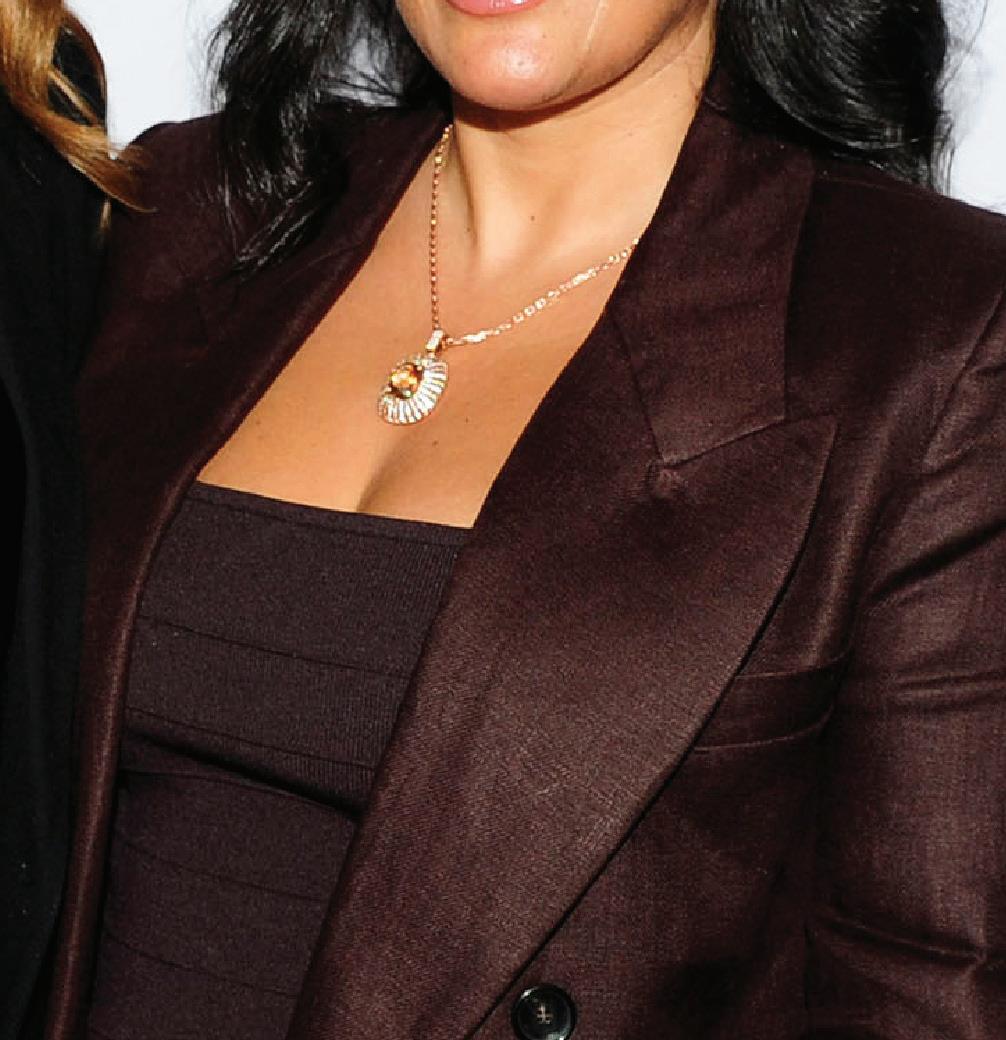
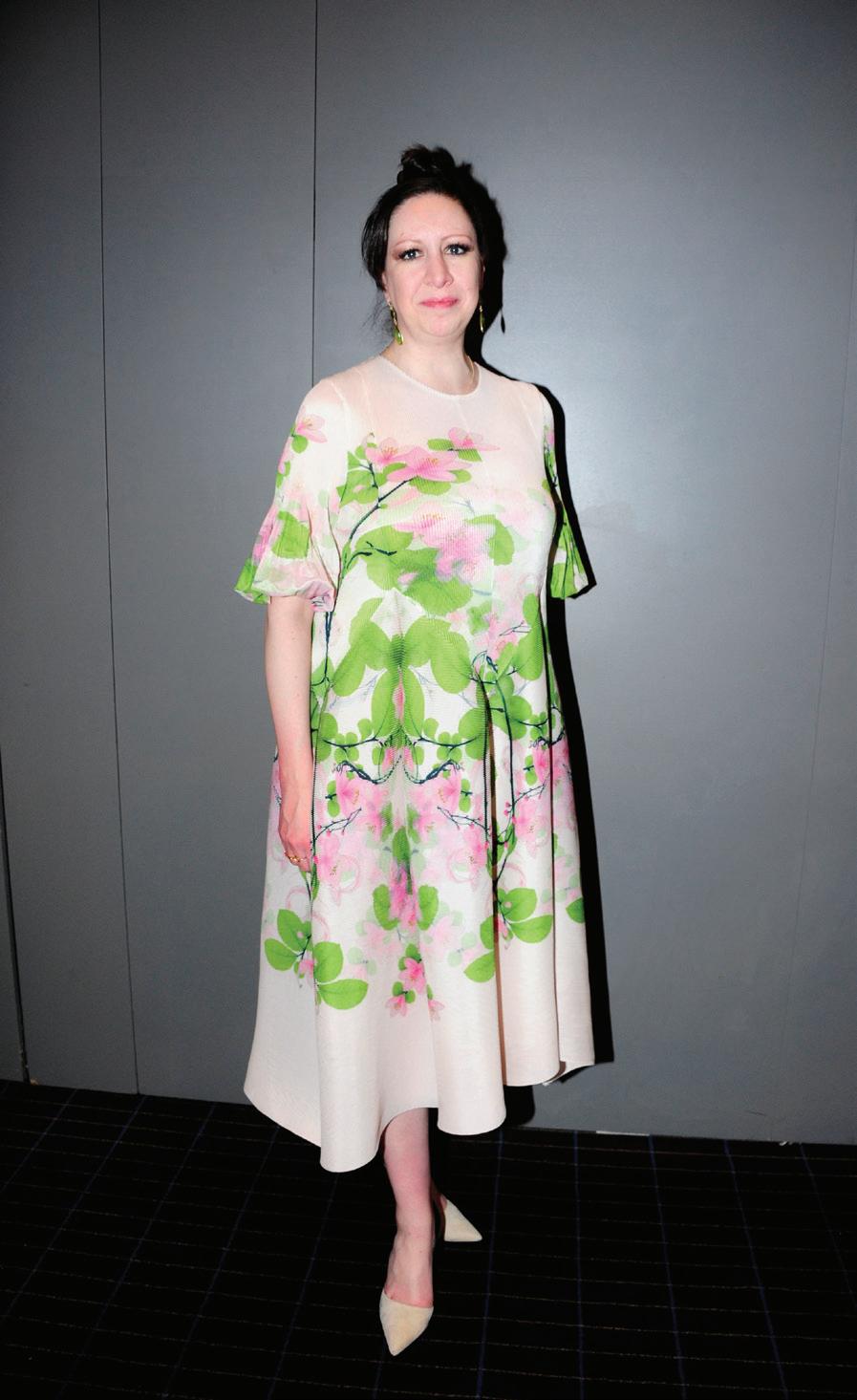
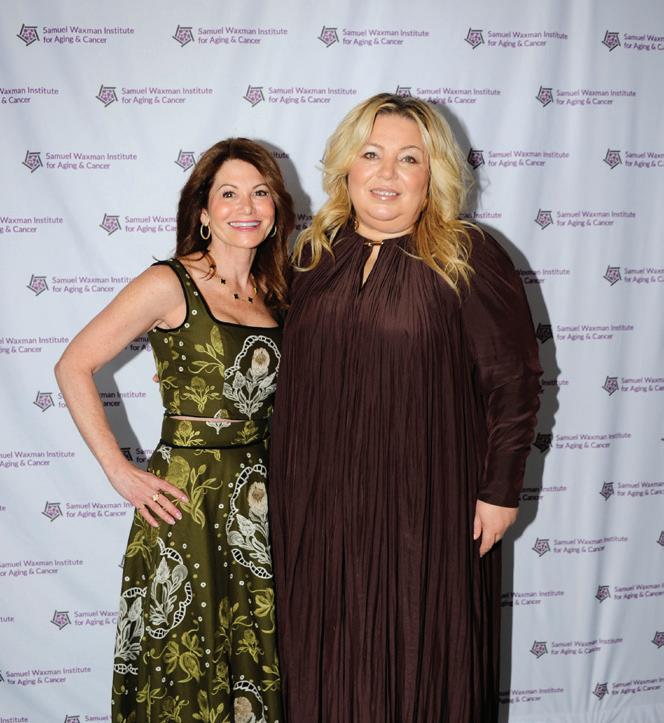
The Samuel Waxman Institute for Aging and Cancer, an affiliate of The Mark Foundation for Cancer Research, held its 12th annual luncheon at Riverpark in New York City. The afternoon brought together philanthropists, members of the fashion community and advocates for cancer research, raising nearly $250,000. With a match from The Mark Foundation, final totals will be doubled, bringing the amount raised to almost half a million dollars and making this the most successful luncheon to date.
This year’s luncheon honored fashion entrepreneur Alexandra Adame and Corcoran real estate broker Mary Slattery
Dr.



for their extraordinary commitment to advancing cancer research. Safiyaa was the event’s fashion presenter, adding a refined fashion moment to an afternoon that has become a notable fixture on New York’s charitable calendar.
Luncheon attendees also had the opportunity to participate in an exclusive raffle featuring a diamond pendant necklace valued at $18,000, donated by Brilliant Star, and in live and silent auctions, with donated luxury items from companies such as Judith Leiber, Ippolita, Carlos Falchi, Maximillion, Jimmy Choo and Kobi Halperin.















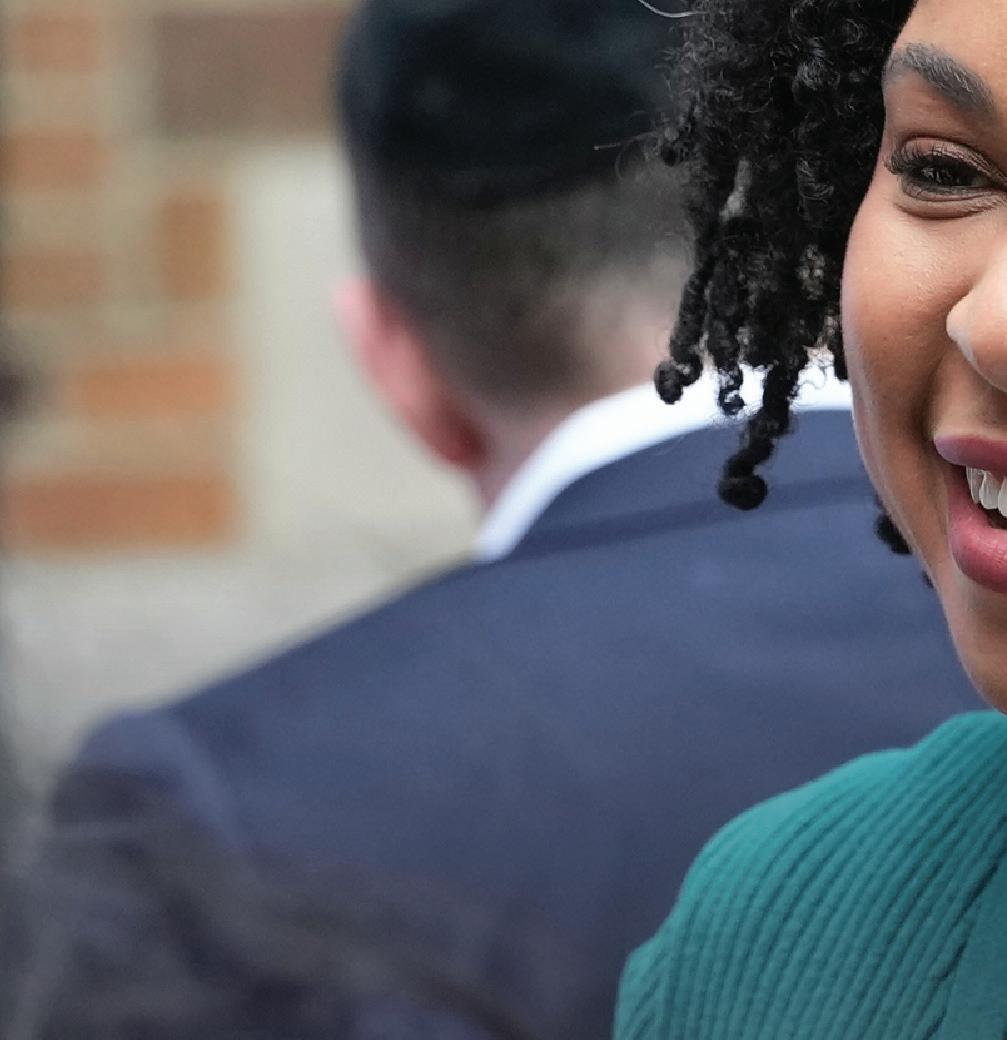

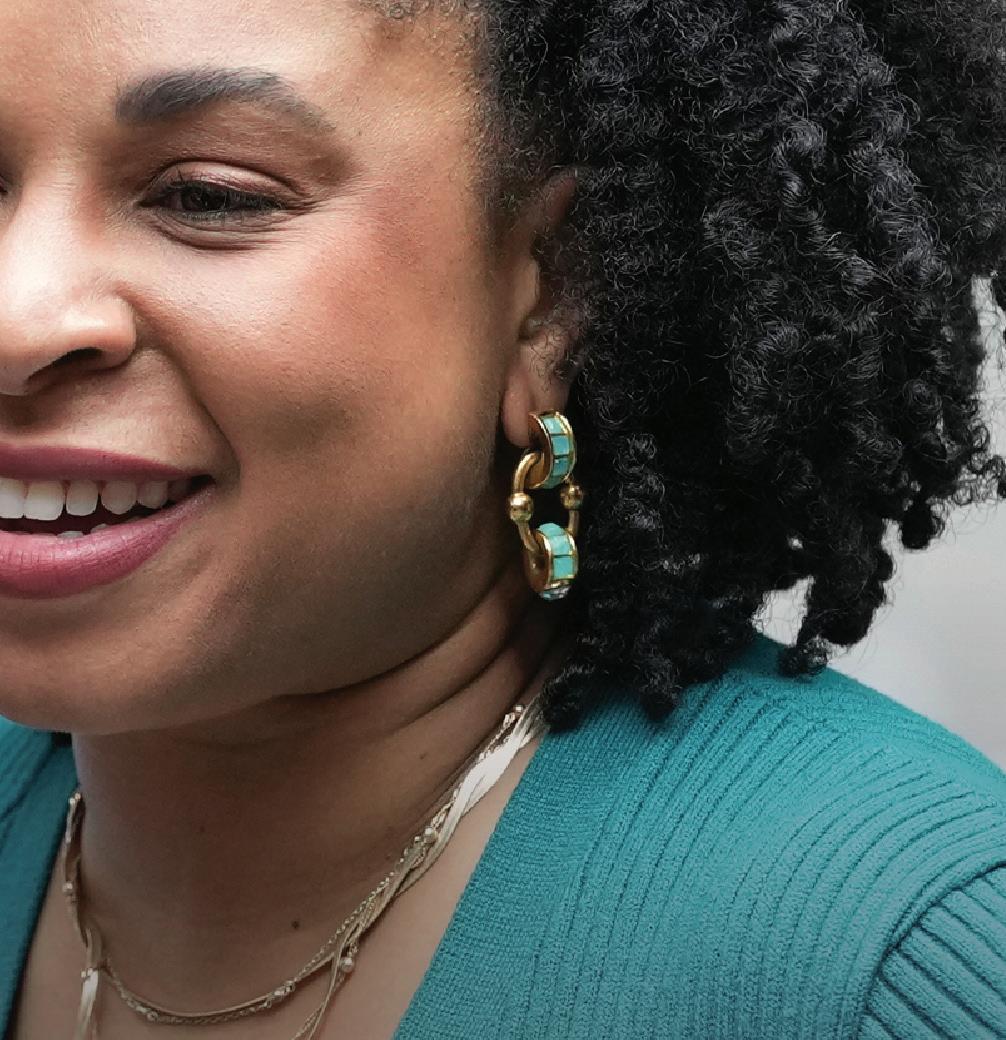




Brothers Big Sisters of New York City Celebrates the 28th Annual Accountants and Bankers Reception







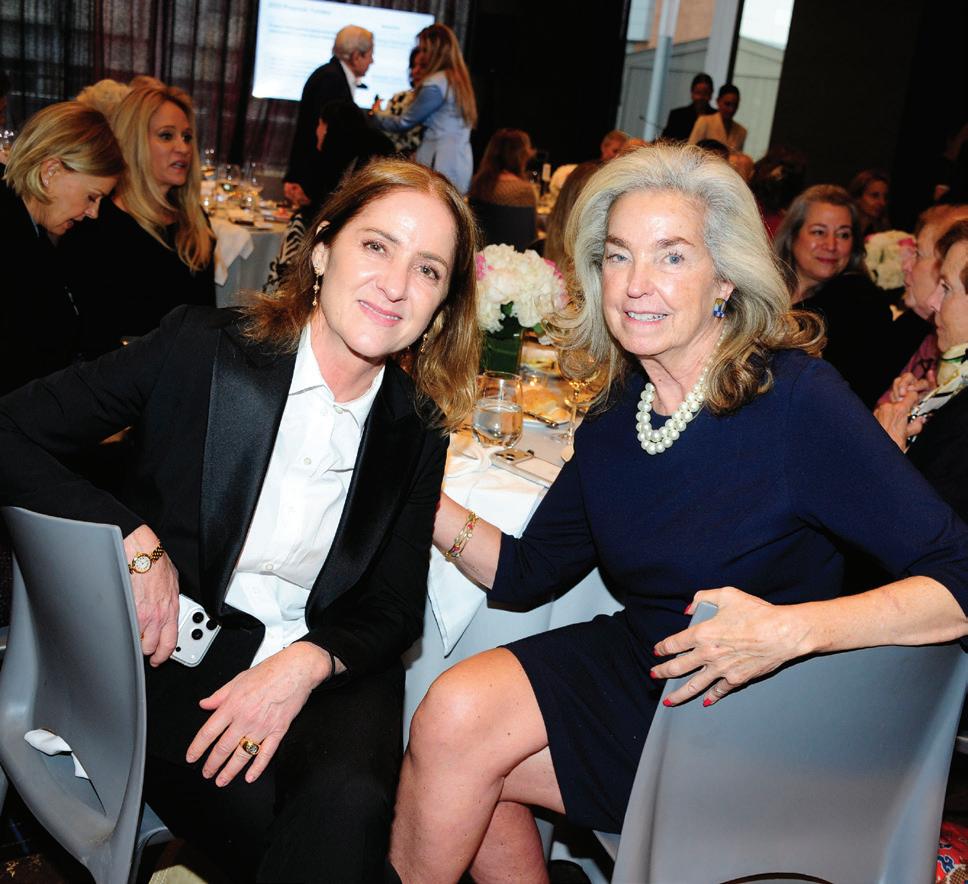
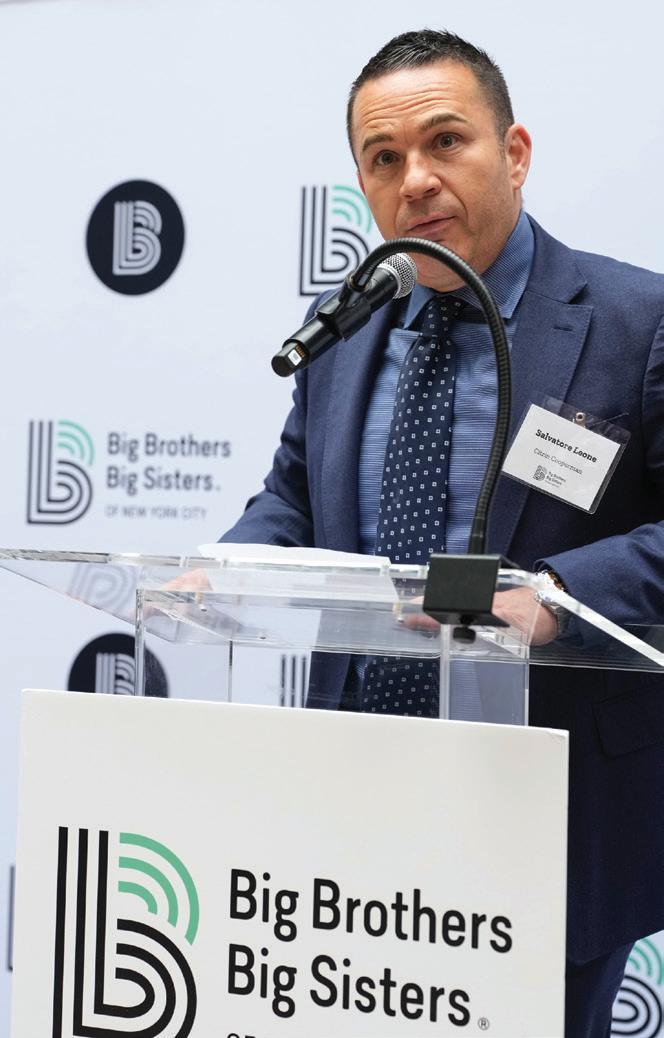
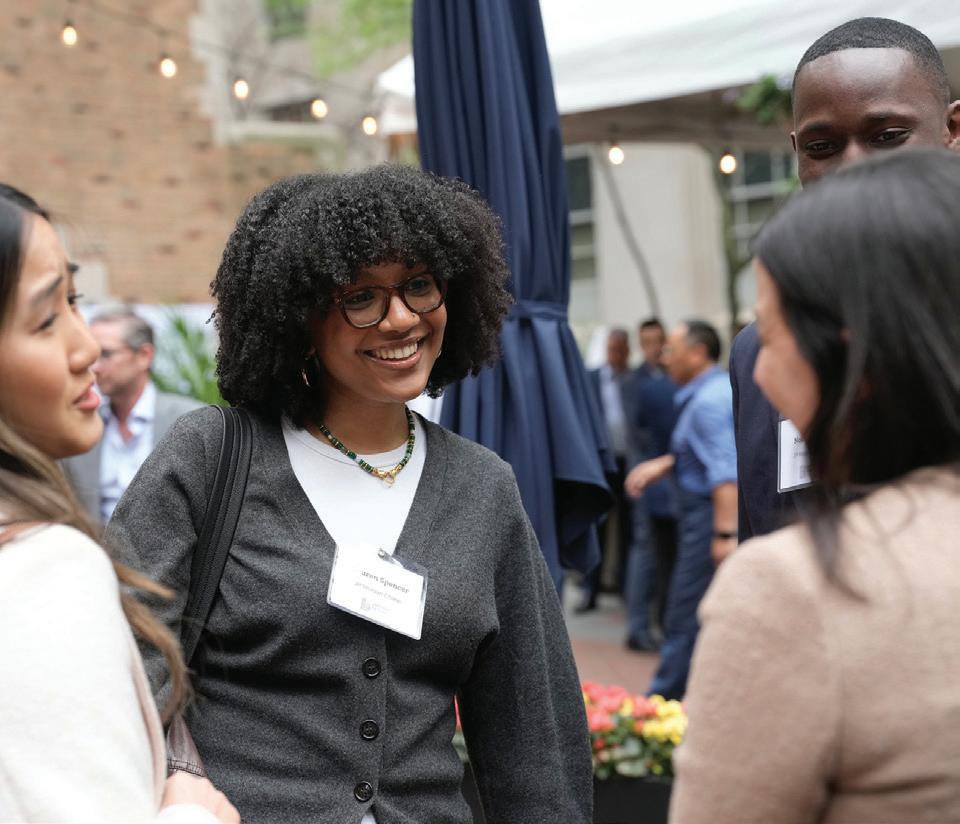
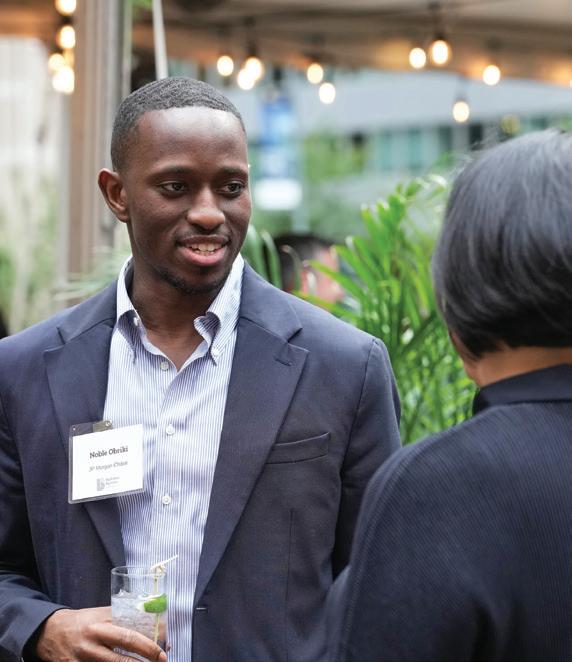
Big Brothers Big Sisters of New York City hosted its 28th annual Accountants and Bankers Reception at Inside Park at St. Bart’s. The event brought together more than 350 professionals from the banking, finance, accounting, legal, fashion and retail industries to celebrate mentorship and invest in the next generation of leaders.
The event raised more than $318,000—enough to create 79 new mentoring matches between caring adult mentors and young people across New York City. These lifechanging relationships help ignite potential, build confidence and empower the next generation of leaders.
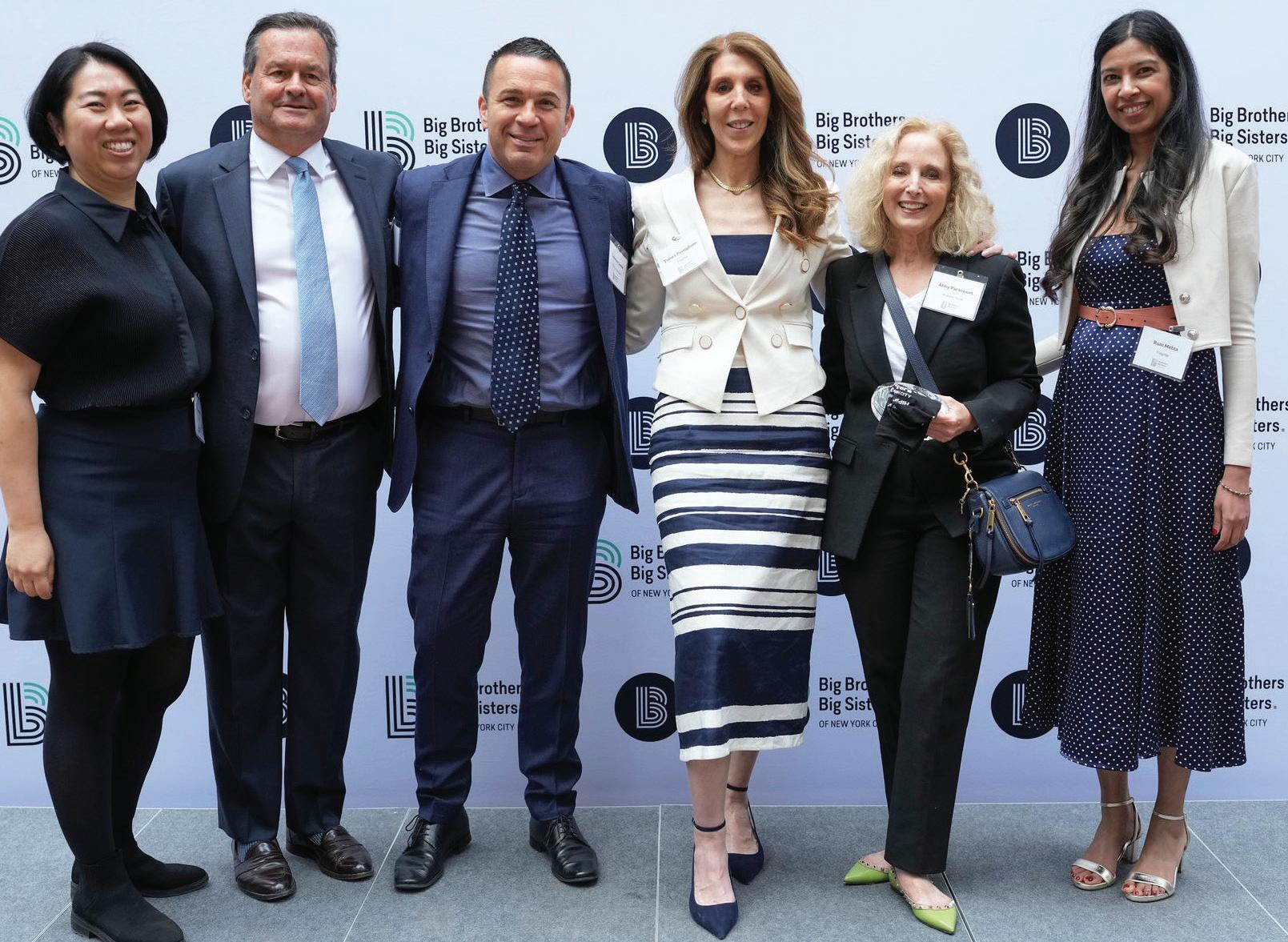
The reception was co-chaired by Runi Mehta and Grace Mak, and honored Salvatore Leone of Citrin Cooperman, Tamra Postiglione of Flagstar Bank and Steven Rosenberg of Rosenberg & Fecci Consulting LLC for their commitment to mentorship and youth opportunity. Their remarks underscored the
importance of investing in young people and the lasting impact mentorship can have on future generations.
Special thanks were extended to Platinum Sponsor Flagstar Bank and to Legacy of Excellence Award recipient Abby Parsonnet, whose leadership and dedication have been instrumental to the success of the Accountants and Bankers Committee and the event over the years.
The organization also expressed its sincere appreciation to its sponsors, event committee members and all who contributed to such a meaningful evening. Their support continues to create a lasting impact for young people throughout New York City and helps shape the future of local communities. Guests were encouraged to mark their calendars for the annual golf outing on Sept. 28, 2026.





























2026 ‘Making Minds Sing!’ Gala Smashes Records To Fund NYC Music Education
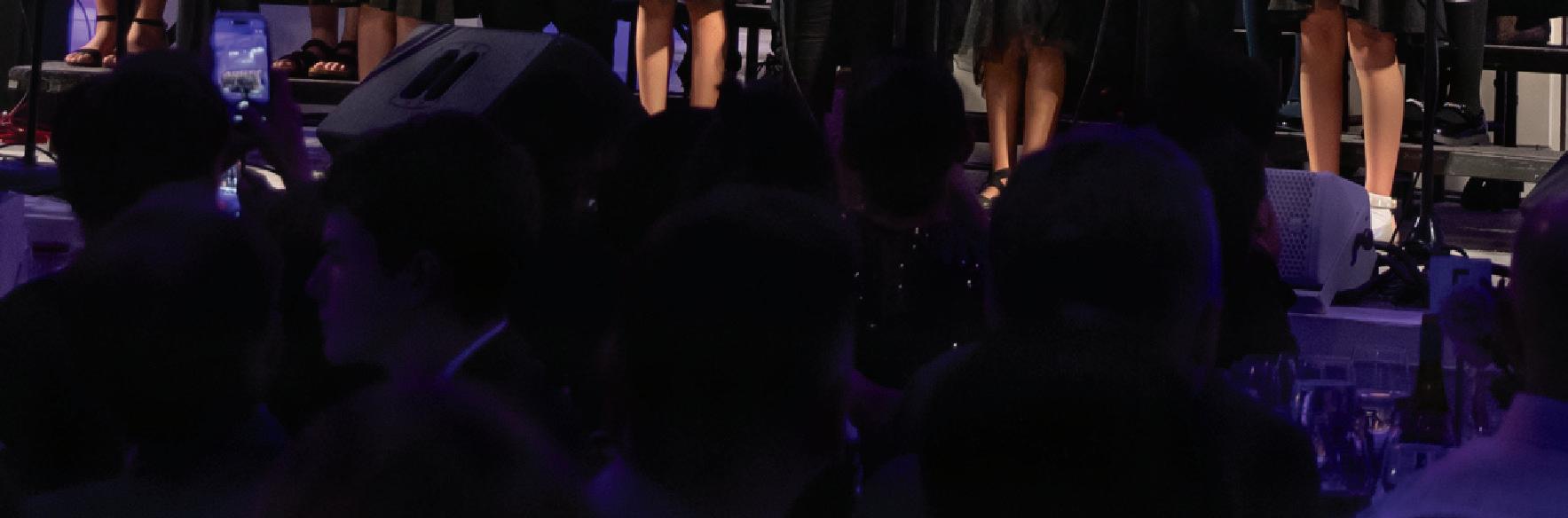



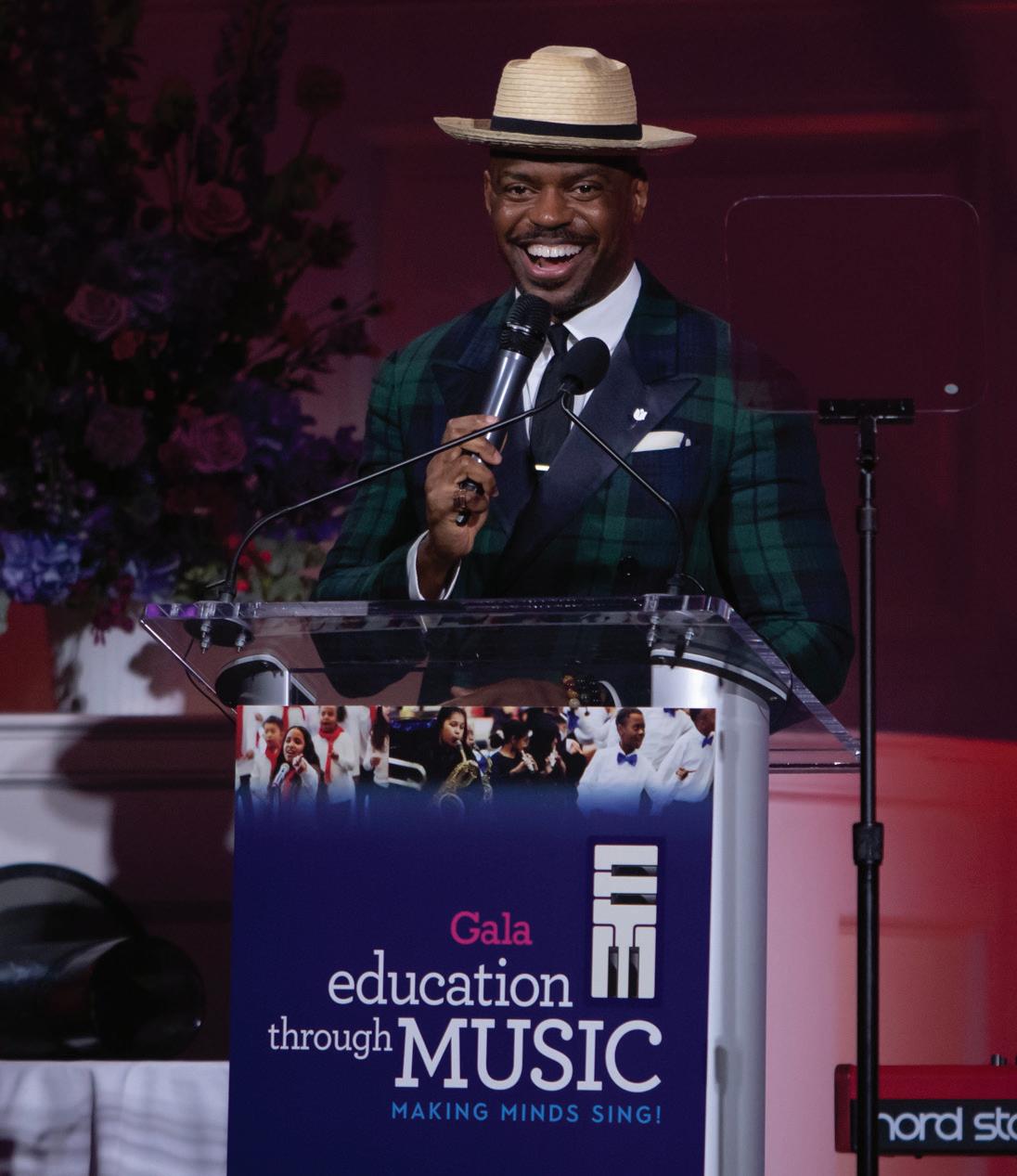
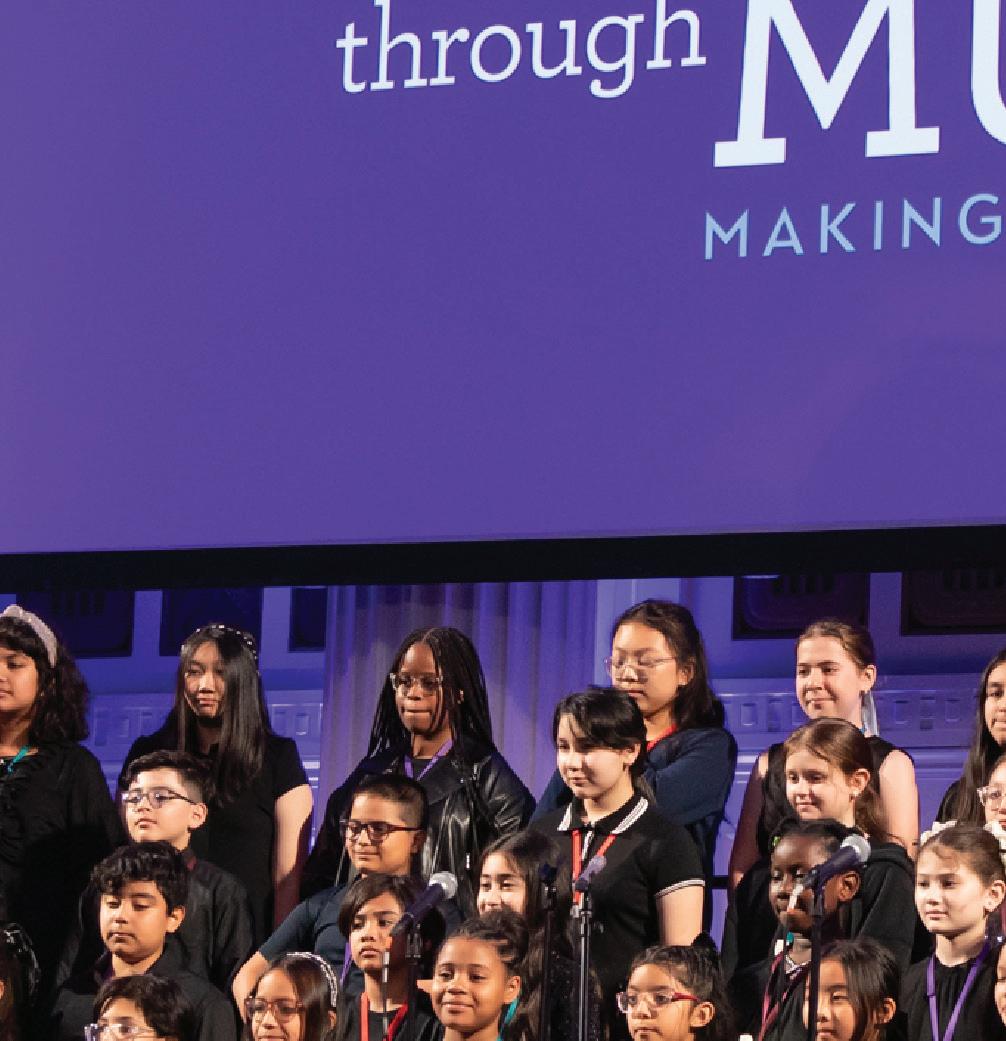
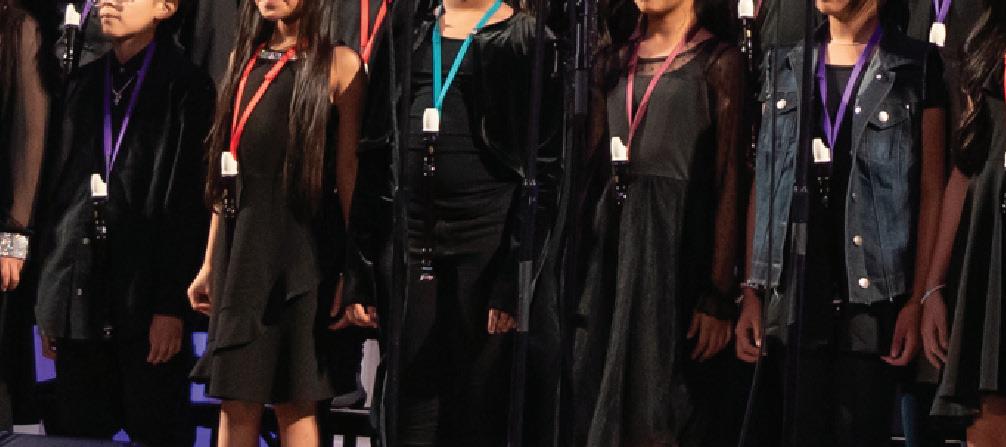
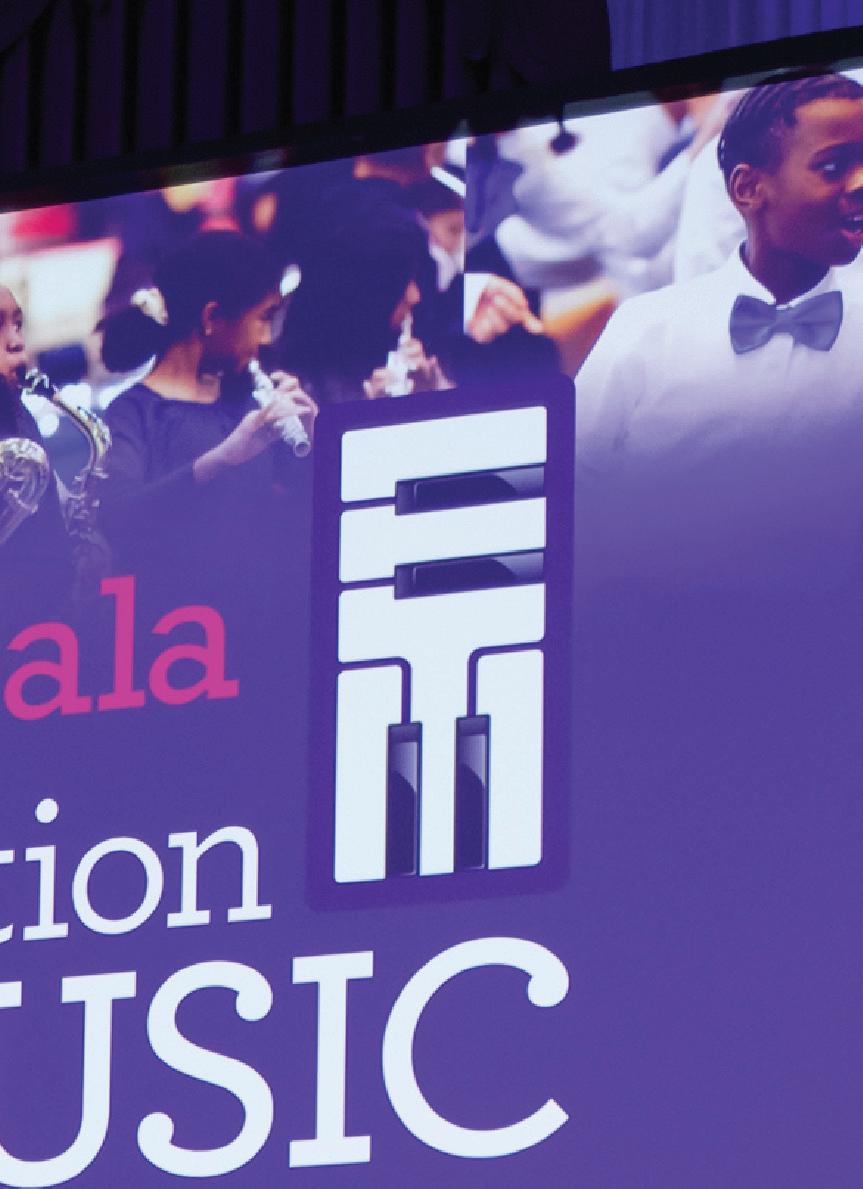
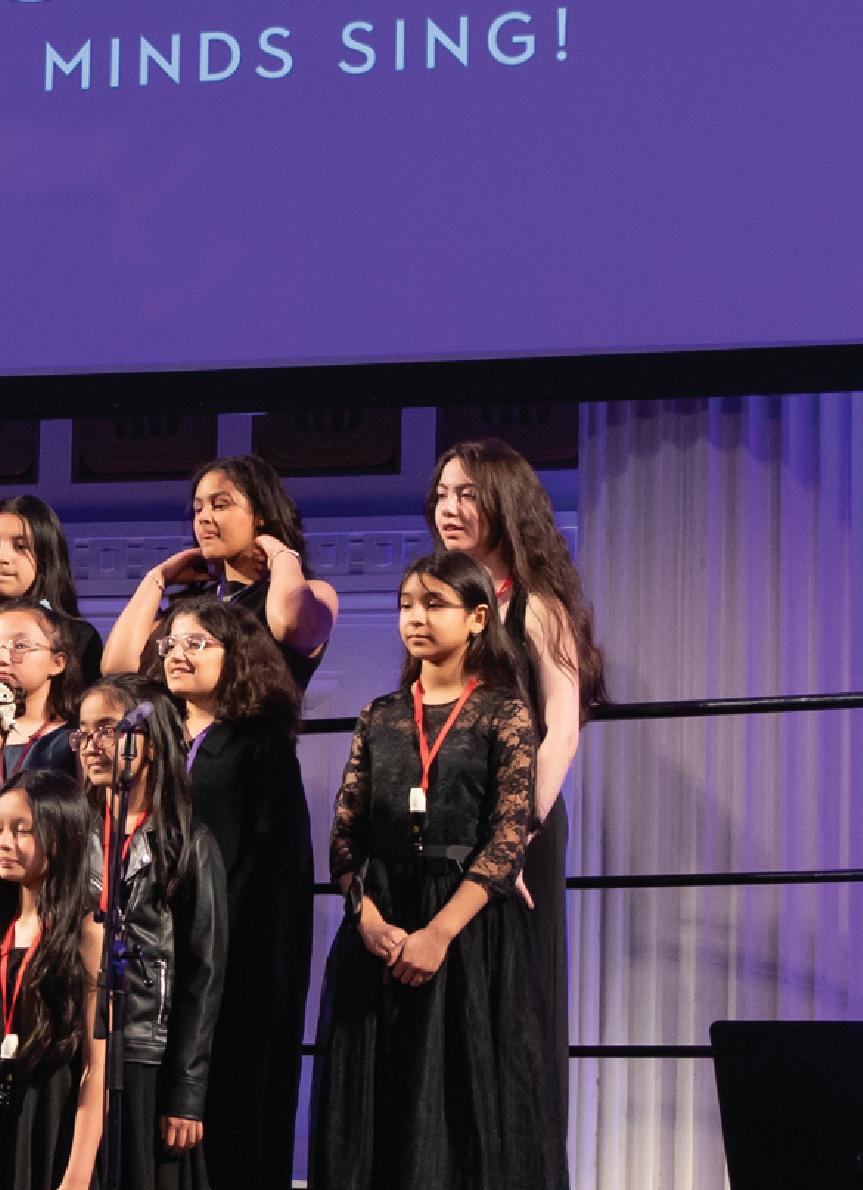
The energy inside 583 Park Ave. was electric as Education Through Music (ETM) hosted its 2026 “Making Minds Sing!” gala. Celebrating its 35th anniversary, the evening brought together music industry heavyweights, business leaders and philanthropists to raise vital funds for music education across 51 under-resourced New York City public schools.
Guests were welcomed by the Mount St. Ursula bucket drummers, with Xavier “X” Jernigan, the voice of Spotify’s AI DJ, serving as emcee.


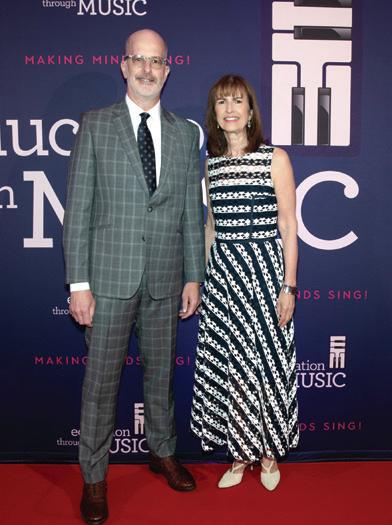
ETM’s CEO, Janice Weinman, marked her fourth year leading the organization, which provides music to more than 18,000 underserved K-12 students. Reflecting on its impact, Weinman shared, “External evaluations show an increase in our students’ social and emotional development, their attendance, their discipline and focus on learning that transfers to the other subjects they learn and therefore results in significant increases from year to year in their academic performance. But, by far, the greatest impact we have is on the independence they gain, the pride they feel and the joy they receive from participation in learning about music.”
Peter Rosenthal, co-president of Rosenthal Capital Group, was recognized for his unwavering commitment to New York youth, sharing an anecdote from an ETM classroom visit. “One particularly observant young girl in the class that day turned to me and commented, ‘You’re not normally a soprano, are you?’ Well, I may not be able to sing, but I can spot a worthy cause when I see one, and I am truly honored to be recognized tonight by Education Through Music.” He added, “Every child deserves that same chance to discover their own creativity, confidence and voice through music, regardless of their circumstances. This is the opportunity that ETM provides.”
Deborah Romano, executive managing director for JLL’s project and development services, was praised for investing in the potential of local youth. She said, “Education Through Music does important work connecting young people with arts education and the creative skills that stay with them throughout their lives. At JLL, we believe strong communities are built through institutions that invest in the next generation. Organizations like Education Through Music play a vital role in that foundation.”



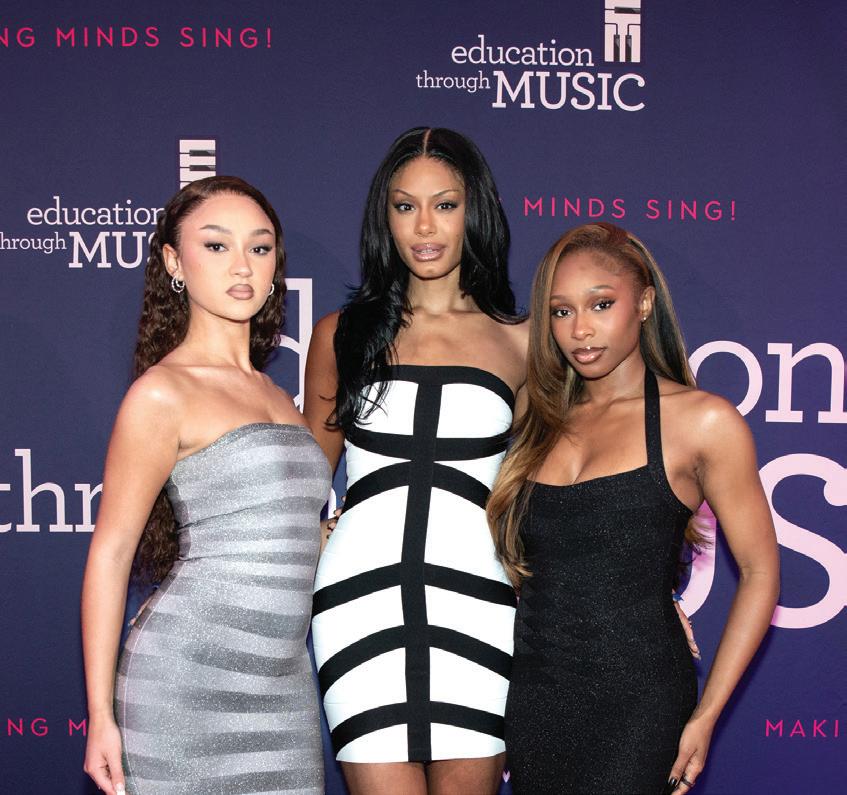
Following a live auction, the P.S. 206 ETM student choir and the Mount St. Ursula rock band delivered showstopping performances, capped by an exclusive set from Republic Records’ R&B trio, Flo.
The evening concluded with the announcement that the gala had officially surpassed its financial goals. Thanks to the generosity of attendees, honorees and corporate sponsors, ETM will expand its footprint, bringing life-changing music programs to even more schools across New York City.
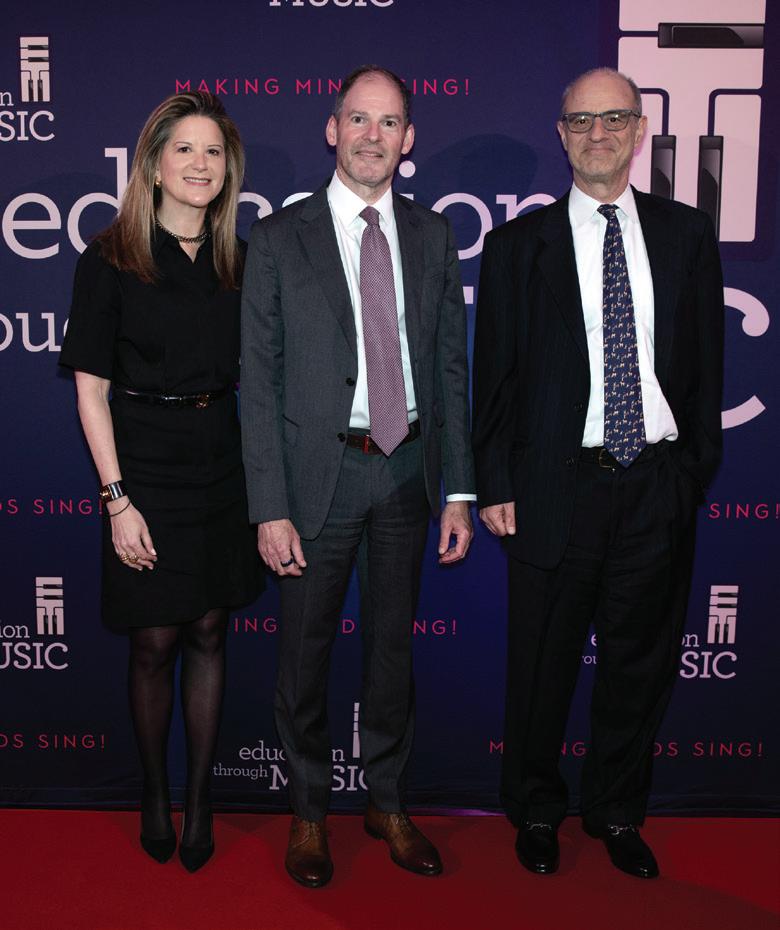
ETM honored three industry leaders who champion the next generation, including Jim Roppo, chairman and CEO of Republic Records. Roppo personally committed to raising $500,000 through the gala and successfully surpassed his goal.
“Music brings a lot of essential skills in the workplace—creative collaboration, discipline, practice [and] creative thinking are all vital to success in any career, I think today. And this program helps build those skills for young people at an early developmental age that’s critical to their future success,” said Roppo. “Many children in New York public schools do not have access to music education, and the work of Education Through Music is vital to providing the resources in the classroom to bring that opportunity to hundreds or thousands of children across New York City schools.”






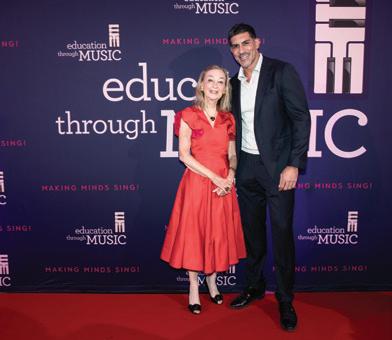
Kendra Scott announced that Adrienne Gernand has been named chief business officer. Gernand combines agility and enterprise-scale execution, with an expertise in driving transformative growth across global markets. In this newly created role, Gernand will play a pivotal part in strengthening the organization’s strategic category expansion, enabling scalability and advancing the brand’s vision.
“Adrienne has a proven track record for identifying highpotential growth opportunities. Her appointment lays the foundation for advancing the brand onto the global stage and into new product categories,” said Chris Blakeslee, CEO of Kendra Scott. “Her ability to navigate complex retail environments—spanning emerging companies to large, established organizations—makes her uniquely qualified to accelerate our expansion strategy.”
Gernand is a global leader known for turning opportunity into scalable evolution. She has led retail, wholesale, licensing and real estate initiatives across both emerging and established brands, including Gap Inc. (Old Navy, Gap, Banana Republic and Athleta) and The Children’s Place, consistently aligning high-impact partnerships with shifting consumer behavior. At Gap Inc., she oversaw the company’s international portfolio across more than 40 countries and led growth through wholesale expansion and licensing. Her expertise spans launching new market entry models, structuring complex strategic partnerships and optimizing real estate portfolios to unlock long-term brand value and operational scale. She has a proven track record of driving transformation across multimarket ecosystems, delivering sustainable growth and enduring brand equity.
“I am thrilled to join Kendra Scott at such an exciting time,” said Gernand. “I look forward to building on the company’s strong customer-first foundation and shaping a future-ready strategic partnership portfolio that supports Kendra and Chris’ vision for globalization.”


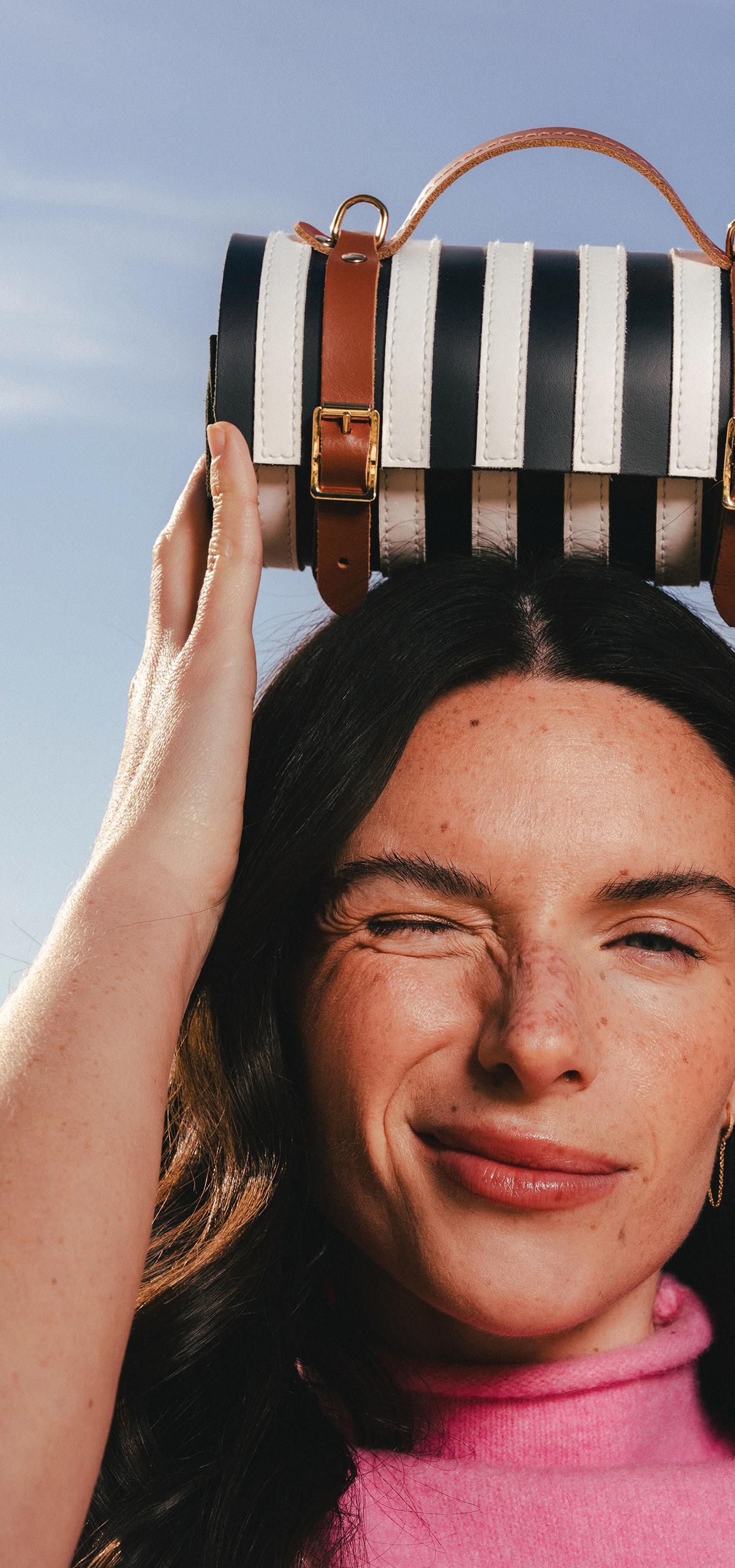
Capturing the spirit of the season through a distinctly British lens, Cambridge Satchel’s Spring/Summer 2026 collection is inspired by seaside escapes, sunlit afternoons and the effortless charm of dressing for long summer days outdoors.
Released in two seasonal drops, the collection embraces fresh hues, new styles and seasonal accessories. The first installment draws inspiration from the charm of a British spring picnic, introducing plaid patterns reminiscent of classic picnic blankets alongside soft neutrals and versatile everyday silhouettes. The second drop shifts toward summer’s brighter moments, channeling the feeling of swimming pools glistening in the sun and carefree weekends by the sea.
Combining updated classics like the mini satchel and the long satchel with fashion-forward styles such as the work bag, the mini Sophie, the mini bowls and the poppy, the collection offers a relaxed approach to warmweather accessorizing. Each piece is designed to be styled effortlessly, layered over crisp linen sets, paired with relaxed tailoring or thrown over denim for coastal weekends and summer getaways. Adjustable straps, structured top handles and compact silhouettes allow the pieces to transition easily from day to evening while maintaining the timeless craftsmanship at the heart of the brand.
Seasonal shades, including tutti frutti, lemon, vanilla and playful plaid combinations, bring a fresh energy to the brand’s iconic silhouettes. Inspired by sun-soaked afternoons and classic British summertime style, the palette blends soft neutrals with vibrant statement tones designed to brighten everyday dressing.
A bright and contemporary addition to Cambridge Satchel’s signature range, the oversized twist-lock pouch is available in two statement colorways: vibrant lemon yellow and a bold red-and-white stripe, designed to bring color to summer wardrobes. Seasonal accessories, including key charms, small purses and AirPod cases, complete the offering, adding playful pops of color and finishing touches for summer dressing.
Handcrafted in the U.K. from premium leather, the collection is designed for everything from weekend picnics and rooftop gatherings to beach days and city strolls.

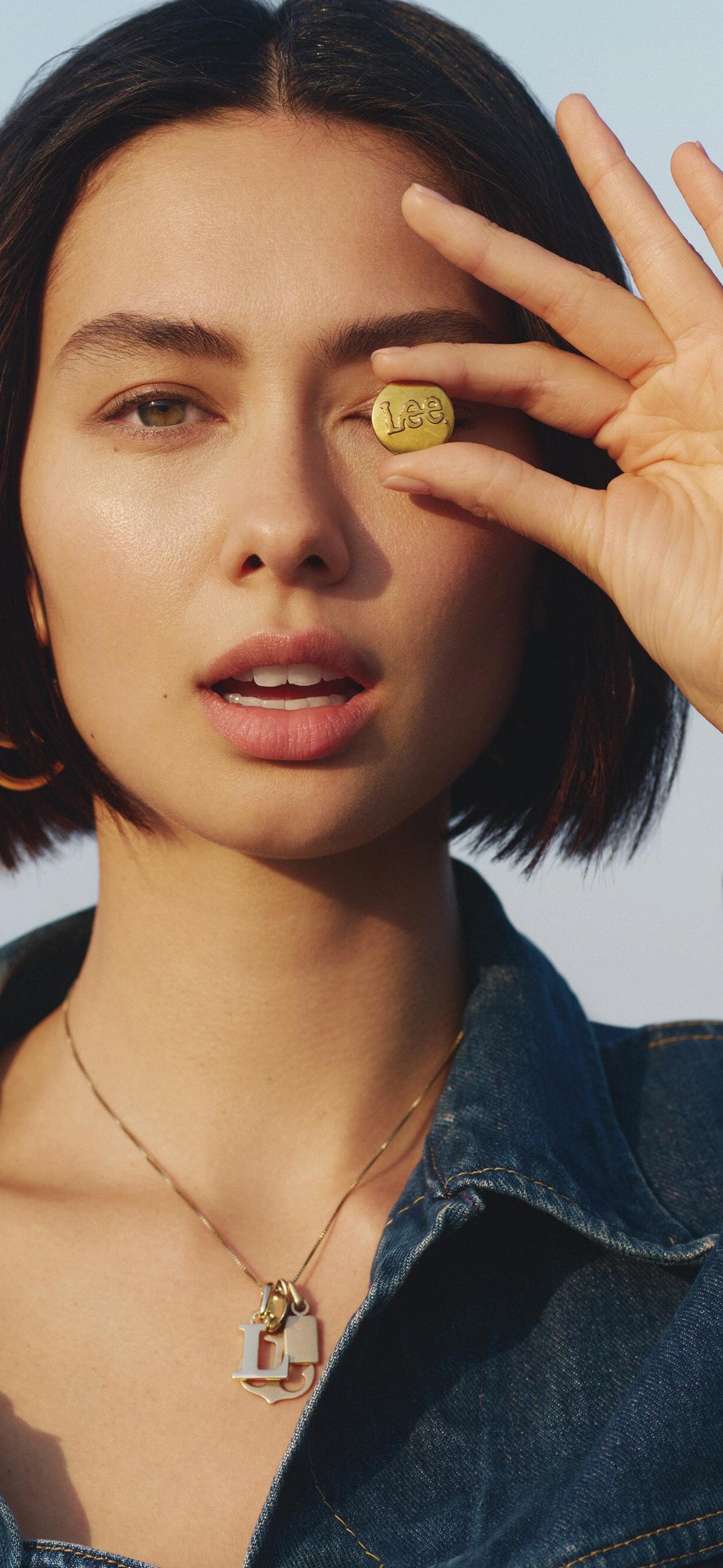
Authentic Brands Group, a global brand and entertainment platform, announced a definitive agreement to acquire Lee, one of the most recognized and enduring names in global denim, from Kontoor Brands Inc.
Authentic Brands Group sees Lee as a natural fit for its global platform. The pioneer in denim and workwear has more than a century of cultural influence, innovation and craftsmanship behind it. Today, the brand generates approximately $1.5 billion in annual retail-equivalent sales across 73 countries, with nearly 40% coming from outside the U.S. and Canada.
Authentic Brand Group’s diversified portfolio spans more than 50 brands and reaches nearly 1 billion social media followers. Its roster includes Reebok, Champion, Guess, Aéropostale, Nautica, Eddie Bauer, Lucky Brand, Nine West, Brooks Brothers, Juicy Couture, Vince Camuto, Ted Baker, Billabong, Volcom, Roxy and Sperry.
“What makes Lee so compelling is its legacy,” said Jamie Salter, founder and executive chairman of Authentic Brands Group. “It’s one of the most important names in denim, with more than a century of heritage, consumer awareness and cultural relevance already built in. At Authentic, we focus on preserving what consumers love about their favorite brands while putting the right partners, distribution and marketing strategies behind them to drive long-term growth. Lee is exactly the kind of brand we are built for.”
Upon closing of the transaction, Authentic Brands Group plans to convert the Lee business into a licensing model, leveraging its brand-building expertise, network of more than 1,700 best-in-class partners, and powerful marketing and storytelling platform. The company is in discussions with leading brand operators to support Lee’s existing business and expand it across content, experiences and heritage-driven lifestyle categories.
The transaction is subject to certain standard closing conditions, including regulatory approval, and is expected to close in the second half of 2026.
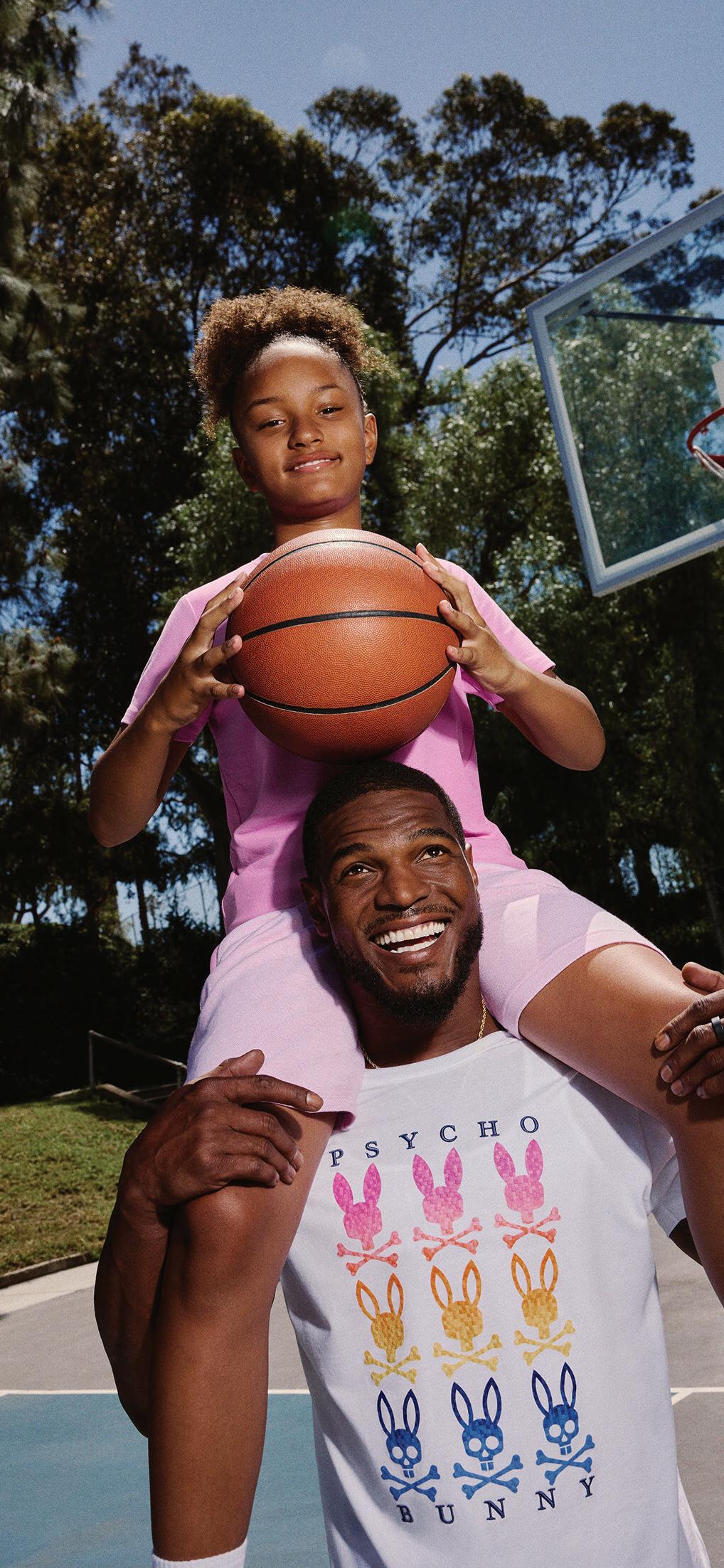
For Father’s Day, Psycho Bunny is unveiling “This is Generational Wealth,” a campaign celebrating the meaningful lessons, traditions and values passed down from one generation to the next. Shot in Los Angeles, the campaign reframes the idea of “wealth” from a numerical value into the character and connection fathers leave behind.
“This is Generational Wealth” features a multigenerational cast of recognizable talent and their families, including Los Angeles-based chef Roy Choi with his father Suu; Los Angeles Chargers’ Denzel Perryman with his daughter Evee; vintage car enthusiast Michael Gideon alongside his son Clay and father Curt; and musician Abner Ramirez and his son Joaquin.
The campaign celebrates the values fathers pass down through generations, whether it’s teaching a child how to fix a car, introducing them to music, sharing an iconic family recipe or modeling resilience, integrity and love. Each family featured in the campaign reflects on the meaningful ways they have shaped—or have been shaped by—their fathers and the lasting impact those relationships continue to have across generations. “Legacy isn’t measured by the size of your bank account or stock portfolio,” reads the campaign manifesto.
“It’s passed down through generations—in the lessons you teach, the traditions you share and the values you instill. It’s the strength of character that lives on long after you.”
“I’m incredibly proud of what we’ve built at Psycho Bunny, but without question, my kids are my greatest pride and joy,” said Alen Brandman, owner and chairman of Psycho Bunny. “Family is what matters most to me, and this campaign is about the memories, lessons and moments with our kids that make up part of who they are. To me, real legacy is not just what you build professionally; it’s the way you show up for your family, the people you love and the community around you.”



THE MOVEMENT OF FASHION











By Ron Friedman
Hello again! Summer is just around the corner, and baseball season has us all excited. From what we’re seeing in the competition, it looks like the Dodgers are going to have to work very hard to threepeat. Many teams have improved their rosters and will give my boys in blue a run for the money. Also, June will bring us the World Cup, bringing all the greatest players in the world to America for the monthlong tournament. I hope the USA can give us some exciting games to watch.
When I began my career in public accounting in 1971, I watched an apparel industry that was vibrant and growing tremendously in the United States. I watched manufacturers start with $50,000 in capital and grow into multimilliondollar companies. I thought this was a great industry to be a part of, and I was able to represent some of the great entrepreneurs as they grew their business and built wealth for themselves and their employees. Trade shows were exciting, and I would visit Magic twice a year to see who was growing and to meet the new entrepreneurs entering the marketplace. What a great time. Here I am 50 years later, and I don’t see that same excitement. What has changed? Maybe me, but most likely the industry has changed.
The apparel industry, once a symbol of perpetual growth and trend-driven excitement, is currently facing a period of marked decline. Factors such as shifting consumer preferences, increased global competition, supply chain disruptions, economic pressures and changing retail landscapes have created formidable headwinds. There are fewer malls, and those that are doing well have fewer apparel stores for shoppers to visit. Yet history

shows that challenge breeds opportunity. Now is the time for apparel manufacturers, importers and retailers to rethink, reinvent and revive the industry’s prospects.
1. Embrace Agility and Flexibility
Rigid, long production cycles and large inventory bets are no longer sustainable. Manufacturers and retailers must adopt agile supply chains and flexible production models. They should consider:
• Shorter lead times: Utilizing nearshoring, on-demand manufacturing and rapid designto-shelf processes to respond quickly to market shifts
• Smaller batches: Reducing the risk of overstock and markdowns by producing in smaller, targeted runs based on real-time data and consumer feedback
2. Prioritize Sustainability and Transparency
Today’s consumers are increasingly conscious of environmental and ethical issues. Companies that demonstrate genuine commitment in these areas can reclaim market share:
• Sustainable materials: Investing in recycled fibers, organic cotton and lowerimpact production methods
• Transparency: Offering clear communication about sourcing, labor practices and environmental impact using tools such as digital supply chain mapping
3. Reinvigorate Product Innovation and Newness
Stagnation in assortment and lack of excitement are major contributors to declining sales:
• Design differentiation: Innovating with fresh silhouettes, functional features and collaborations that resonate with target audiences
• “Newness” cadence: Adopting faster cycles of new product launches, with limited editions and exclusive collections to reignite consumer interest
4. Leverage Digital and Direct-to-Consumer Channels
E-commerce, social commerce and directto-consumer models offer powerful growth opportunities:
• Robust online presence: Investing in userfriendly websites, mobile apps and seamless digital experiences
• Social commerce: Engaging with consumers on platforms like Instagram and TikTok using influencer partnerships and authentic storytelling
• Data analytics: Harnessing consumer data to personalize marketing, optimize assortments and forecast demand
5. Elevate In-Store and Brand Experiences
Physical retail is not dead—but it must offer something digital cannot:
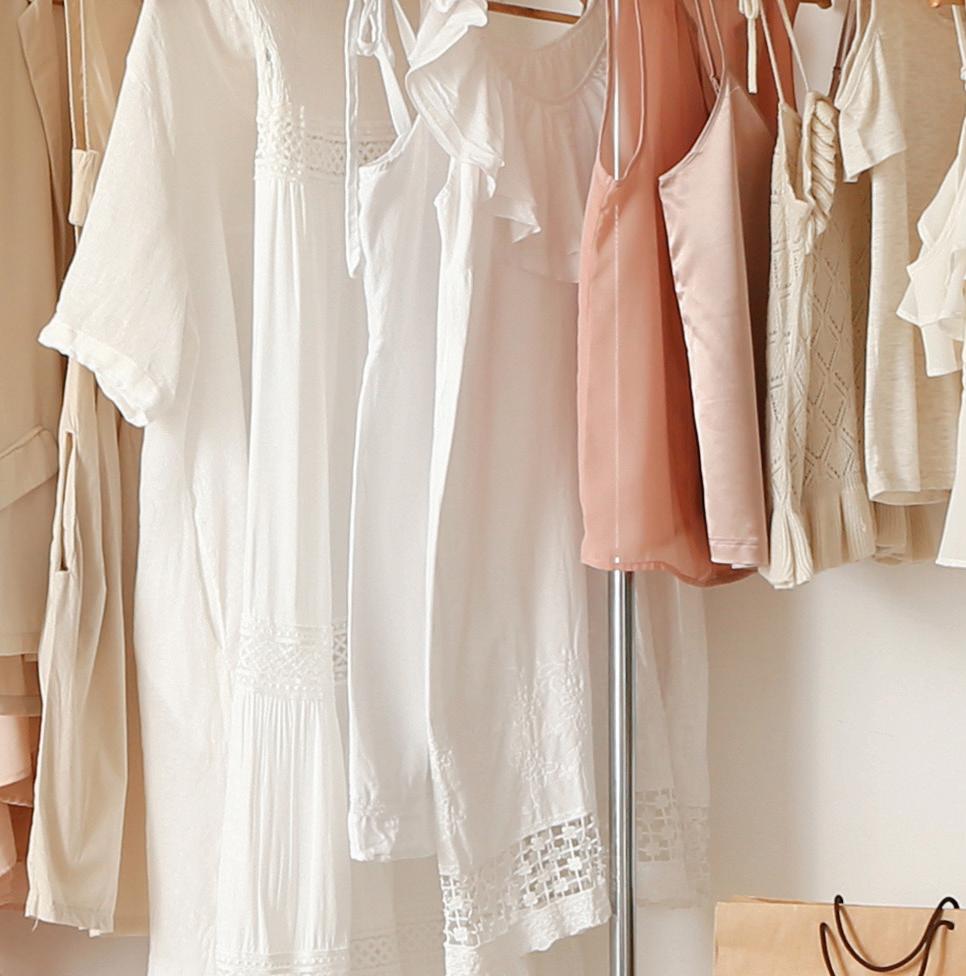
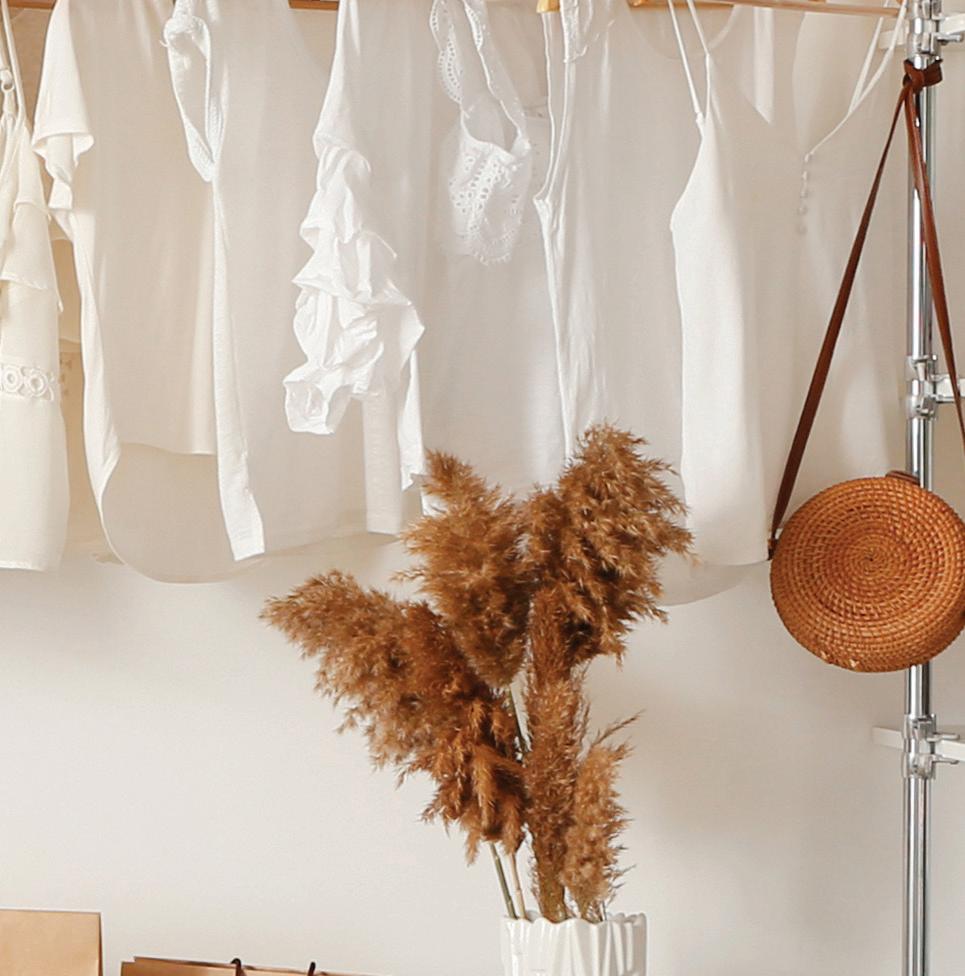
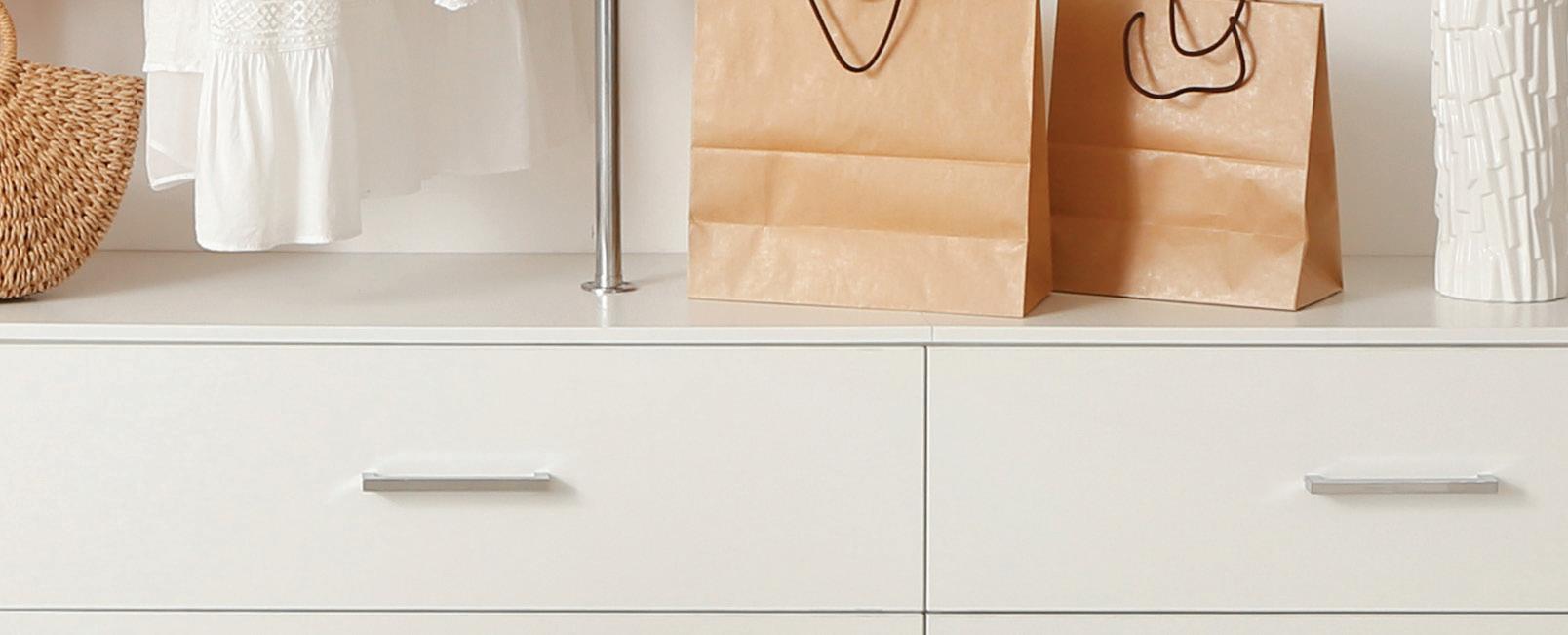

• Experiential retail: Creating immersive, interactive store environments that build community and brand loyalty
• Omnichannel integration: Offering click-and-collect, easy returns and a unified experience across digital and physical touchpoints
Rethink Value and Price Architecture
With consumer budgets under pressure, brands must find ways to deliver value without resorting to endless discounts:
• Tiered offerings: Introducing good-betterbest assortments, private labels and valuedriven capsule collections
• Focus on quality: Highlighting craftsmanship, durability and timelessness as a counterpoint to fast fashion’s throwaway culture
7. Cultivate Strong Supplier Partnerships
Collaborative relationships up and down the supply chain help mitigate risk and foster innovation:
• Transparent communication: Sharing forecasts and data with suppliers to build trust and reliability
• Joint investment: Working together on sustainability initiatives, compliance and process improvements
8. Monitor Global Trends and Be Ready To Pivot
Stay attuned to macrotrends—economic, technological, cultural—and have contingency plans in place:
• Scenario planning: Preparing for supply chain disruptions, regulatory changes and shifts in consumer sentiment
• Continuous learning: Investing in training and development for teams at all levels
The apparel industry’s challenges are real, but so too are the opportunities for those willing to adapt. By embracing agility, sustainability, digital innovation, experiential retail and consumercentric strategies, manufacturers, importers and retailers can not only survive but thrive in this new era.
Reinvention is never easy, but it is essential. The future of the apparel industry will belong to those who listen, innovate and act boldly.
Examples of companies that have reinvented themselves or are in the process of reinventing themselves include Levi Strauss, Target, Warby Parker, Abercrombie & Fitch, Nordstrom, Express, Anthropologie, J.Crew, Uniqlo and Reformation.


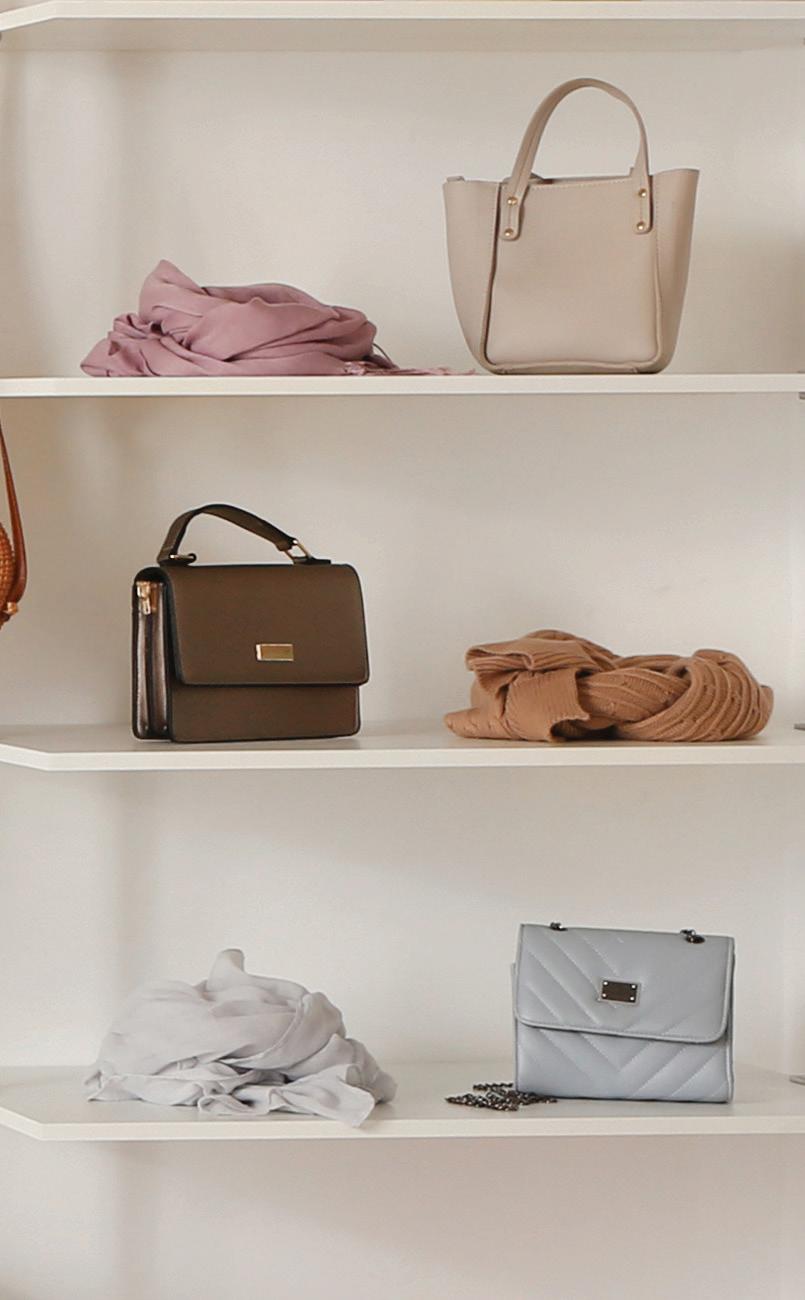

These successful turnarounds came from embracing digital and omnichannel retail, refreshing brand images, innovating product assortments, prioritizing customer experience and sustainability, optimizing operations and building strong community engagement.
Retailers willing to adapt quickly to changing market demands and consumer preferences have emerged stronger and more relevant in today’s competitive landscape. Change may be difficult for many, but the apparel industry will be here to stay, just with a different way of delivering the product.
Until next time, remember what I always conclude with—if you are not having fun, then do something else!
By Paul F. Magel, President of BlueCherry by CGS
There is a moment that happens in almost every fashion company during a supply chain meeting, one I have personally witnessed many times over. Someone asks what should be a relatively straightforward question—“Why is inventory delayed?” or “Why are allocations off?”—and suddenly, six people are opening laptops, someone is pulling data from Excel, another is waiting for a report from a different system, and eventually, everyone is agreeing to “circle back” once the numbers are validated. This has somehow become normal.
For an industry obsessed with speed, agility and trend responsiveness, most fashion companies have built remarkably complicated operational environments. Over the last 20 years, brands layered on new systems, added more channels, expanded supplier networks, introduced new marketplaces, implemented e-commerce platforms, added analytics tools and connected global sourcing operations—all while trying to preserve workflows originally designed for a much slower and simpler business.
The result is that many organizations are now operating with extraordinary levels of hidden friction, not necessarily because people are underperforming but because the business itself has become unnecessarily difficult to run.
What makes this particularly interesting is that complexity often disguises itself as sophistication. The more systems, reports, dashboards, integrations and approvals a company has, the more it can feel like progress. Entire organizations now spend enormous amounts of time reconciling information between systems that were originally purchased to eliminate manual work in the first place.
At some point, the industry quietly created a new operational role: professional translator between disconnected technologies.
inventory swings or sourcing changes, exposes just how fragile many of their processes actually are.
This matters because the economics of fashion are increasingly becoming less forgiving. Margins are tighter, consumers are less patient, and supply chain volatility is no longer an occasional disruption. It is the operating environment. It is the norm. At the same time, AI is rapidly accelerating expectations around planning, forecasting and responsiveness. Companies want AI-driven insights, predictive allocation, autonomous workflows and real-time operational intelligence. Unfortunately, many are trying to build those capabilities on top of operational environments that still require three spreadsheets and a conference call just to answer basic inventory questions.

Most executives already know this, even if they rarely say it publicly. When I sit down with them, the conversations become even more candid, and the same frustrations repeatedly surface. Their teams spend too much time searching for information, validating numbers, fixing spreadsheets, chasing approvals and manually coordinating workflows that should already be connected. Operational visibility still arrives too slowly, decision-making still depends too heavily on tribal knowledge, and every disruption, whether it be tariffs, delays,
That is why operational simplicity, not simplistic operations, is becoming strategically important.
Fashion will never be simple. There will always be changing trends, shifting consumer behavior, sourcing pressures and last-minute assortment decisions driven by “creative instincts.” That chaos is part of the industry’s DNA. But there is a major difference between managing unavoidable complexity and accidentally manufacturing additional complexity internally.
The organizations beginning to pull ahead are often not the ones adding the most technology. They are the ones reducing friction. They are simplifying workflows, connecting data, eliminating duplicate processes, shortening decision cycles and creating clearer operational visibility across the business. In many cases, they are making the business easier to operate before trying to make it more intelligent.
Ironically, that may be the real prerequisite for AI and future transformation. Because the companies that benefit most from AI will not necessarily be the ones with the biggest technology budgets. They will be the ones with the clearest operational foundations.
The next decade may ultimately reward brands that can operate with less friction, greater visibility and fewer disconnected processes, while competitors continue to add another dashboard, another integration and, inevitably, another spreadsheet. As I often tell my own team and my colleagues across the fashion industry, “Let’s slow down and get it right, so that then we can go fast.”
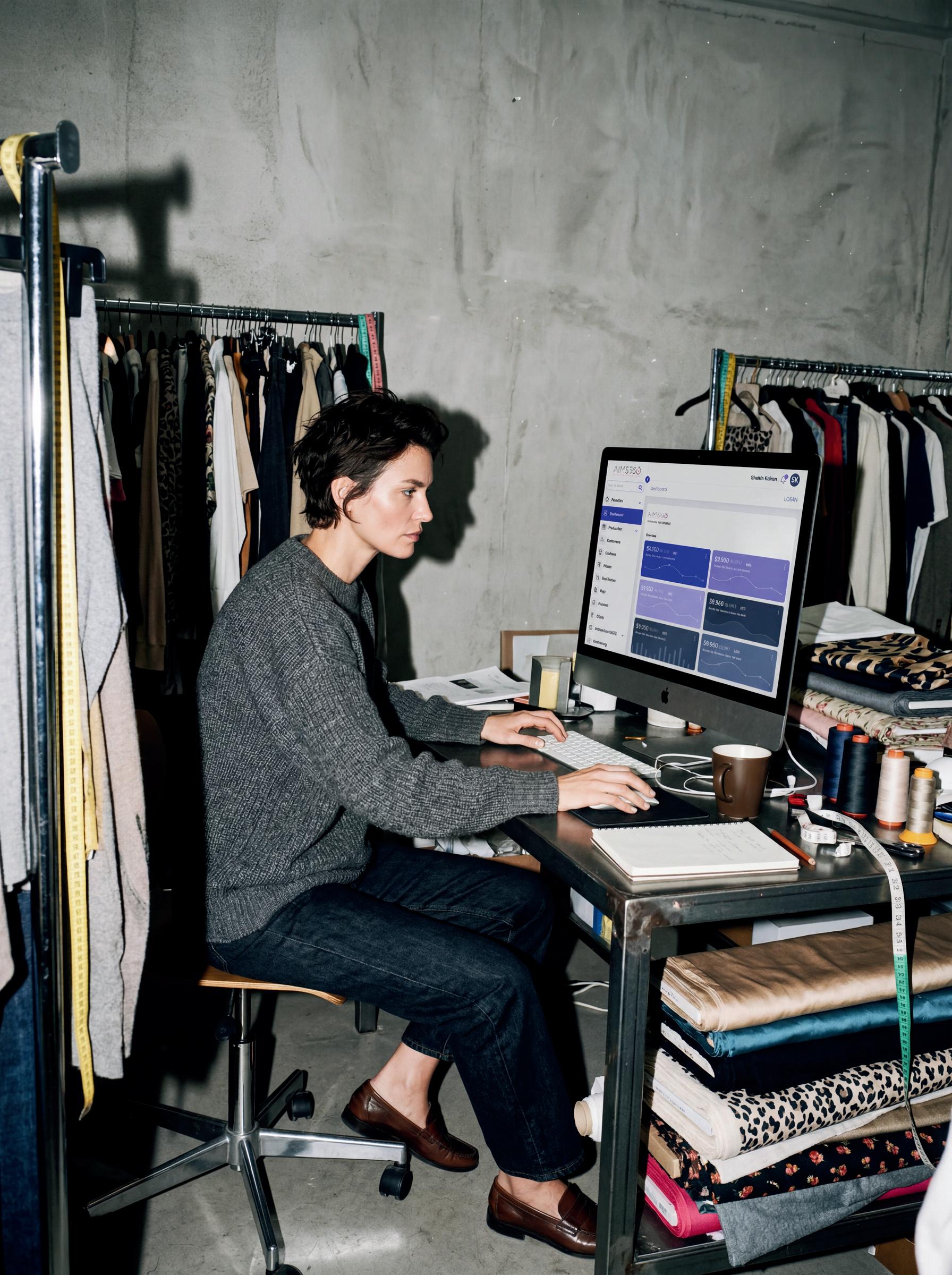
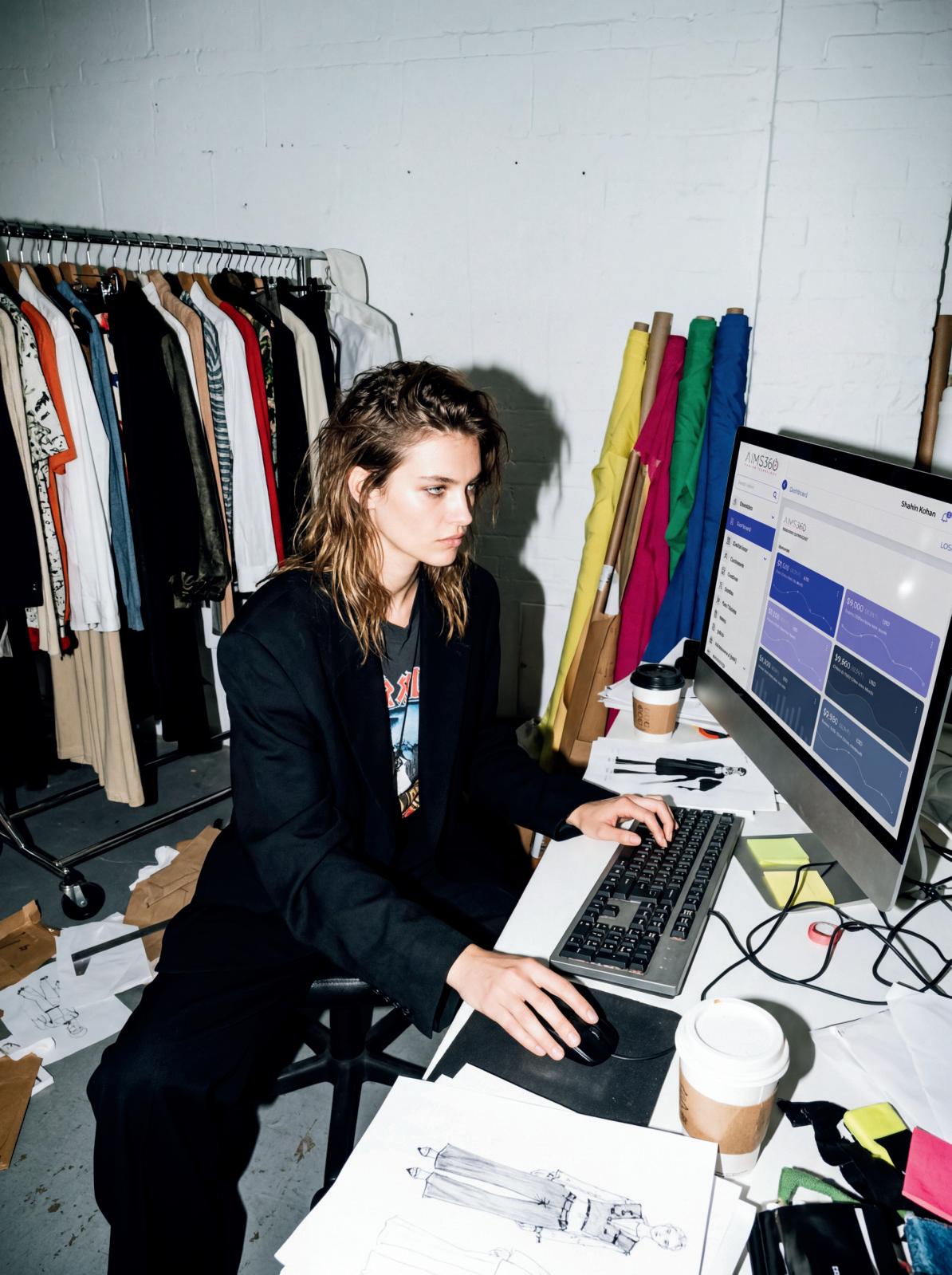
By Shahrooz Kohan, CEO of AIMS360
Every founder I meet asks the same question at some point: Do major retailers still matter, or has direct-to-consumer made them obsolete? It is a fair question. Building a brand on Shopify and Instagram or TikTok is easier than ever, and the ceiling on what a small team can sell online keeps rising.
But the math has not changed as much as people think. The U.S. apparel market is roughly $365 billion a year, and online sales still account for only about 21% of global fashion retail. The other 79% flows through department stores, mass retailers, specialty chains, off-price stores, and beauty and jewelry stores. A brand that ignores those channels is voluntarily competing for only one-fifth of the pie.
Watch any episode of “Shark Tank.” Every founder is begging for retail distribution. The reason is simple. Retailers have already built the most expensive thing in commerce: a network of customers who walk into a store or open an app every day with the intent to buy. That distribution gives a new brand visibility, shelf legitimacy and unit volume that direct-to-consumer alone almost never produces in Year 1.
That is not an argument against directto-consumer. Building your own channel protects your margins and your customer relationships. But a brand that skips wholesale altogether chooses to acquire every customer itself, at full cost, forever. The brands that scale past $20 million or $50 million in revenue are almost always hybrids—strong direct-to-consumer and strong wholesale, running side by side.
Here is where it gets technical, and where many brands get blindsided. Selling to a major retailer is not like emailing a purchase order back and forth. Walmart, Target, Macy’s, Nordstrom, Costco, Sephora, Ulta
and most off-price chains require their vendors to be what the industry calls “EDIcapable.”
EDI stands for electronic data interchange. It is the standardized format retailers use to exchange purchase orders, shipping notices and invoices with their suppliers in real time, without humans rekeying the data. Being EDI-capable means your business can plug into a retailer’s supply chain electronically—sending a structured purchase order acknowledgment within 24 hours, an advance ship notice before each shipment leaves your warehouse and an invoice that matches that shipment exactly. Major retailers will not open an account with a vendor who cannot do this. It is not optional.
The trap most brands fall into is treating EDI as information technology plumbing instead of a sales channel investment. They sign up with the cheapest provider, who hands them a portal and walks away. Then the retailer sends a 50-page routing guide, and the brand discovers what “noncompliant” really means.
Retailers do not grade on effort. If your advance ship notice is late, your shipping label is misprinted, your case pack is wrong or your invoice does not match the shipment, the retailer issues a chargeback. These can run from $50 to several hundred dollars per shipment, and they add up fast. Repeat offenders are put on probation. Serious offenders have their purchase orders canceled and their accounts closed.
I have watched brands lose six-figure orders not because their product was bad but because their EDI vendor did not pick up the phone on a Friday afternoon when a retailer changed a routing rule. I have seen brands accumulate $40,000 in chargebacks in a single quarter because nobody flagged
a new advance ship notice cutoff window. By the time the brand realized what was happening, the margin on the entire program was gone.
So, if you are evaluating providers, here is the short list of questions that actually matter. Ask who will be on the phone with you at 4 p.m. on a Friday when a transaction problem happens or a chargeback notice hits. Ask whether the monthly fee is the real all-in cost, or whether there are surprise per-document, per-line and per-character charges waiting on the invoice. Ask whether the people on their support line have actually worked on an apparel, beauty or jewelry implementation, or whether they are reading from a generic script. And ask what happens to your inventory accuracy when you start shipping bulk to one retailer and drop-shipping individual orders to another at the same time.
The best brands I know—the ones quietly building $50 million, $100 million and $250 million wholesale businesses—treat their retail sales channel as a real operation. They staff it. They invest in software that integrates electronic data interchange directly into their inventory and order management system, rather than bolting on a separate tool that has to be reconciled manually. And they choose partners, like AIMS360, who understand the difference between a generic transaction and an apparel matrix purchase order with style, color and size variants on every line.
Major retailers are not a relic of the old economy. They are still the single largest distribution opportunity in fashion. The brands winning that opportunity are the ones who treat the electronics behind the relationship—the purchase orders, the shipping notices, the invoices—with the same seriousness they bring to their product. The ones who do not lose the program.
For apparel importers, customs compliance has always been a critical part of international trade. But with the U.S. Consumer Product Safety Commission’s (CPSC’s) new electronic filing requirements set to take effect on July 8, 2026, compliance is becoming more complex— and more important—than ever before.
Under the new rules, any product subject to a CPSC rule, ban, standard or regulation must be covered by an electronically filed certificate at the time of entry into the United States. The change represents a major shift in how importers manage product compliance documentation and communicate with Customs and Border Protection (CBP).
For apparel companies, the implications are significant.
The apparel industry is one of the largest categories affected by the new e-filing requirements. CPSC guidance identifies hundreds of Harmonized Tariff Schedule (HTS) codes related to clothing and footwear that may trigger electronic filing requirements.
However, one of the most important takeaways from the CPSC guidance is that HTS code flags are not exhaustive. In other words, a shipment may still require e-filing even if the HTS code itself does not trigger an alert in CBP’s system.
This is particularly relevant for apparel importers because many textile and garment products are already subject to federal safety standards, including:
• Flammability standards for wearing apparel and textiles
• Lead and phthalate restrictions
• Children’s product safety regulations
• Button cell and coin battery requirements for wearable products or accessories
As a result, importers can no longer rely solely on tariff classifications to determine whether compliance requirements apply.
The new e-filing system is designed to improve visibility and traceability throughout the import process. Instead of relying on paper certificates or post-entry requests, the CPSC will require
By Krieger Worldwide
product compliance data to be transmitted electronically at the time of customs entry.
Importers will have two filing options:
• Full partner government agency (PGA) message set: Where all certificate data is transmitted with the entry filing
• Reference PGA message set: Where importers provide a certifier ID, product ID and version ID linked to data already stored in the CPSC Product Registry
Most companies are expected to adopt the reference message set because it streamlines the filing process and reduces repetitive data entry.
For apparel importers managing large stockkeeping unit (SKU) counts, seasonal product launches and multiple factories, this centralized registry approach may ultimately improve efficiency—but only if systems and processes are properly established in advance.
The apparel sector already operates in a highly regulated environment, balancing customs regulations, country-of-origin requirements, labeling laws and product safety standards. The new CPSC rules add another layer of scrutiny at the border.
Failure to comply could result in:
• Customs holds or shipment delays
• Missing or invalid certificate issues
• Higher compliance risk scores
• Potential penalties or enforcement actions
Even during the current voluntary testing phase, the CPSC is encouraging importers to begin implementation now. According to the agency, the temporary rollout period is intended to help companies test processes before enforcement begins.
For many importers, the biggest challenge will not be obtaining certificates—it will be managing the data accurately across multiple suppliers, products and entry filings.
Successful compliance under the new rules will require greater coordination between sourcing teams, compliance departments, customs brokers and overseas manufacturers.


Importers should begin by identifying which products fall under CPSC jurisdiction and determining whether a General Certificate of Conformity (GCC) or Children’s Product Certificate (CPC) is required.
Companies should also establish internal procedures for maintaining:
• Laboratory testing documentation
• Product Registry records
• Certifier IDs
• Product IDs
• Version tracking
In addition, the CPSC recommends including registry identifiers directly on commercial invoices or packing lists to help expedite cargo reviews and minimize delays during customs processing.
For apparel importers working with high shipment volumes and fast-moving production cycles, integrating these data points into existing enterprise resource planning (ERP) or trade compliance systems may become essential.
Implementation timelines for compliance systems can move quickly—especially for importers managing multiple vendors and product categories.
The companies best positioned for success will be those that treat customs compliance not as a reactive obligation but as a strategic supply chain function.
The new CPSC e-filing requirements represent more than a regulatory update; they reflect a broader shift toward data-driven border enforcement and product accountability. Apparel importers who prepare early will likely experience fewer disruptions, stronger supply chain visibility and smoother customs clearance once enforcement begins.
As regulatory oversight continues to evolve, customs compliance is no longer simply about getting products through the border—it is becoming a core component of operational resilience and brand protection in the global apparel industry.
By David Harouche
Retail organizations have never had more data. Sales dashboards update in real time. Inventory systems track movement instantly. Labor metrics, fulfillment data, customer analytics and operational reporting generate a constant stream of information across the enterprise. Despite this abundance of data, many retail leaders still struggle with a surprisingly basic challenge: understanding what is actually happening inside stores. A visual directive may have been distributed chainwide, but was it executed consistently? Product training may have been completed digitally, but are associates confidently applying it with customers? A new initiative may look perfectly aligned at headquarters, while stores quietly encounter execution friction that leadership teams cannot yet see.
In many organizations, these insights still move too slowly. Operational intelligence often remains fragmented across spreadsheets, emails, disconnected reporting tools, delayed audits and manual follow-up processes. By the time information reaches the appropriate teams, the issue may have already impacted execution, customer experience or sales performance. The result is operational blind spots, and in today’s retail environment, blind spots are becoming increasingly expensive.
Retail now operates at a pace where product cycles shift rapidly, customer expectations evolve continuously and store teams manage more operational complexity than ever before. Associates are balancing customer engagement, fulfillment responsibilities, omnichannel expectations, operational compliance and increasingly compressed timelines, often simultaneously. At the same
time, corporate teams are under pressure to move faster, launch initiatives more efficiently and maintain consistency across hundreds or thousands of locations. Organizations no longer have the luxury of waiting weeks to understand whether new directives, product launches or operational initiatives are landing successfully in the field. Speed of awareness has quietly become one of the most important competitive advantages in modern retail.
What makes this challenge particularly interesting is that it is not fundamentally a technology problem. Most retailers already possess enormous amounts of operational data. The issue is that much of it remains disconnected, delayed or difficult to operationalize in real time. Historically, retail communication systems were designed primarily to push information downward into stores. Training was distributed, tasks were assigned, and execution was expected. But increasingly, retail organizations are recognizing that communication alone is not enough. They also need structured ways to capture intelligence back from the field.
This shift toward what many are beginning to view as closed-loop operational visibility is becoming one of the more important evolutions in retail operations. Instead of relying solely on top-down communication, organizations are beginning to rethink how operational insight flows throughout the business. Store teams and field leaders are often the closest observers of customer behavior, operational inefficiencies, execution challenges and emerging trends. They are the first to notice when visual directives are creating confusion, when operational workflows are slowing down
execution, or when customers are responding differently than anticipated to a new initiative or product launch.
Yet many organizations still lack scalable systems for systematically collecting and acting on that insight. As a result, critical operational realities frequently remain invisible until they become much larger business problems. Forward-looking retailers are beginning to rethink this dynamic by creating more integrated operational feedback loops across stores, field leadership and corporate teams. Store walks, merchandising validation, operational checklists, compliance observations, execution feedback and even photo-based verification are becoming increasingly important sources of operational intelligence.
Instead of relying heavily on assumptions, retailers gain more measurable visibility into whether operational strategies are translating effectively into store environments. Regional inconsistencies can surface earlier, execution gaps become easier to identify, operational friction can be escalated faster, and corporate teams gain clearer insight into what is actually happening across the business in real time. At the same time, frontline teams become more connected to the operational conversation, creating a more responsive relationship between stores and corporate leadership.
This evolution also arrives at an important moment for the industry, as retailers continue to explore AI, predictive analytics and more advanced operational technologies. Artificial intelligence is rapidly becoming part of the retail conversation, but AI systems are only as valuable as the operational data supporting them. If the underlying information is fragmented, delayed or inconsistent, even sophisticated technologies struggle to generate meaningful insight.
In many ways, the future of retail intelligence depends less on automation alone and more on the quality of the visibility systems organizations build underneath it. Organizations that create stronger operational feedback loops today are also building stronger foundations for future decision-making, analytics and operational agility. The retail industry has spent years focused on improving communication with stores. The next evolution may be improving visibility back from them.
By Michael Sacco, Managing Director, National Consumer and Industrial Products Industry Leader, CBIZ CPAs
Recent changes in U.S. trade policy are giving companies with global supply chains new things to think about. After a Supreme Court decision overturned some import tariffs, U.S. Customs and Border Protection (CBP) started issuing refunds to eligible importers. For consumer and industrial products (CIP) companies, refunds can provide a helpful cash boost. Still, the tax and accounting effects are complex and need close review.
Manufacturers, distributors and retailers who regularly import raw materials, finished goods or equipment have long included tariffs in their costs. Now, as refunds are issued, companies need to figure out how these recoveries affect their past tax filings and what they mean for financial reports now and in the future.
In the CIP sector, even small changes in costs can affect margins, pricing and profits. Many companies used to treat tariffs as part of inventory costs or add them to fixed assets. So, refunds are more than just extra cash—they reverse how those costs were handled before.
The main question is whether those original costs gave the company a tax benefit. If they did, getting a refund might mean extra taxable income or changes to future deductions. Finance and tax teams should review how these costs were handled before deciding what to do next.
A key idea when looking at tariff refunds is the tax benefit rule. This rule says that if a company gets back money it once deducted for taxes, that refund usually counts as taxable income, but only up to the amount of the earlier tax benefit.
In practice, CIP companies need to check how they handled tariffs when they first paid them. If tariffs were part of deductible costs, like cost of goods sold or depreciation, refunds would usually mean reporting extra income. If there was no tax benefit, the treatment could be different.
Timing also matters. Companies using the accrual method might report income when they know they will get the refund, while those using the cash method report it when they actually receive the money. This difference can change when income is reported and affect financial forecasts.
For many CIP companies, the biggest impact of tariff refunds will be on inventory accounting. Import duties are usually added to inventory costs and then expensed as cost of goods sold when products are sold.
How refunds are handled depends on whether the related inventory has been sold or is still on hand:
• Inventory already sold: Refunds associated with inventory that has been sold generally result in taxable income in the period the refund is recognized. This is because the original tariff costs have already reduced taxable income in prior periods.
• Inventory still on hand: If the inventory remains unsold, the refund typically reduces the carrying value of that inventory rather than creating immediate income. As those goods are sold, the lower inventory basis reduces the future cost of goods sold.
These changes can affect reported margins over several periods, especially for companies with slow-moving inventory or complicated supply chains. The inventory accounting method used—like first in, first out (FIFO); last in, first out (LIFO); or weighted average—also affects how these cost changes are handled.
CIP companies that import machinery, equipment or other capital assets may also see tax effects from tariff refunds. How these refunds are treated depends on how the assets were handled for tax purposes:
• Immediately expensed assets: If the company deducted the full cost in the year of acquisition, a refund will generally be treated as taxable income in the year received.
• Depreciated assets: If an asset is depreciated over time, the refund typically reduces its tax basis. This adjustment lowers future depreciation deductions rather than creating immediate taxable income.
This distinction is particularly important for businesses investing in automation, advanced manufacturing technologies or distribution infrastructure, where capital expenditures can be significant.
Not every tariff refund leads to taxable income. If the original tariff payments did not give a tax benefit—such as when they were capitalized but not yet deducted—the refund might be treated as a purchase price adjustment.
In these situations, the refund lowers the value of the related inventory or asset but does not create taxable income right away. So, figuring out if a tax benefit was received is a key part of the analysis.
Since tariff refunds affect many parts of the business, companies need a coordinated approach. CIP companies should consider these practical steps:
• Data mapping: Identify and link refund amounts to specific inventory lots or fixed assets to ensure accurate treatment.
• Accounting method review: Evaluate how cash or accrual accounting affects the timing of income recognition.
• Cross-functional alignment: Facilitate collaboration among tax, finance and supply chain teams to ensure consistency in assumptions and reporting.
• Financial modeling: Incorporate the impact of reduced inventory costs or adjusted asset basis into forecasts and margin analysis.
Without this level of coordination, companies risk inconsistencies in reporting or missed opportunities to optimize tax outcomes.
Tariff refunds can boost cash flow, but they also add complexity that can last over several reporting periods. Because tax rules, inventory accounting and asset treatment all interact, the financial effects usually last beyond just one year.
Being proactive can help companies manage risk and make sure tax results support their bigger business goals. By looking at tax effects early and including them in financial planning, CIP companies can get the most out of these refunds and stay compliant.
Companies dealing with these issues may find it helpful to work with experienced advisors. These experts can help navigate technical rules and find planning opportunities that fit the company’s needs.

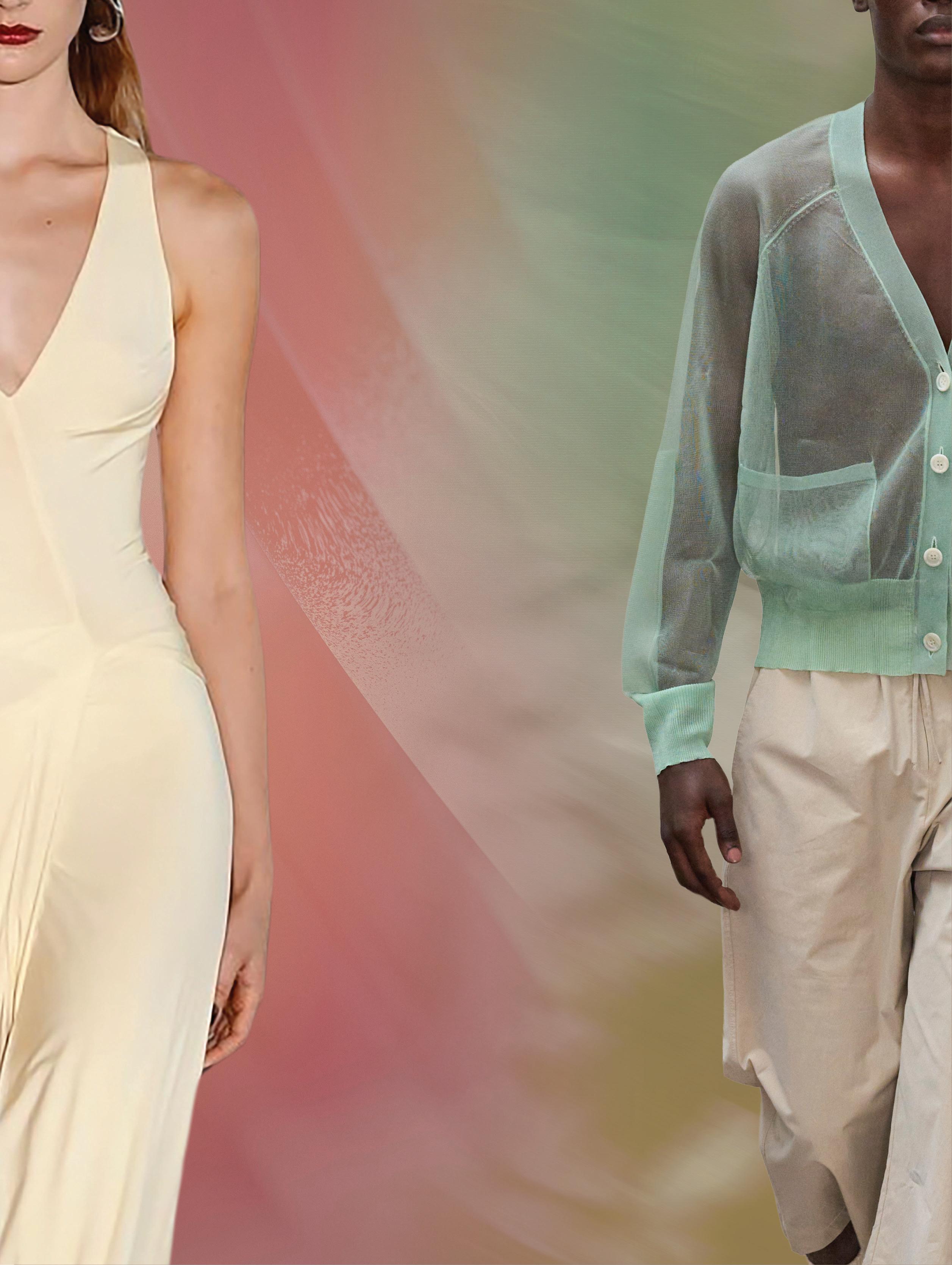
































Capital One® Commercial Banking offers you the financial services your business needs to succeed. You get customized solutions designed by a dedicated team of Consumer Products bankers with a combined track record of more than 75 years in the apparel, footwear, accessories and beauty sectors—and they’re backed by the full-services capabilities of a top 10 U.S. bank.*
Let us create a solution that matches your vision
capital.one/commercial

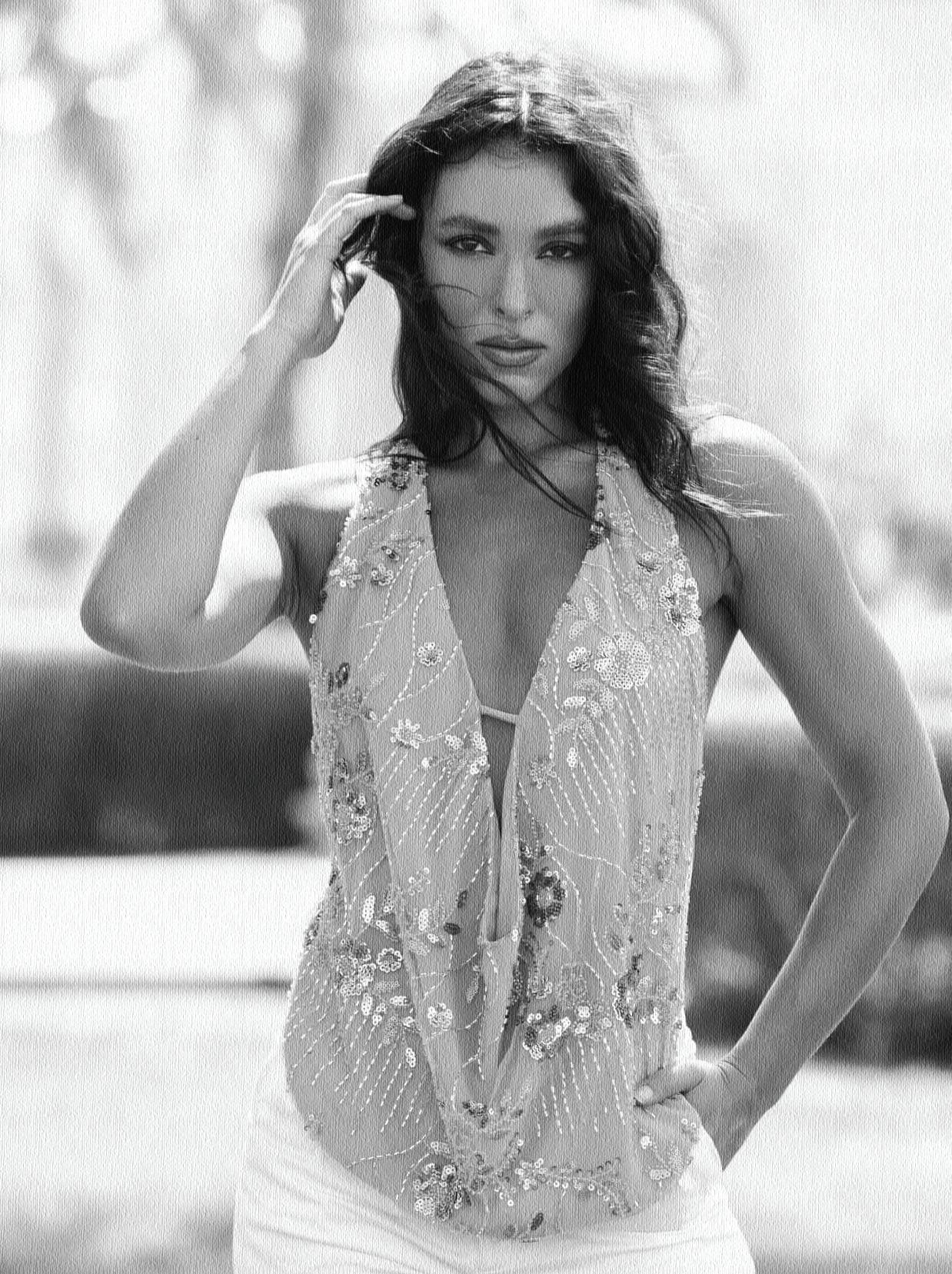



Some swim brands are rooted in a place, while others are rooted in a feeling: the particular electricity of a one-way ticket, an unfamiliar coastline, a hotel room with shutters that open onto something spectacular. Ezili Swim belongs firmly to the second category. Founded in the U.K. by Ally Armitage, the boutique label has quietly carved out its own corner of the resort wear market: one that doesn’t ask where you’re going, only that you’re willing to go.
The brand’s philosophy is deceptively simple. Transeasonal by design, Ezili operates outside the conventional spring-summer, fall-winter logic that governs most of the fashion calendar. Its pieces are built to travel—to arrive in a carry-on and emerge at a rooftop pool in Tulum, a private beach in Mykonos or a bamboo lounge somewhere you’ll struggle to describe to people back home. There’s a nomadic sensibility baked into its DNA, a sense that the clothes themselves have somewhere to be.


What elevates Ezili beyond the growing field of travel-friendly swim labels is its commitment to material integrity. Armitage has built the brand around patented fabrics and handcrafted details that carry real weight—pieces that hold their shape in the water and their beauty after a hundred washes. It’s the kind of construction that once required a premium you’d wince at, but accessibility is central to Ezili’s ethos. Luxury-inspired without the luxury price tag, the label closes the gap between what resort wear looks like and what it actually costs, without cutting corners that matter.
In aesthetic terms, the brand reads as boutique in the truest sense: curated, intimate and edited with a deliberate hand. Nothing feels like it slipped through by accident. The resort wear extends naturally from the swim line, offering layering pieces and breezy cover-ups that make the transition from the water’s edge to an open-air dinner feel effortless. This is dressing for a life in motion, for the woman who packs light but arrives impeccably.
Ezili Swim doesn’t sell you a destination. It sells you the version of yourself that’s already there—sun on your shoulders, somewhere exotic at your feet, and the quiet confidence of knowing exactly what you’re wearing to get there.






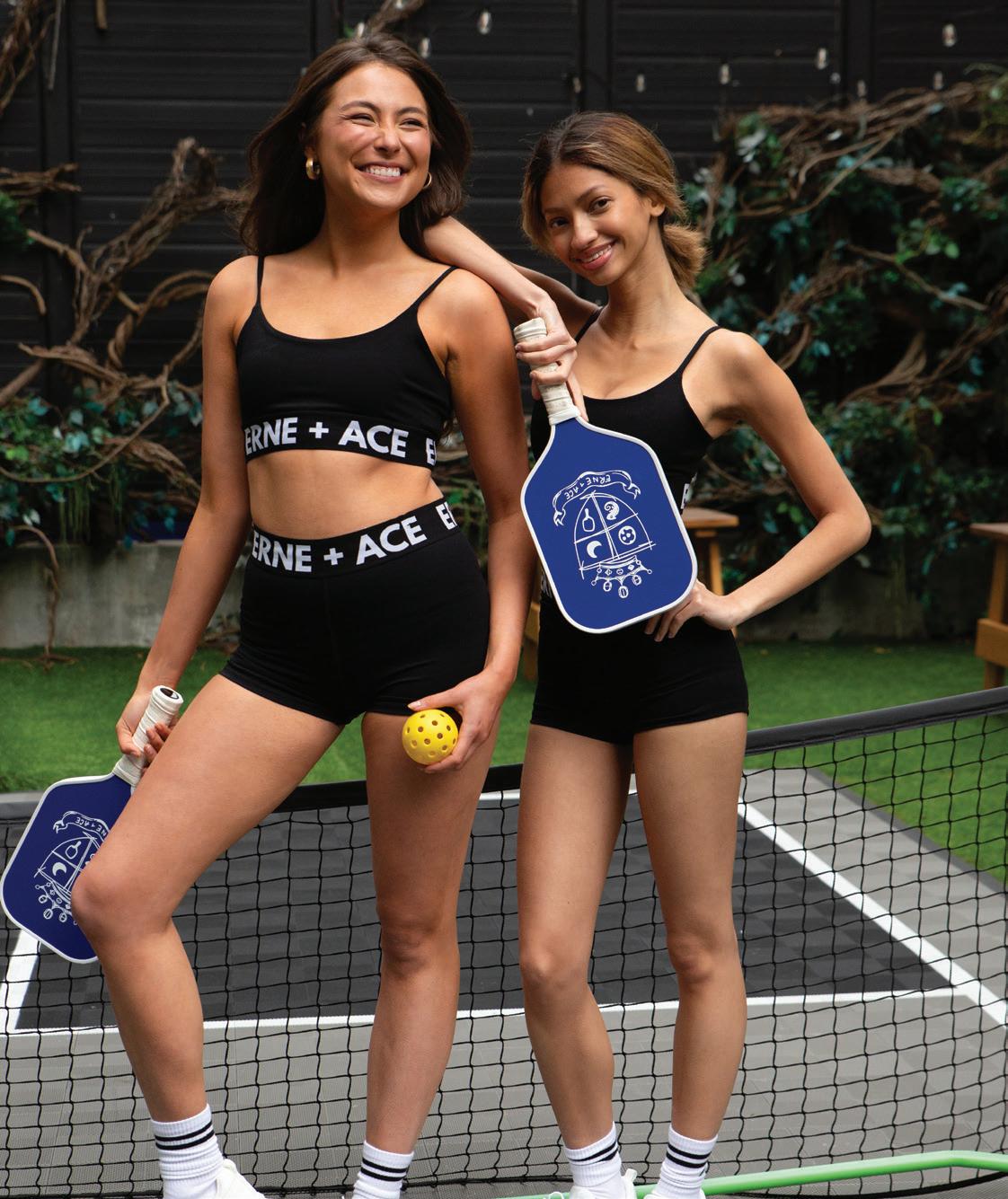
Erne + Ace is stepping into summer with its Spring ’26 collection, arriving just as New York City’s pickleball courts, parks and pavements come alive for the season. The brand, founded by Farah Liem, was created out of a love for pickleball and the energy of the city, designed for fashion-forward players who want to look effortlessly cool on and off the court. Inspired by the vibrant streets of New York and graffiti-covered walls, the brand channels that bold, expressive energy into pieces that blend edge with elegance and sport with style.
Founded with a focus on elevated athleticinspired essentials, Erne + Ace has quickly carved out a niche at the intersection of sport and everyday dressing. The brand reflects a broader shift in how consumers are approaching modern wardrobes: prioritizing pieces that move seamlessly between activity, social settings and daily life without sacrificing style. Its earlier PreServed collection helped define this identity, introducing playful yet polished silhouettes that resonated with a growing community drawn to ease, versatility and personality in their everyday uniform.


With Spring ’26, Erne + Ace continues to refine and expand that vision. The collection leans further into wearable staples designed for full-day dressing, whether that means early morning matches, long city walks or spontaneous post-game plans. The pieces are built for movement but styled with a sense of ease that feels distinctly New York: effortless, expressive and always in motion.


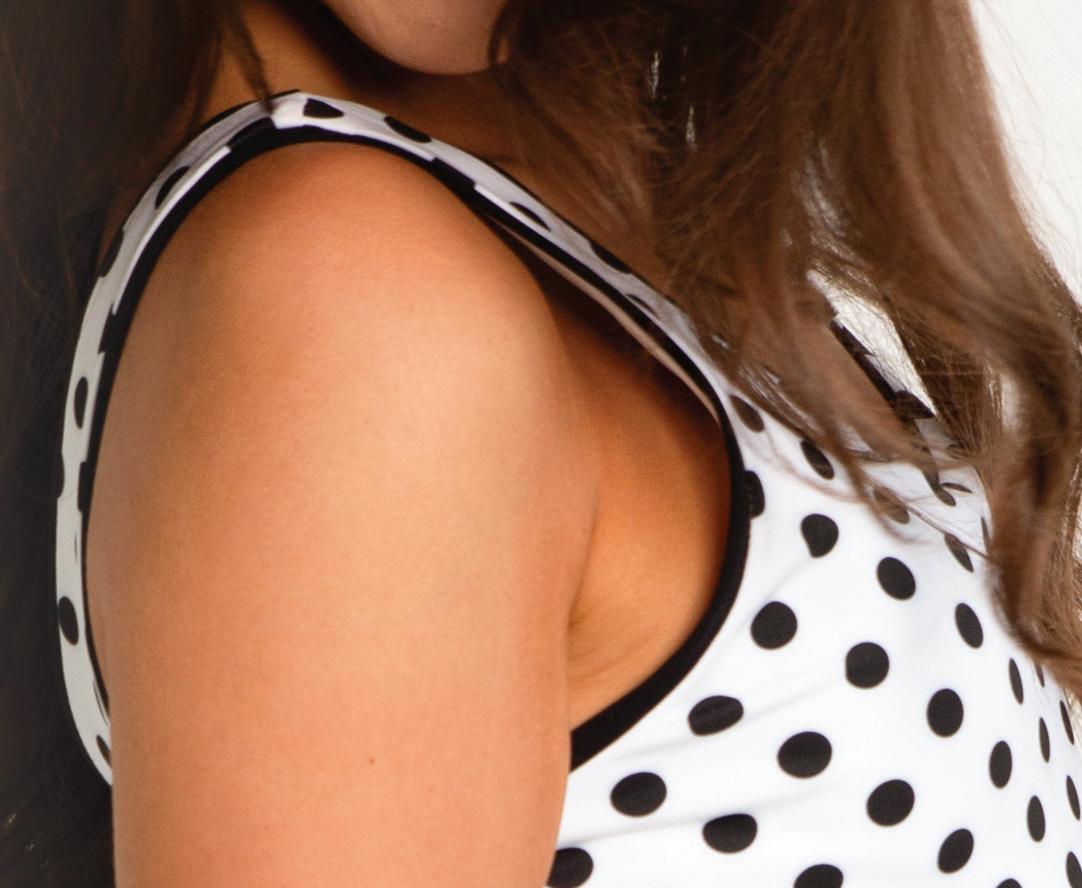
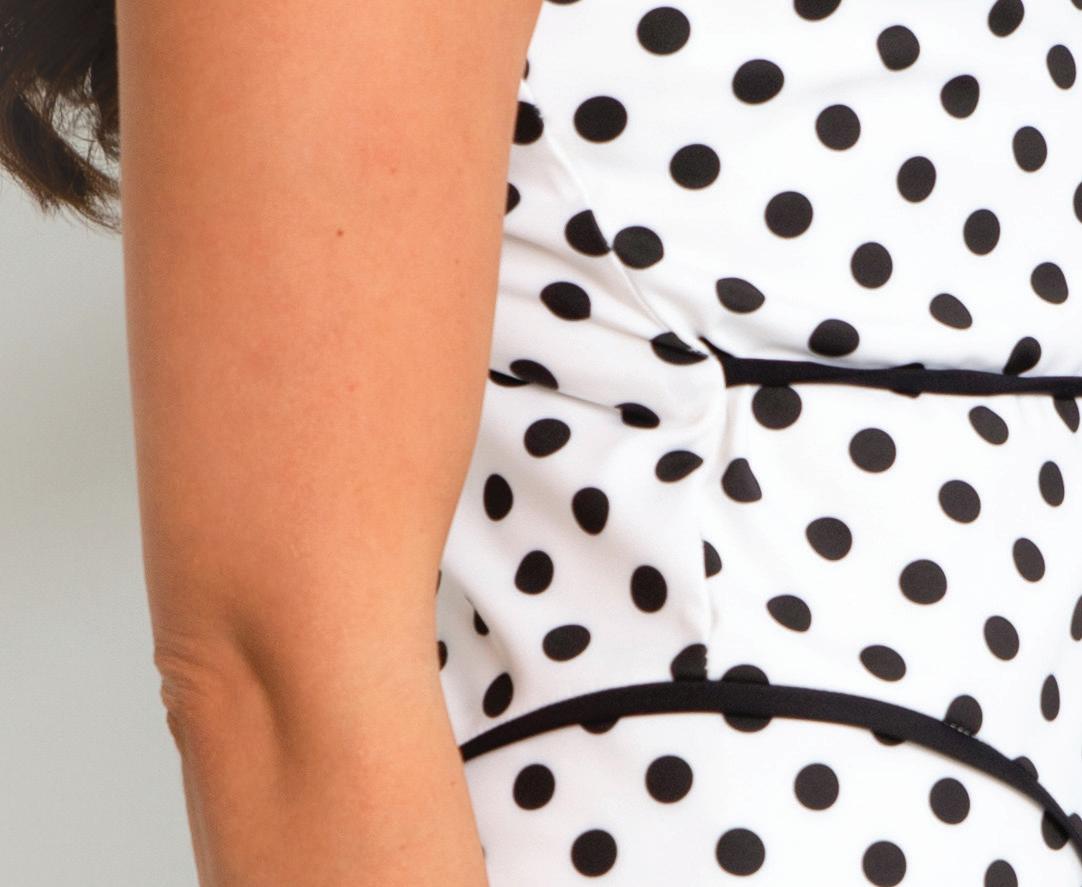
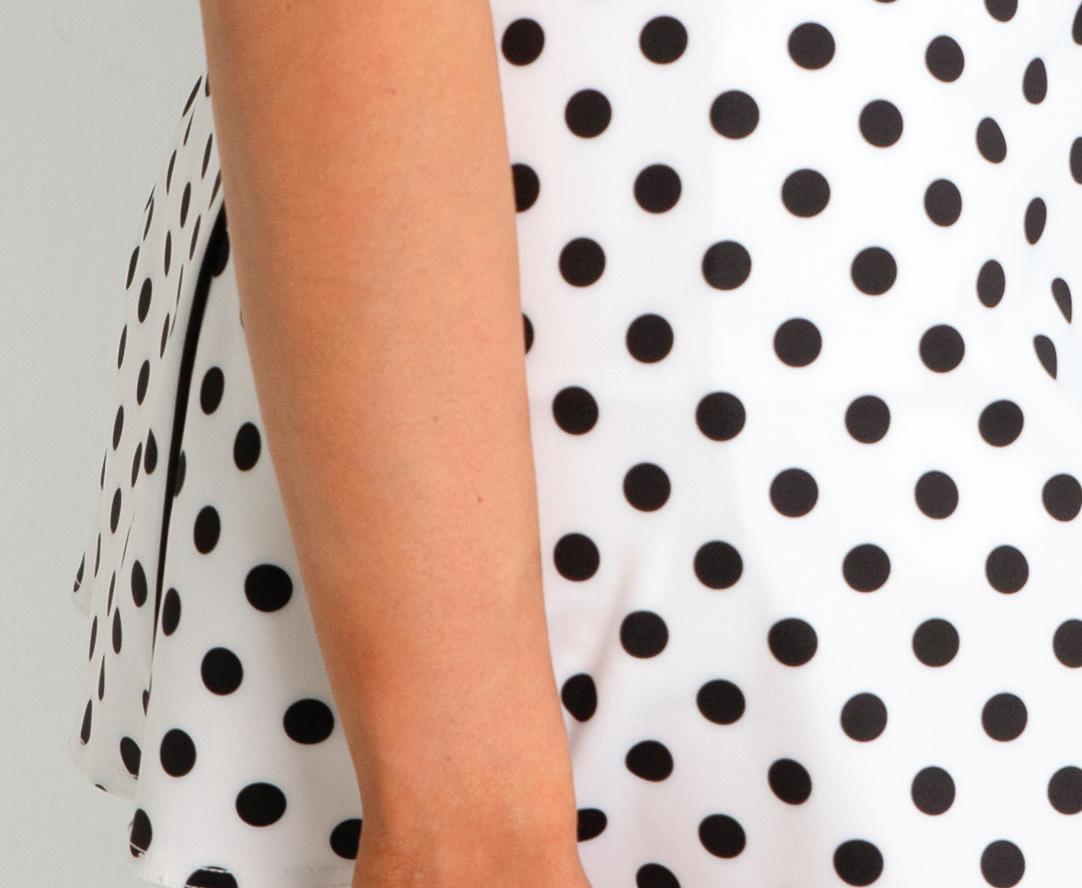
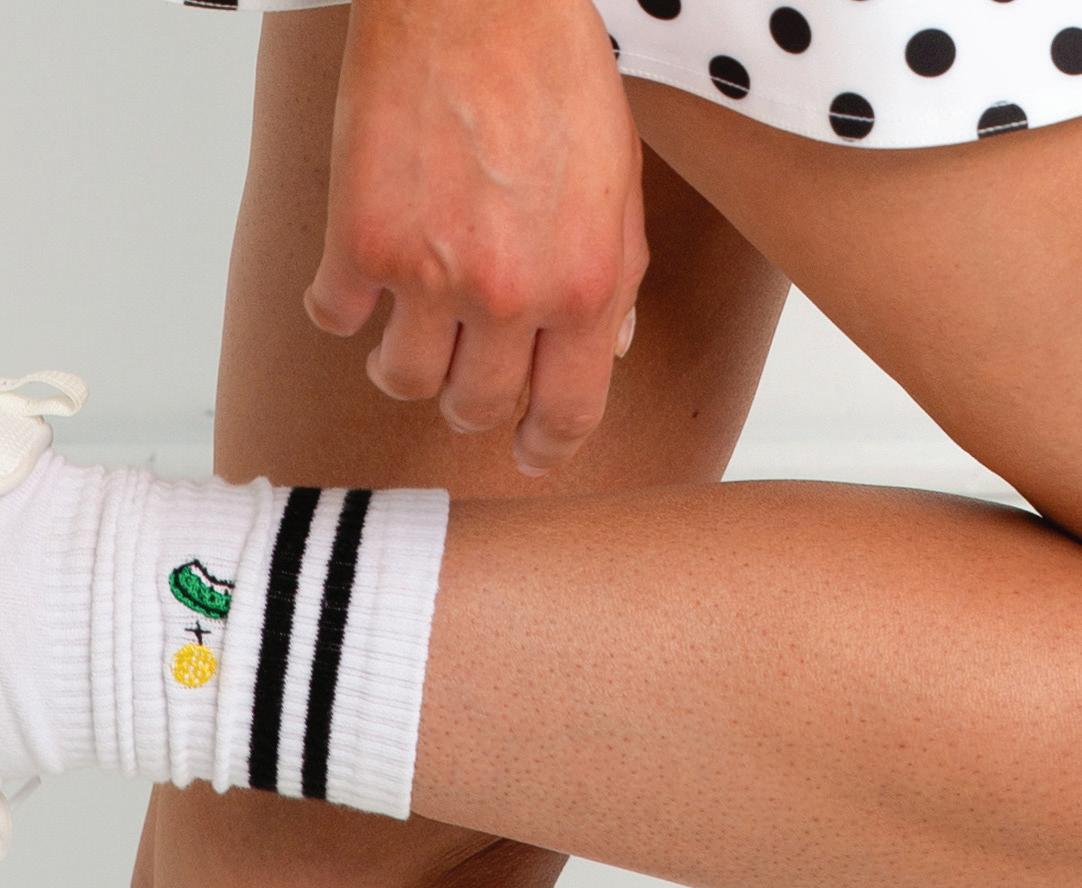




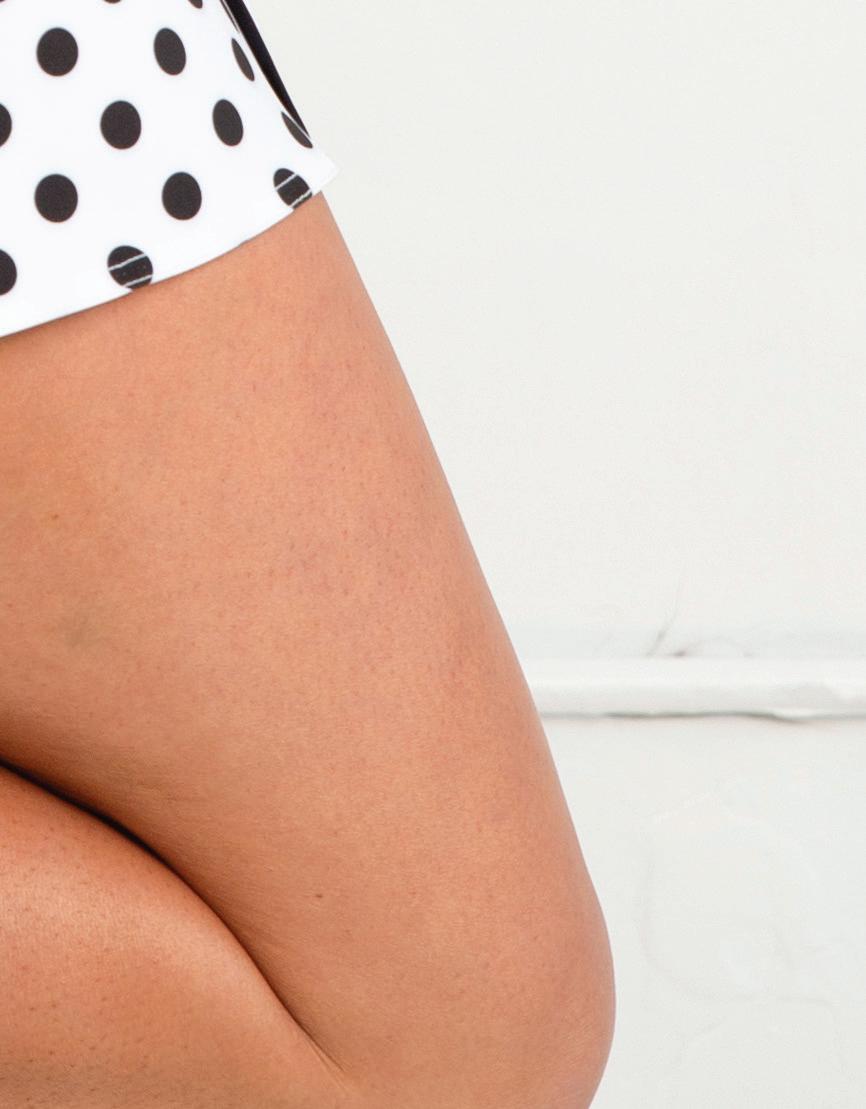

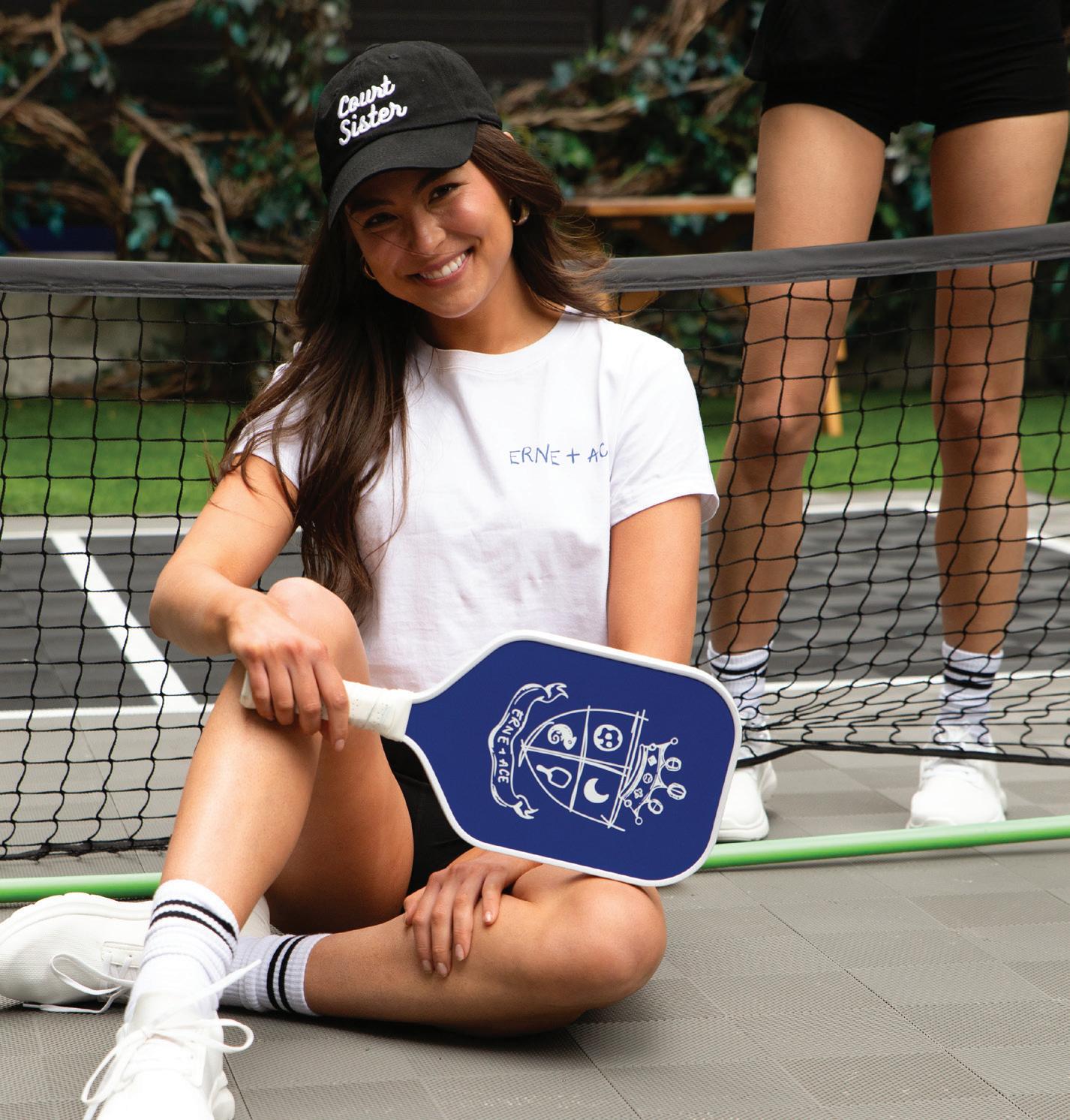





Key silhouettes include the polka dot skater dress, a sporty yet feminine piece designed to transition seamlessly from the court to casual plans. The “Court to Coffee” tee, paired with the E+A logoband bike short, delivers an easy, coordinated uniform that feels both athletic and styled—a modern go-to for days spent on the move.


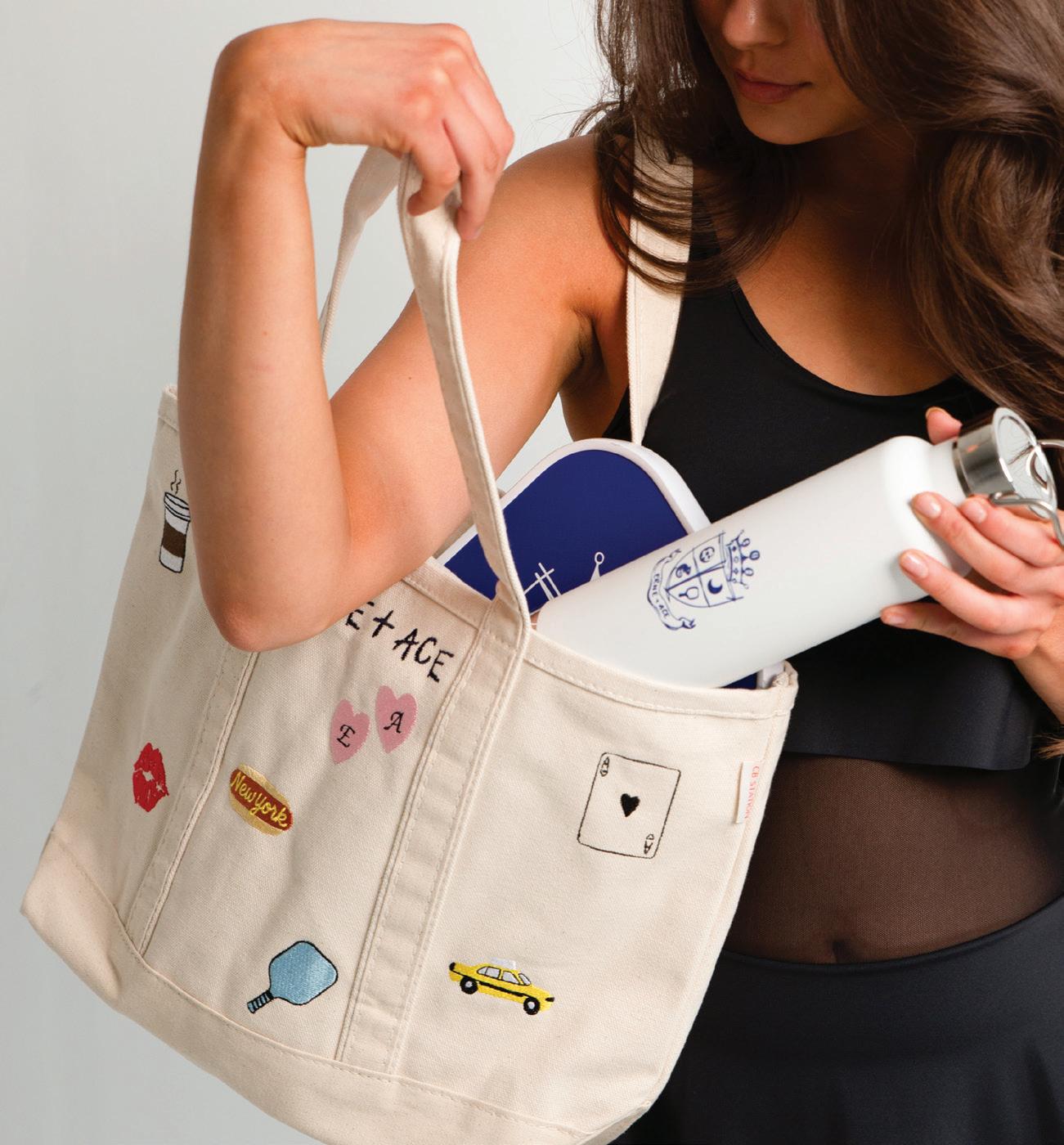
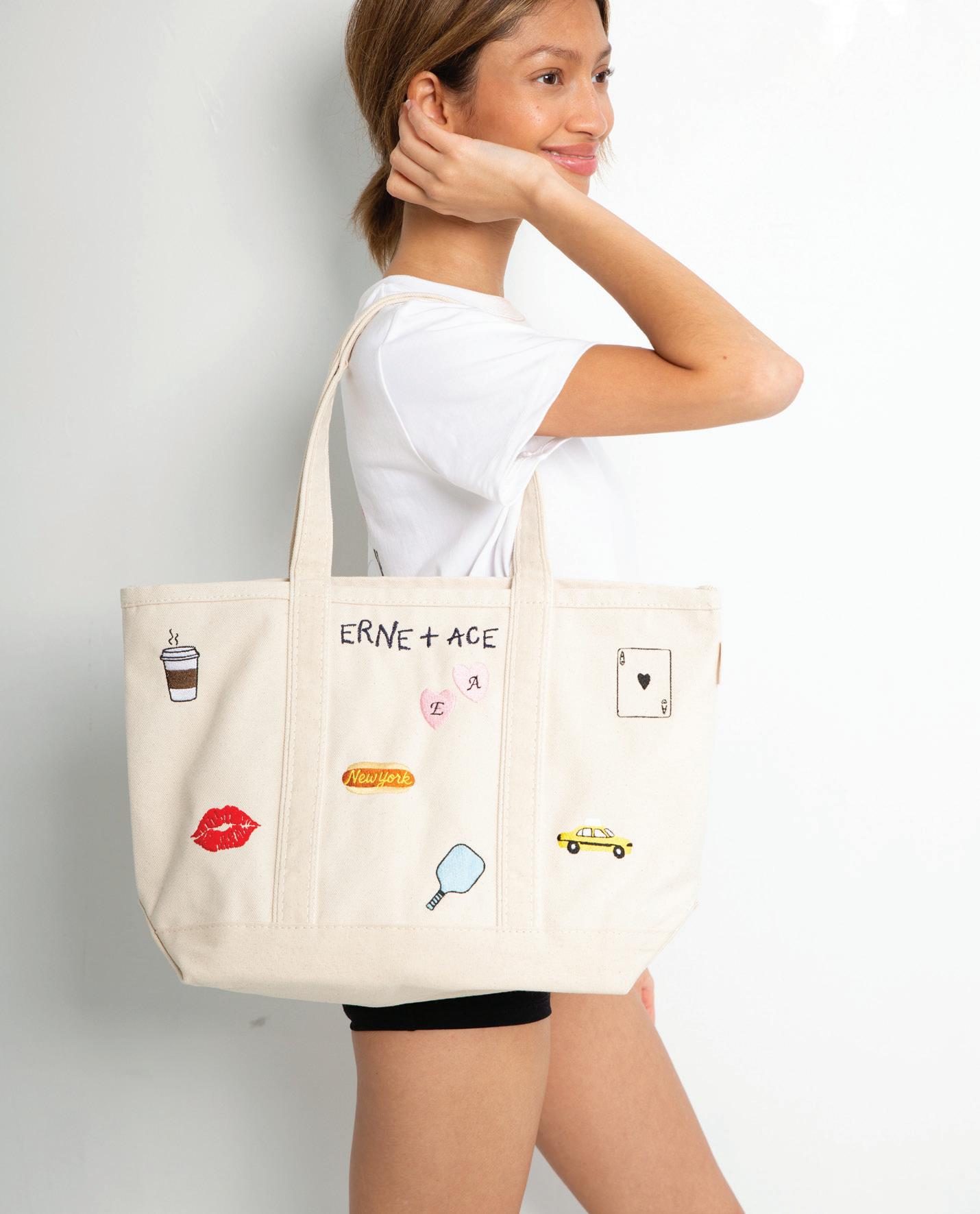
Accessories continue to expand the brand’s lifestyle ecosystem. The E+A embroidered tote and crest bottle are practical, lightweight essentials for long summer days in the city. Designed with function in mind and an eye for detail, they reinforce Erne + Ace’s commitment to building a complete world around how its community actually lives—not just how they dress.


At its core, Spring ’26 reflects Erne + Ace’s identity as a brand rooted in sport yet driven by style, self-expression and fun. Rather than separating performance and fashion, it continues to blur those lines, creating pieces that feel equally at home on the court, in transit or anywhere in between.



As summer unfolds in New York, the collection captures the rhythm of the season: fast-moving, social and outdoors oriented. It reflects a way of dressing that is less about occasion and more about adaptability—pieces that can keep up with the pace of city life while still feeling considered and cool.








With this latest release, Erne + Ace further establishes itself within the growing sport-meetslifestyle space, offering a distinctly NYC take on modern athletic dressing—playful, polished and designed for movement.







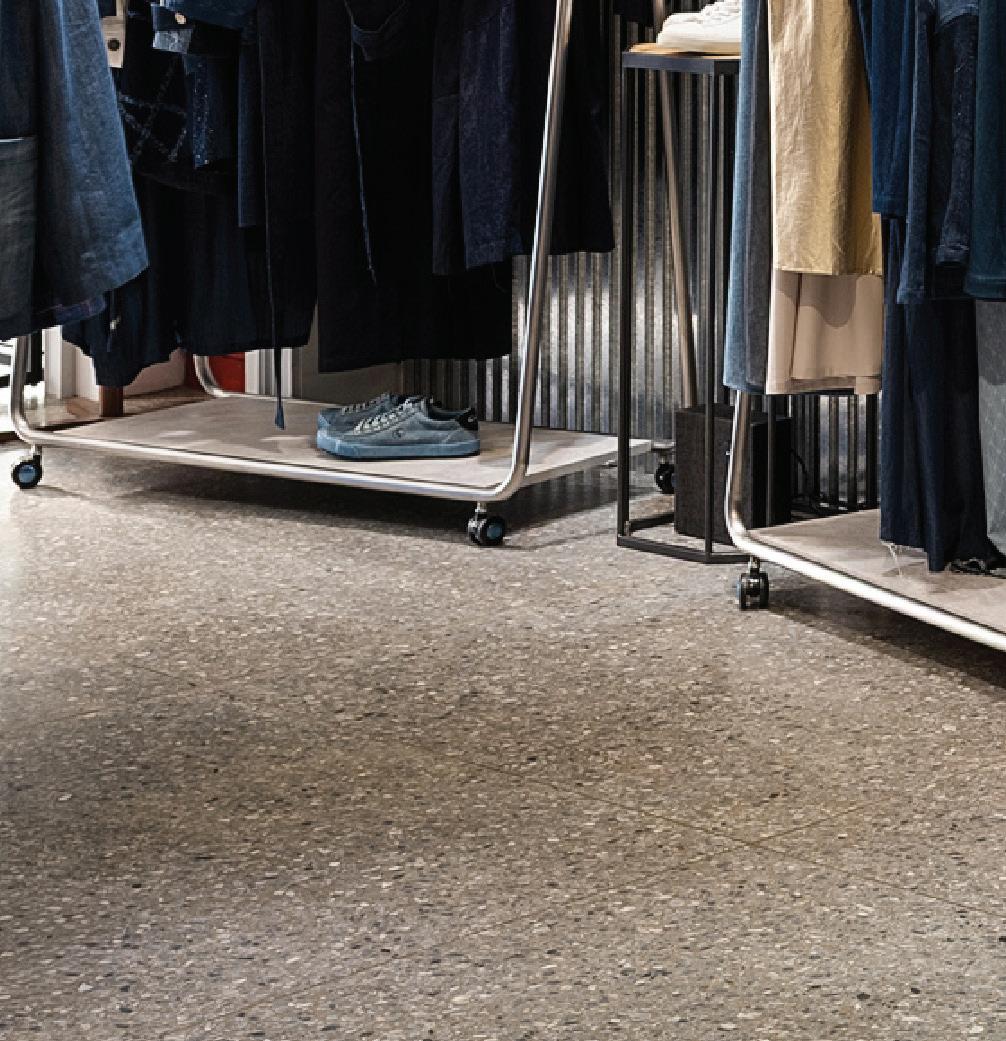
Bringing Taiwan’s Zero-Waste Fashion Revolution to the Global Stage
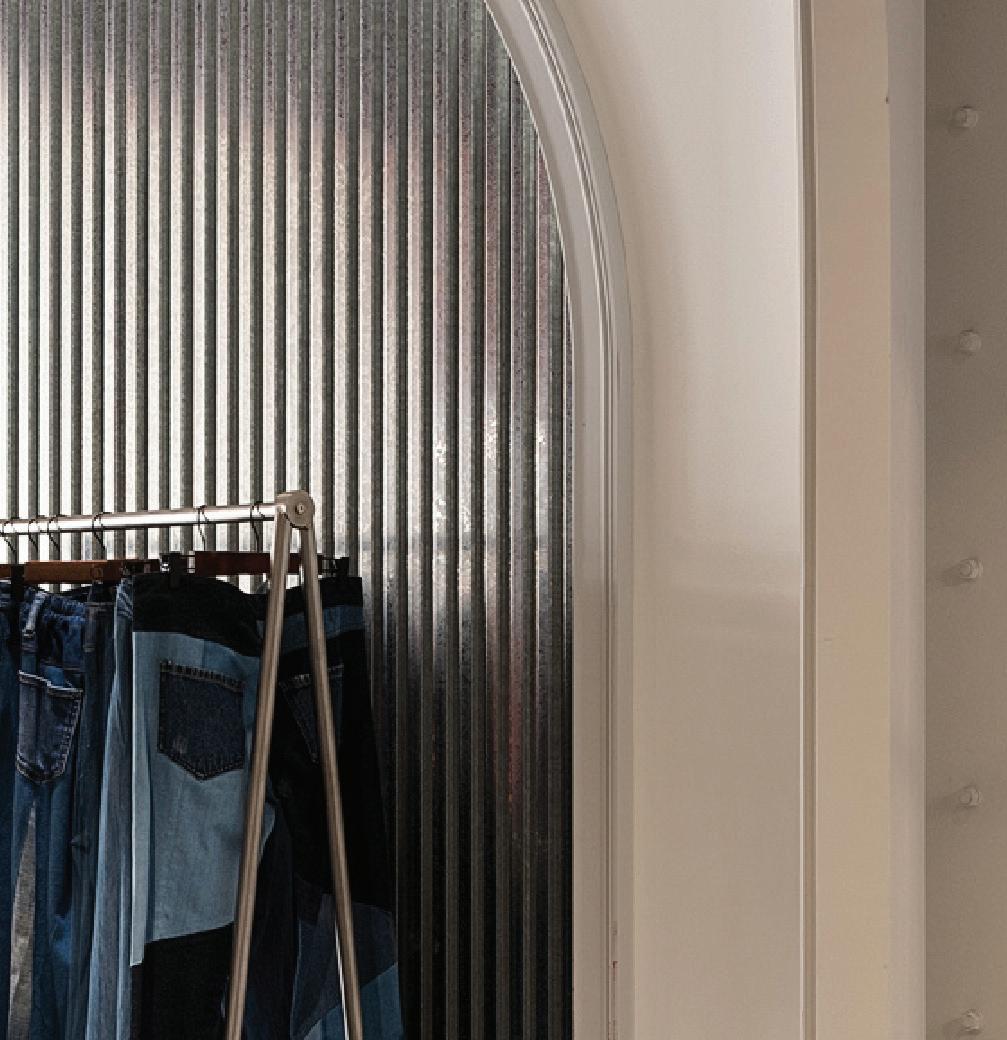
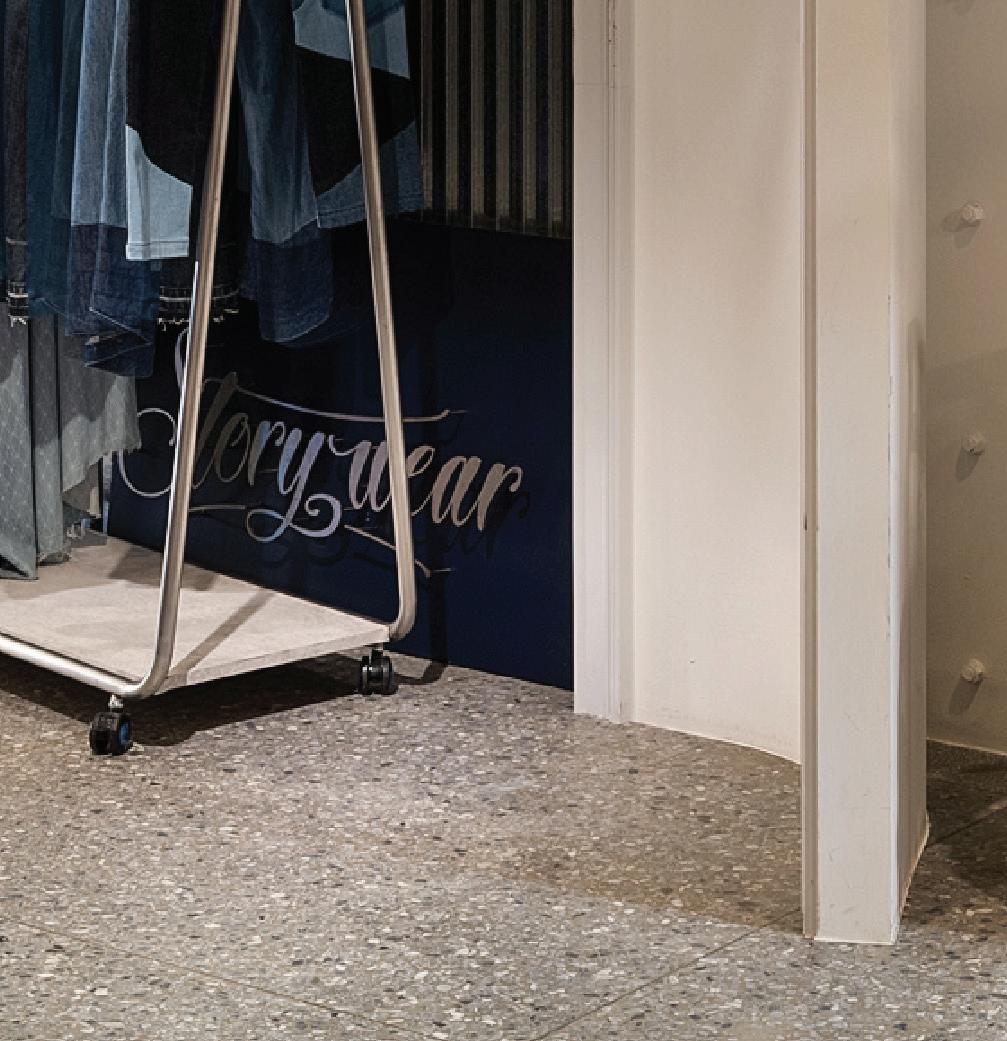


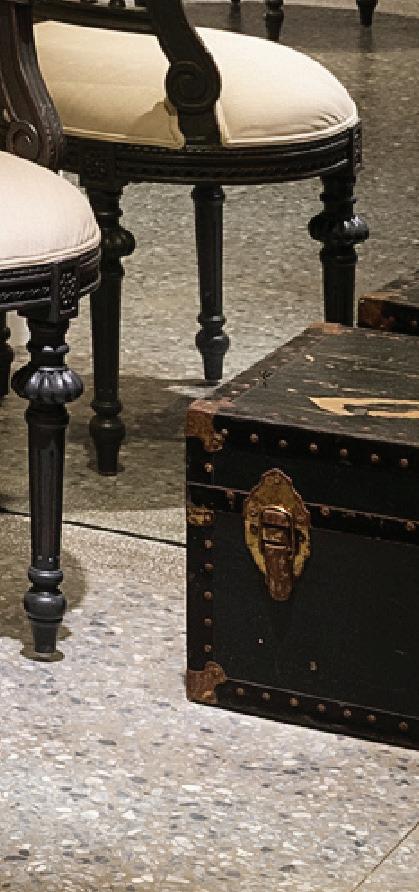
In September 2026, New York Fashion Week will welcome a new voice to its global stage: Taipei-based sustainable fashion label Story Wear. For the first time, the Taiwanese brand will present its collection in New York, marking a significant milestone not only for the company itself but also for Taiwan’s growing presence in the international fashion conversation.
At a moment when sustainability has become both an industry buzzword and a commercial imperative, Story Wear offers something increasingly rare: authenticity. The brand’s commitment to zero-waste production is not a seasonal marketing strategy or a capsule initiative designed to satisfy consumer expectations. It is the foundation upon which the entire company was built.
Founded in Taipei, Story Wear has spent years quietly developing a circular fashion ecosystem rooted in local craftsmanship, social responsibility and Taiwanese cultural storytelling. Every garment produced by the brand is created entirely from upcycled denim, discarded textiles and deadstock fabrics, eliminating the need for virgin materials while simultaneously reducing textile waste. In 2025 alone, Story Wear transformed more than 10,000 pairs of discarded jeans and approximately five tons of deadstock fabric into around 3,000 new garments and accessories.
The scale is impressive, but what distinguishes Story Wear is the deeply human process behind the numbers.
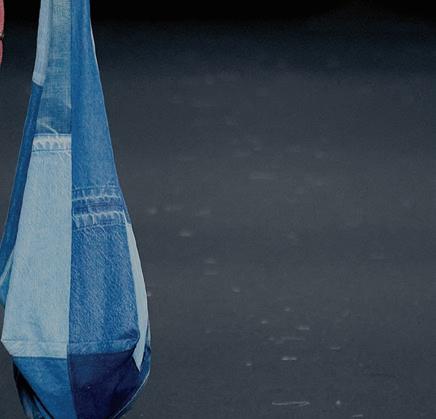
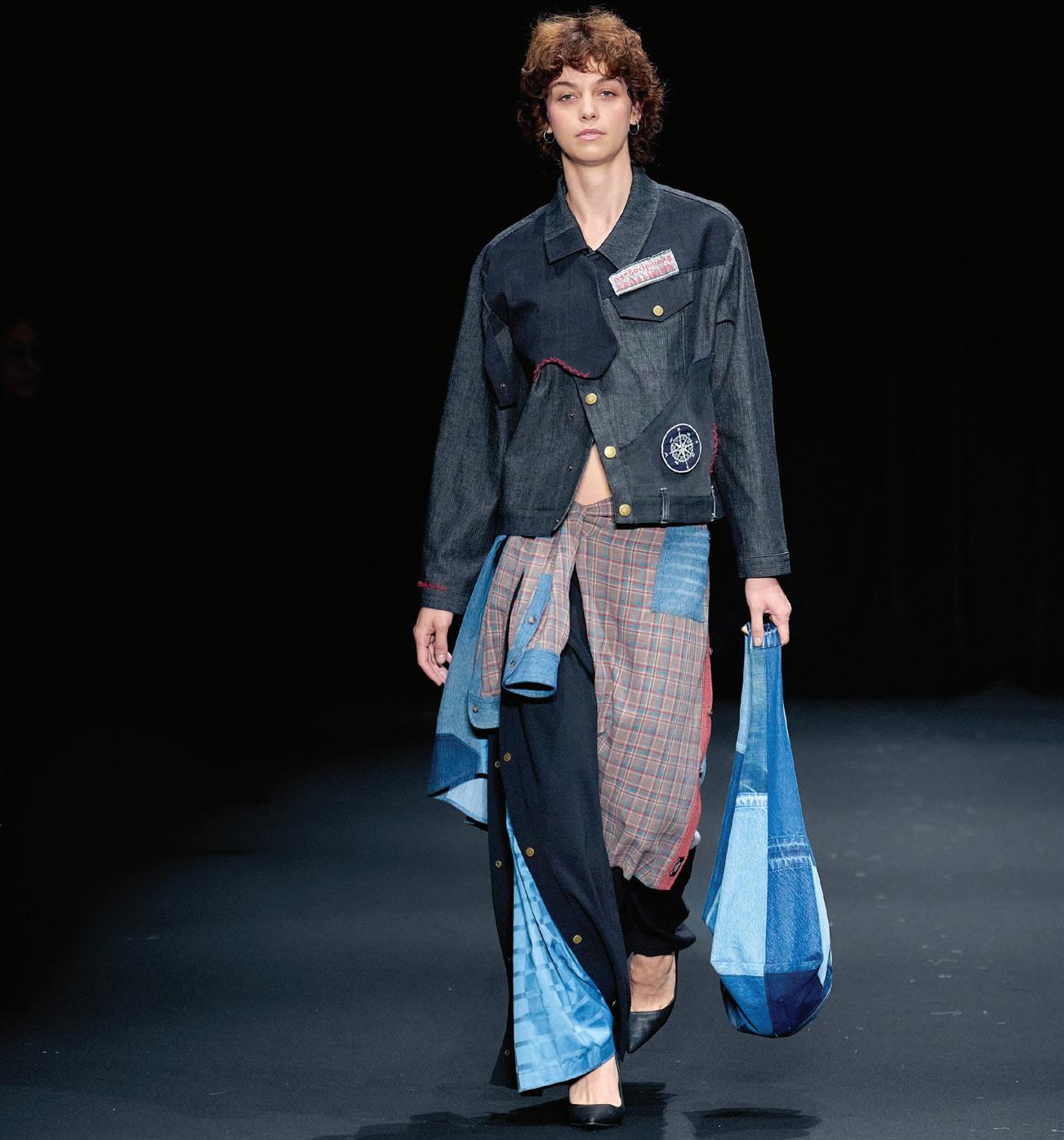
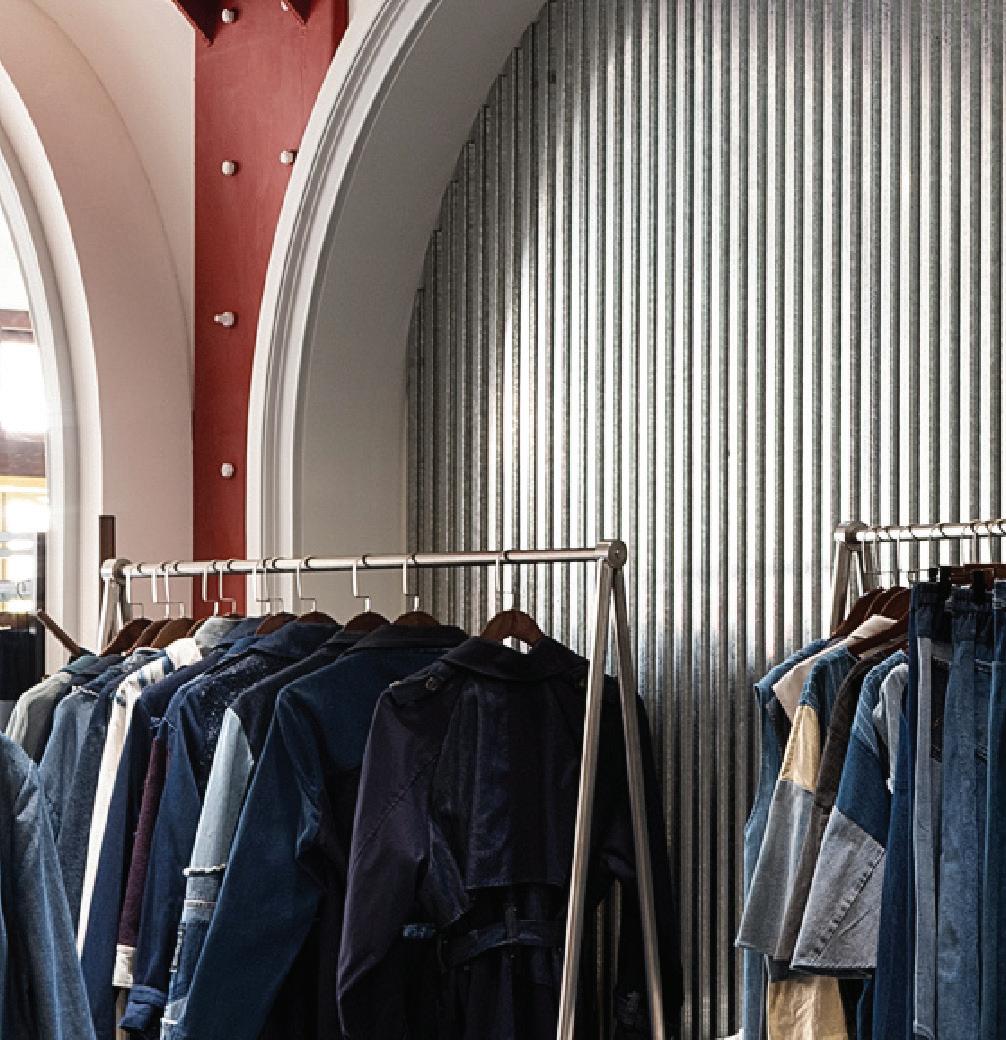
Consumers across Taiwan donate unwanted denim directly to Story Wear’s stores and offices, while local textile mills and garment factories supply surplus fabric that would otherwise end up in landfills. Once collected, every pair of jeans undergoes an intensive preparation process. Garments are washed and sorted by color, weight, size and thickness before being carefully deconstructed into usable panels. The material is then reconstructed through Story Wear’s signature patchwork technique, transforming irregular remnants into garments that feel both contemporary and artisanal.
No two pieces are ever entirely identical. Variations in the original fabrics create subtle differences in texture, wash and composition, giving each garment its own individuality while maintaining consistency through carefully structured design templates. The result is clothing that carries visible traces of its previous life—a tangible reminder of fashion’s material history.
In an era dominated by mass production and algorithm-driven trend cycles, Story Wear’s process intentionally slows fashion down.
The brand’s upcoming New York Fashion Week debut arrives after a period of growing international recognition. Over the past year, Story Wear has expanded its global visibility through presentations at Tokyo Fashion Week and Pitti Uomo, where its collections introduced international audiences to a distinctly Taiwanese interpretation of sustainable design. The brand’s Spring/Summer 2026 collection, “TWMultiverse,” presented at Rakuten Fashion Week Tokyo, explored themes of duality—nature and city, past and future, reality and dream—through garments crafted entirely from recycled denim and deadstock textiles.
Yet Story Wear’s vision extends far beyond aesthetics.
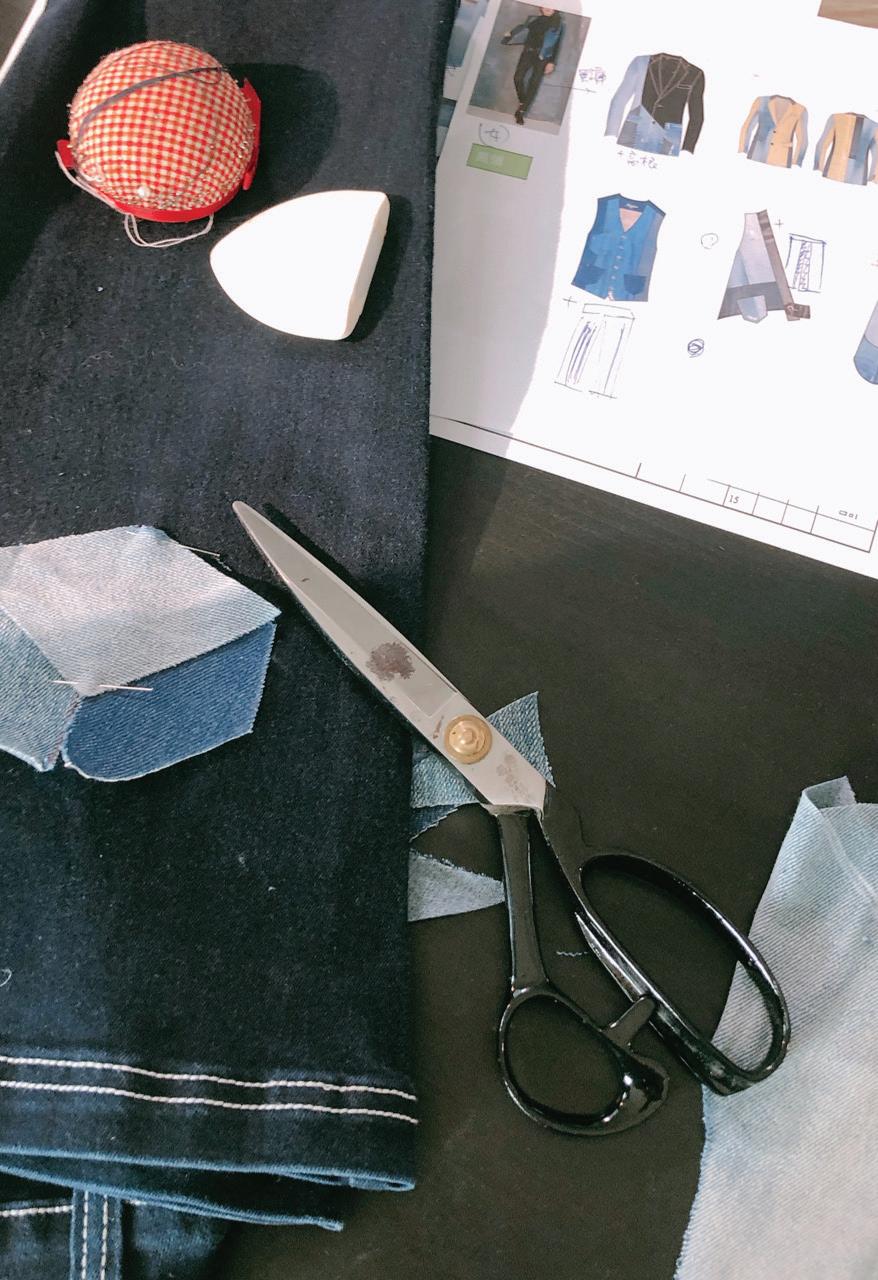
The company operates as a social enterprise with a production model centered on community empowerment. Since its founding, Story Wear has partnered with women reentering the workforce, mothers of children with cerebral palsy, ex-offenders, and local seamstresses and tailors, creating ethical employment opportunities within Taiwan’s garment industry.
One of the brand’s most impactful initiatives is a purpose-built workshop designed specifically for mothers caring for children with cerebral palsy. The space allows women to work in a safe and flexible environment while developing specialized sewing and production skills that can provide long-term economic independence. In many ways, Story Wear’s social infrastructure is as important as the garments themselves.
This emphasis on people rather than scale positions the brand in sharp contrast to much of the contemporary fashion system. While many sustainability-focused labels concentrate primarily on material innovation or carbon reduction metrics, Story Wear approaches sustainability holistically, combining environmental responsibility with labor ethics, local manufacturing and cultural preservation.
The company has also become increasingly influential through its educational and collaborative initiatives. Story Wear regularly partners with major corporations and organizations to transform industrial waste into new products. Previous collaborations have included repurposing retired Ikea uniforms into retail items,
reconstructing Levi’s denim into backpacks and experimenting with yarns made from recycled plastic bottles in partnership with 7-Eleven.
These projects reflect the brand’s belief that sustainability must operate across industries rather than within isolated fashion systems.
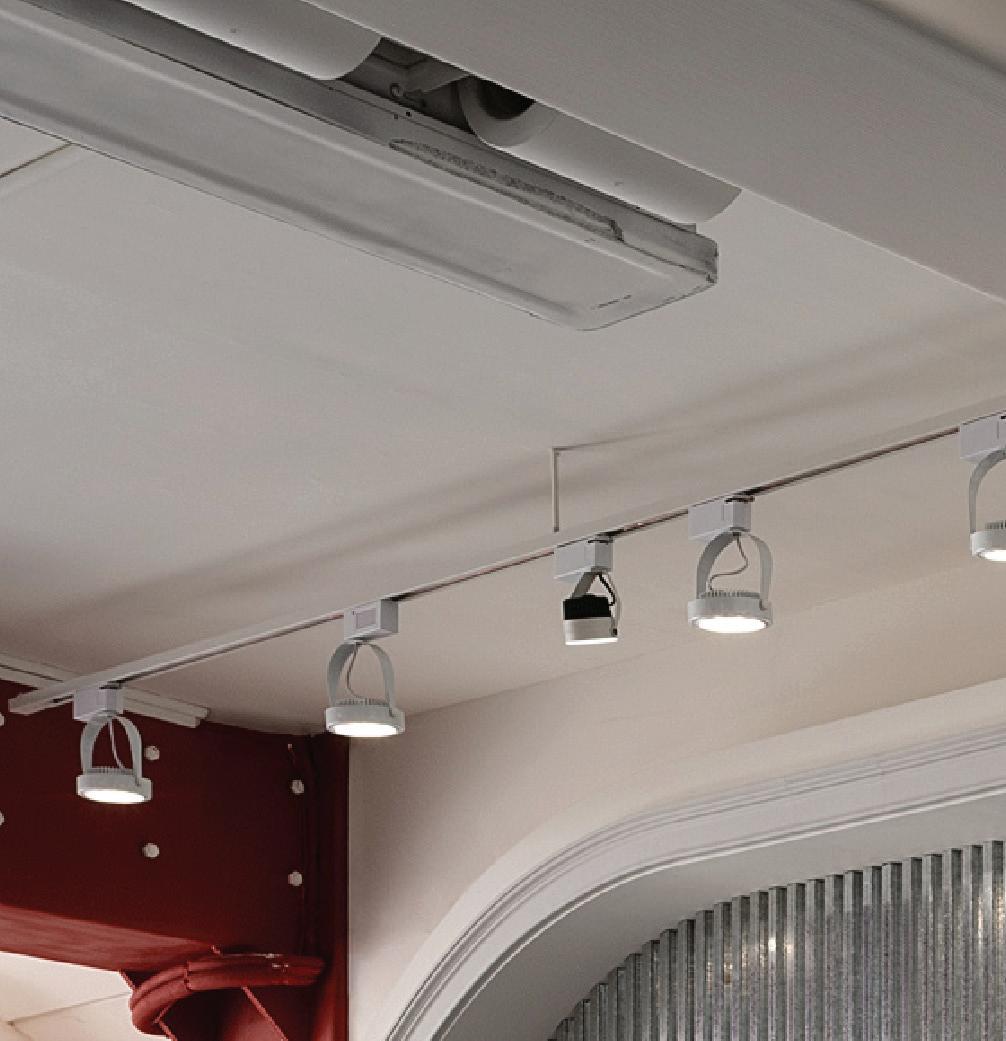
That philosophy culminated in the 2024 opening of House of Story Wear, Taiwan’s first multibrand concept space dedicated entirely to sustainable fashion, lifestyle, food and design. Located in Taipei’s historic Dadaocheng district, the store occupies a restored heritage building that functions simultaneously as a flagship boutique, exhibition venue and community hub. More than 40 brands are represented within the space, with approximately 70% originating from Taiwan.
The location itself is significant. Dadaocheng remains one of Taipei’s most historically layered neighborhoods—a district where generations of trade, migration, religion and craftsmanship have intersected for centuries. Story Wear’s presence there reflects the company’s broader mission: connecting sustainability with cultural memory.
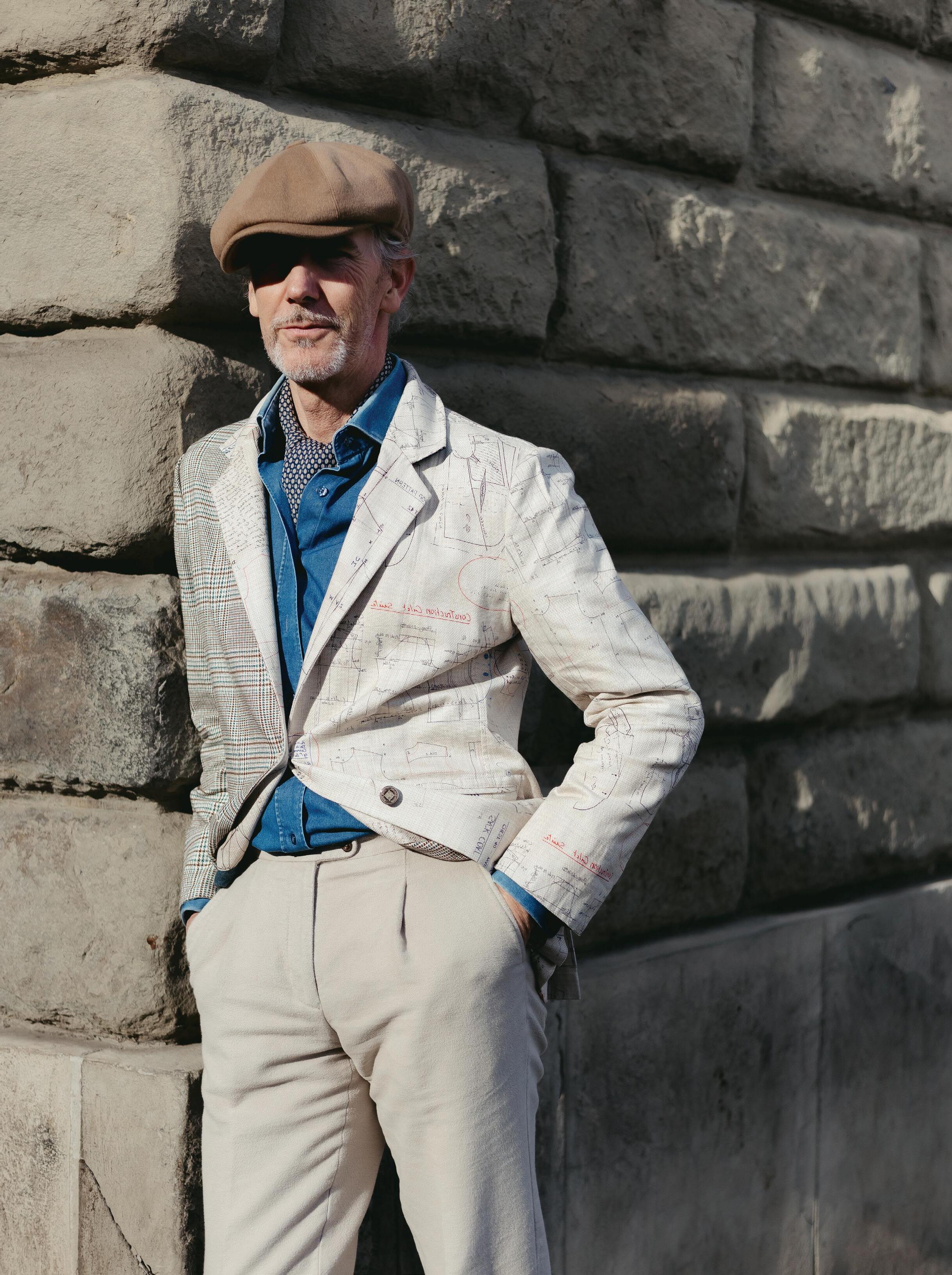
This relationship between fashion and Taiwanese identity has become increasingly central to the brand’s creative direction. Story Wear’s recent “Story of Taiwan” series integrates Indigenous art, temple iconography, traditional market culture and local narratives into contemporary upcycled garments. Rather than treating sustainability as purely technical or minimalist, the collections embrace emotional storytelling and historical specificity.
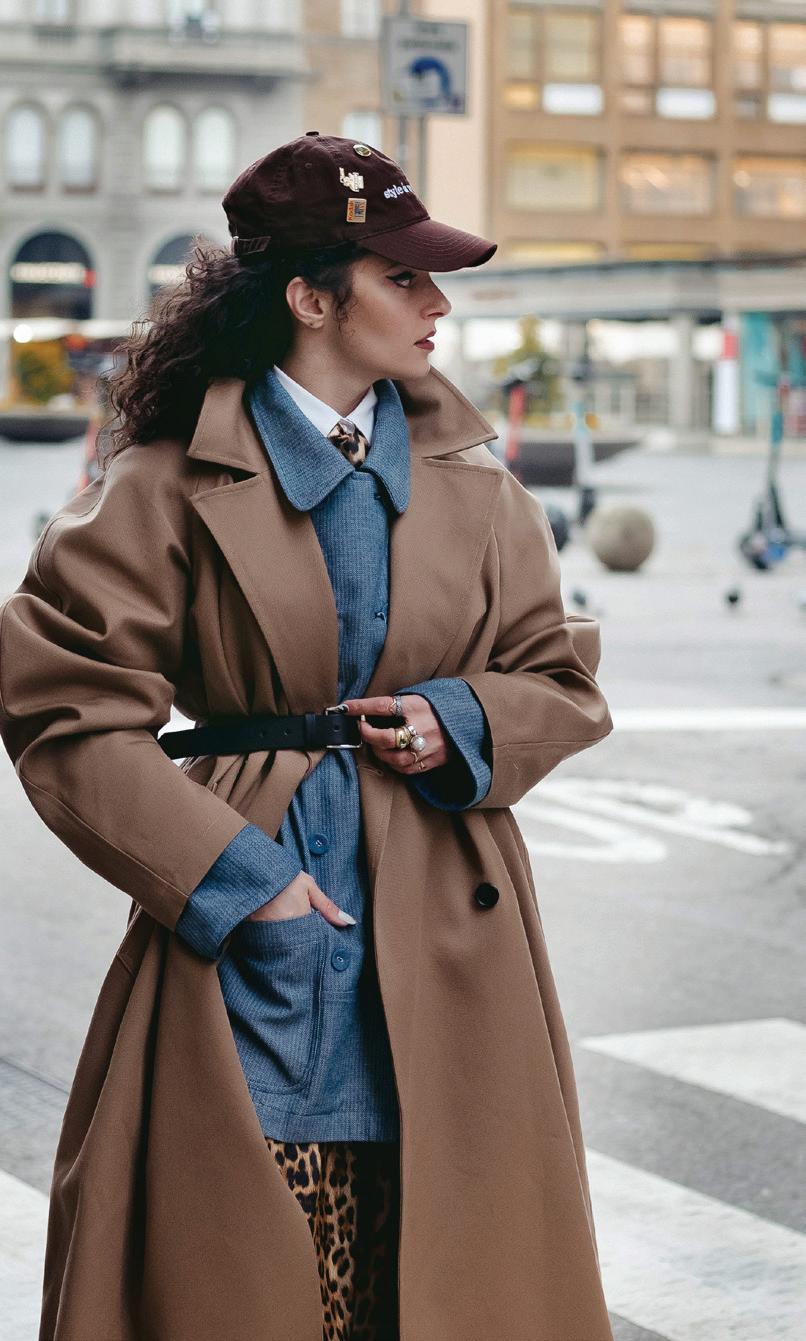
The presentation served as both homage and statement—a reminder that sustainability is inseparable from place, community and memory.
Now, Story Wear brings that perspective to New York at a particularly important moment for the global fashion industry. Fashion Week conversations are increasingly dominated by questions surrounding overproduction, waste, labor exploitation and the environmental cost of consumption. Despite this widespread sustainability rhetoric, truly circular brands remain relatively rare at the luxury and contemporary level.
Story Wear enters this landscape with a fundamentally different proposition: fashion not as extraction but as regeneration.
Importantly, the label also challenges long-standing assumptions about Taiwan’s role within fashion. For decades, Taiwan has been internationally recognized as a manufacturing powerhouse—producing textiles and technical fabrics for global luxury and sportswear brands—while receiving comparatively little recognition for its own creative identity. Story Wear reframes Taiwan not simply as a site of production but as a source of design innovation, cultural storytelling and sustainable leadership.
Its New York debut, therefore, represents more than another emerging designer showcase. It marks the arrival of a new model for fashion itself: one rooted in circularity, local collaboration and cultural specificity rather than endless expansion.
That vision reached a new level during the brand’s November 2025 Taipei runway presentation, staged directly on Dihua Street in a traditional market setting. The show transformed an everyday urban environment into a living celebration of Taiwanese heritage, closing off sections of the historic street to create an immersive runway experience that blurred the boundaries between fashion show, cultural performance and public gathering.
As luxury consumers increasingly seek meaning alongside craftsmanship, Story Wear’s approach feels remarkably timely. The garments do not simply communicate sustainability through statistics or certifications; they embody lived histories. Every patchwork seam, every reconstructed denim panel and every visible trace of prior use contribute to a larger narrative about memory, labor and transformation.
In many ways, Story Wear’s greatest achievement lies in its ability to make sustainability feel emotional rather than instructional.
At New York Fashion Week this September, the brand will introduce international audiences to its distinctive visual language of reconstructed denim and handcrafted patchwork. But more significantly, Story Wear will offer a vision of fashion in which waste becomes a resource, craftsmanship becomes a community and clothing becomes a vehicle for cultural preservation.
For an industry searching for new directions, that story may prove far more powerful than trend alone.




















In 2017, brothers Omar and Zane Sabré launched Maison de Sabré with no fashion pedigree or investors and no intention of following the traditional luxury playbook.
Starting with a single full-grain leather phone case, the brand has since grown into a globally recognized luxury house, stocked in Paris, New York and Tokyo and carried by Meryl Streep, Oprah Winfrey and Katy Perry.
The story of how that happened is not a conventional one, and that is rather the point.
Omar Sabré, co-founder and creative director, trained as a dentist before turning to design. His brother Zane runs everything behind the scenes—operations, finance, logistics.
“To put it simply, I create everything you see externally, and Zane crafts everything internally,” Omar explained. “Our combination means we can dream ambitiously while still delivering on time and at scale. Every major decision is a conversation between imagination and logic—and that balance is what keeps Maison de Sabré evolving.”

Built outside the traditional luxury template—no heritage or investor road map, and no definition of the impossible—that freedom has become one of the house’s clearest advantages.
Today, Maison de Sabré operates across handbags, small leather goods and travel items, alongside its Sabrémoji charm platform—collectible microaccessories distributed across more than 80 countries.
Collaborations with Pokémon, Hello Kitty, and Mr. Men and Little Miss have driven global sellouts without paid media, with drops generating waitlists of more than 20,000 customers. The brand remains privately owned and founder led, and that independence is foundational to how it works.
Every piece of leather used by Maison de Sabré is full-grain European hide, sourced from Leather Working Group Gold-rated tanneries in the Netherlands and Germany, and processed using DriTan technology—a waterless method that eliminates sludge discharge and saves up to 20 liters of freshwater per hide, equating to 25 million liters annually.
The offcuts from handbag production became the starting point for the Sabrémoji platform. Rather than discarding what remains, the brand recaptures it, transforming residual leather into handcrafted charms using marquetry techniques at a miniature scale. In turn, Maison de Sabré has diverted more than 40,000 square feet of leather from landfills.
Each Maison de Sabré product takes between 12 and 18 months from sketch to finished piece, with most of that time spent in research, development and real-world testing.


Products are conceived as systems rather than standalone pieces, with each element designed to work with the next, extending the life of what a customer already owns.
“Everything we craft is designed for how people live today,” Omar noted, “with the same exceptional level of care you’d expect from a heritage house, but with the mindset of what comes next.”
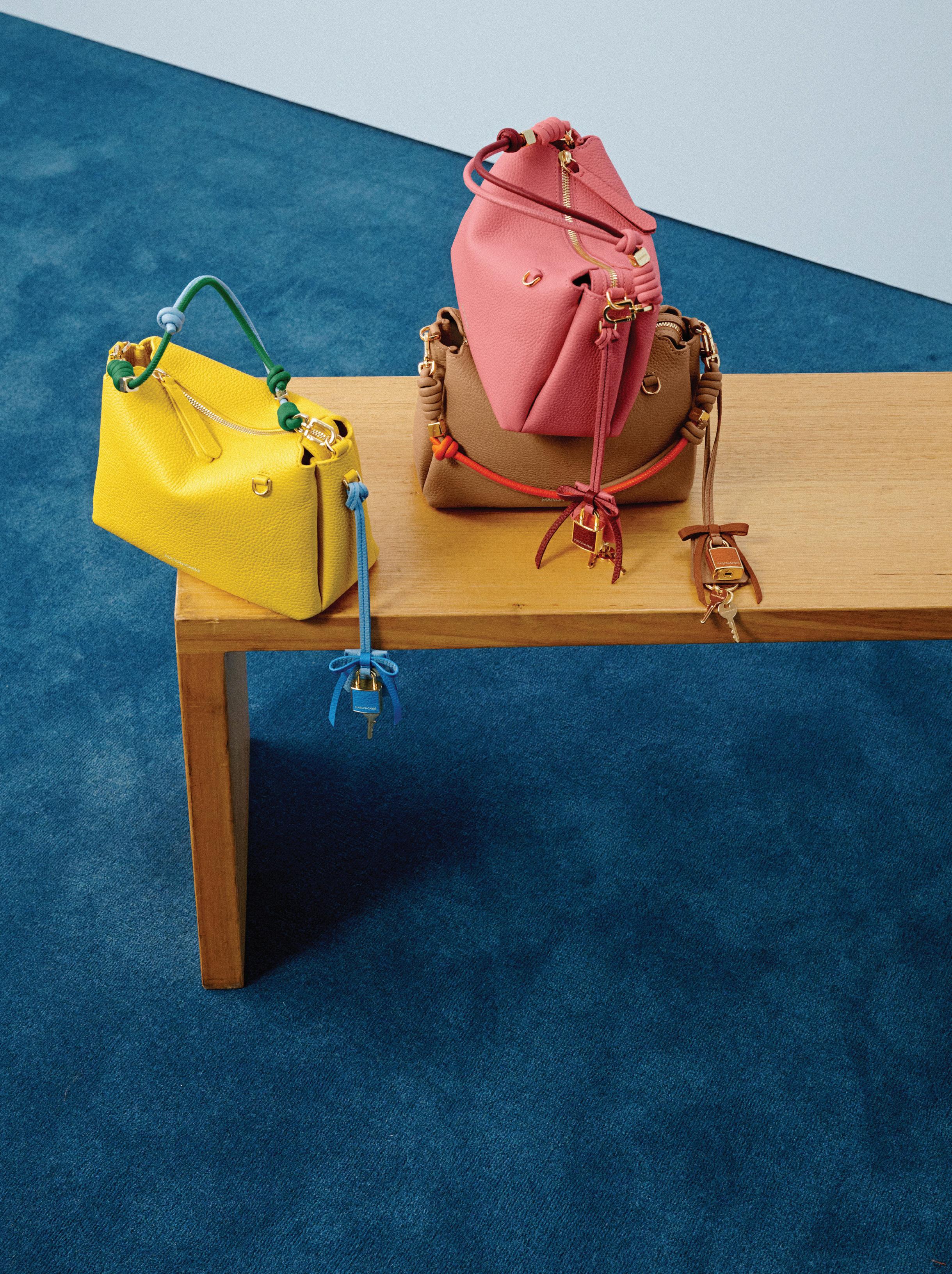
This dedication to craft and innovation is showcased in the brand’s most recent release, the Trio collection, launched in May 2026. At its center is the Soft Trio—a softly structured crossbody built from a single piece of full-grain European leather, folded into three distinct panels using a stitch-free trifold construction and secured by a full-length brass zipper in high-polish gold.

Paired with the utility strap, the twist handle—a handtied upcycled leather handle that functions as a sculptural charm—and the limited-edition bow padlock charm, the pieces together unlock over 720 possible styling combinations.

“The Trio collection is designed as a system of infinite possibilities,” Omar said. “It’s crafted to adapt, to transform and to carry with purpose—creating a new approach to longevity through design. Of course, our playfully optimistic world of color was central to this new language.”
The twist handle and bow padlock charm are made from upcycled leather offcuts, keeping the circular logic present in the house’s newest chapter.






WELLS FARGO CAPITAL FINANCE FACTORING
ASSET-BASED FINANCING
ACCOUNTS RECEIVABLE MANAGEMENT
ACQUISITION FINANCING
INVENTORY FINANCING
IMPORT AND EXPORT FINANCING
LETTERS OF CREDIT

In an industry that endlessly strives for the next big thing, having the flexibility to adapt at a moment’s notice is key to success. With Wells Fargo, you get the strength and stability you need, along with the nimbleness you want. Our flexible financing may support your growth, and our proven track record in factoring and receivables management helps make sure you’re ready for whatever’s next.
Tap into our knowledge, experience, and broad o ering of products so that your business’ success never goes out of style. Learn more at wellsfargocapitalfinance.com/apparel.
Peter Pugliese
Senior Vice President, Regional Sales Manager 212-703-3551
peter.pugliese@wellsfargo.com

Dallas Apparel & Accessories Market
JUNE 16 - 19, 2026 | AUGUST 18 - 21, 2026 | OCTOBER 20 - 23, 2026
AETA International Trade Show
AUGUST 18 - 21, 2026

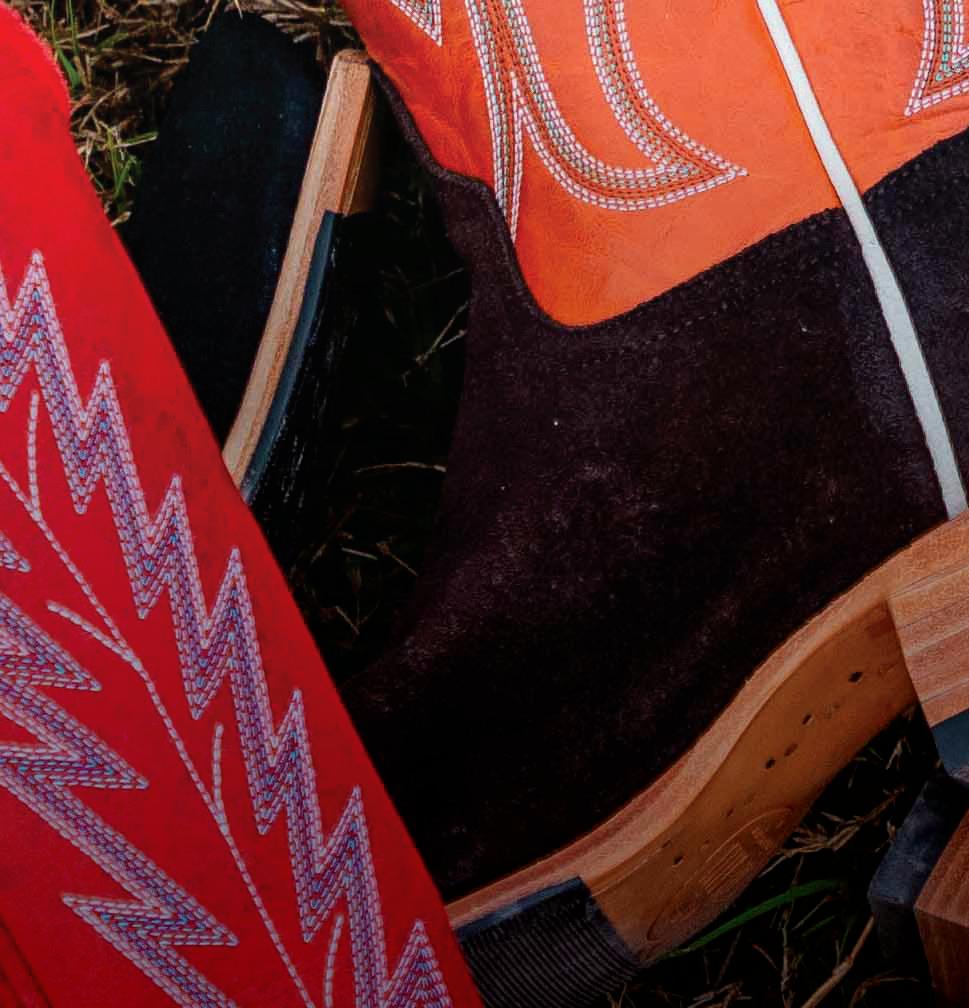

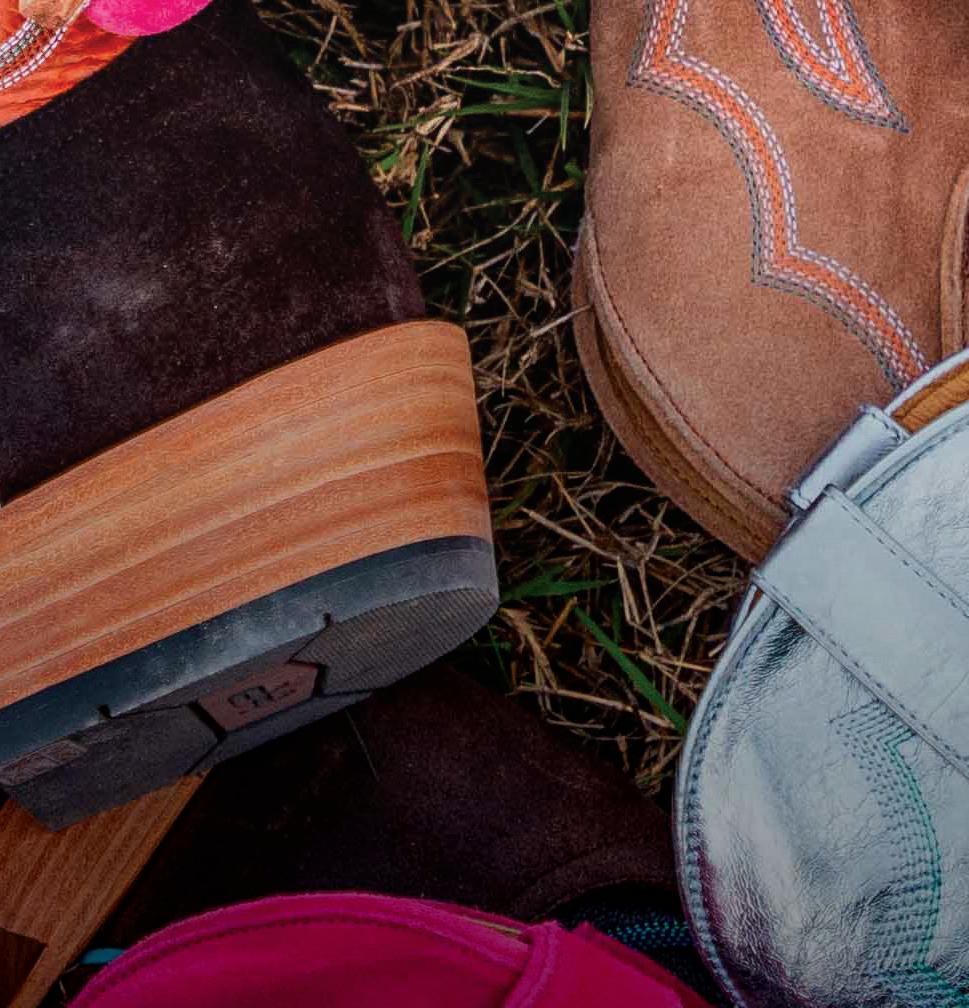
WESA’s International Western/English Apparel & Equipment Market
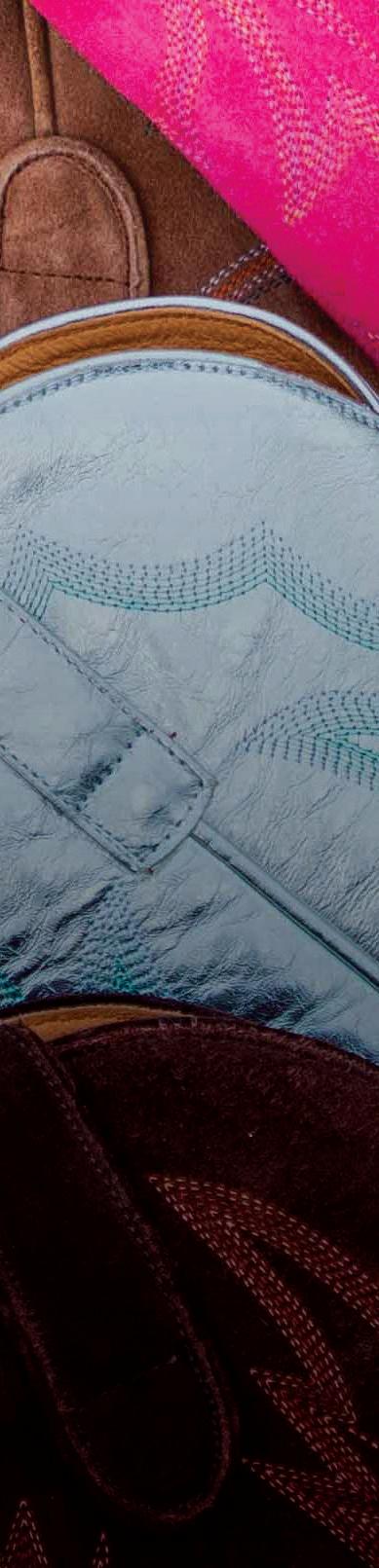
AUGUST 18 - 21, 2026


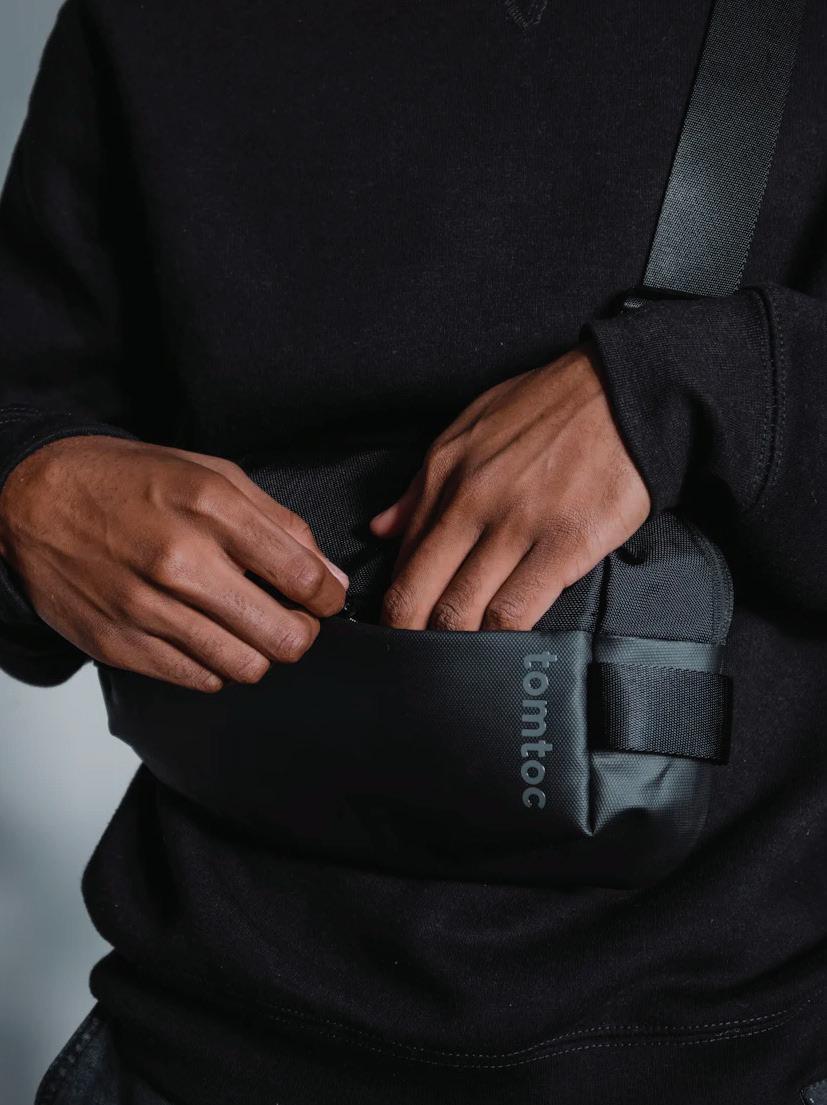
Bringing you the latest breakthroughs in software, I.T. and fashion technology. From creative solutions to insights from experts, we are the source for all things fashion tech.
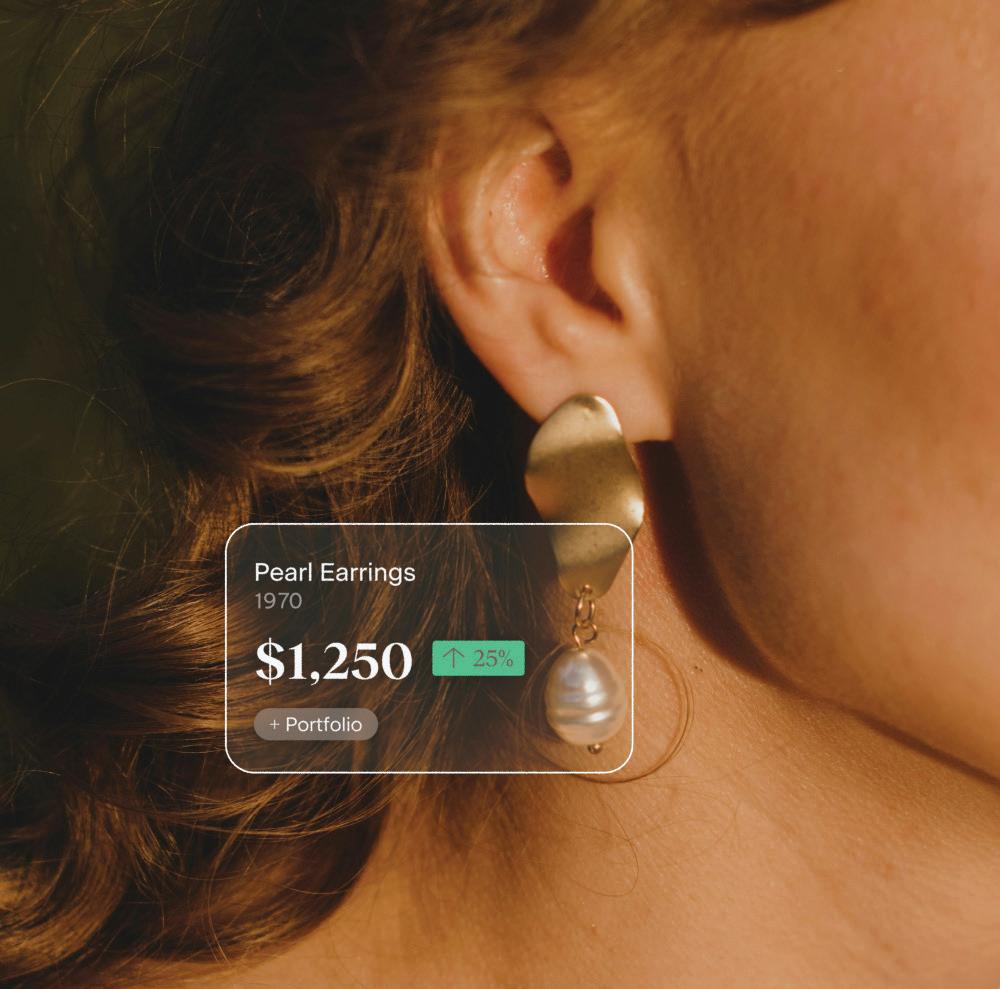

By Merilee Kern, MBA
The jewelry industry is undergoing a structural shift driven by transparency, data and changing consumer expectations. Unvault, a fintech platform designed to ease and expedite the appraisal and sale of gold jewelry as readily monetizable assets, is positioning itself at the center of this transformation. By building infrastructure that redefines jewelry as a trackable, liquid asset class, Unvault closes the longstanding gap between emotional ownership and measurable financial value.
Historically, the jewelry resale market has been characterized by fragmentation, inconsistent pricing and limited trust. Retail markups can reach up to five times intrinsic value, creating a disconnect between purchase price and resale reality. At the same time, downstream liquidity remains relationship driven, leaving consumers uncertain about fair value.
Unvault addresses these inefficiencies by standardizing valuation, authentication and pricing logic. Its platform leverages AI-driven analysis combined with human review to produce data-backed estimates based on material composition and current market conditions. This hybrid model creates a foundation for consistency and scalability.
From a business perspective, jewelry represents one of the largest underdigitized asset categories. Billions of dollars in household value remain untracked and underutilized. By introducing portfolio tracking and real-time valuation, Unvault brings jewelry into alignment with other asset classes, such as equities, real estate and collectibles.
The company’s approach also aligns with broader macrotrends. The ongoing wealth transfer between generations is prompting reassessment of inherited assets. At the same time, the rise of lab-grown diamonds is reshaping perceptions of value and accelerating demand for transparency in pricing and materials.
Unvault’s platform captures these shifts by offering a comprehensive system that moves beyond resale marketplaces. It provides infrastructure that supports valuation, tracking and eventual liquidity. This distinction is critical for industry stakeholders evaluating long-term opportunities.
Operationally, the platform integrates computer vision, database matching and live market data to generate valuations within seconds. Items are compared against a database of authenticated pieces, with assumptions applied where necessary. Final values are confirmed through physical authentication, ensuring accuracy and trust.
The company’s traction underscores its market potential. With tens of thousands of valuations completed and significant asset value tracked, Unvault demonstrates both consumer demand and operational feasibility. Its leadership team, with backgrounds in finance, technology and product development, further strengthens its positioning.
For the fashion and jewelry industry, Unvault represents a shift toward infrastructure-driven value creation. Brands, retailers and investors must consider how transparency and
data will influence consumer behavior and pricing dynamics.
As the industry evolves, the ability to quantify and communicate value will become increasingly important. Unvault’s model offers a blueprint for how this can be achieved at scale. By transforming jewelry from a static possession into an active financial asset, it opens new pathways for engagement, monetization and trust.
This is not simply a technological upgrade; it is a redefinition of how jewelry is understood within the broader economic landscape, and it signals a future where visibility, standardization and liquidity are central to the category’s growth.

After reinventing the traditional high heel with its original sneaker-heel hybrid, Sneex is stepping into summer with its first sandal—the Charlie—the newest addition to the Sneex Hy-Heel collection.
Powered by Sneex Innerplay, the brand’s proprietary, patent-pending technology, the Charlie sandal brings performance-sneaker innovation to the high-heel sandal.
Named after founder Sara Blakely’s son, Charlie, the sandal channels a playful spirit: daring, dynamic and always in motion. It brings Sneex’s hybrid heel innovation into a bold, open-toe design, blending the lift and elegance of a stiletto with the bounce and responsiveness of a performance sneaker. From the outside, the Charlie is sleek, sculptural and effortless. On the inside, it’s engineered to be unlike anything else in its category.
Sneex Innerplay reimagines the traditional high-heel sandal through layers of supercritical foam and a responsive support system designed to reduce pressure on the ball of the foot, absorb impact, and minimize foot and leg fatigue. It delivers stability and cushion without compromising the silhouette, while a fully adjustable triple-strap design creates a more tailored, personalized fit. The result is a strappy sandal with unexpected support and all-day ease.
“This sandal is the shoe version of telling your inner 8-year-old, ‘Go play!’” said Blakely. “It speaks to the part of you that still believes anything is possible. Women loved the feeling of Sneex and kept asking for an open-toe version they could wear all summer long. But strappy heels are tricky; every wobble, pressure point and uncomfortable strap is exposed. I wanted to deliver the comfort of a performance sneaker to the high-heel sandal. When you put them on, you just might want to jump, play hopscotch, dance in the street or take the long way home.”
The launch builds on the continued momentum of the Sneex Hy-Heel category, with a growing base of women returning for the same reason: a heel that looks as good as it feels. As demand expands across styles and occasions, the brand continues to meet women where they are—and more importantly—where they’re going.

NikeSkims is expanding its vision of modern sportswear with the release of Studio Stretch, a new collection based on material innovation and designed to adapt to the way women move today. As a foundational piece within the brand’s apparel system, Studio Stretch combines lightness and softness with stretch and discreet support to help women move freely from the gym to the street and beyond.
Studio Stretch was designed to meet the specific demands of gym workouts, such as yoga and Pilates, while offering all-day comfort. The collection balances a soft, lightweight feel with gentle compression and exceptional stretch. This allows the fabric to move naturally with the body and eliminate distractions in every pose, stretch and transition. “NikeSkims represents the best that emerges when performance innovation meets a deep understanding of the female silhouette,” said Amy Montagne, president of Nike. “Studio Stretch combines Nike’s expertise in performance innovation with Skims’ obsession with fit and feel, offering a collection that truly supports women wherever they go and however they move.”
The heart of the collection is an ultrasoft fabric made with Lycra Adaptiv fiber, which enhances stretch, ease of movement and recovery, maintaining its shape wash after wash. The fabric features Dri-Fit technology, helping women stay dry and comfortable, even during the sweatiest moments. Studio Stretch is intentionally less compressive than other NikeSkims collections, offering a lighter, more breathable feel without sacrificing support.
“NikeSkims aims to set a new standard in the industry and offer innovation and style never seen before. Studio Stretch is a clear demonstration of that approach,” said Jens Grede, co-founder and CEO of Skims. “Together with Nike, we are taking our material development even further, ensuring we deliver products of unparalleled quality.”
The Studio Stretch collection will feature 11 body-hugging silhouettes, including bras, tops, shorts and leggings, in addition to an adjustable, scoop-back bodysuit. Minimal seam lines are carefully crafted to create smooth, flattering finishes that reduce fabric bunching and provide support for bodies of all shapes and sizes. NikeSkims designers have considered every detail, from strap placement to waistband shape, ensuring maximum comfort and confidence. These gym essentials look as good as they feel, wherever the day may lead.












Debra Hazel Communications North Las Vegas, Nevada 201-618-5247
This season is full of new apparel and more! Happy summer!
It’s here! Primark has opened its New York City flagship at 150 W. 34th St., spanning four floors of apparel for the whole family, as well as beauty, home and more. New Era, the international sports and lifestyle brand, unveiled its official North American flagship store at 300 Lafayette St., at the corner of Houston and Lafayette streets. The store’s design blends immersive digital elements with heritage-rooted storytelling, creating a dynamic retail experience that guides customers from first impression to final purchase. A 17-foot by 20-foot street-facing digital screen dominates the arrival vestibule and transitions to an in-store screen atop the featured merchandise table, creating a dramatic point of entry where the latest product drops and collaborations will take center stage.
Japanese apparel brand Goldwin also opened a flagship store at 300 Lafayette St. The new 1,815-square-foot space embodies the brand’s dedication to Japanese aesthetics, technical innovation and the inherent beauty of materials. Gen Z fashion brand Edikted has taken the entire retail space in the Scribner Building, at 597 Fifth Ave.
Comfort-driven footwear brand Vivaia is expanding its U.S. retail footprint, opening new stores at
By Debra Hazel
Roosevelt Field Mall in Garden City, New York, and Westfield Garden State Plaza in Paramus, New Jersey. Coach is relocating its New York flagship from 685 Fifth Ave. to 645 Fifth Ave. down the street.
British artisan chocolatier Chococo made its U.S. debut this spring with the opening of two New York City chocolate houses at 1293 Third Ave. and 500 Madison Ave. The brand is celebrated for its directtrade, single-origin chocolate sourced from Ecuador, Colombia and Madagascar, as well as its use of fresh, local and seasonal ingredients. Chococo makes handcrafted chocolates, small-batch gelato, hot chocolate and freshly baked brownies. The New York locations blend a retail destination with a warm, caféstyle experience. Guests can explore curated selection boxes, fresh truffles, single-origin bars and a loose chocolate counter designed for personalized gifting, alongside a rotating seasonal collection featuring signature couvertures.
Intuit TurboTax has signed for approximately 2,500 square feet at the base of One Willoughby Square, bringing expanded financial services access directly to the Downtown Brooklyn community.
Times Square will soon be home to elevated comfort food when Kitchen + Kocktails by Kevin Kelly opens its ninth location at 7 Times Square this summer. The 10,000-square-foot space at the corner of 42nd Street, Broadway and Seventh Avenue—formerly Pink Taco—will be the brand’s largest and most visible location, according to the company. The Park, a 185-acre mixed-use campus in Berkeley Heights, New Jersey, announced that Montclair dining destination Boschetto will open its second location within The District at The Park this fall. Specializing in regional Italian cuisine, Boschetto offers a “fine fast-casual” dining experience, blending modern design with high-quality dishes in a counter-service setting.
Olshan Properties has added two popular retailers to Parkchester in the Bronx. Wonder, a delivery and takeout company that houses cuisines from multiple restaurants at a single location, opened a 4,409-square-foot lease at 1498 Metropolitan Ave. Additionally, BWW Go, a spinoff of Buffalo Wild
Wings, replaces the chain’s traditional restaurant concept with a smaller format focused on takeout and delivery. The new 1,600-square-foot location at 1443 Metropolitan Ave. offers a convenient way to quickly get wings, burgers, wraps and more. Chicken Salad Chick has signed a 25-unit franchise agreement to expand across upstate New York.
RH Outlet has opened at Ikea Drive Plaza, located at 200 Ikea Drive in Paramus. The luxury home furnishings brand, known for its upscale, designdriven collections, relocated from another Paramus location to a new 50,700-square-foot freestanding building at the center. After testing a pop-up at 902 Broadway last year, Canadian furniture brand Cozey will open a permanent U.S. store at 160 Fifth Ave.
Fitness studio Pvolve will open its first Philadelphiaarea fitness studio at the base of 1735 Market St. in Center City. The studio, which will be located along John F. Kennedy Boulevard, will encompass 2,086 square feet and is expected to open in late 2026. Freddy’s Frozen Custard & Steakburgers—the fastcasual restaurant concept known for its steakburgers, shoestring fries and frozen custard treats—opened its first-ever restaurant on a U.S. military base, located within the Fort Lee Army installation commissary in Prince George County, Virginia.
Randy’s Donuts, the Los Angeles-based donut shop known for its iconic giant rooftop donut and handmade classics, announced a new location in the food court at Red Rock Casino, Resort & Spa in Las Vegas. The shop will offer more than 50 varieties of Randy’s signature donuts. Blvd Las Vegas, a mixed-use development on the Las Vegas Strip, announced five new additions to its growing roster of tenants: Tenshou, Miniso, Boot Barn, Sunglass Hut and Silverlake Ramen. These additions will join a destination that will be home to In-N-Out Burger (opening in summer 2026) and Netflix House (debuting in 2027).

Managing Partner and EVP, Beauty, Health and Wellness, 5WPR
A major retail launch is one of the biggest moments in a brand’s trajectory. The deal is secured, the announcement goes out, and the team celebrates, rightly so. It’s a huge accomplishment. But after the excitement settles, the most important question is what comes next.
Landing at Ulta Beauty, Nordstrom Beauty, Sephora, Target or another major retailer is not the finish line. It’s the starting point for a completely different phase of growth.
The brands that create real staying power are those that understand retail success is not driven by distribution alone. It’s built through the momentum that follows: sustained storytelling, cultural relevance, creator integration, media visibility, retail alignment and consistent reasons for consumers to discover, trust and repurchase the product long after launch day.
I’ve seen too many brands assume shelf placement alone will drive sell-through. Usually, the issue is not the product itself. It’s that the ecosystem around the launch isn’t being activated aggressively or consistently enough to maintain awareness and demand.
That’s the difference between getting on the shelf and truly winning at retail.
PR programming starts with a question that sounds simple but rarely is: Who is actually shopping at this retailer? The creator who authentically drives consideration and conversion in Nordstrom Beauty’s service-led consumer environment is not necessarily the same as the one influencing purchase behavior
By Ilisa Wirgin
at Ulta Beauty, Sephora or Target. Treating those audiences and the voices that influence them as interchangeable is one of the biggest mistakes I see brands make.
The right media and influencer mix is not just about scale or reach. It’s about alignment and credibility with the retailer’s specific consumer. A creator who has organically integrated Nordstrom Beauty into their content and shopping behavior for years carries a very different level of trust and influence than someone with a larger following but no natural connection to that retail environment. Consumers can feel the difference immediately.
The same applies to media. The outlets, editors, angles and storytelling approaches that resonate with a prestige luxury shopper are often entirely different from what drives excitement and conversion in a value-focused or trend-driven retail audience.
When the strategy is rooted in authentic alignment with how that consumer shops, discovers products and engages with the retailer ecosystem, coverage and creator integration drive real momentum. When it’s not, the content tends to disappear into an already crowded feed.
One of the most underutilized assets in retail strategy is the professional: the dermatologist, the master stylist and the esthetician. Brands that know how to bring these voices in at the right moments create credibility that sticks.
We saw this play out directly in an activation we executed around a Nordstrom Beauty moment. By integrating trusted beauty professionals into the campaign as educators and storytellers rather than simply validators, we built a layer of authority around the brand at exactly the moment consumers were forming opinions. The professional voice didn’t just complement the strategy. It elevated the entire retail experience and gave the brand’s story somewhere to go beyond the feed.
The brands that perform consistently at retail aren’t just well prepared. They’re well timed. Aligning campaign strategy to seasonality and real-time digital trends means showing up when consumers are already in the mindset to engage.
Back-to-school skin care, holiday gifting, the post-summer repair window and Valentine’s Day fragrance—these moments aren’t surprises. They’re recurring opportunities that reward the brands that plan for them. Layering earned media, organic content and targeted influencer activity on top of those natural windows of consumer intent doesn’t just create awareness. It builds momentum, and momentum is what drives discovery, loyalty and repeat purchases over time.
If your retail partner is running a major promotional event—a friends-and-family sale, a “21 Days of Beauty” or a summer haul moment—and your brand isn’t showing up with coordinated content, influencer pushes and proactive press outreach, you’re invisible at the exact moment when purchase intent peaks.
There’s also a relationship dimension worth noting: brands that show up for the big moments are the ones retailers prioritize. It signals investment in the partnership, fluency in the retailer’s ecosystem and a collaborative instinct that deepens over time. Brands that consistently support their partners’ promotional calendars tend to become the ones those partners advocate for in return.
Digital drives discovery, while experience drives loyalty. When we supported activations at Ulta Beauty World, the opportunity wasn’t only to generate content. It was to create something consumers genuinely wanted to be part of. Immersive in-store moments give shoppers a reason to stop, engage and leave with something worth sharing.
Beauty brands that build lasting retail equity share a common mindset: they see a retail partnership not as the end goal but as the beginning. They show up with the right voices, at the right times, and with a strategy that clearly proves why they belong in that retailer’s world.
In a market where shelf space is hard won and consumer attention is fleeting, simply being present isn’t a strategy. Showing up with intention, timing and the right people amplifying your story is. The brands that internalize that are the ones worth watching.
For over a century, Kaufman has shaped New York City’s commercial real estate landscape. We combine deep market intelligence, trusted relationships, and tireless dedication to deliver results that build lasting value.
FROM VISION TO VALUE. NEW WORK STARTS HERE.


TENANT REPRESENTATION
LANDLORD REPRESENTATION
PROPERTY MANAGEMENT
CONSTRUCTION & OPERATIONS
ACCOUNTING & FINANCE
CONSULTING & EXPERTISE




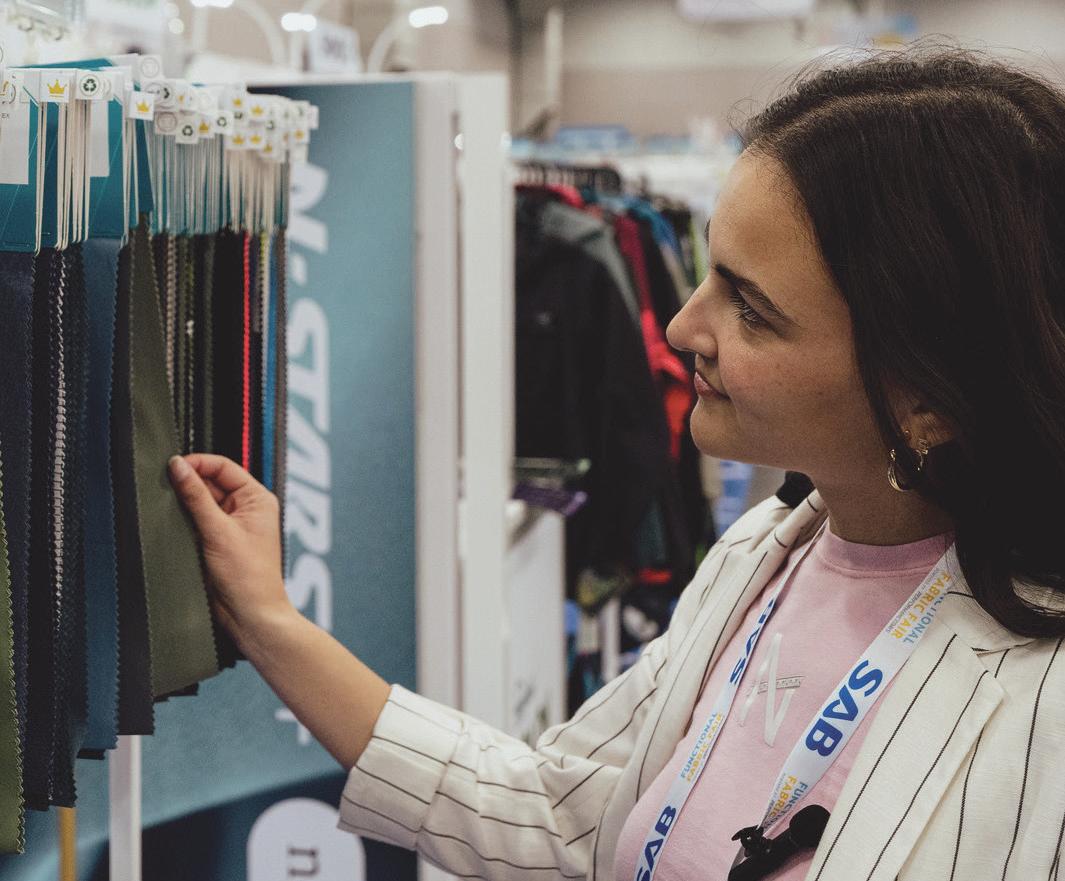


INNOVATION WITHOUT LIMITS. A COMMUNITY MOVING TEXTILES FORWARD—TOGETHER.
Discover what’s next in performance textiles at Functional Fabric Fair. Join us for a curated sourcing event connecting you with top suppliers, industry leaders, and brands driving the future of activewear, outdoor gear, and performance fashion.
Trend Forum



Innovation Zone
Expert Talks
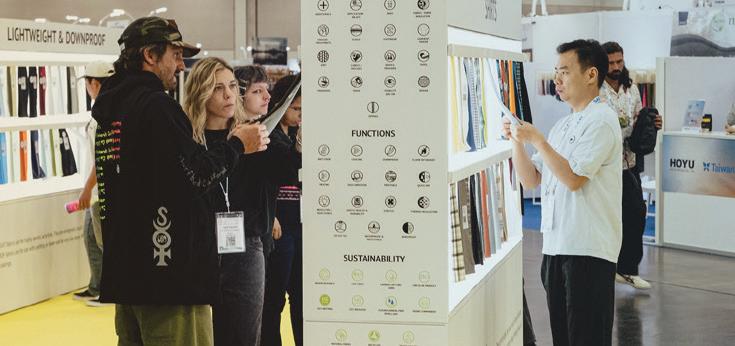

Explore 12 essential fabric categories curated by a jury of textile experts, and experience the season’s most innovative materials—up close and firsthand.



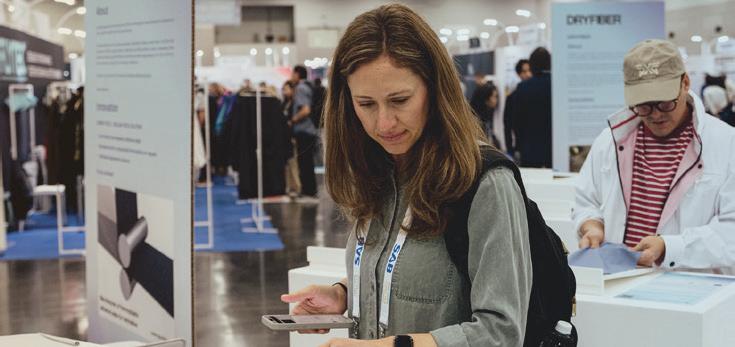


Discover cutting-edge products before they launch and get an exclusive first look at breakthrough materials and technologies shaping the future of performance textiles.

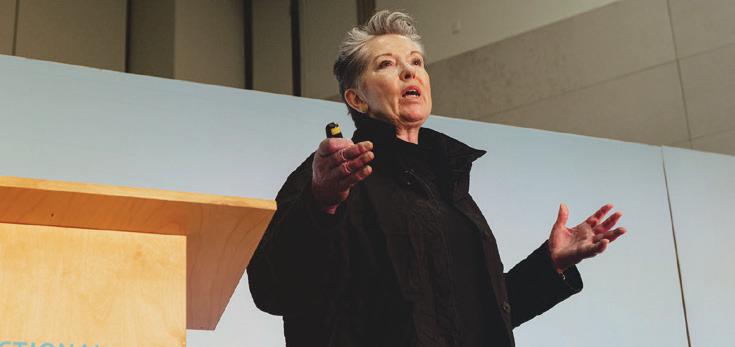

Engage with industry leaders through dynamic sessions that spotlight the latest trends, innovations, and sustainability practices driving outdoor and active textile design.
LEARN MORE AT

Sustainable Parenting Advocate and Founder of Circular Club
I’ll be honest. When the Shein-Everlane news broke, my first reaction wasn’t shock. It was recognition. Industry coverage framed the deal as Shein buying a reputational bridge into Western markets. That’s true, but the acquisition also forces a harder conversation about Everlane itself.
Transparency Was Never a Business Model
Everlane made ethical sourcing legible: factory photos, cost breakdowns and “radical transparency” as a value proposition. But ethical positioning alone proved fragile when cheaper alternatives closed the gap. The moment a lower-priced competitor offers something close enough, the consumer calculus shifts.
You can be as transparent as you want about how a garment was made. If it ends up contributing to the 92 million tons of textile waste the industry generates each year because it’s out of style or outgrown after a handful of wears, the supply chain story doesn’t change where it ends up.
The Illusion of Resale
The natural response from sustainability advocates is resale. It’s an understandable instinct: keep clothes in circulation longer, extend their useful life. But resale has a structural ceiling, especially in categories where the fast-fashion cycle is most intense.
By Vale Siegrist
I spent two years trying to solve the kids’ clothing problem because the issue is obvious: my daughter will outgrow what she’s wearing in three months or less. Listing, photographing and shipping—those steps are often not worth the return for families already stretched thin. Peer-to-peer resale doesn’t change upstream production volumes; as long as production rates hold steady, the environmental math barely shifts.
That’s why I built Circular Club around an access model: families choose pieces, wear them and return them when they no longer fit, keeping the same garments cycling through multiple children instead of piling up after four wears. Access changes the incentives. When a garment must survive multiple users, quality becomes a financial requirement, not just a marketing claim. A garment that keeps moving between families never reaches the waste stream the way resale or recycling can claim, because those approaches still depend on overproduction happening first.
But there’s another layer to this story I think about as a founder: capital and the pressure it brings. Building a mission-driven company is one thing. Keeping it mission-driven after years of investor expectations, growth targets and exit pressures is something entirely different.
Michael Preysman, founder of Everlane, wasn’t involved in the sale; he stepped away years earlier. This wasn’t one founder waking up and deciding to sell. It was the collision of mission and the economics of growth.
I understand why companies raise money. Growth costs money. Inventory costs money. Technology and teams cost money. Investors aren’t villains. They have a job to do. But the moment you take outside capital, you’re no longer just building a company; you’re building an outcome. Eventually, that outcome needs to return the fund’s investment multiple times over.
The decisions that are best for a mission are not always the ones that maximize enterprise value. Investors may care about sustainability, but funds still
need returns. If a founder defines success as serving customers well and staying independent for over 20 years, while a fund needs a 5x return in seven years, those definitions of success will collide.
So, when I look at deals like this, I don’t only ask whether Everlane was truly sustainable or whether Shein can rehabilitate its reputation. I ask how many mission-driven companies eventually find themselves making choices they never imagined, because the economics of venture-backed growth leave them with few alternatives.
This is not a call to despair. There are durable, mission-aligned businesses: Eileen Fisher and Patagonia show that the model can work at scale. But those businesses also demonstrate a different set of incentives, ones that don’t necessarily hand private equity a clean exit. The Shein-Everlane deal clarifies something important: sustainable aesthetics and transparency can win press and acquisition interest, but they don’t fix the underlying math of production and ownership.
The brands that will matter in the next decade are the ones whose business models require garments to stay in use longer and whose outcomes improve margins, not just press coverage. Ownership models are losing ground to access models across categories that have already made the shift. Fashion will not be the exception. It’s a slower build, but it’s the only version of this industry with somewhere left to go.
Maybe I’ll change my mind someday. Maybe I’ll take outside capital and find a way to square these tensions. But right now, I’d rather grow more slowly. I’d rather prove the model with customers before bringing in people who need the model to scale faster than I might otherwise choose. Because the more ownership you keep, the longer you get to decide what success actually means. And for me, that’s worth a lot.

Founder and President, Dora L. International
By Dora Lau
Historically, the intimate apparel industry treated a woman’s measurements as a fixed data point. We designed for a specific moment in time, assuming a static silhouette and focusing on figure over comfort. However, as we look toward the milestones of 2026, we are embracing a more honest and dynamic reality: the female body is fluid. Whether driven by the natural progression of aging or the rapid shifts brought on by modern medical advancements, the fluctuating figure has become our primary design challenge and our greatest opportunity for innovation.
As we get older, the figure does not simply change in numerical size; it changes in fundamental composition. The natural loss of skin elasticity and the shifting of breast tissue are physiological milestones that traditional, rigid bras often ignore. For the mature consumer, a garment that provided adequate support five years ago may now cause significant discomfort or fail to offer the necessary displacement support. To address this, our engineering philosophy has moved away from restrictive construction toward zonal compression. By utilizing variable-tension fabrics, we can provide strategic lift where tissue has softened while maintaining a feather-light feel on the shoulders and rib cage. Through the integration of easy-on elasticity and ergonomic hardware, we ensure that as a woman’s body evolves, her foundation remains an empowering ally rather than a physical obstacle.
Beyond the natural cycles of aging, the industry is currently navigating a revolutionary shift due to the widespread impact of GLP-1 weight-loss medications. This has created an entirely new, rapidly fluctuating demographic where consumers may drop multiple cup or band sizes within a remarkably short time frame. In this new landscape, it is unrealistic to expect a consumer to replace her entire intimate wardrobe every few weeks. This necessity has fueled the rise of adaptive fit technology, which represents the pinnacle of modern textile engineering.
We are now utilizing advanced four-way stretch membranes that allow a single garment to span
two or even three traditional sizes without losing its essential recovery properties. This is complemented by flexible cup engineering, in which mesh panels and multidensity foams allow the cup to expand or contract to hug the breast, effectively eliminating the gapping that occurs during rapid weight loss or during monthly hormonal cycles. Furthermore, we have reimagined the traditional closure system by implementing microadjustable hook-and-eye components and extended shoulder strap ranges, allowing for a truly customized fit that evolves alongside the wearer’s personal journey.
Designing for the fluctuating figure requires a couture attitude applied to technical textiles. We are building responsive foundations that act as a second skin. Whether a woman is navigating the complex hormonal shifts of menopause, the structural changes that come with age or a transformative health and wellness journey, our goal is to provide a constant sense of security.
By prioritizing adaptive materials and intelligent grading rules, we are ensuring that quality and support are never dependent on staying the same size. In 2026, the true definition of luxury in the intimate space is a garment that grows, shrinks and moves in perfect harmony with the wearer. We are engineering a future where unwavering confidence is a standard, regardless of the number on the scale or the year on the calendar. This commitment to technical excellence and humancentric design will define the next era of the industry, ensuring that every woman feels supported through every transition in her life.
True comfort demands this level of adaptability, effortlessly absorbing the body’s natural daily fluctuations and long-term dimensional changes. We refuse to accept the old compromise that comfort must come at the expense of shape; designs should deliver uncompromised support and uplift exactly where it’s needed without ever feeling restrictive.
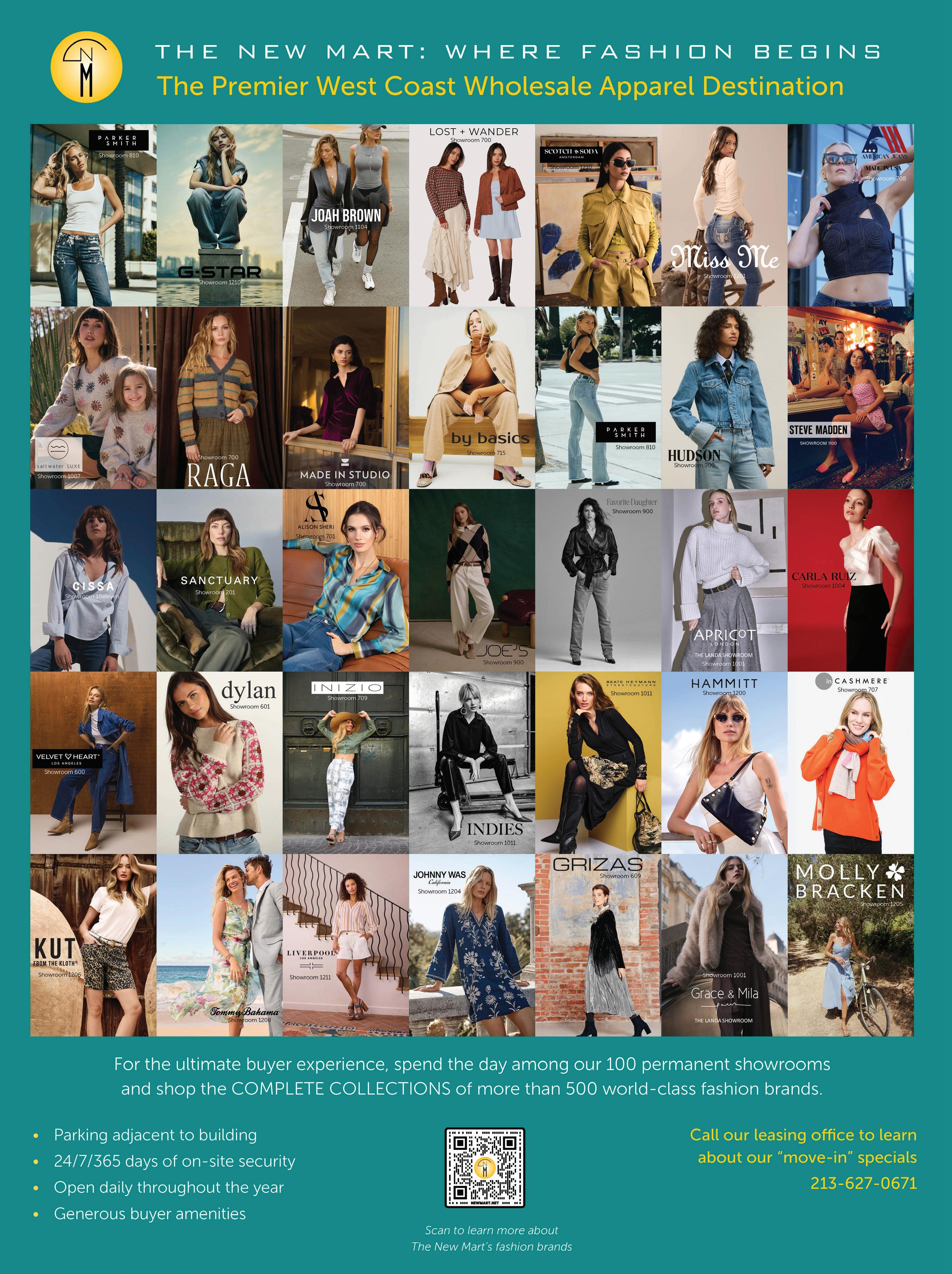













JUNE 16, 2026
8:15AM- 1PM
PEOPLE INC. THEATER 225 Liberty Street New York City

Tickets
KEYNOTES











Join the experts to learn about the most essential topics and business intelligence in beauty industry innovation.

Welcome DEBBI HARTLEY-TRIESCH



IMPACT OF GLP-1 ON THE BEAUTY INDUSTRY


Fireside Talk CHRISTIAN SIRIANO
CORRINE MAIER Business Development Kline & Company

FASTEST GROWING RETAIL: TIKTOK SHOP AND AMAZON

BEAUTY TREND REPORT 2027
ASHLEY BANKS Iced Media
HALLIE GOULD Editor in Chief Byrdie
BEYOND THE SKIN:NEW LANDSCAPE OF DELIVERY & SCENT EXPERIENCES
ARTIST TO FOUNDER

ANN SOMMA Chief Brand Officer Tru Fragrance + Beauty

CRYSTAL WOOD Beauty AI
ASHUNTA SHERIFF-KENDRICKS FGI Rising Star Winner Beauty 2026
Co-Chairs: KAREN YOUNG & CAROLINE FABRIGAS


SPONSORED BY:


BETTINA O’NEIL Executive Vice President Scentbird



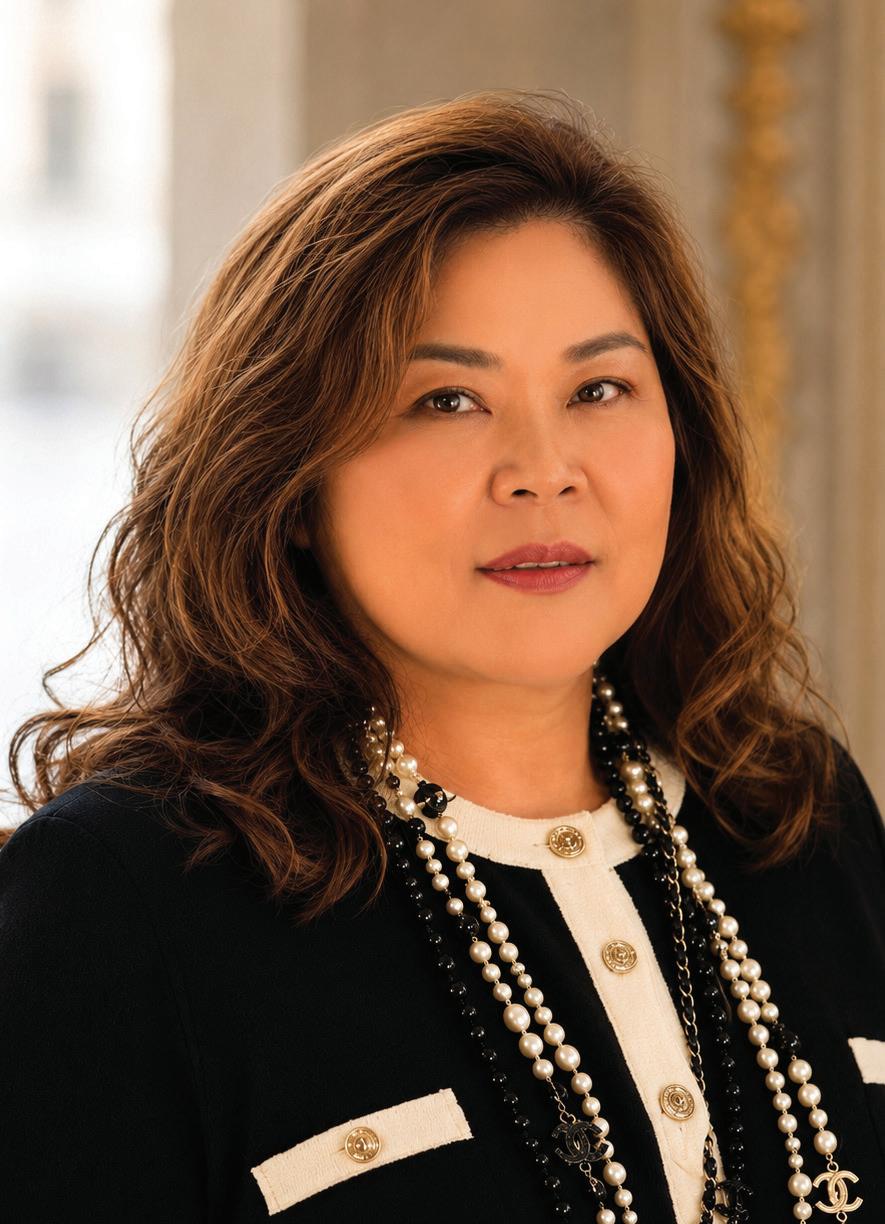
By Amy Tsai
consumers who are simply tired of blending in. They want pieces that communicate who they are, not camouflage them.
AMY TSAI CEO and Co-Founder, Leg Avenue
People are telling fashion brands the same thing: we’re done being invisible. We want visibility and personality. We want pieces that communicate who we are. What strikes me is the consistency of this message across all demographic and age groups. It’s not a Gen Z phenomenon or a niche movement; it’s
Hosiery is emerging as one of the clearest signals of that change, no longer seen as a finishing touch but as the focal point itself. Lace stockings, graphic fishnets, high-gloss finishes and saturated colors are being used to define entire looks. The focus is on
For years, this has been the operating principle of legwear as a category, even when mainstream fashion wasn’t paying attention. As the CEO of Leg Avenue, which my family founded in Los Angeles in 1984, I’ve spent more than four decades treating hosiery as a style driver rather than an afterthought. From intricate fishnets to wet-look finishes, velvet textures and saturated colors, we built the business around the idea that legwear can completely change how someone presents themselves. We weren’t waiting for the market to validate what we believed. We were convinced it was the future.
The movement toward presence is being driven by nightlife aesthetics, digital culture and younger
When Valentino, Miu Miu and Saint Laurent all began treating legwear as central to the look rather than incidental, I knew the market had genuinely changed. That validation from luxury houses meant the category had crossed over from basics to real fashion. Forty years ago, I had a conviction that hosiery could be expressive rather than basic. That wasn’t a popular belief at the time. Building an entire company on that conviction meant being willing to operate against conventional thinking.
After years dominated by minimalism, there has been a noticeable return to self-expression across fashion. Hosiery fits naturally into that evolution because it offers high visual impact at an accessible price point. One pair of patterned or textured tights can completely transform an outfit without requiring a wardrobe refresh. In today’s retail environment, where consumers are more careful with their spending but still actively looking to refresh their personal style, hosiery lets them participate in trends affordably while still feeling creative and fashionforward.
The category also benefits from the growing influence of nightlife and festival culture on mainstream fashion. For years, fishnets, patterned tights and dramatic legwear were staples of nightlife fashion, where presence and self-expression have always driven style. What has changed is that these aesthetics are no longer confined to those spaces. Platforms like TikTok and Instagram have eliminated much of the distance between subculture and mainstream retail. We’ve seen festival aesthetics translate into retail demand almost immediately. A fishnets-and-glitter look that gains traction at a festival like Beyond Wonderland now shows up in customer requests within days. In many cases, legwear becomes the most visually recognizable element in the image: the thing that makes the outfit land, the thing that says something.
This evolution has changed how fashion works. Historically, hosiery was isolated in the basics
departments, with little connection to broader styling narratives. Forward-thinking brands and retailers are now integrating legwear directly into completelook narratives, campaign photography and seasonal storytelling, moving it from replenishment inventory to a styling essential.
The numbers support this cultural evolution. Fortune Business Insights valued the global hosiery market at $44.16 billion in 2025, with continued growth projected over the next decade. In my own business, I’m seeing this play out in real time. Retailers who once treated hosiery as replenishment inventory are now requesting seasonal edits, bolder colors and more textured options than they would have five years ago. This isn’t a trend cycle. Consumers are using smaller styling choices to make bigger personal expressions. People want presence and pieces that communicate who they are. Hosiery does that beautifully because it’s affordable and visible, and it works across every style. That combination doesn’t disappear.
For brands and retailers, hosiery should be merchandised as a central part of outfit-building, not separated from the fashion decisions that drive consumer interest. Hosiery can no longer live in the basics section, buried between clearance racks and commodity products. The brands winning in this moment treat legwear as an expressive category, featuring it prominently in campaign imagery, integrating it into seasonal narratives and merchandising it alongside outerwear and shoes rather than socks and shapewear.
What you put on your legs has become part of how people tell the world who they are. That’s a significant, immediate opportunity for fashion. Hosiery should not be treated as a supporting category when consumers are actively using it as a styling statement and a category driver. Retailers that recognize this evolution will be better positioned to meet demand, build stronger seasonal narratives, increase margins through full-price selling and connect more authentically with consumers who are choosing fashion that makes them feel seen.

CEO, Pietra Communications
For decades, round brilliant diamonds defined the bridal jewelry market. From classic solitaire engagement rings to timeless wedding sets, round diamonds were the traditional standard for brides seeking elegance and sparkle. Today, however, bridal jewelry trends are shifting dramatically. Elongated diamond cuts, including oval, marquise, pear, elongated cushion, radiant and even baguette styles, are now dominating the engagement ring and bridal jewelry market.
Brides today are increasingly drawn to elongated diamonds for their fresh balance of sophistication and visual impact. These shapes naturally appear larger than round diamonds of the same carat weight because of their elongated surface area, creating more finger coverage and a sleek, flattering silhouette. The result is a ring that feels luxurious yet fashion forward. As bridal consumers continue moving toward personalized jewelry choices, elongated cuts have become the preferred option for couples looking beyond traditional designs. Brides want engagement rings that feel unique while maintaining timeless appeal, and elongated diamonds deliver exactly that.
Among elongated shapes, oval diamonds continue to lead bridal demand. Oval engagement rings have surged in popularity over the last several years because they combine the brilliance of a round diamond with a softer, more modern shape. Their elongated silhouette creates an elegant look while maximizing sparkle and perceived size. Oval diamonds also perform exceptionally well on social media, where bridal trends spread rapidly across TikTok, Instagram and Pinterest. Close-up engagement ring videos featuring elongated oval solitaires consistently attract high engagement because of their flattering
By Olga Gonzalez
proportions and luxurious look, with younger bridal shoppers being especially drawn to them.
Marquise diamonds are also making a strong comeback in bridal jewelry. Once associated with vintage-inspired rings, the marquise cut has been reinvented with sleek, modern settings, thinner bands, bezel details and east-west orientations that feel current and editorial. The pointed ends and elongated center create dramatic finger coverage and a bold silhouette that stands apart from traditional round styles. Designers are now featuring marquise diamonds in “toi et moi” rings, asymmetrical bridal settings and sculptural engagement ring collections that emphasize individuality and modern romance.
Pear-shaped diamonds have also become a popular bridal diamond shape. The teardrop silhouette combines softness and asymmetry, creating a romantic yet fashion-forward engagement ring aesthetic. Pear diamonds offer versatility across a wide range of bridal styles, whether set in classic solitaire rings, east-west designs, or paired with contrasting stones in contemporary bridal settings. Celebrity engagement rings and bridal editorials have fueled the popularity of pear-shaped diamonds, helping establish them as one of the defining ring trends of the moment.
Elongated cushion and radiant cuts are also rapidly gaining momentum among bridal consumers. These cuts combine softer corners with elongated proportions, creating engagement rings that balance brilliance, elegance and modern styling. Brides seeking something less traditional than a round diamond but softer than an emerald cut are increasingly gravitating toward elongated cushions and radiants. Even baguette diamonds are becoming more prominent in bridal jewelry. Traditionally used as side stones, baguettes now appear in modern wedding bands, geometric engagement ring settings and minimalist bridal stacks. Their clean lines and understated sophistication align with the quiet luxury aesthetic.
According to Simran Kotak, director of Ethos Creations, “Elongated shapes are leading the conversation right now, ovals especially. Retailers are responding because the demand is there. Customers want that elongated silhouette, and labcreated diamonds make it far more accessible than it’s ever been. It’s a category we’re watching closely and investing in.” Jewelry stores are seeing this shift firsthand, as elongated cuts continue to outperform traditional shapes in engagement ring sales.
Sara McDonough, event director at JIS Events, noted, “We’re continuing to hear a lot of interest from retailers around elongated diamond shapes like oval, marquise, pear and elongated cushion cuts. They are saying customers love these shapes because they feel a little more modern and unique, while also giving the look of a larger stone and a really elegant appearance compared to traditional round cuts.” “Elongated rings are having a major moment right now,” Nazia Ali of AMB Gold & Diamond, explained.
The rise of lab-created diamonds has also accelerated the popularity of elongated bridal rings. Because elongated cuts naturally appear larger face-up, couples purchasing lab-grown diamonds are selecting dramatic proportions and larger carat sizes that may have previously been unattainable in natural diamonds. This has led to growing demand for oversized oval solitaires, elongated radiant engagement rings, statement pear cuts and elongated cushion bridal styles. Retailers are responding by expanding their bridal inventory in elongated silhouettes because these rings offer both strong visual impact and perceived value. Lab-created diamonds have also encouraged brides to experiment more with shape, scale and modern bridal settings, allowing for greater creativity and personalization throughout the engagement ring category.
“Elongated shapes continue to outperform because they give customers the look they want right now: elegant proportions with strong visual size and versatility,” said Adit Amish Mehta, director of jewelry at Amipi. “We’re seeing the most momentum around elongated cushions, ovals, pears and radiants in both classic and fashion-forward settings.”
Social media continues to shape bridal jewelry trends. Many couples now begin engagement ring shopping online, where influencers, celebrities and bridal content creators consistently showcase elongated diamond styles. These cuts perform especially well in photos and videos because they emphasize finger coverage and elegant proportions. The elongated diamond trend also reflects broader changes across luxury design. Brides are gravitating toward sleek silhouettes and understated sophistication; engagement ring styles are evolving similarly.
As bridal jewelry designers, manufacturers and retailers continue to invest in elongated diamond collections, it has become clear that elongated shapes are now defining the future of bridal jewelry design.













By Maegan Watson
True luxury is creating an elevated experience of getting dressed. It is having your wardrobe at your fingertips, knowing exactly what you own and understanding how to wear it. There is something deeply luxurious about opening your closet and immediately feeling inspired rather than overwhelmed.
Luxury consumers are no longer defaulting to repeating the same outfit combinations simply because they feel easy or familiar. They are far more in tune with the mood, caliber and energy of every event they attend. They are thoughtfully choosing outfits that allow them to show up exactly how they want to feel.
ease is having the right outfit for every occasion and ensuring every piece works cohesively.
That level of dressing requires thoughtful execution. Even packing has become more strategic. The most luxurious wardrobes are curated around versatility and outfit combinations. Packing is no longer about throwing random options into a suitcase “just in case.” It becomes a carefully considered puzzle of elevated looks, layering pieces and mix-and-match possibilities that make travel feel effortless. The result is a wardrobe that functions beautifully in every aspect of life.
Luxury consumers are no longer interested in endlessly buying more. After years of accumulating beautiful pieces, many women are shifting their focus away from excess and toward intention. The new luxury is not about overflowing closets or constant consumption. It is about clarity, precision and dressing exceptionally well with less.
Today’s luxury consumer wants to fully understand and maximize what she already owns. By digitizing and organizing wardrobes, women are rediscovering forgotten pieces, creating effortless outfit combinations and shopping with far more discernment. Instead of panic buying for every occasion, they are investing only in standout additions: the perfect fit, the exceptional color, the special-order piece that elevates everything else in their wardrobe.
Luxury is no longer consumption for consumption’s sake. It’s about investing in the right pieces and not being afraid to invest when you know something is the perfect addition to your wardrobe.
When we’re in a client’s closet creating outfits, we’re seeing the bigger picture come to life and thinking about what that client actually needs. This is influenced by what they already own and what they already love. Most people don’t have complete, perfectly resolved outfits in their closets. They may have beautiful pieces, but when it comes to creating the perfect combinations, something is always missing: the right shoes, the third layering piece or the proper rise of the pants. It’s once we add those finishing elements that the outfits truly come to life.
That level of ease does not happen accidentally. It comes from planning, organization and understanding personal style at a much deeper level. The most stylish women are not panic shopping. Ever.
There is nothing chic about last-minute purchases that never get worn again. Luxury consumers have become increasingly intentional about what enters their wardrobes because they understand that every new piece should expand the possibilities of the closet as a whole.
They are no longer buying things simply because they are “cute.” They are buying pieces that make sense within the larger ecosystem of their wardrobe. A truly luxurious wardrobe is not built on impulse. It is curated with precision.
This is also why luxury consumers are becoming far more selective about fit, fabrication and color. They are willing to wait for what is truly exceptional rather than settling for what is immediately available. They want the perfect size, the ideal silhouette and the exact shade that seamlessly complements the rest of their wardrobe.
When curating some of the world’s most luxurious wardrobes, we often work directly with brands to secure the best sizes, request that items go into production and preorder pieces we know are perfect for our clients. The focus is no longer on acquiring more. It is on acquiring better.
Luxury consumers are buying less because they have developed a strong personal style that informs every outfit they wear. They understand that an overstuffed closet does not create ease. What creates
Luxury consumers are dressing better because they are at ease when getting dressed. They know which silhouettes flatter them. They know which colors make them feel powerful. They know which outfits already exist inside their closets. And perhaps most importantly, they are no longer stressed about what to wear.
Is there anything more luxurious than that?
The key to effortless style is understanding how you want to feel and then ensuring your wardrobe consistently supports that feeling. Clothing should not create anxiety or confusion. It should create confidence, ease and presence.
Beautifully dressed people often radiate something far beyond good taste. They exude openness, confidence and warmth because they feel good in what they wear. When someone feels completely at ease in their outfit, they move through life differently. They experience joy in the process of getting dressed and show up to every event, dinner, meeting and moment with presence and ease.
That is the true power of a well-curated wardrobe. It is not simply about looking beautiful. It is about feeling aligned, confident and fully yourself in every room you walk into.
The future of luxury is not rooted in excess. It is rooted in intention. It is knowing yourself well enough to curate a wardrobe that supports your lifestyle beautifully. It is dressing with clarity rather than chaos.
Women are buying less and dressing better because they finally understand that luxury is not about having more options. It’s about having the right ones.

CEO and Founder, The Wires
Fashion has always moved in cycles, but the pace and pressure of today’s industry feel fundamentally different. We are living in an era where visibility can be instantaneous, consumer loyalty is increasingly fragile and creativity is expected to compete against algorithms, production timelines and economic uncertainty. In the middle of all of this, one thing has become especially clear to me: recognizing emerging brands is no longer simply a nice gesture or industry tradition. It is one of the most necessary investments fashion can make in its own future.
For years, conversations around fashion success were centered around legacy. Heritage houses dominated editorial space, retailer attention, celebrity dressing and cultural influence. While those brands still hold enormous power, consumers today are searching for something different: discovery, originality and emotional connection. They want to know who made the product, why it was created and what values exist behind it. Emerging brands are uniquely positioned to answer those questions in ways that feel more personal and immediate than larger corporations often can.
What makes this moment especially critical is that many independent designers are creating under unprecedented pressure. The barriers to entry in fashion have lowered in some ways through social media and direct-to-consumer platforms, but the barriers to sustainability and long-term survival have become even harder. Visibility alone is no longer enough. A designer can go viral one week and disappear the next. Attention has become temporary
By Kimberly Carney
currency. That is why meaningful recognition matters so deeply right now. Awards, editorial support, mentorship and curated platforms create something far more valuable than publicity. They create validation. For an emerging brand, being recognized by respected industry voices can shift perception overnight. It can open retailer conversations, attract investors, create manufacturing opportunities and, most importantly, build confidence at a stage where many founders are operating with very little support behind the scenes.
I have seen firsthand how transformative acknowledgment can be for early-stage brands. Sometimes what a designer needs most is not just exposure but the feeling that someone in the industry genuinely sees the work and understands its potential. Fashion can be incredibly isolating for founders, especially those building independently without major financial backing. Recognition tells them their ideas matter before commercial success fully arrives.
This is part of the thinking that inspired initiatives like The Wires 100 Awards, as well as the attention surrounding award platforms such as the Glossy Fashion and Luxury Awards. At FashWire, supporting emerging brands has always been central to the platform’s mission. Beyond discovery, the goal has been to create visibility and access for designers navigating an increasingly competitive industry. What these recognitions signal is that fashion is beginning to understand the importance of investing in emerging talent before it reaches mass commercial success. While awards celebrate innovation and creativity, their larger value lies in creating infrastructure for credibility, connection and long-term opportunity. There is a major difference between temporary hype and intentional recognition. The latter has the ability to shape careers and create longevity for brands still in their formative stages.
What also makes this moment so important is the cultural shift happening within fashion itself. Consumers are increasingly supporting brands that represent identity, values, and perspective. Emerging designers often reflect the realities of modern culture more quickly and honestly than larger institutions. They are redefining luxury, sustainability, craftsmanship, and storytelling in real time. Many of the most exciting conversations in fashion today are not necessarily originating from the top of the industry. They are coming from younger brands
willing to challenge outdated systems and rethink what fashion businesses can look like altogether. At the same time, the industry still struggles with how quickly it consumes creativity. We constantly celebrate newness, but we do not always create the conditions necessary for longevity. There is often excitement around discovering a new designer, yet far less support in helping them navigate growth, production scaling, financial strategy or long-term brand building. Recognition without continued investment can become performative.
That is why I believe the conversation needs to evolve beyond simply “discovering” emerging brands and move toward actively sustaining them. Support can take many forms. It can be editors giving consistent coverage instead of one-time features. It can be retailers taking risks on smaller labels. It can be established designers mentoring younger founders. It can be investors understanding that creativity often needs time to mature. And it can absolutely be awards and platforms that spotlight talent before the rest of the market catches up.
There is also an emotional component to this conversation that often gets overlooked. Emerging brands bring energy back into fashion. They remind people why they fell in love with creativity in the first place. In a period where the industry can sometimes feel oversaturated with trends and repetition, young designers often reintroduce risk, imagination and personal storytelling. They make fashion feel human again.
Ultimately, recognizing emerging brands is about more than celebrating potential. It is about protecting the creative ecosystem that fashion depends on. Every major house, influential creative director and transformative brand once existed at the beginning, hoping someone would take them seriously before the rest of the world did.
Right now, fashion has an opportunity and arguably a responsibility to become more intentional about how it nurtures the next generation of designers. Not after they become commercially undeniable, but while they are still building, experimenting, struggling and evolving. Because by the time the industry unanimously agrees someone matters, the most important moment to support them may already have passed.
8:30

9:00
5:00 - 6:00 PM Hors




September 28, 2026








The Mann Charitable Foundation is having its annual golf outing this year at the wonderful Fresh Meadow Country Club on Monday, September 28, 2026. Formed by Irving and Marion Mann,The Mann Charitable Foundation supports research to fight life-threatening diseases. Expect another amazing outing, supporting causes of mainly geriatric diseases such as Alzheimer’s disease, Crohn’s and Colitis, Lymphoma, Macular Degeneration, liver disease and more. We have our honorees, one of which will be receiving the Michael Kerr Humanitarian Award in honor of one of my best friends, Michael Kerr. We hope to see you there supporting our causes and spreading the awareness for a better future.

















1. MoMA Design Store: Paletto Glass Sphere Earrings in Teal
These handcrafted earrings reinterpret traditional glasswork, layering color by overlapping two different types of glass. Designed as elongated drop earrings, they add subtle movement to everyday outfits.
$55 | store.moma.org
2. Abercrombie & Fitch: 100% Linen Button-Up Shirt in Light Green
This relaxed button-up shirt is made from breathable linen, offering a lightweight feel perfect for warmer weather. Featuring a classic collar and buttoned cuffs, its oversized silhouette makes it a casual yet intentional cover-up for beach days and beyond.
$80 | abercrombie.com
3. Aritzia: Casual Contour Presence Cami Tank in Heather Ecru
Made from Aritzia’s signature smoothing fabric in a softer cotton version, this fitted cami tank has a square neckline and thin, adjustable straps. Its close-fitting, simple design makes it a reliable everyday staple.
$38 | aritzia.com
4. Free People: Moxie Pull-On Barrel Jeans in Timeless Blue
These low-slung pull-on jeans are designed with a slouchy, tapered barrel-leg silhouette and an adjustable drawstring waist. Distressed detailing, paint-splatter accents and oversized patch pockets give the denim a relaxed, lived-in feel with a subtle edge.
$148 | freepeople.com
5. Anthropologie: Calla Oversized Woven Shoulder Bar in Slate
This oversized shoulder bag features a woven pattern and a soft, relaxed shape ideal for daily use. It features a wide shoulder strap and spacious interior, combining relaxed styling with practical functionality.
$138 | anthropologie.com
6. Ulanka: Leather Tabi Flats in Brown
These leather flats feature a split-toe design in a sleek, minimalist style. Their soft construction and detailed stitching make them a comfortable summer choice that can be worn casually or dressed up.





$100 | ulanka-us.com 1 2 3 6 5 4










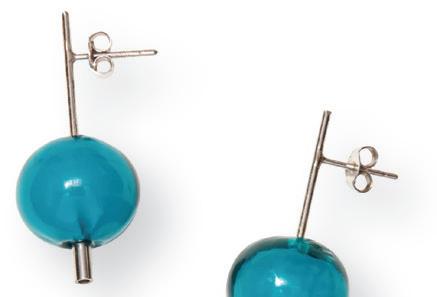
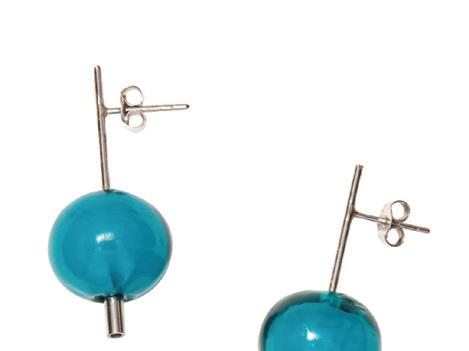




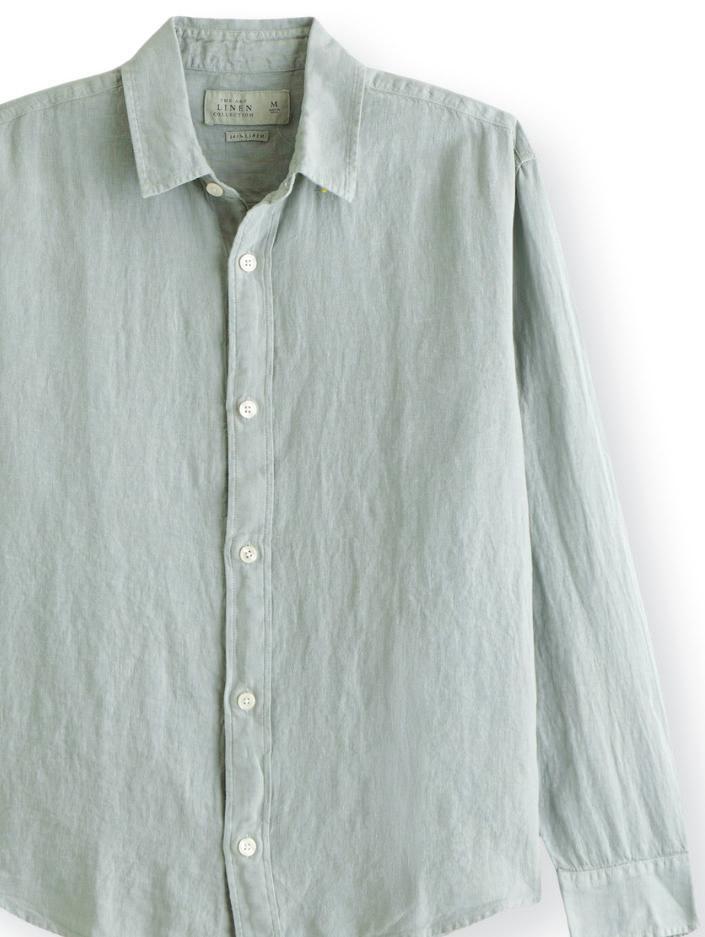



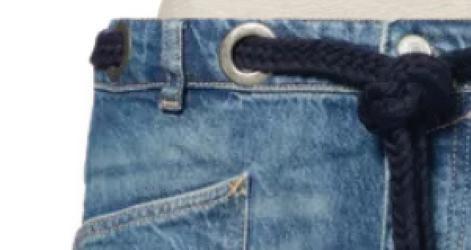









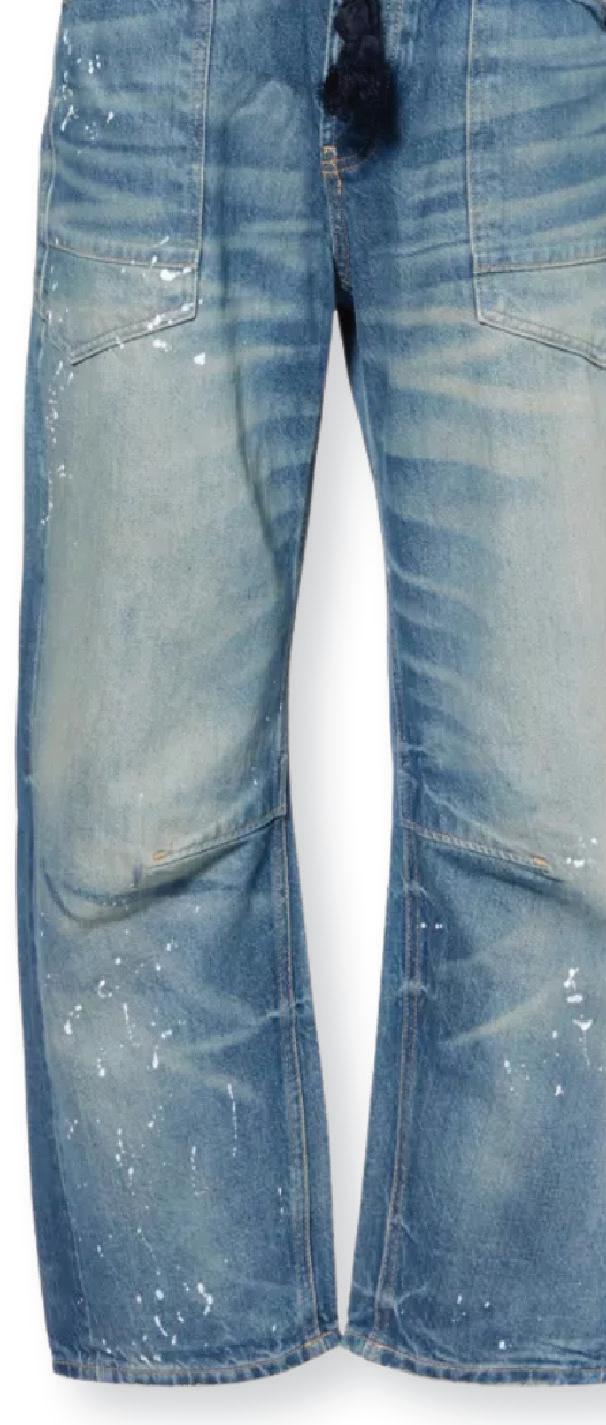









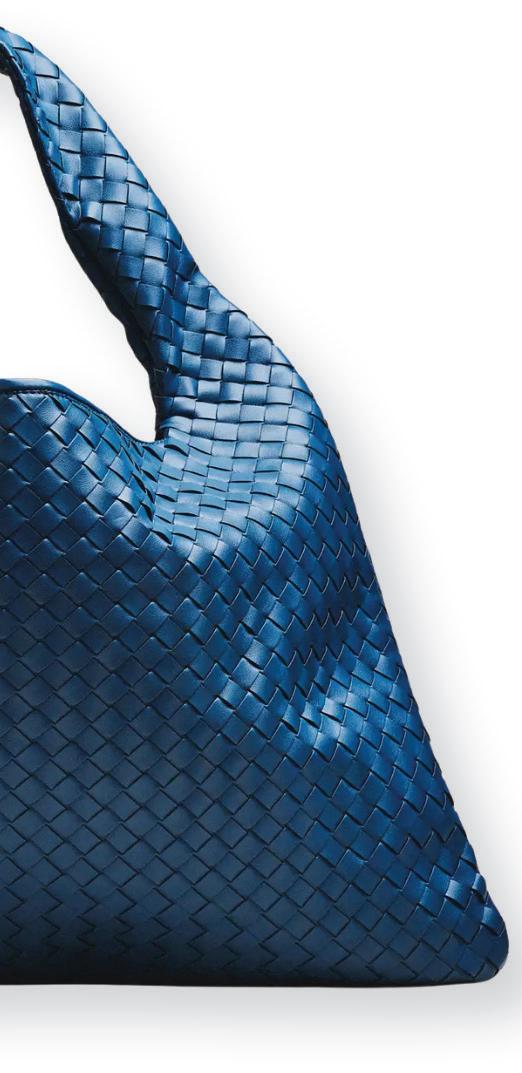



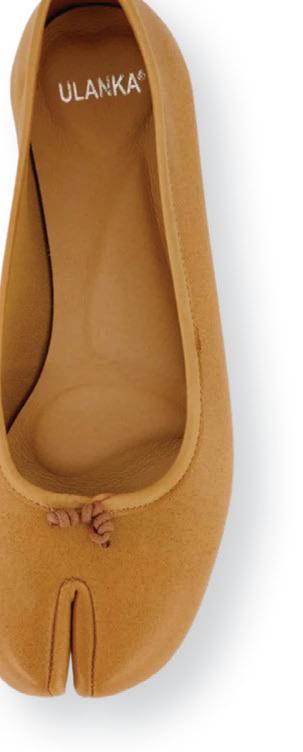








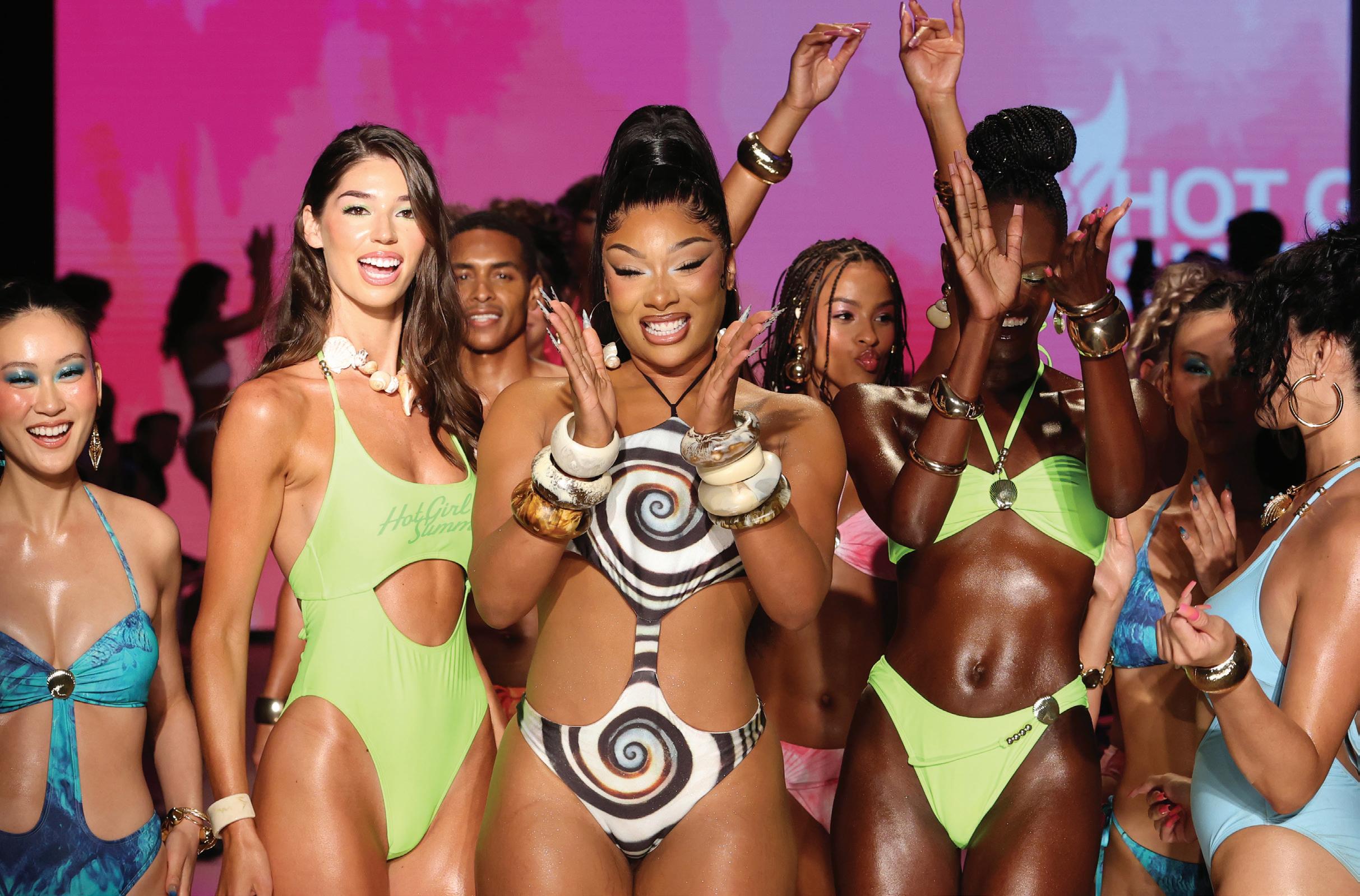
Paraiso Miami Swim Week officially wrapped its 22nd edition after taking over Miami Beach with standout runway moments, exceptional brand collaborations and the debut of its new “Rise” platform for emerging brands. Emphasizing its core values of innovation, originality and discovery, Paraiso expanded its reach as the pinnacle for swim and resort wear, presenting over 100 brands across fashion, wellness, beauty, hospitality, lifestyle and more. Bringing together global designers, celebrities, retail buyers, and top media and industry insiders, Paraiso once again solidified its place as the leading destination for swim and resort wear in Miami Beach.
From the Paraiso Runway
At the center of the week was the iconic Paraiso tent at Collins Park, where internationally recognized brands unveiled the collections that are shaping Resort and Cruise 2027. Returning Paraiso favorites, including Monday Swimwear, Oceanus, Melissa Odabash, Oséree, Oh Polly, Shan, Luli Fama, LainSnow and Cupshe, once again delivered elevated runway moments that blended resort wear, bold swim silhouettes and the signature glamour synonymous with Paraiso Miami Swim Week.
This season also welcomed a new wave of brands to the Paraiso runway. Australian label Fae made its Swim Week debut, bringing its minimal yet fashion-forward swimwear aesthetic to Miami Beach following the brand’s rapid rise across social media and global retail. Spotlight Collective introduced an emerging mix of independent designers, featuring a presentation by Origins of Oceans in collaboration with Zanatany and Voglia, showcasing fresh creative talent. Additional standout moments included Kulani Kinis’ presentation with Sojos Eyewear, blending the Australian brand’s vibrant beach aesthetic with a fashionforward eyewear collaboration.
Returning to the Paraiso runway for the second consecutive year, Megan Thee Stallion once again brought her signature energy to Miami Swim Week as she debuted a brand-new collection from her Hot Girl Summer line, expanding into men’s and pet wear.
The second annual Swimwear Icons Hall of Fame (SIHOF) honors night returned as one of Swim Week’s most elevated and star-studded evenings. The exclusive celebration brought



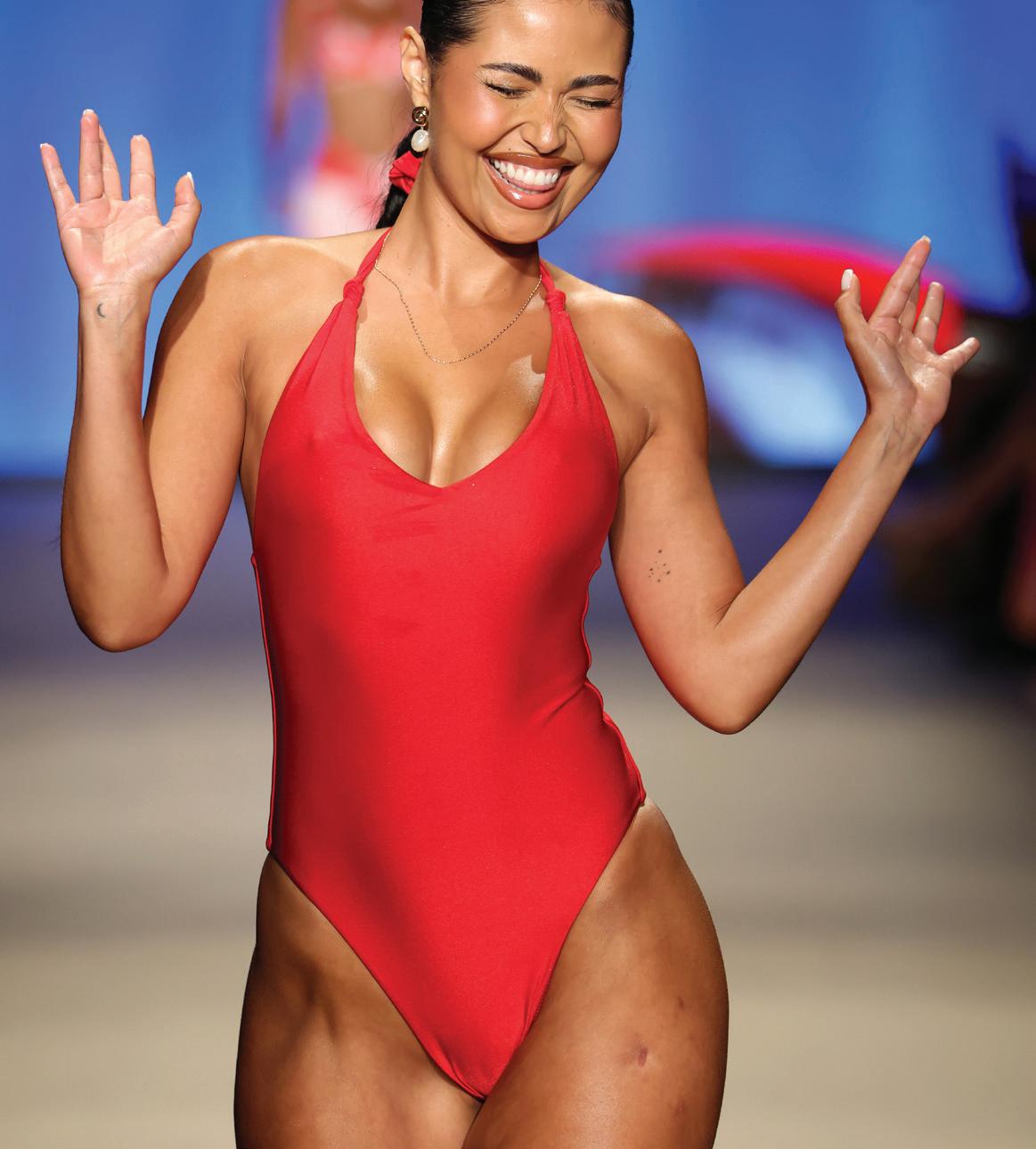
together influential names across fashion, media and swimwear culture. The red-carpet event welcomed over 150 VIP guests, designers, models and industry leaders for a cocktail reception and an awards ceremony honoring the individuals who continue to shape the modern swimwear industry.
One of the season’s biggest highlights was the debut of Rise, Paraiso’s new runway concept dedicated to emerging talent. Hosted at Kimpton Surfcomber Hotel and built directly over its historic pool, the three-night experience blended fashion, music and nightlife energy while introducing a new generation
of swimwear brands to the Swim Week stage. Featuring two runway showtimes nightly, Rise spotlighted over 20 emerging brands, including Suncillo, La’Avana, Belle D’Amour, 12th Tribe, Lascana, LSCN, Aura Maris, Capsool, Atelier Palacios, Salty Mermaid, Nohre, Trusso Swim, Nude by Nikki, Aja Swim, Suncillo and Vampire Surf Club. Rise partners included Ere Perez Natural Cosmetics and Moncho Moreno Hair, which provided backstage beauty and hairstyling support for participating designers and models. Guests experienced DJ sets and immersive runway presentations set against Surfcomber’s iconic poolside backdrop, making Rise one of the week’s most talkedabout new additions.
From globally recognized runway names to emerging brands making their debut, the 22nd edition of Paraiso reflected the continued evolution of swimwear culture and the growing international influence of Miami Swim Week. “For more than two decades, Paraiso has served as the global gathering place for the swimwear industry, bringing together designers, retailers, media and creative leaders who continue to shape the category,” said Natalija Dedic-Stojanovic, co-founder of Paraiso Miami Swim Week. “This year, the continued growth of the Swimwear Icons Hall of Fame reflects our commitment to not only celebrating the industry’s future but also honoring the individuals whose contributions have helped elevate swim and resort wear into one of fashion’s most influential global sectors.” As Paraiso continues to expand its global reach through fashion, hospitality and cultural partnerships, the platform remains at the forefront of shaping the future of swim and resort wear.

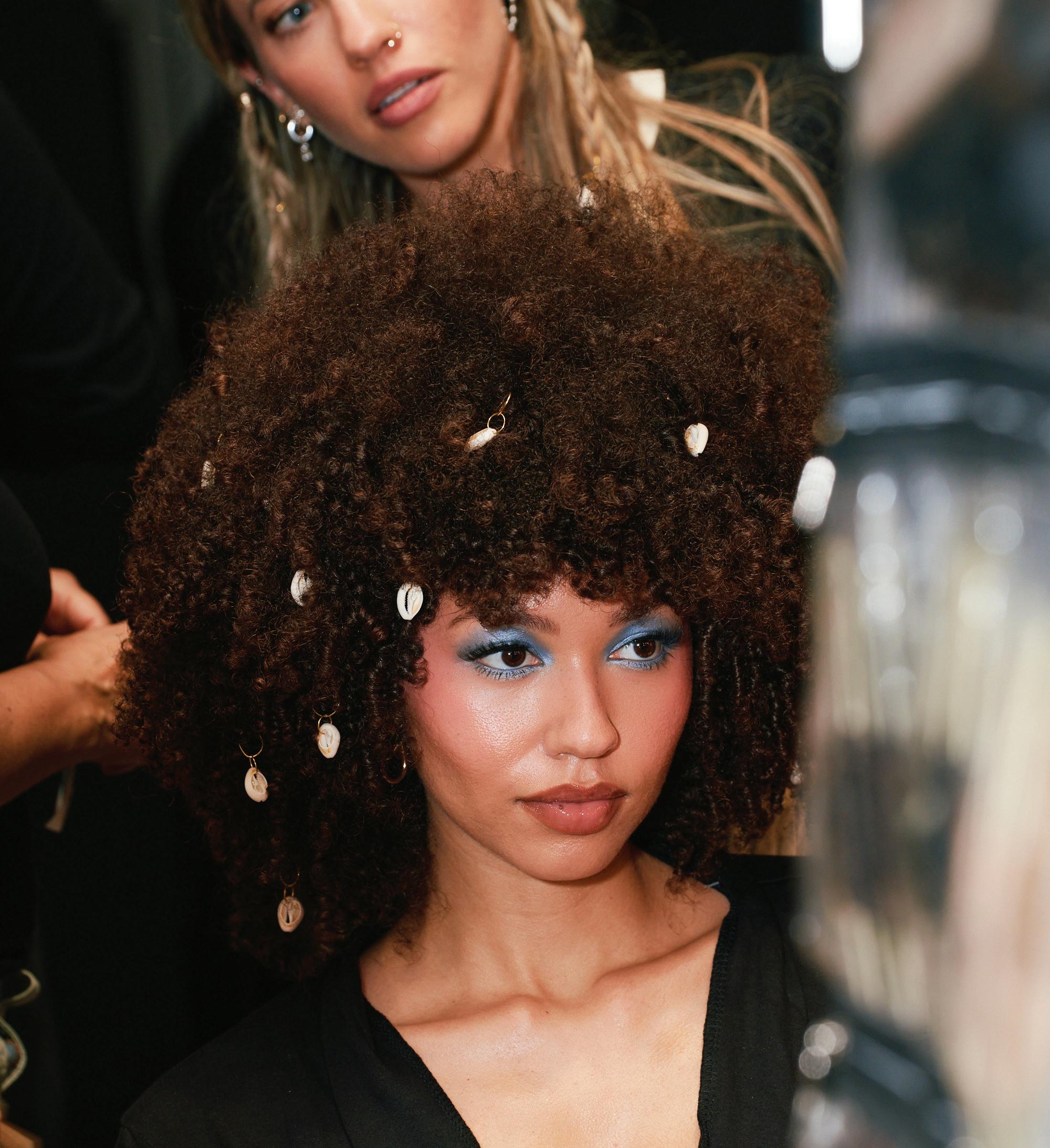





Festival fashion has always existed at the intersection of music, individuality and cultural influence—and this year, few brands have captured that energy quite like Seoulbased label Sculptor Worldwide. From Coachella to global summer music festivals, the South Korean streetwear brand has emerged as one of the defining labels of the season, worn by some of the world’s biggest “it” girls.
At a moment when festival style is shifting away from heavily curated bohemian clichés toward something more effortless, youthful and street-driven, Sculptor’s nostalgic aesthetic feels perfectly timed.
Founded in Seoul in 2012, Sculptor has steadily built a cult following through its signature blend of American vintage inspiration and contemporary South Korean street style. The brand describes itself as a reinterpretation of the past for a new generation—rediscovering retro influences and transforming them into wearable, modern essentials. Its name reflects this philosophy: like a sculptor shaping form from raw material, the brand approaches fashion as an artistic process of construction and reinvention.
The result is a distinctive “sweet and cool” identity that has become instantly recognizable among Korea’s fashion-conscious youth culture and is increasingly influential worldwide. Sculptor combines minimalist silhouettes with nostalgic references—oversized varsity hoodies, low-rise skirts, fitted basics, relaxed work pants, washed denim, sporty graphics and vintage-inspired outerwear—all infused with a subtly rebellious edge.
What makes the label especially relevant for festival season is its ability to strike a balance between comfort and attitude. Unlike trend-driven festival fashion that often prioritizes spectacle over wearability, Sculptor’s collections feel effortless and authentic. The pieces are designed for movement and everyday styling while still delivering the visual impact demanded by social media and celebrity culture.

This year, that appeal reached a new level thanks to the visibility of Blackpink members Jennie, Rosé and Lisa, whose off-duty and

festival wardrobes continue to shape global fashion trends. Whether arriving at music events, posting backstage content or appearing in casual street-style moments, the trio has repeatedly gravitated toward Sculptor’s vintage-inspired separates and sporty-cool silhouettes.
Their influence has helped cement the brand as a go-to for Gen Z consumers seeking a more understated approach to festival dressing—one rooted in personality rather than costume.
Beyond ready-to-wear, Sculptor has also expanded into accessories, offering bags, belts, hats and small leather goods that complement its retro-streetwear identity. The styling possibilities feel intentionally versatile: micro shorts paired with oversized zip hoodies, washed caps worn with fitted tanks, slouchy utility trousers balanced against cropped silhouettes. It’s a formula that reflects the current direction of youth fashion globally: relaxed, nostalgic and instinctively wearable.
Importantly, Sculptor’s rise also signals the continued dominance of South Korean fashion within the international market. While K-pop has undoubtedly accelerated global attention toward Seoul’s style scene, brands like Sculptor represent something deeper: the emergence of Korean labels capable of shaping fashion trends independently of luxury houses.
The brand’s appeal lies in its accessibility and emotional familiarity. There is something comforting about its reinterpretation of vintage Americana, yet the styling remains unmistakably contemporary. Sculptor understands how young consumers want to dress now— casually confident, slightly rebellious, and ready for both real life and the camera.
As festival season continues to define the visual mood of summer, Sculptor Worldwide has positioned itself exactly where fashion wants to be: at the crossroads of nostalgia, music culture and global youth identity.


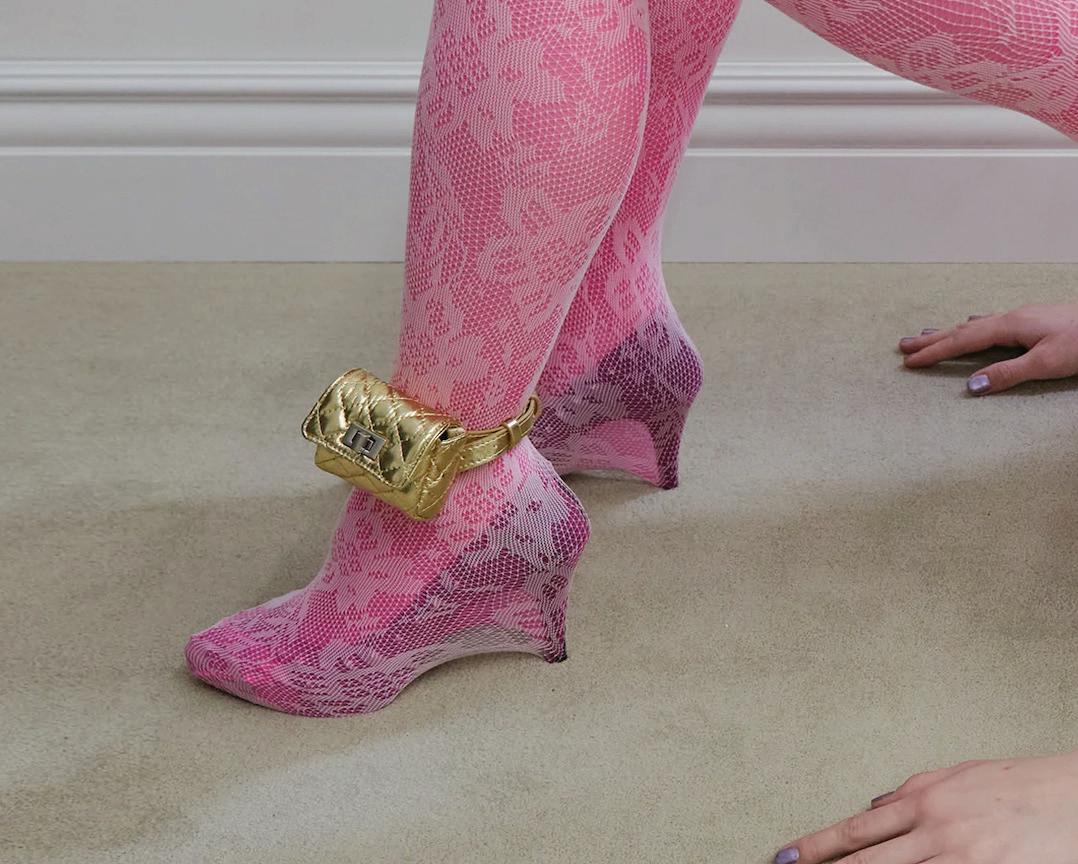
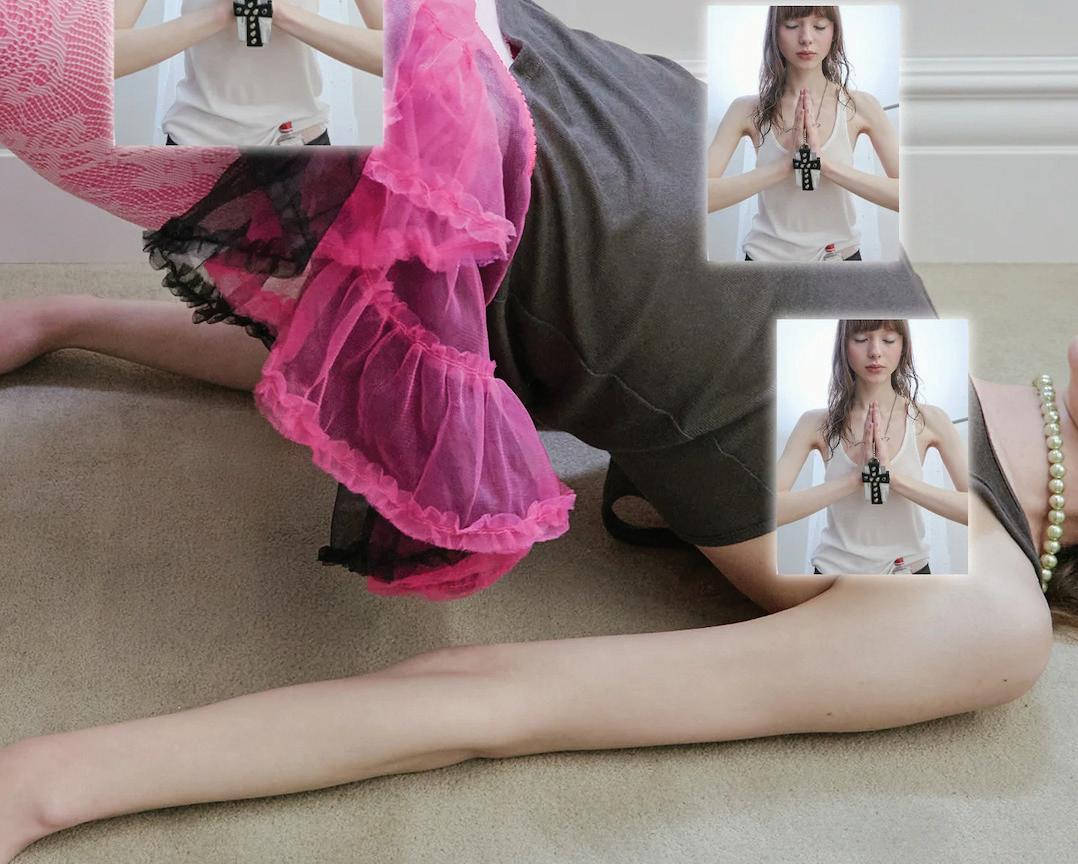








EXCLUSIVE DETAILS FOR SHOWS IN:
• Dallas
• Denver
• Las Vegas
• Los Angeles
• Nashville
• Orlando
• New York

CONNECTING THE FASHION INDUSTRY WITH THE WORLD OF TRADESHOWS






Atlanta Apparel Prepares for







June Market
Alongside
Summer Atlanta Market




Atlanta Apparel returns in June, running concurrently with the summer Atlanta Market to offer retailers a powerful “two markets, one trip” comprehensive sourcing opportunity. Shifted from its traditional July dates to accommodate the FIFA World Cup, this strategic dual-market timeframe grants buyers access to over 6,500 lifestyle, home, gift and fashion brands.
The upcoming market will showcase top trends in women’s contemporary, young contemporary and accessories, supported by an optimized temporary floor plan designed to drive cross-category discovery.
“By bringing together the best in fashion and lifestyle, we provide a holistic sourcing experience,” said Caron Stover, Andmore’s senior vice president of apparel. “This highenergy environment allows retailers to discover everything they need to curate a complete lifestyle brand in one centralized location.”
The June market continues to solidify Atlanta Apparel’s position as a premier sourcing destination, with significant growth across its permanent showroom collection and a revitalized temporary exhibit floor. For the summer edition, the market welcomes a wave of new brands and strategic expansions, ensuring buyers have access to a diverse mix of contemporary, children’s and accessory lines.
Permanent showrooms see significant growth this June, reflecting a steady momentum across apparel, jewelry and children’s categories.
New showrooms include Dottie Hart, Ex Voto, Ice World Manufacturing, Jewelry Repair of Atlanta, Lee Roski, Luxa Interiors, Mark Garland, Native to Nowhere Agency, Perlavera Trading, Road Trips + Friends, Teddy Lessner, Vane & Hart and VSM Jewelry.
Atlanta Apparel’s “First Finds” offer a high-energy environment to discover emerging designers and industry leaders. Co-hosted with Atlanta Market this June, the floor plan has been strategically optimized for seamless crosscategory sourcing. All apparel temporaries will be centralized on floors 1, 2 and 3, featuring a dedicated footwear destination on Floor 2 and an exciting, co-located mix of apparel and gift exhibitors on Floor 3. This layout refresh accommodates a larger footprint of brands, maximizing efficiency for dual-market buyers.
Atlanta Apparel will present a full schedule of immersive experiences, trend-forward activations and buyer-focused amenities designed to inspire and energize the industry. Attendees can look forward to a vibrant market atmosphere that seamlessly blends business with curated social and educational programming.
Market mornings begin with high energy, featuring wellness shots and daily breakfast throughout Building 3. New buyers are also invited to start their journey with dedicated
orientation sessions to maximize their sourcing experience. Throughout the show, tailored spaces and visual lounges offer attendees a place to rest, recharge and find inspiration:
• New-and-now vignette: A curated visual showcase of top seasonal trends located
• Atrium lounge: Offering concessions, complimentary coffee for buyers, lounge seating and charging stations
• Buyer and designer workspaces: Dedicated relaxation and productivity hubs, including the buyer lounge and the designer workspace
• Curated category lounge: A specialized game day and accessories lounge
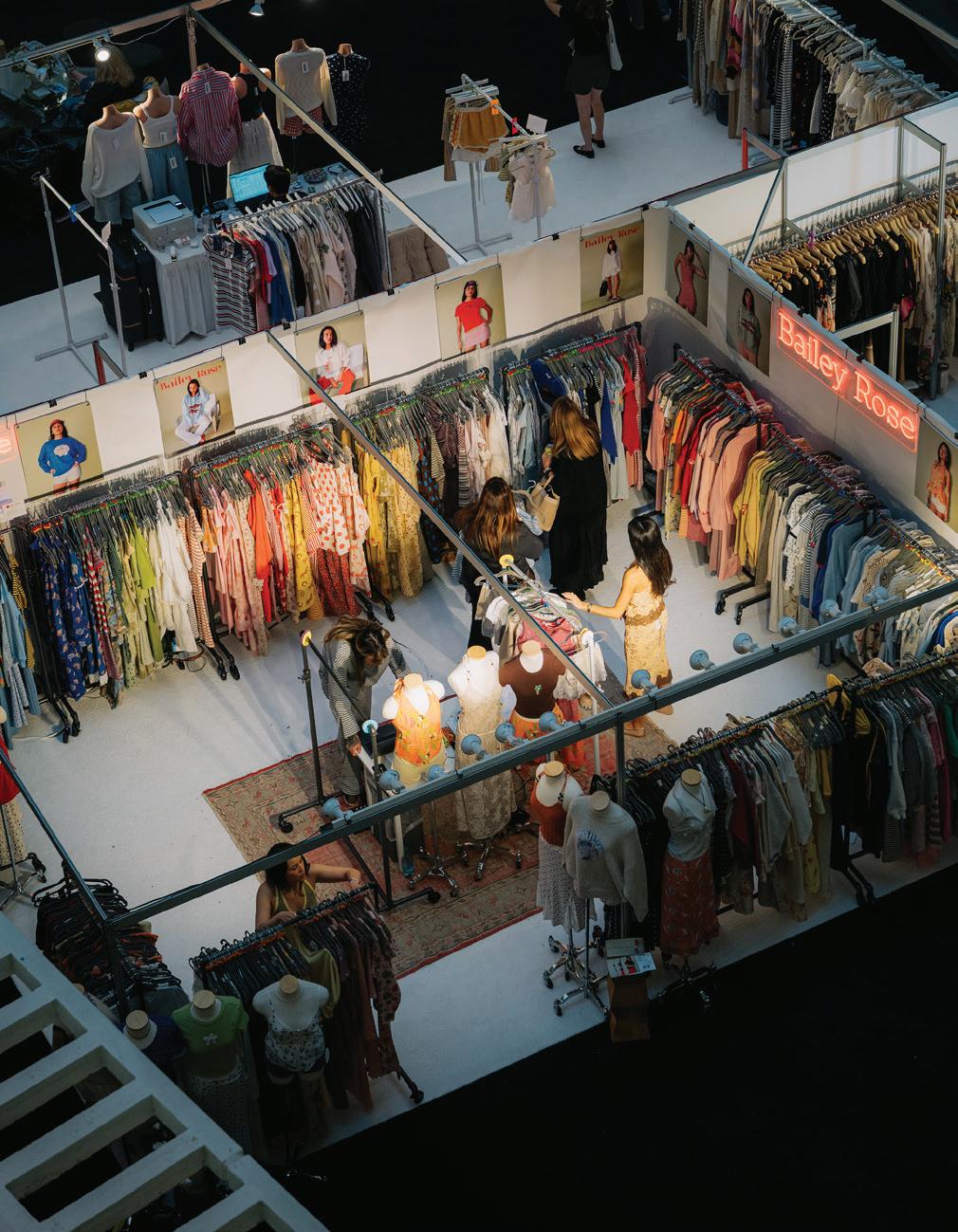
Atlanta Apparel is set to bring back its popular market stars program, spotlighting a curated group of industry leaders and tastemakers who are actively shaping the retail landscape. Serving as the ultimate market insiders, these featured experts will share their real-time product discoveries, trend forecasts and favorite finds directly with buyers via Instagram.
Featured June market stars include Hadley Qualls of The Pink Tulip Clothing (Birmingham, Alabama) and Brittney Patty of B Social Boutique (St. Augustine, Florida).
Throughout the mid-year market, these retail experts will provide fresh inspiration and must-see picks, giving followers an exclusive first look at the trends and brands defining the upcoming season.

Dallas Market Center is welcoming buyers to its next Apparel and Accessories Market, which will feature new and expanded showrooms, trend-driven Fall/Winter collections and immediate buys for summer across apparel, accessories and footwear. Buyers can also expand their merchandise mix with the latest gift, home décor and cashand-carry goods.
“June market is where buyers discover what’s next,” said Cindy Morris, president and CEO of Dallas Market Center. “From contemporary and Western fashion to immediately available summer collections, retailers are sure to curate strong opportunities for the buying season ahead.”
New showrooms to celebrate include Southwestern apparel, accessories and home décor from Cotton & Rye Outfitters, small-batch jewelry from Gypsy South, laidback Western styles from Rodeo Hippie, men’s clothing and accessories from Roostas and Bluecrest, and cozy contemporary apparel from Thread & Supply. Trending Western apparel and accessories can also be found throughout additional floors of the marketplace.



contemporary apparel and accessories offering immediate buys will be on the 12th floor.
To meet the demands of retailers seeking immediately available products, the 11th floor will be home to the cash-and-carry temps, offering trends for the taking across apparel, accessories, gifts, footwear and more. The seventh floor offers permanent showrooms for immediate merchandise across apparel, fashion accessories, footwear, gifts and fine jewelry.

Buyers will see these summer trends on the runway and throughout market displays:
Several exhibitors have expanded their showrooms, relocated, or both. Popular apparel and accessories brand Brianna Cannon has relocated, along with Hotline Hair Ties, which has expanded its showroom. Lucky & Blessed and Panache Apparel have expanded their footprint, while innovative sock company Nester Hosiery and contemporary apparel brand Ravel Fashion have relocated.
The 13th floor represents exhibitors of apparel, accessories and footwear, and offers higher-end apparel. Trend-driven young

• Matching moments: Coordinated skirt sets and polished pairings deliver effortless styling with a fashion-forward edge.
• Cherry pop: Bold pink-and-red combinations bring playful energy and confident color blocking to the season.
• Modern velvet: Plush textures and rich finishes add depth, drama and a touch of luxury.
• Vintage revival: Feminine silhouettes, delicate details and lingerie-inspired styling channel romantic nostalgia.

• Quiet luxury neutrals: Layered creams, yellows and ivories channel effortless looks.
• Romance in motion: Cascading ruffles and soft movement bring texture and femininity to everyday dressing.
• In flight: Updated bomber jackets and vintage leather looks arrive in oversized silhouettes with a street-style edge.
• Defined denim: Structured denim takes shape through tailored fits, strong seams and modern details.












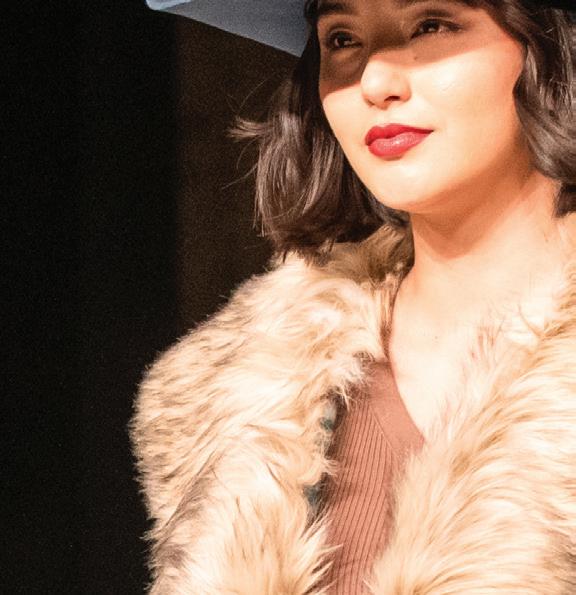
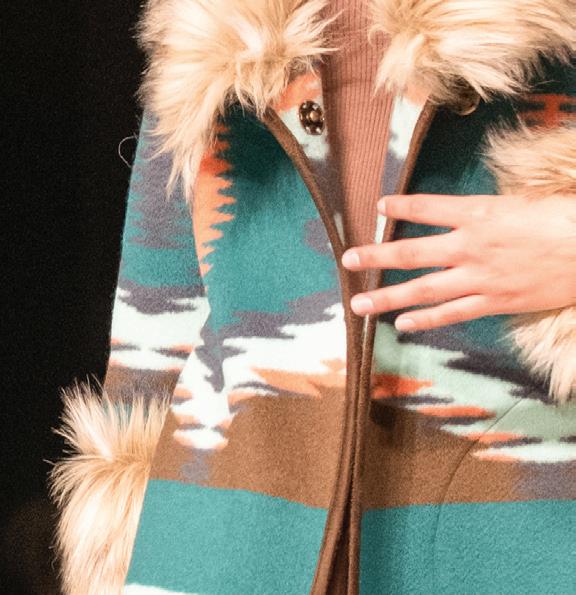

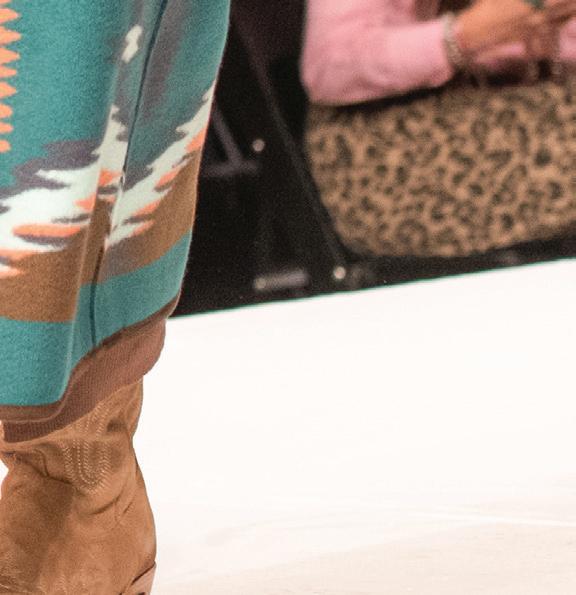





Functional Fabric Fair, powered by Performance Days, will take place in New York City this July. Strategically positioned on the East Coast, the summer edition is designed to serve the full spectrum of East Coastbased brands, designers, product developers, sourcing agents and students working across athletic and outdoor apparel, as well as the growing world of functional fashion, including swim, lingerie, activewear and performancedriven lifestyle design.
The event will open with the Day 0 Sustainability Workshop, followed by two full days of exhibit hall sourcing and “Expert Talks” educational programming. The show brings together material decision-makers from around the globe, focused on performance, sustainability and innovation for the summer 2027 and 2028 seasons.
“New York City is the ideal home for the summer edition of Functional Fabric Fair,” said Steve McCullough, event vice president. “The East Coast is a hub for some of the most innovative brands and designers working across athletic, outdoor and functional fashion categories today. Our exhibitors represent a truly global community of suppliers, and this event gives East Coast professionals direct access to the materials, innovations and conversations shaping the next generation of performance apparel.”
McCullough added, “Given the limited availability at the Javits Center and the surge in hotel demand around the FIFA World Cup, we made the difficult decision
to adjust our 2026 dates rather than move venues or risk canceling the event. We understand that changes like this can be inconvenient, and we truly appreciate the flexibility and support of our community. It was important to us to remain in the location our audience knows and values, while continuing to deliver the high-quality experience you expect. We’re looking forward to being back on our regular schedule in 2027, and to welcoming everyone this summer.”
The exhibit hall will feature more than 140 sustainable-certified suppliers from around the world, presenting functional fabrics, finishes, trims, accessories and material innovations. From European technical mills to Asia-Pacific performance fabric manufacturers and domestic specialty suppliers, the exhibitor community reflects the global nature of the textile supply chain—conveniently concentrated in one New York venue for North American and East Coast attendees.
The summer edition is specifically designed to serve the dynamic East Coast market, attracting attendees including athletic and outdoor apparel brands and manufacturers; swim, lingerie and intimate apparel developers; fashionforward functional design studios and lifestyle brands; product developers, material managers and sourcing agents; and students and faculty in textile, apparel design and fashion programs.
The full-day Day 0 Sustainability Workshop returns, curated and facilitated by Todd Copeland of Copeland Consultancy LLC, Eric Brody of Soft Advantage and Kevin Myette of Bluesign Technologies. Developed in response to attendee feedback, the program will feature pragmatic approaches to foundational sustainability topics, the latest field developments and regulatory updates, real-world case studies and interactive roundtable discussions designed to support informed decision-making across the supply chain.
Attendees will have access to daily “Expert Talks” education sessions, live demonstrations and curated discovery areas, including the trend forum and the future fabrics expo innovation hub, along with happy hours and social gatherings that further support meaningful industry connections.
Summer 2026 continues building on the circular economy conversation, turning the lens on collectors and sorters—the gatekeepers of textile-to-textile recycling who determine whether used textiles become new fibers or end up as waste. This focus topic explores the possibilities, challenges and innovations defining this crucial first step in the circular value chain, from efficient systems and smart technologies to cross-sector collaboration.
Functional Fabric Fair takes place seasonally across four North American editions: winter in Orlando, spring in Portland, summer in New York City and fall in Portland. Each event delivers a consistent focus on responsible sourcing, education and vetted supplier access tailored to seasonal market needs.




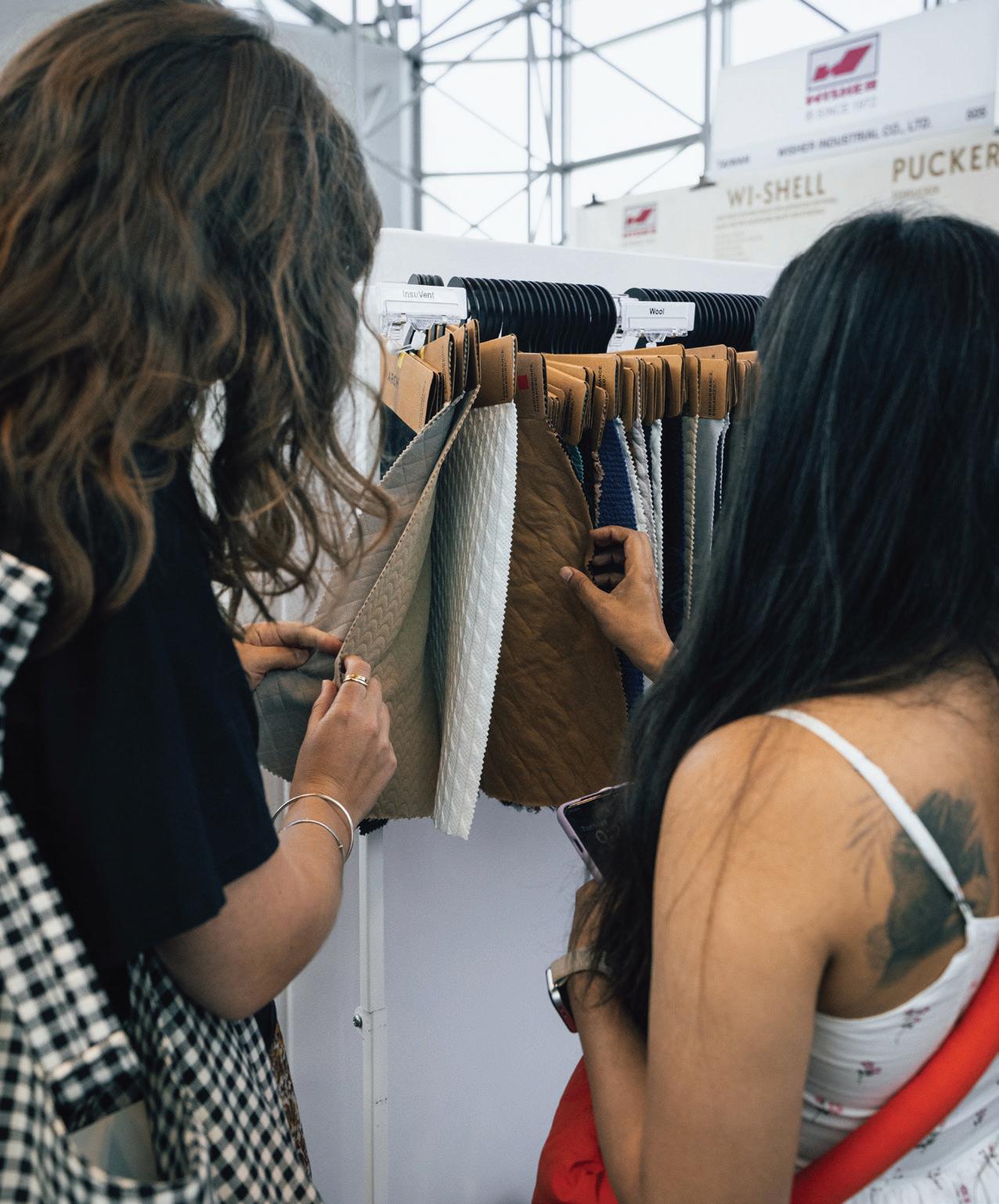
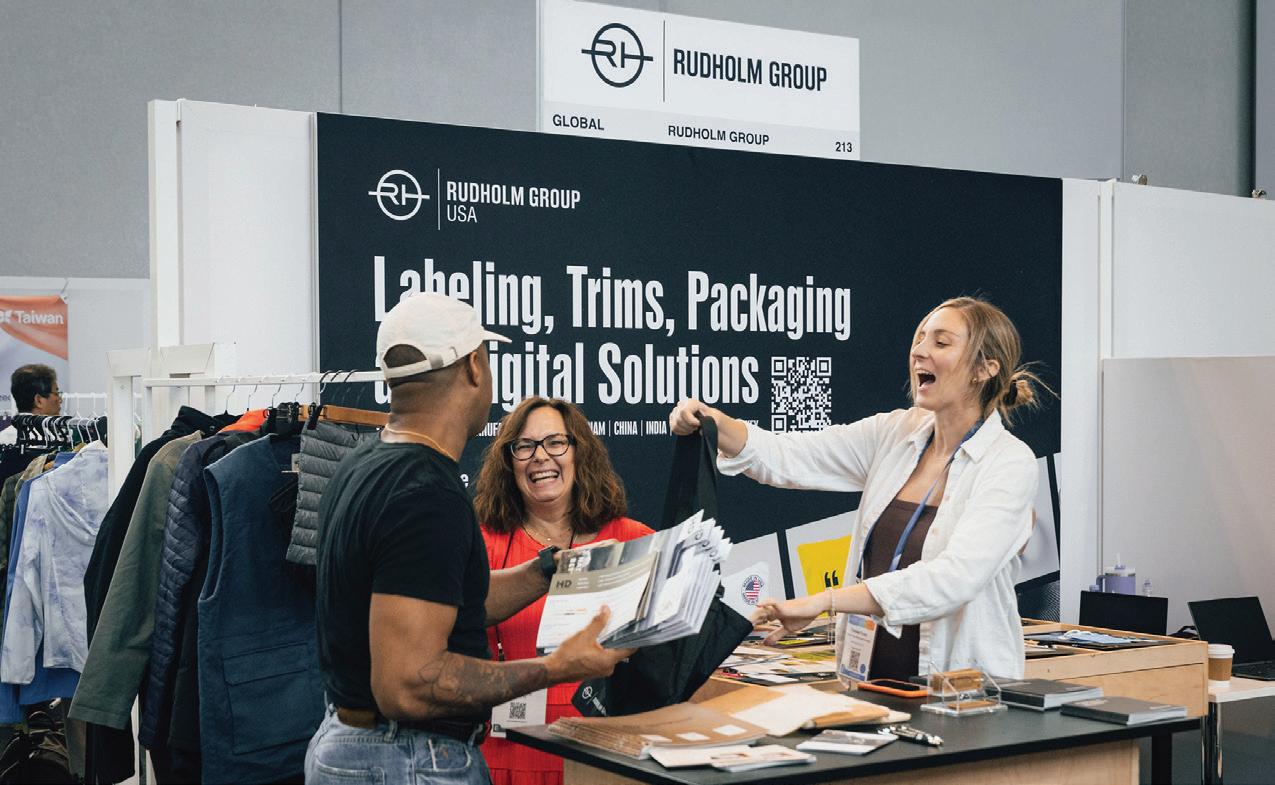
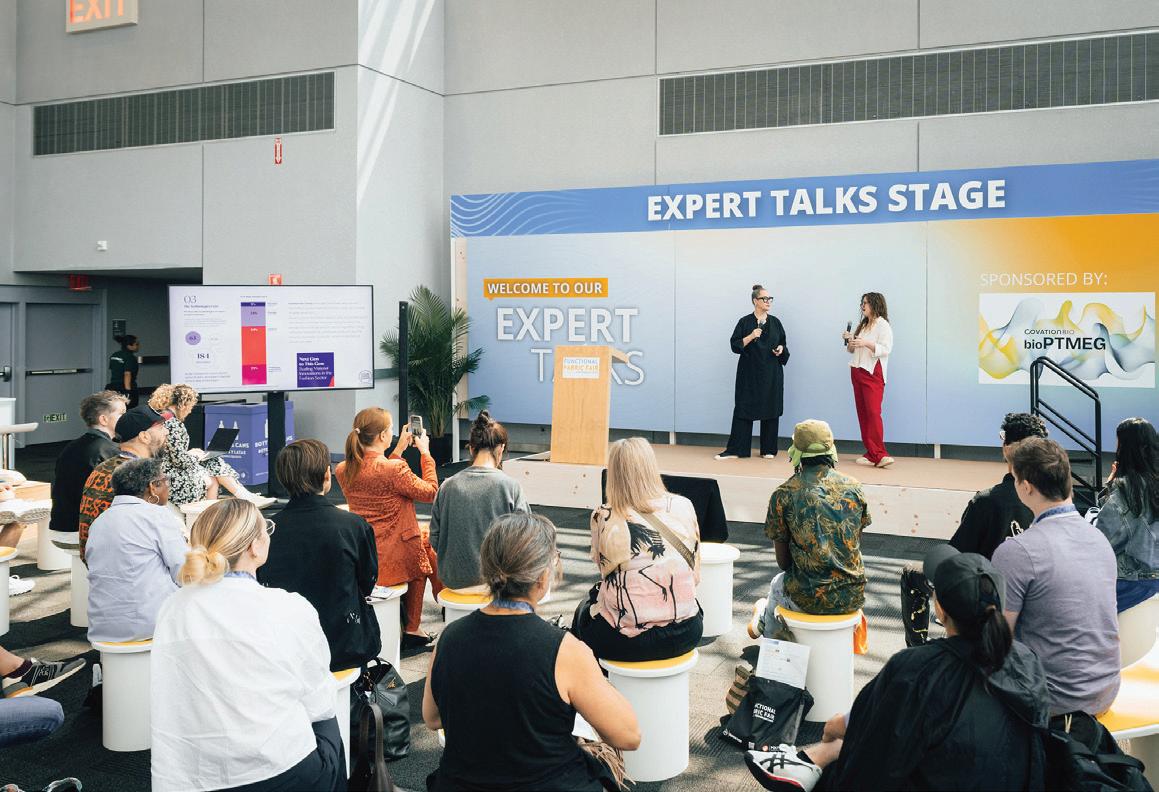
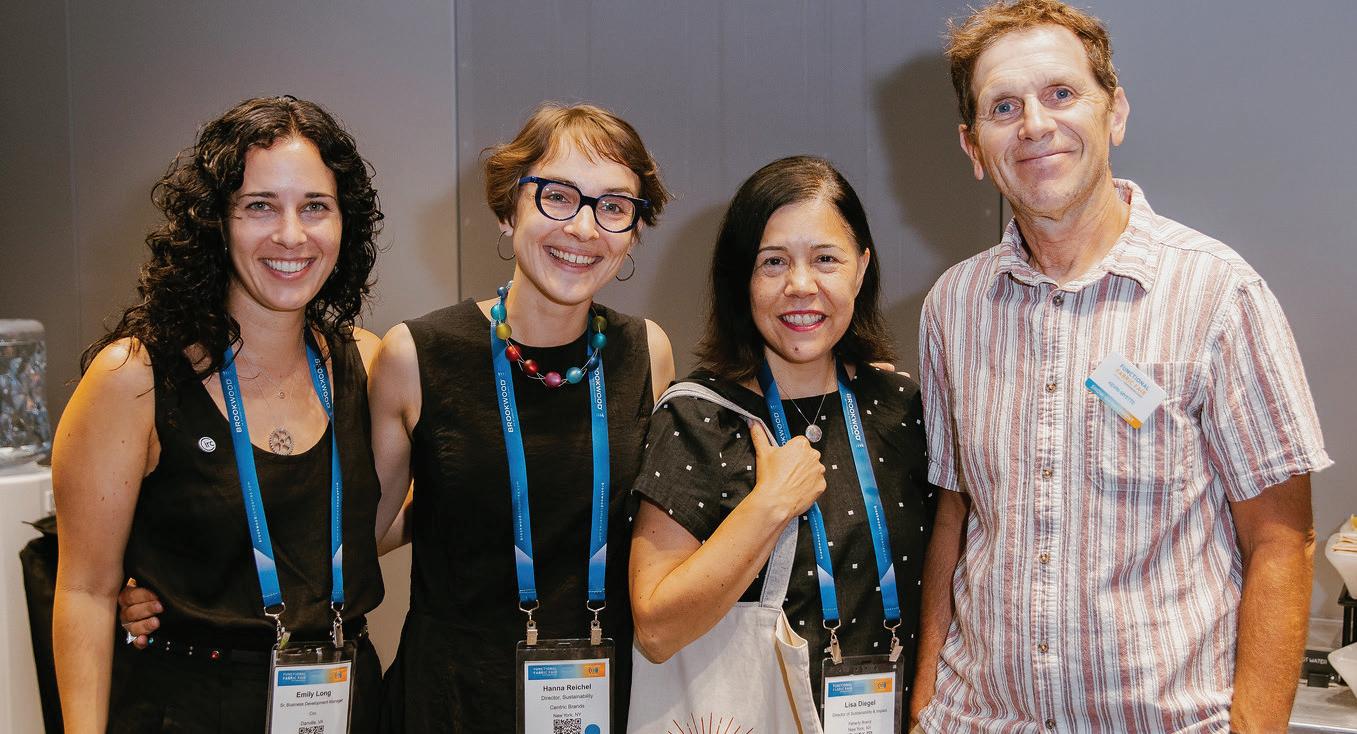






















The Continental Buying Group (CBG) has long been considered one of the most exclusive jewelry buying groups in the United States. Operating as a trade-only organization with an invitation-only membership structure, the group connects leading independent retailers with carefully selected supplier partners across North America. Within the industry, CBG has quietly become known as a place where emerging trends are discovered before they reach the market.
That spirit of discovery is what inspired the Curated Designer Project, a highly selective showcase featuring handpicked jewelers chosen for originality and strong market potential. Rather than functioning as a traditional designer section, the project offers retailers a focused look at collections capable of helping independent stores stand apart through distinctive design.
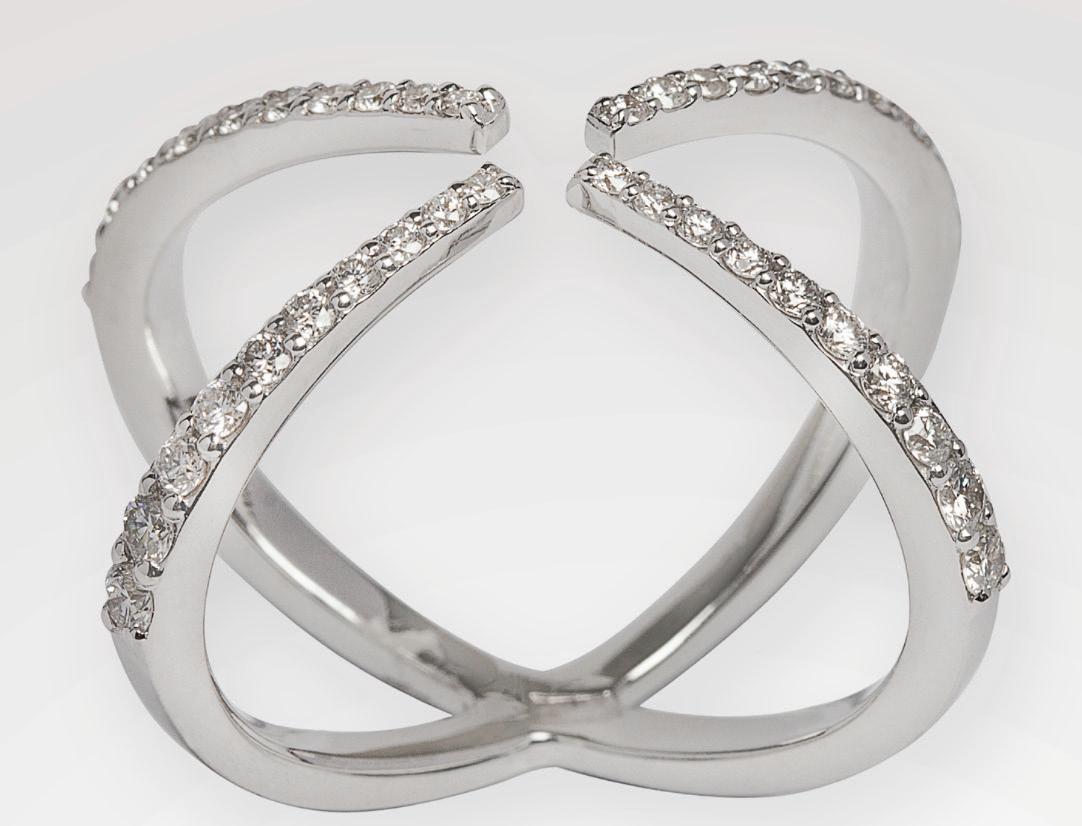




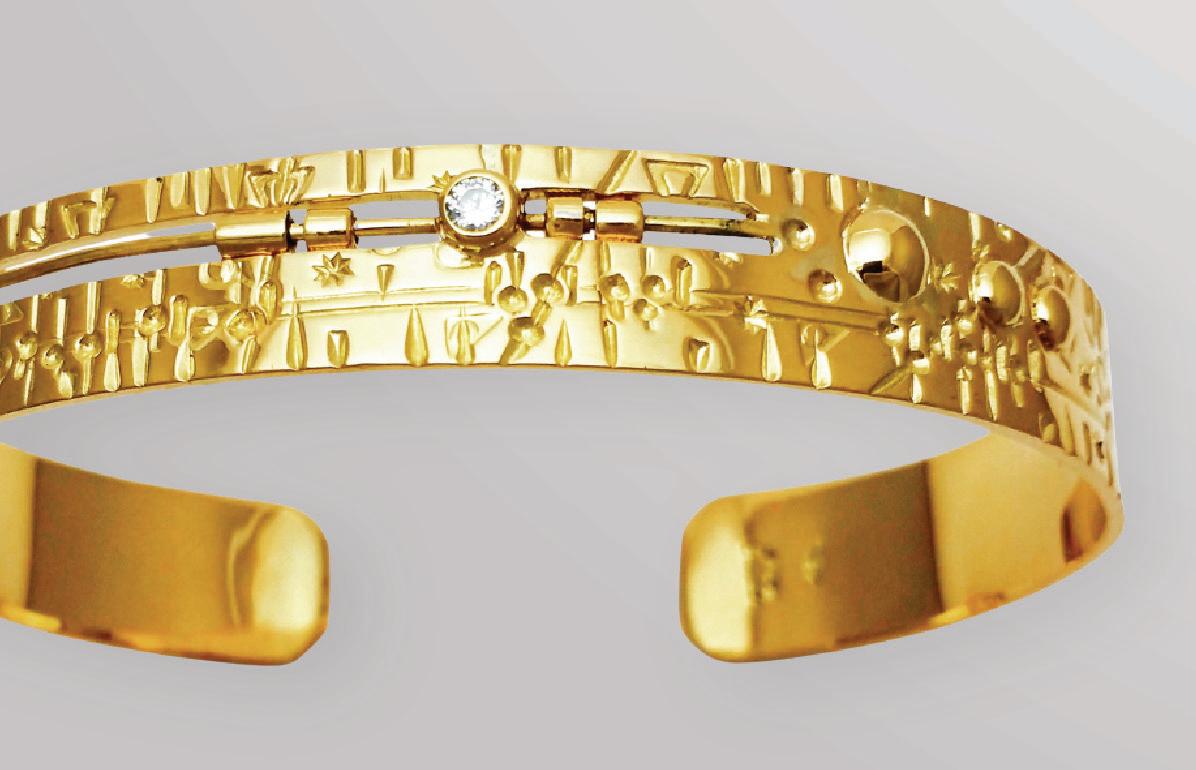



Returning to the Curated Designer Project is Chris Ploof Designs, internationally recognized for mastery of Damascus steel, mokume gane, meteorite and alternative bridal jewelry. Founded by metalsmith Chris Ploof, the brand is especially known for men’s wedding bands that combine engineering precision with artisanal craftsmanship. Drawing from a background in blacksmithing and mechanics, Ploof pushes the boundaries of unconventional materials.
In a world increasingly shaped by mass production, Folium stands apart through its old-world craftsmanship, reviving the art of hand engraving. Founded by master goldsmith Myles Ryan, the company embraces techniques that require time, precision and the human touch, creating jewels that are truly one of a kind. As demand grows for luxury and heirloom-quality bridal jewelry, hand-engraving has reemerged as one of the most sought-after expressions of craftsmanship. Each Folium design carries sculptural beauty and emotional permanence, transformed into a wearable work of art to be treasured for generations.









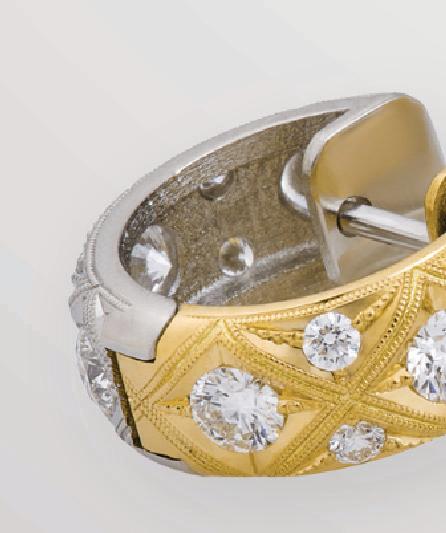









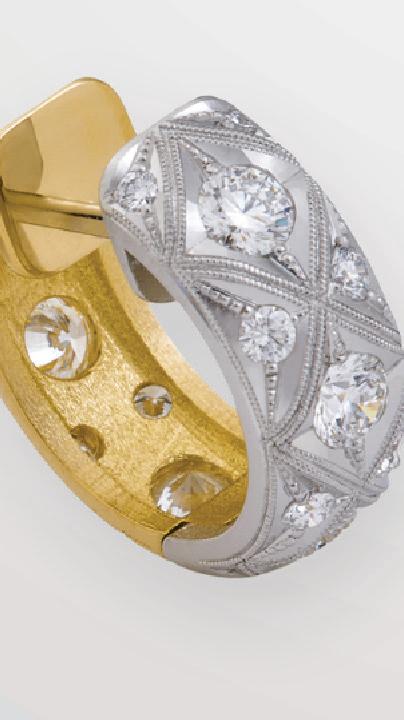




Among the new additions to the project is Anty, founded by sisters Amany and Engy Afify. Inspired by their Egyptian heritage, the brand blends Eastern symbolism with Western aesthetics to create jewelry centered around empowerment and individuality. The name “Anty,” meaning “you” in Arabic, reflects the founders’ belief that jewelry should feel deeply personal to the wearer. Their collections resonate strongly with independent women who are increasingly drawn to brands with a girl boss vibe.
GemologyGeek brings a gem influencer perspective to the Curated Designer Project through founder Erica Silverglide, a graduate gemologist and beloved gemstone educator. Her jewels place greater focus on gemstone science, rarity and the juxtaposition of stones in fine jewelry. Silverglide’s Ignite collection explores the relationship between light, optical performance and fluorescence, showcasing carefully selected gemstones that are surrounded by (literal) glowing diamonds.
Based in Charlottesville, Virginia, Jason McLeod Jewelry merges sculptural fine jewelry with inspirations drawn from science fiction, the celestial and historical metalworking traditions. For more than two decades, the studio has created handcrafted designs with a futuristic aesthetic. Collections such as Time Traveler and Dark Chocolate showcase McLeod’s fascination with oxidation, geometry and jewels that are out of this world.







urtesy of Gemolog


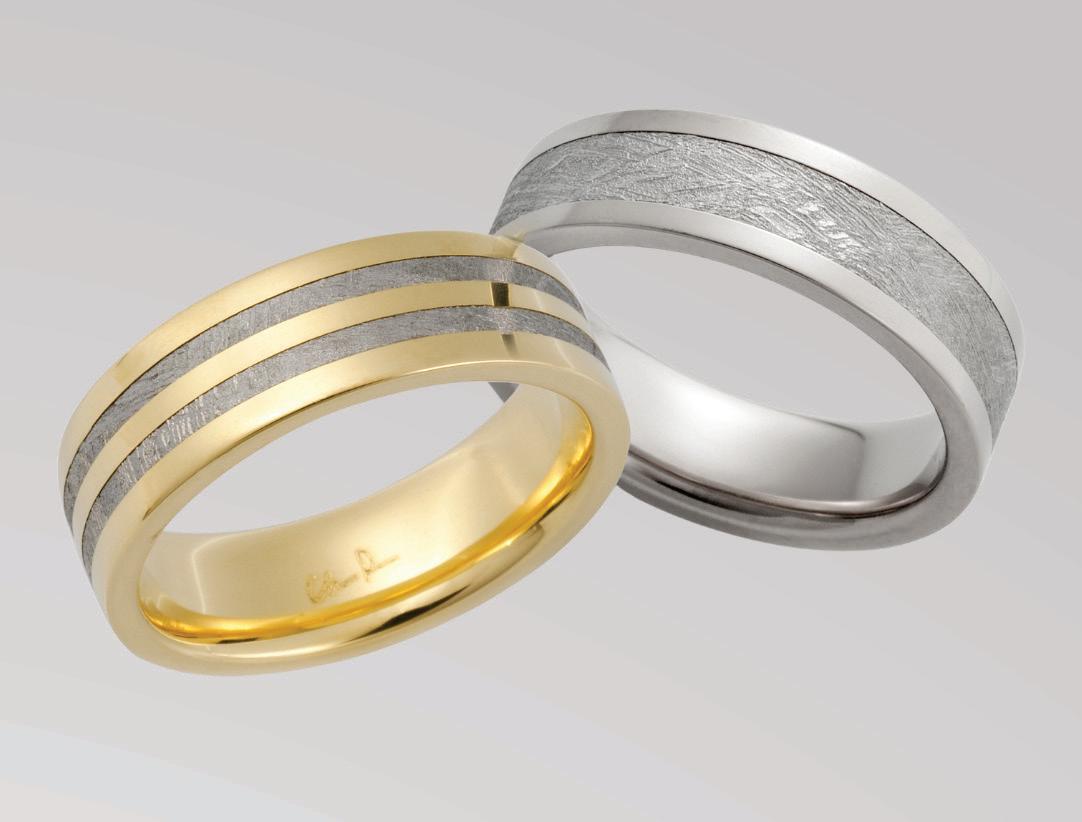


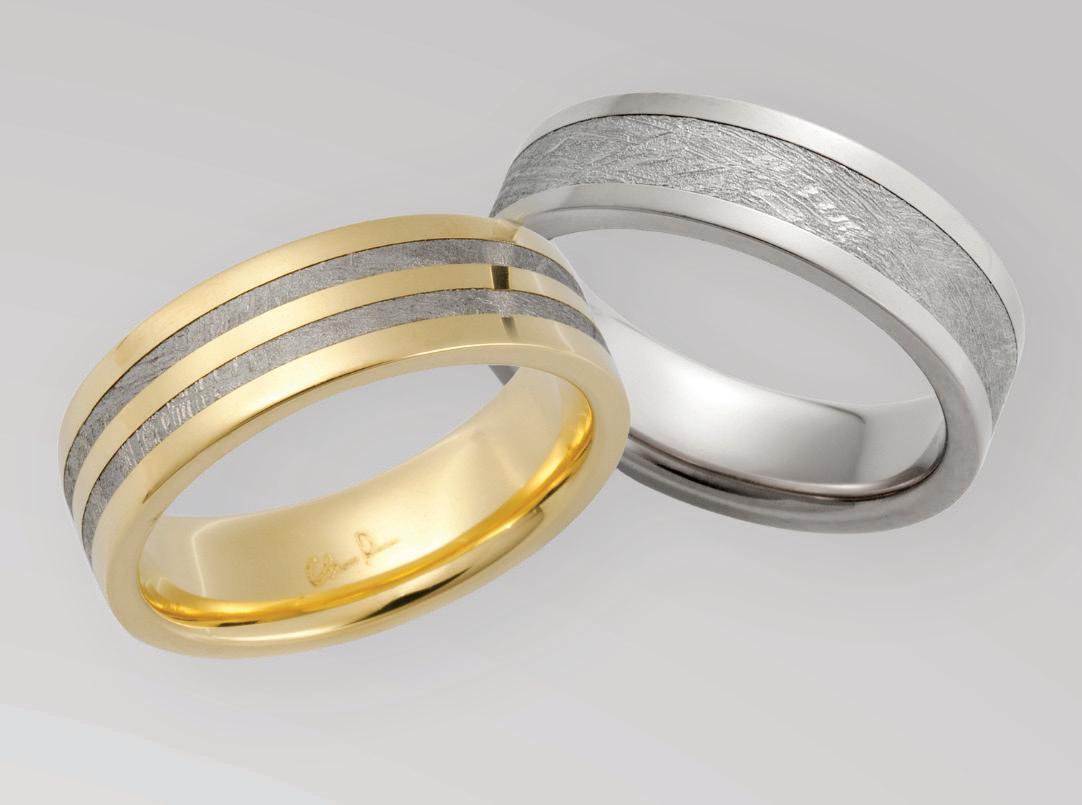
Founded by industry veteran Lori Gadola, Joyla Jewelry celebrates color, positivity and the emotional energy of gemstones. The collections feature vibrant combinations of moonstone, labradorite, turquoise, garnet and tanzanite, set within luminous 24-karat gold vermeil. Joyla’s Affirmation collections incorporate symbolic motifs centered around serenity, joy and gratitude, transforming jewelry into wearable reminders of intention and optimism.



Melinda Lawton Jewelry is recognized for sculptural fine jewelry centered around exceptional gemstones and bold color combinations. Since launching her brand in 2003, Lawton has developed a design philosophy rooted in individuality and emotional connection. Her creative process begins with the gemstone itself, allowing the character and personality of each stone to guide the final design. The brand’s work has appeared in major publications and has been collected by notable clients, including Stevie Nicks.
Completing the lineup is Rahul’s Jewels, founded by New York designer Rahul Gupta. Built around the idea that fine jewelry should feel expressive and inclusive, the brand combines natural diamonds with modern, fashion-forward design. Rahul’s Jewels is especially notable for its use of natural black diamonds and unconventional styling, embracing individuality and overlooked beauty within luxury spaces.












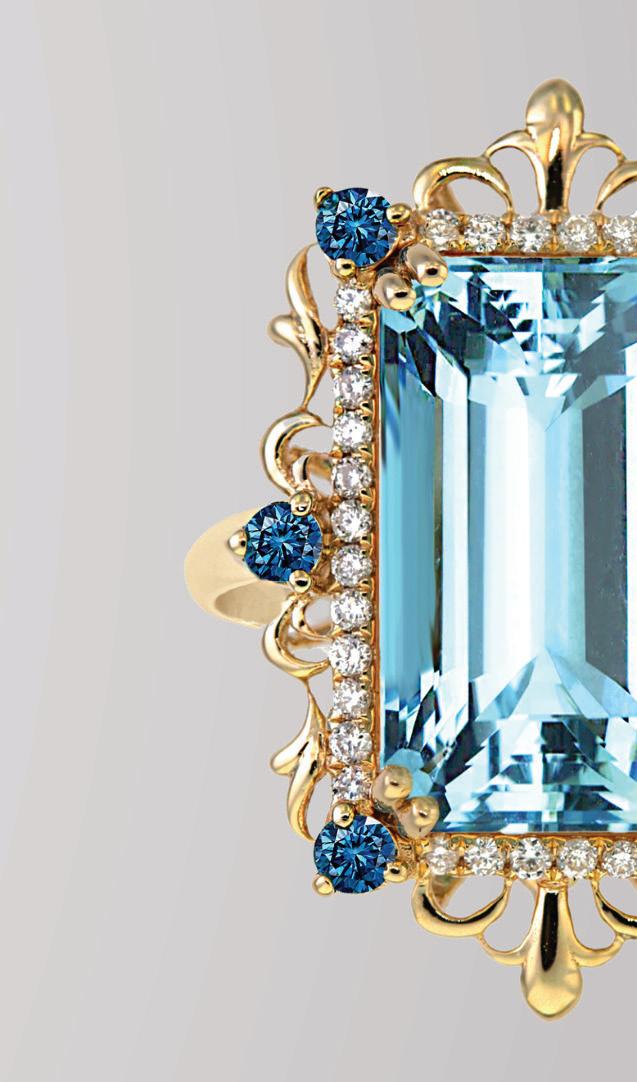

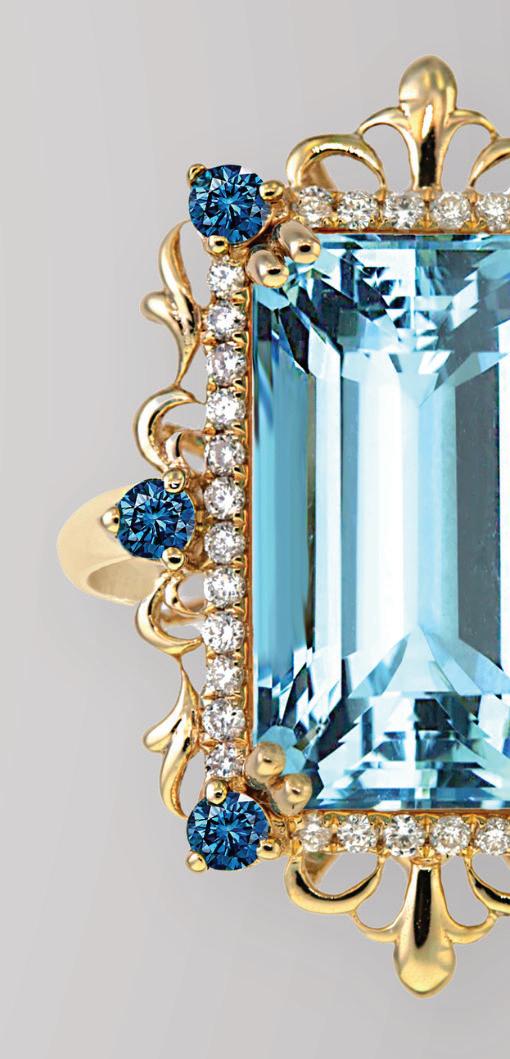








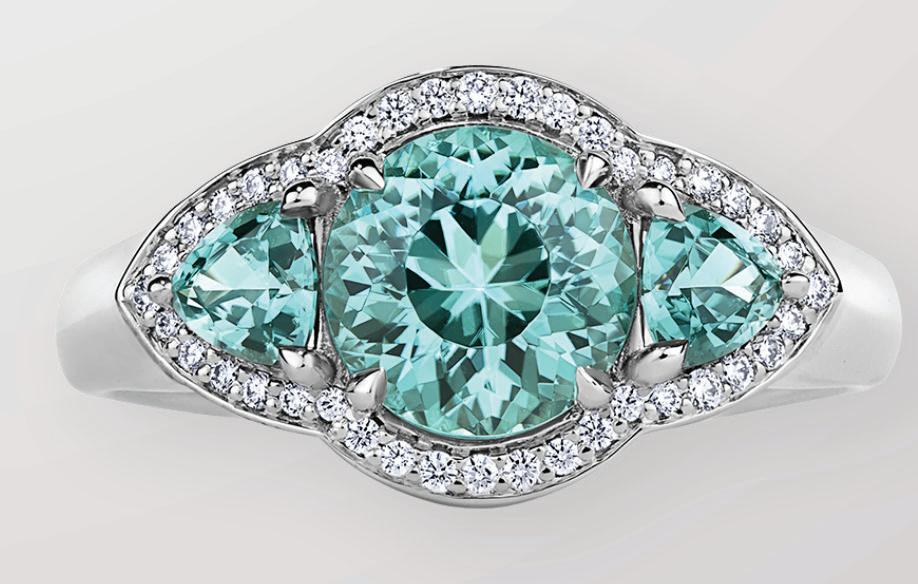
Together

, the designers featured in the Curated Designer Project offer a preview of where independent fine jewelry is headed next. Through provocative storytelling, the pavilion highlights the collections that will soon be seen in leading independent jewelry stores across the United States.