




FASHION MANNUSCRIPT








Shahin Kohan
Shahrooz Shawn Kohan
















As one of the nation’s leading providers of factoring and financing, we match our 100-plus years of experience with flexible solutions and actionable insights. Our team has the financial savvy to help companies unlock liquidity and manage credit risk so they can fulfill business demands and keep growing stronger. Let’s explore how we can put our experience to work for you.












































Whether you are an apparel manufacturer or a fashion owner, IDB understands the changing dynamics of the retail environment including the growth of e-commerce and stands ready to assist you with financial solutions tailored to your needs. Our dedicated bankers not only specialize in Apparel & Consumer Products, but also leverage their strong client relationships and extensive global connections to deliver new opportunities, as your preferences, supply channels and fashions evolve. To




visit






PRESIDENT/CEO
Jeff Mann
EDITORIAL
Editor
Rose Leveen
Editorial Consultant
Debra Hazel
Associate Editor
Penelope Herrera
Director of Communications and Marketing
Penelope Herrera
Graphic Design
Virginia Sanchez
Director of Newsletter Division
Kristen Pooran
West Coast Office: 578 Washington Blvd., Suite 827 Marina Del Rey, CA 90292 866-306-MANN (6266)
ART DIRECTOR
Virginia Sanchez
COVER PHOTOGRAPHY
Atousa Kesh
CONTRIBUTORS
David Harouche
Debra Hazel
Dora Lau
Frank DeLucia
Ilisa Wirgin
Krieger Worldwide
Marshal Cohen
Merilee Kern
Michael Sacco
Nicole Brackett
Paul Magel
Rabbi David Laine
Ron Friedman
Shannon Hynds
BUSINESS
Technology Consultant
Eric Loh
DISTRIBUTION
Mitchell’s Delivery Service
California Distribution
MD Service
West Coast Advisor
Daniella Platt
DIGITAL MEDIA
Virginia Sanchez
Web Developer
CS Designworks
East Coast Office: 450 7th Ave, Suite 2306 New York, NY 10123 212-840-MANN (6266)


Hi everyone. Happy April.
This month’s cover story is about AIMS360. The company started back in 1984, with brothers Shahrooz and Shahin Kohan leading it since around 2005. I have to say, watching their tremendous rise to success has been something special. They’ve been with us for years, advertising and working alongside us, and I’ve been proud to be a part of that journey. Shahrooz has been a great friend and one of the most loyal people I know, and it means a lot to put the brothers on the cover after all these years. I wish them nothing but the best.
I also want to say, I really miss Henry Cherner, who founded AIMS360 and passed away a few years ago. I’m not sure how we first found each other, but when I was out in California in the early days of this magazine, he was one of the first people to recognize what we had. He never missed an issue.
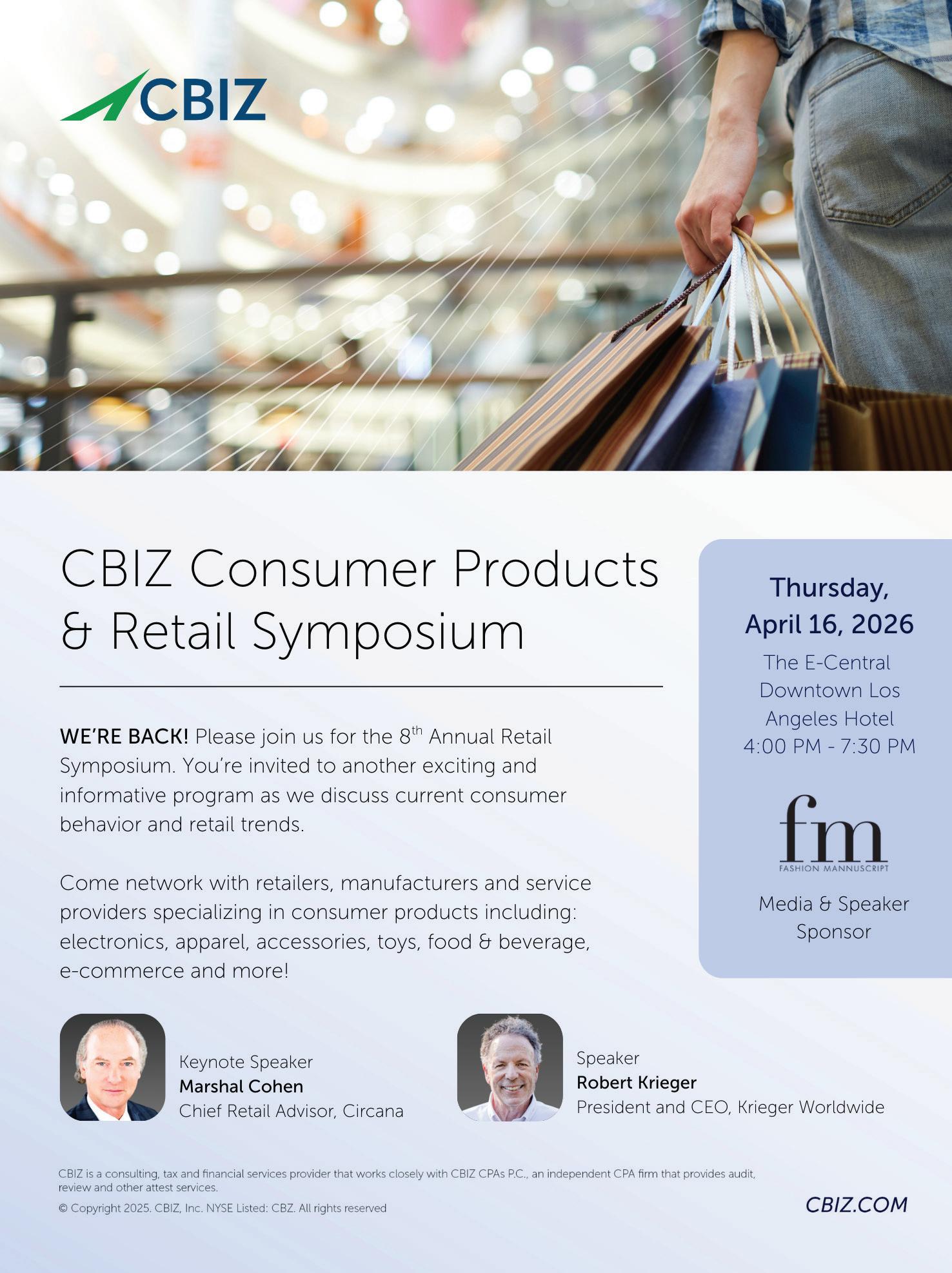
Next month, the April issue will be at the CBIZ symposium in Los Angeles, which my good friend Ron Friedman and I are running. We’ll be distributing the magazine to a room full of people who all know AIMS360 and the Kohan brothers. I’m excited about another successful symposium and hope to see many of you there.
There were many exciting events featured in the magazine this month. A personal favorite was CBIZ’s apparel group’s outstanding cocktail party at the Barbershop Cuts and Cocktails. It was a great opportunity to network with great people.
California has always been a big part of our readership and growth, and I want to keep building on that. With the help of the editorial team, we’ll continue looking for new ways to expand our West Coast coverage. We’ll also be offering more coverage on technology, AI, trade shows and upcoming industry events, so you’re always aware of what’s new and exciting in fashion.
Until next month.

“First comes thought; then organization of that thought, into ideas and plans; then transformation of those plans into reality. The beginning, as you will observe, is in your imagination.”
— Napoleon Hill

Happy April to everyone! The weather in New York has been all over the place, but I feel confident saying that spring is almost here. As it gets warmer, the city’s fashion scene evolves, and it’s been great to see New Yorkers embracing the new season in their styles.
As any regular reader knows, Shahrooz Kohan, CEO of AIMS360, a fashion software company, has been a valuable contributor to Fashion Mannuscript’s logistics section, and I’ve enjoyed learning from his insights since I first joined the Mann Publications team last year. Instead of another logistics article this month, I had the pleasure of featuring Shahrooz and his company on the cover of this magazine. I truly enjoyed putting together this cover story and highlighting the work Shahrooz and his brother, Shahin, have accomplished for fashion brands over their two decades of leadership.
Beyond the cover, you’ll discover passionate designers, new Spring 2026 trends and collections, key insights on the constantly evolving supply chain landscape and tech innovations transforming the fashion industry.
I hope everyone enjoys this issue, and I look forward to sharing more inspiring fashion stories with you next month!







Entrepreneurial financing and credit protection for contemporary, designer and luxury brands.
For decades, we have safeguarded receivables and protected companies from unnecessary credit risk. Quietly. Reliably. Since 1932.












































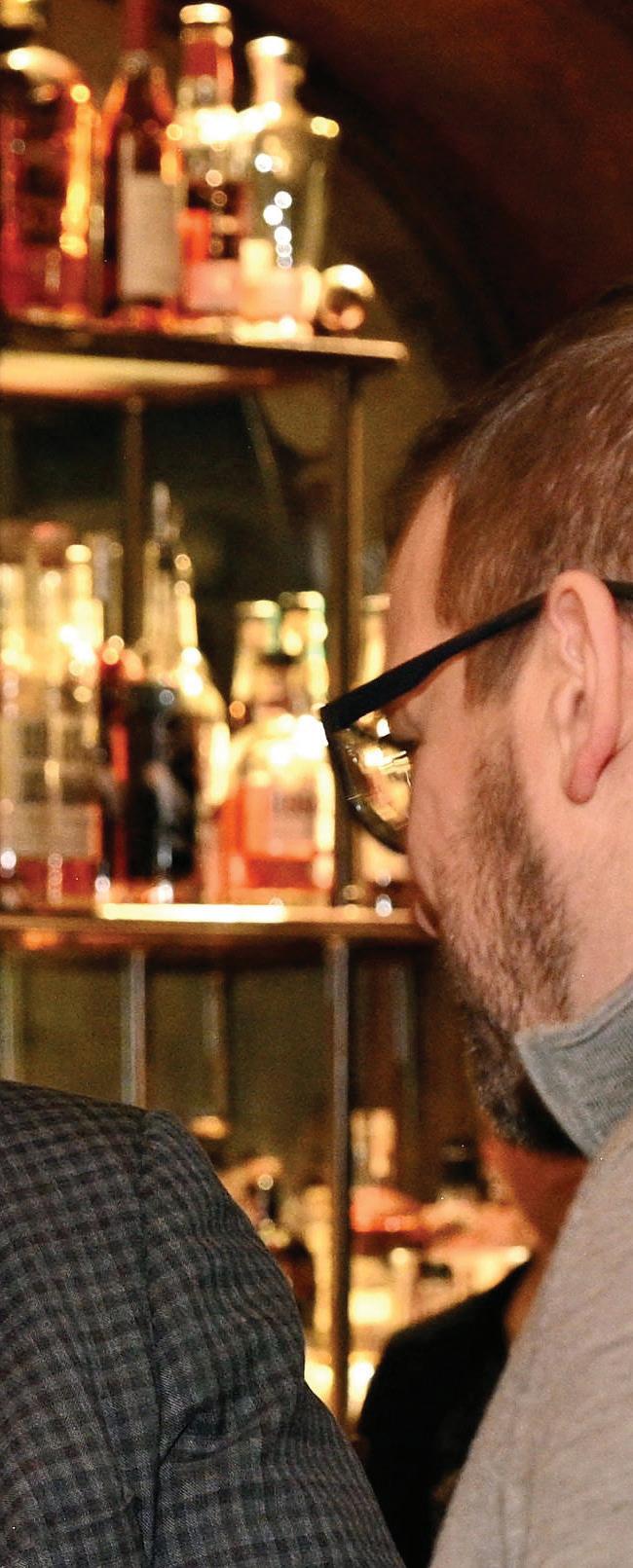

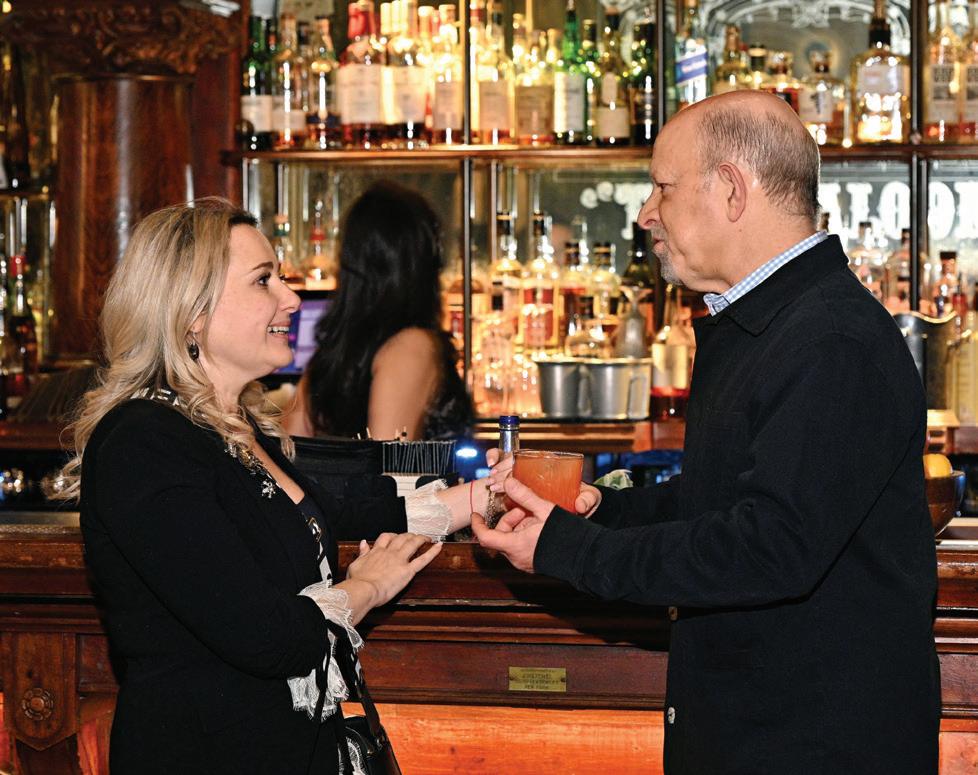
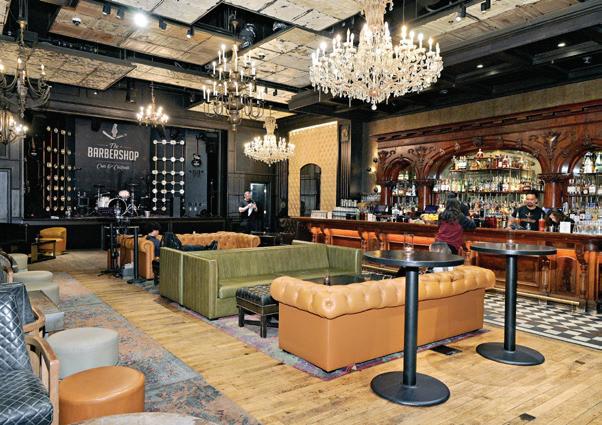
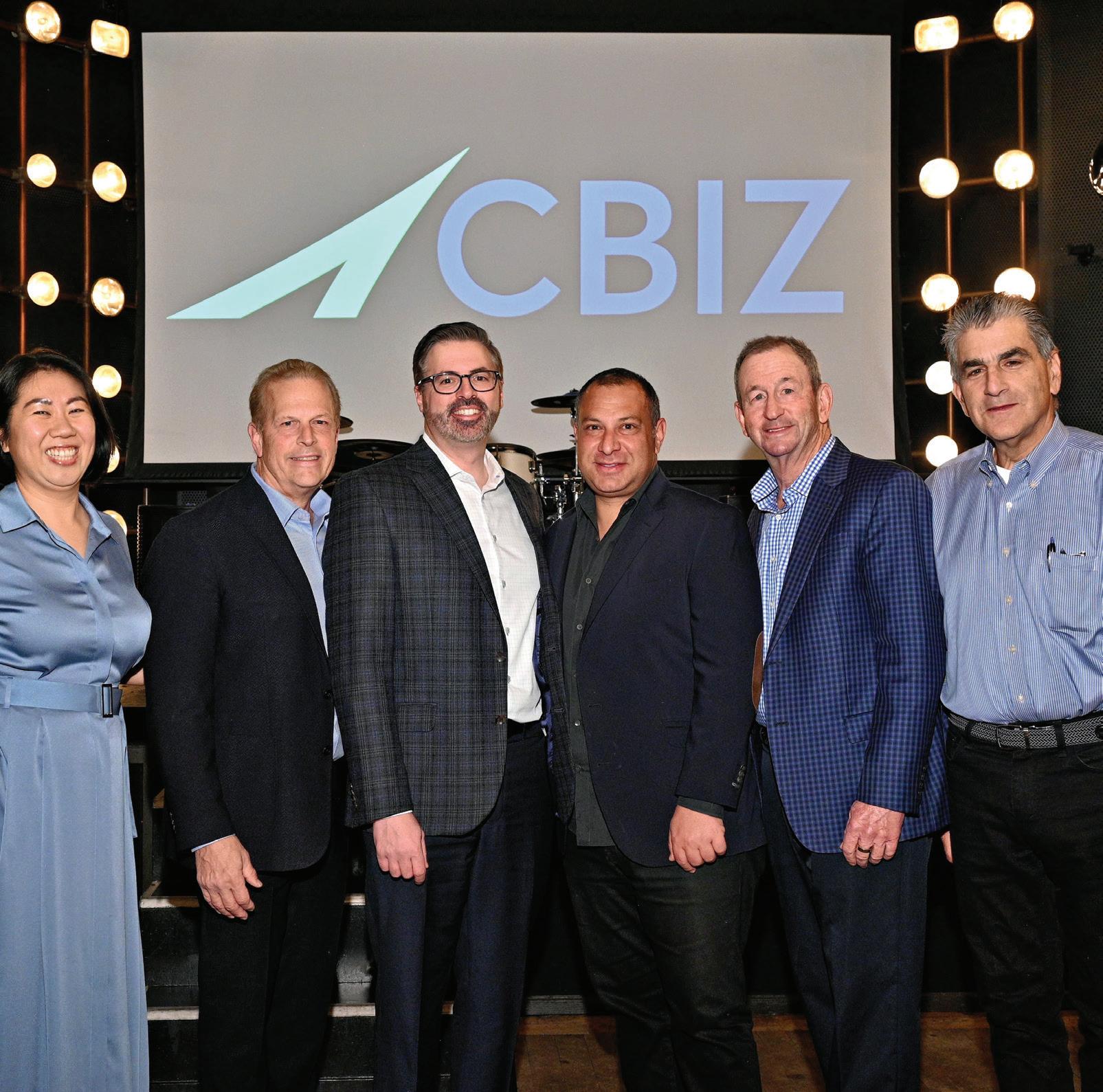
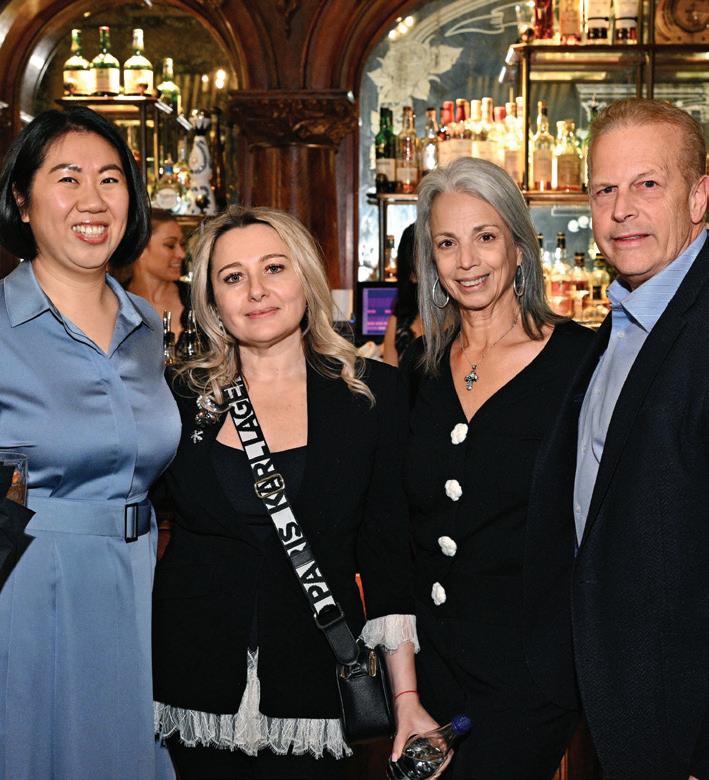
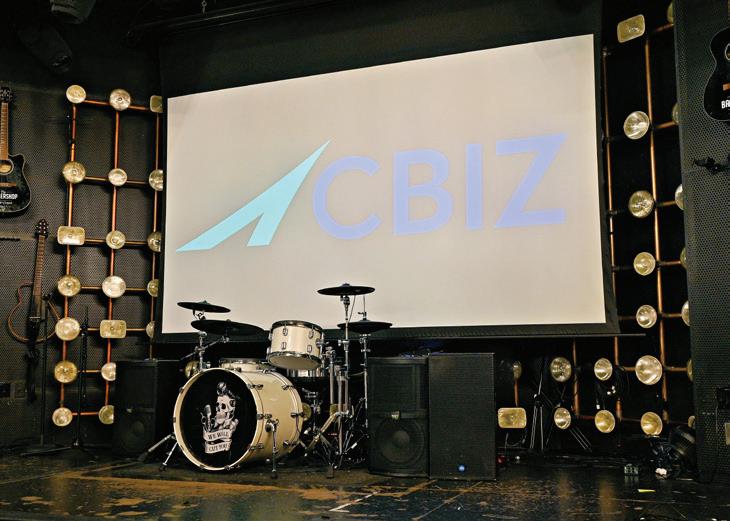
CBIZ’s apparel team, part of the consumer and industrial products (C&IP) group, hosted a cocktail reception during the Magic and Off-Price trade shows in Las Vegas, Nevada, this past February. The event, held at the Barbershop Cuts and Cocktails, provided an excellent opportunity for the CBIZ team to connect with clients and other industry professionals.

























Council Spends a Dynamic Morning at The Core Club





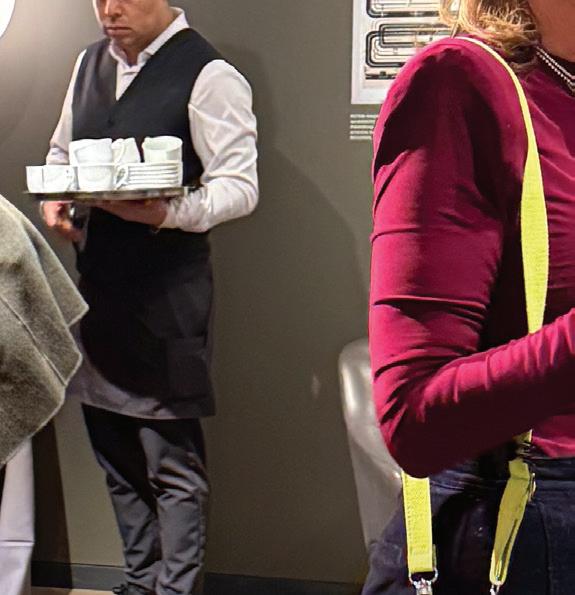
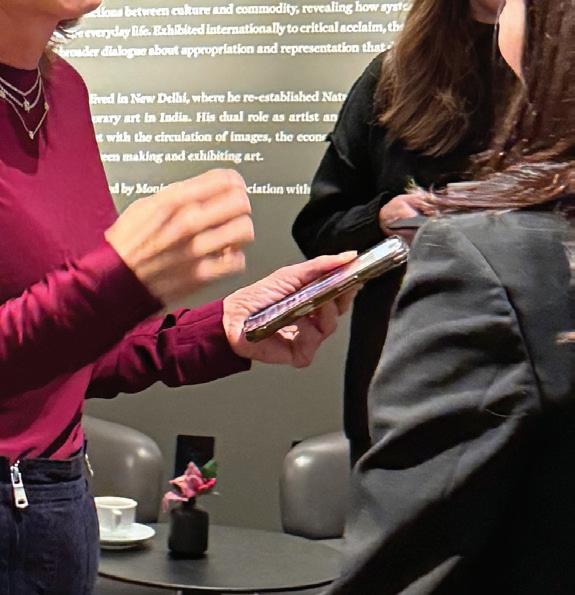
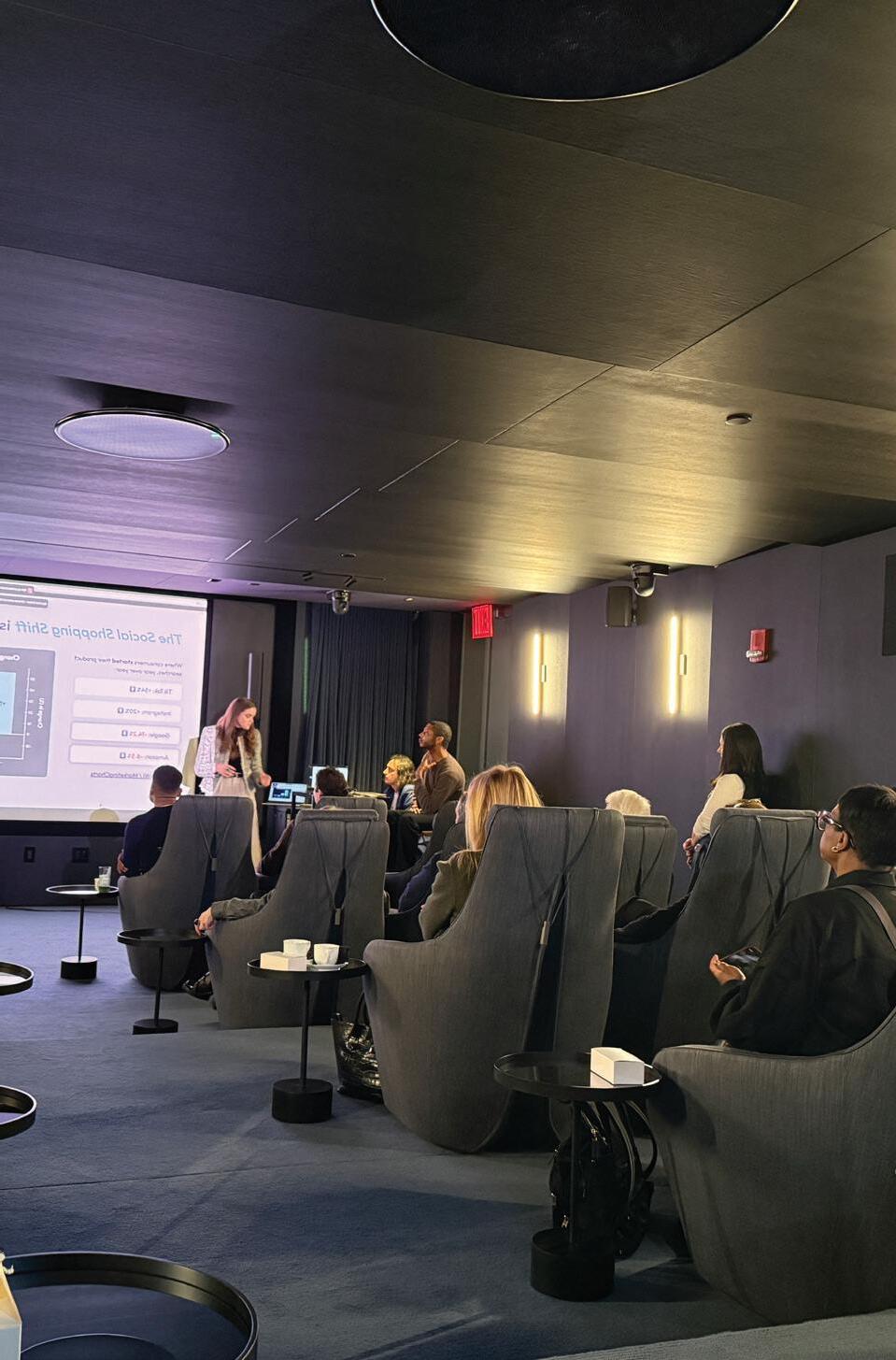
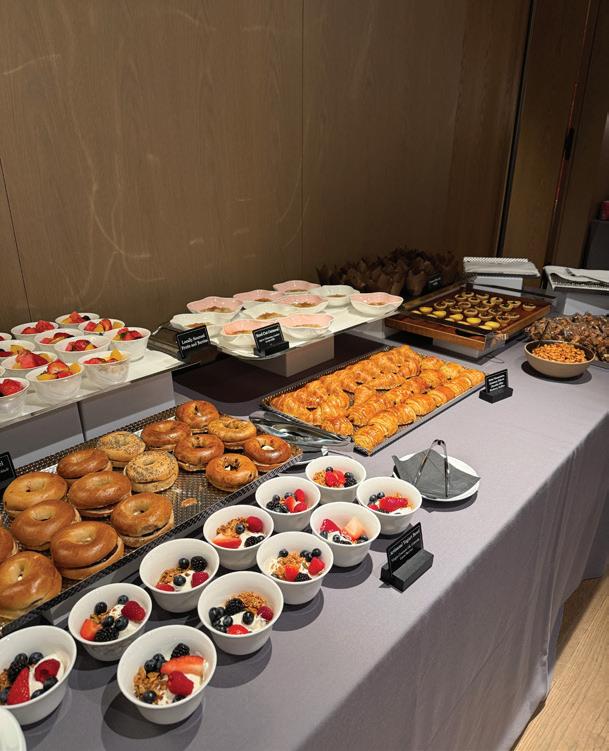
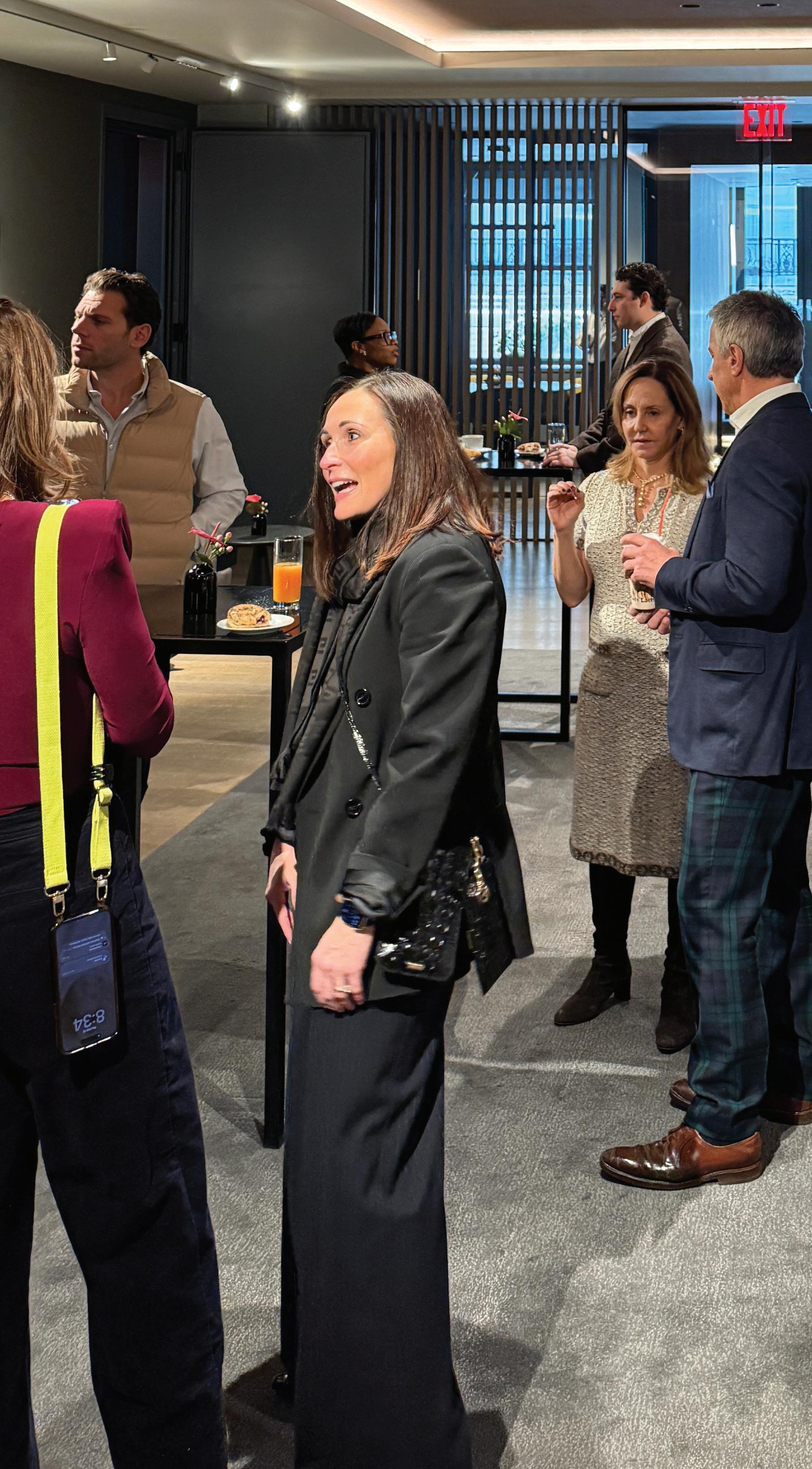
Accessories Council members gathered at The Core Club for an energizing and insightful morning to network and attend a presentation by Marshal Cohen, chief industry officer of Circana, and Kristen Wiley, founder of Statusphere, who both delivered sharp, timely perspectives on consumer behavior, emerging trends and the opportunities shaping the retail and accessories landscape. Their insights sparked lively conversation and left attendees with actionable takeaways for the year ahead. Networking throughout the morning was exceptional, with members and guests making meaningful new connections and reconnecting with industry colleagues.





























to FAT International Ice Race in Big Sky, Montana






























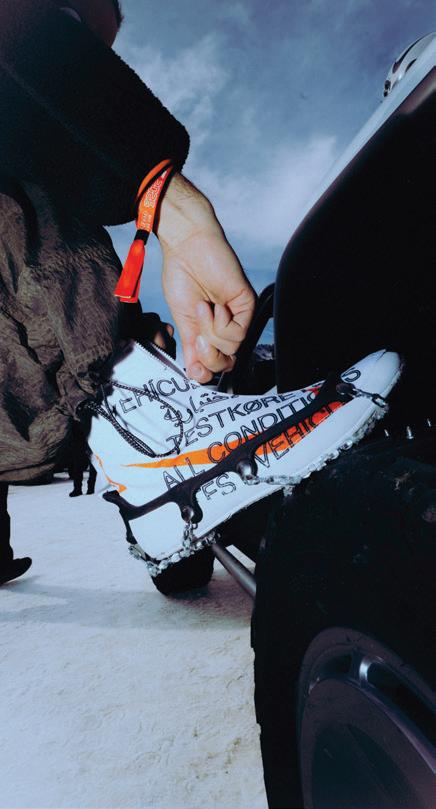




In Big Sky, Montana, Nike’s All Conditions Gear (ACG) made its FAT International Ice Race debut, bringing a fashion-forward outdoor presence to one of motorsport culture’s most visually striking events.
At the center was ACG Basecamp, an immersive alpine installation where guests previewed unreleased innovations, including prototype Ultrafly “spike” footwear and the new Therma-Fit Air Milano Jacket, alongside a custom ACG x FAT International capsule collection created exclusively for attendees. The limited capsule, consisting of a T-shirt, hoodie and jacket, was not available for purchase and was instead gifted exclusively to event participants and insiders.
ACG also staged its headlinegrabbing “Man vs. Machine” stunt performance, where ACG Racing Department athlete Liam Meirow raced across the ice wearing oneof-one Ultrafly spike prototypes,

blending technical performance with storytelling and design.
The ACG moment extended beyond the stunt, anchoring a broader fashion and culture footprint on-site alongside FAT International’s own eventexclusive merchandise and select winter-ready apparel pieces.
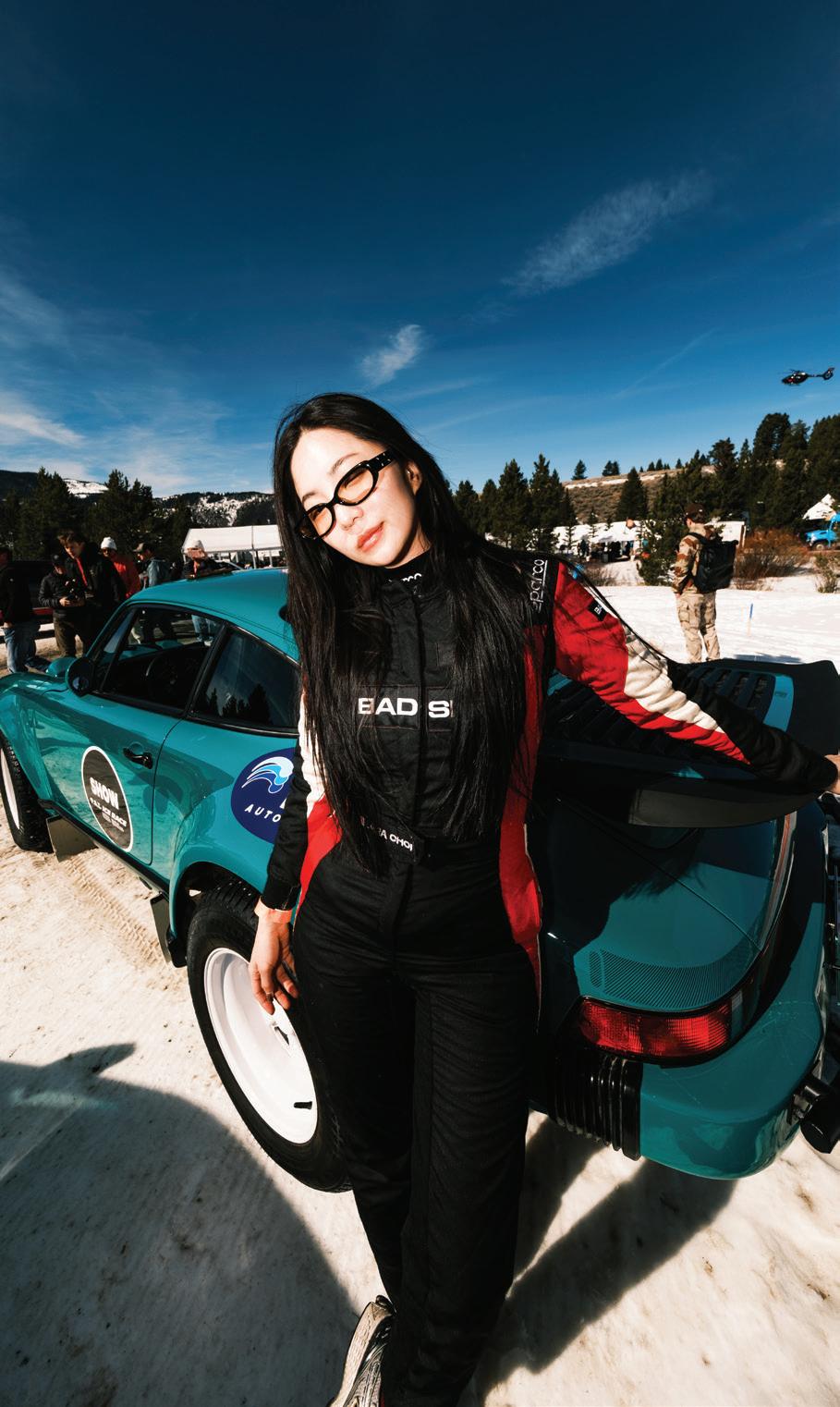
Grammy-nominated artist and 2026 Ice Race driver for Porsche, Don Toliver, was seen wearing the FAT Porsche Design Sunglasses P’ 8479 with the FAT Puffer Jacket, which quickly became a crowd favorite at the event, spotted on other VIPs like Sara Choi, who rocked the piece as she drove in Daniel Arsham’s Porsche throughout the weekend.
Given the visual world, the limitededition gifting strategy and the growing intersection of motorsport, outdoor performance and fashion, this marks a significant cultural moment for ACG and FAT International.







With an Intimate Dinner at Claudie in Collaboration With Stitch Lab


Dress To Celebrates the Launch of Its Spring 2026 Collection, ‘Escape’




Brazilian fashion resort and ready-to-wear brand, Dress To, hosted an intimate dinner in collaboration with Stitch Lab at Claudie in Brickell, Miami, celebrating the launch of its Spring 2026 collection, “Escape,” while also kicking off “Atlas,” the Spring 2026 edition of Stitch Lab’s seasonal pop-up, which took place at Paradise Plaza in the Miami Design District.
Guests in attendance included Erika de la Vega, Nadia Muniz, Karina Salmen, Danella Urbay, Oralia Villareal, Anggie Bryan, Ariana Altuve and Virginia Alvarez.
The evening brought together tastemakers and friends of both brands for a celebratory gathering centered around fashion, community and the arrival of a new season. Hosted by Dress To founder and designer Thatiana Amorim, along with Stitch Lab founder Karina Rosendo, the dinner reflected the shared spirit of creativity and connection that both brands have cultivated within the fashion community in Miami.
Set against the elegant and classic backdrop of Claudie’s South of France-inspired space, those in attendance gathered around a beautifully set table to experience the Escape collection in an intimate setting. In celebration of the launch, every guest in attendance wore a look from the new collection, bringing the vibrant prints

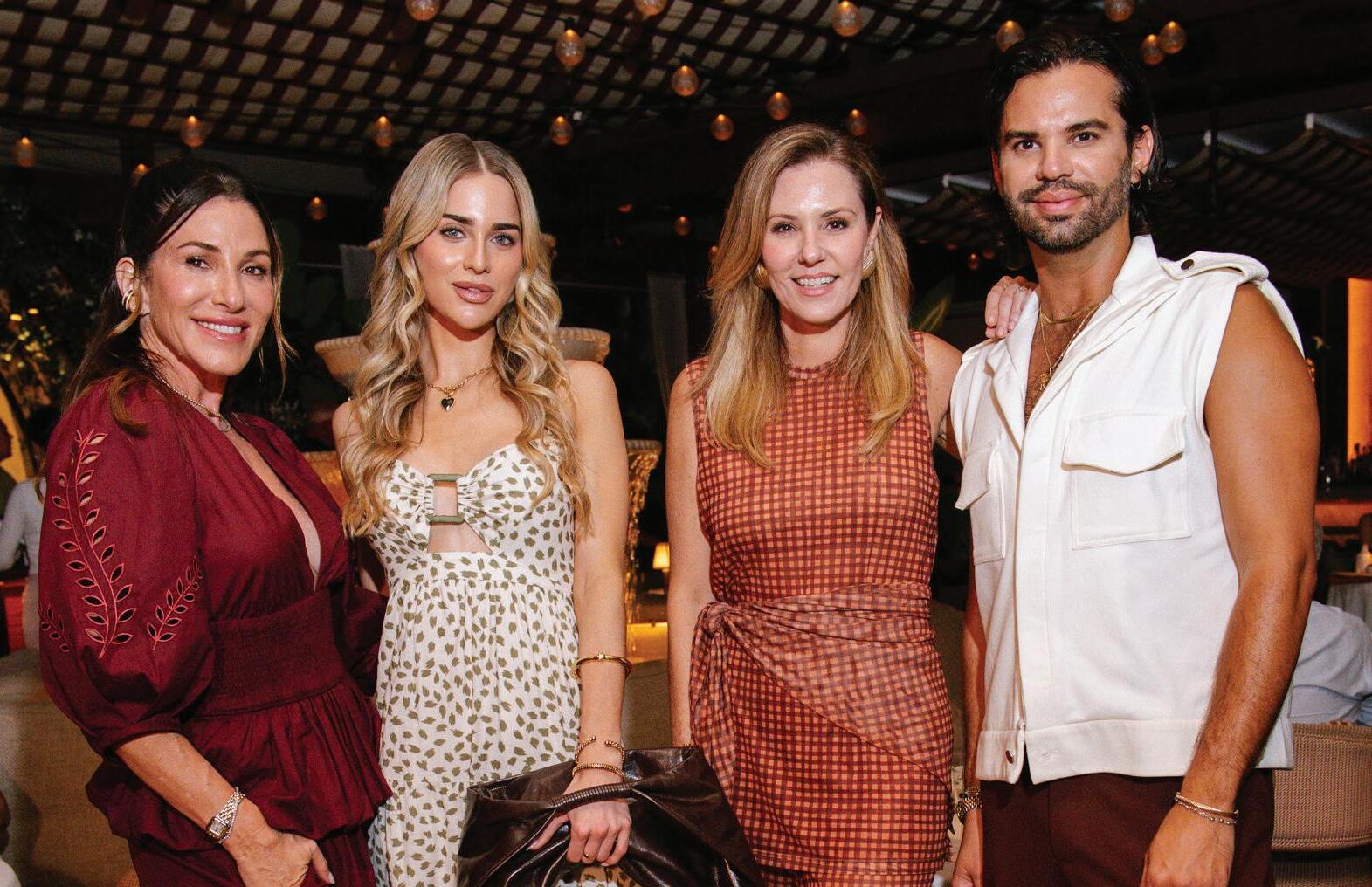

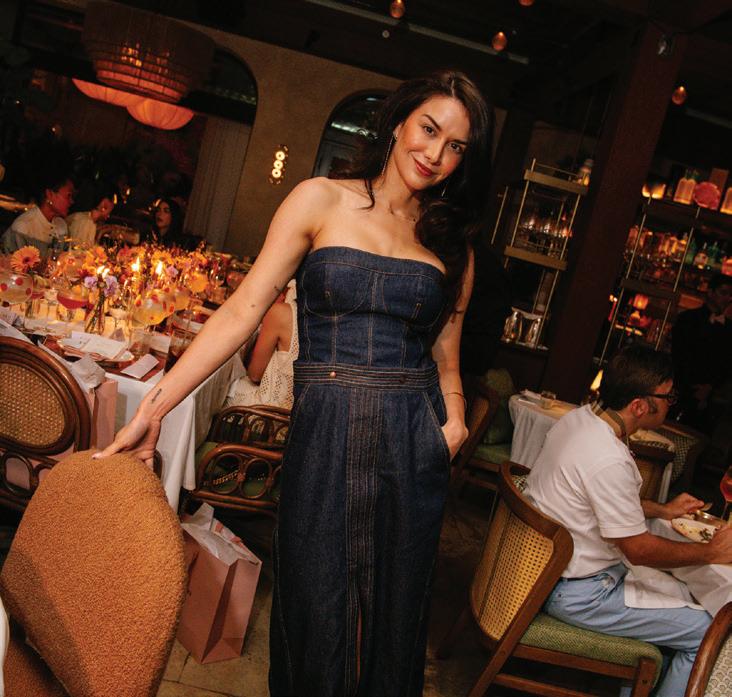

and effortless silhouettes to life. The evening unfolded over a thoughtfully curated dinner and lively conversation, offering attendees a first look at the collection and a chance to connect further with Amorim.
Escape reflects Dress To’s signature balance of ease and elegance, with pieces that feel light and versatile. Featuring airy fabrics, relaxed tailoring, knit textures and vibrant prints, the collection embraces movement and comfort while maintaining a refined silhouette. From flowing dresses and linen sets to effortless separates that can be mixed and matched, the pieces transition naturally between everyday moments and more elevated occasions—capturing the warmth, color and relaxed sophistication of the season.
The collaborative dinner also marked the opening of Atlas, Stitch Lab’s Spring 2026 curated pop-up experience, highlighting Latin American designers and brands. Through all of its pop-ups, Stitch Lab continues its mission of bringing emerging and established designers from across Latin America to new audiences while creating a platform for cultural exchange and discovery.
Together, the evening at Claudie served as a celebration of collaboration, creativity and community—setting the tone for an exciting season ahead.

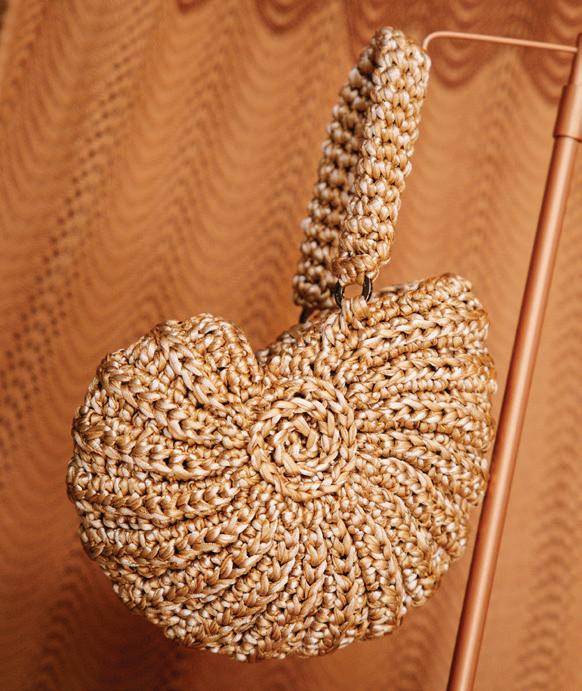




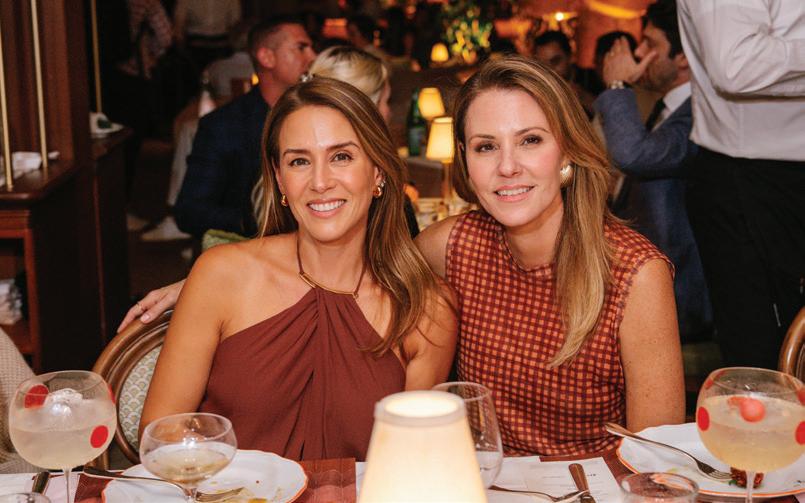


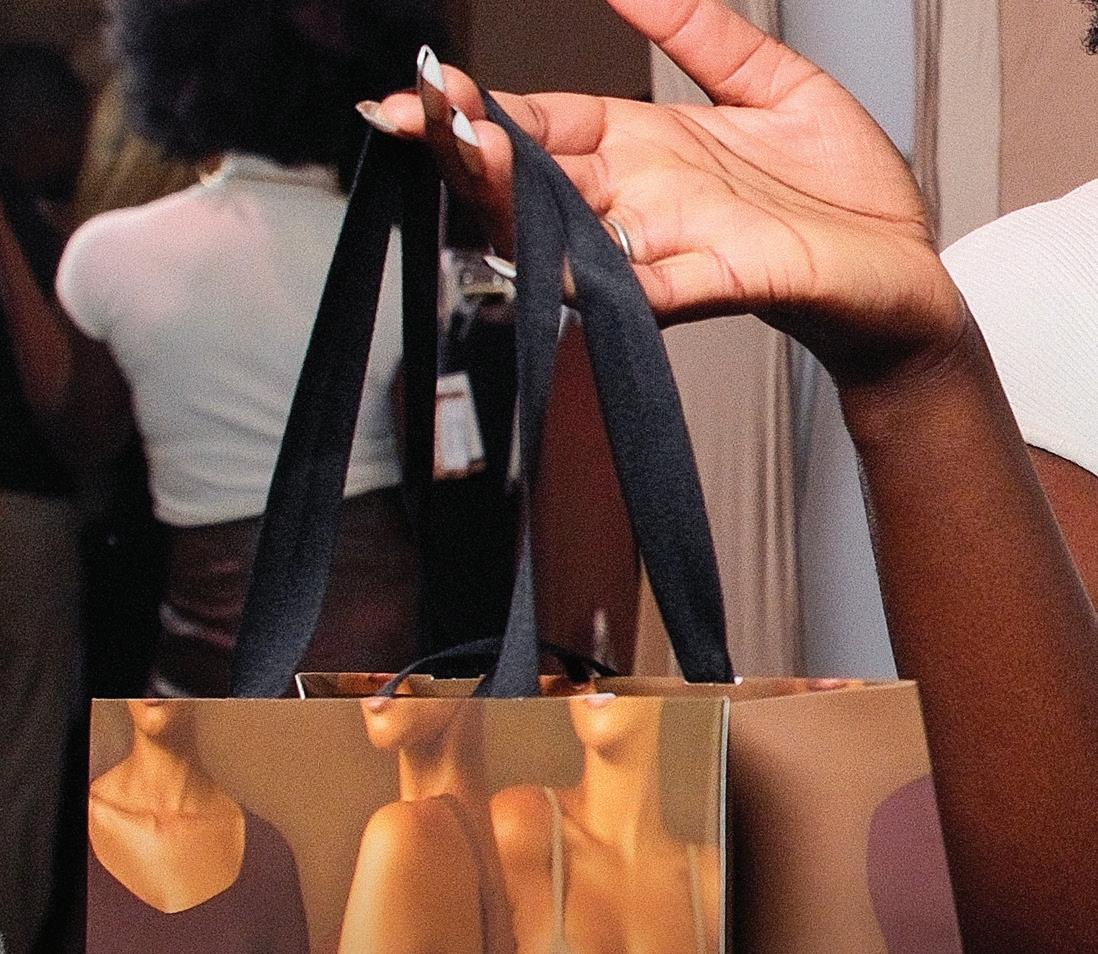









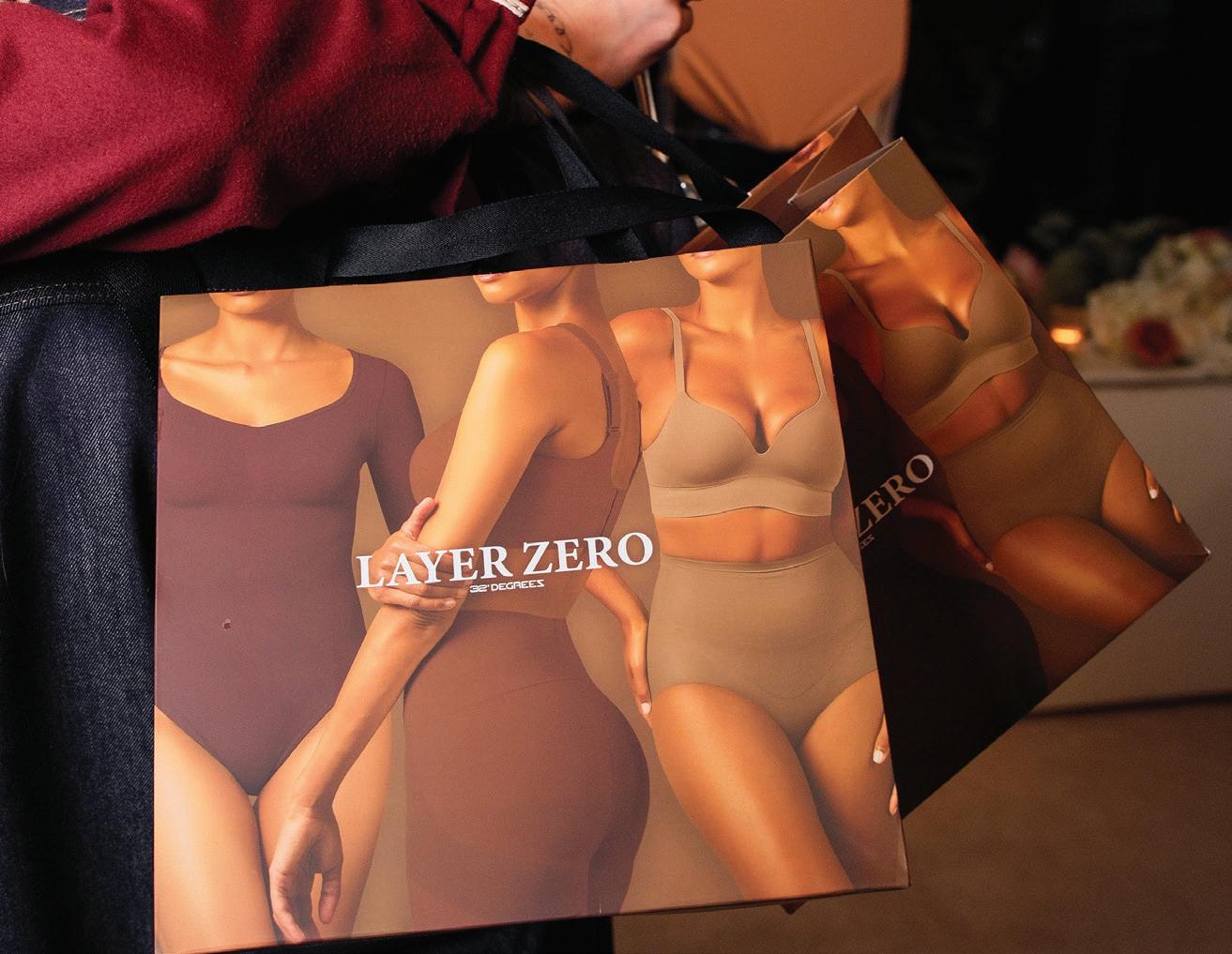
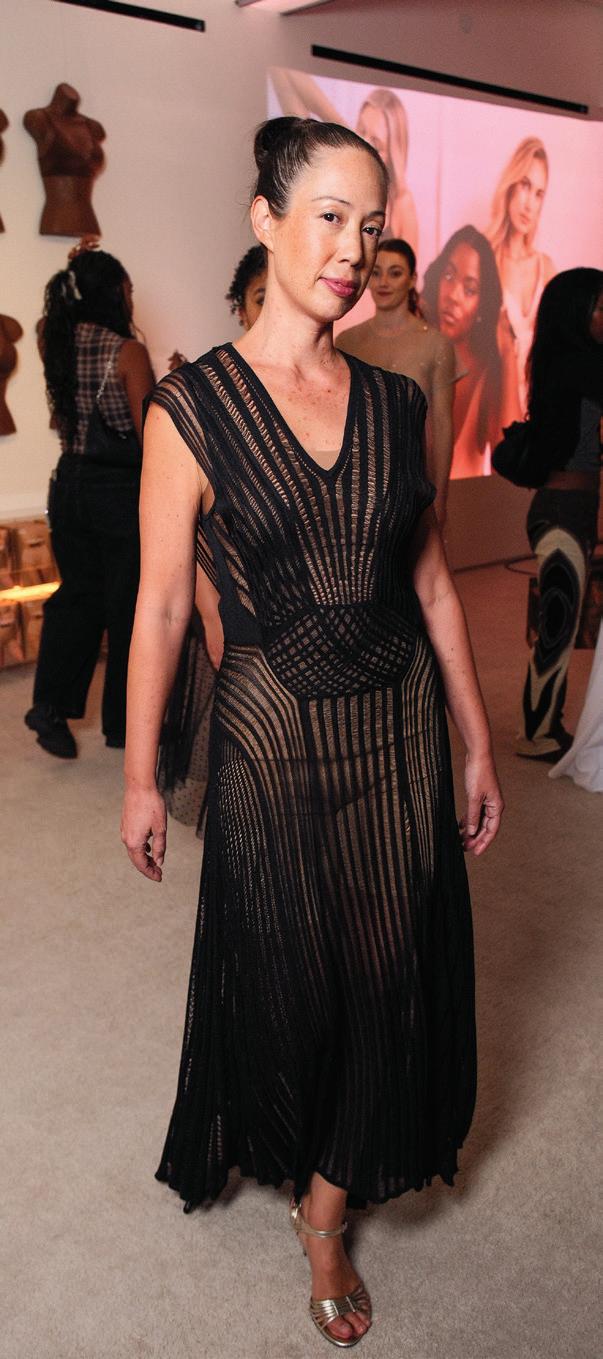


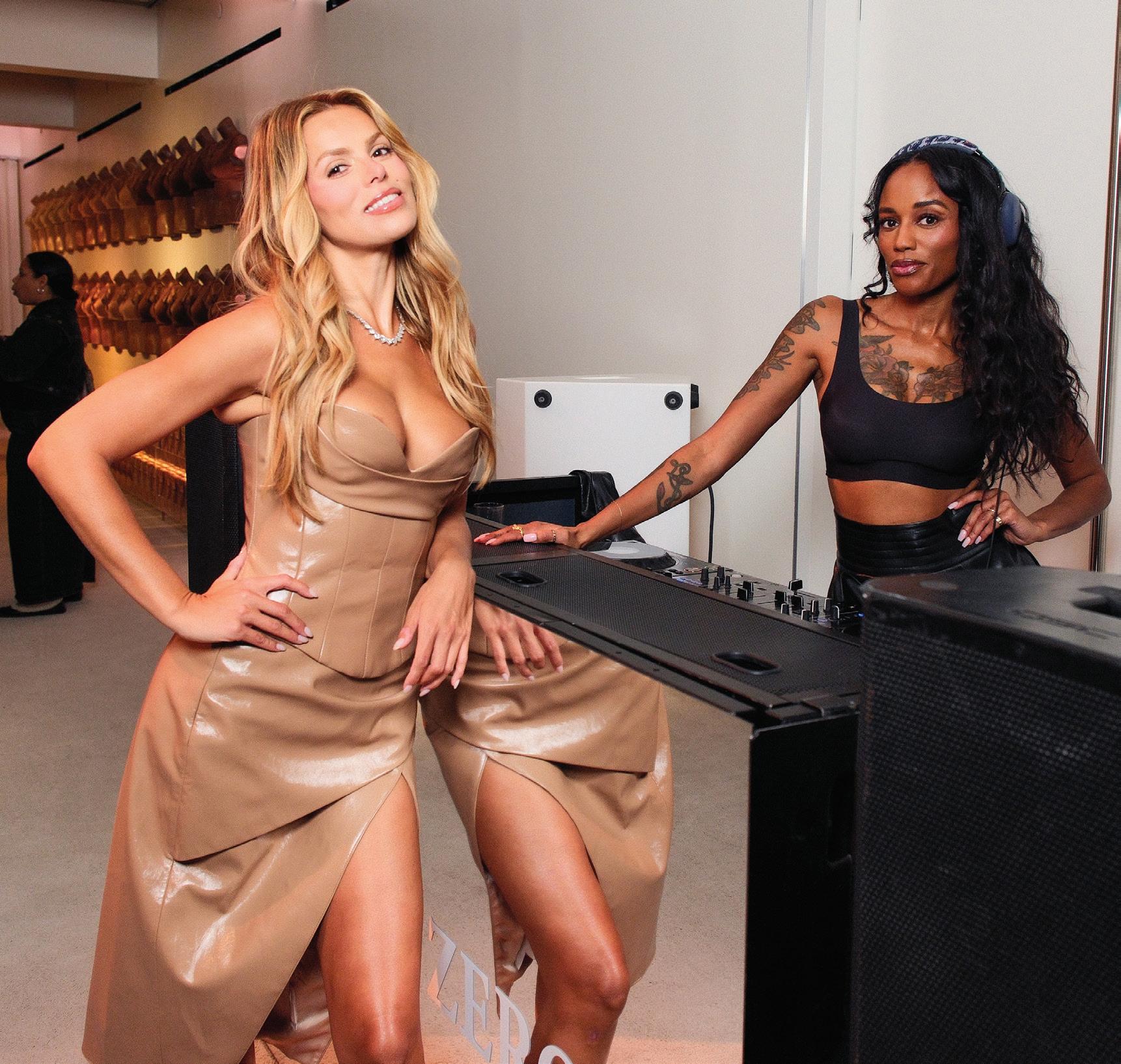
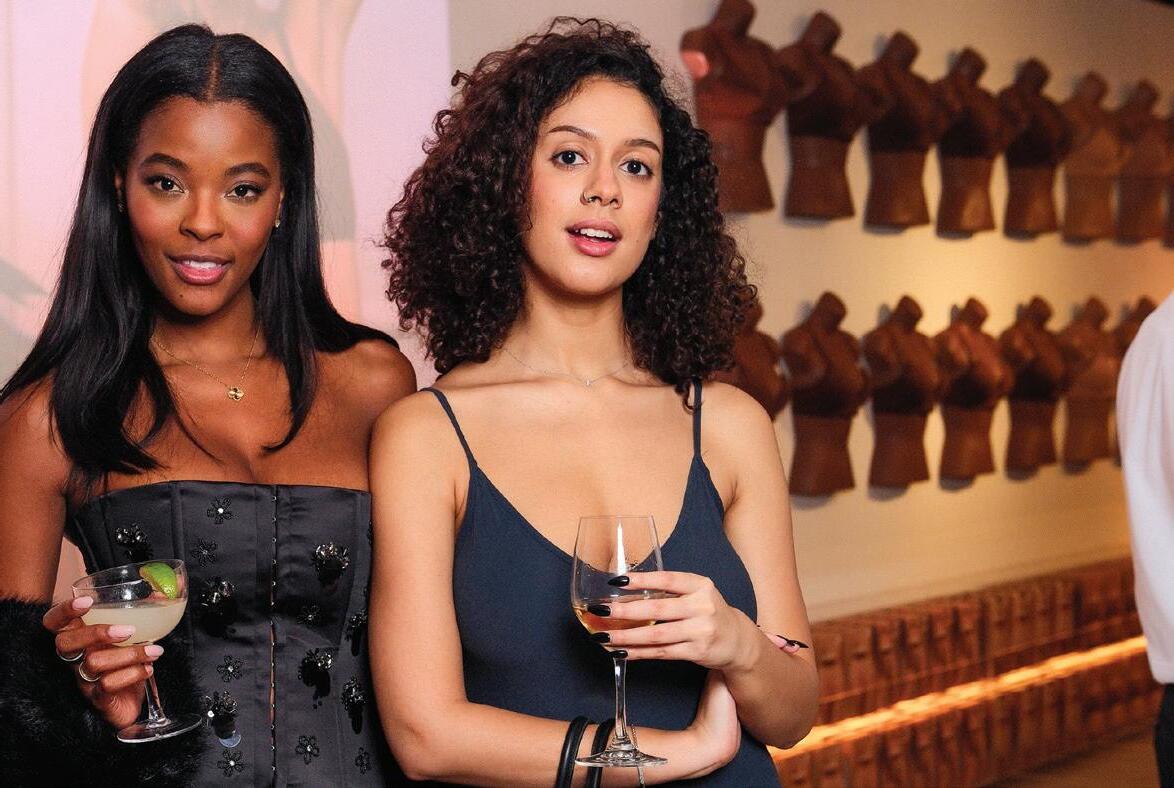
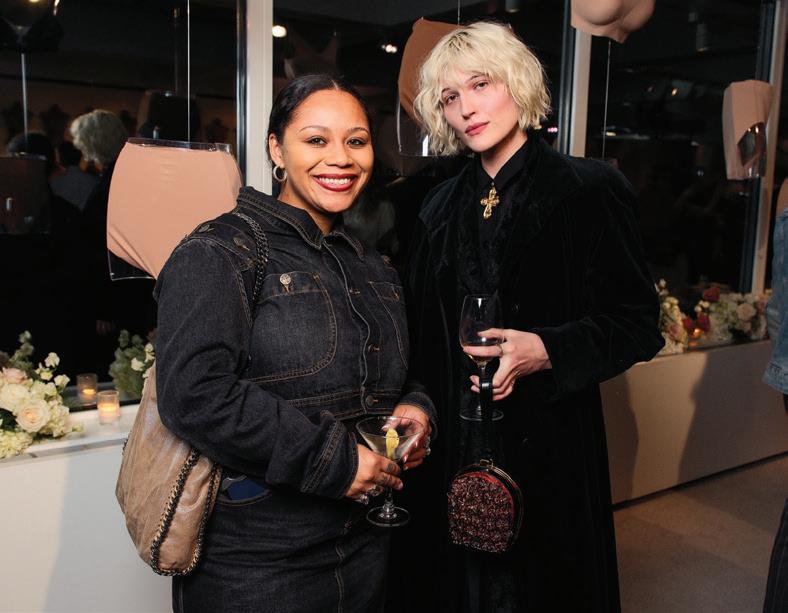
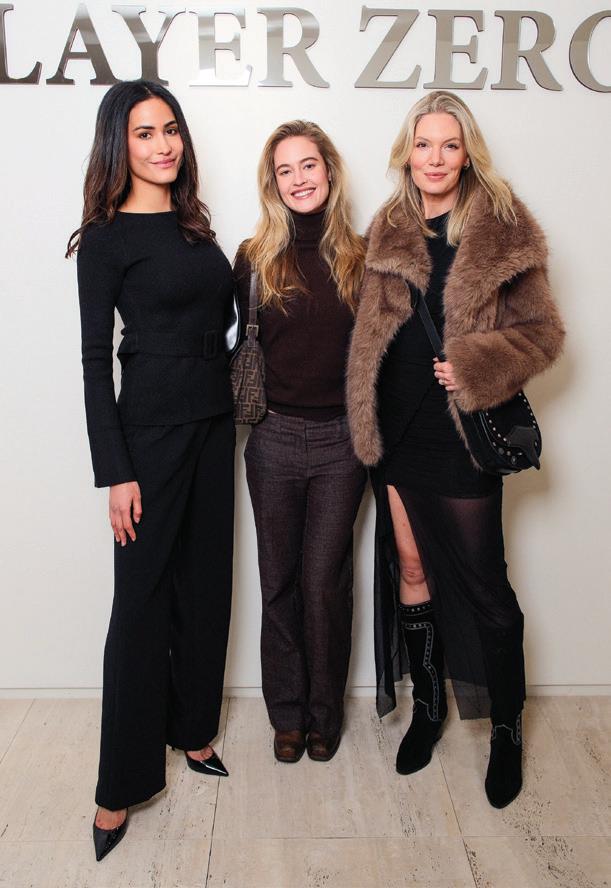
Layer Zero officially debuted with a launch celebration at the WSA Building in New York City’s Financial District. The new shapewear brand welcomed guests for an evening of cocktails, light bites and music by Nikki Kynard. Attendees also enjoyed exclusive gifting and interactive on-site activations, marking the brand’s entrance into the market with a vibrant celebration.
Carlos Bethencourt, president of Layer Zero, said, “Layer Zero was created to challenge the idea that quality and performance have to come at a premium. We focused on how women actually move through their day, designing intimates that feel intuitive, flexible and effortless, while still delivering that support and quality at unbeatable prices.”













Windsor announced Ike Zekaria’s promotion to president. The appointment marks an important milestone for Windsor, aligning with its recent rebrand, the launch of Windsor Social House and continued expansion of its national retail footprint.
As a second-generation member of Windsor’s founding family, Zekaria brings deep knowledge of the brand’s legacy and a new vision to support its future. Over the past year, he has evolved the brand’s merchandising strategy to deliver a broad, trend-forward assortment, ensuring Windsor provides the latest styles to its ever-evolving customer base. In addition, the brand’s overall look has been elevated across storytelling, marketing assets, social content and partnerships to strengthen its connection with the next generation of consumers.
“This is a pivotal moment for Windsor,” said Zekaria. “We are honoring nearly nine decades of heritage while reimagining how a modern fashion brand shows up across retail, digital and real life. Windsor Social House is a physical manifestation of that vision: a space where community, creativity and commerce intersect. Our focus is on meeting our customer where she is, empowering our teams to be storytellers and continuing to push the brand forward in bold, unexpected ways.”
Looking ahead, Windsor will continue to build with a series of initiatives to elevate the brand experience. Upcoming plans include comprehensive store updates, such as new windows, fixtures, cash wraps and fitting rooms, along with the opening of 15 additional locations this year. The brand is also preparing to launch a store ambassador program to empower associates to create content that is authentic to the Windsor brand. Finally, Windsor has a lineup of various disruptive collaborations and partnerships that will surprise customers.
Zekaria’s promotion, alongside Windsor’s rebrand and growth initiatives, showcases a strong next chapter for the brand to evolve with its customers and shape the future of fashion retail.


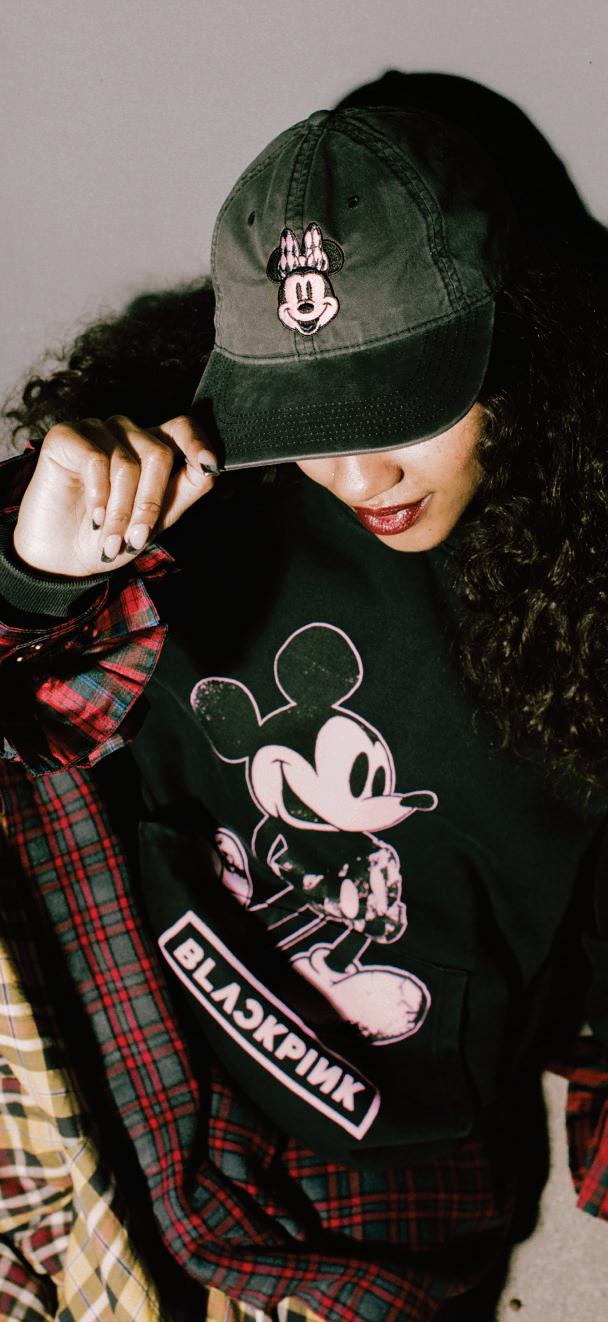
Following Blackpink’s record-breaking world tour and the release of their new mini album, the group teamed up with Disney and Complex to launch a punk-inspired capsule collection that brings together music, fashion and iconic storytelling in a bold new way.
Featuring character designs by Disney’s global creative director, Bobby Kim, and translated into wearable pieces by Complex, the collection draws inspiration from ’70s London punk fashion and introduces a rebellious new take on classic Mickey Mouse and Minnie Mouse iconography, reimagined through Blackpink’s unmistakable edge. Just as punk fashion used DIY aesthetics and provocation to rewrite the rules of taste and power, Blackpink channels that same disruptive energy in pop culture; the K-pop group from YG Entertainment has dominated global charts to become one of the world’s top and most influential groups today.
“This punk-inspired collection is all about expressing your individuality and challenging the status quo with confidence,” said Kim. “As a global pop culture phenomenon, Blackpink’s fearless creativity and boundary-breaking style are at the heart of this capsule, making them the ideal creative force to kick off a high-impact series of collections with Complex.”
The special-edition collection includes T-shirts, sweatshirts, crop tops, tank tops, a tote bag and a fitted hat, each blending classic Disney visuals with Blackpink’s signature attitude. Rooted in punk-inspired design, the collection delivers the same bold confidence that defines present-day pop music, with pieces that reimagine heritage Disney characters to embrace the energy of contemporary streetwear and fandom.
“I’ve been working with Bobby Kim for over 20 years across various projects. It’s exciting for me to have Complex now collaborating with him in his new role at Disney. We’ve shared a longstanding creative relationship rooted in pushing culture forward, and this collaboration felt like a natural evolution of that partnership,” said Aaron Levant, CEO of Complex. “Bringing together Blackpink and Disney—two of the most influential global brands in entertainment—creates a powerful moment at the intersection of music, fashion and pop culture.”

Untuckit announced the launch of creative director Sarah Hand’s debut collection for spring 2026. The launch marks a significant brand refresh and an evolution beyond classic men’s shirting into a complete lifestyle assortment for men and women.
“Sarah’s debut collection signals an intentional progression for Untuckit,” said Chris Riccobono, founder and executive chairman of Untuckit. “From the beginning, our mission has been to solve realworld wardrobe problems, and Sarah has elevated that purpose into a full lifestyle vision. This collection not only sharpens our product and storytelling; it reinforces our commitment to outfitting customers with confidence for every part of their day.”
Hand brings a distinctly global perspective to the role. Her process begins with narrative, building collections that reflect both the brand’s DNA and the evolving needs of today’s consumer.
“At Untuckit, the brand has always been rooted in solving real wardrobe challenges,” said Hand. “That became my starting point. From there, it was about building a cohesive story, one that considers how people actually live today, how they move through their day and how clothing can support that with both function and confidence.”
Central to this evolution is a shift from a single-product focus to a collection-driven mindset. Merging Untuckit’s ethos with Hand’s creative direction, the men’s collection centers around three core pillars—performance, hybrid and casual—designed to support a more complete, versatile wardrobe.
Equally important is the revitalization of the women’s assortment, which is poised for significant growth. Drawing from the brand’s expertise in fit and fabric innovation, Hand has reimagined the women’s collection with a focus on confidence, versatility and modern styling. “What we’ve done successfully in men’s fit, function and confidence, we wanted to translate into women’s in a way that feels both authentic and forward-looking,” Hand added. “It’s about giving women the same ease and versatility, while also allowing space for self-expression and individuality.”
By combining founder inspiration with disciplined storytelling, elevated fits and fabric innovation, Hand’s first full collection represents a defining step forward for Untuckit. As the brand expands its product assortment, wholesale footprint and women’s offerings, it remains grounded in its original mission: solving real wardrobe challenges with confidence, ease and style.

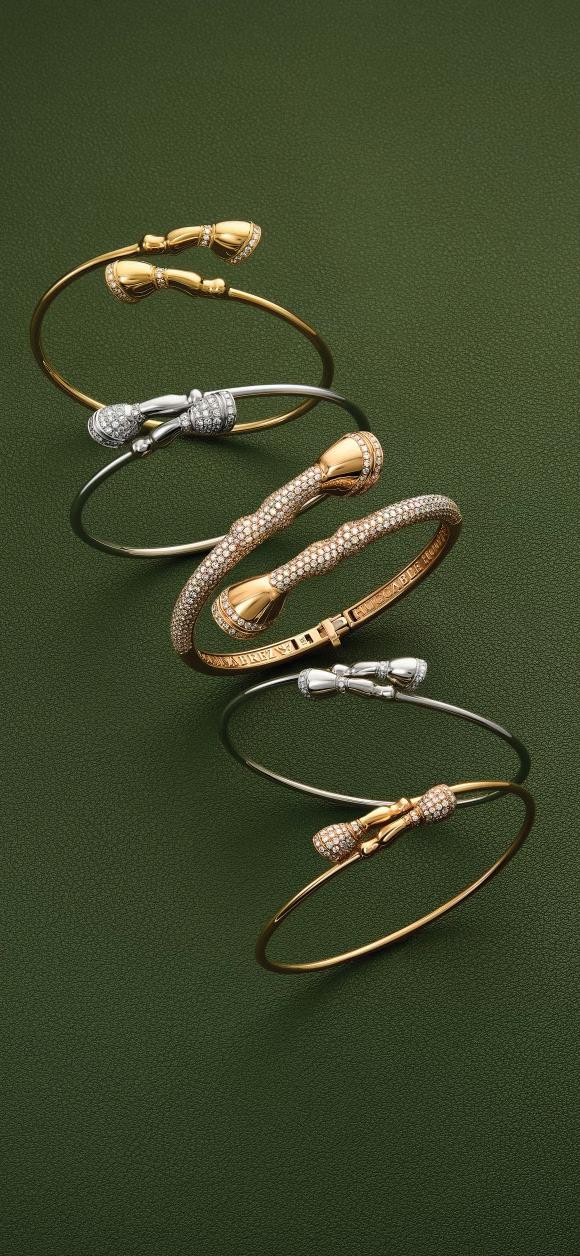
The Year of the Horse has long been associated with strength, freedom and an unyielding spirit: qualities that resonate deeply within both cultural symbolism and contemporary design. In Chinese astrology, the horse represents energy, elegance and forward momentum, embodying a sense of independence and grace that has inspired artists and creators for centuries.
In the world of fine jewelry, these same themes are brought to life through the work of Karina Brez, an equestrian jeweler known for seamlessly blending her passion for horses with refined craftsmanship. Her designs capture not only the physical beauty of the horse but also the emotional connection between rider and animal—a relationship built on trust, discipline and harmony.
Brez’s collections often incorporate equestrian motifs such as stirrups, bits and horseshoes, reimagined through a modern, luxury lens. Each piece tells a story of movement and strength, echoing the symbolic essence of the horse as both a companion and a powerful force. Her work appeals to collectors who value both aesthetic beauty and deeper meaning—jewelry that feels personal yet universally understood.
The alignment between the Year of the Horse and Brez’s design philosophy feels particularly timely. As consumers increasingly seek pieces that carry intention and narrative, equestrian-inspired jewelry offers a sense of grounding and authenticity. It speaks to a lifestyle rooted in tradition, while still embracing contemporary elegance.
“The Year of the Horse represents power in motion. It is a reflection of our journey as we grow, expand and elevate equestrian luxury to new heights,” said Brez.
Beyond symbolism, Brez’s work also reflects a broader shift in the jewelry industry: one that values storytelling, heritage and emotional resonance as much as craftsmanship. Her pieces are not just adornments; they are expressions of identity, passion and legacy.
In the Year of the Horse, this connection feels especially powerful. It is a reminder to move forward with confidence, embrace independence and honor the forces that drive us. These values are beautifully captured in every piece Karina Brez creates.






























By Ron Friedman
Hello again! Spring brings us the beginning of baseball season and the World Baseball Classic. The World Baseball Classic brings some of the best players in the world to compete for their countries over 10 days. There are so many great teams from all over the world competing, with the surprising team from Italy looking very strong after making the quarterfinals, but they lost to Venezuela in the semifinals. Venezuela played the United States in the finals and won the game in the ninth inning after Bryce Harper tied the game with a two-run home run in the bottom of the eighth inning. This time of year also brings on March Madness, the best time for college basketball players to show off their ability to play under pressure and go all the way to the Final Four and, hopefully, a national championship.
Normally, I like to look back at the Los Angeles apparel industry from the 1970s to the present. Still, in this article, I want to discuss what I have been seeing on our clients’ financial statements over the last year: an increase in insurance costs. In California, we have had fires and floods that have driven many insurance companies to flee the California marketplace. If you can get property insurance, the cost has increased substantially. We are also seeing an increase in our health insurance costs. I have asked Sarah Prince, president of CBIZ employee benefits, to give us a look at the healthcare costs in 2026.
If it feels like healthcare costs have been climbing faster lately, you’re not imagining it. After a stretch of relatively modest increases in the 2010s, the pandemic and a wave of new pressures have pushed employer costs sharply higher again.
• Employers nationwide are bracing for about a 9% jump in 2026. In California, that number climbs to 10.7%, with some carriers filing near 13%.
• Pharmacy is a major engine of this growth—especially GLP-1 medicines for diabetes and weight management, and newer cancer therapies.
• Prescription spending now accounts for 24% to 27% of employer health costs.
• Other forces add fuel, such as more mental health needs, chronic conditions like diabetes and heart disease, and rising hospital and physician prices tied to higher labor costs.
GLP-1s have changed the conversation around diabetes and obesity. They can help people lose weight, improve blood sugar control and reduce serious health events—benefits that matter for employees and their families.
• Coverage is widespread for diabetes and increasingly common for obesity (often with guardrails).
• Use has grown quickly. In 2020, carriers were spending $0.16 per member per month (PMPM) on GLP-1s. By 2025, that number grew to $30 PMPM—an 18,650% increase.
• Many employers are tightening rules— think prior authorization, dose checks and program participation—to keep spending sensible while supporting safe, consistent use.
• There is one wrinkle in California: limited coverage for these medications through MediCal has shifted more demand to employer plans.
The bottom line is that these drugs can pay off in better health, but plans need clear rules, coaching support and simple metrics (like persistence at six and 12 months) to make sure they’re delivering value.
Care: Earlier Detection, Better Treatment and Higher Costs
Cancer remains the top cost concern for employers. More cases are being found, sometimes at younger ages, and catch-up screenings since the pandemic have revealed later-stage cancers that are harder to treat. At the same time, new therapies are often remarkably effective—and expensive.
What employers are doing:
• Making screenings easier to access
• Offering “centers of excellence” and second opinions so employees land on the right treatment the first time
• Covering the right diagnostic tests (biomarkers and genetic panels) that match patients with targeted therapies
The goal is simple: faster, smarter care that improves outcomes and avoids avoidable costs.
Chronic Conditions and Mental Health: The Everyday Drivers
Conditions like diabetes, high blood pressure, obesity and musculoskeletal pain add up.
So do mental health needs, which many employers report are still rising. Fragmented care—multiple apps, telehealth visits and disconnected clinics—can make it hard for people to get what they need quickly.
What helps:
• Strong primary care that integrates mental health and handles common issues under one roof
• Navigation services that act as a friendly “front door” to the system
• A brief list of outcome metrics (blood pressure control, A1c improvement, reduced ER visits and member satisfaction) that are reviewed regularly
Medical Inflation and Labor Costs: Why Prices Keep Climbing
Even when people aren’t using more care,













prices alone can push costs up. Hospitals and clinics face higher wages for nurses and staff, and those costs are reflected in the rates employers pay. Consolidation and facility fees can add to the pressure.
Smart steerage can ease the pinch:
• Shift appropriate services—like imaging, infusions and routine surgeries—to lowercost, high-quality sites outside hospital outpatient settings.
• Use claims data to spot big price differences for the same service and guide people to better-value options.
What Business Leaders Can Do Now
• GLP-1s: Set clear coverage rules, pair therapy with coaching and reevaluate results on a regular cadence.
• Cancer care: Make screenings simple, enable second opinions and use centers of excellence where appropriate.
• Chronic care: Invest in accessible primary care and mental health services. Add













navigation to help people find the right care fast.
• Prices and sites: Steer toward highquality, lower-cost centers for imaging, infusions and surgeries. Use your data to renegotiate when it makes sense.
• Measure what matters: Pick a handful of plain-English metrics and review them quarterly.
Health benefits are more than a line item— they’re a promise to your team. In a year when costs are climbing and choices feel complicated, you don’t have to tackle it alone. Partnering with a reputable advisor like CBIZ can make a real difference. If you are selfinsured, we can help you set sensible GLP-1 policies, streamline cancer pathways, strengthen primary care and mental health access, and steer care to high-quality, lower-cost sites—without burying you in jargon or busywork. Even if you are not self-insured, we have resources and programs available to help you get off the renewal increase roller coaster.











Just a reminder to join us on April 14, 2026, at the E-Central Hotel in Downtown Los Angeles, for our symposium featuring Marshal Cohen and Robert Kreiger.
With the right guide, you can keep your people healthy, protect your budget and make confident decisions. If you’re ready to turn today’s pressure into a practical plan, talk to your trusted advisor about the solutions that fit your workforce and your goals.
Until next time, remember what I always conclude with—if you are not having fun, then do something else!
By Paul F. Magel, President, BlueCherry by CGS
If there is one thing nearly every fashion executive agrees on in 2026, it’s this: the industry is operating in a state of permanent complexity. Demand signals move faster than production cycles. Regulatory pressure is rising. Global sourcing networks remain volatile. And margins are constantly tested by logistics costs, currency swings and promotional pressure.
Yet despite this uncertainty, one trend has become clear across the industry: fashion brands are continuing to invest in their technology infrastructure. The difference today is how they are doing it.
Instead of sweeping “rip and replace” transformations, many organizations are modernizing their technology environments in more deliberate, strategic ways, focusing on solving specific operational challenges while building a platform for long-term innovation.
This shift reflects a broader realization across the industry: technology is no longer just a support system for fashion businesses. It is becoming the operating backbone of the entire supply chain.
The Technology Imperative in Fashion Fashion supply chains today face pressures that did not exist even five years ago.
Brands must respond to accelerating product cycles, increasingly volatile demand patterns, rising expectations for supply chain transparency and growing compliance requirements tied to sustainability and traceability
At the same time, the operational complexity of fashion remains immense. Managing style, color and size combinations across global production networks creates enormous data challenges. For many organizations, the legacy systems supporting these operations were never designed for the level of visibility and responsiveness now required.
As a result, technology investment has become less about efficiency and more about operational survival and competitive advantage. Companies that can see what is happening across their supply chains and respond quickly are gaining a meaningful edge.
What’s interesting about the current technology cycle is that fashion brands are not all approaching modernization the same way. Across our work with fashion companies globally, we typically see three distinct approaches emerging:
Some brands are pursuing full platform modernization initiatives. These companies are consolidating fragmented technology environments into unified platforms that connect product development, sourcing, production and distribution. Their goal is to create a digital thread across the supply chain and ensure that product data flows consistently from design through fulfillment. For organizations undergoing significant growth or global expansion, this type of transformation often makes sense. But it is also the most complex path.
2.

Many fashion companies are taking a more focused approach. Instead of replacing their entire technology stack at once, they are modernizing specific areas of their operations where visibility or control is limited. Common priorities include:
• Product life-cycle management (PLM) to improve design collaboration
• Production visibility tools to monitor factory performance
• AI-driven planning systems to improve demand forecasting
• Compliance platforms to manage traceability requirements
These targeted initiatives deliver measurable value quickly while allowing organizations to evolve their broader technology architecture over time.
A third group of companies is investing in what we might call an innovation layer: technologies that sit on top of existing systems to unlock new capabilities. Workflow application platforms and artificial intelligence are playing a significant role here.

Priority workflow improvement apps, AIpowered analytics and automation tools can help organizations:
• Optimize, enhance and simplify key business processes
• Identify supply chain risks earlier
• Improve demand planning accuracy
• Automate routine operational workflows
• Surface insights from complex data environments
For many brands, this approach allows them to move forward with innovation even while legacy systems remain in place.






One of the most important lessons from this current technology cycle is that modernization does not have to be disruptive. Fashion companies operate in a business where timing matters. Product launches, seasonal calendars and supply chain coordination leave little room for operational disruption.
As a result, many organizations are looking for ways to modernize their technology environments incrementally and intelligently, rather than through massive system replacements. This is a philosophy we strongly believe in at BlueCherry.
Fashion companies should be able to modernize their operations on their terms, adopting new capabilities where they create the greatest impact while continuing to operate their businesses without interruption.

What we are ultimately seeing across the industry is the emergence of a new type of technology environment. Fashion companies are moving beyond isolated systems toward platforms that connect product data, operational workflows and supply chain visibility across the entire organization.
These platforms enable brands to move from reactive decision-making to proactive supply chain management. Artificial intelligence is accelerating this shift by enabling systems to analyze operational data, identify patterns and surface insights in real time.
The result is what we describe as a supply chain intelligence platform. This is an environment that connects design, sourcing, production, compliance and fulfillment while embedding intelligence across those workflows. This type of architecture allows organizations to see emerging issues earlier, respond faster to demand changes and maintain operational control in an increasingly unpredictable market.
Another factor shaping the future of fashion technology is collaboration. The most successful digital transformation initiatives are not happening in isolation. They are informed by the shared experiences of industry peers.

One advantage of working within a focused industry platform is the ability to learn from a community of companies facing similar challenges. Across the BlueCherry customer ecosystem, more than 500 global fashion brands contribute insights that shape how technology evolves to support the industry. This collaborative dynamic ensures that innovation stays closely aligned with the real operational needs of fashion businesses.
If the past few years have taught the fashion industry anything, it is that uncertainty is now part of the operating environment. Demand patterns will continue to shift quickly. Regulations will continue to evolve. Supply chain disruptions will occur.
Technology alone cannot eliminate these challenges, but it can give organizations the tools to navigate them more effectively. The brands that succeed over the next decade will not necessarily be those that invest the most in technology but those that invest strategically, building flexible platforms that allow them to adapt as the industry changes.
Modernization is no longer a one-time transformation. It is an ongoing journey. And increasingly, fashion companies are choosing to take that journey on their own terms.




By Marshal Cohen Chief Industry Advisor, Circana
As we navigate the challenges of the past few months, one thing continues to amaze me: the resilience of consumers. Coming off a challenging holiday period, when consumers were hard-pressed to find new and exciting items to purchase, they managed to elevate their debt levels to record highs. Both credit card debt and delinquency rates hit record levels. Now, add in the challenges the weather played on shoppers, and we find a continued level of spending beyond their means. Early January 2026 looked promising as we were up against a big snowstorm in early January 2025 for soft comparison numbers to beat. But an even bigger storm navigated its way into January toward the end of the month, pushing sales into February as consumers found shelter from the historic storm that impacted 1/3 of the nation. So, as we managed to see minimal growth across food and general merchandise retailers, we did see growth in areas where newness played a key role. More on that later. Let’s look at March: war broke out, and the media coverage started the concerns about the price of oil and ultimately the price at the pump for consumers to endure. Once again, gas prices soar, and yet after the first two weeks of the war, with elevated gas prices, the consumer has yet to blink. Spending across the food and general merchandise areas remains on par with last year.
So, are current events really impacting consumers? Is it the unemployment rate numbers? Is it consumer confidence levels? Sure, they all play a role, but the real story here is that consumers will find a way to buy what they need and delay what they don’t need but desire as long as they feel distracted or concerned. We saw elevated prices of oil and gas at the pump back when the Ukraine war began. Consumers endured it and forged ahead.
We are watching that play out now as well. Some people adjust their driving habits, and some shift to lower-cost fuel options. Some alter their commutation and take mass transit. But by and large, consumers don’t alter much of their spending habits due to the price of gas. It would take a leap of well over $5 a gallon to alter the majority of spending beyond automobile usage.
What will play out is once again higher prices due to transportation and farming costs. Freight carriers and airlines are already talking and taking price hikes. Manufacturers will see higher costs to ship their wares to retailers and pass those along to them, while retailers will likely look to elevate prices yet again. Slowly, we see prices continue to rise. While keeping up with wage increases has been the norm for general merchandise in most industries, we have seen prices in areas like toys, housewares, furniture, home goods and auto parts start to rise above the general 3% level, and these areas are feeling the pullback from consumers. Today, consumers are buying what they need: when it snows, snow tire sales rise; when it’s cold, coats find their way into shopping carts; and when it warms up, wardrobe purchases will reflect the change in weather. Consumers are not following market movements from a timing perspective. They don’t seem to care when the stores plan to change from season to season; they do seem to care when the weather changes and about their current needs.
So, back to newness. We are at the crossroads of boring the consumer to death. When we look outside of food and fashion, new products that didn’t exist a year ago and are selling today account for less than 2% of all products sold in general merchandise. You read that right: less than 2% of all products sold in general
merchandise outside of fashion are new, innovative items. This is lower than the level we saw when we had supply chain disruption during the peak of COVID in 2020. Why do we need to buy more of the same products unless they wear out or are used up? We don’t. Replenishment products will maintain their volume, and, generally, the only way to increase volume is to gain market share from the competition. Waiting for consumers to use up or wear out products will lead to maintaining the volume. To drive growth, we need to entice the consumer. We need to earn their desire to buy something new and exciting. Repackaging the same product is not good enough anymore; we need to create demand, not just views. We need to generate interest because this product is new, different and will make my life better.
Manufacturers need to create new and exciting products. Retailers need to seek out innovation and purchase these items to allow consumers to discover and justify their spending. Like in “Field of Dreams”: “Build it, and they will come.” Time and time again, consumers are rewarding those who design, build and offer new and innovative products. We are seeing more and more consumers leap to the social commerce sites to discover what is new, access products not available elsewhere and spend money in places they never even knew existed.
The time has come to wake up, innovate and explore new horizons with the consumers.
I wrote this line 12 years ago, and it is truer today than it was back then: “Basics maintain volume, innovation drives growth.”
Go innovate!!!



By Shannon Hynds, CEO, Quickcode.ai
Geopolitical conflict doesn’t stay regional for long, and in fashion, it moves quickly from headline to balance sheet. Recent military activity involving Iran and severe disruption in the Strait of Hormuz, the only maritime gateway to the Persian Gulf, have once again exposed the fragility of global textile logistics. When a strategic choke point tightens, freight routes shift, insurance premiums rise, oil prices climb and sourcing strategies are forced to adapt. The fashion industry absorbs the shock almost immediately.
The Strait of Hormuz is one of the most critical maritime corridors in the world. Any threat to its stability reverberates across global shipping networks. In response to heightened risk, some carriers are delaying Gulf transits, suspending calls or shifting cargo to alternative origins or modes, which can sharply increase lead times and costs.
Air freight, often viewed as a reliable alternative during maritime congestion, is no longer immune. Partial airspace closures and security concerns in the region are complicating established flight paths. The Middle East has evolved into a central air logistics hub linking Asia, Europe and Africa. Disruption there has impacts far beyond the immediate geography.


These adjustments increase landed costs at a moment when many brands are still recalibrating from previous cycles of inflation and demand volatility. However, transportation is only one layer of exposure. Synthetic fibers account for nearly 70% of global fiber production, and most of that volume remains fossil-based. Polyester, nylon, elastane and other petroleum-based fibers dominate apparel manufacturing. When crude oil prices rise sharply, the cost of producing these fibers rises as well. Packaging materials, polybags, trims and even beauty-sector containers are similarly exposed. Dyeing and finishing operations also face higher energy inputs when fuel costs climb.
The industry’s long-term shift toward synthetics, accelerated after the cotton price spike of the early 2010s, has increased efficiency and scale. It has also deepened dependence on energy markets. A prolonged surge in crude prices, therefore, affects not only freight but also the core raw materials embedded in garments and accessories.
Suppliers, particularly in Asia, are often the most vulnerable in this equation. During major global disruptions, large buying organizations frequently attempt to protect their margins by negotiating pricing adjustments downstream. Extended payment terms, compressed production
windows and cost renegotiations can strain factory operations. In extreme cases, this dynamic increases financial instability within the supplier base.
When cost pressure intensifies, the risk of operational shortcuts grows. Quality control, labor standards and documentation accuracy may suffer under financial strain. What begins as a shipping disruption can cascade into broader governance and compliance challenges.
Periods of geopolitical instability tend to coincide with shifting tariff policies, special trade measures and evolving regulatory enforcement. Temporary duty provisions, including measures introduced under Section 301 or Section 232 authorities, are tied to specific tariff classifications. Chapter 99 provisions can be amended, suspended, reinstated or expanded with limited notice. Antidumping and countervailing duty cases continue to evolve independently of broader conflicts.
As brands adjust sourcing strategies in response to disruption, they may change countries of origin, substitute materials or onboard new suppliers. Each of these changes can alter tariff classifications or trigger additional regulatory requirements.


A fabric blend adjustment designed to mitigate raw material cost could shift a product into a different Harmonized Tariff Schedule (HTS) category. A new supplier location could change duty treatment under existing trade programs.
Even small classification inaccuracies in a high-cost environment can have significant financial consequences. Overpayment of duties erodes margins, while underpayment creates exposure to penalties, audits and reputational risk. It is important to remember that liability rests with the importer of record (IOR). Customs brokers file based on the information provided, but responsibility for accuracy ultimately belongs to the importer.
Trade regulations continue to evolve regardless of geopolitical turbulence. HTS updates occur multiple times per year, partner government agencies (PGAs) introduce new documentation and reporting requirements, and enforcement priorities shift in response to political and economic developments. Manual monitoring of these changes is impractical for companies managing hundreds or thousands of stockkeeping units (SKUs) across multiple markets. Spreadsheets and periodic reviews cannot keep pace with real-time regulatory shifts.


This is where automation and AI-assisted classification tools are becoming critical infrastructure. Advanced natural language processing systems can analyze product descriptions, extract key attributes and recommend accurate Harmonized System (HS) or HTS codes at scale. Continuous compliance-monitoring platforms can track tariff updates, temporary duty provisions and agency-specific requirements in real time, flagging impacted products within a catalog.
With this level of visibility, compliance teams can:
• Assess exposure quickly
• Model landed cost implications before goods ship
• Identify products affected by newly introduced surcharges or reinstated tariff measures
• Make informed sourcing and pricing decisions proactively instead of reacting to a customs hold or an unexpected invoice adjustment
In the current climate, speed and accuracy are inseparable.
Resilience Requires Ownership of Trade Data
Resilience in fashion is often discussed in terms of diversified sourcing or faster
logistics networks. While those elements matter, they are only part of the equation.
True resilience also requires:
• Ownership of trade data
• Active management of compliance obligations

• Centralized classification control
• Documented decision logic
• Continuous monitoring of regulatory changes that affect product portfolios
When a single maritime choke point can disrupt global textile flows, blind spots become expensive liabilities. The brands that navigate this period successfully will be those that understand their tariff exposure at the SKU level, maintain auditready documentation and adjust quickly to regulatory changes without compromising accuracy.
Uncertainty has become a permanent feature of global trade. Energy markets fluctuate, conflicts emerge with limited warning and trade measures evolve in response to shifting political priorities. In this environment, compliance intelligence is a strategic asset. Brands that invest in automated classification, real-time monitoring and data transparency will be better positioned to maintain control.
By Nicole Brackett, Enterprise Account Executive, TradeBeyond
Sustainable growth is built on clarity, discipline and visibility across the supply chain. Organizations that treat environmental, social and governance (ESG) commitments as core operational priorities rather than standalone initiatives are better positioned to manage risk and protect long-term value.
Modern brands and retailers operate in a regulatory environment that is more interconnected and more scrutinized than ever. Compliance requirements span product safety, chemical restrictions, labor standards, labeling rules and forced-labor-prevention laws. Managing these obligations requires centralized visibility into supplier data, product information and certification records.
When compliance is embedded into sourcing and product development workflows, teams can identify risks early, respond to regulatory changes with confidence and avoid disruptions such as shipment delays, customs holds or costly recalls. Companies that invest in structured processes and digital visibility gain a stronger foundation for resilience. They also build credibility with customers, who increasingly expect transparency and accountability throughout the supply chain.
Build a Responsible, Profitable and FutureReady Operation
Experience shows that compliance is most effective when it is integrated into daily operations rather than managed through disconnected spreadsheets or manual audits. Connecting ESG strategy to procurement, product development, supplier management and logistics creates alignment across the enterprise. A unified approach enables organizations to centralize supplier documentation, monitor certifications and track performance metrics in real time. Visibility across the supplier network helps teams detect gaps before they escalate into regulatory issues or reputational concerns.
Key capabilities that support this approach include:
• Real-time identification of compliance risks through automated monitoring of supplier data and certification status
• Continuous tracking of environmental and social targets with centralized reporting tools
• Embedded oversight that supports ethical sourcing and transparent collaboration with partners
Effective sustainability management depends on accurate measurement. Organizations must understand the environmental footprint of materials, the carbon impact of production and the social conditions within their supply chain. Digital tools allow companies to track resource usage, such as water, energy and raw material inputs, across suppliers. When integrated with established sustainability frameworks and industry benchmarks, these insights help teams calculate product-level environmental impact with greater precision. Automated tracking of greenhouse gas emissions, including scope 3 contributions from suppliers, improves transparency around carbon performance. Structured data collection reduces manual effort and supports ongoing emissions reduction strategies.
Social compliance requires equal attention. Integration with audit programs and certification standards enables businesses to verify that suppliers meet recognized labor, safety and ethical benchmarks. Real-time crosschecks between certifications and operational data reduce the risk of relying on outdated documentation. Centralized management of audits, risk assessments and compliance records strengthens accountability. Automated alerts flag discrepancies or missing documentation so corrective action can occur quickly.
Mapping supplier relationships through hierarchy visualization tools enhances traceability across multiple tiers. This visibility supports stronger due diligence and prepares organizations for regulatory requirements that demand proof of origin and transparency into the chain of custody. Global trade regulations increasingly require companies to demonstrate that goods are not linked to forced labor or restricted regions. Maintaining detailed supply chain documentation and clear supplier mapping allows organizations to respond efficiently to customs inquiries and enforcement reviews.
Operational resilience also depends on collaboration. Platforms that connect product life-cycle data, quality control information, cost analysis and order management within a single environment reduce fragmentation and improve decision-making. AI-driven supplier management tools strengthen visibility into supplier performance and risk exposure. Instead of reacting to problems after they
surface, teams can monitor patterns, detect inconsistencies and adjust sourcing strategies proactively. Centralized compliance systems digitize assessments and consolidate proof of conformity. Real-time dashboards highlight gaps and support continuous improvement across supplier networks.
Integrated product life-cycle management accelerates product development while preserving control over specifications, materials and approvals. When design, sourcing and compliance data are connected, organizations reduce duplication of effort and protect margin integrity.
Cost and request-for-quotation management capabilities enable scenario comparison and clearer visibility into landed costs. Structured analysis supports informed negotiation and smarter sourcing decisions that balance cost efficiency with compliance requirements. Order management platforms provide endto-end visibility into purchase orders and production progress. Transparent workflows reduce miscommunication, improve coordination with suppliers and minimize delays.
Digital inspection and quality management tools document factory inspections with standardized reporting. Early defect identification lowers the risk of rework and returns while maintaining product standards. Advanced shipping documentation solutions streamline collaboration with suppliers by centralizing packing information, labeling requirements and shipment data. Accuracy at this stage reduces friction at warehouses and ports of entry. Comprehensive traceability systems unify audits, supplier documentation and chain-of-custody records into a single source of truth. This integrated view strengthens transparency and supports rapid response when regulatory scrutiny increases.
Ultimately, brands that elevate compliance from obligation to opportunity build durable foundations for growth. With real-time visibility, automated processes and centralized oversight, scattered workflows transform into a connected ecosystem that supports responsible sourcing and stronger performance. Integrating sustainability into everyday decision-making protects revenue streams, strengthens supplier trust and positions companies to navigate regulatory change with stability and foresight.
By Krieger Worldwide
The global fashion supply chain has never been more complex—or more cost-sensitive—than it is today. With rapidly shifting consumer demand, shorter product life cycles and increasing pressure to control landed costs, fashion importers are rethinking how they manage logistics. One of the most significant shifts in recent years is the move toward partnering with freight forwarders that can manage the entire supply chain end-to-end—from international freight and customs clearance to warehousing and final delivery.
Traditionally, many fashion brands operated with a fragmented logistics model. Ocean freight might be handled by one provider, customs clearance by another and warehousing by a third. While this approach may have worked in a more stable global environment, today it often leads to inefficiencies, communication gaps and unnecessary costs. Delays at ports, misaligned documentation and lack of visibility across the supply chain can quickly erode margins—something fashion importers can no longer afford.
As a result, more companies are turning to full-service freight forwarders that offer integrated, A-to-Z solutions. By consolidating logistics under one experienced partner, fashion importers gain greater visibility, streamlined communication and improved operational efficiency. This holistic approach enables better coordination among transportation, customs and storage, ultimately reducing delays and lowering total landed costs.
One of the key advantages of working with a full-service forwarder is access to strategic cost-saving solutions such as freight consolidation and bonded warehousing. Freight consolidation combines multiple shipments into a single container, helping importers reduce per-unit shipping costs while maintaining a consistent inventory flow. This is especially valuable in the fashion industry, where shipments are often smaller, more frequent and time sensitive.
Bonded warehouses offer another powerful advantage. By storing goods in a bonded facility, importers can defer duties and taxes until the product is withdrawn for distribution. This provides significant cash flow benefits and flexibility, particularly for seasonal apparel or goods that may be reexported. It also allows companies to better manage inventory and respond more dynamically to market demand without immediately incurring duty costs.
Equally important is the role of customs compliance. In an industry like fashion—where classifications, country-of-origin rules and trade regulations can be highly nuanced—working with a knowledgeable customs broker is critical. Having the same provider manage both freight and customs clearance ensures alignment across documentation, reduces the risk of delays or penalties and improves overall compliance. This integrated approach is quickly becoming the standard for leading


importers who recognize that compliance is not just a regulatory requirement but a competitive advantage.
Experienced freight forwarders bring more than just operational support—they bring decades of expertise and established global relationships. In today’s volatile shipping environment, where space constraints and rate fluctuations are common, these relationships are invaluable. Forwarders with a broad carrier network can leverage multiple contracts and routing options to secure space and pricing that single-source or “big box” solutions often cannot match.
Large, rigid logistics providers tied to a single office or network overseas may lack the flexibility needed to adapt quickly. In contrast, experienced forwarders operate with agility—adjusting routes, shifting carriers and finding creative solutions to keep goods moving efficiently. This flexibility can significantly reduce transit times and mitigate disruptions, especially in the fast-paced fashion industry, where timing is everything.
The “old school” freight mentality—focused solely on moving cargo from point A to point B—is quickly becoming a thing of the past. Today’s fashion importers need strategic partners who understand their business, anticipate challenges and proactively identify opportunities to optimize the supply chain. This means going beyond execution to provide insights, data and tailored solutions that support growth and profitability.
Krieger Worldwide exemplifies this modern approach. By offering fully integrated logistics services—including international freight, customs brokerage and warehousing—Krieger helps fashion importers streamline operations and reduce complexity. Beyond execution, Krieger also provides value-added services, such as developing customized compliance manuals specific to the apparel industry. These manuals help importers standardize processes, ensure regulatory adherence and reduce risk across their supply chains.
In an industry where margins are tight and timelines are critical, having a trusted logistics partner can make all the difference. Fashion importers who embrace integrated, flexible and strategic supply chain solutions are better positioned to navigate uncertainty, control costs and stay competitive in a rapidly evolving global market.
As the landscape continues to shift, one thing is clear: the future of fashion logistics belongs to those who prioritize visibility, agility and partnership.

































Capital One® Commercial Banking offers you the financial services your business needs to succeed. You get customized solutions designed by a dedicated team of Consumer Products bankers with a combined track record of more than 75 years in the apparel, footwear, accessories and beauty sectors—and they’re backed by the full-services capabilities of a top 10 U.S. bank.*
Let us create a solution that matches your vision
capital.one/commercial




By Merilee Kern, MBA







Since launching his namesake brand in 2017, American designer Patrick Cupid has methodically constructed a fashion house grounded in restraint, cultural depth and responsible design. Educated at FIT and Parsons in New York and further refined at the Politecnico di Milano, Cupid’s formal training bridges American pragmatism with European craft tradition. Over the past decade, he has worked between the United States and Europe as a consultant designer and visual stylist, building a vocabulary that merges the cultural richness of Europe with the velocity and seduction of New York, his home base.
Cupid’s collections reflect this duality. Beauty, softness and elegance are not ornamental devices but structural tools. Printed georgette, soft wool, draped silk and precise patterncutting form silhouettes that balance classic refinement with innovation. Each season evolves in conversation with the last, allowing customers to build wardrobes over time. This continuity is not only aesthetic but philosophical. The brand promotes responsible consumption, sourcing biodegradable and recyclable materials as locally as possible and repurposing fabrics from previous seasons to minimize waste.
Within this disciplined framework, Patrick Cupid has quietly expanded into luxury leather goods, establishing a refined position in the premium tote and carryall categories. Rather than relying on logos or spectacle, the brand approaches bags with the same architectural precision and material reverence found in its ready-to-wear collections. The result is a leather goods offering that signals permanence over trend and structure over ornamentation.
Measuring 16.25 inches in length, 14.65 inches in height and 6.5 inches in depth, the Pedro tote accommodates a laptop, tablet, documents or an overnight change of clothing within its fully lined interior. Designed to transition fluidly from professional environments to evening engagements, it retains its composure across contexts. Made to order and offered in abyss, bark and midnight blue, the Pedro tote is engineered to age with grace. Over time, the leather softens and deepens, becoming singular and marked by experience.
Vincenzo Carryall:
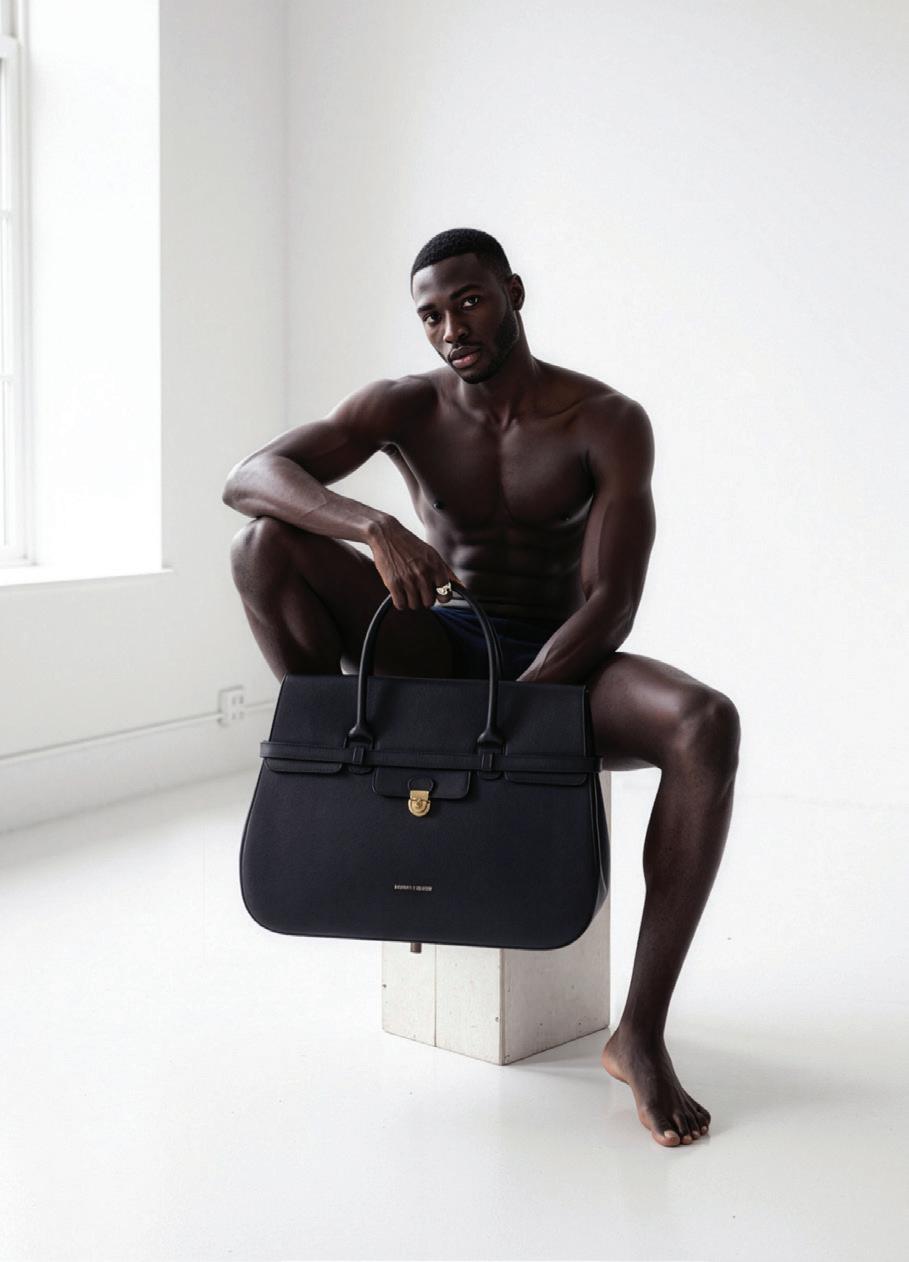
Where the Pedro tote emphasizes architectural restraint, the Vincenzo carryall demonstrates Patrick Cupid’s ability to integrate heritage detailing with contemporary functionality. Handcrafted from 100% full-grain leather, the Vincenzo features an antique brass button lock at the center front flap, adding subtle vintage character. Two removable side-buckle-adjustable belts enhance both versatility and structural expression.
The fully lined interior contains three pockets and two key fobs, reinforcing the brand’s understanding that luxury must support movement and organization. Offered in small and large formats and available in stone, saddle brown, midnight blue, cognac, fuchsia and black, the Vincenzo adapts to travel, business and urban life with equal assurance. Each piece is custom made, reinforcing the brand’s commitment to considered production over mass output.
In an industry saturated with logo-driven status pieces and rapid product cycles, Patrick Cupid’s leather goods strategy stands apart.

The Pedro tote exemplifies Patrick Cupid’s mastery of proportion, material integrity and disciplined design. Crafted from 100% natural full-grain leather, the tote honors the material’s raw character. Texture, weight and subtle variation are allowed to speak without embellishment. There is no excess, only clarity.
The bag’s structured square silhouette and seamless side panels create a composed architectural line. It projects assurance without overt display. A discreet gold-foil embossment rests on the exterior and is echoed on the interior pouch, serving as a quiet signature rather than a branding statement. Wide shoulder straps reinforce durability while maintaining visual balance and ease of wear.

The brand’s tote and carryall designs are not seasonal novelties but enduring companions. They align with a broader shift in luxury consumption toward longevity, responsible sourcing and understated distinction.
By applying couture-level discipline to everyday forms, Patrick Cupid demonstrates that the modern tote can be both functional and architecturally refined. The Pedro tote and Vincenzo carryall do not chase attention. They command presence through proportion, craft and integrity. In doing so, Patrick Cupid strengthens his position as a designer and a leather goods authority, with a tote category defined by clarity, responsibility and lasting design.

On any given morning in the fashion industry, the business of apparel is already in motion. Designers move between showrooms presenting next season’s collections, while production teams coordinate with factories across global supply chains. Simultaneously, orders move through warehouses destined for boutiques, department stores and online customers around the world. It is an industry defined by speed, creativity and constant reinvention, yet behind every successful brand lies something far less visible: the operational infrastructure that turns ideas into garments, inventory and global commerce.

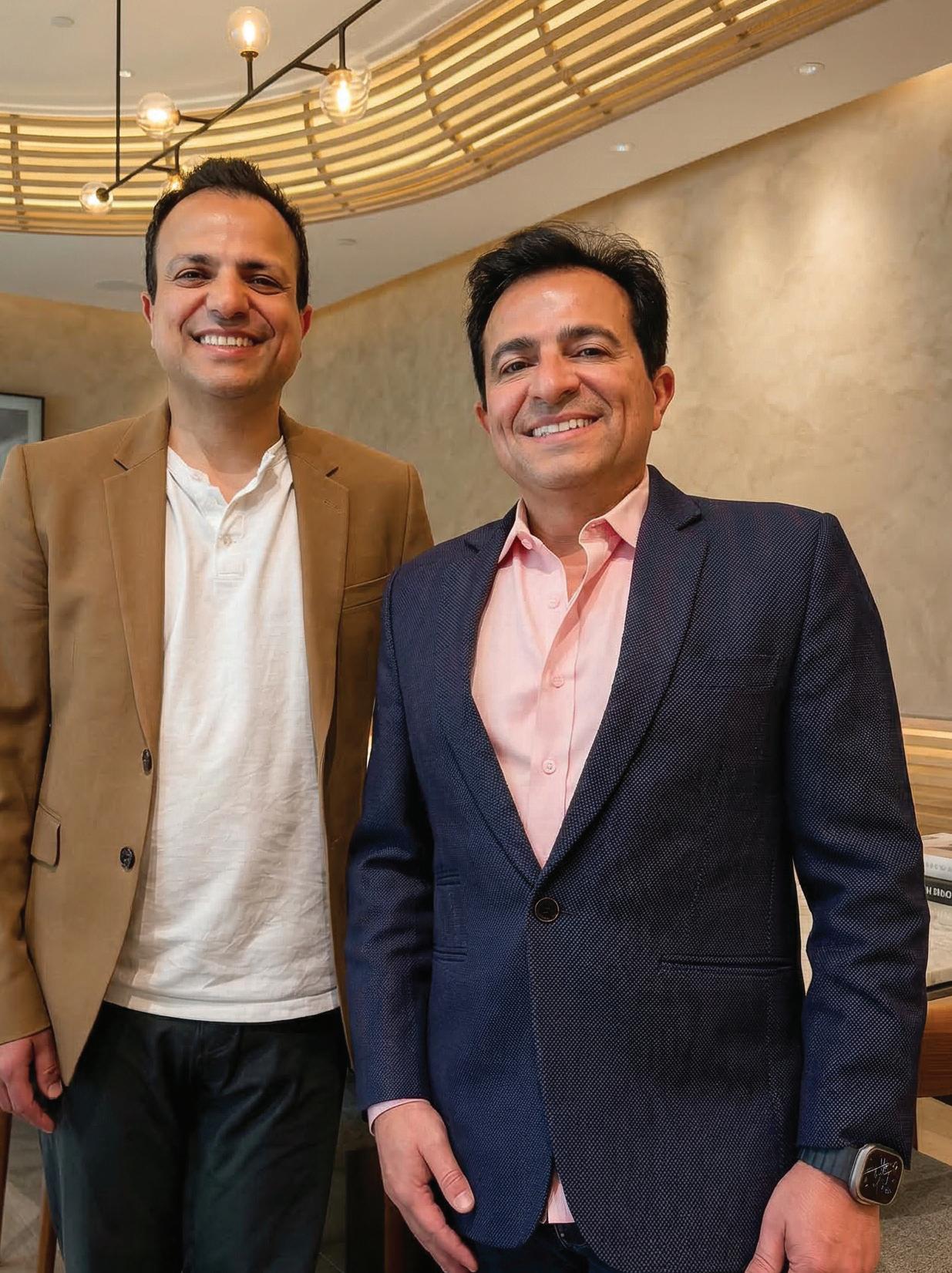
For over four decades, AIMS360 apparel software has quietly helped power that infrastructure for apparel companies worldwide. Led by brothers Shahrooz Shawn Kohan and Shahin Kohan—well known in the industry as the Kohan brothers— the company and its team have navigated the platform through multiple waves of change, from the manufacturing boom of premium denim to the rise of e-commerce and now the emergence of artificial intelligence.
The story of AIMS360 began in 1984, long before the internet began reshaping retail. The platform was first developed to help apparel manufacturers and wholesalers manage their operations more efficiently, built around the recognition that the apparel industry has always been uniquely complex. Unlike generic businesses, a single garment style exists in multiple colors and sizes; collections move through constant seasonal cycles; and brands must coordinate production, inventory and wholesale orders within one integrated system. By building software specifically tailored to the way fashion companies actually operate, the platform established its place behind the scenes of the industry.
The platform entered a new chapter in 2005 when Shahrooz and Shahin took the helm. Shahrooz, who had studied information systems
and entrepreneurship at the USC Marshall School of Business and built experience across technology ventures and investments, became CEO. Under his leadership, AIMS360 successfully transitioned from a legacy system to a modern cloud-based platform, enabling brands to reduce manual processes, improve inventory accuracy and scale across multiple sales channels. He is also committed to advancing the industry through education and thought leadership, including hosting the “Fashion Means Business” podcast, where he explores how technology is reshaping fashion operations.
Shahin, whose decades of experience spanning both the fashion industry and enterprise technology gave him a rare dual perspective, joined as president. His deep understanding of apparel manufacturing, wholesale distribution and supply chain complexities, combined with his technical expertise, allowed him to shape the technology architecture that powers the platform. In addition to his work at AIMS360, Shahin has been involved in broader technology, investment and advisory roles, applying his expertise to guide companies in leveraging software for growth.
The Kohan brothers began leading the company at a time when global supply chains were becoming more sophisticated, and fashion brands needed better systems to manage production, inventory and distribution across multiple channels. While Shahin focused on product development and technology architecture—translating complex apparel workflows into practical software solutions—Shahrooz focused on the company’s strategic growth and industry relationships. Their combined efforts eventually led to a milestone partnership with Microsoft, which brought the platform into the modern cloud era and allowed fashion brands to access enterprise-level infrastructure through a system built for real apparel businesses.
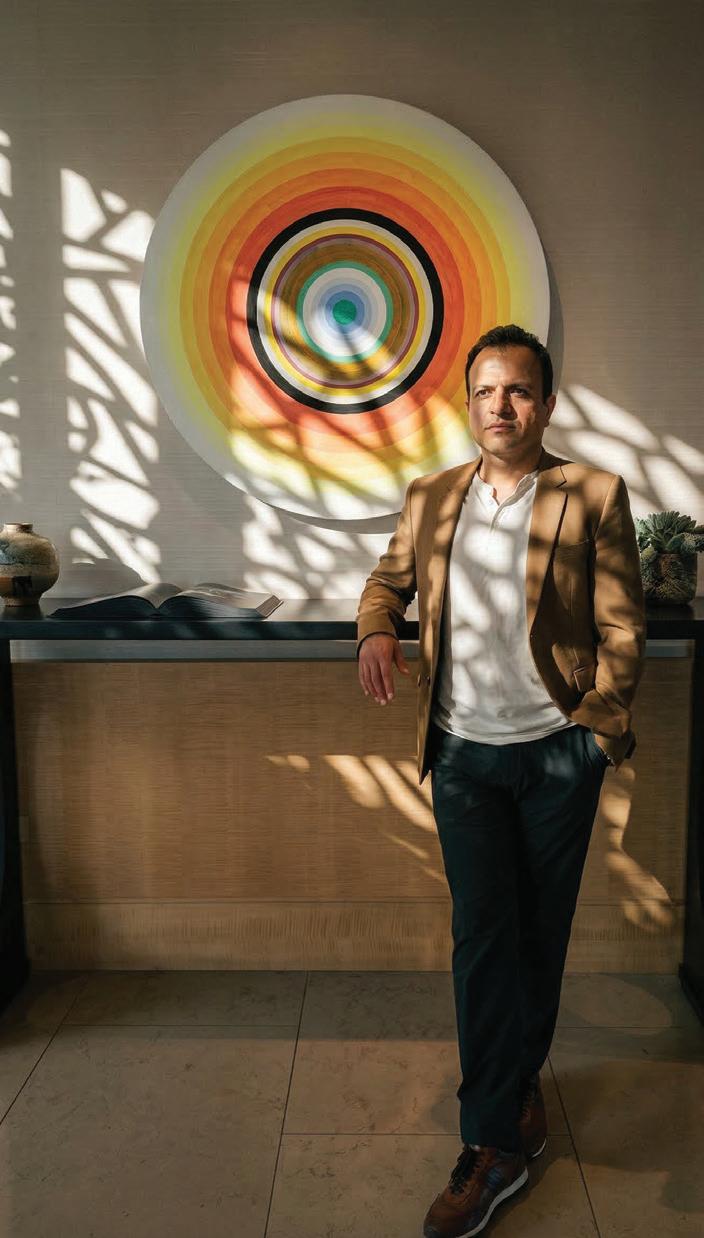


The effectiveness of this infrastructure was tested during the manufacturing boom of premium denim. AIMS360 worked closely with pioneers such as True Religion, Frame Denim and Blue Cult Jeans during their most intense growth phases. As True Religion’s signature denim gained global popularity, the brand faced the pressure of surging orders and complex production schedules. AIMS360 helped bring structure to that process, allowing these denim giants to scale without losing control of their inventory.
This same operational backbone supported the rise of modern lifestyle and athleisure companies. Beyond Yoga, for example, utilized AIMS360 throughout its journey from an emerging label to its $400 million acquisition by Levi Strauss & Co. Today, the system
supports a wide range of apparel businesses, from direct-to-consumer and retail-driven brands like Los Angeles Apparel to complex, multichannel operations like Mac Duggal.
As fashion brands grow, they often find themselves selling through multiple channels at once— operating their own retail stores, selling directly to consumers through Shopify, and supplying products to major department stores like Nordstrom, Macy’s or Saks.
AIMS360 tackled this by offering a unified system that synchronizes inventory across all these channels in real time. This guarantees that style information, pricing and inventory are always in sync across platforms like Shopify, Joor and Amazon. By providing native, inhouse integrations with accounting platforms and business-to-business (B2B) wholesale tools, the system enables brands to operate more efficiently. Unlike traditional enterprise resource planning (ERP) systems, AIMS360 is built to be affordable and scalable for businesses doing anywhere from $1 million to $500 million in annual revenue.
The platform also helps brands manage their entire operational structure—from production, logistics and accounting to design and sales. Through builtin fashion project life-cycle management (PLM) tools, brands manage the process from initial concept through costing and approvals to the eventual handoff to production.
What truly sets the company apart today is its team. The Kohan brothers have intentionally built an organization composed of professionals with real fashion industry experience. The staff includes people who have worked directly with brands, factories, retailers and supply chains.
This team functions as fashion business consultants, offering “boutique-style” customer service and hands-on help with style setup, inventory cleanup or electronic data interchange (EDI) management. Because they have firsthand industry experience, they ensure the technology reflects how fashion companies actually operate. Their guidance is based on real-world use cases seen across hundreds of brands, helping entrepreneurs avoid common mistakes as they scale their businesses.


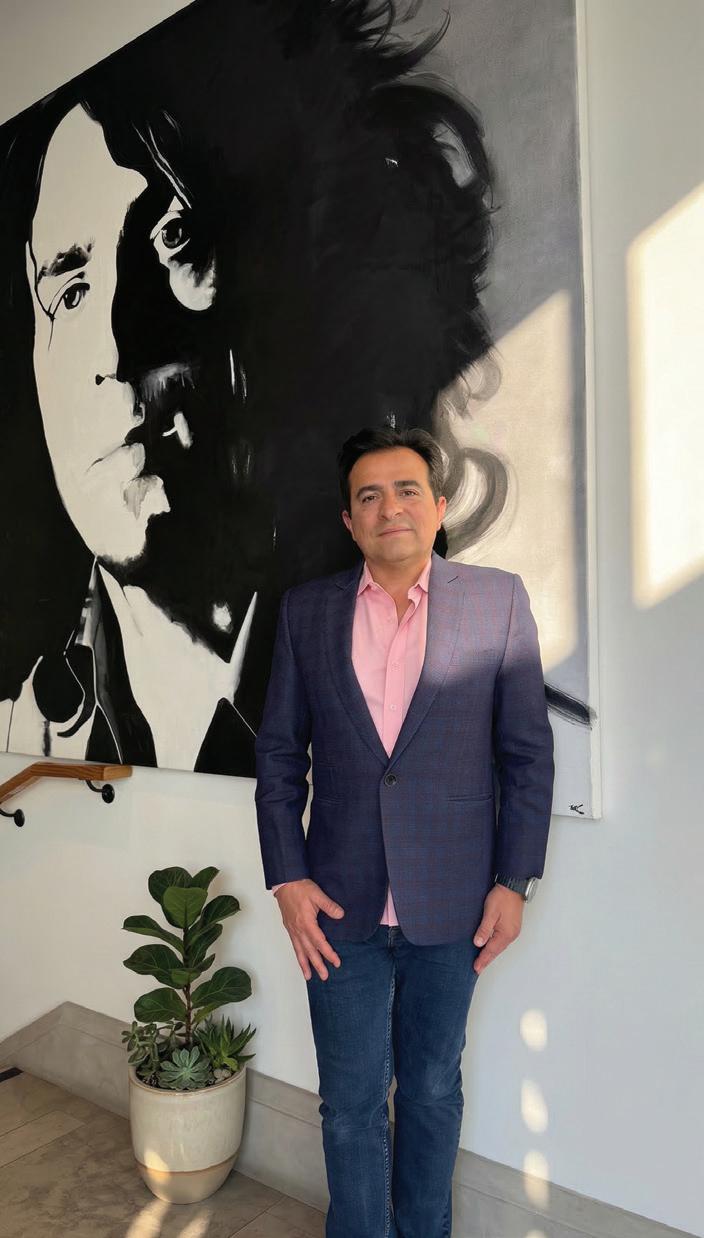
As the industry moves into a future shaped by data, AIMS360 has introduced Insights AI to help brands make sense of the enormous amount of operational data they generate. By analyzing patterns in sales, production planning and inventory movement, the platform helps apparel companies identify trends, forecast demand and make smarter decisions about purchasing and inventory allocation.
For the Kohan brothers and their team,
the goal of this technology is not to replace human creativity but to enhance it. “Fashion entrepreneurs don’t start brands because they love software,” Shahrooz noted. “They start brands because they have a vision. Our role is to give them the operational backbone that allows those visions to become sustainable businesses.”

Once a design is finalized, that data flows directly into production workflows, letting teams track work-in-progress garments and vendor purchase orders in real time—all within the same system, with no expensive third-party middleware required. This level of integration helps product teams reduce errors and accelerate their time to market.
After four decades, AIMS360 remains dedicated to that mission, helping fashion entrepreneurs turn creativity into thriving global businesses.




















































“We wanted to create something that feels as special as the memories you make in it,”
—Akinda Ackerman



Starting this spring, new swimwear brand Mayanna enters the market with a refined, deeply personal vision—one that redefines the category through craftsmanship, memory and a heightened sensory experience.


richness—pieces with the kind of presence that gets remembered.

Founded by mother-daughter duo Jen Johnson and Akinda Ackerman, the luxury label bridges the timeless elegance of the French Riviera with the relaxed sensibility of California, offering a debut collection that feels both intimate and elevated.



At the core of Mayanna is a philosophy rooted in nostalgia and emotional connection. Conceived from the idea that the garments we cherish most are those intertwined with our memories, the brand approaches swimwear through the lens of the five senses—placing particular emphasis on touch. This perspective materializes in a collection defined by tactile richness, where each piece is designed not only to be seen, but to be felt. “We wanted to create something that feels as special as the memories you make in it,” said Ackerman. “Swimwear should move with you, feel luxurious, and evoke confidence and joy.”
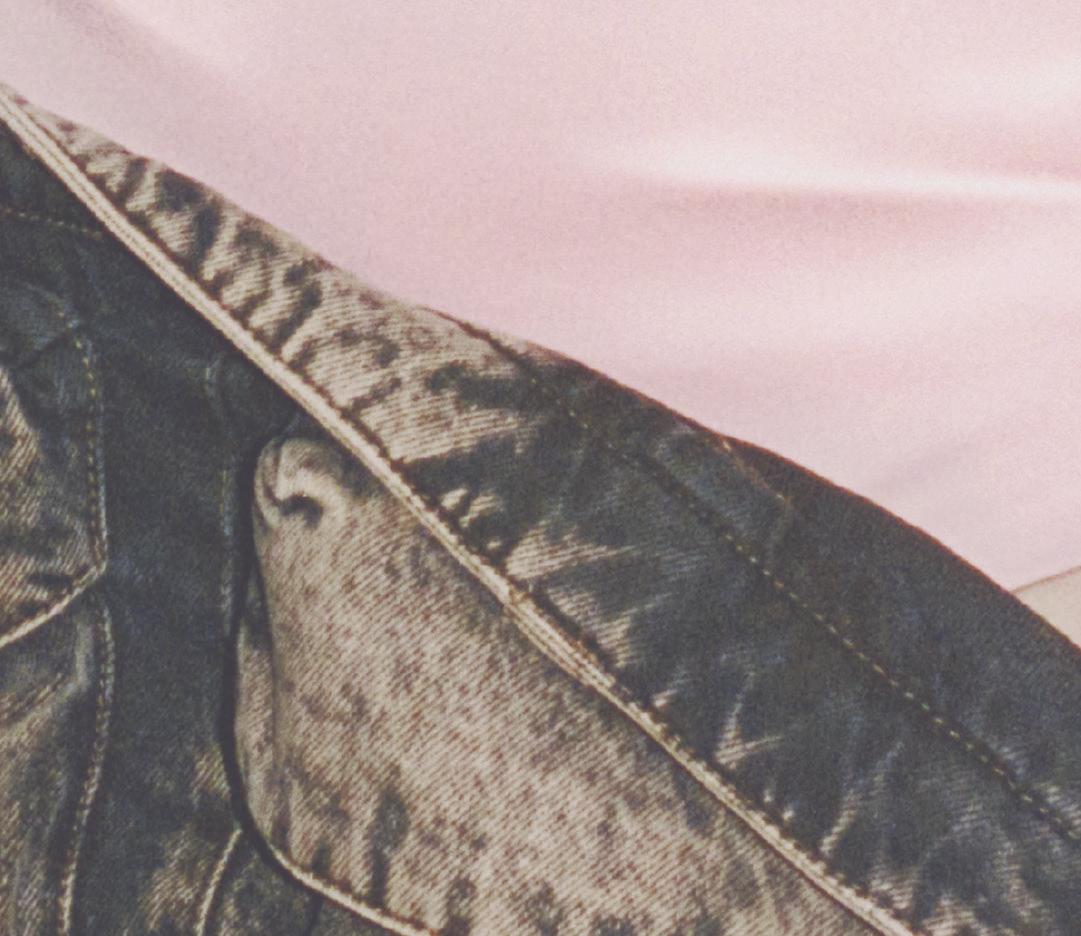
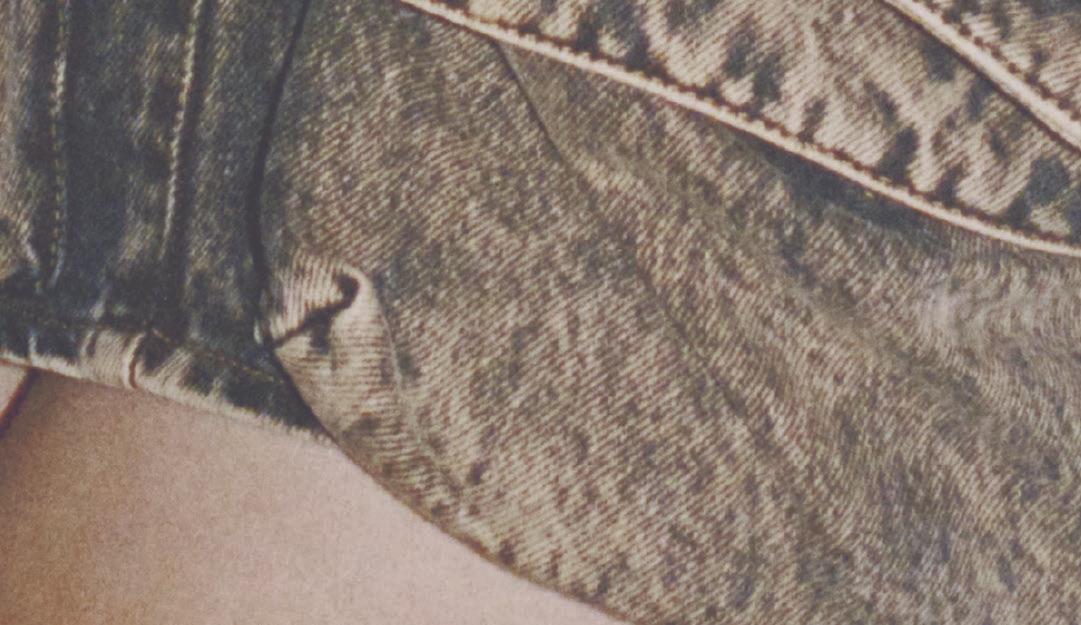
Central to that experience are the fabrics themselves. Mayanna distinguishes its offering through couture-inspired bistretch jacquards sourced from an artisanal heritage mill in Lyon, France. Woven with recycled materials, these textiles balance sculptural structure with fluid movement, lending each silhouette a bold, woven
Production remains equally intentional. Each garment is crafted in small batches in Los Angeles by multigenerational artisan teams, ensuring not only meticulous attention to detail but also ethical working conditions and a transparent supply chain. This localized approach reinforces Mayanna’s emphasis on human connection—transforming each piece into a product of both design and craftsmanship.
Visually and emotionally, the debut collection for SS26—La Rêverie, meaning “daydream” in French—draws inspiration from the unhurried rhythms of the South of France, particularly Lourmarin, a destination that informs the brand’s relaxed yet sensual silhouettes. Saturated florals, sun-drenched color and golden thread woven through jacquard fabric evoke the feeling of long afternoons on the riviera—warm light, still air, nowhere to be. The result is swimwear born from that dream—richly woven, boldly colored and made to hold the memories of the moments you wear it.
Mayanna positions itself as more than a swimwear label. It is an invitation to slow down, to savor and to invest in garments that carry meaning—where luxury is defined not only by how something looks but by how it lives with you over time.























WELLS FARGO CAPITAL FINANCE FACTORING
ASSET-BASED FINANCING
ACCOUNTS RECEIVABLE MANAGEMENT
ACQUISITION FINANCING
INVENTORY FINANCING
IMPORT AND EXPORT FINANCING
LETTERS OF CREDIT

In an industry that endlessly strives for the next big thing, having the flexibility to adapt at a moment’s notice is key to success. With Wells Fargo, you get the strength and stability you need, along with the nimbleness you want. Our flexible financing may support your growth, and our proven track record in factoring and receivables management helps make sure you’re ready for whatever’s next.
Tap into our knowledge, experience, and broad o ering of products so that your business’ success never goes out of style. Learn more at wellsfargocapitalfinance.com/apparel.
Peter Pugliese
Senior Vice President, Regional Sales Manager
212-703-3551
peter.pugliese@wellsfargo.com

Bringing you the latest breakthroughs in software, I.T. and fashion technology. From creative solutions to insights from experts, we are the source for all things fashion tech.
For most of fashion’s history, jewelry has done one thing: adorn. A pendant signals taste, status and sentiment, but it stays quiet. Elena Wagenmans, founder of Taya, worked as a mechanical engineer at Apple, designing the internal electronics of the iPad Pro, and from that world, she watched the wearable industry spend years trying— and mostly failing—to earn a place in people’s everyday lives.

Every AI wearable that has come to market looks like a prototype someone forgot to finish. Black plastic, too bulky, on a lanyard. A clip that belongs in a hospital, not an outfit. The technology was often impressive. The objects were not. And so they ended up in desk drawers.
Taya is built on a different premise: that the object has to earn its place in your wardrobe before it earns its place in your life. The company is making an AI necklace designed as jewelry, with the kind of considered aesthetic that makes you reach for it in the morning, the same way you’d reach for a favorite pair of earrings. Intelligence is built in, but it doesn’t announce itself. It’s there when you want it, and invisible when you don’t.
“People want intelligence, but they don’t want to wear something that makes everyone around them uncomfortable,” said Wagenmans. “We’re building jewelry-first AI for private reflection— something you choose to wear and choose when to activate.”
That invisibility is intentional in a deeper sense, too. Unlike the current generation of AI wearables, which
are largely designed to record the room around you, capturing meetings, conversations and ambient audio, Taya only captures your voice. A directional microphone and voice-prioritization system focus on the wearer. No one else at the dinner table, in the meeting or on the street is being recorded. You tap a button to begin; you tap to stop. The mic is off by default. Privacy is not an added feature; it is an architectural decision made from the start.
The use case is less about corporate productivity and more about the quiet life of the mind—a thought that surfaces on a walk and disappears before you find your phone, a creative instinct in the middle of a conversation you can’t interrupt, an idea between meetings that evaporates by the time the next one ends. Taya captures those moments— the ones that would otherwise simply vanish—and surfaces them through a companion app that organizes and lets you search your own thinking.
Wagenmans studied product design and mechanical engineering at Stanford before joining Apple, where she spent a year on the iPad Pro team. She later returned for her master’s in mechanical engineering, learning from the factory floor up what it actually takes to manufacture something that people touch every day. That experience shapes every decision at Taya, from the weight distribution of the pendant to the choice of materials—built to hold up over years of wear, not months.







But the more formative education came from watching the wearable industry from the outside. The products launched over the past several years share a common failure: they were built for a version of the consumer that does not quite exist. They assumed people would tolerate looking like early adopters indefinitely. They assumed that utility was enough. It was not. The consumer Taya is designed for—style-conscious, in urban environments— has been consistently underserved by the tech industry. They are not waiting for a gadget they can tolerate. They are waiting for something they actually want to wear, and Taya is an attempt to build that thing.
The vision has already found an audience. Taya’s initial launch generated over 3 million organic views across platforms, and the first preorder batch sold out without a traditional advertising campaign. The company has since raised $5 million in seed funding, led by MaC Venture Capital and Female Founders Fund—the latter a meaningful signal for a product explicitly
designed for a consumer the tech industry has long overlooked.
Adrian Fenty, managing partner at MaC Venture Capital, put it plainly: “We would actually place Taya outside of the notetaker bucket. Those products are ambient recorders. Taya’s intentional, single-player capture is focused on just you. We believe that Taya can be a company that aids human work and personal evolution and helps humans understand their own behavior while making it more fun in the process.”
A second preorder round is currently open, with first production units expected to ship later this year. The broader question Taya is asking—whether technology can be beautiful enough, and considerate enough, to become a genuine part of how people dress—feels increasingly urgent. As AI becomes embedded in more objects around us, the ones we choose to wear on our bodies will require a higher standard: not just functional but wanted.
Taya is building toward that standard.
Lilysilk announced the launch of its SilkContour collection. Built around a new patent-pending silkbased blend developed for everyday movement and lightweight performance wear, the collection reimagines active essentials through a soft, close fit and secondskin comfort. Designed for everyday sports and dynamic lifestyles, it includes biker shorts, flared pants, leggings and supportive sports bras in blush pink, coffee bean and black.
SilkContour is a patent-pending tri-blend fabric composed of 36% silk, 42% recycled nylon and 22% Lycra. Unlike traditional shapewear that relies on compression, SilkContour contours softly without squeezing or restricting movement. The double-faced knit construction places durable nylon outward for structure while silk rests gently against the skin to deliver breathable comfort and refined stretch.
The fabric offers four-way stretch with high recovery, quick-dry performance and wrinkle resilience, together with everyday durability engineered for abrasion resistance and shape retention. Incorporating recycled nylon, the material also reflects Lilysilk’s ongoing commitment to responsible innovation.
Key pieces highlight the versatility of the collection, designed to transition seamlessly between active and everyday settings. The SilkContour Second Skin Short combines technical structure with breathable comfort to offer medium support for both hard training sessions and daily wear. The Drape Flow Pant blends elegant drape with functional stretch to create a flattering silhouette that moves fluidly from active settings to everyday wear. The Streamline Pant features contour lines and contrast piping that enhance the body’s natural curves while maintaining a smooth, second-skin fit. The Streamline Bra and Air Touch Bra provide moderate support through sculpted seams and silk-lined interiors that balance strength with softness, ensuring stability without compromising ease or refinement.
“We spent a long time asking whether comfort could also feel refined,” said David Wang, CEO of Lilysilk. “With SilkContour, we wanted to create something that follows the body’s natural lines without pinching or squeezing. It’s not about reinventing shapewear but about creating something that simply feels good to wear.”
The SilkContour collection marks Lilysilk’s continued evolution beyond traditional silk apparel and marks its expansion into performance-driven essentials that unite material innovation, sustainability and everyday elegance.

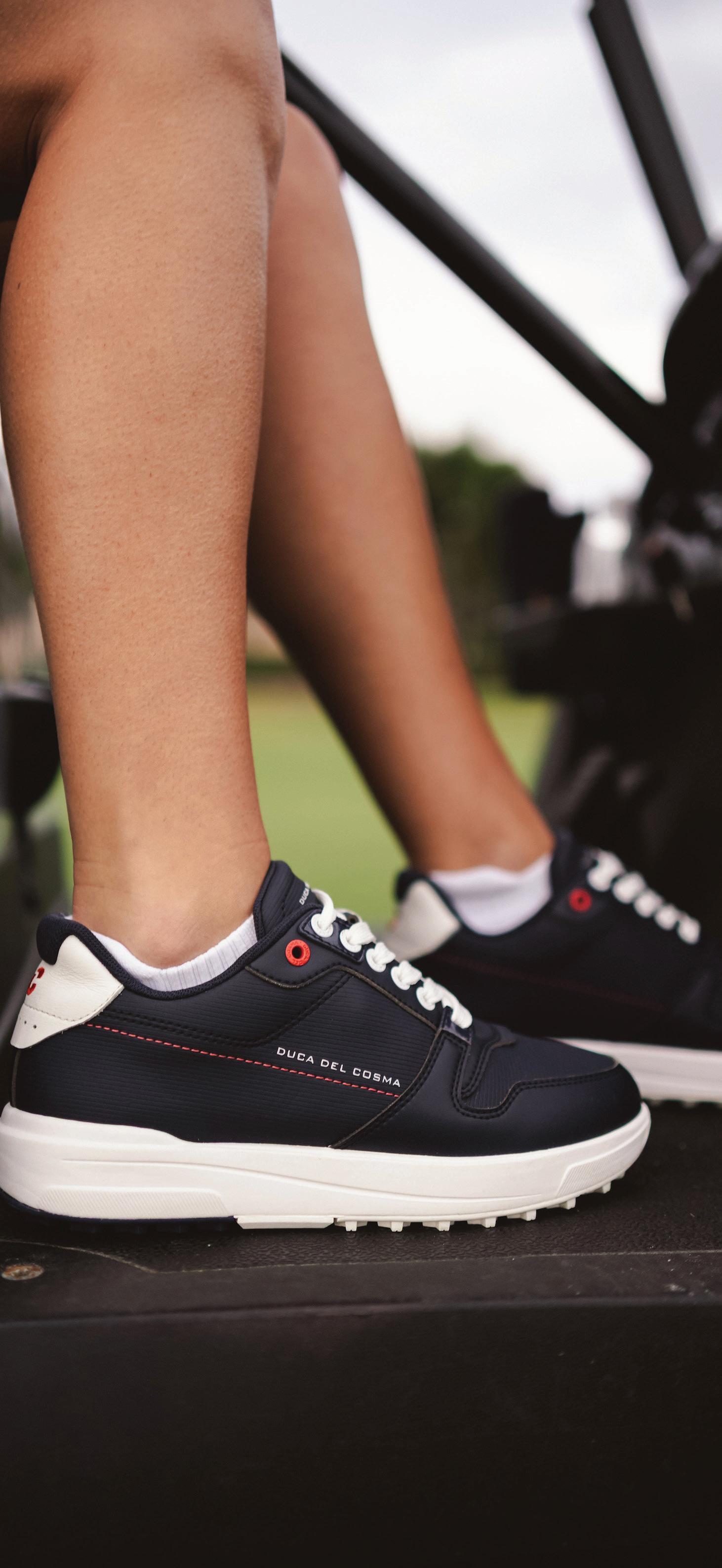
Luxury golf fashion brand Duca del Cosma introduced its all-new lightweight Airplay Venezia outsole technology, designed to seamlessly merge golf and streetwear functionality in two versatile golf shoe designs.
The all-new Osimo and Amantea shoes for men and women, respectively, have been developed using the pioneering Airplay Venezia outsole technology, featuring lateral multidirectional nubs and medial hexagonal nubs to deliver top performance and grip both on and off the golf course.
The golf and lifestyle crossover outsole has been crafted in an advanced waterproof construction, while the use of lightweight, premium-grade rubber materials ensures unmatched comfort and stability on all terrains.
“We truly believe these striking new styles are the solution for those golfers seeking a perfect crossover of technical golf shoe performance and streetwear style,” said Baldovino Mattiazzo, head designer at Duca del Cosma. “We are seeing more and more golfers wearing their shoes in everyday life, which is why we placed a huge focus on developing the new Airplay Venezia outsole on two incredibly refreshing designs that we know will turn heads for all the right reasons this year.”
Designed to meet the growing demand for a hybrid golf and lifestyle shoe, the fashionable Osimo and sophisticated Amantea pair effortlessly to combine fashion with technical golf-shoe performance, offering an appealing allround package. Made with premium microfiber and sleek leather accents, both shoes provide a modern, sporty look and deliver an abundance of comfort and breathability in a long-lasting construction.
Among the other key technologies used in the shoes is the Insite ArchRelief insole, a highly breathable soft polyurethane (PU) membrane. Underscoring the premium brand’s unwavering commitment to offer the highestquality golf footwear on the market, the insole is crafted using an exceptionally cushioned material to relieve pressure underfoot and deliver optimal shock absorption with every step.













Debra Hazel Communications North Las Vegas, Nevada 201-618-5247
The end of a long, cold winter is seeing the coming of new concepts, new flagships and more.
For the Little Ones
Bambi Baby, a family-owned baby furniture and gear retailer with nearly 50 years of experience, announced the opening of its new store in the heart of New York City. The newly opened location, at 655 Sixth Ave., offers a curated selection of the best-in-class baby products and personalized services to families throughout the city and beyond. Bambi Baby offers the extensive, premium assortment of a big-box store while redefining baby gear shopping through a luxury showroom experience. Cloudbound, an indoor play space concept designed specifically for young children ages 0 to 6, has opened at 80 Nardozzi Place in New Rochelle, New York. Cloudbound’s 18,000-square-foot play space combines the energy of a playground with the wonder of a children’s museum, with giant spiral slides and castle-inspired obstacle courses for preschoolers, as well as sensoryrich interactive zones for babies.
Big Box
Burlington signed an expansion lease for a full-floor, 35,629-square-foot office space, and an early renewal lease for its current 170,763-square-foot space for a total footprint of 206,392 square feet at 1400 Broadway.
By Debra Hazel
Nespresso renewed its existing 41,835-squarefoot space at 111 West 33rd St. The company first signed on to lease the space in 2018. Grab-and-go coffee and sandwich shop Pret A Manger has opened at Under 30 Rock, the curated collection of day-to-night restaurants, bars, takeaway counters and shops under 30 Rockefeller Plaza.
Le Colonial returns! The Vietnamese restaurant will open at 50 W. 57th St. in 2027. Marx Realty and speakeasy concept Please Don’t Tell (PDT) will introduce Highball Ltd. at 10 Grand Central in Midtown Manhattan. After finding the hidden entrance on Third Avenue (look for the red light), guests are transported to a cocktail oasis on the 11th floor.
The Park, a 185-acre, mixed-use campus in Berkeley Heights, New Jersey, announced six new retailers that will occupy The District at The Park in July 2026. The District at The Park is a 60-acre downtown area for shopping, dining and entertainment, anchored around a walkable Main Street slated to open this year. The new tenants are Four Spoons Ice Cream Company, a family-owned ice cream shop with more than 30 super-premium flavors and froyo; Doner Shack, a Mediterraneaninspired concept serving street-food favorites and flavor-packed kebabs originating from Europe; Cafe Exchange, a two-story social café offering premium coffee, food and an evening wine bar, with a special emphasis on community, books and the arts; Prime IV Hydration & Wellness, a modern spa that will provide customized IV vitamin infusions; Dogtopia, offering daycare, overnight and holiday boarding and premium spa services for dogs; and Greatness Wins, an elevated athletic apparel brand founded by Chris Riccobono, Derek Jeter and Misty Copeland, which will open its first flagship location. Marco’s Pizza opened its first New Jersey location at 1135 Easton Ave. in Somerset.
California Dreamin’
Joe’s Jeans is celebrating its 25th anniversary with a return to Beverly Hills at 346 N. Beverly
Drive. Nearby, Sanctuary, a Los Angelesbased fashion brand, has opened its first-ever physical store at 358 N. Beverly Drive. The 2,000-square-foot space features the brand’s ready-to-wear, shoes and accessories, as well as vintage items.
Marking the brand’s first store outside Texas, Yellow Rose by Kendra Scott has opened its Nashville flagship. The new flagship also introduces Beau’s Bar, the brand’s first cocktail bar and debut into hospitality. Indian fine jewelry brand Tanishq has expanded its U.S. presence with the opening of its first New England location, featuring a 4,000-squarefoot showroom at 303 Turnpike Road in Westborough, Massachusetts—its 10th store in the United States and the first in metro Boston. Inside the showroom, customers can explore more than 5,000 designs, spanning bridal collections, festive wear, statement pieces, contemporary office wear and everyday essentials.
Chicken Salad Chick, a fast-casual chicken salad restaurant concept, is making its Nevada debut with a six-unit franchise agreement in the Las Vegas metropolitan area. Home goods giant Wayfair Inc. opened its second large-format Wayfair store at The District at Howell Mill in Atlanta. It also features The Porch, Wayfair’s all-day café. JetSet Pilates, which offers premium, full-body modern reformer Pilates workouts, is rapidly expanding its presence in the Chicago market with 18 confirmed locations in development across the region.
Eight new Princess Polly stores will open across the U.S., with additional locations expected throughout the year. New locations set to open in the second half of 2026 include Houston; Frisco, Texas; Orlando, Florida; and Edina, Minnesota, with locations in Jacksonville, Florida; Nashville; Boca Raton, Florida; and Charlotte, North Carolina, opening in early 2027. This wave of openings will introduce the brand to Minnesota and Texas for the first time.

Managing Partner and EVP, Beauty, Health and Wellness, 5WPR
Today, discovery, validation and purchase happen in a single moment, often driven by one piece of content. Nowhere is that more obvious than on TikTok, where discovery, validation and purchase all happen at once, without the consumer ever leaving the app. TikTok Shop is accelerating how consumers discover and purchase, merging storytelling and sales into one seamless experience.
But those moments don’t happen in a vacuum. They are built on the foundation PR creates through trusted storytelling, third-party validation and sustained visibility that gives consumers the confidence to act instantly.
PR as the Engine Behind Conversion
As TikTok Shop scales, PR’s role isn’t shrinking; it’s becoming more critical and more measurable. PR defines the narrative, builds credibility and creates the trust framework that allows creator content to convert. While creators drive visibility, it’s PR that ensures what’s being said is consistent, differentiated and grounded in a story consumers believe.
Brands like Medicube have demonstrated what’s possible, generating significant sales through creatorled education and product visibility. But those results aren’t driven by influencer content alone. They’re the
By Ilisa Wirgin
outcome of clear positioning, intentional messaging and sustained third-party validation, all areas led by PR. The same holds true for brands successfully scaling through livestreaming and ongoing creator partnerships.
Creators have become central to conversion, but sales alone won’t build brands. PR provides that direction, defining how a product shows up, who tells the story and why it matters.
The difference between a fleeting viral moment and sustained growth comes down to how well a brand is positioned before content ever goes live. PR leads that positioning, identifying the right voices, shaping product narratives and ensuring everything that appears on TikTok ladders up to a broader, credible story.
TikTok videos showcasing immediate, visible results resonate because they feel like proof, not promotion. But that credibility is not accidental. It is built through intentional creator alignment and strategic messaging.
Shape narratives around education, demonstration and efficacy that meet consumers where they are.
Brands like e.l.f. Cosmetics have leaned into ingredient transparency and problem-solving content that resonates in this environment. But that effectiveness is not just about being informative. It is about reinforcing credibility through clear positioning and consistent messaging. Consumers are no longer just asking whether a product looks good; they are asking whether it works and whether they can trust it.
That belief is not built through a single video. It is established through consistency across every touchpoint, from creator content to broader brand storytelling.
Viral Is a Moment, Credibility Is What Scales
Viral moments are powerful, but they’re not a strategy on their own. Without credibility behind them, they
fade as quickly as they appear.
Sustained success on TikTok Shop comes from consistency: testing formats, refining messaging and scaling what works. But more importantly, it comes from maintaining trust as scale increases. PR plays a critical role in ensuring that as brands grow faster, they don’t lose the authenticity that made them resonate in the first place.
Virality creates a spark. Credibility, and the strategy behind it, are what turn that spark into an established and trusted brand.
TikTok Shop’s reach doesn’t stop at the app. Brands that build traction there tend to see a lift across Amazon, direct-to-consumer and other retail partners. Visibility on TikTok reinforces credibility throughout all key platforms.
This reflects a broader shift in how consumers shop. The beauty customer journey is no longer linear; it’s fluid, fragmented and happening across multiple platforms at once. A consumer might discover a product on TikTok, read reviews on Amazon, research ingredients on a brand’s website, see editorial backing and ultimately purchase either online or instore. These actions are not happening step by step; they’re happening simultaneously.
That halo effect is strengthened by consistent storytelling, media validation and brand positioning online and offline.
PR is the connective layer that ensures what happens on TikTok translates into long-term brand equity, not just short-term sales.
TikTok Shop isn’t replacing PR; it is amplifying its importance. In a landscape where anyone can go viral, PR is what makes a brand credible, discoverable and scalable beyond a moment. The brands that will lead are the ones that balance creator investment with clear positioning, consistent storytelling and a foundation of trust.

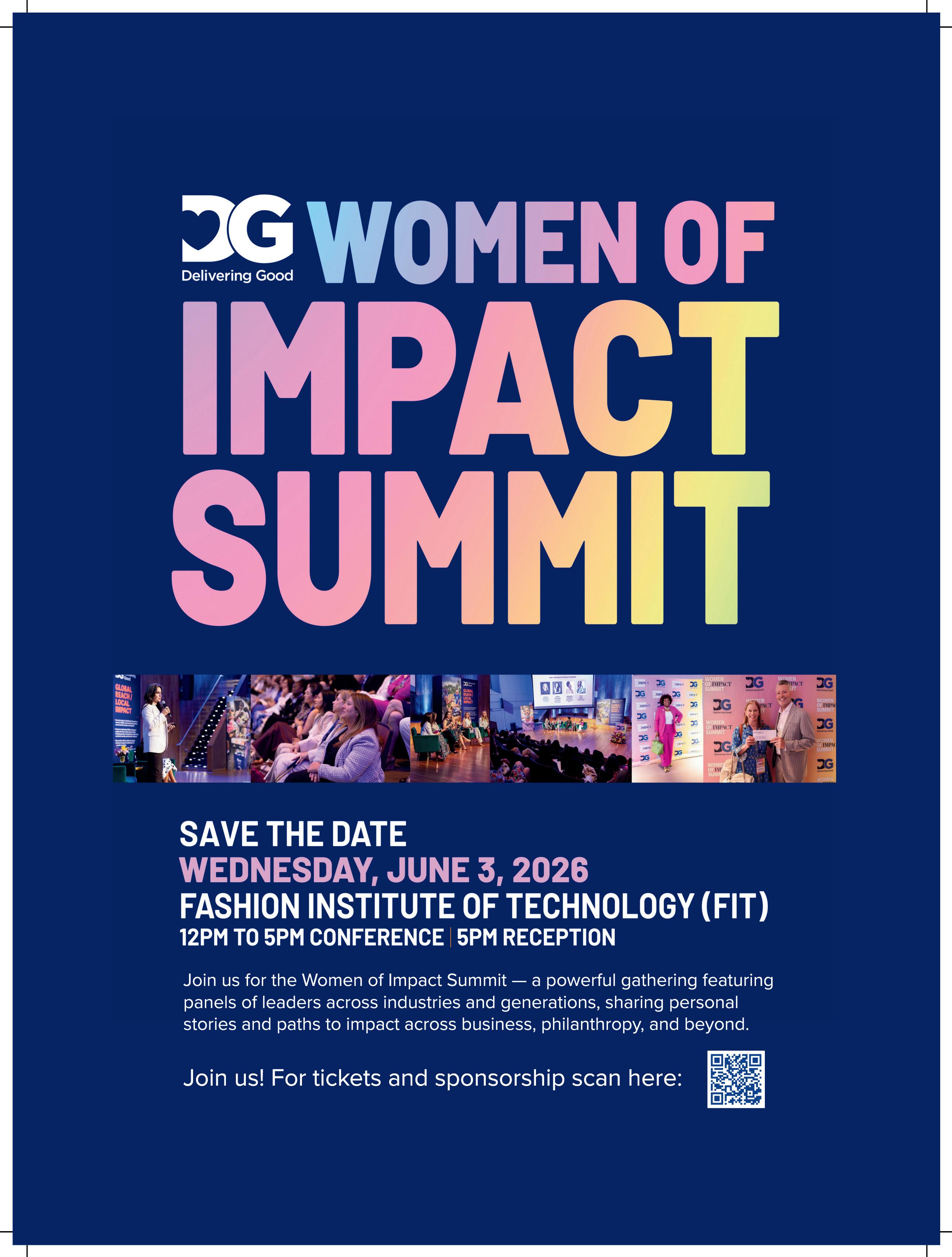

Managing Director, National Consumer and Industrial Products Industry Leader, CBIZ CPAs
By Michael Sacco
The fashion industry is in the midst of a significant transformation, as resale and rental platforms gain traction among consumers. What began as a niche market has now become mainstream, presenting both challenges and opportunities for brands of all sizes. For fashion company owners and executives, understanding and adapting to these shifts is critical for sustained growth and relevance in a changing marketplace.
The boom in resale, projected by some analysts to outpace traditional retail growth, and the increasing popularity of rental models are fueled by shifting consumer values. Younger shoppers, especially Gen Z and millennials, are driving demand for more sustainable and affordable ways to update their wardrobes. Platforms such as ThredUp, Poshmark, Rent the Runway and The RealReal have made it easy for consumers to buy and sell preowned apparel or rent high-quality pieces for special occasions or everyday wear.
This trend is not just a passing fad. Major retailers and luxury brands are launching their own buyback, resale or rental programs, or partnering with established platforms to stay relevant and accessible. The movement is also driven by a growing awareness of fashion’s environmental impact; circular models are appealing to environmentally conscious consumers and can help brands address sustainability goals.
Fashion companies can capitalize on this momentum in several ways:
• Direct-to-consumer resale: Some brands are launching their own resale channels to control the customer experience, ensure product authenticity and benefit from additional revenue streams. Patagonia’s Worn Wear and Lululemon’s Like New are strong examples.
• Rental partnerships or programs: Partnering with existing rental platforms or creating in-house rental programs can introduce a new audience to your brand, drive product utilization and extend the life cycle of
garments. Rental models work particularly well for occasion wear, maternity, outerwear and trend-driven pieces.
• Sustainability storytelling: Engaging in the resale or rental economy gives brands compelling stories about sustainability, waste reduction and value creation—all of which resonate with consumers, investors and the press.
• Data and insights: Participation in these models also offers access to valuable data on consumer preferences, product longevity and emerging trends, which can inform design, production and inventory decisions.
However, entering the resale or rental space is not without hurdles:
• Cannibalization fears: Executives often worry about resale cutting into sales of new products. In practice, resale generally attracts different customer segments and can even boost brand loyalty.
• Operational complexity: Managing logistics, cleaning, authentication and returns is challenging, whether handled in-house or through partnerships.
• Brand integrity: Maintaining consistent quality and brand perception requires careful curation and, in the case of luxury brands, authentication and condition management.
For fashion brand owners and C-suite leaders, the key is to view resale and rental not as threats but as vital extensions of the brand. Start with pilot programs, test partnerships and gather customer feedback. Consider the operational investments needed and determine whether building or partnering makes the most sense for your business model.
The consumer appetite for circular fashion is only growing. Brands that thoughtfully embrace resale and rental stand to win loyal customers, unlock new revenue and enhance their sustainability profile— crucial steps for remaining competitive in the evolving fashion landscape.



Founder, Chief Executive Officer, Chief Technology Officer, Multimedia Plus
Walk into a busy store and watch the manager for a few minutes.
Within moments, the pattern becomes clear. They are answering a question from an associate, checking a message from headquarters, helping a customer locate an item, reviewing a visual display and responding to a notification on their phone or tablet. A few steps later, they are back on the sales floor, coaching a team member or stepping in to resolve an issue.
The pace is constant. The responsibilities overlap. And the role rarely slows down.
Spend enough time observing that rhythm, and one conclusion becomes hard to ignore. The store manager role has quietly become one of the most overloaded jobs in retail.
This is not because store leaders lack capability. Retail has always required people who can balance sales leadership, team development, merchandising and operational oversight. Those expectations are not new.
What has changed is the sheer volume of information and initiatives that now flow into stores every day.
The Constant Flow of Initiatives
Retail organizations operate at an extraordinary pace. Product launches arrive in rapid cycles. Promotional
By David Harouche
strategies evolve frequently. Merchandising directives shift based on inventory, marketing campaigns and seasonal demand.
Each initiative makes sense on its own. But from the perspective of the store, they rarely arrive in isolation. A single week might include a new product introduction, updates to promotional messaging, revised visual merchandising guidelines, required training assignments and operational reminders from multiple departments. Some of these initiatives originate in merchandising. Others come from marketing, operations or training teams. Each group is focused on improving performance.
Inside the store, however, these directives converge at the same point.
Someone has to interpret them, organize them and translate them into action for the team.
More often than not, that responsibility falls to the store manager.
From the corporate side of retail, strategy often appears complete once it has been communicated across the organization. But anyone who has worked in stores understands that communication is only the starting point.
Execution begins when store teams understand what those directives actually mean for their daily operations.
A product launch requires associates to understand the materials, the design story and the key selling points that matter to customers. A merchandising update means fixtures must move, displays must be rebuilt and visual standards must be interpreted in the context of each store’s layout. Promotional changes require messaging to align with both inventory and customer demand.
Each directive must be organized, explained and implemented while the store continues to serve customers throughout the day.
In practice, the store manager becomes the operational bridge between corporate strategy and customer experience.
The best store managers are natural leaders. They build engaged teams, coach associates through challenging situations and create the atmosphere that customers feel the moment they walk through the door.
Yet the modern retail environment often pulls them away from that leadership role.
Instead of spending the majority of their time developing associates and engaging with customers, many managers find themselves navigating administrative complexity. They move between systems, track operational updates, confirm training completion and ensure that tasks have been executed correctly.
None of these responsibilities is unnecessary. Retail organizations depend on structure and accountability. But collectively, they create operational friction that can dilute the leadership focus that stores need most. When that happens, the role shifts subtly from leading the floor to managing the flow of information.
For retailers focused on consistent brand execution, the store manager role remains one of the most critical positions in the organization.
When store leaders have the clarity, tools and support they need to translate strategy into action, the results can be significant. Teams are better prepared. Customer interactions become more confident and informed. Product launches gain momentum because associates understand the story behind what they are selling.
Retail has always been defined by what happens on the sales floor. Strategies developed in corporate offices ultimately succeed or fail based on how they are executed in stores.
And in most cases, the person responsible for making that execution happen is the store manager.
Recognizing the growing complexity of that role is an important step toward strengthening the operational foundation of modern retail.




INNOVATION WITHOUT LIMITS. A COMMUNITY MOVING TEXTILES FORWARD—TOGETHER.
Discover what’s next in performance textiles at Functional Fabric Fair. Join us for a curated sourcing event connecting you with top suppliers, industry leaders, and brands driving the future of activewear, outdoor gear, and performance fashion.
Trend Forum


Innovation Zone
Expert Talks


Explore 12 essential fabric categories curated by a jury of textile experts, and experience the season’s most innovative materials—up close and firsthand.



Discover cutting-edge products before they launch and get an exclusive first look at breakthrough materials and technologies shaping the future of performance textiles.


Engage with industry leaders through dynamic sessions that spotlight the latest trends, innovations, and sustainability practices driving outdoor and active textile design.
LEARN MORE AT





Founder and President
Dora L. International
By Dora Lau
For decades, the intimate apparel industry was driven by a relatively singular vision: aesthetics blended with basic support. We focused on “lifting and shaping” for the everyday woman. But the “everyday” has changed. Today, the modern consumer doesn’t just want a bra that fits; she wants a foundation that performs according to the specific demands of her day. Whether she is a baby boomer seeking independence despite arthritis, a nurse pulling a 12-hour shift or a soldier in a combat environment, her needs are vastly different.
As I often say, “Confidence is the sexiest thing a woman can wear,” but that confidence is impossible if her first layer is failing her. For retailers and brands, the “white space” is, of course, about inclusive sizing, yet it’s also about activity-specific engineering.
This is where the growth will come from.
The Professional Athlete in Every Woman
We are seeing a massive shift toward lifestyle-specific needs. Take the tremendous growth of sports like golf and pickleball. These activities require garments that provide high-level compression to manage movement while also remaining breathable and lightweight.
For professionals like nurses and healthcare workers, the requirements are even more rigorous. These women are on their feet for long hours in high-stress environments. They need comfort that doesn’t quit at hour 10, coupled with fabric innovations like silverinfused or bamboo yarns that provide antimicrobial protection and moisture-wicking properties to prevent odor and irritation. When we provide these multibenefits, we are providing a tool for their success.
Perhaps the most underserved segment is women in the military. Historically, this has been a maledominated field where women were forced to adapt to garments designed for men. Statistics show that women now make up approximately 17% of the U.S. military, yet many still face issues like severe chafing and discomfort because their “foundation” wasn’t built for the front lines.
In these military roles, women cannot afford to be distracted by a digging wire or a damp, irritating seam. It is time we recognize that the most important layer on a soldier’s skin must perform at the same level as her boots or her uniform.
Finally, we must address the baby boomers. This is a massive demographic with significant spending power, yet they are often overlooked by “trendy” brands. Many of these women are dealing with the onset of arthritis or limited mobility. They want to remain independent, and struggling with a tiny hookand-eye closure in the back is a daily frustration that saps their confidence.
Construction is the hero here. By utilizing frontclosure innovations, magnetic fasteners and “easyon” fabric elasticity, we can design garments that give these women their dignity back. They don’t want “old lady” bras; they want sophisticated, high-performance pieces that happen to be engineered for their physical reality.
From a business perspective, the “white space” in the market is found where we solve a specific problem. It presents an opportunity to potentially pioneer a category that has never truly existed. We are living in an era where women are entering careers that were never designed with their physiology in mind, or doing activities that simply didn’t exist before, like pickleball. When we engineer activity-specific foundations, we create opportunities for the business and help women feel their best.
We are removing the physical distractions and structural barriers that hold a woman back. By providing a technical layer that manages moisture, mitigates strain and moves in perfect synchronization with her body, we ensure that 100% of her focus and potential is directed toward the mission at hand.
For brands and retailers, the mission is clear: let’s create products that empower her to be her best.

Hub International frank.delucia@hubinternational.com 212-338-2395
Risk-mature fashion and apparel organizations recognize that cyber insurance is the foundation of a comprehensive cyber resilience strategy—not just a checkbox on the risk management to-do list. With data compromises reaching record numbers in 2025—a 79% jump over five years—understanding what policies cover has become essential to protecting brands in a rapidly escalating threat environment.
The fashion industry’s unique combination of global supply chains, high-volume e-commerce, celebrity brand relationships and fast-moving seasonal operations creates a distinctly complex cyber risk profile. The good news is that the cyber market has softened over the past three years, with carriers easing underwriting requirements and increasing capacity. This creates a valuable opportunity for brands, retailers and manufacturers to secure more favorable terms while proactively expanding coverage and strengthening controls around exposures such as social engineering and third-party vendor risk.
Fashion’s complex, globally distributed supply chains—spanning fabric mills, contract manufacturers, logistics partners and technology platforms—create significant third-party cyber exposure. Cyber policies may restrict dependent business interruption coverage to IT-related third parties or those with shared computer systems, rather than extending broadly to all supply chain partners.
By Frank DeLucia
Consider this scenario: a major apparel brand’s cloud-based inventory management system is hit by ransomware just weeks before a critical seasonal launch, locking access to production schedules, purchase orders and fulfillment data for three weeks. Because the cyber policy only covers “IT service providers with shared computer systems” and excludes this software-asa-service (SaaS) vendor, the organization absorbs the full loss despite believing it had comprehensive coverage—missing the launch window entirely and losing millions in anticipated revenue.
Social engineering and funds transfer fraud represent a critical and frequently underestimated coverage gap. While most cyber policies include sublimits around $250,000, actual losses in the fashion industry frequently exceed this threshold—particularly given the large invoices common in international sourcing and wholesale transactions.
Fraudsters increasingly exploit fashion’s fastmoving procurement culture. A typical attack might involve convincing payment staff to wire a large overseas payment for fabric or manufacturing by impersonating a senior buyer or CFO, using AI-generated voice cloning or deepfake video technology to make the request appear authentic. The seasonal urgency that defines fashion—such as the limited time to get inventory right before a runway show or a retail season—makes teams especially vulnerable to these “act now” schemes.
Business interruption coverage related to cyber incidents can also contain unexpected exclusions. While policies are typically triggered by network breaches and system failures, exclusions commonly apply to infrastructurerelated outages, such as internet or electrical disruptions.
For an e-commerce-first fashion brand, the stakes are enormous: losing the ability to process orders during a high-traffic sales event—a major product drop, a celebrity collaboration launch or Black Friday weekend—could cause revenue loss significant enough to threaten the business. If the outage stems from a malicious cyber incident
affecting infrastructure rather than the brand’s own systems, many policies will not respond, leaving the organization to absorb the full loss.
A strong cyber resilience strategy requires proactive preparation and a deep understanding of coverage. Key actions fashion and apparel organizations should implement include:
• Audit third-party and supply chain coverage: Review whether dependent business interruption coverage extends to all critical vendors, including overseas manufacturers, logistics providers and digital commerce platforms, or only to IT-related third parties.
• Assess social engineering sublimits: Compare coverage sublimits against realistic loss scenarios given your transaction volumes, especially for international sourcing payments. Strengthen internal payment authorization controls to reduce exposure.
• Map your peak period exposure: Work with your broker to ensure coverage adequately addresses the elevated risk during your highestrevenue periods: product launches, fashion weeks, holiday seasons and promotional events.
• Document notification requirements: Create a comprehensive checklist that includes your carrier, broker, preapproved vendors and all relevant regulatory bodies. Store it somewhere accessible during a network-down incident.
• Build and test response plans with fashion-specific scenarios: Develop incident response plans with current contact information and run regular tabletop exercises that reflect the realities of your calendar and operations.
• Leverage carrier resources: Many carriers now offer complimentary tabletop exercises, incident-response plan reviews and discounts on cybersecurity tools that can bolster protection across your digital and retail ecosystems.
Working with experienced advisors who understand both coverage and the operational realities of fashion and apparel helps organizations move beyond checkbox compliance to build genuine cyber resilience. Hub’s cyber specialists combine technical expertise with risk management guidance to help brands, retailers and manufacturers identify coverage gaps, strengthen internal controls and develop response capabilities when they’re needed most.




By Rabbi David Laine
Passover 2026 is from April 1 to April 9. It is celebrated by Jews every year, commemorating the anniversary of our miraculous exodus from Egyptian slavery, as told in the Bible.
On the first two nights of Passover, we hold a Seder. After candles have been lit, we enjoy a ritual-rich 15step feast, which centers around telling the story of the exodus. Some highlights include drinking four cups of wine, dipping veggies into salt water, children asking the Four Questions, eating matzah and bitter herbs, and singing late into the night.
Passover is important to Jews, as it celebrates our birth as a nation.
Passover History in a Nutshell
As told in the Bible, after many decades of slavery to the Egyptian pharaohs, during which time the Israelites were subjected to backbreaking labor and unbearable horrors, G-d saw the people’s distress and sent Moses to Pharaoh with a message: “Send forth My people, so that they may serve Me.” But despite numerous warnings, Pharaoh refused to heed G-d’s command. G-d then sent upon Egypt 10 devastating plagues, afflicting them and destroying everything from their livestock to their crops.
At the stroke of midnight of 15 Nissan in the year 2448 from creation (1313 BCE), G-d visited the last of the 10 plagues on the Egyptians, killing all their firstborns. While doing so, G-d spared the children of Israel, “passing over” their homes—hence the name of the holiday. Pharaoh’s resistance was broken, and he virtually chased his former slaves out of the land. The Israelites left in such a hurry, in fact, that the bread they baked as provisions for the way did not have time to rise. Six hundred thousand adult males, plus many more women and children, left Egypt on that day and began the trek to Mount Sinai and their birth as G-d’s chosen people.
No Chametz
To commemorate the unleavened bread that the Israelites ate when they left Egypt, we don’t eat— or even retain in our possession—any chametz from midday on the day before Passover until the conclusion of the holiday. Chametz means leavened grain—any food or drink that contains even a trace of wheat, barley, rye, oats, spelt or their derivatives that weren’t guarded from leavening or fermentation. This includes bread, cake, cookies, cereal, pasta and most alcoholic beverages. Moreover, almost any processed food or drink can be assumed to be chametz unless certified otherwise.
Instead of chametz, we eat matzah—flat unleavened bread. It is a mitzvah to partake of matzah on the two Seder nights, and during the rest of the holiday, it is optional.
It is ideal to use handmade shmurah matzah, which has been zealously guarded against moisture from the moment of the harvest.
The highlight of Passover is the Seder, observed on each of the first two nights of the holiday. The Seder is a 15-step family-oriented tradition and ritual-packed feast.
The focal points of the Seder are:
• Eating matzah
• Eating bitter herbs—to commemorate the bitter slavery endured by the Israelites
• Drinking four cups of wine or grape juice—a royal drink to celebrate our newfound freedom
• The recitation of the Haggadah, a liturgy that describes in detail the story of the Exodus from Egypt
The Haggadah is the fulfillment of the biblical obligation to recount to our children the story of the exodus on the night of Passover. It begins with a child asking the traditional “Four Questions.”


1. Lelet New York: Selene Glossy French Pink in Silver
Designed in glossy metal, this French hairpin secures twists and buns with a smooth, curved shape. The minimal design keeps the look neat and polished.
$128 | leletny.com
2. Tank Air: Studio Tank in Soybean
This fitted tank is made from a soft, stretch fabric and cut with a close, body-skimming silhouette. A clean neckline and minimal finish make it an easy everyday staple.
$ 75 | tankair.com
3. Kabsel: Asymmetric Crochet Skirt in Stone Grey
This asymmetric skirt is crafted in a hand-crocheted knit with an uneven hemline. A mid-rise fit and open construction create a lightweight silhouette with natural movement.
$220 | kabsel.com
4. Charlotte’s Web Jewellery: Swallow In Flight Hoop Earrings in Silver
These sterling silver hoop earrings feature a swallow motif captured mid-flight. Designed with a hinged closure, they offer a lightweight, sculptural take on a classic hoop.
$112 | wolfandbadger.com
5. Emurj: Isa Boulder Bag in Slate
This small shoulder bag features a woven construction and a compact, structured shape. A short strap and clean silhouette keep the design simple and easy to carry.
$390 | emurj.com
6. Jeffrey Campbell: Behold Pump in Clear-Beige Combo
These pointed-toe pumps feature a clear upper with contrast suede at the toe and heel. A slim heel and streamlined shape give the design a structured, modern feel.












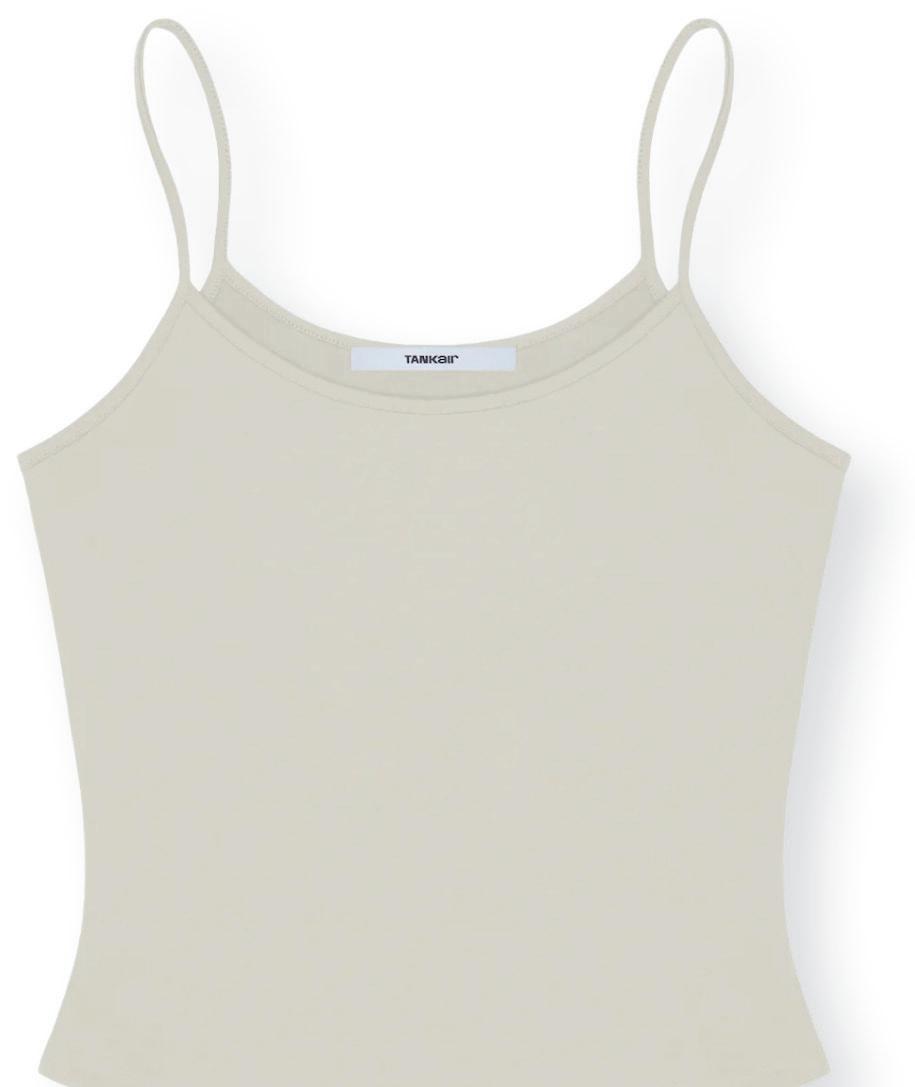





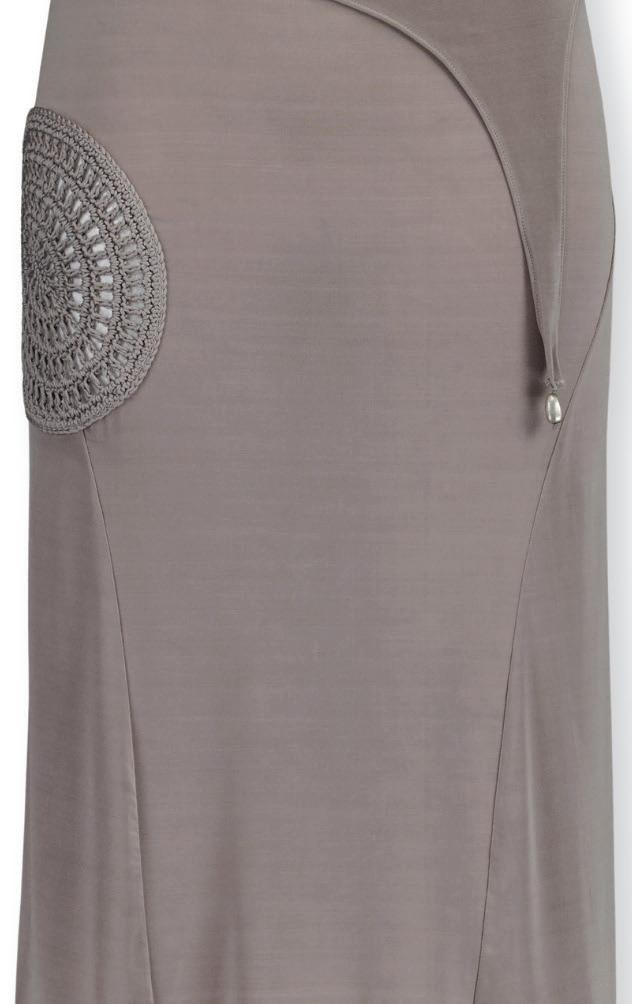



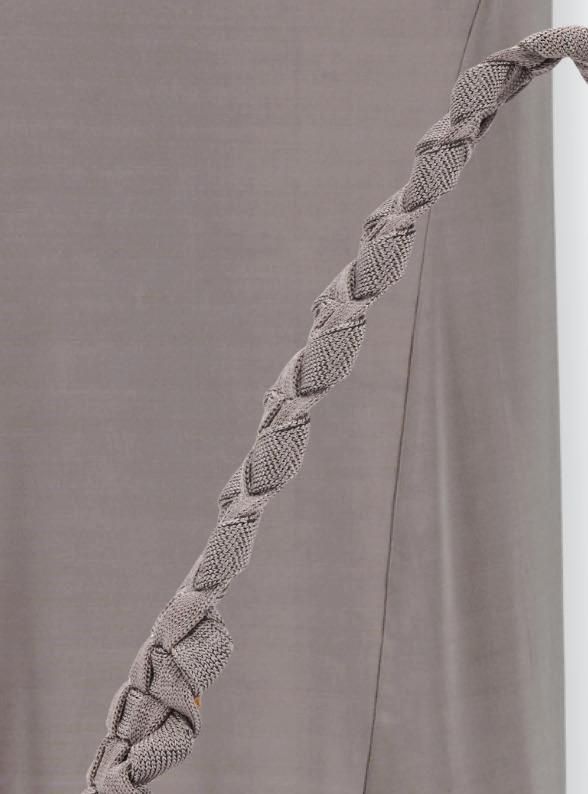



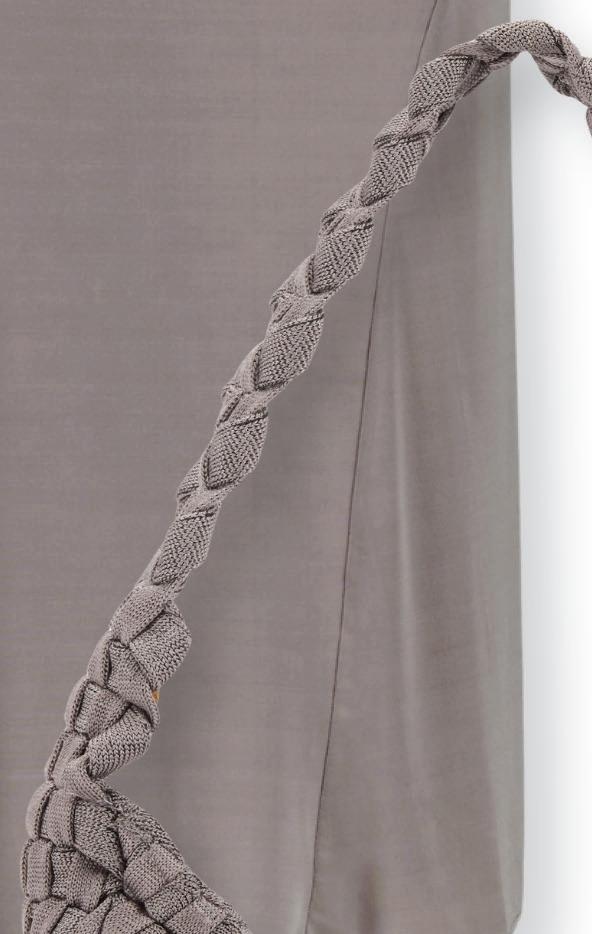










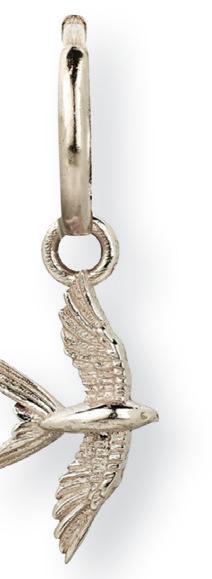



$399 | jeffreycampbellshoes.com 1 3 5 6 2 4


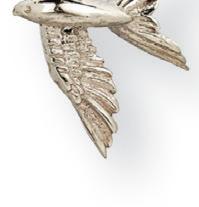

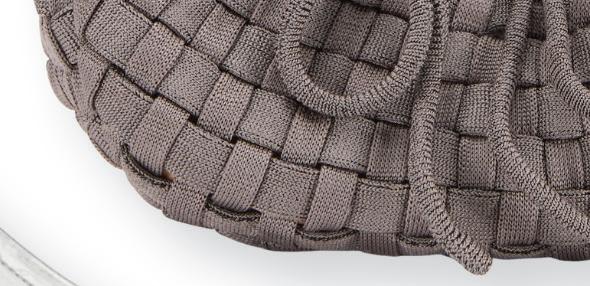

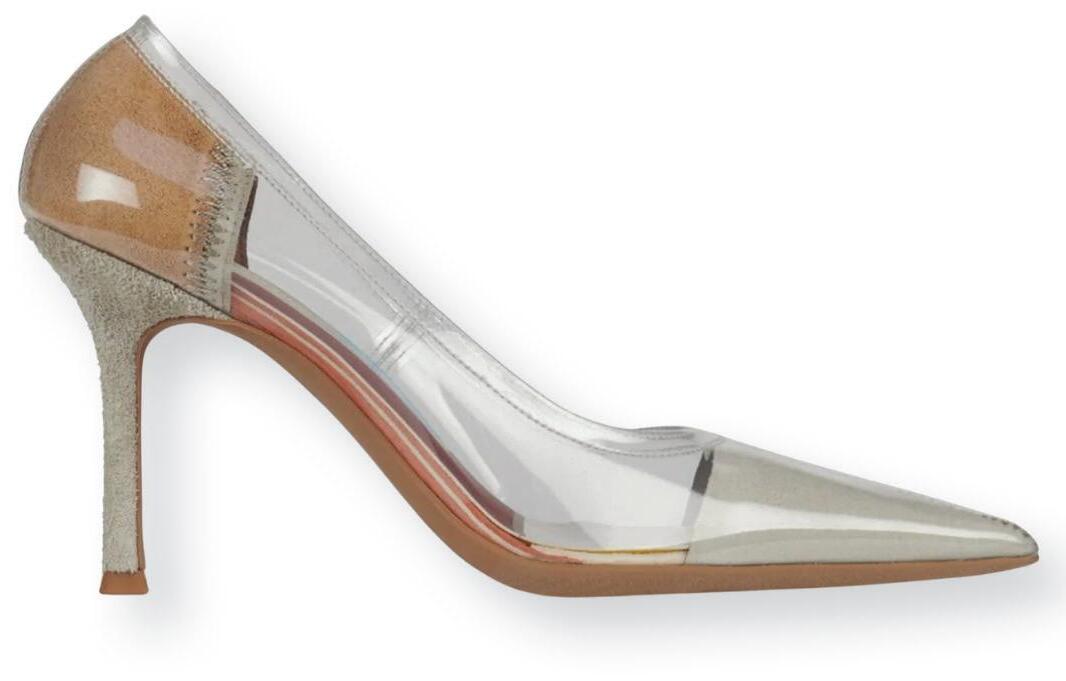
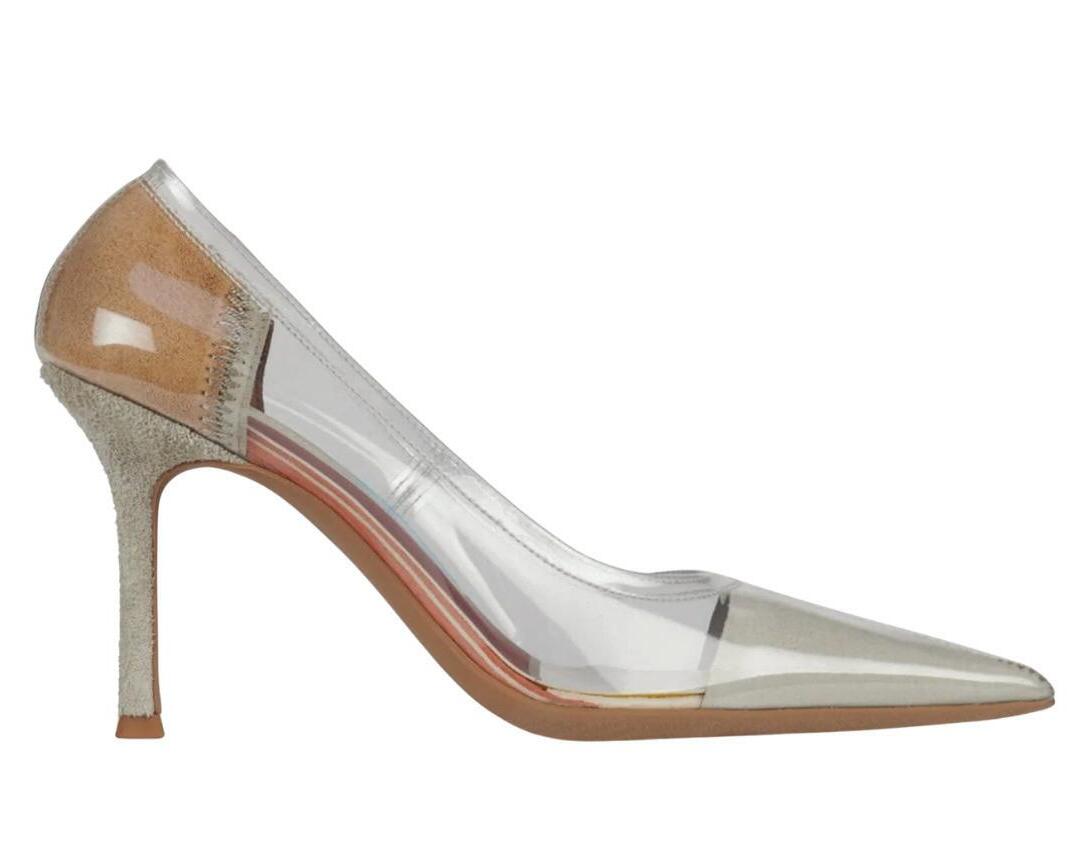

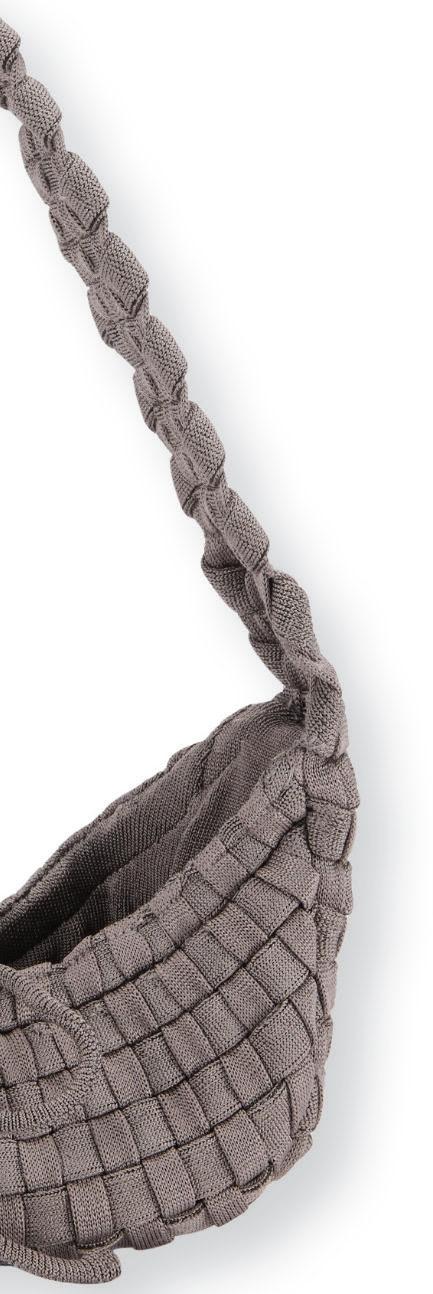










In an era when accessories are increasingly mass-produced and brand logos often overshadow craftsmanship, Remo Tulliani has quietly spent nearly three decades proving that true luxury is still built by hand.
From his atelier in Scottsdale, Arizona, Tulliani designs and produces what many insiders consider some of the finest belts in the world. The reputation has made his name something of a whispered legend among those who care deeply about how a garment is made.
Among his devoted clientele, the sentiment is often the same: once you have worn Remo Tulliani, you rarely wear anything else.
Tulliani’s approach is refreshingly simple and uncompromising. Rather than producing belts in bulk, every piece is made to order. Clients select from an extraordinary archive of skins and hardware sourced from some of the world’s most respected suppliers, primarily in Italy, before each belt is individually cut, assembled and finished by hand in his Arizona workshop.
Every detail matters.
spans rock stars, film actors, country musicians, and designers themselves. These are clients who appreciate the quiet confidence of an object built without compromise.
Yet belts are only part of the story.
Over the years, Tulliani has expanded his collection into other categories that reflect the same attention to detail. His Italianproduced eyewear line demonstrates a similar obsession with materials and construction. Frames are crafted using premium components, including Grilamid, Monel and stainless-steel hinges, while lenses offer high UV and infrared protection.
“Once you have worn Remo Tulliani, you rarely wear anything else.”
—Remo Tulliani
Edges are beveled and painted by hand. Holes are punched individually. Stitching is completed one stitch at a time. What begins as raw leather from some of Europe’s finest tanneries ultimately emerges as a finished object of precision and character.
The process is less manufacturing and more couture.
“Once you have worn Remo Tulliani, you rarely wear anything else.”
While belt design may seem like a narrow discipline, Tulliani treats the accessory with the seriousness normally reserved for tailoring or footwear. Proportion, balance, texture and hardware are carefully considered so the belt functions not just as a necessity but as a defining element of personal style.
“Holistic design is about more than aesthetics,” Tulliani often says. “It is about honoring the materials and the process.”
That philosophy has helped cultivate a loyal following that
Even here, Tulliani’s personality reveals itself in the smallest details. Some lenses feature subtle branding that becomes visible only when the wearer breathes on the glass to clean it. It is a playful reminder that the most meaningful luxuries are often discovered quietly.
His accessories universe extends further with a line of socks produced entirely in the United States. Manufactured from recycled plastic bottles, the socks combine sustainability, comfort and durability and are engineered to never fall down during wear.
Despite these expansions, Tulliani remains disciplined about where he applies his craft. When asked if he would ever design leather bags, his response was immediate.
“I will not do bags until I can do them better than every other bag in the market,” he said. “If I cannot do it better or best, there is no need for me to do it at all.”
More recently, Tulliani has introduced a small but growing women’s belt collection, translating his mastery of leatherwork into designs that complement modern wardrobes while maintaining the same handcrafted integrity.
The designer has also documented his journey in “Courting Kings,” a thoughtful book built around conversations with influential figures who shaped his career and outlook. Among them are footwear icon Donald J. Pliner and the late boxing legend Muhammad Ali, whose personal connection to Tulliani left a lasting impression.
The book offers rare insight into the mentors, thinkers and leaders who helped shape the philosophy behind the brand.



Today, that philosophy has found a new home.
After years of operating from his Arizona workshop, Tulliani recently purchased the building that houses his studio and transformed it into a fully realized creative headquarters. The space now includes an immersive showroom and private retail environment that reflects his aesthetic in every detail.

in a world where true craftsmanship often happens quietly behind the scenes.
“If I cannot do it better or best, there is no need for me to do it at all.”
—Remo Tulliani
The space functions as both atelier and destination. Private clients visit by appointment, though the doors are open to the public as well. It is an unusual gesture


For those who make the journey, the experience offers a rare glimpse into a form of American luxury that feels increasingly rare.
Because in an industry often defined by noise, Remo Tulliani has built his legacy in the quiet confidence of the handmade.
And among those who know, that may be the most powerful signature of all.











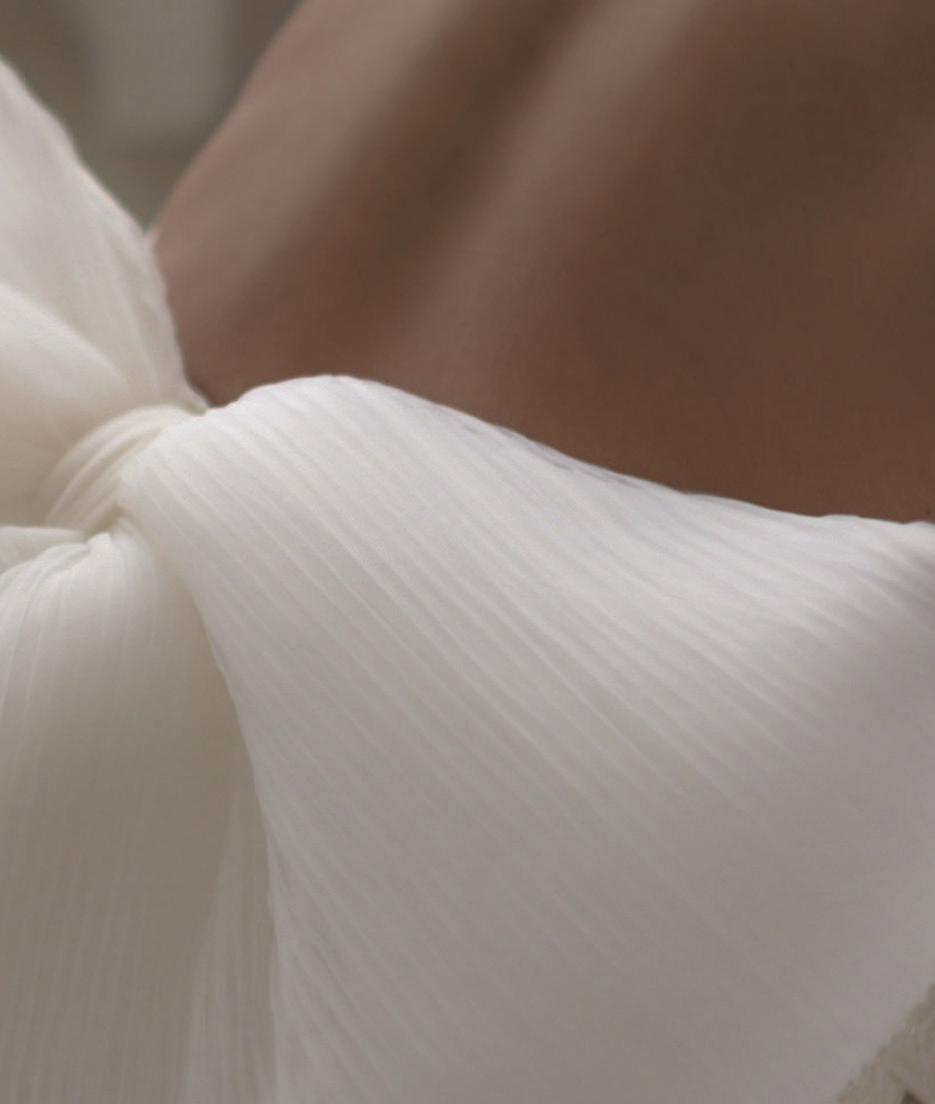


Ouma’s Zero-Waste Mission



In an industry traditionally defined by excess fabric, elaborate production and garments worn only once, Ouma Atelier offers a compelling alternative. Founded by designer Ou Ma, the Vancouver-based bridal and eveningwear label has built its identity around a powerful idea: that luxury and sustainability can coexist. Through its zero-waste philosophy, Ouma is redefining how wedding gowns are designed, produced and experienced long after the wedding day itself.


At the heart of the brand’s ethos is a commitment to minimizing environmental impact while maintaining the artistry expected of couture bridal wear. Ouma believes that “true beauty lies not only in the elegance of a wedding dress but also in the journey of how it’s made.” This philosophy guides the atelier’s production process, where fabric remnants are treated not as waste but as creative opportunities. Leftover textiles from each collection are carefully repurposed into accessories and embellishments, ensuring that nearly every material has a second life. Scrunchies, keepsake bags and delicate three-dimensional floral details are all crafted from these remnants, transforming excess material into meaningful design elements rather than discarded waste.
The zero-waste mindset is embedded directly into Ouma’s aesthetic language. Many of the brand’s gowns feature intricate fabric flowers or sculptural accents made from reclaimed materials, blending sustainability with visual richness. Even accessories such as short veils are created through upcycling techniques that give leftover fabrics a new purpose while maintaining the ethereal beauty expected of bridal attire. Through these details, Ouma demonstrates that environmental responsibility can enhance design rather than limit it.


Beyond its collections, the brand actively cultivates a community around sustainable creativity. The Vancouver atelier regularly hosts

zero-waste workshops that invite participants to engage directly with the design process and learn how fashion waste can be transformed into new objects. Events like the brand’s recent Galentine’s-themed workshop encourage attendees to explore hands-on techniques for repurposing textiles while fostering awareness about the environmental footprint of fashion. By opening its studio to the public, Ouma transforms sustainability from a private practice into a shared cultural experience.
Another cornerstone of the brand’s mission is longevity. Recognizing that wedding gowns often hold deep sentimental value yet rarely get worn again, Ouma offers repurposing services that allow brides to transform their dresses into new garments after the wedding. A gown might evolve into a cocktail dress, anniversary outfit or keepsake piece, extending the life of the garment and preserving its emotional significance. This approach challenges the traditional notion of the wedding dress as a one-day garment and instead frames it as a lasting part of a woman’s wardrobe and story.
For Ma, the brand’s sustainability ethos is inseparable from its artistic vision. After training in New York and working for major fashion houses, Ma sought to create a label that combined couture craftsmanship with a deeper purpose. Drawing inspiration from Chinese ink painting and poetic symbolism, her designs merge modern silhouettes with subtle cultural references while maintaining a mindful production process.
Ultimately, Ouma’s zero-waste mission reflects a broader shift in the bridal industry toward conscious luxury. By designing with intention, repurposing materials and encouraging garments to evolve over time, the brand invites brides to celebrate not only their love story but also their values. In doing so, Ouma proves that sustainability can be woven seamlessly into the romance and artistry of bridal fashion.
















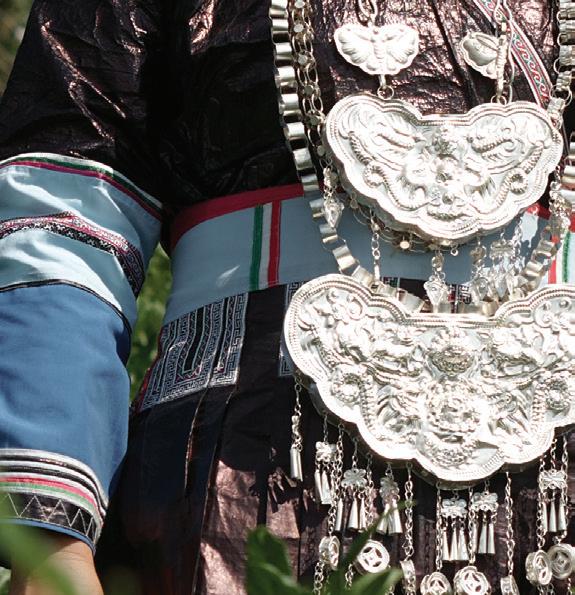

















As the global accessories market gravitates toward meaning-driven design, Bampo stands out as a compelling example of how heritage and innovation can coexist. Founded in 1997, the handbag brand has built a strong presence across Asia with more than 200 retail locations in major cities, including Beijing, Chengdu and Chongqing. Yet beyond its scale, Bampo’s distinction lies in its cultural ethos and commitment to craftsmanship.
Central to the brand’s identity is its partnership with the Dong ethnic community, initiated in 2013.
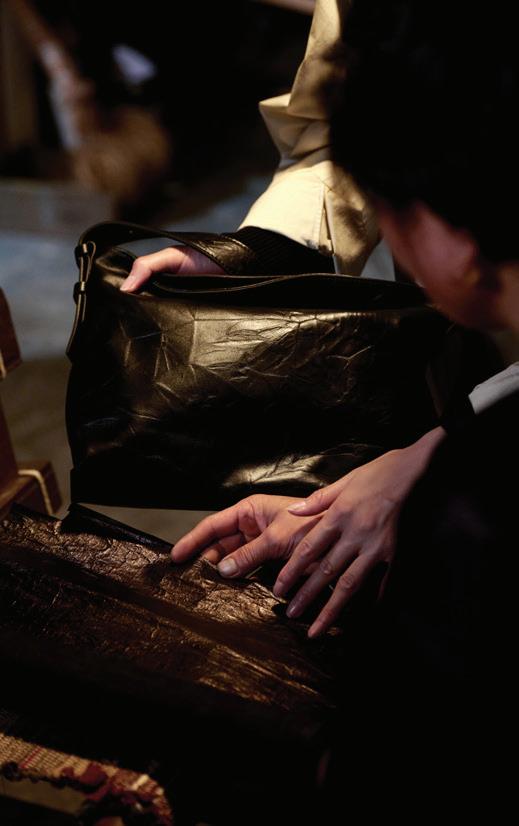





heritage with contemporary design. The result is a collection of handbags that feel tactile, storied and distinctly modern.
Bampo further brings heritage to life through cultural tourism initiatives in Guizhou, China. The Tong Sang Art Hotel offers immersive stays rooted in traditional architecture and craftsmanship, while Long Xing Chong Teatel—set within a 500-acre ecological tea mountain—invites visitors to participate in tea-making and handcraft workshops, allowing living traditions to be experienced firsthand.
Through its “folk craft ecosystem,” Bampo connects artisans, designers and consumers to create a sustainable cycle that supports both cultural heritage and economic value.
Rooted in Dong textile traditions that span more than two millennia, the initiative has supported over 5,000 local families through stable, home-based employment while helping preserve endangered craft techniques and strengthen cultural identity.
Rather than treating tradition as static, Bampo approaches it as a living language. The brand’s signature innovations, including Dong handcrinkled leather, translate intricate textile patterns into richly textured leather goods—merging artisanal
This philosophy is captured in the brand’s guiding message, “Rise in Your Way,” inspired by the resilience and individuality of the Dong people—a call to embrace personal expression while honoring the cultural narratives that shape identity.
Bampo’s design excellence has earned international recognition, including the A’ Design Award, Grand Prix Design Paris, the European Design Awards and distinctions tied to the Red Dot Design Award. Select designs have also been recognized by the Tassenmuseum Amsterdam, underscoring the brand’s position at the intersection of craft, culture and collectible design.
In a landscape often driven by fleeting trends, Bampo offers a more enduring proposition: handbags as vessels of story, technique and identity.










EXCLUSIVE DETAILS FOR SHOWS IN:
• Dallas
• Denver
• Las Vegas
• Los Angeles
• Nashville
• Orlando
• New York


CONNECTING THE FASHION INDUSTRY WITH THE WORLD OF TRADESHOWS
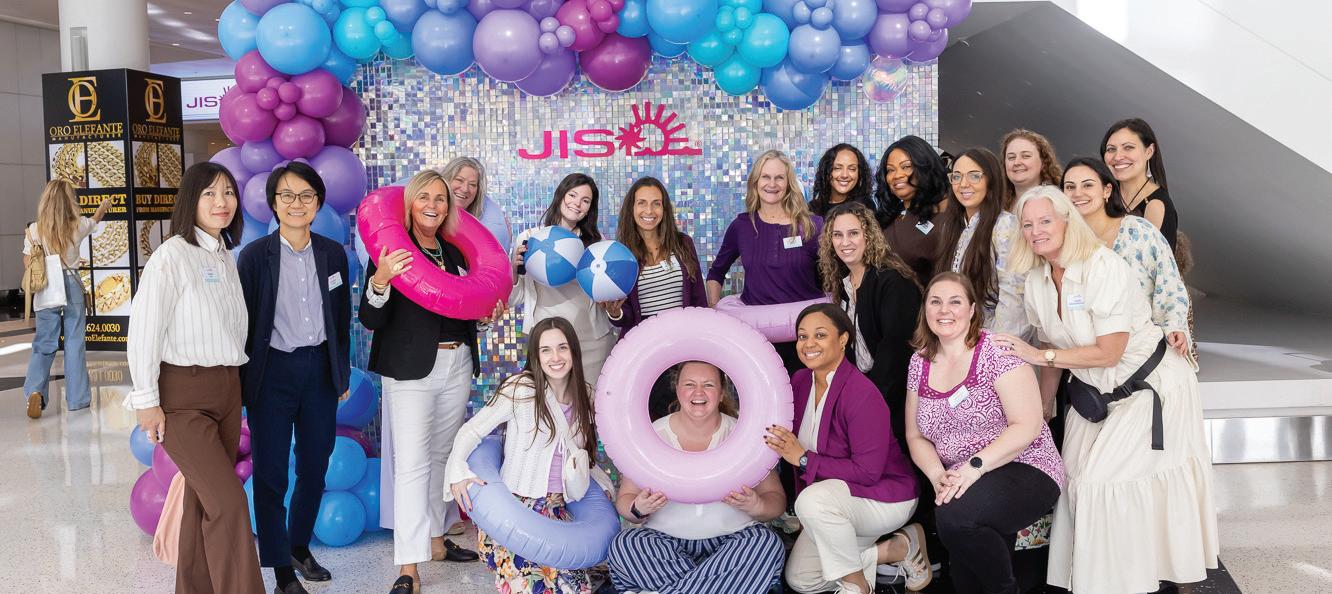
As the first quarter of the year unfolds, the global jewelry industry looks to a select number of key moments to recalibrate, restock and reconnect. Among them, Jewelers International Showcase (JIS) Spring in Miami Beach has firmly established itself not just as a trade show but as a strategic inflection point, where buying decisions are made, relationships are reinforced and the tone for the year ahead is set.
The 2026 edition of JIS Spring delivered on that promise with clarity and confidence.
Held at the Miami Beach Convention Center, the show brought together a dynamic cross-section of the jewelry trade: retailers, wholesalers, designers and manufacturers from across the United States, Latin America and the Caribbean. This geographic diversity continues to be one of JIS’s defining strengths. Miami, long recognized as a gateway city, offers both logistical ease and cultural fluency, making it an ideal meeting ground for cross-border commerce at a time when global sourcing strategies are increasingly nuanced.
But beyond its international reach, what distinguishes JIS Spring is its immediacy.
Unlike many trade shows that focus on long-term order cycles, JIS is built around action. This is a show where inventory moves in real time. There, retailers can purchase and return to their stores ready to sell. In a retail landscape that continues to demand agility, that immediacy is not just convenient; it is essential.
That urgency translated into strong buyer engagement and measurable transaction activity across the show floor. As Sara McDonough, event director of JIS, noted, “JIS Spring continues to deliver exactly what the industry needs at this time of year. It’s an
efficient, high-impact opportunity where real buying happens. … The energy on the show floor reinforces why this unique show is a first-quarter must.”
For many retailers, that efficiency is exactly what keeps them returning year after year. “I have a passion for jewelry and my clientele, and here at JIS, I always find the right merchandise for my customers,” shared Ana Cecilia Aragón Cartagena, owner of Argento D’Molly. “Additionally, I feel safe buying at the show, having found the right and reliable suppliers.”
For retailers, the timing of JIS Spring remains one of its most strategic advantages. Positioned at a critical moment in the first quarter, the show allows buyers to assess early-year trends, replenish inventory and fine-tune their merchandising strategies ahead of the spring and summer selling seasons.
This year, early signals pointed to a continued emphasis on stability and smart buying. “We’re seeing strong momentum at the start of the year, particularly from retailers investing in proven core assortments and brands that can deliver consistent availability and margin,” said Bryan Crisfield, CEO of Crislu. “JIS Miami plays a pivotal role as a global jewelry gateway, connecting world-class sourcing with one of the most dynamic retail regions in the U.S.”
Equally notable was the breadth of product on display.
From fine jewelry and bridal to gold, silver and fashion-driven collections, the show floor reflected the full spectrum of today’s jewelry market. Silver and fashion jewelry, in particular, emerged as key areas of interest among buyers, underscoring a continued demand for accessible luxury and versatile, everyday pieces.
At the same time, JIS Spring 2026 introduced thoughtful new
elements that reflect how retailers themselves are evolving.
The debut of the accessories and gifts pavilion marked a notable expansion beyond traditional jewelry categories. Featuring a curated mix of lifestyle products, from accessories to giftable items, this section acknowledged a growing retail strategy: diversification. As Lori Stickland, founder of Lucina K Jewelry, noted, “The new gift and accessories pavilion is a great up-and-coming addition to JIS. The staff were incredibly helpful in crafting this new section.”
Similarly, the introduction of the brand pavilion highlighted the rising importance of storytelling in jewelry retail. Here, designer-led and branded collections took center stage, offering retailers access to pieces with distinct identities and consumer-facing narratives.
Brands themselves felt this shift firsthand. Cori Miller, founder of Corielle, noted that “buyers voiced a clear demand for pieces that feel truly new, unique and special for their client,” with a strong response to designs that balance statement-making aesthetics with timeless luxury. The show also provided an important platform to expand wholesale partnerships across the Southeast, Caribbean and South American markets.
Beyond the product itself, JIS Spring also leaned into conversation. The launch of “On Trend with JIS,” a series of podcast-style discussions held directly on the show floor, created a space for dialogue around the issues shaping the industry, from metal markets and bridal trends to consumer behavior and economic pressures. Notably, the inclusion of sessions in both English and Spanish reinforced the show’s commitment to accessibility and its deeply international audience.
For participants, these conversations added another layer of value. “Being part of the bilingual programming… allowed me to gain valuable insights from different perspectives within the industry and connect with a diverse audience,” said Leslie Valdez of Ocean Jewelry. “The show itself was very dynamic and well attended, with strong engagement and a wide variety of visitors.”
This emphasis on community and exchange extended into the show’s opening moments as well. The “Sail and Socialize” welcome reception set the tone with a nod to Miami’s historic ties to the cruise industry and Caribbean trade routes, offering attendees an opportunity to connect in a more relaxed, social setting before the business of the show began in earnest.
Taken together, these elements point to a larger truth about JIS Spring: its value lies not only in transactions but in its ability to reflect and respond to the evolving needs of the industry.
Retailers today are navigating a complex landscape shaped by shifting consumer expectations, economic uncertainty and the ongoing interplay between physical and digital commerce. They are seeking flexibility, efficiency and products that resonate on both aesthetic and emotional levels. Exhibitors, in turn, are adapting with more responsive inventory models, stronger branding and a deeper understanding of their retail partners’ challenges.
JIS Spring sits at the intersection of these dynamics.
It is a show designed not for spectacle but for substance. Its relatively intimate scale allows for more focused conversations, easier navigation and a level of accessibility that many attendees cite as a key advantage. In an industry built on relationships, that ability to connect—genuinely and efficiently—remains one of its most powerful assets.
As the jewelry trade moves further into 2026, the impact of JIS Spring will continue to ripple outward.
The orders written, the partnerships formed and the trends identified in Miami will inform retail floors across the Americas in the months ahead. And with strong momentum already established, attention now turns to the next chapter: JIS Fall, returning to Miami Beach in October, where the industry will once again gather—this time with an eye toward the all-important holiday season.

For now, however, one thing is clear.
JIS Spring 2026 did more than meet expectations—it reinforced its role as a cornerstone of the global jewelry calendar. In a year where precision, timing and adaptability are more important than ever, Miami proved once again to be exactly where the industry needs to be.
Atlanta Apparel has officially released its Autumn/Winter 2026-2027 trend report, delivering a forward-looking style forecast designed to energize retailers, brands and buyers ahead of the upcoming market, from March 30 to April 2, 2026, at AmericasMart Atlanta.
Curated by the Atlanta Apparel fashion office, the report decodes the colors, silhouettes, prints, footwear and accessories set to define the coming season—giving retailers the clarity and confidence to buy smarter and sell stronger.
“Autumn/Winter 2026 highlights a renewed appetite for romantic nostalgia, reimagined for today’s consumer,” said Caron Stover, Atlanta Apparel’s senior vice president of apparel. “Soft volume, heritage influences and layered styling create a mood that feels both expressive and wearable. From pleated balloon trousers and fluted skirts to rich jewel tones and tactile textures, the season offers retailers a strong balance of femininity, edge and commercial versatility.”
A Season Defined by Romantic Nostalgia and Modern Bohemia
Autumn/Winter 2026 embraces romantic expression and modern boho influences, refreshed through a contemporary lens. Nostalgia plays a key role, with references to the ’60s,


’80s and ’90s surfacing in retro-mod silhouettes, vintageinspired glamour and darker whimsical undertones. Soft volume remains essential, while thoughtful layering ensures versatility and everyday wearability. The result is a season that balances femininity, texture and mood with commercial appeal.
Key apparel pieces reflect soft structure and romantic detailing, grounded in practicality: romantic blouses with fluid sleeves and delicate finishes, coordinated cardigan and scarf sets for effortless layering, funnel-neck bombers blending sport and polish, mini pinafore dresses styled over knits and blouses, pleated balloon trousers introducing directional volume, and fluted miniskirts adding movement and femininity. Layering remains central to styling, offering retailers flexible outfitting options that transition seamlessly from day to evening.



Color Direction, the Autumn/Winter 2026 palette, is rich and emotive, built around saturated jewel tones and grounded neutrals. Key colors include bright emerald for bold sophistication, cranberry juice delivering depth and seasonal richness, steel blue anchoring denimdriven assortments, cocoa powder as a warm, versatile neutral, and wax paper offering softness and light contrast.
Denim blues continue to play a foundational role, reinforcing the season’s nostalgic undertones while ensuring commercial longevity.
Footwear blends femininity with edge, drawing influence from ’90s and early2000s styling. Comfort remains important, but silhouettes are sharper and more expressive. Key styles include slouchy boots, pointed ballet flats, Mary Janes, kitten heels, slingbacks and biker boots. This mix of delicate and rebellious silhouettes supports both romantic and tougher styling directions.
Patterns and materials deepen the nostalgic
mood while adding tactile interest: heritage checks, dark opulent prints, fluffy textures, soft suede and polished metal hardware. Texture plays a crucial role in elevating classic shapes, while heritageinspired patterns ground the collection in timeless appeal.
Accessories reinforce the romantic-boho narrative with layered and decorative styling: slouchy top-handle bags, belt layering, bonnets, triangle scarves, dressup brooches and long pendant necklaces. These finishing touches allow for personalization and storytelling at retail, enhancing both everyday dressing and occasion moments.
The Autumn/Winter 2026-2027 collections debut at Atlanta Apparel in April 2026 at AmericasMart Atlanta, with continued presentation across June and August markets.
As one of the nation’s premier wholesale fashion destinations, Atlanta Apparel connects brands and buyers in an environment designed to inspire, inform and accelerate retail success.














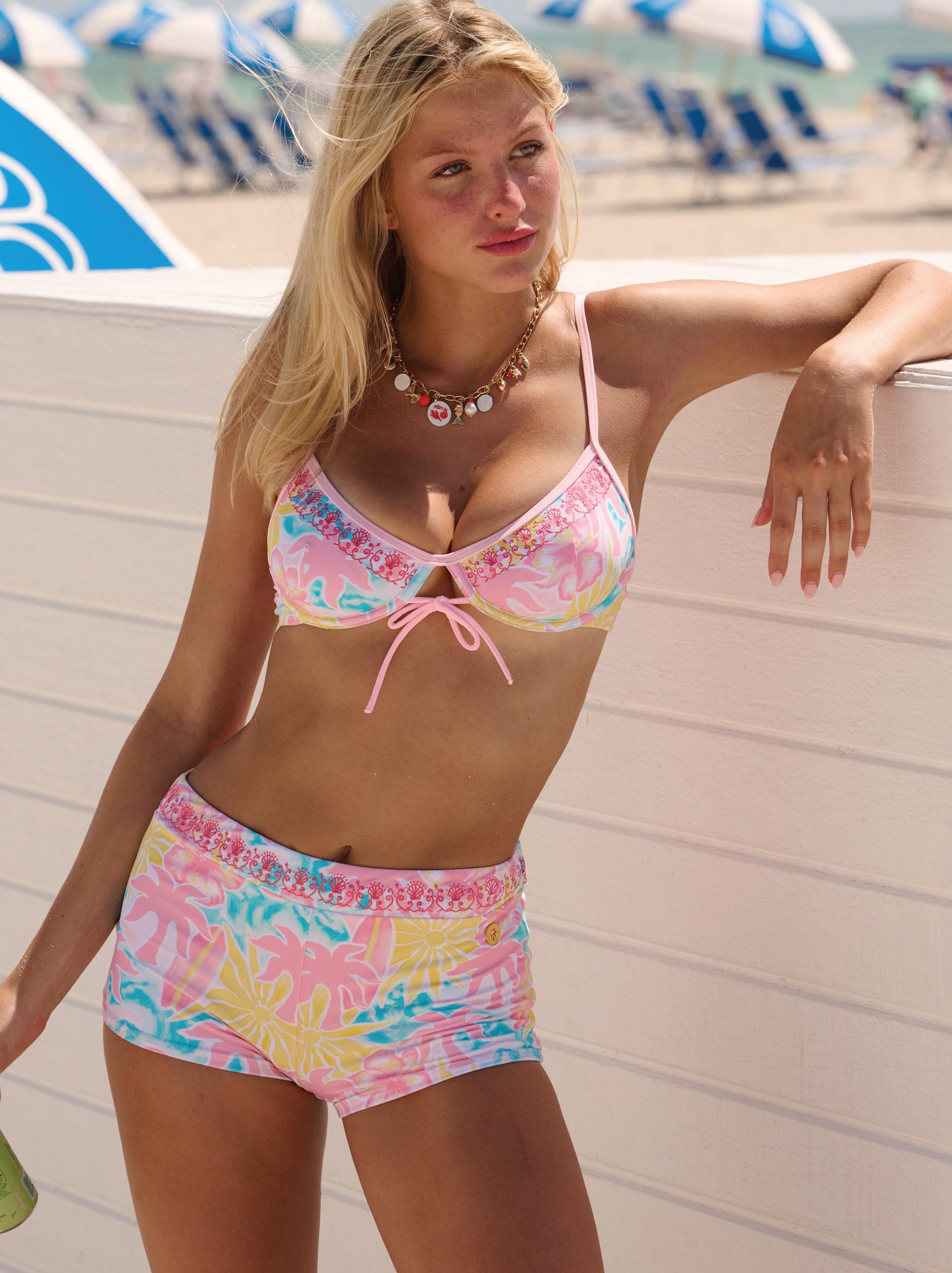


Pink Palm Puff has quietly become a standout in the modern fashion scene, transforming cozy essentials into highly coveted wardrobe staples. Known for its ultrasoft hoodies, elevated loungewear and chic swimwear, the brand strikes a balance between comfort and style, appealing to those who want fashion that feels effortless yet refined. Its aesthetic, a harmonious blend of coastal-preppy tones and dreamy pastels, makes every piece instantly recognizable and highly Instagrammable.
At the heart of the brand is founder and CEO Lily Balaisis, whose hands-on leadership shapes everything from design to customer experience. Balaisis places community at the center of the brand, cultivating a loyal following that feels more like an inner circle than a traditional audience. This personal approach has transformed Pink Palm Puff into more than a clothing label—it’s a lifestyle brand where the connection between creator and consumer is as meaningful as the products themselves.
Pink Palm Puff’s appeal begins with its product but extends to its strategy and timing. Each drop is deliberately curated, creating anticipation and excitement that turns releases into cultural moments. From signature hoodies to coastal swim styles and versatile loungewear, limited-edition colorways and thoughtful silhouettes ensure that each item feels both exclusive and essential. This careful cadence has helped the brand carve out a space that feels both aspirational and attainable.
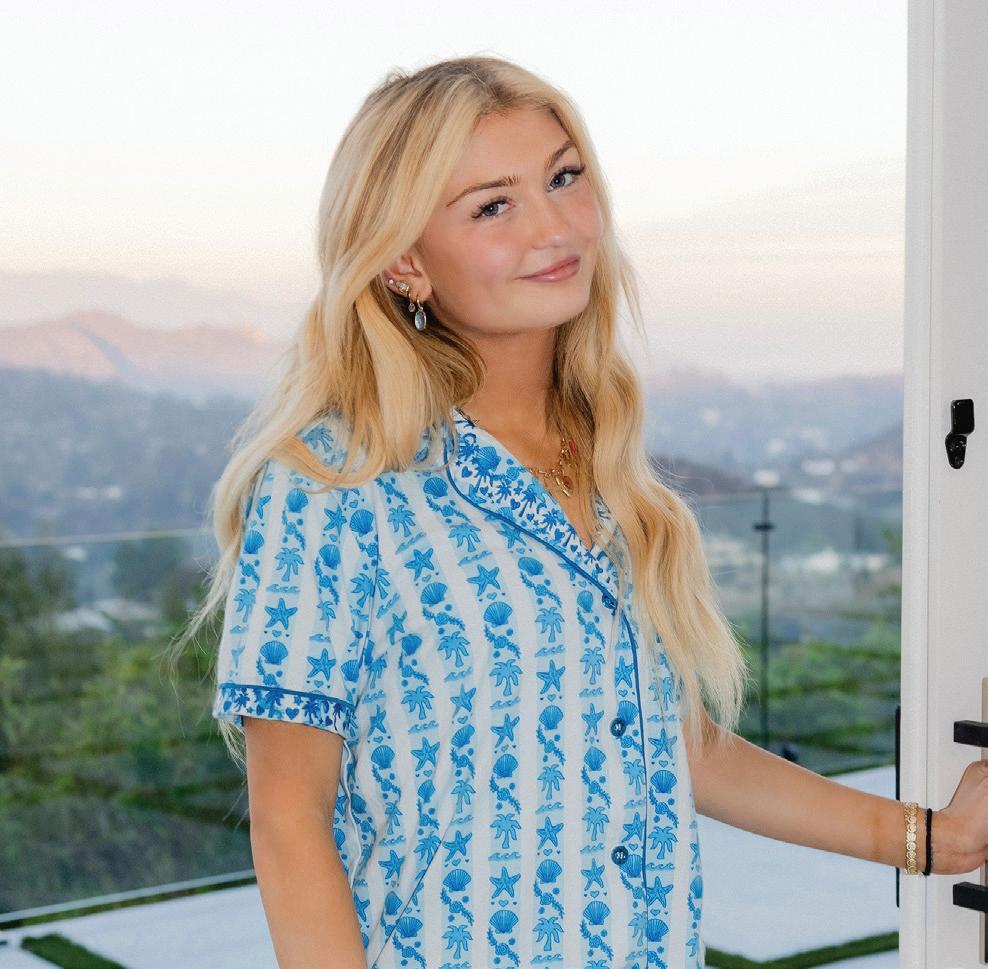


Visually, Pink Palm Puff’s aesthetic is instantly identifiable. Soft, sun-washed palettes, pastel tones and a sense of ease evoke an effortless, aspirational lifestyle. This visual language extends across the brand’s social presence, product imagery and editorial storytelling, creating a cohesive world that fans are eager to inhabit. Whether it’s a lounge-ready hoodie or a chic new swim silhouette, every piece feels curated, intentional and unmistakably Pink Palm Puff.
Equally impressive is the brand’s discipline in scaling. Balaisis has resisted the temptation to overextend, maintaining exclusivity that heightens desirability while preserving the integrity of the brand. Each collection is considered, ensuring the label grows with intention rather than chasing fleeting trends. Communitybuilding, thoughtful design and a clear aesthetic aren’t afterthoughts—they’re embedded into every facet of the brand’s DNA.
Pink Palm Puff’s blend of comfort, style and cultural awareness offers a blueprint for modern fashion brands. By combining cozy essentials with swimwear that feels both elevated and wearable, the label appeals to consumers seeking versatility, quality and a sense of belonging. More than just a clothing line, Pink Palm Puff embodies a lifestyle: one where comfort meets style, exclusivity meets accessibility and product meets community. Under Balaisis’ guidance, the brand isn’t just following trends—it’s quietly defining them, setting a standard for what contemporary, founder-led fashion can achieve.