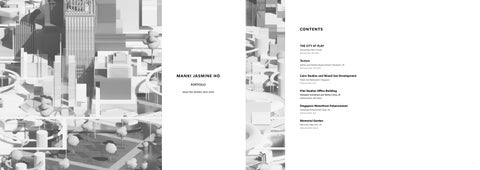
MANKI JASMINE HO PORTFOLIO
CONTENTS
and
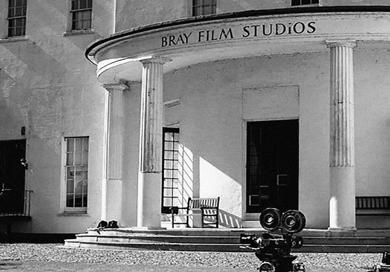
Film Studios Office Building
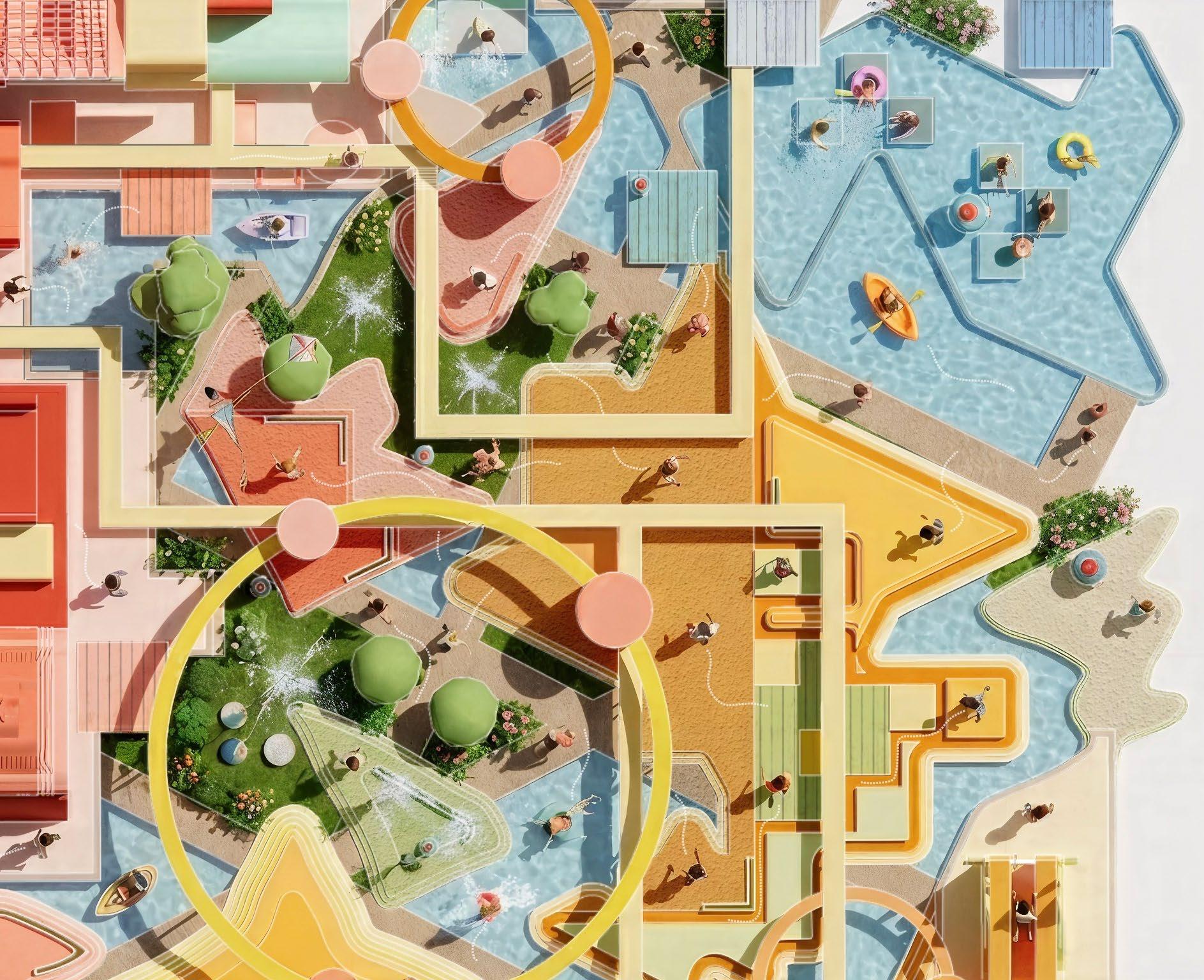
THE CITY AT PLAY
Reimagining Hong Kong childhood through architecture
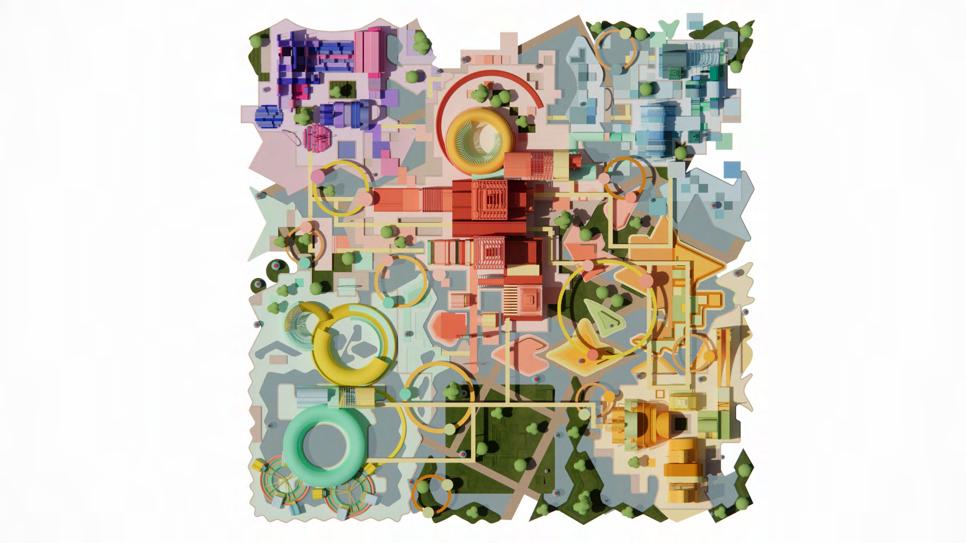
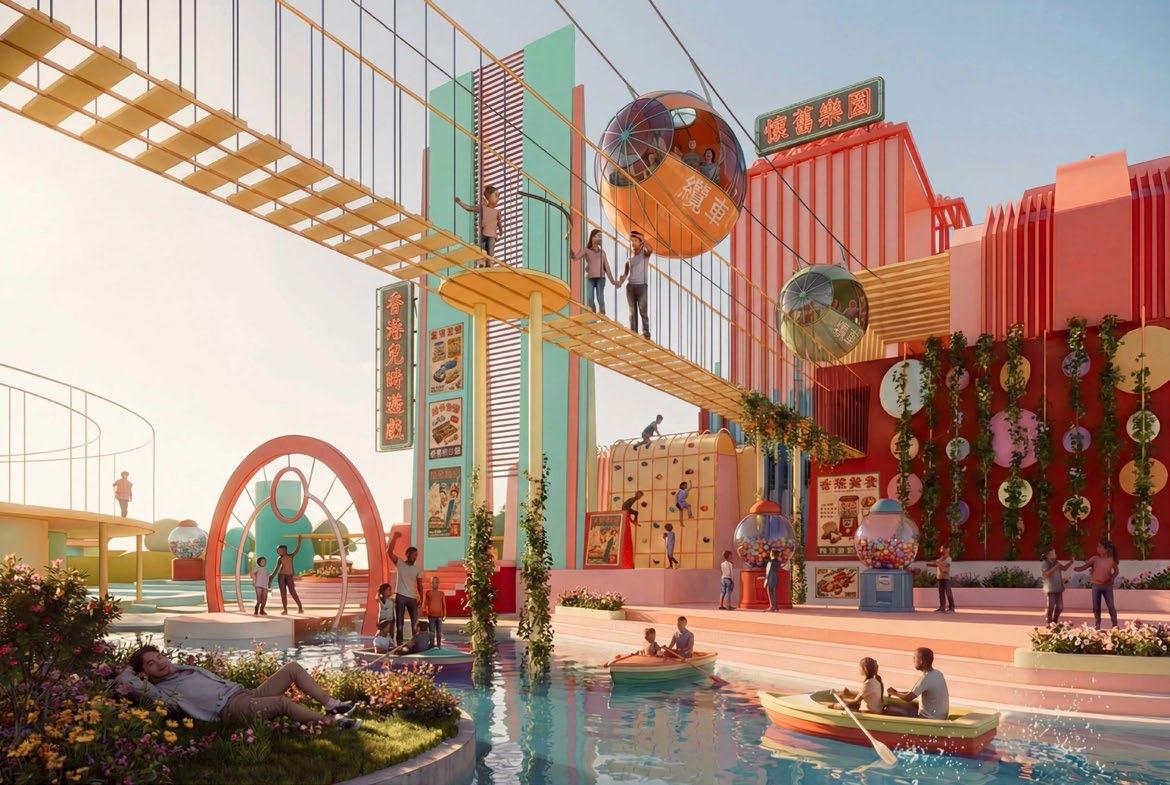
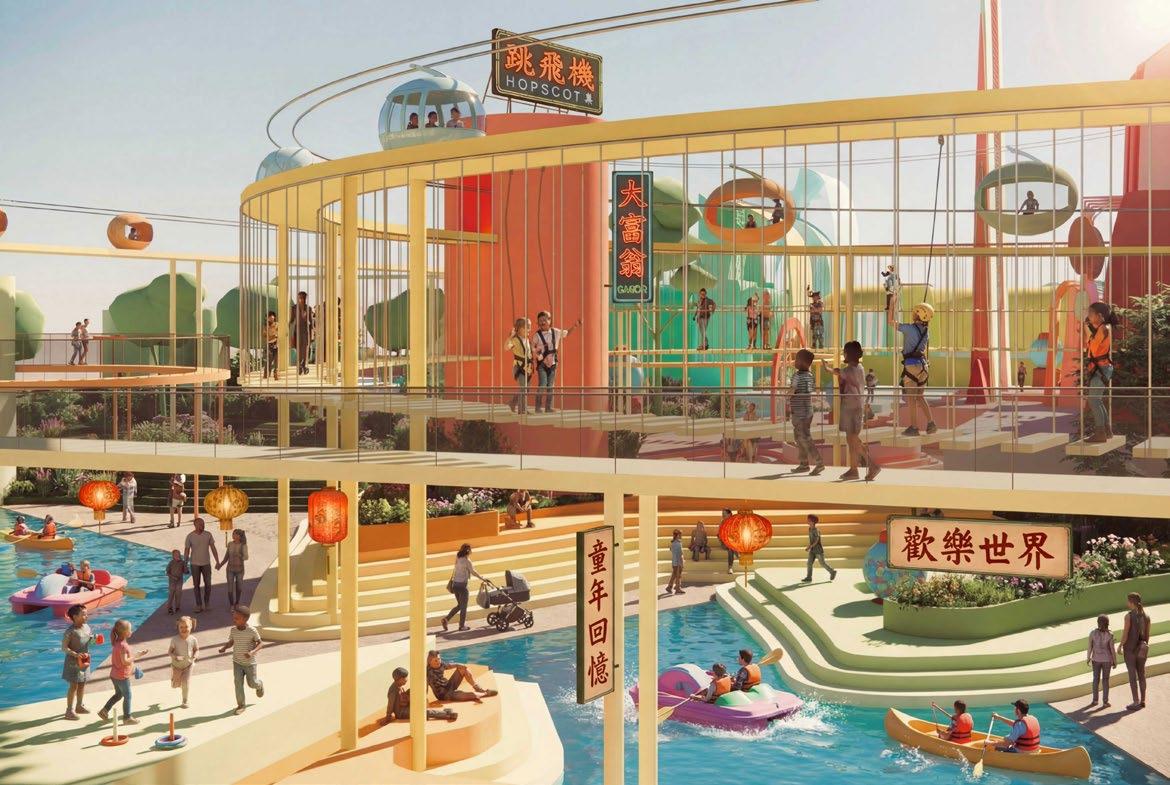
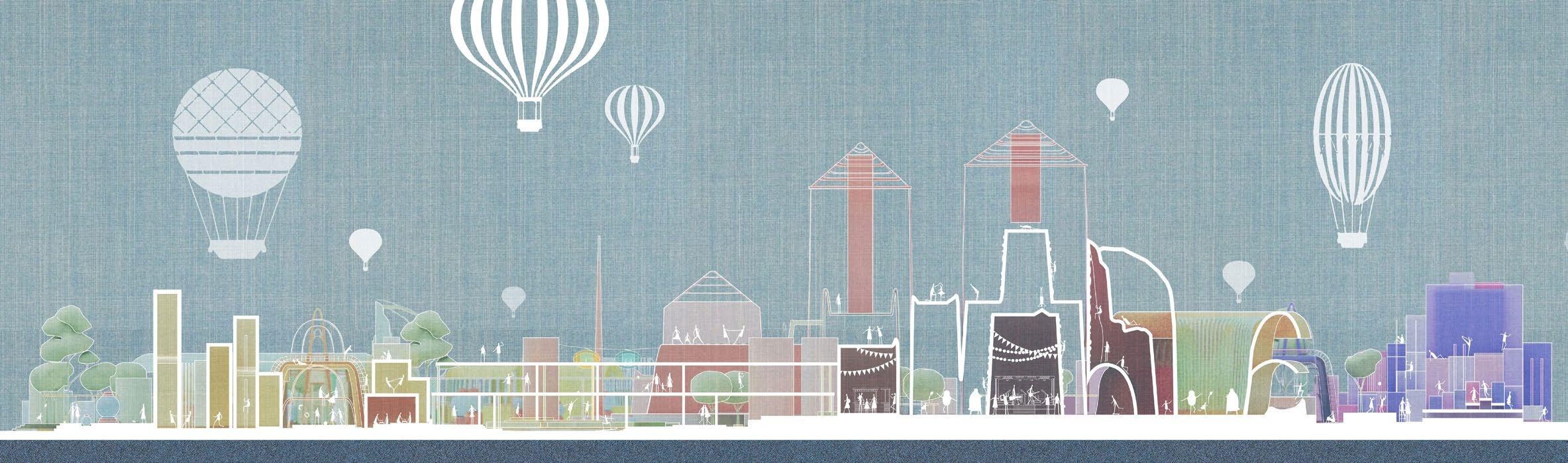
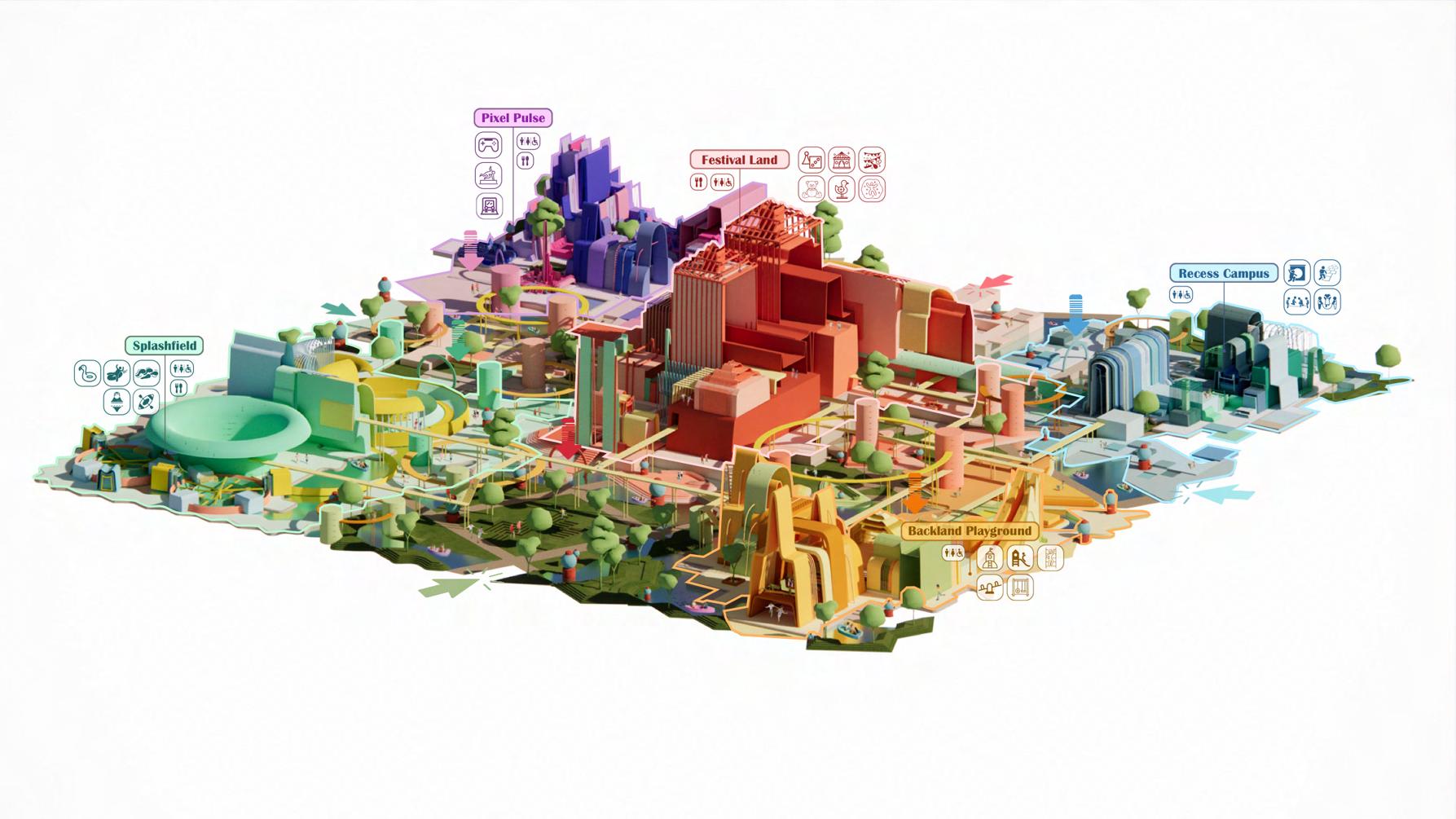
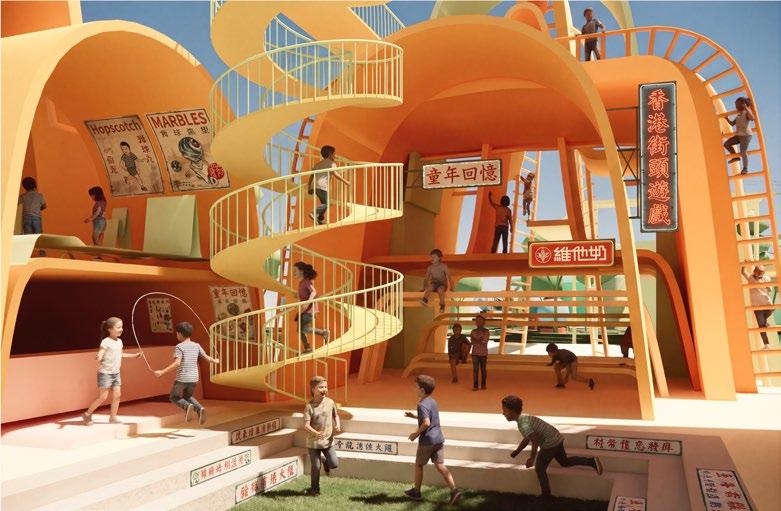
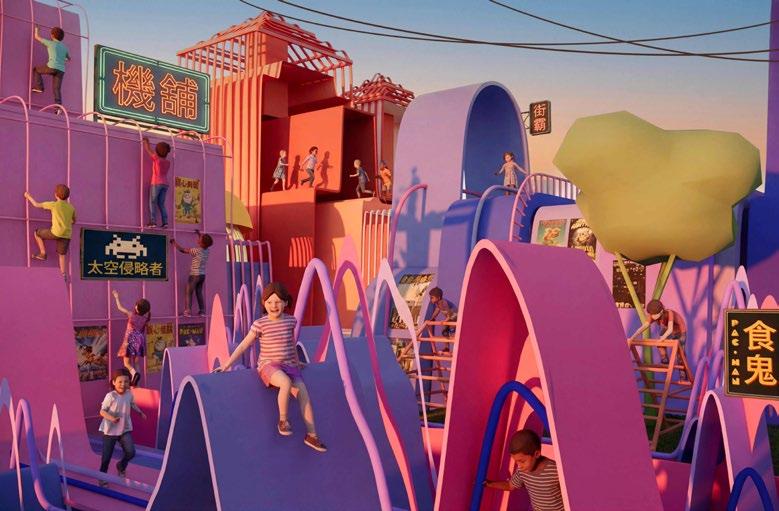
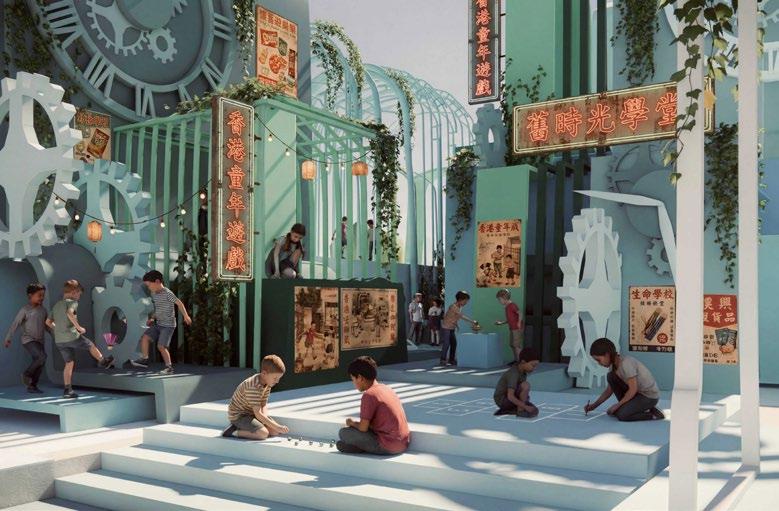
This project proposes an immersive digital play campus that reinterprets Hong Kong childhood games as spatial experiences, transforming nostalgia into spatial and cultural experience. Designed for all ages, the project creates a network of themed digital play campuses and commons that encourage exploration, social interaction, and collective memory within shared virtual city. By merging urban, festive, natural, and digital forms of play, the project positions play not as entertainment alone, but as a cultural and spatial language that connects generations through digital space.
Hong Kong Childhood
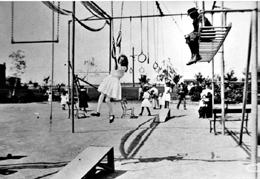
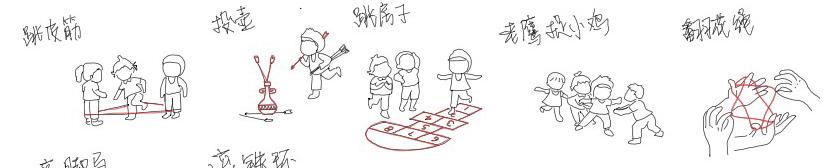
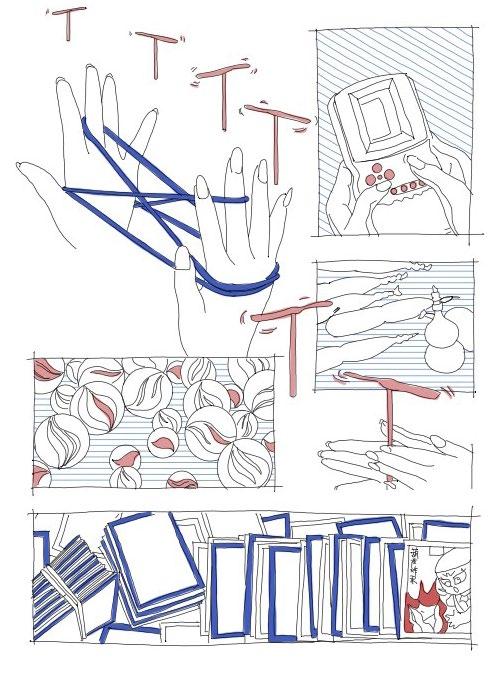
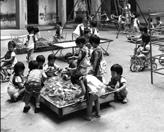
Through archival photographs, personal sketches, and studies of existing playground facilities, this initial research documents the everyday childhood games embedded in Hong Kong’s public spaces. From slides and climbing frames to informal games such as skipping ropes, rubber bands, and hopscotch, these activities reveal how play naturally emerges within dense urban environments. This collection forms the foundation of the project, capturing play as shared cultural memory and spatial practice rooted in the city.

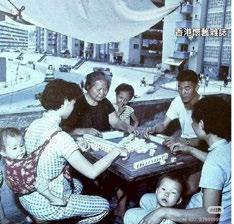
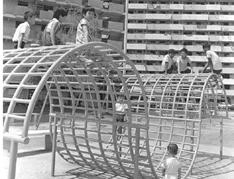
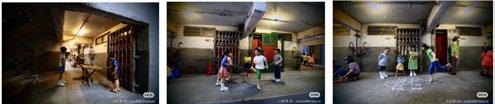
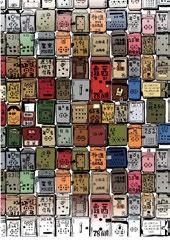
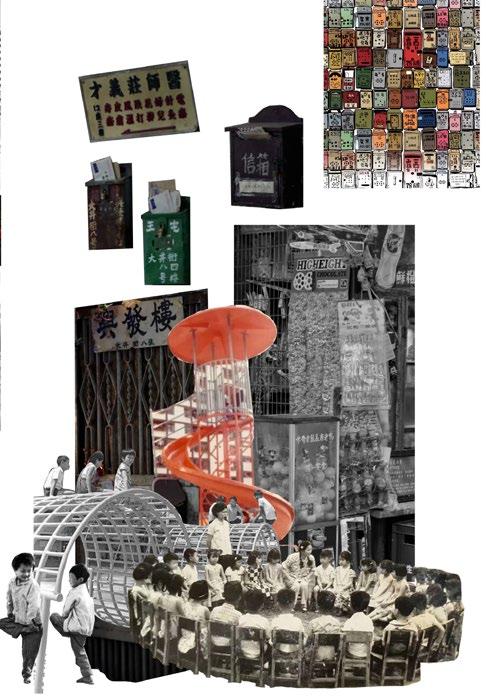


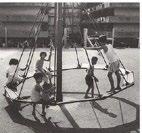

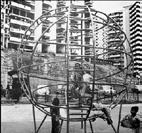



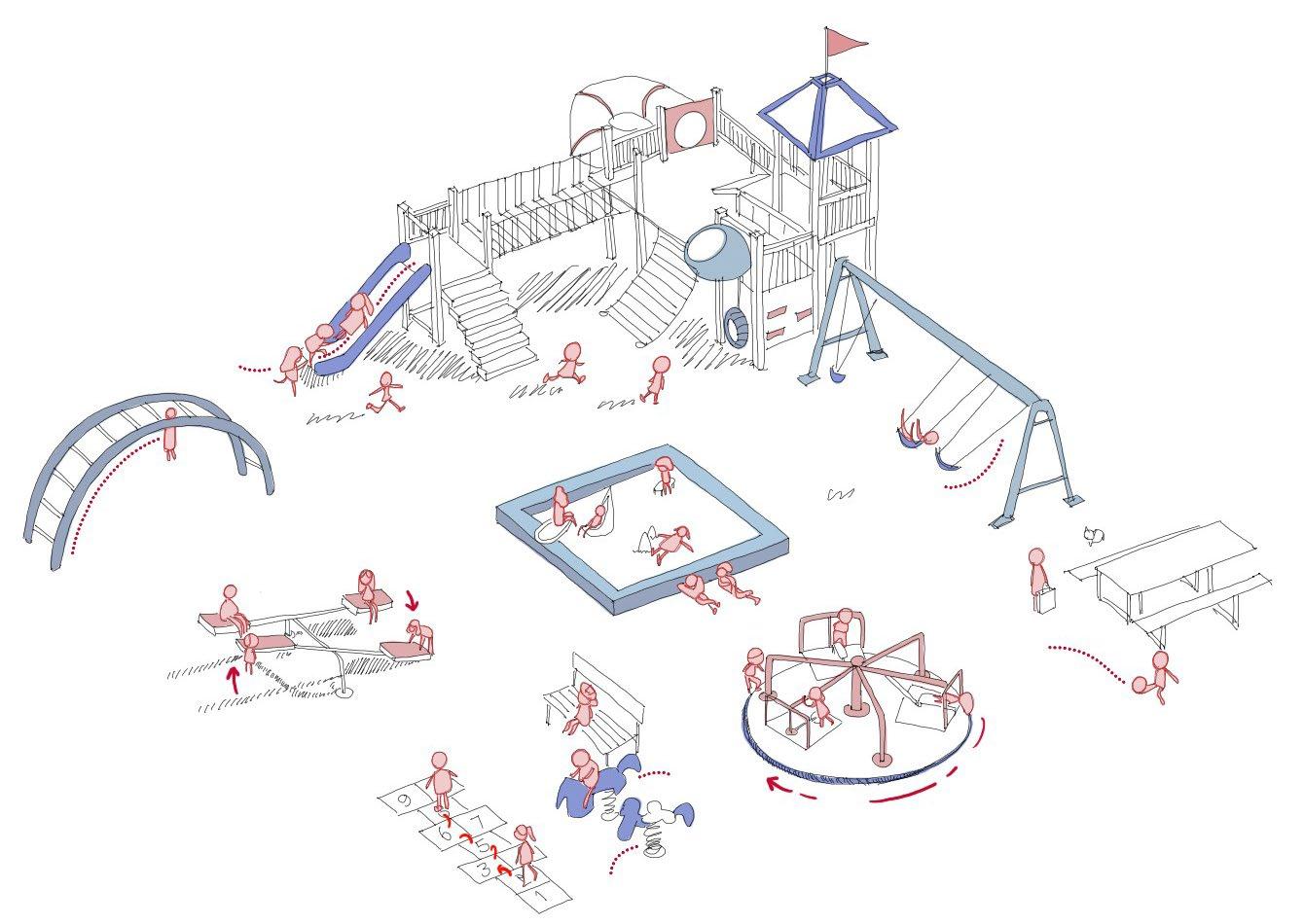
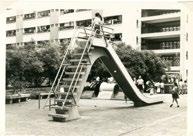
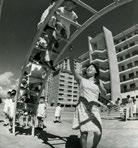
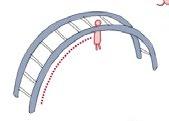
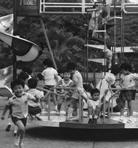
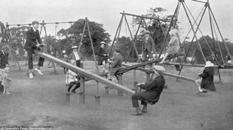
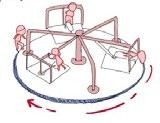
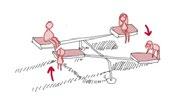
The architectural investigation begins by dissecting familiar playground facilities into their fundamental components, examining columns, beams, joints, and structural frames to uncover latent architectural qualities within everyday play objects. Through exploded drawings and an initial model collage, these elements are reassembled into a speculative vision of childhood playgrounds floating within cloud-like environment, expressing play as fantasy, imagination, and spatial freedom. This process reframes playground equipment not as isolated objects, but as architectural systems capable of generating new spatial narratives.

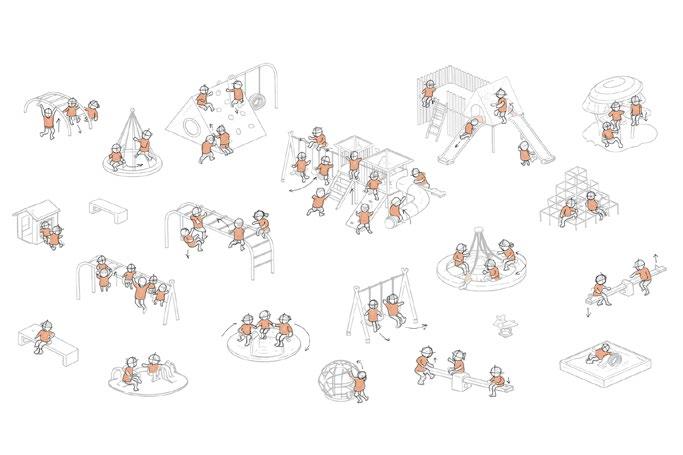
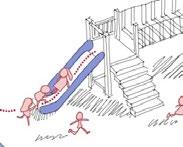
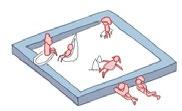
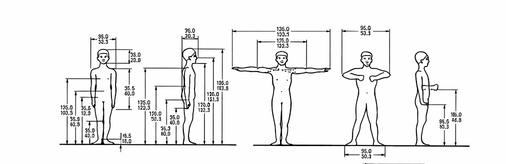
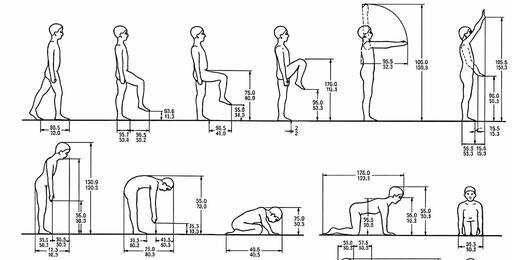
In parallel, the study of the human body focuses on children’s movement within playgrounds, mapping actions such as running, jumping, climbing, and turning through ergonomic sketches. By tracing bodily motion and pauses, the research reveals how negative space is formed through movement, producing informal volumes, thresholds, and voids activated by play. These bodily studies inform the project’s spatial thinking, positioning human movement as a primary driver in shaping playful architectural form.
Sketch study mapping children’s movements within the playground.
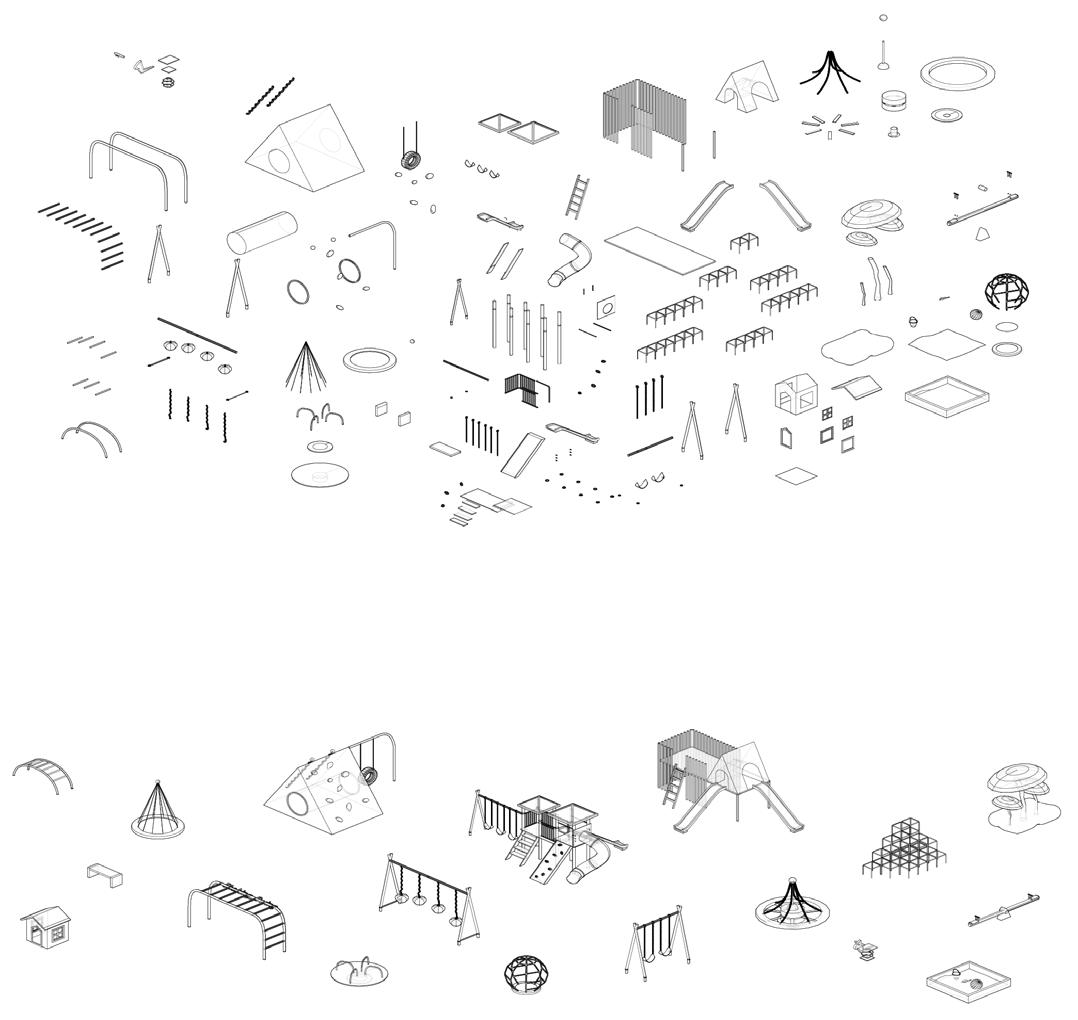
Disassembly of familiar playground elements to expose their hidden architectural frameworks and spatial potential.
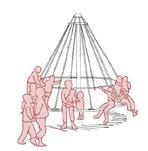
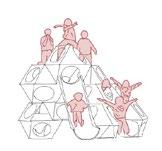
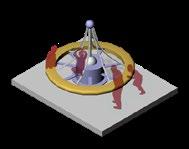
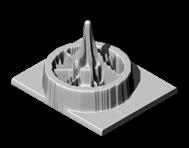
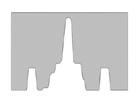
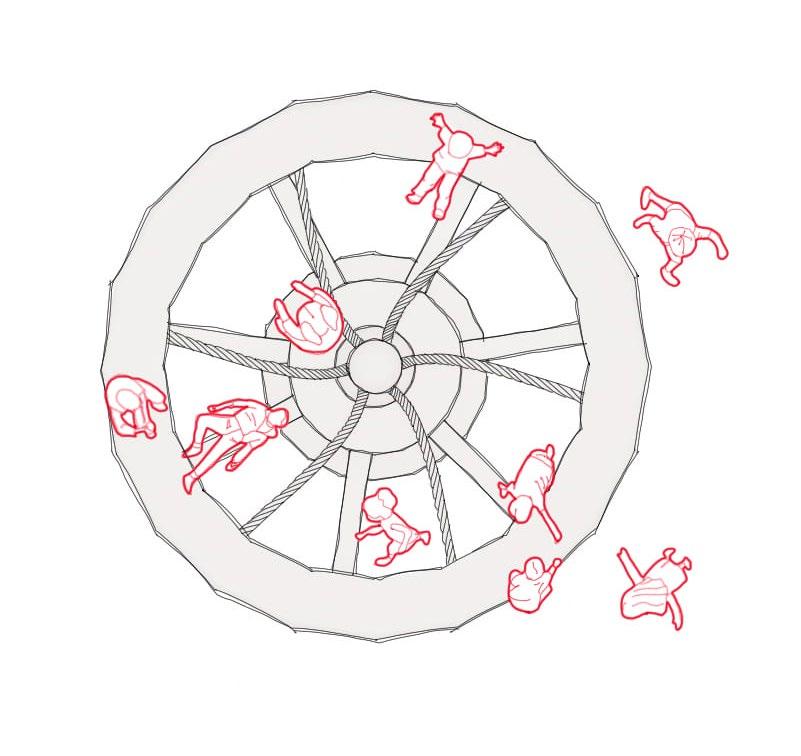
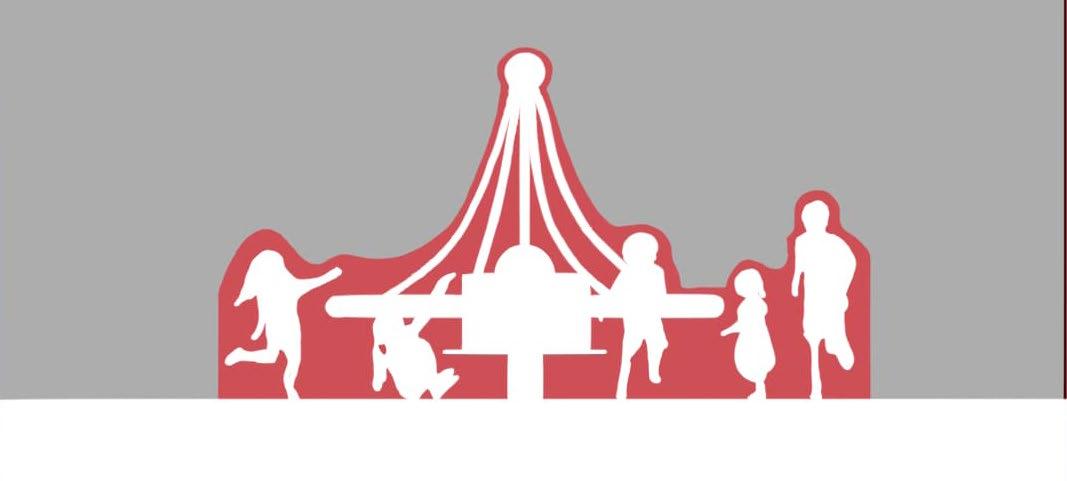
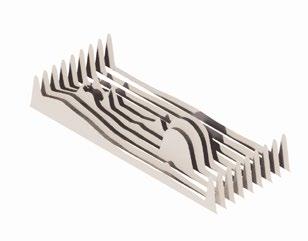
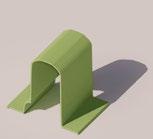
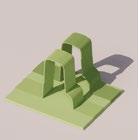
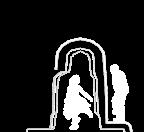
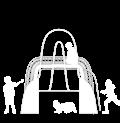
This section explores the translation of playground facilities into architectural form through a process of abstraction, extraction, and reinterpretation. Beginning with a single playground structure, human figures are introduced to map movement and spatial interaction, after which draped surface is applied to capture zones of occupancy and overlap. Plan and sectional studies through the resulting negative space reveal how play generates spatial volumes within and around the structure, forming the basis for architectural massing.
Example Process

Occupational Study
Plan and section study of rolling stone structure, mapping children’s movement and spatial occupation to reveal patterns of play, pause, and circulation.

Ergonomic study mapping children’s body dimensions and movement patterns to understand scale, reach, and spatial interaction within playground environments. Movement analysis tracing children’s
A broad range of playground facilities is studied in the same way to widen the scope of formal and spatial extraction. Each facility is abstracted through draping process that registers spatial occupation and movement, before being systematically sliced to reveal contour lines and underlying geometries. Through this expanded set of studies, familiar playground elements are transformed into a richer formal language that informs the project’s architectural massing and spatial logic. From Play To Form
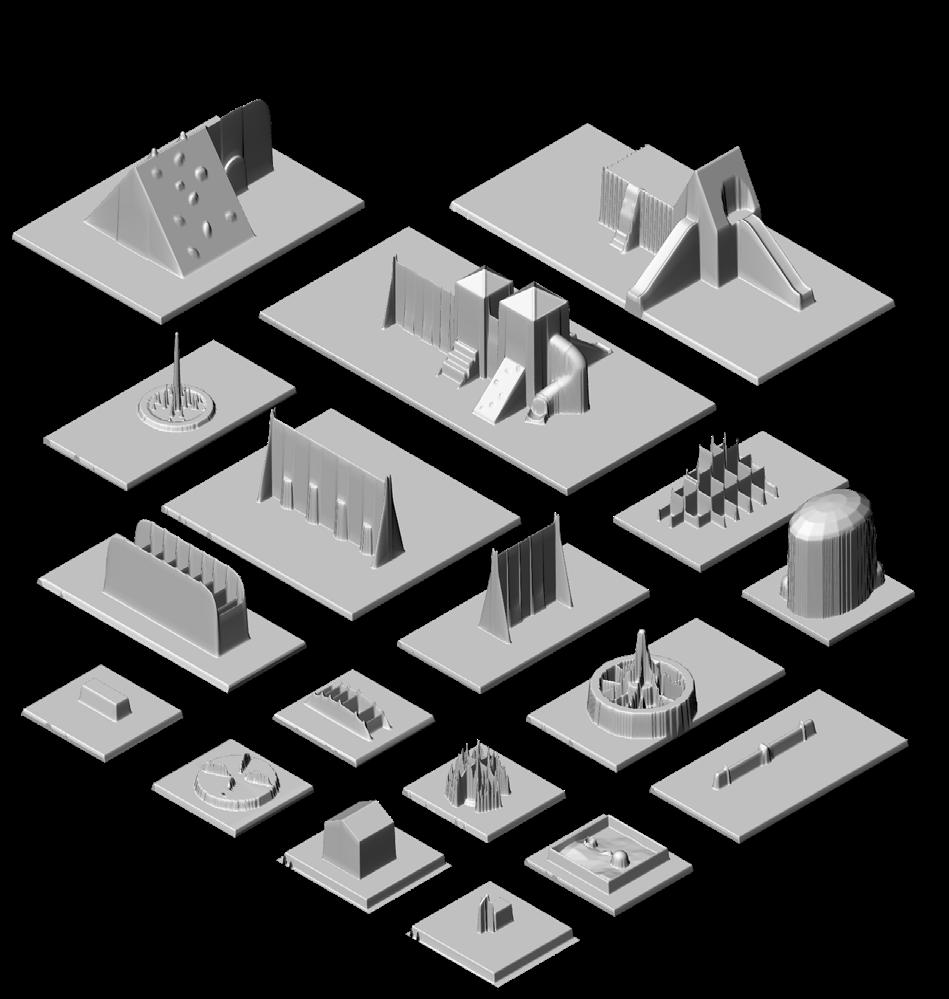

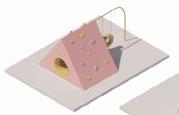
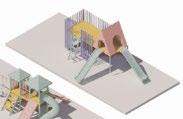
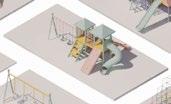
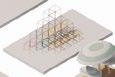


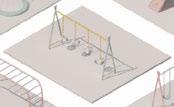
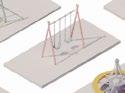
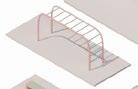

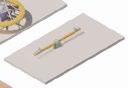


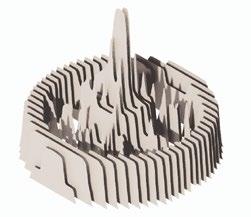
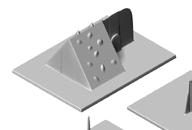
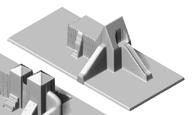
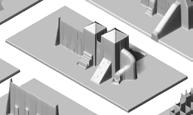

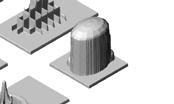
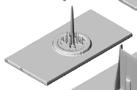
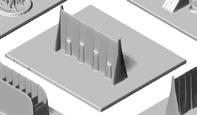
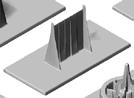
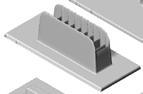

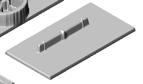


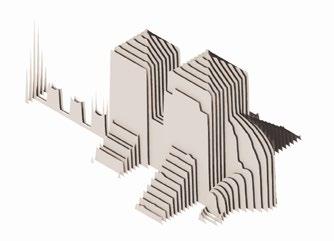




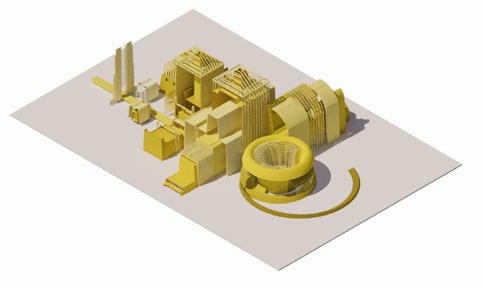
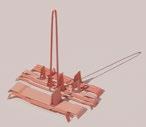
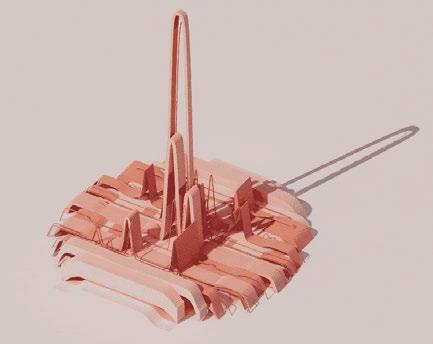
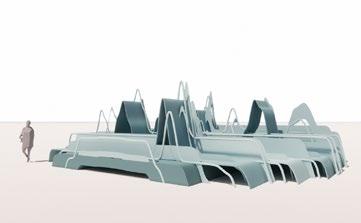
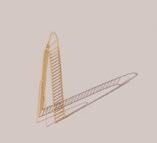
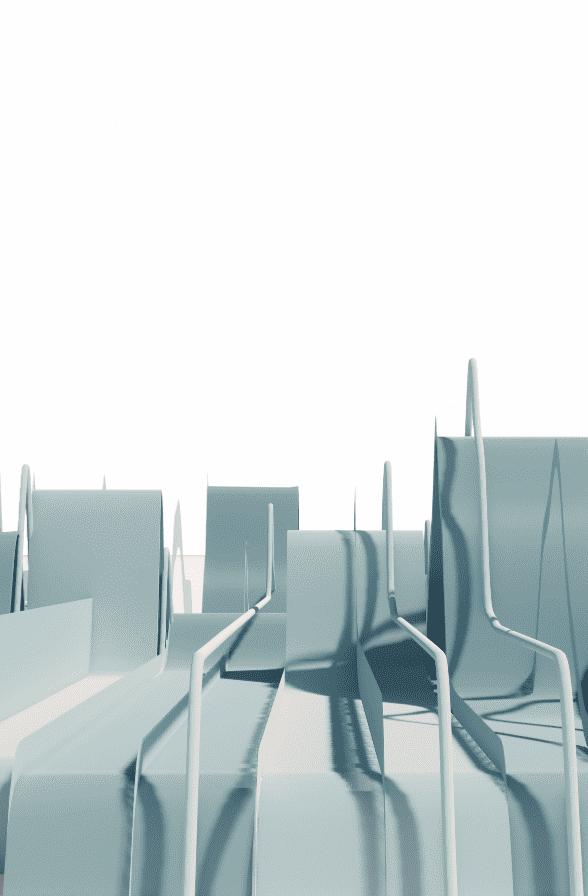
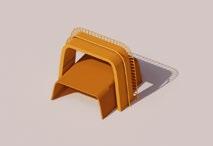
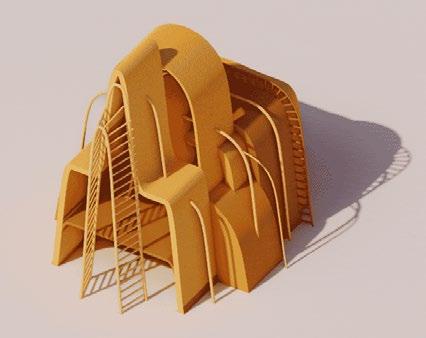
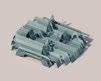
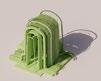
This section explores the generation of new playground architectures through the manipulation of extracted lines and geometries. Using operations such as offsetting, extruding, and arraying, fragments derived from playground structures are recombined to form complex spatial assemblies that serve as the foundation for building massing.
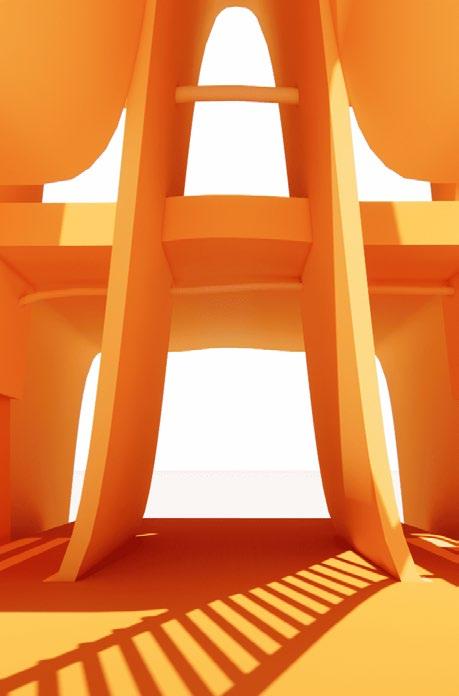
Axonometric, sectional, and perspective studies examine how these newly interpreted play spaces are inhabited, revealing how movement, overlap, and scale shape the interior experience from user’s perspective.
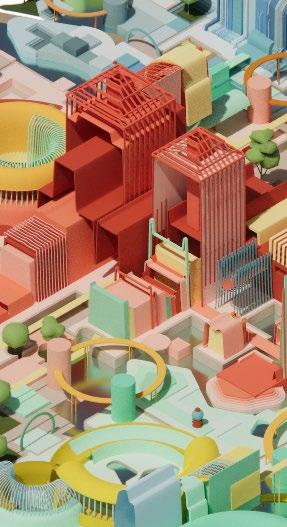


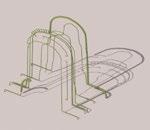
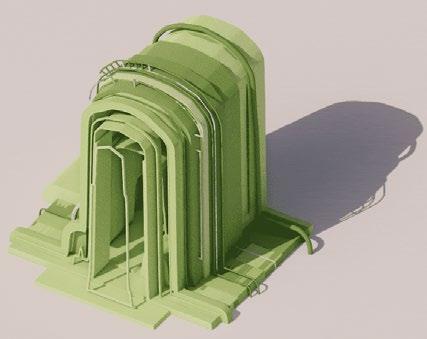


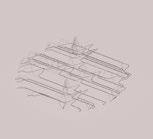
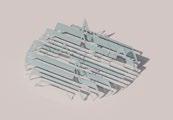

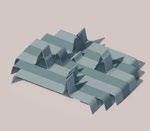
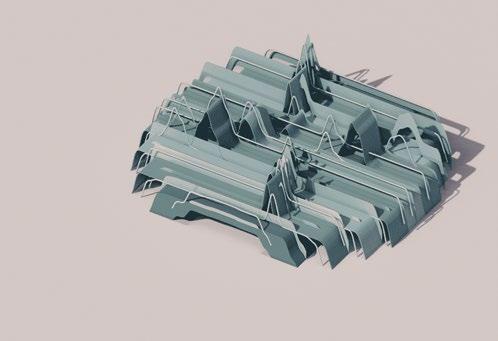


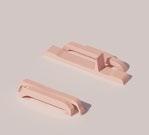







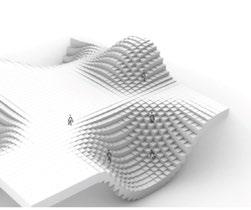
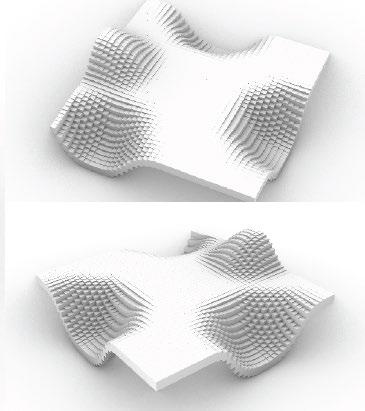
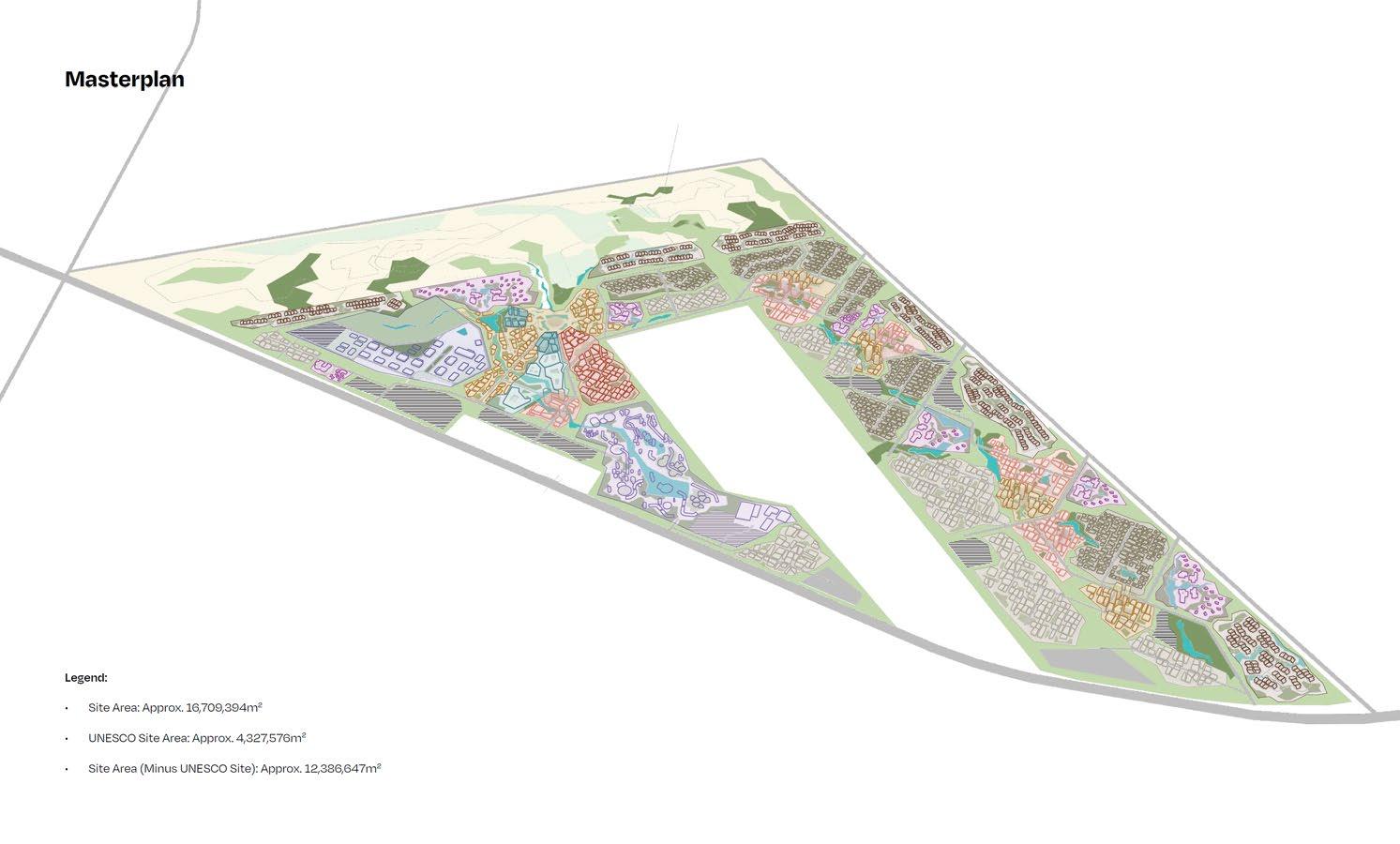
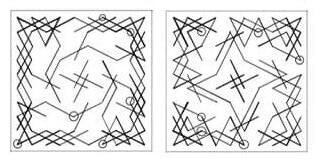
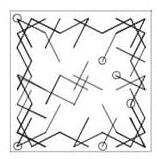
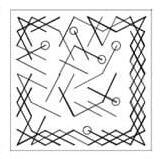
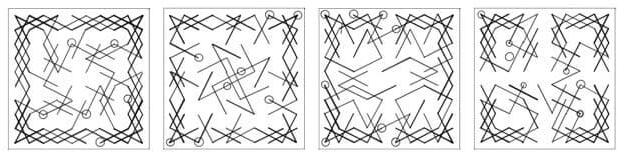
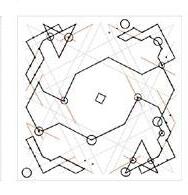
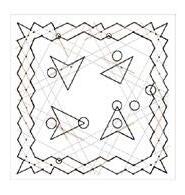
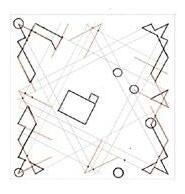
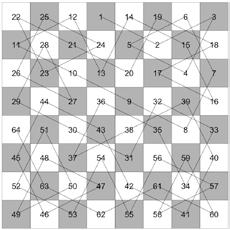
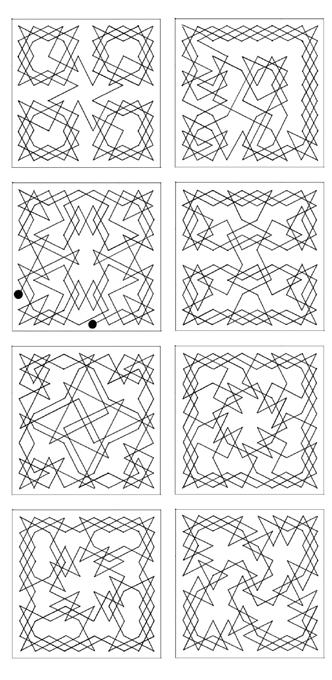
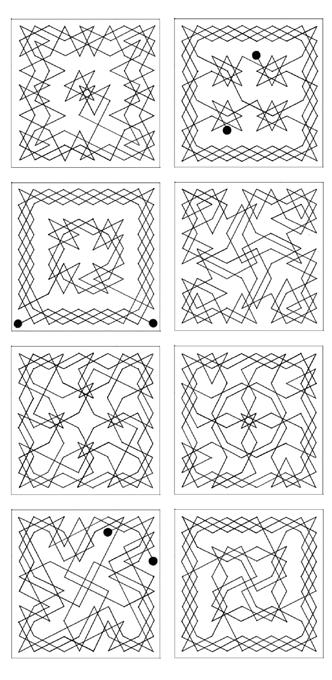
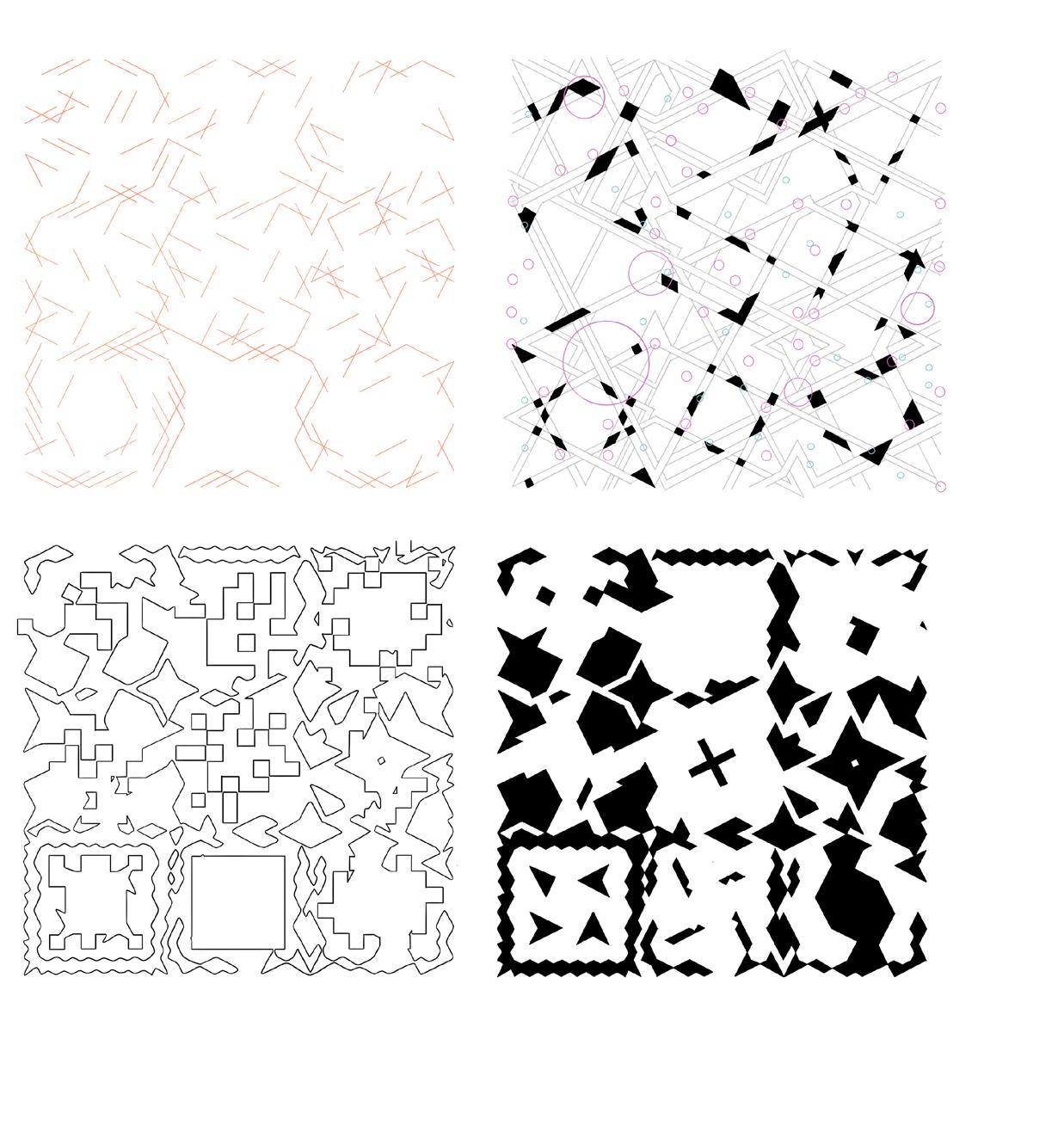
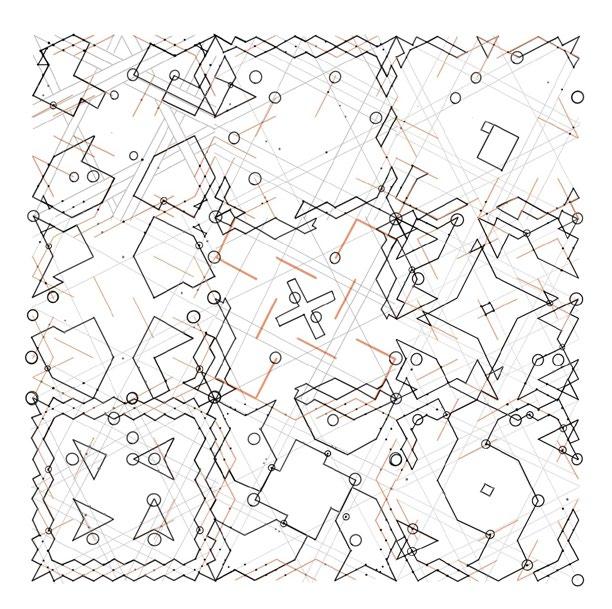
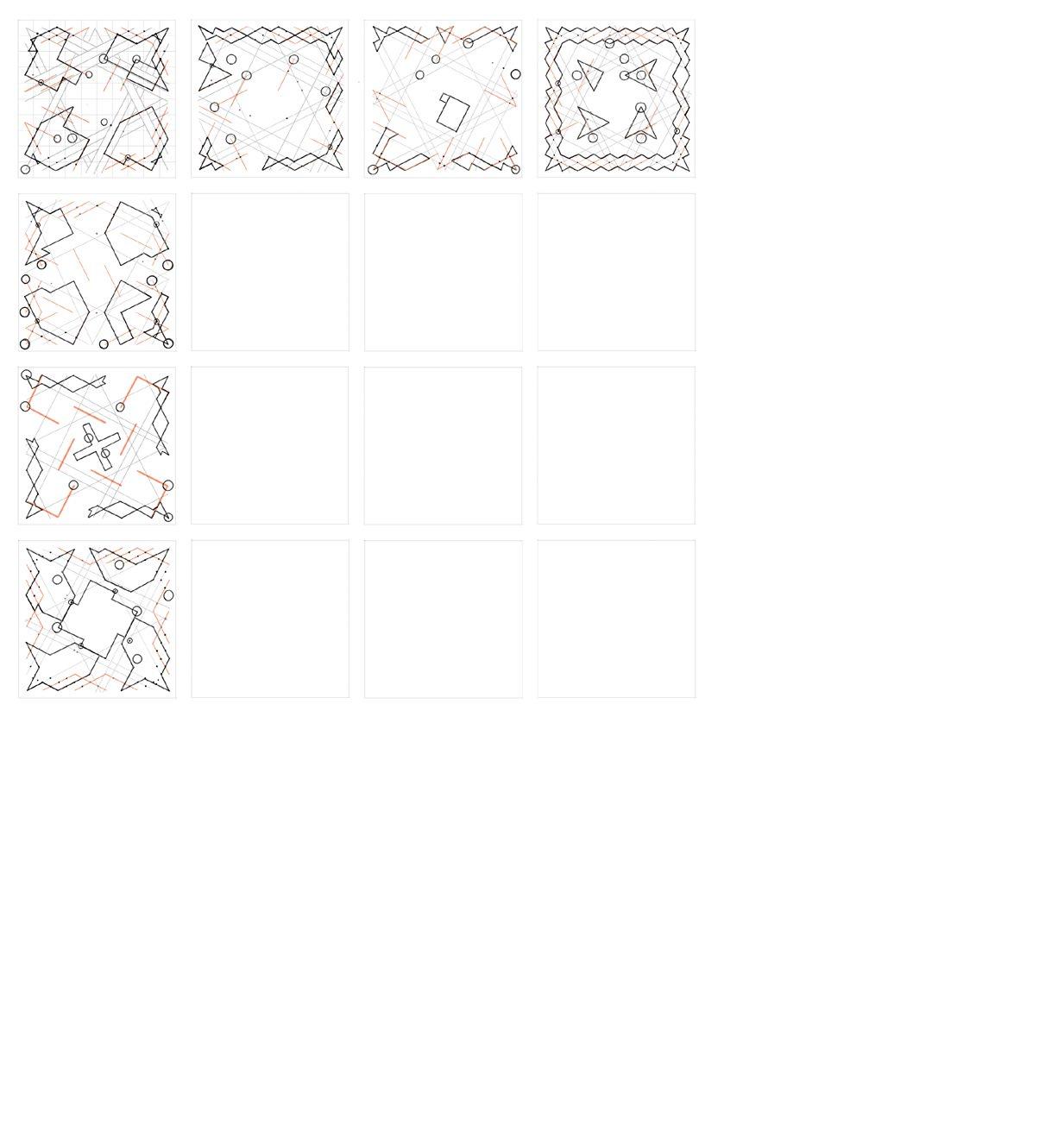
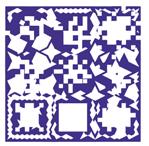
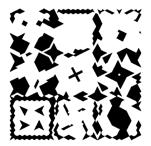
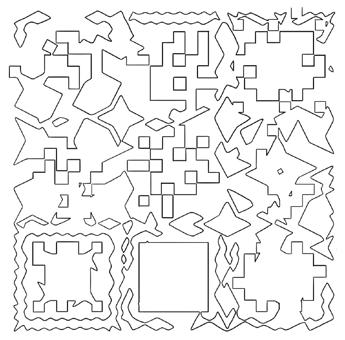
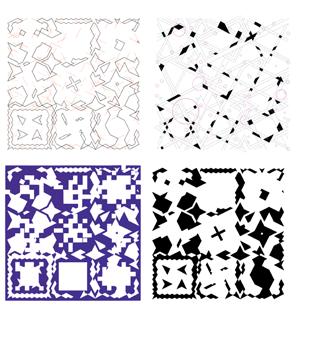
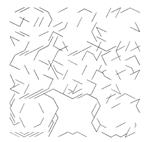
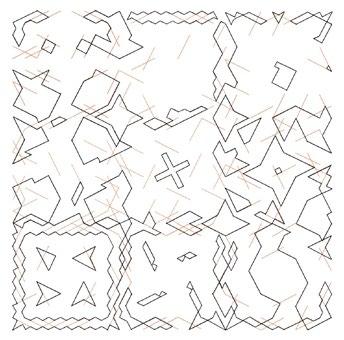
This section documents the development of the masterplan base through a rule-based design process derived from the logic of the Knight’s Tour chess problem. By sampling and layering sixteen different Knight’s Tour solution patterns, intersections, overlaps, and recurring paths were identified and translated into spatial geometries. These emergent patterns informed the organisation of landscapes and hardscapes across the amusement park, allowing game logic to become the underlying structure of movement, circulation, and spatial hierarchy within the masterplan.
Knight’s Tour — Rules of the System
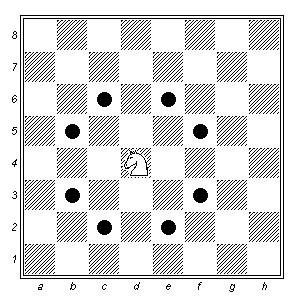
A knight moves across an 8×8 chessboard visiting every square exactly once.
Movement is restricted to the knight’s L-shaped move two squares in one direction and one perpendicular.
No square may be repeated requiring continuous, non-overlapping path.
Multiple valid solutions exist, each producing a distinct movement pattern.
Spatial Patterns







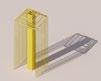
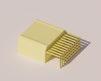
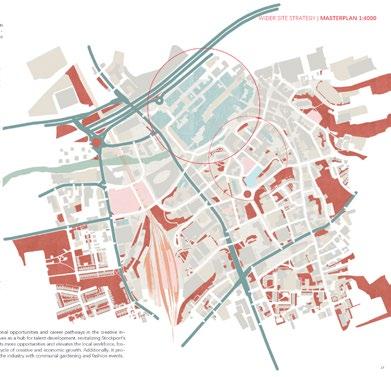
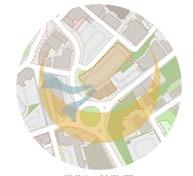

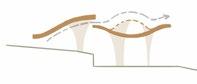
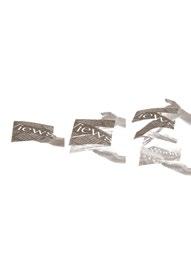
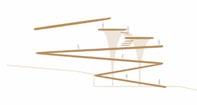
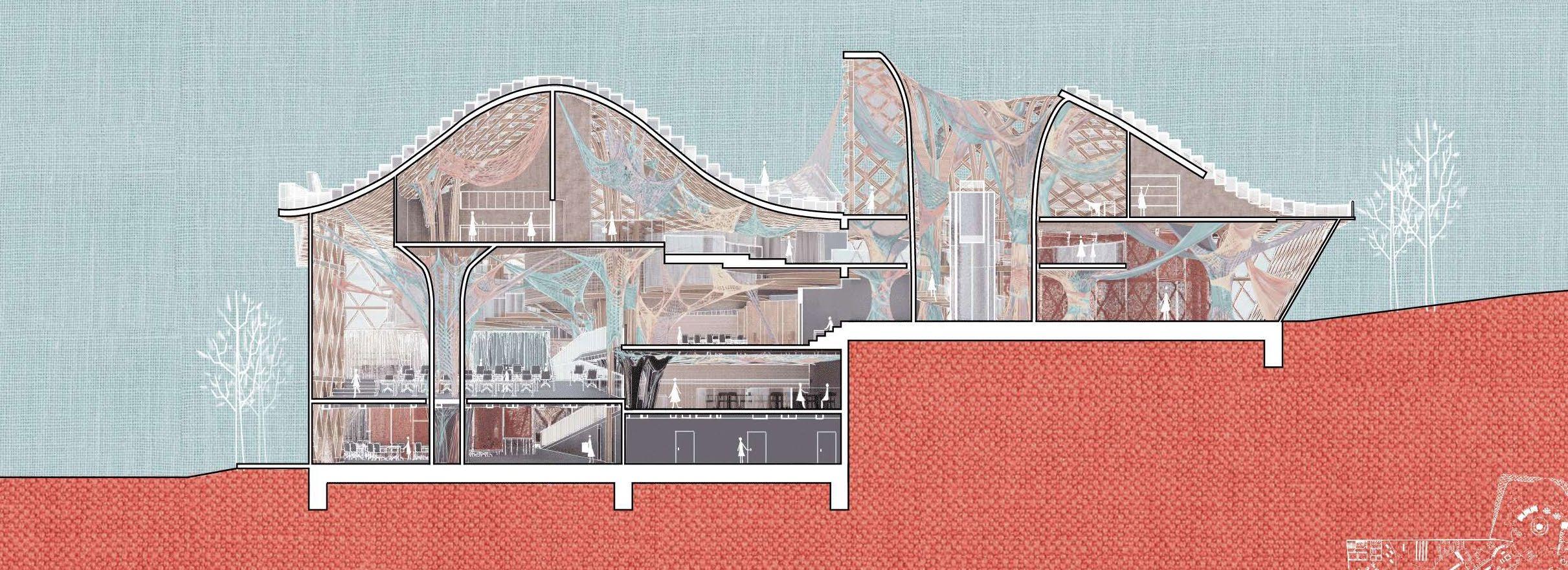
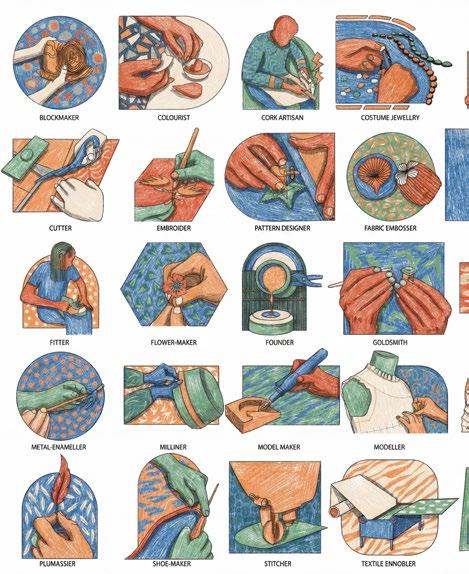
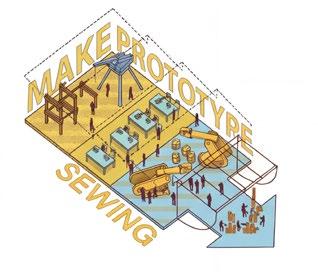
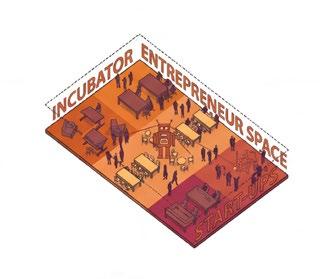
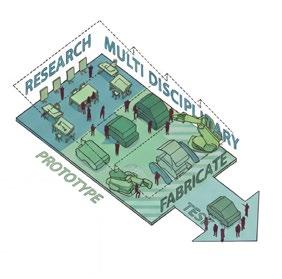
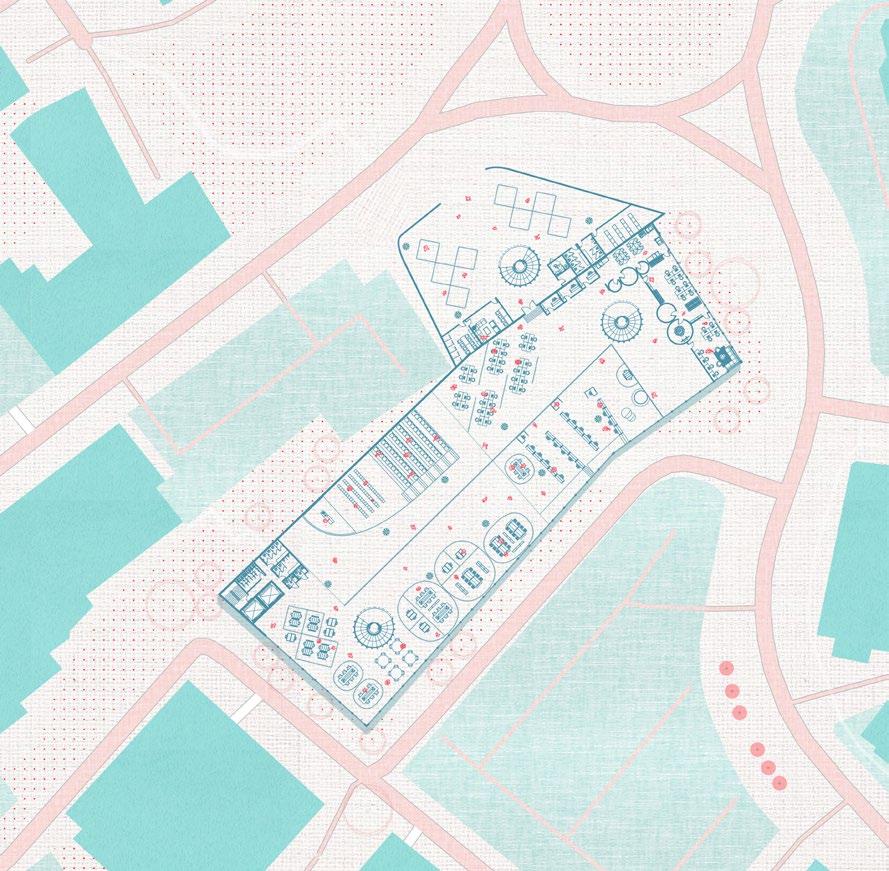
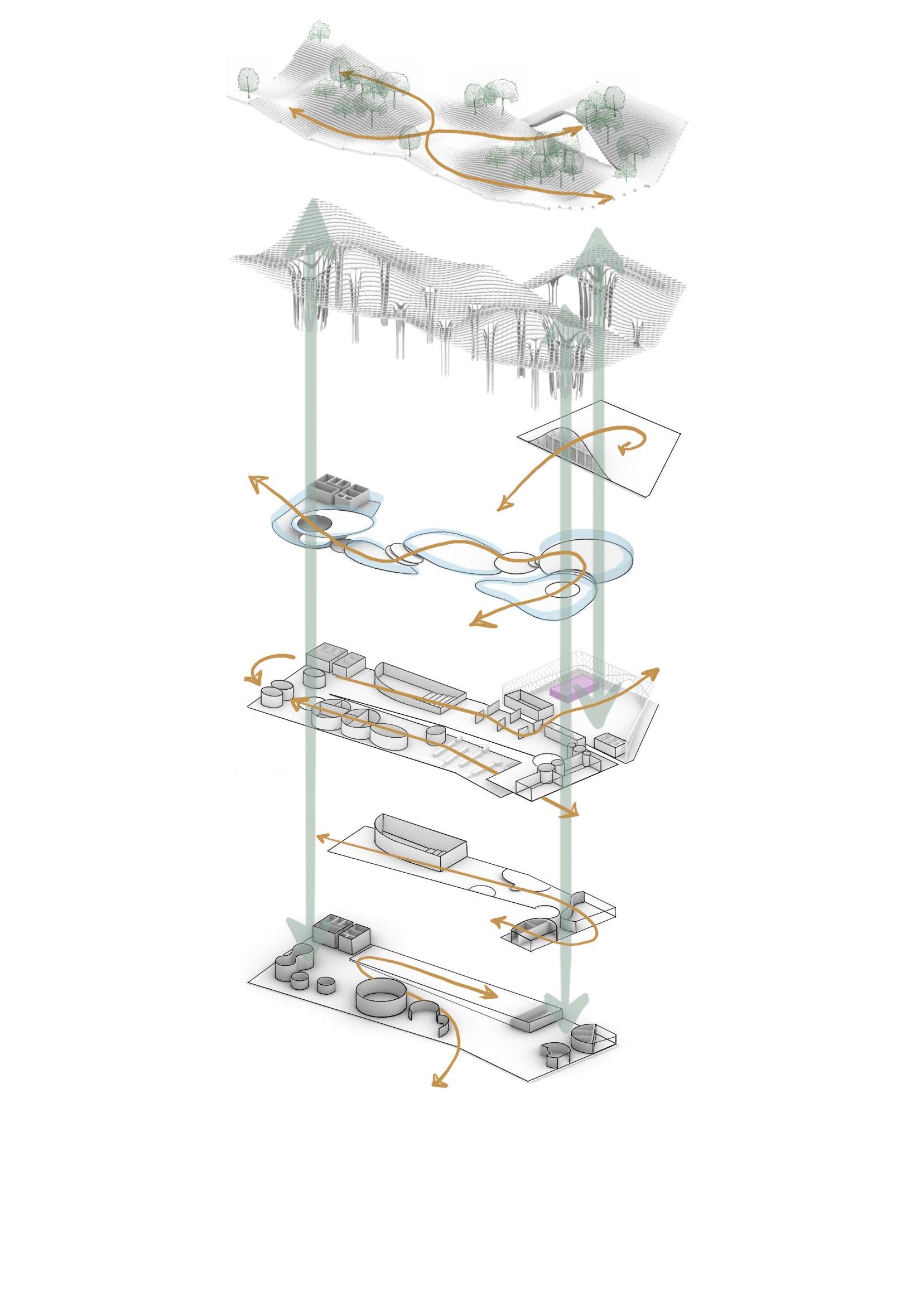
This section maps the fashion and textiles industry workflow, design, research, making, production, exhibition, and learning, and translates it into a single integrated institute. Located in Stockport, a town with a rich textile heritage particularly rooted in hat making, the project draws inspiration from this legacy to position traditional craftsmanship alongside emerging technologies within open and flexible spaces. By bringing the full production cycle into one environment, the project frames education, making, and innovation as interconnected spatial experiences shaped by both history and contemporary practice.
Target Users
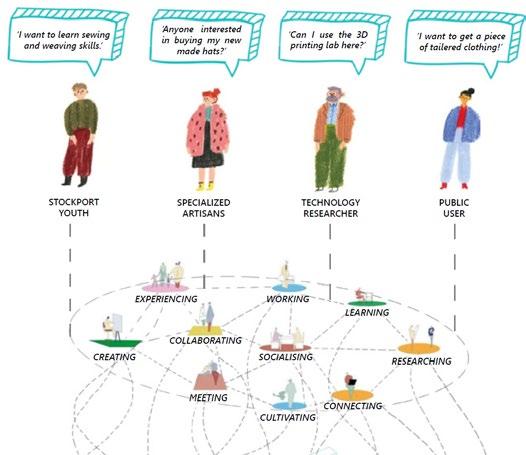
Specialist Artisans

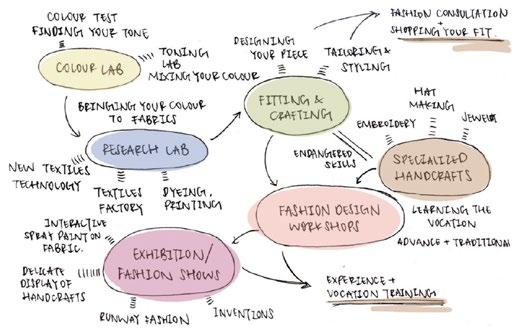
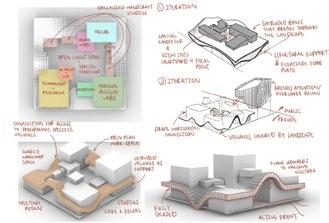
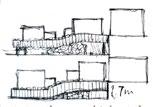
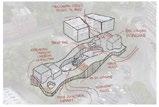
Initial bubble diagram of programme flow across the building. Initial massing study
Textile Industry Flow Chart
RAW MATERIALS AND/OR SYNTHETIC FIBERS TEXTILE SECTOR SPINNING WEAVING DYEING CLOTHING SECTOR SPINNING WEAVING DYEING DISTRIBUTION AND RETAIL CUSTOMERS TECHNICAL TEXTILES
Bringing design, making and production together...
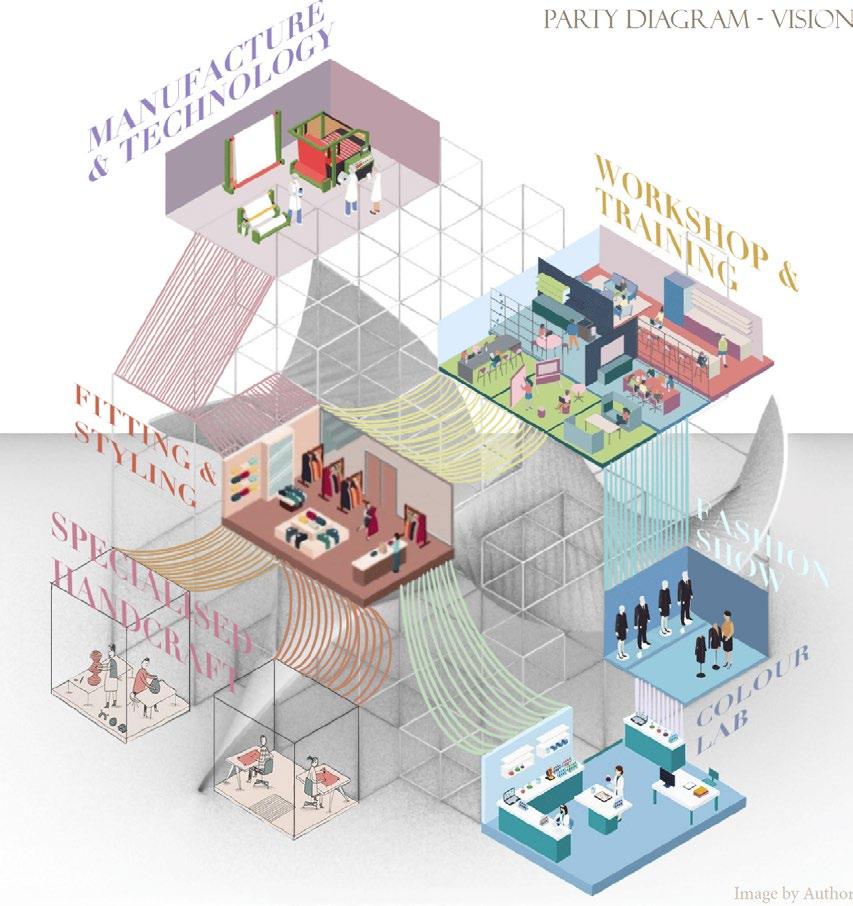
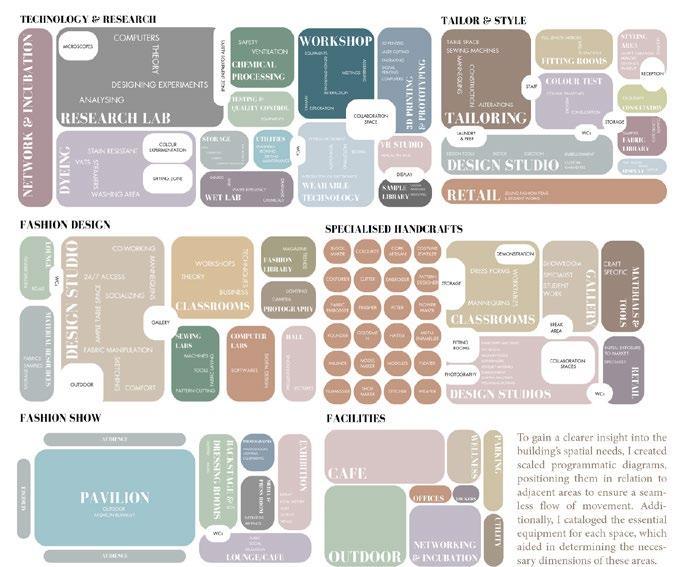
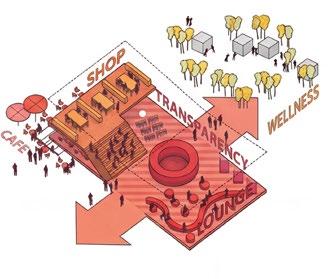
From Thread to Space
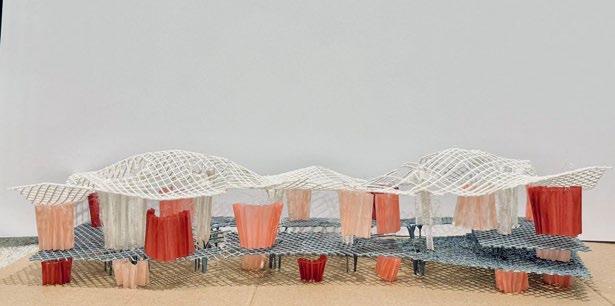
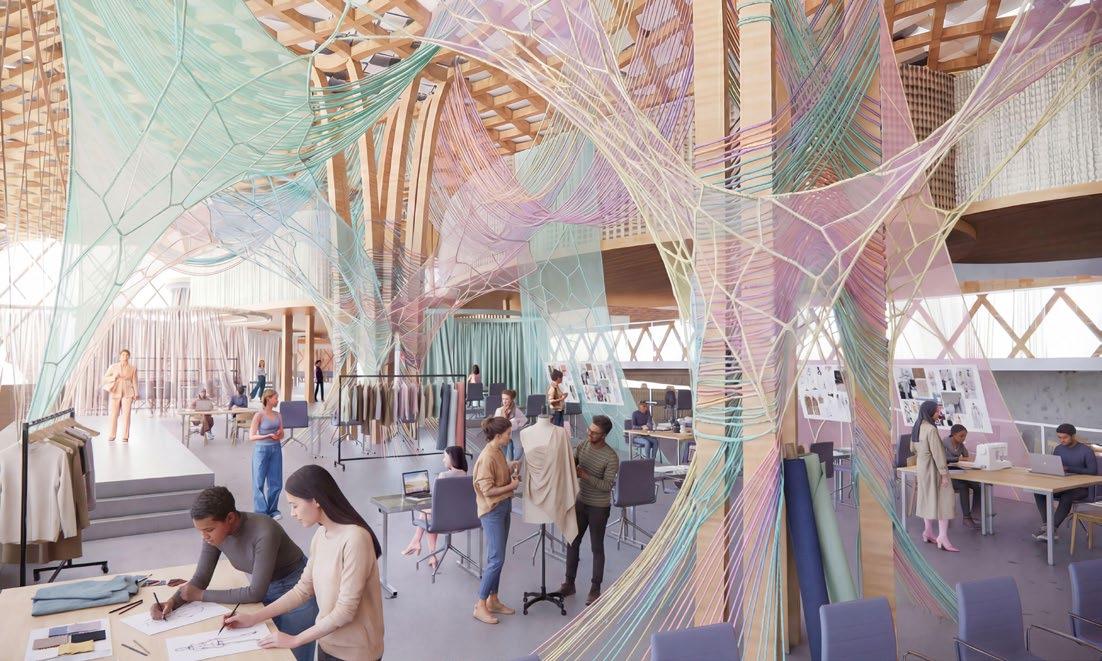
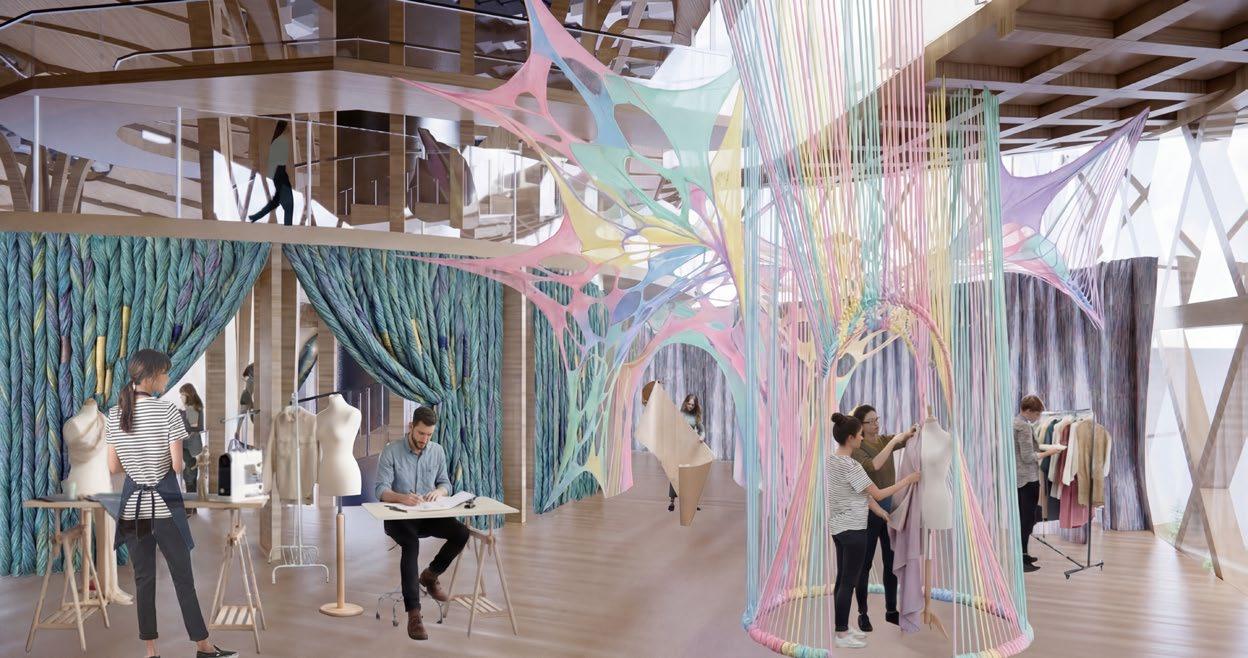
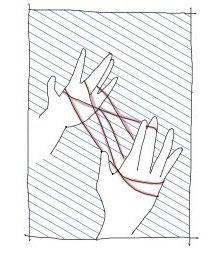
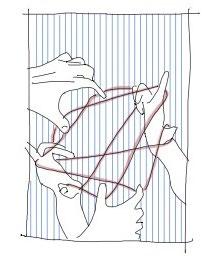
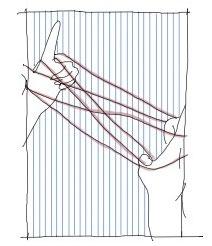
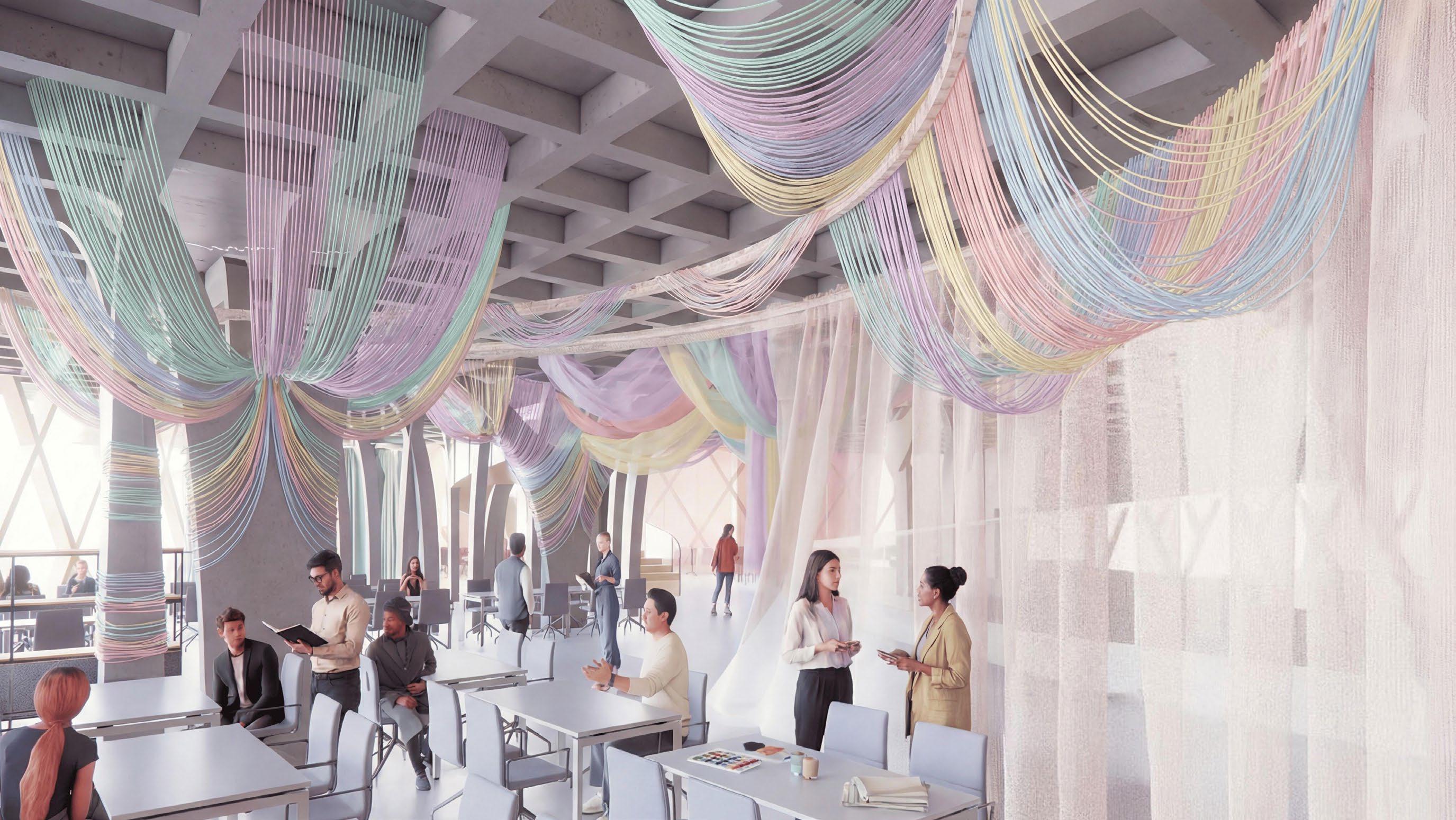
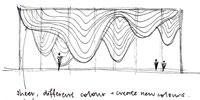
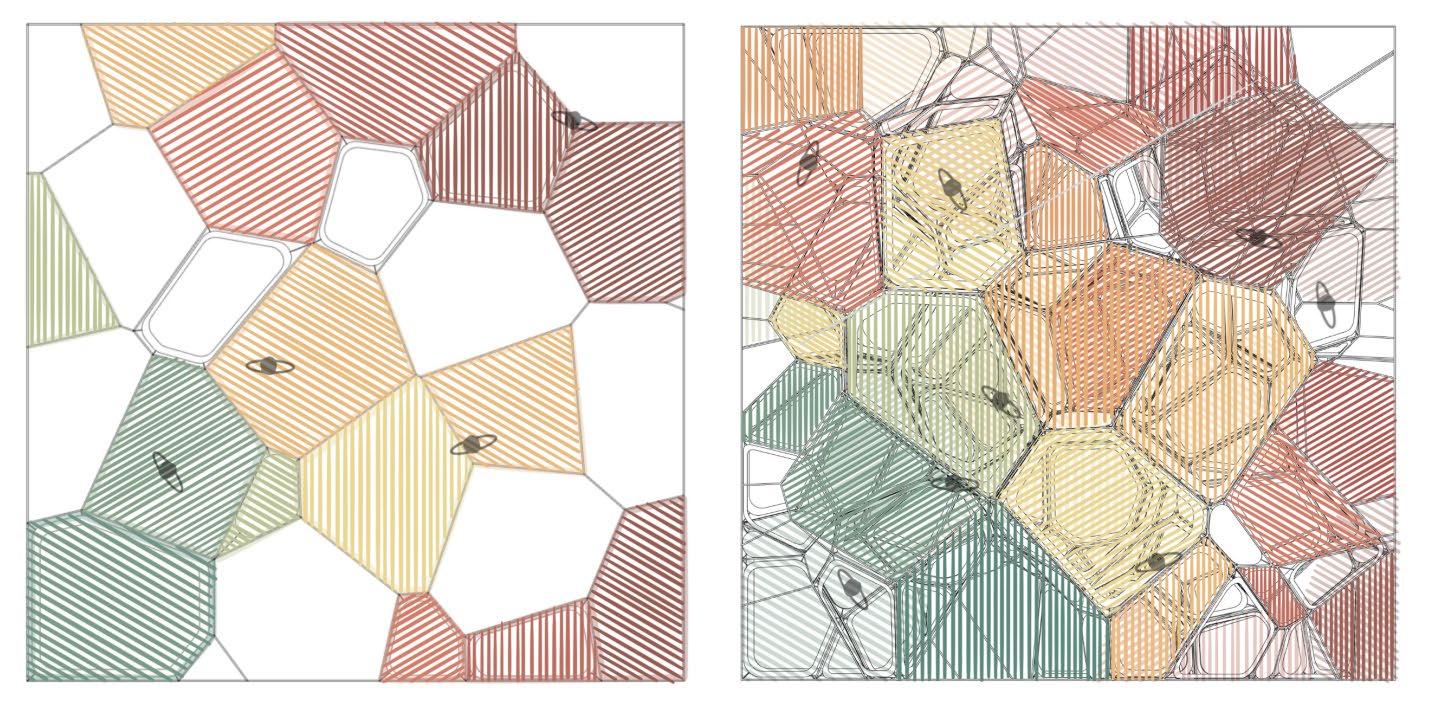
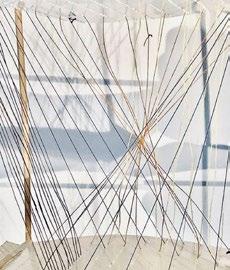
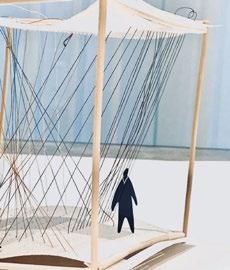
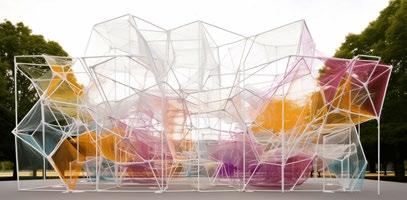
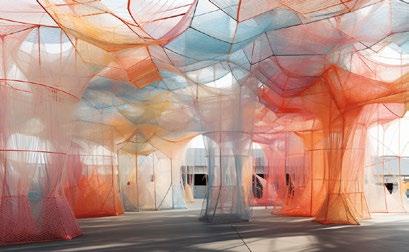
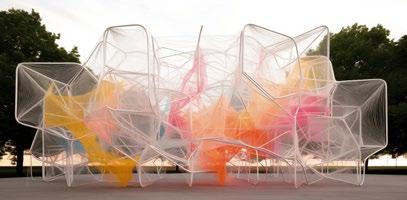
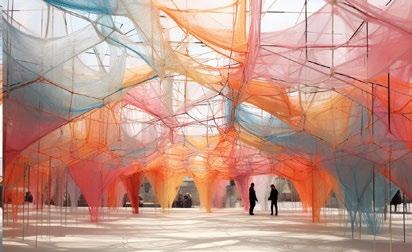
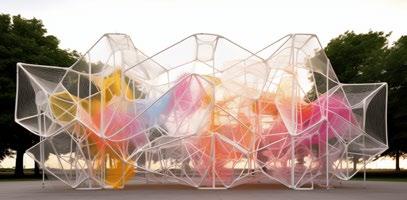
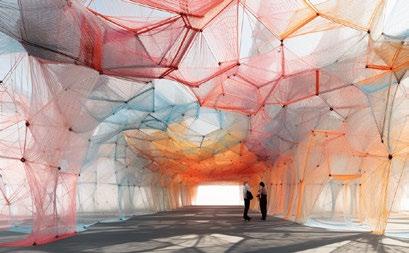
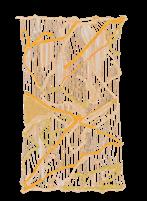
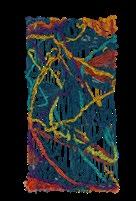
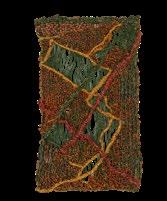
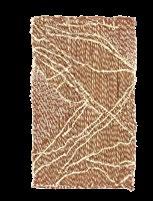
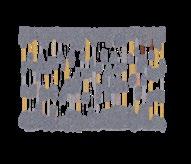
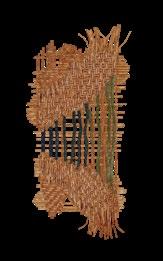
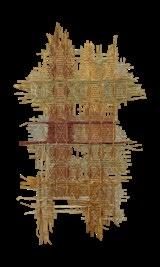
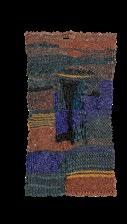
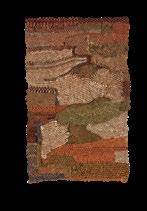
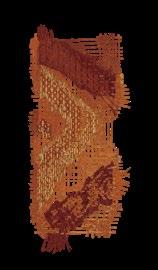
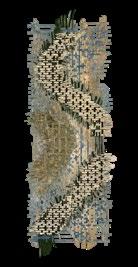
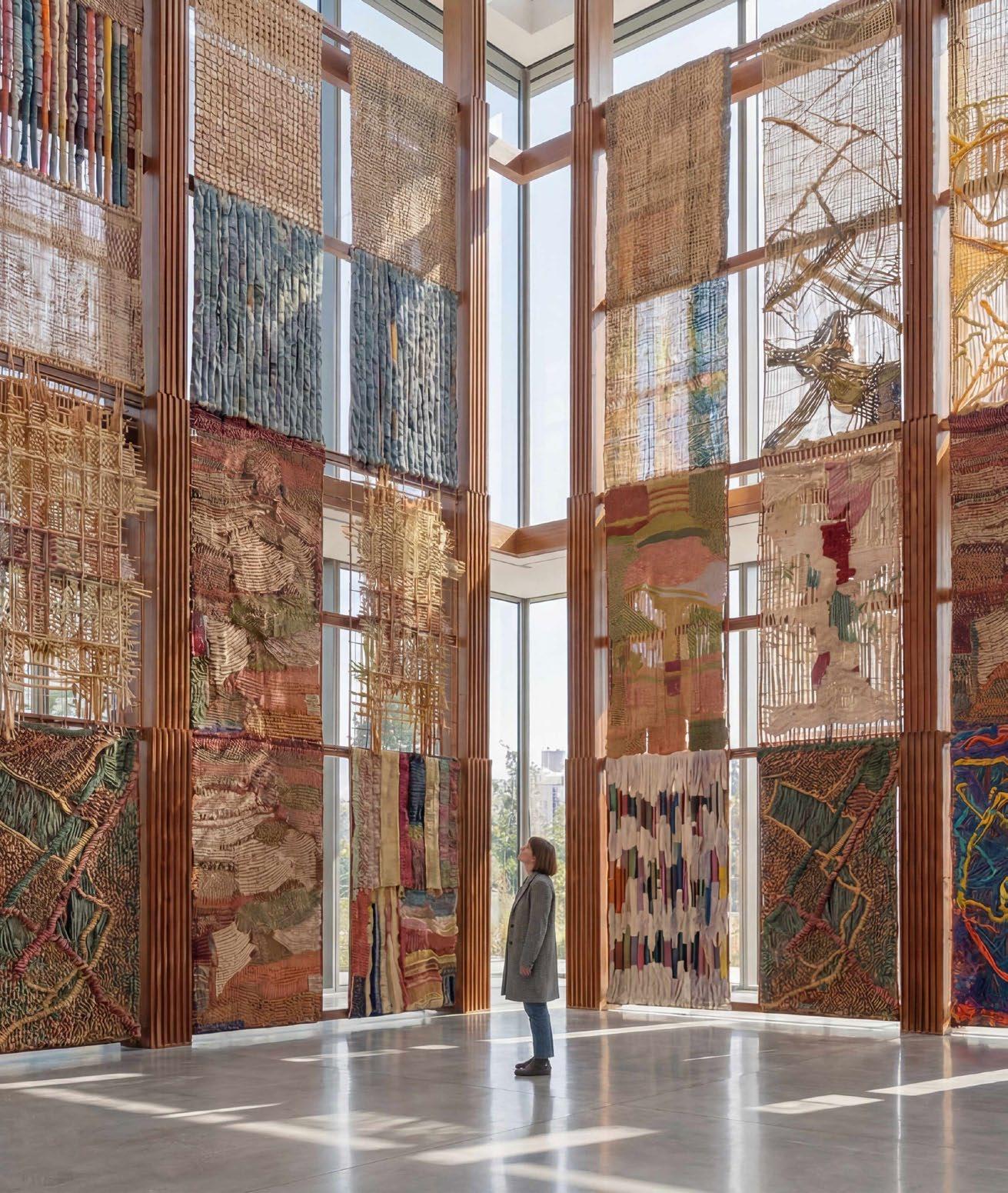
This section documents an experiential design exploration using threads and strings as a material system to investigate space, movement, and sensory interaction. Through physical and digital modelmaking, strings are manipulated to generate porous, layered, and fluid spatial conditions, revealing how material behaviour can shape experience rather than simply form. These studies directly inform the fashion institute’s spatial design, translating the tactility, flexibility, and interwoven nature of textiles into architectural strategies that enrich circulation, learning, and interaction within the building.
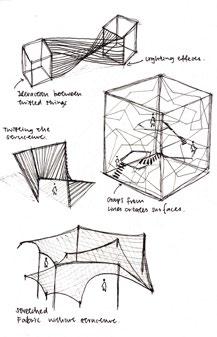
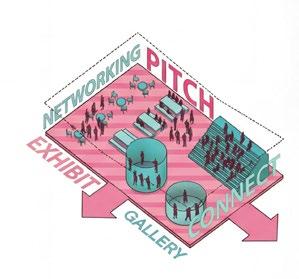
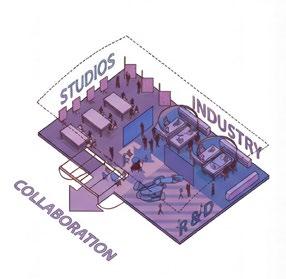
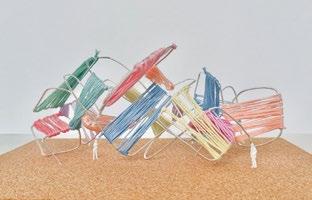

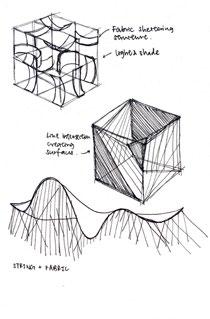
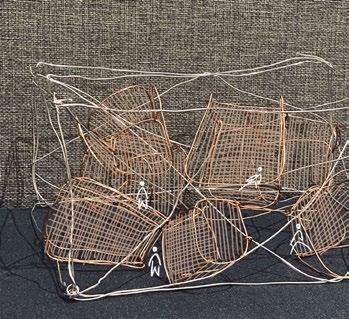
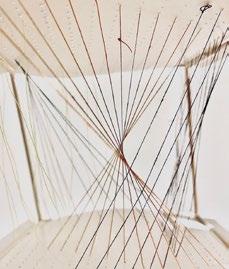
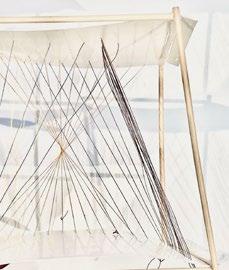
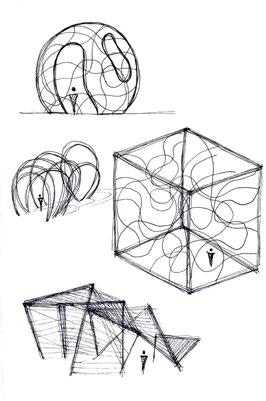
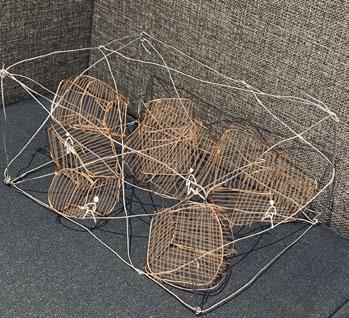
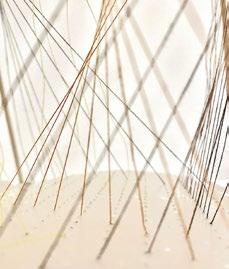
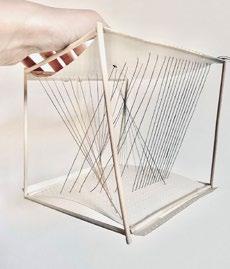



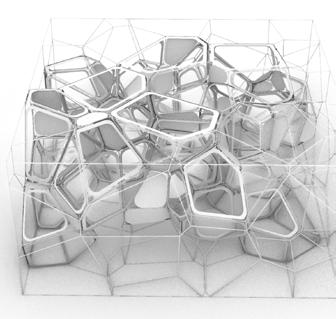
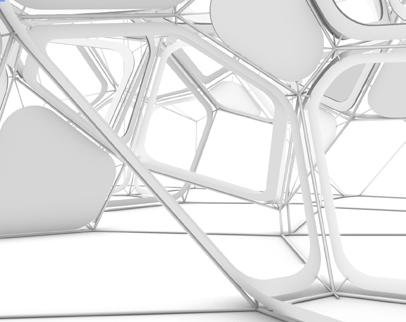
Starting from basic sketches, evolving into tangible models, and ultimately culminating in the creation of digital prototype. This spatial modifier is designed to immerse users in an intricate web of strings, offering an engaging and playful experience. intentionally lacks predefined paths or directions, allowing users the autonomy to find their own way through this labyrinthine setup.


Towards a Fluid and Adaptable Architecture
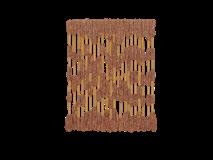
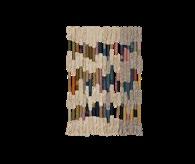
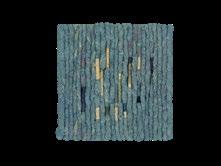
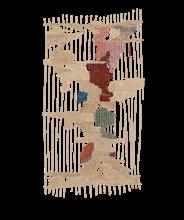
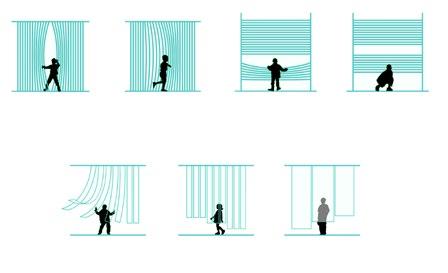
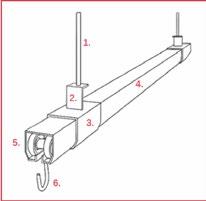
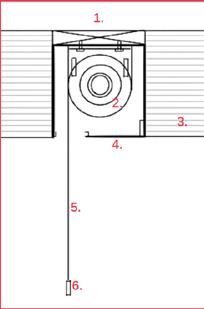
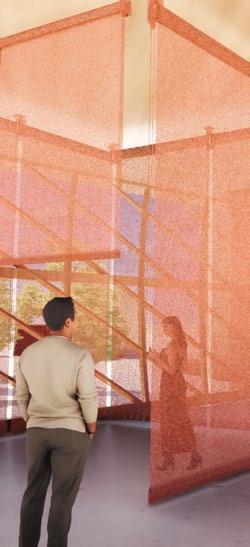
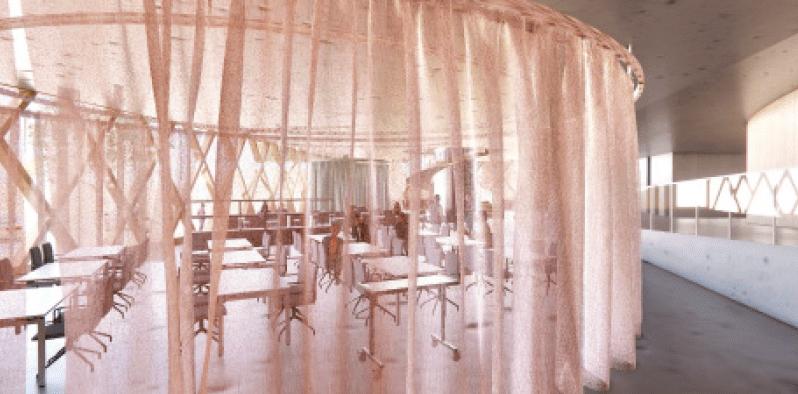
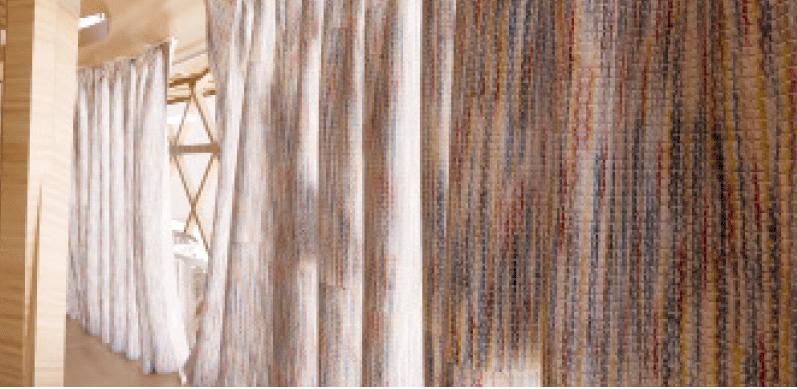
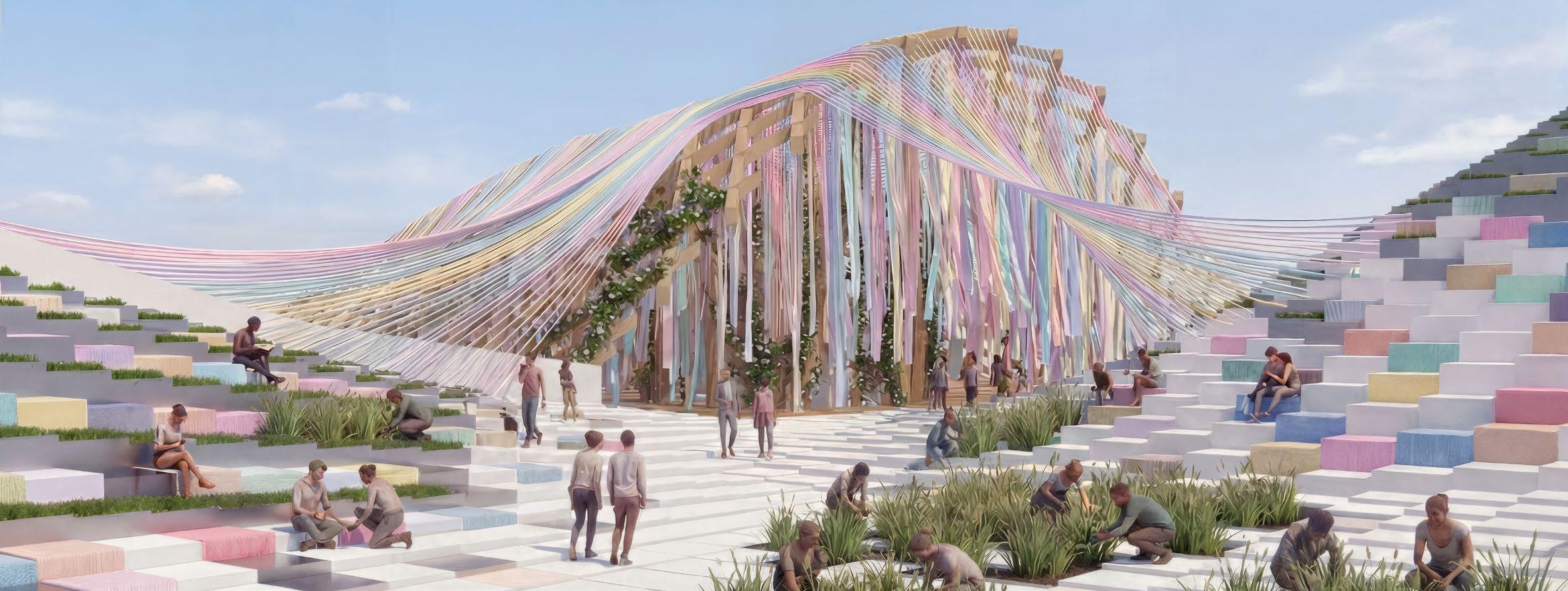
This section explores the translation of thread-based material experiments into architectural curtains as flexible interior elements. Incorporated as spatial organisers, fabric curtain dividers can open, close, and reconfigure to support varied programmes while adjusting levels of privacy, light, and acoustic performance. Through studies, plans, and exploded axonometric diagrams, the use of vibrant colours, varying transparency, and acoustically insulated fabrics demonstrates how soft architectural systems can enhance adaptability, atmosphere, and creative exchange within the studio spaces.





Cultivating Threads


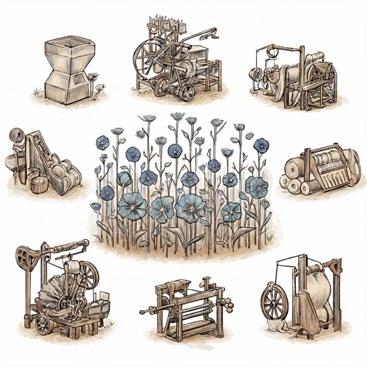
Rippling: removing seeds from dried flax.
Retting: freeing the outer fibers.
Breaking: fragment the inner woody stalk.
Scutching: cleaning the fibers.
Hackling: polish and sort the fibers for spinning.
Spinning: fibers spun into yarn.
Weaving:
Bleaching: