
Creating Healthier Communities Through Innovation and Collaboration
Expanding our network, advancing whole person data, and driving better health outcomes through high-resolution information exchange

This page has intentionally been left blank.
A Message From Our CEO

What would it be like to have a health system that sees us as a whole person? Not just a patient in a single encounter with a single “chief complaint,” but someone with a real history of preferences, concerns, and needs. And what if that same care extended to entire communities, not just individuals?
At Manifest MedEx, we’ve spent nearly a decade advancing this future, starting with building a robust, secure health data sharing network across California. We bring together information from 3000+ ambulatory providers, social services organizations, hospitals, health plans, county health agencies, emergency medical services (EMS), fire agencies, and skilled nursing facilities across the state. Today, we deliver clinical, claims, behavioral, and social health information for more than 50 million people, and we believe we’re at a new tipping point.
Moving data isn’t enough. The pipes and infrastructure we created are the foundation, but a foundation is meant to be built on. In 2025, we evolved our mission and vision: we connect and empower healthier communities, guided by a 10-year vision that high-resolution data optimizes health and value for all. This year, we’re bringing that vision to life, focusing not just on whether data moves, but on whether it means something once it arrives. We call this highresolution data: information that’s accurate, complete, actionable, and tuned to whole person care.
We’re leading the shift in data exchange from reliable to genuinely useful, whether that’s informing a single clinical visit or helping a public health agency spot emerging health needs across an entire region. This is the work we want to do over the next decade: enhancing the quality of data at every step and turning it into real health and value for the people delivering care, the people receiving it, and the communities they’re part of.
As we look ahead to 2026, we’ll bring new approaches to whole person health from the MX platform, working closely with our communities and showing the impact of our growth since our founding in 2017. I’m proud of what we’re building: a California where better information sharing means everyone is truly seen as an individual and as part of something bigger.
Thank you for a remarkable year, and for all who share in this mission and this journey.
Erica Galvez Chief Executive Officer Manifest MedEx
"As the health data exchange landscape evolves, we have an opportunity to refocus on whole person care through meaningful collaboration and high-quality data. With the introduction of a new mission and 10-year vision, Manifest MedEx is well-positioned to help communities improve health outcomes by enabling more connected, compassionate, and effective care."
Jarrod McNaughton, Chairman of the Board, Manifest MedEx; Chief Executive Officer, Inland Empire Health Plan (IEHP)
Our New Mission and 2035 Vision
To reflect our organization’s growth and expansion over the past eight years, the Manifest MedEx team spent thoughtful time updating our mission and 10-year vision in 2025. This was a deeply collaborative process — intended to both align with the value we’re delivering today and set a clear path forward for our next decade of work. Together, in this evolution, we interviewed our board and participants; listened to external leaders, influencers, and policymakers at the state and national levels; researched and studied trends; and conferred with our executive team. Several guiding principles emerged as a result of this process, including the importance of “high-resolution data” and our role in whole person health for healthier communities:
MISSION
We connect and empower healthier communities.
2035 VISION
High-resolution data from Manifest MedEx optimizes health and value for all.
We look forward to advancing and demonstrating our commitment to our new mission and vision as our important work continues for the next decade ahead!
*High-resolution data means information that is accurate, complete, timely, actionable, and longitudinal, ready to use in coordinating whole person health and powering a healthy, equitable future.

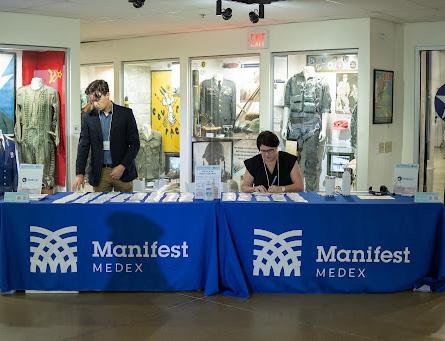




Strategic Stewardship
Navigating the complexities of health data requires more than a connection — it requires a partner who knows the landscape. Our board is unique in how fully it represents different voices in the California health sector. Included on our board are California-based, nationally recognized leaders representing clinicians, consumers, health privacy, data infrastructure, health systems, health plans, and public health.
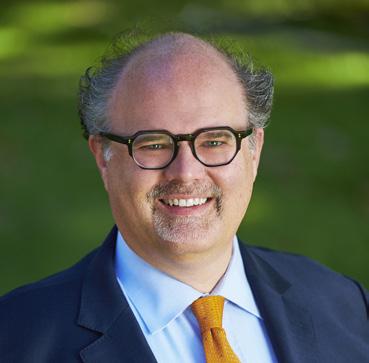




Jarrod B. McNaughton
Chairman of the Board, Manifest MedEx, Chief Executive Officer, Inland Empire Health Plan (IEHP)
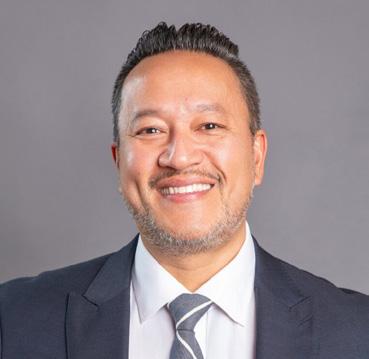
Jeffrey Eaton
Vice President, Chief Product Officer, Carelon

Kerry Heinrich, J.D.
President & Chief Executive Officer, Adventist Health

Deven McGraw, J.D., MPH
Lead, Data Stewardship & Data Sharing, Invitae
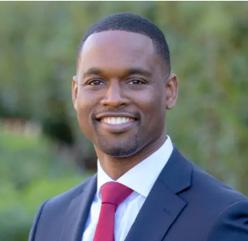
Mark Savage, J.D.
Treasurer of Board, Manifest MedEx Consumer Representative
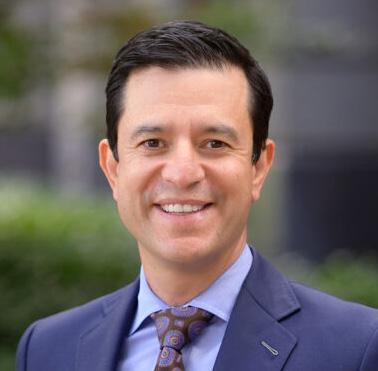
Frank Caporusso
Senior Vice President, Healthcare Quality and Affordability Operations, Blue Shield of CA
Dolores L. Green
Vice Chair of Board, Executive Director, Riverside County Medical Association; CEO, Inland Empire Foundation for Medical Care; Chief Executive Officer, IEHIO
Abner Mason
Chief Strategy and Transformation Officer, GroundGame.Health
Ikenna (Ike) Mmeje
President and Chief Executive Officer, USC Arcadia Hospital (Keck Medicine of USC)
Francisco J. Silva, Esq.
President & Chief Executive Officer, California Primary Care Association (CPCA)
Our Timeline of Data Progress
2011 Inland Empire Health Information Exchange (IEHIE) is formed as a collaboration between Riverside County Medical Association (RCMA), Inland Empire Health Plan (IEHP), and HASC-Riverside and San Bernardino Counties (Hospital Association of Southern California) to facilitate health information exchange.
2014 Anthem Blue Cross and Blue Shield of California partner to launch Cal INDEX, a groundbreaking health data-sharing initiative.
2017 Cal INDEX merges with IEHIE to form Manifest MedEx, with records for more than 11 million people across 150 network partners.
2018 The network launches MX Notify (ADT notifications) and brings on prominent participants including Hill Physicians Group and Stanford Health Care.
2019 Manifest MedEx earns HITRUST® CSF Certification and launches MX Access (longitudinal records) and MX Analyze (population health management tools). Now reaches 17 million Californians.
2020 Supporting urgent public health needs during the COVID pandemic, MX announces sharing health records for 23 million people through the network of more than 600 participating hospitals, health plans, and provider organizations.
2021 MX becomes a Qualified Health Information Organization (QHIO) under the Cal-HOP program to help Medi-Cal providers connect to health information exchanges (HIEs), publishes a major report on the impact of the COVID pandemic on healthcare utilization in California, and earns NCQA designation for validated data streams.
2022 Erica Galvez is named CEO of Manifest MedEx as the network grows to 32 million Californians across more than 125 hospitals, 12 health plans, and 1,500 ambulatory providers. MX is awarded a contract with the California Department of Public Health (CDPH) for electronic lab reporting.
2023 Manifest MedEx is designated a QHIO in the CalHHS Data Exchange Framework (DxF). Tests a universal consent approach through the DHCS Authorization to Share Confidential Medi-Cal Information (ASCMI) Pilot. Also, builds more capabilities to exchange social data and sexual orientation and gender identity (SOGI) data, expands SaPHIRE to include electronic case reporting, and partners with CDPH on a pilot to analyze the potential of HIE data to improve health equity.
2024 The MX network begins sharing real-time information for DxF Participants, launches the California ADT Network — a no-cost, electronic ADT notification exchange — and becomes among the first HIEs in the country to join the Trusted Exchange Framework and Common AgreementTM (TEFCATM).
2025 MX reached a new milestone of delivering clinical, claims, behavioral, and social health information for more than 50 million individuals! Expanded strategic partnerships with community care network platforms, California Mental Health Services Authority (CalMSHA), and Serving Communities Health Information Organization (SCHIO) to grow the network and support whole person care in innovative ways.
2025: A Year of Momentum
As the state’s largest nonprofit health data network, Manifest MedEx is a central source for California’s most comprehensive longitudinal health records. We integrate clinical, claims, and other hard-to-reach data with real-time event notifications to serve every county in the state.
We continued to see significant growth in the breadth of our network across the state in 2025, passing a
major milestone by now delivering data for 50 million individuals.* At the same time, we also expanded the depth of data to add behavioral and social care data as a key strategic goal for the year and part of our highresolution data priority.
A robust year for network growth
Participating organizations on Manifest MedEx rose by 12% to 3,492 in 2025, a 3x increase from five years ago, with the most significant additions among county and state agencies, skilled nursing facilities (SNFs), and health systems.
Number of Participants from 2019 to 2025 — 12% Increase from 2024 to 2025
*This number exceeds the estimated 40-million-person population of California due to population turnover, people moving in and out of the state, and temporary visitors receiving medical care.
We also welcomed a new category of network participants who play a crucial role in the data sharing ecosystem: supplemental service providers. These important providers complement a primary doctor’s care, typically offering specialized diagnostic, therapeutic, or custodial services. Including their data in longitudinal health records helps us provide a more complete picture of a person’s health journey.

Health Plans on Our Network









Supporting county services and programs
Manifest MedEx continued to expand our reach across the entire state in 2025. By the end of the year, we had more than 30 county and state agencies directly connected on our network from El Dorado, Calaveras, San Joaquin, Tuolumne, Stanislaus, Santa Cruz, Merced, Fresno, Tulare, San Luis Obispo, San Bernardino, Ventura, and Riverside counties.
We now have more than half the population covered in 41 out of 58 total counties in California — with Tulare, Kings, and Tuolumne counties close to full coverage based on the 2024 census numbers.
Active Population on MX Network as a Percentage of 2024 Census*







*Active population defined as records with a healthcare interaction from a participant of the MX network, DxF, or national networks, or eligible information from an MX participating health plan, IPA, or ACO from 1/1/25-12/31/25

Thanks in part to our strategic affiliation with SCHIO (more on page 16), individuals with longitudinal health records in Manifest MedEx more than doubled in Monterey and Santa Cruz counties in 2025.
Top 10 Counties with Greatest Increase in Active Records on MX Network

"Partnering with MX gives us the real-time visibility provided by ADTs and longitudinal health records needed to better coordinate care for individuals with the most complex needs, improving outcomes today while establishing a scalable, future-ready data foundation that will support whole-person care at scale and drive long-term innovation."
Michael Selberis, Chief Technology Officer, ClinNEXUS
Increasing SOGI data
By the end of 2025, the Manifest MedEx network contained SOGI information for almost 13.5% of our active population of Californians, and we continue to work with providers, especially community health centers, and their California electronic health records (EHRs) to bring in this critical information to our network. SOGI data helps our participants address health inequities, improve care, and ensure the needs of the LGBTQ+ population are met with privacy -- Manifest MedEx does not share SOGI information outside the state of California.
Ensuring continuity of care after hospitalizations
ADT notifications are a key tool for care teams to support individuals when they have a hospital stay, quickly letting providers know when one of their patients has been through a hospital event so they can follow up.
Manifest MedEx saw data usage on the rise in 2025 with a 35% increase in the number of hospital admit, discharge, and transfer (ADT) notifications delivered each month in MX Notify.
ADTS
34,236,854 TOTAL SENT IN 2025
35% INCREASE
Overall, we saw a strong growth across all message types, with total messages increasing by 17%
Inbound HL7 Message Type Growth by Percentage from 2024 to 2025
Enabling more timely care across California
As a designated QHIO, MX has worked to advance DxF’s goals to foster QHIO-to-QHIO ADT data sharing. In 2025, MX pioneered a novel Fast Healthcare Interoperability Resources® (FHIR)-based approach to ADT sharing among QHIOs that better protects individual data privacy and reduces the net transaction volume between aggregators. Rather than relying on the exchange of panels that contain large amounts of individual demographic data, this modern FHIR transaction enables rapid scalability for the DxF and national ADT exchange without the need for organizations to exchange panels.
As an example, we’re proud of our collaboration with Los Angeles Network for Enhanced Services (LANES), another nonprofit, community driven QHIO, to exchange ADTS through the DxF and better support care in Southern California.
*DxF ADT exchange began May 2025
Total ADTs Exchanged Between MX and LANES in 2025

“In California, an independent network of primary care practices using Manifest MedEx ADT notifications achieved 21–29% reductions in emergency department readmissions, with approximately one in seven Transitional Care Management (TCM) follow-ups preventing hospitalization. These changes translated into an estimated $4.2 million in annual savings through improved care transitions and reduced utilization”
California Health Care Foundation Report “Health Data Exchange Drives Efficiency and Cuts Costs” (2025)
Finding new ways to bring in missing longitudinal data in health records
Longitudinal health records are most powerful when they are most complete, providing a comprehensive view of health encounters and information for a patient. Regional and state-level health data networks participating in the DxF as a QHIO, provide a critical service of working with our communities closely to build trust, enable information exchange, and adhere to local policies. National networks like eHealth Exchange, and frameworks like Carequality and TEFCA, help to close the gaps even further, bringing in missing longitudinal health record information that may exist outside of our network, including with large
California health systems that do not participate in MX, such as Kaiser Permanente, Sharp HealthCare, and several University of California health systems.
In 2025, MX expanded its data exchange through national networks to 11 new California hospitals and health systems, including those above along with Keck Medicine of USC, Tenet Healthcare, City of Hope, and Children’s Hospital of Los Angeles. When an individual on the MX network is admitted to one of these hospitals, national networks provide a pathway for Manifest MedEx to query and retrieve data from these external hospitals to support the clinical care teams on our network.
Non-MX Participant Inbound CCDA Volume by Quarter 2024 to 2025 from DxF and Non-DxF Sources
Delivering beyond the MX network
Manifest MedEx continuously strives to provide complete, accurate, and actionable data to network participants, which requires building connections to health organizations outside of our network that enable us to support care teams and individuals when they seek care outside of our network. We are also committed to supporting Californians when they travel or move out of the state, as well as visitors after they return home — ensuring that the person’s story is kept complete at every point in their health journey. In 2025, we delivered more than 228 million CCDAs outside of the MX network where needed most.
Top 10 Organizations that Queried and Retrieved Records from MX
We expanded our national data exchange thoughtfully and carefully in 2025. By applying extensive filters, this work is in compliance with AB 352, California state law that limits the sharing of sensitive reproductive and gender-affirming health information.
504 Million Patient Discovery, Query for Documents, and Retrieve Document Transactions to Manifest MedEx through eHealth Exchange in 2025
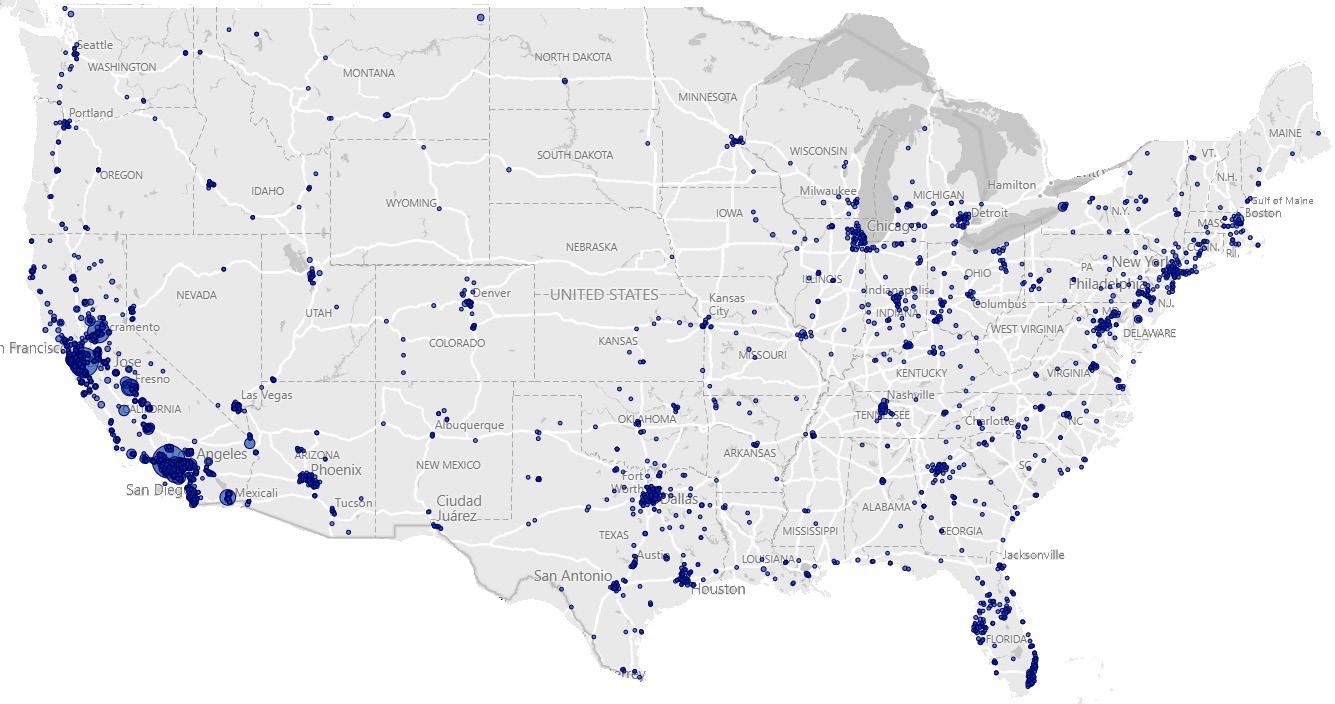
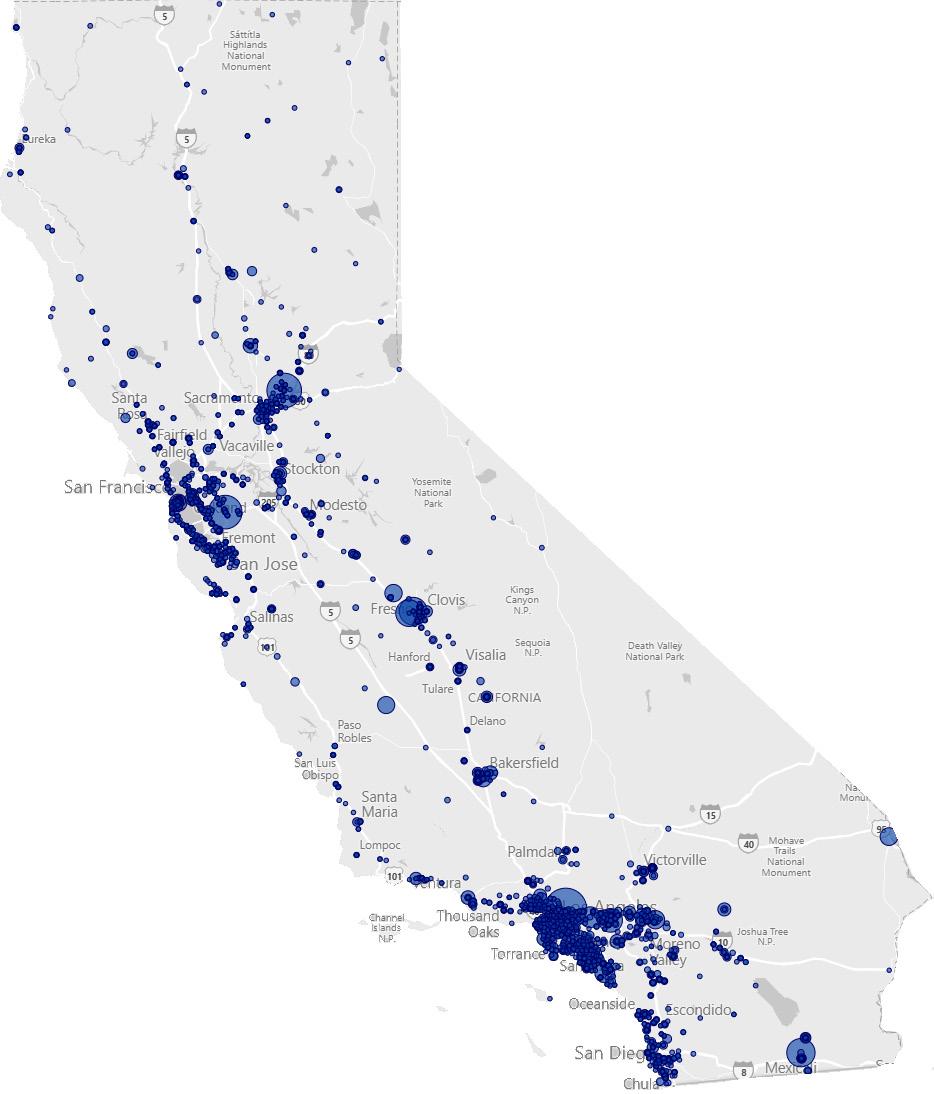
138 million CCDAs delivered in California in Response to Retrieve Document Queries through eHealth Exchange in 2025
Serving Communities Health Information Organization (SCHIO)
In October 2025, SCHIO, one of the oldest and most advanced multistakeholder HIEs in the country, became an affiliate of MX. Under the affiliation arrangement, SCHIO participants join the MX network, serving more than 620,000 members in Santa Cruz and the Bay Area.
By the end of the year, 17 organizations from SCHIO had already joined the MX network, including Central California Alliance for Health, several counties and hospitals, and two large FQHCs in the Santa Cruz area.

“In addition to its statewide connectivity, Manifest MedEx has an impressive depth of network in the Bay Area and a reputation as a trusted leader in the health data exchange space.
I am so pleased that together, we can provide Santa Cruz and the surrounding communities with more enriched, secure, and permitted whole person data and better support CalAIM, public health, and California’s broader health goals.”
Dan Chavez, Executive Director, SCHIO
Increased Community Engagement
MX recognizes that collecting data and using it are two different parts of the data exchange process — and both matter. When our participants turn insights into action, they can better understand and respond to the health needs of their communities. In 2025, we saw a major increase in participant utilization of MX network data, with 40% more records viewed by MX Access users and 32% more MX Notify logins to dive deeper into data after receiving notifications that a patient was admitted, discharged, or transferred from the hospital.
Our team also made several enhancements to MX Notify in 2025, including an improved user interface, more sophisticated filtering, and tools to organize notifications that drove this increased usage. Average Records viewed in MX Access MX Access Logins MX Notify Logins
MX Notify Logins Monthly MX Notify Logins
Manifest MedEx also invested in new ways to collaborate with our local communities on the ground. In 2025, we welcomed four new Regional Executive Directors — Eva Williams, Dr. Ednann Naz, Gabby Lopez, and Charles Alm — and hosted the first regional forum in Southern Inland. This event brought together industry leaders and participants to explore how exchanging clinical, claims, and social services data can accelerate whole person care.

bring together disparate data to create a unique yet comprehensive picture of health data that positively impacts health outcomes.



Elizabeth Landsberg, Director of the California Department of Health Care Access and Information
Dr. Vikram Kumar, M.D., MBA, FAAP, CEO, Ventura County Ambulatory Care
Jarrod McNaughton, Chairman of the Board, Manifest MedEx and CEO, IEHP, and Erica Galvez, CEO, Manifest MedEx
Pictured left to right: Erica Galvez, CEO, Manifest MedEx, and MX’s 2025 Mosaic Award Recipient, Dolores Green, MBA, Executive Director, Riverside County Medical Association; CEO, Inland Empire Foundation for Medical Care; and CEO, IEHIO. This award celebrates those who
Whole Person Care Partnerships
“Whole person data for whole person care” was a top priority for MX in 2025 and will continue to be a primary goal for us in the years ahead. Our team added significant behavioral and social care data contributors to the network through several initiatives:
Enhancing social data
• In the summer of 2025, MX announced that health-related social services (HRSS) organizations could connect and exchange health and social health information through the network to help those experiencing HRSS needs and to support California Advancing and Innovating Medi-Cal (CalAIM).
• Findhelp, the nation’s leading social care technology company, joined with MX in a datasharing partnership designed to ensure that care teams in the Inland Empire using MX Access to coordinate care have visibility into social referrals made through the ConnectIE platform (powered by Findhelp). The partnership underscored both organizations’ commitment to serving communities through data integrity, privacy, and interoperability that is aligned with state and national efforts to modernize data exchange and foster more connected, equitable systems of care.
• At the end of the year, MX also announced collaboration with community care network platforms to provide next generation social health information exchange (SHIE) capabilities leveraging AI and integration across MX’s existing network. We look forward to launching and expanding this SHIE system , MX Engage, in 2026!

Expanding behavioral health sharing
• MX launched a new initiative with CalMHSA to support secure and appropriate data exchange between behavioral health providers and broader care teams across California.
• MX also developed a new policy and framework to enable the permitted sharing of sensitive substance use disorder (SUD) data under the 42 CFR Part 2 and state laws. In 2026, MX will launch role-based access to permitted users to view this data under specific conditions, including if the individual has provided consent.
Supporting successful community reentry for justice-involved populations
The CalAIM Justice-Involved (JI) Reentry Initiative enables eligible incarcerated individuals to enroll in Medi-Cal and receive a targeted set of services up to 90 days prior to release, supporting continuity of coverage, including prescribed medications and durable medical equipment.
Enhanced Care Management (ECM) also provides high-touch care coordination for individuals who are transitioning or have been released within the past 12 months and meet qualifying conditions. ECM services can begin as early as the day of release, with referrals from jails, parole systems, community-based organizations, or self-referral, connecting individuals
to coordinated medical, behavioral health, and social support services.
Layered on top of the initiative are Memoranda of Understanding (MOUs) between Managed Care Plans (MCPs) and county jail systems that outline requirements for care coordination, compliance, and data sharing. Beginning in February 2025, San Joaquin County Jail was among the first counties to go live with the care management provisions in the JI initiative, leveraging a custom-built solution by MX to inform HealthNet and Health Plan of San Joaquin of incarcerated individuals eligible for ECM services and share prerelease care plans. In the fall of 2026, additional counties, including Stanislaus and El Dorado, are expected to go live.

“We’ve
seen how difficult it can be for individuals in need to navigate disconnected systems while managing their health and well-being. By partnering with MX to advance whole person data sharing, we help ensure the right information reaches the right people at the right time, making it easier to connect individuals with care and resources that can truly change lives."
Christine Turner, Chief Operating Officer, Santa Clara Family Health Plan
Public Health Collaboration
Advancing public health infrastructure at the state and county level continues to be a key statewide goal for California that MX is proud to support. In 2025, more than 20 new state and county agencies joined our network, a 190% increase over additions in 2024. We offered new County Population Health Reports to help counties make data-driven decisions that guide, plan, and fund initiatives focused on healthier, more resilient communities. We also continued teaming closely with the CDPH on modernizing statewide public health surveillance and electronic lab reporting.
MX County Population Health Reports
MX’s partnership with Fresno County illustrates this power of timely data exchange to support public health. To address a crisis of growing youth suicide rates in the region, Fresno County launched a prevention pilot with two local school districts. Now, when a student arrives in the emergency department and their diagnosis matches codes associated with self harm, the school is notified securely by email so that the student receives extra support when they return to campus through the Youth Suicide Prevention program.
Privacy matters in all healthcare contexts, but when it comes to sensitive adolescent health data, it is absolutely critical. To help Fresno County manage consent under the strict privacy standards of FERPA and HIPAA, we teamed to enable secure, timely data exchange that will enhance support for adolescents facing suicidal ideation and save lives.
Critical data and measures relevant to a population’s health can be imported into most county databases to generate multidimensional dashboards and analytics. Our robust data network enables MX to offer these reports cost-effectively with limited data sets as defined by HIPAA. These reports give public health leaders a more holistic understanding of communities across eight domains:


Manifest MedEx is a founding member of The Consortium for State and Regional Interoperability (CSRI) — a group of national leaders aligned on advancing individual and population health through robust health data interoperability. In 2025, CSRI launched an innovative Health Data Utility (HDU) Capability model. This free resource offers a stakeholderdriven framework for evaluating the capabilities and maturity of HDUs and supports state health and policy leaders in planning and advancing information infrastructure.
CSRI gathered community feedback on the model in 2025 and announced updates to the resource in 2026. We are proud to participate in this initiative and continue sharing the lessons learned from our work in California with other regions.
Financials
Manifest MedEx is a nonprofit 501(c)(3) and is tax-exempt. Since 2017, our organization has built and scaled critical health data infrastructure across California for 50 million individuals and thousands of clinical and community health organizations.
MX invested more than $19 million in program expenses in 2025 to support network participants, improve data quality, and enable permitted social and behavioral health data exchange, resulting in a total operating loss of -$2.1 million.
In response to the operating losses recorded in 2025, we have taken several steps to strengthen our financial position going forward. We are actively diversifying our funding base to reduce reliance on any single source of revenue, including pursuing new contracts and partnerships that align with our mission, as well as seeking opportunities for philanthropic support. At the same time, we have restructured aspects of our operations to reduce costs and improve efficiency. We believe these combined efforts position us for greater financial stability in the years ahead.
*Excludes one-time grants and non-recurring contribution revenue.
total operating revenue*: $26,233,653
• Health Information Exchange Services Revenue: $21,251,848 (81%)
• Professional Services Revenue: $3,522,000 (13%)
• Interest Income: $1,163,782 (4%)
• Other Revenue: $296,023 (1%)
(68%)
• Management and General Expense: $9,174,216 (32%)
Looking Ahead
This year, Manifest MedEx is putting a stake in the ground. Our vision is simple, but the ambition behind it is not: highresolution data should optimize health and value for everyone. Not just for the systems and organizations that can afford sophisticated data infrastructure, but for every Californian, in every community, regardless of zip code or technological resources. Having closed out 2025, we’re setting the bar high for what a health data network can do, and 2026 marks the beginning of how we move toward it.
In the year ahead, we will see these innovations enter broader use in our California communities and beyond. MX is continuing our focus on being among the first health data networks to bring together SHIE with HIE at scale, bridging the gap between clinical care and the community-based needs that drive 80% of health outcomes.
Artificial intelligence (AI) is revolutionizing every industry, including health information exchange. We see AI as offering opportunities to achieve internal and external goals, including increasing value for network participants and advancing seamless and efficient exchange within the health data sharing ecosystem. MX has been working on a multiyear AI road map, creating guiding principles and building a practical framework to improve the efficiency and quality of operations, products, and services, all while respecting individual privacy and protections of data. This year, we will share more about this process and begin to test use cases as part of our road map.
The path to high-resolution data optimizing health and value for everyone doesn’t run through any one organization. It runs through all of us, community by community, so every Californian benefits. We’re proud to be doing this work, together.

Manifest MedEx is working for a future where:
+ Every individual and their health team can access the high-resolution data needed to optimize health.
+ Comprehensive, shared data empowers all to achieve their best health.
+ Data includes hard-to-reach information like behavioral health and social drivers of health (SDOH) as a standard.
+ Every individual has total confidence that their privacy is respected and the data about their health and well-being is protected and secure.
manifestmedex.org