
The Doctoral Program in Educational Leadership is designed for practicing and prospective leaders and experienced educators in P-12 and higher education, serving schools, districts, private and independent schools, charter schools, colleges, universities, community organizations, and entrepreneurial endeavors. The Doctoral Program in Educational Leadership consists of three pathways and adopts a cohort model enabling students to be part of a dynamic and cohesive community of learners during the EdD program. Currently enrolled students and doctoral alumni are highly accomplished scholarpractitioners who appreciate and have benefited from the value of having a terminal degree in the field of education.
Signature Pathway, established in 2010, provides leadership preparation for individuals interested in leading educational (P-12 public, private, parochial, charter and independent schools) and related nonprofit organizations serving public interest. The Signature Pathway is designed to meet the needs of practicing and aspiring leaders who want to be a catalyst to improve student learning, build strong partnerships, influence professional and policymaking communities, and promote the public’s confidence about the educational enterprise.
In 2013, building on the success of the Manhattanville University's EdD in Educational Leadership, the doctoral core faculty and staff added an innovative degree pathway for advanced Doctoral Students—the Dissertation Completion Pathway. The inaugural Cohort started in January 2014 and shifted to synchronous online in summer 2020. The Dissertation Completion Pathway (DCP) is designed specifically for those who were enrolled in an accredited educational leadership doctoral program and completed all requirements but the dissertation (ABD).
Launched in 2017, the Higher Education Leadership Pathway to the EdD is designed for practicing and aspiring leaders seeking to further develop their skills to meet the challenges facing two-year, four-year, and graduate colleges and universities, and to help shape higher educational institutions in the future. The curriculum in this degree pathway empowers higher education leaders to decisively address challenges and opportunities in today’s climate of change and strategically adapt as agents of change.
By Wendell Berry, from Standing by Words
It may be that when we no longer know what to do we have come to our real work, and that when we no longer know which way to go we have come to our real journey. The mind that is not baffled is not employed. The impeded stream is the one that sings.
Congratulations to the Class of 2026!

Mary K. Humphreys Endowed Scholarship in Special Education Doctoral Award
Outstanding Service to the Doctoral Program in Educational Leadership Award
Ethel Kennedy Award for Human Rights Leadership
Judith Johnson Memorial Award
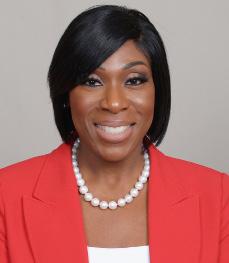
2026 Recipient of the Mary K. Humphreys Endowed Scholarship in Special Education Doctoral Award
The Mary K. Humphreys Endowed Scholarship was established by the Humphreys family to preserve a legacy for Mary who passed away in 2008. Mary, a “career changer,” left the corporate world to complete her graduate degree in education at Manhattanville and pursued her greatest passion -- her love of teaching children with special needs. Starting in 2018, the Humphreys' efforts to preserve Mary's legacy extended the award to the doctoral program. The doctoral award is given to scholar-practitioners whose research focuses on programs and practices related to helping students with special needs and/or disabilities. The recipient possesses a "deep" interest in the welfare and teaching of children with special needs.
The 2026 award recipient is Dr. Tiffany Crockett, who has nearly 25 years of experience in a range of instructional and leadership roles, including special education teacher, achievement coach, special education co-teaching facilitator, REAL grant coordinator, assistant principal, and founding principal of Sonia Sotomayor School No. 21 in New Jersey. She currently serves as the principal of Ellen Ochoa School No. 22, where she leads school-wide initiatives focused on inclusive practices, instructional excellence, and student achievement.
As a former special education teacher with extensive experience in the field, and a former adjunct professor involved in the training and development of future educators, her perspective on novice special education teachers' preparation and readiness to instruct autistic students is deeply rooted in both practical experience and academic inquiry. Having navigated the complexities of classroom dynamics, individualized education plans, and the diverse needs of students on the autism spectrum, Tiffany brings a firsthand understanding of the challenges and successes that shape effective teaching practices in this domain.
Tiffany’s dissertation, "PERCEPTIONS OF NOVICE SPECIAL EDUCATION TEACHERS’ PREPARATION TO TEACH STUDENTS WITH AUTISM SPECTRUM DISORDER," investigated the ways novice special education teachers receive and seek preparation for the unique challenges associated with instructing students diagnosed with autism spectrum disorder. Her goal is to equip novice teachers with the resources and the conviction to triumph in addressing the requirements of their learners with disabilities. Tiffany remains committed to advancing equitable, inclusive, and high-quality educational opportunities for all learners.
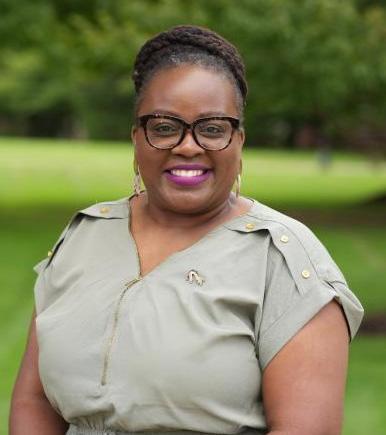
The Outstanding Service Award is presented to a doctoral student who has provided exemplary contributions to the doctoral program, School of Education, and/or college. Recipients of this award are trailblazers who use their research and/or professional networks and/or leadership skills to inspire others and effect change in the Manhattanville University Doctoral Program community.
The 2026 recipient of the Outstanding Service Award is Denise Reneé Dawkins. Denise exemplifies the spirit of service that strengthens a doctoral community and reflects the collaborative leadership values that the program seeks to cultivate.
Throughout her time in the program, Denise has consistently demonstrated a willingness to contribute beyond her own academic responsibilities. She has generously volunteered her time to participate in program information sessions, where she shares thoughtful insights about the doctoral experience with prospective students. She speaks candidly about the challenges and rewards of doctoral study, offering encouragement, advice, and practical guidance to those considering or beginning the program. In doing so, she helps build a sense of connection and belonging even before students formally join the Manhattanville community. It should be noted that her own trajectory through the program was not the smoothest, yet she always greets everyone with optimism and a warm smile. Her openness and authenticity help potential applicants gain a realistic and encouraging understanding of the program, and her presence reflects the supportive community that defines Manhattanville’s doctoral cohort.
Denise has also been an active and dependable contributor to departmental events like “Starting Strong” or the annual Graduate Research Forum. Whether assisting with logistics, welcoming guests, or helping ensure that events run smoothly, she approaches these opportunities with professionalism and enthusiasm. Her willingness to step forward and support the success of the program. As embodied in her personal motto: “Reach back, Lift up,” Denise’s generosity of time and spirit warrant recognition for her Outstanding Service.
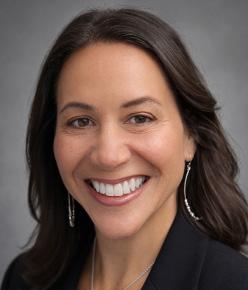
Ethel Kennedy, a Manhattanville graduate in 1949, was the wife of Robert F. Kennedy. She often was at the forefront of many pivotal events in the mid-20th century, including the McCarthy hearings, the Civil Rights movement, the Cuban Missile Crisis, the groundbreaking political elections of the 1960’s, and the battle for labor rights. Shortly after the June 5, 1968 assassination of her husband, Mrs. Kennedy founded the Robert F. Kennedy Center for Justice and Human Rights, a nonprofit charity aimed toward RFK’s dream of a more just and peaceful world. A political force in her own right, Ethel has personally tackled human rights issues both at home and abroad. She has marched with Cesar Chavez, sat with Native Americans at Alcatraz, demonstrated outside the South African and Chinese embassies, joined the Global March for Children, among many other human rights issues, including and (at the age of 87) boycotting and protesting fast food businesses with the Coalition of Immokalee Workers. In recognition of her impressive life’s work, President Obama, in 2014, presented Ethel Kennedy with the Medal of Freedom, the highest civilian honor. In 2020, the Doctoral Program established the Ethel Kennedy Award for Human Rights Leadership, with support from Dr. Joanne Marien, to further honor Mrs. Kennedy by recognizing others’ shared passion for promoting human rights..
The 2026 recipient of the Ethel Kennedy Award for Human Rights Leadership is Dr. Nelyda Perez. Nelyda, who has 25 years of experience, currently serves as Superintendent of Schools for the Matawan Aberdeen Regional School District (MARSD), making history as the district's first female Superintendent. At MARSD, she led the development of a transition program for students aged 18 to 21 with special needs, expanded the Autism program across all grade levels, and enhanced community-based learning initiatives. She is also a co-founder of the K.E.Y.S. Academy (Knowledge Empowers Youth & Sobriety), the second Recovery High School in New Jersey, established in January 2018, which offers high school students grappling with drug and alcohol addiction a supportive environment to pursue sobriety while continuing their education, ensuring they can successfully graduate. Finally, as co-founder of the Monmouth County Partnership for Wellness, she is recognized as a leader in this crucial area that supports the social-emotional well-being and academic success of all students.
Her research investigated how suburban elementary school principals define and implement culturally responsive leadership practices to address the social and academic needs of an increasingly diverse student population. From the start of her career as a Bilingual Social Worker to her leadership of the New Jersey Association of School Administrators (NJASA) and recent recognition as Superintendent of the Year by the New Jersey Association of Latino Administrators and Superintendents (NJALAS), Nelyda’s work strongly aligns with the spirit of this award and honors the legacy of Ethel Kennedy’s commitment to human rights.

This award is given by the Manhattanville University Doctoral Program in memory of Judith Johnson, who was described as the “best known educator in the Lower Hudson Valley, who fought for educational equity for decades and represented the region on the state Board of Regents since 2015” (Gary Stern, Journal News, October 22, 2019). Judith began her career as a teacher in New York City prior to moving into administrative roles for the Mamaroneck, Southern Westchester BOCES, Nyack, Peekskill, Mount Vernon, and White Plains school systems. Recruited by the Clinton administration in 1996, Judith served as the Deputy Assistant Secretary of Education and then the Acting Assistant Secretary for Elementary Education before returning to Westchester where she led two school districts. In 2008, Johnson was named New York State School Superintendent of the Year, making her the first African American to receive the honor from the New York State Council of School Superintendents. Judith was best known as an untiring force for seeking equity for all students. In 2020, Judith Johnson (a doctoral student at the time of her passing) was recognized by Manhattanville with a posthumous honorary doctorate in acknowledgement of her outstanding commitment to education, and this award was established to recognize a doctoral student whose work reflects Ms. Johnson’s legacy.
The 2026 recipient of the Judith Johnson Memorial Scholarship is Dr. Luis Guerrero-Reyes, who brings a remarkable breadth of experience across multiple levels of the New York City public education system. His professional trajectory—from classroom teacher to department chair, dean of students, and a program associate in the Office of Student Pathways—demonstrates both depth of practice and an increasing capacity to influence educational systems. At every stage of his career, Luis has centered the needs of students from historically underserved communities and worked to ensure that schools provide meaningful pathways to college, career, and civic participation. His work with organizations such as the Puerto Rican/Hispanic Youth Leadership Institute (PRHYLI) further illustrates his commitment to empowering young people—particularly Hispanic and multilingual students—to see themselves as leaders and advocates in their communities. He is currently drafting his dissertation proposal, “Raíces que Renacen: Educator Perspectives on the Impact of the Community Schools Model on Immigrant-Origin Students: A Qualitative Case Study of New York State School Districts” which seeks to examine the immigrant student intake process in community school districts in New York state. Drawing on Latino Critical Theory, the purpose of his critical qualitative study is to describe the perception educators involved in the intake process of immigrant children have of their response to the educational, emotional needs of students they serve. His efforts to advance educational equity, strengthen leadership across school systems, and create opportunities for students and communities that have historically been underserved exemplifies the legacy of Judith Johnson.
Dr. Bryan Eric Arochas
Dr. Tracey-Ann N. Barclay
Dr. Tiffany Kimyata Crockett
Dr. Regina Cunningham
Dr. Terry Jerome Dade
Dr. Sergio Davila
Dr. Denise Reneé Dawkins
Dr. Chelsea Olivia Dicker
Dr. Georgianna Diopoulos-Grogan
Dr. Patrice Joan Dobies
Dr. Jude Fleurismond
Dr. Colleen M Fratinardo
Dr. Jerry Griffin
Dr. Aaron S. Hanlin
Dr. Denise Kimberlynn Harper-Richardson
Dr. Iskra Del Alba Hernández Rosado*
Dr. Melissa Anne Iamonico
Dr. Cori Ann Boss Jackson
Dr. Erin Kaplan
Dr. Daniel P. Kelley
Dr. Elena Kwoka
Dr. Alexandra Lafontaine-Casabona
Dr. Nurys H. LeBron
Dr. Teresa Carmela Letizia
Dr. Antoinette Joyce Mattis
Dr. Meghan McGourty*
Dr. Kayla Miranda Morales
Dr. Nelyda Perez
Dr. Doreen Marie Pontius
Dr. Mariya Pushkantser
Dr. Jason Rodriquez
Dr. Jessica Anne Shaw
Dr. Melissa E. Solis
Dr. Sharon Denise Spencer
Dr. Kerri B. Stroka*
Dr. Maria Regina Tartaglione
Dr. Jennifer McCarthy Templeton
Dr. Alan J. Tenreiro
Dr. Andrea Beth Tolliver
Dr. Yvette Edith Torres*
Dr. Erik Van Gunten
Dr. Lynn Ann Wills
* Dissertations with Distinction are recognized by the doctoral faculty as significant in one or more of the following ways: methodological, theoretical, and/or contributions to contemporary practices.
Abstract
Signature Pathway Cohort 15
Dissertation Committee
Chair: Dr. Kenneth Mitchell
Members: Dr. Robert Feirsen and Dr. Frank Zamperlin
Overview of Problem: School shootings have become an increasingly frequent and tragic reality in the United States, prompting schools to implement lockdown drills as a key safety measure. Despite their widespread use, there is limited research on how teachers perceive these drills or how effectively they prepare staff and students for real emergencies. Understanding teachers’ perspectives is essential to improving the design and implementation of lockdown procedures while balancing safety and emotional well-being.
Research Purpose: The purpose of this interpretive qualitative study is to explore how suburban public high school teachers make sense of lockdown drills, focusing on the design, implementation, and teacher preparedness. Drawing upon Weick’s (1995) sensemaking theory, this study focused on how suburban public high school teachers perceived and make meaning of lockdown drills based on their experiences, the implementation process, and their sense of preparedness.
Research Design: Interpretive methodology with qualitative methods.
Sample: This study included 15 suburban public high school teachers from southeastern New York, each with at least five years of experience, who varied in years of teaching, subject area, and overall school experience.
Data Collection and Analysis: I conducted semi-structured interviews with 15 suburban public high school teachers to gain insights into the perspectives of stakeholders regarding lockdown drills. During data analysis, I applied an inductive approach to identify emerging patterns in the data using in vivo and process coding. I used Delve, qualitative data analysis software, to manage the analytic process.
Findings/Results: Five themes emerged illuminating teacher experiences with lockdown drills and the factors that influence how they perceive school safety procedures: 1) tensions between protocols and personal judgement; 2) physical space and its influence on lockdown drills; 3) student experience and behavioral response; 4) culture of school safety; and 5) procedural communication surrounding lockdown drills.
Conclusions/Implications: This study contributed to the ongoing research on how school safety procedures are interpreted by revealing that teachers’ perception are shaped by discrepancies between established protocols and personal judgement, physical classroom conditions, student responses, and school culture. This study highlighted the importance of practical and informed training with clear communication to enhance the effectiveness of the lockdown drills.
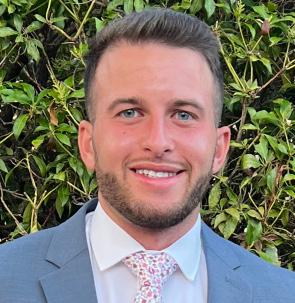
Bryan Arochas is a Mathematics Teacher and Dean of Students at Floral Park Memorial High School in New York. He received his bachelor’s degree in adolescent education in mathematics from SUNY Cortland and his masters in adolescent special education from Hunter College.
Bryan’s mission in life is to help all students succeed both in and out of the classroom. He strongly believes in the importance of differentiating my teaching style to help students of all varieties and backgrounds. Bryan is passionate about leadership, equity in education, and creating a supportive school environment.
Bryan is currently working to get his advanced certification in School Building and School District Leadership at Manhattanville University.

Dissertation Completion Pathway Cohort 1
DISSERTATION TITLE
Occupational Therapists’ Perceptions of Interprofessional Collaboration with Educational Stakeholders in U.S. Pre-K–12 Education
Dissertation Committee
Chair: Dr. Peter F. Troiano
Members: Dr. Victoria Fantozzi and Dr. Joyce Digby-Nelson
Overview of Problem: Occupational therapists have been present in pre-K-12 classrooms due to federal legislation ensuring the right of all children to free and appropriate education (FAPE) in the least restrictive environment. However, few studies examine collaborative efforts between occupational therapists and other educational professionals.
Research Purpose: The purpose of this qualitative descriptive study was to understand school-based occupational therapists’ perceptions of collaboration with parents, teachers, and other educational stakeholders. This study was guided by two theoretical foundations: the theory of collaborative advantage and the equitable collaboration framework. Research Design: The descriptive, qualitative research tradition was chosen for this study since there are few accounts of occupational therapists’ perceptions in the literature. Within the qualitative tradition, descriptive research is exploratory in nature and aims to explore, describe, and define a phenomenon (Prosek & Gibson, 2021).
Sample: The sample was comprised of 16 school-based occupational therapists meeting the following inclusion criteria: (a) licensed occupational therapist, (b) employed full-time by a pre-K-12 public school in the United States, and (c) have at least 5 years of experience.
Data Collection and Analysis: Two qualitative sources were utilized to collect data in this qualitative descriptive study: virtual, one-on-one, semi-structured interviews and two virtual focus groups. Thematic analysis was used to extract meaningful themes and patterns from verbal data collected from qualitative data.
Findings/Results: The themes of Variability and Complexity of Collaboration Dynamics, Role Ambiguity and Communication Barriers and Strategies emerged from the data.
Conclusions/Implications: Based on their collective perceptions, the participants expressed the need for policy shifts that: create pathways for OTs to become school administrators, require coursework on school-based collaboration in post-secondary institutions and afford OTs opportunities to engage in decision-making at the school and district levels, thus creating environments for strategic discourse that promotes student development.
Tracey-Ann N. Barclay, a Senior Occupational Therapist with New York City Public Schools' special education program, bringing over 20+ years of expertise as an astute clinician, OT Fieldwork Coordinator, Senior Instructional Therapist, and Fieldwork Supervisor. Her international impact includes serving as 2016 keynote speaker at Jamaica's Northeast Regional Health AuthorityChild and Adolescent Mental Health Conference (Ocho Rios) and workshop presenter at University of West Indies (Mona Campus). Her commitment to service extends through memberships in Delta Sigma Theta Sorority, Inc. and the National Association of University Women. Equally dedicated to family and community, she embraces her roles as devoted daughter, sister, aunt, godmother, and mentor. Dr. Barclay embodies the belief that professional excellence and personal relationships together create meaningful change.
Dissertation Committee
Chair: Dr. Peter F. Troiano
Members: Dr. Leif Albright and Dr. Christopher C. Irving
Overview of Problem: Despite completing state-approved teacher preparation programs, many novice special education teachers report feeling underprepared to effectively instruct students with autism spectrum disorder (ASD), particularly as more students are educated in inclusive, in-district settings rather than out-of-district placements. Understanding how novice special education teachers perceive their preparation is essential for improving teacher preparation programs and supporting inclusive educational practices.
Research Purpose: The purpose of this interpretive qualitative study was to investigate the ways novice special education teachers receive and seek preparation for the unique challenges associated with instructing students diagnosed with autism spectrum disorder. Guided by Bandura’s self-efficacy theory, the study explored teachers’ perceptions of their pre-service preparation, early professional development experiences, and factors influencing their perceived preparedness and confidence when teaching students with ASD in elementary school settings.
Research Design: This study employed an interpretive qualitative research design.
Sample: Eleven novice special education teachers employed in schools across multiple school districts in New Jersey who were within their first five years of teaching students with autism spectrum disorder.
Data Collection and Analysis: Data were collected through semi-structured individual interviews conducted via Zoom. Transcripts were analyzed using thematic analysis following Braun and Clarke’s six-phase framework.
Findings/Results: Three major themes emerged from the data analysis: 1) Experiential and relational pathways to skill acquisition and knowledge, highlighting the importance of hands-on learning, mentoring, and collaboration; 2) Factors contributing to perceived preparedness or lack of preparedness, including field experiences, administrative support, and access to targeted professional development; and 3) Perceived level of professional development in instructing students with ASD, emphasizing inconsistencies in the relevance, depth, and timing of professional learning opportunities.
Conclusions/Implications: While novice special education teachers value their pre-service preparation, many feel insufficiently prepared to meet the complex needs of students with ASD without sustained, targeted support. Implications suggest a need for teacher preparation programs to incorporate more authentic field experiences, explicit training in evidence-based ASD practices, and stronger university–district partnerships. Enhancing early-career professional development and mentoring structures may improve teacher self-efficacy, instructional effectiveness, and long-term retention in special education.
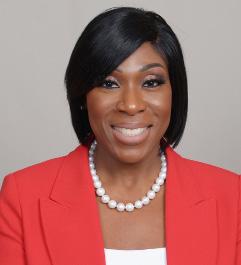
Tiffany K. Crockett has more than 21 years of experience in education, Tiffany has served in a range of instructional and leadership roles, including special education teacher, achievement coach, special education co-teaching facilitator, REAL grant coordinator, assistant principal, and founding principal of Sonia Sotomayor School No. 21 in New Jersey. She currently serves as the principal of Ellen Ochoa School No. 22, where she leads school-wide initiatives focused on inclusive practices, instructional excellence, and student achievement. In addition to her K–12 leadership, Tiffany has served as an adjunct professor at William Paterson University in the middle and secondary education department, contributing to the preparation of future educators. Her professional experiences also include facilitating district-wide professional development and presenting at state and regional educational conferences.Tiffany’s work is guided by the belief that leadership is influence. She remains committed to advancing equitable, inclusive, and high-quality educational opportunities for all learners.

School Lockdown Drills: Understanding the Role of School Mental Health Professionals in Supporting Students
Dissertation Committee
Chair: Dr. Kenneth Mitchell
Members: Dr. Joanne Marien and Dr. Amanda Nickerson
Overview of Problem: Schools prioritize emergency preparedness and physical safety; yet the psychological impact of safety protocols, specifically lockdown drills, on students’ well-being across varying age groups remains underexplored. Limited research examines the role school mental health professionals play in supporting students, both physically and emotionally, during these drills.
Research Purpose: This purpose of this qualitative study was to explore and understand the experiences of school mental health professionals during lockdown drills and their perceptions of the effects of lockdown drills on the emotional well-being of students in Grades 5–8. A second purpose was to describe the role school mental health professionals have in supporting students pre-, during, and/or post-lockdown drills.
Research Design: Interpretive qualitative research design that drew upon Lazarus & Folkman’s (1984) transactional model of stress and coping theory.
Sample: Sixteen school mental health professionals who work with grades 5-8 students in New York State’s Hudson Valley region for at last three years.
Data Collection and Analysis: Data were collected through semi-structured interviews and analyzed using Yin’s (2016) phases of qualitative analysis from which four themes emerged.
Findings/Results: School mental health professionals are frequently assigned security-related tasks during lockdown drills, limiting their ability to provide clinical care and creating a conflict with their professional role. Many experience personal stress, feeling responsible for physically protecting students in potential threatening situations.
Conclusions/Implications: This study found that school mental health professionals view lockdown drills as normalized but often distressing experiences that can negatively affect students’ emotional well-being. A significant gap identified is the lack of trauma-informed practices, including limited training and absence of post-drill debriefing. The findings suggest schools should treat drills as psychological, not just technical, events by incorporating trauma-informed approaches, targeted support, and structured opportunities for students to process their experiences.
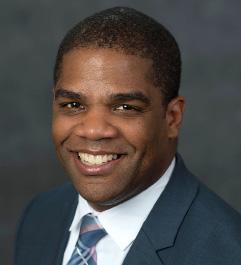
Gina Cunningham began her career as an elementary special education teacher in the Clarkstown Central School District in 1997 before relocating to Boston, MA where she earned her Master of Science and Certificate of Advanced Study (CAGS) degrees in School Psychology. Her first role as a school psychologist began in 2001 at Wakefield High School, a suburban Boston school district, where she supported emotionally disabled students in a therapeutic program. Returning home to New York in 2005, she entered the Byram Hills School District for the first time as a school psychologist at HCC Middle School. During her 11-year tenure in this role, she earned the 2014 Teacher Recognition Award. Gina transitioned to her first administrative role in 2016 when she became an assistant principal at Byram Hills High School. Since 2018, Gina has been the Assistant Superintendent for Human Resources in Byram Hills School District in Armonk, NY. Gina served on the Lower Hudson Council of School Personnel Administrators (LHCSPA) Executive Board for four years where she served as treasurer for two years and most recently as president for two years. In collaboration with her LHCSPA colleagues, Gina has focused on advocacy efforts to revise and enhance recruitment, processes, and employment opportunities within the Civil Service Employees Association (CSEA).
Dissertation Completion Pathway Cohort 4
DISSERTATION TITLE
Fostering Collective Teacher Efficacy in High-Poverty, High-Achievement Elementary Schools
Dissertation Committee
Chair: Dr. Peter F. Troiano
Members: Dr. Martin Fitzgerald and Dr. Phyllis Pajardo
Overview of Problem: Closing achievement gaps, particularly the gaps related to poverty, has been a primary focus for educators and leaders for decades (Hattie & Zierer, 2018; NCES, 2023). As educators continue to grapple with mitigating the impact that poverty has on student achievement, research on collective teacher efficacy continues to be a promising construct for increasing equitable achievement outcomes for all students. Collective teacher efficacy is defined as a group of teachers’ shared belief that they can positively impact student achievement (Goddard, Hoy, & Woolfolk Hoy, 2004).
Research Purpose: Building on existing research that has found a positive and significant relationship between the collective efficacy of a staff and the school’s achievement outcomes, this qualitative study examined the leadership actions that foster the collective efficacy of a school’s staff. The overall research question was: How do principals foster the collective efficacy of their teachers in high-poverty, high-achievement elementary schools?
Research Design: Qualitative study that drew upon Bandura’s (1986) social cognitive theory and Donohoo’s (2020) research on leading for collective efficacy.
Sample: 16 elementary school principals
Data Collection and Analysis: Semi-structured interviews, during which principals reflected on the leadership actions and practices that led to high-achievement in their high-poverty elementary schools, along with practices and conditions that enhance the collective efficacy of their teachers.
Findings/Results: The leadership practices which enhanced collective teacher efficacy all fell under the themes of (a) inspiring a shared vision; (b) developing trusting relationships; (c) establishing a Professional Learning Community; and (d) building teacher capacity.
Conclusions/Implications: This study yielded recommendations for principals, principal supervisors, and leadership development programs.
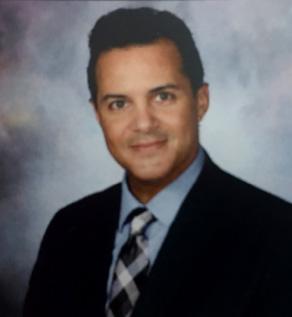
Terry J. Dade has more than 25 years of experience in public education including 18 years in leadership roles. He was just named the next Superintendent of Falls Church City Public Schools in Virginia. Terry is currently the Superintendent of Schools for the Cornwall Central School District where he has proudly served for the past five years. He has formerly served as an elementary school teacher, assistant principal, and principal in Washington, D.C. and Virginia. He then went on to be an executive principal and a region assistant superintendent with Fairfax County Public Schools, also in Virginia. Terry is the proud father of five amazing children, and spends his free time hanging out with them and his lovely wife.
Abstract
Signature Pathway Cohort 13
Qualitative Study of the English Language Arts Regents Requirement for Newcomer Hispanics to Graduate High School
Dissertation Committee
Chair: Dr. Yiping Wan
Members: Dr. Kenneth Mitchell and Dr. Dulce Barker
Overview of Problem: The English Language Arts (ELA) Regents exam is a key graduation requirement in New York State. However, this standardized assessment may present inequitable challenges for Newcomer Hispanic English learners (NHELs), whose academic progress and graduation outcomes are often impacted by linguistic and cultural barriers.
Research Purpose: This study explored English as a New Language (ENL) teachers’ perceptions of the equity of the ELA Regents exam as a graduation requirement for NHELs in New York State. Guided by educational equity theory, which emphasizes fairness, inclusivity (Mu et al., 2013), and the removal of barriers to success (Noguera, 2019), the study aimed to understand how this requirement affects NHELs’ ability to attain a high school diploma and to identify ways to provide more equitable assessment options for this population.
Research Design: Qualitative study using semistructured interviews to explore ENL teachers' perceptions through an equity-focused lens.
Sample: Eleven ENL teachers from four suburban high schools in the NYC metro area participated. Schools were selected for their large Hispanic student populations (at least 60%), including NHELs. All teachers had a minimum of 3 years of experience and were recommended by their supervisors.
Data Collection and Analysis: Data were collected through semistructured interviews. Inductive and deductive coding, supported by Delve software, were used to analyze transcripts. Bracketing helped reduce bias, and Creswell’s sevenstep process guided theme development.
Findings/Results: Participants consistently expressed concerns about the fairness and appropriateness of the ELA Regents exam for NHELs. Findings suggested the exam does not sufficiently account for the unique linguistic and cultural challenges faced by these students and may contribute to increased dropout risks. Teachers recommended more inclusive and flexible assessment options.
Conclusions/Implications: Although intended to uphold standards, the ELA Regents exam may disadvantage NHELs. The study supports policy revisions to include alternative assessments that advance equity and improve graduation outcomes.
Sergio Dávila has been an educator since 1999 in public and private schools in suburban and urban settings in the capacities of teacher, chairperson, assistant principal, and principal. He began his educational career as a full-time substitute teacher in Liverpool Central School District in Liverpool, New York, serving primarily as a Spanish language teacher at Liverpool High School. Sergio currently serves as the principal of The Hallen School, a K-12 private 853 school in New Rochelle, NY. He is deeply committed to fostering an educational environment that ensures equity and accessibility for all students.
He earned a Bachelor of Arts in Music at the University of Delaware in Newark, Delaware, a Master of Science in School Administration and Supervision from Manhattan University in Riverdale, New York, and a Certificate of Advanced Study in School District Leadership from Manhattanville University in Purchase, New York. Sergio lives in the lower Hudson Valley with his wife, Michele Dávila.
Abstract
DISSERTATION TITLE
Unseen & Unheard: Interpreting Culture & Academic Lived Experiences of Autistic Black Male Students Through an IPA
Dissertation Committee
Chair: Dr. Nora C.R. Broege
Members: Dr. Martin Fitzgerald and Dr. Vivienne Felix
Overview of Problem: Studies have revealed autism spectrum disorder is rapidly growing, more so in males than females; yet, minority Autistic communities are invisible in research. Learning best practices to support and provide adequate resources to this community is crucial.
Research Purpose: The purpose for this qualitative study was to explore how Autistic Black male students navigate through academic and social experiences.
Research Design: Utilizing Interpretative Phenomenological Analysis, this research investigated the social and academic transitions of Autistic Black male students as they maneuvered through academic and socioemotional journeys seeking support, intellect, and understanding. The study integrates Transition Theory and Culturally Responsive Pedagogy to provide a deep understanding of their unique lived experiences.
Sample: Six Autistic Black males between the ages of 21-29. Participants were recruited by colleagues, social media, snowball sampling, disability-emphasizing minority autistic support groups, and collegiate accommodations offices. Data Collection and Analysis: Data were collected through semi-conversational interviews with participants and analyzed to illuminate their transitions and development of academic and social identities.
Findings/Results: Four themes: cultural understanding; struggling with support; challenges; and the journey. While participants exhibited varying levels of resilience toward systemic challenges, their collective narratives underscored a plea for enhanced community assessments and sustained opportunities for self-discovery. These findings highlighted how restricted access to support manifests as frustration and a sense of being “unseen or unheard.”
Conclusions/Implications: This study illuminated that Autistic Black males’ academic persistence is inextricably linked to a “motherly pedagogy” (Gay; Ladson-Billings) characterized by support and warmth rather than rigidity and institutional ableism. This demands that institutions shift the burden of change away from the student, reframing neurodiversity and Blackness as strengths. Ultimately, by integrating inclusionary supportive measures with academic services educators can restore student’s self-concept, transforming the classroom from a site of survival into a pathway for success.
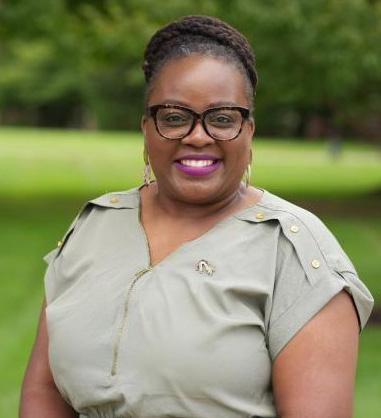
Denise Reneé Dawkins is a higher education professional with over 17 years of experience across Historically Black Colleges and Universities, private liberal arts institutions, and state-funded agencies. Her expertise includes academic program development, federally funded initiatives, student support services, Title IX conduct, reaccreditation, staff development, and diversity initiatives. Originally from North Carolina with Jamaican heritage, she relocated to New York in 2014 to advance her career. Denise holds a B.S. in Human Resource Management from Winston-Salem State University and an M.S. in Adult Education with a concentration in Higher Education Administration and Student Support from North Carolina A&T State University. In her most recent role at Dominican University New York, she works to streamline administrative processes, build strong and lasting relationships with students particularly Brown and Black students creating pathways to decrease academic and social identity challenges. But most importantly serve as a dedicated student advocate. Her lifetime motto is “Reach back, Lift up.”

Never Off Duty: Exploring Perceived Organizational Support Among Childcare Workers Who are Mothers Navigating Dual Caregiving Roles
Dissertation Committee
Chair: Dr. Susan V. Iverson
Members: Dr. Lisa Beck and Dr. Emily Creamer
Overview of Problem: Childcare workers who are also mothers of young children represent a vital segment of the early childhood education (ECE) workforce in the United States. Despite their critical role, childcare workers continue to face low wages, limited benefits, and high emotional labor, which contribute to workforce instability and turnover rates approaching 27%.
Research Purpose: The purpose of this qualitative study is to describe the experiences of childcare workers who are mothers of childcare-age children. Drawing upon Eisenberger et al.’s (1986) Organizational Support Theory, this study seeks to understand childcare workers’ perceptions concerning the extent to which their workplace values their contribution and cares about their well-being.
Research Design: This study utilized a qualitative design with an interpretive inquiry approach to provide a lens for understanding how participants construct meaning from their organizational experiences and form perceptions of support.
Sample: A purposive sample of 15 full-time childcare workers employed in private childcare centers across the United States who are mothers of at least one child between the ages of zero and five were recruited.
Data Collection and Analysis: Data were gathered through semi-structured interviews conducted via Zoom, lasting approximately 60 minutes. Data were analyzed using inductive coding, allowing themes to develop from participants’ narratives, and were interpreted through the lens of Organizational Support Theory to understand how participants perceived workplace support while navigating their dual roles as childcare workers and mothers.
Findings/Results: Four primary themes developed from the analysis: (a) a double standard of care, (b) the need for flexibility, (c) exhaustion and stress associated with double-duty caregiving, and (d) support for navigating motherhood.
Conclusions/Implications: While participants expressed strong commitment to the caregiving profession, their perceptions of organizational support were influenced by the presence (or absence) of flexibility, empathetic leadership, and organizational benefits such as discounted childcare. The study highlights the importance of implementing organizational practices that recognize employees’ dual caregiving roles, including to institutionalize flexible scheduling, strengthen staffing support systems, provide mental health and wellness resources, and expand childcare benefits for employees.
Chelsea Dicker is the Director of Curriculum for The Learning Experience, a global franchise childcare company dedicated to high-quality early childhood education. In her role, Chelsea leads curriculum development and instructional innovation efforts, supporting curriculum implementation with fidelity. Chelsea began her career in education as an elementary school teacher and later served as a curriculum coach, partnering with teachers to strengthen instructional practices and promote meaningful learning experiences for young children. These experiences shaped her commitment to supporting educators and advocating for systems that value and sustain those who work in education. She earned her bachelor’s degree in interdisciplinary studies and her Masters in the Art of Teaching from James Madison University. In addition to her professional work, Chelsea is a working mother whose lived experiences inform her leadership and scholarship. Chelsea resides in Delray Beach, Florida with her husband, Jeremy, and their two children, Marlie and Bea.
The Impact of Instructional Period Length on Student Achievement for Seventh- and Eighth-Grade
Dissertation Committee
Chair: Dr. Nora C.R. Broege
Members: Dr. Peter F. Troiano and Dr. Robert Feirsen
Overview of Problem: Middle-level educators face ongoing challenges in designing effective school schedules that enhance academic outcomes, particularly in English language arts (ELA). Although increased instructional time can improve student achievement, the optimal length of instructional periods remains unclear and may be subject to diminishing returns.
Research Purpose: This study investigated the relationship between instructional period length and student achievement in ELA among seventh- and eighth-grade students in New York state middle schools.
Research Design: Quantitative, correlational research design; framed by the economic principle of diminishing returns, the research explored how varying lengths of instructional periods impacted proficiency on standardized assessments.
Sample: The study used a statewide survey of 55 middle school principals across New York state.
Data Collection and Analysis: Survey responses regarding scheduling models and instructional period lengths were cross-referenced with publicly available New York state ELA Assessment data from the New York State Report Card. Statistical analyses, including correlation and regression analyses, were conducted to evaluate the relationship between instructional period length and the percentage of students achieving proficiency (i.e., Levels 3 and 4).
Findings/Results: The findings revealed a weak but statistically significant positive correlation between increased instructional time and student achievement, with a more notable impact at the highest proficiency level (i.e., Level 4). Although proficiency rates rose incrementally with longer periods, the relationship was not strictly linear. Periods lasting 40–45 minutes were linked to higher achievement than both shorter periods (under 40 minutes) and extended periods (over 60 minutes).
Conclusions/Implications: These findings highlighted the need for educational leaders to make informed, data-driven scheduling decisions that balance time allocation with instructional quality. Optimizing instructional periods—alongside consideration of broader school and student factors—can lead to improved academic outcomes in middle-level ELA education.
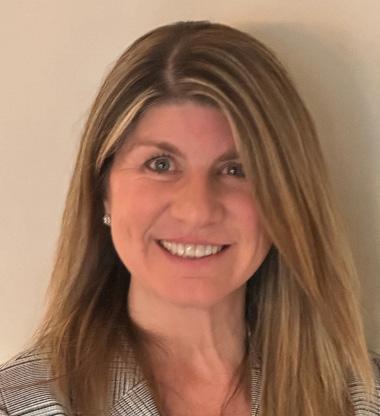
Georgianna Diopoulos-Grogan is a dedicated educator with 26 years of experience in the field, including the past 12 years serving as a middle school and high school principal. Her professional background also includes roles as a special education teacher and Chair of the Committee on Special Education (CSE), providing her with a comprehensive perspective on student needs and school leadership. Throughout her career, Diopoulos-Grogan has remained committed to student success, the implementation of evidence-based practices, and the creation of engaging, inclusive learning environments. Her leadership in curriculum development and instructional improvement has shaped both her professional practice and academic research. She extends sincere gratitude to her husband, Michael, her children, Alec and Ella, and her extended family—Benva, Michael, and Jennifer Grogan—for their unwavering support and encouragement throughout her academic journey. Their belief in her work has been instrumental in bringing this research to fruition.
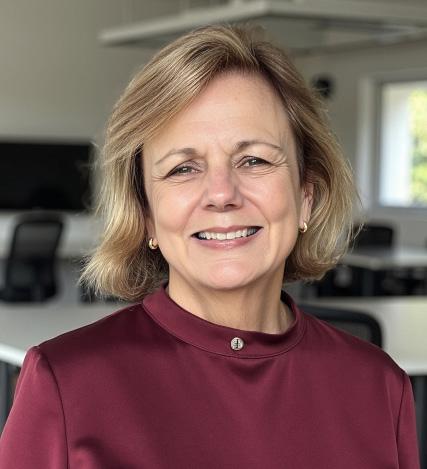
Dissertation Completion Pathway Cohort 2
The Experiences that Promote or Prohibit Parents of Students with Significant Disabilities from Accessing a Successful Transition Process
Dissertation Committee
Chair: Dr. Peter F. Troiano
Members: Dr. Robert Feirsen and Dr. Pavan Antony
Overview of Problem: The transition from school to adulthood is a critical period for students with disabilities, particularly for students with significant disabilities and the parents who support them. For many parents, the greatest challenge begins when their child leaves the entitlement-based school system and enters the adult-service world, where supports such as Medicaid, SSI, and OPWDD depend on eligibility, applications, and complex procedural requirements.
Research Purpose: The purpose of this qualitative research is to understand the experiences of parents attempting to create a successful transition for their children with significant disabilities as they enter adult services within New York State. This study will help to identify experiences that are helpful and those that impose a hindrance to parents as they try to obtain adult services for their disabled children ages 22-27 when they leave the school district setting. This research was viewed through Epstein’s Theory of Overlapping Influences.
Research Design: The study employed a qualitative research design, using semi-structured interviews to examine parents’ perceptions, expectations, helpful services, and barriers related to the transition from school-based services to adult services.
Sample: The 14 participants were parents of young adults between the ages of 22–27 who have been diagnosed with autism, intellectual disabilities, or multiple developmental disabilities.
Data Collection and Analysis: A qualitative data analysis approach was employed to examine parental experiences in assisting young adults with significant disabilities during the transition from high school to adult services.
Findings/Results: This study found that parents of young adults with significant disabilities often experienced the transition from school services to adult services as complex, inconsistent, and emotionally demanding.
Conclusions/Implications: The study finds that the transition from school-based services to adult services for young adults with significant disabilities is frequently inconsistent and fragmented, relying heavily on parental persistence, self-education, and informal support networks. Parents reported considerable variation in the quality of school support, staff expertise, communication, and collaboration with adult-service agencies. These findings indicate that transition outcomes are influenced by district practices, staff expertise, access to information, and the effectiveness of parent advocacy and networking.
Patrice is a highly experienced special education administrator who has devoted her career to improving the educational outcomes for students with disabilities. She strongly believes in providing access and opportunities for students with disabilities within the least restrictive environment. She has gained her expertise in providing day-to-day special education and pupil personnel services while supervising a large department in a well-respected Long Island school district. She was President of Long Island Association of Special Education Administrators and was given the Award of Distinction.
Patrice is Co-President on North Star Education Consulting, LLC. North Star Education Consultants provide high quality independent special education educational consulting to school districts and private in New York State.

Dissertation Completion Pathway Delta Cohort
Dissertation Committee
Chair: Dr. Peter F. Troiano
Members: Dr. Nicole Joseph and Dr. Dana Stilley
Abstract
Overview of Problem: The demand for post-secondary education has led to an increase in the number of students at community colleges seeking to advance their studies. However, this is not the case for adult learners, who transfer from community colleges to four-year colleges or university at lower rates. Multiple studies indicate that less than 10% of adult learners from community college transfer to four-year colleges and universities.
Research Purpose: The study seeks to understand the reasons for the low transfer rates of adult learners and to recommend appropriate measures to address the problem.
Research Design: The study adopted a qualitative research design guided by Malcom Knowles’s Theory of Adult Learning, specifically Knowles’s idea of the self-concept, which acknowledges that adult learners’ decisions reflect autonomy and self-direction. The study answered two key research questions: 1) How do adult learners navigate the transfer process, including understanding the requirements and benefits of transfer agreements? and 2) What types of transfer services do adult students perceive as important in preparing them for the transition to four-year educational programs?
Sample: Participants included 20 adult learners who had successfully transferred to a 4-year college or university after community college.
Data Collection and Analysis: Data were obtained through semi-structured interviews and a thematic analysis was conducted to understand adult learners’ perspectives on reasons for low transfer rates.
Findings/Results: Findings indicated that personal and academic readiness, influence of institutional and advisory support, practical considerations, and college experience and perceptions were key factors influencing decisionmaking among adult learners.
Conclusions/Implications: The study recommendations include the need to provide dedicated adult transfer advisors, regular transfer planning workshops, peer mentorship programs, timely credit evaluations, career counseling with academic advising, and joint transfer fairs with partner institutions.
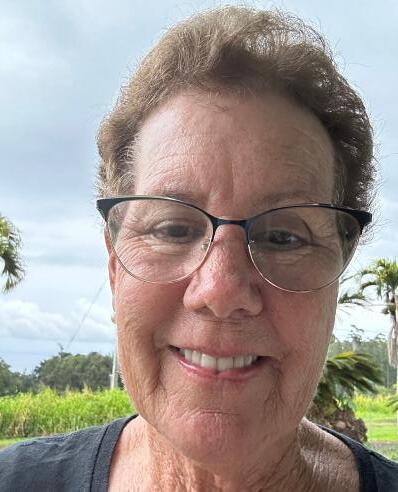
Jude Fleurismond is currently working as a Senior Academic Advisor at SUNY Rockland Community College. His specializations include student recruitment and onboarding strategies, career planning, transfer advising, academic advising, public speaking, data tracking, and reporting.
Jude has 23 years of experience in higher education at the mid-management level, specializing in college enrollment services. He has worked at both small and large private colleges, as well as at large public universities. Jude has served as the Chief Enrollment Officer at several universities and has traveled extensively worldwide recruiting high school and graduate students. He has advised students on the college application process, school programs, academic degree requirements, financial aid options, housing, internships, and other student services. This includes undergraduate and graduate students.
Most recently, Jude served as Director of Admissions and Executive Director of Recruitment at Bergen Community College. He oversaw university recruiting policies and procedures for various special populations, including Honors, Athletics, International, HEOP, and Equal Opportunity Programs. Jude resides in New York. He enjoys walking outdoors and doing home improvement renovations.
Abstract
DISSERTATION TITLE
Examining the Relationship Between Job Satisfaction Components and Early Childhood Educators’ Workplace Experiences in Hawai’i
Dissertation Committee
Co-Chairs: Dr. Yiping Wan and Dr. Nora C.R. Broege
Member: Dr. Michael Abel
Overview of Problem: Early childhood educators (ECEs) play a vital role in children's cognitive and social-emotional development; yet the ECE workforce faces persistent challenges — low pay, limited advancement, and demanding working conditions — that threaten workforce stability and program quality.
Research Purpose: This quantitative correlational study examined whether, and to what extent, statistically significant relationships exist between five components of job satisfaction — coworker relations, supervisor relations, nature of the work, pay and promotion, and working conditions — and early childhood educators' workplace experiences in Hawaiʻi.
Research Design: A non-experimental correlational design was used. The primary instrument was the Early Childhood Job Satisfaction Survey (ECJSS; Jorde-Bloom, 1989; Bloom, 2010), grounded in Herzberg's (1959) Two-Factor Theory of Motivation.
Sample: The sample included 109 educators employed in NAEYC-accredited preschools across the Hawaiian Islands. The sample was 97.2% female, with participants drawn from Hawaiʻi Island (45.4%), Oʻahu (26.9%), Maui (17.6%), and Kauaʻi (8.3%).
Data Collection and Analysis: Data were collected via online survey from December 2025 to February 2026. Descriptive statistics, reliability analyses, and Pearson product-moment correlations were conducted using IBM SPSS Statistics (Version 29) at a Bonferroni-corrected alpha of .01.
Findings/Results: All five null hypotheses were rejected. Significant positive correlations were found between overall job satisfaction and all five ECJSS components (all p < .001, large effect sizes): working conditions (r = .85), supervisor relations (r = .78), work itself (r = .71), coworker relations (r = .62), and pay and promotion (r = .60). Subscale means ranged from 3.41 (SD = .60) for pay and promotion to 3.93 (SD = .61) for supervisor relations. The full ECJSS showed excellent reliability (α = .91). No significant differences in overall satisfaction were found across eight demographic variables, with one exception: urban educators reported slightly lower satisfaction than rural educators (t(95) = −2.00, p = .048, d = .40).
Conclusions/Implications: Working conditions emerged as the strongest correlate of overall satisfaction. These findings underscore the importance of physical environment, structural support, and organizational resources, and inform leadership practices, compensation policy, and professional development initiatives aimed at improving satisfaction and workforce stability across Hawaiʻi's early childhood education sector.
Colleen Fratinardo is an experienced educator, instructional leader, and early childhood education specialist with over four decades of service in Hawaiʻi's educational systems. She holds a Bachelor of Arts in Psychology and Comparative Sociology from the University of Puget Sound (1979), a Master of Arts in Educational Administration from the University of Hawaiʻi at Mānoa (1982), and a second degree in Early Childhood Education from Concordia University (2006), and now an EdD in Educational Leadership at Manhattanville University. A CLASS-certified observer and trained user of the Danielson Framework, she brings a deep commitment to reflective practice, culturally sustaining pedagogy, and intentional leadership, and has supported the professional growth of kumu (teachers) through observation, coaching, and alignment with state licensure and accreditation standards. She recently retired from Kamehameha Schools after 32 years of service as a teacher, coach, and administrator.
Dissertation Committee
Chair: Dr. Peter F. Troiano
Members: Dr. Shelley B. Wepner and Dr. Roger Catania
Overview of Problem: Rural school superintendents lead in highly visible, relationally dense communities where leadership is shaped by proximity, limited organizational capacity, and longstanding community expectations. While research documents structural challenges in rural districts, less is known about how superintendents interpret their leadership experiences during their early years in the role.
Research Purpose: The purpose of this interpretive inquiry was to explore how first-time rural New York public school superintendents made sense of their leadership experiences during their first five years in the role. Guided by sensemaking perspectives, the study examined how decision-making, mentorship, gender dynamics, community expectations, and emotional experiences influenced leadership adaptation.
Research Design: This study employed an interpretive qualitative design informed by sensemaking theory and relational leadership perspectives.
Sample: The sample included 14 rural New York public school superintendents (7 women and 7 men) with one to four years of experience in the superintendency, representing districts across the North Country, Central New York, and Southern Tier regions of New York State.
Data Collection and Analysis: Data were collected through semistructured interviews and analyzed using iterative coding and thematic analysis supported by analytic memos and reflexive journaling.
Findings/Results: Five themes emerged: (a) Leading Through Relationships and Visibility; (b) Navigating the Emotional Landscape of the Superintendency; (c) Deliberate Decision-Making as Sensemaking; (d) Mentorship and Informal Networks as Interpretive Communities; and (e) Gendered Expectations and Leadership Identity.
Conclusions/Implications: Findings suggest early-career rural superintendents construct leadership meaning through relational engagement and contextual interpretation. The metaphor leading from the middle of the room reflects leadership enacted within the social fabric of rural districts. Implications highlight the importance of mentorship, emotional support, and leadership preparation emphasizing relational trust and contextual understanding.
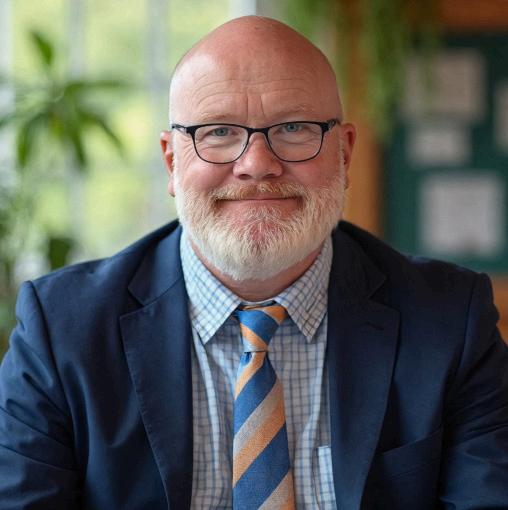
Jerry Griffin serves as Superintendent of the Potsdam Central School District in northern New York. Since his appointment in January 2023, he has worked with the Board of Education, faculty, and community members to advance the district’s strategic priorities, including the development of new mission, vision, and core belief statements.
Prior to joining Potsdam, Griffin served as Superintendent of the Malone Central School District from 2013 to 2022. Over the course of his career, he has also served as an assistant superintendent, high school principal, elementary principal, and classroom teacher in both New York and North Carolina.
Griffin earned a bachelor’s degree from SUNY Potsdam, a master’s degree from Gardner-Webb University, and an Educational Specialist (Ed.S.) degree from Appalachian State University. He holds permanent certification as a School District Administrator in New York.
He and his wife, Laura, a professor at SUNY Potsdam, live in Potsdam, NY.

Dissertation Completion Pathway Cohort 3
DISSERTATION TITLE
Student-Faculty Engagement at Community Colleges: A Quantitative Comparison of Honors
Dissertation Committee
Chair: Dr. Nora C.R. Broege
Members: Dr. Peter F. Troiano and Dr. Patricia Smith
Overview of Problem: Student-faculty engagement has been shown to be one of the greatest predictors of student success. Honors programs especially rely on strong faculty relationships, yet little is understood about faculty engagement with students at community colleges.
Research Purpose: The purpose of this study was to compare honors and non-honors community college faculty’s levels of student engagement.
Research Design: Quantitative study; Astin’s Theory of Involvement; Chickering and Gamson’s Principles of Good Teaching
Sample: 3,189 community college faculty who participated in the Community College Faculty Survey of Student Engagement over a two-year period.
Data Collection and Analysis: This study analyzed faculty perceptions on thirteen survey instruments related to facultystudent engagement using regression analysis.
Findings/Results: A series of regression analyses revealed that honors faculty are more likely to include student presentations in the classroom, provide feedback to students, and spend time with students on activities other than coursework even after controlling for other demographic characteristics.
Conclusions/Implications: The findings suggest that honors faculty status is one of many predictors of faculty-student engagement at community colleges.
Aaron S. Hanlin has more than 14 years of experience as a higher education professional including eight years in leadership roles. He has worked both in the two- and four-year sectors of public higher education. Most of his career has been spent in undergraduate honors education where he has experience specializing in academic advising, admissions, curriculum development, and student engagement. He has served in leadership roles on the boards of the Florida Collegiate Honors Council, Southern Regional Honors Council, and National Collegiate Honors Council. Aaron is known for his commitment to data-driven decision-making and organizational development as well as his focus on how to better impact the student experience. He currently serves as the Executive Director for the Southern Regional Honors Council in addition to his full-time position at Lamar University where he is the Associate Director of Admissions – Recruitment. He resides in Florida with his partner, Ryan, and their three dogs. In his free time, he enjoys exploring Florida’s natural ecosystems.
Abstract
Dissertation Committee
Chair: Dr. Nora C.R. Broege
Members: Dr. Peter F. Troiano and Dr. Dahlia McGregor
Overview of Problem: Black girls often navigate educational environments that are shaped by the intersectionality of racial and gender oppression. As illustrated in Patricia Hill Collins' Matrix of Domination, these domains—structural, disciplinary, hegemonic, and interpersonal - manifest in schools through exclusionary discipline, cultural erasure, and a lack of emotional safety, leading to disengagement, chronic absenteeism, higher suspension rates, and decreased academic performance.
Research Purpose: Guided by Black Feminist Thought and the Need to Belong Theory, this study examines the impact of advisory programs on the connectedness and academic, behavioral, and social-emotional outcomes of early adolescent Black girls. It investigates five aspects of connectedness: belief, commitment and alienation, cultural affirmation, safety, and belonging.
Research Design: An embedded mixed-methods case study design was utilized, with qualitative data playing a secondary role to the quantitative data.
Sample: Six schools were selected using a stratified random sampling method, including three middle schools with and without advisory programs, respectively. Additionally, survey data were collected from over 2,500 students and 42 educators in NYC.
Data Collection and Analysis: Quantitative data on student performance and perceptions were obtained from a publicly available, large-scale survey administered by an urban school district and from state performance metrics. A researcher-developed Advisory Impact Questionnaire gathered both Likert-scale and narrative responses from educators. Quantitative data were analyzed using t-tests and regression models. Qualitative data were thematically coded and contextualized using the Matrix of Domination to explore how race and gender influenced students' advisory experiences.
Findings/Results: Black girls in advisory programs reported statistically significant improvements in school belonging, emotional safety, academic confidence, and engagement. Participation in advisory programs is correlated with reduced chronic absenteeism, higher attendance, and fewer suspensions. Educator responses highlighted stronger teacher-student relationships characterized by cultural validation and identity affirmation.
Conclusions/Implications: Advisory programs emphasizing culturally responsive pedagogy can disrupt inequities that often marginalize Black girls. Schools should prioritize advisory as a strategic intervention to strengthen connectedness, academic resilience, and emotional well-being.
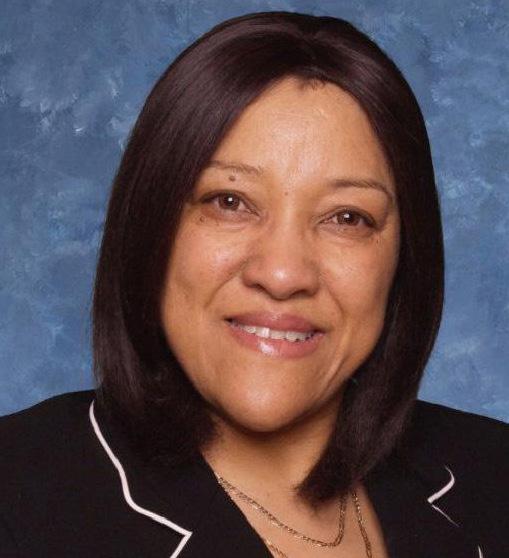
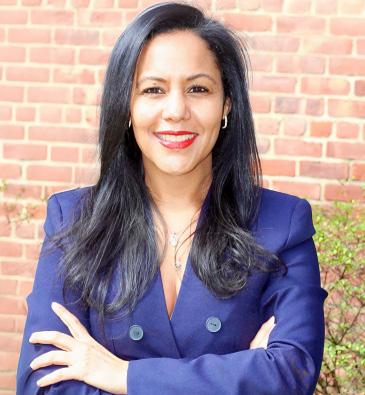
Denise Kimberlynn Harper-Richardson has over 35 years of experience in urban education and remains dedicated to dismantling inequities and expanding culturally responsive, career-connected learning opportunities for Black and Brown youth. Denise serves as the President of the Black Empowerment Network, sits on the executive boards of several community-based organizations, and maintains active memberships in ABENY, NASSP, the Black Caucus of the CSA, and Black EdfluencersUnited—a national collective dedicated to equity-driven, authentic educational leadership. Her leadership has earned widespread recognition, including two New York State Assembly Citations for advancing Black Excellence, the Judith Johnson Award for educational equity, and the BE=U We Are the World Award for inspiring authenticity and inclusive leadership in education. She is also a Bank Street College Innovation Fellow, a distinction that recognizes her commitment to pioneering equitable and innovative practices in K–12 education. Denise holds a bachelor’s degree in business administration and master’s degrees in special education and educational leadership.
Abstract
Dissertation Committee
Chair: Dr. Susan V. Iverson
Members: Dr. Robert Mangione and Dr. Rubén Barato
Overview of Problem: Higher education institutions face existential threats from financial deficits and shifting demographics. To alleviate these pressures, leaders are adopting AI in Student Support Services (SSS). However, AI integration introduces high costs, ethical risks, and cultural resistance. Consequently, there is a critical gap in understanding how administrators practically navigate these immense complexities.
Research Purpose: The purpose of this qualitative study was to describe how higher education leaders managed organizational change as they navigated integrating generative and agentic AI into student support services.
Research Design: The study employed a qualitative, interpretive design. The inquiry was anchored by Lewin’s (1947) change model and Heifetz’s (1994) theory of adaptive leadership.
Sample: I employed a purposeful sampling strategy, alongside maximum variation and snowball sampling. The final sample consisted of 12 higher education leaders.
Data Collection and Analysis: Data were collected through virtual, semi-structured interviews and analyzed using Creswell’s (2017) framework. Analysis integrated Lewin’s coding strategies, Saldaña and Omasta’s (2018) in vivo and values coding, and Merriam and Grenier’s (2019) constant comparative method. The interviews explored change management strategies, staff concerns, and sustainability processes.
Findings/Results: The study found that leaders successfully navigated integration by using data to create urgency and destabilize the status quo. They cultivated a culture of psychological safety to manage staff anxiety. Administrators also addressed adaptive challenges, including algorithmic opacity. Ultimately, they secured buy-in by framing AI as an administrative tool that protects empathetic student care and human connection.
Conclusions/Implications: Survival in the AI era depends on leadership's adaptive capacity, not software sophistication. Integrating AI is a profound cultural shift. Leaders must act as ethical gatekeepers and reframe automation as a human-centered protector. By automating rote tasks, institutions free staff to provide high-touch care, successfully aligning innovation with enduring humanistic values.
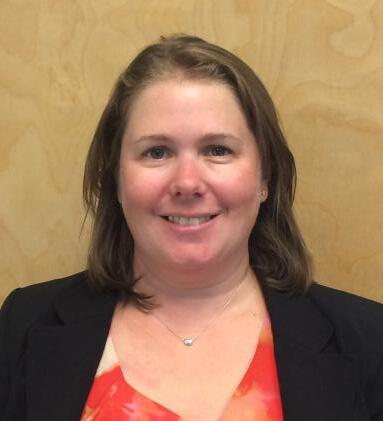
Iskra Hernández is a dedicated higher education professional with 20 years of experience across two-year and four-year institutions. A passionate advocate for social justice, she has spent her career championing students in critical support areas, including opportunity programs, admissions, academic advising, counseling, and college readiness initiatives.
Holding multiple AI certifications, Iskra centers her research on the integration of Generative and Agentic AI in higher education institutions. Her professional expertise is deeply rooted in change management. She is committed to guiding institutions through complex organizational shifts and exploring how advancements can equitably enhance student outcomes. As a leader, she thrives on cultivating collaborative, high-performing teams and empowering individuals to reach their fullest potential. Ultimately, Iskra is driven by an unwavering commitment to student success, ensuring that institutional evolution expands access and opportunity for all underrepresented populations.
Signature Pathway Cohort 12
DISSERTATION TITLE
Gatekeeper and Change Agent: How School Librarians’ Values and Ethics Impact Collection Development in a Time of Censorship
Dissertation Committee
Chair: Dr. Kenneth Mitchell
Members: Dr. Nora C.R. Broege and Dr. LaKeshia Darden
Overview of Problem: Since January of 2021, there has been an increase in book challenges and bans. School librarians are at the forefront of these challenges, and yet there have been no qualitative studies that explore school librarian’s ethics, values, and motivations when it comes to collection development to then examine how those ethics, values, and motivations present themselves in both a collection analysis and then in circulation data.
Research Purpose: Guided by Fullan’s Change Agent Theory and Lewin’s Gatekeeper Theory, this sequential exploratory mixed methods study is to examine the role of the school librarian as both a change agent and a gatekeeper as they purchase, promote, and use diverse literature.
Research Design: A sequential exploratory mixed methods design was chosen for this study because of the lack of qualitative research done on school librarian collection development. The quantitative component of circulation and collection analysis allowed me to use quantitative date to triangulate the qualitative findings.
Sample: The sample was comprised of 13 school librarians from throughout New York State who met the following criteria: (a) served as a school librarian in New York State, with or without Library Media Specialist Certification, (b) work with students in grades 5-8, (c) responsible for collection development in their building.
Data Collection and Analysis: This sequential exploratory mixed methods study utilized semi-structured individual interviews, focus groups, and document analysis as qualitative sources, and circulation and collection analysis as quantitative sources. Yin’s (2015) five step analytic process was used for data analysis.
Findings/Results: Participants reported strong commitments to the Core Values and Code of Ethics of the American Library Association, especially diversity, access and service. Findings include a clear lack of understanding among the participants of curation versus self-censorship.
Conclusions/Implications: Confusion between curation and self-censorship could provide insight into much of the previous research that has been quantitative in nature and reported high levels of self-censorship among school librarians. In addition, participants reported strong feelings of isolation and a lack of administrative support. The importance of collaborative networks became apparent, as did the need for further professional development and training in the difference between collection development and self-censorship.
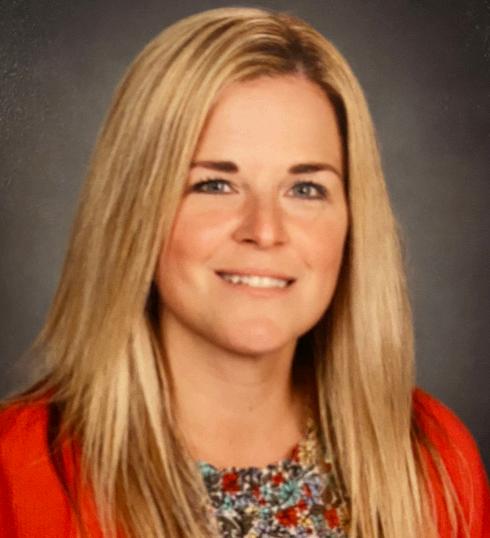
Melissa Iamonico (she/her/hers) is a school librarian who is passionate about developing collections that shine a light on the experiences of all students. She also works to update and diversify curricula. Melissa has presented at local, state, and national conferences on the power of using various and diverse literature in schools. In addition, Melissa works for several Teacher Centers in the Lower Hudson Valley helping teachers increase their knowledge in Children’s Literature. She holds Master’s degrees in Library and Information Science and Educational Leadership from Long Island University, and an advanced graduate certificate in Education for Sustainability from Manhattanville University. Melissa is active in several professional library organizations. A foster mother, Melissa is currently developing a new initiative to help foster children build their own libraries and develop a love for reading. In her free time, you can find her curled up with a good book, a good dog, and a good cup of coffee.
Signature Pathway Cohort 13
An Interpretive Qualitative Study: The Role of Teacher Autonomy and Perceived Competence in the Implementation of a Prepackaged Literacy Curriculum
Dissertation Committee
Chair: Dr. Kenneth Mitchell
Members: Dr. Joanne Marien and Dr. Adam VanDerStuyf
Overview of Problem: According to the most recent Nation’s Report Card (n.d.), reading scores for fourth- and eighthgrade students have remained largely unchanged since 1992, highlighting stagnant reading achievement among U.S. students. In response, national and state initiatives have introduced laws and mandates aimed at improving literacy. To comply, schools often adopt prepackaged literacy curricula.
Research Purpose: Guided by Self-Determination Theory, this study examined how teachers in a high-needs school district experienced the implementation of a prepackaged literacy program. It aimed to give voice to teachers who are positioned to explain if and how these programs meet the needs of diverse learners. The study also explored how building and district directives influenced teachers’ sense of autonomy and competence.
Research Design: An interpretive qualitative design was used.
Sample: Fifteen teachers in Grades 1–4 from two elementary schools in a high-needs district in the Hudson Valley Region of New York participated. Each school principal also took part in the study.
Data Collection and Analysis: Data were collected through semi-structured interviews and document analysis. Yin’s (2016) five-step analytic process guided analysis, using both open and a priori coding to identify patterns and themes.
Findings/Results: Three themes and subthemes emerged. The first theme, confusing communication, included subthemes: I don’t know why I’m doing this and fidelity, autonomy or both. The second theme, “everything you need” in one place, addressed the balance between too much, too little, or just enough. The third theme, different avenues to teacher autonomy, included experience and perceived competence, my building leader trusts me, and one size does not fit all.
Conclusions/Implications: This study highlighted the need for clear, consistent messaging aligned across all forms of communication to ensure that teachers understand what is expected of them. When the message is inconsistent, teachers interpret directives in ways that resonate with their beliefs and experiences influencing how they implement the prepackaged curriculum. Recommendations are included for district leaders, building leaders, teachers, and teacher training programs.
Cori Jackson currently teaches fourth grade in an Integrated Co-Taught setting at Claremont School in Ossining, New York. Prior to this role, she served as an instructional coach and reading specialist. Cori is passionate about creating classroom environments that foster a sense of belonging and joy for both students and educators. She believes that students thrive when instruction is responsive to their needs and interests, and that this is best achieved when teachers are empowered to use their professional expertise and experience. Cori completed her undergraduate degree at Skidmore College; a MEd in Special Education from Vanderbilt University; a MEd in Educational Leadership from Columbia University; and now her EdD from Manhattanville University.

Dissertation Committee
Chair: Dr. Peter F. Troiano
Members: Dr. Emily Creamer and Dr. Valerie Glassman
Overview of Problem: The problem this study explored was the connection between student conduct practice and sense of belonging. This unexplored connection presents a vital gap in the research and in student conduct practice. Research Purpose: The purpose of this qualitative study was to examine the ways serving as a respondent in the student conduct process impacts student sense of belonging, as perceived by the participants. This study explored participants’ firsthand experiences of the student conduct process informed by Strayhorn’s sense of belonging theory (2012). Through this study, I sought to narrow the gap in research exploring the connection between the student conduct experience and sense of belonging.
Research Design: This qualitive study utilized an interpretive inquiry approach situated in the sense of belonging theory (Strayhorn, 2012).
Sample: The sample included 17 students who have previously served as a respondent within the student conduct process at the four-year institution of higher education within the United States in which they were currently enrolled. Participants went through the student conduct process prior to earning 60 credits or the equivalent and had earned at least 60 credits or the equivalent by the time of their interview.
Data Collection and Analysis: Data were collected through, semi structured, open-ended, and in-depth interviews (Sullivan & Sargeant, 2011; Squire et al., 2024). Coding was organized and synthesized using NVivo. This study utilized emergent codes that arise throughout data collection, rather than predetermined codes (Stuckey, 2015).
Findings/Results: Through my study, three themes emerged: (a) Establishing a Sense of Belonging Prior to the Student Conduct Process; (b) Facilitating a Sense of Belonging through the Student Conduct Process; (c) Maintaining a Sense of Belonging After the Student Conduct Process
Conclusions/Implications: Findings suggest that students make meaning of the student conduct process through building relationships with their hearing officers and other individuals/communities across campus, becoming connected to resources on campus, developing self-efficacy skills, and leaning into help-seeking behaviors. The study highlighted the importance of holistic and developmental approaches, counseling-based approaches, and student mattering.
Erin Kaplan (she/her) currently serves as the Associate Dean & Director of Student Conduct in the Division of Student Affairs at Swarthmore College in Pennsylvania. Prior to her current position, Erin served in a variety of progressive leadership roles within student affairs, primarily focused on student conduct and case management in New Jersey, New York City and Philadelphia. Additionally, Erin has been involved in the Association of Student Conduct Administrations (ASCA) as a volunteer leader (2020-2026) and as a faculty member for ASCA’s Donald D. Gehring Academy (2024-2026). Further, Erin is involved with Higher Education Case Managers Association (HECMA). Lastly, Erin has presented at regional and national conferences on crises response strategies, the student conduct process, student conduct administration, developmental and effective sanctioning, and student conduct outcomes.

Abstract
Dissertation Completion Pathway Cohort 5
DISSERTATION TITLE
Dissertation Committee
Chair: Dr. Martin Fitzgerald
Members: Dr. Robert Feirsen and Dr. Jennifer Harriton-Wilson
Overview of Problem: The rapid emergence of generative artificial intelligence (AI) has introduced new opportunities and challenges for K–12 educational leadership. While existing research has largely focused on classroom applications, there is limited understanding of how school principals interpret and integrate AI into their leadership practice. In the absence of clear policy guidance and amid increasing role complexity, principals must navigate ethical, professional, and organizational tensions related to AI use.
Research Purpose: The purpose of this interpretive qualitative study, grounded in Weick’s Sensemaking Theory, was to examine how secondary school principals in New England perceive, adopt, and integrate generative artificial intelligence into their leadership practice, and how they construct meaning around its use within complex educational environments.
Research Design: This study employed an interpretive qualitative research design informed by Sensemaking Theory to explore how principals interpret and act upon emerging AI technologies in their professional contexts.
Sample: A purposeful sample of 19 public secondary school principals from across five New England states, representing a range of experience levels and school contexts, including urban, suburban, and rural settings. All participants had at least three years of leadership experience and demonstrated engagement with generative AI tools in their professional practice.
Data Collection and Analysis: Data were collected through semi-structured interviews and analyzed using an iterative coding process and thematic analysis, supported by analytic memos and reflexive journaling.
Findings/Results: Five themes emerged: (1) principals used AI to offload managerial tasks and protect leadership capacity; (2) they established “red lines” to preserve authenticity and credibility; (3) they constructed localized governance in the absence of formal policy; (4) they engaged in informal, practice-based learning through experimentation and peer networks; and (5) they navigated strategic disclosure of AI use to manage relational trust and professional risk.
Conclusions/Implications: Findings suggest that principals’ engagement with AI is an interpretive and relational leadership process rather than a purely technical task. The study highlights the need for leadership preparation programs, policy frameworks, and professional learning that support ethical decision-making, adaptive leadership, and context-responsive AI integration.
Dan Kelley is an Associate Teaching Professor at the University of Rhode Island, where he serves as Program Director for the M.A. in Educational Leadership and Policy. He brings over two decades of experience in K–12 education, including 17 years as a building principal. His career also includes roles as an assistant principal, special education teacher, and middle school math and science teacher.
Dan has held national leadership roles, including serving as President of the National Association of Secondary School Principals (NASSP) and as a member of its Board of Directors. In 2012, he was named Rhode Island Secondary Principal of the Year. At URI, he leads the design of practice-based leadership preparation programs and supports aspiring and practicing school leaders through coaching and professional development. His scholarship focuses on leadership practice and emerging technologies in educational leadership.
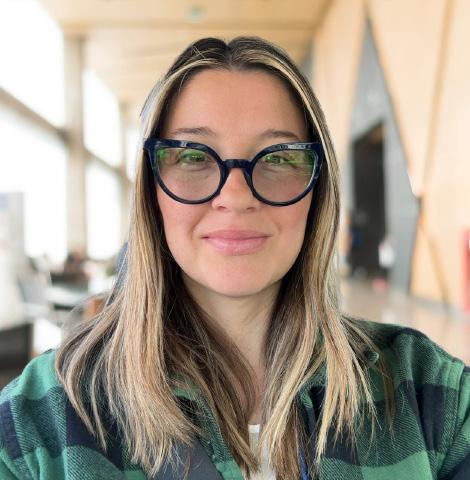
Dissertation Committee
Chair: Dr. Susan V. Iverson
Members: Dr. Jennifer Hauver and Dr. Dulce Barker
Abstract
Overview of Problem: English Learners (ELs) often face challenges expressing their identities and authoring their own stories within traditional academic settings. Standardized assessments and language-focused curricula can limit the opportunities that they have for creative expression, voice, and agency. There is a need to explore pedagogical approaches that integrate art and multimodal practices to support ELs in developing language skills while affirming their cultural and personal identities.
Research Purpose: The purpose of this qualitative case study is to document and describe how one summer artsbased program can support English Learners (ELs) in feeling more confident in their language, culture, and identity.
Drawing upon Kegan’s (1994) theory of self-authorship and Maxine Greene’s (1995) aesthetic education framework, this study examines how imagination and creative expression contribute to students’ identity development.
Research Design: This study employed a qualitative case study approach to explore how a summer arts-based program supports English Learners’ self-authorship, agency, and language development.
Sample: Data sources included one program instructor, one teaching artist, one program director, seven students, and artifacts produced by English Learners in an integrated summer program.
Data Collection and Analysis: Data were collected through observations, student artifacts, semi-structured interviews, and reflective field notes, to capture the experiences, creative expressions, and perspectives of participants in the summer arts-based program.
Findings/Results: Four themes emerged from analysis, each named using in vivo quotes from participants: (a) All My Emotions; (b) My Home is an Adventure; (c) Trabajamos Juntos: We Work Together; and (c) They Have Tried Their Hardest. The findings suggest that arts-integrated programming can be a powerful tool for supporting language development, agency, and identity formation among ELs.
Conclusions/Implications: This study demonstrated how arts-based experiences support English Learners’ (ELs’) self-authorship, agency, identity, and language confidence. Through visual art, poetry, and collaborative projects, students reflected on personal experiences, expressed cultural narratives, and exercised meaningful choice in a lowrisk environment. Implications for practice include designing programs that center student voice, integrate multimodal practices, and leverage cultural knowledge to foster self-expression and learning. Future reasearch should examine longitudinal impacts, diverse contexts, and the role of language proficiency in arts-based self-authorship.
Elena Kwoka is an educator whose work and scholarship focus on arts-based approaches to language learning, student voice, and self-authorship among English learners. She holds a Bachelor of Arts in Liberal Arts and Sciences, a Master’s degree in Teaching English to Speakers of Other Languages (TESOL), and an Advanced Certificate in Childhood Education (Grades 1-6). She also taught Business English to international students during summer programs at SUNY New Paltz. She has experience designing and facilitating programs that integrate visual art, poetry, and collaborative projects to support students’ creative expression, cultural exploration, and language development.
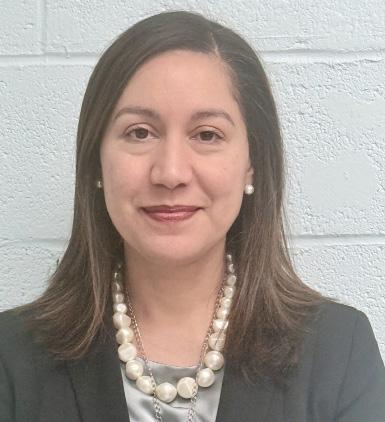
Signature Pathway Cohort 5
DISSERTATION TITLE
Under Pressure: A Mixed Methods Study of Special Education Administrators’ Experiences of Burnout and Their Associated Coping Mechanisms
Dissertation Committee
Chair: Dr. Joanne Marien
Members: Dr. Martin Fitzgerald and Dr. Lenora Boehlert
Overview of the Problem: Special education administrators face escalating responsibilities, heightened compliance demands, and persistent staffing shortages. Research has confirmed that these pressures make leaders more susceptible to heightened risk for burnout, particularly emotional exhaustion, yet there is limited work that has examined coping mechanisms used by administrators who remain effective in the role.
Research Purpose: The purpose of this mixed methods study was to assess levels of burnout among New York state special education administrators and explore the coping mechanisms employed by those with low burnout scores.
Research Design: A sequential explanatory mixed methods design was used.
Sample: A total of 76 special education administrators completed the Maslach Burnout Inventory- Educators Survey (MBI-ES), and 10 administrators representing low burnout profiles participated in semi-structured interviews.
Data Collection and Analysis: First, quantitative data were analyzed using descriptive statistics and Pearson correlations. Then, qualitative data were coded thematically to identify patterns and uncover coping strategies reported.
Findings/Results: A pattern of moderate emotional exhaustion, low personalization, and high personal accomplishment emerged, suggesting many administrators remain engaged and effective despite systemic strain. Four qualitative themes emerged: Leadership as Emotional Labor, Relationships Cut Both Ways, Commitment as a Buffer Against Burnout, and Thriving and Surviving: Coping Mechanisms for Longevity.
Conclusions/Implications: The findings suggested burnout among special education administrators is shaped by structural and relational demands and not personal deficits. Administrators with low burnout reported relying on efficient systems, personal wellness practices, and strong professional networks to sustain engagement in their roles. Implications for leadership preparation programs, district support practices, and future research are discussed.
Alexandra Lafontaine-Casabona's career in special education began even before she completed her undergraduate degree, when she worked at Hawthorne Elementary School in Mt. Pleasant as a language development aide in the district’s newly launched language development program in 1997. This early experience ignited her passion for supporting students with disabilities, and it shaped the trajectory of her professional life. Upon graduation, she began my teaching career at P.S. 176X in Co-op City in the Bronx, where she spent three years as a bilingual special education teacher in a 6:1:1 program for students with autism. These years grounded her in the core values of inclusive education, culturally responsive instruction, and collaborative problem-solving. Alexandra then had the opportunity to return to Mt. Pleasant to teach many of her former kindergarten students now in the middle school language development class. Her return marked the beginning of 17 deeply meaningful years in Mt. Pleasant (2002–2019), where she taught across multiple special education settings, including self-contained classes and resource room programs.
In 2019, Alexandra expanded her impact by transitioning into administration as Director of Special Education in the Mamaroneck Union Free School District. After several years in this role, she moved into a district-level leadership position within Student Support Services at Katonah-Lewisboro, where she deepened her experience with systems-level initiatives, compliance, inclusive programming, and family-school partnerships. Alexandra currently serves as the Director of Pupil Personnel Services in the Blind Brook–Rye Union Free School District. She looks forward to many more years in public education, creating opportunities for students with disabilities and English language learners.
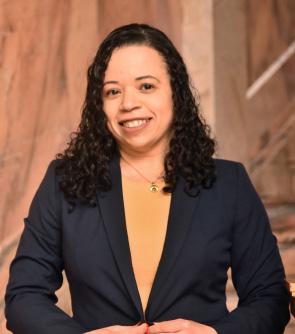
Abstract
Dissertation Committee
Chair: Dr. Susan V. Iverson
Members: Dr. Julie Alexander and Dr. Sofia B. Pertuz
Overview of Problem: Educational attainment among Latinas mothers remains disproportionately low. In 2017, only 18.9% held a bachelor’s or advanced degree, compared to 51.3% of white and 67.9% of Asian mothers. Latinas represent just 1% of all doctorate recipients. These disparities reflect enduring structural inequities that hinder access and persistence in higher education. Doctoral student mothers, particularly those working full-time, face compounded barriers and are more likely to drop out of their programs than men or childless peers.
Research Purpose: The purpose of this critical narrative inquiry is to chronicle the experiences of Latina doctoral earners who are mothers and worked full-time. Guided by the Latina Feminist Theory, this research provides a narrative analysis of how systemic inequities and dominant cultural norms shaped participants’ doctoral journey, at the intersection of gender, race/ethnicity, motherhood and labor.
Research Design: Narrative inquiry coupled with my theoretical lens – LFT which also operated at the methodological level-- was my hybrid methodology: critical narrative inquiry.
Sample: Nine Latina mothers who worked full-time and earned doctoral degrees.
Data Collection and Analysis: The data collection consisted of two 60-minute in depth, semi-structured interviews conducted via Zoom. Initial data was analyzed using inductive coding, in vivo themes developed from participant’s narratives. Following, I engaged in deductively analyzing the data across transcripts, using the five guiding principles inspired by the Latina feminist approach adapted by Rodriguez (2025).
Findings/Results: Four primary themes developed from the analysis: (a) stereotypical pressures, (b) I need a second, (c) these people were in my corner, and (d) a beacon of light. Participants described experiencing external and internal pressures of behaving like a stereotypical Latina mother and student. Participants reported experiencing stress, burnout and depression. Participants shared the people who provided support through their hardships. Participants hope to be a beacon of light for others.
Conclusions/Implications: The findings suggest that LWM experienced systemic and institutional barriers that made their journeys harder. To combat these systems of oppression LWM asked for help, they pivoted and they persisted. This study highlights the importance of studying the experiences of doctoral students from marginalized communities. Prioritizing institutional and policy reforms through an LFT lens should be at the forefront for leaders and policymakers.
Nurys LeBron is a transformative and strategic educational leader with over a decade of progressive experience in higher education, including a strong background in undergraduate and graduate academic advising, graduate admissions, and program administration. Expertise in enhancing student success through data-informed decision-making, policy development, cultural congruency and collaborative partnerships.
Her doctoral research examines how Latina working mothers make sense of their doctoral education while managing their identities of being Latina, a mother and a working professional. Grounded in the Latina Feminist Theory and critical narrative inquiry, LeBron’s work highlights the critical need for institutional support for student parents and underrepresented communities in graduate education. LeBron earned her B.S. in Social Work from SUNY Plattsburgh, and a M.A. In Higher Education Administration from Stony Brook University. LeBron resides in New York with her husband and two daughters.
Abstract
Signature Pathway Cohort 14
DISSERTATION TITLE
Qualitative Study of Teachers’ Use of Social-Emotional Learning Curriculum in Elementary Schools: An Ecological Systems Analysis
Dissertation Committee
Chair: Dr. Susan V. Iverson
Members: Dr. Mary Coakley-Fields and Dr. Lynn Allen
Overview of Problem: Social Emotional Learning (SEL) is widely recognized as essential to supporting student well-being, school engagement, and academic success. While schools are expected to implement SEL as a key component of instruction and school culture, the experiences of teachers—those responsible for delivering and sustaining SEL—remains an under-researched area. Without a deeper understanding of teachers’ experiences and the challenges they face, SEL curriculum implementation risks becoming disconnected from daily practice and from the support students urgently need.
Research Purpose: Guided by Bronfenbrenner’s Ecological Systems Theory, this study explored how elementary school teachers in New York public schools experience the implementation of a SEL curriculum. The study examined how different layers of influence such as classroom relationships, family engagement, professional development, district/school policies, and societal change—shaped their efforts to integrate SEL into everyday practice.
Research Design: This study used a qualitative research design grounded in interpretive inquiry to understand elementary school teachers’ experiences as they implement SEL curriculum.
Sample: The study included 15 public elementary school teachers in New York. Each participant had at least five years of teaching experience.
Data Collection and Analysis: Data were collected through one-on-one, semi-structured interviews. Thematic analysis was used to code transcripts using both in vivo and a priori strategies, with attention to how participants’ experiences aligned with each level of the ecological model: microsystem, mesosystem, exosystem, macrosystem, and chronosystem.
Findings/Results: The findings revealed that strong teacher-student relationships and emotionally safe classrooms were central to effective SEL (microsystem). Teachers actively engaged families through SEL language and tools (mesosystem). However, professional learning opportunities were often limited or episodic, and administrative support -though recognized as critical- was frequently insufficient (exosystem). Broader influences, such as district mandates and the lingering effects of the COVID-19 pandemic, presenting increased emotional needs and learning disruptions, also shaped teachers’ experiences (macrosystem and chronosystem).
Conclusions/Implications: This study illuminated how SEL curricula offered structure; however, it is the relational and emotional work of teachers that drives meaningful SEL. For SEL to be sustainable and effective, schools must invest in long-term support, prioritize teacher well-being, and foster alignment across all levels of the school system—from policy to practice.
Teresa C. Letizia is currently the Assistant Principal at Bruno M. Ponterio Ridge Street School in Rye Brook, New York. Over the course of her thirty-year career in education, she has served in a variety of administrative and teaching positions across New York City and Westchester County. Teresa began her career as an elementary teacher in Mount Vernon and the New York City Department of Education, spending the majority of her classroom years in the City School District of New Rochelle. She has led building-wide initiatives focused on curriculum design, professional learning, and student support systems, and has been instrumental in fostering collaborative, student-centered school cultures. A first-generation college graduate, Teresa brings a deep commitment to educational equity, literacy leadership, and inclusive instructional practices. Her work continues to reflect a passion for empowering both students and educators through strategic, relationship-driven leadership.
Abstract
Dissertation Committee
Chair: Dr. Susan V. Iverson
Members: Dr. Joanne Marien and Dr. LaShorage Shaffer
Overview of Problem: Skiba et al. (2008) emphasized that "the disproportionate representation of minority students is among special education's most critical and enduring problems" (p. 264). The ongoing (mis)alignment between students' cultural experiences and the predominantly White teaching workforce contributes to these inequities, as many educators may not fully understand or reflect the cultural backgrounds of African-Caribbean students.
Research Purpose: The purpose of this qualitative study is to understand general education elementary teachers’ prereferral actions and decisions when referring African-Caribbean students to special education. Guided by the theoretical framework of multicultural competence (Pope et al., 2004), the study explored how teachers in New York and Florida described and enacted their multicultural competence when referring African-Caribbean students for special education services.
Research Design: Interpretive methodology with qualitative methods
Sample: Seventeen K-5th-grade teachers from New York and Florida participated in the study.
Data Collection and Analysis: Data were collected through semi-structured interviews and analyzed using an inductive and deductive thematic approach.
Findings/Results: Findings revealed four major themes: (a) dialectal and linguistic differences were often misinterpreted as indicators of disability, (b) teachers’ assumptions and preconceived notions influenced early judgments of student ability, (c) limited professional development contributed to uncertainty in distinguishing language differences from disability, and (d) family perceptions and stigma influenced (pre)referral decisions.
Conclusions/Implications: This study concluded that general education teachers’ multicultural competence plays a critical role in shaping prereferral and referral decision-making for African-Caribbean students. Teachers’ descriptions of their multicultural knowledge, awareness, and skill shaped their responses to students’ linguistic and cultural differences, and determined how those differences were interpreted as cultural and linguistic differences or misidentified as indicators of disability. These findings suggest that improving prereferral and referral practices requires greater attention to culturally responsive teaching, dialect and language awareness, and reflective practices that address implicit assumptions. Implications for practice include the need for sustained professional development, more structured prereferral processes that incorporate cultural and linguistic considerations, and stronger culturally responsive family engagement practices.
Antoinette Mattis was born and raised in Jamaica. She attended Shortwood Teachers’ College and began her career in education before earning a Bachelor of Arts degree from the University of the West Indies. After relocating to the United States, she continued her academic and professional work in education. Due to inaccurate academic guidance, she initially pursued a second Bachelor of Arts degree; however, after receiving accurate information, she redirected her path toward a Master of Science in Education in Special Education at Hunter College. After completing this degree, she returned to fulfill the remaining requirements for her initial undergraduate program, ultimately earning a second Bachelor of Arts degree. She also earned a second Master of Science in Education in Literacy Education. With over twenty years of experience, she has served as a general and special education teacher, Response to Intervention and 504 Coordinator, Dean of Special Education, and Director of Special Education. Her work focuses on multicultural competence and culturally responsive practices, with particular attention to reducing the misidentification of African-Caribbean students in special education.
Abstract
Job Satisfaction Among Special Education Administrators in New York State and the Relationship to Turnover Intention*
Dissertation Committee
Chair: Dr. Nora C.R. Broege
Members: Dr. Martin Fitzgerald and Dr. Selena Fischer
Overview of Problem: Special education administrators (SEAs) hold significant responsibility (e.g., IDEA compliance, IEP quality). Yet, compared to research on special education teachers, SEAs remain underrepresented in the literature. Existing studies often emphasize the technical and procedural demands of the role (e.g., compliance, paperwork, disputes, supervision), while giving less attention to the organizational and individual factors that shape job satisfaction and decisions to stay or leave. Turnover in these positions can disrupt program continuity, strain trust, and weaken the stability required for consistent, high-quality services.
Research Purpose: This study examines the relationship between job satisfaction and turnover intention among SEAs and explores whether administrator characteristics are associated with job satisfaction, with the goal of identifying actionable organizational levers that districts can use to strengthen retention.
Research Design: This quantitative, survey-based, study is guided by Herzberg’s Two-Factor Theory and Mobley’s turnover process model.
Sample: SEAs serving in NY State school districts.
Data Collection and Analysis: Participants completed an online survey measuring job satisfaction, turnover intention, and demographic/background items. Analyses include descriptive statistics and correlational and group-difference analyses to examine relationships between job satisfaction, turnover intention, and selected demographic variables. Findings inform district-level retention strategies by clarifying which conditions are most strongly associated with SEA satisfaction and intent to stay.
Findings/Results: The results showed that job satisfaction was an important predictor of turnover intention among SEAs. Administrators who were more satisfied with their jobs were less likely to report intent to leave. Regression analysis was statistically significant and showed that variables in the model explained about 23% of the differences in turnover. Of all the variables examined, overall job satisfaction was the only significant predictor. Descriptive results revealed participants reported moderate job satisfaction overall, although their responses varied.
Conclusions/Implications: Findings suggest that job satisfaction plays a critical role in influencing SEAs’ intent to remain in their positions and that organizational factors may be key elements for improving retention. The lack of significance among demographic variables and turnover intention highlights the importance of workplace conditions over individual characteristics. These results emphasize the need to prioritize strategies that enhance job satisfaction to promote stability in special education leadership, thereby supporting program continuity and improved outcomes for students with disabilities
Meghan McGourty is the Assistant Superintendent for Curriculum and Instruction in the Warwick Valley Central School District. With almost 20 years in public education, she began her career in the New York City Department of Education in the Bronx as a special education math teacher. Over the past 12 years in Warwick, she has served as a teacher, Middle School Assistant Principal, Director of Pupil Personnel Services, and now Assistant Superintendent for Curriculum and Instruction. Meghan is deeply committed to the power of education and to creating meaningful learning experiences for all students. Her work reflects a strong dedication to instructional leadership, student support, and educational excellence. Outside of her professional life, Meghan enjoys traveling, spending time with family and friends, and keeping up with her very energetic golden retriever.

The Influences of Reactionary Forces and Oppositions to Diversity, Equity, and Inclusion (Dei) on Suburban Middle School Language Arts and Social Studies Classrooms
Dissertation Committee
Chair: Dr. Kenneth Mitchell
Members: Dr. Martin Fitzgerald and Dr. Jenny Olson
Overview of Problem: Despite the growing racial and cultural diversity of the U.S. school population, culturally responsive teaching practices continue to face significant political and social opposition. Teachers are increasingly challenged by legislation, censorship, and parental resistance, which restrict their ability to teach about DEI related topics within their classrooms. These reactionary forces create a climate of uncertainty and tension, particularly in subjects like language arts and social studies, where diverse perspectives and civic discourse are essential.
Research Purpose: Guided by Weick’s (1995) Sensemaking theory, the purpose of this study was to explore how middle school language arts and social studies teachers in a suburban private school in the Northeast region of the United States make sense of reactionary forces opposing diversity, equity, and inclusion (DEI) and how these forces influence their pedagogical decision-making and classroom practices.
Research Design: A qualitative single case study was used.
Sample: The study focused on 13 middle school language arts and social studies teachers at one private school in the northeastern United States.
Data Collection and Analysis: Data were gathered through semi structured interviews with tenured/non-probationary middle school language arts and social studies teachers. In addition, documents that discuss DEI curriculum and policies from the participants’ school were examined to determine its influence on teachers’ sensemaking and teaching practices.
Findings/Results: Findings from this study reveal that middle school language arts and social studies teachers face significant tension between their commitment to culturally responsive teaching and the external pressures of reactionary forces, including censorship, political interference, and unclear institutional support.
Conclusions/Implications: This study highlights the complex challenges educators face in fostering inclusive classrooms amid rising opposition to DEI. These challenges hinder their ability to engage students in meaningful conversations about DEI related topics. It underscores the need for school leaders and policymakers to provide professional development, institutional clarity, and protective policies that empower educators to teach inclusively in an increasingly diverse and politically complex educational landscape.
Kayla Morales is currently a middle school language arts teacher and Diversity, Equity, Inclusion, and Belonging (DEIB) advisor at The Windward School. With almost a decade of classroom experience, Kayla has supported schoolwide DEIB initiatives, mentored new teachers, and contributed to curriculum development that centers student identity and voice. She is passionate about creating classroom environments that are safe, inclusive, and supportive. She also works to build a sense of belonging and trust among colleagues through collaboration and mentorship. She aspires to continue supporting inclusive and responsive educational leadership as she transitions into a school administrative role.
Dissertation Committee
Chair: Dr. Martin Fitzgerald
Members: Dr. Shelley B. Wepner and Dr. Elford Rawls-Dill
Overview of Problem: Suburban school districts across the United States are experiencing significant demographic shifts, leading to increasingly diverse student populations that reflect broader societal changes. Many suburban elementary school principals report feeling underprepared to address systemic inequities, cultural disconnects, and the social-emotional needs of students from historically marginalized communities.
Research Purpose: The purpose of this qualitative study is to explore how suburban elementary school principals define and implement Culturally Responsive School Leadership (CRL) practices as reflected through their perspectives and experiences. Grounded in Khalifa et al.’s (2016) CRL framework, this study looks to gain insight into how suburban elementary principals understand the framework and apply its principles in practice.
Research Design: The study employs a basic qualitative research design grounded in an interpretivist paradigm, with purposeful sampling used to select participants who can provide rich, context-specific insights.
Sample: This qualitative study examined how 12 elementary principals define and implement culturally responsive leadership practices to address the social and academic needs of an increasingly diverse student population.
Data Collection and Analysis: Data collection methods including semi-structured interviews and artifact analysis (use of school report card) were detailed, along with strategies for ensuring trustworthiness and credibility through member checking, reflexive journaling, triangulation, and peer debriefing. The data revealed four significant influences on suburban elementary school principals working to enact CRL: (a) individual and personal constructions of CRL, (b) systemic school practices, (c) suburban contextual constraints, and (d) adaptive leadership.
Findings/Results: This research expanded the scholarly understanding of intersectionality and leadership identity, the importance of critical self-awareness as practice, the role of relational trust as protective capital, culturally relevant curricula as equity levers, and family engagement as relational and structural practice.
Conclusions/Implications: It suggests five key areas for policy improvement: codifying CRL within district infrastructure, institutionalizing sustained professional learning, protecting and supporting equity-focused leadership, strengthening student-centered equity systems, and enhancing leadership preparation for CRL in suburban schools.
Nelyda Perez is deeply committed to advocacy, focusing on driving positive change to ensure equal access to education and services for every student, with a particular focus on at-risk and special populations including multilingual learners. For more than 23 years, Mrs. Perez has dedicated herself to mentoring and leading students and staff in New Jersey. She is passionate about early childhood education, nurturing social-emotional development, and transforming the lives of youth and families through advocacy, academic excellence, and community service. On August 24, 2023, she was appointed Superintendent of Schools for the Matawan-Aberdeen Regional School District, making history as the district's first female and first Latina Superintendent. She also proudly serves as past president of the New Jersey Association of School Administrators. Nelyda is a first-generation college graduate; she earned her BA in Family and Child Studies from Montclair State University and an MSW from Rutgers University.
Dissertation Committee
Chair: Dr. Peter F. Troiano
Members: Dr. Angela Clark-Taylor and Dr. Jennifer Pax
Overview of Problem: Community college students often experience high stress levels, which can impact their success and increase their risk of dropping out of school (Lipson, Ketchen, et al., 2021). Many community college students are from underrepresented groups and encounter barriers that leave them more vulnerable than their peers. Research on mindfulness in higher education has demonstrated its therapeutic benefits, however, there are few studies on the academic benefits of mindfulness. Research with community college students is limited, creating a gap in understanding their needs and experiences (Domenitz, 2019). Domenitz (2019) and others have emphasized the importance of addressing the limited research and understanding the distinct challenges faced by community college students.
Research Purpose: The purpose of this qualitative study was to describe community college students’ perceptions of mindfulness strategies integrated into their course curriculum.
Research Design: This qualitative study drew upon theory of contemplative pedagogy
Sample: 14 community college students, from the Northeast, who were either currently enrolled or had graduated between 2020 and 2024.
Data Collection and Analysis: Data were collected through semi-structured interviews and analyzed using systematic coding, leading to the emergence of three themes: mindfulness fosters self-awareness, mindfulness fosters personal growth, and mindfulness fosters a sense of belonging.
Findings/Results: Findings revealed that participants associated mindfulness with increased self-awareness, empathy, and compassion. In addition to fostering emotional growth, participants described cognitive benefits including improved reflective and critical thinking, enhanced focus, and stress management. Participants in this study noted that professors who had integrated mindfulness practices into their courses helped them feel seen, valued, and cared for.
Conclusions/Implications: Participants described a sense of belonging and connection to their peers and professors, which aligned with studies by Abelson et al. (2023), Berila (2014), Barbezat and Bush (2014), Domenitz (2019), and Weare (2019). These studies emphasized mindfulness as a key component of holistic, inclusive, emotionally supportive learning classes. Recommendations include embedding mindfulness practices within the community college campus to foster holistic support moving beyond the classroom.
Doreen Marie Pontius began her career in higher education in 2019 as the Associate Director of Counseling and Wellness at Hudson County Community College (HCCC). In 2020, Doreen was promoted to Director. With her work on mental health awareness, HCCC was recognized as a stigma-free institution. In August 2025, HCCC was recognized with the National Excellence in Mental Health and Well-being Award from Insight into Academia Magazine. Doreen is a licensed clinical social worker in New Jersey, holding several additional certificates. Before pursuing higher education, she worked for 17 years in the mental health sector. She began her education at Bergen Community College and transferred to Fairleigh Dickinson University. Earning a Bachelor's and a Master’s in Psychology. In 2001, she earned a second master’s degree in social work from New York University. With a passion for education, she is an advocate for students with learning disabilities, based on her own experience.
DISSERTATION TITLE
“Act Like a Man and Smile”: A Qualitative Study of Women Principals’ Experiences Navigating Gender Roles in Secondary Public Schools
Dissertation Committee
Chair: Dr. Susan V. Iverson
Members: Dr. Robert Feirsen and Dr. Lynn Allen
Overview of Problem: Although women comprise 76% of the K-12 teaching workforce, they remain significantly underrepresented in secondary school leadership, holding only 35.5% of high school principal positions. Women high school principals continue to experience gendered expectations, symbolic biases, and organizational practices that privilege masculine norms. High School principalship remains male dominated, creating additional barriers for women who must navigate leadership, motherhood, and societal expectations.
Research Purpose: The purpose of this qualitative study is to uncover the gendered lived experiences of women, who are mothers and high school principals. Using Acker’s theory of gendered organization, this study described ways in which high school principalship is shaped by gendered expectations, structures, and practices.
Research Design: This study is a qualitative interpretive inquiry with phenomenological interview methodology. Acker's gendered organization theory served as the theoretical lens.
Sample: Fourteen women principals of U.S. public high schools (grades 9–12) who were also mothers of children under 18 living at home.
Data Collection and Analysis: Data were collected through semi-structured, In-depth, open-ended interviews, which were recorded, transcribed, and verified. Transcripts were coded inductively and deductively using Acker’s four substructures—symbolism, division of labor, interactions, and identity. Codes were synthesized into themes and examined alongside existing literature.
Findings/Results: Four key themes emerged: Textbook Sexism: Credibility Questioned, Smile More: When Looks Define Leadership I’ve Sacrificed So Much: The Cost of Leadership, Just Having People: Support Is Necessary. These themes revealed how gender operates through interlocking systems of gendered expectations embedded in language, labor, relationships, and self-concept, perpetuating inequality in educational leadership despite rhetorical commitments to equity.
Implications & Conclusions: Women high school principals experience gendered organizational structures that constrain leadership credibility, work -family balance, and opportunities. Districts must address inequities in compensation, hiring, redefine principal workload, family-supportive policies, and intentional formal and informal opportunities for mentoring structures. Broader societal shifts in caregiving norms, inclusive definitions of leadership and expectations of leadership are necessary for sustainable gender equity in educational leadership.
Mariya Pushkantser currently serves as the Director of Middle Level Education in the Newburgh Enlarged City School District, where she oversees curriculum, instruction, and professional learning across core content areas. Prior to this role, she served as Director of Secondary Education in the Poughkeepsie City School District and as Curriculum Director for Capital Preparatory Charter Schools, leading districtwide literacy, curriculum development, and instructional improvement initiatives. Her earlier career was rooted in the Bronx, where she served as a teacher, literacy department chair, assistant principal, and district instructional specialist supporting ELA and professional learning. With more than 15 years of experience, Mariya has advanced data-driven instruction, literacy, equitable learning opportunities, and organizational improvement. She holds advanced leadership certifications and now her EdD from Manhattanville University.

Abstract
Dissertation Committee
Chair: Dr. Susan V. Iverson
Members: Dr. Nicole Joseph and Dr. John Melendez
Overview of Problem: The Chief Diversity Officer (CDO) role has expanded in higher education, particularly in response to racial justice movements and demands for accountability following events such as the murder of George Floyd. While tasked with advancing diversity, equity, and inclusion (DEI), these roles have often created reactively and lack sufficient authority, resources, or long-term support, leading to turnover and questions of legitimacy. At the same time, Latino students are one of the fastest growing college populations; yet, Latino administrators remain underrepresented in senior leadership. The perspectives of Latino CDOs are largely absent from scholarship, leaving a critical gap in understanding their experiences.
Research Purpose: The purpose of this study was to describe the lived experiences of Latino CDOs in higher education and explore their unique perspectives, challenges, and successes in promoting DEI on college campuses. Drawing upon Yosso’s (2005) Community Cultural Wealth (CCW) as a theoretical lens, this study sought to uncover how Latino CDOs navigate their leadership roles and address barriers to fostering a more inclusive campus environment.
Research Design: A critical qualitative design using in-depth, semi-structured interviews.
Sample: 16 Latino CDOs with at least two years of experience across varied institutional types and regions of U.S. Data Collection and Analysis: One 60-90 minute interview with each participant. Data were analyzed through iterative coding and thematic analysis guided by CCW.
Findings/Results: Four themes emerged: (1) Code-Switching as Strategy: “You Have to Choose a Story…and So You Do the Dance,” (2) Legitimacy: “You Have to Do That Extra, Extra, Extra, to Be Validated,” (3) Cultural Servant Leadership: “Being Servant…and Caring for One Another,” (4) “Acts of Resistance.” Participants described negotiating identity and credibility, leading from culturally rooted values of service, and using rest, boundary setting and acts of defiance as strategies to resist institutional pressures and sustain themselves in their roles.
Conclusions/Implications: Latino CDOs navigate roles that are often symbolic and under resourced; yet, they sustain their leadership through cultural knowledge and networks. By leveraging aspirational, linguistic, familial, social, navigational, and resistant capital (Yosso, 2005), participants reframed DEI leadership as both resilience and cultural affirmation. Findings underscored the need for institutions to affirm cultural identity a leadership asset, align authority with responsibility, and create sustainable structures that protect and advance DEI leadership.
Jason Rodriquez has over 20 years as a diversity, equity, inclusion, belonging, and social justice professional in higher education. Throughout his career, he has advanced systemic change at institutional, state, and national levels. He has held positions in International and Multicultural Programs, Diversity Education and Support, and coordinated Bias Response Teams. Jason has opened and directed Multicultural Centers, established DEI offices, and facilitated the development of diversity strategic plans. He has participated in local, state, and regional DEI initiatives in collaboration with CDOs and higher education professionals nationwide. Most notably, Jason served on the National Advisory Council of the National Conference on Race and Ethnicity (NCORE) during the 2014-2017 and 2018-2022 terms.
Jason earned his Bachelor of Science in Ethnic Studies from Oregon State University and a Master of Science in College Student Personnel from Western Illinois University. As a first-generation college student, he remains deeply committed to opportunity programs such as TRiO/Student Support Services and Educational Opportunities Program (EOP). His passion is ensuring that underrepresented students not only gain access to higher education, but are supported to persist through graduation and thrive in their careers and life beyond college.

Abstract
There is a
Dissertation Committee
Chair: Dr. Joanne Marien
Members: Dr. Kenneth Mitchell and Dr. Jenny Olson Lansky
Overview of Problem: Addressing controversial issues is key to preparing young adults for the kinds of conversations and civic debates they will encounter as adults. However, today’s polarized political climate has made it difficult for most educators to feel comfortable having these discussions. Challenges arise from the tension between fostering open dialogue on important issues while navigating institutional policies, meeting community expectations, and reconciling personal beliefs with professional responsibilities.
Research Purpose: This research explores how tenured high school teachers in New York State describe their experiences addressing controversial issues in suburban classrooms and how they navigate tensions between their personal beliefs and professional responsibilities within a polarized sociopolitical climate.
Research Design: This study employed an interpretative qualitative research design, grounded in a conceptual framework informed by Leon Festinger’s Cognitive Dissonance Theory.
Sample: Homogeneous sampling was used to recruit 13 tenured high school teachers from suburban public high schools in New York State’s lower Hudson Valley region.
Data Collection and Analysis: Data were collected through semi-structured one-to-one interviews and analysis of relevant documents, through an inductive, iterative process from which five themes emerged.
Findings/Results: Teachers prioritized democratic inquiry and student voice as they addressed controversial issues in the classroom but faced inconsistencies in discussions. Teachers aimed for neutrality yet acknowledged moments of difficulty. They reported increased emotional labor, hypervigilance, and community pushback, leading some to avoid controversial issues. To manage tensions, teachers reported structuring topics with explicit norms, text-centered lessons, and a focus on media literacy. District policy guidance was perceived as ambiguous, and professional development focused on teaching controversial issues was inconsistent. Teachers emphasized the importance of trust and rapport with students and families in navigating controversial issues.
Conclusions/Implications: Teachers described that participation in CI discussions is shaped by a constellation of contextual factors, including student identities, classroom composition, and broader sociopolitical pressures. The study revealed significant emotional labor in addressing controversial issues, amidst a shifting political landscape and uneven institutional support. Teachers are trying to stay neutral and objective, but that sometimes feels impossible and emotionally costly. Successful engagement with current, controversial issues relies heavily on collaboration among colleagues and proactive pedagogical decisions.
Jessica Shaw is currently an English teacher at Byram Hills High School in Armonk, NY, where she has worked for over a decade. She is the New Teacher Mentor Co-Coordinator and has served as a faculty advisor for numerous clubs, including the LGBTQ+ club and Habitat for Humanity. She co-created a senior elective titled Race, Class, Culture, an interdisciplinary humanities-based course that explores the history of race and class in America through literary texts, historical documents, and multimedia resources, and addresses pressing contemporary issues. In 2021, she was nominated by her peers for induction into Cum Laude Society. Jess is a member of Kappa Delta Pi, an International Honor Society in Education, and NCTE. Prior to her current role, she was an adjunct English instructor and a high school and middle school teacher in Wilmington, North Carolina. She is the recipient of UNCW’s prestigious Promise of Leadership Award. She was recognized by her students at Hoggard High School in Wilmington as “the most positive teacher”, a title she has never forgotten and of which she is most proud.

Abstract
Dissertation Committee
Chair: Dr. Nora C.R. Broege
Members: Dr. Yiping Wan and Dr. Akane Zusho
Overview of Problem: Broadening the participation of underrepresented racially minoritized students in science, technology, engineering, and mathematics (STEM) is critical for closing the STEM gap. In response to concern over a lack of diversity in STEM, higher education institutions across New York state have secured funding for the Collegiate Science and Technology Entry Program (CSTEP) through New York State Education Department (NYSED) grant.
Research Purpose: Drawing from the situated expectancy-value theory (SEVT), the purpose of this study was to examine students’ STEM motivation and career aspirations, particularly how Black and Hispanic undergraduates come to interact with a STEM preparation program, like CSTEP. The study further sought to examine the associations of the SEVT constructs and career aspirations, sense of belonging to CSTEP, science identity, and STEM involvement.
Research Design: A cross-sequential, quantitative, descriptive design was used.
Sample: 116 upper-level STEM students at 2- and 4-year institutions.
Data Collection and Analysis: Survey data were collected from 31 CSTEP institutions in Fall 2024. Evaluation of the data included exploratory factor analyses, and descriptive and inferential statistics.
Findings/Results: The results of the multiple linear regression analyses indicated race or ethnicity did not significantly and positively predict STEM expectancies for success, task values, and career aspirations for Black and Hispanic CSTEP students. The data partially supported Hispanic students’ STEM attainment value and Black and Hispanic students’ STEM utility value, indicating a slight positive effect for Hispanic students’ STEM attainment value and a slight positive effect for Black and Hispanic students’ STEM utility value compared to White students, but these differences were not statistically significant. Results from the regression models indicated statistically significant positive effects of certain SEVT constructs on STEM career aspirations, sense of belonging to CSTEP, science identity, and STEM involvement.
Conclusions/Implications: This study provided essential insights into the motivational experiences and career aspirations of Black and Hispanic STEM students. The findings suggested dedicated structural mechanisms for STEM teaching and for designing effective STEM preparation programs.
Melissa E. Solis is currently the director and principal investigator of the Science and Technology Entry Program (STEP) at Iona University. STEP provides enrichment in math and science to students in grades 7th – 12th, who are historically underrepresented in STEM or economically disadvantaged. Prior to STEP, Melissa was the first director of CSTEP at Iona, serving 75 undergraduate students across various STEM fields. As a student affairs professional with 15 years in supporting racially minoritized students in STEM preparation programs, Melissa has impacted the lives of many CSTEP and STEP students. Iona’s CSTEP alumni are working professionals in medicine, psychology, scientific research, speech-language pathology, and technology, to name a few. STEP students continue to gain acceptance at prestigious universities, pursuing STEM academic programs. Her passion for this work led to her being appointed as a member of the Board of Directors for the National Consortium of Secondary STEM Schools (NCSSS).
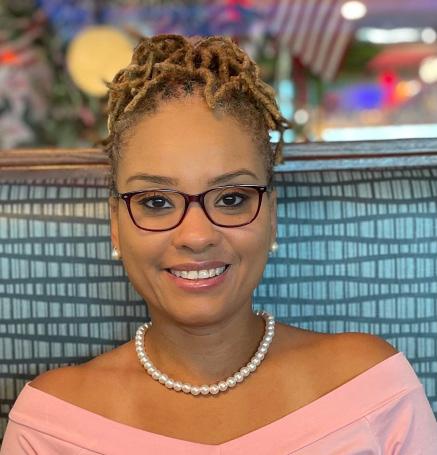
Dissertation Committee
Chair: Dr. Nora C.R. Broege
Members: Dr. Peter F. Troiano and Dr. Tonia Thompson
Overview of Problem: Despite the implementation of equity-focused educational reforms, gender disparities persist in STEM fields, beginning with performance and participation in high school science. Numerous factors contribute to this gap, including societal expectations, representation, and classroom dynamics. One variable that may influence female students' performance is the gender of their science teacher. However, limited empirical research has focused on how teacher gender impacts female students' achievement in high school science courses, particularly within the public education system.
Research Purpose: This study, grounded in Critical Feminist Theory and Steele’s Stereotype Threat Theory, explored whether the gender of high school science teachers affects science achievement for female students; specifically, if female students perform differently in science based on whether they are taught by male or female teachers, as measured by New York State Living Environment Regents exam results.
Research Design: Quantitative comparative study
Sample: Archival data were collected from three demographically diverse New York State school districts: Alpha School District, Beta School District, and Sigma School District. The sample consisted of female students in grades 9–12 who took the Living Environment Regents exam between 2019 and 2024. Datasets included disaggregated performance scores by student gender and teacher gender to allow for more precise analysis.
Data Collection and Analysis: All data were analyzed using SPSS. Independent samples t-tests were employed to compare mean performance scores of female students taught by male versus female science teachers. Descriptive statistics were also generated to identify patterns across districts and over time.
Findings/Results: The study found no statistically significant difference in female students' science performance based on teacher gender.
Conclusions/Implications: Although the findings did not show statistically significant effects, theoretical interpretations suggested that teacher gender may influence classroom dynamics and student confidence. Stereotype threat and institutional gender biases may subtly affect female students’ engagement and identity in science. Educational leaders should continue to implement policies that support gender equity in science classrooms and consider the broader systemic influences addressed by Critical Feminist Theory.
Sharon Spencer is a veteran educator with over two decades of experience in teaching, school leadership, and instructional support. She began her career in 2000 as a Biology teacher in New York City after earning a Bachelor of Science in Biology from Manhattan College. Her leadership skills quickly earned her a promotion to Science Department Chair, where she led a team of educators and helped the school achieve a 92% average Regents passing rate.
She holds a Master’s in Science Education from Hunter College and an M.S.Ed. in Educational Administration from Baruch College. Her leadership journey includes roles as Assistant Principal, Director of School Operations, and Founding Principal of a high school grounded in the values of Perseverance, Respect, Integrity, Discipline, and Excellence.
Sharon currently serves as an adjunct professor, teaching college-level biology courses. She is also a proud member of Alpha Kappa Alpha Sorority, Inc. A devoted mother, Sharon is driven by the belief that every child deserves a school where they are safe, challenged, and celebrated. Schools where she would be proud to send her own children. Having completed the Superintendent Development Program through SUNY Oswego, she is now pursuing district-level leadership opportunities to ensure equitable, high-quality education for all learners.
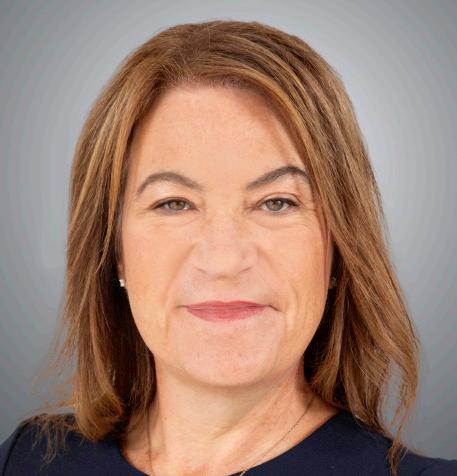
Abstract
Signature Pathway O-U BOCES Cohort 1
Dissertation Committee
Chair: Dr. Kenneth Mitchell
Members: Dr. Yiping Wan and Dr. Frank Zamperlin
Overview of Problem: The COVID-19 global pandemic created unprecedented educational disruption, requiring school district administrators to implement remote learning with minimal preparation. As traditional in-person communication channels were halted, social media platforms, particularly Facebook, emerged as critical spaces where mothers sought information, built community, and advocated for their children’s educational needs. This digital shift fundamentally altered power dynamics between parents and school districts, creating contested spaces where educational policies and decisions were publicly challenged and negotiated.
Research Purpose: This interpretive qualitative study examined how mothers used Facebook as a platform for educational advocacy during the COVID-19 global pandemic and the extent to which their online engagement influenced school district administrators’ decision-making processes. Employing contested space theory as the theoretical framework, this research examined how Facebook groups, particularly Mothers of New York, functioned as digital arenas where traditional power dynamics between parents and educational institutions were negotiated and challenged during unprecedented school closures, and how administrators monitored, interpreted, and responded to emerging parent advocacy networks during the initial pandemic response.
Research Design: interpretive qualitative approach with triangulated data collection methods.
Sample: Fourteen New York school district administrators (principals, assistant superintendents, and superintendents) who held decision-making positions during the COVID-19 global pandemic.
Data Collection and Analysis: Data collection employed semistructured interviews; systematic collection and content analysis of Facebook posts from the Mothers of New York group, and examination of district communications from March through October 2020; and analysis of district communication documents.
Findings/Results: Four themes emerged: Initial Denial, Informal Intelligence Networks, Setting the Record Straight, and Evolution from Reactive to Proactive. While administrators initially resisted engaging with social media, digital platforms enabled mothers to coordinate messaging and challenge institutional authority, compelling administrators to develop strategic responses and evolve from reactive crisis management to proactive communication approaches.
Conclusions/Implications: Stakeholder engagement in educational leadership during crisis situations is essential and the findings inform future communication strategies between school districts and parents. As social media continues transforming civic engagement in educational contexts, findings illuminated how contested digital spaces reshape traditional power relationships in K-12 education.
Kerri Stroka serves as Deputy Superintendent at Orange-Ulster BOCES with more than 25 years of experience in educational administration. Throughout her career, she has focused on leadership development, creating strategic partnerships, removing systemic barriers, and advancing educational vision that ensures equitable opportunities for all students, educators, and instructional leaders. Her professional practice emphasizes organizational capacity building and creating pathways for aspiring educational leaders. She is deeply committed to mentorship and believes in the power of collaboration to strengthen educational organizations and communities. Kerri resides in New York's Hudson Valley with her husband and school-aged daughter. She has three older children, one in college and two serving as officers in the U.S. Navy and the U.S. Air Force.
Abstract
Dissertation Committee
Chair: Dr. Susan V. Iverson
Members: Dr. Martin Fitzgerald and Dr. Nicole Joseph
Overview of Problem: Ugent educational problem in America’s educational system is the disproportionate college access for economically disadvantaged students. Subsequently, economically disadvantaged schools in the U.S. require principals to plan for implementing college awareness and career readiness initiatives.
Research Purpose: To describe how middle school principals at economically disadvantaged schools implement college and career readiness initiatives through the lens of Bronfenbrenner’s ecological system.
Research Design: This study used a qualitative interpretive inquiry to explore the experiences of middle school principals (grades 5–8). This approach examines how individuals make meaning of their lived experiences within social and organizational contexts, allowing in-depth analysis of the perspectives, complexities, and subjective influences that shape their professional practices and decision-making.
Sample: The sample included 12 principals from U.S. public middle schools (grades 5–8) serving economically disadvantaged students. Each had at least two years in their current role, led schools with 25% of students qualifying for free or reduced-price lunch or other indicators of socioeconomic disadvantage, and had at least one year of experience implementing college and career-readiness initiatives.
Data Collection and Analysis: Data were collected via 60-minute semistructured Zoom interviews. Transcripts were manually coded, supplemented with reflective journaling, and analyzed with Delve software to identify themes. Codes were generated inductively through iterative analysis and systematic refinement, with member checking conducted to ensure credibility and data securely stored.
Findings/Results: Four key themes emerged: Education Beyond Memorization, Every Child Deserves a Champion, Mindset Shift, and We Are All In This Together. Collectively, they form a student-centered leadership that emphasizes meaningful skill development, high expectations, shared responsibility, and strong connections with students, families, and the community, ensuring all students have access to college- and career-readiness opportunities.
Conclusions/Implications: Principals in economically disadvantaged middle schools promote college and career readiness by combining student-centered, experiential learning with equity-focused, collaborative practices across school, home, and community. Sustainable CCR requires systemic coordination, aligning goals with school plans, integrating career connections into instruction, using data to support all students, providing individualized guidance, and partnering with the community to ensure equitable, real-world learning that prepares students for postsecondary success.
Maria Regina Tartaglione is an educator in the Yonkers Public Schools with 27.5 years of experience serving in a wide range of middle school programs, including College Board, Montessori, the International Baccalaureate Middle Years Programme, Performing Arts, and the Paideia School Model. Over the course of her career, she has held roles such as administrative intern, literacy coach, Data Liaison, instructional coach, and School-Based Public Relations Coordinator. Maria has collaborated extensively with colleges and universities through summer learning academies designed to prepare students for future academic success. A data-driven leader with a strong commitment to equity, Maria grounds her work in practices that foster inclusive, student-centered learning. Maria’s work is emphasized in career development programs, which assist students in preparing for academic success and future professional opportunities. Maria Tartaglione holds a bachelor’s degree in criminal justice with a focus in political science, a master’s degree in elementary education, and a master’s degree in school building leadership and district administration.
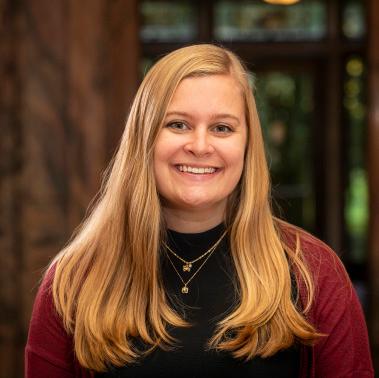
Abstract
Dissertation Committee
Chair: Dr. Susan V. Iverson
Members: Dr. Yiping Wan and Dr. Kevin McGinniss
Overview of Problem: Athletic directors continue to experience turbulent times due to the internal and external factors of college sports, ranging from the COVID-19 pandemic, which created unprecedented challenges such as lost revenue, staff attrition and schedule disruption, to current socio-political challenges, such as the U.S. president administration. Additionally, with recent changes in name, image, and likeness rules, as well as student-athlete mental health and the transfer portal, athletic directors must navigate increasingly complex and uncertain environments.
Research Purpose: The purpose for this qualitative study is to describe how collegiate athletic directors provided leadership and executed their responsibilities during turbulent times and describe how leaders (athletic directors) adapted to the uncertain and disruptive situations that they encountered.
Research Design: This qualitative study employed an interpretive lens to investigate how collegiate athletic administrators managed their leadership roles and responsibilities during turbulent times. The concept of turbulence is drawn from the theoretical lens for this study, Gross’ (1998) Turbulence Theory.
Sample: The study’s sample included 15 NCAA Division III athletic directors, each with at least five years’ experience in the role within the northeast/mid-Atlantic region of the United States. Participants were recruited or referred to by colleagues of mine, social media, and snowball sampling methods.
Data Collection and Analysis: Data were collected through semi-structured interviews with the participants and analyzed using Yin’s (2016) phases of qualitative analysis. The interviews explored their decision-making processes, communication strategies, relationship management, and crisis management techniques, among other leadership aspects. This led to the emergence of three themes: (a) COVID-19: “Can we get through this?”; (b) Uncertain Times Ahead: “The next catastrophe”; and (c) Triumphs: “We all made it”.
Findings/Results: This study found that athletic directors managed their leadership roles by navigating complex organizational challenges, fostering strong relationships, and adjusting leadership practices in response to turbulent conditions.
Conclusions/Implications: This informs future research, policy development, and practice by emphasizing the need for leadership preparation that equips athletic administrators to manage complex organizational challenges and sustained instability.
Jennifer McCarthy Templeton was raised in Norwalk, Connecticut and is a graduate of the Norwalk Public School District. Jennifer earned her Bachelor of Science degree in Exercise Science: Physical Education K-12 from Southern Connecticut State University in New Haven, Connecticut. During Jennifer’s undergraduate career, she was a women’s lacrosse student-athlete, a two-time captain, and a member of the Student-Athlete Advisory Committee (SAAC). She continued her educational journey, completing a Master of Science degree in Sport and Entertainment Management at Southern Connecticut State University. While in graduate school, Jennifer was an Assistant Women’s Lacrosse Coach and a graduate assistant in the athletic department. Jennifer is currently an Assistant Professor in the Department of Recreation, Tourism, and Sport Management at Southern Connecticut State University. In this role, Jennifer is responsible for teaching several Sport Management courses and is the Internship Coordinator. Previously, Jennifer worked at Manhattanville University in Purchase, New York for six years, where she worked in the athletic department as the Intramural and Compliance Coordinator and after three years, transitioned to the role of Director of Academic Advising and Student Success in the School of Arts and Sciences. In addition, she was an adjunct professor in the Sport Studies program.

Abstract
Dissertation Committee
Chair: Dr. Martin Fitzgerald
Members: Dr. Peter F. Troiano and Dr. Jack Warner
Overview of Problem: State takeovers are frequently used as a strategy to address persistent challenges in underperforming urban school districts. While these reforms aim to improve systems and outcomes, they often disrupt the daily work of teachers. Despite teachers’ central role in implementing reform, limited research has examined how state takeover shapes their motivation and job satisfaction.
Research Purpose: This study aimed to understand and describe how teachers in a large urban school district experience state takeover, specifically examining their motivation and job satisfaction through the lens of Self-Determination Theory (SDT), with attention to autonomy, competence, and relatedness.
Research Design: An exploratory descriptive qualitative (EDQ) design was used to capture participants' experiences in the context of a state takeover.
Sample: The sample included 12 secondary teachers (Grades 6–12) in English, math, and science who were employed in the district before and during the state takeover and had at least three years of district teaching experience prior to the takeover.
Data Collection and Analysis: Data were collected through semi-structured, audio-only interviews. Transcripts were analyzed using Braun and Clarke’s (2006) six-step thematic analysis to identify patterns across participant experiences. Findings/Results: Teachers described state takeover as a shift in the conditions of their daily work, characterized by layered initiatives, expanding demands, and increased compliance expectations. In response, teachers developed classroom-level adaptations and workarounds to meet both system requirements and student needs. Motivation remained strongly rooted in relationships with students, while autonomy was constrained, competence was internally sustained but unevenly supported, and relatedness was strongest within schools but weaker at the system level.
Conclusions/Implications: Teacher motivation under state takeover is best understood not as an individual trait, but as a response to the professional working conditions created by the takeover. Findings suggest that the success of takeover reform depends not only on policy design or governance structures, but on the extent to which implementation creates conditions that support autonomy, competence, and relatedness. State and district leaders should intentionally design and implement takeover environments that sustain teacher motivation.
Dr. Alan Tenreiro is currently the President of Mount Saint Charles Academy in Woonsocket, Rhode Island. Prior to his current position, he served as Principal of Cumberland High School and as Assistant Principal at Smithfield High School. Dr. Tenreiro has held several leadership and governance roles, including Chair of the Pawtucket School Committee and President of the Rhode Island College Foundation. In 2016, he was recognized as the National Principal of the Year for his leadership and impact on student outcomes. His work has focused on school improvement, organizational leadership, and expanding student opportunity across public and private education.

Visual Art Teachers’ Perceived Self-Efficacy in Their Prepardness and Effectivenes to teach Middle Level Students with Disabilities
Dissertation Committee
Chair: Dr. Joanne Marien
Members: Dr. Kenneth Mitchell and Dr. Lynn Allen
Overview of Problem: Inclusive education has expanded expectations for teachers to support students with disabilities (SWD) in general education settings; however, limited research examines how visual art educators experience preparedness and instructional effectiveness in inclusive classrooms.
Research Purpose: The purpose of this qualitative study was to explore middle school visual art teachers’ perceptions of their preparedness and effectiveness when teaching SWD in inclusive art classrooms.
Research Design: Qualitative research design, guided by Bandura’s (1977) self-efficacy theory
Sample: Twelve public middle school visual art teachers in New York State.
Data Collection and Analysis: Data were collected using semi structured interviews and analyzed through thematic analysis to identify patterns across participants’ experiences.
Findings/Results: The findings indicated that teachers initially experienced feelings of unpreparedness due to limited preservice training and generalized inclusion models; they emphasized the importance of targeted professional development and collaborative structures as needed support. Participants also noted contextual challenges including diverse student needs, large class sizes, and limited instructional support barriers implementing effective inclusive instruction. Despite these challenges, participant narratives revealed that teacher self-efficacy developed over time; it was strengthened through ongoing experience, reflection, collaboration, and self-initiated professional learning.
Conclusions/Implications: The study contributes to the literature by highlighting the relationship between teacher preparation, self-efficacy development, and instructional effectiveness in inclusive visual art settings. The findings underscore the need for discipline-specific preparation, sustained professional development, and institutional supports to strengthen inclusive practices and promote equitable learning opportunities for students with disabilities.
Andrea B. Tolliver is an educator, artist, and advocate for students with disabilities with over 25 years of experience in art and special education across instructional and leadership roles. She holds degrees and certifications in art education (K12), childhood and special education (Grades 1-6), and educational leadership, including building leader and superintendency certifications. For the past 14 years, Andrea has served as an art teacher for grades 6-9 at The Windward School, in White Plains, New York, specializing in instruction for students with language-based learning disabilities through Orton-Gillingham informed practices, Teaching Basic Writing Skills approaches, and Direct Instruction methodology. She also serves as Director of The Windward Lower School After Care Program (Grades 1-5), where she helped design, budget, and implement an extendedday program focused on organized play and academic enrichment through homework support. Additionally, she has instructed after-school clay classes for students in grades 1-8 for over a decade through after-school and summer programming at The Windward School and local community art centers. Her professional work reflects a strong commitment to inclusive education, advocacy, and equitable access to learning for all students, informed by both her professional practice and lived experiences supporting her dyslexic child. Previously, she served as Chair of the Alumni Advisory Board for Landmark College, supporting fundraising and alumni networking initiatives for over 10 years. An active artist working in ceramics, sculpture, mosaics, collage, gouache, drawing, and theatrical set design, Andrea integrates creative practice with educational research, drawing on the arts to inform teaching, deepen inquiry, and support meaningful learning experiences while advancing inclusive instructional practices.
Dissertation Completion Pathway Cohort 3
DISSERTATION TITLE
Cultural Memory and the Poetry of Principalship in New York City Schools: A Narrative Inquiry of Latinx Principal Leadership*
Dissertation Committee
Chair: Dr. Peter F. Troiano
Members: Dr. Ruben Barato and Dr. Julie Contino
Overview of Problem: Latinx school leaders often maintain a sustained connection to their cultural heritage, which shapes how they interpret and enact leadership within schools. Cultural heritage and values, linguistic awareness, community knowledge, and lived experiences function as forms of experiential knowledge that inform decision-making, advocacy, and relationship-building. These culturally grounded perspectives enable leaders to foster relational trust and credibility among students, families, and staff while advocating for equity within complex urban school systems.
Research Purpose: This study explores the extent to which Latinx school leaders experience their cultural heritage as a resource or barrier in their leadership work within New York City schools.
Research Design: Guided by Latina/o Critical Race Theory (LatCrit), this qualitative study employs narrative inquiry to examine how cultural heritage shapes power and leadership work. LatCrit centers experiential knowledge and cultural capital as legitimate sources of insight into institutional inequities.
Sample: Purposeful sampling was used to recruit five Latinx principals working in New York City schools.
Data Collection and Analysis: Data were collected through two rounds of semi-structured narrative interviews that invited participants to reflect on leadership experiences across time, relationships, and institutional contexts. Participants also composed redondilla poems as reflective artifacts, which served as complementary narrative texts and expressions of cultural memory. Data analysis was guided by the dimensions of temporality, sociality, and place. Open coding identified significant narrative segments, followed by focused coding and cross-case analysis to identify shared themes while preserving individual narrative integrity.
Findings/Results: Findings indicate that cultural heritage serves as a foundation for leadership identity, relational practice, and strategic decision-making. Participants drew upon family teachings, lived experiences, and communitybased knowledge to guide leadership while navigating dominant organizational norms.
Conclusions/Implications: The study suggests that culturally grounded leadership is central to equity-focused principalship, and that leadership preparation programs and district policy should recognize experiential knowledge, relational care, and community cultural wealth as core competencies that strengthen educational leadership.
Dr. Yvette Edith Torres is an educational leader whose work centers on culturally grounded leadership, Latinx principalship, and equity in urban schools. With over three decades of experience in New York City public education, she has served as a teacher, school counselor, assistant principal, district achievement coach, and principal. Her leadership practice is rooted in relational care, community engagement, and a commitment to expanding opportunity for all students. Dr. Torres holds degrees in English Education, Counseling, and Educational Leadership. She is committed to mentoring aspiring leaders, strengthening leadership pipelines, and advancing policies that recognize cultural memory and community wealth as central to effective principalship. Her work affirms that culturally rooted leadership is both transformative and necessary within contemporary urban education.

How Pivoting During the Covid-19 Pandemic Impacted the Roles and Leadership Styles of Elementary School Principals in Urban Public Schools
Dissertation Committee
Chair: Dr. Kenneth Mitchell
Members: Dr. Joanne Marien and Dr. Martin Fitzgerald
Overview of Problem: The COVID-19 global pandemic was a disruption so powerful and complete that it shook the educational system to its core (Azorin & Fullan, 2022). In the process, principals across the globe changed their roles and leadership styles (Pollock, 2020).
Research Purpose: This study examined how elementary school principals in public urban school districts pivoted due to the challenges brought by the COVID-19 pandemic and how that experience changed them as leaders. Specifically, the study examined how the roles of the school leaders changed during the school closure and remote learning eras of the pandemic and how those experiences may have changed their roles and leadership styles long term.
Research Design: This qualitative interview inquiry included interviews with principals and drew upon Lewin’s (1951) change model theory as a theoretical lens.
Sample: Interviews were conducted with 13 elementary school principals in urban public schools in New York City. Data Collection and Analysis: Semistructured interviews were conducted with open-ended questions. Yin’s (2016) fivestep process was utilized for the analysis of the qualitative data.
Findings/Results: Four themes emerged from the findings of this study. During the COVID-19 pandemic, the participants acted as lead connectors in attempting to connect and engage school stakeholders. The participants developed a greater sense of empathy and trust in stakeholders during the pandemic and they demonstrated an increase of use of distributed leadership.
Conclusions/Implications: The participants were impacted long-term by the experience of leading their schools through the COVID-19 pandemic. The participants continued to use distributed leadership to a greater degree, show higher levels of empathy, and act as lead connectors well after the school closure and remote learning phases of the COVID-19 pandemic.
Dr. Erik Van Gunten is currently the principal of PS 117 in Briarwood, Queens. Prior to his current position, he served as the principal of Grimes School in Mount Vernon, NY, and the assistant principal of PS 16 in Williamsburg, Brooklyn. Prior to his administrative career, Dr. Van Gunten was a teacher in Ohio, New York City, and Mexico City. In 2009, he earned the Dispelling the Myth award from the Education Trust in Washington, DC. Dr. Van Gunten was presented with the SWBOCES SLS Administrator of the Year award in Westchester County, NY, in 2020. In 2024, PS 117 was named a Science of Reading Showcase School and featured in the Reading Institute’s micro credential course and was showcased on the Today Show. Dr. Van Gunten served as a panelist during the 2025 NYC MTSS Leadership Summit conference.
Intersecting Religion and Race: An Oral History Exploring Black Alumni Experiences from Segregated Catholic Schools (1940-1970)
Dissertation Committee
Chair: Dr. Susan V. Iverson
Members: Dr. John P. Shekitka and Dr. Seth S. Tannebaum
Overview of Problem: The history of African Americans in the Catholic educational system of the segregated South is one that has often gone untold. This oral history recovered those overlooked stories by examining the lived experiences of African American Catholic school alumni who were educated in Natchez, Mississippi, between 1940 and 1970. Using oral history as both a methodological and narrative tool (Chancellor & Lee, 2016), the study explored how these individuals navigated the intersections of race, religion, and education during a time of deep systemic inequity.
Research Purpose: The purpose of this oral history study was to describe how African American Catholics navigated intersecting racial and religious identities while attending Catholic schools in segregated southern Natchez, Mississippi, from 1940 to 1970.
Research Design: Oral History Study, drew upon theoretical frameworks of Afrocentricity and Intersectionality Sample: The sample consisted of 10 African American Catholic school alumni who attended Catholic schools in Natchez, Mississippi between 1940 and 1970. Participants were selected using purposive and snowball sampling to identify individuals with direct experience relevant to the study.
Data Collection and Analysis: Data were collected through semi-structured interviews with 10 participants and analyzed using thematic analysis to identify patterns and key themes across participants’ narratives.
Findings/Results: Findings revealed several themes: family values and community support; impact of civil rights: “I knew about racism;” and the role of Catholic education expectation of participants to reach their full potential.
Conclusions/Implications: The study concluded that Catholic schooling played a central role in shaping identity through the intersection of race, religion, and community, with implications for educational practice and policy. By centering the voices of African American Catholic school alumni, this study contributed to a deeper understanding of the relationship between race, religion, and education in the American South. It also addressed a gap in existing scholarship by documenting experiences that have been largely overlooked, while preserving narratives that reflect both individual memory and collective history.
Lynn Ann Wills is an experienced educator and educational leader with a strong background in curriculum development, and student support. She has extensive experience working in alternative and correctional education settings, where she has taught Social Studies while serving on committees focused on student success and school culture. Lynn also has extensive experience in higher education, specifically in financial aid and admissions, where she has supported families through the college application and funding process. She holds a bachelor’s and master’s degree from Columbia University, as well as a master’s degree in education from Long Island University.
In addition to her professional work, Lynn is a proud member of Zeta Phi Beta Sorority, Inc., where she currently serves as New York State Historian. She has also completed extensive volunteer work supporting college access, community engagement, and youth development. Her background reflects a strong commitment to education, history, and service.
The “Love Behind Leadership” Fund was established in 2015 to pay it forward to the Manhattanville University Doctoral Program. Rebranded as “EmpowerEdD Leadership” in 2024, this fund empowers doctoral students by supporting their research, providing support for travel to present, recognizing their doctoral achievements, and supporting their writing. An investment in this fund provides students with recognition for their scholarship, showcases the prestige of the program, and introduces the broader community to the incredible doctoral students and alumni.
Every donation creates an enduring tribute to a person in whose honor or memory the donation is made. This contribution endures through recognition of one’s donation that leaves a legacy of your generosity and support for the Doctoral Program in Educational Leadership.
We thank you for your generosity and support of the Doctoral Program in Educational Leadership!

We would like to thank the Manhattanville University School of Education Faculty and Staff for their ongoing support of the doctoral students and program, the dissertation committee members who gave their time and expertise, and the PNW BOCES Center for Educational Leadership for their ongoing support as partners of the Doctoral Program in Educational Leadership

A special thanks to Faculty and Staff who have contributed so much to the success of our Doctoral Program and students:
Dr. Frank Sánchez PRESIDENT
Christine Dehne
PROVOST AND EXECUTIVE VICE PRESIDENT
Dr. Brian V. Carolan Dean of School of Education
Dr. Susan V. Iverson
PROFESSOR & DIRECTOR OF DOCTORAL PROGRAM AND DEPTARTMENT CHAIR IN EDUCATIONAL LEADERSHIP
Dr. Martin Fitzgerald
ASSISTANT DIRECTOR OF THE DOCTORAL PROGRAM IN EDUCATIONAL LEADERSHIP
Dr. Peter F. Troiano
ASSOCIATE PROFESSOR, EDUCATIONAL LEADERSHIP; AND COORDINATOR OF DISSERTATION COMPLETION
Dr. Shelley B. Wepner
DEAN EMERITUS & PROFESSOR, EDUCATIONAL LEADERSHIP; AND COORDINATOR OF SIGNATURE PATHWAY & HIGHER EDUCATION LEADERSHIP PATHWAYS
Dr. Robert Feirsen COORDINATOR AND ASSOCIATE PROFESSOR, EDUCATIONAL LEADERSHIP
Dr. Nora C.R. Broege
ASSISTANT PROFESSOR, EDUCATIONAL LEADERSHIP
Dr. Joanne Marien FACULTY, EDUCATIONAL LEADERSHIP
Dr. Kenneth Mitchell
ASSOCIATE PROFESSOR, EDUCATIONAL LEADERSHIP
Dr. Yiping Wan PROFESSOR, EDUCATIONAL LEADERSHIP
Dr. Victoria Fantozzi
PROFESSOR, CHILDHOOD AND EARLY CHILDHOOD EDUCATION
Dr. Julie Alexander
Dr. Laura Bigaoutte
Dr. Greg Brown
Dr. Emily Creamer
Dr. Jessica Fudge
Dr. Sara Henry
Dr. Nicole Joseph
Seann Kalagher
Doctoral Program in Educational Leadership Staff
Ms. Serafina Martorano
Administrative Assistant
Ms. Paula Moskowitz
Education Librarian for the Doctoral Program
A very special thanks to the Board and Administration of Putnam Northern Westchester BOCES, our partners in offering the Doctoral Program in Educational Leadership
Dr. Lynn Allen
Ms. Keturah Proctor
Dr. Wellinthon García-Mathews
The Administration and Staff of PNW BOCES
Friends and Affiliates of the Manhattanville University Doctoral Program in Educational Leadership
Heartful Editor
Ms. Jessica Tully
Ms. Jessica Cox
Ms. Rocio De la Roca Vasquez
Dr. Gerald Ardito
Ms. Lorena Parada
Ms. Meghan McGivney
Dr. Robert Mangione
Office of the Registrar
Student Financial Services Office
Mr. Jeff Rosedale
Ms. Danielle Wachter
Ms. Lynda Hanley
Ms. Renée Gargano
Educational Leadership Advisory Committee
2025-2026
Dr. Angela Adamu
Dr. Lynn Allen
Dr. Cheryl Champ
Dr. Michelle Gosh
Dr. Debbie Hand
Dr. Ronald Hattar
Dr. Nicole Joseph
Dr. Stephen Lowery
Jean Mann
Dr. Letitia Payne
Dr. Sagrario Rudecindo-O'Neill
Dr. Bancha Srikacha
Dr. Patrick Sullivan
Dr. Debra J. Thomas