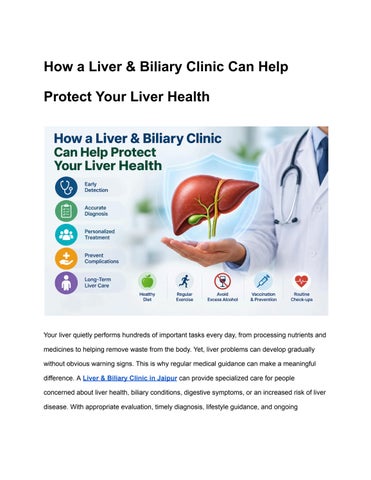
How a Liver & Biliary Clinic Can Help Protect Your Liver Health
Your liver quietly performs hundreds of important tasks every day, from processing nutrients and medicines to helping remove waste from the body. Yet, liver problems can develop gradually without obvious warning signs. This is why regular medical guidance can make a meaningful difference. A Liver & Biliary Clinic in Jaipur can provide specialized care for people concerned about liver health, biliary conditions, digestive symptoms, or an increased risk of liver disease. With appropriate evaluation, timely diagnosis, lifestyle guidance, and ongoing
monitoring, specialized liver care can help identify potential problems before they become more difficult to manage.
Understanding the Importance of Liver Health The liver is one of the body's most hardworking organs. It supports digestion, stores certain nutrients, produces proteins, helps regulate metabolism, and processes substances that enter the bloodstream. Because it has such a wide range of responsibilities, damage to the liver can affect overall health in several ways. Many liver conditions develop slowly. Fat accumulation, viral infections, alcohol-related damage, certain medications, metabolic problems, and other factors may gradually affect liver function. In the early stages, a person may feel completely normal. By the time symptoms become noticeable, the underlying problem may already require more intensive attention. This makes prevention and routine evaluation especially valuable. Understanding your individual risk factors and getting appropriate medical advice can help you make informed decisions about your health.
What Does a Liver and Biliary Clinic Do? A specialized liver and biliary clinic focuses on conditions involving the liver, gallbladder, bile ducts, and related digestive systems. Instead of treating symptoms in isolation, specialists can look at the wider picture, including medical history, lifestyle, medications, existing health conditions, and laboratory findings. Patients may visit such a clinic for concerns including fatty liver, abnormal liver enzymes, hepatitis, jaundice, gallstones, bile duct problems, cirrhosis, or unexplained digestive symptoms.
Some people may also seek an evaluation because they have a family history of liver disease or other risk factors. The benefit of specialized care is that assessment and treatment can be tailored to the individual's circumstances rather than following a one-size-fits-all approach.
Early Detection Can Make a Difference One of the most important ways specialized liver care can protect health is through early detection. Liver disease does not always produce clear symptoms in its initial stages. Routine blood tests, imaging, and clinical assessment can sometimes identify changes before a person develops significant discomfort. A doctor may recommend liver function tests or other investigations depending on the symptoms and risk profile. Imaging studies such as ultrasound may also help assess the liver and biliary system. If a problem is detected, further evaluation can determine its possible cause and severity. Early identification does not necessarily mean that a person has a serious disease. In many cases, it provides an opportunity to address a problem while lifestyle changes, monitoring, or appropriate treatment may still be highly effective.
Managing Fatty Liver Through Better Habits Fatty liver has become increasingly common, particularly alongside conditions such as obesity, insulin resistance, and metabolic syndrome. It can also occur in people who do not consume alcohol. Although it may initially cause few symptoms, persistent liver fat can sometimes progress to inflammation and more significant liver damage.
A liver specialist can help determine possible causes and assess the overall condition of the liver. Management may involve improving diet, increasing physical activity, maintaining a healthy weight, controlling blood sugar, and addressing cholesterol or other metabolic concerns. Rather than relying on extreme diets or quick fixes, patients can benefit from practical, sustainable changes. Professional guidance can make it easier to understand which habits are most relevant to their particular situation.
Support for Hepatitis and Other Liver Conditions Viral hepatitis can affect liver health for a long time, and different forms of hepatitis require different approaches. Some infections may resolve, while others can become chronic and require regular monitoring or treatment. A specialized clinic can help evaluate suspected or known hepatitis through appropriate testing and clinical assessment. Patients can receive guidance about treatment, follow-up, prevention, and measures that may reduce the risk of complications. Specialist care can also be valuable for other chronic liver conditions. Regular monitoring allows doctors to track changes over time and adjust management when necessary.
Care for Gallbladder and Biliary Problems Liver health is closely connected with the biliary system, which includes the gallbladder and bile ducts. Problems such as gallstones, bile duct blockage, inflammation, or other biliary conditions can cause symptoms including abdominal pain, nausea, digestive discomfort, or jaundice. Because symptoms from different digestive conditions can sometimes overlap, proper evaluation is important. A specialist can determine whether symptoms are related to the liver, gallbladder, bile ducts, or another part of the digestive system.
Appropriate investigations can then guide the next step, whether that involves observation, medication, dietary adjustments, specialist procedures, or referral for surgical care when necessary.
Helping Patients Understand Their Risk Factors Good liver care is not only about treating an existing condition. It is also about understanding what could increase the likelihood of future problems. Risk factors may include excess body weight, diabetes, high cholesterol, alcohol consumption, certain infections, family history, and prolonged use of particular medicines. Lifestyle patterns can also influence liver health. A specialist can review these factors and explain which ones deserve attention. This personalized approach can help patients avoid unnecessary worry while focusing on realistic steps that can make a difference.
Guidance on Diet and Lifestyle There is no single diet that works perfectly for every liver condition. However, balanced nutrition and healthy lifestyle habits generally play an important role in supporting overall liver health. A healthcare professional may encourage patients to focus on nutritious foods, adequate protein, appropriate portion sizes, regular physical activity, and limiting excessive intake of highly processed foods and added sugars. Alcohol intake may also need to be reduced or avoided depending on the individual's condition. The key is consistency. Small improvements maintained over months and years can be more useful than temporary restrictions that are difficult to follow.
Monitoring Chronic Liver Conditions Some liver conditions require long-term follow-up rather than a one-time consultation. Regular appointments can help doctors monitor laboratory results, symptoms, medication effects, and changes in liver health. Ongoing monitoring is particularly important when a person has a chronic liver condition or has previously experienced significant liver damage. Follow-up care allows potential changes to be recognized and addressed as early as possible. It also gives patients an opportunity to discuss new symptoms, lifestyle challenges, or questions about their treatment plan.
When Should You Consider a Specialist? People often delay medical evaluation because they do not feel sick. However, symptoms such as persistent abdominal discomfort, unexplained fatigue, yellowing of the eyes or skin, dark urine, swelling, unexplained weight changes, or repeatedly abnormal liver tests should not simply be ignored. A specialist evaluation can also be worthwhile for people with known risk factors, even when they feel healthy. The appropriate timing depends on personal circumstances, medical history, and symptoms. Most importantly, people should avoid self-diagnosing based on symptoms found online. Liver problems can have many possible causes, and proper testing is often necessary to understand what is actually happening.
Choosing Specialized Liver Care
When selecting a liver and biliary clinic, patients should consider factors such as specialist expertise, diagnostic facilities, continuity of care, communication, and the clinic's approach to individualized treatment. A good healthcare experience should leave patients with a clear understanding of their condition and the next steps. Patients should feel comfortable asking questions about tests, treatment options, lifestyle changes, and follow-up requirements. The goal is not simply to treat an abnormal test result. It is to understand the underlying issue and create a practical plan for protecting long-term health.
Making Liver Health a Long-Term Priority Protecting your liver is not something that begins only after symptoms appear. Regular health checks, sensible lifestyle choices, appropriate vaccination and infection prevention where relevant, responsible medication use, and timely medical evaluation can all contribute to better liver health. A specialized clinic can bring these elements together by providing assessment, diagnosis, treatment, monitoring, and education under professional guidance. This can be particularly valuable when a person has multiple risk factors or an existing liver or biliary condition. Ultimately, taking care of the liver means paying attention before a small concern becomes a larger one. With the right medical guidance and consistent healthy habits, many people can take meaningful steps toward maintaining better liver function and overall well-being. For individuals looking for specialized support, a Best Hospital in Jaipur can be an important resource for understanding liver health, identifying potential concerns early, and receiving personalized care when it is needed. Contact Us:-
C-30-A, Baraf Khana, Adarsh Nagar, Jaipur-04 mangalamjpr@gmail.com 0141-2603373 0141-2615367 +91-9829619039 +91-8107368529, +91-8306991400 Tags:Gastroenterology Hospital in Jaipur Breast & Thyroid Surgeries in Jaipur Laparoscopic Cholecystectomy in Jaipur Infertility Treatment in Jaipur