another best known myths and legends are El Cadejo
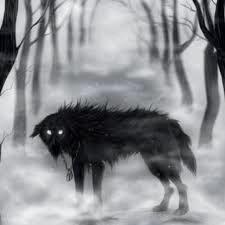
another best known myths and legends are El Cadejo
Myths and legends remain vital in contemporary society as they provide a framework for cultural identity, moral guidance, and entertainment. They serve as repositories of wisdom, containing moral lessons and ethical codes relevant across generations, while also captivating audiences with imaginative storytelling and inspiring creativity. These stories offer insights into human psychology and universal themes, helping individuals navigate their own lives and understand the world around them.
Promoting myths and legends involves a multifaceted approach, encompassing educational initiatives, artistic expression, community events, digital platforms, tourism efforts, collaboration, and merchandise. By integrating myths into educational curricula, encouraging artistic interpretations, hosting community events and festivals, utilizing digital platforms for dissemination, incorporating myths into tourism and cultural heritage initiatives, fostering collaborations, and creating related publications and merchandise, individuals and organizations can effectively promote myths and legends, fostering appreciation, understanding, and engagement with these timeless stories across diverse audiences and cultural contexts.
El Salvador is a region that has a great variety of fantastic stories, classified into different genres, since we find Myths of El Salvador horror, popular, religious, among others. The characters in these stories range from ancient gods to characters with supernatural powers.
Sometimes good and sometimes bad, have filled both the new generations and those who are now elderly and grandparents with fear and fantasy. They are also a historical legacy although they are told in many ways and by different authors.


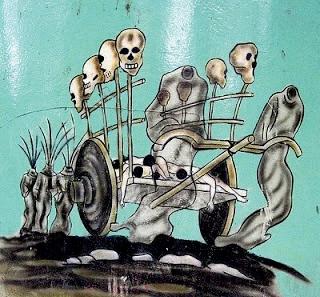
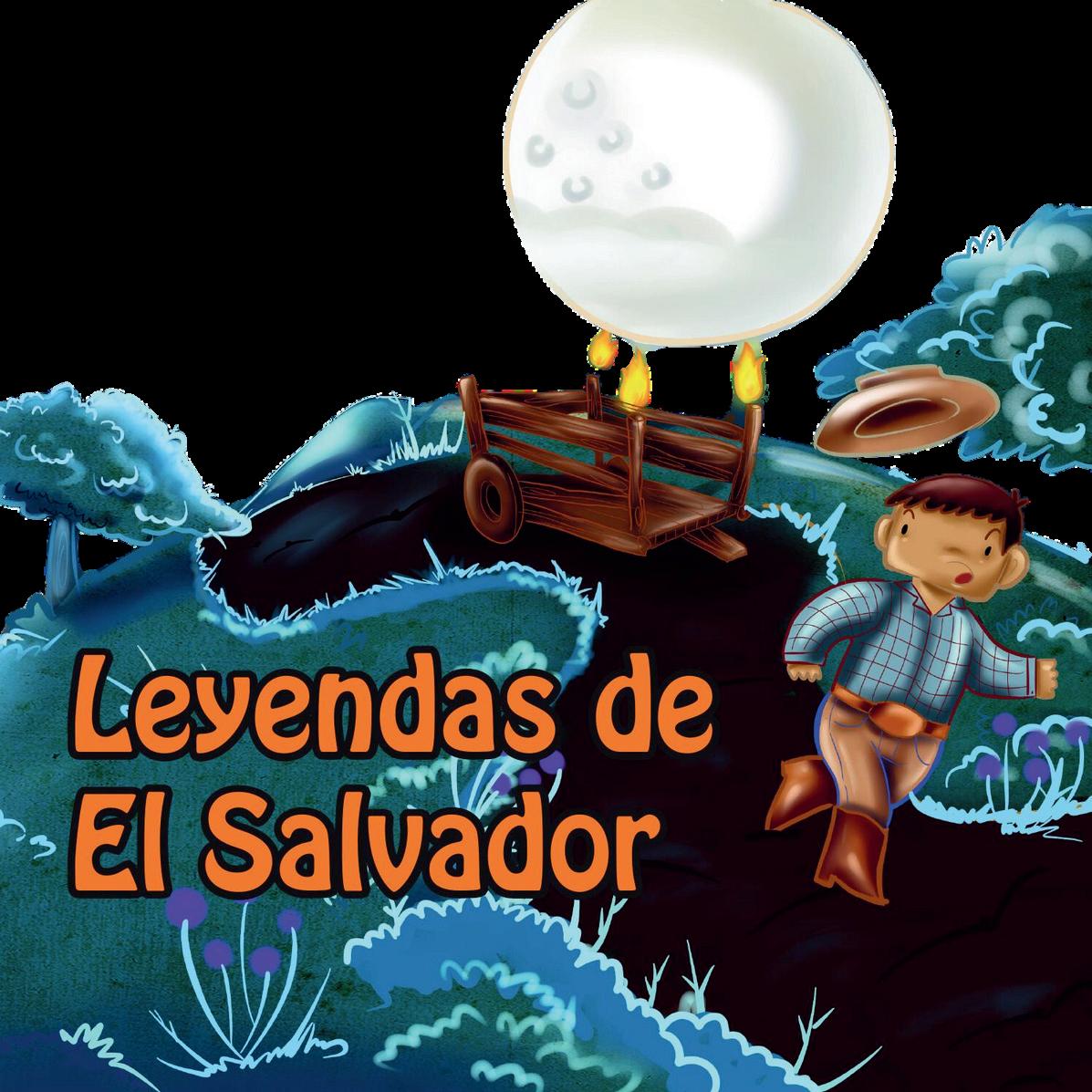 La Carreta Chillona
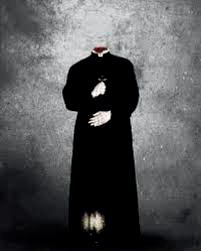
El Padre sin Cabeza
Made by: Karen García, Mariano Castro
La Carreta Chillona
El Padre sin Cabeza
Made by: Karen García, Mariano Castro
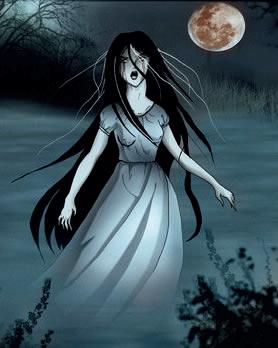
A ghostly woman can be heard crying along the banks of the river at night, searching for any children unlucky enough to cross her path. In an attempt to take revenge on the man she loved and who chose another woman, La Llorona decided to drown her children in an act of revenge; Once she realized the horror she had committed, she drowned too.
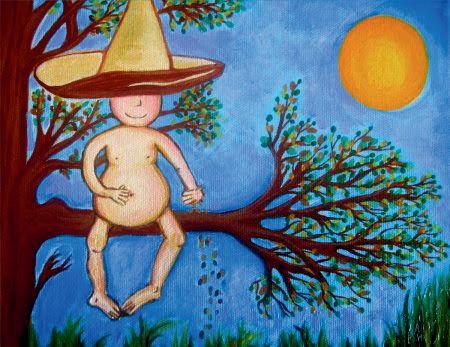
El Cipitio is the son of la Siguanaba, while his mother was condemned to forever wander, this young boy was sentenced to eternal youth. He is not a threatening spirit, but is instead known for being a jokester. He is dressed rather shabbily, and has a big hat and a big belly. While he is harmless, he is obnoxious, known to throw pebbles at pretty young girls as they wash their clothing in the river, along with appearing in the night to laugh, dance, whistle, joke, and ultimately just make a great deal of noise.
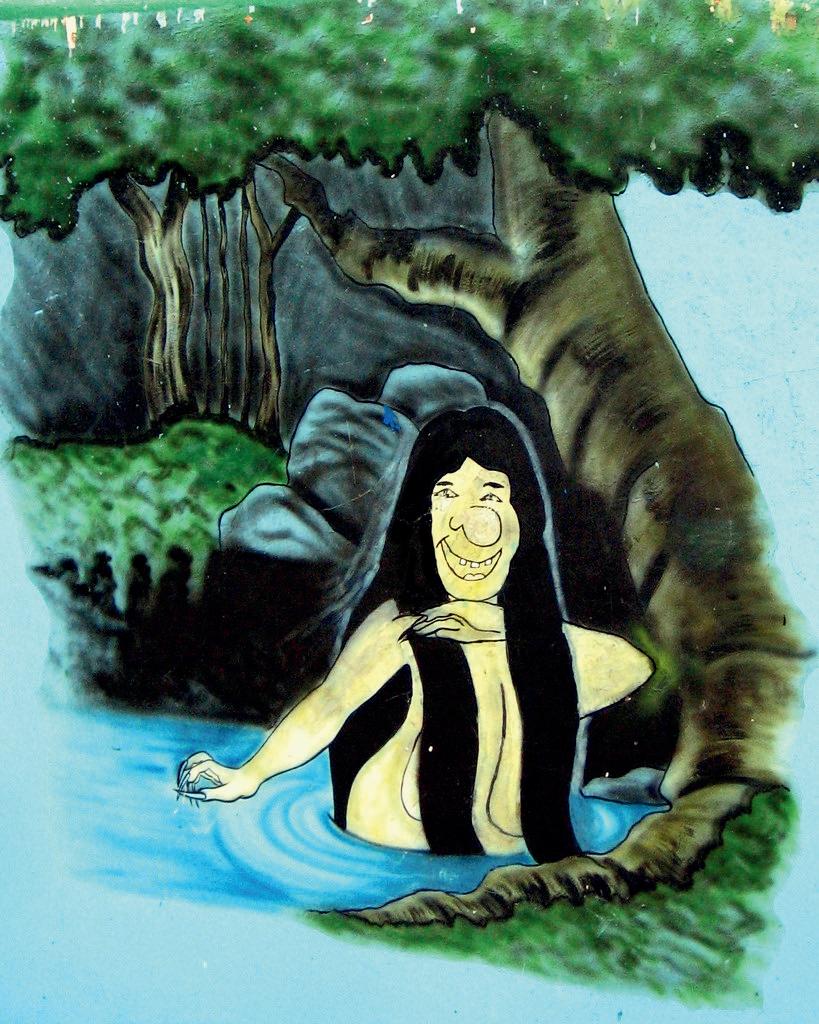
She appears in the night as a beautiful woman, in a sheer, often white dress, with long, beautiful hair. She summons men wandering in the dark, often targeting those who are drunk, conceited, and looking for a conquest, as well as men who are unfaithful to their women. She then seduces the men who are looking to seduce her, but once they get close enough to touch the men thinking they have just about scored she reveals her true self, transforming into a thing of horror.
 la siguanaba