
MARCH 2026
KEPROBA mobilizes national action to support women‑led export enterprises
Kenya Advances Export Growth as China Opens Market Through Zero Tariff Access
Another mango season to savour
Agency hosts exporters roundtable in Mombasa to boost Kenya’s global trade competitiveness
Japan market survey
From Nairobi to London: Kenyan Women Led SMEs Shine at IFE UK
KEPROBA at WRC Safari Rally 2026: Driving the Kenya Brand to the Global Stage
Maureen Mambo- Editor -in-Chief
Mariam Maina - Editor
CONTRIBUTORS
Mariam Maina
Irene Van De Graaf
Gertrude Mirobi
Jonah Karanj
Charles Musee
Irene Muturi
Samuel Njaaga - Layout
By Mariam Maina (mmaina@brand.ke )
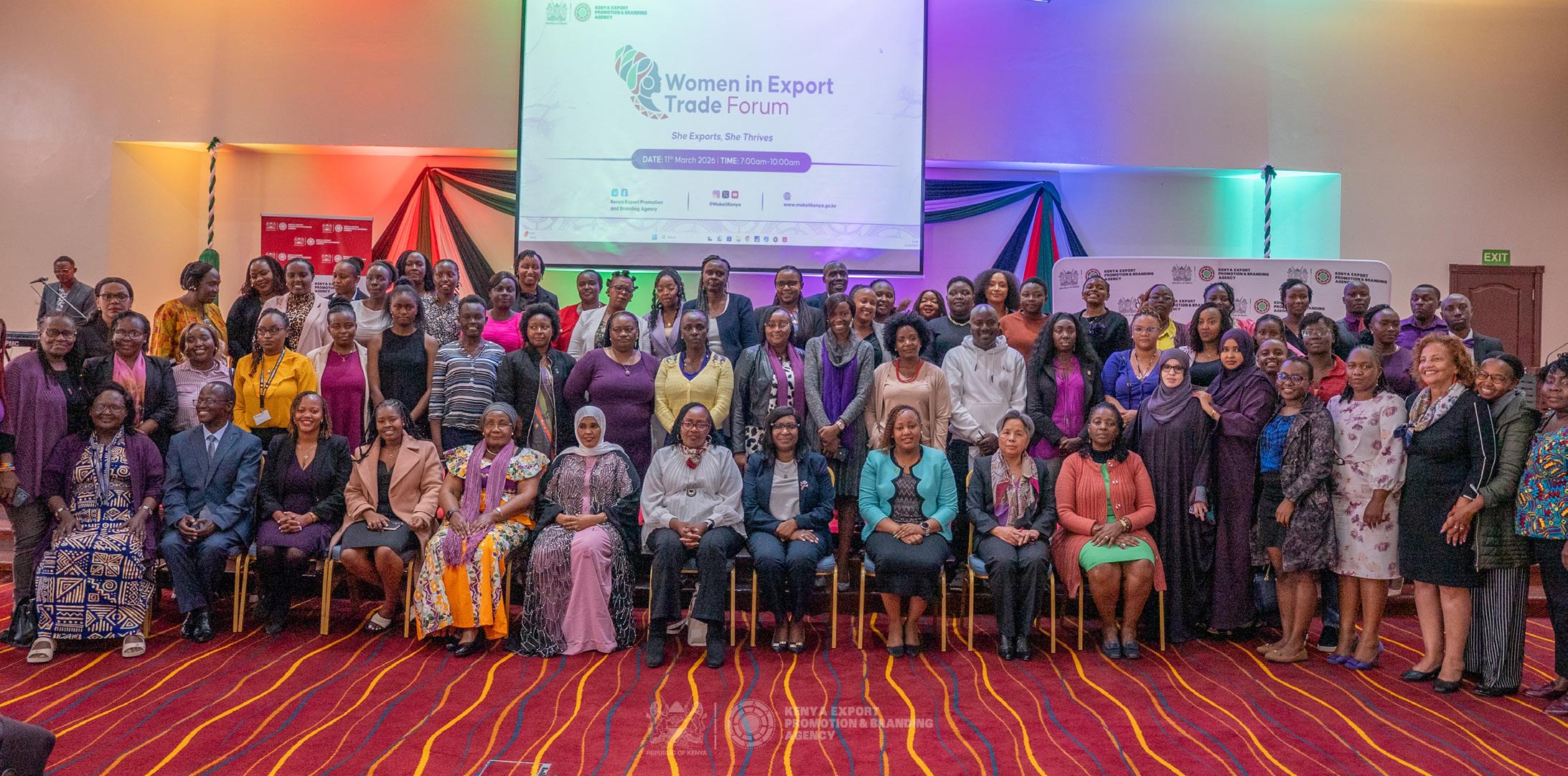
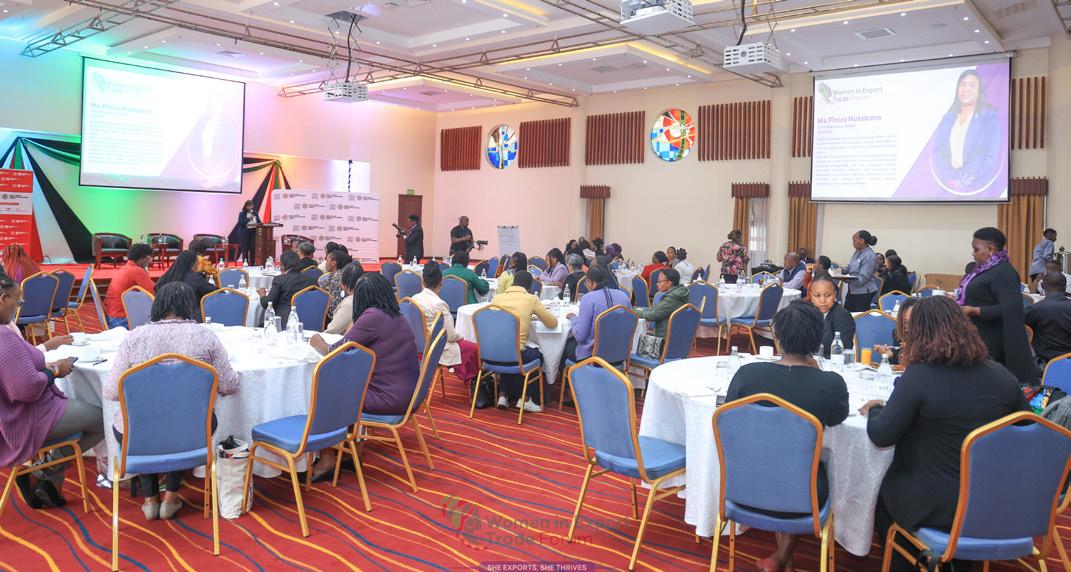
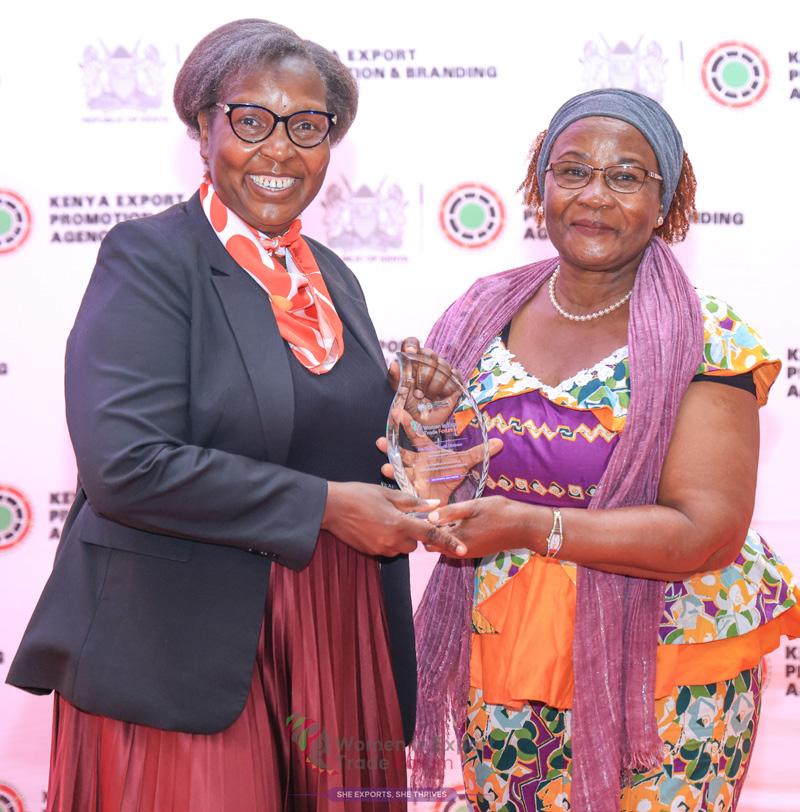
The Kenya Export Promotion and Branding Agency (KEPROBA) hosted the inaugural Women in Export Trade Forum, a landmark national platform aimed at accelerating women’s participation in Kenya’s export economy on March 11, 2026.
Held under the theme “She Exports, She Thrives: Unlocking Women’s Potential in Global Trade,” the forum seeks to celebrate and empower women entrepreneurs who are driving Kenya’s export growth while unlocking new opportunities
for women-led enterprises in international markets.
While presiding over the ceremony, the Principal Secretary, State Department for Trade, Regina Ombam, underscored the urgency to change the narrative of women in export trade.
“From where I stand, it is essential that we share practical information on how women can move beyond local markets and tap into international opportunities. Women need to know what global pathways
exist and how to access them. Real empowerment must be tangible and actionable for us,” said Ombam. “We must claim our space, challenge long held stereotypes and stand in our full potential. Let us support one another, those already exporting should lift and guide those who aspire to do the same. Together, we can expand our reach and strengthen our impact.”
According to the Kenya National Bureau of Statistics (KNBS), women own more than 7.4 million Micro, Small, and Medium Enterprises (MSMEs), accounting for nearly half of all registered businesses in the country. However, despite this strong entrepreneurial presence, fewer than 12 percent of Kenya’s formal exporters are women led enterprises, and women owned firms collectively capture under 8 percent of total export revenues.
Within the East African Community, women play a dominant role in informal cross border trade, constituting 40 to 80 percent of such activity, yet their contribution remains largely unrecorded and unrecognized in formal trade statistics.
Insights from the ITC SheTrades Survey further highlight this disparity: only 9 percent of Kenyan firms are majority women owned, below the Sub Saharan Africa average of 15 percent for small firms, and although women constitute 49 percent of all enterprise owners, their businesses generate just 20 percent of Kenya’s GDP.
In her presentation, KEPROBA CEO, Floice Mukabana noted that empowering women exporters is key to strengthening Kenya’s competitiveness in global trade.

export ecosystem but are also positioned to take advantage of emerging opportunities in international markets.
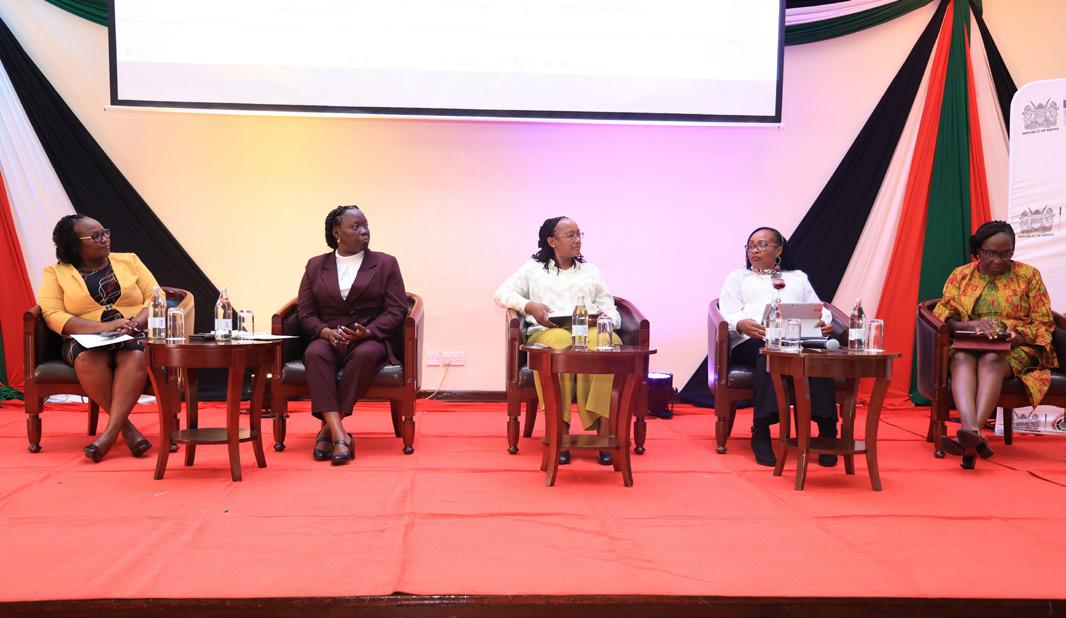
The forum featured a high-level panel discussion on “The State of Women in Kenya’s Export Economy: Progress, Gaps, and the Road Ahead,” bringing together experienced women exporters and industry leaders to share insights on expanding women’s participation in global trade.
In 2027, the Agency will roll out three major initiatives namely, Women Exporters Network Kenya (WEN-Kenya), the She Exports Awards, and the Made in Kenya -Women Exporters Programme.
Looking ahead, KEPROBA is committed to fostering strategic dialogue, strengthening partnerships, and implementing practical, high-impact solutions to accelerate the growth and competitiveness of women-led export enterprises in Kenya.
Women entrepreneurs play a critical role in Kenya’s economic growth and export diversification. Through initiatives such as the Women in Export Trade Forum, KEPROBA is creating platforms that equip women-led enterprises with the knowledge, networks and market linkages needed to access regional and global markets,
Floice Mukabana
CEO-KEPROBA
Mukabana noted that KEPROBA continues to implement programmes that support women exporters through export readiness training, market intelligence, trade promotion initiatives and participation in international trade fairs, enabling them to scale their businesses and compete globally.
As the national Agency mandated to promote exports and strengthen Kenya’s global brand, KEPROBA is working to ensure that women entrepreneurs are not only included in the

By Irene Van De Graaf (irenev@brand.ke)
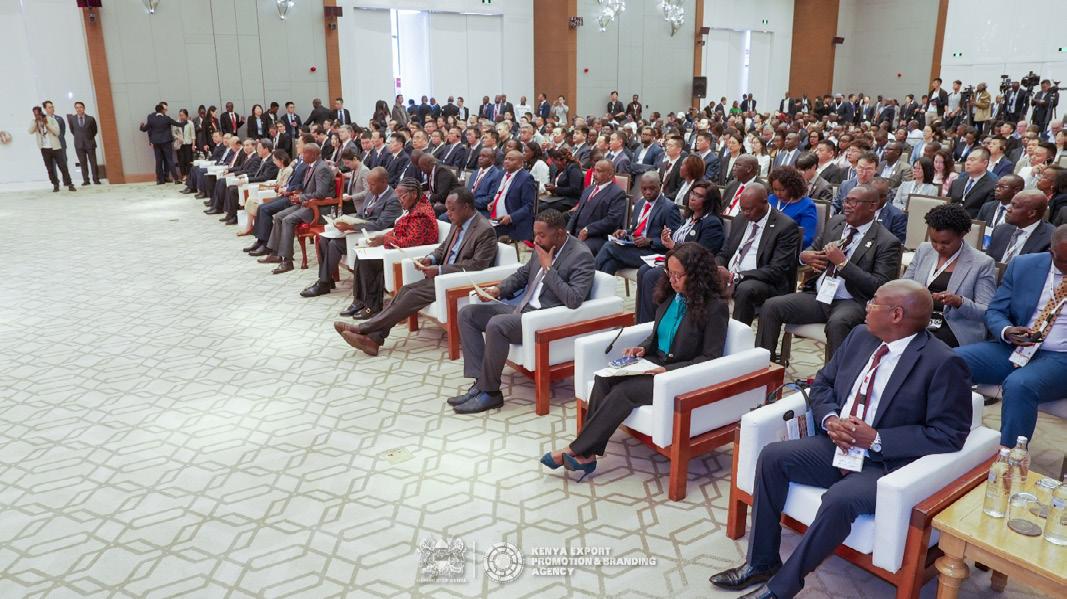
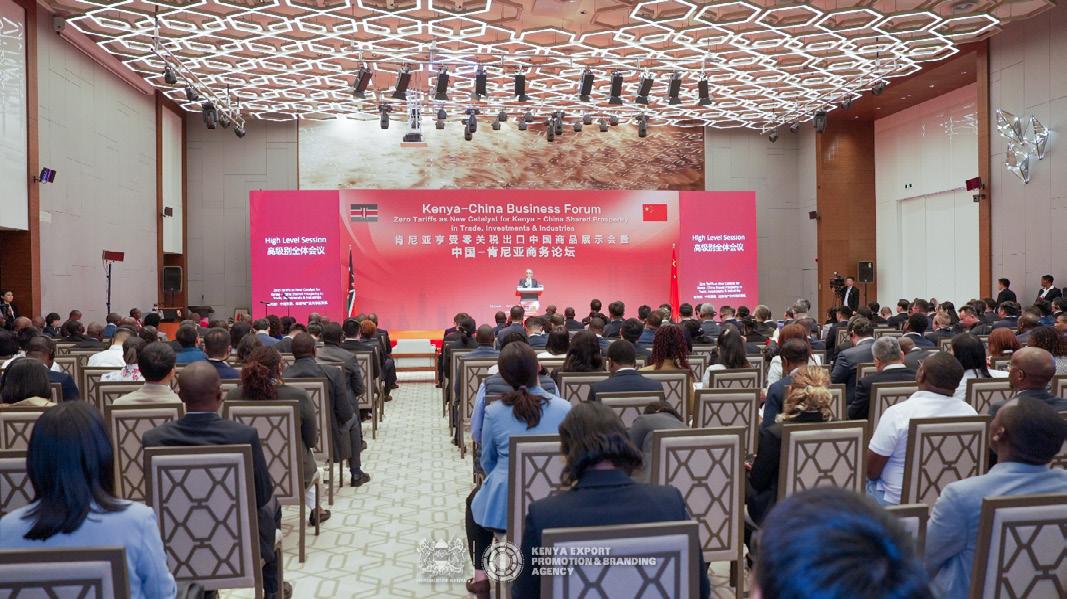
Kenya made a significant stride in advancing its export agenda in March 2026 by hosting the Kenya–China High-Level Business Forum in Nairobi. The forum, held under the theme “Zero Tariffs as New Catalyst for Kenya–China Shared Prosperity in Trade, Investments & Industries,” brought together senior government officials and over 100 business leaders from Kenya and the People’s Republic of China.
The high-level engagement provided a strategic platform to strengthen bilateral trade relations, unlock new
investment opportunities, and expand market access for Kenyan products, particularly at a time when global trade dynamics are increasingly shifting toward partnerships that prioritize market diversification and value addition.
The forum comes at a pivotal moment as Kenya and China advance the implementation of the Early Harvest Agreement, which grants approximately 98.2 percent zero-duty market access for Kenyan exports into the Chinese market. This development is expected to significantly boost
With 98.2% zero-duty access to the Chinese market under the Early Harvest Agreement, Kenya is unlocking unprecedented opportunities for export growth.
export performance, enhance competitiveness of Kenyan products, and address the longstanding trade imbalance between the two countries.
China remains one of Kenya’s largest trading partners, with imports consistently outweighing exports. Recent trade data highlights this imbalance, underscoring the urgency of expanding Kenya’s export capacity and positioning local enterprises to take advantage of emerging opportunities within the Chinese market. Against this backdrop, the forum served as a timely and strategic intervention to realign trade relations and support a more balanced and mutually beneficial economic partnership.
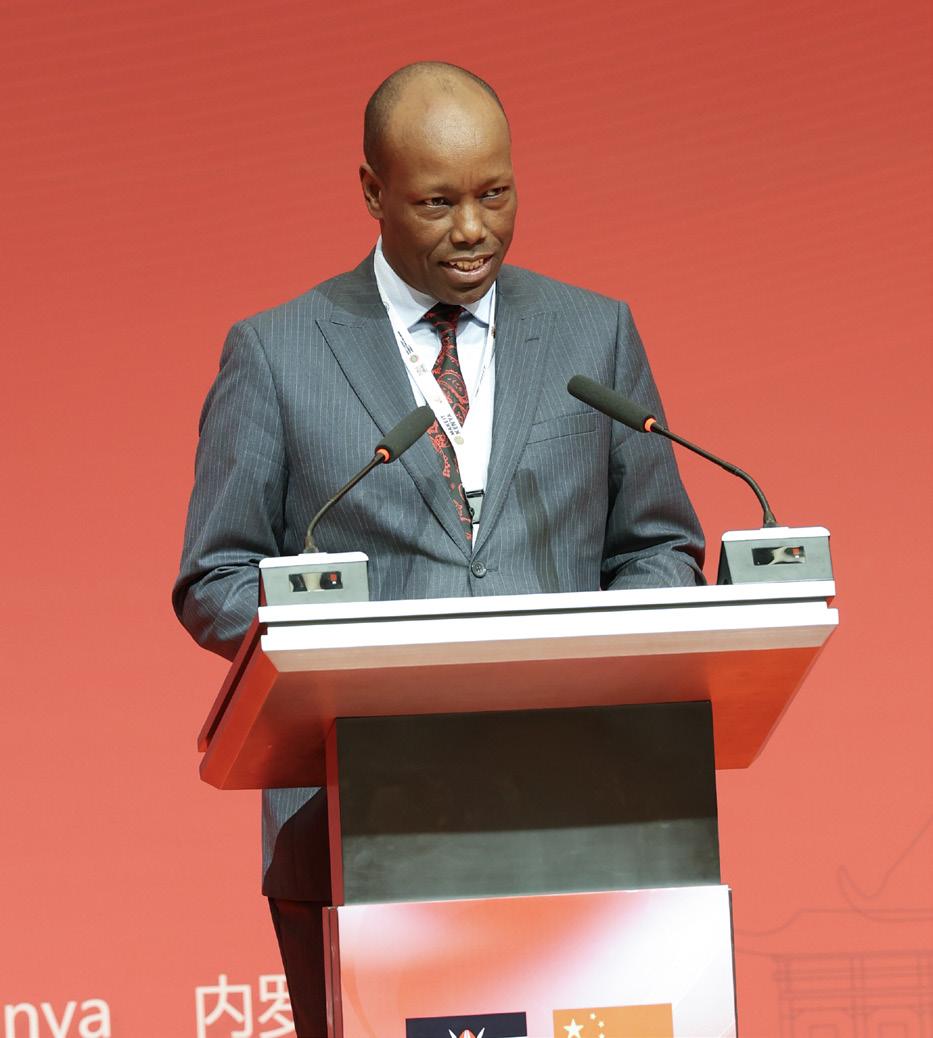
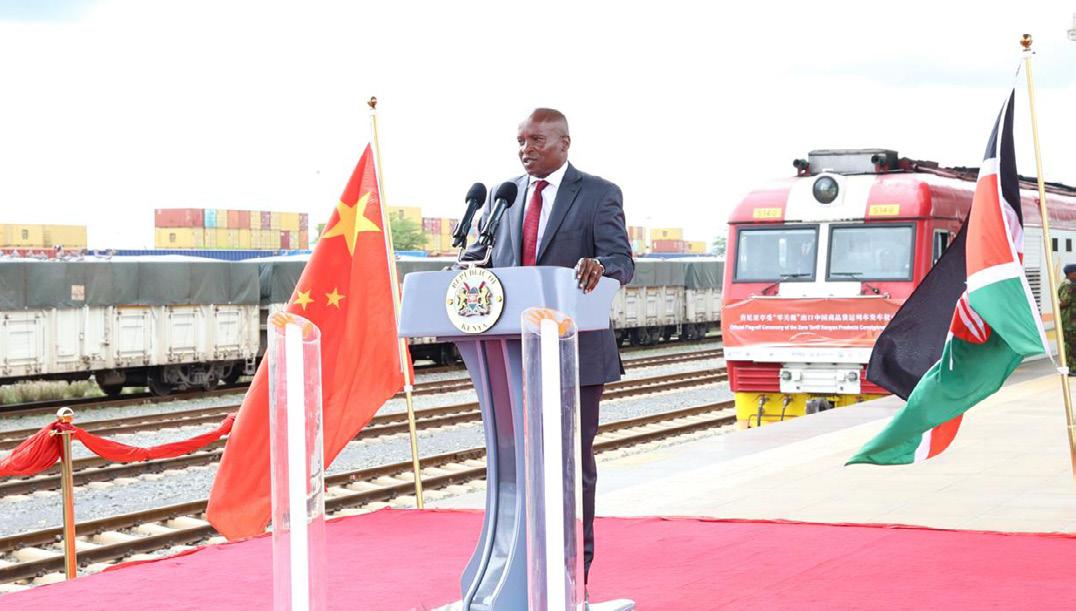
Speaking during the forum, the Deputy President of the Republic of Kenya, H.E. Prof. Kithure Kindiki, emphasized the need to expand Kenya’s export footprint and unlock the full potential of bilateral trade. He noted that the shared objective is to increase Kenya’s exports to China while fostering a more balanced trade relationship between the two economies.
On his part, the Vice President of the People’s Republic of China, H.E. Han Zheng, reaffirmed China’s commitment to strengthening trade and investment cooperation with Kenya. He underscored China’s readiness to deepen engagement and unlock new
opportunities that will drive shared economic growth for both countries.
Also speaking at the forum, the Cabinet Secretary for Investments, Trade and Industry, Hon. Lee Kinyanjui, underscored the significance of the Early Harvest framework as a direct and practical instrument for addressing trade imbalances. He noted that the framework is expected to position Kenyan products more competitively within the Chinese market, particularly in sectors where Kenya has a strong comparative advantage.
The Principal Secretary for Trade, Regina Ombam, further emphasized the importance of translating policy commitments into tangible economic outcomes. She highlighted the role of the forum in strengthening business linkages and creating opportunities for direct engagement between Kenyan exporters and Chinese investors and buyers.
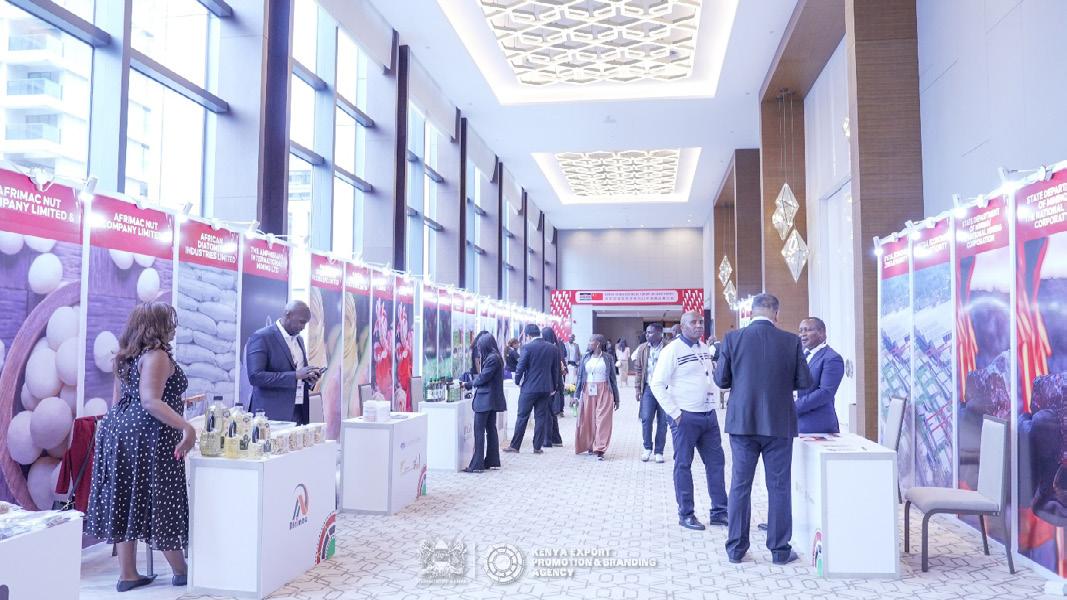
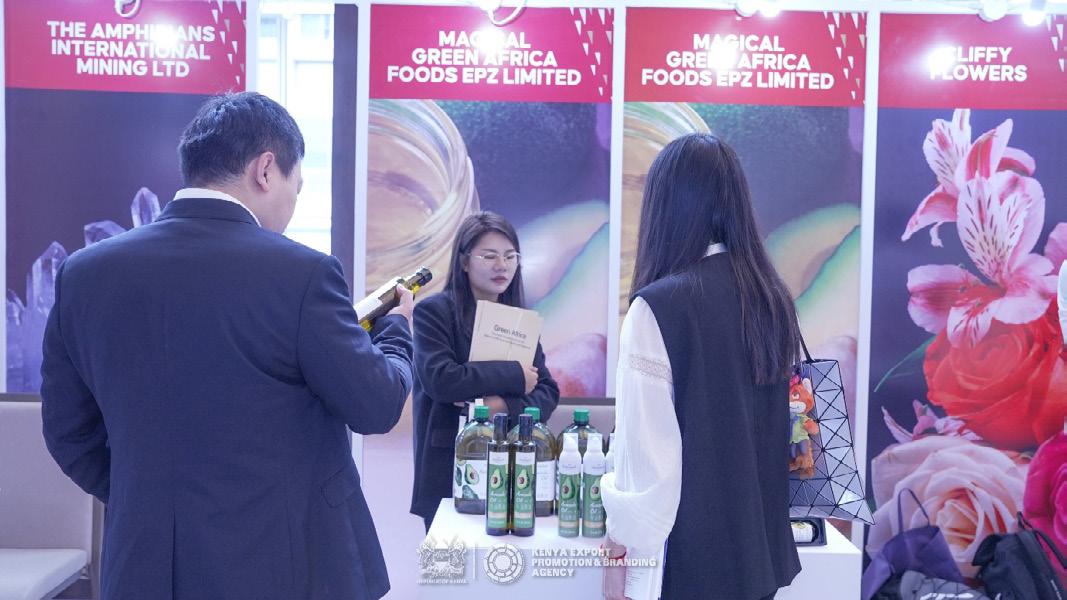
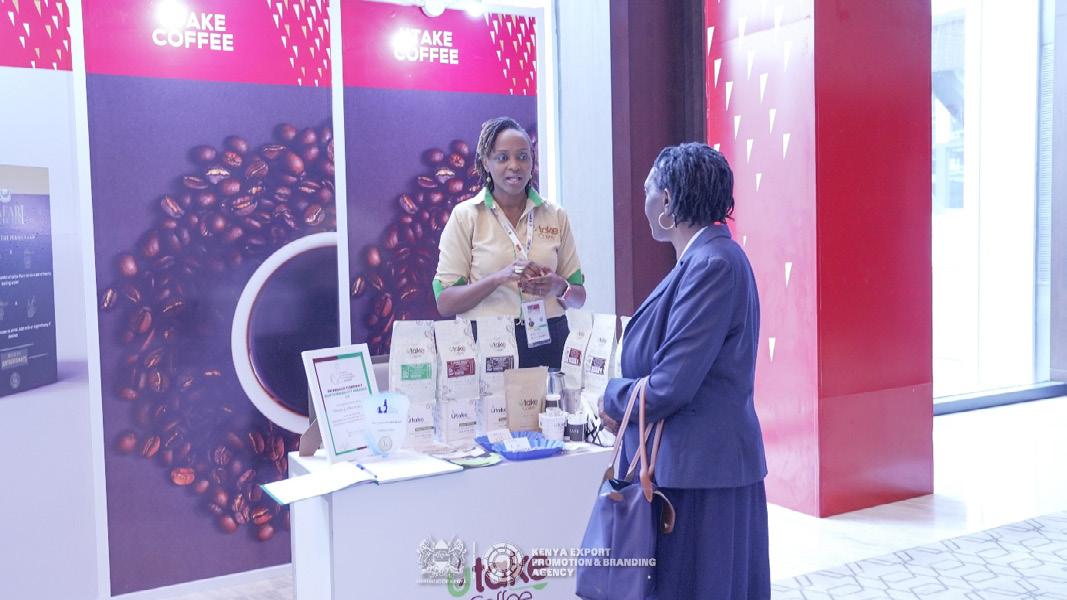
Beyond high-level discussions, the forum featured an exhibition showcasing Kenyan enterprises across key sectors including agriculture, agroprocessing, manufacturing, mining, and financial services. This exhibition provided a practical platform for
businesses to present market-ready products, demonstrate value addition, and engage directly with potential partners from China.
The strong participation of private sector players from both countries highlighted growing confidence in Kenya’s export potential and its positioning as a gateway to regional and continental markets. The forum also facilitated business-to-business engagements, enabling Kenyan enterprises to explore new partnerships, secure market entry opportunities, and better understand the requirements of the Chinese market.
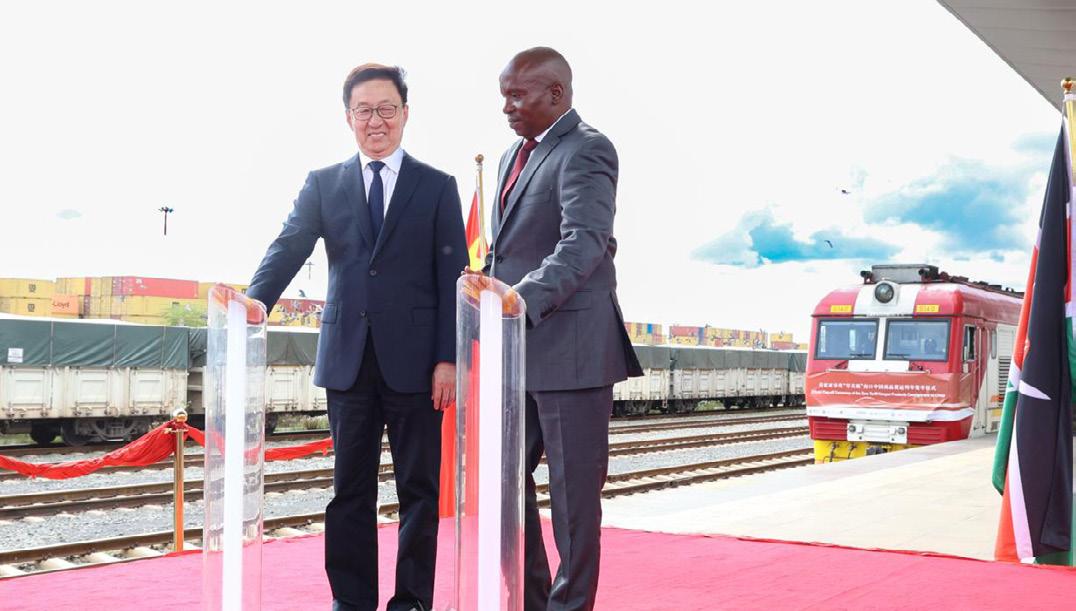
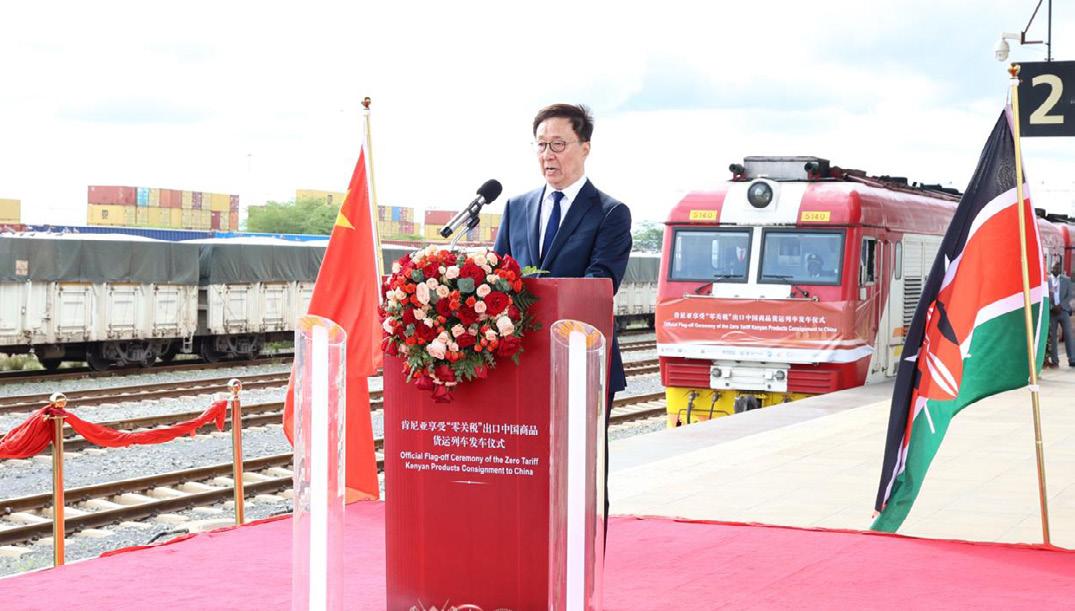
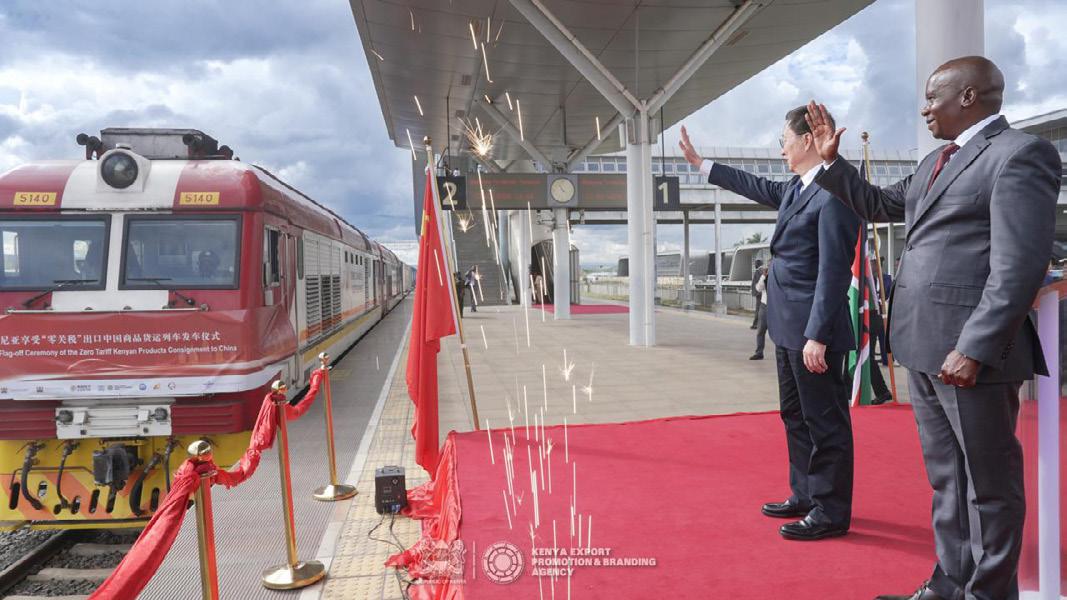
A key highlight of the engagement was the official flag-off of the inaugural export consignment to China under the zero-tariff arrangement at the Standard Gauge Railway Terminus in Nairobi. The consignment included fresh avocados, avocado oil, hides and skins, as well as other agricultural commodities such as coffee and green beans.
This milestone not only demonstrated Kenya’s readiness to supply highquality products to the Chinese market but also marked a critical transition from policy formulation to implementation. It
signaled a new phase in Kenya–China trade relations, one that is increasingly focused on export growth, value addition, and competitiveness.
For the Kenya Export Promotion and Branding Agency (KEPROBA), the forum represents a clear demonstration of its mandate in action. By facilitating platforms that connect Kenyan enterprises to international markets, promoting value-added products, and strengthening Kenya’s national brand, the Agency continues to play a central role in driving the country’s export growth agenda.
The Kenya–China High-Level Business Forum and the subsequent export flagoff mark a significant step in enhancing bilateral trade relations, expanding market access, and positioning Kenya as a competitive and reliable trading partner. As Kenya continues to deepen its engagement with global markets, such initiatives will remain critical in unlocking new opportunities, supporting local enterprises, and driving sustainable economic growth.
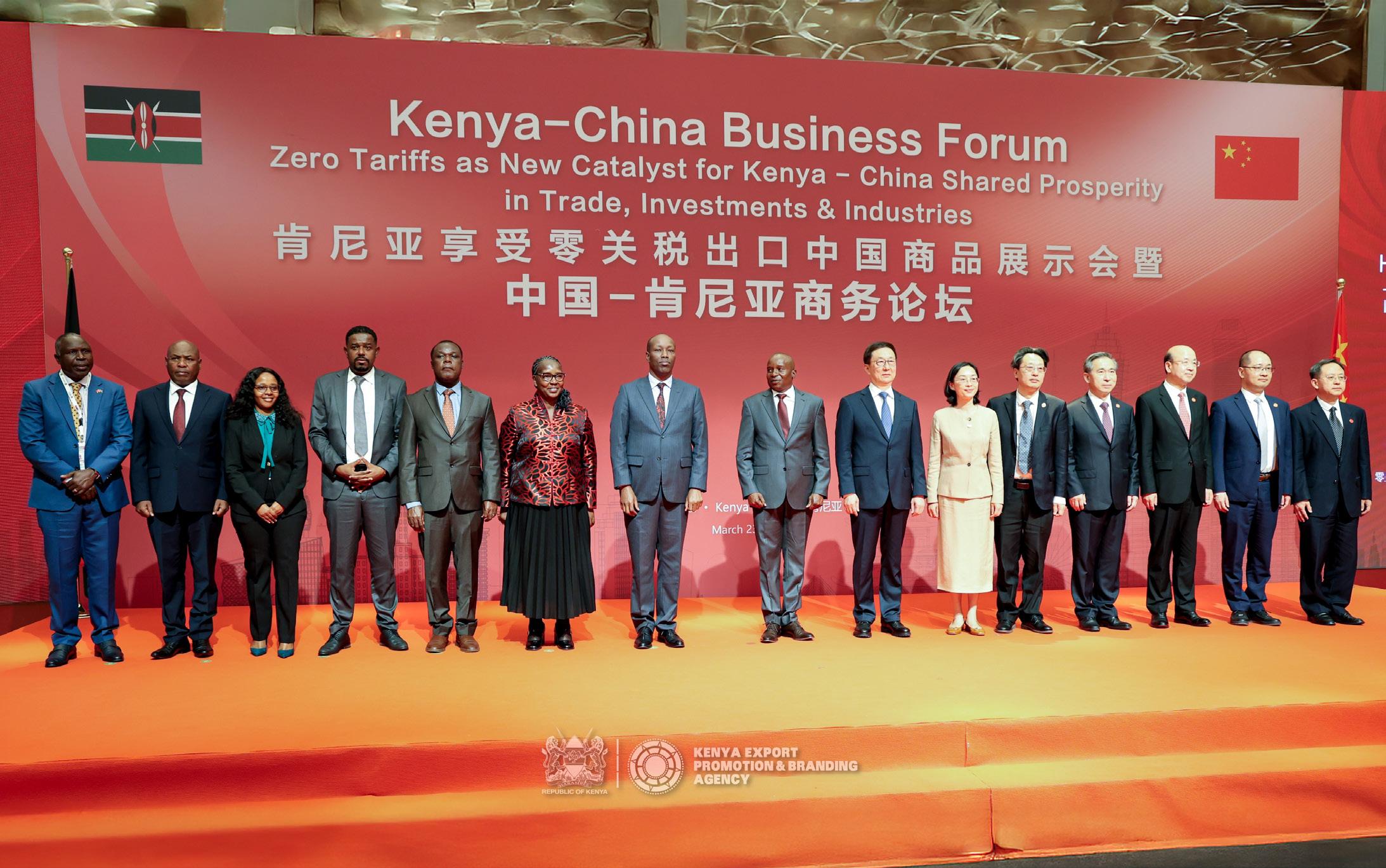
Kenya–China High-Level
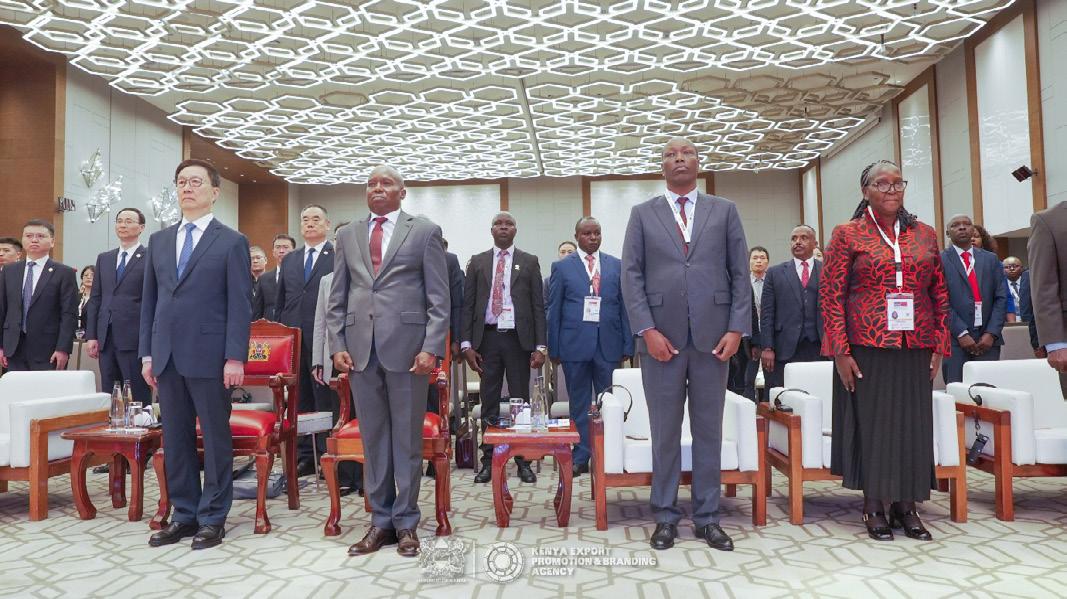
Business Forum in Nairobi in pictures
By Irene Muturi | InternCOMM1@brand.ke
The first mango of the season is never just eaten, it is noticed. Not because someone announces it but because suddenly, they are everywhere. Their arrival marks a change in time, a reminder that nature moves in cycles we can taste, touch and savour.
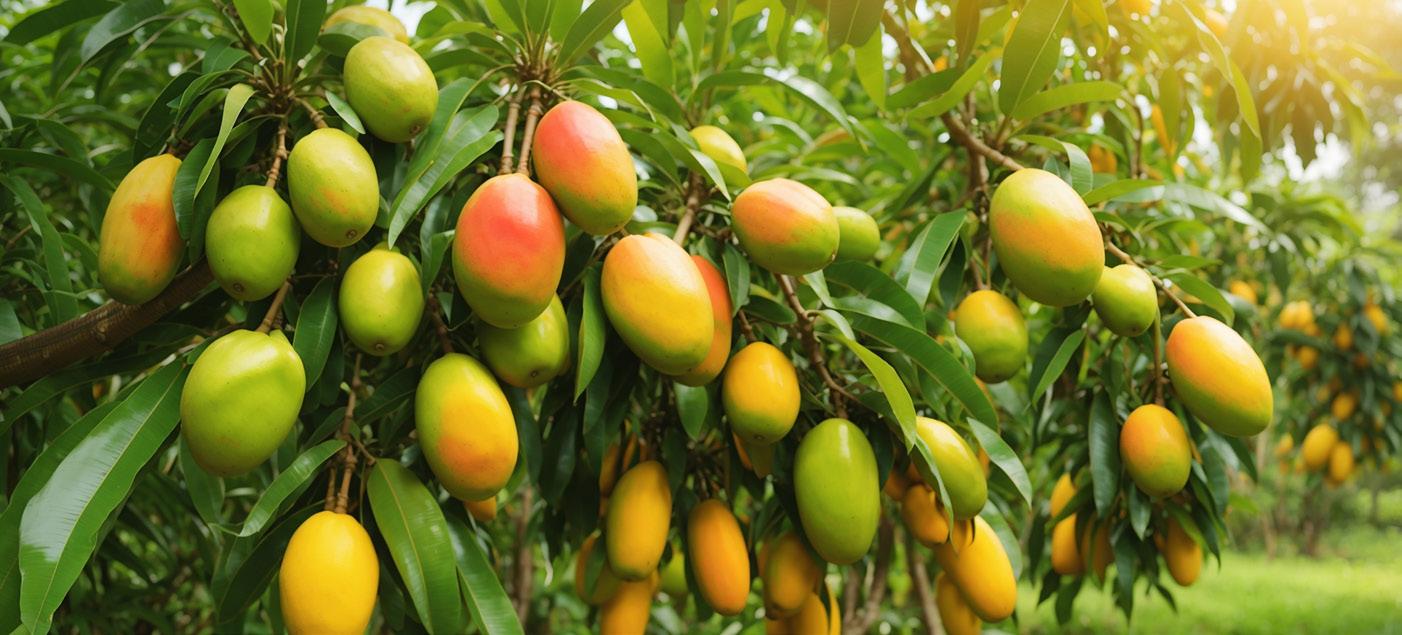
They take over in a way that feels almost effortless. Fruit stalls overflow, supermarket shelves stretch to make room and roadside corners transform into small pockets of business. Wherever you go, there are mangoes, piled high in crates, stacked in careful pyramids or heaped together in a kind of cheerful disorder. For a brief stretch of time, it feels like there are more mangoes than we quite know what to do with.
With so many, people respond, street hawkers appear as if on cue, stepping into the flow of traffic with buckets, trays and quick smiles. They weave between cars, call out to passersby and tap lightly on windows, offering a deal that feels too easy to refuse. Some slice the fruit right there on the spot, handing over golden pieces dripping with juice. Others sell them whole, with quiet confidence that what’s inside will speak for itself.
Even supermarkets seem to lean into the moment. Shelves that held a mix of fruits now glow with shades of yellow, orange and green. The abundance spills over, impossible to ignore. The season occupies space.
What makes this time special, though, is not just how many mangoes there are,

but how differently people experience them. No two mangoes are quite the same. Some are small and intensely sweet, others large and mild. Some carry a deep golden flesh, others a lighter hue. You can pick two that look identical and still be surprised by what you taste.
Everyone has their own way of enjoying them. Some slice them neatly, turning them into perfect cubes. Others prefer to peel and eat them whole, letting the juice run freely, unconcerned with the mess. Some chill them first, others eat them warm from the sun. In homes, on streets, in offices, mangoes become part of daily life, shared, debated or compared.
With so many in circulation, something else happens too, they begin to travel. What cannot be consumed locally finds its way beyond borders, feeding people in other places. The abundance stretches outward, turning a seasonal fruit into something that connects regions and communities. It goes beyond a harvest.
With all this familiarity comes language. Mangoes inspire commentary in a way few fruits do. You hear people say things like, “This one is too sweet,” or “These ones are perfect this year.” I heard a phrase that stuck, playful and oddly accurate, “Mangoes taste like they are serious about being a fruit.” It sounds humorous at first, but it captures something real, mangoes don’t hold back. Their flavour is full, unapologetic and impossible to ignore.
Even in their abundance, they resist becoming ordinary. Each one still carries a small element of surprise. Each bite asks you to pay attention.
At home, the season settles in quietly. Mangoes sit on kitchen counters, sometimes more than planned, ripening all at once. You eat more than you intended, share with neighbours, give some away. There is a kind of generosity that comes naturally when there is enough to go around.
Mangoes taste like they are being a fruit.
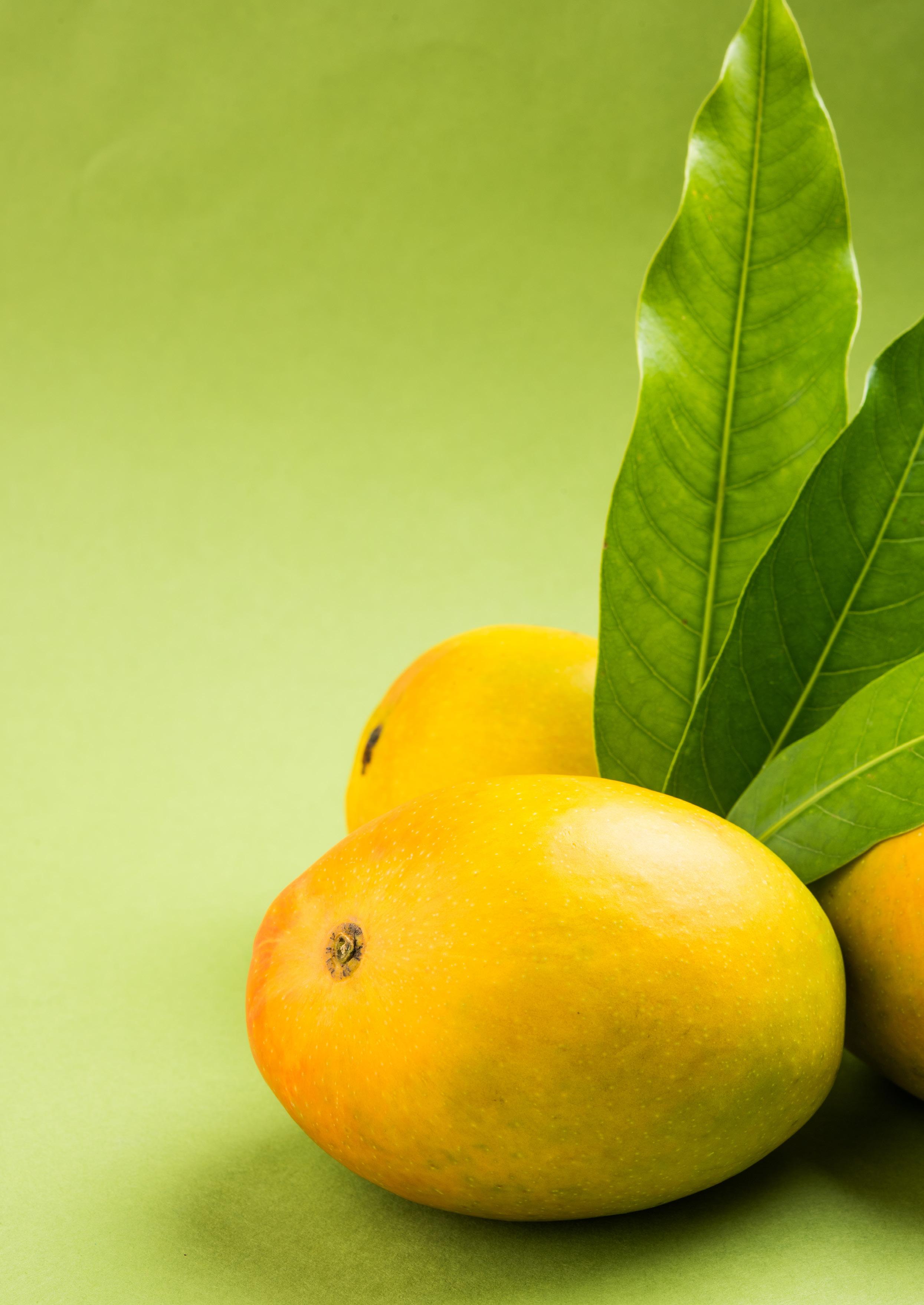
Then, as always, it begins to fade. The overflowing shelves become manageable again. The hawkers go back to what they were selling before. The easy abundance gives way to memory.
It’s mango season in Kenya, a time when fruit takes over markets and conversations, when opportunity meets abundance and when something as simple as a mango becomes a shared experience, eaten, sold and remembered long after the season ends.
By Mariam Maina| mmaina@brand.ke
The Kenya Export Promotion and Branding Agency (KEPROBA) today convened the Exporters Roundtable in Mombasa County, bringing together exporters, manufacturers, government representatives, and industry stakeholders to strengthen Kenya’s export competitiveness and market access.
The Exporters Roundtable which was preceded by a media training and sensitization forum provided exporters with a platform to openly discuss challenges, share best practices, and collaborate on solutions. The forum held on March 26, 2026, sought to facilitate dialogue on regulatory, logistical, and market access barriers, share strategies among experienced and new exporters, identify practical solutions to strengthen the export ecosystem, promote collaboration between government and private sector and influence policy to better support exporters.
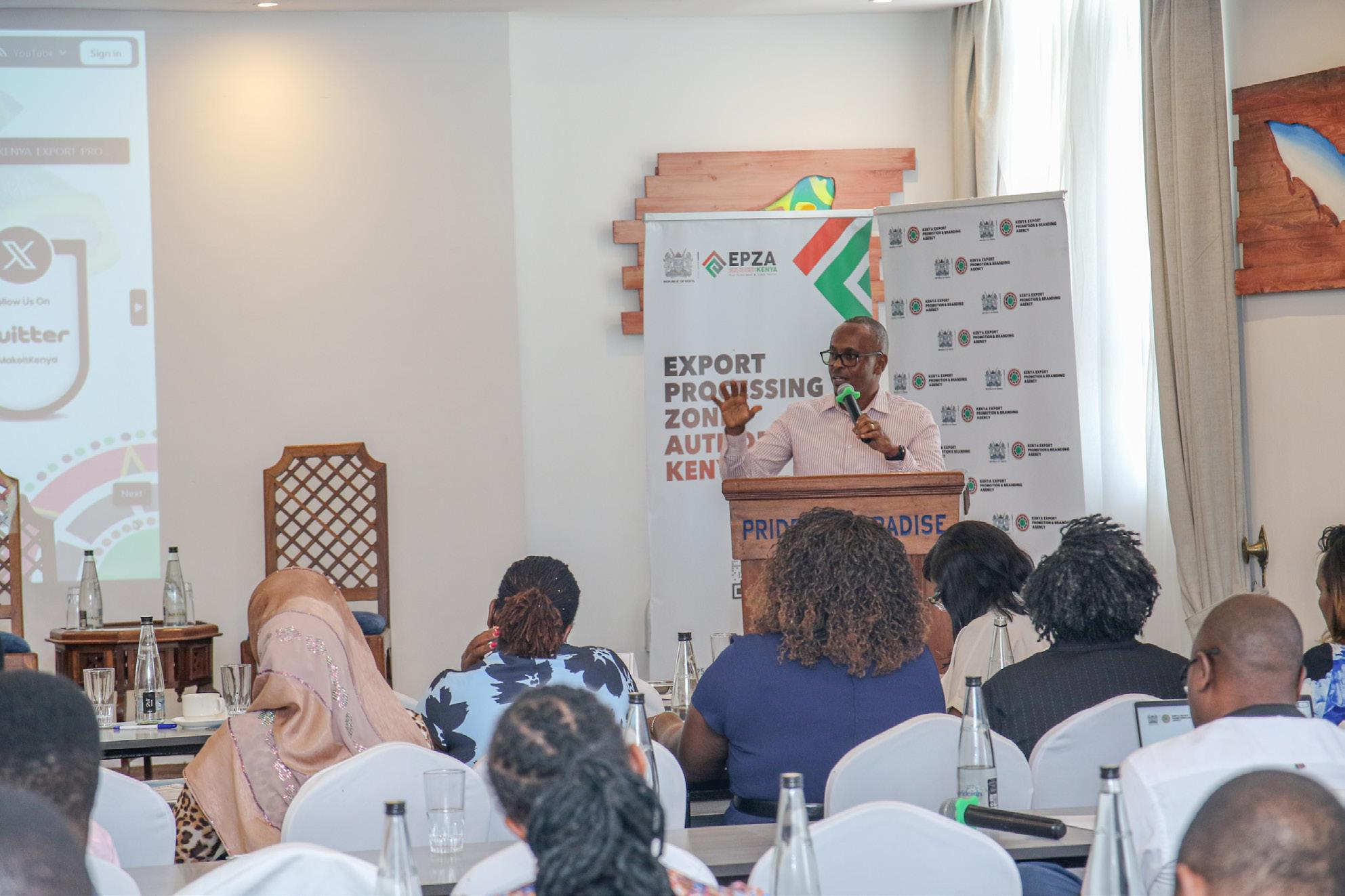
KEPROBA’s Board Chairman Dennis Mwirigi underscored the importance of structured and strategic engagement with
Strengthening collaboration, policy coherence, and shared accountability is key to advancing Kenya’s export agenda, with the Board commi ed to driving a resilient, inclusive, and globally competitive export sector
The Government has a clear agenda focused on unlocking growth and strengthening Kenya’s export ecosystem.
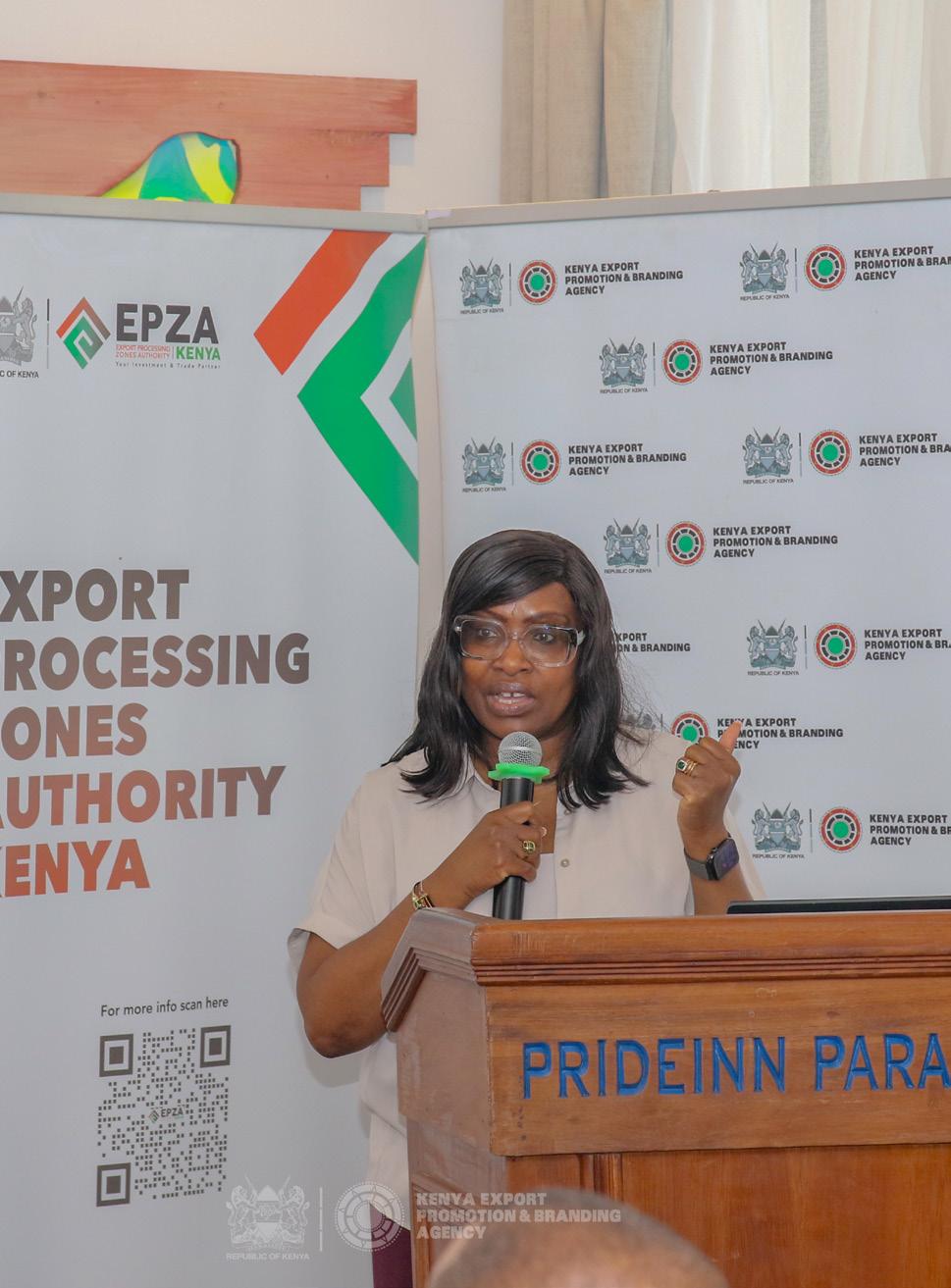
“Today’s forum will seek to not only identify barriers to trade but will seek to address specific interventions to increase export volume and establish ongoing communication channels between businesses and government,” said KEPROBA CEO Floice Mukabana.
“I am happy to note that Kenya’s total exports grew by 10.4%, reaching KSh 1.1 trillion in 2024, up from KSh 1.0 trillion in 2023. This growth was driven by a 77.3% surge in re-exports and a 2.9% increase in domestic exports.”
in Mombasa underscores KEPROBA’s commitment to work and hand in hand with the media and exporters in positioning Kenya as a globally competitive brand. Through open dialogue, we are not only creating awareness on mandate in nation branding but also actively listening to challenges and opportunities shaping our export sector.”
The Mombasa County Executive Committee Member for Tourism, Culture and Trade, Mohamed Osman Ali lauded Agency for providing a platform for exporters to engage with various players in the different value
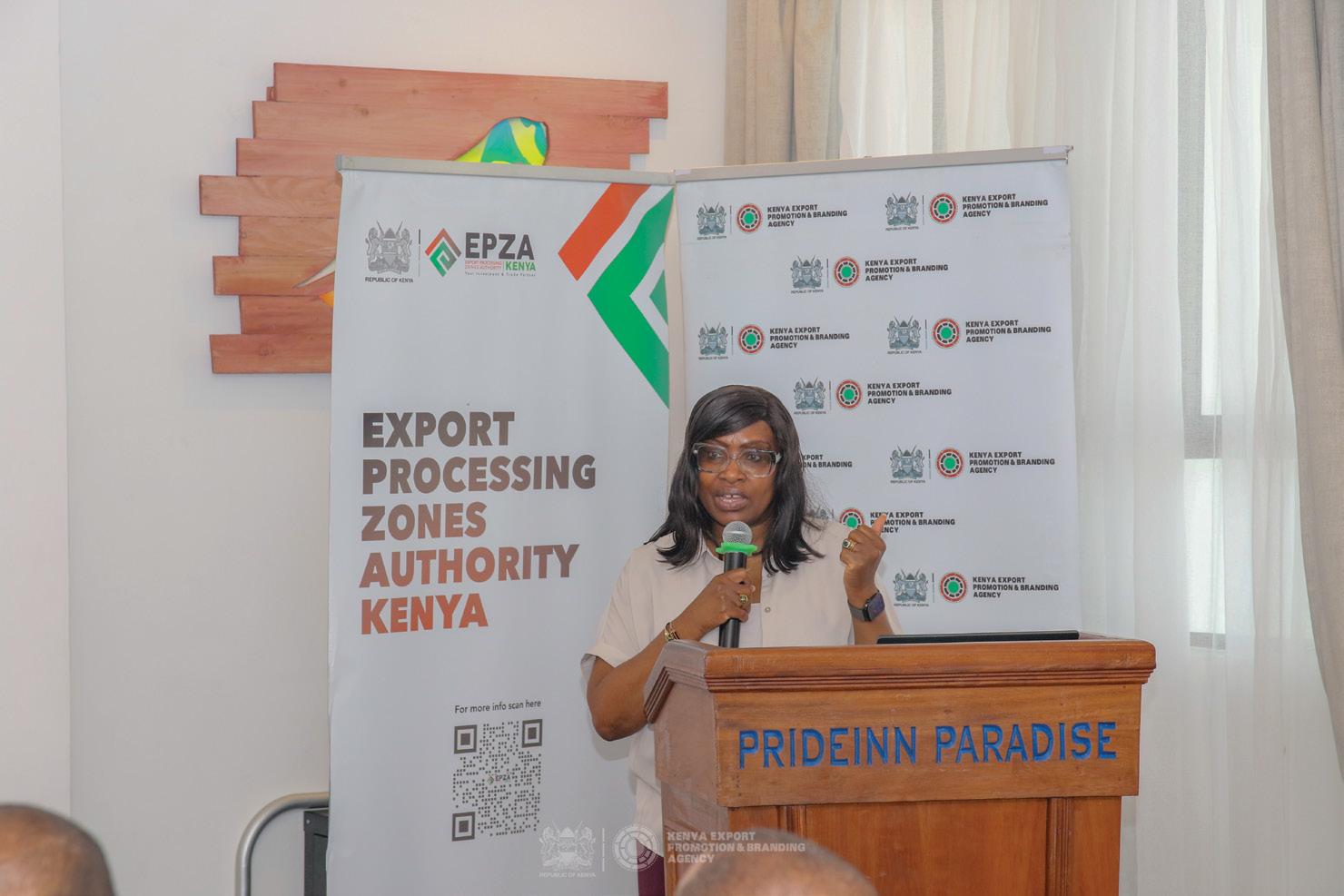
the fourth estate from Mombasa, Mukabana emphasized on the need for holistic collaboration between the media and export stakeholders.
“The media and exporters engagement
Key top export products include tea, petroleum oils, cut flowers, coffee, fruits, medicaments, cement, meat, iron and steel, and palm oil. The top ten export destinations in 2024 were Uganda, United Arab Emirates, United States of America, Pakistan, Netherlands, Tanzania, United Kingdom, Rwanda, Democratic Republic of Congo and South Sudan, collectively contributing
Regionally, Africa remains Kenya’s largest export market, accounting for 38% of total export earnings. Exports to Asia rose by 22.3% from KSh 259.7 billion in 2023 to KSh 317.5 billion in

2024 that was mainly due to growth in exports to United Arab Emirates (UAE) and India.

To address the persistent trade deficit and enhance competitiveness, the Government continues to implement strategic measures under the BottomUp Economic Transformation Agenda (BETA). This includes promoting value added exports, expanding market access, and supporting Micro, Small and Medium Enterprises (MSMEs).
KEPROBRA has in its strategic plan set out and ambitious goal of growing our country’s exports to Ksh. 1.5 trillion by 2028.
The Exporter Roundtable is part of KEPROBA’s strategic effort to build momentum toward the upcoming Annual Exporters Convention 2026, which will serve as a national platform for advancing Kenya’s global trade ambitions.
Key stakeholders in this initiative include Ministry of Investments, Trade and Industry, Mombasa County Government, Export Processing Zones Authority, Kenya Revenue Authority, Kenya Ports Authority, KENTRADE, Kenya Association of Manufacturers, Kenya National Chamber of Commerce and Industry, DHL, Agriculture Food Authority and exporters in various sectors, among others.
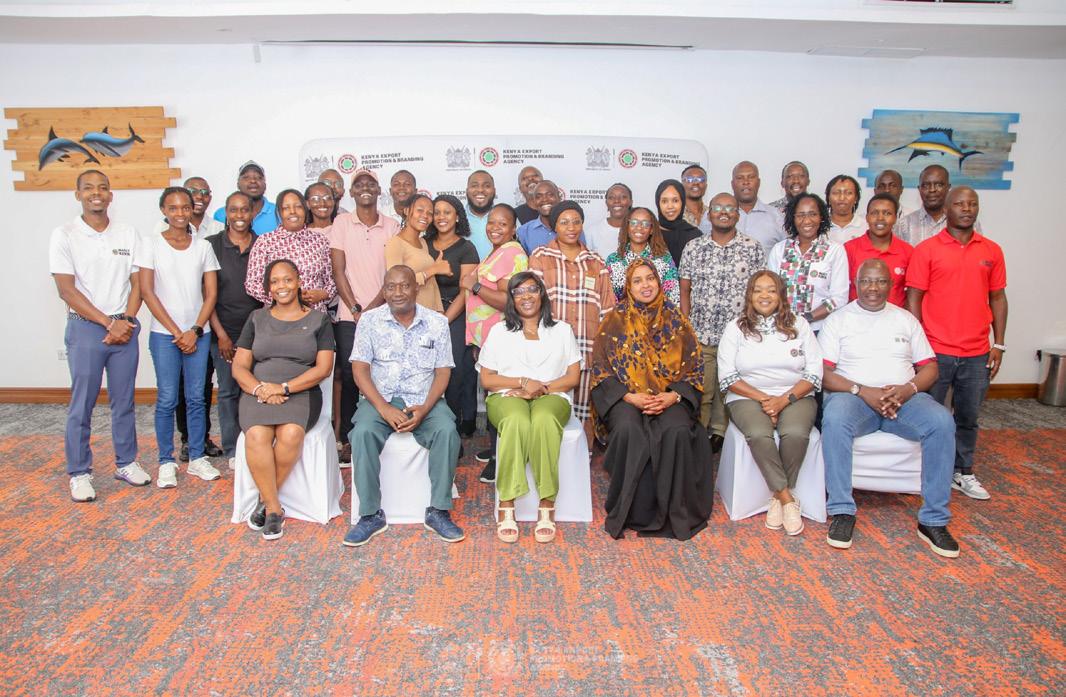
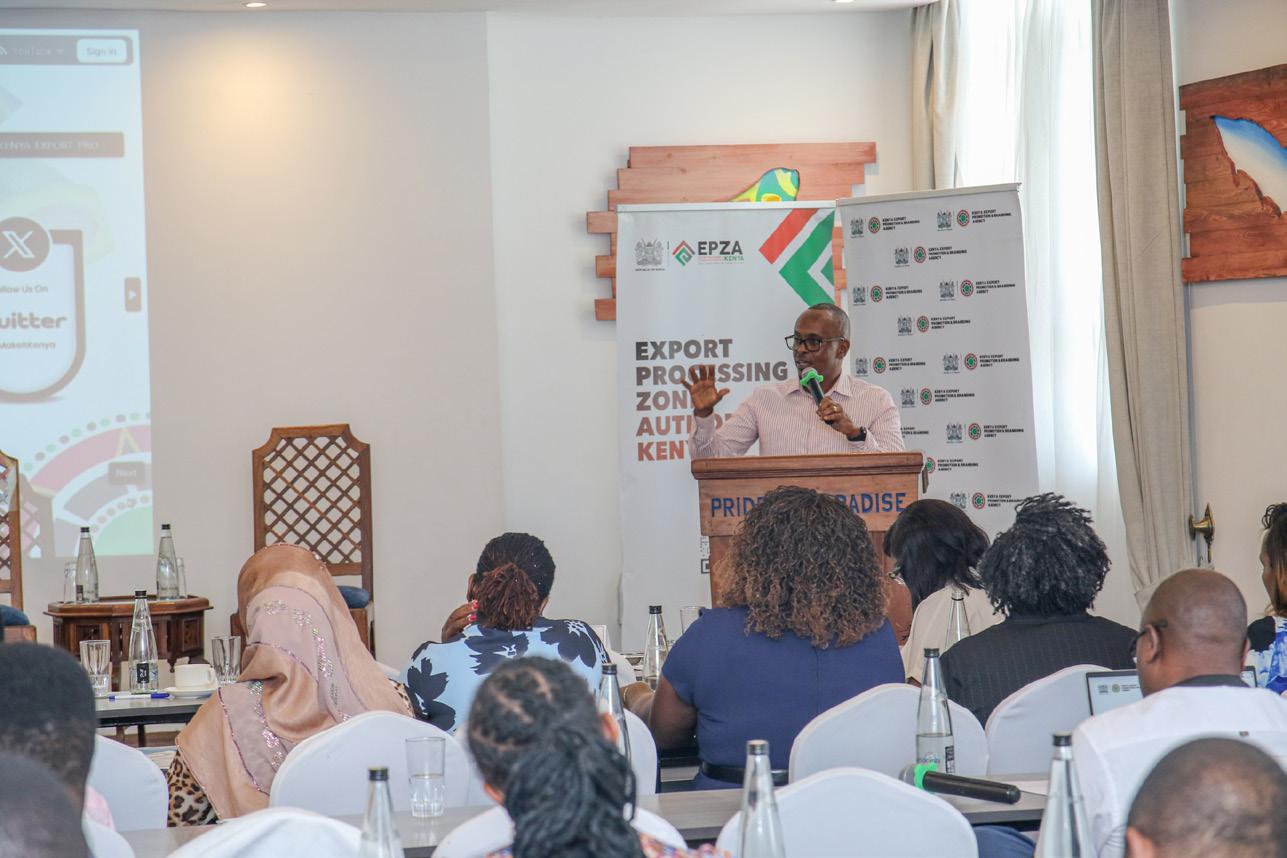
KEPROBA CEO, Ms. Floice Mukabana, poses for a group photo with participants following the media training session.
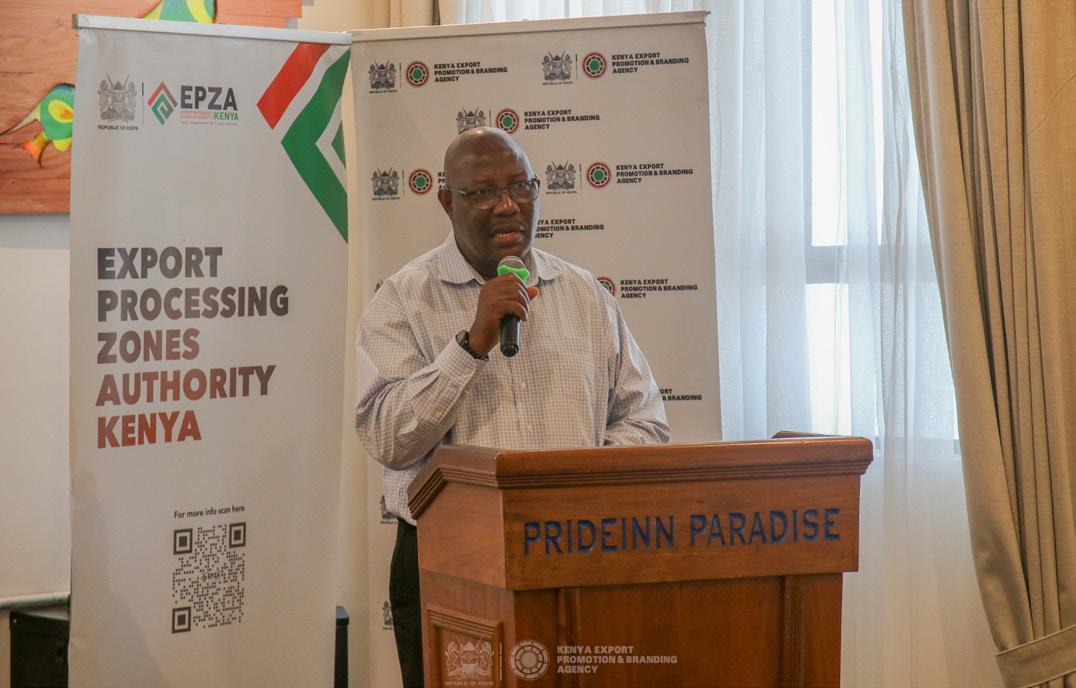
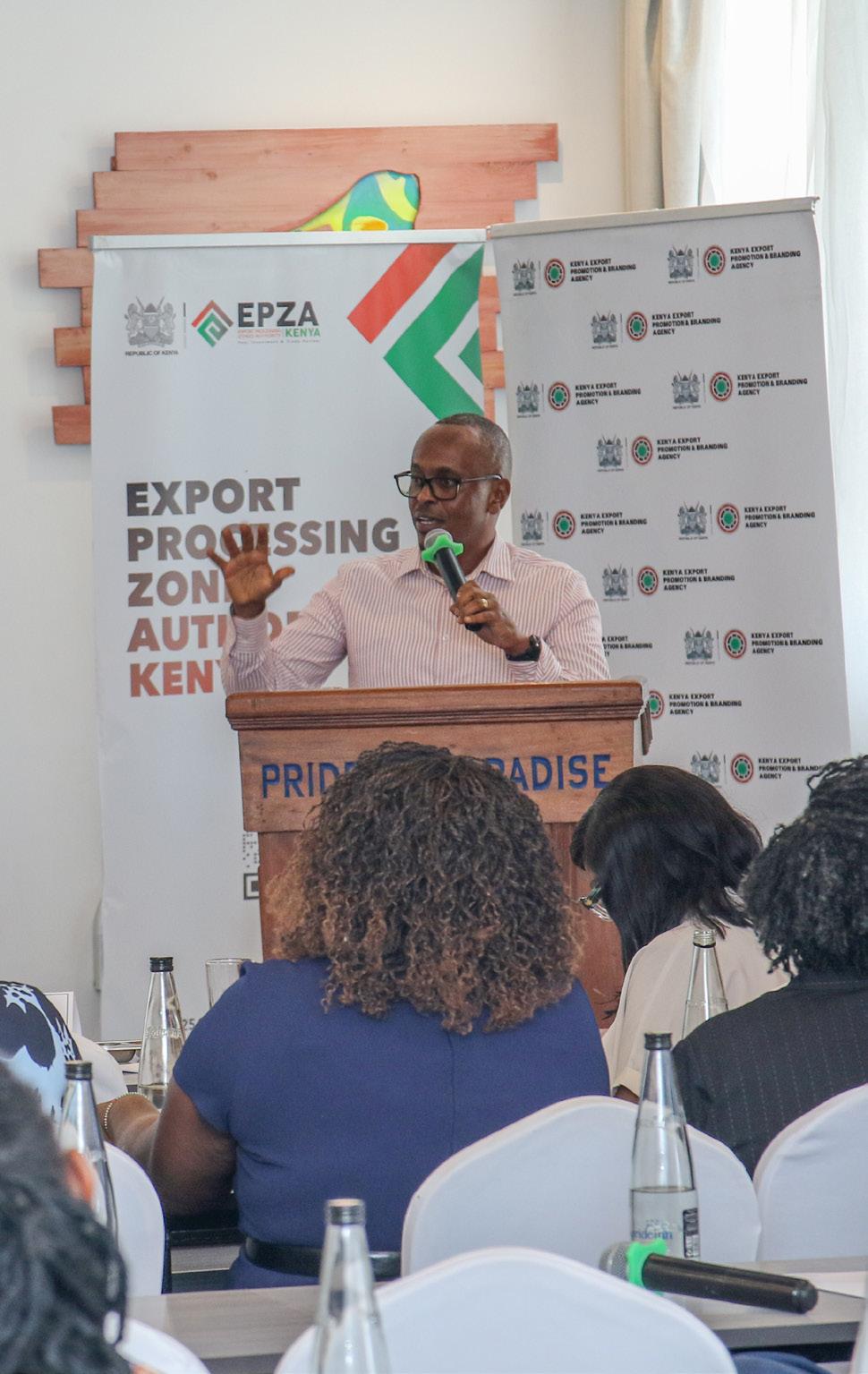
Mr. Yamina David, Director, Stakeholder Engagement and Resource Mobilization during the media training session.
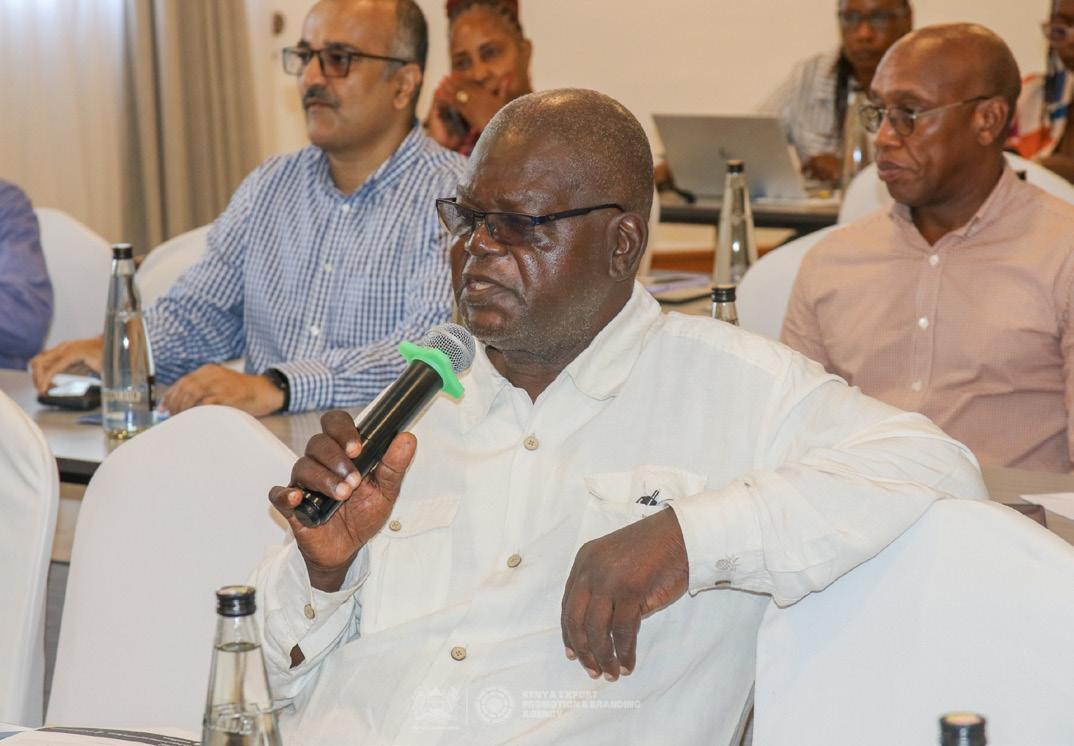
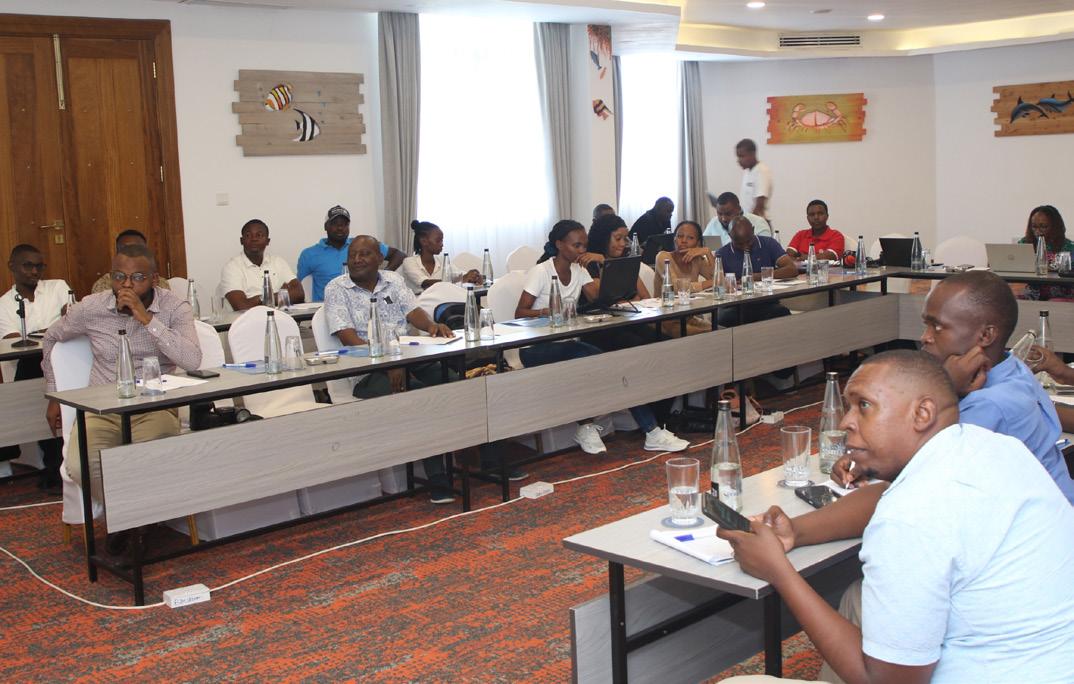
Participants engage in discussions during the Exporters’ Roundtable forum in Mombasa.

Participants engage in discussions during the Exporters’ Roundtable forum in Mombasa.
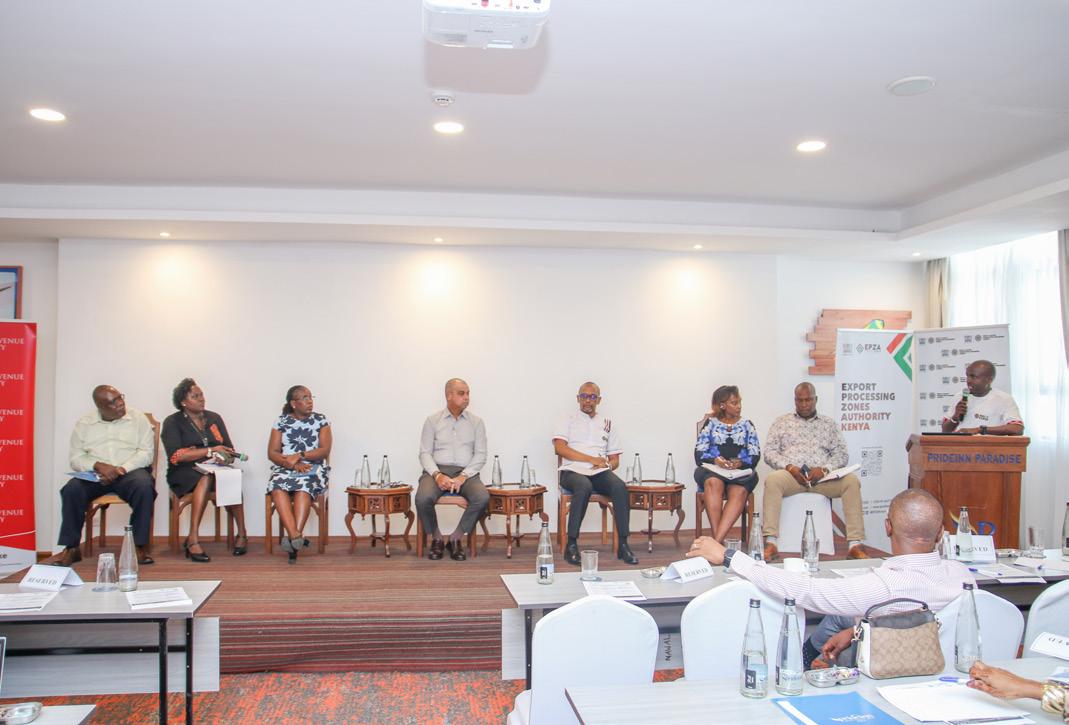
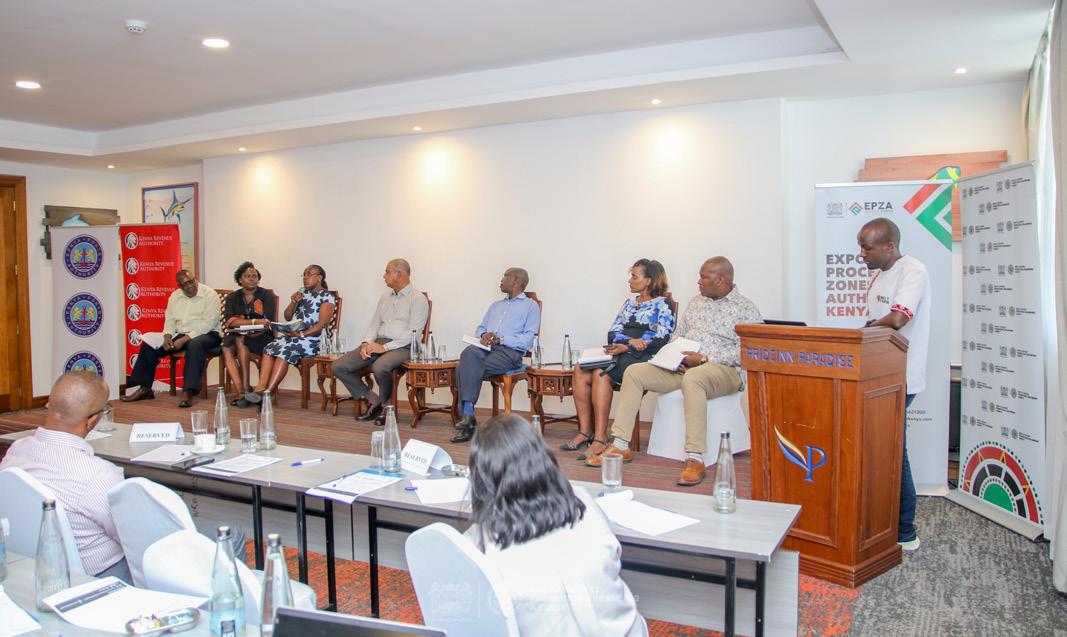
Pannel discussions during the Exporters’ Roundtable forum in Mombasa, exploring opportunities, challenges, and strategies to strengthen Kenya’s export ecosystem.
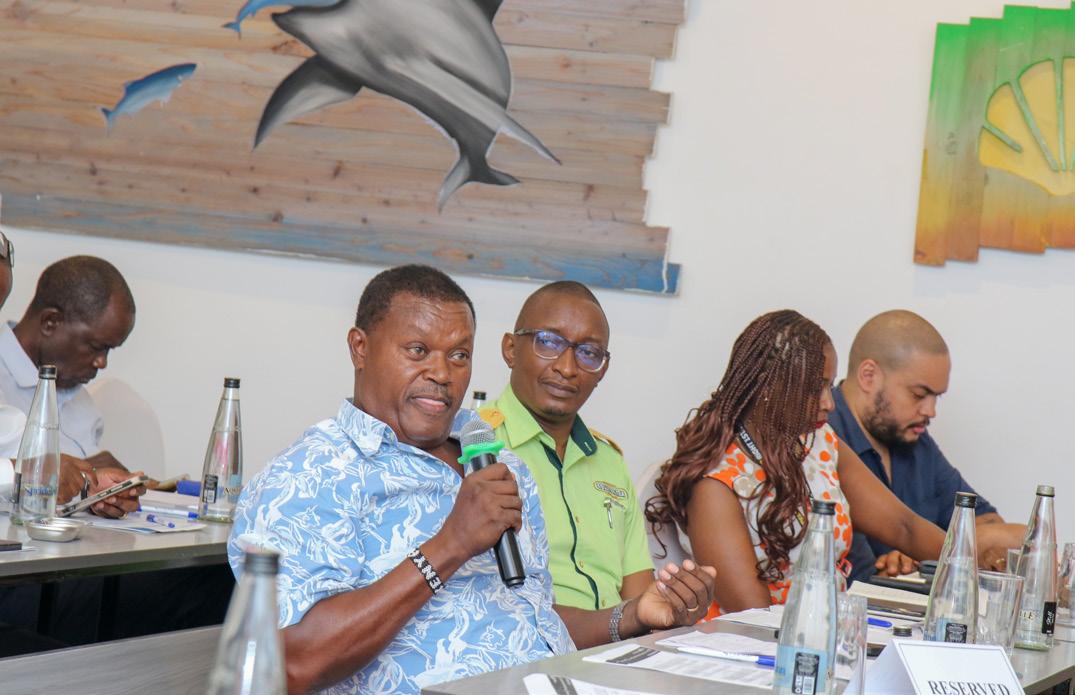
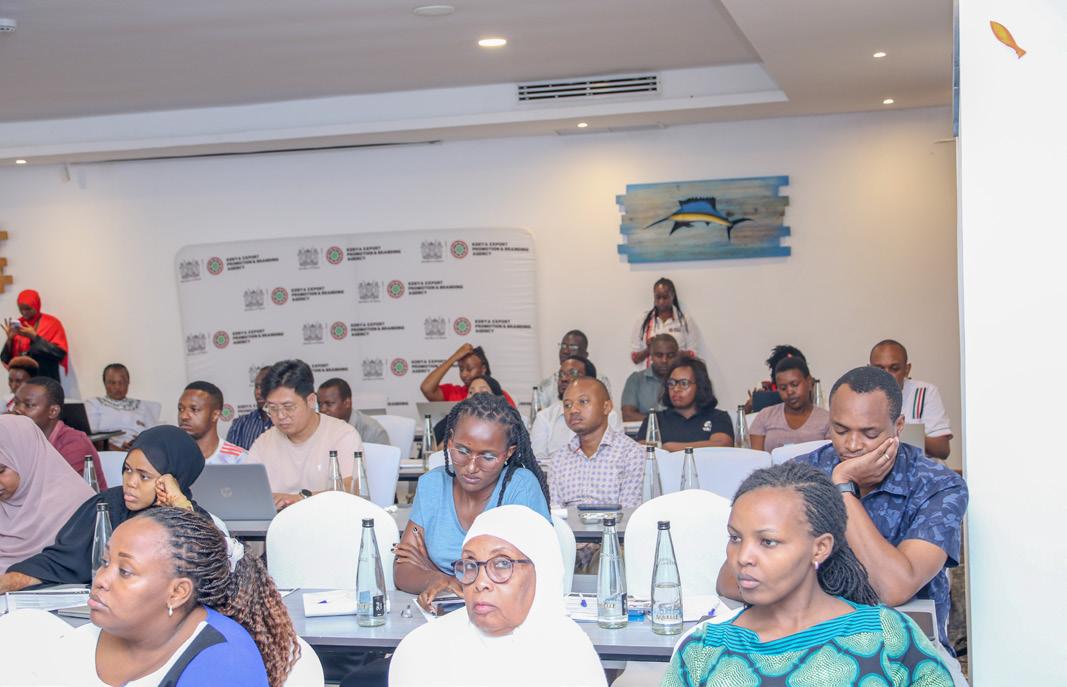
Participants engage in discussions during the Exporters’ Roundtable forum in Mombasa, exploring opportunities, challenges, and strategies to strengthen Kenya’s export ecosystem.”

Kenya and Japan have maintained strong diplomatic and economic relations since establishing formal ties in 1963. Over the years, this relationship has evolved into a strategic partnership underpinned by cooperation in trade, development assistance, investment, technology transfer, and human capacity development. Japan remains one of Kenya’s most significant development partners, providing support across infrastructure development, renewable energy, industrial growth, agriculture, health, education, climate resilience, and private sector. Despite these strong bilateral ties, Kenya’s trade, investment, and tourism engagement with Japan remains below potential. Kenya’s exports to Japan have historically been concentrated in a narrow range of primary agricultural commodities.
To address this imbalance and unlock new opportunities, the Kenya Export
Promotion and Branding Agency (KEPROBA) engaged a consultant to conduct a comprehensive Japan Market Survey between August and October 2025, leveraging on engagements at Expo 2025 Osaka which was a strategic platform for data collection and market intelligence. The overall objective of the study was to generate actionable market intelligence to inform Kenya’s export expansion, investment promotion, and tourism development strategies in Japan and the broader East Asian region.
The study aimed to identify priority sectors and products, analyze market dynamics and consumer preferences, assess regulatory and non-tariff barriers, benchmark Kenya against key competitors, and explore opportunities for trade, investment, tourism, service exports, and labor mobility.
The study confirms that Japan represents a highly valued but highly regulated and competitive market. Japanese consumers place exceptional emphasis on quality, safety, freshness, consistency, traceability, and presentation. Compliance with sanitary and phytosanitary standards, product certification, and packaging requirements is non-negotiable. At the same time, Japanese consumers and buyers demonstrate a strong willingness to pay premium prices for high-quality, ethical, environmentally sustainable, and well-branded products. This creates a strategic opportunity for Kenya to position itself not as a low-cost supplier, but as a provider of premium and niche products.
Kenya’s strongest export opportunities lie in value-added agricultural and
blue economy products, including specialty coffee, premium tea, macadamia nuts, avocados, fresh and cut flowers, sashimi-grade tuna, and selected processed foods. Medium-potential opportunities were identified in essential oils, artisan leather goods, textiles, specialty fruits, and selected services exports such as education and training. Products requiring heavy regulatory approval, cold-chain intensity, or price-based competition, such as meat, dairy, and bulk commodities, face higher entry barriers.
Japan’s retail and distribution landscape is dominated by large supermarket chains, convenience stores, and increasingly, e-commerce platforms. Successful market entry is most feasible through partnerships with established Japanese importers and distributors rather than direct entry by Kenyan firms. Trust-based, longterm relationships, reliability of supply, and consistent quality are critical determinants of success.
Japan: Premium but Highly Regulated Market
Japan is a competitive and highly regulated market where consumers prioritize quality, safety, freshness, traceability, and presentation—while being willing to pay premium prices for ethical, sustainable, and well-branded products.
Strong Ties, Untapped Potential
Kenya and Japan have maintained strong diplomatic and economic relations since 1963, but trade, investment, and tourism engagement remains below potential, with exports largely concentrated in primary agricultural commodities.
From an investment perspective, Japan is already Kenya’s third-largest source of FDI, with more than 120 Japanese firms operating in the country. The study identified significant potential to expand Japanese investment in renewable energy, electric vehicle assembly, agro-processing, cold-chain infrastructure, Special Economic Zones, ICT and innovation hubs (including Konza Technopolis), and manufacturing aligned to green growth and industrial transformation.
Tourism analysis revealed very low awareness of Kenya as a destination among Japanese travelers. However, a niche but high-value segment of Japanese outbound tourists is willing to undertake long-haul travel for unique experiences. Kenya’s strengths in wildlife tourism, coastal destinations, cultural heritage, and sports, particularly athletics, present strong opportunities if supported by targeted marketing, partnerships, and sustained brand visibility in the Japanese market.
Kenya’s strongest opportunities lie in value-added agriculture and blue economy products such as specialty co ee, premium tea, macadamia, avocados, flowers, sashimi-grade tuna, and selected processed foods, alongside niche opportunities in leather, textiles, and essential oils.
The study also highlighted emerging opportunities in services exports and labor mobility, driven by Japan’s aging population and shrinking workforce. While opportunities exist in healthcare, caregiving, technical services, and education, these require structured bilateral frameworks, language training, certification, and cultural orientation.
Against this background the United Nations Development Programme (UNDP), in partnership with KEPROBA held a validation workshop on the Japan Market Survey findings on 24th March 2026, at Trademark Hotel, Nairobi.
For more information, the link to the abridged version of the report is on https://makeitkenya.go.ke/aboutkeproba/news-room/publications/ japan-market-survey
KENYA- JAPAN IN SUMMARY
Investment, Tourism & Services Opportunities
Japan is Kenya’s third-largest source of FDI, with strong expansion potential in renewable energy, EVs, agro-processing, ICT, SEZs, and manufacturing, while tourism and services exports o er growth opportunities through targeted branding and partnerships.
Market Entry Requires Partnerships & Preparedness
Successful entry into the Japanese market depends on partnerships with established importers, long-term trust, regulatory compliance, consistent quality, and structured frameworks for services exports and labor mobility.
By: Jonah Karanja | jkaranja@brand.ke
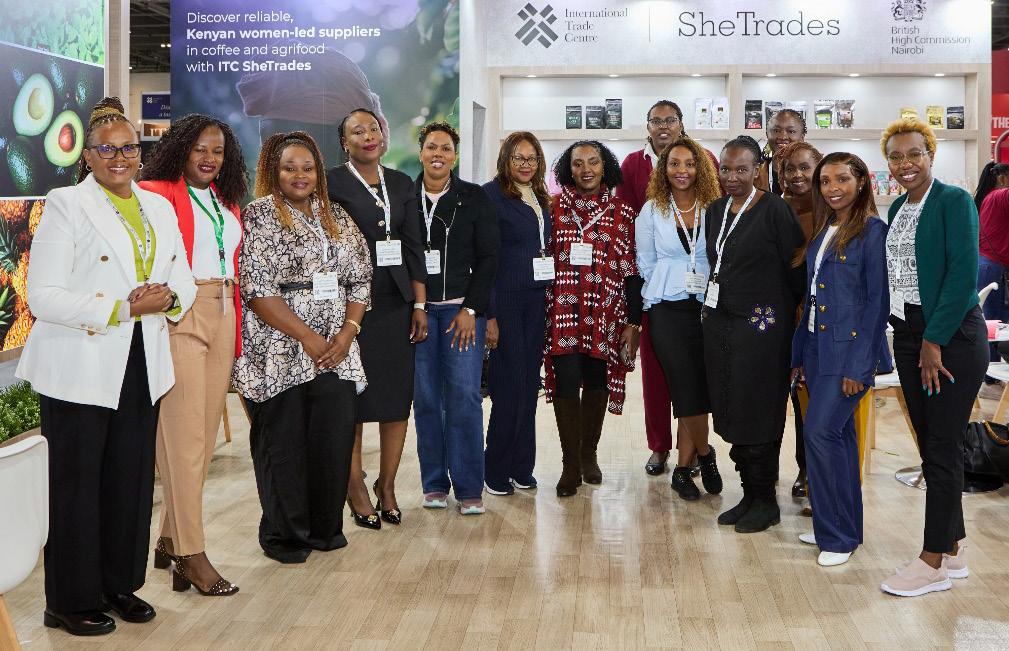
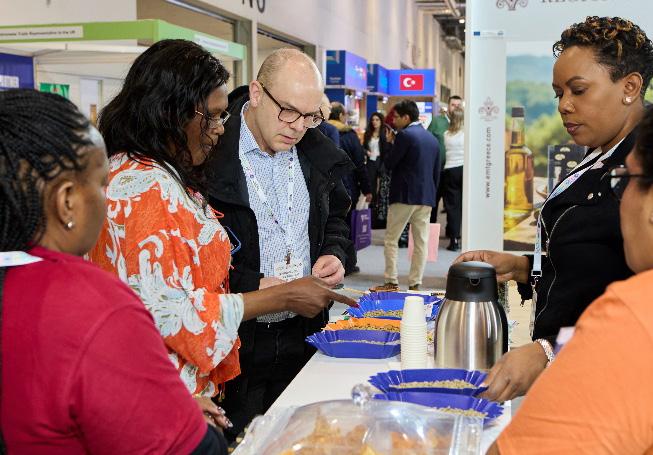
Kenyan enterprise took center stage on the global platform as 17 women-led businesses showcased the country’s finest agricultural produce avocados, coffee, herbs, nuts, and fresh fruits and vegetables at the International Food & Drink Event (IFE) in the United Kingdom. More than an exhibition, the event marked a powerful statement about the growing influence of Kenyan SMEs, particularly those led by women and youth, in global trade.
At a time when the UK–Kenya trade relationship continues to flourish reaching £2.1 billion in the four quarters to the end of Q3 2025, a 9.2% increase from the previous year the participation of these businesses signals a deeper shift toward inclusive and sustainable economic growth.
For many small and medium-sized enterprises (SMEs), breaking into international markets remains a formidable challenge. Events like IFE UK provide a rare and valuable opportunity to bridge that gap. By connecting directly with buyers, distributors, and retailers, Kenyan businesses are able
to showcase the quality, diversity, and uniqueness of their products on a global stage.
The presence of 17 women-led enterprises underscores the growing role of women in driving Kenya’s export agenda. These entrepreneurs are not only expanding their businesses but also creating jobs, supporting farming communities, and contributing to value addition across agricultural value chains.
As more women-led businesses take part, the ripple effects are profound: businesses in Kenya grow, household incomes rise, and UK consumers gain access to a richer variety of highquality, ethically sourced products.
The participation of women-led SMEs at IFE UK highlights a broader narrative of empowerment. Across Kenya, women and youth are increasingly stepping into entrepreneurship, transforming traditional sectors such as agriculture into dynamic, exportoriented industries.
By accessing international markets,
these businesses gain more than just revenue they acquire global exposure, learn international standards, and build networks that position them for longterm growth.
At the center of this success story is the Kenya Export Promotion and Branding Agency (KEPROBA), whose efforts in facilitating market access and promoting Kenyan products globally continue to bear fruit.
Through the Made in Kenya Initiative, KEPROBA has been instrumental in branding and positioning Kenyan products as premium offerings in international markets. The initiative ensures that Kenyan goods are not only visible but also competitive, meeting the quality and certification standards required by global buyers.
Complementing this is the ITC SheTrades Initiative, which focuses on integrating women entrepreneurs into international value chains. By providing training, market intelligence, and direct linkages to buyers, SheTrades has enabled women-led businesses to scale their operations and confidently enter export markets.
At IFE UK, these efforts came to life. The participating businesses were not just exhibitors they were the result of deliberate, sustained investment in capacity building, branding, and market access.
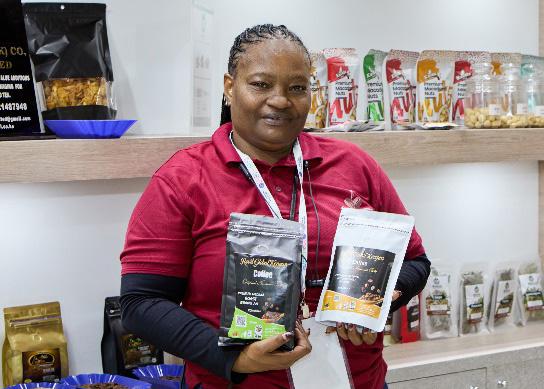
Among the standout exhibitors was Rovil Coffee, a proud Made in Kenya adoptee. Its presence at IFE UK exemplifies the success of KEPROBA’s branding strategy transforming local enterprises into globally competitive brands.
Rovil Coffee’s participation reflects the broader impact of the Made in Kenya initiative: elevating Kenyan products from raw commodities to recognizable brands that resonate with international consumers.
The IFE UK event is more than a marketplace it is a gateway. For Kenyan SMEs, it opens doors to long-term trade partnerships, export contracts, and expanded distribution networks across Europe.
For youth and women-led enterprises, in particular, such exposure is transformative. It validates their potential, builds confidence, and demonstrates that Kenyan products can compete and win on the global stage.
As Kenya continues to strengthen its trade ties with the United Kingdom, the role of SMEs, especially those led by women and youth, will remain central. Their participation in global exhibitions like IFE UK is not just about selling products it is about telling Kenya’s story of innovation, resilience, and quality.
With KEPROBA’s continued support through initiatives like Made in Kenya and ITC SheTrades, the future of Kenyan exports looks increasingly inclusive and dynamic.
From the farms of rural Kenya to the shelves of UK retailers, the journey of these 17 women-led businesses is a testament to what is possible when opportunity meets preparation and when local ambition is given a global stage.

By Gertrude Mirobi gmirobi@brand.ke
The 2026 WRC Safari Rally Kenya, held from 12th to 15th March in Naivasha, provided a powerful global platform for positioning Kenya as a competitive, dynamic, and export-ready economy. As one of the most iconic events on the World Rally Championship calendar, the Rally attracted an estimated global audience of over 100 million viewers across more than 150 countries, presenting a unique opportunity to amplify the Kenya Brand on the world stage.
The Kenya Export Promotion and Branding Agency (KEPROBA) leveraged this high-impact platform to advance its nation branding and export promotion mandate. Through a well-coordinated and integrated strategy, the Agency combined on-ground activations, media outreach, and Made in Kenya product promotion to deliver sustained visibility and meaningful engagement with both local and international audiences.
A key highlight of KEPROBA’s participation was its vibrant citizen engagement approach. Interactive experiences, including photobooths, youth-driven content creation, and product showcases, created an immersive environment that encouraged Kenyans to actively connect with and celebrate locally made products. These engagements strengthened public ownership of the Kenya Brand while reinforcing the Buy Kenya, Build Kenya agenda.
The Agency also secured valuable media exposure, including a feature on TV47 that spotlighted Made in Kenya adoptee Bosco Esquire. This not only amplified the brand’s presence at the Rally but also reinforced KEPROBA’s role in promoting Kenyan enterprises and products.

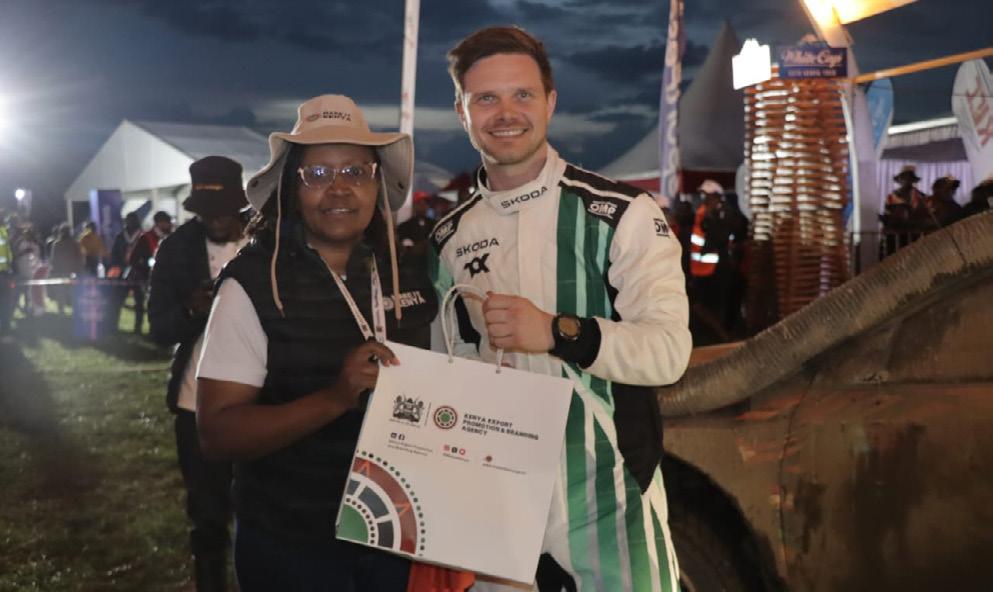
Strategic brand placement was central to the activation. High-traffic areas such as the Rally Village, Service Park, and autograph zones were utilized to deliver strong Make It Kenya visibility. Rally drivers engaged with Kenyan products, signing branded merchandise and receiving curated local goods including tea, coffee, macadamia nuts, and Kenyan flag bracelets. These authentic interactions created powerful emotional connections and generated organic content that extended Kenya’s
reach to global audiences.
Corporate brand visibility was further strengthened through consistent branding across exhibition spaces and branded assets, ensuring strong recall among attendees and viewers alike. This was complemented by the participation of Made in Kenya adoptees, including Rensha Enterprises Ltd, Ndhiwa Peanut, Bosco Esquire, Flour Fusion Millers, Priolvic Coffee House, Laki Laki, and Blesteire Beauty, who showcased their products through sampling and interactive
engagement. These activations significantly enhanced product visibility while reinforcing Kenya’s reputation as a source of high-quality, value-added goods.
In a standout activation, the Make It Kenya brand was taken onto the rally track through the branding of a rally car driven by Kenyan driver Evans Kavisi and codriver Absalom Aswani. As the team navigated the demanding Safari Rally terrain, the branded car served as a dynamic, high-visibility platform, embodying Kenya’s spirit of resilience, excellence, and adventure while capturing the attention of global audiences.
The overall impact of KEPROBA’s participation was significant. The Rally enhanced Kenya’s global visibility strengthened the positioning of Made in Kenya products, and increased citizen pride
and awareness. It also generated high-quality content for ongoing marketing efforts and strengthened collaboration with key stakeholders, including government agencies, rally organizers, and the private sector.
The WRC Safari Rally 2026 once again demonstrated the strategic value of global sporting events as platforms for nation branding, trade promotion, and economic diplomacy. By effectively harnessing this opportunity, KEPROBA not only elevated the Kenya Brand but also created meaningful pathways for market access and international partnerships.
As the Agency looks ahead, expanding participation and deepening engagement with exportready enterprises will further enhance the impact of such global platforms in driving Kenya’s trade agenda.