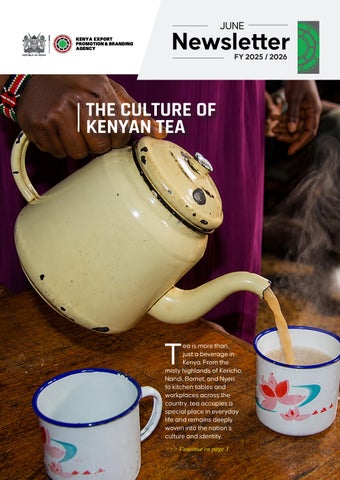
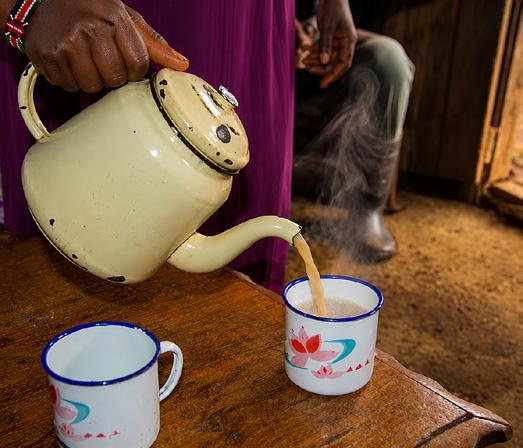
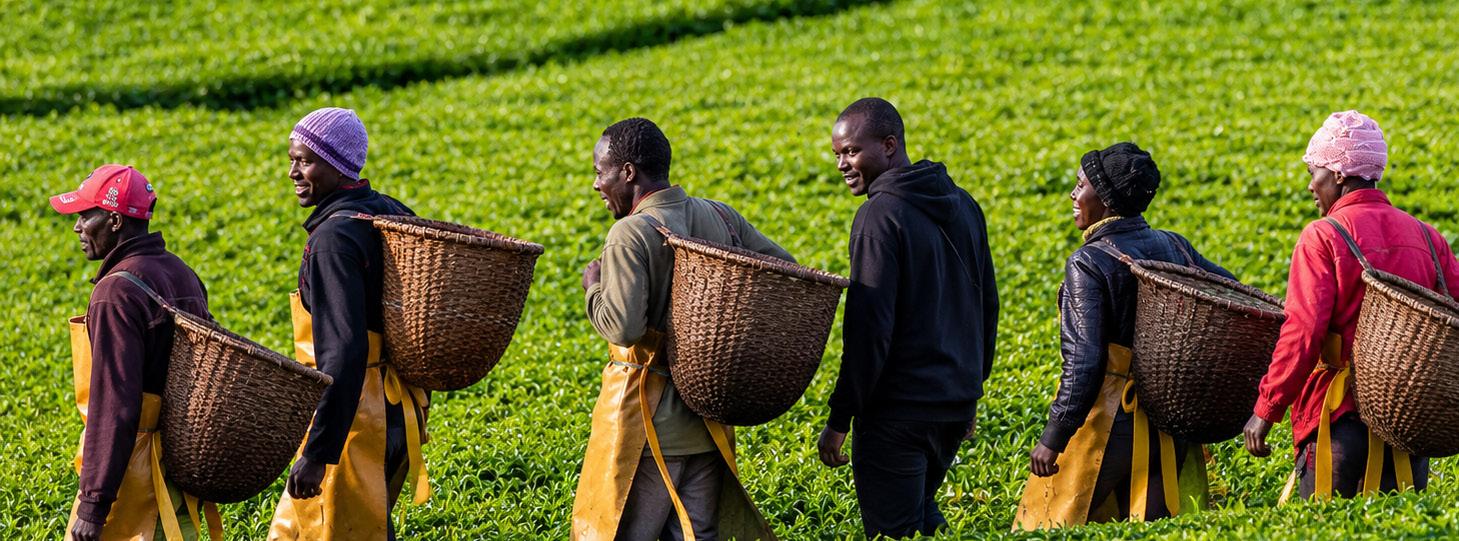
Tea is more than just a beverage in Kenya. From the misty highlands of Kericho, Nandi, Bomet, and Nyeri to kitchen tables and workplaces across the country, tea occupies a special place in everyday life and remains deeply woven into the nation’s culture and identity.
Kenya’s tea history begins, when European settler G.W.L. Caine introduced the first Camellia sinensis plants from India into Limuru. The tea bushes flourished in the region’s rich volcanic soils, laying the foundation for what would become one of Kenya’s most important export industries.
1924 1954
The introduction of the Swynnerton Plan, which allowed Africans to cultivate cash crops.
Large scale commercial cultivation had begun under British companies such as Finlay and Brooke Bond. During the colonial period, Africans were prohibited from growing tea in order to protect British commercial monopolies and secure cheap labour. Around the same time, Indian labourers working on the Uganda Railway introduced the practice of boiling tea with milk and spices, laying the foundation for the modern Kenyan chai culture.
1964
The Government established the Kenya Tea Development Authority, now the Kenya Tea Development Agency (KTDA), to support millions of smallholder tea farmers
1970s
Kenya had transformed from a modest colonial supplier into a leading player at the London Tea Auction, renowned for its bright, brisk black tea.
2011
Purple Tea was commercially launched, a unique anthocyanin rich variety developed by the Tea Research Institute of Kenya
Kenya’s largest by %Tea export destination Today, Kenya is the world’s leading exporter of black tea, accounting for approximately 18.4 percent of the global tea export market.
4%
Kenya’s tea exports value added
96%
Kenya’s tea exported in bulk for blending by international brands.
Industry Bodies Shaping
Kenya’s Tea
Sector
Several institutions play a critical role in supporting and regulating Kenya’s tea industry.
The Tea Board of Kenya (TBK)
Serves as the primary statutory regulator, licensing tea dealers, processors, and exporters while enforcing quality standards and administering the Tea Regulations, 2024, including value addition requirements for exporters.
Kenya Bureau of Standards (KEBS)
Is responsible for standards and quality certification. It enforces standards on tea packaging, labelling, and food safety, while issuing compliance marks that are essential for value added tea exports.
Kenya Export Promotion and Branding Agency (KEPROBA)
Promotes Kenyan products in international markets through export promotion, the Made in Kenya initiative, business matchmaking, trade exhibitions, market intelligence, and export readiness programmes.
Kenya Revenue Authority (KRA)
Oversees customs, excise, and export compliance, including export documentation, declarations, and levy collection in collaboration with the Tea Board of Kenya.
The Ministry of Agriculture and Livestock Development
Provides policy direction and oversight, while the East African Community (EAC) facilitates tariff free regional
Preserving Tea Heritage
As global demand for specialty and premium teas continues to grow, Kenya is preserving its rich tea heritage while embracing innovation. Efforts to promote value addition, branding, and sustainable production are helping ensure Kenyan tea remains competitive in international markets. Through every cup of tea, the country tells a story of resilience, quality, and national pride, reflecting the dedication of the farmers who cultivate one of Kenya’s most treasured exports.
The Rise of Specialty, Value Added and Innovative Teas
Specialty teas are becoming an increasingly important part of Kenya’s tea industry as consumers around the world seek premium and health focused beverages. Green tea, which undergoes minimal processing, helps preserve natural antioxidants and nutrients and is widely associated with healthy living.
Purple Tea, a uniquely Kenyan variety developed through research, contains high levels of anthocyanins, the same antioxidants found in berries such as blueberries. Its distinctive colour, flavour, and potential health benefits have contributed to its growing popularity in premium international markets. Orthodox tea, produced using traditional processing methods that preserve the whole tea leaf, is also gaining recognition for its rich flavour profile and quality.
The culture of Kenyan tea extends far beyond the tea fields and export markets. It reflects the country’s history, hospitality, and resilience. Tea connects families, strengthens communities, and supports millions of livelihoods while serving as a proud ambassador for Kenya on the global stage. What began as a colonial cash crop has evolved into a globally recognised symbol of Kenyan heritage, quality, and excellence.
Tea connects families, strengthens communities, and proudly carries Kenya’s heritage to the world
By Jonah Karanja Jkaranja@brand.ke
The vibrant coastal city of Mombasa transformed into a marketplace of innovation, creativity and Kenyan pride as the Kenya Export Promotion and Branding Agency (KEPROBA) showcased the country’s finest locally made products during the Mombasa Changamka Festival.
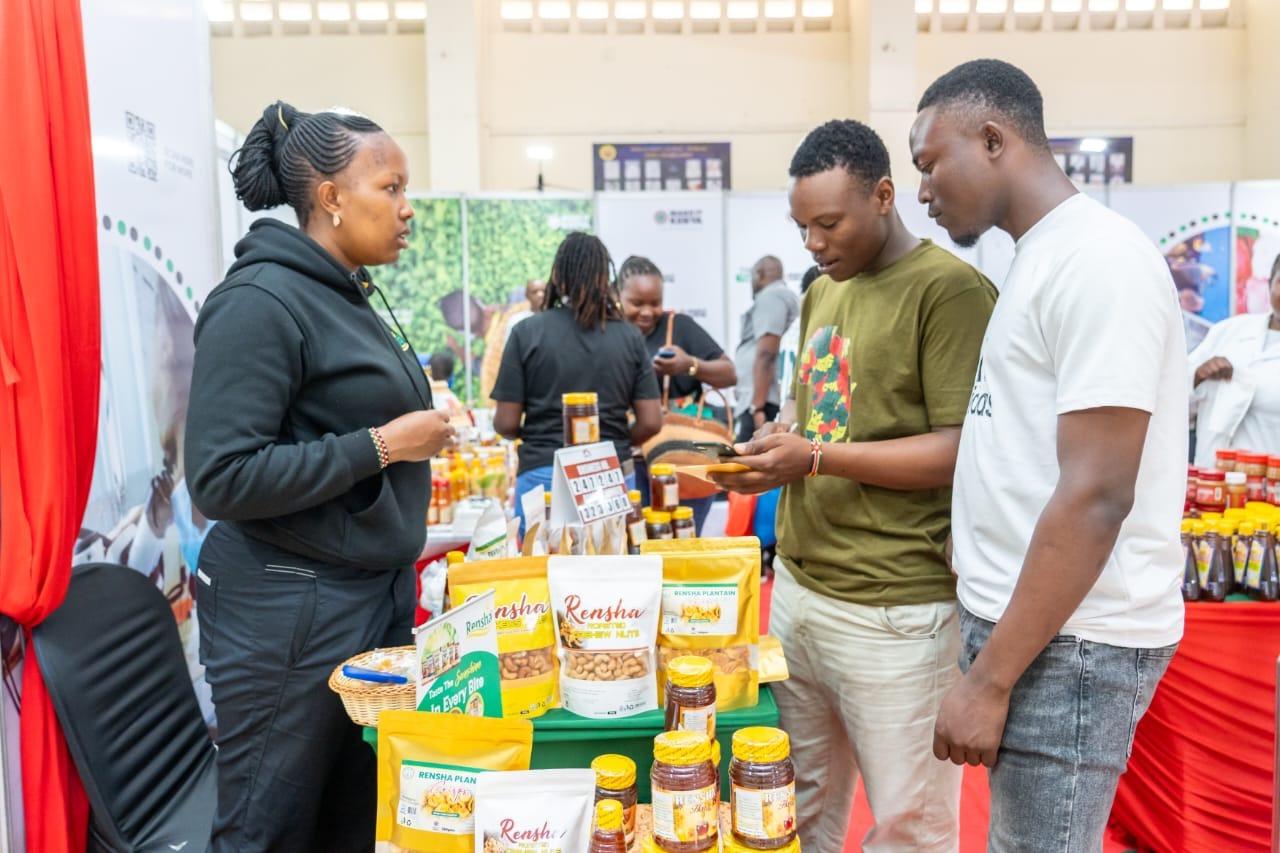
Held at the Oshwal Centre, the festival attracted thousands of consumers, entrepreneurs, investors and business enthusiasts from Mombasa and neighboring counties, creating a lively platform where Small and Medium Enterprises (SMEs) connected directly with customers eager to experience the quality, authenticity and diversity of Kenyan products.
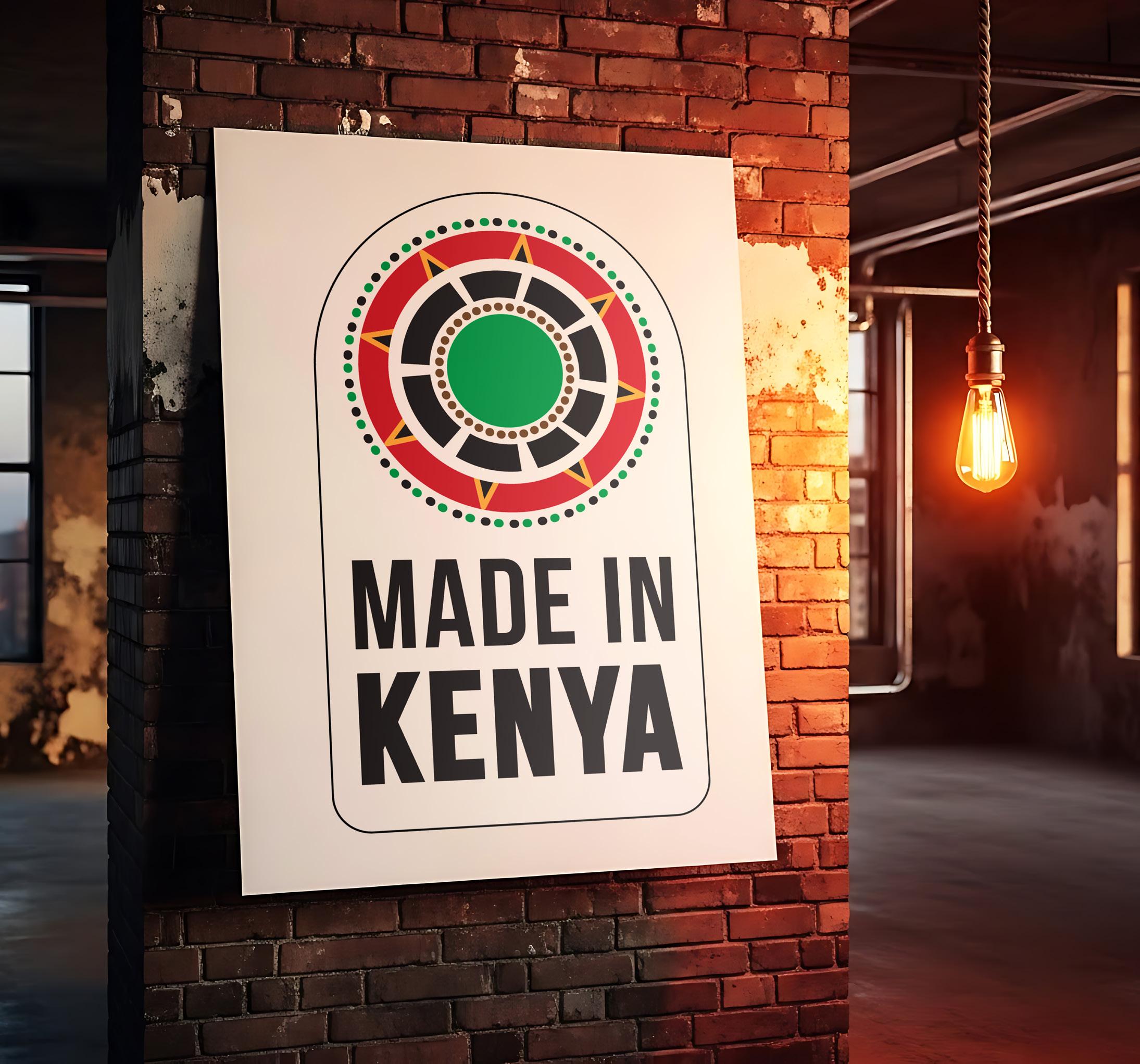
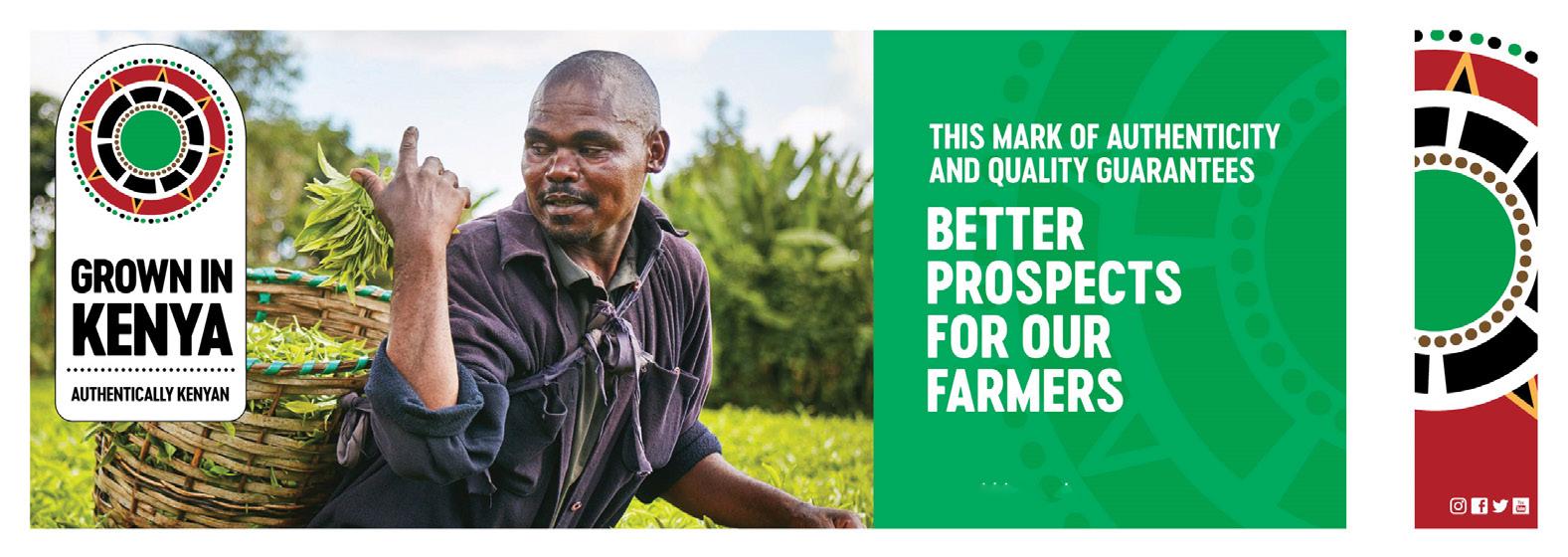
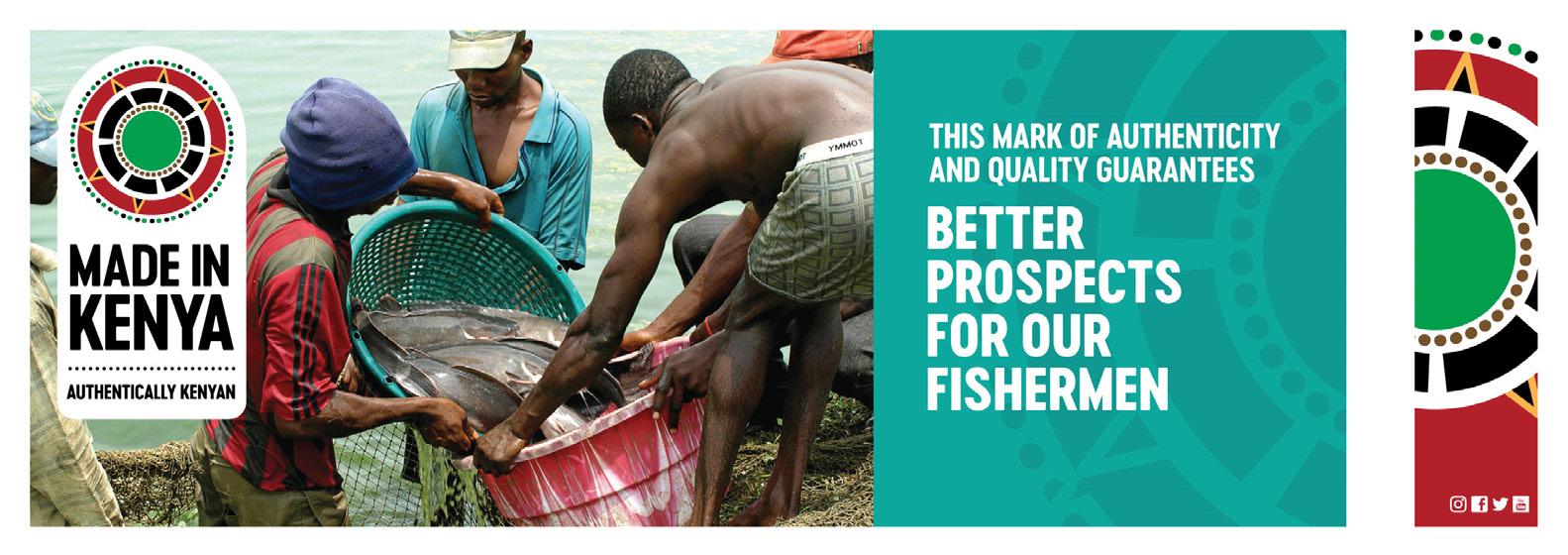
At the heart of the exhibition was KEPROBA’s flagship Made in Kenya Initiative, a national campaign that is redefining the identity of locally manufactured products by promoting the Made in Kenya Mark, a symbol of quality, authenticity and national pride. Through the initiative, Kenyan enterprises are building stronger brands, increasing consumer confidence and positioning themselves competitively in both domestic and international markets.
The festival offered more than just an exhibition. It became a celebration of Kenyan enterprise, where visitors sampled locally processed foods, explored handcrafted products, admired innovative fashion and lifestyle brands, and interacted with entrepreneurs whose businesses are driving the country’s manufacturing and creative economy.
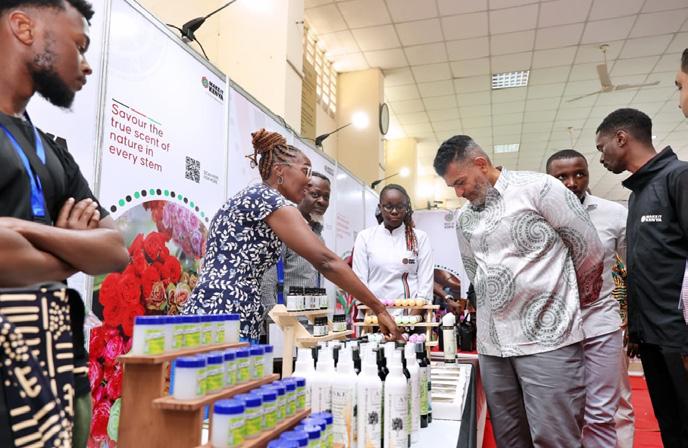
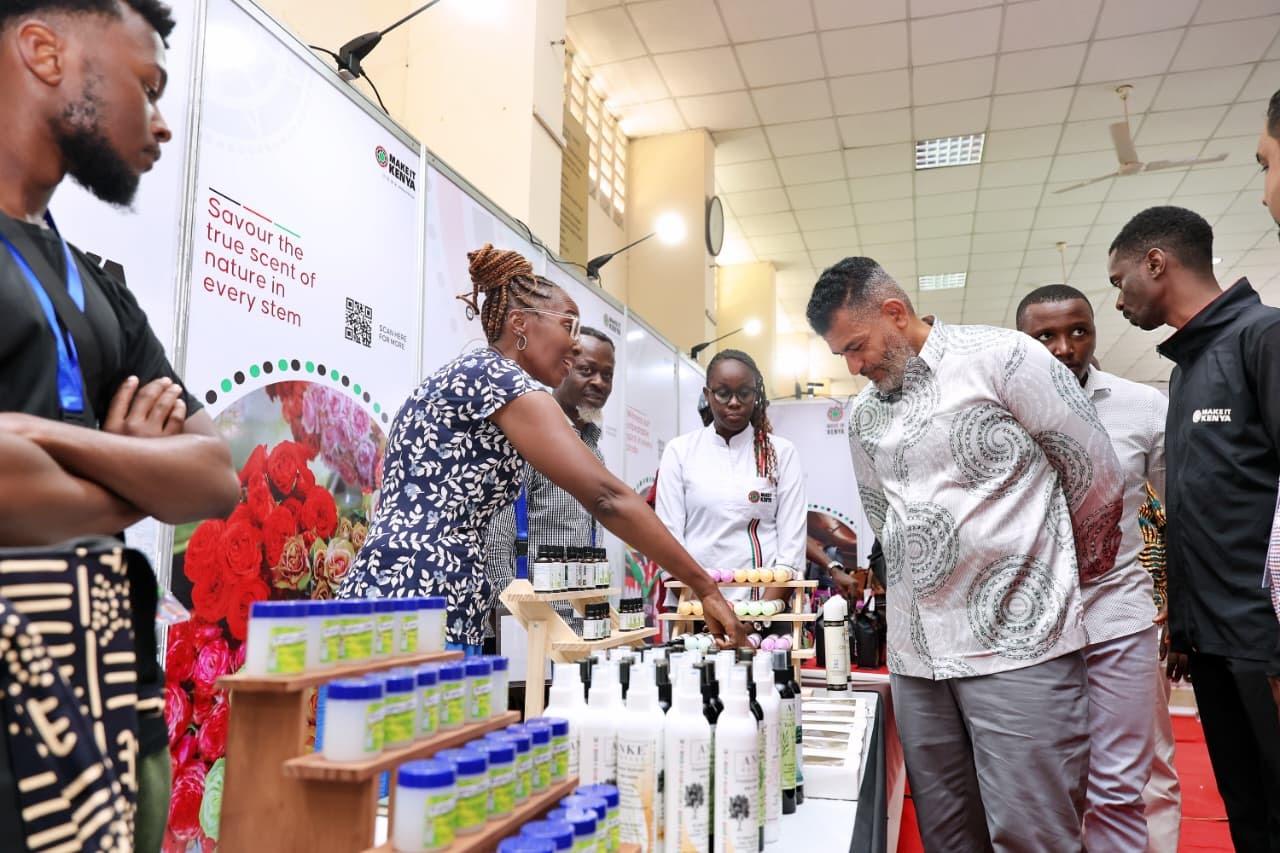
KEPROBA Brand and Marketing Officer Stephen Nthiga introduces Mombasa Governor H.E. Abdulswamad Shariff Nassir to Made In Kenya adoptees exhibiting at the KEPROBA stand at the Chamgamka Festival, Mombasa County.
>>> Continue on page 8
Mombasa Comes Alive as KEPROBA’s Made in Kenya Initiative Steals the Show at Changamka Festival
Speaking during the event, KEPROBA Chief Executive Officer Floice Mukabana said the Agency remains committed to empowering local enterprises by giving them a recognizable national identity that resonates with consumers both at home and abroad.
The Made in Kenya Initiative is more than a branding campaign—it is a movement to build confidence in Kenyan products and inspire every Kenyan to become an ambassador for local enterprise.
Every product bearing the Made in Kenya Mark tells a story of innovation, resilience and the remarkable talent of
our entrepreneurs. By choosing Made in Kenya, consumers are supporting local jobs, strengthening industries and contributing to the growth of our national economy,” said Mukabana.
She noted that KEPROBA continues to create market access opportunities for SMEs by providing platforms where businesses can showcase their products, attract new customers and establish strategic partnerships that accelerate growth. The festival also received strong backing from the County Government of Mombasa, with Governor Abdulswamad Sheriff Nassir lauding the initiative as a catalyst for economic transformation and inclusive
economy lies in supporting products created by our own people. When we buy Kenyan, we invest in Kenyan families, industries and the prosperity of our nation,” said Governor Nassir.
The Mombasa Changamka Festival demonstrated the growing appetite among consumers for high-quality locally manufactured goods, with exhibitors recording impressive customer engagement and increased visibility for their brands throughout the event. For many participating SMEs, the festival was
Made In Kenya adoptees within KEPROBA’s stand capitalized on the high number of visitors.
more than an opportunity to sell products; it was a chance to tell their stories, build lasting customer relationships and proudly showcase the ingenuity that defines Kenyan
As the Made in Kenya Initiative continues to gain momentum across the country, KEPROBA remains steadfast in its mission of creating a strong national brand, enhancing the competitiveness of Kenyan products and inspiring a culture where choosing local becomes a powerful driver of economic growth.
From the bustling exhibition halls to the enthusiastic crowds embracing homegrown innovation, the message from Mombasa was unmistakable: Kenyan products are not just made in Kenya, they are made to compete, made to inspire, and made for the world.
How Circular Business Practices Can Strengthen Kenya’s Export Competitiveness
By Nixon Mutai (interncomm2@brand.ke)
As global trade continues to evolve, sustainability is becoming a key determinant of export competitiveness. International buyers are increasingly seeking products that are environmentally responsible, ethically produced, and compliant with global sustainability standards. For Kenya, this presents an opportunity to position itself as a leading supplier of sustainable, high-quality products by embracing circular business practices. Unlike the traditional linear economy, which follows a “take, make, and dispose” model, the circular economy promotes the efficient use of resources through reuse, recycling, refurbishment, composting, and waste reduction. These practices enable businesses to reduce production costs, improve resource efficiency, minimize environmental impact, and create additional value from materials that would otherwise be discarded.
The adoption of circular business models is particularly important for export-oriented enterprises. Businesses that reduce waste, improve efficiency, and demonstrate environmental responsibility are better positioned to meet the growing sustainability requirements of international markets. Many global buyers and regulators now require suppliers to comply with internationally recognized environmental standards, such as ISO 14001, while also demonstrating responsible sourcing and sustainable manufacturing practices. By adopting circular economy principles, Kenyan enterprises can strengthen their competitiveness, gain access to premium export markets, build buyer confidence, and enhance the reputation of Kenyan products globally.
>>> Continue on page 11
Recognizing this opportunity, Bopinc, in partnership with GIZ’s Employment Promotion for Women for the Green Transformation in Africa (WE4D) programme, is implementing the Circularising Scale-Up Project in Kenya. GIZ’s role in the Circularising Scale-Up Project is to support Kenyan businesses in becoming more sustainable, competitive, and ready for international markets. Through its Employment Promotion for Women for the Green Transformation in Africa (WE4D) programme, GIZ partners with Bopinc to help medium and large enterprises adopt circular economy practices while creating jobs, particularly for women.
The initiative supports medium and large enterprises in transforming production waste into economic value while embedding circular and gender-inclusive business practices. Through executive training, technical assistance, one-onone coaching, customized circularity roadmaps, certification support, market access linkages, and financial connections, participating businesses are equipped with the practical tools needed to become more efficient, resilient, and export-ready. The project also seeks to create employment opportunities for women and strengthen inclusive participation across business value chains, ensuring that sustainability and economic growth go hand in hand.
The programme is currently onboarding its second cohort of enterprises, targeting businesses that have been operational for at least three years, generate annual revenues of KES 15 million or more, produce significant volumes of waste, and are either exporting or actively preparing to enter export markets. By supporting these enterprises in adopting circular business models and achieving internationally recognized environmental certifications, the programme is helping to build a pipeline of competitive Kenyan exporters capable of meeting the evolving demands of global markets.
This aligns closely with the mandate of the Kenya Export Promotion and Branding Agency (KEPROBA), whose role is to develop, diversify,
and promote Kenya’s exports while positioning the country as a preferred global trading partner. As international trade increasingly shifts towards sustainability-driven value chains, KEPROBA has a critical role to play in supporting exporters to embrace circular economy principles as a pathway to enhanced competitiveness. Through export development programmes, market intelligence, capacity building, branding initiatives, and international market linkages, KEPROBA can help enterprises leverage circular production practices to access new markets, comply with emerging environmental regulations, and strengthen the global appeal of the Made in Kenya brand.
Collaboration between KEPROBA and initiatives such as the Circularising Scale-Up Project presents an opportunity to accelerate Kenya’s transition towards a greener, more competitive export economy. By combining technical support on circularity with KEPROBA’s expertise in export development and market access, more enterprises can successfully enter international markets with products that meet the highest standards of quality, sustainability, and innovation. Such partnerships will not only enhance the competitiveness of Kenyan businesses but also contribute to national objectives of industrial transformation, environmental stewardship, job creation, and inclusive economic growth.
Circular business practices are no longer simply an environmental consideration
They have become a strategic business imperative. As global markets continue to reward sustainable production, Kenya has a unique opportunity to position itself as a leader in green exports. By supporting enterprises to adopt circular economy principles and strengthening collaboration between ecosystem actors such as Bopinc, GIZ, and KEPROBA, the country can build a resilient export sector that creates value from waste, expands market opportunities, empowers women, and enhances Kenya’s reputation as a source of sustainable, globally competitive products.
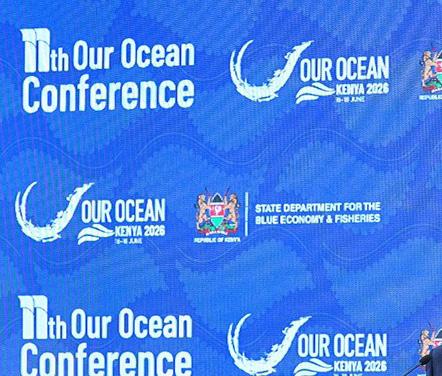
The Business of the Ocean: The 11th Our Ocean Conference
By Molly Wambui I MWambui@brand.ke
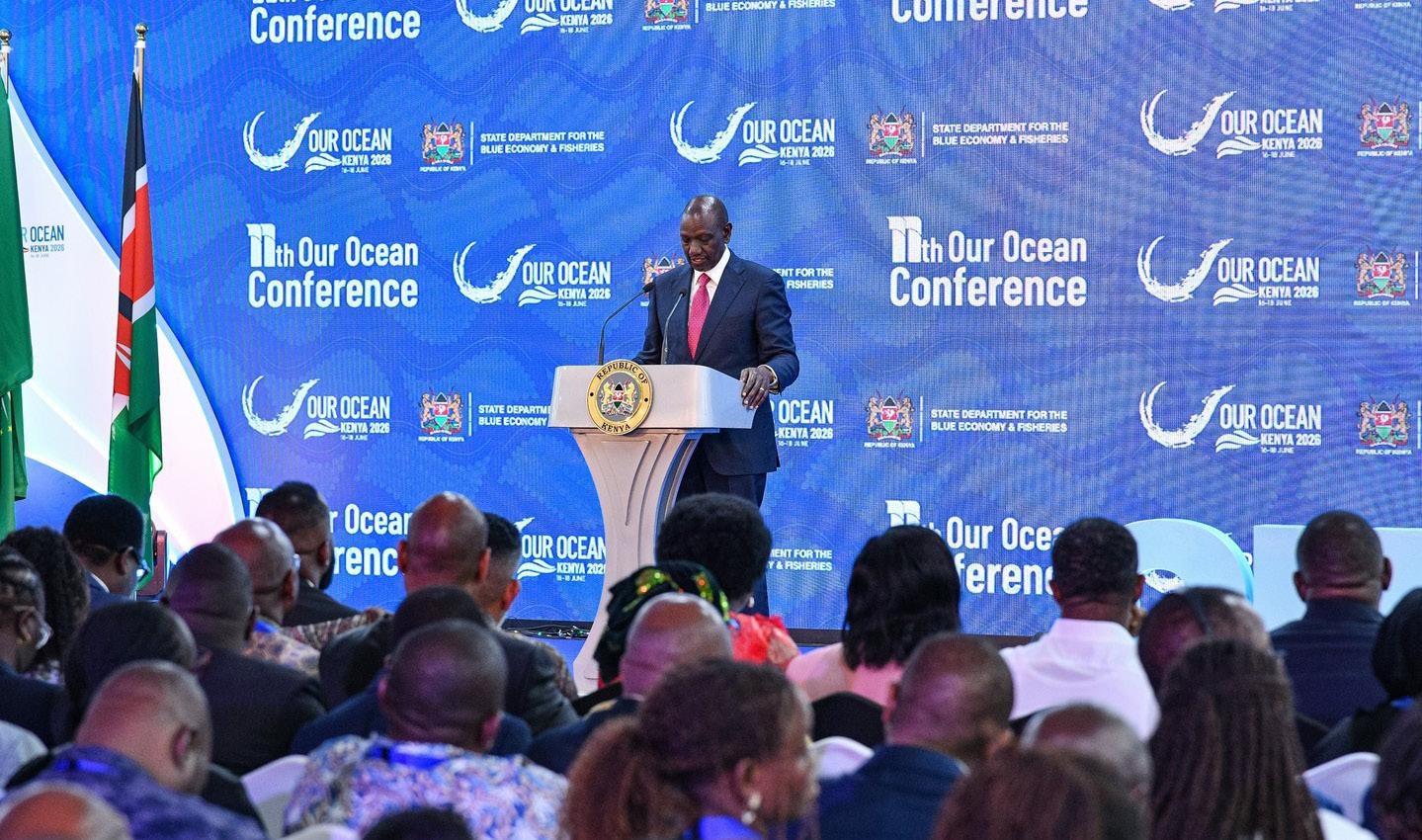
The 11th Our Ocean Conference (OOC11) kicked off on African soil for the first time, bringing global momentum to Mombasa, Kenya, which proudly hosted the event. An estimated 6,000 delegates attended the conference, including heads of state, ministers, marine scientists, and representatives of coastal communities.
The Our Ocean Conference is an international summit that unites governments, businesses, scientists, and civil society to pledge commitments and drive actionable solutions for ocean protection. Launched in 2014 by the United States Department of State, the annual summit has mobilised billions of dollars in commitments to protect marine environments worldwide.
Ahead of the main conference, the Executive Business and Investment Forum brought together private sector leaders and financiers to turn environmental goals into commercially viable opportunities. The pre-conference forum focused
on private sector mobilisation, circular economy livelihoods, and investment ready initiatives in marine conservation. Leaders also prioritised blended finance models that combine public and private funding to reduce financial risks for large scale maritime projects.
Deputy President Prof. Kithure Kindiki officially opened the main summit, framing ocean protection as a collective and corrective global responsibility. He also called for sustainability initiatives to reduce marine pollution. Cabinet Secretary for Mining, Blue Economy and Maritime Affairs, Hon. Ali Hassan Joho, reinforced this message by highlighting Kenya’s strategic focus on maritime governance, marine research, and technological innovation. He further commended coastal communities for their continued stewardship of the ocean, describing it as a key driver of the Bottom Up Economic Transformation Agenda (BETA).
>>> Continue on page 13
Our Ocean Conference founder and former United States Secretary of State, John Kerry, delivered a powerful call to action during the opening ceremony, stressing that the global community must move beyond commitments and deliver measurable results. “The time has come for humanity to become the ocean’s ally and act on its behalf,” he remarked.
Cabinet Secretary for Investments, Trade and Industry, Hon. Lee Kinyanjui, highlighted Kenya’s readiness to harness the opportunities presented by the blue economy through its skilled workforce and strategic infrastructure, including the Port of Lamu as a regional transshipment hub. He invited investors, particularly those interested in shipbuilding, to explore investment opportunities along Kenya’s coast.
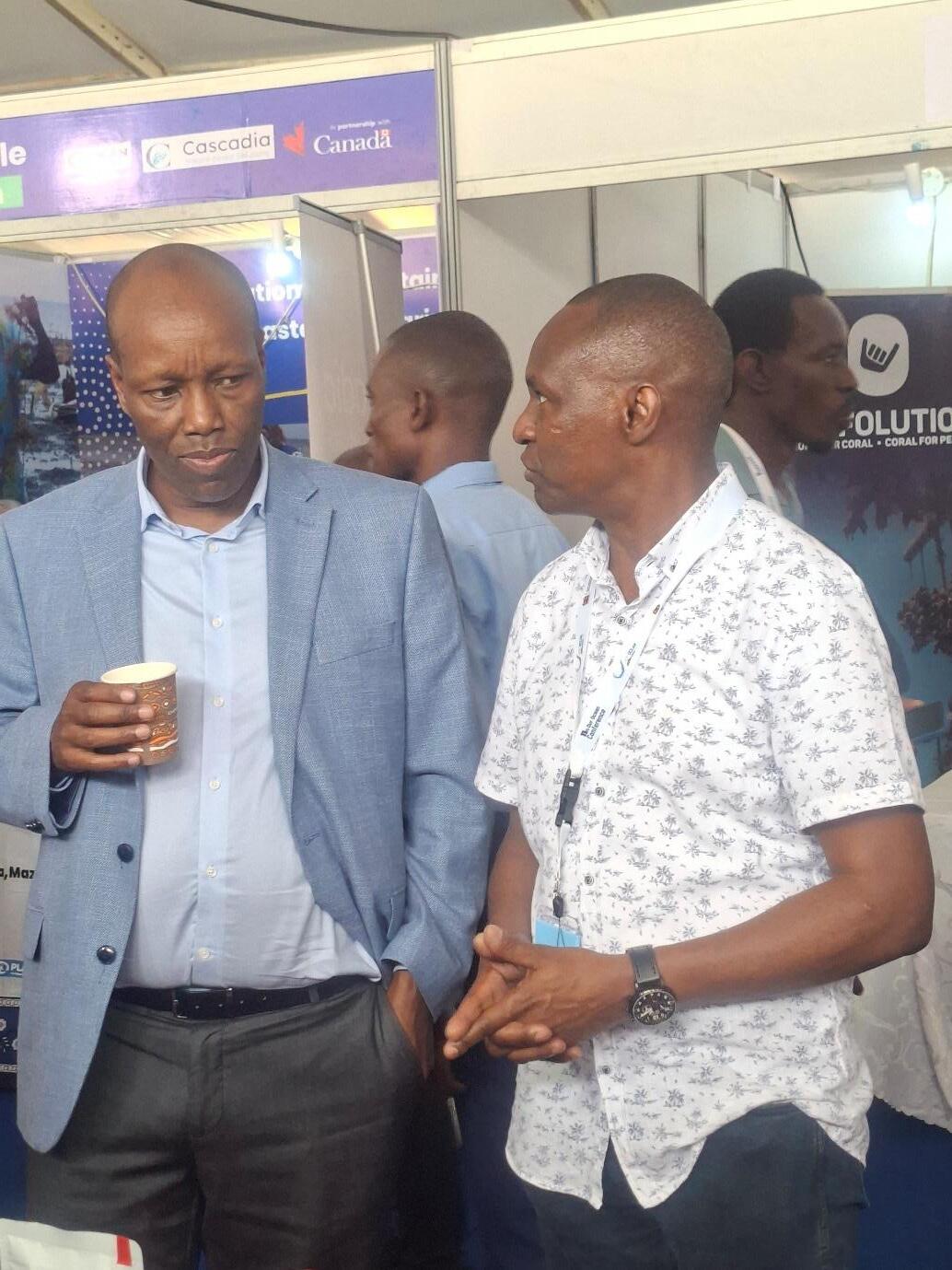
The exhibition at the 11th Our Ocean Conference showcased African leadership in ocean conservation alongside the important role of local communities in marine stewardship. Community groups from Kenya’s coastal region exhibited a variety of products from the blue economy value chain, including dried seafood, seaweed based beauty products, and mangrove honey. KEPROBA hosted four Made in Kenya adoptees at its exhibition stand, where they showcased high quality locally made products such as coffee, leather products, and handicrafts.
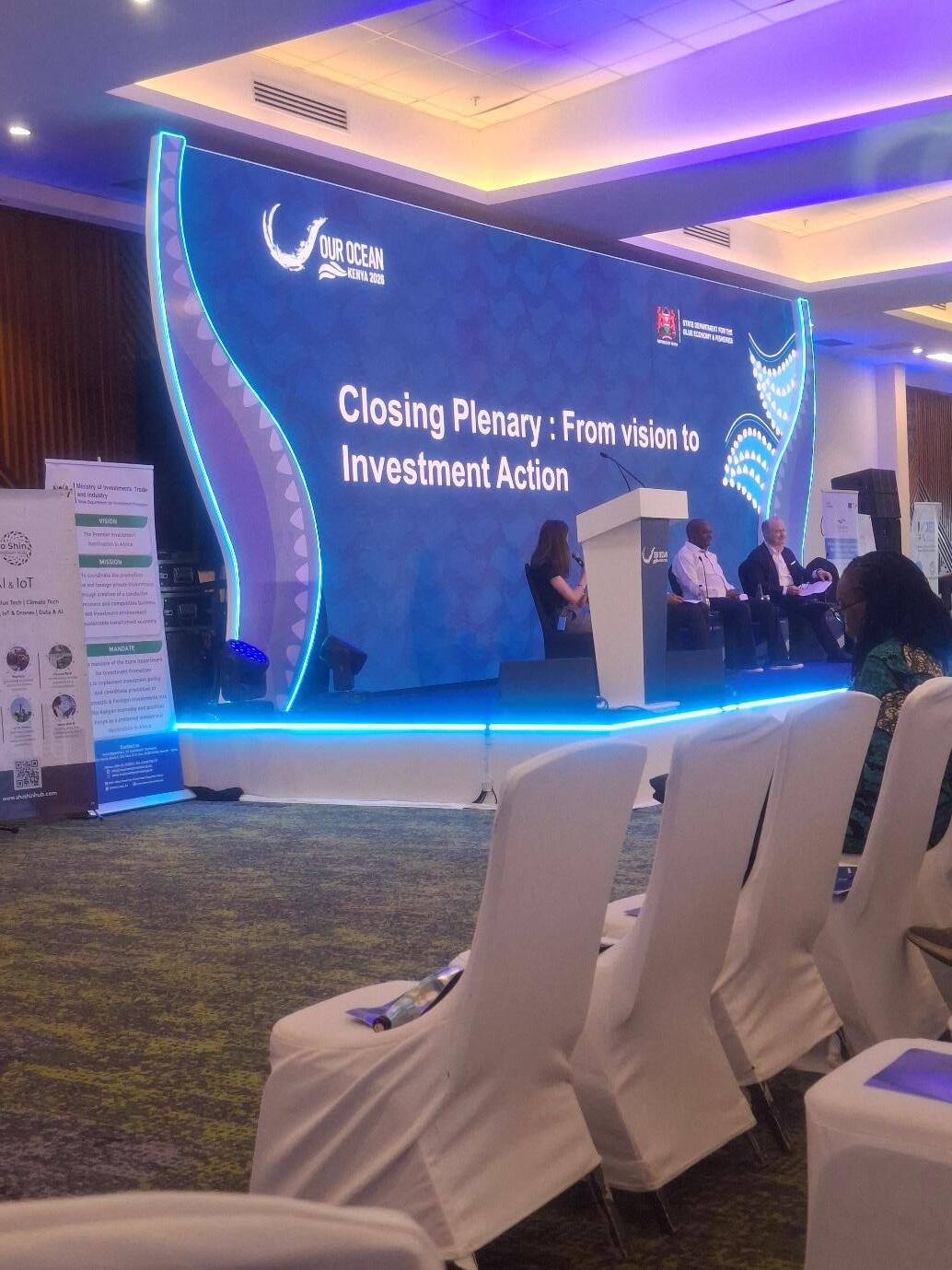
The conference concluded with 320 global commitments valued at USD 6.4 billion, including 86 commitments worth USD 2.86 billion dedicated to advancing the Sustainable Blue Economy. The World Bank pledged USD 1 billion over the next two years to support sustainable and resilient blue economies across developing nations. Participating governments also committed to strengthening national coral reef monitoring programmes and implementing integrated reef protection policies to reduce overfishing and unsustainable coastal development. In addition, international coalitions reaffirmed their commitment to the global 30x30 target by protecting at least 30 percent of the world’s oceans by 2030 through science-based conservation and community led governance.
Kenya’s successful hosting of the conference positions the country as a regional and global leader in advancing sustainable ocean management while fostering partnerships that support a resilient and inclusive Blue Economy.
Cabinet Secretary for investment, trade and industry, Lee Kinyanjui, visited the KEPROBA stand and sampled Kenyan Coffee.
The time has come for humanity to become the ocean’s ally and act on its behalf
The executive business forum at the display at the exhibition
The Growth of Digital Marketing
By Faith Masila (InternCOMM2@brand.ke)
Digital marketing is the use of technology and the internet to promote products and services to consumers through online platforms. It is one of the fastest growing marketing approaches, with many entrepreneurs embracing digital tools to expand their businesses. The rapid growth in internet usage has further accelerated this trend by enabling businesses to engage with consumers more quickly and efficiently. Today, businesses of all sizes use digital platforms to market their products and services, reach wider audiences, and increase sales. As a result, digital marketing has played a significant role in strengthening Kenya’s economy by creating employment opportunities and encouraging innovation.
Over the last decade, Kenya has experienced remarkable growth in the digital marketing sector. The expansion of mobile internet, affordable smartphones, and improved telecommunications infrastructure has enabled more Kenyans to access online services. Social media platforms such as TikTok, X, YouTube, WhatsApp, and LinkedIn have become powerful marketing channels for businesses and entrepreneurs.
The rise of e-commerce has further accelerated digital marketing, with many businesses choosing to advertise and sell their products online. Small and medium-sized enterprises (SMEs), in particular, have
Continue on page 15
Factors Driving the Growth of Digital Marketing
Increased Internet Penetration
Greater internet access across the country has enabled more people to connect to online platforms, creating new opportunities for businesses to market their products and services digitally.
Widespread Use of Smartphones
As smartphones have become more affordable, more Kenyans have gained access to digital platforms. This has made it easier for SMEs to advertise their products and services while reaching larger audiences at relatively low cost.
Rising Digital Skills
Asmore people acquire digital skills, the digital marketing sector continues to grow. Increased digital literacy has also created employment opportunities in areas such as content creation, digital marketing, and online communications.
Increased Investment and Innovation in Technology
Continuedinvestment in technology and digital innovation has encouraged creativity across online platforms. As more people develop computer literacy and digital skills, businesses have greater opportunities to create engaging content and market their products effectively.
Digital marketing has had a positive impact on Kenya’s economy. It has created employment opportunities for content creators, graphic designers, digital marketers, and social media managers. At the same time, SMEs have expanded their customer base and increased sales through affordable online advertising, contributing to economic growth.
Digital marketing has also enabled Kenyan businesses to access international markets by promoting products such as coffee, tea, flowers, and tourism services. This has contributed to increased exports while generating additional tax revenue that supports national development.
Despite its many advantages, digital marketing continues to face challenges, including cybercrime, misinformation, limited digital skills, and intense competition among businesses. Addressing these challenges will help create a safer digital business environment while enabling the sector to contribute even more to Kenya’s economic growth.
As technology continues to evolve, digital marketing will remain an important driver of innovation, entrepreneurship, and business growth in Kenya
In conclusion, the growth of digital marketing has transformed Kenya’s economy in many positive ways. It has strengthened communication between businesses and customers while expanding market opportunities for enterprises of all sizes. As technology continues to evolve, digital marketing will remain an important driver of innovation, entrepreneurship, and business growth in Kenya.
KEPROBA Strengthens Kenya’s Export Ecosystem Through Regional Value Chain Engagement
By Irene Van De Graaf (Irenev@brand.ke)
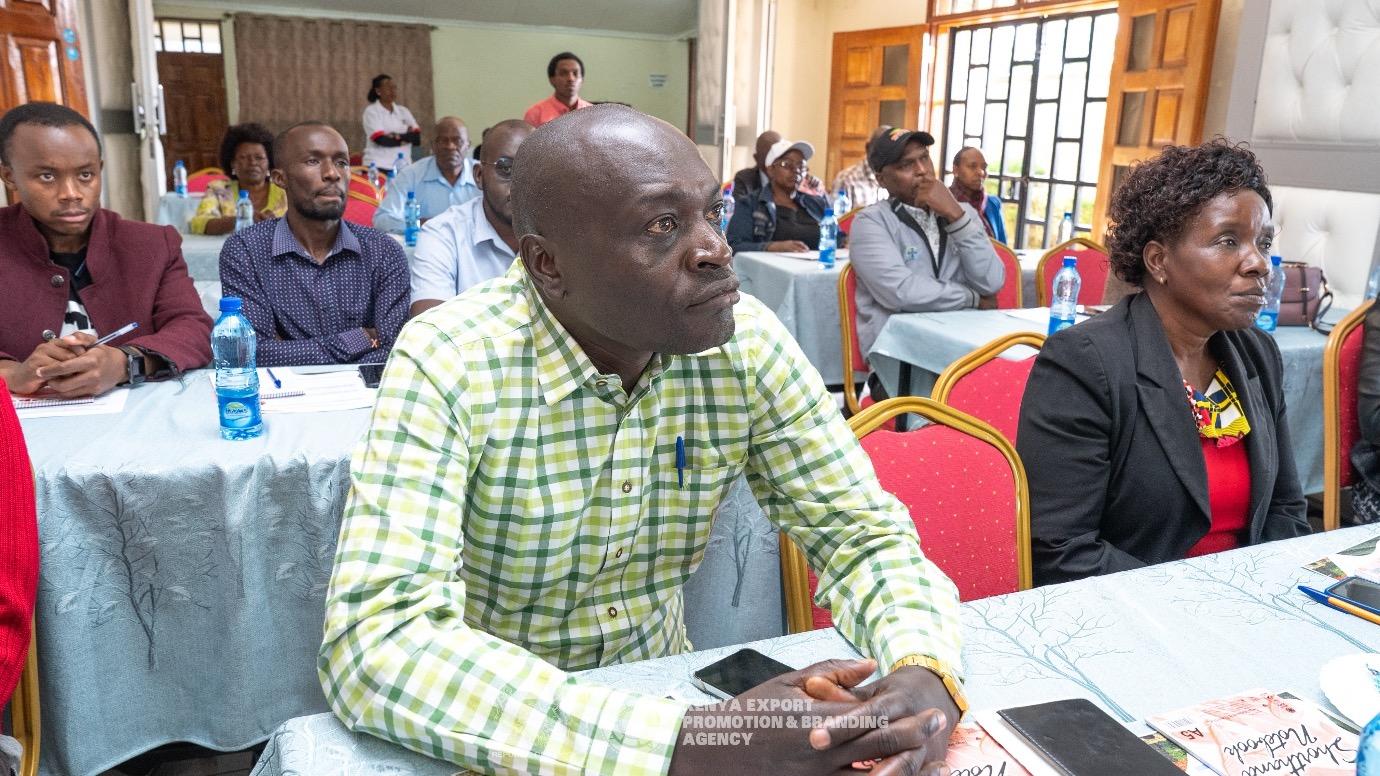
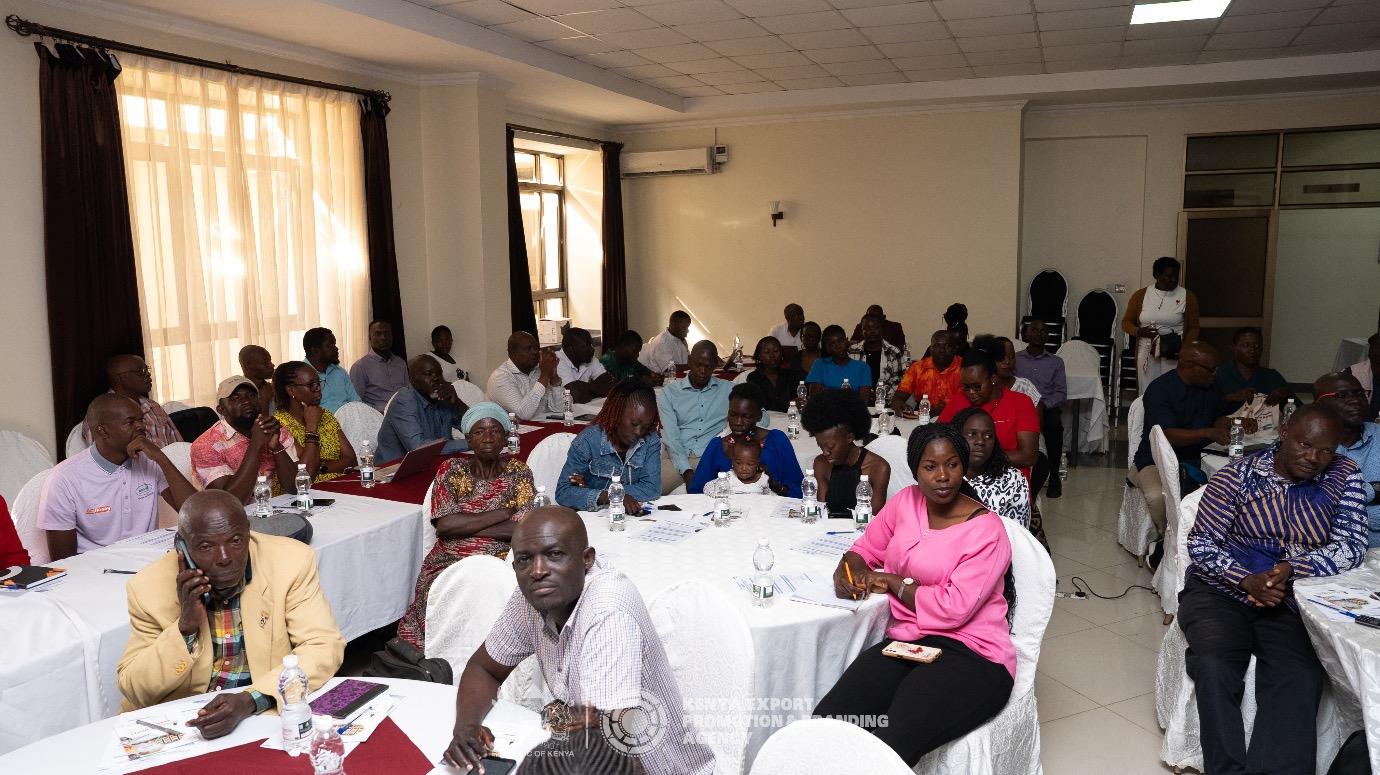
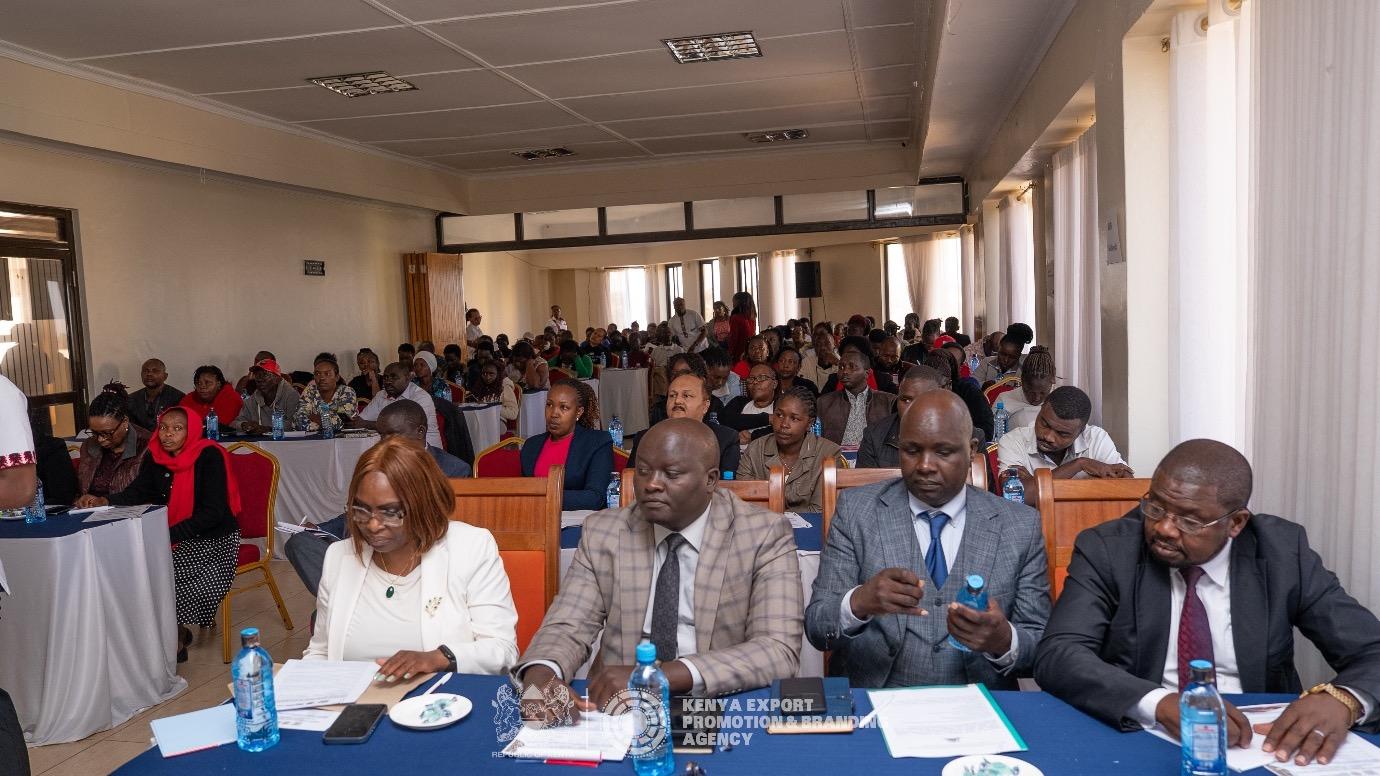
Kenya’s ambition to grow exports and increase its footprint in international markets depends not only on identifying new opportunities but also on building an export ecosystem that is responsive to the needs of businesses. Recognising this, the Kenya Export Promotion and Branding Agency (KEPROBA) recently concluded a series of Regional Export and Value Chain Engagement Forums across Kisumu, Eldoret, Nakuru, and Mombasa counties. The forums brought together county governments, exporters, manufacturers, business associations, development partners, and other key stakeholders to strengthen collaboration, share market intelligence, and develop practical solutions to challenges affecting Kenya’s export sector.
The forums formed part of KEPROBA’s broader strategy to bridge the gap between policy and implementation by ensuring that exporters’ experiences directly inform interventions aimed at improving Kenya’s competitiveness in regional and global markets. Rather than serving as standalone dissemination events, the engagements provided
an interactive platform where stakeholders exchanged ideas, validated market opportunities, and collectively identified actions to support sustainable export growth.
A key highlight of the forums was the dissemination of findings from the Japan Market Survey undertaken by KEPROBA between August and October 2025 during Expo 2025 Osaka. Conducted as part of the Agency’s market intelligence programme, the survey provided valuable insights into Japanese consumer preferences, import requirements, quality standards, and emerging opportunities for Kenyan exporters. The findings identified significant potential for products such as avocados, specialty coffee, macadamia nuts, tea, cut flowers, and sashimi grade tuna, while also highlighting opportunities in niche service sectors. Importantly, the study underscored the need for exporters to embrace quality assurance, certification, traceability, reliable supply chains, and strong branding to successfully penetrate high value international markets.
>>> Continue on page 17
The regional engagements also marked the introduction of KEPROBA’s Exporter Challenges Tracking Tool, a new digital mechanism designed to improve how exporter concerns are identified, monitored, and resolved. The tool enables businesses to report challenges encountered in international markets, supports coordinated responses from relevant government institutions, and generates valuable data to guide policy formulation and service delivery. By strengthening communication between exporters and policymakers, the platform is expected to contribute to a more transparent, responsive, and efficient export ecosystem.
In Kisumu County, discussions centred on the Dairy and Dairy Products, Commercial Crafts, and Blue Economy value chains, reflecting the region’s agricultural and aquatic resource potential. Eldoret brought together stakeholders from the Leather and Leather Products, Nuts and Edible Oils, Meat and Meat Products, and Pharmaceutical sectors to explore opportunities for value addition, compliance with international standards, and expanded market access. In Nakuru, consultations focused on the Horticulture, Tea, and Textiles and Apparel value chains, while Mombasa leveraged its strategic position as Kenya’s gateway to international trade to engage stakeholders from
requires continuous engagement with businesses, informed decision making, and practical solutions to the challenges faced by exporters. These forums provide an opportunity to translate market intelligence into action while ensuring that the voices of industry directly inform interventions that enhance Kenya’s competitiveness,” she noted.
Recognizing that export opportunities vary across regions, each forum incorporated value chain consultations tailored to the economic strengths of the host county. Stakeholders participated in focused discussions aimed at identifying sector specific constraints, sharing market intelligence, and developing practical recommendations to improve competitiveness.
Across all four counties, the engagements reinforced a shared understanding that strengthening Kenya’s export performance requires closer collaboration between national and county governments, the private sector, and development partners. Stakeholders emphasized the importance of timely market intelligence, responsive policy interventions, improved institutional coordination, and continuous engagement in addressing barriers to export
the Coffee, Blue Economy, and Mining and Minerals
growth while enhancing the competitiveness of Kenyan products and services.
The forums also provided an opportunity for KEPROBA to promote the Made in Kenya Initiative, encouraging businesses to leverage the Made in Kenya Mark as a symbol of quality, authenticity, and national pride. By supporting product branding alongside export promotion, the Agency continues to position Kenyan products and services to compete more effectively in regional and international markets.
As KEPROBA continues to implement its mandate of promoting exports and strengthening Kenya’s national brand, the Regional Export and Value Chain Engagement Forums represent a significant
step towards building a more inclusive and responsive export ecosystem. By integrating market intelligence, digital innovation, and stakeholder collaboration, the Agency is laying the foundation for evidence based interventions that not only address exporter challenges but also unlock new opportunities for Kenyan enterprises.
Ultimately, the success of Kenya’s export agenda will depend on sustained partnerships, informed decision making, and the ability to translate dialogue into action. Through initiatives such as the Regional Export and Value Chain Engagement Forums, KEPROBA continues to reaffirm its commitment to supporting businesses, strengthening value chains, and positioning Kenya as a globally competitive trading nation.
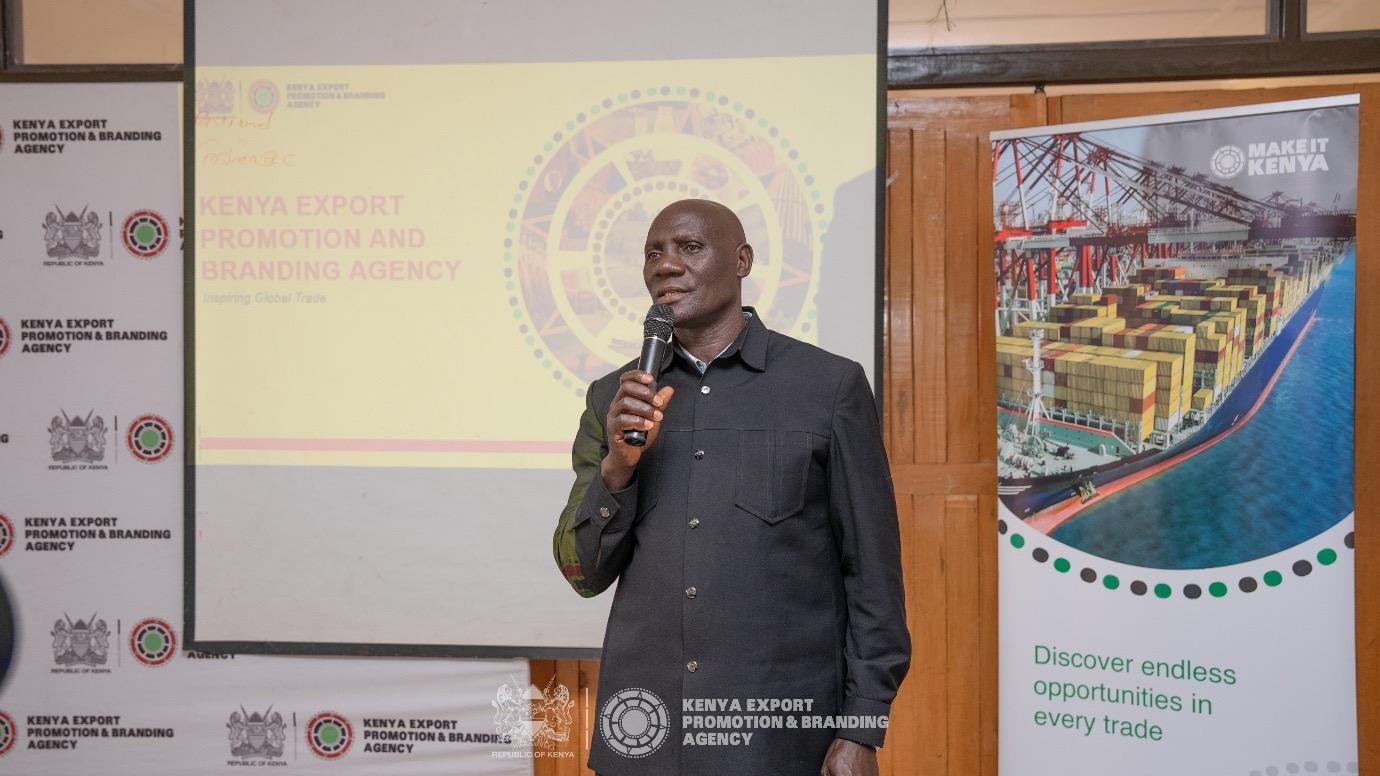
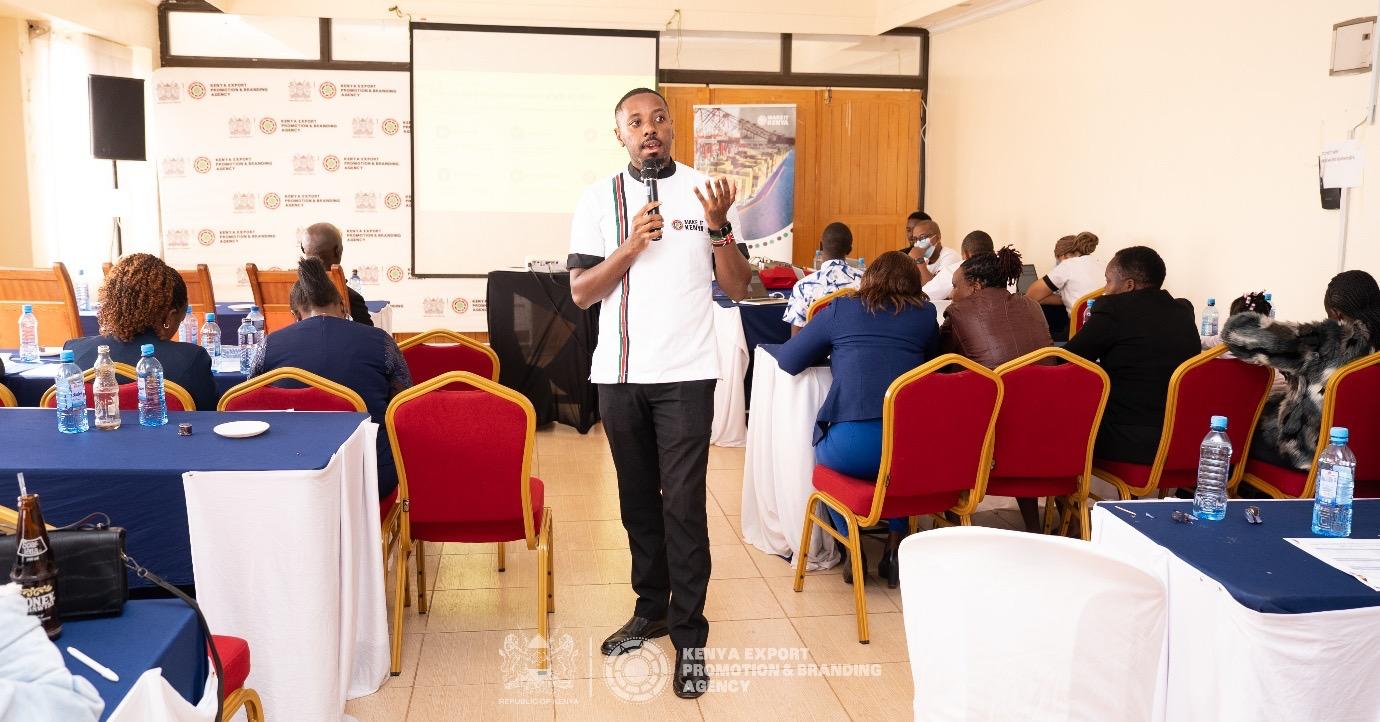
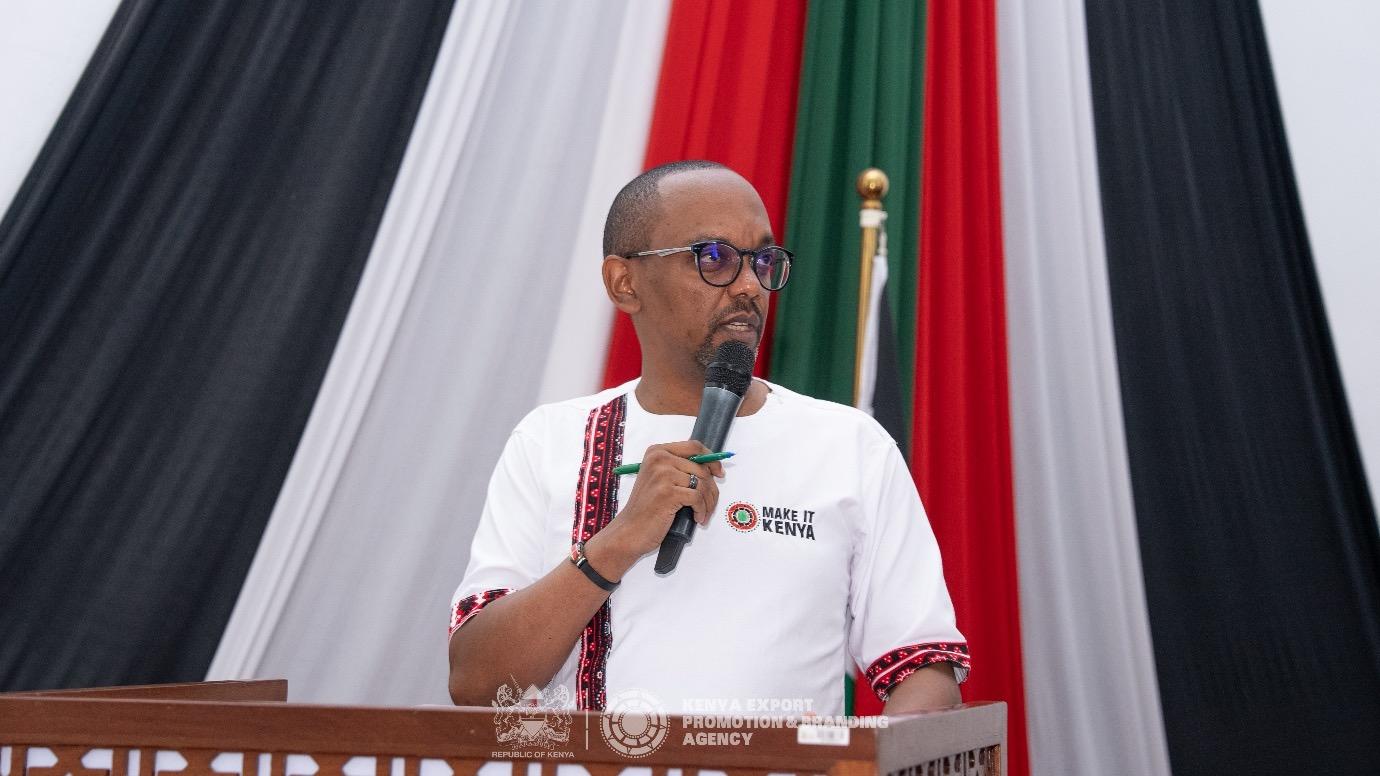
Mr. Peterson M. Nyachwaya, Director, Research and Innovation Directorate, addresses stakeholders during the Regional Export and Value Chain Engagement Forums, where he presented the Exporter Challenges Tracking Tool and underscored the importance of market intelligence in informing policy, addressing exporter challenges and strengthening Kenya’s export ecosystem.
Stakeholders from the public and private sectors participate in discussions during the Regional Export and Value Chain Engagement Forums.
Mr. Kelvin Mugendi, Trade Advisory Services Officer and Value Chain Lead for the Horticulture Sector, engages stakeholders during the Regional Export and Value Chain Engagement Forums, facilitating discussions on market opportunities, sector specific challenges and strategies for enhancing the competitiveness of Kenya’s horticultural exports.
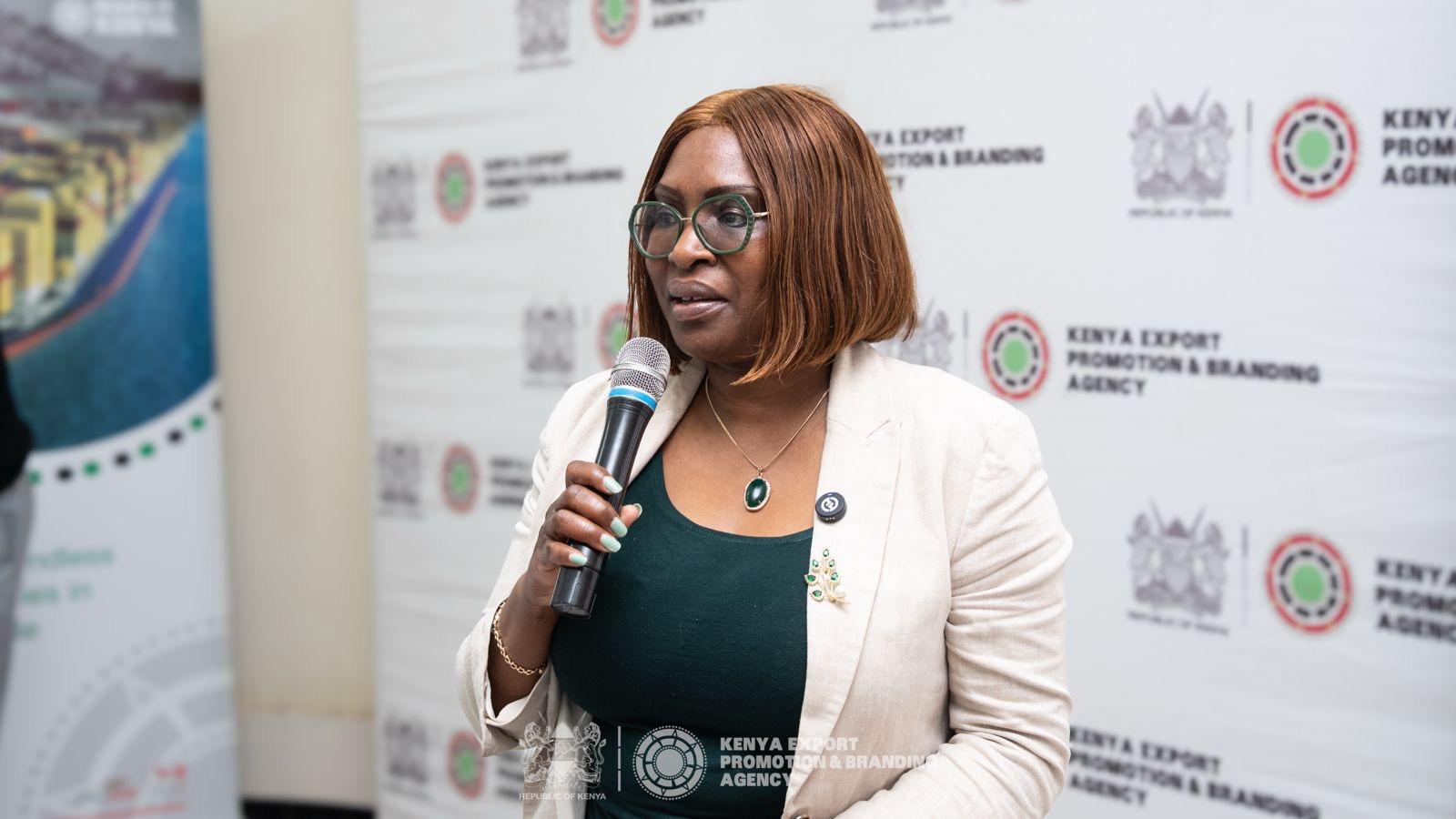
addresses stakeholders during the Regional Export and Value Chain Engagement Forum in Nakuru County, emphasizing the importance of translating market intelligence into practical interventions that strengthen value chains and enhance Kenya’s export competitiveness.
KEPROBA Chief Executive Officer Ms. Floice Mukabana with representatives from the Uasin Gishu County Government, led by Dr. Philip Chebunet, CECM for Trade, Industrialization, Tourism, Cooperatives and Enterprise Development, during the Regional Export and Value Chain Engagement Forum in Eldoret. The forum strengthened collaboration between national and county governments in advancing Kenya’s export agenda.
Mr. Kelvin Nkai, Principal Officer, Export Trade Market, moderates discussions during the Regional Export and Value Chain Engagement Forums, guiding stakeholder dialogue on market opportunities, exporter challenges and strategies for strengthening Kenya’s export competitiveness.
Kenya Pushes Value Addition at Brussels Roundtable
By Lilian Irungu (InternCOMM2@brand.ke)
“ Africa’s economic transformation depends on developing local industries capable of processing raw materials, creating jobs, and generating greater economic value domestically.”
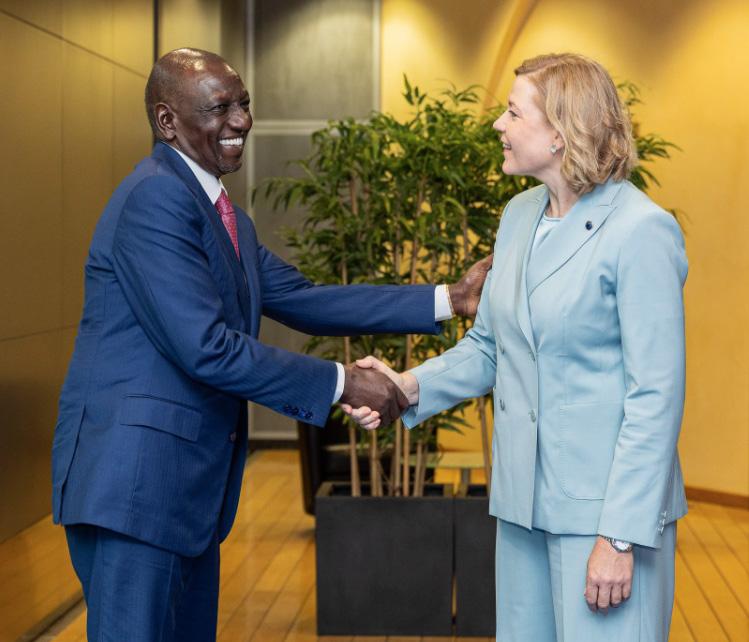
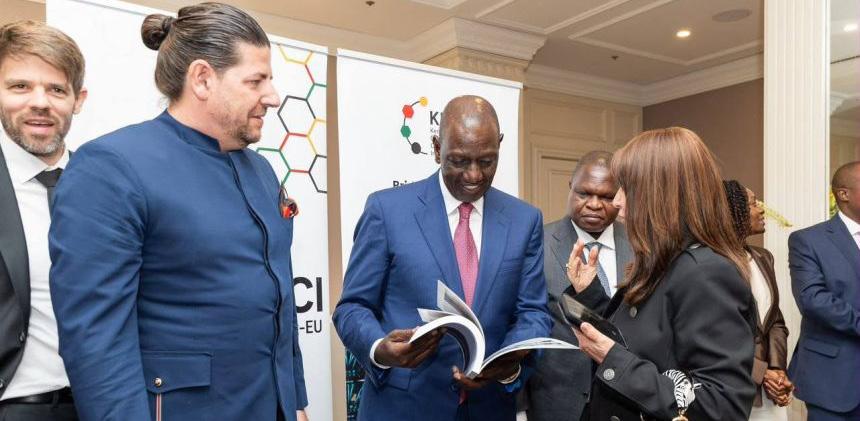
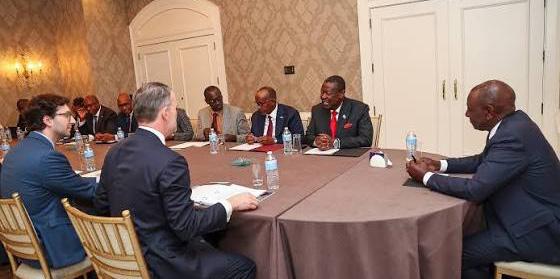
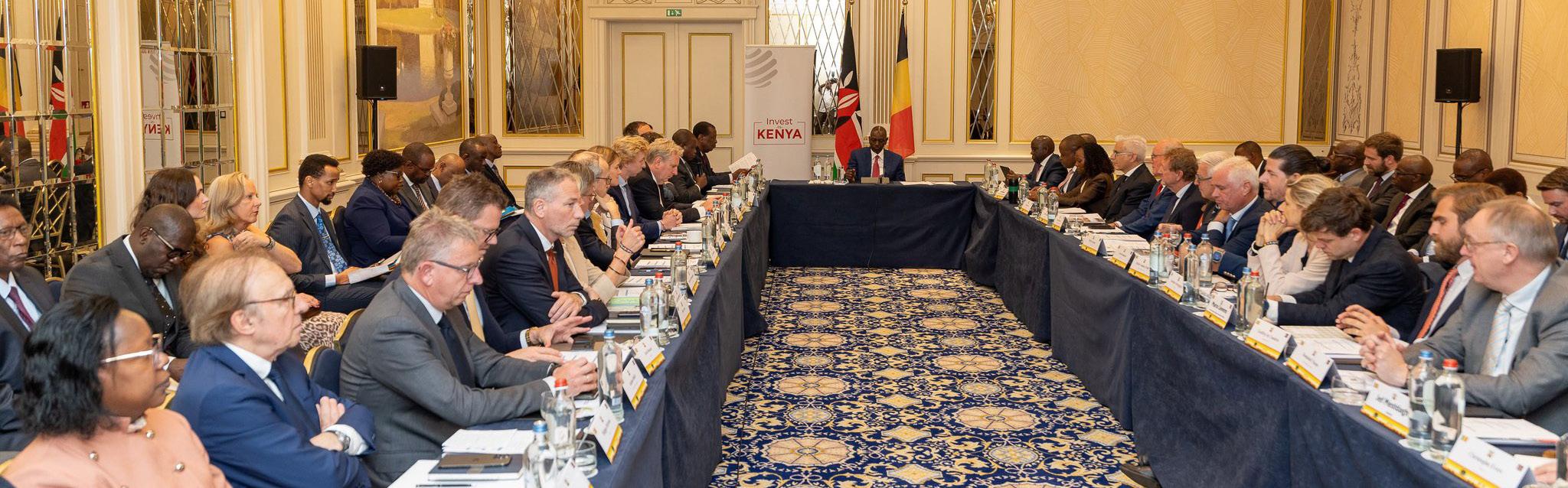
Kenya has renewed its call for a shift in the global economic relationship between Africa and Europe, advocating for increased investment in local manufacturing and value addition rather than the continued export of raw materials. This was the key message delivered by President William Ruto during the Kenya–Belgium Business Roundtable held in Brussels, Belgium, where he met with investors and business leaders from Belgium, the Netherlands, and Luxembourg.
Addressing the high-level forum, President Ruto challenged European manufacturers to move away from the long-standing model of extracting Africa’s raw materials for processing abroad and instead establish industries within Kenya and across the continent. He argued that Africa’s economic transformation depends on developing local industries capable of processing raw materials, creating jobs, and generating greater economic value domestically.
The President emphasized that Kenya is strategically positioned to become a regional manufacturing and industrial hub due to its strong renewable energy sector, skilled workforce, strategic geographical location, and access to major regional and international markets. He noted that more than 90 percent of Kenya’s electricity is generated from renewable sources, including geothermal, hydroelectric, and wind energy, making the country one of the world’s leading producers of clean energy. This, he said, presents investors with an opportunity to manufacture products with a lower carbon footprint while meeting increasingly stringent environmental standards in global markets.
He particularly encouraged Belgian and European investors to process Kenya’s minerals locally rather than exporting them for value addition elsewhere. He argued that establishing manufacturing plants and processing industries within Africa would strengthen supply chains, create employment opportunities, promote skills transfer, and
The future of Africa–Europe
economic cooperation should be built on partnership, industrial investment, and shared prosperity rather than the historical model of resource extraction.
accelerate industrialisation across the continent. According to the President, this approach would also help Europe secure resilient and sustainable supply chains amid changing global economic dynamics.
A major highlight of the Brussels engagement was the launch of the Kenya–Benelux Chamber of Commerce (KBCC), a new platform designed to deepen economic relations between Kenya and the Benelux countries of Belgium, the Netherlands, and Luxembourg. The chamber aims to facilitate trade, attract investment, promote business partnerships, and strengthen commercial ties between Kenya and one of Europe’s most important economic regions.
During the launch, President Ruto called on investors from the Benelux region to double the number of their companies operating in Kenya and support efforts to increase bilateral trade from approximately USD 335 million recorded in 2024 to USD 1 billion by 2030. He described Kenya as a gateway to both the East African Community (EAC) and the African Continental Free Trade Area (AfCFTA), which together provide access to a
market of more than one billion consumers across Africa.
The President also highlighted the opportunities presented by the Economic Partnership Agreement (EPA) between Kenya and the European Union, which grants Kenyan products preferential access to European markets. He noted that products manufactured in Kenya using clean energy stand to benefit from Europe’s evolving environmental regulations, including carbon border adjustment mechanisms that increasingly favour low carbon production systems. He also proposed stronger cooperation between the Port of Mombasa and the Port of Antwerp-Bruges to enhance trade and transport connectivity between East Africa and Europe.
Kenya’s message to European investors was clear: the future of Africa–Europe economic cooperation should be built on partnership, industrial investment, and shared prosperity rather than the historical model of resource extraction. Make it in Kenya. Make it in Africa. Make it clean and sell it to the world.
This overarching theme underpins ve sub-themes:
THEMATIC FOCUS
Technology
Transformational Technology
Planet Sustainable Solutions Humanity Prosperous People
How do we use foresight for our communities to thrive within the earth's limits?
How do we use foresight to ensure technologies serve humanity and the planet?
This overarching theme underpins ve sub-themes:
Culture
World Wisdom
Technology
Transformational Technology
How do we enrich foresight through heritage and cultural wisdom?
How do we use foresight to ensure technologies serve humanity and the planet?
PARTICIPATION
Culture
World Wisdom
How do we enrich foresight through heritage and cultural wisdom?
How do we develop a culture of wisdom across generations for human ourishing?
Expo 2030 Riyadh of cial theme is “Foresight for Tomorrow” focusing on innovation, sustainability, and the collective power of nations to shape a better future for all.
Collaboration
Collaborative Communities
Planet Sustainable Solutions
Humanity
How do we accelerate foresight through global collaboration?
How do we use foresight for our communities to thrive within the earth's limits?
Collaboration
Collaborative Communities
Prosperous People
How do we develop a culture of wisdom across generations for human ourishing?
Expo 2030 Riyadh will be a global platform for innovation and collaboration; it offers three types of country participation:
• Self-built pavilions
How do we accelerate foresight through global collaboration?
Fully constructed and operated by participants
• Partnership program pavilions
PARTICIPATION
• Rented pavilions
Fully constructed by Expo 2030 Riyadh and leased to participants; participants are responsible for t-out and operations-related costs
Constructed by Expo 2030 Riyadh and operation costs funded by the Expo 2030 Riyadh as part of the Partnership Program under the “One Nation, One Pavilion” model.
Expo 2030 Riyadh will be a global platform for innovation and collaboration; it offers three types of country participation: