





CONTINENT Africa
PART Eastern Africa

47 Counties
GDP
USD 113.42 Billion (2022)
NATIONAL FLAG
56 million
580,367 Km2
OFFICIAL LANGUAGE
English and Swahili
POLITICAL SYSTEMS
CURRENCY
Kenyan Shilling (KES)
Devolved State with Multiparty Democracy
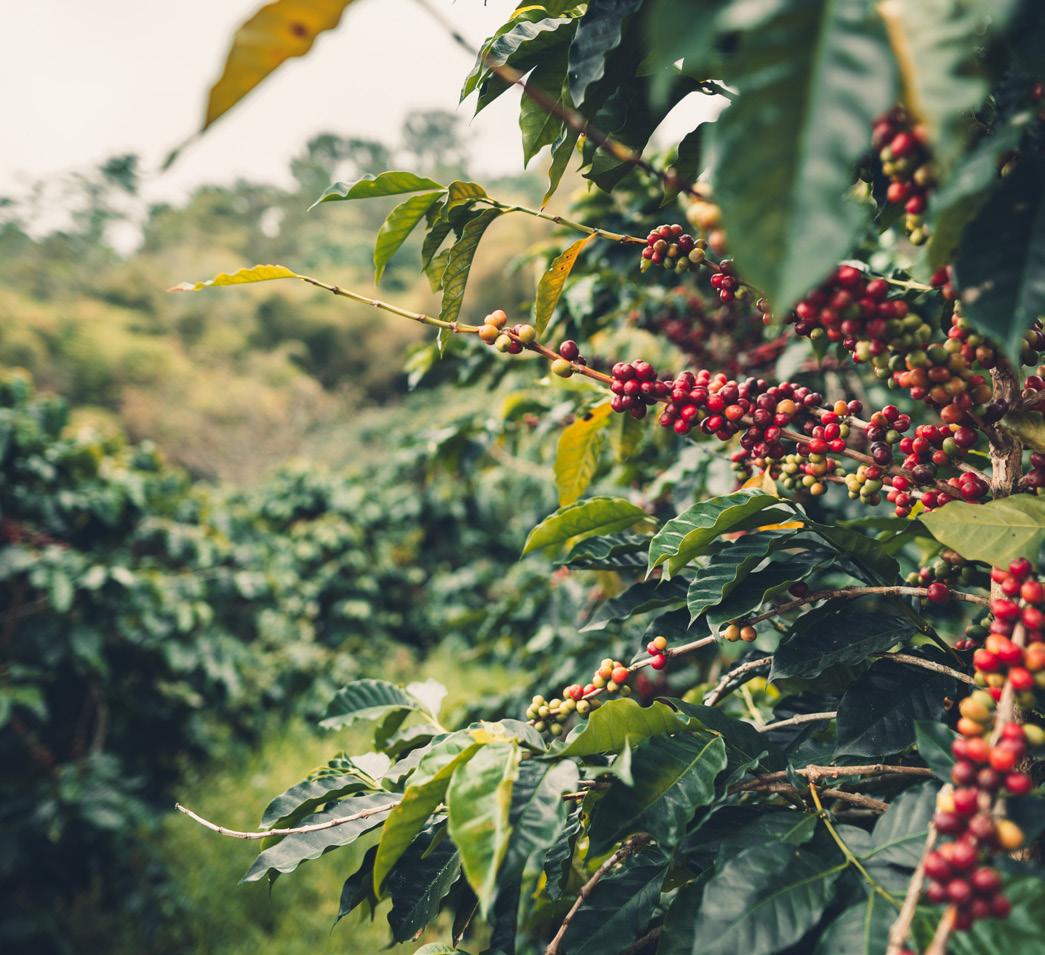

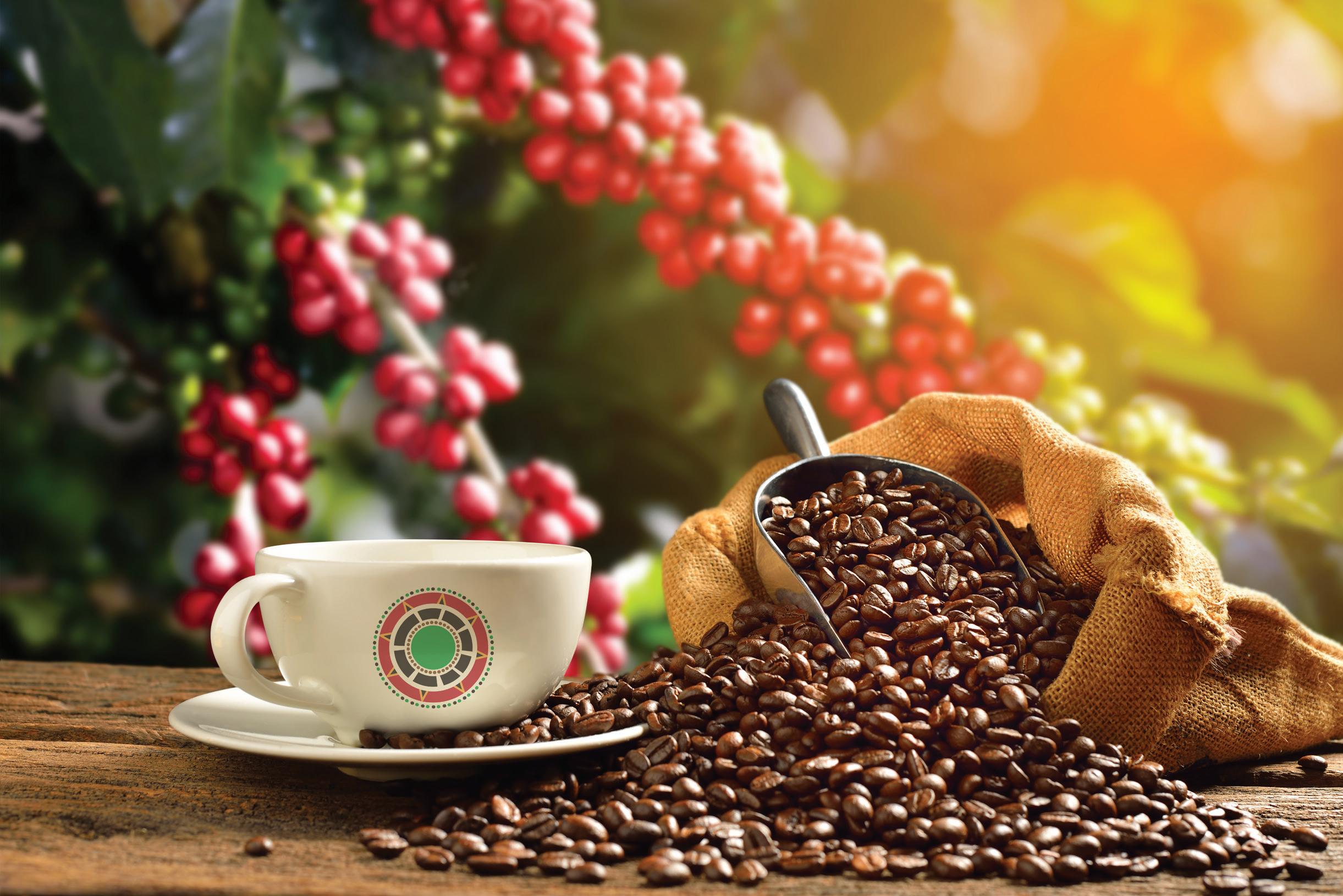
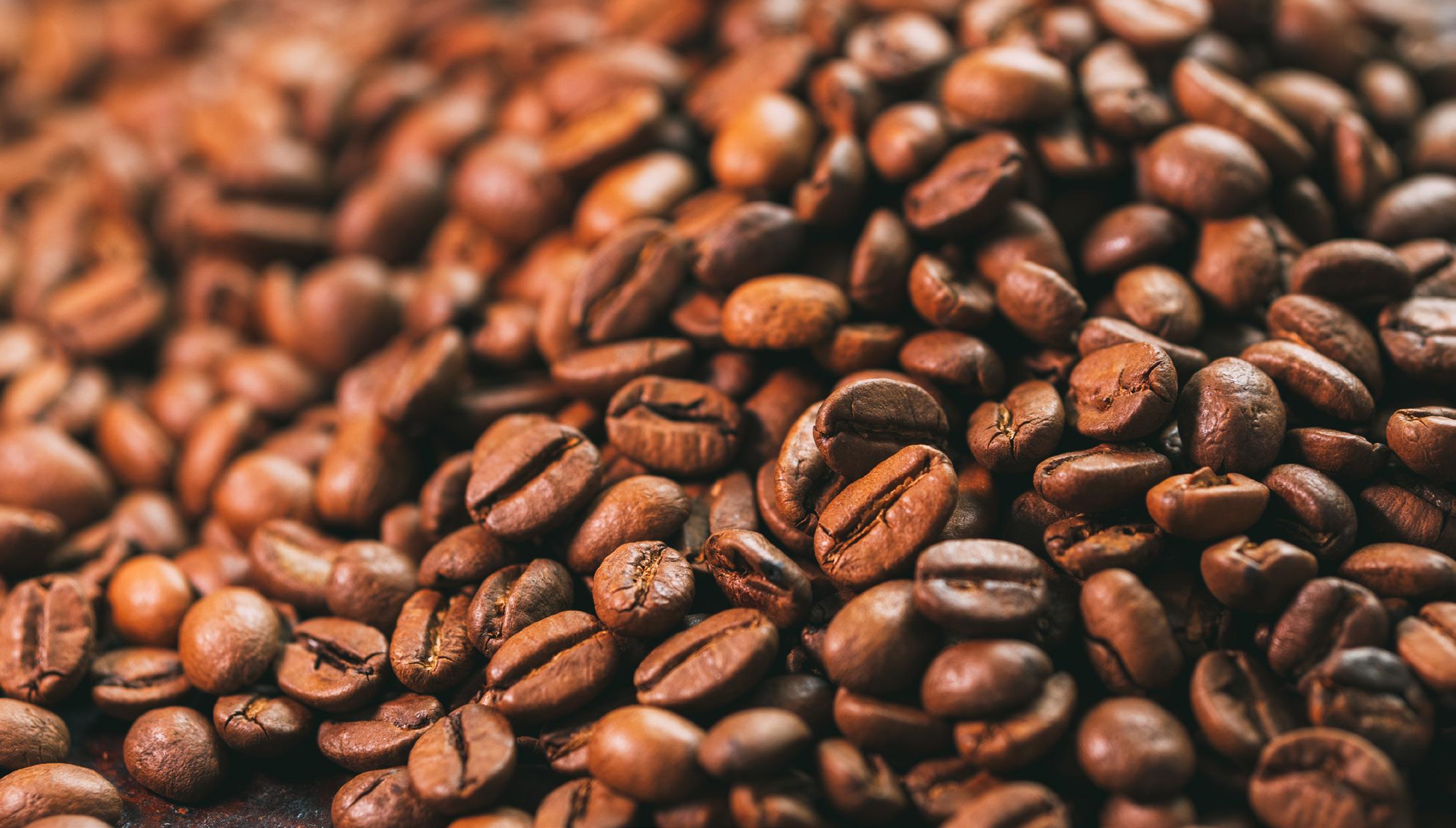
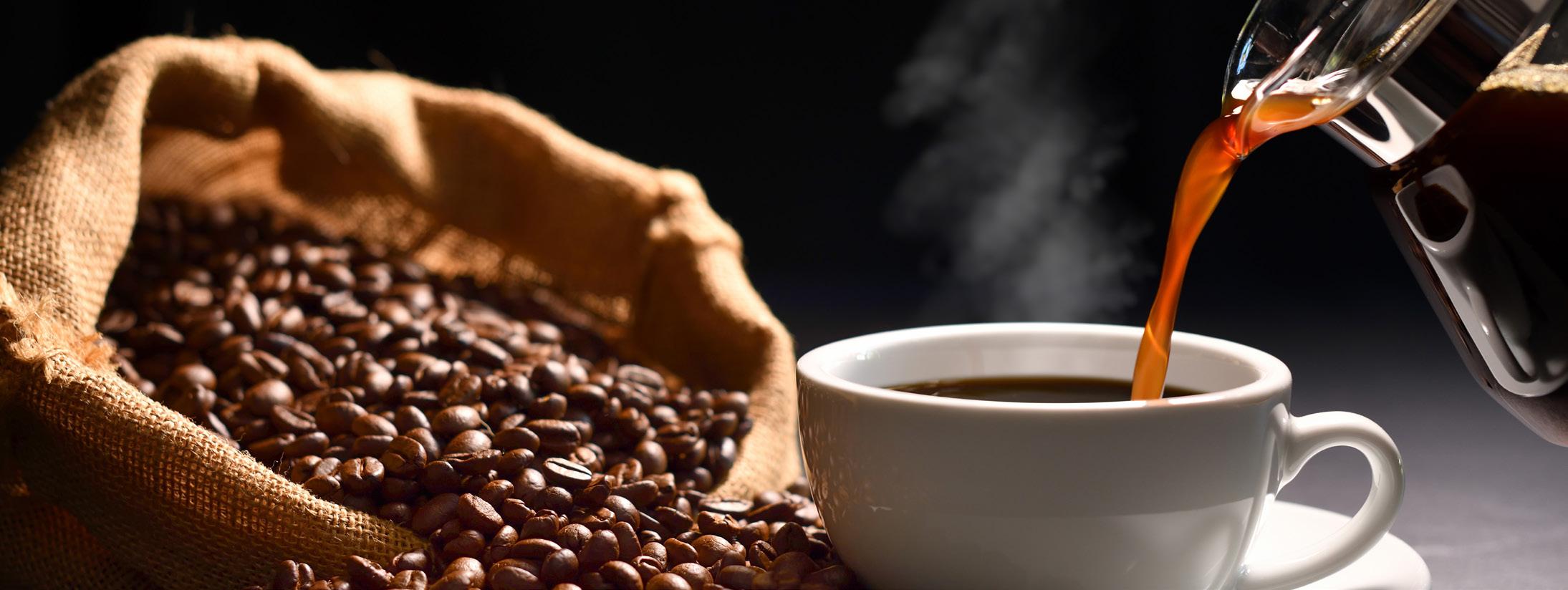
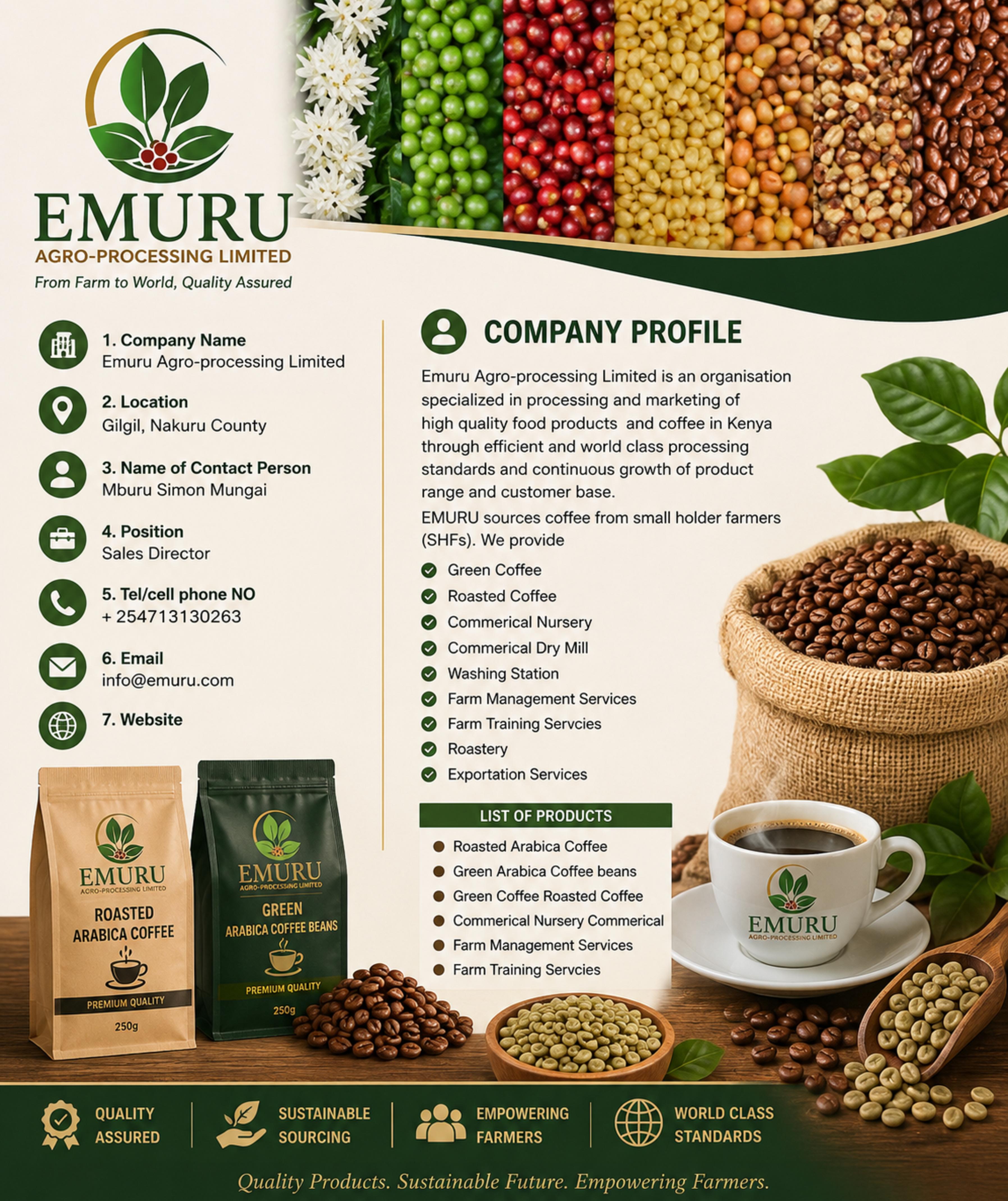
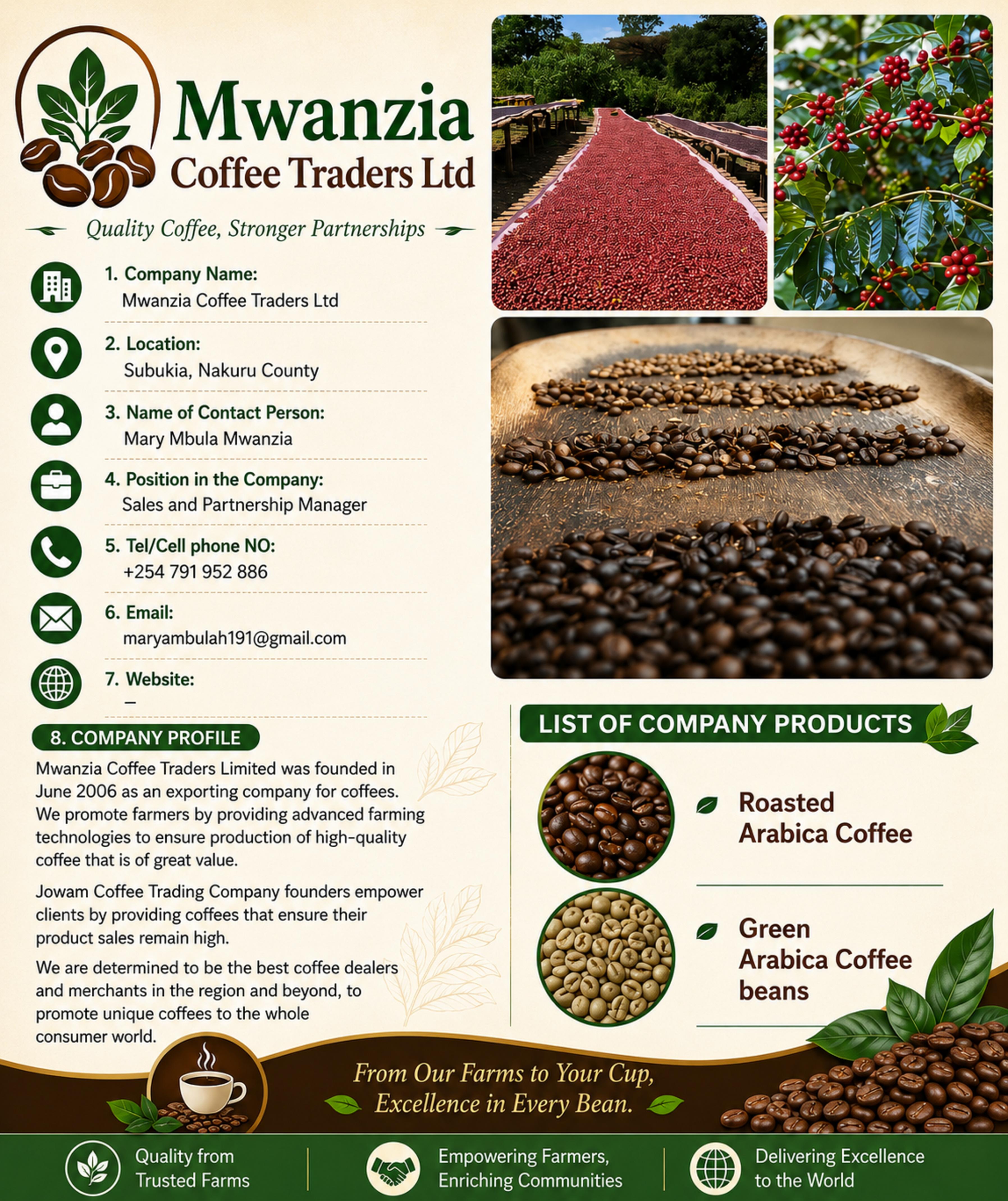
From the rich volcanic soils of the Great Rift Valley to the mist-covered slopes of Mount Kenya, Kenya produces some of the world’s most celebrated specialty coffees. Grown along the equator at high altitudes, Kenyan coffee is renowned for its vibrant acidity, full body, and complex, layered flavors.
Kenyan coffee is extra ordinary rich acidity and flavor, full body, deep sensual aroma, hints of chocolate, floral and citric undertones. It is grown in higher elevations and produces grade AA which forms the largest coffee beans of the crop. It is selectively handpicked and processed by washing and sun drying. Over the years, Kenyan coffee has been used to blend other coffees in the rest of the world to improve the quality of their flavor. It takes time, skill and diligence for farmers in Kenya to come up with the unique quality profile of their coffee. The meticulous production of Kenyan coffee makes it competitive in the global market. Coffee buyers are thus willing to pay a premium to reward the Kenyan farmers’ effort.
“In every cup of Kenyan coffee lies a story of altitude, care, and craft.”
100% premium Arabica coffee
High-altitude cultivation (1,400–2,100 MASL)
Rich volcanic soils and ideal equatorial climate
Meticulous processing
Sun drying on raised African beds
Strict grading system (AA, AB, PB, etc.)
Transparent marketing via auction and direct trade
Globally recognized grading and traceability system
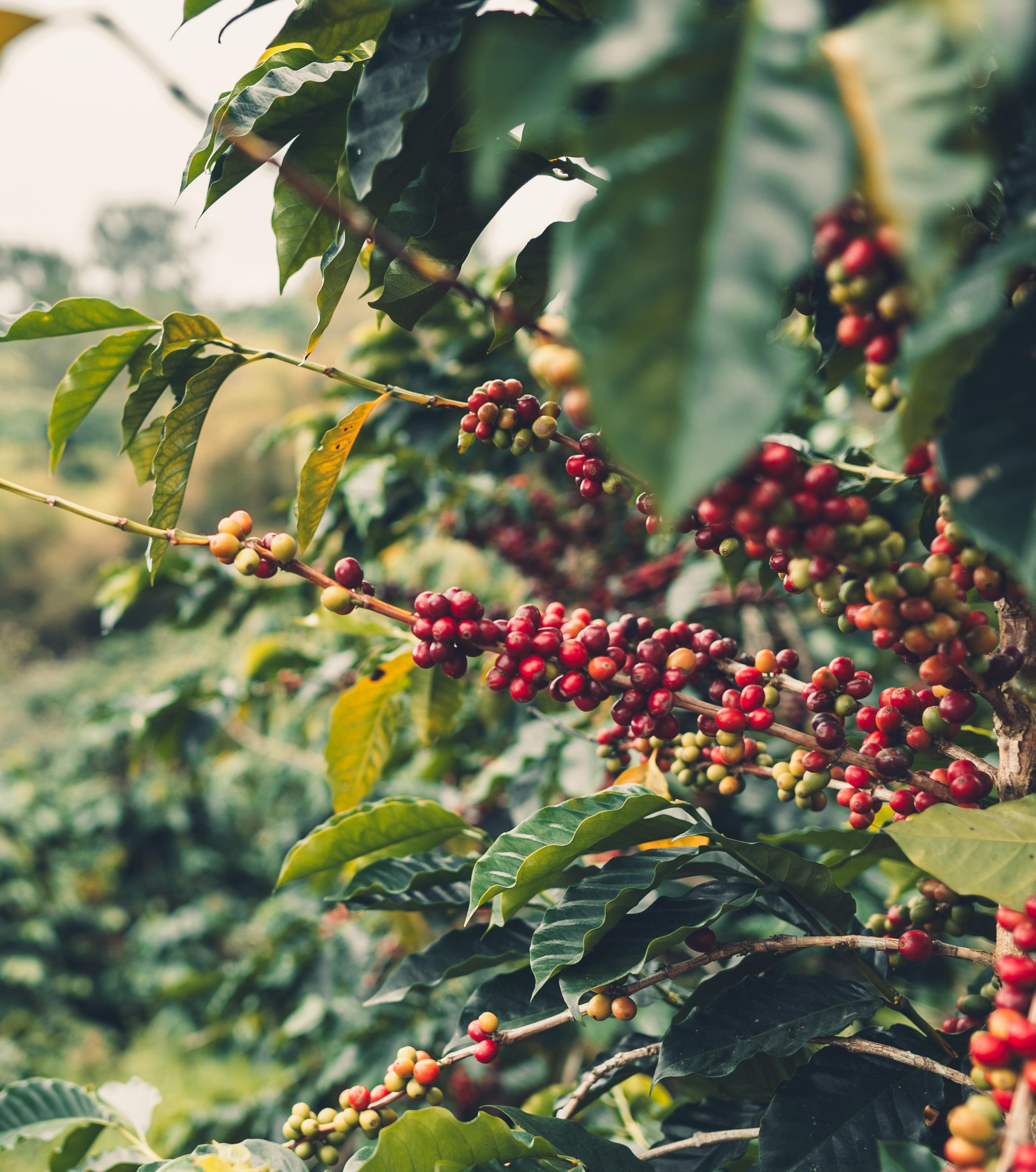
Over 70% of Kenya’s coffee is produced by about 800,000 smallholder farmers, organized in cooperative societies, form the backbone of Kenya’s coffee sector. Their dedication, combined with strong institutional support and innovation, ensures consistent quality and sustainability.
“Empowering farmers. Delivering excellence.”
SL28 & SL34 – Exceptional acidity, complex fruit notes
Ruiru 11 – Disease-resistant, high yielding
Batian – Balanced cup quality and resilience

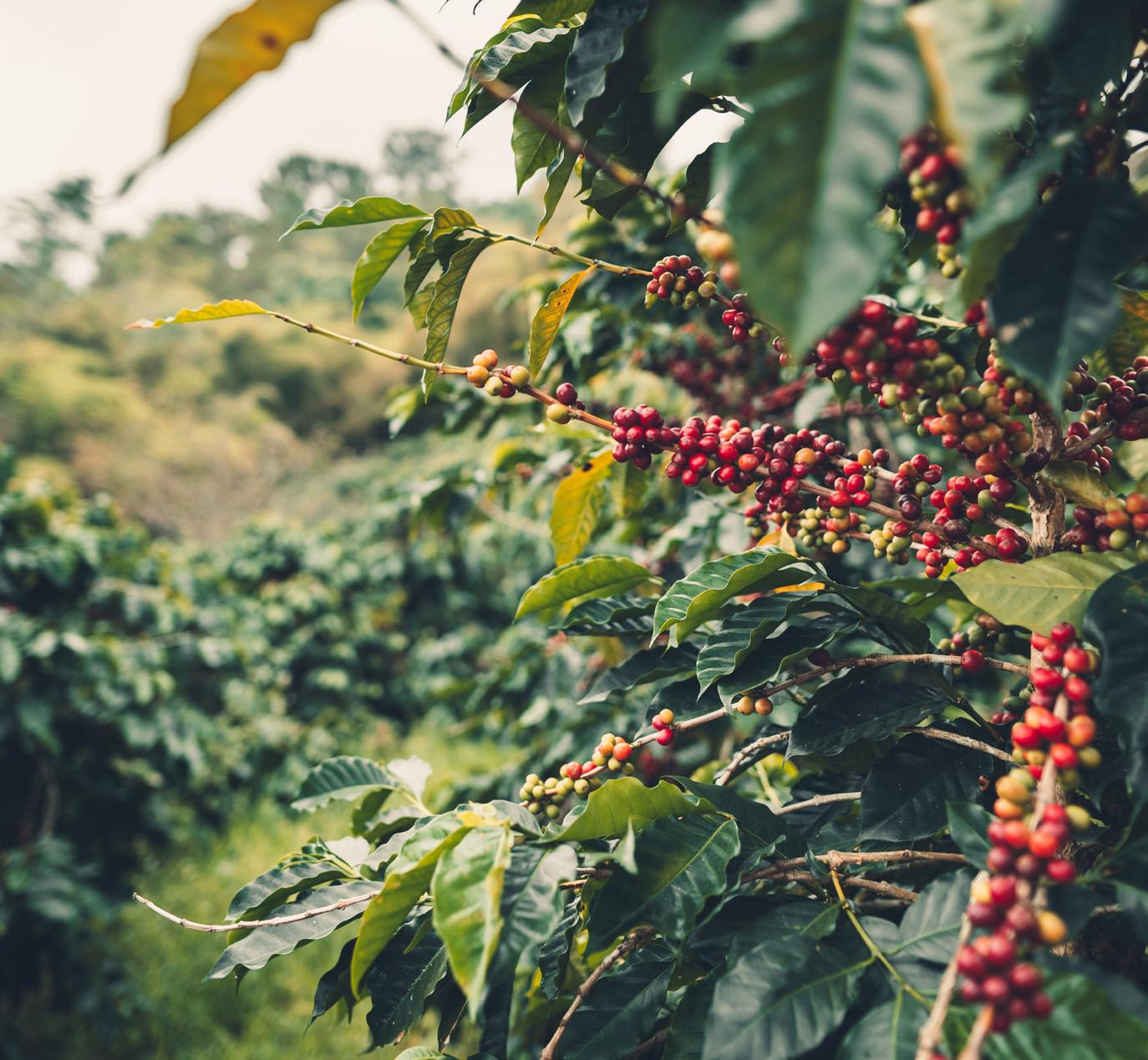
Kenyan coffee is a favorite among specialty roasters and buyers worldwide, consistently commanding premium prices and recognition in international markets.
Major markets United States, Germany, Belgium, South Korea, Sweden, China
Marketed through:
The Nairobi Coffee Exchange (NCE) auction system
Direct sales to international buyers

Flavor Experience
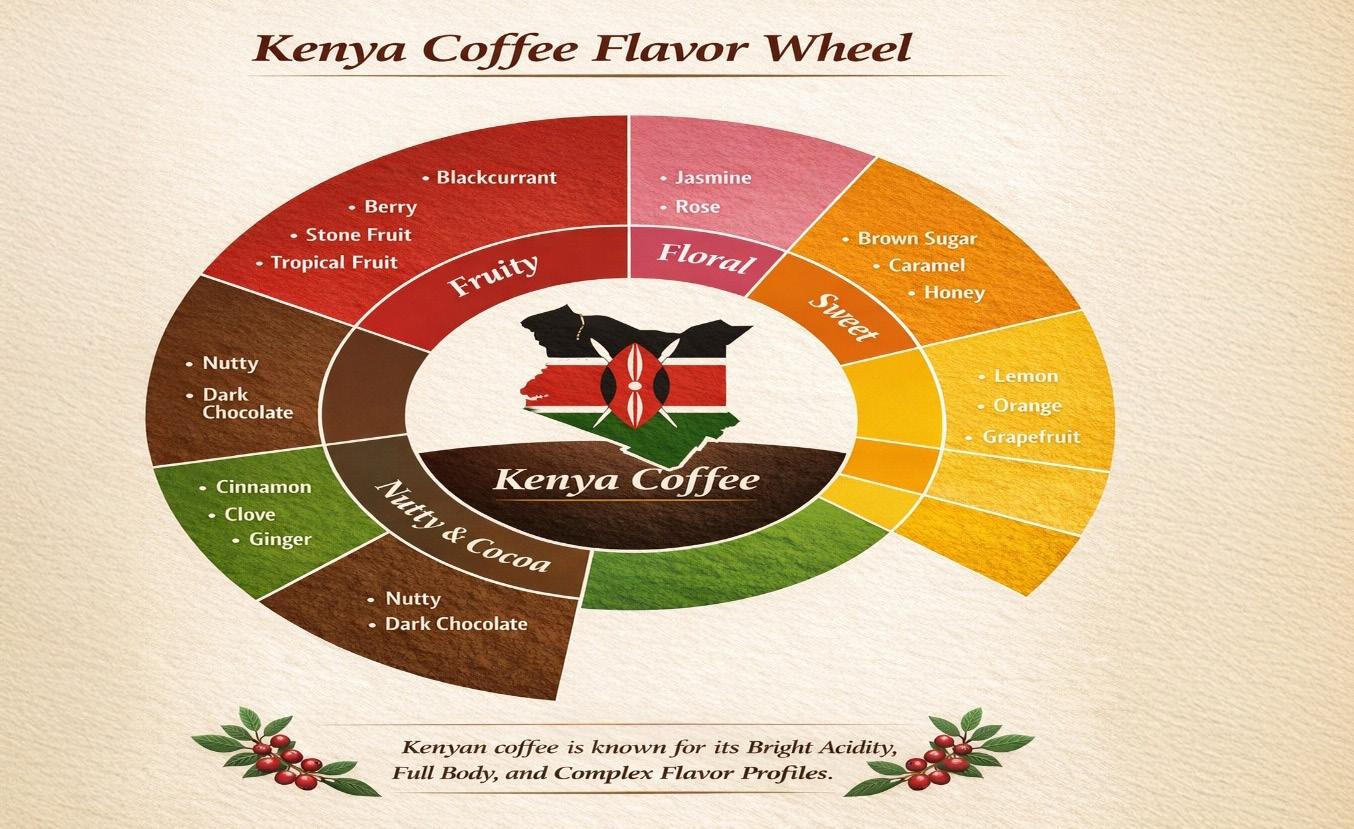
Kenyan coffee is prized for its distinct and vibrant sensory profile:
· Acidity: Bright, wine-like
· Body: Medium to full
· Aroma: Floral, citrus, berry
· Flavor Notes: Blackcurrant, grapefruit, lemon, red berries, tropical fruits
· Finish: Clean, lingering, complex

Kenya offers a dynamic and reliable origin for:
Specialty and premium coffee sourcing
Direct trade relationships
Traceable and sustainable supply chains
Unique single-origin offerings
Whether you are a roaster, trader, or coffee enthusiast, Kenya offers an unmatched origin experience defined by quality, consistency, and character.
Precision at every stage—from cherry to cup.
Central Kenya comprises of Kiambu, Nyeri, Kirinyaga and Muranga.
This is the traditional coffee growing area, where coffee is grown on small and large farms on the slopes of Mt. Kenya and the Aberdare Ranges.
The region has fertile volcanic soils which are synonymous with producing a good cup of coffee. The rainfall pattern is bi modal which are short and long. The altitude ranges from 1750 to 5750 meters above sea level.
The coffee taste profiles for the region has a well-rounded complex acidity, sweet, moderate citrus acidity, a full body with blackcurrant, juicy.
Eastern Kenya comprises of Meru Central, Embu, Machakos, Tharaka-Nithi and Makueni Counties which have a range of agro ecological zones (from mountainous Mooreland to arid and semi-arid areas) and a variety of agricultural activities. The altitude ranges from 1200 to 1600 meters above sea level
Coffee is a very important crop in the economies of these counties. Being largely semi-arid, coffee is one of the most important sources of income and employment for many families both directly and indirectly.
The areas produce a cup with medium acidity, medium body with chocolate flavor hint of caramel aftertaste.
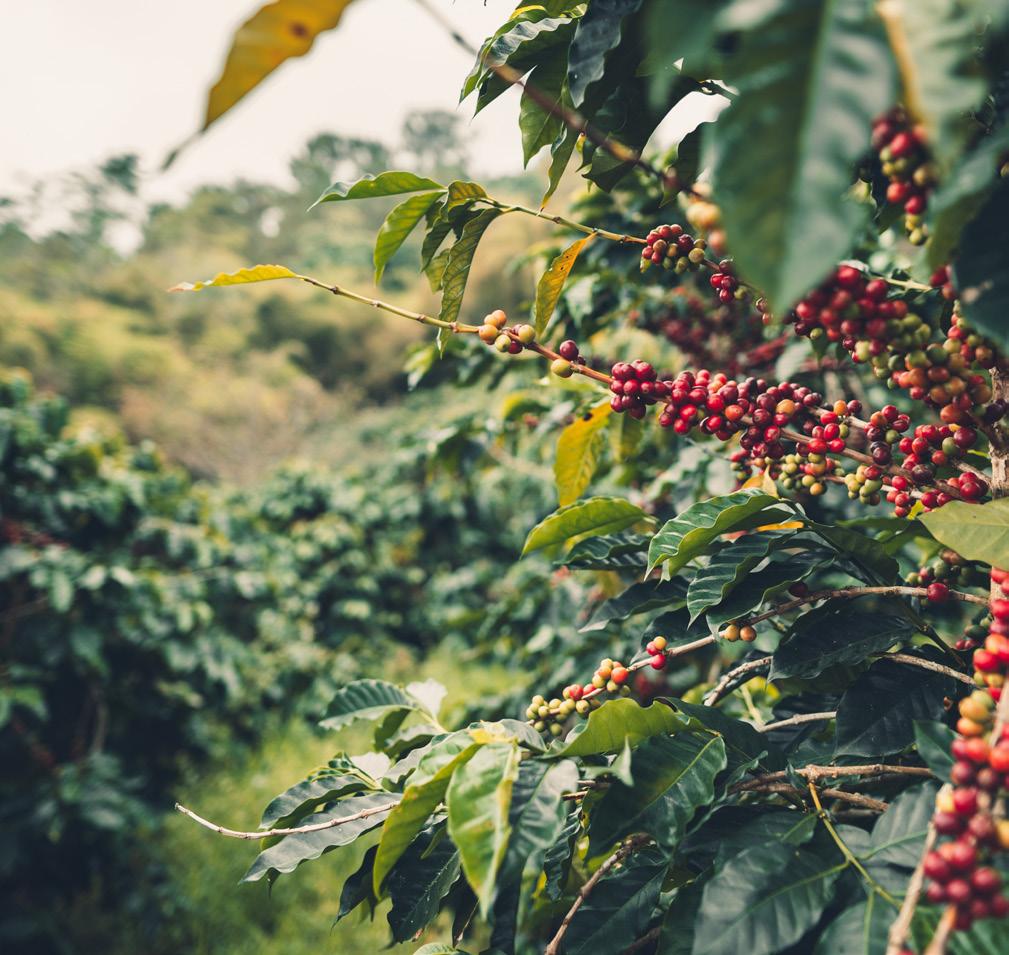

The Rift Valley is one of the wonders of the world, Rift Valley region is the most expansive, operating from the northern to the southern boundaries of Kenya along the Rift Valley strip. It has several unique geographical features, including the Elgeyo escarpment which is a popular tourist attraction. It covers a total of 14 counties including Uasin Gishu, Tranzoia, Turkana, Baringo, Marakwet, West Pokot, Kericho, Nandi, Samburu, Naivasha, Laikipia Narok and Kajiado counties. The local communities are generally coffee farmers, tea, wheat, maize, and livestock keepers. Some of cooperative societies in the region like Kapngetuny, Farmers’ Co-operative Society have embraced Women and youth in farming.
Coffee is grown on the highlands west of Rift Valley in Nakuru, Nandi, kericho, Elgeyo Marakwet, Uasin Gishu and Baringo. The soils in the Rift Valley are volcanic soils and very fertile for growing the big five.
The areas produce a cup with medium acidity, full body with some rose hip blackberry, juicy, floral tones and fruity overtones and chocolate.
The Western Region comprises of Bungoma, Busia Vihiga, and Kakamega. Agriculture is the backbone of these regions and most families rely on coffee production and animal rearing. Coffee is grown on the slopes of Mt. Elgon.
Bungoma and Busia counties are uniquely designed because they enjoy the best of both worlds, arabica and robusta coffee. The main stable food includes maize, beans, finger millet, sweet potatoes, bananas, Irish potatoes, and assorted vegetables. On the other hand, main cash crops include sugar cane, cotton, palm oil, coffee, sunflower, tobacco, and tea.
Kakamega and Vihiga counties have favorable ecological conditions for growing coffee which includes good volcanic soils, right temperature, and rainfall. Coffee is grown on small and medium estates. Physical features include Kakamega forest.
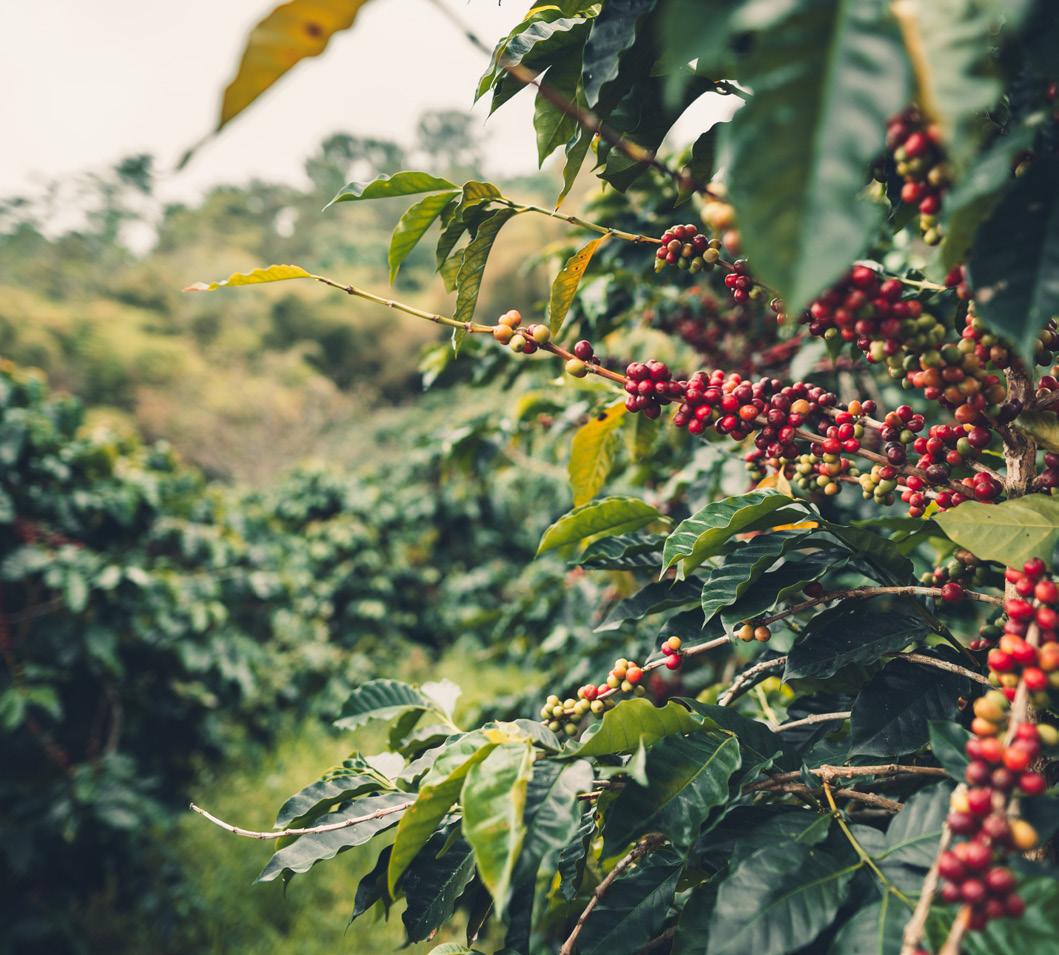
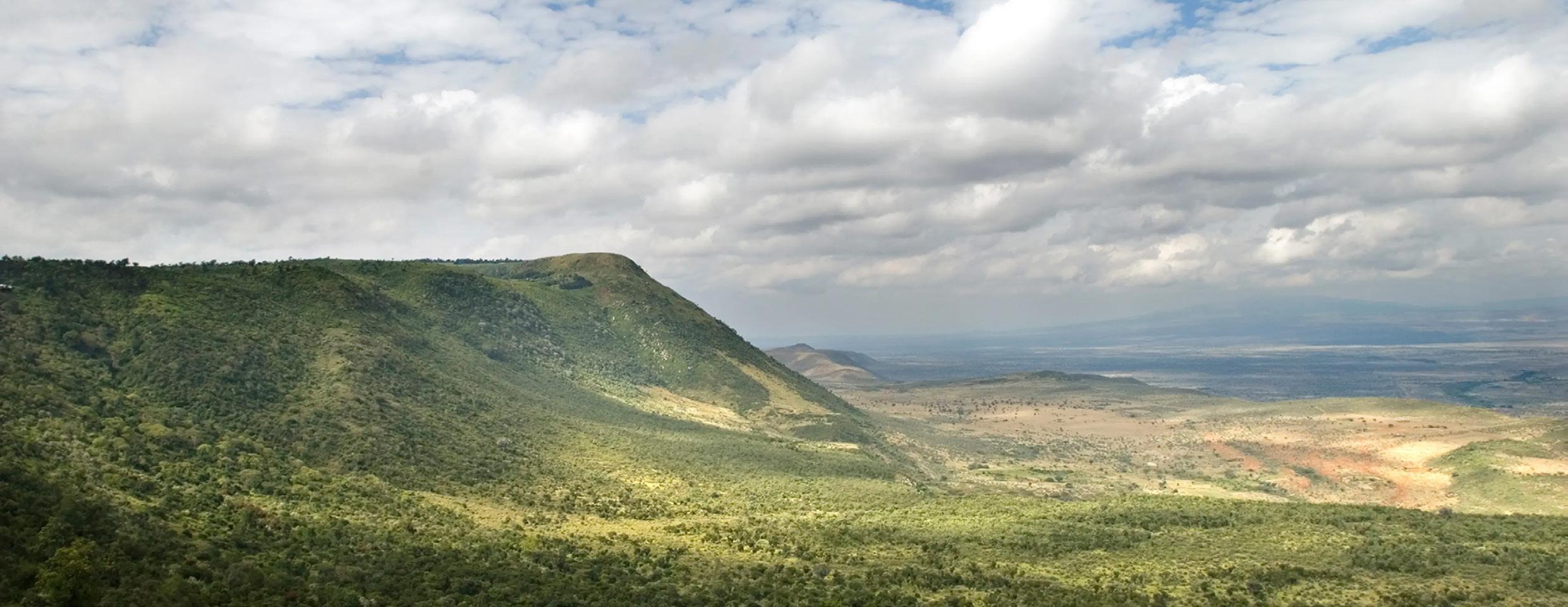
Trans Nzoia County, at the slopes of Mount Elgon, is uniquely designed as the food basket of Kenya. The county is largely agricultural with both large and small scale wheat, maize, tea, and coffee farming. Coffee is grown in large and small estates. Trans Nzoia is famous for its Kiptum caves, salt licking elephants, beautiful national parks, Saiwa swamps and the famous Cherengany Hills. It is a new frontier for coffee growing zones.
The cup profile has light medium acidity, full body that is smooth and creamy. The coffee flavor notes include blackcurrant tropical fruits with bright and lively juicy citrusy acidity.
The main coffee growing area in Nyanza includes, Kisii, Nyamira, Migori and Kisumu Counties. Kisii and Nyamira are among the densely populated counties in Kenya with average land sizes no larger than 0.25 acres.
The Kisii Highlands are agriculturally rich with high and reliable rainfall and are referred to as Gods showers.
The cup profile has medium acidity, medium body that is smooth and creamy. The coffee flavor notes include blackcurrant tropical fruits with bright and lively acidity.
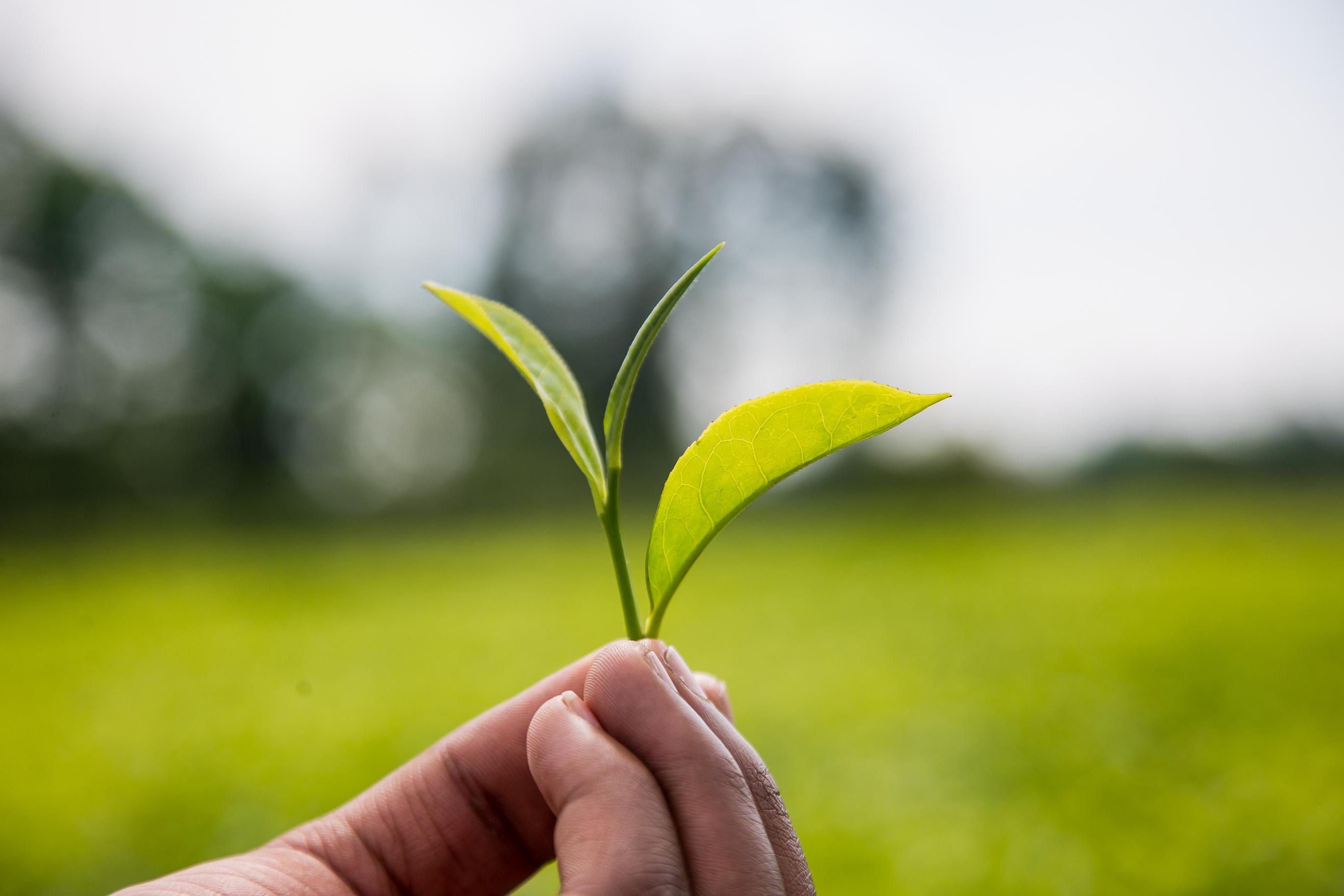
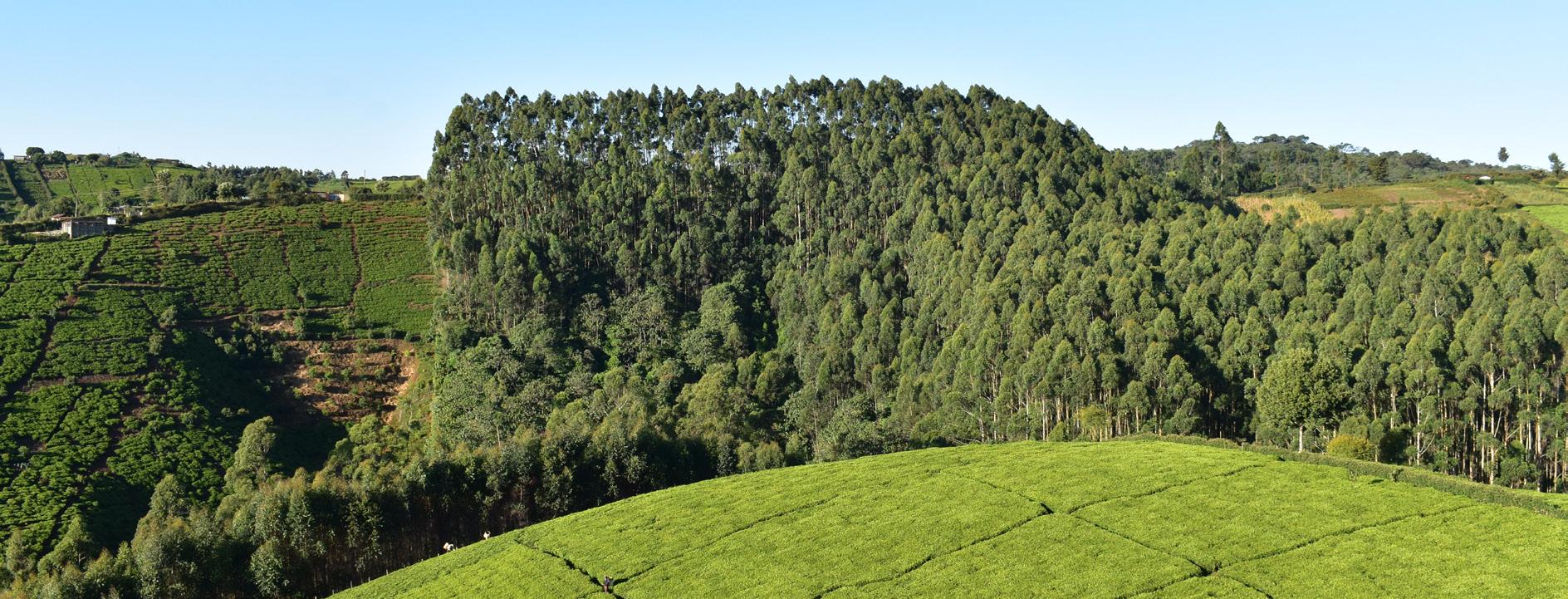
Kenya has over time achieved the status of a global leader in the production and marketing of tea and is a major tea exporter in the world along with China, India, Sri Lanka, and Vietnam. These major players collectively account for over 80% of the global tea output with Kenya specifically contributing 17.6% of world export volumes. Kenya currently produces over 570 million Kgs of made tea annually, out of which about 519 million (91%) is exported and 9% is consumed in the local market.
The exported volumes are a major foreign exchange earner for Kenya contributing about 17.6% of exports value for the country (2022). Tea is also a significant contributor to the country’s economic and social growth contributing to about 4% of Agricultural GDP and 2% of GDP, providing employment to about 7 million People directly and indirectly and has direct impact to rural livelihoods in eighteen tea growing counties. Primarily grown in highlands and Rift
Valley regions on a mix of large estates and smallholder farms which are known for high-quality black CTC (Cut, Tear, Curl) tea.
The challenges in the tea sector include Climate change impacts, Price volatility in global markets. Rising production costs and limited value addition, with opportunities to expand to specialty and organic tea markets, Value addition through product diversification and adoption of sustainable practices and increase domestic market development.
The Future of the tea sector is Generally positive, but requires strategic adaptations and focus on sustainability, technology integration, and market diversification. With the support of Key Stakeholders, Kenya Tea Development Agency (KTDA) Tea Board of Kenya and large-scale producers and smallholder farmers.
Kenya has over time achieved the status of a global leader in the production and marketing of tea and is a major tea exporter in the world along with China, India, Sri Lanka, and Vietnam. These major players collectively account for over 80% of the global tea output with Kenya specifically contributing 17.6% of world export volumes.
Kenya currently produces over 570 million Kgs of made tea annually, out of which about 519 million (91%) is exported and 9% is consumed in the local market. The exported volumes are a major foreign exchange earner for Kenya contributing about 17.6% of exports value for the country (2022). Tea is also a significant contributor to the country’s economic and social growth contributing to about 4% of Agricultural GDP and 2% of GDP, providing employment to about 7 million People directly and indirectly and has direct impact to rural livelihoods in eighteen tea growing counties.
This makes tea a strategic commodity for the country, worthy of sustained strategic focus to ensure deepening of existing markets and exploration of new growth frontiers.
Tea plays an important role in Kenya’s economy, as it is currently one of the leading foreign exchange earners for the country. It supports livelihoods of over 6 million people directly and indirectly and accounts for about 2% of the Country’s Gross Domestic Product (GDP). Tea cultivation, which is a rural-based economic activity, has led to development of rural infrastructure such as roads, schools, telecommunication, and other social amenities.
Kenya produces over 450 million Kgs of made tea annually, out of which 91% is exported and 9% is consumed in the local market. The Cut, Tear and Curl (CTC) is the most dominant method of tea processing in Kenya. Depending on the fermentation process, CTC teas are categorized as Black, Oolong or Green. Kenya’s production of Oolong and Green teas is in very small quantities based on customer orders. Out of the total national production, CTC Black tea accounts for 99% while other specialty teas are about 1% (4.1 million Kgs). Among the specialty tea, Orthodox accounts for 50% of production, green tea is about 40%, while 10% is mostly purple, ball shaped, white and organic teas.
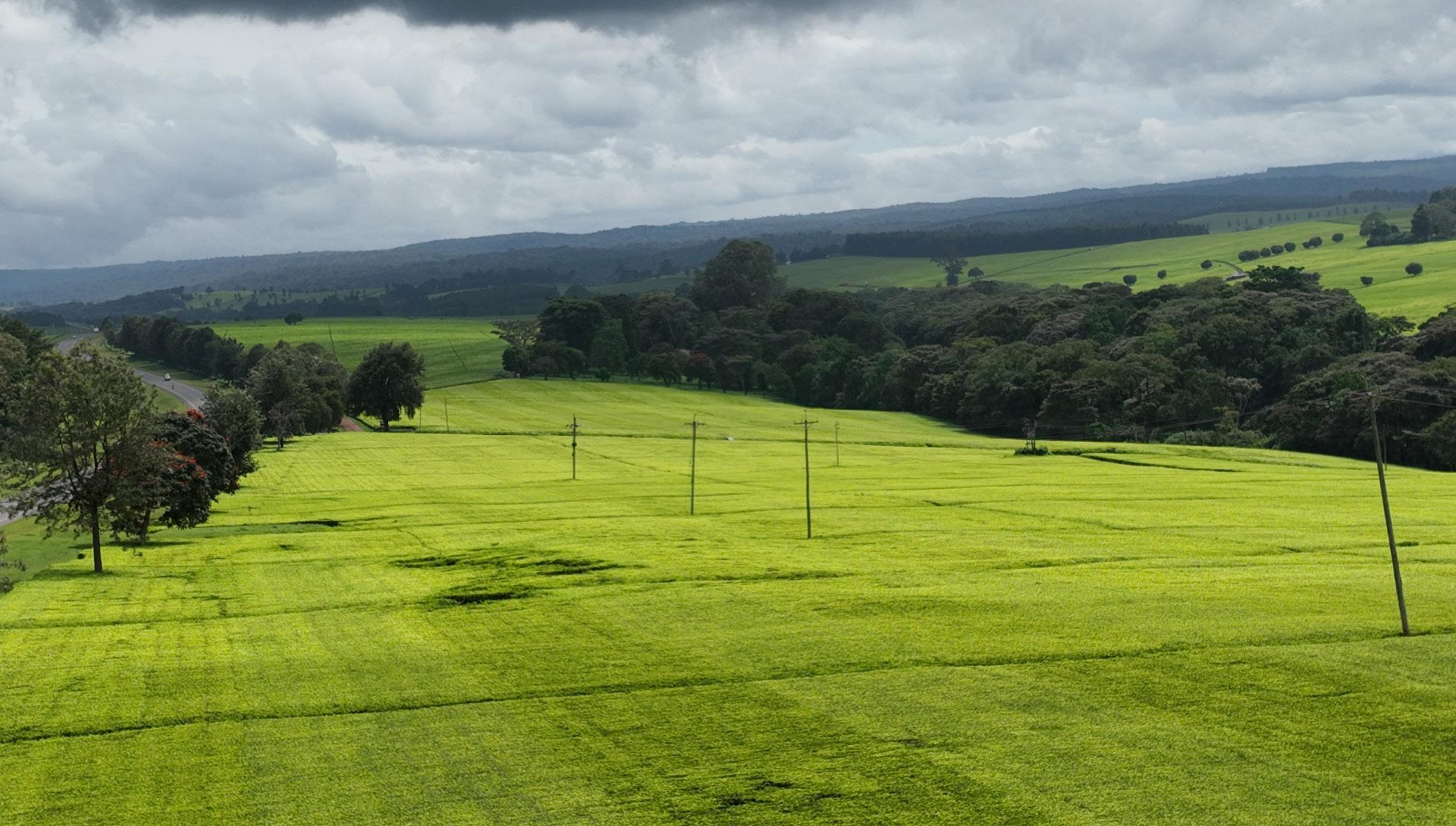
Tea is grown in the highlands located in the West and East of Rift and at a higher altitude of between 1,500 metres and 2,700 metres above Sea Level. The highlands are spread across 19 tea-growing counties that include Nakuru, Narok, Kericho, Bomet, Nyamira, Kisii, Kakamega, Bungoma, Vihiga, Nandi, Elgeyo Marakwet, TransNzoia, Kiambu, Murang’a, Nyeri, Kirinyaga, Embu, Tharaka-Nithi, and Meru.
Globally, CTC tea is the most consumed type of tea representing 35% of the market share while green accounts for 33%; Orthodox 21% while consumption of other teas is about 11%. CTC tea preference by certain markets is mainly driven by entrenched drinking culture for better brew (flavour; aroma; bright liquor, colour and maximum cuppage) and convenience in tea preparation using tea bags.
Kenya’s tea exports during the 2019-2023 period showed significant regional and global diversification, with key growth areas and some market challenges.
The African continent remained the largest destination for Kenya’s tea exports, particularly within the East African Community (EAC) bloc. The demand from neighboring countries in the EAC helped bolster overall export performance, with tea being a significant component of intra-African trade. The regional market continues to provide a stable and growing destination for Kenya's tea.
Asia emerged as a crucial region for Kenyan tea exports, with notable growth in exports to Pakistan, the United Arab Emirates (UAE), and Saudi Arabia. These markets demonstrated robust demand for Kenyan tea, supported by increased consumption and a rising preference for black tea. Pakistan has historically been one of Kenya's largest tea buyers, while demand in the UAE and Saudi Arabia surged significantly during the review period.
The European Union remained an important export market for Kenyan tea, particularly to countries such as the United Kingdom and the Netherlands. The UK continued to be a key buyer of Kenyan tea, driven by historical trade ties and the popularity of tea in the British market. Additionally, the demand for Kenyan tea expanded in other EU countries, contributing to steady export performance in the region.
In contrast to other markets, tea exports to the Russian Federation experienced a decline. The reduction in demand for Kenyan tea in Russia during the review period impacted overall export earnings, indicating challenges in maintaining consistent market share in this region.
In the United States, tea exports from Kenya faced a decline. Despite some growth in specialty tea categories in previous years, the overall demand for Kenyan tea, particularly black tea, saw a downturn in the American market, which was influenced by shifts in consumer preferences and competition from other tea-producing nations
The Kenyan tea value chain involves several key players, each contributing to the process from cultivation to consumption. The main actors are:
1 Smallholder Farmers
Cultivate tea on small plots of land
Often organized into cooperatives
Produce a significant portion of Kenya’s tea
2 Large-scale Tea Estates Owned by multinational companies or local corporations
Manage large plantations and often have their own processing facilities
3 Kenya Tea Development Agency (KTDA)
4 Tea Factories
5 Tea Brokers
6 Tea Auction Centers
Manages smallholder tea factories
Provides agricultural inputs and extension services to farmers
Handles processing and marketing for smallholders
Process fresh tea leaves into various tea products.
Can be owned by KTDA, large estates, or independent operators
Act as intermediaries between producers and buyers.
Facilitate tea auctions.
Mombasa Tea Auction is the primary platform for selling Kenyan tea.
Brings together sellers and buyers
Tea is among leading foreign exchange earners for the country contributing about 23% of total foreign exchange earnings and 2% of the Agricultural GDP. Annually, the country produces over 570 million Kgs of tea on average, which earns the country over Ksh 120 Billion in export earnings, and Ksh 22 Billion on local sales. The factories are divided as below:
Factory Operations
1. Kenya Tea Development Agency (KTDA) Factories
2. Large Estate Factories
KTDA manages the majority of smallholder tea factories in Kenya
KTDA manages around 70-75 tea factories
Several large tea estates operate their own factories. These are typically owned by multinational companies or large local corporations
3. Nyayo Tea Zones conservation using the forest buffer concept made up of tea (4064Ha) and various tree species (5235Ha).
4. Independent Factories
There are also some independently owned and operated tea factories
Regionally, tea is grown in two significant geographical areas namely the East of the Rift block and the West of the Rift block.
The East region is predominantly mountainous consisting of Mt Kenya, the Aberdares ranges and the Nyambene hills while the West of the Rift is characterized by plains and undulating hills which include Kericho, Kisii and the Nandi areas.
The counties that comprise of West and East blocks include Nandi, Trans Nzoia, Elgeyo Marakwet, Kakamega, Vihiga, Kericho, Bomet, Kisii, Nyamira, Narok, Nakuru, Kiambu, Muranga, Nyeri, Kirinyaga, Embu, Tharaka Nithi and Meru as illustrated by the tea map below
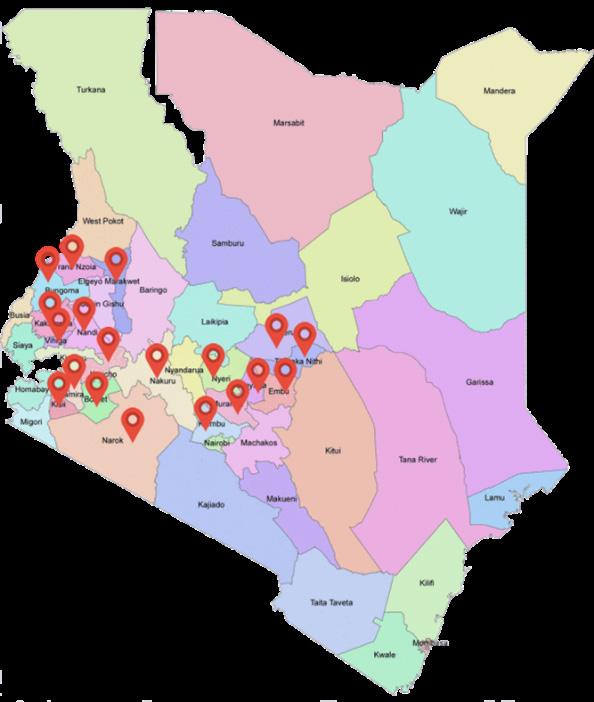
Tea producing areas in Kenya
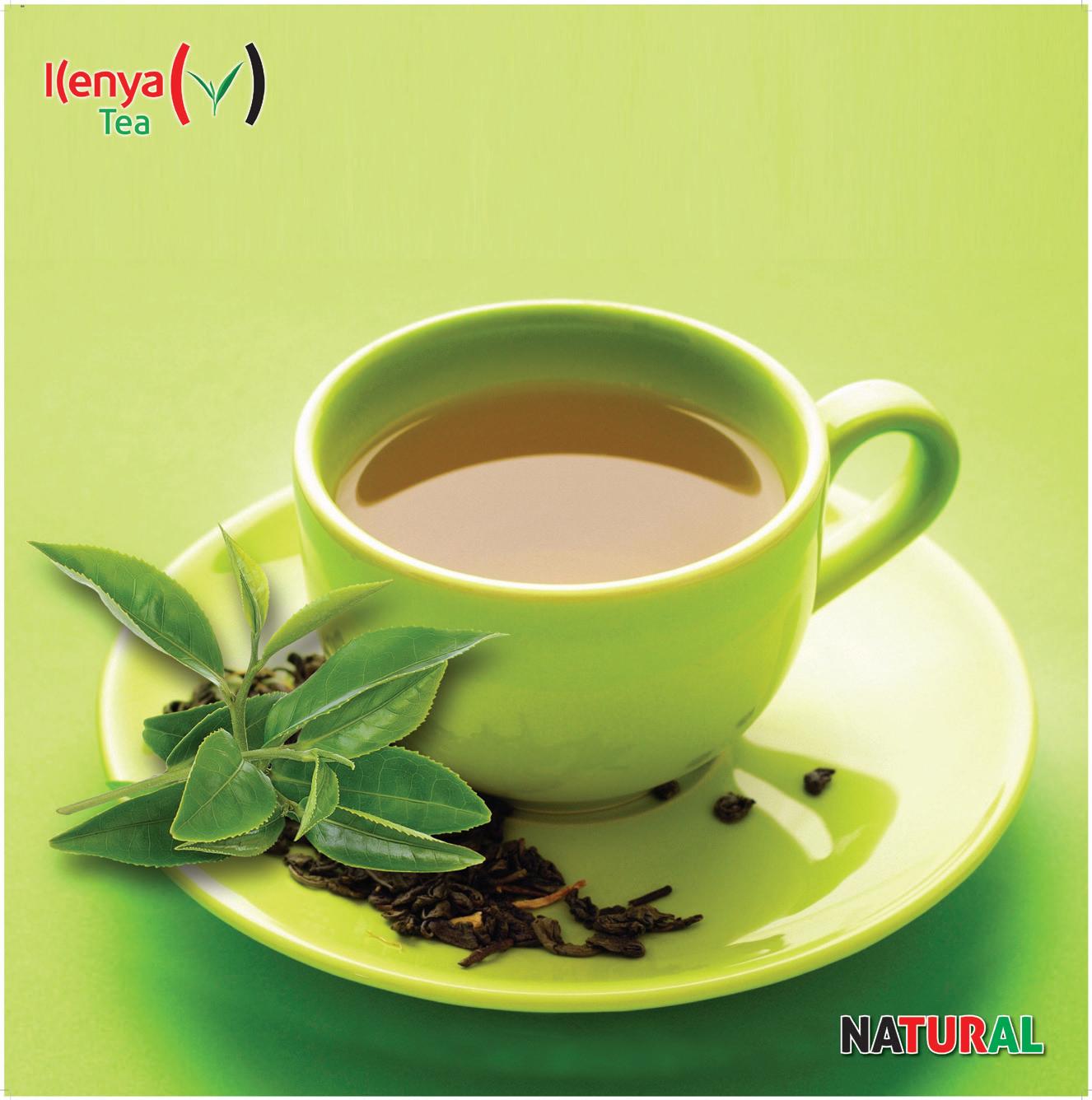
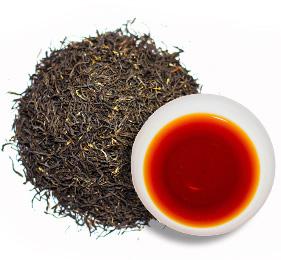
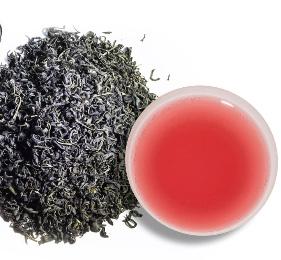
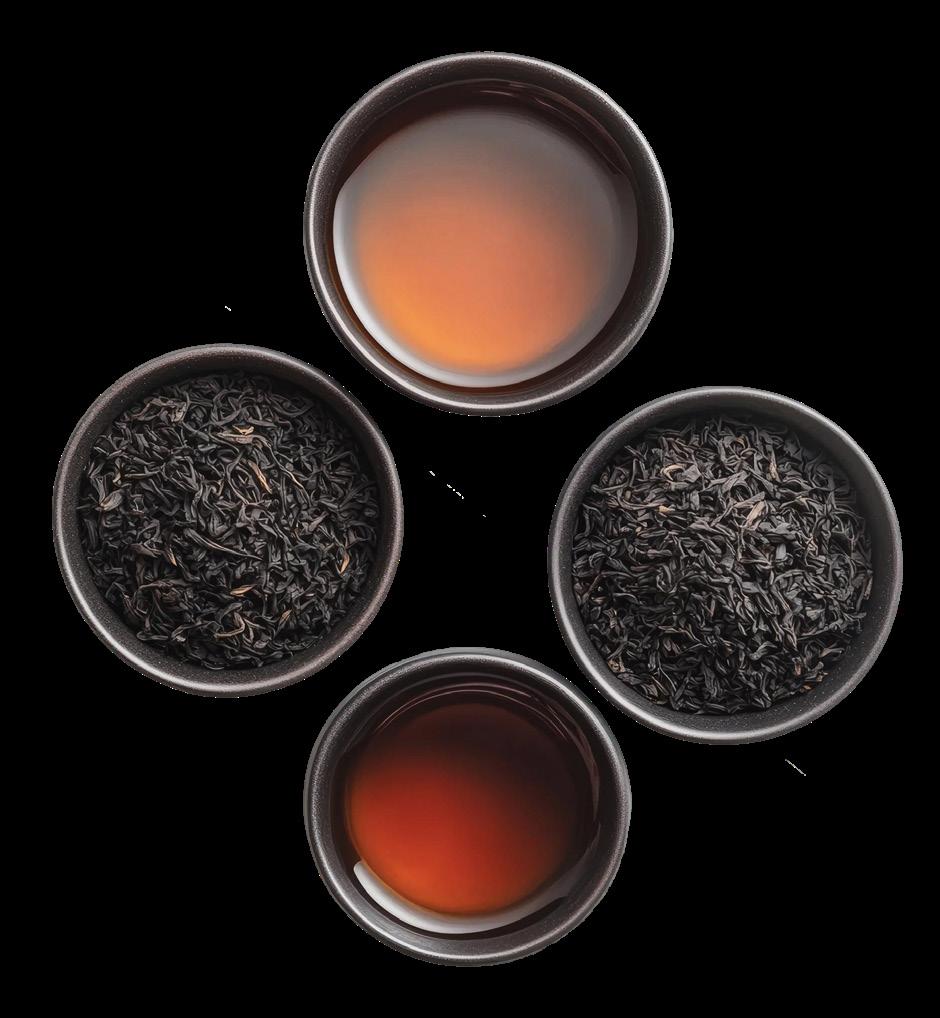
Most tea produced in Kenya is black tea, with green tea, yellow tea, white tea, and purple tea (a product whose leaves are naturally so coloured by inherent anthocyanins) produced on order by major tea producers.
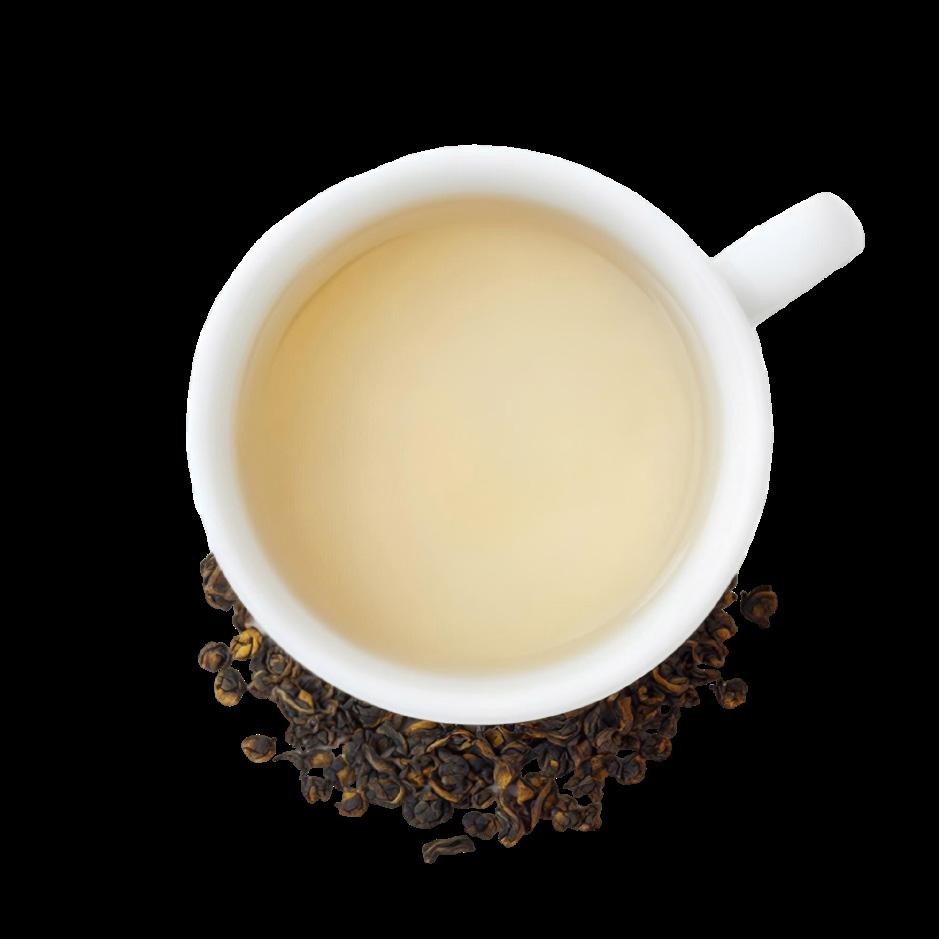
· Black Tea: Black tea is the most popular type of tea in the world. Approximately 90% of the tea consumed worldwide is black. Like most teas, black tea is derived from the leaves and buds of the Camellia Sinensis plant. The leaves undergo full oxidization giving them the black colour.
·· Purple Tea: Purple tea is a type of tea derived from the leaves, buds and shoots of a crossbreed variety of the Camellia Sinensis plant, the plant from which black tea, green tea, yellow tea, white tea and oolong tea are derived. Unlike the rest, the purple tea plant is purple-red in colour and so are its anthocyanins (antioxidants which give rise to the purple colour).
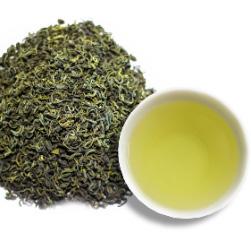
··· Green Tea: Green tea is a type of tea derived from the leaves, buds and shoots of the Camellia Sinensis plant. Unlike black tea, it is not fermented. It has gained popularity around the world due to its many health benefits.
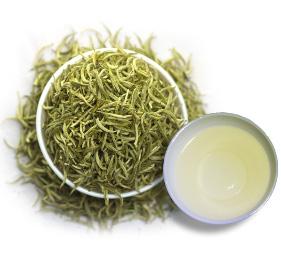
··. White Tea: White Tea is derived from the leaves and buds of the Camellia Sinensis plant. It is mainly harvested once a year before the tea leaves are fully opened. At this stage, the buds are wrapped in white hairs. The most expensive and pure of all teas, white tea is also the least processes type of tea, only undergoing withering and drying after plucking. As a result, it contains large amounts of antioxidants. White tea has a floral and delicate taste.
· Yellow Tea: Yellow tea is a type of tea derived from the leaves, buds, and shoots of the camellia sinensis plant species. Yellow tea is sweet and pleasant.
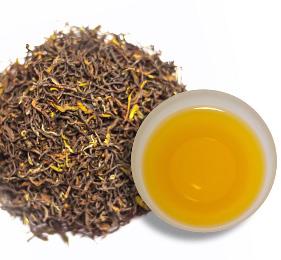
··. Oolong Tea: Oolong tea is a type of tea derived from the leaves, shoots, and buds of the Camellia Sinensis plant. It is partially oxidized. It contains a significant amount of caffeine and has a sweet flavour.

Tea Sector Institutions
No. INSTITUTION/BODY
1. Ministry of Agriculture & Livestock Development.
2. Tea Board of Kenya
3. Nyayo Tea Zones Development Corporation (NTZDC)
4. Kenya Tea Development Agency (KTDA) Ltd
5. Kenya Tea Growers Association (KTGA)
6. East African Tea Trade Association (EATTA)
7. Tea Farmers
8. Tea Cooperatives
4 Tea Sector Institution
RESPONSIBILITY
Development, implementation, and coordination of programmes in the agricultural sector.
Regulating and quality control of inputs, produce and products from the agricultural sector.
Trade Advisory, Marketing and Promotion
Registration, Licensing and Standards
Compliance and Surveillance
Conservation using the forest buffer concept made up of tea and various tree species.
Leading management agency for small-scale tea farmers in Kenya.
Exists to provide effective management services to the tea sector for efficient production, processing, and marketing of high-quality tea.
Established by large-scale tea producers to promote the common interests of the members in the cultivation and manufacture of tea
Promote good industrial relations and sound wage policies for the workers.
Tea Auction
Marketing and membership support
Lobbying and advocacy
To compile and circulate statistical information to assist members in their operations.
Tea cultivation, from the planting, maintenance and harvesting in the form of tea plucking.
Market Access and Bargaining Power
Technical Support and Capacity Building: Infrastructure development
The Kenyan government assented to The Tea Act, 2020 on 23rd December 2020 that came into effect on the 11th of January 2021. The Act primarily re-established the Tea Board of Kenya which has been tasked among other duties, to monitor and license agencies involved in the buying and selling of Kenyan tea.
develop, promote, and regulate the development of the tea industry and regulate the sale, import and exports of tea.
co-ordinate the activities of individuals and organizations within the tea industry.
facilitate equitable access to the resources, facilities, and benefits of the tea industry by all interested parties.
register tea factories, small scale tea growers, medium scale tea growers, large scale tea growers, warehouse operators, tea packers, tea buyers, exporters, importers, tea brokers, management agents, tea auction organizers, commercial tea nurseries, commercial green leaf transporters and license manufacturers.
facilitate marketing and distribution of tea through gathering and dissemination of market information and monitoring of the local and global supply demand situation.
prescribe the maximum period and minimum amount for payment of green leaf.
promote demand and consumption of tea locally and internationally.
advise both the national and county government on levies, fees and import or export duties on tea.
One of the main functions of the Board is licensing. The Act has placed a few conditions on the granting of the license. These conditions include the professional and moral

suitability of the applicant or its managers, the financial condition and history of the applicant, the integrity of its management, the efficacy of its capital structure and the public interest served by granting the license.
The Act states that within eight years of the commencement of the Act, all tea buyers or exporters must value add at least forty per cent of their annual Kenya tea exports.
The Act provides that all teas processed and manufactured in Kenya for the export market except for orthodox and specialty teas shall be offered for sale exclusively at the tea auction floor. To participate in the auction, all tea factories shall register with the Board and the auction organizer directly.
The Act further states that the auction organizer shall establish an electronic trading platform for the auction of tea that will be usable and accessible to all players in the value chain.
To take full custody of the tea, a buyer must pay in full the value of the tea bids that they won. Further, tea brokers, buyers and the auction organizers shall ensure that the proceeds from the sale of tea are remitted to the tea factories accounts within fourteen days from the date of the auction.
The Act states that tea factories must pay tea growers within thirty days, fifty percent of the payment due for green leaf delivered every month and the balance due to the tea grower within three months from the end of the financial year.
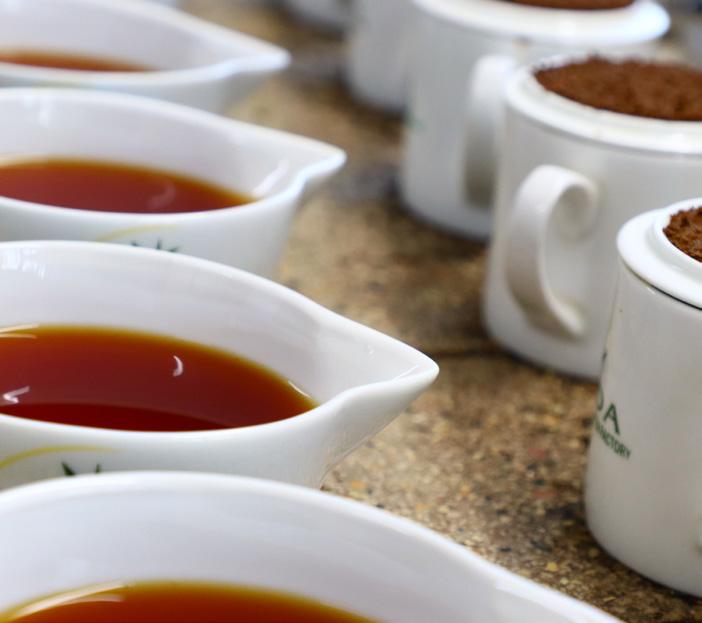
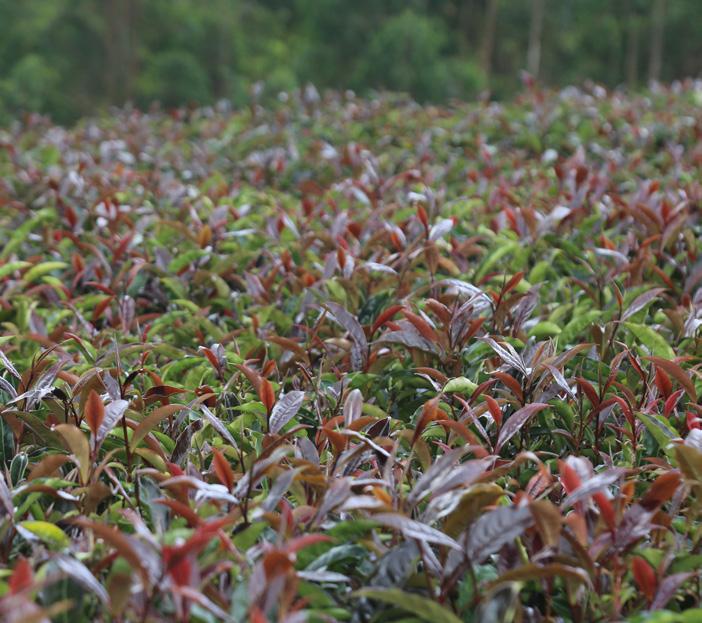
Tea is a major foreign exchange item for Kenya. Worldwide, the country is one of the leading exporters of tea.
Tea being the leading export products from Kenya was valued at USD 1.4 billion and the world total Kenya’s share of exports was 18.5% in 2023. (ITC)
Production Capacity
In 2023, Kenya produced just over 559 metric tons of tea
Manufacturing Infrastructure
The manufacturing structure of tea in Kenya involves several steps, from harvesting to packaging.
1 Harvesting Mostly done manually by plucking the top two leaves and a bud &Some large estates are using mechanical harvesters
2 Transportation Freshly plucked leaves are quickly transported to the factory, time is critical to maintain quality
3 Weighing and Sorting Leaves are weighed upon arrival at the factory, Initial sorting may occur to remove any foreign matter
4 Withering Leaves are spread out to wither, reducing moisture content. This process can take 12-18 hours. Both physical and chemical changes occur during withering
5 Rolling/Cutting Withered leaves are rolled or cut to break down cell structures. This initiates oxidation and releases enzymes
6 Oxidation/ Fermentation For black tea, leaves are fully oxidized. This process determines the flavor and color of the tea. Controlled temperature and humidity are crucial
7 Drying Oxidized leaves are dried using hot air. Moisture content is reduced to about 3%. This stops the oxidation process and preserves the tea
8 Sorting and Grading Dried tea is sorted into different grades based on leaf size and quality. Common grades include Broken Pekoe (BP), Fannings (F), and Dust (D)
9 Quality Control Samples are tested for quality, including tasting. This ensures the tea meets required standards
10 Packaging Tea is packaged in bulk for auction or direct sale. Some factories also package for retail
11 Storage Proper storage is crucial to maintain quality before shipping
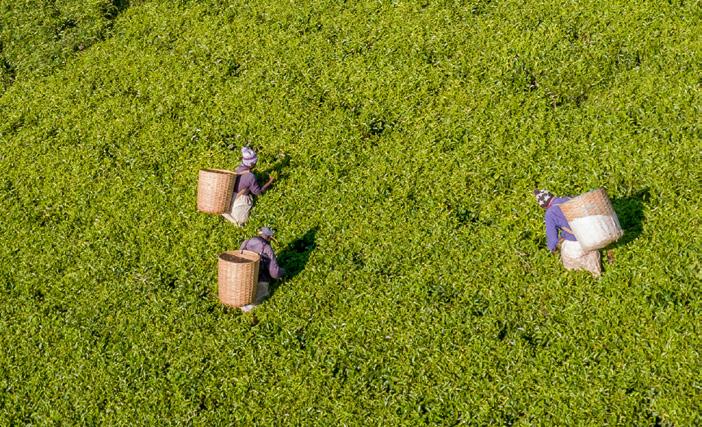
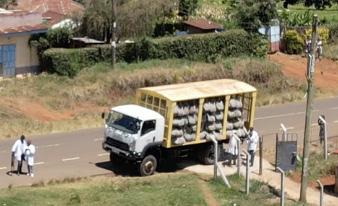
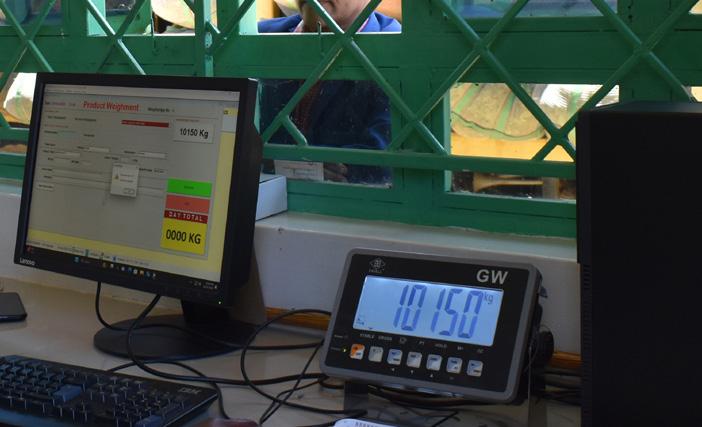
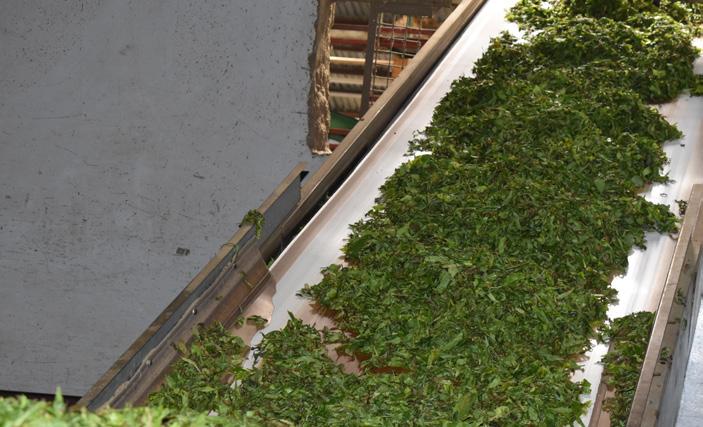
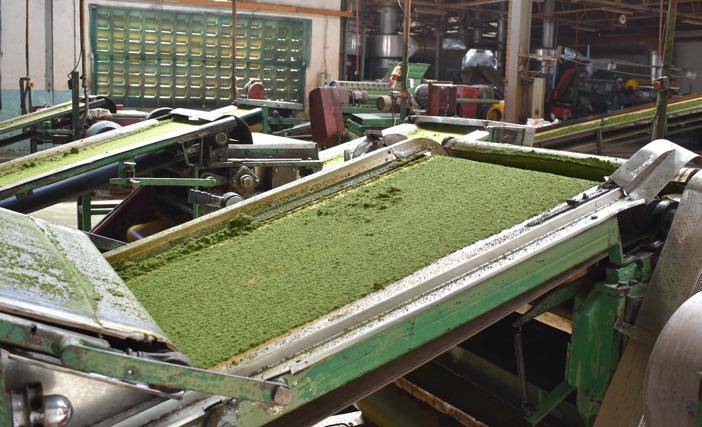
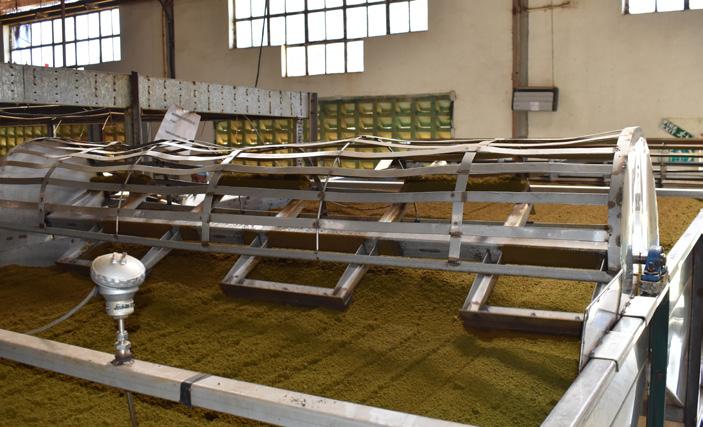
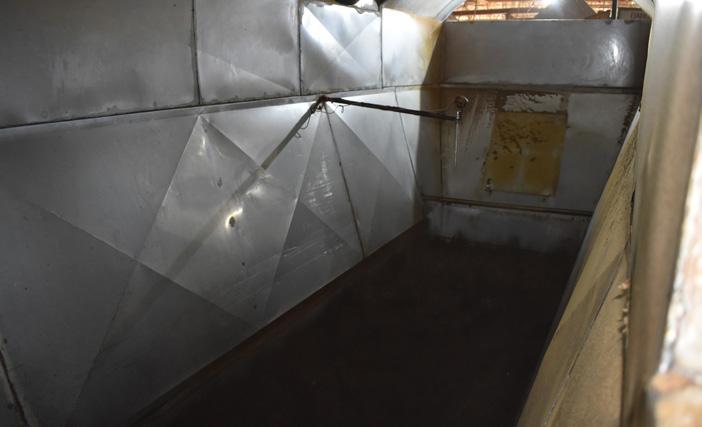
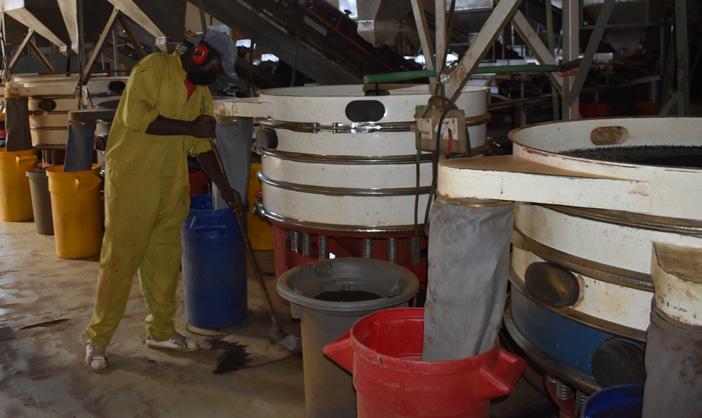
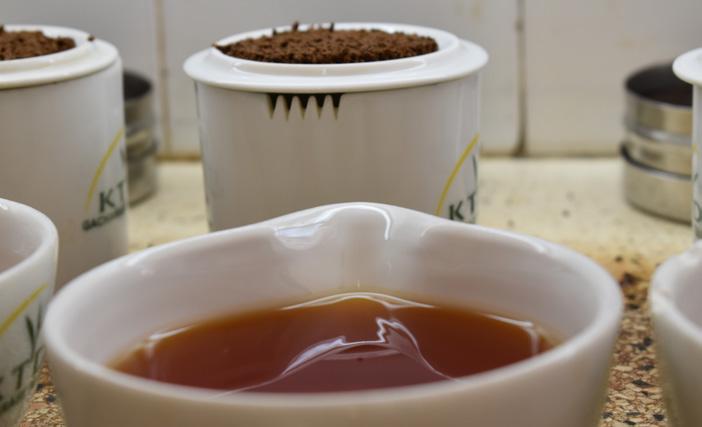
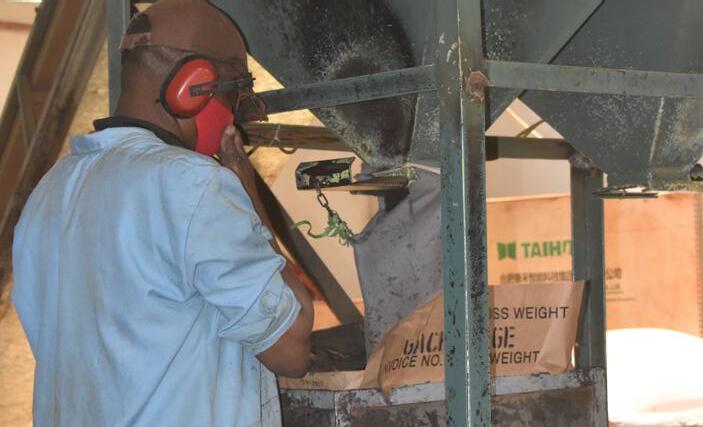
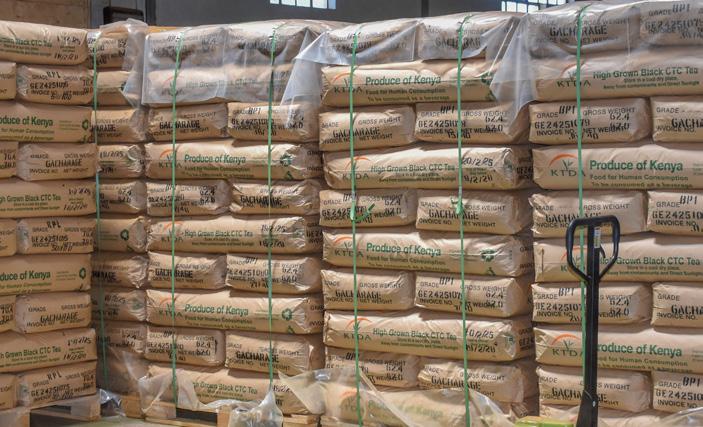
This manufacturing structure is designed to produce high-quality black tea, which is Kenya’s primary tea product. However, there are variations for other tea types like green tea or purple tea, which may involve different processing steps and by special order.
Centralized Processing: Most smallholder tea is processed in centralized factories, often managed by KTDA
Large Estates: Many large estates have their own onsite processing facilities
Technology: The level of technology varies, with some factories more modernized than others
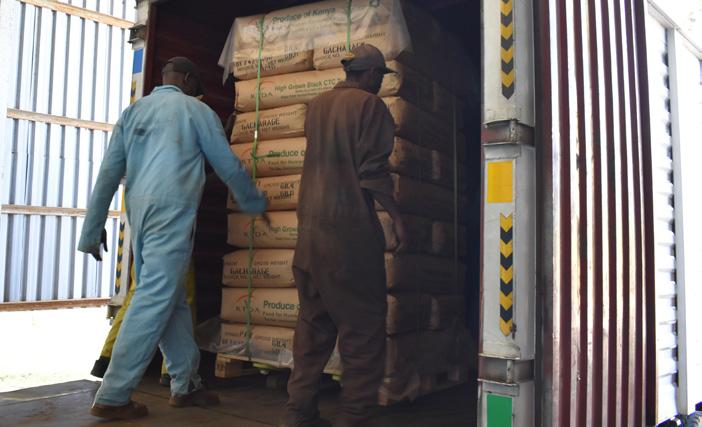
Quality Focus: The entire process is geared towards maintaining high quality
Efficiency: Time management is crucial throughout the process to preserve tea quality
Mechanical tea harvesting in Kenya is a relatively recent development in an industry that has traditionally relied on manual picking. Currently Mechanical harvesting is still in its early stages in Kenya, and adoption is limited
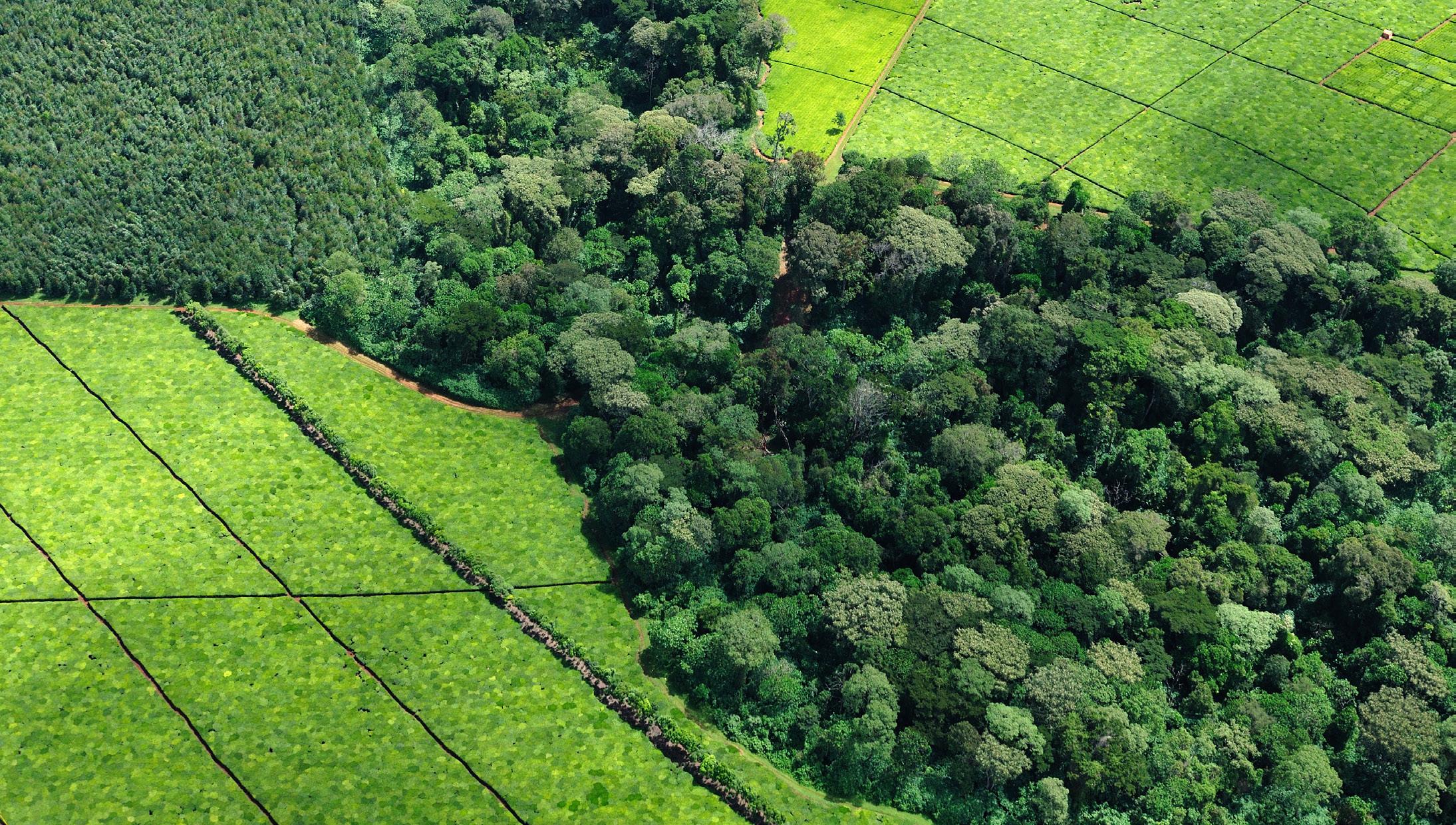
compared to manual harvesting and is mostly implemented by large-scale tea estates.
These machines are designed to pick only the tender shoots and Non-selective harvesters: These cut a swath of the tea bush, requiring additional sorting. The advantages is Increased efficiency and productivity, reduced labor costs, Ability to harvest quickly during optimal periods and Potential for 24-hour harvesting during peak seasons.
1 Challenge
D High initial investment costs for machinery
D Kenyan tea bushes are often not planted in uniform rows, making mechanization difficult
D Concerns about quality, as machines may not be as selective as human pickers
D Potential job losses for tea pickers, a significant social concern
D Steep terrain in some tea-growing areas can limit machine use
2 Impact on Quality
3 Adoption by Smallholders
4 Research and Development
5 Government and Industry Stance
6 Future Outlook
7 Environmental Considerations
There are ongoing debates about the impact of mechanical harvesting on tea quality, some argue that carefully calibrated machines can maintain quality. Others contend that hand-picking produces superior tea
Limited adoption among smallholder farmers due to high costs and small land sizes. Some experiments with shared machinery or cooperative ownership models
Ongoing research to develop machines better suited to Kenyan conditions. Focus on improving selectivity and reducing damage to tea bushes
Generally supportive of mechanization to improve competitiveness. Balancing act between modernization and preserving employment
Likely to see gradual increase in mechanization, especially in larger estates and Potential for hybrid models combining mechanical and manual harvesting
Potential for reduced carbon footprint if machines are efficient and Concerns about soil compaction and erosion in some areas
Kenya’s tea industry is primarily export oriented. Typically, around 91% of Kenya’s tea production is exported. Local consumption is relatively low compared to production. Approximately 9% of the total tea produced is consumed domestically
Kenya usually exports around 500,000-560,000 metric tons of tea annually. This can vary based on production levels and global market demand. Local consumption is estimated to be around 45,000-50,000 metric tons per year, this figure has been gradually increasing over the years
Kenyan per capita tea consumption is relatively low compared to some other major tea-producing countries. Efforts are being made to increase domestic consumption
There’s a push to increase value addition for both export and local markets. This includes producing more packaged and flavored teas





PHYSICAL ADDRESS: NAIROBI, KENYA
Name of Contact Person: DR JANE KATHUKU
Position in the Company: CEO
Tel/Cell Phone Number: 0722258866
Email Address: jkathuku@kencaffee�coop
Website: www� Kencaffee�coop
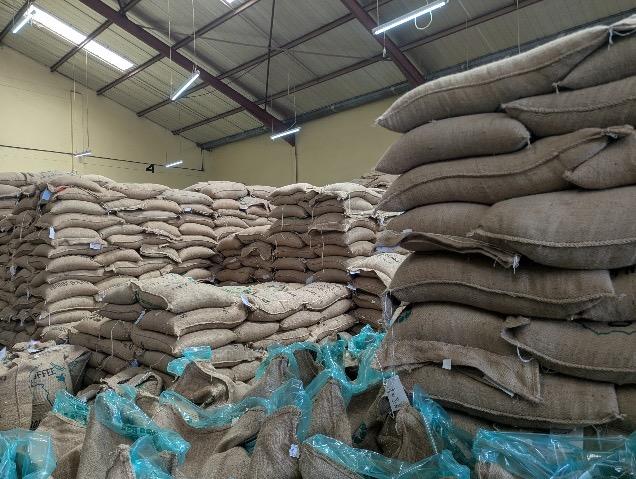
Kenya Co-operative Coffee Exporters Limited is a farmer-owned cooperative that works closely with farmer cooperative societies across Kenya to connect global buyers with high-quality, ethically sourced coffee. Through transparent
sourcing, rigorous quality control, and cooperative-led trade, we deliver coffee that supports farming communities while meeting the expectations of discerning importers and roasters.
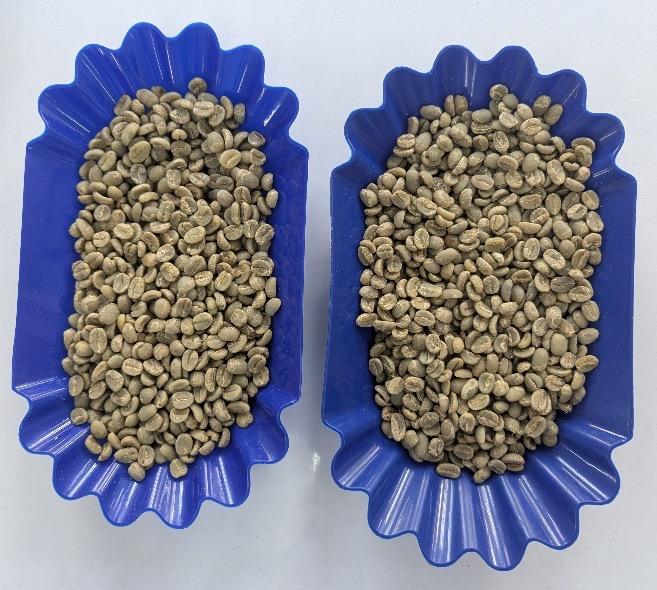
Specialty and Commercial Kenya Arabica coffee.
Washed, Natural, Anaerobic and Honey Processed coffees
Export preparation (gravity and color sorting), grainpro/ecotat packaging, Vacuum Packaging
Warehousing
End to end export logistics

PHYSICAL ADDRESS:
Mlolongo Msa�Rd, Opposite KCAA ANS Complex , Kenya
Tel/Cell Phone Number:
+254 728 450 143
+254 730 877 222
Email Address: customerservice@coffeebee�co�ke
Website: https://coffeebee co ke/
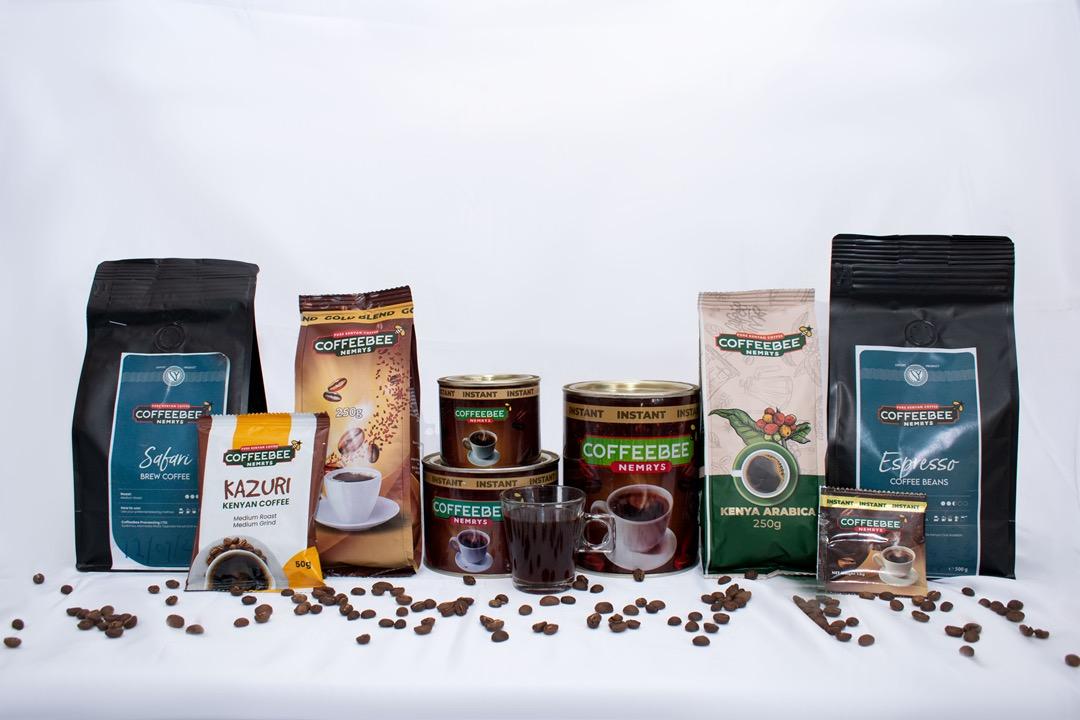
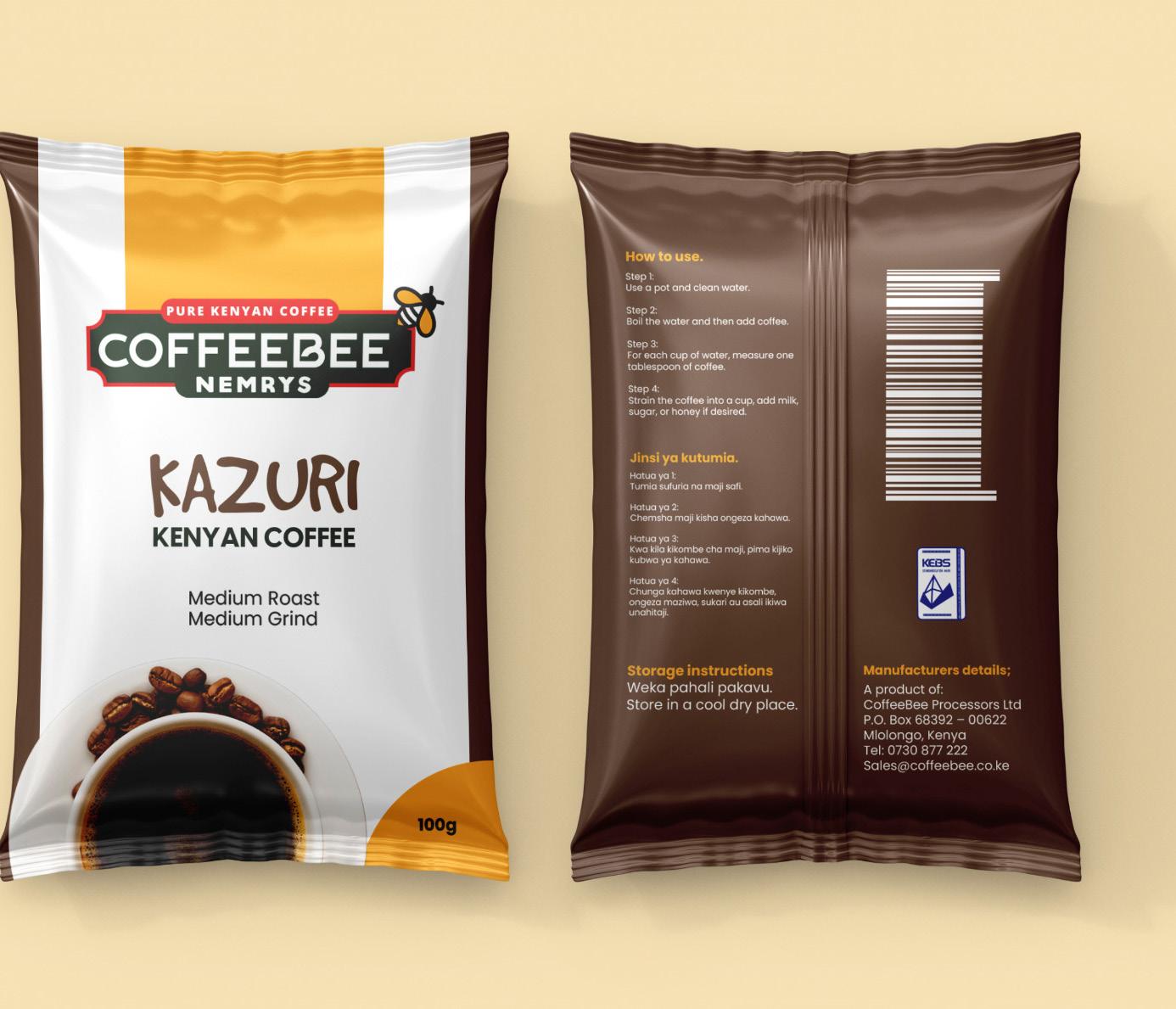
Nestled within the enchanting landscapes of Kenya, our coffee farms are nourished by the pure waters of the Gikira, Gura, Thagana, and Mathioya rivers. Flowing through the fertile volcanic soils, these rivers enrich our coffee plants with a rich abundance of minerals, adding a distinct and captivating character to every sip....
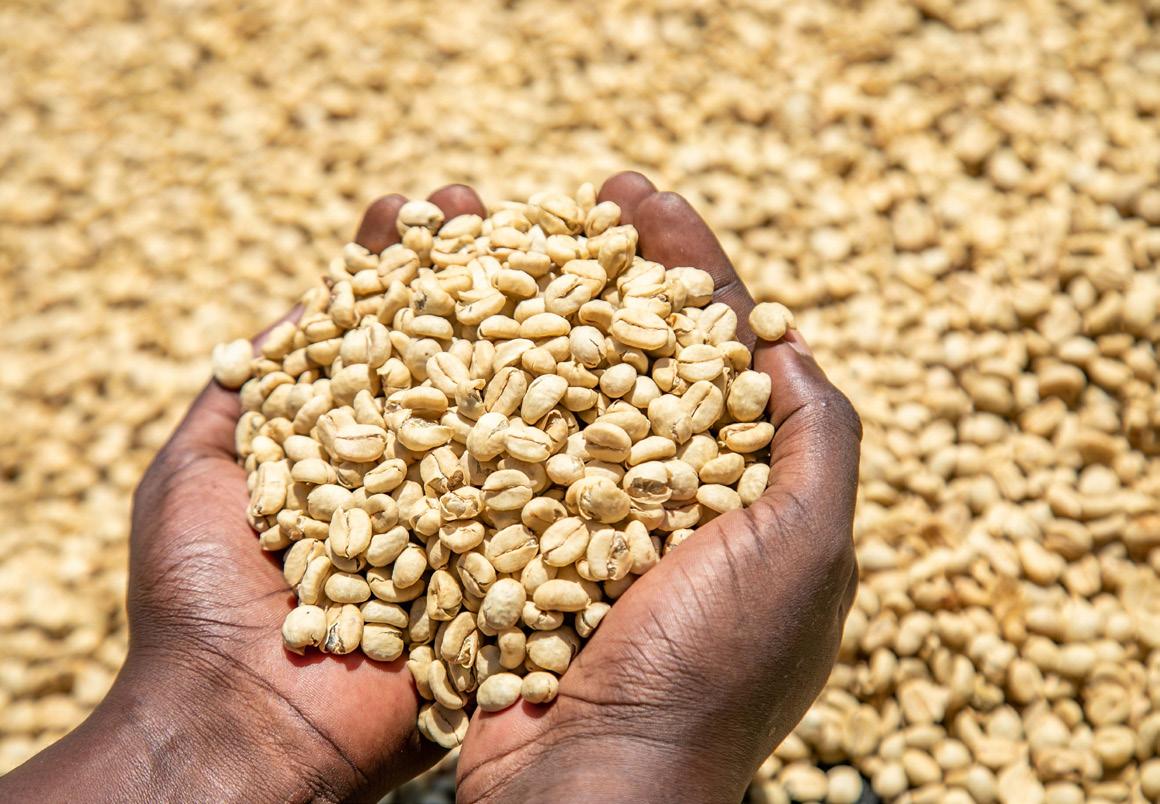
CoffeeBee is committed to delivering coffee of the highest quality. We meticulously oversee every aspect of the coffeemaking process, from cultivation to packaging, ensuring that only the finest beans are selected and expertly processed to preserve their unique flavors and aromas.
• Arabica Robusta
• Specialty coffee beans,

PHYSICAL ADDRESS:
Mbari ya Igi, Kiambu, Kenya
Tel/Cell Phone Number:
+254 706 098 169
+254 740 888 565
Email Address: ruwawacoffeefarm@gmail�com
Website: https://ruwawacoffeefarm com
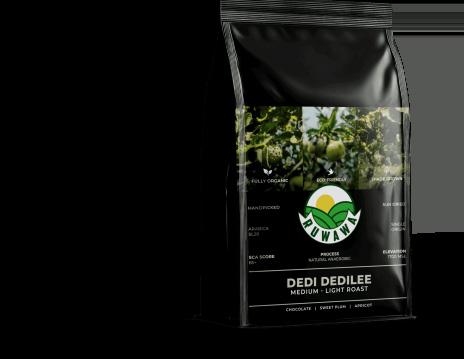
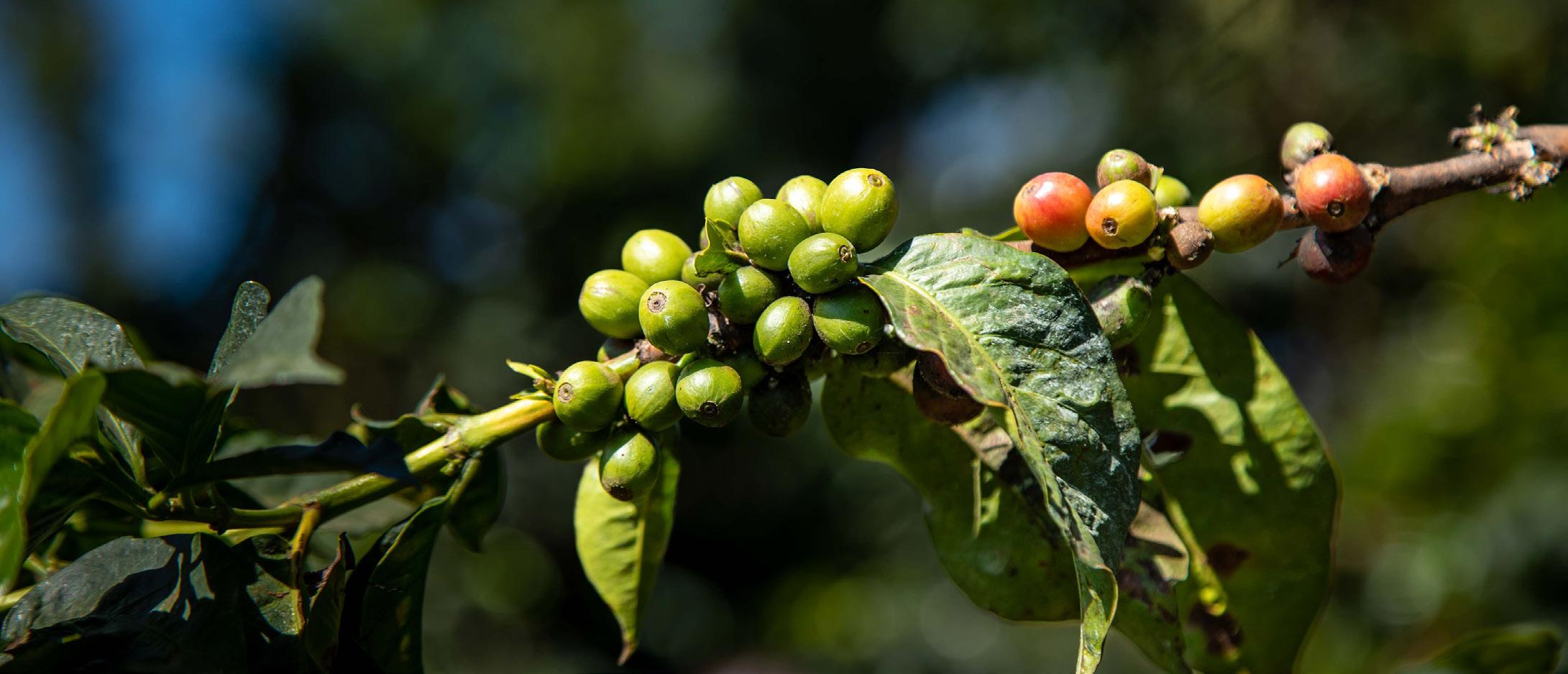
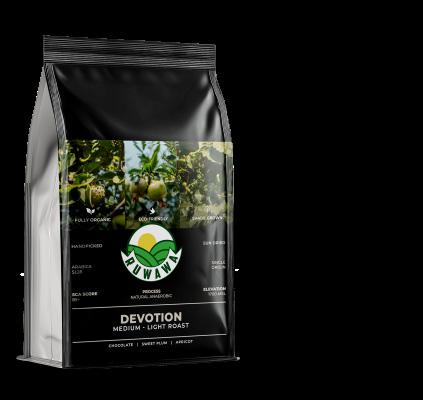
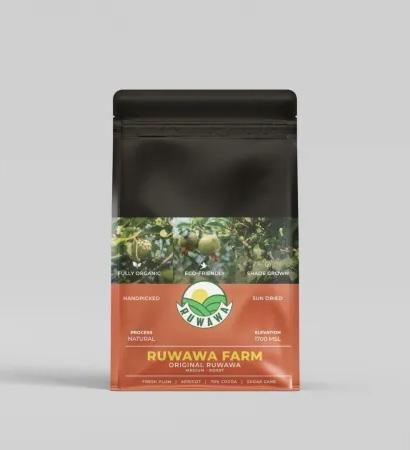
Exclusive EUDR-compliant specialty micro-lot coffee 5th-generation family farm at 1,700m in Kiambu County
A single estate, five generations deep.
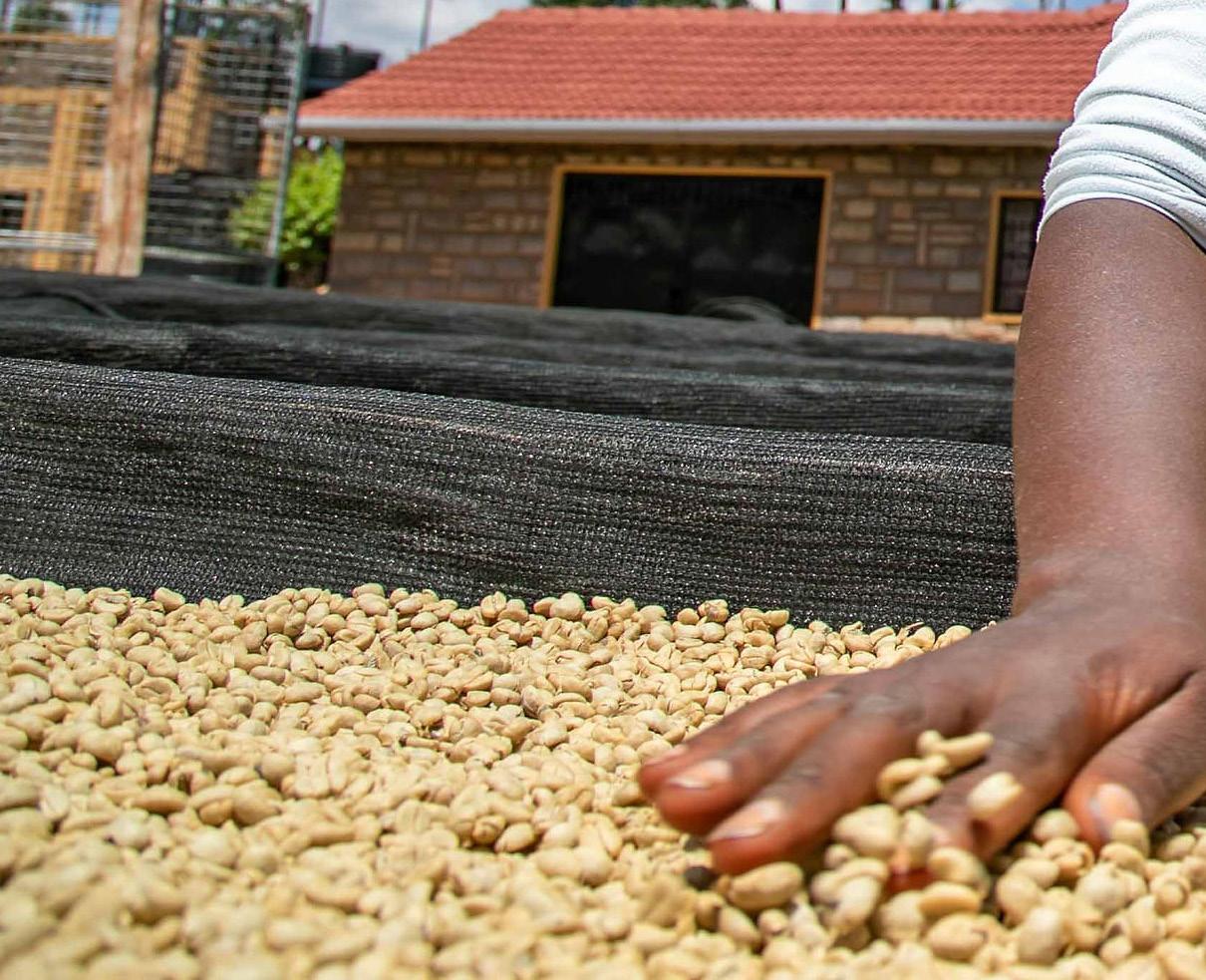
Ruwawa began in 1952 when our great-grandfather planted the first SL28 seedlings on a quiet ridge in Kiambu. Seven decades later, we still work the same land — now with fourth- and fifth-generation farmers, agronomists from Nairobi University, and a pilot biogas roaster powered by our own coffee waste.
We don’t blend. We don’t outsource. We process every cherry on-farm, keep the value where it’s grown, and ship directly to roasters, cafés and homes around the world.
• Coffee
• Macadamia,
• Banana
• Avocado (with plans for honey)

PHYSICAL ADDRESS: GIBSON COMPLEX EASTERN BYPASS
Name of Contact Person: MATHEW MUGO
Position in the Company: DIRECTOR
Tel/Cell Phone Number: +254728981656
Email Address: mugo@gibscoffee com
Website: www�gibscoffee�co�ke
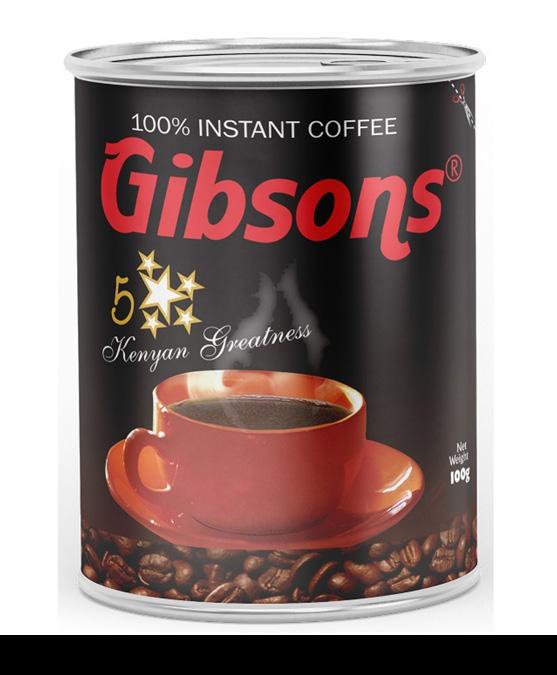
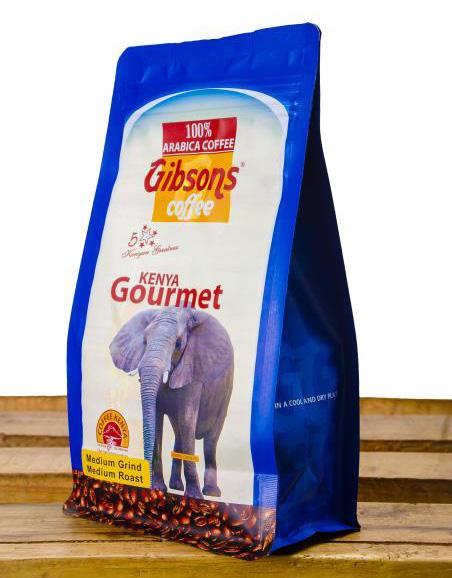
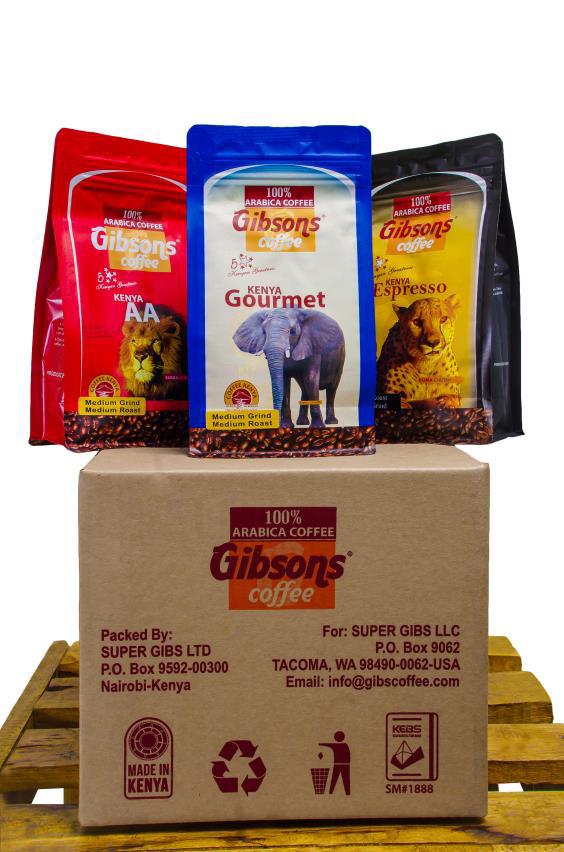
SUPER GIBS Ltd. Is in coffee farming Specializing in micro farming. Our coffee farm range from 1350m to 1800m above the sea level. We have a pulping Station for Primary Processing. We are also milling our own production from the farms. We
Specialty Green Coffee Roasted Coffee in Bulk
Roasted Branded Gibsons Coffee Smaller Pack for retail outlet
Instant Coffee Tin and Sachet We offer Private Label services for different companies.
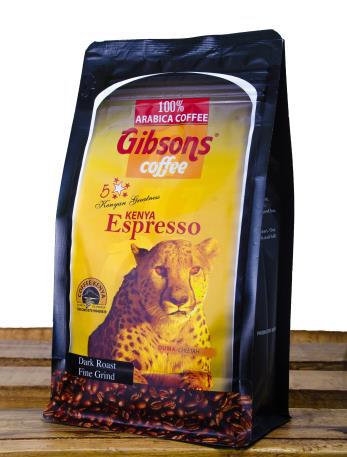
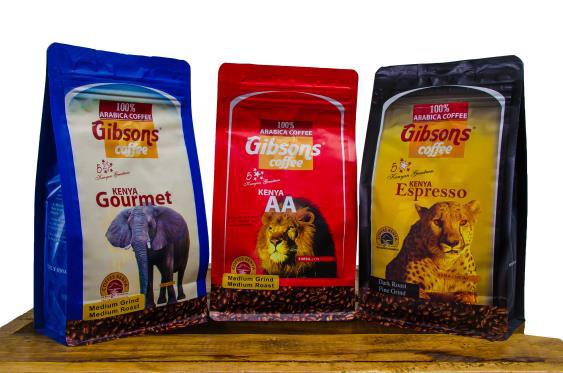
are in Processing up to final product with our famous Brand Gibsons Coffee. We sell locally in Kenya and also export all over the world. Our Green Coffee is mainly supplied to special Market around the World.

PHYSICAL ADDRESS: Machakos, Kenya
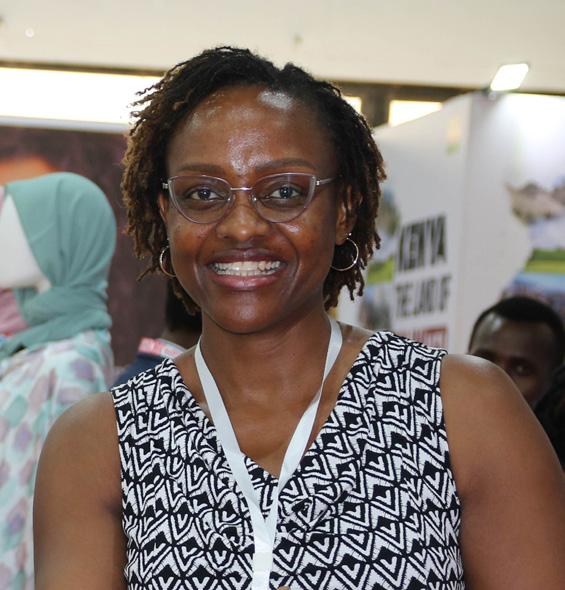
Name of Contact Person: Mbula Musau
Position in the Company: Chief Empowerment Officer, CEO
Tel/Cell Phone Number: +254708514577
Email Address: mbula@utakecoffee�com
Website: www utake coffee
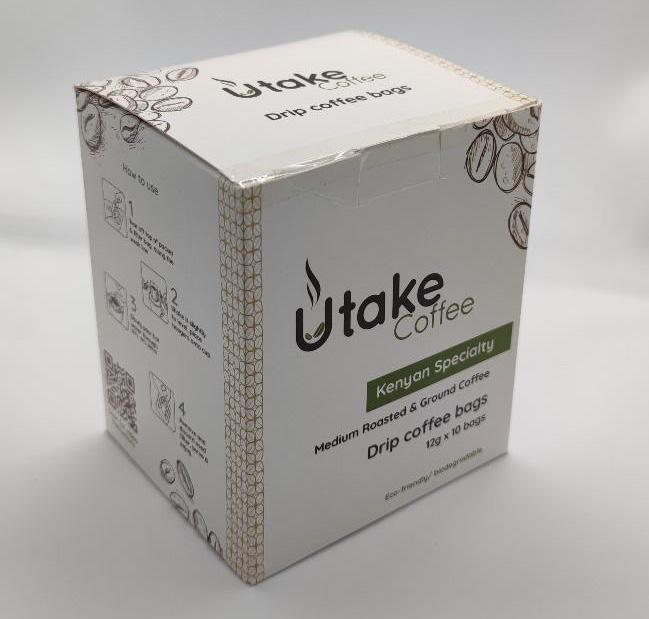
Utake Coffee’s slogan is “Coffee that Empowers”
D Specialty Green coffee traders in since 2018 with exports to China, USA, Canada and Germany
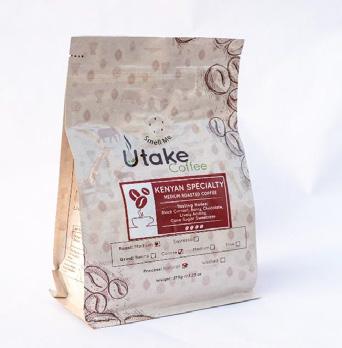
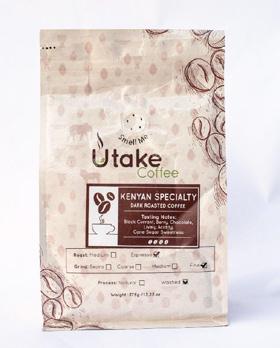
D Trade on Roasted and ground coffee, and eco-friendly innovative products
D Africa’s Carbon-Neutral Coffee Pioneer
D Kenya Beverage Excellence Awards WINNER - Most Preferred Coffee Beans and Sustainability Award 2023-2024
D Fast Moving Consumer GoodsKenya FMCG Awards 2024Coffee Brand of the Year
D International coffee quality training and certification (CQIQ Program, SCA Coffee Skills
Program) in the only TRIPLE SCA certified Premier Training Campus in Africa
D Coffee Quality Analysis and profiling
Vision Statement
To transform the lives of coffee stakeholders through a better understanding of coffee by creating an enabling learning environment through our experience, networks and partnerships
Mission statement
To enrich the coffee experience of our clients through engaging, enlightening and empowerment by sourcing the best coffee, expertly transforming it and delivering personalised service and education at every opportunity
• Trade in Green bean (Import and Export)
• Trade on Roasted whole bean and ground coffee, both traditional and ecofriendly innovative products
• International coffee quality training, certification and calibration of experts
• Coffee Quality Analysis, profiling, reporting and Q certification services
• Consultancy Services on African Coffee Quality, Market linkage, Gender Equity and Coffee Promotion


PHYSICAL ADDRESS: Machakos, Kenya
Name of Contact Person: John Seroney
Position in the Company: CEO
Tel/Cell Phone Number: +254724744108
Email Address: johns@sumseroncoffee�com
Website: www sumseroncoffee com
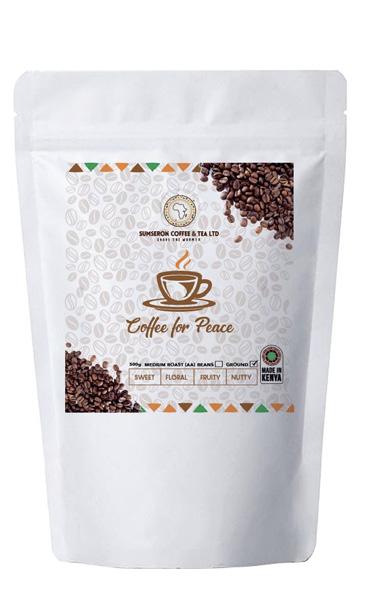
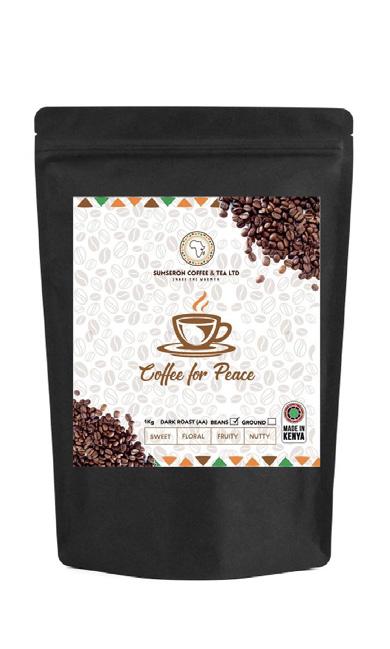
Sumseron Coffee traces its roots to a cherished dream envisioned by our Founder and C.E.O’s father, Mr. Stephen Cheruiyot Seroney. In 1978, Mr. Seroney became a pioneer in Fort Ternan, planting the first SL34 coffee variety in the region. For him, coffee wasn’t just a crop; it was a means to secure long-term stability for his family. Working side by side with his father, our Founder & C.E.O, John, developed a deep passion for coffee. Together, they nurtured the coffee trees with care and dedication, building not just a thriving farm but also a legacy. Over time, Mr. Seroney’s love for coffee became a gift, unintentionally passed from one generation to the next.
The bond between father and son, strengthened by their shared commitment to coffee, remains the heart of Sumseron Coffee. It is a story steeped in rich aromas, enduring passion, and a legacy of love that continues to grow. With every cup of coffee we produce, we honor this journey and celebrate the spirit of connection it represents. Sumseron Coffee and Tea Limited is a testament to the rich heritage and untapped potential of Kenya’s North, South Rift and part of central rift regions. Nestled in the same fertile lands that produce the world’s marathon champions, our coffee is a reflection of the resilience, ambition, and excellence that defines this unique part of the world.
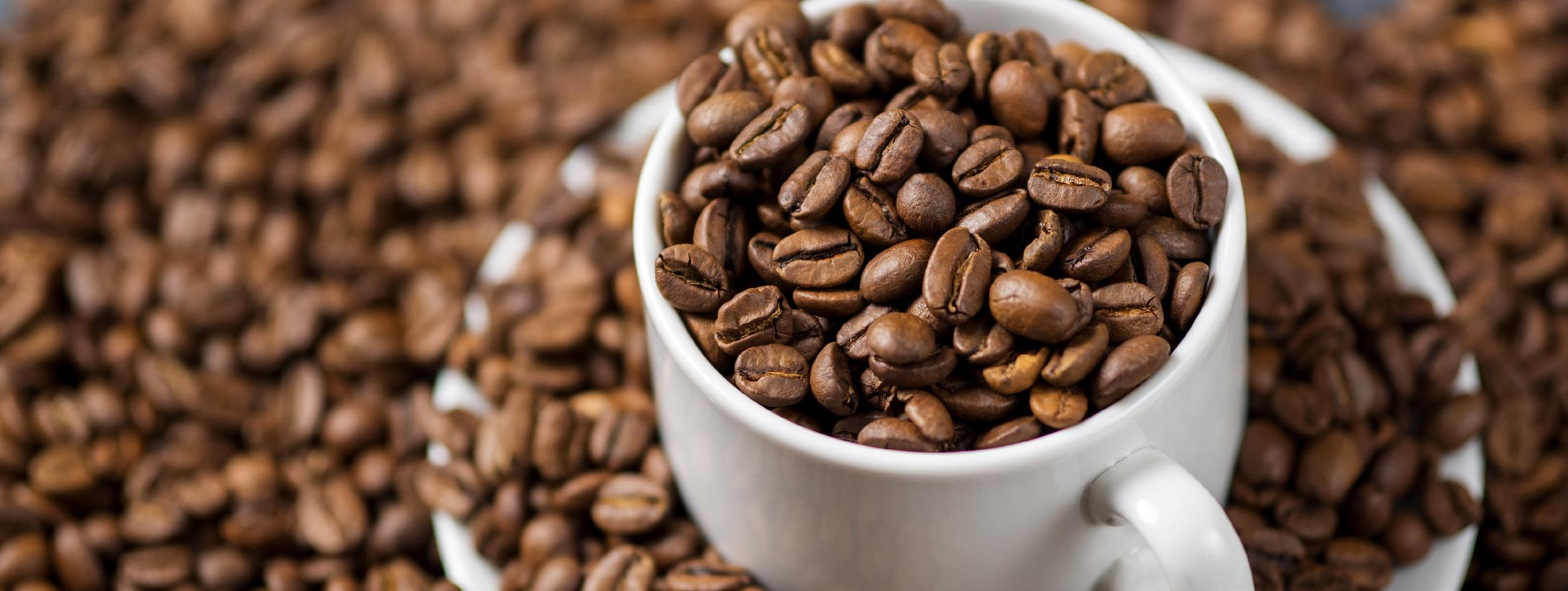
1. Fully Washed Coffee.
Clean, bright, and complex. A classic Kenyan cup with citrus, oral, and berry notes.
Medium Roast
Beans packaging: 250g, 500g, 1 kg
Ground packaging: 250g, 500g, 1 kg
Dark Roast
Beans packaging: 250g, 500g, 1 kg
Ground packaging: 250g, 500g, 1 kg
2. Natural Process Coffee
Fruity and sweet with Jammy undertones. Sun-dried for a fullbodied experience
Medium Roast
Beans packaging: 250g, 500g, 1 kg
Ground packaging: 250g, 500g, 1 kg
3. Anaerobic Fermented Coffee
Fruity and sweet with Jammy undertones. Sun-dried for a fullbodied experience.
Medium Roast
Beans packaging: 250g, 500g, 1 kg
Ground packaging: 250g, 500g, 1 kg • Medium Roast
PHYSICAL ADDRESS: WAKULIMA HOUSE KPCU 4TH FLOOR 406 NAIROBI
Name of Contact Person: PETER MAINA
Position in the Company: MANAGING DIRECTOR
Tel/Cell Phone Number: +254721248164
Email Address: info@rosievamdyke�com
Website: www rosievamdyke com

Rosie Vam Dyke company Limited was established in 2009 in Kenya as coffee exporter . since our inception we embarked on a customer driven services to ensure that the customer gets the best quality coffee . Having a coffee experts with 20 yrs of experience we ensure that our coffee is processed to standard before it exported to different destination.
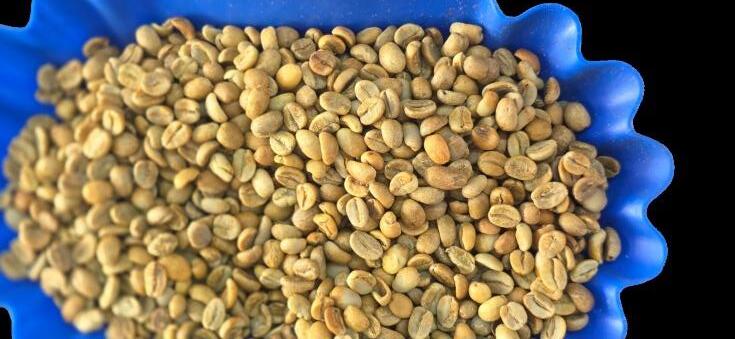
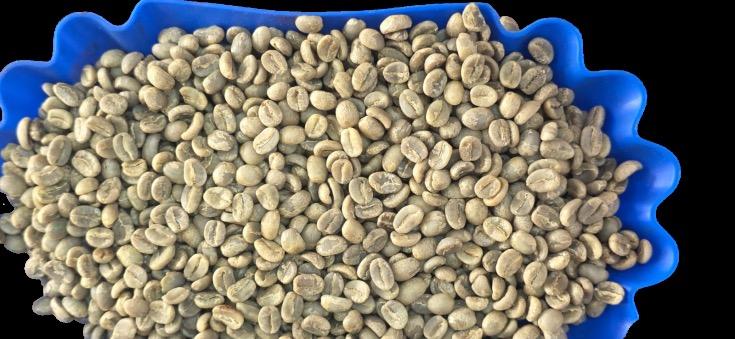
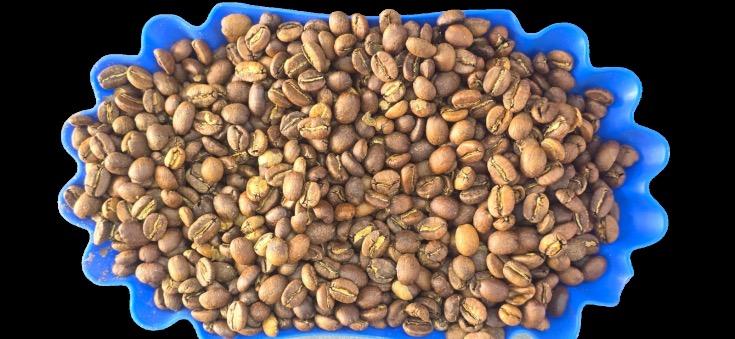
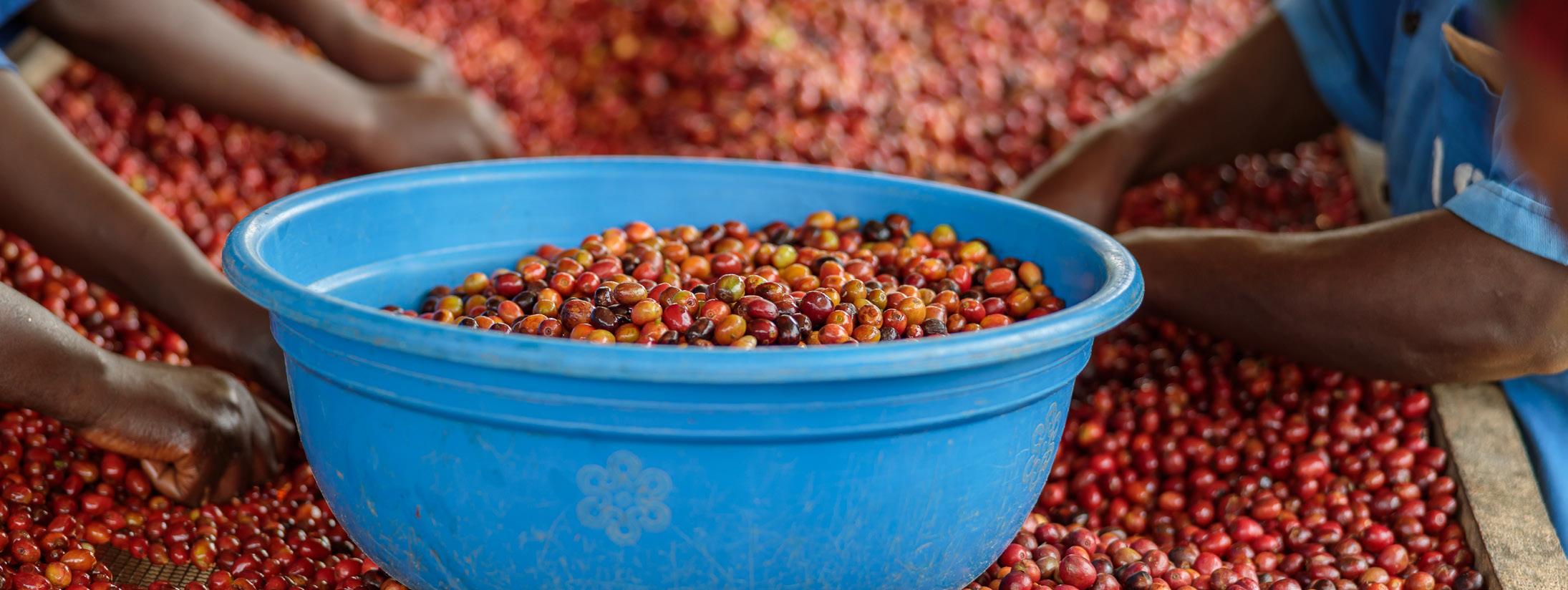
We Specialize in Specialty coffee, Premium coffee and Commercial coffees . We are also Ra Certified for traceability
So far we have established and successfully traded with clients in Asia, U.S.A and Europe
D Spacialty Grades - AA,AB,PB C
D Premium Grades -
D Commercial Grades -


PHYSICAL ADDRESS: TRM 2ND FLOOR
Name of Contact Person: BETH WAMUYU MUGAMBI
Position in the Company: Director
Tel/Cell Phone Number: +254703466689
Email Address: iharacoffee@gmail�com
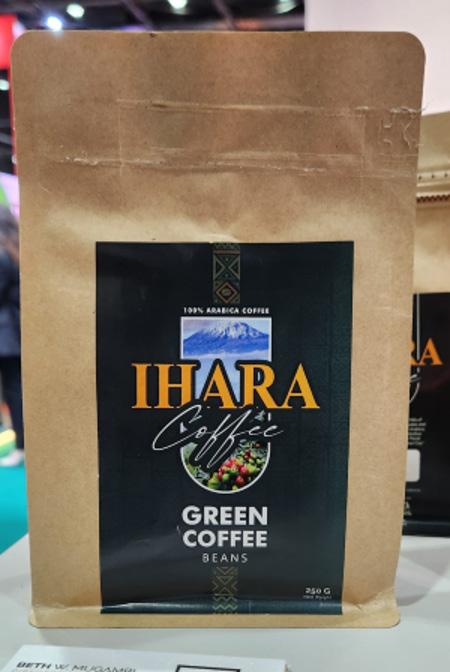
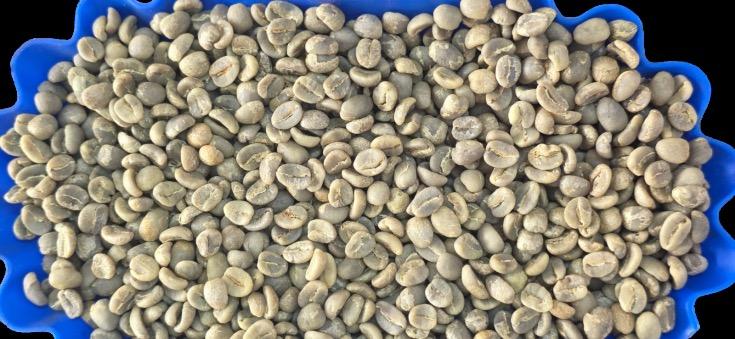
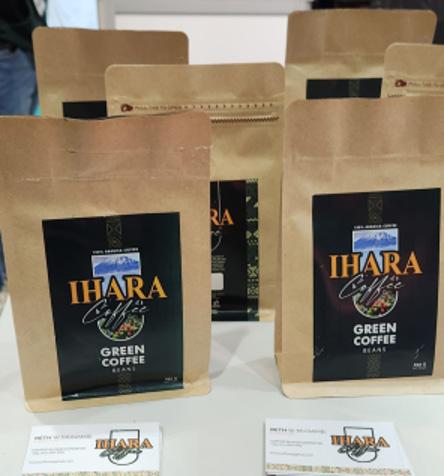
The company was started with the aim of showcasing the best of Kenyan coffee to the world, with its rich berries grown and harvested with passion by the Kenyan farmer, and supporting the farmer to get be best price for their coffee.
We export quality Kenya Arabica Green coffee beans of all the different grades
We serve:
Export of green coffee of any grade and to any counry.
Repackaging to buyers’ specification, private lable and jute bags
Contracted roaster and packaging to private label.




PHYSICAL ADDRESS: Nairobi, Kenya
Name of Contact Person: Ms� Beth Mbaya
Position in the Company: Executive Assistant
Tel/Cell Phone Number: +254 757 513 978
Email Address: beth�mbaya@ubuntubrews�ke info@ubuntubrews�ke
Website: www�ubuntubrews�ke
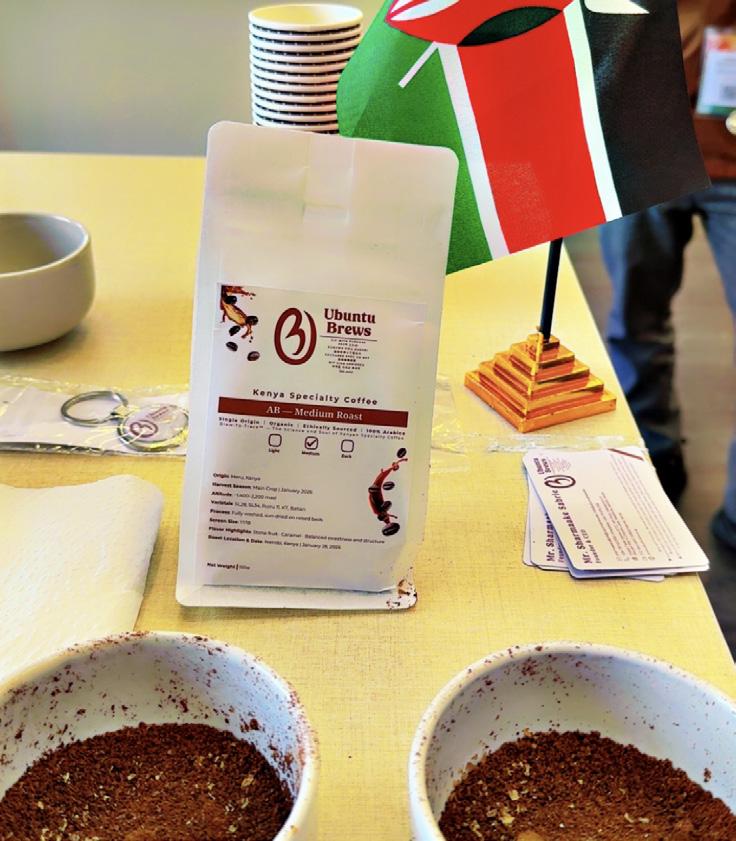
Ubuntu Brews is a Kenyan specialty coffee company operating as licensed origin infrastructure within Kenya’s regulated export framework. The company was established in response to a structural imbalance in the global coffee trade, where Kenyan coffee commands premium value internationally, yet producers at origin often operate within pricing systems disconnected from full cost transparency and long-term economic stability.
This imbalance became clear through direct exposure to the coffee value chain. Roasted Kenyan AA coffee retailing internationally at USD 140 to 160 per kilogram stood in stark contrast to producer payments of approximately USD 0.62 to 0.80 per kilogram of cherry. This visible and systemic gap revealed a pricing architecture fundamentally disconnected from production reality and became the foundation for Ubuntu’s commitment
All coffees are delivered with BrewTo-Trace™ documentation and Cost of Production–aligned pricing.
Products:
D Kenya AA specialty coffee (green and roasted)
D Kenya AB specialty coffee (green and roasted)
to build a structurally transparent and economically grounded origin system.
Every lot sourced by Ubuntu Brews originates from Kenya’s high-altitude coffee regions, including the volcanic highlands of the Great Rift Valley and Mount Kenya, where coffee is cultivated between approximately 1,400 and 2,200 meters above sea level. These environments, combined with traditional varietals such as SL28, SL34, Ruiru 11, and Batian, contribute to the distinctive flavor profiles Kenya is known for, including blackcurrant, citrus brightness, structured acidity, and layered sweetness. These coffees are primarily fully washed and sun-dried on raised beds, with experimental NH lots processed using natural and controlled fermentation methods, offering buyers a structured range from clean, highacidity profiles to fruit-forward and complex expressions.
D Kenya PB (Peaberry) specialty coffee (green and roasted)
D Kenya NH (Natural Heavy) anaerobic / experimental processed coffees (green and roasted)
D Export-ready roasted coffee (bulk and retail formats)
D Sample lots (green and roasted for evaluation)


PHYSICAL ADDRESS: NAIROBI
Name of Contact Person: MAUREEN A ONYANGO
Position in the Company: Director
Tel/Cell Phone Number: +254 722 712 101
Email Address: maureenonyango104@gmail com
Website:
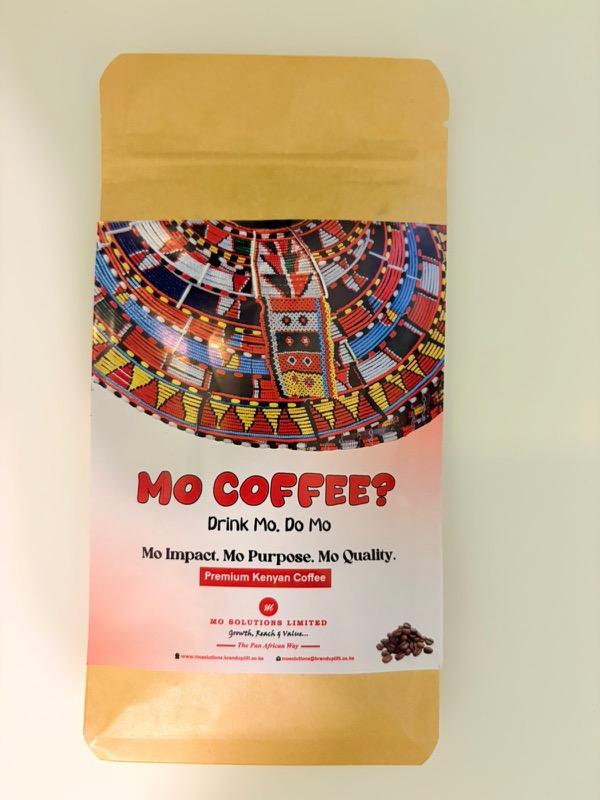
Mo Solutions Limited is a a fully women-owned and led company incorporated in 2014. Our focus lies in supporting diverse agricultural value chains -from working directly with smallholder farmers through end to end production management to aggregating diverse agricultural commodities for structured trade, processing and market linkages. We hold a coffee buying, packaging, value addition and export licence from the Coffee Directorate of Kenya. By leveraging a growing network of
producers, importers, exporters, transporters, and storage facilities, Mo Solutions ensures quality, traceability, and resilience across the supply chain. Our mission is to bridge gaps in food systems through efficient, community-centered logistics that promote sustainability, dignity and impact. We promote sustainable agriculture by providing high quality products and services to our customers while improving the livelihood of the farmers that we closely work with.
Coffee, Avocado, Maize, Soya Beans, Soy Bean Meal, Nuts, Sorghum, Beans and other Pulses, Grains and CerealsContracted roaster and packaging to private label.

PHYSICAL ADDRESS: Nairobi, Kenya
Name of Contact Person: Lujain Jamal
Position in the Company: Export Execute
Tel/Cell Phone Number: +254711708002
Email Address: lujain jamal@goldcrownfoods com
Website: https://kerichogold�com/
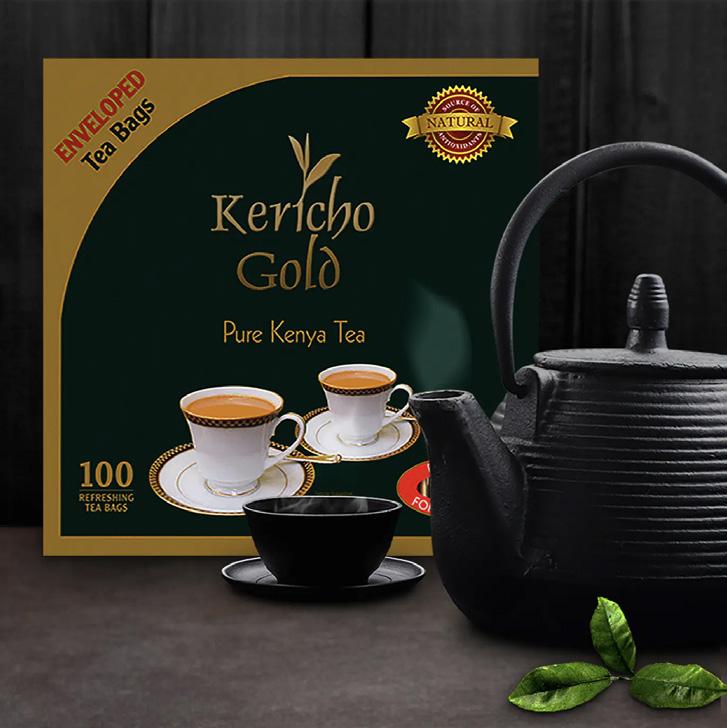
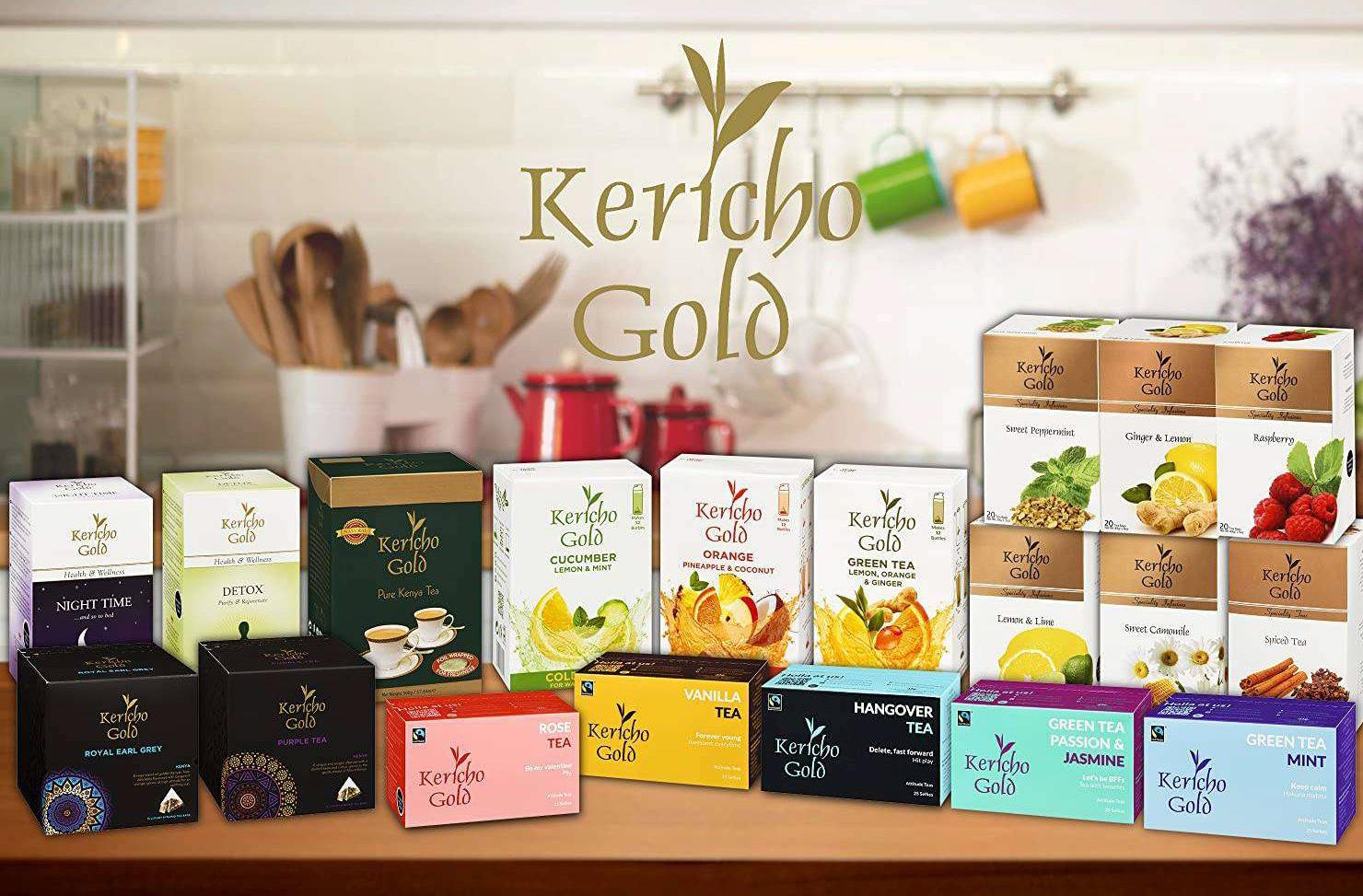
Kericho Gold is a premium blend of the finest high-grown black teas cultivated at high elevations.
Known for its bright, brisk, and fullbodied character, Kericho Gold has become a leading premium tea brand in Kenya and across East Africa and is exported to over 20 countries worldwide.
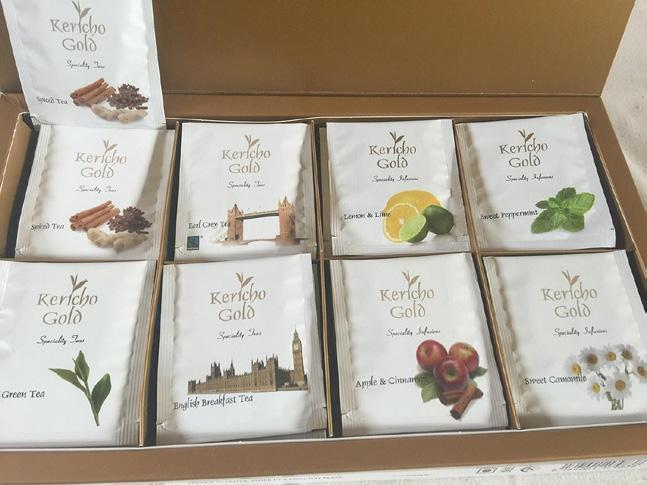
Passionate about tea, Kericho Gold offers a carefully crafted range of teas and herbal infusions designed
We are looking to collaborate with established and reliable business partners who can
support the growth of premium Kenyan tea in international markets.
Importers, distributors, or wholesalers of tea and FMCG products
Strong distribution network within Finland or the Nordic region
Experience working with retail chains, specialty stores, or HoReCa channels
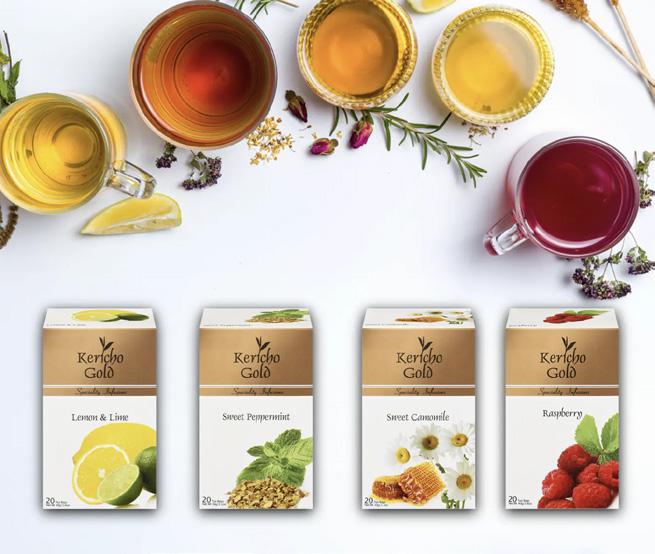
to suit different tastes and occasions. The blends are made from select teas and herbs sourced from some of the best estates in Kenya and around the world and are expertly chosen by professional tea tasters for their richness of flavour and aroma. All Kericho Gold teas are pesticide-free ,delivering pure, natural taste and a fragrant cup with rich flavour and distinctive aromas.
Interest in premium, ethically sourced, and high-quality tea products
Strong commitment to longterm partnership and brand development
We offer:
Consistent supply of highquality Kenyan tea
Marketing and online brand support from origin
Reliable export documentation and logistics support
PHYSICAL ADDRESS: NAIROBI
Name of Contact Person: Vicky Mueni
Position in the Company: Business Development Manager
Tel/Cell Phone Number: +254 729 335 446
Email Address: mueni@rimiflora�com
Website: www rimiflora com

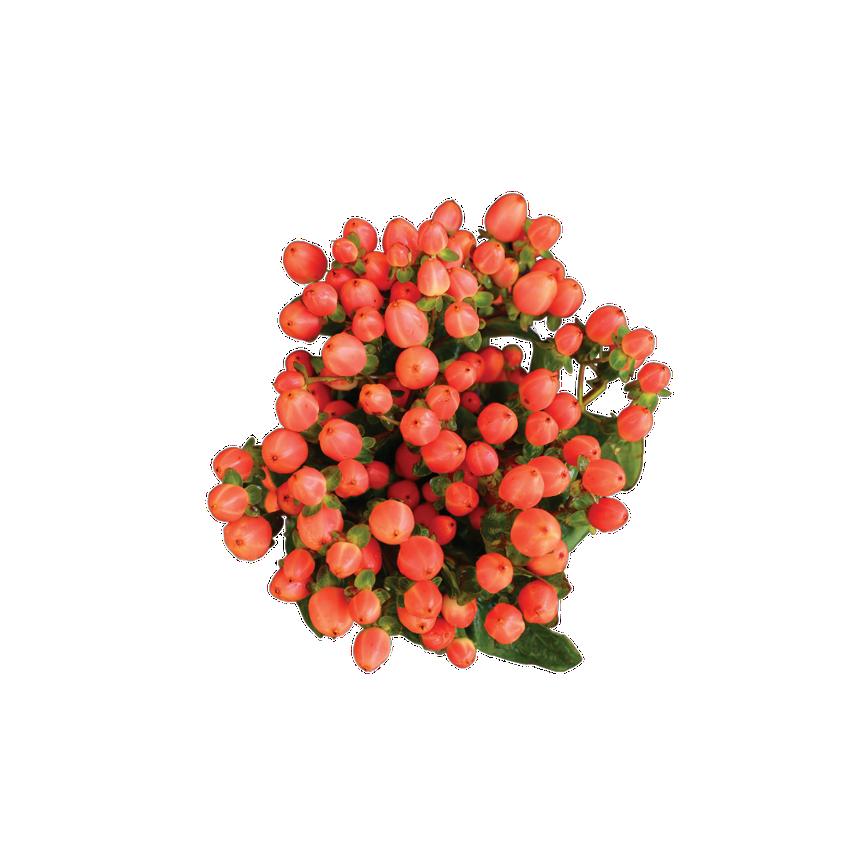
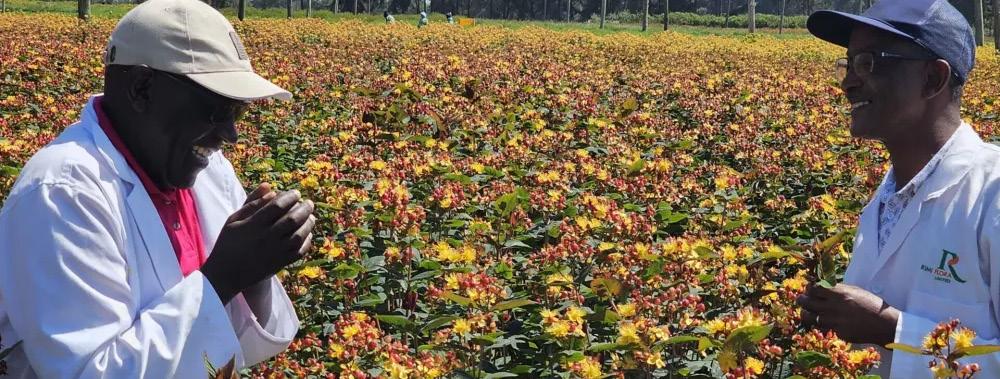
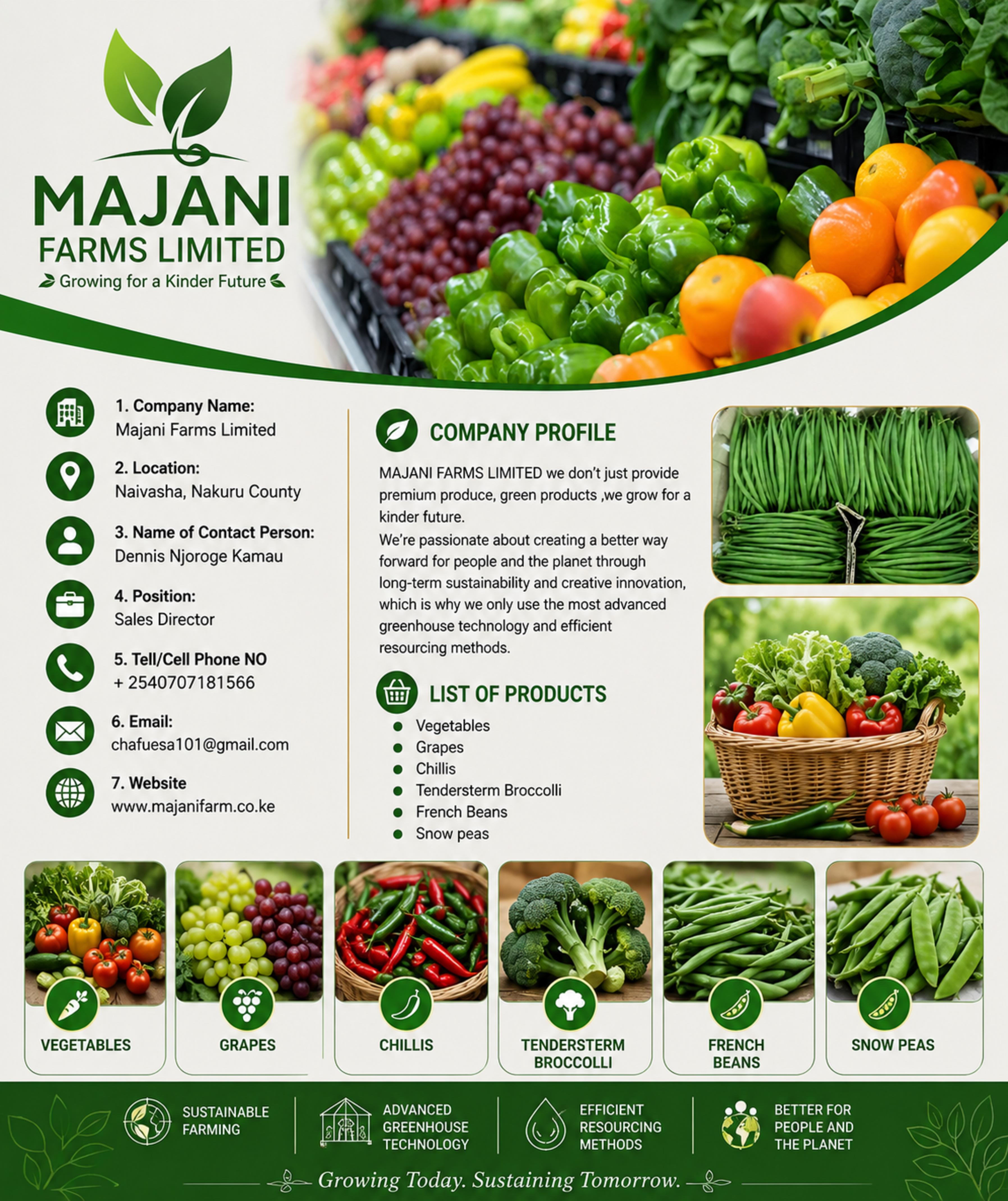
A family-run flower farm in Kenya growing Hypericum, Spray Roses and Hydrangea since 2007. We have consistently supplied high quality flowers to florists and markets all over the world from The Netherlands, UK, Australia, Saudi Arabia, Dubai, Jeddah, Russia among other countries.
With keen consideration for the environment and our communities, we happily nurture flowers for your enjoyment.
We are looking into partnering with: Regional flower distributors Florist groups Shopping outlets that appreciate quality (CIF possibilities can be discussed)
Our offering:
Box sale as stems batched in sleeve (custom or ours).
Box sale in banquets through our partnership with a farm offering a variety of fillers.


PHYSICAL ADDRESS:
3rd floor, International House, Nairobi, Kenya
Tel/Cell Phone Number:
+254 713 848 257
+254 713 955 477
Email & Website info@najibslivestock�com www�najibslivestock�com
LIST OF COMPANY’S SERVICES
Livestock Export Supply
Chilled Carcass Supply
Frozen Carcass Supply
OUR EXPORTS
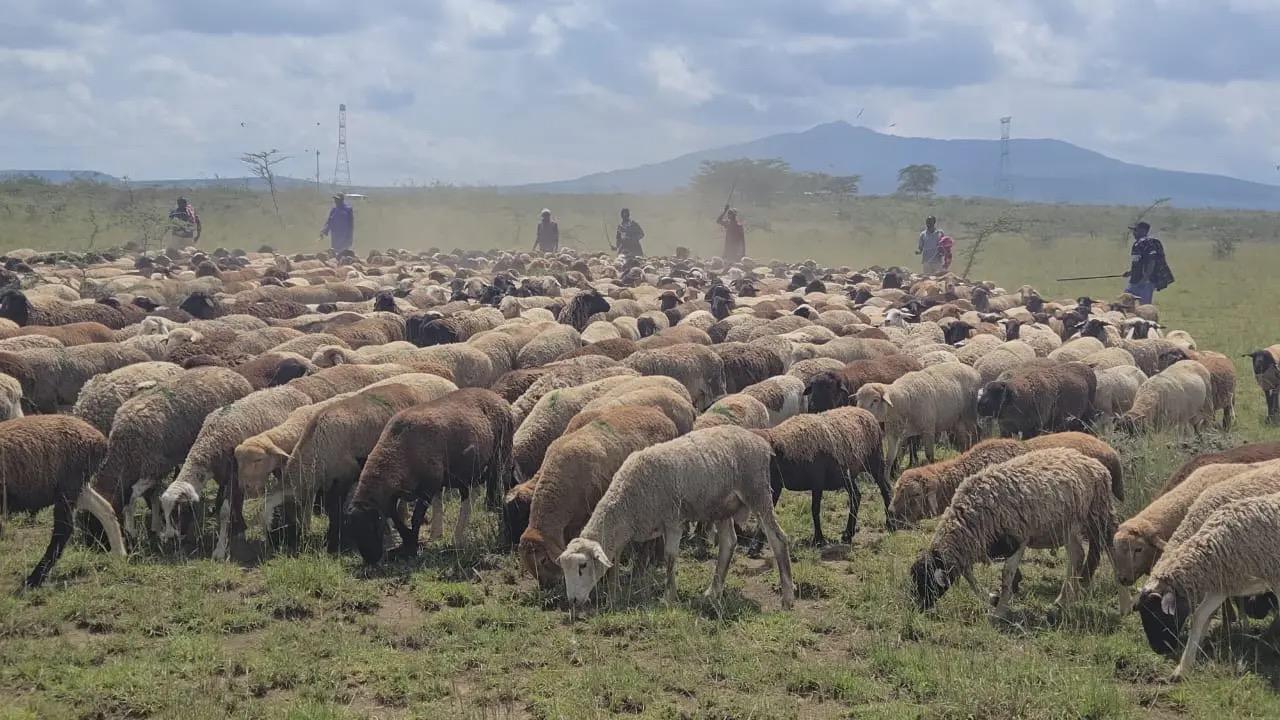
• SHEEP & GOATS - Satisfied export demand of 100,000 annually
• BULLS - Satisfied export demand of 5000 annually
• CAMELS - Satisfied export demand of 5000 annually
• FROZEN & CHILLED CARCASSES650 tonnes annually
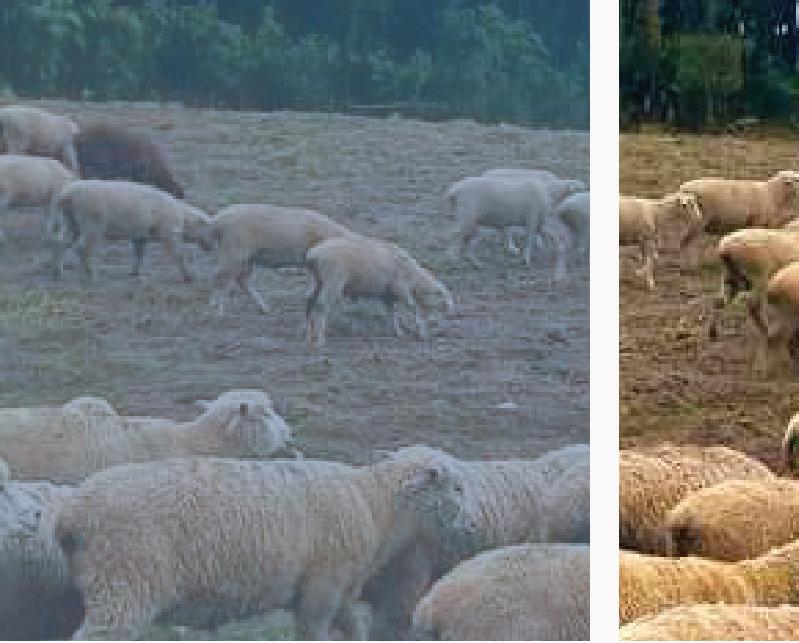
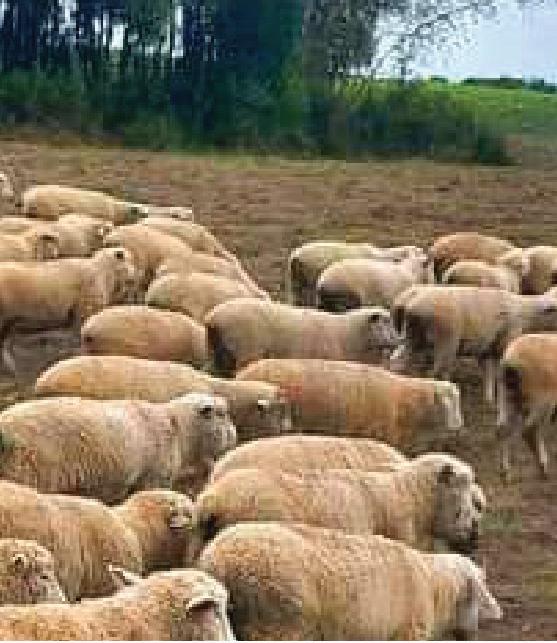
Najibs Livestock International is a Kenyan company that has been supplying purebred livestock to the global market. We are proud to be East Africa’s leading livestock export company, providing highquality goats, sheep, bulls, and camels to meet the diverse needs of our clients worldwide.
With our extensive supply network and experienced team, we provide the best value to our clients, while ensuring world-class animal welfare practices.
We can handle the large as well as small shipments. Our experience in handling shipments of any size
means we can deliver on any order. Our expertise covers all of your exporting needs from sourcing, procurement, health preparation, and shipment.
Our offices in Nairobi, and the quarantine facilities are Lamu, Narok and Garissa. Our facilities are close to Kenya’s major airport and port, enabling us to provide custom logistics solutions tailored to specific needs.
With excellent relations with buyers, Veterinary Service of Kenya and relevant government agencies. We ensure a seamless export service for every shipment.

The Kenya Export Promotion and Branding Agency (KEPROBA) is a state corporation established under the State Corporations Act Cap 446 through Legal Notice No.110 of August 9, 2019 after the merger of the Export Promotion Council and Brand Kenya Board. KEPROBA is under the Ministry of Investments, Trade and Industry.
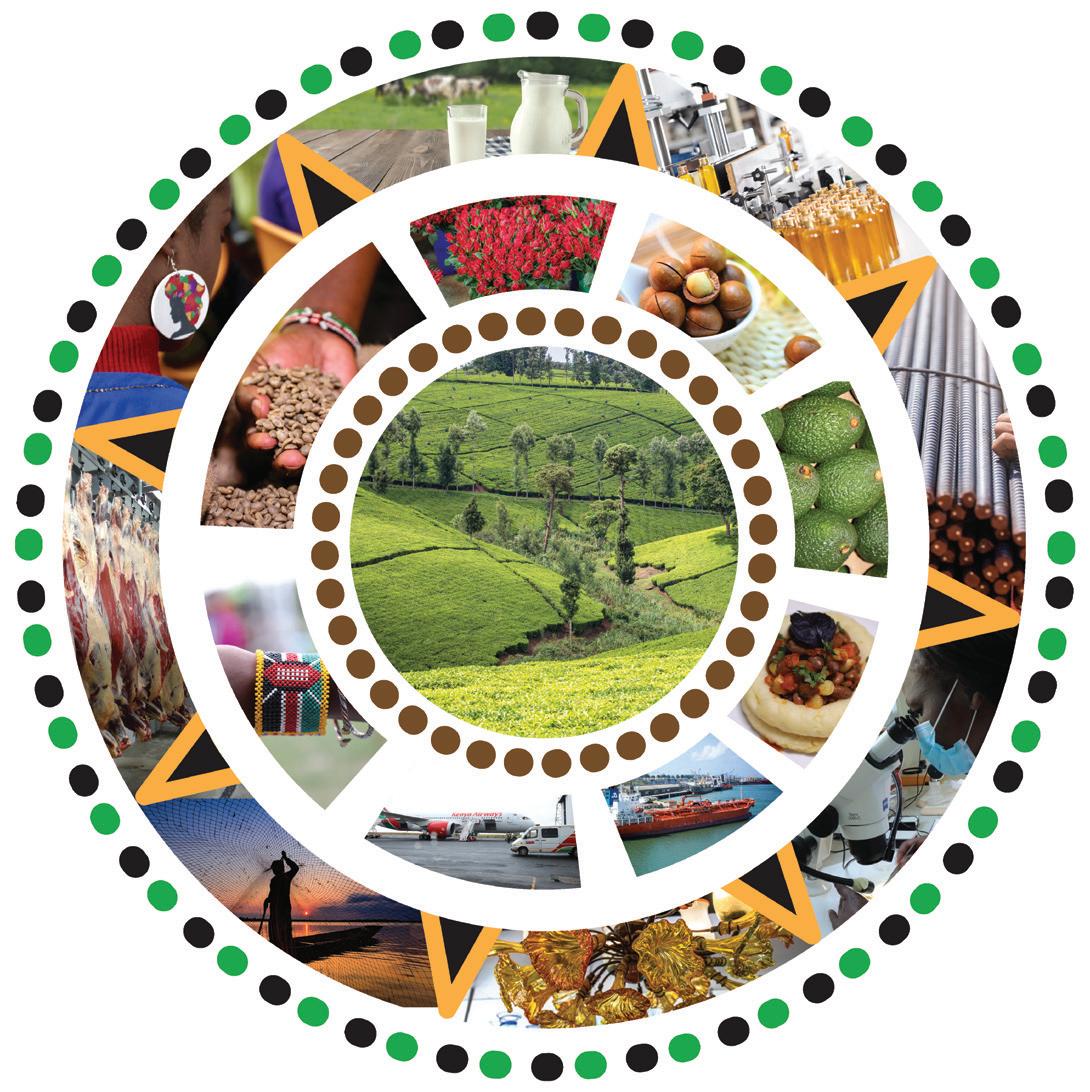
The Agency’s principal activities are implementing export development and promotion activities through providing export assistance to promote Kenyan goods and services globally, distributing trade related and international export standards information and carrying out export market research.
The Agency also manages the Kenya Nation Brand and country’s image through coordinating nation branding initiatives and trade fairs, providing branding guidelines for Government Agencies, Kenya Missions Abroad, marketing and providing positive information about Kenya and its products and services.
Our functions include product development including adaptation, packaging and branding; export market development, market intelligence through research, analysis and monitoring of trends and opportunities in international markets, supporting development of value chains for export market among others.
Our mission is to Brand Kenya, Export Kenyan, Build Kenya.