A Publication by the Kenya Export Promotion and Branding Agency
FEBRUARY FY 2025 / 2026

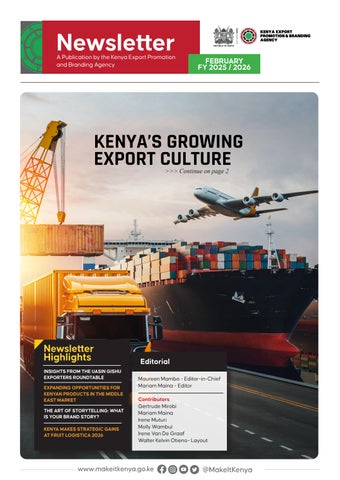
FEBRUARY FY 2025 / 2026
>>> Continue on page 2
INSIGHTS FROM THE UASIN GISHU EXPORTERS ROUNDTABLE
EXPANDING OPPORTUNITIES FOR KENYAN PRODUCTS IN THE MIDDLE EAST MARKET
THE ART OF STORYTELLING: WHAT IS YOUR BRAND STORY?
KENYA MAKES STRATEGIC GAINS AT FRUIT LOGISTICA 2026
Editorial
Maureen Mambo - Editor-in-Chief
Mariam Maina - Editor
Contributors
Gertrude Mirobi
Mariam Maina
Irene Muturi
Molly Wambui
Irene Van De Graaf
Walter Kelvin Otieno- Layout
By Irene Muturi I Interncomm1@brand.ke



An increasingly dynamic export culture is taking shape as businesses and policymakers rethink how the country participates in global trade. What was once an export profile dominated by tea, coffee, and elite athletic talent is steadily expanding to include a wider array of products including fish, meat and meat products, leather products, processed foods, textiles, and cultural goods combined with a strategic approach to global trade. This growth reflects a broader shift in mindset: international markets are no longer viewed simply as destinations for goods but as spaces where innovation, competitiveness, and long-term economic growth can be cultivated.
A major driver of this transformation is the Kenya Export Promotion and Branding Agency (KEPROBA). Through its 2023–
2027 export development strategy, the agency aims to grow Kenya’s exports by 10% annually. The agency plays a leading role in promoting Kenyan products internationally and helping businesses understand export procedures and standards. KEPROBA has been working to cultivate an export-oriented mindset among Kenyan entrepreneurs. By actively implementing export development measures from training and research to market promotion, collaborations and product competitiveness, the agency aims to make exporting less intimidating, particularly for upcoming exporters.
The Government of Kenya has been working to secure new trade deals with global partners to increase market access for Kenya’s exports. H.E. President William Ruto led the negotiations for the African Growth and Opportunity Act (AGOA)
>>> Continue on page 3
Exporting requires compliance with strict international standards designed to protect human, plant, and animal health.
extension, confirming a three-year renewal in January 2026 after meetings with United States officials Additionally, talks are in progress to develop Economic Partnership Agreements with China and India to diversify Kenya’s export destinations. This shows technical expertise in trade law and policy as trade negotiations involve balancing national interests with international cooperation.
Exporting requires compliance with strict international standards designed to protect human, plant, and animal health. To support this, the relevant authorities have been strengthening quality control, certification systems, and laboratory testing facilities reflecting a global markets-savvy approach and national maturity. Exporters now anticipate market requirements that require compliance before accessing certain markets.
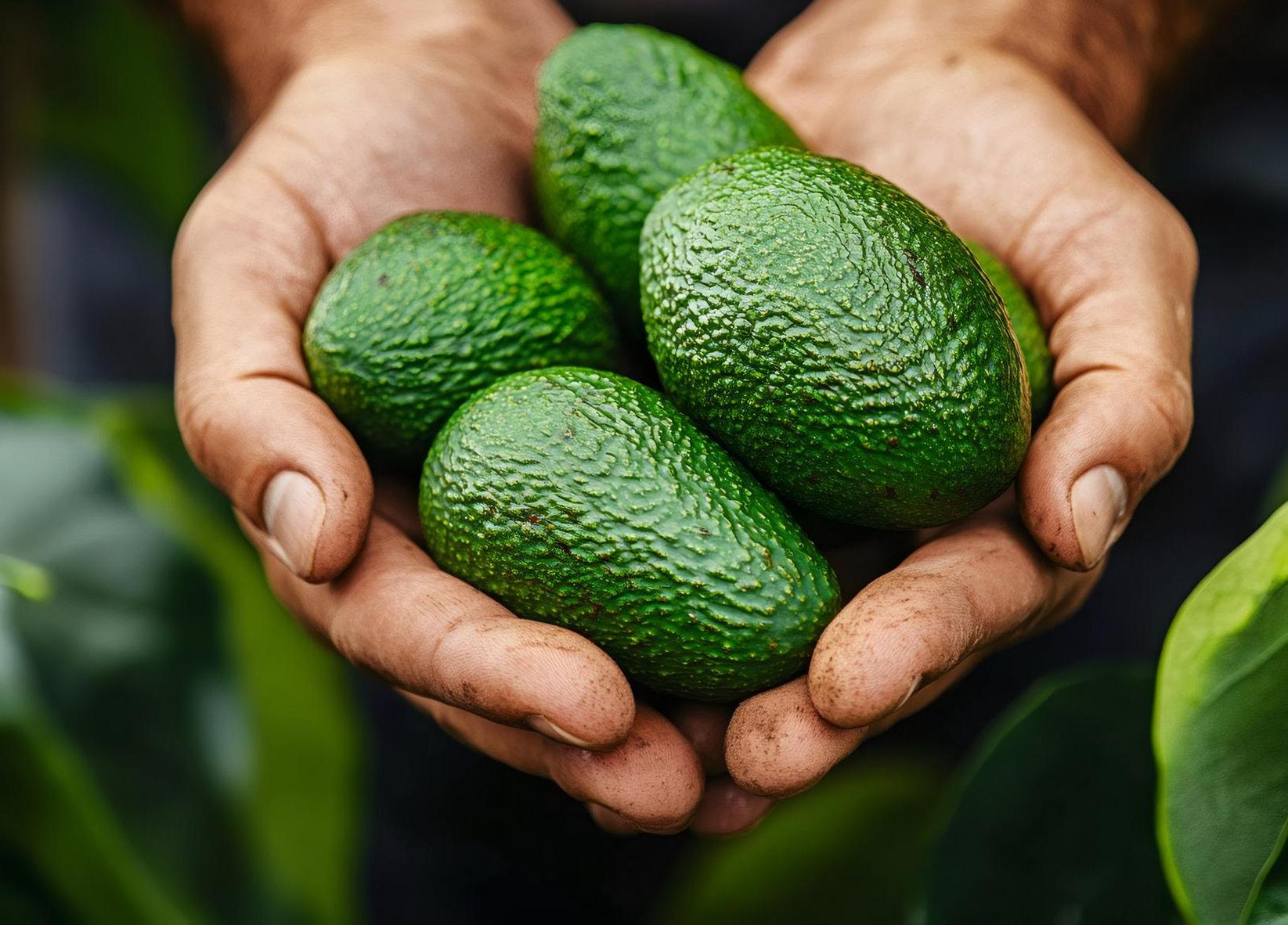
Farmers, artisans, and small business owners are more aware of international tastes and standards. For example, a farmer growing avocados or macadamia nuts chooses certain varieties to meet global demand, while artisans packaging crafts or processed foods adjust designs and branding to appeal to international buyers. This global mindset has filtered down to local communities, influencing how products are made, marketed and perceived, indicating that exports are not just an economic activity, they shape everyday practices and social awareness among Kenyans.
Creatives and SME owners now see using digital tools as an integral part of operating businesses to open new opportunities. Entrepreneurs are undertaking government led programmes training in digital marketing, e-commerce and online visibility, investing in digital skills by enrolling in digital marketing courses and workshops covering SEO, social media strategy, analytics and AI, while others are bringing on digital marketing specialists to manage online presence, campaigns and customer engagement, essentially turning digital knowhow into a business asset that drives crossborder sales and brand growth.
This strong export culture reflects a shared effort between businesses and authorities to position the country more competitively in global markets. Entrepreneurs are aligning products and branding with international demand, while creatives and SMEs integrate innovation and digital tools into their operations. At the same time, policymakers are strengthening trade frameworks, negotiating market access, and improving quality and regulatory systems that support exporters. The result is a more resilient and globally competitive economy, one that positions the nation as an active and confident participant in international trade.
f there is one company that has mastered the art of storytelling is the Coca-Cola Company. The multinational company boasts of over 140 years of refreshing the world, with a footprint in over 200 countries offering a beverage portfolio of more than 200 brands. Impressive, right? But what has us gulping are the refreshingly creative, cool Coca-Cola adverts that hit our TV screens, radios, billboards, newspapers, and magazines daily.


By Mariam Maina I mmaina@brand.ke
>>> Continue on page 5
My favourite is of course the Coca-Cola Christmas Caravan, but that does not beat the season when the world got to drink a Coke Zero via an ad. The amazing drinkable ad allowed the consumer to watch as Coke Zero is poured from a bottle on TV to a glass on their mobile, which then requires the consumer to catch the ad’s sound with their Shazam app. When the glass was full, it unlocked a mobile coupon to redeem a free bottle of Coke Zero at participating outlets. This was an amazing marketing strategy.
Another favourite is the Coca-Cola Love Story. This is a story is about two bottles who fall in love as they meet over and over after being disposed of properly and recycled into new bottles. The ad aims to encourage more people to recycle and highlights how plastic bottles can be reused to produce more plastic bottles.
Coca-Cola has invested in telling its brand story in a way the captures its audience’s trust and love. We might not have the resources that the Coca-Cola Company has, but we do have a story to tell about our brands. A brand story conveys the history, purpose, and values of a business in a narrative that resonates with consumers and makes audiences feel emotionally connected. A brand story should be meaningful, personal, emotional, simple and authentic. So how do you create a story like this for your brand?
There is a reason why you started your business. Well, obviously you went into business to generate an income, create employment, have a career, but there is another side of it. A compelling brand story should tell who you are, what you do, what you care about, and why it matters. In short, what is at the heart of your brand? Who is your target market and why? What message are you trying to get out there? Once you have a clear idea of who you are and what you are trying to do, then you can begin to examine the stories that will help you communicate that.
>>> Continue on page 6


Your brand story can help communicate the values and core of your corporate identity, allowing you to position yourself clearly. This can be especially helpful in differentiating yourself from the competition in a competitive business marketplace.
The story behind the product is key. What has it taken for it to end up in the consumer’s hands? Describe the process, the team involved, the sacrifices made, the satisfaction to see the results and the issue being addressed or the luxury or solution being created.
Take coffee for example. It is a known fact that Kenyan coffee is among the best in the world. When reading about Kenyan coffee, words like rich body, high acidity, intense flavor, delightful aroma and berry undertones are thrown here and there. How can these coffee companies tell their brand story? What a beautiful brand story this would make, right? Tell us the story behind the journey or the process it has taken for that coffee to end up in a client’s cup in the morning or on that first date in that restaurant, brewing young love.
Brand storytelling is a powerful tool that can help you build your brand, connect with your audience, and communicate your values and vision. It also helps you deliver a more memorable experience to your customers.
Your brand story can help communicate the values and core of your corporate identity, allowing you to position yourself clearly. This can be especially helpful in differentiating yourself from the competition in a competitive business marketplace.
Brand stories are a powerful way to build trust. To build an authentic story you need to make it personal. Add that touch that humanizes the company. In addition, keep your story simple and one that is relatable because a good brand story touches the heart of the people. In your story, mention why your brand exists. You need to connect with your customers. Let your story show how you relate to your customers and how you understand them. As someone once said, ‘customers buy your story, not just products.’ The beauty of story telling is that others can tell your story. The same applies to a brand story. Package it in a way that others can share your in their own words.
By Gertrude Mirobi gmirobi@brand.ke
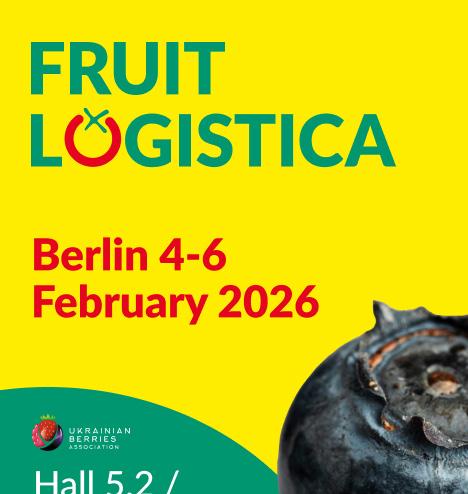
In February 2026, Kenya made a powerful statement at FRUIT LOGISTICA, the world’s premier international trade fair for the fresh produce industry, held annually in Berlin, Germany. With over 90,000 visitors and 2,600 exhibitors from more than 90 countries in attendance, the event provided an unparalleled platform for Kenya to showcase its horticultural excellence. This year, Kenya’s presence was part of a structured and results-oriented EU Export Market Study Tour, implemented under the CBI Women Economic Empowerment –
Access to Markets (A2M) Programme, running from 2021 to 2027. The initiative brought together key institutions, including the Kenya Export Promotion and Branding Agency (KEPROBA), the Fresh Produce Consortium of Kenya (FPCK), the Centre for Promotion of Imports from Developing Countries (CBI), PassionProfit Limited, Trade Smart Consult, and a carefully selected delegation of women-led enterprises.
Unlike traditional trade fair participation, this study tour was designed to deliver tangible outcomes by combining intensive capacity building with direct market engagement. Before stepping onto the exhibition floor, the delegation underwent tailored training on crafting compelling export pitches, understanding buyer psychology, and communicating compliance and production reliability. This preparation ensured that Kenyan exporters were not just present, but were fully equipped to engage, negotiate, and forge meaningful partnerships with European buyers.
The results of this preparation were evident in the engagements that followed. Meetings with EU importers revealed a consistently strong interest in Kenyan produce, driven by the country’s favourable climatic diversity, impressive product range, and ability to supply off-season produce to European markets. Buyers repeatedly affirmed Kenya’s position as a reliable supplier, but they also highlighted critical areas that require attention if the country is to fully capitalize on these opportunities.
Chief among these was the need for comprehensive certification. EU buyers emphasized that compliance must extend beyond farm-level certification to include packhouse-level Global G.A.P accreditation, ensuring that the
>>> Continue on page 7
entire supply chain meets rigorous international standards. This calls for enhanced coordination among regulatory agencies, sanitary and phytosanitary institutions, and certification bodies in Kenya.
Beyond certification, the mission underscored the urgent need for modernization and professionalization across the horticultural value chain. Key priorities include upgrading packhouse infrastructure to meet global standards, strengthening cold chain management systems, and installing robust traceability platforms. Buyers were clear: professionalism in documentation, consistent supply reliability, and structured communication are non-negotiable for securing and sustaining long-term partnerships. These insights provide a clear roadmap for targeted investments and policy interventions.
A key highlight of the tour was a strategic engagement with the Embassy of Kenya in Berlin. During a meeting with Minister -Counsellor Mr. Bernard Isaac Wekesa, the delegation explored opportunities to integrate trade diplomacy into export facilitation. The conversation yielded a promising proposal; a structured buyer conference model. This innovative approach would feature pre-selected, highly relevant buyers paired with well-prepared exporters armed with compliant documentation and product samples.
Diplomatic introductions would enhance trust and relationship-building, complementing traditional trade fair participation with structured, outcomedriven buyer linkages that could transform casual encounters into lasting commercial partnerships. The mission also cast its gaze toward regional opportunities for collaboration.
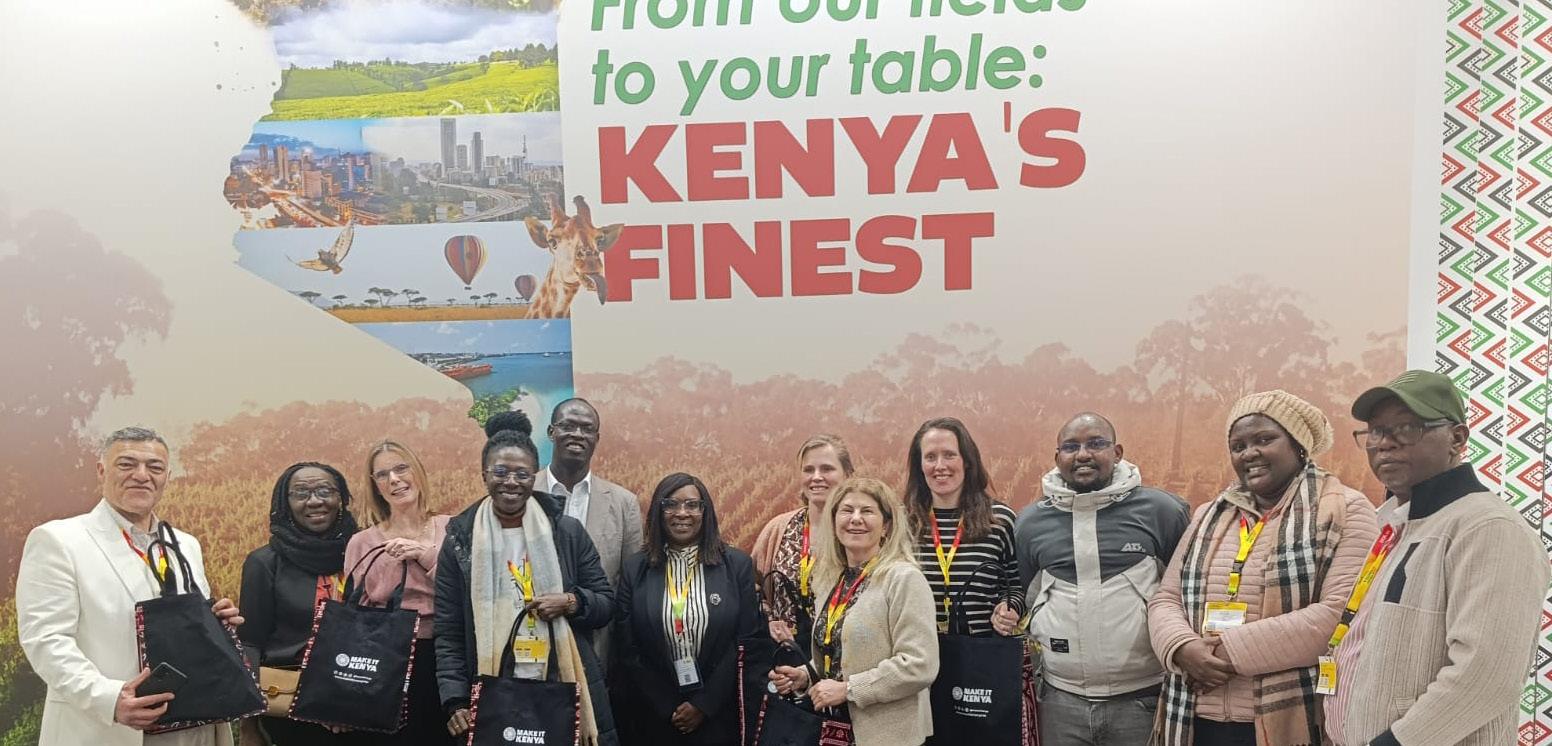
To further sharpen Kenya’s competitive edge, the delegation conducted structured visits to national pavilions of leading horticultural exporters, including the Netherlands, Egypt, Morocco, and South Africa. These benchmarking exercises offered invaluable lessons in national branding, packaging design, sustainability compliance, and institutional coordination. From the sleek, cohesive presentation of Dutch exhibitors to the compelling narratives crafted by their Moroccan counterparts, Kenya gained fresh perspectives on how to refine its own promotional strategies and strengthen a unified “Produce of Kenya” identity that resonates with global buyers.
The East African Horticulture Council offers a platform for harmonizing regional standards and promoting collective branding across partner states. Meanwhile, the launch of Horti Logistica Africa, spearheaded by the Tanzania Horticultural Association, presents a timely opportunity for Kenya to reinforce regional cooperation in logistics, post-harvest management, and horticultural trade, reducing structural inefficiencies and strengthening East Africa’s collective competitiveness.
>>> Continue on page 9
The message from Berlin is clear: Kenyan produce is wanted, Kenyan women are ready, and with the right support, the future of Kenya’s horticultural exports has never looked brighter.
At the heart of the A2M Programme is a deep commitment to empowering women-led enterprises, and this study tour delivered meaningfully on that mandate. The delegation provided women exporters with direct, unfiltered access to EU markets, equipping them with the knowledge, networks, and confidence to compete on a global stage. KEPROBA CEO Ms. Floice Mukabana, who participated actively throughout the mission, captured the sentiment of the delegation: “This tour has demonstrated that Kenyan women-led enterprises have the capacity and products to compete in the EU market. What remains is to bridge the gaps in certification, infrastructure, and structured market engagement. KEPROBA is committed to walking this journey with our exporters.”
Looking ahead, the EU Export Market Study Tour has laid a critical foundation for Kenya’s women-led enterprises to access the EU fresh produce market competitively and sustainably. The next phase will focus on sustained buyer engagement, enhanced institutional coordination, and targeted investments in modernization. Recommendations emerging from the mission include supporting integrated certification frameworks that cover both production and postharvest systems, prioritizing investment in modern packhouses and cold chain infrastructure, and establishing a structured EU buyer–exporter database to facilitate continued engagement. There is also a clear call to utilize diplomatic missions as trade facilitation hubs, enhance unified national branding and sustainability communication, and institutionalize targeted capacity-building interventions for women entrepreneurs.
As Kenya looks ahead to the next edition of FRUIT LOGISTICA and beyond, the foundation laid during the 2026 Study Tour will be instrumental in transforming participation into partnerships, and visibility into lasting value. The message from Berlin is clear: Kenyan produce is wanted, Kenyan women are ready, and with the right support, the future of Kenya’s horticultural exports has never looked brighter.
UBy Molly Wambui I MWambui@brand.ke
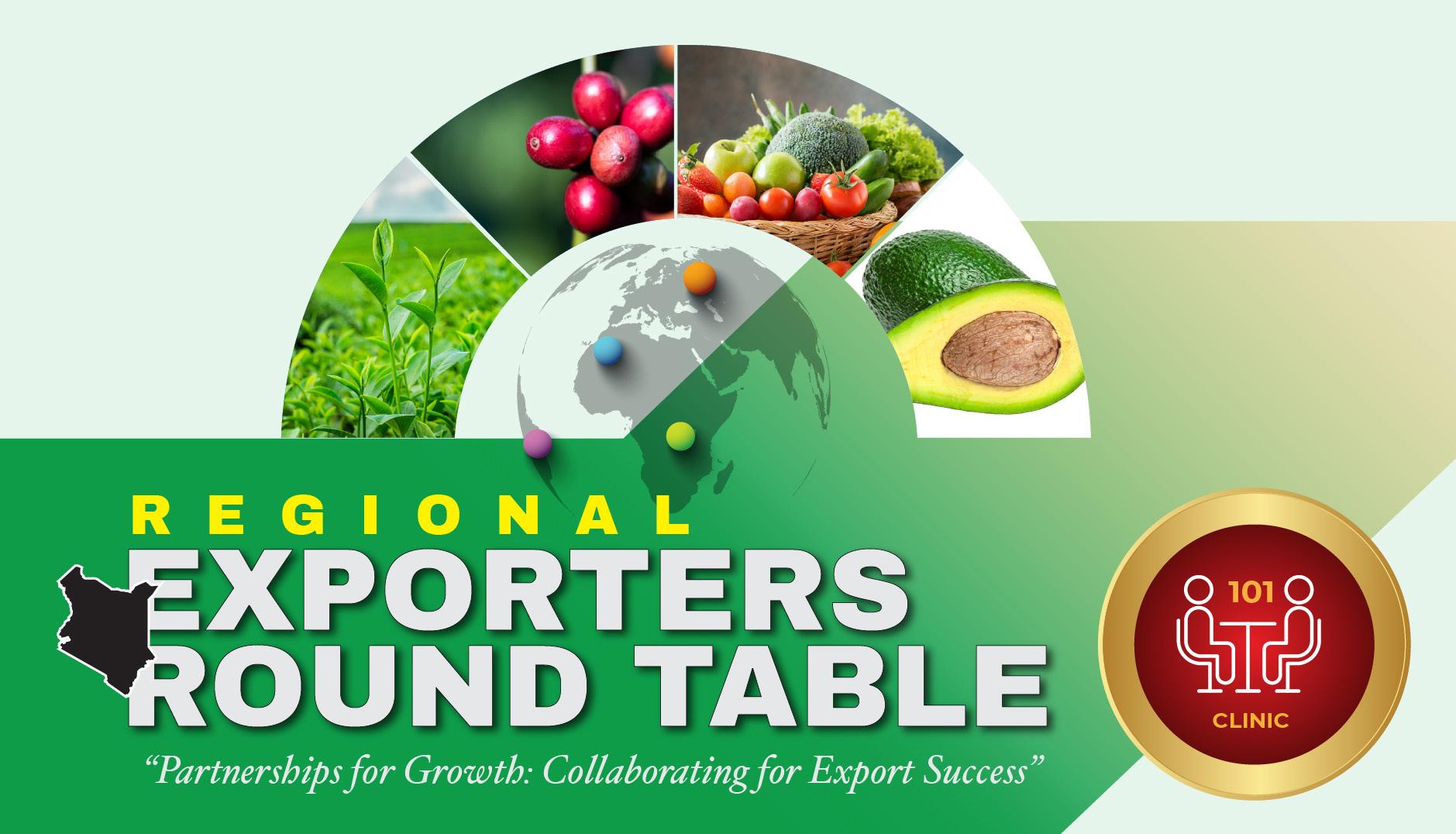
asin Gishu County is rapidly transforming from Kenya’s traditional breadbasket into a sophisticated multi-sectoral export hub. At the recent Exporters Roundtable organised by KEPROBA at Boma Inn Eldoret, industry leaders, government agencies, and local producers converged to map out a future defined by value addition, diverse product portfolios, and global market penetration.
The region produces a range of products which have raised its profile as a source of quality export products. While maize and wheat remain foundational, Uasin Gishu is setting a gold standard in dairy genetics, recently exporting over 50 in-calf Ayrshire heifers to Nigeria. With facilities like Heartlands Coffee Mills, the region is scaling up its presence in the global specialty coffee market, alongside a growing volume of avocado and horticultural exports. Firms like Nia Cosmetics are proving that the Rift Valley can compete in the beauty and personal care space, utilizing local inputs for processed consumer goods.
The roundtable featured key players driving the county’s industrial backbone, such as Oxyplus International. Based in Cheplaskei, Oxyplus has emerged as a regional leader in medical and industrial gases. Their diversified production— ranging from PVC pipes to baling twines— serves as a critical supply chain link for both the healthcare and agricultural sectors. Operating out of the Kaptagat highlands, Sisibo
Tea Company represents the pinnacle of tea processing. Utilizing advanced CTC (Crushing, Tearing, and Curling) technology and continuous fermentation units, the factory processes tea from across three counties for the international market. Other attendees included Sireet Tea Factory, Mitchell Cotts Freight, Kerio Valley Development Authority, Tumoi Teas, Madini Tea and the Uasin Gishu County Government. In addition to industry players, regulators such as KenTrade, Kenya Revenue Authority, Kenya Association of Manufacturers, Horticulture Crops Directorate and the Kenya Bureau of Standards attended the event.

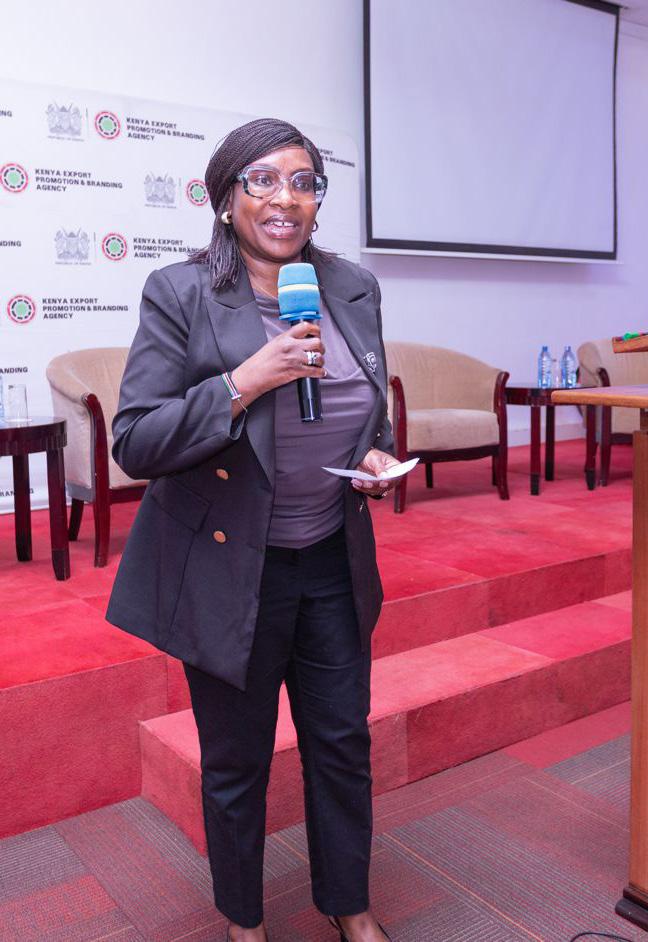
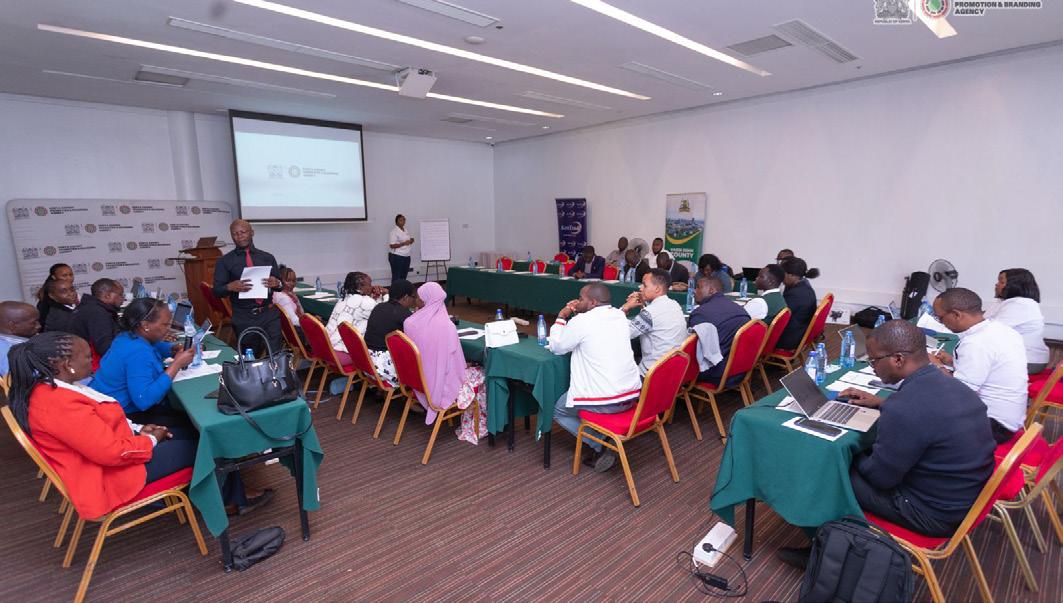

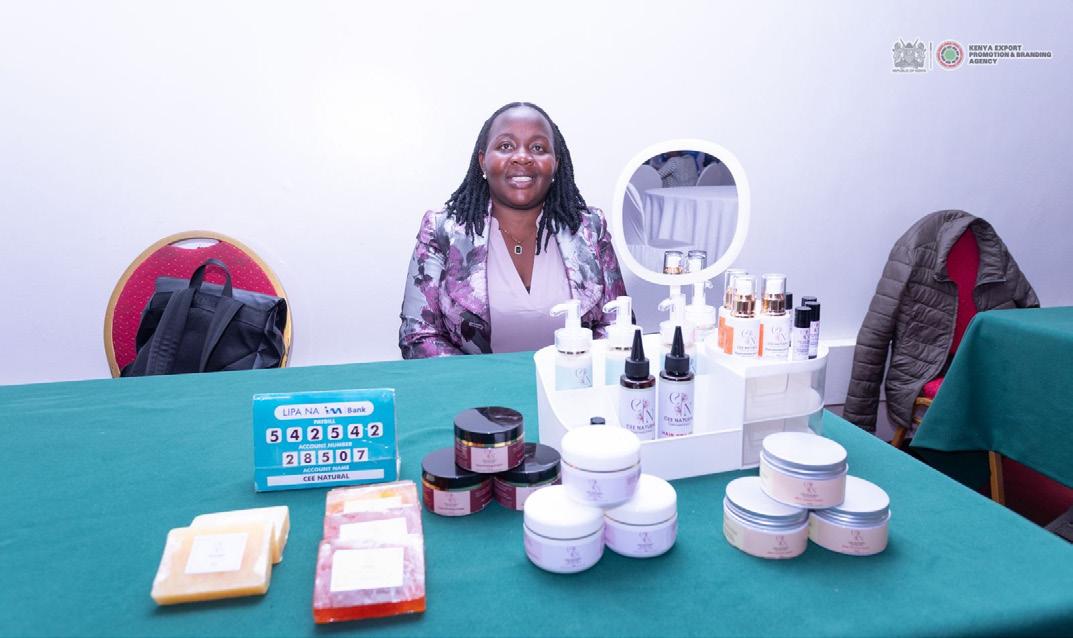
KEPROBA begun the session by presenting on Kenya’s export performance and existing market access arrangements. This was followed by a panel discussion on the pain areas experienced by the region’s exporters and how they can be surmounted. One of the biggest challenges that emerged was the use of the single window system for international trade and logistics. The single window system allows parties in trade and transport to lodge standardized information and documents with a single entry-point to fulfill all imports, exports and transit-related regulatory requirements. In response to this challenge, KenTrade offers online training sessions for exporters on how to use the system.
Another issue that came up was the myriad of challenges faced by Kenyan manufacturers, such as high production costs, lack of mechanised production, delays at Mombasa Port, access to credit, repeat taxation and skills gaps. The Kenya Association of Manufacturers has a manufacturers Academy where SMEs can learn the fundamentals of running a business. They are also working with Technical and Vocational Education and Training Institutions to train skills that are in demand. The Eldoret Exporters Roundtable was a resounding success. It set the stage for future engagements between KEPROBA and the region’s exporters to increase the region’s export potential.
The region produces a range of products which have raised its profile as a source of quality export products. While maize and wheat remain foundational, Uasin Gishu is setting a gold standard in dairy genetics, recently exporting over 50 in-calf Ayrshire heifers to Nigeria
By Irene Van De Graaf I irenev@brand.ke
enyan products are set to gain greater visibility in the Middle East following a nationwide supplier verification exercise conducted by the Kenya Export Promotion and Branding Agency (KEPROBA) in February 2026. The exercise was undertaken as part of preparations for the Carrefour Supplier Development Programme, an initiative aimed at expanding the presence of Made in Kenya products in Carrefour retail outlets across the Gulf Cooperation Council (GCC) region.
The programme forms part of KEPROBA’s broader strategy to position Kenyan products more competitively in key international markets, particularly the United Arab Emirates and the Middle East. The opportunity emerged following engagements between the Government of Kenya, the Kenyan Embassy in Dubai, and representatives of Majid Al Futtaim Group, which operates Carrefour stores across the region. These discussions highlighted the strong potential for increased sourcing of Kenyan products for distribution within the GCC.
To prepare Kenyan enterprises for this opportunity, KEPROBA invited companies across the country to register their interest in participating in the programme. More than 100 enterprises expressed interest, representing a diverse range of sectors within Kenya’s export ecosystem.
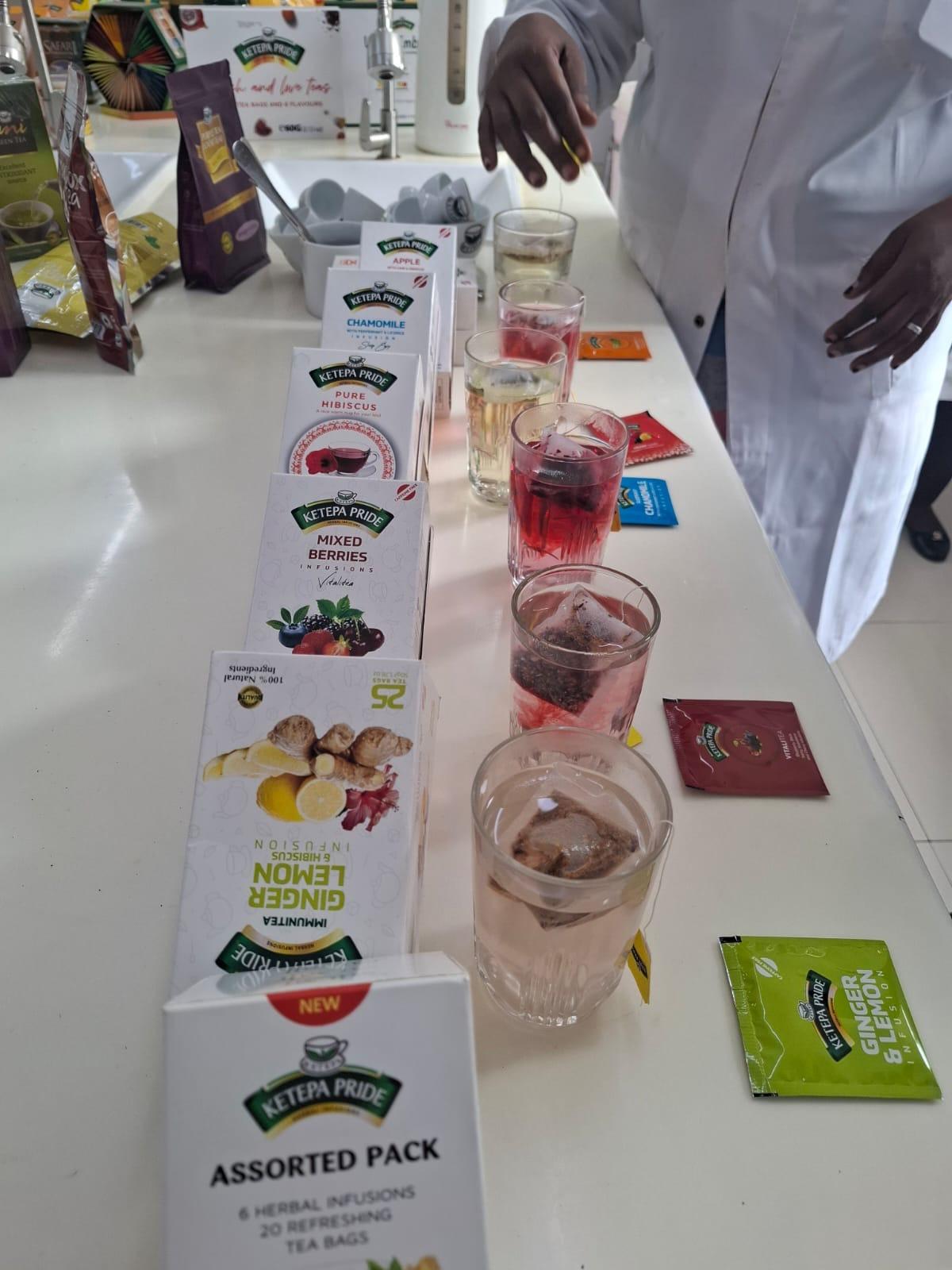
In order to assess the readiness of these enterprises to meet the requirements of international retail supply chains, KEPROBA organized a comprehensive company evaluation and verification exercise. The verification visits covered enterprises across different counties such as Nairobi, Kiambu, Mombasa Kisumu and other production hubs where export-oriented businesses operate.
“The growing demand for Kenyan products in the Middle East presents a significant opportunity for local enterprises to scale their presence in international markets.”
During the visits, KEPROBA officers evaluated participating enterprises against criteria including production capacity, regulatory compliance and certification, export readiness, and the ability to meet Carrefour’s operational and quality standards. The assessments involved reviewing production facilities, examining quality control processes, and engaging with enterprise management on their ability to meet the consistency, traceability, and quality requirements expected by Majid Al Futtaim Group.
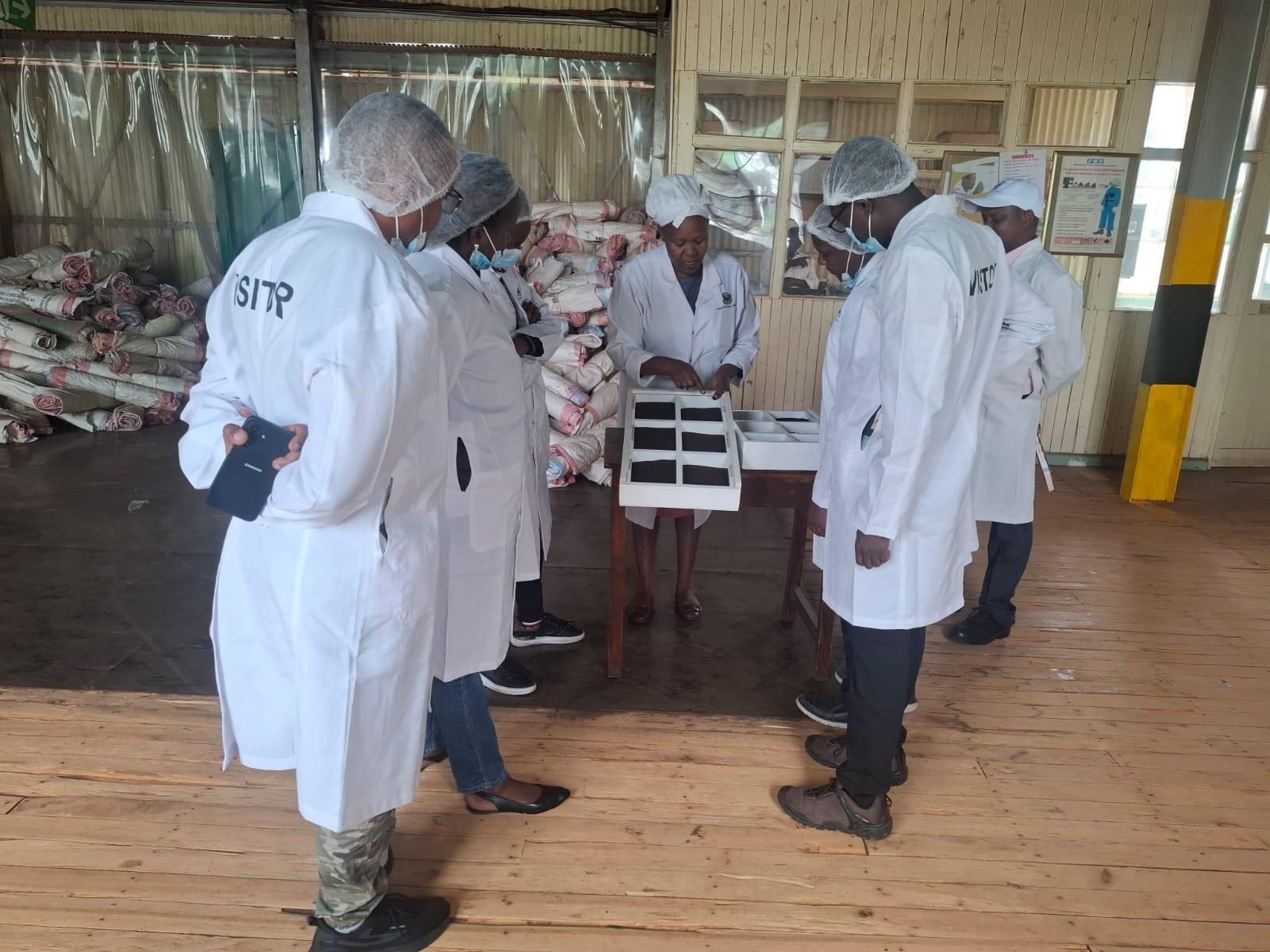
poultry products, hygiene products, and other value-added agricultural products. The site visits provided valuable insights into the capability of Kenyan businesses and their readiness to supply global retail chains.
Preliminary findings from the verification exercise revealed that a number of Kenyan enterprises possess strong export potential and are well positioned to supply international retail outlets. Several businesses demonstrated established production systems, compliance with international quality standards, and experience in exporting to regional and international markets.
The visits also highlighted opportunities for strengthening the export readiness of some micro, small, and medium enterprises. While many of these businesses showcased innovative and high-quality products, targeted support in areas such as certification, packaging and labelling, cold chain logistics, and market positioning could further enhance their competitiveness in international retail markets.
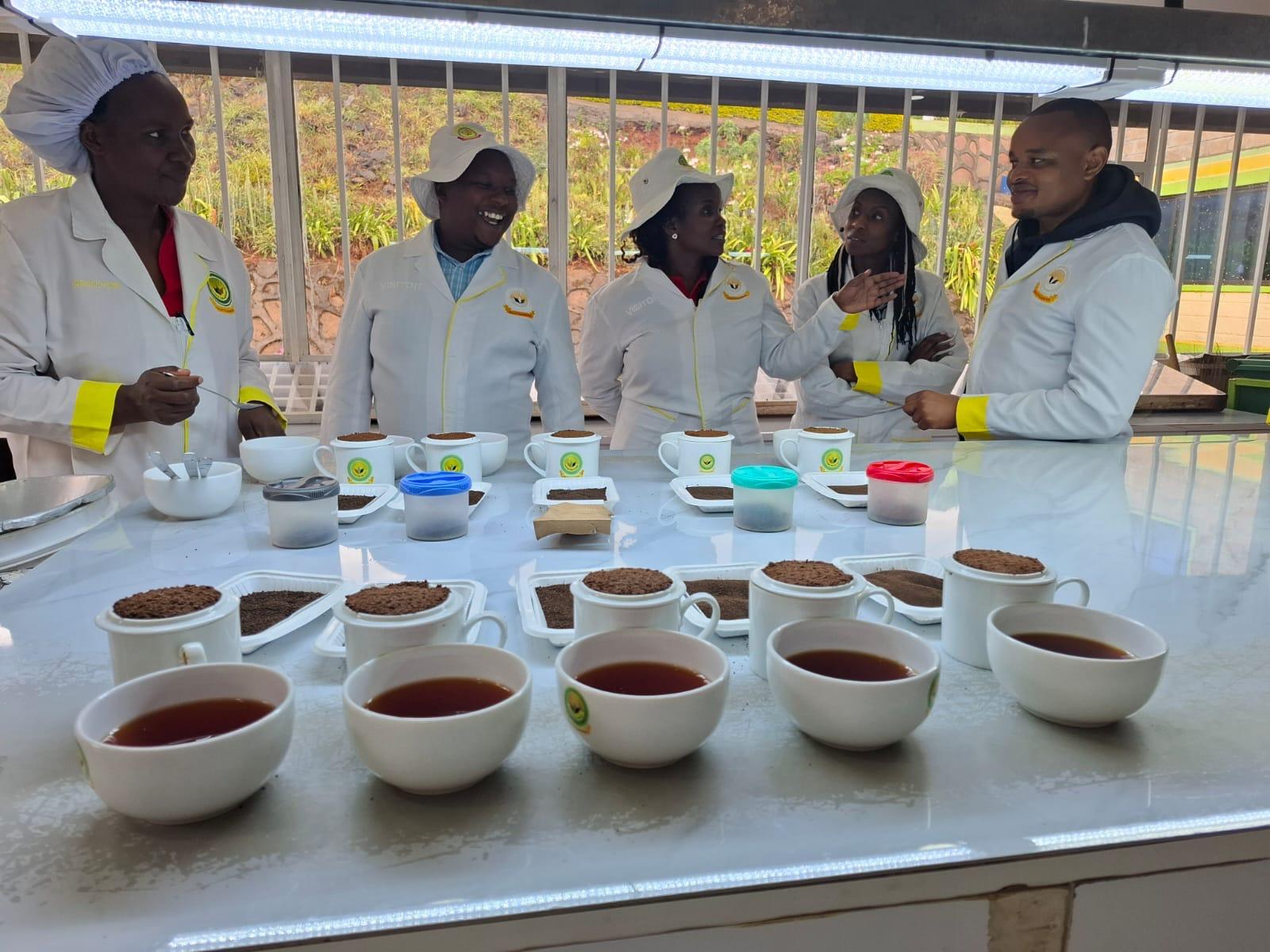
export product portfolio. Enterprises presented a wide range of products aligned with evolving global consumer preferences, including healthy food products, specialty beverages, processed foods, and high-quality agricultural produce. Many businesses also demonstrated strong commitment to sustainability, traceability, and farmer engagement, factors that are increasingly important to international buyers.
Beyond assessing enterprise readiness, the visits also provided an important platform for engagement between KEPROBA and the private sector. Participating enterprises gained insights into the requirements of global retail supply chains and the opportunities available through national branding initiatives such as the Made in Kenya mark, which seeks to position Kenyan products more competitively in international markets.
The verification exercise marks an important step in preparing Kenyan enterprises to access new retail opportunities in the Middle East. By identifying and supporting export-ready suppliers, KEPROBA is strengthening Kenya’s presence in global retail supply chains while showcasing the quality, diversity, and innovation that define Made in Kenya products.
Through strategic partnerships such as the Carrefour programme, Kenya continues to expand its export footprint and open new pathways for local enterprises to access highvalue international markets.