Whereas every editorial care has been taken, Kenya Export promotion and Branding Agency accepts no responsibility for errors or omissions in the articles. The views expressed herein are those of the contributors and do not necessarily reflect those of the Agency. No part of this publication may be reproduced in any form or by any means without the prior permission of the publisher.
ABOUT US
The Kenya Export Promotion and Branding Agency (KEPROBA) is a state corporation established under the State Corporations Act Cap 446 through Legal Notice No.110 of August 9, 2019 after the merger of the Export Promotion Council and Brand Kenya Board. KEPROBA is under the Ministry of Investments, Trade and Industry.
VISION
Transform Kenya into a top global brand
MISSION
Brand Kenya, Export Kenyan, Build Kenya
TAGLINE
Inspiring Global Trade
CORE VALUES
Passionate about the Kenyan brand
Collaborative: Building impact driven team
Innovative: Creativity and resilience
Customer Centric: The willingness to support our existing and emerging exporters.
Energetic: Willingness to work as a team
OUR BRANDS
A publication of the Kenya Export Promotion & Branding Agency (KEPROBA)
Kenya’s forestry sector is currently navigating a transformative era, shifting from traditional conservation to a dynamic green industrial revolution. As we enter 2026, the sector stands as a pillar of national resilience, contributing approximately 3.6% to Kenya’s GDP and supporting over 5 million livelihoods.
This issue explores the momentum behind several critical national milestones, such as the 15 billion Tree Goal. Citizens are actively pursuing the presidential mandate to restore 10.6 million hectares of degraded land by 2032, aiming for a 30% national tree cover.
The recently launched Kenya Industrial Wood Sector Vision aims to create 85,000 full-time jobs by 2050, transitioning the country from a net importer to a competitive exporter of wood products. From the Kenya Forest Service (KFS) operationalizing advanced Forest Fire Management tools to KEFRI’s research into high-quality seeds, science is at the forefront of every tree planting initiative. Despite this progress, challenges remain. A national wood deficit of 10–15 million m³ annually highlights the urgent need for expanded commercial plantations and sustainable use of trees. This magazine invites you to engage with these complexities, celebrating the rangers, community associations, and private investors who are ensuring Kenya’s forests continue to sustain our future.
As the late Prof. Wangari Maathai reminded us, “When we plant trees, we plant the
Forward Editor’s
Awarm welcome to the forestry edition, edition, where we pull back the canopy to examine the intricate relationship between Kenya’s natural heritage and its industrial ambitions. In this issue, we move beyond the simple act of planting a tree. We take a deep dive into Kenya’s protected tree species. Understanding the legal and ecological status of trees like the Melia volkensii or the African Cherry isn’t just about compliance; it’s about preserving a genetic legacy that stabilizes our ecosystems.
The narrative of forestry in Kenya is often split into two camps: preservation and exploitation. This edition seeks to bridge that gap. We argue that sustainability is not the absence of use, but the presence of management.
The Kenyan furniture manufacturing sector is a vital economic pillar. We highlight how local artisans are transitioning from “informal” craftsmanship to structured, sustainable businesses that compete on a global scale. Tree planting remains our most effective tool against a warming planet. However, we shift the focus to “Growing” vs. “Planting,” emphasizing the survival rates and carbon sequestration potential of strategic reforestation.
By streamlining the wood value chain, we can ensure that a carpenter’s livelihood directly incentivizes a farmer’s reforestation efforts. When wood is sourced legally and processed efficiently, it becomes a renewable carbon sink that supports thousands of Kenyan families.
“The best time to plant a tree was 20 years ago. The secondbest time is now.
As you turn these pages, I invite you to look at the trees around you not just as scenery, but as the backbone of our climate resilience and industrial future.
Enjoy the read! Maureen
Dear Readers,
Welcome to the Forestry Edition of Export Agenda, where we celebrate Kenya’s lush forests as engines of sustainable trade and national pride. We are thrilled to share stories that highlight how our forestry sector drives economic growth while nurturing our environment.
This issue dives into the Kenya Export Promotion and Branding Agency’s sustainability efforts, from reforestation partnerships with various stakeholders, to promoting ecoinnovators like Momo Pencils, crafting pencils from recycled newspapers to fight deforestation. You will discover the rise of non-timber forest products, such as honey, essential oils, and moringa supplements, positioning Kenya as a leader in green exports. Articles on fruit exports via FPEAK, protected trees like the sacred Mugumo, and artisans at Quinn Peaks Furniture showcase craftsmanship fuelling global demand.
I invite you to immerse yourselves in these pages and share your thoughts. What resonated most? How can we amplify Made in Kenya forestry exports? Email comms@brand.ke.
Together, let’s think forestry, make it Kenya, and inspire global trade.
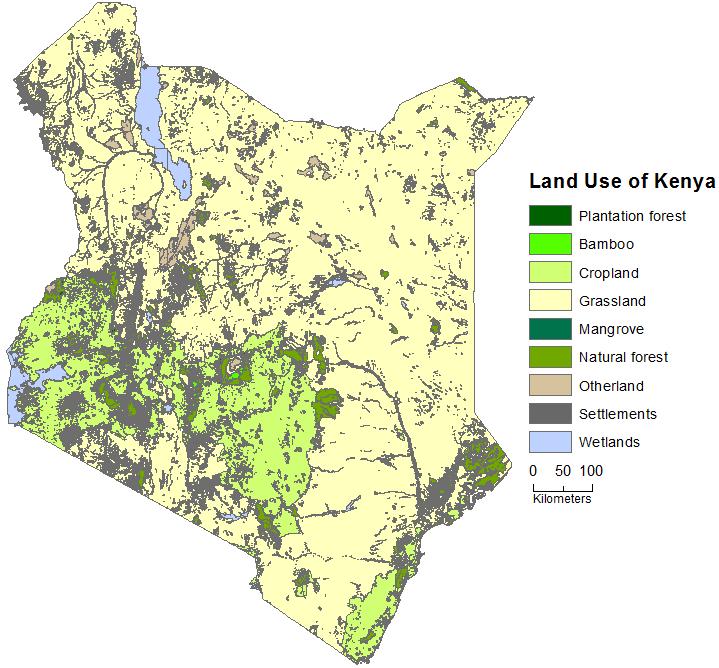
Land use map of Kenya (FPP, 2013).
By Irene Van De Graaf (irenev@brand.ke)
The Kenya Export Promotion and Branding Agency (KEPROBA) has consistently demonstrated a robust commitment to sustainability, embedding environmental conservation, social equity, and economic empowerment into its operational framework. By leveraging its role as a key facilitator of Kenya’s global trade, KEPROBA integrates sustainability into its strategies, ensuring a positive impact across communities, industries, and ecosystems.
Environmental sustainability is a cornerstone of KEPROBA’s initiatives, aligning with the government’s ambitious treeplanting target of growing 15 billion trees by 2032 to combat climate change and restore degraded ecosystems. This target, coupled with Vision 2030’s objective of achieving 10% forest cover, underscores a national commitment to ecological restoration and sustainability. Through strategic collaborations with the Kenya Forestry Service, the University of Nairobi, and the Kenya Tea Development Authority (KTDA), KEPROBA actively contributes to these goals by spearheading reforestation projects and promoting sustainable agricultural practices.
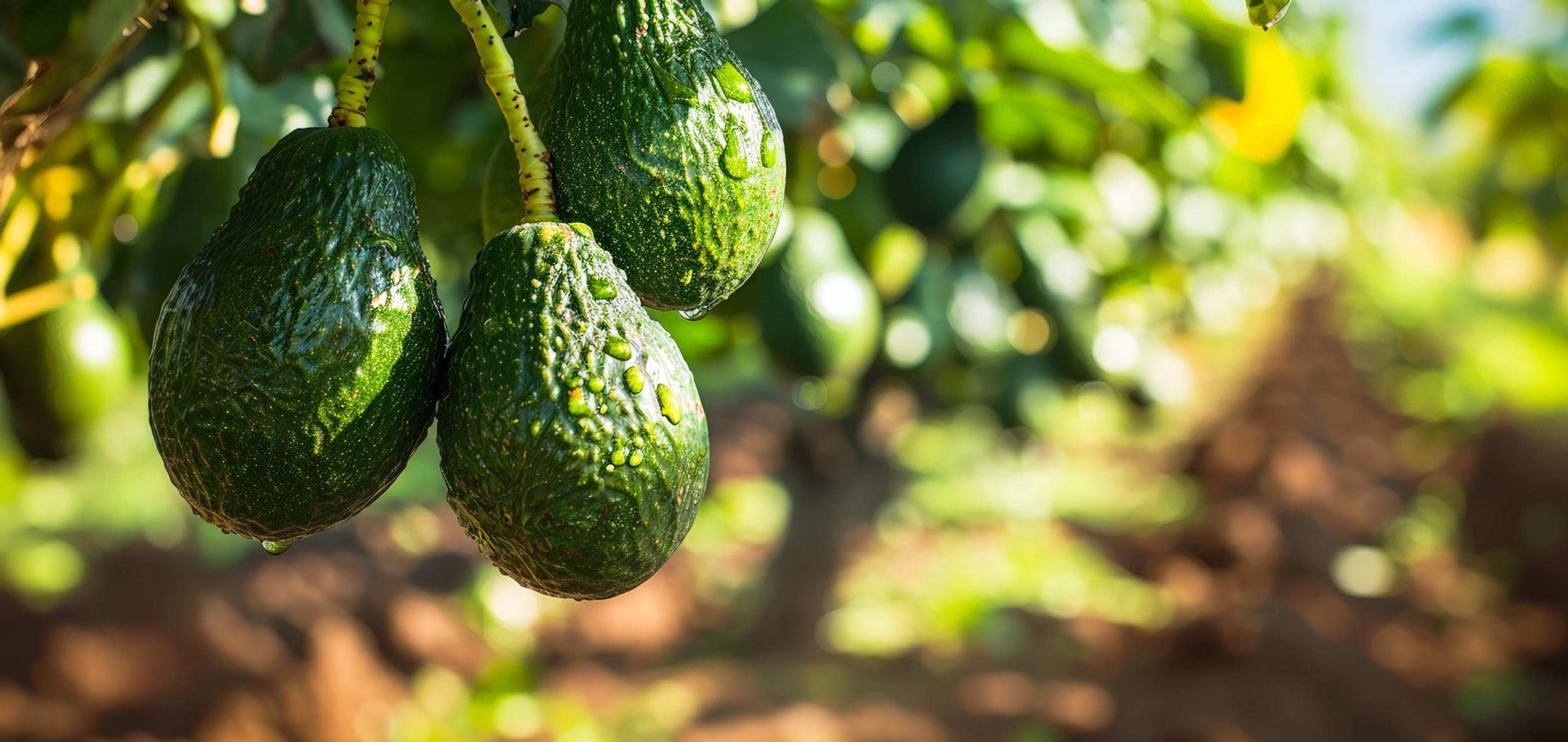
A notable collaboration with KTDA and the Kiru Tea Factory in Murang’a County led to the planting of 700 indigenous tree seedlings along the Mathioya River, combatting deforestation and soil degradation. Additionally, KEPROBA distributed 300 avocado seedlings to tea farmers, offering a dual benefit of increasing biodiversity while promoting sustainable agriculture. These efforts do more than combat deforestation—they promote sustainable tea farming, which is vital to Kenya’s economy. Moreover, the trees contribute to renewable energy in tea processing, reducing reliance on fossil fuels and grid electricity. These initiatives embody KEPROBA’s dedication to ecological preservation and climate change mitigation, aligning with both national and global sustainability targets.
Promoting the blue economy
As a steward of Kenya’s vast marine resources, KEPROBA is pivotal in advancing the blue economy. Its strategies emphasize sustainable exploitation of marine and aquatic resources to foster export growth while safeguarding ecosystems. With the blue economy projected to generate millions of jobs and significantly enhance GDP, KEPROBA is ensuring that Kenya capitalizes on its marine wealth responsibly. This aligns with Kenya’s broader agenda to establish itself as a global leader in sustainable blue economy practices.
Supporting local entrepreneurs and green initiatives KEPROBA’s “Made in Kenya” initiative underscores its commitment to promoting eco-friendly products and empowering local artisans. Groups like Lunga Lunga Handicrafts, known for sustainable wooden products,
and Jimbo Environmental Group, specializing in seafood,exemplify this approach. Additionally, Momo Pencils, a standout adopter of the “Made in Kenya” mark, is revolutionizing stationery by manufacturing eco-friendly pencils from recycled newspapers. By reducing reliance on wood, Momo Pencils addresses deforestation while promoting environmental awareness, particularly among schoolchildren, through programs that pair pencil donations with tree-planting initiatives. By championing such innovative businesses, KEPROBA not only bolsters economic growth but also preserves cultural heritage and promotes environmental sustainability
Advocating for green energy
To enhance market access and sustainability, KEPROBA encourages exporters to adopt renewable energy solutions. These efforts align with global environmental standards, reducing exporters’ carbon footprints while enhancing their competitiveness. By fostering partnerships and advocating for green energy adoption, the Agency supports Kenya’s transition to a low-carbon economy.
Capacity building and stakeholder engagement Education and training form a critical pillar of KEPROBA’s sustainability framework. Programs like the Export Readiness Awareness framework emphasize eco-friendly production techniques and adherence to global trade regulations. By equipping stakeholders with the tools and knowledge needed to adopt sustainable practices, KEPROBA ensures the long-term resilience and competitiveness of Kenya’s export sector.
Sports:
A platform for social and environmental advocacy In addition to environmental and economic initiatives, KEPROBA actively participates in communitybuilding activities. The Agency’s involvement in the annual Standard Chartered Nairobi Marathon exemplifies its holistic approach to sustainability. A portion of the funds raised from the event supports tree planting projects, aligning with KEPROBA’s environmental agenda. The marathon also promotes employee wellness and teamwork, fostering a healthy workplace culture.
Uplifting communities through charitable initiatives Recognizing the importance of social equity, KEPROBA has extended its impact to vulnerable communities through charitable programs. One such initiative saw the Agency partner with Lukenya Children’s Home in Athi River, organizing staff-driven donation drives to provide essential items such as food, clothing, and hygiene products. These efforts reflect KEPROBA’s culture of compassion and its dedication to addressing immediate community needs.
Further emphasizing education and environmental awareness, KEPROBA has supported institutions like Daystar Mulandi School by donating educational materials and planting trees within the school compound. These actions enhance learning environments while instilling the importance of environmental stewardship among students—a critical step toward fostering a sustainably-minded future generation.
A vision for the future
KEPROBA’s sustainability journey is a testament to its ability to merge environmental conservation with economic empowerment and social equity. By fostering partnerships, driving innovation, and championing community-focused initiatives, the Agency exemplifies the critical role of sustainability in nation-building.
As the Agency looks to the future, it remains steadfast in its mission to integrate sustainability into all aspects of its operations. Whether through planting trees, supporting vulnerable communities, or promoting renewable energy solutions, KEPROBA continues to position Kenya as a global leader in sustainable trade and development.
Through these comprehensive efforts, KEPROBA not only fulfills its corporate social responsibility but also contributes to Kenya’s broader development goals. By ensuring that economic growth aligns with environmental preservation and social well-being, the Agency lays the foundation for a prosperous and sustainable future for all Kenyans.
THINK FORESTRY...
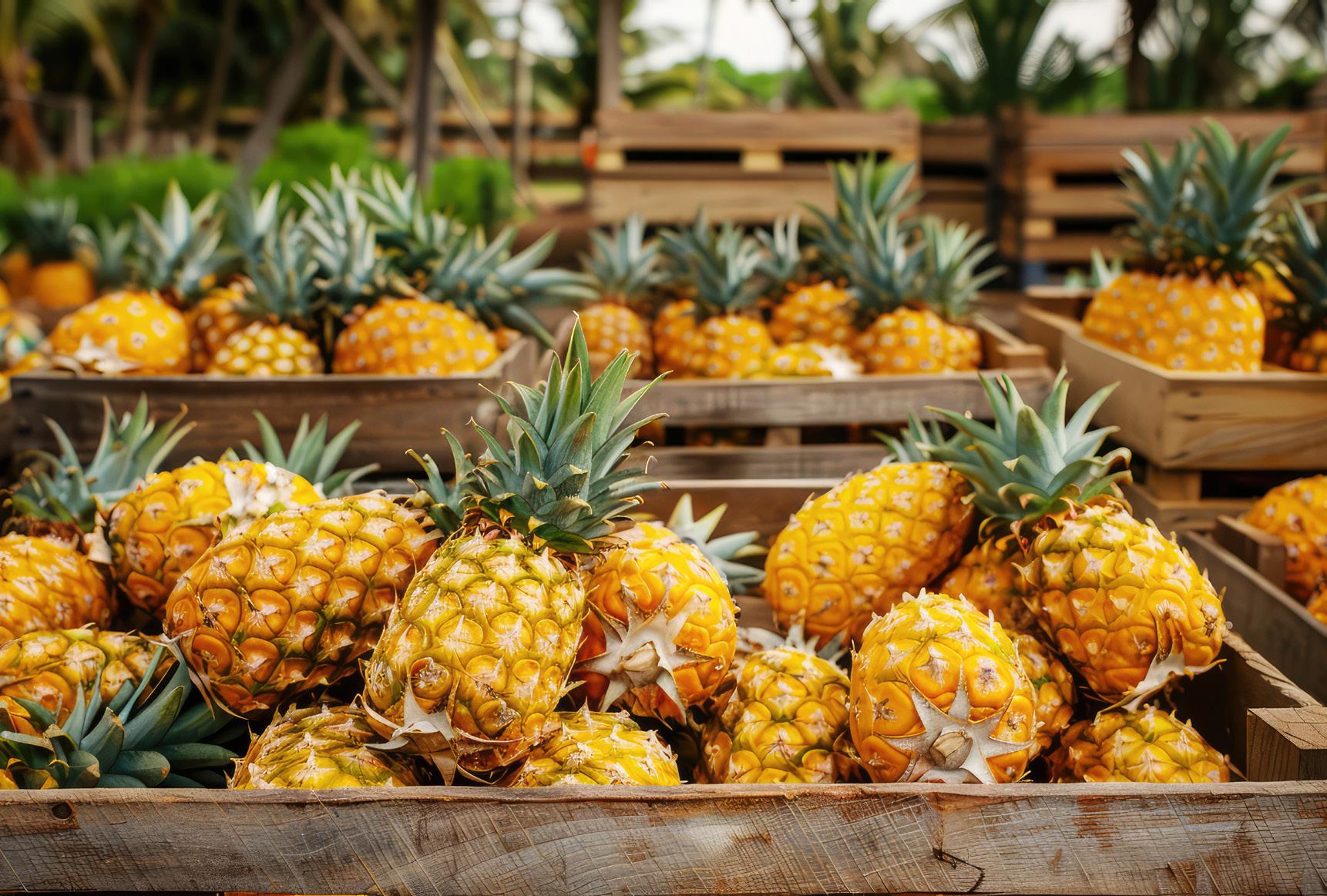
Growing fruits for the export market
By Sarah Masila
Since 1975, the Fresh Produce Exporters of Kenya (FPEAK) has been the focal and coordination point for horticultural exports fresh cut flowers, fruits, and vegetables. Patrice Ngenga - Technical, Standards & Compliance Officer spoke to Export Agenda Magazine writer Sarah Masila on their journey and gave a peak preview of the future of horticultural exports.
Is Kenya suited for fruit farming and how has your Association helped farmers to identify the best produce to grow on their farmlands?
Through partnership with the Kenya Agricultural and Livestock Research Organization (KALRO) and the Ministry of Agriculture and Livestock Development, we have mapped out different zones where diverse types of fruit trees can grow. This information is publicly available to all farmers.
2. How does a farmer prepare fruits for export?
In Kenya, we have phytosanitary standards set in place to guide fruit farming from farm to market. The farmer has quite a task to accomplish before exporting that fruit. Some of the tasks include site preparation, conducting soil testing, selection of clean fruit tree seedlings, proper spacing of the plants, irrigation through proper methods, tree pruning, use of Integrated Pest Management (IPM), practice proper harvesting techniques, while maintaining records of all activities on in the farm.
3. Are there innovative sustainable methods that enhance productivity with minimal environmental impact?
With the changing market dynamics, FPEAK has ensured that our growers are well attuned to any incoming market requirements. The requirements include application of techniques such as use of propagation materials which are resistant to pests and diseases, using irrigation methods that reduce the amount of water, conducting soil testing to know the type and quantities of fertilizers required, if any, integrating cultural, mechanical, and biological pest and disease control methods.
AQ4. What common shared challenges do commercial fruit tree farmers face in Kenya?
Lack of cold facilities adversely hurts exports round the year since most fruits are only available in specific seasons. Cold facilities could see Kenya create an export calendar that ensures round the year supply of fruits for internation markets.
In response to stringent market conditions that limit export access, we are actively promoting the application of Sanitary and Phytosanitary (SPS) Measures at every stage of plant growth, as outlined by fundamental food safety and animal and plant health standards. Infrastructure projects are ongoing, with close collaboration between county and national authorities to implement sector-specific interventions aimed at boosting production and minimizing post-harvest losses. However, high input costs continue to pose a significant challenge to increasing production.
Q5. As an association, how are you handling the challenges?
AAs FPEAK, we are encouraging our members to form producer groups that will help them gain bargaining power with buyers. It gives buyers an assurance that suppliers are well endowed to meet demand in terms of quantities. By working in producer groups it is easier for farmers to the access technical support they need. These groups also facilitate access to technical support, helping members meet Good Agricultural Practices (GAP) standards.
AQ6. What is Kenya’s contribution to horticultural farming both at national and county level?
Some interventions have been positive and of historic proportions. County governments have injected funds towards propagation of fruit tree seedlings that are sold to farmers at subsidized prices, employment of extension officers, sponsoring construction of aggregation centers and storage facilities are notable positive developments in this sector.
We have also witnessed implementation of policies which promote agricultural production, enhancement of research activities where the findings are disseminated to help farmers address arising challenges.
7. How do fruit farmers access export markets for their produce?
AExporters of fruits contract farmers who grow the fruits on their behalf. These contracts indicate prices which the fruits will be bought for and the roles and expectations of each party (farmers and buyers). The contract is then witnessed by Agriculture and Food Authority – Horticultural Crops Directorate (AFA-HCD). AFA-HCD plays an arbitrary role in case one party does not honor the contract.
AQ Q8. What are the challenges and opportunities in the distribution and marketing of commercial fruit crops?
Kenya faces challenges with limited aggregation centers and inadequate roads, which hinder transportation and lead to post-harvest losses. The road network is sometimes not the best, making it difficult to transport the fruits from the production areas to the market. On the roads, traders/ transporters are required to pay fees to each county they pass through as they take the fruits to the markets. Traders/transporters are also expected to queue at every weighbridge as they head to the market, hence delays and post-harvest losses come in.
“ With the changing market dynamics, FPEAK has ensured that our growers are well attuned to any incoming market requirements.
&
Value Addition and Processing
9. What are the opportunities for value addition or processing of fruit products in Kenya?
Though not common, there is dried fruit in the Kenyan market. However, many of the population still prefer to consume fresh fruit. A lot of marketing should be conducted to encourage Kenyans to promote consumption of dried fruit.
On the commercial aspect there are some companies in Kenya involving themselves in extracting oils from fruits to make other products.
While fresh fruit is most popular, there is a market for dried fruits. Promoting dried fruits and exploring products like fruit oils could help expand the industry and create demand.
10. What are the potential benefits of diversifying into processed fruit products?
Diversifying into processed fruits means you are not competing for the same market as most farmers/traders. This ensures that you maximize the profits while expanding your market share.
Sustainability Practices
11. How is horticulture conducted in a sustainable and environmentally way? Yes, there are various farming techniques which minimize environmental impact. These techniques using certified pest-resistant seeds, efficient irrigation methods, targeted fertilizer use based on soil testing, and combining cultural, mechanical, and biological pest control.
12. What are the certifications and practices that appeal to environmentally conscious consumers? Locally, there is KS 1758 – Horticulture Code of Practice part 2: Fruits and Vegetables. This is a standard which guides all stakeholders in the various value chains on the best practices to be undertaken under plant health, food safety, worker health, safety and welfare and environmental management.
Internationally, depending on the market you are serving, there are several standards you may be asked to adhere to. Some of these standards are GLOBALG.A.P., LEAF, Tesco Nurture, SMETA, Fairtrade, among others.
These standards usually promote sustainability in a bid to ensure producers and other stakeholders in the various value chains can be in production over a prolonged period
Discovering the Wild How Kenyans
are Exploring Forests for Fun and Recreation
By Mariam Maina I mmaina@brand.ke
We have all come across e-posters and social media posts inviting us for a fun day in the forest. From nature walks in Karura Forest to picnics, to runs, school trips, movie nights, family fun days, you name it. A trend is emerging or has been emerging when man wants to connect with nature. For me, when Covid-19 hit and we were all stuck in the house, a newfound joy in outdoor living arose- I appreciated being outdoors more.
Over the past few years, forests across Kenya have become more than just sites of biodiversity and conservation; they are now popular spots for fun, relaxation, and adventure. From hiking through ancient woodlands to birdwatching, camping, and ziplining, Kenyans are increasingly embracing forest-based activities to connect with nature, find wellness, and enjoy affordable outdoor adventures close to home.
Eco-tourism
Forests have gained attention for their role in eco-tourism which is an opportunity to generate revenue while conserving natural resources. Forest conservation stands at the intersection of environmental protection, economic development, and sustainable tourism—a crucial link for Kenya’s broader green economy vision.
Eco-tourism is a growing sector in Kenya, with forests like the Aberdare, Kakamega, and Mt. Kenya Forests attracting tourists for their unique flora, fauna, and serene landscapes. By conserving these forests, Kenya not only preserves its natural beauty but also ensures long-term revenue streams from eco-tourism. Protected forests draw tourists interested in birdwatching, hiking, and wildlife photography, while also supporting local communities through jobs in tour guiding, hospitality, and craft-making.
By promoting eco-friendly practices and educating people about the value of conservation, Kenya can build a reputation as a premier eco-tourism destination, differentiating itself in the competitive global tourism market.
Hiking and nature walks
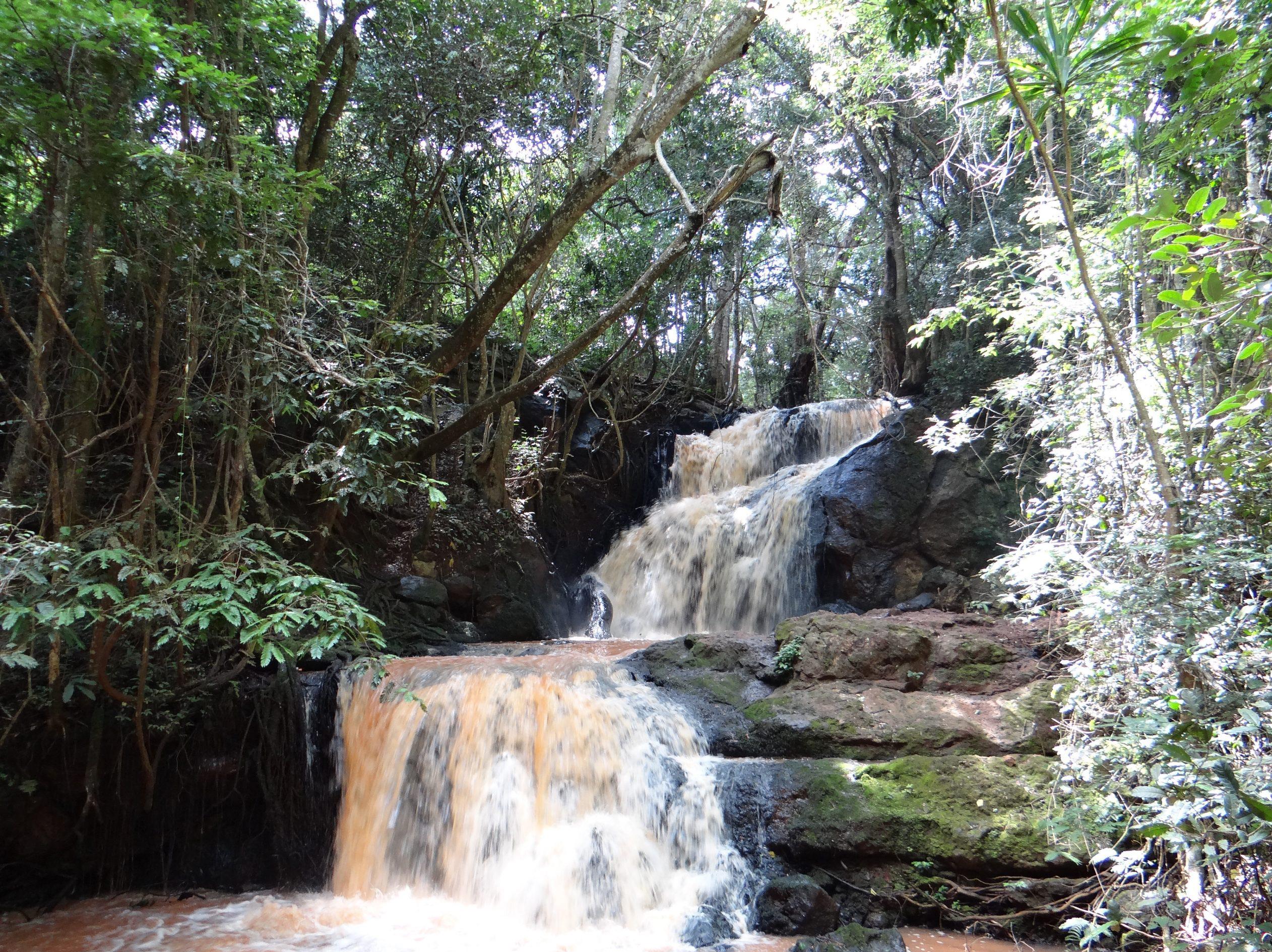
Forests such as Karura in Nairobi, Ngong Hills, and Aberdare in Central Kenya are increasingly popular with Kenyans looking for nearby hiking trails. Hiking through these forests offers stunning landscapes, fresh air, and a chance to escape life’s hustle. These treks range from beginner-friendly trails to challenging routes, appealing to everyone from casual walkers to seasoned adventurers. Karura Forest, for example, has well-maintained paths and waterfalls, allowing for short, peaceful walks, while Ngong Hills provides a more rugged experience for those seeking both a workout and breathtaking views of the Great Rift Valley.
Nature walks offer a slower-paced alternative to hiking, inviting participants to explore the biodiversity of forests. Many guided walks offer insights into native flora, fauna, and conservation efforts, blending recreation with education.
Birdwatching: finding tranquility in nature
Kenya’s forests are home to hundreds of bird species, making them an ideal spot for birdwatching enthusiasts. Forests like Kakamega,Kenya’s only tropical rainforest, offer sightings of rare birds such as the Great Blue Turaco, the Turner’s Eremomela, and the Blue-headed Bee-eater. Birdwatching has grown in popularity among Kenyans who enjoy the peaceful experience and the thrill of spotting rare species in their natural habitat.
Birdwatching groups, guided tours, and special events are also helping to build a community of local birdwatchers, who not only enjoy the hobby but also promote bird conservation. With affordable entry fees, birdwatching is a cost-effective way for individuals and families to immerse themselves in Kenya’s diverse ecosystems.
Camping: A night under the stars
Camping in Kenyan forests allows outdoor enthusiasts to experience the natural beauty of forests day and night. Spots like Aberdare Forest, Mt. Kenya Forest, and Hell’s Gate National Park offer designated camping areas with facilities that make the experience both adventurous and safe. Campers can enjoy stargazing, storytelling around a bonfire, and nocturnal sounds from nearby wildlife. Camping trips often include guided forest walks, hikes, and other recreational activities, making it an ideal option for families, couples, and groups of friends.
In recent years, camping gear rentals and organized camping trips have made it easier for Kenyans to take up camping without significant upfront costs. With more Kenyans embracing camping, the activity has become a perfect weekend getaway, connecting people with nature and helping to build lasting memories.
Zip-lining and adventure sports
Zip-lining, canopy walks, and rope courses are some of the more adventurous activities available in forests around Kenya. Kereita Forest in Kiambu County has become especially famous for its zip-lining experience, the longest in East Africa. Here, thrill-seekers can glide above tree canopies, taking in scenic views of lush greenery and waterfalls while enjoying an adrenaline rush.
Kereita and other forests offering these activities have brought a new dimension to outdoor recreation, attracting younger crowds and families looking for something different. These adventure activities are often paired with other amenities like archery, paintball, and biking trails, providing an all-around adventure experience.
Nature as a playgroundfamily
Forests like Karura and Oloolua offer picnic spots where families and friends can relax, share a meal, and enjoy a day in nature without needing extensive planning or expensive equipment. For many, these outings are a refreshing break from malls and urban parks. In Karura, picnic tables, playgrounds, and wide grassy areas provide safe and accessible spaces for kids to play and for families to reconnect in a natural setting.
Picnics in the forest encourage visitors to appreciate Kenya’s natural heritage and teach younger generations about the value of conservation. Many picnic areas in popular forests also have environmental education centers where families can learn about Kenya’s flora, fauna, and ongoing conservation efforts.
Why forestbased recreation is growing in Kenya
Several factors are contributing to the rise of forest-based recreation among Kenyans:
Health and wellness awareness:
The pandemic highlighted the need for open spaces and activities that improve physical and mental well-being. Forests provide a natural, refreshing environment that promotes relaxation and mindfulness.
Affordability and accessibility:
Forests are often more affordable to visit than other recreational venues, and the rise of organized tours has made it easier to access these natural sites.
Environmental awareness:
Growing interest in conservation and eco-tourism has motivated more Kenyans to support forest preservation. Forest visits help raise awareness about conservation efforts and showcase the importance of sustainable tourism.
Social media influence:
Social media platforms have played a major role in promoting Kenya’s forest destinations. Platforms like Instagram and Facebook allow visitors to share stunning visuals of forest landscapes and activities, inspiring others to explore Kenya’s natural beauty.
The future of forest-based tourism in Kenya
The rising popularity of forest-based activities shows the potential of Kenya’s forests as sites of both ecological importance and recreational value. With more Kenyans taking an interest in eco-tourism, forest conservation efforts are likely to gain increased support, helping to protect these vital ecosystems. The Kenyan government and private sector have recognized this potential, with investments in trails, campsites, and other facilities to enhance the forest experience for visitors.
As Kenya continues to promote sustainable tourism and conservation, the country’s forests will play a key role in connecting people to nature, providing enjoyable, educational, and affordable activities that are not only good for individual well-being but also for the environment. By embracing forest-based activities, Kenyans are building a deeper connection to their natural heritage, ensuring that forests remain places of joy, relaxation, and ecological significance for generations to come.
Tackling Climate Change,
A Click at a Time!
‘Smart solutions to power national afforestation campaigns’
By James KARIUKI
Jaza Miti
Kenya’s quest for greener spaces has received a major boost with public and private sector playing a greater role through technology to ensure the right seedlings are deployed to specific regions. Technology makes every smartphone a ‘home’ of solutions to many challenges that Kenyans face while naturing tree seedlings.
One of the efficient solutions is Jaza Miti App, a software mobile application launched by President William Ruto that will be used to guide and monitor the ongoing 15 billion-tree seedlings afforestation initiative by March 2030.
The Jaza Miti App developed by Kenya Forestry Research Institute (KEFRI), provides local research findings to individuals, corporate and public entities planning to plant distinct species of tree seedlings within regions they have been identified to do well.
Developed by Kenya Forestry Research Institute KEFRI
Help teams planning to plant tree seedling sources for the best results
Provides local research findings to individuals, corporate and public entities planning to plant distinct species of tree seedlings within regions they have been identified to do well.
Users can document, track, and monitor the growth of documented trees over time.
Contributs to sustainable reforestation efforts
KEFRI’s National Forest Products Research Programme director Nellie Mugure Oduor says that Jaza Miti App will also help teams planning to plant tree seedling sources for the best results. Ms Oduor said their research centres, KEFRI, had for years conducted scientific research on different tree species with a view of identifying the ones found to do well in their specific localities for propagation.
“The goal of tree breeding is the development of highly yielding varieties of priority tree species for industrial plantation programmes, stress resistant varieties for marginal sites, improved nitrogen fixing trees for agroforestry systems and improved varieties for fuel wood or bioenergy production, “she says.
The mobile app (Jaza Miti) opens KEFRI’s tree breeding, forest pathology, forest entomology and catchment hydrology national data collected since 1948 when it was established as the then East Africa Agricultural and Forestry Organization (EAAFRO) based in Muguga.
Ms Oduor says using tech-based scientific data will also improve yields for commercial tree growers while giving them a real-time platform to monitor the progress of their plantations.
Jaza Miti App
Upon its launch, Jaza Miti registered 150m trees planted across Kenya during the first national tree planting holiday in November 2023 that brought together government, public sector, and individuals to work together towards improving Kenya’s forest cover.
AZ Forest Programme
Through its AZ Forest Programme, global drugmaker AstraZeneca has partnered with AI-driven regenerative investment platform, Earth bank and the Green Planet Initiative 2050 Foundation (GPI2050) to grow 6 million tree seedlings across Western Kenya.
The AZ Forest Programme launched on 5 December 2023, by Juliette White, Vice President of Global Sustainability at AstraZeneca target is to span six counties in the western part of the country, covering 3,500 hectares adjacent to the Rift Valley. Using advanced AI deep learning model, AZ Programme will analyse drone footage and satellite imagery to monitor tree growth, health, and carbon sequestration levels.
Tree-Nation
Global reforestation platform Tree-Nation has also launched its tech platform that will help Kenyans identify up to 300 tree species known to perform well within different ecological zones in Kenya.
The project that will involve more than 5,000 local farmers and community members is targeting to plant indigenous and productive tree species that enhance soil fertility and local crop yields thereby fostering a circular bioeconomy.
Tree-Nation opens an active platform that global corporations can use to affirm their practical commitment to tree planting where they link tree planting with their performance, sales, or service targets, as part of marketing or sustainability initiatives.
Technology and Science
The Smart campaigns aims at restoring the regulation of freshwater flows, combat climate change, and protect forest habitats, while improving food security for local populations.
Ms Oduor adds that through Jaza Miti App Kenyans can identify tree seedlings that do well in their areas with KEFRI helping private tree nursery operators to propagate tree clones that do well within specific regions such as wood, fruit, and herbal tea tree seedlings.
A peek preview of the app shows that users can document, track, and monitor the growth of documented trees over time. Individuals, organisations, and ecoconscious enthusiasts who are dedicated to planting the right trees can document and track their planting activities thereby contributing to sustainable reforestation efforts.
With technology and science joining the greening fray, Kenya could soon take its climate change war online where everyone can show proof of trees planted and follow ups made to ensure the tree seedlings are progressing well.
The verifiable proof is also to be followed by the introduction of Certificate of Green Conduct honouring individuals, corporates as heroes and heroines who have planted more than 300 trees within the ten-year period on public and private forests. The Certificate of Green Conduct is also to become a value of credentials required when applying for public jobs in the nation.
150
Million trees
Jaza Miti registered across Kenya during the first national tree planting holiday
How forestry exports are fueling other industries in Kenya
By Gertrude Mirobi I gmirobi@brand.ke
Kenya’s forestry sector plays a pivotal role in driving economic growth and development, not only through the direct export of timber and forest products but also by creating a ripple effect that benefits other industries such as construction, transportation, and manufacturing. This interconnectedness underscores the importance of sustainable forestry practices and cross-sector collaboration to drive long-term economic growth.
Construction industry
The construction industry is one of the primary beneficiaries of Kenya’s forestry exports. Timber is a crucial material for building homes, commercial properties, and infrastructure projects. As the demand for housing and urban development continues to rise, so does the need for timber, making the construction industry heavily dependent on the forestry sector.
However, this dependency presents challenges as well. Unsustainable logging practices can lead to deforestation, which not only depletes the available supply of timber but also raises environmental concerns. To mitigate these risks, there is a growing emphasis on sustainable forestry management. Construction companies are increasingly seeking certified timber that meets environmental standards. This shift creates opportunities for forestry companies that prioritize sustainability, allowing them to command higher prices and secure longterm contracts with construction firms committed to green building practices.
Transportation industry
The transportation sector is another industry closely linked to forestry exports. The movement of timber from forests to processing plants and then to markets, both domestic and international, requires a robust transportation infrastructure. This includes road networks, railways, and ports, all of which are critical to the efficiency of forestry exports.
The reliance on transportation creates both opportunities and challenges. On one hand, the demand for timber transport services supports job creation and infrastructure development. On the other hand, the transportation sector must contend with logistical challenges, such as road conditions, fuel costs, and regulatory requirements. Additionally, the environmental impact of transporting large quantities of timber, particularly in terms of carbon emissions, is a significant concern. Companies in both the forestry and transportation sectors are exploring ways to reduce their carbon footprint, such as optimizing logistics routes and investing in fuel-efficient vehicles.
Manufacturing industry
The manufacturing industry in Kenya benefits significantly from forestry exports, particularly through the production of value-added products such as furniture, paper, and building materials. By processing raw timber into finished goods, manufacturers can increase the economic value of forestry products and create jobs in the process.
However, the forestry-manufacturing relationship faces its share of challenges. The fluctuating availability of raw materials due to deforestation or export restrictions can disrupt production schedules and increase costs. Additionally, manufacturers must navigate the complexities of international trade regulations and competition from other countries with more advanced manufacturing capabilities.
Economic dependencies and cross-sector collaborations
The economic dependencies between the forestry sector and other industries in Kenya underscore the importance of a coordinated approach to policy and business strategy. The success of one industry often hinges on the health and sustainability of another, making collaboration across sectors crucial.
For instance, government policies that promote sustainable forestry practices can create a positive ripple effect, benefiting the construction, transportation, and manufacturing industries. By incentivizing sustainable practices, the government can help ensure a stable supply of timber, reduce environmental impact, and enhance the global competitiveness of Kenyan products.
Moreover, cross-sector collaborations can lead to innovative solutions that address shared challenges. For example, joint initiatives to develop eco-friendly transportation options or invest in reforestation projects can benefit multiple industries simultaneously, creating a more resilient and sustainable economy.
https://www.quinnpeaksfurniture.com/
UQuinn Peaks Furniture Limited Carving a Niche in Quality Handmade Furniture
By Molly Wambui I mwambui@brand.ke
pon entering Quinn Peaks Furniture, visitors are met with the sight of artisans skilfully applying the final touches to handcrafted wooden pieces. Established in 2003, Quinn Peaks has built a reputation for producing unique, high-quality furniture for homes, offices, and luxury hotels across East Africa.
Carlos, the founder, walks us through his bustling workshop, showcasing ongoing projects. Each piece reflects the creativity and superior craftsmanship that define the brand. Some of the furniture is destined for an exclusive tented camp in the Mara Triangle, a testament to Quinn Peaks’ growing clientele. Despite the challenges posed by the COVID-19 pandemic, Carlos considers himself fortunate to have sustained operations during that period.
He highlights the global appeal of Kenyan-made wooden furniture, noting that it stands out for its meticulous workmanship when compared to products from other countries like India. However, he acknowledges that consistent marketing remains a missing piece—an area in which international competitors have excelled.
With a dedicated team of 28 artisans, Quinn Peaks produces hardwood furniture that has reached clients worldwide. The business enjoys strong local support, with 80% of its customers being Kenyan. Looking ahead, Carlos and his team are eager to expand their footprint in international markets, targeting exports to France, the United States, and the United Kingdom.
80% of its customers are Kenyans
Quinn Peaks produces hardwood furniture that has reached clients worldwide
The majority of the wood used in the workshop is sourced from the Democratic Republic of Congo, where hardwood is abundant. Locally, eucalyptus wood has the potential to produce quality furniture, but its hardness often necessitates specialized machinery—an investment that remains a challenge for many manufacturers.
As mechanization becomes more prevalent in furniture production, finding skilled craftsmen for handcrafted pieces is increasingly difficult. At Quinn Peaks, employees are treated like family, and some have even introduced their children to the trade, ensuring that traditional woodworking skills are passed down to the next generation.
In terms of industry support, Carlos hopes for government assistance in acquiring advanced machinery to facilitate expansion. Additionally, he emphasizes the need for streamlined export certification processes, which currently pose significant hurdles for manufacturers. He also advocates for greater government involvement in promoting Kenyan-made goods through trade exhibitions and missions. Incentives, such as facilitating the attendance of international buyers at these events, could significantly boost the industry’s growth.
Reflecting on his 21 years in the furniture business, Carlos offers valuable advice to aspiring entrepreneurs. He underscores the importance of patience in honing one’s craft and building a loyal customer base. Nurturing good relationships with employees is crucial, as human capital is the backbone of any enterprise. Lastly, he reminds fellow entrepreneurs that setbacks are inevitable but should always be viewed as learning opportunities.
https://www.quinnpeaksfurniture.com/
Kenya’s journey
Towards a green legacy
By Hilda Rutere
The start of every rainy season witnesses a flurry of tree planting activities across the country on both public forests and private farms that are geared towards restoration of forest cover.
The activities aim at enhancing incomes leading to farmers investing millions of shillings in growing avocados, macadamia, coffee, tea, coconut, cashew nuts among other fruit producing trees both for local sale and for export.
The development rides on ongoing conversation on the threat of climate change blamed for catastrophic incidents where villages have been destroyed by raging floods leading to loss of lives and destruction of crops in parts of Nyanza and Coast regions while Northern Kenya has witnessed severe drought that has wiped off hundreds of heads of livestock.
Under the ‘Adopt a Forest Framework’ by Kenya Forest Service (KFS), Kenyan companies and public entities have embarked on forest restoration campaigns where indigenous and exotic tree seedlings are replanted on depleted forest sections as well as within institutional parcels of land.
The strategy has redefined greening campaigns as the participating teams re-evaluate work done over a period enabling them to create effective tree planting plans to guide future replanting exercises.
Kaptagat Forest Annual Tree Planting event, now in its 8th year which started as a national exercise has since gone international, thanks to the annual marathon held in parallel with the tree planting event where sponsors contributed funds for buying seedlings and catering for other contingencies to facilitate tree planting exercises in Kessup, Sabor, Kaptagat, Pennon and Kipkabus forest blocks that make up Kaptagat forest.
Last year, Kenya Reinsurance Corporation (Kenya Re) urged for active inclusion of local communities in forest conservation efforts by donating 100,000 avocado seedlings among forest edge communities in Kaptagat to empower them economically and boost community efforts in forest conservation.
15 billion + Trees Initiative
Mr. Sammy Muthui, CEO of Minet Kenya expressed Minet Broker’s commitment to the fight against climate change saying, “ As a responsible corporate citizen, Minet recognises that our success is intertwined with the well-being of the planet and the communities we serve. We understand that profit and purpose are not mutually exclusive; rather, they are intertwined in a delicate dance where one cannot thrive without the other. By planting trees, we are not only offsetting our carbon footprint but also investing in a sustainable future for generations to come.”
Through its Environmental Soldier Program, Kenya Defence Forces has also joined the fray with the adoption of Dundori forest where they have been actively planting cypress, moringa and podo tree seedlings in partnership with local community members.
To actualise the national tree planting initiative, NCBA Bank has sponsored establishment of a 1 million tree seedlings nursery at Karura forest thereby ensuring Kenya has adequate tree seedlings for replanting during national, county and for personal tree planting events. The NCBAKenya Forest Service partnership launched in 2020, has since seen 7 million tree seedlings planted across Kenya including over 80,000 trees directly planted by NCBA staff.
To affirm the government’s goodwill, President William Ruto spearheaded the launch of the 15 billion National Tree Planting Campaign on 13th November last year. The event that saw 150 million tree seedlings planted not only to promotes tree seedlings’ planting but also to create an appetite for tree nursery establishment in private and public land.
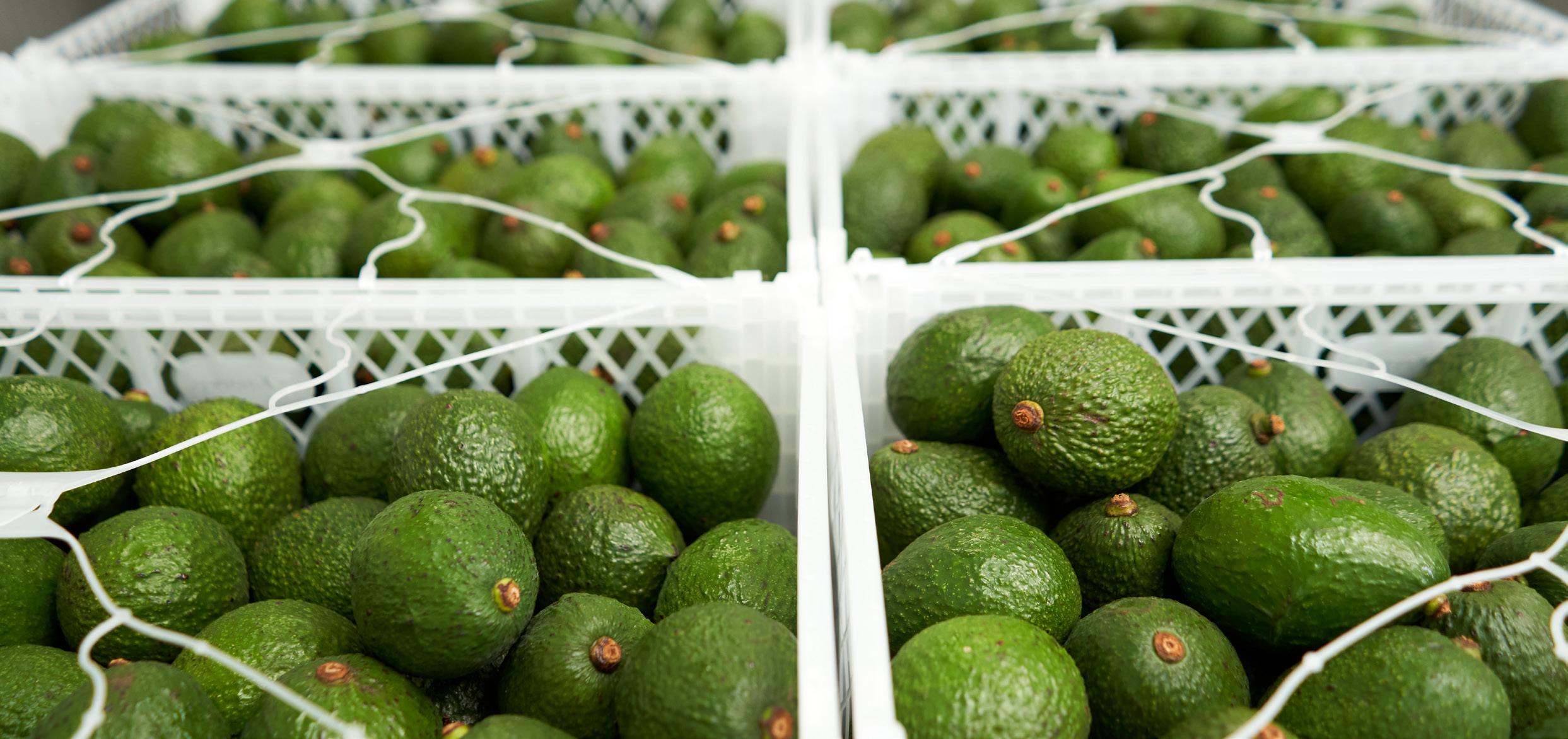
Kenya is Africa’s second largest exporter of avocados, and the future looks bright with increased county and national government investments in fruit seedlings propagation initiatives where farmers receive the seedlings at subsidised prices.
The 15 billion Trees Campaign that brings together schoolchildren, college and university students, local communities, civil servants, and private sector players aim at creating a perpetual nationwide movement for environmental conservation.
Kenya’s commitment extends beyond national boundaries. In the realm of international collaboration, the nation actively engages with global partners and international organisations. These collaborations enrich Kenya’s initiatives with shared knowledge and resources, positioning the country as a vital contributor to global efforts in mitigating climate change. Twenty ministries, departments, government agencies and private sector entities have embraced the Kenya Forest Service ‘Adopt a Forest Framework’ which aims at boosting forest cover.
Under the Kenya Forest Service ‘Adopt a Forest Framework,’ entities adopting forest blocks replant tend to the seedlings for up to three years before they are allocated new forest blocks that have depleted due to several reasons.
Kenya is Africa’s second largest exporter of avocados, and the future looks bright with increased county and national government investments in fruit seedlings propagation
How traditional craftsmanship fuels Kenya’ s forestry exports
By Gertrude Mirobi I gmirobi@brand.ke
Kenya’s strong cultural background is closely linked to its natural resources, and this connection is very clear in the forestry export business. For a long time, traditional skills and local knowledge have been important in developing Kenya’s forest-related industries, from making handmade items to managing forest resources in a sustainable way. As the world market increasingly appreciates special, culturally important products, Kenya’s forestry exports are gaining from this mix of tradition and new ideas.
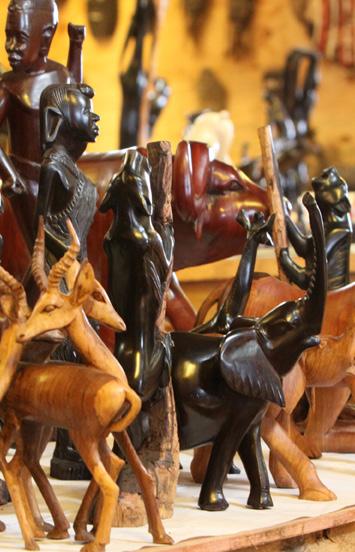
Traditional skills in Kenya show a strong respect for nature and a deep knowledge of local materials. Artisans all over the country use methods taught by their ancestors to make high-quality wooden products like carvings, furniture, and musical instruments. These products, often carrying cultural meanings, are very popular in international markets for their genuine quality and craftsmanship.
Indigenous knowledge also plays a vital role in sustainable forest management. Kenyan communities have long practiced agroforestry and other forms of sustainable land use, ensuring that forests are not depleted, and that biodiversity is preserved. This knowledge is increasingly recognized as essential in the global push towards sustainability, and products made using these methods are gaining traction in markets that prioritize environmental responsibility.
While traditional craftsmanship is essential, it is equally important to embrace innovation and adapt to changing market demands. By blending traditional techniques with modern design and technology, Kenyan artisans can improve the quality and functionality of their creations while keeping their cultural roots intact.
As international buyers become more discerning, there is an increasing demand for products that tell a story—products that are not just items, but representations of cultural heritage. This trend has opened new opportunities for Kenya’s forestry export sector. Traditional items, which were once primarily for local use or as tourist keepsakes, are now being sold in premium markets overseas, where they are prized for their distinctiveness and cultural importance.
While the integration of cultural heritage and modern craftsmanship can provide a competitive advantage, it also presents challenges. Some of
The key challenges include:
Preserving traditional skills: Ensuring that traditional craftsmanship is passed down to future generations.
Balancing tradition and innovation:
Finding the right balance between preserving cultural heritage and adapting to modern market trends.
Intellectual property protection: Protecting traditional designs and preventing cultural appropriation.
Despite these challenges, the potential for growth and success in the global market is significant. By leveraging its rich cultural heritage and embracing innovation, Kenya can position itself as a leading exporter of high-quality, sustainable forestry products while ensuring that Kenya’s cultural heritage continues to thrive on the world stage.
What are protected trees
Protected trees are certain tree species legally shielded from being cut down or damaged. In Kenya, these trees are vital for environmental conservation and biodiversity preservation. They contribute to the ecological, safeguard endangered species’ habitats, and support the long-term health of forests and ecosystem. The trees are legally protected by local, state, or national regulations due to historical or cultural significance. Damaging or removing a protected tree without proper authorizations can result in legal penalties, including fines or even imprisonment in severe cases.
In Kenya, there are laws and regulations that safeguard trees, ensuring the conservation of the environment. The Forest Conservation and Management Act of 2016 and the Environmental Management and Coordination Act (EMCA) are crucial legislations that focus on protecting forests and endangered trees species, promoting sustainable natural resource management. These laws help ensure the preservation of trees and support environmental sustainability in Kenya.
Protected trees
By Janet Opiyo
Reasons for Protection
Heritage trees:
Trees with historical or cultural importance are protected from being damaged due to their historical significance. These trees are often notable for their age, size or connections to significant events or people. Many cultures have deep connections to trees like the Agikuyu culture refers to Mugumo tree as sacred. Urban trees: Trees in cities that contribute to green spaces, provide benefits such as shade, air purification or wildlife habitat. Moreover, they also enhance the visual appeal of an area, contributing to its aesthetic value.
Community value:
Trees can be loved by residents and contribute to a community’s sense of space.
Ecological Importance:
Many trees are essential for maintaining delicate ecosystems. They support wildlife, prevent soil erosion, and purify air and water.
Trees in protected areas:
These are trees in designated reserves, parks, or conservation zones.
Legal Measurers for protected trees
The specific laws and regulations governing protected trees vary depending on the region. Common measures include:
Examples of Protected Trees in Kenya
African Cherry (Prunus africana)
African Cherry tree, also known as Mugumo tree is a protected tree in Kenya. It holds immense cultural and spiritual significance for Kikuyu people. The Agikuyu community believes that the Mugumo tree is a dwelling place of ancestors, source of guidance and blessings and symbol of resistance. It is more than just a plant; it is reverend symbol of their heritage. The Mugumo tree has inspired countless songs, rituals, and stories within Kikuyu culture.
It is highly valued for its medicinal properties and crucial for biodiversity. The bark of Mugumo tree is used in traditional medicine and is also important for sustaining the ecosystem.
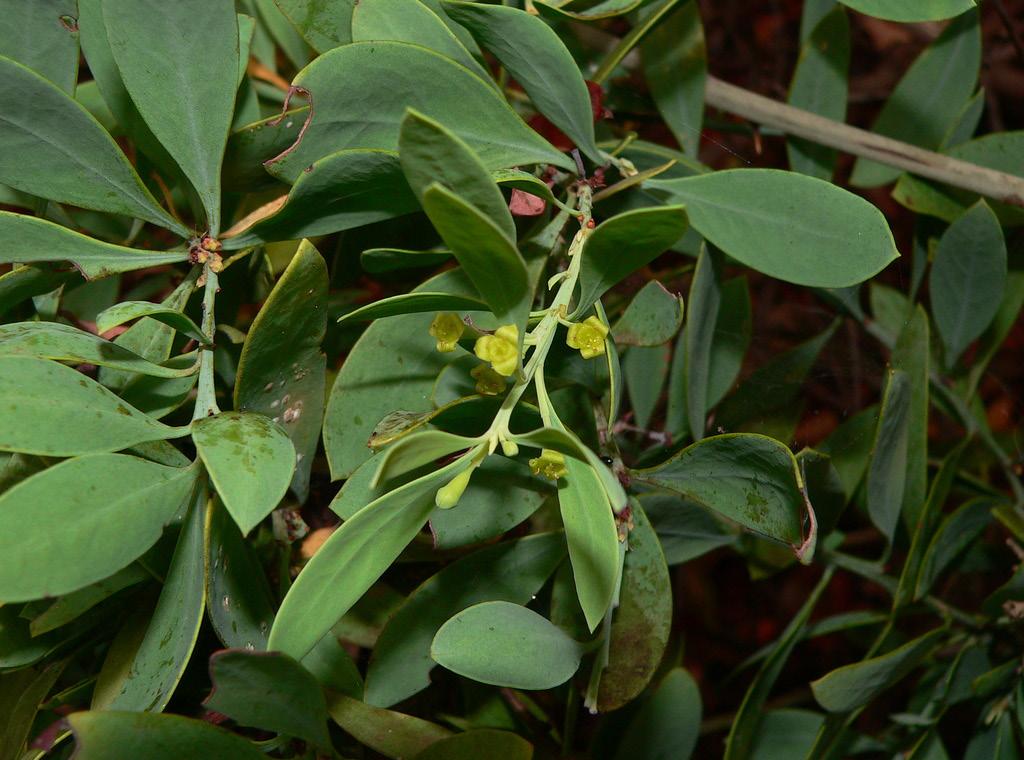
Sandalwood (Osyris lanceota)
The Sandalwood tree, also known as Fragnant tree, is a protected tree in Kenya. It is a precious wood obtained from trees in the Santalum genus. Renowned for its distinct, warm, and woody aroma and treasured for centuries across cultures. It plays a vital in biodiversity conservation and suistainable natural resource management in Kenya.
Due to overharvesting and slow growth, many sandalwood species are endangered hence sustainable sourcing and cultivation practices are essential to protect this precious resource.
Tree Preservation Orders (TPOs):
These prohibit the damaging of specific trees without prior permission from the local authorities.
Protected Species list:
Certain tree species are legally protected, making it illegal to damage them.
Zonic regulations:
Local zoning laws may protect trees in specific areas.
Mvule Tree (Milicia excelsa)
Mvule, also known as the African teak or Iroko tree, is a magnificent African hardwood tree renowned for its strength, durability, and beautiful appearance. It is indeed an essential protected tree in Kenya.
It plays a significant ecological role, providing habitat and food for various wildlife species. They are also culturally important in many African communities. The conservation of the Mvule tree is crucial for maintaining biodiversity and supporting sustainable forestry practices in Kenya.
Ebony Tree (Diospyros mespiliformis)
This is another significant protected tree in Kenya. They are valued for dark, dense wood, which is used in high-end furniture and musical instruments. Its conservation is crucial for preserving biodiversity and sustainable forestry practices in Kenya.
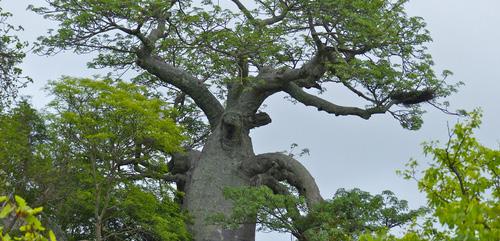
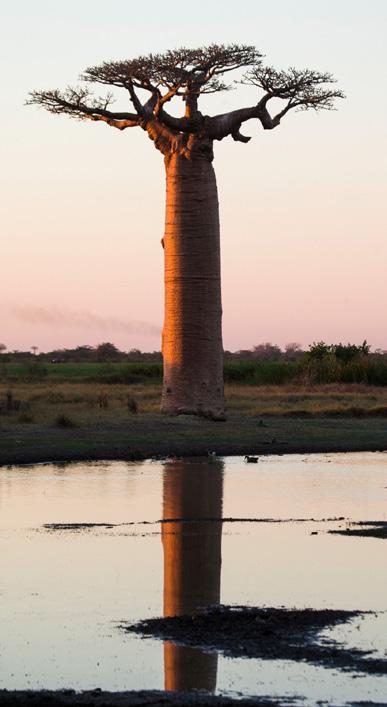
Baobab Tree (Adansonia digitata)
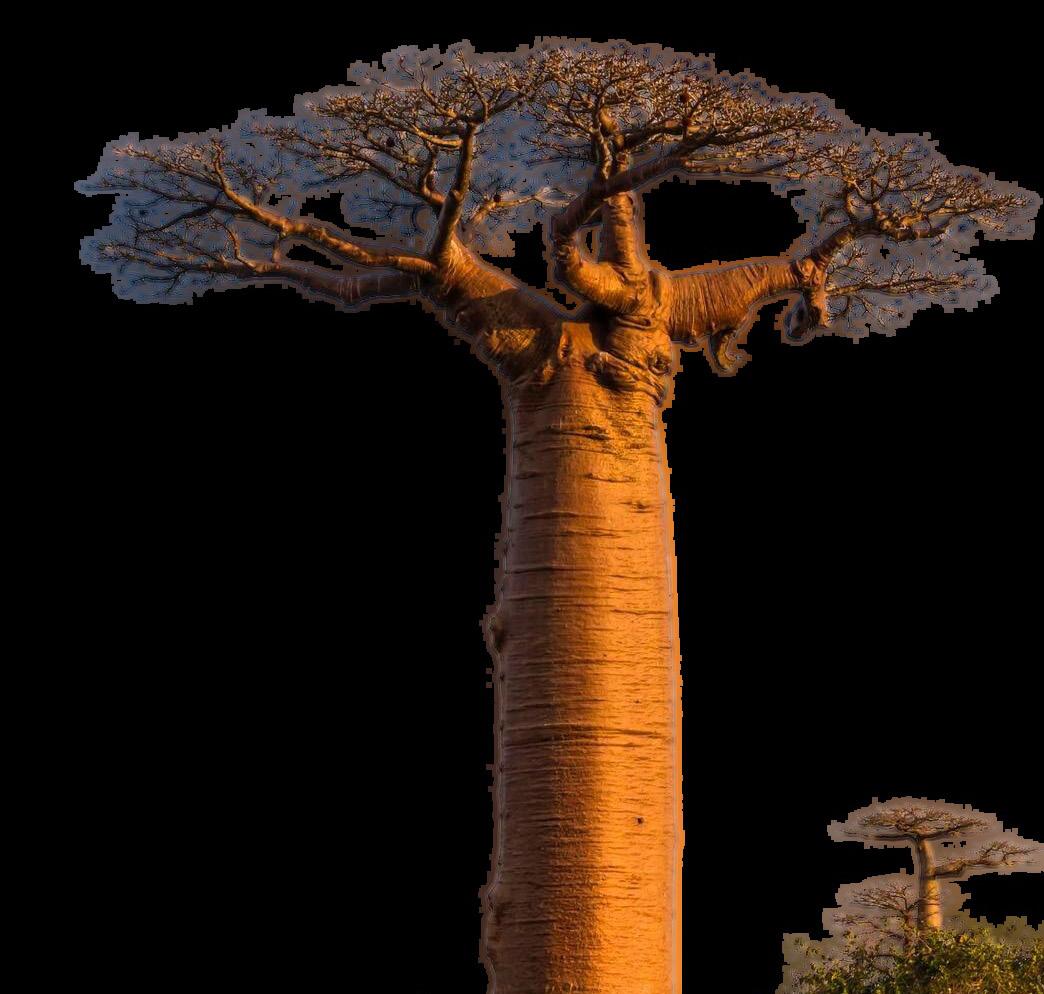
Baobab is a unique and iconic tree known for its distinctive, swollen trunk and longevity hence can live for thousands of years. They are culturally and economically important. While it is not specifically mentioned as protected tree in Kenya, it plays a vital role in the ecosystem, providing food, shelter and medicinal.
Inconclusion,
protected trees such as African Cherry tree, Sandalwood, Mvule and Ebony tree are crucial for safeguarding biodiversity and promoting sustainable forestry practices in Kenya. Preserving them is of utmost importance for the environment and sustainability of forestry in Kenya.
A journey of trees, trails and transformation
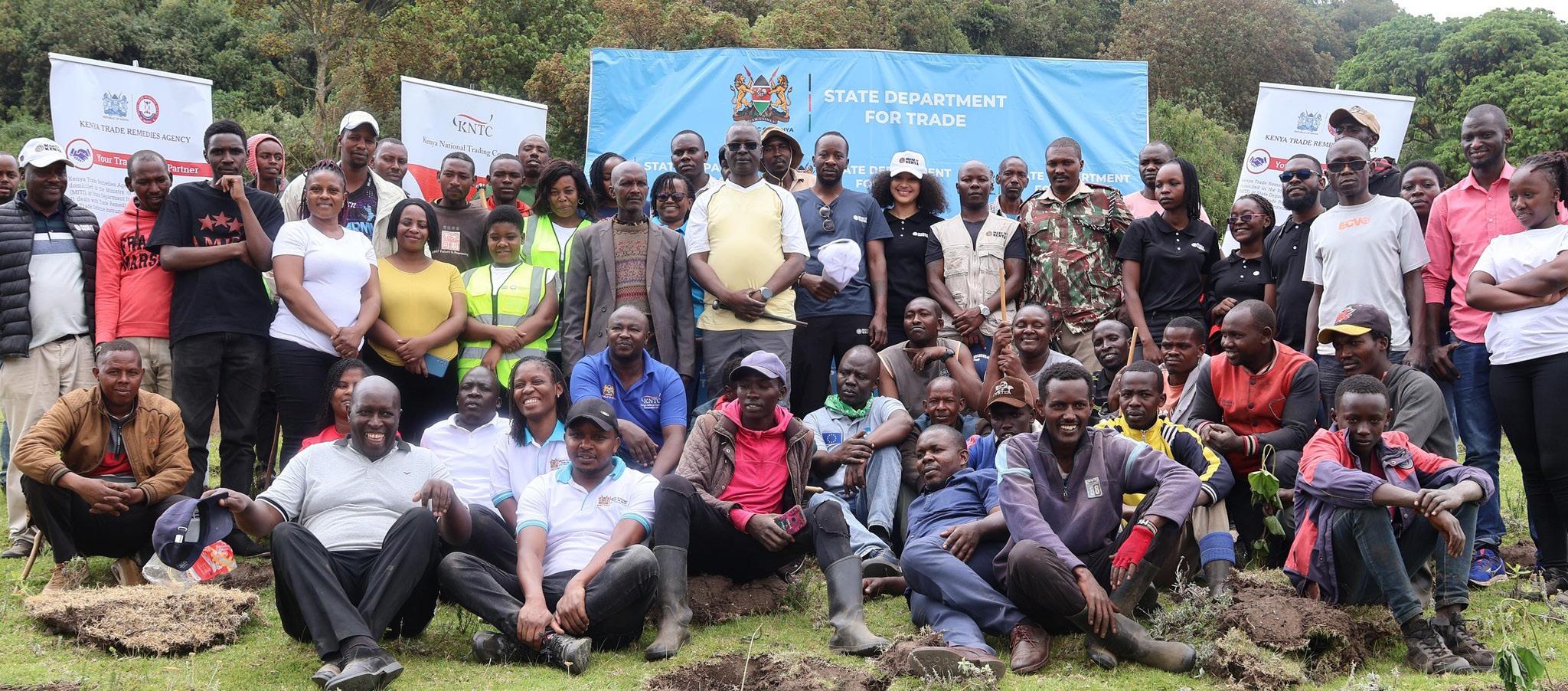
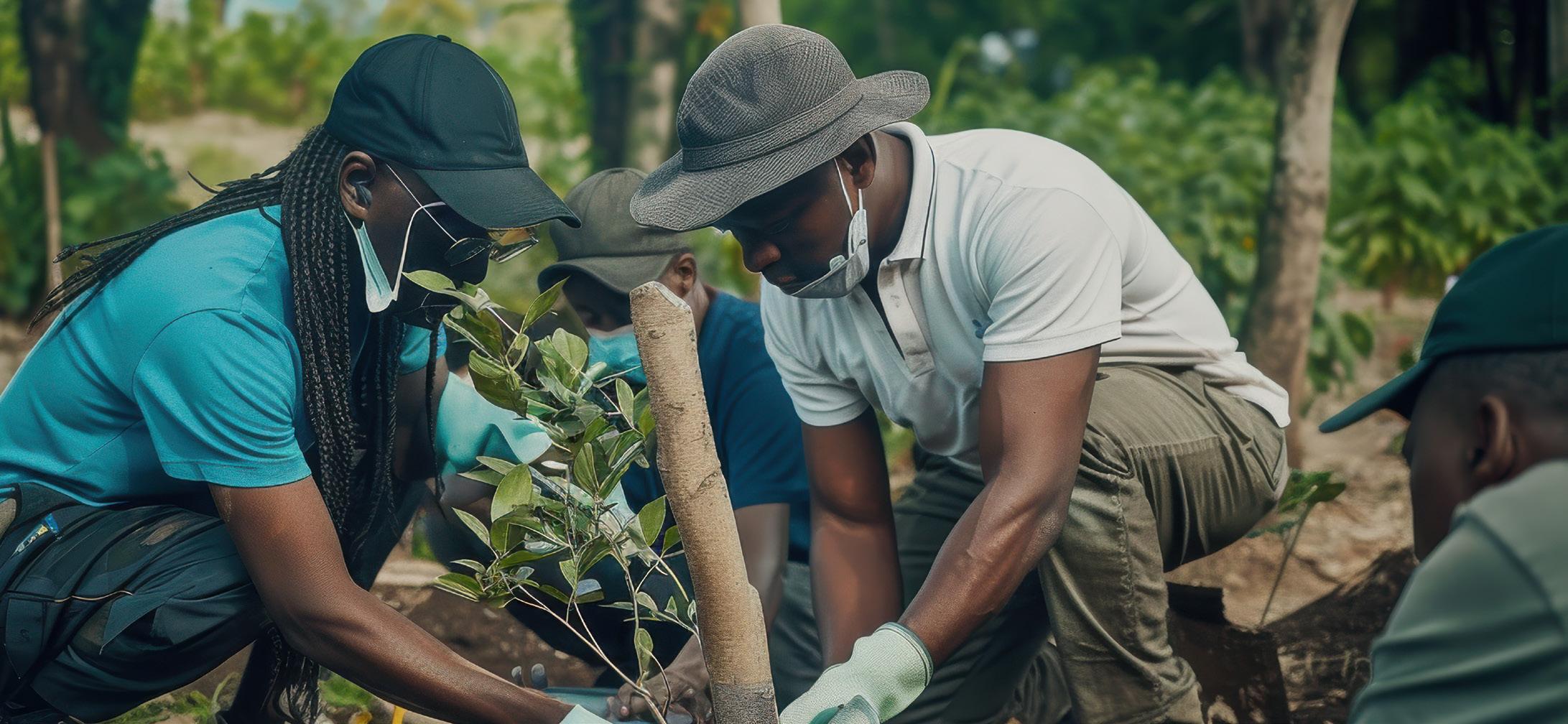
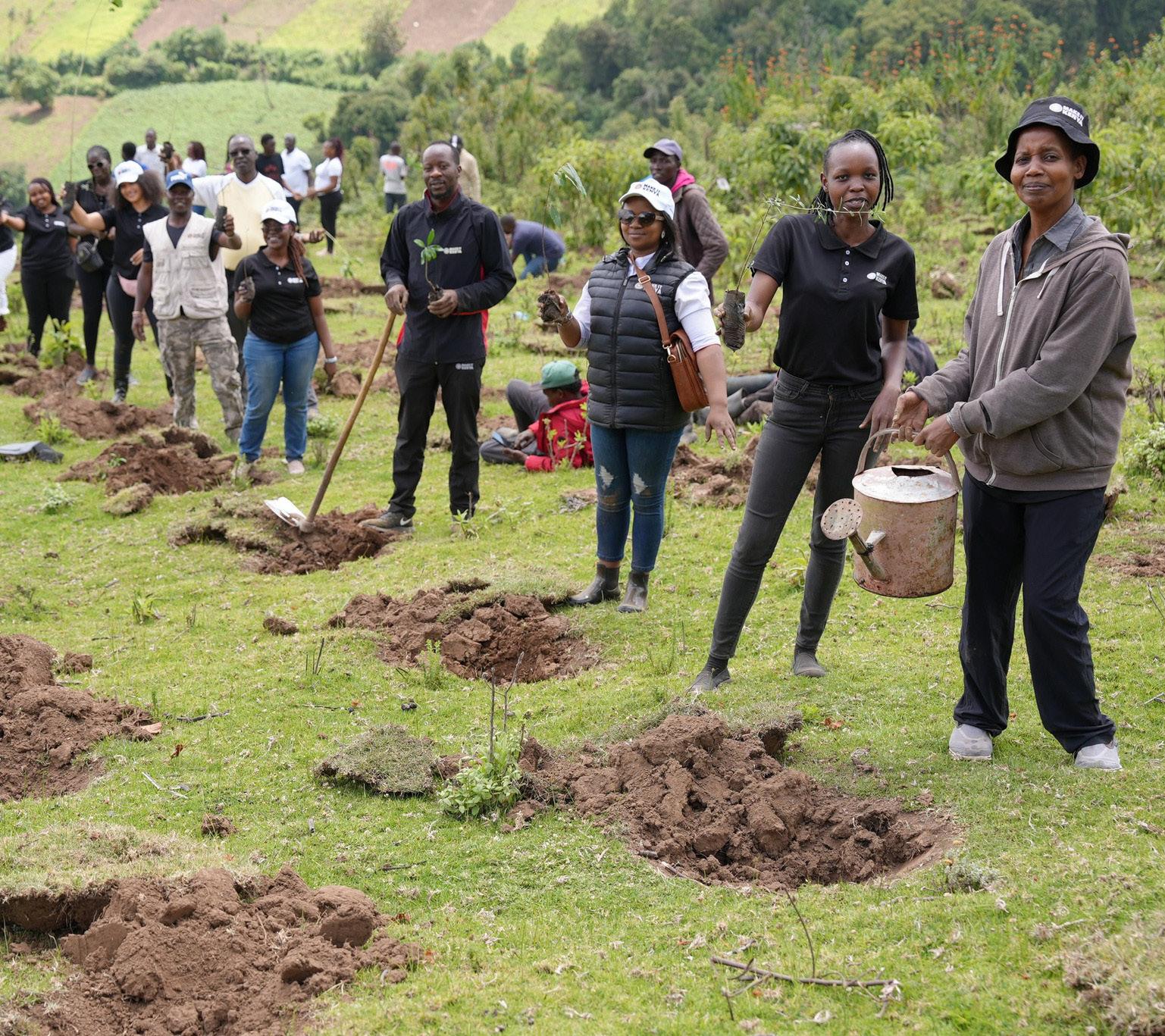
We set out from Nairobi in the cool morning light. We boarded our vans with a sense of purpose and the quiet excitement that comes from sharing a mission. Our destination was Enoosupukia Forest in Narok County. The State Department for Trade (SDT), its SAGAs including Kenya Export Promotion and Branding Agency, and different community groups had planned a major tree-growing exercise to support Kenya’s National Tree Growing Restoration Campaign.
The road from Nairobi was smooth and scenic. The Rift Valley stretched before us with its sweeping escarpments and deep valleys, all breathing with the morning fog. It was one of those rare journeys where conversation, landscape, and anticipation created a quietly exhilarating experience.
By Charles Musee Interncomm2@brand.ke
Our adventure truly began after we passed Narok town. The terrain changed sharply. It became dusty, rugged, and wildly beautiful. Visibility shrank as the wind lifted clouds of soil behind every passing vehicle. We encountered herds of
efforts to restore it. He informed us that the seedlings we would be planting (5,000 contributed by KEPROBA as part of the 16,000 seedlings donated by SDT SAGAs) had been grown and supplied by youth-led nurseries in the area. For
and refreshingly new. The rolling hills were stunning, the air was cool and crisp, and the breeze kept us motivated. As fatigue set in, the chief promised to take us to a historic water catchment area beneath the hills. This catchment
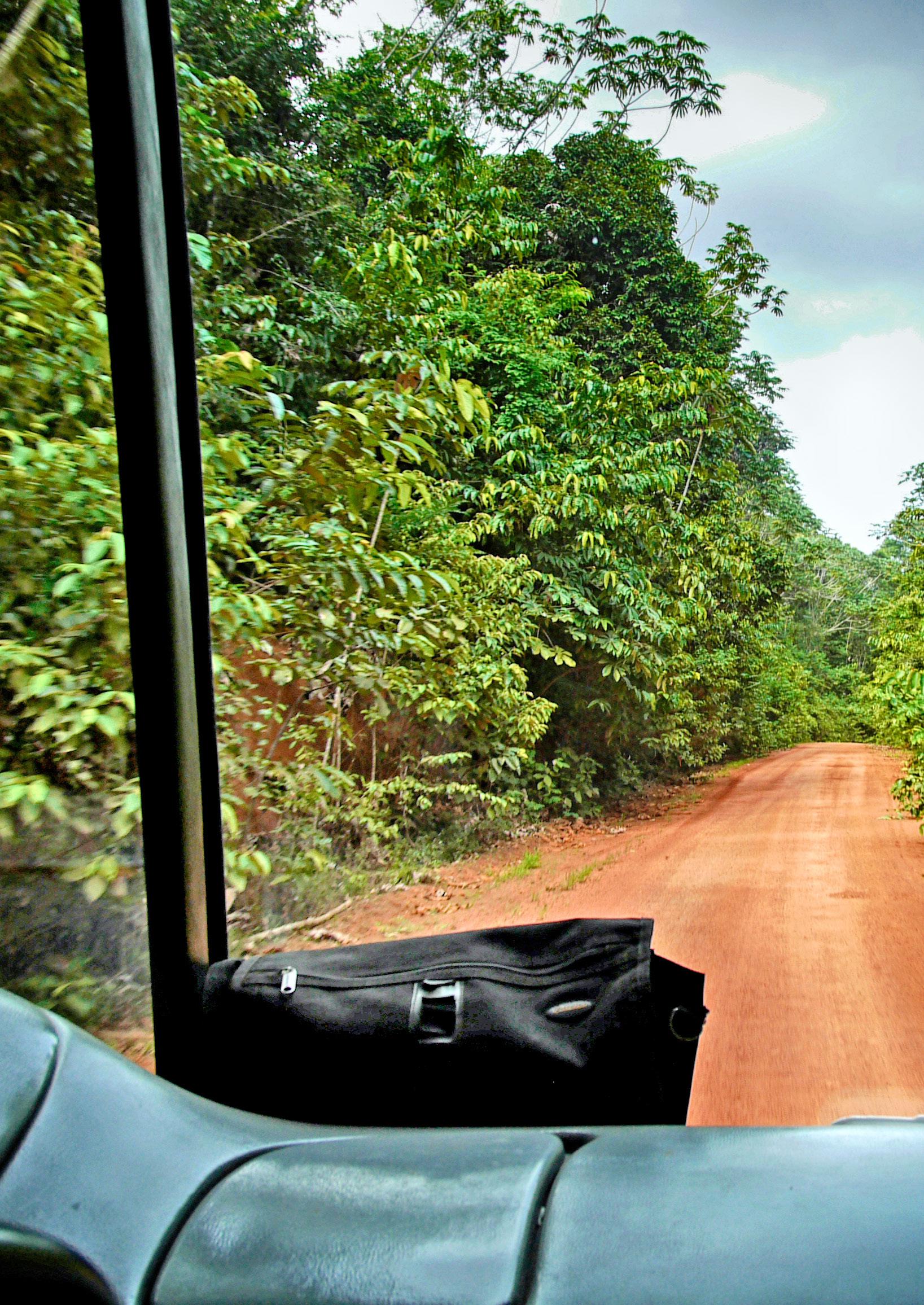
cattle moving slowly across the road, guided by young Maasai boys who seemed unfazed by our presence. Their relaxed pace contrasted sharply with our vans, which struggled through the loose soil, riverbeds and rocky tracks. More than once, our van got stuck, forcing us to get out, push, or walk beside it as the wheels fought for dear grip. It became clear that the terrain called for a sturdier machine, however, ours remained optimistic, but the hills respectfully disagreed and so we still had to continue some part of the journey on foot.
By the time we reached Enoosupukia Forest, once described as “the forest without trees” and part of the larger Mau ecosystem, our sense of challenge had only strengthened our resolve. The area chief, Enock Sankok, greeted us warmly and shared a brief history of the forest’s degradation and the community’s
many of these young people, tree nurseries were not just about the environment, they were also green businesses that provided their families.
We began planting right away. The community had dug the holes in advance, and their support made the work smooth and energizing. A friendly competition started between our teams as we challenged each other to see who could plant the most seedlings. Working alongside residents created a rhythm of cooperation: dig, plant, water, firm in the soil, repeat. Before long, we cleared the first section and moved downhill, where the sloped terrain tested our balance and stamina. Coming from the flat plains of Kitui, I found the hillside both daunting
was part of a network of colonialera caves that later served as hideouts for Mau Mau fighters. The story instantly revived our energy.
On our way, we met a group of enthusiastic children who had come to fetch water. The catchment supply had been
work brought unexpected joy to the day. We continued uphill toward the caves, navigating paths lined with stinging nettles that we tried, and often failed, to avoid. At one point, we took a wrong turn and only realized it when our local guide noticed the lack of footprints on the ground ahead. Retracing our steps, we found the correct trail marked clearly by the earlier group. When we arrived, we found the chief standing beside an amazing natural reservoir. With animated gestures and great pride, he shared stories of the caves, the Mau Mau, and the cultural and ecological importance of this water source. It was a history lesson amidst rocks, roots, and a reservoir of water, one that would stay with us long after the trip ended.
The descent back was far less smooth. Most of us brushed against the nettles again, resulting in a chorus of yelps, swelling patches, burning skin, and reluctant laughter. But spirits lifted when a rope appeared for tug-of-war. KEPROBA easily defeated the other SDT SAGAs, so easily that we became overconfident. The true challenge came when we faced the local community team. They pulled us to the ground with almost no effort, twice, reminding us that strength comes naturally in the hills.
Then came the hardest part of the day, the steep hike back up. What had felt like a mild descent earlier now felt like a mountain. My heart pounded like the beats of the African drums, my legs shook, and every breath felt heavier than the last. Some joked that we should roll back down and have the locals pull us up with ropes which sounded fun but not easy. However slowly, steadily, step by painful step, we climbed. When I reached the top, I collapsed onto the grass, gulped down cool water fetched from the pipe at the catchment, where one of the locals had advised us to refill our bottles.
As the day wound down, we gathered for final remarks. The chief promised to protect the seedlings and maintain community involvement in restoration efforts. SDT and SAGA representatives, led by Mr. Clement Ochola, reaffirmed their promise to return for follow-up visits, checking survival rates and supporting the local youth nurseries that made the entire exercise possible.
We boarded the van, dusty, exhausted, sweaty, and smiling. We had come to restore a forest, but we left with much more, deeper connections to the community, a renewed appreciation for Kenya’s landscapes, and a shared hope that one day, these seedlings would grow into towering guardians of the Enoosupukia Forest.
Expanding Kenya’s timber trade:
A Manufacturer’s view
Kenya Association of Manufacturers (KAM) Timber Sector Chair, Mr. Kaberia Kamencu spoke to Export Agenda magazine writer James Kariuki to expound further on Kenya’s timber export.
QQ: Q: Q: Q: A A: A: A: A:
There is a profound commitment to advancing Kenya’s objectives in generating local employment opportunities
1. As a country how are we doing on timber exports?
We have gradually lagged in timber exports. This can be attributed to several factors, including our substantial domestic demand, which we struggle to meet. This then necessitates softwood imports from Tanzania and Uganda.
Unfortunately, our timber quality standards do not align with international norms.
2. Do timber processors support Kenya’s quest for local job creation and establishment of manufacturing hubs?
For timber product processors, there is a profound commitment to advancing Kenya’s objectives in generating local employment opportunities and establishing manufacturing centres. We are continuously engaging the government in advocating for conducive tax policies, particularly in relation to the importation of raw materials essential for our industry but not domestically sourced.
3. What are some of the products processed that Kenya could celebrate?
We have a wide variety of quality timber products that are processed locally. They include sawn timber, chipboard, medium-density fibreboard (MDF), plywood and furniture.
4. Do we have skilled personnel to craft various products needed for the local and export markets? How can we further enhance our skilled personnel capabilities to boost the variety of our products abroad?
Currently, skilled personnel within the local market are scarce, and their services come at a premium fee. To address this challenge and enhance our capabilities, we are actively investing in technology.
As manufacturers, we embarked on a learning expedition to South Africa, in December 2022, to gain insights into advancements in the furniture sector, given its significant development and success in exporting to Europe, the US, and China.
Individual manufacturers are also taking proactive steps to invest in new equipment and technology. Moreover, with these investments, members are facilitating training for their staff to effectively operate the machine. This dual approach of technological advancement and skill development is crucial in our efforts to enhance our product variety and competitiveness in international markets.
AQQ: Q: A: A:
5. Please comment about B2B arrangements that exist between timber manufacturers and local SMEs and how we can enhance these partnerships
There are many B2B arrangements in place between timber product manufacturers and local SMEs. Our primary customers comprise local SMEs, ranging from building contractors seeking sawn timber for construction purposes to those requiring boards for flooring, wardrobes, and kitchens.
In our efforts to enhance these partnerships, we are currently engaged in discussions with the State Department of Trade, collaborating with entities like the Warehouse Receipt Council and CommEX (Commodities Exchange).
Our aim is to explore avenues for manufacturers to list their products on both platforms, thereby increasing visibility and market reach. This strategic initiative seeks to bolster collaboration between manufacturers and local SMEs, fostering mutually beneficial relationships for sustainable growth.
6. Suggest how the government can support timber product makers
We believe that the ongoing reforms within the Kenya Forest Service, particularly the lifting of the moratorium on timber harvesting in 2023, are steps in the right direction. Additionally, we propose that the government considers making idle land available to investors interested in engaging in large-scale commercial forestry.
This initiative could involve allocating land in marginal Arid and Semi-Arid Lands (ASAL) areas, away from highly productive agricultural regions. By employing a strategy of site-species matching, where suitable species are matched to specific locations, emphasis can be placed on cultivating fastmaturing and resilient commercial tree species such as Melia Volkensii and Acacia.
Creating opportunities for large-scale commercial forestry in these areas not only utilises idle land effectively but also contributes to economic growth, job creation, and sustainable timber production.
This dual approach of technological advancement and skill development is crucial in our efforts to enhance our product variety and competitiveness in international markets.
Tapping business opportunities in forest produce through scientific research
Kenya Forestry Research institute (KEFRI) plans to set up an incubation hub to help fasttrack commercialisation and eventual mass production of plant-based natural products for medicinal, food, cosmetic and other purposes.
This follows successive studies conducted at its various stations on viability of various products that have been processed at a small scale by lowly capitalised enterprises for local use while most plant by-products are being exported to overseas factories for processing.
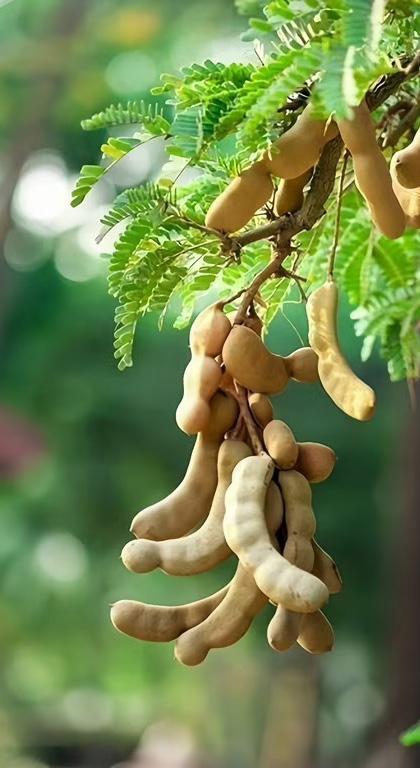
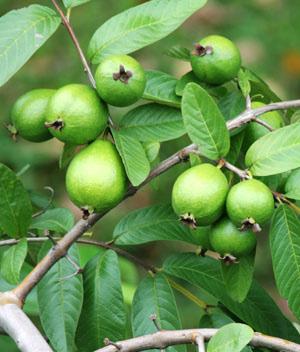
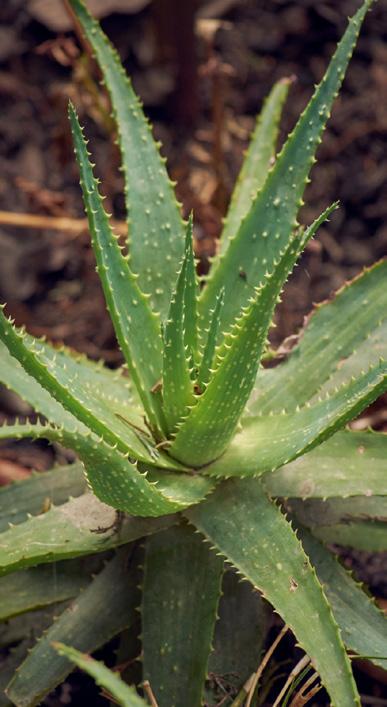
“Farmers want money value trees such as tamarindus, baobab, guava and aloe plant that are known for their environmental, nutritional, and economic value. We can unlock multi-million-shilling industries across Kenya by enticing farmers to grow what the market needs by setting up viable marketing facilities for them,” says Ms Nelly Oduor, Program Director at Kefri Karura.
Baobab
Baobab is one of the most sought-after fruits whose seeds have been found to be high in vitamin C. It is currently processed into powder-based products for treating an assortment of ailments. The outer covering of the baobab seed is also processed into smokeless briquettes that are popular among hotel kitchens across the Coast region.
Tamarindus
Tamarindus, locally referred as mkwaju is high in vitamin C and is used for processing jam while its hard ‘skin’ is crushed for making cosmetic ingredients for facial scrubbing. The Tamarindus fruit is also a popular ingredient for chefs in Saudi Arabia where it is used to make juices and add flavour to other food products.
Guava
Guava fruit is well known for its use in processing juices while its leaves are used in making herbal teas whose health benefits include reducing cholesterol levels and managing blood sugar levels.
Aloe
Aloe is now a protected plant due to runaway popularity where it is sought for use in processing various medicinal products from herbal teas, cosmetic creams, and animal feeds. Kenya Wildlife Service licensed farmers to cultivate five non-poisonous aloe vera that are now being propagated at KEFRI for commercial exploitation.
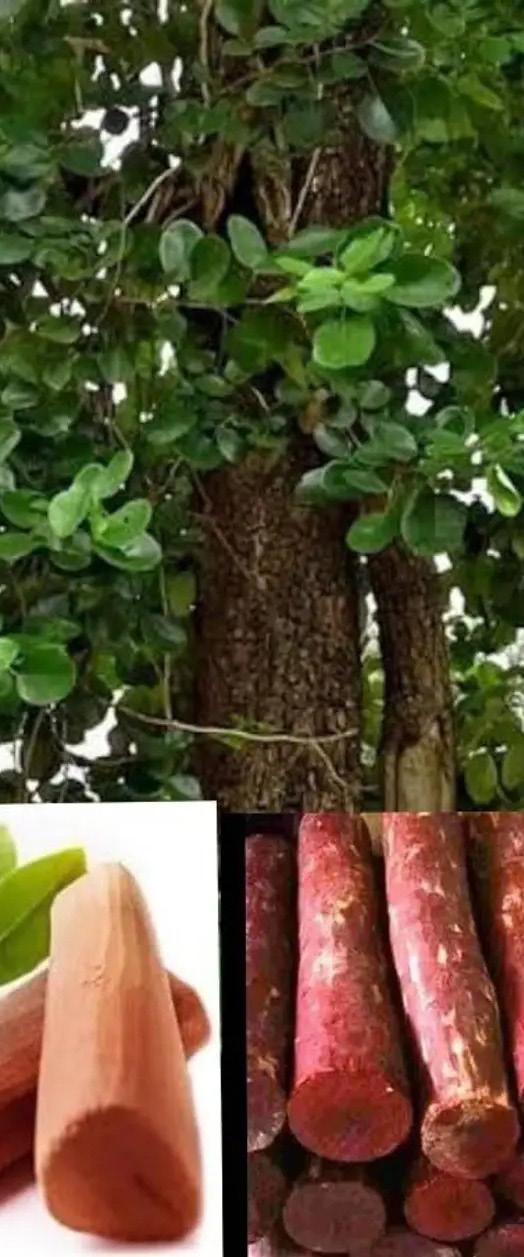
Sandalwood
One of the rarest and most expensive woods in the world is Sandalwood, renowned for its warm, exotic, mystical fragrance, which aids in spiritual practices. Sandalwood is extremely popular in the Islamic world, where it is used as perfume or burned as “bukhoor” to fumigate rooms and spaces of worship. KEFRI has been engaged in propagating seedlings grown in numerous commercial plantations across Kenya.
Herbal teas
Through research, KEFRI has identified flowers of various indigenous trees that are known for their rare flowers that once dried are used for making tasty and therapeutic teas. Currently several family-owned companies have been supported to acquire seedlings for various indigenous trees whose flowers are known for their medicinal value.
Fruit Trees
As people become more health conscious, Kenya’s fruits have earned global recognition resulting to farmers earning billions of shillings from the sale of fruits such as avocados, mangoes, cashew nuts, macadamia nuts, coconut, among others.
Ms Oduor says closer collaboration with local farmers in various regions has also helped them realise the benefit of growing fruits for sale as opposed to consumption.
Timber
Industry construction consumes a suitable number of timbers with cyprus, pines and bamboo being the most used trees. These are exotic trees that mature faster. Bamboo trees are processed to form wood frames, palettes for wood floorings and other forms of furniture
Health benefits
With the world working hard to deter consumption of sugary foods, dried fruits are fast emerging as a source of natural sweeteners. This opens an attractive business venture where small scale farmers can be contracted to plant mangoes in bulk for processing.
Setting up an incubation hub is aimed at enabling local investors to gain skills and certification as well as prepare ventures for scaling thereby creating viable value chains that benefits farmers, transporters, skilled, semi-skilled workers, and economy generation.
Navigating trade barriers: challenges and opportunities for Kenyan forestry exports
Irene Van De Graaf I irenev@brand.ke
Kenya’s forestry sector plays a vital role in the nation’s economy, providing employment, supporting rural livelihoods, and generating significant foreign exchange. The export of timber, wood products, and other forestry-based commodities offers substantial growth potential, yet the path to global markets is layered with complexities. Trade barriers pose considerable challenges for Kenyan exporters, requiring skilful navigation to thrive in an increasingly competitive and regulated international arena. This article delves into the key obstacles facing Kenyan forestry exports and the strategic opportunities that lie ahead.
Trade barriers for Kenyan forestry exports
Kenyan forestry exporters encounter numerous hurdles on the path to accessing international markets, including tariffs, rigorous regulations, and intense global competition.
A primary challenge is the imposition of tariffs in critical markets like the European Union, China, and the United States. High import duties elevate the cost of Kenyan timber and wood products, diminishing their competitiveness compared to those from other exporting countries. Beyond tariffs, non-tariff barriers such as strict phytosanitary standards, detailed product labeling, and sustainability certifications present further obstacles. For example, compliance with the European Union’s Forest Law Enforcement, Governance, and Trade (FLEGT) regulations and obtaining the Forest Stewardship Council (FSC) certification are prerequisites that, while necessary for market access, add considerable costs for Kenyan exporters aiming to demonstrate sustainability and legality.
Kenya also faces formidable competition from established forestry sectors in countries like Brazil, Indonesia, and China. These nations benefit from advanced infrastructure, government subsidies, and well-established supply chains that contribute to cost efficiency. This intense competition is compounded by the rise of alternative materials such as plastics, metals, and composites that continue to replace wood in many applications, applying additional pressure on Kenyan forestry products to remain relevant and competitive.
Overcoming challenges: strategies for success
Despite these barriers, Kenyan forestry exporters are leveraging several strategies to establish and maintain a foothold in the global market.
Value addition and product diversification
One of the most impactful approaches involves moving up the value chain by focusing on valueadded products. Instead of exporting raw timber, many companies are shifting toward producing finished or semi-finished items, including furniture, construction materials, and paper. This not only commands premium pricing but also attracts lower tariffs in markets that favour finished goods. Product diversification is another effective risk management strategy, with some exporters branching into biofuels and other non-timber forest products (NTFPs), responding to the growing demand in the renewable energy sector.
Strategic use of trade agreements
Kenya has strategically positioned itself within multiple regional and international trade agreements, presenting unique opportunities for its forestry exports. The African Continental Free Trade Area (AfCFTA) offers a cohesive market with minimized trade barriers across Africa, while Kenya’s Economic Partnership Agreement with the European Union grants preferential access to one of the world’s most significant timber markets. By harnessing these agreements, Kenyan products gain a competitive edge, fostering growth and market stability.
Investment in certification and sustainability
Sustainability certification is increasingly essential for accessing premium markets, especially in Europe and North America. Kenyan exporters are investing in sustainable forest management and securing certifications such as the FSC, which assures buyers of eco-friendly practices. Though obtaining these certifications can be resource-intensive, they serve as a gateway to environmentally conscious markets, strengthening Kenya’s reputation for sustainable production.
Government support and infrastructure development
The Kenyan government actively supports the forestry sector, with initiatives like the “Made in Kenya” program by the Kenya Export Promotion and Branding Agency to promote locally produced goods on the global stage. Additionally, investments in key infrastructure, including transportation and energy, aim to reduce operational costs for exporters. Such support boosts the sector’s competitiveness and aids exporters in managing logistical challenges, ensuring smoother access to both regional and international markets.
Opportunities for growth in forestry exports
Amid the challenges, opportunities abound for Kenyan forestry exporters. As global demand for sustainable and eco-friendly products rises, Kenya is wellpositioned to leverage its natural resources and green credentials. Value addition and product diversification into high-demand segments, such as eco-friendly building materials, bioenergy, and non-timber products, are vital to tapping into expanding markets with sustainability-driven preferences.
Poised for success
Kenya’s forestry sector faces a range of trade barriers, from tariffs and stringent regulations to heightened global competition. Yet, through strategic investments in value-added production, certification, and the judicious use of trade agreements, Kenyan exporters are well-equipped to navigate these challenges. With continued government support and a commitment to infrastructure development, the sector’s future shines bright. By embracing innovation, maintaining compliance, and fostering collaborative relationships, Kenyan forestry exports are poised for success in the global marketplace, offering a promising outlook for sustained growth and enhanced economic impact.
BUY KENYA BUILD KENYA
Impact of indigenous forest on organic products
By James Kariuki
K‘Prioritising
the use of natural and organic inputs to avoid consumption of synthetic chemicals hence promoting soil fertility, biodiversity, and ecological balance’
enya has been flourishing in organic product market that source their raw materials from local forests for natural supplements. Organic raw materials are grown or produced without the use of synthetic chemicals or genetically modified organisms. Forest’s raw materials are typically obtained from stems which provides wood for construction, branches can be used as herbs and roots of certain trees can be harvested for medicinal purposes. Using raw materials promotes sustainability and reduces environmental impact.
Natural Aloe Vera gel that is extracted from Aloe Vera Barbadense is well known for its medicinal products that is often used in skincare (lotions, creams) and healthcare products. The gel is also known for soothing and healing properties. Baringo, Taita Taveta and Laikipia counties have recognized the impact of Aloe Vera by putting in place initiative that supports farmers in growing the Aloe Vera plant through providing them with seedlings.
Moringa Oleifera also known as a ‘miracle tree’ contains nutrients and medicinal value. Moringa leaves are rich in vitamins, minerals and antioxidants making them valuable addition to diets and supplement. In Kirinyaga, Kajiado and Meru counties, numerous moringa trees are natured in nurseries to be sold as seedling to local farmers in their respective counties.
“Moringa has been our miracle tree due to its myriad benefits that we derive from its roots, bark, leaves, and seeds. Among its health benefits include protecting and nourishing the hair and skin, treating swelling, protecting the liver, treating stomach upset, fighting foodborne bacterial infections, and improving eye health, “said Ms Munene.
Sophie Munene, who has been in this business for seven years states that organic products are non-toxic and have been revered for ages for treating various ailments. Ms Munene, who works with his husband and five other employees in the Kajiado-based business adds that on organic products have found a niche market in natural treatment of various ailments and for helping reduce Edema or fluid retention which occurs when excess fluid builds up in one’s body.
“Swelling ankles, feet, hands, or legs is a common symptom that could indicate the presence of a serious health condition that must be controlled to avert any complication. The food supplements we make from the naturally sourced roots, barks, or leaves naturally, food supplements are revered as immunity boosters that improve overall body health,’’ says Ms Munene
Ms Munene is among local farmers who propagate seedlings for various medicinal plants such as Moringa oleifera, Aloe Vera, Eucalyptus among others for sale to local farmers. Eucalyptus leaves decrease pain, promotes relaxation, and relieve cold symptoms as well as it is used to make over-the-counter products that freshen your breath, soothe irritated skin, and repel insects.
The demand for herbal supplements has also witnessed the emergence of a subsector whose members process various products for the local and foreign market relying on local forests for raw materials.
Due to stringent requirements for Organic products that are deemed medicinal, many organic products are processed as food supplements that helps in detoxification.
In an interview, Ms Munene said she has established a milling hub at her farm in Kimana, Kajiado County and initiated plans to seek certification of her various products to enable her to sell products through the established retail chains and shops located within major towns.
MS Munene got breakthrough when researchers at three local universities placed orders for her various products thereby giving credence to her work. This has seen more people order for her products based on referrals received from other users.
Organic products continue to gain popularity in Kenya as they are considered beneficial to one’s health and toxic free.
While many are nutritious, Ms Munene says she has to travel different forests to source raw materials for her products.
Her startup, which has been exhibiting medicinal products during government-sponsored exhibitions across Kenya and in East Africa capitals has created employment to five youths
Ms Munene, who learnt her craft from her grandmother, has since applied to the Kenya Industrial Research and Development Institute seeking to standardise her processes ahead of planned expansion of her operations. The support will include standard certification, product making machine development as well as enhancing her knowledge on value addition of various products.
Studies conducted by various scholars indicate that many people consider eating or drinking organic products to forestall health complications.
She adds that enhance government support on formulation of standardised products could unlock multi - billion-shilling businesses and a robust value chain unlocking new jobs, business opportunities and new investments.
The green gold of Kenya: Non-timber forest products in the export arena
MBy Lilian Moraa Interncomm1@brand.ke
ore than just famous savannas and magnificent wildlife found in Kenya’s diverse and abundant ecosystem. Its semi-arid areas and dense woods conceal a multitude of non-timber forest products (NTFPs), which are rapidly emerging as key components of the nation’s export story. Non-timber forest products play an important role in the daily lives and well-being of local population living adjacent to the forests since they can be a source of food, fodder, medicines, gums, resins and construction materials. Apart from their importance to local people, NTFPs are important traded commodities that help reshape Kenya’s position in local, regional and international markets as consumers preference shift towards natural and sustainable products.
The
diverse
potential of non-timber forest products
Honey:
More than a sweetener in Kenya it is a symbol of cultural heritage and biodiversity. Kenya’s indigenous bee species produce a unique variety of honey, each with distinct flavors influenced by the flora in different regions. The country’s honey has drawn interest from markets keen on pure, organic, and ethically sourced products.
Botanic and essential oils: these originate from plants, such as eucalyptus, lemongrass, and frankincense, that are used in the production of essential oils, fragrance, and aromatherapy products. These high-value commodities have applications in cosmetics, perfumery, personal care products, and
aromatherapy. As customers increasingly want clean, natural materials, Kenyan manufacturers have a clear chance to enter a market that appreciates both quality and environmental responsibility and supply of raw materials of fragrance and cosmetics industries.
Medicinal plants:
Like Moringa oleifera and aloe have long played an important role in Kenyan traditional medicine. People use and rely on plant medicines and wild plants as their main medicinal source since they are ranked as one of the most valued forest products by a diversity of people. Many forests are rich in medicinal plants and herbs with therapeutic properties. These products have a growing market demand, both domestically and internationally, driven by the rising interest in natural and alternative medicine. The increased desire for natural, plant-based health remedies has made these products extremely profitable for exporters.
Natural dyes and pigments:
Forests yield a variety of plants and fungi that produce natural dyes and pigments used in textiles, cosmetics, and art supplies. There is a niche market for natural and eco-friendly colorants, driven by concerns about synthetic chemicals and environmental sustainability.
Handicrafts and artisanal products:
Artisans often craft unique products from forest materials, such as baskets, textiles, carvings, and decorative items. Handicrafts made from sustainable and ethically sourced materials have appeal in domestic and international markets, catering to consumers interested in eco-friendly and culturally authentic products.
Resins, gums, and latex:
Forests produce resins, gums, and latex extracted from various tree species. These natural materials have industrial applications in adhesives, sealants, coatings, and pharmaceuticals. Market opportunities exist for supplying raw materials to manufacturers and industries requiring biobased alternatives to synthetic chemicals.
Contribution to export growth
The non-timber forest product industry in Kenya is already contributing to the growth of the nation’s export numbers. For instance, as Kenyan honey starts to establish a position in the competitive global markets, the trade in honey and bee products has increased. The essential oil sector has begun to enter new markets in Europe and Asia, supported by a favorable climate and sustainable farming methods.
The Kenya Export Promotion and Branding Agency (KEPROBA) and other domestic and foreign partners have taken proactive measures to support this export growth. To guarantee that NTFPs satisfy global standards and customer expectations, these stakeholders offer training, enhance product quality, and open markets.
Emerging trends and new markets
Two key themes that are now influencing the worldwide market for natural products are traceability and sustainability. Customers demand eco-friendly products, but they also want to know the history of these products. Due to this demand, Kenyan producers are finding it easier to tell the fascinating backstories of their harvests, from the careful extraction of essential oils in coastal regions to the beekeeping methods in the Eastern and Rift Valley regions. The expanding wellness movement, that has raised demand for essential oils and plant-based supplements in regions including China, Europe, and the US. Kenyan exporters have been prompted by this change to innovate and produce higher-value goods that appeal to specialized markets and fetch higher prices, like herbal supplements and essential oil mixes.
The role of local communities in sustainable harvesting
The involvement of local communities is essential to the expansion and sustainability of NTFPs in Kenya. These populations are perfect stewards for sustainable gathering methods since they have generational knowledge of the flora and woodlands. Through training in sustainable practices and business acumen, organizations and cooperatives have empowered these groups, protecting livelihoods and the environment.
Groups engaged in beekeeping, for example, receive training in the newest methods that preserve bee populations while producing more honey. To preserve a balance that guarantees future growth, harvesters of medicinal plants are instructed to grow their crops in addition to collecting wild plants. In addition to increasing output, these methods support the long-term stability of Kenya’s forest ecosystems.
The path forward
To maximize the potential of NTFPs, there is need for continued investment in infrastructure, research, and marketing. Establishing stronger quality control systems and certifications that can help Kenyan products stand out in international markets. Additionally, partnerships with global companies that value sustainability can open even more doors for exports. The Kenyan government, along with non-governmental organizations, plays a crucial role in supporting local communities and producers. By promoting responsible forest management and improving access to finance, they can help small-scale producers scale up their operations and increase their profitability.
Conclusion
For Kenya, non-timber forest products signify a dedication to biodiversity, community empowerment, and sustainable growth in addition to being a source of economic opportunity. To optimize long-term benefits for both people and forests, it is crucial to make sure that non-timber forest product harvesting and trade practices are socially responsible, environmentally sustainable, and culturally acceptable. Kenya’s NTFPs have a bright future; with the right support, they may become the green gold that advances the country’s export strategy.
Kenyans MUST
protect forests or suffer ruin from adverse climatic conditions
By Mercy Kamau
Farming communities, urban households, industries, and wildlife conservancies thrive on fresh water sourced from springs that replenish their waters from the protected forests. Freshwater lakes have tributaries emanating from the forested mountain ranges across Kenya.
The forestry sector contributes immensely to the economy through goods processed from raw materials sourced from forests and other unrelated benefits emanating from building and construction, energy, agriculture, livestock, wildlife, water, fisheries, tourism, and trade sectors that cumulatively contribute to between 33% and 39% of Kenya’s GDP.
The gains are well preserved since a major part of the forested areas are state plantations managed by the Kenya Forest Service totaling 149,922 hectares located in Rift Valley and Central regions of Kenya.
Great thanks to the ongoing reforestation initiative such as the Plantation Establishment through Livelihood Improvement Systems (PELIS) and the 15 billion Trees initiative by the National Tree Planting Initiative, Kenya could soon surpass the 10 percent forest cover by 2030.
For PELIS, it is touted as the best strategy to reintroduce forest cover as communities around forests raise food crops while tending to the tree seedlings leading to the successful replanting exercises being carried out across the country via private-public partnerships. PELIS, dubbed as a lowcost care strategy, has been scaled up to include active involvement of community members in silvicultural activities, helping trees grow to maturity.
Why conserve trees
Forest conservation is a national survival priority especially now that Kenyans have experienced the effects of climate change where floods and drought continue to wreak havoc in various parts of the country. In some national game sanctuaries, the alarm was raised a decade ago leading to the imposition of a logging moratorium to facilitate regeneration of forest cover.
Ironically, forests remain a source of wood and fuel, food, temperature and flood regulation, erosion control, recreational and aesthetic value, and species habitat, among others. This is a sensitive ecological balance which if not well maintained could mean increased climate-related catastrophes from proliferation of pests, wildfires, invasive plants, and forest diseases.
Challenges
Climatic patterns have been adversely disrupted, affecting food production in the rural settlements that rely on agriculture. Global warming has also caused heatwaves and rising water levels leading to mass displacement of huge populations in Nyanza and Coast regions.
Taking action to prevent the adverse effects of climate change is critical, especially in developing economies which face difficulty responding and recovering from the aftermath.
The disruption of the ecosystem reduces forest productivity and changes the distribution of tree
species. The productivity and distribution of forests could be affected by changes in temperature, precipitation, and the amount of carbon dioxide in the air. Climate change worsens the problems already faced by forests from land development to air pollution.
In some cases, forests can recover from disruptions while in other cases, existing species may shift their range or become extinct. In these cases, the new species of vegetation that populate the area create a new type of forest.
Carbon credits
Carbon dioxide is one of the most crucial components required for photosynthesis, the process by which green plants use sunlight to grow. Sufficient water and nutrients, increases in atmospheric CO2 may enable trees to be more productive, which may change the distribution of tree species.
Food production
Proactive collaborations in supporting positive climate actions are the key to saving the ecosystem. These collaborations include Protecting water sources by planting trees and shrub on slopes, strengthening management on land use around water sources. Using new planting techniques like contour planting, mixed crops, and agroforestry to stabilize and prevent erosion, water management, shade, and rehabilitation of unused slopes which is highly recommended.
The Government should endeavor to Initiate emergency strategies to ensure that plans are in place to rebuild infrastructure before or post calamities caused by climate change like floods.
The Government should endeavor to Initiate emergency strategies to ensure that plans are in place to rebuild infrastructure before or post calamities caused by climate change like floods.
KEPROBA champions strategic environmental sustainability at Kaptagat Forest Tree Growing Event
Kenya’s commitment to environmental sustainability has reached new heights as tree planting evolves into a strategic national endeavour, integral to the country’s socio-economic development and climate resilience agenda. The Government’s ambitious 15 Billion Trees Initiative is central to this transformation, positioning reforestation as a catalyst for ecological restoration, rural empowerment, and sustainable growth.
In this context, the 9th Annual Kaptagat Forest Tree Growing Event, held on July 11th and 12th, 2025, in Elgeyo Marakwet and Uasin Gishu counties, exemplifies collaborative action towards these goals. Bringing together stakeholders from national and county governments, development partners, the private sector, and local communities, the event advanced the objectives of the Kaptagat Integrated Conservation Programme by planting strategic indigenous tree species across 34 hectares of degraded land.
Kenya Export Promotion and Branding Agency (KEPROBA) contributed to this national priority by donating 10,000 indigenous seedlings, reinforcing its corporate sustainability mandate in line with Kenya’s environmental and economic vision. This support not only enriches biodiversity and restores vital ecosystems but also complements Kenya’s broader agenda to combat climate change and enhance green cover as part of the 15 Billion Trees Campaign targeted for completion by 2032.
Indigenous tree species, carefully selected for their adaptability and ecological value, underpin the long-term success of reforestation efforts. Their role in strengthening soil health, curbing erosion, supporting native wildlife habitats, and sustaining water catchments positions them as crucial assets in Kenya’s climate adaptation and economic resilience strategies.
By Charles Musee Interncomm2@brand.ke
KEPROBA remains committed to amplifying these strategic environmental initiatives,
By aligning corporate social responsibility with national development imperatives, KEPROBA sets a compelling example for private sector engagement in environmental stewardship. The agency’s active participation signals a call to action for businesses to integrate sustainability into their growth models by contributing tangible, scalable solutions—like tree planting—that generate environmental, social, and economic returns.
The Kaptagat event’s inclusive approach, involving government officials, local communities, youth, and schools, reflects the collective responsibility and community empowerment central to Kenya’s green growth pathway. This initiative embodies how reforestation serves not only ecological restoration but also social cohesion and livelihoods improvement.
Strategically, Kenya’s proactive investment in climate resilience through large-scale tree planting strengthens its position as a global leader in green transformation, climate diplomacy, and sustainable development finance. As the country scales up its tree growing efforts, initiatives like Kaptagat signify how local actions resonate with global environmental priorities, advancing ecological justice and economic opportunity simultaneously.
KEPROBA remains committed to amplifying these strategic environmental initiatives, recognizing that Kenya’s future depends on restoring its natural heritage while fostering an innovative, green economy aligned with the 15 Billion Trees vision. This partnership and progress mark a milestone in Kenya’s journey toward a resilient, sustainable future, one where ecological balance and national prosperity grow hand in hand.
The timeless beauty of Kenyan wood carvings
By Mariam Maina I mmaina@brand.ke
Kenyan wood carvings are more than just decorative pieces; they are a testament to the country’s rich cultural heritage, artistic excellence, and deep-rooted traditions. For generations, skilled artisans have meticulously crafted sculptures, masks, and figurines that narrate the stories of Kenya’s diverse communities. These carvings, often made from locally sourced wood such as mahogany, ebony, and rosewood, embody the spirit of African craftsmanship. One of the best places to experience and purchase these artistic masterpieces is the vibrant Maasai Market.
The Maasai Market is an iconic open-air marketplace where Kenya’s artistic heritage comes to life. Held in different locations across Nairobi and other major towns throughout the week, this market is a one-stop destination for handmade crafts, beaded jewelry, textiles, and, of course, exquisite wood carvings.
The craftsmanship behind Kenyan wood carvings
Kenyan artisans, particularly from communities like the Kamba, are renowned for their exceptional skills in wood carving. These
craftsmen pass down their knowledge through generations, ensuring that the techniques remain preserved. The carvings often depict wildlife, cultural
symbols, traditional masks, and human figures, each with a unique story to tell. The intricate detailing, smooth finishes, and polished surfaces make them sought-after pieces worldwide.
The most famous Kenyan wood carvings include:
The Big Five Sculptures
Representing Africa’s most famous wildlife: the lion, elephant, rhino, leopard, and buffalo.
Human Figurines
Often portraying Maasai warriors, traditional dancers, or motherand-child motifs, celebrating Kenyan culture.
Decorative Masks
Inspired by African tribal traditions, these masks are used in ceremonies and as home décor.
Utility Items
Items like bowls, walking sticks, and jewelry boxes carved from highquality wood blend functionality with artistry.
The global appeal of Kenyan wood carvings
Kenyan wood carvings have gained international recognition, with collectors and home décor enthusiasts across the world appreciating their beauty. Many of these pieces are exported, adorning homes, offices, and galleries globally. The authenticity and originality of Kenyan wood carvings make them prized possessions that stand the test of time.
With a growing demand for sustainable and ethical shopping, Kenyan artisans are increasingly focusing on responsible sourcing of wood, ensuring that their craft does not negatively impact the environment.
The timeless beauty of Kenyan wood carvings is deeply intertwined with the country’s heritage, craftsmanship, and economic sustainability. They serve as a vibrant platform where this artistry thrives, allowing both locals and visitors to appreciate and own a piece of Kenya’s cultural legacy. Whether as souvenirs, gifts, or statement décor pieces, these carvings continue to preserve and celebrate the essence of Kenya’s artistic and cultural identity.
Fun facts about Trees
1. Trees reduce stress.
Being around trees can reduce blood pressure and promote feeling of wellbeing.
2. Trees can show you the way. They often grow their branches towards the sun, with more branches on the South side where there is more sunlight and branches reaching up the northern side.
3. Trees never die of old age
While some live for centuries, trees typically die due to factors like diseases, pests fire or environmental changes, not just old age.
4. Tree rings reveal more than age.
Tree rings can also indicate environmental changes and climatic patterns.
5. Trees are connected to gods.
People from different backgrounds believe in different superstitions that gods exist in specific ancestral trees
6. Trees have genders too
7. Tree parts grow at different times of the year.
Typically, foliage growth takes place mostly during springtime, while the trunk grows during summer.
8. Trees can defend themselves.
Some trees produce toxins to deter insects. In contrast, others have thorns or sharp leaves to keep animals from eating them.
9. The largest tree in the world is the General Sherman Tree –a sequoia tree in California and over 275 feet tall.
10. Baobab is the heaviest tree in the world. It can weigh over 66 tones.
11. The smallest tree in the world is the dwarf willow.
12. Trees are natural farmers
Grazing animals under trees gives them shelter and fodder. Trees also provide vital habitat for wildlife.
13. The bark of trees that you grow in sunny places is thicker than the bark of trees that grow in the shade.