MAITLAND REGIONAL ART GALLERY AND ITS MEMBERS ACKNOWLEDGE THE WONNARUA PEOPLE AS THE TRADITIONAL OWNERS AND CUSTODIANS OF THE LAND UPON WHICH THE GALLERY STANDS.
MRAG
Located on Wonnarua Country at the gateway to the Hunter Valley in Maitland New South Wales, Maitland Regional Art Gallery presents awardwinning exhibitions and events alongside engaging and varied public programs, educational offerings, and an in-depth Arts Health program.
230 High Street, Maitland, NSW 2320
Open: Tues–Sun 9am–4pm Ph: 02 4934 9859
E: artgallery@maitland.nsw.gov.au
W: mrag.org.au
MRAGM
Maitland Regional Art Gallery Members, the vibrant community of MRAG supporters who, through their membership and fundraising, help sustain the Gallery’s creative learning programs.
Represented by volunteers, on the Friends of MRAG committee.
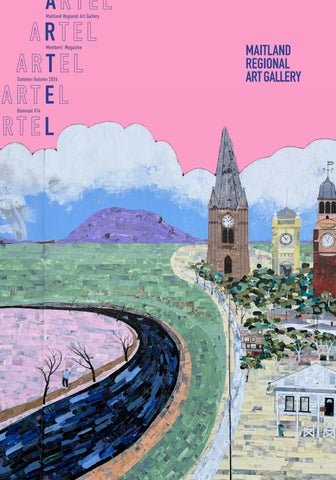
ARTEL
‘Artel’ is of Russian origin and refers to an arts or crafts co-operative. The ‘Artel of Artists’ (1863) was formed by a group of St Petersburg Academy of Arts students who’d rebelled against the rules of its annual art competition. Artel has been the name of the MRAGM newsletter, now magazine, since 2007.
04 WELCOME
Dear Members,
Welcome to another wonderful year at MRAG filled with exciting events and exhibitions that celebrate creativity and our community spirit.
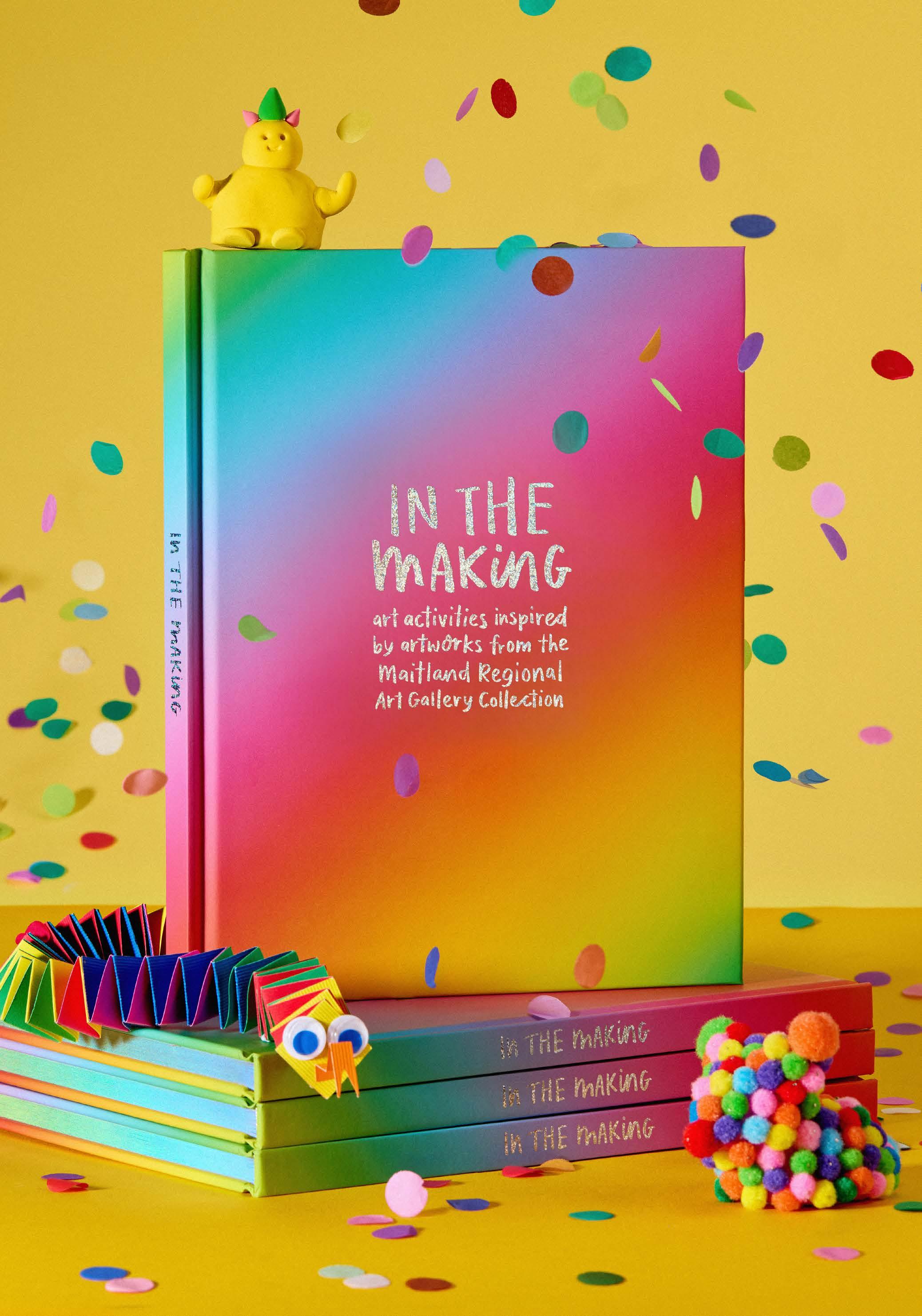
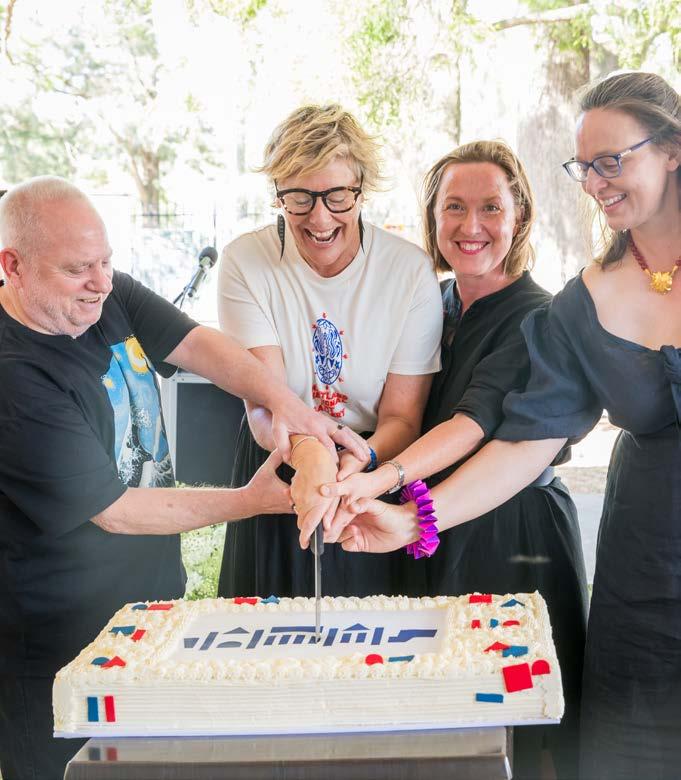
Late last year we marked the Gallery’s 50th anniversary. It was lovely to get together to celebrate this occasion with members new and old at the Garden Soiree. To commemorate the Gallery’s milestone, we published a beautiful book for artists young and old and it’s now available for purchase in the MRAG store. This book, In the Making, brings together 14 loved works from the Gallery’s collection, each paired with an activity designed to encourage creativity, curiosity, and play.
From drawing and painting to collage, sculpture, and printmaking, every page offers a chance to not only learn about artists from the MRAG collection but to also make your own art inspired by them.
We are also thrilled to celebrate our MRAG 2320 Contemporary Collectors Group annual acquisitive event on Friday May 15.
If you love MRAG, enjoy a night out with food, wine and good conversation, and want to play a part in shaping the MRAG Collection, then this is your kind of club! To find out more about the event, see page 30, or hear direct from 2320 Collector Catherine Kingsmill in Meet a Collector on page 24.
We have so much to look forward this year at MRAG and we can’t wait to welcome you to the Gallery again soon.
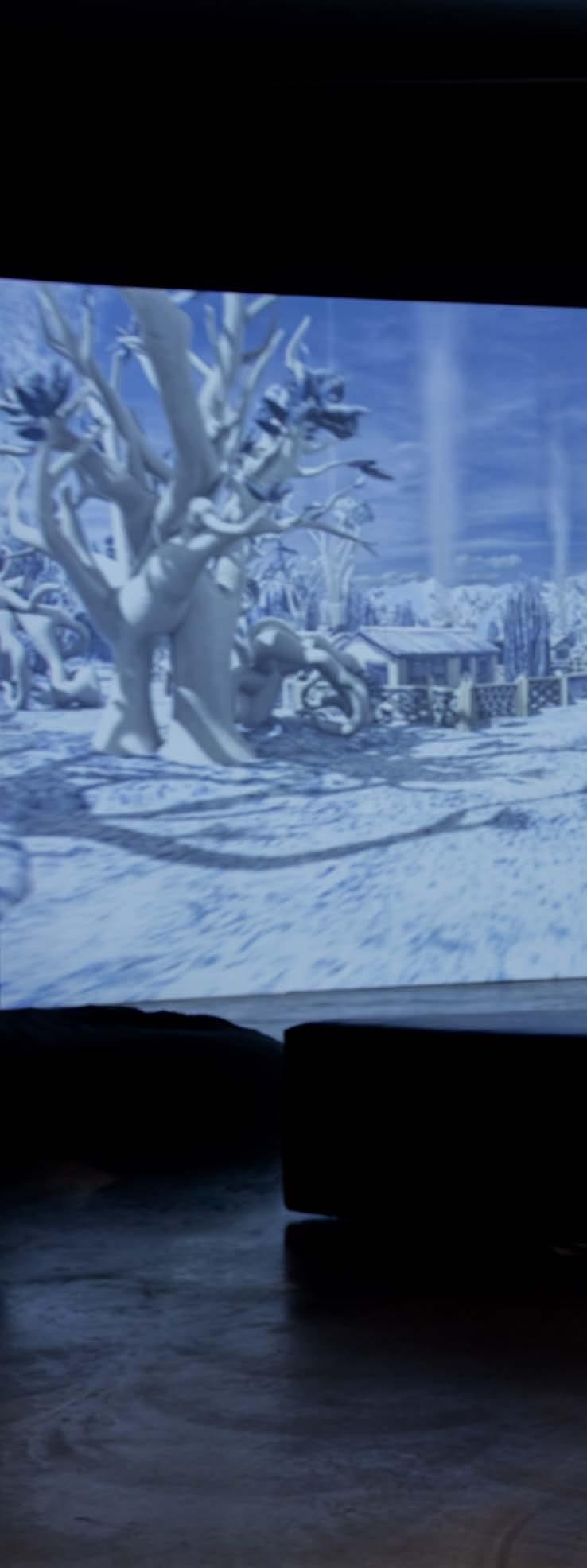
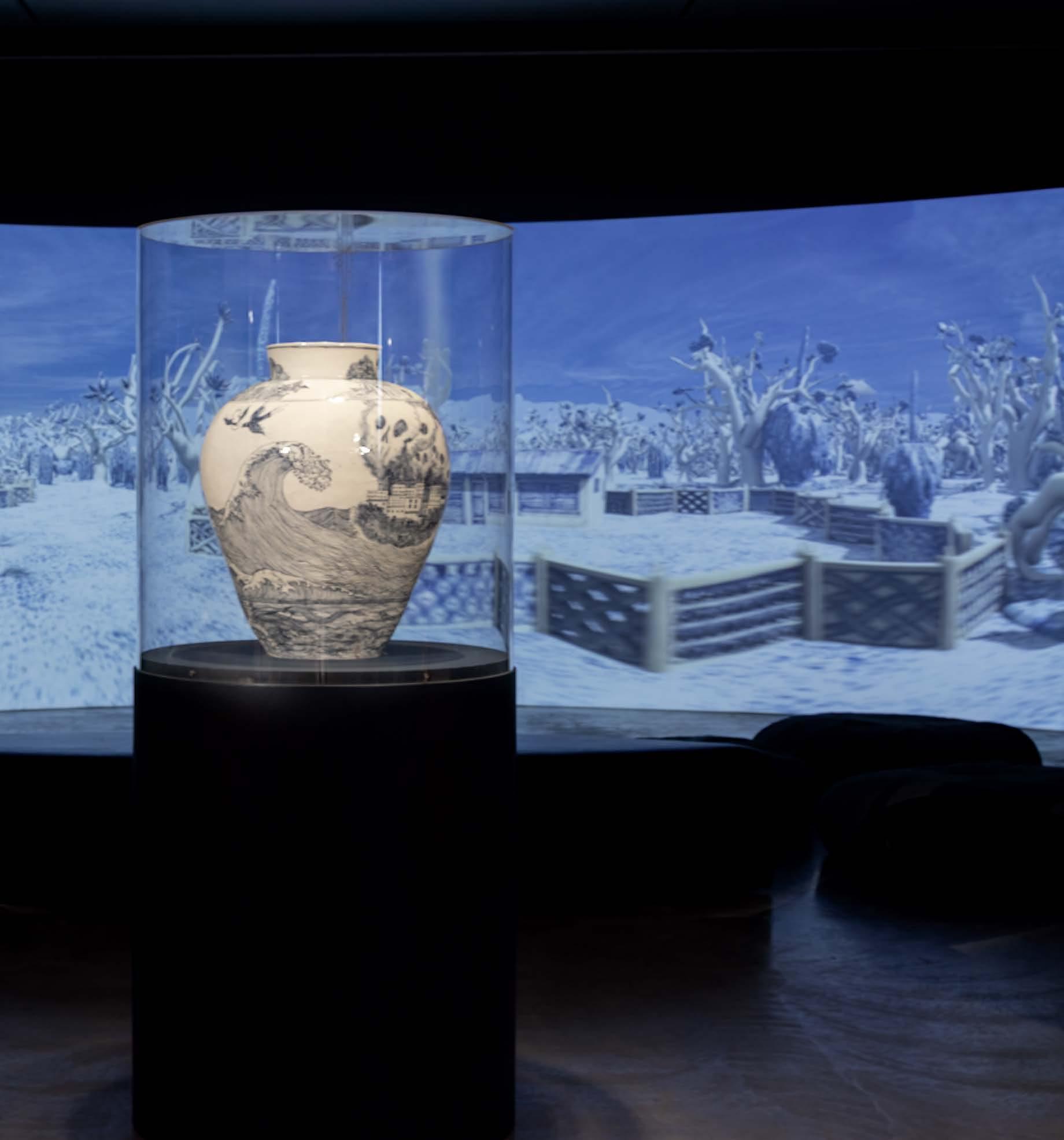
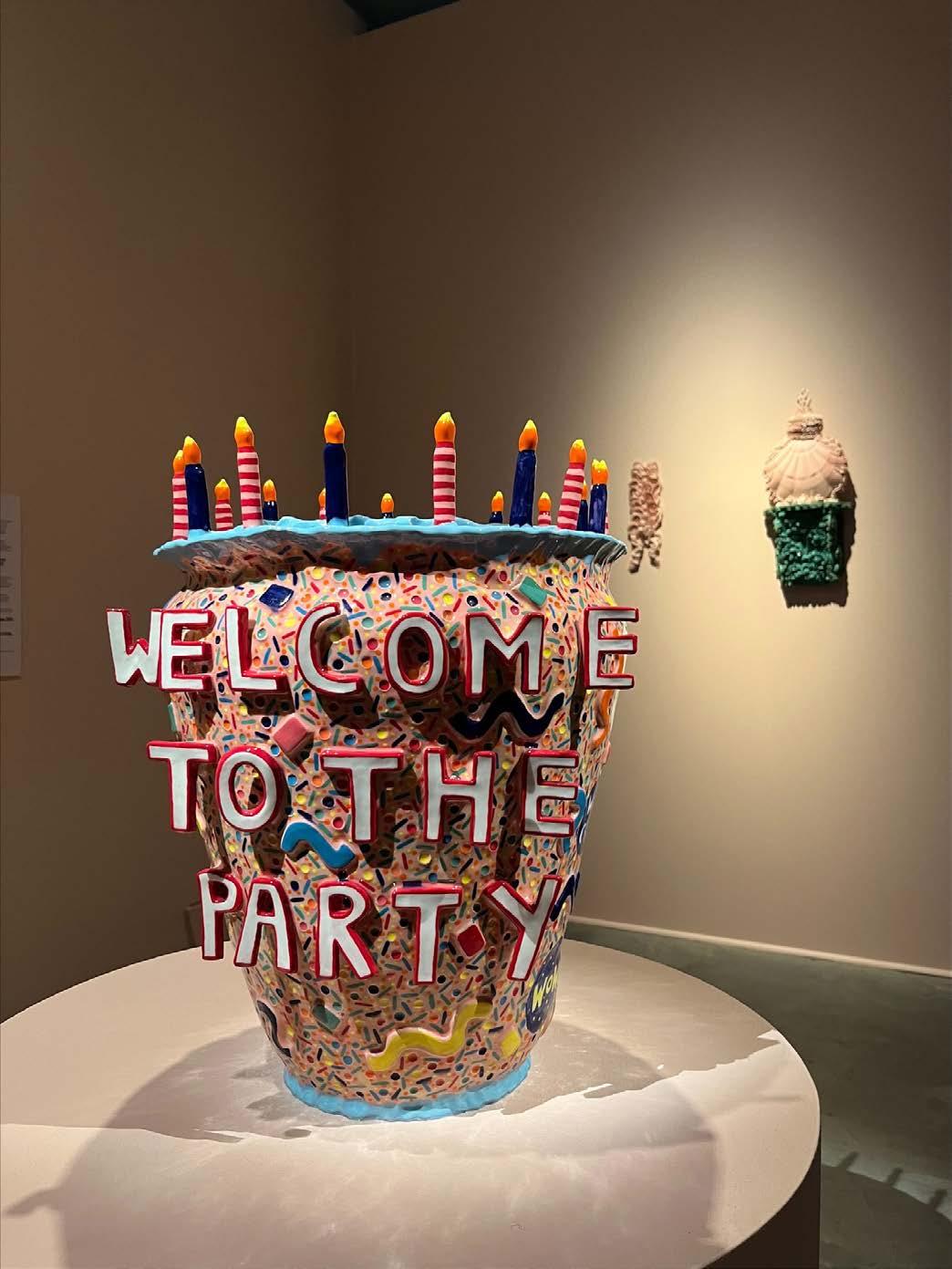
Installation view, WAVE, 2022, Gerry Wedd, Mark Patterson, Gabriella Smart, digital video with sound. Wave Urn, 2022, Gerry Wedd, earthenware, 63.6cm x 50cm, Edward Minton Newman Bequest Fund 2022, on loan from the Art Gallery of South Australia.
06 THE PLACES THAT SHAPE US
There is a particular kind of distance in growing up queer in a country town— measured not only in geography but in difference, the sense of being marked as “Other” long before you have language for it.
For Braidwood-based Ray Monde, this awareness was atmospheric: it lived in the words of brothers who teased, “Why don’t you go inside and cut out shapes?” while they roared away on motorbikes or shouldered guns. He did just that—cutting, pasting, sewing clothes, covering his bedroom walls with collaged paper.
In the absence of belonging, creativity became a lifeline. Art was not pastime but a way through—the thing that rendered difference possible. The spark came while working in advertising, when Monde tore up a magazine advertisement he didn’t believe in. That small act of resistance seeded a lifelong practice.
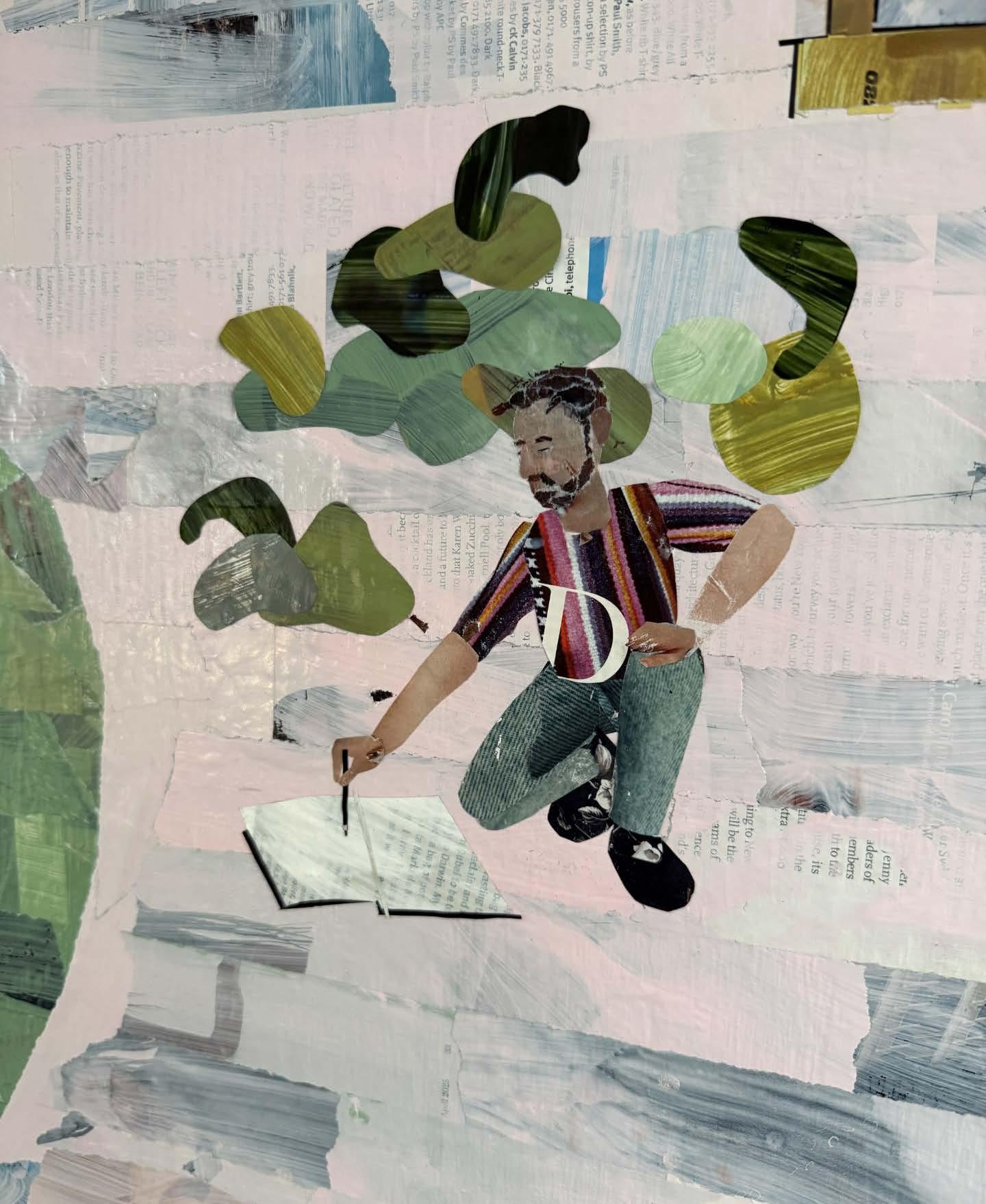
Collage became his medium: glossy pages from magazines like Wallpaper form his palette. He paints over these surfaces, letting fragments of text and image ghost through, creating secret layers. Pastels in peaches, pinks, lemons, and greens recur, simplified and partially imagined, drawn from memory. Hidden references surface throughout—nods to friends, shared histories, and fragments of landscape both real and reimagined.
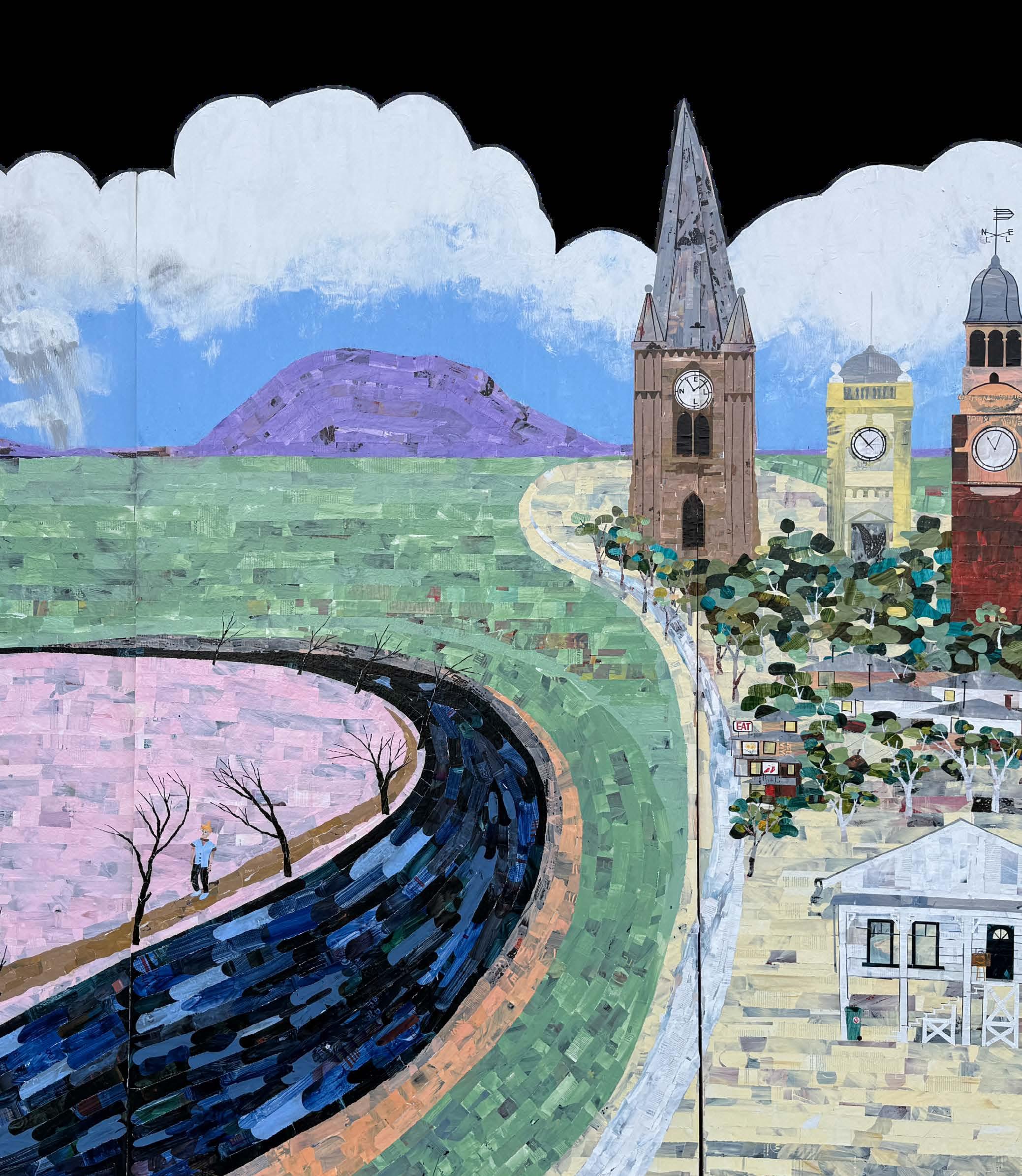
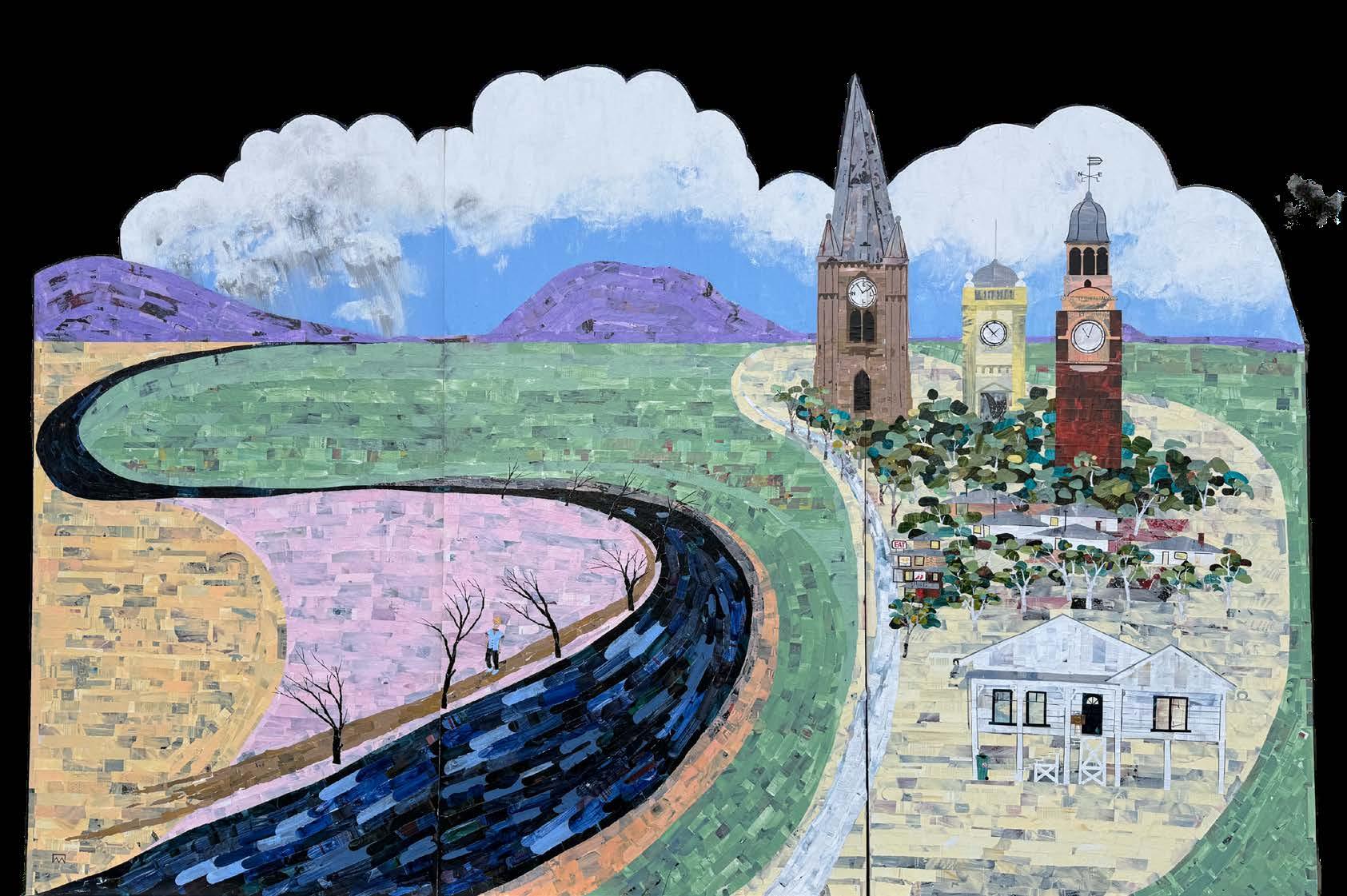
The Places That Shape Us gathers histories of queer becoming in regional Australia, weaving Monde’s memories with those of his peers and collaborators. Monumental in scale: boards 2.5 metres high and 3.6 metres wide.
These freestanding dioramas invite visitors to walk through them as though moving through memory itself. Within these vast environments, small figures appear: portraits of artists and friends—
28 FEBRUARY – 21 JUNE 2026
Nell, Todd Fuller, Dan Kyle, Prue Hazelgrove, Nick Mitzevich, Luke Arnold, and Monde himself—situated in the landscapes that shaped them. Soundscapes carry their voices: stories of resistance, like Fuller’s persistence to dance, and quiet triumphs, small acts of endurance and becoming. “I didn’t know I was queer at the time,” Monde reflects. “But I, and all these other people, had to latch on to certain things. Creativity and the arts were our way through.”
Yet the exhibition resists framing regional life as purely restrictive. Monde insists on its paradox: that for all its exclusions, the country also offered expanses of bushland, rivers, gardens, animals, skies that stretched forever. Childhood here meant walking along creeks, tending to farmland, listening to the tolling of church bells.
Ray Monde, Dancing on the Tracks featuring Todd Fuller (detail), ghostworked collage and synthetic polymer paint on canvas on board, 2025
These experiences, he suggests, are formative: “Those good and bad experiences shape us.” His landscapes capture this doubleness—spaces of pain and resilience, but also of freedom, play, and imagination. They carry a “coming home” sensibility: through making and memory, landscape becomes a site of reconciliation.
In this way, The Places That Shape Us encompasses a space where environment and identity entwine. The Australian bush— so long mythologised as rugged, masculine, heterosexual—is reimagined. Monde’s playful dioramas resist inherited myths, proposing landscapes alive with tenderness, ambiguity, and difference.
His practice recalls Kusama’s infinity rooms, Kentridge’s theatre sets, and Wolseley’s ecological cartographies, yet distinguishes itself through intimacy: these are not landscapes to be gazed at from afar, but to be entered, walked through, inhabited. To step inside them is to traverse memory, childhood’s improvisations, and the fragile architectures of belonging.
RAY MONDE
Place, as Monde shows, does not merely surround us—it lives within us, shaping who we are and who we might yet become.
At a time when LGBTQIA+ lives remain under threat globally—where laws in Florida and Uganda legislate erasure—Monde’s insistence on visibility feels both personal and political. Florida’s “Don’t Say Gay” bill forbids teachers from discussing sexuality and gender¹,
while Uganda’s 2023 legislation enforces life imprisonment for homosexuality².
Against this backdrop, The Places That Shape Us becomes not only an exhibition but an act of care—a call to awareness within local communities.
As Monde hopes, these works may act as catalysts, encouraging audiences to recognise the equality of people who live regionally, to break stereotypes,
to remove barriers. His reimagined landscapes offer visibility where silence once prevailed, reminding us that queer lives and histories have always been interwoven with the same soil, rivers, and skies.
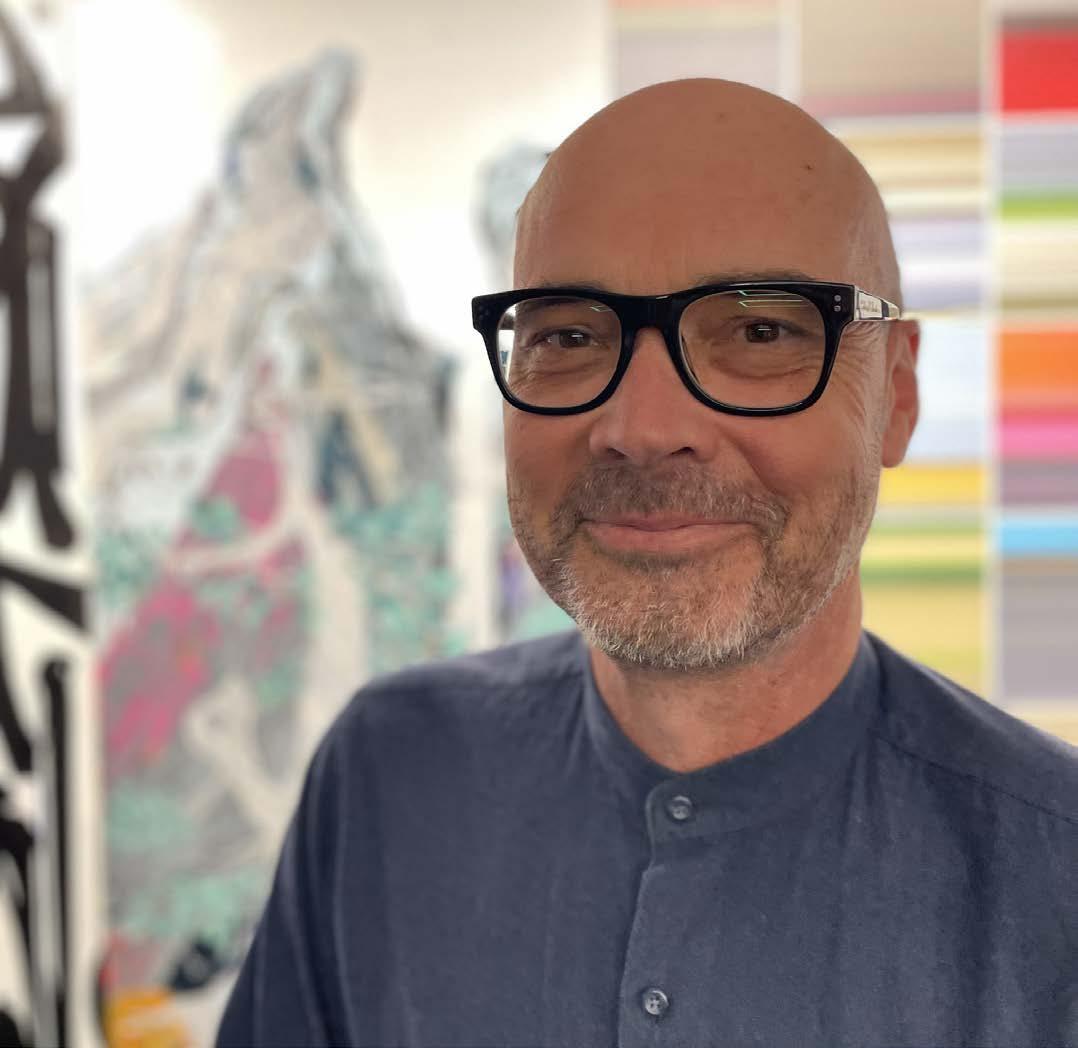
Ray Monde, Three Bells featuring Nell, ghostworked collage on board, 2025 Ray Monde in his studio in Braidwood, NSW.
FIRE SCARS
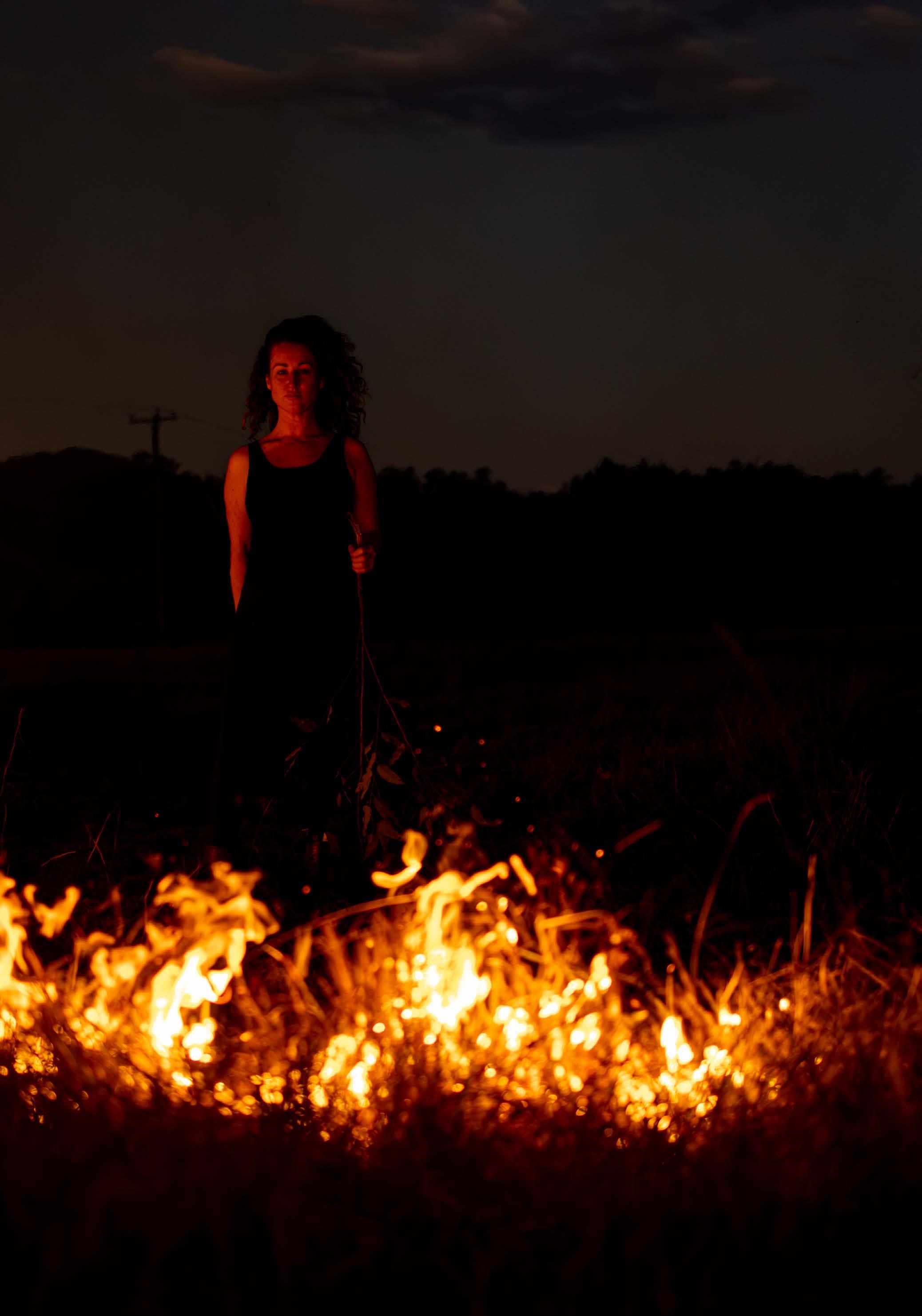
Fire has long occupied a paradoxical space in human life: it can destroy, yet it can also rejuvenate. It clears ground for new growth. It leaves behind both wounds and renewal. For photographer Renae Saxby, fire became more than a force of nature—it became a deeply personal metaphor, a companion through grief, and a form of healing.
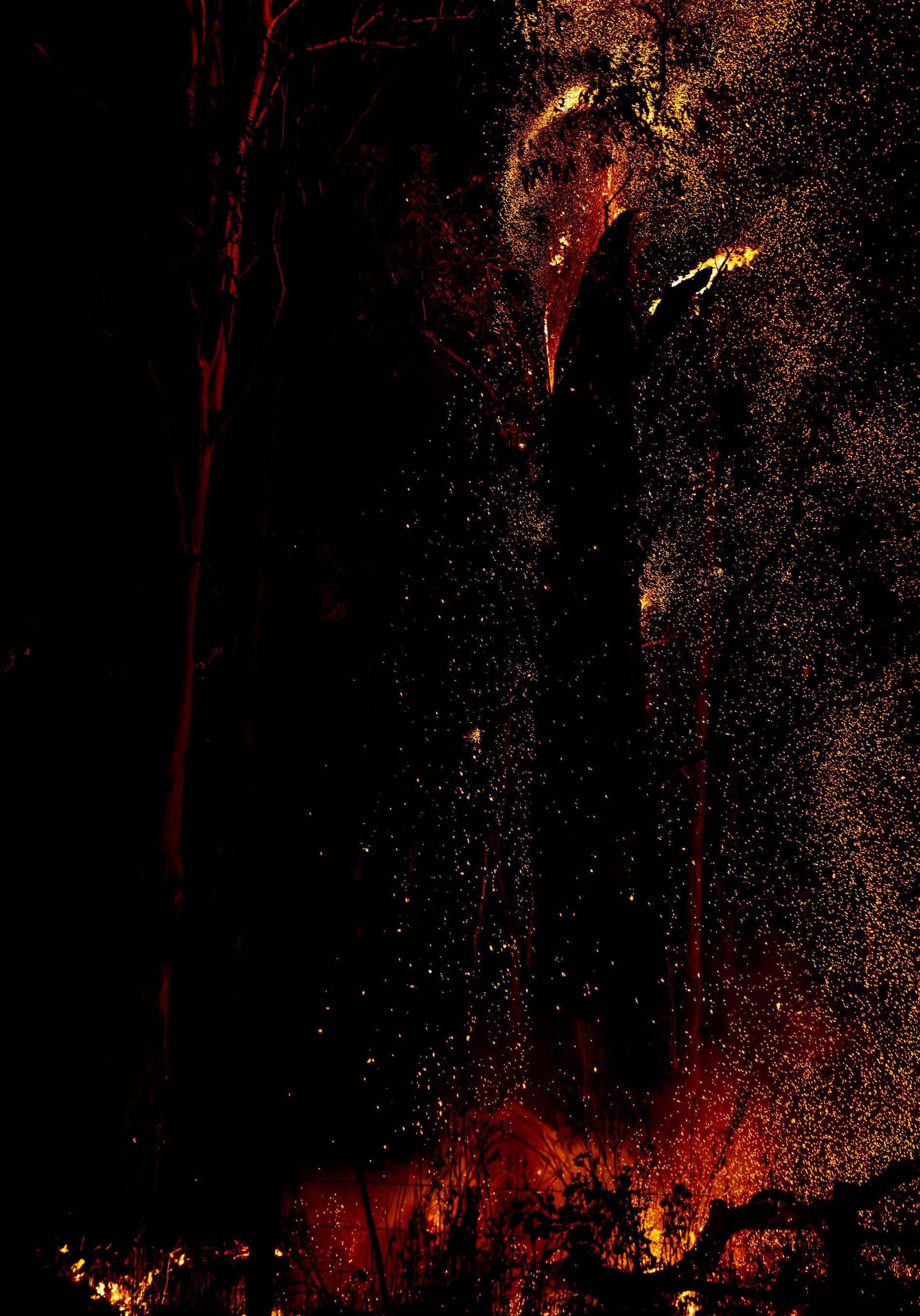
Fire Scars is an intimate exploration of that process. Shot between her family’s property in Salisbury, NSW and remote Arnhem Land, the series was created during a period of profound personal upheaval. In the space of months, Saxby experienced the loss of multiple loved ones, a series of unseasonal bushfires— some controlled, some not—and a life-changing diagnosis: Functional Neurological Disorder (FND).
The condition, which affects the brain’s ability to send and receive signals properly, caused extreme sensitivity to light and sound, as well as a loss of coordination and strength on the left side of her body.
In the face of this physical and emotional collapse, fire became a grounding force.
Though some of the photographs were taken while working with Indigenous ranger groups in Arnhem Land, Fire Scars is not a documentary on cultural burning. Saxby has worked as a photographer with that community for over five years, regularly documenting their fire management practices, however, this exhibition draws from a much more personal lens.
The flames in these images are as much from home as they are from the Top End. Her family has conducted burns on their Salisbury farm throughout her life, making fire a familiar, cyclical presence.
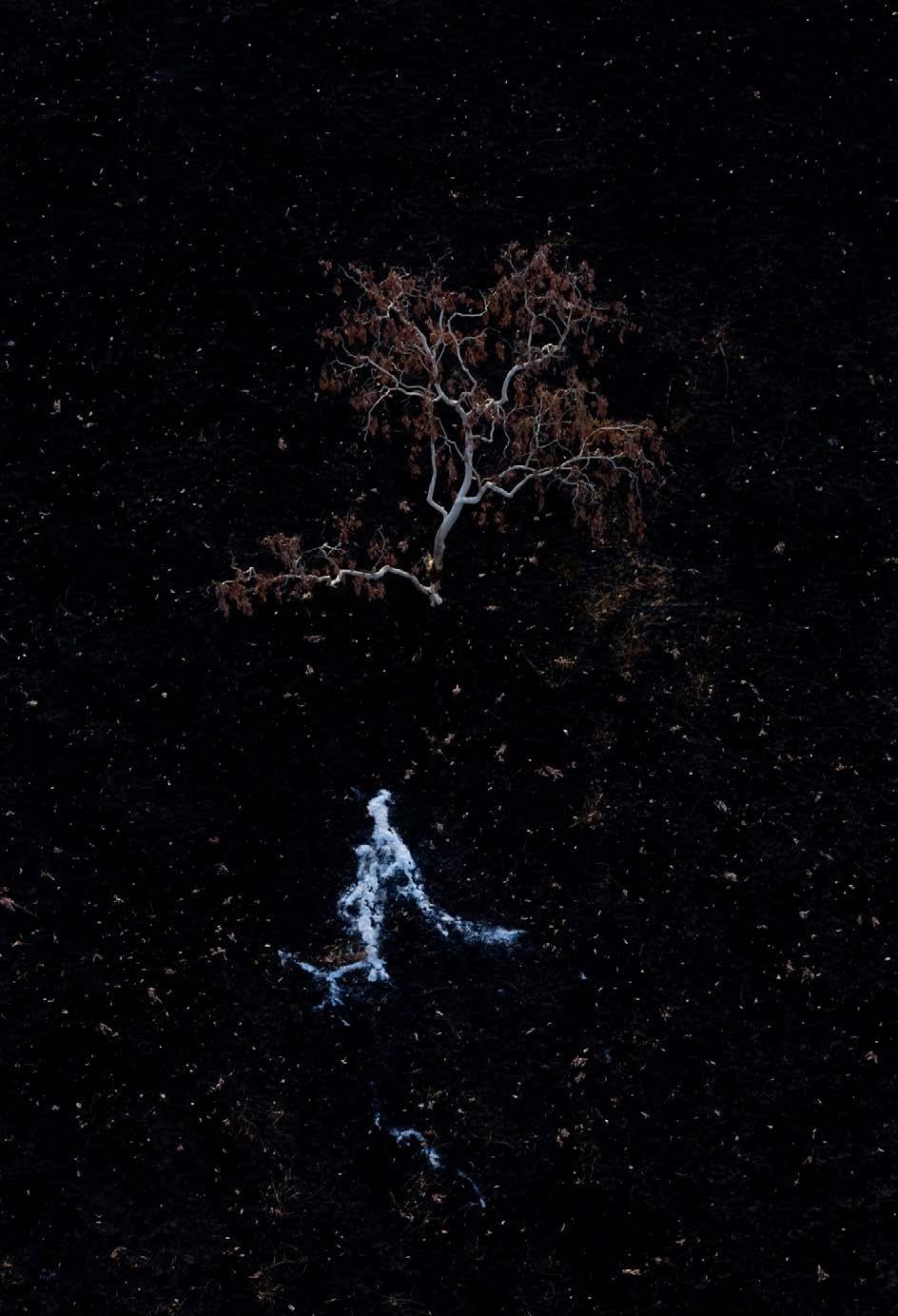
One moment stood out in particular, while shooting up north: the haunting ash stencils left behind by burnt white gum trees. These delicate, ghostly imprints mirrored her own experience—scars on the landscape that echoed the emotional and neurological wounds she was living with. It was a moment of visual and emotional recognition: that scars, when held gently, can become part of regeneration.
11 RENAE SAXBY
Renae Saxby, Self Portrait Salisbury, digital photograph, 2023.
Recent scientific studies have confirmed what many instinctively feel—that the crackle and glow of fire can reduce stress, lower blood pressure, and create a sense of calm. Fire Scars invites viewers into this space of transformation. Large-scale prints, video, and sound design create an immersive sensory environment that mirrors the way fire soothed Saxby’s nervous system.
But the healing in Fire Scars is not just about physical restoration. It is about grief, memory, and resilience. It’s about learning to hold complexity—the destructive and the regenerative—in the same breath. Whether on familiar ground at her family’s farm or amidst the remote red earth of Arnhem Land, fire became a companion in the long, slow return to self.
and behavior vol. 12,5 983-1003. 11 Nov. 2014, doi:10.1177/147470491401200509.
RENAE SAXBY
Ultimately, Fire Scars does not seek to explain or document—it offers a space to feel. To sit with flame, with loss, with transformation. To recognise that fire, like grief, leaves marks. And that sometimes, those marks become maps for healing.
Joey Hespe, Gallery Officer
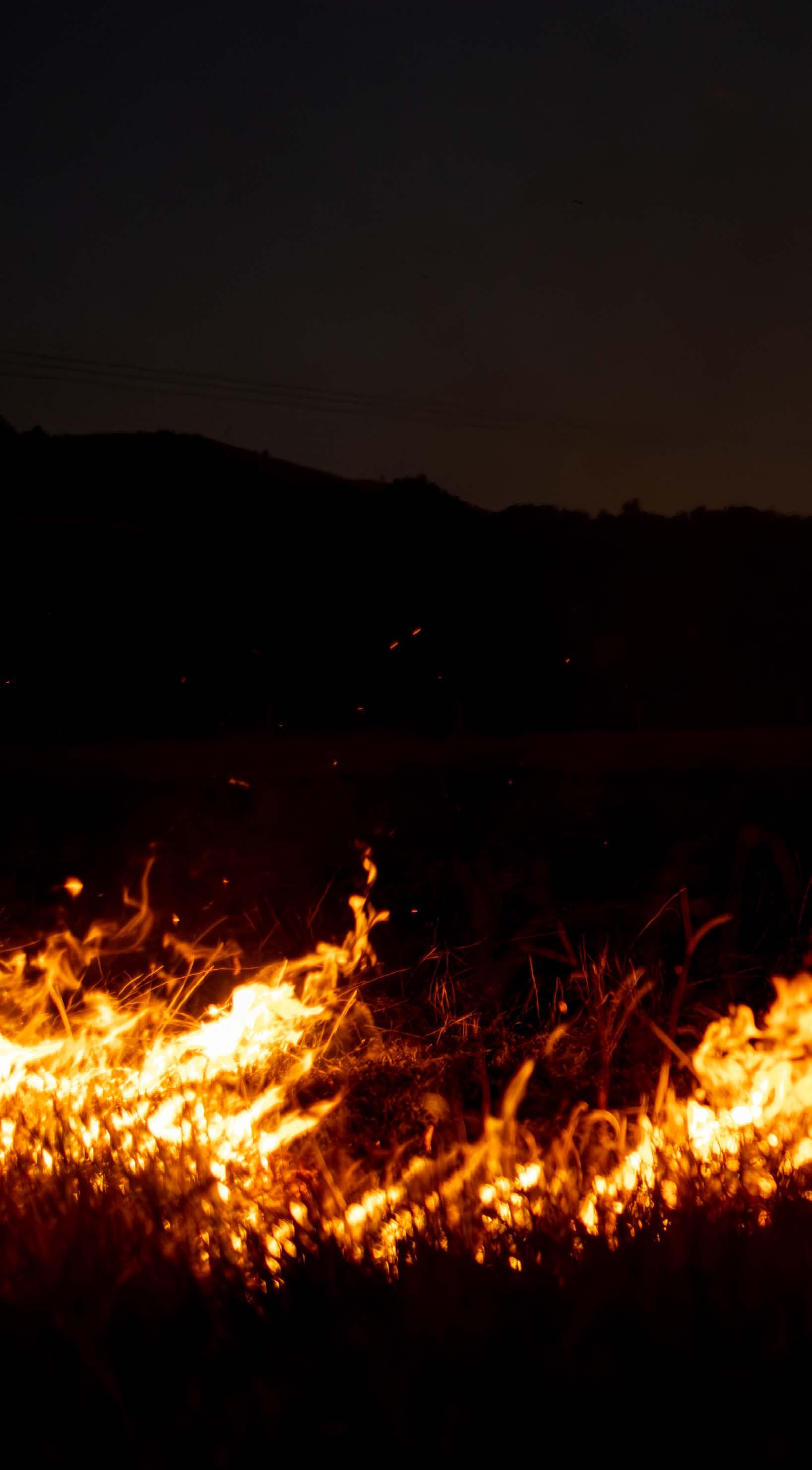
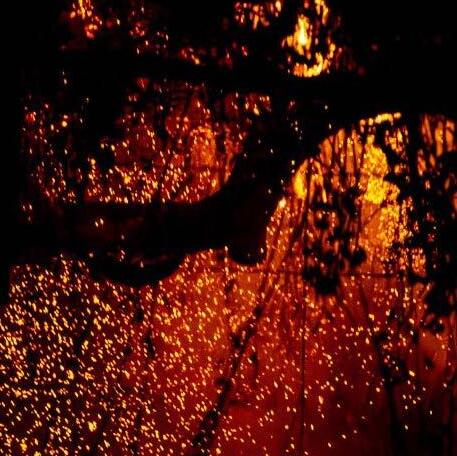
Renae Saxby, Fire Scars Arnhem Land, digital photograph, 2023. Renae Saxby, Fire Scars Salisbury, digital photograph, 2023.
1 Lynn, Christopher Dana. “Hearth and campfire influences on arterial blood pressure: defraying the costs of the social brain through fireside relaxation.” Evolutionary psychology : an international journal of evolutionary approaches to psychology
14 NEW OLD SCHOOL ARTEL
New Old School brings together seven contemporary painters whose work engages deeply with the canon of art history —not by appropriation or direct quotation—but rather through a conversation across time. Rather than treating the past as closed or complete, these artists allow history to press against the present, creating images that are layered, resonant, and open to interpretation. With this exhibition the curators present the question: what does it mean to paint with history, not behind us, but beside us?
In preparation for this exhibition for early 2026, Kim Blunt caught up with the curators of the exhibition Chelsea and Luke to find out more about what they have planned for the exhibition.
14 MARCH – 28 JUNE 2026
ROB CLEWORTH, NICHOLAS IVES, KATE KURUCZ, JORDAN RICHARDSON AND HEIDI YARDLEY CURATED BY LUKE THURGATE AND CHELSEA LEHMANN
1. How did the idea for New Old School first emerge?
CL: The idea began with a shared observation that many painters working today engage deeply with art history, not through imitation but through reanimation.
Rather than rejecting the past or simply referencing it, these artists use it as a living vocabulary –something that can still be questioned, reassembled, and felt. The title New Old School reflects this duality: the exhibition is both grounded in historical awareness and completely of its moment. It suggests a return to the discipline of painting, but one that is self-conscious and forward-looking.
LT: That duality was key from the start. It informs both the temporal aspects of the exhibition and the tone of much of the work. There’s a clear reverence for historical source material, particularly the craft and materiality of painting, but also an awareness of its complex status.
Chelsea and I are both fascinated by this notion of gravitas and levity sharing space.
2. The exhibition proposed a ‘conversation across time.’ How did you decide which artists to include?
CL: Each of the seven artists has a distinct relationship with art history, but all approach it as a dialogue rather than a hierarchy. Some, like Luke and myself, rework historical imagery to test its psychological charge in the present. Others, like Heidi Yardley and Nick Ives, engage with more recent cultural idioms and references, which appear obliquely in their work. What links them is a shared sensitivity to the persistence of the past, and a willingness to let that persistence generate new meaning rather than nostalgia.
LT: I also think the figure, and its role in storytelling, is central for all of us, whether approached through invention or realism.
NEW OLD SCHOOL
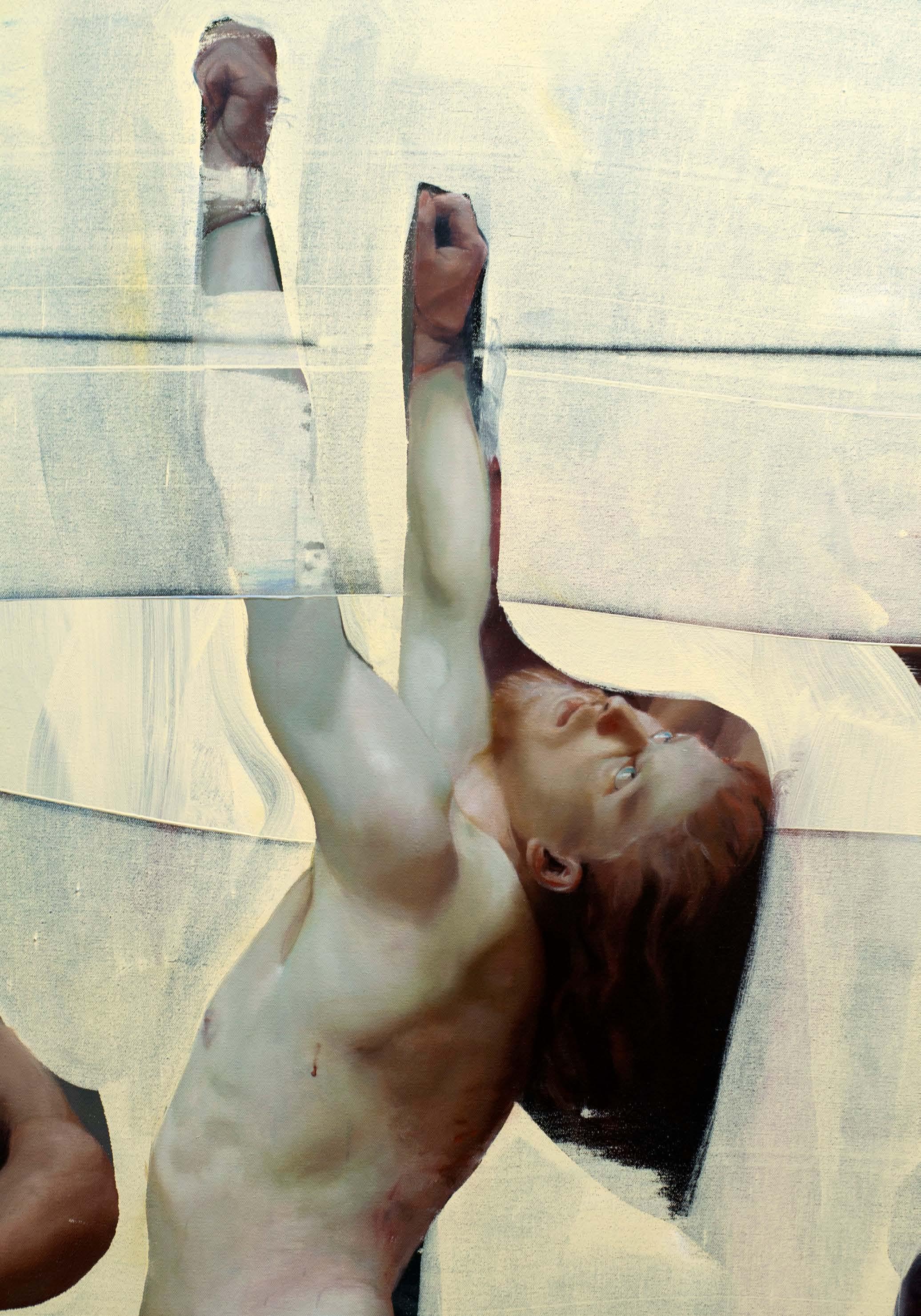
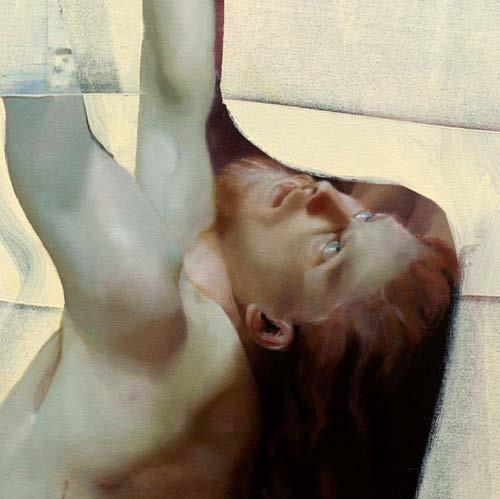
Rob Cleworth, After William-Adolphe Bouguereau, The Flagellation of Christ (detail), 2023, acrylic and chalk on canvas.
ARTEL
In Jordan Richardson’s work, for example, the history of portraiture is both honoured and gently contested. In Kate Kurucz’s work, the figure becomes a vessel for allegory, reimagining Poussin’s Four Seasons through a strange pastoral narrative where myth and the everyday converge. In Chelsea’s work, the human form is wedged or smeared into painterly surfaces where desire, power, and calamitous ruin all vie for attention.
3. What does ‘painting with history beside us’ mean to you personally?
LT: It’s about the idea of certain kinds of painting occupying an atemporal space, where old knowledge and new experience fuse together.
With history beside us, that propulsive drive toward novelty for its own sake feels less important. I like the way this leaves room for slowness and sensitivity.
CL: For me, it means treating history as a companion rather than a weight. Painting beside history suggests proximity and dialogue instead of reverence or distance. As artists, we carry fragments of what has been seen and made before, and this exhibition acknowledges that inheritance while leaving space for transformation. We live among the cultural materials of the past; in architecture, monuments, artworks, and the vast digital archives that shape how we see, traces that continue to inform the present.
At the same time, political and cultural conflicts, and the widening disparities of capitalism, keep reshaping experience. The power structures that drive desire and fear seem unmovable, yet they’re what artists continually reckon with and reimagine.
4. How do the artists in this exhibition talk about history?
CL: It varies. Some consciously draw from particular periods or figures, while others find history surfacing almost unconsciously through the act of painting. The medium itself is historical; its material traditions invite that conversation. Even when artists set out to paint the present, they are often haunted by the gestures, colours, or compositions of those who came before. That haunting is part of the vitality of painting, it’s what keeps it alive as a practice.
5. Do any of the artists deliberately challenge or reinterpret canonical figures or movements?
CL: Yes, though often indirectly. Rather than parody or direct critique, there’s a process of recontextualising. Rob Cleworth and Jordan Richardson, for instance, reimagine Baroque
and Romantic tropes through contemporary sensibilities, while my own practice examines how historical modes of depiction, particularly from the Baroque and Surrealist traditions, can be reworked to express ambiguity or fragmentation. These gestures are not about dethroning the canon but about inhabiting it differently.
6. In what ways do material choices become part of this dialogue?
CL: Materiality is central to how the past and present converge.
The viscosity of oil paint, the layering of glazes, or the disruption of the surface can each evoke historical techniques while also subverting them. Colour and texture become a way of thinking through time, allowing the physicality of painting to act as both a link and a rupture between eras.
LT: Each artist negotiates that tension through their own relationship to the material and its legacy, finding a language that feels simultaneously familiar and new. It’s an exchange shaped by a shared love of painting.
7. How do you hope audiences unfamiliar with art history will experience the exhibition?
CL: The works can be read on multiple levels. Even without deep knowledge of art history, audiences can sense the emotional or atmospheric charge that comes from those collisions of time. The show isn’t about recognising references; it’s about feeling the resonance between what’s old and what’s unfolding now. Ideally, viewers leave with a sense that painting remains an active site of thought and renewal.
8. If the past is “alive and in tension with the now,” what kinds of tensions feel most urgent today?
CL and LT: Many of the most vital tensions emerge from the push and pull between individual subjectivity and collective history— between inherited images and the need to create new ones. Questions of identity, representation, and cultural memory are being renegotiated through painting in ways that are both critical and poetic. For these artists, tension isn’t something to resolve; it’s the space where meaning forms.
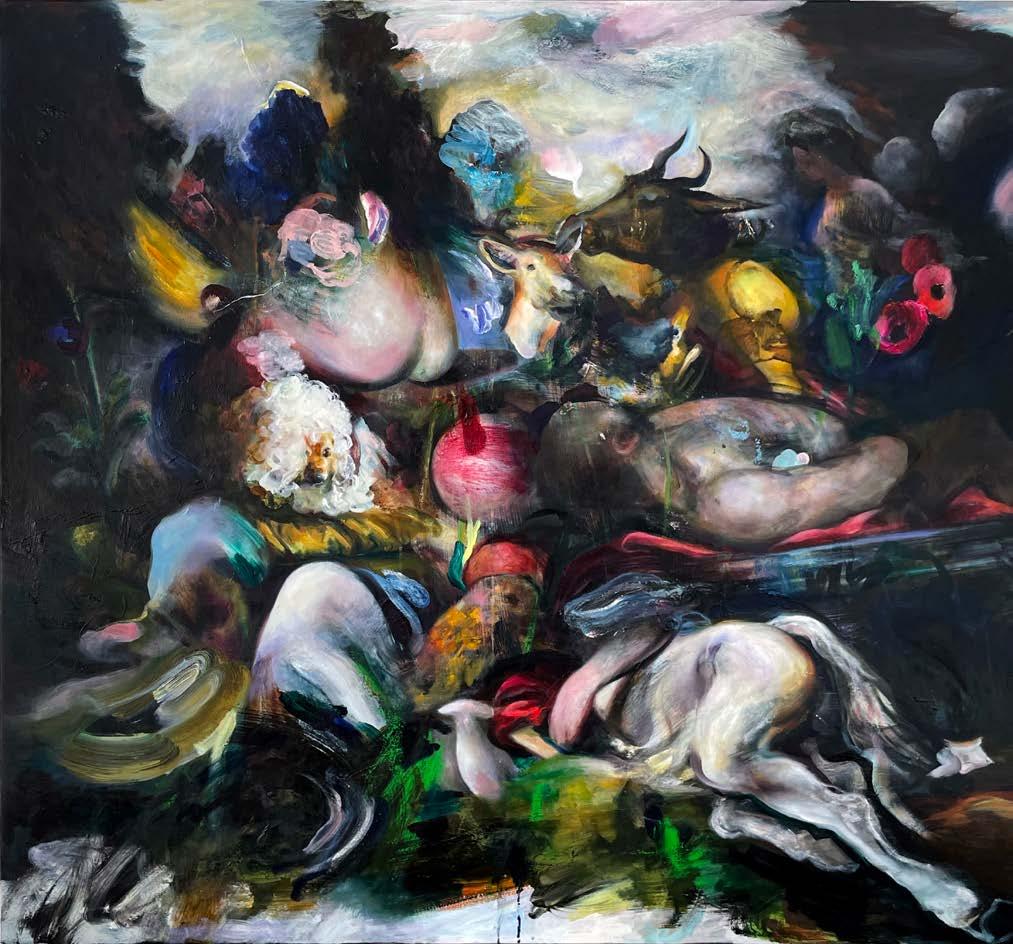
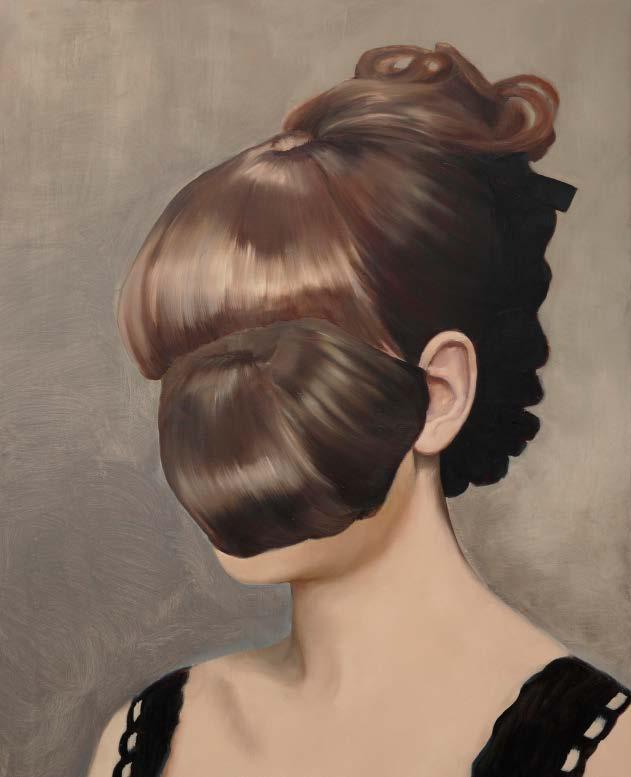
Chelsea Lehmann, Field Remains, 2025, Oil and wax on linen. Heidi Yardley, The Masked Bride, 2024, oil on linen.
18
ART EXPRESS
21 FEBRUARY – 19 APRIL 2026
Never underestimate the power of talent, hard work and a great opportunity.
In February, MRAG is thrilled to welcome back ARTEXPRESS through our doors. This varied and impressive exhibition will highlight artworks by some of the most creative young minds in the country. This will be MRAG’s fifth time hosting ARTEXPRESS and recognising rising Australian artists, in collaboration with the NSW Department of Education the NSW Education Standards Authority.
At MRAG we know projects like these build strong foundations for strong careers and callings in creative fields. In fact, we have at least four examples of ARTEXPRESS talent on our grounds (likely more). For example, in 2016 local artist Alessia Sakoff exhibited in MRAG’s ARTEXPRESS for her work titled Document 1 She drew it as part of her major assessment item in her Visual Arts 2015 Higher School Certificate Portfolio at St Francis Xavier College. Alessia explained in her artist statement:
“As the human race evolves, our understanding of the past becomes greater than ever before. Yet, even as we advance technologies, our world is still heavy with conflict and suffering. Over our history, war has only bred more war. If the human condition does not change then we will always use these new developments to up the ante in warfare.
Growing up in a comfortable and secure environment has shielded me from experiencing the war and violence in the world.
I want to expose the facts and horrors of war that I had naively failed to recognise in the past.”
We purchased Document 1 for our permanent collection shortly after she exhibited, and Alessia then went on to be a finalist in our Brenda Clouten Memorial Art Scholarship in 2022 and 2025. She is currently a working artist with studio space at The Creator Incubator.
Three of our current MRAG staff were previous ARTEXPRESS finalists as well, including Director Gerry Bobsien for a large painting interior in the 1987 art express. Exhibition Lead, Holly Farrell was selected in 2010 for her work 24 Rabbits
Holly attended Warners Bay High School and her work focused on the introduction of the European rabbit into Australia and its destructive effect on the Australian environment.
Artel Editor and Gallery Officer, Joey Hespe was selected in 2004 for her work, Chinese Whispers This mixed media work consisted of three rows of panels of lino print, intaglio and digital images referencing the children’s game of Chinese Whispers. The work explored themes of storytelling, gossip, interpretation and appropriation.
We must also mention renowned Australian artist Ben Quilty, who exhibited in ARTEXPRESS in 1991
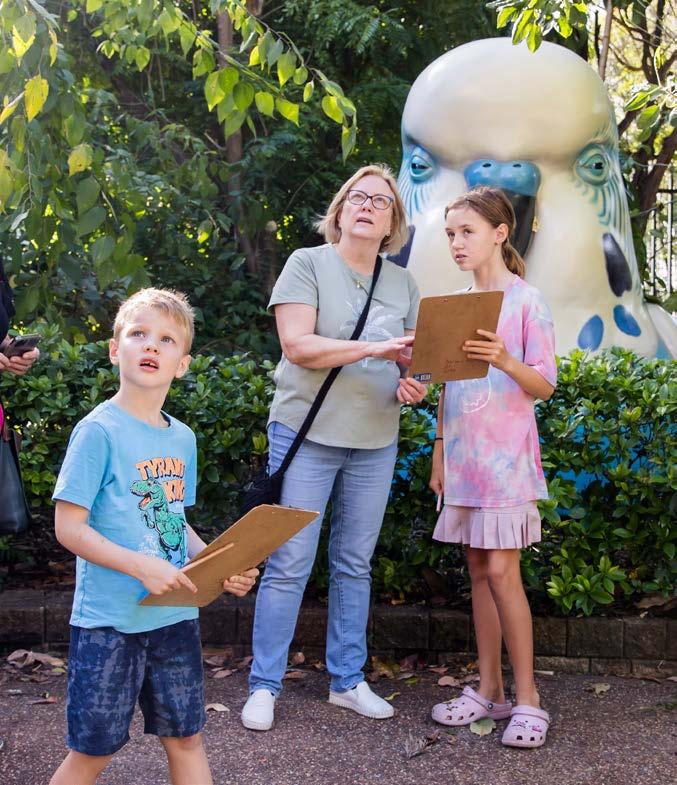
with his work, Self Portrait, After Miro. Quilty later went on to win the Archibald Prize in 2011 with his portrait of Margaret Olley, among many other awards and accomplishments. The Gallery has Quilty’s painting Irin Irinji no.2 in our permanent collection, and it was recently on display as part of our exhibition, Shared. Quilty’s giant budgie sculpture, Poly which was included in the 2024 Twitcher exhibition, and is now on loan to and resides in the Gallery garden where it keeps a watchful eye on patrons at Seraphine café.
The bodies of work in ARTEXPRESS 2026 will undoubtedly shape the future of Australian art as well as our own community. Be sure to visit these impressive works while you’re next visiting the Gallery.
Alex Morris, Education Lead
REFRESHING OUR HERITAGE: THE VALERIE JAMES ROOM
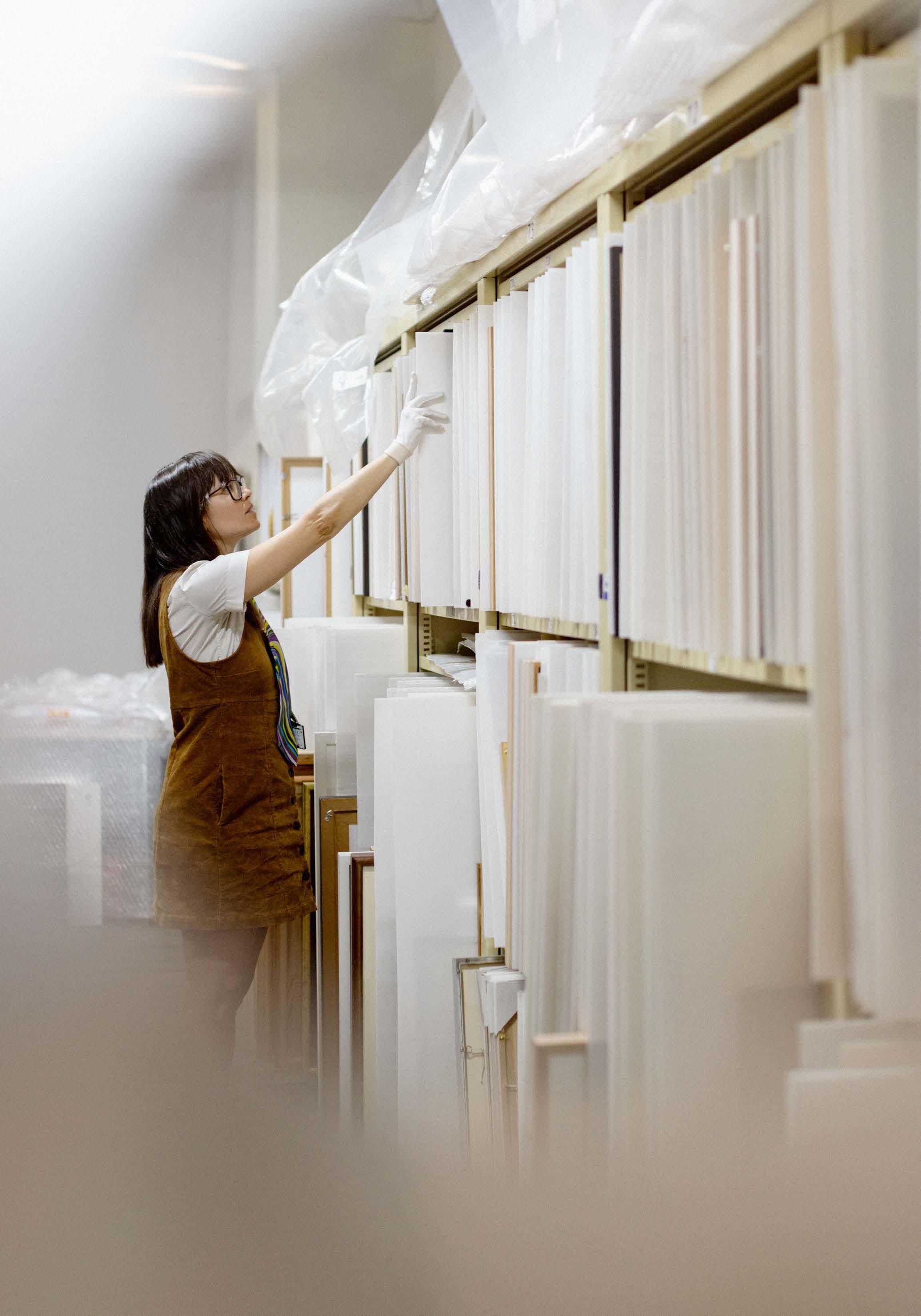
We love our beautiful heritage building, though it sometimes needs a little extra care and attention. In 2026, we’ll be giving our collection store, the Valerie James Room, a well-deserved refresh and repaint. This restoration will include uncovering and restoring our stunning original ceiling, which is currently concealed by plasterboard.
To make this possible, our entire collection will be temporarily relocated in February 2026 from the Valerie James Room to the upstairs gallery exhibition floor. This move will give us a unique opportunity to spend a few months focusing closely on our collection and to secure the future of our storage space for years to come.
During the restoration period, we’ll be displaying as much of the collection as possible throughout our upstairs galleries. We also plan to host several behindthe-scenes events for our members as we explore, relocate, and rediscover works from the collection.
Our collection store currently houses around 8,000 works of art in an environmentally controlled space, carefully monitored for humidity and temperature. Moving all of these works will be a major logistical exercise for the MRAG team, and we can’t wait to take it on!
This important restoration is made possible thanks to a generous contribution from Maitland local Nigel James, who wished to honour his mother, Valerie James.
Valerie was a seamstress teacher here when our building was a Technical College, and the room that now bears her name was once her classroom. We’ll keep everyone updated as work progresses, so stay tuned as we begin unpacking the store and rediscovering treasures from our collection. We’re thrilled to have this opportunity to get up close with so many works over the autumn months and to ensure our collection is preserved for the generations to come.
Gerry Bobsien, Gallery Director
22 BIG SMOKE, LITTLE SMOKE
CREATIVITY AND CONNECTION FOR ARTISTS WITH DISABILITY
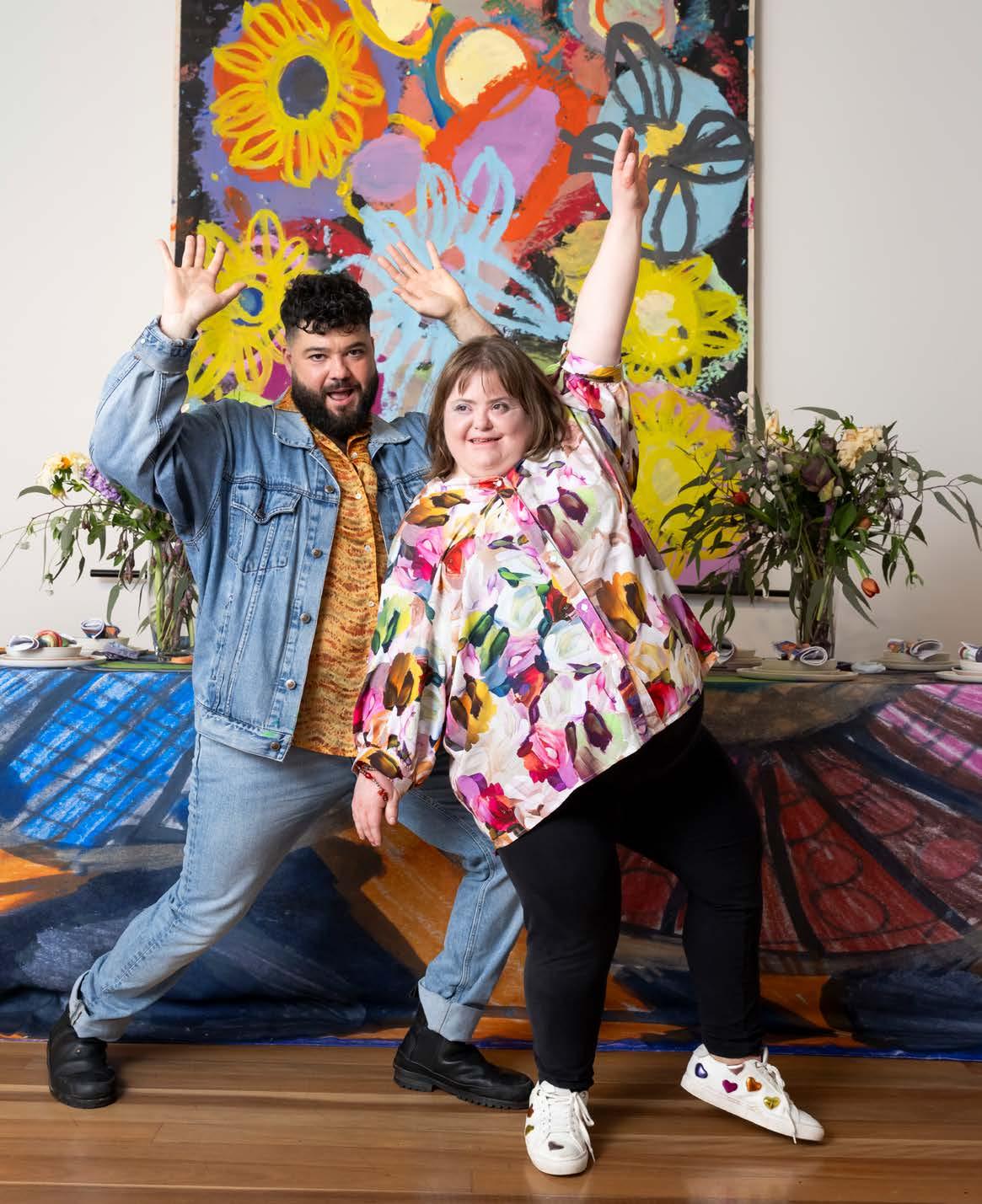
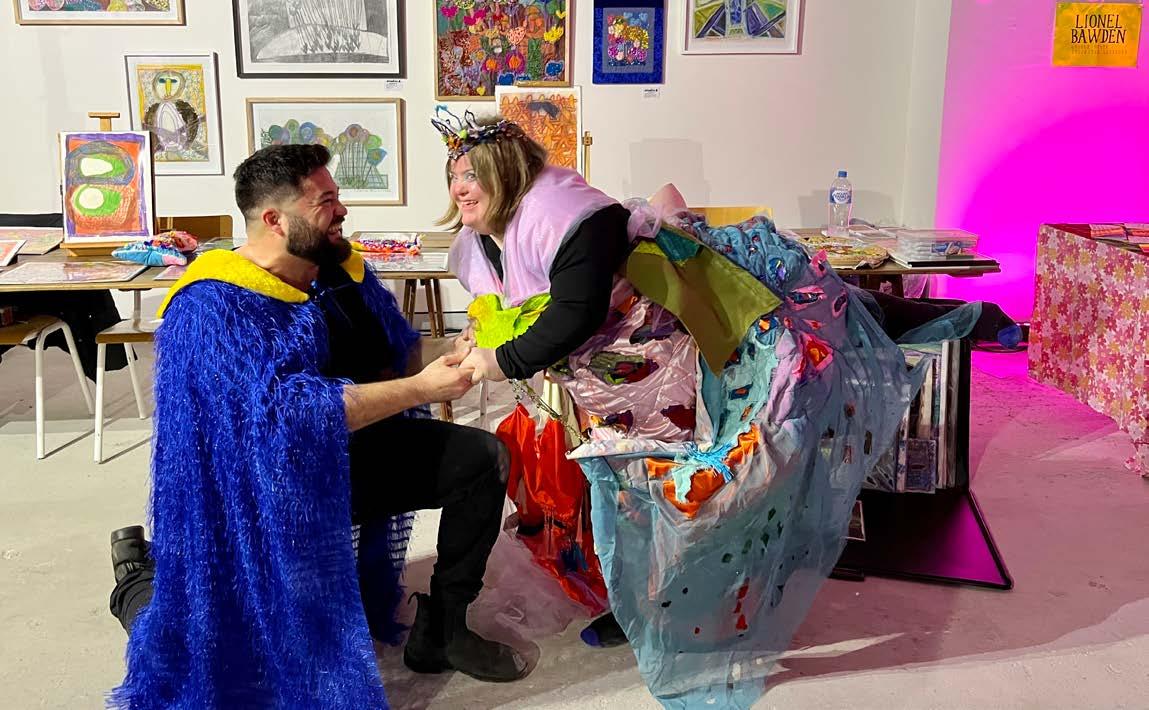
Maitland Regional Art Gallery is excited to announce Big Smoke, Little Smoke - a vibrant new initiative dedicated to supporting artists living with disability.
This innovative program fosters professional growth, artistic exploration, and community connection – creating vital opportunities for artists who have historically been underrepresented and excluded from mainstream art spaces.
Born from a collaboration between MRAG, Studio A, and Mai-Wel, Big Smoke, Little Smoke offers a yearlong journey of mentorship, skill-building, and artistic innovation for five local artists living with disability.
Studio A is a Sydney based social enterprise and arts company that tackles the barriers artists with intellectual disability face in accessing conventional education, professional development pathways and opportunities needed to be successful and renowned visual artists.
Mai-Wel are long time collaborators of MRAG and provide a range of disability and employment support services that are varied to meet the goals and aspirations of people living with disability in the Hunter-region.
Guided by renowned local artist and arts facilitator
Shan Turner-Carroll, Big Smoke, Little Smoke participants will engage in weekly workshops and one-on-one mentoring sessions throughout 2026,
developing their individual art practices while gaining invaluable insights into a professional arts career.
Shan has previously worked with Studio A in various roles and has collaborated closely with artists Catherine McGuiness and Damian Showyin in the development of new bodies of work for their large-scale exhibition at Mosman Art Gallery in 2025. Catherine went on to create a portrait of Shan, which was selected as a finalist in the 2025 Archibald Prize at the Art Gallery of New South Wales – a lovely full circle moment for these artistic collaborators and friends. This work has recently been acquired by MRAG and will be a part of the Gallery’s growing permanent collection.
At its core, Big Smoke, Little Smoke is about forging genuine partnerships and fostering cultural exchange. Studio A artists will visit the MRAG studio spaces to share their expertise and lead workshops, while Big Smoke, Little Smoke participants will have reciprocal access to Studio A’s studios and exhibitions in Crows Nest, Sydney.
This exchange enriches the creative process and builds a supportive regional network that champions inclusivity and diversity in the arts.
The year-long collaboration culminates in a landmark Big Smoke, Little Smoke exhibition at MRAG in early 2027, showcasing five newly commissioned works developed by the artists. This exhibition is not just a display of talent - it’s a celebration of resilience, innovation, and the breaking down of barriers for artists with disability within the artistic community.
Beyond supporting individual artists, Big Smoke, Little Smoke is pioneering sustainable practices for inclusion at MRAG.
The project will serve as a blueprint for future exhibitions, enabling staff to develop and refine methods for for including artists with disability into our exhibitions program and our collection in the future.
As the Hunter region’s creative landscape evolves, Big Smoke, Little Smoke stands as a beacon of possibility, developing new pathways for artistic expression, professional growth and community connection. It invites us all to rethink how we value and support diverse voices in the arts.
Courtney Novak, Deputy Director
MEET A COLLECTOR: CATHERINE KINGSMILL
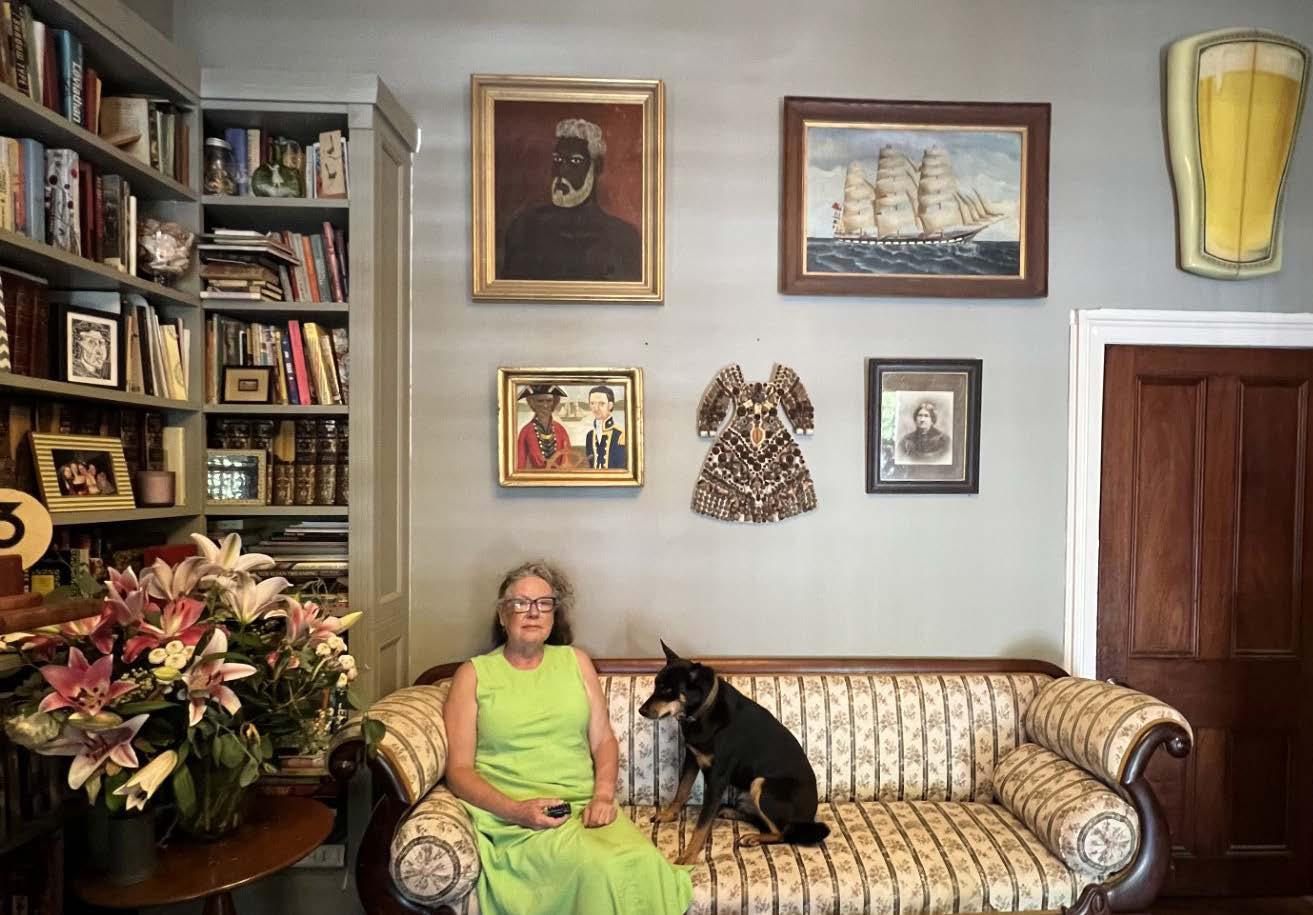
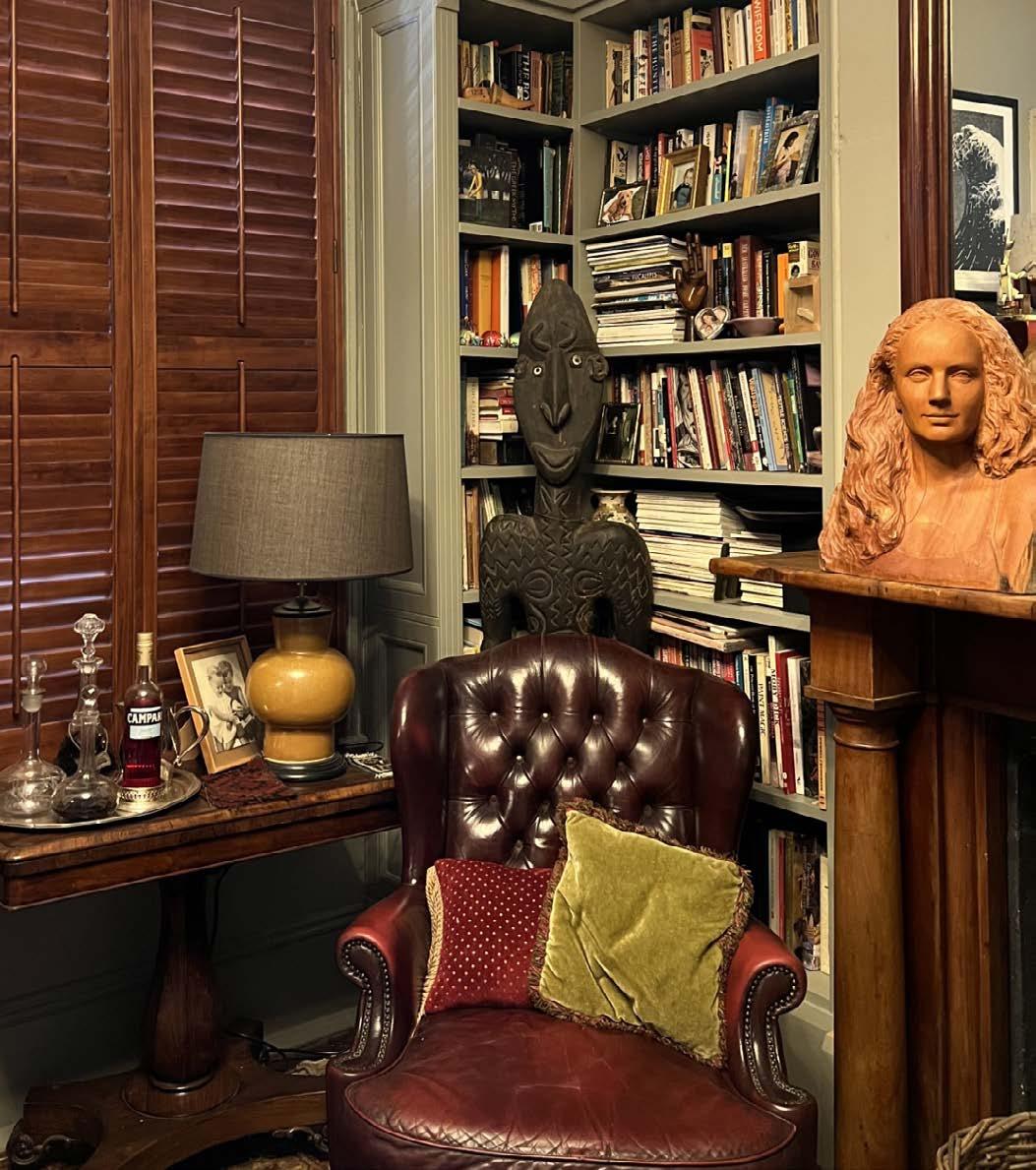
Local artist Catherine Kingsmill is a collector in the truest sense of the word, and many of her own artworks are created from collections. In her 2024 exhibition The Memory Collective at MRAG, Catherine paid tribute to five significant Maitland women through sculptural silhouettes featuring collected materials that referenced each woman’s particular field of expertise and social contribution.
When I visited Catherine recently in her Central Maitland home I was astonished and delighted to enter into a veritable parallel universe of collections, all still in the throes of being sorted and arranged following her moving into a Georgian cottage she’s in the midst of renovating. As we wandered from room to room, Catherine generously shared with me the stories of her near lifelong passion for collecting, not just
art, but also books on art, history and architecture, as well as antique furniture, vinyl records, textiles, Harris Tweed jackets, souvenir spoons, and so much more.
JH: Catherine, when did you first start collecting?
CK: I remember the defining moment when I was 12; I found a jar of old shell buttons! At 16 I did work experience in an antique shop with Gerard Fergus in Castlereagh Street, Sydney and he introduced me to
Australian antiques – this was a turning point for me in finding my passion for collecting as well as appreciating antiques and history. The first item I really consciously collected was an ashtray by Studio Anna; I still have it in my collection today.
JH: What defines a collector? Why do we do it?
CK: There’s a generosity that lies at the heart of collecting; collectors tend to find joy in family and friends. Through collections we are creating family groups of material culture; objects are imbued with the essence of their time or their creator.
I am constantly interacting with the pieces in my collections; I like to hold them, connect with their history. Each object I have, regardless of its worth, is imbued with a strong and deep meaning, a significance. I have studied Curating, Australian History, Textile Design, and Fine Art. My studies are reflected in the items I choose to collect.
JH: Can anyone become a collector?
CK: Many people are against collecting; they view it as hoarding and clutter; they value minimalism instead. But if it wasn’t for collectors, museums wouldn’t have many of their artefacts, artworks and valuables.
We are the caretakers and guardians of history. A true collector never stops, although as time passes, we may slow down!
JH: Do you have a favourite piece in your collection?
CK: My favourite pieces are the portraits of my three children: a photograph of my daughter, Lucretia, by Robyn Stacey, a Huon pine bust of my daughter, Morgan, by sculptor Gareth Graham, and a portrait of my son, Moten, by Rachel Milne.
JH: What is most important about the 2320 Collectors Club* for you?
CK: Maitland Regional Art Gallery is such a gem for the City of Maitland and its residents. Anything we can do to help build its collection and support the gallery and collection into the future is important. The annual fundraising dinner is also a wonderful evening of food, wine and connection with other passionate MRAG supporters.
Jenny Hunter, Gallery Officer
*The 2320 Collectors Club is a group dedicated to growing the MRAG collection. Membership is via an annual $500 tax-deductible donation which goes directly toward the acquisition of new works of art, voted for at an event held at the Gallery each year. If you’re interested in joining the Collectors, please contact the Gallery for more information.
MRAG MEMBERS X BOYDELL’S MEMBERS EVENT
A sparkling prelude to Mud to Masterpiece: An evening of art, conversation, and collaboration.
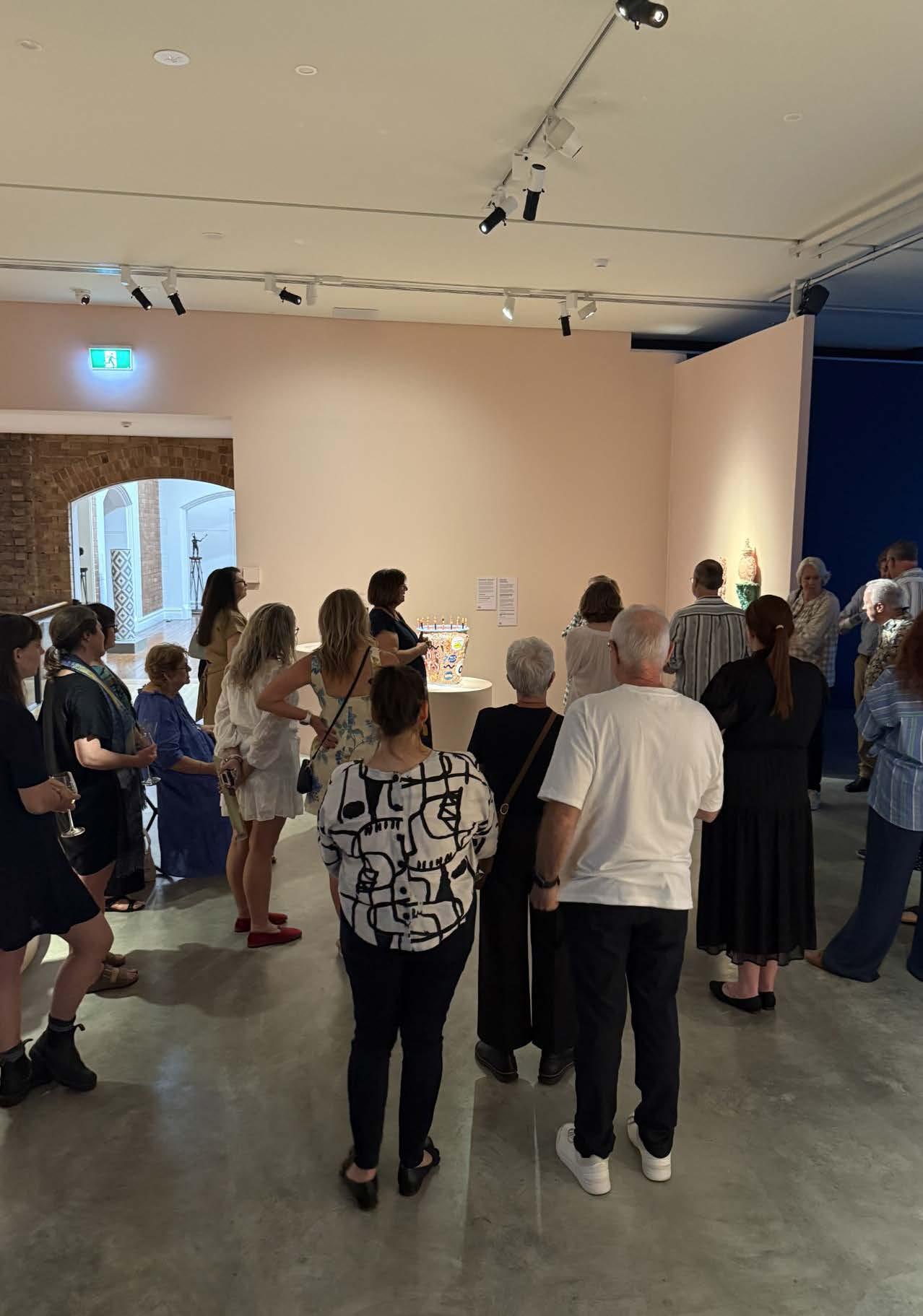
On a balmy November evening in Maitland, members of both MRAG and Boydell’s gathered for an intimate pre-opening evening of Mud to Masterpiece With glasses of Boydell’s Sparkling Wine in hand and canapés, guests enjoyed a rare privilege—a private, guided tour of the exhibition ahead of its public opening.
Senior Curator Kim Blunt and Co-Curator, Vanessa Turton, led the evening, offering an insider’s glimpse into the concepts, stories, and creative forces that shape the exhibition. Their commentary invited guests to see not only the transformative power of clay and just how far the boundaries of this medium can be pushed.
From large-scale sculptural forms to the intricate and otherworldly, this electric, energetic exhibition showcases ceramic art surpassing its traditional roots.
This event marked the first in a new series of collaborative members’ evenings between MRAG and Boydell’s.
Stay tuned for more inspiring collaborations between MRAG and our partners in the months to come.
STORE UPDATE ARTEL
Maitland-based artist
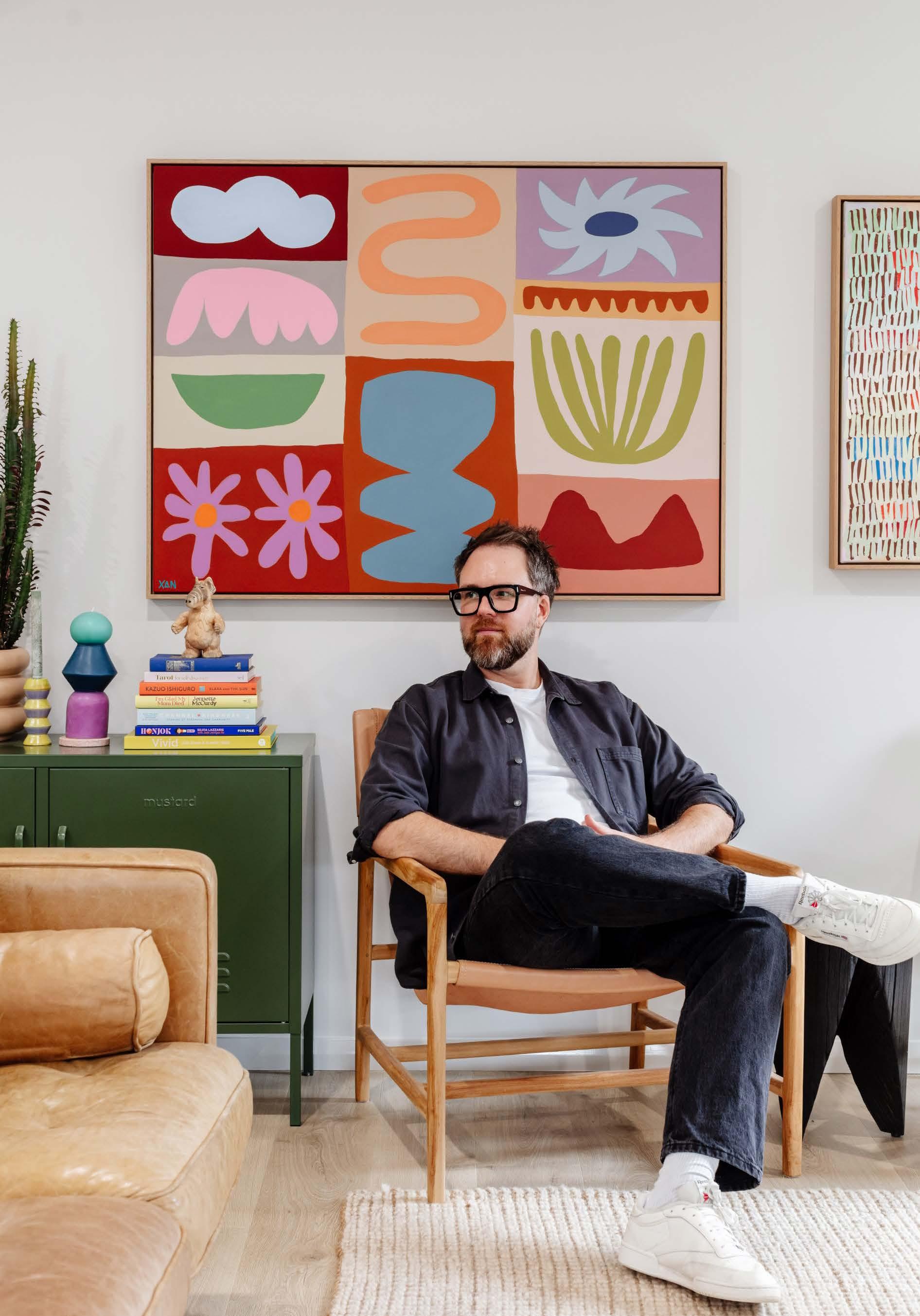
Xander Holliday has built a career on colour—not purely as a visual element, but as a conduit for joy, connection, and creative identity. His works, defined by bold graphic forms and a vibrant palette, embody a sense of modern abstraction. They feel like invitations: step in, slow down, and let colour and geometry move you.
Holliday’s path toward this refined aesthetic has been anything but conventional. A self-taught artist with a background in digital design, he spent years in commercial creative roles where technical precision and a polished visual language were essential. Rather than distancing himself from those foundations, he’s amplified them—merging the structure of design with the expressive potential of paint. The result is a visual language that’s instantly recognisable: playful yet grounded, joyful yet meticulously composed.
“Art and design aren’t separate worlds for me,” Holliday says.
“I’m always interested in the space where they overlap—where they elevate one another.”
Since launching his small business in 2017, what began as a hobby has evolved into a thriving contemporary art practice. Holliday’s work now attracts collectors, brand collaborations, and partnerships across interiors and fashion. His pieces feature in some of Australia’s leading homeware and gallery spaces, including Jumbled and Greenhouse Interiors. Recently, Holliday was the recipient of a Maitland City Council grant, which provided crucial support in developing his creative process. For many artists, such local and government grants are more than financial assistance—they’re an affirmation of the value of artistic practice within the community, enabling experimentation, growth, and sustainability.
That same relationship between art, design, and community is alive at the MRAG Store, where Xander’s work has been available since October.
The Store echoes the Gallery’s curatorial rhythm, its seasonal direction shaped by the exhibitions unfolding just beyond its walls. This summer, that energy has blossomed into a vibrant celebration of creativity—showcasing the work of more than 100 Australian makers and embracing the inspiration that flows from within the Gallery itself.
Here, accessibility to original art and design takes centre stage. Visitors might leave with a beautifully designed greeting card, a hand-painted ceramic, or perhaps a distinctive artwork by a local creative.
In many ways, Xander Holliday’s journey mirrors the ethos of the MRAG Store: a commitment to colour, craftsmanship, and connection.
His work reminds us that art can be both refined and approachable, bold and deeply human—a joyful meeting point of design, imagination, and community.
Joey Hespe, Gallery Officer
Image credit: Sophie Tyler
It’s a group of people who love MRAG. It’s an event and a fun night out with food and wine. It’s philanthropy. It’s a fun way to learn more about art and artists. It’s a way to support and build the MRAG Collection… It’s our 2320 Contemporary Collectors Club!
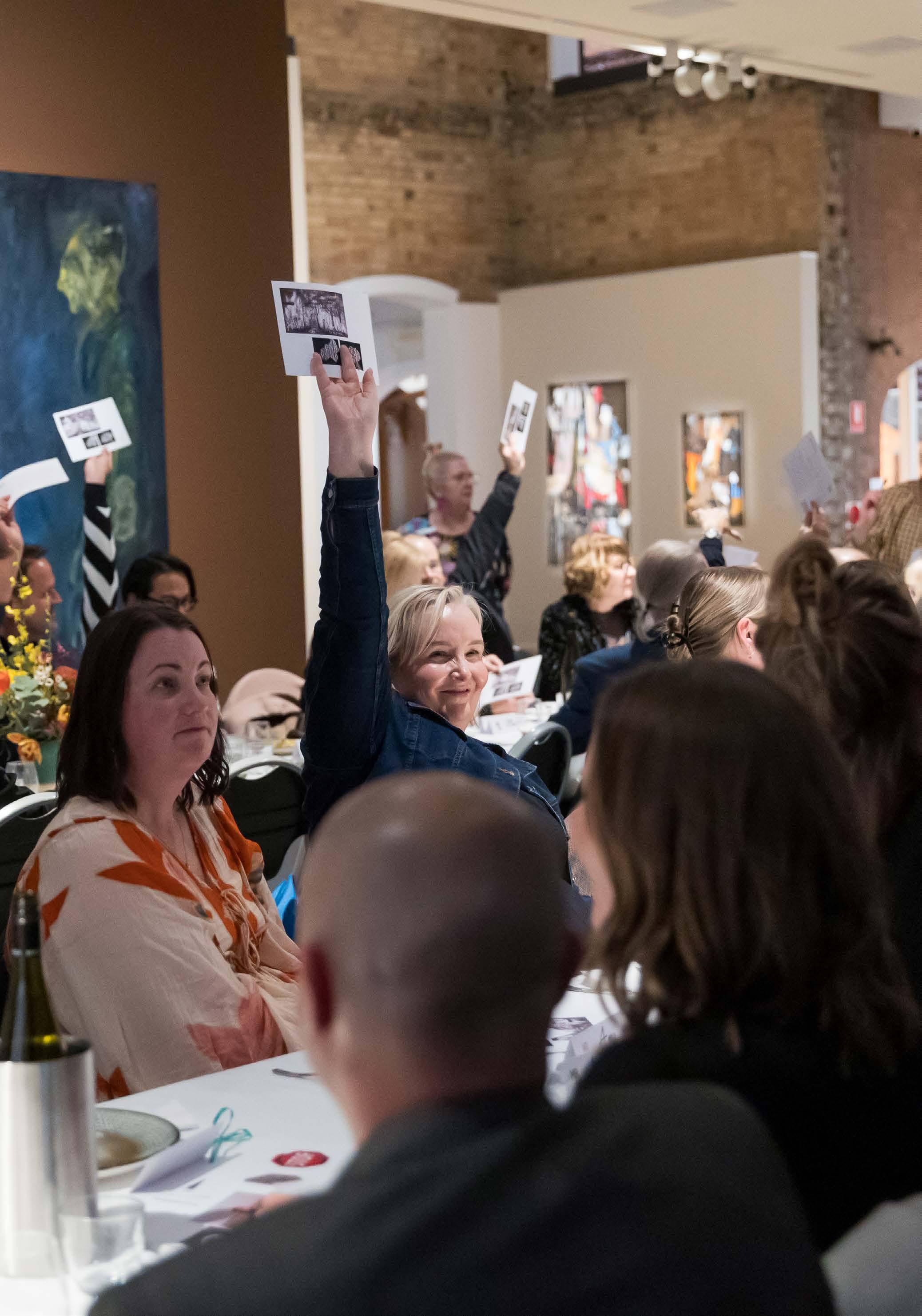
Each year MRAG hosts a group of special MRAG supporters, known as our 2320 Contemporary Collectors, for dinner and a one-night-only exhibition and with the aim to select a new artwork for the MRAG Collection. New members are always welcome, and you can be a part of this fun event too.
HOW THE 2320 CONTEMPORARY COLLECTORS EXPERIENCE UNFOLDS:
Save the Date
A date is set, and everyone is invited to be a Contemporary Collector. Join the Club
Each Collector makes their donation of $500 (which is fully tax deductible), and these funds are pooled and used to directly purchase an artwork on the night for the MRAG permanent Collection.
The Curator Showdown
MRAG curators make a wish list of 4-5 artworks that they think would be exciting additions to the MRAG Collection and then we curate and install these artworks for a one-night exhibition only for the Collectors.
One Night. One Vote. One Artwork.
The evening kicks off with drinks and a friendly “curator battle,” as curators pitch their top picks. Over dinner and wine, the conversation flows, and the votes roll in. At the end of the night, one artwork is chosen by the group to be acquired for the MRAG Collection.
WHY IT MATTERS:
This isn’t just a dinner — it’s a meaningful (and fun!) way to support artists, grow the MRAG Collection, and connect with fellow art lovers. Since 2021, the 2320 Contemporary Collectors have helped acquire important works for the permanent Collection by artists:
• Nyarapayi Giles
• Tamara Dean
• Elisa Jane Carmichael
• Dhopiya Yunupiŋu
• Caroline Rothwell
DETAILS FOR THE NEXT COLLECTORS CLUB:
Our next 2320 Contemporary Collectors event will be Friday 15th May 2026
Your $500 donation is fully tax deductible.
The 2320 Collectors event includes dinner and drinks for two, with two voting cards to assist with bidding for your favourite artwork to join the MRAG collection, and also includes an annual Gallery Membership.
You can RSVP and donate at any time leading up to the event, just contact the gallery.
WANT IN?
New members are always welcome. Whether you’re a seasoned collector or just curious about contemporary art, we’d love you to join us for this unique experience.
Be part of the conversation. Be part of the collection. Become a 2320
Contemporary Collector.
Cheryl Farrell, Collection Management Curator
2320 Collectors dinner, August 2024, photography by Leighsa Cox
Last year, Maitland Regional Art Gallery turned 50! What better way to celebrate than with a book that sparks imagination for artists young and old?
In the Making is a vibrant new publication from MRAG that invites readers to explore the Gallery’s collection in a fresh and hands-on way.
Created in-house by our talented MRAG team, this book brings together 14 loved works from the Gallery’s collection, each paired with an activity designed to encourage creativity, curiosity, and play.
From drawing and painting to collage, sculpture, and printmaking, every page offers a chance to not only learn about some of the great artists in our collection, but to also make your own art inspired by them.
Take, for instance, John Coburn’s bold painting Legend IV. Known for his luminous shapes and colours, Coburn once said, “I paint these things to explain the world to myself.”
In the Making invites budding artists to respond to his vision by cutting, arranging, and glueing shapes in vibrant hues to create abstract works of their own.
It’s this interactive spirit that makes In the Making more than just a book. It’s a creative companion, encouraging families, students, and children alike to see art not as something locked away in a gallery, but as something alive—an open invitation to make, imagine, and play.
As MRAG celebrates its 50th birthday, In the Making is both a tribute to the Gallery’s remarkable collection and a reminder of the joy that comes when we put our own hands to paper, clay, or paint. After all, art is always “in the making.”
BECOME A MEMBER OF MAITLAND REGIONAL ART GALLERY
Your membership supports free and accessible programs for all ages, and gives you access to an exclusive annual program of events and member benefits.
GIVE GALLERY MEMBERSHIP AS A GIFT!
When you purchase a gift membership online the recipient of the gift will receive an email including their membership details and your personalised message.
To become a member, renew your membership, or for a full list of benefits, head to mrag.org.au/become-a-member
MRAG COLLECTION BOOK SHARED
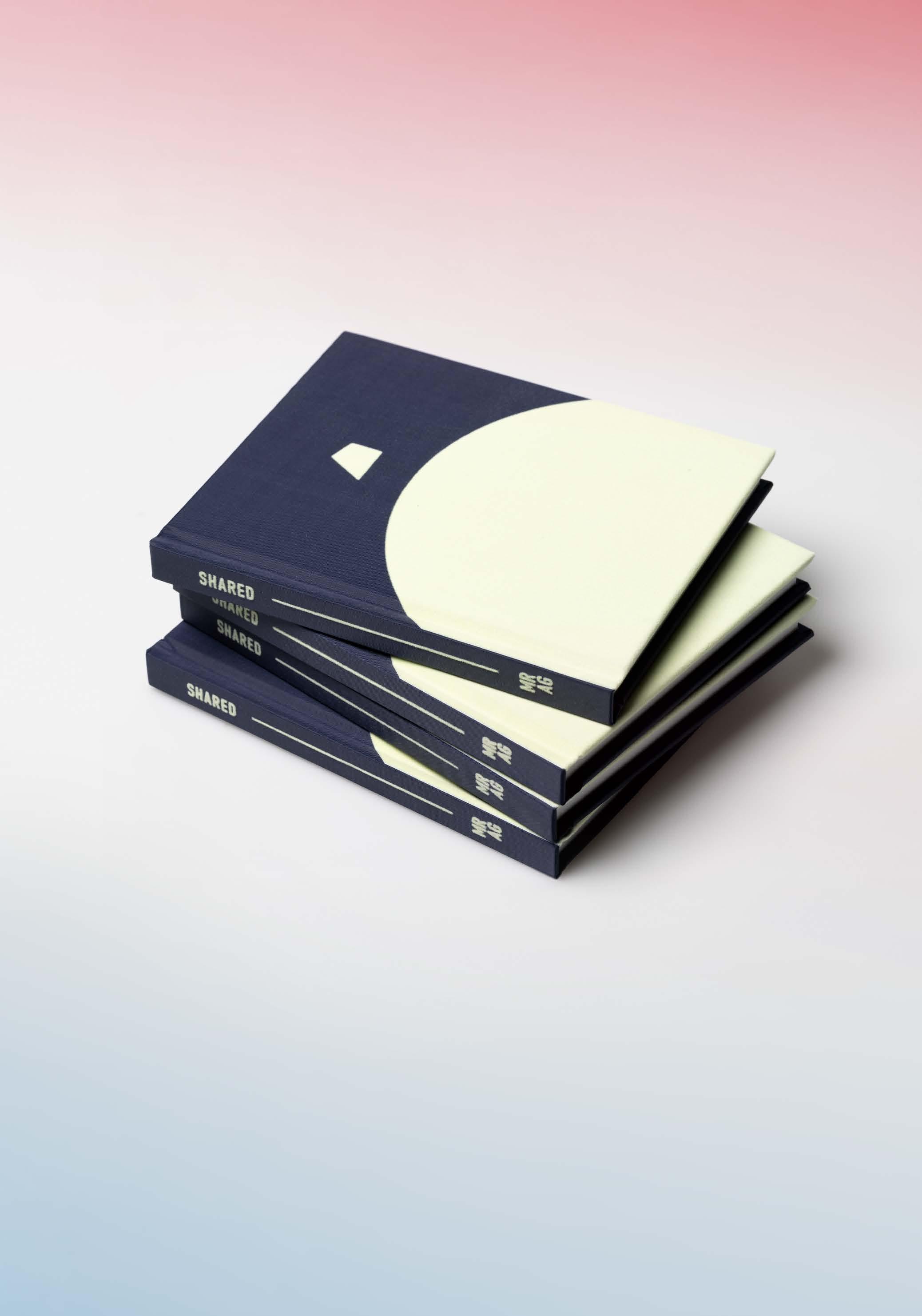
Our collection continues to grow through new acquisitions and wonderful benefactors. In 2023, we launched our new publication highlighting work in the collection, aptly titled, Shared.
From historical treasures to art that fills our minds with a sense of place and wonder, this book captures the spirit of Maitland Regional Art Gallery’s collection in all its many forms.
Sharing this collection gives us the opportunity to ignite conversations, inspire young artists and generate pure joy and delight for curious minds.
AVAILABLE AT THE MRAG STORE $20.00
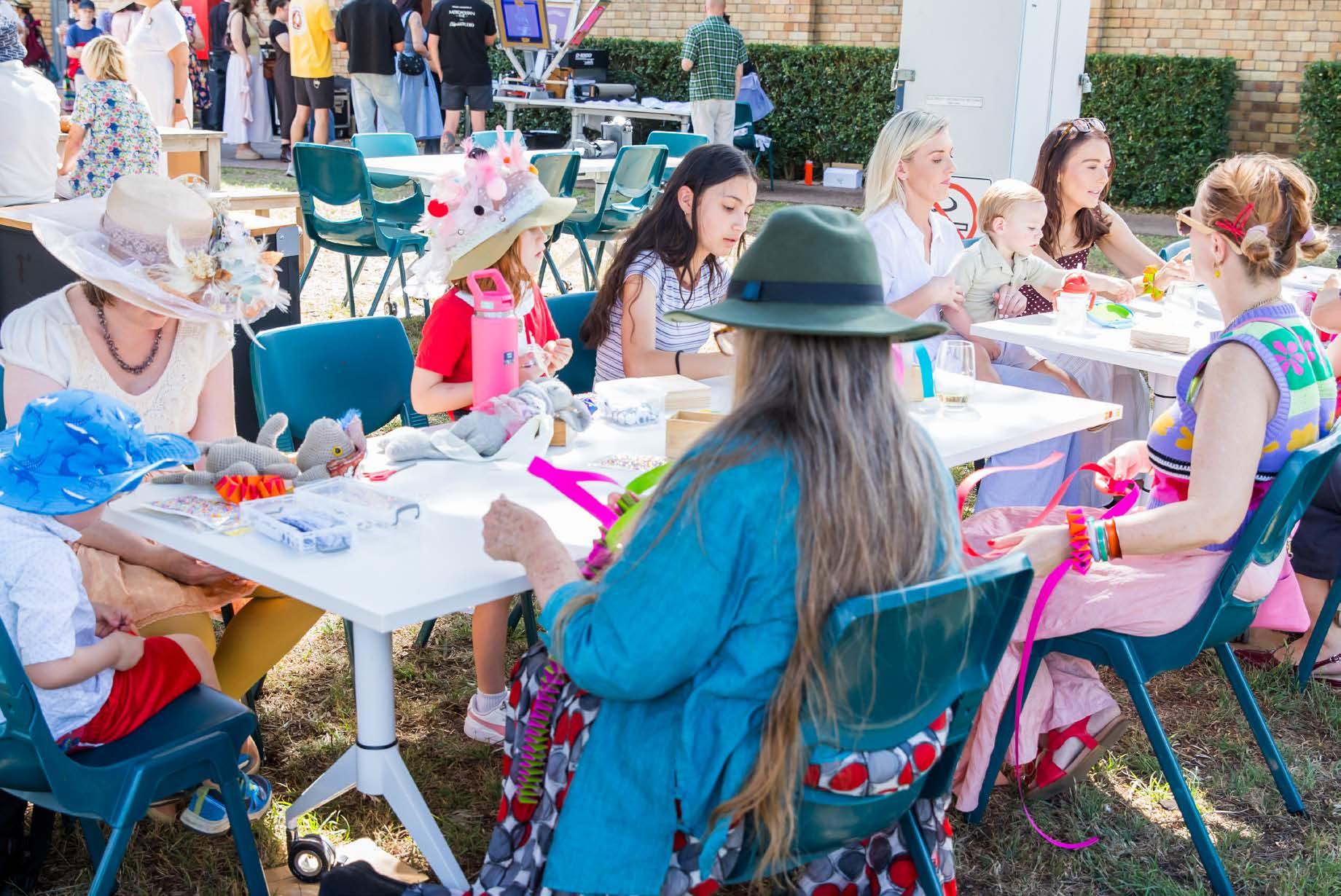
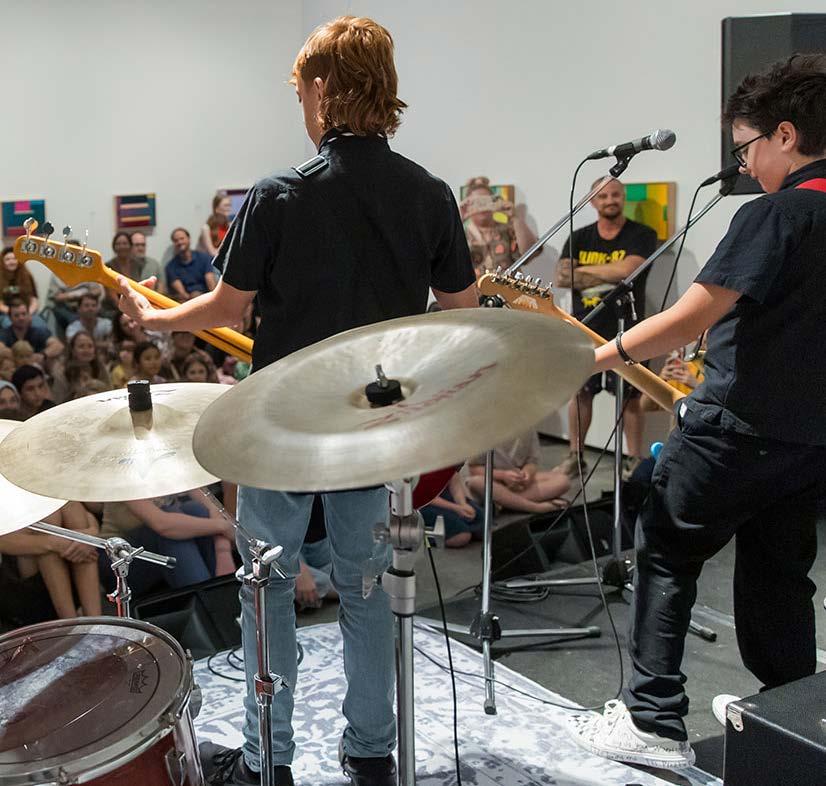
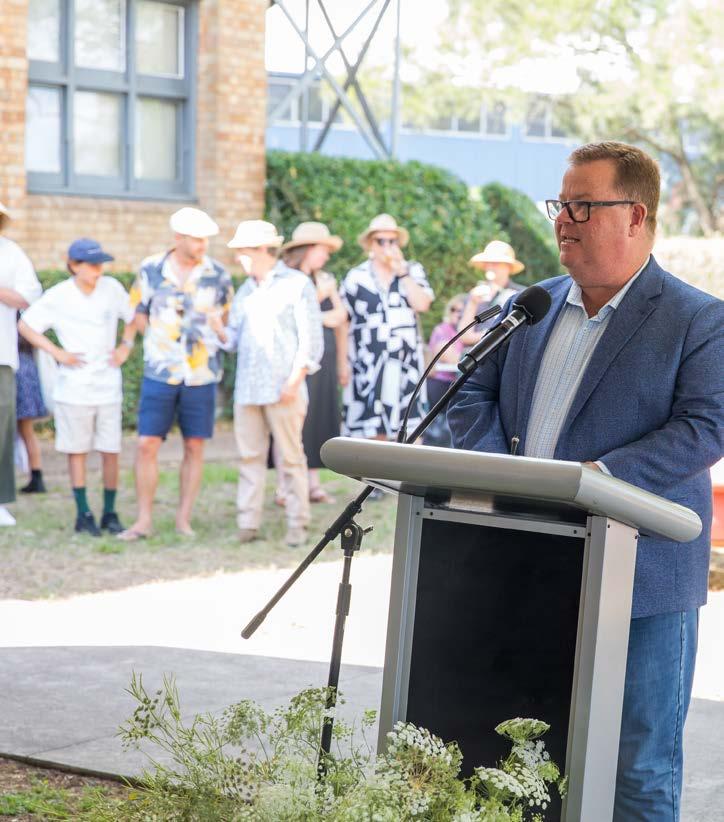
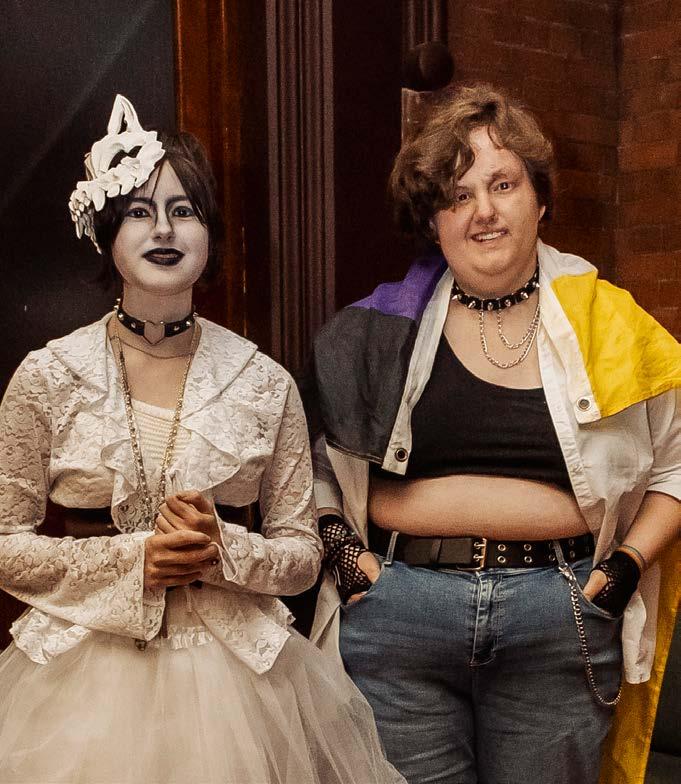
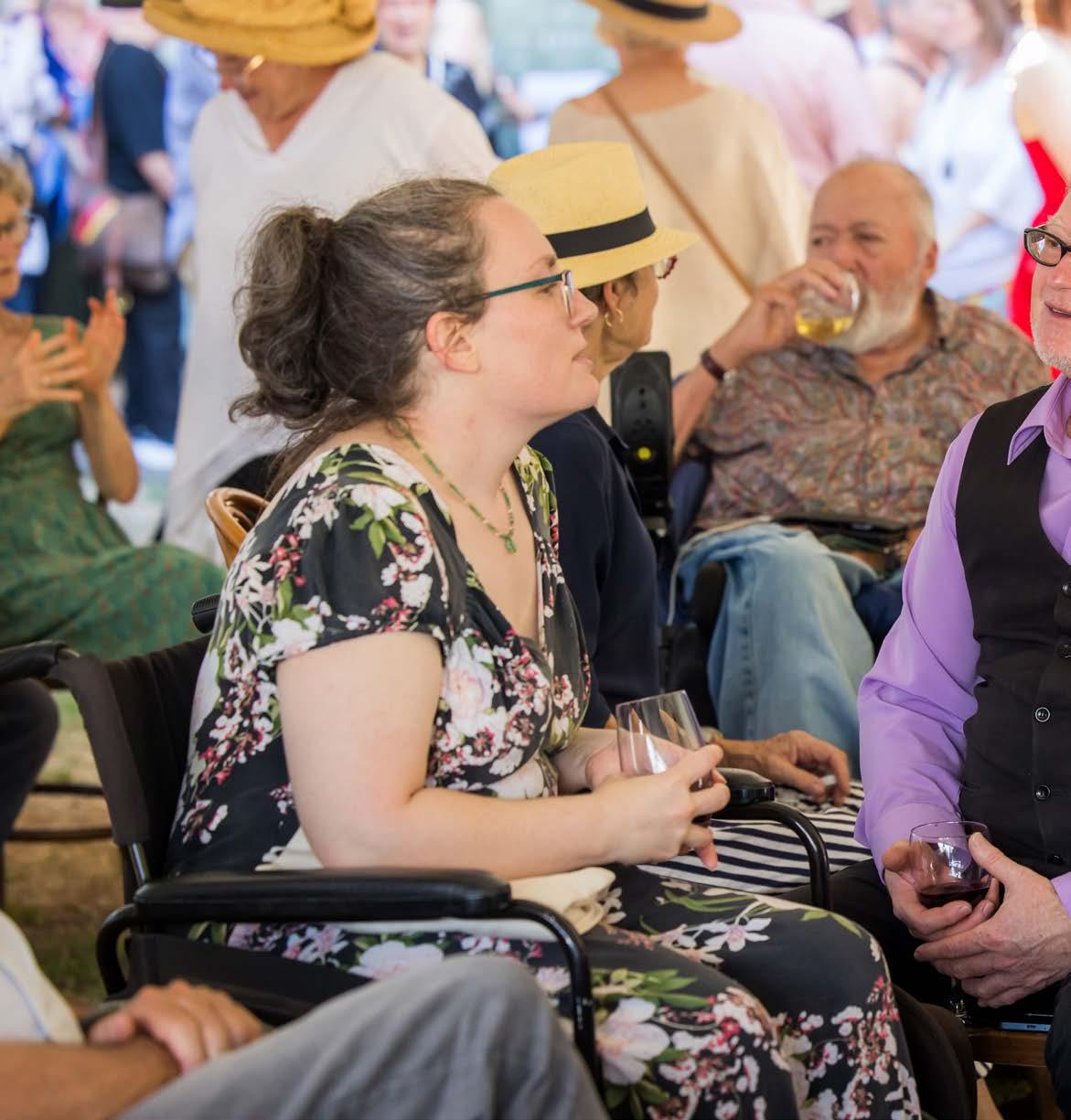
Clockwise from top left: 1. MRAG’s 50th Garden Party Soiree (Leighsa Cox); 2. The Icon Party (Katelyn Blackburn); 3-4. MRAG’s 50th Garden Party Soiree (Leighsa Cox); 5. The Icon Party (Katelyn Blackburn); 6. Youth Week Live (Leighsa Cox); 7. The Icon Party (Katelyn Blackburn)
SOCIAL GALLERY
38 ARTEL
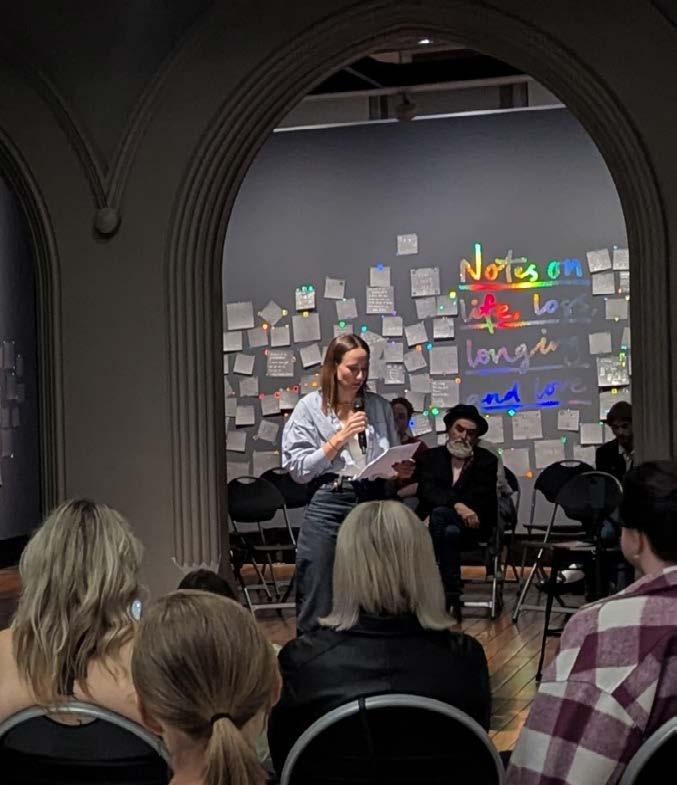
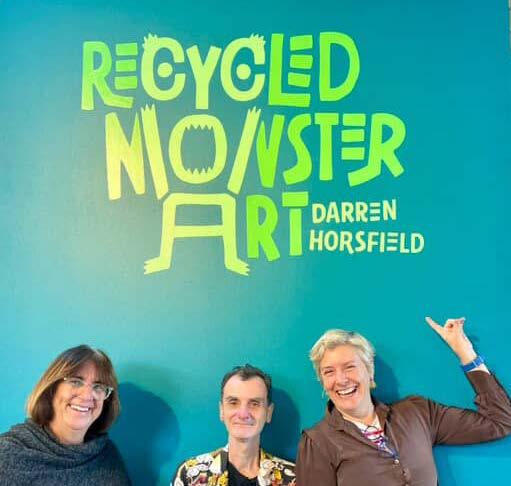
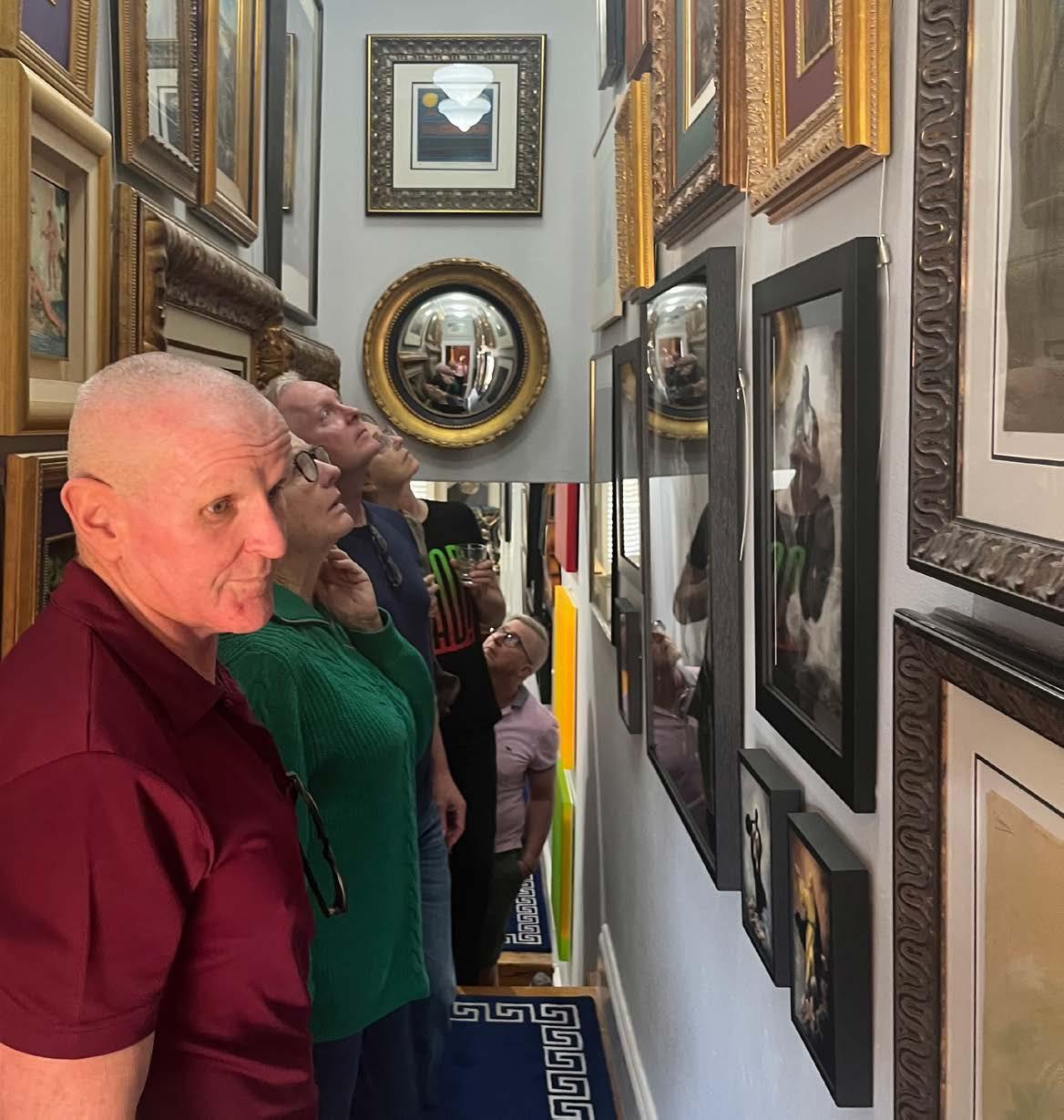
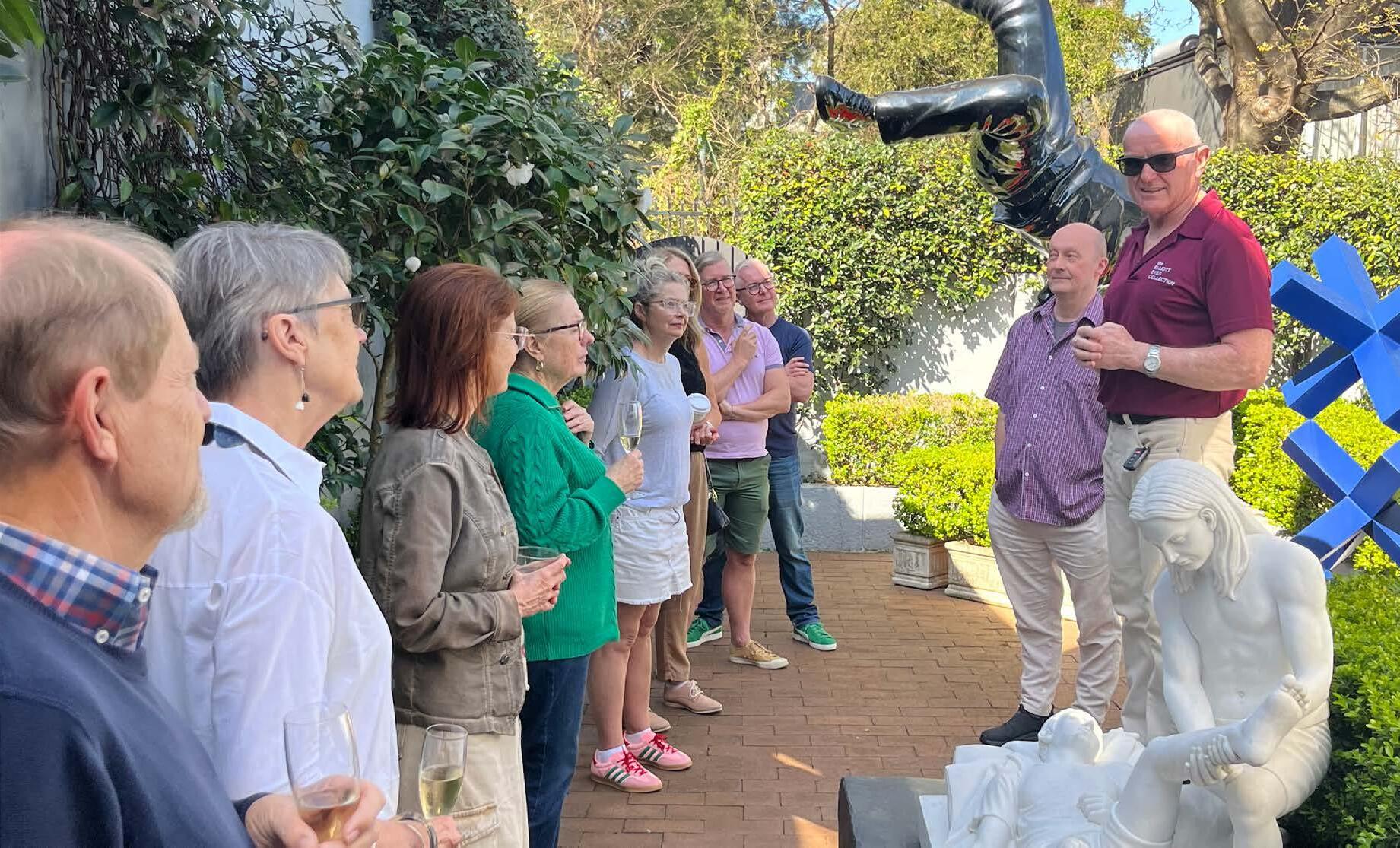
Clockwise from top left - 1. MRAG’s 50th Garden Party Soiree; 2. Notes on Life, Loss, Longing and Love opening; 3 - 4. MRAG Members exclusive visit to the home of the Elliott Eyes Collection; 5. Recycled Monster Art opening with Senior Curator, Kim Blunt, Darren Horsfield and Gallery Director, Gerry Bobsien; 6. Hunter Medical Research Institute Art & Dementia Science Forum with Professor Michael Breakspear (HMRI); 7. Autumn School Holidays (Leighsa Cox)
SOCIAL GALLERY
EXHIBITIONS
25 OCT 2025 – 01 FEB 2026
Mud to Masterpiece
Far from the traditional utilitarian uses of clay, Mud to Masterpiece is an exhibition that delves into the world of contemporary ceramics, where the boundaries of tradition and innovation are pushed to their limits. Presenting a dynamic collection of works by bold artists, this exhibition celebrates the transformative power of clay as a medium for experimentation.
25 OCT 2025 – 08 FEB 2026
Summer Holliday
Xander Holliday
Maitland local Xander Holliday continues his abstract portrait series in Summer Holliday
In a celebration of graphic form and bold colour Xander invites the viewer to relive their own cherished summer memories.
Pop-art portraits of colourful characters with a hint of Aussie nostalgia. Grab your towel and dive into his colour-filled world!
01 NOV 2025 – 08 FEB 2026
Shared from the MRAG Collection
In 2025, Maitland Regional Art Gallery celebrated the 50th anniversary of the Gallery’s opening. To commemorate this milestone, MRAG presents Shared, an exhibition of special works from the Collection that have been prized, gifted, collected and shared by the gallery across that time.
Installation view, Xander Holliday, Summer Sun
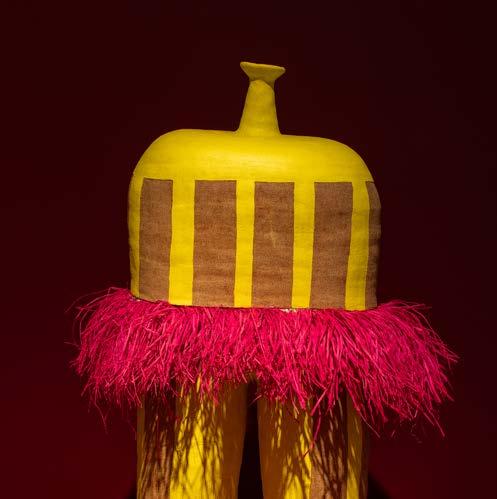
Alfred Lowe, You’ve been on my mind, sister (yellow), 2025, ceramic and raffia
Installation view, Shared exhibition
08 NOV 2025 -01 MAR 2026
The Wooden City
Benjamin Gallagher
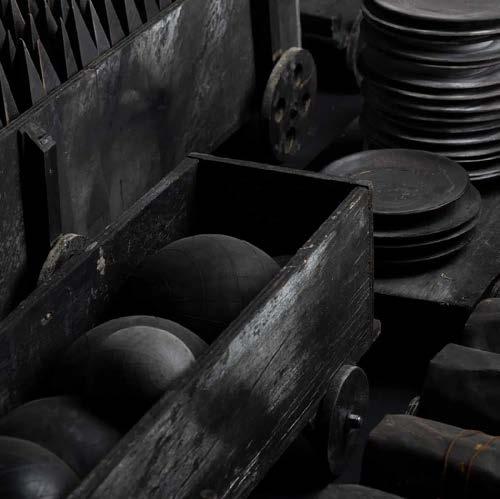
In The Wooden City, Benjamin Gallagher presents highly laboured, beautifully constructed forms that focus on his own observations of the buildings we inhabit. His studies in architecture and industrial design play alongside his decades long experiences working with his Father as a heritage tradesman, mostly with highly skilled restoration of slate roofs, many of those in Maitland.
15 NOV 2025 – 22 FEB 2026
The Show
Lucy Culliton
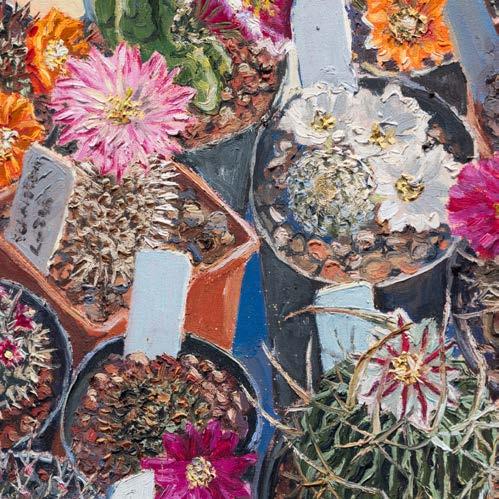
The Show explores the vibrant culture of regional agricultural shows through Lucy’s unique lens, celebrating the people, landscapes, and eccentricities of regional life. In her work, Culliton captures the energy and warmth of local agricultural fairs, evoking nostalgia and community spirit and brings to life the quirky characters, lively animals, and rustic scenes that define these beloved annual events.
21 FEB – 21 JUN 2026
Sea of Legs
Judy-Ann Moule
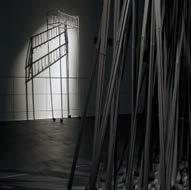
Sea of Legs is a powerful installation by multidisciplinary artist Dr Judy-Ann Moule. This evocative work responds to memories of childhood and the experience of powerlessness through scale. Using sculpture and installation Sea of Legs reimagines what it is to be small and overwhelmed by a sea of legs. In this instance a random memory, of being confronted by partying adults crammed into a room, as a 2-year-old.
Benjamin Gallagher, Compression of a Trade, 2022, hardwood, lead, welsh slate, wool underlay, copper, bitumen, steel, oregon, leather, salvaged iron casting and hand forged clouts, 52 x 26.5 x 54cm, photo: Alex McIntyre Photography.
Lucy Culliton, Cactus III, 2004, oil on board, 65 x 45cm, on loan from the artist and King St Gallery on William
Judy Ann Moule, Sea of Legs with Vertiginousness in background, 2011, lycra stockings, lawn bowls, timber, zip ties.
COMING SOON
28 FEB – 21 JUN 2026
The Places That Shape Us
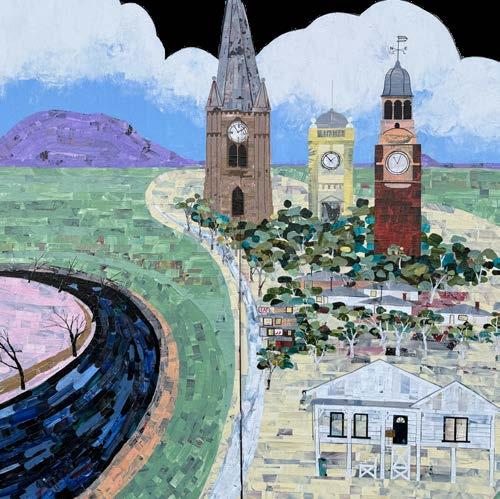
The Places That Shape Us documents queer lived experiences in regional Australia and how it has influenced their creative careers and lives. Through large-scale, immersive paper collages and sound, Monde draws on personal and collective memories, from artists such as Nell, Todd Fuller and Prue Hazelgrove, capturing the nuances of growing up queer in regional Australia.
21 JUN – 19 APR 2026
Art Express
This dynamic and popular exhibition features a selection of exceptional student artworks created for the artmaking component of the HSC examination in Visual Arts in 2025. ARTEXPRESS 2026 celebrates students’ artistic excellence and provides insight into the issues that are important to them.
ARTEXPRESS is a collaboration between NSW Department of Education and NSW Education Standards Authority.
14 MAR – 28 JUN 2026
New Old School
New Old School brings together seven contemporary painters who treat art history as a living companion rather than a distant legacy. Engaging in a “conversation across time,” the artists reimagine historical forms, materials, and figures to explore how the past persists within the present. Balancing reverence and reinvention, the exhibition celebrates painting’s enduring vitality—where memory, identity, and materiality collide to create something both timeless and new. Curated by Luke Thurgate.
Ray Monde, Three Bells featuring Nell, 2025, ghostworked collage on board
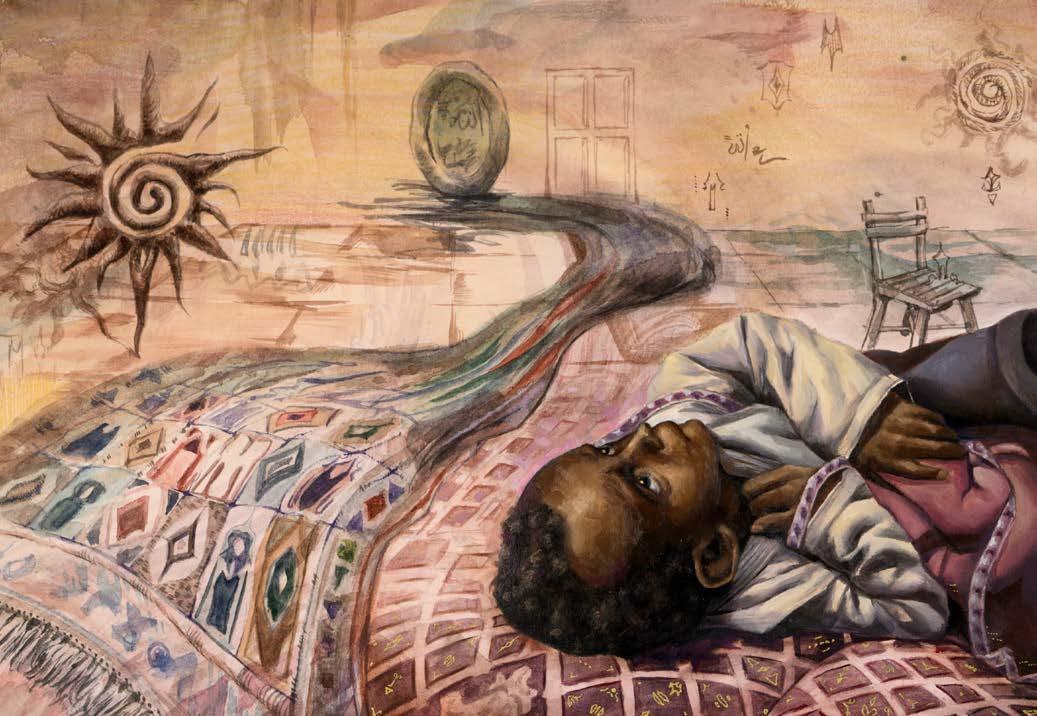
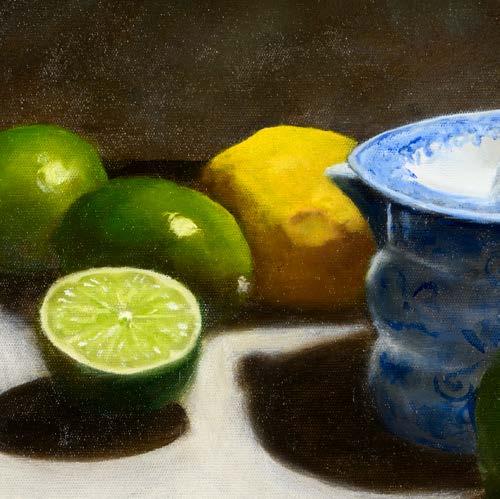
Gemma Barker-Tomkins, Ingredients for afternoon tea, 2024 Art Express, International Grammar School
Rob Cleworth, After William-Adolphe Bouguereau, The Flagellation of Christ (detail), 2023, acrylic and chalk on canvas
28 APR – 14 JUN 2026
Fire Scars
Renae Saxby
Fire Scars examines fire as both a destructive and regenerative force. Created during a period of personal upheaval, Renae Saxby’s work merges intimate narrative with landscape. Through immersive photography and sound, the exhibition reflects on grief, resilience, and the potential for healing held within fire’s transformative presence.
11 JUN – 28 JUN 2026
Colouring Outside the Lines
Celebrating Children as Artists and Citizens
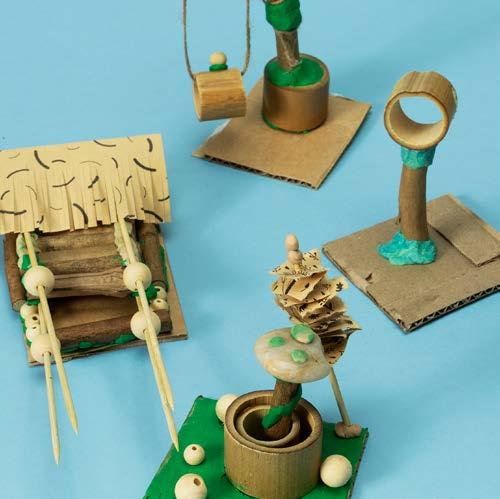
Created by children and educators from East Maitland Preschool –George Street and Brunswick Street, this exhibition celebrates children as artists, thinkers, and active citizens. Through playful exploration and creative expression, the young artists share their unique perspectives on the world, reminding us of the imagination, curiosity, and insight that shape early learning and community life.
11 JUL – 11 OCT 2026
Upriver Downriver
The Hunter River has long shaped one of Australia’s most significant regions, inspiring a community of artists connected by place and creativity. Building on the 2023 Upriver Downriver, Maitland Regional Art Gallery presents a major exhibition spanning all gallery spaces—celebrating the diverse practices and ideas flowing from the Upper Hunter to Newcastle. Experience the creative energy of the Hunter as our region’s artists share their unique perspectives.
Renae Saxby, Fire Scars Arnhem Land, 2023, digital photograph