
By Martin and Swmbo Hill
In 2020 we, a newly retired Canadian couple, decided after some health challenges that life is too short and to go on a sailing trip.
I had some previous sailing experience and had completed an intermediate cruisers course in Vancouver, also we owned a 22 foot day sailor at home on the straits of Juan de Fuca. I was a ships Captain before I retired due to ill health. Swmbo was a willing participant but not much sailing experience.
The first questions were where, what boat and how long? The how long question was decided by BC health insurance, normally they allow snowbirds to leave for a maximum of 6 months without losing coverage but we found out that on request they will extend that to 2 years. So 2 years was the answer.
Regarding where, not wanting to do long ocean passages, we thought that perhaps the sea of Cortez or the Caribbean might be fun. We did consider the Mediterranean but it seems to be quite expensive and crowded in summer, very windy in winter. I would have loved the South Pacific but Swmbo wasn’t happy about the long passages.
We visited numerous boat shows and boats for sale, probably annoying a lot of brokers along the way. We chartered a 38 foot hunter for 10 days and cruised the Gulf islands of BC from which we learned 3 things. One, she loved it, two, not in a vee berth and three, not on a hunter.
After endless hours of scrolling through web sites we eventually found a boat that we liked in a place that we liked at a price that we could live with.
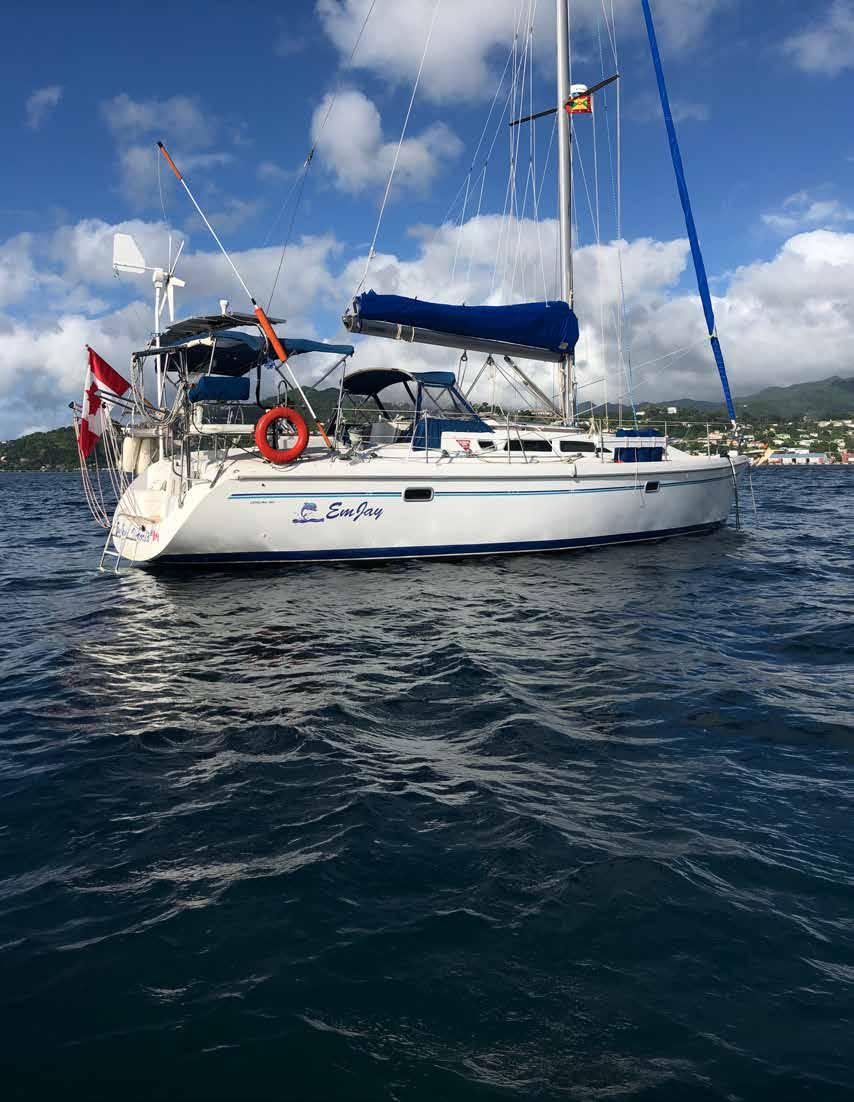
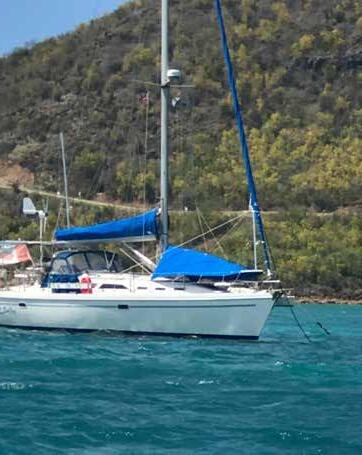
The boat was a Catalina 380. The owners, a young couple, had bought her in the US and sailed down the windward islands to Grenada, where they stayed. The boat was structurally sound although it needed some upgrades, nav system not working, running rigging, all the usual signs of neglect. The 380 has one big disadvantage in my opinion and that is the very deep unprotected rudder. On the plus side it is a good solid boat, well laid out and perfectly capable for our plans. The open airy aft cabin was a huge selling point for us as we both hate vee berths.
We later discovered what a massive difference the walk through stern made when boarding to and from the dinghy and I would never now consider a cruising boat without one.
Perhaps when I was 20 I wouldn’t care, but at 60 it was bliss.
So, we bought the boat sight unseen subject to survey. Risky. As it turned out, the surveyor in Grenada did a reasonable job, although how he missed the rotten floorboards in the galley and the totally knackered house batteries is a bit of a mystery. We also found out later that the fridge was a very inefficient piece of crap, despite a PO surrounding it with spray foam. Barely able to cope with Caribbean temperatures, it just about drained my house batteries every night, on setting 2 of 10.
Having purchased the boat, rented out our house in Canada and being effectively homeless we got the first available Air Canada flight to Grenada and 10 days quarantine in a hotel.
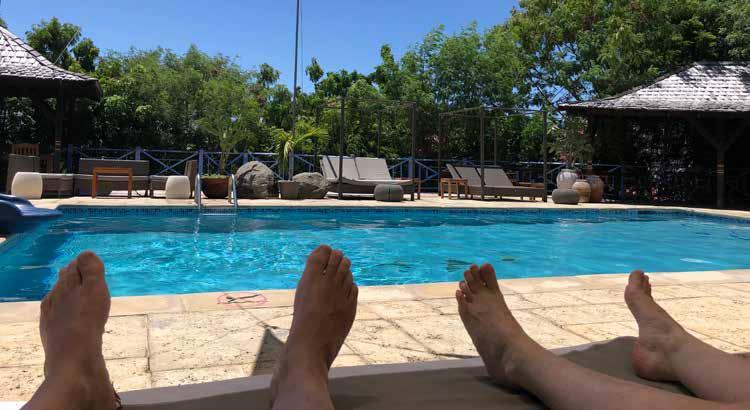
It was pretty hard really, all that sunshine and beer around the hotel pool which was dedicated to quarantining guests.
At this point, I really should have invested in a water maker. Water was available everywhere we went but being on anchor or ball I was hauling jerry cans of water in the dinghy. We used about 4 gallons per day so a dinghy trip every few days to top up. We experimented with various rain catchers and found that a dam aft of the port side filling cap was effective in heavy rain but it didn’t rain very often.
Anyway, the buying process was not too painful. Major items we replaced were sails, running rigging
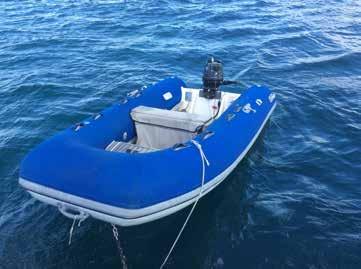
(which degrades fast in the tropics), all electronics, all batteries, rib and 15hp outboard.
We also added 480W solar panels and controller, AIS and a lot of spare parts.
Just a little aside on power generation, we did not have a generator. 480W solar panels and 3 agm house batteries were enough at anchor although the fridge made it all a bit border line at night. We also had a 6 blade wind generator which I never thought much of until we tried night sailing. We couldn’t have run the auto pilot at night without it.
Well, in 2020 we bought the boat for US$70,000. During the 2 years, for replacements, spare parts, repairs and upgrades and maintenance, including one haul out, about $40,000. 2 years later we sold her for $65,000. So realistically, owning and operating the boat for 2 years cost about $45,000, not including fuel, moorings, groceries and beer. I know other people who do it for much less and some for much more.
We spent most of the first season in Grenadian waters due to Covid restrictions making travel to other countries difficult. We had a permanent mooring ball in Prickly Bay, which cost about $300 per month for a premium mooring near the marina. There are cheaper moorings and anchoring is free. Like many places, you have to pay for a cruising permit. Despite covid we managed to do quite a lot of short sails and explored Cariacou and Petite Martinique. We started settling in to the live aboard life quite quickly getting used to the boat and the lifestyle. Finding the best stores and restaurants, a bit of tourist stuff, lazy afternoons on the beach. All the good stuff.
One thing I noticed at the start is how eccentric, diverse and slightly mad the other cruisers are.
We found it very easy to settle in and make new friends, absolutely everywhere we went except for BVI later, where the wealthy charterers looked sideways at us scruffy liveaboards. Don’t go to the BVI.
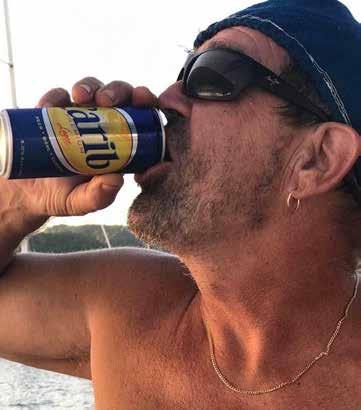
and diverse. The
The locals were lovely. Everywhere except BVI. There is always the odd one that you cannot trust but generally lovely friendly people.
Towards the end of the first season it felt like time for a change so purely on a whim we decided to spend the hurricane season in Curacao. We had never sailed at night before but it seemed like a good idea so off we went. We had a really nice downwind sail for 5 days apart from some violent thunderstorms on the last night. Escorted by whales the final sunrise saw us approaching Spanish Waters as I put my clothes back on. We stayed for 3 months, great place, excellent bars and restaurants, nice people, lots of hiking and snorkelling. Everybody speaks English and Dutch. Well I guess it was Dutch but could have been Martian for all I know. Willemstadt is a very pretty old town and the buses are cheap and reliable.
I don’t want to talk too much about the places we went to as it is up to you to discover them, except for BVI. Don’t go there.
We spent a great 3 months in Curacao, we really appreciated the European style grocery stores with far better choices than we were used to in Grenada.
AFTER 1 YEAR THE FLAG IS FADING. Spare gas red jerry stored on deck. Water blue jerries are on the other side. Diesel yellow is at the stern.
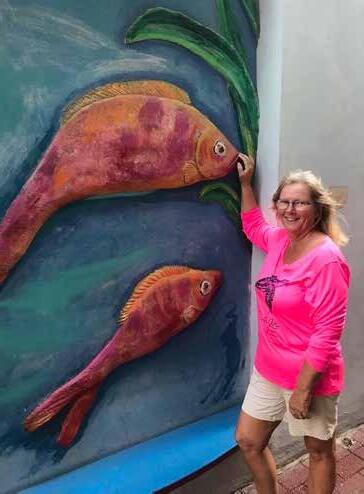
Our favourite restaurant, just a few minutes dinghy ride from our anchorage, put on a cruisers social every Thursday night with a 2 choice menu and everybody sat at one long table. Lots of cheap beer and wine, lots of new friends.
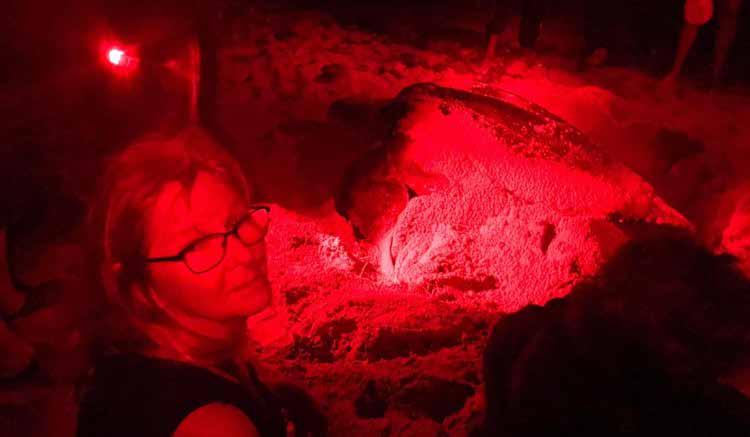
The cruisers nights were quite well established in a lot of places. Very often they involved games of dominos or scrabble, that sort of thing. Facebook groups were a good way to find out what was going on, as was the morning vhf cruisers net. We went on some great group trips, a most memorable one was getting together to hire a mini bus one night to go and watch the turtles lay eggs.
Some islands have hash house harriers if that is your thing. Moonlight dinghy drift parties. Everywhere we went, someone was organizing something.
After three months in Curacao, we had to either extend our visa (the forms were all in Dutch) or leave the country for a while, so we had the boat hauled out for the annual bottom job, it grows fast in the
Caribbean, and flew home to visit friends for a few weeks. Then back to Curacao, do all the never ending maintenance and wait for a weather window.
Finally, we spotted a nice window, I thought, and we set off to explore. 6 days to BVI, the auto pilot kept crapping out in the heavy seas, regular thunderstorms made me get up to reef, too rough to cook. Not fun. Finally, on final approach to BVI, all the crud stirred up by the bad weather got in to the filters and stopped the engine. Surrounded by rocky islands, too tired to sail and no wind anyway, and I initially didn’t have a clue what was wrong. I would restart the engine, it would run for a minute then die again. Eventually my exhausted brain figured it out after several attempts as I put the secondary filter in forgetting the o-ring. At least now in calm water the autopilot was working.
Starving and exhausted we anchored at Sopers Hole, had a beer and went to bed. Got up next morning to face the wrath of the nastiest customs and immigration officers because we did not check
in immediately on arrival. On politely enquiring, we were told that their rules say you have 24 hours to check in, so I was only getting screamed at unofficially.
Don’t go to BVI. I might have mentioned that already.
Snottiness and disdain from locals everywhere we went. Charter customers in clean clothes had no interest in socializing with us live aboard plebs in our scruffy shorts, long hair and sandals.
We had to get the fuel tank cleaned. Apart from that we wanted nothing more to do with that place and decided to get out of there as fast as possible. Every bay we passed was packed, wall to wall charter boats. Unable to find anybody to polish our fuel, we emptied and cleaned the tank ourselves, recovering as much fuel as possible by letting it settle in jerry cans for 48 hours then through a baha filter back in to the cleaned tank. About 10 gallons were too filthy to keep, so paid the fuel dock to dispose of it. They probably filtered it and sold it.
This was over Christmas too. The one saving grace in Sopers Hole was the excellent Indian curry restaurant. Avoid the famous restaurant at the marina full of snotty servers and stuck up holiday makers.
It seemed like we waited forever for a weather window. The trip South from BVI crosses some pretty windy stretches and you need to pick your days. We went island hopping from there, it is pretty nice when you sail out in the morning and you can see your destination rising out of the sea on the horizon. Saint Martins, Antigua, Guadeloupe, Martinique and all kinds of lovely places all the way back to Grenada. Very often we would meet old friends and make new ones.
After finishing up in Grenada we put the boat on the market, sold her for a bit less than what we paid and flew home, almost exactly 2 years later.
Sometimes I look back and wonder if I would do anything different and the only thing I wish I had done was put in a water maker. Most anchorages are clean enough. Perhaps I should have spent a bit more on a boat that needed less work. Perhaps I could have
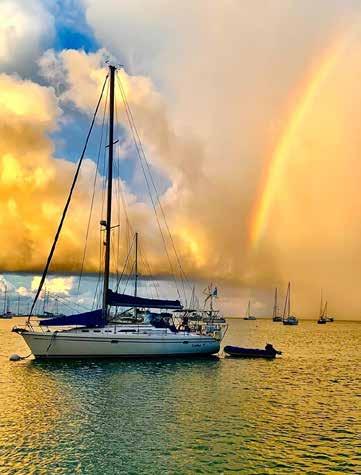
Goodbye EmJay.
been less anal about things being perfect, squeezed a little more life out of the old dinghy and outboard. But I think we did ok.
I also have a list in my head of things I did not do during those 2 years. They include;
• Wearing socks, shoes with laces or long pants
• Having a hair cut
• Having a long hot shower
• Wearing a watch
• Driving a car
• Having a sleepless night (except night sailing in thunder storms!)
• Watching television
• Having tan lines.
Here is a final picture of EmJay, taken from my friends dinghy as he took me with my luggage ashore on the last day. I had tears in my eyes.
PS. Canadians sometimes ask me what SWMBO stands for. It is a British term of endearment. It is an abbreviation of She Who Must Be Obeyed. Happy sailing! Carpe Diem! –Martin and Swmbo Hill