AGRI PROBE
Vol 23 | No 1 | 2026
ISSN: 1810-9799
From farm labour to Franschhoek landmark A practical look at AI: Farming reimagined

Vol 23 | No 1 | 2026
ISSN: 1810-9799
From farm labour to Franschhoek landmark A practical look at AI: Farming reimagined
RSG Landbou word elke Vrydag om 5:00 vm. en Saterdae om 11:45 vm. uitgesaai.
Tydens ons programme maak ons kennis met innoveerders, boere-planmakers, asook diegene aan die voorpunt van landbou-tegnologie en navorsing. Maak gerus kontak en laat jou stem gehoor word. Ek nooi jou graag uit om stories van hoop en inspirasie met my te deel. Stuur gerus wenke en idees na Eloise Pretorius | eloise.pretorius@westerncape.gov.za


“Sien”
jou binnekort op die radio!


Vir meer inligting Meer inligting oor die programreeks is beskikbaar op www.rsg.co.za en die uitsendings kan ook afgelaai word.


Potgooie
Vir aflaai van potgooie, skandeer die kode of besoek www.rsg.co.za/ rsg/page_id344/
Nou ook beskikbaar op die RSG toep!



by Mary James
Agriculture has always been a sector defined by resilience, innovation and partnership. As we open the March 2026 edition of AgriProbe, these qualities remain central to how the Western Cape agricultural sector continues to navigate an increasingly complex and changing environment.
This edition reflects a sector that honours its traditions while embracing new opportunities. From the continued exploration of artificial intelligence (AI) in farming systems to the Western Cape Department of Agriculture’s commitment to the ethical application of AI, technology is steadily shaping how farmers make decisions, improve efficiency and respond to emerging challenges.
At the heart of the sector, however, are its people. The story of Shannon Robertson, the Western Cape Prestige Agri Worker of 2025, reminds us that agriculture’s success is built on the dedication and skill of individuals who contribute daily to keeping the sector productive and competitive. Initiatives that recognise and uplift agri workers remain an important part of strengthening rural communities.
Animal health and biosecurity also remain key priorities. Practical guidance
on diseases such as brucellosis, together with updated information on foot and mouth disease (FMD), reinforces the importance of vigilance, responsible management practices and collaboration across the value chain.
This issue also reflects the Western Cape’s strong global outlook. International engagements and study visits provide valuable insights into emerging technologies and best practices that can strengthen local agriculture.
At the same time, stories from our rural communities – including the role of rural women, improved access to healthcare on farms and innovative local enterprises – highlight the broader social impact of agriculture.
Together, these stories demonstrate a sector that continues to innovate, collaborate and grow.
Enjoy the read!
As agriculture continues to evolve, the most durable progress will remain rooted in knowledge, responsible innovation and the people who sustain the land.
#ForTheLoveOfAgriculture
Mary James
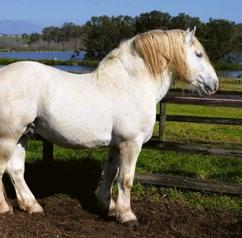
What is a Percheron? A deeper look at the Percheron Breed Standard 52
ELSENBURG JOURNAL
Helpful heterosis: Using crossbreeding to improve production efficiency in sheep farming 59
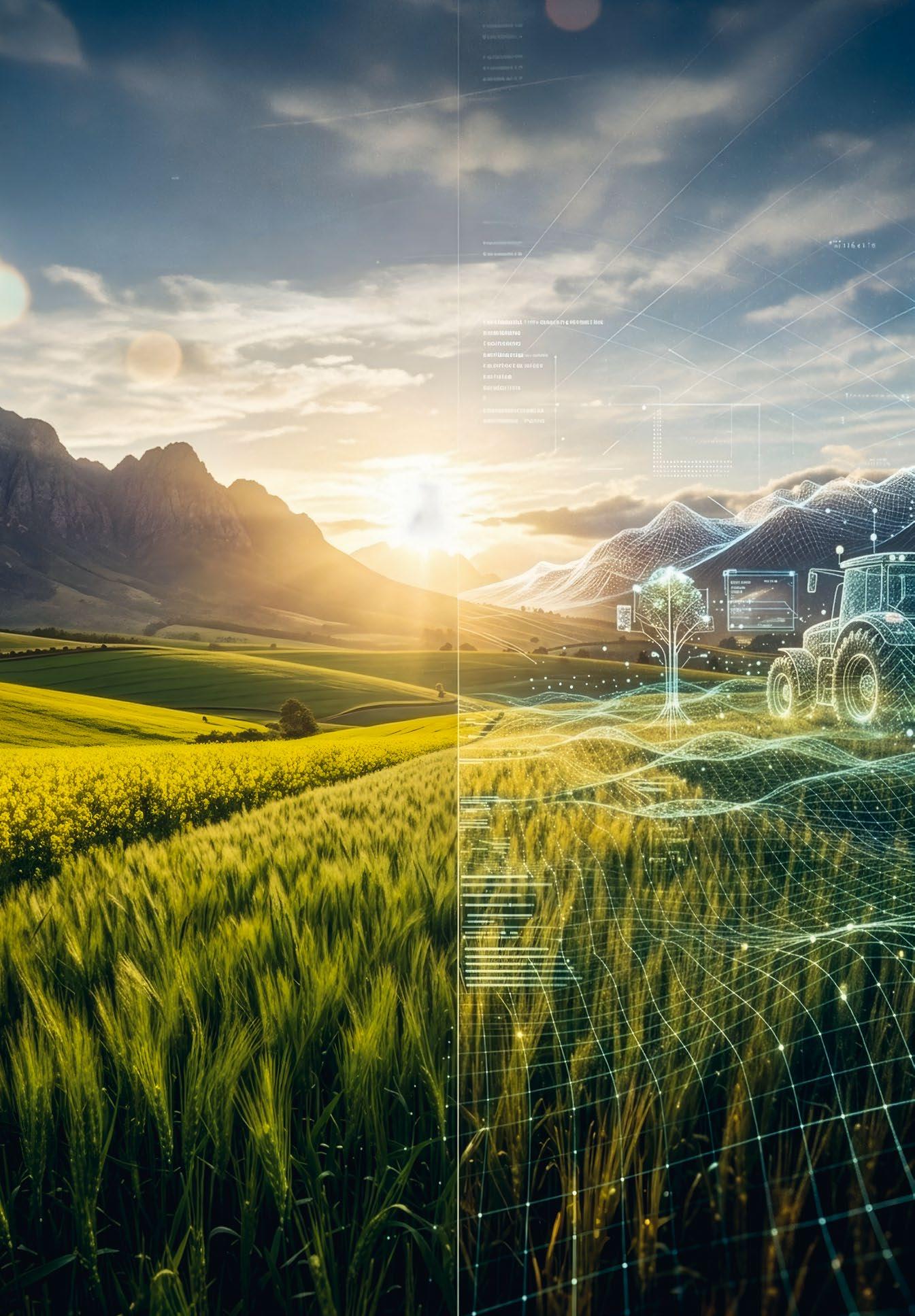
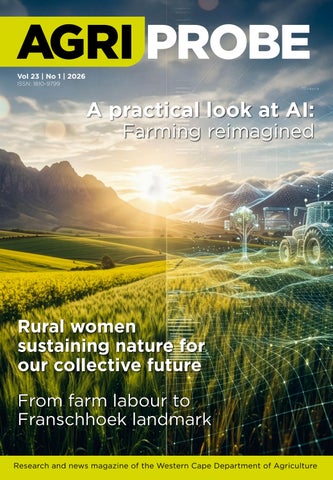
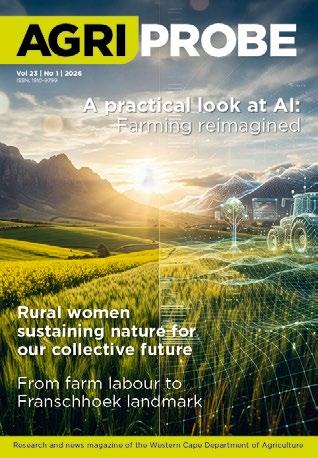
Artificial intelligence is rapidly transforming agriculture around the world, yet its greatest value in South Africa may lie in something far more practical: helping farmers make better decisions with the tools and knowledge they already have. This cover story explores how AI can support the Western Cape’s agricultural sector – from crop monitoring and disease detection to smarter logistics and smallholder support – while keeping people firmly at the centre of farming. Rather than replacing farmers, AI becomes a thinking partner, offering new ways to strengthen food security, resilience and innovation across the agricultural value chain. Read the full report on page 24.
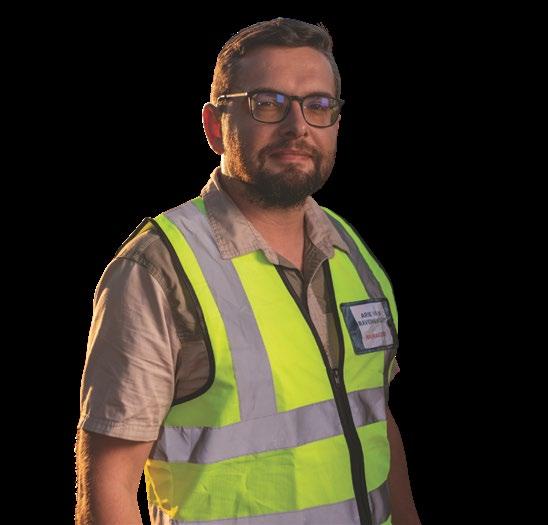
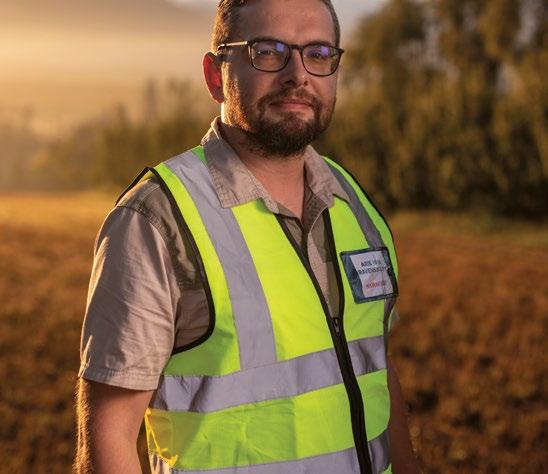
Cover image © Arie van Ravenswaay
EDITOR
Mary James (021 808 5008) mary.james@westerncape.gov.za
CHAIRPERSON
Stephanie Thomas (021 808 5190) stephanie.thomas@westerncape.gov.za
VICE CHAIRPERSON
Dr Filicity Vries (021 808 5014) filicity.vries@westerncape.gov.za
SECRETARIAT
Gizelle van Wyk (021 808 5022) gizelle.vanwyk@westerncape.gov.za
EDITORIAL COMMITTEE
Arie van Ravenswaay (021 808 5085) arie.vanravenswaay@westerncape.gov.za
Ashia Petersen (021 808 5010) ashia.petersen@westerncape.gov.za
Daniel Johnson (021 483 3261) daniel.johnson@westerncape.gov.za
Luyanda Dyantjies (021 808 5047) luyanda.dyantjies@westerncape.gov.za
Dr Lesley van Helden (021 808 5017) lesley.vanhelden@westerncape.gov.za

PUBLISHING TEAM
Publisher: Erika Alberts
Layout & design: Carmen le Roux
Copy editor: Aletta Pretorius-Thiart
Financial director: Pat Botha
For integrated communication and publishing solutions, e-mail: media@mlpmedia.co.za
Londiwe Thabethe (021 808 7733) londiwe.thabethe@westerncape.gov.za
Vusumzi Zwelendaba (021 808 5226) vusumzi.zwelendaba@westerncape.gov.za
Zenovia Parker (021 808 7798) zenovia.parker@westerncape.gov.za
Juan de Lora (021 808 5383) juan.delora@westerncape.gov.za

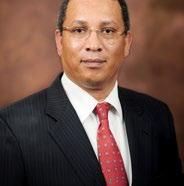
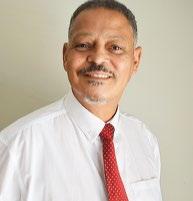
by Minister Ivan Meyer and Daniel Johnson


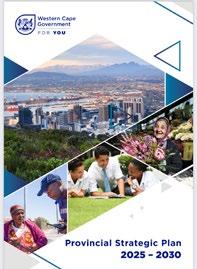
Provincial Strategic Plan 2025 – 2030
To download scan the QR code or visit https://tinyurl.com/5bzcjmzu
As the Western Cape steps into 2026, agriculture remains central to the Provincial Strategic Plan (PSP) 2025-2030, which places Growth, Jobs and Dignity at the heart of government action. The strategy is clear: accelerate economic expansion, create meaningful employment and ensure that every resident experiences dignity through opportunity and stability.
Agriculture is uniquely positioned to deliver on this vision. It is the backbone of rural economies, a global ambassador for South African quality, and a sector increasingly recognised for its resilience amid geopolitical uncertainty, climate variability and shifting trade dynamics.
International markets are undergoing profound shifts. Major Western economies – long considered stable trading partners – have seen rising political polarisation. These changes influence tariff regimes, market access conditions and investment sentiment.
For South Africa, the implications are significant. Unlike many of its competitors, South African agriculture receives minimal state subsidies yet must compete against heavily supported producers in Europe and elsewhere. Producers are therefore turning to precision agriculture, conservation farming and advanced crop management to remain globally competitive.
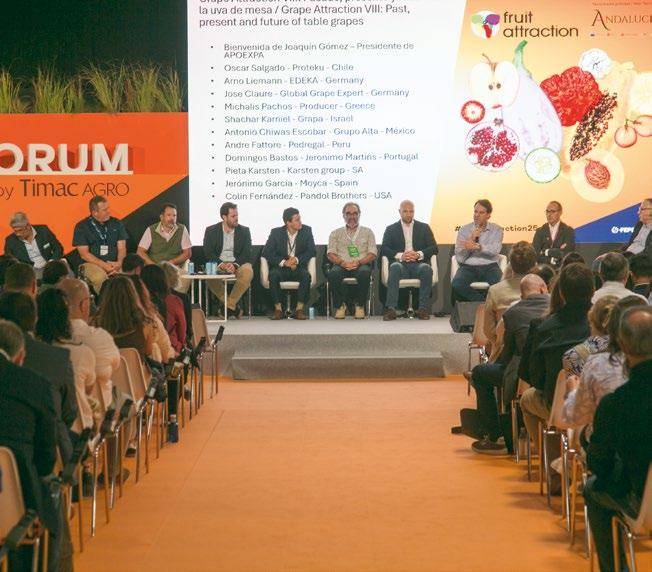
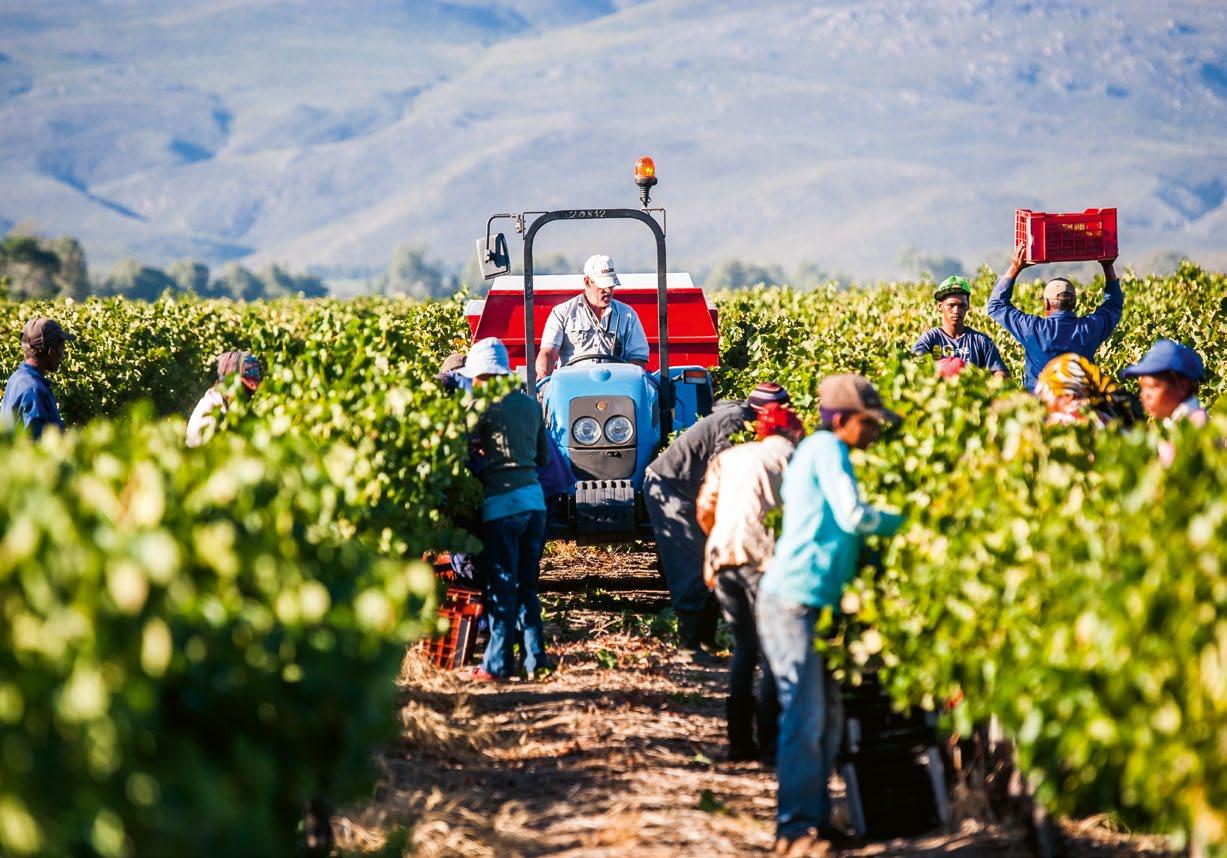
Despite these headwinds, Western Cape agriculture continues to shine on international platforms. From Fruit Attraction Madrid to ProWein and Fruit Logistica, South African – and especially Cape – fruit, wine and table grapes continue to attract strong buyer interest, often outperforming competitors on quality.
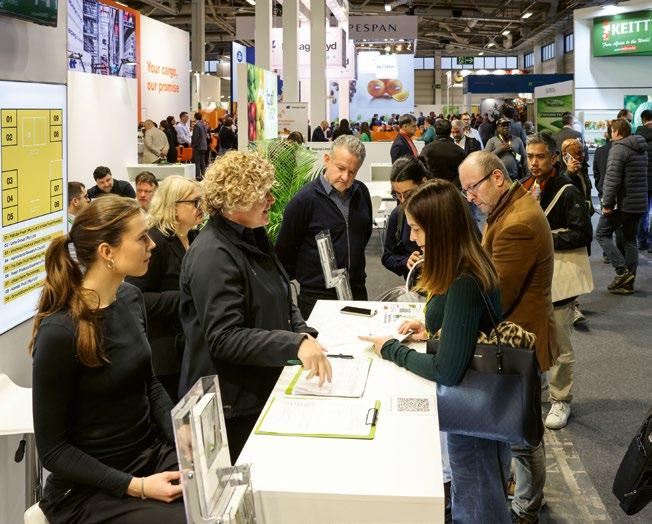
Fruit Logistica 2026 was held from 4–6 February 2026 at Messe Berlin in Berlin, Germany, bringing together more than 2 500 exhibitors and over 90 countries in the global fresh produce trade.
Fruit Attraction 2026, the 18th edition of the global fruit and vegetable trade fair, is being held from 6–8 October 2026 at IFEMA MADRID in Madrid. The event brings together more than 120 000 industry professionals from over 150 countries, with over 2 200 exhibitors across fresh produce, logistics and innovation, positioning it as a key international platform for trade and collaboration.
Learn more!
Scan the QR code or visit https://shorturl.at/zx7gz to learn more about Fruit Attraction 2026.
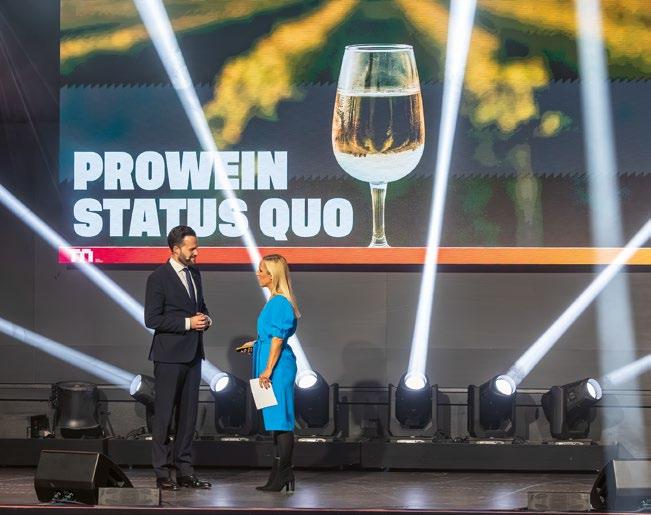
ProWein 2026 was held from 15–17 March 2026 in Düsseldorf, Germany. Recognised as the world’s leading trade fair for wines and spirits, the three-day event brings together more than 4 000 exhibitors, with a focus on industry trends, curated tastings and international networking.
Learn more!
Scan the QR code or visit www.prowein.com
Learn more!
Scan the QR code or visit www.fruitlogistica.com/en
Watch this!
Scan the QR code or visit https://shorturl.at/n0BDr to watch the video: “Shape. Create.Elevate – ProWein Düsseldorf 2026”.

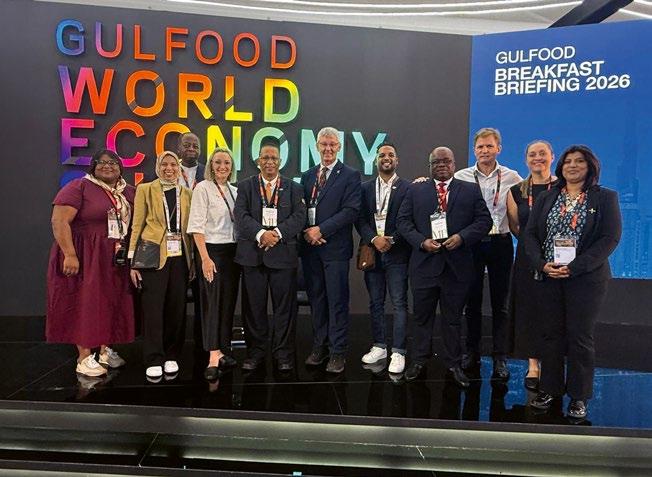
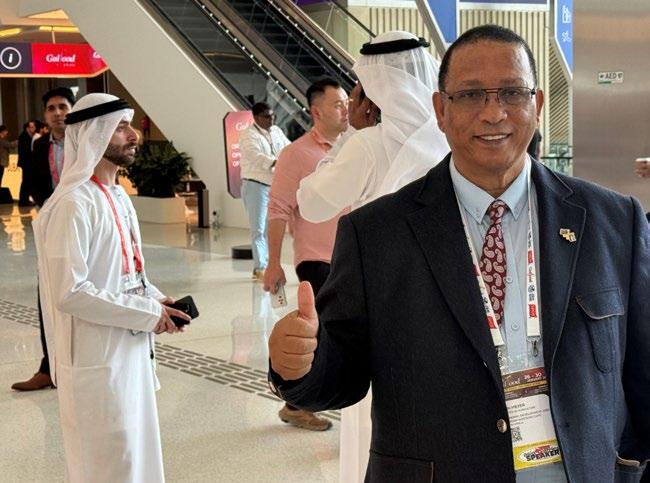
Western Cape delegation at Gulfood 2026, held in February 2026 in Dubai, led by Provincial Minister of Agriculture, Economic Development and Tourism, Dr Ivan Meyer. Representing the province alongside Wesgro, the delegation engaged the Middle East’s largest food and beverage sourcing platform to strengthen tourism, trade and investment ties, support Western Cape exporters, and position the region for expanded market access and future collaboration.
Watch this!
Scan the QR code or visit https://tinyurl.com/mpskd2hv to watch the video, “Gulfood 2026 Day 3 in Action”.
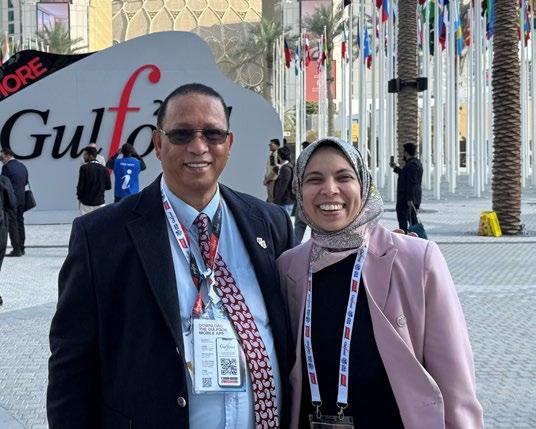
Held from 26–30 January 2026 at Dubai World Trade Centre and Expo City Dubai, Gulfood brings together more than 6 000 exhibitors from over 160 countries, alongside leading retailers, importers, distributors and wholesalers from the Middle East, Africa, Europe and South Asia.
Learn more!
Scan the QR code or visit www.gulfood.com
This global performance underscores the urgency of the Western Cape’s Growth for Jobs (G4J) strategy, which seeks to expand export markets and reduce over-reliance on traditional partners by diversifying into the Middle East, Asia and other emerging regions.
Our recent trade mission to the United Arab Emirates, including participation at the 2026 Gulfood Trade Fair, reinforced why the Middle East is a strategic priority. Dubai remains a gateway to lucrative markets across the Middle East, Asia and parts of Europe, with high demand for certified, reliable, high-quality food products – a perfect match for Western Cape exporters.
Watch this!
Scan the QR code or visit https://tinyurl.com/ewmnnrm8 to watch a reel by Dubai Integrated Economic Zones of our delegation’s visit.
The provincial delegation showcased both major exporters and emerging agribusinesses – ranging from rooibos, spices and honey to processed fruits, sauces, olive oils and aquaculture products. Many of these enterprises stem from rural towns and historically disadvantaged communities, illustrating how trade and dignity intersect when small businesses secure international exposure.
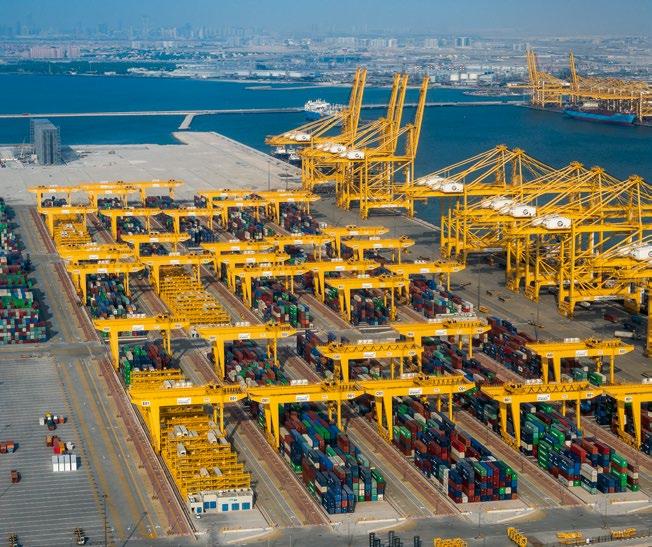
Port of Jebel Ali (Mina Jebel Ali), Dubai, United Arab Emirates. Constructed in the late 1970s to supplement Port Rashid, Jebel Ali is today the largest man-made harbour in the world and the busiest port in the Middle East, ranking among the world’s top ten container ports.
Did you know?
Jebel Ali is directly linked to the Jebel Ali Free Zone (JAFZA), one of the world’s most successful free-trade zones, supporting more than 9 000 companies and playing a central role in positioning Dubai as a global logistics and trade hub connecting Asia, Africa and Europe.
Engagements at the Dubai Business Chamber carried a clear message: The Western Cape is a stable, reliable, world-class trading partner backed by strong institutions, good governance and an export-oriented agricultural sector. The mission highlighted opportunities for two-way investment and deeper cooperation under the province’s G4J and Export Strategies.
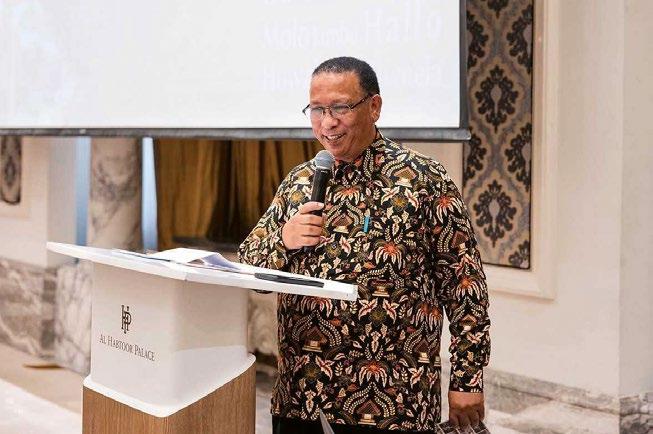
Reliable logistics are essential to the Western Cape’s competitiveness. Lessons from Dubai’s DP World highlighted the value of digitisation, predictable scheduling and strong public-private cooperation at ports – factors that directly affect export efficiency. These insights support the province’s ongoing efforts to strengthen port performance and pursue long-term reforms that enhance reliability and competitiveness.
“The Western Cape is a stable, reliable, world-class trading partner.”
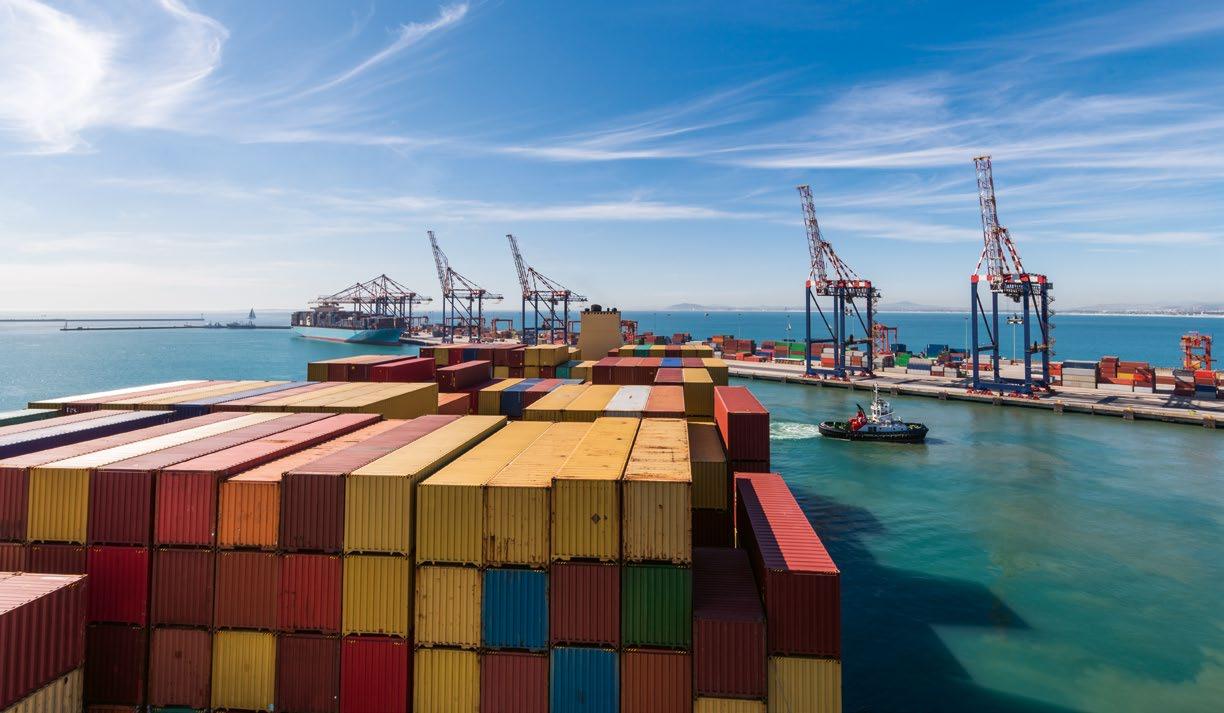
The importance of these improvements is clear: Western Cape fruit exports alone generate more than R20 billion in annual revenue, while wine exports contribute around R10 billion – both of which depend on cold chain integrity and fast turnaround times. Better port performance translates directly into rural jobs, incomes and community stability.
Learn more!
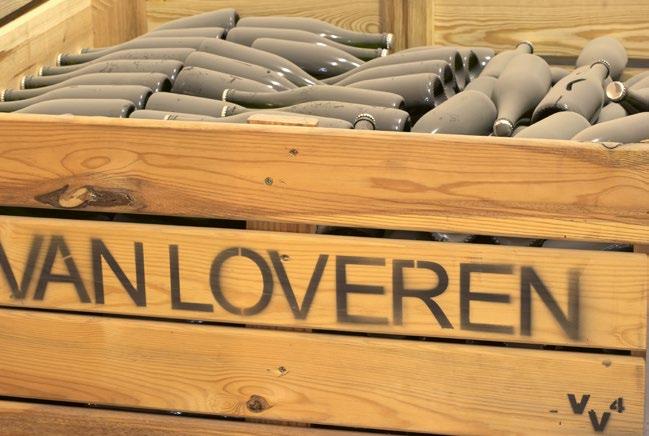
Scan the QR code or visit https://vanloveren.co.za/ sustainability/
Climate change, water scarcity and energy instability continue to shape agricultural planning. Farmers are responding with precision technologies, water-efficient systems and investments in on-site energy generation. These adaptations align closely with G4J’s priority focus areas on water security, energy resilience, and technology and innovation – all essential to safeguarding jobs and ensuring long-term sector sustainability.
The PSP emphasises that economic growth is the engine of dignity – creating jobs, enabling investment and improving access to services. Agriculture remains central to this mission: Every new export contract triggers a chain reaction of production, processing, packaging, logistics and distribution that employs rural towns.
Did you know?
The Port of Cape Town is a critical gateway for South Africa’s agricultural economy, supporting a region that produces over half of the country’s agricultural exports. Efficient collaboration between port authorities, exporters, logistics operators and border agencies is essential to keep high-value and perishable goods moving reliably from the Western Cape to global markets.

“The PSP emphasises that economic growth is the engine of dignity.”
Learn more!
Scan the QR code or visit www.westerncape.gov.za/ mobility/ports-gateways-trade
The province, working with Wesgro, FruitSA, Hortgro, SATI, AgriSA and others, continues to expand global market access and support producers with training, intelligence and trade missions. This collaborative effort ensures inclusive growth, enabling historically disadvantaged producers to participate more fully in high-value export chains.
The message from farmers, exporters and government partners is clear: Despite global uncertainty, the Western Cape’s agricultural sector remains determined, innovative and outward-looking. With strong institutions, a committed producer base and a clear growth agenda, the province enters 2026 well-positioned to expand markets, create jobs and uphold the dignity of all who depend on agriculture.
We are building a place that people can trust. We do so by advancing growth with purpose. Growth with impact. Growth that works. #ForTheLoveOfAgriculture AP

by Melvin Genuka


Learn more!
Scan the QR code or visit https://tinyurl.com/txtsr3rh to watch the video: “Western Cape Prestige Agri Awards 2025”.
Learn more!
Scan the QR code or visit https://tinyurl.com/35pzrrj3 to read more about the Awards Gala.
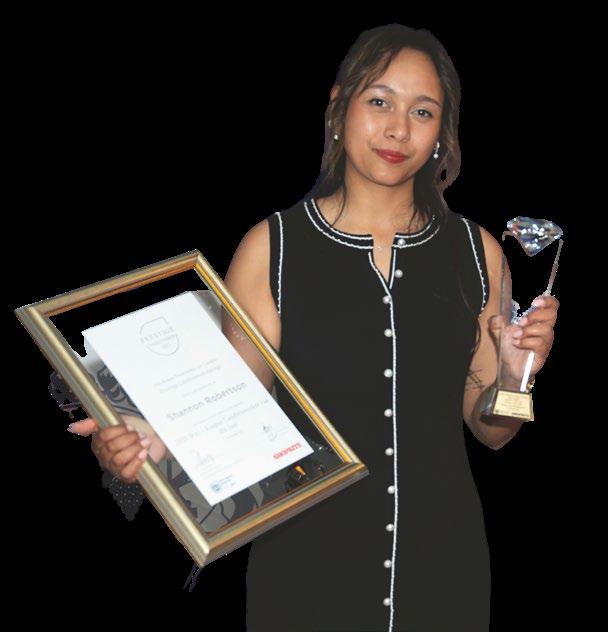
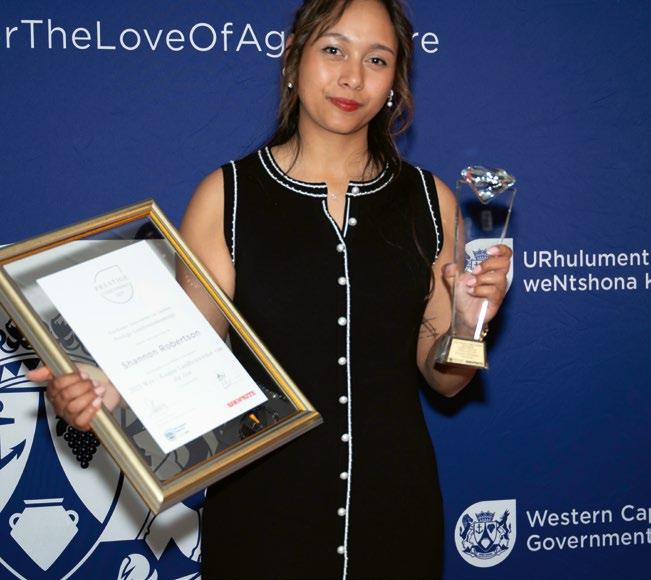
OOn 1 November 2025 at a prestigious and glamorous occasion hosted at Eureka Venue in Durbanville during the Western Cape Department of Agriculture’s Annual Prestige Agri Awards (WCPAA), Shannon Robertson, Assistant Livestock Manager from Boschendal Estate, was crowned the 2025 Western Cape Prestige Agri Worker of the Year.
Shannon, who is the eldest daughter of two children, hails from Kuilsriver and her passion for agriculture was ignited by her grandparents who were subsistence farmers from Jamestown, Stellenbosch. After school Shannon obtained a BSc degree in Conservation Ecology and Entomology at the Faculty of Agricultural Science at Stellenbosch University. Before
her current position as Assistant Livestock Manager at Boschendal Estate, Shannon did an internship on the farm where she was exposed to the different farming practices on the farm.
This provided her the opportunity to gain experience in working with plants, soil, insects and livestock.
It was especially during her internship period at the livestock sector on the farm where her true passion and love for agriculture was highlighted and recognised – so much that the position of Assistant Livestock Manager was offered to her.
In her free time Shannon spends her time volunteering at the local animal welfare shelter. She also found a new passion recently that is totally not related to agriculture, and this is to spend time fixing and restoring a BMW 316 1989 vintage car. She says this passion came from her curiosity about finding out how different components fit into each other in order to work together.
“My passion for agriculture began with my grandparents in Jamestown, Stellenbosch – their example shaped the path I follow today.”
Shannon’s future plans and dream is to own her own land one day where she can farm with livestock and where she can also transfer her knowledge and teach less fortunate people how to grow their own food as part of her contribution in assuring food security.
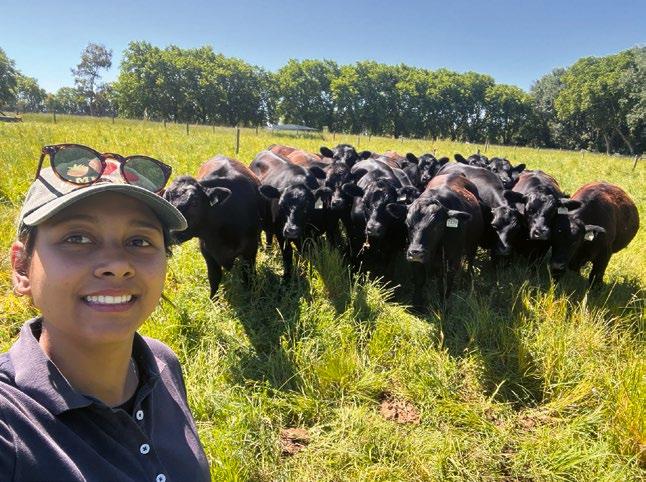
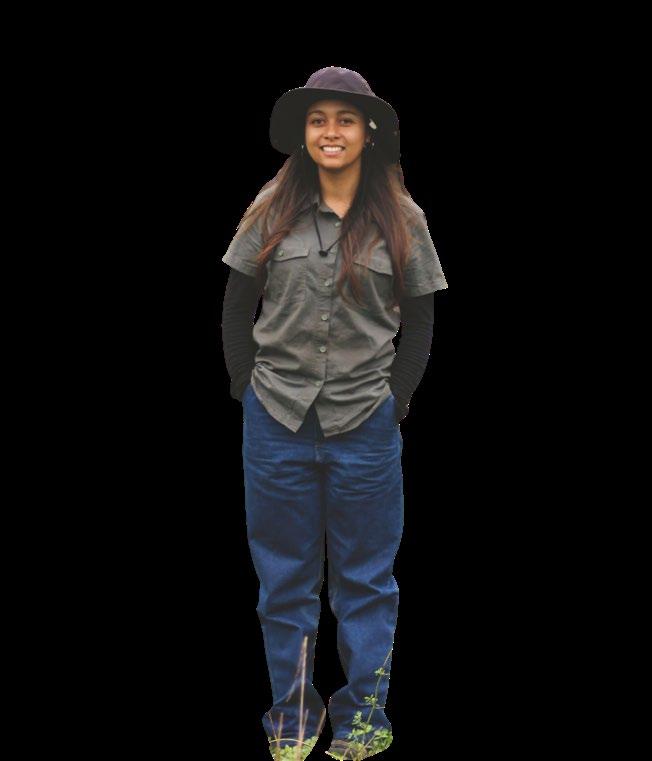
When asked what this new title and role means for her as a young woman in agriculture, Shannon proudly says this is an opportunity that will inspire all young people, proving anything is possible. She especially hopes that this award will motivate young girls that have a passion for agriculture to live out their passion because there is a place for women in agriculture.
And in her own words she would like to motivate the youth with the following message:
“If they tell you, you can’t, show them you can. Because there will be many people that will try to put you down, your circumstances that look difficult will demotivate you, but it’s for you to decide what you want and where you want to be at the end of the day.”
At the age of 26 Shannon is now the youngest ever member of the Western Cape Prestige Agri Worker Forum and she will use her role on this forum to advocate for the rights and opportunities for youth within agriculture, both those working and living on farms. AP
For more information, contact Melvin Genuka: melvin.genuka@westerncape.gov.za
by Anelisiwe Tamsanqa

Scan the QR code or go to www.unwomen.org/en to visit their website.
Scan the QR code or visit https://tinyurl.com/58rujyrr to read the article “International Day of Rural Women (IDRW) 2025”.
TThe Western Cape Department of Agriculture (WCDoA) brought the International Day for Rural Women to Nelspoort on 14 November 2025. The day marked a warm and empowering event dedicated to recognising the role women play in sustaining local economies and food production in our communities.
The formal celebration brought together 116 rural women, welcomed with an abundant display of fresh vegetables (sponsored by Shoprite Freshmark), warm speeches from the WCDoA Rural
Development Chief Director, Jacqueline Pandaram, a beautiful poem written by our very own Deputy Director, Deona Strydom, and recited by Meghan Jooste, and topped off with practical gifts honouring their contribution to sustaining households and agriculture.
The programme featured an engaging line-up of internal and external stakeholders as speakers to empower the young and the old in the room. Inge and Phillys Pienaar from the Sustainable Resource Use and Management programme (WCDoA) had conversations around nature conservation and the growing opportunities for rural communities in land management, and Stephany Davidson from DEDAT gave an insightful session on consumer rights and responsible handling of personal finances.
Watch this!
Scan the QR code or visit https://tinyurl.com/yk3np4ja to watch the reel, “International Day of Rural Women”.
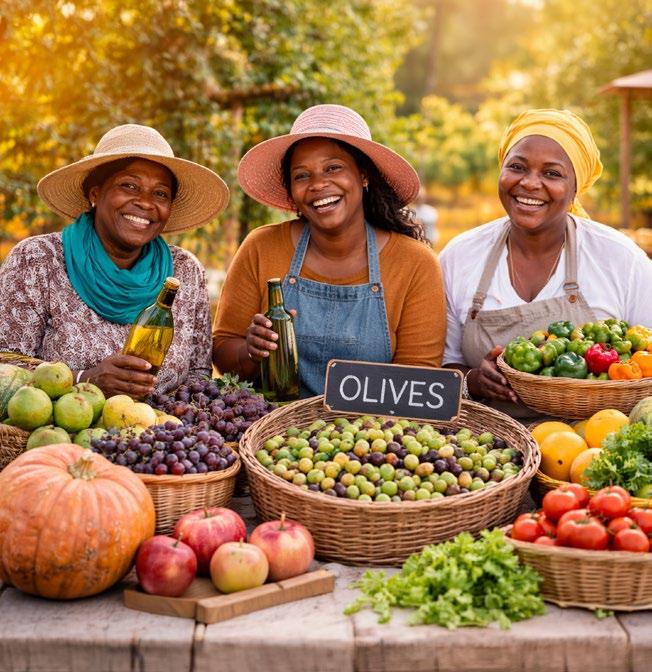
Edwin Boshoff from our agriprocessing team discussed the importance of how women transforming raw produce in the area, like olive trees, into value-added products could expand entrepreneurship and income potential.
Adv. Cindy Abdol from NPA addressed the critical issue of gender-based violence (GBV) and gender justice, providing awareness and encouragement for women to speak out and seek support.
The highlight of the day was the guest speaker, Wendy Anthonie – a talented actress, songstress and writer born and bred in the Karoo, whose heartfelt message resonated deeply with the audience. She reminded us to never be afraid to start a new thing and take the road less travelled. Her story served as a reminder that rural roots are not a limitation, but a solid foundation to build strength and resilience. AP
For more information, contact Anelisiwe Tamsanqa: anelisiwe.tamsanqa@westerncape.gov.za

ISebe leZolimo lizise uSuku lweHlabathi lwamaNina asemaPhandleni eNelspoort ngomhla we14 kweyeNkanga ka2025 Usuku luphawule umnyhadala ofudumeleyo noxhobisayo owenzelwe ukunika ingqalelo indima edlalwa ngamanina ekuzinziseni uQoqosho lwendawo, ukuvelisa ukutya kuluntu lwethu. Ubhiyizo olusesikweni luhlanganise amanina asemaphandleni ali116, amkelwe ngomboniso wemifuno emitsha emininzi (exhaswe nguShoprite Freshmark) iintetho ezifudumeleyo ezisuka kuMlawuli oyiNtloko woPhuhliso lwamaPhandle iWCDoA, uJacqueline Pandaram, umhobe omnandi ocengcelezwe nguMeghan
Jooste obhalwe nguSekela Mlawuli wethu uDeona Strydom, aze atyibelwa ngezipho zokwenza kukhunjulwa igalelo labo ekuzinziseni amakhaya nezolimo. Inkqubo ibinoluhlu lwabadlalindima bangaphakathi nangaphandle abebezizithethi zokuxhobisa abatsha nabadala egumbini. U-Inge noPhillys Pienaar bakwaLandCare bebeneencoko malunga nolondolozo lwendalo kunye namathuba akhulayo oluntu lwasemaphandleni kulawulo lomhlaba, uStephany Davidson weDEDAT unike iseshoni eqondisayo ngamalungelo abathengi nendlela enoxanduva ekuphatheni iimali zobuqu.
Watch this!
Scan the QR code or visit https://tinyurl.com/3ywpu2rw to watch the video: “Discussion | Patriarchy hinders rural women's land rights”. Published by SABC News, 18 October 2025.
U-Edwin Boshoff weqela lethu leagri-processing uxoxe ngokubaluleka kwamanina eguqula imveliso ekrwada enjengemithi yeminquma kwindawo ibezimveliso ezinexabiso kwaye kungandisa ushishino namathuba engeniso.
U-Adv Cindy Abdol weNPA uthethe ngomba obalulekileyo woBundlobongela obuJoliswe kweSini esithile (GBV) kunye nobulungisa besini, ebonelela ngokwazisa, nokhuthaza amanina ukuba athethe phandle kwaye afune inkxaso.

“Ukuba
neengcambu zasemaphandleni akusosithintelo, koko sisiseko esomeleleyo sokwakha amandla
nokomelela.”
Okubalulekileyo kusuku ibisisithetha sosuku, umdlali weqonga onesiphiwo, imvumi kunye nombhali inzalelwane yaseKaroo, omyalezo wakhe othe wazinza wachukumisa ababukeli. Uye wasikhumbuza ukuba singaze soyike ukuqala into entsha nokuhamba indlela ehanjwe ngabambalwa. Ibali lakhe libe sisikhumbuzo sokuba ukuba nenkaba yasemaphandleni ayisosithintelo, kodwa sisiseko esiluqilima sokwakha amandla nokomelela. AP
Ngeenkcukacha ezithe vetshe, qhagamshelanaa noAnelisiwe Tamsanqa: anelisiwe.tamsanqa@westerncape.gov.za
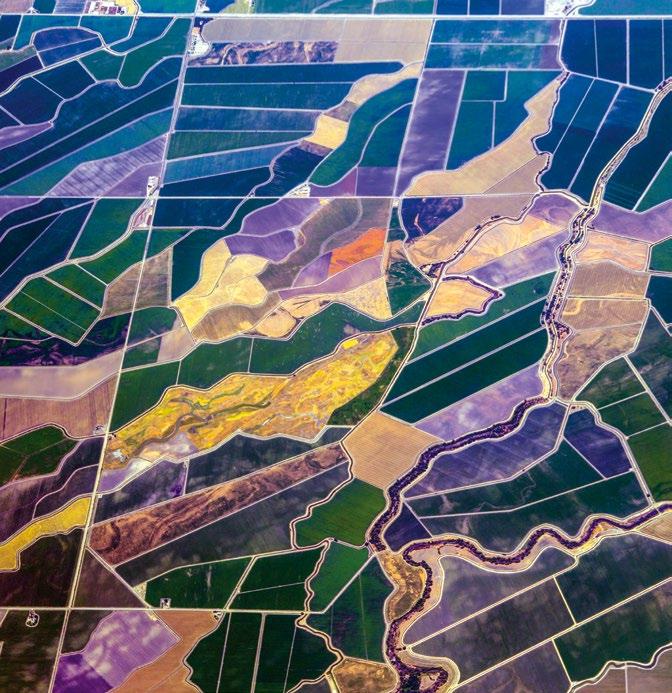
Aerial view of agricultural landscapes in California, showing a mosaic of fields in varying stages of cultivation, with clear boundary lines reflecting precision land management and crop rotation practices.

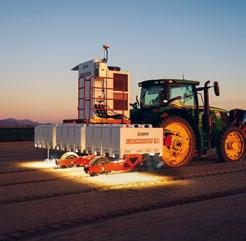
T“In California they use lasers to kill weeds and even manage over-seeding. It’s a remarkable machine with real potential. The use case is different in America compared to Africa, but if we can take the fundamentals, make it smaller and compact the processing (somehow), it could become a valuable new initiative. I love the
by Lee-Ann Bell
The study tour to California in July 2025, undertaken by Arie van Ravenswaay and Lee-Ann Bell on behalf of the Western Cape Department of Agriculture, provided an invaluable opportunity to witness agricultural innovation at the forefront of global practice.
The purpose of the visit was to explore how California is advancing in areas such as precision farming, automation, robotics and sustainable practices, and to identify how these lessons could be adapted for South African conditions.
With a focus on both learning and building partnerships, the delegation engaged with researchers, industry leaders and government representatives to gain first-hand exposure to cuttingedge systems and strengthen collaboration with institutions such as UC Davis and Western Growers.
The programme was wide-ranging and practical, offering direct insights into how technology is reshaping farming.
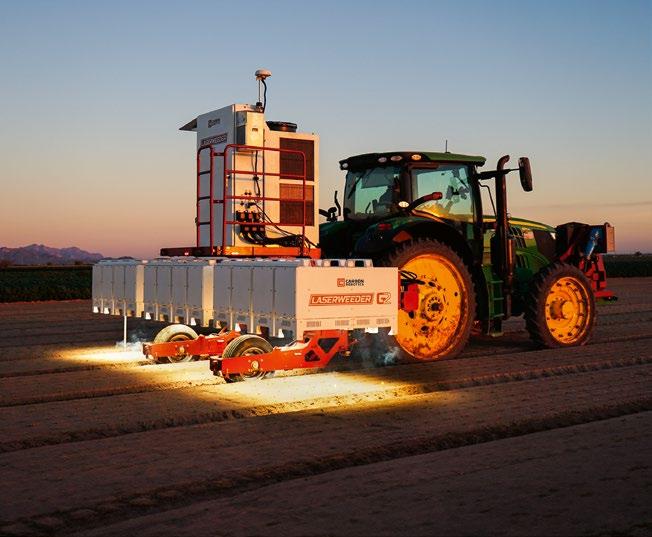
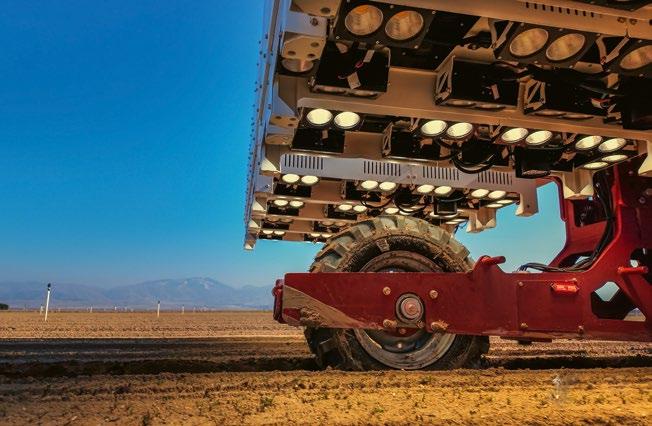
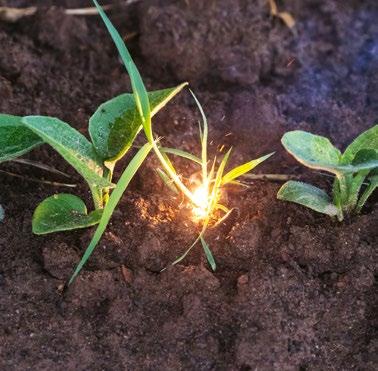
One of the highlights was a demonstration of laser weeding and lettuce thinning machinery, which uses AI-powered systems to ensure exact crop spacing while reducing reliance on chemicals or manual labour.
In discussions with Mayor Donohue of Salinas, the delegation gained a deeper understanding of the pressures California faces, from labour shortages to the complexities of automating diverse specialty crops. His reflections on the Global Harvest Automation Initiative reinforced the message that agricultural innovation succeeds only when solutions are tied directly to farmer needs and backed by strong industry partnerships.
Learn more! The system is currently used across more than 100 conventional and organic specialty row crops and is designed for a working lifespan of approximately 7–10 years.
Carbon Robotics
Scan the QR code or visit https://carbonrobotics.com/ laserweeder/
LaserWeeder G2 Product Line
Scan the QR code or visit https://tinyurl.com/9fy2cwkv
The LaserWeeder, developed by Carbon Robotics, is a commercially available laserbased weed control system designed to reduce chemical use and manual labour. The 20-foot-wide implement is fitted with 30 carbon dioxide lasers that fire every 50 milliseconds, guided by high-resolution cameras and machine-learning algorithms that distinguish crops from weeds in real time. Any plant not identified as the keeper crop is destroyed at the meristem using targeted laser energy. The system is currently used across more than 100 conventional and organic specialty row crops and is designed for a working lifespan of approximately 7–10 years.
Watch this!
Scan the QR code or visit https://tinyurl.com/29tb44kd to watch the video: “Introducing LaserWeeder G2 Product Line”. Published by Carbon Robotics.
Watch this!
Scan the QR code or visit https://tinyurl.com/3jzc6han to watch the video: “Western Growers Harvest Automation Initiative Launch”. Published by Western Growers.
Learn more!
Scan the QR code or visit https://tinyurl.com/245h6xb8 to read the article, “Western Growers Launches Global Harvest Automation Initiative”.
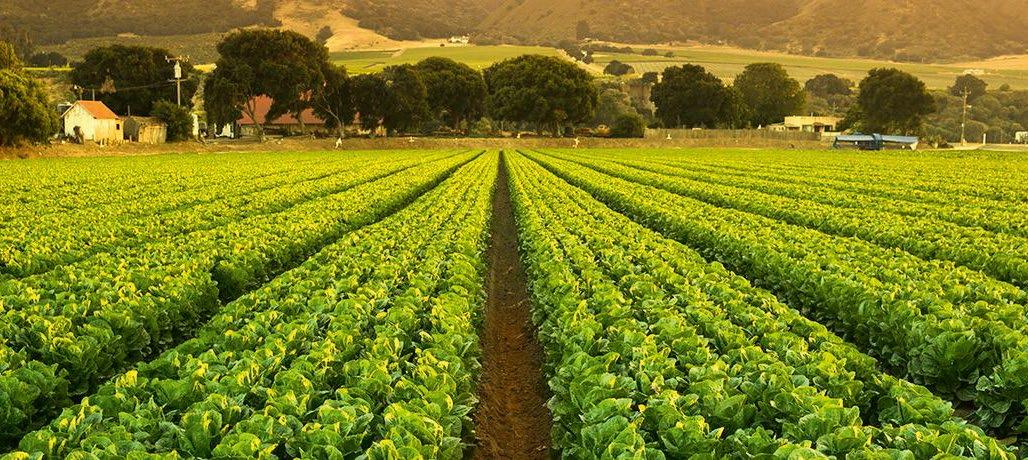
Agriculture is one of the largest industries in California, supplying food and farm products to the United States and international markets. As a global leader in agricultural science, University of California, Davis is at the forefront of research and education supporting innovation in the sector. Its programmes focus on practical, science-based training for farmers, professionals and entrepreneurs, strengthening resilience and productivity in the face of changing environmental and economic conditions.
Learn more!
Scan the QR code or visit https://cpe.ucdavis.edu/areasstudy/agriculture
At UC Davis, the visit included presentations and demonstrations on advanced irrigation systems, robotics, sensors and precision spraying technologies. The Climate Hubs model offered a compelling example of bridging scientific research with practical agricultural decision-making, tailoring solutions to specific climate and production challenges.
A key theme running through the visit was integration. Robotics, sensors, AI and datadriven systems are increasingly being developed not as isolated tools but as part of holistic farm management platforms.
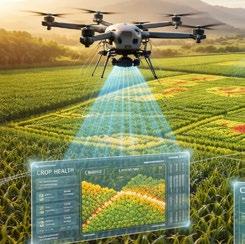
Technologies such as trunk-embedded water sensors, stress mapping and evapotranspiration tools showcased the potential for more efficient water management, a lesson highly relevant for South Africa’s citrus, grape and nut producers. The team also explored advances in imaging technologies, drone applications and hyperspectral analysis, which are increasingly being used for disease detection and crop monitoring. While challenges remain around cost, adoption and scale, the direction of innovation was clear: greater precision, reduced chemical use, improved sustainability and solutions that directly address labour shortages and climate pressures.


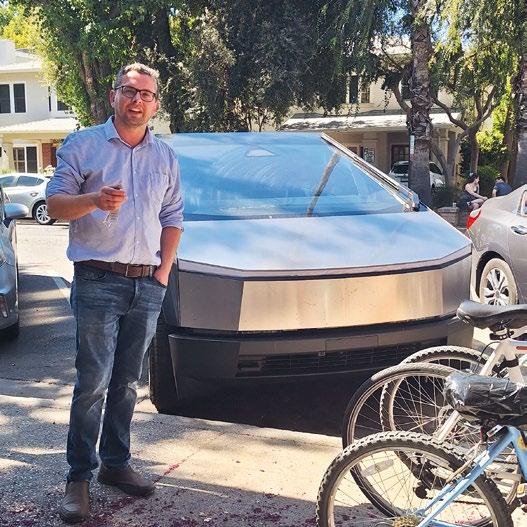
For South Africa, the takeaway is not to replicate California’s systems in full, but to adapt their principles in practical and affordable ways. Shared-service drone models, semi-mechanised systems and low-cost sensors can provide real impact, particularly for small and mediumscale farmers. Success will depend on collaborative research between universities, government and private industry, as well as farmer training to ensure effective adoption
The July 2025 study tour reinforced those challenges like climate change and labour constraints, while daunting, can also be catalysts for innovation.
With the right partnerships and policy support, South Africa can turn these pressures into drivers of sustainability, resilience and growth in the agricultural sector. AP
For more information, contact Lee-Ann Bell: lee-ann.bell@westerncape.gov.za
by Marguerite van Niekerk

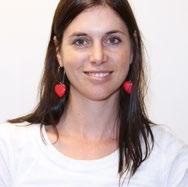

II had the most life-changing opportunity to visit Italy in my personal capacity after dreaming about it for years, and it did not disappoint – in fact, it exceeded my expectations. You always hear about “la dolce vita”, and it’s true. Italy is a sensory overload; you can’t help but want to photograph everything – the scenery, the historic buildings, the people, and, of course, the food.
The Italians are effortlessly stylish, wearing heels, elegant coats and tailored suits – even while cycling! Their love for dogs also stood out; everywhere I went, people took their dogs along, even into malls and restaurants. As a dog lover, I wholeheartedly approved.
Beyond the beauty and incredible food, my trip had a deeper purpose: to learn how Italians make cheese on their small, traditional farms.
Learn more!
Scan the QR code or visit https://wwoof.net/ to learn more about World Wide Opportunities on Organic Farms (WWOOF).

I wasn’t just a tourist – I was living with farming families and experiencing their way of life through WWOOF (World Wide Opportunities on Organic Farms), a cultural exchange programme where volunteers work on organic farms in exchange for food, accommodation and hands-on learning.
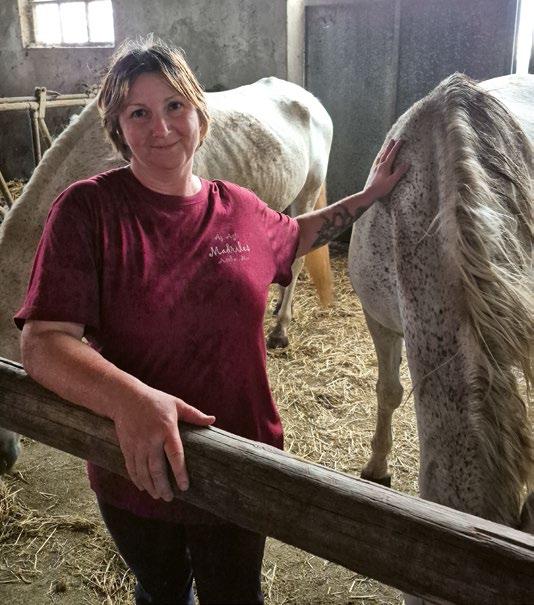
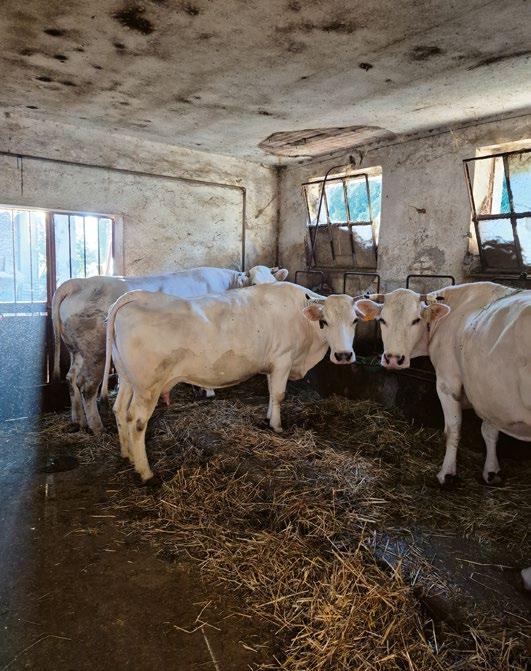
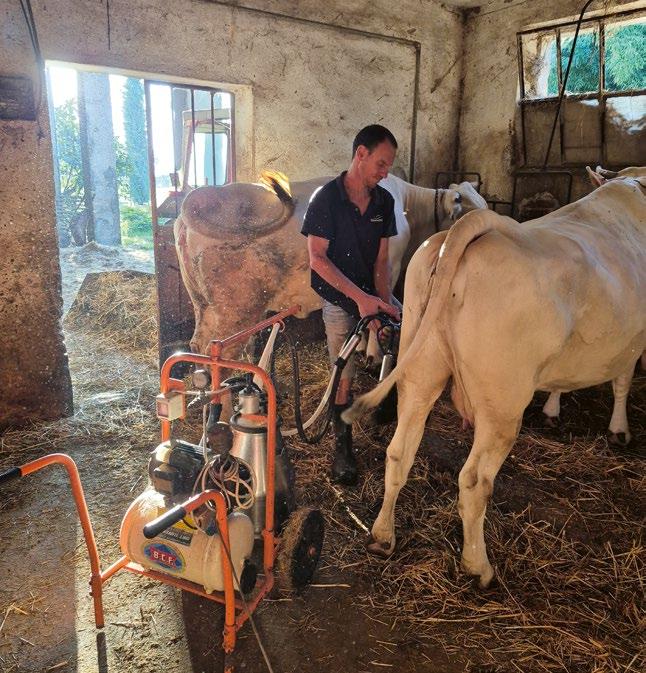
My first stay was with Moira and Dante at Madriles Farm, near Mantova in the Lombardy region. Their multifunctional organic farm produces wine, livestock and honey, all by hand – without machinery, chemicals or additives. I was privileged to share daily meals made from their own produce: honey, vegetables, pasta, cheese, yoghurt, fresh and cured meats and wine.
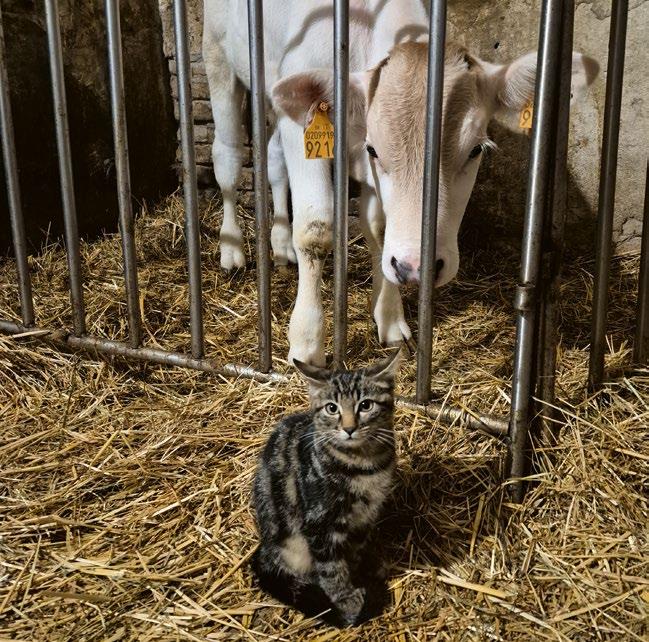
They farm with Bianca Val Padana (BVP) cattle, an endangered native breed with milky white coats, used for milk, meat and work. Fewer than 500 are registered in Italy’s Herd Book, so Moira’s mission to preserve them is vital. Their cows are tied in the barn and milked twice daily with a mobile electric unit, producing 10-12 litres per cow per day on a simple diet of grass and lucerne hay. Calves receive two litres of milk twice daily and are weaned at four months.
Cheesemaking starts before sunrise, using milk from the previous day. They produce ricotta, a fresh cheese, a hard traditional cheese and yoghurt.
I helped with cleaning, feeding, milking and even wine and honey processing. The days were long but fulfilling – ending with the evening milking at 8 p.m.
Dante and Moira’s dedication to natural farming taught me how much care and labour go into each product.
and
patiently for
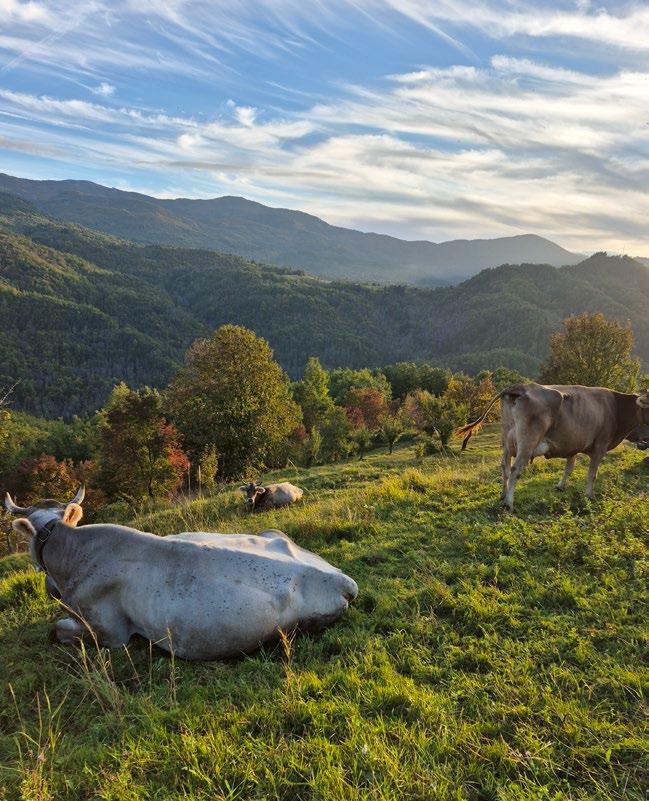
My second host family lives high in the Ligurian mountains, about two hours from Cinque Terre. I arrived just as the autumn colours began to transform the hills into a breathtaking palette of gold, red and orange. Massimo, Raffaella and their son Gabriel welcomed me warmly into their home and shared their life with me. Their 11 Brown Swiss cows graze freely on green pastures, their bells echoing beautifully through the valley. They are milked twice daily and their milk is cooled in a 300-litre tank, carried down the hillside in buckets. The parlour operates with a pipeline system and each cow receives hay, pasture and dairy concentrate during milking. This farm was more mechanised, with a manure belt to remove waste, but the same passion for craftsmanship was evident.
“The Italian way of farming –
preserving tradition, caring for animals and valuing
quality over quantity – captures the spirit of la dolce vita.”
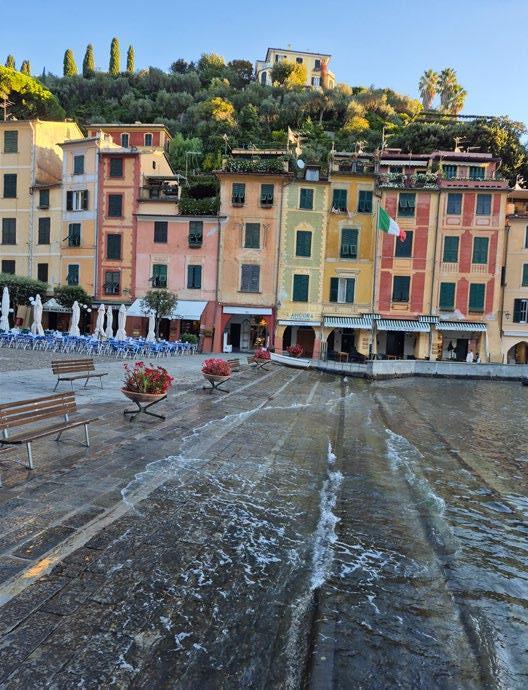
Raffaella, the cheesemaker, produces cheese and yoghurt three times a week in her small but perfectly equipped creamery. On Thursdays, Massimo delivers their products to loyal customers, including restaurants, shops and even a Michelinstarred chef in Portofino.
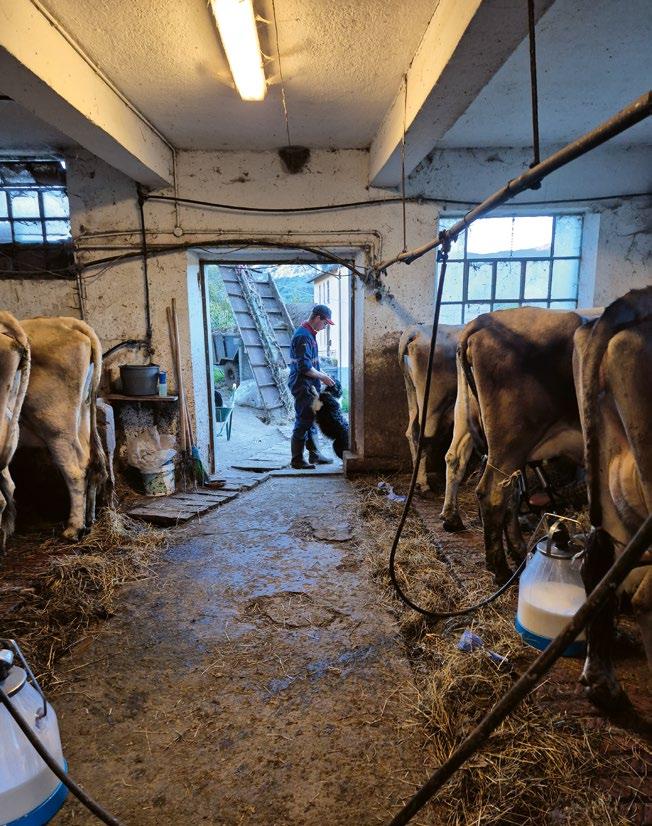
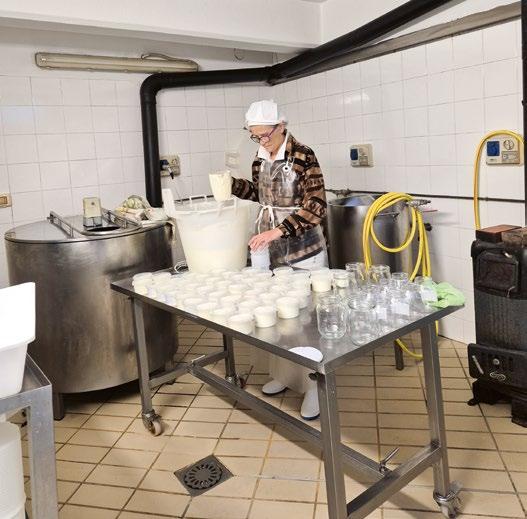
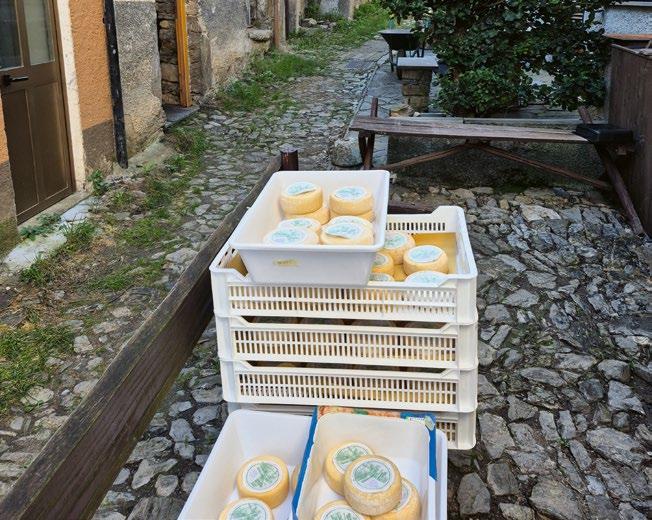
What inspired me most was their sense of community. When Raffaella sells cheese in neighbouring villages, she buys bread and vegetables from those who support her business in return. It’s a beautiful example of how local economies thrive through mutual respect and shared effort.
Living and working alongside these families made me rethink what success in farming really means. It’s not always about scale or money – it’s about producing quality food, caring for animals and living a balanced, fulfilling life.
After these experiences, I began imagining a similar setup back home –perhaps five Brown Swiss or Fleckvieh cows for Elsenburg’s animal production students. If a small family can run such a system, imagine what a group of motivated students could achieve. They could milk daily, make cheese and yoghurt several times a week, and learn invaluable lessons about sustainability and artisanal production.
My time in Italy was unforgettable. It reminded me that there are many ways to make a living from farming, and none of them are wrong. But the Italian way –working with passion, preserving tradition and valuing quality over quantity – seems to hold the secret to “la dolce vita”. They produce food with integrity, raise animals with respect and live life fully. And that, I believe, is the true taste of happiness. AP
For more information, contact Marguerite van Niekerk: marguerite.vanniekerk@westerncape.gov.za
by Arie van Ravenswaay

IIn Part 1, we unpacked what AI actually is and how these “digital brains” learn. Now we move a little deeper into the real world; not Silicon Valley, not futuristic mega-farms in Europe, but our own Western Cape, where farmers deal with droughts, veld fires, labour shortages, logistics challenges and the day-to-day unpredictability that makes agriculture both beautiful and exhausting.
Here, AI becomes something different: A tool. A helper.
A thinking partner. Not a replacement. Not a full automation fantasy
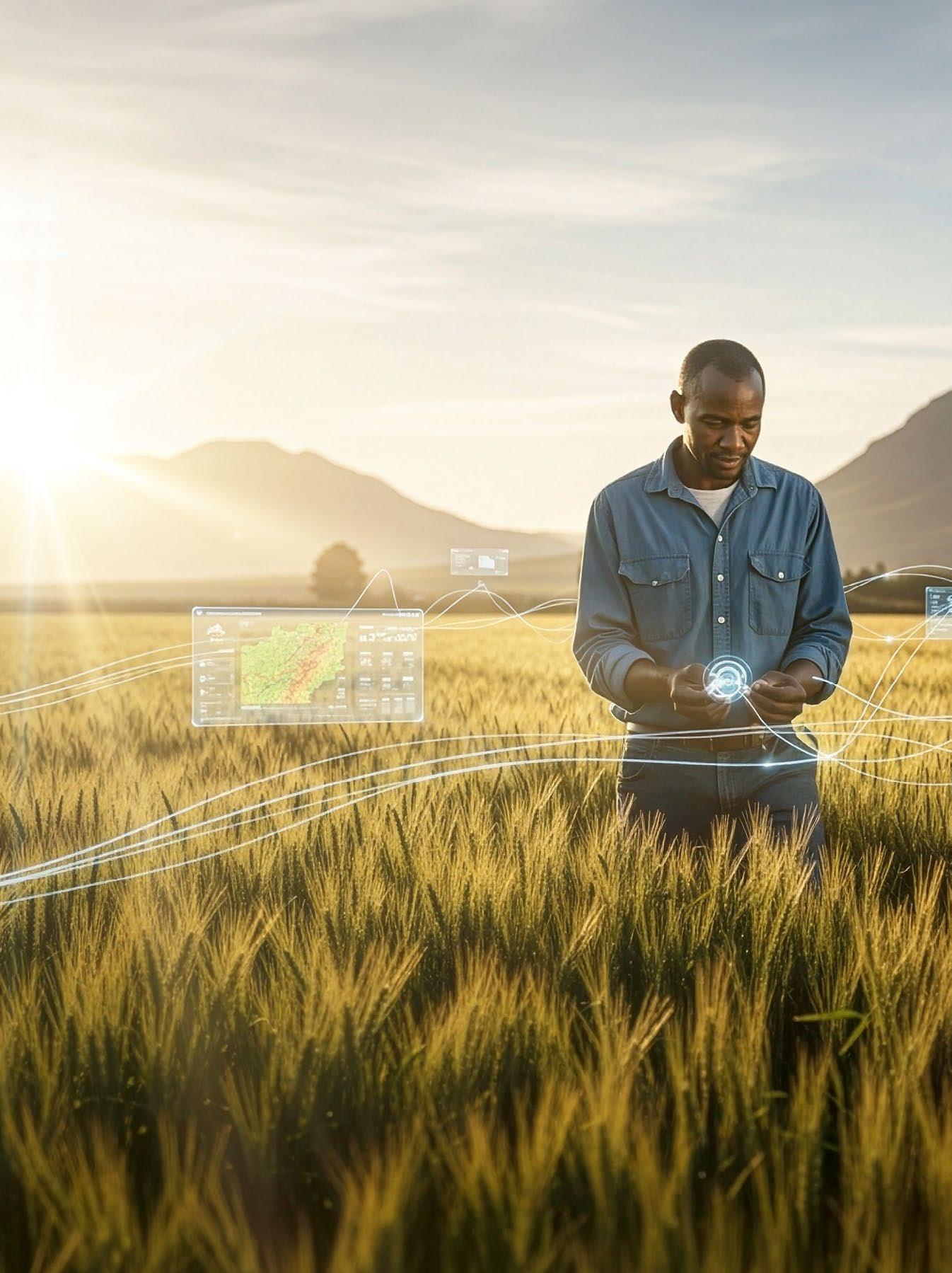
Around the world, AI is rushing ahead: self-driving robots pruning vines, machines predicting market gaps to the hour, gene-editing systems designing plants that shrug off extreme heat. Impressive, yes, but South Africa is a different story.
We have our own needs, our own budgets, our own environment and our own way of doing things. And that means the way we use AI won’t (and shouldn’t) look like what other countries do. Something that supports the farmer, the technician, the researcher and the worker; not something that removes them. Let’s explore what that actually means.
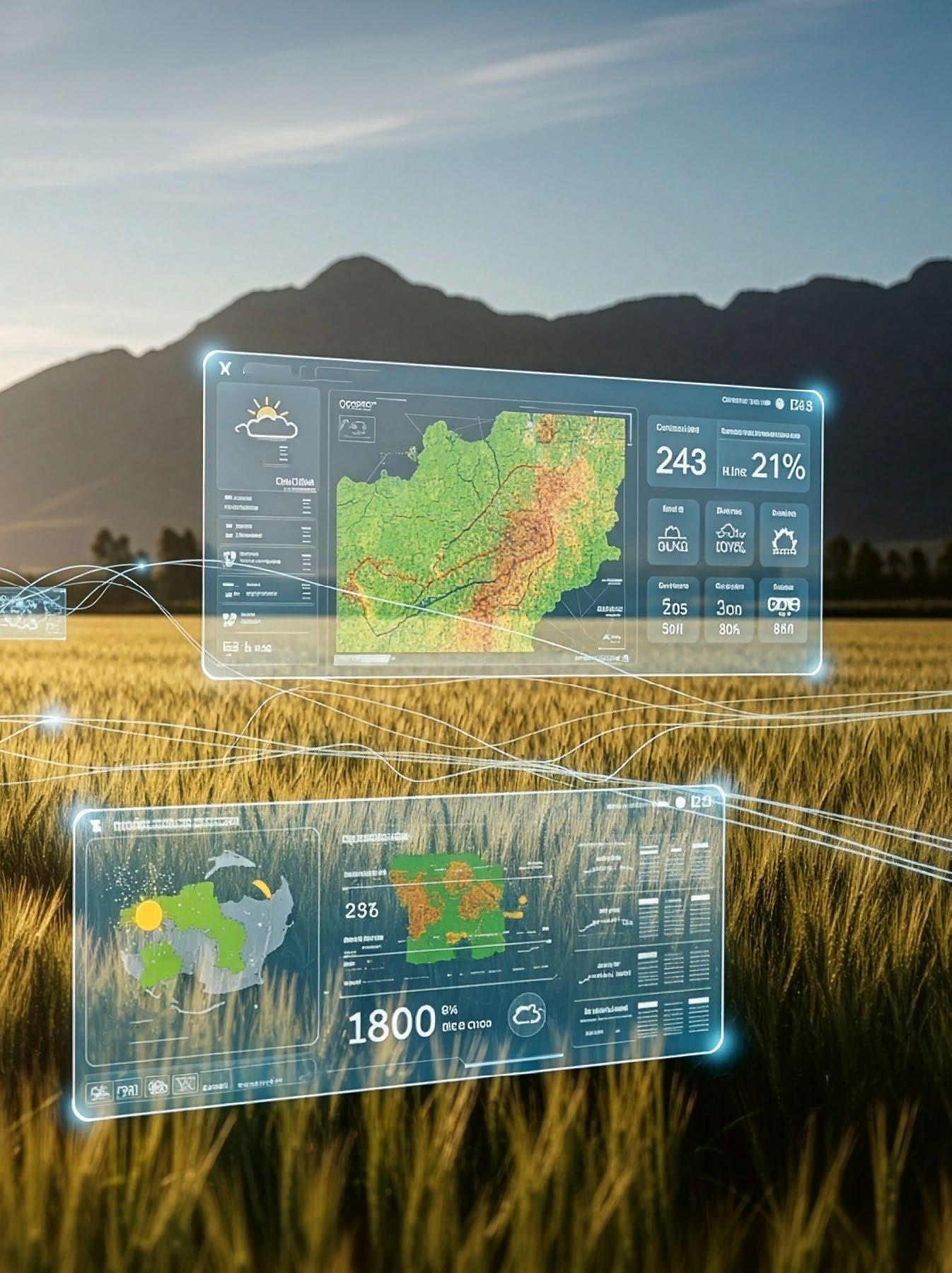
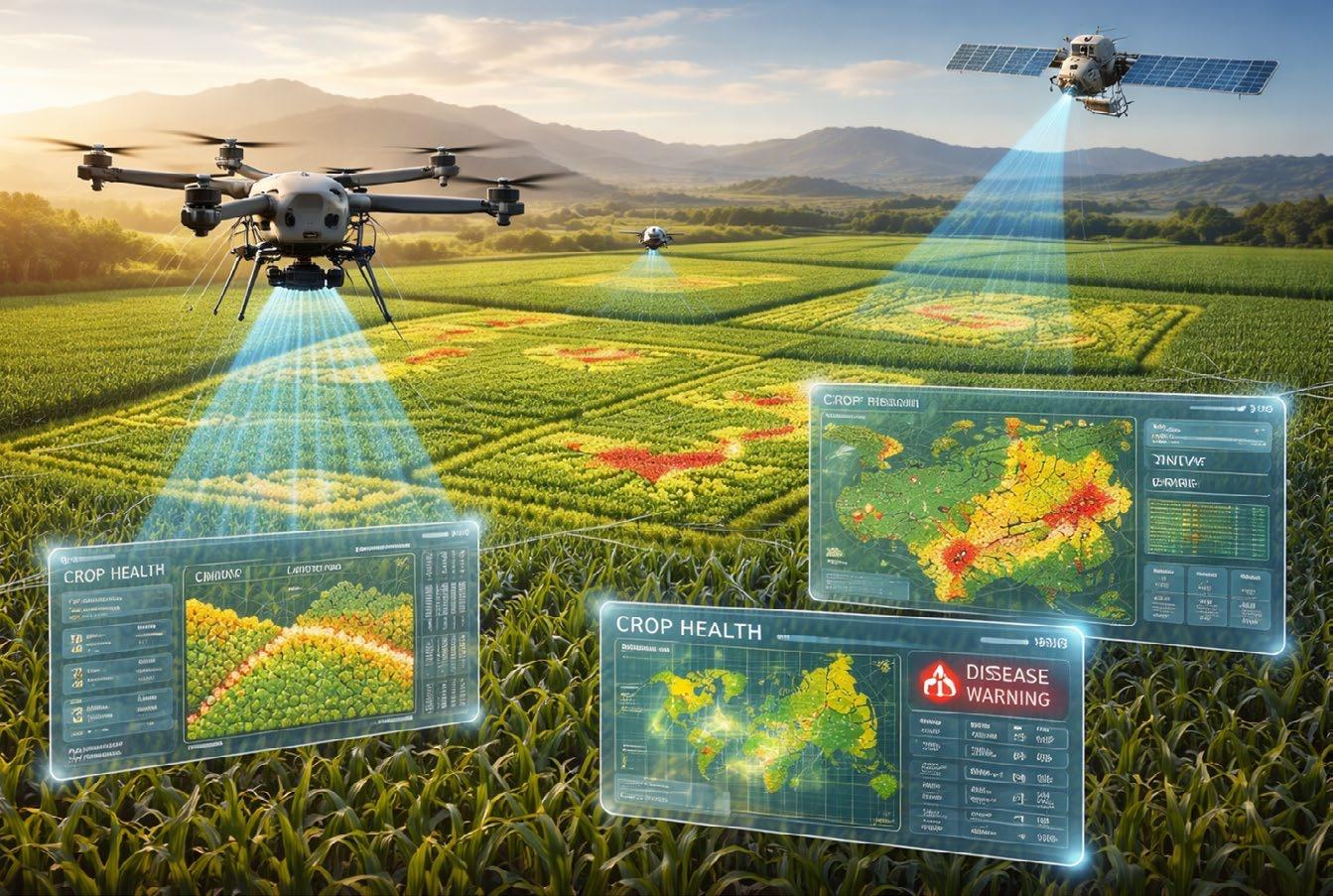
One of the biggest misconceptions is that AI is a system you “install” like a new pump and then walk away from. That’s not how it works, at least, not in agriculture and not in South Africa.
AI is more like a super-fast assistant that:
• helps you notice things earlier,
• compares things quicker,
• generates ideas faster, and
• spots patterns humans would simply never pick up in time.
Think of AI as the colleague who can work all night sorting through thousands of photos of your orchard while you sleep. The next morning, it says, “Look here, something isn’t right on these trees.” It doesn’t do the farming for you, but it helps you make smarter decisions.
And that’s exactly the approach that fits our country: using AI to enhance; not replace.
Using what we already have and making it smarter
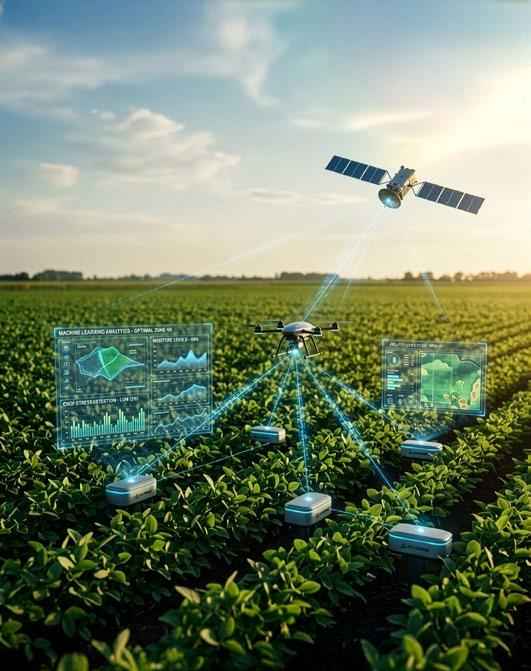
Many South African farms still rely on older tractors, pivots and irrigation lines, and while these won’t magically transform into high-tech machines, AI can help us squeeze a bit more usefulness out of what’s already in the shed. It’s less about turning old equipment into something new and more about using affordable sensors, simple microcontrollers and smarter software to understand what’s happening on the farm with better clarity.
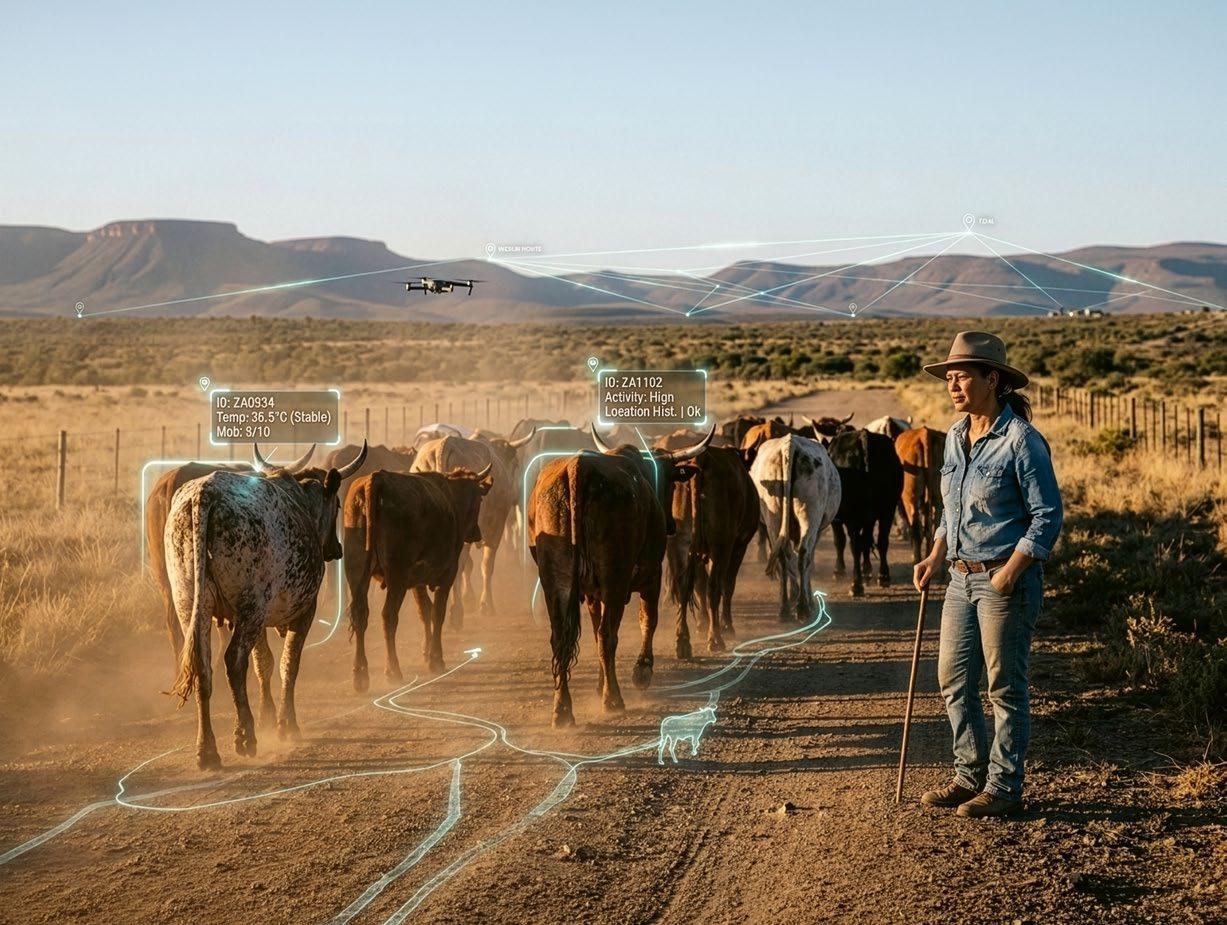
A basic drone, for example, won’t suddenly become a precision aircraft, but its footage can be analysed by AI to highlight stress patches, spot pests or track grazing patterns over time.
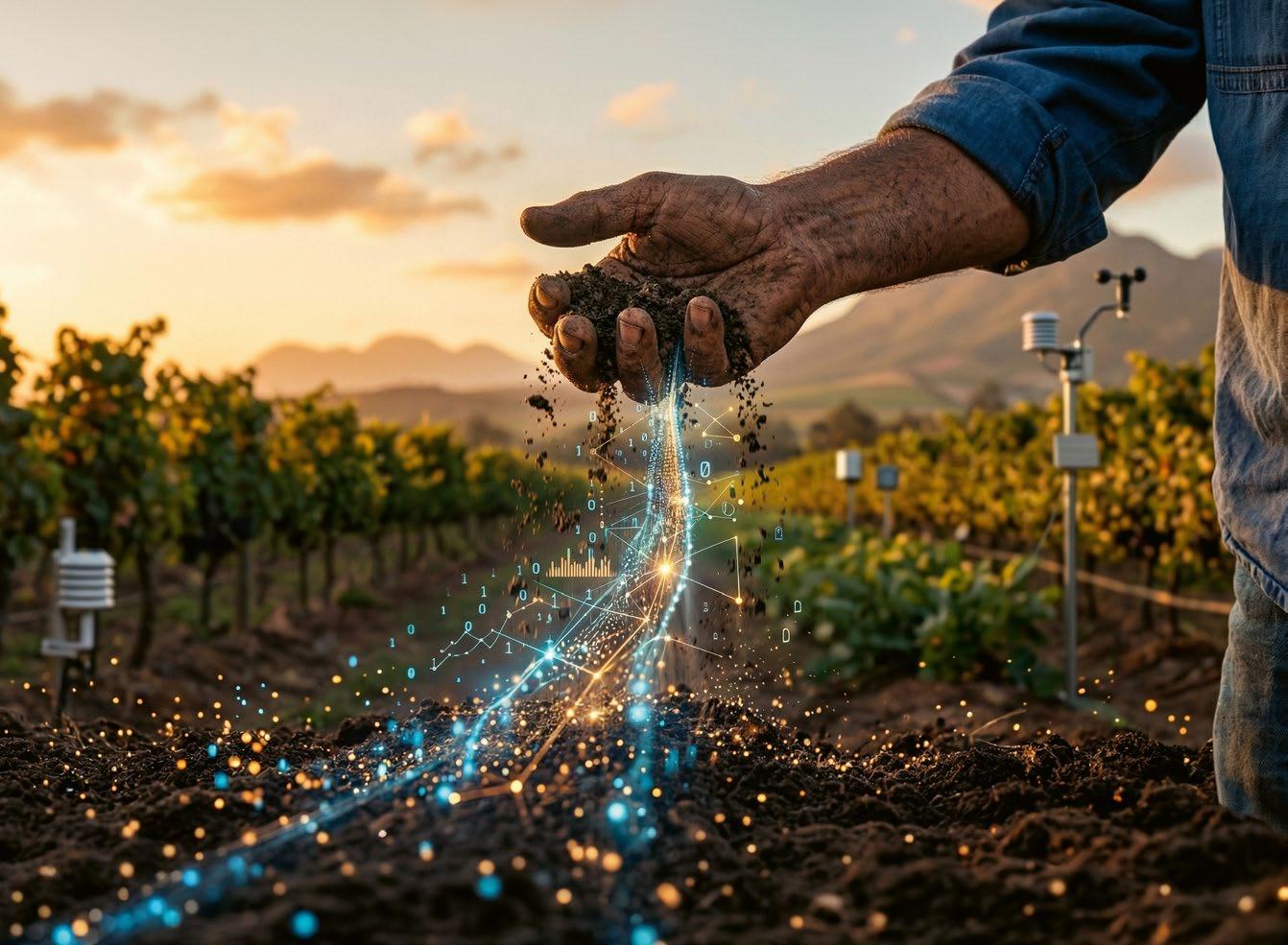
The same goes for irrigation: Even the simplest moisture probes can feed into an AI model that compares readings with weather forecasts and gives a more informed sense of when and where to water. And many farms already have years’ worth of field notes, yield maps and photos lying around – old information that AI can recognise and turn into usable insight. None of this replaces the need for real upgrades in the long run, but it does show how thoughtful use of AI can help us work a little smarter with the tools and information we already have.
One of the most exciting developments is how AI helps us build things faster, especially in environments where budgets and timelines are tight.
Take Vibe Coding and other AI-assisted coding tools. Do you have a software idea you want to test? These systems let you describe the device or sensor you want, and AI will generate:
• working firmware,
• wiring diagrams,
• dashboard layouts,
• data-logging structures, and
• sometimes even 3D-printable casings.
Watch this!
Scan the QR code or visit https://youtu.be/joa1N3HlDak to watch the video: “Overview of the new vibe coding experience in AI Studio”.


Did you know?
AI researcher Andrej Karpathy, former Director of AI at Tesla and a founding member of OpenAI.
Vibe coding is a new approach to software development where people build applications by guiding artificial intelligence rather than writing code line by line. The term was introduced in 2025 by AI researcher Andrej Karpathy. In this workflow, users describe what they want an application to do, and an AI system generates, tests and refines the code. The result is faster prototyping and greater accessibility for non-programmers, allowing many more people to create functional software tools.
You still need human expertise, you still refine, test and redesign, but AI cuts down the development time from months to days. It’s important to note that Vibe Coding is great for prototyping, yet it still needs humans for the final software version (at this stage).
Learn more!
Scan the QR code or visit https://cloud.google.com/ discover/what-is-vibe-coding
Imagine designing a new soil sensor system in a week, building a diseasemonitoring camera prototype in a weekend or testing a new irrigation controller by the end of the month. AI doesn’t give you the final answer; it simply gets you to the starting line much faster.
When we think of AI in agriculture, the mind usually jumps straight to crops, sensors and fields. But farming is far more than what grows in the soil. There’s a whole business ecosystem behind every harvest – marketing, logistics, transport, storage, pricing. And AI fits into these areas just as naturally as it does on the land. Take crop quality, for example. Modern cameras and sensors can read colour, firmness, sugar levels and even subtle defects long before the human eye picks them up. Because buyers pay for quality, these measurements matter. AI can compare your fruit or vegetables across seasons, weighing in weather shifts, fertiliser use, storage conditions, harvest timing and even which picking team was working that day. It gives you a clearer picture of why your quality, and therefore your price, goes up or down over time.
And then there’s the buying and selling side. AI can scan market activity across regions, spot demand patterns and pick up trends that most of us only realise once the season is over. If early grapes surged in value this time last year, AI may catch that same pattern forming again and suggest adjusting your harvest dates before the opportunity passes.
“AI isn’t just helping us farm better; it’s helping us run the entire farming business smarter.”
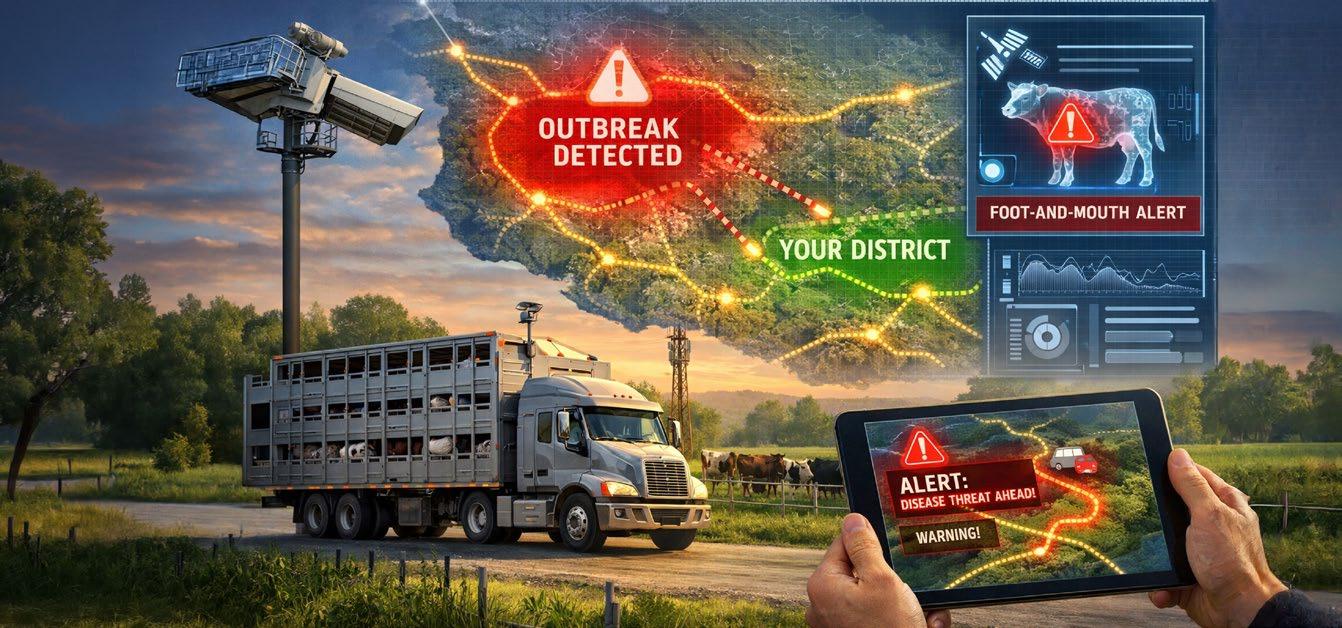
Transport and logistics, a constant challenge in South Africa, also stand to benefit. AI can map animal movements to help prevent disease outbreaks, watch for cold-chain failures in fruit and even plan delivery routes that save fuel.
Imagine a system that spots the early movement of a disease like foot-and-mouth simply by watching livestock transport routes and warns you before it reaches your district. That’s the kind of forwardthinking AI brings into the agricultural value chain.
In other words, AI isn’t just helping us farm better; it’s helping us run the entire farming business smarter.
Our disease reporting system still relies far too much on phone calls, paperwork and waiting for lab results. AI can change that. With image scanning, real-time mapping and early-warning predictions, it can spot problems long before they spread. If an animal leaves Beaufort West today and shows symptoms in Bredasdorp two days later, an AI system could trace its
movements instantly and alert every farmer along the route. It’s not science fiction –it’s practical, possible and something we urgently need.
farmers: Where AI helps the most
AI isn’t only for big farms. In many ways, it’s even more useful for small farmers who can’t afford consultants or equipment.
With just a basic smartphone, smallholders can get:
• crop disease advice,
• weather warnings,
• livestock health tips,
• planting recommendations,
• price forecasts,
• soil suggestions.
Even SMS-based AI tools are becoming more common. Imagine a WhatsApp message saying: “Send me a picture of your plant and I’ll tell you what’s wrong.” This reduces risk and improves yields without expensive hardware.
While other countries dream of fleets of autonomous tractors running day and night, our reality is a little more grounded – and honestly, that’s our strength. We work with a mix of human labour, shared equipment, diverse climates and a healthy dose of local creativity. So, our AI journey won’t look like the USA or Japan, and it doesn’t need to. We need technology that fits our soils, our budgets and our people. AI here should support jobs, boost productivity without driving up costs, and empower the small farmer just as much as the commercial giant.
“AI is just a tool; a very impressive one, yes, but still only as powerful as the hands that guide it.”
AI is moving quickly, sometimes so fast it feels like we’re watching the world change in real time. But that doesn’t mean agriculture needs to be intimidated or swept away by it. In many ways, we’re in the perfect position to use this technology wisely and on our own terms.
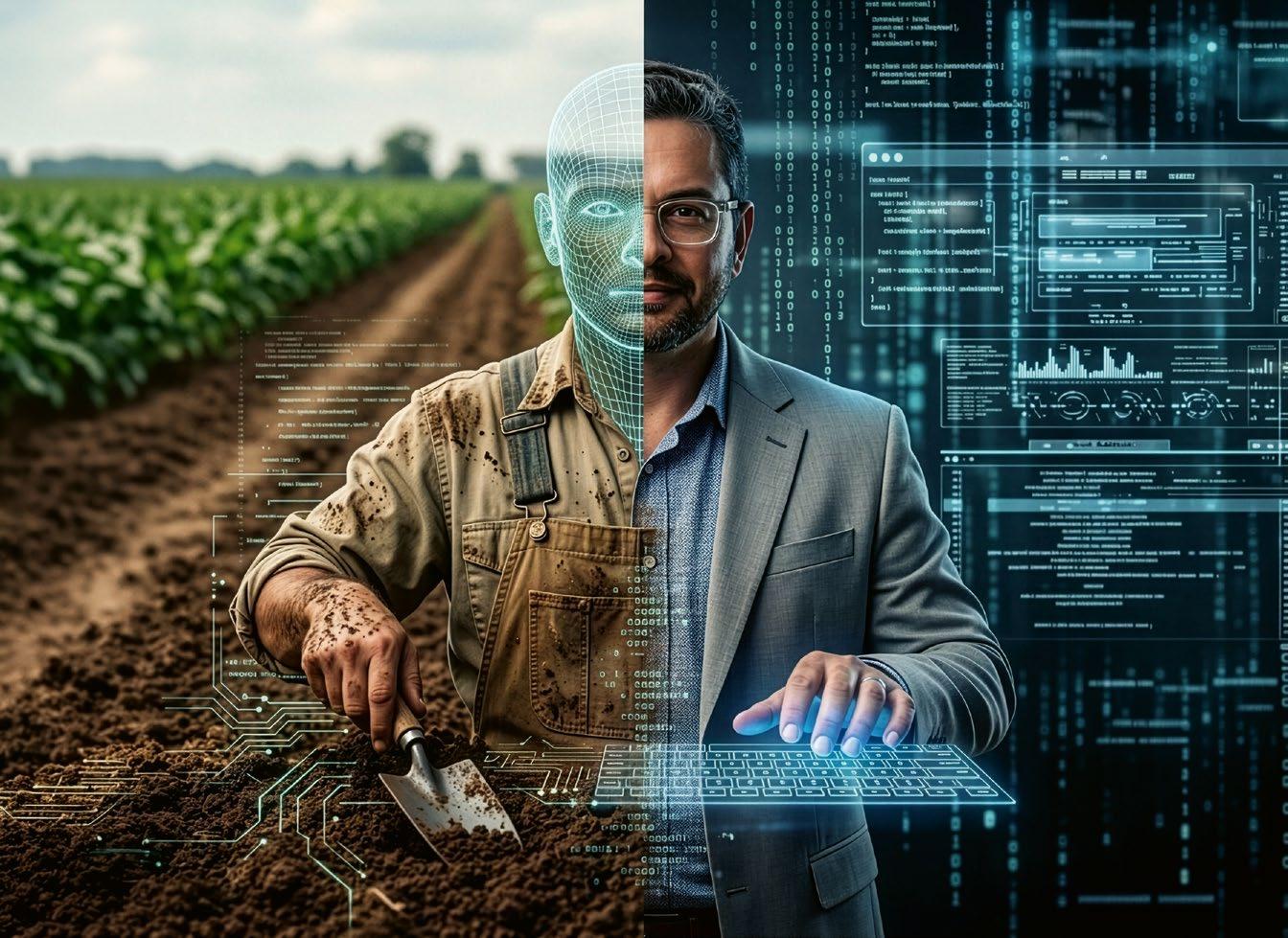
We don’t have to leap into the deep end. We simply start small, stay curious and shape these tools to fit our own environment, our own people and our own way of farming. As long as we keep humans firmly in control, we can build practical, home-grown solutions that make sense for South African agriculture; not copies of what the rest of the world is doing, but answers that work for our soils, our climate and our communities.
Because at the heart of it all, AI is just
a tool; a very impressive one, yes, but still only as powerful as the hands that guide it. And when those hands belong to farmers, technicians, researchers and innovators who know their land better than any machine ever will… well, that’s when the magic really happens.
And if our farmers are known for anything… it’s creativity.
Now imagine what happens when you mix that with a digital brain that never sleeps! AP
For more information, contact Arie van Ravenswaay: arie.vanravenswaay@westerncape.gov.za

by Deona Strydom
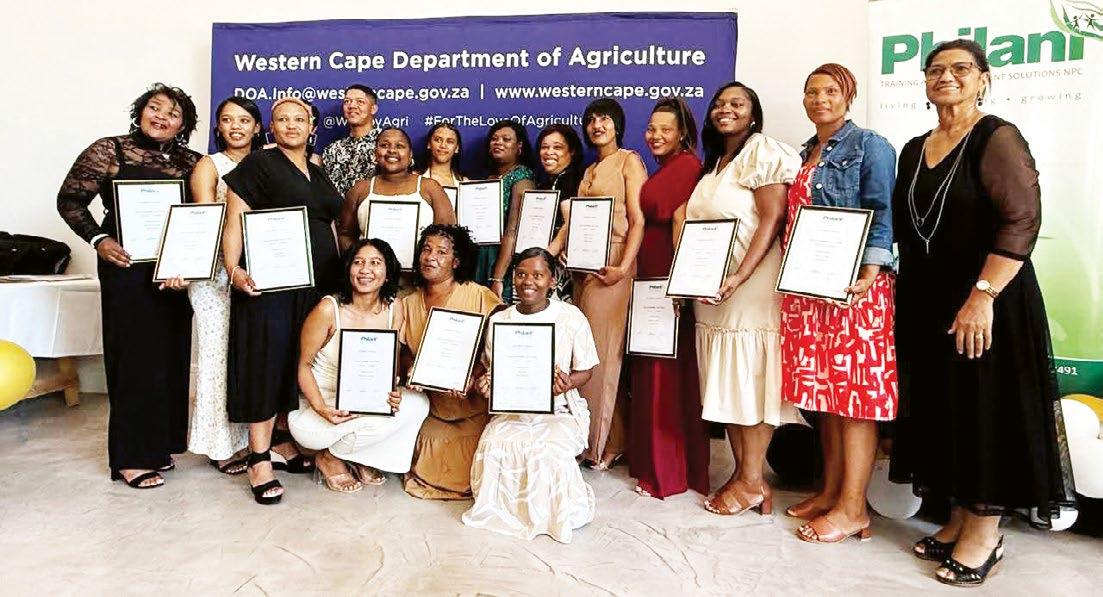
On 11 November 2026, sixteen agri workers from the Bossieveld area near Worcester received their NQF2 certificates in Home-based Care Assistant and First Aid Responder courses. The ceremony was attended by the Minister of Agriculture, Economic Development and Tourism, Dr Ivan Meyer, as well as sponsors, producers and family of the students. The ceremony also marked the fourth year of the department’s involvement in this development initiative.
TThe health of farming communities is a major concern, as most agri workers live on the farm where they work and, as a result, have limited access to healthcare services. This was also confirmed by the data from the Agri Worker Household
Census (AWHHC), as the findings indicated that more than 50% of the respondents in the province required assistance to access health services related to general healthcare, family planning and chronic illness.
Previously, these services were covered through the mobile units/clinics visiting farms, however the Department of Health and Wellness has since decreased the availability of this service. Distances to travel, transportation costs and time off work prevent agri worker households who reside on farms from accessing health centres regularly.
Learn more!
Scan the QR code or visit https://www.elsenburg.com/ programmes/agri-workerhousehold-census/ to read “Agri Worker Household Census”.
The purpose of the Healthcare Skills Programme for agri workers is to improve agri workers’ access to healthcare, including services to prevent illness and manage disease, as well as address the unique challenges faced by agri worker households.
Learners who complete this skills programme possess the competence required to perform community health functions and the ability to promote healthy lifestyles where they reside. They are also in possession of a recognised qualification that will provide a platform for further education and training in a career pathway towards becoming professional health workers.
The department and other sponsors, including SA Wine, have been financially involved in this project since 2022, and to date, 94 agri workers residing in the Breede Valley and Witzenberg regions have completed the six-month course.
Several of the students have broadened their horizons after this training and are currently working in emergency medical services and elsewhere in the health sector. The department receives continuous positive feedback from producers and the Department of Health and Wellness about the sustainable impact this project has proven to have over the years.
Through the Western Cape Agri Worker Forum, major agri worker healthcare needs have also been identified in the Overberg and thus, this project will continue in the Villiersdorp area in 2026.
The Rural Development Programme would like to thank all producers involved, co-sponsors, Philani NPC and the dedicated agri worker students who make this indispensable project possible. AP
For more information, contact Deona Strydom: deona.strydom@westerncape.gov.za or +27 (0)21 808 5086/7601.
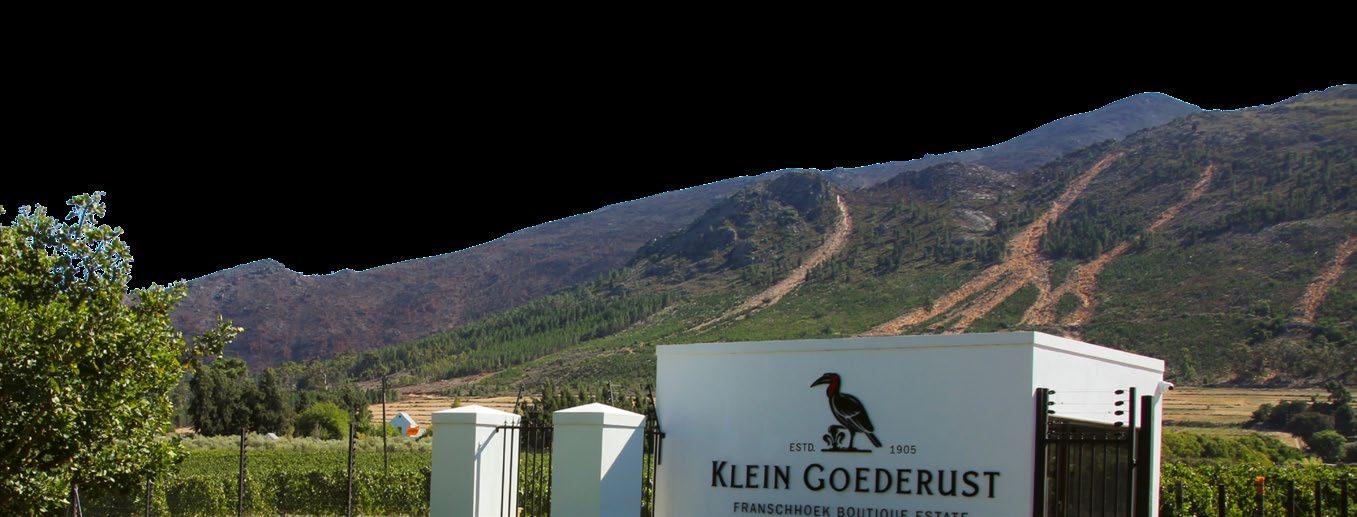

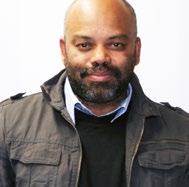


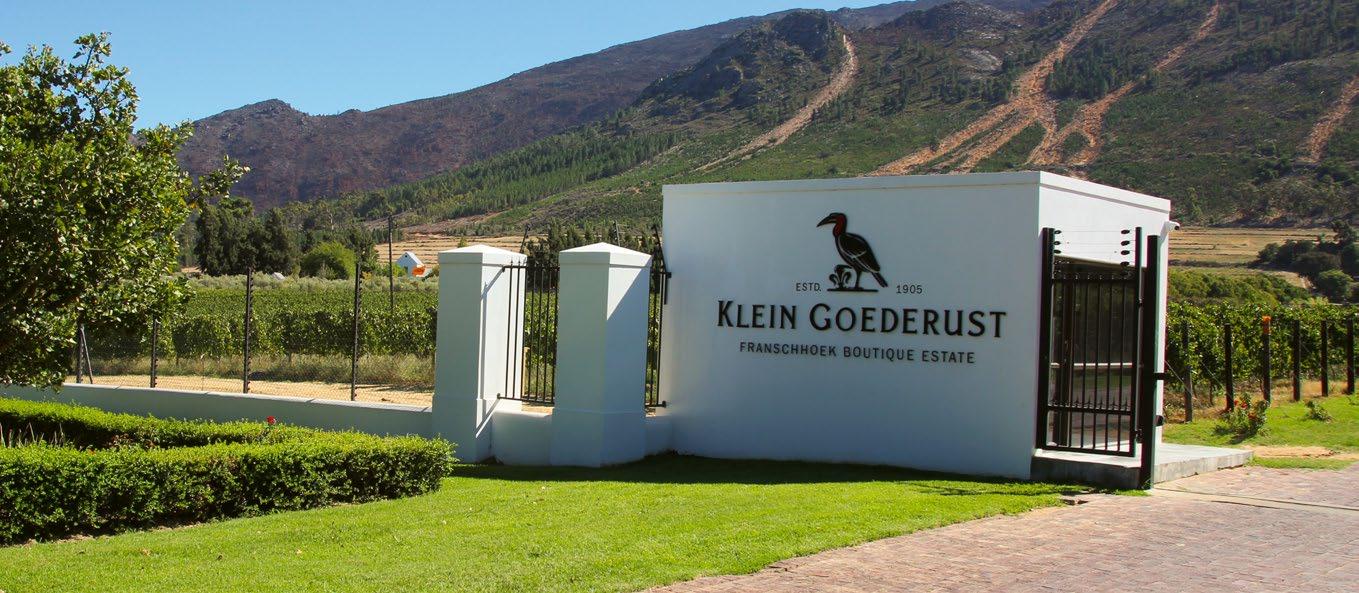

FFor most of his childhood, Paul Siguqa watched his parents work the land for someone else. Decades later, that same child now stands behind the counter of his own wine cellar, pouring wine made on his own farm in one of South Africa’s most prestigious wine valleys.
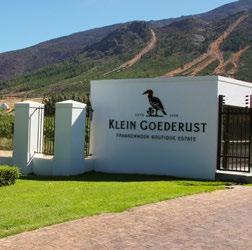
The establishment of the Klein Goederust Boutique Wine Cellar marks a historic milestone for the Western Cape wine industry.
He purchased the neglected farm in 2019 and rejuvenated the historic buildings that date back to 1905.
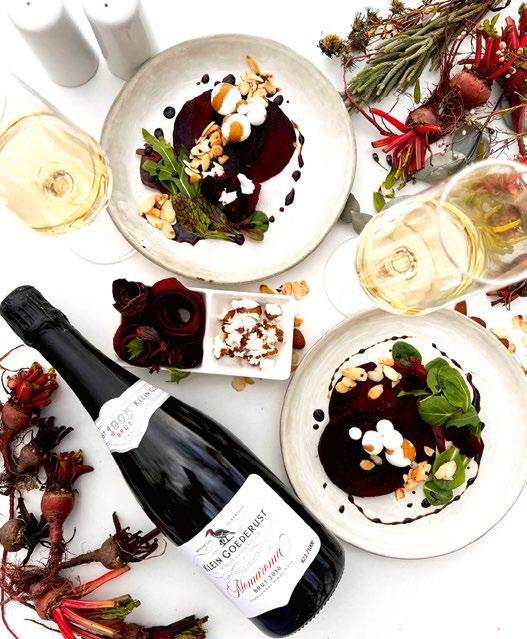
The farm features vineyards producing Chenin Blanc, Chardonnay and Shiraz, among others, as well as a wine-tasting room.
Learn more!
Scan the QR code or visit www.kleingoederust.co.za
Scan the QR code or visit https://tinyurl.com/4y322cw7 to watch the video: “South Africa's first Black wine farmer”.
Klein Goederust is the first black-owned wine cellar in the province, made possible through targeted government support via the AgriBEE Fund and the Comprehensive Agricultural Support Programme (CASP).
From a farm worker’s son to a farm owner
Klein Goederust is owned by Hornbill Group (Pty) Ltd, a 100% black-owned family business led by Paul Siguqa and his wife, Makosana Zwane-Siguqa. The 9.8-hectare farm is situated in Franschhoek, an area renowned globally for its wine production and tourism.
Siguqa’s journey into wine began not as an entrepreneur, but as the son of farm labourers. He grew up and later worked at Backsberg Wine Farm, where he gained experience, discipline and a deep respect for agriculture. His determination to one day owns a farm never faded.
Paul Siguqa gained international attention after being profiled by The New York Times in October 2022. The article, titled “His Mom Labored on a Winery Under Apartheid. Now, He Owns One,” highlights his journey as the son of a farm labourer to the owner of Klein Goederust, the first 100% Blackowned vineyard and winery in the prestigious Franschhoek valley.
Scan the QR code or visit https://tinyurl.com/yn2cef9y to read the article.
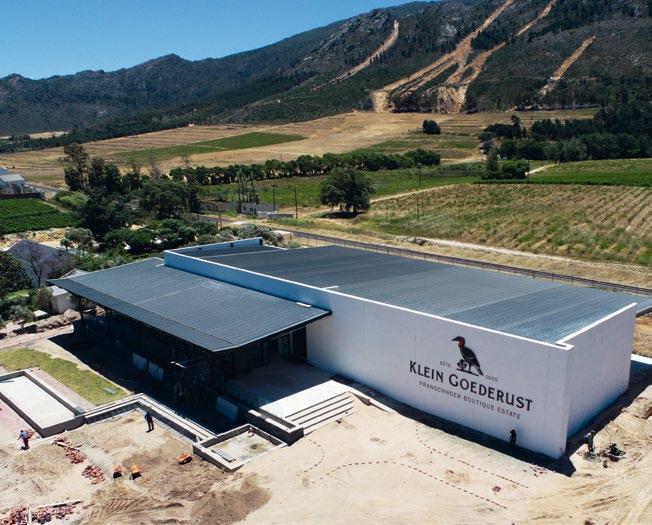
At the launch of the Klein Goederust project, Western Cape Minister of Agriculture , Economic Development and Tourism, Ivan Meyer, praised Siguqa’s perseverance, describing his journey as an example of how agricultural transformation programmes can unlock real opportunity when matched with hard work and commitment.
Watch this!
Scan the QR code or visit https://tinyurl.com/2p6ecm9b watch the video: “Chasing Harvest: The Dynamic Duo at Klein Goederust... Re-scripting Destiny.”
Published by Wine With Tuanni.
When the Siguqas acquired Klein Goederust in 2019, the farm was in a neglected state. Together with winemaker Rodney Zimba, who also grew up alongside Siguqa on Backsberg farm, they set out to rebuild the property and reimagine its future.
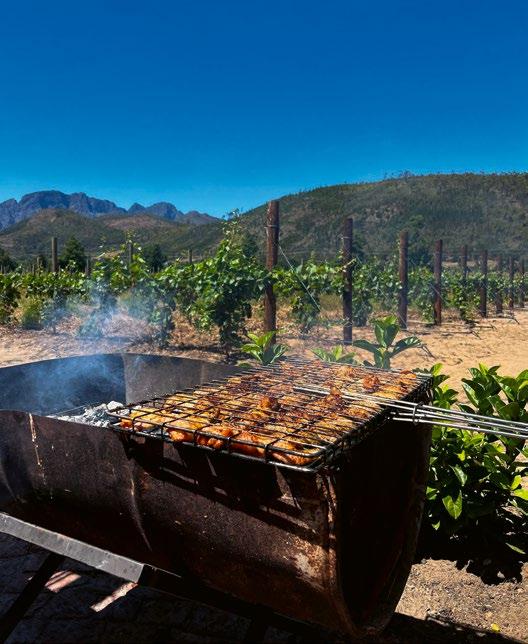
Over time, 6.7 hectares of vineyards were established, and the business began producing wine in rented cellars. Despite limited infrastructure, Klein Goederust wines found a market both on the farm and online. Wine tastings, a small restaurant and popular weekend spitbraai events soon followed, positioning the farm as a growing agri-tourism destination.
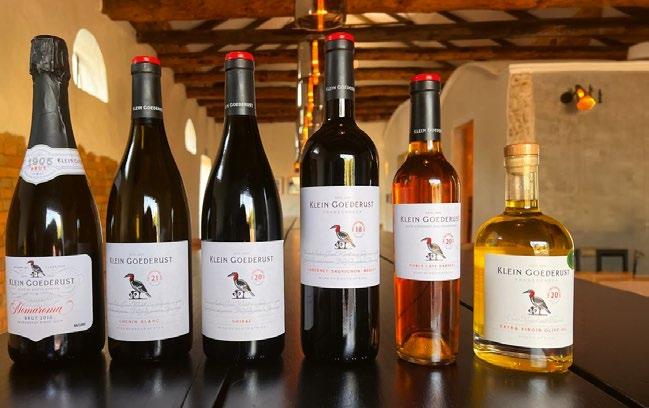
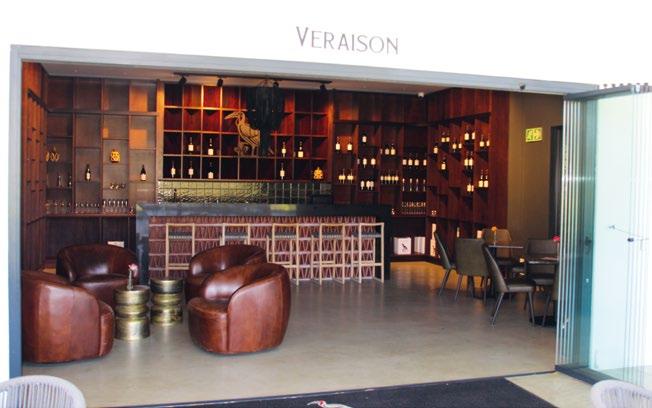
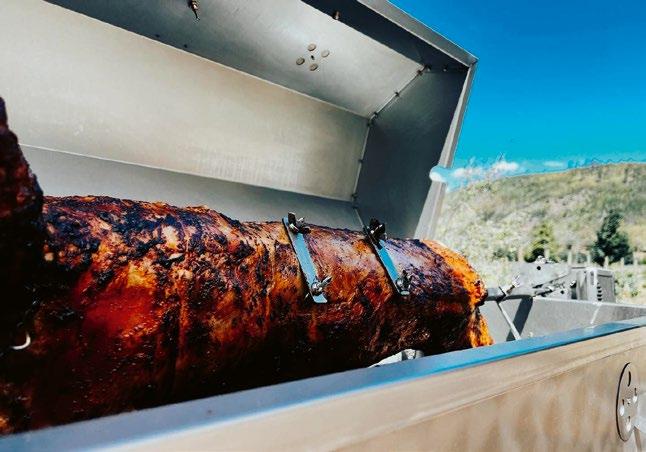
A breakthrough came in February 2023, when the AgriBEE Fund approved financial support for the establishment of a boutique wine cellar on the farm.
Construction began a year later, turning a long-held dream into reality. The new cellar allows Klein Goederust to produce its wines entirely on-site, giving the business control over the full value chain – from grape production to processing, bottling and sales.
This aligns directly with one of the Western Cape Department of Agriculture’s priorities: supporting smallscale farmers to move beyond primary production and participate meaningfully in value-added activities.
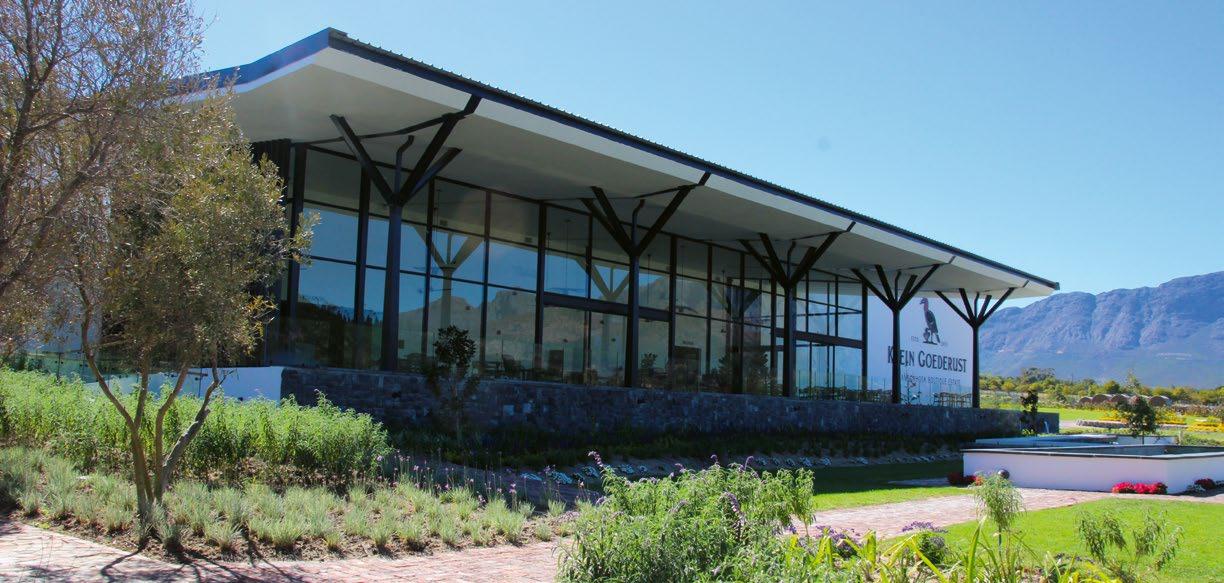
Today, the Klein Goederust Boutique Wine Cellar stands as both a commercial enterprise and a symbol of agricultural transformation. Beyond its historic status, the cellar creates opportunities for local employment, skills development and longterm business sustainability.
For Siguqa, the cellar represents more than infrastructure. It is the fulfilment of a vision shaped by years of labour, patience and belief in what was possible.
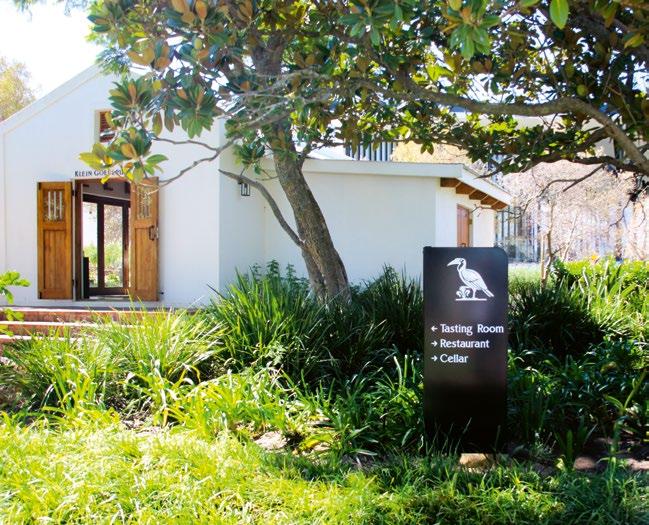
The AgriBEE Fund supports blackowned agribusinesses to transform their operations and participate fully in the agricultural value chain.
Key features of the fund include:
Support for infrastructure and equipment
Assistance for black-owned agribusinesses seeking to process and value-add their products.
Grant funding of 90/10% for projects up to R11 million.
Grant funding of 80/20% for projects between R11 million and R18 million.
The fund does not support land acquisition or primary production activities. Applications are facilitated through the AgriBEE Unit within the Agricultural Economic Services Programme. AP
For more information, contact Edwin Boshoff: edwin.boshoff@westerncape.gov.za or Maliviwe Makeleni: maliviwe.makeleni@westerncape.gov.za
by Shelton Mandondo

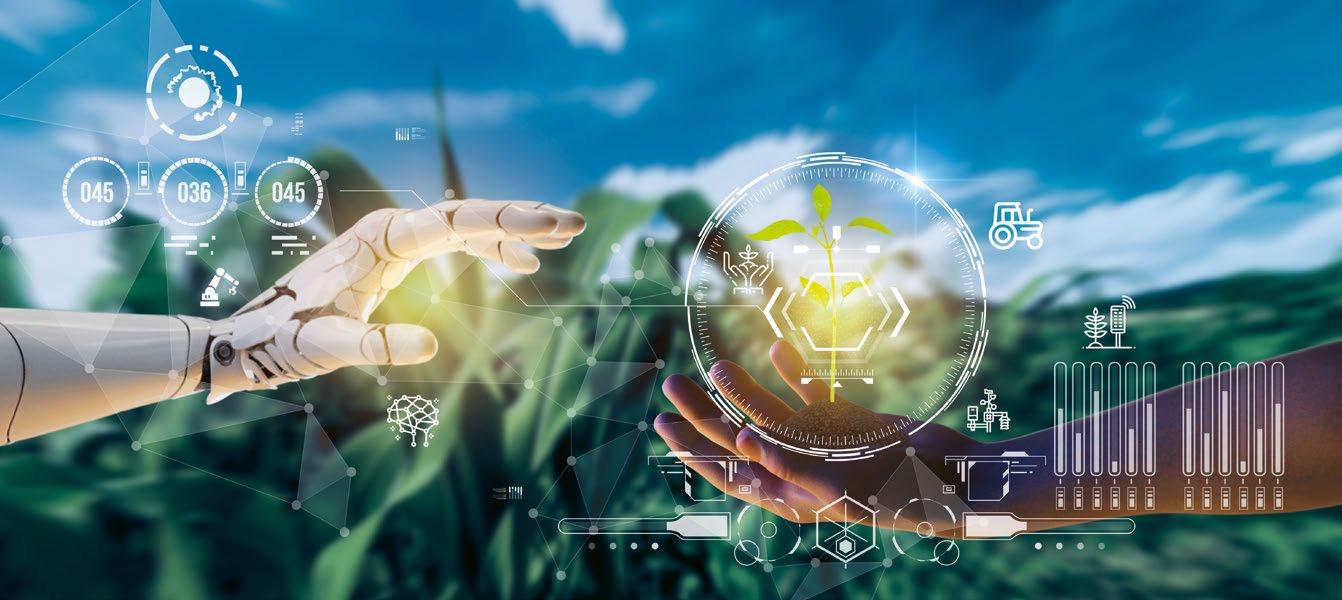
GGlobally the development and application of artificial intelligence (AI) has taken centre stage in revolutionising the socioeconomic, environmental and political space where human species interact.
In the agricultural space, the salient features of AI incursion include the introduction of precision farming techniques, optimisation of resource utilisation, advancement of technologies accessible to farmers and promotion of sustainable agricultural practices, to mention a few. All these endeavours to address food security issues for the growing population.
“
AI-enabled agriculture offers new tools to improve efficiency, sustainability and food security as global demand rises.”
In 2025, the world population was estimated to be approximately 8.19 billion people and by 2050, the global population is projected to reach approximately 9.8 billion people with significant regional variations and challenges ahead. Regions such as sub-Saharan Africa are expected to experience the most significant increases, with countries such as Nigeria projected to see their populations doubling1
1 https://population.un.org/wpp/graphs?loc=903&type=Demographic%20Profiles&category=Line%20Charts
1: World population, 2023
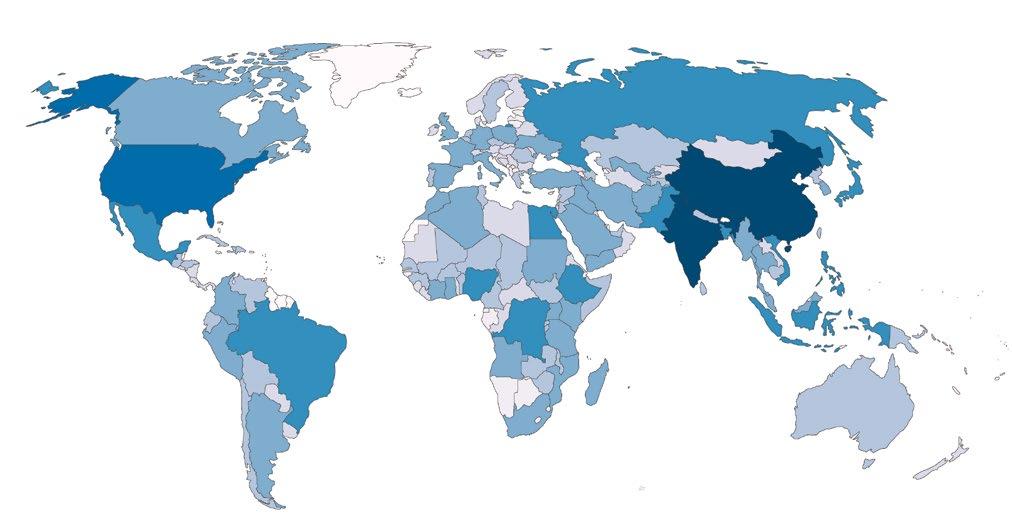
Data source: UN, World Population Prospects (2024)
Figure 2: Africa’s population has grown rapidly since 1950 and is projected to continue increasing through the 21st century, potentially reaching around four billion people by 2100 under the UN medium-variant scenario.
Figure 3: Life expectancy in Sub-Saharan Africa has risen steadily since the mid-20th century and is projected to continue improving, although it remains below the global average.
Source: United Nations, World Population Prospects 2024.
AI system means a machine-based system that is designed to operate with varying levels of autonomy and that may exhibit adaptiveness after deployment, and that,
Source: United Nations, World Population Prospects 2024.
for explicit or implicit objectives, infers, from the input it receives, how to generate outputs such as predictions, content, recommendations or decisions that can influence physical or virtual environments. [EU AI Act, 2024]
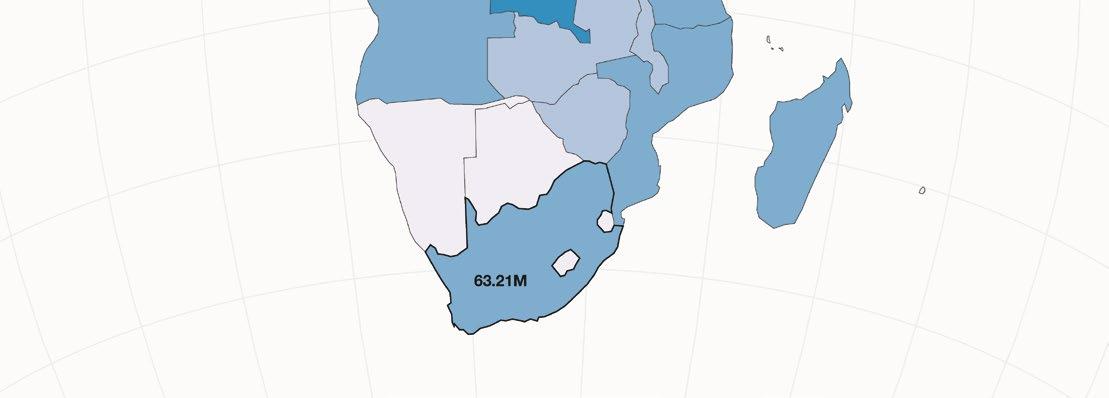
In South Africa, this population growth is not inconsequential with respect to the growth of the agricultural sector and continental trade. Agricultural products have to be consumed or worn, and the demand is directly related to the number of warm bodies who can either eat food, wear clothing or utilise a particular service. With it comes the resource scarcity (water and arable land), economic pressure
Figure 5: South Africa’s population has grown steadily since 1950 and is projected to continue increasing through the century, reaching roughly 90–100 million people by 2100 under the UN medium-variant scenario.
(rising input costs and volatility) and climate change (unpredictable weather patterns) challenges.
Opportunities such as crop monitoring, disease identification, yield prediction, soil monitoring, weather tracking, livestock health, predictive analytics, yield forecasting, market analysis, robotic farming and automated irrigation were spotlit.
Figure 6: Changes in South Africa’s population age structure show a growing working-age population and gradual ageing, trends with important implications for food demand, labour and economic planning.
Source: United Nations, World Population Prospects 2024.
Source: United Nations, World Population Prospects 2024.
To grasp all these dynamics, the Western Cape Department of Agriculture (WCDoA) conducted a diagnostic and design evaluation of the application of AI in the agricultural sector of the Western Cape Province in 2025. The evaluation provided a comprehensive report of existing opportunities and limitations of AI, listing practical interventions that can maximise its benefits and associated risks and challenges to support the longterm sustainability and competitiveness of the sector in the Western Cape2 However, as agriculture involves human interface, the thorny issue of ethical application, job displacement and security risks of AI could not be erased completely3
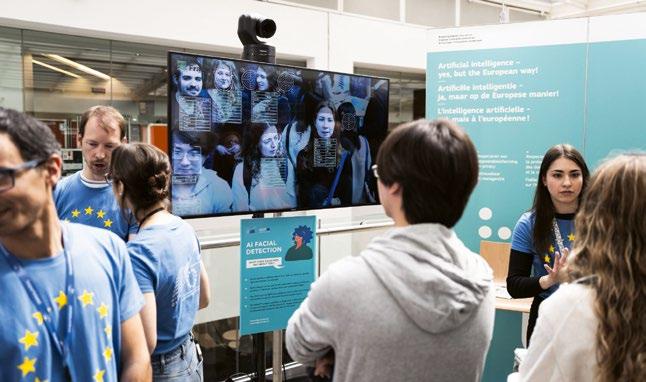
The European Union’s Artificial Intelligence Act, in force since 1 August 2024, establishes the world’s first comprehensive legal framework for AI, regulating systems according to risk levels – from minimal to unacceptable.
Learn more!
Scan the QR code or visit https://artificialintelligenceact. eu/high-level-summary/
2 The evaluation report is available on request.

This reflects the broader global trend of increasing longevity as mortality declines and health conditions improve, with life expectancy worldwide expected to continue rising in coming decades.
Figure 7: Life expectancy in South Africa has improved markedly since the mid-20th century and is projected to continue rising, gradually approaching regional and global averages during the 21st century.
The ethical usage of AI, data governance and the development of inclusive technologies are critical considerations to ensure that the benefits of AI are realised without exacerbating existing inequalities or creating new forms of exclusion.
3 EU AI, 2024 – On 1 August 2024, the European Artificial Intelligence Act (AI Act) entered into force. The Act aims to foster responsible artificial intelligence development and deployment in the EU. https://commission.europa.eu/news-and-media/news/ai-act-enters-force-2024-08-01_en
If the ethical usage of AI is not addressed the following outcomes may arise:
Training data and AI models could include biases – There could be questions about the application and impact of a particular algorithmic decision; for example, if the predictive policing algorithm leads to a biased profiling of a specific community. This could be a design fault, or the input data could include a bias. Social inequality and prejudices in society related to factors such as race or gender could be influenced by the use of AI, but it might not necessarily be an algorithmic design issue. The algorithm could learn from data collected from humans and by implication also adopt the biases of humans attached to that data, for example in education, it may manifest in the assumption that boys are better at the Agriculture subject, while girls excel in language-based skills.
Training an AI model is the process of teaching a machine learning algorithm to recognise patterns and make predictions by feeding it data and adjusting its internal parameters. The process is systematic and involves several critical stages
Right to privacy and protection of personal information – Personal data could be gathered automatically through the interaction of different devices such as mobile phones from different users, or between different apps on mobile phones. How is personal data protected in such cases? These are valid concerns since data subjects are not always informed about the use of their personal data.

Risk – Some AI systems could be very risky and potentially cause a lot of harm, for example live facial recognition software that could limit the right to freedom of association and assembly. Included in this cluster are health and safety inspectors – officials tasked with upholding occupational health and safety laws or enforce compliance with the Occupational Health and Safety Act and promote measures that safeguard workers’ well-being.
Learn more!
Scan the QR code or visit https://www.gov.za/ documents/occupationalhealth-and-safety-act
Lack of transparency – Due to the nature and complexity of most algorithms, in particular in the context of machine learning, it makes looking into that black box of computer code not very useful for citizens and consumers seeking to establish some form of algorithmic accountability. If it is not possible to see and understand the reasoning behind an algorithmic decision, the basis for establishing accountability is in question.
Algorithmic accountability is about a focus on the design and implementation of algorithmic systems in publicly accountable ways to mitigate harm or negative impacts on consumers and society.
Conceptual framework illustrating the six recommended ethical AI principles identified in the Western Cape Department of Agriculture’s 2025 evaluation.
Transparency – some degree of transparency or explainability is needed to provide meaningful information to users and those affected by the AI.
Recommended ethical AI principles
Recommended ethical AI principles
Diversity, non-discrimination and fairness – different forms of bias (in training data, representation bias, evaluation bias) could cause discriminatory outputs. AI must be designed to be fair in its application.
Social and environmental well-being – AI must not be used to cause any bad social or environmental impact. It must be aimed to enhance social and environmental well-being.
Human agency and oversight – AI must be human-centred – effective oversight is necessary.
Technical robustness and safety – an AI system should be designed to be robust, secure and safe throughout its lifecycle.
Privacy and data governance – the right to privacy must be protected. Implement effective data governance measures.
road ahead: responsible artificial intelligence in agriculture
The 2025 evaluation of artificial intelligence in the Western Cape agricultural sector highlighted data governance as a central concern, particularly within South Africa’s historical context of inequality and exclusion. The report cautions that, without proactive governance, risks may arise around data privacy, cybersecurity, labour displacement, environmental impact and the concentration of technological benefits in the hands of a few. At the same time, it emphasises that coordinated, inclusive and ethically grounded implementation can position AI as a public-purpose technology
that strengthens a resilient, competitive and more equitable agricultural sector.
In response, the report proposes six recommended ethical principles to guide the responsible development and application of artificial intelligence within the Western Cape Department of Agriculture. The AI journey ahead is exciting and AI is here to better the future of agriculture. It offers opportunities for food security, environmental sustainability and economic prosperity for primary, secondary and value chain producers. The window of inclusive technological advancement, and ethical and responsible innovation is wide open. However, the sector must embrace these opportunities responsibly. AP
For more information, contact Shelton Kaba Mandondo: shelton.mandondo@westerncape.gov.za
1. Wat is bek-en-klouseer?
• Bek-en-klouseer (BKS) is ‘n ernstige, hoogs aansteeklike virussiekte van vee wat ‘n beduidende ekonomiese impak het. Die siekte raak beeste, varke, skape, bokke en ander gesplete hoef herkouers. Die virus kom voor in alle liggaamsvloeistowwe, soos speeksel, urine, ontlasting, melk en in die lug wat siek diere uitasem.
• Diere kry hierdie siekte wanneer hulle eet of die virus van hierdie liggaamsvloeistowwe inasem.
• Mense kan ook die virus versprei deur besmette klere, skoene, hande en motorbande.
2. What are the signs?
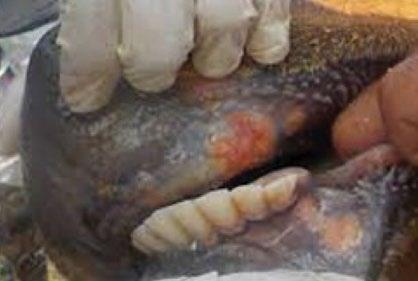
• Blase en sere in die mond (tandvleis, lippe en tong) is rou en pynlik, wat dit moeilik maak vir die dier om te eet, en veroorsaak dikwels kwyl.
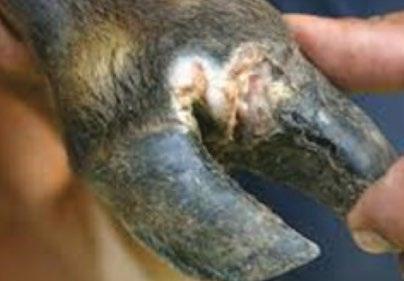
• Blase en sere tussen die tone en waar die hoewe by die vel aansluit, kan veroorsaak dat die diere mank is en nie wil rondloop nie.
• Koeie kan sere op hul spene ontwikkel. Dit lei tot ‘n skielike daling in melkproduksie.
3. Waarom is bek-en-klouseer belangrik?
• Boere ly finansiële verliese omdat siek diere gewig verloor, nie groei nie en minder melk produseer. Jong kalwers kan vrek.
• Groot bedrae geld word spandeer om die siekte in toom te hou.
• Lande wat nie die siekte het nie, sal nie diere, vleis of vleisprodukte van Suid-Afrika koop wanneer die siekte versprei nie.
4. Wat om te doen in vermeende gevalle?
• Indien enige tekens van bek-en-klouseer waargeneem word, skakel dadelik jou naaste Staatsveearts.
• Diere wat bek-en-klouseer het of dit vermoedelik het, word verbied om in ‘n abattoir opgeneem of geslag te word.
• Indien die sieke by ‘n nadoodse ondersoek vermoed word, moet die karkas en ingewande hanteer word soos deur die Staatsveearts voorgeskryf.
• Die vertrek en al die toerusting moet met asynsuur ontsmet word om die verspreiding van die virus in die abattoir te voorkom.of the virus in the abattoir.
Imibuzo esoloko ibuzwa
1. Yintoni isifo samanqina nomlomo?
• Isifo samanqina nomlomo (FMD) sibuhlungu, sisifo esosulela lula imfuyo ngentsholongwane nesinemiphumela emikhulu kuqoqosho. Esi sifo sihlasela ezinkomeni, hagu, gusha, bhokhwe kunye nezinye ezetyisayo kwezinephuphu elibubini.Le ntsholongwane ifumaneka kuzo zonke iincidi zomzimba, nezinje ngamathe, umchamo, ilindle, ubisi nasemoyeni okhutshwa yimfuyo enesi sifo.
• Imfuyo yosuleleka sesi sifo xa isidla okanye iphefumlela / ibizela ngaphakathi le ntsholongwane ngenye yeencidi zomzimba.
• Nabantu basenokuyisasaza le ntsholongwane ngokwempahla enongcoliseko, izihlangu, izandla kunye namatayara esithuthi.
2. Zibonakala ngantoni iimpawu zesi sifo?
• Amadyungu-dyungu nezilonda emlonyeni (iintsini, iinyheke naselwimini) ziba zizilonda ezisentsha nezibuhlungu, nezenza kubenzima ukuba ingadla ze de ivuze nezinkcwe.
• Amadyungu-dyungu nezilonda eziphakathi
• kweenzwane nasekungqamaneni kwephuphu nofele, zingabangela ukuqhwalela de zingafuni ukuhamba-hamba.
• Iinkomo zinganezilonda kwiingono ze bele. Oku kukhokelela ekuncipheni ngokukhawuleza kwimveliso yobisi.
3. Kutheni ibalulekile le FMD?
• Amafama afumana ilahleko kwingeniso ngenxa yokuhla kobunzima kwimfuyo egulayo, ayikhuli kakuhle de ingabinakuvelisa ubisi olwaneleyo. Amankonyana wona angade afe.
• Kuchithwa imali eninzi ekuzameni ukulawula nasekunqandeni ukwanda kwesi sifo.
• Amazwe angenaso esi sifo akasoze ayithenge imfuyo, inyama okanye iimveliso zenyama zelizwe loMzantsi Afrika xa esi sifo sisasasazekayo.
4. Kufuneka ndenze ntoni xa kukho into endikrokrisayo?
• Ukuba uthe wabona iimpawu zesifo samanqina nemlomo, khawuleza uqhakamshelane ooGqirha Bonyango Lwemfuyo kuRhulumente abakufutshane kuwe.
• Imfuyo enesi sifo se (FMD) okanye ekrokrelekayo iyathintelwa ekubeni ingangena kwisilarha sokuxhelwa okanye ixhelwe.
• Xa le FMD ithe yakrokreleka ngokweziphumo zokuxilongwa kwesidumbu sayo esifileyo, kufuneka uphahla kunye namathumbi agcinwe ngendlela esiyixelelwa ngooGqirha Bonyango Lwemfuyo kaRhulumente.
1. What is foot and mouth disease?
• Foot and mouth disease (FMD) is a severe, highly contagious viral disease of livestock that has a significant economic impact. The disease affects cattle, swine, sheep, goats and other cloven-hoofed ruminants. The virus is found in all body fluids, such as saliva, urine, faeces, milk and in the air that diseased animals expel.
• Animals get this disease when eating or breathing in the virus from these body fluids.
• People can also spread the virus through contaminated clothing, shoes, hands and tyres.
2. What are the signs?
• Blisters and sores in the mouth (gums, lips and tongue) are raw and painful, making it difficult for the animal to eat, and often cause drooling.
• Blisters and sores between the toes and where the hooves join the skin, can cause the animals to limp and not want to walk around.
• Cows can develop sores on their teats. This results in a sudden drop in milk production.
3. Why is FMD important?
• Farmers lose money because sick animals lose weight, do not grow and produce less milk. Young calves may die.
• A large amount of money is spent on controlling and containing the disease.
• Countries that do not have the disease will not buy animals, meat or meat products from South Africa when the disease spreads.
4. What to do in suspected cases?
• If any signs of foot and mouth disease are seen, immediately call your nearest State Veterinarian.
• FMD diseased or suspected animals are prohibited to be admitted in an abattoir or slaughtered.
• If FMD is suspected on post-mortem examination, the carcass and viscera need to be handled as prescribed by the State Veterinarian.
• The room and all the equipment need to be disinfected with acetic acid to prevent the spread of the virus in the abattoir.
5. How to report foot and mouth disease?
• For more information and to report suspected cases of foot and mouth disease, please contact your nearest Western Cape Department of Agriculture, State Veterinarian Office, located throughout the Western Cape Province. See contact details on next page.
CONTACTS:
State Veterinarian: George 044-803-3771/0
State Veterinarian: George 044-803-3771/0
State Veterinarian: Boland 021-808-5028/ 5253
State Veterinarian: Boland 021-808-5028/ 5253
State Veterinarian: Swellendam 021-808-5059/ 028-425-4850
State Veterinarian: Swellendam 021-808-5059/ 028-425-4850
SVGeorge@westerncape.gov.za
SVGeorge@westerncape.gov.za
SVBoland@westerncape.gov.za
SVBoland@westerncape.gov.za
DOA.svswellendam@westerncape.gov.za
DOA.svswellendam@westerncape.gov.za
4 Varing Avenue, George
4 Varing Avenue, George
Western Cape Department of Agriculture building, Muldersvlei road, Elsenburg
Western Cape Department of Agriculture building, Muldersvlei road, Elsenburg
67 Voortrekker St, Swellendam
67 Voortrekker St, Swellendam
State Veterinarian: Beaufort West 023-414-9220/1
State Veterinarian: Beaufort West 023-414-9220/1
State Veterinarian: Vredendal 027-201-3514/-0
State Veterinarian: Vredendal 027-201-3514/-0
State Veterinarian: Malmesbury 022-482-1380
State Veterinarian: Malmesbury 022-482-1380
DOA.svbeaufortwest@westerncape.gov.za
DOA.svbeaufortwest@westerncape.gov.za Blyth St, Beaufort West
DOA.svvredendal@westerncape.gov.za
DOA.svvredendal@westerncape.gov.za
DOA.svmalmesbury@westerncape.gov.za
DOA.svmalmesbury@westerncape.gov.za
Blyth St, Beaufort West
Cnr Matzikama and Noord St. Vredendal
Cnr Matzikama and Noord St. Vredendal
Cnr Spoorweg and Munisipale St, Malmesbury
Cnr Spoorweg and Munisipale St, Malmesbury
State Veterinarian: Oudtshoorn 044-203-9443/5
State Veterinarian: Oudtshoorn 044-203-9443/5
State Veterinarian: Worcester 021-808-5052
State Veterinarian: Worcester 021-808-5052

DOA.svoudtshoorn@westerncape.gov.za
DOA.svoudtshoorn@westerncape.gov.za 43 Van Der Riet St, Oudtshoorn
DOA.svworcester@westerncape.gov.za
43 Van Der Riet St, Oudtshoorn
DOA.svworcester@westerncape.gov.za 30 Van Arckel St, Worcester
IMPORTANT: New Animal Health Regulations Apply
IMPORTANT: New Animal Health Regulations Apply
View the latest government notices and gazetted requirements for animal gatherings, movement and disease control.
30 Van Arckel St, Worcester
View the latest government notices and gazetted requirements for animal gatherings, movement and disease control.
Scan the QR code or visit: https://www.elsenburg.com/wp-content/uploads/2025/06/Government-Gazette.pdf
Scan the QR code or visit: https://www.elsenburg.com/wp-content/uploads/2025/06/Government-Gazette.pdf

Protect our province’s livestock and livelihoods. Visit www.elsenburg.com for the latest FMD updates and dashboard — or report a suspected case via the FMD Hotline: 080 928 4102.


by Dr Joanie Thom
Brucellosis is a serious disease that affects mainly cattle and can also be passed to humans. In South Africa, it is considered as an occupational zoonosis. Understanding how it spreads, how it affects animals and humans, and how to prevent it is essential for protecting herds as well as farm or abattoir workers.
WWhat is brucellosis?
Brucellosis is caused by Brucella bacteria. Different species affect various animals, including cattle, goats, sheep, pigs and dogs. In South Africa, most human cases are caused by Brucella abortus, which originates from infected cattle.
How does brucellosis spread?
Cattle are mainly infected through contact with contaminated birthing materials, such as aborted foetuses, placentas and uterine fluids. The bacteria are also present in milk, blood, urine, semen, and on contaminated equipment, feed or water. Once introduced, the disease can spread rapidly within a herd, moving from cow to calf and between adults.
Herds are at greater risk when new animals are purchased from farms with an unknown disease status.
To reduce risk, buy animals only from recently tested, whole-herd negative farms and avoid shared grazing with untested herds.
Handling aborted Foetuses or placentas
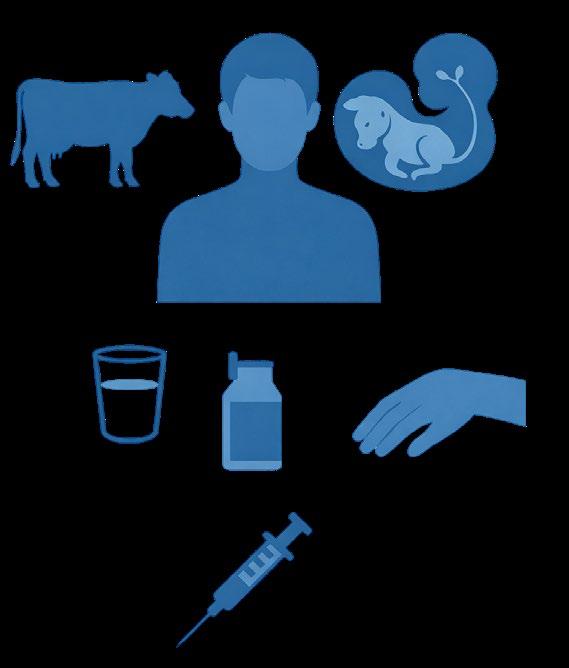
Many infected cattle show few symptoms. When signs do appear, they often include abortions, retained placentas, fertility problems, mastitis, weak or undersized calves and occasional joint swelling and lameness.
People may become infected by drinking raw or unpasteurised milk, handling aborted foetuses or placentas, handling infected carcasses without proper personal protective equipment (PPE), touching contaminated equipment or accidental self-injection with S19 or RB51 vaccines. Human symptoms often resemble flu: fever, headaches, body aches, night sweats and persistent joint pain. Even with antibiotics recovery can take weeks or months, making prevention essential.
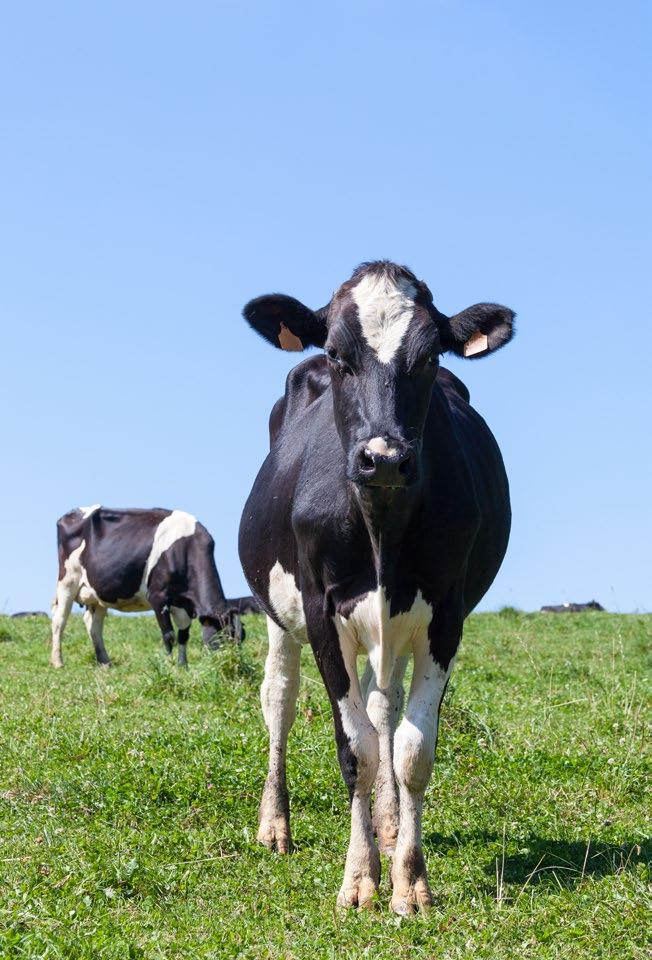
Cattle usually become infected through contact with birthing materials, such as aborted foetuses and placentas, as well as fluids like milk, blood, urine, and semen from infected animals.
The disease can also be spread through contaminated equipment, feed, or water.
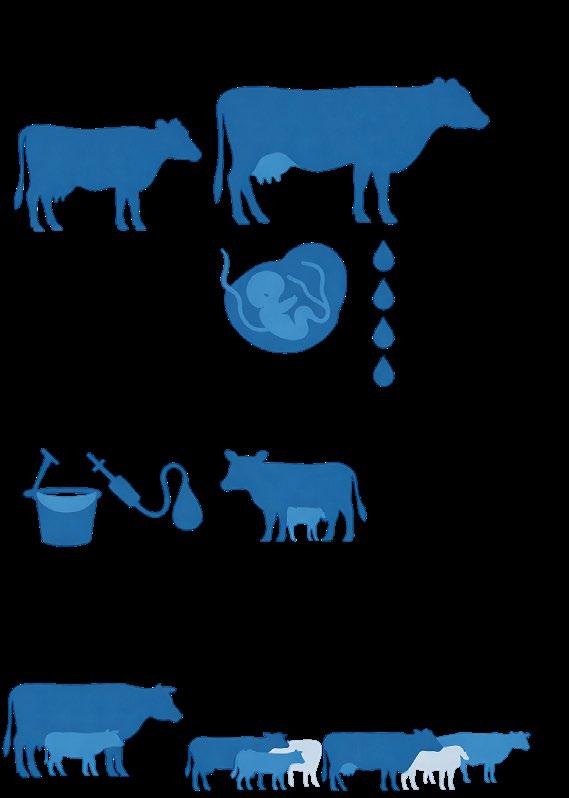
Large dairy herds or feedlots are particularly at risk, especially if new animals are brought in from herds with an unknown brucellosis status. Once inside a herd, brucellosis can move easily from cow to calf and between adult animals
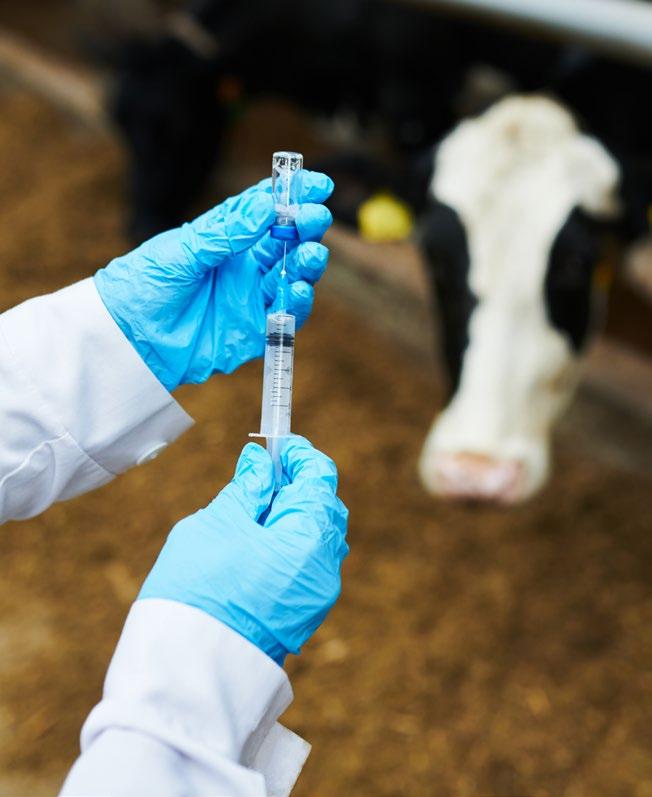
Brucellosis is a major zoonotic livestock disease causing abortions, infertility and milk losses. The global brucellosis vaccine market reached USD 242.4 million in 2023 and is projected to grow 4.9% annually to 2032 .
Scan the QR code or visit www.gminsights.com/ industry-analysis/brucellosisvaccine-market
Prevention and management on farms and in abattoirs
Vaccination is key. Heifers aged 4 to 8 months must receive a single S19 vaccination. Adult non-pregnant cows may be vaccinated annually with RB51. Vaccination records can be verified at abattoirs.
Cattle arriving at an abattoir must have a health and origin declaration completed by the owner. Abattoirs may not accept animals without this document. The declaration should include herd health information, including the brucellosis testing history. Cattle that test positive must be accompanied by a Red Cross permit and must be branded with a “C” on the right side of the neck.
If positive animals are sent to slaughter before branding, an addendum letter from the local State Veterinarian confirming their identity must accompany them. Animals from brucellosis-free herds must have a BR3 declaration issued by the State Vet.
Workers handling high-risk animals must be supplied with appropriate PPE, including eye protection, as the conjunctiva is a high-risk route of infection.
Aborted material must be treated as infectious waste.
Cattle confirmed as brucellosis-positive must be slaughtered at the end of the shift, after animals from clean herds.
During slaughter inspectors must ensure that major lymph nodes, the uterus and the udder are removed unopened and are condemned.
After slaughter equipment and reusable PPE must be thoroughly cleaned and disinfected. Disposable PPE and condemned materials must be disposed of according to the abattoir’s waste management procedures and the National Environmental Management: Waste Act (Act 59 of 2008).
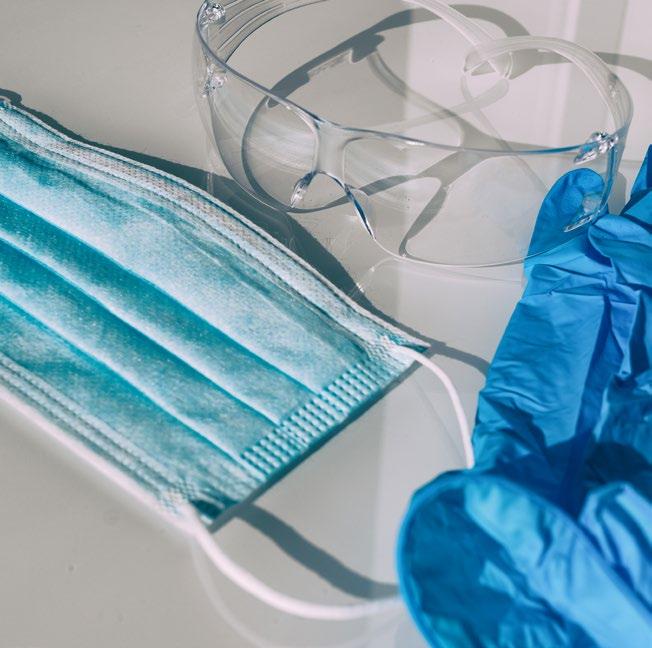
Learn more!
Scan the QR code or visit https://tinyurl.com/h5sahhur to access the Standard Operating Procedure for slaughtering brucellosis-positive cattle from the Western Cape Department of Agriculture.
Isifo sokuphunza yintsholongwane esiyiingozi sebhaktiriya isifo esisasazwa zizinto zokubeleka ezingcolileyo ngexesha lokuzala kweenkomo, ulwelo lomzimba, ubisi, isondlo, amanzi kunye nezixhobo, kwaye kunokusulela imihlambi ngokukhawuleza, ngokukodwa xa kuthengwa izilwanyana kwifama ezingaziwayo imeko yezifo zazo. Iinkomo ezosulelekileyo zisenokunga bonakakilisi mpawu zininzi kodwa zingaphuma isisu, ogciniweyo umgcantsi, ukungazali, isifo sokurhala kwebele, amathole abuthathaka, kunye nobuqhwala. Abantu basengozini yokufumana usulelo ngokusela ubisi olungabiliswanga, izinto ezilahliweyo, izidumbu, izixhobo ezingcolisekileyo,
“Effective control relies on
strict vaccination, responsible animal movement, and rigorous hygiene and safety practices.”
Brucellosis remains a significant challenge for livestock production and poses ongoing risks for people working closely with cattle. Effective control relies on strict vaccination, responsible animal movement, and rigorous hygiene and safety practices – especially in abattoirs. By understanding how the disease spreads and following correct prevention measures, farmers and abattoir personnel can reduce transmission, protect human health and support the long-term productivity and biosecurity of South Africa’s cattle industry. AP
okanye iingozi zokugonya. Ulawulo luxhomekeke kugonyo, kulawulo lokuhamba kwezilwanyana, kunye nococeko olungqongqo. Kwindawo zokuxhela, iinkomo ezintle kufuneka zifike namaxwebhu afunekayo, zixhelwe ekupheleni kwenguqu, kwaye inamadlala amakhulu, isibeleko, kwaye ibele likhutshwe lingavulekanga kwaye ligwetywe, kulandelwe ukucocwa ngokucokisekileyo, ukubulala iintsholongwane, kunye nokulahlwa kwenkunkuma ngokufanelekileyo ngelixa unxibe impahla yokukhusela efanelekileyo kuquka ezandleni, amehlo okukhusela kunye nesigqubuthelo sobuso sokunqanda iintsholongwane.
For more information, contact Dr Lesley van Helden: lesley.vanhelden@westerncape.gov.za

by Marline Burger

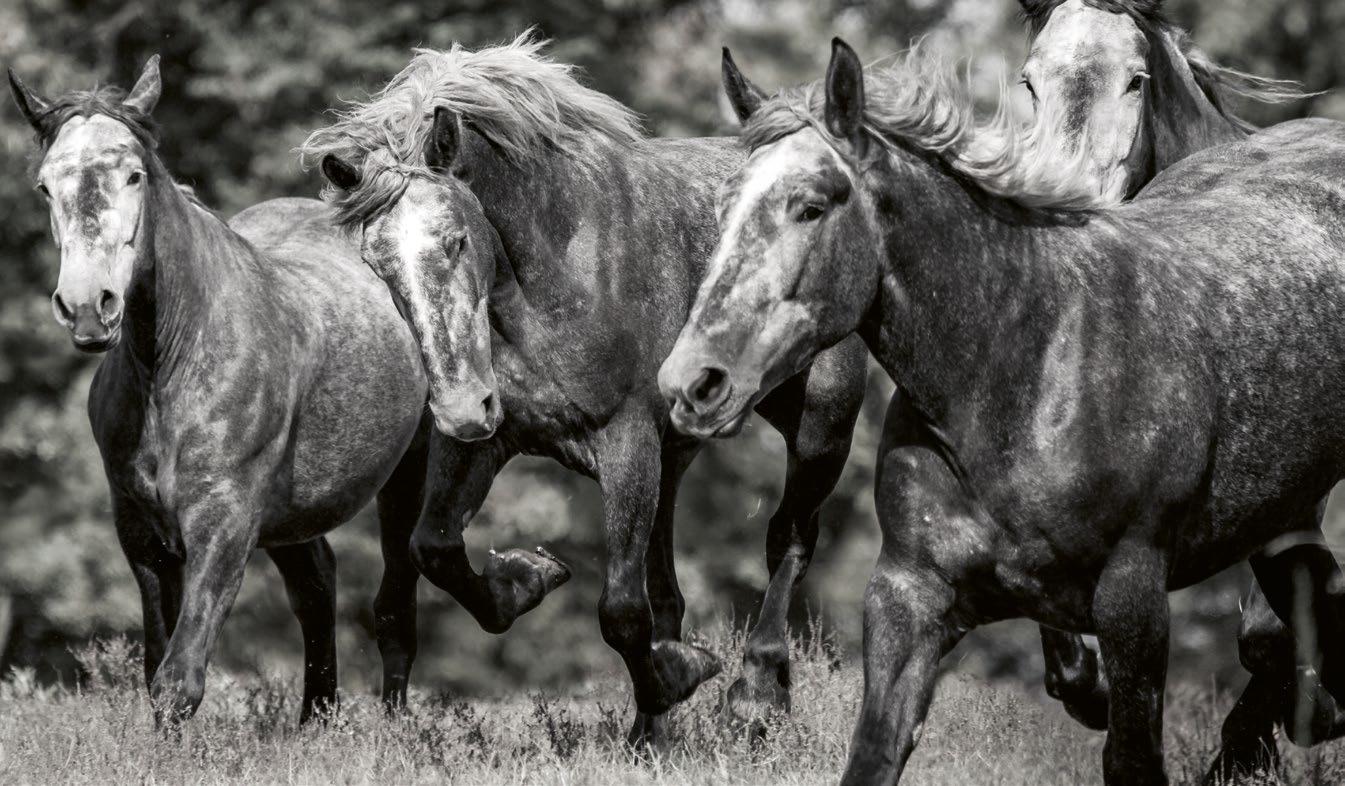
AA breed standard is a detailed description of the ideal appearance, characteristics and temperament of a pure-bred animal. It acts as a “blueprint” for breeders, guiding them to maintain and improve the breed with each generation.
The Percheron Breed Standard used in South Africa was developed by the Council Members of the Percheron Breeders Society of South Africa and is aligned with the French standard, as the Percheron originated in France around 732 AD. This standard forms the basis for the inspection and registration of Percherons at the Society and at SA Studbook.

Stud-Book Percheron de France
To access this library scan the QR code or visit https://tinyurl.com/29pr9faj to download the Historic Percheron breeding records and illustrations from the Stud-Book Percheron de France (late 19th century), documenting early pedigrees and breed standards established in the Le Perche region of France.
The Percheron draft horse originates from the historic Le Perche region of northwestern France, where selective breeding produced a powerful yet agile horse suited to agriculture, transport and carriage work. To safeguard the breed, French breeders established the Percheron studbook in 1883 through the Société Hippique Percheronne de France, formally recording pedigrees and breed standards.
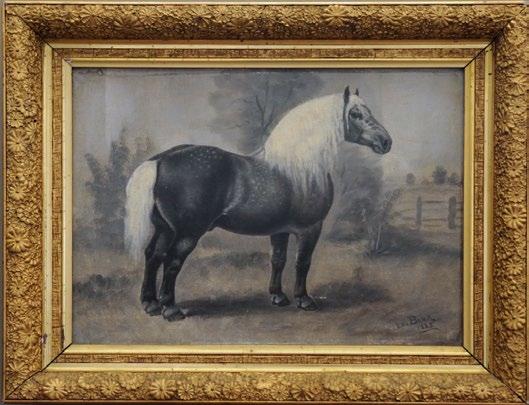
The Percheron originated in the Le Perche region of north-western France, where favourable pastures supported centuries of horse breeding and the development of one of the world’s most recognised draft horse breeds.
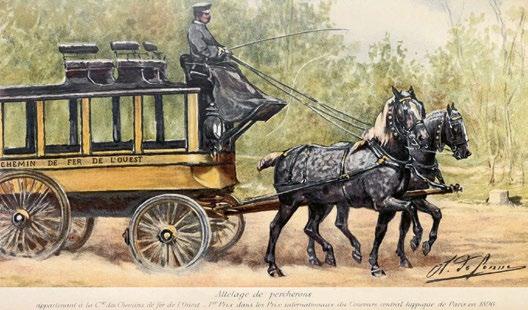
Team of Percheron draft horses belonging to the Western Railway Company, illustrating the breed’s importance in late 19th century transport and industry. Journal of Practical Agriculture, 1896. Source: gallica.bnf.fr
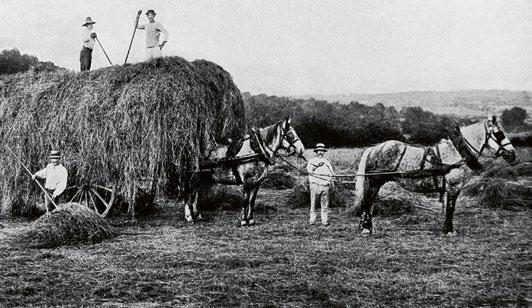
During the late nineteenth century, large numbers of Percherons were exported from France to North America, where they became one of the most widely used draft horses in farming and urban transport. The breed’s influence later extended to other parts of the world, including South Africa, where Percherons were introduced as working horses and for structured breeding programmes.
At Research and Technology Development Services of WCDoA, Percheron stud breeding forms part of a heritage and training initiative that preserves traditional draft-horse genetics while supporting agricultural education and practical animal husbandry.
Percheron stallion Chéri 2403, exported to the United States in 1885 by William L. Ellwood, reflecting the growing international demand for French Percheron breeding stock. Collection: Ellwood House Museum, DeKalb, Illinois. »
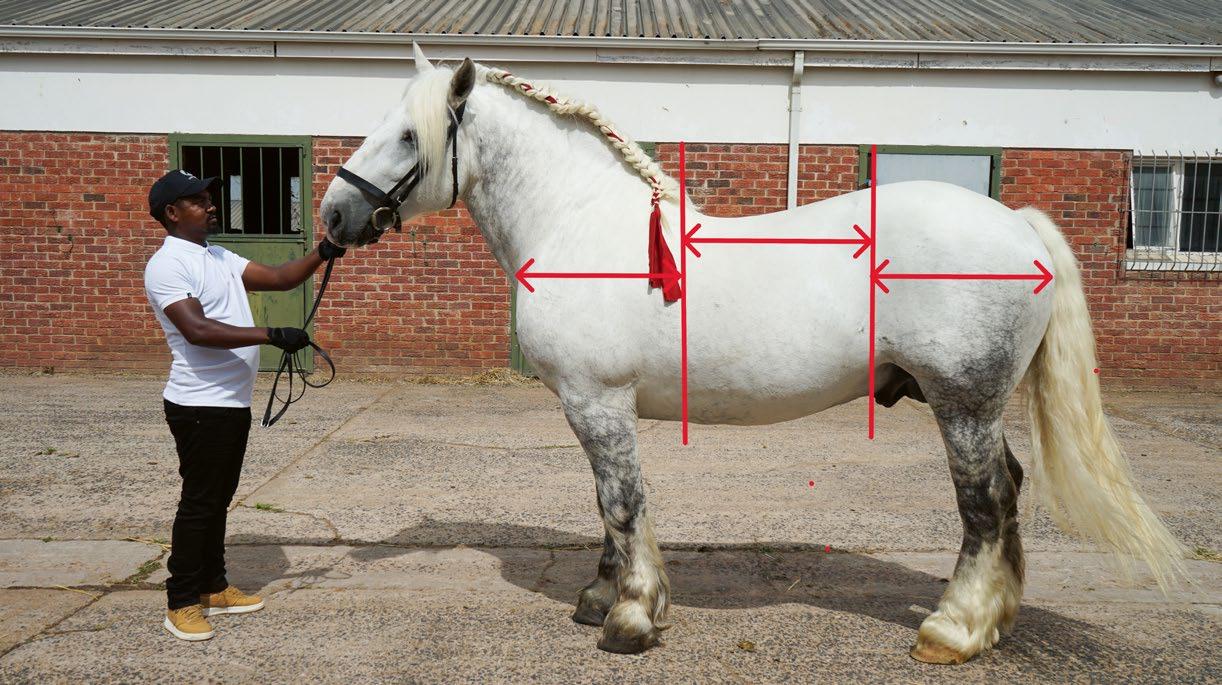
The Percheron is known for a unique combination of power and elegance, and the breed standard reflects the qualities necessary for a successful draft horse.
1
Minimum height requirement
• Stallions: Minimum 16 hands high (161.60cm)
• Mares and geldings: Minimum 15 hands high (151.50cm)
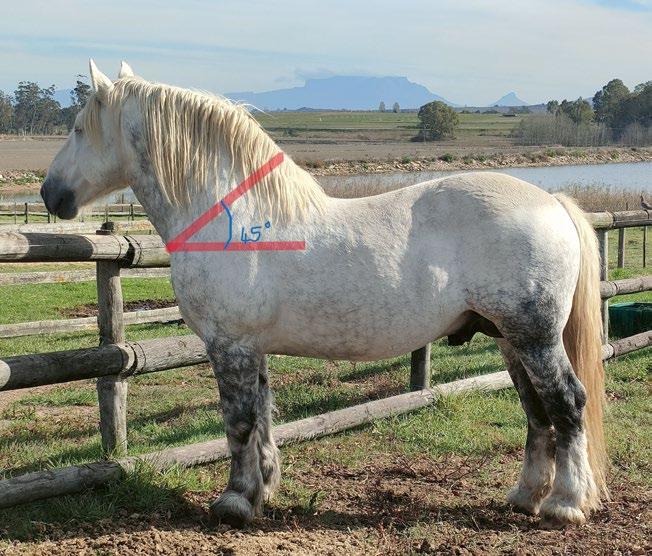
Elsenburg Lars, senior Percheron stallion (4+ years) of the Elsenburg Stud, displaying balanced conformation between the forequarters and hindquarters.
One hand equals 10.1cm. Height is measured from the ground to the top of the withers with the horse standing square on level ground.
2
Forequarters and hindquarters
These must be in balance, with each section roughly equal in length. Because the Percheron is a draft horse designed to pull heavy loads, balanced quarters ensure that the power generated in the hindquarters (the horse’s engine) is efficiently transferred through the back and shoulders to the forequarters. If the quarters are disproportionate, pulling power and endurance are reduced.
The shoulder blade should slope at approximately 45°, meaning the shoulder blade should be angled backward at 45° from the horizontal ground line. Too upright a shoulder produces a short, jolting stride, while an overly sloped shoulder causes the harness collar to ride up the neck and interfere with breathing.
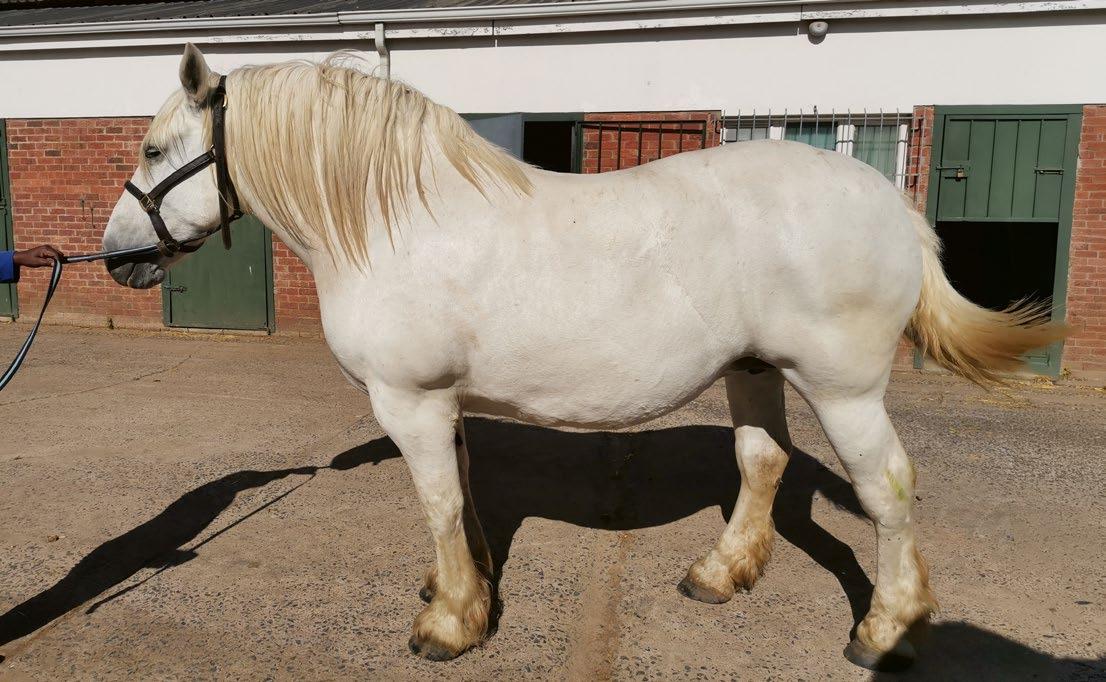
From the poll to the tail and down the gaskin – should form a smooth, harmonious curve without abrupt dips or rises. A correct topline indicates structural integrity, strength, coordination and long-term soundness. This allows the Percheron to work powerfully and efficiently in draft tasks.
Front legs and hooves must be straight and symmetrical. A straight line from the tip of the shoulder should divide each leg into two equal parts. Correct leg structure distributes weight evenly, reduces joint stress, promotes balanced movement and minimises risk of lameness.
A Percheron should have a deep and wide chest, providing ample room for the heart and lungs. This is essential for cardiovascular efficiency, which directly affects stamina and performance in sustained draft work.
The head must be proportional to the body, with a straight profile preferred
over a Roman nose. The lower jaw should be wide enough to avoid compressing the windpipe. Eyes should be large and well-placed for good vision, the nostrils wide for maximum air intake, and the ears mobile, reflecting attentiveness and temperament.
The back should be short and straight, supported by strong, well-sprung ribs. The croup, hips, buttocks and hindlegs must be straight and symmetrical to ensure balanced movement and weight distribution. The horse should be as wide over the flanks as over the hips.
A straight line drawn from the point of the buttock should touch the hock and cannon bone and land on the ground behind the hock. Hindlegs must not be excessively underneath the body, too upright, too far back or show sickle hocks.
Front hooves are rounder with heels wider apart than the hind hooves. While black hooves are often believed to be stronger than white ones, this has not been scientifically proven.
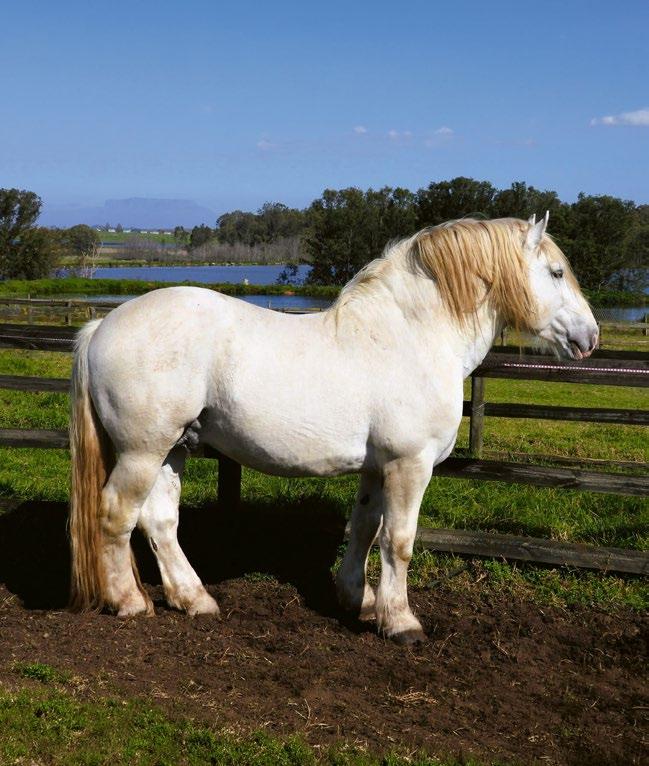
The Percheron must walk and trot in a straight line without dishing inward or outward. The walk is the most important gait for the breed, as most draft work is performed at this pace. Correct, straight, purposeful movement is essential.
Accepted colours are grey and black or dark brown. Chestnut Percherons are not allowed in the South African breed standard.
The Percheron should display a calm, gentle and even-tempered disposition. Nervous or skittish horses are unsuitable for heavy agricultural work or team driving.
There are two recognised types of Percherons:
The heavy draft variety weighing 800–1 200kg, built for pulling large, heavy loads. They have substantial bone and powerful hindquarters.
A lighter, taller variety weighing 500–1 000kg, capable of pulling medium loads at greater speed. They have longer strides and are often used for sport, recreational driving and prestige competitions. Their bone structure is lighter than that of the Trait type.
To be recorded at the Society and Studbook, Percherons must pass an official inspection. Stallions must score at least 70%, while mares and geldings must score at least 65% across the six key standards outlined above.
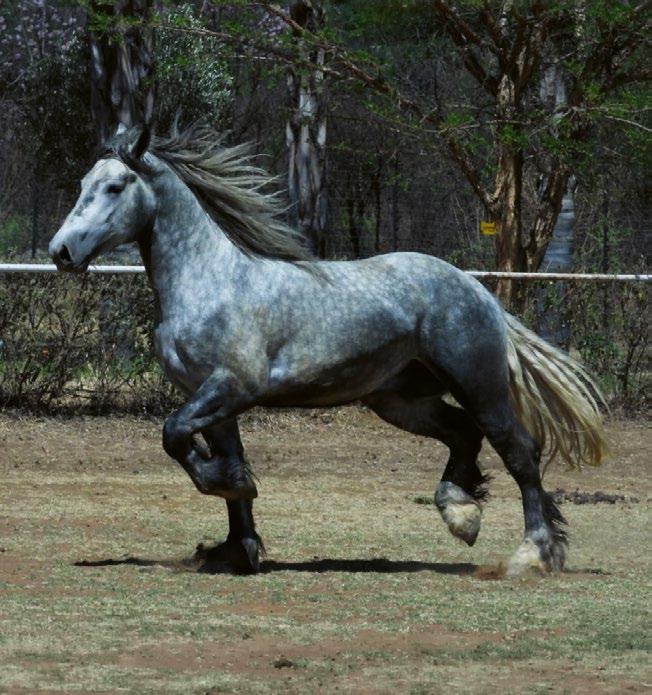
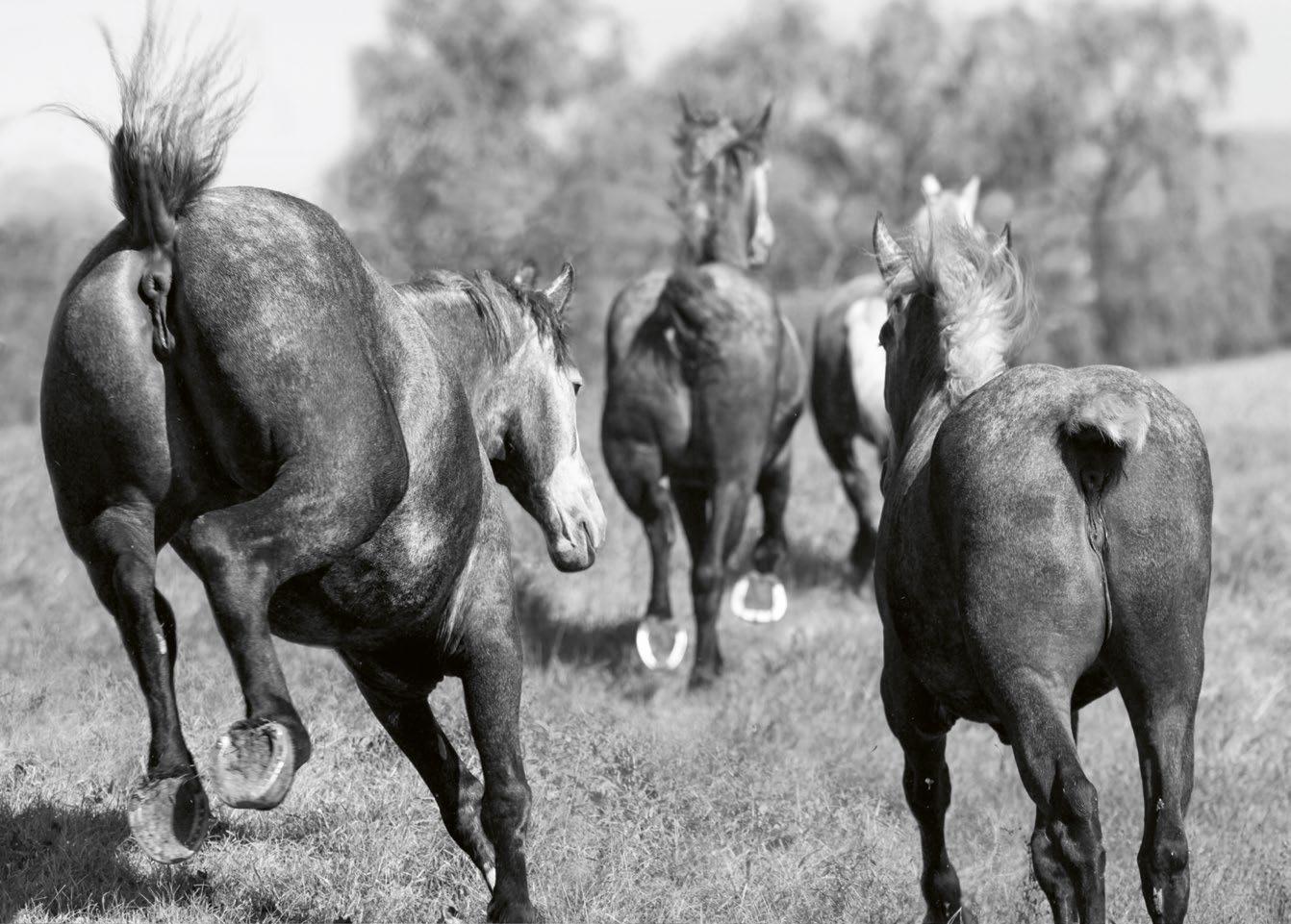
Percheron horses were introduced to South Africa during the late nineteenth and early twentieth centuries, when draft horses played an essential role in agriculture, transport and forestry. Known for their strength, calm temperament and willingness to work, Percherons became valued on farms where heavy pulling power was required for ploughing, wagon transport and field work.
Although mechanisation reduced the use of draft horses during the twentieth century, Percherons remain important in heritage breeding and agricultural training programmes. At the Research and Technology Development Services of WCDoA Percheron stud breeding forms
part of a long-standing educational initiative. The programme preserves historic drafthorse genetics while allowing students to learn practical skills in animal husbandry, breeding and responsible livestock management, linking traditional agricultural knowledge with modern training.
Research into the programme’s heritage has also examined the genetic history and integrity of the Elsenburg Percheron stud, documenting the lineage and longterm breeding management of the herd (Jorgensen, Burger, Davids & Aucamp). AP
Scan the QR code or visit https://tinyurl.com/54vaxd33
For more information, contact Marliné Burger: marline.burger@westerncape.gov.za
Using crossbreeding to improve production efficiency in sheep farming
Dr Pieter Theron
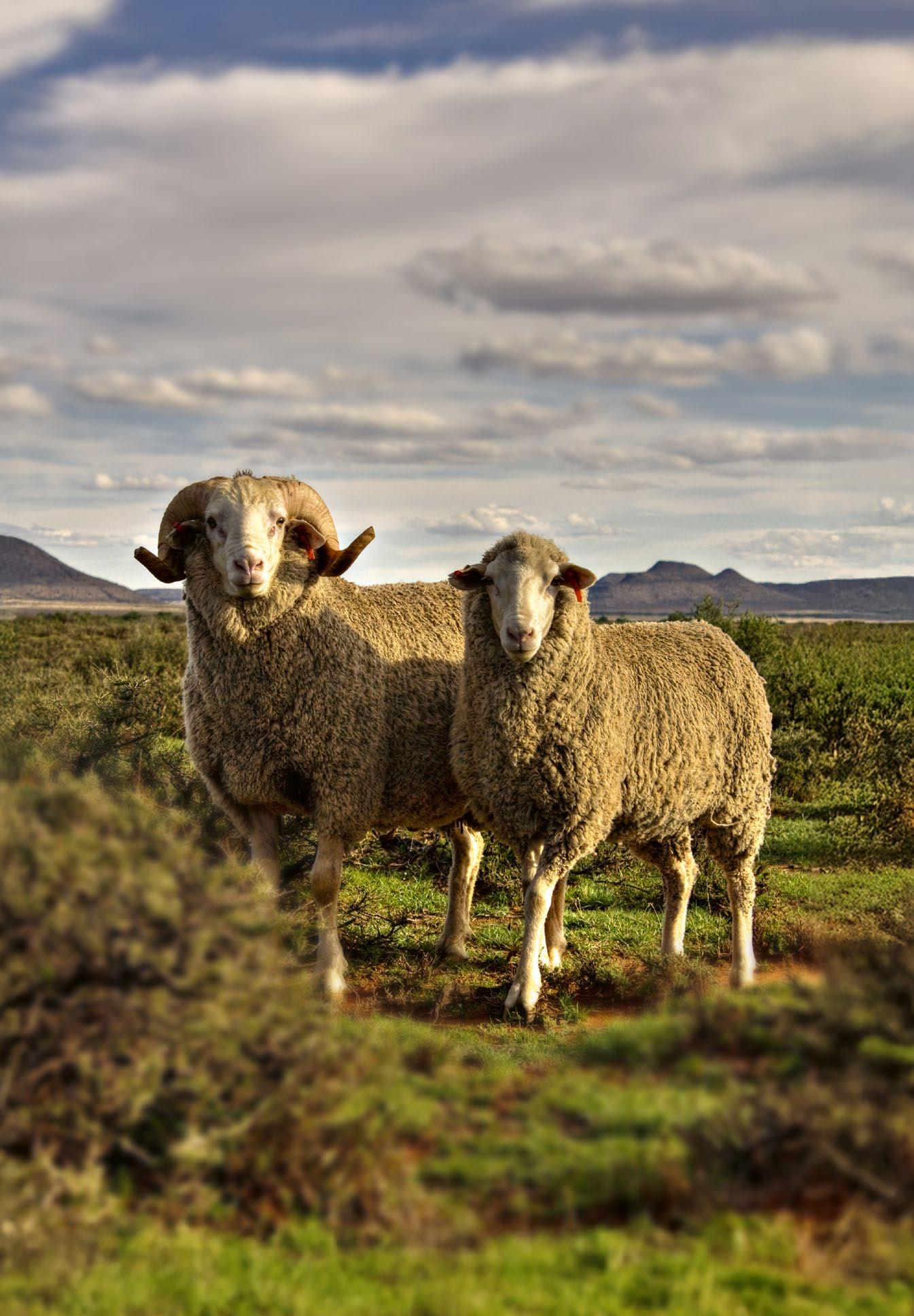
Did you know?
Research on South African sheep breeds have shown that crossbred lambs generally displayed higher growth rates than purebred lambs while also achieving better dressing percentages. These improvements were particularly apparent when lambs were rounded off on pasture. The production benefits of structured crossbreeding in sheep farming are highlighted by these findings.
Learn more!
Scan the QR code or visit https://tinyurl.com/5fmn7a2k to read “Slaughter and carcass characteristics of cross- and purebred lambs finished in a pasture-based system”.
by Dr Pieter Theron
TThe correct use of terminal crossbreeding on sheep farms could lead to higher birthweights, greater weaning weights, superior growth rates, shorter finishing periods and better dressing percentages. Despite these advantages, terminal crossbreeding is still potentially underutilised in South Africa, largely due to a perceived lack of information regarding the practice.
Terminal crossbreeding is the practice of mating ewes of one breed to rams of another and then selling off all the offspring, meaning no crossbred animals are kept as breeding stock. This allows producers to utilise the benefits of crossbreeding while still maintaining a purebred ewe flock.
The advantages of crossbreeding include, firstly, the possibility to exploit heterosis (hybrid vigour) in desired traits in the offspring. The level of heterosis will differ depending on which trait is measured but is expected to range from 3-10% for growth traits (Fogarty, 2006). This means that the crossbred offspring will grow between 3% and 10% faster than the average of the two parental breeds. Secondly, since the benefit derived from heterosis may be small, breed dimorphism can also be utilised. Breed dimorphism refers to the difference in mature size between parental lines, where generally a larger-framed sire is mated to a smallerframed dam (Roux, 1992).
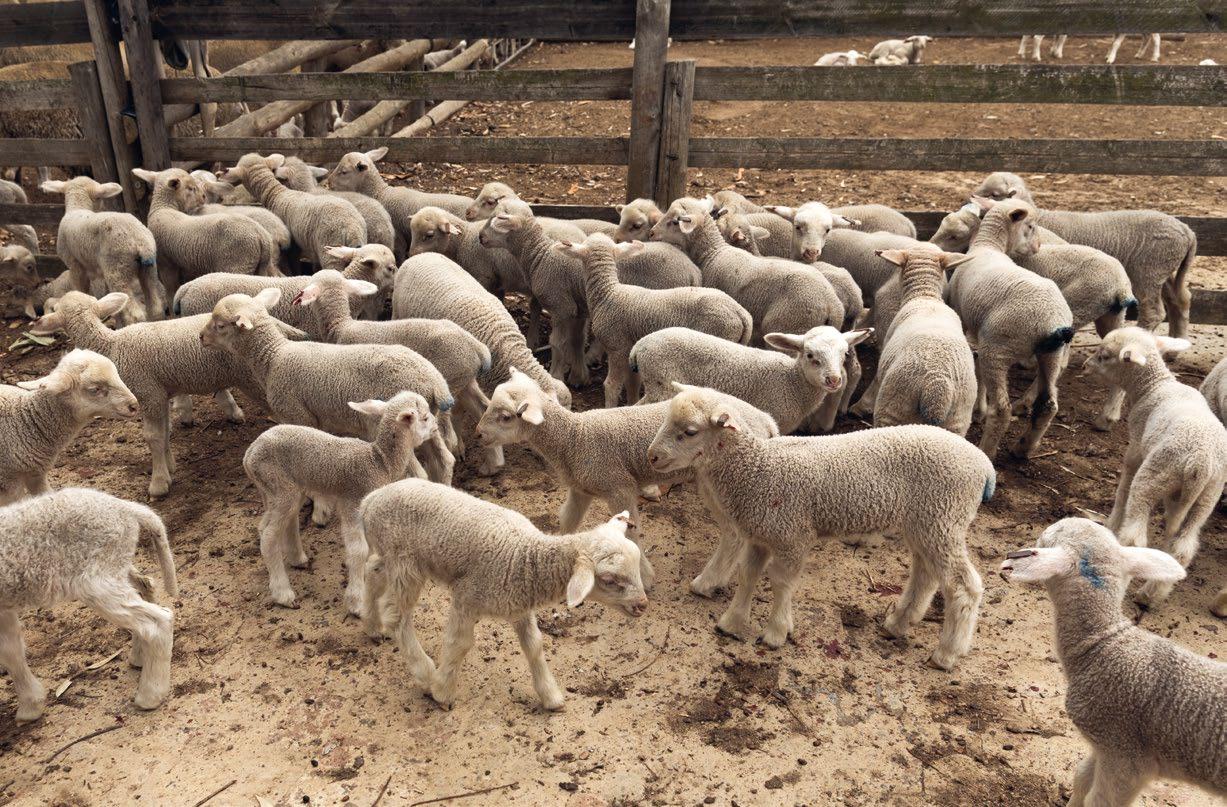
Generally, the greater the size difference is, the better the crossbred progeny perform relative to the dam line. Crossbreeding lambs from a smallerframed, wool-producing dam breed also spreads the risk of production over two commodities (meat and wool) and can be important for stabilising income from the operation (Cloete et al., 2004). Another advantage associated with breed dimorphism in terminal crossbreeding systems is that it allows for the exploitation of feeder-breeder dimorphism, which improves flock efficiency (Roux, 1992). Since the ewe flock (breeders) are smallerframed, their feed requirements are less but they produce bigger offspring (feeders), so production output is still high. Naturally, this is a desirable outcome and many producers in the mixed crop-livestock regions of the Western Cape such as the Swartland and Overberg are already well-positioned to make use of such a system.
Primarily employing Merino and Dohne Merino ewes as dams, various research trials conducted by researchers from the Western
Cape Department of Agriculture over a number of years have shown that terminal crossbreeding could improve overall lamb production. This improvement arises from the positive effect crossbreeding has on various traits of economic importance in the crossbred offspring.
It has been reported that mating Merino and Dohne Merino ewes to Dormer or Suffolk rams rather than rams of their own breed resulted in higher lambing rates (Cloete & Cloete, 2015). Further, several studies have indicated that crossbred lambs are heavier at birth than their purebred contemporaries (Table 1). SA Mutton Merino x Merino cross lambs were 8% heavier at birth than purebred Merino lambs (Cloete & Durand, 2000). Similarly, when Dorper ewes were crossed with Ile de France, Merino Landsheep and SA Mutton Merino rams, the crossbred lambs were respectively 12.2%, 9.3% and 2.4% heavier than purebred Dorper lambs (Cloete et al., 2007). Despite the increase in birthweight, survival until weaning was not significantly affected by sire breed in these studies.
In another study Dorper, Dormer and Ile de France rams were evaluated as terminal sires when mated to Dohne Merino and Merino ewes (Theron et al., 2023a). Here, only the Dorper x Dohne Merino and Ile de France x Merino cross lambs were heavier at birth than purebred Dohne Merino and Merino lambs respectively. However, all crossbred lines displayed higher preweaning growth rates than purebred lambs from the same maternal line, thus reaching weaning weight at a younger age (Theron, 2021). On average the Dohne Merino cross lambs grew about 12% and the Merino cross lambs around 29% faster before weaning than purebred lambs from the same maternal breed.
In cases where lambs were weaned at a set age, crossbred lambs displayed greater weaning weights than purebred lambs (Table 1). Ile de France (10.2%) and Merino Landsheep (5.1%) Dorper crosses were heavier at weaning than purebred Dorpers (Cloete et al., 2007) and SA Mutton Merino x Merino lambs had 18%
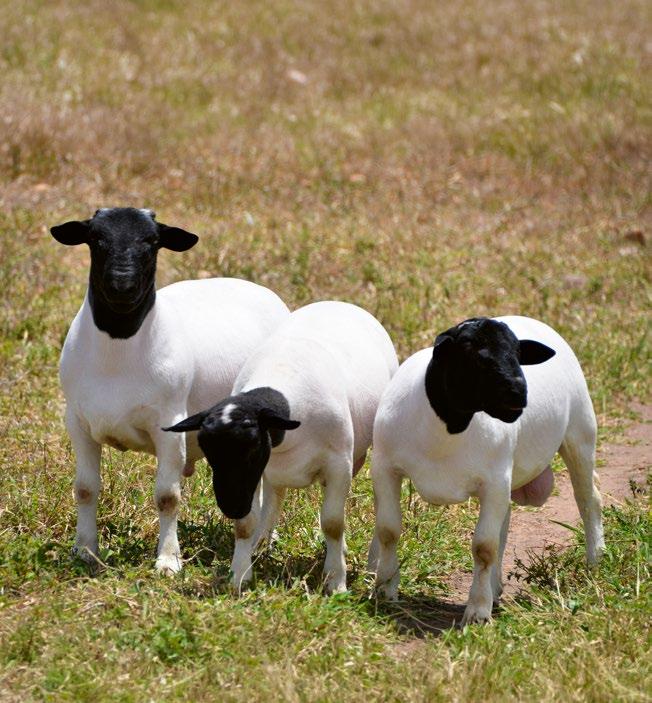
higher weaning weights than purebred Merino lambs (Cloete & Durand, 2000).
Cloete & Cloete (2015) recorded that Merino cross lambs were 9.6% and Dohne Merino cross lambs 3.2% heavier at weaning than the respective purebred lines when Dormer and Suffolk rams were used as terminal sires.
1: Birth and weaning weights of various pure- and crossbred sheep lines.
Table 2: Slaughter characteristics of pure- and crossbred lambs raised on pasture and slaughtered at optimal fat cover (Theron et al., 2023b)
Sire
The post-weaning growth performance of crossbred animals have also been evaluated. Purebred Merino and Dohne Merino lambs were compared to crosses of the two maternal breeds with Dorper, Dormer and Ile de France rams (Theron et al., 2023a). When rounded off in a feedlot until slaughter readiness the Merino cross lambs spent on average 22 days fewer in the feedlot than the purebred Merinos. This was a result of their superior growth rates where Dorper x Merino (309 g/ day), Dormer x Merino (290 g/day) and Ile de France x Merino (291 g/day) crosses grew significantly faster than purebred Merinos (276 g/day). Although the Dohne Merino crosses also grew faster than the purebred lines, it was not enough to make a significant difference to the amount of time spent in the feedlot (Theron et al., 2023a).
Lambs from the same study were also rounded off on medic pastures (Table 2).
On average the Dohne Merino crosses were 13.4% and the Merino crosses 24.8% younger than the purebred lambs when reaching slaughter readiness (Theron et al., 2023b).
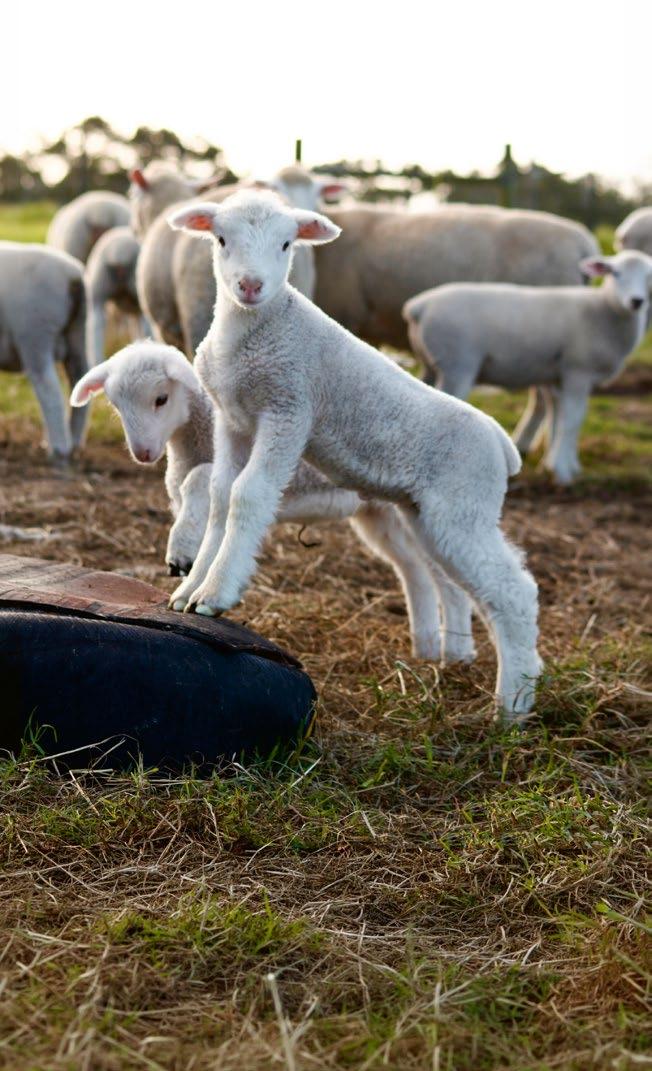
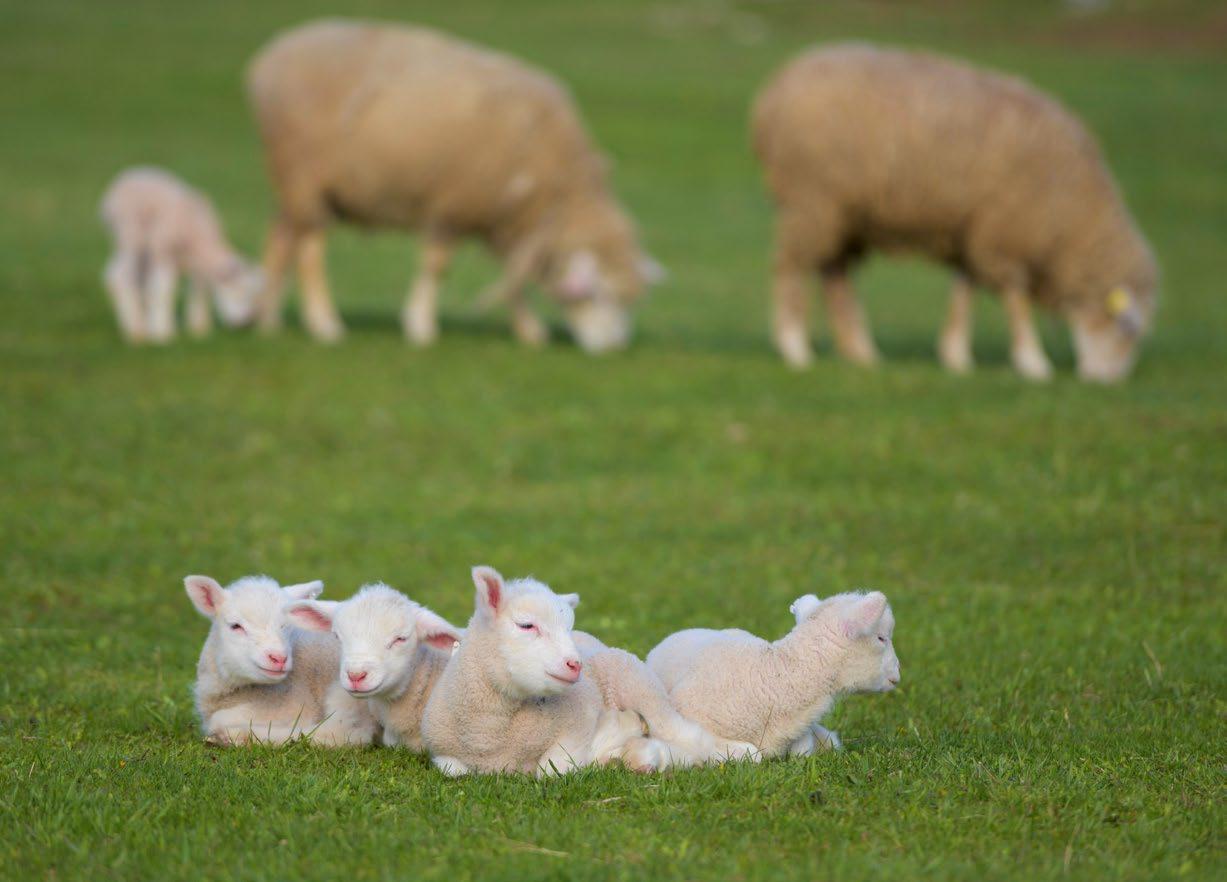
The crossbred lambs also displayed superior dressing percentages, particularly in the case of the Merino lambs, as the crossbred Merino lines had an average dressing percentage of 47.5% compared to the 40.7% of the pure line. The corresponding figures for the Dohne Merino lines were 47.7% and 43.9%.
Lambs sired by Ile de France rams out of either maternal line had the best dressing percentages (Theron et al., 2023b).
The meat quality of these crossbred lambs was then compared, and it was concluded that crossbreeding had no adverse effects on meat quality (Theron et al., 2023b). A comparison of Dormer and Suffolk rams as terminal sires on five different Merino-type dam lines had also previously indicated that crossbreeding
had no adverse effects on either the meat quality or retail cut weights of the slaughter lambs (Cloete et al., 2008).
These results obtained under South African conditions and with commonly used South African breeds are further supported by international research on the same topic. Based on these findings it would therefore be advisable for producers to explore the use of terminal crossbreeding, particularly in wool sheep breeds. As the above examples show, correctly implementing a terminal crossbreeding programme could significantly improve lamb performance in several economically important traits. Hence, crossbreeding is a viable and effective method of improving economic performance and production efficiency in sheep production. AP »
Cloete, S. W. P., & Cloete, J. J. E. 2015. Production performance of Merino and Dohne Merino ewes and lambs in pure or crossbreeding systems. Proc. Assoc. Adv. Anim. Breed. Genet. 21, 217–220.
Cloete, S. W. P., Cloete, J. J. E., Herselman, M. J., & Hoffman, L. C. 2004. Relative performance and efficiency of five Merino and Merino-type dam lines in a terminal crossbreeding system with Dormer or Suffolk sires. South Afr. J. Anim. Sci. 34, 135–143 https://doi.org/10.4314/sajas.v34i3.3956
Cloete, J. J. E., Cloete, S. W. P., Olivier, J. J., & Hoffman, L. C. 2007. Terminal crossbreeding of Dorper ewes to Ile de France, Merino Landsheep and SA Mutton Merino sires: Ewe production and lamb performance. Small Rumin. Res. 69, 28–35 https://doi.org/10.1016/j.smallrumres.2005.12.005
Cloete, S. W. P., & Durand, A. 2000. Increasing lamb output by crossing commercial Merino ewes with South African Meat Merino rams. Aust. J. Exp. Agric. 40, 11–16 https://doi.org/10.1071/EA99087
Cloete, J. J. E., Hoffman, L. C., & Cloete, S. W. P. 2008. Carcass characteristics and meat quality of progeny of five Merino dam lines, crossed with Dormer and Suffolk sires. South Afr. J. Anim. Sci., 12.
Fogarty, N. M. 2006. Utilization of Breed Resources for Sheep Production in 8th World Congress on Genetics Applied to Livestock Production. Belo Horizonte, MG, Brazil. Roux, C. Z. 1992. Maximum herd efficiency in meat production III. Feeder - breeder dimorphism. South Afr. J. Anim. Sci. 22, 11–15.
Theron, P. G. 2021. Development of a model for crossbred lamb production. MScAgric Thesis, Stellenbosch University, Stellenbosch, South Africa.
Theron, P. G., Brand, T. S., Cloete, S. W. P., & van Zyl, J. H. C. 2023a. A comparison of growth models for cross-and purebred lambs in precision livestock farming systems. South Afr. J. Anim. Sci. 53, 287–301 https://www.sasas.co.za/wp-content/uploads/2023/05/Theron-8July-2022-2202-01my.pdf
Theron, P. G., Brand, T. S., Cloete, S. W. P., van Zyl, J., & Strydom, P. 2023b. Slaughter and carcass characteristics of cross- and purebred lambs finished in a pasture-based system. South Afr. J. Anim. Sci. 53, 384–397 http://dx.doi.org/10.4314/sajas.v53i3.07
For more information, contact Dr Pieter Theron: pieter.theron@westerncape.gov.za
Several Cape fur seals (Arctocephalus pusillus) have tested positive for rabies in the Western Cape in June 2024. While this is an emerging situation, we wish to share a selection of answers to five frequently asked questions.
How was the seal rabies discovered?
In May 2024, a dog with rabies was reported to the state veterinarian in Cape Town. The owner suspected it had been bitten by a seal, so samples were taken from aggressive seals reported in that week and sent for rabies testing. When they tested positive, this triggered the testing of seal samples that had been taken and stored by Sea Search, an independent research organisation since 2022.
How long have seals had rabies?
The earliest positive case that has been identified so far was in August 2022 in Cape Town. It is likely that the outbreak started before this.
How did seals get rabies?
Preliminary virus sequencing results show the seal rabies viruses are most closely related to rabies viruses from other wildlife species in Southern Africa. It therefore seems most likely that the outbreak started with a seal that was bitten by another rabid wild animal, such as a jackal, on the coast.
What should I do if I am attacked by a seal?
Get to safety as quickly as possible. If you have a wound or scratch, wash it very
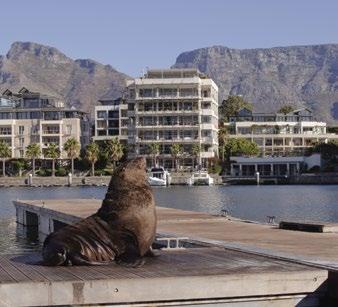
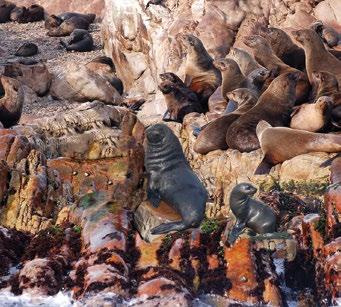
thoroughly with soap and water. Then go to your nearest clinic or doctor immediately and tell them you suspect you have been in contact with a rabid animal.
How can I protect myself and my community from rabies?
If you suspect an animal has rabies, report it immediately to your local state veterinarian so that it can be responded to quickly.
Make sure all your dogs and cats are vaccinated against rabies and their vaccinations are kept up to date. This is required by South African law.
Those working with seals on a frequent basis are advised to consult their health care practitioner about receiving pre-exposure rabies vaccinations. Learn more!
Scan the QR code or visit
https://tinyurl.com/4e94aapz
Watch this!
Scan the QR code or visit
https://tinyurl.com/msytfxvu
Is a quarterly magazine, distributed to subscribers at no charge by the Western Cape Department of Agriculture.
Subscription
For free subscription to this quarterly magazine, please submit your details to Magrieta de Lange.
Tel: 021 808 7613
Email: doa.info@westerncape.gov.za
Contact us
Western Cape Department of Agriculture
Tel: 021 808 5111
Email: doa.info@westerncape.gov.za
Web: www.elsenburg.com
Printing
CTP Printers (Cape Town)
Tel: 021 929 6200
Digital edition
Available on the ZINIO newsstand
Web: www.zinio.com
Packaging
Stellenbosch Work Centre for Adults with Disabilities
Tel: 021 887 8688
Email: jjja@sun.ac.za
You can also read your copy online and subscribe at www.zinio.com/za/agriprobe-m40279
Don’t forget to tune into RSG Landbou every Friday morning at 05:00am and on Saturdays at 11:45am. Listen to the highly informative programmes on the Western Cape Department of Agriculture and the Agricultural Sector in general.
If you miss it on the radio, you can also listen to the programmes of the week on www.elsenburg.com/rsg-landbou/