







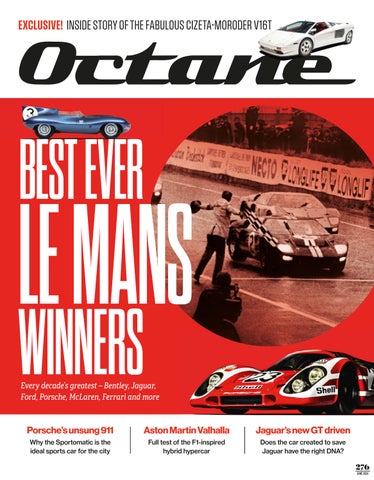
Every decade’s greatest – Bentley, Jaguar, Ford, Porsche, McLaren, Ferrari and more

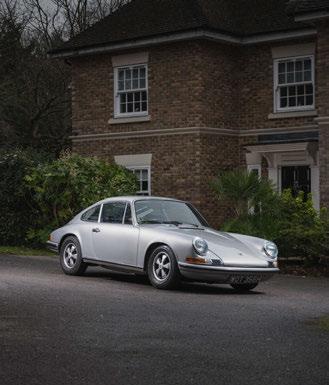
Porsche’s unsung 911
Why the Sportomatic is the ideal sports car for the city
Aston Martin Valhalla
Full test of the F1-inspired hybrid hypercar
Jaguar’s new GT driven
Does the car created to save Jaguar have the right DNA?

9-11 JUNE, EC1








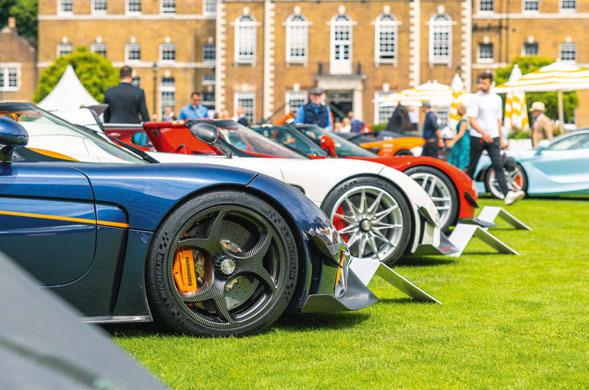
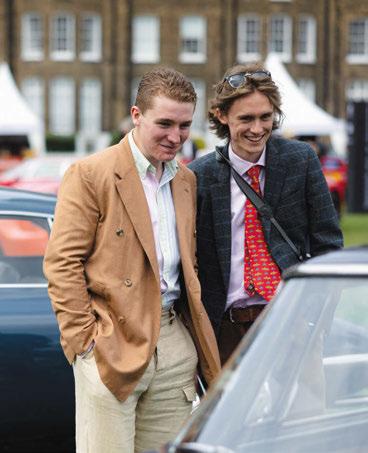
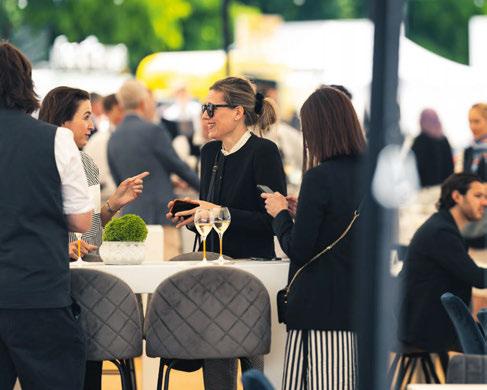
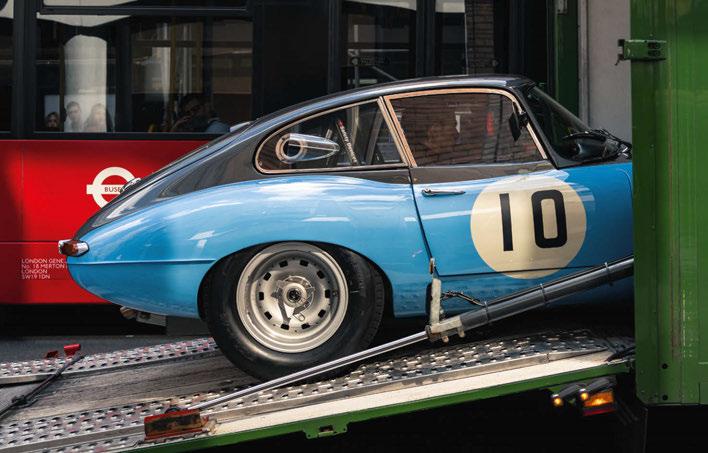
Refined elegance, effortless entertaining and a world-class line-up of cars in the heart of the square mile.
Classes for 2026; Porsche Sonderwunsch, Dream Cars, Alfa Romeo, Restomods, Hypercars, Tuners, Wildcards & American Muscle.
Three days, three iconic displays; Porsche Perfection, Jaguar XK and Supercar Day.
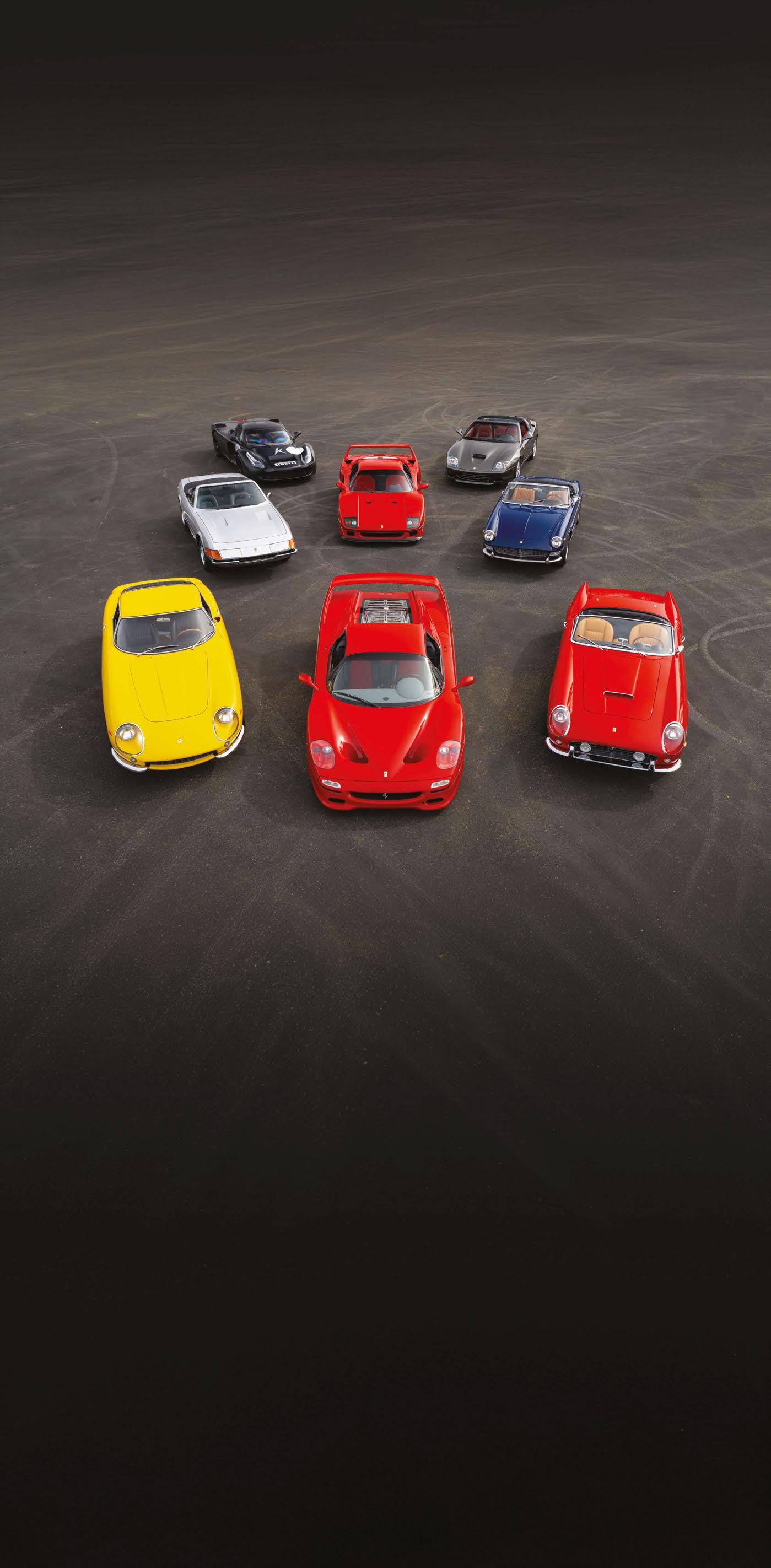
AUTOMOBILES TO BE OFFERED AT INDY • MAY 8-16, 2026


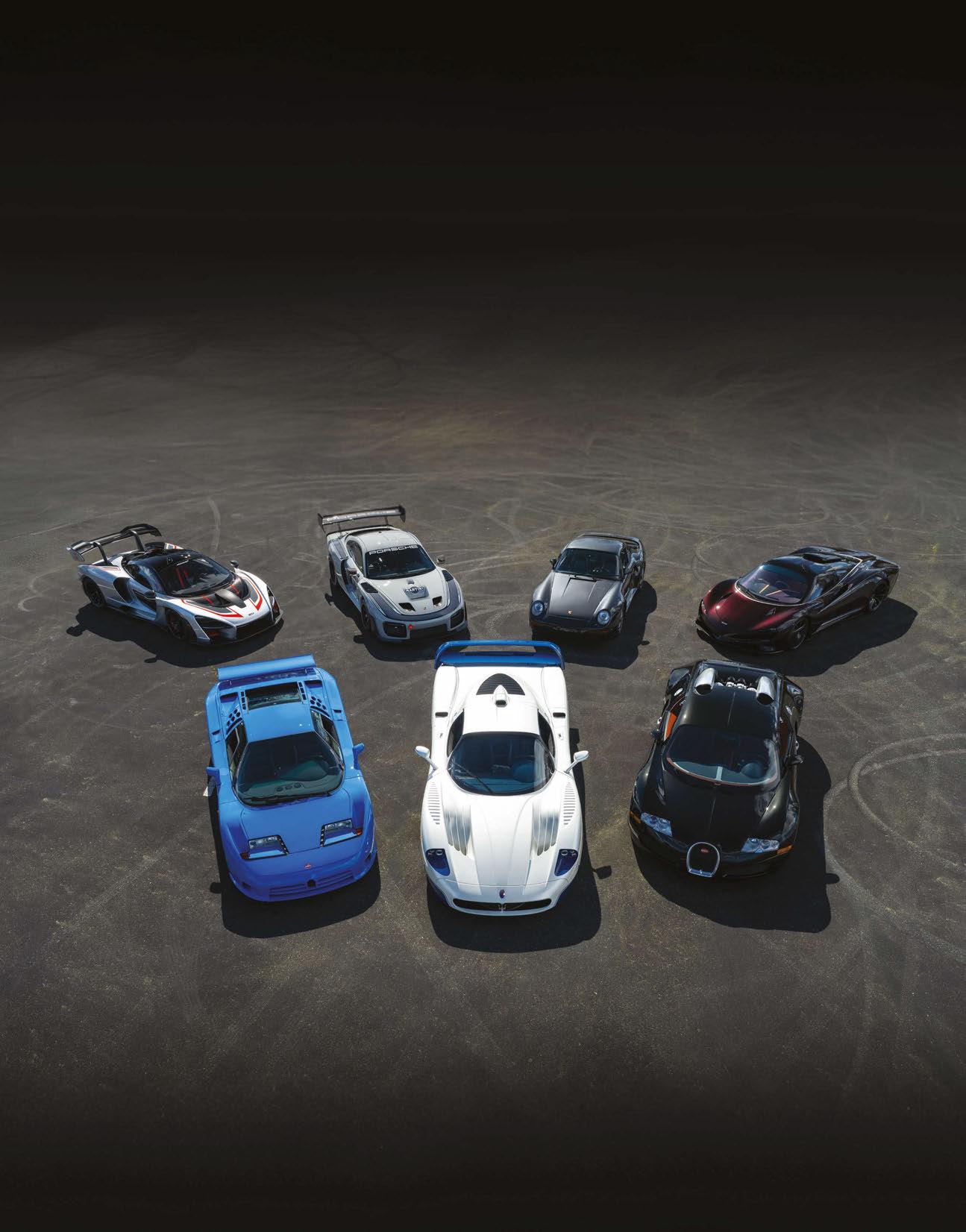
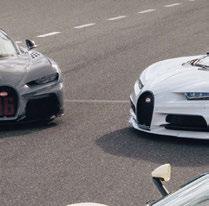
Bringing together names like Ferrari, Bugatti, Porsche, McLaren and more, The M Group is an unparalleled physical manifestation of both heritage and innovation.
Nearly

One
Over































PAGE
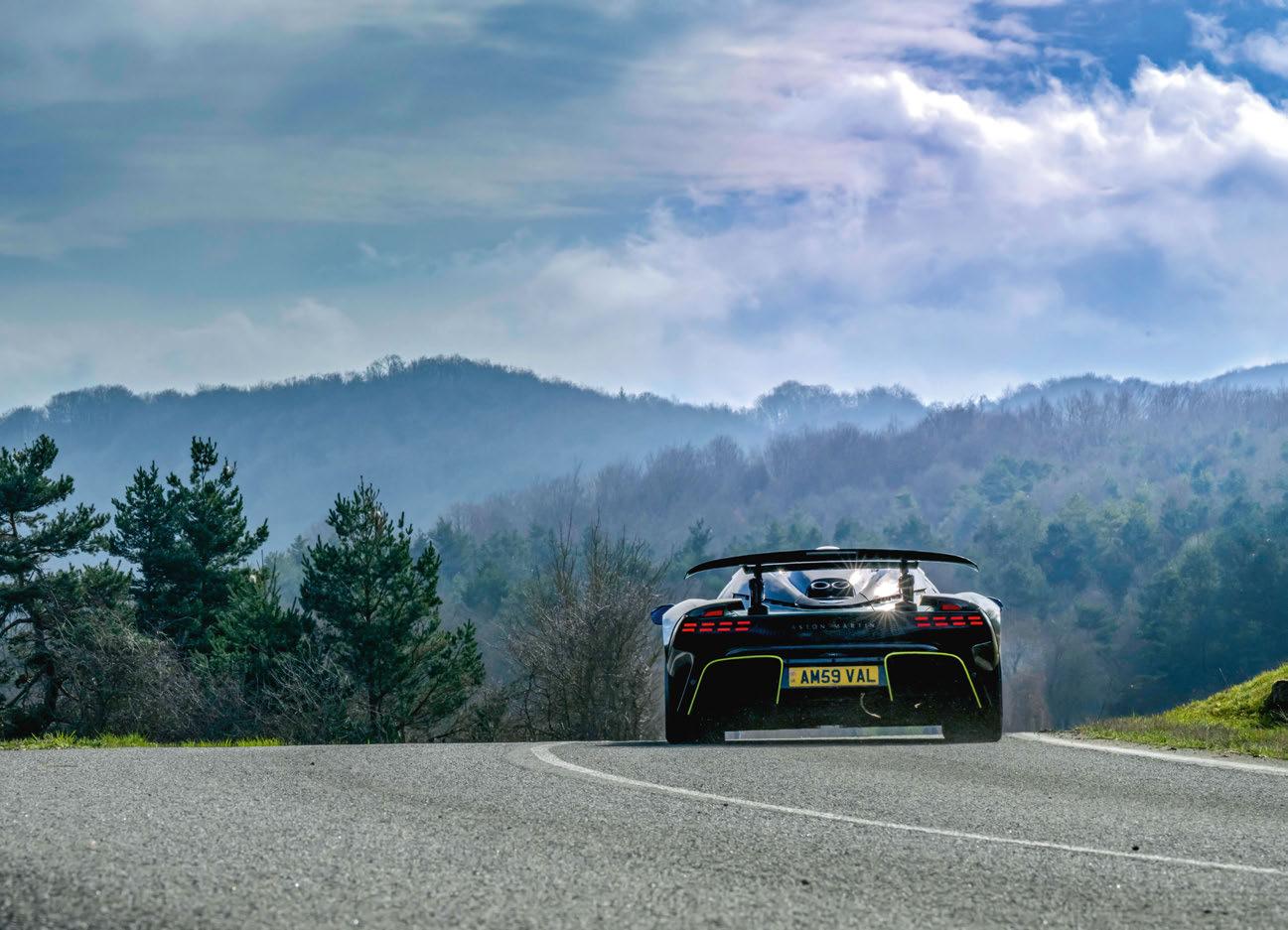
‘THERE’S NOTHING IN THE SUPERCAR/HYPERCAR HINTERLAND THAT LOOKS QUITE LIKE THIS’ ASTON
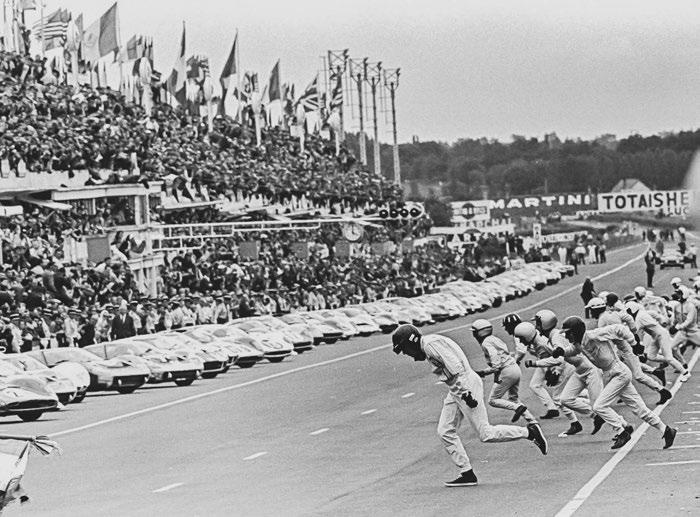
LE MANS LEGENDS 48
The greatest drives from each decade of the world’s toughest motor race, 60 years on from that Ford GT40 victory
ASTON MARTIN VALHALLA 66
Octane gets behind the wheel of the radical and thrilling race-bred British hypercar
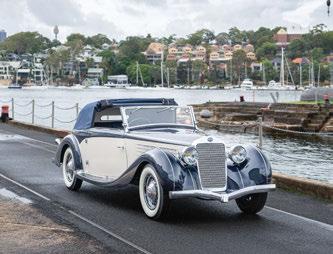
DELAGE MILORD 74
Stunning 1930s Figoni et Falaschi convertible
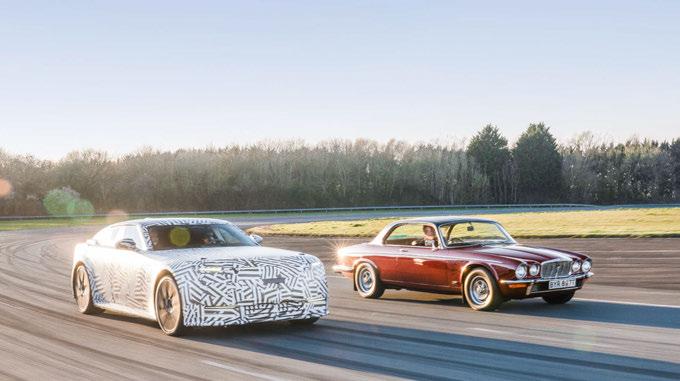
FUTURE JAGUAR 80
Driving next year’s controversial Jaguar EV –and the classics that inspired its dynamics
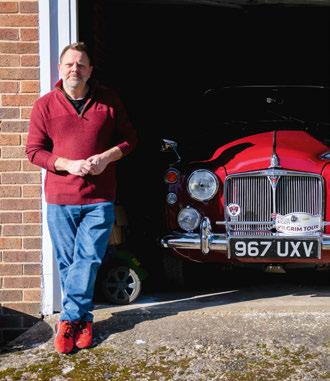
CAR S.O.S ROVER 88
How Rev Adam Gompertz’s fanatical flock rewarded him with a divine TV restoration
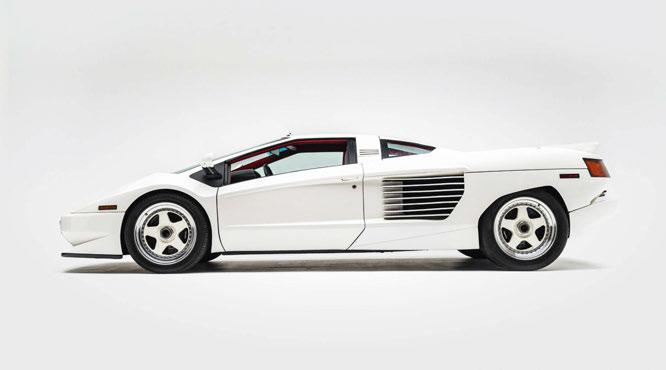
CIZETA-MORODER V16T 96
Inside story of the unique Gandini-styled, V16-powered, 204mph prototype
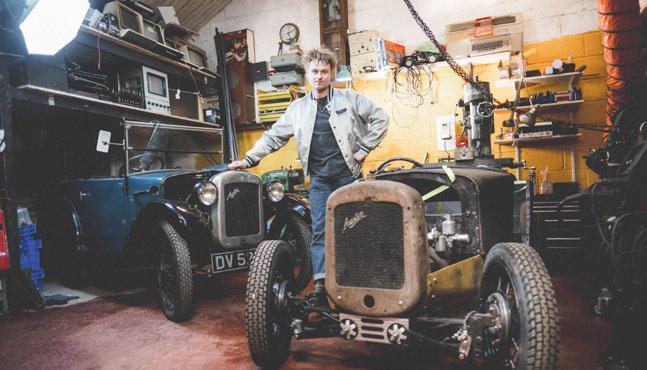
THE OCTANE INTERVIEW 106
Sam Battle, this year’s UK Eurovision entry, is a car enthusiast as much as a musician
PORSCHE 911 SPORTOMATIC 112
Perfect sports car for the man about town
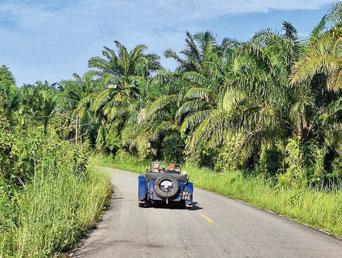
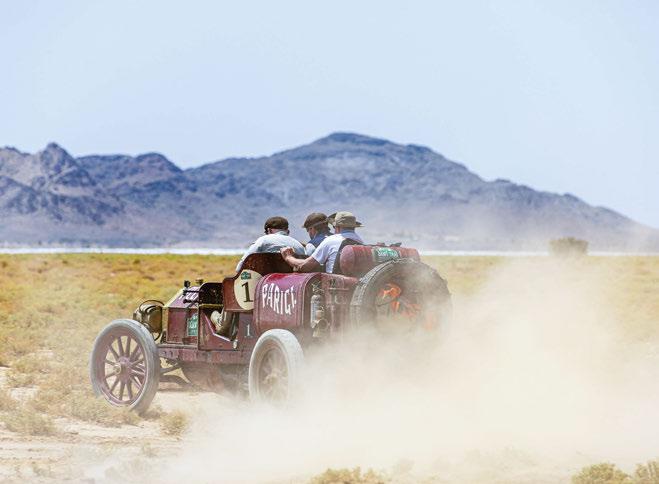
LONDON TO SINGAPORE 120
Old friends head out on a 20,000km adventure – in cars a century old
130 148

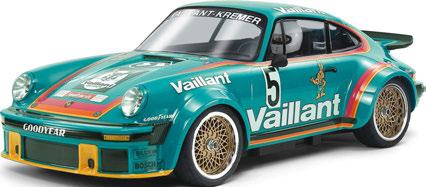




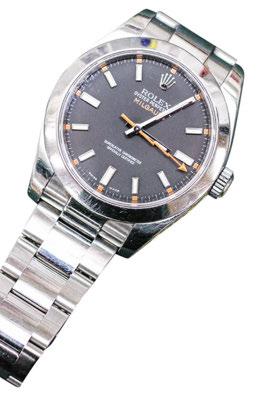






EVENTS & NEWS 20
The month’s best happenings; essential diary dates; stellar line-up planned for Concours des Légendes – here’s all you need to know
COLUMNS 37
Leno, Bell, Bayley, Coucher: Octane’s finest minds divulge the fruits of their wisdom
LETTERS 45
Best sports car? Of course it’s the Lotus Elise
OCTANE CARS 130
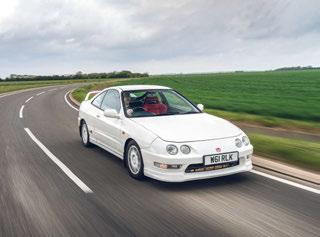
Integra and Z4 undergo some fe ling
READERS’ DRIVES 136
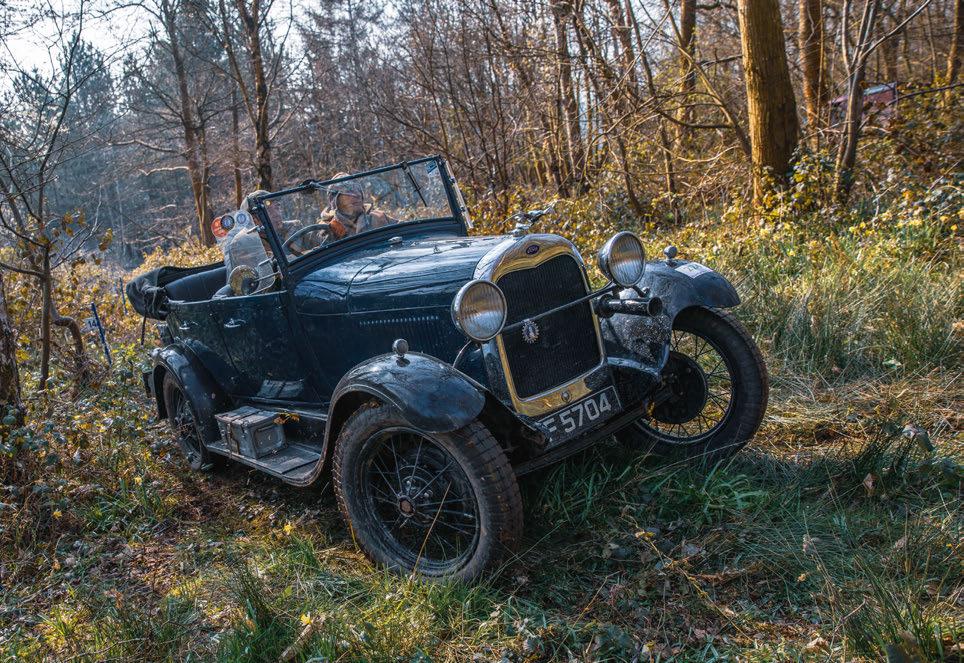
Rhiannon Carvell-Crook’s Ford Model A
OVERDRIVE 138
900bhp RML Hypercar out-Porsches its donor
GONE BUT NOT FORGOTTEN 142
Alan Hess and his outrageous motoring stunts
GEARBOX 144
Engineer extraordinaire Ollie Crosthwaite
ICON 146
Unique Klipschorn horn-loaded loudspeaker
CHRONO 148
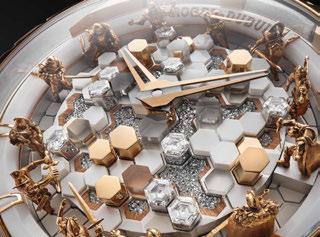
Acts of rebellion among the ateliers
BOOKS 150
Buga i Type 59 masterwork and more
GEAR 152
Stu to enjoy for lovers of Octane
THE MARKET 154
Auction news and insights, facts and figures, cars for sale, Honda S800 buying guide
AUTOBIOGRAPHY 186
Alpine design director Antony Villain
























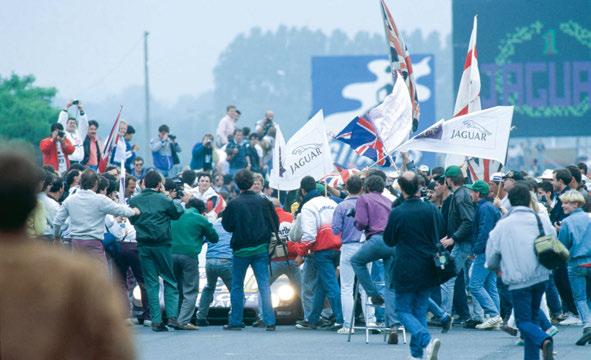

EVERYONE HAS ‘THEIR’ Le Mans, and especially us Brits, many of whom like to think of the original and best still-active 24-hour race as a home event on foreign soil. To be fair, little in motorsport raises the same patriotic fervour, or inspires the same road trips (a bunch of my friends once converted a classic coach to travel down and stay in), the absurd campsites (often better-equipped for paddling pools, hot food and bars than nearby hotels) and finally the long, exhausted and hungover slog home. ‘Welcome to the UK’ was never better illustrated than the two-hour wait before disembarking because of the inevitable work-to-rule by border staff at Portsmouth. It ages me somewhat that ‘my’ Le Mans was not actually 2003, when reborn Bentley took the win (see Octane 198), but 1988. I was in my second year at Warwick University, just four miles from Browns Lane, and making and funding the trip to La Sarthe had been made a great deal easier by the fact that Glastonbury was cancelled, having its first ‘fallow’ year.
Even after almost 40 years, it is hard to put into words the importance to British motorsport of that win, the groundswell of optimism and hope, the unbelievable euphoria of the victory after so many years of Porsche dominance. It felt like David conquering Goliath; it turned Dumfries, Lammers and Wallace into instant national heroes; Jaguar was back where it belonged, somewhere it hadn’t been since a decade before I was born. And I swear that no sporting event has ever sparked an invasion of fans quite like the one that poured onto the track to greet that win, a swell that peaked as Tom Walkinshaw and Sir John Egan clambered up to the podium to join the drivers. Imagine the last night of the proms multiplied by 1000.
Such was the national pride that Jaguar’s triumph spread way beyond the specialist press and even the back pages, though those of us who’d been in France thought the fuss when we got back home seemed rather muted considering the magnitude of the achievement – where were the knighthoods and ticker-tape parades? You can tell that Le Mans 1988 was a truly epochal event because, like the Sex Pistols gig at Manchester’s Lesser Free Trade Hall in June 1976, so many more people now claim to have been there than is really feasible.
Anyway, 1988 was ‘my’ Le Mans, what was yours?
FEATURING…

DAMIEN SMITH
‘The old cliché about winning Le Mans is that, before you even consider your rivals, the biggest battle to overcome is against the race itself. It was true at the first 24 Hours in 1923, and it’s still true today. In essence, Le Mans hasn’t really changed in the past 100-plus years.’ Le Mans highlights by decade: pages 48-64
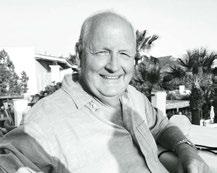
RICHARD CUNNINGHAM
‘There is no better way to see the world than from the driving seat of a 1933 Lagonda M45: two 20,000km trips complete and Africa to go! We always travel on the shoulders of strangers and never more so on this epic rally. It was certainly a close-run thing.’ London to Singapore: pages 120-126

ROBERT HEFFERON
There’s an unsung hero on the ranks at Octane and it’s our art editor. From headline fonts to cover treatments, from commissioning photographers to designing features, you can see Rob’s expertise on every page, every month. To read about the car he drives (and maintains himself), turn to pages 130-131
ISSUE 277, ON SALE 27 MAY
Behind the wheel of the 220mph V12-powered hypercar
Siata Balbo
Super-rare, super-exotic 1950s Italian V8-powered GT
Dodge La Femme
When an American car-maker targeted the female dollar
Porsche 959 40 years on, we revisit Stuttgart’s tech tour de force
The Octane interview
Former Jaguar Formula 1 boss Tony Purnell
(Contents may be subject to change)
Editor-in-chief James Elliott james@octane-magazine.com
Associate editor Glen Waddington glen@octane-magazine.com
Art editor Robert Hefferon roberth@octane-magazine.com
Markets editor Matthew Hayward matthew@octane-magazine.com
Features writer Elliott Hughes
Founding editor Robert Coucher
Italian correspondent Massimo Delbò
Inquiries to info@octane-magazine.com
Group advertising director Sanjay Seetanah sanjay@octane-magazine.com
Dealer account manager Marcus Ross marcus@octane-magazine.com
Account manager Annie Mulcrone annie@hothousemedia.co.uk
Lifestyle advertising Sophie Kochan sophie@octane-magazine.com
Advertising inquiries Tel: +44 (0)1628 510080 Email: ads@octane-magazine.com
SUBSCRIPTIONS, BACK ISSUES, HELPLINES
Subscribe online at octane-magazine.com/subscribe Tel: +44 (0)20 3966 6695 Email: customerservice@octane-magazine.com Back issues can be purchased at octane-magazine.com

To take advantage of our special offer and get three issues of Octane for £5,either visit octane-magazine.com/subscribe or call +44 (0)20 3966 6695





Octane is available at the usual branches of UK shops, such as Tesco, Sainsbury’s, Waitrose and independents, as well as WH Smith Travel. You can order the latest magazine or a back issue, delivered direct to your door, by visiting octane-magazine.com
Download the Octane Magazine app on Android or Apple and you will be able to enjoy the new issue. Alternatively you can source the digital edition via either Zinio or Readly.
Subscribe
You can find superb offers on print and digital at octane-magazine.com/subscribe Order before 15 May to start with issue 277.
Problems with your subscription? Please email customerservice@octane-magazine.com
Germany









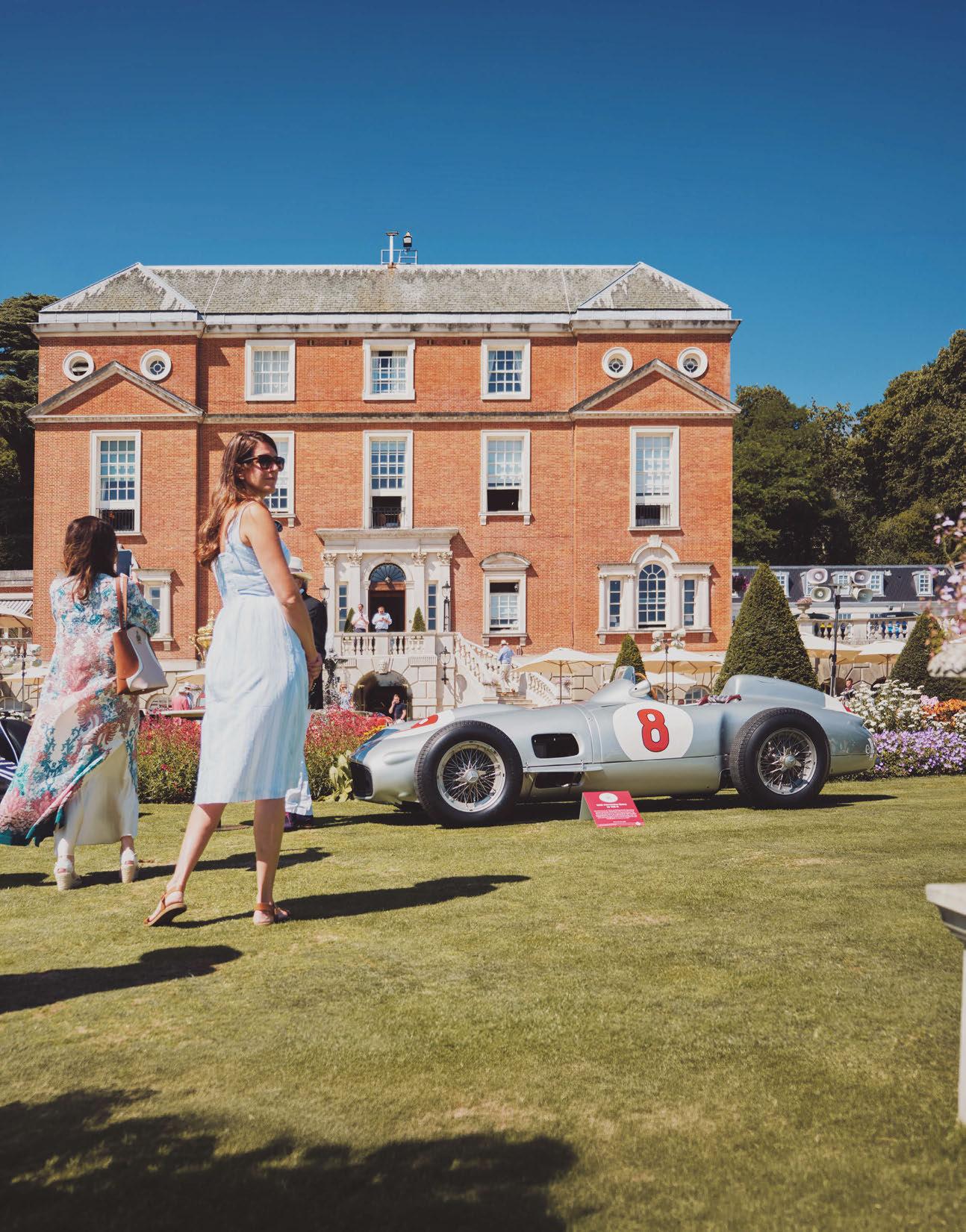
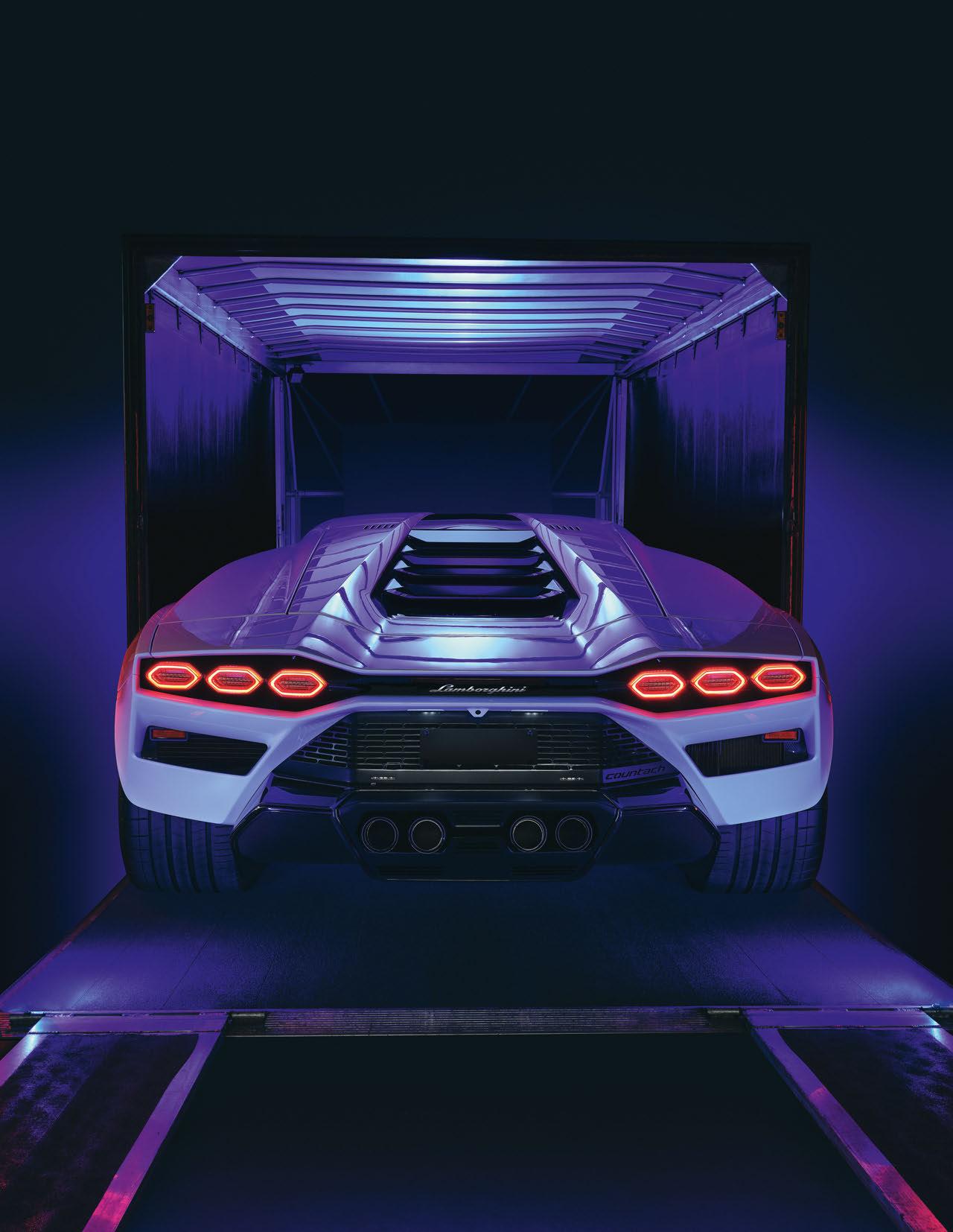
Transporting an automotive icon requires trust, expertise, and precision. Whether for a private collection, an auction, or a motorsport event, we handle each journey with the utmost care. Our vehicles are rarely started, always protected, and transported with the highest level of security. From urgent air freight to seamless sea and road transport, every movement is managed with dedication and discretion — delivered exactly where and how you need it.
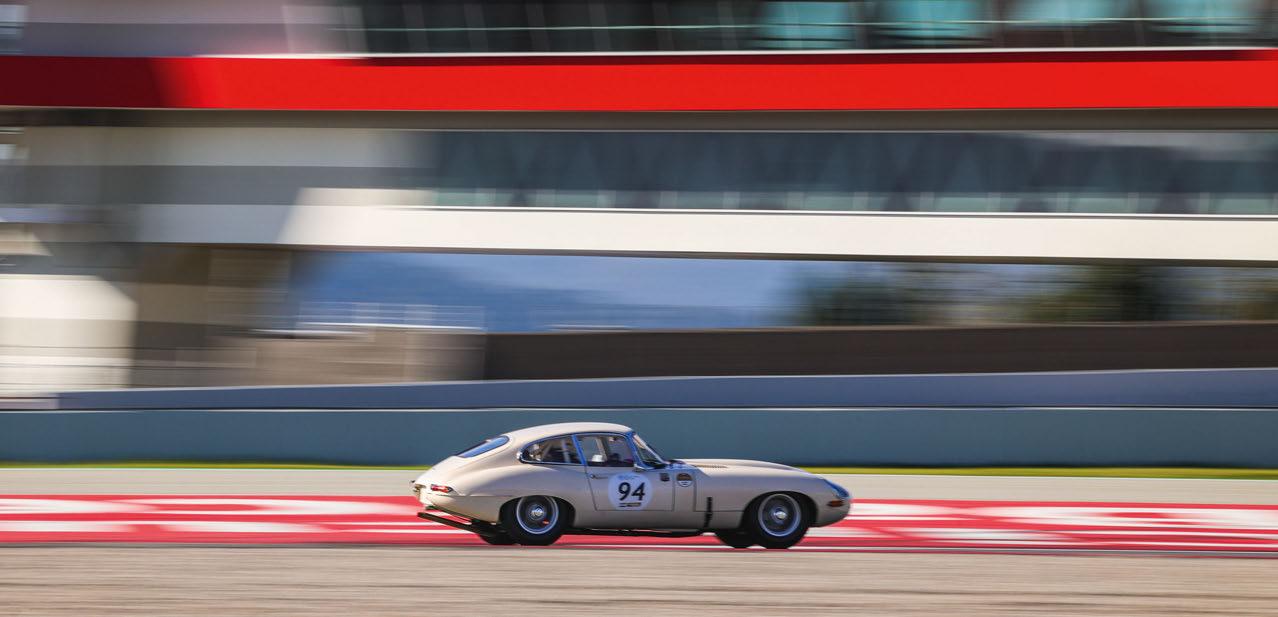
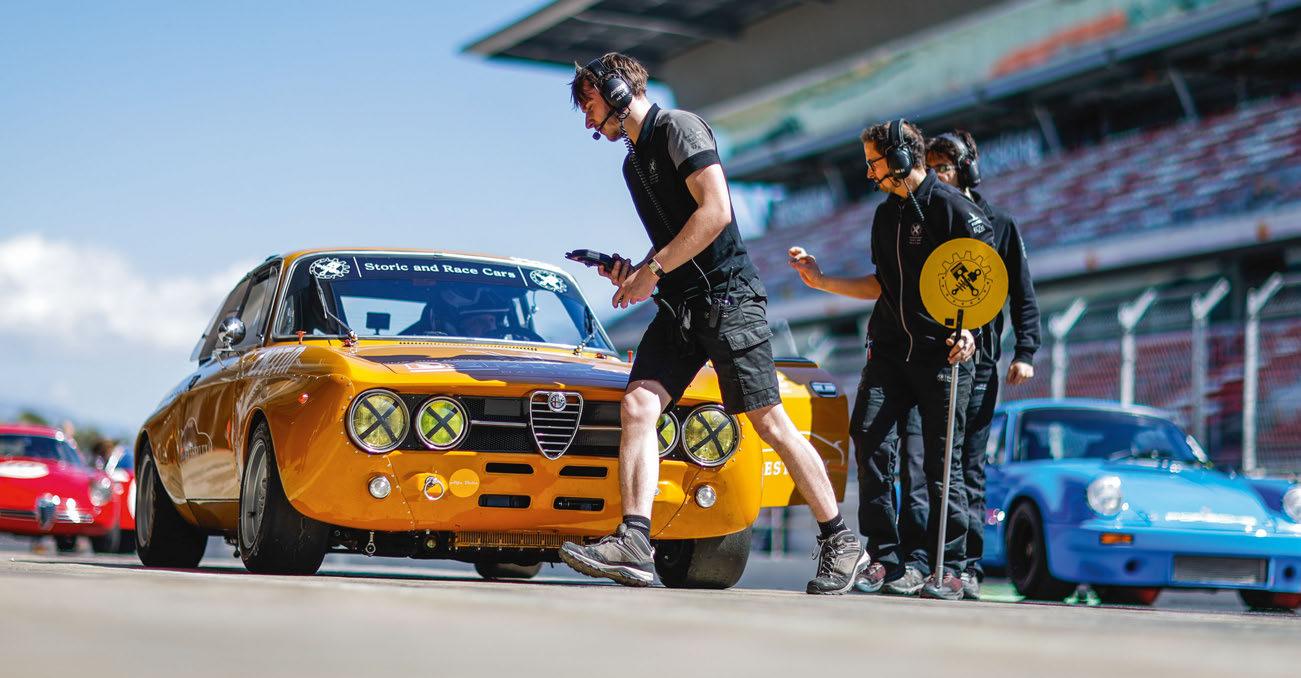
27-29 March
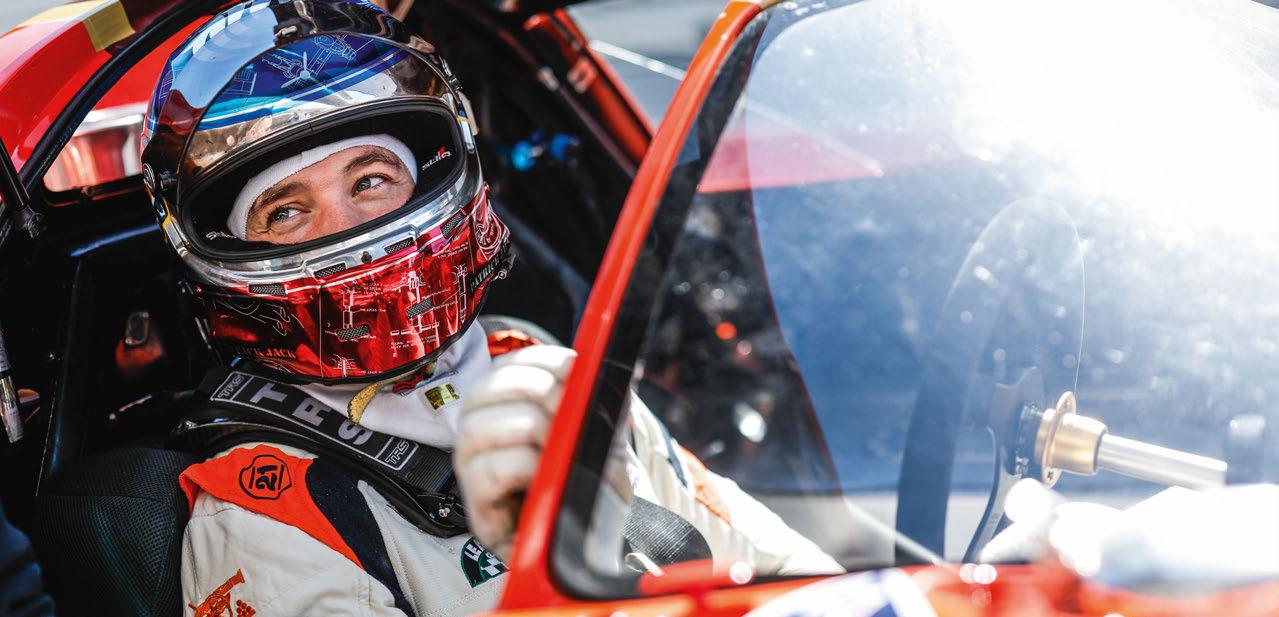
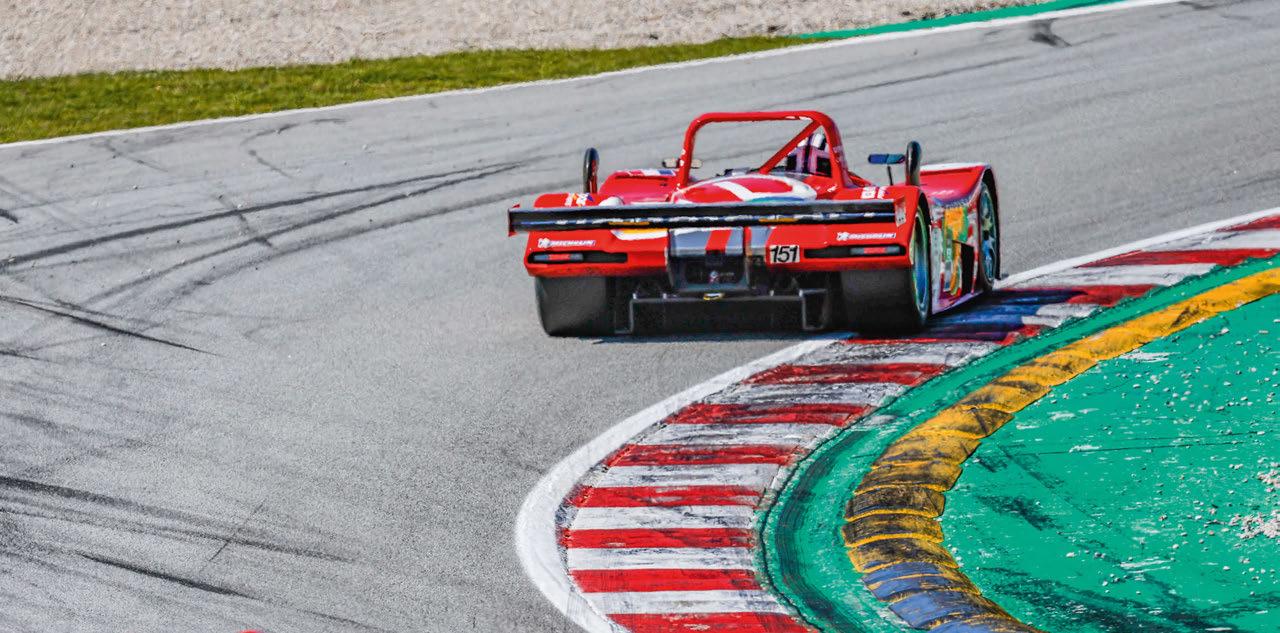
The opening event of the Le Mans Classic Series saw a sun-soaked weekend in Spain. 250 cars and 20,000 spectators flocked to the BarcelonaCatalunya circuit for nine grids spanning more than half a century, from 1950s GTs to 2000s endurance prototypes. There was plenty of success for pre-event favourites, with Armand Mille triumphing in his Lola T70 Mk3b in Classic Endurance Racing 1, while Fred Wakeman and Mike Grant-Peterkin won GT1 in a Ford GT40. Jan Magnussen’s bid to win Classic Endurance Racing in a Lola T292 was thwarted by technical failure near the finish, gifting victory to reigning champ Maxime Guenat’s T286.
Clockwise, from top left: Paulo Maria / Julien Delfosse / Julien Delfosse / Frédéric Le Floc’h, all via DPPI / Peter Auto
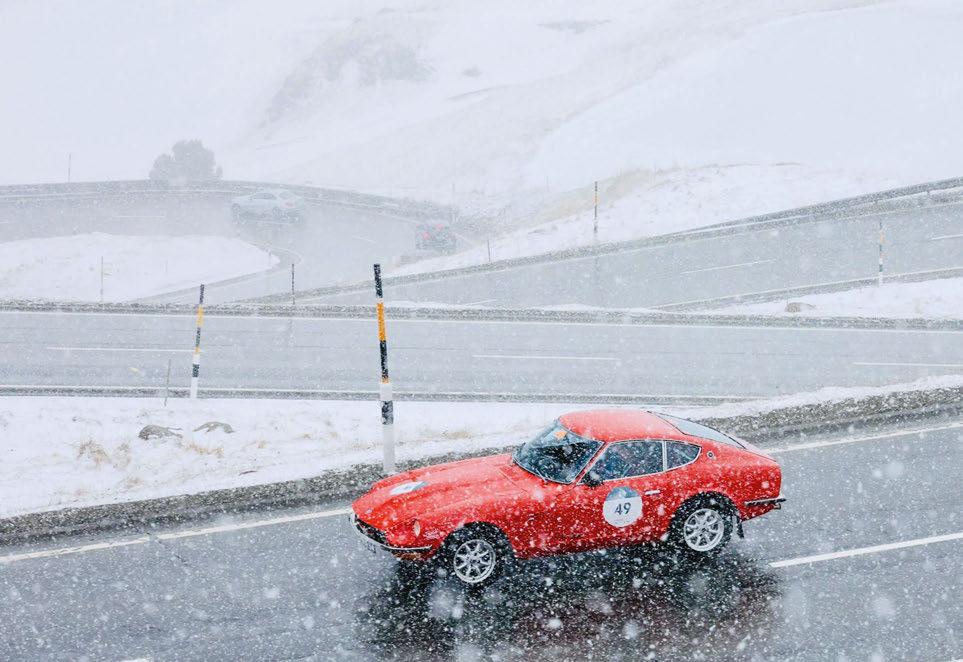
CLOCKWISE, FROM TOP Coppa delle Alpi 12-15 March
The 60 crews may have set off in blazing sunshine and enjoyed the same on the second, longest day, but heavy snowfall on the third leg back into Switzerland threw this 630km rally wide open. In the end, pre-war Fiats dominated the podium, with 508 C crew Alberto Aliverti and Sergio Carrara taking the top step.
1000 Miglia
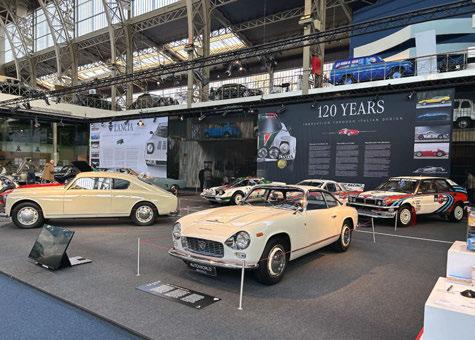
120 Years of Lancia
27 Feb – 19 April
Autoworld Brussels put on a superb display of Lancias, ranging from a 1924 Lambda to a line-up of rally titans, seminal Aurelia and Flaminia Sport Zagato. For many, the 1952 Pinin Farina PF200 concept was the star car.
Mario Laguna
VSCC
Herefordshire Trial 21-22 March
Stephen Hill’s 1928 Ford Model A in the penultimate round of the 2025/26 VSCC Trialling season. The Ross-on-Wye event is always one of the year’s highlights.
Joy Richings
Tour of Cheshire
7 March
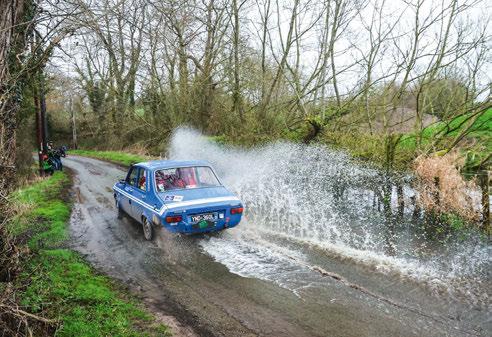
The Renault 12 Gordini of Malcolm Dunderdale during round two of the HRCR Clubman’s Rally Championship season, which attracted a capacity field of 75 cars.
Ben Lawrence

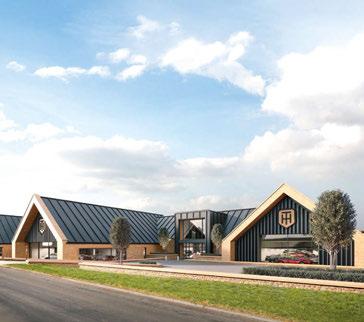
As we prepare to open our new Cotswolds headquarters, the future home of Tom Hartley Jnr, we are expanding our offering with the introduction of a private storage environment built to the same uncompromising standards as the cars we represent.
DISCREET, CONTROLLED SECURITY
24-hour monitored protection & restricted access at all times.
PREPARATION & PRESERVATION
Prepared, battery maintained and continuously monitored.

APPOINTMENT-ONLY ACCESS
Appointment-only viewings within a secure, controlled setting.

CAREFULLY REGULATED ENVIRONMENT

A fully climate-controlled setting designed to preserve condition & originality.
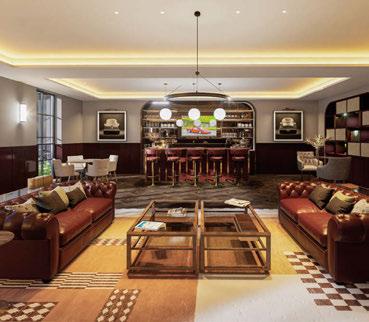
PRIVATE CLIENT CONCIERGE
Collection, delivery & tailored support, seamlessly managed.
YEAR-ROUND ACCESS



Available year-round within a secure, carefully managed facility.



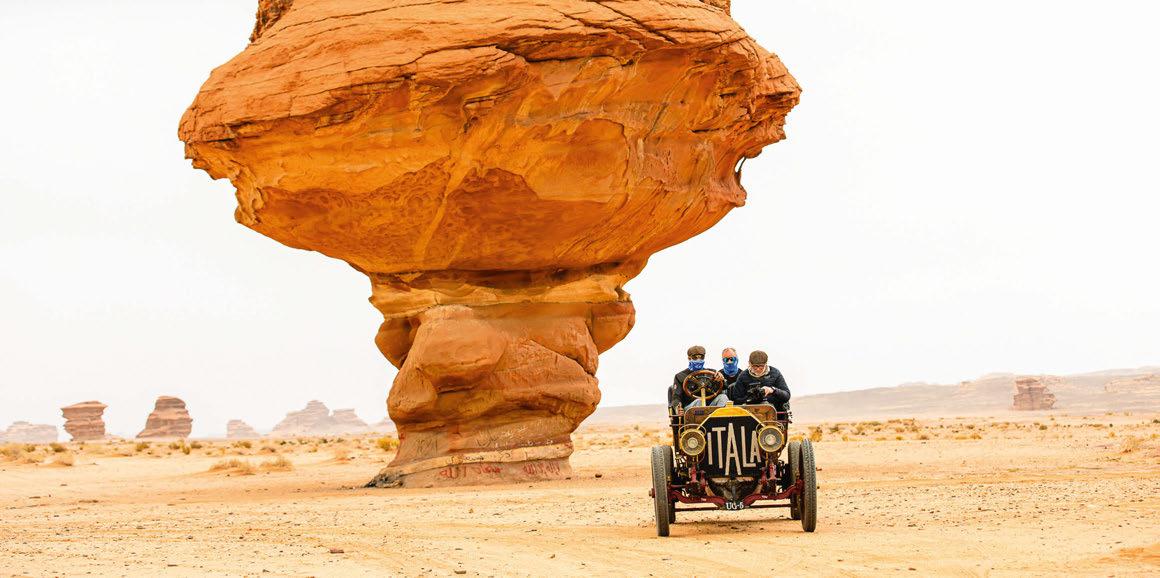
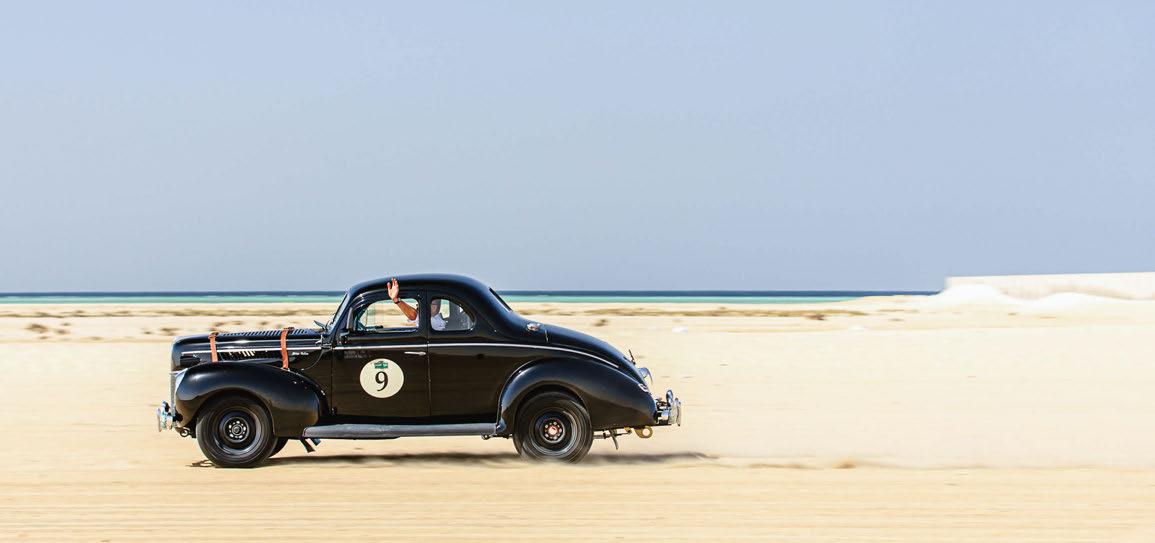
Badawï Trail to the Last Oasis
28 March – 9 April
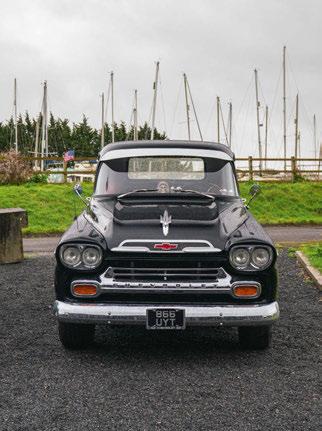
With a route altered to avoid the war in the Middle East, this 13-day, 5000km rally around the western edge of Saudi Arabia not only went ahead against the odds, but was a triumph for HERO-ERA and the 21 crews that took part, only one of which didn’t make it to the finish. Richard Clark and Jonathan Round won overall in their Ford V8 Coupe (left), while Xavier and Lucas de Sarrau took the Classic Category win in a Prodrive-prepared Ford Mustang (below).
Will Broadhead
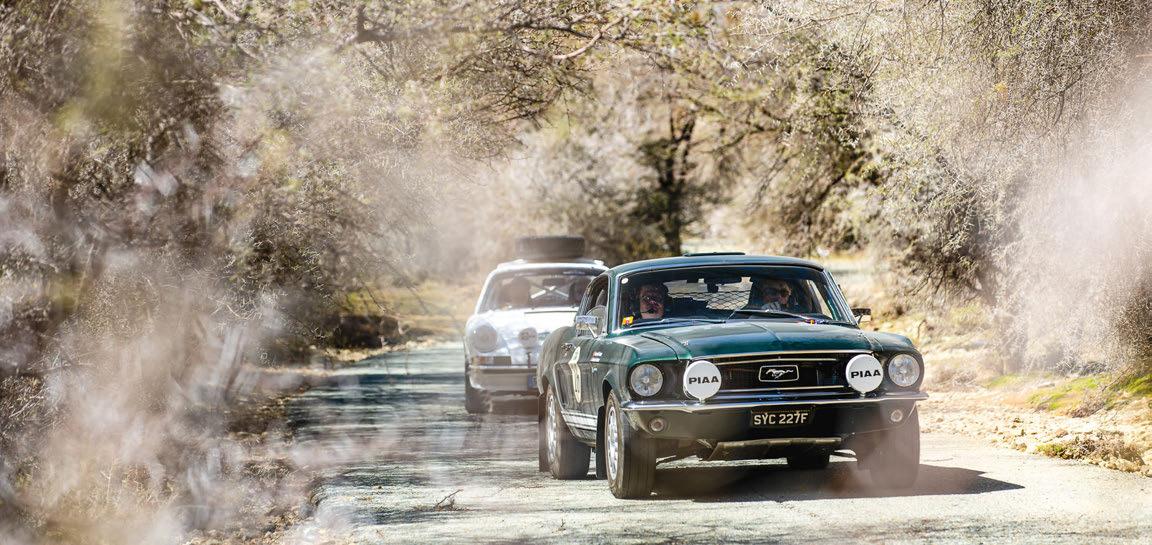

































































































































































































































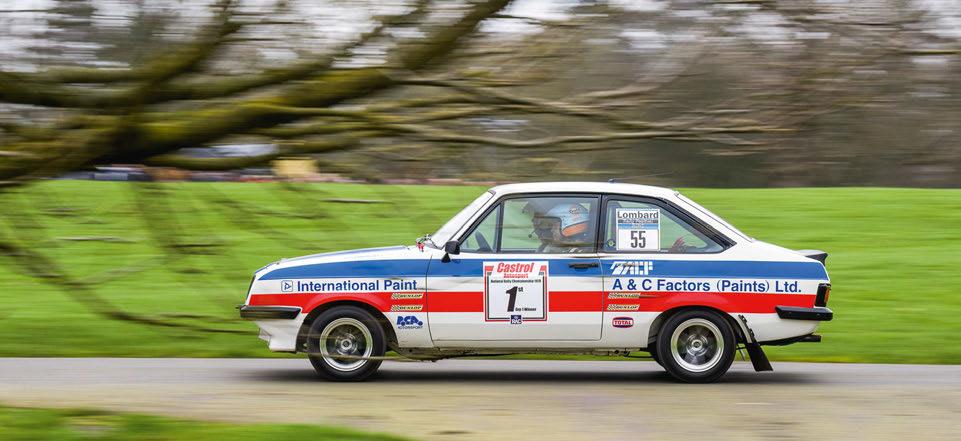
CLOCKWISE, FROM TOP Lombard Rally Festival 7-8 March
More then 60 historic rally cars blasted around Weston Park, near Telford, some of them having done so in period when it was a venue on the RAC Lombard Rally in the 1970s and ’80s.
Chris Tarling
VSCC John Harris
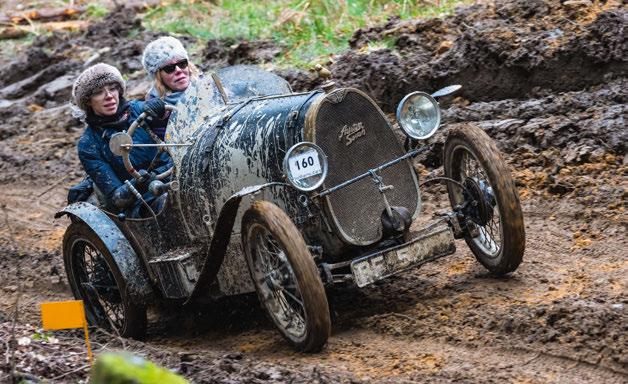
Derbyshire Trial 7 March
Dr Rachael Williams’ Austin Seven in the mud on the Chatsworth Estate.
Steve Shelley
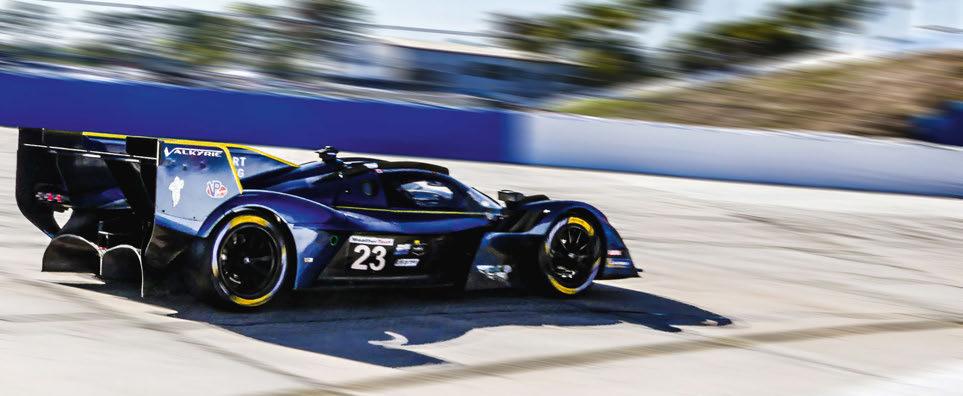
Twelve Hours of Sebring 18-21 March
The Gunn/de Angelis/ Riberas Aston Martin Valkyrie during the 74th running of the event in Florida.
Harry Hurst
Rye Classics at the Aubrey Halls 22 February
Excellent new monthly meet in East Sussex, featuring all manner of classics, from Americana to Bugatti Brescias.
Charles Ferbus
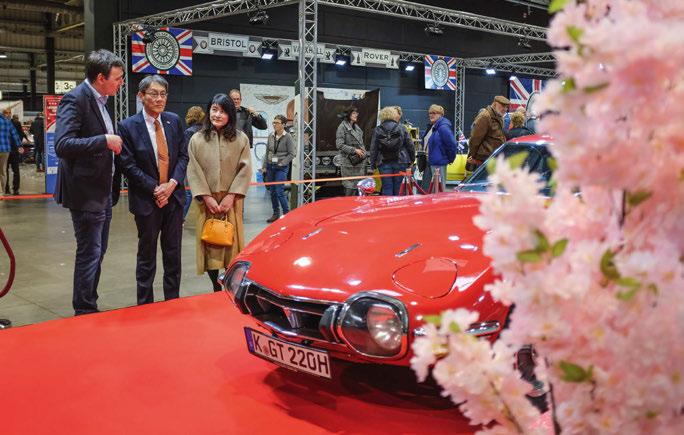
Autojumble Luxembourg 14-15 March
Celebrating all things Japanese (including Toyota 2000GT and Mazda Cosmo); his Excellency Mamoru Nomura opened it.
Mario Laguna
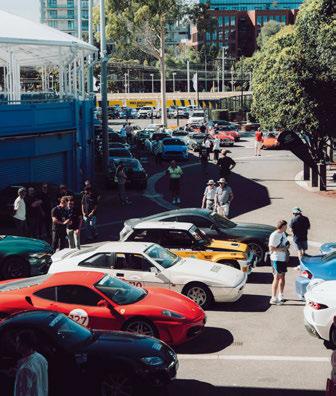
Targa Classica 2-5 March
The four-day, 1200km regularity in Victoria acts as curtain-raiser for the F1 Grand Prix.
Steve Lennon

























30 April – 3 May
Simola Hillclimb
Furious hillclimbing action in Knysna in South Africa. speedfestival.co.za
30 April – 3 May
Le Flair
Crews tackle regularity sections and time trials on the roads around Lake Geneva. le-flair.com
1-3 May
NSRA Nostalgia Nationals
The hottest of hot rods put on a show at Santa Pod Raceway, which turns 60 this year. santapod.co.uk
1-3 May
Donington Historic Festival
Including a ‘GT3 Legends’ grid to mark the 20th anniversary of the GT3 category. donington-park.co.uk
1-3 May
The Greenbrier Concours d’Elegance
Chrysler is to be the featured marque at the West Virginia concours this time round. greenbrierconcours.com
2 May
Brooklands Italian Car Day
A celebration of Italian cars old and new at Brooklands. brooklandsmuseum.com
3 May
VSCC Curborough Speed Trials
The VSCC Speed Championship kicks off at Curborough. vscc.co.uk
3-9 May
Tour Auto
Starting in Paris and finishing in Biarritz, and featuring races at tracks including Magny-Cours and Nogaro. peterauto.fr
7-10 May
Terre di Canossa
Crews drive three loops through Tuscany, each one bringing them back to the beautiful seaside town of Forte dei Marmi. terredicanossa.canossa.com
8-10 May
GP de France Historique
Stars taking part at Circuit Paul Ricard this year include Alain Prost and Jacques Villeneuve. grandprixdefrancehistorique.com
8-12 May
Octane Bluebird Legacy Tour
Octane leads a drive from Chelsea to the Lake District, following in the tyretracks of the great Donald Campbell. The journey ends at Coniston Water, where participants will have a front-row seat as Campbell’s iconic Bluebird K7 hydroplane returns to action. classicgt.co.uk
9 May
Hagerty Hill Climb
‘Run what ya brung’ fun at Shelsley Walsh Hill Climb. hagerty.co.uk
9-10 May
VSCC Scottish Tour
Based at Mansfield House Hotel in Hawick, this is just one of 19 regional tours being run by the VSCC in 2026. Check the club’s website for details of the rest. vscc.co.uk
11-14 May
Vintage Shamrock Rallyists in pre-1946 cars enjoy some friendly competition in south-east Ireland. rallytheglobe.com
15 May
Hope Classic Rally
Crews motor through Berkshire in classics provided by a group of generous owners (you can use your own car, too), raising money for the kids’ charity WeSeeHope. hopeclassicrally.org
15-17 May
Concorso d’Eleganza Villa d’Este
This year’s classes include ‘Every Scratch Tells a Story’, for totally unrestored mid-century classics. concorsodeleganzavilladeste.com
16 May
Rattletrap
Pre-1942 hot rods and pre-1960 motorcycles blast along the sand at Crowdy Bay Beach in Australia. drag-ens.com.au
16-17 May
Audrain Veteran Car Tour
Brass Era cars gather in Newport, Rhode Island, for an event now lasting two days rather than one. audrainmotorsport.com
16-17 May
Beaulieu Spring Autojumble
As ever, you’ll find stalls groaning under the weight of spare parts, books, models and automobilia. beaulieu.co.uk
19-30 May
London to Lisbon
Entrants set off from Brooklands on a rally that will take them through cities including Le Mans, Pamplona and A Coruña en route to Portugal’s capital. hero-era.com
21-23 May
Lugano Elegance
Forty classics and supercars roll into the centre of Lugano to contest a concours d’elegance. This time around there’s a special class dedicated to the creations of Ilario Bandini. luganoelegance.com
22-24 May
Cavallino Classic Modena
A small but perfectly formed concours d’elegance for Ferraris, held in Enzo’s hometown and concluding with a driving tour. cavallino.com
22-24 May
Spa Classic
One of the most popular events of the historic racing season, attended by some 20,000 fans. peterauto.fr
23 May
The Great British Jaguar Day
At Bicester Motion, Chris Harris hosts an event that’s part car festival, part garden party, and all about Jaguar. bicestermotion.com
23-24 May
Prescott Historique
Cars spanning almost a century of motoring history charge up Prescott’s hillclimb course. prescotthillclimb.co.uk
23-28 May
Rallye des Princesses
Richard Mille
The 2026 edition of the ladiesonly regularity rally starts in central Paris and finishes in sunny Saint-Tropez. peterauto.fr
25 May
Brooklands Best of British
Some of the finest cars ever produced on these shores go on display at Brooklands. brooklandsmuseum.com
29 May
Classic Motor Hub Treasure Hunt
The Classic Motor Hub in Bibury
hosts its first Treasure Hunt of 2026. For the uninitiated, crews (in classics or modern cars) follow a route through the Cotswolds, solving puzzles as they go. classicmotorhub.com
29-31 May
Velocity Invitational
At Sonoma Raceway in California, grids featuring iconic competition cars are complemented by static displays. The on-track attractions include an entertaining race that pits 1960s Mini Coopers against muscle cars of the same era. viavelocity.com
30-31 May
Masters Historic Festival
The Masters circus comes to Brands Hatch with grids for classic Le Mans prototypes, 3.0-litre F1 cars and more. This year the event will serve as part of the ‘Century of Power’ celebrations at Brands, marking the 100th anniversary of the first sporting event held at the venue – a race between cyclists and cross-country runners! brandshatch.co.uk
2-5 June
The Three Castles Trial
A ‘relaxed competition’ held on the quiet, pretty roads around Llandudno in north Wales. three-castles.co.uk
5-7 June
Grand Prix de l’Age d’Or
Dijon-Prenois hosts the famous Historic racing meeting that was first staged all the way back in 1964 as an appetiser for that year’s French Grand Prix. peterauto.fr
Secure your place; make travel plans
Bluebird Legacy Tour 8-12 May
Unique pilgrimage tracing the Bluebird story from Chelsea and Brooklands to Coniston. This exclusive journey will culminate in witnessing the world water speed record holder Bluebird K7 run on Coniston Water, celebrating the courage, innovation and enduring legacy of Donald Campbell, alongside enthusiasts and the Campbell family. classicgt.co.uk/tour/bluebird-legacy-tour-2
Tour de Corse Historique 3-10 October
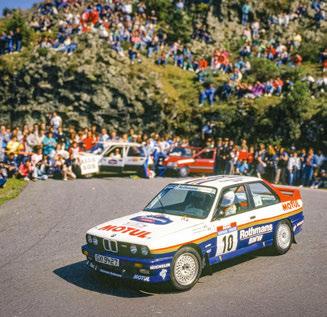
Former F1 star Jos Verstappen will drive a BMW E30 M3 in this year’s road rally (pictured) on the Mediterranean isle to mark the 40th anniversary of the model’s launch. The M3 has a special connection with Corsica, the scene of this (predominantly) track racer’s finest rally hour when David Richards, BMW France president Jean Luc, and French driver Bernard Béguin took an unexpected victory in 1987. tourdecorse-historique.fr
Legends of Spa 9-12 October
A four-day pilgrimage to the Belgian Ardennes. Following a Flexiplus Eurotunnel crossing and a drive to the five-star Manoir de Lébioles, guests will enjoy a full day of open pit-lane driving at the Spa-Francorchamps F1 circuit with pro instructors. The tour concludes with a gala dinner at the historic Chartreuse du Val Saint Esprit château. clubgtevents.com
Generations Rally 19-21 March 2027
These events for crews spanning two (or more) generations fill up quickly, so you need to book now for the seventh, which will see a return to the North East of England. Teams will tackle amazing roads, plus tests and regularities, in the Cheviot Hills, County Durham, North Yorkshire and the North Pennines as far as Westmorland and Cumberland. rallytheglobe.com/rallies/generations-rally-2027
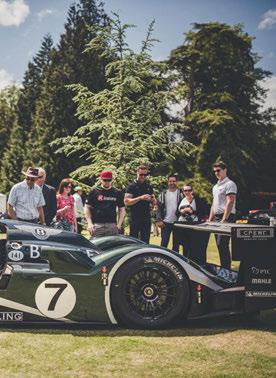
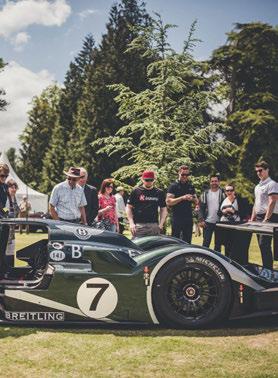
There will be a distinct Land Speed Record flavour to the inaugural Concours des Légendes, which takes place in Wiltshire in June
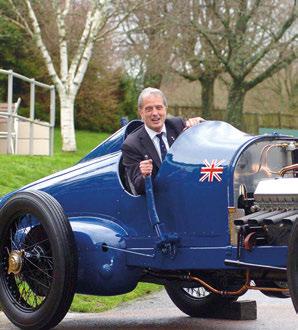
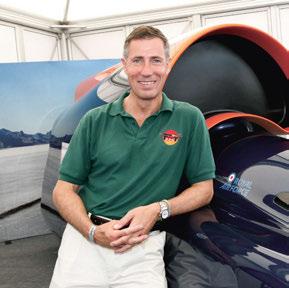
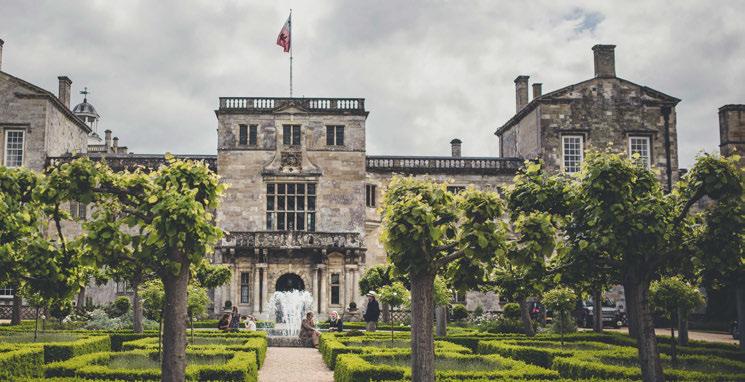
THE REIGNING and preceding Land Speed Record holders will be among the star guests at Wilton Concours des Légendes, when the inaugural event takes a distinct recordbreaking theme on 19-21 June. Both Andy Green OBE, who broke the sound barrier in setting the current best of 760.343mph at Black Rock in ThrustSSC in 1997, and Richard Noble OBE, who set the previous benchmark of 634.051mph in Thrust 2 some 14 years earlier, will be at the event and interviewed on one of its key stages. Continuing the LSR theme, they will be joined on site at spectacular Wilton House near Salisbury by members of both the Segrave and Campbell families. Sir Henry Segrave upped the ante on three different occasions during the 1920s, was the first to top 200mph, and will be represented by descendant Stephen Segrave. The Campbells,
Légendes line-ups: top, left to right
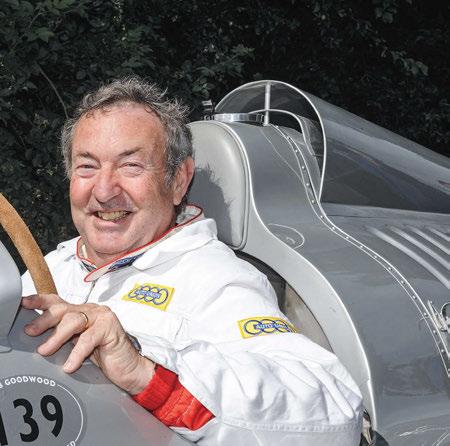
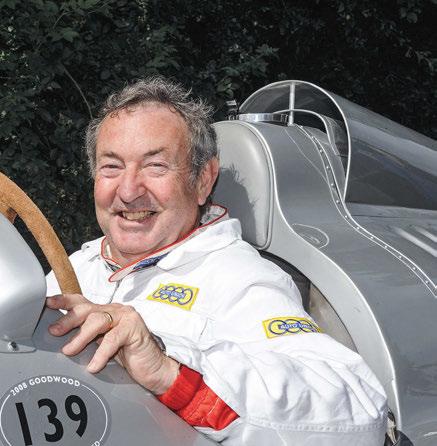
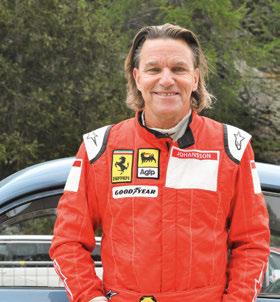
Richard Noble; Nick Mason; Ross Brawn; Stefan Johansson; Don Wales; Andy Green; Henry Cole.
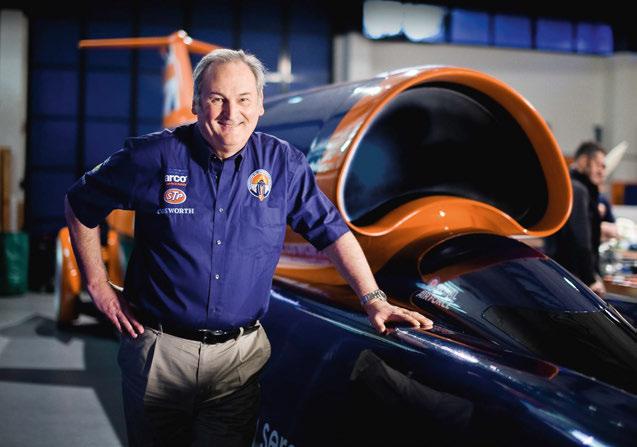
via Malcolm and Donald, dominated record-breaking for decades, and Don Wales, grandson of Malcolm and nephew of Donald, is a multiple speed record-breaker in his own right, including with ride-on lawnmowers!
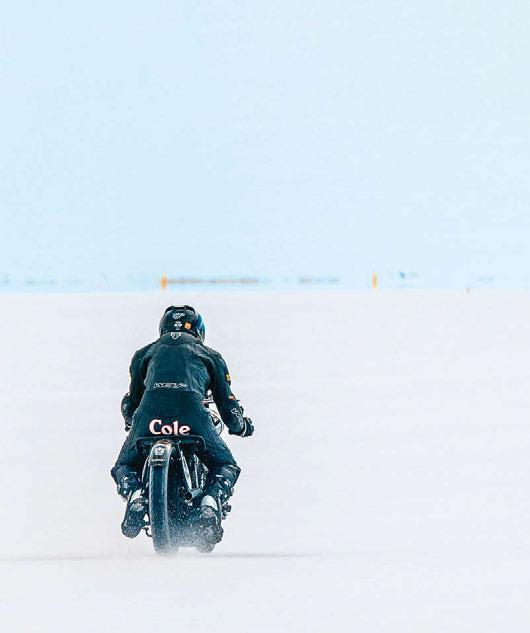
There will be other record-breakers at the Concours des Légendes, too. Allen Millyard, famed for his custom bikes and a regular on TV, set a world record with co-host Henry Cole for riding tandem at 183.50mph on his road-legal 8.0- litre Viper V10. Cole himself will also be Wilton and, although best-known as a television presenter on motorcycle shows plus others such as Shed and Buried, Junk & Disorderly and Find it, Flog it, Fix it has a speed title of his own, having set a land speed record of 99.78mph for a pre-1955 750cc motorcycle on a Brough Superior at Bonneville in 2013.
The speedkings add to a fast-growing roster of legends from the motoring world and
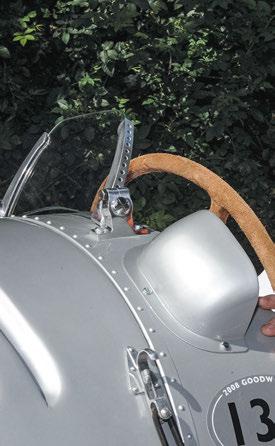
beyond who will be taking part in this unique concours, which is all about bringing history to life – car stories, people stories and much more will be spread across the grounds of this idyllic stately home.
Another television star at the event will be the great Wayne Carini of Chasing Classic Cars fame, while chef and classic car collector James Martin is expected, along with Pink Floyd drummer and collector Nick Mason, famed car designers Wayne Burgess, Kevin Rice, Frank Stephenson and Peter Stevens, pioneering solo motorcyclist Elspeth Beard and fellow adventurer Ben Coombs (whose crazy escapades have been covered in Octane), Lamborghini test-driving guru Valentino Balboni, F1 engineering legend Ross Brawn, Brit hero racers Derek Bell and Richard Attwood, and many more. If you enjoy the story of the TV restoration of Rev Adam
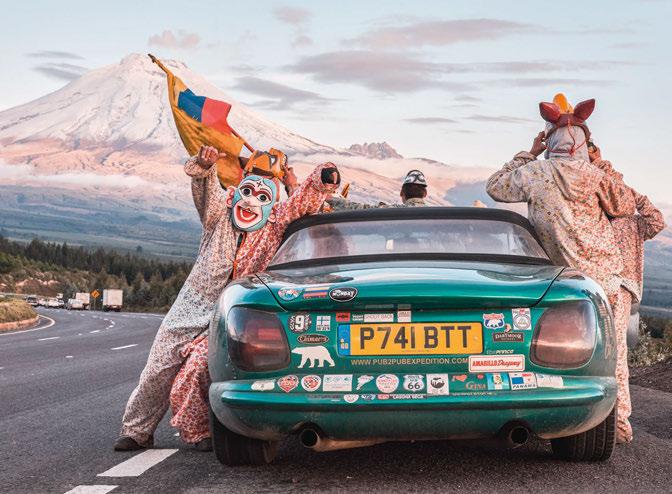
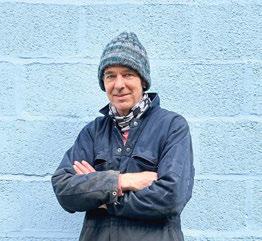
Gompertz’s Rover P4 in this issue (page 88), the Rev and Wilbur will be at Wilton.
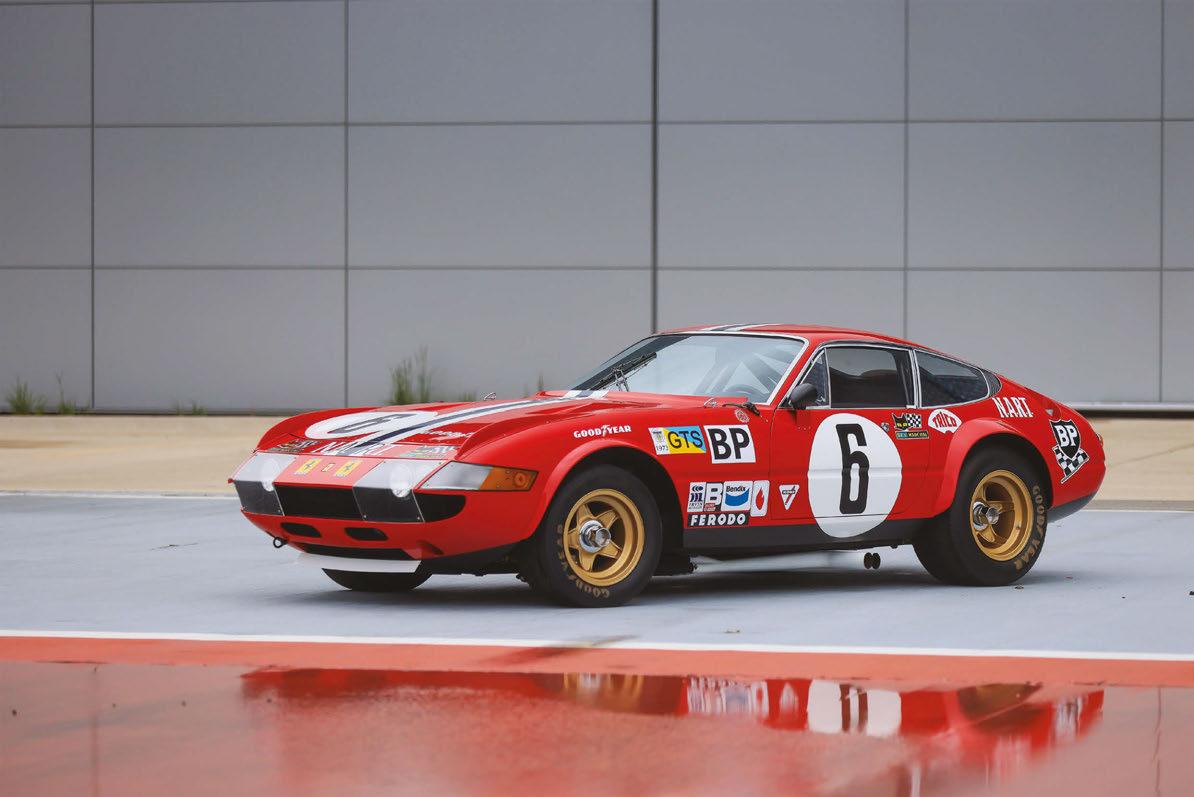
Wilbur is a fine example of the calibre of car stories that the event will also tell. Others already signed up include a stolen/recovered Ferrari Daytona with a murky underworld past, star exhibits from the British Motor Museum, cars from Nick Mason’s Ten Tenths collection, plus famous rock star Lamborghini Miura and Lancia Aurelia, and an extremely ‘storied’ Porsche 917! You can expect a few special record-breaking machines, too, though they are currently under wraps.
As well as the three main interview stages – for legends (two-legged as well as two- and four-wheeled), group discussions, plus Hagerty Owners’ Stories for invited enthusiasts with interesting cars – there will be a special literary stage and bookshop with regular star author signing sessions, an art pavilion featuring the
work of everyone from Jonny Ambrose to former McLaren designer Paul Howse and Swedish ex-F1 star Stefan Johansson, live music, craft and skills displays from Wiltshire college, retail village, catering, Nyetimber bar, car displays from the likes of Morgan and Lamborghini, cars for sale and much more.
Visitors will also be able to access parts of Wilton House to experience some of the art that constitutes one of the finest private collections in the world. The house’s cloisters will also provide a stunning backdrop for what is promised to be one of the greatest ever displays of racing legends’ helmets, curated by Joe Twyman, author of The Art of Racing In the estate’s old riding school, people will be able to see Lord Pembroke’s own car collection (Octane 274), which includes everything from an Invicta S Type Low Chassis to his competition Mustang.
Auction house Dore & Rees, with experts such as classic car fan Marc Allum and founder Lee Young – both Antiques Roadshow TV regulars – will be holding three sales during the event, for cars, automobilia and jewellery and watches. See doreandrees.com/concours-deslegendes-wilton-house-2026.
One of the expected highlights will be a Supercar Drive-In on Sunday 21 June. Lord Pembroke, a former Bugatti Veyron owner, is well-known for his love of supercars and already hosts the bustling Wilton Wake Up breakfast meets that attract hundreds of fabulous super- and hypercars. For Concours des Légendes, a selection of the very best of them will be driving in from Winchester, parading and parking up in a special zone on the showfield.
See concoursdeslegendes.co.uk for regular updates and to book your tickets.
What Concours des Légendes
Where Wilton House, Wilton, Salisbury, Wiltshire SO2 OBJ
When 19-21 June
Opening hours Friday 10am to 8pm, Saturday and Sunday 10am to 6pm
Tickets From £65 to £245
Getting there Parking on site, nearest train station Salisbury, with regular services from London Waterloo (approx 90mins) and others Website concoursdeslegendes.co.uk
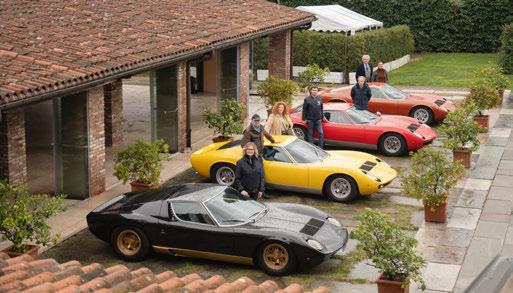
AN EXT ORDINARY gathering took place in March, at a converted convent in the hills surrounding Turin, to mark the second anniversary of the passing of its former owner, Marcello Gandini. Family, friends, associates and stunning cars were present for a celebration of his life along with his most famous creation, launched at the Geneva show almost 60 years earlier. In Gandini’s time-capsule studio, visitors could see his pencils and many original drawings on his 6m-long drawing board. On his desk, among others, were models of the Lancia Stratos and Lamborghini Miura, the la er having come directly from Bertone’s o ce.
Four Miuras – an SV, two Ss and a P400 – were surrounded by Gandini’s beloved lemon trees. With the colour spectrum of cars in place, guests’ memories started to ow, including those of Gianbeppe Panicco, for decades Carrozzeria Bertone’s PR man, who shared stories of secret press shoots with the Miura and Countach, plus a 50-year friendship with Gandini. ‘ e idea for the gathering came from mum, Claudia, and her wish to make more happy a moment that, otherwise, could have been quite sad for her,’ said Gandini’s daughter Marzia. ‘Nothing too formal, serious or planned, just a shared moment made of love for a man and passion for one of his creations. e atmosphere, probably because of the morning’s heavy rain, became immediately intimate, and seeing the old friends so close proved amazingly extraordinary.’
I’m sure Gandini would have been very happy.

New Jensen teased
Jensen International is to reveal an all-new ‘ultra-high-performance’ car called the Jensen Interceptor GTX, insisting ‘it is not a “continuation” of any previous Jensen model’. It will have a hand-built aluminium body and chassis, a bespoke V8 engine, and will be built in partnership with Je Qvale, son of former Jensen Motors boss Kjell Qvale.
Techno revival SIHA, which for decades ran the gargantuan Techno-Classica Essen, has launched a new event a er being ousted from Essen by Retro Classics. Its Techno Classica Salon in Dortmund will take place on 24-27 September. See technoclassica.de/en.
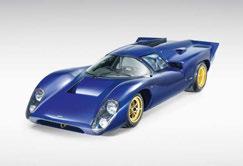
T70 revival cars revealed Lola Cars has revealed its new T70S and T70S GT, 16-o 530bhp V8-powered road- and track-spec versions of Eric Broadley’s legendary T70 racer, which was launched in 1965 and allowed privateers to take on the might of the biggest factory teams. See lola-cars.co.uk/t70s for more.
Massimo Delbò
BaT given a Purpose
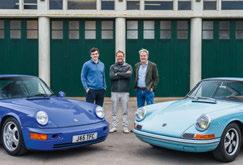
USA online sales giant Bring a Trailer (BaT) has joined forces with Bicester Motion-based Porsche specialist Sports Purpose, as it endeavours to expand its presence in the UK via a local partner model. Its UK stable already includes Chase Classics in Dorset, and Bring a Trailer has pledged to announce further UK-based partners later this year.
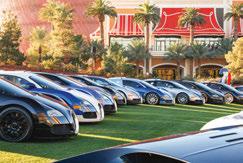
What will happen in Vegas e 2026 Concours at Wynn Las Vegas presented by Richard Mille takes place from 29 October to 1 November with nine judged classes, including Super Car Pin Ups from the ’70s, ’80s and ’90s, Classic Recreations – Including Restomods, Reimagined & Continuations, and ProductionBuilt Turbocharged Cars 1960-90.

Film star Heuer for sale
Garden of delights
Popular annual charity event Classics in the Walled Garden at Luton Hoo Estate near Harpenden will take place on 1 July. Now in its 17th year and expected to a ract over 1500 people and 500 vehicles, the meet is supported by Bell Sport & Classic, NFU Insurance and a host of others.
Top-tier rally exhibition
e latest big exhibition at Germany’s Nationales Automuseum showcases a century of rally history with 35 carefully selected vehicles. Having opened at the end of March, ‘Rallye Legends – A Time Journey on Asphalt, Gravel and Snow’ features everything from pre-war machines to famous Group 4 cars, Group B monsters, WRC winners and even Paris-Dakar veterans.
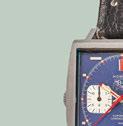
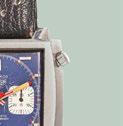
Sotheby’s is to sell possibly the most important of the Le Mans Heuer Monacos on 15 June in New York, with an estimate of $500,000-1,000,000. One of seven used during lming of the 1971 movie, until 2008 it was in the collection of the late lm property master Don Nunley, who said that this one had the greatest screentime with Steve McQueen.
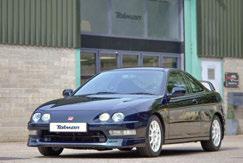
Integrity retained
e latest modern classic to receive Tolman’s non-invasive restomod approach is a customercommissioned Honda Integra Type R (DC2). New panels have been created by hand where replacements couldn’t be sourced and the 1.8-litre DOHC VTEC four-cylinder engine (B18C) has been rebuilt to factory speci cation.
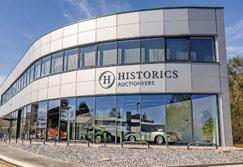
New HQ for Historics
Historics Auctioneers has opened a £5million, state-of-the-art HQ in Ascot, Berkshire, 16 years a er its inaugural Brooklands auction in June 2010. Designed by Garre McKee, the1.5-acre development adjacent to Ascot station will serve as an operational hub for the company’s live and online auctions and includes a 200m2 showroom and gallery.
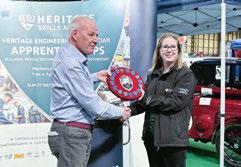
MG club picks apprentice e MG Car Club has presented its inaugural Apprentice of the Year award to Tiggy Swanston in recognition of her hard work, dedication, and outstanding ambassadorship for both the Heritage Skills Academy and the wider industry. e award includes a trophy and a £500 cash prize to support her in the nal year of her course.

New Bonhams boss Bonhams Cars has appointed Julie David as Global Managing Director. She is an experienced automotive commercial leader, having previously been Vice President of Stellantis’s Premium brands and MD of the Alfa Romeo, DS and Peugeot brands, as well as holding Global Director roles at Jaguar Land Rover.


A 1920s British enamel advertising sign for Stepney Tyres has sold for a record-breaking £83,780, against a pre-sale estimate of £10,000. It sold on 21 March during a Che ns single-owner collection auction of over 400 items of automobilia.
Tim Slessor
Film-maker Tim Slessor, who has died aged 95, was the writer and assistant cameraman on the famous 1955-56 Oxford and Cambridge Far Eastern Expedition from London to Singapore in Land Rovers. At 87, he re-enacted the original trip in reverse for e Last Overland
Bob Tullius
Star college quarterback, aviator and motor racing legend Bob Tullius has died at the age of 96. He will forever be remembered as co-founder of the dominant and wonderfully liveried Group 44 stable, which gave on-track credibility to British Leyland when the conglomerate was otherwise at its lowest ebb. A full obituary by our sister publication Magneto can be seen here: tinyurl. com/mwa93785.
Liane Engeman
Dutch racer, model, bunny girl and stuntwoman Liane Engeman has passed away aged 81. She spent several years in England acting and modelling in one of those glamorous and multifaceted lives that only seemed possible in London in the ’60s. She also appeared in Grand Prix, and the original Casino Royale in 1967, but make no mistake she was a serious driver, whether testing Sydney Allard’s Dragon dragster at Blackbushe or giving up an imminent F1 seat due to pregnancy and retirement in ’74.




























£475







Spanning more than 650 pages across two exceptional volumes, The Art of Racing: Helmets presents an unparalleled collection of original, race-worn motor racing helmets –from their pre-war beginnings to the end of the 2024 season.

Limited stock selling quickly, only 200 copies remaining Don’t miss out, secure your copy today at magnetomagazine.co.uk








The stories behind great cars, told by those who lived them










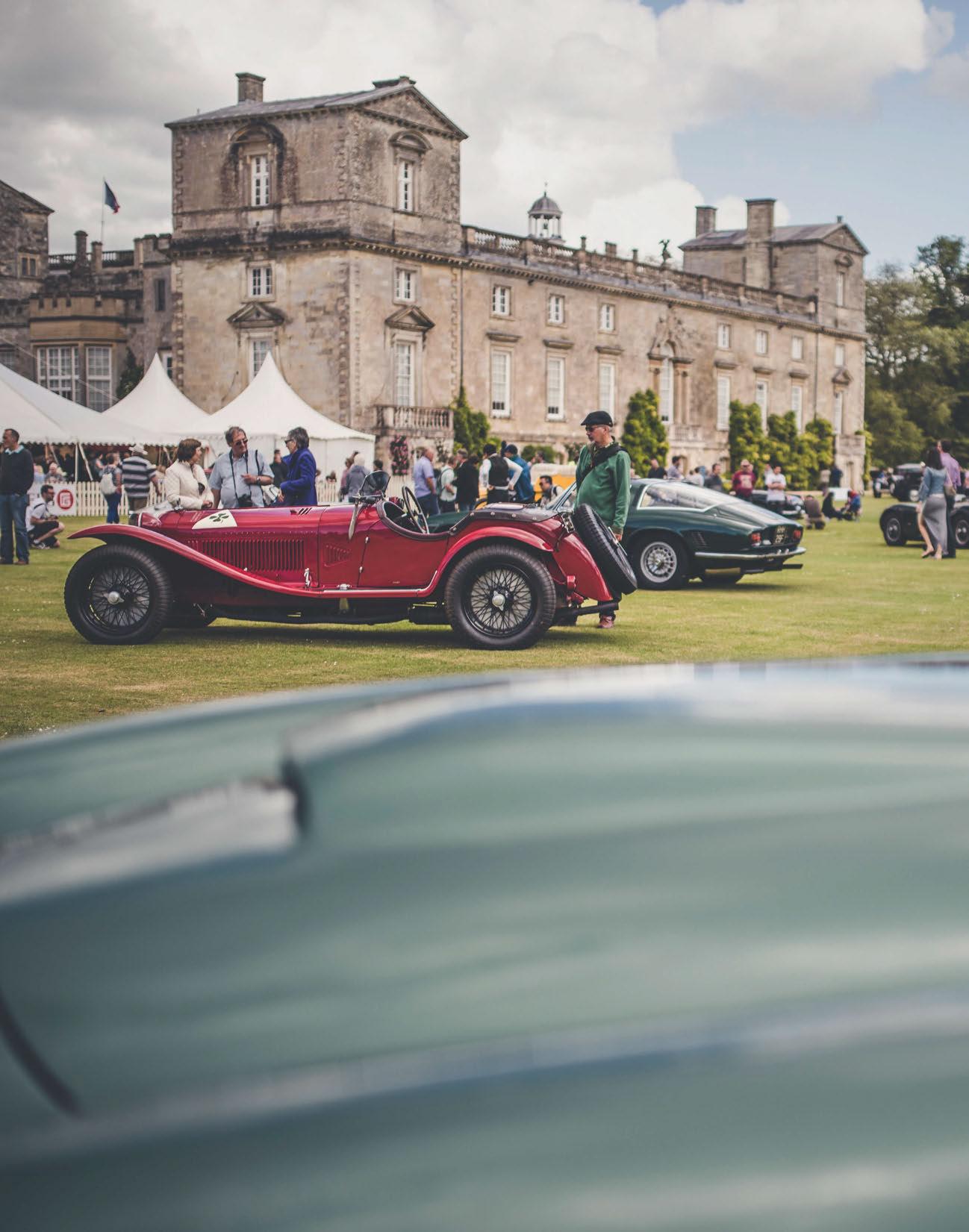
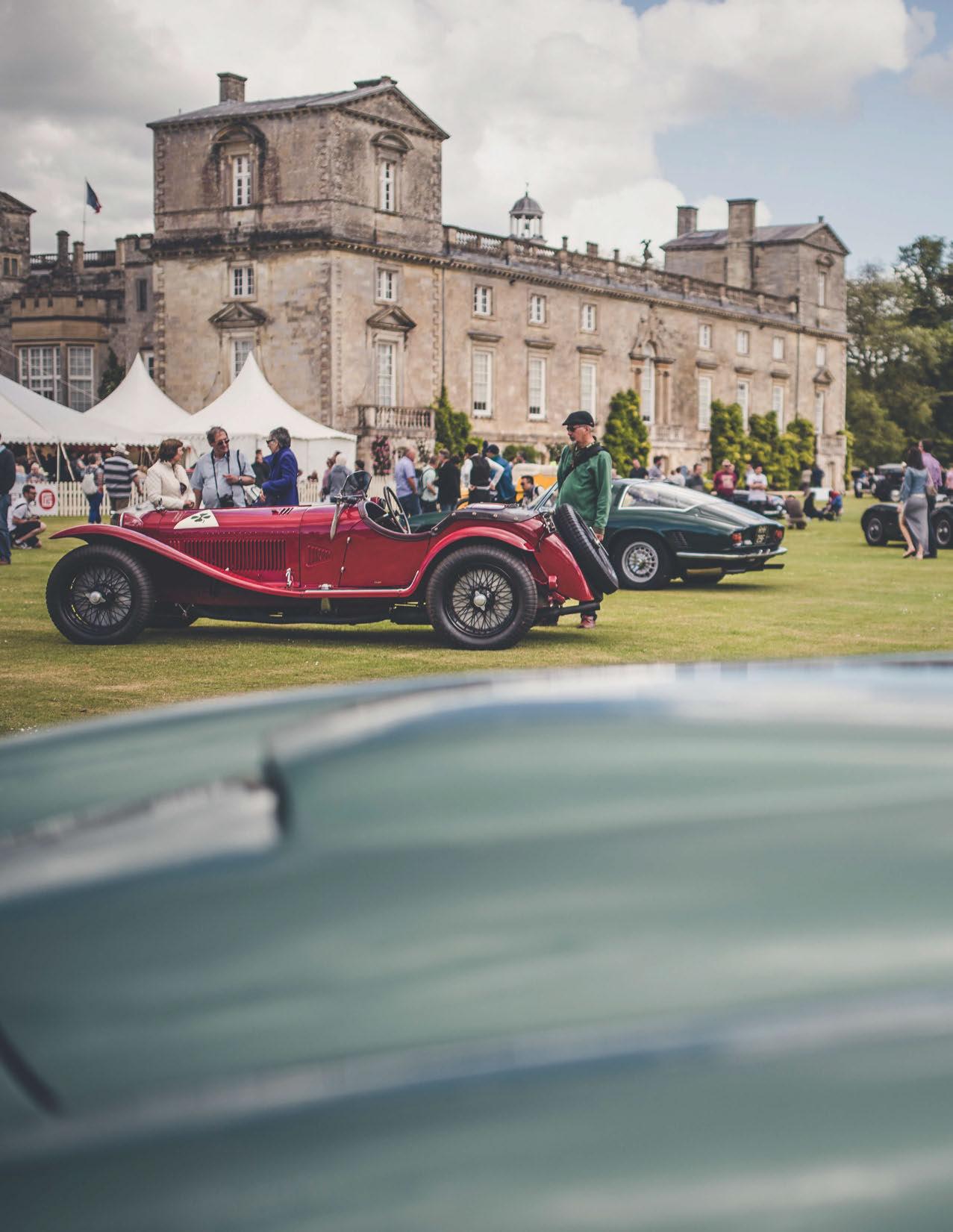
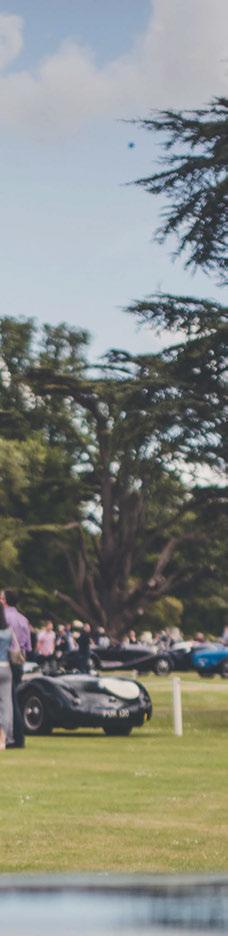





A new event at Wilton House, bringing together a carefully curated selection of exceptional cars and the people behind them.
Talks, interviews and informal sessions with the people who designed, raced and shaped these cars, alongside automotive art, working crafts, book signings and specialist retail.
Appearing across the weekend:
Derek Bell, Richard Attwood, Ross Brawn, Peter Stevens, Nick Mason, Stefan Johansson, Valentino Balboni – and many more to follow



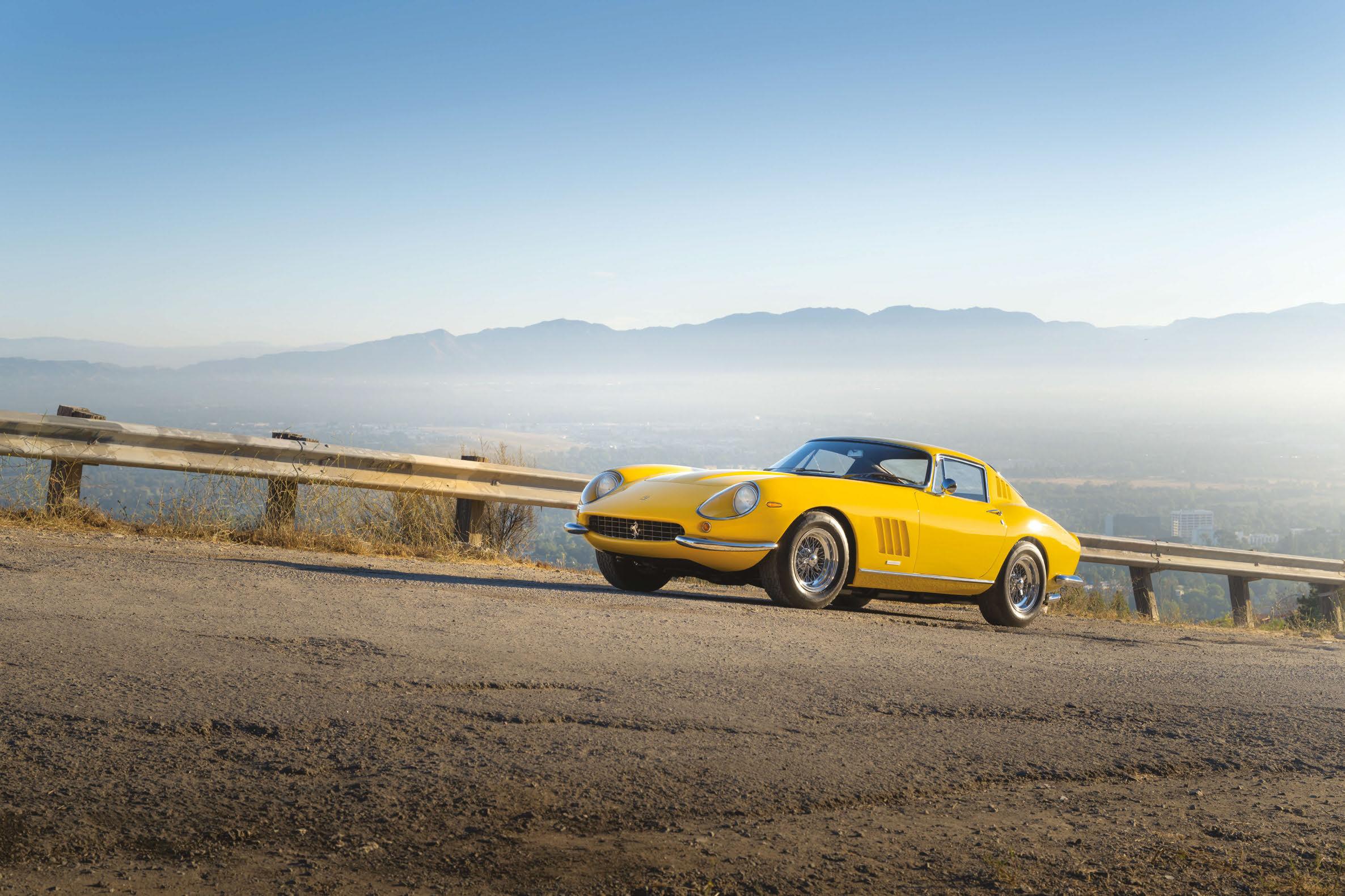
1967 Ferrari 275 GTB/4
Sold for $2,562,500 at Monterey 2025
The Porsche Air|Water Auction 25 April 2026 | Costa Mesa, California
The Concorso d'Eleganza Villa d'Este Auction 16 - 17 May 2026 | Cernobbio, Italy
The Quail Auction 13 - 14 August 2026 | Carmel, California
The Audrain Auction 2 October 2026 | Newport, Rhode Island
Zoute Concours Auction 9 October 2026 | Knokke-Heist, Belgium
The Las Vegas Auction 30 October 2026 | Las Vegas, Nevada
The Zürich Auction 7 November 2026 | Zürich, Switzerland
Why progress is the enemy of accidents – and connection
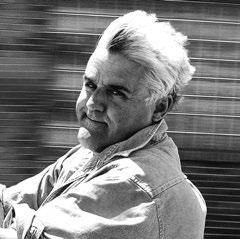
Acouple of issues ago my column was about having ‘vintage accidents’ –the kind that, thanks to improved technology and modern manufacturing, don’t really happen anymore.
e personal example I referred to concerned my one-owner 1962 Jaguar MkIX, when the brakes failed. With a single one-line brake master cylinder, either you stop as expected or not at all. Just complete failure. Luckily I didn’t hit anyone.
A common one when I was a kid was made popular by the singer Perry Como in a song called Magic Moments, with the line ‘ e time that the oor fell out of my car when I put the clutch down’. at used to happen all the time. When I was a kid, we used to jump up and down on the back seat while my dad was driving and he would tell us the apocryphal story about the two brothers who both died because they had fallen through the rusted-out oor of their parents’ car.
Cars have always been fast; the real progress has been in stopping, handling and safety. Even so, I’m constantly astounded by the number of accidents I see on a busy highway. ese days it seems that cars are safe but people are dangerous. Brakes and oors don’t fail any more, people do. Almost all accidents today are caused by driver error.
As a motorcycle rider, the most frightening thing has to be the cellphone. In the old days, when entering an intersection, I could always make eye contact with the driver of the vehicle coming towards me. I would nod and they would reciprocate. Nowadays their eyes immediately go down to their phone. I have no idea if they’ve seen me or not.
Another example of a vintage accident happened about 25 years ago. A friend of mine who knew nothing about cars decided he wanted to buy a vintage Cadillac. He found a very nice ’56 Caddy four-door. He couldn’t get it to start and I would come over and help him. Since the car hadn’t been running in a while, I diagnosed it as a faulty fuel pump. Back then, you’d take o the air cleaner, poor a li le petrol down the carbure or to get the car running for a minute or two and then prime the fuel pump back into working.
Rule 1: never assume your idiot friends know anything about cars. I was behind the wheel,
managing the controls, and said to him ‘pour a li le petrol down the carbure or while I crank it’. Now, to me that means two ounces, but to him it meant half a gallon! Since he had neglected to buy the re extinguisher I told him to have in the car at all times, the car burned to the ground.
Conversely, it’s very hard to bond with modern cars because they’re so good. As a young man, I prided myself on my ability to get my cars home, where I could then diagnose whatever the problem was. When sports cars like MGs or Triumphs broke down, it was usually something simple like ignition points or a fuel leak. When you xed something by the side of the road, you felt a great sense of accomplishment. I even had one girlfriend’s dad thank me for ge ing her home safely.
I think the greatest example I can share of ge ing my car home was my 1927 Type 37A supercharged Buga i. I was driving along at a pre y good pace when bam!, a connecting rod poked a hole in the side of the crankcase. I immediately pulled to the side of the road, opened the bonnet and saw the hole, as big as my st. e con-rod had broken in half. e hole was halfway up the crankcase, so I hadn’t lost too much oil.
Hmm. How to x that? First, I unbolted the bo om half of the rod from the cranksha and put the pieces in my pocket. en I found a bungee cord and wrapped it around what was le of the con-rod, managed to pull the piston down so it wouldn’t hit the valves, and made sure none of the damaged elements or my hasty a achment would hit the cranksha when it was spinning.
I then started the engine. It felt a li le rough on three cylinders, but it was running. I wasn’t losing any oil and I was only ve miles from my garage, so I drove very slowly back to the ’shop. e guys were astounded when they saw the bungee cord con-rod.
I had the option of ge ing a remanufactured engine block but we chose to try to repair the damaged crankcase. Using a process called cold metal stitching, we were able to do just that. Plus, we’d open the bonnet at car shows and point to the repair – it makes for a great story.
If you’ve got a vintage car accident story, I’d love to hear about it.
Jay was talking with Jeremy Hart.
‘SINCE HE HAD NEGLECTED TO BUY A FIRE EXTINGUISHER, THE CAR BURNED TO THE GROUND’








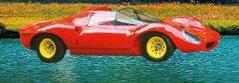


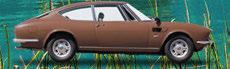
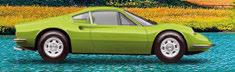
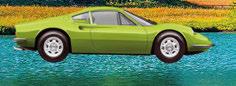









In racing as elsewhere, variety is the spice of life
In a few hours I’ll be heading o to lunch, where I will be meeting up with my former team-mate, Michael Galati. We used to race works Audi S4s in the SCCA Pro Racing SPEED World Challenge GT Championship at the start of the century. ey produced around 450bhp so they were pre y quick, but I was the wrong side of 60 and hadn’t raced touring cars for a long time. Michael had won the series before I arrived. He was fully dialled-in to the car and this type of racing, the upshot being that he o en had the upper hand. He was a very good driver and an underrated one at that.
While I remember racing with Michael with great warmth, I don’t recall that period of my career with fondness. I always hoped that I would know when to retire at the right time. I didn’t want to be like a boxer who didn’t know when to quit; an old punchy who kept going in the hope of ge ing one last big win. I loved racing, though, and I was still su ciently competitive to be at the sharp end so I kept on going. I simply didn’t want to stop and thought that if people still paid me to race, why should I? What annoyed me, though, was the standard of driving. ere were some real aces, but also quite a few guys who were clearly out of their depth.
ere was one driver in particular who appeared to be on a mission to take me out at each round. Seriously, this Corve e-wielding moron wanted to kill me, or so it seemed. At Road Altanta in October 2002, I was in fourth place and going great guns when he torpedoed me. In another race, he rammed me, spun me round and carried on pushing me along the grass without ever li ing. I ended up vaulting the barriers. My son Justin was spectating and he sprinted over to see if I was OK. I can still picture the look on his face. It was all so unnecessary, and there came a time when I started to think that I just don’t need this anymore.
at wasn’t quite the end, but I was already in my twilight seasons as it were. I mention this only because there are certain kinds of driver who just want to race. ey simply don’t want to hang up their helmet. And then there are those who do great things, earn plenty of money, and then go o and do something else.
I belonged very much in the former camp, as do guys like Mario Andre i, Emerson Fi ipaldi, and
Fernando Alonso. e re never goes out. In the la er camp are the likes of Sir Jackie Stewart, who was done by the time he was 33. He had realised his ambitions so he retired.
I have long viewed Max Verstappen as being of similar mind. I am a huge fan of the Dutchman, and have watched him mature from a teenage tyro into a multiple F1 World Champion who doesn’t have many weaknesses. He seems happy in his own skin, and he isn’t shy about voicing his opinions. In recent years he has railed against all sorts of things, and right now it’s the new breed of car.
It has to be said that many teams are having a nightmare time of it so far this season. I wouldn’t suggest that Red Bull is among their number. ey aren’t doing brilliantly, but they are clearly not su ering in the same way as the likes of, say, Aston Martin.
Max detests the new kind of car. I can see him walking away from F1 before long, but now I’m not so sure that he would quit racing altogether. Max clearly wants to try other things, and he has his own GT team. I was delighted to see him race his Mercedes-AMG GT3 Evo at the Nürburgring in March, and kudos to Red Bull for giving him dispensation to compete. He shone, as we knew he would. Max won the four-hour VLN series race alongside team-mates Jules Gounon and Dani Juncadella, only to be disquali ed due to a tyre allocation infringement.
It wasn’t the result he would have wanted, but he clearly relishes this kind of racing. He wants to do more rounds, including this year’s Nürburgring 24 Hours. It’s a big risk for Red Bull to let him. What if he injures himself? ere was a time when Formula 1 drivers competed in other disciplines, but that seems to be an alien concept these days. Having the best driver of his generation racing in GT cars is a win-win as far as I am concerned. It’s a big news story and can only boost a category of motorsport that is already on the up and up.
Max is one of the few Grand Prix drivers who appreciate that there is a world away from the F1 paddock. I hope he inspires some of his colleagues to depart their comfort zone and follow his lead.
Speaking as someone who has tried everything from lawnmower racing to rallying, I can a est that variety really is the spice of life.
‘FORMULA 1 DRIVERS ONCE COMPETED IN OTHER DISCIPLINES BUT THAT IS NOW AN ALIEN CONCEPT ’
When in Venice, do as the Venetians do
Ihave just spent a month in Venice and have not even seen a car, let alone driven one. How did I feel about this? I have been emotionally inseparable from the automobile since the rst photograph of me as a baby was taken, not snogging a u y toy, but cheerfully si ing on top of a Roesch-Talbot headlight a ached to the wing of my father’s car. With that sort of congenital man-machine bonding, four weeks is quite a stretch.
Venice is, of course, a good place to ask this question since the streets are full of water, causing alarm to unsuspecting visitors including Robert Benchley, a New Yorker journalist in the circle of Dorothy Parker, who cabled the o ce ‘Please advise’ on what he saw as a predicament. Not sure the magazine’s reply is on record.
e canals support an ancient culture of boatmen, vigorously protected by the institutions. No other city is so integrated with water. Livio de Marchi, a Venetian wood sculptor and professional controversialist specialising in what might be called deluxe kitsch, made a power boat that looked like a Ferrari F50 so that he could claim to be the very rst person to ‘drive’ down the Grand Canal. It was a mildly amusing stunt, but has found no imitators.
Visitors seem content to use gondolas and the gorgeous motosca water-taxis, some of which are so shiny and gorgeous as to make a Riva look as rude as a Welsh cwrwgl. Concerning the gondolas, don’t mock them as cruel bait for credulous tourists until you have experienced their other-worldly serenity and silence. Gondolas are mandated black as a result of laws against the showy consumption to which velvet-and-gold-clad Venetians were always inclined, but remain nicely decadent.
So what did separation from the car mean to me? First, an inevitable exposure to public transport. Venice is eminently walkable, but only if you actually want to get lost, since pedestrian routes follow no rational plan.
Instead, it’s the vapore o, the ‘li le steamer’ that was introduced in 1886. And the introduction was a ended by indignant howls of anguish from traditionalists who deplored the replacement of oars and sails by steam as a motive force. en diesel replaced steam. Now diesel is being replaced by electricity, a transition – let it be noted – that has alarmed no one.
e vapore o service is impressively frequent and reliable, thus admirable and addictive. So good, in fact, that an (impossible) car option seems ludicrous. Initially, this is liberating because perhaps the keenest pleasure of being without a car for a month was to be securely isolated from the daily threat of transgressions in parking, unintentional speeding, bus lane intrusion or swerving to avoid suicidal Deliveroos. In other words, to do urban travel without legal jeopardy. Not possible in a car. And yet as soon as I got home, I wanted to inspect my car for damage from incontinent London pigeons, get into my precious wasting asset and drive somewhere, even if just two miles to Waitrose to buy some screw-top Viognier and Essential Brioche. is got me pondering the fundamentals of my – our –tormented, but unbreakable, relationship with the car. Despite the expensive irrationality of driving in a city, I always return to my car. As do others.
What’s the psychological reality? It’s good to remind ourselves about fundamentals. Aesthetics is about beauty, a reconciliation of the practical and the transcendental. ere’s not much transcendence in a drive to Waitrose, but the larger experience of cars and their use does, I believe, connect us with some of the most important experiences in civilised life.
Starting the engine, I refreshed that rare and exquisite thrill of personal control that, in my case, was rst felt with my determined, if hesitant, a empts to drive a Mini, when aged 13, in the car park of my father’s factory. Controlling that thrill with intelligence and good manners, as the vast majority do, is a moral bene t. e freedom a car o ers can only be properly enjoyed with discipline.
at’s a moral bene t, too.
And you can be disciplined in a space all your own, a space very likely be er-designed than the house you live in. By 1940, car manufacturers had learnt more about how to make comfortable, low-cost seating than all of history. Only 5% of English homes have air-conditioning. Less than 5% of new cars do not.
And if your ambitions extend beyond temperature and humidity control (or even the local branch of Waitrose), if you entertain a concept of destiny, or even enjoy frivolous recreational travel, this same car will take you wherever you want to go.
Except, of course, to Venice.
‘VENICE IS EMINENTLY WALKABLE, BUT ONLY IF YOU WANT TO GET LOST’

‘A
The joys (and otherwise) of racing at Le Mans
great British motorsport event that just happens to be held in France’: it’s a good description of the 24 Hours of Le Mans. First run in 1923, starting at four o’clock, British teatime, this is the oldest endurance race of all, where the winning team covers the greatest distance over the 13.5 miles of Circuit de la Sarthe. Incidentally, the record is 3362.061miles, and the highest speed still stands at 253mph (before chicanes on the Mulsanne straight), set in 1988 by Englishman Chris Cra . Naturally.
Top French drivers such as Maurice Trintignant, Didier Pironi and more recently Romain Dumas, with my favourite, four-times winner Henri Pescarolo, add to the a raction of this great event but the Brits have monstered the place since privateers Du and Clement won in a 3 Litre Bentley in 1924. Initially, WO Bentley wasn’t keen, but when the Boys came through, he entered works teams that went on to straight wins from 1927 to ’30.
e Bentley Boys became famous for derring-do in their large green locomotives. Led by diamond billionaire Woolf Barnato, they were as infamous for o -track activities as on-track action. Gentleman amateurs all, they raced for fun and they were followed by Mike Hawthorn, Graham Hill, Stirling Moss (who never won), Allan McNish and, of course, our very own ve-times winner, Derek Bell.
Bentley went back to le Mans in 2003 (73 years later) with possibly the best-looking Le Mans racer of all time: the Bentley Speed 8. e teams nished rst and second and I was there to witness the victory. Derek was invited by Bentley’s Director of Motorsport, Brian Gush, to be the team’s ‘Ace Consultant’ to help prep the Speed 8 and the drivers for the race. His reward was to drive one of the winning Bentleys across Paris from the Arc de Triomphe to the Ei el Tower in a victory parade.
A li le while a er the race, I a ended a Team Bentley test session at some secret Swiss air eld in the middle of nowhere, where Derek was on hand to take us out for a few ‘demo’ laps. He gestured me over for a drive, so I strapped on a full-face helmet and inserted myself into the cramped passenger seat with considerable contortion. en a mechanic buckled up the seat harness, pu ing his foot up on the door jamb and yanking the belts down painfully
hard. ‘Hang on for goodness’ sake, this is not a bloody race, you jobsworth!’ I wanted to exclaim. Derek then sped out onto the laid-out circuit and went damn’ fast. D’oh, that’s what’s supposed to happen. But this was just the sighting lap. He then gave me the thumbs-up and really opened up. Acceleration exploded and my helmet shot backwards and whacked the head restraint hard. e massive thrust continued, keeping me pinned back. Approaching the corner at ridiculous speed, we know the drill: brake in a straight line, kiss the apex and apply steady power on the way out. Flat-out and deep in the fast-disappearing corner, I thought that Bell had nally lost it. He didn’t brake in a straight line, he didn’t gently snog the apex, he bludgeoned the Bentley well beyond the point of no return, then stood on the brakes.
Now we know that the Speed 8 had the largest brakes of all time – the upshot being painful violence! Derek stood on the pedal and the speeding green projectile stopped instantly. My helmeted head lunged for the windscreen as the harnesses bit painfully into my shoulders and my internals rammed into my ribcage. Of course, I’d expected acceleration, outright speed and g-force, but not to be slammed by near-instant deceleration. Strewth, I nearly threw up and am eternally grateful for that mechanic strapping me in so tightly. e sight of Derek still gives me indigestion to this day…
My on-track experience of the great Le Mans circuit was a more sedate a air, having been invited to drive a 1923 Ford Model T Montier Special, the oldest car entered in the 2008 Le Mans Classic. I was sharing with the late, great Tony Dron, and we were determined to get the French racing bleu T around the circuit and not to nish last. Driving a Tin Lizzy is unlike driving any other motor car (I won’t go into it here) and this Special had a two-speed rear axle to add to the complication. e trick was to get it into top gear and keep it at, with just one down-shi for the tight Arnage corner.
During my midnight stint (the LMC consists of three 45-minutes races) I managed to claw past a li le BNC, then through Tertre Rouge I began to catch a Delage, and nally squeezed past in slow motion at the rst Mulsanne chicane. ere’s precious li le as satisfying as overtaking on a racetrack, even if no seatbelts are required.
‘ACCELERATION
MY

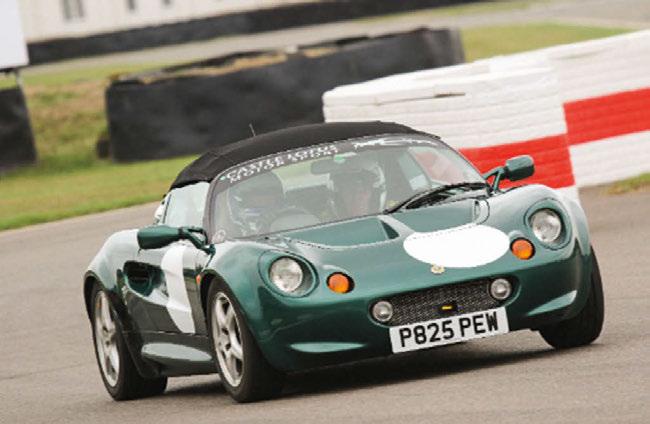
SO GOOD TO SEE the splendid green Elise on page 60 of Octane issue 275 – my own is similar with the addition of a few roundels. I have owned an Elise S1 for around 20 years and it has a special place in a driving history that stretches back to the MG TB I had in 1960.
My very first encounter with this Lotus sports car occurred in Leamington Spa when an Elise exiting a roundabout ahead of me spun through 360º on the damp surface, with a further 180º flurry to finish off. Unsurprisingly, perhaps, the driver was completely disorientated and darted back into the roundabout in the wrong direction. I half-expected to meet the car on my tour round, but I never saw it again, though I had at least viewed an Elise from all angles and it left a lasting impression. My Elise has been used for
track-days and hillclimbs and many miles on the road, and it is a hoot to drive. Steering response is instant and the K-series engine makes a great sound for a four-cylinder. In the wet at Prescott Hill Climb it simply dances through the ‘Esses’. Never mind the time recorded, it’s worth it solely to feel the car enjoying it so much.
There have been a few issues, but nothing too serious: the weirdest was when the crankshaft pulley detached from the front of the engine, the most irritating is an incurably leaky hood.
For all that, it’s been a joy to own and always makes me and my passengers smile. The only grimace comes when it’s time to try to extricate oneself. Well worth it though, and no wonder that the Elise is Octane’s 1990s
Sports Car Best Buy!
Austin Weltman, Painswick, Glos
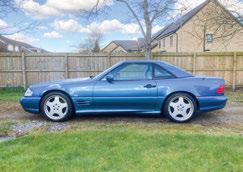
The ultimate sleeper I agree with your Buying Guide in issue 274 that the time has come to for the SL60 AMG. Late in 1997 I was ready for a change of car and looked at Aston Martin (its pram hood unacceptable) and Ferrari F355 (no more fun than my 1978 308 GT4) and also checked out the SL60 AMG. As soon as I mentioned the SL60 at my local Mercedes dealer it felt as if the sales rep was doing everything he could to discourage me and I came away utterly disheartened. But then I noticed that there was another at Mercedes Blackburn and within a mile on a test drive my suspicions were proved correct – the official figures must have been fiddled to spare the V12 SL600’s blushes!
After all, how could AMG take a 5.0-litre engine, bore, stroke, blueprint it, fit it with lightened internals and yet somehow get less bhp-per-litre? Well, it clearly hadn’t, it was immediately very obvious that the SL60 AMG engine gave well more than 400bhp and would do 0-60mph in well under 5sec. I instantly put in an order for one with the full-AMG lowered and stiffened suspension. I then flew to the factory to collect my R129, which rides a bit stiffer, but outperforms both the Aston Martin and the Ferrari by a large margin.
In fact, it’s so good that I still have it because I simply cannot find any car that is better.
Michael Chadwick, Leigh, Lancashire
Polls show that radio is still many people’s favourite entertainment. With wi-fi and Bluetooth built in, the R1S is not just a radio, but a complete musical solution that’s small enough to fit easily into your house or garage.
Ruark is a family-owned British company, passionate about sound and design. Its aim is to make premium music systems that look and sound fabulous, products that will enhance your home and life, including radios, compact active speakers and all-in-one music systems – all with Ruark’s long high-fidelity heritage at their core. Visit ruarkaudio.com for more information.
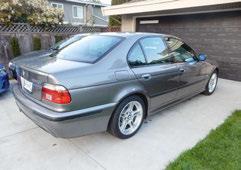
I would like to welcome Glen Waddington to E39 motoring (Octane Cars, 275), the best of BMW design and engineering! I’m on my third E39, a 2003 540i M-Sport Individual and I share a photo of my recently sold 2003 530i M-Sport. The six-cylinder E39s are the easiest to maintain and service – such fabulous automobiles!
Henry Christoff, Vancouver, British Columbia, Canada
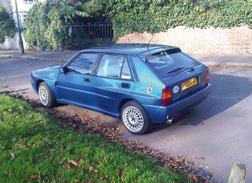
Hatch mismatch
I find it strangely predictable that the Lancia Delta Integrale Evo 1/2 did not feature among the Hot Hatches in your 1990s Best Buys. I have owned my 1994 Limited Edition Evo 2 since 1997 and, although the model is well thought of, for some strange reason it never seems to be considered as a hatchback when it obviously is! I should add that I am a great Renault fan and have owned three Clio Sports, including a 2005 Trophy.
It was a great article though, so keep up the good work.
Vernon Holdaway, Kingston-uponThames, Surrey
Boheme rhapsody
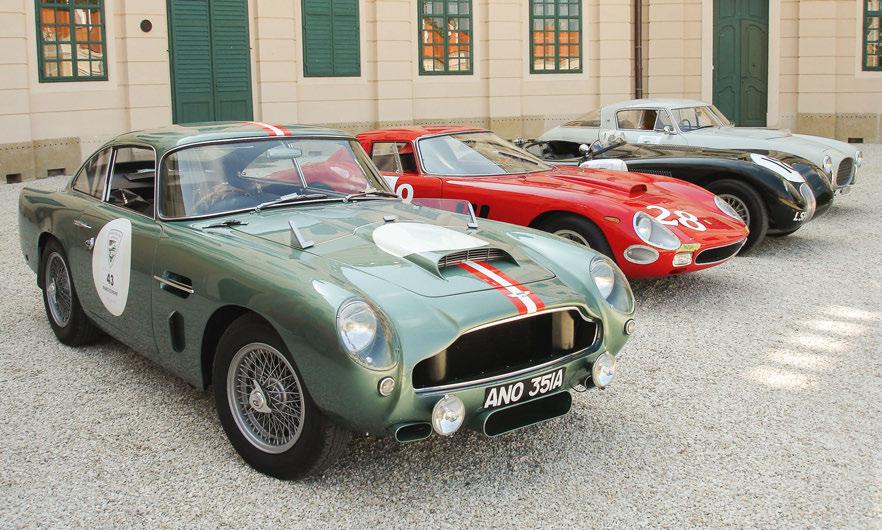
I had a lovely trip down memory lane the moment I saw the Aston Martin on the front cover of issue 274. I had the pleasure of filming the Louis Vuitton Classic Boheme Run 20 years ago and this Aston was one of a handselected group of cars that we followed along the Danube from the Hungaroring via Vienna to the finish in Budapest. This prototype was a particular favourite of mine; it looked and sounded fantastic, so thanks for featuring it.
Grant Covacic, Surrey
Farmer’s delight
Issue 274 included a letter from David Morys about his memory of a Miura in his (and my) area belonging to Hereford farmer Johnnie Moore. I can add a little to his recollection of the car since
I had a chance to properly look at it in that period.
The Miura was registered WGC 527G – chassis 3027 and engine 1130 – and was the 26th produced. Build date was 9 June 1967, so David’s memory is slightly out in terms of date (there were no production Miuras built in 1966), and it was first sold to a George Drummond in Norwich.
My guess as to when I had a chance to look at it would probably be 1969. Oddities included an altimeter on the dashboard and a plaque on the passenger side saying ‘Do not open the window at speeds of over 135mph.’
Johnnie Moore said that he had been thinking about buying a GT40, but was put off by the build quality. He wouldn’t comment on the insurance cost (except to say it was excessive), but did say that the tyres cost £125 each and if rotated around the car for best wear lasted only 5000 miles.
My own motoring is more simple – a 1934 MG PA, 1947 MG TC and 2010 Mazda MX-5 – but I still think the Miura is the most beautiful car ever built. Bendigo Davies, Tenbury Wells, Worcestershire
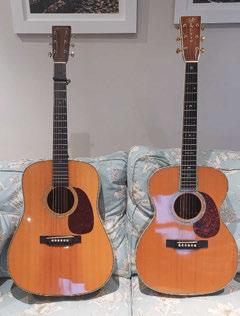
’Nought lost
I hope you won’t mind me pointing out that in your April feature on Martin Dreadnoughts, the guitar pictured as a D45 at the top of the article is not a Dreadnought nor has it a 45 level of decoration. It is a 000 42, having a 000 body shape, which is hourglass-shaped, and a 42 style/level of decoration (less ornate than a 45). The 000 body shape Martin is as famously played by Eric Clapton in his Unplugged concert. I’ve attached a photo of a Dreadnought (left) and a 000 showing the difference in size and shape between a ‘D’ and a ‘000’.
John Barfoot, Magherafelt, Northern Ireland
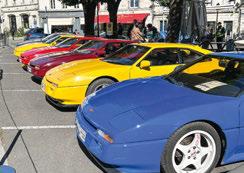
Venturi ducked
Imagine my surprise when I opened Octane 273, saw the article about the Venturi and Nicholas Mee and immediately recognised the car. In 2022 and 2024 I attended the Goodwood Revival, and in 2024 I made it to Angoulême a week later for the Circuit des Remparts.
Wandering through the streets finding gorgeous cars in hidden squares, we came upon a model I did not recognise. Not having heard of Venturi on this side of the pond, I was intrigued and fortunately took a few pictures, so it was with great pleasure that I read your article on the Venturi and Mee’s adventures with it.
Bill Lebedovich, Edmonton, Alberta, Canada
In your March edition, under 1990s Best Buys (Sports Cars) the Z3 is listed as a 2.8 or 3.0, and yet you show a photo of the Z3M Coupé. Today that is valued at circa £30k, yet you offer a valuation of around £9k. The whole piece is totally misleading. George Redpath, Lowestoft, Suffolk
Stephen Bayley’s column in Octane 275 reminded me of the Fiat Uno SX I bought new in 1984, with (I’d like to think) a nod to Stephen’s design eye. 1980s Fiat metallurgy and Aberdeen weather? You can guess the rest. Within 18 months it had a deep rust spot on the bonnet! Steve Phelps, Perth, Australia
Send your letters to letters@octane-magazine.com
Please include your name, address and a daytime telephone number. Letters may be edited for clarity. Views expressed are not necessarily those of Octane.
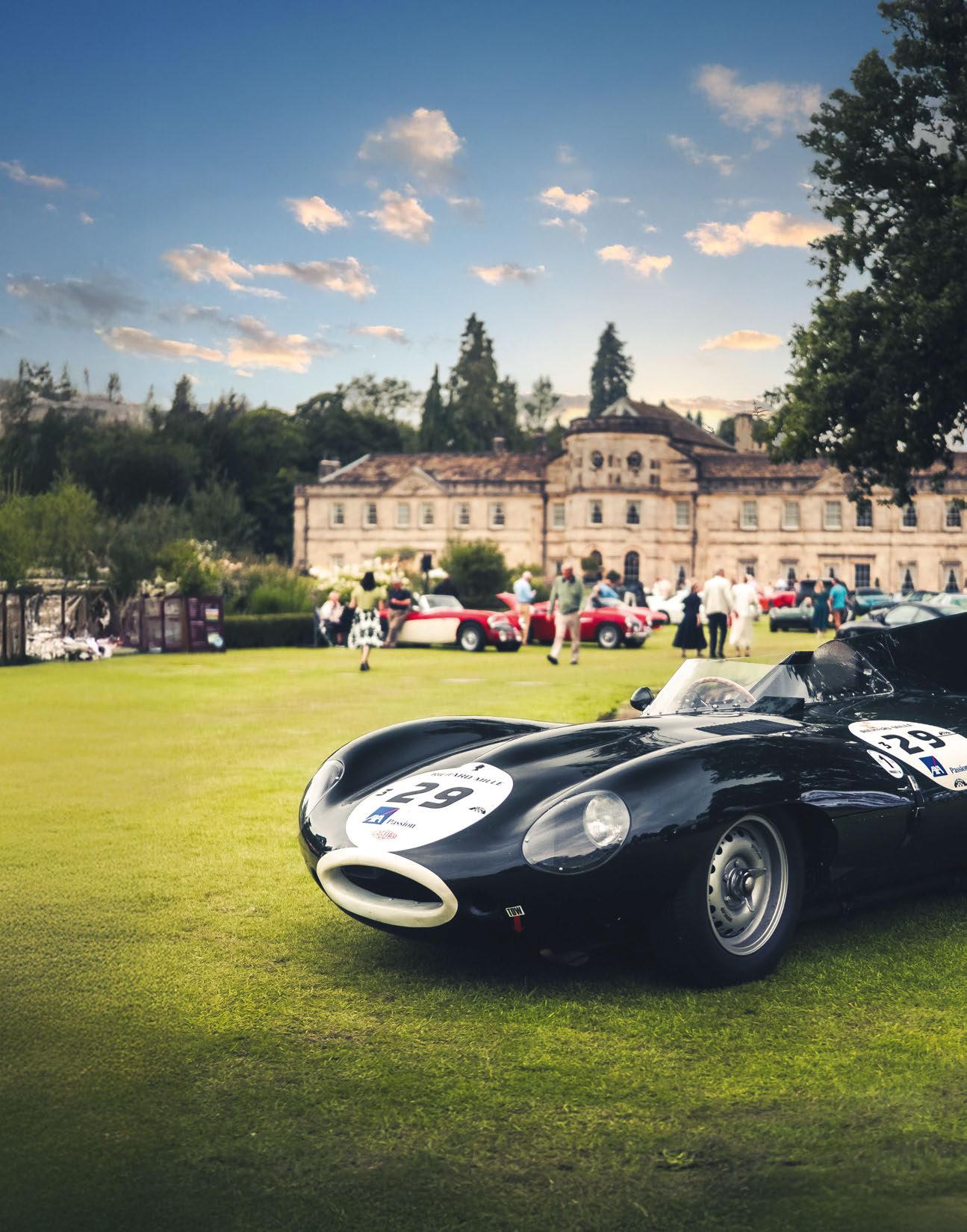

Le Mans has been legendary since 1923. These are the most heroic victories from 2232 hours of truly arduous racing
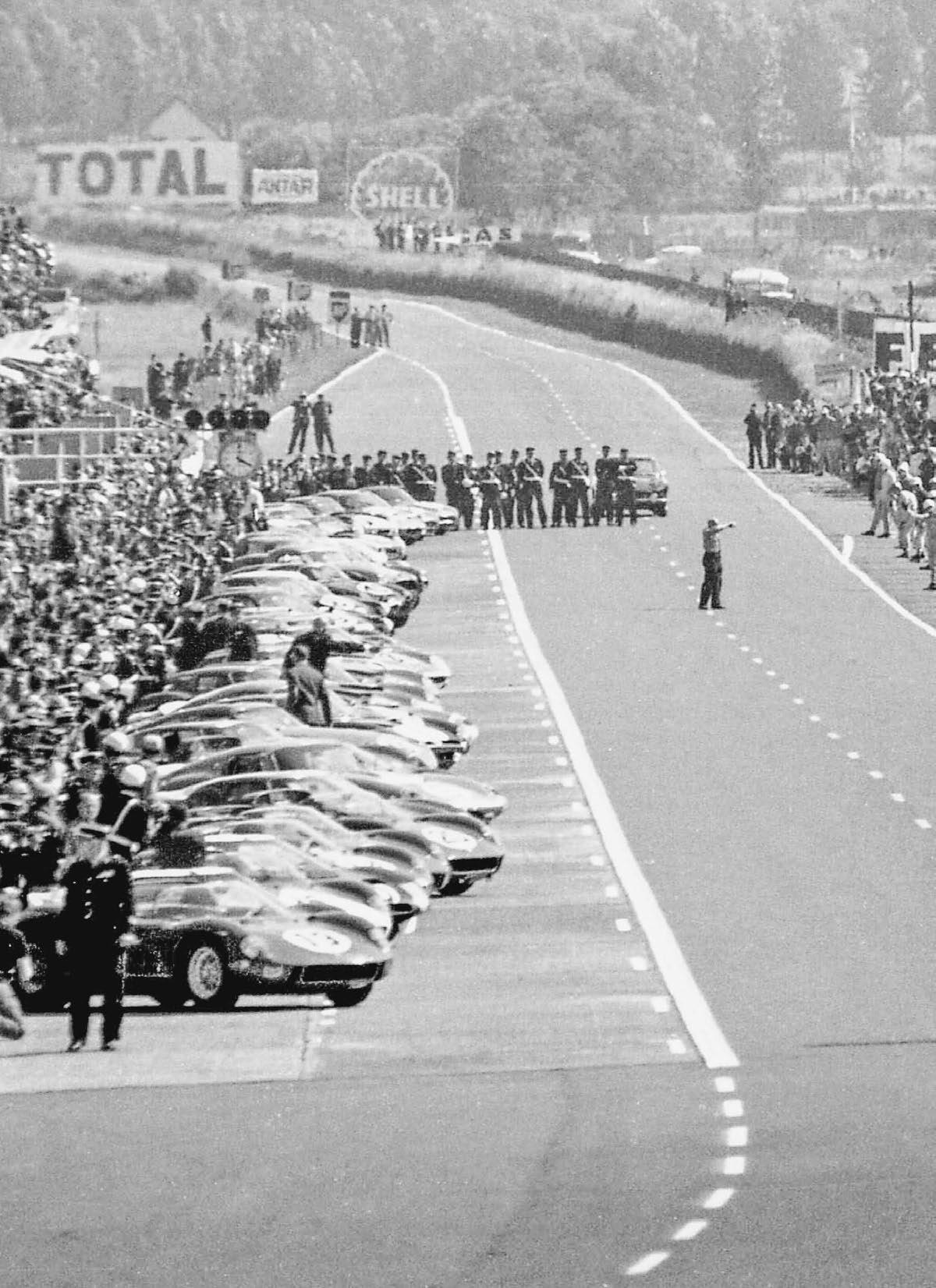
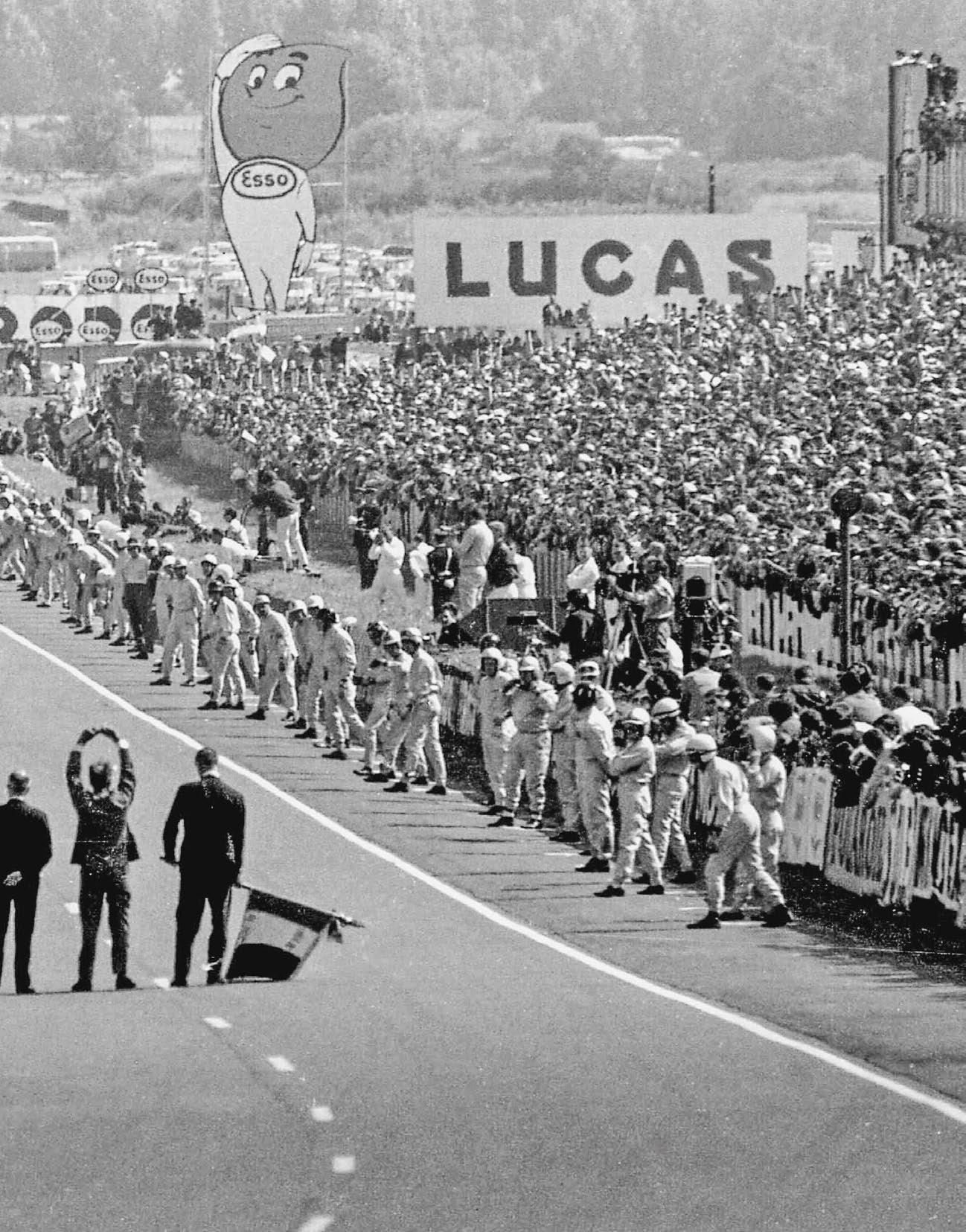
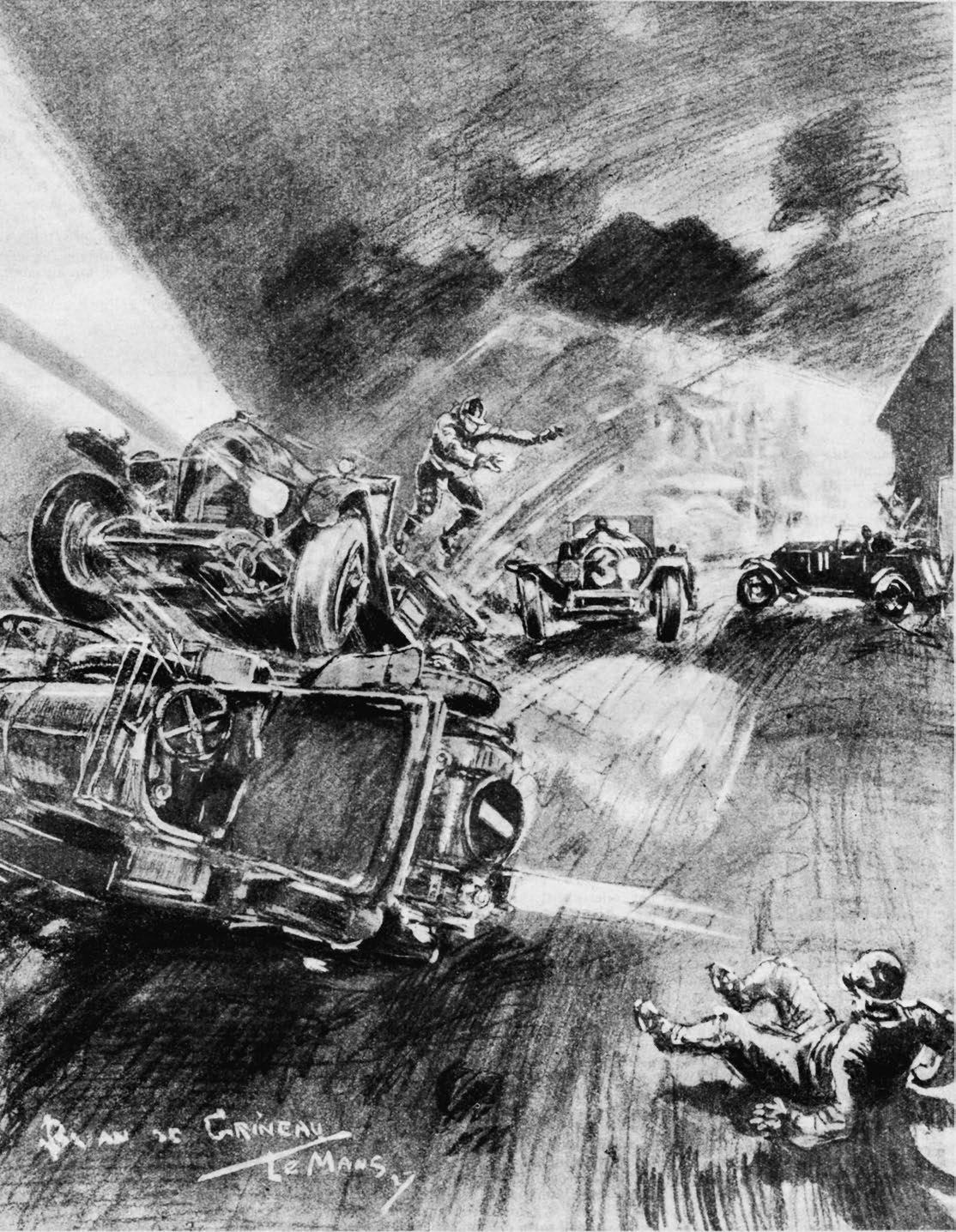
Bentley boasts a singular motor racing legacy, but it’s a big one. Even now, it lies fifth in the table of the most successful car makers at the biggest motor race of them all, one behind Jaguar, but ahead of Toyota, Alfa Romeo and Ford. Among its six wins at the Le Mans 24 Hours, it’s the company’s second that stands apart in infamy and gritty achievement.
John Duff and Frank Clement had won the second Grand Prix d’Endurance in 1924, but the fabled ‘Bentley Boys’ era truly began three years later – in the wake of a metal-mangling multi-car pile-up that went down in Le Mans lore. Three works Bentleys were entered in 1927 and they all became entangled in the smash at White House (or Maison Blanche if you were a local). Only SCH ‘Sammy’ Davis, sports editor
of The Autocar, recovered from the melee and was able to limp back to the pits for repairs.
Sporting lashed-up bodywork on a badly twisted chassis with just one working headlight, Davis and Dr Dudley Benjafield charged back into the race. The gap to the leading Aries initially looked unassailable, but that began to change. In the final hour, the Bentley took the lead and when the Aries was retired a remarkable victory was assured, by a 20-lap margin (349.808km). That’s still a Le Mans record.
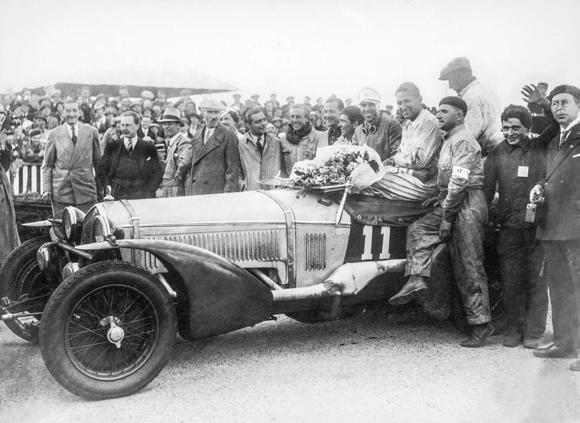
Upon its return to ‘Blighty’, the battered and mudspattered car was wheeled through the doors of the Savoy Hotel, as a special guest of honour at a dinner hosted by The Autocar. It marked the start of a fouryear winning streak for the British marque.
Played one, won one. That was Tazio Nuvolari’s record at Le Mans. And what a victory it was, after one of the grand race’s closest finishes.
‘The Flying Mantuan’ was paired with the rapid Raymond Sommer in a 2.3-litre supercharged Alfa Romeo 8C, a year on from Sommer’s 22-hour masterclass drive to victory with an unwell Luigi Chinetti. After six hours, Nuvolari and Sommer led Chinetti, this time sharing with ‘Philippe Varent’, by two laps – until their race began to unravel. At around 4am, the mechanics noticed a fuel leak. After 16 minutes at a standstill to patch the tank, the duo had fallen behind Louis Chiron and Franco Cortese. Then began the charge. Sommer and Nuvolari took turns to break the lap record in their stunning comeback and were back in the lead by 9am. Cortese crashed in his efforts to keep up, to Chiron’s annoyance. Even so, this one was far from over. The leak returned, with mechanics said to be chewing
gum furiously for an aid to the repairs… and into the final stages it was Nuvolari’s near-brakeless Alfa versus Chinetti’s 8C.
On the final lap, the two Alfas raced almost as one. Baulked by a backmarker at White House, Chinetti was forced to cede, with Nuvolari crossing the finish line barely ten seconds and 400 metres ahead.
Sommer had driven for 15 hours, but inevitably it was Nuvolari who grabbed the headlines. Along with Woolf Barnato, Nico Hülkenberg and Fernando Alonso, he’s one of eight drivers with unbeaten records at Le Mans.
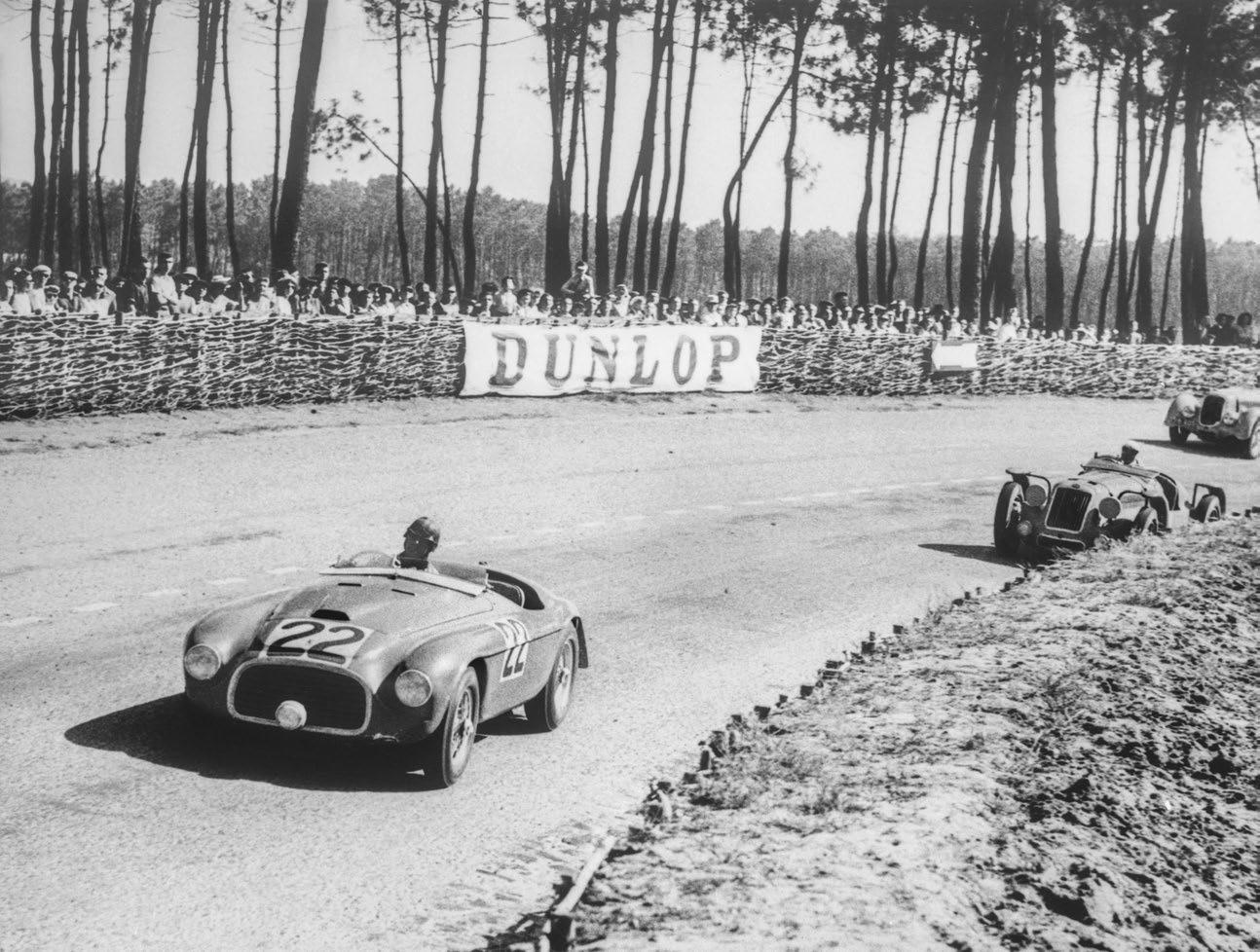
It’s said that Enzo Ferrari needed the Le Mans 24 Hours far more than he actually liked it. It was Grand Prix racing that fired his (12) cylinders. But when it came to selling the road cars that financed his passion, you couldn’t ignore the power of Le Mans. Twelve victories (and counting) later, it all began here, at the first post-war edition of the race.
Born amid the savagery of World War Two, Ferrari the constructor (rather than the Scuderia entrant of Alfa Romeos) was still in the process of lift-off when Luigi Chinetti suggested the 166 MM (for Mille Miglia) as the ideal showcase – with one eye firmly trained on the American market.
Winner of Le Mans in both 1932 and ’34 in Alfa Romeos, Chinetti returned in a 166 MM owned by the British gentleman racer Peter Mitchell-Thomson,
aka Lord Selsdon of Croydon. The Italian delivered what stands among the greatest virtuoso performances in the race’s long history.
The Ferrari moved into the lead during the night, up to which point Chinetti alone had sat behind its wheel. Lord Selsdon drove, though for all of 72 minutes early on the Sunday morning, before Chinetti resumed his mission. Nursing a slipping clutch, he secured his personal Le Mans hat-trick, then claimed another victory. Enzo bestowed upon Chinetti the status of Ferrari’s North American importer. Chinetti’s racing arm, NART – North American Racing Team –would serve Ferrari well through three decades, with Chinetti adding another Le Mans victory as a team entrant in 1965, by which time Ferrari had won Le Mans more times than any other car-maker.
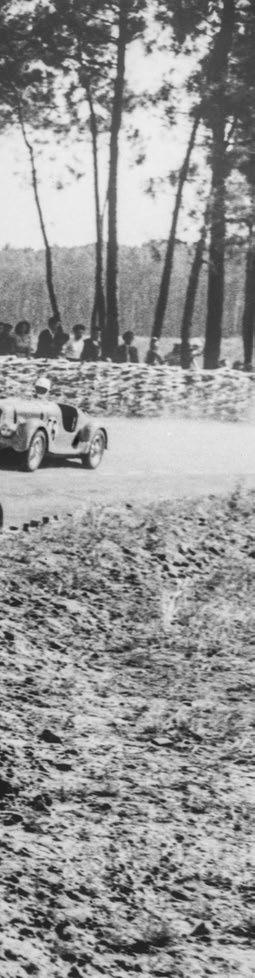
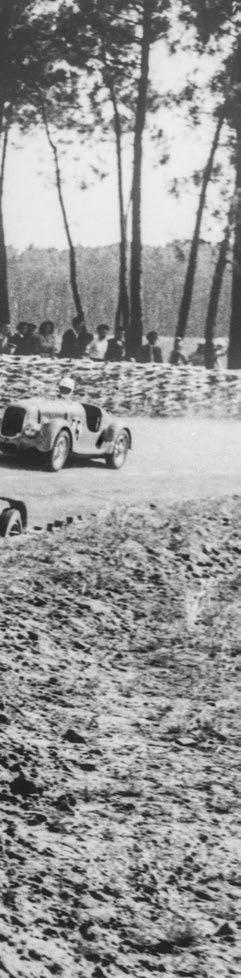
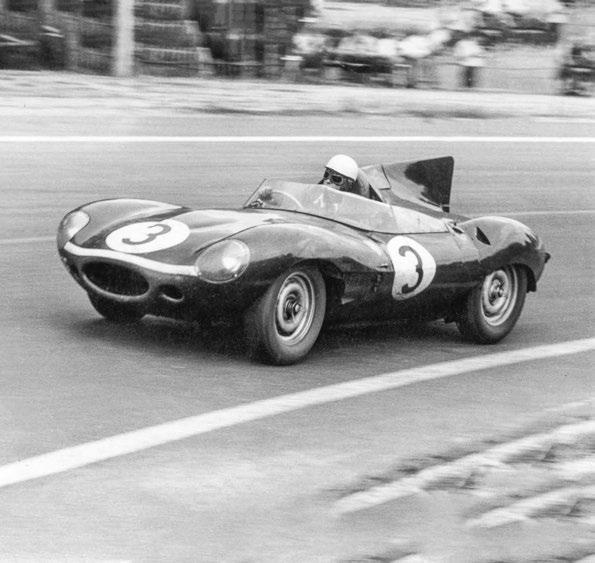
Draw up a shortlist of the greatest Le Mans cars and the Jaguar D-type will be immovably lodged somewhere near the top. But by the time of its third consecutive victory at the 24 Hours, the pioneering semi-monocoque ‘Spitfire for the racetracks’ was edging towards the status of obsolete. Such is the mayfly period existence for even the most iconic of racing cars.
Ecurie Ecosse, in smart and distinctive flag metallic blue, had proudly flown the Scottish saltire to a landmark victory in 1956. That was a success more palatable to celebrate than the works D ‘glory’ of 1955 – secured only after winning driver Mike Hawthorn’s part in Pierre Levegh’s launched crash opposite the pits, which wiped out more than 80 spectators and led Mercedes-Benz to withdraw under the cover of darkness while leading the race. Overshadowed by that lingering mid-1950s cloud, Le Mans was in desperate need of distracting good news stories in the editions that followed, if it was to survive the decade. The feelgood underdog privateer narrative wrapped around Scotland’s national motor racing team was just the thing – especially when Ecurie Ecosse repeated the feat against the odds in 1957.
Edinburgh accountant David Murray had founded the team early in the decade in the wake of his own modest racing driver feats in first ERA R12B and later a Maserati 4CL. In conversations with the talented young Scot Ian Stewart, the seed was sown for Murray to turn his hand to team management. He was under pressure from his wife to quit driving, and so Ecurie Ecosse became established as an increasingly handy customer team for Jaguar.
The surprise Le Mans debut win in ’56 for a team based in a small Edinburgh mews impressively undercut the works effort, not to mention the quick Aston Martin DB3Ss. But in ’57 Ecurie Ecosse was
a works effort in all but name. Production and development of the D was over, Jaguar withdrew its factory team and loaned three cars to Murray, on the condition he ran a full world championship campaign.
The opposition at Le Mans, on paper, looked out of range: a pair of Ferrari’s new 4.1-litre Testa Rossas, two 4.5-litre Maseratis and another concerted effort from Aston Martin. Even with the new 3.8-litre fuel-injected car, the odds appeared long for Ivor Bueb – who had shared the 1955 win with Hawthorn – and Ron Flockhart.
Yet this was a classic ‘tortoise and hare’ Le Mans story, so common at the 24 Hours in the decades before modern bulletproof reliability made it into a day-into-night-into-day sprint. The headline rivals all retired within hours, followed by the Astons, leaving Ecurie Ecosse to claim a remarkable 1-2.
A bonus fifth Le Mans win for Jaguar in just seven years, then – but also the last for decades at the only motor race that truly mattered to the marque. Jaguar wouldn’t win again at Le Mans for another 31 years.
As for Ecurie Ecosse, the team travelled straight from Le Mans to the novelty of the ‘Monzanopolis’ oval race, where it kept the European end up against the travelling IndyCar roadster heroes. Turning to Lister, Tojeiro and then Cooper’s pocket-rocket Monaco, Murray’s team valiantly continued to punch above its weight into the 1960s and had other valued contributions to make to the Scottish national racing effort, such as playing a part in the rise of Jackie Stewart. But Murray’s life turned tragic: a late-1960s financial scandal, exile in the Canary Islands and an early death in 1975 followed.
Ecurie Ecosse rose again to keep the saltire flying in 1980s Group C and even in the 1990s British Touring Car Championship. Still, it’s the double D-type success at Le Mans that has enshrined the legend.
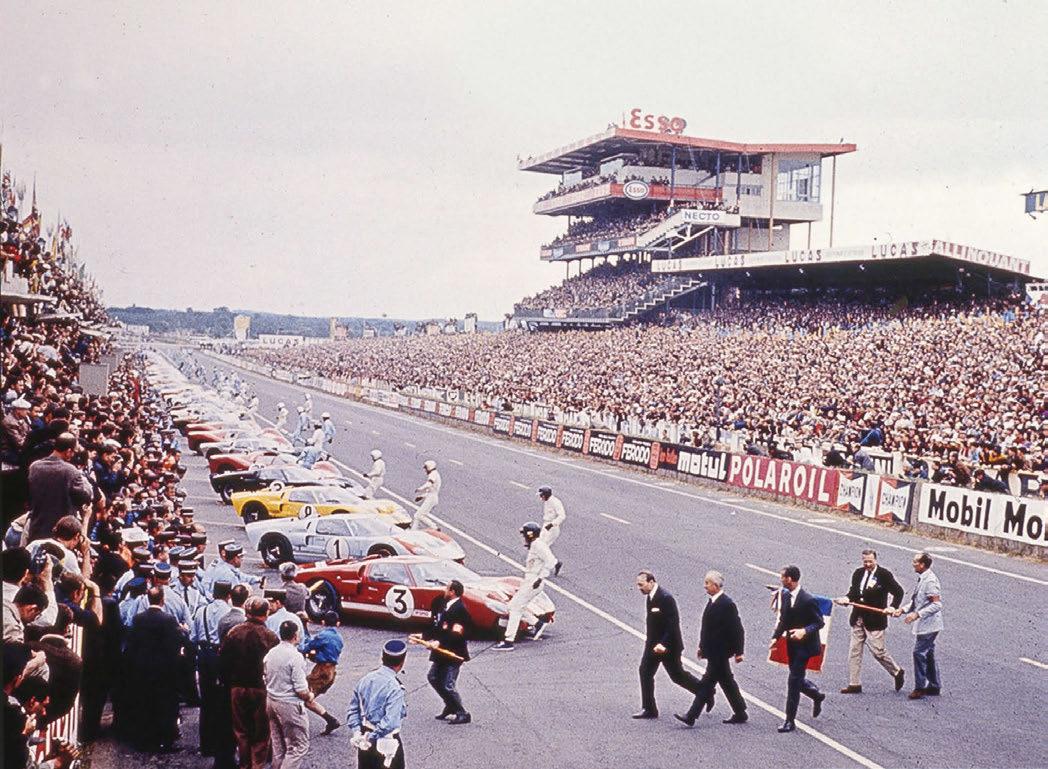
One of the best things about the Le Mans ’66 movie (aka Ford v Ferrari) is how it thrust beaky beanpole Ken Miles into the limelight in a manner he never experienced in period. But the California expat from Sutton Coldfield was far from the only hero of the Ford GT40 story. The flick also highlighted the influence of Ford vice-president Lee Iacocca: a true believer in motor racing as a marketing platform to sell cars and the instigator of the global Total Performance programme. There are echoes of Iacocca’s vision today in Ford’s renewed vigour in motorsport as it tackles everything from F1 to Dakar to Pikes Peak – and, as of 2027, the Hypercar class at Le Mans. Might history repeat?
If so, it would be fitting if Ford finds itself deposing Ferrari, just as it did – finally – in 1966. Given its ‘everything bar the kitchen sink’ approach in the mid1960s, failure back then didn’t bear thinking about.
The narrative of Henry Ford II seeking revenge for Enzo Ferrari spurning his advances is a neat plot device – and not untrue. But there was more nuance to the GT40’s creation than personal grievance. It grew from Ford Advanced Vehicles in Slough, via an alliance that incorporated Lola founder Eric Broadley, Aston Martin’s 1959 Le Mans-winning architect John Wyer and US-based British engineer Roy Lunn. This potent brew took longer than it should have to mature. Dismal failure in 1964 – seven DNFs – provoked Ford into a split strategy, between Shelby American in LA and FAV in the UK. Under the eye of his friend Carroll Shelby, Miles was let loose in his element. With a meatier 427 motor driving through a ZF gearbox, Miles and Lloyd Ruby claimed the GT40’s first triumph, at the 1965 Daytona 200 – only for abject failure at Le Mans to follow. Just the six DNFs this time. Total Performance? Total humiliation.
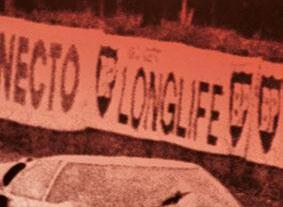
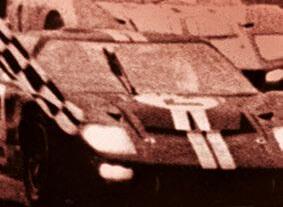
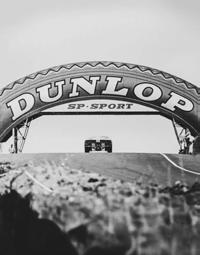
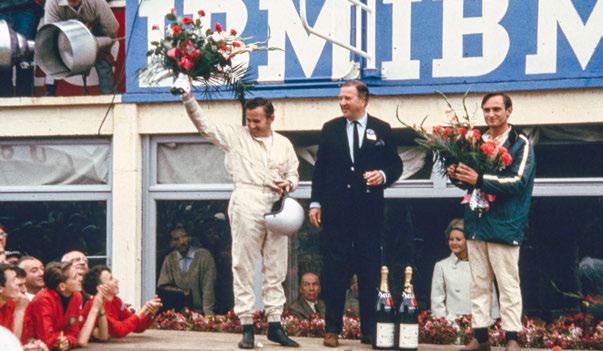
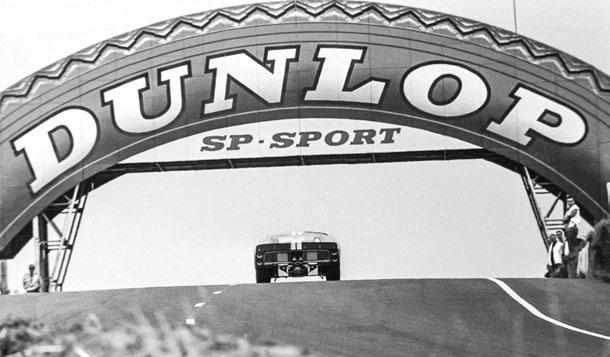
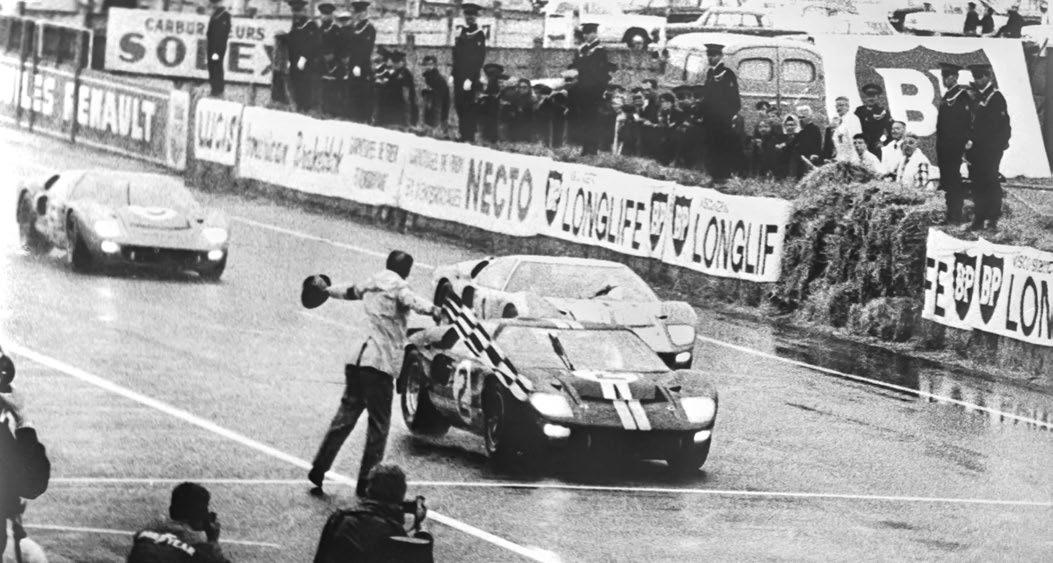
Clockwise, from above Following two years of failure, Le Mans ’66 saw eight GT40s take the start; Bruce McLaren, Henry Ford II and Chris Amon on the victor’s podium; iconic shot of GT40 and the Dunlop bridge; McLaren takes the chequered flag.
But at the third time of asking, the project finally hit the gold seam: a Miles-led Ford 1-2-3 at the Daytona 24 Hours, a repeat at the Sebring 12 Hours… and then Le Mans. This time there were eight cars spread across three teams, a dozen spare engines and 21 tons of spares. And there was Henry Ford II himself flagging away the race.
Ferrari couldn’t live with the onslaught and, when the last of its works cars dropped out late in the race, a MkII clean sweep was assured. But in which order? Miles was still racing his team-mates, until the order came to close up for the PR shot at the finish-line.
Still Miles pressed on, to the annoyance of those in the other Fords… But what happened at the flag? Did Bruce McLaren put on a spurt to make sure his black car crossed it first? Whatever, it was the Kiwi crew –McLaren and Chris Amon – who got the nod, robbing Miles of a Daytona-Sebring-Le Mans sweep.
Two months later Miles was dead, killed while he was testing the J-car follow-up in a crash at Riverside, California. As for Ford, the damn was burst. It would remain unbeaten at Le Mans for the rest of the decade and scooped four victories in a row.
And for Ferrari, after seven wins from eight years between 1958 and ’65, it then faced a drought and a self-enforced absence from Le Mans as Formula 1 became its sole focus in a true factory team sense. After the bitter defeat of ’66, Maranello would wait 57 years for its Le Mans overall victory tally finally to hit double figures. No one could have predicted that in the summer of ’66.
In its 20th campaign at Le Mans and at the start of the race’s sixth decade, the greatest and most successful car-maker associated with the Grand Prix d’Endurance finally began its run. Porsche’s first of a record 19 victories (so far) looked on one hand to be inevitable, given the growing power and weight of its Le Mans attack. And yet still it was the most unfancied and unlikely duo within its ranks, both of whom had been unlucky to miss a victory the previous year, that undercut the biggest names and stole the headlines.
You might say it’s a story better than the (infamously thin and hackneyed) movie script that was created in the midst of the real 1970 Le Mans 24 Hours. Richard Attwood was a respected, versatile but low-key British racing driver, perhaps bracketed as dependable beyond his other merits. As for his 42-year-old teammate, Hans Herrmann was a man out of his time (and as an active racer, nearly out of time, too). Herrmann had made his F1 debut as long ago as 1953, raced a Silver Arrow with Fangio and Moss at Mercedes in 1954-55, and was perhaps best-remembered for a famous 1959 photo, in which he watched his own BRM somersaulting to destruction at Berlin’s fearsome AVUS after having being thrown out of it.
In 1969, Attwood and Vic Elford had held a six-lap lead after 20 hours in the new and still wayward Porsche 917, only for its gearbox to break. A few hours later, Herrmann got even closer to a Le Mans win – coming up shy by about 120 metres. He was in the Porsche 908 that lost out to Jacky Ickx’s Ford GT40 in Le Mans’ closest (proper racing) finish.
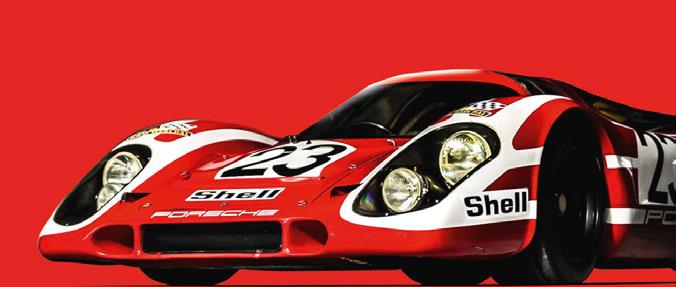
Fresh from back-to-back Le Mans wins with Gulf Ford GT40s, John Wyer Automotive looked set fair for a hat-trick as the officially blessed Porsche works team with the fearsome 917. Fully sorted (in JWAE’s preferred short-tail form) after its aerodynamically unstable birth, the 917 had Ferrari’s angular yet equally handsome 512 licked. But factional politics within the Porsche family firm muddied the waters. Ferdinand Piëch, grandson of the founder, goaded an infuriated ‘Death Ray’ Wyer with the power and influence to choose his own parallel path in how best to represent Porsche in sports car racing. Besides the three official Gulf 917Ks, Porsche Salzburg – run under the name of Piëch’s mother Louise – had committed to the new low-drag Langheck that Wyer had rejected for an entry helmed by Vic Elford and Kurt Ahrens. There was also a pair of 917Ks – one of which, sporting Salzburg’s traditional red with white stripes, was to be driven by Attwood and Herrmann.
To add further to the cocktail (and test Wyer’s patience further), Piëch placed another 917L with Dieter Dechent’s International Martini Racing Team, which was dubbed the ‘hippy car’ thanks to its psychedelic green and blue livery. Right on, man… The stage was set for one of the most celebrated 24 Hours of Le Mans.
From pole, Elford took the fight to the Gulf-Wyer cars, with Porsches leading every lap (the Ferrari challenge had wilted by 2am). Five hours of at-times monsoon-like rain changed the complexion, Elford’s long-tail 917 proving less adept on a slippery surface. It was out with a blown engine by 8.30am on Sunday.
Only Wyer, too, had faltered. An engine problem and an accident had reduced the Gulf effort to one car. Then Jo Siffert missed a gearshift right in front of the pits and buzzed the engine. A Gulf Porsche 917 never would win Le Mans – except in Steve McQueen’s movie, filmed during the 1970 race and in the summer that followed it.
On the silver screen, the race comes down to a cutthroat Porsche versus Ferrari wheel-to-wheel duel. There was such to-the-flag drama in reality, but how the ‘quiet’ 917 lasted and how Porsche’s least fashionable pairing prevailed carries its own greater charm. ‘I knew we hadn’t a chance – but we won,’ says Attwood of their race in a 917K with the less potent 4.5-litre engine powering through a four-speed gearbox. ‘Well, we didn’t so much win as everybody else lost,’ he adds with typical modesty.
What Attwood has often downplayed is that only afterwards did he discover that the swollen glands and sore throat that stopped him celebrating was a bout of mumps. The following year he began to wean himself off racing in favour of a normal family life –although he remains a popular figure in racing circles, having reignited his passion via historic motorsport.
As for Herrmann, who died this January at the ripe age of 97, he stuck to a promise he’d made to his wife – and with a signature race win to usurp that incredible AVUS photo as his defining moment, and having avenged his narrow and painful 1969 defeat, he bowed out from the sport.
By then into its own third decade at Le Mans, for Porsche there was still a fair amount to come… in fact, its story in north-west France was only just getting motoring.

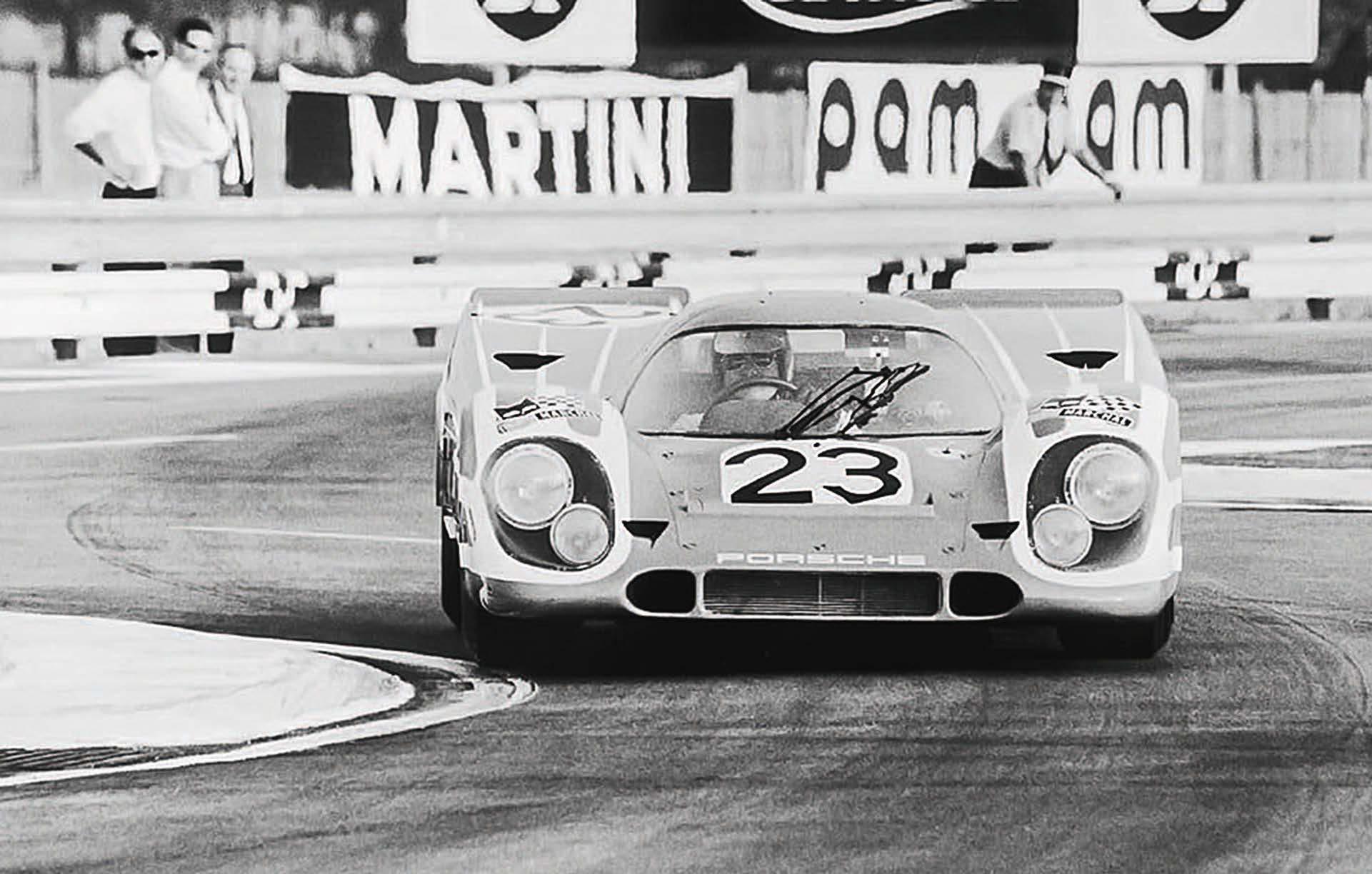
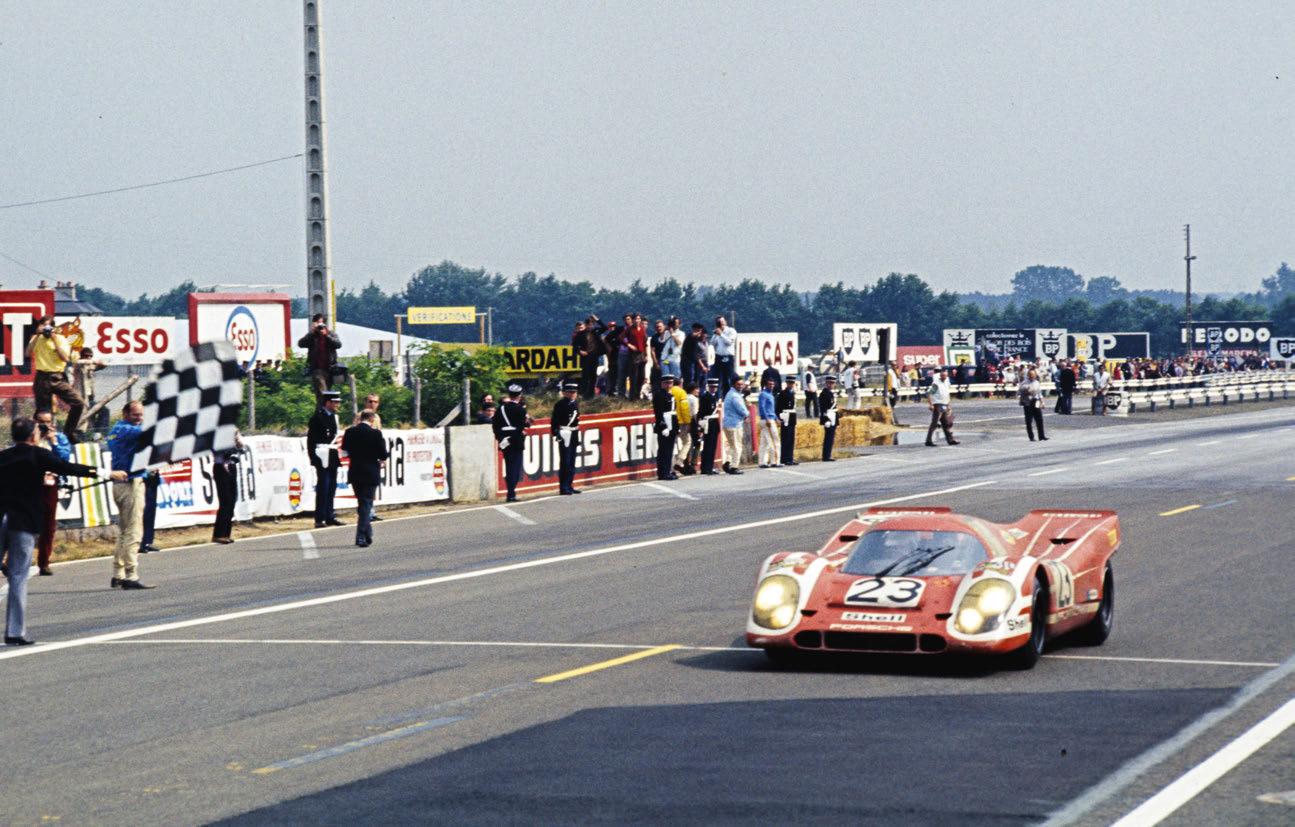
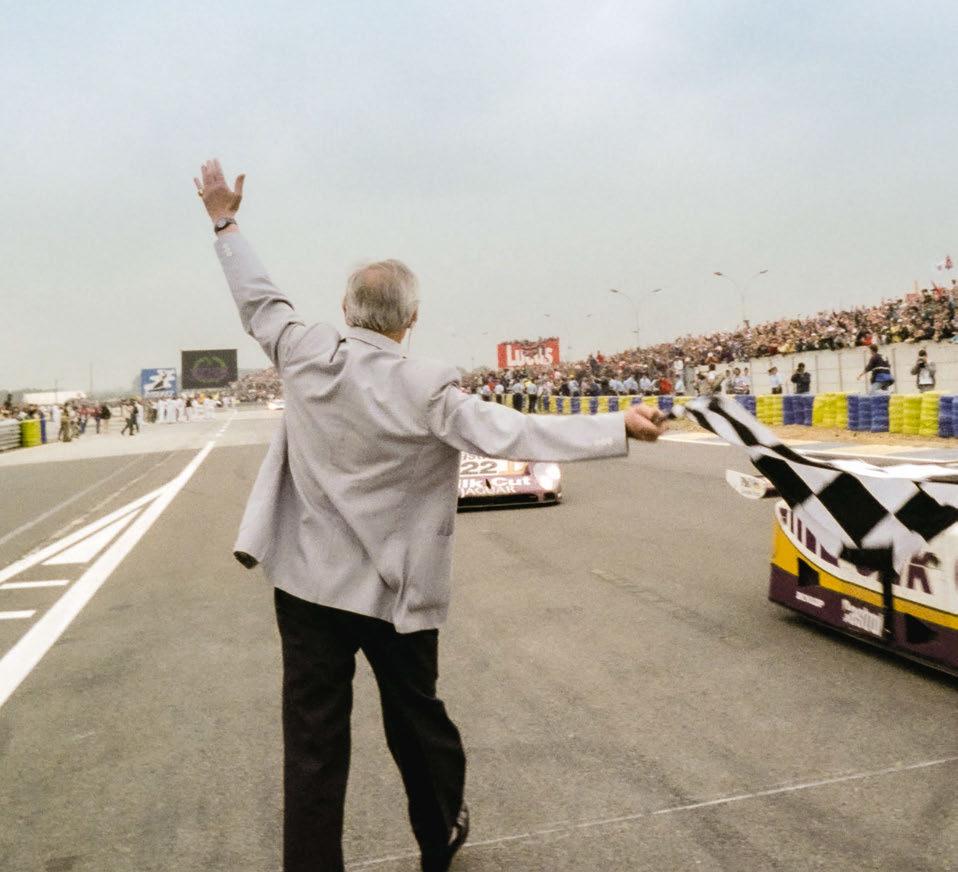
Secretly stuck in fourth gear, an illegal shove from the mechanics at the final pit stop – under the cover of a pitlane packed with people – carried Jaguar to a glorious first win in 31 years, at what is still one of the most celebrated editions of the 24 Hours.
What a set-up, what a race, what a battle. Porsche had won 12 of the previous 18, six straight with the game-changing 956/962. Jaguar had returned to its traditional old battleground first with American Bob Tullius and his Group 44 outfit. But burly Scot Tom Walkinshaw raised the game when his TWR empire took the reins, having conquered the Spa 24 Hours and the European Touring Car Championship with the XJ-S. Newly free from the misery of British Leyland, Jaguar was far from out of the woods under Sir John Egan. Walkinshaw reckoned it would take three years for TWR to deliver Jaguar its first Le Mans win since 1957 – and after promise but disappointment in the previous two editions, 1988 was time.
Victory mattered, to Sir John and to the future of Jaguar. Five LM-spec Silk Cut XJR9s pitched up at La Sarthe, driven by 14 drivers (nine with F1 experience, only one – Henri Pescarolo – with a Le Mans win to their name). In total, TWR took 111 people to run the cars, and no stone had been left unturned.
The Big Cats faced a trio of factory Porsche 962Cs in new Shell/Dunlop red and yellow colours, despite the works having withdrawn from the World Championship. Le Mans always counted for more, and still does. Jaguar vs Porsche, Britain vs Germany – this would be one to savour.
Hans Stuck’s sensational pole position, five seconds quicker than the 1987 record, only confirmed Porsche’s strength. But with the turbo wicks turned down for the race, the V12-powered Jags would be fully in the game. Martin Brundle and quick Dane John Nielsen carried number one and were tipped to lead the charge, only for a poor set-up and an early
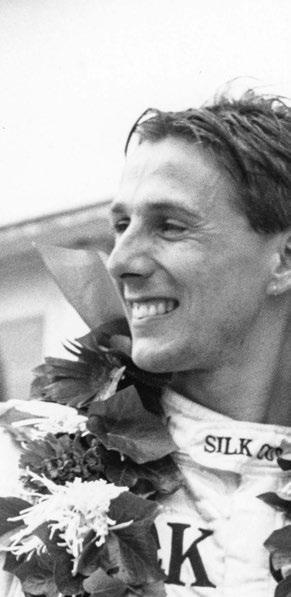
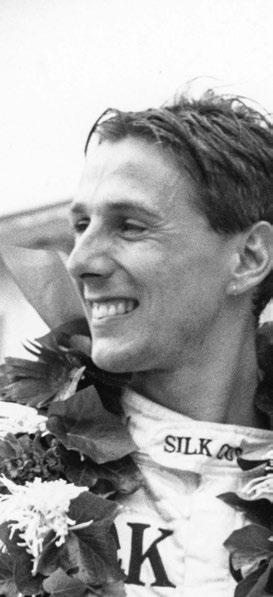
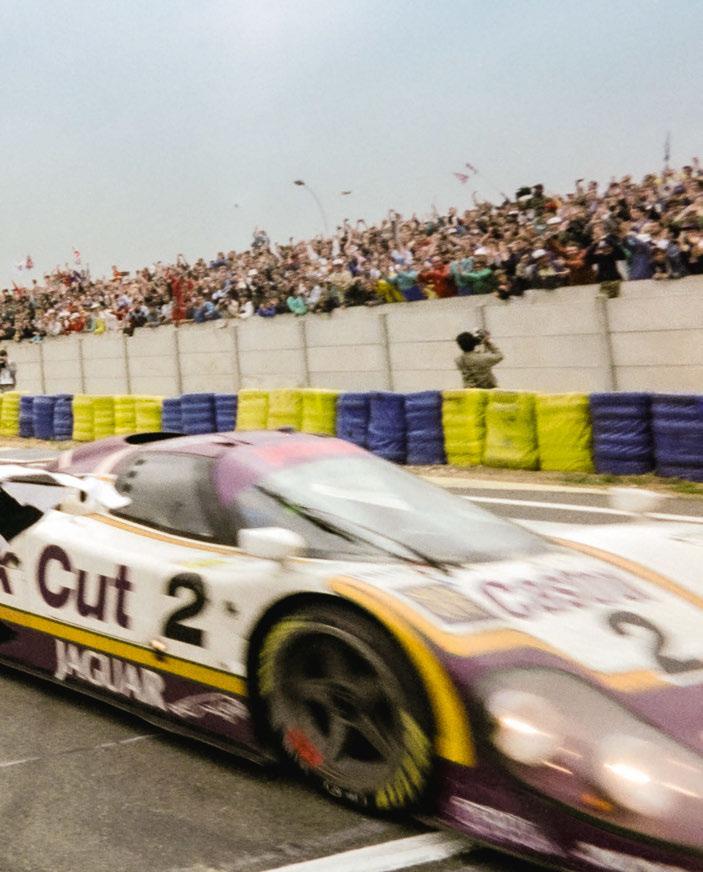
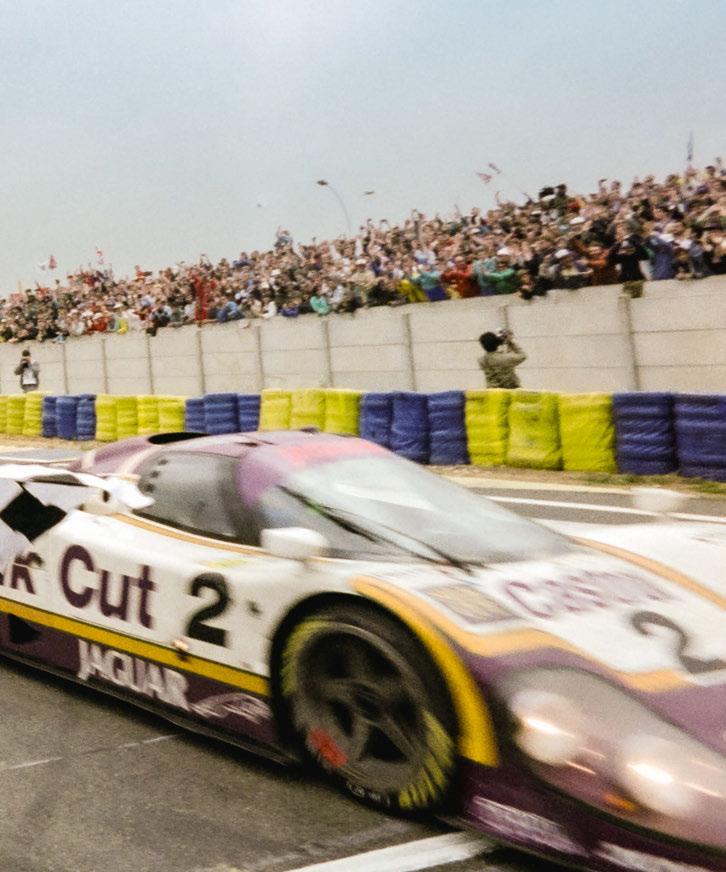
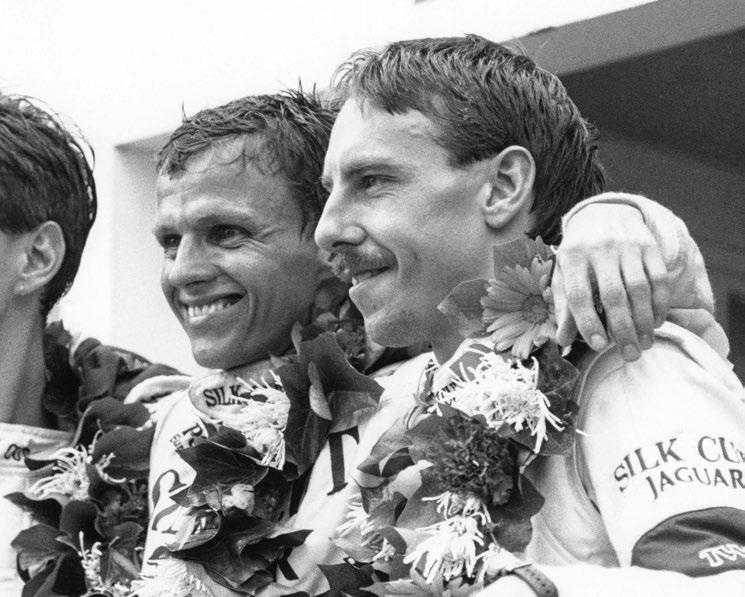
Main image and below left
spin for Nielsen to blunt their attack. A blown head gasket ended their race on Sunday morning.
Instead, it was flying Dutchman Jan Lammers, joined by Scottish aristocrat Johnny Dumfries and Le Mans rookie Andy Wallace, who offered the flagwaving British contingent hope. Wallace has admitted he was a bag of nerves. ‘There was no chance of gently easing myself into the race,’ he told Neil Smith for his book On The Prowl. ‘If I was slow, I’d be sacked; Mr Walkinshsaw had made that perfectly clear.’
Nevertheless, into dusk and through the night #2 XJR9 slugged it out first with the #17 962 driven by the Hans-Joachim Stuck/Derek Bell/Klaus Ludwig super-trio (ten Le Mans wins between them). When they were delayed by a fuel pick-up problem and a subsequent fuel pump change, there was the #18 helmed by ‘Brilliant’ Bob Wollek. But this race was running at a fierce pace, with 22 lead changes over the first 12 hours – and, unusually, Porsche faltered. At the 18th time of asking, Wollek yet again lost the win he’d never land, with engine failure in the night. Still, Stuck, Bell and Ludwig were on the Big Cat’s tail, especially when rain came at 11am. Had it continued, the story might have been different, but when the track dried Lammers and co pressed their advantage. Porsche called off the chase at 2pm, resigned to luck and hope. If only they’d known. With 40 minutes on the clock, Lammers heard a clunk as he exited Mulsanne Corner. Immediately, he recalled a conversation with team-mate Raul Boesel who’d retired a sister Jaguar with gearbox failure. From here on, he wouldn’t touch the shifter again in fear of losing all drive. Fourth gear would have to do.
Suspecting that Porsche would be monitoring TWR’s radio communications, he was careful not to tell his team about the precipice he was speeding along – only warning them that he’d need a helping hand at the final stop… Sure enough, high revs and that shove amid the throng sent him on his way to a famous victory. The heavyweight, road car-derived V12 wasn’t always the best tool for the job of winning motor races, but its torque sure saved the day when it counted most of all.
Two other surviving Jags surrounded Lammers, not simply for a photo finish but to push the leading car if it came to it. Instead, #2 crossed the line just after 4pm under its own steam, steering through a rabid crowd invasion. Sir John had his win and, thanks to Walkinshaw, Jaguar was back where it belonged.
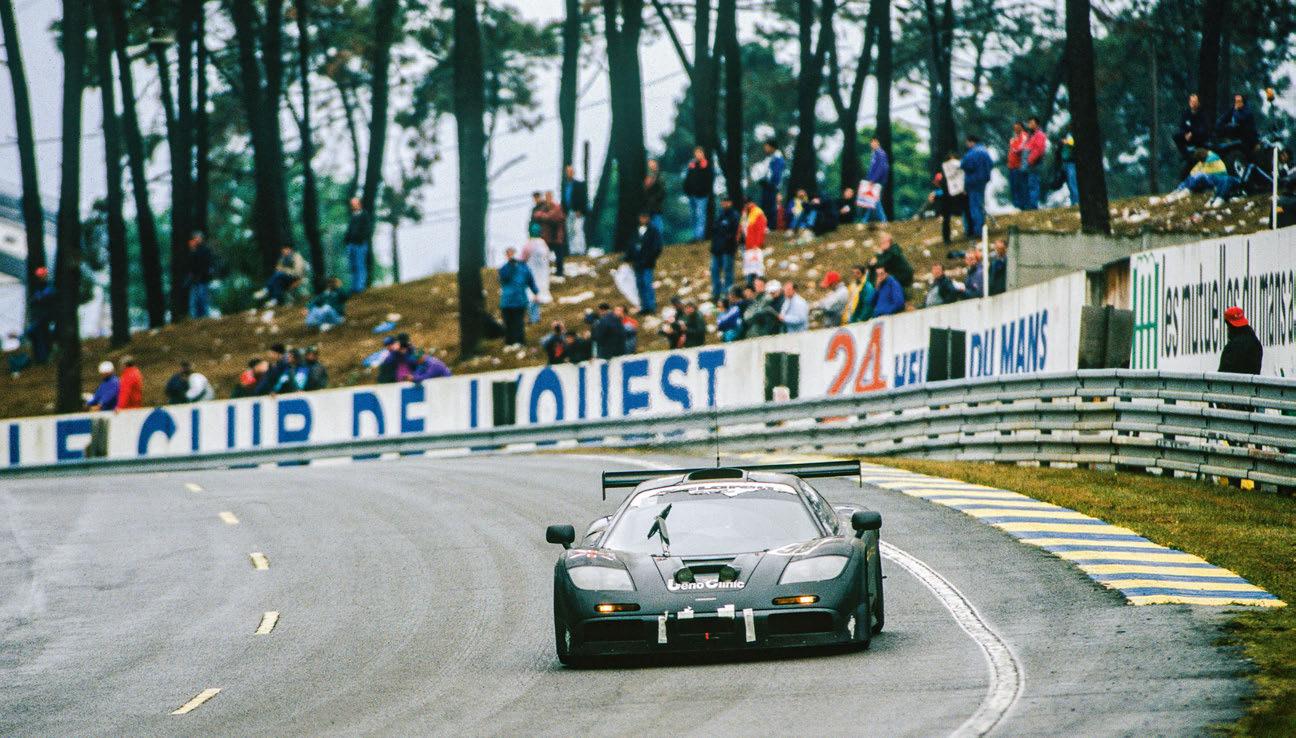
It was like turning the clock back four decades or more. A road car winning Le Mans? In 1995? Gordon Murray has always claimed he never designed his McLaren F1 supercar for the track, although with hindsight it was inevitable that the then-fastest road car in the world would find its way, especially as GT racing was experiencing a precipitous revival after the demise of Group C. But Le Mans and the challenges of racing over 24 hours? Surely a step too far.
The GTR version of the F1 had been developed for customer teams with the BPR-run Global Endurance GT series in mind – races of four-hour duration. But inevitably well-heeled owners had an eye on the biggest race of all. They agreed to stump up for a longdistance kit, plus a Le Mans simulation run at MagnyCours in France. It went better than expected.
That’s how, on the back of six consecutive BPR wins, seven F1 GTRs ended up on the entry for
Le Mans in 1995. And, remarkably, five of them would go on to lead the race.
The weather was a huge factor. One of the wettest Le Mans in living memory played into the hands of the evolved road car that was pitched against much faster thoroughbred prototype racers. Had the race run in the dry it would have been different. The pole-winning WR-Peugeot was a vast 11 seconds faster than the quickest McLaren, while the CouragePorsche that carried the mantle of pre-race favourite and included 55-year-old Mario Andretti on its driving strength was 8.5sec up the road.
And yet thanks to rain arriving, before the first hour was up John Nielsen led in the David Price Racing West-backed F1 GTR. The elements put less
stress on the road car’s synchromesh transmission and closed the performance gap to the prototypes.
Nielsen, winner of Le Mans with Jaguar in 1990, lost the victory with clutch problems before halfdistance, but the other Price-run F1 – in unforgettable Harrods livery – stepped up. We’ll skip its wretched association with the now-reviled Mohamed Al-Fayed; Derek Bell’s final swing in the race he’d won five times is why we really remember this car.
Sharing with Andy Wallace, and already a sports car veteran, Bell proved sensational at the age of 54. His son Justin also drove, but was spooked by a night stint in the rain, so the onus fell on dad and Wallace, the latter driving for nearly 14 hours. What stood out were the stints when ‘Dinger’ was matched against JJ Lehto, just fresh out of F1, in the moody black Japanese-backed car he shared with Masanori Sekiya and Yannick Dalmas. Four hours from the finish, ‘the team told me JJ was nearly 50 seconds behind,’ relates Bell. ‘I put my head down and pulled away by half-asecond per lap.’ As Wallace puts it, given a sniff of a sixth Le Mans victory to equal his old partner Jacky Ickx, Derek ‘stepped up another gear’.
Sadly, it wasn’t to be. A gearbox problem caused by a £1.50 bearing forced Wallace into conservation mode. He used just fourth and fifth gears in the closing stages. Instead, the Japanese car – sponsored by a medical clinic that specialised in erectile dysfunction – enjoyed a near-faultless run to a remarkable victory. Following Andretti’s early ‘off’ at the Porsche Curves, in the dry final hours the Courage closed in, but not by enough. Andretti claims the prototype class win counts to complete his career set of achievements, but not everyone will agree, given that it only amounted to second overall…
Another point of contention was the weight of entry behind the winning car. Customers had been promised by McLaren chief Ron Dennis that the factory would never run against them – but was the dust-caked winner a works car in disguise? That was always denied by Dennis. Historic racing specialist Paul Lanzante ran the car with a small crew under the Kokusai Kaihatsu Racing moniker, but this was chassis 001R – McLaren’s Magny-Cours test hack. How did that come to be? Dean Lanzante, son of Paul, explains: ‘GT racing was a tight-knit community and included a lot of people who were also racing historics: the likes of Lindsay Owen-Jones and Thomas Bscher. It was a huge step from historics to GTs but a lot of that community were making the jump anyway. We failed to get an entry at Le Mans in 1995, McLaren had a car and an entry. We had the truck, pit equipment and team kit, so we morphed together to run the car at Le Mans. And obviously the result of that was what it was…’
Whatever the circumstances, F1 GTRs finished first, third, fourth and fifth to lift McLaren into the same stratosphere as Ferrari as F1 world champions and Le Mans winners. Never has the term ‘perfect storm’ proven so apt.
Tom Kristensen refuses to choose the best of his record nine Le Mans wins. So let’s do it for him.
Kristensen, Allan McNish and Dindo Capello were the dream team of 2000s sports car racing. But by 2008 they still hadn’t won Le Mans as a trio. The great Dane and the Italian had twice won together: historic 2003, taking Bentley back to the top for the first time since 1930, and 2004 in Team Goh’s customer Audi R8. But somehow McNish was still on just one win, from his second Le Mans start with Porsche in 1998. ‘I’d led every Le Mans I’d raced in since and it always slipped away,’ he says. ‘In 2007 we were dominant, two laps in the lead, and then it was gone when a wheel fell off. But this time we weren’t as competitive in comparison to Peugeot. In fact we were slow and we knew it.’
The combination of an inspired Kristensen, longer stints, clever strategy and the arrival of rain played into Audi’s hands in the latest battle of the whispering turbodiesels. The trio kept in touch with the lead Peugeot, then struck when the weather turned. Yes, Audi dominated the era, but this was an edition of Le Mans that it really shouldn’t have won. The drivers and the engineers on the pitwall made the difference, in a race that wasn’t only the best of the decade but one of the hardest-won in the classic’s 100-plus years.
Kristensen and McNish would win together again in 2013, that time with Loic Duval, with the Scot calling time on his fine career as a World Champion, too.
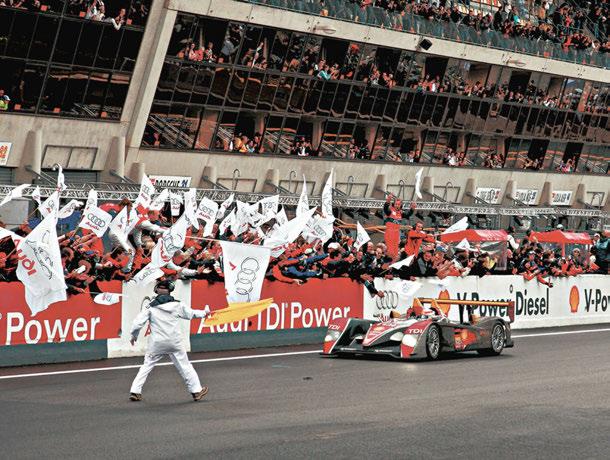
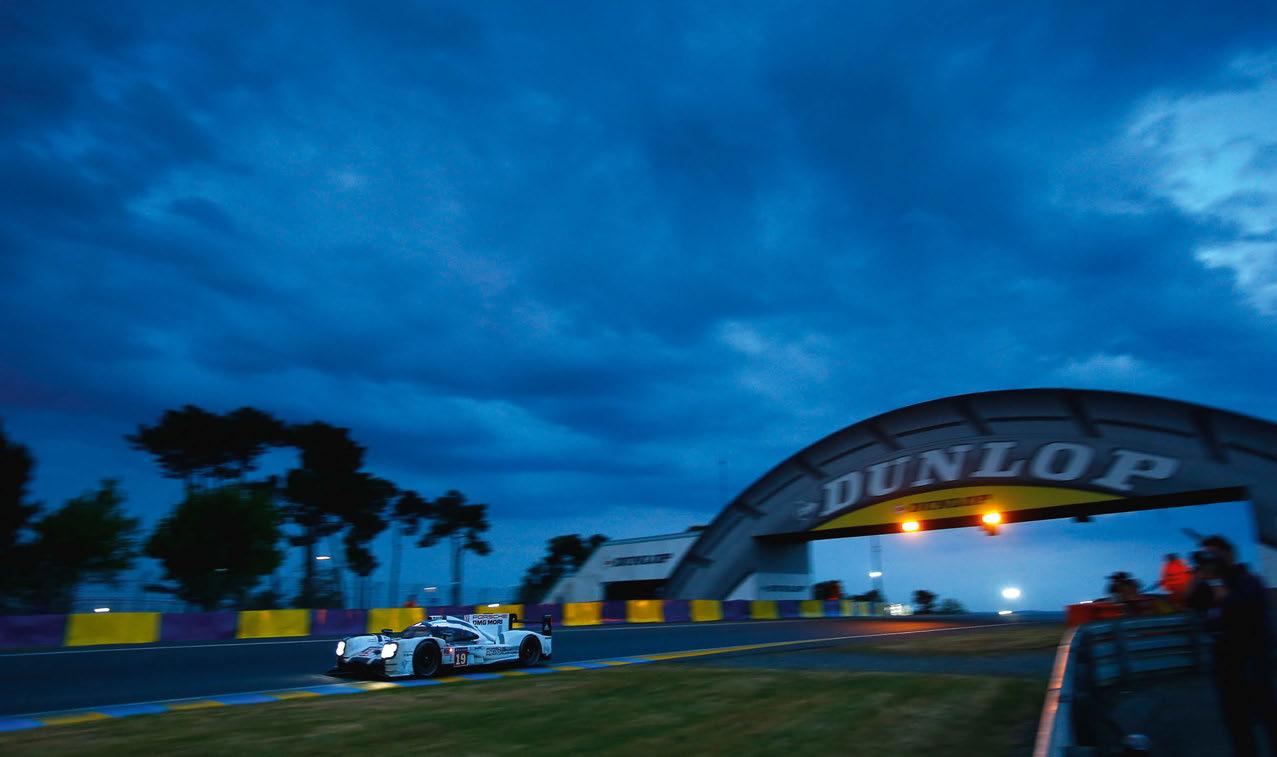
Le Mans just isn’t the same without a factory Porsche team fighting for overall victory in the top class – as we’ll see this year in the wake of the withdrawal of the Penske-run Hypercars.
Back in 2015, Porsche had finally returned to sports car racing’s highest level for the first time since the end of the 1990s, with its high-tech 919 Hybrid. During the Zuffenhausen team’s absence for all those years, Audi had racked up an incredible 13 Le Mans victories to close on its win record, and suddenly the two VW Group siblings were finally pitched in together – and against each other.
‘The end result was life-changing,’ says Nick Tandy, who on his first Le Mans start in the top class took the win with Kiwi Earl Bamber and a special guest: Force India Formula 1 driver Nico Hülkenberg. The German was the first active F1 ace to win Le Mans since Johnny Herbert in 1991, though he hasn’t been back since.
Out of character, Audi hit problems, while Porsche turned back the clock to its 1970s/’80s heyday with a largely trouble-free run for the winning 919.
Tandy and co were very much the third wheel in the Porsche team. ‘Two of us had never raced at Le Mans and none of us had raced an LMP1 there,’ says Tandy. ‘Not a lot was expected. But we’d done a lot of testing,
as you’d expect. We knew that from an engineering perspective we were equal to the other two cars, and if you believe you are going to win, you have every chance. That year I gave the other two confidence that we could go out there and do the job. We might be rookies, but who cares? We went out there and dominated, lapped the field. It was fantastic.’
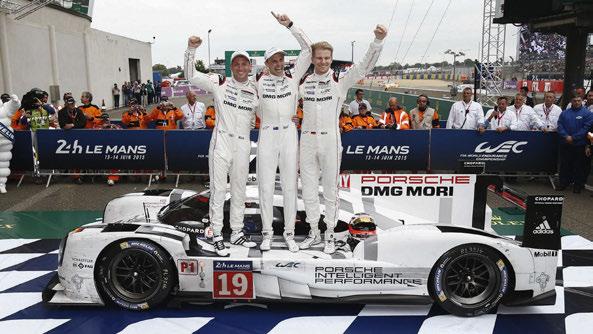
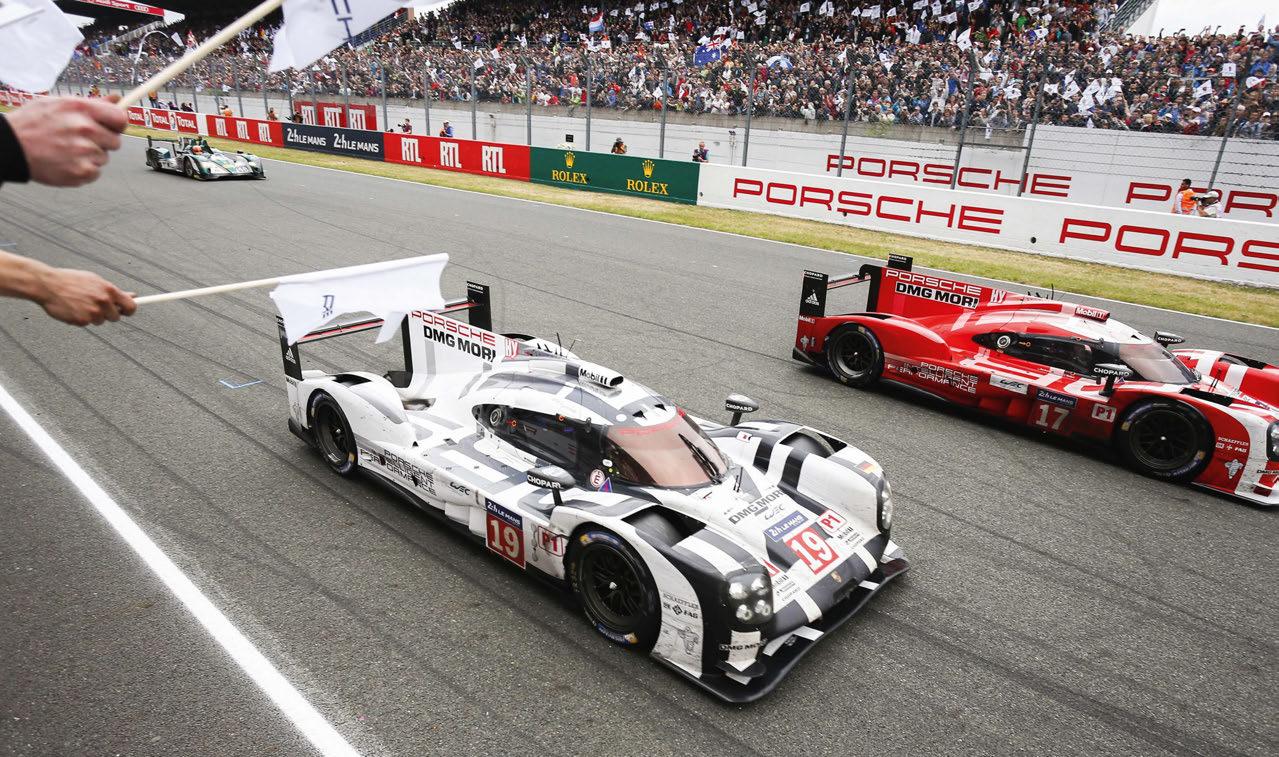
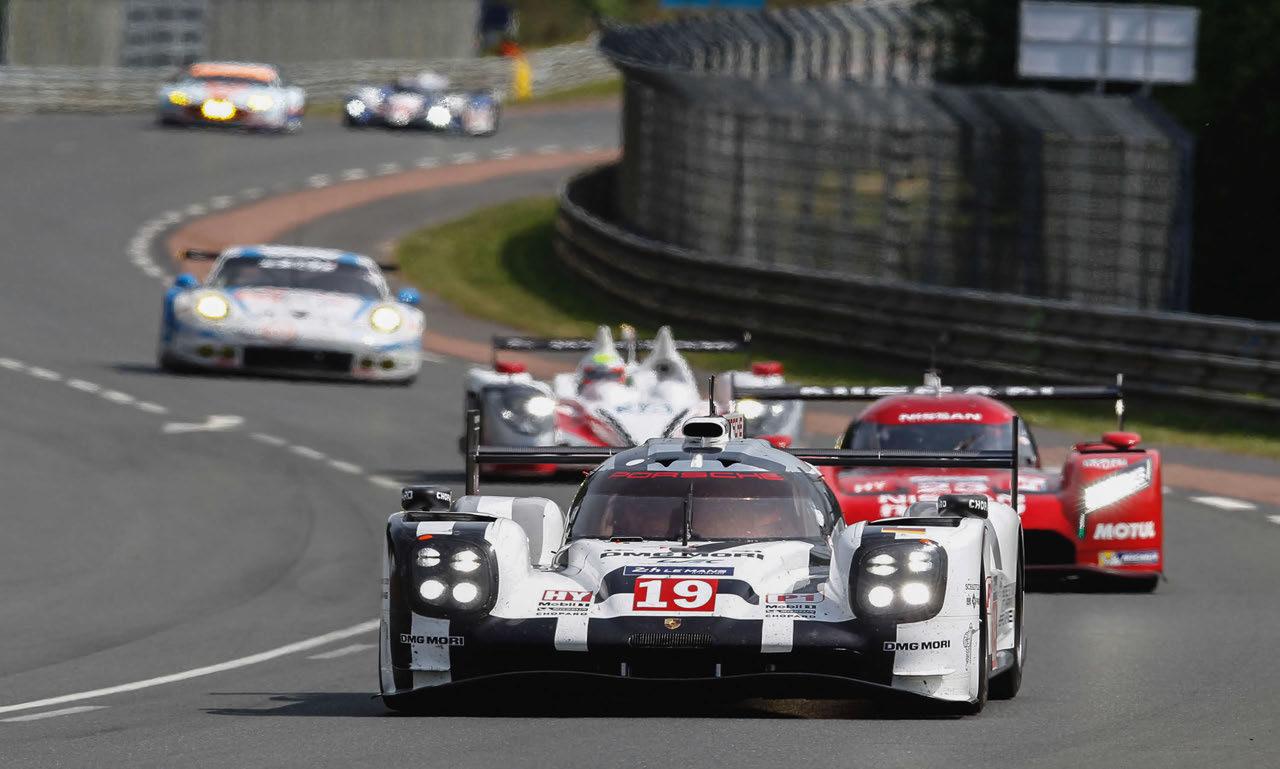
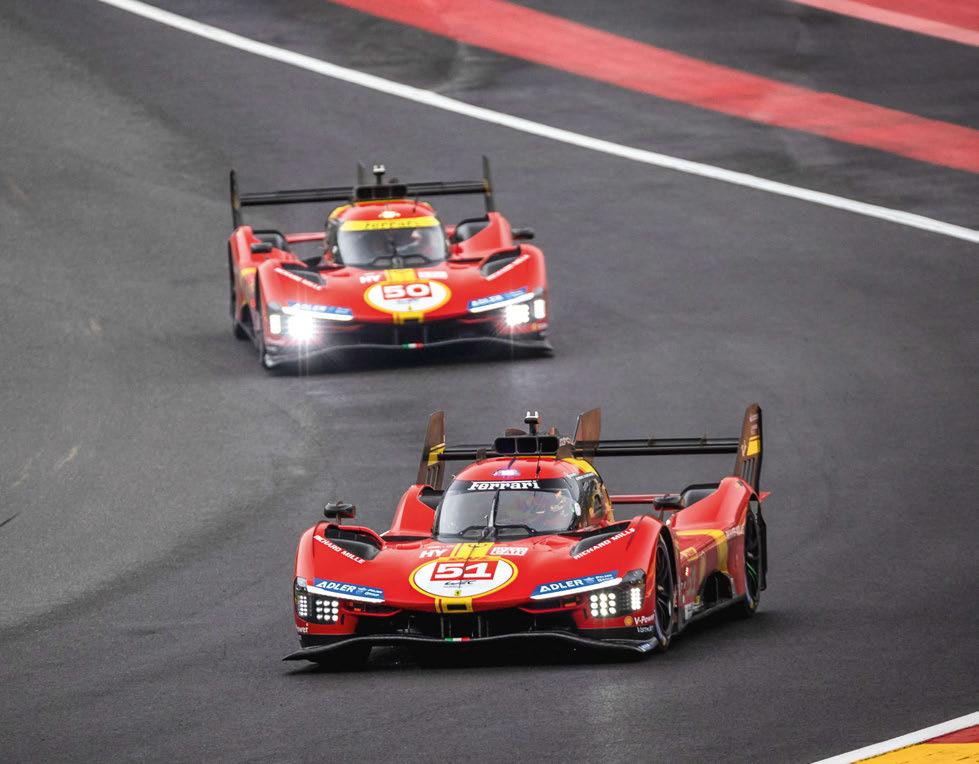
There was so much hype at the 100th anniversary edition of the Le Mans 24 Hours – and it wasn’t misplaced. In a Hypercar field full of manufacturer entries, Ferrari returned to the top class for the first time in 50 years with its stunning 499P – and finally broke into double figures for Le Mans wins, with its first since 1965. And it did so in a duel to remember with Toyota, unbeaten over the previous five years.
The deciding moment was cruel. The lead Ferrari and Toyota had been locked in combat at the sharp
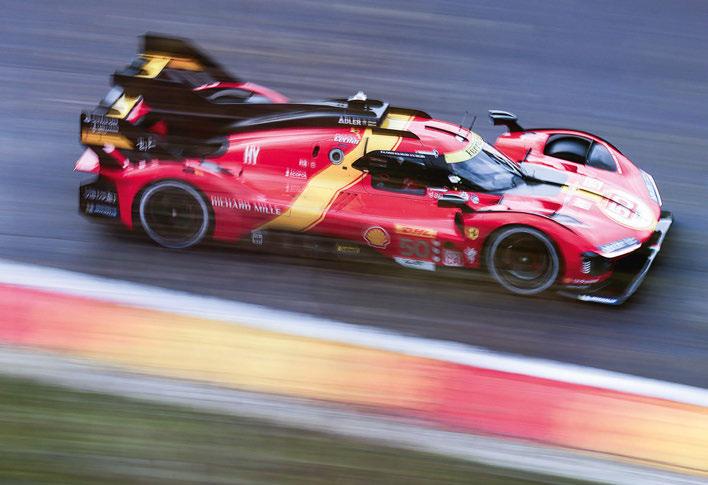
end since the 11th hour and, in the 23rd, Japanese rookie Ryo Hirakawa was little more than ten seconds away from the lead when he dropped the ball at Arnage. The subsequent repairs to the front and rear of the GR010 Hybrid cost three minutes and the race was won, for Italians Alessandro Pier Guidi and Antonio Giovinazzi, plus Britain’s James Calado.
A Brit winning Le Mans in a Ferrari? Not even John Surtees had managed that. In fact, Calado was the first since Peter Mitchell-Thomson’s 72-minute contribution to Luigi Chinetti’s near-solo act in 1949.
The result vindicated his decision to turn his back on the F1 dream in favour of sports car racing. ‘I was one of the first to go from single-seaters and properly commit to GT racing, and it was the best decision I ever made,’ he says. ‘I find the racing in WEC is superb, I love endurance. That you share the car with another driver is a completely different approach as well. I’m chuffed to be a Ferrari driver and do this.’
Since 2023, Ferrari has completed a Le Mans hattrick to take its tally to 12 – just one behind Audi. Can it now equal the German marque for a lucky 13? We’ll find out at the 94th running of the greatest endurance race of them all, on 13-14 June.
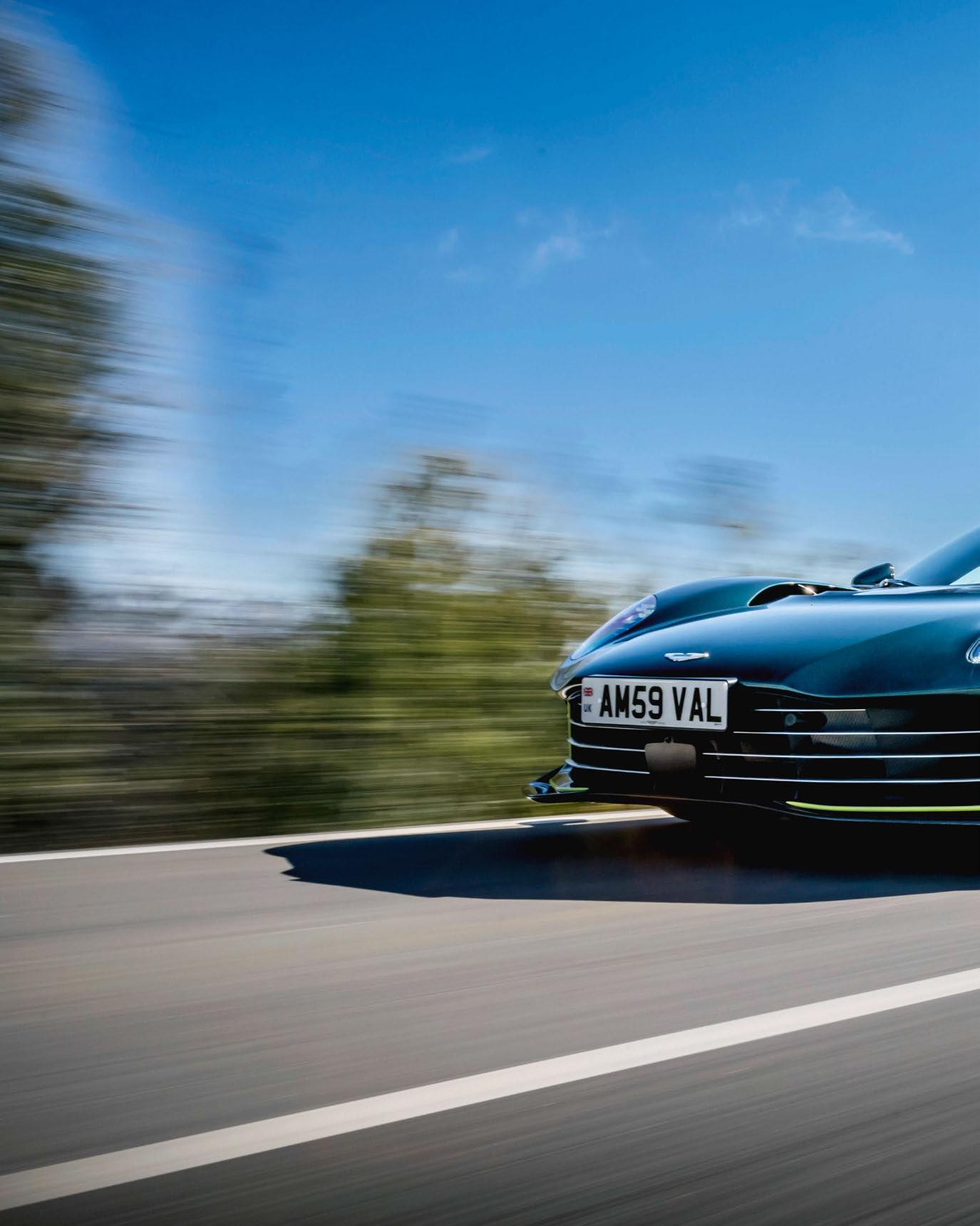
The Valhalla takes no lessons from any Aston Martin before it – and it’s all the more extraordinary for that
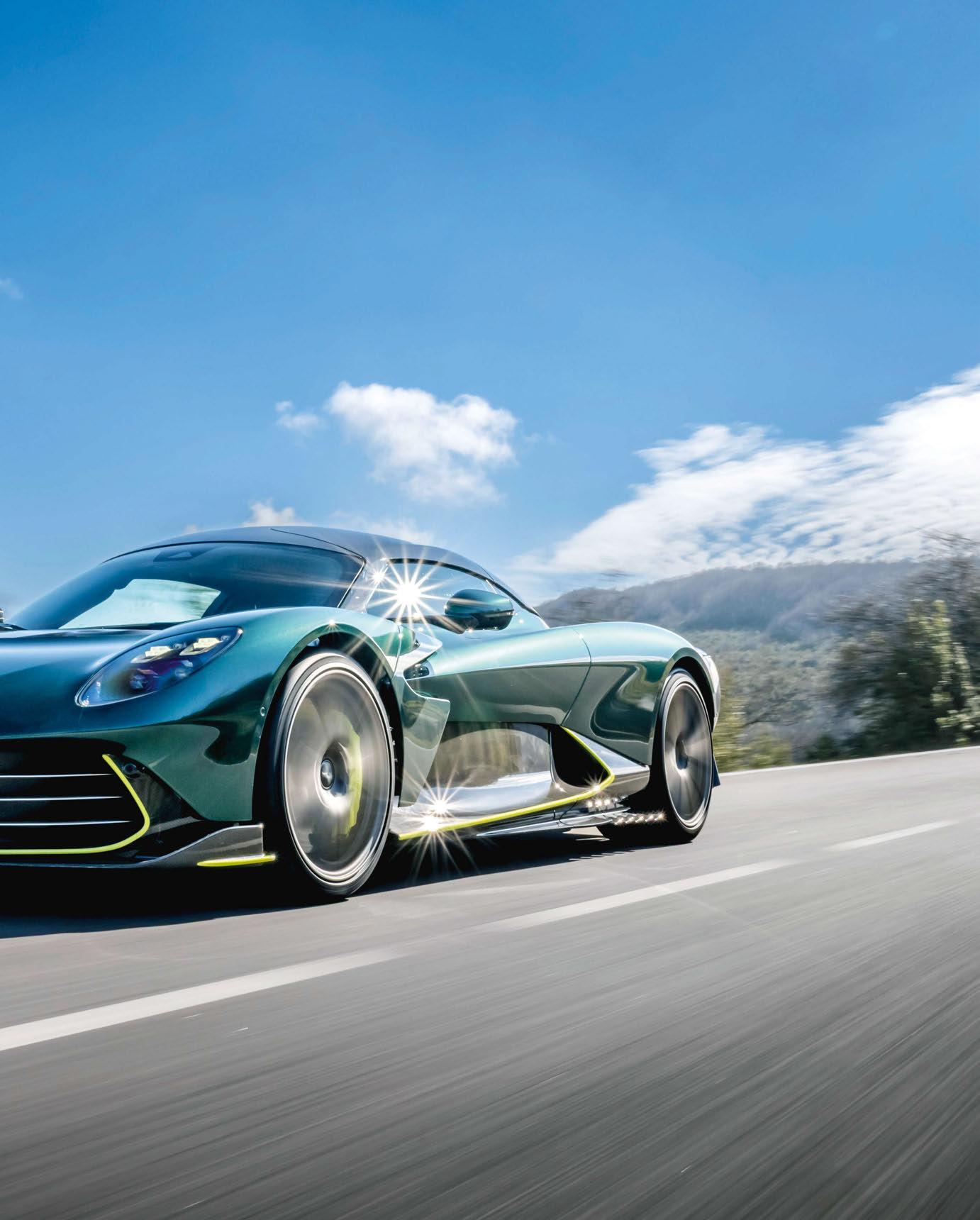
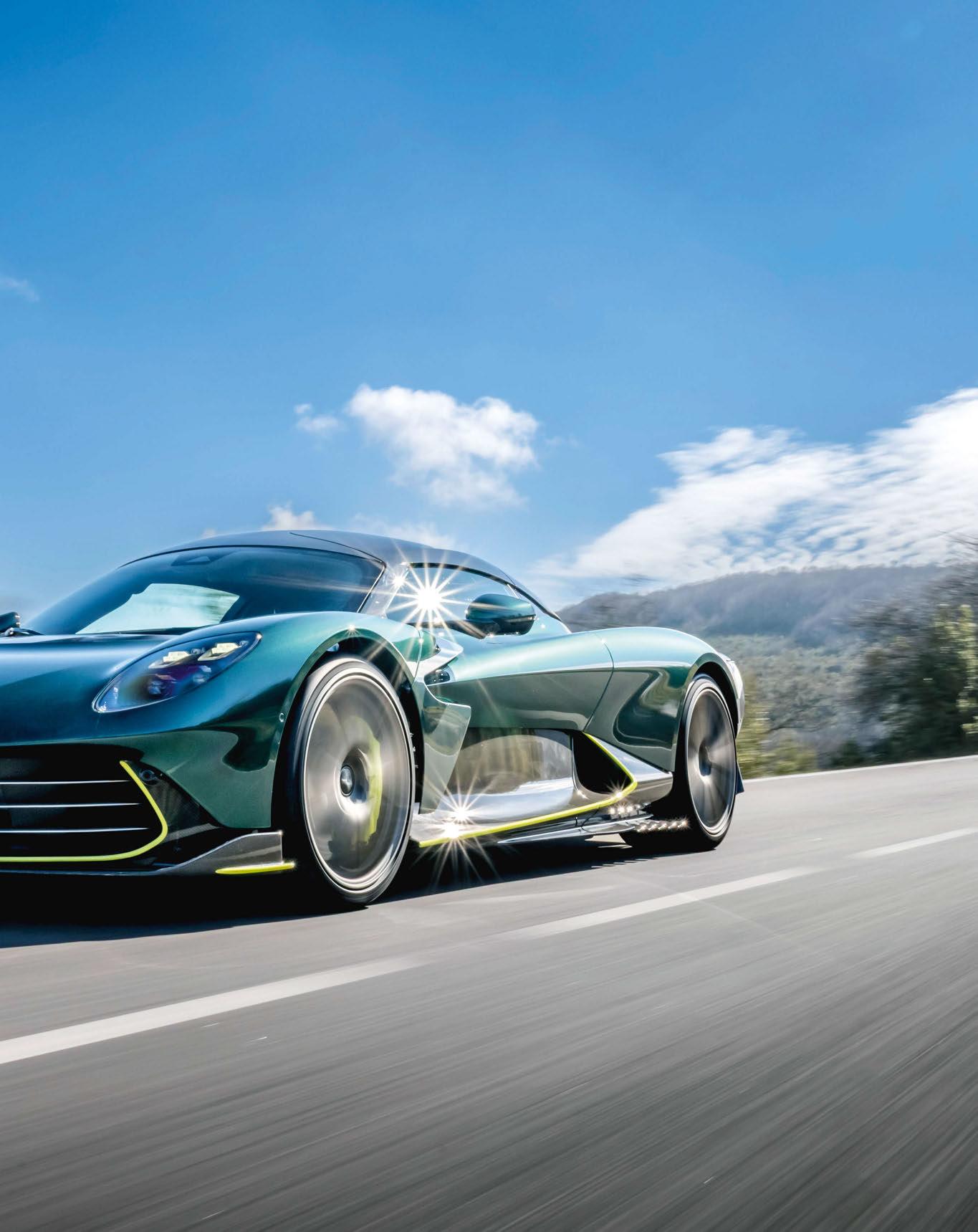
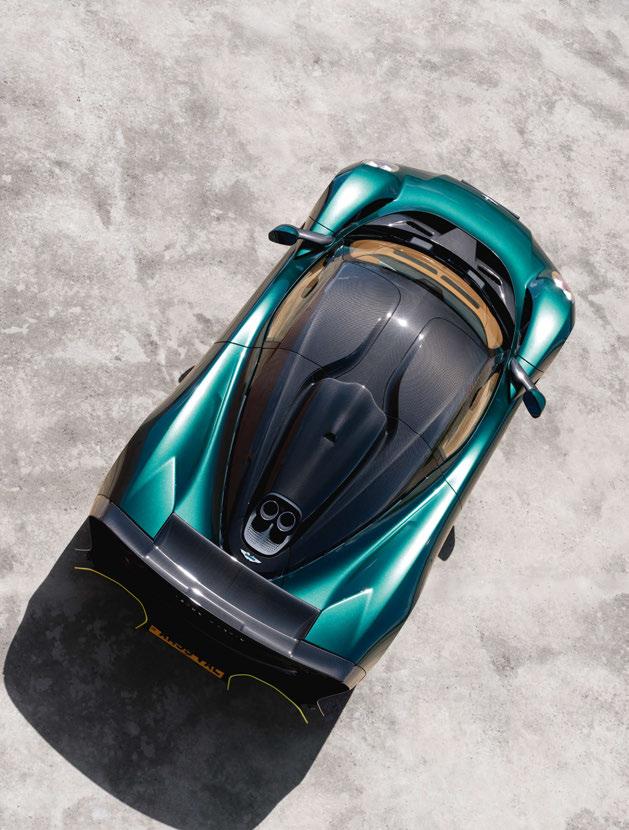
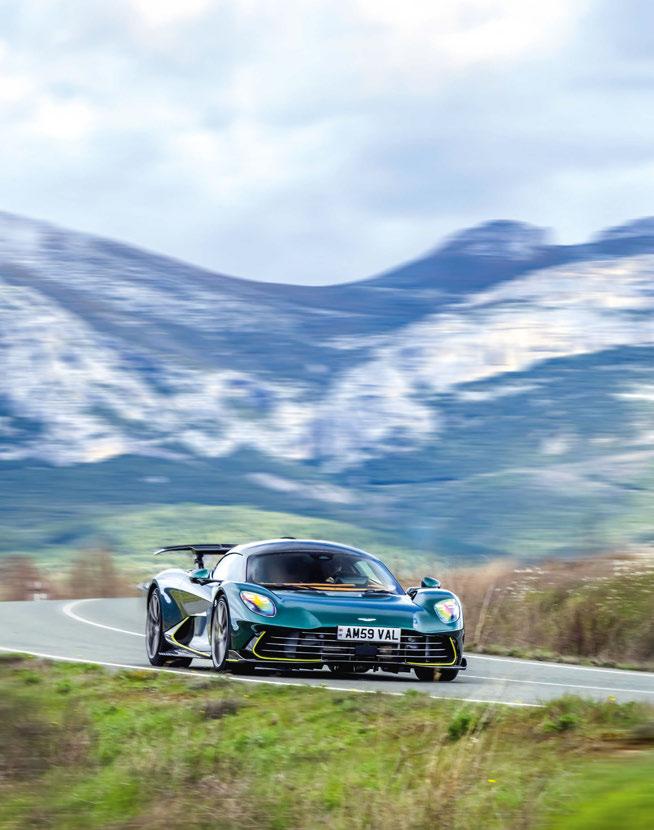
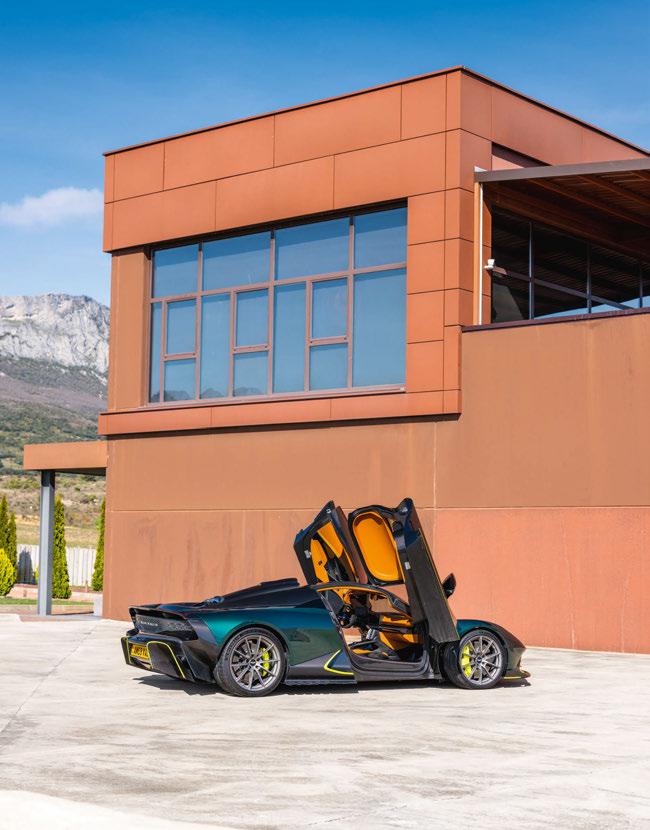
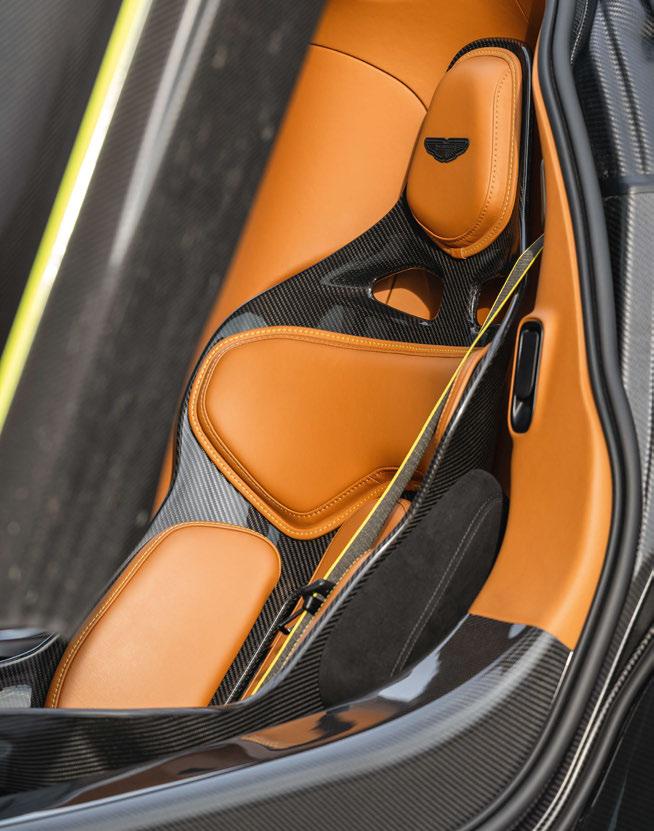
Aston Martin. One of the most treasured names in our automotive universe and a trigger for all manner of vivid images in your mind’s eye. Whether it’s wending through sunny Alpine terrain or sprawling along the coast in St Tropez, though, I’ll bet the picture contains an impossibly glamorous front-engined, rear-driven car. One that’s long of bonnet and eager for journeys of the grandest scale.
It’s against such sizeable tradition that the Valhalla launches, busting almost every Aston Martin convention as it does so. It’s a mid-engined, all-wheel driven, hybridised supercar. Or hypercar, depending on where your boundary between the two worlds finds itself. It’s an easier-to-buy and simpler-to-drive sibling to the multi-million-pound Valkyrie (see Octane 239), weighing in with a less hedonistic powertrain, softer manners and a more attainable price and production run – if £850,000-plus and a ceiling of 999 examples can ever align with such criteria.
There have been halo Astons before, of course. Most revered in these parts is the 1979 Bulldog, the one-off mid-engined concept that was – in recent years – transformed into arguably the roadgoing AML to end them all (see Octane 256) and which ended up proven to be a bona fide 200mph car. The 1990s gifted us the beautifully brutalist Vantage V600, a skunkworks supercharging by Aston Martin Works Service that claimed ‘world’s most powerful car’ honours and another double-ton V-max largely from hand-drawn development.
More recently there was the One-77, front-engined but wearing a costume exotic enough to compete with the contemporary unobtanium of Bugatti and Pagani, and limited to a mere 77 units. In 2009, its 7.3-litre Cosworth V12 was the world’s most powerful naturally aspirated engine – a baton that’s since been picked up by another Cosworth masterpiece, the 1000bhp, 11,100rpm 6.5-litre V12 housed within the Adrian Newey daydream known as Valkyrie.
The spirit of that car is undeniably channelled into the Valhalla – Gaydon’s engineers cheerily refer to it as ‘Son of Valkyrie’, in fact – but despite its similarly outlandish aesthetic, the new car treads a different path. Its engine supplier, for starters. First revealed back in 2019 as the AM-RB 003 with V6 power, the Valhalla has since been through an enormous gestation period and has ended up with a similar flat-plane, 4.0-litre twin-turbo V8 to the old Mercedes-AMG GT Black Series, only tuned here to deliver more power: its 817bhp and 632lb are both available at 6700rpm, just 300rpm short of its relatively modest limiter.
Complementing its hot-in-vee petrol power are three electric motors – one integrated into the eight-speed twin-clutch gearbox at the rear, two on the front axle – to yield the first plug-in hybrid Aston in history. Its combined peak outputs of 1064bhp and 811lb ft are enough to hustle its 1655kg (dry) from rest to 62mph in 2.5sec, while its active front and rear aero (just look at its wing fully raised…) provide up to 610kg of downforce from 149mph right up to its 217mph maximum. That wing also acts as both DRS (‘drag reduction system’) and airbrake.
‘Design and aerodynamics are usually contrasting philosophies, but weaving them together is the most important bit,’ chief creative officer Marek Reichman tells me. ‘You always start a design thinking, “I don’t want to be the same as another product in that category”. We were working in conjunction with the aerodynamicists to define how we do it our way.
‘Our early conversations concerned where the majority of the cooling air would come from. We talked about allowing it through the front, which would then allow us to have a wing underneath the car operating similarly to the rear wing. You’re then feeding that air behind the front wheel, down the side, and into a lower air duct, which allows us to have a beautiful surface that a mid-engined application typically interrupts to let the air in. The dead front view is my favourite, because it’s so unusual to see a car in this class with a grille like Valhalla has.’
Indeed, there’s nothing in the supercar/hypercar hinterland that looks quite like this. Reichman talks proudly about emphasising the driven front axle – an Aston rarity – and how the inboard front suspension drops the scuttle line and allows for a racy driving position that still permits strong vision out. Sprinkling a century of design cues onto such a cleanly carved, forward-facing silhouette can’t have been an easy task, but the Valhalla makes you pause for breath up close – and fairly gasp once you’re on the move.
‘It shouldn’t be a car that’s challenging you,’ the engineers tell me as I pull on a helmet and grit my teeth. ‘It’s a car that should make you feel like a better driver.’
Here’s hoping. Circuito de Navarra in northern Spain is sopping wet with no sign of its clouds shifting. And yet the Valhalla is improbably benevolent for something with such hefty on-paper stats. Sure, it’s outrageously fast and you need to keep one eye on the instrument display in your initial laps to avoid slamming hard against its limiter. So you start notifying your finger-ends to pull the upshift paddle as the digitised needle passes six in order to shift by seven, at which point the physicality of the change is very gratifying (even if the soundtrack is aurally flat – the V8 doesn’t sing like a Valkyrie’s V12).
The Valhalla’s calibration allows your brain to keep pace, however. The flashing traction control light during hard acceleration limits any desire to unwind its assistance much further, but a shimmy out of bends and the fun, flicked-forearm collection of a small slide is all possible without turning the systems off. Much like the McLarens that several of its engineers worked on in their former roles, the Valhalla does electronic nannies right, empowering rather than coddling its driver. It moves around swiftly but gleefully under a trailed brake, teases out driver commitment rather than outright demanding it, and rides the kerbs of Navarra well, too.
Opposite At Circuito de Navarra and on the scenic Spanish mountain roads that surround it, the Valhalla is as fast as 1064bhp suggests, yet also unusually benign.
Carbon-ceramic brakes offer deep and progressive feel despite the low temperatures and the complex regenerative functions that are built into even an ABS stop. The Aston’s foremost e-motors offer torque vectoring – under power and during regen – so while the vast majority of the
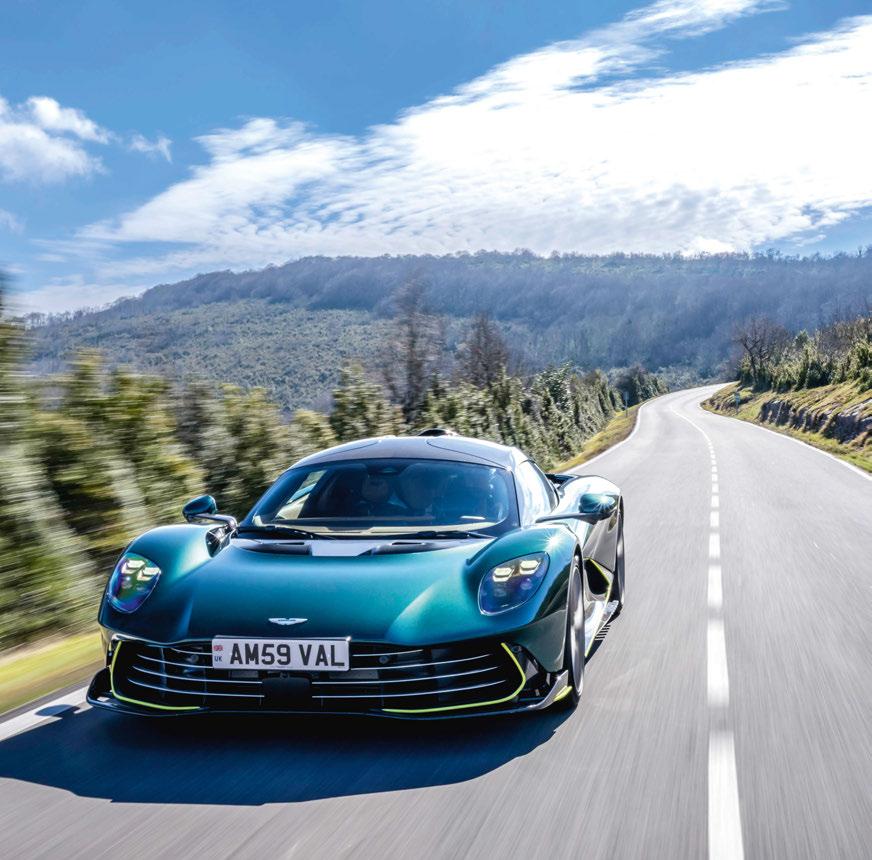
prodigious output is still sent to the rear axle, the smaller effort up front is precisely meted. This is the light hand-holding of AWD in a car that still leads from its most exciting axle.
However much the Valhalla inevitably astonishes on track, its greatest act is saved for the road. Though elements of our predrive presentation skirted closer to a pre-race strategy briefing, it was infused with welcome phrases for those who don’t wish to wring out every last kilo of downforce. ‘Breathing with the road’ and ‘a little bit of roll’ might initially sound like weaknesses or admissions of lost focus in a car like this. Instead they offer an indication of just how jaw-dropping terh Valhalla feels on regular tarmac.
The hubbub of road noise and ping of loose surfaces in its wheelarches provide no illusion you’re in anything other than a carbon-tubbed car, yet the engine can tick along happily at a 2000rpm cruise and forward vision
Above
opposite
‘MORE VIGOROUS INPUTS REVEAL THE FRENZIED POSSIBILITIES BENEATH’
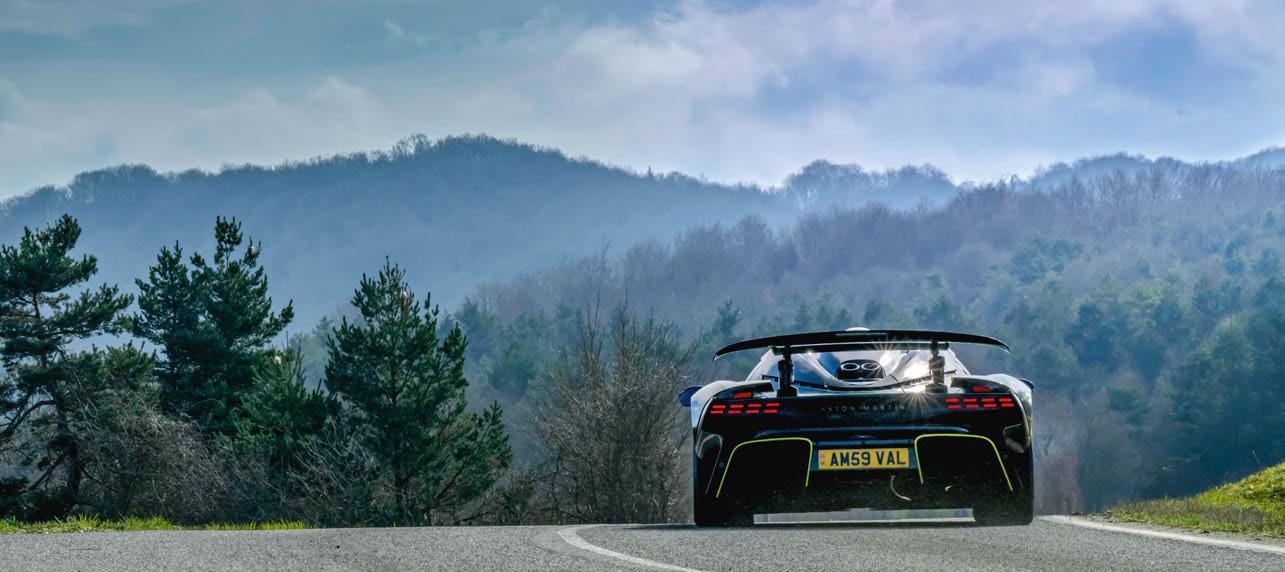
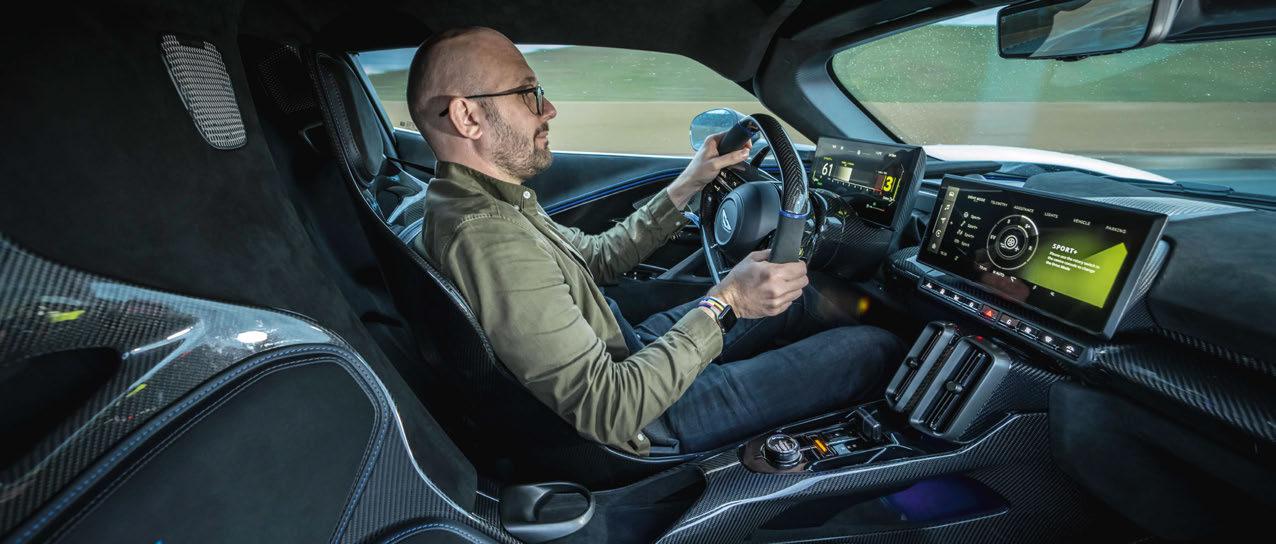
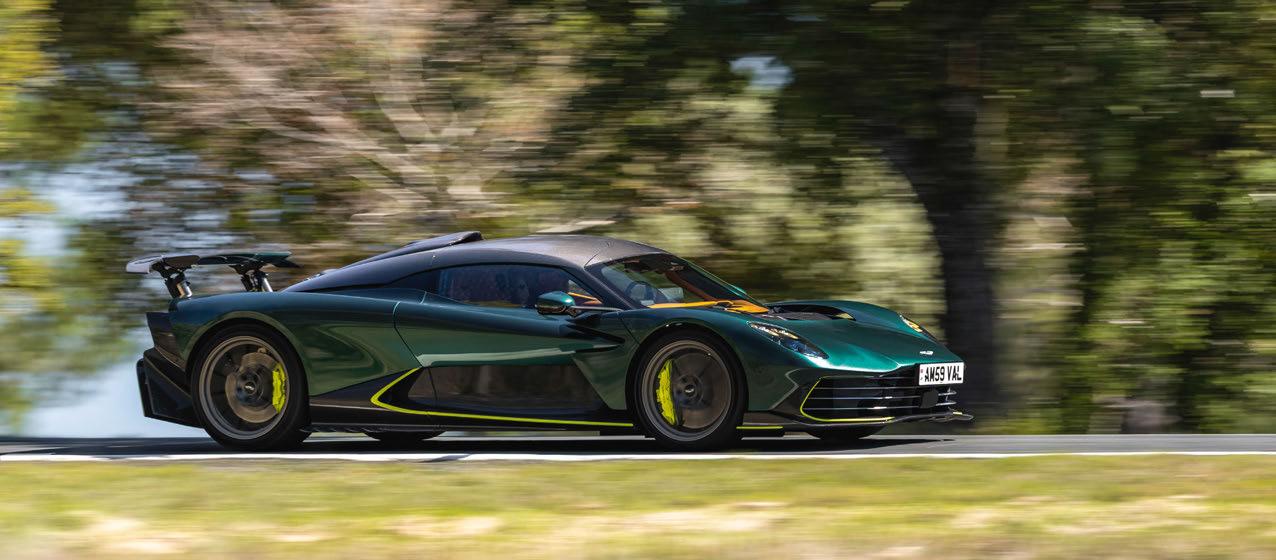
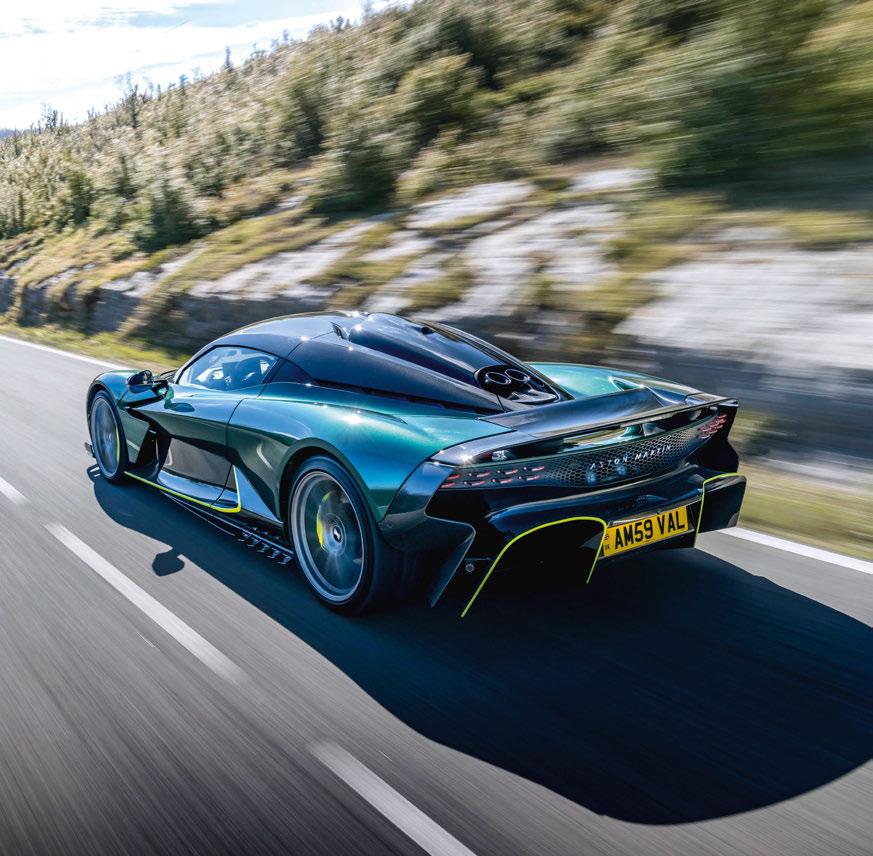
will astound any armchair critics. You quickly appreciate its bum-down, legs-out seating position and its curiously oblong steering wheel, the design and engineering around both elements opening up a broad view of the road ahead, while the wide-angle rear camera (the display embedded into the classic rear-view mirror) provides confidence in car parks and through urban traffic. And crikey, is it damped well. Ruts and bumps don’t give its driver cause to wince and the nose lift rarely needs to be called upon. This is a compliant road car, whichever of its four modes you’ve notched into.
The car defaults into Sport mode on start-up, with pure EV (and the Valhalla’s eight or so miles as a front-drive supercar) toggled via the tactile dial in the middle of the cockpit. Sport+ and Race sit above, altering the steering, damping and throttle with every notch; Race is the only setting that sees the rear wing fully scaffolding up. Yet the car breathes with the road and feels user-friendly whichever you’ve chosen. Its steering is supremely sharp-witted without feeling hyperactive and acquires your
Above
Sleek Valhalla is the less outré roadgoing sibling of the track-ready Valkyrie, here in stealth mode without rear wing activated.
confidence quickly. More vigorous inputs reveal the frenzied possibilities beneath, but you’re unlikely to find the Valhalla spiky without deliberate provocation. Even in the wet. The progression of its throttle and the engineers’ harnessing of its absurd pace mean it’s equally happy trickling through urban traffic or attacking more rural roads like it’s a big, electrified Lotus Exige.
My main criticism of its road-tripping potential narrows right down to its lack of boot and limited cubby space. Pack (extremely) light, and it’ll be a cinch to plug a destination very far away into your favoured maps app – displayed via standard smartphone mirroring – before savouring every mile that takes you there. This may not be the Aston Martin your imagination typically cooks up, yet its abilities are, against all the odds, much the same. Marek Reichman and his team really did design a hybrid hypercar their way.
















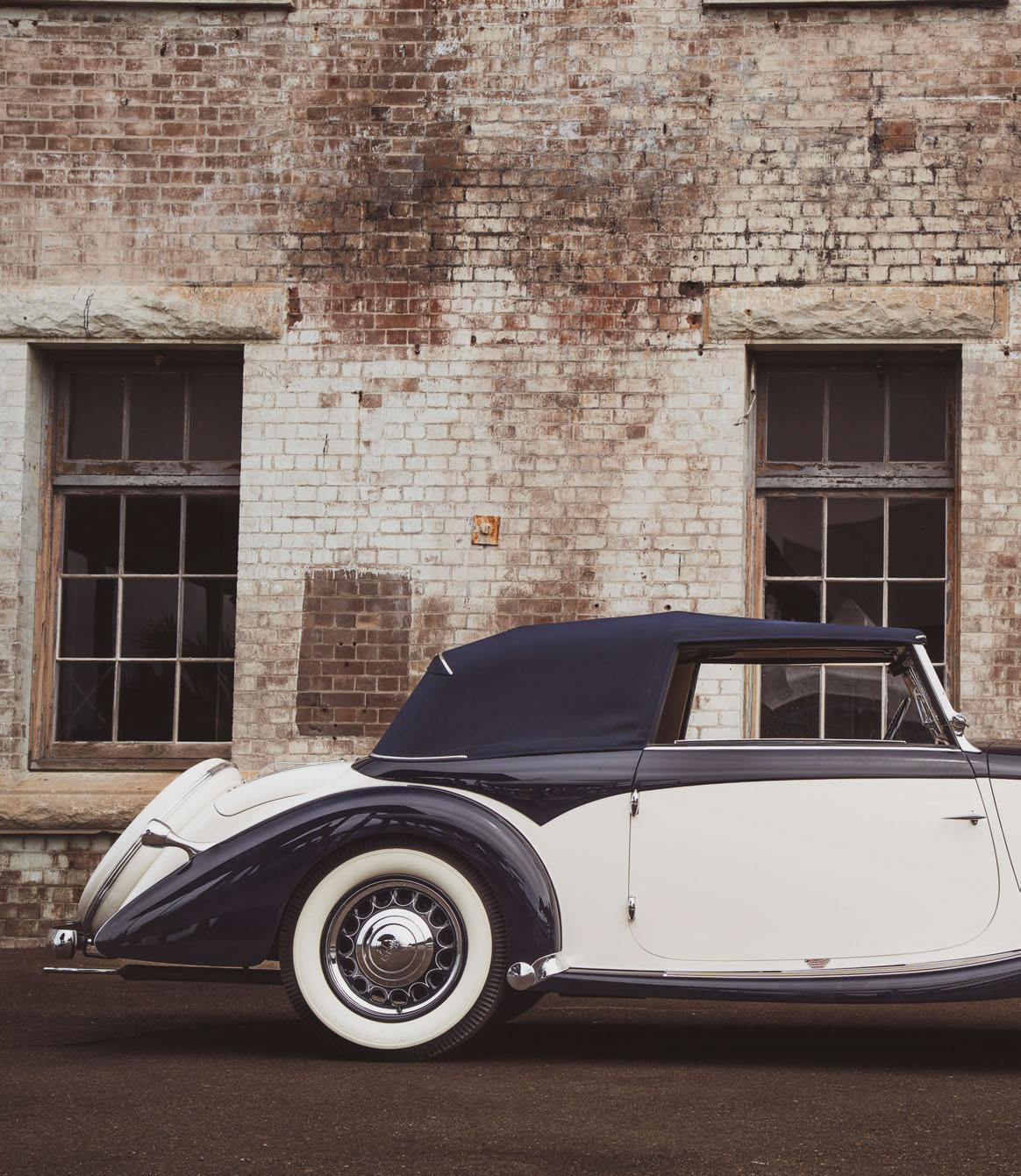
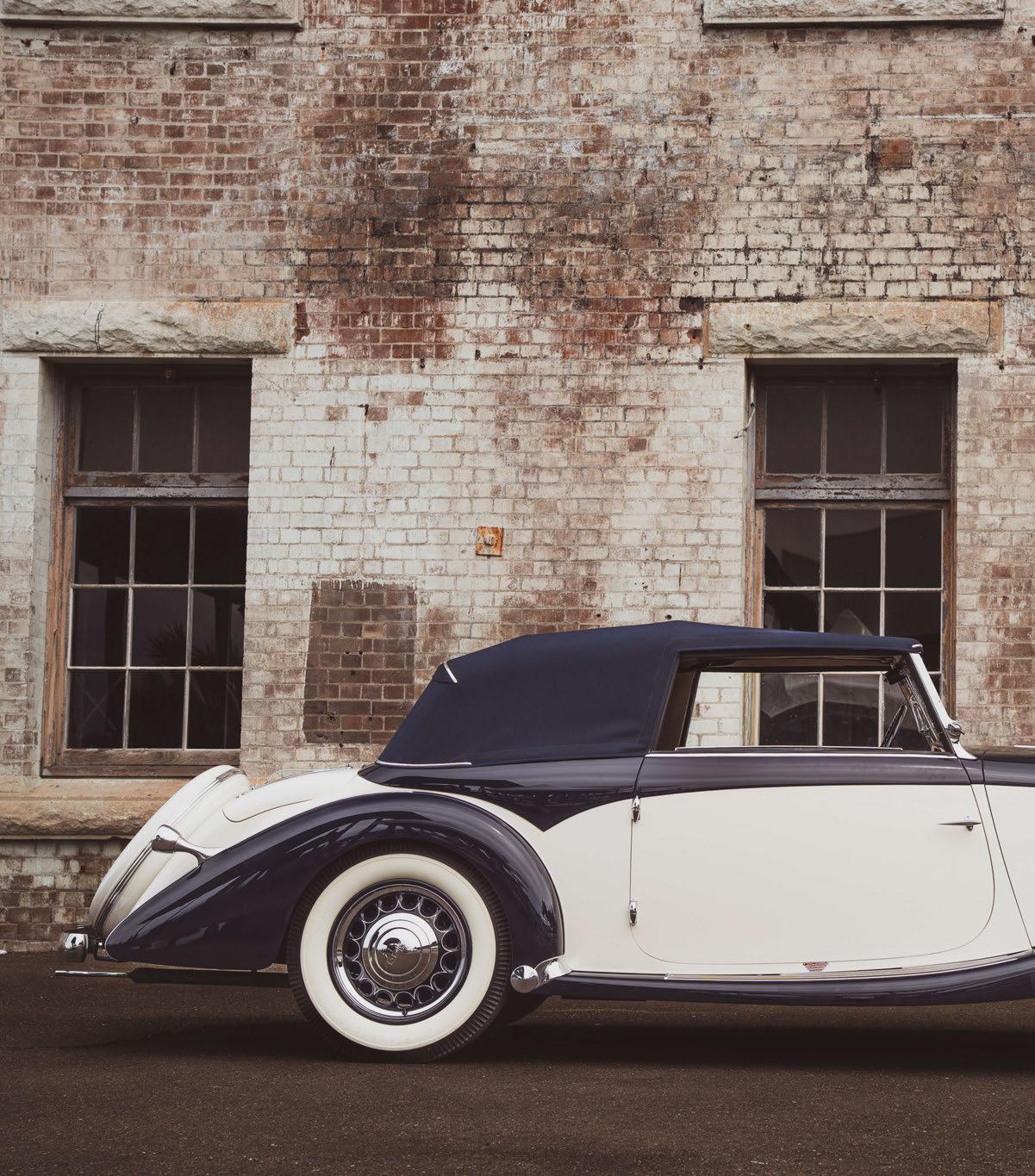




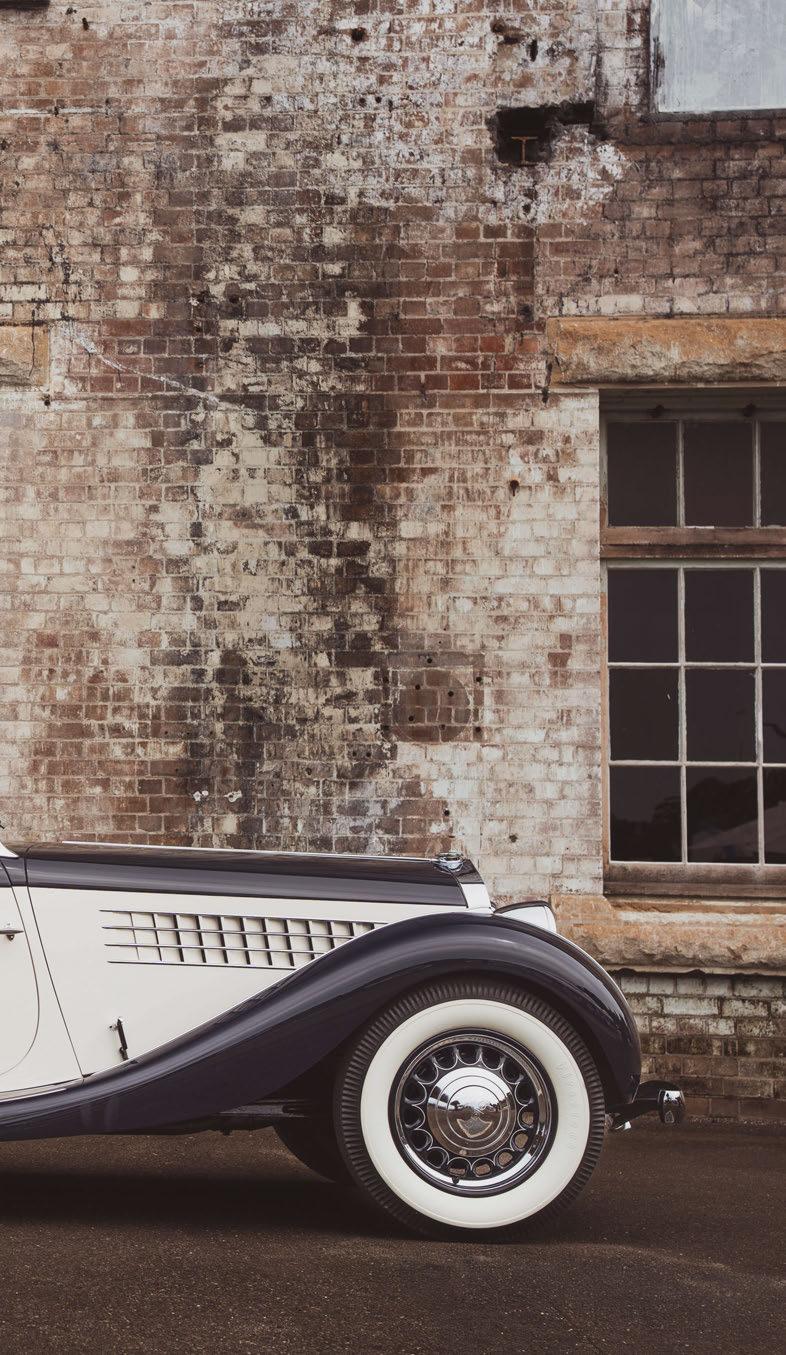
No stranger to concours victory, this stunning 1936 Delage D6-70 Milord
Cabriolet by Figoni et Falaschi is a reminder of greatness lost
Words James Elliott Photography Gareth Carr
THE BEST TIME at a concours o en comes long a er the Champagne corks have been popped, the streamers streamed and the vast majority of people have dissipated back to the car parks and onwards to whatever mundanity they have been temporarily escaping. A calm descends and, at odds with the bun ght of the previous few days and the organised chaos of an awards ceremony, those that have been privileged (or overlooked) to linger can frequently get really close to the winning car, chat to its owner and look on as photographers feverishly grab that perfect ‘winner’ shot for the ever-anxious PR people to get out ‘A-S-A-P!’.
It was precisely like that at March’s Sydney Harbour Concours d’Elegance as event photographer Gareth Carr lined up the top award-winners against the backdrop of what Captain Cook christened Port Jackson. is eighth running of the event was the fourth on Cockatoo Island, which looks increasingly like a forever home a er previous stints at Swi s Mansion and Hyde Park Barracks. As the name suggests, the 30acre island, formerly a prison and a shipyard and now a UNESCO World Heritage Site, is surrounded by some pre y photogenic water – the concours cars arrive and depart by barge – and world-famous landmarks. So there they are, both Best of Show Pre-War (a Freestone & Webb-bodied 1933 Rolls-Royce 20/25) and Post-War (a 1954 Mercedes-Benz 300 SL Gullwing immaculately restored by Kienle and which featured at Concorso d’Eleganza Villa d’Este) anking the overall winner: a gorgeous 1936 Delage D6-70 Milord Cabriolet with stunning, restrained coachwork by Figoni et Falaschi.
Coachbuilt beauty Figoni et Falaschi Delage
Immaculately presented and beautifully proportioned with striking and concoursfriendly white over blue two-tone paint, it is easy to see why this smart Delage took top honours, yet, for a French car from the 1930s and one coachbuilt by Figoni et Falaschi no less, many might consider it quite sober. ough not in a bad way.
Sure, the amboyant excesses of the likes of Delahaye and Saoutchik look stunning, but for many there were more purposeful, more practical needs. If you have never done so, check out one of those other extravagances from head-on and the mirror cracks, spindly wheels hugely inset (so they can turn without hi ing spats) and seeming to carry an inordinate weight of intricate yet vast coachwork. Works of art, museum pieces and concours-winners, but perhaps less world-beating on the road.
Delage was founded in 1905 by Louis Delâge, who was evangelical about the opportunities that the newfangled motor car o ered humanity. His company grew rapidly and, buoyed by motorsport success, his cars earned a reputation for being fast, reliable and luxurious, qualities that served Delage well in its quest to be the French Alfa Romeo, but less well in the teeth of a great depression. A er its 1920s heyday, Delage was driven to bankruptcy and Louis, who would reputedly die a pauper in 1947, called in the liquidator in April 1935.
What was le of Delage was bought for FF2m by a consortium of agents called Société Nouvelle des Automobiles Delage (SNAD), led by Paris Autex Delage agent Walter Watney, a Calais-born Brit whose previous advance orders had long kept the company a oat. Louis was on board as president and running his own racing arm, but a er a proposed partnership with Unic fell through, SNAD turned to Delahaye, which found the idea of replacing plunging sales of its own commercial vehicles with building 1450 Delages a year very appealing. e complicated union worked rather well, with a commi ee of Delâge and Watney meeting weekly with Delahaye’s Charles Wei enbach and Pierre Peigney, but when 1936’s new models were unveiled, the ‘technical collaboration’ was revealed to mean Delahayes that looked like, and had the appointment of, Delages. With a bit of input from Delage guru Leon Michelat. e range’s shorter-wheelbase (10 4in) D6-70 was built around the Jean François Delahaye 103 3.2-litre six-cylinder retruck engine (which also powered the Delahaye 135) and Type 134 chassis.
‘it is easy to see why this smart Delage took top concours honours’
For the Delage, the straight-six’s capacity was reduced to 2729cc and equipped with a Solex carbure or to o er smoother yet punchier power, with a reputed 90bhp, thanks to bore and stroke of 80mm x 90.5mm plus a modi ed head.
Most D6-70s had the smooth (when it worked) French Cotal electro-mechanical transmission, a lever-operated four-speed pre-selector similar to the UK’s Wilson or Cord’s own proprietary system in the US. Other major upgrades over corresponding Delahayes were four-wheel hydraulic drum brakes by Bendix/Lockheed, and Houdaille lever-arms instead of friction dampers.
Most D6-70s were bodied by the old Delage favourite Letourneur & Marchand/ Autobineau, but with convertibles from the likes of Labourde e and Chapron. Figoni et Falaschi bodied only a handful, the Milord Cabriolet being the pinnacle then as now. Not only did one (most likely this one: chassis 50607, body 557, the rst Figoni et Falaschi décapotable) feature on the Delage stand at the 1936 Paris Salon, but they won trophies in major concours all over France. is car, in the hands of its rst owner Jeanne Mennesson, wife of Solex inventor Marcel, was shown successfully at several events. It is believed to be the winner of the Grand Prix d’Honneur at the 1936 concours of the Automobile Club Feminin de France, entered by her friends Duchess d’Echingen and Princess Amédée de Broglie
A decade into its life and still in its original two-tone green, 50607 moved to the UK and, registered HGP 361, went through a variety of owners until being repatriated by the grandson of François Repusseau, a racer and rallyist turned coachbuilder, well regarded for his work with Delage and la erly a wealthy parts supplier known throughout the French motor industry until his death, when aged 52, in 1931.

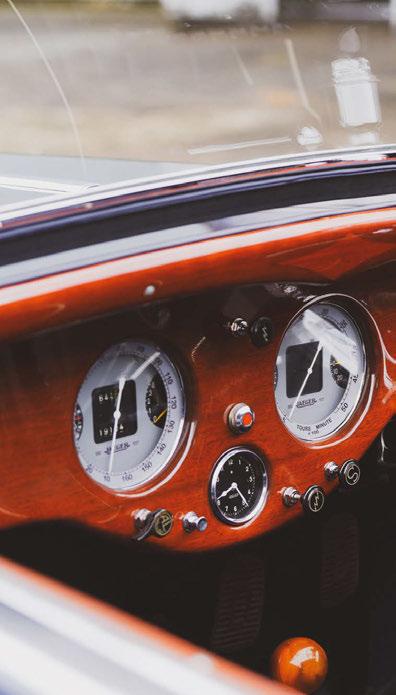
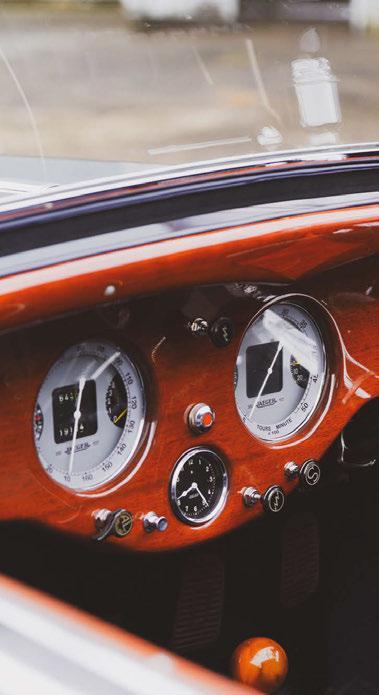
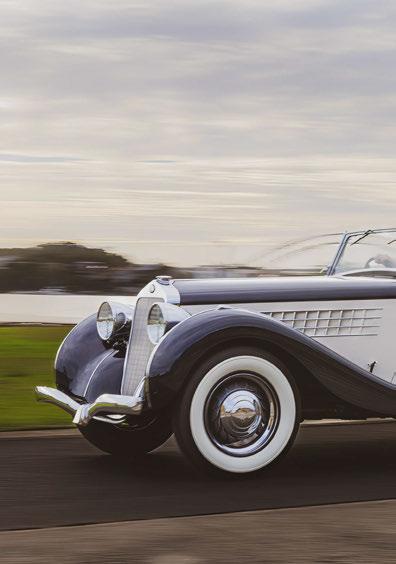

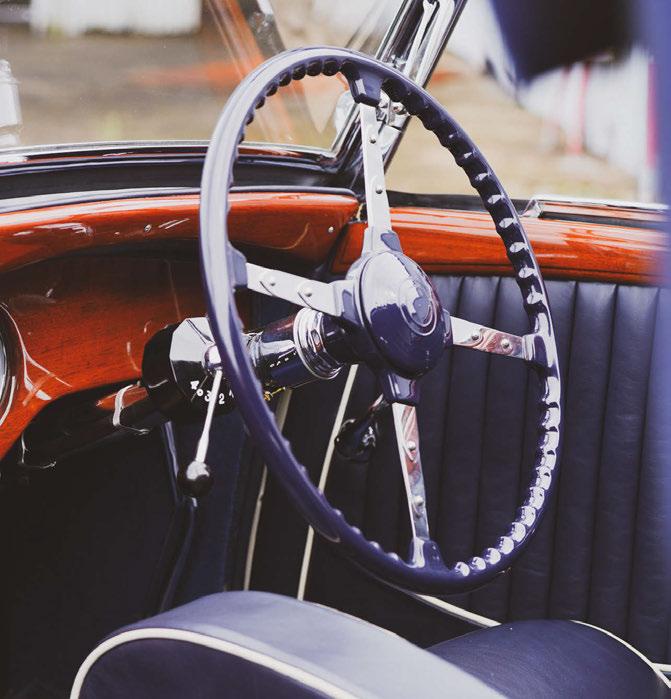
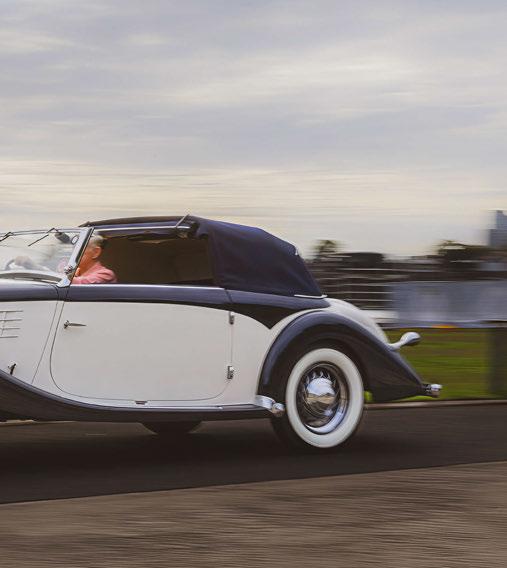
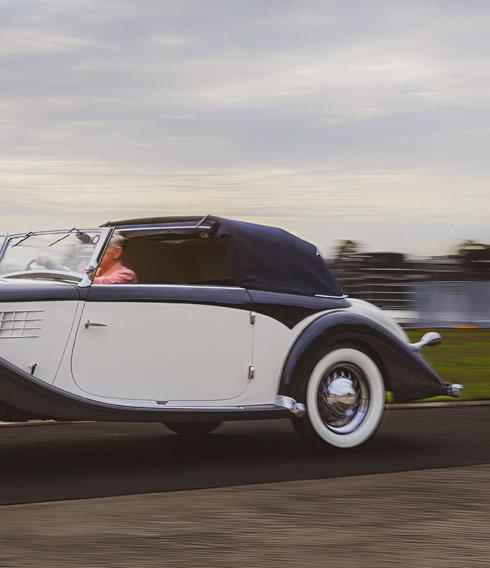
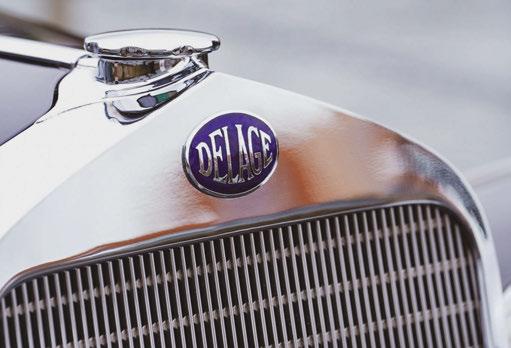

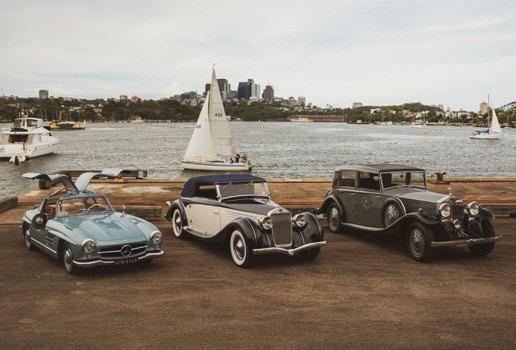
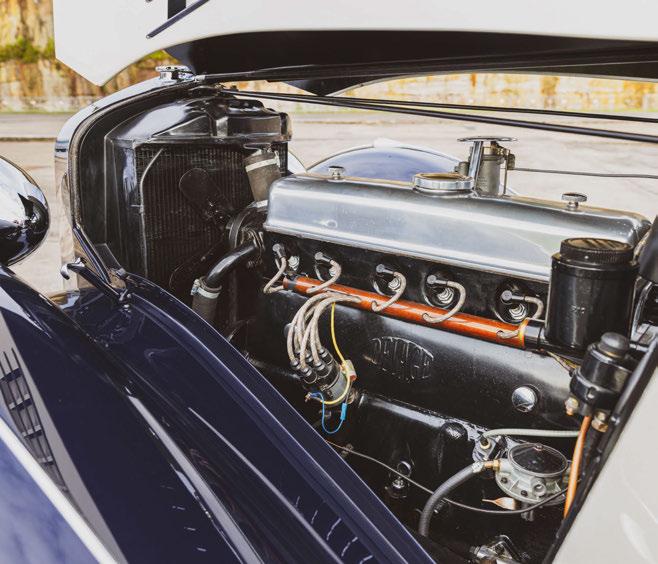
‘If balance alone is a measure of beauty then this car is one of the greats’
A two-year restoration followed, a er which the D6-70 went to auction in Phoenix, Arizona with RM Auctions on 16-17 January 2014, where it sold for $544,500 all-in to a seemingly unlikely buyer. e Delage’s new owner was Peter Harburg, an Australian property tycoon and yacht racer be erknown for younger, more brutally fast fare. Usually with roundels or sails. At the 2025 Sydney Harbour Concours d’Elegance he showed his Porsche 917/30 005, an unused Penske team chassis, while his ’64 Ferrari 250 LM Scaglie i Berline a took the Enzo Ferrari Trophy at Pebble Beach last year.
Peter freely admits that this Delage is something of an anomaly in his collection: ‘I try not to buy cars older than me, so that would be 1942, but this one just had so much style I couldn’t resist it. It was an almost entirely aesthetic thing. Of course, I admire a lot of cars from that era, but many are nearly lovely rather than really lovely, beautiful in places but not quite from tip to toe.
‘ e di erence with this was that every element is just right and I fell in love with that sense of perfection, that lack of aesthetic compromise in any way. It is much more like a contemporary Italian car, Alfa Romeos in particular, than its French compatriots.’
While the French beauty was still in the US, it aunted itself at Pebble Beach in August 2014, a year that is otherwise memorable for the rst post-war Best in Show for half a century, Jon Shirley’s 1954 Ferrari 375 MM Scaglie i Coupé. e Delage set some headlines of its own, coming second in class (European Classic Early) and winning the French Cup for the nest Gallic car.
Subsequently it made the trip to Australia, but neither immediately nor in one leap. Back then, the Concours of Elegance, since 2017 se led at Hampton Court Palace, was more of a travelling roadshow that visited a range of historic royal palaces, and in 2015


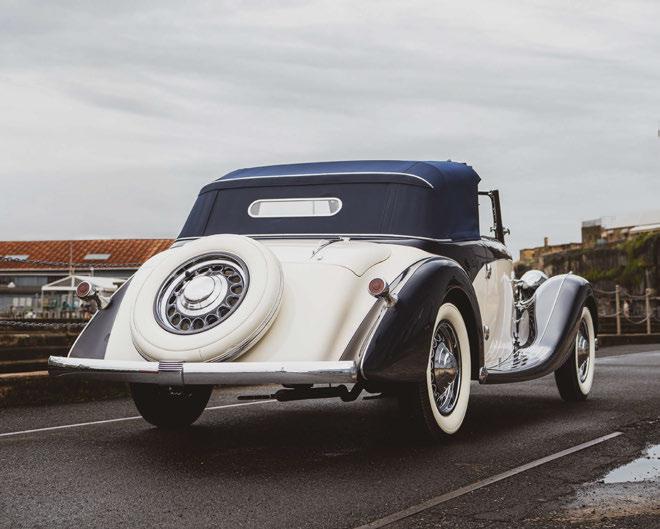






it was the turn of Holyroodhouse in Edinburgh. Peter, wife Jan and the Delage were there and especially enjoyed the spectacular pre-event tour of the Highlands: ‘ e whole event was fantastic and the tour was wonderful, full of history – we love history! – and really thoughtful and memorymaking touches, such as being piped into a school we visited, Loch Lomond and even the Duke of Argyll’s palace.’
e Delage nally arrived in Australia about two years ago and already it is gathering more silverware, meaning that, during its long and illustrious history, this spectacular car has taken major concours awards on three continents.
It is easy to see why. Its typically blu -like grille is bold and con dent, just on the right side of arrogant, while the fold- at screen adds a certain Hollywood glamour, as do the bold thick-band whitewall tyres and extravagant body-coloured cover for the boot-mounted spare wheel. e rear lights extend on stalks like fallen tulips, the chrome boot pulls – each running a full foot down the back of the car – are similarly ornate, but, like everything here, they are gorgeous rather than gauche. Ironically, the least Deco thing on it is the Figoni & Falaschi badge.
In the cockpit, it is right-hand drive with a tunnel-mounted gearlever and handbrake to the right, the seats have bold piping, and the heavily varnished dash, with just two
multifunction dials and a clock, seems almost orange. More cra has gone into the construction of its four-spoke steering wheel alone than went into many cars of the era. e Milord bit is demonstrated in the photos that show it roof half-back. In short, all it means is that a three-position fabric roof can be locked into position half-open (or half-closed), whereby the rear-seat occupants are covered from the elements and the driver and passenger are not: a sort of cloth landaule e in reverse. If balance of shape alone is a measure of beauty then this car is one of the greats.
Of course, the nal fate of Delage and its guardian Delahaye was ignominious. Firstly, in 1938 SNAD was marginalised as Watney announced Société Anonyme Française des Automobiles Delage (SAFAD) would take control of operations. Although he and Louis Delâge were involved, Delahaye held 945 of the 1000 shares. en, like so many French pre-war motoring titans, both marques struggled a er the war and limped into obscurity shortly a er, being absorbed by Hotchhkiss (itself on borrowed time) in 1954. ere is no more brutal reminder of what greatness was lost than this Figoni et Falaschi D6-70 Milord Cabriolet.
THANKS TO David Burgess-Wise, co-author with Daniel Cabart and Claude Rouxel of ‘Delage – France’s Finest Car’.
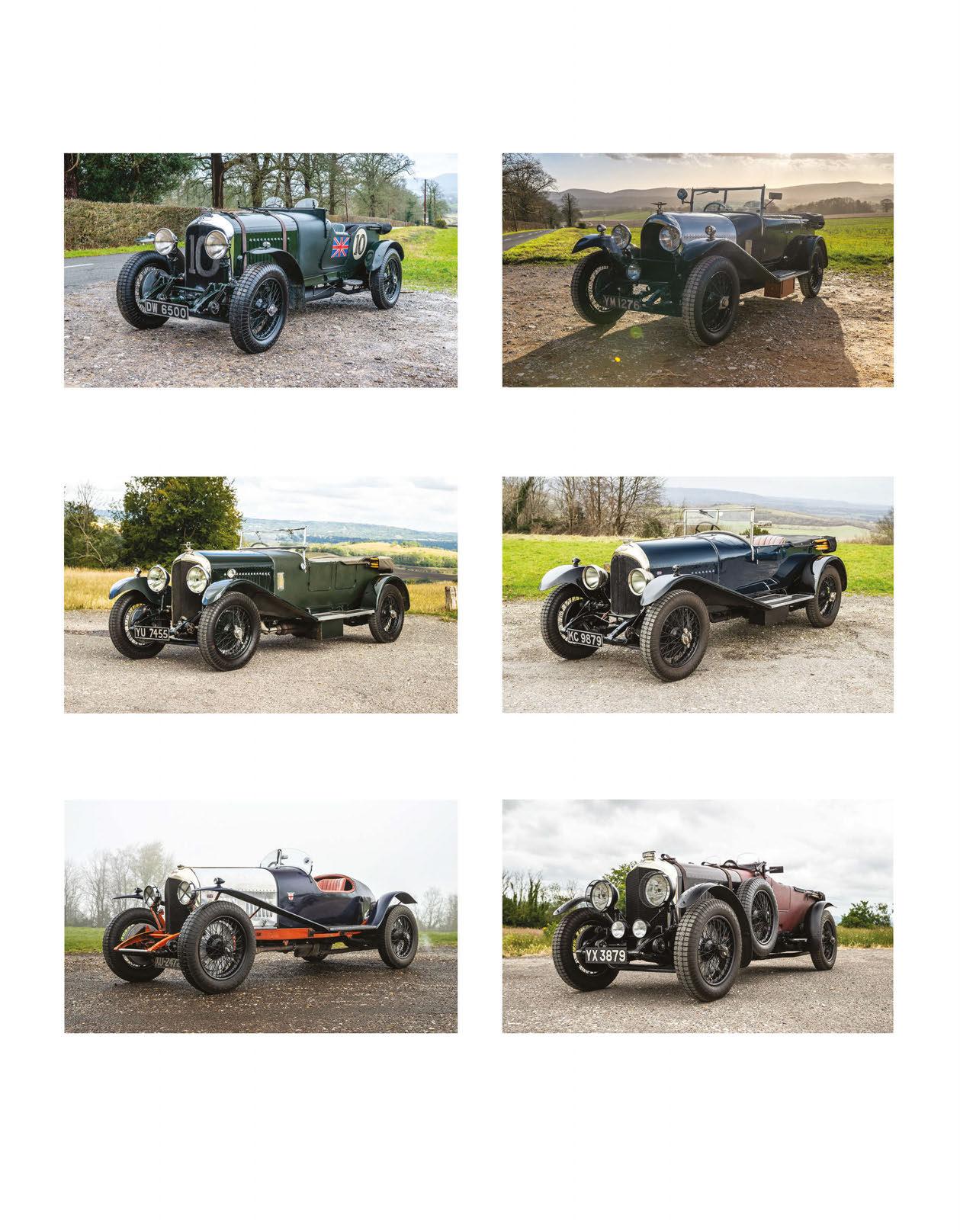

















Words Glen Waddington Photography JLR



Driving a prototype of next year’s four-door GT alongside some of the marque’s greatest hits reveals how Jaguar is translating past glories into the future








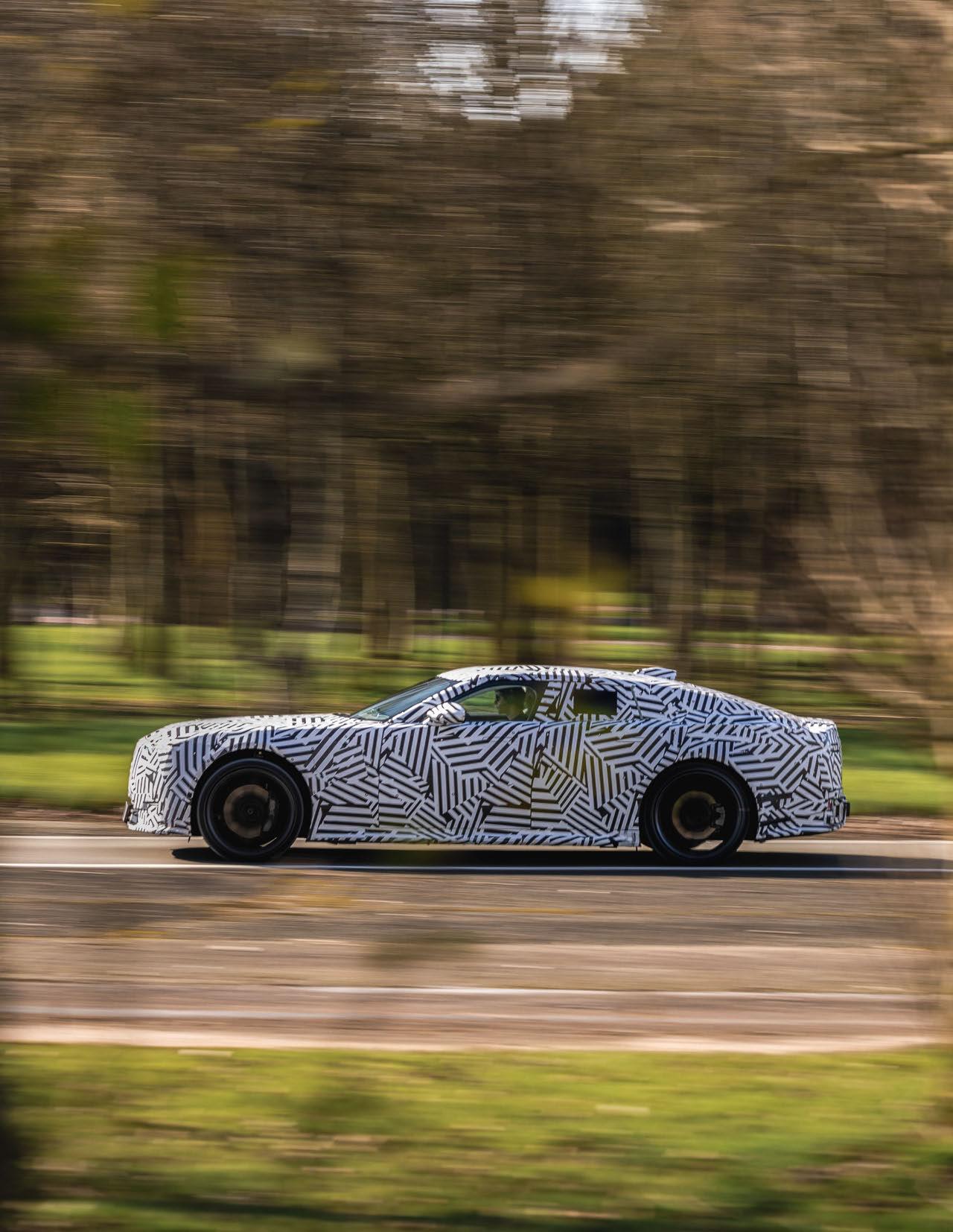
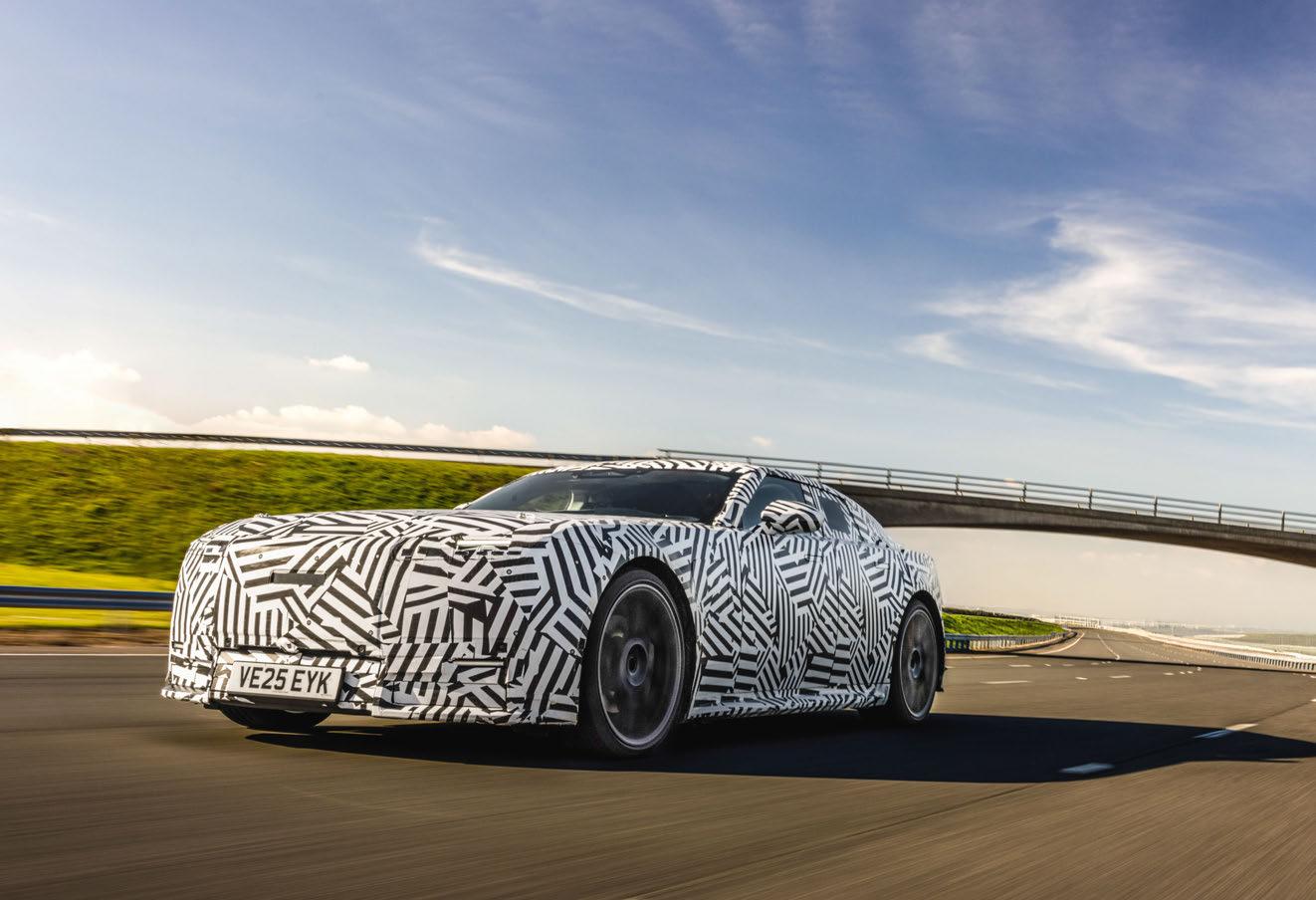
even a photo of the rear quarter of next year’s production car. And it’s a prototype of that car – internal code ‘X900’, referred to here at Jaguar’s Gaydon HQ as the ‘Fourdoor GT’, actual model name to be revealed in the coming weeks – that we’re driving on UK soil. Or rather, tarmac. Much of it broken, in a deliberate move, as we’ll find.
So in a world where leapers and growlers are now of the past, and during a time in which no single Jaguar vehicle is currently in production, the company’s future is at stake like never before, if for different reasons than in the BL days or the transition from Ford ownership.
We’re nearly 18 months on from the controversial ‘delete ordinary’ rebranding exercise that went beyond viral and got whipped into what was approaching a political storm. Perhaps that’s evidence enough that Jaguar means something to so many. We’ve since had Type 00, the pink/ blue ‘design vision’ that sundered opinion, and many a teaser from logo to materials,
This is a step change in philosophy, a move into a future that Jaguar sees differently, a future of battery EVs with an emphasis on luxury, and profitability based on desirability rather than volume. Which explains why so much is riding on this car, why so much effort has gone into designing, engineering, testing and refining the product, yet also why its engineering and design teams have looked back in order to move forwards. Despite the clean sheet,
they needed to understand what makes a Jaguar a Jaguar. Even a rebranded one. I’m not allowed to divulge many facts about X900; in fact, I haven’t been given many that I could divulge. What we already knew is that this is a big car, around 5.2m in length, likely to weigh more than 2.5 tonnes. You can gauge as much as I can tell you in the way of its proportions from our photographs of the disguised prototype, which has caused a stir as far afield as Arjeplog in Swedish Lapland (where it went winter testing) to the roads of Leamington Spa (real world testing). Its length isn’t unusual (think Mercedes S Class) but its lowness certainly is. For reference, it runs on 23in wheels with 30-profile tyres. It looks barely twice as tall as those.
Underneath are three electric motors, one each for the rear wheels (with real-time torque vectoring), one driving both front wheels via an open diff. They add up to ‘more than 1000bhp’ between them, while the 120kWh battery promises range in the region of 400 miles. As well as all-wheel drive there is all-wheel steering. We are told

that the hardware is 100% representative of the finished result, but that software is around 70% of the way to being fine-tuned.
Inside, much is covered by swathes of black felt. I can see some of a slimline screen stretching across above the steering wheel; the wheel itself is pale in colour (as are the elements of door trim I can make out). Can’t see any slabs of walnut, so I guess this new interpretation of luxury will be more about refinement and comfort than traditional finishes.
The seats are trimmed in a fine, tweed-like cloth; their slender shape and the smalldiameter wheel (a broad central span with some subtle switchgear inset, plus a vestigial lower spoke) suggest a little of the futuristic ambience that Lotus aimed for with the Esprit and Aston Martin with the Lagonda back in the 1970s, only now we have the tech to go beyond their Space: 1999 aesthetics. Importantly, I am comfortable, able to achieve an effective driving position and supported yet cosseted by the seat’s tender embrace. And it’s low. Sports car low. The view out is across a broad, flat expanse of bonnet. The shallow windscreen is distinctly beetle-browed.
Noting the presence of a late Series 2 XJ 5.3C, a series 1 XJ12 saloon, and first and last Jaguar E-type roadsters, I pull away in X900, thinking of what I’ve just been told by Jaguar MD Rawdon Glover and X900 chief engineer Jon Darlington.
‘WE DROVE THE past to drive the future,’ says Glover. ‘This is our first proof vehicle. How does it link to our past? Have
we thrown away our heritage? What the past 15 months have told us is that people are really passionate about our brand.’
Darlington takes over. ‘We started with a clean sheet five years ago and we didn’t benchmark other luxury GTs or EVs,’ he says. ‘Instead we raided the JLR Classic collection. We made subjective assessments around the sense of occasion on approach; the “handshake” on getting in and starting up; the drive-away, that “50m feel”; how it coped with road surfaces and delivered power. Only then could we translate that 60-year gap in engineering, making sure this is fundamentally a great Jaguar.’
The stand-out car from Jaguar’s past, the one they chose as a reference for the future?
The XJ 5.3C: ‘Excellent primary comfort and roll control. The perfect combination of luxury and performance. It was the bullseye car for us.’
He also shows us an early profile sketch for William Lyons’ SS1 Jaguar, an Art Deco masterpiece; immediately Type 00 makes sense. ‘The engineer’s job is to deliver the stylist’s proportions,’ he tells us.
THAT ‘50-METRE feel’ reference springs to mind even within the parking area, and not only about today. Back in 2007 I drove one of the very first XFs. It had been delivered by truck to my driveway and as I backed it over the dropped kerb it struck me instantly how taut the suspension felt. Great car, but it had quite a firm ride, something I didn’t think was very Jaguar.
That’s not the case here. There is a sense of fluidity and controlled softness about
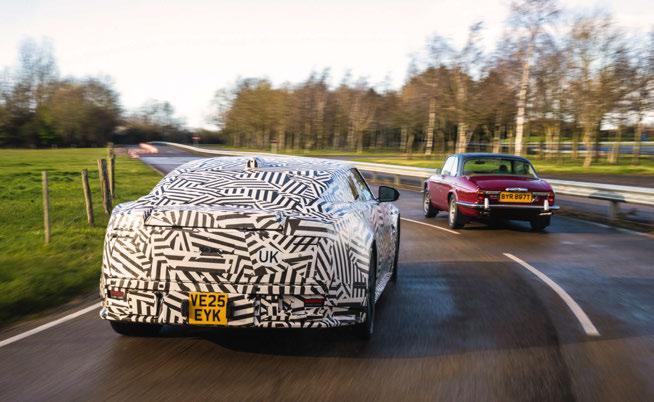
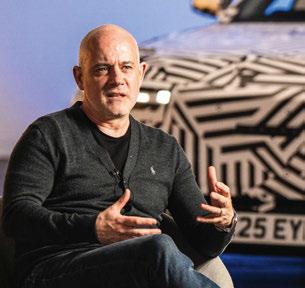
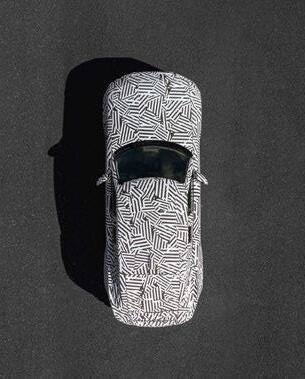
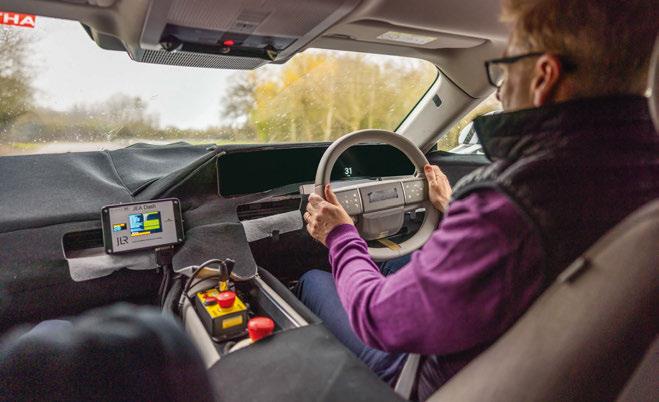
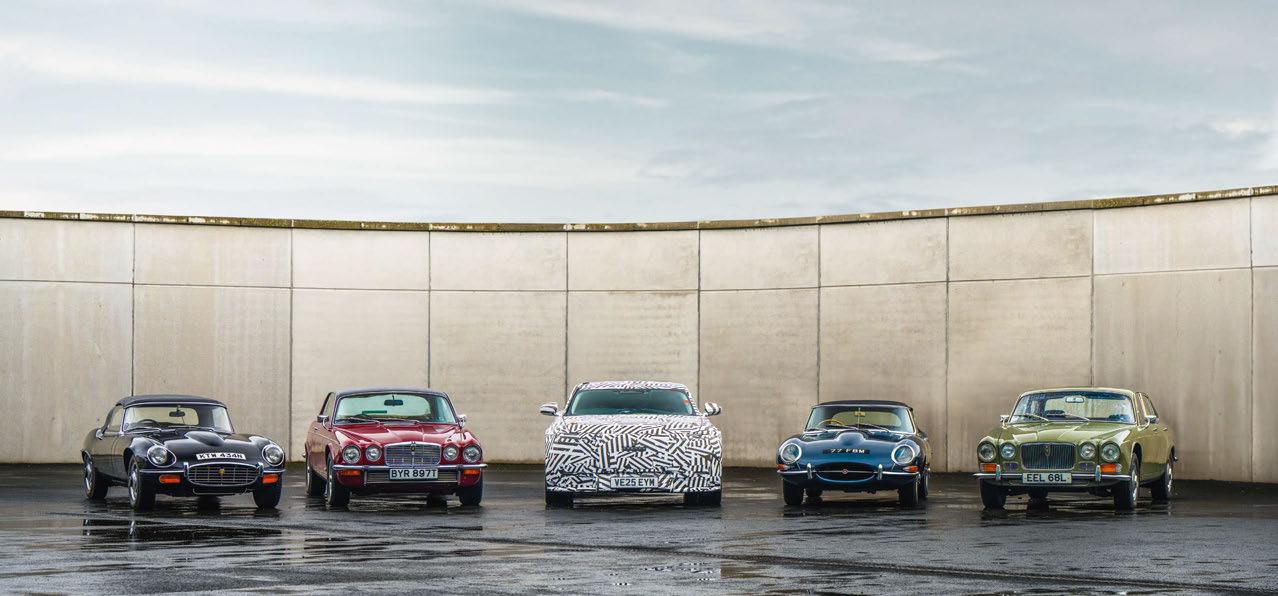
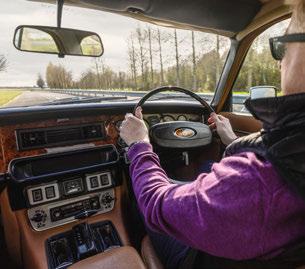
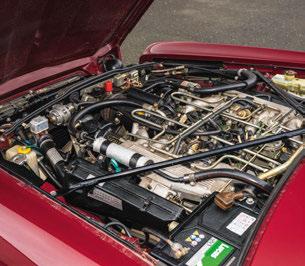
Clockwise, from above 1978 XJ5.3C was the new car’s dynamic inspiration; X900 with its forebears; V12 E-type is impressive on track; early XJ12 saloon feels old-school luxurious.
‘IT
X900 that is both refreshing (in these days of ever-increasing roll stiffness) and welcome (I’ve always been a fan of softriding cars). But it is resolutely not puddinglike: that word ‘controlled’ is key.
As we hit the test track, its ability to smooth away surface sharpness continues to impress, yet so does the accuracy of the steering and the ability of the damping to quell float while maintaining isolation. It rides like a luxury car should, yet feels as engaging as a GT should. If anything sums up the greatest of Jaguar’s traditional dynamic attributes, it is this.
It is also brisk. Extremely brisk. But unlike some EVs that might be considered as competitors (I’m thinking of two in particular from Stuttgart), as well as prioritising ride comfort, the Four-door GT doesn’t shock with the onslaught of motive force; it will shove you firmly in your back but won’t threaten the tendons in your neck.
‘We wanted to maintain the perception of power that’s lost in some rivals,’ Darlington had told me. ‘Think effortless progression and reserves of power. Not an instant dump of torque.’
We’re doing about 80mph. I flex the accelerator pedal and we’re almost instantly hitting the ton, yet the feeling is that we have gained pace smoothly, and in proportion to the angle of my right foot. It is not an on/off switch. And I hadn’t floored it.
The ride remains velvet-like, there is some roll into corners that feels natural and progressive, rather like the acceleration, inspiring confidence and not nerves. The steering isn’t brimful of feedback, no electric rack is, but it is quick, responsive and consistent. About the greatest compliment you can pay the X900 is that its dynamics always impress – hugely – but they don’t overwhelm. It is a class act.
And it really shines when we leave the high-speed stretch behind and take to the rough stuff. ‘It would cost JLR less to keep this track pristine than it does to maintain the ruts and potholes,’ smiles Nav Shamshiri, JLR’s product character and performance manager, from the passenger seat. ‘They’re always having to sweep gravel out of the potholes.’
You can see the state of the surface, from ripples and ruts to compressions and humps, and with split surfaces that are intact on one side, wrecked on the other. The X900 (a hard-driven prototype, don’t forget) shrugs off everything – yet we know exactly how hard it’s working because you can hear the twin-valve Bilstein dampers in
action; as special ‘take-apart’ units that can easily be removed, adapted and re-tested, their housings rattle in a way that production versions won’t. If you couldn’t hear that, you’d have no idea how rough the road is.
It’s particularly impressive given that the X900 rides on air, a system that traditionally struggles with shortwave corrugated surfaces. ‘They have two-stage air chambers, so the initial movement is soft. We can maximise compliance because the car is so rigid, with a low centre of gravity and 50:50 weight distribution. There was no need for active roll cancelling,’ Darlington had said. The result is a car that feels engaging yet supremely refined. To repeat a phrase I have heard more than once already, ‘it breathes with the road’.
Enter the ‘bullseye car’. This 1978 XJ 5.3C is one of the very last V12 coupés; it’s also highly original, showing only 26,000 miles on the clock. That incredible engine fires with a whoosh, settling to an idle that occasionally rocks the car but otherwise is notable largely because sensations are absent. There’s wood and leather in here, of course, though it’s interesting to note that doors and centre console are awash only with vinyl; the dash is a plank that’s inset busily with 1970s plastic vents and individual instruments. The wheel features a skinny plastic rim and two spokes with a broad central pad.
Select drive on the T-bar and it thunks into action, the V12 swishing us along as the wheels glide across the tarmac. Speed builds and so do revs; the engine remains physically silken, though you gradually hear more
effort made. It’s neither noisy nor silent, but what you do hear is indistinct, as though the 12 firing pulses are overlaid to such an extent that its audible character is seamless, combustion blending with the muted thresh of the valvetrain. Couldn’t be more different from an Italian V12.
There’s torque aplenty, and acceleration is of the hand-of-god variety, like you’re being pulled along by some unseen force. If a V12 was the smoothest way of propelling a luxury GT back then, an electric motor surely is now. As for the ride, yes, you can tell exactly what was benchmarked, such is the languidness of the XJC’s ride and the gentle way in which it tips into a cornering attitude. The steering is light, a little disconnected, but never vague, and highspeed cornering feels assured.
We hit the bumpy stretch and the XJ does its thing, shrugging off the ruts with aplomb, absorbing them thanks to sophisticated suspension geometry and a perfectly judged combination of spring and damper rates, rather than merely smothering them with mass. I’m interested to hear that, although the XJC was appraised subjectively, later scientific measurement proved that the X900 behaves in a very similar way, and that the rougher the road, the more the graphs match.
It’s a similar story with the XJ12 saloon, a beautiful olive green survivor from 1974. It has a prettier, more period dashboard, and there’s a bit less wind noise plus greater body stiffness, with less flexing when the going gets tough: the saloon lacks the frameless door windows and pillarless
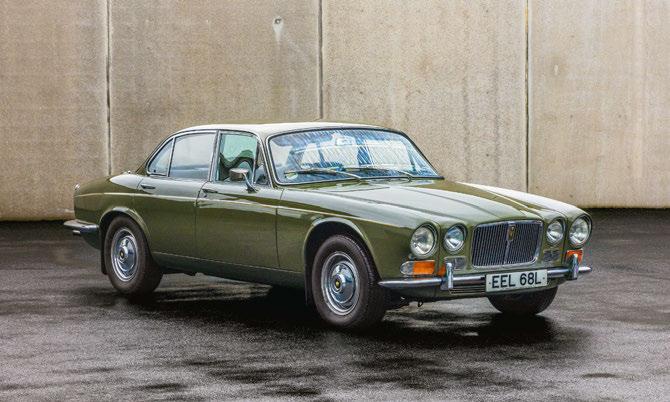
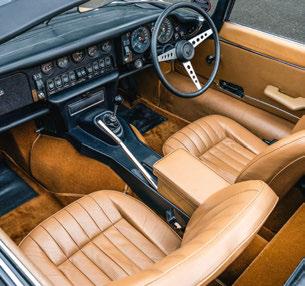
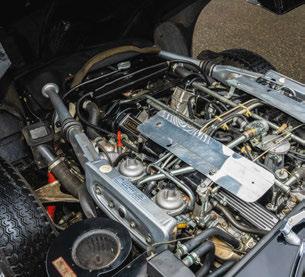
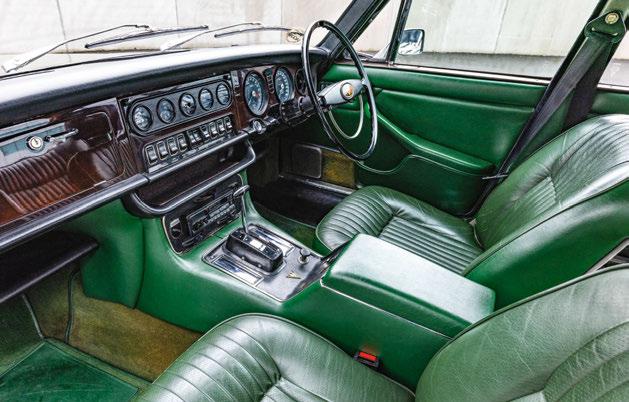
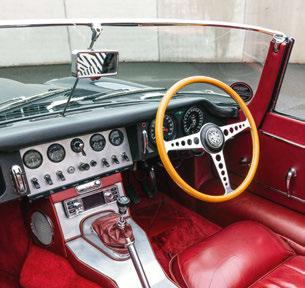
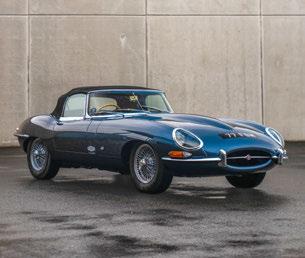
openings of the coupé. Perhaps there’s a little more looseness in its limbs over the rougher stuff, the feeling that a bit of suspension development between Series 1 and Series 2 benefited the later car, so its damping is more in tune with the springs, enabling closer control of the softness. Otherwise the main difference is thanks to carburation rather than injection: the earlier car’s SUs grant it a sharper throttle response though it’s harder to modulate when manoeuvring. The X900 manages both.
The big surprise comes with the V12 E-type, an absolute belter of a car from 1974: we’re not supposed to like these, according to E-type purists, but the long wheelbase looks better in roadster form, and the extended doors make it easier to get in. This one is a manual, it has power steering, and it devours the track with its lusty acceleration and engaging feel.
We shouldn’t forget that the independent suspension that was developed for the E-type was a Jaguar mainstay for generations, working its way (in principle) beneath the XJ40 and, via the XJS, keeping even the Aston Martin DB7 out of the weeds. Here it gives the E-type a smooth-riding GT feel. We hit those bumps and the lack of weight means there’s a bit more body movement but the essence of suppleness remains intact.
Finally come the keys to a rather special car: a 1961 E-type ‘flat-floor’, one of the earliest roadsters, with the Moss gearbox
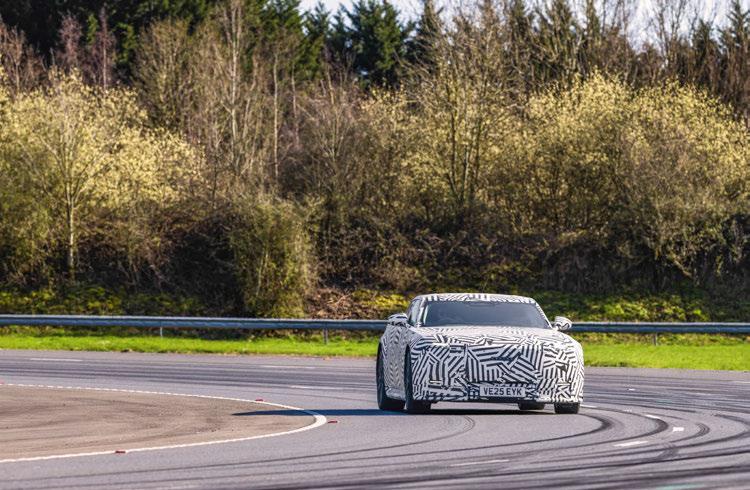
and – uniquely, in this company – the venerable 3.8-litre XK twin-cam straightsix. What a delectable machine, markedly different in character from the V12 E-type, more immediate, more biddable, far more sports car than GT.
So yes, it’s not a surprise to find that this example, while composed, lets you know more clearly about that rutted stretch of road. But equally, its reaction to the throttle in corners is also far more noticeable: it is readily adjustable without even thinking of getting into a lurid slide. The old car is the best evidence of the duality of Jaguar among the classic crew, playing the other side of the coin to perfection.
And then there’s a final, brief chance to sample the prototype again. Familiarity breeds confidence and this time I’m a bit keener with the high-speed stuff – and discover that, rather like the early E-type, this huge EV can offer up the eager reactions that enthusiastic drivers revere. Shamshiri mentions the progressive-rate rack, which increases the steering ratio the more you turn the wheel, and while you’d never know that the rear wheels are helping with turn-in and stability (up to a maximum of 6º) you certainly feel the benefits of their actions. Only you won’t break a sweat: the X900’s handling abilities are as polished as its ride. In one respect, the design-led engineering approach has made a virtue of necessity. The long nose and short front overhang free up space ahead of the bulkhead to contain the high-voltage componentry. Meanwhile, the car’s torsional rigidity of 50kN per degree was assisted by integrating the battery frame into the structure. The battery itself is split, one element pushed further forward. Both rows sit on top of the cells, but there is room for rear passengers’ feet in the gap between the two sets. Jaguar has engineered the seat structures to make them unusually shallow, and the result is extremely low overall height and a centre of gravity only 60mm below the driver’s hip point.
Of course, to learn this on the same day as revelling in the E-type’s simplicity is telling, like an old interview I remember with Police guitarist Andy Summers, revealing the vast array of amps, stacks and effects it took to replicate in a stadium the sound he’d earlier achieved with a Fender Telecaster, Twin Reverb and a Marshall cabinet.
History is bunk, or so Henry Ford was often misquoted as saying, yet here the past is playing its part in making the next Jaguar the best it could be. Let’s just hope the future doesn’t come to haunt it.
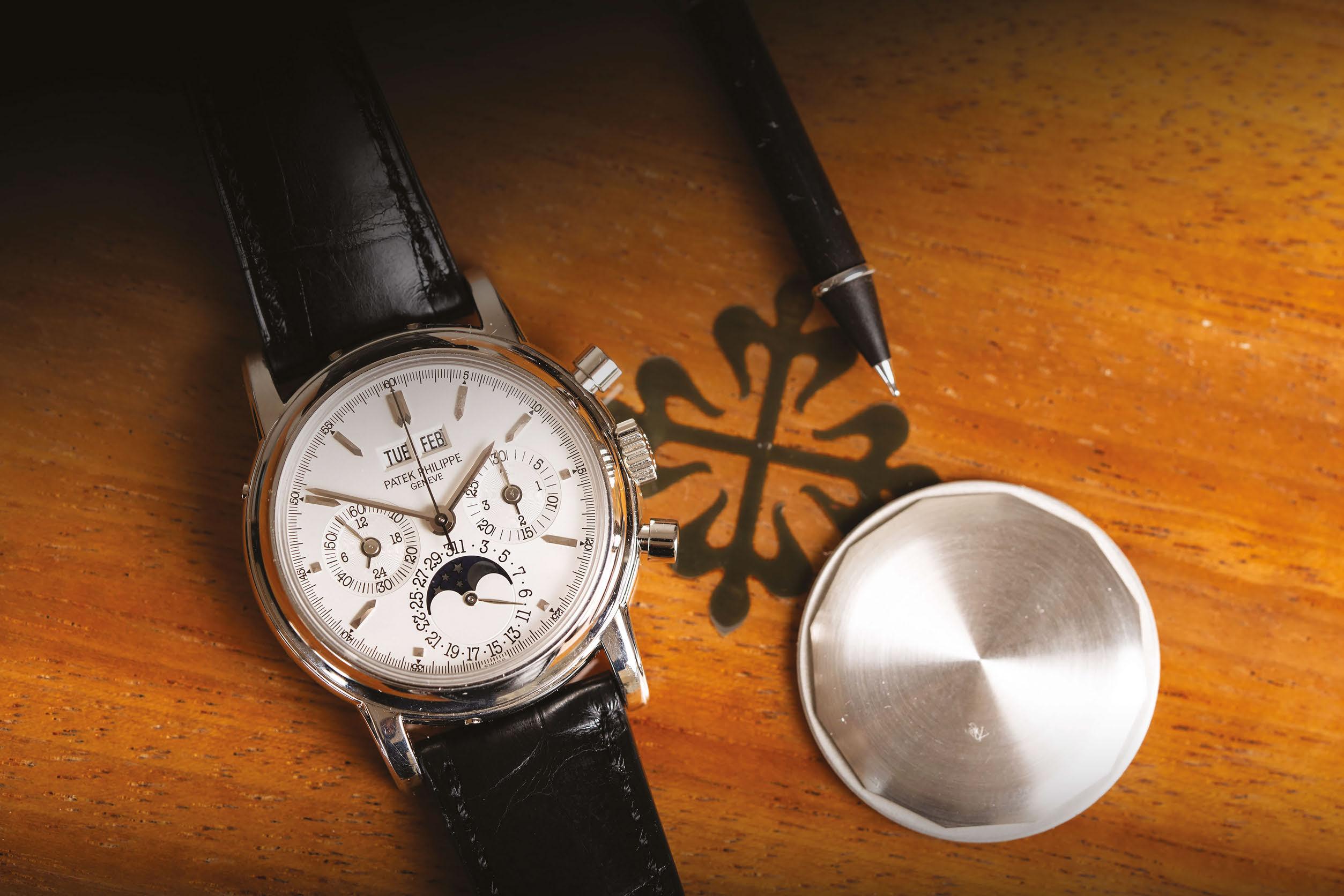
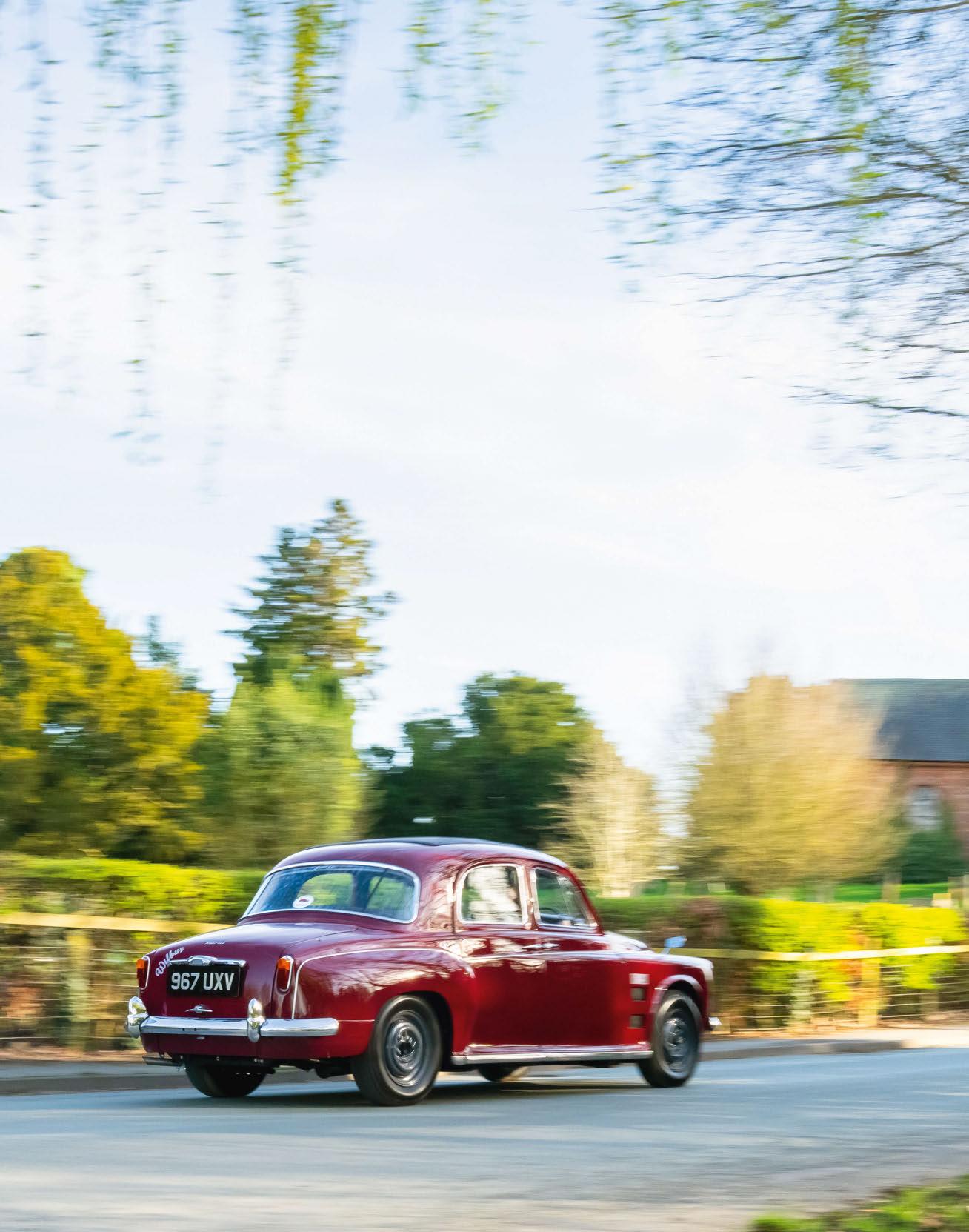



Rev Adam Gompertz has dedicated his life to helping others. Now a television show has repaid a public debt by restoring his beloved Rover P4
Words and photography Alex Goy
‘THERE’S AN INHERENT dishonesty to Car S.O.S,’ says the TV show’s co-host Tim Shaw. ‘All of this is predicated by needing the family to lie to their loved one about where their car’s going.’ And that, round and about, is how a small but dedicated group of people ended up lying to a priest for six months. In this instance, if someone was watching from on high they’ll surely forgive this particular sin, because the priest and his motor were in a pickle.
For the uninitiated, Car S.O.S goes out on National Geographic. It’s now in its 14th season, and each episode sees hosts Tim Shaw and Fuzz Townshend find a car in need of restoration and go about making it right again for a deserving owner. Of course, they don’t wander the streets looking for knackered MGBs and knocking on doors. Cars and their owners are nominated by friends and family. Once a suitable car and cause are found, the deception begins.
Rev Adam Gompertz, known to many as The Rev, is a wonderful human being. He’s a former car designer and his parish isn’t a traditional one, instead being formed around a series of classic car shows in Shropshire. Rather than get the people to God, his idea is to unite people under a common cause, and if they want to talk about the big man on high they can. He’d regularly attend these ‘Revs’ events in Wilbur, his 1962 Rover P4 100. ‘I named him after William Wilberforce, the advocate for the abolition of slavery. I wanted, in some way, to bring a kind of hope to people with him, and with Revs – whether they were people with faith or not,’ notes Adam.
Wilbur was his connection to a world he loves dearly, and was proof that practising and preaching go beyond the pulpit. When Covid-19 put a halt
to gatherings, he put the idea online via the REVS Limiter Facebook group, which united car enthusiasts all over the world, offering community and support to those who needed it.
His work has undoubtedly helped hundreds. Adam is a man dedicated to making sure others are in good shape, and he has always been open about his own struggles. His battle got much harder as OCD, PTSD and depression consumed his life, taking him away from work to concentrate on recovery – and 2025 was a dark year for him. And in the midst of all of that, his beloved Rover wasn’t in a good way either.
Wilbur wasn’t safe to drive and a fix wasn’t within reach. Instead it sat in the Vicarage garage, taunting him. ‘There were periods, particularly last year, when I felt I’d failed everybody, and Wilbur was just another sign of having failed. And so, yeah, I couldn’t even go into the garage in the end,’ says Adam.
This, plainly, wouldn’t do. If there was a chance to get Wilbur back in fine fettle, those around The Rev would find a way. Many solutions were mooted, until someone wondered: ‘What about Car S.O.S?’
And so, after a lengthy approval and inspection process, Wilbur was accepted. Only then could the best kind of deceit begin.
DURING ADAM’S DARKEST days, even watching most television was a challenge. Something seemingly innocuous could reawaken old memories, or feelings, and set him back. The one show that didn’t was Car S.O.S. He found an escape in it: ‘When I’ve been kind of agitated and what have you, Charlotte [Adam’s wife, herself a vicar] knows that she can stick on Car S.O.S, and it will just chill me out, because it’s complete escapism… It became our safe space, and there’d be evenings when we would just watch three episodes back to back.’
Its formula was a comfort blanket for Adam, and the family would often wonder ‘what if?’ – enough to carry the idea forward, as Rev Charlotte Gompertz describes. ‘It was a lot of work,’ says the person who bore the biggest weight on their shoulders throughout the process. The car was to be taken away and ‘worked on by Robert Blakemore’s team at the Ecurie Bertelli workshop’, with whom Adam has a great relationship. It’d be used for practice, they said. Eventually it might come back in better shape. Honest.
Yet instead of Ecurie Bertelli, Wilbur was taken to the top secret Car S.O.S workshop in the Midlands, where the team got something of a shock. ‘Wilbur was in a predictable state of dilapidation: looking good from a distance with that soft focus of nostalgia,’ says Fuzz Townshend, the show’s co-host. ‘Getting closer, opening and closing doors, taking a look underneath, slowly things come into very sharp focus.’ Wilbur was in worse shape than expected.
‘We’re not a car show, it’s about people, because cars bring people together,’ notes Tim Shaw. ‘Cars are very important – they’re often your first big purchase in life. They offer you freedom. And that’s very much what this show is about.’ The cars featured have taken families on trips, been indispensable tools, a companion for life, and the show uses them to tell stories about their owners and the people around them. And Adam’s story spoke to the team.
‘Knowing that Adam struggles himself, I’m hoping that this car and what it’ll offer him will be the opportunity to get closer to other people who are struggling. To realise that he’s so needed by these people might help him in turn,’ says Shaw.
The selfless work Adam has done for so many is a credit to him, and the situation he found himself in proves the universe can be totally unfair. If anyone was deserving of a break it was him.
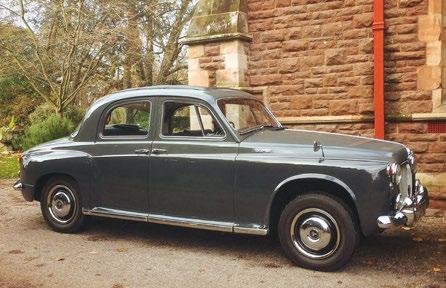
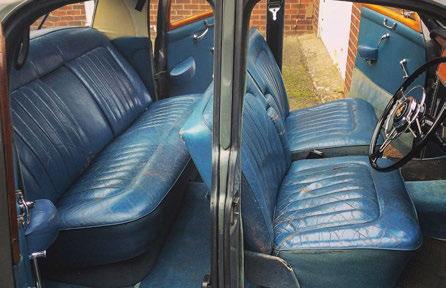
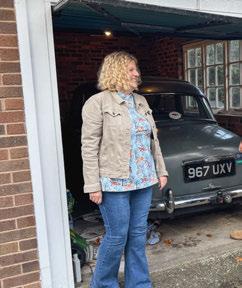
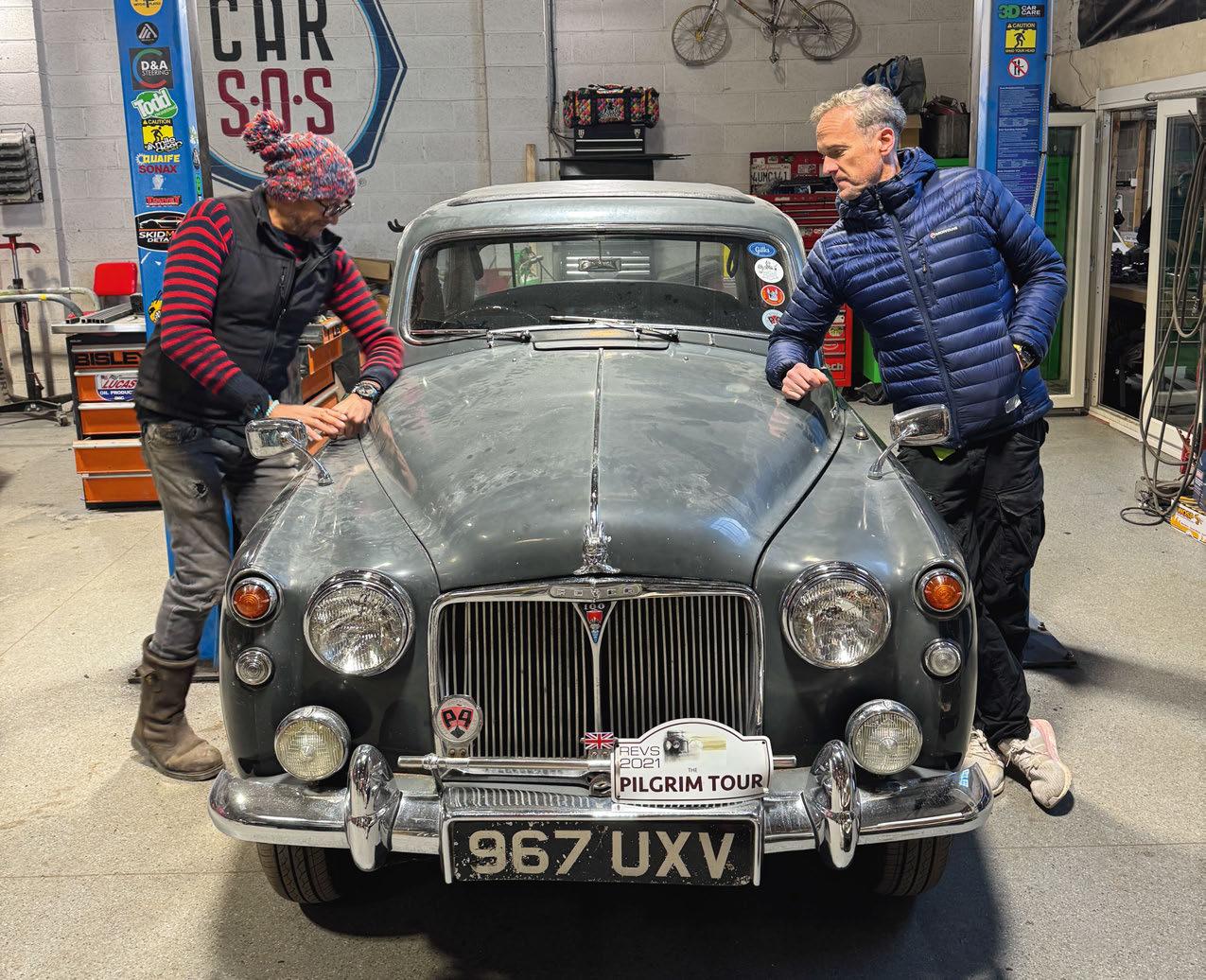
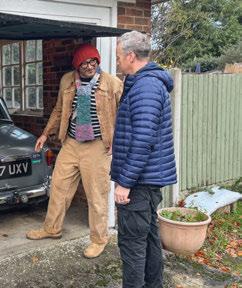
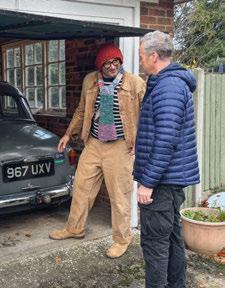
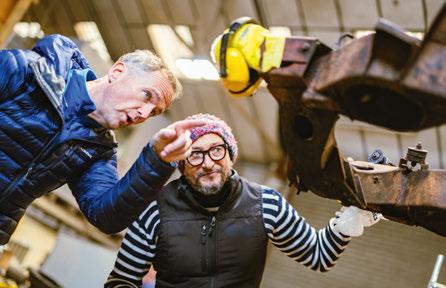
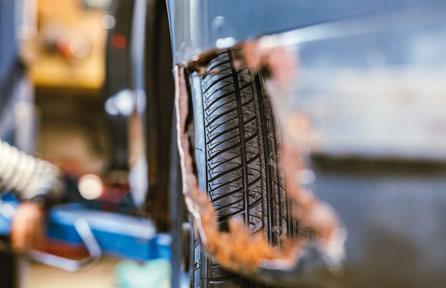
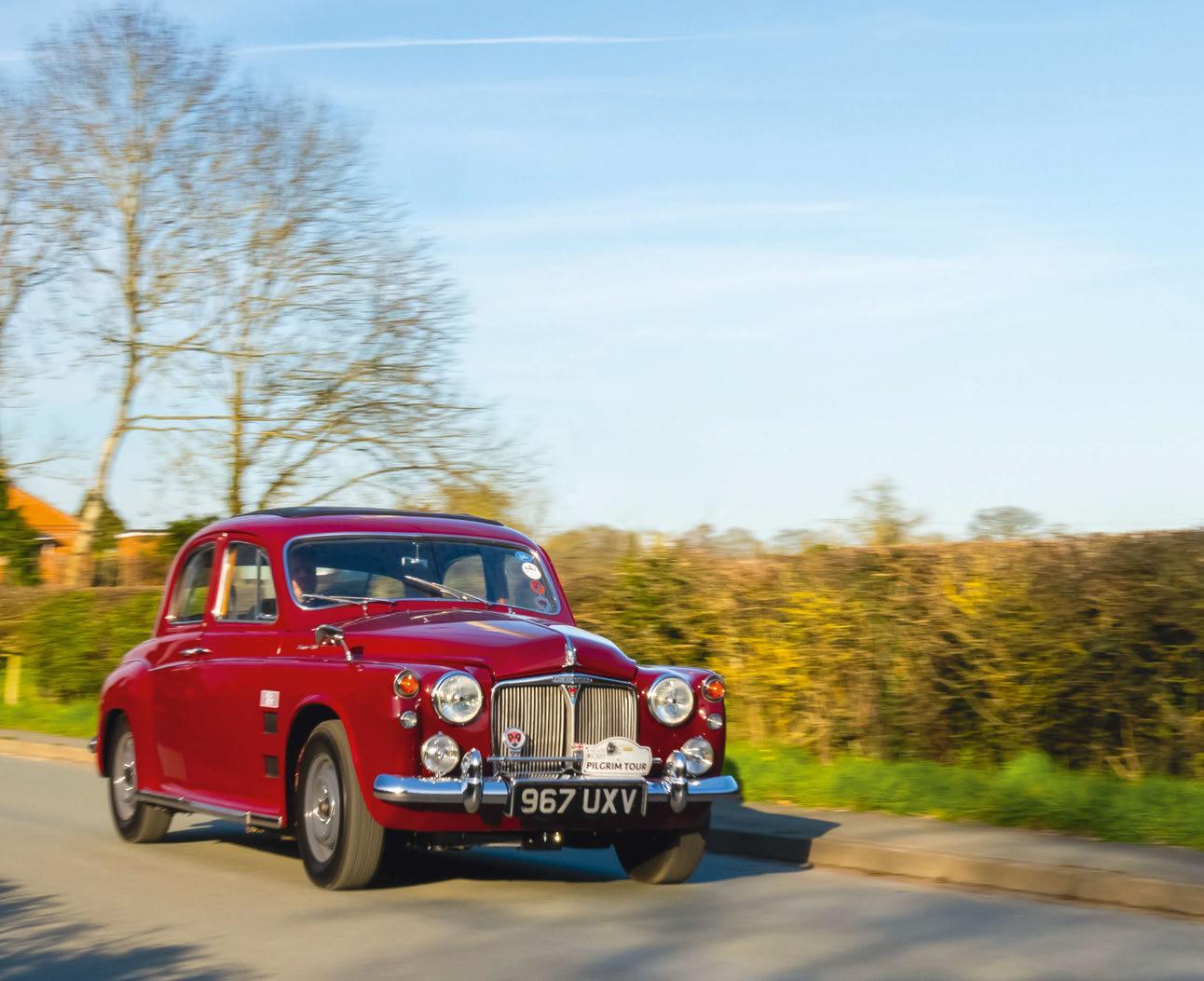
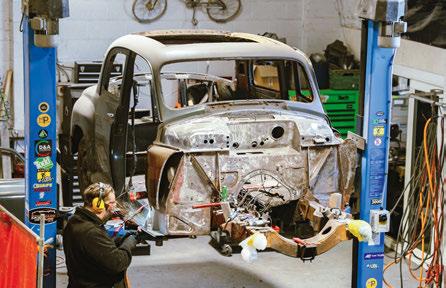





‘The team works hard to get the car to a state that it’s happy with’
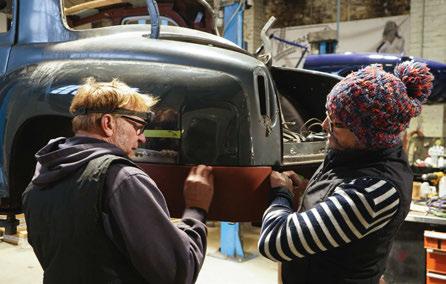
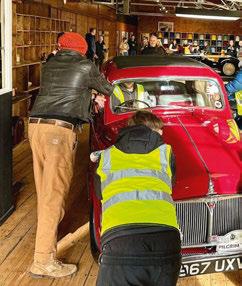
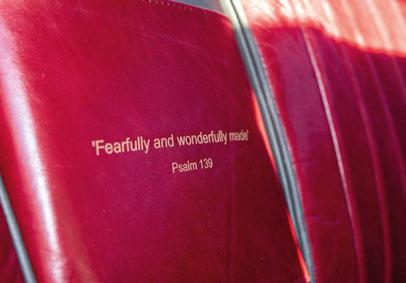
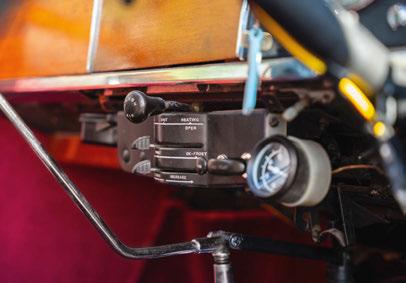
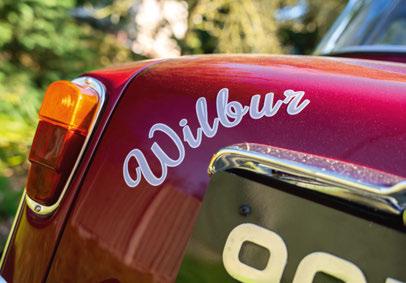
THE CAR S.O.S CREW know the job they have to do, but in order to do it they need to get under the skin of the recipient. In the case of Wilbur, the team recognise that Adam spends much of his working life talking to people, giving advice, and connecting with others. This is where Shaw’s idea of turning Wilbur into something of a mobile therapy room comes in.
‘The importance of the colour, the ambience of the leather… Its original blue is too cold, not conducive to encourage people to talk. You want warm colours, earthy browns, maroons, colours that encourage somebody to feel comfortable and to settle in,’ says Shaw. While Adam’s talking to his passengers, it would be unseemly to leave them parched, so the team builds a tea station into the rear bench’s armrest. ‘The presence of a cake and some tea or a coffee is something that’ll help people relax, right?’ he quips.
The team works hard under incredible pressure with a limited budget to get the cars to a state it’s happy with. ‘We press the reset button,’ says Townshend. But Wilbur is more than the bits we see.
Over nearly 1500 hours, the Car S.O.S team replaced, repaired and fettled… everything. Some highlights: engine, carburettor and gearbox serviced, rotten wings replaced, extensive welding, rear axle and differential rebuilt, new tyres, front discs and pads, rear drums and shoes, new brake lines, new fuel lines, rebuilt leaf springs, refurbished radiator, new overdrive switch, corroded overdrive shaft overhauled, wheels refurbished. That’s some reset.
And then the Morgan Motor Company joins the subterfuge. Adam is well-known for sketching at events, workshops, even at factories, something that’s kept his mind busy. Perhaps he could sketch at Morgan? Calls are made and plans are put in place for the deception to come to a wonderful end in Malvern.
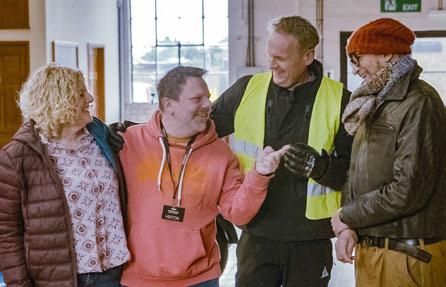
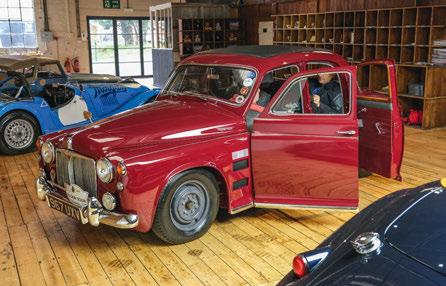
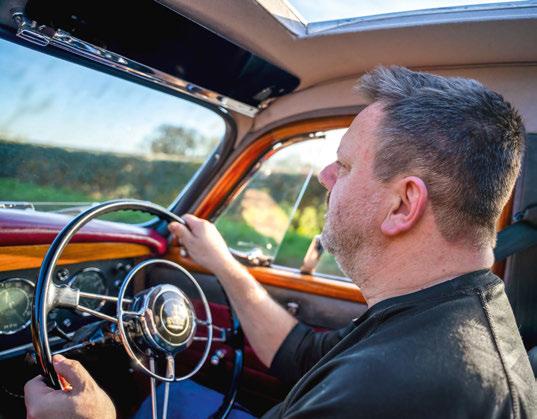
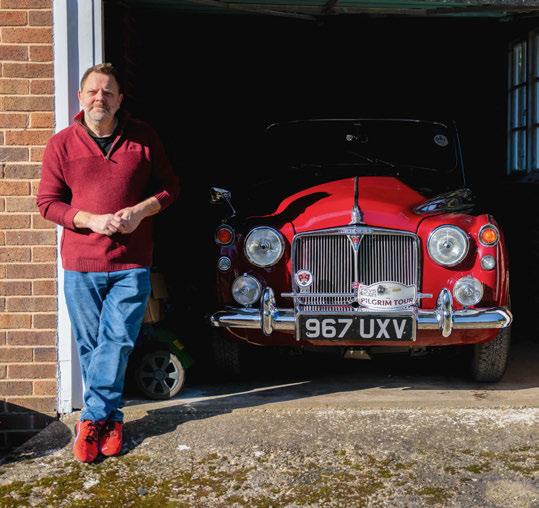
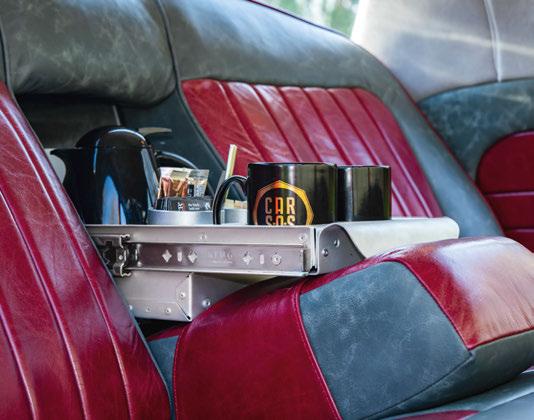
Left, from top Rev Adam Gompertz, back behind the wheel; Wilbur, resplendent and home once more; tea and sympathy come as standard.
Charlotte has the task of making sure Adam is relaxed enough to be out of the house, and to organise the people who’ll be at the reveal to meet him. Initial thoughts were to keep things small, yet more than 30 invitees have said yes. No pressure.
At Morgan, Adam will head for lunch and a natter before being shown the new car he might like to draw. He’ll be shadowed by a ‘media intern’ (actually a Car S.O.S producer) who’ll be filming Adam at work. The topic of the Super3 comes up, Morgan’s latest threewheeler – the ‘three-wheeled antidepressant’ as Adam calls it. It’s a favourite in the Gompertz household. The group discusses how Adam would spec his ideal car. ‘I reeled off my fantasy spec,’ says Adam. It happened to be the exact spec of New Wilbur.
WHEN WILBUR WAS selected for the show, there was much consternation about what to do aesthetically. Adam had often imagined a restomod as a saloon racer, and came up with three versions of it.
‘Being an ex-car designer, you kind of jump onto your computer, play around with Photoshop and, yeah, you turn your two-tone grey Wilbur into Dream Wilbur – which is a kind of tribute to 1950s/60s saloon and touring car racers,’ he smiles.
For the reveal, Adam is walked to where he will ‘sketch the new car’. Hidden under a sheet and behind a screen, Wilbur is waiting with Charlotte plus friends and family. Before the reveal, a motorcycle courier arrives with a package. As Adam opens it, the courier takes off his helmet, revealing Tim Shaw. The package contains a cake informing him, fondantly, that he’s been ‘Car S.O.Sd’. And while Adam’s cogs whirr, Wilbur is revealed.
‘There was Charlotte standing beside Wilbur. It wasn’t Wilbur that I knew. It was Wilbur that I wanted. And there was Fuzz and a room full of familiar people. To see the car was amazing, just incredible. Seeing the people was what really did it for me. That’s what made the lump appear in my throat, that’s what made my legs almost buckle under. Tim said he had to literally hold me up,’ says Adam.
Today, Wilbur is back at home and the Revs’ plan is to take the car around the country, offering people a unique place to sit, with a cup of tea, and enjoy a proper chat. Even in recovery, Adam’s first thought is to do good. It’s the measure of the man.
‘I prayed about it a lot,’ says Charlotte. Her prayers were answered, and a group of dedicated people got to work for someone who truly deserved a chance for the universe to show that it’s not all bad out there.
As for Adam… ‘I’m no more deserving than anybody else, and so to have it done is hugely humbling, and I’m very, very grateful,’ he says. But whether he believes it or not, Rev Gompertz deserved this win. And so did Wilbur.
Car S.O.S is currently running on National Geographic; the Revs Rover episode will air on 7 May.

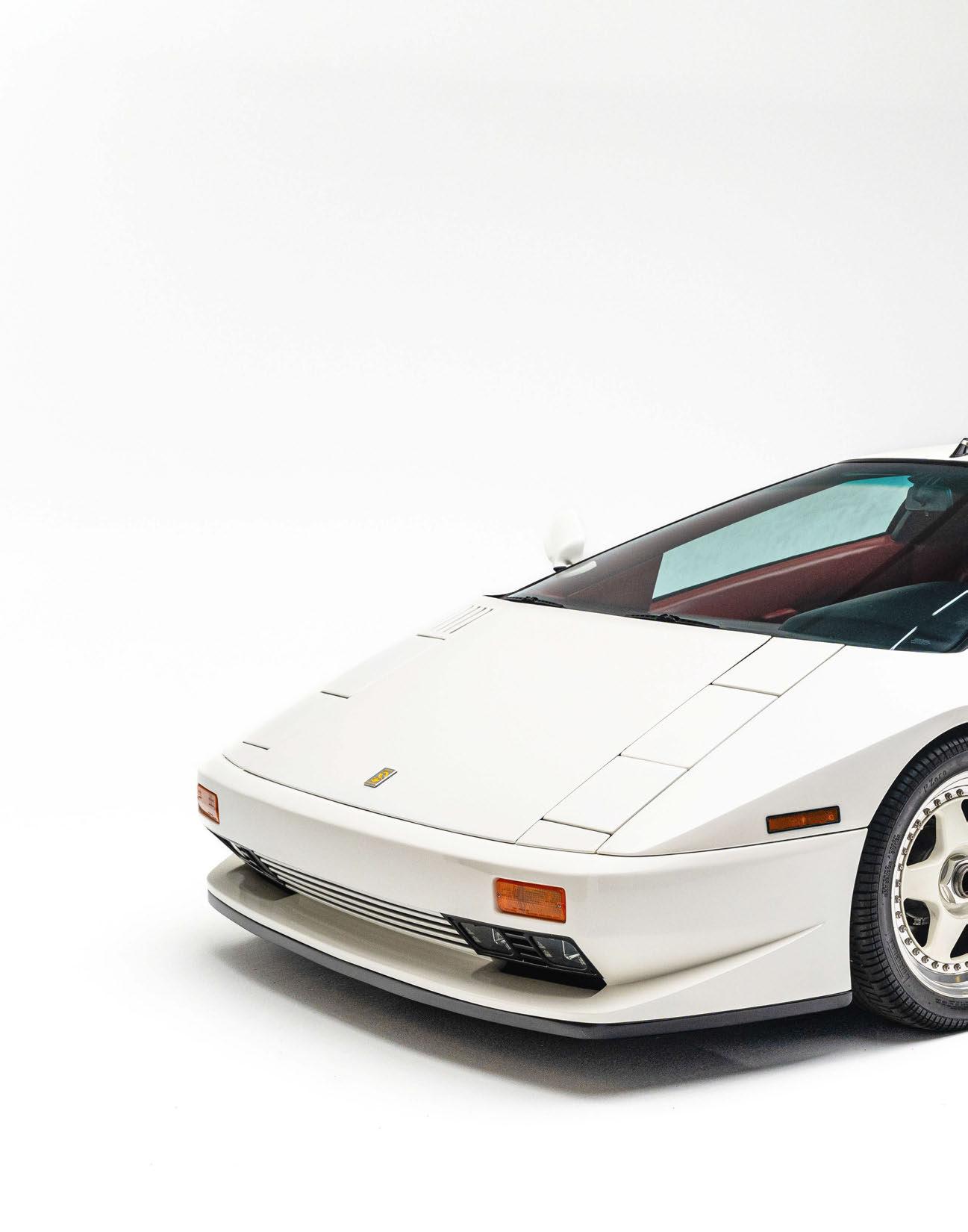
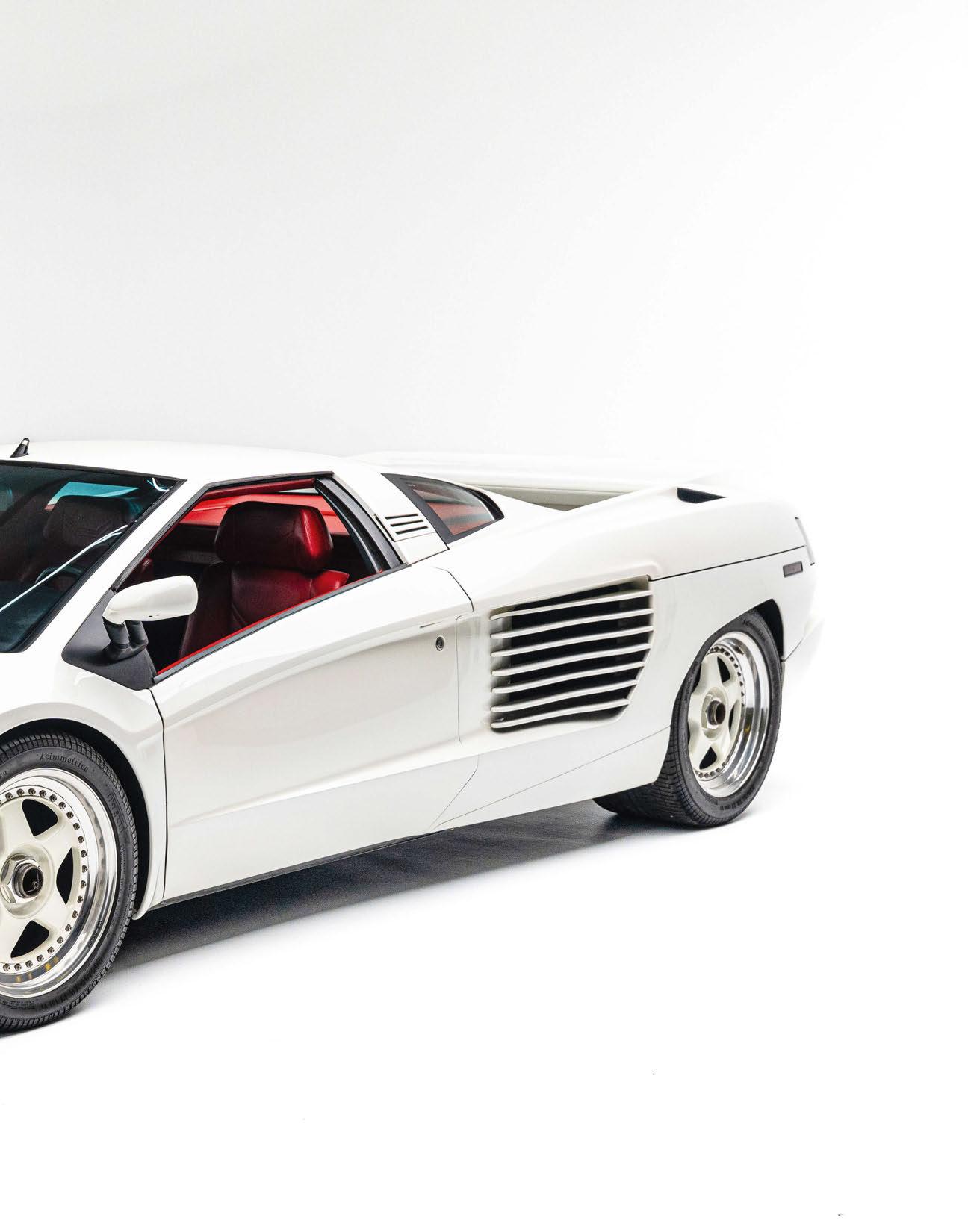
The Cizeta-Moroder V16T was a supercar like no other, engineered, designed and funded by superstars. And this is the very first of an ultra-rare line
‘Af
History was made in Beverly Hills on 5 December 1988. At the Century Plaza Hotel on the Avenue of the Stars, Jay Leno launched a spectacular event under the banner ‘cylinder count matters’, and with him on stage was the first example of a new marque. It represented an extraordinary technical challenge, created by a man who had devoted his life to getting the best out of Lamborghinis, and funded by a top-tier composer and music producer. That day, the stars in the supercar firmament aligned, and the result was the car you see here, the one and only Cizeta-Moroder V16T, chassis number 001.
The one and only? We’ll get to that. First an explanation of the name. The marque was founded by the late Claudio Zampolli, his initials pronounced chi and zeta in his native Italian. Thanks to him, this car was powered by a unique, transversely (the ‘T’) mid-mounted V16 engine. And his co-star in its conception and eventual birth was Giorgio Moroder, a trendsetter in the electronic disco music scene of the late 1970s and early 1980s.
Born in Modena in 1939, Zampolli had a passion for engineering and for cars. After training as an engineer, he joined Lamborghini in the early 1970s and spent eight years as test driver for the Espada, Miura SV, Urraco and then Countach. He then moved to the USA, where he was in charge of training Lamborghini’s servicing departments – and opened his own, the
Exotic Sports Car Dealership and Repair Shop in Los Angeles. It became the place to go if you were the owner of an Italian sports car, and was frequented by the stars. Ever wondered how Sammy Hagar was introduced to the rock band Van Halen? Another customer was Giorgio Moroder. Moroder was born in 1940, in Ortisei, part of Italy’s Tyrol region. He was a talented musician who tasted success while very young. After a short career as a singer, Moroder became a producer and songwriter for other artists, moving to the USA in 1972, where he began a collaboration with Donna Summer, generating such hits as Love to Love You Baby, considered the birth of the disco music era, and I Feel Love, which laid the foundations for electronic dance music. He won the first of three Oscars in 1979 for the Midnight Express soundtrack,
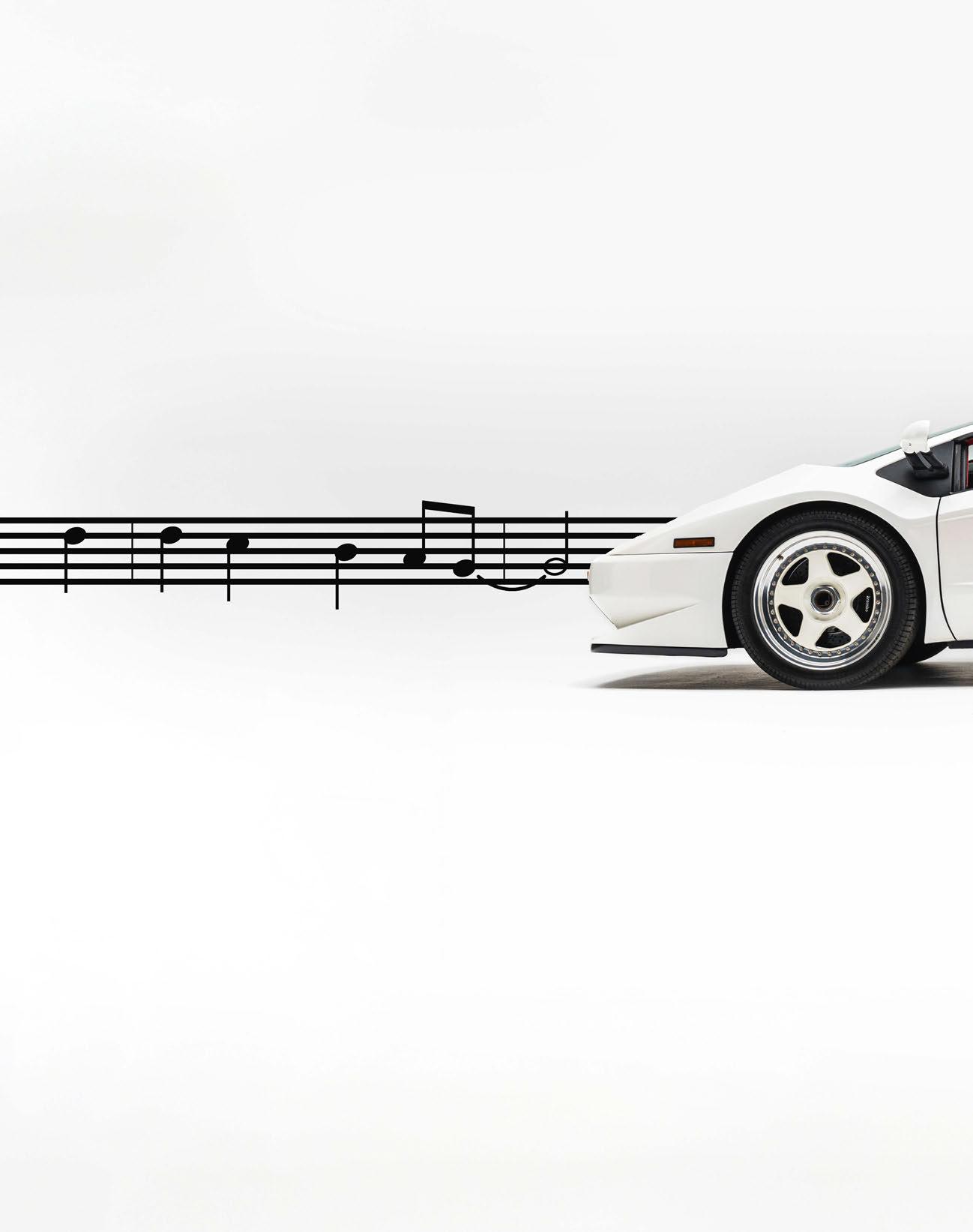
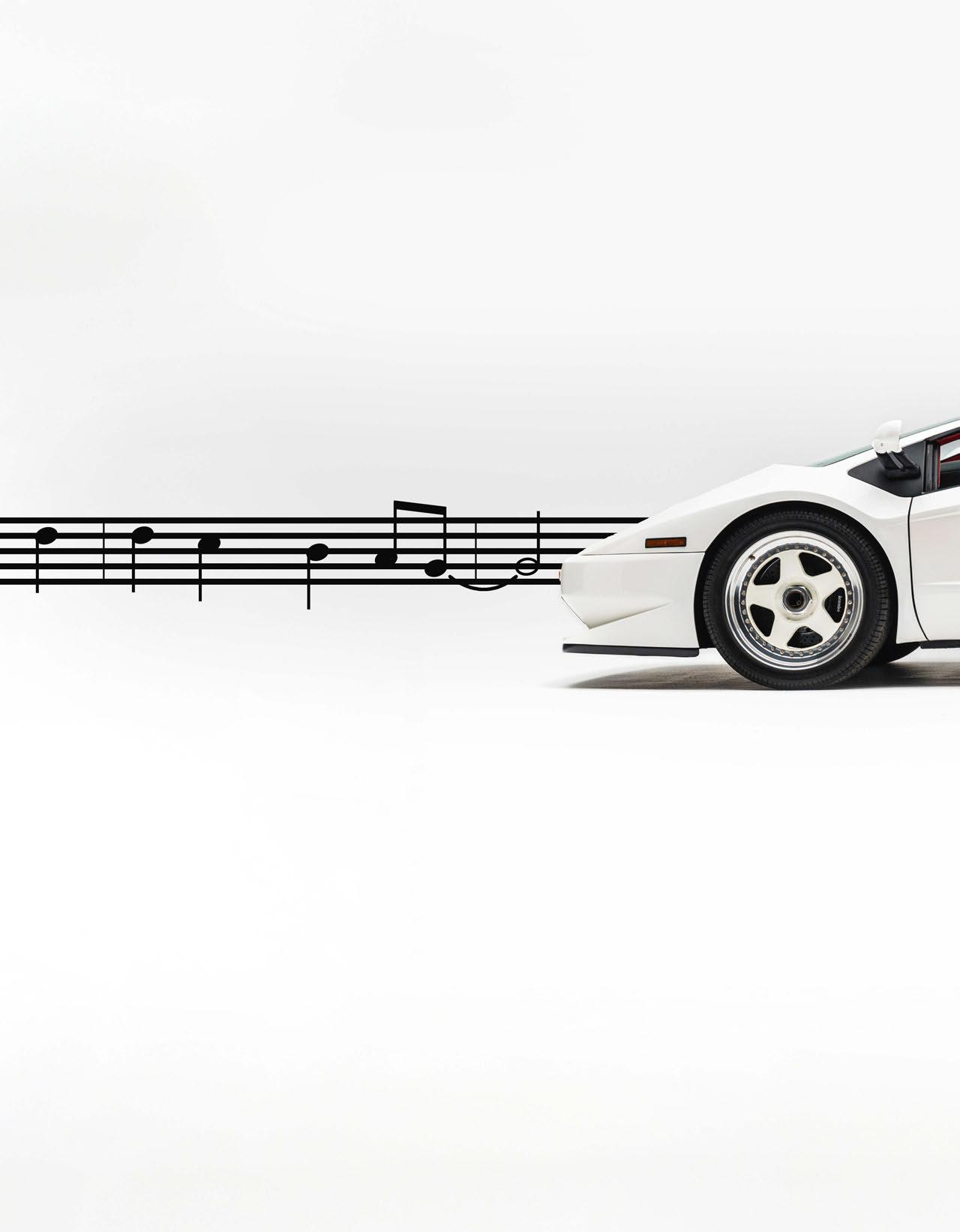
m
olli
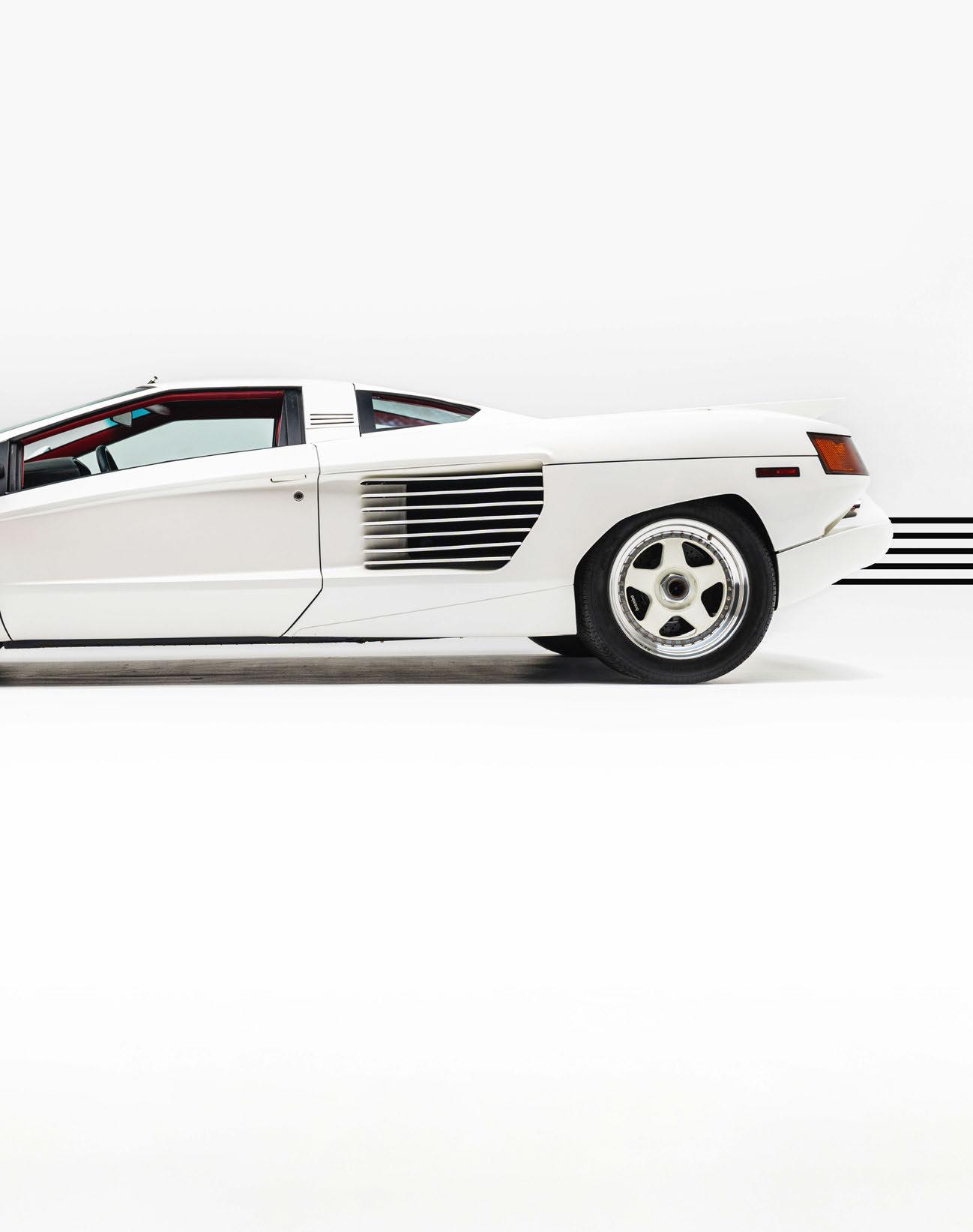
followed by two for best song: 1984’s Flashdance…What a Feeling and 1987’s Take My Breath Away, performed by Berlin for the Top Gun soundtrack.
To these you can add four Golden Globes, four Grammy Awards and a David di Donatello Award to summarise a notable career that, in 2005, saw Moroder made Commendatore by the president of the Italian Republic. With a string of hit collaborations plus the soundtrack to American Gigolo and Scarface, the Grand Theft Auto videogame, the official song of several Olympic games and more behind him, Moroder heard that, after years spent servicing Ferraris and Lamborghinis, Zampolli felt that he could create a better supercar. And so came a collaboration of a different order: to create a new car company with the aim of building a new, very special
machine. And, Zampolli promised, it would be reliable and easy to service.
With financial help from Moroder, and funds raised by selling his own classic car collection, Zampolli put together a creative team. Marcello Gandini’s name needs no introduction, as the man who penned the Miura, Countach and more. In the late 1980s, while chief designer at Bertone, he was having an uneasy time with his latest design, the car we call Diablo but back then was Project P132. Chrysler had become the new owner of Lamborghini, and its management demanded changes to the design, already close to being finalised by Gandini. He was not happy about the situation, even though the production car kept the ‘Designed by Gandini’ signature plates on its sides. His meeting with Zampolli couldn’t have been better timed.
Gandini always declared that, if Project P132 had not suffered interference by Chrysler, the shape we see on the Cizeta would have been the Diablo’s. Missing from the Cizeta are Lamborghini’s trademark scissor doors; it’s also much wider than the Diablo, which would make its debut about a year after, but there are undoubted similarities. The body was supported by a tubular frame that had been contracted to Marchesi in Modena, the same supplier used by Lamborghini. It also featured similar double-wishbone suspension.
Then there was the engine. That’s the real work of art at the heart of the Cizeta, the first road-going sports car of the modern era equipped with a 16-cylinder engine. It was designed in Italy by Oliviero Pedrazzi of Technostyle. Pedrazzi is a master technician who, as a Lamborghini employee in the
mid-1960s, was under the direction of Ingegnere Giotto Bizzarrini and learned a lot from him while tuning the V12 that would power the 350GT and then, in 4.0-litre and further enlarged forms, all the Lamborghini models up to the 1990s.
And this V16 really is something: 6.0 litres, 64 valves, a 90º block, four cylinder heads, eight camshafts and a central power take-off. It’s capable of revving to 8000rpm, developing 560bhp, and good for taking the Cizeta beyond 200mph, making it the fastest ‘production’ car on the road at the time. It was tested in a lengthened Ferrari 308 test mule, and that engine is the very same V16 that powers the car you see here.
In both engineering concept and physical effect, it is like two Lamborghini Urraco P300 V8s running two lots of Ferrari 308 fuel injection, though it was designed from scratch, and the 16-cylinder block is a unique casting.
Zampolli, with years of servicing experience behind him, knew the
weaknesses of rival supercars, and the Cizeta was equipped with a powerful and reliable air-conditioning system from a Lancia production car, had fully opening side windows, and was deliberately made accessible from a maintenance point of view. But to develop a car of such sophistication and to such demanding standards calls for money and time, and after several years of delay and seemingly limitless cash poured into the project, Moroder called for a deadline and made it that 1998 event in Beverly Hills.
There, with Jay Leno as compère, the car would be introduced to the public and potential customers, with a price of $250,000 – only a little more than the Diablo would command in 1990. But the Cizeta-Moroder was not quite ready, and during several journalist test drives it performed on ‘only’ 14 cylinders.
The relationship between Zampolli and Moroder was already fraught and, disappointed not to see immediate results
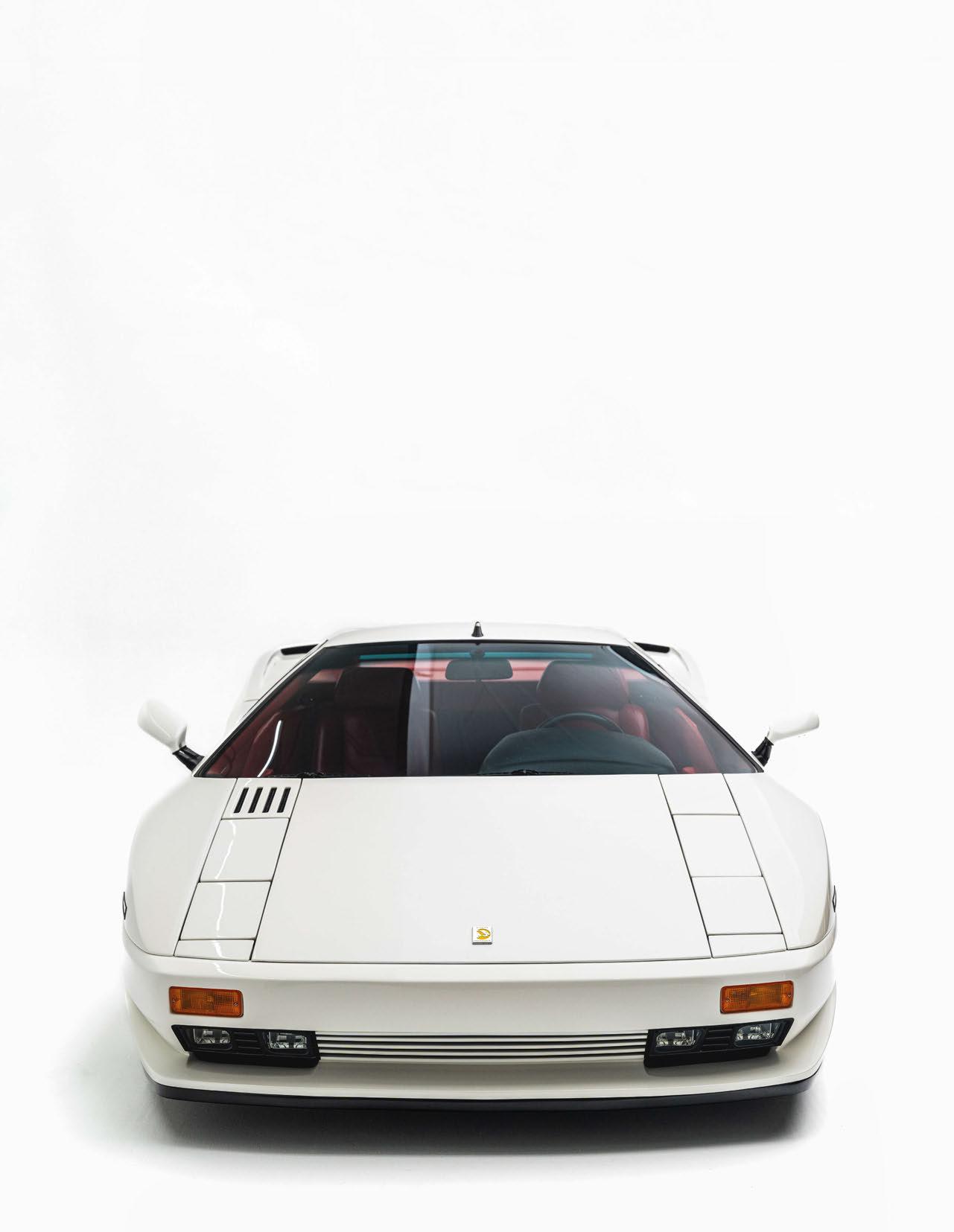
‘It can rev to 8000rpm, develops 560bhp, and is good beyond 200mph’
Below and opposite
Styling by Gandini is distinctive even from the front, with staggered pop-up headlamps; interior is richly trimmed in leather.
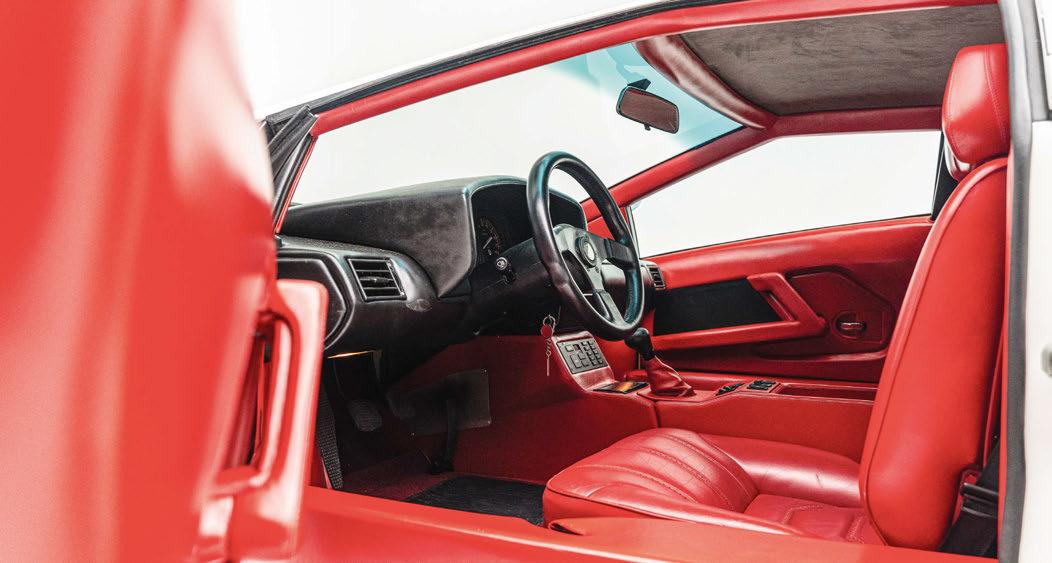
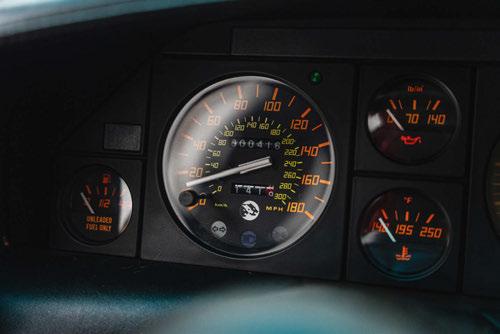
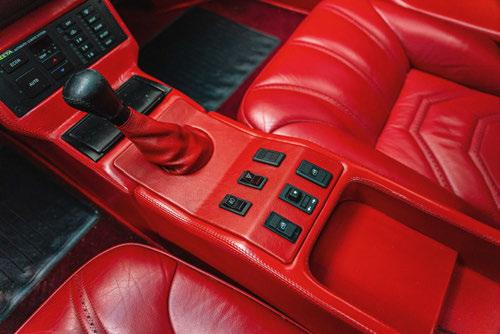
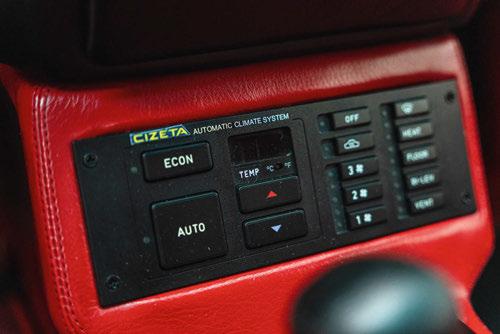
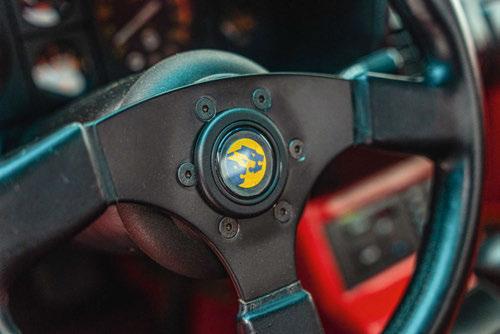
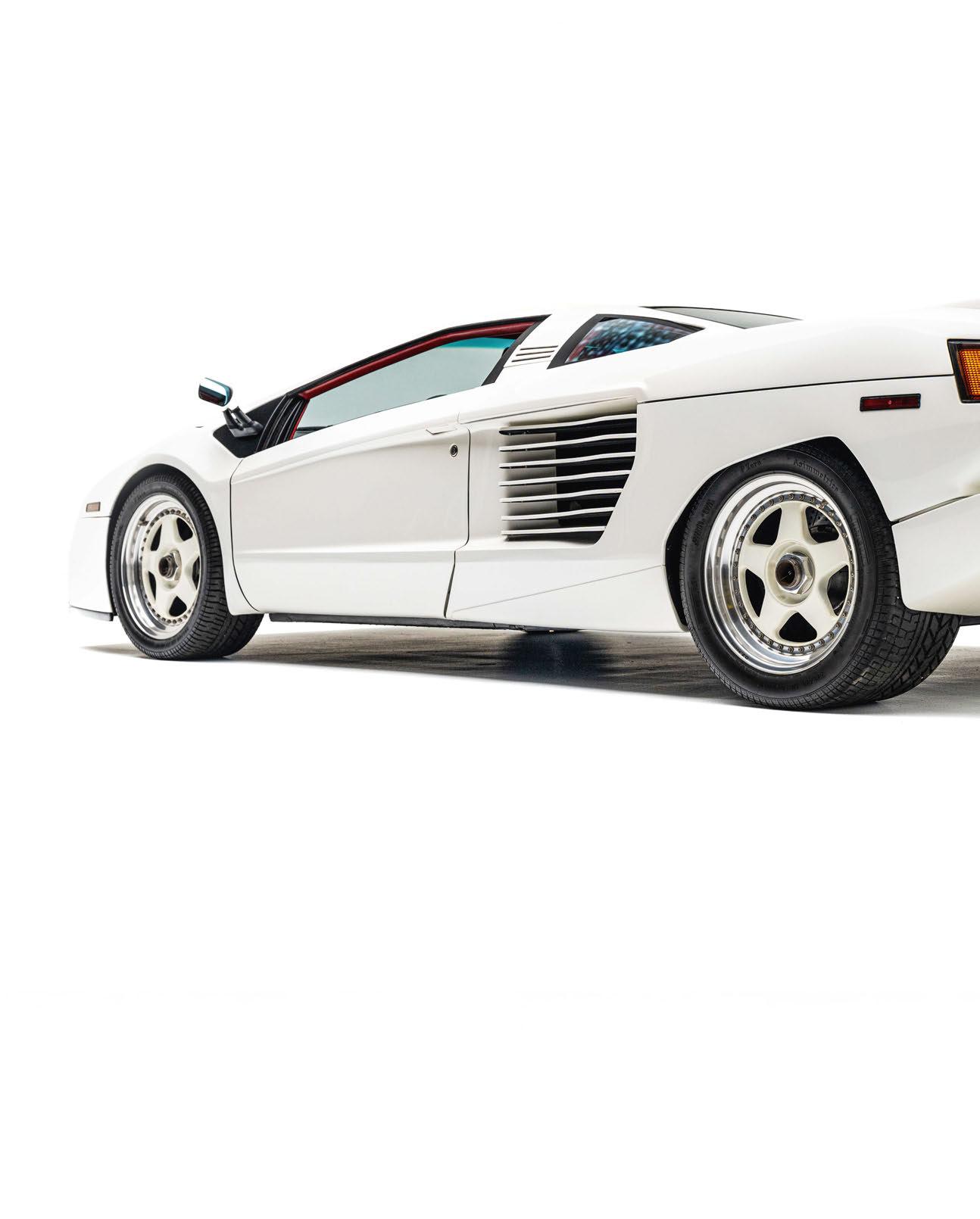
Above and below
Dramatic wedge shape was characteristic of all V16Ts, though details changed after this prototype; likewise the name: this is the only example to wear a Cizeta-Moroder badge.
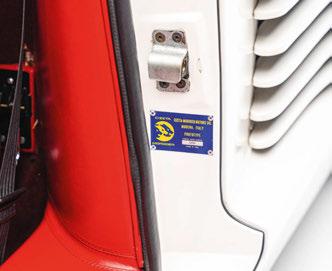
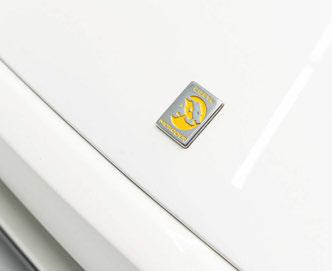
in return for his continued investment, Moroder pulled out. He took the CizetaMoroder V16T prototype with him, chassis 001 (without the full 17 chassisnumber digits), and withdrew the right to use his name on the production cars that would follow.
Left alone, Zampolli was able to sell seven cars, newly named Cizeta V16T, during the subsequent 12 months, but they were all delivered late and with the customer price inflated to a staggering $600,000 each – 50% more than a contemporary Ferrari F40 commanded. Perhaps not surprisingly, in 1994, Cizeta filed for bankruptcy.
Those ‘production cars’ are easy to spot not only for the name but because of a
‘Moroder pulled out, took the V16T proto t ype with him,
an d w i t h drew
t he right to use his name on the production cars ’
revised interior and changes outside, too, such as smaller air intakes and different rear lights, bumper and rear-view mirrors.
In the meantime, 001 was in the hands of Moroder but still not running as intended.
‘It was Bruce Canepa who spent a staggering 1200 hours of work to finally make the Cizeta-Moroder prototype car run on all 16 cylinders,’ says Cizeta historian Brian Wiklem, author of the 2012 book 16: Pictorial History of Cizeta Automobili that’s soon to be extended and reprinted.
‘Canepa restored the car to perfection, and his technicians sorted out the major gremlins afflicting the prototype. With straightforward modifications, including the thermal insulation of the fuel tanks and
different fuel injection management, the car was ready to hit the road in 2021. I think the 30 miles I was driven in it, close to Canepa’s shop in Scotts Valley, is the longest drive the car had made for a very long time.’
In January 2022 the Cizeta-Moroder was offered for sale by its owner – still Moroder! – at the RM Sotheby’s auction in Scottsdale, Arizona. ‘I was not looking for a Cizeta and even less for the Cizeta-Moroder,’ says current custodian and collector Brendan Gallaher of Wyoming. ‘Destiny played its game. My dear friend and motoring writer Winston Goodfellow was in Arizona, and I asked him to look for an Iso Grifo 7.0 Liter to add to my collection, as I love to have prototypes, one-offs and rare cars. During
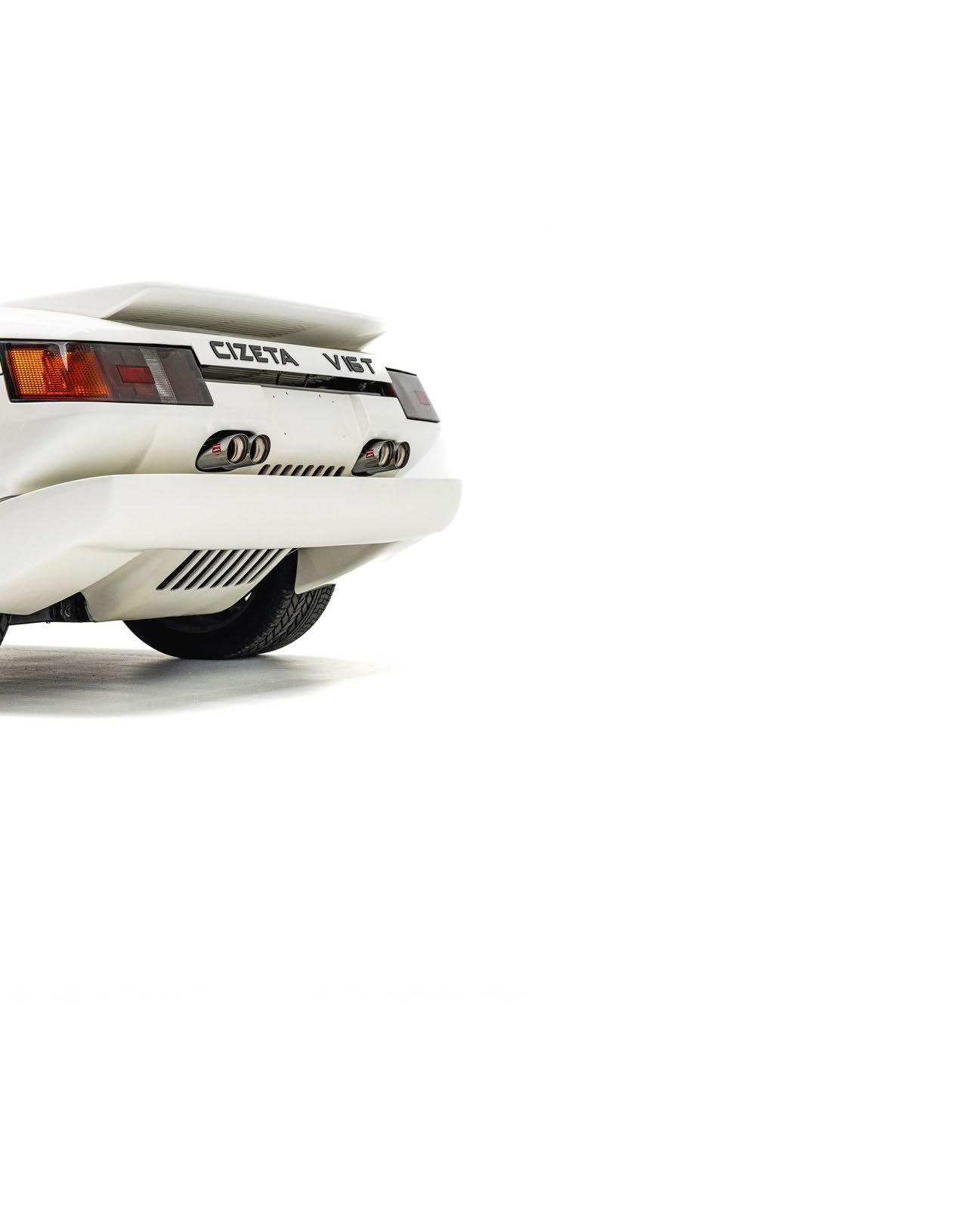
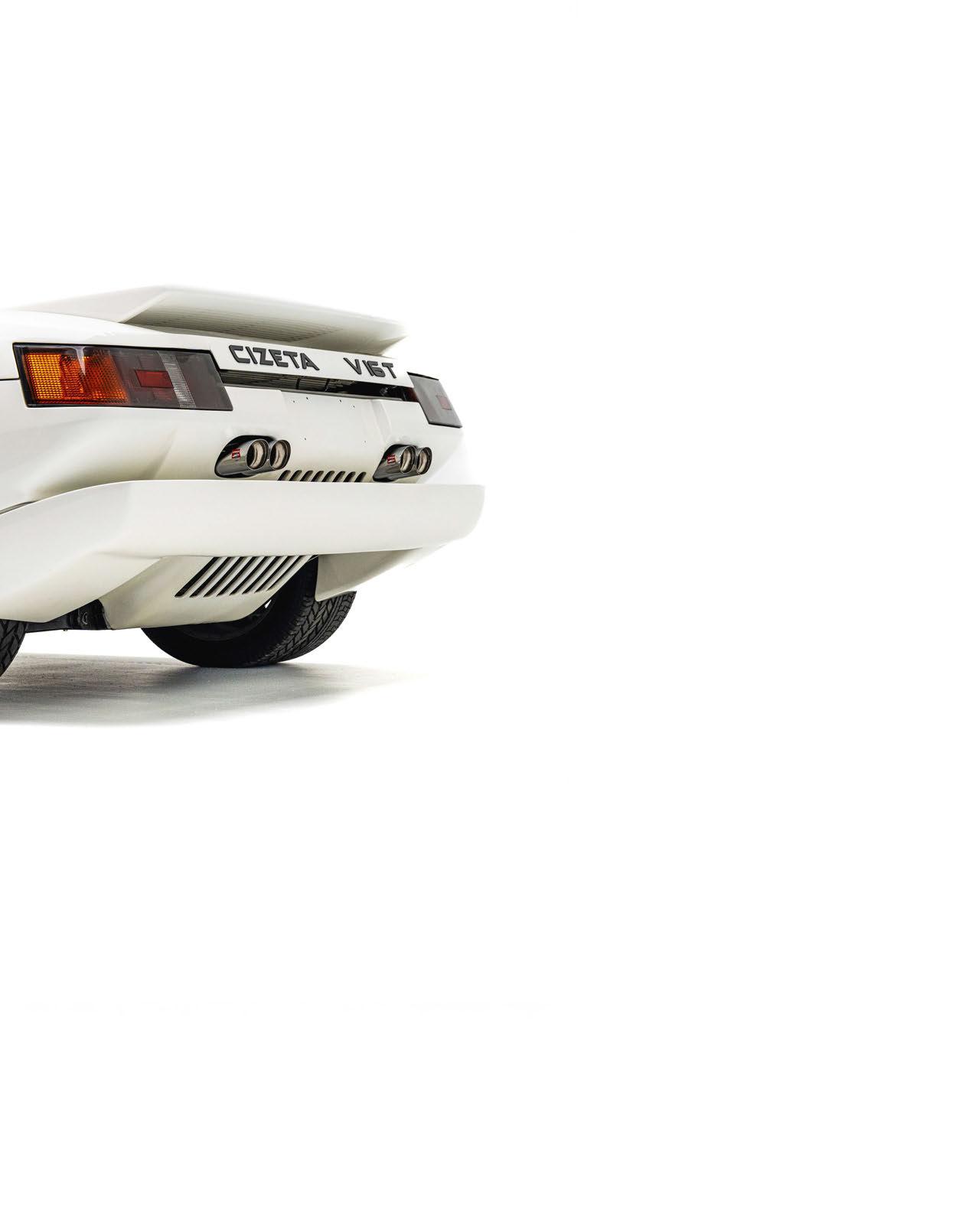














the call he spoke enthusiastically about the Cizeta-Moroder, telling me that, to him, it was the coolest car there, a unique piece of history and so on.’


Brendan then discovered that the car was paired with a dedicated NFT (NonFungible Token) created by Giorgio Moroder with Iconoclast, digital artist Soulajit, NFT Pro and RM Sotheby’s itself. He says: ‘ e NFT includes a musical EP of four tracks expressly composed by Moroder for the car, an artistic digital rendering of the car made by Soulajit, a 3D digital scan of the car, and a block chain certifying all the documents provided and linked to the history of the car. So I ended up buying it and I couldn’t be happier. It is a great car, it sounds magic and, except for the cramped space around the pedals, it is quite comfortable. I really enjoyed the Pebble Beach Tour d’Elegance in 2024, when the car was accepted in the “Wedge Shaped Concept Cars & Prototypes” class.’ I recall time spent on Highway 1, assisting with the passage of the cars during that tour, and you couldn’t help but fall in love with the growly sound of those 16 cylinders being revved up. It’s a musical production that Moroder himself could be very proud of, and one that very few others can claim ever to have listened to.
THANKS TO Petersen Automotive Museum, petersen.org.




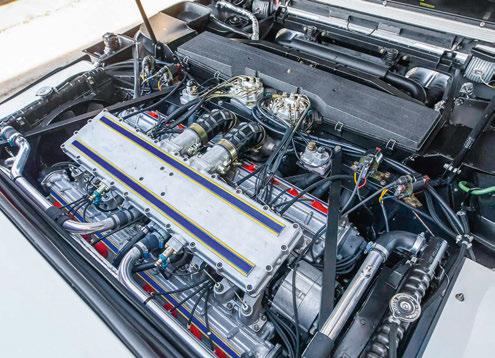



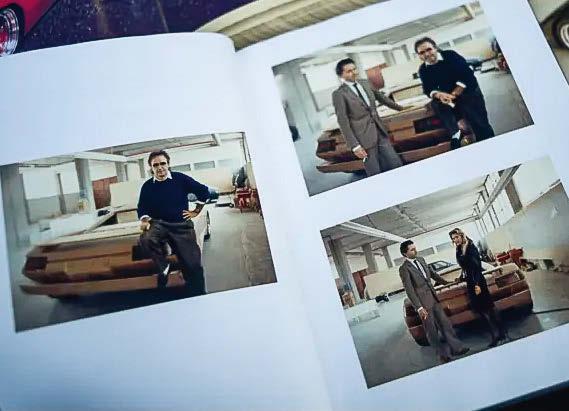
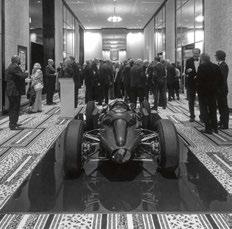
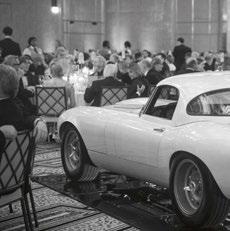
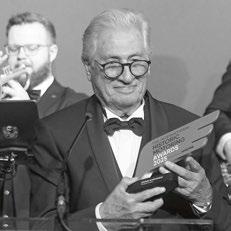
Tonight’s going to be a very good night!’ exclaims an excited Sam Ba le as he tears open a small Ji y bag that’s just arrived in the post. What’s in it that’s ge ing the UK’s 2026 Eurovision entrant so animated? Turns out it’s four BSP threaded oil pipe unions to connect his recently acquired Rolls-Royce Meteor engine to the oil tank he’s just fabricated in his workshop.
It’s con rmation, if any were needed, that musician and part-time mad inventor Sam, be er-known as Look Mum No Computer, is really not your typical Eurovision Song Contest entrant.
Octane rst spo ed his YouTube channel last year. Amid the videos of him on stage and creating home-made synthesisers and other instruments are numerous episodes of his workshop adventures. ey vary from changing subframes on a homesupercharged Mini to his a empts to perfect his own Austin 7 cylinder head on a tired milling machine bought on Facebook Marketplace. Even then, some of the videos had been viewed over a million times.
Seemed like the kind of enthusiast we’d like to talk to – and then came the announcement of the UK’s 2026 Eurovision entry, casually scrolling past on the BBC News app. Wait, what?! e UK’s 2026 Eurovision entry would be Look Mum No Computer! Wasn’t that the guy with the Minis, Austin 7s and Meteor engines?
And so here we are, meeting with Sam, 37, in Ramsgate on the UK’s south-east coast. We start in his museum – named is Museum is (Not) Obsolete – before moving into his packed workshop. He’s already spent most of the day being interviewed, his
heavily pregnant wife is at home, he has props to complete for his Eurovision stage set and yet he’s still brimming with enthusiasm and energy. He’s much taller than I expected, his face-to-face demeanour is far less manic than his on-screen personality, and he’s full of excitement at being interviewed for Octane
On BBC Radio 2 a couple of weeks before, Sam’s mum – a former teaching assistant – surprised him mid-interview by calling in to explain that he’d taken his tricycle apart as a young child to see how it worked. ‘Yes, that was news to me when she said that on the radio! It made me smile a lot,’ says Sam. ‘I just always liked taking things apart. My dad worked in Halfords and all his mates were into cars, so I was just around repairing lots of stu .
‘As a kid I got into pushbikes then motorbikes to ride round the local brick pits. I got my rst car, a Mini Clubman Estate, before I passed my test. I just tinkered with that for blooming yonks. And I have no idea – I think about this a lot –how it never broke down, it never le me stranded. I did all of the teenage mods to that, as you do at that age. And then I got a police riot van a er that, an LDV Convoy that still had the Ba enberg [high-visibility pa ern of yellow and blue re ective squares] on. I don’t know how I got away with that. It had been a Doctor Who prop.’
Amid all the tinkering, Sam was also building a career as a musician. He played in two major-label recording acts, including indie band Zibra, and created lm scores before launching his solo career in 2016. Around the same time he started to produce YouTube videos on his musical
As Look Mum No Computer, he is this year’s UK Eurovision entry. But musician Sam Ba le has been a hands-on car enthusiast for far longer






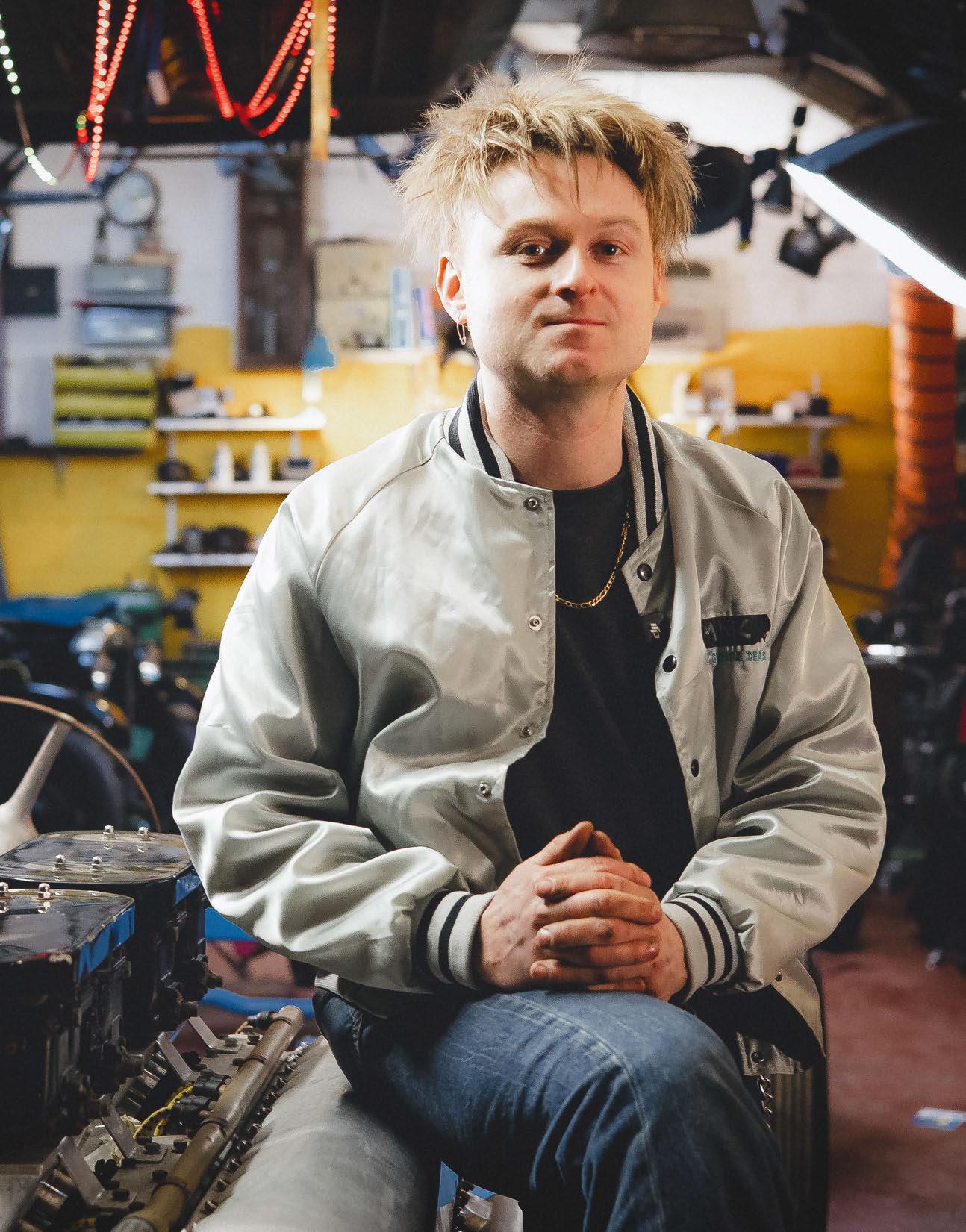
creations and projects including electronic instruments made from Furbies, Teletubbies and Game Boys, a Raleigh Chopper synthesiser bicycle and a ame-throwing keyboard, as well as the restoration of a 100-year-old church organ. Another of his inventions holds the Guinness World Record for the world’s largest ‘drone synth’, capable of producing 1000 separate tones.
In 2021, the Micro Computer museum in Ramsgate had to sell one of its buildings. Sam spo ed the opportunity… ‘I took the plunge about ve years ago, much to my wife’s dismay. We’d been saving up for a house, but I ended up using the mortgage to get the museum instead. It’s all right now, everything worked out.’
e museum, housing Sam’s inventions along with a huge collection of bought and donated electrical and electronic equipment, opened in 2021 as is
Museum Is (Not) Obsolete. ere’s a working 1960s telephone exchange, a huge synthesiser that takes up an entire wall, oscilloscopes, measuring instruments and even an air raid siren (‘I’m not allowed to run it anymore. I scared a bunch of old ladies in the café down the road, so I thought I should stop before the council got involved’). It makes just enough money to pay a friend to run it, and numbers are up since the Eurovision announcement.
Unsurprisingly, Sam’s love of cars had taken a back seat during this period. ‘It kind of lay dormant for a while, and then I managed to nd space that I could work in. I’ve really got into it this last couple of years, with the machining especially. I’m ge ing very obsessed, so I’m learning a lot.’
First came the restoration of the green Mini, complete with supercharger conversion, and then the Austin 7s. ‘ e
‘I scared a bunch of old ladies down the road, so I thought I should stop before the council got involved’
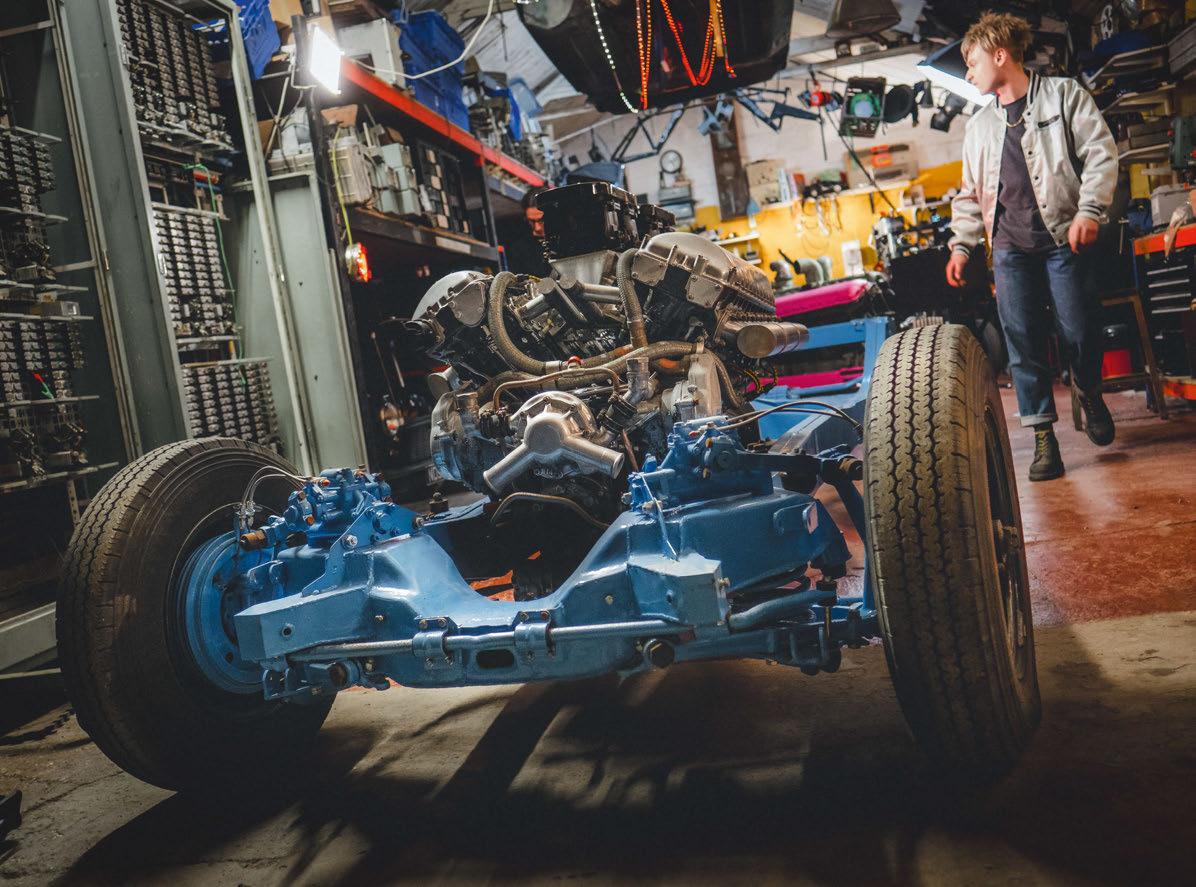
Mini was my rst proper welding job –I replaced about 80% of the shell. So it’s nearly a brand new Mini but it looks like an old crust, which was the aim of it. Metalwork is fun.
‘I’d always wanted an Austin 7, though. It makes me think of the guys who got into racing by building race cars out of Austin 7s – proper British everyday man’s shed cars. It’s only been a year since I managed to get one: me and my wife went on an anniversary weekend in Hythe, and I saw it in the window of Stade Street Garage there. e owner had passed away and I ended up ge ing it.
‘ en, about three months later, I found another Austin 7 in pieces, because I just really wanted to work on one from the bo om up, to gure out every nut and bolt. It’s Australian, an Austin chassis ed with a Holden body. Basically I’m making
a sleeper Chummy, which I’ve lowered, with independent suspension on the front. I’ve just nished the hydraulic brakes – I had to fabricate the back-plates. Even more so than the Mini, it’s forced me to fabricate parts, right down to the machining stu . I want to have the feeling that, if I had to, I could make anything on it.
‘ at’s why I made a cylinder head. I was thinking, it looks like it’s just a bit of metal, and the tolerances on an engine like that don’t need to be incredible. It seemed like a fun project to force myself to learn the milling machine that I bought on Facebook Marketplace. I want to do an iron-sleeve aluminium cylinder block next, and maybe an overhead-valve head. But then Eurovision came along, and I haven’t had the time yet.’
Ah yes, Eurovision. Sam had sent an email ‘out of the blue’ to the Eurovision team, only to hear back with an invitation
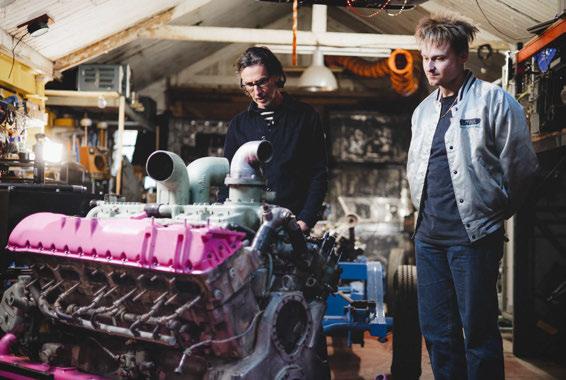
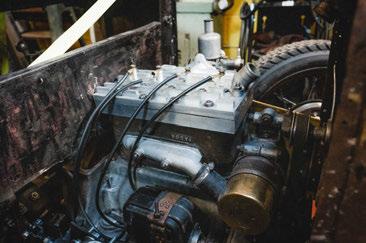
to submit a song. e BBC says this of the resultant Eins, Zwei, Drei: ‘Discarding any preconceptions about Eurovision, it is delightfully, mesmerisingly bonkers. Imagine Blur covering Falco’s Rock Me Amadeus, adding a lyric about jam roly polys and a gigantic call-and-response section, and you’ll be part of the way to understanding its unique charm.’
Sam’s not allowed to tell us anything about the planned stage set for his Eurovision performance but it’s guaranteed to feature one of his homebuilt synthesisers and LED screens. Large aluminium sheets in the workshop seen during Octane’s visit will be used for the front panels of the synths. ere won’t be any car components used – and de nitely no Rolls-Royce Meteors, despite Sam’s excitement about these legendary 27-litre tank versions of the famous Merlin aero engines.
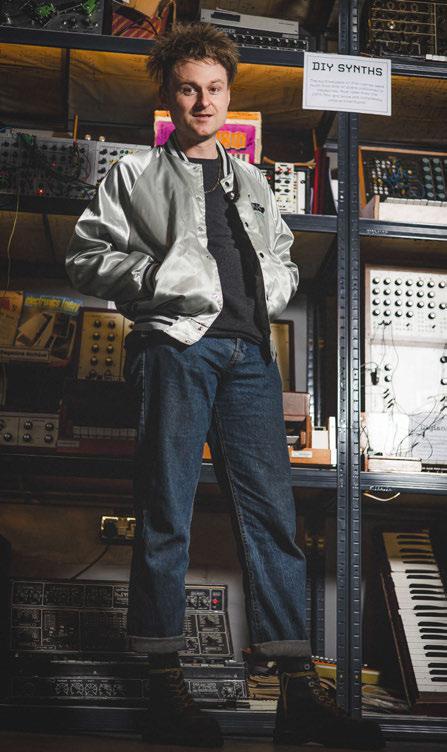
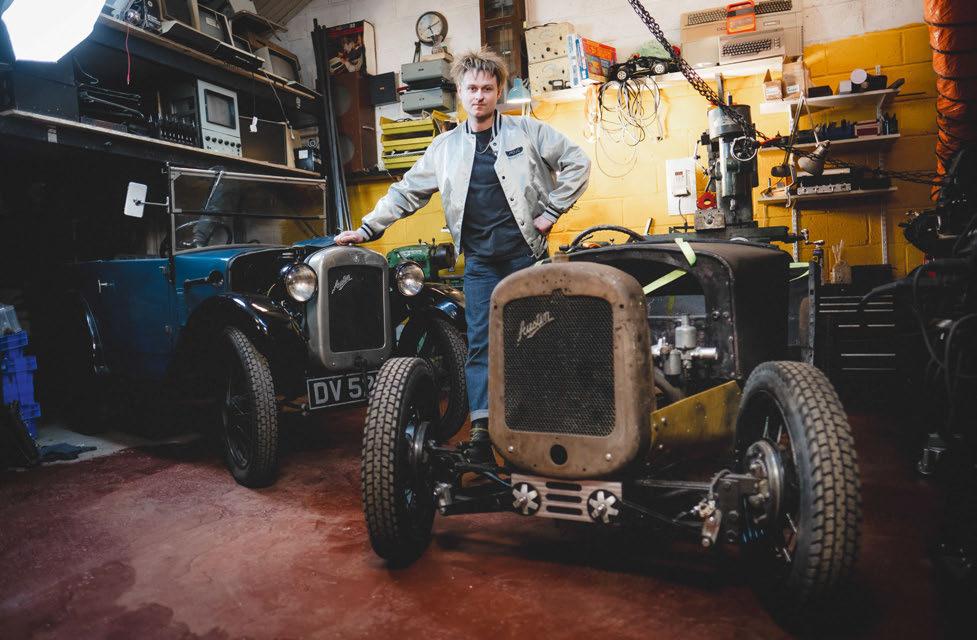
‘ ey’re absolutely awesome,’ he says, unleashing another torrent of enthusiasm.
‘ is is like the childhood dream of many, many, many a person. My dad is so excited! I’ve been looking at Merlin and Meteor engines for a few years, and one turned up very cheap – it was under two grand. But then, on the same day, I had to go and get a starter motor from somebody else and that was £500, because it’s incredibly rare. e chassis [the now-pink engine cradle] is actually from a Centurion tank. e guy that I got the starter motor from had it si ing in his garden – it used to be a display piece for a tech college. He said I could have that for, I think, £50, and I just welded on the wheels to move it around.
‘I’ve ended up with two Meteor engines, because I’ve also got one in a Bentley S1 chassis. e sellers were clearing out a storage container. ey wanted too much; I said I can’t a ord that, but I’ll o er you this. Much to my horror they said yes. I think they ran out of pu on the project about 15 years ago and wanted rid of it. ey’ve done a lot of work: it’s got Bentley carbs, they’ve TIG welded these [inlet] manifolds together,
they’ve TIG’d the exhaust manifolds, but it hasn’t been started up, which makes me wonder what’s the problem with it?
‘ is [the one in the Bentley chassis] will be my next project but I’ve got to gure out how to register the bloody thing.’
Sam carries on, explaining about the input oil pump and scavenger oil pump feeding the dry sump system, showing how he’s added an oil lter from a truck and pointing out a huge barrel of oil that he’s bought to ll the engine. en he pulls a rocker cover o to show the unusual valve mechanisms and camsha bevel drive, and points out the two spark plugs per cylinder, one of which res slightly a er the other.
‘I’m trying to think of a really, really mundane thing for this to power, whether it’s a fruit mixer or…’ For once he’s lost for words, until photographer Rupert suggests ‘…a Teasmade?’ And then we’re back on the Austin 7 projects, at which point I naively ask if he’s seen the famous LM Williams book Austin Seven Specials: Building, Maintenance and Tuning. Sam grabs his rucksack and pulls out three or four Austin 7 technical books, including the one I’ve
mentioned. Somehow he’s devoured all the information in these alongside researching Meteor and Merlin engines, running a museum, producing videos and earning money for all these projects – not forge ing the small ma er of preparing for Eurovision.
‘I’ve got to learn how to build an aluminium body,’ he says, enthusiastically, even as we’re packing up to leave. ‘But how hard could it be? How hard could it be! Yes, so I need to nish a project rst, though. I can’t touch this [the rst Meteor engine] until that [the Austin 7 special] drives, and then it’ll be on to this.’
‘What’s the endgame?’ I ask him. ‘A Lancaster bomber!’ he immediately replies. ‘Isn’t that everybody’s endgame? I’m halfway there with the engines at least.’
Somehow it wouldn’t surprise us if a Lancaster appears in a forthcoming Look Mum No Computer YouTube video, but for now we’ll be watching out for the Austin 7 special and taking a new and uncharacteristic interest in Eurovision.
e Eurovision Song Contest will air on BBC iPlayer and BBC One on 12-16 May.
















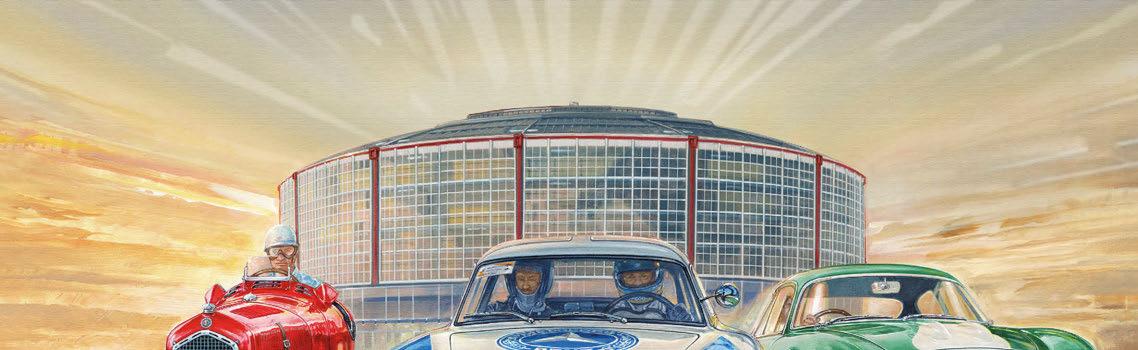
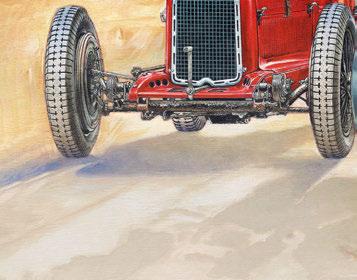

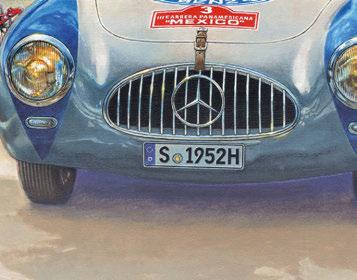
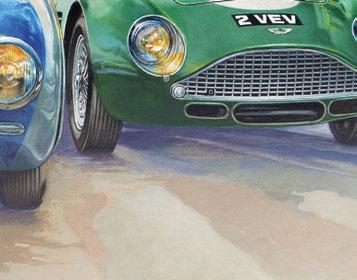
24 -27 SEPTEMBER 2026






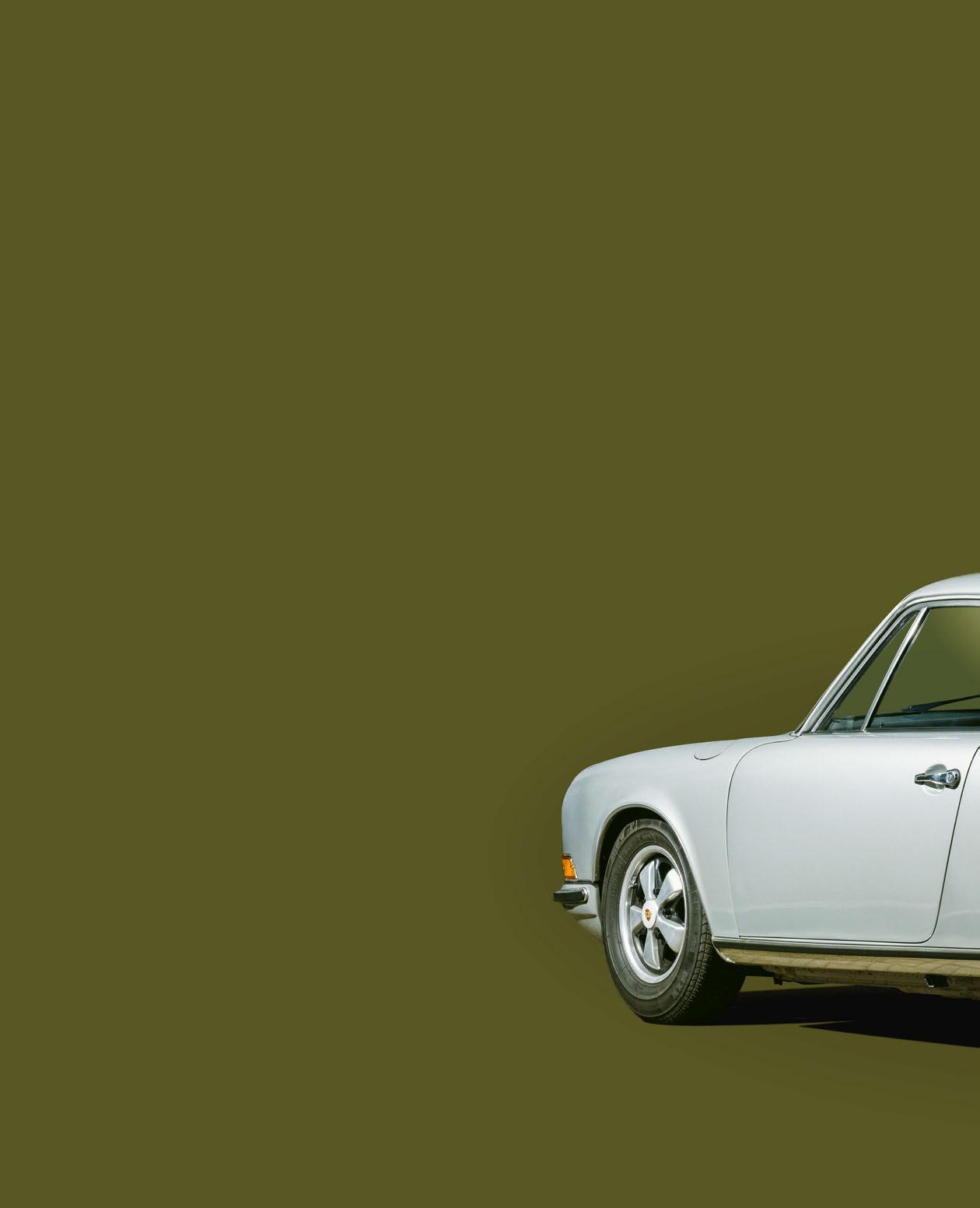
Veteran drummer Peter Boita needed appropriate transport for his kit through thick London traffic. Cue the restoration of a 1970 Porsche 911T Sportomatic
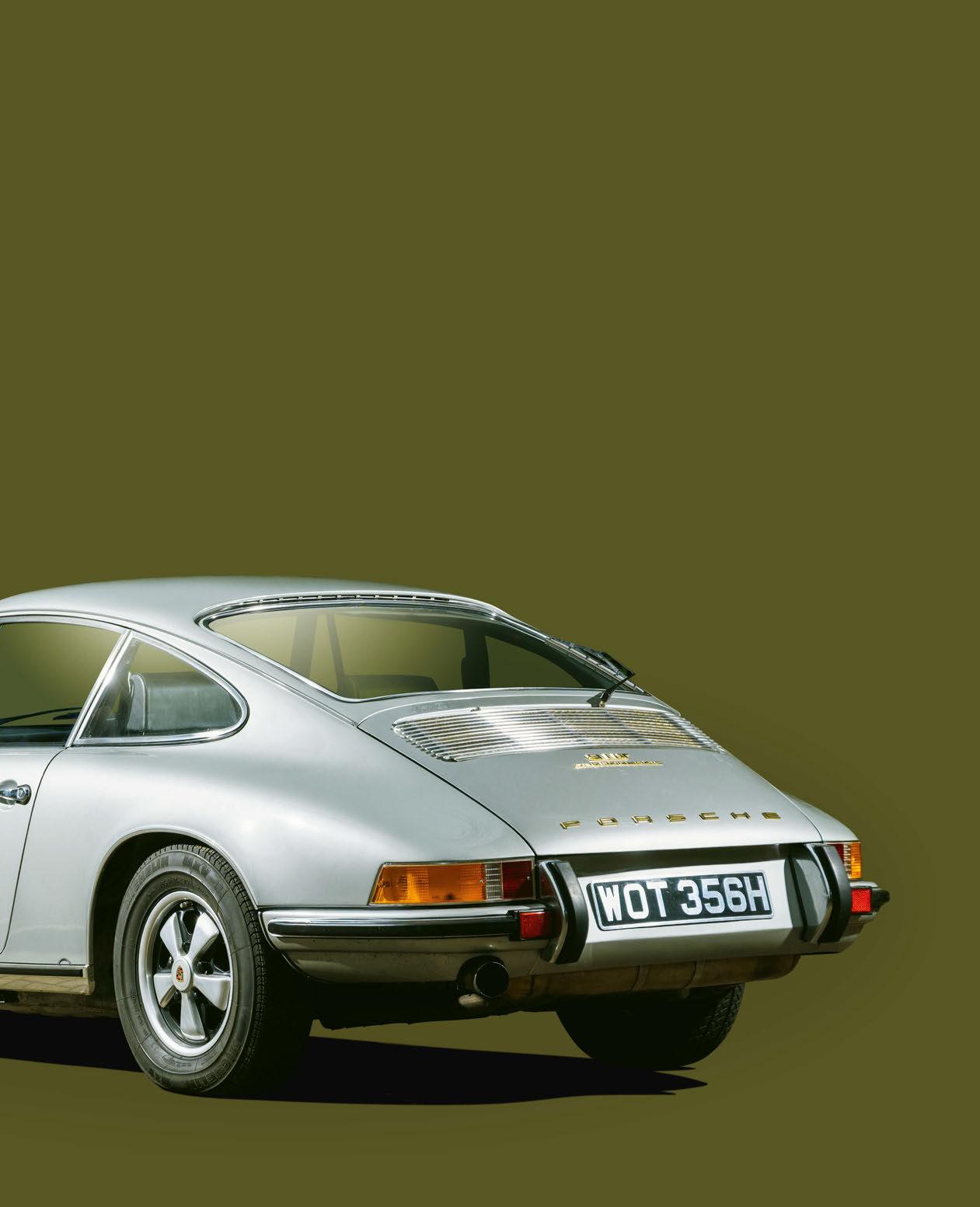
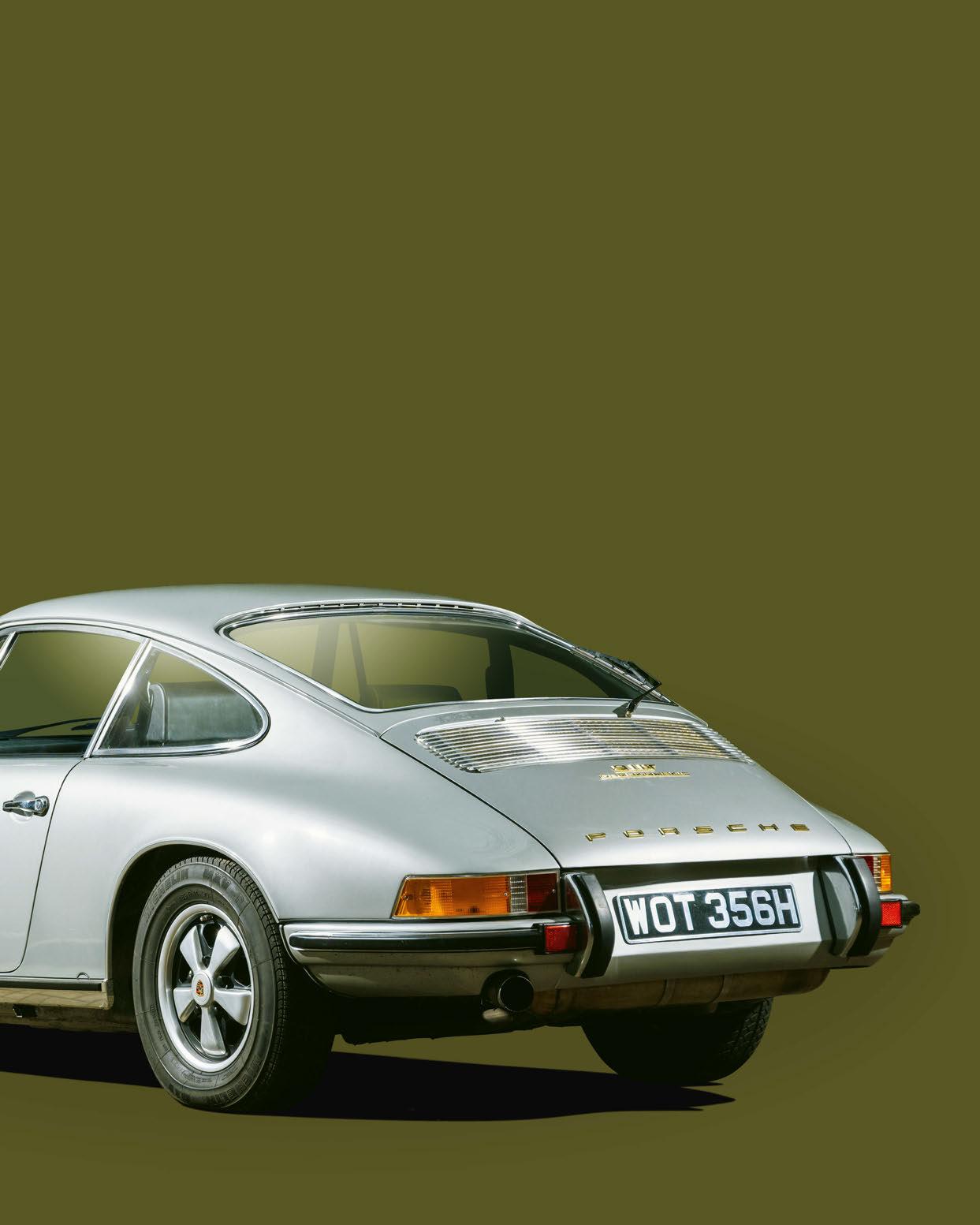
‘Ibought this 1970 Porsche 911T Sportomatic because I can fit my entire drum kit into it. The bass drum on the front seat, all the stands and hardware in the front luggage compartment, and the cymbals, snare drum and all the tom-toms in the back behind the front seats,’ says its owner and session drummer, Peter Boita.
‘I actually did have another Porsche before buying what was then this very tired 2.2-litre 19 years ago. I’d driven my previous 1989 911 3.2 Carrera Targa into London pretty much every evening, up through busy Shaftesbury Avenue to the Palace Theatre initially, and then to the Queen’s Theatre, where I played drums and percussion and contracted the orchestra on the Les Misérables musical. That was from day one, for the first 25 years of the show! The Carrera was a superb sports car, but through London traffic the heavy clutch became extremely tiresome, so the thought of a Sportomatic appealed as I reasoned the “clutchless” gearshift would save my hard-pressed left leg muscle from seizing so I could play perfectly night after night!’
Peter is a true classic car enthusiast and has appeared in Octane a few times, most recently in issue 271 with his immaculate 1984 Lotus Turbo Esprit. He also shows us his concours 1972 Lotus Elan Sprint Drophead, last shown in the 2025 Salon Privé concours at Blenheim Palace, where it shone in the ‘Wind In The Hair’ class. As you can clearly observe, Peter’s 911 is immaculately finished in authentic factory Porsche spec, painted silver metallic (paint code 8080-H) with a black interior featuring de rigueur black-and-white houndstooth (known as Pepita by the Porsche factory) fabric seat inserts and matching luggage, plus Porsche-nerd Coco floormats, specifically imported from the USA. The Sportomatic also sits on the original, musthave, rare as hens’ teeth, 14in factorysupplied Fuchs alloy wheels, shod with period-correct Michelin 185s.
What makes this 911T so rare is that it is one of only 192 Sportomatics imported into the UK, according to the Porsche Club Great Britain archives. An automatic early F-Series 911? Not exactly. The Sportomatic employs the standard 911 four-speed manual gearbox, though with a torque converter replacing the conventional flywheel, which allows the car to creep
‘This 911T is one of only 192 Sportomatics imported into the UK’
in gear, so there is no clutch pedal. Instead there is a microswitch in the regular-looking 911 gearknob, wired to disengage the vacuum-operated clutch at the merest touch of your hand. The wonderfully weird NSU Ro80 had a similar semi-auto set up. The knob atop the long gearlever is marked with L, D, D3 and D4 in the H-pattern, with P for ‘park’ and R for ‘reverse’ to the left. The idea is that, with the engine fired and running and your left foot tucked out of the way, you simply move the lever into the required slot, lift off the brake pedal, add a dose of throttle, and off you go. The recommendation is that you select D for general urban driving, then shift up to D4 for the open road. On paper it sounds potentially troublesome, in the vein
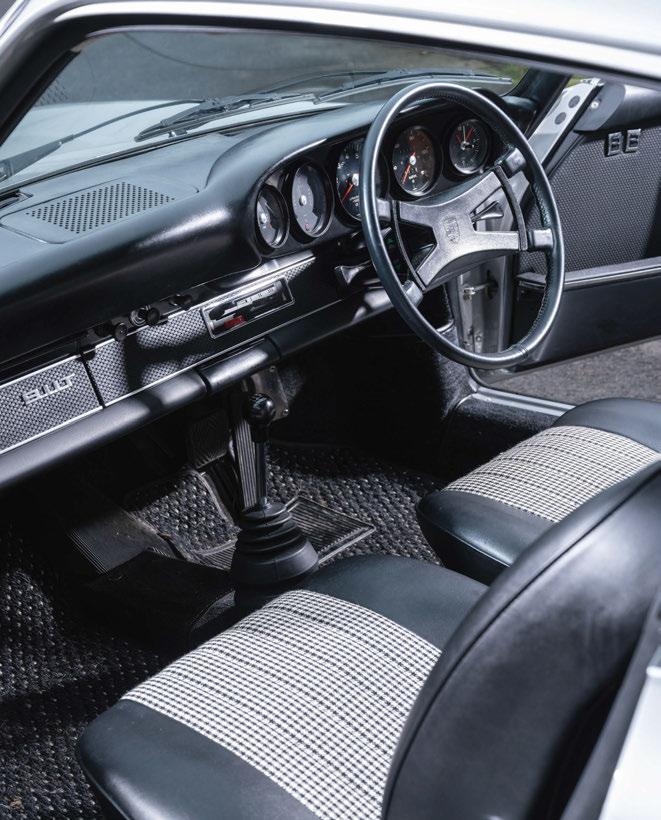
of Citroën’s marvellous hydropneumatic suspension in place of boringly functional coil springs and hydraulic dampers. But remember the drummer’s left leg…
Why did Porsche bother with all this? As we know, 911s of the 1960s and 1970s were fitted with the 901 transmission, with its dog-leg first gear selection and a rather long and imprecise throw. Not the 911’s best feature, though not reason enough alone to go ‘clutchless’. As with most manufacturers, America was a very important market for Porsche, and most Yanks preferred automatic to ‘driving stick’. So the Zuffenhausen boffins came up with the Sportomatic option, a sporty one that engaged the driver and appeased those who couldn’t quite stomach a slush-box.
Peter Boita’s extensive history archives on his Sportomatic include a copy of the April 1971 issue of Road & Track – a publication I always loved, and which was a great inspiration for Octane magazine’s editorial approach – featuring a road test of the Sportomatic that includes the line: ‘We are inclined to consider the Sportomatic an excellent answer to a question that hasn’t been asked. In its favour, it detracts only slightly from the pleasure of driving. Maybe not at all; it is fun to develop any skill. There is a small loss in performance and efficiency, but not much.’
Think I’m sort of heading towards being apologetic about the car, here. Growing up, my father had a friend named Bogdan who had a 911 Sportomatic. In our house, only Americans and mums drove autos, so we used to tease him about his automatic Porsche although I was always impressed with it when he took me for a spirited drive. He also had a VW Beetle into which he’d fitted a hot 356 lump, so he had every right to tell us: ‘Idź do diabła!’ He was a Polish engineer, you understand.
It’s hard to imagine that Peter’s concours 911T was a rusty old user back in 2007, but fortunately he had it completely disassembled back to its last nut and bolt. The ’shell had many perforations, so it was cut and welded with new panels inserted, while the worn mechanicals were replaced throughout. It was a labour of love that took all those years. Now parked outside Peter’s townhouse in a leafy South London enclave, the 911 is petite and immaculate; you could even describe it as ‘Top of the Pops’, another show in which Peter was the house drummer, playing with the resident Johnny
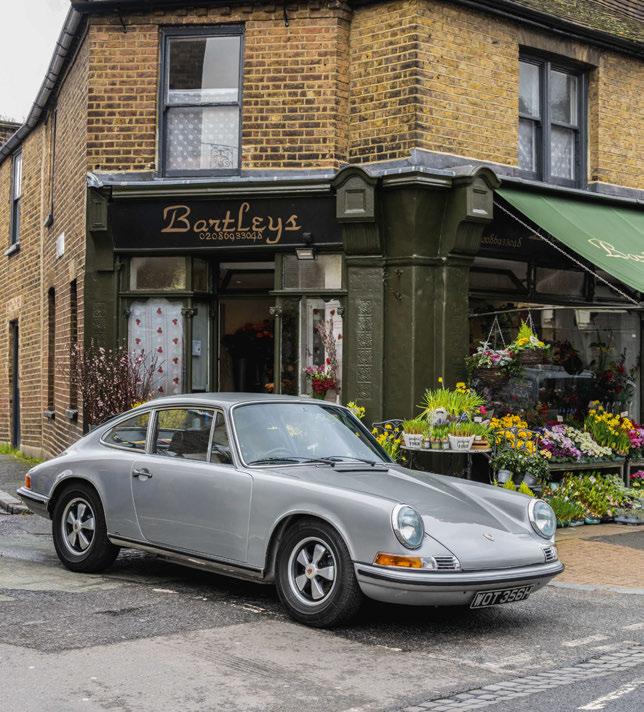
Clockwise, from opposite Interior has been immaculately retrimmed with Pepita fabric and features period-style Coco mats; perfect for a trip to the florist; a microswitch in the gearknob operates the clutch; Road & Track ’s road test was favourable; engine lid legend says it all.
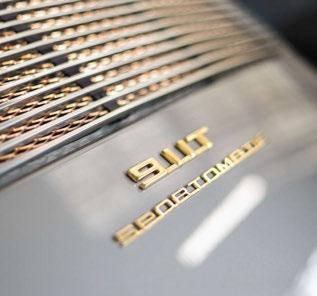
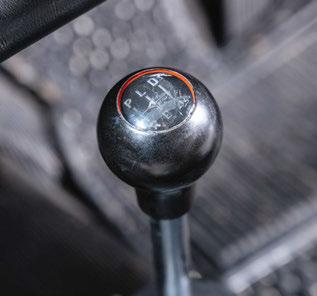
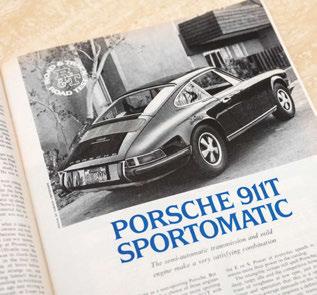
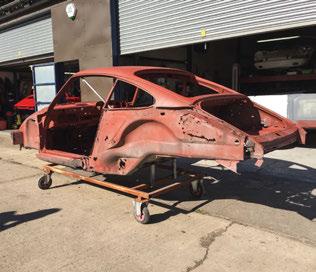
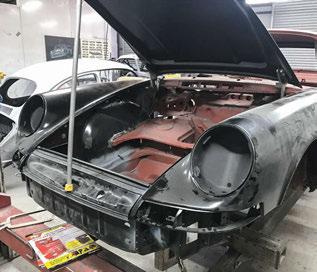
Clockwise, from opposite The 911 Sportomatic is most at home in free-flowing urban traffic; Coucher enjoys time behind the wheel; owner Peter Boita finds the car a practical load-carrier; restoration involved a strip-down to the bare ’shell.
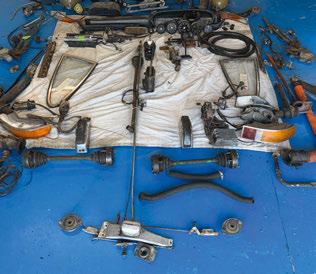
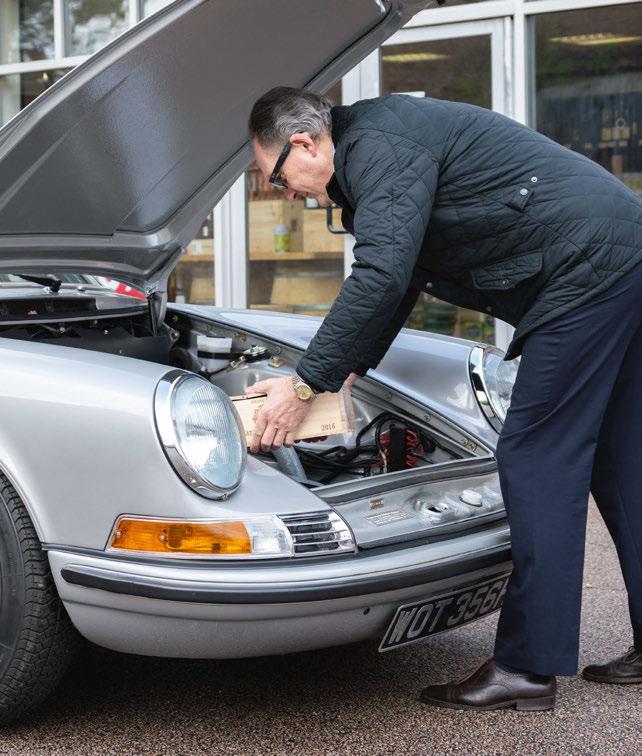
Pearson Orchestra from the 1970s until the late ’80s. It looks lean, pure, spare, organic and minimal at a time when today’s vehicles are overweight and overwrought.
I open the driver’s door and close it again – just to hear that sharp early-911 click of the latch and the perfect ‘clack’ as it slams shut. For such a diminutive car, the large door offers roomy access to a cabin that is Tardis-like in its spaciousness.
The delectable seats are not the sport buckets but rather the more suitable standard touring seats that allow easier ingress and egress and proffer your bum a surprising degree of springy comfort. Indeed, the interior was designed for two large Germans, with room for a couple of smaller children in the rear seats. Very practical, as Peter appreciates with his full drum kit and occasional visits to the local florist and wine merchant.
Inside you are met with that classic black leather-rimmed steering wheel (often changed for a smaller, sportier option). The VDO rev-counter, dead ahead, redlined at 6500rpm and sitting centrally in the array of five dials, has to be one of the most iconic pieces of automotive design ever. Just look at it: the urge to swing the red needle over to six thou’ is palpable.
And here’s the thing: this 911 is a T, which stands for Touring, and in this guise the 2.2-lite flat-six runs on Zenith carburettors, set up modestly to produce 125bhp for obedient use in busy towns and cities. In 1970, Porsche also offered the 155bhp E (for Einspritzung, signifying its Bosch fuel injection) version, and the hot 911S (for Super), tuned to produce 180bhp.
Give the throttle pedal a few jabs to prime those beautifully restored (and original) carbs, turn the key and the engines wangs into life. Being air-cooled and with a suspiciously large exhaust tip poking out from under the rear bumper, its mechanical sound is ever present and zings out of the magnesium engine case as well as the exhaust. The carbs, with their six chokes, add to the mechanical symphony and from the seat you can feel the whole car tingling.
The idle speed is set deliberately high to allow for the torque-converter and, with a little trepidation, I stand on the brake pedal, gingerly take hold of the gearshift and move it back into D, the recommended gear for general driving. I’m expecting a jolt or graunch at least, but the lever slides into place with no drama. Then let go of the
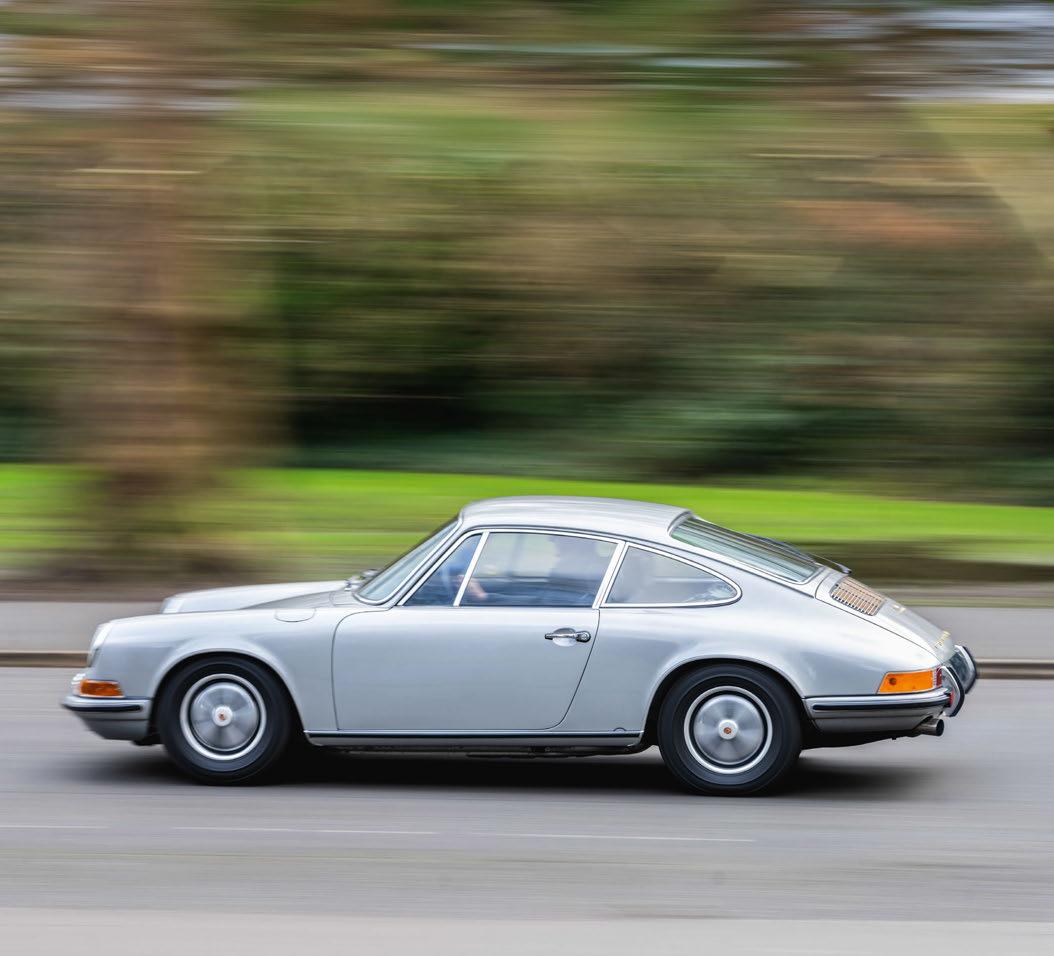
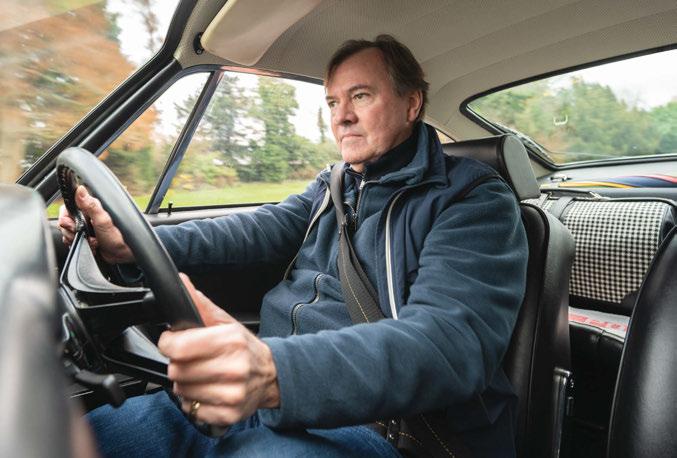
‘Moving along in free-flowing traffic, I am amazed by how precise and robust it feels’
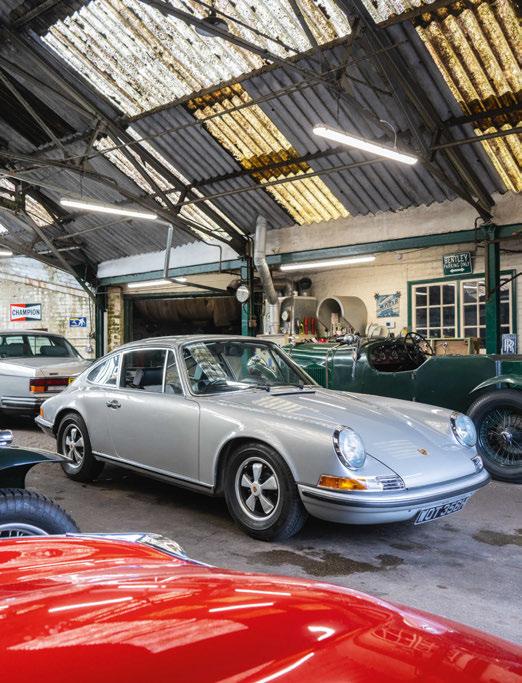
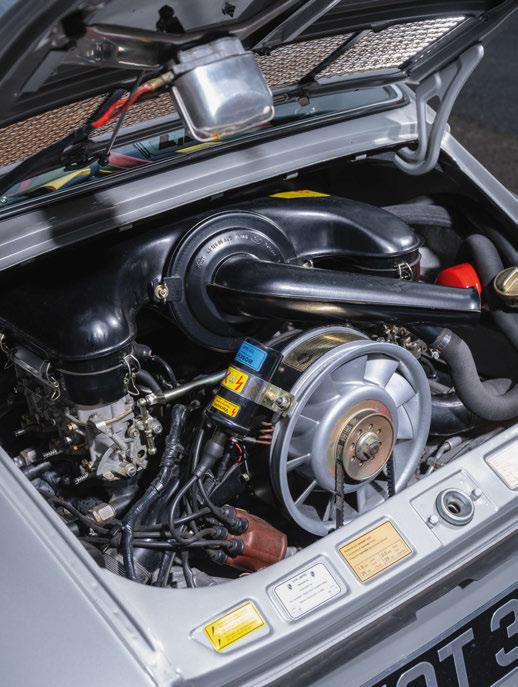
brake and ease the throttle and the lightweight 1040kg Porsche (only 25kg more than the manual) moves off with ease, thanks to the civilised converter cushioning the take-up. You can feel and hear a bit of converter slurring but the engine is more than up to that and pulls with vigour.
We have deliberately decided to test the Sportomatic in Peter’s urban London, where the roads are busy, and it’s apparent right away that this ‘clutchless’ transmission is great in the cut and thrust. Stopping and starting at lights and intersections is a doddle: simply slow down and brake to a halt. And that’s it – hands free!
Moving along in free-flowing traffic, I play with the gearshift and am amazed by how precise and robust it feels – as it should, this being a 911. Porsche was so confident about its new Sportomatic that it entered one in the gruelling 84-hour Marathon de la Route at the Nürburgring in 1967 and promptly won! A Sportomatic was even part of its line-up at Le Mans in 1968, where the team won the GT class.
With this in mind and gaining in confidence, I can’t resist giving the famously revvy 2.2 its head. Peter had advised me to keep my left foot tucked away, but muscle memory is a thing and, with the Porsche revving willingly, I go for the next gear.
That’s when another line from the Road & Track article hits me: ‘Allow one clumsy stab at the clutch pedal that isn’t there and then shifting by hand only quickly becomes a habit.’ Yep, I hit the brake pedal harder than the modest Michelins can cope with! Fortunately, the seatbelts prove effective. After apologising and with my left leg well and truly tucked away, we pull away again and keep things smooth.
Peter’s route around picturesque Dulwich leads us via his local garage, which has carried out much assembly, mechanical work and maintenance on the car. I expect a shiny Porsche workshop, and instead we swing into what can only be described as a perfect film-set of a charming old Victorian outfit. Thompson Garages sits just off the South Circular, a traditional construct that
not many people know about and which opened in 1924. Now on the sixth generation of family ownership, this magnificent old place is run today by father-and-son duo Bruce and Ollie Thompson and is full of vintage Bentleys, Jaguars and Rolls-Royces.
Carrying on and with increasing confidence, I find that this curious car is pure early 911 in so many ways: taut yet pliant enough to cope with crumbling roads; small in stature with accurate controls and superb vision out; powerful and easily modulated disc brakes; a package wrapped up in that Bauhaus-esque bodywork and accompanied by the chainsaw sound of one of the best engines ever.
All this comes without the need to be on and off the clutch and using the gearshift at every stop. For any city hipster this is the perfect blend – a more relaxing urban 911 that can still win races.
A drum roll would seem appropriate.
THANKS TO Peter Boita, and Bruce and Ollie at Thompson Garages, tel: +44 (0)20 8670 1010.




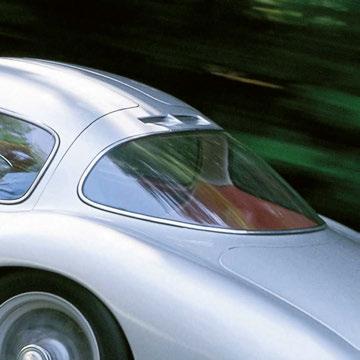
















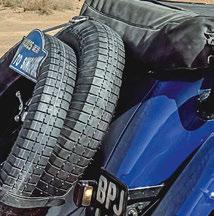


A three-month journey across 20 nations from London to Singapore, encountering tricky geo-politics via impossibly remote locations – and all in vintage cars. What could possibly go wrong?
Words and photography Richard Cunningham
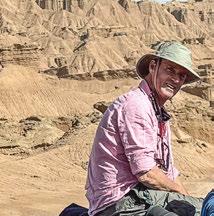
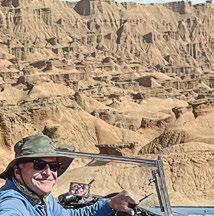
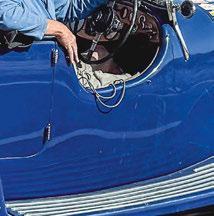



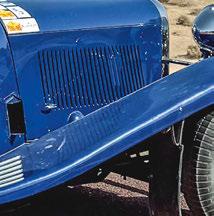




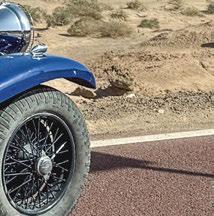

IT TAKES QUITE a degree of enthusiasm to drive a vintage car from London to Singapore, a distance of 20,000km with the kind of logistical and mechanical challenges that would stretch man and machine to the limits. But what if we were to say that this is the second such epic journey we’ve undertaken?
Regular readers may recall our exploits in Octane 244, back in 2023. Back then, we drove a similar distance from Buenos Aires to New York. And now the original team of myself, Nigel Gambier and Chris Evans are back for more, joined this time by highly accomplished long-distance rallyists Charlie and Nellie Bishop, and our weapons of choice are two 1933 Lagonda M45s, a 1925 Rolls-Royce Silver Ghost and a 1925 Vauxhall 30/98. Again we have prepared our cars meticulously, and our plan is to bring in a changing roster of co-drivers en route. e challenges facing us this time are di erent to those that presented in the Americas. No shipping problems as we’re driving from the United Kingdom, and we have driven many times across Europe. But the war in Ukraine presents issues and we’re avoiding Russia and Iran. Instead we’ll slip through the middle, making our way via Georgia and then into Azerbaijan, across the Caspian by ferry and through Turkmenistan, Uzbekistan and Kyrgyzstan.
Despite recent civil disturbances, Georgia wouldn’t be a problem, but Azerbaijan’s borders have been closed to all tra c since Covid. Fortune favours the brave and an introduction to the deputy chairman of the Azerbaijan Automobile Federation provides the necessary permission to cross, and the London Consul for Turkmenistan has assured me that we can drive through either as a tourist or on a transit visa. China is manageable with the right guide, and then we will be into south-east Asia.
Originally we had wanted to cross from China into Nepal, India and Myanmar, then to head down the Malay peninsula to Singapore. Unfortunately the Myanmar civil war would put paid to that and the alternative is down through Laos, Cambodia, ailand and Malaysia – only to be thwarted at the last moment by a small war between ailand and Cambodia. Travelling across the world has never been so complicated.
at’s the what. As for the when, it would be determined by the weather, and old sea-dog Nigel had determined that four cars, four drivers and four navigators would leave at the beginning of August, travelling on a wing and a prayer. But as the journey from South America had proved, the best-laid plans rarely survive intact.
AS WE HEAD across the atlands of northern France, Nigel’s Lagonda blows its head gasket: day one of more than 90, and for one of the cars to fail so early is inconsolably tough. First thing next day, his transporter heads out on the 05:30 Eurotunnel train and has the car back in the UK that a ernoon. Friend
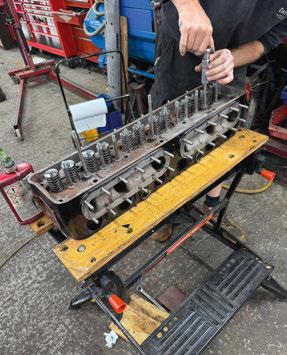
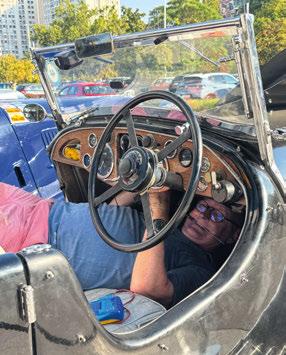
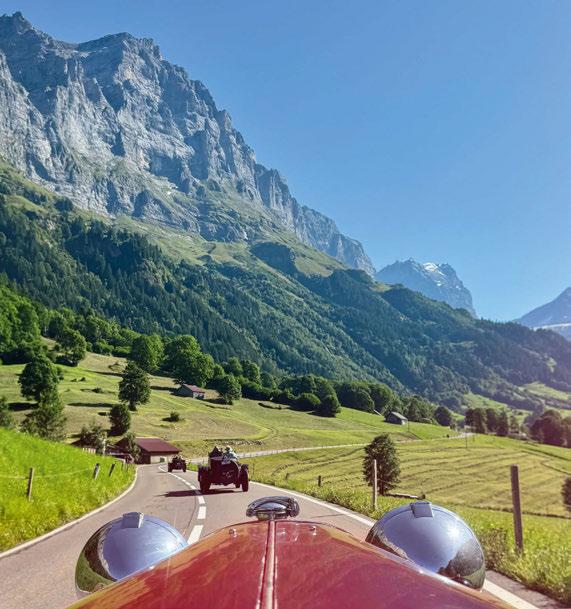
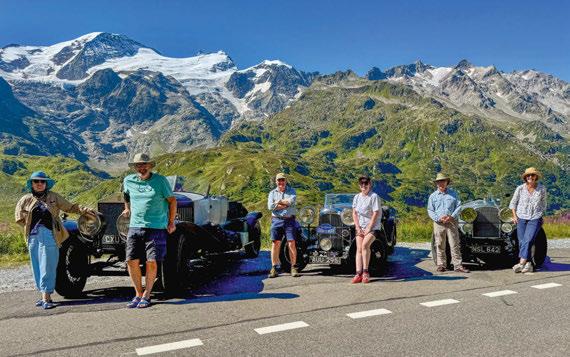
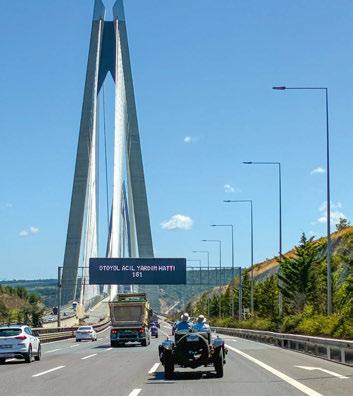
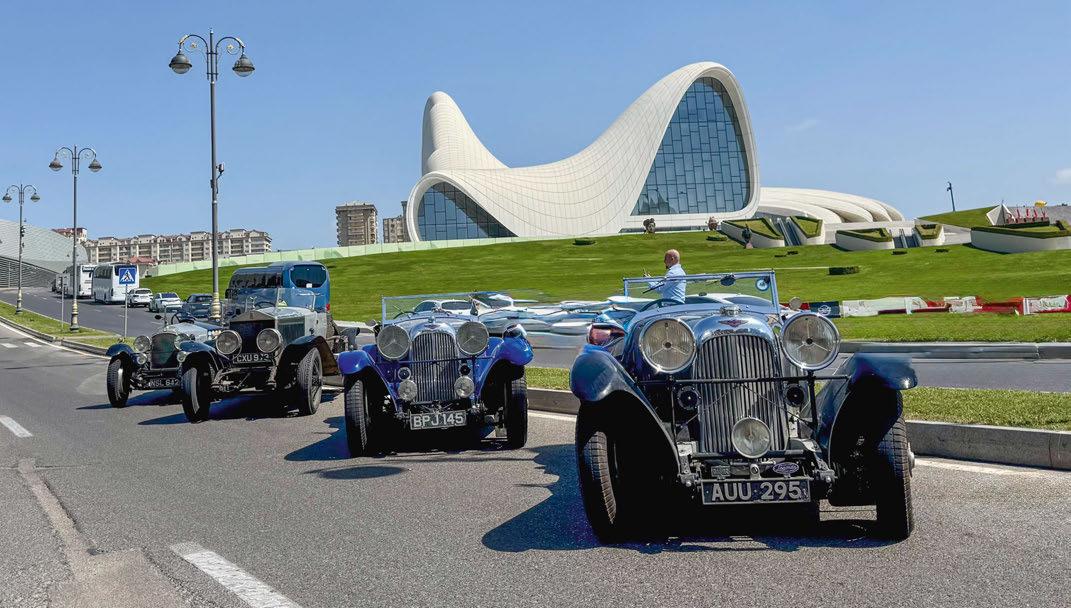

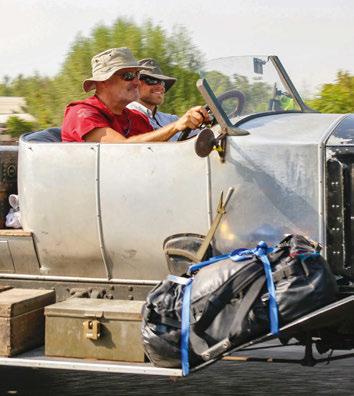
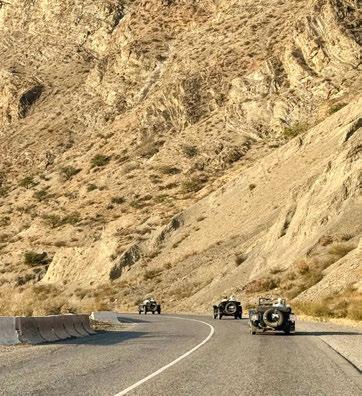
and Lagonda expert David Ayre has a replacement cylinder head, skimmed that morning and on the car later that day. Within 24 hours of arriving at the workshop, Nigel and his Lagonda are once more streaking across Europe, racing to catch the rest of us.
In the meantime, the Silver Ghost, Vauxhall and my Lagonda have been striking out into Switzerland and then Italy. We have tackled the Stelvio pass and, apart from a near-miss with a German biker on the wrong side of the road, everything is going smoothly. Our three cars are running well, and we are all reunited in Austria, from where we cross Slovenia into Bulgaria and then Turkey.
Big cities are a challenge for century-old cars and we skirt around the north of Istanbul: the thought of getting stuck in its traffic is not appealing. Crossing the Bosphorus Strait is a special moment for longdistance rallyists, like sailors crossing the equator. Perhaps there should be a special ceremony, as here we wave goodbye to the support of European rescue services. Now we’re on our own.
We transit along the north of Turkey, skirting the Black Sea coast. At Zonguldak, while carrying out some maintenance, Charlie finds himself discussing our trip with a local journalist, who asks his name. ‘Charlie, like King Charles,’ he replies. The next night we arrive at our hotel in Ünye to an ecstatic reception, only to discover that the reporter has printed that King Charles and his entourage are driving through Turkey in their vintage cars…
But then comes a cock-up as we cross from Turkey into Georgia. Original paperwork is a prerequisite for a drive such as this and in a perfect world one has originals and copies of every document. Two cars pass through customs and immigration showing their appropriate documentation; the second two are missing original documents, left in the UK: one a V5 registration and the other a UK driving licence. The Georgians are having none of it.
We take advantage of having a son who has just left university and is able to jump on a plane! Nick arrives with the necessary papers the following day. The Rolls and Lagonda have pressed on through a torrential downpour, ironically, and the team is reunited in Tbilisi. Now for the challenge of the Stans.
We arrive at the border between Georgia and Azerbaijan, which is unsurprisingly quiet. It’s such a privilege to be allowed to enter, and our sponsor greets us later at our hotel in Baku. The following day we are invited to visit the Heydar Aliyev Center, designed by Zaha Hadid and containing Azerbaijan’s motor museum. There we are introduced to its director and presidential advisor, Anar Alakbarov. This introduction is to prove fateful indeed.
Strong winds are blowing in from the Caspian during our stay and we know that catching a ferry from Baku can be problematic. Almost all the traffic on these ferries is commercial trucks; cars must turn up and wait. At the first opportunity we decide to risk it, and drive the 40km to the port only to be told that
the manifest is closed and we would have to wait three days for the next ferry. Chris shows the controller a picture of Anar Alakbarov, with us and our cars, plus pictures from the local press, and suddenly we are on the ferry and on our way to Turkmenistan, one of the most closed-off countries in the world outside North Korea. We have arranged a tourist tour with a local guide and hope all will be fine when we arrive at Turkmen Bashi port.
We wake the following morning, disappointed to discover that we’re still tied up alongside in Baku port, and there we remain with little information from the largely Russian crew. Having retired to our cabins for a second night, Chris and I are awoken by Nigel and the first mate, asking whether Chris knows anything about large diesel marine engines! Unfortunately this is beyond even his talents and come the next day we still haven’t moved.
Other ferries have since arrived, looking more reliable than the one we’re on, but with the cars buried in the hold there’s no chance of jumping ship. What appeared to be one of the great fixes of the rally has turned into a nightmare. We finally depart later that day, crawling across the sea on 11/2 engines.
‘We wave goodbye to European rescue support. Now we’re on our own’
We arrive at midday the following day after an unpleasant crossing: no food or water and the lavatories filling up. We’re naturally quite keen to disembark, but our cars (the only ones on the ferry) are going to be the last off. We have a fixer waiting for us and are assured that our tourist tour visa will get us across Turkmenistan.
Four hours later and having parted with $600 per car, we are then informed that the law has recently changed, banning right-hand-drive cars. Any chance of our money back? Of course not. The only alternative is to truck them to the border with Uzbekistan while we follow miserably in a minibus.
Uzbekistan is a critical point in the story. A friend of mine has a business there and agreed to receive new tyres for the Vauxhall and the Lagondas. The tyres aren’t as worn as we expected but we change them nonetheless and organise an oil-change for all the cars. I have always said that we travel on the backs of strangers; this is true once again, thanks to the extraordinary support of the team at Meritex. Not only have they arranged for tyres and oil but they have also secured safe storage for the cars while we head home for a few days with our families, Charlie and Nellie meeting their new grandson for the first time.
Opposite, clockwise, from top left Crossing the Bosphorus strait; war trophies in Baku; engine room of the sick Caspian ferry; Baku is home to some striking architecture; the incredible mountain road to Bishkek.
WE RETURN REFRESHED and ready for the challenge of crossing Kyrgyzstan and into China. By good fortune I had been introduced to the Kyrgyz Ambassador to London before we left and he had mentioned to the authorities that we were on our way. It’s such a beautiful country and, with the exception of filling up with a batch of poor fuel that causes untold problems, we enjoy every minute driving through stunning scenery.
The first day involves dirt tracks to the city of Toktogul and the Rolls develops a problem with the brakes. The Vauxhall and one of the Lagondas go ahead and the Rolls and I set off again as the sun sets, breaking Rule No.1: ‘Never drive at night.’ We hadn’t appreciated that a civic reception would be awaiting us and we finally enter the town with a blues-andtwos escort and dinner arranged in a yurt! It has been a beautiful, hot and endlessly fascinating day.
By way of contrast, the following morning we cross the mountains towards the capital, Bishkek, to be faced with the challenges of freezing temperatures and snow. Between Bishkek and the Chinese border we encounter wide open expanses and the freezing cold steppes, staying in yurts, but during the final day
‘A rock the size of a suitcase crashes just in front of the Rolls’
in Kyrgyzstan my Lagonda begins to struggle. The Rolls has battled with blocked carb jets and the Vauxhall was unable to climb the mountain to the yurt camp. Our conclusion? It has to be the petrol.
And so in fading light, outside remote yurts, we strip the cars, changing coils, condensers, points, plugs, trying to get them purring for our run across the Tourgart Pass to Xinjiang Province, China, home to the Uyghur people.
It is not possible to self-drive in China without fixers, known as tour guides. Ours are Erik and Mr Gao from Navo Tours and they prove invaluable. We expected to follow a strictly approved route via defined tourist hotels yet, thanks to Erik, we enjoy considerable freedom and a fascinating experience. I have driven through China in 2010 and 2019 and the changes since are extraordinary. Cars more than 15 years old are not allowed on Chinese roads – the locals are astonished to see ours! – which has had a major impact on pollution levels, and the people are far more engaging than in the past. We quickly establish a following on Chinese TikTok, given the moniker ‘crazy grandpas’, with over 250,000 followers!
Energy is a strategic asset that the Chinese government has taken a long-term view on, and as we
drive out of the oil and gas fields of the Taklamakan desert we enter the renewable energy facilities in the Gobi desert. Here is the world’s largest solar farm, one of the largest wind farms, and an extraordinary facility that captures the energy of the sun to melt salt and release energy overnight. There has been equally impressive investment in the road infrastructure, and all four cars are running well.
The Muslim influence in this part of China continues until we turn south and skirt the eastern end of the Tibet plateau. In Buddhist China the architecture changes and the police presence becomes less oppressive. Only when we move between provinces do we have to reset our relationship with the authorities. Our tried and trusted approach is to smile, engage and – when you get the green light –go like hell. Works every time.
The most astonishing drive is of some 100km along the Dongwang gorge, an amazing road that is scheduled to be closed in the next 12 months. We follow the Shuoyi river with vertical cliffs on both sides, our road cut into and tunnelling through them, and it’s not without peril: a rock the size of a suitcase crashes just a few feet in front of the Rolls. These are the risks we take in such extraordinary places.
Heading south towards Laos, the temperature rises and the countryside becomes more verdant, deserts replaced by rice paddies and fruit of every variety. We cross the border 74 days after our departure and the well-maintained tarmac of China is replaced by some of the worst surfaces we have ever driven on, with massive potholes, twisting up through the mountains and besieged by knackered old diesel lorries. Locals know that there is every likelihood of a vehicle coming around the blind corner on the wrong side and are prepared for every eventuality. By Luang Prabang the road improves and, for the first time since we left Bishkek, we see the effects of western tourism and can’t wait to get back on the road.
The skirmish between Cambodia and Thailand means we’re advised to carry on down the length of Laos and then cross into Thailand. This decision takes us along the length of the Mekong from near its source, watching it engorge a little more each day as more tributaries feed into this mighty river.
At Pakse, the Mekong heads east into Vietnam and we turn west into Thailand. We are still some 2600km from our final destination and the cars are running well, although my Lagonda has developed an irritating rattle.
Thailand means good roads and good petrol, though the rattle is getting worse. We have combined the mechanical resources of the team alongside the heavy guns of David Ayre and his, and used a borescope to inspect the inside of the cylinders. It shows some scoring: seems the fuel in Kyrgyzstan has caused some corrosion. With 2000km to go, can we get this car to the end?
The plan is to keep the cylinders well-oiled and drive with extreme care, no faster than 60km/h. Every
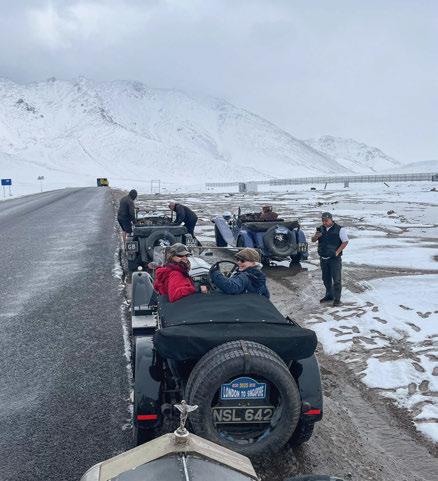
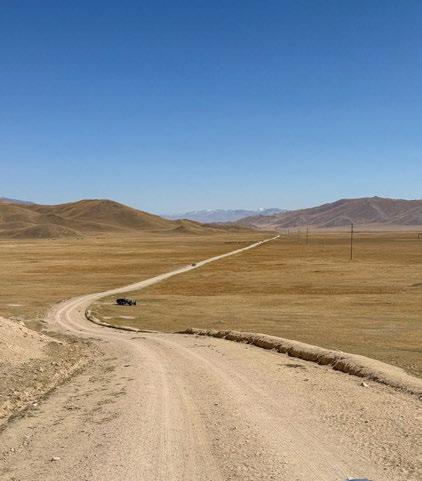
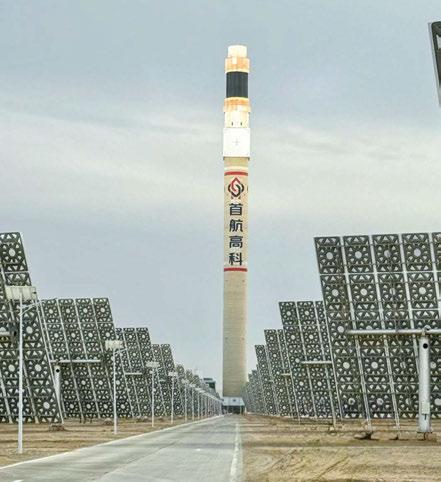
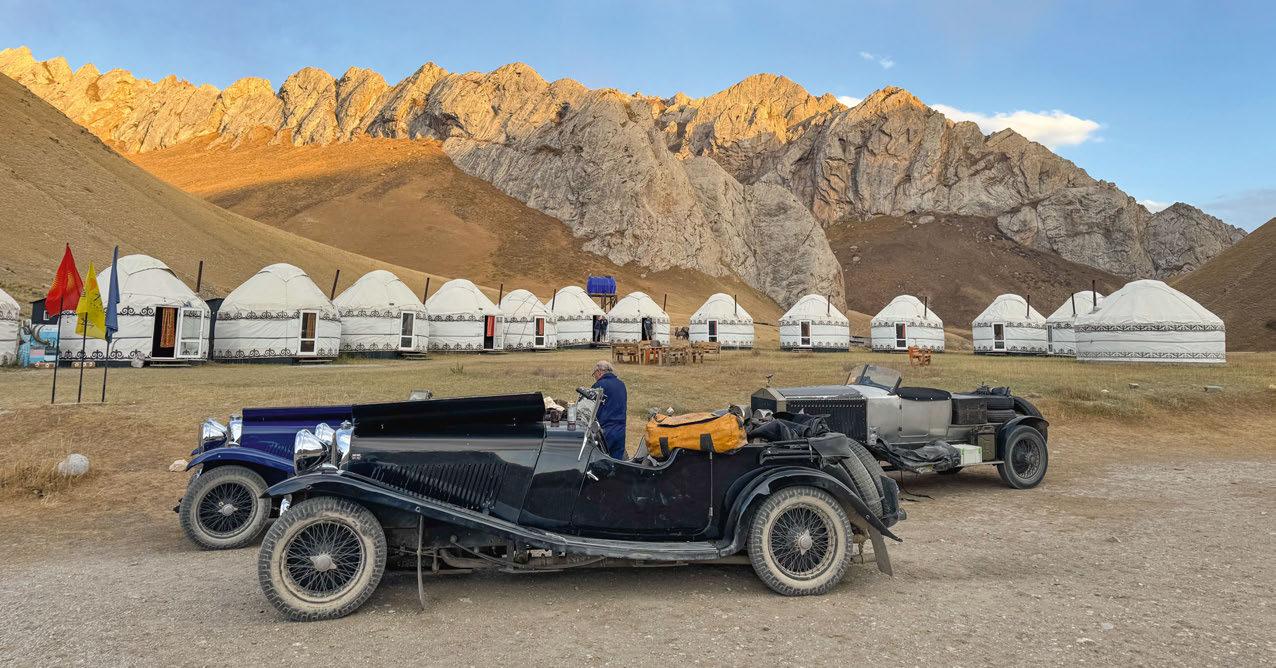
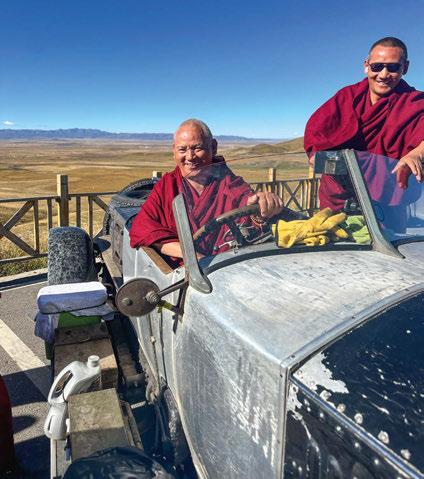
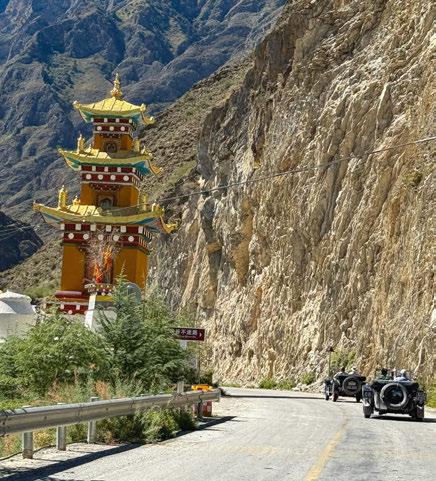
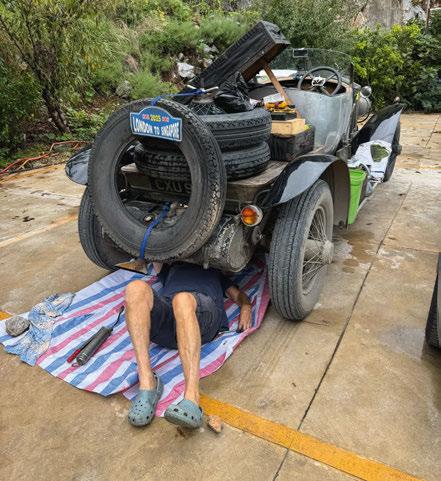
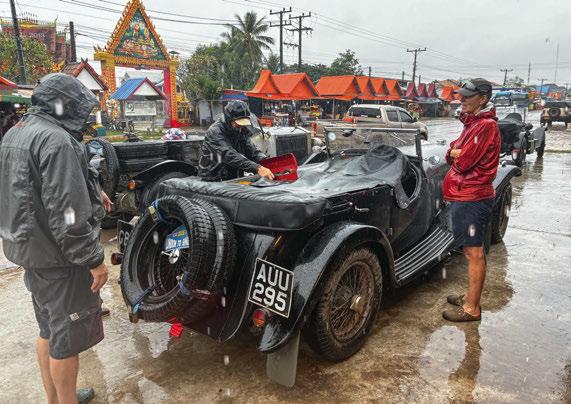
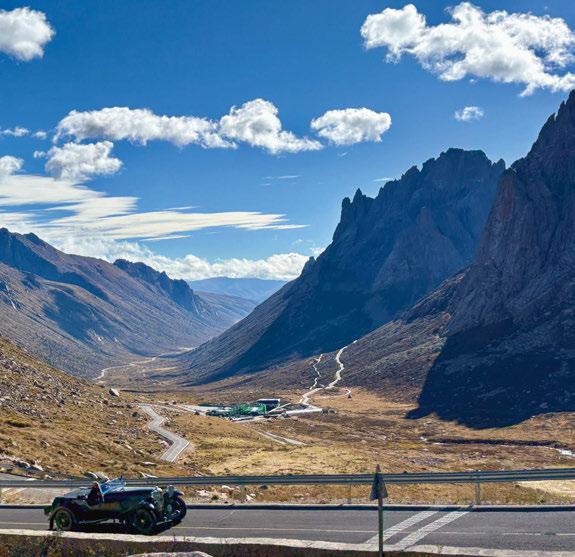
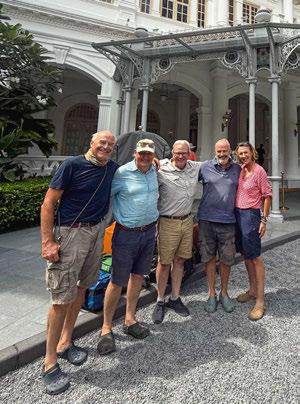
evening the plugs are removed, engine oil poured directly into the cylinders and left overnight. It’s a very long, slow and stressful time, every day another 200-300km knocked off the total and every day the rattle getting worse. And the tension rises with it. We are a team and never does the sick Lagonda travel alone, always one of the other cars riding shotgun and more often than not the entire team edging together towards Singapore.
Hua Hin, west of Bangkok, is our last co-driver change, ready for our final run to Thailand. This is a seaside tourist town with no attraction for us so we skip the scheduled rest day in favour of shorter days to Singapore. We arrive, as scheduled, at our penultimate border crossing into Malaysia and for the first time on this fantastic journey hit an existential threat. No one had told us that we weren’t getting into Malaysia without a Carnet de Passage, not the FCO, not our fixers (who had got a customer’s car in the previous day through another crossing), not our detailed web searches. No one.
To go back into Thailand the paperwork is an inch thick, and for three hours we’re stuck. Our fixers have got us permits and insurance to drive in Malaysia but – crucially – not customs clearance. They suggest returning to Thailand and crossing at another border point, but that would add at least two days to our itinerary and test my Lagonda perhaps to destruction.
We contact the British Consulate, who are extraordinarily unhelpful – but we don’t tell Malaysian customs that. They somehow infer that the Ambassador is very upset and will be writing a letter to their boss. That and our permit swings it and we’re in! A steep climb from the border and a jackknifed lorry put further pressure on the sick Lagonda but Singapore is back within our sights.
And it remains so. We had intended to end this extraordinary adventure at the iconic Raffles Hotel, and its general manager Christian Westbeld loved the idea. Unfortunately the bureaucratic processes of Singapore prove too much to overcome. Four different documents are required, of which we have none. The process would take weeks. Time to draw stumps at the shipping agent’s bonded warehouse in Malaysia, where four wonderful, resilient and tired cars are deposited at the Singapore border.
Meanwhile, seven tired, scruffy and exuberant rallyists arrive a day early at Raffles’ front door, ready for more than a couple of Singapore Slings. Our stats sum up as 20,000km, one new cylinder head, the associated head gasket, a sprint across Europe, two punctures, 20 countries, one sick but ultimately successful Lagonda, four drivers and one co-driver who had completed the entire trip, plus a worthy gaggle of co-drivers who accompanied us each in part on this magnificent journey.
What’s next? Time for The Ultimate Overland team to turn its attention to Africa…
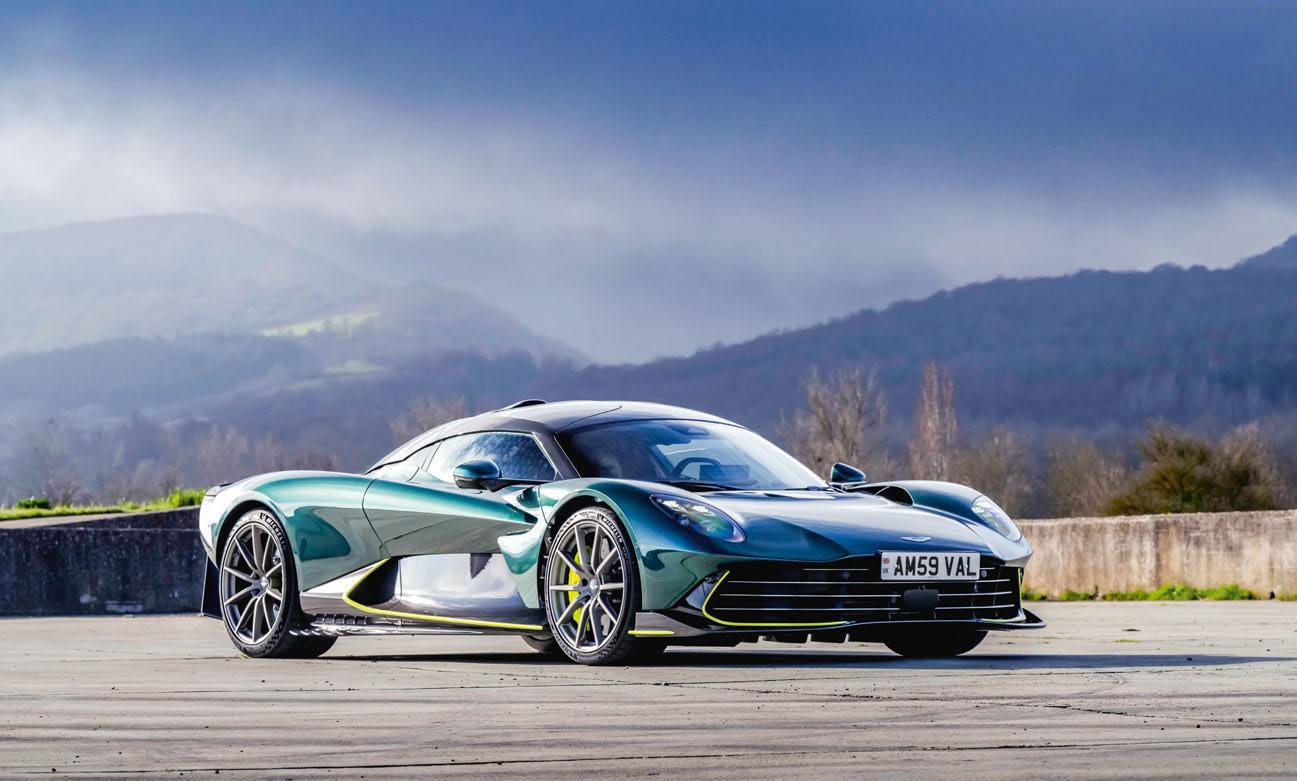


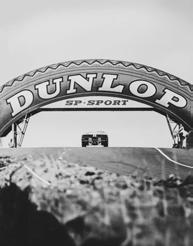
FOR NEARLY EIGHT decades, the name Bill Heynes has been closely associated with Jaguar Cars. As chief engineer, he played a central role in developing the XK engine, which went on to underpin Jaguar engineering for over 30 years. Today, that connection continues through his grandson, William Heynes, and his team at William Heynes Ltd. The business focuses on the servicing, preservation and restoration of Jaguars from this period, with particular expertise in early E-types.
Founded in August 2021, the company has grown steadily and now undertakes a range of full rebuilds and restoration projects. The workshop currently houses several significant E-types, including early-chassis examples, reflecting the trust placed in the team to handle historically important cars. In May 2025, the company expanded its capabilities by bringing XK engine rebuilds in-house. This has since developed further, with William Heynes Ltd now offering in-house engine, gearbox, differential and sub-assembly work. This allows for greater control over quality and consistency across all stages of a project. Alongside workshop-based work, the team also provides support at events. This includes race support at meetings such as the Goodwood Revival, as well as rally support for clients competing in HERO-ERA events.
Each car is treated on an individual basis, with attention given to its history, condition and intended use. The aim is to work closely with owners to achieve a result that suits both the car and how it will be enjoyed, whether on the road, track or in competition. In addition to restoration, the company offers practical support to owners and prospective buyers, including purchase advice, inspections, transport and storage.
William Heynes Ltd continues a long-standing association with Jaguar, focusing on maintaining and supporting these cars in a way that reflects their history while keeping them usable today.

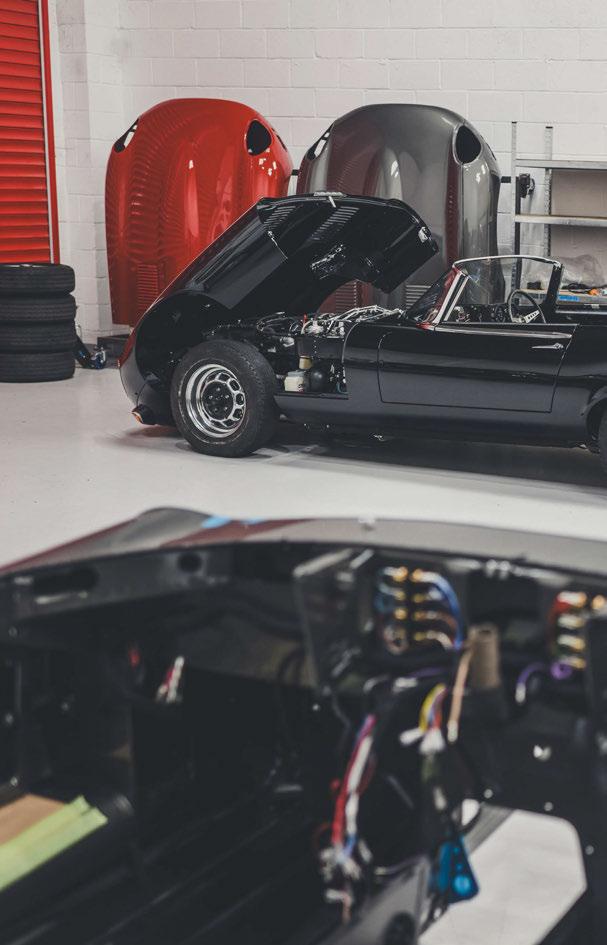
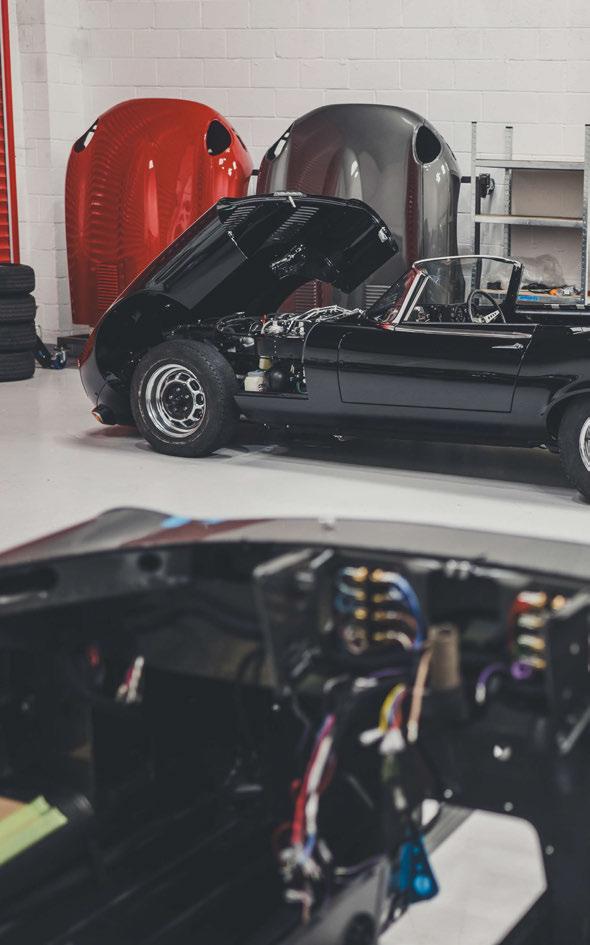




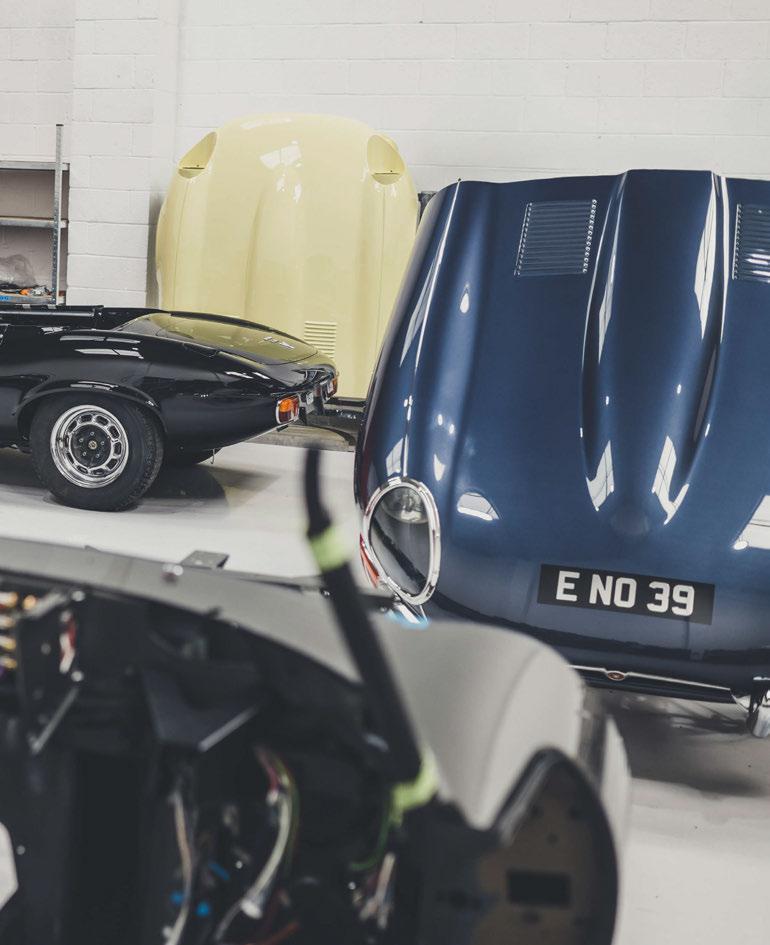

Jaguar E-type and XK specialist. Quality engineering and restoration.
+44 (0)1483 537706 www.winspeedmotorsport.com

The world’s foremost global historic motoring events company, running rallies for classic and vintage cars.
+44 (0)1869 254979 www.hero-era.com

World-renowned Aston Martin specialist and official Heritage Parts Partner established in 1983.
+44 (0)1332 371566 www.astonengineering.co.uk

Autohistoric: specialists in the preservation and restoration of veteran and vintage vehicles.
+44 (0)1825 873636 www.autohistoric.co.uk

Unlocking collectable car investing, once reserved for the ultra-wealthy, through syndicated access to the world’s best cars.
+44 (0)7700 166961 www.thecarcrowd.uk

The historic home of Aston Martin. Restoring, maintaining and selling icons at the factory where they were originally built.
+44 (0)1908 610620 www.astonmartinworks.com
TAKING A FRESH LOOK AT MUSEUMS
Motor museums are undergoing a revolution – transforming from static displays into living, breathing showcases of automotive heritage, with a fresh focus on shared experiences.
Many museums were once seen as the final resting places for collectable vehicles, with more emphasis on preservation than participation. Meanwhile, the HCVA was formed to unite an industry committed to sustaining our automotive legacy through active use. Our trade members operate at the heart of this sector, their businesses reliant on keeping vehicles roadworthy, relevant, and enjoyed on road and track. Today, that divide is disappearing. Museums are increasingly bringing their collections to life: returning vehicles to running condition, rotating exhibits, and creating more engaging visitor experiences. By hosting a range of initiatives, events and conferences in unique spaces, museums are inspiring more diverse audiences.
In doing so, they are aligning closely with the HCVA’s mission: ensuring vehicles are preserved as mobile heritage, to be actively enjoyed by future generations. This growing collaboration between museums and the specialist trade is significant. By aligning curatorial expertise with practical skills and a network of specialists, we are expanding our reach and building a more sustainable future for the historic vehicle sector.
The HCVA has affiliation partnerships with Brooklands Museum, Haynes Motor Museum, and the National Motor Museum, Beaulieu, and this collaborative network will continue to grow. Demonstrating this commitment, the HCVA hosted its sixth successful Heritage Matters trade insight day, in partnership with Brooklands Museum, on 22 April. The event delivered a thought-provoking programme exploring the opportunities and challenges facing our industry. It was clear that museums and the wider sector are navigating the same landscape – making ongoing collaboration more important than ever.
You can play a part in shaping this future as an HCVA Trade Member, Fellowship Member, or Enthusiast Supporter. Find out more at hcva.co.uk.
Dale Keller, CEO
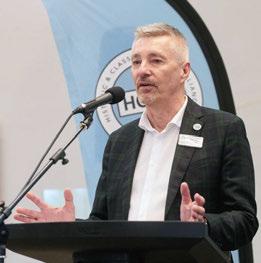


e trials and tribulations of the cars we live with


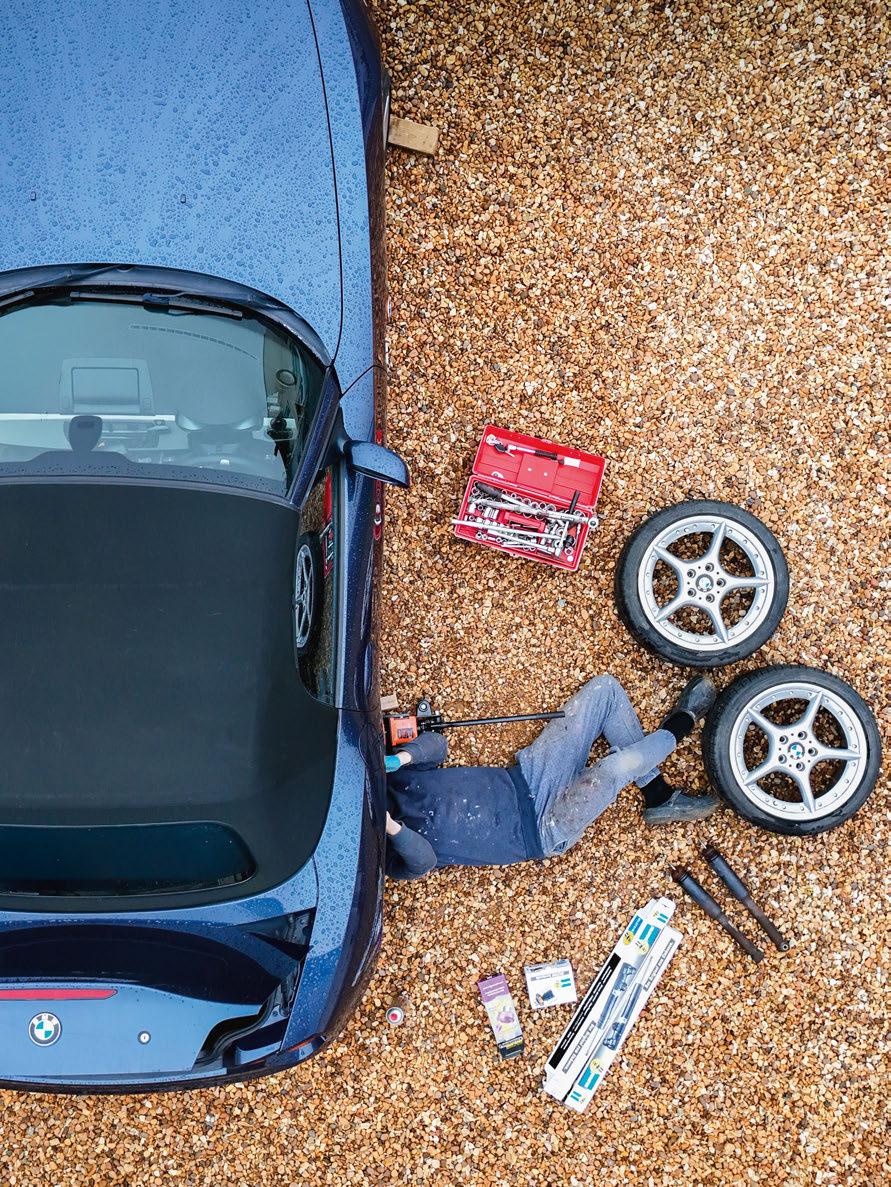
2004 BMW Z4 3.0i
Robert He eron
HIT IT, pull it, heat it, drill it, cut it! Not Bop-It, but me trying to remove the 20-year-old-plus trailing arm bushes on my Z4. e rear end had, for want of a be er word, become a bit ‘crashy’ in day-to-day driving and when I reversed up my drop-kerb I’d hear a clunk. I had known the day was coming for some new rear suspension parts, but I didn’t know it had arrived, unpacked and se led in for a month or two. e tell-tale sign that I’d missed for so long was a worn inner tyre edge. Darn it! So now not only did I have to order all the inevitable (shocks, top mounts) as well as the do-at-the-same-time (rear trailing arm bushes) but I also needed new rear tyres and, nally, my own trolley-jack and stands. And then an alignment. As the shocks don’t carry the springs on the rear I didn’t need to compress them; simply remove some of the boot linings and parcel shelf to undo the topmount bolts, then the strut bolt from below. e original shocks were absolutely shot – no re-coil whatsoever, so it’s actually impressive the car drove as well as it did on the springs alone. New Bilstein dampers (to match the front) and top mounts were installed in a ji y. Love it! e trailing-arm bushes put up more of a ght. I’d pre-soaked the heavily corroded bolts holding the bush carrier with my new favourite product (PLUSGAS Fast Release) and managed to get
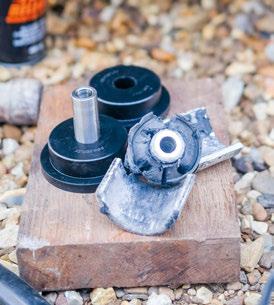
Clockwise, from top left
Drilling the inner bush; sawing the outer ring; new bush in situ in arm; carrier, recess and arm treated with rust converter; new and old bushes; rusted carrier recess; the old bush before removal; new and recoil-free old shock; probably rethinking having a chunky gravel drive at this point.
them all off with various-sized sockets persuaded onto the corroded heads, but it was clear that at least three of the six needed replacing and, as these are the bolts adjusted to alter wheel alignment, they needed swapping.
A bus ride to my nearest BMW dealer to collect the last four it had in stock was a step I could have done without, but worth it. The carriers and the recess they sit in were both starting to rust, and not to do something now would surely mean some welding in the future. My do-everything-as-wellas-you-can mantra meant buying some rust converter and protective top coat.
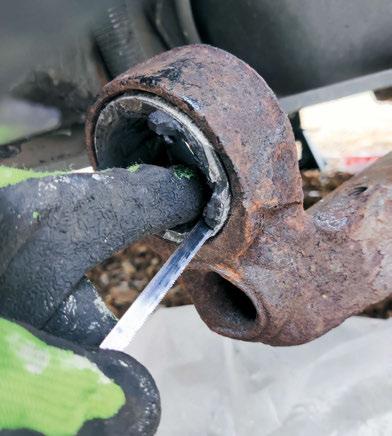
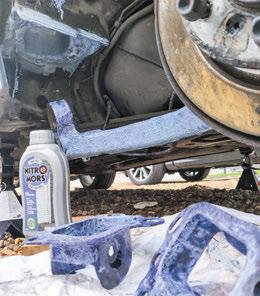
With the trailing arm exposed and the bush newly accessible, I sized up my newly purchased puller set, only to see that it was the wrong size. Damn it! Not to be defeated, I thought I could use it and rig something that might fit. Nope, waste of time. The torch did nothing, nor did a hammer. Google it! One chap took a drill to it, stitch-cutting the rubber centre out and then cutting the exterior aluminum ring with a hacksaw… and so did I.
The last couple of MoTs have noted corroded brake lines and they didn’t look good – to the point where I’m afraid to touch them. It’s common on these BMWs, as is the malleable copper-nickle replacement. But I know my limits and I’ll make some calls to sort it.
The Powerflex bushes I opted for meant there was no need to use a special tool to install them, (they come in two parts and push in from each side). Equally I
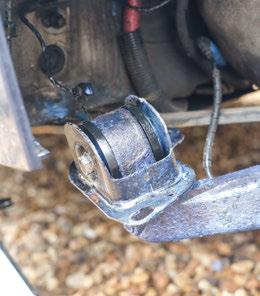
didn’t have to carry out the pretensioning process of lining up the bush on tightening so it isn’t under stress when back on the ground, as you do with OEM items. Everything went back nicely so I took took the car to my local garage, Templetons, for wheel alignment.
After all that, the car felt miles better and, as a bonus, what I’d thought was my diff occasionally clunking with low-speed ’changes and on-off acceleration, has vanished, so must actually have been the worn-out bushes.
Depreciating values, increasing expenditure, only two seats… I’ve been wondering whether to keep the Z4, so my next decision is a bit make-or-break. Owner groups promise it will be transformed by ditching the run-flat tyres; I wasn’t in a rush to do so, but with two new ones costing the same as four conventional premium tyres, I’m tempted to find out what the difference is.
These are the cars run by Octane’s staff and contributors
DAVID LILLYWHITE
Editorial director
• 1971 Saab 96
• 1991 VW Golf Mk2 GTI
ROBERT COUCHER
Founding editor
• 1955 Jaguar XK140
GLEN WADDINGTON
Associate editor
• 1989 BMW 320i Convertible
• 1999 Porsche Boxster
• 2001 BMW 525i Sport Touring
JOHN MAYHEAD
Contributor
• 1946 MG TC
• 1970 VW Type 2 Westfalia
• 1988 Porsche 944
SANJAY SEETANAH
Advertising director
• 1981 BMW 323i Top Cabrio
• 1998 Aston Martin DB7 Volante
CHARLIE MAGEE
Photographer
• 1965 MGB Roadster
• 1971 Range Rover
MATT HOWELL
Photographer
• 1962 VW Beetle 1600
• 1969 VW/Subaru Beetle
• 1982 Morgan 4/4
BEN BARRY
Contributor
• 2007 Mazda RX-8
MASSIMO DELBÒ
Contributor
• 1967 Mercedes-Benz 230
• 1972 Fiat 500L
• 1982 Mercedes-Benz 500SL
• 1985 Mercedes-Benz 240TD
SAM CHICK
Photographer
• 1969 Alfa Romeo Spider
JORDAN BUTTERS
Photographer
• 2007 Porsche 997
ROWAN ATKINSON
Contributor
• 2004 Rolls-Royce Phantom
BERTHOLD DÖRRICH
Contributor
• 1939 Alvis 12/70 Special
• 1958 Austin-Healey Sprite
• 1972 Porsche 911T
These are the cars run by Octane’s staff and contributors
JAMES ELLIOTT
Editor-in-chief
• 1965 Triumph 2.5 PI
• 1968 Jensen Interceptor
• 1969 Lotus Elan S4
RICHARD HESELTINE
Contributor
• 1971 Honda Z600
TON ROKS
Contributor
• 1977 Alfa Romeo Giulia
• 1977 MGB V8 Roadster
PETER BAKER
Contributor
• 1934 Sunbeam 25
• 1956 Daimler Conquest Century
• 2005 Maserati 4200GT
DAVID BURGESS-WISE
Contributor
• 1924 Sunbeam 14/40
• 1926 Delage DISS
MATTHEW HAYWARD
Markets editor
• 1990 Citroën BX 16v
• 1994 Toyota Celica GT-Four
• 1997 Peugeot 306 GTI-6
• 2000 Honda Integra Type R
• 2002 Audi A2
JESSE CROSSE
Contributor
• 1968 Ford Mustang GT 390
• 1986 Ford Sierra RS Cosworth
ROBERT HEFFERON
Art editor
• 2004 BMW Z4 3.0i
MARTYN GODDARD
Photographer
• 1963 Triumph TR6SS Trophy
• 1965 Austin-Healey 3000 MkIII
DELWYN MALLETT
Contributor
• 1936 Cord 810 Beverly
• 1937 Studebaker Dictator
• 1946 Tatra T87
• 1950 Ford Club Coupe
• 1952 Porsche 356
• 1955 Mercedes-Benz 300SL
• 1957 Porsche Speedster
• 1957 Fiat Abarth Sperimentale
• 1963 Abarth-Simca
• 1963 Tatra T603
• 1973 Porsche 911 2.7 RS
EVAN KLEIN
Photographer
• 1974 Alfa Romeo Spider
• 2001 Audi TT
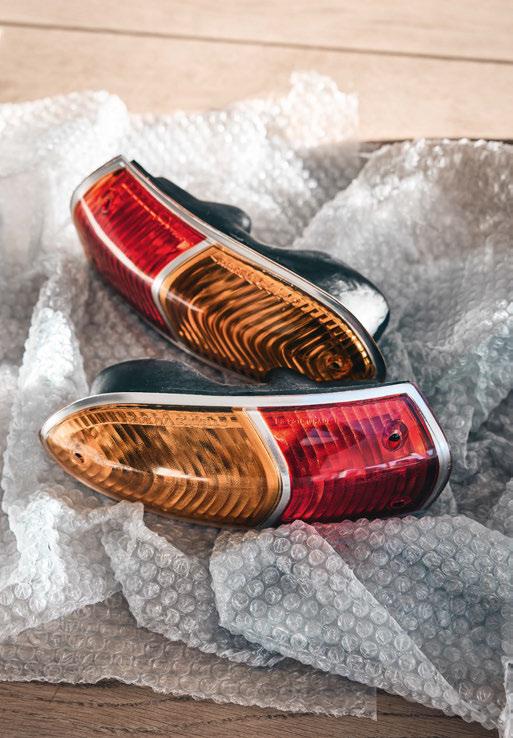
1969 Alfa Romeo Spider Sam Chick
THE ALFA ROMEO SPIDER
turns 60 this spring and, while my own example is a mere youngster at 57, I have high hopes and the faintest whiff of ambition to drive the car again before this notable anniversary year is out.
The media-blasted body has been made uniform and stable with a solid coat of primer and the ’shell is being finessed, filed and fettled. Shutlines are being
Above and right
Pininfarina built bodies with artistic licence, so they should be made to fit around parts rather than vice versa.
marked-up and aligned, discrepancies tapped with various venerable-looking hammers, and swagelines softened or sharpened as required. Shaping is a painstaking process, but vital for the car to pass muster.
Therein lies another issue, I suppose. I think of my own profession of photography as a series of technical problemsolving exercises relating to differing circumstances and creative solutions – no one project or response is the same. Mechanics and metalwork are surely different, aren’t they?
Cars are manufactured within tolerances from blueprints, after all, and should therefore have limited variables. It turns out I’m wrong again and there are, of course, noticeable discrepancies across these bodies. The shape and modelling of these Alfas was, well, let’s be kind and say ‘interpretative’.
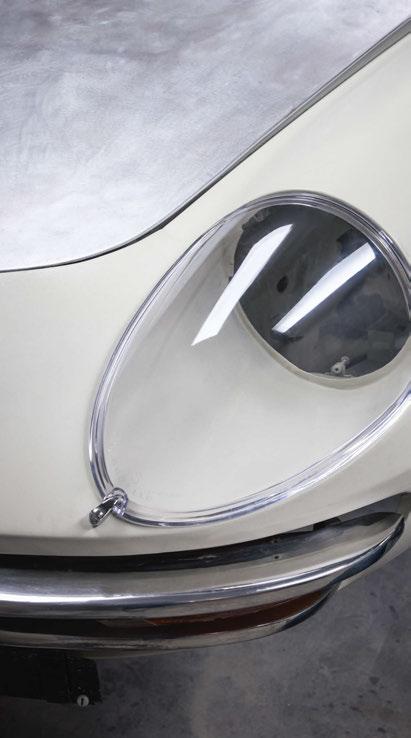
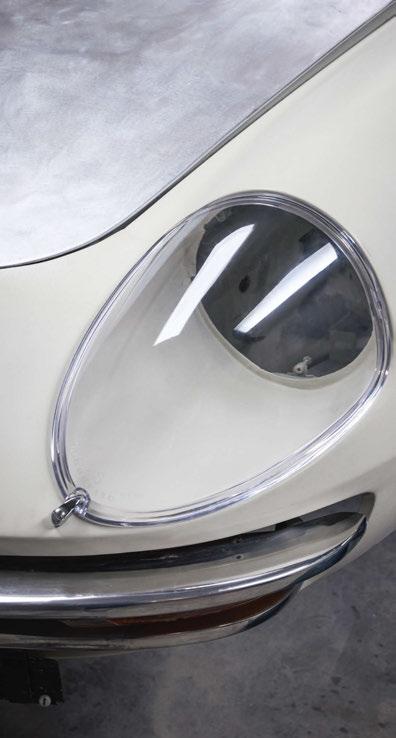
Last year I had the good fortune to discuss the design and manufacture of the 1966 Duetto with Lorenzo Ardizo, curator of the Alfa Romeo Museum in Milan. He smiled about these variations and told me to ask Pininfarina. ‘They built the ’shells, not us, and they were hand-made,’ he said with a shrug, meaning that the bodyshells often had subtle (very human) differences.
Perhaps a rear wing needed a little persuading to meet the valance. Left-over front wings were possibly recycled from a previous design iteration to avoid waste. Maybe the metalworkers were (in the case of my own car) slightly distracted by the imminent first moonwalk by Neil Armstrong… or perhaps it was simply a Friday afternoon or a Monday morning.
Whatever the reason, these cars were not precise cookie-cutter builds and had quirks and

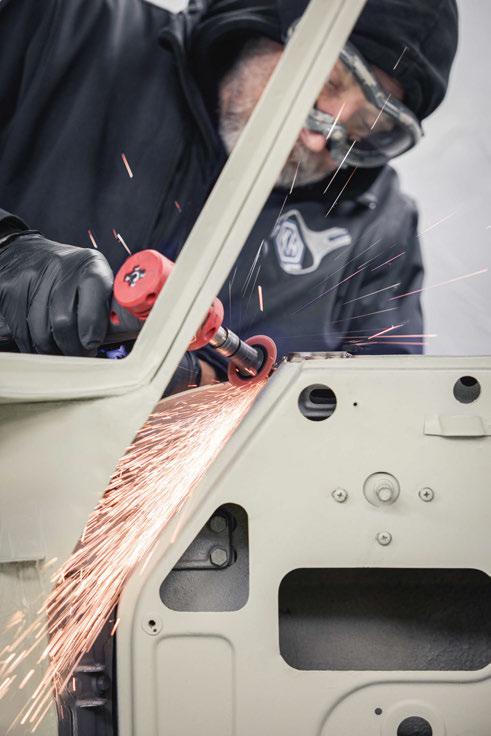
anomalies that have echoed and ampli ed over the intervening 60 years, adding to my own conundrums: how large should the gap between the front bumper and the nose panel be? A nger? Two? Whose nger? How smooth should the t of the rear lights be to the boot-lid? How snug should the perspex front light cowls be, especially given no two of those are quite the same? Surely both old and new panels alike, all made from original bucks, should marry to their relevant original or authentic new ings? Not quite. I turn as ever to the authoritative Spider book wri en by Patrick Dasse and nd more questions than answers in his historic photographs, so make a call to the ever-wise Jim at Alfaholics. He fully acknowledges my dilemmas and kindly sends me reference photography and sage words to make the car t the lights, not the other way around.
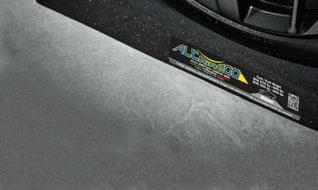

With that knowledge I’m in the workshop with John and Julian at Turner Classics, beginning the rst of a few dry builds as we o er up shiny new parts, suck our teeth, discuss aches and pains, drink yet more tea and scribble on the primer with pencils. ere are worse things to do. More interpretation is clearly needed.
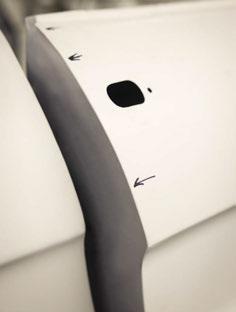
additional tyre-bearing surface from these specially designed product lines of cushions to avoid, seriously, the tyre flat spot phenomenon.
ALTairEGO cushions sets offer a tyre-bearing surface +400% greater than when the car is parked on the ground, thus avoiding the tyre at spot.
3 product lines
Comfort STD, Comfort 4RD and SToraway 23 models in respect to your car’s speci c kerb weight category, between 500 kg / 1100 lbs and up to 4000 kg / 8800 lbs.
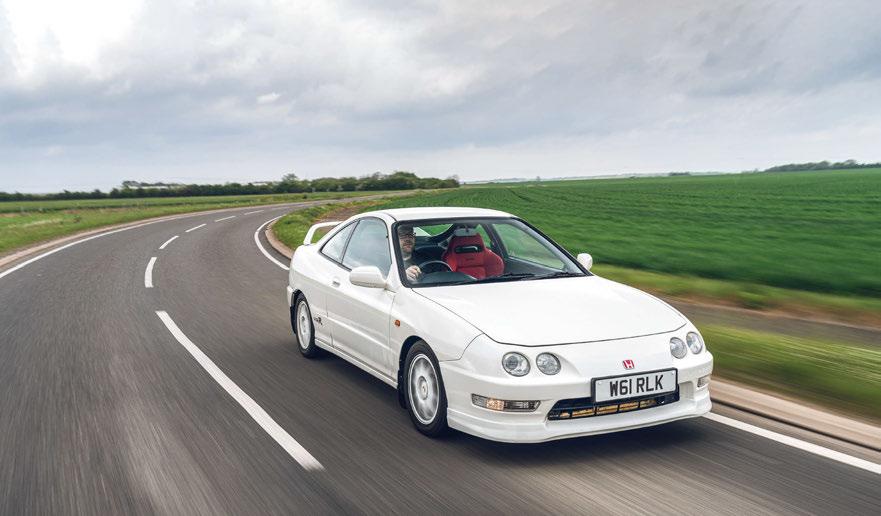
2000 Honda Integra Type R Matthew Hayward
‘BOLD’ IS ONE WAY to describe the Integra’s red Recaro SR3 seats, but against the Championship White paint they’re a key part of what makes this car so special. For me, the seats are a huge part of the experience, so much so that when I noticed that they were starting to look a little tired something needed to be done.
Not only was the foam in both driver’s seat bolsters starting to deteriorate, but six years of my black jeans-wearing habit had taken its toll on the soft red fabric. It looked grubby and, with the metal seat frame poking through in one place, uncomfortable. Something that really becomes noticeable on long journeys.
When I bought the car back in 2020, the seats were certainly presentable, but receipts for replacement bolsters in the history folder confirmed that they had already been repaired in the past. After attempting to buy new foam, I fell at the first hurdle; the company was out of stock, and Recaro was prioritising seat manufacture over spare parts production at the time.
I’d all but given up until a conversation with fellow Octane staffer Elliott Hughes about a similar issue he’d had on his S2000 years ago. As a result, I set about a medium-term solution by reinforcing the seat foam – and I’m very glad that I did.
Pulling the seat out was a dream. Given the delicate nature of the material, I wanted to ensure a clean environment in which to undertake the operation, so I made space in my living room, lay down an old bedsheet and began the disassembly process. There are several guides on YouTube, but pulling it apart is actually very simple, and only a handful of tools are required.
Once I got the seat bolsters out, I was surprised to see that they were generally in very good condition – though with one specific failure point. The thin metal seat frame had basically ripped through the foam and, funnily enough, I could see that the same thing had happened – and previously been repaired –
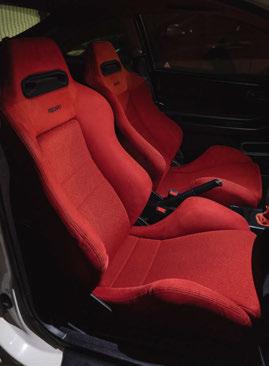
on the other side too. After some gluing and reinforcement with the fabric webbing tape I found in the garage, I put it all back together. The shape and tension of the fabric came back to how it should be, so I then gave the whole seat a clean. Heeding the advice of many Honda forums, I used a solution of diluted Woolite laundry cleaner to spruce them up. A bit of (gentle) elbow grease soon saw all the grime removed, so I left it to dry in front of a radiator in the house for a day, before re-fitting. When the foam is available again, I will probably do the job properly, but for now a few hours of preventative maintenance will hopefully stop any further deterioration of the fabric. It looks a million times better, too, which is justification enough for me.
Left and below
No bets are being taken on how long it is before Matthew’s ‘temporary’ fix is re-done ‘properly’.
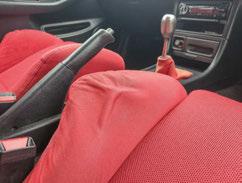
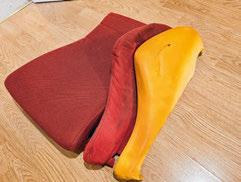
‘The Golf GTI is feeling better every time I use it – except for an exhaust vibration after I replaced its mounts. Do I grovel about under the car or leave it to my local garage to get it on the ramps? Hmm…’ David Lillywhite
‘My BMW 320i Convertible has spent much of the winter in my lock-up, but has sailed through its MoT. Now hoping for some top-down weather’ Glen Waddington
‘Since returning from Monte Carlo, Audrey the Daimler has languished in the garage awaiting attention. Meanwhile, my Maserati 4200 Cambiocorsa and Alfa Romeo Brera 2.2 Prodrive Edition both passed their MoTs’ Peter Baker
‘Having chased away all signs of rust, as the petrol tank was about to go back in the Carrera RS we noticed it was a bit flaky on the seams. Replica tanks are surprisingly cheap so I’ve opted for a new one’ Delwyn Mallett
‘I can’t stand leaving the Jaguar idle for more than a week, hence my indulging in my favourite Tour de Chelsea around London early on weekend mornings’ Robert Coucher















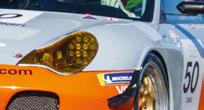



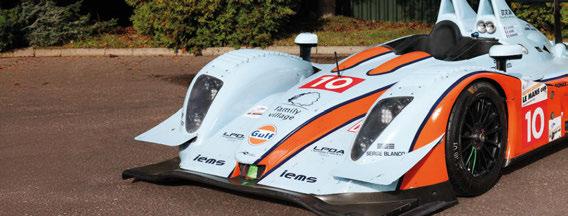























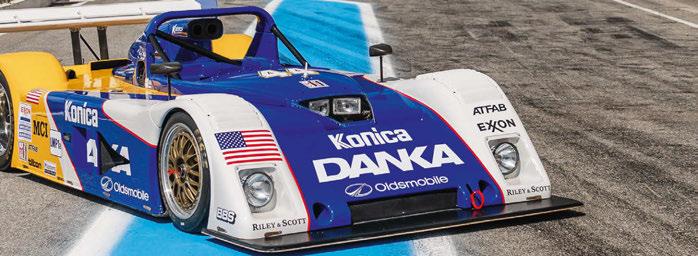



























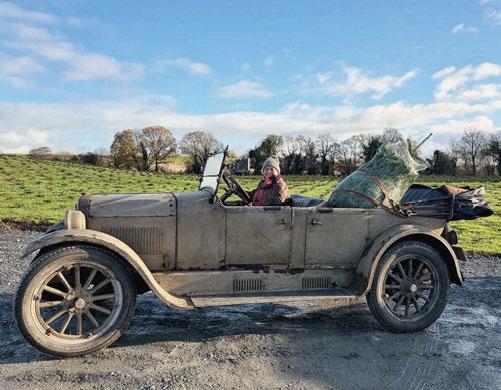
1924 Dodge & 1930 Ford Rhiannon Carvell-Crook
THE TWO comments I get the most are ‘What is it?’ – usually accompanied by a funny stooped walk, head bent, face scrunched up squinting at the radiator badge – and ‘Are you going to restore it?’ I love the rst and enjoy their surprise when they realise it’s a Dodge; the la er annoys me and I answer through gri ed teeth ‘ ey are only original once!’ en I remember that the only time most people see cars this old is in museums or as lovingly restored and polished examples at shows. e fact that I have chosen to use my 1924 Dodge Tourer or 1930 Ford Model A (when it’s raining) to nip out to do some shopping or heading out for an early-morning river swim just seems normal to me, though admi edly might seem a bit bonkers to other people, especially in the winter months.









I discovered my passion for vintage pre-war cars by chance. I was driving through New Radnor about 15 years ago when some muddy old cars went past me and I followed them to see what they were up to. I found myself at the bo om of the Smatcher hill on the Vintage Sports-Car Club (VSCC) Welsh Trial, thinking how u erly insane these people were… but gosh it looked fun!
I met a photographer called Becca Parker, we became friends and she persuaded me to a end some events with my camera. A year later, at the same trial, I was ‘bouncing’ in a 1917 Dodge; a month a er that I bounced for the legendary Hicky Hickling on the VSCC Cotswold Trial in his yellow Dodge. I was hooked!
I then started bouncing (passengers bounce the car to help give it traction on steep






muddy sections) for the wonderful David Ellison in his and Nick Upton’s 1930 green standard Ford Model A saloon. A few years later this car was loaned to us so my husband could have a go at driving with myself and our two daughters bouncing, and that got us into vintage trialling as a family, so we bought the car shortly a er that.
As of last year, all four of us have had our rst time driving it in trials and I got my rst trophy, a third class award in the VSCC Welsh Trial. We have had lots of success with the Model A and I did the VSCC Measham night rally once: completely terrifying but loads of fun. She’s also been a wedding car and I have driven her, rather sedately, up Shelsley Walsh as part of a tour.
What really sets her out from other Model As is her interior: ceiling, panels and seats all decked out in leopard print! is is how the car was bought years ago from two ‘ladies of the night’ in the USA before it was shipped to the UK and it remains unchanged. It’s not my cup of tea, but I would never change it. In fact, for last year’s trialling season, we added a disco ball.
Our 1924 Dodge 4 Tourer, nicknamed ‘Rusty Dodgena’ by our daughters, is a huge part of the family. She was found for us by Hicky about 12 years ago, a er being shipped in from Australia with the idea of being a trials car.
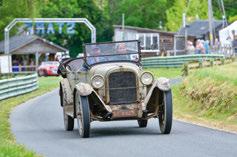
unique British Racing Green document case handmade especially for your car from the finest Tuscan leather could be yours simply for sharing the story of your classic. Send 750 words plus photographs to james@octane-magazine.com Visit jordanbespoke.com for luxury goods and accessories.
She’s completely original with a 3.7-litre four-cylinder engine, wooden wheels, aking paint and brakes only on the rear, and we decided she was too special to trial, but we have raced her twice at Donington, done driving tests at Brooklands and Bicester, tours and rallies, shows, weddings, the BOC Presco garden party, Kop Hill Climb and Bromyard Speed Festival to name but a few.
Last year I drove her the hour-and-a-half to Winchcombe, with camping gear strapped to the running boards, for the VSCC Presco weekend as my husband was competing in his Dodge, but I also use her for collecting feed from the farm suppliers, supermarket trips, general running around and to collect our Christmas tree every year. She also makes the best pub car in the summer, when everyone uses her wide running boards as extra seating on warmer evenings.
Neither car may be the ashiest, fastest or even most practical, but both are a huge part of our family and priceless to us. We hope to be able to continue to enjoy using them, just as they were intended to be used, for many more years to come.
Clockwise, from below With the Ford on the VSCC’s gruelling Measham night rally; the Dodge at Presco ; the best Christmas tree-collecting car.
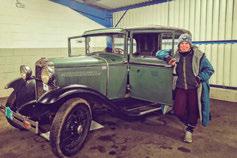
Celebrating the stories behind the cars we love


Immerse yourself in scores of car stories at the new Concours des Légendes at Wilton House on 19-21 June. See concoursdeslegendes.co.uk.














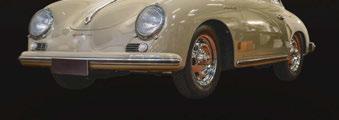





















































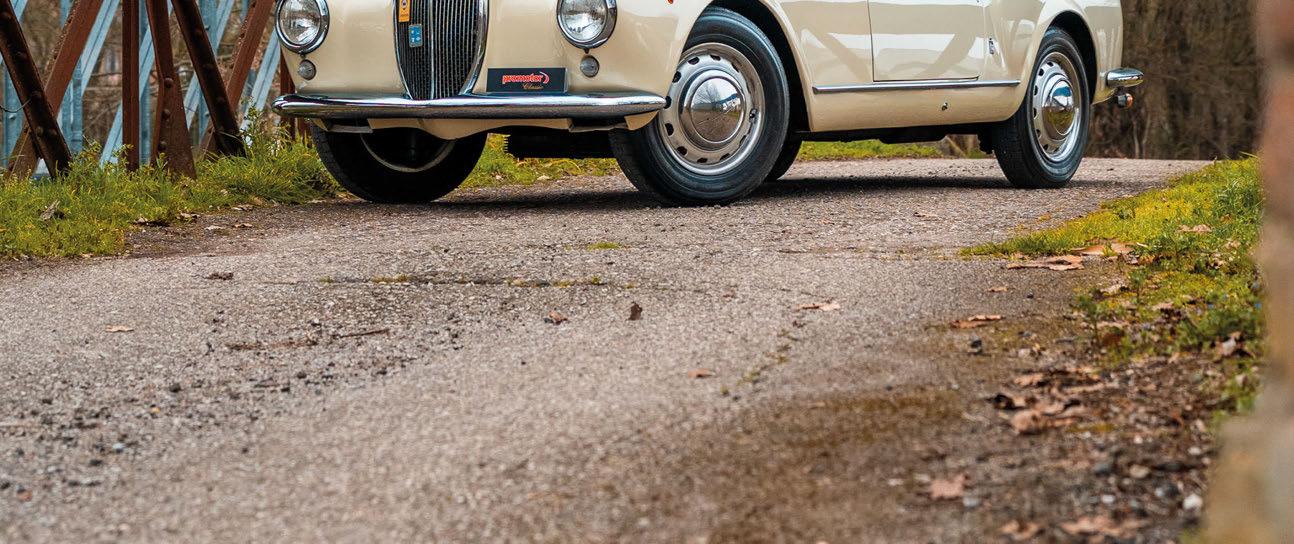

























2026 RML GT Hypercar
Matthew Hayward
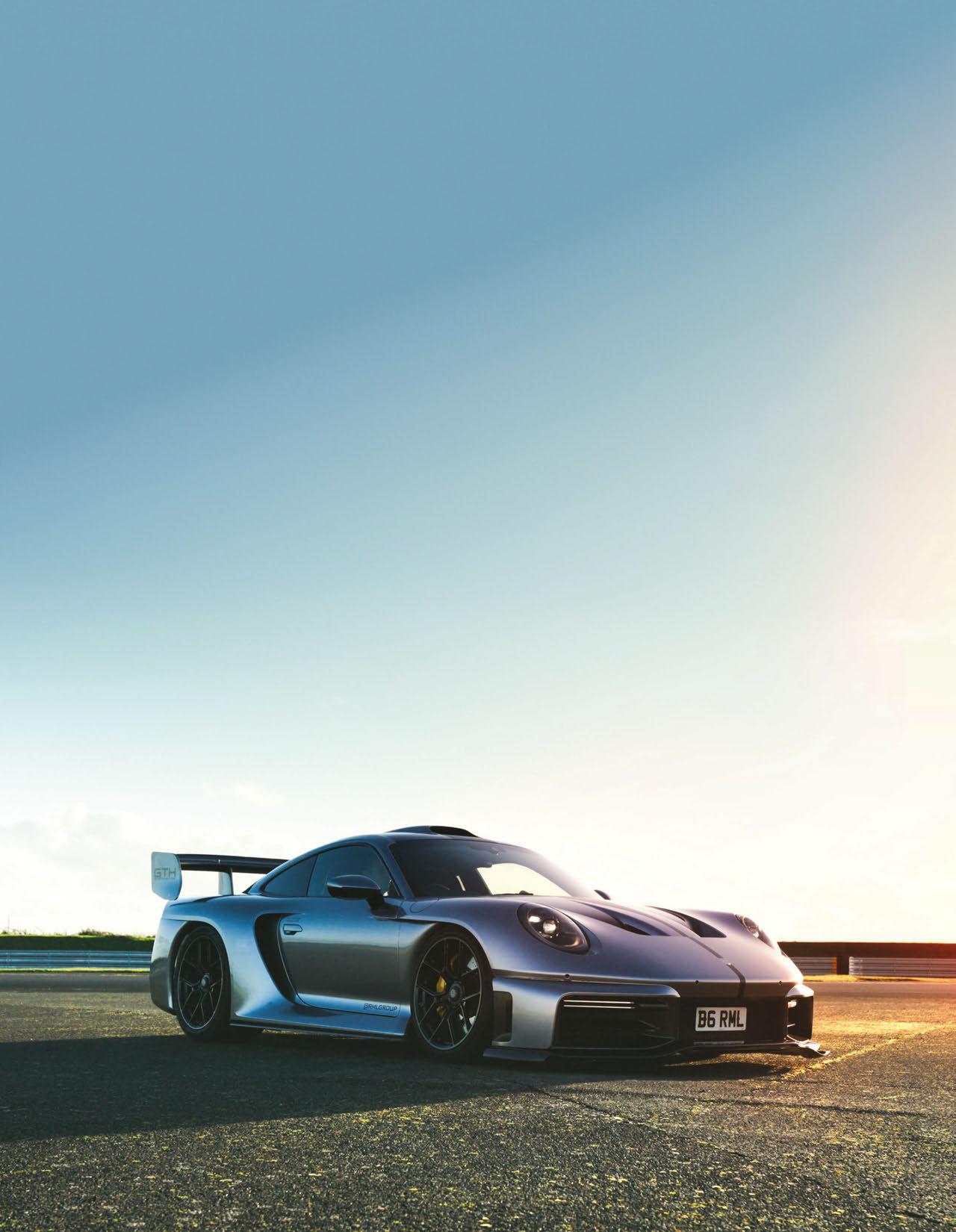
LOCATED RIGHT ABOVE the driver’s head, the carbonfibre roof scoop might just be my favourite element of the GT Hypercar. Not only does it add to the intentional 1990s GT1 Le Mans car visual vibes, it also serves the very real purpose of feeding the highly tuned twin-turbo flat-six engine with enough clean air to push power to a reliable 907bhp. The fact that it adds some incredible intake and turbo noises into the equation seals the deal.
Many tuning companies over the decades have upgraded and tuned Porsche 911s to varying degrees, but after a proper look around RML’s build process, this extreme car feels like it sits somewhere in its own category, much like a Ruf. In case you don’t know RML, it was founded by racer Ray Mallock and expanded significantly under new
management last year. It’s a multi-faceted engineering company with roots in motorsport, probably best known for its huge successes in the BTCC and sports car racing around the world, yet also to be found quietly working on white-label projects for other companies.
Equally, it’s been keen to show the world more publicly what it’s capable of with projects such as its own Ferrari 250GT SWB homage, the RML Short Wheelbase. It also built the recent continuation run of Bizzarrini 5300GTs.
Officially called the GT Hypercar, but known internally as P39 (the company’s 39th project), this car starts life as a 641bhp 992.1-generation 911 Turbo S (must-haves are a factoryequipped sports exhaust and low mileage). The Northamptonshirebased company takes the donor
vehicle back to its core components, ready for building into something far more extreme. Firstly, engine work is carried out by specialist Litchfield Motors, which has developed a bespoke tune for the Hypercar GT. It’s warrantied, too, showing how much faith RML has in the strength of the base Porsche engine. It also retains the standard eight-speed PDK transmission, over-engineered by Porsche and which can therefore handle the additional power and torque.
The bodywork is all-new, although the underlying safety cell, airbags and electronic systems are retained from the 911. Rather than multiple bolt-on panels, RML designed a two-piece full carbonfibre body that is bonded to the monocoque –making the car 270mm longer than the donor, with revised
‘Grip and traction are monumental, though not insurmountable when you have over 900bhp’
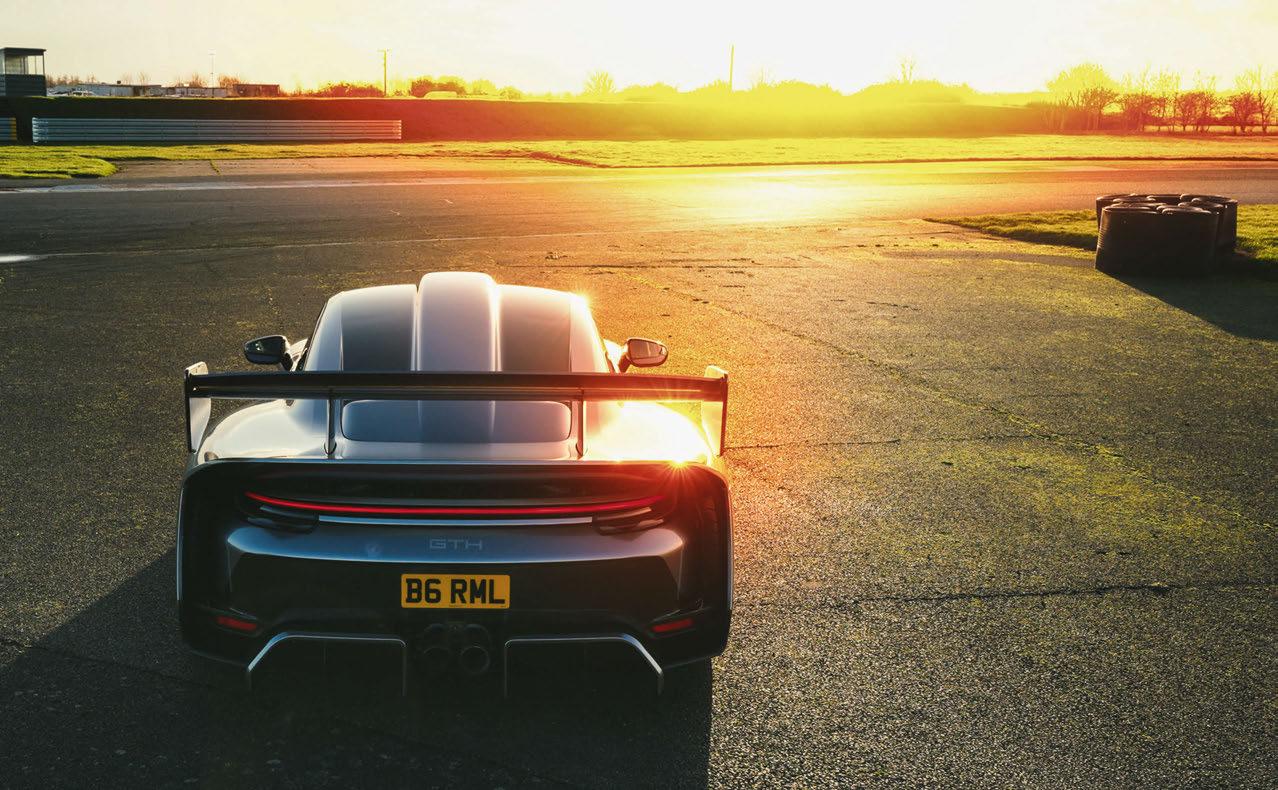
suspension arms allowing for a slightly longer wheelbase and wider track to get the stance just right. Front and side glass is carried over, although the rear screen has been deleted – in part due to the air intake, but also to allow RML to tweak the roof profile for perfect aerodynamics.
The active rear wing and front splitter generate maximum downforce in Track mode to the tune of 662kg at 150mph and almost 923kg at 177mph: that’s more than four times what the standard Turbo S achieves, and works in conjunction with the hydraulically adjustable ride height. Roads first, though…
We’re heading to the track at Bicester Motion for a taste of those abilities, via a test of real-world ability through mid-week traffic on A- and B-roads. The extreme-looking carbon-shell Recaro seats are surprisingly comfortable, and the interior is pure 911 – the removal of the rear seats and fitment of a roll bar are obvious changes, although optional, and customer cars will be fully re-trimmed by
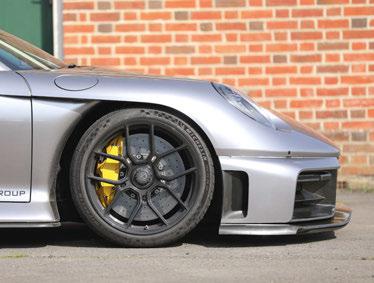
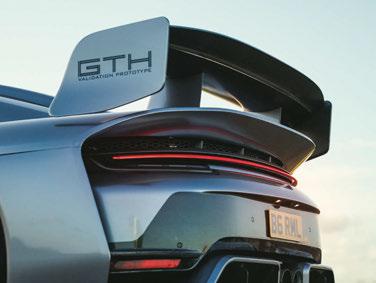
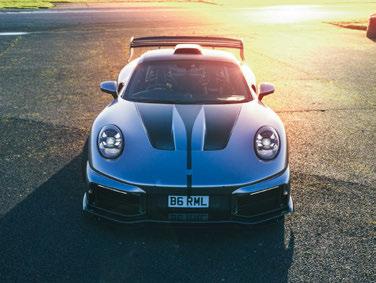



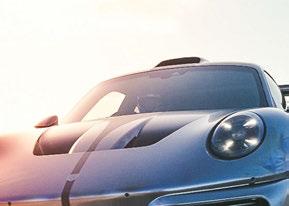


Callum, unlike this development car. Drive modes are selected via the usual 911 rotary selector on the steering wheel, joined by three non-standard knobs to control the suspension mode, ride height and deployment of the Drag Reduction System. Yes, it has race-style DRS…
Starting o in the road-friendly ‘normal’ mode, power is capped at 740bhp and the ride-height and damper se ings allow for a more comfort-oriented drive than the standard Turbo S. Part of the
initial brief was to expand the breadth of the 911’s abilities in all directions – as hinted at by the ‘GT’ element of its name, the intention is that you could drive this car on a continental road trip.
Having been developed in the UK, it is more than capable of handling ru ed tarmac, although I’m careful to dodge the potholes. Equally, despite being highly tuned, it’s happy at low speed and, aside from the slightly mean-sounding inconel exhaust and some induction noises
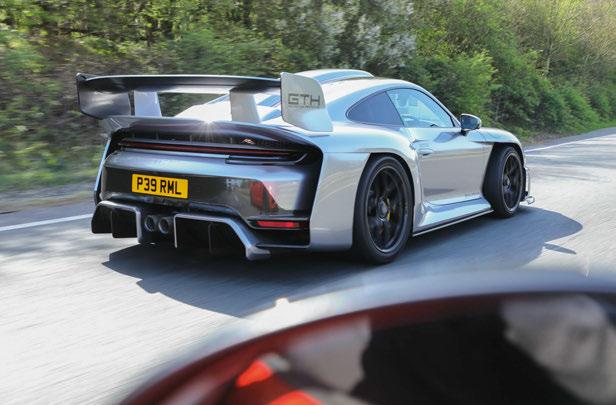

emanating from the roof scoop, it’s very civilised. Unwavering air conditioning and a rock-steady temperature gauge are reassuring. Very much not like any regular 911 is the a ention this car gets on the road. Its visual presence is o the scale, and there are a couple of moments on narrower lanes when its sheer width is noticeable, though at no point does the front spli er scrape, thanks to the ability to raise the ride height by 40mm on demand.
Once at Bicester, I get a few warm-up laps before ramping up through the various modes. e upper reaches of P39’s high-speed ability and trick downforce might be beyond the scope of the
Bicester track, but it is big enough to fully open the taps nally.
Retaining the Turbo S’s four-wheel-drive system and Michelin Pilot Sport Cup 2 tyres means that grip and traction are monumental, though not insurmountable when you have over 900bhp. e relatively short back-straight gives just enough room to experience the seemingly bo omless reserves of power, just ge ing going in fourth gear before a big stop is required. Despite the lumpiness of the surface, the Hypercar’s stability and composure remain unfazed thanks to outstanding damping, and the standard 911 brakes are more than up to the job.
In slower corners its neutral balance can be exploited by leaning on the brakes to get the car turned-in before ge ing back on the power nice and early. It’s incredible how accessible and exploitable RML has managed to make 900bhp feel; driving it hard is genuinely enjoyable rather than just intimidating.
Equally impressive is that RML has turned this project around in only 18 months, from rst discussion to delivery of the rst customer car. Only 39 examples will be produced, with the conversion costing £520,000 plus taxes, on top of the donor car and before any options. Even with such sums involved, it’s a unique and compelling proposition.
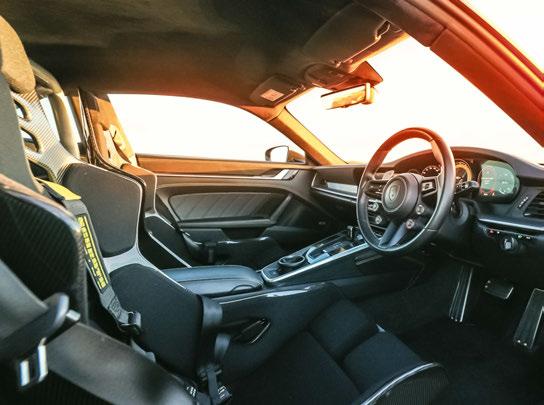













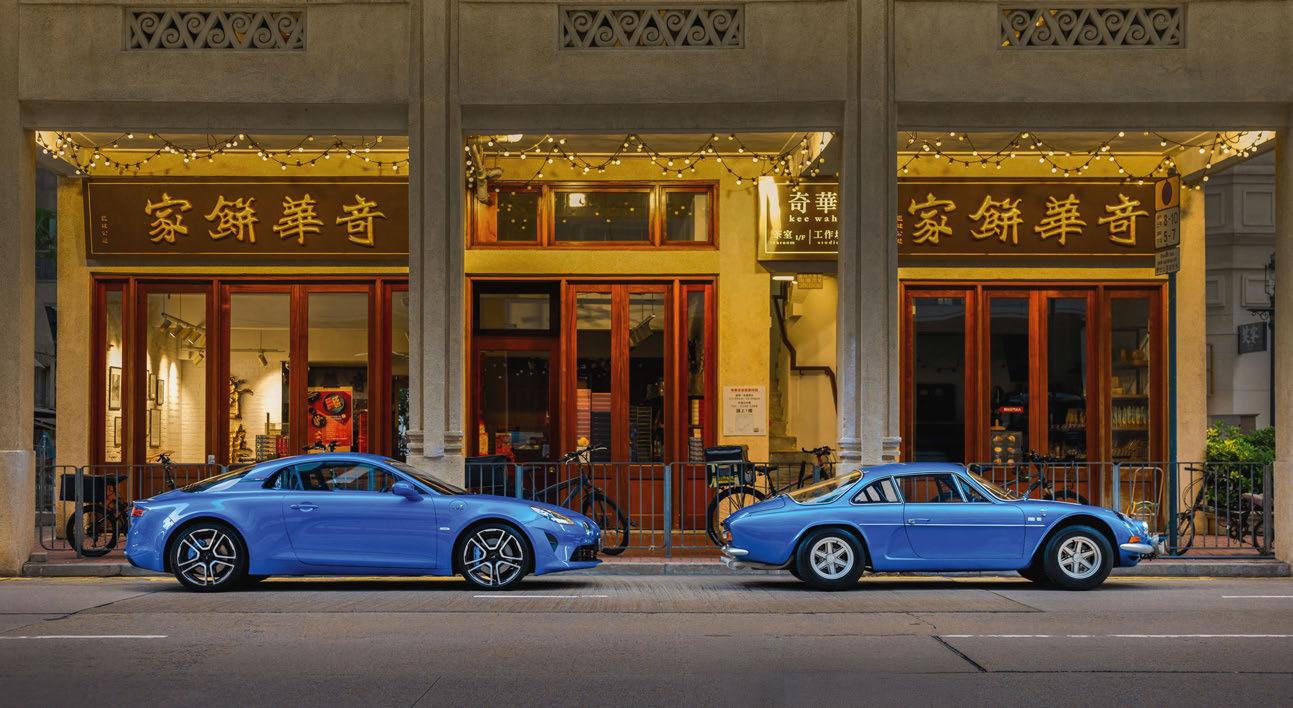

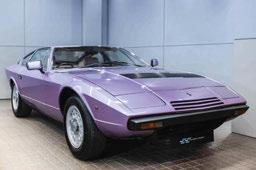
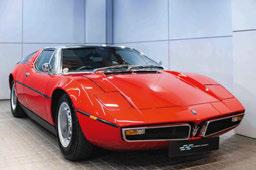
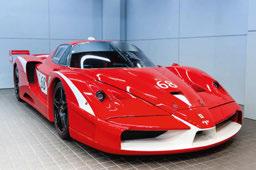
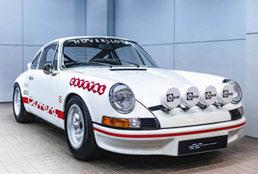
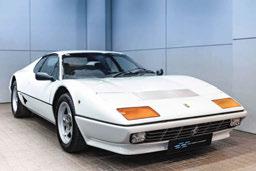
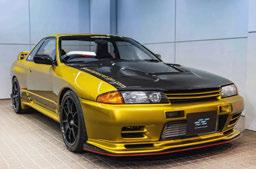
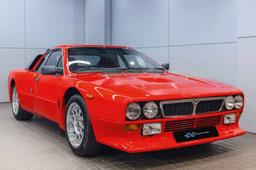
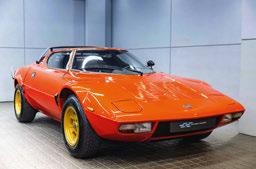


Gone but not forgotten
Words by Richard Heseltine
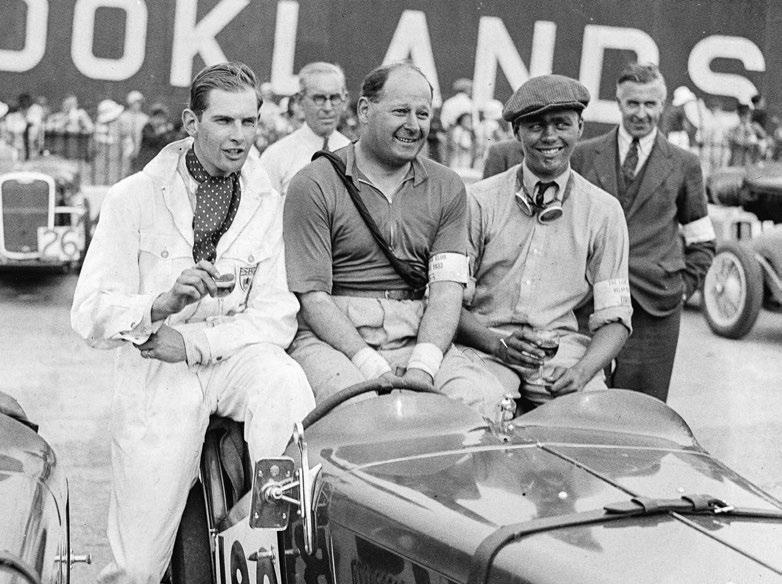
The mastermind behind Austin’s globetrotting stunts of the 1950s was the master of many trades
ALAN HESS WAS never one for caution and conformism. He was a renaissance man, being variously a journalist, a broadcaster, an artist, a novelist, and a handy driver. His was a life of adventure suffused with a healthy dose of razzmatazz, but then he did work in PR. To say as much is a mite reductive, though. There was a time when this fascinating man was front and centre in the broadsheets and the newsreels. Hess was hired to create headlines for his paymasters but he often became the story. This was his undoing. Which isn’t to say that Hess was a famechasing self-publicist. For a man who achieved so much, he viewed his accomplishments with a self-deprecating frankness. Mention of his escapades invariably triggered a quip or a witticism. One thing is for sure, though: he loved cars. Born in Kew in 1900, Hess got his first taste of speed seven years later on being chauffeured around the newly completed Brooklands circuit in a Daimler. The die was
cast, as was the love of the Surrey venue that remained a touchstone thereafter.
Hess was editor of the awkwardly named MG MaGazine from 1933 to ’35. He also ventured into motorsport, fielding a team of Magna L-types at Brooklands. He and his team-mates won the 1933 Light Car Club International Relay Race. Hess also rolled a borrowed Bugatti Brescia at Dancer’s End hillclimb. In later years, he recalled a medic applying Iodine to his many cuts with a camelhair brush. This tickled him to the point of convulsions. He wouldn’t have minded so much, but he had broken his shoulder.
Hess would go on to compete in rallies with aplomb, most memorably in 1936 when he drove a British Salmson 12/70 on the RAC Hastings Rally. There was a concours element, and Hess was barely a mile from the finish when a stone was thrown up by the car in front. It scarred a wing so he bolted into a branch of Woolworth’s and acquired a tube of white paint. Hess then fabricated some bird droppings to obscure the damage. Having cleaned the rest of the car in time for the judging, he pointed to the faux faeces and proclaimed that washing it off would have been unlucky. His car won a prize.
He is best remembered for his stint at the Austin Motor Company, which followed wartime service in the Royal Ordnance Corps. Hess had joined the BBC as a sub-editor on Home News. Having ‘done his bit’, he was
somewhat aggrieved to be unseated by a conscientious objector shortly thereafter. Hess then wrote to Leonard Lord at ‘The Austin’ and pitched himself as a public relations guru. He didn’t expect a reply from the most powerful man in the British motor industry. Nevertheless, Lord invited him for a meeting. Hess became the press department. There then followed the small matter of drumming up interest in the company’s wares. It was at this juncture that he conceived the Goodwill Tour. In the winter of 1946-47, three Austin 16s took in seven capital cities – Oslo, Stockholm, Copenhagen, Amsterdam, Brussels, Paris and Berne, the idea being that the journey would take seven days. The crew battled appalling weather, and were declared lost by the Dutch media. Against all odds, they completed the journey and the scope of Hess’s PR stunts rather snowballed. There were record attempts at Indianapolis in 1949 to promote the A90 Atlantic. After seven days and as many nights, Austin accrued 108 records. Then, in 1951, Hess along with Ronald Jeavons, Ralph Sleigh and George Coates drove around the world in 21 days. They did so in an A40 Sports, averaging 440 miles per day. Then there was the record attempt that nearly finished him off. In 1953, Hess, Jeavons and racing driver Ken Wharton attempted to drive from the Equator to the Arctic Circle in less than a fortnight aboard an A40 Somerset. The trip was going swimmingly, until suddenly it wasn’t. Despite meticulous planning from the British side, the official escort from Berber in the Sudan across the Nubian Desert to Assouan wasn’t so well-prepared. So much so that they ran out of provisions, Hess later admitting that he was certain his time was up. The crew was then rescued by a railway maintenance worker. Hess wrote about this feat of derring-do in the entertaining Crazy Journey. However, while Hess got on famously with Leonard Lord, others in the company were jealous of his outsized profile. Lord was overseas when Hess was abruptly booted out after 7½ years. There would be no further adventures. Hess moved into a different sphere altogether as a director of a portable baling business, only to return to public relations before the 1950s were over. He continued to write, too, while also becoming an accomplished painter and a lot more besides. In retirement, Hess served as vice-president of the Brooklands Society. He died in 1987, his legacy as one of life’s go-getters having been long since assured.

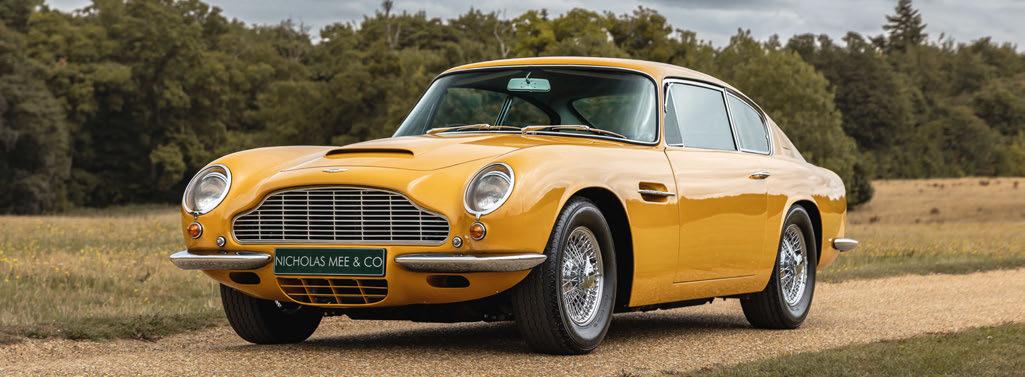
1970 ASTON MARTIN DB6 MK2 VANTAGE £POA
This original Vantage optioned DB6 Mk2, finished in Bahama Yellow, is the only existing DB6 Mk2 Vantage equipped with a 5-speed manual gearbox, to leave the factory when new and to remain, in this eye catching and evocative original colour specification.
Subjected to a significant restoration by world renowned Aston Martin specialist engineers R S Williams Ltd and completed in 2023, with 1,500 miles completed since. Driving superbly and in an exceptional condition, this joyfully coloured, rare example of the Aston Martin DB6 Mk2 Vantage, would undoubtedly be welcomed at any concours event, whilst being an absolute pleasure to drive on open roads, where the Vantage engine performance can most be appreciated.


Nicholas Mee & Co Ltd, Essendonbury Farm, Hatfield Park Estate, Hertfordshire, AL9 6AF 0208 741 8822 info@nicholasmee.co.uk nicholasmee.co.uk

Coachbuilder and engineer extraordinaire, famed for recreating some of the world’s greatest might-have-beens and long lost cars
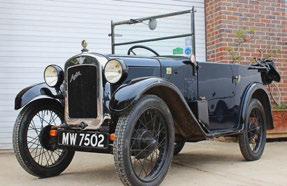

1. A few years ago, I was o ered the opportunity to buy back my grandfather’s 1929 Austin 7 chummy. He bought it just pre-war and used it into the early 1950s. He then gave it to my father, who passed his driving test in it, then modified it and sold it. The next owner restored it and has driven it all over the world. He even wrote a book about his adventures in south America, driving it over the Andes.
2. Cooper Cars by Doug Nye is my favourite car book. I restored my first Cooper Bobtail shortly a er leaving school and I’m currently racing a Cooper Monaco. I use it regularly for reference; Doug even signed it for me.


3. I have a hobby of collecting and restoring bicycles. I’m currently resto-modding some vintage steel road bikes with modern group sets. I buy the parts on eBay and build them up as a stress-relief from work – my stress levels can be measured by the rate of parcels arriving at the factory. The bikes in the collection are all very di erent; my latest build is a 1950s Fred Dean with ten-speed Campagnolo. I picked up the frame at a bike jumble for £50
4. I don’t wear rings so my wife got me this Rolex Milgauss instead of a wedding ring when we got married. I like the simplicity of the design.
5. The Coke machine is a great piece of 1950s Americana. It sits in my workshop by the rollershu er door and takes 81 bo les. In summer it’s great at the end of the week to open the door, which overlooks an orchard, and stop for a minute with a cold bo le of Coke or beer.



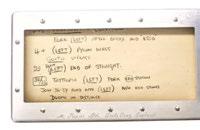
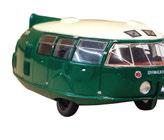
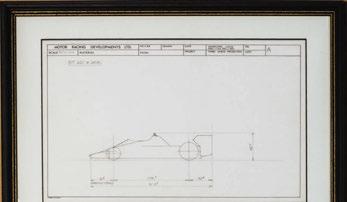
6.



I bought the Austin J40 in 2013, three years before my daughter was born. She has raced it in the Se rington Cup at the Goodwood Revival the last two years and has an entry this year. I always enjoy the Revival but it’s extra-special when she has competed alongside me.
I acquired a large stack of original Brabham drawings that had been saved from going in a skip by a former Brabham employee. I found this original BT46B fan-car drawing and have it framed in my o ce at home.
8. We made replicas of Denis Jenkinson’s 1955 Mille Miglia map boxes for Stirling Moss. It’s an exact copy of the original with 17 of paper on a roll with all his pace notes. One day I would like to retrace the route with it.



9. I’m pu ing together a collection, in 1:43-scale, of important cars rebuilt or restored by Crosthwaite and Gardiner. It’s been interesting to research the cars and I have recently realised what a mammoth task I’ve taken on, as we started by restoring a pair of Maserati 250Fs in the 1960s! We re-made the missing Buckminster Fuller-designed Dymaxion for Sir Norman Foster – such an obscure car, yet fortunately a model has already been made.
10. The Manx Norton sits in our reception; I have only ridden it once. Fortunately the bike is just the right height to perch on, so I use it pre y regularly while having a co ee.

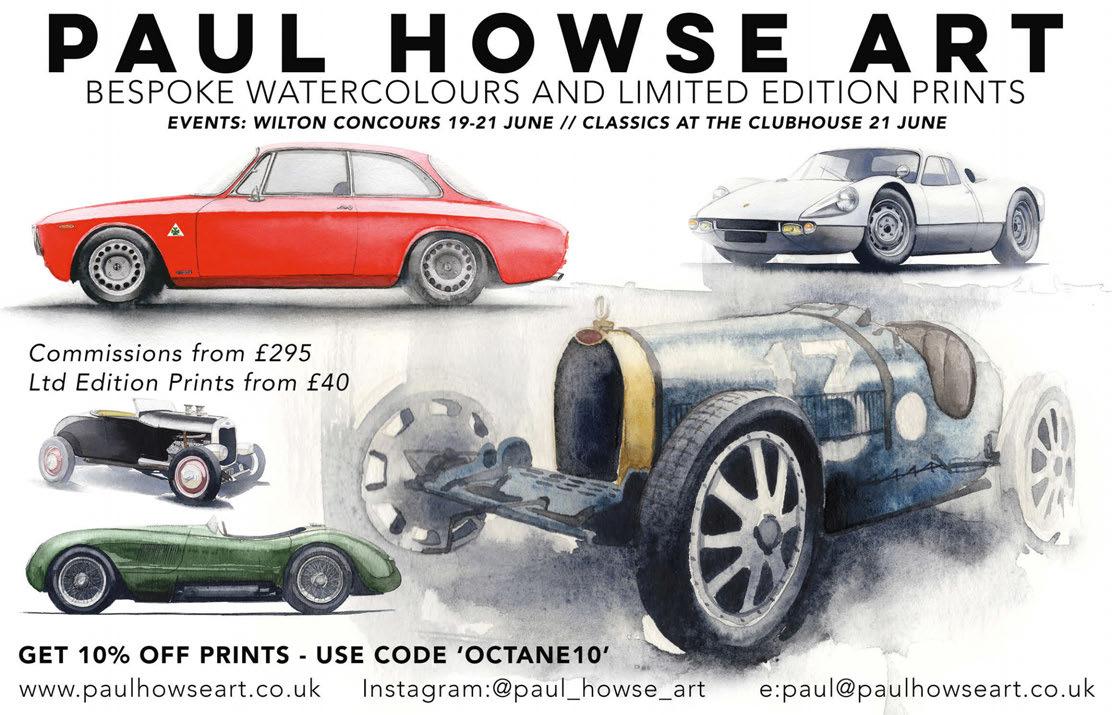
Words by Delwyn Mallett
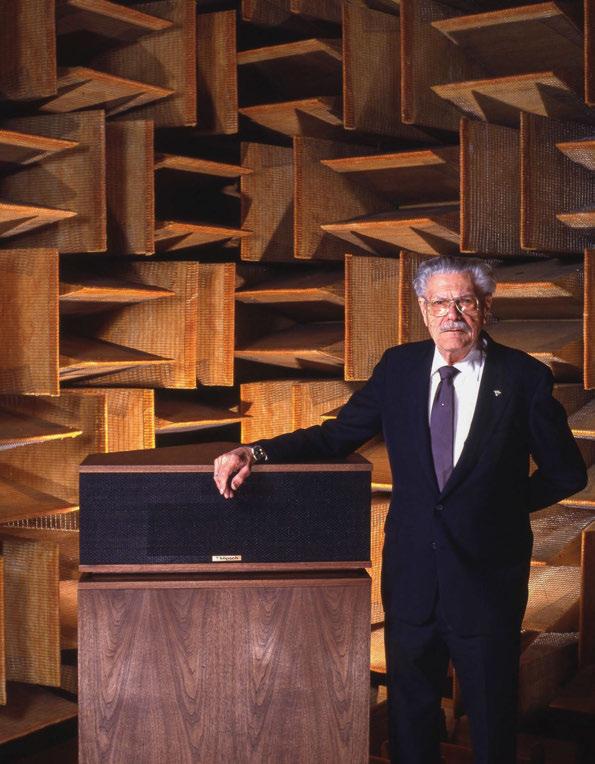
Big box sound, in production for 80 years
IN HIS OWN WORDS Paul Wilbur Klipsch (PWK) was a ‘lunatic maverick’, the very qualities that made him revered as a pioneer and legend in the audiophile community.
In 1946, at the age of 42 and recently released from wartime service in the military testing armaments, Major Klipsch – having already had a long and varied career in electrical engineering, geophysics, ballistics and even a spell maintaining electric locomotives in Chile – decided to go into loudspeaker manufacturing, working from a tin shed on the Hope, Arkansas military base. Quite remarkably, PWK’s multi-horn speaker is still in production virtually unchanged 80 years later and has acquired cult status among audiophiles.
Since man first blew into a conch shell (or a ram’s horn) he has recognised that horns are the most energy-efficient way of amplifying sound. In fact, they’re so efficient that the Old Testament credits them, admittedly with some divine assistance, with bringing down the fortified walls of Jericho. Whizz forward a few millennia and, come the invention of the phonograph, the horn was used to amplify into audible sound the tiny vibrations of a metal diaphragm attached to a needle tracking through a groove in a cylinder or disc. As it was a purely mechanical process, volume and tone were dictated by the size of the horn and most phonographs sounded ‘tinny’ due to a lack of dimension in the horn department.
In the 1920s, Magnavox (Latin for ‘big voice’) gave horns a boost by adding an electric ‘driver’ to the base of a stand-alone horn, which
increased volume and clarity, though the Magnavox horn was soon rendered obsolete by the moving-coil cone speaker introduced in 1926 by PWK’s then-employer, General Electric.
However, with the advent of the ‘talkies’, cinemas needed a big sound to fill the auditoria and, with ample space to play with, electrically driven horn speakers grew ever larger, some sporting mouth openings up to six feet square. In 1929, London’s Science Museum built and demonstrated on a daily basis Britain’s largest exponential horn speaker, measuring 27ft (8.23m) long with a 7ft 1in (2.16m) square mouth. It was destroyed in an unfortunate accident in 1949.
While studying at Stanford University in 1933, a classmate commented to PWK that ‘speakers sound better in a corner’, an observation that would eventually inspire the Klipschorn speaker. An avid classical music enthusiast, disappointed with the lack of fidelity available from existing speakers, PWK continued his speaker research in his spare time. In 1939 he had sketched out ideas for a corner horn loudspeaker and by 1940 he had a working prototype. It was eventually infested by termites and he had to burn it, which begs the question of how the rest of the house faired.
At the time, audio amplifiers were still valve-powered with modest output and a significant advantage of horn speakers over cone speakers is that they produce very high volume from very few watts, 100db from as little as one watt and with very little distortion. That’s roughly ten times more sound power versus a cone speaker from a given amplifier output. A small radio could easily run a Klipschorn.
PWK summarised the characteristics of a horn speaker in his 1940 patent application (granted in 1945): ‘Loudspeakers, in order to reproduce a given frequency range, must have dimensions comparable to the longest wavelength corresponding to the lowest frequency in the range. In the case of horns the rate of flare, the length of horn tube, and the area of the mouth opening all must be determined by the wavelengths to be reproduced. It is customary to shorten the outside dimensions of horns by folding, but even then the dimensions of the mouth opening must be large if the frequencies to be reproduced include very low frequencies.’ In other words, the lower the notes the bigger the mouth required – think a trumpet’s 5in mouth versus a tuba’s 20in. PWK’s leap of inspiration – and what made the Klipsch speaker unique – was that it was designed so that when fitted firmly into the corner of a room its open sides used the adjacent walls and floor as the final baffles and mouth opening of the folded horn path.
The Klipschorn certainly has presence, both aural and physical – it’s big, tall and broad and when required it can be very loud, though the patent application pointed out it would still fit through the average door.
Inducted into the Army in 1941, PWK was posted to the Army Ordnance Proving Ground in Hope, which was previously best-known for producing the world’s largest watermelon in 1936. There he tested ammunition, bombs and rockets, and installed a prototype of his speaker in his office. Visitors were so impressed by the quality of its reproduction that they encouraged him to go into production.
Although he didn’t invent the horn speaker, PWK’s folded horn Klipschorn (a name actually coined by a customer) arguably kicked off the high-end hi-fi era.
A man of strong opinions, PWK declared: ‘My theories on audio and audio reproduction will be proven wrong only when the laws of physics change.’ For someone clearly so relaxed with sales hyperbole, he was also famously renowned for his disdain for what he considered to be the increasingly exaggerated advertising claims from other audio manufacturers, something to which he had an extreme reaction. As he toured around audio fairs and overheard some overly florid sales pitch, he would flip open his jacket lapel to reveal what became something of a Klipsch trademark – a yellow button badge bearing a single word in a Germanic Gothic font: ‘Bulls**t’. The current version of the Klipschorn speaker will set you back around £24,000 a pair, but you can opt for a ‘Bulls**t’ badge for a mere $5.
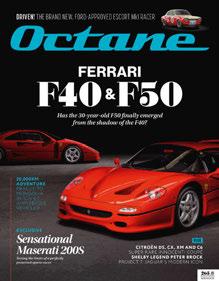
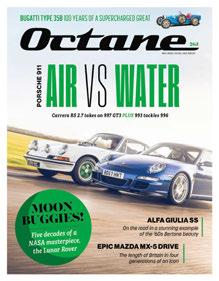
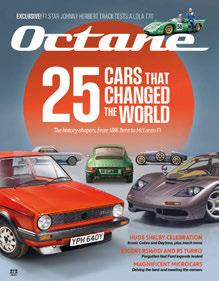
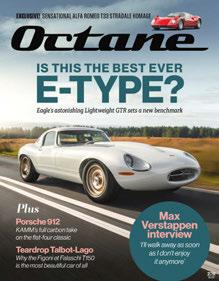
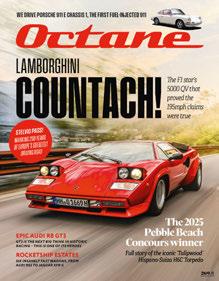
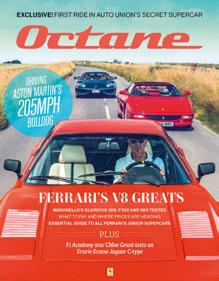
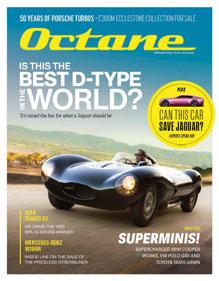
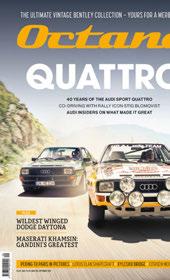
by Mark McArthur-Christie
Watchworld has an admirable track record of valuing traditional skills and materials over cost
NEXT TIME you’re passing a parked-up BMW R1100GS, have a look at the bike’s front wheel. Next to the hub, there will probably be an ABS sensor ring, a substantial, milled piece of metal with precision-cut teeth, a li le like a watch gear. It looks as though someone cared enough to engineer it for keeps. While you’re peering at bikes, see if there’s a later R1200GS nearby. Find the same part and spot the di erence. e newer part is stamped out of at sheet like the ring-pull on a can of zzy drink. Perfectly e ective and functional, but it’s been made with a focus primarily on cost.
You could do the same thing with cars (a Bristol 411 versus, well, pre y much anything), railway stations (St Pancras vs Oxford Parkway), and even the wood in the homes in which we live; contrast the tight grain of 19th Century pine with the ab of most fast-grown modern timber. e misery of value engineering, where the reduction of cost and the maximisation of pro t are everything, is all around us.
For many, this takes up less mental room than icking a casual ‘like’ to an Insta post on their way to the o ce – it’s simply not signi cant. For others, it’s a source of frustration and sadness that things may nowadays be cheap and functional but they are, most o en, also no longer beautiful.
By way of contrast, most days at Atelier Olivier Vaucher you’ll nd Alex next to a rst- oor window overlooking Geneva’s Rue de Bourgogne. He won’t be gazing at the view, though; instead he’ll be looking through the eyepieces of his microscope as he carves the minute detail on millimetres-high gures of Arthurian knights for the dials of Roger Dubuis’ Excalibur watches. Meanwhile, at a desk a few feet away, his colleague Emma will be si ing amid a spillikins of pencils, sketching a design for a new watch dial by hand.
Twenty minutes away at Chemin de Bonvard in Choulex, you’ll nd Jean-Marc Fleury hunched over his bench, using a tiny le to put a chamfer on the edge of a watch part, buried so deep in a movement that no one except a fellow watchmaker will see. A er another co ee, he’ll be mirror-polishing a chronograph lever that would work perfectly well without the depth of shine, but wouldn’t be as beautiful.
You’ll nd the same antithesis to value engineering in almost every watch atelier you visit.
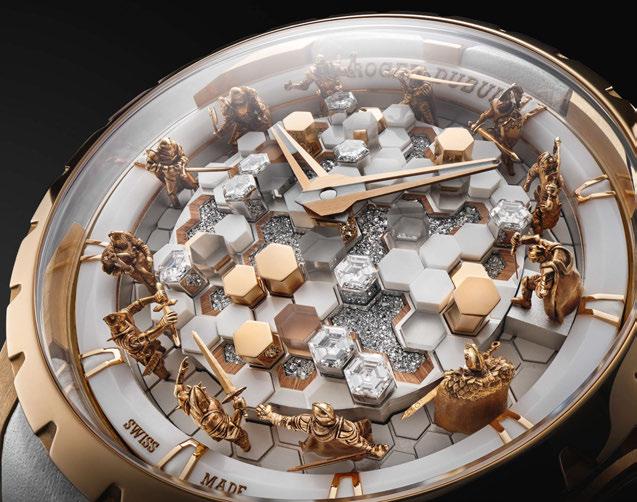
is stu ma ers because we’re more than taxable worktron units, shu ing e ciently around the loop connecting dormitory and desk. e impulse to make – and enjoy – something beautiful beyond what function alone demands, is one of the things that makes us human.
Alex, Emma, Jean-Marc and their colleagues aren’t driven by quixotry. ey know that when someone takes extraordinary care over a thing –invests time, skill, and the years it took to acquire that skill – that thing becomes a human object, not another stamped-out product.
Someone chamfered that edge. Someone carved that gure. Someone sat by a window in Geneva, London or Glashü e and decided that it wasn’t good enough yet. Not because a speci cation required it, not because a cost model allowed for it, but because they gave a damn.
In a world that’ll sell whatever passes muster at the highest defensible price point, that ma ers more than it might seem. Most of what surrounds us has been optimised for margin. Your watch hasn’t. It exists to delight you – a radical ambition in the modern age.
And that makes owning a handmade watch a small, quiet act of rebellion. A vote, placed on a workbench, for the idea that some things are still worth doing properly.
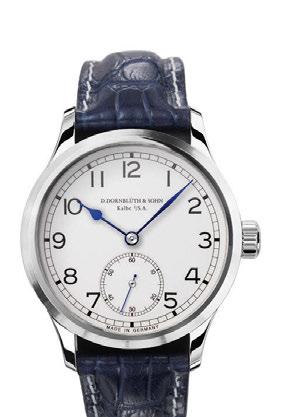

Handmade is never cheap, but it can be cheaper than you might think
THERE ARE PLENTY of handmade watches that come with the sort of price tag you usually see on vintage kit from Maranello. But for as li le as €4610 (they go up to €17,000 with plenty in-between) you can get a handmade watch from D. Dornblüth & Sohn in Germany’s Altmark. Heat-blued hands (more expensive and complex than chemical blueing), pantograph-engraved – not stamped – ceramic dials and hand- nished movements will make you smile. Even be er, the rm o ers a level of customisation that you simply don’t see from any other maker. e 14-month wait means you’ve got time to save up, too.
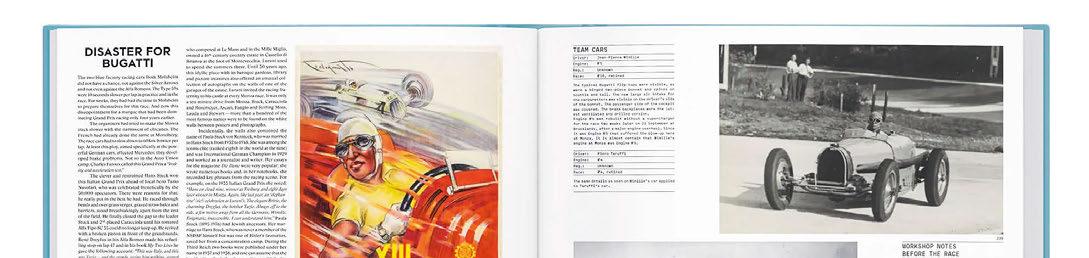

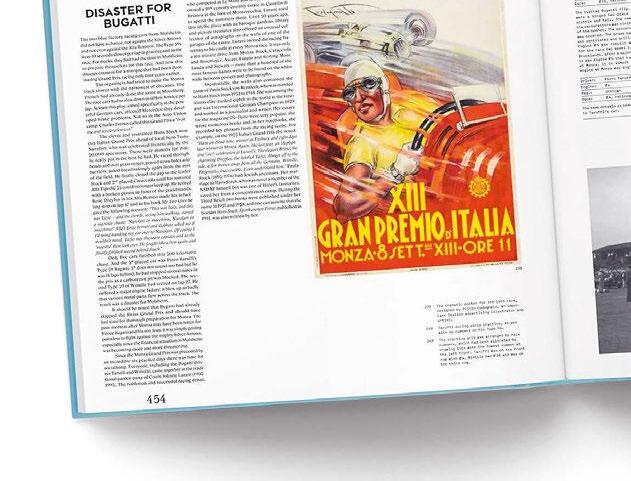
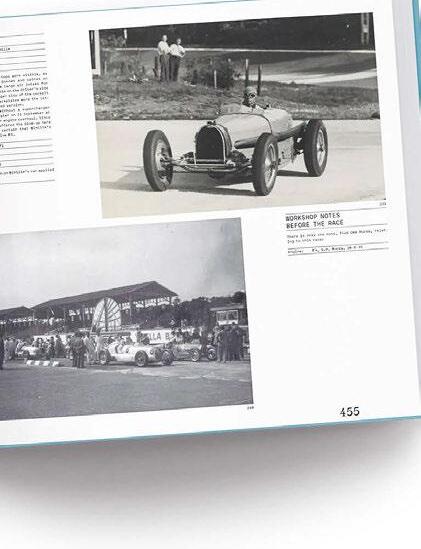


JULIUS KRUTA, WITH MARK MORRIS AND ECKHARD SCHIMPF, 110%, www.thetype59book.com, €1595
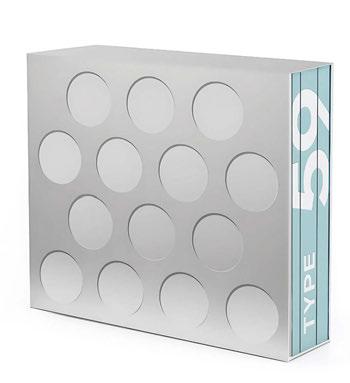
A delight to behold, an innovative and exquisitely engineered paragon of performance and handling, the Type 59 is the ultimate expression of the Grand Prix Bugatti. While it failed to match the stratospheric success of its forebears, for reasons mostly external, the Type 59 remains one of the greatest pre-war racing cars of all. And yet, as Sandra Button says in her preface: ‘There was no book to do justice to the Type 59. This three-volume masterwork finally fills that gap.’ And with meaning! Ten years in the making, and comprehensively furnished with elaborate detail throughout its 920 pages, it is not quickly absorbed. The design, too, is sophisticated. Written content is displayed with clear hierarchical intention, though some may find that the font type and weight used for the captions demands additional focus.
Beginning with the author’s passionate personal account of the 2019 reuniting of the four 1935 Dieppe Grand Prix T59s, the first volume then deals with the development of the chassis, engine, gearbox and, well, absolutely everything else, including the 57G ‘Tank’, 57S45 and 57C ‘Tank’ cars.
The text is remarkably detailed – listing gearset combinations fitted for individual races, for example – and tracks all known mechanical changes and adaptations chronologically. Clearly, Bugatti was in pursuit of excellence. The fitting of the technically superior de Ram shock absorbers, despite accounting for 15% of the car’s total cost, underscores its ideals.
Illustration is via hundreds of evocative period photographs and factory drawings, augmented by new 3D CAD schematics. A contemporary photoset of parts such as the

external oil-cooler tubes, wire wheels, ducting for the hydraulic brakes and others, brings to vivid life many of the drawings you will just have studied over the previous 200 pages. The second volume covers the works racing seasons from 1933 to 1939 with the victorious 1945 cameo included. Race poster artwork adds a touch of colour, though you never tire of the book’s 1500 superbly reproduced period blackand-white captures.
Apart from race-by-race detailing of team cars and drivers, entry lists, podium results and fascinating workshop notes, the summaries offer great insight into Molsheim at the time, including the financially motivated Railcar distraction. The commentary goes delightfully off-piste on occasion. The 1935 Italian GP segment, for example, includes Hans Stuck’s wife Paula Stuck von Reznicek’s notes from the traditional Count Johnny Lurani garden party in Castello di Brianza: ‘Hans on cloud nine, winner at Freiburg and eight days later winner in Monza. Again, like last year, an “elephantine” [sic!] celebration at Lurani’s. The elegant Brivio, the charming Dreyfus, the hotshot Tazio. Always off to the side, a few metres away from all the Germans, Wimille. Enigmatic, inaccessible. I can understand him.’
More magnificent photography accompanies volume three’s telling of the post-works histories of the five surviving cars, along with detailed coverage of the existing frames and engines.
As T59 owner Marc Newson so accurately notes, this title is an ‘exhaustive and authoritative publication that is as singular as its subject and, fittingly, as obsessed with detail as was Ettore himself’.
BMC Farina Cars In Detail
The latest in this publisher’s ‘In detail’ series thoroughly examines the generation of Pinin Farina-styled, badge-engineered BMC cars that even the late author describes as ‘almost completely uncharismatic’. They were not engineered for enthusiasts, granted, yet across all six brands, from Austin A40 ‘Farina’ to Vanden Plas Princess 4 Litre R, more than 1.3million were sold. This well-written, satisfyingly illustrated 190-page hardback ensures you’ll recall them more sympathetically than before.
ANDERS DITLEV CLAUSAGER, Herridge & Sons, £32.50, ISBN 978 1 914929 15 1





As the officially branded cover implies, this is not a deep dive into Lamborghini’s automotive history. It does, though, highlight important models and recount milestone stories along the company’s rollercoaster journey. Compiled with the support of Automobili Lamborghini, the text is informative but brief, its 272 pages loaded with stylish marketing photographs.
SIMONLUCA PINI, Schiffer Publishing, $60, ISBN 978 0 7643 7041 0
Guy White’s no-nonsense overview does more than scratch the surface of a rare and sought-after model, with chapters covering engine, transmission, running gear, exterior, interior, standard and optional equipment, motorsport, purchase and restoration.
At 96 pages, it’s more reference tool than definitive work, with illustrative rather than artful photography. A sub-£16 price makes all that irrelevant, granting a decent, guilt-free handle on one of the ‘forgotten’ Carrera-badged Porsches.
GUY WHITE, Amberley, £15.99, ISBN 978 1 3981 2217 8

For decades, motorsport has been governed by strict technical prescription – a complicated set of rules that keep costs in check but stifle innovation. It wasn’t always this way. Take Indy Cars in the 1960s for example: a decade of extraordinarily creative mechanical experimentation that resulted in vastly diverse grids. Engines – Offenhauser four-pot, Ford V8, unblown, turbo- or supercharged – shifted position gradually from front to rear. A handful were powered by turbines, while others featured dual motors for a type of four-wheel drive. Then came the aerodynamic improvements: the wedge bodies, the ducktails, flaps and wings. What a time to be alive!
That unbridled creativity saw a decade-long explosion in speed. Nowhere was this more evident than an Indy 500 qualifying session at the Brickyard. From Parnelli Jones breaking 150mph in 1962 to Bobby Unser’s 196.7mph 11 years later, Indianapolis Motor Speedway track announcer Tom Carnegie’s famous line ‘It’s a new track record!’ may as well have been stuck on repeat. Rick Shaffer’s authoritative analysis of the teams, drivers and cars entered in each Indy 500 over those 11 years is utterly absorbing. His qualifying run and race reports contain gems such as Firestone-sponsored Al and Goodyear-contracted Bobby Unser’s parents wearing re-sewn jackets promoting ‘Goodstone’ and ‘Fireyear’ in 1967, or Graham Hill’s mickey-taking at the 500 Victory Banquet after he and Clark had finished first and second in 1966: ‘Jimmy and I are thinking of sponsoring an award next year for the highest finishing American.’ That may not have down well. Supported by copious IMS archive photography, this 336-page book is a portal to a glorious era of motor racing at one of the sport’s most legendary arenas. It is one well worth entering.
RICK SHAFFER, Evro, $95, ISBN 978 1 918070 00 2




A book about a student’s purchase of a Chevy V8 engine-swapped Ferrari might on the surface appear to have limited appeal, but dig deeper and it is what’s uncovered and how the story is told that makes this 288-page book so compelling.
A Ferrari engine, bought from under a bed and which happened to be the missing original, provides the book’s title hook and kicks off a story that includes Nuccio Bertone, 0046M’s first keeper; Emilio Giletti, racer and winner of the Championship of Italy 2000 Sport Class with 0046M; Elio Zagato, friend of then-owner Luigi Bosisio, who directed Carrozzeria Zagato to rework the Touringbuilt barchetta into a distinctive berlinetta; and Luigi Chinetti, who brought it to America in 1955, after which it was sold, raced, changed hands, raced again, engineswapped, and more, all before Westfaul’s purchase in 1965. Recommended.
DARRELL WESTFAUL, Dalton Watson, £90, ISBN 978 1 956309 23 2
Compiled by
Chris Bietzk and Sophie Kochan
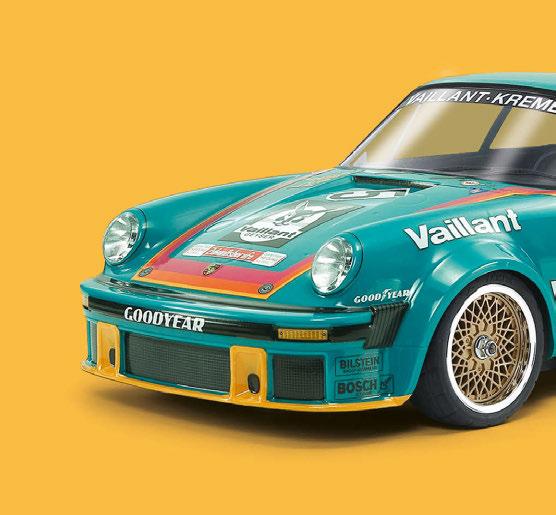
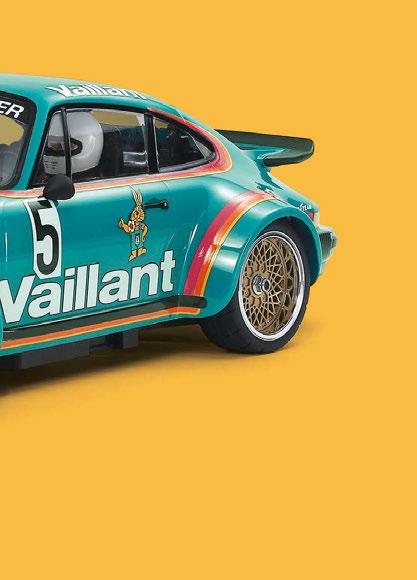
In 1976 Tamiya took a slow-selling scale model of the Vaillant-sponsored Kremer Racing Porsche 934 and transformed it into the company’s first remote-control car. The sales bods reckoned that with a fair wind they might be able to shi 6000 units in the first year of production. Their estimate was a li le o and the factory ended up having to deliver 100,000 to satisfy demand. Fi y years on, there is sure to be a clamour for the toy again as Tamiya releases a commemorative version featuring a bespoke chassis. £399.99. jadlamracingmodels.com
As the astronauts of Artemis II blast into space, t-lab pays tribute to the rocket that first propelled man to the Moon, the Saturn V – 111m tall, good for 7.5million pounds of thrust at li -o , and still awe-inspiring almost 70 years on from its first flight. £34. t-lab.co.uk




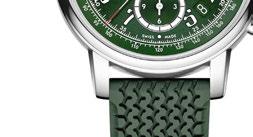



With the 2026 edition of the Mille Miglia just round the corner, Chopard – the o cial timekeeper of the rally since 1988 – has revealed a handsome, British Racing Green edition of one of its most popular chronographs. Just 100 examples will be made and, fi ingly, the only place you’ll be able to get hold of one is here in Blighty. £9660. chopard.com
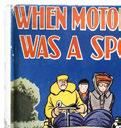
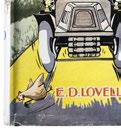

Motoring book specialist Dinorossa has turned up a very tidy copy of a title, published in 1937, that really ought to be be er-known. Wri en by an ordinary motorist rather than a racing driver or an industry figure, it o ers a valuable insight into the early years of the automotive age. £70. ebay.co.uk/str/dinorossa



Just as the Porsche 911 was called the 901 until Peugeot cried foul, the iconic Fender Telecaster was known as the Broadcaster for a brief period between 1950 and 1951, until Gretsch, maker of ‘Broadkaster’ drum sets, hassled Fender into changing the guitar’s name. Technically, then, the Telecaster turns 75 this year, and Fender has produced several specialedition guitars to mark the occasion, the pick of them being this Cabronita variant boasting a pair of TV Jones’s excellent TV Classic Filter’Tron-style pick-ups. £1799. fender.com drum sets, hassled Fender into turns 75 this year, and Fender
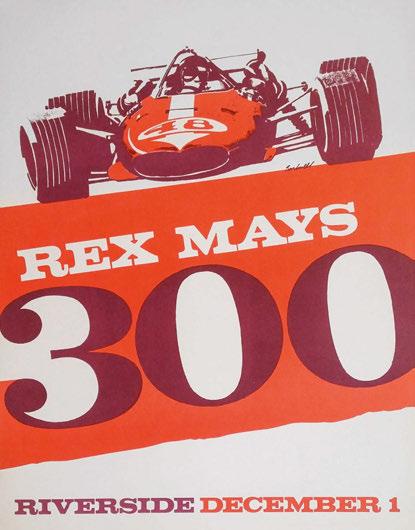
California boy Rex Mays was among the best racers of his era, and if the record book doesn’t quite tell that story (Mays competed only in the US and never won the Indy 500 despite pu ing his car on pole four times), it speaks volumes that two races were named in his honour following his death in 1949. The Rex Mays 300 was held at Riverside Raceway in ’67, ’68 and ’69, and this rare poster, featuring an Eagle Mk1, was produced to promote the ’68 event –won, as it happens, by Dan Gurney in an Eagle. DKK 1900. outofcopenhagen.com


Alfa Romeo 8Cs swept the podium at the 1933 24 Hours of Le Mans, and this one claimed victory – just (see page 51). The #11 car of Raymond Sommer and Tazio Nuvolari stole the lead on the final lap from Luigi Chine i and Philippe de Gunzburg’s car, and won the race by all of ten seconds. £169.95. grandprixmodels.com
Edited by Matthew Hayward
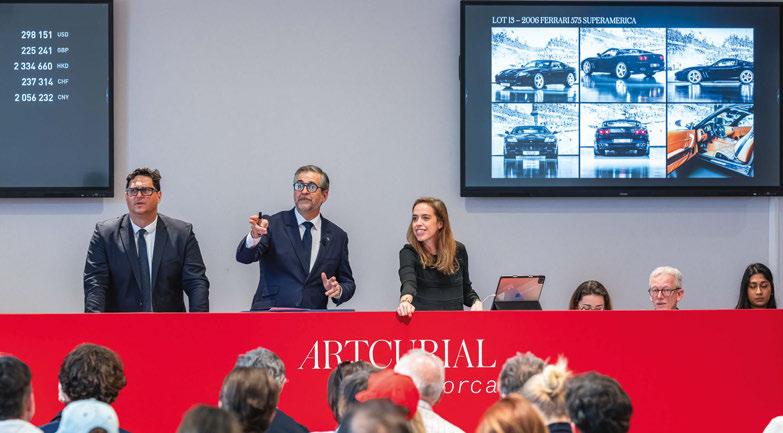
Personal collections of Fritz Neuser and Magnus Walker go under the hammer
THE EARLY PART of the year may have been dominated by record-breaking results for exceptional hypercars, but the auction market took a breath and attention turned to a pair of no-reserve singlecollection sales. Artcurial led the way in offering 30 cars and a fascinating array of automobilia owned by German Ferrari and Alfa Romeo dealer Fritz Neuser, all of which attracted strong bidding in the busy Parisian saleroom on 15 March.
The top result was a 1970 Ferrari 365 GTB/4 Daytona presented in its original Verde Medio but rebodied in aluminium. It sold for €602,000 and was followed by two more Ferraris: a 1975 365 GT4 BB in Blu Sera that achieved €367,220; and a Nero 2006 575 Superamerica that went for €355,180. The automobilia included everything from ‘Team Neuser’ golf bags to bicycles and engines. Most of it went well over estimate, such as a Ferrari shop or bar counter at €14,564 (estimate €800-1200), a luggage case for an F40 at €21,184 (€3000-5000), and even a Ferrari-branded carpet at €6620 (€200-300).
The single-owner format was repeated for the
Magnus Walker ‘Outlaw Collection’ offered online by RM Sotheby’s on 18-25 March. Walker made his name in the fashion industry with his ‘urban outlaw’ style and his dedication to Porsche. All 16 cars came from the German marque and were led by a 1967 911 S that featured modifications including a bored-out 2.3-litre engine and Ultra Shield bucket seats that Walker himself retrimmed with tartan inserts. It sold for $308,000 and was followed by two 911s that reached $225,000 apiece: a 1965 car that was originally delivered to Brumos Porsche in Jacksonville, and a rare 1976 2.7 MFI.
Mecum returned to the State Farm Stadium in Glendale, Arizona on 17-21 March with a mammoth 2000-car sale. A 1966 Shelby Cobra 427 – CSX3355 – topped the results at $1,842,500, just ahead of a 1970 Lamborghini Miura P400 at $1,705,000. The catalogue included the dramatically streamlined Silver Bird, the first motorcycle to break 300mph at Bonneville. It sold for $82,500, as did the 2013 Turbinator II, the first wheel-driven vehicle to exceed 500mph. James Page
£12,304,478 ($16,505,000)
1960 Ferrari 250 California SWB
Gooding Christie’s, Amelia Island, Florida, USA, 6 March
£11,320,418 ($15,185,000)
2003 Ferrari Enzo
Broad Arrow Auctions, Amelia Island, Florida, USA, 6 March
£5,006,032 ($6,715,000)
2005 Porsche Carrera GT
Broad Arrow Auctions, Amelia Island, Florida, USA, 6 March
£4,924,028 ($6,605,000)
1972 Lamborghini
Miura P400 SV
Broad Arrow Auctions, Amelia Island, Florida, USA, 7 March
£4,103,978 ($5,505,000)
1988 Porsche 959 Sport
Broad Arrow Auctions, Amelia Island, Florida, USA, 6 March
£3,693,953 ($4,955,000) 2021 Ferrari Monza SP2
Broad Arrow Auctions, Amelia Island, Florida, USA, 6 March
£3,119,918 ($4,185,000)
2017 Ferrari F12tdf
Broad Arrow Auctions, Amelia Island, Florida, USA, 6 March
£2,832,900 ($3,800,000) 1990 Ferrari F40
Broad Arrow Auctions, Amelia Island, Florida, USA, 6 March
£2,545,882 ($3,415,000) 1951 Ferrari 212 Export Gooding Christie’s, Amelia Island, Florida, USA, 6 March
£2,545,882 ($3,415,000)
1967 Ferrari 275 GTB/4
Broad Arrow Auctions, Amelia Island, Florida, USA, 7 March
The top ten data is supplied courtesy of HAGERTY
Later, more developed models are usually better, but there’s huge value in purity, even if it’s deeply impractical
THEY SAY THE rst example of a car belongs to the designer, the last to the engineer, and it is true of many long-lived models that the early examples possess a purity that is subsequently diluted. Lines and features that looked great on paper and sublime in clay sometimes fall short in the real world. en the engineer is called in and gradually the car becomes more e cient but a li le less special. Some changes were the result of overwhelming demand: plans to handcra each Jaguar XK120 in aluminium were rapidly changed to steel panels and a full production line once the orders ooded in following the 1948 Earl’s Court Motor Show. Others were the result of changing safety requirements: the elegance of the early long-bonnet Porsche 911 was never quite recaptured a er impact bumpers were ed in 1974 to meet US Department of Transport low-speed impact rules. Most are simply design elements that detract from the process and pleasure of driving and are quickly dialled out: the beautiful 1963 Corve e C2 split rear window was replaced for ’64 with one that drivers could actually see out of. ese examples aren’t unique. A few of the earliest Jaguar E-types were ed with a ddly outside bonnet lock that required a special key, a feature almost instantly replaced by a much more sensible catch, and the early at oors that made the car impractical for anyone over six feet tall didn’t last much longer. e earliest Lamborghini Countach LP400 models had a quirky periscope rear mirror contraption that was almost entirely useless and Lamborghini soon replaced it with a conventional mirror that, to be fair, wasn’t much be er. A misinterpretation of European laws meant that Ferrari mounted the single monospecchio mirror high upon the A- pillar of its new Testarossa in 1984 even though it blocked some of the driver’s forward view, a feature later replaced by twin side mirrors. Today, early original cars tend to be more sought-a er, and therefore more valuable. For enthusiast cars, that’s o en about design purity (take the elegance of a chrome-bumpered MGB compared with later, rubber-clad series), but for the more
exclusive models, it’s o en the speed of design modi cation that creates a rarity collectors yearn for. According to the Hagerty Price Guide, split-window ’63 Corve es are worth double their more sensible 1964 successors, and for the XK120 it’s even more: just 200 aluminium-bodied examples were built, each now worth three times the price of a standard steel roadster. ere’s always an exception though: collectors of the Ferrari 250 California Spider favour the later, 2400mm short-wheelbase to the original 2600mm, although they prefer the faired-in lamps in both over the optional open lights. e di erence in value to these derivatives of the same car are stark: in the past ve years, no closed-headlamp, shortwheelbase 250 California has sold at public auction for less than $16m (around £12m), while no open-headlamp, long-wheelbase (ignoring Competizione) has made more than $6m (£4.48m).
As I’ve o en wri en, collecting cars is all about human wants, needs and emotions, some of which have been encouraged by sellers over the years. ose centrelock wheels that are great during a Le Mans pit-stop but a massive pain to get to the right torque day-to-day without specialist equipment? ey’re now highly desirable monodado wheels and worth a premium. e 1972, one-year-only oil ap behind the right-hand door of a Porsche 911 that looks a bit weird? at’s now a highly collectable Ölklappe model. e Ferrari 275 GTB short-nose that was elongated to avoid the front li ing in an alarming manner? at’s now the one to have.
My favourite story in this vein was told by a friend’s father, who imported a certain brand of Italian sports car into Great Britain in the 1960s and ’70s. Supply chains were not particularly e cient and so the cars sat, parked in the rain near Milford Haven for weeks before reaching the dealer, by which time a lot of the coupés were starting to rust along the roof channels and the dealership, then unable to quickly match the paint, had vinyl roof coverings ed instead. Many years later, he saw one being sold by a dealer. It was identi ed as a very important Te o Nero [black roof] special edition.

John Mayhead Hagerty Price Guide editor, market commentator and concours judge
Comparison of prices between very early, distinctive models and later counterparts in percentage. Hagerty Price Guide ‘excellent’ values at March 2026. Prices at bo om shown in GBP (£).
WITH BONHAMS this year moving its traditional Monterey Week sale from Quail Lodge to WeatherTech Raceway Laguna Seca, it’s no surprise that two competition cars will be among the headliners. First up is the Vollstedt-Ford 67B that was raced by Jim Clark in the Rex Mays 300 at Riverside in November 1967.
e event was the nal round of that year’s USAC Championship Car season and was held only a few weeks a er the ever-versatile Scotsman – winner of the 1965 Indianapolis
500 – had driven a Ford Fairlane in a NASCAR race at Rockingham, North Carolina. It a racted a stellar entry, too: Clark had quali ed on the front row of the grid alongside pole-si er Dan Gurney; behind them were the likes of John Surtees, Bobby Unser, Mario Andre i and AJ Foyt.
Gurney led the opening stages but then ran wide, allowing Clark to get past in the Vollstedt. Shortly a erwards, however, the new leader missed a gear, buzzed the Ford V8 engine, and was forced to retire a er driving
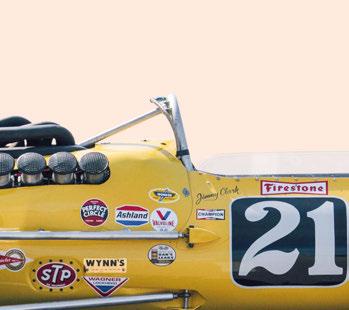
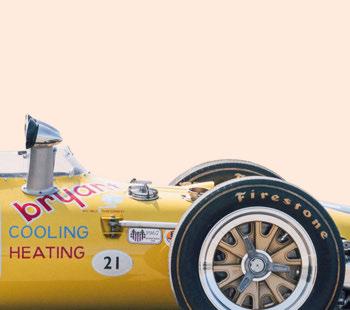
the Vollstedt, as one report put it, ‘faster than was thought capable by a mortal man’. It will be joined in the Bonhams sale by the Lola-Ford T70 Mk2 in which Gurney won the 1966 Bridgehampton Grand Prix – the second round of the inaugural Can-Am championship. Although T70s won ve out of the six races that year, Gurney’s was the only one ed with a Ford engine rather than the ubiquitous Chevrolet V8, and that result was the sole victory for the Blue Oval during Can-Am’s 1966-74 heyday. cars.bonhams.com

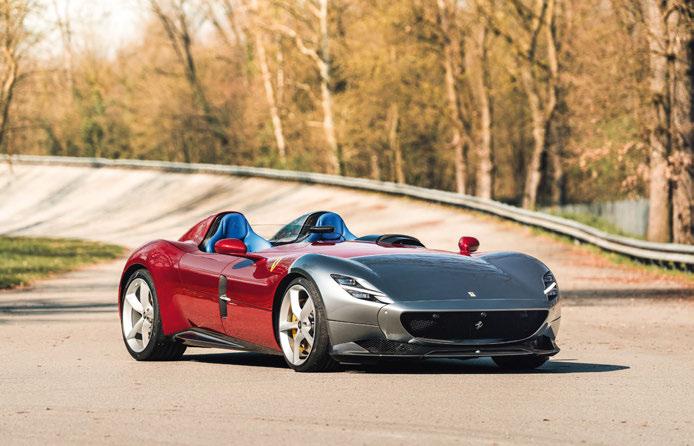


Broad Arrow, Villa d’Este 16-17 May
LOW-MILEAGE, special-order Ferraris seem to be avour of the month, so it’ll be interesting to see what this 417km-from-new Monza SP2 reaches when it crosses the block by Lake Como. Based on the 812 Superfast and powered by its 6.5-litre V12, only 499 of the single-seater SP1 and two-seater SP2 were built. is car is chassis 261538, nished in Rosso California with a Grigio Coburn front end. Details include Giallo Modena brake calipers and Argento Nürburgring wheels, plus Elmo Blu seats with the Prancing Horse embroidered on the headrests. ere’s a ‘suspension li ’ system, parking cameras front and rear, and even Apple CarPlay. Estimate: €2,500,000-3,000,000. broadarrowauctions.com
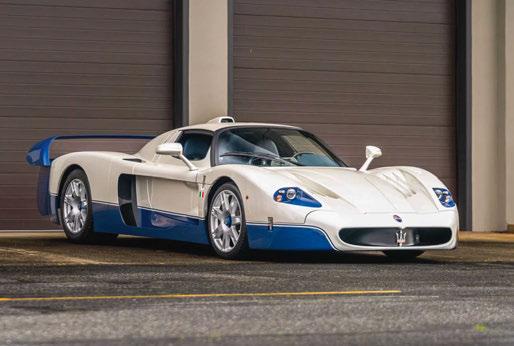
1962 Lotus Elite H&H Classics, Millbrook, UK 10 May, handh.co.uk
The Elite broke new ground when it was introduced in 1957 thanks to its use of a glassfibre monocoque.
Powered by a Coventry Climax engine, it was an e ective racer as well as a superbly balanced road car, and this one is a late SE model. Owned by the vendor since 1969, it was restored from 2011 to 2013 and has an estimate of £35,000-45,000.
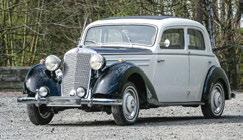
1950 Mercedes 170 S Iconic Auctioneers, Sywell, UK 16 May, iconicauctioneers.com
Developed from the 170 V of the 1930s, the 170 S was central to Mercedes’ post-war recovery, and although it’s a relatively staidlooking model, the appeal of this particular car is boosted by the fact that it was apparently used by Marilyn Monroe during the screen icon’s visit to Greece in 1956. It has a guide price of £120,000-160,000.
Much has been wri en in the past few months about the hoard of pop-culture memorabilia accumulated by the late Jim Irsay, the long-time owner of NFL team the Indianapolis Colts. Irsay was known in particular for hoovering up famous guitars at auction, and every one of his six-stringed treasures went back under the hammer in March, when Christie’s was tasked with dispersing his collection.
It included David Gilmour’s much-modi ed black Fender Stratocaster (sold for $14.55m, a record price for a guitar), Jerry Garcia’s iconic ‘Tiger’ ($11.56m) and George Harrison’s old Gibson SG Standard ($2.271m). Neat stu , all of it – but nothing in Irsay’s treasure trove was as cool as the instrument pictured here, which will be o ered by Heritage Auctions in Dallas on 8 May, with the bidding starting at $50,000. e guitar was built by luthier Tom Holmes
2005 Maserati MC12 Mecum, Indianapolis, USA 16 May, mecum.com
The final day of Mecum’s nine-day epic at Indiana State Fairgrounds is set to include a number of low-mileage supercars and hypercars, including a Ferrari Enzo and LaFerrari – and this Maserati MC12. Two batches of 25 cars were built in 2004 and 2005 to satisfy homologation requirements for the FIA GT Championship, and this car is from the second of those. It’s covered only 515km, is finished in Bianco Fuji and Blu Victory, and is o ered with no reserve.
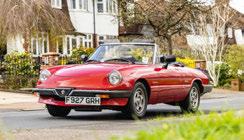
1989 Alfa Romeo Spider S3 Historics, Farnborough, UK 16 May, historics.co.uk
With its Pininfarina lines and twin-cam engine, the Alfa Spider is the archetypical small Italian sports car, though the S3’s big bumpers deny it some visual delicacy. This low-mileage S3 has been li le-used during its long-term family ownership, but it has a fresh MoT and is estimated to reach £12,000-17,000.
in the early 1980s for the in uential rock ’n’ roller Bo Diddley, whose signature ‘Bo Diddley beat’ is heard today in everything from hip-hop to the theme from the kids’ TV show Bluey For decades Diddley had played rectangular guitars – each one owing a debt to the cigar-box guitar that he made for himself in 1945, when he was a ending vocational school in Chicago with a view to perhaps becoming a mechanic.
Diddley told Holmes only that he wanted ‘a long, narrow guitar’, and Holmes delivered a cricket-bat-like design ed with a trio of Bill Lawrence pick-ups and a bewildering array of controls. e rst of ten instruments Holmes built for Diddley, it is magni cently weird, and Jim Irsay would no doubt be rst in line to buy it if he were still around.
Thought you’d like to know: Hupfeld Phonoliszt Violina (see Octane issue 274) was not sold.
24 April
Bonhams, Monaco 24-25 April
Kruse Auctions, Auburn, USA
25 April
Broad Arrow Auctions, Costa Messa, USA
Che ns, Cambridge, UK
RM Sotheby’s, Monaco 25-26 April
Bonhams, Sta ord, UK (motorcycles)
29 April
H&H Classics, Buxton, UK
Manor Park Classics, Runcorn, UK
30 April
SWVA, Poole, UK
1-2 May
Vicari, Biloxi, USA
2 May
WB & Sons, Killingworth, UK
3 May
Bonhams, Miami, USA
4 May
Agu es, Paris, France 8-16 May
Mecum, Indianapolis, USA
10 May
H&H Classics, Millbrook, UK 11-18 May
Broad Arrow Auctions, online
13 May
Brightwells, online
16 May
Classic Car Auctions, Sywell, UK
Iconic Auctioneers, Sywell, UK
Historics, Farnborough, UK
Morris Leslie, Errol, UK 16-17 May
Broad Arrow Auctions, Cernobbio, Italy 20-22 May
Mathewsons, online 22-23 May
Manor Park Classics, Runcorn, UK
30 May
Barons Manor Park Classics, Southampton, UK
Oldtimer Galerie, Lucerne, Switzerland
31 May
Bonhams, Greenwich, USA
4 June
Charterhouse, Sparkford, UK 5-6 June
Mecum, Tulsa, USA
5-15 June
Bonhams, online (motorcycles)
6 June
Lucky Collector Car Auctions, Tacoma, USA

Desirable for more than six decades, and still a truly usable yet elegant car
THERE’S A MAXIM that every convertible Mercedes-Benz will eventually become extremely collectable. So far, it holds true: from the pre-war poise and power of the 500K and gold-chip status of the 300SL Roadster through to the modern collectable SLR McLaren Stirling Moss edition, Stuttgart’s automotive behemoth has a habit of hitting the bullseye pretty much every time, combining power, design, advanced engineering and phenomenal build quality.
The model that replaced the 300SL, and its smaller sibling the 190SL, may be at the sweet spot.
The W113 series SL, commonly known as the ‘Pagoda’ after the distinctive concave hardtop profile, is valuable without being
Lamborghini, Maserati, Ferrari et al attempted to put the upstart Porsche 911 in its place in the early 1970s, each with a junior 2+2 contender of its own. None challenged the 911 in sales, nor could they trim price to compete.
The Ferrari 308 GT4, badged as a Dino at launch in 1973, has become even more attractive in comparative pricing terms over the past five years.
The first production Ferrari to be penned by Bertone was also the first rear/mid-engined Ferrari V8. It shaped the future, paving the way for the 308 GTB and subsequent generations of Ferrari mid-engined V8s. What’s also overlooked is that the 150mph 308 GT4, with its cleverly packaged 2+2 accommodation, was relatively successful. With 2826 sales through to 1980, it
priced in the millions, has the feel of a true classic combined with very advanced technology for its era, and a majestic design by Paul Bracq that remains sharp over 60 years after its introduction.
The model was developed throughout its production life from 1963 to 1971, with the original 2.3-litre fuel-injected straight-six increased to 2.5 litres and finally 2.8 litres and, from 1966, the option of a five-speed manual ZF gearbox to supplement the four-speed manual and auto ’boxes.
Occupant safety was a key selling point: crumple zones front and rear were integral to the design, as were disc brakes, and a collapsible steering column came in 1967. Power output for
the 280SL was 168bhp, more than fair for its time, but it lacked the peer-group dominance that its 300SL predecessor enjoyed.
Hagerty Price Guide values of the Pagoda models vary according to specification and power. Prices for cosmetically tired (‘fair’) 230SL models start at £36,100, rising to the top, ‘concours’ 280SL examples at £209,000. High-level restorations that include subtle modern upgrades and a higher engine output are sought-after, especially from noted companies such as the SL Shop in the UK and Laro Sportwagen in Germany, the latter of which has managed to extract a reported 230bhp-plus from the original 2.8-litre engine.
John Mayhead
48,912
8.5 1963
launch, Geneva motor show top speed
124mph seconds 0-60mph 280 SL
148
marginally outsold the Dino 246 GT and nearly matched the 308 GTB. It also massively outsold the 2+2 Maserati Merak 3000 and Lamborghini Urraco.
At £7699 in 1973, the 308 GT4 was close to £1500 more than the outgoing Dino 246 GT; while it was £880 less than the immortal 911 Carrera RS 2.7, it was fully £1450 more than the entry 911; the 308 GTB came on stream in 1975 at £11,992 and the GT4 was just £1450 less. Now hold those comparative prices in your head.
TV mechanic Edd China recently bought a doer-upper that he described as the ‘cheapest 308 GT4 in Europe’ for £18,000. Its engine, once he got it going, was found to be strong (a professional rebuild could have topped £15,000). Cars in the £25,00040,000 range span rolling projects to ‘usable classics’. In the region of £55,000-70,000 you’re in the higher tier, with truly exceptional cars approaching £100,000 and sometimes more.
Better news for buyers is that, compared with the five-year
compounded annual growth of 5.93% for the HAGI Top index for investment-grade classics, the 308 GT4 has made a negligible 1.60%. Compounded annual inflation, as measured by the Consumer Price Index, has accrued 4.60% over the same time. The 308 GT4 is better value.
While its 1970s peers and price rivals have surged upwards through the collector space, the 308 GT4 has not, a fact that’s appreciated by those who appreciate it. In contemporary
reviews it was generally highly praised, with road-testers asserting that it handled better than the 308 GTB, and was actually faster and more usable in real-road applications. Price is only part of its appeal. If only you could buy a Dino 246 GT, 308 GTB or Porsche 911 Carrera RS 2.7 for 308 GT4 money. HistoricAutoGroup.com
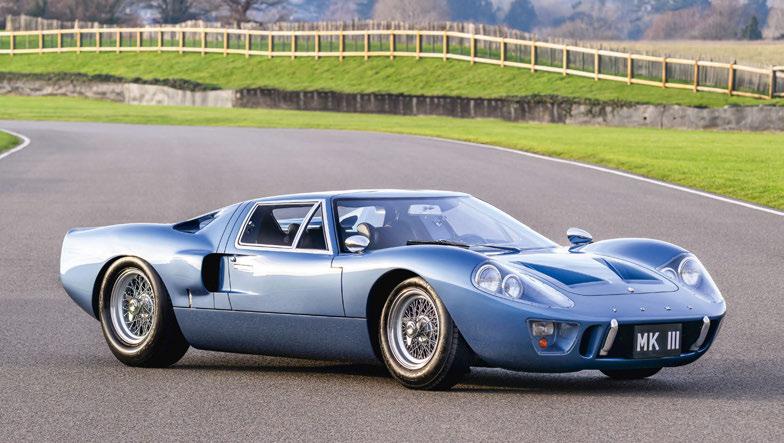
THIS IS A signi cant year for the GT40, marking the 60th anniversary of its rst win at the Le Mans 24 Hours, and it was in the a ermath of that famous victory that Ford launched the roadgoing MkIII version. irty-one MkI GT40s had previously been ed with road trim, but the MkIII was intended to be much more of a purpose-built road car, complying with US legislation and featuring higher headlamps, more luggage space and a centre-mounted gearlever. In the end, only seven were produced, and this car served as the le -hand-drive prototype. A er being completed in August 1966, it was shipped out to the US and appeared at the following year’s New York Auto Show. It was also lent to magazines such as Car and Driver, and used for promotional work until
£182,238 from CarJager
early 1968, when it was sent back to the UK and modi ed into full ‘production MkIII’ speci cation. e car was then sent back to the US but damaged in transit and put into storage at Kar Kra . A longoverdue rebuild took place in 1973 and the car was sold to its rst private owner – wealthy businessman Seward Prosser Mellon – the following year. During the late 2000s, it was converted into MkI race spec but all original parts that had been removed were fortunately retained. at enabled subsequent owner Kurt Englehorn to return it not only to production MkIII spec, but to its early prototype form – a process that was carried out with the guidance of GT40 authority Ronnie Spain and which was completed in 2016. fiskens.com
Pick of the month
ITALIAN-BORN SWISS designer Franco Sbarro was well-known for his extreme machines, and this ‘hot hatch on steroids’ certainly fits that bill. Built in 1984 in the wake of the even more bonkers bikeengined Super Twelve, the Super Eight is based around a Ferrari 308 QV, complete with its 240bhp 3.0-litre V8, gearbox, brakes and suspension. It’s recently formed part of a Dutch collection and has covered what must have been an exhilarating 30,000km. Perfect as a unique alternative to a Renault 5 Turbo or Peugeot 205 T16. James Page
1957 AC Aceca Bristol £125,000
Owned by Autosport journalist John Bolster between 1963 and 1966, then sold to Jim Fitzgerald, who owned it for 45 years. Bare-metal respray in 2013 and engine rebuild in 2019. mitchellcurated.com (UK)
1936 Morris Twenty-Five €24,900
Very rare 3.5-litre, six-cylinder model, thought to have been sold new in France. Later in Swedish ownership before ending up in Germany. ‘Not flawless’ but said to run and drive well. vintage-automobile.de (DE)
1972 Volvo 1800ES
$79,990 AUD
Original right-hand-drive example of Volvo’s rare and stylish ‘shooting brake’, which was built only in 1972-73. Older restoration and recently kept in dry storage as part of a large collection. lorbek.com.au (AUS)
1990 Lamborghini LM002 POA
A low-mileage, one-owner example of the ‘Rambo Lambo’, restored to concours standard. One of only 48 LM002s to be built specifically for the US market and finished in Bianco Perlato. wearecurated.com (USA)
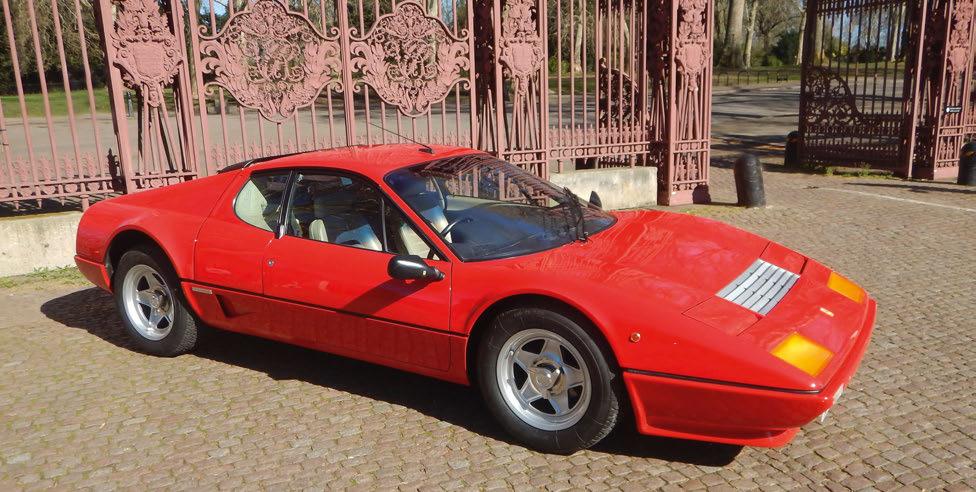
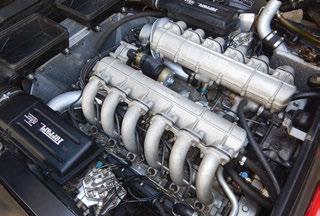
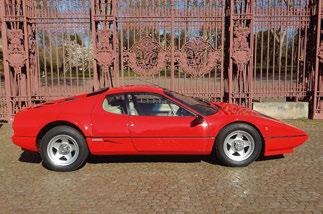
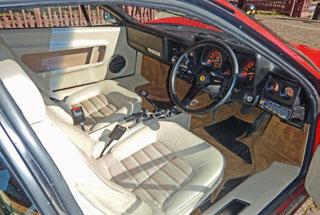
Only 208 examples of the R Type Continental were built which means they are rare and accordingly desirable. They also deliver in the driving department, so not just style over substance, which makes them even more sought after.
The Ferrari 512 BB was built between 1976 and 1984 with the ‘BBi’ injection model introduced at the end of 1981. Only 43 right hand drive BBi’s were built and this one was the very first imported into the U.K. For 18 months it served as the Maranello Concessionaires ‘Press Car’ and ‘Demonstrator’. It was the star car of 1982 and appeared in numerous magazines, often on the front cover. ‘Car’ declared it Ferrari’s “best Supercar yet” and “The Motor” endorsed it as “Ferrari’s Macho Missile” while ‘Motorsport’ championed the 170 mph top speed.
However, some are better than others and the spec of BC 22 A reads like a list of ‘must haves’. Mulliner’s aluminium coachwork is always stunning but the early cars are the elite; they are narrower at the waist and that couple of inches makes all the difference. It is generally acknowledged that the combination of a manual gearbox and lightweight seats is best along with spats over the rear wheels. Add to the list retro fitted air-conditioning, a modern generator and a radiator fan to keep everything cool throughout hot summer use. A few of the early cars had a factory exchange engine upgrade and the ultimate specification was the high compression 4.9 litre ‘OPWAS’ unit and that is what sits under the bonnet of BC 22A.
The Bosch fuel injection system delivers the same power as the earlier carburettor model but runs cleaner and with greater fuel efficiency. Engine start up is significantly more reliable and gives instant and easy drivability with more torque at lower revs.’ This 512, it starts instantly, without fuss and quickly settles down with a potent burble coming from the stainless steel sports exhaust.
YK 1360 is a Short Chassis Speed Model still fitted with its original Vanden Plas coachwork. It has been uprated with a perky 4½ litre engine giving it a good turn of speed and mechanically feels good on the road. The talented Mr. Getley at Kingsbury Racing has maintained it. However, a number of previous owners have taken a dogged delight in willfully ignoring the paintwork and it has accordingly developed a depth of patina you could drown in. Its bears its battle-scars and witness marks as badges of honour and has appeared with distinction on at least three Flying Scotsman Rallies and raced at the Goodwood Revival. Concours types and ‘try-hards’ need not apply but will suit any number of bounders, blaggards or cads.
Only 208 examples of the R Type Continental were built which means they are rare and accordingly desirable. They also deliver in the driving department, so not just style over substance, which makes them even more sought after. However, some are better than others and the spec of BC 22 A reads like a list of ‘must haves’. Mulliner’s aluminium coachwork is always stunning but the early cars are the elite; they are narrower at the waist and that couple of inches makes all the difference. It is generally acknowledged that the combination of a manual gearbox and lightweight seats is best along with spats over the rear wheels. Add to the list retro fitted air-conditioning, a modern generator and a radiator fan to keep everything cool throughout hot summer use. A few of the early cars had a factory exchange engine upgrade and the ultimate specification was the high compression 4.9 litre ‘OPWAS’ unit and that is what sits under the bonnet of BC 22A.
Ticking all those boxes is impressive but this car also spent its early years in the USA, away from corrosive British winters and had a body off restoration in 1996, so it is structurally really good. The meticulous current owner has invested in excess of £ 100,000 in the last few years, including a repaint in the original colour, a new clutch, blue tooth audio, even hazard lights.
Highly regarded Ferrari specialist, Bob Houghton recently serviced the car and refurbished the wheels, fitted new TRX tyres and a battery. It has also benefitted from an engine rebuild with new valves, guides, belts and clutch within 2000 miles. Odometer currently reads 18,609.
YK 1360 is a Short Chassis Speed Model still fitted with its original Vanden Plas coachwork. It has been uprated with a perky 4½ litre engine giving it a good turn of speed and mechanically feels good on the road. The talented Mr. Getley at Kingsbury Racing has maintained it. However, a number of previous owners have taken a dogged delight in willfully ignoring the paintwork and it has accordingly developed a depth of patina you could drown in. Its bears its battle-scars and witness marks as badges of honour and has appeared with distinction on at least three Flying Scotsman Rallies and raced at the Goodwood Revival. Concours types and ‘try-hards’ need not apply but will suit any number of bounders, blaggards or cads.
So some Continentals are better than others and this is one of the best. Quite mediocre examples were trading at £800,000 and BC 22 A can be yours for less than half of that.
Presented in Rosso Corsa with Sabia leather it has tools, car cover, handbook, service record and the all-important Ferrari Classiche Certification. It is reviewed in a 20 minute feature by ‘The Car Guys’ in their “Drive Every Ferrari” series on Youtube. This is a significant car from an era of growing importance.
Ticking all those boxes is impressive but this car also spent its early years in the USA, away from corrosive British winters and had a body off restoration in 1996, so it is structurally really good. The meticulous current owner has invested in excess of £ 100,000 in the last few years, including a repaint in the original colour, a new clutch, blue tooth audio, even hazard lights.
Also
So some Continentals are better than others and this is one of the best. Quite mediocre examples were trading at £800,000 and BC 22 A can be yours for less than half of that.
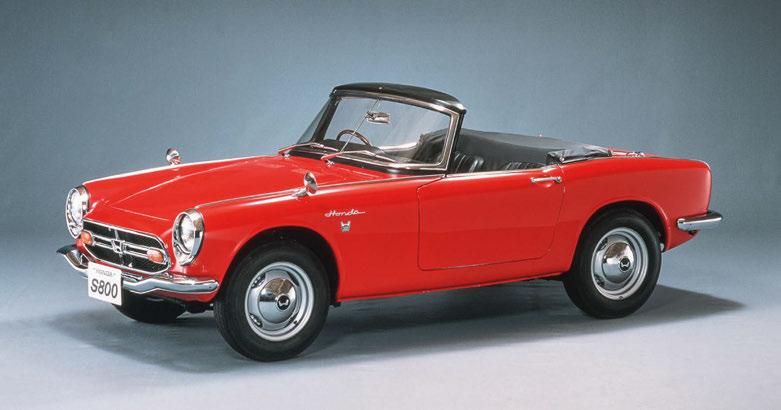
Honda’s first international success was a tiny yet mighty 8500rpm sports car
DRIVE ALMOST ANY Honda and it’s usually clear that even the most humdrum versions are in some way entertaining. Yes, even the Jazz. But this shouldn’t come as a surprise, given the company’s deep roots in the world of motorsport and its baked-in passion for engineering. The biggest giveaway, though, has to be the tiny, adorable Honda S800 – a car that was largely responsible for the company’s leap from the Japanese domestic market onto the world stage.
As the final iteration of Honda’s early two-seater sports cars, the S800 followed in the footsteps of the previous S500 and S600 models, with the formula dating right back to the 1962 S360 prototype. With a handful of S600s escaping Japan into various markets for motorsport activity, it was clear that there would certainly be an appetite for a slightly bigger-engined road-going car in the UK and Australia, plus – if left-hand drive was offered – Europe and the USA. Launched in 1966, the S800 was powered by a 791cc four-cylinder engine. Thanks to the motorcycle breeding and quad Keihin carburettors, it produced an impressive 70bhp at 8000rpm, with revs actually topping out at 8500rpm (although that was somewhat subdued compared with the S600,
which ran a 9500rpm redline!). It was plenty to push the 782kg car to more than 100mph, a milestone for the company, and it quickly found customers around the world – most significantly in the USA. Offered in both coupé and roadster form, it initially carried over a unique independent rear suspension and chaindrive set-up from the S600. Although effective, that was dropped in favour of a live axle before the end of the year for cost reasons.
Front disc brakes replaced the drums in 1967 and a mildly updated S800M came along in 1968, consisting of changes mainly intended to suit the US market, though it was pulled due to increasing restrictions before any officially made it there.
When the final S800 rolled off the production line in 1970 it went without a direct replacement for some time. Some would say the mid-engined Beat was the follow-up, but Honda’s next S-badged car didn’t come until the S2000 in 1999.
The market for S800s is strongest in the USA, where the very best roadsters can range from $70,000-90,000. In reality, however, clean and tidy examples in mechanically sound condition tend to be in the $30,000-45,000 range. Project cars can be bought for $15,000-25,000.
In the UK and Europe, prices are broadly similar, with an emphasis on condition over spec, although roadsters carry a slight premium. Expect to pay £18,000-25,000 for a tidy example, with excellent cars ranging between £30k and £45k, although a concours example could fetch more.
If you are lucky enough to find one of the early chain-drive models, just be aware that the unconventional layout will baffle most mechanics. It’s important to check the condition of the chain cases, which also act as loadbearing rear trailing arms.
The Keihin carburettors can be tricky to set up, so if they’ve recently been rebuilt, serviced and correctly adjusted, then it’s a bonus. Engines should run like a Swiss watch, so any tapping, knocking or hesitation to rev cleanly should be treated with caution and investigated.
Ultimately the S800 offered similar compact thrills to an MG Midget, but it was far more exotic in its make-up – and the same is true today. If you like a car with low-down torque, look elsewhere, but if you enjoy working a high-revving four-cylinder, not much else comes close.
On the market Find these and more cars for sale at octane-magazine.com
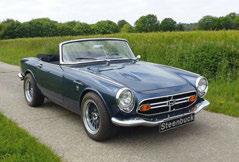
1969 Honda S800M
€58,000, Steenbuck Automobiles, Gödenstorf, Germany
Late model built in ‘69, but not registered until 1975. Fully restored, including hot-dip galvanisation, and has covered just 6000km since. Finished off by aftermarket wheels.
Matthew Hayward
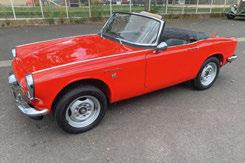
Rust can be an issue, especially in the UK, so ensure that the main structural points are solid –sills, bulkheads, suspension mounts and A-pillars – as well as doors and wheelarches.
1967 Honda S800
€39,000, Autofolies, Chappes, France
This French-market car was fully restored a few years ago – with photos of the work in the history – and is said still to be in superb condition having had little use since.

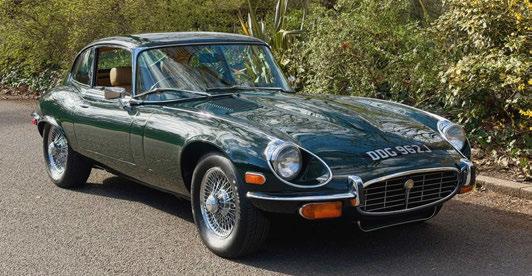
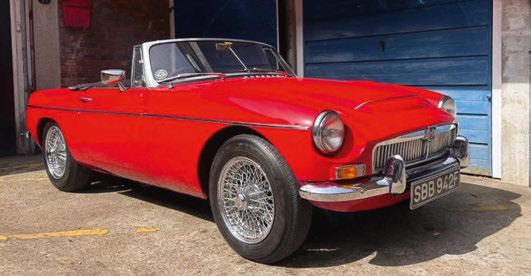
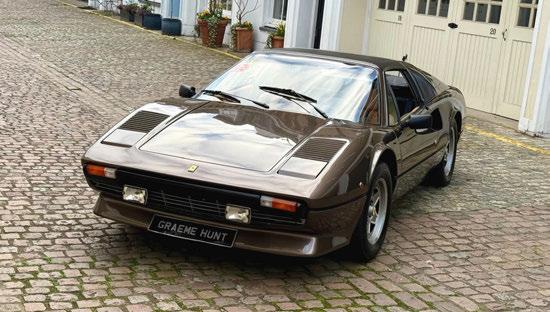
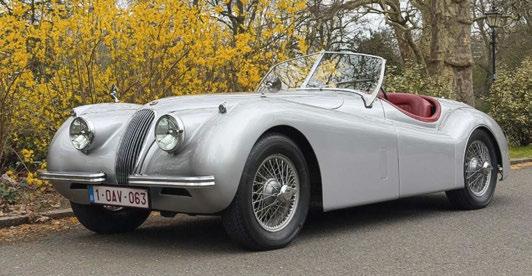











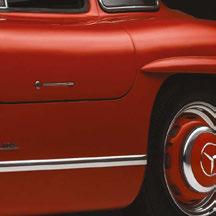




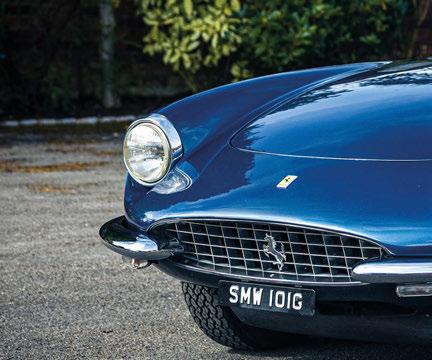
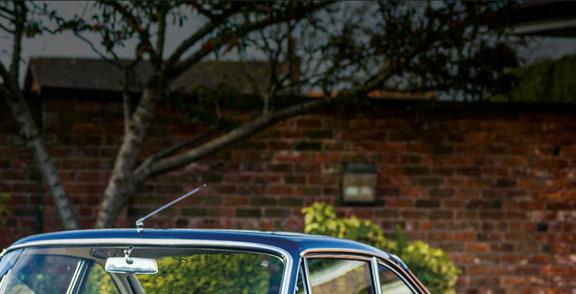
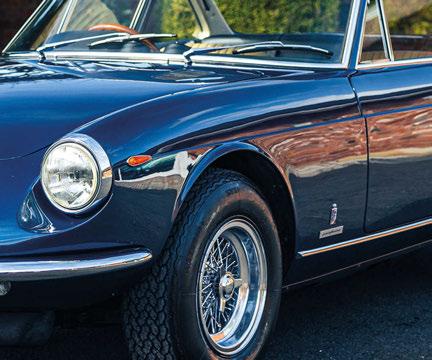

Blue Sera with cream leather, 1 of 22 UK cars made with great ownership provenance. In 1997 the car had a full metal respray and interior re-trim. A full engine overhaul was done in March 2021, an extensive history file comes with the car.























White with black interior and original hardtop. This is a UK 4 owner car that went under a full restoration my marque expert John Haynes in 2011. The car comes with a comprehensive history file and handbooks. Registration ‘280 SL’ is available separately.




Black with red leather and a black hood. A 2-owner car from new with the first owner owning it for 62 years. Its second owner bought the car in 2014 and carried out a full nut and bolt restoration which was completed in 2016. The car is accompanied by a Jaguar Heritage certificate, full tool kit, original jack, tyre inflator and grease gun.


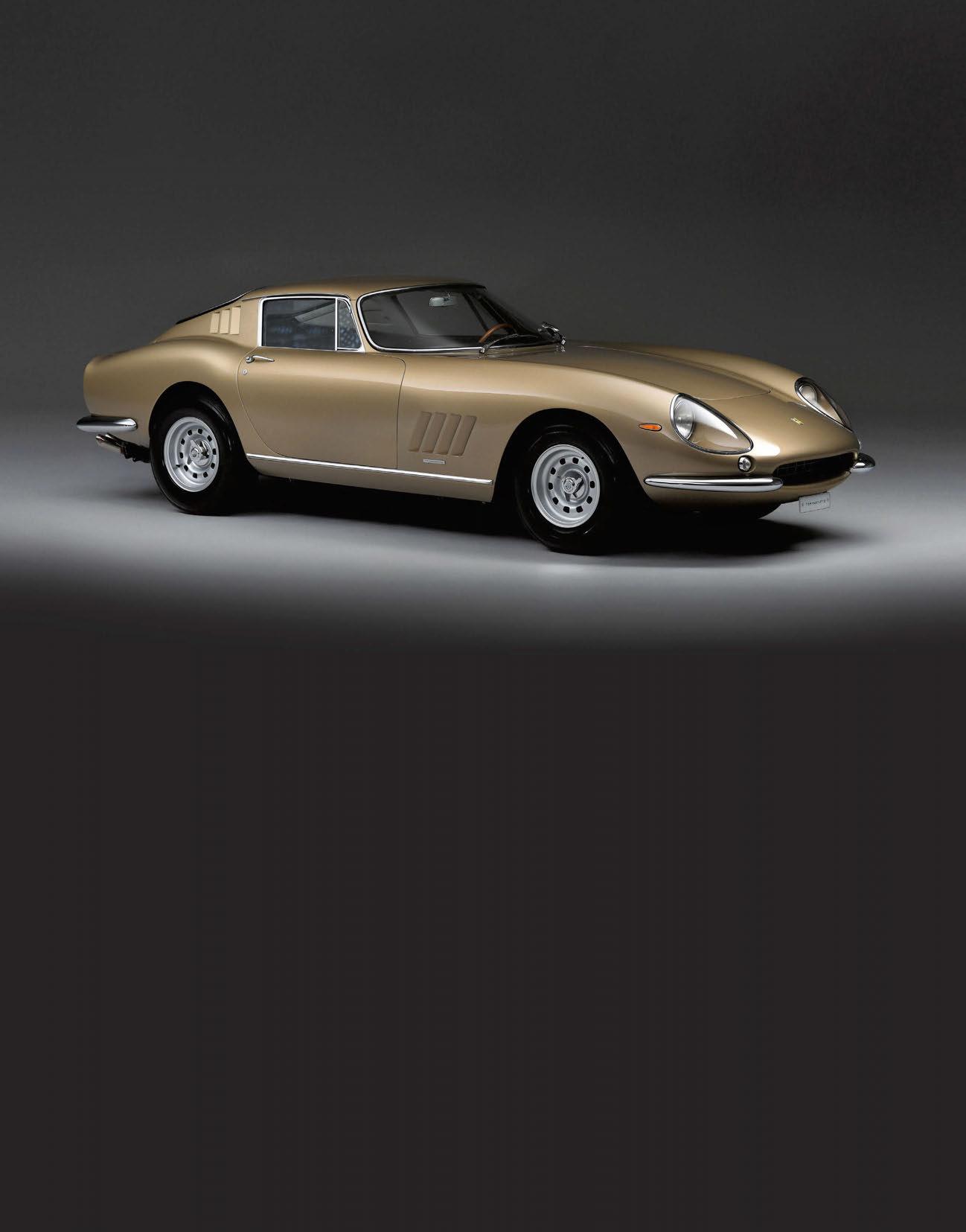
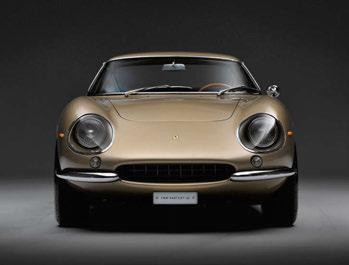
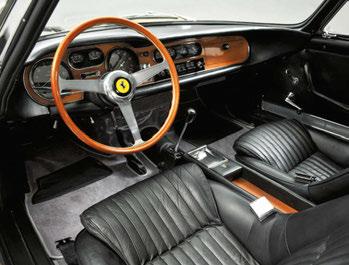
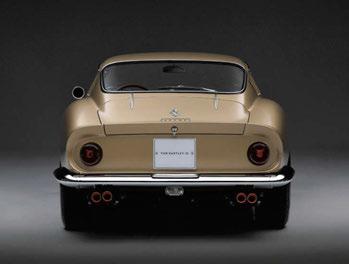

























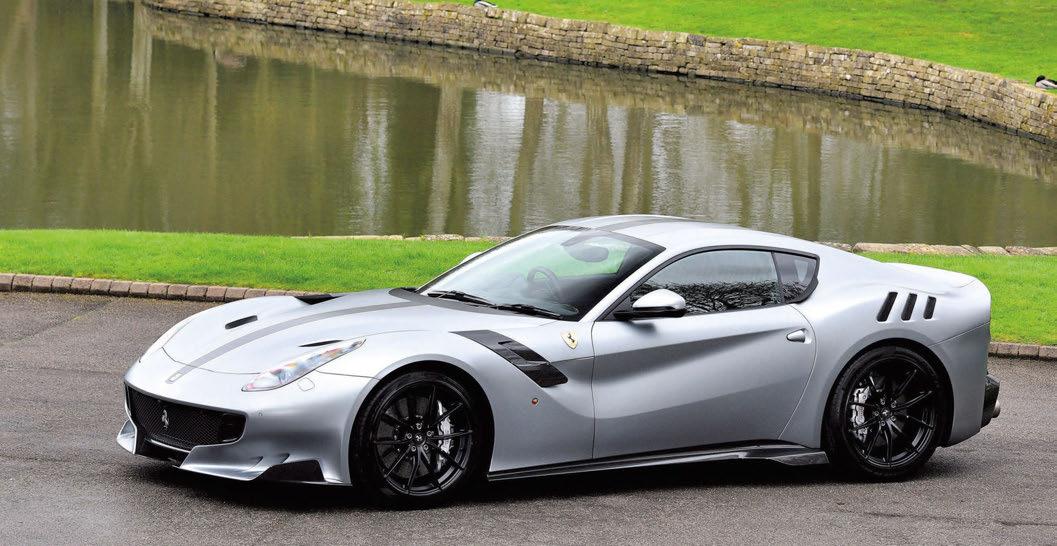
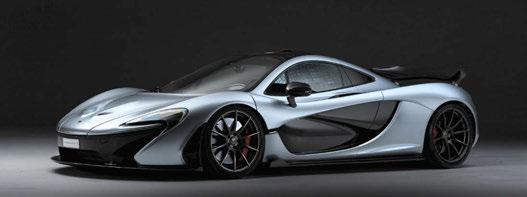
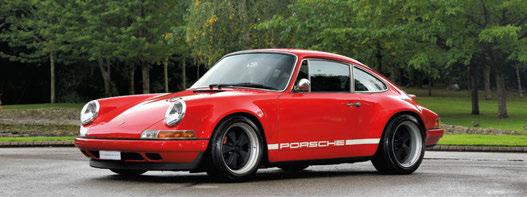
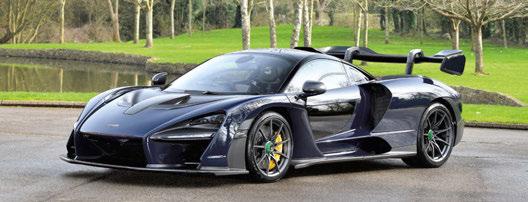
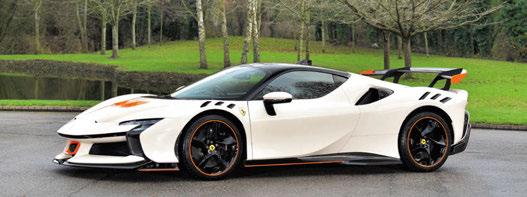
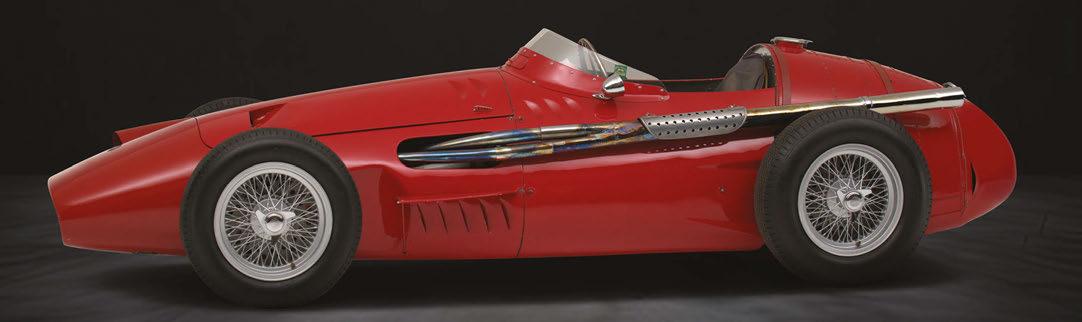
The most beautiful GP race car of the 50s, with excellent provenance and race history. Eligible for many track events including amongst others the Historic GP of Manaco and Goodwood Revival.
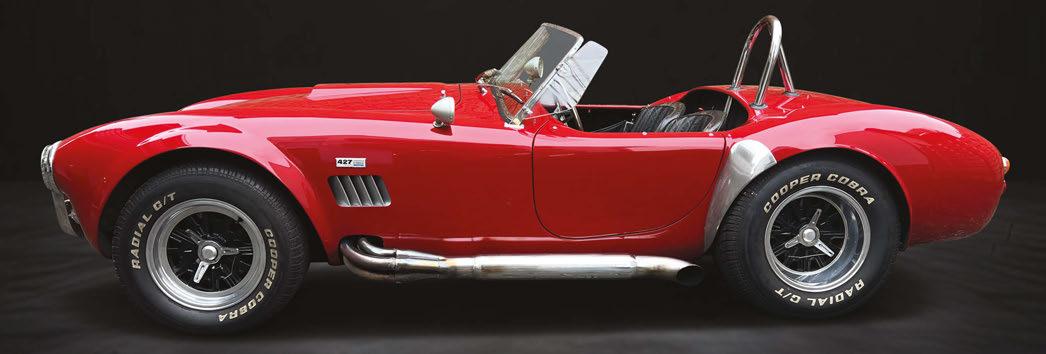
A well cared for example of the infamous big block Shelby Cobra, fitted with a soft top and side curtains. Eligible for track events like the Le Mans Classic and Rallyes and tours such as the Tour Auto and Colorado Grand.
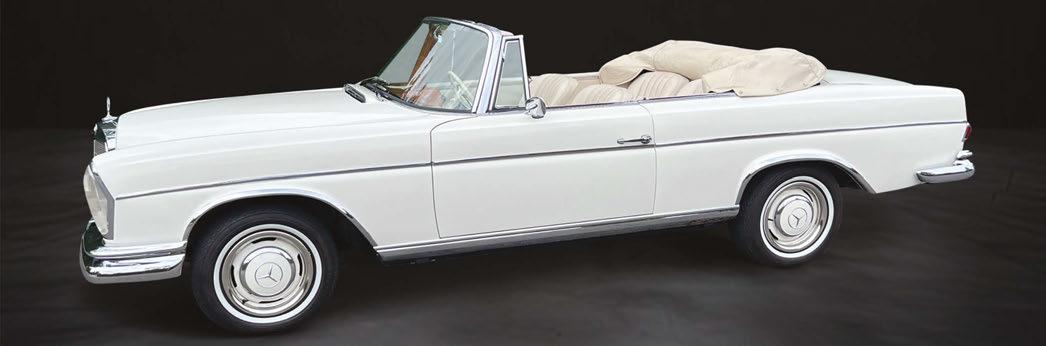
A very tasteful conversion to the powerful 250 hp 6.3 litre V8 engine, used only in the Mercedes-Benz 600 and 300SEL 6.3. Restored to a very high standard.
We presently have an impressive selection of vintage race and sports cars which are eligible for the world’s top events. If you wish to sell or trade your classic, we are your reliable partner with more than 40 years of experience.
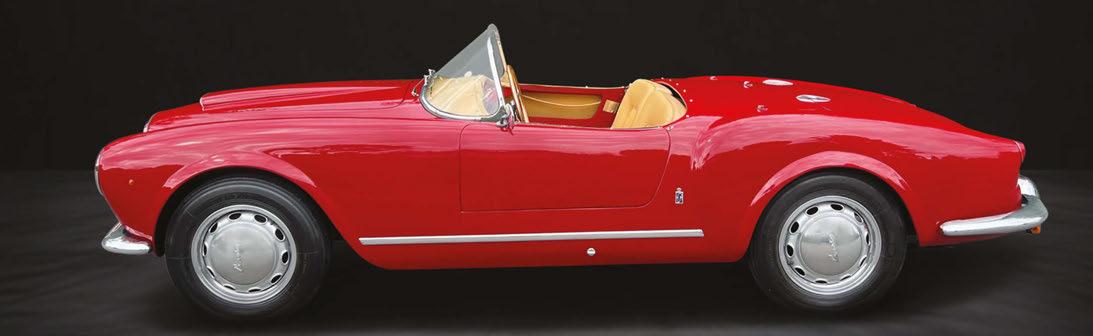
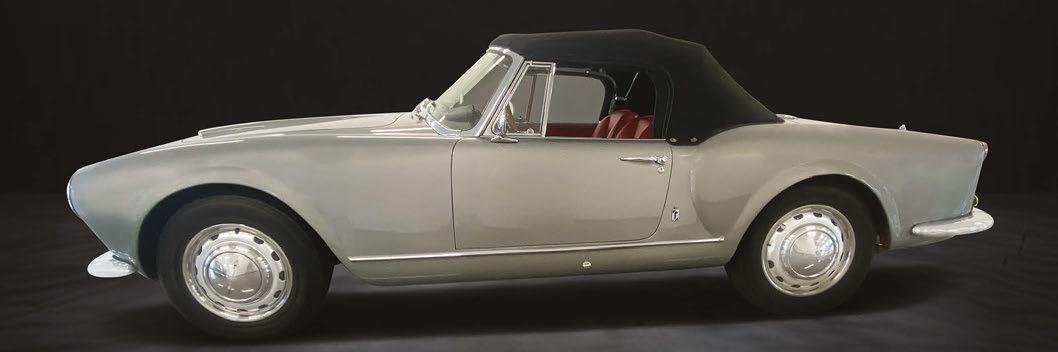
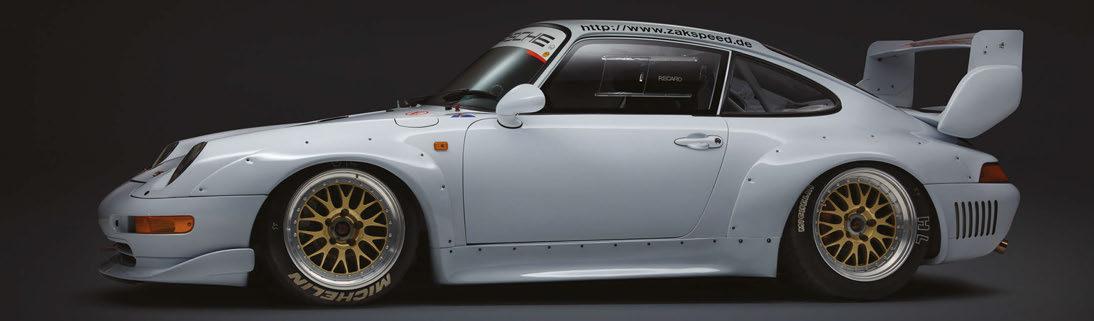

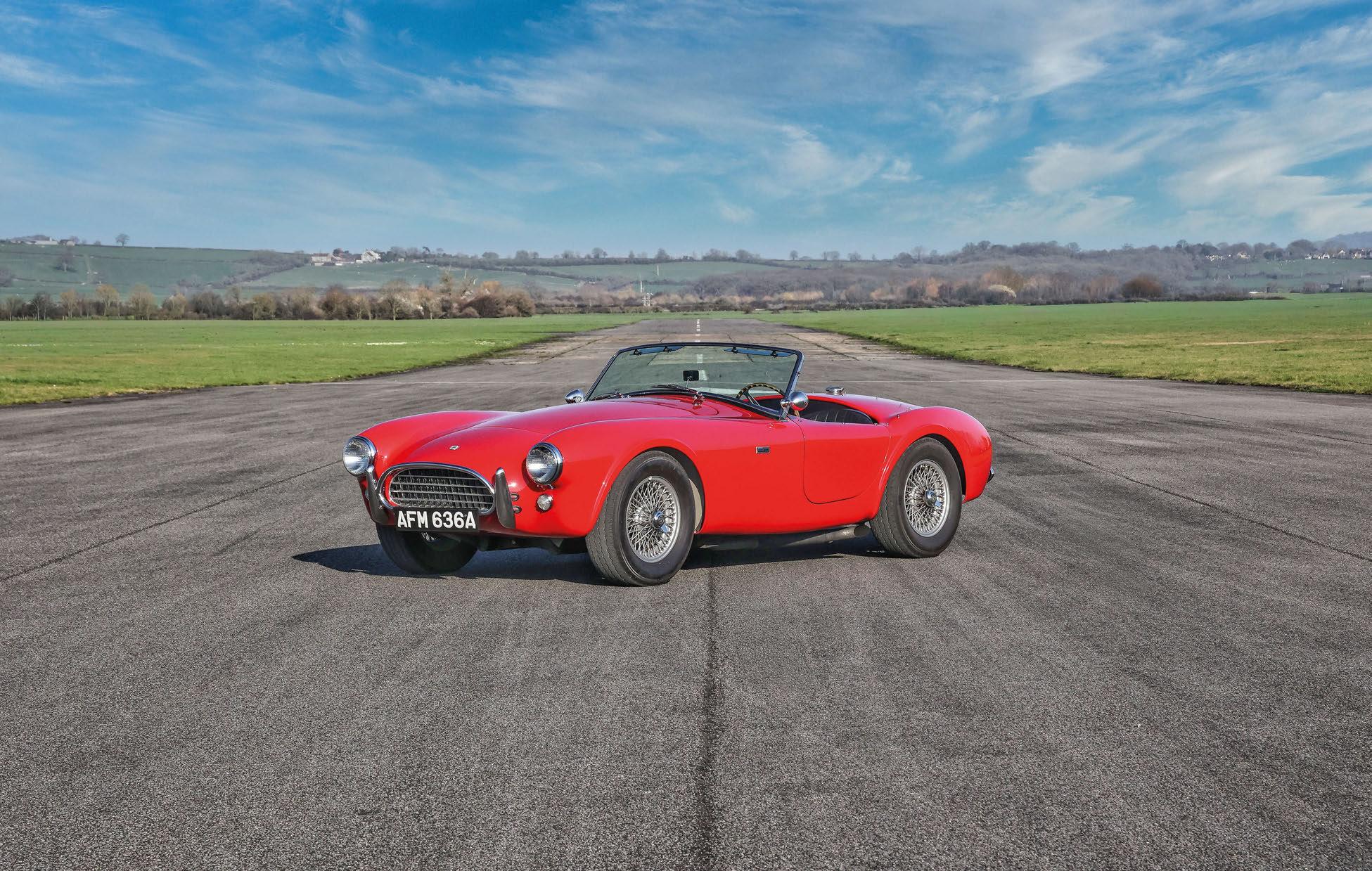
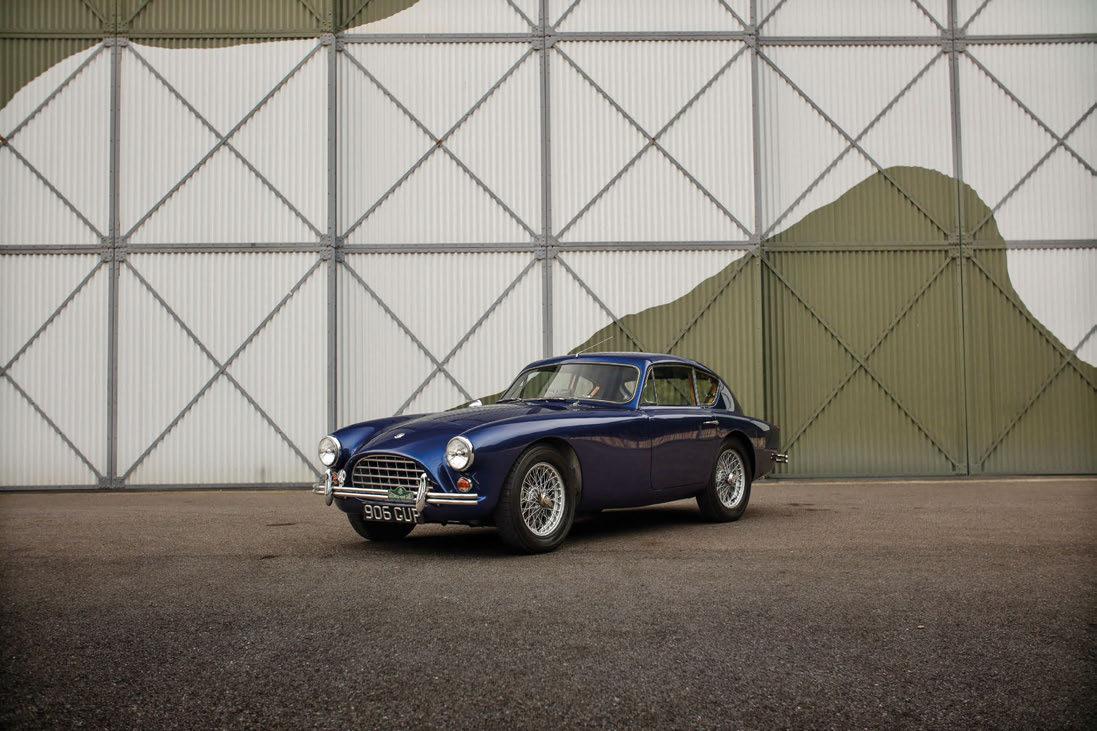
Shelby Cobra
A very rare early Mark I, featuring the original specification bodywork with narrow arches, ventless wings, and the 289 V8 engine. This exceptional example has undergone a meticulous full body-off restoration to original specification, carried out by AC Heritage Works. The 2000 hour restoration was a cover feature in Octane magazine. POA
1960 AC Aceca Bristol
Matching-numbers example, paired with overdrive gearbox. Single ownership for the past twenty years. Restoration undertaken by renowned AC Bristol author Tony Bancroft. £109,995
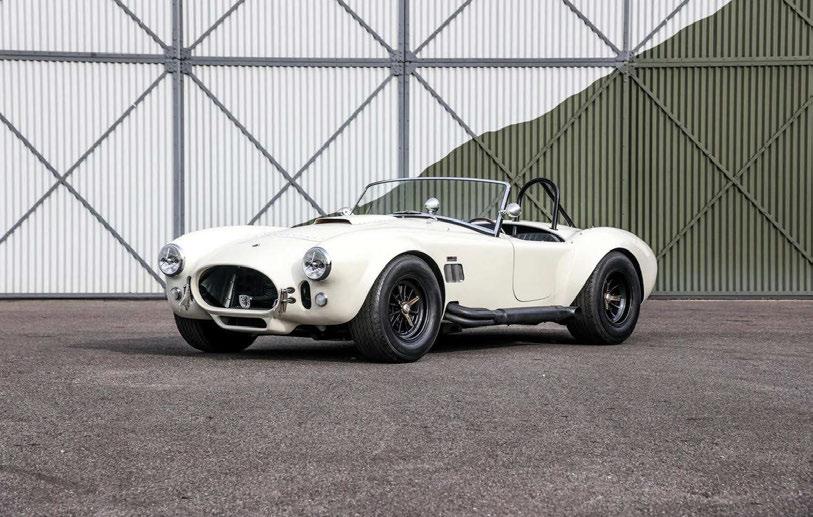
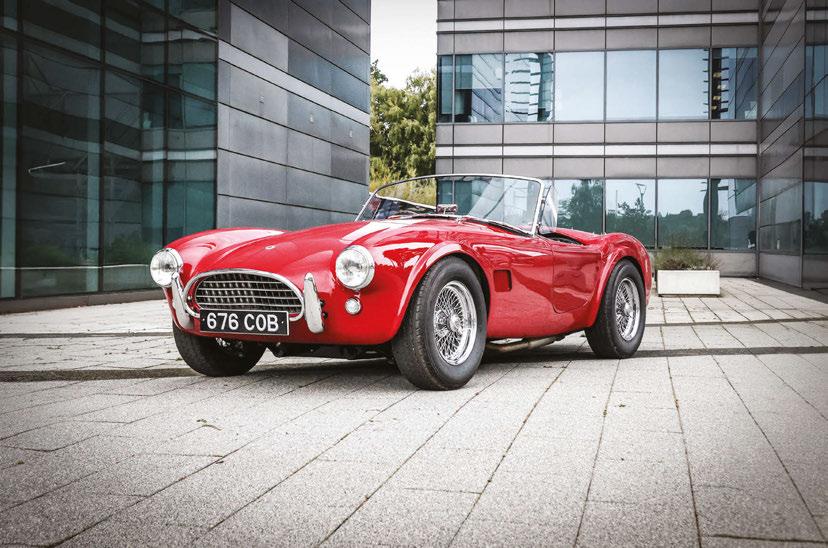
1966 AC MkIII Continuation Cobra 427 Rare Cobra, supplied new as a rolling “Glider” chassis and in single ownership from new, with just 42 miles recorded. Powered by a 427ci Ford Side-Oiler V8 with a Toploader 4-speed manual. £349,995
1964 AC Cobra 289
Matching numbers, cosmetic restoration by AC Heritage. Hillclimb history with Paul Channon, continuous history from new. Factory hardtop and weather gear, one of the finest examples of the marque. POA
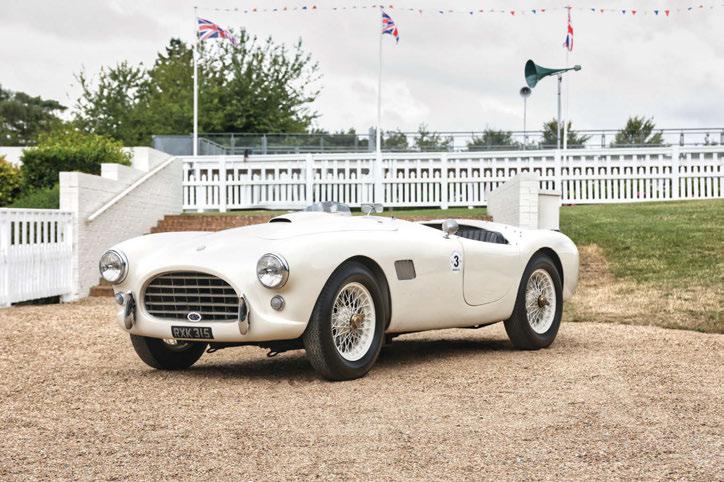
1956 AC Ace Bristol ‘Mary Seed’
The first AC Bristol exported to Australia. Set a womens land speed record in 1957. Extensive race history in NSW. Full matching numbers and conservation restoration by AC Heritage. FIA HTP expires 2030. POA
For more information about any of these vehicles, please contact our sales team. AC Heritage · International Broker of Historic & Classic Motorcars · Brooklands Motor Circuit, Surrey, UK Telephone +44(0)1932 828545 · Mobile +44(0)7557 878123 · www.acheritage.com

Originally ordered and delivered in 1973, this remarkable Ferrari has had just four owners from new, with the last custodian retaining it for 25 years. It has covered 65,000 miles.
Now presented as a stunning Spyder, the car was expertly reimagined by renowned marque specialists Moto-Technique in 2002, resulting in a beautifully executed open-top example of one of Ferrari’s most iconic grand tourers.



Finished in its original colourway of Azzurro Dino with Beige hide and carpets, the car presents beautifully and remains true to its heritage.
A rare opportunity to acquire a highly collectible Daytona Spyder with superb provenance and presence.
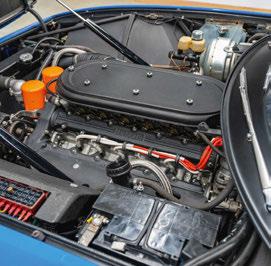



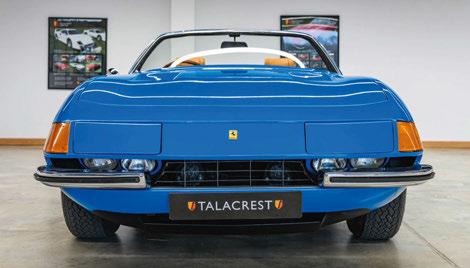




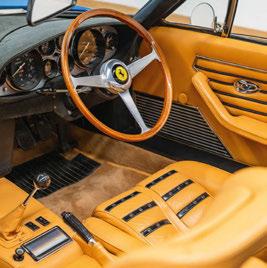



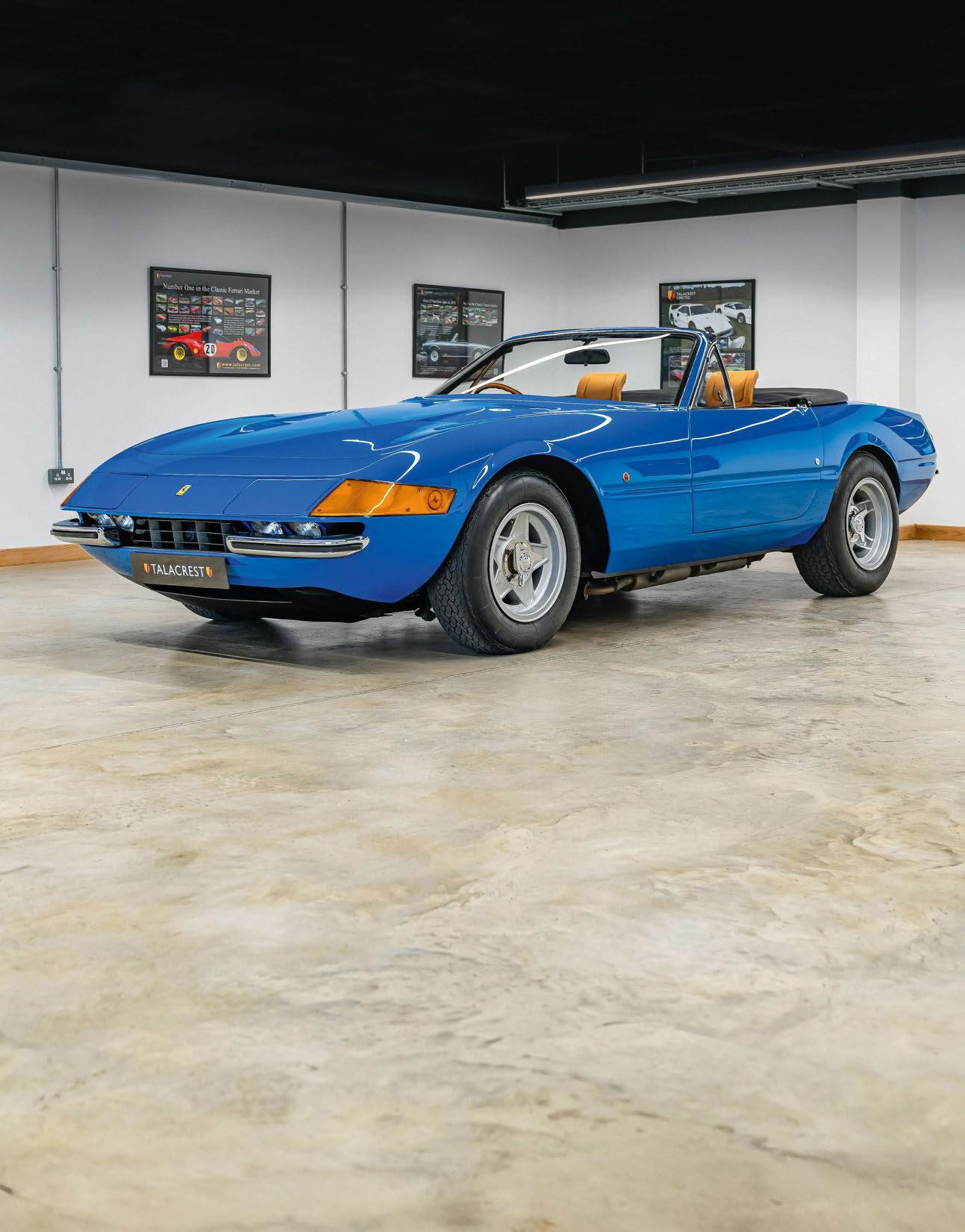
1965 Alfa Romeo Giulia Sprint GTA RHD
Superb original RHD 1600 example in Stradale specification
1973 Ferrari 365 GTB/4 ‘Daytona’ Spider Conversion
RHD example converted to Spider configuration by Moto Technique in the 1980’s


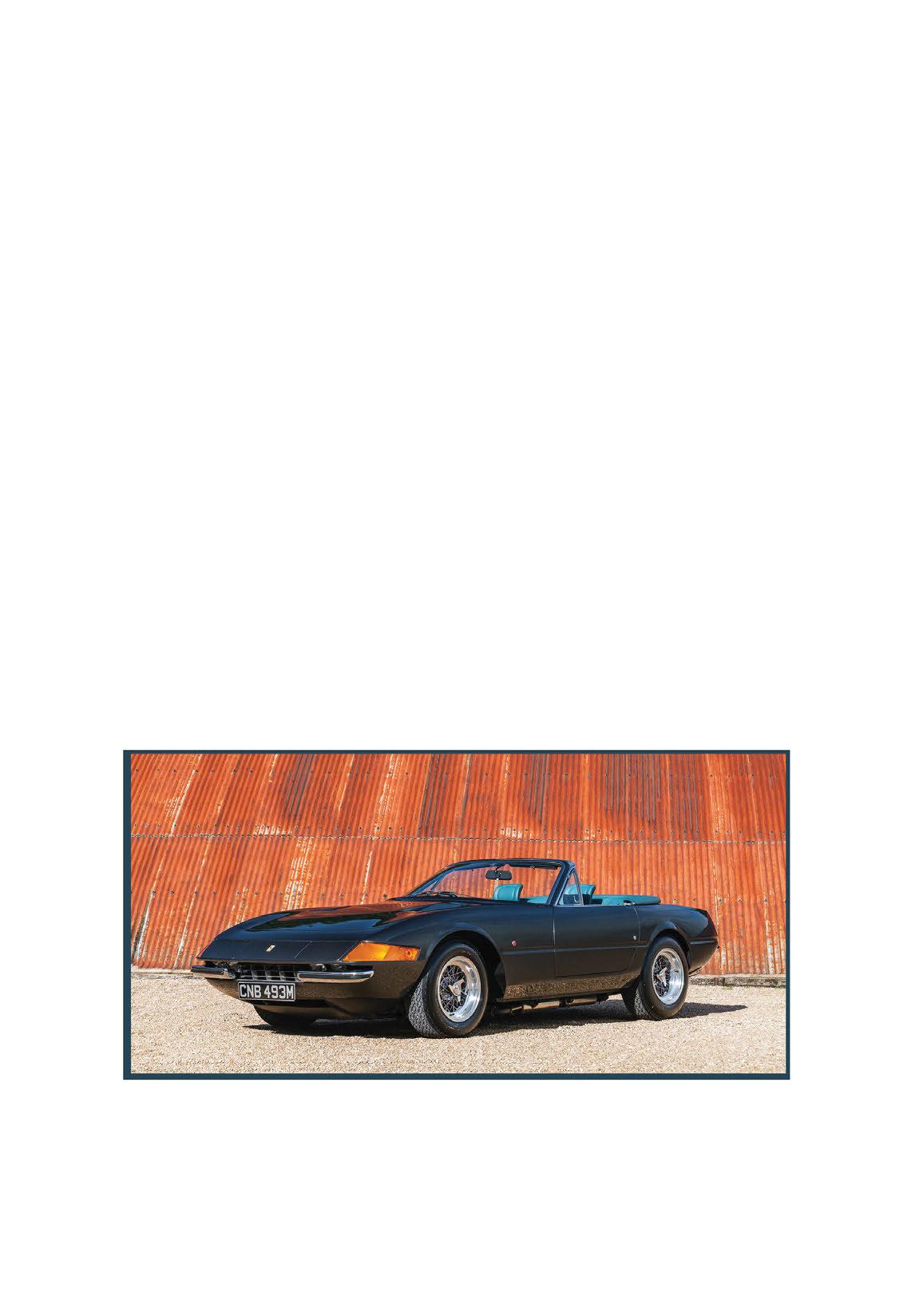
RHD example converted to Spider configuration by Moto Technique in the 1980’s
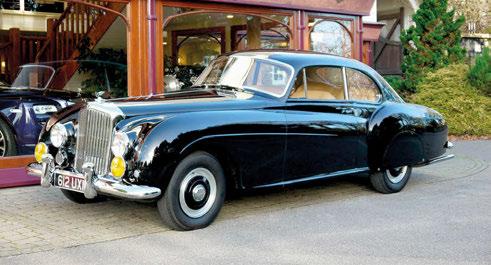
Bentley R-Type Continental 1954 2 door Fastback by H.J. Mulliner
Black with Fawn hide upholstery.
Current owner for the last twenty years and very well maintained during this time by Bentley specialists. Manual transmission and in excellent useable condition
Chassis number BC67C.
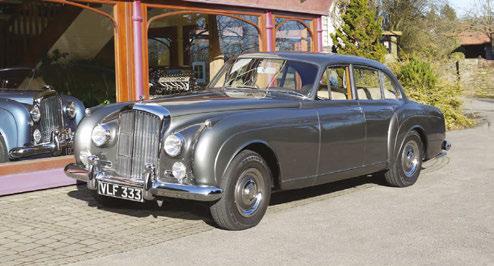
Bentley S1 Continental 1958 Flying Spur by H.J. Mulliner
Tudor Grey with Beige hide upholstery. Known to P & A Wood since the 1980’s and sold to current owner in 2005. Restored to a high standard over twenty years ago and well maintained since. Excellent condition with extensive history.
Chassis number BC42EL.
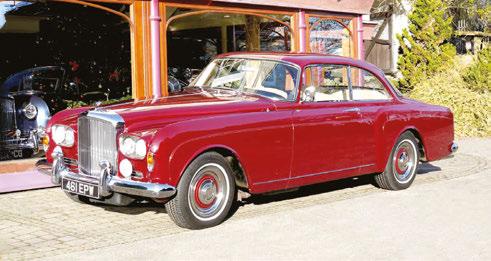
Bentley S3 Continental 1963 2 door Coupé by H.J. Mulliner
Burgundy with Beige hide upholstery. One of only 8 right hand drive models made out of a total of just 11 cars. Restored by P & A Wood many years ago and maintained by us for nearly 40 years. Exceptionally rare and in excellent condition.
Chassis number BC40XA.

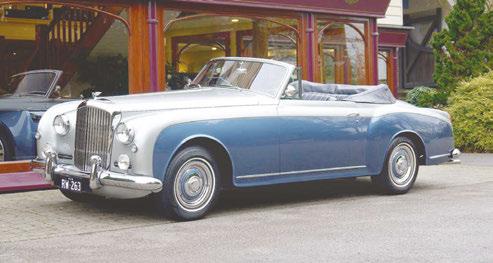
Bentley S1 Continental 1956 Drophead Coupé by Park Ward
Shell Grey over Astral Blue with Navy Blue hide upholstery. Recently fully rebuilt by P & A Wood to the very highest standards and in top concours condition. Father and son owned since 1979. Prize winner at the Pebble Beach Concours in 2023 and RREC in 2024.
Chassis number BC33BG.
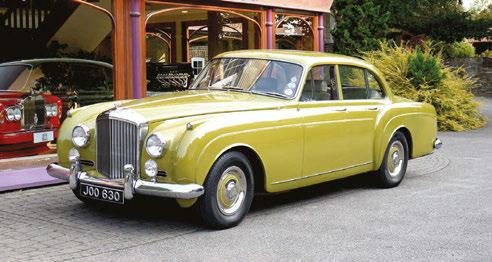
Bentley S2 Continental 1962 Flying Spur by H.J. Mulliner
Light Green with Champagne hide upholstery. Exceptional and extensive history with two long term owners, the current one since 1998. Maintained by P & A Wood since the late 1960’s with 458,000 miles from new. A unique and very special motor car.
Chassis number BC109CZ.
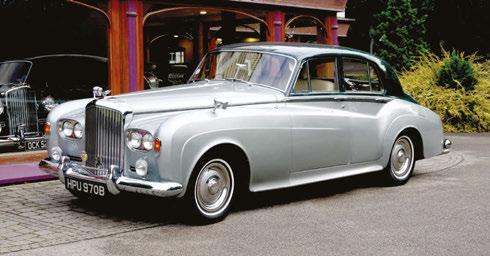
Bentley S3 1964 Standard Saloon
Pine Green over Shell Grey with Beige hide upholstery. Only 65,000 miles from new with four owners and extensive history. Known to P & A Wood since 1974 and recently serviced and recommissioned. Good sound original unrestored condition.
Chassis number B52EC
Great Easton, Dunmow, Essex CM6 2HD, England
Telephone: 01371 870848 Fax: 01371 870810
E-mail: enquiries@pa-wood.co.uk www.pa-wood.co.uk
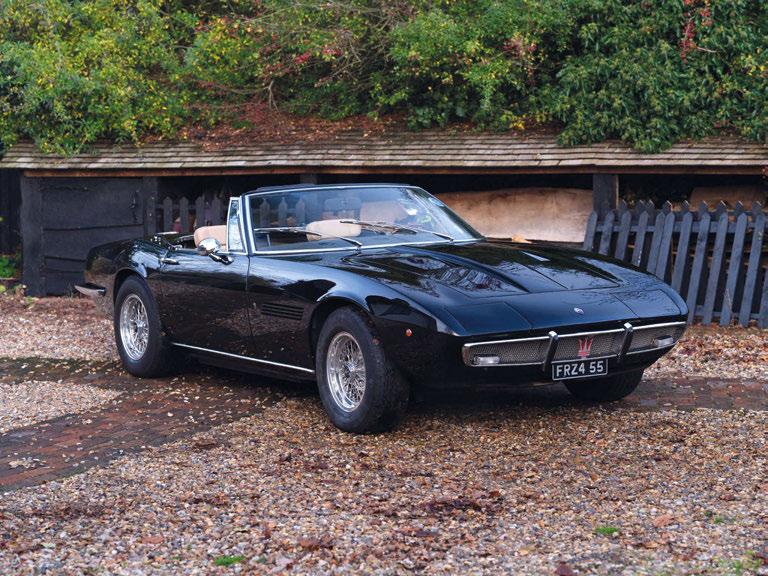
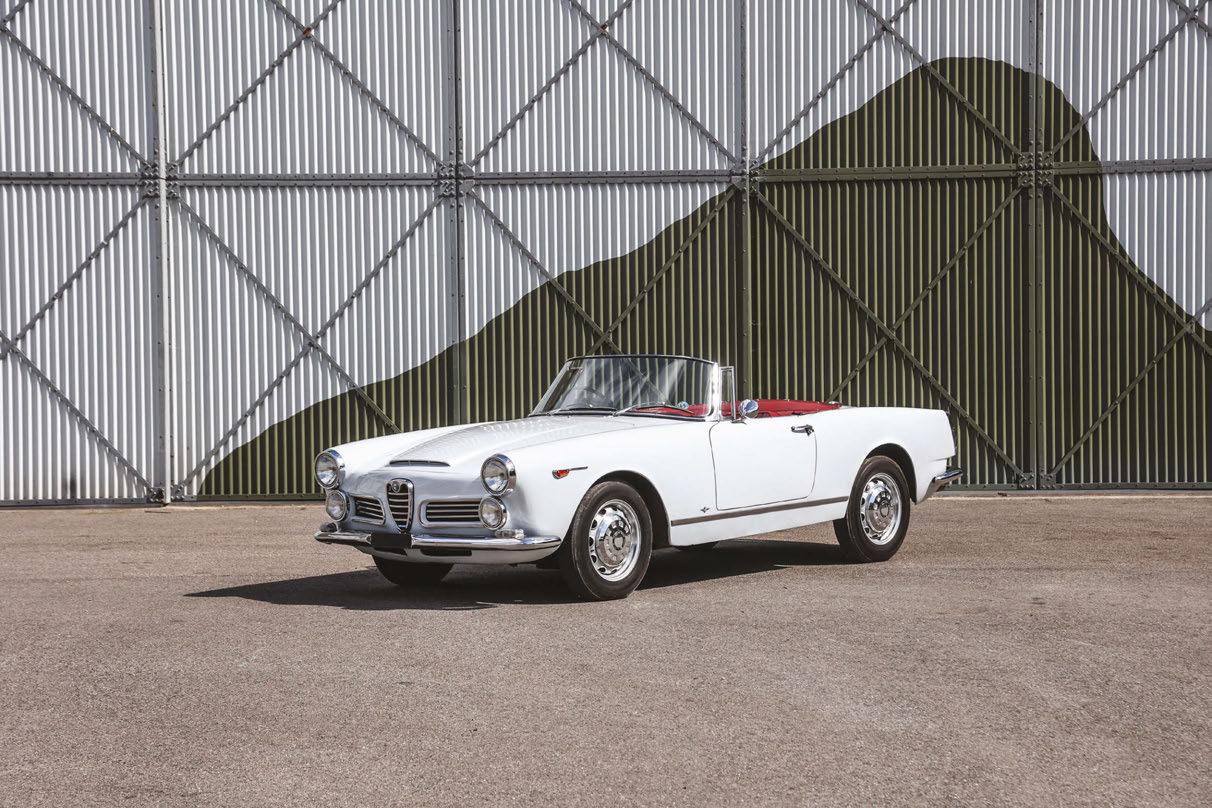
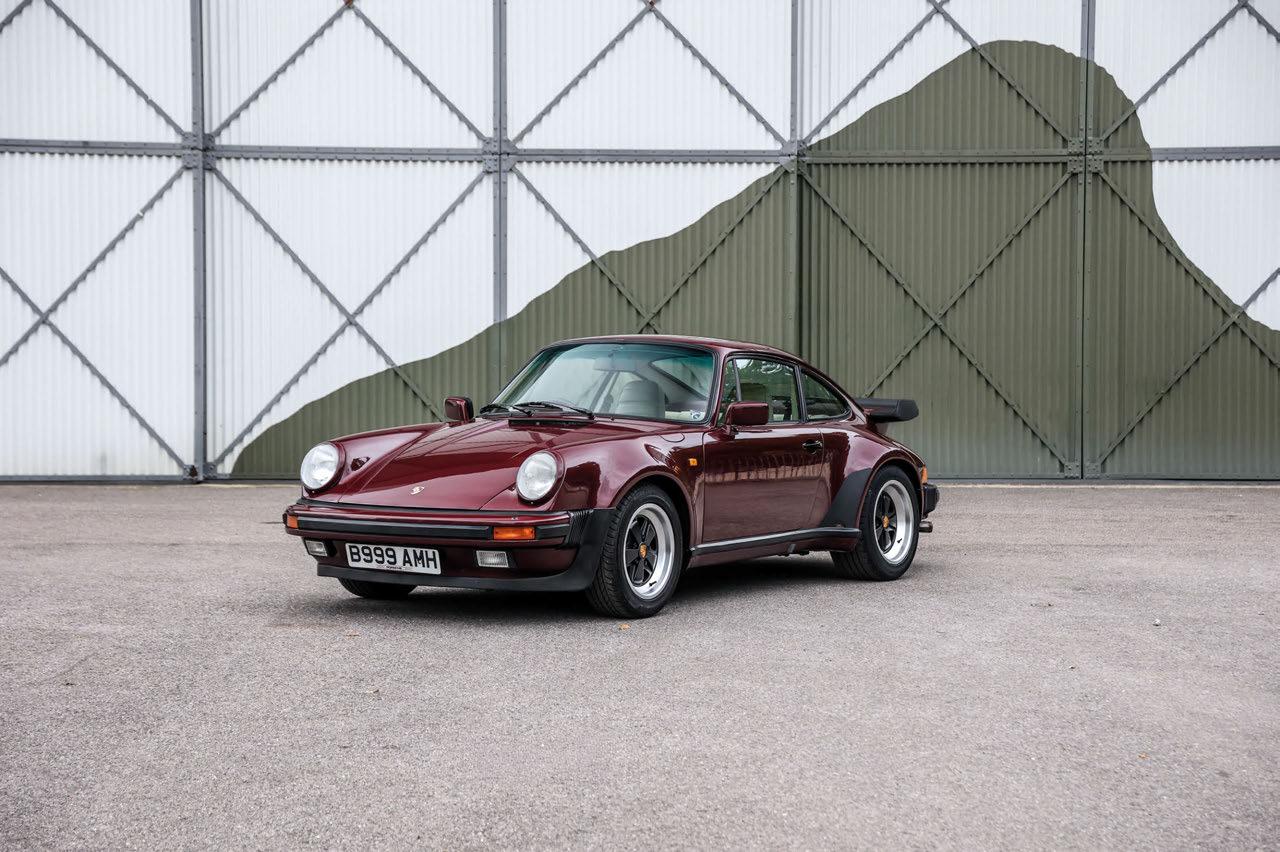
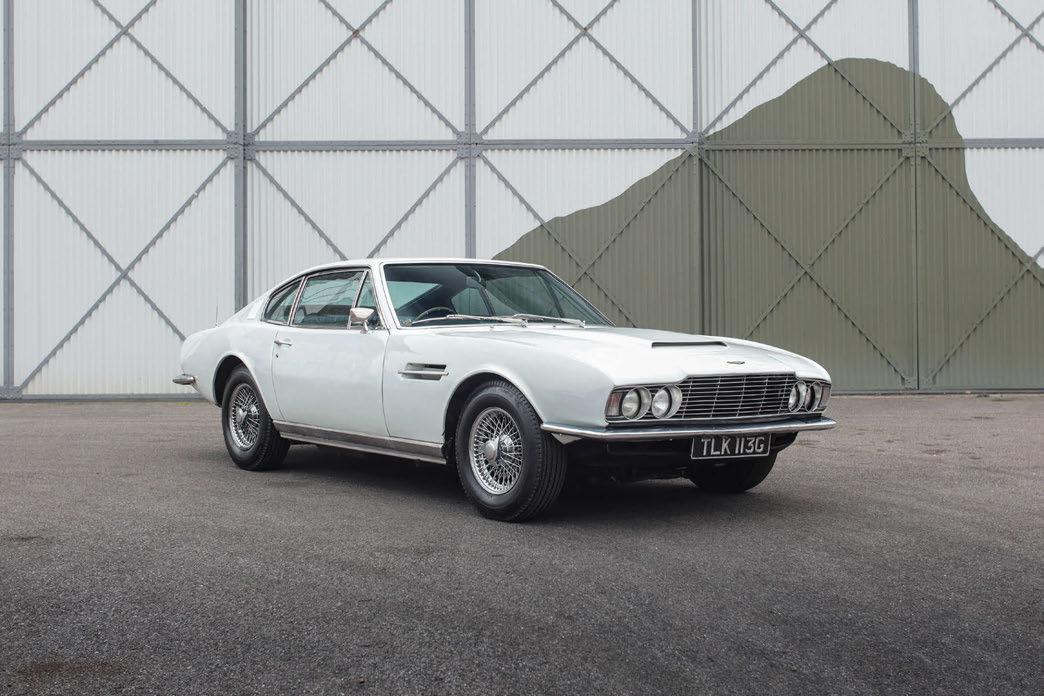




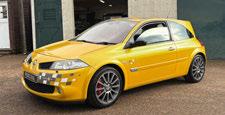



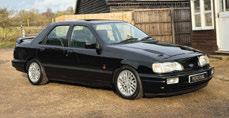
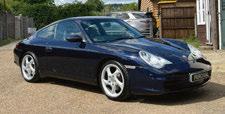


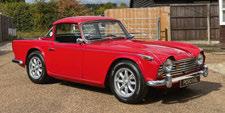


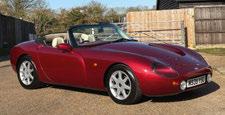
“911
1976 2.7 Coupe
Perfectly restored example in Arrow Blue
1973 Carrera 2.7 MFI
Beautifully restored and rare being just 1 of 53 UK RHD cars built


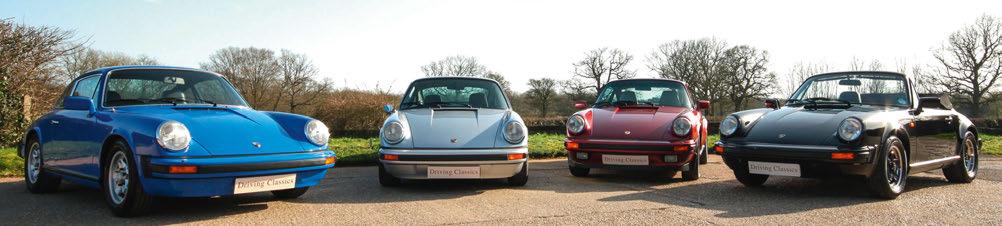
Quartet”
1989 Carrera 3.2 Sport
An exceptional example with only 32,700 miles from new
1983 SC 3.0 Cabriolet
Totally original and only one owner with just 26,700 miles from new
Julien Sumner would welcome your call to discuss these cars. If you are thinking of selling a treasured possession and seek open and honest advice as to potential options, do please get in touch.



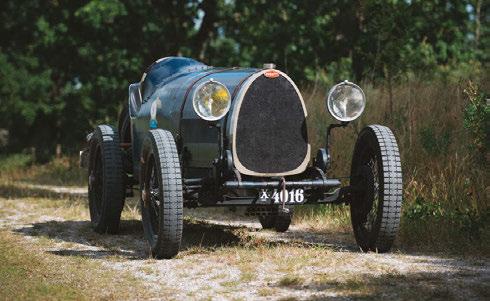
Selection of other cars available:
1931 Alfa Romeo 6C 1750 Gran Sport Zagato
1953 Alvis Healey 3Litre Sports Convertible. 1 of 25. Alloy body
1933 Aston Martin Le Mans Short Chassis. Matching #s. Superb
1958 Aston Martin DB2/4 MK.III Coupe
1923 Bugatti Type 30 w. T35A engine and Grand Prix body
1938 Delahaye 135M Figoni & Falaschi Cabriolet. Concours
1969 Ferrari 365GT 2+2. Azzurro Metallizzato. 28K KM. On hold
1972 Ferrari 365GTC/4. Blu Ribot over Black Leather. Coming in 1977 Ferrari 308 GTB. Black over beige
1989 Ferrari 328 GTS. Rosso Corsa over Crema. Serviced / new belts
1963 Mercedes Benz 190SL. Black over Red. Factory Hardtop. Superb
1965 Mercedes Benz 300SE Coupe. Silver Grey over Red. Coming in
1969 Porsche 911T 2.0Litre. Matching #s. Rare ‘Goldgrün’ colour
1972 Porsche 911S 2.4Litre Mint condition. Matching #s.’Oel klappe’
Phone: +45 5363 8956 | Email: info@centurylimited.eu
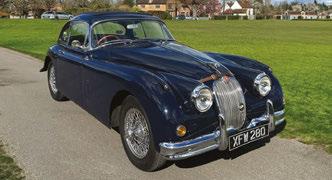
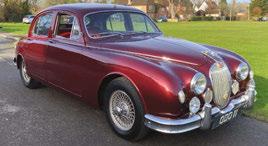
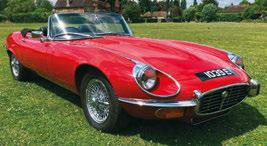
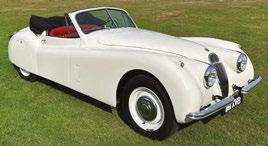
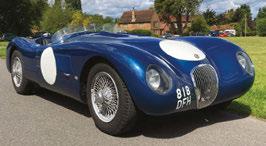




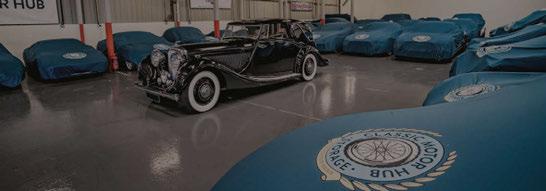







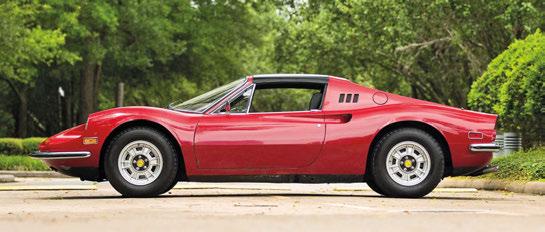























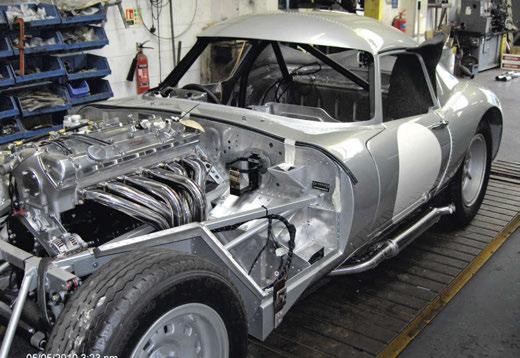

From our premises in Norfolk, we supply innovative and multiple award winning ranges of tailored indoor and outdoor car covers, and car storage accessories.
Our SuperStretch® indoor car and bike covers are designed in the UK to ensure a perfect, sleek, tailored look. Our outdoor covers consist of three tailored ranges: StormGuard®, StormStretch® and SuperStorm®. Our waterproof Half-Covers are available Tailored for convertible cars, and Semi-Tailored for all cars.
Our knowledgeable team is here to help. For advice please email us at orders@richbrook.co.uk, or call us on 01328 862387. To see our full range, colour options and accessories visit our website at www.richbrook.co.uk
...Because it’s more than just a car.
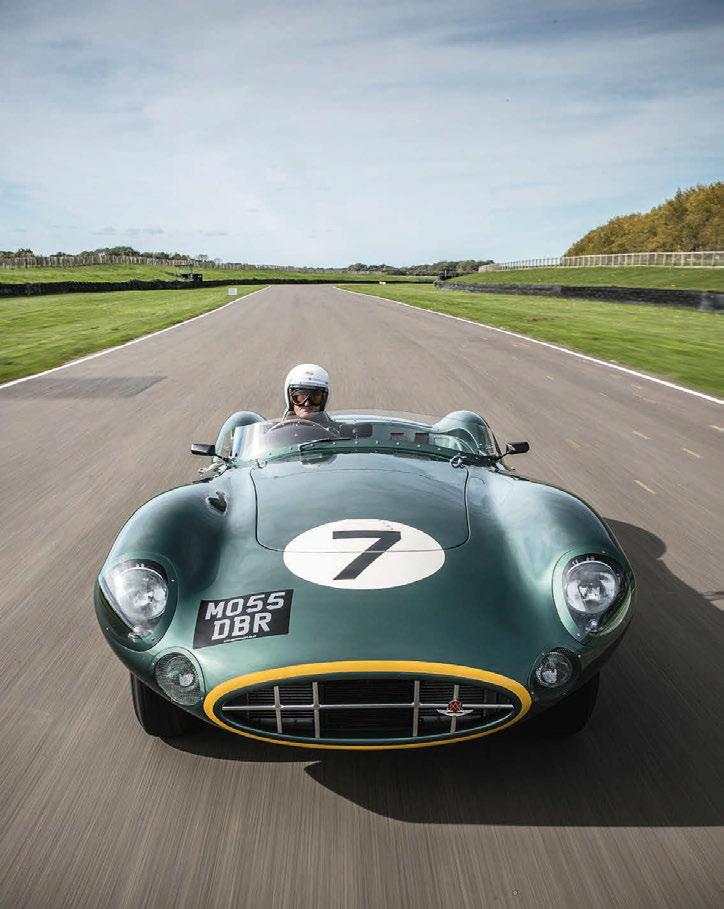

Poplar Farm, Bressingham, Diss, Norfolk, IP22 2AP
Tel: 01379688356 Mob: 07909531816 Web: www.asmotorsport.co.uk Email: info@asmotorsport.co.uk

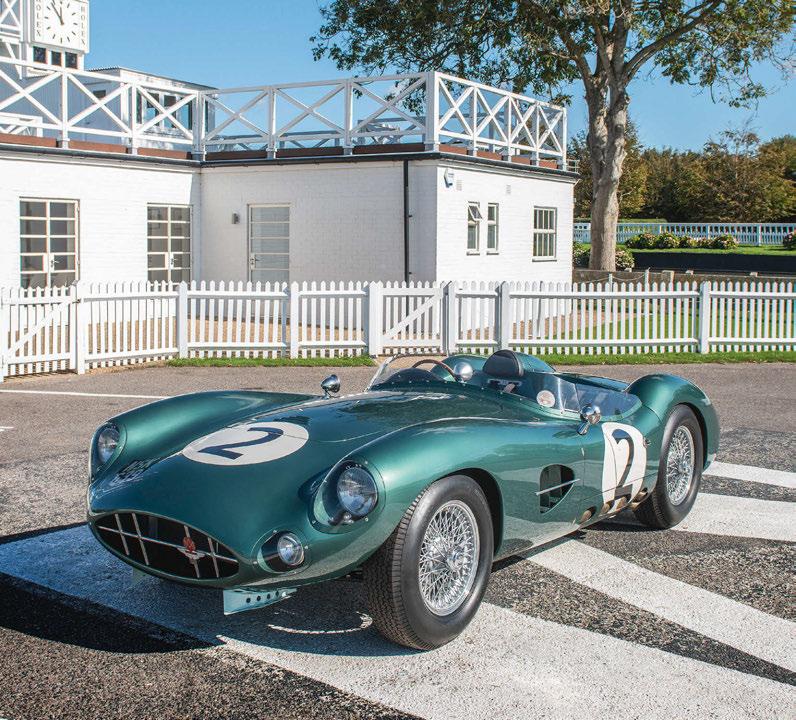






Filter out all dissolved minerals for NO water spots




� 7 litre filter produces 400 litres, 14 litre filter produces 1100 litres of pure water


� 0ppm pure filtered water leaves no ugly watermarks even when your car is left to dry in bright sunlight


� Eliminate drying swirls, save time for driving






























Situated 5 minutes from the A3 on the Surrey / Hampshire / Sussex borders convenient for Goodwood Discreet secure insulated storage facility for any car or motorcycle. For further information Tel: 01420 472 273 E-mail: southlandsccs@gmail.com Web: www.southlandscherishedcarstorage.co.uk
Onsite service and repair available
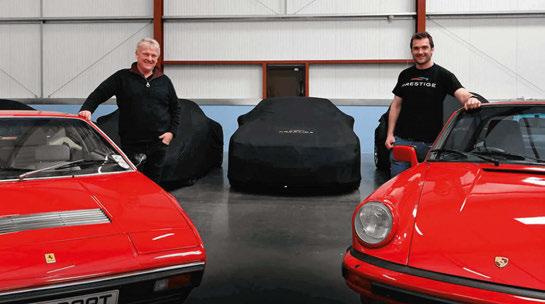


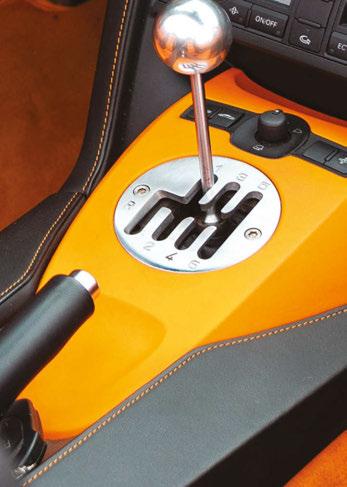






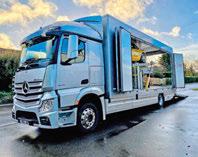






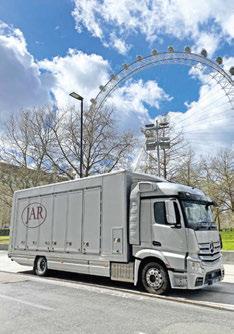



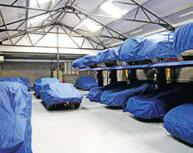

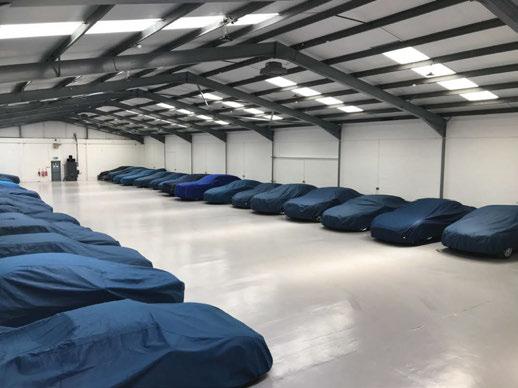












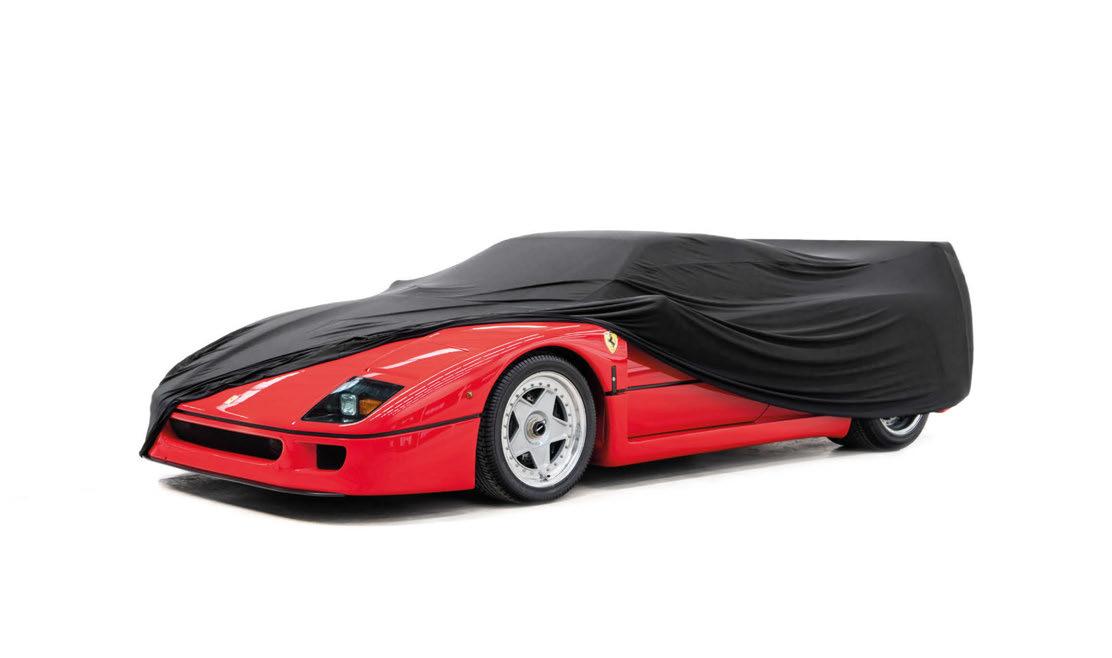



Interview by Tamara Hinson
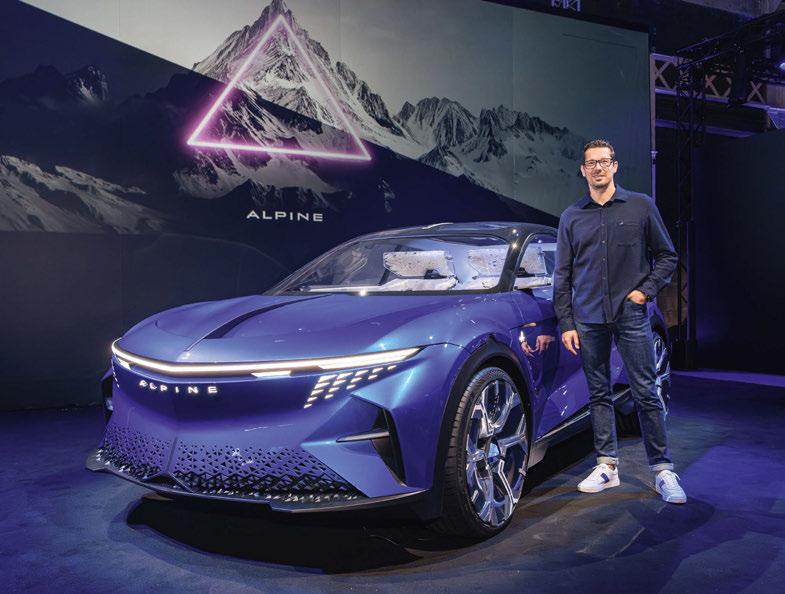
Alpine design director who dailies a 1960 Porsche 356
I ALWAYS LOVED drawing cars. When I was 13, I started sending sketches to car manufacturers, and I had a response from just one person – Michel Jardin, who was head of concept cars at Renault at the time. He invited me to Renault’s design studio in Boulogne. He looked at my sketches and told me to come back a year later. I went back with some more sketches, and I went back the next year, too! I ended up studying engineering, aware that I wanted to be in the car industry, but thinking I’d probably end up on the engineering side. When I had to do an internship for the course, I spoke to Michel Jardin and he arranged for me to do it in Renault’s design studio. I had to write a fake report because my internship was meant to be about engineering, but I was in the design department! And then Michel offered me a job.
At Alpine we have a design strategy based on three pillars. The first is lightness, in both the appearance and the materials. The second is the exhilarating driving experience – Alpine drivers need to smile. The third is the French savoir faire. There are no sports car manufacturers in France. There’s Bugatti, but that’s different. Our customers are buying into this French savoir faire – our know-how. We still build our cars in Renault’s historic manufacturing plant in Dieppe, and that craftsmanship is important.
When it comes to the design process, we
start by speaking to Alpine’s customers about their needs. Then we think about engineering aspects such as balance. And if you don’t have great proportions, you can have amazing styling but it will still be a mess. The sketching part is simple, just drawing on paper using a mixture of customer input and gut feeling. What’s important is putting a bit of you into the car – we’re designing emotional cars.
Alpine’s Dream Garage is about having an Alpine for different days but always having the same thrill. We had the A110 – a toy for the weekend. But then we started thinking about how we could expand the brand. We thought about the need for a small car for daily commuting, and that was the A290. Then something for the family – a bigger, versatile vehicle for longer trips, which was still a fun drive. And that was the A390.
With the A390, which will launch in the UK later in 2026, we wanted to keep the brand’s DNA, using familiar cues – sleek, strong aero, and that distinct rear window –but with a more progressive and sharper look, and the same agility as the A110 in a five-person electric SUV. Which sounds like a stretch! We put in three motors and used Alpine’s Active Torque Vectoring to manage the torque to each wheel, and this masked the inertia. Utilising the EV technology was the only way we could achieve this, and it was about using new assets to deliver new driving
experiences. We’ve got a video we showed at the press launch – a test driver in the A110 and a test driver in the A390, on the same track, doing exactly the same tight corners. My favourite spot at the Dieppe production plant is the building where we design the aluminium chassis. When I visited for the first time I saw the bare aluminium chassis for the A110, just sitting there. It looked fantastic, just a pure aluminium sculpture.
I also love the paint cabin. Every time I go, I discover new colours. I might know about Alpine’s core colours but I don’t see them all, and it’s like a candy shop with new flavours every time! There are lots of blues, obviously – at Alpine we talk about 50 shades of blue! – but there’s one I love, Blue Acia. It’s vintage and super-sharp. And then you’ve got flashier colours, which work really well with the A110 Rs. These colours go so well with the carbon.
My first car was a white VW Golf GTD. My father gave it to me. When you’re young and you have a Golf GTD you’re the man! And then another Golf, because my father always bought them. The first car I purchased myself was a Twingo – the one with the transparent roof. I loved the playfulness of it, in terms of both looks and drive. My dream car is unreachable, it’s the 1964 Maserati A6GCS/53 Berlinetta. I first saw one when I was aged 15, at the Louis Vuitton Concours d’Elegance at Parc de Bagatelle in Paris. It’s the kind of car you just have to stop and stare at. The proportions are outstanding. There are only four and they’re all different heights because they were tailor-made for the driver.
I’m not a track driver – I’m learning! – but I love a road trip. One of the most memorable ones was in Scotland, starting in Edinburgh and ending up on the Isle of Skye. Another was in Norway, when I drove from Oslo to the fjords in the Alpine A110. It was the perfect match – super-cool roads, a super-cool car and super landscapes. Currently I’m driving a 1960 Porsche 356. Pure, simple driving. No electronics!
It’s so important to keep the passion for sports cars alive. In the UK everybody loves sports cars, but in France having a really expensive sports car is seen differently –you’re often viewed as a bit of a gangster. And it’s a pity, because while we need cars for practicality, we shouldn’t kill enthusiasts’ passion for them. So at Alpine we try to create cars that aren’t too big, too arrogant or too expensive. In France, if you drive a Ferrari people might try to scratch it. But when you drive an Alpine A110 people will stop you and say ‘that’s so cool!’ – I think Alpine is an ambassador for that way of thinking.
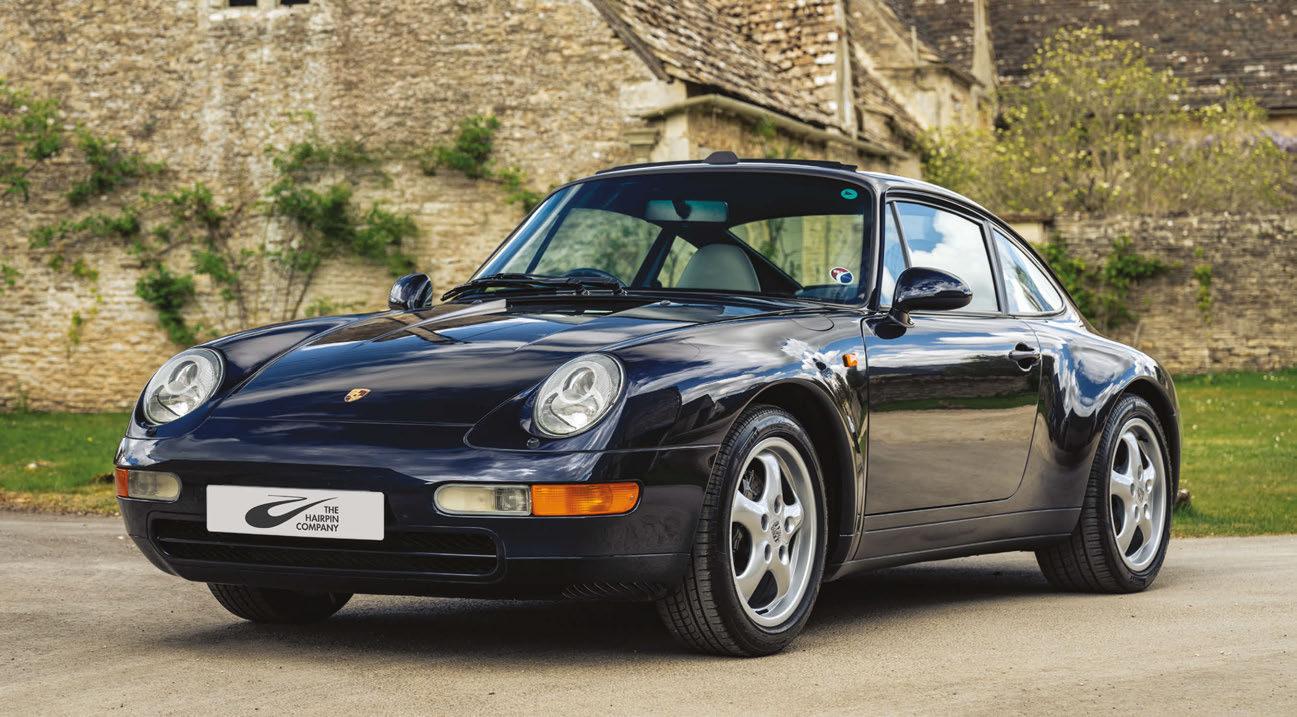
1996 PORSCHE 993 CARRERA 2 (VARIORAM)
UK RHD C16. 6-speed manual. Hard back sports seats, A/C, 17” wheels, ESR. 36,000 miles. Three owners. Original and immaculate with full history.
2017 VW GOLF CLUB SPORT S
One of 150 UK examples and one of the finest. In immaculate condition with 2,700 dry road miles only.
1969 FIAT 500
A very well preserved Italian delivered example that has covered just 48,700km in the hands of two owners from new.
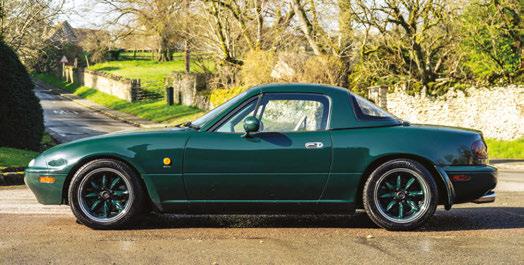
1990 MAZDA MX5 ROCKETEER
A fantastic drive! Built to a very high specification for a well-known and discerning collector.
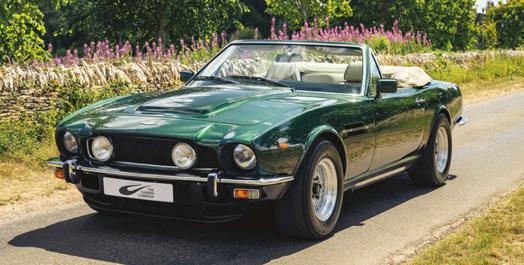
1983 ASTON MARTIN V8 VOLANTE TO VANTAGE ‘POW’ SPEC
A superb original V8 Volante. One of only 19 RHD manual carburettor cars updated to ‘Prince of Wales’ spec by Aston Martin Works in 1988.
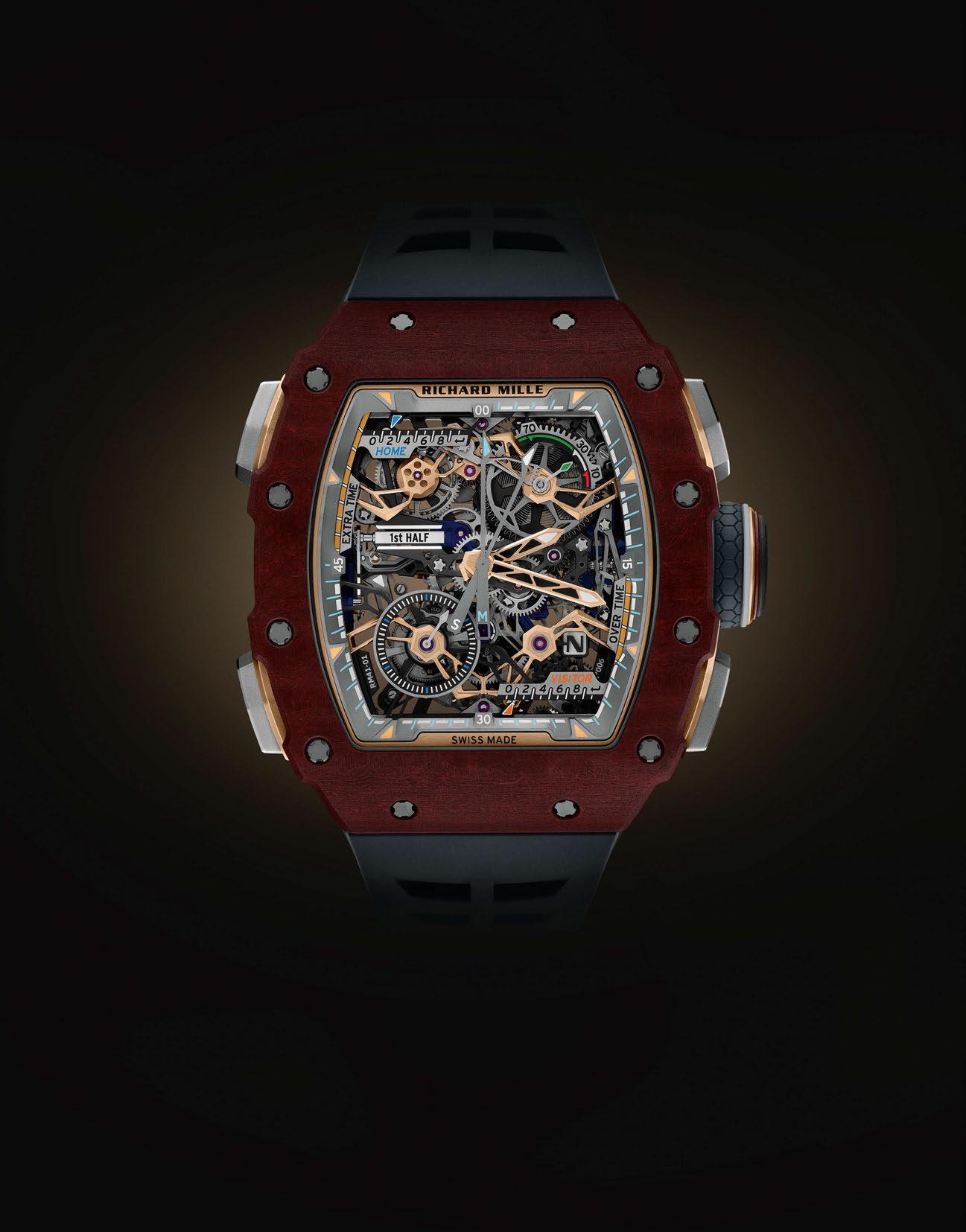
RM 41-01 SOCCER
Manual winding tourbillon movement
70-hour power reserve (± 10%)
Baseplate and bridges in grade 5 titanium
Power-reserve and function indicators
Patented flyback chronograph with match-time indicator
Mechanical goal counters
Case in red carmin Basalt TPT® & Carbon TPT®
Limited edition of 30 pieces