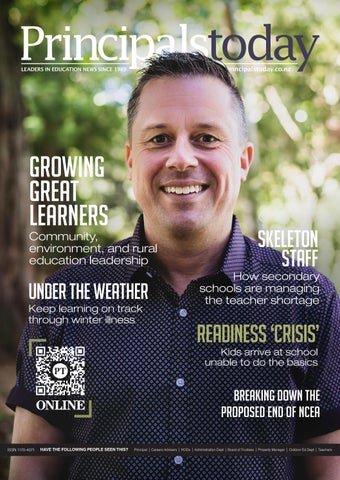
Community, environment, and rural education leadership
under the weather
Keep learning on track through winter illness
ONLINE Growing great learners
How secondary schools are managing the teacher shortage
Readiness ‘crisis’
Kids arrive at school unable to do the basics
Breaking down the proposed end of NCEA
• Project Management: from project conception through to completion specializing in the Education sector
• Inhouse Design team: with experience in Master Planning, Concept Design, Architectural design, full design packages for Development approvals and Council submissions.
• Design & Build (Turn Key Classroom Solutions)
• Coordination Experience with Ministry of Education
• Full Service Project Management, Planning & Compliance
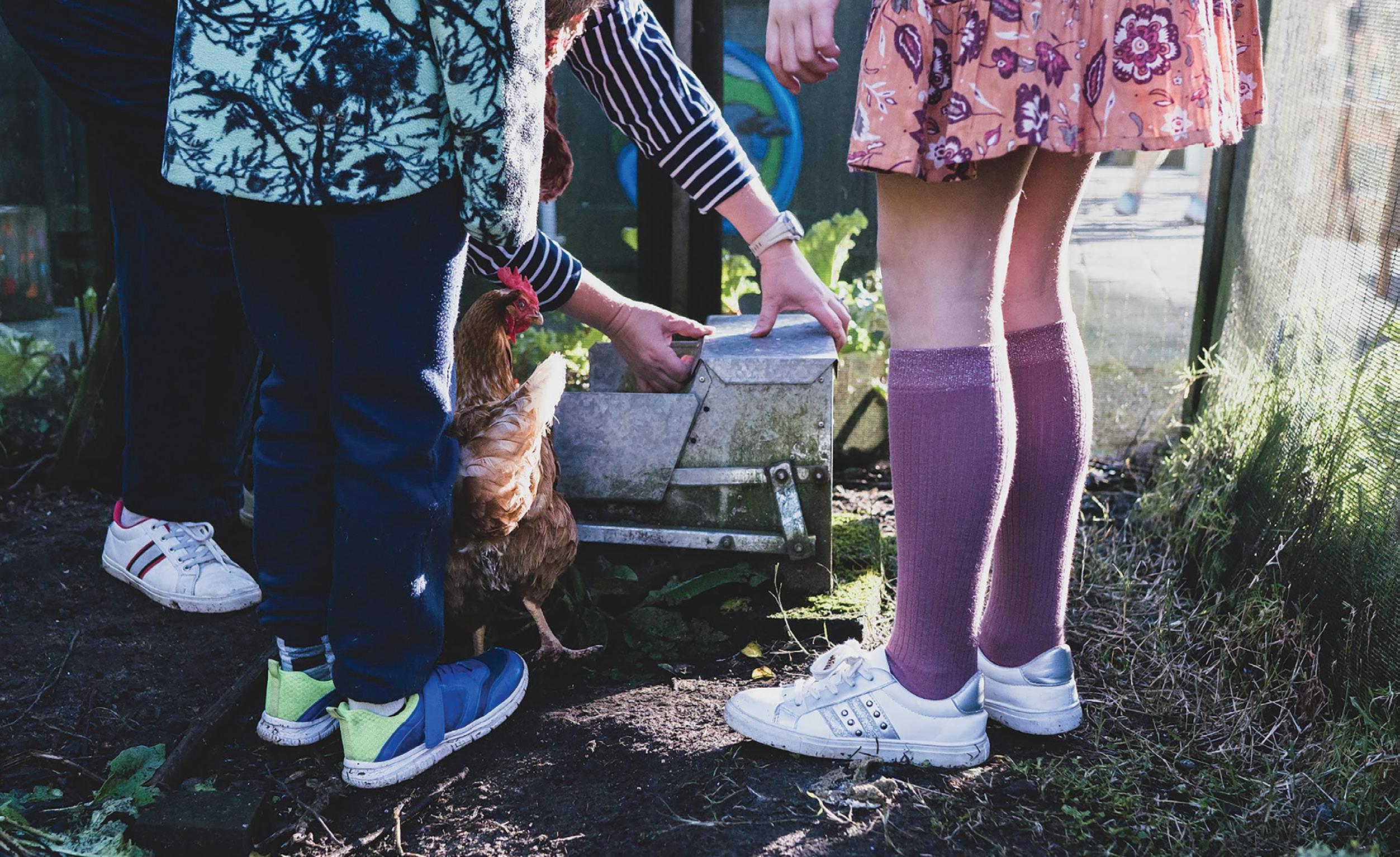
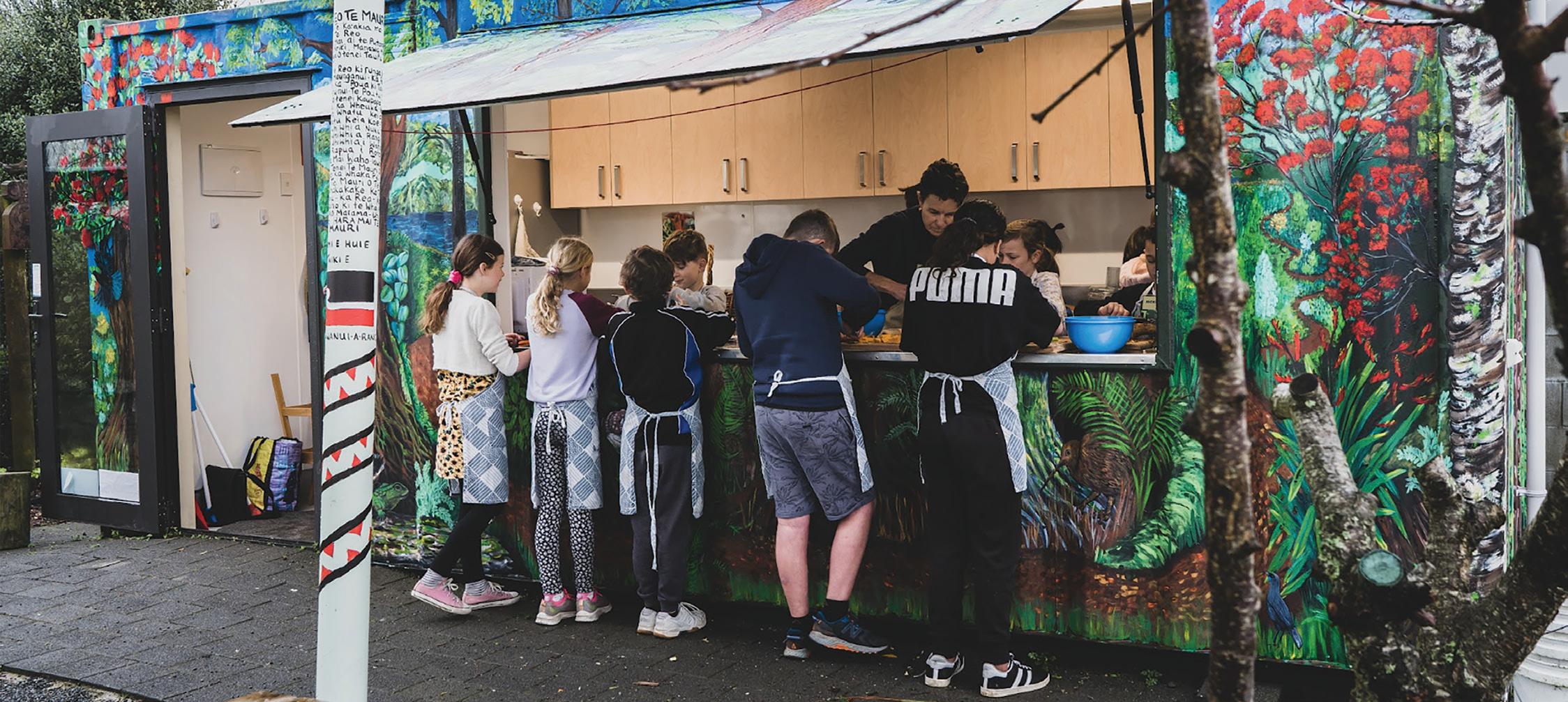
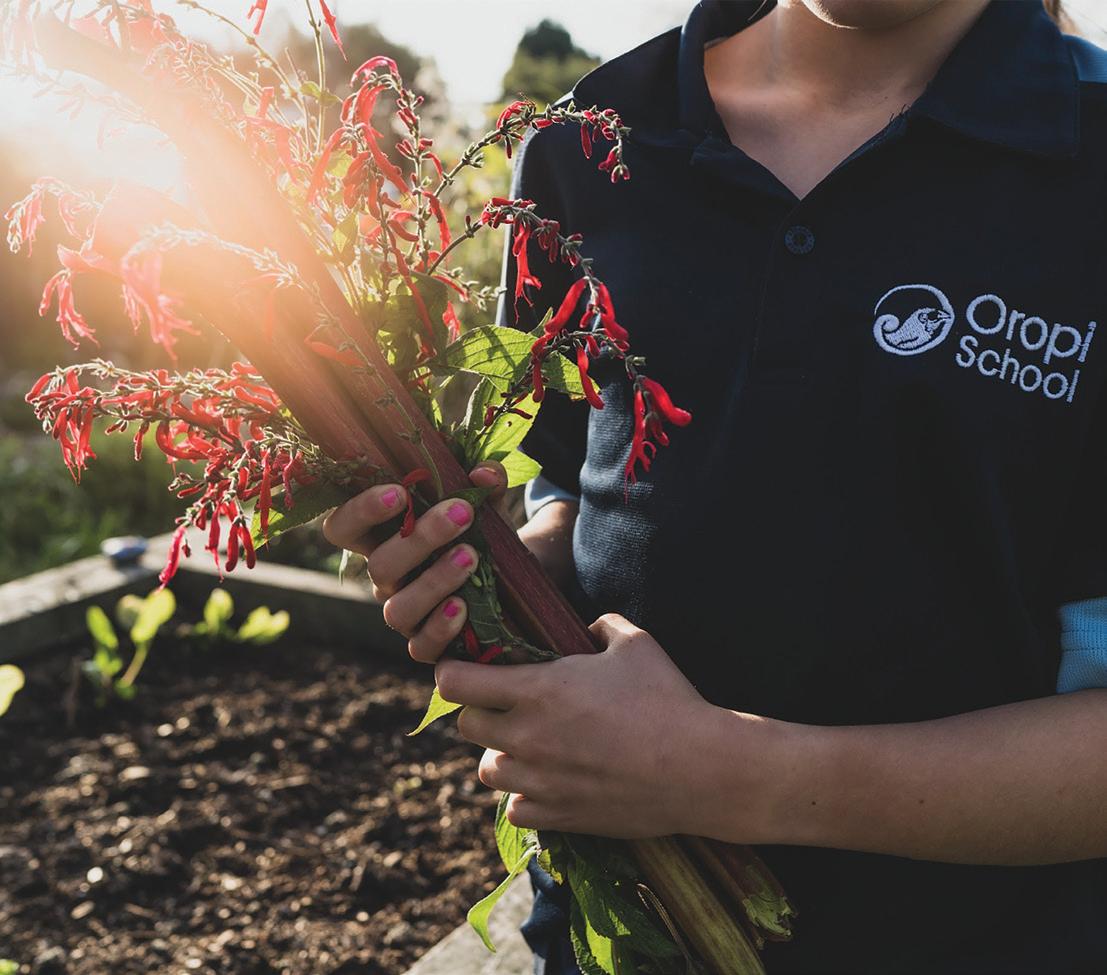
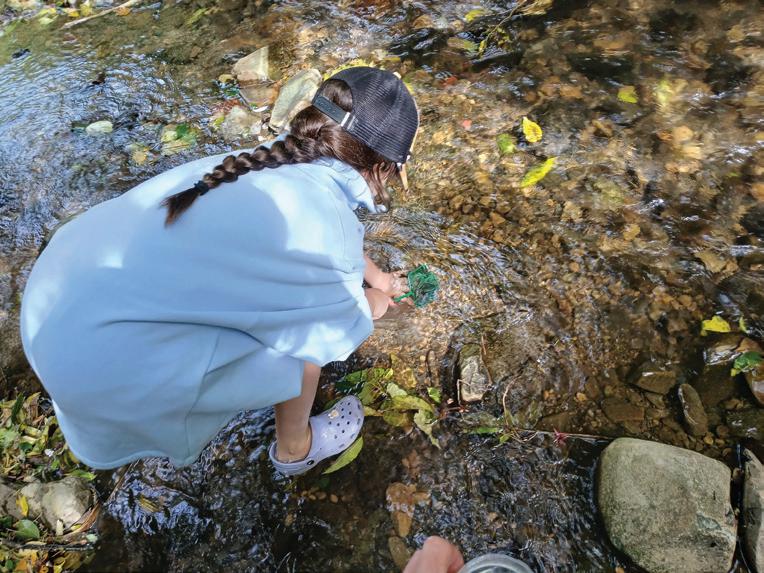
Tucked into the rural landscape near Tauranga, Oropi School is a place where learning goes beyond the classroom. Principal Andrew King reveals how a strong emphasis on community, hands-on experiences and connection to the natural environment help the school reflect the qualities that define rural education in Aotearoa.
26 Skeleton staff
How secondary schools are managing the teacher shortage
30 INTO THE BLUE EOTC in action at Blue Lake
34 Readiness ‘crisis’ Kids arrive at school unable to do the basics
Our Term Two issue of Principals Today begins with a compelling interview with a rural teacher, offering insight into the challenges, rewards, and realities of teaching in communities that are so often the backbone of Aotearoa education.
From there, we examine how schools are responding to ongoing teacher shortages, finding practical and innovative ways to support staff and maintain quality learning despite persistent workforce pressure.
We also look at a growing concern for many educators: children arriving at school without the basic skills and necessities they need to thrive, and what this means for classrooms, families, and the wider system. Among other features, we unpack the proposed changes to NCEA, exploring what they could mean for schools, teachers, students, and parents as secondary assessment faces significant reform.
Together, these stories reflect a sector under pressure, but also one defined by resilience, care, and a deep commitment to young people.
Group Editor Phone: 021 676
Stronger schools start with well teachers
• A simple, school-wide wellbeing support that fits into existing routines
• Practical tool that supports staff — without adding workload
• Designed by educators, for real school environments
LOOKING FOR STAFF? LAUNCH YOUR SEARCH WITH
GLASS CASE
BY PLUM B O B
DISPLAY YOUR PRIZED TROPHIES & AWARDS
Our premium glass display cases feature the slimmest joinery available to enhance your viewing potential. All cases come fully assembled with lockable glass doors and adjustable shelves.
Joinery colour and LED strip lighting options are available for all models, so you can customise the look and feel of your display.
ü NZ designed & manufactured
ü Delivered fully assembled
ü Customisable to your needs
ü Nationwide delivery
An end-to-end AI curriculum platform for Aotearoa schools + kura
TeachAid creates high-quality, personalised units that reflect your kaupapa, culture, and local priorities – helping leaders and teaching teams navigate NZ curriculum changes with confidence.
“AI is the biggest equity move we can make in our generation.”
–
Dr. Craig Hansen PhD, Aotearoa’s Leader in AI for Education
★ Aligns to updated NZ curriculum
★ Generates complete units in minutes
★ Unifies curriculum + PD on one platform
★ Localises to your kura, school context + priorities
★ Embeds mana ōrite + culturally responsive practice
★ Maintains consistent delivery with relievers + new staff
★ Builds agile, integrated plans across learning areas
★ Differentiates for diverse learners
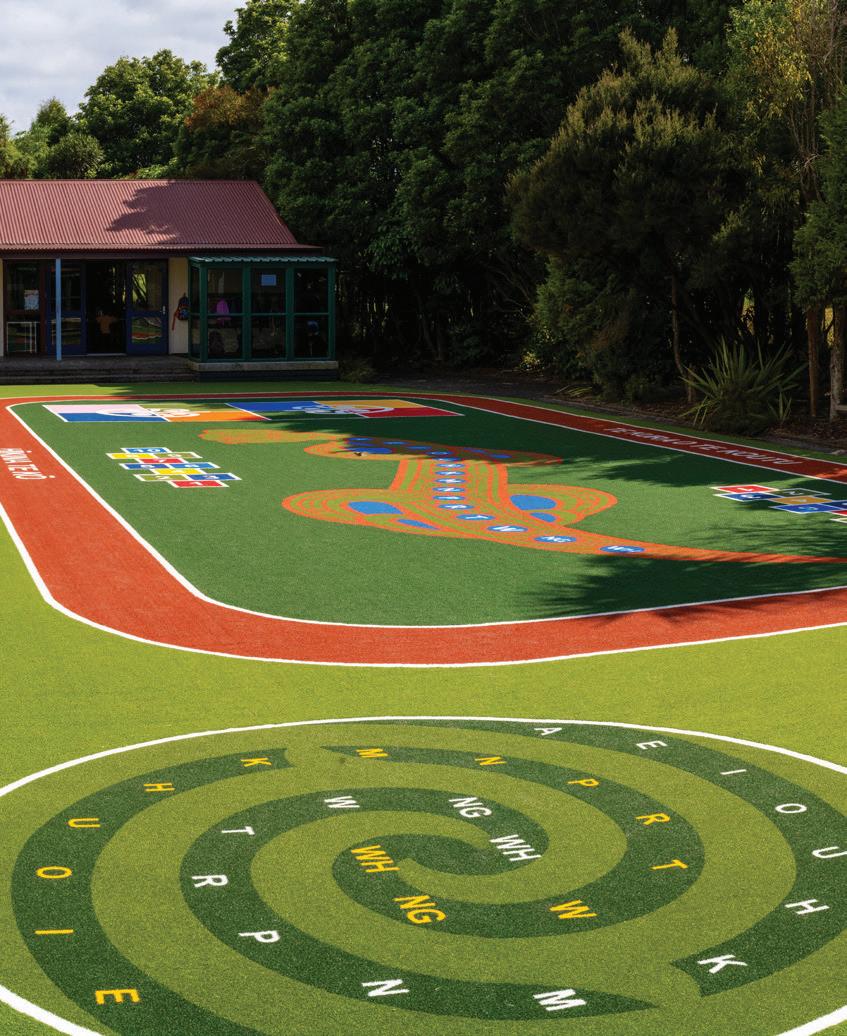
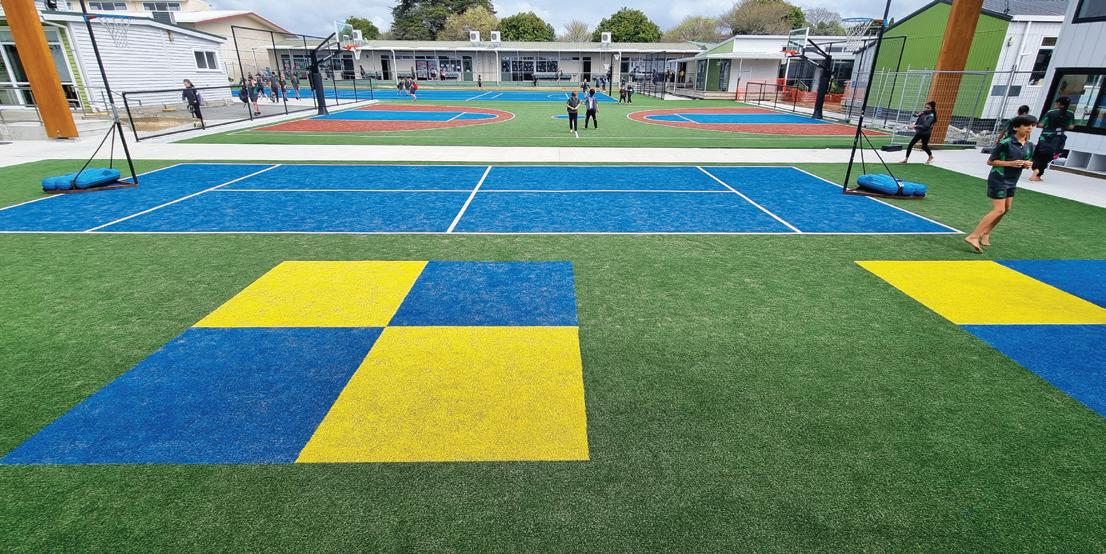
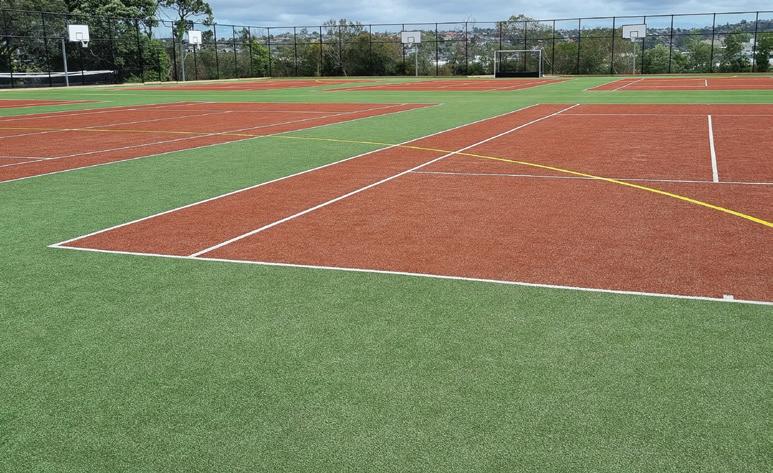
Arrowtown School Leads the Way with the South Island’s First Non-Infill Turf Field
with Arrowtown School is that began nearly a decade around upgrading the school’s started in 2016, with a a high quality, future ready students for years to come.
Over the following ten years, TigerTurf worked alongside avenues explored, and technical constraints carefully addressed. Progress required
trust on both sides, but the long term vision remained clear—deliver a surface that would genuinely transform how sport is played and experienced at the school.
early 2025, transforming what into a purpose built football facility Working in partnership with Alpine Civil, TigerTurf
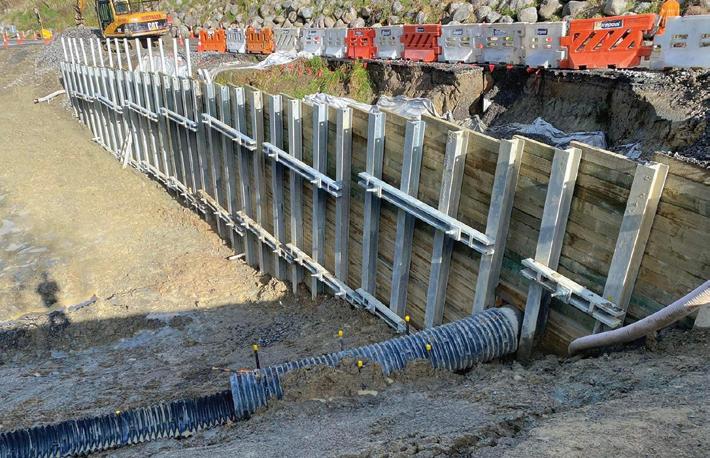
sqm site, including retaining walls, subsoil drainage, and an engineered aggregate base. A concrete nib topped with mesh fencing was installed around
the perimeter for safety and conduit was included to future night use. Each element and careful decision making, would support consistent performance and long term durability
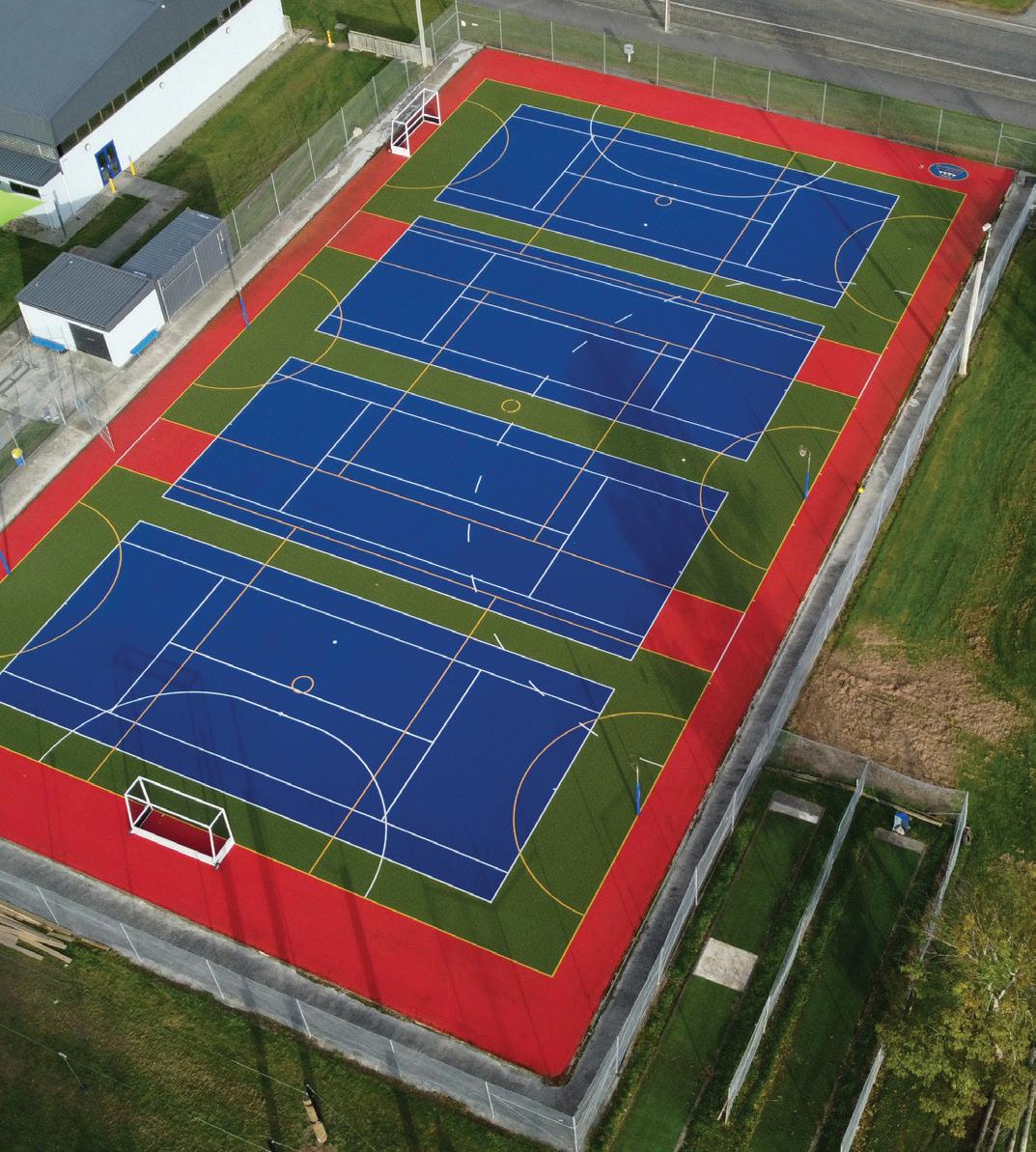
24 mm Ecocept shock pad
and lateral drainage, allowing the surface to recover quickly
also improves joint stability for players by providing controlled stress on joints and lowering
The pad contributes to a safer playing environment while
perimeter that improves boundaries. Line markings layouts, giving Arrowtown codes. Mobile football and futsal goals further enhance adaptability, allowing the space
has quickly become a focal school pride, reinforcing the value of long term planning and partnership. For TigerTurf, the Arrowtown School project stands as a testament to what can be achieved when shared vision are sustained
By December 2025, TigerTurf playing area framed by a blended olive and blue
deeply rewarding outcome. Arrowtown School is absolutely
come to life, with students now enjoying year round access to a modern, resilient
Check out our Youtube channel for the latest news and projects
TigerTurf for Education
E N COU RAG I N G S P ORTS AN D R E CR EATI ON I N OU R S CH OOLS
With a range of flexible options to suit any school’s requirements TigerTurf is your perfect sporting partner
Sports and recreation is high on the curriculum, teaching new skills, to be active, about health and fitness. Sport teaches strategy and planning, about being a team player, it exposes children to winning and whatever the sport, whatever the weather, TigerTurf’s vers atile synthetic turf sports surfaces are the best place to play.
Providing the best possible sports facilities will inspire students, with the passion to participate in outdoor activities and encourage them to keep coming back. TigerTurf’s synthetic turf surfaces are the perfect foundation on which to develop the passion, the skills, the t alents of tomorrow’s athletes.
‣
‣
‣
‣ Repainting
‣
‣
‣
‣ Sculptural
Foster the next generation of civics-savvy tamariki
The 2026 General Election will take place on Saturday, 7 November.
Bring the excitement of the upcoming general election by participating in Kids Voting - Te Pōti a Ngā Tamariki 2026!
Kids Voting is a fun, free, and easy civics education programme provided by the Electoral Commission.
Register now at kidsvoting.nz.
The programme is available to all schools and kura, and suitable for students from Years 0 through to 13.
Kids Voting gives young New Zealanders the opportunity to explore real-life election issues and get a firsthand voting experience.
It is also an opportunity for students to learn more about the history of New Zealand’s democracy, the key moments and people who shaped it, and how our current Parliamentary system operates under Mixed Member Proportional (MMP) voting.
Kids Voting gives young New Zealanders the opportunity to explore real-life election issues and get a first-hand voting experience.
It builds up to a mock election in Term 4, which gives students an authentic experience of what it is like in a real voting place.
Students can vote for the same parties and candidates standing for Parliament, and schools can compare their results with the 2026 General Election outcome.
The Commission will provide all participating schools with a kit of resources containing everything needed to run the programme. This includes a how-to guide, teaching resources, and resources to run the mock election.
Kids Voting – Te Pōti a Ngā Tamariki provides the next generation of New Zealand
voters with the knowledge and experience to take-part in future general elections once they turn 18.
In Kids Voting 2023, around 700 schools and kura, or about 4,400 teachers and 117,000 students, participated.
The Commission has been providing the Kids Voting programme to schools and kura for over 15 years.
The Electoral Commission can be reached by email at schools@elections.govt.nz to discuss the programme further.
A simple fundraising idea for schools with international students.
Many students studying in New Zealand want something special to take home — a reminder of the country where they studied and lived.
Our New Zealand Landscape Photography Books are perfect for students to:
• Take home to their families overseas
• Send as gifts to relatives in their home countries
• Share the beauty of New Zealand with loved ones
The Auckland Museum Store describes ‘Great Landscapes of Aotearoa New Zealand’ as one of their best “Collect & Carry” mementos. Its compact 18cm x 18cm format makes it ideal for travellers wanting a high-quality, beautifully produced New Zealand keepsake that fits easily into carry-on luggage.
A Fundraiser That Sells Itself
Schools can offer these stunning books to students and families and earn fundraising income on every copy sold at Wholesale Price (100% GP).
✔ Ideal for multicultural school communities
✔ A meaningful product families value
✔ Easy for schools to organise
✔ Perfect for end-of-year or departing international students
Offer your students a beautiful memory of New Zealand — while raising valuable funds for your school.
Call me direct, David Kerr, to discuss your schools’ specific requirements, or if you would like to receive a digital page view through my book :
Diameter
| Perspex Collection Boxes | Made in New Zealand
School Reward Incentive Programmes
PB4L Positive Behaviour for Learning School-wide Framework
House point reward systems
Safe for all ages - 48mm complying with current New Zealand safety standards
Easy ordering - simply order online from our website, or email us your requirements
WIDE RANGE OF
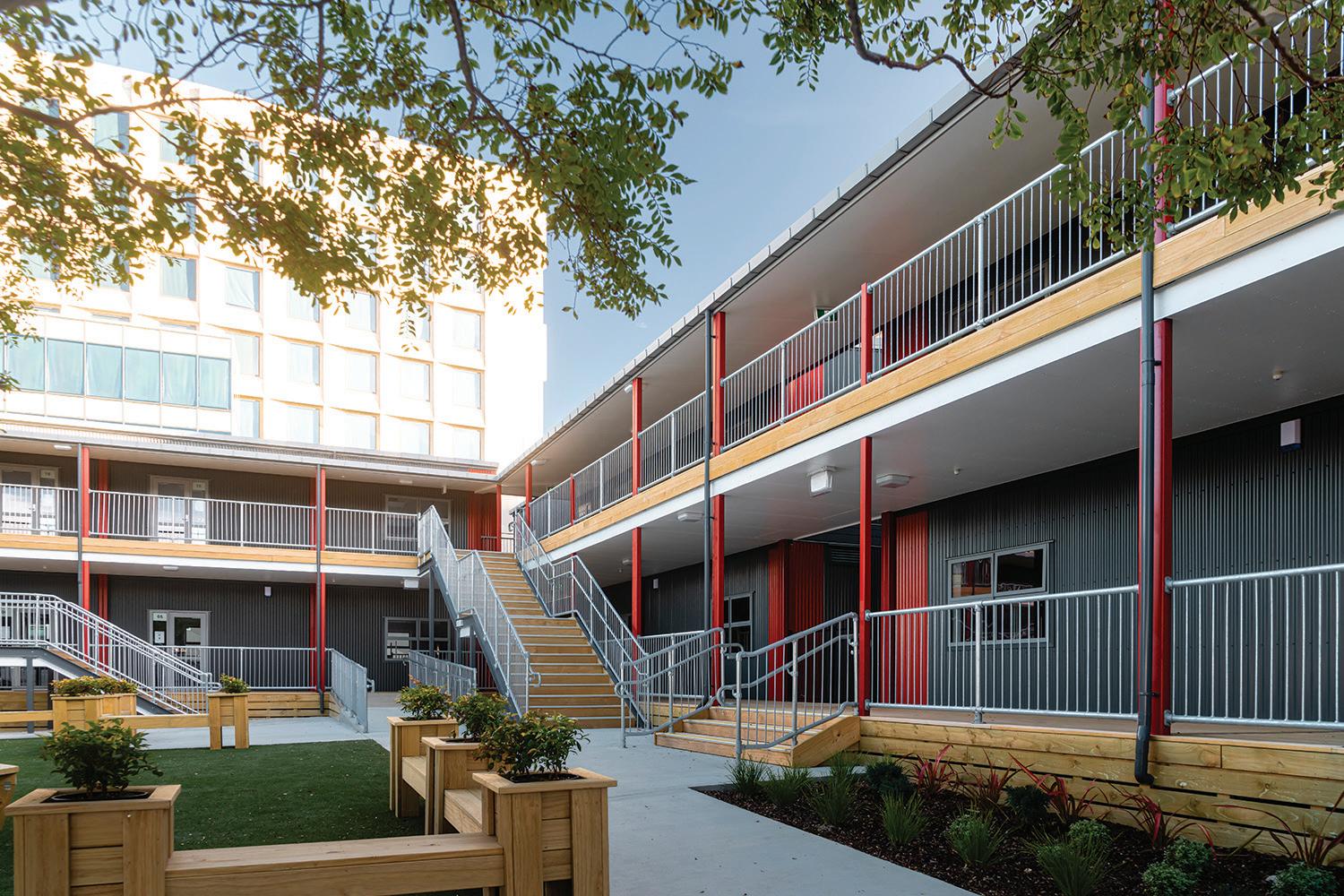
At Torque IP, we deliver expert project management for school property, guiding projects from planning through delivery to help schools create safe, compliant, and future-ready learning spaces.
Q h M
you
Unlock your potential through career coaching. Get personalised guidance to clarify your goals, build confidence, and take the next step in your career.
Call 0508 664 981 24/7 or email assistance@vitae.co.nz to learn more.
Contemplate your future
What do you want to be doing in 5 years’ time? Talk to people who may have taken a similar path or are in a position like what you are envisaging. Allow yourself time to reflect and reshape how this future could look for you.
Evaluate your skills
Are there any areas you need to develop? Seek feedback from a professional you respect and ask them for some honest feedback on where you might need to develop – to get to your new future.
Create a plan
Outline the steps needed to reach your goals, including milestones and deadlines for classroom practice.
Regularly review and adjust
Periodically reassess your goals and progress, making adjustments as necessary to
improve student outcomes and your own development.
Widen your opportunities for experience and success
Put your hand up for new initiatives, projects or work that could stretch your talents. Imagine yourself speaking in a future interview about the impactful projects you have been a key contributor to.
Pursue further learning
Ask interesting people what they are reading or podcasts they are listening to. Take courses, attend workshops, or earn certifications. Learn new tools and technologies.
Talk with your close friends and family about the future you’re working towards. Talk about what this future is going to look like and how you are going to get there. Ask for their help to stay motivated, keep you focused and celebrate the milestones along the way.
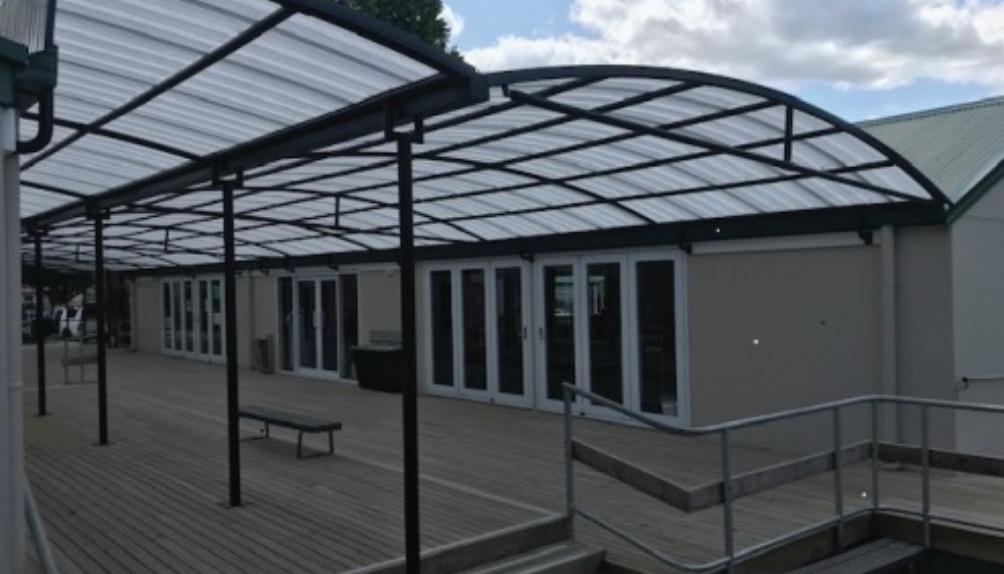
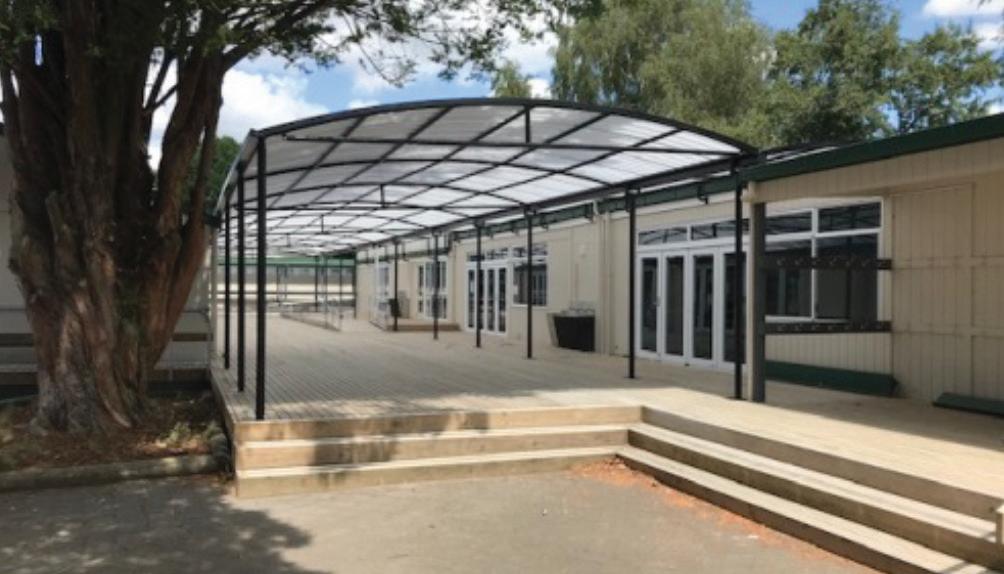
A canopy is more than shade.
It’s safety, pride, and proof you invested in generations to come.
Make your mark with infrastructure that protects for years to come.
Request your obligation-free proposal today
Growing Great Learners
Hands-on learning, community connection, and rural education leadership
As told to Paige O’Brien
Tucked into the rural landscape near Tauranga, Oropi School is a place where learning goes beyond the classroom. With a strong emphasis on community, hands-on experiences and connection to the natural environment, the school reflects many of the qualities that define rural education in Aotearoa.
In this Q&A, Principal Andrew King reflects on what drew him to school leadership, the culture and philosophy that guide learning at Oropi School, and the distinctive opportunities and challenges rural principals face today. From building strong community partnerships to navigating ongoing changes in education policy, his insights highlight why rural schools remain an important part of New Zealand’s education system.
What inspired you to pursue leadership in education, and what led you to your current role as principal?
There are a few reasons why I ended up in educational leadership. Within my immediate and extended family, there were a number of teachers who went down the educational leadership pathway, which sounded appealing listening to their ‘stories’ as I was growing up. Once I made the decision to enter teaching, I decided pretty early on that I wanted to be a school
principal. I was intrinsically motivated to achieve that goal. Leading a school’s curriculum and programmes on offer was what excited me the most. Along the way, I also had a number of people who said things to me that ‘stuck.’ One was an ERO reviewer who said, “You’d make a good rural education advisor.” That, combined with what I think about how rural schools can provide a great context for educational leadership, influenced me to be on the journey I find myself in today.
How would you describe the culture and character of Oropi School?
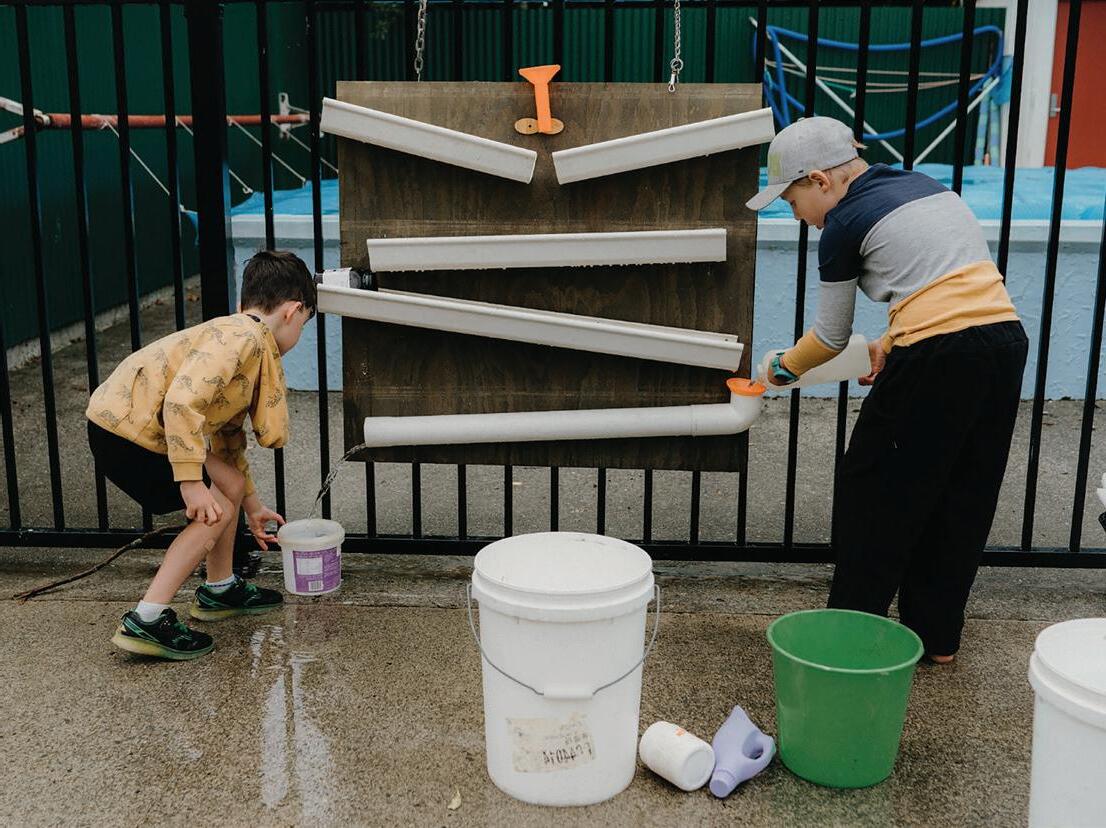
Within my first few years at Oropi School, we developed a school philosophy as a team of teachers. This very much defines our school culture, which is about providing a rich, broad curriculum that connects Tamariki to real-world and hands-on experiences. It is about connecting children to their natural environment
as well as to encapsulate the notion that education does not just happen in the four walls of a classroom. You will notice children immersed in a range of experiences across the school, indoors and out, throughout the day. Ensuring all children have equitable access to our programmes and resources is really important, and crossage group interaction is really important, so children are known by all staff and to optimise learners being good people who care for one another.
In what ways does being a rural school shape the learning experiences you offer students?
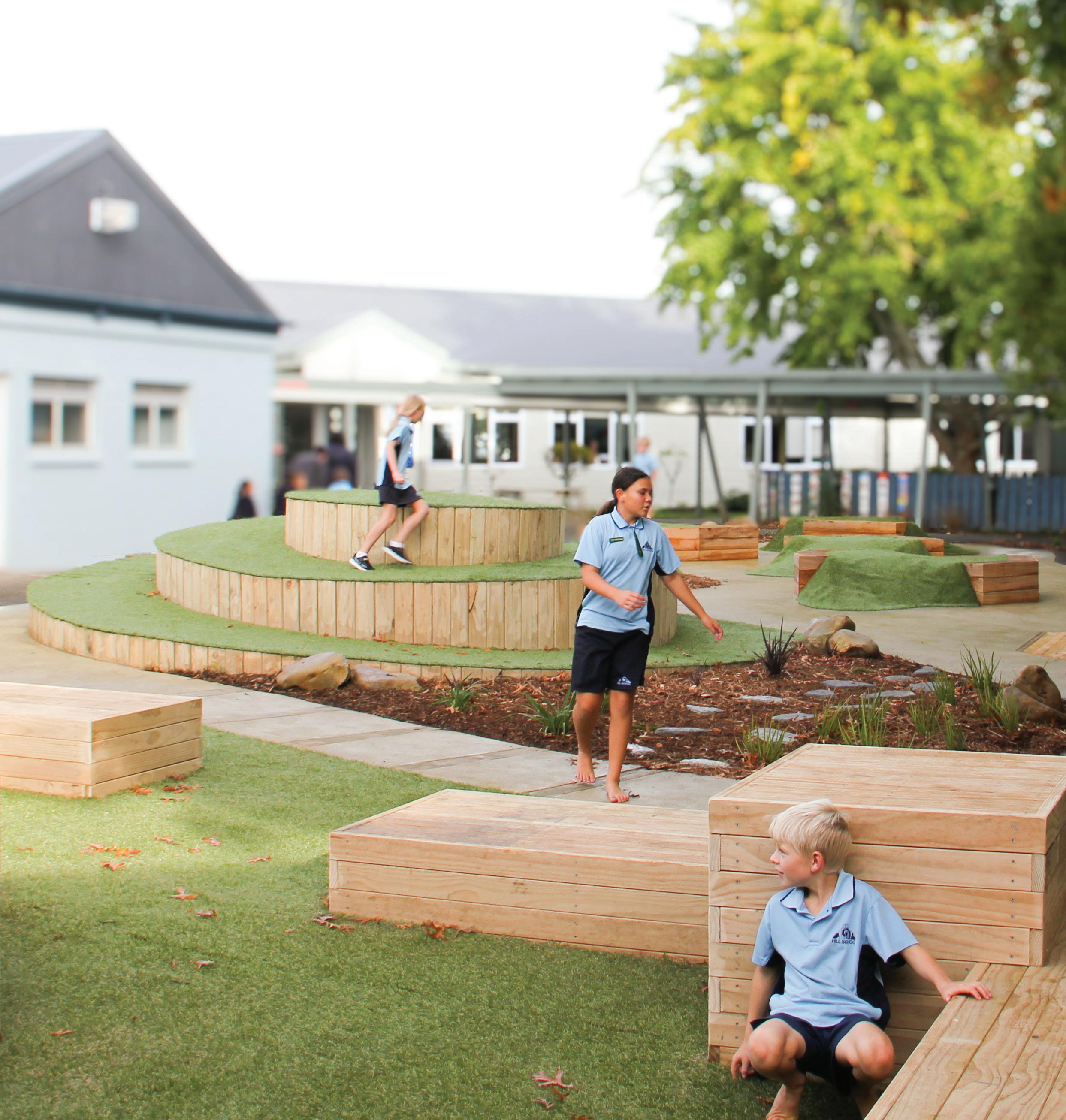
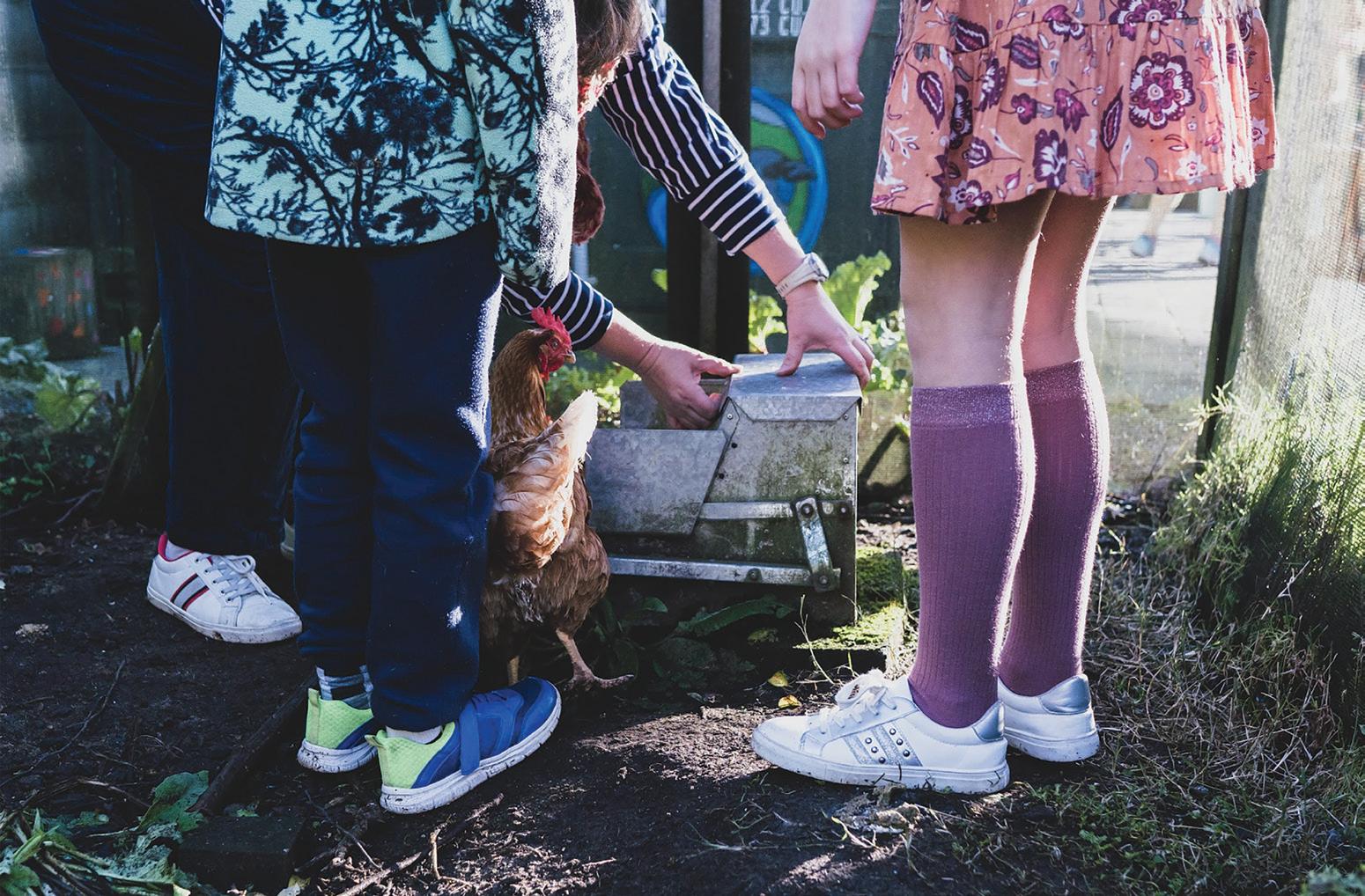
Local context is really important in a rural school because of the naturally strong connection to the community and natural environment in which we all reside. Our programmes, such as Garden to Table, very much reflect this. A rural school provides solutions to modern-day problems, such as getting children off screens and remembering how to play, and being a context where you can often provide strong relationships and connections involving the whole school, which is really good for school culture.
What do you see as the biggest strengths of rural schooling?
Local context and resources for bringing life to the curriculum and tuakana tenei. Rural schools tend to be under 250 students, and so all the learners are known across the school and are not just a number. This has many benefits, including minimising peer pressure so ‘kids can be kids’ and not be worried about modern-day influences as much.
What are some challenges rural principals face today, and how do you navigate them?
We’re going through a period of rapid change, which I liken to 1989; Tomorrow’s schools. However, the type of causation of this reform is different. I think it is because of a ‘swing back’’ to a more knowledge-rich curriculum. Navigating this reform as a rural school leader is immensely challenging because you often
Andrew King Oropi School Principal
do not have a team of people amongst your staff to be able to delegate to and support the change and strategy needed. You can very much be doing it all on your own without being able to ‘bounce ideas’ with others easily. You can join virtual meetings and so forth, but there is nothing richer than face-to-face conversations with other leaders.
How important is the relationship between the school and the wider community in a rural setting?
The success of a rural school relies strongly on this community partnership because the school is often the hub of the community. I would argue more so than in an urban setting. Why? Because typically a rural school is smaller
A rural school provides solutions to modern-day problems, such as getting children off screens and remembering how to play, and being a context where you can often provide strong relationships and connections involving the whole school, which is really good for school culture.
- Andrew King, Oropi School Principal
than its urban counterpart, and there are no other central community facilities. It becomes a meeting place for parents to gather and a venue for many things outside of school hours to occur, such as Calf Club Day and
fundraising events. Everybody knows everybody in a rural community, and so it is vital for a school leader to be able to navigate this and ensure the school is well-connected to its community.
What strategies do you use to build strong relationships with students, staff, and families?
We regularly offer opportunities for families to come together for a range of events throughout the year. This is in the shape of parents offering their time to support programmes such as Garden To Table, fundraisers, Calf Club Day, and Parent Information Evenings about topics related to our strategic plan.
What are some of the initiatives or approaches at Oropi School that you are particularly proud of?
Our Play Based Learning and Garden To Table programme, and outdoor learning and play Gully spaces. The children love coming to school because of
these. We also implemented a Global Citizenship strategy, which means we encourage second language learning. First and foremost, this is about Tikanga & Te Reo Māori, and we also include Mandarin Language Learning and opportunities for learning with, from and about Asian cultures in our school.
How have the needs of students and families changed during your time in education?
I have now been at Oropi School long enough to see that some needs and trends are quite cyclical, and some are based on events and ‘things going on’ outside of our control. A sense of community and involvement of parents in the day-to-day life of the school is harder to achieve because of the demands for both parents to be working to make ends meet. Social media and media in general are also a major influence on education, which is causing problems and issues we navigate to be more complex because ‘everybody has an opinion’, and so it becomes
Social media and media in general are also a major influence on education, which is causing problems and issues we navigate to be more complex because ‘everybody has an opinion’, and so it becomes harder for us to understand and navigate truth and fact.
- Andrew King, Oropi School Principal
harder for us to understand and navigate truth and fact. This puts immense pressure on a principal. We need to do more to educate our children about this, media bias and misinformation.
What are the biggest opportunities you see for rural education in the coming years?
Being a context that offers solutions to modern-day problems – real person connectivity, a sense of community, smaller class sizes, connecting children to their natural world, and context to
C Q
be educated about modernday problems, such as climate change, and therefore being able to provide real-time, practical, experiential learning to understand this.
If you could influence one change in education policy to better support rural schools, what would it be and why?
A staffing formula based on need, not school size, and numbers of students in the school at two key dates of each year. This measure of resourcing and staffing is very outdated and needs major
re-thinking, a bit like when we moved from Decile funding to an Equity Index model.
What advice would you give to teachers who are considering stepping into school leadership?
Breadth of experience and a smaller rural school can easily provide the experience required to become a school leader because you are teaching in a multi-level context, and so are ‘forced’ into the situation of needing to plan for and teach a very diverse range of levels of needs. You get to be a part of most school-wide areas of responsibility so much more, as there are fewer people to delegate roles to. You learn the ‘art’ of working with a community. Greater levels of experience and understanding of a wide range of areas of school operations, management, and leadership occur in a small school setting.
KNOW THE RIGHT
Healthify website is one place for New Zealanders to find health information and self-care resources. https://www.healthify.nz
Pharmacists are qualified to provide advice and treatment for:
☞ Athletes Foot
☞ B12 injection
☞ Constipation
☞ Cold Sores
☞ Coughs and Colds
☞ Conjunctivitis for those aged over 2 years
☞ Contraceptive pill
☞ Covid vaccinations and antivirals
☞ Dry skin, nappy rash, small patches of impetigo (less than 3 areas), abrasions, bruises, insect bites & sunburn
☞ Emergency contraception
☞ Head lice
☞ Mouth ulcers
☞ Pregnancy vaccinations
☞ Pain relief
☞ Piles
☞ Flu vaccinations
☞ Hay-fever
☞ Sore throats & earache for less than 3 days
☞ Smoking cessation
☞ Thrush (between ages 16 to 65)
☞ UTI (between ages 1665, not pregnant)
☞ Warts & verruca’s
Our Health Coaches offer advice, support and help navigate you towards community support: (All consultations are free of charge)
☞ Quitting smoking
☞ Drugs & alcohol support
☞ Pre-Diabetes advice
☞ Setting health goals
☞ Advice on benefits, housing, home care, children’s and older people’s services, family support.
☞ Exercise tips and support
Our Health Improvement Practitioners can help with: (All consultations are free of charge)
☞ Anxiety
☞ Mental Health
Clinical Pharmacists can:
☞ 3-6 monthly medication reviews
☞ Lifestyle changes
☞ Depression
☞ Offer advice on any medication problems/queries
☞ Help and advice on financial matters, benefits such as WINZ and job seeking
☞ Diet and lifestyle support
☞ Social Isolation
☞ Sleep problems
☞ Assist with patients wishing to potentially decrease their medication
☞ Blood pressure
Our Nurse Prescribers and Community Nurse Prescribers can:
☞ Prescribe and treat minor ailments such as rash/spots, wound infections, eczema etc.
☞ Long term conditions
☞ UTI & STI checks + treatment
☞ Diabetes check + treatment
AND can help with multiple medical conditions including:
☞ 3-6 monthly med reviews
☞ ACC injury assessment + registration
☞ Eczema + other skin conditions
☞ Driver’s licence medicals
☞ Women’s health (contraception, menopause, breast concerns)
Our Registered Nurses are able to do:
☞ Blood pressure checks
☞ Wound management
☞ Child Immunisations
☞ Cervical Screening
Practice Plus is:
☞ Same day clinical appointment
☞ Prescriptions sent to your Pharmacy
Our GP’s can:
☞ Assess and treat all ailments, conditions and diseases.
☞ Minor surgeries etc.
Urgent Care can:
☞ Urgent health care appointment
☞ GP & Nurse visit
☞ For patients who cannot see their GP
☞ Contraception
☞ Spirometry
☞ Infusions
☞ Weekdays 5pm – 10pm
☞ Public Holidays 8am – 8pm
☞ Stress /Burnout
☞ Offer education session for patients on their medication
☞ Long term conditions management
☞ Treat minor ear & eye infections
☞ Blood pressure reviews
☞ Long term conditions clinic –review conditions such as; Asthma, COPD, Heart Failure, Gout, Cardiovascular disease
☞ Travel consults + vaccination
☞ Ear Suctioning
☞ Other vaccinations
☞ For enrolled, un-enrolled & international people
☞ Steroid Injections
☞ Sports medicine
☞ Medicals
☞ Accident and injury treatment
☞ X-Ray services
☞ Visitors to Marlborough needing treatment
☞ Long-Acting Reversable Contraception removal + insertions, such as IUD’s & Implants
☞ 8am to 8pm daily
Kitchen and Bathroom renovations
Full house renovations
Extensions and Alterations
Decks, Fences, Pergolas
Painting General Maintenance
Waterblasting Section Clearing
Gutter Cleaning
Digger services and Digger hire
Staffing shortfall for secondary schools
By Shelley Sweeney
In late February the Ministry of Education released the Teacher Supply and Demand Planning Projection Report with updated projections of teacher numbers through to 2028. While these figures show a national surplus for primary schools of 530 teachers in 2026 growing to a surplus of 1,350 by 2028; secondary schools will have a national shortfall of around 710 teachers in 2026, reducing to 190 by 2028.
This year, a more nuanced view of the Auckland region — with projections now split into Auckland Central, South and North —has identified a variable supply picture across the region. For 2026 the Auckland projections span from a surplus of 30 high school teachers in Auckland Central and East to a shortfall of 140 teachers in Auckland North and West.
Principal of Western Springs College in Auckland Central, Ivan Davis, says “We’re pretty lucky in central Auckland in that it’s an attractive place to come and we have not experienced difficulties in attracting and more importantly retaining staff.” Ivan goes on to say that though Western Springs College is fully staffed, the school is increasingly filling positions with teachers who are not trained in New Zealand. “We have lower than average international teacher recruitment, but it’s certainly a trend that other schools will acknowledge. It will be different for each school and different parts of Auckland and the country. Some places in New Zealand are harder to staff than others.”
To project how many teachers are needed over 3 years, the
report considers the impact of many variables. These include roll growth, Ministry-funded initiatives, newly-trained teachers entering the sector, recruitment from overseas and the number of people returning to the profession.
While many of the supply projections at a national and regional level are showing improvements, the report acknowledges the national position does not always reflect the supply challenges some individual schools and communities experience.
Ivan Davis says: “Immigration of course is always the wild card that is difficult to predict and is one of the things putting pressure on school rolls, especially in Auckland.” Ivan points out that, as Minister for Immigration, Erica Stanford is well placed to address the challenge of aiding teaching staff from overseas into our schools. Recent initiatives from the Ministry of Education include changes to immigration settings, the Overseas Relocation Grant to support overseas teachers moving to New Zealand and the Overseas Finder Fee for schools to help meet recruitment costs.
“We
have lower than average international teacher recruitment, but it’s certainly a trend that other schools will acknowledge. It will be different for each school and different parts of Auckland and
the country. Some places in New Zealand are harder to staff than others.”
- Ivan Davis
According to the report, we have more qualified teachers in the system (permanent, parttime and relief staff) than we have had in the last 20 years and preliminary enrolments in teacher training for primary and secondary have increased and are promising.
Demand for teachers is expected to remain steady over the next 3 years at around 68,900 across the schooling sector (approximately 38,300 primary and 30,600 secondary teachers).
An additional 26,740 teachers are expected to enter the system
over the 3-year projection: 14,290 primary and 12,450 secondary teachers.
Ministry of Education supply initiatives are having a positive impact - Ministry-funded initiatives are expected to add 4,140 teachers (1,740 primary and 2,400 secondary teachers) to the system (based on a medium supply projection) over the next 3 years.
By 2028, the supply projections are expected to shift to a surplus of 1,350 primary teachers, while an additional 190 secondary teachers will still be required.
National supply projections for 2026
An additional 8,940 teachers (4,750 primary and 4,190 secondary teachers) are expected to enter the system in 2026:
Returning teachers are projected to increase by 2,450 primary and 2,310 secondary teachers.
New domestically trained teachers are projected to increase by 1,330 primary and 780 secondary teachers.
New overseas teachers are projected to increase by 390 primary and 300 secondary teachers.
Ministry-funded supply initiatives are projected to increase supply by 580 primary and 800 secondary teachers.
Areas with the greatest projected shortages and surpluses
Greatest projected shortages by sector, as a proportion of regional demand:
Taranaki (-5%) Northland (-4.5%) and Bay of Plenty (-3.7%) are facing the biggest challenges in the primary sector.
Auckland South and Southwest (-6.3%) Otago (-6.2%) and Auckland North and Northwest (-4.2%) are facing the biggest challenges in the secondary sector.
Greatest projected surpluses by sector, as a proportion of regional demand:
Canterbury (+9.4%), Auckland Central (+8.4%) and Otago (+2.1%) are projecting surpluses in the primary sector.
Auckland Central (+0.8%) and Waikato (+0.2%) are projecting surpluses in the secondary sector.
Ongoing initiatives
To ease teacher supply shortages, there are ongoing initiatives to attract and support people to enter the teaching profession. These include:
In 2026, the Ministry launched Go Rural, a fund providing financial support for up to 123 student teachers to take up placements as part of their training in rural and isolated schools.
Around 460 scholarships to train as a teacher are awarded each year. Scholarships are prioritised for those wanting to teach in difficult to recruit subjects: STEM and te reo Māori and are typically fully subscribed.
In 2025, we launched its Teacher Bonding Scheme, providing additional financial
“Immigration of course is always the wild card that is difficult to predict and is one of the things putting pressure on school rolls, especially in Auckland.”
- Ivan Davis
incentive for 185 teachers to take up new roles in eligible priority staffing schools.
Investment in Budget 2024 established the School Onsite Training Programme (SOTP) programme to train classroomready teachers for those not enrolling in traditional ITE programmes and additional investment in Budget 2025 expanded the programme by 530 places to 1,861 over 4 years.
The Ministry is providing up to 65 funding awards every 2 years supporting both kura and those on a Limited Authority to Teach to train to be a Kaiako as part of the 2-year Kaupapa Māori | Māori Medium Employment-based Initial Teacher Education (EBITE) Programme Funding Award.
Safe, reliable, professional
Looking for unparalleled electrical services in the Waikato region?
Rivertown Electrical is your go-to, specialising in a wide range of electrical solutions. Whether you need domestic, rural, commercial, or industrial services, our skilled electricians are ready to deliver top-tier and unmatched customer care.
Superior service options
Rivertown Electrical provides an extensive array of services. From routine maintenance checks to complex installations and emergency repairs, our team ensures your electrical systems function flawlessly. Our expertise covers everything from rural installation and servicing to domestic installation, maintenance and servicing. No job is too big or too small for us.
Deep local roots and expertise
Located in Huntly, we are deeply embedded in the Waikato community and understand its unique electrical needs and challenges. Our local knowledge not only helps us deliver effective solutions but also guarantees compliance with regional safety standards, giving you peace of mind that your electrical work is done right.
Customer satisfaction: Our core commitment
We prioritise our clients’ satisfaction above all else.
Rivertown Electrical is dedicated to exceeding your expectations through our responsive customer service, punctuality, and commitment to solving your
electrical issues swiftly and efficiently. We listen to your needs and tailor our services accordingly, ensuring a personalised experience every time.
Safety and quality standards
Safety is number one to us at Rivertown Electrical. We adhere to strict safety standards, and all our work is compliant with national regulations. Our electricians are well-trained in the latest safety protocols and use only the best tools and technologies, guaranteeing the highest quality of workmanship.
Reach out for exceptional electrical services
Don’t compromise on quality and safety. Reach out to Rivertown
“Our expertise covers everything from rural installation and servicing to domestic installation, maintenance and servicing.“
Electrical for reliable, efficient, and high-quality electrical services. Let Rivertown Electrical power your home or business with skill, dedication, and professional integrity. Experience the best in the business –because when it comes to electricity, only the best will do.
Rivertown Electrical 07 828 7240
rivertownelectrical@xtra.co.nz
www.rivertownelectrical.co.nz
30 William Street, Huntly 3700 Hours of operation: 24/7, 365 days of the year
No
project too big or too small!
Based in Huntly, Rivertown Electrical is focused on providing electrical services with the highest levels of customer satisfaction. We provide electrical servicing to a wide range of valued domestic, rural, commercial and industrial clients across the Waikato region and beyond, 24/7 365 days of the year.
Keyless security
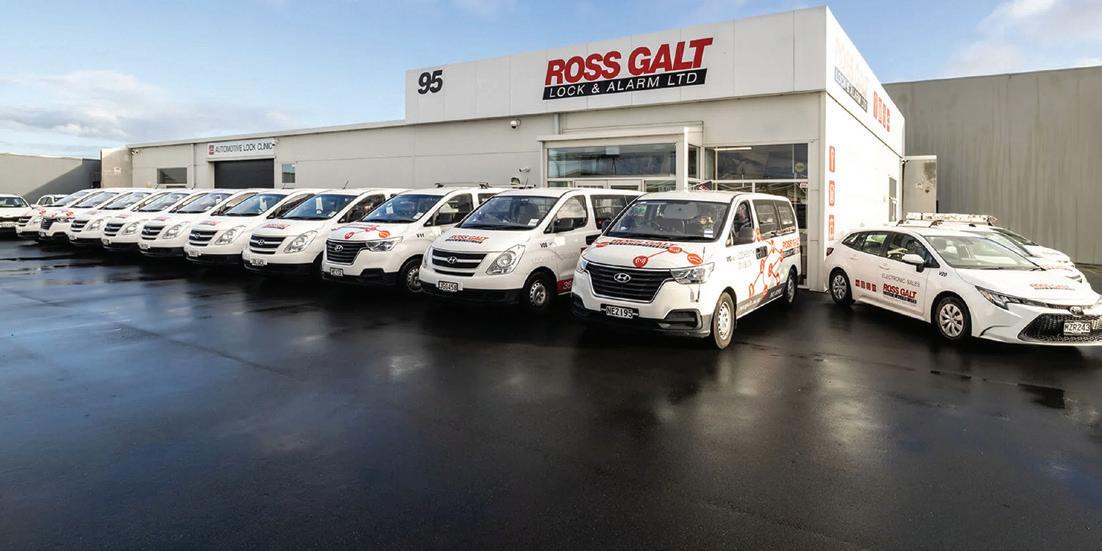
Ross Galt has been Canterbury’s leading total security experts for more than 55 years, providing trusted solutions that help keep students and staff safe in education facilities.
Recently, the team installed a SALTO electronic lock on the swimming pool access gate at Tai Tapu School. The keyless system uses fobs and cards, giving staff 24/7 year-round access, while seasonal users can be granted “Pool Open” access that automatically ends at the close of the season.
SALTO is a stand-alone system that fits most doors, meaning no expensive or complex wiring is required. A full system does not have to be installed right away – you can start with a single lock and easily expand over time as more doors or areas need to be secured.
Access control systems also remove the need for traditional keys and are often cheaper to maintain. If a credential is lost, there’s no need to change locks –
access can simply be updated or removed remotely.
Staff can be assigned different levels of access or permissions, so only certain people can enter designated rooms or areas at designated times. Activity logs can also be reviewed to monitor building access and movement.
Like the pool gate, doors can be set to lock or unlock automatically at certain times, making it easy to manage access across a site.
Recognised with the “Canterbury Trusted” seal of approval from Business Canterbury, Ross Galt Lock & Alarm is a locally owned and operated company delivering world-leading access control systems, backed by professional workmanship and reliable local support.
Phone 03 365 0298 to book a free quote.
Total Security Solutions
EOTC in action at Blue Lake
Navigating rivers, trekking through bush, camping under the stars; education outside the classroom gives students a chance to face realworld challenges and connect with nature. Lessons learned on the trail, such as patience, communication and respect for the environment, often stay with students far longer than those taught at desks.
Part of the post-pandemic push for hands-on learning, educators see the benefits of transformative outdoor adventures that build resilience, teamwork and kaitiakitanga. EOTC trips are key to a holistic education, providing applied experiences that help students develop critical life
skills. Students who may struggle with confidence or social skills in the classroom might just thrive in an EOTC setting, finding their voice and building meaningful connections.
One such location is Blue Lake TOP 10 Holiday Park in Rotorua,
Group accommodation in the heart of Rotorua
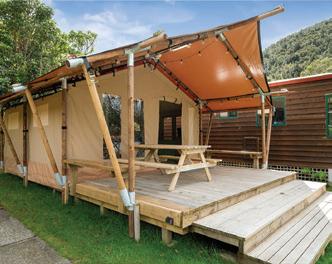
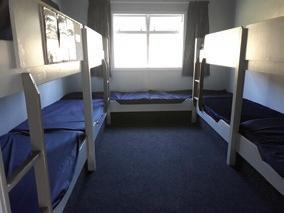
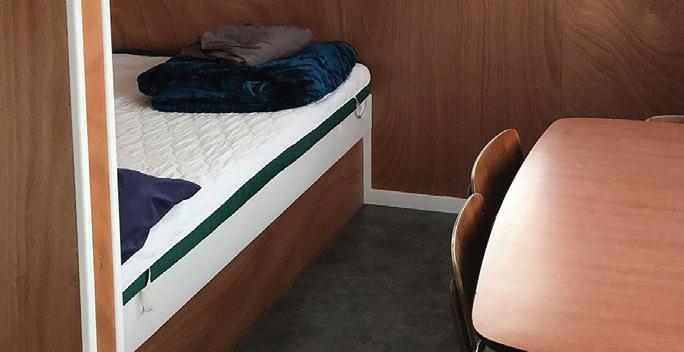
Rotorua Blue Lake TOP 10 have a wide variety of accommodation options available to suit every budget, from 180 powered and non-powered tent sites to standard and self-contained cabins.
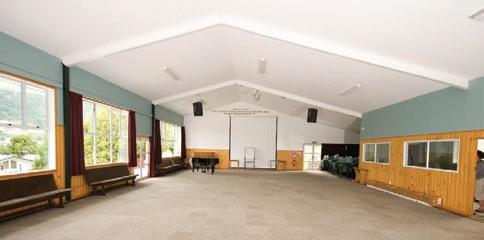
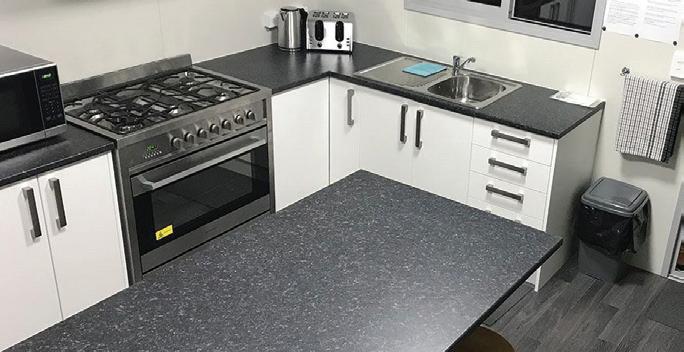
The facilities at the park will keep your group entertained and active, a private or sole use marquee with attached kitchen and BBQ that can accommodate up to 80 people.
The park is central to a variety of local attractions. Lakes Tarawera, Okareka and Rotokakahi are all within 2km of the park, and a short 8km drive will find you in the centre of Rotorua.
Rotorua Blue Lake TOP 10 can offer large groups discounted rates from March – November (excluding peak season only) and can work with you to accommodate any size group and any budget.
or
where the surrounding ngahere and the calm waters of Lake Tikitapu create an ideal EOTC setting. Here, students move beyond the abstract and into the practical; navigating tracks, building connections, and engaging directly with the natural environment.
At Blue Lake, the opportunities for exploration and learning are practically endless. Students can kayak across the tranquil waters of Lake Tikitapu, testing their coordination and teamwork, while immersed in the local ecosystem. EOTC experiences cultivate kaitiakitanga, the Māori principle of guardianship and stewardship of the environment. Students are encouraged to reflect on their impact, learning sustainable practices such as minimising waste, respecting wildlife habitats, and
appreciating the delicate balance of each ecosystem.
The Blue Lake (Tikitapu) is one of the closest lakes to Rotorua. Along the lake’s edge, native flora and fauna become a living classroom. Teachers often note how students start to see causeand-effect in nature: how careful choices on the water or along the track influence outcomes, reinforcing responsibility and resilience. Beyond the physical challenges, EOTC at Blue Lake also nurtures a deeper sense of reflection and wellbeing.
Removed from the noise and routine of everyday life, students are given space to slow down, observe, and reconnect with nature and themselves.
On the water, the crystal- clear lake supports swimming, kayaking, stand-up paddleboarding, and even
Mercury Bay Holiday Park
Whether it’s camping or basic cabins for students and self-contained units for staff – Mercury Bay Holiday Park offers a full range of accommodation options and have great communal facilities. Everything you need for your next class trip. Contact us today to find out more.
small- craft sailing, all of which can be used as structured EOTC activities: for example, timing kayak relays, mapping wind and current effects, or monitoring water clarity and plant growth along the shoreline. The easy-grade Blue Lake Track circles the whole lake, with soft-sand beaches, rocky outcrops and native trees, and this loop can be turned into an orienteering or data- collection task where students record bird sightings, soil types, or erosion patterns.
Venturing into the forest, students are met with challenges that strengthen problemsolving and critical thinking. Orienteering, track maintenance, and bush survival exercises push them to communicate effectively, negotiate roles, and make decisions under pressure. Learning to trust oneself and others, recognising strengths and weaknesses, and understanding the value of collaboration are what it’s all about. Lessons in leadership, empathy, and
perseverance unfold naturally alongside practical skills like setting up tents or preparing meals over a campfire.
The park sits right on the edge of Lake Tikitapu, just a short drive from central Rotorua,
shaded tracks, birdlife, and the distinctive smell of damp forest.
Inside the park, students can stay in a range of accommodation suited to EOTC groups, including motel-style units, family cabins and spacious powered camping
At Blue Lake, the opportunities for exploration and learning are practically endless. Students can kayak across the tranquil waters of Lake Tikitapu, testing their coordination and teamwork, while immersed in the local ecosystem.
green spaces provide space for deep chats and informal games.
For schools wanting to extend the learning beyond the immediate site, Blue Lake is close to the Whakarewarewa Forest mountain-bike network, walking trails, and the Redwoods Treewalk, which offer further opportunities for physical challenge, risk-assessment exercises, and conversations about sustainable tourism and kaitiakitanga of high-use recreational areas.
which makes it easy to combine a focused outdoor-learning week with visits to geothermal sites, museums, and other local attractions. The park is surrounded by native bush and Whakarewarewa Forest, giving students immediate access to
sites that can host multiple tents or campervans.
Shared facilities such as hot showers, kitchenettes, and communal areas help groups practice teamwork and basic camp management, while the nearby playground and open
With direct lakefront access, flexible group accommodation, and well-equipped communal kitchens and shared spaces, Blue Lake TOP 10 Holiday Park is set up to support EOTC groups in a safe, manageable environment. Its proximity to Rotorua’s geothermal, cultural and adventure attractions also makes it an ideal base for extending learning beyond the campsite. It’s an ideal location for your school’s next trip.
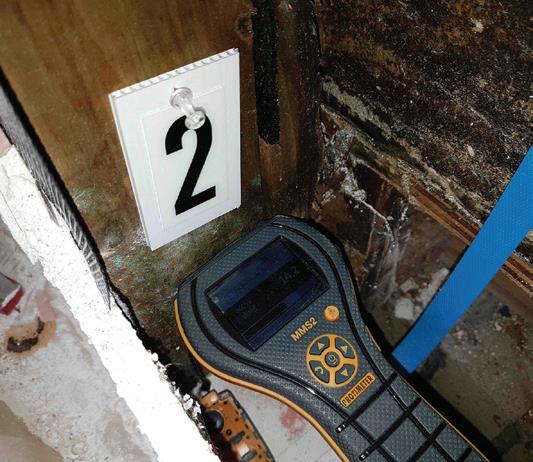
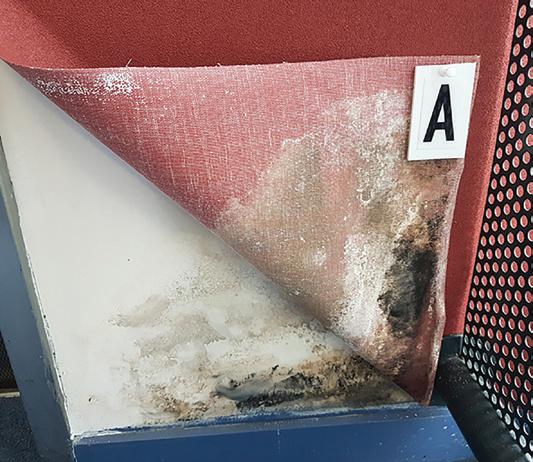
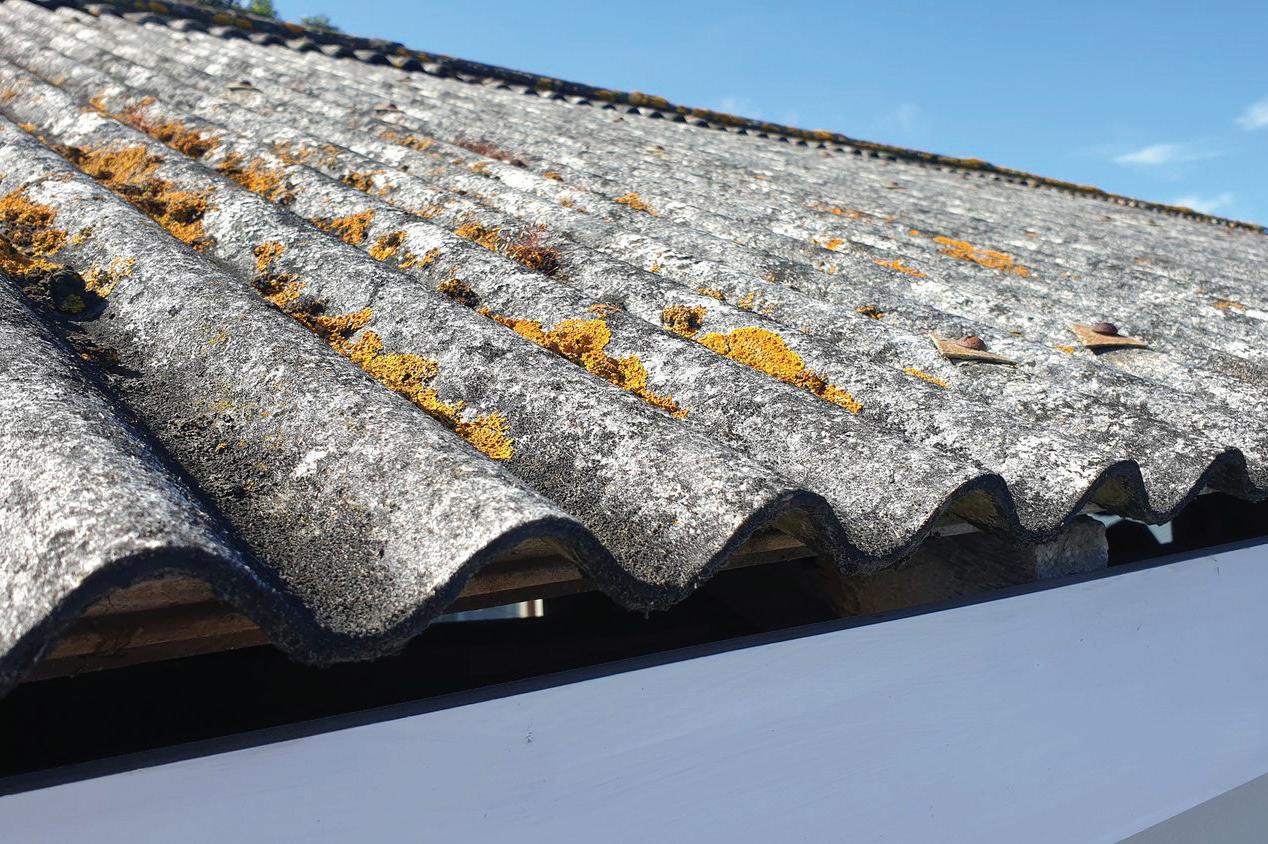
Here at ClearAir, our team consists of highly skilled and committed professionals who take great pride in their work. With licensed supervisors leading the way, and boasting years of experience in asbestos removal, you can rest assured that your project is in safe hands from start to finish.
Asbestos Removal Services
• Class B Asbestos Removal
• Class A Asbestos Removal
• Demolition
• Oversight Management
• Asbestos Contaminated Soil
• Mould Remediation/Removal
• Methamphetamine
Decontamination
Auckland’s School Readiness Crisis
Children arrive without fundamental skills
Auckland primary schools are reporting a troubling pattern in the developmental readiness of children entering school.
A survey, commissioned by the Auckland Primary Principals’ Association and completed by 120 primary and intermediate schools in the region, found that nearly 90 percent of respondents said they were seeing increases of news entrants who lacked basic skills such as talking, knowing the letters of their own name, and using the toilet independently. Schools also reported challenges in areas including dressing and pencil control.
Principals described some children entering Year 1 with developmental levels more similar to younger age groups, particularly in self-management and oral language. Schools highlighted concerns about children’s ability to engage with classroom routines and tasks without additional support.
Foundations matter
For Professor Kirsty Ross, Head of the School of Psychology at Massey University and a clinical psychologist specialising in child, youth, and family mental health, the issue reflects a broader understanding of what it means to be ready for school. “From a developmental psychology perspective, school readiness is holistic and multidimensional. It’s not about a single skill like knowing the alphabet; it’s a profile across several interrelated domains that together allow a child to engage with the classroom environment,” she explains.
Ross identifies five key domains children typically develop between ages four and six:
1 Language and communication – children should be able to speak in simple sentences, understand basic instructions, take turns in conversation, and follow a short story. “These skills are critical because language underpins learning, relationships, and classroom participation,” Ross says.
2 Social and emotional development – including separating from a caregiver without significant distress, playing cooperatively with peers, recognising and naming basic emotions, and sharing and taking turns.
“These skills reflect a child’s ability to function within a group setting. The latter two are emerging skills in small children, rather than fully developed skills,” she notes.
3 Self-regulation – arguably the most important domain. This includes sustaining attention, following simple rules, managing frustration without becoming overwhelmed, and responding to adult guidance. “Research shows that self-regulation – attention, executive function, and emotional control – can be as important, or even more important, than general intelligence in predicting early academic outcomes,” Ross explains.
4 Early cognitive and academic skills – recognising their own
name, knowing some letters, numbers, colours, or shapes, and showing curiosity and willingness to learn. “This reflects readiness to learn, rather than knowledge itself.”
5 Physical and self-care skills –being toilet trained, managing basic dressing and feeding independently, and having sufficient fine and gross motor skills for classroom tasks. “These allow children to function independently in a structured setting.”
The concerns and causes Ross stresses that school readiness is not about being academically ahead. “It’s about whether a child has the language, social, emotional, and self-regulatory foundations to participate in learning. If one domain – particularly self-regulation or language – is underdeveloped, it can have a disproportionate impact on how well a child settles into school.”
Professor Kirsty Ross
She explains multiple factors contribute to children starting school underprepared: limited early language exposure, socioeconomic stress, reduced opportunities for play and social interaction, developmental conditions, and high screen use replacing interactive experiences.
“We also see broader shifts toward less structured play, which is crucial for developing regulation and social skills,” Ross says. She also notes, “Adversity in early life – for children and their own parents’ early experiences – can impact on how children’s brains develop, and the relational development between parents and children.”
Impact on children and classrooms
Children may struggle to follow instructions or stay engaged, experience frustration or behavioural difficulties, and may have difficulty forming peer relationships. “Over time, this can affect academic progress, self-esteem and a sense of competence,” Ross warns. Teachers face wide
developmental variation within one classroom, which can increase the cognitive and emotional load and shift focus from teaching to behavioural support.
Support and solutions
Ross emphasises the importance of relationshipbased approaches, structured but flexible routines, explicit teaching of social and emotional skills, and small-group or targeted support. “Crucially, schools cannot do this alone – partnership with families (and indeed communities) is essential. Policies and funding support is also crucial to ensure teachers have the professional development and support inclass they might need.”
She also points to early interventions: “Neural circuits that create the foundation for learning, behaviour, and health are most flexible in the first three years of life – over time, they become increasingly difficult to change, meaning earlier intervention is more effective.
We do maintain neuroplasticity throughout much of our lives, so intervention later in childhood is also helpful!”
Simple, relational interventions such as talking with children frequently, shared reading, playbased learning, and supporting self-regulation through routines are highly effective. “School readiness isn’t about knowing
“Neural circuits that create the foundation for learning, behaviour, and health are most flexible in the first three years of life – over time, they become increasingly difficult to change, meaning earlier intervention is more effective.“
- Kirsty Ross
letters and numbers – it’s about having the social, emotional, and communication skills to engage with learning. When children struggle, it’s rarely about motivation – it’s about whether they‘ve had the developmental opportunities to build those foundations,” Ross concludes.
Waitarere Beach
Helping students explore their future at the Tahatū Careers Expo
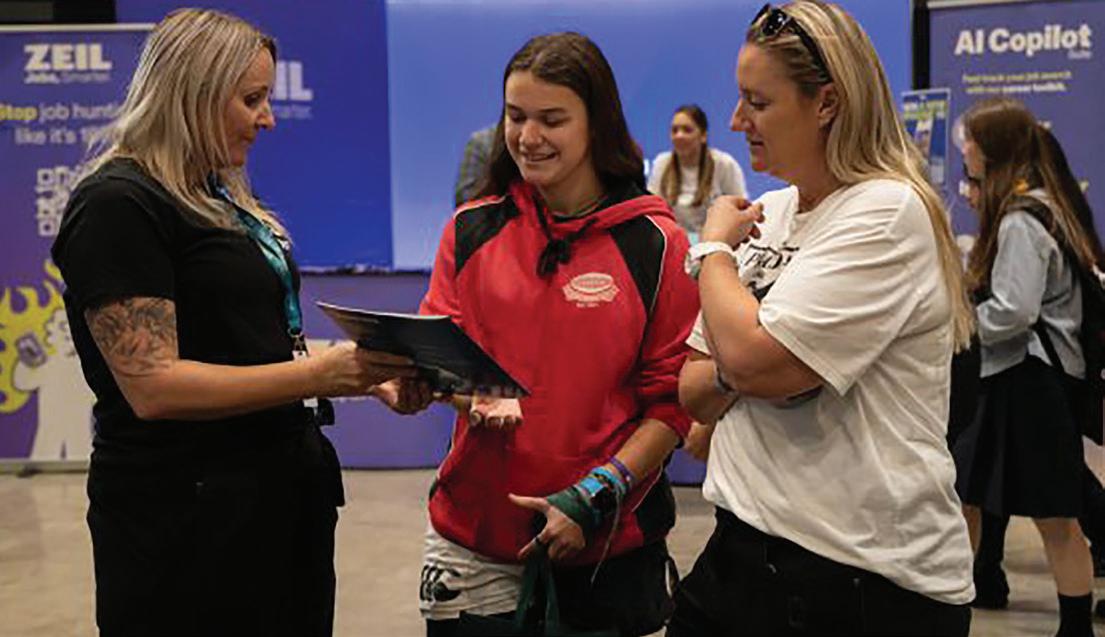
For many secondary school students, deciding what to do after leaving school can feel overwhelming. With so many career pathways, training options and industries to consider, access to reliable information and real-world insight is essential. The Tahatū Careers Expo continues to play a vital role in helping young people across Aotearoa New Zealand explore their options and make more informed decisions about their futures.
Now in its fourth decade, the Tahatū Careers Expo (formerly the New Zealand Careers Expo) is the country’s longestrunning careers event of its kind. In its second year of sponsorship by Tahatū Career Navigator, the Tertiary Education Commission’s national careerplanning website, the expo travels to seven locations nationwide each year, connecting thousands of students with employers, tertiary providers, training organisations, government agencies and industry representatives.
For schools, the expos offer a practical complement to careers education and planning. Students have the opportunity to speak directly with professionals, discover new industries and gain a clearer understanding of the skills and pathways required for different roles. The expo also aids school careers teams, providing a supportive environment and practical resources to help them guide their students as they explore career and study options.
Expo Director Mark Gillard says the events are designed to give
“Having the chance to meet people working in different industries and hear directly about career pathways helps students better understand what opportunities are available to them.”
- Mark Gillard
students access to information they may not otherwise encounter. “Having the chance to meet people working in different industries and hear directly about career pathways helps students better understand what opportunities are available to them,” he says. “Over the past 30 years we have welcomed multiple generations of students through our doors, and we are proud to continue supporting young people as they consider their next steps.”
Careers advisors also value the breadth of experience the expo provides. A careers advisor from the Christchurch Rudolf Steiner School says the event helps spark ideas early. “We like to expose our students to as many diverse careers as possible. We bring students from Year 11 to Year 13 so they can start thinking about their futures from a young age.”
Students themselves often say the experience brings clarity to what can feel like a daunting decision. One student put it simply: “I have been a bit clueless
2026 Expo Schedule 7
about what I want to do after school, so coming here and seeing all these industries makes it so much easier to decide.”
With expos held across seven locations throughout New Zealand each year, the Tahatū Careers Expo offers schools a valuable opportunity to connect students with the industries and people that will shape their futures. We encourage you to bring your students along.
For more information, visit www.careersexpo.org.nz
We are based in Whangaparaoa and service the following areas of Auckland:
Should you consider ‘redshirting’?
Benefits, risks and the equity question
Redshirting. The practice of delaying a child’s entry into kindergarten or primary school by a year so they are among the oldest in their class is becoming more and more common in New Zealand.
In the past, it was more associated with boys who were born in summer, but has now turned into a strategy parents consider for academic, social, and developmental advantages.
Research shows that redshirted children often experience shortterm gains. They tend to enter school with stronger readiness skills, more advanced language development, and better self-regulation.
These traits can result in smooth transitions, lower behavioural incidents, and increased
confidence in the first year of school. Teachers frequently report that older entrants cope well with whole-class instruction, group work, and classroom routines.
In early assessments, redshirted students may outperform their peers academically and socially. They often show higher confidence, better conduct, and improved schoolyard popularity. But by Year 3, studies indicate that these advantages largely fade: redshirted children typically align with the average performance of their cohort. Research also shows that children younger for their grade may eventually excel, while delayed entrants sometimes face risks such as lower motivation, behavioural challenges, or diminished selfesteem over time.
Socially, the benefits of being older can shift as children get
older. Age gaps become more noticeable during teenage years when milestones like friendships, part-time work, and driving become more significant. For some, being the oldest in the class can feel isolating rather than advantageous.
A number of factors contribute to the rise of redshirting. Kindergartens increasingly emphasise academic readiness, prompting concern that younger, less mature children could struggle. Pandemicrelated disruptions and missed preschool experiences have also led some families to delay school entry. Competitive parenting, hope for early academic wins, leadership opportunities, or sporting advantages can play a role as well.
For principals, redshirting has implications. When a class contains many delayed entrants, the age range can approach two
years. This widens differences in literacy and numeracy readiness, attention spans, and socialemotional maturity, making planning and assessment more demanding. While older students may help with classroom management in some ways, staff may, without realising it, have higher expectations, placing pressure on the younger students.
To respond to redshirting, principals can focus on having system-level strategies rather than individual advantage. Clear guidance on school readiness, transition programmes, and communication with families can help make sure the decisions are driven by the children’s long-term well-being. With the right plans in place, schools can support age-appropriate gaps while maintaining equity and inclusion.
Building smarter, more sustainable school environments with Permcon
Across New Zealand, schools are being asked to do more with their spaces than ever before. Changing student numbers, evolving teaching approaches, increased weather events and sustainability concerns are all influencing how school grounds are planned, upgraded and maintained. For principals, boards and property decision makers, this creates a need for solutions that are not only functional and durable, but also resilient, future-focused and environmentally responsible.
Permcon permeable concrete – and its lower-carbon option, Permcon CarbonLow – can be specified as part of school infrastructure projects, helping schools create safe, smart outdoor environments while meeting long-term asset and sustainability goals.
Managing stormwater in busy school settings
Stormwater management is a key consideration for school grounds, where large hardstand areas such as paths, courtyards, drop-off zones and playground surrounds are essential to daily operations. Traditional impermeable surfaces can contribute to surface flooding, ponding and pressure on local stormwater networks –creating safety risks and potential
disruptions to learning during wet weather.
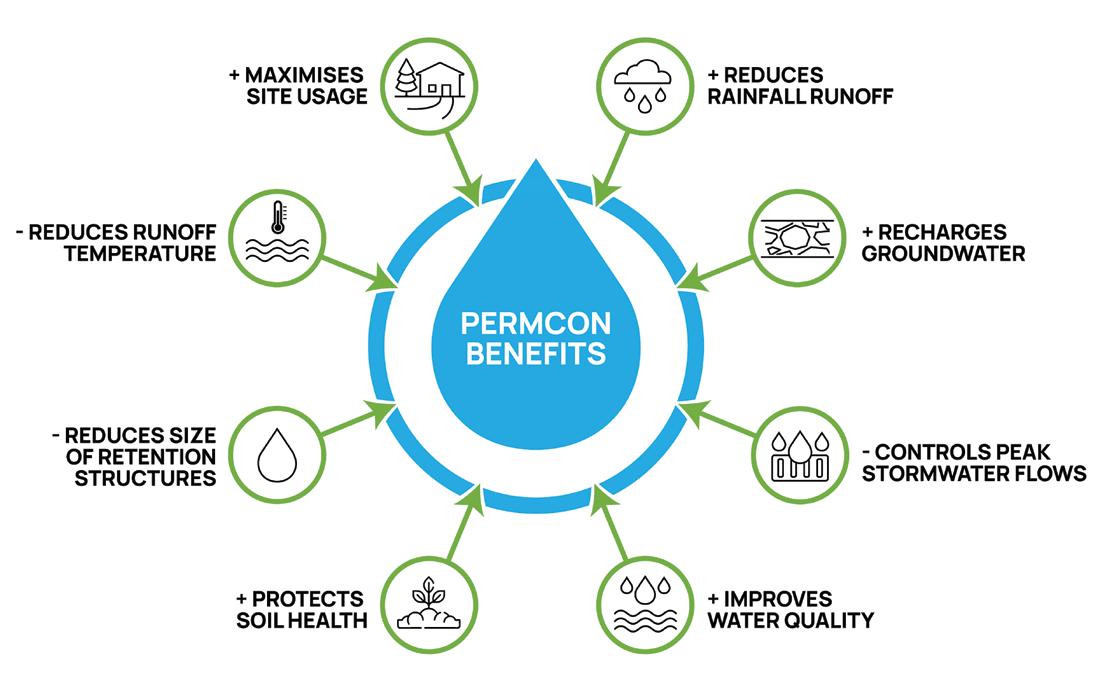
Permcon permeable concrete is designed to manage stormwater at source. Rainwater passes through the surface and into a specially engineered base beneath, where it is filtered and released slowly back into the ground or stormwater system. This reduces peak stormwater flows, minimises surface runoff and helps protect nearby waterways by filtering debris and pollutants.
For schools, this means safer movement around the site during wet conditions, reduced flooding risk in high-use areas, and less reliance on downstream stormwater infrastructure – an important consideration as
Durable, versatile surfaces for active school environments
School environments place unique demands on building materials. Surfaces must withstand the daily wear and tear of high-volume foot traffic and, in some areas, wheeled movement, while remaining safe and functional over time.
Permcon provides a hardwearing concrete surface that is well suited to busy school settings. Unlike some alternative permeable paving options, Permcon delivers the strength and longevity expected of concrete, while maintaining its permeable performance.
Permcon can also be used under artificial grasses and sports surfaces, including tennis, netball, basketball or other sports courts, where a durable, stable surface is essential. Its permeability allows water to drain through the pavement rather than pooling on the surface, helping courts return to use more quickly after rainfall and mitigate run-off in sensitive catchment areas.
As schools continue to adapt to changing educational needs and environmental pressures, materials that offer flexibility, resilience and long-term value are becoming increasingly important.
Supporting sustainability and carbon reduction goals
Sustainability is no longer a ‘nice to have’ in school property planning. Many schools are actively working towards environmental goals, whether through formal sustainability strategies, Ministry requirements, or student-led initiatives focused on climate action.
Permcon offers a number of environmental benefits over traditional concrete. It removes up to 70% of heavy metals, hydrocarbons, organic debris and suspended solids from runoff
climate resilience becomes a growing priority.
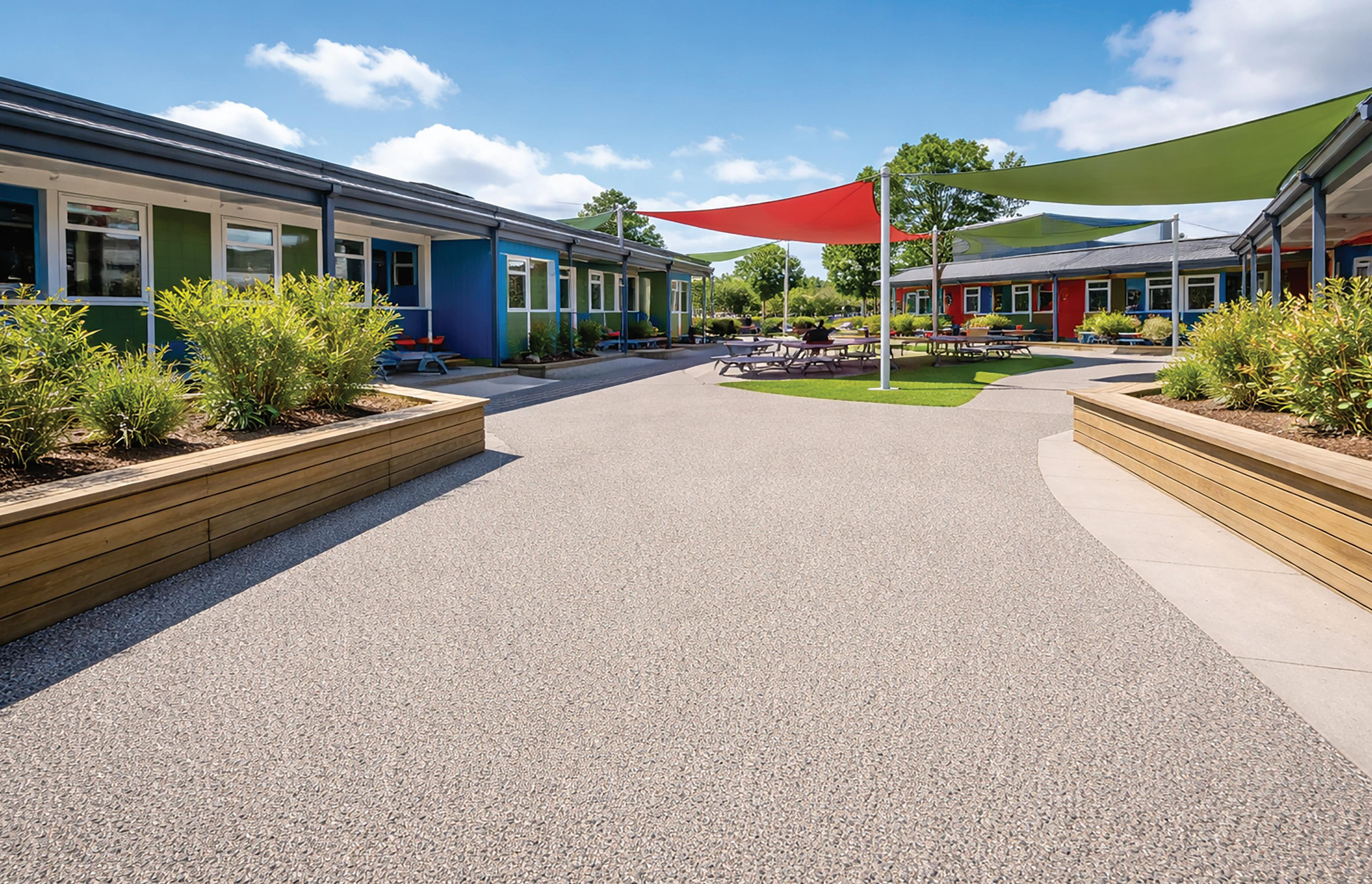
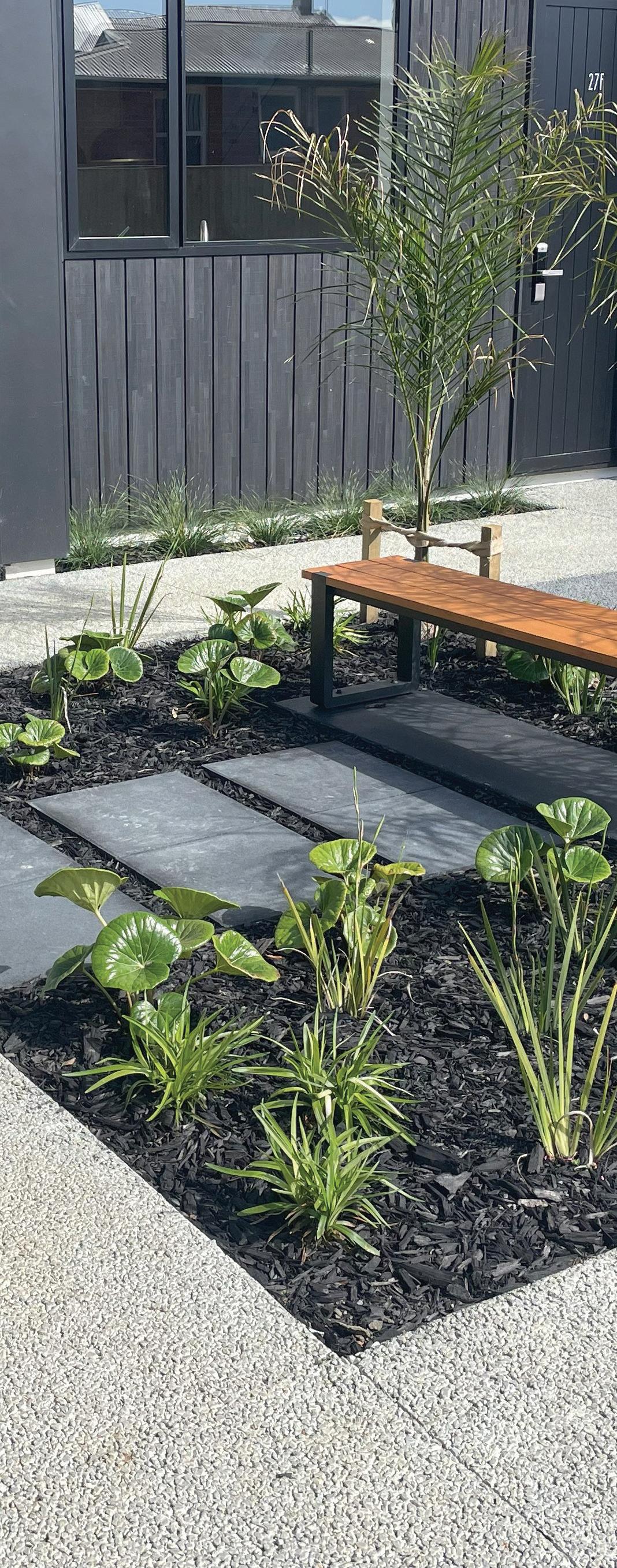
Rendered image of Permcon permeable concrete being used for hard school surfaces
before passing into waterways; helps protect rivers, streams and aquatic ecosystems from temperature spikes; and allows water, air and nutrients to pass through to the underlying soil, maintaining the conditions needed for life to thrive below the surface.
Additionally, Permcon CarbonLow offers a practical way to reduce the embodied carbon associated with construction projects. By lowering the carbon footprint of the concrete itself, Permcon CarbonLow enables schools to make meaningful reductions in emissions without compromising on performance, durability or safety.
For decision makers, this provides an opportunity to align infrastructure upgrades with sustainability reporting, environmental policies and educational values. For students, visible sustainability measures within the school environment can reinforce learning and demonstrate real-world environmental responsibility in action.
Enhancing safety and functionality of outdoor spaces
Outdoor spaces play an increasingly important role in modern school design, supporting movement, social interaction and learning beyond the classroom. Surfaces that drain effectively and remain usable year-round help maximise the value of these spaces. By reducing surface water and ponding, permeable concrete can improve slip resistance and usability during and after rainfall. This supports safer access
across the site and helps ensure outdoor areas remain functional, even in wetter conditions.
For urban schools that face site coverage limit issues due to a need to add more buildings, Permcon provides an additional solution – it is considered a pervious surface by all but two councils nationwide.
Confidence through certified installation
For principals and boards, confidence in performance and compliance is critical when investing in school infrastructure. All Permcon installations are completed by trained and certified installers, ensuring the system is installed correctly and performs as designed.
Each project is supported with a Producer Statement 3 (PS3), providing documented assurance that the installation meets required standards and will perform for its intended lifespan. This documentation offers peace of mind for school leadership teams, boards of trustees and Ministry property advisors alike.
Future-proofing school infrastructure
As schools continue to adapt to changing educational needs and environmental pressures, materials that offer flexibility, resilience and long-term value are becoming increasingly important.
For education leaders looking to make informed, future-focused property decisions, Permcon provides a proven solution that balances performance, sustainability and long-term stewardship of school assets.
PERVIOUS PAVEMENTS FOR SCHOOLS
Permcon permeable pavements offer a more sustainable alternative to traditional concrete that’s better for the natural environment and ideal for cycleways, pathways and carparks. Low carbon options are also available.
Permcon works by:
• Mimicking unpaved areas.
• Reducing rainwater run-off.
• Eliminating ‘peak flow’.
• Recharging groundwater.
• Lowering waterway pollutants.
• Protecting soil nutrients.
• Lowering surface temperature.
Breaking down the proposed end of NCEA
New Zealand’s secondary school qualification system could be heading for its biggest transformation in more than 20 years, with the Government confirming plans to replace the current NCEA structure with an entirely new model.
NCEA (the National Certificate of Educational Achievement) has long been the standard pathway through Years 11 to 13.
The New Zealand Qualifications Authority describes it as the country’s main secondary school qualification, widely used for university entrance and employment pathways.
However, the Government says the system has become overly complex and inconsistent, prompting a major rethink.
What’s changing?
Under the proposal, all three levels of NCEA would be phased out and replaced with a new set of qualifications across senior secondary schools.
For Year 11, NCEA Level 1 would be removed entirely. In its place, students would complete a Foundational Skills Award, focused on literacy and numeracy.
For Years 12 and 13, two new qualifications would be introduced:
- The New Zealand Certificate of Education (NZCE) in Year 12
- The New Zealand Advanced Certificate of Education (NZACE) in Year 13
Students would typically study five subjects each year and need to pass at least four to gain each qualification.
How students are assessed
One of the most noticeable changes would be how results are graded. The current NCEA system uses “Achieved,”“Merit,” and “Excellence.” Under the new model, this would be replaced with:
- A score out of 100
- A letter grade (A-E)
The aim is to make results easier to understand for parents, employers, and universities, and to better align with international systems.
C Brown Builders have a reputation for excellence, founded in 2005 on the principle that it’s the little things that count. Owner Craig Brown is a qualified tradesman with 35 years of experience on a huge range of projects. Whether your plans are generic or bespoke, C Brown Builders can manage your project from start to clothesline, to an exacting award-winning standard.
For parents, the biggest change will likely be in how achievement is measured and understood. The move to clearer grading and fewer qualifications aims to make progress easier to track, but it also represents a shift in how learning is assessed.
Why the change?
The Government argues that while NCEA was designed to be flexible, that flexibility has sometimes led to confusion and uneven learning experiences between schools.
There are also concerns that students can focus too heavily on collecting credits rather than building strong subject knowledge or clear career pathways.
The proposed system is intended to:
- Simplify qualifications
- Create more consistent learning across schools
- Strengthen core skills like literacy and numeracy
- Better connect education with real-world careers
Vocational pathways are also expected to play a bigger role, with industry input helping shape subject options.
When could it happen?
The changes would not happen overnight. Instead, they would be introduced gradually:
- New curriculum changes from around 2026
- Foundational Skills award from 2028
- New Year 12 and 13 qualifications from 2029-2030
This phased approach is designed to give schools, teachers, and students time to adapt. What it means for families
For current students, the impact will depend on timing. Those already working through
NCEA may finish under the existing system, while younger students could move into the new structure.
For parents, the biggest change will likely be in how achievement is measured and understood. The move to clearer grading and fewer qualifications aims to make progress easier to track, but it also represents a shift in how learning is assessed.
The proposed replacement of NCEA marks a major turning point. While the goal is a simpler, more transparent system, the changes are substantial and will take years to fully implement.
Supporting sustainability in Waimakariri Schools
The Waimakariri District Council is proud to support two schoolbased sustainability programmes that empower local schools and early childhood education centres (ECEs) to reduce waste and adopt more environmentally responsible practices. principals, Boards of Trustees, caretakers, and teaching staff to review internal processes and implement sustainable systems. Their team also offers site visits to key Council facilities, including the Southbrook Resource Recovery Park, water and wastewater treatment sites, and the Northbrook Ponds, providing students with real-world insights into local environmental management.
Sustainability education programme
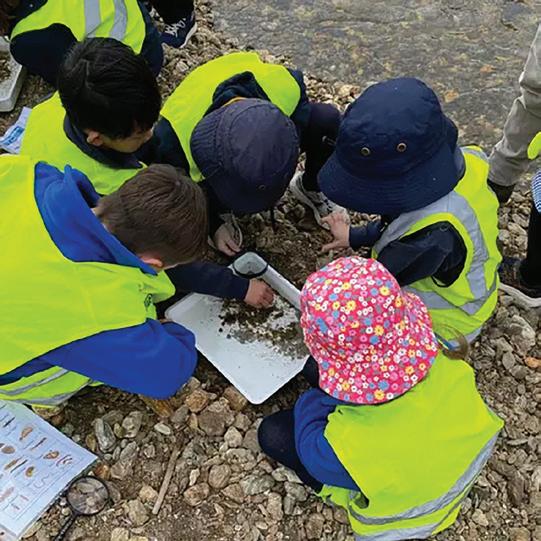
Delivered by Eco Educate, our contracted education provider, the Sustainability Education Programme focuses on waste minimisation, water conservation, and the protection of local waterways. This free initiative is available to all schools and ECEs within the district.
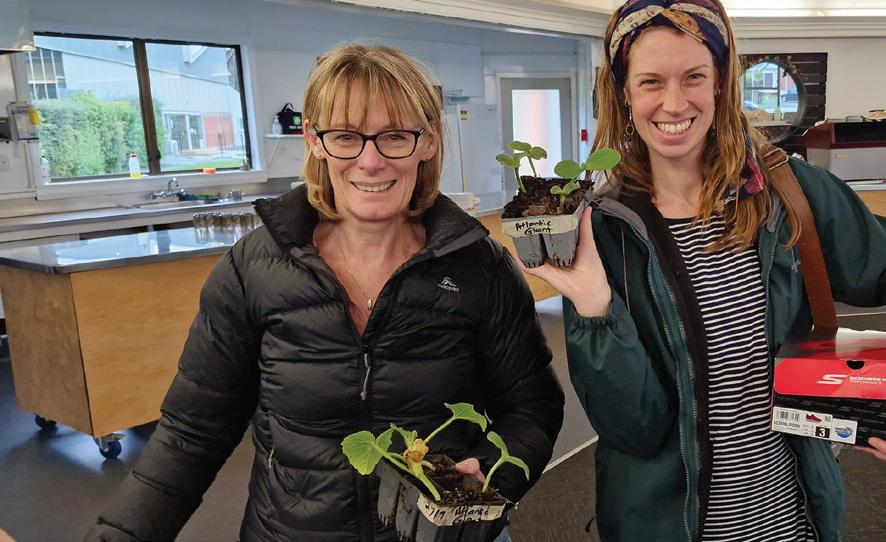
Eco Educate’s experienced facilitators work directly with teachers, students, and staff to deliver engaging classroom sessions and hands-on workshops. Topics include composting, worm farming, EM Bokashi systems, recycling, gardening, and broader environmental awareness. The programme encourages schools to rethink their waste systems and explore practical ways to reduce water usage and divert organic and recyclable materials from landfill.
Support is not limited to the classroom. Eco Educate works collaboratively with
To learn more or to book a session, contact Eco Educate at rethink@ecoeducate.co.nz
Enviroschools Canterbury
Enviroschools is a nationwide programme that empowers young people to lead sustainability initiatives within their schools, communities, and the wider district. In Canterbury, the programme is coordinated by Environment Canterbury, with Waimakariri District Council as one of ten regional partners. Additional support comes from eight regional collaborators, including Te Kōhaka o Tūhaitara Trust.
Facilitators work with early learning centres, primary, area, and secondary schools to embed sustainability across key themes such as zero waste, water conservation, energy efficiency, ecological building, living landscapes, and active transport. The programme encourages a whole-school approach, fostering collaboration and long-term change.
As of 1 July 2025, 20 schools in the Waimakariri District are part of the Enviroschools network. These schools are actively contributing to the development of resilient, healthy, and thriving communities.
To explore participating schools or learn more, visit Enviroschools
Canterbury (link to https:// enviroschools.org.nz/regions/ canterbury/). For enquiries, contact Zoe Watson, Canterbury Regional Coordinator, at zoe. watson@ecan.govt.nz
Additional resources
For further guidance on reducing school waste, visit the Council’s Reducing Your School Waste page (link to https://www.waimakariri.govt. nz/services/rubbish,-recyclingand-organics/reducing-yourwaste) or explore the One Planet Schools website (link to https:// www.oneplanet.nz/schools/) for tools and ideas to support your sustainability journey.
To ensure your bin gets emptied and to avoid contamination of recycling:
Keep items loose
Don’t squash bottles, tins or cans
Put all lids in the rubbish
Make sure everything is clean
We DON’T take…
Plastics numbered 3, 4, 6 & 7
No containers larger than 4L or smaller than 150ml
Containers from garage or garden sheds e.g. sprays, plant pots, car oil
Soft plastics or any plastic you can scrunch into a ball
Takeaway cups and liquid cartons
Cardboard & paper smaller than an envelope i.e. 140mm x 100mm
Aerosol cans
Compostable items
Clothes and toys
Nappies
Polystyrene
Pans and foils
Window glass, crockery & light bulbs
Batteries
General rubbish or food.
Repeated contamination may result in withdrawal of your kerbside collection service.
Your RECYCLING bin is only for the following CLEAN items…
Rigid household plastic bottles and containers
Aluminium cans and tins
Glass bottles and Jars
Flattened cardboard
Paper
Why good project management matters more than ever in school property
For most principals and boards, school property projects sit alongside an already demanding role.
Teaching and learning remain the core focus, yet the reality is that buildings, infrastructure and learning environments play a critical role in how well schools can deliver on their educational vision.
Across Aotearoa, schools are being asked to do more with ageing buildings, evolving Ministry requirements, and increasingly complex compliance expectations. Whether it’s delivering 5YA projects, managing learning support modifications, or upgrading classrooms to be warmer, safer and more inclusive, the stakes are high and the margin for error is small.
This is where strong project management becomes essential.
Well-managed property projects are not just about bricks and mortar. They are about protecting teaching time, managing risk, and ensuring that investment delivers long-term value for students, staff and communities. Poorly planned projects can quickly become a distraction, creating cost overruns, delays, health and safety issues, or disruption to learning that lingers long after the contractors have left the site.
Effective project management provides schools with structure and confidence. It brings clarity to scope, budgets and timelines, ensures procurement and delivery align with Ministry of Education requirements, and creates a clear line of
We are Quantity Surveyors and Project Managers
based in Hawkes Bay, Wairoa, Gisborne, but working on projects nationwide.
Services Include;
• MOE approved member of Project Management & 10YPP Consultant Panels
• Project Management of 5YA, Capital Works, LSPM, BOT Funded Projects
• Cyclical Maintenance Reviews
• Member of NZIQS
• Amotai Registered Business
• All of Government Registered Business
As the demands on school property portfolios continue to grow, the role of project management will only become more important.
accountability throughout the life of a project. Importantly, it allows principals and boards to remain focused on governance and educational leadership, rather than being pulled into day-to-day construction issues.
In today’s environment, good project management also requires deep sector knowledge. School projects are not the same as commercial builds. They must be delivered around timetables, student safety, and often within tight holiday windows. They must balance compliance with practicality, and they must respect the unique culture and needs of each school community.
At Torque IP, this understanding sits at the heart of how we work. As a specialist project management consultancy focused on the education sector, we partner with schools to navigate the complexity of property delivery, from early planning and design through to construction and handover. Our role is to act as an extension of the school team: translating Ministry requirements into practical solutions, managing consultants and contractors, and
ensuring projects are delivered with minimal disruption and maximum value.
What we see time and again is that successful projects are built on collaboration. When principals, boards, project managers and consultants work together early and openly, risks are reduced and outcomes improve. Schools gain buildings that are not only compliant, but genuinely support teaching, learning and wellbeing.
As the demands on school property portfolios continue to grow, the role of project management will only become more important. The right expertise plays an important role in protecting public funding, supporting school leadership, and helping create learning environments where students can thrive.
Because when school property projects are well managed, everyone benefits and learning can remain exactly where it belongs - at the centre of school life.
For more information, visit: www.torqueip.co.nz.
Parent Portal
Opening a window into education
By Jonathon Taylor
As we’re all patently aware, technology is impacting all spheres of life and education is no exception. One digital resource helping reshape the way families engage with learning, opening a window for parents to peer into what their children are being taught and how to support them at home, is the Parent Portal.
Launched by the Ministry of Education, it is designed to strengthen the connection between classrooms and households and its success, as with all technology, will depend on how effectively both parents and educators use it.
At its core, the portal responds to a long-standing gap in communication. “This is about giving parents clarity, confidence and practical tools to support their child’s learning journey,” says Education Minister Erica Stanford. By offering a clear, year-by-year guide to the refreshed curriculum, the platform allows parents to
understand exactly what their child should be learning in English, maths, and beyond.
For parents, the key to using the portal well lies in consistency and curiosity. Rather than treating it as a one-off reference, it is most powerful when used regularly, checking upcoming learning areas, reinforcing classroom concepts, and using the provided activities to support at-home learning.
The portal includes curriculumaligned resources, structured literacy guidance, and access to decodable texts, enabling parents to mirror teaching approaches used in schools. This alignment is critical, particularly in early reading development, where consistency can significantly accelerate progress.
The addition of an interactive maths practice tool further strengthens this home-school connection. Covering essential skills such as basic facts, fractions, place value and problem solving, it offers parents a practical way to reinforce learning in manageable, focused sessions. Used regularly, these tools can help build confidence and fluency without overwhelming students.
“This is about giving parents clarity, confidence and practical tools to support their child’s learning journey”
Equally important is how the portal empowers parents to engage more meaningfully with teachers. With practical tips for parent-teacher interviews and a clearer understanding of curriculum expectations, parents are better equipped to ask informed questions and advocate for their child’s needs.
As Erica notes: “It’s not just about information, it’s about helping your child succeed”. Whether a child needs additional support or greater extension, the portal positions parents as active partners in shaping outcomes.
For educators, the portal presents an opportunity to deepen engagement rather than replace existing communication. Teachers can guide parents toward specific sections of
the platform, recommend activities that align with current classroom learning, and use it as a shared reference point during conversations about progress. By doing so, they help ensure that messaging is consistent and accessible, reducing confusion and building trust.
Importantly, the portal also supports equity. By making curriculum expectations transparent and resources freely available, it helps level the playing field for families who may not have previously had access to such information. “Parents are a crucial part of their child’s education journey… [this is] about restoring their place at the heart of learning,” Erica says.
Ultimately, the Parent Portal is more than a website; it’s a bridge. When used intentionally by both parents and educators, it creates a shared understanding of learning goals, strengthens communication and supports students to thrive.
The Parent Portal is available on the Ministry of Education website at: www.education.govt.nz/ parents-and-caregivers/schoolsyear-0-13/parent-portal.
We provide you with the peace of mind that comes from knowing your vehicle is well taken care of. The team at Pit Stop Kerikeri are committed to providing competitively priced, high-quality vehicle maintenance and car repair services, including:
We are open Monday to Friday - 8:00am-5:00pm • 20 Mill Lane,
Transform your school’s sports field Performance, safety, and visual appeal!
Urban Turf Solutions manufacture and install artificial turf for school sports fields. Our products not only offer top-notch performance for sports activities, but also look great and add a colourful visual appeal to your grounds.
Urban Turf Solutions boasts a diverse product range designed to meet the specific needs of schools across New Zealand. We have products designed for multisport courts, hockey fields, football fields, tennis courts, cricket wickets, putting greens and playgrounds.
Urban Turf Solutions artificial grass has a durable construction and advanced technology, their turf ensures optimal playability and safety for students
engaging in sports activities. From preventing slips and falls to cushioning impacts, Urban Turf Solutions turf keeps your students safe while they play.
“Whether you need a dedicated 5-a-side soccer field, a multipurpose sports surface, or even a playground, Urban Turf Solutions has the perfect turf solution for you.”
What’s more, Urban Turf Solutions artificial grass requires minimal maintenance, saving your school time and resources
in the long run. Urban Turf enhances the overall appeal of your school and the courts and turf facilities are a great resource for the wider school community. Whether you need a dedicated 5-a-side soccer field, a multipurpose sports surface, or even a playground, Urban Turf Solutions has the perfect turf solution for you. By choosing Urban Turf Solutions artificial grass for your school’s
sports surface, you’re not just investing in athletic enjoyment – you’re investing in the overall attractiveness and reputation of your school.
Don’t miss out on this opportunity to transform your school’s sports field into a showpiece that will impress students, parents, and visitors alike. Contact Urban Turf Solutions today.
info@urbanturfsolutions.co.nz
Let’s Talk
www.burgessmatting.co.nz
Urban Turf is an excellent solution for schools looking to create safe, low-maintenance outdoor spaces and multisport surfaces.
With its realistic appearance and durable construction, it provides a perfect playground surface. Our multisport turf range is ideal for new sports courts and fields or the replacement existing ones.
Urban Turf Artificial grass eliminates the need for constant watering, mowing, and fertilizing, which can be timeconsuming and costly.
By installing Urban Turf, schools can save money on maintenance costs, reduce the risk of injury, and create a beautiful outdoor area that encourages students to engage in physical activity and outdoor play.
From concept to completion Why choose us
New Zealand-wide installers
0508 872 268
urbanturfsolutions.co.nz North Island 42b Porana Road, Wairau Valley, Auckland 0627
South Island Unit 6, 67 Barnes Road, Casebrook, Christchurch 8051 Contact us Made in Australia
Schools play a vital role in shaping not only young minds, but also future attitudes toward sustainability and responsible consumption. One practical and impactful way to lead by example is by choosing high-quality, New Zealand–made sports equipment.
From a sustainability perspective, durability matters. Well-made sports equipment lasts longer, performs better, and needs replacing far less often. This reduces waste, lowers longterm costs, and keeps broken or unusable gear out of landfills. While cheaper imports may appear cost-effective upfront, frequent replacements quickly add up—both financially and environmentally.
Choosing locally made equipment also significantly reduces carbon emissions.
Products manufactured in New Zealand avoid long international shipping routes, cutting down the fossil fuels used in transport. Local manufacturers are also
more likely to operate under stricter environmental standards, ensuring responsible sourcing, safer materials, and better production practices.
There’s also a strong social sustainability benefit. Supporting New Zealand manufacturers keeps money within the local economy, helps sustain skilled jobs, and strengthens regional communities. For schools, this aligns naturally with values of responsibility, fairness, and community connection.
High-quality local sports equipment is designed with New Zealand conditions in mind— our climate, playing surfaces, and school usage demands. This means safer equipment,
better performance for students, and fewer interruptions due to damage or failure.
By investing in durable, locally made sports equipment, schools make a long-term choice that benefits students, budgets, communities, and the environment. It’s a practical step toward sustainability that delivers value far beyond the playing field.
HotShot Sports Equipment has been designing & manufacturing high quality steel sports equipment that’s built to last in NZ conditions. We also manufacture GymGuru outdoor exercise equipment –built safe & strong for outdoor spaces. To find out more contact our friendly team on 0800 483 6647 or sales@hotshot-sports.com
Is Stuffy Air Costing Your Students Their Best Results?
A classroom can look calm, but the air inside could be working against your students.
Across Aotearoa, many learning spaces regularly exceed recommended CO₂ levels, particularly during winter. As CO₂ rises, cognitive performance and concentration drops, fatigue sets in and learning outcomes suffer.
International research confirms what many teachers observe every afternoon: air quality directly impacts academic performance. The question isn’t whether ventilation matters, but whether your current system is doing enough.
Setting the Standard: From Airflow (L/s) to Air Quality (ppm)
In New Zealand building standards, 8 litres per second (L/s) of fresh air per person is the minimum requirement for classrooms. But why this number?
There is a direct correlation between the fresh air we pump in and the CO2 concentration left behind:
• L/s (Litres per second) measures the volume of fresh air delivered every second for every student.
• ppm (Parts per million) measures the concentration of CO2 molecules in the room.
The higher the ventilation rate, the better the dilution of CO2 in the room. The recommended minimum ventilation rate aims to maintain the CO2 level between 800-1000ppm. Exceeding the minimum rate increases the rate of air change, keeping the air fresh and improving the quality of the indoor environment.
Why 800 ppm Matters for Learning
The afternoon slump - when heads start to nod and the air feels thick - isn’t just about a long day. It’s a physiological response to rising CO2.
Research from Harvard University highlights a concerning trend: cognitive function scores drop significantly once CO2 hits 950 ppm, with a sharp decline at 1,400 ppm. In many New Zealand classrooms during winter, with windows shut tight against the cold, levels can soar well above 2,000 ppm.
The Open Window Dilemma
Current Ministry of Education guidelines suggest opening windows to flush CO2. While effective for air quality, it creates the unwanted problem of heat loss.
A Smarter Solution: Heat Recovery Ventilation
The Heat Recovery Ventilation systems we design and install deliver four critical benefits for classrooms:
• High-Volume Fresh Air: While the standard recommends 8 L/s per person, we design and install for 16 L/s. This effectively doubles the dilution of airborne pathogens, mould spores, and allergens, supporting better health and higher attendance.
• Thermal Re-imagination: High efficiency heat exchangers capture the warmth from the stale air being exhausted and transfer it to the incoming fresh air. Your classroom stays fresh without losing the heat you’ve already paid for.
• Humidity Control: By constantly exchanging damp, humid air with drier outdoor air, we eliminate the conditions that lead to mould growth and respiratory issues.
• Acoustic Performance: Engineered to meet a 35dBA noise level, our units work silently in the background, ensuring that fresh air doesn’t create distracting background noise.
Built for the New Zealand School Environment
We understand that school infrastructure must be student-proof and easy to maintain.
• Durability: Our units feature robust construction, built to last in New Zealand conditions.
• Ease of Care: Filters and heat exchangers are designed for quick access, ensuring your caretaker can manage upkeep without specialised tools.
• Fiscal Efficiency: Our systems are remarkably lean, with running costs a fraction of the cost of the heat lost through an open window.
Every school and classroom is unique. There is no ‘one size fits all’ when it comes to student health.
24/7 Support, Nationwide
With over 90 years of experience servicing New Zealand’s vital institutions, McAlpine Hussmann is synonymous with reliability. As experts in the full lifecycle of climate control, we understand the unique environmental requirements of New Zealand classrooms, from Northland to Invercargill.
From design and professional installation through to 24/7 nationwide service and maintenance, we provide end-to-end solutions so you can focus on what matters most for your students.
Let’s design a high-performance environment where your students - and your budget - can breathe easy.
The $1 billion cyberbullying crisis
By Ben O’Connell
Cyberbullying costs New Zealand up to $1 billion each year in reduced productivity and impacts on education and employment, Netsafe says.
A new toolkit designed for Year 5 to 13 students looks to tackle this issue with lesson plans and activities focused on spotting harmful behaviour and leading with positivity and empathy.
Roughly one in ten adults and seven in ten teens have experienced cyberbullying.
Netsafe CEO Brent Carey says the toolkit will equip young people to be more resilient and empathetic online.
“Schools have consistently told us they need practical, structured resources grounded in evidence and tailored to the New Zealand context,” he says.
Carey says this is the first time a comprehensive, researchinformed programme of this scale has been made freely available nationwide.
Though measures such as mobile phone bans aim to reduce disruption in the classroom, the impact of online harm is largely felt outside school hours, spilling into homes and communities.
“When harm happens online, the ripple effects extend well beyond a single incident, and prevention and early intervention are critical. When young people understand cyberbullying and its impacts, they’re more likely to engage safely and respectfully online.”
- Brent Carey
“When harm happens online, the ripple effects extend well beyond a single incident, and prevention and early intervention are critical. When young people understand cyberbullying and its impacts, they’re more likely to engage safely and respectfully online.”
The programme draws on other prevention models such as Ireland’s FUSE anti-bullying programme and learnings from New Zealand’s Sticks ‘n Stones, a former bullying prevention programme taken over by Netsafe in early 2025.
Inspector Rob Sum from the New Zealand Police School Community Officers programme says the resources will add to existing knowledge and tools in order to equip and encourage our young people who might be encountering this serious issue.
“Police’s school community officers recognise cyber bullying is a present issue within schools, families and communities,” Sum says.
If your child has been cyberbullied, Netsafe advises adults to listen without judgment to build trust, evaluate the situation by gathering details, and reassuring youth it’s not their fault.
Don’t take their devices away as this cuts them off from their peer support networks. Do make a plan, including blocking the sender, adjusting privacy settings and reporting to platforms via ‘report abuse’ tools.
Contact the school immediately if it involves peers, as principals must address it under the Education and Training Act.
If your child is cyberbullying, Netsafe advises adults to approach the situation with empathy to encourage openness rather than defensiveness. Help them recognise the harm by discussing real impacts like anxiety or isolation for others, using examples from Netsafe resources.
Guide them to make amends by deleting content, sending an apology or blocking further contact. Further, it might be worthwhile to supervise online activity short-term while setting clear family rules on respectful digital behaviour.
Inform the school to address underlying peer issues, and involve Police School Community Officers if threats are involved.
The Cyberbullying Prevention Toolkit is available to schools through Netsafe’s Education Kete at https://education.netsafe. org.nz/cyberbullying-preventiontoolkit
Schools seeking support with an online harm issue can contact Netsafe’s free and confidential helpline on 0508 NETSAFE (0508 638 723), email help@netsafe. org.nz, report online at report. netsafe.org.nz or text ‘Netsafe’ to 4282.
Pure Energy. Pure Innovation.
New Zealand–owned and operated solar and battery specialist. Focused on high-quality residential, commercial, and industrial solar solutions. End-to-end service: design, supply, installation, commissioning, and after-sales support
What We Offer
• Residential solar PV systems
• Commercial & industrial solar installations
• Battery energy storage systems (BESS)
• Grid-connected and hybrid solar solutions
• Export-limited systems and network-compliant designs
Unsurprisingly, more students are using AI to write their essays. As the focus shifts from detection to transparency, educators call for frameworks outlining responsible AI use.
Turnitin is a text-matching software that checks submitted work for originality and potential plagiarism. Its CEO, Chris Caren, says months of data show students use AI for feedback on their writing, rather than just using AI to write for them outright.
Turnitin’s newest tool, Clarity, aims to bring greater visibility to how students use AI when writing. Clarity tracks the drafting process as an AI assistant offers feedback and guidance, yet refuses to write the assignment for the student.
Since October 2025, around 15% of essay submissions analysed by the company’s latest AI detection tool contained more than 80% AI-
generated writing. When Turnitin first launched its AI detection capabilities in April 2023, that figure was only about 3%.
“The reality is students and educators alike are craving clear guidance on when and how to use AI,” Caren says. “With educators under increasing pressure to do more with less, we are dedicated to building solutions that make assessing the process and the final product easier for today’s educators.”
Clarity looks to allow instructors to enable an AI assistant that helps guide students through their writing without completing the work for them. It can provide feedback on structure, argument development and citations, while also checking for copied material from online sources or other student papers. Educators gain insight into how a student arrives at their final submission.
Early insights from the first three months of Clarity’s use reveal several patterns in how students interact with AI tools. One of
the most striking findings is that many students are actively seeking feedback rather than asking AI systems to generate content outright.
Nearly 29% of prompts submitted to the assistant asked for review, judgement or general feedback on their writing.
Questions such as “Is this good?”, “Is this a strong conclusion?” and “What can I fix?” were among the most common.
The data also suggests that students prefer to create their own prompts rather than relying on suggested ones.
Around 94% of prompts were written independently instead of using the pre-written prompt suggestions built into the tool.
However, Turnitin’s analysis indicates that many of these prompts lack clarity or detail. More than half were considered too general, lacking the specificity, constraints or goals that make prompts effective.
Only about 36% of prompts asking for feedback were judged
to be effective. These prompts typically included more context, clear objectives and evidence that the student was reflecting on their own writing process. As a result, Turnitin believes that prompt writing itself may become an important new skill for students to develop as AI becomes more integrated into education.
Educators testing the Clarity system also report practical benefits in managing their workload. The AI assistant can handle routine questions students often ask during assignments, such as citation formatting or structural advice. This allows teachers to focus their time on deeper feedback and higher-level teaching.
More importantly, the approach encourages open conversations about AI use in the classroom. Rather than treating all AI assistance as academic misconduct, perhaps the technology can support learning when used responsibly.
HIAB HIRE NORTHLAND
AI offers personalised learning plans
By Ben O’Connell
Google has released a new research experiment, Learn Your Way, an AI tool designed to provide students with customised learning experiences.
The tool adapts content to a learner’s chosen grade level and interests, such as sport, music or food, generating multiple formats from the original material such as mind maps and audio lessons that provide realtime feedback and allow further personalisation.
Interactive quizzes throughout the experience allow students to test their understanding and identify gaps in their knowledge, with the tool guiding them back to sections where they struggled. This approach aims to give students greater control over how they engage with and navigate their learning.
Unlike textbooks, which offer one-size-fits-all lessons, Learn Your Way uses generative AI to transform a single source document, such as a textbook PDF, into a range of interactive learning experiences.
In an early study involving 60 high school students in the United States, those using Learn Your Way scored 9% higher on immediate assessments and 11% higher on retention tests several days later compared with students using a traditional digital reader. Visit learnyourway.with google.com to explore the tool yourself.
“In an early study involving 60 high school students in the United States, those using Learn Your Way scored 9% higher on immediate assessments and 11% higher on retention tests several days later compared with students using a traditional digital reader.”
COMPLETE SERVICE 24HRS / 7 DAYS A WEEK INDIVIDUAL PURPOSE BUILT MAINTENANCE PROGRAMMES
Calls for ethical frameworks as AI use surges
While tools like Learn Your Way showcase the potential of AI to personalise learning, the rapid rollout of artificial intelligence in everyday life has also sparked debate about regulation, data use and the wider societal impacts of the technology.
AI tools can face challenges including biased outputs, inaccuracies in generated content, and questions around how student data is used and protected
Internet NZ chief executive Vivien Maidaborn says new technologies must come with new ethical frameworks.
The 2025 Internet Insights report showed that four out
“In a very short time, we’ve gone from most people having a very limited understanding of what AI is and what it can do, to it being in use every day in almost every household.”
of five New Zealanders have used AI in the last year, but 52% of people say they are extremely or very concerned about its societal impact.
The report found most people use AI via search engines and chatbots, usually for asking questions or getting information (62%).
“In a very short time, we’ve gone from most people having a very limited understanding of what AI is and what it can do, to it being in use every
day in almost every household,” says Maidaborn.
Internet NZ says decisions around AI governance should be across sectors and aligned with international best practice.
“New technologies offer a lot of exciting and useful opportunities, but we haven’t yet laid the groundwork to ensure AI use is not exacerbating harmful use of the Internet. AI right now is a bit like a train that’s left the station before the tracks have been built.”
SMALL YET MIGHTY
• Modern & appealing design
• 4.3” Colour touch screen
• New foot control
• Integrated tutorials
• Easy to operate
• Recycled polyester dust cover
NEW BERNINA 3 SERIES SEWING MACHINES
- 30% Savings on RRP for Schools
BERNINA NZ offer special school prices on a full range of machines suited to the demands of the modern classroom. We do not sacrifice on the quality or robustness of the machines, we believe a machine that lasts is the right investment for a school. Sewing is such an important skill for the future and students deserve the best tools to learn with.
For more information, contact your local BERNINA Sewing Centre or email info@bernina.co.nz
www.bernina.co.nz
Welcome to Instant Education Solutions; where innovation meets impact in the world of learning resources
Instant Education is part of Activate Education Limited, a group of businesses committed to changing lives through learning. At the heart of Activate Education is a shared mission to create and deliver accessible, purpose-driven, and highquality education across Aotearoa and beyond.
Activate Education operates as an interconnected arc of distinct yet collaborative entities, each contributing uniquely to our shared vision. This arc includes Vision College, ACT Safety, and Achievement NZ, delivering exceptional training and education. Supporting this delivery are Instant Education Solutions, which creates and publishes high quality, pre-assessment moderated education resources; and Enform our technology and software development team. Together, they work in tandem to ensure ākonga/learners receive the best possible experience, no matter where they are on their educational journey.
At Instant Education, we are more than a resource provider — we are an integral part of the education ecosystem. As a core member of Activate Education, we bring a unique, insider perspective to the development of learning materials. Our resources are
innovative and relevant, refined in real-time within active educational environments.
Our resource delivery packs include:
• Pre-moderated assessment
• Assessment sample answers
• Teacher guide
• Learner guide
We understand the evolving needs of a diverse sector. That’s why our content is designed to be contextually appropriate, forward-thinking, and fit-forpurpose — ensuring educators and learners are equipped for both today’s challenges and tomorrow’s opportunities.
Our strong partnerships with providers across Aotearoa and internationally, combined with
our in-house expertise, make us well placed to support schools to deliver a quality learning experience to students.
This year we expanded our services to provide a high quality, competitively priced printing service to schools and education providers.
Instant Print is a new, education-focused print business delivering smart, high quality printing solutions to schools, training providers, and education publishers across New Zealand. Built by the team behind Instant Education Solutions, with over 25 years of sector experience, Instant Print understands the unique demands of learning environments—tight deadlines, consistent quality, and materials that stand up to everyday use.
Using advanced digital technology, including the Fuji Revoria Press EC2100S and professional finishing equipment, Instant Print produces vibrant workbooks, course packs, certificates, flyers, posters, and signage with exceptional clarity and durability. From small runs to high volume projects, every job is handled with precision and care.
The process is simple and flexible: send your artwork or brief, confirm stock and timing, and Instant Print takes care of
“As a core member of Activate Education, we bring a unique, insider perspective to the development of learning materials.”
printing, finishing, and delivery anywhere in New Zealand. With tailored solutions, variable data printing, and eco conscious options, Instant Print helps education providers print smarter—so teachers can focus on teaching and learners can focus on success.
Contact print@instant.nz to find out how we can support you with printing year books, marketing material, flyers, certificates and more!
At Instant Education, we believe that education should empower, and resources should inspire. That’s the commitment we make to every partner and every ākonga/learner we serve.
Ray Pickett, Chief Executive Officer
Education Resources
We specialise in the provision of assessment resource solutions, allowing you to relax and get on with the job of teaching. This includes a Teacher and Learner guide, Assesment and Assesment Sample answers.
Assessment Marking Service
No Time To Mark? No Consent To Assess?
Instant Education Solutions provides an assessment marking service for a selection of our unit standard resources.
Smart Printing for Education— Fabulous, Flexible, and Flawless.
Instant Print delivers premium-quality digital printing for schools, training providers, and publishers across New Zealand. Powered by the Fuji Revoria Press EC2100S and advanced nishing technology, we make your materials look exceptional—every time.
Flyers, Brochures, Posters and Booklets.
An online learning platform, for New Zealand Secondary School students, giving the opportunity for credit achievement towards NCEA levels 1-3.
Learners needing extra NCEA credits?
Check out our Driving Safely Course (US3462) and Write a Report (US3491) plus more!
Instant Online o ers an engaging way for learners to gain credits through our online courses.
Visit our website for the full catalogue
Check
Classrooms unplugged
What the phone ban is really achieving
New Zealand’s nationwide ban on student mobile phone use during school hours is showing early signs of improving classroom environments, according to findings from the Education Review Office (ERO).
Introduced in Term 2 of 2024, the “phones away for the day” policy requires students to keep phones out of sight for the entire school day, including breaks. It applies across primary and secondary schools and aims to reduce distractions, support learning, and respond to concerns about behaviour and wellbeing.
ERO data suggest many schools are already seeing benefits. Around 79 percent of teachers report improved student focus since the ban was introduced, while more than 60 percent say student achievement has improved. Schools have also noted reductions in bullying and other negative behaviours. At the same time, implementation has been uneven, particularly in secondary schools. Compliance varies widely, with only about half of secondary students consistently following the rules. Older students are less likely to comply, and some continue to use phones during breaks or outside direct supervision.
The report points to enforcement as a decisive factor. Schools with clear and consistent consequences, such as confiscating devices, contacting parents, and reinforcing schoolwide expectations, report stronger compliance and better outcomes. Where enforcement is inconsistent, the policy appears less effective.
Researchers caution, however, that the ban addresses only part of a much broader issue. Dr Melissa Gould, senior lecturer and researcher in Critical Media Studies at AUT’s School of Communication Studies, says the policy should be viewed within the wider context of young people’s digital lives. She
notes that while some teachers and school leaders in Aotearoa are seeing positive differences, the ban does not resolve the underlying challenges. The issue, she argues, is not simply the physical presence of a phone in the classroom, but the fact that the same platforms and content remain accessible on other permitted devices such as laptops and tablets. Removing one device does not remove access.
From a research perspective, schools are often responding not to one clearly defined harm, but to a cluster of interconnected pressures linked to social media and online life. These include cyberbullying, social comparison, friendship conflict, sleep disruption, distraction, anxiety, exposure to inappropriate or adult-oriented content, and the spillover of online conflict into school relationships. Gould says these pressures can shape students’ behaviour and wellbeing in ways that are not always immediately visible. A student may arrive tired after being online late, or emotionally unsettled because of something that happened in a group chat. What looks like a behaviour issue may in fact reflect exclusion, shame, fear of missing out, or
the pressure of navigating highly visible digital social worlds.
At the same time, Gould stresses that digital platforms are not solely harmful. For many young people, they are important spaces of connection, creativity, belonging, entertainment, education, and escapism, especially for those who feel isolated or marginalised offline. She also notes that digital communication is reshaping relationships: interactions are now more continuous, more visible, and often more performative. Likes, views, replies, silence, and response times can all take on social meaning. In this context, the distinction between “online” and “offline” life is becoming less useful, particularly for young people who move fluidly between both.
Schools are also reporting growing demand for pastoral care and counselling, reflecting wider pressures affecting young people. Gould places this in a
broader social context shaped by the pandemic, the cost-ofliving crisis, global instability, the climate emergency, and constant digital connectivity. In her view, effective responses must go beyond restriction alone. They should include media literacy education, wellbeing support, stronger connections between schools and whānau, and greater accountability for digital platforms. Ongoing, open kōrero with young people is also essential.
The evidence so far suggests the phone ban is helping reduce in-school distraction and improve learning conditions, but its success depends heavily on consistent implementation. It is delivering benefits in many classrooms, yet it addresses only one part of a much wider set of digital challenges. Its longer-term impact will depend not just on enforcement, but on how well schools and communities understand the digital environments shaping students’ lives.
Dr Melissa Gould
Impact in aquatic education
Extending from one-off reach to system change
Drowning remains one of the most preventable causes of harm in Aotearoa, and every incident has a lasting impact on whānau and communities.
Insights from Water Safety New Zealand’s recent campaign with Stuff, Life Savings highlighted both the opportunity and the responsibility in front of us.
Last year, more than 100,000 children were assessed through the Water Skills for Life framework, providing a clear national picture of New Zealand’s aquatic capability. Encouragingly, many tamariki are participating in learn-to-swim programmes – but the data also shows that around seven out of 10 students are not yet consistently able to tread water for a sustained period. Treading water is a key survival skill.
This reinforces an important point:
Being in the water regularly is a great start – but true confidence comes from knowing how to respond when things don’t go to plan. Skills like floating, treading water, and maintaining breathing control are what allow young people to stay calm, conserve energy, and make safe decisions.
At its best, aquatic education builds preparedness not just participation.
As demand continues to grow, there is a real opportunity for schools to shape the quality and impact of aquatic education within their community.
Some reflective questions to consider:
• How confident are your students in their ability to float, rest, and recover in the water— not just swim?
• Does your current programme prioritise survival skills like
treading water and breathing control alongside stroke technique?
• Are your students given opportunities to build endurance and resilience over time, or mainly short, one-off experiences?
• How well does your aquatic education reflect the environments our learners are most likely to encounter?
• What would it look like for every child in your school to leave with the skills to stay safe in and around water?
A shift already underway Through the Life Saving campaign, 31 new schools gained access to structured, survival-focused aquatic education, resulting in approximately 60,000 additional learning experiences for students. What’s been particularly positive is what these programmes look and feel like in practice:
• Students learning how to float and recover in different positions
• Building the ability to rest, breathe, and stay calm in deep water
• Developing endurance over time, not just short bursts of activity
• Experiencing variability and challenge that reflects real environments.
This is strongly aligned with the intent signalled in the draft Health and Physical Education curriculum. Moving toward a progressive, sequenced approach that builds capability over time, not just exposure.
What strong programmes look like Across Aotearoa, we are seeing a clear picture of what effective aquatic education includes. Strong programmes:
• Prioritise survival skills alongside stroke development
• Teach students how to float, tread water, and control breathing in a range of situations
• Build confidence progressively, from shallow to deep water, from supported to independent
• Connect learning to real-world environments, not just the pool
• Ensure continuity, so skills are revisited and strengthened year on year. These approaches are already making a difference. They are supporting young people to not only enjoy the water, but to feel capable within it.
Looking ahead
The addition of 31 schools shows what is possible when investment, intent, and quality programmes align. The opportunity now is to extend that impact further through a combination of funding, partnerships, and sustainable delivery models like the kaiako-led approach.
Ultimately, this is about ensuring every child has access to the skills that matter most: the ability to stay afloat, remain calm, and make safe decisions in the water.
Because when aquatic education is done well, it doesn’t just build swimmers, it builds lifelong capability and confidence.
Find out more: watersafetynz.org
Email us: wsnz@watersafety.org.nz
Southland Scaffolding you can rely on
Scafftech Solutions Ltd is a Southland-owned and operated scaffolding business delivering reliable access and safety solutions for projects across Invercargill and the wider Southland region. Established in 2021, Scafftech has built a strong reputation for being practical, responsive, and easy to work with, supporting commercial, industrial, and domestic jobs where safe working access is essential.
With a team of highly trained staff, Scafftech focuses on what matters most on site: doing things properly, working efficiently, and making sure clients feel confident from the first conversation through to the pack-down. Whether you are coordinating a busy commercial build, managing an industrial maintenance shutdown, or completing a residential renovation, Scafftech knows that every site is different and every project has its own demands. Their team takes the time to understand what you are trying
to achieve and provides an access setup that supports the job, rather than complicating it.
Scafftech provides a full range of services, including scaffolding, edge protection, propping, and temporary site fencing, offering flexible options depending on the scale and complexity of the work. Their scaffolding systems include Ringlock access scaffold as well as tube-and-clip access scaffold, versatile solutions for almost any scenario. For projects that require a lighter, more mobile option,
Scafftech also supplies aluminium mobile scaffold towers, ideal for residential work where portability and speed matter.
Safety is a core part of every Scafftech installation. The team can supply roof fall protection, shrink-wrap encapsulation for temporary weather protection, and safety nets to reduce fall risk during roof construction. For secure site control, Scafftech
offers 1.8m temporary fencing with concrete weighted feet, along with stabiliser panels designed for exposed areas and windy conditions.
To talk through your next project, contact Scafftech on 0800 777 444, email admin@ scafftech.nz or visit them at 100 Inglewood Road, Newfield, Invercargill. Open Monday to Friday, 6am to 5.30pm.
• Scaffolding • Edge Protection • Propping • Site Fencing At Scafftech, we strive to build relationships through
Keeping learning on track through winter illnesses
By Shelley Sweeney
As the winter term approaches, schools across New Zealand face the familiar challenge of rising illness among students and staff. Seasonal viruses, including colds, influenza and other respiratory infections, lead to increased absences and disrupted routines. While illness is unavoidable, thoughtful planning can help teachers maintain learning continuity and reduce stress for both students and staff.
Flexible lesson planning
According to UNESCO’s Educating in Emergencies guidance, designing lessons in modular segments allows learning to continue even when students or teachers are absent. Lessons that can stand alone help students catch up without feeling lost. The OECD also highlights the importance of digital platforms, such as Google Classroom or school learning portals, to provide access to resources and instructions for absent students. This approach supports both classroom continuity and independent learning.
Backup lessons for staff absences
Relief teachers are often required with little notice. The OECD’s TALIS (Teaching and Learning International Survey) shows that collaborative planning and shared resources reduce disruption when staff are away. Schools are encouraged to
prepare “backup” lessons that are easy to deliver, include clear instructions and require minimal prior knowledge. according to UNESCO guidance on education continuity planning, activities such as reading comprehension exercises, independent research tasks and revision activities are particularly effective.
Adjusting student workloads
Research from the Education Endowment Foundation (EEF) in the United Kingdom, shows that structured, manageable workloads help students stay on track after absences. Teachers may consider extending deadlines for major assignments or reducing non-essential homework during peak illness periods. OECD research on learning disruption further highlights the importance of prioritising key curriculum outcomes rather than rushing through missed material, ensuring students recover without added stress.
Encouraging independent learning skills
Students who can follow instructions, manage tasks independently and use checklists are better able to continue learning during periods of disruption. According to the EEF, fostering self-regulated learning and metacognition equips students to cope with interruptions while reinforcing long-term learning habits. Clear step-by-step instructions and structured tasks can empower students to stay engaged even when teacher support is limited.
Communicating
with families
Maintaining strong communication with families is crucial. The New Zealand Ministry of Education advises schools to clearly communicate illness policies and provide guidance on accessing missed learning. Sharing weekly outlines, online resources, or instructions for completing tasks at home helps families support their child’s learning during short-term absences.
Health practices and staff wellbeing
According to the Ministry of Education, encouraging hygiene practices and good ventilation along with staying home when unwell reduces the spread of illness in schools. Te Whatu Ora recommends similar strategies for preventing infectious diseases in shared environments. Supporting staff wellbeing is equally important. The OECD TALIS survey notes that collaborative planning and accessible shared resources relieve pressure on teachers and foster a supportive school culture during winter illness peaks.
Winter illness may always bring some disruption, but careful planning, flexible lesson structures and strong communication can minimise its impact. By drawing on research and public health guidance, schools can help ensure learning continues smoothly while supporting the health and wellbeing of both students and staff.
• Professional Renovations
• Elite Landscaping
• Alterations
• Extensions
• Building Maintenance
• Bathrooms
• Decks & Pergolas
• Fence
• Quality Workmanship
Better maths grades linked to higher adult pay
A University of Auckland study identified a consistent relationship between maths achievement and income, even when accounting for other factors.
Higher performance in maths at school was linked to increased earnings as adults.
Researchers focused specifically on subject-level results, examining how performance in maths compared with outcomes later in life. The link remained evident across the data, pointing to a measurable connection between maths achievement and income
New Zealand’s maths performance in focus
The findings come amid ongoing concern about New Zealand’s performance in international assessments such as the Programme for International Student Assessment (PISA).
In 2022, New Zealand recorded its worst-ever PISA maths scores, highlighting a significant decline in student achievement.
More recent data also points to ongoing challenges. In 2024, only 23% of Year 8 students were at or above the expected curriculum level in mathematics, while 62% were more than a year behind.
Smart Project Management Solutions for Schools
Delivering quality, compliance & confidence - every step of the way.
Asset Project Facilitators
This was similar to the 2023 results, when just 22% of Year 8 students met the benchmark.
Maths performance and long-term outcomes
The research suggests that maths is a strong indicator when it comes to future earnings. Students with higher maths results were more likely to have better income outcomes as adults.
While the study does not claim that maths alone determines success, it does show a clear association between achievement in this subject and later financial outcomes.
What this means
The findings highlight the importance of maths achievement within the wider education system. They suggest that performance in this subject can have implications beyond school, extending into long-term earnings.
Alongside declining results in assessments like PISA, the study adds to the ongoing discussion about how improving maths outcomes could play a role in shaping future economic opportunities.
At Asset Project Facilitators, we specialise in end-to-end project consulting for schools across New Zealand.
Our expertise ensures your capital works are delivered on time, within budget, and in full compliance with Ministry of Education standards.
Our Services Include:
• 5YA Project Delivery
• Weathertightness Remediation
• Cyclical Maintenance Planning
• 10YPP Development & Management
• AoG Panel
We bring clarity, structure and value to every stage of your school’s property journey.
Vision Living beautifies homes & commercial properties with quality toughened glass and aluminium solutions on time and to budget.
War news is infiltrating Kiwi classrooms like never before. Smartphones, social media, and childfocused news platforms beam graphic headlines straight to children as young as five, leaving them rattled, confused, and numb.
Folks of all ages are experiencing this anxiety, but explaining war to tamariki, especially when staff are already overstretched, is a nuanced issue to tackle. Should schools even tackle distant conflicts head-on? If yes, it must be done with support, structure and care.
Today’s children aren’t insulated. TikTok clips, YouTube shorts, and Newsround bulletins mean even primary students arrive at school debating invasions, airstrikes, or refugees. In New Zealand, where school anxiety already ranks as a top concern according to Life Education surveys, global flashpoints layer on top of existing pressures. Christchurch principals understand this acutely: post-quake trauma lingers, pandemic disruptions persist, and now the distant threats of war compound stress, priming children for overload. Anxiety is real, and it deserves attention.
Educators occupy a unique and trusted position. Classrooms can be a safe space to unpack fears, clarify misunderstandings, and model emotional regulation.
Experts from UNICEF and the University of Pennsylvania’s Graduate School of Education urge a simple, staged approach: begin by asking questions. “What have you heard? How does it make you feel?” comes first. Validation follows: “It’s normal to feel scared.” Only then should teachers provide
let children channel worry into positive contribution.
Critical thinking, empathy, global citizenship, and media literacy all come alive when war is discussed thoughtfully. Avoidance leaves children stewing alone, which can entrench misconceptions — “They’re all the bad guys” — and
Today’s children aren’t insulated. TikTok clips, YouTube shorts, and Newsround bulletins mean even primary students arrive at school debating invasions, airstrikes, or refugees.
events alone, respects both students and teachers. Free resources abound, including UNICEF age-specific guides and ReachOut’s news-coping modules, helping staff feel prepared without reinventing the wheel.
basic, age-appropriate context — without exposing children to graphic content.
Tailoring the approach by age is essential. For younger children, picture books like Paulie Pastrami Achieves World Peace spark conversations about empathy, kindness, and helping others. Older students can handle more nuanced discussion, guided by vetted news clips and interactive lessons that explore causes, consequences, and critical perspectives. Across all ages, teachers can steer toward constructive engagement: spotlight peacekeepers, highlight stories of collaboration across cultures, or offer small actions — fundraisers, awareness campaigns, or classroom initiatives — that
exacerbate isolation, particularly for migrant children with family in affected regions. When principals model intentional, responsive guidance, classrooms become spaces where resilient thinkers are nurtured.
Fairness and feasibility remain real concerns. Teachers already juggle NCEA deadlines, behavioural challenges, and staff wellbeing. Adding geopolitics without support risks burnout. That’s why principals must take the lead: implement trauma-informed professional development, provide access to Ministry of Education or PPTA toolkits, and communicate with whānau through newsletters or meetings. Offering opt-outs and framing discussions around transferable skills, not current
Practical implementation is key. Teachers need not host daily war seminars; responsive, brief check-ins — 10 minutes when questions arise or chatter surfaces — are enough. Consistency matters: children learn that their concerns are heard, emotions are legitimate, and adults can guide them calmly. Silence risks sending the message that the world should be ignored; structured discussion teaches that worry can coexist with hope and agency.
Schools can also foster peer support. Classrooms can encourage open dialogue, journaling, or creative expression, giving students tools to articulate feelings safely. Integrating small mindfulness or grounding exercises helps regulate emotion when distress spikes. Combined with parental collaboration, these strategies ensure a community-wide buffer against the emotional weight of global conflict. The bottom line: principals and teachers play a pivotal role in helping Kiwi kids navigate war anxiety. With intentional guidance, age-appropriate resources, and institutional support, schools can transform anxiety into curiosity, resilience, and agency.
Ampelite NZ Ltd is a manufacturer and distributor of natural lighting roofing products that has been operating in New Zealand for 25 years. Their extensive product range caters for both residential and commercial applications. The residential range includes products like Solasafe and Easyclick polycarbonate roofing that are suitable for roofing residential deck areas and pergolas. All of Ampelite’s polycarbonate products are UV protected for the New Zealand environment and are available through leading builders merchants throughout New Zealand.
Ampelite is the market leader in commercial fibreglass roofing applications with its key products here being:
Wonderglas is used in warehouses, factories, gymnasiums, etc. This is available in most roofing manufacturer’s profiles and has a market leading 25 year warranty for light transmission.
Webglas is a trafficable fibreglass roofing product. While designed for use in harsh industrial environment applications, it is also approved for use in schools by MoE for covered walkways, etc because of it’s trafficability. Webglas is the only GRP product with a 20 year light, water and structural stability warranty. It is available in Clear, Opal and coloured finishes. The colours can be made to match Colorsteel/Colorcote roofing colours as well as custom colours depending on quantities.
Further to these products, Ampelite’s extensive range includes multi-wall polycarbonate products like Thermoclear and Thermoclick, roofing ventilation products for both residential and commercial use through the Ampelair ventilator range and the Panorama soffit lining system.
To find out about these products and more visit us online at www.ampelite.co.nz or call 0800 267354 to find your closest stockist/distributor.
Webglas in school walkway applications
Fresh classrooms, better learning
A classroom’s air can make a surprising difference to how students feel and learn. The Ministry of Education’s guidance on indoor air quality and thermal comfort highlights how keeping learning spaces fresh, comfortable, and wellventilated supports better outcomes for students and teachers alike.
Good indoor air quality isn’t just about comfort; it affects health, concentration and alertness. Ministry documents recommend CO₂ levels in classrooms stay around 800-1250 ppm, and temperatures remain between 18–25°C. Maintaining these conditions helps students stay focused and engaged, while teachers can deliver lessons in
a space that supports learning rather than distracting from it. Humidity levels are also monitored to prevent air that is too dry or too damp, which can cause discomfort or contribute to the spread of illnesses.
Natural ventilation is the preferred approach in most New Zealand schools. Opening
Mould in buildings
Just a few words of advice when selecting your mould company for testing and investigations. Like most industry fields, there are different levels of standards and ability with relative pricing structures. In the microbial field you will generally get what you pay for and you will pay accordingly for qualified and certified companies.
Sometimes you will require this credibility to stand up in court or to legally cover landlord/tenant responsibility and liability. Many companies will not be able to provide this reassurance.
It has become apparent in recent years that unqualified sectors
are claiming the title of ‘mould experts’ but don’t be fooled by misleading websites, false claims or low prices, always ensure that your chosen company is certified and accredited with internationally recognised qualifications in the microbial field.
windows and doors, or designing spaces that allow cross-flow of air, helps remove CO₂ and other pollutants from classrooms. Where natural ventilation and mechanical ventilation, but mechanical solutions are generally a last resort. Make sure airflow is consistent throughout a room, rather than just at one
point, is key to creating a healthy environment.
When designing or refurbishing classrooms, Ministry guidance recommends a “bake-off” period for new buildings to clear volatile compounds from materials such as paint, flooring, and furniture before students occupy the space. Internal environment monitors help track CO₂, temperature, and humidity, providing valuable information for staff to maintain healthy learning spaces.
Even small changes make a big difference. Making sure windows open easily, keeping air moving, and checking conditions regularly all contribute to better indoor air quality. According to the Ministry’s Designing Quality Learning Spaces guidance, well-ventilated, comfortable classrooms are essential, not optional, for effective learning.
How do you know what questions to ask and what to look for when selecting a suitable mould expert?
Not many are familiar with the microbial field, so the client is often facing a situation of “I don’t know what I need to know”. This is where we can provide the following information which you will require:
• What is causing the mould?
• Is the mould toxic or harmful?
• Is the area occupationally safe?
• How do we fix the problem?
• How do we decontaminate correctly?
A qualified/certified mould company should be able to provide all of these answers. If they can’t, you will have more investigative works after they are paid and gone which will most likely work out more expensive in the long run.
As qualified mould technicians, we will ensure you receive the undisputed answers you require.
MOULD INSPECTIONS
NEW ZEALAND
We specialise in building-related mould issues
MOULD SPECIALISTS
We set the standards across New Zealand in mould investigation, indoor air quality testing and occupational safety.
EXPERIENCED
We are a nationally recognised brand, contracted by all major Health and Government organisations. With extensive technical and head office support.
QUALIFIED TECHNICIANS
Most highly certified Inspection business in NZ across testing/reporting/decontamination.
Qualified Mould Experts
TeachAid supports Aotearoa schools through every step of the curriculum update. Build ready-to-teach, curriculum-driven units personalised to your school’s kaupapa and community, reducing workload while keeping quality and consistency high. One unified platform designed for Aotearoa schools + kura!
✓ Aligns to updated NZ curriculum
✓ Generates complete units in minutes
✓ Unifies curriculum + PD on one platform
✓ Localises to your kura, school context + priorities