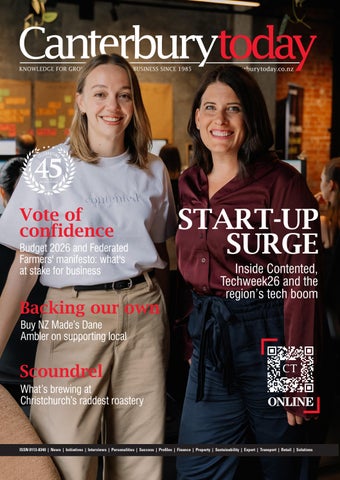
Vote of confidence
Budget 2026 and Federated Farmers' manifesto: what's at stake for business
Backing our own
Buy NZ Made’s Dane Ambler on supporting local
Scoundrel
What’s brewing at Christchurch’s raddest roastery

Vote of confidence
Budget 2026 and Federated Farmers' manifesto: what's at stake for business
Buy NZ Made’s Dane Ambler on supporting local
What’s brewing at Christchurch’s raddest roastery
Inside
Contented, Techweek26 and the region’s tech boom
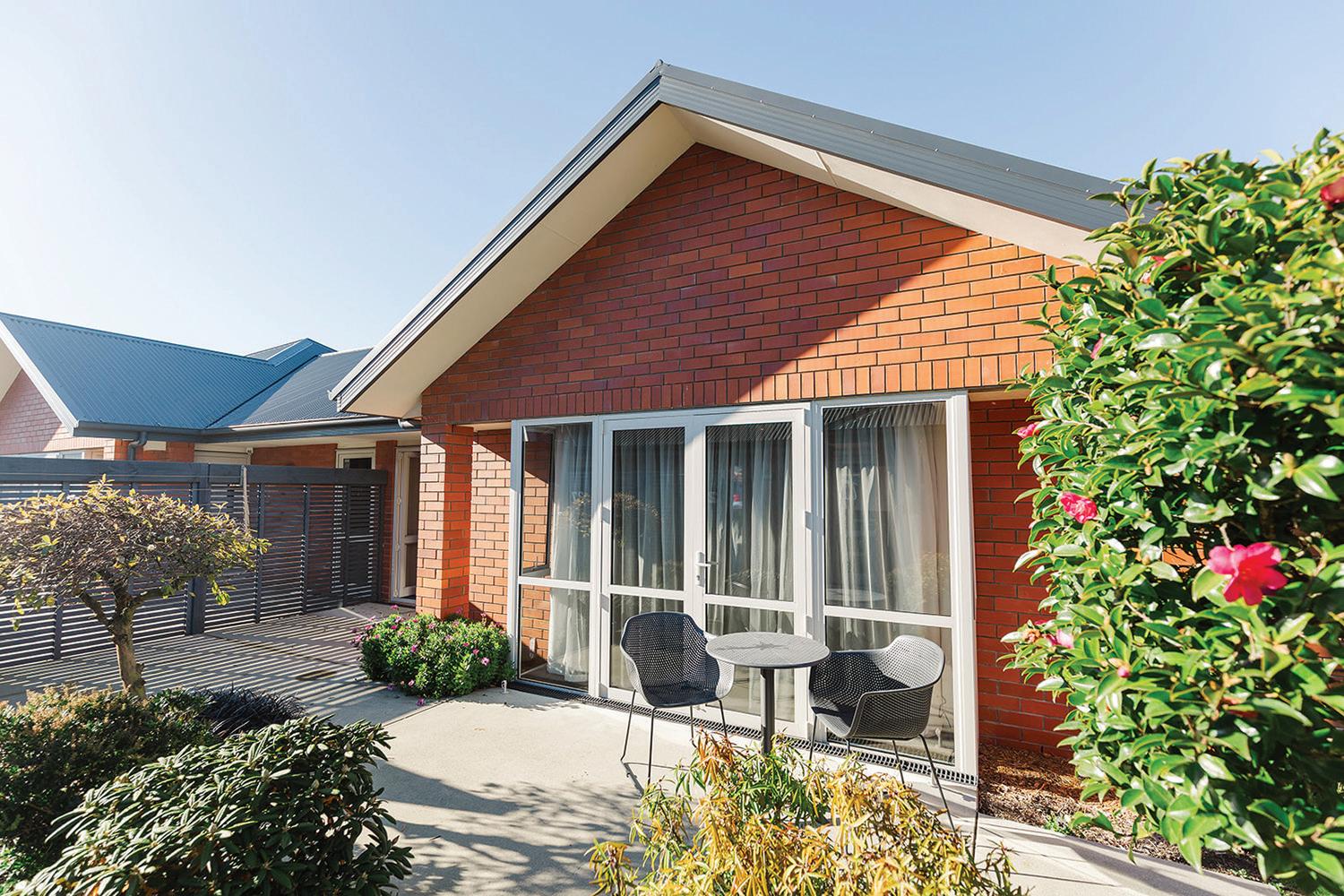
Welcome to Rosebank Lifecare, a trusted community offering a safe, supportive environment where residents feel genuinely cared for.
We provide Residential Care, Independent Villas, and onebedroom and studio care suites, with personalized support to suit a range of needs.
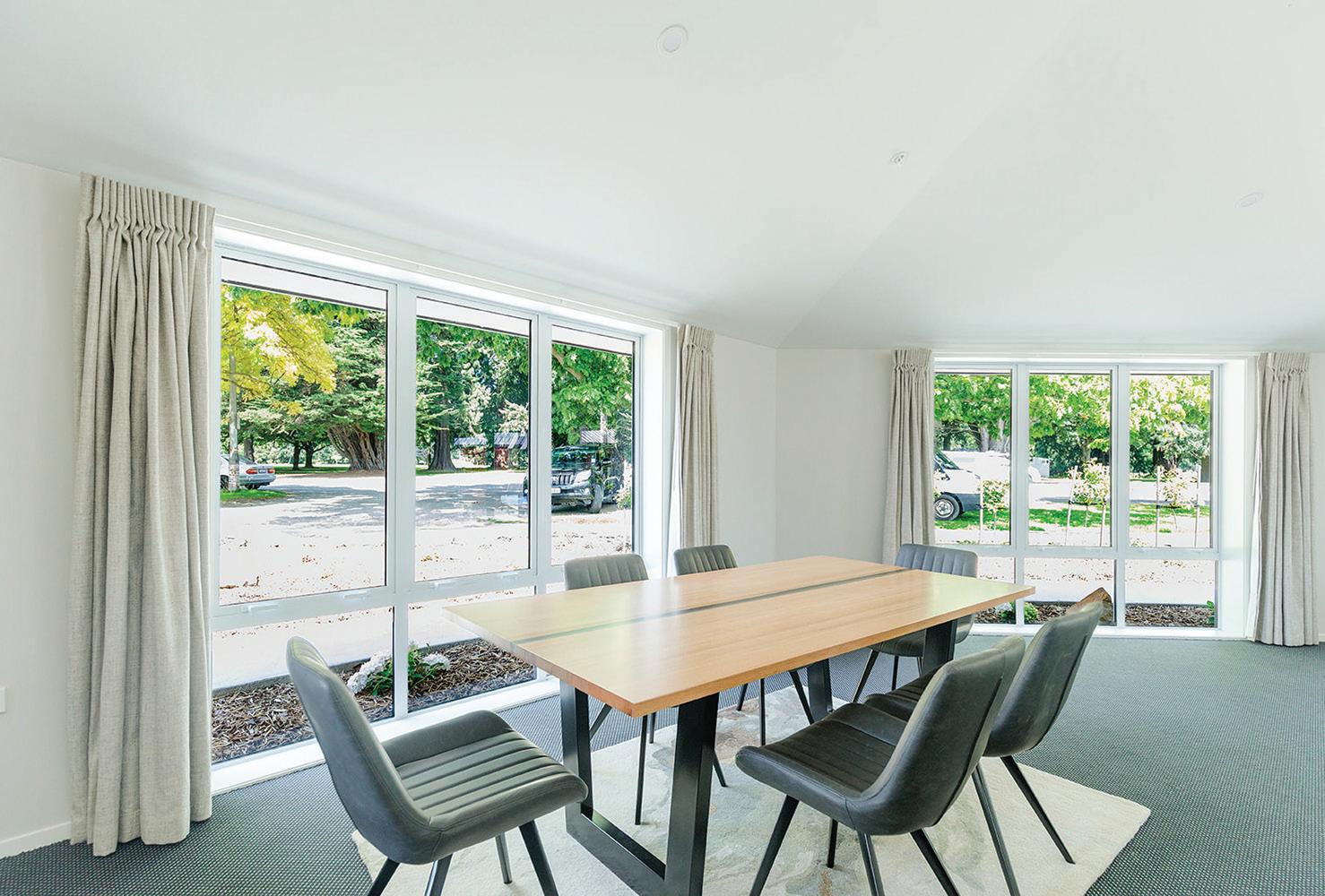
Located near the beautiful Ashburton Domain, Rosebank Village offers modern two- and three-bedroom villas designed for relaxing living. Enjoy spacious interiors, private gardens, and internal-access garages. Family, friends-and even your furry companions are welcome.


A villa is available now – enquire today discover the lifestyle you’ve been waiting for. Enjoy a friendly community, organized activities, and support from our village coordinator who helps create enjoyable outings, exercise classes, and social events.
At Rosebank, you can enjoy independent living within a caring community, where neighbors become friends and every day offers opportunities to stay active and connected.
Rosebank’s’ One-Bedroom and Studio Care suites offer Rosebank’s one-bedroom and studio care suites offer the privacy of your own space with personalized support when needed.
Enjoy chef-prepared meals, housekeeping and laundry services, flexible care options, and the peace of mind of maintenance and security taken care of.
Discover Rosebank’s Care Suites today.



For a tour of our Village please phone our Sales person on 03 3070657 or email and enquiry Sales@rosebanklifecare.co.nz
Residential and Hospital enquires please phone our Manager on 03 3080111 or email manager@rosebanklifecare.co.nz

Contented is making workplace culture more measurable and actionable.
The AI-powered workspace turns conversations into structured, business-ready intelligence, turning recorded discussions into tailored documents that boost productivity, compliance and collaboration for teams.
Canterbury is feeling confident, and for good reason. The stadium’s abuzz and so are the businesses that matter most to us. That comeback-city energy runs through this issue of Canterbury Today.
Techweek26 took Christchurch by storm with eleven events in the city. As Tech NZ’s Delphine Ducaruge tells us in this issue, the through-line was confidence and practicality. Contented co-founder Hannah Hardy-Jones lifts the curtain and shares insightful lessons learned building a Canterburyborn AI business.

We unpack what Budget 2026 means for your bottom line, how to get the contractor or employee call right, why the eighth week decides if a new hire sticks. Federated Farmers lays out its five election asks, and we hear from operators getting on with it, from Scoundrel to Kuri City. Taken together, these stories point to a region that’s unapologetically backing itself.








The Christchurch AI start-up turning everyday talk into business intelligence
Inside Techweek26
Tech NZ chair Delphine Ducaruge on the dynamic tech sector 14 The label trap
Getting the contractor-or-employee call right
17 Too Good to Go
Food-rescue app goes live in Canterbury and beyond
20 Backing our own
Buy NZ Made's Dane Ambler on whether Kiwis still put homegrown first
24 Keeping the lights on What Budget 2026 means for Canterbury business owners
28 The first ninety
Why the eighth week, not the interview, decides whether a new hire sticks
The warehouse pub winning over Christchurch
36 What farmers want
Federated Farmers sets out its election manifesto
42 Proof of you
The privacy debate surrounding digital identification
46 Straight talk
Addressing an underperformer before your best people route around them
48 Running on empty
Why diesel and vehicle theft has spiked


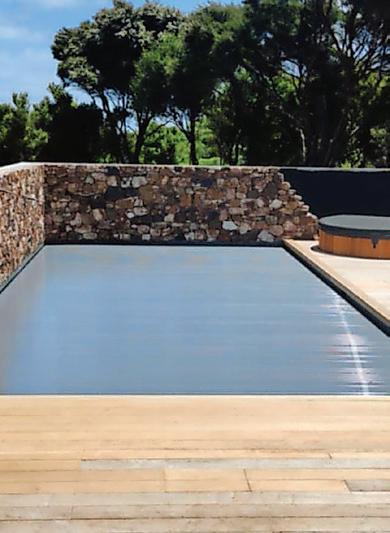
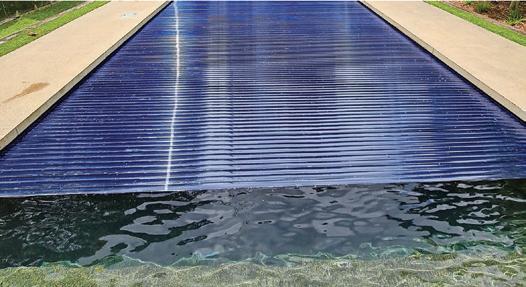

09 426 0625 | 027 663 8605 sales@autopoolcovers.co.nz www.covers4pools.co.nz Our Roll Out Roll Under Automatic Slatted Covers (new pools & existing pools) Coverstar-Automatic Vinyl (new pools and existing pools)





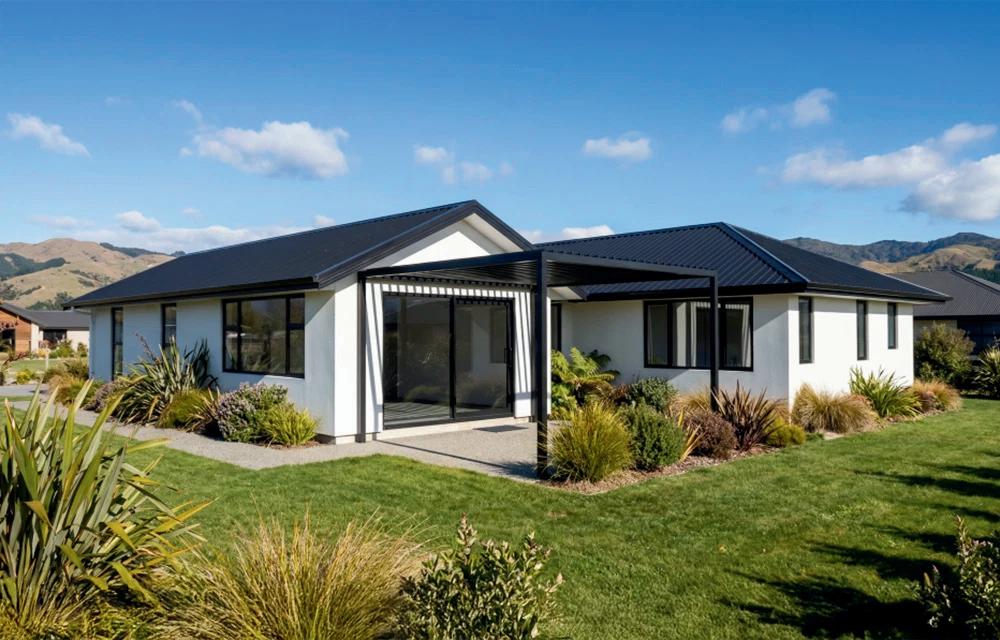
House & Land Packages in Alexandra
Wake up to golden landscapes, endless blue skies, and a lifestyle that feels like a holiday every day.
Live Where
Life Feels Better
Morning walks along the Clutha River Award-winning wineries minutes from home
A friendly, connected community
Designed for Modern Living
Light-filled open-plan spaces
Seamless indoor-outdoor flow
Quality finishes throughout Warm, energy-efficient homes
Flexible floorplans to suit your lifestyle and budget. Design and Build Options Available.




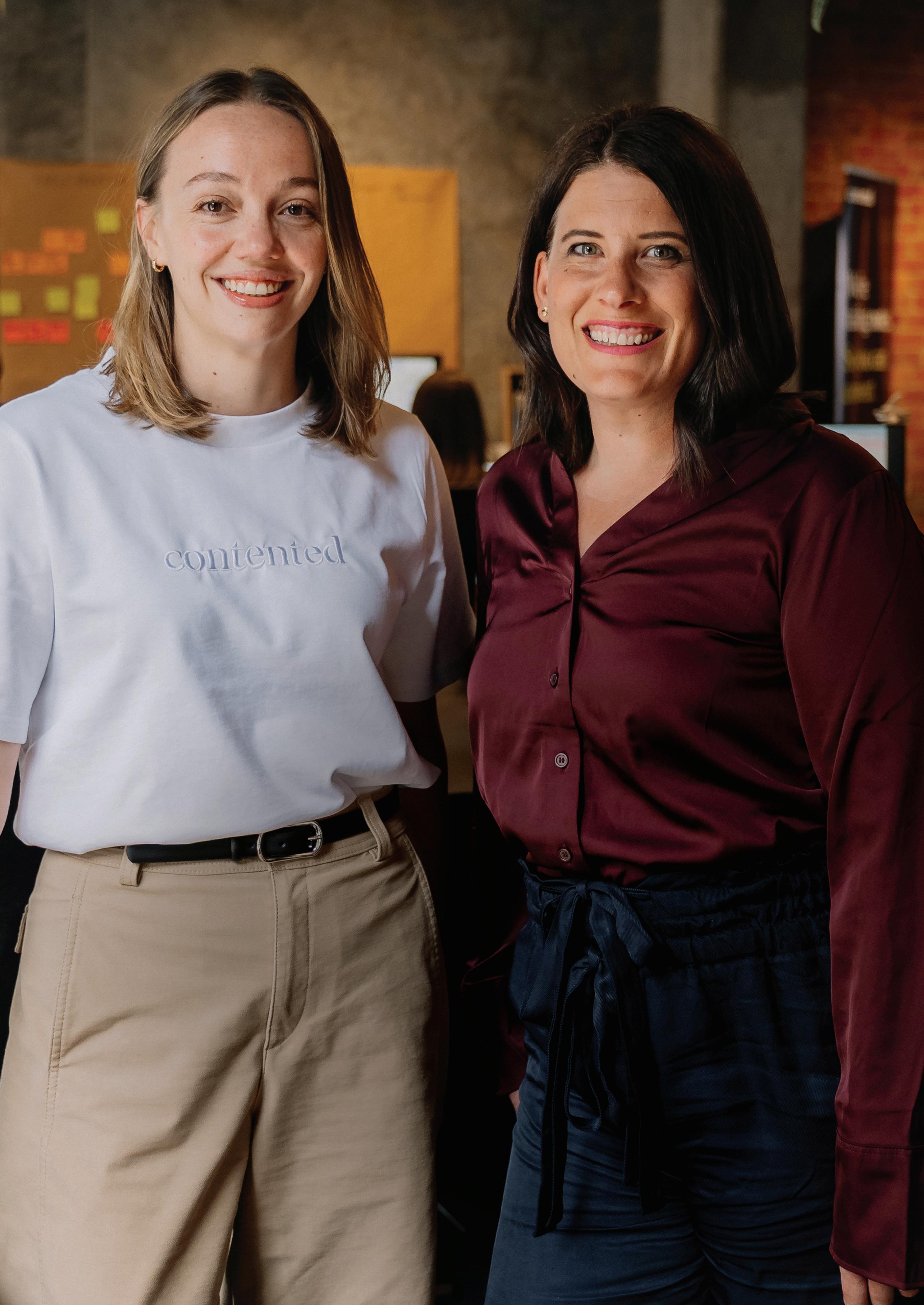
Contented is making workplace culture more measurable and actionable. The AI-powered workspace turns conversations into structured, business-ready intelligence, turning recorded discussions into tailored documents that boost productivity, compliance and collaboration for teams Co-founder Hannah Hardy-Jones reflects on the journey behind one of Christchurch’s fastest-growing AI companies.
We believe that conversations are the most underutilised resource in the world. Human words deserve to be protected and amplified, and that’s why we built Contented.
What inspired you to get started?
I didn’t start with a traditional tech background - and neither did my Contented co-founder Lucy Pink. I switched from corporate HR after experiencing mental health challenges following the birth of my first child. It led me to create a micro-learning wellbeing app for new mothers, called Kite programme. I met Lucy at the Ministry of Awesome, where we were both working on our separate start-ups, and we connected immediately over wanting to make a difference with technology. We did some AI consulting together before founding Contented in 2023.
What problem are you solving?
We believe that conversations are the most underutilised resource in the world. Human words deserve to be protected and amplified, and that’s why we built Contented. It records any kind of meeting - client, boardroom, brainstorms or walks on the beach - and transforms it into tailored, business-ready documents and insights. It matters because conversations drive change - they contain ideas, knowledge, and decisions. It’s not just about enhancing productivity; Contented is not a note-taker, although it does that too. It’s about extracting all the value from conversations we’re already having, every day, in

our lives and work. Our aim is to become the trusted solution for turning conversations into valuable, lasting assets.
What’s a recent win that stands out?
You should see our wins channel in Slack - it’s an endless flow of people across the team sharing wonderful things happening in the business. The positivity and pace are amazing right now. We’ve just surpassed $2m ARR, up from $1.4m in February. A lot of our growth is coming from professional services - recently we signed eight law firms in a week.
We’re also having huge success in events - such as the UN Global Compact Network Australia’s UNiting Business LIVE Australia 2026 conference, where their event team used Contented to record panels, fireside chats and keynote speakers, then seamlessly produced key takeaways, quotes, metrics and insights moments after each session ended, ready to share and feed into reports.
Why is Canterbury an incredible place for innovation?
We’re incredibly proud to be based in Otautahi and we believe it’s absolutely possible to build a globally competitive business from here. The Ministry of Awesome has been a phenomenal support for us - it’s where Lucy and I first met as well. And the city is just brimming with cool people doing interesting things. One of the best parts of our job is we get to see and experience different workplaces, factories and offices around Canterbury - places like Awanui Labs and Apollo Projects - and the innovation is so inspiring. CT
Canterbury has emerged as a hub for deep-tech and applied software ventures across AI, infrastructure and biotechnology.
Together, these companies reflect a regional ecosystem driven by research-led innovation, where technical capability is translated into export-focused products and services for global markets.
Kara Technologies
Kara Technologies builds real-time sign language avatar systems using speech recognition, NLP and 3D rendering to translate spoken and written content into sign language, positioning accessibility as scalable digital infrastructure, not an accommodation.
www.kara.tech
Traft AI
TRAFT AI is a Christchurch-based applied AI start-up building autonomous execution systems for construction and insurance workflows. Its platform converts photos, data and inputs into structured outputs such as scopes, estimates and claims, reducing manual processing through end-to-end workflow automation.
www.traft.co.nz
BioOra
BioOra is a New Zealand biotechnology venture operating in the advanced therapeutics and cell and gene therapy space. It is focused on building local capability in complex biomedical research and translational pathways within Aotearoa’s emerging biotech ecosystem.
www.bioora.com
ScriptSense is a Christchurch-based health-tech software company building AI-assisted pharmacy management systems. Its platform streamlines dispensing workflows, reduces manual data entry and supports safer, more efficient pharmacy operations through automation and data-driven decision support.
www.scriptsense.co.nz
Albeit now a scale-up, Partly develops infrastructure software for the global automotive parts industry, standardising fragmented OEM and aftermarket data. Its platform enables accurate parts matching and identification at scale through structured data and APIs that support downstream commerce workflows.
www.partly.com
Backkr helps small service businesses turn web analytics into clear customer personas and practical actions across messaging, SEO and website performance. It replaces complex data interpretation with fast, repeatable insight designed for SMEs without agency support.
www.backkr.com
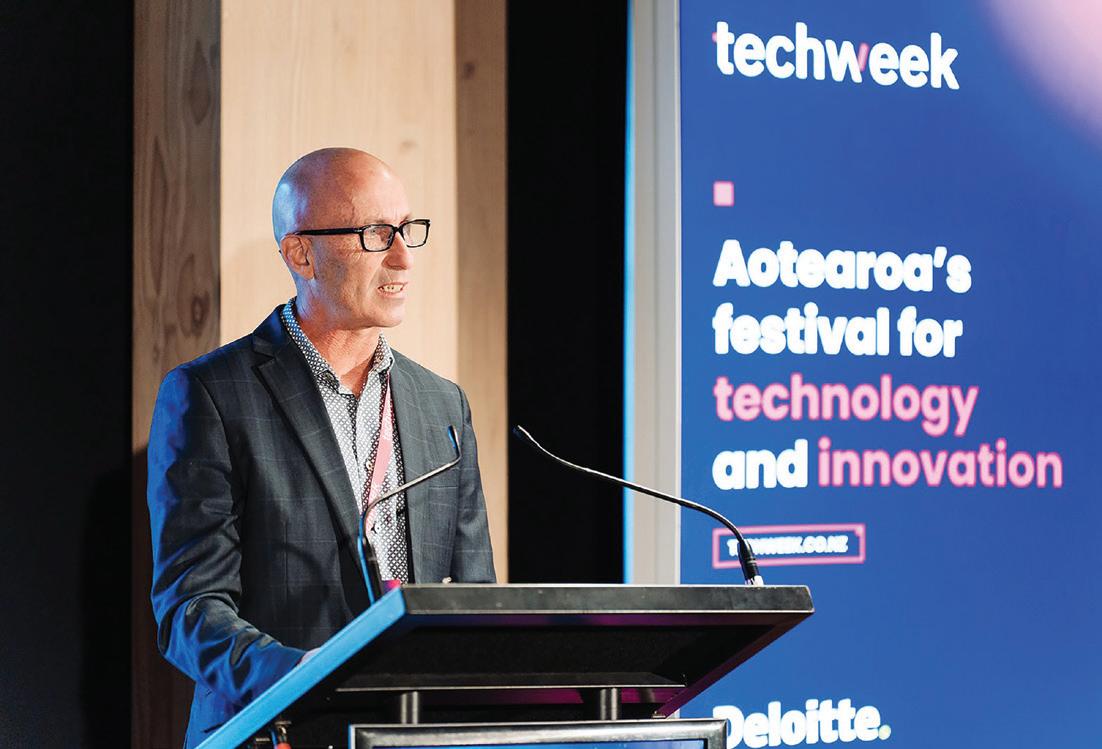
Christchurch is fast emerging as one of the nation’s most dynamic tech hubs. Techweek26 proved that. Across eleven events held in the city, the week brought together founders, researchers, students, investors and established businesses to explore everything from AI and cyber resilience to bio-innovation and high-performing teams.
Canterbury Today spoke with Delphine Ducaruge, Chair of Tech New Zealand, about the key themes emerging from Techweek26 and what they reveal about the future of Christchurch’s tech sector.
What makes Christchurch such an exciting tech hub? Our ecosystem is mature enough to execute and innovation here is translating into real commercial outcomes. We’ve got ambitious founders, a strong talent pipeline, deep research capability, and increasingly sophisticated enterprise adoption. Techweek26 showed how powerful Christchurch can be when you put start-ups, established businesses, researchers, students, investors and government in the same rooms. What’s especially compelling is the breadth (from software and services through to deep tech and health innovation) and the fact Canterbury businesses are building solutions with global relevance while creating high-value jobs locally.
Which key themes emerged? For the Canterbury business community, Techweek highlighted confidence and practicality. It showed how Christchurch is building, adopting and scaling. Many key themes emerged.
Entrepreneurs and changemakers are leading the story. Techweek came alive with a strong founder energy and inspiring examples of

Across Christchurch, AI adoption is becoming practical and ROI-driven. Businesses are using it to lift productivity, sharpen decisionmaking and improve customer experience, but without losing human judgement.
people building in-market solutions from Christchurch.
Practical innovation matters more than hype. Events like the Deloitte x ServiceNow UC student appathon and ‘Beyond Access: Getting Real Value from Copilot’ focused on what teams can implement now, not theory.
AI is now a business capability. The EPIC AI Conference, plus the AI Roadmap Workshop, showed how quickly interest is shifting from experimentation to capability, governance and real use-cases.
Resilience and recovery are business essentials. ‘Down in Minutes. Recovery Takes Everyone’ underscored that continuity and cyber resilience are now board-level priorities.
Bio-innovation is also a Canterbury strength. ‘The future of bioinnovation: From research to global impact’ reinforced Christchurch’s role in translating research into globally relevant ventures.
High-performing teams matter as much as the tech. ‘Building
high performing delivery teams’ highlighted that execution capability is becoming a differentiator as tools become more accessible.
Partnerships matter. Techweek created valuable collaborations across the ecosystem and those relationships are often what turns innovation into growth.
How are Christchurch businesses actually using AI?
Across Christchurch, AI adoption is becoming practical and ROIdriven. Businesses are using it to lift productivity, sharpen decisionmaking and improve customer experience, but without losing human judgement.
Common applications include:
• Productivity uplift for knowledge workers, accelerating routine work
• Customer support and service teams using AI to speed up triage and improve response quality
• Operations and admin automating document handling, summarising reports and streamlining workflows
• Sales and marketing drafting and personalising content, accelerating proposals and tenders (with review and governance)
• Analytics and forecasting to spot trends earlier, plan more accurately, and identify risks sooner
• Product development embedding AI features where it clearly improves the customer outcome. The consistent message coming through Techweek: the organisations that win won’t just ‘try AI’, they’ll build an AI roadmap around people, process, data, security and governance, and upskill their teams.
How are Cantabrians using tech for good?
A standout example is Bioora, who are building life-saving CAR-T cancer therapy in Aotearoa, for Aotearoa. It’s a Christchurch story with national significance: highvalue science and technology, local capability building, and very real human impact.
Techweek also showcased ‘tech for good’ in a broader sense, including community-facing engagement like the PB Come Play event at Tūranga Library, and a strong focus on resilience and continuity thinking.
More broadly, Cantabrians are applying technology to challenges that matter to both business and community: improving health outcomes, boosting sustainability and energy efficiency, strengthening


resilience, and creating new high-skill career pathways. It’s ‘tech for good’ that’s also tech that grows the region.
Partly is another Christchurchfounded company doing big things globally. They’re independently connecting the auto parts supply chain and improving efficiency. Their mission is simple and ambitious: to connect the world’s parts, bringing world-class engineering talent (with a strong base in Christchurch) to a massive, largely offline industry. What’s the sector’s future?
In five years, we expect Christchurch’s tech sector to be even larger, more visible and more commercially mature with more local companies scaling into global markets and more high-value jobs anchored in Canterbury.
We also hope to see:
• more Christchurch-founded scaleups becoming household names in their niches
• stronger talent pathways and a broader, more diverse workforce entering tech roles
• AI embedded responsibly across most sectors as a standard business capability
• more investment and export growth, supported by a confident “Canterbury builds” narrative
• deeper collaboration between start-ups, established businesses and research to speed up commercialisation (especially in bio-innovation and deep tech).
What was the key message of Techweek26?
Techweek26 reinforced that Christchurch is full of builders, entrepreneurs and teams turning innovation into outcomes. The key message for Canterbury businesses is that technology isn’t a side story anymore: it’s becoming core to competitiveness, productivity and growth. The opportunity now is to adopt what works, invest in capability, and back the people and partnerships that will scale the region’s success. CT
Lyttelton Arts Festival
3rd - 19th July, Lyttelton
A community-led celebration of the arts featuring live performance, exhibitions, and creative installations across Lyttelton venues. The festival showcases local talent and grassroots creativity.
www.laf.co.nz
Matariki 2026
4th - 12th July, Christchurch Arts Centre
Celebrate Matariki with talented artists from Otautahi & beyond, featuring live performances, visual art, kapa haka, night market and so much more.
www.artscentre.org.nz/whats-on/matariki-2026
Dare to Lead™ Christchurch
29th - 31st July, Ilex Café
A three-day leadership development experience focused on courage, culture, and accountability. Built around the principles of daring leadership, the programme helps participants strengthen how they lead under pressure. nz.boma.global/dare-to-lead
Leadership Under Pressure
30th July, Business Canterbury
An intensive leadership workshop with Scott (Razor) Robertson on how preparation, mindset, and decision-making influence performance in high-pressure environments. Designed for professionals looking to strengthen resilience and capability.
www.eventbrite.co.nz/e/leadership-underpressure-preparation-performance-and-resiliencetickets-1991332302522
South Island Election Conference
14th August, Te Pae Christchurch Convention Centre
Bringing together policymakers, candidates, and industry leaders, the South Island Election Conference will examine the key issues shaping the region’s political and economic future. Expect debate, insight, and discussion across a full-day programme.
www.businesscanterbury.co.nz/whats-on
Contractor or employee? Getting the call right before someone else makes it for you

You need someone for a few days a week. Not quite enough for a full-time hire, too much for ad hoc casual help. The person in front of you is happy to invoice you, handle their own tax, and ‘keep things flexible’. You write ‘independent contractor’ at the top of the agreement, shake hands, and move on. It feels simple.
The problem is that employment law does not care how tidy it feels on paper.
The label is not the decision
Here, the label you put on a contract is not what determines the relationship. Section 6 of the Employment Relations Act requires a look at the real nature of the arrangement, not just what the document says. Courts and the Employment Relations Authority are directed to consider how the work actually operates in practice. Employment NZ guidance breaks this down into four overlapping
factors: intention, control, integration, and economic reality. None of them alone decides the outcome. The question is always the overall picture.
· Who controls how, when, and where the work is done?
Is the person operating as part of your business, or running their own?
Can they genuinely take on other clients?
Do they carry real financial risk, or are they effectively on a steady wage?
Why this matters more than most owners think
If a contractor is later found to be an employee, the cost is not limited to paperwork correction. It can include unpaid leave entitlements, holiday pay, sick leave, public holiday entitlements, KiwiSaver employer contributions, and other minimum rights that should have been provided all along.
Those liabilities can reach back across the entire relationship. In a small business, that is often enough to turn a ‘simple arrangement’ into a serious financial shock.
The courts here have repeatedly reinforced the same principle:
substance beats form. If someone looks and works like an employee, calling them a contractor does not change the reality.
The gateway check
A more recent ‘gateway test’ offers a shortcut in some cases. If the arrangement clearly meets defined conditions — genuine independence, ability to work for others, flexibility over hours, and freedom to decline work — it can be treated as contracting from the outset.
But the gateway is not a loophole. If even one condition is not met, the arrangement falls back to the full common-law assessment of the relationship.
A simple pre-check before you sign
Before you agree to anything, ask five blunt questions.
1. Can they work for competitors without restriction?
2. Can they set their own hours or send someone else to do the work?
3. Do you control how the work is performed, or just the outcome?
4. Can they decline work without consequences?
Contractor or employee? Getting the call right before someone else makes it for you. The risky middle ground is the one that looks convenient today and becomes expensive later.
5. Does the relationship still make sense if you remove ongoing dependency?
If those answers feel uncomfortable, you are probably not describing a contractor. You are describing an employee without the protections. What to do instead
Contractor or employee? Getting the call right before someone else makes it for you. The risky middle ground is the one that looks convenient today and becomes expensive later. Because when things go wrong, the question won’t be what you called it. It will be what it actually was. CT


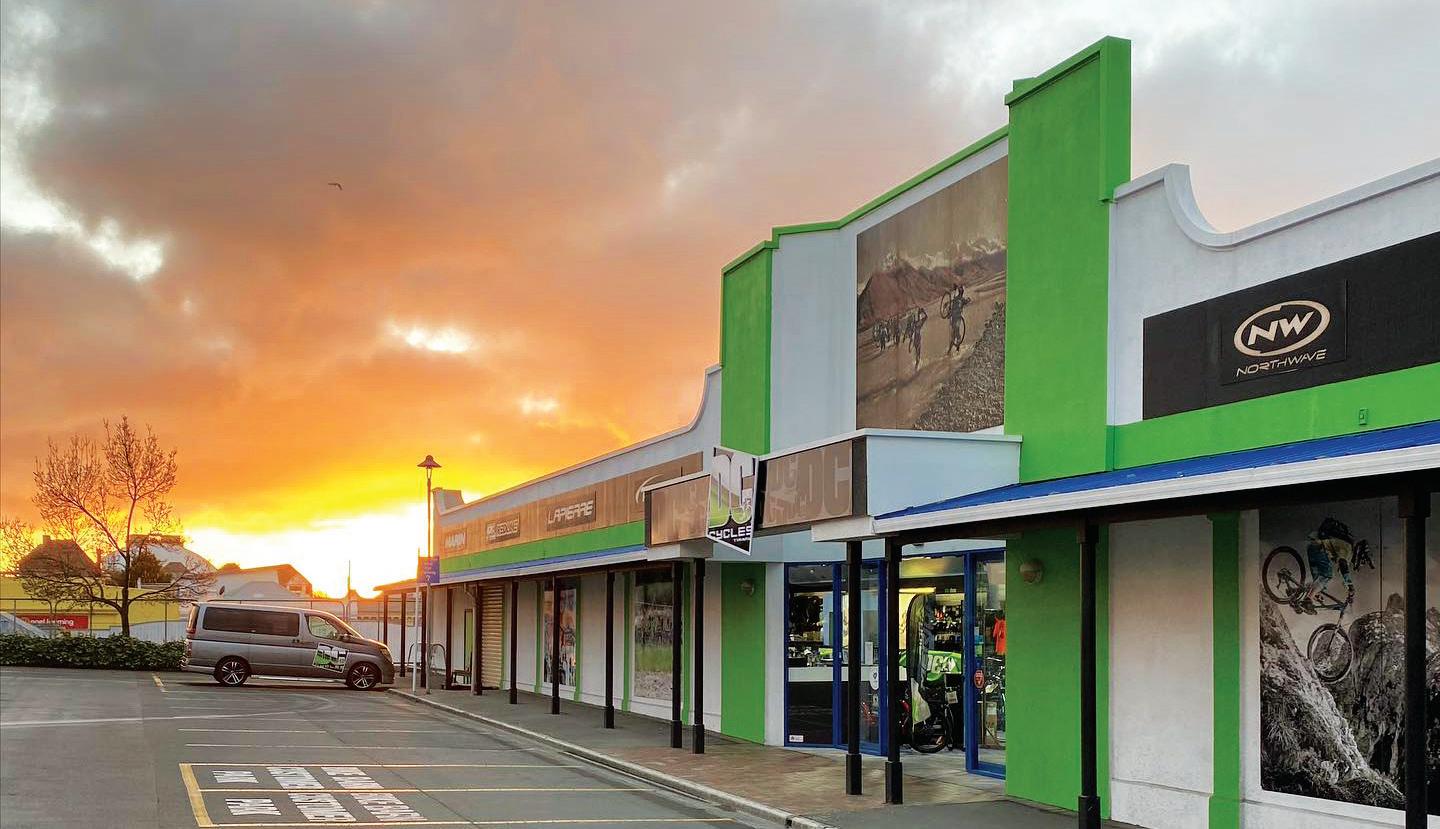
Looking for your next ride or the gear to match?
DC Cycles in Timaru is your go-to destination for everything cycling, combining expert knowledge with a genuine passion for the sport.
Conveniently located at 57 Sophia Street, this locally trusted bike shop caters to riders of all levels, from beginners finding their first bike to seasoned cyclists chasing performance and adventure.
At DC Cycles, you’ll find an extensive range of high-quality bicycles, including road bikes, mountain bikes and city cruisers designed to suit different riding styles and terrains. Whether you’re commuting, training, or exploring the outdoors, their friendly and knowledgeable team are ready to help you find the perfect fit. With staff who are cyclists themselves, you can expect personalised advice and a shopping experience tailored to your needs.
Whether you’re commuting, training, or exploring the outdoors, their friendly and knowledgeable team are ready to help you find the perfect fit.
Beyond bikes, DC Cycles is a onestop shop for accessories, apparel and cycling gear. From essential components to performanceenhancing technology, their
carefully selected product range is designed to make every ride more comfortable, safe and enjoyable.
Their fully equipped workshop offers professional servicing and repairs for all bike types and brands. As certified service agents for leading systems, the team can handle everything from standard tune-ups to custom builds, ensuring your bike performs at its best.
With convenient store hours throughout the week and weekend, plus expert support just a phone call away, DC Cycles makes it easy to stay on top of your cycling needs.
Whether you are upgrading your ride, maintaining your bike or starting your cycling journey, DC Cycles delivers quality, expertise and service you can trust, every time you hit the road or trail.

We are an independently & locally owned bike shop that caters to all your cycling needs.
Whether you’re a seasoned cyclist or someone that enjoys getting out on your bike at a leisurely pace, we have you covered.



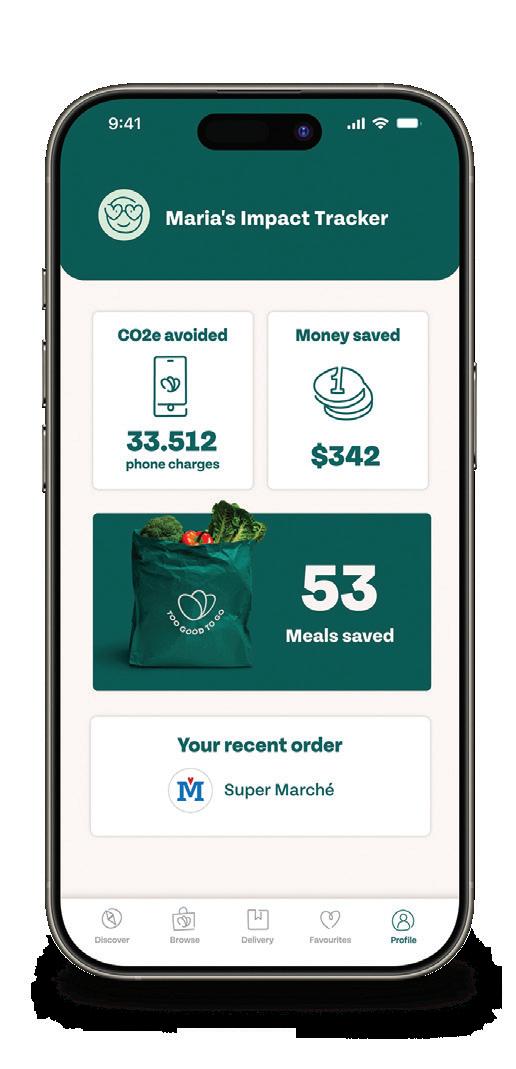
1.22 million tonnes of food are lost or wasted nationwide every year. That’s 237 kilograms per person, annually, and nearly 10% of our total food production. An international initiative that tackles this problem has finally reached New Zealand.
Too Good To Go launched in Denmark more than a decade ago and now operates across 21 countries and has more than 100 million registered users. The sustainable food app helps food businesses to reduce waste by selling discounted surprise bags of unsold food at the end of the day. Customers typically pay about a third of the retail value for the contents of each bag.
After launching in Auckland last October, Too Good To Go expanded into Christchurch in February, partnering with businesses including Ilex Cafe, Coffee Embassy, Underground Coffee Roasters and Fluffy Bake Shop. Too Good To Go has since partnered locally with food-waste initiatives like Love Food

Hate Waste and Kai Commitments, and launched in Wellington in April.
“We spent months looking into the local landscape to understand if there is a waste problem for us to solve, and the data spoke for itself with $3 billion worth of food wasted annually in New Zealand,” says country director Joost Rietveld.
The app now has over 95,000 Kiwi users and 511 partner businesses. Together, this equals more than 100,000 meals saved from going to landfill. “That is the CO2e equivalent of driving from Cape Reinga to Bluff almost 600 times.”
For businesses reliant on fresh, perishable products, keeping display shelves full is a real challenge, long viewed as an unavoidable cost. But now more businesses see that reducing food waste can also improve efficiency. Turning surplus


food into a revenue stream not only boosts profits but can also attract new customers.
“We’ve had some really great feedback from our local partners, like Bakers Delight, who have already saved over 15,000 Surprise Bags,” Rietveld says. “Overcoming this food waste challenge now becomes both a responsible and economically rational decision.”
For consumers, as costs rise, wasting good food is becoming harder to justify. Rather than choosing between price and principles, many Kiwis are looking for ways to achieve both. That shift is a key part of the app’s appeal.
“We believe people shouldn’t have to choose between their values and their wallet,” Joost says. “In fact, if a Kiwi user rescues just one Too Good To Go bag per week, they can save around $935 NZD a year.”
He says perceptions around surplus food are shifting. “Kiwis are quickly realising that surplus food is just perfectly good food that simply didn’t find a buyer during business hours. The uptake we’ve seen in Christchurch and nationwide proves that Kiwis are rethinking what value means to them and are moving toward a much more circular way of consumption.” CT www.toogoodtogo.com/en-nz


Five years ago in Otautahi, ignite wellbeing was founded on a simple yet powerful idea: that accessing support for mental health and wellbeing should be easy, proactive, and embedded in everyday life.
For Director Sarina Finucane, Canterbury has played a defining role in shaping that vision. “Living and working here, we’ve seen how strong communities are built when people get support early,” she says. “It’s not about waiting for crisis— it’s about enabling people to thrive.” That belief continues to guide ignite’s approach, placing early intervention and accessibility at the centre of everything it delivers.
This mindset sets ignite apart from traditional Employee Assistance Programmes (EAPs), which have typically focused on reactive counselling during times of need. While those services remain important, ignite recognises that wellbeing is far more complex and interconnected. Its model reflects a whole-person approach, supporting not just mental health, but also physical wellbeing, financial stability, relationships, lifestyle, purpose, and cultural connection.
Through its intuitive platform, individuals can access a broad network of trusted practitioners—
from psychologists and counsellors to financial mentors, dietitians, occupational therapists, coaches, and rongoa practitioners. Importantly, support is often available within 24 hours, removing one of the most common barriers to care: long wait times. Services are accessible nationwide, delivered in person, online, or via phone, and offered in 21 languages to reflect the diversity of Aotearoa’s communities.
Designed for the realities of modern work and life, ignite combines
flexibility with choice, allowing individuals to find support that aligns with their specific needs and preferences. This personalised experience empowers people to take a more active role in their wellbeing journey, rather than relying solely on traditional, onesize-fits-all pathways.
“The future of wellbeing is personalised and proactive,” says Head of Delivery Gina Nonumalo. “People want support that fits seamlessly into their lives, not something they only turn to in moments of crisis. We’re proud to see the impact—86% of people who engage with ignite report an improvement in their overall wellbeing.”

As well as providing support to individuals via their online marketplace, ignite also works closely with businesses, tertiary institutions, insurers, and NGOs, supporting organisations to take a more preventative and humancentred approach to wellbeing. By making support accessible without requiring an app or ongoing subscription, the platform removes friction and ensures people can reach help when they need it most. At its heart, ignite is about shifting ownership back to individuals. By removing barriers, normalising helpseeking, and offering meaningful choice, it empowers people to recognise what they need and take action early. This shift— from reactive care to proactive wellbeing—is helping individuals build stronger habits, organisations create healthier cultures, and communities become more resilient.
As the conversation around mental health continues to evolve, Ignite Wellbeing is playing a key role in redefining what support looks like in Aotearoa—making it more inclusive, accessible, and aligned with the realities of modern life. Find and book wellbeing providers in New Zealand with ignite
www.ignite.org.nz

Dane Ambler on backing New Zealand-made
Rising costs, mounting pressure, global competition. The question of whether Kiwis truly back local products remains more relevant than ever. Buy NZ made executive director Dane Ambler talks manufacturer challenges, consumer habits, and Canterbury’s important role in backing homegrown products and businesses.
Do Kiwis actually prioritise New Zealand-made, or is price still the sole focus?
It’s complicated. Research consistently shows Kiwis want to buy local — there’s genuine pride in supporting homegrown products. But when they’re standing in the aisle or clicking checkout, price and convenience often win.
That said, we’re seeing a real shift. Post-COVID changed something in the national psyche. People experienced firsthand what supply chain disruption looks like and started asking, “Where does this actually come from?”
The cost-of-living crunch cuts both ways, too. Yes, it pushes some toward the cheapest option, but it also makes people think harder about where their money goes and whether it stays in the local economy. When people understand that buying New Zealand-made

keeps jobs here and builds economic resilience, price becomes one factor among several — not the only one.
What are the big pressures facing Kiwi manufacturers?
Kiwi manufacturers are being squeezed from multiple directions. Energy, freight and labour costs have all risen sharply, making it hard to compete on price with goods produced in lower-cost environments.
We’re also a nation of five million — it’s genuinely difficult to achieve the economies of scale that offshore manufacturers enjoy. Getting shelf space in major retailers is an ongoing battle, and cheap imported goods sometimes sold below true cost of production undercut local makers who are doing right by their workers and the environment.
Despite all this, New Zealand manufacturers are remarkably
resilient. Many are finding niches, investing in premium quality, and building direct-to-consumer relationships that sidestep the margin pressure.
What can government and councils do to support local?
Procurement is the single biggest lever available, and it remains underused. Central and local government collectively spend billions every year — shifting even a modest percentage toward New Zealand-made products would have a significant economic multiplier effect.
We’d love to see Buy Local procurement policies with real targets and accountability, not just aspirational statements. Mandatory and enforced country-of-origin labelling would also make a huge difference, so consumers and procurement teams can make genuinely informed choices.

Councils can lead by example too. When a Canterbury council fits out a community building with locally made furniture or sources catering from local producers, that’s visible leadership that signals values to the whole community.
What’s your take on buying New Zealand made in Canterbury?
Canterbury is genuinely exciting from a Buy NZ Made perspective. The region has a diverse manufacturing base — from world-class food and beverage producers on the Plains, to precision engineering firms in Christchurch, to innovative agri-tech companies. Post-earthquake Christchurch rebuilt with intent, and that includes a strong “support local” culture running through hospitality, retail and the broader business community. The challenge is visibility. Many extraordinary products are made right here, but consumers don’t always know the local story behind them. Better storytelling, stronger in-store labelling, and platforms connecting Canterbury makers with Canterbury buyers would make a meaningful difference.
What would you most like to see change in the way Kiwis shop and spend?
Above everything else, we’d love to see Kiwis make the origin question a habit. Before purchasing, simply ask: where was this made, and what happens to my money when I buy it?
We’d also love to see loyalty to local brands treated like loyalty to local sports teams. Kiwis passionately back the All Blacks and the Crusaders — that same tribal pride applied to homegrown businesses would be transformative. And we’d love a cultural shift where paying a fair price for a locally made product is seen as a point of pride, not a sacrifice.
When you buy New Zealand-made, you’re not just buying a product — you’re paying someone’s wages, funding a local family, and investing in the kind of economy we all say we want. CT

local
The Bayleys Timaru team offers you a full range of real estate services, including residential, commercial, lifestyle, and rural properties. Your team of Timaru property experts have deep local roots and unrivalled knowledge of the South Canterbury property market.
We’ll help you tap into the massive power of the Bayleys network to maximise the value of your real estate assets. Part of New Zealand’s largest full service real estate agency our national and international reach is unmatched, and we’re masters at creating genuine competition for your property.
We’re also strong believers in giving back to the community we live and work in, supporting
local schools, sports teams, and not-for-profit organisations across the South Canterbury region, including local legends like the Crusaders and Surfing for Farmers.
If you’re selling your property, contact our expert team for better results from your biggest investment. Bayleys covers Timaru through Geraldine, Fairlie, Tekapo, and Twizel, offering expert service and proven results across every property type.
The results speak for themselves. Bayleys Timaru has hosted a series of highly successful auction days, proving that the auction method works just as powerfully here as it does in larger markets.
Bayleys Timaru 03 687 1227 timaru@bayleys.co.nz
Our experienced auctioneer, sharp marketing, and deep understanding of local buyer behaviour work together to create genuine competition and maximise results. From residential homes to lifestyle and rural properties across
Bayleys Tekapo 03 687 1227 tekapo@bayleys.co.nz
the region, when the hammer falls, it delivers exceptional outcomes.
Talk to us today to discuss auctioning your property and discover what our team can do for you.








Bayleys Geraldine 03 687 1227 geraldine@bayleys.co.nz

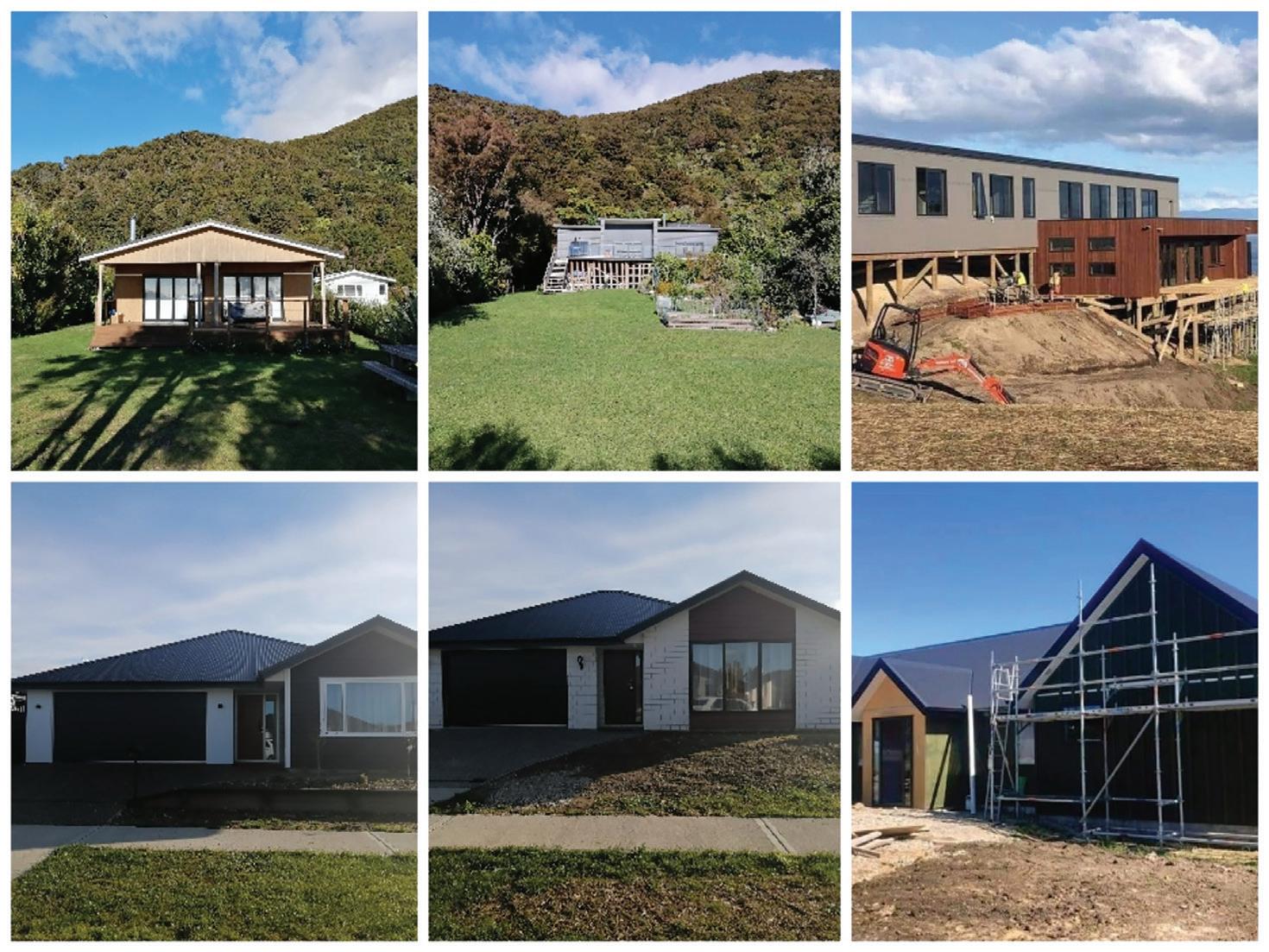
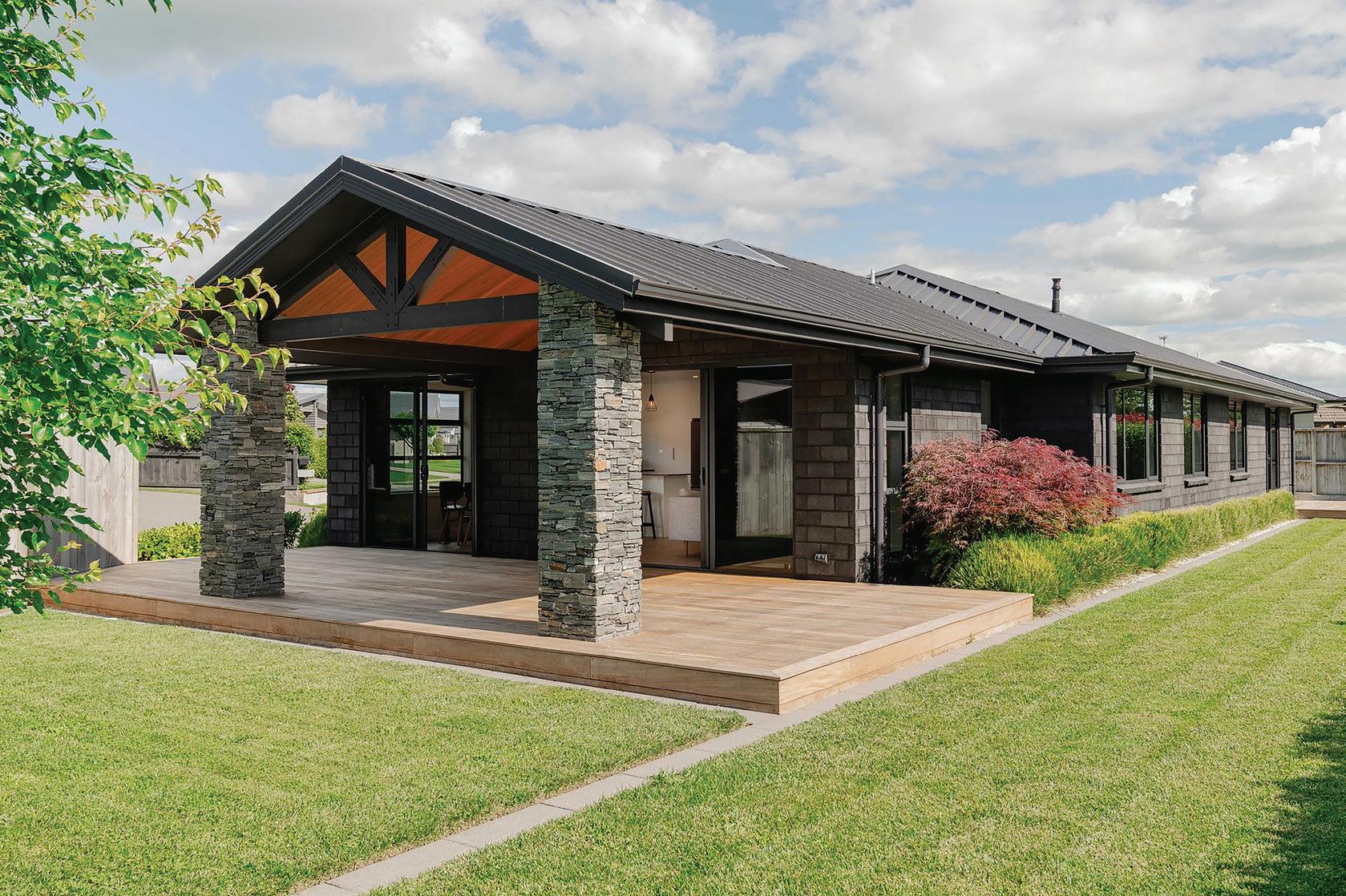
For many South Islanders, building a home is about more than creating a place to live. It is about building a lifestyle that suits the land, the climate, and the people who will live there for years to come. That practical approach is what continues to shape the work of Heartland Homes South Island, a locally operated building company delivering homes designed for the realities of South Island living.
Based in North Canterbury and servicing regions throughout the South Island, Heartland Homes South Island has built a reputation around flexibility, personalised service, and homes that balance affordability with quality construction. Whether it is a rural family home, a compact farm cottage, a lifestyle block build, or a modern custom-designed residence, the company focuses on creating homes that work for the people who live in them.
Unlike many volume builders, Heartland Homes places strong emphasis on tailoring each build to suit the customer’s section, budget, and lifestyle needs. Clients can choose from a wide range of existing plans or work with the team to create a fully customised design. This flexibility has become increasingly important as more South Islanders look for homes that reflect changing family needs, rural lifestyles, or multi-generational living arrangements.
The company also understands the unique challenges that come with building across the South Island. Weather conditions, site access,
rural infrastructure, and varying terrain can all impact a project, which is why Heartland Homes focuses heavily on planning and communication throughout the process. Their team works closely with clients from initial design discussions through to final handover, helping simplify what can often feel like an overwhelming process.
Another key focus for Heartland Homes South Island is value for money. Rising construction costs continue to place pressure on homeowners across New Zealand, and the company aims to provide practical building solutions without compromising on workmanship or materials. Their staged payment structures and transparent project management approach are designed to give clients confidence throughout the build journey.
Heartland Homes also offers a broad range of housing styles suited to both urban and rural settings. Their projects include family homes, transportablestyle cottages, holiday homes, investment properties, and lifestyle block residences.
Rising construction costs continue to place pressure on homeowners across New Zealand, and the company aims to provide practical building solutions without compromising on workmanship or materials.
For many rural landowners, the ability to create functional homes that suit farming or country living remains a major drawcard.
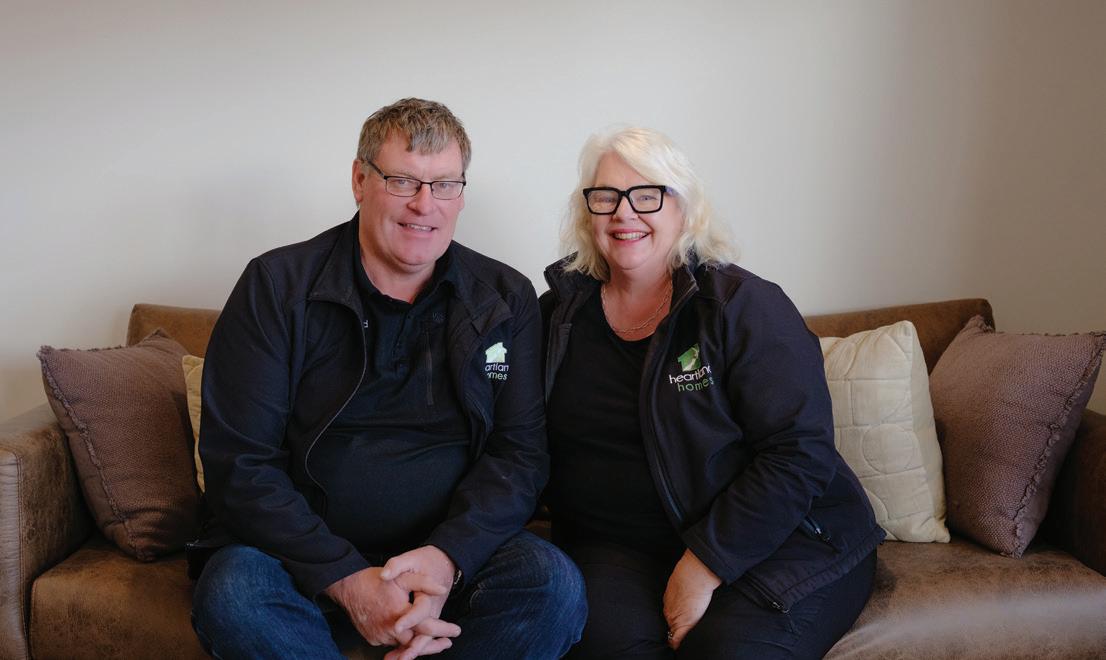
Customer relationships remain central to the business. South Island owners Geoff and Vicki Foster have built the company around approachable service and long-term trust, with much of their work coming through referrals
and repeat customers. That local connection continues to be an important part of the Heartland Homes identity.
As housing needs continue to evolve across Canterbury and the wider South Island, Heartland Homes South Island remains focused on delivering homes that are practical, durable, and built to suit the way Kiwis live.

*Onsite Build * Transportable *Kitset
At Heartland Homes, we make your dream a reality by creating unique residences tailored to meet your lifestyle and family needs. From serene rural abodes to grand mansions, each project is managed with a sharp focus on quality, affordability, and personal service.
119 Carters Road, Amberley
Geoff Foster 027 522 4061 | Vicki Foster 027 696 6391


Finance Minister Nicola Willis delivered Budget 2026 on 28 May, describing it as a response to an increasingly uncertain world, “not with shallow quick fixes, but with a responsible and durable approach”. Its central theme was a return to surplus
Budget 2026 directs significant spending to core services, including $5.8 billion for health, $1.77 billion for the Waikato Expressway, and $400 million for state highway resilience. Law and order also receives a boost, with $447 million for Corrections and $50 million for frontline police within a wider justice funding increase.
For Canterbury businesses, however, the Budget is notable as much for what it doesn’t contain
as what it does. There were no major tax cuts, no large-scale business assistance packages and no headline Canterbury projects. Instead, the Government has opted for fiscal restraint while continuing to invest in infrastructure and public services.
Treasury forecasts the government’s operating balance will return to surplus in 2028-29, a year earlier than forecast in December. The projected surplus is $2.6 billion. For business owners, that matters less because of the number itself and more because it signals a government determined to get spending under control after years of deficits.
The Budget pairs $3.8 billion of new spending with $1.7 billion of savings, while keeping new operating spending to $2.1 billion. For firms still navigating high costs, tight margins and uncertain demand, the message is one of stability rather than stimulus.
That may not excite business owners, but it comes at a time when interest rates are lower
than they were a year ago.
For businesses carrying debt, investing in new equipment or considering expansion, borrowing conditions are improving even if direct government support remains limited.
The most immediate Budget measure for many firms may be a new levy on banks, insurers and finance companies. Expected to raise $209 million over four years, the levy will fund financialsector regulation from 2027. While the costs fall on financial institutions, businesses will be watching closely to see whether any of those costs are ultimately reflected in lending or insurance premiums.
For Canterbury’s construction and development sector, the most interesting announcement may be a new $400 million fund that rewards councils for consenting more homes. With Christchurch continuing to grow and housing demand remaining a long-term issue, incentives that encourage development could have flow-on
benefits for builders, contractors, consultants and suppliers.
The Budget also continues substantial investment in infrastructure, transport and public services. While many of the named projects are outside Canterbury, the region’s engineering, construction, technology and professionalservices firms are well placed to compete for work generated by a growing national pipeline.
Perhaps the biggest takeaway for Canterbury’s business community is that Budget 2026 is fundamentally a consolidation Budget. It’s designed to steady the government’s finances rather than inject significant new money into the economy.
For a region built on resilience, innovation and long-term thinking, the Budget offers few immediate rewards. But it does provide something that many business owners value just as highly: a clearer indication of the government’s economic direction. CT

Household batteries deteriorate if not in use and need to be disposed of safely.
As New Zealand currently lacks the infrastructure to recycle batteries, we’ve partnered with Phoenix Recycling Group to collect undamaged batteries from our sites and ship them offshore under strict hazardous waste permits.
Phoenix works exclusively with approved facilities that are equipped to safely process the batteries, recover valuable materials, and minimise environmental impact.
If your old phone doesn’t have a removable battery, drop it off at a Vodafone, Spark, or 2Degrees retailer, and it will be recycled. The Council will also accept mobile phones at Southbrook Resource
Loose batteries that can be dropped off for free in the specialised Battery Recycling Units:
• AA, AAA, C and D cell batteries
• Alkaline cell • Lithium
• Cr123 camera batteries
• Dry cell and zinc
• Li-ion batteries • 9-volt
• NiCd
• NiMH
Recovery Park, Kaiapoi Library, Oxford Library and Rangiora Library.
Lead-acid and Gel car batteries can be dropped off at the Southbrook Resource Recovery Park and Oxford Transfer Station recycling area.




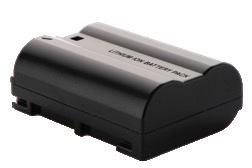
Drop your used household batteries at your local transfer station’s battery recycling station.
Find out more recycling tips at rethinkrubbish.co.nz rethinkrubbish.co.nz
WE ARE DEDICATED TO THE SAFETY OF YOUR STAFF, CONTRACTORS AND THE PUBLIC.
With more than 50 years’ experience in the construction sector we are well aware of the needs of the industry. This means we realise how important the safety of your best asset – your staff – is to you and your company’s future.
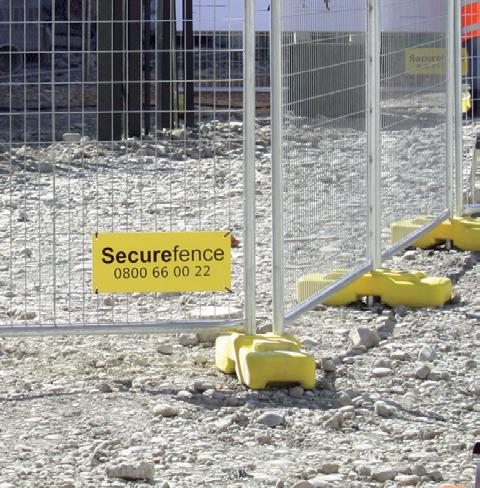

So, as a national company servicing New Zealanders in the construction industry, we are committed to the safety of your staff.
And when you deal with us you’re dealing with the owner, which means you receive a superior and speedy service – every time.
Our extensive construction knowledge ensures we understand local compliance issues, we realise how critical your deadlines are and we guarantee to be on time – check out our Secureguarantee
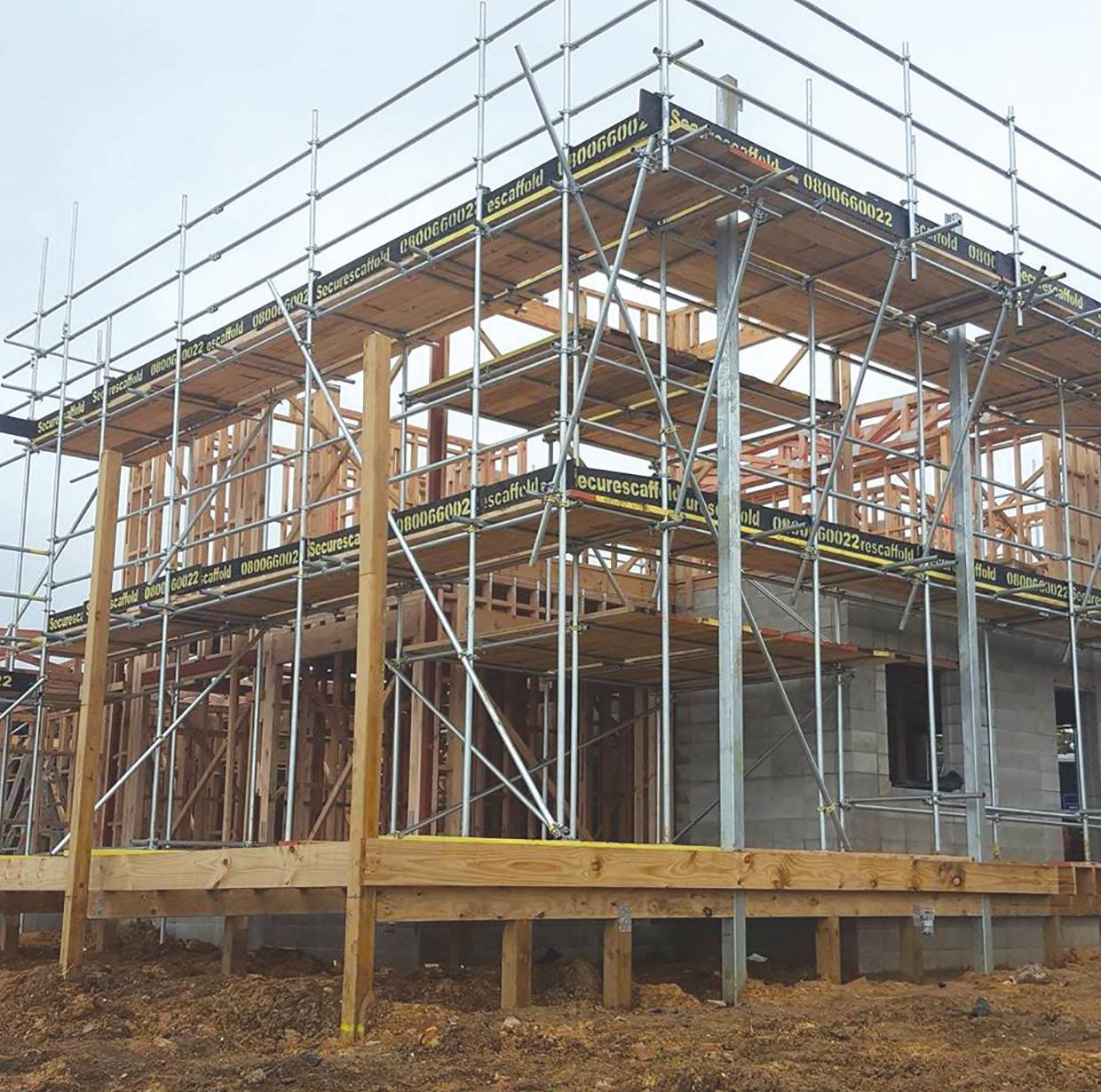
Securescaffold covers all NEW WorkSafe working height requirements providing fall protection for builders, painters, the home handymen and roofers on new and existing home constructions.
Secureguarantee
• *Securescaffold guarantees to be on time everytime! Or you will receive your first weeks rental is FREE of charge!
• *Securescaffold
For Paul and Anna Flanagan, owners of Garden City Chem-Dry and North Canterbury Chem-Dry, cleaning is about far more than appearance. It’s about creating healthier, more comfortable spaces for families, businesses, staff, and customers.
As locally owned and operated business owners based in Canterbury, Anna and Paul are passionate about combining highquality service with genuine care for people and the environments they work and live in. Their approach is grounded in strong family values, long-term relationships, and a commitment to doing things properly.
“We’ve always believed people remember how you make them feel,” says Anna. “Of course, we want outstanding cleaning results, but we also want customers to feel looked after, respected, and confident they’re dealing with people who genuinely care.”
Through Chem-Dry’s unique cleaning process, they provide professional carpet, upholstery, and rug cleaning services designed to deliver a deeper, longer-lasting clean. Backed by a global brand operating in more than 50 countries, Chem-Dry combines decades of experience and innovation with local knowledge and personalised service.
What makes Chem-Dry different is its proprietary Hot Carbonating Extraction process. Using the natural power of carbonation, millions of microscopic bubbles penetrate deep into carpet and upholstery fibres, lifting dirt, dust, and allergens to the
“People often think cleaning is just transactional, but there’s actually a huge amount of trust involved. We’re in people’s homes and businesses every day, and we never take that responsibility lightly.”
- Anna Flanagan
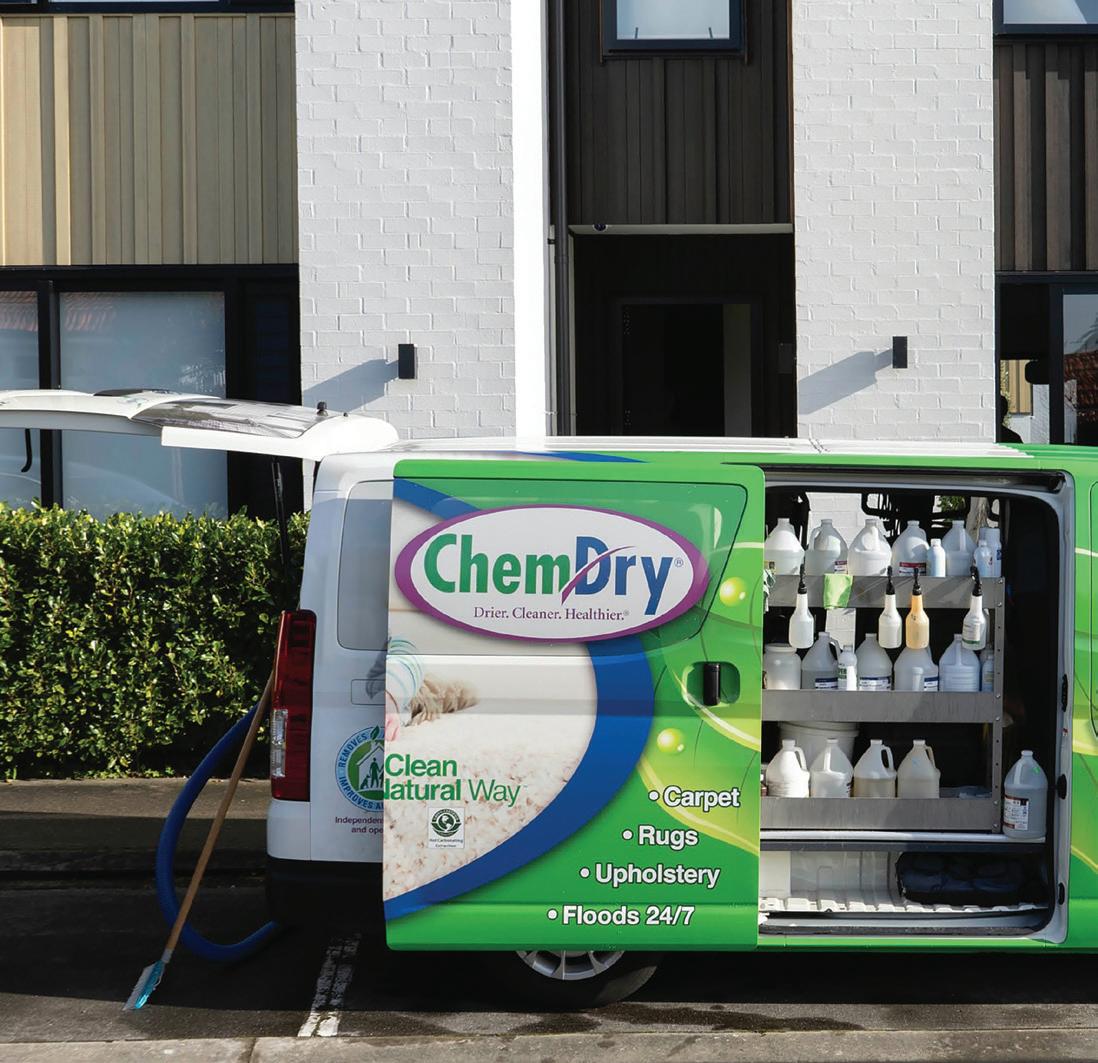

surface where they can be extracted effectively. The process provides a deeper clean than many traditional steam cleaning methods while using significantly less water.
That reduced water usage is one of the things Paul and Anna value most about the system. Carpets dry much faster, within just a few hours, reducing disruption for households and businesses while also lowering the risk of mould and mildew developing in damp carpets and furnishings.
“We’re big believers in working smarter, not just harder,” says Paul.
“The Chem-Dry system allows us "to get fantastic results without soaking carpets with excessive water, and customers really appreciate how quickly they can get back to normal life.”
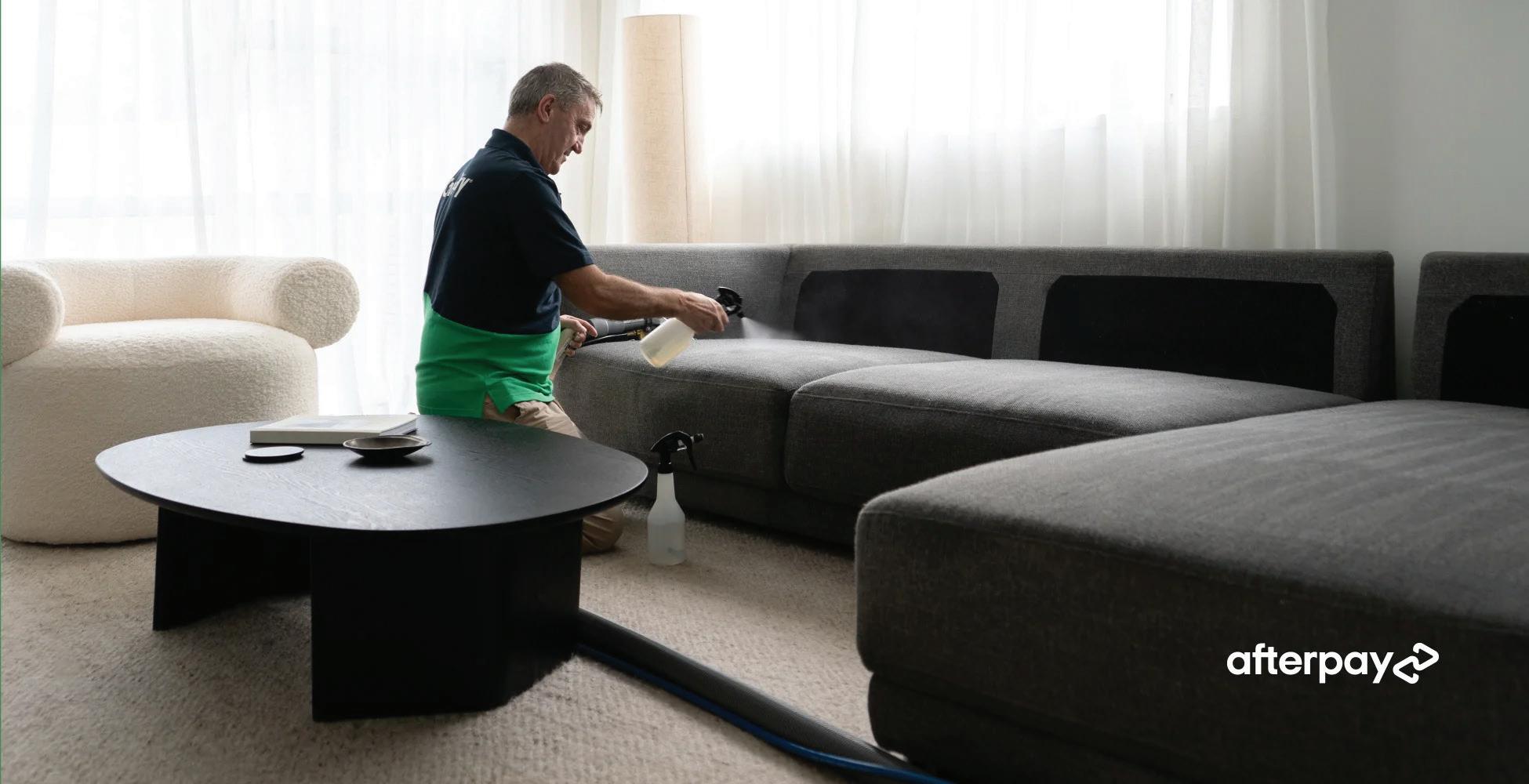
At the centre of the cleaning process is The Natural, a non-toxic cleaning solution that is safe for children and pets. Offering solutions that support healthy indoor environments is an important part of the service they provide.
Their team works across both residential and commercial spaces, offering carpet cleaning, upholstery
cleaning, rug cleaning, stain removal, specialised pet urine odour treatments, and a 24/7 Emergency Flood Restoration service. When unexpected water damage occurs, fast response times are critical, and the team works quickly to minimise damage and get things back on track as soon as possible.
For commercial clients, reliability and professionalism are key.
Chem-Dry works with offices, retail spaces, property managers, and commercial facilities to deliver flexible and efficient cleaning services that minimise disruption while maintaining high presentation standards.
“People often think cleaning is just transactional, but there’s actually a huge amount of trust involved,” Anna says. “We’re in people’s homes and businesses every day, and we never take that responsibility lightly.”
Supported by ongoing training, industry-leading systems, and a commitment to continuous improvement, Paul and Anna have built their business around a clear goal: creating cleaner, healthier spaces while building a company their team and community can be proud of.
The problem usually doesn’t show up on day one. It shows up around week eight, when the new hire is technically fine, but not quite confident, not quite settled, and starting to lean on other people more than you expected. By the time you notice that shift, you’ve already lost most of your leverage to fix it cleanly.
A few weeks later, they resign, or you quietly decide it isn’t working. Either way, you’re back in the market explaining the same job again to someone new. This outcome is rarely sudden. It’s usually set in motion early, during the period most businesses treat as informal.
Early turnover is not unusual in our workplaces. People leave in the first year for all sorts of reasons, but one commonality is that the job they walked into was not the job they thought they were getting, and nobody corrected it quickly enough.
That gap is almost always onboarding. Not the paperwork. Not the induction checklist. The actual lived experience of the first few
weeks: what is explained, what is assumed, and what is left for the new person to figure out on their own.
The mistake most owner-managers make is assuming capable people will close that gap themselves. Some do. But even capable people build the wrong picture if no one is actively shaping it.
The first few days matter more than most owners want to admit. If someone turns up and spends their first morning waiting for access, guessing priorities, or trying not to interrupt busy people, they are already forming an opinion about how the business runs, and where they sit in it.


Most businesses don’t lose people because they hired badly. They lose them because they didn’t shape the first 90 days tightly enough to turn a decent hire into a confident one. And once confidence is gone, everything else gets expensive.
By the end of the first week, you should know what they’ve misunderstood, what they think matters, what actually matters, and where they are off track. If you don’t know that yet, you’re not managing onboarding; you’re observing it from a distance.
From there, the next stretch is about rhythm rather than motivation. Short, consistent check-ins that don’t drift into general chat or task updates. The point is to keep adjusting expectations before bad habits settle in. Most onboarding problems aren’t dramatic; they’re just left alone for too long.
One of the more common traps is treating the 90-day trial period as if it replaces this work. It doesn’t. A trial period is a legal structure. It doesn’t tell someone what good looks like, and it doesn’t build confidence. If anything, it raises the stakes while
removing support, which is the opposite of what a new person needs.
If you strip it back, good onboarding is not complicated, just deliberate, with nothing left to chance. Before they start, they should know what they’re walking into. On day one, they should understand how the place actually runs. By week one, you should already be correcting assumptions. And over the first three months, you should be checking whether they are becoming independent in the right way, not just busy.
Most businesses don’t lose people because they hired badly. They lose them because they didn’t shape the first 90 days tightly enough to turn a decent hire into a confident one. And once confidence is gone, everything else gets expensive. CT
Use the most cost effective and easiest job site in New Zealand. Now with a new and improved website making things even easier, ensuring you get quality applicants, every time!
Purchase 1 ad (for 1 month) for $157+gst or unlimited ads for 12 months for $1597+gst
100% money back guarantee if you don’t think it’s the best money you’ve spent all year, plus we’ll give you another 12 months free!
Include your company profile so applicants can see why they want to work for you! (once again, other companies charge for this)
As farming demands increase nationwide, reliable water systems are more important than ever. With climate variability and rising production pressures, farmers cannot afford water supply failures. From stock hydration to healthy pastures and crops, dependable systems help prevent costly downtime and delays.
Canterbury Water Services Limited (CWS) has been supplying, installing, servicing, and maintaining farm water systems across North Canterbury and the Hurunui districts since 2014. Based in Rangiora and Culverden, North Canterbury, James Barnett leads a team that understands both the importance of reliable systems and the time pressures farmers face.
CWS operates two workshops in Woodend and Culverden, stocked with essential pumps, parts, pipes, and equipment. This enables fast delivery of services, including temporary fixes when urgent repairs are needed, followed by more permanent solutions.
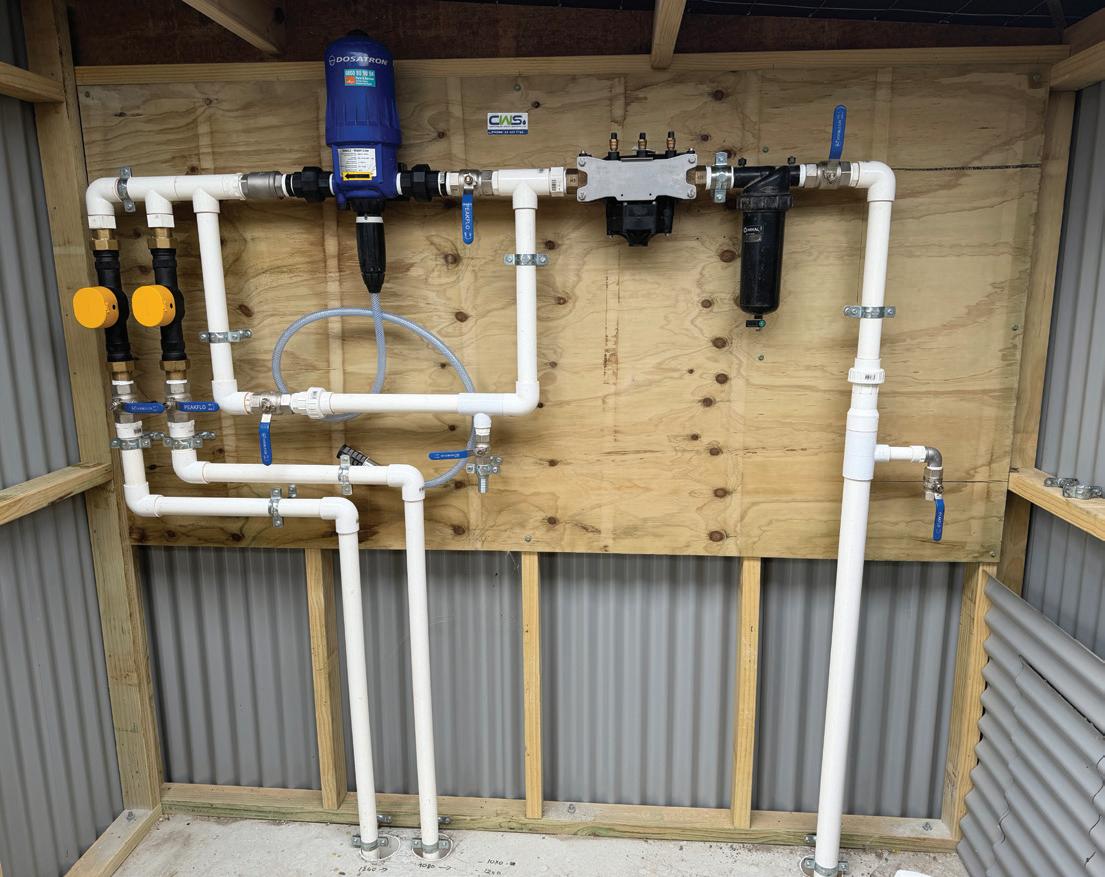
They provide complete farm water solutions, including supply and installation of concrete stock water troughs, dosing systems, and certified backflow preventer testing. Services also include water storage systems, rural fire couplings, and water treatment, filtration, and testing for drinking water supply.
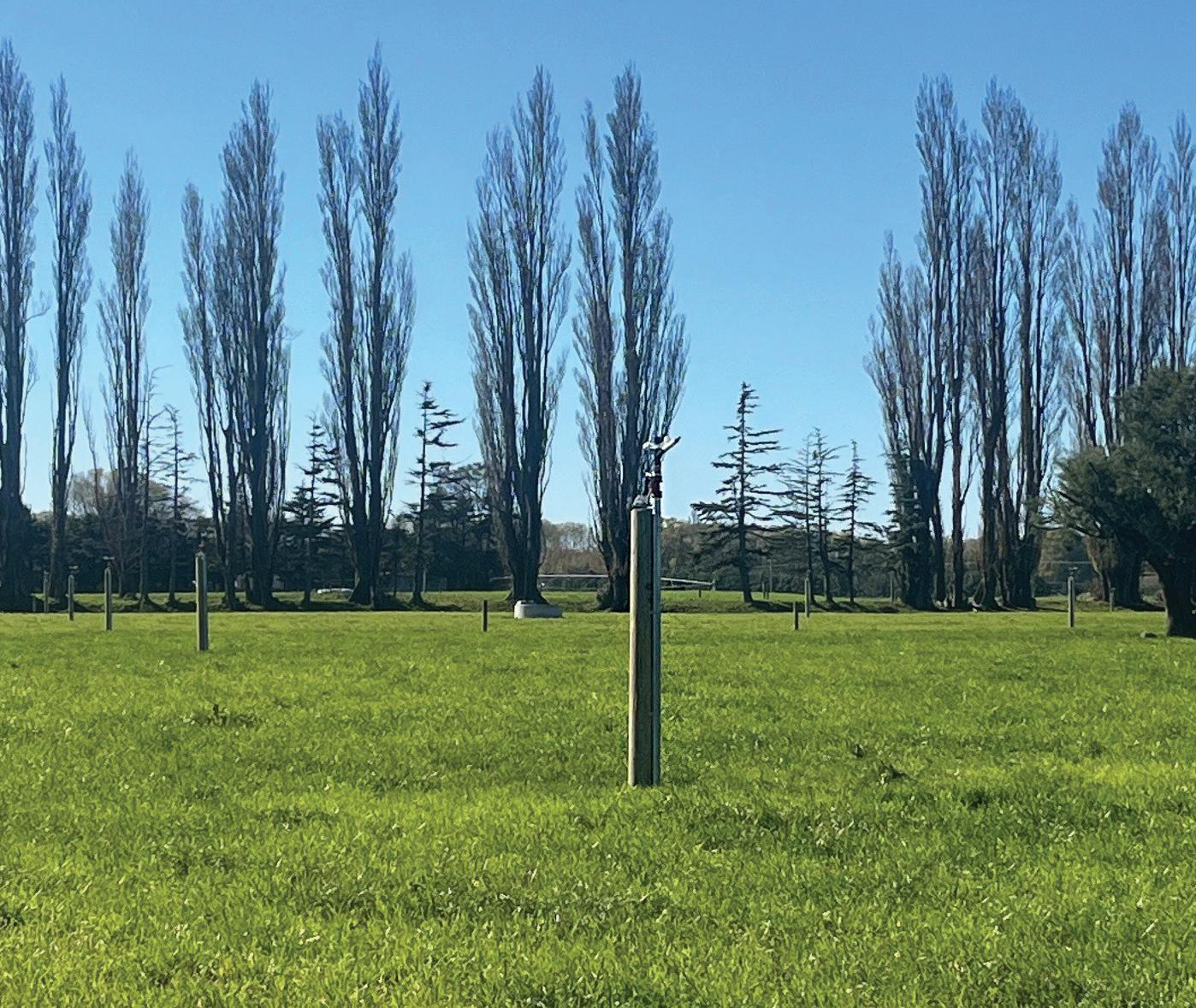
CWS specialises in full farm irrigation and water infrastructure, including fixed grid solid set systems, driplines, household water systems, stock water reticulation, mainline installation, pump and tank setups, and dairy shed water systems for both new builds and upgrades. They also design, install, and maintain effluent pumping and distribution systems across farms.
With strong local knowledge, they design systems suited to regional terrain, soil types, and seasonal water demands, delivering practical and efficient solutions built for real farm conditions. CWS runs a hands-on operation with five service trucks and a skilled sixperson team, all fully trained in farm and residential water systems.
Whether installing large-scale irrigation systems or servicing lifestyle block water supplies, CWS delivers professionalism, problem-solving, and attention to detail. They also focus on waterefficient and environmentally
responsible solutions to help conserve resources while maintaining productivity.
CWS works closely with trusted contractors, including surveyors, digger and dozer operators, fencers, and Hiab operators, to ensure high-quality installations and timely delivery. They prioritise quality workmanship, efficient maintenance, and rapid response, using only trusted, high-quality components. James personally oversees operations, maintaining strong client relationships and hands-on team leadership, with ongoing support and advice to keep farms running smoothly.

CWS specialises in full farm irrigation and water infrastructure, including fixed grid solid set systems, driplines, household water systems, stock water reticulation, mainline installation, pump and tank setups, and dairy shed water systems for both new builds and upgrades.
Over the years, CWS has built a strong reputation across Canterbury for reliability, expertise, and customer service. Their experience across small lifestyle blocks to large-scale farms allows them to tailor solutions for long-term results. They also actively support a range of local community events, giving back to the communities they work within and help sustain. Farmers trust CWS for installations, maintenance, upgrades, and ongoing advice to keep systems performing year after year.
For more information or to request a quote, contact Canterbury Water Services and visit their website.
ON CALL 24/7:
m 021 730 865 m 03 423 3162
EMAIL:
office@canterburywaterservices.co.nz

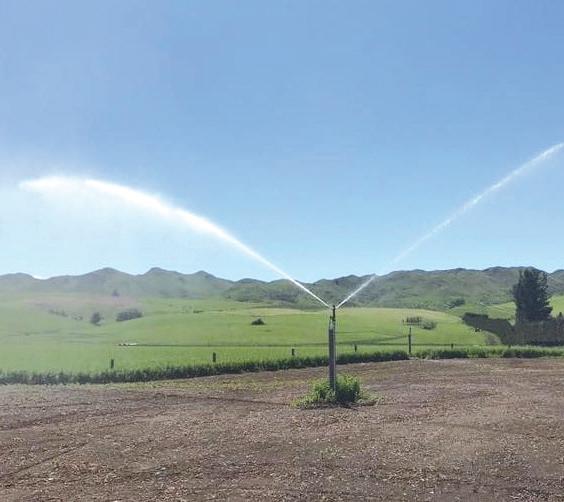
Irrigation Design, Install, Service and Maintenance(Fixed Grid Solid Sets).
Sprinkler and Drip Line irrigation.
Mainline Supply and Installation.
Pumping, Piping and filtration of all water.
Stock Water Supply and Design - (Pumps, Pipes, Tanks, Troughs and everything in between).
Repairs and Maintenance of all stock water.
Water Tank Supply and Installation.
Trough supply and installation.
Dairy Shed Reticulation.
New Dairy Sheds.
Existing Dairy Shed.
Maintenance, servicing and updating systems.
Effluent Pumping and Disbursement.
Effluent nozzles on irrigation systems.
Pumps and Pumping Infrastructure.
Stock Water Pumps, Submersible Pumps, Deepwell, Wash Down Pumps, Booster Pumps, Milk Pumps.
Supply, Install and Service Dosing Units.
Trenching and pipe laying.
Water treatment, filtration and UV sterilisation.
www.canterburywaterservices.co.nz

By Ben O’Connell
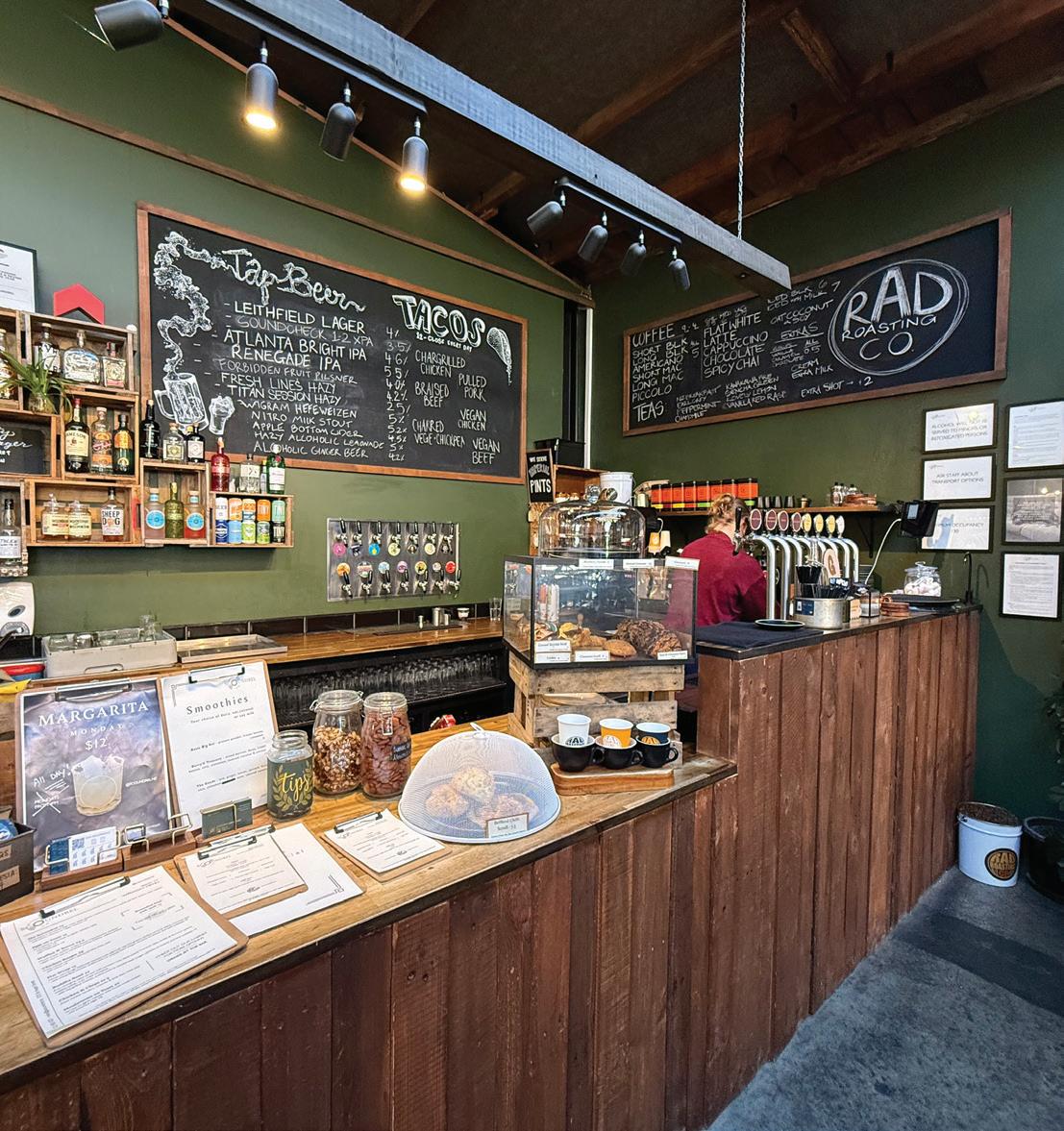
Inside a former warehouse, monstera spill over a rusty truck, cyclists lean their bikes outside, friends chatter and businesses strategise under exposed beams and hanging lights. One of Christchurch’s most distinctive hospitality venues, Scoundrel is no longer a hidden gem. The concept was born, quite literally, over a beer.
A small group with experience running pubs in the UK came together with loved ones to create a versatile offering: part-roastery, part-bar, part-eatery. Morning coffee, lunchtime corporate meetings, after-work pints, group dinners, weekend gatherings, and now pre- and post-game or gig crowds flowing through from Te Kaha stadium, all under one roof.
“It’s the closest thing to a British pub in ethos I’ve found here, not in how it looks, but in how it behaves,” says general manager Avi Cohen. “We’ve got a really strong business crowd. The same people come in for lunch meetings, then back after work, then bring their families on Sunday.”
That connection extends beyond customers. Scoundrel works closely with local suppliers, while its growing
Around 80% of the menu is vegan, and a similar proportion is gluten-free.
“We don’t really advertise it,” head chef Marv says. “The food is good enough that it doesn’t need a label.”


coffee-roasting operation, Rad Roasting Co, supplies businesses across Christchurch. “We’re finding the offices are just absolutely blown away by the fact that we can treat them like proper wholesale café customers,” he says. “We’ll handdeliver coffee, help with machine maintenance and train staff,” a hands-on approach that’s helping to drive growth in subscriptions and wholesale accounts.
It’s known to some as ‘that place with the truck’. Much of the fit-out was completed by the team, with reclaimed materials, second-hand equipment and countless hours of labour turning the once industrial space into an award-winning location. Think family artwork, perfect imperfections, vintage couches, a hot sauce library, margaritas on tap, blackboards and greenery galore. “We did it all ourselves,” Avi says. “It feels like we did it all ourselves, because we did.”
Scoundrel’s menu is known for its tacos, fried chicken and inclusive approach to dietary requirements. Around 80% of the menu is vegan, and a similar proportion is gluten-free. “We don’t really advertise it,” head chef Marv says. “The food is good enough that it doesn’t need a label.”
The menu delivers plenty of variety without sacrificing flavour. All six tacos were fresh and complex but still unpretentious bites, with vegan versions unquestionably as tasty. Heartier plates like pork belly and mash still find their way on the menu, next to lighter choices like charred broccoli and fan fave fries. Both the peanut butter slice and chocolate tart were rich, luscious and guilt-free.
The venue can cater for everyone from solo coffee drinkers to large corporate functions, making it a favourite with local businesses. Flexible spaces, expandable tables and the capacity to host large groups at short notice has filled a gap in the market; weddings, birthdays, networking events and more. “I’ve yet to find somewhere that you can book tomorrow for 50 people,” Avi says. “That’s a game changer.”
Looking ahead, the focus is growing Rad Roasting Co and expanding private event offerings. Scoundrel continues to capitalise on the momentum of Christchurch’s rebuild. Still, the underlying philosophy remains. “A pub isn’t just a bar or a restaurant,” Avi says. “It’s everything to everyone, all the time.” CT
As the days grow longer and spring begins to settle across Marlborough, many property owners turn their focus to gardens and general upkeep. However, tree health and firewood supply are often overlooked, despite playing an important role.
For Airbnb hosts and holiday homeowners, spring offers the ideal window to assess trees not just for appearance, but for long-term health and risk management. Winter conditions can leave behind hidden damage, with wind, heavy rain, and saturated ground placing stress on branches and root systems.
“Winter weather can be tough on trees,” says Tiri Johnsen from The Firewood Company. “Spring gives you the chance to identify any risks early and get on top of it before things escalate.”
Weakened branches or unstable trees can pose a hazard, particularly on properties with regular guest
turnover. For property owners, this becomes more than maintenance; it is about responsibility.
“No one wants a branch coming down while guests are staying,”
Tiri explains. “It’s about keeping people safe as well as protecting your investment.”
Spring is the ideal time for trimming and shaping, removing damaged limbs, and carrying out general health checks. In some cases, tree removal may be necessary, particularly for ageing or poorly positioned trees. While removal can feel like a big decision, it is often the most practical option.


“A fire is something people remember. It creates a feeling, and having good, dry firewood ready to go makes all the difference.”
- Michelle Wratt
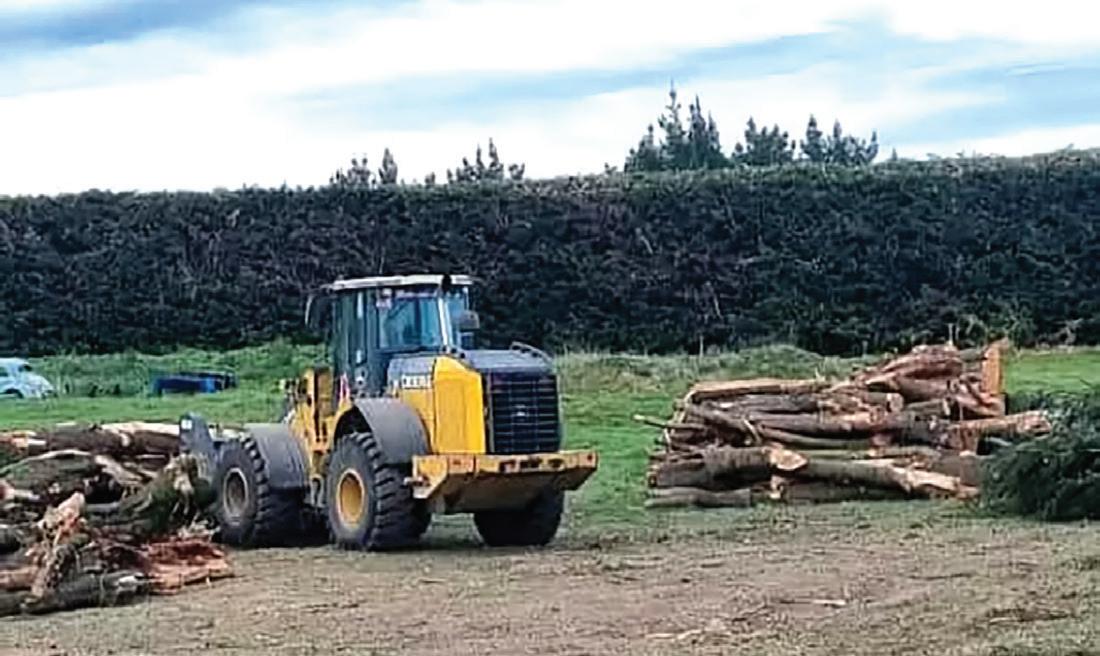
Importantly, it does not have to mean waste. The Firewood Company takes a full-cycle approach, repurposing removed trees into usable firewood.
“We don’t just remove and walk away,” says Tiri. “We look at how that tree can be used and turned into something valuable.”
This approach is particularly beneficial for Airbnb properties, where having firewood available can enhance the guest experience.
A fireplace or firepit adds warmth and atmosphere, especially during cooler evenings or unexpected cold snaps.
“A fire is something people remember,” says Michelle Wratt, who manages operations. “It creates a feeling, and having good, dry firewood ready to go makes all the difference.”
Beyond comfort, it can also be practical. Reliable firewood can help reduce reliance on power and ensure guests have heating options available when needed.
The Firewood Company also supplies firewood for outdoor use, including firepits, where quality wood is essential to avoid excessive smoke and create an enjoyable experience.
“Having good quality dry wood is key,” Michelle adds. “It keeps things simple for guests and avoids the hassle.” For many property owners, particularly those who do not live locally, convenience is just as important as quality.
For a lot of Airbnb owners, it’s about ease,” Michelle says. “They need to know everything is sorted before guests arrive.”
Each property faces different conditions, and understanding the region’s landscape and weather patterns allows for more tailored recommendations. “Being local means we can give practical advice that suits each property,” Tiri adds.
As spring progresses, taking the time to assess tree health and firewood supply is not just another seasonal task. It is a proactive step that supports safety, sustainability, and a better experience for guests.




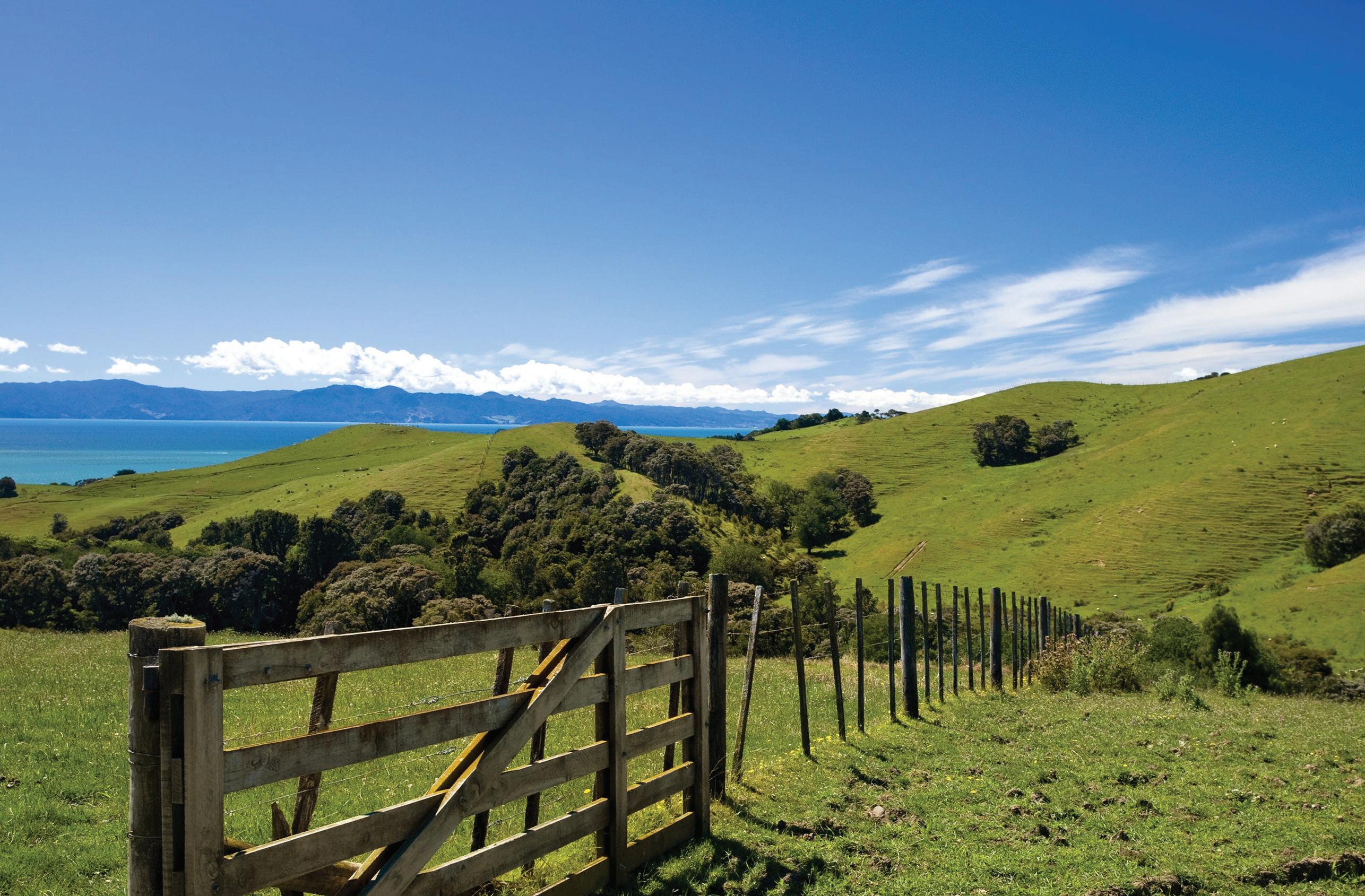
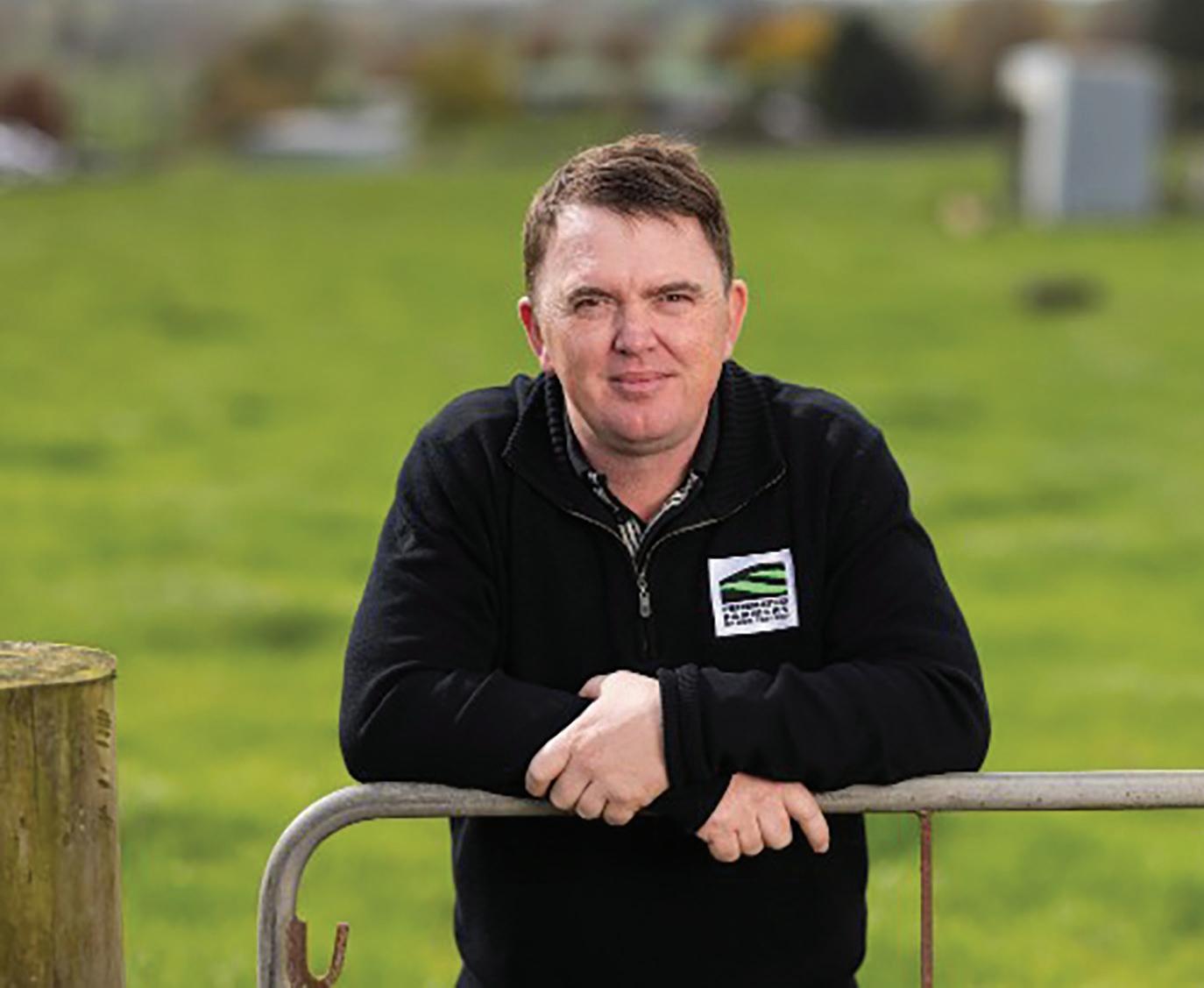
Farmers are calling for lower costs, less bureaucracy and stronger support for rural communities ahead of this year’s election, with Federated Farmers launching a five-point manifesto at National Fieldays.
President Wayne Langford says Federated Farmers has very specific and practical requests under those five high-level themes. “We’ve made our asks extremely clear, so politicians have absolutely no doubt what farmers are actually looking for this election,” he says.
Cutting farming costs is a key focus. Federated Farmers is calling for measures that reduce compliance costs, prevent the introduction of new taxes on farmers and improve the overall economic environment for rural businesses. They say rising costs continue to pressure farms’ profits and limit investments in productivity.
Enabling technology and infrastructure is another major focus. Federated Farmers wants
to see practical steps taken to accelerate the uptake of technologies that improve efficiency and resilience, including solar energy. The organisation says that better infrastructure and greater support for innovation will help farmers remain competitive as they adapt to future challenges.
Community conservation is another. FedFarm seeks stronger support for landowners who voluntarily protect and promote the environment on their properties. Among its proposals is increased funding for the QEII National Trust, which works with farmers and other landowners to safeguard areas of ecological and cultural importance through covenant agreements.
Supporting youth is also a priority. There’s a real need to attract, develop and retain the next generation of people working in the primary sector. Ensuring clear career pathways, skills development opportunities and long-term confidence in the industry will be critical for future success.
Fixing local government rounds out the five-point plan. “With local government reform currently underway, we’ve spelled out exactly what we think should happen,
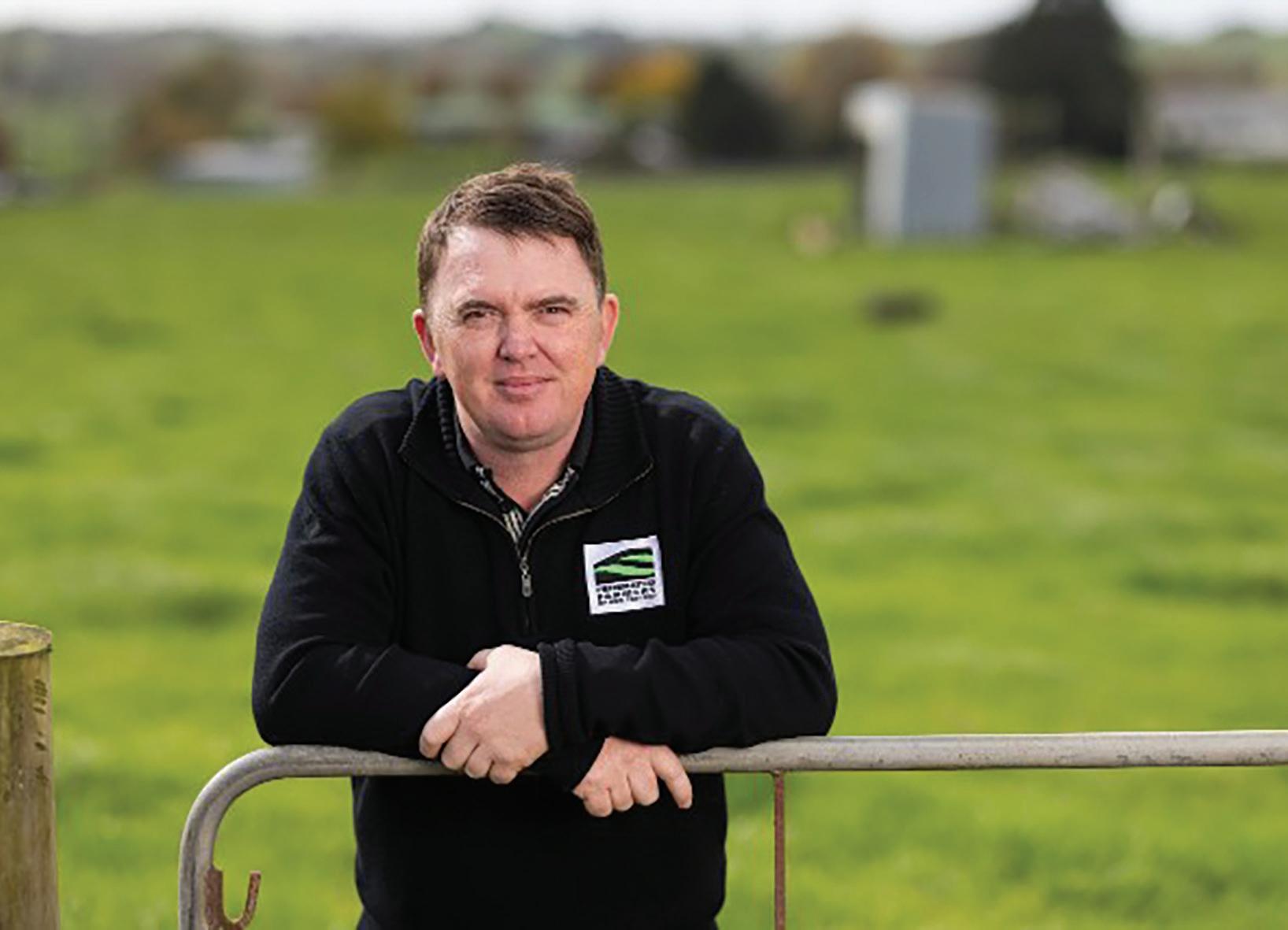

including a separation of provincial areas from major cities, and removing councils’ ability to commit to joint decision-making with unelected groups,” Wayne Langford says.
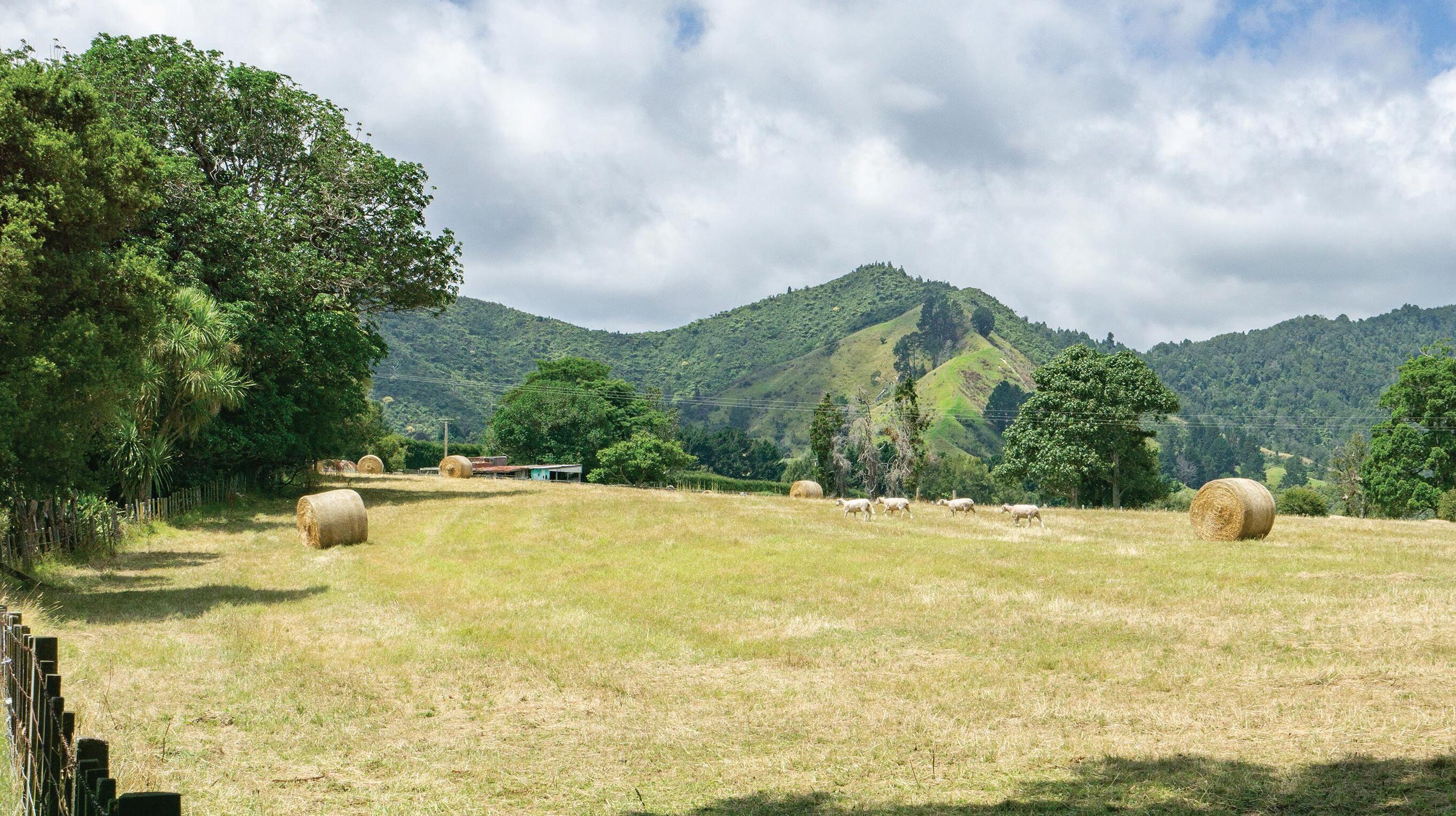
A key policy proposal within the manifesto is replacing resource consents with farm plans. FedFarm argues the plans would provide a more practical and cost-effective way of managing environmental outcomes while reducing unnecessary bureaucracy. The organisation says the current consent system can be expensive, time-consuming and difficult to navigate, particularly for smaller operations. Under its proposal, farmers would work within tailored
plans that recognise the unique characteristics of individual properties while still meeting environmental standards.
Langford says the priorities reflect what farmers are consistently raising across the country, from rising compliance costs and infrastructure needs through to workforce development and environmental management. Policies are aimed at improving productivity, strengthening rural communities and providing greater certainty for agribusinesses ahead of the election.
“There’s a real breadth to this election platform and the issues we’re wanting to discuss, but no room for confusion about what we’re asking for.” CT
“With local government reform currently underway, we’ve spelled out exactly what we think should happen, including a separation of provincial areas from major cities, and removing councils’ ability to commit to joint decision-making with unelected groups.





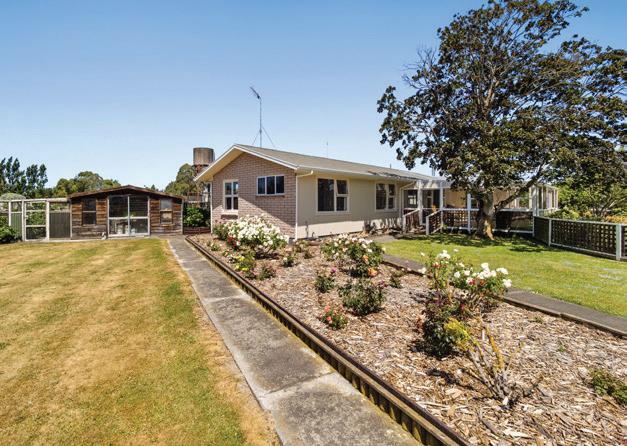
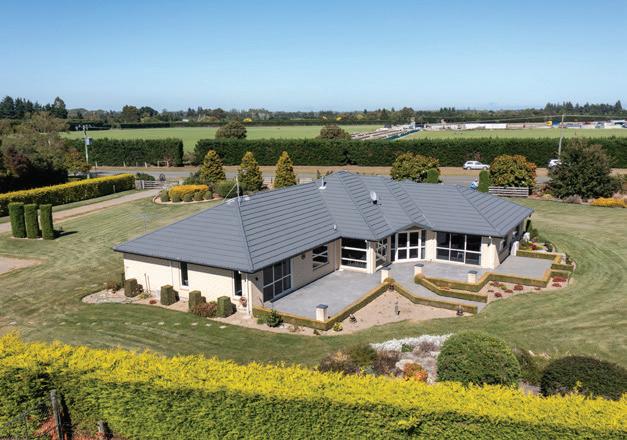


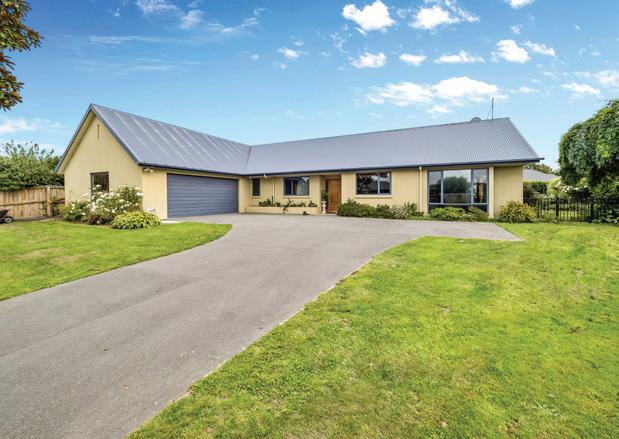
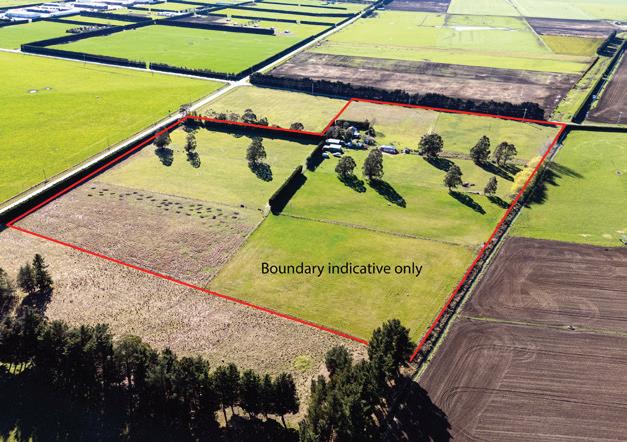

Enquiries
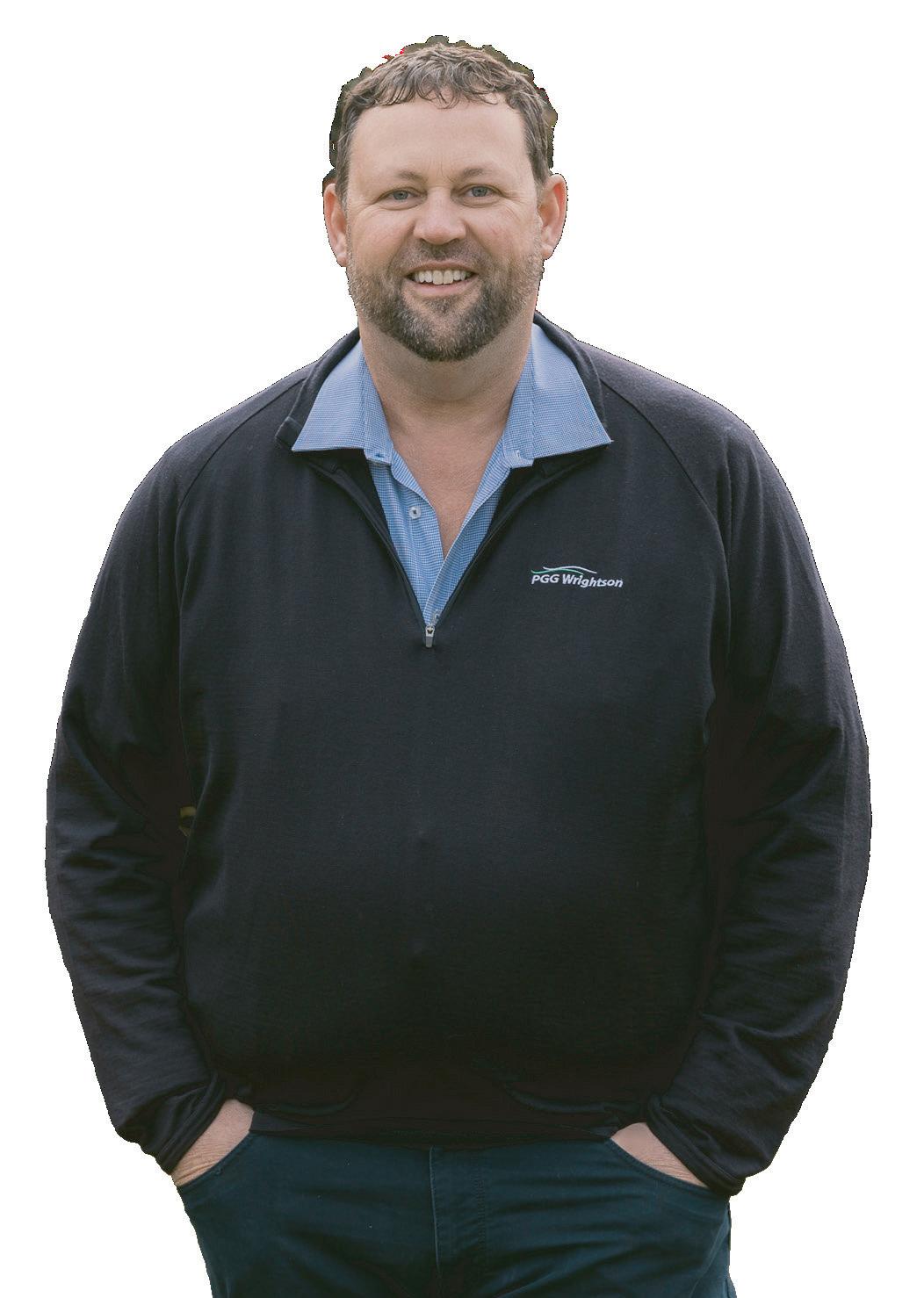
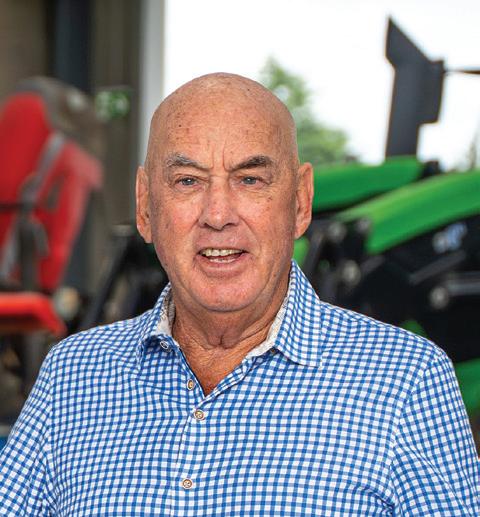
Waikato-based agribusiness leader Geoff Maber has been appointed an Officer of the New Zealand Order of Merit (ONZM) in the King’s Birthday Honours, recognising a lifetime of service to agribusiness, the rural sector and the wider community.
Widely respected across New Zealand’s agricultural and farming industries, Maber is best known for transforming the small family Morrinsville machinery business, Maber Motors, into what is now Power Farming Group — one of New Zealand’s largest privately owned agricultural equipment and machinery companies.
From joining Maber Motors soon after leaving school in the 1960s, Geoff helped steer the company through decades of growth, innovation and expansion. The big turning point came in the 1970s when Geoff recognised that farm mechanisation in New Zealand was
changing rapidly and that importing and distributing agricultural machinery brands at scale could become far bigger than a local dealership business.
Today, Power Farming has grown into a major multinational operation across New Zealand, Australia and the USA.
“Our business has always been about people, partnerships and backing local communities. We’ve built a model that empowers local people to invest in the business, grow alongside us and genuinely share in the success. If our joint venture partners are not succeeding, then we are not succeeding either.”



In New Zealand, Power Farming operates approximately 20 outlets, employs around 350 people and is approaching $300 million in annual turnover. Despite challenging market conditions, the business has experienced strong growth over recent years, driven by its joint venture partners, long-standing relationships, customer support and investment in local teams.
Maber credits much of the company’s success to the strength of the people around him.
“I’ve been fortunate to be supported by outstanding board members, three world-class CEOs across our operations, incredible staff and some of the very best people in the industry.”
Family has also remained at the heart of the business, with Geoff’s sons Craig and Brett both holding leadership roles within the company today. Geoff says seeing the business continue into a third generation is one of his proudest achievements. He also acknowledged the support of his wife Linda and paid tribute to his father Laurie.
Maber is still very actively involved in all areas of the family business with no plans to retire and says his more than 60-year journey in the industry has been both humbling and immensely rewarding.
“If there’s one thing I’ve learnt in business, it’s that you have to have the energy to win.” CT


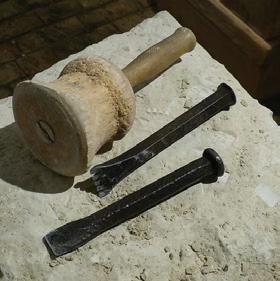
I am an old school English trained solid plasterer beginning with my 4 year apprenticeship back in the 1970s moving through to starting my own business in 1984 doing modern plastering, gib stopping, internal and external which I still do today.
From there I have been lucky enough to work in several different countries throughout the world learning the different plastering techniques in each country and adapting them into my skill set.
In 1986 I was having a drink in my local pub when I was approached by someone who had a 400 year old thatched cob cottage. The building had been completely re-plastered using sand and cement plaster in 1960s.
This was causing significant structural damage to the building. After contacting the Society for the Protection of Ancient Buildings (SPAB) and researching historic lime plasters and their use on historic buildings to enable them to breathe (moisture evaporation), I removed the existing plaster both internally and externally and replastered using non-hydraulic lime based plasters, including the ceilings which I plastered over reed (similar
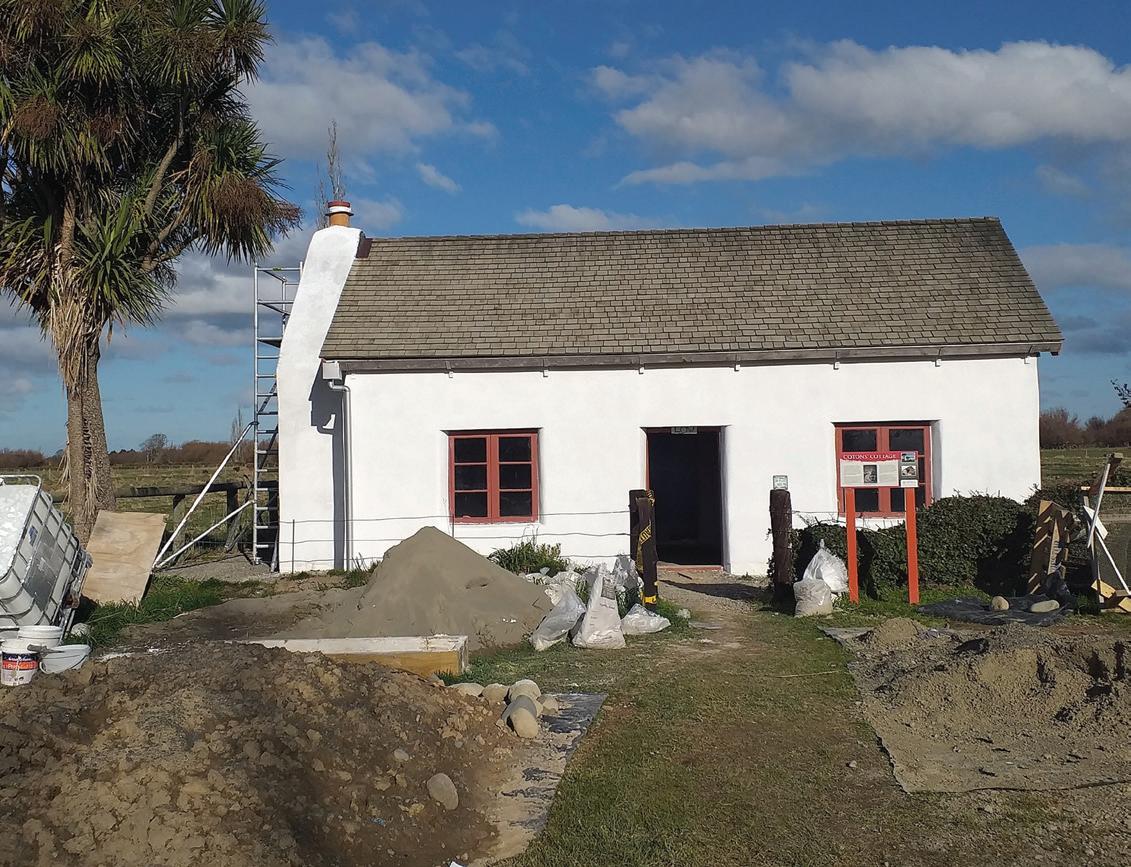
to that used on thatched roofs). Use of this plaster dates back to the Egyption times. That was the start of my passion for restoring ancient/ historic buildings.
Before emigrating to New Zealand 80% of my work was restoring historic buildings using the correct traditional materials. My wife who when I met her had a 200 year old house that needed restoring often says that was why she married me. I have worked on cob, flint, stone
and solid brick buildings, houses, churches, mansions and a castle in the UK for both National Trust and private individuals including many of the famous Milton Abbas cottages. Since immigrating to New Zealand I have worked on several historic buildings and museums again both for private individuals and Heritage NZ including Fyffe House Whaling Station, Kaikoura, The Lakes District Museum, Arrowtown, Oamaru Opera House.



A driver pulls out their phone instead of a wallet. A bar staff member scans a screen instead of a plastic card. A student verifies their age online in seconds. Identification isn’t free from the digital future. The way people prove who they are is quickly changing. Supporters say it is about convenience and modernisation. Critics argue the discourse hasn’t kept pace with technology itself.
This month, legislation enabling digital driver licences passed its third reading in Parliament. The Government says digital licences will remain optional and are intended to modernise outdated transport systems by allowing electronic alternatives to physical cards and paper documents. A digital licence stored on a phone wallet could be scanned in seconds, verified through encrypted government systems rather than physical inspection.
“Privacy and security safeguards have been a key focus throughout the [Regulatory Systems (Transport) Amendment] Bill’s passage,” Transport Minister Chris Bishop said. “Strong protections remain in place, with statutory obligations under the Privacy Act continuing to apply and existing contractual requirements protecting personal information.”
Alongside this, the Government has also been developing broader digital identity infrastructure. New Zealand’s Digital Identity Services Trust Framework has already accredited organisations to provide secure digital identity services, described as a way to improve trust, privacy, and interoperability between agencies and businesses.
But the expansion of digital ID systems has also triggered growing public concern. The debate intensified after Education Minister Erica Stanford confirmed universal age verification measures are coming to New Zealand. Free speech and privacy advocates argue there has been little public consultation about how such systems would operate or how much information users may eventually need to share online.

“Anonymity online is a precondition of free speech in any democracy,” says Jillaine Heather, Chief Executive of the Free Speech Union. “Whistleblowers, abuse survivors, political dissenters, and ordinary New Zealanders who hold unpopular views speak freely because they can do so without first handing their papers to the state. Strip that condition away and public debate is chilled - immediately, and lastingly.”
Much of the concern centres on what critics call ‘function creep’, where systems designed for a single purpose slowly expand into broader requirements, turning optional tools into gateways for access. Some fear digital IDs could eventually become necessary for accessing websites, social media, or public services, even if current plans are narrower in scope.
And this conversation isn’t unique to Aotearoa. Governments around the world are exploring digital identity systems as more services move online. Advocates argue they can reduce fraud, improve access to services, and simplify everyday tasks. Opponents counter that strong privacy protections, transparency, and public oversight must come first.
The debate persists. Some New Zealanders see digital IDs as a practical upgrade similar to mobile banking or digital boarding passes. Others worry about cybersecurity risks, surveillance, and the possibility of personal data being centralised. As identity systems move deeper into everyday life, the real challenge may be ensuring they remain optional in practice as well as in policy. CT
Nestled amidst the beauty of the Moutere Valley, Moutere Hills Restaurant offers an unmatched dining experience that caters to all senses.
As you step into the charming restaurant, the rustic elegance and warmth of the decor invite you to relax and indulge, overlooking the vineyard with beautiful views of the Kahurangi mountain range in the background. Jeremy and Imogen took over in late 2023 and have continued to grow the restaurant with creative new dishes and drinks, also adding exciting events such as wine makers dinners and our winter festival.
Our menu promises a journey through the region’s seasonal flavours. Each dish is artfully prepared, balancing traditional techniques with modern culinary creativity. From tasty meats grilled to

perfection to vibrant salads bursting with colour, our chef’s creations leave nothing to be desired.
We use local produce throughout the entire menu including fish, milk, cheese, eggs, lamb, black garlic, microgreens, fruit and vegetables to name a few. Our soft drinks, beers and ciders are also locally made and our coffee is roasted less than 15kms away.
At the heart of our offering is our remarkable wine selection. Grown
Enjoy a great day out in the Moutere Valley with boutique vineyards, local artisan producers and art galleries to visit.
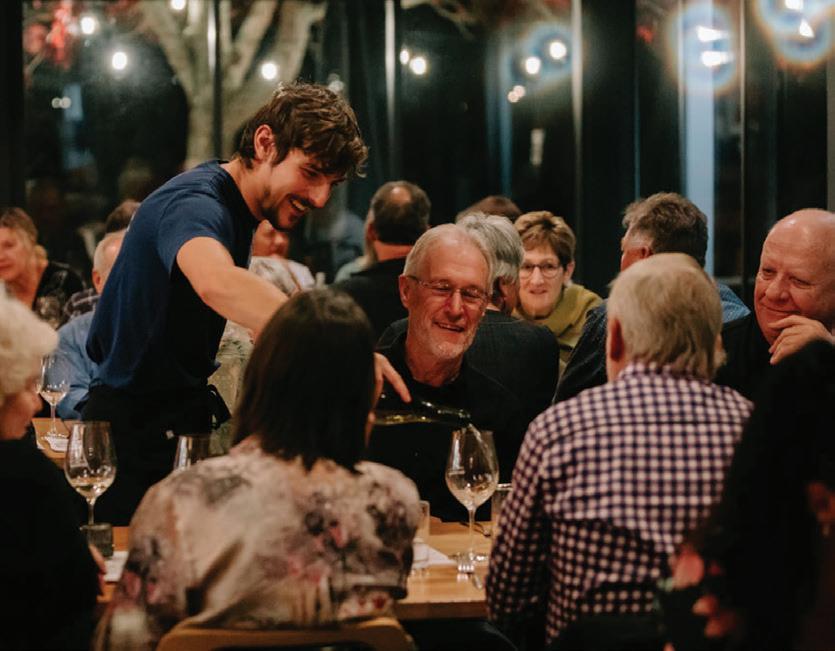
in the soils of our vineyard, our wines capture the unique characteristics of the region. Whether you prefer a robust red or a crisp white, each bottle complements our meals and lifts your dining experience to new heights.
We also cater to private events and special celebrations, providing a picturesque setting that turns every gathering into a memorable event. Our staff are dedicated to impeccable service, ensuring that every detail
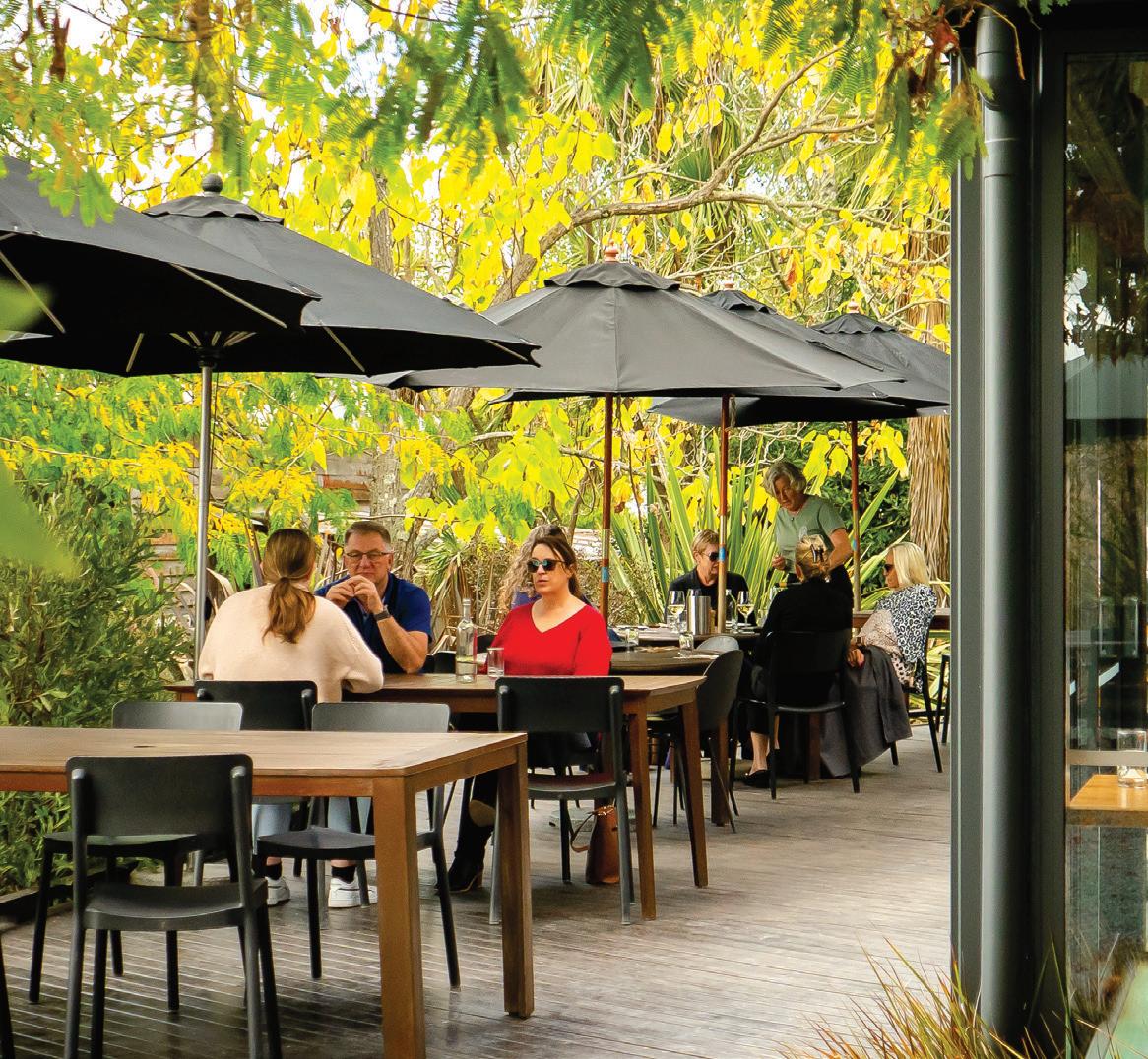
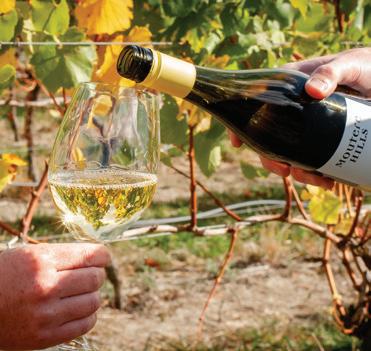
is taken care of so you can fully enjoy your time with us.
Join us at Moutere Hills Restaurant, where every dish tells a story of passion, and every sip brings you closer to nature. Experience dining at its finest, where ambience, food, and wine create perfect harmony. Make your reservation today and enjoy a memorable experience at the Moutere Hills Restaurant and cellar door.

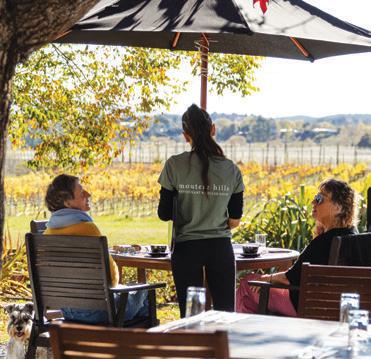
Wednesday to Sunday 11 - 4pm and Friday 11 - late
In every community, there are businesses that quietly keep critical systems running behind the scenes. In Canterbury, one of those businesses is Robson Environmental, a locally focused company specialising in liquid waste management, wastewater servicing, and agricultural effluent solutions.
While the work may not always be visible, it plays a key role in protecting homes, farms, businesses, and the environment. From septic tank cleaning to industrial waste removal and dairy farm effluent management, Robson Environmental has built its reputation around practical service, environmental responsibility, and reliable support for Canterbury customers.
At the heart of the business is a clear priority: helping clients manage waste safely and efficiently. For homeowners, that often means keeping septic and wastewater systems operating properly. Rural and semi-rural properties across the region rely heavily on on-site wastewater systems, making regular septic maintenance essential. Without proper servicing, tanks can overflow, create unpleasant odours, or lead to expensive repairs and environmental problems.
Robson Environmental provides septic tank emptying and cleaning
At the heart of the business is a clear priority: helping clients manage waste safely and efficiently.
services designed to prevent those issues before they occur. Rather than focusing only on emergency callouts, the company appears committed to long-term maintenance and preventative care, helping homeowners protect both their properties and their health.
The company also works extensively with commercial and industrial clients, where wastewater management can be more complex and highly regulated. Services such as industrial liquid waste removal, sump cleaning, drain jetting, and scheduled maintenance are all aimed at keeping sites operational while reducing environmental risk.
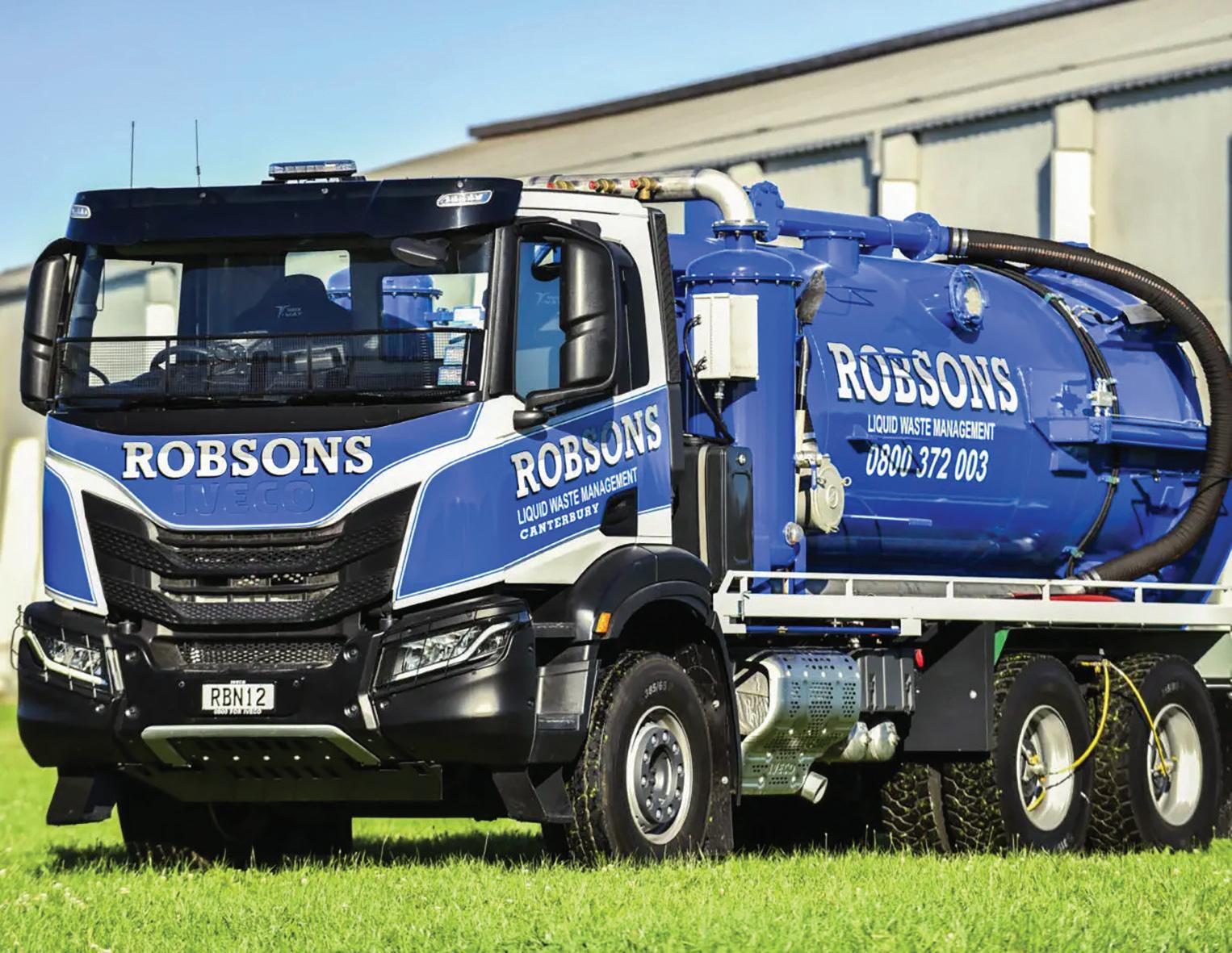
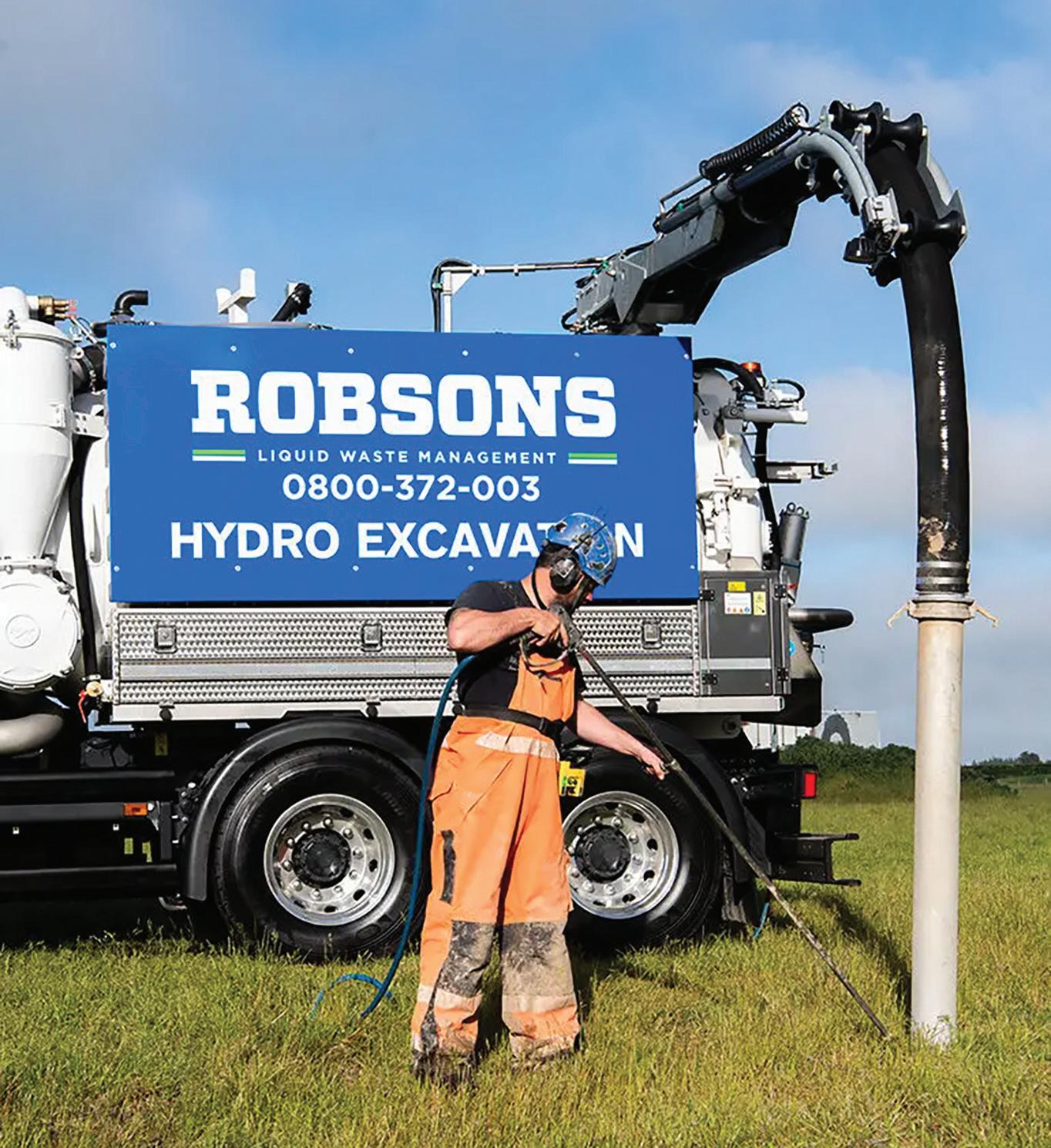
For businesses, waste management is about far more than convenience. Blocked drains, overflowing systems, or improperly managed waste can create operational disruptions, health hazards, and compliance issues. Robson Environmental positions itself as a practical partner that helps businesses stay ahead of those risks with reliable servicing and ongoing maintenance support.
Agriculture is another major part of the company’s work. Canterbury’s farming sector depends on effective effluent systems to manage waste responsibly, particularly in dairy operations. Robson Environmental offers services including dairy farm effluent spreading, desludging, tank cleaning, and dry muck spreading, all of which support farms in maintaining productive and environmentally responsible operations.
As environmental expectations rise nationwide, proper effluent management must be careful, considered and clear. Managing runoff, protecting waterways, and ensuring waste is spread correctly
are all critical parts of modern farming. Robson Environmental is a business that understands the practical realities of rural operations while knowing how important environmental stewardship is.
Compliance and accountability also appear to be central to the company’s approach. The business highlights tracking and record-keeping systems, which are increasingly important for industries operating under regional environmental regulations. Accurate records help demonstrate that waste has been handled correctly and disposed of responsibly, providing reassurance for customers and regulators alike.
Taken together, Robson Environmental’s priorities are clear: safe waste removal, dependable wastewater maintenance, agricultural support, and environmentally responsible service. It is a business focused on solving essential problems efficiently and professionally, helping Canterbury homes, farms, and businesses keep critical systems running smoothly every day.

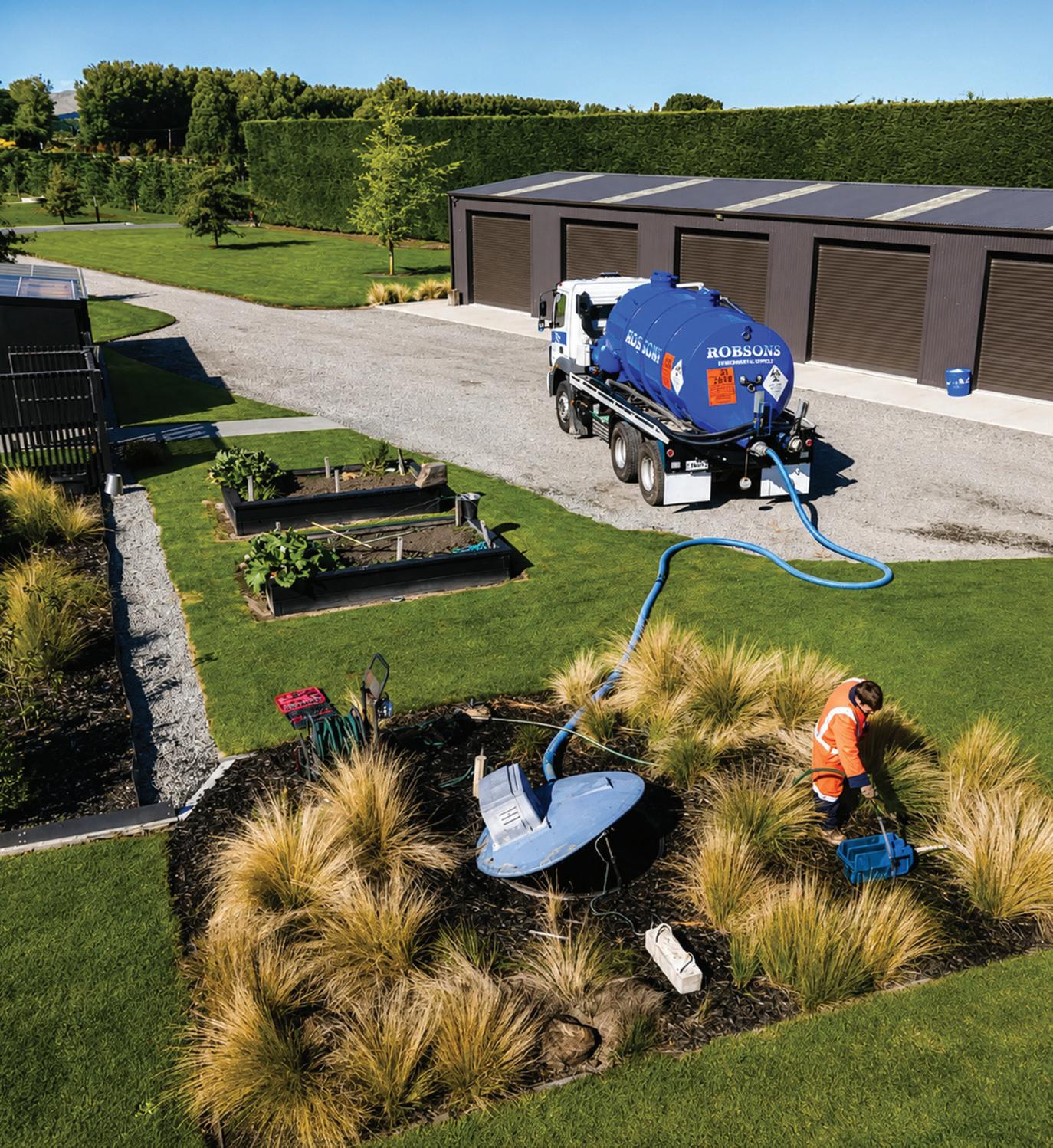
Residential Services
• Septic Tank Emptying
• Pump Chamber Servicing
• Grease Trap Emptying
Agricultural Services
• Dairy Farm Effluent Spreading
• Dry Muck Spreading
• Drain Jetting
• Tank Cleaning
• Environmental Compliance
Industrial Services
• Industrial Liquid Waste Removal
• Hydro Excavation (Hydrovac)
• Drain Jetting
• Commercial Sump Cleaning
• Grease Trap Emptying
• Portaloo Hire
• Scheduled Maintenance
• Trade Waste Compliance

You have known for a while now. The work comes back a little late, a little rough, and someone else tidies it before it goes out. Your best people have started routing around the problem, which means they have noticed it too. You keep meaning to say something, and you keep finding a reason not to: it’s a busy week, they’re going through a rough patch, maybe it will sort itself out. It will not. The conversation you are avoiding is rarely as bad as the silence you are keeping.
Underperformance is when someone is not meeting the reasonable standards of their role. The trap for owner-managers is treating it as a character flaw, when Employment New Zealand’s guidance points the other way: a performance issue is often less about the person than about unclear expectations, thin training, weak feedback, missing tools, or something going on at home. Before you decide someone is the problem, check whether the job has been set up to be done well.
This will tell you which process you’re in. There is a clean line in New Zealand employment practice between a performance issue and misconduct. Performance is about ability: can they do the job to standard? Misconduct is about
conduct: a breach of a rule, a policy or the agreement. Get the two confused, and you can find yourself running a disciplinary process over what was only ever a coaching problem.
Left alone, underperformance doesn’t stay contained to one person. MyHR’s Julian Hackenberg says if underperformance goes unaddressed, it will impact the rest of your team and overall productivity. Your reliable people pick up the slack, then resent it, then update their CVs. The thing you were trying to avoid, that being losing someone, happens anyway, except it is the wrong someone.
There is a cost to getting it wrong, too. MyHR, drawing on Employment Relations Authority outcomes, has


noted the average cost to defend and win a personal grievance sitting around $28,000, and puts the average cost to lose at roughly $68,000. The lesson is not to avoid the conversation, but to have it properly, early, in good faith. Done well, a fair process is your best protection. Any formal step must follow one, including giving the employee a genuine opportunity to respond before decisions are made.
The good news is that the sequence is well mapped. The first step is to name it to yourself. Pull the role description and the agreement, and be specific about the gap. For example, “three of the last five reports came back with errors” is useful; “your attitude is poor” is not. The point is to manage the work, not the person, and to anchor the conversation in the standard, not personality.
Next, go informal before formal. Employment New Zealand recommends informal measures first, held over a set period. That might include extra training, mentoring, buddying, or more frequent check-ins. Issues might be resolved here with no need for escalation. But if that doesn’t work, set up a proper meeting. Put it in writing, explain what it’s about, and make it clear they can bring a support person. The key principle is no ambush.
Then have the conversation, and actually listen. State the concern clearly, then hear their side without rushing to defend or correct. Agree
on what “good” looks like, what support you will provide, and a realistic timeframe for improvement.
As things progress, document it properly. Write down what was agreed, share it with them, and keep it on file. Not recording outcomes is one of the most common and most damaging mistakes in small business HR.
Finally, diarise a review point. If informal steps don’t lift performance, a Performance Improvement Plan with clear, measurable expectations and a set timeframe becomes the formal next step.
What to watch
Watch for the moment it stops being a skill issue and starts becoming a will issue. Refusal, dishonesty, or deliberate breaches shift the situation into misconduct, which runs on a different track entirely.
Also, watch your own setup. Sometimes the issue traces back to the business — a role that was never properly defined or feedback that was never given. And keep an eye on the wider team, because they are always the first to feel the impact when standards drift.
Pick the name. Pick the week. Book a quiet half-hour, bring one sheet of paper with the specifics, and start with what good looks like. Most of the time, that’s enough to reset things. And often, the people you were most worried about losing are the ones who notice you finally dealt with it. CT


A series of recent thefts across the country marks a growing trend in opportunistic crime targeting both fuel and vehicles, particularly spare wheels and diesel.
Police have confirmed multiple arrests in Christchurch and Hamilton after reports of people siphoning petrol and diesel from vehicles and worksites in early morning incidents.
In several cases, members of the public spotted suspicious behaviour and alerted authorities, leading to rapid police responses and arrests.
Officers have also recovered fuel containers, siphoning equipment, and, in some cases, drugs and tools believed to be linked to wider offending.
“Anyone who is thinking of stealing fuel or vehicles should take this as a warning - we will act immediately and use our resources to find and prosecute anyone involved,” said
Acting Inspector Mel Robertson, Invercargill’s Area Prevention Manager, after several rural thefts.
Alongside fuel theft, Christchurch has also seen what residents have described as a “bit of an epidemic” of spare wheel thefts.
Vehicle owners across different suburbs have reported wheels being removed from parked cars, often overnight, with thieves targeting accessible vehicles in driveways, car parks, and street parking.
The pattern suggests opportunistic offending, where relatively quick and low-risk thefts are favoured over more complex break-ins.
Fuel theft, particularly diesel siphoning, has also become more prominent nationwide.
Thousands of litres have been stolen in some cases, including from commercial sites and rural businesses, placing added financial pressure on operators already dealing with high fuel prices and tighter margins.
Reports indicate diesel is increasingly targeted due to its higher value and ease of resale or use.
Police say they are monitoring the rise in these offences closely, noting that quick public reporting has been critical in disrupting offenders.
Early morning offending patterns, often around 4 am, have become a common feature in recent cases, suggesting deliberate timing to avoid detection.
Assistant Commissioner Tusha Penny says the police are continuing to monitor fuel thefts and have started to see an increase in diesel thefts.
“These incidents are an example of where we are reliant on sharp-eyed members of the public to call police immediately when they see any suspicious activity,” she says.
“We want to thank the community for working with us to ensure these offenders were arrested and will be held to account.”
While many incidents appear disconnected, the combined rise in spare wheel thefts and fuel
“Anyone who is thinking of stealing fuel or vehicles should take this as a warning - we will act immediately and use our resources to find and prosecute anyone involved.”
- Mel Robertson
siphoning points to a broader shift in low-level property crime.
For households and businesses, the impact is becoming increasingly visible, not just in financial loss but also in heightened concerns about vehicle security.
Authorities continue to urge residents and operators to take preventative steps, including parking in well-lit areas, using fuel caps or locking mechanisms where possible, and reporting suspicious activity immediately. CT
Tucked into the Kelvin Heights peninsula, with sweeping views across Lake Wakatipu and The Remarkables, Lakeland Park Christian Camp has long held its place as one of Queenstown’s established group accommodation sites, something harder to find in a town shaped by tourism.
Opened in 1957, the camp grew out of a post-war effort to support young New Zealanders through faith, outdoor life, and shared time away. With no road into Kelvin Heights, Invercargill brothers Alan and Harold Melhop are said to have rowed across the lake to inspect a site, later arranging a land swap to shift the camp further back from the water for safety. The decision helped shape the layout of the camp as it stands today, set back from the shoreline but still closely connected to its surroundings.
The Queenstown Christian Camp Trust was set up that same year to manage the land, later adding neighbouring sections through member fundraising. Early efforts were practical and direct: in 1960, the Melhops used a Hamilton Jet 30 to run paid rides through the Kawarau Falls dam, helping fund the camp while also kicking off what would become a key local industry.
The camp still runs along the same lines today. Fees are kept at a level that covers upkeep rather than profit, keeping it within reach for schools, churches, clubs, and community

For groups looking for space, simplicity, and a setting that speaks for itself, it offers something increasingly rare: room to slow down and actually be together.
groups. Operated by the Lakeland Park Trust Board as a registered charity, it relies on a mix of user fees, grants, and donations.
With space for up to 130 guests across self-catering blocks, along with open fields and full-site booking options, Lakeland Park provides
a practical base for camps and retreats, without the price tag or pace of typical Queenstown venues. For groups looking for space, simplicity, and a setting that speaks for itself, it offers something increasingly rare: room to slow down and actually be together.

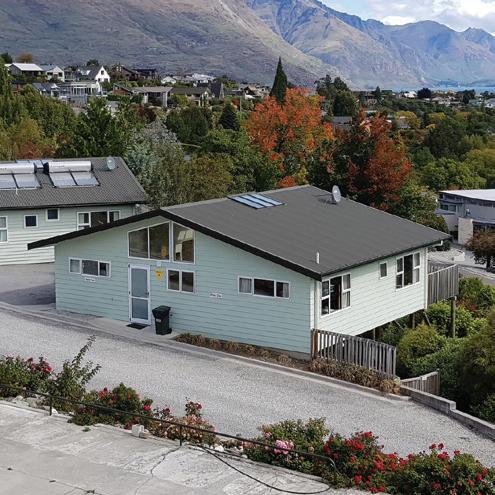
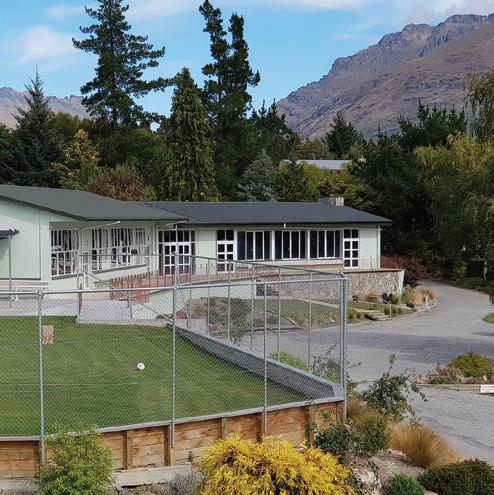
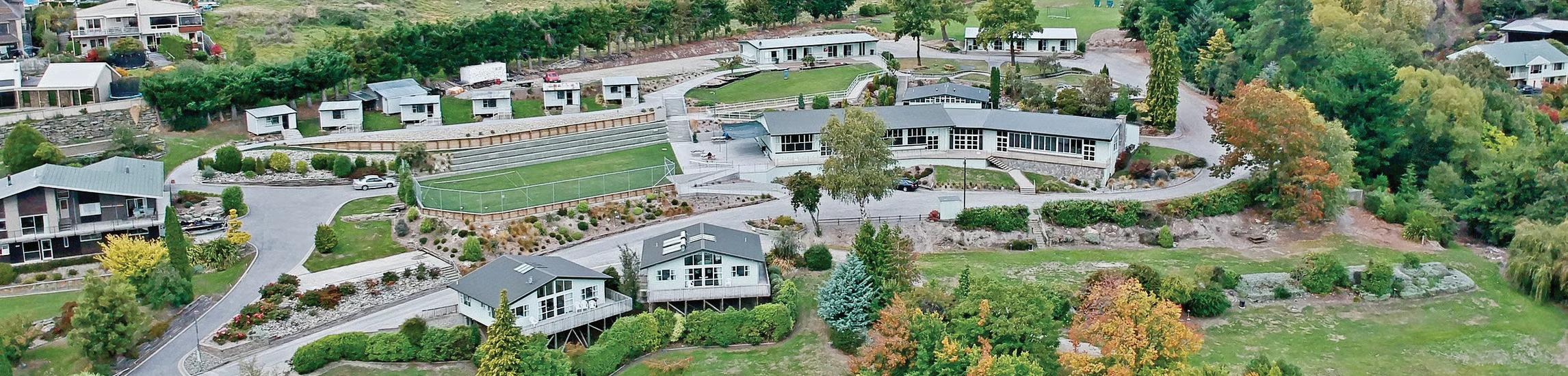
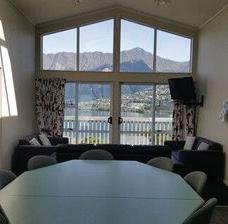
Kuri City isn’t your typical dog daycare, and that’s fully by design. At the heart of the city centre, Christchurch’s only small dog daycare has grown into something much more thoughtful than a place to drop off your dog. Owners Jamie and Hayley have transformed it into a calm, structured space where dogs are understood, not just managed.
Alongside daycare, Kuri offers grooming, dog walking, training support, and raw feeding, such as natural treats and supplements. It’s a full-circle approach to dog care, designed to make things simpler for owners while improving outcomes for their dogs.
The business itself dates back to 2017, but after the pandemic forced a scale-back, the city site became its final location. For Jamie and Hayley, it was the opportunity they’d been waiting for. Both had been searching for the right way into the animal care space, and Kuri was a great fit.
Between them, they bring a mix of hands-on experience and formal training. Jamie has a background in zoology and worked as a Willowbank zookeeper, while Hayley has studied canine physiology and psychology. Add in years of living with dogs, from springer spaniels and border collies to retired greyhounds and vizsla crosses.
“We both deeply love and understand dogs. We want to make dog ownership easy and take the stress out of owning a dog and the overwhelm of products,

“We both deeply love and understand dogs. We want to make dog ownership easy and take the stress out of owning a dog and the overwhelm of products, information and advice. We want dogs to be the best for their people.”
information and advice. We want dogs to be the best for their people.”
Kuri’s daycare focus is on small dogs (however grooming, training and walking are for all sizes).
As an indoor-only urban daycare, it gives smaller breeds a calmer environment where they can socialise and thrive without the pressure that can sometimes come with larger dogs.
“Our aim is to provide quality products and services that support owners to be able to choose what’s best, for you and for your dog. At Kuri, we are dedicated to getting to know you and tailoring services to the individual needs of your dog. Our centre provides a community hub for teaching, learning, food, grooming, walking and daycare.”
Another major focus is keeping things calm, fear-free and low stress. Rather than constant excitement and chaos, the team uses a collective rest model where dogs learn to self-regulate and settle together as a group. Some dogs choose quieter areas or crate rest, and puppies are given structured downtime to help them safely learn how to relax in a social environment.
It’s also a side of the industry many people don’t see. Behind the scenes, dog daycare is less about endless playtime and more about supervision, structure and reading behaviour before problems happen.
Looking ahead, Jamie and Hayley have big plans for their family-run business, including expanding their professional dog walking
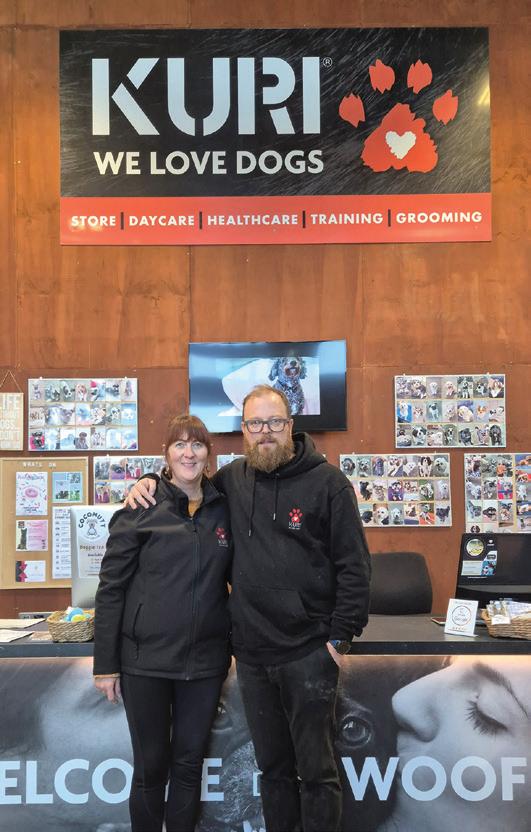
service across central and east Christchurch, growing their grooming offering, launching a pickup and drop-off Kuri Courier service, and in time creating an outdoor city-based adventure park for dogs.
Kuri encourages owners to have a conversation first, because not every daycare environment is the right fit. For Kuri City, the goal is simple: helping dogs and their people live better together.