Food and fibre exports forecast to hit record high this year
Canterbury's ambition
Why start-ups are flocking south
Online safety fears
AI fraud top concern for CEOs
BUILT IN NZ, BOUND FOR THE WORLD
How Emma Lewisham built a global beauty brand
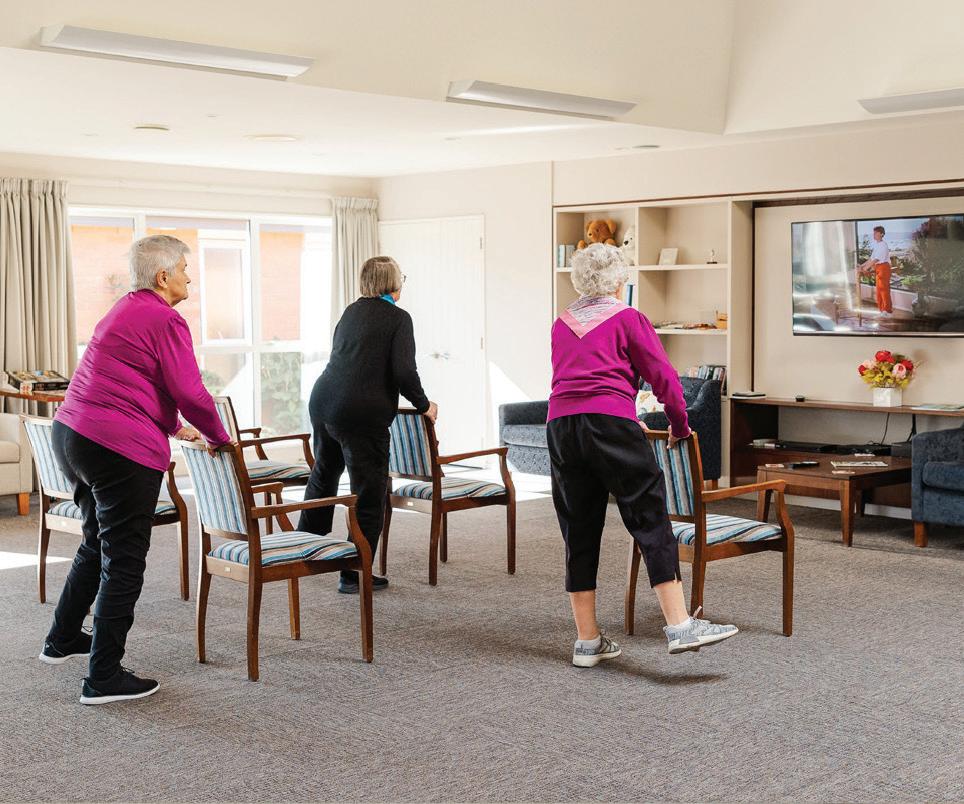
Step into comfort, care, and community at Rosebank Lifecare
where every day feels like coming home
Welcome to Rosebank Lifecare! Established in 1992, we’re here to offer you a place of tranquillity where you and your loved ones can feel safe, secure, and cared for by our amazing staff.
With a hospital, rest home facility, independent villas, and serviced care suites, we cater to a wide range of needs. Our warm and friendly atmosphere, along with comfortable facilities, make it the perfect place to call home. We believe in living life to the fullest, no matter your health or condition. Each resident is uniquely valued, with their life experiences and personal values respected. We truly value the support of family and friends in helping our residents thrive. All enquiries and visits are welcome - we can’t wait to show you our facility!
If life is what you make it, choosing Rosebank Lifecare may just be the best decision you ever make.
Ready to live your best life without the stress of home maintenance?
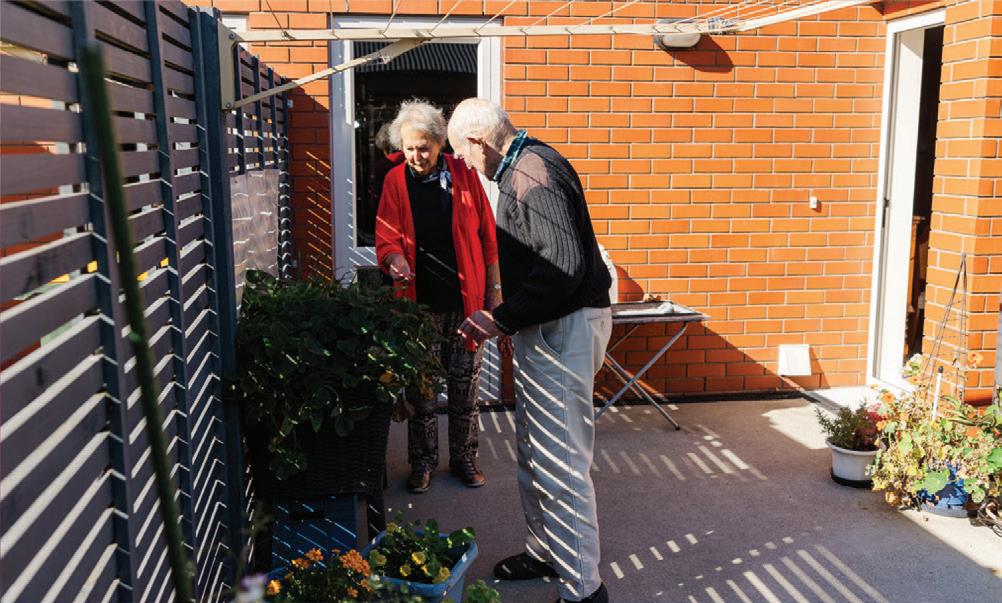
Come join our retirement village, where every day feels like a vacation with neighbours who become family. Experience the warmth and security of a community where everything is taken care of - from maintenance to garden upkeep. Say goodbye to worries and hello to a carefree lifestyle.
Where independence meets security and community meets convenience. Located on Walnut Avenue, in the heart of Ashburton, our small but welcoming village offers a sense of belonging while giving you the freedom to choose your level
of involvement. Enjoy the beautiful Ashburton Domain just a stone’s throw away, perfect for a leisurely stroll or picnic with family and friends. Our 2 & 3-bedroom villas are designed for warm modern living, with spacious living areas, private gardens you can add your personal touch to, and attached garages for your convenience. Family and friends are welcome to visit and stay with you anytime. Plus, your furry friends are welcome to join you!
Looking for your dream villa? Look no further! Villas are available now, so why wait? Enquire today and make your dream a reality!
Meet Kathleen, our neighbourhood’s angel saint, always spreading love and light!
Kathleen is our friendly village coordinator, who is always there to lend a helping hand or plan exciting weekly outings around our region. Whether it’s a trip to Methven, Timaru, or beyond, there’s always something fun in store.
Experience the best of both worlds at Rosebank Village - independent living with a tight-knit community to support you every step of the way. Make a choice to live a full and active life surrounded by caring neighbours who feel like family. Come see for yourself why Rosebank Village is the perfect place to call home.
Say goodbye to worries and hello to comfort in your golden years! Let the care come to you in your dream aged care serviced care suites.
Looking for a little extra support without giving up your independence? Look no further than Rosebank’s serviced care suites — now open! Enjoy the privacy of your own space while receiving daily meals, laundry, and housekeeping assistance if you require it. Plus, with a variety of care options available, you can tailor your support to fit your needs now and in the future without the hassle of moving again.
Live life to the fullest without worrying about maintenance or security - you deserve it!
Get the support you need without sacrificing your freedom! Check out Rosebank’s serviced care suites — now available!
Make the decision today to live a full and active life, with wrap-around care services in a community that truly cares. Come visit us and see why Rosebank Lifecare is the perfect place to call home. Call Karen Marriott-Haugh today 027 4181 222.
LOOKING FOR STAFF? LAUNCH YOUR SEARCH WITH US!
In just over five years, Emma Lewisham has grown from a New Zealand launch into one of the country’s most recognised global beauty brands. What began as a search for effective natural skincare has grown into a luxury label now stocked by some of the world’s most reputable retailers.
From the Group Editor
Group Editor Phone: 021 676 320 stuart@academygroup.co.nz
Emma Lewisham’s success is a powerful reminder that ambitious businesses can be built from New Zealand and scaled to the world when they are grounded in substance. Her brand has grown by backing science over trends, building real points of difference, and pursuing global expansion with clarity and intent. Just as importantly, she has shown that purpose, sustainability and commercial success can strengthen one another rather than compete. That same spirit runs through this issue. In our Christchurch ambition feature, we look at a region defined by resilience, action and global thinking — a place where founders can move quickly, build momentum and grow businesses with real reach. The lesson is clear: whether you are building a beauty brand, a start-up or a regional success story, progress comes from backing your strengths, thinking long term and being willing to build boldly.
There’s no such thing as coloured steel. It’s all colour coated. That’s what makes it better.
ASHBURTON 127 Alber t Street, Elgin
Motivated Vendor! Its Time to Go!!
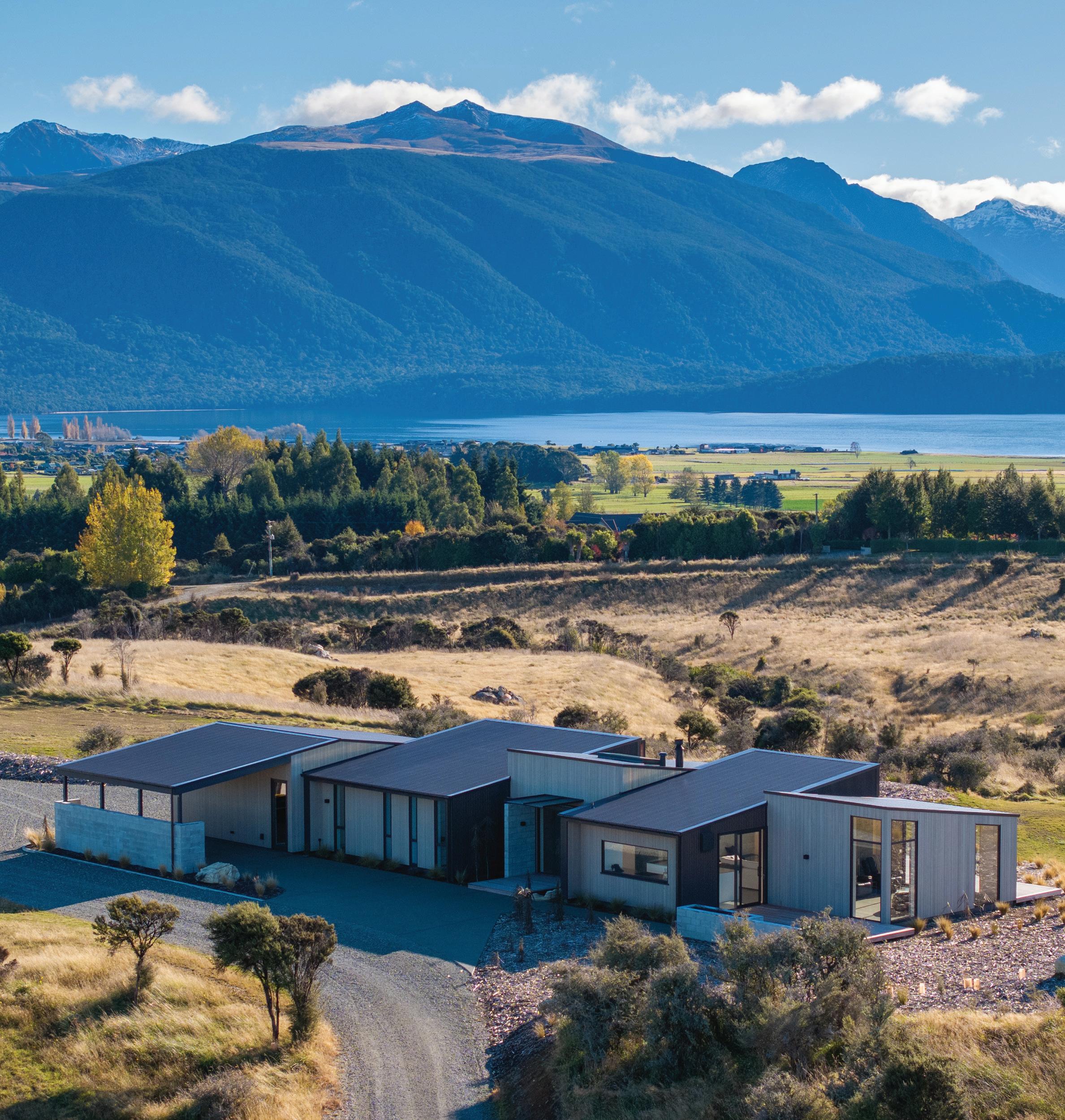
Situated on 5533sqm (more or less) this outstanding home has it all, including large shed and studio that would easily accommodate multiple uses for any family or anyone just look ing for space to spread out.
ample space and convenience Located just minutes from town, it provides a peaceful rural retreat while keeping you close to all essential amenities. The home boasts a contemporar y design with high- quality
Featuring spacious open plan living and dining , a sleek and stylish k itchen with premium appliances and a functional layout This residence is ideal for families seek ing a low-maintenance modern lifestyle
Outside, the proper ty truly shines The expansive land provides endless oppor tunities for outdoor activities, gardening, or even adding your
you’re a tradesperson, car enthusiast or simply need extra space, this shed has you covered Adjoining the shed is a studio with plenty of room to make it your own, including an outdoor area with spa bath.
convenience of town proximity and the comfor t of a modern home
Your local rural and lifestyle sales consultant Look ing to buy, sell, or invest in real estate?
For ward planning is key to maximising your proper ty ’s value. Par tner with an agent who puts your best interests front and centre.
journey.
VIEW: By Appointment
Aotea Electric Timaru
143 Hilton Highway, Washdyke, Timaru
We are here. A nationwide network of local trade experts
Built in New Zealand bound for the world
How Emma Lewisham built a global skincare brand that’s natural, science-led and sustainable.
By Paige O’Brien
In just over five years, Emma Lewisham has grown from a New Zealand launch into one of the country’s most recognised global beauty brands.
What began as a search for effective natural skincare has grown into Emma Lewisham, a luxury label now stocked by some of the world’s most reputable retailers, including MECCA, Harrods, Credo Beauty, Liberty London and Net-A-Porter.
Launched in 2019, the brand has rapidly gained global recognition for combining high-performance skincare with ambitious sustainability goals. In 2025, Lewisham’s work was recognised nationally when she won the Kiwibank New Zealander of the Year Awards Spark innovator of the Year award, acknowledging her leadership in scientific skincare and the development of a circular beauty model designed to reduce waste across the beauty industry.
For Lewisham, the purpose behind the brand has always been clear. “We are a skincare brand developed on science and not trends,” she says. “We formulate for how the skin works, and we’re a natural skincare brand that ultimately delivers on science but also real purpose, intent and integrity in the way that we do so.”
From the beginning, the ambition extended well beyond building a domestic brand.
“We are competing against the very best beauty businesses in the world. When you have the right people around you, leadership is about bringing out the best in them and giving them a clear vision to rally around.”
- Emma Lewisham
“I always intended for it to be a global business and for it to expand offshore,” Lewisham says.
“If I had just set out to start a New Zealand business, I would’ve built the fundamentals very differently. From the get-go, I had the vision of it expanding internationally.”
That vision is now very much a reality, as the company continues to expand into major beauty markets across Europe, the United Kingdom, and the United States.
Innovation inspired by experience
The idea for Emma Lewisham began with a personal experience. In 2016, while pregnant and navigating the loss of her mother to cancer, Emma became aware of the ingredients in her skincare.
During a consultation, her doctor advised her to stop using a product that contained hydroquinone, a common hyperpigmentation treatment that isn’t considered safe to use during pregnancy or breastfeeding, and was unable to
recommend a natural alternative that delivered similar performance.
The gap sparked a question that would eventually lead to the creation of the brand: could natural skincare match the performance of conventional synthetic products?
Lewisham began working with scientists and biochemists to explore the possibility. What followed was several years of research and product development before the company officially launched in 2019.
The aim was to create a natural skincare range grounded in scientific research while maintaining the luxury experience expected in the high-end beauty market.
A science-first approach
At the core of the Emma Lewisham brand is a formulation philosophy that starts with the skin’s biological pathways and functions.
Rather than formulating around individual “hero” ingredients, the company designs products that
work across multiple biological pathways simultaneously to mirror the complexity of the skin itself.
This subtle distinction changes everything, from which activities are selected, to how many are combined, to how they interact, to the results they deliver, activating what the company describes as the skin’s “innate intelligence” to support natural repair and renewal processes.
To validate the formulations, the company invests heavily in scientific testing. Products undergo laboratory testing and clinical trials to measure their performance and verify results.
Lewisham says that scientific credibility has been essential to the brand’s success.
“I don’t think it was a struggle earning credibility,” she says. “We had something really distinctive in the way that we were formulating the science. It was robust, and we had a lot to back it up.”
The focus on research has helped position the brand within a growing global movement toward sciencebacked natural skincare.
“Having a really distinct brand, offering a point of difference that you are offering in the market, and I think ultimately that is why we have done so well, we have offered something very, very unique.”
A retail breakthrough
One of the biggest milestones in the company’s growth came when it secured a partnership with MECCA, widely regarded as one of the most influential beauty retailers in Australasia.
For emerging skincare brands, securing shelf space with the retailer is extremely competitive.
“I think securing MECCA was significant for the business because they are just so highly regarded and sought after,” Lewisham says.
“Lots of brands pitch to them every year, so being on their shelves, and not just that, being one of their top brands internationally, really sends a signal.”
The partnership helped introduce the brand to a much larger audience and signalled that it could compete alongside some of the world’s most established luxury skincare names.
From there, the international interest began to grow.
Retail partnerships soon followed in the United Kingdom, Europe and the United States, including launches with Credo Beauty and other major beauty retailers.
The company has continued to expand, with further launches planned across Nordic countries and France over the coming year.
Challenging the beauty industry’s waste problem
While performance is a key focus for the brand, sustainability has become an equally defining part of its identity.
The global beauty industry produces an estimated 120 billion units of packaging each year, much of which ends up in landfill due to the difficulty of recycling mixed materials.
Lewisham did not realise the scale of the problem until she began researching the issue while developing her brand.
“I started to look at what happens to bottles at the end of life and really discovered that the majority of beauty packaging isn’t recycled,” she says. “That meant billions of units of waste were going to landfill annually.”
Rather than adopting existing recycling programmes, the company set out to redesign the packaging model entirely.
Its solution was a circular refill system. Customers purchase a durable outer container once, then replace only the internal refill component when the product runs out.
This design significantly reduces the amount of material required for each product cycle while also lowering carbon emissions associated with manufacturing and transport.
The brand also introduced a programme encouraging customers to return empty packaging so components can be cleaned, reused or sent to specialist recycling streams.
Climate-positive skincare
The company has gone even further by committing to climate-positive certification for its products.
Through a detailed emissions analysis, the company measures the carbon footprint of each product across its entire lifecycle, from raw ingredient sourcing
to manufacturing, packaging and distribution.
After reducing emissions wherever possible, the brand offsets more carbon than it produces, making each product climate positive.
The initiative has positioned the company as one of the sustainability leaders within the global beauty industry.
The brand has achieved one of the highest B Corp scores in the luxury skincare category. The certification, awarded by B Lab, evaluates companies across governance, environmental impact, workers and community.
“We are the highest B Corp score in luxury skincare in the world,” Lewisham says.
“I think the New Zealand aspect is internationally so powerful as a brand in itself, It reflects innovation, quality, craftsmanship and nature.”
- Emma Lewisham
“It reflects that the business at every step and every decision is considering its impact on people and the planet.”
The company has also taken the step of sharing elements of its sustainability model with other businesses through what it calls its “Beauty Blueprint”, encouraging wider adoption of circular packaging systems across the beauty industry.
A New Zealand brand with a global reach
Despite its rapid global growth, the company remains firmly rooted in New Zealand.
Manufacturing continues to take place locally, and the brand’s head office remains based here, something Lewisham believes is an important part of the brand’s identity.
“I think the New Zealand aspect is internationally so powerful as a brand in itself,” she says. “It reflects innovation, quality, craftsmanship and nature.”
That connection to New Zealand also reflects Lewisham’s own upbringing. Although growing up in the Waikato and having spent a lot of years in Nelson, Christchurch has long been part of her life. “I grew up spending a lot of years in Nelson, but in the holidays and through sports, I spent a lot of time in Christchurch,” she says.
“My siblings all went to university in Christchurch, and now my father lives there along with my sister, her husband, and my niece.”
A strong Canterbury customer base
Today, that connection extends beyond family ties. Canterbury has become one of the brand’s strongest markets in New Zealand.
“Outside of MECCA in Christchurch being our number one skincare customer, Canterbury and the South Island are our strongest markets in New Zealand,” Lewisham says.
Rather than focusing only on large population centres, Lewisham says she makes a point of maintaining a presence in the region.
“I always push to do events in the South Island, particularly Christchurch,” she says. “So, when people just want to focus on
The A-List effect
Emma Lewisham has caught the attention of a number of high-profile celebrities and models.
Auckland, I really try and push to nurture and be present with our customers in Christchurch.”
She believes the region’s response reflects a shared mindset. “I think the customer is really intelligent and has substance and is looking for quality products to invest in,” she says.
“Not trend-driven, but looking for things that have depth and purpose.”
Building a global business
For Lewisham, growing an international company from New Zealand has required clear leadership and a strong team. “People are so critical to a brand’s success,” she says.
Names reported to use the brand include Margot Robbie, Kourtney Kardashian, Naomi Watts and Florence Welch. Alongside its celebrity users, the brand works with a selection of ambassadors and partners.
These include Lara Worthington, Genna McCaw and Kate Fowler, who
“I can’t underestimate that –finding the right people who reflect your standard.”
Competing on a global stage means maintaining an extremely high standard. “We are competing against the very best beauty businesses in the world,” she says. “When you have the right people around you, leadership is about bringing out the best in them and giving them a clear vision to rally around.”
Defining success
As the business has grown, Lewisham’s idea of success has evolved. “I think success is just as much the road and the milestones as it is the way that we’ve gone about
have all collaborated on campaigns and projects over time.
These collaborations emphasise the brand’s alignment with modern, influential voices across fashion, wellness and lifestyle, helping to reinforce its positioning as both aspirational and accessible within a competitive global market.
it,’ she says. For her, that includes maintaining strong values while building a global company.
“Ultimately, success is about growing, but doing so with integrity and treating people well in the process.” It also includes balancing business ambitions with family life. “I have a daughter, and that I can also be a fantastic and present mother is my personal definition of success as well.”
For entrepreneurs considering starting their own ventures, Lewisham has straightforward advice. “You need to be willing to sacrifice,” she says. “You cannot be half in. You have to be fully in if
you want to build a successful business.”
As Emma Lewisham continues expanding into new international markets, the company’s mission remains the same – to challenge the beauty industry with science-led skincare and a more sustainable model.
And for Lewisham, the support of customers at home, particularly Canterbury, remains an important part of that journey.
“I want to thank our customers in Canterbury for how much I appreciate them and value their support over the years.” CT
Need water?
From consent to the pump We can help you with water wells
Canterbury’s ambition Why start-ups are flocking south
By Ben O’Connell
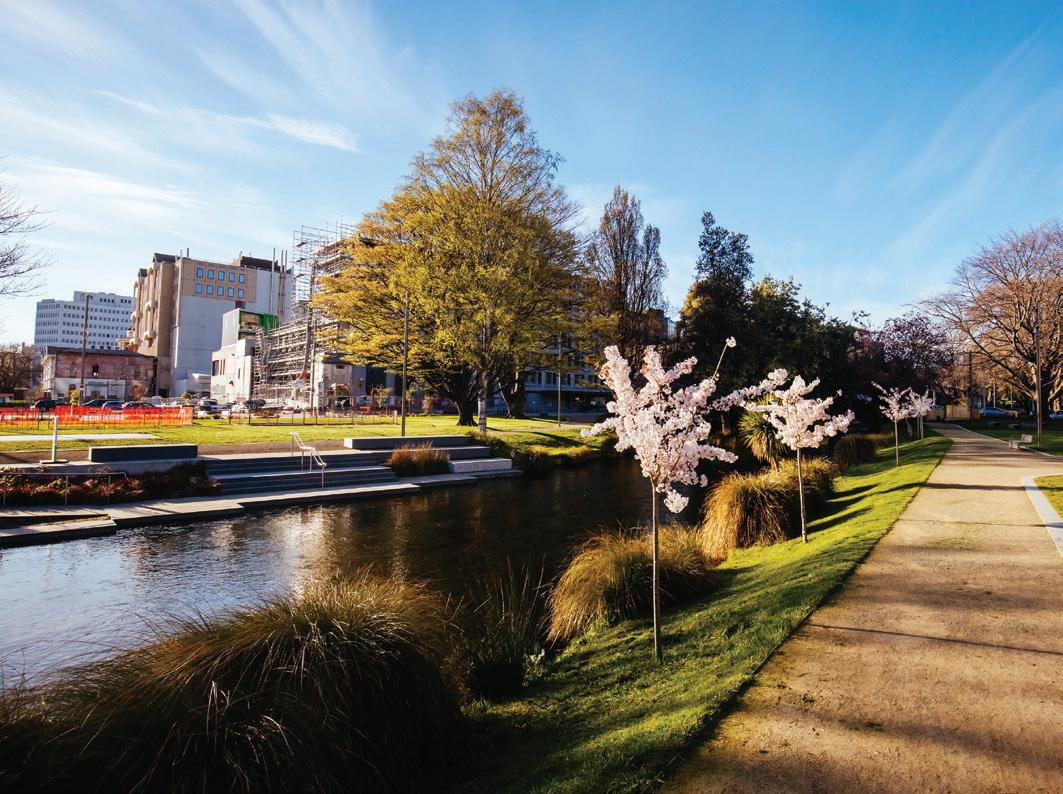
Ambitious, activated, accessible, accelerating –Canterbury is fast emerging as a compelling start-up mecca. More entrepreneurs are choosing Ōtautahi Christchurch and wider Canterbury, but why?
It turns out that resilience fuels innovation. More than a decade of post-quake reinvention has forged a region wired for action. Non-profit trust Ministry of Awesome’s Ben Erskine says Christchurch rebuilt not just its infrastructure, but its mindset. “There’s a strong bias toward action, experimentation, and building things that matter.”
Christchurch has global ambition without big-city friction, he says. “Founders can access decisionmakers, mentors, investors, universities and government partners quickly – often within weeks, not months.”
He says this balance of being big enough to inspire global thinking,
yet small enough that things still get done, makes it easier for start-up founders to move quickly and build meaningful momentum.
The numbers reflect this resilience and momentum. Business Canterbury’s latest quarterly survey revealed 75% of the region’s firms expect its economy to strengthen in 2026.
And despite several years of national economic disruption and a flat 2025, 67% of local firms plan to hire staff in the next year, 64% plan to invest in property, plant and equipment, and 65% feel confident in managing future disruption.
Business Canterbury chief executive Leeann Watson says many
businesses have been drawing on their financial and psychological reserves to absorb further shocks for quite some time. Mental health and fatigue rose 17%, and leaders’ concerns about AI adoption and digital transformation have doubled to 16%.
“However, the fundamentals remain strong here in Canterbury,” Watson says. “We have population growth, one of the most diversified regional economies in New Zealand, and a relatively confident business community that people want to be part of.”
On this diversity, the region excels across many sectors: aerospace, agritech, healthtech, climate tech and advanced manufacturing, among others. The gateway of the South Island and a major Antarctic city, with an urban population projected to be over 600,000 by 2040, things are looking up for Canterbury.
Liveable and capable
ChristchurchNZ is the city’s economic development agency and showcases the best things to do and see in the city and beyond. Business growth and innovation head Dianna Rhodes says Cantabrians know they punch above their weight. “Ōtautahi Christchurch was recently named in the top 250 cities to start a business in the world. High praise for a city of just over 407,000 people.”
Rhodes says Christchurch has a deep talent pool, critical for innovation. And with three universities, a high quality of life, affordable living and easy access to the city and nature, it’s the kind of place people want to be.
“We’re producing the kind of skilled professionals who can drive businesses forward. Our universities are highly integrated with industry, meaning graduates come out jobready, with a real understanding of what’s needed.”
“Christchurch is a city that has come back stronger, smarter, and ready to grow. We’ve got
the infrastructure, the sectors
with real global growth potential, the talent, and the business environment to make investment here a smart decision.”
She says young people want to study here. Enrolments hit record highs at both the University of Canterbury and Lincoln in 2024.
“Christchurch is a city that has come back stronger, smarter, and ready to grow. We’ve got the infrastructure, the sectors with real global growth potential, the talent, and the business environment to make investment here a smart decision.”
The region offers an easy work-life balance, where people can pursue ambitious careers without sacrificing lifestyle. Christchurch’s size, cooperative culture, and easy access to nature make it a city where life feels manageable rather than rushed. Add in a clean, green environment, affordable living, and a supportive start-up ecosystem, and it’s clear why the
entrepreneurs and businesses seeking both opportunity and lifestyle.
Ones to watch
Canterbury’s start-up scene is producing countless globally relevant companies. Take VXT as one example, founded by Luke Campbell, which offers call-tracking software that helps businesses optimise customer engagement. Another is oVRcome, led by Adam Hutchinson, which uses virtual reality to provide therapy for anxiety and phobias, blending technology with mental health care.
In the aerospace sector, Canterbury continues to soar. Dawn Aerospace,
by Stefan Powell, is developing satellite propulsion systems and reusable suborbital spaceplanes, while Kea Aerospace is pushing the boundaries of highaltitude technology. Canterbury Today recently spoke with Kea Aerospace CEO Mark Rocket about the industry’s impact. The company’s solar-powered stratospheric aircraft is designed for long-endurance imaging and environmental monitoring from near-space.
BioOra is developing advanced, personalised CAR-T cell cancer therapies, a treatment that modifies a patient’s immune cells so they can identify and destroy cancer cells.
Contented is an AI software startup that captures conversations from meetings, calls, and inperson discussions and converts them into structured documents such as reports, meeting minutes, or compliance records. The list goes on.
A new framework
Business Canterbury recently launched the Canterbury Ambition, a shared vision for the region. Led by the private sector and supported by local government, the Ambition “seeks to lock in the confidence and momentum,” Watson says.
“Through conversations with both local government and business leaders, we quickly reached a consensus that the connection between our environment, innovative spirit, and affordable housing and lifestyle is what sets us apart and should underpin our growth story moving forward.”
The strategic framework aims to drive sustainable economic growth, innovation, and business success while ensuring Canterbury remains a great place to live, work, and innovate.
It aims for improved housing affordability, aligned infrastructure planning, faster consenting processes, increased investment and business growth and strengthened innovation capacity. CT
Award-Winning Builders in the Nelson Area. NEW HOMES | RENOVATION | LIGHT COMMERCIAL
Refining methods for predicting future market performance
By Jonathon Taylor
Behind the scenes, widely used valuation tools play a major role in shaping views on whether share markets are expensive, undervalued or fairly priced.
One of the most prominent of these tools is the Cyclically Adjusted Price-Earnings (CAPE) ratio, a longterm indicator frequently referenced by investors, economists and financial commentators when assessing market conditions.
New research from Massey Business School academics Professor Ben Marshall and Professor Nuttawat Visaltanachoti is refining how this judgement is formed by enhancing a wellestablished measure.
The CAPE ratio compares the current value of the United States share market with companies’ average earnings over the past ten years.
Generally, a higher ratio indicates that markets may be relatively expensive, while a lower ratio suggests more attractive valuations.
Professor Visaltanachoti explains that the ratio’s longevity stems from both its clarity and its origins.
“The CAPE ratio compares the current value of the S&P 500, which tracks the performance of 500 of the largest listed companies in the United States, to average annual earnings over the last ten years. It was proposed by Robert Shiller, who later won a Nobel Prize and has become one of the most closely watched valuation measures in global markets.”
Professor Marshall says their research identified two key limitations within the traditional CAPE calculation.
“First, the traditional CAPE ratio includes earnings from companies that are no longer part of the index being analysed. Second, it weights companies by earnings rather than by size.”
Major share market indices, including the S&P 500, are weighted by market capitalisation, meaning larger companies exert greater influence over overall index performance. The new research modifies the CAPE ratio so that it more accurately reflects this structure.
Rather than replacing the established measure, Professors Visaltanachoti and Marshall concentrated on making a focused refinement that better aligns the valuation approach with how markets actually operate. Their adjusted version produces a more precise forecast of future ten-year returns for the S&P 500.
Despite the improvement, Professor Marshall emphasises that predicting share market returns remains inherently challenging.
“We don’t want to create the impression that the traditional approach is terrible and our approach is fantastic. This is about an important incremental advance.
“Ultimately, we hope our work helps improve understanding of one of the most commonly referenced tools in financial markets, giving readers a clearer sense of how markets are assessed and why those assessments matter over the long term.”
- Professor Ben Marshall
“That incremental advance matters because valuation tools influence long-term behaviour, even indirectly. They shape how investors assess risk, how retirement funds allocate capital and how policymakers and commentators interpret market conditions. More accurate forecasts, lead to better investment decisionmaking,” Professor Marshall adds.
The study has drawn international interest, including coverage in the Financial Times, underscoring its relevance beyond academia.
Professor Marshall says that recognition reinforces both the robustness and practical significance of the research.
“Ultimately, we hope our work helps improve understanding of one of the most commonly referenced tools in financial markets, giving readers a clearer sense of how markets are assessed and why those assessments matter over the long term.” CT
Black Stag's hands-on approach
Marlborough builder
Callan Hendriks has carved out a niche restoring the region’s historic villas to their former glory, as demand grows for tradespeople skilled in heritage craftsmanship.
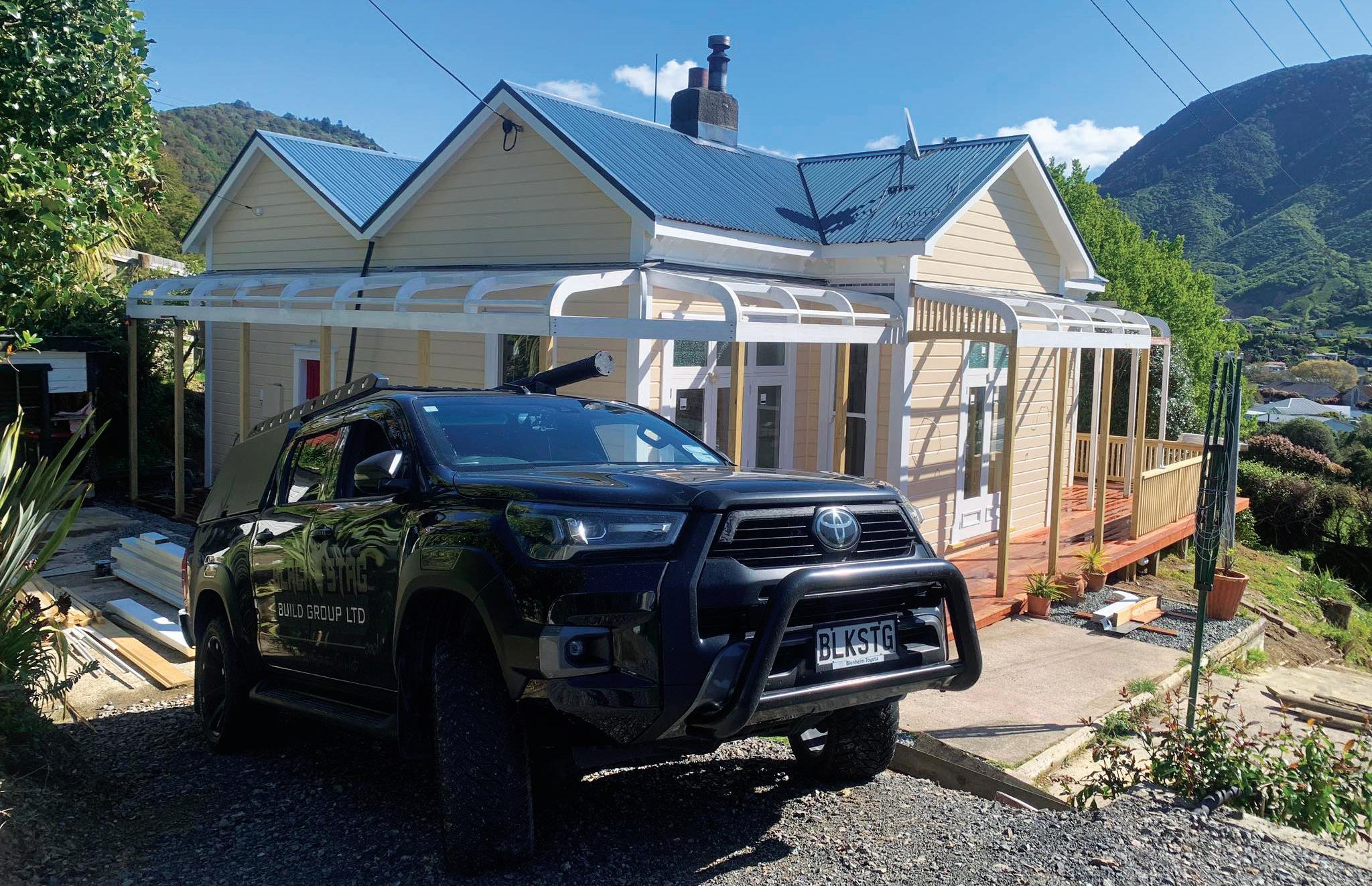
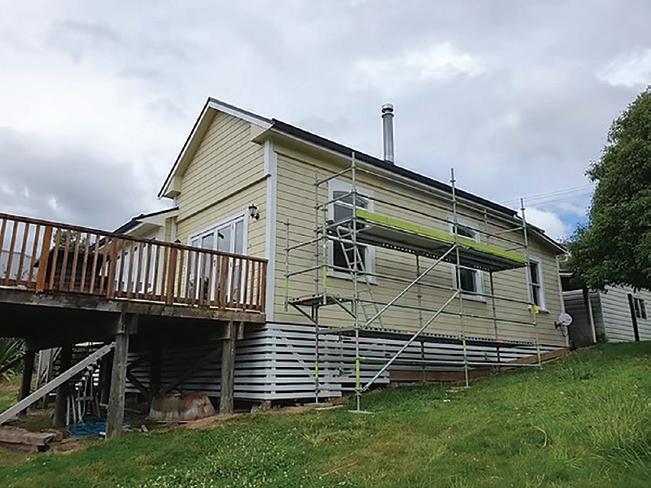
Hendriks, who owns Black Stag Build Group, has spent a decade building and renovating homes across Marlborough. In recent years, his focus has turned increasingly toward heritage restoration, breathing new life into early 1900s villas while preserving their original character.
His team’s focus on detail and authenticity has become its trademark. Projects often involve intricate joinery, custom-milled weatherboards, and the recreation of ornamental details that are faithful to the original design.
It started with a two-year-long 1905 villa project that reignited Hendriks’ passion for heritage restoration.
“It was a big project, I really enjoyed it, and I quietly started angling towards that sort of thing,” he says. “I didn’t really know what Black Stag would be when I first started. I didn’t initially intend on specialising on just one thing.”
While restoration remains at the core of what they do, Black Stag’s workload is a mix of old and new. The team regularly handles new builds, kitchen and bathroom renovations, and outdoor living spaces designed to fit Marlborough’s lifestyle. Hendriks said the versatility helps keep the business balanced and creative.
The name Black Stag reflects Marlborough’s outdoor heritage — a nod to the region’s hunting and fishing culture that inspired the brand’s identity. Drawing on experience gained restoring heritage-listed villas in Auckland,
Callan has built a team that continues to balance traditional craftsmanship with modern building innovation.
Many clients attest to Black Stag’s quality and workmanship, transparency and exemplary client communication. Hendriks believes the company’s small, hands-on team makes all the difference.
“His eye for detail is immaculate, his workmanship is impeccable, and he acts with honesty and integrity at all times.”
“From start to finish, his workmanship and excellent project management skills were very evident. Callan’s attention to detail is second to none! “
“We have absolutely no hesitation whatsoever in recommending Callan and the Black Stag Build Group team to complete any building project you may be considering. You will not be disappointed!”
After moving to Marlborough from Auckland in 2015, Hendriks quickly recognised the region’s strong appetite for craftsmanship and quality homes.
The region’s distinctive mix of historic housing and new residential development has created ongoing demand for builders capable of working across both traditional and contemporary styles.
Black Stag Build Group’s growth reflects that balance. While its heritage restorations retain the ornate charm and craftsmanship of older homes, its new builds showcase innovative design, energy efficiency, and thoughtful detailing that align with modern expectations. This combination has positioned the company as a leading choice for homeowners seeking durability, character, and style in equal measure.
Looking ahead, as the company approaches its 10-year milestone, it plans to continue specialising in heritage projects while expanding its portfolio in high-end residential builds across Marlborough and beyond. With strong client relationships and a reputation built on quality, Black Stag Build Group has cemented its place as one of the region’s leading independent builders, with one foot in the past and the other confidently in the future.
Being a better colleague
By Jonathon Taylor
Every workplace has one: the colleague you quietly plan your lunch break around so you don’t run into them.
The people we work with can have a big impact on how we feel about coming into the office — turning a good day into a stressful one, or making work something we actually enjoy.
So what makes some colleagues pleasant to work with while others are harder to be around? And more importantly, how can we make sure we’re the kind of teammate people appreciate?
Beyond the obvious basics, being polite, reliable, respectful, honest and professional, there are a few everyday habits that help make the workplace more positive for everyone.
Be friendly — but genuine A simple smile or greeting can go a long way. A quick “good morning” or friendly acknowledgement lets people know you’ve noticed them and are happy to interact.
At the same time, it’s important to read the room. Being overly energetic when someone is clearly having a rough day can come across as insensitive, while never smiling at all can make you seem distant or unapproachable. Aim for warmth without forcing it. Get comfortable with small talk
Casual conversation, whether in the kitchen, hallway, or before a
meeting, helps build relationships and keeps the workday from feeling too rigid.
The key is keeping it light. Topics like movies, hobbies, travel, pets, weekend plans, or food are easy conversation starters. Work isn’t usually the best place to dive into deeply personal problems, so save heavier topics for close friends outside the office.
Listen as well as you speak
Sometimes the simplest way to be a good colleague is just to listen. Paying attention when someone shares an idea or experience shows respect and empathy.
Try to keep conversations balanced. Interrupting people can be frustrating, but staying completely silent can also feel awkward.
The goal is a natural exchange where both people feel heard.
Give compliments and share credit
Everyone appreciates being recognised. Whether it’s praising someone’s work on a project or noticing something positive about them, genuine compliments help create a supportive environment.
Equally important is giving credit where it’s due. If a teammate contributed to a success, make sure their effort is acknowledged, especially if praise accidentally comes your way for something they helped with.
Be thoughtful with your opinions
You never fully know what experiences or connections your colleagues may have, so it helps to be mindful when discussing sensitive topics.
A helpful guideline is to imagine speaking in front of someone whose opinion you value, like a manager or a family member. If a comment
might feel inappropriate in that situation, it’s probably better left unsaid.
Stay clear of gossip
Even casual gossip can quickly cause problems in the workplace. Comments have a way of making their way back to the person being discussed, which can damage trust and create unnecessary tension.
If gossip comes up, the safest option is to avoid participating or steer the conversation elsewhere.
Practice a bit of restraint
Respect in the workplace often comes down to awareness of those around you. That might mean going easy on strong fragrances, keeping noise levels down, or avoiding oversharing every detail of your day.
Being mindful of how your behaviour affects others helps maintain a comfortable and professional environment for everyone. CT
ARA O TE TIKA | THE PATHWAY TO WISDOM
Mackenzie College, a proud and successful rural school located in Fairlie. We are a coeducational college catering to students from Year 7 to 13. Our success comes from the genuine care and support offered by our dedicated team. When students are surrounded by a community that values their well-being and growth, they thrive.
At Mackenzie College, students are encouraged to aim high, knowing they are supported every step of the way by a school that is committed to their personal and academic success.
We are proud to foster an inclusive environment where every student feels valued, supported, and motivated to reach their full potential. Our college is dedicated to meeting the needs of all learners, helping them grow in confidence and take pride in who they are. Students excel academically while also developing life skills, character, and resilience. When they leave Mackenzie College, they are equipped with the tools, values, and knowledge needed to succeed and make a positive impact beyond our school gates.
BE YOU – BELONG
We take pride in providing our students unique opportunities to thrive.
COMMUNITY CONNECTIONS
Our school holds strong, integral relationships with whānau and the wider community, positioning itself at the heart of local life. By exploring meaningful ways to involve whānau, iwi, and the broader community, we can further embed the school within our local context. Gathering insights from community, staff, and students ensures we remain responsive to local needs and future-focused in our approach.
SPORTS AT MC
We pride ourselves on a culture of active engagement amongst our students. At Mackenzie College, we believe in empowering our students through sports, promoting growth and fostering a lifelong love for an active lifestyle. School-wide Wednesday afternoon sport continues to provide an opportunity for students to get outside of the classroom and try something new.
ARTS & CULTURE
The performing arts are a vibrant part of life at Mackenzie College, with strong student participation in music and performance. Our kapa haka group plays a key role in promoting te reo Māori and tikanga Māori within the College and wider community. The school haka, Puia!, is performed at important events throughout the year.
Juice Products New Zealand: From local roots to global roots
Nestled in the fertile plains of South Canterbury, Juice Products New Zealand (JP-NZ) stands as a testament to New Zealand’s rich agricultural heritage and commitment to quality.
Specialising in the proceedings of premium organic and conventional fruit and vegetable concentrates, JPNZ has established itself as a leading provider of “Healthy Natural New Zealand Goodness,” delivering highquality products to both domestic and international markets.
Founded in 2004, following its origins as Timaru Concentrators, JP-NZ has grown steadily, establishing a legacy rooted in quality. In 2008, the company moved to Washdyke, Timaru, where it constructed a state-of-the-art facility. This strategic location in New Zealand’s “food bowl” enables JP-NZ to leverage the
region’s abundant and fertile land to source top-tier raw materials. The company became part of Sumitomo Corporation in 2014, a major Japanese integrated trading and investment business enterprise. This acquisition further strengthened JP-NZ’s capabilities, allowing it to reach international markets while maintaining its commitment to quality and sustainability.
Product excellence and innovation
JP-NZ’s product range is diverse, encompassing a variety of fruit and vegetable juice concentrates. The company prides itself on
producing concentrates that are free from added sugars, preservatives, colourings, or flavourings. Using the whole carrot for juicing, rather than just by-products like skins and ends, ensures that as much goodness as possible remains in the final product, creating a more rounded flavour with no off flavours or soil notes.
The company processes carrot juice concentrate from highquality carrots and beetroot juice concentrate, ideal for vegetable juices, smoothies, soups, and dressings. JP-NZ also produces
fruit juice concentrates, catering to a wide range of customer needs. Innovation is central to JP-NZ’s operations, and the company continually develops new products to meet evolving market demands, ensuring it remains at the forefront of juice production.
Commitment to quality and sustainability
JP-NZ operates under stringent quality assurance protocols and complies with the New Zealand Food Act 2014,
Industrial Controls: Where Automation Meets Intelligence Connecting Process, Data and People
Electrical Design, Install & Maintenance
From
holding a Deemed Food Control Plan verified by AsureQuality. It has obtained several certifications, including BioGo New Zealand Certification, allowing it to process organic raw materials to meet organic standards, including Japanese Agricultural Standards. JP-NZ products also meet kosher requirements set by the Orthodox Rabbinate of New Zealand and halal assurance programme standards for Muslim consumers. The company operates under the SQF HACCP-based standard for food quality and safety, recognised by the Global Food Safety Initiative, and is registered with the Ministry of Primary Industries, ensuring compliance with New Zealand’s food safety regulations.
Milestone achievement: one million tonnes of carrots
In mid-February, JP-NZ reached a remarkable milestone, processing its one-millionth tonne, or one billion kilograms, of carrots at its Washdyke facility since operations began. This achievement places the South Canterburybased processor among an elite group of global vegetable processors and highlights Timaru’s growing reputation as a centre of excellence for high-value food processing and export.
“Processing one million metric tonnes of carrots is a phenomenal achievement, but it didn’t happen by chance. It’s the result of decades of commitment from our growers, our people, and our customers, working together to build something truly world-class here in Timaru,” said Chris Renfree, CEO of JP-NZ. The company sources carrots from specialist South Canterbury growers and exports its juice concentrates to markets including Japan, Asia, North America, and beyond, supporting around 100 direct jobs during peak season and many more across farming, transport, and logistics.
“Processing one million metric tonnes of carrots is a phenomenal achievement, but it didn’t happen by chance. It’s the result of decades of commitment from our growers, our people, and our customers, working together to build something truly world-class here in Timaru.”
- Chris Renfree
A future of healthy, natural goodness
Juice Products New Zealand exemplifies the fusion of tradition and innovation. By harnessing the natural abundance of South Canterbury and adhering to rigorous quality standards, JP-NZ delivers premium juice concentrates that cater to both local and international markets. With a clear vision for the future and a commitment to sustainability, JP-NZ is well-positioned to continue enriching people’s lives with healthy, natural and quality products.
Juice Products New Zealand Limited is located at 55 Sheffield Street, Washdyke, Timaru 7910. The company can be contacted on (03) 687 4170 or via email at office@JP-NZ.com. Further information is available at www.jp-nz.com CT
COLD CHAIN SOLUTIONS AND
WITH YOU IN MIND
For over 50 years Coolpak Coolstores have been providing cold chain storage and logistics solutions across multiple domestic and international industries, covering everything from fish, processed fruit and vegetables, to dairy, meat and poultry. From production, to store, to distribution or port, we have your requirements covered, with a service that’s tailored specifically for your needs.
Ride with confidence
For riders who expect more from their workshop, Moto Mechanix delivers professional motorcycle servicing and repairs with experience, precision and genuine care. Conveniently located at 334a Wilsons Road North, Waltham, Christchurch, the fully equipped workshop is designed to handle everything from routine maintenance to specialised performance work.
Moto Mechanix services all makes and models, offering expert mechanical support for whatever you ride. Whether your bike is due for a standard service, needs fault diagnostics, or requires more indepth repairs, their skilled technicians use advanced tools and proven processes to keep your motorcycle running smoothly and reliably.
From tyre fitting and tuning to full mechanical repairs and customisation work, every job is carried out with attention to detail. If your bike isn’t performing quite right, their modern diagnostic equipment allows the team to
identify issues and provide clear, practical solutions quickly. They take the time to explain what’s needed, helping riders make informed decisions about their bikes.
Performance enthusiasts are also well catered for. Moto Mechanix offers on-site dyno tuning and ECU flashing, custom-tailored to suit your specific motorcycle and riding style. Whether you want smoother power delivery for daily commuting or optimised performance for weekend rides, their workshop is equipped to help you unlock your bike’s full potential.
In addition to servicing and performance work, the team provides WOF inspections to help ensure your motorcycle meets required safety standards. They also carry out compliance inspections for imported or de-registered bikes, assist with restorations, and manage insurance repair work, working with all major insurers to make accident repairs as straightforward as possible.
Open Monday to Friday from 8:30 am to 5:00 pm and Saturdays from 9:00 am to 12:00 pm, Moto Mechanix offers convenient access for Christchurch riders. With a strong focus on workmanship, clear communication and reliable turnaround times, they’ve built a reputation as a trusted workshop for motorcyclists across the region.
Simply respectful. Simply personal.
We help people honour lives. We bring families, friends and communities together to say goodbye on their terms and within their means.
Arranging a funeral can be overwhelming and grief doesn’t always make sense.
• Financial Assistance
• Caskets & Urns
• Hearses & Vehicles
• Repatriation
• MyTrove SERVICES
• Send a Tribute
• Keepsake Jewellery
• Funeral Options
We always provide the most respectful and affordable option that suits your needs.
Our services are designed to give you comfort, respect and dignity. Please call us for an obligation free chat.
379
FEP data shows Canterbury farmers delivering measurable environmental gains
By Jonathon Taylor
Seven years of Farm Environment Plan (FEP) audit data is providing clear evidence that Canterbury farmers are making meaningful and measurable progress on environmental performance.
Introduced under the Canterbury Land and Water Regional Plan (LWRP), FEP audits were designed to ensure on-farm practices appropriately manage risks to water quality while protecting mahinga kai (customary food gathering) values. The latest regional data shows the programme is delivering tangible results.
Since 2017, the proportion of Canterbury farms achieving an A grade has climbed dramatically, from just 14% to 77% in the 2024–25 reporting period. During the same timeframe, lower-performing C and D grades have dropped from 12% of farms to only 2%.
The long-term trend points not to short-term compliance, but to sustained behavioural and management change across the region.
Selwyn is leading the way
The latest results were presented to the Lower Selwyn catchment’s Eastern Plains Land User Group
(EPLUG) by environmental advisor and Agri Intel Director Charlotte Senior, alongside FEP programme manager Melissa Gillespie.
Sharing the data locally reinforced an important message: farmer effort is translating into real, measurable improvement.
“It can make you wonder if it’s all worth it when you’re tied up in paperwork or facing the cost of an audit,” Senior told the group. “But it absolutely is.
“Direction is more important than speed, and the FEP data shows farmers are heading in the right direction.”
Selwyn district has outperformed the wider Canterbury average by around 10%. That lead is largely attributed to the district’s early adoption of FEP audits in 2017, when they became mandatory under consent conditions, while other parts of Canterbury implemented the programme two to three years later.
“Both Canterbury and Selwyn have lifted significantly, but Selwyn led the way — A grades are now the norm, and C and D grades are almost gone,” Senior said.
Groundwater trends reinforce on-farm progress
Encouragingly, improvements in audit performance are being mirrored in environmental monitoring data.
Central Plains Water Limited (CPWL) reports that nitrate concentrations have been trending downward in most monitored wells over the past five years. Independent analysis by Lincoln Agritech indicates that 60% of CPWL wells show clear improvement over that period.
“The good news is the groundwater data backs up what we’re seeing on farm. It’s not a coincidence. Farmers are making changes, sticking with them, and over time those improvements are adding up.”
The alignment between audit grades and groundwater trends provides growing confidence that Good Management Practice (GMP) is delivering outcomes beyond compliance.
Irrigation management is a standout success
Irrigation management was highlighted as one of the most improved areas of farm practice. While irrigation remains the second most common area for identified
“The good news is the groundwater data backs up what we’re seeing on farm. It’s not a coincidence. Farmers are making changes, sticking with them, and over time those improvements are adding up.”
issues after effluent management, there has been notable progress in both efficiency and compliance.
“It’s actually a real success story,” Senior said. “Farmers are increasingly using their data to inform decisions, rather than just installing technology and not reviewing the numbers.”
Better monitoring, soil moisture tools and more disciplined irrigation scheduling are all contributing to reduced nutrient loss risk.
A more structured and consistent framework
Since 2021, the FEP framework has become more structured and legally robust, supported by formalised guidance documents designed to improve audit consistency and defensibility.
“Over the past five years we’ve seen a significant shift in how Good Management Practice is interpreted and applied,” Gillespie said.
Senior described the programme as a “living framework” that has evolved through industry input and
practical experience. “Guidelines have tightened and there’s been strong collaboration with industry along the way. That’s improved clarity for farmers and consistency for auditors. From an auditor’s perspective, everyone is now working from the same playbook.”
Navigating uncertainty and future change
While the data is positive, ongoing reforms to resource management and freshwater policy are creating uncertainty for landowners.
The next anticipated step for Canterbury is the rollout of Freshwater Farm Plans (FWFPs), although timing remains unclear.
“It’s important to remember that FWFPs have not yet been rolled out here,” Gillespie said. “Until they are, farms remain subject to FEP requirements under their consent conditions — and those obligations continue for the duration of those consents.”
The advice to farmers is simple: stay focused on current requirements and maintain momentum.
Keeping progress front of mind
For farmers looking to move beyond baseline GMP requirements, additional trial frameworks are available. However, the core focus of the FEP programme remains consistent risk management across all farms.
Senior encouraged farmers to actively document their improvements. “Recording progress can be incredibly powerful — simple photo points, before-and-after shots, or notes in your FEP help tell the story of change over time.”
While regulatory settings may evolve, the fundamentals will remain: understanding risk pathways, collecting evidence, maintaining records, improving efficiency and demonstrating environmental outcomes.
“We value and commend the work farmers are doing,” Senior said.
“The data is showing it. The water is showing it. The progress across the Selwyn catchment and wider Canterbury is something the farming community can be genuinely proud of.” CT
- Charlotte Senior
Food and fibre exports forecast to hit record $62b in 2026
By Jonathon Taylor
New Zealand’s food and fibre sector is on track to post another record year, with export revenue forecast to reach $62 billion in the year to 30 June 2026.
The latest Situation and Outlook for Primary Industries (SOPI) report, released in December 2025, projects a 3% lift on this year’s estimated $60.4 billion result. If realised, the figure would mark a 16% increase on export earnings from two years ago.
Looking further ahead, exports are expected to exceed $63 billion by June 2027, signalling continued momentum across much of the primary sector.
Agriculture and Forestry Minister Todd McClay says the forecast reflects both strong global demand and improved on-farm performance.
“From meat and wool to kiwifruit and cherries, our producers continue to deliver high-quality, sustainable and safe food and fibre that global markets value,” he says.
Broad-based growth across sectors
The outlook points to gains in most major export categories for 2025/26:
• Meat and wool: up 7% to $13.2 billion,
• Horticulture: up 5% to $9.2 billion,
• Forestry: up 2% to $6.3 billion,
• Dairy: up 1% to $27.4 billion.
Dairy remains the sector’s largest export earner, while red meat and horticulture are forecast to record some of the strongest percentage growth.
According to the report, the positive outlook is underpinned by solid international prices, resilient demand in key markets, generally favourable growing conditions, and increased production volumes across several sectors.
The forecast comes despite what has been a challenging operating environment for many producers, including volatile global conditions and episodes of extreme weather over the past year.
Primary sector driving goods trade Food and fibre exports now account
Dairy remains the sector’s largest export earner, while red meat and horticulture are forecast to record some of the strongest percentage growth.
for 83% of New Zealand’s total goods exports, underlining the sector’s central role in the country’s trade performance and broader economic recovery.
Improved farm profitability in some sectors and rising farmer confidence are contributing to renewed optimism across rural industries. The Government has also signalled continued reform aimed at reducing regulatory pressure, supporting emissions-reduction technology uptake, expanding trade access, and enabling more flexible land use where environmental impacts can be managed.
Key projections and drivers:
• Total Revenue: $62 billion (3% increase from 2024-25),
• Key Sectors: Growth is led by volume increases in dairy, forestry, and horticulture, alongside rising prices for meat and wool,
• Future Outlook: Export revenue is expected to exceed $63 billion by June 30, 2027,
• Market Position: The sector accounts for roughly 83% of New Zealand’s total goods exports,
• Trade Stability: A specific zero-duty quota for beef was secured with China, ensuring continued market access.
The food and fibre workforce remains a major component of the domestic economy, with roughly one in seven New Zealanders employed in the sector.
With export returns continuing to climb and global demand holding firm, the next two years are shaping up as a critical period for consolidating gains and reinforcing the sector’s role as the engine room of New Zealand’s export-led growth. CT
KNOW THE RIGHT
Healthify website is one place for New Zealanders to find health information and self-care resources. https://www.healthify.nz
Pharmacists are qualified to provide advice and treatment for:
☞ Athletes Foot
☞ B12 injection
☞ Constipation
☞ Cold Sores
☞ Coughs and Colds
☞ Conjunctivitis for those aged over 2 years
☞ Contraceptive pill
☞ Covid vaccinations and antivirals
☞ Dry skin, nappy rash, small patches of impetigo (less than 3 areas), abrasions, bruises, insect bites & sunburn
☞ Emergency contraception
☞ Head lice
☞ Mouth ulcers
☞ Pregnancy vaccinations
☞ Pain relief
☞ Piles
☞ Flu vaccinations
☞ Hay-fever
☞ Sore throats & earache for less than 3 days
☞ Smoking cessation
☞ Thrush (between ages 16 to 65)
☞ UTI (between ages 1665, not pregnant)
☞ Warts & verruca’s
Our Health Coaches offer advice, support and help navigate you towards community support: (All consultations are free of charge)
☞ Quitting smoking
☞ Drugs & alcohol support
☞ Pre-Diabetes advice
☞ Setting health goals
☞ Advice on benefits, housing, home care, children’s and older people’s services, family support.
☞ Exercise tips and support
Our Health Improvement Practitioners can help with: (All consultations are free of charge)
☞ Anxiety
☞ Mental Health
Clinical Pharmacists can:
☞ 3-6 monthly medication reviews
☞ Lifestyle changes
☞ Depression
☞ Offer advice on any medication problems/queries
☞ Help and advice on financial matters, benefits such as WINZ and job seeking
☞ Diet and lifestyle support
☞ Social Isolation
☞ Sleep problems
☞ Assist with patients wishing to potentially decrease their medication
☞ Blood pressure
Our Nurse Prescribers and Community Nurse Prescribers can:
☞ Prescribe and treat minor ailments such as rash/spots, wound infections, eczema etc.
☞ Long term conditions
☞ UTI & STI checks + treatment
☞ Diabetes check + treatment
AND can help with multiple medical conditions including:
☞ 3-6 monthly med reviews
☞ ACC injury assessment + registration
☞ Eczema + other skin conditions
☞ Driver’s licence medicals
☞ Women’s health (contraception, menopause, breast concerns)
Our Registered Nurses are able to do:
☞ Blood pressure checks
☞ Wound management
☞ Child Immunisations
☞ Cervical Screening
Practice Plus is:
☞ Same day clinical appointment
☞ Prescriptions sent to your Pharmacy
Our GP’s can:
☞ Assess and treat all ailments, conditions and diseases.
☞ Minor surgeries etc.
Urgent Care can:
☞ Urgent health care appointment
☞ GP & Nurse visit
☞ For patients who cannot see their GP
☞ Contraception
☞ Spirometry
☞ Infusions
☞ Weekdays 5pm – 10pm
☞ Public Holidays 8am – 8pm
☞ Steroid Injections
☞ Sports medicine
☞ Medicals
☞ Accident and injury treatment
☞ X-Ray services
☞ Visitors to Marlborough needing treatment
☞ Stress /Burnout
☞ Offer education session for patients on their medication
☞ Long term conditions management
☞ Treat minor ear & eye infections
☞ Blood pressure reviews
☞ Long term conditions clinic –review conditions such as; Asthma, COPD, Heart Failure, Gout, Cardiovascular disease
☞ Travel consults + vaccination
☞ Ear Suctioning
☞ Other vaccinations
☞ For enrolled, un-enrolled & international people
☞ Long-Acting Reversable Contraception removal + insertions, such as IUD’s & Implants
☞ 8am to 8pm daily
Government sets 2050 methane target to protect climate and competitiveness
By Jonathon Taylor
The Coalition Government has confirmed sciencebased biogenic methane targets for 2050, providing farmers and exporters with a clear and practical pathway to reduce emissions while maintaining productivity and global competitiveness.
Following Cabinet approval, the 2050 target will be set at 14–24% below 2017 levels. The range reflects the findings of the independent 2024 Methane Science Review.
Agriculture and Trade and Investment Minister Todd McClay says the target strikes the right balance between environmental responsibility and economic resilience.
“We have carefully considered the science and worked closely with industry to agree on a practical and fair target. It protects food production, supports jobs, and
recognises the efficiency of New Zealand agriculture, while ensuring we continue to meet our climate commitments,” McLay says.
Climate Change Minister Simon Watts says the Government remains committed to achieving net zero emissions by 2050.
“Agriculture will continue to make an important and equitable contribution to that goal. This target provides clarity and certainty about the sector’s role in meeting our domestic and international obligations,” he says.
Alongside the new target, the Government has confirmed several additional policy decisions:
• A legislated review of the biogenic methane target in 2040 to ensure it remains aligned with science and reflects the progress of key trading partners,
• No tax on agricultural methane emissions. The Government says pricing agricultural methane risks driving production offshore and undermining rural communities. Instead, reductions will be achieved through
“We have carefully considered the science and worked closely with industry to agree on a practical and fair target. It protects food
production, supports jobs, and recognises the efficiency of New Zealand agriculture, while ensuring we continue to meet our climate commitments."
- Todd McLay
partnership, industry leadership, and processor incentives, building on initiatives from companies such as Fonterra and Silver Fern Farms,
• Investigation of a split-gas target approach for New Zealand’s future international climate commitments,
• Better alignment of domestic climate legislation with the Paris Agreement’s recognition of the importance of food production.
To support delivery of the target, the Government is investing more than $400 million alongside industry
to accelerate the development and rollout of methane-reducing technologies. The first tools are expected to be available on farms from 2026, with up to 11 options projected by 2030.
These include innovations such as EcoPond, which reduces effluent pond emissions by more than 90%, alongside advances in genetics, feed additives and farm management systems.
Simon Watts says technology adoption will play a central role. “If 30% of farmers adopt the tools expected to be available before 2030, agricultural
emissions could reduce by between 7 and 14 per cent over the next decade. That is in addition to reductions achieved through efficiency gains and system improvements on-farm.”
He says decisions on how to meet emissions commitments will remain with farmers, processors and businesses. “Each will be able to choose the tools and innovations that best suit their operations.”
Biosecurity and Food Safety Minister Andrew Hoggard says the Government has formally recognised the short-lived nature and different warming impact of methane in domestic policy settings.
“It is timely to consider whether this differentiated approach should also be reflected in our future international commitments,” Hoggard says.
To support on-farm decisionmaking, the Government has also released a new on-farm emissions calculator, available through the Ag Matters website. The tool will help farmers measure methane emissions and assess
reduction options without compromising productivity.
“Our approach is clear — partnership and technology, not taxes,” Watts says. “By investing in innovation and supporting practical solutions, we can reduce emissions while safeguarding production and profitability.”
The announcement follows recent legislation that limits fullfarm forestry conversions to the Emissions Trading Scheme, part of a broader reset of climate policy aimed at restoring balance and certainty for rural New Zealand.
Todd McClay says the primary sector remains central to New Zealand’s economic success.
“Our primary sector generates nearly $60 billion in export revenue and supports more than one in ten New Zealand jobs. By setting sensible targets and backing innovation, we are ensuring our farmers remain global leaders in producing high-quality, safe and sustainable food, while meeting our climate commitments.” CT
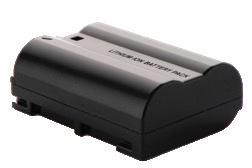
Safe options for disposal of household and small power-tool batteries in Waimakariri District.
Household batteries deteriorate if not in use and need to be disposed of safely.
As New Zealand currently lacks the infrastructure to recycle batteries, we’ve partnered with Phoenix Recycling Group to collect undamaged batteries from our sites and ship them offshore under strict hazardous waste permits.
Phoenix works exclusively with approved facilities that are equipped to safely process the batteries, recover valuable materials, and minimise environmental impact.
If your old phone doesn’t have a removable battery, drop it off at a Vodafone, Spark, or 2Degrees retailer, and it will be recycled. The Council will also accept mobile phones at Southbrook Resource
“By investing in innovation and supporting practical solutions, we can reduce emissions while safeguarding production and profitability.”
Loose batteries that can be dropped off for free in the specialised Battery Recycling Units:
• AA, AAA, C and D cell batteries
• Alkaline cell • Lithium
• Cr123 camera batteries
• Dry cell and zinc
• 9-volt • Li-ion batteries
• NiCd • NiMH
Recovery Park, Kaiapoi Library, Oxford Library and Rangiora Library.
Lead-acid and Gel car batteries can be dropped off at the Southbrook Resource Recovery Park and Oxford Transfer Station recycling area.
Trans-Tasman deal promises boost for primary sector
By Jonathon Taylor
A landmark NZ-Australia agreement will speed up and streamline access to key agricultural compounds and veterinary medicines.
A landmark agreement between New Zealand and Australia will enable faster and more efficient access to new agricultural compounds and veterinary medicines across the region.
New Zealand Food Safety (NZFS) and the Australian Pesticides and Veterinary Medicines Authority (APVMA) have signed a formal arrangement to share assessments of new products, strengthening regulatory cooperation between the two countries.
NZFS Deputy Director-General Vincent Arbuckle says the agreement brings together the regulatory expertise and infrastructure of both nations for the benefit of their primary sectors and the communities that rely on them.
“This builds on our already strong relationship with Australia. At a practical level, it will streamline workflows, reduce duplication, and deliver faster turnaround times for product assessments,” Arbuckle says.
“Together, Australia and New Zealand are positioning our region as a market of choice for innovative agricultural and veterinary products
that benefit farmers and the wider community.”
APVMA Chief Executive Officer Scott Hansen says the agreement will see the agencies collaborate on product assessments, cross-train staff, and further improve regulatory efficiency.
“Our countries take similar approaches to regulating agricultural compounds and veterinary medicines. Expanding our collaboration is a logical step that will deliver mutual benefits,” Hansen says.
The agreement aligns with recommendations from the Ministry for Regulation’s Agricultural and Horticultural Products Regulatory Review earlier this year, which advised NZFS to make greater use of international regulatory assessments to improve efficiency and reduce duplication.
Similarly, the APVMA has committed to strengthening international partnerships to deliver the efficiencies identified in the Australian Government’s Detailed Response to that review.
Vincent Arbuckle says the closer collaboration marks an important
“Our countries take similar approaches to regulating agricultural compounds and veterinary medicines. Expanding our collaboration is a logical step that will deliver mutual benefits.”
- Scott Hansen
milestone. “This agreement represents a significant step forward and provides a blueprint for future partnerships with other international regulators.”
Scott Hansen adds that while each agency must continue to operate within its own legislative framework, closer cooperation will enhance productivity and maintain strong public and industry confidence.
“Working together allows us to meet our regulatory responsibilities more effectively, while supporting innovation and growth in our primary sectors,” he says.
Key aspects of the agreement: Faster Access to Technology: Farmers in both countries will gain quicker access to innovative agricultural compounds and veterinary medicines.
Shared Assessments: New Zealand Food Safety and the APVMA will align processes, reducing the need to redo evaluations.
Improved Efficiency: The partnership includes cross-training staff and streamlining regulatory workflows to foster a more efficient, single market. Support for Innovation: The agreement aims to make the region a “market of choice” for new agricultural technologies. CT
We service ALL imported vehicles
European, Japanese, American
One of our main target audience is for motor homes. We expanded our work shop last December of 2024 so we would have the room, height, and big enough hoist to carry out servicing and wheel alignments on motorhomes. Our hoist has a weight capacity of 6352kg and a length of 7meters . We carry out a lot of servicing, wheel alignments, ac Regas and WoFs. We are happy to carry out other repairs with the turn around time all depending on parts availability.
Let me know if you have any questions!
Automotive Solutions
Blenheim has been a trusted name in Marlborough’s automotive service industry for over 40 years.
Full Vehicle • Servicing WOF • Repairs Tyres • Cam Belts • Brakes & Clutches Air con re-gas • Breakdown
The team and Mark Noad keeping you on the road. For ALL your motoring solutions, WE
Diagnostic Technicians for all makes & models • Courtesy Cars Available GUARANTEED WORKMANSHIP
Change incoming What the Resource Management Reform means for your business
By Jonathon Taylor
New Zealand’s resource management system is facing its most substantial reform in decades.
The Government says the current framework is no longer delivering for communities, businesses o the environment, and major legislative change is now underway. For Canterbury businesses and those across the country, the reforms will influence how you plan, invest and grow.
Two new acts replace the RMA
The Government has introduced two new pieces of legislation, the Planning Bill and the Natural Environment Bill, to replace the Resource Management Act 1991 (RMA).
“The Government believes that New Zealand’s current resource management system is not delivering for people, the economy or the environment.”
Critics argue the RMA is overly complex, expensive and inconsistent, making it difficult to deliver housing and infrastructure while environmental outcomes continue to decline.
The new system separates land-use planning from environmental management.
The Planning Bill establishes a framework for planning and regulating “the use, development and enjoyment of land.”
The Natural Environment Bill establishes a framework for “the use, protection and enhancement of the natural environment.”
This split is designed to create clearer purposes, more focused legislation and greater certainty for users of the system.
Streamlined plans and consents
One of the most significant changes is the consolidation of planning documents. Instead of more than 100 council plans nationwide, each region will have a single combined plan.
Each regional plan will include:
• A regional spatial plan setting long-term direction for growth and infrastructure,
• Land-use plans for cities and districts,
• A natural environment plan for managing resources.
The reforms also reset what activities are regulated. “Under the new planning system, less-thanminor effects and those that are barely noticeable will generally not be controlled.”
More activities will be permitted without the need for consent, particularly those with minimal adverse effects. Where consent is required, most applications will be restricted discretionary activities, with assessments limited to clearly defined criteria in relevant plans.
This means applicants will know in advance what matters will be considered, reducing uncertainty, delays and compliance costs.
National direction and property certainty
The new system strengthens national direction through a set of standardised national instruments. These will include:
• One national policy direction (NPD) under each Bill,
• National standards, including environmental limits and nationally standardised zones and overlays.
This approach aims to:
• Give clear direction on national priorities such as housing growth,
• Ensure consistent approaches across regions,
• Provide greater certainty about what can and cannot occur.
Decision-making will follow a structured “funnel” model. Clear goals are set at the top, national direction narrows the scope for debate, and earlier decisions cannot be relitigated at lower levels. The intention is that decisions “stick,” giving investors, developers and communities long-term certainty. Relief will also be available when planning controls significantly restrict private land use. Councils will be required to provide relief once impacts meet a legally
defined threshold. Tools may include cash payments, rates relief, bonus development rights, no-fees consents, land swaps, or access to grants and expert advice.
Environmental limits and farmer relief
Environmental protection remains central to the reforms. “Central and local government will have to set binding environmental limits for air, freshwater, coastal water, land and soils, and indigenous biodiversity.”
These limits will apply to defined geographic areas, with resource use either capped or managed through action plans. The aim is to better manage cumulative effects while increasing certainty about which activities are likely to be approved.
For rural operators, including farmers in regions such as Canterbury, the changes are expected to simplify compliance. By shifting away from case-bycase consenting toward nationally standardised rules and clearer environmental limits, the reforms aim to reduce administrative burden while maintaining protections. Enforcement and compliance will become more consistent, with a stronger focus on monitoring nationally standardised rules. The Government is considering whether to establish a national compliance and enforcement regulator with a regional presence.
What this all means for Canterbury businesses
For businesses across Canterbury, the reforms could bring significant practical benefits:
• Lower Costs and Delays: With more permitted activities and clearer national standards, administrative burdens and consent delays are expected to reduce.
• Greater Certainty: Standardised regional plans and binding national direction will help businesses make long-term investment decisions in housing, infrastructure, energy and primary industries.
• Rural Relief: Farmers and landowners may face simpler compliance pathways, with clearer environmental limits replacing complex, overlapping consent processes.
• Clearer Investment Signals: Binding environmental limits and structured planning goals are designed to give developers and
investors greater clarity about what is feasible.
Maori participation and Treaty obligations are retained within both Bills, including provisions for the identification and protection of sites of significance and enabling the development of identified Maori land.
The reforms will also introduce new technologies, including a national e-planning portal to host regional combined plans, making them more accessible and user-friendly. A new Planning Tribunal is planned to resolve smaller disputes more quickly and affordably.
Legislative and transition timelines
Maori participation and Treaty obligations are retained within both Bills, including provisions for the identification and protection of sites of significance and enabling the development of identified Maori land.
The Planning Bill and Natural Environment Bill were introduced to Parliament on 9 December 2025.
If enacted in 2026, councils will notify regional spatial plans within 15 months. Natural environment plans and land-use plans will follow within nine months of spatial plan decisions.
The full transition to the new system is expected to conclude by 2028–2029, when all regional plans have been notified.
For businesses, the reforms signal a decisive shift away from the RMA’s case-by-case complexity toward a more standardised, nationally directed system. Whether building infrastructure, expanding operations or investing in land, the changes are designed to provide clearer rules, faster processes and more predictable outcomes in the years ahead. CT
Are you at risk of melanoma?
Did you know that New Zealand has the highest rate of melanoma in the world? Every day, around 7 New Zealanders are diagnosed with melanoma - it’s the most serious form of skin cancer and it can quickly become deadly.1,2
That’s why MoleMap’s proven skin-mapping system is designed to detect skin cancers such as melanoma early – when it’s most treatable.3
We check.
And double-check.
With MoleMap you get two sets of expert eyes examining any moles of concern: a trained Melanographer and an experienced specialist Dermatologist.
Fewer scars. Fewer scares.
Because MoleMap can more accurately identify melanoma, there is less need to surgically remove benign (harmless) moles.1
Early detection makes a difference.
Early melanoma detection offers a up to 95% chance of survival within 5 years. That’s why it’s always worth checking.
Clinics held weekly in Rangiora, Ashburton and Timaru
The workshop you choose determines the vehicle you drive
Many vehicle owners assume all workshops operate to the same standard. In reality, the difference between workshops is not just price, it is perspective.
Across Christchurch, drivers often notice repair costs change when they move between workshops. One workshop may quote very little. Another identifies more. Then another may quote less again. This can feel inconsistent, but what is really changing is the level of inspection and attention to detail.
Some workshops focus only on the immediate issue. Others look deeper, identifying early signs of wear and developing faults before they become serious failures. These issues may not yet affect drivability, but they impact safety, reliability, and long-term value.
Vehicles maintained to a higher standard are typically more reliable, safer to drive, and retain their value more effectively. Their condition reflects consistent care and professional attention.
When a vehicle is properly inspected, owners gain a clearer understanding of its true condition. Video-documented inspections and clear visual evidence allow owners to see exactly what technicians see, removing uncertainty and allowing informed decisions.
A Warrant of Fitness confirms minimum safety compliance at a specific moment. It does not guarantee that a vehicle is free from developing issues, nor does it reflect the overall standard of ongoing maintenance.
Vehicles maintained to a higher standard are typically more reliable, safer to drive, and retain their value more effectively. Their condition reflects consistent care and professional attention.
Within Christchurch, workshops such as Rocky Auto have become known for applying this level of inspection and transparency, providing documented assessments that allow owners to fully understand their vehicle’s condition.
Because ultimately, workshop choice is not defined by price alone. It is defined by the standard applied and the things others may overlook.
How I beat the scammers
It was another Wednesday morning when my phone began bursting with email notifications. Almost every online account I had was asking me to reset my password or verify my personal information. Yet I had not requested a single change. It quickly clicked. My data had been leaked, and scammers were targeting me.
By Ben O’Connell
What followed was a day of frantic password changing, contacting loved ones, and slashing my digital footprint. One moment left me truly startled: as I went to change my Facebook password, the hackers intercepted me, very nearly succeeding in their plan. A back-and-forth ensued. Thankfully, my persistent password changes eventually tired the hackers. A week on and I’m still on edge that another wave of attempts to infiltrate my online accounts is coming.
My personal digital data has likely been exposed in an online leak. Email phishing is a type of scam in which someone attempts to obtain your personal information. They compile a long list of email addresses to target and send fake emails to all of them, hoping some will fall for the scam. Sometimes, the data may be made available for purchase and download on the Dark Web, the underground corner of the Internet frequented by cybercriminals. Sometimes organisations see their data compromised. The release of data through human error or the theft of confidential information are the two most likely reasons why these scammers received my email.
Privacy breaches are distressing. Take it from me, someone who has written several Plus Living articles about scams and considers himself quite tech-savvy. I had to take my own advice: to pause, analyse the emails carefully, and only open
attached documents and links if I expected them. I also searched the Internet using the exact phrases and senders found within the emails to see if they were associated with any scams.
Had the scammers succeeded in their mission, they would likely have started impersonating me online. They might have eventually hustled their way towards more confidential information, namely, my bank account number and other key financial data. Though it seemed like they were personally targeting me, the reality is the scam is anything but. Hundreds, if not thousands, of people were likely hit with the same onslaught of emails at the same time. Only a mere handful would need to fall for the scam for it to be profitable.
It’s an all-too-common occurrence.
Netsafe reported in 2024 that six out of every 10 Kiwis experience a scam at least once a month. The digital safety not-for-profit encourages New Zealanders to be cautious of emails that seem too good to be true, contain spelling mistakes or use oddlooking links and unfamiliar sender addresses. Legitimate companies are unlikely to pressure you to act urgently or contact you from a Gmail or Outlook account, but from their own domain.
Yet, of those six in every ten Kiwis, more than two-thirds don’t report it to the law. Since I was a victim of this attack, I’ve also called 105 to report
It’s an all-too-common occurrence. Netsafe reported in 2024 that six out of every 10 Kiwis experience a scam at least once a month. The digital safety not-for-profit encourages New Zealanders to be cautious of emails that seem too good to be true
that my identity has been stolen, contacted my bank to keep them especially alert to any suspicious activity and reached out to online stores where I have recently provided my bank information. At the very least, reaching out to Netsafe and similar digital safety organisations safeguards and soothes.
My experience is far from unique.
“Being scammed is a horrible experience for everyone, but the impact on young people’s confidence levels can be particularly severe,” says Jessica Channing, Westpac’s financial crime intelligence manager.
“We want to encourage all Kiwis to talk to the young people in their lives about how to avoid scams, and if they have been scammed, reassure them that it can happen to anyone.”
This entire situation has opened my eyes to the reality of digital scams.
I’m 27 years old, and maybe I needed humbling. I now realise how easily I’d slipped into the stereotypes of my generation. Although older
adults are more likely to lose money and data from a single scam, they are significantly less likely to be scammed than young people. I think age-based assumptions are slowly fading from popular belief, though. Society is quickly realising how heavily digital life depends on trust in companies, platforms, and ourselves. We trade our privacy for convenient, personalised online content every day, without a second thought. That must change.
Thanks to this wake-up call, my passwords are stronger and more unique than ever. I have set up two-factor authentication, which is an extra layer of protection. I’m now hyper-critical of the emails I receive. My social media settings are all up to date. And I am proud to have never saved my card details on an online store. Awareness and vigilance are our best defence against cybercrime, not paranoia and ignorant hope that all will be well. Scammers will always adapt, but so can we. CT
MODERN, TRANSPARENT & SMARTER REAL ESTATE
Bron Poole | Arizto Real Estate
Bron is described as a dynamic personality with a resourceful and determined nature who gets property sales over the line, for her clients.
Beginning a real estate career in 2005, Bron has worked for both corporate brands and a small family owned boutique company. At times Bron felt that both fell short of meeting the needs of the clients or the agents.
It wasn’t until she looked into Arizto, and their smart transparent offering, that she considered it a superior option for clients and agents.
Arizto has not disappointed. Spearheading ‘userfriendly’ innovative technology with a fair fee every property receives the very best online representation including premium marketing, professional images,
HD videography, aerial images, copywriting, floor plans and a rental appraisal.
Using Arizto systems and processes Bron feels the superior blueprint supports a smooth transparent service for anyone wishing to sell their property.
Bron’s clients identify her strengths as faultless ethics, superior communication and consistently going above and beyond to achieve a superior sale price. Known for her consistency, “can-do” attitude, and problemsolving skills, Bron excels in serving her vendors.
Servicing all of Christchurch and specialising in Shirley, Dallington and Mairehau suburbs, Bron will left no stone unturned in ensuring the best result for you.
With over $28 million in sales over the last 24 months Bron has demonstrated experience and success in the field.
Since 2013 Fairview Concepts has delivered high-quality, custom solutions for residential, commercial, retro fitting and renovation projects across the South Island. Prioritising innovation, sustainability, and customer satisfaction, while offering premium, eco-friendly products.
AI fraud top concern for CEOs
By Ben O’Connell
Cyber fraud has overtaken ransomware as the top concern for global CEOs. Alongside nations being unprepared for a cyber-attack, global business leaders also feel that digital fraud and malicious software pose the greatest cyber risks to them.
The World Economic Forum’s latest edition of the Global Cybersecurity Outlook survey found that 87% of respondents experienced rising AI-related vulnerabilities in 2025.
94% of leaders expect AI to be the biggest force shaping cybersecurity in 2026.
31% report low confidence in their nations’ ability to respond to critical infrastructure attacks and geopolitical volatility.
Managing director of the World Economic Forum, Jeremy Jurgens, says that cyber risks are more interconnected and consequential, and cyber fraud is one of the digital economy’s most disruptive forces. It undermines trust, distorts markets, and directly affects people’s lives.
“The challenge for leaders is no longer just understanding the threat but acting collectively to stay ahead of it. Building meaningful cyber resilience will require coordinated action across governments,
businesses and technology providers to protect trust and stability in an increasingly AI-driven world.”
Skill shortages and resource constraints amplify the risks to businesses. Not every organisation can build resilience against cybercrime. Businesses must pivot to more advanced cyber defences to be resilient against evolving AIdriven threats.
“The weaponization of AI, persistent geopolitical friction and systemic supply chain risks are upending traditional cyber defences,” said Paolo Dal Cin, global lead, Accenture Cybersecurity.
“True business resilience is built by fusing cyber strategy, operational continuity and foundational trust — enabling organizations to swiftly adapt to the dynamic threat landscape.”
Data leaks linked to generative AI tools are also emerging as a
“True business resilience is built by fusing cyber strategy, operational continuity and foundational trust—enabling organizations to swiftly adapt to the dynamic threat landscape.”
- Jeremy Jurgens
major concern, flagged by around one-third of respondents. With 94% of leaders expecting AI to be the most consequential force shaping cybersecurity in 2026, organisations are already shifting their approach.
The share of businesses actively assessing AI-related security risks has climbed sharply, nearly doubling from 37% to 64%.
Cyber risks are also spreading beyond internal systems. In 2025, 73% of respondents said they were directly affected by a cyber incident or knew someone who was.
For large organisations, thirdparty exposure is now a dominant weakness, with 65% identifying supply chain and external partner risks as their biggest barrier to cyber resilience, up from 54% the year prior.
The report also warns that cyber inequity is widening, with smaller organisations roughly twice as likely as larger companies to report inadequate resilience. Skills shortages remain one of the most pressing constraints globally, and are most severe in regions already facing limited resources.
In Latin America and the Caribbean, 65% of organisations report not having enough cybersecurity talent to meet their security goals, while 63% in sub-Saharan Africa face similar shortfalls.
Cyber resilience cannot be built in silos. Leaders across government, business, and technology must strengthen the collective baseline by sharing threat intelligence, aligning standards, and investing in skills and capability development, so that more organisations can operate safely in an increasingly AI-driven digital economy. CT
81 Irishman Drive, Twizel, New Zealand
That’s why we offer an unparalleled level of tailored support to ensure superior customer service, in-depth attention to your listing, and transparency for all parties involved. You won’t have to deal with multiple agents, which means nothing is lost in translation
Our commitment to customer service and honesty with our clients is at the heart of everything we do. Being upfront and transparent about the real estate process is key to building trust and lasting relationships. And it works –Coralie is honoured and grateful to be recognised as the top recommended agents in the Mackenzie region for Twizel and Ben Ohau.
WHY CHOOSE JAN MAREE CLEANING SERVICES
Jan Maree Cleaning services are a small dedicated local team. We specialise in cleaning your home, business and other locations with chemical free cleaning products Enjo. Approachable, thorough and providing your cleaning with a personal touch.
Removing debris and asbestos responsibly
When construction or demolition uncovers contaminated materials, enlisting the professionals to handle the issue is a legal, environmental and public health necessity.
Across Canterbury and wider New Zealand, City Salvage Contractors are recognised as trusted specialists in contaminated residential, commercial, and industrial debris management, including the safe and compliant removal of asbestos.
With more than two decades of experience supporting the region’s recovery and redevelopment, the team combines technical expertise, certified training, and a deep commitment to safety on every project.
A NZDAA member, City Salvage operates to strict industry guidelines. Staff are fully trained and certified, ensuring every project meets environmental and
occupational health regulations while delivering safe, legally sound outcomes.
Every job begins with a detailed site assessment to determine contamination levels. From there, a tailored removal and decontamination plan is developed. Using specialised protective equipment and containment methods, hazardous materials are isolated, removed, transported, and disposed of responsibly, without endangering workers, occupants, or the public.
Clients value the company’s comprehensive, end-to-end approach. From testing and documentation to certified disposal,
DEMOLITION
each stage is meticulously managed to minimise risk and maximise transparency. Whether working on a large industrial redevelopment, urban regeneration site, heritage restoration, or residential property with legacy asbestos, the same level of care and precision applies.
Sustainability is also central to their operations. Clean fill and reusable materials are carefully separated and processed for future use, reducing landfill dependence and supporting
Canterbury’s wider environmental goals. This proactive approach not only ensures compliance but also safeguards the long-term value and safety of properties across the region.
Architects, developers, planners, and builders rely on City Salvage Contractors to deliver projects on time, on budget, and above standard, providing clarity, confidence, and compliance at every stage. CT
Complete Electrical and Solar Solutions For Your Home or Business.
Solar Installations Repairs & Maintenance Client Focused
Looking for a reliable and professional local electrician?
Look no further than our team. We provide comprehensive electrical solutions for both residential and commercial customers, ensuring that your needs are met with efficiency and excellence.
• Commercial and Residential
• Grid Tied Solar
• Hybrid Solar (batteries)
• Off Grid Solar
• EV Chargers
• Heat Pumps
• New Builds & Renovations
• Repairs and Maintenance
• Smart Home Automation 027 825 9554
info@sspservices.co.nz
www.sspelectrical.co.nz
Crafted Kitchen Glow
Photo credit: http://benruffell.com
Photo credit:
Innovative Homes for Southern Lifestyles
Modbox Queenstown Limited is a local leader in innovative home design & building, proudly serving Central Otago for over 10 years. Specialising in design and build, renovations, and hard landscaping, we’re a household name known for crafting sustainable, high-quality living spaces. Get in touch to bring your vision to life!