
MagImob 076

Page 1


Habitar uma nova nação

Living in a new nation

Editorial Fazer parte deste mundo Being part of the world

O Imobiliário em Portugal tem cativado o investimento nacional e estrangeiro, tem sabido atrair e reter talentos e inovar, apostando cada vez mais em critérios ESG. A 28ª edição do Prémio Nacional do Imobiliário reflecte precisamente este dinamismo do mercado, não foi por acaso que recebemos 92 candidaturas. E não é por acaso que somos parte do mundo imobiliário.

Este dinamismo está também patente no SIL – Salão Imobiliário de Portugal, evento do qual somos media partners, e que em Abril vai abrir portas com mais 20% de expositores de Portugal, Europa, Médio Oriente e Américas.

E por falar em Américas, não ficamos indiferentes às políticas de Trump e aos movimentos dos norte-americanos que de malas e bagagens estão a mudar-se para Portugal. Mau grado as elites encontrarem-se muito bem nos dois lados do Atlântico, a realidade é que ambos os países se ressentem de uma crise habitacional sem precedentes.

Nesta edição, além das incertezas geopolíticas, questiona-se também se o imobiliário em Portugal enfrenta, em 2026, o fim de um ciclo de crescimento. Será?

Certo, certo, é o nosso ponto de encontro no próximo dia 26 de Março num hotel em Sintra para apresentarmos os 50 Finalistas cujos edifícios espelham o melhor a que os players do nosso sector já nos habituaram e que nos enchem de orgulho. Que vença o melhor!

Real Estate in Portugal has attracted national and overseas investment, has known how to attract and retain talents and innovate, increasingly investing in ESG criteria. The 28th edition of the Portuguese Real Estate Awards reflects exactly this market dynamism and it is not by chance that we received 92 applications. And it’s not by chance that we’re part of the real estate world.

This buoyancy is also evident at Salão Imobiliário de Portugal (The Portugal Property Fair), an event with which we are media partners, and which will open its doors in April with 20% more exhibitors on 2025, from Portugal, Europe, the Middle East and the Americas.

And speaking about the Americas, we’re not indifferent to the Trump policies and the movements of the Americans who with bags packed are moving to Portugal. Notwithstanding, the elites are in a good position on both sides of the Atlantic, the reality is that both countries are dealing with a housing crisis without precedents. In this issue, apart from the geopolitical uncertainties, the question is also if real estate in Portugal is facing the end of the growth cycle in 2026. Is that true?

What’s right, is our meeting point on March 26 at a hotel in Sintra to present the 50 finalists whose buildings reflect the best that the players in our sector have already accustomed us to. May the best win!

Índice

Ferreira

Lá fora Abroad Opinião Opinion Reino Unido United Kingdom Roberto Varandas

Americano

Quadrado Square Meter 29ª edição do SIL - Salão Imobiliário de Portugal

29th edition of SILPortugal Property Show

Paparazzi

Mudar a nossa imagem de marca Changing our brand image

Ficha técnica Datasheet

Propriedade Property

Palavras Aliadas

Sociedade Unipessoal, Lda. NIPC – 510 653 901

Administração Anabela Loureiro

Rua Paulo Reis Gil nº 39, 3º Esq. 2745-195 Queluz

Telm. / Mobile: (+351) 96 237 00 08 geral@palavrasaliadas.pt www.magazineimobiliario.com

Fundador da Magazine Imobiliário Founder of Magazine Imobiliário Joaquim Pereira de Almeida

Directora Director Carla Celestino

Sede de Redacção Editorial Office

Rua Paulo Reis Gil nº 39, 3º Esq. 2745-195 Queluz

Colaboradora Permanente Permanent Contributor Elisabete Soares

Colaboradores Contributors Bruna Margalho

Fotografia Photography Anabela Loureiro

Tradução Translation Chris Graeme

Grafismo Graphics Luís Silva

Contabilidade Accounting Nasceconta

Periocidade Frequency Bimestral

Tiragem Number printed 3.000 exemplares

Impressão Printing Jorge Fernandes, Lda. Rua Qta. de Marcarenhas, 2820 Charneca da Caparica

Depósito Legal Legal Deposit

363718/13

SSN – 2183-0517

ERC – 126397

Estatuto editorial disponível em: Editorial policy available at: www.magazineimobiliario.com

Capa Cover: ventdusud on istockphoto

Construir as cidades do futuro é uma arte.

Especialista ao seu lado faz toda a diferença

VICTORIA - Seguros, S.A. (NIPC 506 333 027) e VICTORIA - Seguros de Vida, S.A. (NIPC 502 821 060) En�dades legalmente autorizadas para a exploração de seguros dos Ramos «Não Vida» e «Vida» em Portugal, registadas junto da Autoridade de Supervisão de Seguros e Fundos de Pensões de Portugal, sob os códigos 1160 e 1096, respe�vamente. Capital Social EUR 34.850.000 e EUR 8.500.000, respe�vamente. Av. da Liberdade, 200 - 1250 -147 Lisboa - Portugal Telf. 21 313 41 00 (Custo de uma chamada para a

A Torre de Babel

The Tower of

Foto
Photo:
Bert Christiaens no
Pexels

Há quem queira construir impérios, conquistar territórios, erigir torres e muros, destinados a alcançar o limite, o céu. Há também quem fuja deles…, para Portugal. Que o digam os norte-americanos que, ora procuram uma casa na pradaria, ora uma mansão de ultra-luxo no nosso país.

There are those who want to build empires, conquer lands, and erect towers, walls and skyscrapers that touch the sky. There are also those who want to flee from them - to Portugal. Such a case are the Americans who are looking for a house on the meadow or an ultraluxury mansion in Portugal.

Escrever sobre qualquer cenário norte-americano hoje, é trabalhar num campo minado, nunca sabemos em que terreno estamos a pisar. A ordem internacional que se baseava em regras, diplomacia, bom senso, e que imperava desde o final da II Guerra Mundial foi quebrada. Ao que parece os novos líderes acham que podem fazer as suas próprias regras e quando não as (re)escrevem, dobram-nas.

A Europa nunca esteve tão só. Quando se pensava que as pressões viriam de Leste, afinal também podem vir de Oeste, do Faroeste. E até do Oriente. Num piscar de olhos regressamos às superpotências. E, provavelmente, ao conflito, ao autoritarismo.

No ano passado, a União Europeia (UE) e os Estados Unidos da América (EUA) assinaram um acordo que gerou muito descontentamento entre os 27 Estados-membros, e que estabelecia o aumento considerável de 15% das tarifas sobre os produtos europeus, enquanto as tarifas sobre os bens industriais americanos ficaram reduzidas a um redondo zero. A presidente da Comissão Europeia, Ursula von der Leyen, defendeu que este acordo permitiu dar um input económico às empresas e baixar as tensões entre os dois continentes, destacando também o importante contributo dos EUA na questão da Ucrânia. Este episódio visto à distância parece, na realidade, que a Europa “baixou as orelhas”.

O Supremo Tribunal dos EUA bloqueou as tari-

fas globais, ao que Donald Trump retorquiu que “os países estrangeiros que nos têm roubado há anos estão em êxtase. Estão tão felizes que estão a dançar nas ruas.” Sim, verdade, mentalmente dava vontade de dançar, celebrar. Mas Trump também disse “não vão dançar por muito tempo, posso garantir-vos isso.” E foi o que aconteceu, ao impôr novas tarifas globais de 10%.

Depois da ‘guerra’ das tarifas, seguiu-se o caso do uso da força na Venezuela por parte dos EUA. Tal levou a questionar a legalidade destas acções, mas, convenhamos, dentro da UE a esmagadora maioria dos Estados-membros não reconheceu a legitimidade do governo de Maduro. Ontem foi a Venezuela, amanhã o Panamá, depois a Gronelândia…, resta saber até onde vai o desejo da supremacia monroísta norte-americana.

A Gronelândia não está à venda, mas Trump quis impôr fortes tarifas a oito países europeus até que a Dinamarca cedesse aos seus desejos. Tal ‘ameaça’ teve rapidamente ecos na Europa, com o Presidente de França, Emmanuel Macron, a defender uma “bazuca comercial” e uma Comissão a acenar com o recurso ao instrumento anti-coerção comercial contra os EUA. Agora já se fala em arrendamento de longo prazo, por 99 anos para sermos mais exactos, numa forma de contornar a contestação política europeia e aumentar o poderio norte-americano nesta região.

Texto Text: Carla Celestino
Foto Photo dorian2013 on istockphoto

Em 80 anos, a Europa tornou-se extremamente dependente dos States; mas os States deixaram de ver o espaço europeu como uma potência e está, cada vez mais, a colocá-la à margem das decisões. Ainda assim, o secretário do Tesouro norte-americano, Scott Bessent, à margem do Fórum Económico Mundial, em Davos, na Suíça, disse aos parceiros comerciais para “respirem fundo”, descansando-os com a declaração de que “as nossas relações (EUA-Europa) nunca estiveram tão próximas.” Será? Os EUA em parceria com Israel lançaram, nas palavras de Trump, “grandes operações de combate” contra o Irão e a resposta bélica não se fez esperar. Mais uma vez a Europa nem se apercebeu do que estava a acontecer, com vários governos a afirmar que não foram avisados dos ataques. O que é certo é que 2026 poderá ser um verdadeiro teste à força política, à segurança e à economia europeia.

“Não quero que os preços dos imóveis baixem”

No Fórum Económico Mundial de Davos todos

os olhos estiveram postos em Trump. Mas mais do que o contexto de grandes incógnitas e tensões, o seu discurso teve num ponto que acaba por ser comum a ambas as margens do Atlântico: crise na habitação.

Se no primeiro mandato da presidência de Donald Trump assistimos a um êxodo para Portugal, sobretudo de californianos, em busca de um El Dourado português longe das políticas repressivas xenófobas e ambientais; agora há uma nova problemática que poderá levar os norte-americanos a viajar até ao nosso país: falta de habitação. O que não deixa de ser irónico, porque, por cá, também enfrentamos o mesmo cenário.

Recorde-se que no ano passado, Bessent, em declarações ao Washington Examiner, avançou que o governo de Trump já estava a ponderar declarar “emergência nacional de habitação”. Agora, de olho nas próximas midterms elections (eleições de meio de mandato) de Novembro de 2026, que poderá redefinir o controlo do Congresso e a capacidade de governação do presidente, a habitação tornou-se bandeira.

Segundo dados de 2024, existe a falta de aproximadamente 2,2 milhões de casas. Os EUA enfrentam, pois, uma grave crise habitacional.

According to data from 2024, there is a lack of around 2.2 million houses. The USA is also facing a severe housing shortage.”

Foto
Photo: Helena Lopes no Pexels

Excellence in Project and Construction Management

Segundo a teoria de Trump, as elevadas taxas de juro fizeram disparar os custos de financiamento do Governo, o que, por sua vez, teve impacto no mercado imobiliário.

Desde que a bolha imobiliária rebentou, em 2008, que o país não mais recuperou: há uma escassez crónica de habitação fruto da falta de construção nova que originou um déficit muito acentuado de imóveis. Segundo dados de 2024, existe a falta de aproximadamente 2,2 milhões de casas. Os EUA enfrentam, pois, uma grave crise habitacional.

De acordo com a NAR - National Association of Realtors (Associação Nacional de Mediadores Imobiliários), a taxa anual de vendas de imóveis residenciais atingiu, em Dezembro de 2025, 4,35 milhões de unidades, quase a mais elevada em três anos, o que dificulta a aquisição de casa. Por outro lado, os valores praticados no arrendamento superam os salários e a taxa de esforço das famílias. Uma das consequências

trágicas deste desequilíbrio entre oferta e procura está a ser o aumento sem precedentes da população sem-abrigo.

Se num dia, Trump considerava que uma redução das taxas de juro seria “boa para todos”; em outro dia, já defendia que o aumento da oferta de habitação iria provocar uma redução dos preços dos imóveis e que isso não era aceitável pois iria destabilizar o mercado e prejudicar os proprietários que viram subir o valor do seu património imobiliário no pós-pandemia. Esta última ideia, aliás, voltou à mesa da reunião do seu gabinete do dia 29 de Janeiro, com Donald Trump a afirmar: “Não vamos destruir o valor das suas casas para que alguém que não trabalhou muito possa comprar uma.” Acrescentando: “Não quero que os preços dos imóveis baixem. Quero que os preços dos imóveis subam para quem já tem casa própria.” E afiançou: “Podem ter a certeza de que é isso que vai acontecer.”

Na sua ideia, são os dois terços da actividade económica dos EUA que têm como base a riqueza gerada pelo imobiliário que permitem às famílias manter o elevado nível de consumo. Mas para quem anda há muito tempo no mundo imobiliário, fica com dúvidas se o acesso à habitação pode ser exequível sem mais construção e sem uma redução dos preços dos imóveis.

A legislação federal Fair Housing Act (Lei de Habitação Justa), que nasceu do Civil Rights Act de 1968 (Lei dos Direitos Civis), proíbe a discriminação na habitação baseada na raça, religião, sexo, nacionalidade, estado familiar ou deficiência. Mas os consecutivos cortes em programas federais de habitação têm travado o apoio social e conduzido ao debate sobre o papel de investidores institucionais no mercado. Segundo um artigo do The New York Times, de Setembro de 2025, vários funcionários do HUD - Gabinete de Habitação Justa, denunciam “décadas de casos de discriminação na habitação”, cujas decisões foram “artificiais, arbitrárias e desnecessárias”. Um dos interlocutores mencionado no artigo, o advogado Palmer Heenan, considera que “se não se está a aplicar a Lei da Habitação Justa, então é apenas mais uma lei morta.”

Para qualquer português que viveu ou nasceu depois de 1974, estas realidades provocam arrepios democráticos e de direitos constitucionais.

Buyers em Portugal

Em Portugal tem-se sentido um aumento do interesse norte-americano, seja de investimento imobiliário, seja turístico. Segundo Juan-Galo Macià, presidente da Engel & Völkers Ibéria e América do Sul, “este aumento têm-se feito sentir consistentemente desde 2023.”

Segundo a Engel & Völkers, muitos compradores norte-americanos procuram em Portugal apartamentos T2 e T3 ou moradias para habitação própria, beneficiando da possibilidade de trabalhar remotamente, mas sobretudo da qualidade do estilo de vida que o país oferece. Valorizam factores como a segurança, a estabilidade, o clima, a oferta cultural e a qualidade dos serviços, que tornam Portugal um destino particularmente atractivo para viver.

Juan-Galo Macià destaca que “Lisboa e a Área Metropolitana continuam a ser das localizações mais procuradas, pela combinação entre infra-estruturas modernas, dinâmica cultural e forte presença internacional.” Acrescentando que, de uma forma geral, “estes compradores procuram tanto imóveis de alto padrão e luxo

Foto
Photo: Matt Barnard no
Pexels

Donald Trump: Não vamos destruir o valor das suas casas para que alguém que não trabalhou muito possa comprar uma.

We’re not going to destroy the value of houses so that someone who

doesn’t work much can buy one.”

como residências familiares em zonas urbanas e costeiras, com boa acessibilidade, qualidade de construção e potencial de valorização a médio e longo prazo.”

Mas quem são estes norte-americanos à procura do nosso país? Na realidade, não há um perfil único, varia bastante de região para região. No entanto, como nos explica Macià, “é possível traçamos um perfil que têm entre 45 e os 70 anos, com um elevado poder de compra e que procura Portugal sobretudo pela segurança do país, pelo estilo de vida e pela estabilidade” e “muitos procuram Portugal com o objectivo de adquirir uma segunda residência, para diversificar o seu património ou até mesmo para investimento.”

Questionámos o representante Ibérico sobre as diferenças mais marcantes entre o mercado português e espanhol no que diz respeito ao interesse dos compradores norte-americanos, ao que nos diz que as diferenças são “claras”. Segundo este especialista, Portugal “tem-se destacado como um destino mais orientado para quem procura residência e qualidade de vida, enquanto Espanha continua a captar uma procura mais associada à segunda habitação e ao lazer.” Espanha, por sua vez, “apresenta um mercado maior e mais segmentado, com maior foco em destinos turísticos consolidados e imóveis de férias, especialmente em zonas como a Costa del Sol ou Barcelona.” Refere, ainda que “Portugal é frequentemente percepcionado como um mercado mais previsível e estável, enquanto a Espanha oferece maior escala e diversidade de produto.”

Em suma, embora ambos os países sejam atractivos para compradores norte-americanos, Portugal tende a ser escolhido como destino para viver, enquanto Espanha é, em muitos casos, encarada como uma opção mais orientada para lazer e segunda residência.

Mas aqui e para lá do Atlântico há uma crise habitacional latente, que não chega ao premium ou luxo, claro está.

Juan-Galo Macià acredita que o “investimento estrangeiro, ao concentrar-se maioritariamente no segmento premium e em zonas privilegiadas, não se traduz numa maior escassez de casas para os portugueses, no entanto, acaba por evidenciar ainda mais que a oferta habitacional em Portugal tem sido insuficiente para dar resposta a todos os segmentos do sector.”

Para Macià o verdadeiro problema não é o investimento em si, mas sim a “falta de oferta e o impacto que esse investimento têm num mercado com pouca oferta e muita procura.”

Nesse sentido acredita que a “solução deverá passar por aumentar a oferta, seja através da reabilitação, de construção nova ou de uma dinamização económica ou do reforço de medidas que garantam habitação para a população residente.”

Já não temos um clima ameno, é certo, mas vai mantendo-se mais ou menos estável politicamente, e, até ver, somos um país seguro e sem entrar em guerras. Aqui come-se bem e barato, há escolas privadas internacionais que nascem como “cogumelos” e a saúde privada está bem e aconselha-se. Estamos a um pulinho de Madrid, Londres, Paris ou Berlim. Por aqui fazem-

-se bons negócios imobiliários de qualidade, duradouros, de excelência arquitectónia e design, sustentáveis e de grande rentabilidade de investimento comparativamente a outros países.

Perante tudo isto, não é, pois, de estranhar que o sonho americano se tenha mudado de malas e bagagens para Portugal.

Writing about any US situation today is working in a minefield, we never know what land we’re stepping on. The international order that was based on rules, diplomacy, and common sense, and had existed since the end of World War II has been broken. From what it seems, the new leaders think that they can make up their own rules and when they don’t they bend the others. Europe has never been so alone. When we used to think the pressures came from the East, finally they’re coming from the West - the Wild West. And even from the Far East. In a blink of the eye, we’ve returned to superpowers, and probably to conflict and authoritarianism.

Last year, the European Union (EU) and the

United States of America (USA) signed an agreement that created a lot of discontent among the 27 Member-States, and established the considerable increase of 15% tariffs on European goods, while tariffs on industrial goods were reduced to a round zero. The President of the European Commission, Ursula von der Leyen argued that this agreement enabled economic input to companies and reduced tensions between the two continents, also highlighting the important contribution of the USA on the Ukraine question. This episode viewed from a distance seems, in reality, that Europe has “kowtowed.’

The US Supreme Court has blocked global tariffs to which Donald Trump fired back that “foreign countries that have been robbing us for years are ecstatic. They are so happy they are dancing in the streets.” Yes, that’s true. In their minds they feel like dancing and celebrating. But Trump also said: They won’t be dancing for long, I can assure you of that.” And that’s what happened when he imposed new world tariffs of 10%.

Magazine Imobiliário_202602.pdf 1 24/02/26 16:41

After the tariffs war, there followed the use of force case in Venezuela by the USA. That led to questioning the legality of these actions, but within the EU it was convenient for the majority of the Member-States not to recognise the legitimacy of the Maduro government. Yesterday, it was Venezuela, tomorrow Panama, and then Greenland...; it remains to be seen where US Monroe doctrine of supremacy will go next. Greenland is not for sale, but Trump wanted to slap high tariffs on eight European countries, even Denmark caved in to his wishes. That ‘threat’ rapidly echoed around Europe with the French President Emmanuel Macron arguing for a ‘trade bazooka’ and a commission signalling with an anti-enforcement trade instrument against the US. Now the talk is about a long-term lease for 99 years to be more exact, as a way of getting around European political consternation and enhancing US power in this region.

In 80 years, Europe became extremely dependent on the States; but the States ceased to view the European space as a power and is, increas-

A ROCKBUILDING DESEMPENHA UM PAPEL

DETERMINANTE NO DESENVOLVIMENTO DO PROJETO ENTRECAMPOS, UMA DAS MAIS RELEVANTES OPERAÇÕES DE TRANSFORMAÇÃO URBANA EM LISBOA, QUE DARÁ ORIGEM A UM NOVO POLO URBANO COM ESCRITÓRIOS, COMÉRCIO E ESPAÇOS DE VIVÊNCIA.

A dimensão e complexidade do empreendimento exigem uma abordagem de Gestão Integrada de Projeto, assegurada pela equipa responsável, que acompanha todas as fases do processo e promove a articulação entre elementos, entidades e intervenientes.

O projeto reflete a experiência da empresa em operações urbanas de grande escala, onde planeamento, visão estratégica e acompanhamento contínuo são fundamentais para criar valor duradouro para a cidade.

Projeto ENTRECAMPOS

www.rockbuilding.com

ingly, side-lining it over decisions. Nevertheless, the US Treasury Secretary, Scott Bessent, on the sidelines of the World Economic Forum in Davos in Switzerland, told trading partners to “take a deep breath,” relieving them with the statement that “our relations (US-Europe) have never been closer.” Are they?

The US in partnership with Israel has launched, in Trump’s words, “large-scale military operations” against Iran and the war-like response wasn’t long in coming. Once again Europe wasn’t even aware of what was going on with several governments confirming that they were not warned about the attacks.

What is sure is that 2026 could be a true test of political force for security and the European economy.

“I don’t want property prices to go down”

At the World Economic Forum in Davos all eyes were fixed on Trump. But more than the context of great unknowns and tensions, his speech was based on a point that has ended up being

common to both sides of the Atlantic: If in Donald Trump’s first term we saw an exodus to Portugal, particularly of Californians, in search of a Portuguese El Dourado far from the repressive xenophobes and environmental policies; now there’s a new problem that could lead Americans to come to our country: lack of housing. And it’s no less ironic because here we’re also facing the same situation. It will be remembered that last year Bessent, in statements to the Washington Examiner, revealed that the Trump government was already thinking about declaring a national housing emergency.

Now, looking to the next midterm elections in November 2026 which could redefine the control of Congress, and the capacity of the president to govern, housing has become a banner. According to the Trump theory, high interest rates pushed up the government’s financing costs, which, in turn, had an impact on the real estate market.

Since the real estate bubble burst in 2008, the country has never really recovered: there’s a

chronic lack of housing because of a lack of new build that has resulted in a very sharp deficit in properties. According to data from 2024, there is a lack of around 2.2 million houses. The USA is also facing a severe housing shortage.

According to the NAR - National Association of Realtors - the annual rate of residential property sales in December 2026 hit 4.35 million units, almost a three-years high, which makes it difficult to buy a house. On the other hand, the prices practised in rental have exceeded salaries and the amount families can pay. One of the tragic consequences of this imbalance between supply and demand is an unprecedented increase in the homeless population.

If on one day Trump considered a reduction in interest rates would be “good for everyone”; on the next he has argued that an increase in housing supply would cause a reduction in house prices, and this was not acceptable since it would destabilise the market and home owners who have seen the value of their properties, post pandemic, rise, would lose out.

This last idea, moreover, was back on the table at a meeting of his cabinet on January 29 with Donald Trump stating: “We’re not going to destroy the value of houses so that someone who doesn’t work much can buy one.” And adds: “I don’t want property prices to go down. I want property prices to go up for those who own their own homes.” And added: “You can be sure that this is what is going to happen.”

In his mind, two-thirds of economic activity in the USA is based on wealth generated by real estate, and that enables families to maintain their high consumption level. But for those who have been in real estate for some time, they have doubts if access to housing is doable without more construction and without a reduction in property prices.

The federal legislation Fair Housing Act which came out of the Civil Rights Act of 1968 forbids discrimination in housing based on race, religion, sex, nationality, family status, or disability. But the consecutive cuts in federal housing programmes have cut social support and led to the debate on the role of institutional investors in the market.

According to an article by the New York Times in September 2025, various staff members of the HUD (Department of Housing and Urban Development) denounced the “decades of chaos discrimination in housing”, whose decisions were “artificial, arbitrary and unnecessary.” One of the interviewees mentioned in the article, the lawyer Palmer Heenan, considers that the Fair Housing Law is not being applied, and was

Foto
Photo: Jonathan Borba no

therefore just another dead law.”

For any Portuguese who lived or was born after 1974, these realities caused shivers to run down the spines of supporters of democratic and constitutional rights.

Buyers in Portugal

In Portugal, an increase of US interest has been felt, both for real estate investment and tourism. According to Juan-Galo Macià, president of Engel & Völkers Iberia and South America, “this increase has consistently been felt since 2023.”

According to Engel & Völkers, many US buyers are looking for two-to-three-bedroom apartments in Portugal or own residential houses, benefitting from the possibility of working remotely, but above all the lifestyle quality that Portugal offers. They value factors such as security, stability, climate and cultural offer and the quality of services which made Portugal a particularly attractive destination to live.

Juan-Galo Macià highlights that “Lisbon and the Metropolitan Area continue to be the most sought-after areas from a combination of modern infrastructures, rich cultural scene and strong international presence.” Adding that generally, “these buyers are looking equally for high-standard luxury properties and family residences in urban and coastal areas with good accessibility, quality construction, and the potential to gain in value in the medium and long terms.”

But who are these Americans seeking our coun-

try? In reality, there is not just one profile; it varies from region to region. Meanwhile, as Macià explains to us, “we can draw a profile of a person aged between 45 and 70 years old, with a high purchasing power, and who looks for the security of Portugal; the lifestyle and stability” and “many seek Portugal with the goal of acquiring a second residence, to diversify their estate, or even for investment.”

We asked the Iberian representative about the most striking differences between the Portuguese and Spanish markets regarding the interests of American buyers to which he tells us that the differences are “clear.”

According to this specialist, Portugal “has stood out as a destination more geared to those looking for residency and quality of life whereas Spain continues to attract a demand more associated to a second home and leisure.” Spain, in turn, “is a larger and more segmented market with a greater focus on consolidated tourism destinations and holiday homes, especially in areas like the Costa del Sol and Barcelona. He also mentions that “Portugal is frequently perceived as a more predictable and stable market while Spain offers greater scale and diversity of product.”

In a nutshell, whilst both countries are attractive for US buyers, Portugal tends to be chosen as a destination to live whereas Spain is, in many cases, seen as an option more orientated for leisure and second residences.

But here and on the other side of the Atlantic there is a latent housing crisis that doesn’t af-

fect the premium or luxury segments, that much is clear.

Juan-Galo Macià believes that “overseas investment, concentrated mostly on the premium segment and in prime areas, does not cause a lack of homes for the Portuguese, however, but it does show even more that housing supply in Portugal has been insufficient to satisfy all segments in the sector.

For Macià, the real problem is not investment in itself, but rather a “lack of supply and the impact that this investment has in a market with little offer and a lot of demand. In this sense he believes that the “solution should involve increasing the offer by both refurbishment or new build or boosting the economy and reinforcing measures that guarantee housing for the resident population.”

We don’t have a mild climate anymore, that’s certain, but Portugal will remain more or less politically stable, and for now we’re a country that is safe and not involved in wars. You can eat well and affordably here, there are private international schools that have sprung up like mushrooms, and the private health is good and to be recommended. We are a short flight from Madrid, London, Paris, or Berlin. Here goodquality real estate deals are done, properties last, are of excellent architecture and design, sustainable, and are great investments compared to other countries.

Given all this, it’s not surprising that the American dream has packed its bags and suitcases and moved to Portugal.

Juntos na busca das melhores soluções imobiliárias, a FUTURAMA Soc. de Mediação Imobiliária Ltda, há 42 anos a prestar os seus serviços diferenciados com qualidade na compra, venda, arrendamento e gestão do arrendado, com seriedade e a confiança dos seus clientes, na oferta dos imóveis e serviços.

“Óscares” do Imobiliário

Os grandes Vencedores do Prémio Nacional do Imobiliário – Melhor

Empreendimento do Ano, serão conhecidos na noite da cerimónia que decorrerá no dia 26 de Março, no Vila Galé Sintra Hotel. Nas próximas páginas convidamos a conhecerem os 50 Finalistas.

The grand Winners of the Portuguese Real Estate Awards - Best Development of the Year - will be divulged on the ceremony night which will take place on March 26 at the Vila Galé Sintra Hotel. In the pages that follow we invite you to discover the 50 finalists.

Foto
Photo Joaquim Morgado

Sabor à Primeira Vista!

Há cozinhas que permitem ver mais além. Com a tecnologia InstaView™ da LG, dois toques iluminam o interior e mostram o que está a cozinhar, sem abrir a porta, sem perder temperatura e sem interromper a sua receita. Porque ver melhor é cozinhar melhor.

Campanha válida de 09 de Março a 07 de Junho
* Consulte condições e modelos elegíveis em campanhaslg com

COMÉRCIO COMMERCE

Nova Vila Retail Park

Este retail park, em Portimão, foi concebido como um destino comercial funcional, acessível e alinhado com os desafios do território algarvio.

Implantado num terreno com oito hectares, o conjunto disponibiliza cerca de 23.000 metros quadrados (m²) de área bruta locável, integrando lojas de média e grande dimensão, bem como uma oferta complementar de restauração e lazer. A organização do espaço privilegia a fluidez dos percursos, a facilidade de acesso e a criação de áreas exteriores qualificadas, incluindo estacionamento gratuito, zonas verdes e equipamentos de apoio.

A proposta arquitectónica inspira-se na arquitectura popular algarvia, com fachadas brancas, volumes simples e galerias sombreadas, promovendo conforto térmico e uma forte integração paisagística. A sustentabilidade assume um papel estruturante, com a incorporação de soluções como reaproveitamento de águas pluviais, painéis fotovoltaicos, controlo eficiente da iluminação e utilização de espécies autóctones.

O conjunto afirma-se, assim, como um exemplo de regeneração urbana e de comércio de proximidade pensado para o longo prazo.

This retail park in Portimão has been developed, designed as a functional and accessible shopping destination aligned with the challenges of the Algarve territory.

Positioned on an eight-hectare plot of land, the ensemble has around 23,000 square metres (m2) of gross lettable area, integrating medium and large-size shops, as well as a complementary offer of catering and leisure. The organisation of the space prioritises the fluidity of the walkways, ease of access, and the creation of landscaped outside areas, including free parking, green zones and auxilliary equipment.

The architectonic design is inspired by popular Algarve architecture with white façades, simple spaces and shaded galleries, promoting thermal comfort and a strong landscape integration. Sustainability takes on a structural role with the incorporation of solutions such as the use of rainwater, photovoltaic panels, efficient lighting control, and the use of evergreen species.

The ensemble is therefore an example of urban regeneration and local commerce conceived for the long term.

Promotor Developer: Mitiska REIM

Construtor Builder: dst

Arquitecto Architect: Broadway Malyan

Entidade que apresenta a candidatura Entity presenting the candidacy: PORTIRP Investment

Outros prémios a que está candidato: Other awards it is a candidate for: Excelência em Eficiência & Sustentabilidade Award for Excellence in Efficiency & Sustainability

FICHA TÉCNICA PROJECT TEAM

MADE TO TOUCH. DESIGNED TO CONTROL. A 550 EM MOKA

JUNG.PT

©LOCALIZAÇÃO: CASACERAMICA,
FOTO:
MICHAEL SANDMAIER

Anjos Urban Palace

A reabilitação de edifícios históricos em contextos urbanos consolidados exige um equilíbrio delicado entre preservação patrimonial, funcionalidade contemporânea e desempenho ambiental. É nesse enquadramento que se desenvolve esta intervenção, integrada num palacete do século XIX, situada numa das áreas mais centrais e qualificadas de Lisboa.

A operação deu origem a um edifício de uso multifuncional, com espaços destinados a escritórios, retalho e restauração, organizados de forma a potenciar a fluidez dos percursos, a entrada de luz natural e a relação com o exterior.

A intervenção procurou respeitar a identidade arquitectónica original, reinterpretando volumes, vãos e proporções para responder às exigências actuais de conforto, flexibilidade e eficiência.

A sustentabilidade assumiu um papel estruturante no desenvolvimento do projecto, reflectindo-se numa abordagem integrada ao desempenho energético, à gestão de recursos e ao bem-estar dos utilizadores. A obtenção da certificação BREEAM, ao nível “Excellent” em fase de projecto, reforça o carácter exemplar da intervenção, que se afirma como uma referência nacional na reabilitação urbana de edifícios históricos adaptados a usos contemporâneos.

The rennovation of historic buildings in consolidated urban contexts demands a delicate balance between heritage preservation, contemporary functionality, and environmental performance. It is within this framework that this project has been developed as part of a XIXth century mansion located in one of the most central and renovated parts of Lisbon.

The restoration resulted in a multifunctional use building destined for offices, retail and food outlets, organised in such a way as to favour the fluidity of circulation, the entry of natural light and the relationship with the outside. The project sought to respect the original architectonic identity, reinterpreting spaces, interspaces, and proportions to meet current requirements.

Sustainability takes a structural role in the development of the project, reflected in an integrated approach to energy performance, resource management, and the well-being of the users. Having a BREEAM certification with an ‘Excellent’ standard during the phase of the project reinforces the exemplary character of the project which confirms it as a national benchmark in historic urban rehabilitated buildings adapted for contemporary use.

ESCRITÓRIOS OFFICES

Promotor Developer: EastBanc Portugal

Construtor Builder: Alves Ribeiro

Arquitecto Architect: Eduardo Souto Moura

Entidade que apresenta a candidatura Entity presenting the candidacy: EastBanc Portugal

Outros prémios a que está candidato: Other awards it is a candidate for: Prémio Reabilitação e Prémio de Excelência em Eficiência & Sustentabilidade Rehabilitation Award and Award for Excellence in Efficiency & Sustainability

FICHA TÉCNICA PROJECT TEAM

ESCRITÓRIOS

OFFICES

TEAM

Promotor Developer: Signal & Square Asset

Management

Construtor Builder: KTL

Arquitecto Architect: André Caiado

Entidade que apresenta a candidatura Entity presenting the candidacy: Contacto Atlântico

Outros prémios a que está candidato: Other awards it is a candidate for:

Prémio Reabilitação

Rennovation Award

CAIS 5

Inserido num dos eixos mais activos da frente ribeirinha de Lisboa, este edifício assume-se hoje como um espaço de trabalho contemporâneo, resultado de uma reabilitação integral. A proximidade a transportes públicos e a ligação directa a diferentes centralidades da cidade reforçam o seu posicionamento enquanto espaço empresarial qualificado.

A operação de reabilitação permitiu reorganizar o imóvel em sete pisos acima do solo e três caves de estacionamento, criando áreas de trabalho flexíveis, infra-estruturas técnicas optimizadas e uma organização funcional orientada para o conforto e a eficiência. A proposta incluiu a modernização das fachadas, a reformulação das circulações verticais e a criação de espaços amplos em open space, apoiados por zonas técnicas bem distribuídas. O conceito arquitectónico aposta numa linguagem contemporânea, marcada pela nova fachada em cortina de vidro, articulada com elementos verticais em pedra lioz, estabelecendo um diálogo equilibrado entre transparência e solidez.

A integração de soluções como palas fotovoltaicas reforça o compromisso com a eficiência energética, consolidando uma proposta de escritórios sustentável, bem integrada no tecido urbano e preparada para acolher empresas de referência.

Located on one of the busiest roads on the Lisbon riverfront, this building today is a contemporary workspace, the result of an integral rennovation. Close to public transport and a direct link to different centres of the city reinforce its position as an important business space. The rennovation project permits the property to be reorganised on seven floors above ground and three parking basements, creating flexible working areas, enhanced technical infrastructures and a functional organisation geared towards comfort and efficiency. The project includes the modernisation of the façades, the reworking of the lifts and staircases, and the creation of ample open space supported by welldistributed technical areas.

The architectonic concept is centred on a contemporary language marked by a new glass curtain façade in articulated with vertical elements of limestone, establishing a balanced dialogue between transparency and solidity. The integration of solutions such as photovoltaic panels strengthens the commitment to energy efficiency, consolidating a proposal of sustainable offices that are well integrated in the urban fabric and prepared to house benchmark companies.

FICHA TÉCNICA PROJECT

CCB 46 – Camilo Castelo Branco 46

Concluído em 1985 e distinguido, à data, com o Prémio Valmor e o Prémio Municipal de Arquitectura, este edifício de escritórios mantém-se como uma referência da arquitectura contemporânea em Lisboa. Localizado na Rua Camilo Castelo Branco, o imóvel foi recentemente alvo de uma intervenção que procurou actualizar o seu desempenho funcional e ambiental, preservando a identidade que marcou o seu reconhecimento inicial.

Com uma área bruta de construção de 9.325,95 metros quadrados (m²), o edifício organiza-se em pisos amplos e flexíveis, adequados a diferentes modelos de ocupação. A fachada, composta por uma malha de elementos verticais, favorece a entrada de luz natural e contribui para o controlo solar, definindo a expressão arquitectónica do conjunto. A intervenção recente incidiu na modernização das infra-estruturas e na melhoria das condições de conforto e eficiência, encontrando-se o projecto em processo de certificação LEED e WELL, alinhando o edifício com as actuais exigências de sustentabilidade e bemestar nos espaços de trabalho.

Completed in 1985 and awarded at the time with the Valmor and Municipal Architecture Prize (Prémio Valmor e Municipal de Arquitectura), this office building is a contemporary landmark of architecture in Lisbon. Located on Rua Camilo Castelo Branco, the property was recently the target of a rennovation that sought to update its environmental and functional performance, preserving the identity that marked its initial recognition.

With a gross construction area of 9,325,95 square metres (m2), on spacious and flexible floors suited to different occupation models. The façade is comprised of a network of vertical elements favouring the entrance of natural light and contributing to controlling the sunlight, defining the architectonic ensemble.

The recent works involved the modernisation of the infrastructures while improving conditions of comfort and efficiency with the project currently undergoing a LEED and WELL certification process, aligning the building with the current demands of sustainability and well-being in workspaces.

ESCRITÓRIOS OFFICES

Promotor Developer: SELICOMI

Construtor Builder: DDTB

Arquitecto Architect: DDTB – Joana Cid Barreto

Entidade que apresenta a candidatura Entity presenting the candidacy: Victoria Seguros

Outros prémios a que está candidato

Other awards it is a candidate for:

Prémio Reabilitação e Prémio de Excelência em Eficiência & Sustentabilidade Rehabilitation Award and Award for Excellence in Efficiency & Sustainability

FICHA TÉCNICA PROJECT TEAM

ESCRITÓRIOS OFFICES

Promotor Developer: Violas Ferreira, SIC Imobiliária Fechada

Construtor Builder: Edimarante - Sociedade de Construções

Arquitecto Architect: Morais Soares Arquitectos

Entidade que apresenta a candidatura Entity presenting the candidacy: Violas Ferreira, SIC Imobiliária Fechada

Outros prémios a que está candidato Other awards it is a candidate for:

Prémio Reabilitação e Prémio de Excelência em Eficiência & Sustentabilidade Rehabilitation Award and Award for Excellence in Efficiency & Sustainability

Edifício Pharmacia

Phamacia Building

Durante décadas associado ao ensino e à produção científica, este edifício histórico do centro do Porto conhece hoje uma nova vida enquanto espaço de trabalho contemporâneo. A intervenção partiu da reconversão da antiga Faculdade de Pharmacia, preservando a sua identidade arquitectónica e memória académica, ao mesmo tempo que respondeu às exigências técnicas e funcionais de um edifício de escritórios de elevada qualidade.

A operação de reabilitação privilegiou a valorização dos elementos estruturantes do edifício original, nomeadamente os grandes pés-direitos, os vãos exteriores de grandes dimensões e a exposição parcial da estrutura em pedra. Estas opções reforçaram a qualidade espacial, a entrada de luz natural e a leitura clara da sua matriz histórica.

A intervenção integrou igualmente critérios de sustentabilidade e eficiência ambiental, encontrando-se o edifício certificado pelo sistema BREEAM.

A reconversão permitiu reintegrar um imóvel emblemático no tecido urbano do Porto, contribuindo para a vitalidade do centro da cidade através de um uso compatível com as dinâmicas actuais.

Associated with education and scientific research for decades, this historic building in the centre of Porto has a new life as a contemporary workspace. The project involved the conversion of the former Faculty of Pharmacy, preserving its architectonic identity and academic memory while at the same time responding to the functional and technical demands of a high-quality building.

The rehabilitation operation focused on retaining the structural elements of the original building, namely the high ceilings and large exterior spaces and the partial exposure of the structure in stone. These options reinforce the spatial quality, the entry of natural light, and the clear reading of its historic matrix.

The project equally integrated sustainability criteria and environmental efficiency, the building being certified by the BREEAM system.

The reconversion enabled an iconic building to be integrated in the urban fabric of Porto, contributing to the vitality of the centre of the city through a use compatible with current dynamics.

FICHA TÉCNICA PROJECT TEAM

EXEO Office Campus

Edifícios

Buildings AURA e ECHO

A criação de campus empresariais tem vindo a redefinir a forma como se pensa o trabalho nas cidades contemporâneas, integrando espaços de produção, bem-estar e relação com o exterior. É nesse enquadramento que se insere este conjunto de edifícios de escritórios, localizado no Parque das Nações, na frente ribeirinha oriental de Lisboa. O conjunto integra dois edifícios, AURA e ECHO, que fazem parte de um campus empresarial com cerca de 69.000 metros quadrados (m²) de área de escritórios e 13.000 m² de espaços exteriores. O edifício AURA desenvolve-se em 11 pisos, com 16.500 m² de escritórios, enquanto o edifício ECHO, com sete pisos, disponibiliza cerca de 20.900 m² de área de trabalho. Ambos partilham uma linguagem arquitectónica contemporânea, marcada por fachadas envidraçadas, forte entrada de luz natural e jardins nas coberturas, que reforçam a ligação entre interior e exterior. O projecto foi desenvolvido em duas fases complementares, core & shell e fit-out, permitindo uma abordagem integrada entre arquitectura, infra-estruturas e desenho dos espaços interiores. A sustentabilidade assume um papel estruturante, reflectido na obtenção da certificação LEED Platinum para ambos os edifícios, consolidando o conjunto como uma referência em edifícios de escritórios de nova geração.

The creation of a business campus has come to define the way in which working in contemporary cities is perceived, combining productive spaces for working, well-being and the relationship with the exterior. It is in this framework that this group of office buildings located in Parque das Nações on the East Lisbon riverfront fits. The ensemble has two buildings, AURA and ECHO, which make up a business campus with around 69,000 square metres (m2) of offices area and 13,000m2 of outdoor spaces. The AURA building is developed over 11 floors with 16,500m2 of offices and the ECHO building with seven floors, providing around 20,900m2 of available work areas. Both share a contemporary architectonic style marked by glazed façades, allowing the entry of natural light and covered gardens, which reinforce the link between the interior and exterior. The project was developed in two complementary phases, core & shell and fit-out, permitting an integrated approach between architecture, infrastructures, and the design of the interior spaces. Sustainability assumes a structural role, reflected in gaining LEED Platinum certification for both buildings, consolidating the ensemble as a benchmark of new generation offices.

ESCRITÓRIOS OFFICES

FICHA

PROJECT TEAM

Proprietário BNP Paribas

Core & Shell

Promotor Developer: JV Aura & Echo (Avenue e BNP

Paribas Real Estate)

Construtor Builder: HCI

Arquitecto Architect: Broadway Malyan

Fit Out

Promotor BNP Paribas Real Estate

Construtor Builder: Vector Mais / Echo / HCI Construções / Silogia

Arquitecto Architect: Openbook

Entidade que apresenta a candidatura

Entity presenting the candidacy: HCI – Construções / Silogia / Vector Mais

Outros prémios a que está candidato

Other awards it is a candidate for:

Prémio Projecto de Interiores e Prémio de Excelência em Eficiência & Sustentabilidade

Interiors Project Award and Award for Excellence in Efficiency & Sustainability

TÉCNICA

PROJETOS QUE PERMANECEM.

Vencedor do Prémio Nacional do Imobiliário 2022 na categoria:

Excelência em Eficiência e Sustentabilidade LUMNIA. ECHO e AURA.

Nomeados para o Prémio Nacional do Imobiliário 2026 nas categorias: Excelência em Eficiência e Sustentabilidade

Escritórios

Interiores

Construção com visão de futuro.

www.hci.pt

Hello Invicta

A transformação dos modelos de trabalho passa hoje pela criação de ambientes que promovem o bem-estar, colaboração e sentido de pertença. É a partir dessa premissa que se desenvolve este espaço de escritórios, concebido para responder às novas dinâmicas profissionais e à centralidade das pessoas no local de trabalho.

Distribuído por três pisos, o projecto organiza-se num equilíbrio entre áreas abertas, pensadas para a partilha e o trabalho colaborativo, e zonas mais reservadas, destinadas à concentração e à reflexão.

A arquitectura de interiores inspira-se na cidade do Porto, onde este edifício se localiza, cruzando tradição e contemporaneidade através de uma paleta de materiais que integra cerâmicas, tons tradicionais e materiais reciclados, reforçando a ligação ao território. O desenho fluido dos espaços, inspirado nas ruas orgânicas da Ribeira, contribui para uma vivência contínua e intuitiva, enquanto referências subtis a figuras marcantes da história e cultura portuenses acrescentam uma dimensão identitária ao conjunto. O resultado é um ambiente de trabalho acolhedor e dinâmico, que vai além da função laboral e se afirma como um espaço de permanência, envolvimento e inspiração quotidiana.

Changes in working models today involves the creation of environments that promote wellbeing, collaboration, and a sense of belonging. It is starting from this premise that office spaces are being developed that are designed to meet new professional dynamics and putting people at the centre of the place in which they work. Spread over three floors, the project is organised in a balance between open areas designed for sharing and collaborative work, and more reserved areas destined for concentration and reflection. The architecture of the interiors is inspired by the city of Porto where this building is located, blending tradition and contemporaneity though a palette of materials that integrates ceramics, traditional tones, and recycled materials, reinforcing the link to the area. The fluid design of the spaces, inspired by the organic streets of Ribeira, contributing to a continual and intuitive life experience, while featuring subtle references to figures who have made their mark on the history and culture of the Portuenses, adding a dimension of identity dimension to the whole. The result is a welcoming and dynamic working environment that goes beyond the function of work and is a statement of a place where people stay, are involved, and inspired every day.

ESCRITÓRIOS OFFICES

Promotor Developer: Ernst & Young

Construtor Builder: Vector Mais

Arquitecto Architect: Broadway Malyan

Projecto de Interiores

Interior Project: Broadway Malyan

Entidade que apresenta a candidatura

Entity presenting the candidacy: Ernst & Young

Outros prémios a que está candidato

Other awards it is a candidate for:

Prémio Projecto de Interiores

Interior Project Award

FICHA TÉCNICA PROJECT TEAM

ESCRITÓRIOS OFFICES

Promotor Developer: Sonae Sierra e Signal Capital Partners

Construtor Builder: KTL

Arquitecto Architect: Saraiva & Associados

Wellness Design: Reify by Sonae Sierra

Entidade que apresenta a candidatura Entity presenting the candidacy: Sonae Sierra

Outros prémios a que está candidato

Other awards it is a candidate for:

Prémio Reabilitação Rennovation Award

República 5

Implantado na Avenida da República, uma das principais artérias de Lisboa, este projecto resulta da reabilitação de uma estrutura inacabada, transformada num edifício de escritórios de última geração, alinhado com os novos paradigmas do trabalho, da sustentabilidade e da regeneração urbana. A intervenção preservou a identidade arquitectónica da avenida, reinterpretando-a à luz das exigências contemporâneas.

O conjunto integra um portefólio urbano de uso misto com mais de 30.000 metros quadrados (m²), organizado em três blocos interligados assentes num embasamento comum com cinco pisos abaixo do solo. Um corpo de serviços desenvolve-se em 10 pisos acima do solo, enquanto um segundo volume, voltado para a Rua das Picoas, integra um edifício habitacional com cinco pisos, articulado com um corpo central de escritórios com dois pisos.

A sustentabilidade assume um papel estruturante, com uma abordagem holística orientada para a obtenção das certificações LEED Gold e WELL Gold, integrando soluções que promovem o bem-estar, a eficiência energética e a redução do impacto ambiental.

Set on Avenida da República, one of the main Lisbon thoroughfares, this project involved the renovation of an unfinished structure, turning it into a latest-generation office building aligned with the new paradigms of working, sustainability, and urban regeneration. The project preserved the architectonic identity of the avenue, reinterpreting it in the light of contemporary requirements. The ensemble integrates a mixeduse urban portfolio of over 30,000 square metres (m2), organised in three interlinked blocks set on a common foundation with five floors below street level. A body of services has been developed above ground while a second volume facing Rua das Picoas incorporates a five-floor residential building combining with a central body of offices on two floors.

Sustainability plays a structuring role, with a holistic approach aimed at obtaining LEED Gold and WELL Gold certifications, integrating solutions that promote well-being, energy efficiency and the reduction of environmental impact.

FICHA TÉCNICA PROJECT TEAM

VIVA Offices

Localizado na Zona Empresarial do Porto, o VIVA Offices é um edifício de escritórios com 21.500 metros quadrados (m²) de área distribuídos por nove pisos, concebido segundo uma lógica de espaços amplos em formato open space, preparados para diferentes modelos de ocupação. Cada piso disponibiliza cerca de 2.000 metros quadrados (m²) de área útil, permitindo configurações flexíveis e adaptáveis às necessidades das empresas. O projecto integra varandas panorâmicas com vista de 360º, mais de 10.000 metros quadrados (m²) de jardins e zonas verdes e mais de 300 lugares de estacionamento, reforçando a articulação entre espaço de trabalho e ambiente exterior. O edifício foi desenvolvido com integração de critérios ambientais desde a fase de concepção, incluindo painéis fotovoltaicos para produção de energia, reutilização de águas pluviais, infra-estruturas para mobilidade eléctrica e soluções orientadas para a eficiência energética, encontrando-se em processo de certificação LEED Platina. Pensado para responder às exigências actuais do mercado de escritórios, o VIVA Offices privilegia ambientes de trabalho luminosos, colaborativos e sustentáveis, consolidando-se como um novo referencial na oferta corporativa da cidade do Porto.

Located in the Porto Business Zone, VIVA Offices is a 21,500 square metres (m2) office building spread over nine floors, designed according to a logic of ample spaces in open space format, prepared for different models of occupation. Each floor has around 2,000 square metres (m2) of useful area, permitting flexible configurations adaptable to the needs of companies. The project integrates panoramic verandas with 360º views, more than 10,000 square metres (m2) of gardens and over 300 parking spaces, reinforcing the articulation between the workspace and the outside. The building was developed with the integration of environmental criteria from the conception phase, including photovoltaic panels for energy production, reuse of rainwater, infrastructures for electric mobility, and solutions geared towards energy efficiency, currently in the process of LEED certification.

Designed to meet the current demands of the offices market, VIVA Offices prioritises light, collaborative, and sustainable environments, consolidated as a new benchmark in corporate offer in the city of Porto.

ESCRITÓRIOS OFFICES

FICHA TÉCNICA PROJECT TEAM

Promotor Developer: Visionarea Promo

Construtor Builder: Ferreira Build Power

Arquitecto Architect: Broadway Malyan

Entidade que apresenta a candidature

Entity presenting the candidacy: GHF + Sonae Sierra Outros prémios a que está candidato

Other awards it is a candidate for:

Prémio de Excelência em Eficiência & Sustentabilidade

Award for Excellence in Efficiency & Sustainability

WellBe

Este projecto de escritórios, localizado em Lisboa, foi concebido para responder às exigências contemporâneas da sustentabilidade, da flexibilidade e do desempenho ambiental.

Implantado numa frente urbana consolidada, o edifício desenvolve-se em 14 pisos, integrando áreas de escritórios, retalho e estacionamento, bem como um conjunto significativo de espaços exteriores, alguns de uso privativo.

A solução arquitectónica privilegia a entrada de luz natural e o conforto térmico, recorrendo a uma fachada paramétrica pensada para reduzir o encandeamento e optimizar o desempenho energético.

A abordagem à sustentabilidade assume um papel estruturante, assente em princípios de edifício passivo, permitindo uma redução estimada de cerca de 30% no consumo energético face a edifícios de escritórios convencionais.

O projecto integra ainda uma forte componente de espaços verdes ao nível do solo, promovendo a ligação entre edifício, utilizadores e espaço público.

O conjunto afirma-se, assim, como um exemplo de nova geração de edifícios de escritórios, preparados para os desafios ambientais e funcionais do futuro.

This office project in Lisbon has arisen, designed to meet the contemporary requirements of sustainability, flexibility, and environmental performance.

Set on a consolidated urban front, the building has been developed over 14 floors, integrating areas of offices, retail, and parking, as well as a considerable number of outdoor spaces, some for private use.

The architectonic design emphasises the entry of natural light and thermal comfort, using a parametric façade designed to reduce glare and enhance energy performance.

The approach to sustainability takes on a structural role based on the principles of passive building, permitting an estimated reduction of around 30% on energy consumption compared to conventional offices.

The project also integrates a strong component of green spaces at ground level, promoting a link between the building, and the users of the public space.

The ensemble is therefore an example of a new generation of office buildings, prepared for the environmental and functional challenges of the future.

ESCRITÓRIOS OFFICES

Promotor Developer: Atenor e Besix Red

Construtor Builder: HCI + Alves Ribeiro + Afavias

Arquitecto Architect: A2M e Saraiva Associados

Entidade que apresenta a candidatura Entity presenting the candidacy: Atenor e Besix Red

Outros prémios a que está candidato Other awards it is a candidate for: Prémio de Excelência em Eficiência & Sustentabilidade Award for Excellence in Efficiency & Sustainability

FICHA TÉCNICA PROJECT TEAM

Os melhores deals são Dils.

Em escritórios, casas, lojas ou armazéns.

Real Estate Services dils.pt

HABITAÇÃO HOUSING

Edifício Conde Valbom

A presença de uma grande árvore em frente ao edifício foi uma condição determinante desde o início do projecto, influenciando directamente a implantação, o desenho do alçado e a relacção com o espaço público. A partir dessa premissa desenvolveu-se esta intervenção na Avenida Conde Valbom, em Lisboa, resultante de uma operação de demolição e reconstrução. O novo edifício organiza-se em 11 pisos, dos quais três são destinados a estacionamento em cave e oito a habitação. O conjunto integra apartamentos de tipologias T1, T2 e T3, incluindo algumas fracções em duplex, numa área bruta de construção de 2.155 metros quadrados (m²).

A fachada apresenta uma subtil variação de profundidades e volumes, criando um movimento equilibrado em diálogo com a envolvente urbana. Os amplos planos envidraçados reforçam a ligação entre interior e exterior, valorizando o enquadramento verde. Nos interiores, a linguagem arquitectónica é marcada por linhas curvas, formas sinuosas e detalhes orgânicos discretos, conferindo aos espaços uma expressão contemporânea e serena.

The presence of a large tree in front of the building was a deciding condition since the start of the project, directly influencing the implantation, design of the elevation, and the relationship with the public space. It was from this premise that this development on Avenida Conde Valbom was developed in Lisbon, resulting from an operation of demolition and reconstruction.

The new building is organised on 11 floors, three of which are for underground parking and eight for housing. The ensemble integrates one, two and three apartments including some duplex fractions in a gross construction area of 2,155 square metres (m2).

The façade features a subtle variation of depths and shapes, creating a balanced movement in dialogue with the urban surroundings. The large windowpanes reinforcing the link between the interior and exterior, enhancing the green environment. In the interiors, the architectonic language is marked by curved lines, twisted forms, and discreet organic details, lending the spaces a contemporary and serene expression.

Promotor Developer: SOSIDIS – Actividades Hoteleiras

Construtor Builder: Ecociaf – Construção Civil e Obras Públicas

Arquitecto Architect: Posto 9 arquitetos

Entidade que apresenta a candidatura Entity presenting the candidacy: Posto 9 Arquitectos

Outros prémios a que está candidato Other awards it is a candidate for:

Prémio Reabilitação Rehabilitation Award

FICHA TÉCNICA PROJECT TEAM

HABITAÇÃO HOUSING

Promotor Developer: LX Capital

Construtor Builder: FCM

Arquitecto Architect: Miguel Saraiva

Entidade que apresenta a candidatura Entity presenting the candidacy: LX Capital

Outros prémios a que está candidato

Other awards it is a candidate for:

Prémio Reabilitação Rehabilitation Award

Condes de Caria

A reabilitação de património residencial de elevado valor histórico exige um equilíbrio rigoroso entre preservação da identidade original e adaptação à habitação contemporânea. Esta intervenção, localizada na Estrada das Laranjeiras, em Lisboa, faz jus a esta premissa e foi desenvolvida sobre um conjunto edificado do século XVIII, implantado num terreno com mais de 4.000 metros quadrados (m²).

A operação incidiu sobre dois blocos existentes, cuja ampliação foi realizada de forma discreta, através da integração de um piso adicional em cada edifício, preservando a leitura arquitectónica original. O projecto valorizou os elementos patrimoniais, com destaque para azulejos originais e a estrutura dos jardins históricos.

O conjunto integra 13 apartamentos, com tipologias de T1 a T5, caracterizados por áreas amplas e todos os quartos em suite. Destacam-se duas unidades de carácter palaciano, que preservam divisões originais com pés-direitos elevados, tectos trabalhados e elementos decorativos recuperados.

A intervenção integra ainda 1.200 m² de jardins, piscina comum e espaços de apoio, proporcionando uma vivência residencial exclusiva, profundamente ligada à história do lugar.

The rennovation of residential heritage of historic value requires a strict balance between the preservation of the original and the adaptation to contemporary housing. This intervention, located on Estrada das Laranjeiras road in Lisbon, lives up to this premise and was developed on a group of XVIII buildings implanted on a parcel of land covering more than 4,000 square metres (m2), fits. The project was developed on two existing blocks, whose extension was achieved in a discreet way by integrating an additional floor in each building, preserving the original architectonic look. The project preserved these historic elements with a focus on the original azulejo tiles and the structure of the historic gardens.

The development integrates 13 one-to-five en-suite bedroom apartments characterised by spacious areas and quality finishes. Two of the apartments stand out for their palatial look, which preserve the original high-ceiling walls with restoration work on the decorative elements.

The project also features 1,200m2 of gardens, a shared swimming pool and auxilliary spaces, providing an exclusive residential experience, strongly linked to the history of the place.

FICHA TÉCNICA PROJECT TEAM

HABITAÇÃO HOUSING

DISTRIKT by Kronos Homes

A consolidação do Parque das Nações como um dos principais territórios residenciais de Lisboa continua a ser marcada por intervenções de grande escala e forte integração urbana. Inserido num quarteirão delimitado pela Avenida Fernando Pessoa e pelas ruas Mário Botas, dos Argonautas e do Adeus Português, este projecto ocupa uma posição estratégica numa das zonas mais consolidadas da cidade. O conjunto desenvolve-se a partir de um embasamento comum de uso misto, sobre o qual se erguem quatro torres habitacionais de 13 pisos. Este embasamento integra um piso vazado que, mantendo a autonomia funcional de cada torre, permite a sua ligação através de um espaço exterior de desenho contemporâneo, com áreas ajardinadas, zonas de circulação e lazer, incluindo uma área elevada de piscina e solário. Com uma área total de construção residencial superior a 78.000 metros quadrados (m²), o empreendimento integra mais de 200 fracções, com tipologias entre T1 e T5. No embasamento, em contacto com os arruamentos envolventes, localizam-se seis espaços comerciais, bem como os acessos ao estacionamento público e privado distribuído por vários níveis. A linguagem arquitectónica distingue-se pelas varandas definidas por faixas horizontais claras, complementadas por tetos em madeira, assegurando uma integração cuidada na envolvente urbana.

The consolidation of the Parque das Nações as one of the main residential areas of Lisbon continues to be marked by large-scale developments and strong urban integration. Inserted in a quarter demarcated by Avenida Fernando Pessoa and the streets Mário Botas, dos Argonautas, and Adeus Português, this project has a strategic position in one of the most consolidated areas of the city. The ensemble is developed from a common mixed-use base from which four, 13-floor housing towers arise. This base has a mesh floor, maintaining the functional autonomy of each tower, permitting it to be linked via an outdoor contemporary design space with garden areas, areas for walking and leisure, including a raised pool and sunbathing area.

With a total residential construction area of over 78,000 square metres (m2), the development integrates over 200 homes ranging from oneto-five bedrooms. At ground level, in contact with the surrounding streets, there are six commercial spaces, as well as access to public and private parking distributed over several levels. The architectonic look stands out for its verandas defined by clear horizontal bands complemented by wooden ceilings, assuring a careful integration into the urban surroundings.

Promotor Developer: Kronos Homes

Construtor Builder: Casais

Arquitecto Architect: MORPH – César Frías / Bak Gordon

Entidade que apresenta a candidatura Entity presenting the candidacy: Kronos Homes

FICHA TÉCNICA PROJECT TEAM

Douro Nobilis River View I

A relação entre a cidade, o rio e a vivência residencial está no centro desta proposta habitacional implantada no Novo Centro de Vila Nova de Gaia. A proximidade ao Douro e a ligação visual permanente à frente ribeirinha e à cidade do Porto definem o carácter do conjunto, conciliando centralidade urbana com tranquilidade. A organização do projecto privilegia tipologias de T1 a T4 Duplex, pensadas para uma vivência marcada pelo conforto, pela funcionalidade e pela atenção ao detalhe. As varandas e terraços, alguns com piscinas privativas, bem como os espaços exteriores comuns, reforçam a relação com o exterior e valorizam as vistas amplas sobre o rio, a Ribeira e a malha urbana envolvente.

A arquitectura, aliada à qualidade construtiva e à implantação estratégica, contribui para uma experiência residencial equilibrada, onde paisagem, espaço e habitação se articulam de forma natural, afirmandose como uma proposta urbana contemporânea fortemente ligada ao território.

The relationship between the city, the river and residential life is at the centre of this housing project in the New Centre of Vila Nova de Gaia. Its closeness to the Douro and the permanent visual link to the river front and the city of Porto defines the character of the ensemble, blending urban centrality with tranquillity.

The organisation of the project focuses on one-to-four duplex bedroom apartments for comfortable living, functionality, and attention to detail. The verandas and terraces, some with private pools, as well as shared outdoor spaces, reinforce the relationship with the outdoors and prizes wide views over the river front and the surrounding urban landscape.

The architecture allied to the quality of the construction and strategic placement contribute to a balanced residential experience where the landscape, space and housing make a statement as a contemporary urban project strongly linked to the surrounding land.

HABITAÇÃO HOUSING

FICHA TÉCNICA PROJECT TEAM

Promotor Developer: REVITO

Construtor Builder: REVITO

Arquitecto Architect: JÂ Arquitetura

Entidade que apresenta a candidatura Entity presenting the candidacy: REVITO

HABITAÇÃO HOUSING

Promotor Developer: Bondstone

Construtor Builder: ACA

Arquitecto Architect: José Carlos Cruz

Entidade que apresenta a candidatura Entity presenting the candidacy: Bondstone

Greenstone

Entre o Atlântico e os grandes espaços verdes da cidade, surge uma proposta habitacional que privilegia a relacção entre arquitectura, natureza e qualidade de vida. Inserido num contexto urbano consolidado, este projecto residencial desenvolve-se numa das zonas mais emblemáticas da Foz do Douro, beneficiando da proximidade às praias, a parques urbanos e a uma vasta oferta de serviços e equipamentos.

O conjunto é composto por 36 unidades residenciais, com tipologias de T2 a T4, incluindo apartamentos em duplex e penthouses, todas com ligação directa ao exterior através de jardins, terraços ou varandas. A organização dos espaços privilegia áreas amplas e funcionais, bem como grandes vãos envidraçados que reforçam a continuidade visual com o ambiente envolvente. A linguagem arquitectónica assume uma abordagem contemporânea, onde a integração paisagística e o bem-estar dos residentes desempenham um papel central. As zonas comuns incluem áreas de lazer e uma piscina partilhada, contribuindo para uma vivência equilibrada entre privacidade e usufruto colectivo. A localização, aliada à qualidade construtiva e à atenção ao desenho dos espaços, consolida uma proposta residencial marcada pelo conforto e pela ligação ao território.

Between the Atlantic and the large green spaces of the city is a housing project that prioritises the relationship between architecture, nature, and quality of life. Inserted in a consolidated urban context, this residential project has been developed in one of the most prized areas of Foz do Douro, benefitting from closeness to beaches and a vast offer of services and amenities.

The ensemble comprises 36 two-to-fourbedroom residential units, including duplex apartments and penthouses, all with a direct link to the outside via gardens, terraces, or verandas. The organisation of the spaces prioritises spacious and functional area as well as large, glazed interspaces that reinforce the visual continuity with the surrounding environment. The architectonic language has a contemporary approach, where the landscape integration and the well-being of the residents have a central role. The common areas include leisure areas and a shared pool, contributing to a balanced living between privacy and collective use. The location, together with the quality of the construction and the attention to the designs of the spaces, consolidates a residential project marked by comfort and the link to the surrounding land.

FICHA TÉCNICA PROJECT TEAM

HABITAÇÃO HOUSING

JARDINS ALTEAR II

A consolidação da Alta de Lisboa enquanto território residencial estruturado resulta de intervenções de grande escala, pensadas para integrar habitação, comércio e espaço público. Localizado na Alta de Lisboa, integra a primeira fase de um projecto urbano mais amplo que tem vindo a transformar significativamente esta zona da cidade. O edifício corresponde ao décimo e último empreendimento da primeira fase. É composto por 68 apartamentos, com tipologias de T1 a T4, distribuídos por 10 pisos, e integra ainda cinco espaços comerciais ao nível do rés-do-chão.

A área bruta de construção é de 15.277 metros quadrados (m²), tendo a obra sido concluída em Abril de 2025.

A organização dos espaços privilegia a funcionalidade, a luminosidade e a relação com o exterior, através de varandas e vistas desafogadas, num contexto urbano marcado pela proximidade a parques, serviços, comércio e transportes públicos.

A eficiência energética e o conforto assumem um papel central na concepção do edifício, com soluções técnicas que permitiram alcançar certificação energética A, reforçando uma abordagem orientada para a sustentabilidade e para a qualidade da vivência residencial.

The consolidation of Alta de Lisboa as a structured, residential suburb results from large-scale projects designed to integrate housing, commerce, and public space. It is in this context that this building fits. Located in the Alta de Lisboa, it integrates in the first phase of a more extensive urban project that has significantly transformed this part of the city.

The building is the tenth and last development of the first phase. It is comprised of 68 one-bedroom to fourbedroom apartments spread over 10 floors, also integrating five commercial spaces on the ground floor level. The gross construction area is 15,277 square metres (m2), with the works completed in April 2025. The spatial organisation emphasises functionality, light and the relationship with the exterior through verandas and uninterrupted views in an urban context marked by being close to parks, commerce, and public transport. Energy efficiency and comfort play a leading role in the building’s design, with technical features that have enabled it to achieve energy certification A, reinforcing an approach focused on sustainability and quality of residential living.

Promotor Developer: SOLYD Property Developers

Construtor Builder: MAP Engenharia e Construção

Arquitecto Architect: Paulo da Gama

Entidade que apresenta a candidatura Entity presenting the candidacy: SOLYD Property Developers

FICHA TÉCNICA PROJECT TEAM
Fotos
Photos: Telmo Miller

Fazemos

Futuro.

A SOLYD é uma das promotoras imobiliárias líderes em Portugal e foca-se principalmente em projetos residenciais distintivos (segmentos médio e médio-alto), localizados em zonas históricas e urbanas de qualidade, nas principais cidades portuguesas, nomeadamente na área Metropolitana de Lisboa.

Future in the Making.

SOLYD is one of Portugal´s leading real estate developers and is focused primarily on distinctive residential projects (mid to mid-high-end segments), located in historical and quality urban areas, in major Portuguese cities, namely in Lisbon Metropolitan Area.

EDIFÍCIO ATLAS III

Avenida José Gomes Ferreira, Nº 13, Piso 5 Miraflores, 1495-139 Algés

HABITAÇÃO HOUSING

Monview

Implantado em Miraflores, junto ao Parque Urbano e com vista sobre o Parque Florestal de Monsanto, este empreendimento residencial organiza-se em duas torres de 14 pisos, integrando 168 unidades habitacionais. As tipologias variam entre T1 e T4, incluindo apartamentos duplex, garden villas e penthouses, numa proposta que privilegia a relação entre interior e exterior. Os apartamentos foram desenhados para maximizar a luminosidade e a continuidade espacial, através de terraços, varandas e jardins privativos. O conjunto integra ainda mais de 340 lugares de estacionamento, distribuídos por três pisos subterrâneos, bem como arrecadações e infra-estruturas preparadas para mobilidade eléctrica. Com mais de 2.300 metros quadrados (m²) de jardins privados, o condomínio inclui piscina exterior, ginásio, spa, parque infantil e diferentes espaços de apoio à vida quotidiana, reforçando a dimensão comunitária do conjunto.

A arquitectura assume uma linguagem contemporânea, marcada por volumetrias equilibradas e pela integração de materiais naturais, procurando estabelecer uma relação directa com a envolvente verde e consolidar uma nova centralidade residencial na área de Miraflores.

Set in Miraflores, next to the town park and with a view over the Monsanto Forest Park, this residential development is organised in two 14-floor towers integrating 168 housing units. The typologies vary between one-four bedrooms, including duplex apartments, garden villas and penthouses in a project that prizes the relationship between the interior and the exterior.

The apartments were designed to maximise the light and spatial continuity through terraces, verandas, and private gardens. The ensemble also integrates over 340 parking spaces, distributed over three underground floors, as well as storage spaces and infrastructures prepared for electric mobility.

With more than 2,300 square metres (m2), the condominium includes an outdoor pool, gym, spa, children’s playground, and different auxilliary spaces to support daily living, reinforcing the community dimension of the whole.

The architecture has a contemporary look, marked by balanced volumes and the integration of natural materials, seeking to establish a direct relationship with the surrounding greenery and consolidate a new residential centre in the Miraflores area.

Promotor Developer: Norfin SGOIC

Construtor Builder: Alves Ribeiro

Arquitecto Architect: Sydney Quintela Architecture + Urban Planning

Entidade que apresenta a candidature Entity presenting the candidacy: Norfin SGOIC

FICHA TÉCNICA PROJECT TEAM

HABITAÇÃO HOUSING

Natura Village

Implantado em Vilamoura, num contexto marcado pela proximidade a campos de golfe e a um parque natural com cerca de 170 hectares, este empreendimento residencial propõe uma vivência orientada para a relação entre habitação, paisagem e qualidade de vida.

O conjunto é composto por 38 moradias, distribuídas por 24 unidades V3 e 14 unidades V2, implantadas em lotes com áreas entre 320 e 998 metros quadrados (m²). Todas as moradias dispõem de garagem e piscina privativa, com uma organização dos espaços interiores que privilegia a orientação das áreas sociais e dos quartos para os jardins e terraços, reforçando a luminosidade natural e a relação com o exterior.

A arquitectura assume uma linguagem contemporânea inspirada na herança algarvia, através de uma paleta cromática em tons terra, do desenho dos vãos e da interpretação actual dos terraços. A sustentabilidade é um dos pilares do projecto, refletida na integração de soluções de eficiência energética, sistemas inteligentes de gestão e numa comunidade solar de autoconsumo colectivo.

Implanted in Vilamoura in a context marked by proximity to golf courses and a nature park of around 170 hectares, this residential development has been designed for a lifestyle geared to the relationship between housing, landscape, and quality of life.

The ensemble comprises 38 houses distributed across 24 V2 and V3 units, implanted on plots with areas of between 320 and 998 square metres (m2) each.

All the houses have a garage and private pool with an organisation of the indoor spaces that prize the organisation of the social areas and rooms to access the gardens and terraces, enhancing the natural light and relationship with the outdoors.

The architecture has a contemporary language inspired by Algarve heritage through a colour palette in earthy tones and the contemporary interpretation of the terraces. Sustainability is one of the pillars of the project, reflected in the integration of energy efficiency solutions, intelligent systems of management, and an auto-consumption collective community solar solution.

Promotor Developer: Vilamoura Lusotur SIC – Imobiliária Fechada (Closed Real Estate Fund)

Construtor Builder: Teixeira, Pinto & Soares

Arquitecto Architect: AND-RÉ

Entidade que apresenta a candidatura Entity presenting the candidacy: Norfin SGOIC

FICHA TÉCNICA PROJECT TEAM

HABITAÇÃO HOUSING

FICHA TÉCNICA PROJECT TEAM

Promotor Developer: Lisboa SRU

Construtor Builder: Domingos da Silva Teixeira

Arquitecto Architect: Inês Lobo Arquitectos

Entidade que apresenta a candidatura

Entity presenting the candidacy: Lisboa SRU

Outros prémios a que está candidato

Other awards it is a candidate for:

Prémio de Excelência em Eficiência & Sustentabilidade

Award for Excellence in Efficiency & Sustainability

OR02 – Vale Formoso de Cima (Lotes 1 e 2) (Plots 1 and 2)

A transformação de áreas urbanas consolidadas através de projectos de habitação pública tem vindo a assumir um papel determinante na requalificação da cidade. É nesse contexto que se desenvolve esta intervenção em Marvila, concebida para responder às necessidades habitacionais.

O projecto materializa-se na construção de dois conjuntos habitacionais destinados ao arrendamento a custos acessíveis, articulados com a requalificação da área envolvente e com o Parque do Vale do Fundão.

No total, os dois lotes integram 155 fogos, distribuídos por edifícios com oito pisos, com tipologias de T0 a T4, áreas comuns e zonas destinadas a comércio e serviços. A sustentabilidade assumiu um papel central no desenvolvimento do projecto, com soluções construtivas e técnicas alinhadas com os requisitos NZEB, assegurando elevados níveis de eficiência energética, conforto térmico e desempenho ambiental.

The transformation of consolidated urban areas through public housing projects has taken on a key role in the regeneration of the city. It is in this context that this project has been developed in Marvila, designed to meet housing needs.

The project has resulted in the construction of two housing ensembles destined for affordable rents, together with the landscaping of the surrounding area with the Vale do Fundão park.

In total, the two plots have 155 homes, distributed between the two eight-floor buildings with apartments ranging from studio to four-bedrooms, shared areas and zones set aside for commerce and services.

Sustainability takes on a central role in the project’s development, with building solutions and techniques in line with NZEB requirements, assuring high levels of energy efficiency, thermal comfort, and environmental performance.

OR14

Bairro dos Alfinetes Marvila

O projecto concretiza-se na construção de dois blocos habitacionais destinados ao arrendamento a custos acessíveis, integrados numa estratégia mais ampla de regeneração urbana.

A intervenção incluiu igualmente a requalificação da envolvente, com reperfilamento viário, criação de espaços verdes de utilização colectiva e ligação directa ao novo Parque Urbano da Quinta do Marquês de Abrantes. O conjunto integra 84 fogos, com tipologias de T0 a T3, distribuídos por seis pisos acima do solo, espaços de utilização comum e estacionamento subterrâneo.

A sustentabilidade foi assumida como prioridade, com soluções técnicas e construtivas que permitiram alcançar a classificação energética NZEB+20, assegurando elevados níveis de eficiência e conforto.

O Bairro dos Alfinetes afirma-se, assim, como um contributo relevante para uma política habitacional orientada para o futuro.

The project was achieved by building two housing blocks for affordable renting, integrated into a wider strategy of urban regeneration. The project also included the landscaping of the surroundings, re-profiling the road layout, the creation of shared green spaces and a direct link to the new park - Parque Urbano da Quinta do Marquês de Abrantes.

The ensemble integrates 84 homes from studios to three-bedroom apartments, spread out over six floors above ground, shared spaces, and underground parking. Sustainability was taken as a priority with technical and construction solutions that enable it to achieve a NZEB+20 energy classification, ensuring high levels of efficiency and comfort.

Bairro dos Alfinetes therefore provides a relevant contribution to a future orientated housing policy.

HABITAÇÃO HOUSING

Promotor Developer: Lisboa SRU

Construtor Builder: Domingos da Silva Teixeira

Arquitecto Architect: Paulo David

Entidade que apresenta a candidatura Entity presenting the candidacy: Lisboa SRU

FICHA TÉCNICA PROJECT TEAM

HABITAÇÃO HOUSING

The Coral

Localizado na zona da Gandarinha, em Cascais, este edifício residencial de luxo está inserido num dos contextos mais valorizados da linha costeira. Composto por 15 apartamentos exclusivos, com tipologias entre T1 e T4, o projecto distingue-se pela relação privilegiada com o mar e pela atenção dada à qualidade dos espaços habitacionais.

A arquitectura inspira-se nos recifes de coral, traduzindo-se numa fachada marcada por uma matriz geométrica de volumes, ângulos e jogos de sombra. O recurso ao betão pigmentado em tom terracota reforça a integração urbana e paisagística do edifício, estabelecendo um diálogo directo com a envolvente natural e construída. Os interiores privilegiam a luz natural, através de amplas janelas do chão ao tecto, e uma organização espacial pensada para valorizar a ligação contínua à paisagem. Os apartamentos dos pisos térreos dispõem de jardins e piscinas privativas, enquanto as unidades dos pisos superiores contam com amplos terraços com vistas sobre a baía de Cascais e o oceano Atlântico.

A localização, a poucos metros da Boca do Inferno e a cerca de 20 minutos de Lisboa, reforça o carácter exclusivo e residencial do empreendimento.

Located in the Gandarinha area in Cascais, this luxury residential building is placed in one of the most prized coastal line contexts. Comprising 15 exclusive apartments ranging from one to four bedrooms, the project stands out for the prized relationship with the sea and the attention given to the quality of the living spaces.

The architecture is inspired by coral reefs, translating in a façade marked by a matrix of geometrical spaces, angles, and an interplay with shadow. The use of concrete in a terracotta colour emphasises the urban and landscape integration of the building, establishing a direct dialogue with the natural and built-up surroundings. The interiors prioritise natural light, through generous windows from the floor to the ceiling, and an organisation of space conceived to enhance the continuous link to the landscape. The ground floors apartments have gardens and private pools, while the apartments on the two upper floors feature spacious terraces with views over the Cascais bay and Atlantic Ocean. The location, a few metres from Boca do Inferno and 20 minutes from Lisbon, reinforces the exclusive residential character of the development.

Promotor Developer: Bondstone

Construtor Builder: Tecniarte

Arquitecto Architect: Atelier AAVV

Entidade que apresenta a candidatura Entity presenting the candidacy: Bondstone

FICHA TÉCNICA PROJECT TEAM

HABITAÇÃO HOUSING

The Nine

Inserido numa das zonas residenciais mais exclusivas de Vilamoura, este empreendimento propõe uma vivência contemporânea marcada pela proximidade à praia, à marina, aos campos de golfe e ao centro urbano. A implantação privilegia a relação entre habitação, exterior e luz natural, assumindo uma escala contida e integrada no contexto envolvente.

O conjunto é composto por 48 apartamentos, com tipologias T2 e T3, organizados em espaços interiores amplos, com áreas entre 108 e 155 metros quadrados (m²).

As áreas exteriores, varandas, jardins e rooftops privativos, reforçam a ligação entre interior e exterior, sendo a maioria das salas orientada a sul, garantindo elevada luminosidade ao longo do dia.

O condomínio integra um conjunto de comodidades que complementam a experiência residencial, incluindo duas piscinas, zona lounge e estacionamento subterrâneo preparado para carregamento de veículos eléctricos. A proposta assume ainda uma forte componente ambiental, refletida na elevada eficiência energética e hídrica do edifício, bem como na possibilidade de integração de soluções de produção de energia renovável em regime de autoconsumo colectivo.

Promotor Developer: Vilamoura Lusotur SIC – Imobiliária Fechada

Construtor Builder: AOC – Aníbal de Oliveira Cristina

Arquitecto Architect: PS Arquitectura

Entidade que apresenta a candidatura Entity presenting the candidacy: Norfin SGOIC

Set in one of the most exclusive residential areas in Vilamoura, this development offers a contemporary lifestyle close to the beach, marina, the golf courses, and urban centre. The site prizes the relationship between housing, the exterior and natural light, having a contained scale and integrated into the surrounding context.

The ensemble comprises 48 two and three-bedroom apartments organised in spacious interior spaces with areas of between 108 and 155 square metres (m2).

The outside areas, verandas, gardens, and private rooftops, most of the lounges being south facing, ensuring a high degree of light throughout the day.

The condominium integrates several conveniences that complement the residential experience, including two pools, a lounge area and underground parking prepared for electric vehicle charging points. The project also has a strong environmental component, reflected in the building’s high energy and water efficiency, as well as the possibility of integrating renewable energy production solutions in a collective auto-consumption scheme.

FICHA TÉCNICA PROJECT TEAM

HABITAÇÃO HOUSING

The Unique

É no Cais da Fonte Nova, em Aveiro, que surge este empreendimento residencial, o qual possui uma forte ligação à cidade e à paisagem envolvente.

O projecto afirma-se pela sua singularidade arquitectónica e pela forma como dialoga com o contexto urbano e cultural de Aveiro.

A arquitectura procura reinterpretar a linguagem funcional do movimento moderno, incorporando referências ao património da Arte Nova, visíveis na paleta cromática e na relação do edifício com a envolvente.

Esta ligação ao lugar estende-se aos espaços interiores, pensados para valorizar a luz natural, as vistas e a proximidade ao canal e à frente ribeirinha.

O empreendimento integra 39 apartamentos, com tipologias de T1 a T4, caracterizados por áreas amplas, acabamentos cuidados e uma relação privilegiada com o exterior.

O The Unique propõe um estilo de vida urbano e contemporâneo, onde conforto, qualidade e identidade arquitectónica se conjugam num projecto profundamente enraizado na cidade.

This residential development has arisen in Cais da Fonte Nova, in Aveiro, and has a strong link to the city and its surrounding landscape.

The project stands out for its architectonic singularity and the way in which its forms a dialogue with the urban and cultural context of Aveiro.

The architecture seeks to reinterpret the functional language of modern movement, incorporating references to the heritage of Art Nouveau, visible in the colour palette and in the relation of the building with the surroundings. This link to the place extends to the interior spaces, designed to take advantage of the natural light, the views and the closeness to the canal and river front.

The development integrates 39 one-to-four-bedroom apartments characterised by spacious areas, quality finishes, and a prime relationship with the exterior.

The Unique offers an urban and contemporary lifestyle where comfort, quality, and architectonic identity come together in a project deeply rooted in the city.

Promotor Developer: Civilria

Construtor Builder: Civilria

Arquitecto Architect: Eduardo Souto de Moura

Entidade que apresenta a candidatura Entity presenting the candidacy: Civilria

FICHA TÉCNICA PROJECT TEAM

The Unique, localizado no centro de Aveiro, é o empreendimento mais recente da Civilria na cidade. Inspirado nas típicas cores da Arte Nova e assinado por Eduardo Souto de Moura, em breve, o piso térreo acolherá os novos escritórios da Civilria.

Com uma fachada envidraçada e uma colunata aberta à cidade, a futura sede da empresa reflete o espírito do edifício: um escritório open space, contemporâneo, amplo, luminoso e em perfeita harmonia com o Cais da Fonte Nova.

Descubra mais sobre este projeto “Aveiro, já percorremos o mundo, mas aqui estamos em casa.”

HABITAÇÃO HOUSING

Unique Benfica

Ocupando um único quarteirão na zona do Alto dos Moinhos, em Lisboa, junto ao Estádio do Sport Lisboa e Benfica, o empreendimento residencial de luxo distinguindo-se pela sua escala contida e carácter exclusivo.

O projecto integra 38 apartamentos, com tipologias de T1 a T4, inseridos num contexto urbano consolidado.

O edifício apresenta uma linguagem arquitectónica elegante, marcada por uma fachada em pedra mármore e por varandas de volumetria singular, que conferem identidade ao conjunto. A arquitectura conjuga conforto habitacional, qualidade construtiva e uma abordagem contemporânea à habitação urbana.

A responsabilidade ambiental assume um papel central no desenvolvimento do projecto, que integra soluções técnicas orientadas para a eficiência energética e a redução do impacto ambiental, alcançando certificação energética A+. Destacam-se os sistemas de aquecimento por bomba de calor associados a painéis fotovoltaicos, bem como a infra-estrutura para carregamento de viaturas eléctricas.

Integra ainda um conjunto de comodidades que reforçam o bem-estar dos residentes, consolidando uma proposta alinhada com as exigências actuais da habitação de alto padrão.

Occupying the only block in the Alto dos Moinhos district of Lisbon, next to the Benfica Sports stadium, the luxury residential development stands out for its contained scale and exclusive character.

The project has 38 one-to-four-bedroom apartments set within a context of urban consolidation.

The building presents an elegant architectonic language marked by a façade in marble and verandas of an unusual size that bestows identity on the ensemble. The architecture combines housing comfort, quality construction, and a contemporary approach to urban housing.

Environmental responsibility takes on a leading role in the development of the project, which integrates technical solutions geared towards energy efficiency and a reduction in environmental impact, achieving A+ energy efficiency. Heat pump heating systems linked to photovoltaic panels stand out as well as infrastructure for charging electrical vehicles.

It also has several conveniences that enhance the wellbeing of the residents, consolidating an offer aligned with the current demands of high-quality housing.

FICHA TÉCNICA PROJECT TEAM

Promotor Developer: Grupo Libertas

Construtor Builder: Ecoárea

Arquitecto Architect: ARX - José Mateus

Entidade que apresenta a candidatura Entity presenting the candidacy: Policity – Mediação Imobiliária

Outros prémios a que está candidato

Other awards it is a candidate for: Prémio Excelência em Eficiência & Sustentabilidade Award for Excellence in Efficiency & Sustainability

Villa Sanches

Inserido no tecido urbano de Campo de Ourique, este projecto residencial propõe uma vivência que cruza tranquilidade, identidade local e uma abordagem contemporânea à habitação urbana. O conjunto é composto por dois edifícios residenciais de escalas distintas, implantados entre a Rua Campo de Ourique e a Praça Afonso do Paço, estabelecendo uma relação directa com o bairro e com os seus espaços públicos.

O empreendimento integra oito apartamentos, com tipologias entre T2 e T4, concebidos de forma diferenciada, reforçando a individualidade, a privacidade e a diversidade espacial de cada habitação. A linguagem arquitectónica assume um carácter dinâmico e orgânico, visível no desenho das varandas de traçado curvo, que conferem unidade ao conjunto e uma expressão contemporânea à fachada. A escolha criteriosa dos materiais, betão, cobre, madeira e elementos pétreos, traduz-se numa leitura equilibrada entre robustez e conforto. O espaço interior prolongase naturalmente para o exterior, beneficiando de elevada luminosidade.

Implanted in the urban fabric of Campo de Ourique, this residential project proposes a lifestyle that blends tranquillity, local identity, and a contemporary approach to urban housing. The ensemble comprises two residential buildings of distinct scales, set between Rua Campo de Ourique and Praça Afonso do Paço, establishing a direct relationship with the neighbourhood and its public spaces. The development integrates eight apartments ranging from two-to-four bedrooms, designed in a differentiated manner, reinforcing individuality and the spatial diversity of each home. The architectonic language takes on a dynamic and organic character, visible in the design of the balconies of the curved façade which confer unity to the whole and a contemporary expression to the façade.

The careful choice of the materials; concrete, copper, wood, and stone elements; creates a balanced sense of robustness and comfort. The interior space naturally extends to the exterior, benefitting from a high degree of light.

HABITAÇÃO HOUSING

Promotor Developer: Vogue Homes

Construtor Builder: Edinorte

Arquitecto Architect: Francisco Vieira de Campos e Cristina Guedes – Menos é Mais

Entidade que apresenta a candidatura Entity presenting the candidacy: Vogue Homes

FICHA TÉCNICA PROJECT TEAM

Promotor Developer: SOLYD Property Developers

Construtor Builder: Alves Ribeiro

Arquitecto Architect: Paulo da Gama

Entidade que apresenta a candidatura Entity presenting the candidacy: SOLYD Property Developers

Outros prémios a que está candidato

Other awards it is a candidate for:

Prémio de Excelência em Eficiência & Sustentabilidade Award for Excellence in Efficiency & Sustainability

HABITAÇÃO HOUSING

Vista Mirear A

A relação entre habitação, paisagem e eficiência ambiental está no centro desta proposta residencial integrada num dos maiores projectos urbanos de Miraflores, numa localização estratégica entre os espaços verdes de Monsanto e do Parque Urbano de Miraflores. Trata-se de um conjunto de grande escala que contribui para a consolidação de um novo pólo residencial e comercial às portas de Lisboa. Concluído como o quarto edifício do conjunto, o edifício integra 90 apartamentos, com tipologias de T1 a T4, organizados para privilegiar áreas amplas e luminosidade natural. As áreas brutas privativas variam entre 90 e 289 metros quadrados (m²), complementadas por varandas generosas que permitem usufruir da envolvente paisagística. O edifício integra ainda seis espaços comerciais, reforçando a vivência urbana do conjunto.

A proposta arquitectónica assume uma linguagem contemporânea e criteriosa, desenvolvida segundo elevados padrões de conforto, segurança e sustentabilidade. A adopção de soluções técnicas orientadas para a eficiência energética e o desempenho ambiental reflecte-se na qualidade dos espaços habitacionais e nas infraestruturas de apoio, incluindo carregamento de veículos eléctricos, arrecadações privativas e estacionamento subterrâneo.

The relationship between housing, landscape, and environmental efficiency is in the centre of this residential project integrated into one of the largest urban projects in Miraflores, in a strategic location between the green spaces of Monsanto and Miraflores Urban Park. Inserted within a large-scale ensemble, this building contributes to the consolidation of a new residential and commercial hub at the gates of Lisbon. Concluding as the fourth building of the ensemble, the building integrates 90 apartments, ranging from one-four bedrooms, organised to provide spacious areas with natural light. The gross private areas vary between 90 and 289 square metres (m2), complemented by generous verandas that permit the enjoyment of the surrounding landscape. The building also has six commercial spaces, reinforcing the urban living of the ensemble.

The architectonic design is contemporary and considered, developed according to high standards of comfort, safety, and sustainability. The adoption of technical solutions geared towards energy efficiency and environmental performance is reflected in the quality of the living spaces and support infrastructure, including electric vehicle charging, private storage rooms, and underground parking.

FICHA TÉCNICA PROJECT TEAM

Complexo Paroquial S. José da Boavista

Lisboa

A intervenção no Bairro da Boavista, em Lisboa, materializa-se na construção da Igreja, da Praça Comunitária e do Complexo Paroquial de São José da Boavista, integrada num processo mais amplo de regeneração urbana desenvolvido ao longo dos últimos anos. A necessidade desta intervenção surge no contexto da construção da nova Escola Básica do 1.º Ciclo e Jardim de Infância Gonçalo Ribeiro Telles, exigindo a criação de novos acessos e a reorganização da cota baixa do bairro. Face à dimensão do talude de suporte da escola, foi necessária a demolição da antiga capela e a sua posterior reconstrução, integrada num novo desenho urbano que articula os diferentes equipamentos públicos e sociais existentes.

O projecto promove a criação de uma nova praça comunitária, concebida como um espaço público amplo, flexível e agregador. Em torno deste espaço articulam-se a nova igreja, o centro social e paroquial, as capelas mortuárias e os acessos à escola, reforçando a vivência comunitária e a qualificação do espaço público do Bairro da Boavista.

The project in the neighbourhood of Bairro da Boavista in Lisbon involves the construction of a church, community square and São José da Boavista Parish Complex, integrated in a wider urban regeneration process developed over the years.

The necessity of this project arises in the context of building the new Gonçalo Ribeiro Telles primary and infant school, requiring the creation of new accesses and the reorganisation of the lower part of the neighbourhood.

Given the size of the school’s retaining slope, the old chapel had to be demolished and rebuilt, integrating it into a new urban design that links the various existing public and social amenities.

The project involved the creation of a new community square designed as a spacious, flexible, and communal public space. The new church, parish and social centre, mortuary chapels and accesses to the school reinforce community life and the improvement of the Bairro da Boavista public space.

EMPREENDIMENTOS COLECTIVOS

COLLECTIVE DEVELOPMENTS

FICHA TÉCNICA PROJECT TEAM

Promotor Developer: Lisboa SRU

Construtor Builder: Tecnorém

Arquitecto Architect: João Favila de Menezes e Pedro Matos Gameiro

Entidade que apresenta a candidatura Entity presenting the candidacy: Lisboa SRU

EMPREENDIMENTOS COLECTIVOS COLLECTIVE DEVELOPMENTS

Promotor Developer: Lisboa SRU

Construtor Builder: Domingos da Silva Teixeira

Arquitecto Architect: BFJ Arquitectos - Francisco Amaral Pólvora

Entidade que apresenta a candidatura

Entity presenting the candidacy: Lisboa SRU

Outros prémios a que está candidato

Other awards it is a candidate for:

Prémio Reabilitação Rennovation Award

Escola Básica + Jardim de Infância de Santo António Santo António Primary School + Kindergarten

Construída em 1955, no âmbito do Plano dos Centenários, a Escola Básica de Santo António integra um conjunto escolar emblemático de Alvalade, em Lisboa. A intervenção recente incidiu na reabilitação e adaptação deste equipamento educativo, preservando o carácter e a identidade originais do conjunto. O projecto promoveu a requalificação dos edifícios existentes, reforçando o desempenho construtivo ao nível do conforto, da segurança e da acessibilidade, ao mesmo tempo que recuperou a coerência formal do conjunto edificado. Para responder às exigências funcionais actuais, foram construídos dois novos edifícios de apoio, cozinha/refeitório/ biblioteca e um novo polidesportivo com entrada autónoma, permitindo a utilização do equipamento pela comunidade exterior. No espaço exterior, a intervenção incluiu a requalificação dos recreios do ensino básico e do jardim de infância, com a criação de áreas verdes, equipamentos infantis e hortas pedagógicas. O conjunto integra quatro salas de jardim de infância e oito salas do 1.º ciclo, bem como novos espaços complementares, afirmando-se como um equipamento educativo contemporâneo, integrado no bairro e preparado para servir a comunidade escolar.

Built in 1955 as part of the Centenary Plan, the Santo António Primary School + Kindergarten is integrated within a group of flagship schools in Alvalade, Lisbon. The recent project involved the rehabilitation and adaptation of this educational amenity, preserving the original character and identity of the complex. The project involved the rennovation of the existing buildings, strengthening their structural performance in terms of comfort, security, and accessibility, while at the same time restoring the formal coherence of the group of buildings.

To meet current functional demands, two new auxilliary buildings were built: a refectory/ kitchen/library and a new multi-sports building with its independent entrance, permitting the use of the amenities by the wider community. In the outdoors space, the works included the rennovation of the playgrounds at the primary school and kindergarten with the creation of green areas, equipment for children, and educational vegetable garden allotments. The complex integrates four kindergarten rooms and eight primary (1st Terms) classrooms, as well as new complementary spaces, creating a modern educational institution integrated in the neighbourhood and prepared to serve the school community.

FICHA TÉCNICA PROJECT TEAM

Escola Básica

São Torcato Guimarães

São Torcato Primary School

Esta intervenção no concelho de Guimarães centrou-se na reabilitação e ampliação de um estabelecimento de ensino básico, com impacto directo na melhoria das condições de ensino e na qualificação dos espaços educativos existentes.

A obra promoveu a reorganização funcional e a modernização das instalações, incluindo a renovação integral dos espaços interiores, a criação de novas áreas de acolhimento e circulação e a implementação de uma nova cobertura de pátio. A intervenção incluiu ainda a substituição das infraestruturas técnicas, abrangendo redes eléctricas, gás, climatização e soluções de isolamento térmico e acústico, com o objectivo de reforçar o conforto, a segurança e a eficiência energética do edifício. No exterior, o projecto reforçou a acessibilidade e a integração urbana, através da criação de rampas para pessoas com mobilidade reduzida, alargamento de passeios, reorganização dos espaços verdes e instalação de abrigos de transporte e áreas de estacionamento para docentes e funcionários.

This project in the borough of Guimarães focused on the rennovation and extension of an elementary school establishment with a direct impact on improving educational conditions and the improvement of existing educational spaces. The works involved the functional reorganisation and modernisation of the premises, including the integral renovation of the interior spaces, the creation of new reception and circulation areas and the construction of a new patio roof. The project also included replacing the technical infrastructures, involving the electrical networks, gas, air conditioning and putting in thermal and acoustic insulation with the aim of enhancing the comfort, safety, and energy efficiency of the building. Outside, the project improved accessibility and urban integration by creating ramps for people with reduced mobility, widening the pathways, reorganising the green spaces and installing transport shelters and parking areas for teaching and other staff.

EMPREENDIMENTOS COLECTIVOS COLLECTIVE

DEVELOPMENTS

Promotor Developer: Município de Guimarães

Construtor Builder: NVE Engenharias

Arquitecto Architect: Workbook Gestão e Planeamento de Obras

Entidade que apresenta a candidatura Entity presenting the candidacy: NVE Engenharias

Outros prémios a que está candidato

Other awards it is a candidate for:

Prémio Reabilitação Rehabilitation Award

FICHA TÉCNICA PROJECT TEAM

SMART HOME

A+ eficiência numa casa inteligente

As casas inteligentes podem ter uma redução até 30% no consumo energético, com impacto na fatura energética mensal.

Controle, de forma integrada, a iluminação, o aquecimento e os consumos com a NOS Smart Home.

Iluminação Ar Condicionado Estores Tomadas

Controlo em todo o lado.

O nosso sistema permite controlar, de forma integrada, o sistema de segurança, a automação e a eficiência energética.

Se é promotor imobiliário, marque uma visita à NOS Smart Home e inspire-se. Aceda ao QR Code ou contacte-nos em nos.smarthome@nos.pt

Fale connosco

EMPREENDIMENTOS COLECTIVOS COLLECTIVE DEVELOPMENTS

MACAM

Instalado num palácio do século XVIII, este projecto introduz um novo modelo de equipamento cultural em Lisboa, ao integrar, no mesmo conjunto edificado, um museu de arte contemporânea e uma unidade hoteleira. A intervenção desenvolve-se a partir da reabilitação e ampliação do antigo Palácio dos Condes da Ribeira Grande, localizado na Rua da Junqueira, numa área marcada pela forte presença cultural e histórica entre Alcântara e Belém.

A proposta valoriza o património arquitectónico existente, preservando os elementos estruturantes do edifício original e articulando-os com novos volumes de linguagem contemporânea, promovendo a entrada de luz natural e a continuidade espacial entre os diversos usos do conjunto. Os espaços museológicos distribuem-se maioritariamente pelos pisos inferiores do palácio, enquanto os pisos superiores e os novos corpos edificados acolhem a componente hoteleira. Na parte posterior do lote, um novo volume integra duas galerias de grande dimensão dedicadas à arte contemporânea. Para além das áreas expositivas, o conjunto inclui espaços de restauração, loja, jardim e uma antiga capela recuperada e dessacralizada, hoje dedicada às artes performativas e à literatura, reforçando a dimensão cultural e pública da intervenção.

Set in a XVIIIth century palace, this project introduces a new model of cultural amenity in Lisbon by integrating, within the same building ensemble, a museum of contemporary art and a hotel unit. The project involves the rennovation and extension of the former Condes da Ribeira Grande Palace on Rua da Junqueira in an area marked by a strong cultural and historic presence between Alcântara and Belém. The project prioritises the existing architectonic heritage, preserving the structural elements of the original building and coordinating them with new contemporary spaces, promoting the entrance of natural light and spatial continuity between the various uses of the ensemble.

The spaces of the museum are distributed mostly on the lower floors of the palace while the upper floors and new extensions house the hotel component. At the rear part of the site, a new building integrates two large galleries dedicated to contemporary art. In addition to the exhibition areas, the ensemble includes a restaurant, shop, and garden spaces, and a former chapel which has been restored but for secular use and is dedicated today to the performing arts and literature, reinforcing the cultural and public dimension of the project.

Promotor Developer: SIMUREX

Construtor Builder: SIMUREX

Arquitecto Architect: Metro Urbe – João Pedras

Projecto de Interiores Interiors Project: Metro Urbe e Andrez & Andrez

Entidade que apresenta a candidatura Entity presenting the candidacy: SIMUREX

Outros prémios a que está candidato

Other awards it is a candidate for:

Prémio Projecto de Interiores e Prémio Reabilitação Interiors Project Award and Rehabilitation Award

FICHA TÉCNICA PROJECT TEAM
Fotos
Photos Fernando Guerra

EMPREENDIMENTOS COLECTIVOS COLLECTIVE DEVELOPMENTS

TEAM

Promotor Developer: Lisboa SRU

Construtor Builder: Norcep Construções

Arquitecto Architect: Carrilho da Graça Arquitectos

Entidade que apresenta a candidatura

Entity presenting the candidacy: Lisboa SRU

Outros prémios a que está candidato

Other awards it is a candidate for:

Prémio Reabilitação Rennovation Award

Pavilhão Julião Sarmento

A intervenção sobre o antigo Pavilhão Azul, localizado na Avenida da Índia, em Lisboa, reconverte um edifício industrial devoluto num equipamento cultural dedicado à arte contemporânea.

Trata-se da reabilitação de um antigo armazém de alimentos, presumivelmente construído no final do século XIX, integrado na Zona Especial de Protecção da Torre de São Vicente de Belém.

O projecto procurou preservar o carácter da construção existente, valorizando a sua estrutura e expressão arquitectónica, ao mesmo tempo que a adaptou a um novo programa funcional destinado a museu e centro de artes contemporâneas. A operação implicou a reorganização do espaço interior e a renovação integral das infra-estruturas técnicas e de segurança, assegurando o cumprimento das exigências regulamentares.

O edifício encontra-se agora preparado para acolher exposições, actividades e eventos de âmbito diverso, afirmando-se como um novo polo cultural na cidade de Lisboa e um contributo relevante para a requalificação urbana e para a valorização do património edificado.

The work on the former Pavilhão Azul (Blue Pavillion) on Avenida da Índia in Lisbon, converted an abandoned industrial building into a cultural space dedicated to contemporary art. This is the rennovation of a former foods warehouse, presumably built at the end of the XIXth century, integrated into the Tower of St. Vincent of Bethlehem (Torre de Belém) Special Area of Protection.

The project sought to preserve the character of the existing construction, valuing the architectonic structure and expression, at the same time adapted to a new functional use destined for a museum and centre for contemporary arts. The operation implied the reorganisation of interior space and integral rennovation of the technical and safety infrastructures, assuring the regulatory requirements are met. The building is now prepared to host a diverse range of exhibitions, activities, and events, becoming a new cultural hub in the city of Lisbon and a relevant contribution to urban regeneration and prizing building heritage.

FICHA TÉCNICA PROJECT

EMPREENDIMENTOS COLECTIVOS COLLECTIVE DEVELOPMENTS

Sines DC – Edifício

Building SIN01

O edifício SIN01 marca o início do Sines Data Center Campus, um projecto pioneiro de infra-estrutura digital que posiciona Portugal como um pólo estratégico no panorama europeu. Inaugurado em Abril de 2025, este é o primeiro edifício do campus e o maior data center alguma vez construído e operado no país, com 26 MW de capacidade instalada e uma área de 21.600 metros quadrados (m²).

Implantado na Zona Industrial e Logística de Sines, o projecto é promovido pela Start Campus e resulta de um investimento privado superior a oito mil milhões de euros, integralmente financiado por investidores internacionais, sem recurso a fundos públicos. A arquitectura e coordenação estiveram a cargo do atelier ARX Portugal Arquitectos.

Concebido de acordo com elevados padrões de desempenho ambiental, o SIN01 obteve a certificação LEED Gold BD+C v4. O edifício opera exclusivamente com energia de origem renovável e integra um sistema de arrefecimento com água do oceano, permitindo atingir um índice de eficiência energética (PUE) de 1,1. Para além da sua escala tecnológica, o SIN01 afirma-se como um projecto estruturante para o desenvolvimento económico e para a transição digital e energética do país.

The SIN01 Building marks the start of the Sines Data Centre Campus, a pioneering digital infrastructure project that places Portugal as a strategic hub on the European stage. Inaugurated in April 2025, this is the first building of the campus and the largest data centre ever built and operated in Portugal, with 26 MW of installed capacity and an area of 21,600 square metres (m2). Set in the Sines Industrial and Logistics Zone, the project has been developed by Start Campus and results from an investment of over eight billion euros by international financial investors without using public funds. The architecture and coordination were from atelier ARX Portugal Arquitectos. Designed in accordance with the highest environmental performance standards, the SIN01 has LEED Gold BD+Cv4 certification. The building operates exclusively with energy from renewable sources and integrates an ocean water cooling system enabling it to achieve an energy efficiency index (PUE) of 1.1. Apart from its technological scale, the SIN01 is a structured project for economic development and for the country’s digital and energy transition.

Promotor Developer: Start Campus

Construtor Builder: Conduril e ACA

Arquitecto Architect: ARX Portugal Arquitectos

Entidade que apresenta a candidatura

Entity presenting the candidacy: START – Sines Transatlantic Renewable & Technology Campus

Outros prémios a que está candidato

Other awards it is a candidate for:

Prémio Excelência em Eficiência & Sustentabilidade Award for Excellence in Efficiency & Sustainability

FICHA TÉCNICA PROJECT TEAM
Foto
Photo
Dora António

TURISMO TOURISM

Alfama 83

No coração de Alfama, este projecto resulta da reabilitação integral de um edifício do século XVIII, conduzida segundo critérios particularmente rigorosos de conservação patrimonial. A intervenção teve como objetivo preservar a identidade histórica do imóvel, conciliando-a com a adaptação a um programa de alojamento turístico contemporâneo.

Ao longo da obra foram identificados e mantidos vestígios de diferentes períodos históricos, incluindo apontamentos fenícios e romanos, bem como os principais sistemas estruturais de origem, cuidadosamente integrados na nova estrutura. Um dos elementos mais relevantes do processo foi a remoção e posterior reposição de cerca de 15.000 azulejos classificados, assegurando a salvaguarda deste património cerâmico durante a reabilitação.

O projecto deu origem a 13 apartamentos turísticos, com tipologias entre T1 e T4, distribuídos de forma a valorizar a relação com o edificado existente e a envolvente urbana. A intervenção afirma-se como um exercício de equilíbrio entre memória e funcionalidade, devolvendo uso e vitalidade a um edifício histórico, num dos bairros mais emblemáticos de Lisboa.

Promotor Developer: Pujolinvest

Construtor Builder: Constru – Grupo Casais

Arquitecto Architect: Entreplanos

Entidade que apresenta a candidatura Entity presenting the candidacy: Pujolinvest

Outros prémios a que está candidato

Other awards it is a candidate for:

Prémio Reabilitação Rennovation Award

In the heart of Alfama, this project results from the integral rennovation of a XVIIIth century building undertaken according to particularly strict heritage conservation criteria. The aim of the project was to preserve the historic identity of the property, combined with a programme of adaptation for contemporary tourist accommodation.

During the work, the remains from different historical periods were identified and retained, including Phoenician and Roman remains as well as the main original structural elements which were carefully incorporated into the new structure. One of the more relevant parts of the process was the removal and later repositioning of around 15,000 classified Portuguese azulejo tiles, ensuring that this ceramic heritage was preserved during the rennovation. The project gave rise to 13 tourist apartments, between one and four bedrooms, distributed in such a way to enhance the relationship with the existing building and the urban surroundings. The project was an exercise in balancing memory and functionality, bestowing use, and vitality to a historic building in one of the most prized neighbourhoods of Lisbon.

FICHA TÉCNICA PROJECT TEAM

TURISMO TOURISM

Bloom Marinha

Este empreendimento residencial de vocação turística, desenvolvido na Quinta da Marinha, em Cascais, foi concebido como um aldeamento turístico de cinco estrelas que combina privacidade habitacional com a consistência de uma operação de serviços permanente. Integrado entre o pinhal e o Atlântico, no contexto do Parque Natural Sintra-Cascais, o conjunto propõe uma experiência de resort living ao longo de todo o ano, tanto para utilização própria como para estadas em regime turístico. Implantado num lote com cerca de 42.000 metros quadrados (m²), o empreendimento é composto por 85 moradias, de tipologias T1 a T6, cada uma com jardim privativo, piscina e estacionamento dedicado. O projecto totaliza aproximadamente 34.425 m² de área bruta de construção, complementados por cerca de 3.000 m² de espaços de retalho e serviços, mantendo uma forte predominância de áreas verdes no desenho do masterplan.

A proposta arquitectónica privilegia a baixa densidade e a integração paisagística, reforçando a relação entre interior e exterior e promovendo conforto, privacidade e continuidade espacial. A presença de segurança 24 horas, serviços de apoio e uma área comercial ao ar livre consolida a dimensão funcional do conjunto, estruturando uma nova centralidade residencial e turística na Quinta da Marinha.

This residential development geared towards tourism developed at Quinta da Marinha in Cascais was designed as a five-star tourist village that combined housing privacy with the consistency of a permanent services operation.

Set between a pine forest and the Atlantic in the setting of the Sintra-Cascais Natural Park, the ensemble offers an all-year-round resort living experience, both for own use and tourist stays. Implanted on a 42,000 square metres (m2) plot, the development comprises 86 one-to-six-bedroom town houses, each with a private garden, pool, and dedicated parking. The project totals around 34,425 m² of gross construction area complemented by around 3,000 m² of retail and services spaces, maintaining a strong predominance of green areas in the masterplan design.

The architectonic project prioritises low density and landscape integration, reinforcing the relationship between the interior and the exterior and fostering comfort, privacy, and spatial continuity. The presence of 24-hour security, auxilliary services and an open-air commercial area consolidates the functional dimension of the ensemble, structuring a new residential and tourism centre in Quinta da Marinha.

FICHA TÉCNICA PROJECT TEAM

Promotor Developer: Zaphira Capital

Construtor Builder: Transfor

Arquitecto Architect: CPU Architects International

Entidade que apresenta a candidatura Entity presenting the candidacy: Zaphira Capital

TURISMO TOURISM

Promotor Developer: Discovery Fund Hotel Management

Construtor Builder: Acciona

Arquitecto Architect: João Paciência

Projecto de Interiores Interiors Project: Broadway Malyan

Entidade que apresenta a candidatura

Entity presenting the candidacy: Expspring

Outros prémios a que está candidato

Other awards it is a candidate for:

Prémio Projecto de Interiores Interiors Project Award

Hotel ME Lisbon

Inaugurado a 1 de Agosto de 2025, o Hotel ME Lisbon assinala a estreia da marca ME by Meliá em Portugal, afirmando-se como um novo protagonista da hotelaria contemporânea na capital. Localizado na Avenida António Augusto de Aguiar, a poucos metros do Marquês de Pombal e da Avenida da Liberdade, o hotel beneficia de uma implantação central e de vistas panorâmicas sobre alguns dos principais marcos da cidade.

Construído de raiz para uso hoteleiro, o edifício desenvolve-se ao longo de 12 pisos e integra 213 quartos e suites, distribuídos por 10 andares, com áreas entre 23 e 138 metros quadrados (m²). O projecto de arquitectura é da autoria de João Paciência, enquanto o projecto de interiores ficou a cargo do gabinete internacional Broadway Malyan, conjugando sofisticação, identidade urbana e uma forte relação com a luz natural.

A proposta distingue-se ainda pela integração da arte no espaço hoteleiro, com curadoria de Guta Moura Guedes e obras de diversos artistas portugueses, reforçando a ligação entre hospitalidade, cultura e criatividade. A oferta é complementada por conceitos gastronómicos diferenciadores, espaços de bem-estar, reuniões e eventos, consolidando o posicionamento do ME Lisbon como um hotel de expressão, atitude e energia, aberto tanto a hóspedes como à cidade.

Inaugurated on August 1, 2025, the Hotel ME Lisbon marks the debut of the ME brand by Melía in Portugal, making a statement as a new benchmark in contemporary hotel hospitality in the capital. Located on Avenida António Augusto de Aguiar, a few metres from Marquês de Pombal and Avenida da Liberdade, the hotel benefits from being centrally placed with panoramic views over some of the main city landmarks.Built from scratch to be used for a hotel, the building has 12 floors with 213 rooms and suites, spread over 10 floors, with areas of between 23 and 138 square metres (m2). The architecture project is by João Paciência, while the interiors project is from the international architects Broadway Malyan, blending sophistication, urban identity, and a strong relationship with natural light.

The project also stands out for the integration of art in the hotel space curated by Guta Moura Guedes with works by several Portuguese artists, reinforcing the link between hospitality, culture, and creativity. The offer is complemented by differentiated culinary concepts, well-being, and events spaces, consolidating the placement of ME Lisbon as a hotel of expression, attitude, and energy, open to both guests and the city.

FICHA TÉCNICA PROJECT TEAM

TURISMO TOURISM

Hotel Palácio Tavira

Na margem esquerda do rio Gilão, no centro histórico de Tavira, esta intervenção resulta da reabilitação e ampliação do antigo Palácio dos Tavares, transformado numa unidade hoteleira de cinco estrelas. Construído entre os séculos XVIII e XIX, o palácio é um dos marcos arquitectónicos da cidade e testemunho da sua herança aristocrática, tendo sido devolvido à vivência urbana após um longo período de degradação.

A intervenção incidiu na reabilitação estrutural e na conservação dos principais elementos arquitectónicos do edifício original, preservando a escala e a nobreza das fachadas, bem como elementos de cantaria, cerâmica e ferro forjado. Destaca-se a recuperação integral da escadaria em pedra do século XVIII, aliada à melhoria das condições de conforto, segurança e adequação funcional aos novos usos hoteleiros. No logradouro do palácio foi criado um novo corpo, designado Medina, inspirado na tradição mourisca e na arquitectura vernácula do sotavento algarvio. Este conjunto organiza-se através de pátios, passagens, escadas e terraços, reinterpretando as açoteias algarvias e os tecidos urbanos históricos, num diálogo equilibrado entre memória e contemporaneidade que define a identidade arquitectónica do hotel.

On the left bank of the River Gilão, in the historic centre of Tavira, this project has resulted from the rennovation and extension of the former Palácio dos Tavares, turning it into a five-star hotel. Built between the XVIIIth and XIXth centuries, the palace is one of the architectural landmarks of the city and bears witness to its aristocratic inheritance, having been restored to urban life after a long period of dilapidation. The works included the structural rennovation and conservation of the main architectonic features of the original building, preserving the scale and nobility of the façades, as well as the masonry, ceramics, and forged iron. The integral restoration of the XVIIIth century stone staircase stands out, together with an improvement in the conditions of comfort, security, and functional suitability for the uses of a new hotel.

On the palace’s patio a new building was created called Medina, inspired in the Moorish tradition, and in the architectural style of the Eastern Algarve.This ensemble is organised around patios, passages, staircases, and terraces, reinterpreting the Algarve roof terraces and historic urban fabrics, in a balanced dialogue between memory and contemporaneity that define the architectonic identity of the hotel.

FICHA TÉCNICA PROJECT TEAM

Promotor Developer: UPI Lisbon 12

Construtor Builder: Marques Antunes Engenharia

Arquitecto Architect: Fragmentos

Projecto de Interiores Interiors Project: Arquitecta Isabel Câmara Pestana

Entidade que apresenta a candidatura Entity presenting the candidacy: UPI Lisbon 12

Outros prémios a que está candidato

Other awards it is a candidate for:

Prémio Projecto de Interiores e Prémio Reabilitação Interiors Project Award and Rehabilitation Award

Fotos
Photos Francisco Nogueira

TURISMO TOURISM

Promotor Developer: Coporgest

Construtor Builder: Planirest

Arquitecto Architect: ARP Arquitectos + Coporgest

Projecto de Interiores Interiors Project: Coporgest + PPS – Pilar Paiva de Sousa

Entidade que apresenta a candidatura

Entity presenting the candidacy: Coporgest

Outros prémios a que está candidato

Other awards it is a candidate for:

Prémio Projecto de Interiores e Prémio Reabilitação Interiors Project Award and Rehabilitation Award

Lisbon Chiado Hotel & Spa

No coração do Chiado, esta intervenção resulta da reabilitação de dois edifícios contíguos localizados no Largo Rafael Bordalo Pinheiro e na Rua Nova da Trindade, dando origem a uma unidade hoteleira de cinco estrelas integrada num dos contextos urbanos mais emblemáticos de Lisboa.

O projecto partiu da valorização do edificado existente, conciliando a preservação do carácter arquitectónico com as exigências funcionais e técnicas da hotelaria contemporânea.

A intervenção assegurou o cumprimento das normas de segurança sísmica e de incêndio, bem como a eliminação de barreiras arquitectónicas, promovendo uma adaptação cuidada dos edifícios a novos usos. As fachadas do edifício de gaveto foram mantidas e reabilitadas, enquanto o edifício do Largo Rafael Bordalo Pinheiro foi alvo de uma reformulação que privilegiou uma imagem arquitectónica mais coerente com o contexto envolvente.

A proposta assume uma reinterpretação contemporânea da arquitectura pombalina, evitando soluções miméticas e respeitando a identidade urbana do Chiado, através de uma linguagem contida e ajustada à escala e métrica do local.

In the heart of the Chiado, this project results from the rehabilitation of two neighbouring buildings located on Largo Rafael Bordalo Pinheiro and Rua Nova da Trindade, giving rise to a five-star hotel unit integrated into one of Lisbon’s most emblematic urban settings. The starting point for the project was to preserve the architectonic character of the existing building while incorporating all the functional and technical requirements of a modern hotel.

The project assured that earthquake and fire safety norms were met while eliminating architectonic barriers, fostering a careful adaptation of the buildings to new uses.

The façades of the street corner building were retained and rennovated while the building on Largo Rafael Bordalo Pinheiro was subjected to a remodelling that prioritised a more coherent architectonic image within the context of the surroundings.

The project takes on a contemporary reinterpretation of the 18th century Pombaline architecture, avoiding mimicry while respecting the urban identity of the Chiado through a contained language adjusted to the scale and metrics of the location.

FICHA TÉCNICA PROJECT TEAM

TURISMO TOURISM

MS Collection Mosteiro de Arouca

Instalado na ala sul do Mosteiro de Arouca, este projecto hoteleiro de cinco estrelas resulta da reabilitação de um monumento com origem no século X, profundamente ligado à história religiosa e cultural da região. A intervenção procurou preservar a identidade patrimonial do conjunto monástico, conciliando-a com as exigências funcionais e de conforto de uma unidade hoteleira contemporânea de cinco estrelas. A poucos minutos a pé do centro da vila, o hotel assume-se como ponto de partida para a descoberta da cultura local, da gastronomia e do património histórico que caracteriza o território, num contexto marcado pela tranquilidade e pela forte ligação à envolvente natural.

A ala sul do mosteiro foi cuidadosamente restaurada, num equilíbrio rigoroso entre conservação patrimonial e sofisticação contemporânea. O conjunto integra 47 quartos, cinco suítes e uma suíte duplex, onde o uso de materiais nobres, como o granito, reforça o carácter do edifício. A oferta é complementada por áreas de bem-estar e lazer, incluindo SPA, piscinas interior e exterior, espaços de apoio e serviços pensados para proporcionar uma experiência de estadia marcada pelo tempo, pela serenidade e pela autenticidade do lugar.

Installed in the south wing of the Arouca Monastery, this five-star hotel project results from the rennovation of a monument dating from the Xth century, one deeply linked to the religious and cultural life of the region. The project sought to preserve the heritage identity of the monastic ensemble, marrying the functional demands and comfort of a contemporary five-star hotel.

A few minutes’ walk from the centre of the town, the hotel is a starting point to discover the local culture, gastronomy and historic heritage that characterises the region, in a context marked by tranquillity and a strong link to the surrounding countryside.

The south wing of the monastery was carefully restored in a strict balance between heritage conservation and contemporary sophistication. The ensemble has 47 rooms, five suites, and a duplex suite, where the use of prime materials such as granite, reinforces the character of the building. The offer is complemented with well-being and leisure areas, including SPA, outdoor and indoor pools, auxilliary and service spaces designed to provide a stay experience marked by time, serenity, and the authenticity of the place.

Promotor Developer: Mesquita de Sousa Hotels e Resorts

Construtor Builder: Imomesq

Arquitecto Architect: Mimool

Entidade que apresenta a candidatura

Entity presenting the candidacy: Mesquita de Sousa Hotels e Resorts

Outros prémios a que está candidato

Other awards it is a candidate for:

Prémio Reabilitação Rennovation Award

FICHA TÉCNICA PROJECT TEAM

TURISMO TOURISM

Promotor Developer: Traços Delicados

Construtor Builder: Wikibuild

Arquitecto Architect: João Reino – ME Arquitectos

Projecto de Interiores Interiors Project: ARTICA – Arquitecta Cristina Santos Silva

Entidade que apresenta a candidatura

Entity presenting the candidacy: Traços Delicados

Outros prémios a que está candidato

Other awards it is a candidate for:

Prémio Projecto de Interiores e Prémio Reabilitação Interiors Project Award and Rehabilitation Award

Olympia Lis Boutique Hotel

Implantado na zona dos Restauradores, em Lisboa, este projecto resulta da reconversão do antigo cine-teatro Olympia, inaugurado em 1911 na Rua dos Condes e durante décadas associado à vida cultural e recreativa da cidade de Lisboa. Após um longo período de abandono e sucessivas descaracterizações, a intervenção devolveu dignidade a um edifício emblemático, reinterpretando a sua memória num novo programa hoteleiro.

A operação incidiu na reformulação integral do edifício, mantendo e reabilitando os elementos remanescentes da fachada principal. A adaptação à nova função procurou respeitar o carácter histórico do imóvel, respondendo simultaneamente às exigências técnicas, funcionais e de conforto de uma unidade hoteleira contemporânea. O projecto deu origem a um hotel de quatro estrelas, com sessenta unidades de alojamento, bar e restaurante. O desenho dos interiores inspira-se na época dourada do antigo Olympia, cruzando referências às artes performativas com uma linguagem elegante e acolhedora, afirmando-se como um exemplo de reabilitação que transforma património cultural em oferta turística qualificada.

Located in the Restauradores area, this project results from the conversion of the former Olympia Cinema-Theatre inaugurated in 1911 on Rua dos Condes and for decades associated with the cultural and recreational life of the city of Lisbon. After a long period of abandonment and successive disfigurements, the project gave dignity back to an emblematic building, reinterpreting its memory in an application as a new hotel.

The project involved the entire redesign of the building, maintaining, and renovating the remaining elements of the main façade. The adaptation to a new function sought to respect the historic character of the property, responding simultaneously to the technical, functional and comfort demand of a contemporary hotel unit.

The project gave rise to a four-star hotel with 60 accommodation units, bar, and restaurant. The design of the interiors is inspired by the golden era of the former Olympia, cross-referencing the performing arts with an elegant and cosy language, becoming a statement of an example of rennovation that has transformed cultural heritage into a classy tourist hotel.

FICHA TÉCNICA PROJECT TEAM

TURISMO TOURISM

Residence Inn by Marriott Lisboa

Pensado para responder às novas dinâmicas de estadas médias e prolongadas, este projecto introduz em Lisboa um modelo de hospitalidade que cruza vivência residencial, conforto e integração urbana. Localizado no Campo Pequeno, o edifício assume-se como uma proposta orientada para hóspedes que procuram permanecer na cidade com autonomia, conciliando trabalho, lazer e vida quotidiana.

A unidade organiza-se em apartamentos totalmente equipados, complementados por áreas comuns flexíveis e serviços pensados para o dia a dia, privilegiando funcionalidade, bem-estar e conforto. A amplitude dos espaços e a entrada de luz natural são elementos estruturantes da experiência, contribuindo para uma estada prolongada marcada pela qualidade e pela adaptação a diferentes ritmos de utilização. A arquitectura e o desenho dos interiores adoptam uma linguagem contemporânea, discreta e intemporal, assente na qualidade dos materiais, no rigor do detalhe e no equilíbrio entre os vários ambientes. Integrado no tecido urbano de Lisboa, o edifício afirma-se como uma resposta qualificada às novas formas de hospitalidade urbana, valorizando a experiência de viver a cidade de forma prolongada, cómoda e envolvente.

Conceived to meet the latest trends for medium and long-term stays, this project introduces a hospitality model in Lisbon that blends residential living, comfort, and urban integration. Located in Campo Pequeno, the building is a project aimed at guests who want to stay in the city independently, combining work, leisure, and daily life. The unit is organised into totally equipped apartments, complemented by flexible common and service areas designed for dayto-day living, prizing functionality, wellness, and comfort. The extension of spaces and entry of natural light are structural elements of experience, contributing to a quality extended stay adapted to different rhythms of use.

The architecture and interior designs have a contemporary, discreet, and timeless feel, based on the quality of the quality of the materials, in the accuracy of the details, and in the balance between the various environments. Integrated into the urban fabric of Lisbon, the building is an elegant answer to new forms of urban hospitality, prioritising the experience of city living in an extended, convenient, and involving way.

FICHA TÉCNICA PROJECT TEAM

Promotor Developer: Estoril Living Hospitality Management

Construtor Builder: Baltor

Arquitecto Architect: Broadway Malyan

Projecto de Interiores Interiors Project: Broadway Malyan

Entidade que apresenta a candidatura Entity presenting the candidacy: Estoril Living Hospitality Management

Outros prémios a que está candidato

Other awards it is a candidate for:

Prémio Projecto de Interiores e Prémio Reabilitação Interiors Project Award and Rehabilitation Award

TURISMO TOURISM

Promotor Developer: Grupo Libertas

Construtor Builder: Ecoárea

Arquitecto Architect: TIP – Tiago Palmela

Entidade que apresenta a candidatura Entity presenting the candidacy: Policity – Mediação Imobiliária

Outros prémios a que está candidato Other awards it is a candidate for:

Prémio Reabilitação Rehabilitation Award

Upon Harbor Seixal Bay Hotel

Empreendimento turístico de quatro estrelas, está localizado em plena frente ribeirinha do Seixal, resultante da reabilitação do antigo edifício da fábrica de cortiça Mundet. O projecto assume uma forte ligação à herança industrial e marítima do local, reinterpretada através de uma linguagem arquitectónica contemporânea e orientada para a experiência hoteleira.

Enquanto unidade turística distingue-se pela sua implantação na Baía do Seixal, área classificada como Reserva Ecológica Nacional, a cerca de 16 minutos de barco ou 25 minutos de carro de Lisboa. A gestão hoteleira está a cargo da STAYUpon Hospitality Group, assegurando a operação, manutenção e posicionamento do empreendimento no segmento turístico. A componente residencial integra 102 apartamentos, de tipologias T0 a T3, incluindo lofts e duplex, vendidos mobilados e com acabamentos de elevada qualidade. O projecto de arquitectura parte da premissa de honrar a identidade histórica do edifício, com a cortiça a assumir um papel central na definição dos interiores e na criação de uma identidade própria.

O edifício combina, assim, a vertente turística com a habitação, numa proposta que valoriza a reabilitação patrimonial e a integração no território.

This is a four-star tourism development located right on the Seixal river front, resulting from the rennovation of the former Mundet cork factory building. The project has a strong link to the industrial and maritime heritage of the place, reinterpreted through an architectonic language directed to the hotel experience. As a tourist unit, it stands out for its insertion in the Bay of Seixal, as area classified as a National Ecological Reserve around a 16-minute ferry ride or 25-minute car ride from Lisbon. The hotel management is the responsibility of the STAYUpon Hospitality Group, assuring the operation, maintenance, and positioning of the development in the tourism segment.

The residential component integrates 102 studio to three-bedroom apartments, including lofts and duplex, sold furnished and with high-quality finishes. The architecture project starts from the premise of honouring the historic identity of the building with cork taking on a central role in defining the interiors and creating a specific identity.

The building therefore combines the tourism aspect with housing in a project that prizes rennovation of the heritage and territorial integration.

FICHA TÉCNICA PROJECT TEAM

Vila Galé Casas D’Elvas

Localizado no coração da cidade-fortaleza de Elvas, classificada como Património Mundial pela UNESCO, o Vila Galé Casas D’Elvas resulta da reabilitação cuidada de um conjunto de edifícios emblemáticos, entre os quais a antiga fábrica da ameixa, o ex-aljube eclesiástico e o edifício do Conselho de Guerra datado do século XVII. Com 44 quartos, cada um dedicado a um pintor distinto, o hotel assume a arte da pintura como temática central, integrando elementos decorativos preservados que reforçam o carácter histórico do conjunto. A intervenção valoriza a memória dos espaços, conciliando-a com soluções contemporâneas de conforto e funcionalidade.

A unidade integra ainda uma piscina panorâmica, o restaurante Massa Fina e espaços destinados a eventos, proporcionando uma experiência hoteleira que cruza património, cultura e vivência urbana.

Este projecto exemplifica a estratégia do grupo na reabilitação de edifícios históricos, transformando património classificado em destinos turísticos de relevância cultural.

Located in the heart of the fortress city of Elvas, classified as World Heritage by UNESCO, the Vila Galé Casas D’Elvas is the result of the careful rennovation of a number of flagship buildings among which include the former plum factory, the execclesiastic prison, and the Council of War building dating from the XVIIth century. With 44 rooms, each one dedicated to a particular painter, the hotel has painting art as its main theme, integrating conserved decorative elements that reinforce the historic character of the ensemble. The rennovation has respected the memory of the spaces, harmonizing them with contemporary features of comfort and functionality.

The unit also features a panoramic swimming pool, the Massa Fina restaurant, and spaces for events, providing a hotel experience that blends heritage, culture, and urban living.

This project exemplifies the group’s strategy in renovating historic buildings, transforming classified heritage in tourism destinations of cultural relevance.

TURISMO TOURISM

Promotor Developer: Vila Galé Internacional

Construtor Builder: Vila Galé

Arquitecto Architect: José Filipe Caldeira

Entidade que apresenta a candidatura Entity presenting the candidacy: Vila Galé-Sociedade de Empreendimentos Turísticos

Outros prémios a que está candidato

Other awards it is a candidate for:

Prémio Reabilitação Rennovation Award

FICHA TÉCNICA PROJECT TEAM

TURISMO TOURISM

Promotor Developer: XVINUS

Construtor Builder: ANTEROS

Arquitecto Architect: José Filipe Caldeira

Entidade que apresenta a candidatura

Entity presenting the candidacy: Vila Galé-Sociedade de Empreendimentos Turísticos

Outros prémios a que está candidato

Other awards it is a candidate for:

Prémio Reabilitação Rennovation Award

Vila Galé Collection Ponte de Lima — Vineyards

No coração do Alto Minho, nasce este hotel como um projecto turístico que cruza património, vinho e identidade cultural. Implantado na antiga propriedade do Paço do Curutelo, em Ponte de Lima, o empreendimento ocupa um conjunto com quase nove séculos de história, classificado como Imóvel de Interesse Público desde 1977.

Desenvolvido numa propriedade com 57 hectares, o projecto conjuga a reabilitação do património edificado com a construção de um hotel de raiz, dando origem a um Historic Country Resort Hotel, Conference & Spa. A intervenção respeita a arquitectura tradicional minhota, integrando-a com uma linguagem contemporânea, princípios de sustentabilidade e uma forte ligação ao enoturismo, num diálogo equilibrado entre passado e presente.

A arte, a natureza e o vinho assumem um papel central na identidade do projecto, que se afirma como um destino de charme no Norte de Portugal. Valoriza igualmente o património histórico e paisagístico da região, reforçando a estratégia da Vila Galé na criação de unidades diferenciadoras, ancoradas na cultura local e na autenticidade do território.

This hotel has arisen in the heart of Alto Minho as a tourism project that blends heritage, wine, and cultural identity. Established within the former Paço do Curutelo property in Ponte de Lima, the development occupies an ensemble with almost nine centuries of history, classified as a property of public interest since 1977. Developed on a 57-hectare property, the project combined the renovation of a heritage building with the construction of a hotel from scratch to create a Historic Country Resort Hotel, Conference & Spa. The intervention respects the traditional Minho architecture, integrating it with a contemporary language, principles of sustainability and a strong link to wine tourism in a balanced dialogue between the past and the present.

Art, nature, and wine take on a central role in the identity of the project which is a charm destination in the North of Portugal. It equally prizes the historic heritage and the region’s landscape, reinforcing Vila Galé’s strategy in the creation of differentiated units, anchored in the local culture and in the authenticity of the territory.

FICHA TÉCNICA PROJECT TEAM

Atelier Carvalho Araújo

Localizado na Avenida 31 de Janeiro, em Braga, este projecto resulta da reabilitação de uma casa urbana de meados do século XX, integrada numa frente edificada consolidada da cidade. A intervenção parte do reconhecimento do valor do edifício existente, da sua escala, da relação directa com a rua e do papel que desempenha na construção urbana da avenida.

Acima da cota de soleira, preserva-se a imagem urbana original, mantendo proporções, ritmos e materiais, reforçando a continuidade do conjunto edificado e a identidade do lugar. A transformação ocorre sobretudo abaixo dessa cota, onde o aproveitamento do desnível natural do terreno permitiu introduzir uma ampliação destinada a novos espaços de trabalho, amplos, flexíveis e bem iluminados.

Este novo volume funciona como infraestrutura activa do edifício, suportando a adaptação a novos usos sem competir com a construção existente. Em betão aparente e grandes vãos, assume-se como base funcional, garantindo qualidade espacial, conforto e condições contemporâneas de utilização. O edifício reabilitado transforma-se, assim, num espaço de trabalho aberto à cidade.

Located on Avenida 31 de Janeiro, in Braga, this project results from the rennovation of a mid-XXth century townhouse, integrated in a consolidated built façade of the city. The premise of the project was to recognise the existing building, its size and direct relationship with the street and the role that it performs within the urban construction of the avenue.

Above street level the original urban look has been preserved, maintaining the proportions, patterns, and materials, reinforcing the continuity of the built ensemble and the identity of the place. The transformation takes place particularly below this street level, taking advantage of the natural slope of the land, permitting the introduction of an extension for new, flexible, and well- illuminated workspaces. This new space functions as an active infrastructure of the building, supporting the adaptation of new uses without competing with the existing construction. In exposed concrete and large spans, it is a functional base, guaranteeing spatial quality, comfort, and contemporary conditions of use.The rennovated building has thereby been transformed into a workspace open to the city.

EMPREENDIMENTOS ATÉ 750M2 DEVELOPMENTS UP

TO 750M2

Promotor Developer: José Manuel Castro Carvalho Araújo

Construtor Builder: Vilaplano

Arquitecto Architect: José Manuel Castro Carvalho Araújo

Entidade que apresenta a candidatura Entity presenting the candidacy: J M Carvalho Araújo, Arquitectura e Design

Outros prémios a que está candidato

Other awards it is a candidate for:

Prémio Reabilitação Até 750m2

Rehabilitation Award to 750m2

FICHA TÉCNICA PROJECT TEAM

EMPREENDIMENTOS

ATÉ 750M2 DEVELOPMENTS UP TO 750M2

Atlantic Villas

Implantado na primeira linha do mar, na zona costeira de Vila Nova de Gaia, este edifício residencial distingue-se pela relação direta com a paisagem atlântica e pela escala contida da intervenção. Localizado a poucos metros da praia e próximo de um grande centro urbano, o projecto valoriza a vivência costeira através de vistas abertas sobre o oceano e de uma forte ligação entre interior e exterior.A proposta arquitectónica assume uma linguagem contemporânea de linhas fluidas, concebida para potenciar a entrada de luz natural e a fruição dos espaços exteriores. A organização dos espaços privilegia a continuidade visual e funcional, permitindo que o interior se prolongue naturalmente para varandas e terraços, reforçando a relação com a envolvente marítima. Com uma área bruta de construção de 417 metros quadrados (m²), o edifício aposta numa selecção criteriosa de materiais, equilibrando robustez e conforto. A abordagem construtiva interpreta a durabilidade como um princípio de sustentabilidade, resultando num conjunto que alia expressão arquitectónica, qualidade espacial e adequação ao contexto costeiro. O projecto afirma-se como uma solução residencial singular, marcada pela sobriedade formal e pela valorização da paisagem como elemento estruturante da experiência habitacional.

Promotor Developer: REVITO

Construtor Builder: REVITO

Arquitecto Architect: JÂ Arquitectura

Entidade que apresenta a candidatura Entity presenting the candidacy: REVITO

Set on the seafront, in the coastal area of Vila Nova de Gaia, this residential building stands out for its direct relationship with the Atlantic seascape and the contained scale of the project. Located a few metres from the beach and close to a large urban centre, the project emphasises coastal living through open views over the ocean and a strong link between the interior and outside. The architectonic offer has a contemporary language of fluid lines designed to enhance the entry of natural light while making the most of outdoor spaces. The organisation of the spaces prioritises the visual and functional, enabling the interior to extend naturally to the verandas and terraces, reinforcing the relationship with the maritime surroundings. With a gross construction area of 417 square metres (m2), the building focuses on a careful selection of materials, balancing robustness, and comfort. The approach to the construction interprets durability as a principle of sustainability, resulting in an ensemble that blends architectonic expression, spatial quality, and suitability to the coastal context. The projects is a singular residential solution, marked by formal sobriety while using the landscape as a structural element of housing experience.

FICHA TÉCNICA PROJECT TEAM

EMPREENDIMENTOS ATÉ 750M2 DEVELOPMENTS UP TO 750M2

Casa da Comporta

Implantada num terreno marcado por pinhais densos, sobreiros dispersos e solos arenosos, esta habitação desenvolve-se a partir de uma implantação definida pela vegetação existente. A arquitectura assume uma forma em U, articulada com o relevo suave do terreno, criando um pátio central protegido que estrutura a vivência da casa e estabelece uma relação contínua com a paisagem natural envolvente.

O volume branco em alvenaria tradicional de cal destaca-se pela sobriedade formal, contrastando com as copas verticais dos pinheiros e a irregularidade dos sobreiros centenários. A organização dos espaços privilegia a fluidez entre interior e exterior, com grandes vãos envidraçados que permitem prolongar as áreas sociais para os terraços e para o pátio central, onde a piscina funciona como elemento agregador e de reflexão da paisagem.

As áreas de convívio concentram-se no corpo central da casa, enquanto a ala íntima organiza as suítes com orientação nascente, garantindo privacidade e contacto direto com o exterior.

Set in a landscape marked by dense pines, dispersed cork oaks and sandy soils, this housing is developed from a setting defined by the existing vegetation. The architecture takes a U-shape, articulated with the smooth sweep of the land, creating a central protected patio that structures the life of the house and establishes a continuous relationship with the natural surrounding landscape.

The white building in traditional limestone masonry stands out for its formal sobriety, contrasting with the vertical canopies of the pines and irregularity of the century-old cork oaks. The organisation of the spaces places emphasis on the fluidity between the indoors and outdoors, with large, glazed interspaces that permit social areas to be extended to the terraces and central patio where the pool functions as a place of congregation and landscape reflection.

The social areas are concentrated in the central body of the house while the private wing organises the suites which are east-facing, ensuring privacy and direct contact with the exterior.

Promotor Developer: SABRAB Architecture

Construtor Builder: SABRAB Invest

Arquitecto Architect: SABRAB Architecture

Entidade que apresenta a candidatura Entity presenting the candidacy: SABRAB

FICHA TÉCNICA PROJECT TEAM
Fotos

EMPREENDIMENTOS ATÉ 750M2

DEVELOPMENTS UP TO 750M2

Igreja Matriz de Nossa Senhora da Lagoa

Principal Church of Our Lady of Lagoa

Implantada no ponto mais elevado da vila medieval de Monsaraz, esta intervenção incide sobre a Igreja Matriz de Nossa Senhora da Lagoa, um dos mais relevantes marcos patrimoniais da região. Edificada originalmente no século XIV e reconstruída após o terramoto de 1755, a igreja apresenta uma arquitectura de matriz renascentista, marcada pelo uso do xisto alentejano e por uma forte presença simbólica e urbana. O projecto de reabilitação teve como objectivo travar o avançado estado de degradação estrutural e decorativa do edifício, assegurando a sua conservação e funcionalidade futura. A intervenção incidiu sobre a recuperação das coberturas e da estrutura, o tratamento dos paramentos e cantarias, bem como a conservação e restauro do retábulo-mor e dos altares laterais em talha dourada, respeitando técnicas tradicionais e a autenticidade dos materiais.

Foram ainda introduzidas, de forma discreta, novas infra-estruturas técnicas de iluminação e som, valorizando a espacialidade interior sem comprometer a integridade histórica do templo. A reabilitação devolveu à igreja a sua centralidade espiritual e cultural, reforçando o património edificado de Monsaraz e contribuindo para a valorização social e territorial da vila histórica.

Set on the highest point of the medieval town of Monsaraz, this project involved the main Church of Our Lady of Lagoa, one of the most relevant heritage landmarks of the region.

Promotor Developer: Fábrica da Igreja Paroquial da Freguesia de Monsaraz

Construtor Builder: Vestígios & Lugares Construções, Lda

Arquitecto Architect: Luís Rebelo de Andrade

Entidade que apresenta a candidatura

Entity presenting the candidacy: Fábrica da Igreja Paroquial da Freguesia de Monsaraz

Outros prémios a que está candidato

Other awards it is a candidate for:

Prémio Reabilitação Rennovation Award

Originally built in the XIV century and rebuilt after the Earthquake of 1755, the church has a renaissance architecture marked by the use of Alentejo slate and a strong symbolic and urban presence. The aim of the rennovation project was to stem the advanced state of structural and decorative degradation of the building, assuring its conservation and future functionality. The project involved repairing the roofs and structure, the treatment of the walls and masonry as well as conserving and restoring the high altar and the side altars in gold leaf, respecting traditional techniques and the authenticity of the materials.

New technical lighting and sound systems were discreetly introduced, prioritising the interior space without compromising the historic integrity of the church. The rennovation restored the main spiritual and cultural purpose to the church, strengthening the built heritage of Monsaraz while contributing to the social and territorial appreciation of the historic town.

FICHA TÉCNICA PROJECT TEAM

Native.Townhouses

As Native.Townhouses, localizadas no Belas Clube de Campo, em Belas, na zona de Sintra, representam uma reinterpretação contemporânea da casa tradicional portuguesa. O projecto, da autoria do arquitecto Miguel Saraiva, recupera o conceito do telhado de duas águas sobrepostas, actualizado através de uma linguagem depurada, que se integra de forma harmoniosa na paisagem envolvente.

O conjunto é composto por seis moradias implantadas em lotes de 570 metros quadrados (m²), cada uma com 254 m² de área interior, organizadas em torno de uma lógica habitacional que privilegia a escala, o conforto e a funcionalidade. As casas dispõem de quatro quartos em suite e desenvolvem-se em estreita relacção com os espaços exteriores, onde o jardim e a piscina assumem um papel central na vivência quotidiana. A proposta valoriza a continuidade entre interior e exterior, a integração paisagística e a entrada de luz natural, aliadas a uma cuidada selecção de materiais e acabamentos. O resultado é um empreendimento residencial que conjuga tradição e contemporaneidade, afirmando uma identidade arquitectónica coerente e intemporal.

Native.Townhouses, located in Belas Clube de Campo in Belas, in the Sintra area, represents a contemporary reinterpretation of the traditional Portuguese house. The project designed by the architect Miguel Saraiva, has brought back the concept of gable roof overlapping, updated through a clear language integrated in a harmonious form in the surrounding landscape.

The ensemble comprises six houses on 570 square metre plots (m2), each one with a 254m2 interior area, organised around a housing logic that gives priority to scale, comfort, and functionality. The houses have three en-suite bedrooms designed in strict relation with the outdoor spaces where the garden and swimming pool have a central role in daily life.

The design prioritises continuity between the interior and exterior, its integration in the landscape and the entry of natural light, allied to a careful selection of materials and finishes. The result is a residential development that combines tradition and contemporaneity, affirming a coherent and timeless architectonic identity.

EMPREENDIMENTOS ATÉ 750M2

DEVELOPMENTS UP TO 750M2

Promotor Developer: Colonade

Construtor Builder: Wikibuild

Arquitecto Architect: Miguel Saraiva - Saraiva + Associados

Entidade que apresenta a candidatura Entity presenting the candidacy: Colonade

FICHA TÉCNICA PROJECT TEAM

Nestlé: The Good Store

Localizada no campus da Nestlé, em Lindaa-Velha, esta intervenção transformou um volume térreo anteriormente destinado a uso interno numa loja-conceito aberta ao público, concebida para proporcionar uma experiência imersiva e multifuncional. Com uma área bruta de construção de 353 metros quadrados (m²), a loja organizase num único piso e integra áreas de venda, espaços para eventos, zona de prova, armazém e instalações sanitárias acessíveis. O layout foi desenhado para assegurar fluidez de circulação, acessibilidade universal e flexibilidade programática, permitindo a adaptação a diferentes utilizações e dinâmicas.

A proposta arquitectónica assume uma linguagem contemporânea e sustentável, reforçada pela introdução de uma parede verde, um grande plano envidraçado e um ledwall interativo na fachada principal. A selecção de materiais privilegia soluções de baixo impacto ambiental, como terrazzo com agregados reciclados e painéis fotovoltaicos, enquanto a luz natural é potenciada através de clarabóias existentes.

Located on the Nestlé campus in Linda-aVelha, this project transformed a ground floor building previously destined for internal use into an open-to-the-public shop designed to provide an immersive and multifunctional experience.

With a gross construction area of 350 square metres (m2), the shop is organised on one single floor and integrates sales areas, spaces for events, tasting area, stockroom, and accessible toilets. The layout was designed to assure a fluid circulation, universal accessibility, and flexibility to hold diverse types of events, enabling it to be adapted to different uses and situations.

The architectonic proposition has a contemporary and sustainable language, reinforced by the introduction of a green wall, a glass grand piano, and an interactive LED wall on the main façade. The selection of materials prioritises low-environmental impact solutions, with a ‘terrazzo’ of recycled gravel and solar panels, while natural light is boosted by the existing skylights.

EMPREENDIMENTOS ATÉ 750M2

DEVELOPMENTS UP TO 750M2

FICHA TÉCNICA PROJECT TEAM

Promotor Developer: Nestlé Portugal

Construtor Builder: WikiBuild

Arquitecto Architect: Arquitecto André Caiado

Projecto de Interiores Interiors Project: Arquitecto André Caiado

Entidade que apresenta a candidatura

Entity presenting the candidacy: Contacto Atlântico

Outros prémios a que está candidato

Other awards it is a candidate for:

Prémio Projecto de Interiores e Prémio Reabilitação

Até 750m2

Interiors Project Award and Rehabilitation Award 750m2

EMPREENDIMENTOS ATÉ 750M2 DEVELOPMENTS UP TO 750M2

FICHA TÉCNICA PROJECT TEAM

Promotor Developer: Harland & Poston Group

Construtor Builder: ERI Engenharia

Arquitecto Architect: DNSJ Arquitectos Limitados

Entidade que apresenta a candidatura

Entity presenting the candidacy: Harland & Poston Group

Outros prémios a que está candidato

Other awards it is a candidate for:

Prémio Reabilitação Até 750 m²

Rehabilitation Award to 750m2

Páteo do Jordão

Implantado no Largo da Olaria, em plena Mouraria, este projecto resulta da reabilitação profunda de um conjunto edificado do final do século XIX, reinterpretando a tipologia tradicional do pátio lisboeta. A intervenção preservou fachadas, proporções e estruturas originais, integrando soluções construtivas contemporâneas orientadas para o conforto e a eficiência. O conjunto é composto por 11 unidades residenciais, entre estúdios e apartamentos T2+1, organizadas em torno de um pátio central ajardinado com mais de 360 metros quadrados (m²) de área verde. Este espaço comum assume um papel estruturante na vivência do conjunto, promovendo luz natural, privacidade e uma relacção qualificada entre os diferentes fogos. Algumas unidades dispõem ainda de jardins e piscinas privadas, reforçando a diversidade habitacional. A proposta alia conservação patrimonial e qualidade residencial, através de interiores luminosos, eficientes e cuidadosamente acabados, mantendo a leitura histórica do conjunto. Totalmente comercializado, o empreendimento afirma-se como um exemplo de reabilitação urbana criteriosa, onde património, vivência contemporânea e criação de valor coexistem de forma equilibrada, contribuindo para a revitalização de um dos bairros mais emblemáticos de Lisboa.

Set on Largo da Olaria right in Lisbon’s Mouraria neighbourhood, this project is the result of a profound rennovation of a group of buildings erected at the end of the XIXth century, reinterpreting the traditional typology of the Lisbon courtyard. The project preserved the original façades, proportions, and structures, integrating contemporary constructive solutions aimed at comfort and efficiency. The ensemble comprises 11 residential units between studios and two-bedroom + one apartments, organised around a central gardened courtyard with over 360 square metres (m2) of green area. This common space takes on a structural role in the lived experience of the whole, promoting natural light, privacy, and a resourceful relationship between the different homes. Some units also have gardens and private pools, reinforcing housing diversity. The proposition blends heritage conservation and residential quality through efficient, light-filled interiors, and carefully selected finishes, maintaining the historic identity of the ensemble. Totally sold, the development is an example of careful urban rehabilitation, where heritage, the contemporary living experience and value creation coexist in a balanced way, contributing to the revitalisation of one of the most emblematic neighbourhoods of Lisbon.

Há quem diga que se perdeu um bom político, mas ganhouse um líder nato. Quis o destino que Hugo Santos Ferreira entrasse para o mundo da mediação através da liderança da Corcoran Atlantic. É com muita paixão e garra que traz a “excelência americana para a nossa portugalidade” e a comercialização de casas que podem chegar aos 20 milhões de euros.

There are those who say that a good politician has been lost but a born leader has been born. Fate determined that Hugo Santos Ferreira should join the world of estate agency by leading Corcoran Atlantic. It is with great enthusiasm that he has grasped an estate agency that brings “American excellence to our Portugality” and commercialise houses that can cost 20 million euros.

Depois de 10 anos à frente da APPII - Associação Portuguesa de Promotores e Investidores Imobiliário o caminho mais óbvio seria a política, mas surpreendeu todos com o novo rumo da sua vida profissional a liderar uma mediadora norte-americana em Portugal.

Iniciei a minha carreira como advogado há cerca de 20 anos e, agora, ao final de 10 anos à frente da APPII senti que tinha chegado o momento de entrar num novo desafio. Na altura entrei para a APPII como secretário-geral, depois vice-presidente executivo e seguiu-se um caminho em que eu e a associação fomos crescendo juntos e durante o qual alcançámos algo que o sector há mais de 30 décadas reclamava e que nunca tinha conseguido - o IVA a 6% na construção e o simplex urbanístico, não havendo lei que não seja hoje feita sem que a APPII seja ouvida.

Passado 10 anos voltei a sentir, como dizem os ingleses, “I’m done”, já atingi aqueles dois importantes objectivos, cruciais para o sector, tenho agora de fazer algo novo. Sei que muitos achavam que ia para a política, mas gosto de desafios não óbvios e a Corcoran é um grande desafio.

Aceitou esta entrevista, para falar pessoal e abertamente com o Magazine Imobiliário, sem tabus: É Chairman da APPII e ago -

ra, com a Corcoran Atlantic, também está na mediação. Compreende que possa haver algumas dúvidas relativamente a esta dualidade por parte do mercado?

O meu actual mandato é e foi, assumidamente, de transição e não há incompatibilidade nenhuma, essa sempre foi a condição: candidatei-me, onde ganhei por unanimidade, a presidência, já com a indicação de que eu não me estava a candidatar a um cargo executivo. Não estou, nem nunca estive, como agora se comprova, agarrado a cargo algum.

Espera-se sempre que não se usem umas funções em favor de outras e, portanto, eu serei mais um presidente com uma função executiva noutra empresa, como todos os outros presidentes fazem. Se antes eu era a excepção, hoje sou a regra: um presidente não executivo com o cargo executivo numa empresa.

Considera que ter por trás o Corcoran Group LLC vai permitir uma expansão mais célere, nesta primeira fase, da Corcoran Atlantic em Lisboa e na Comporta? Claro que sim, a Corcoran é das marcas mais apaixonantes e vibrantes que vi na vida, posso dizer que estou apaixonado pela marca. Ter por trás a marca que é #1 “in Press Visibility”, com 70 biliões de interações, #1 em visibilidade em redes sociais a nível mundial

Entrevista Interview: Carla Celestino Fotos Photos: Anabela Loureiro

no imobiliário, sendo #1 no TIK TOK, com mais de 367 mil seguidores e 37 milhões de visualizações, é apaixonante.

O vosso plano de expansão engloba também o Porto, Algarve e Madeira. Quantos consultores e lojas preveêm ter?

O headquarters da empresa é no Tivoli Forum, em Lisboa, que é também a nossa primeira loja. Temos já planos para abrir uma segunda loja na proximidade do Jardim no Príncipe Real, mas ainda não posso desvendar o local exacto, e que deverá abrir entre o final deste ano e o início do próximo dependendo do tempo de duração das obras. Temos também previsto uma loja na rua principal do Carvalhal na Comporta, com cerca de 250 metros quadrados (m²) e que deverá abrir no final de 2026.

Temos também já equipas a trabalhar no Porto, a angariar, e no Algarve, onde, aliás, fizemos, durante três dias, os nossos listings ao longo de todo o território algarvio.

E Espanha?

Espanha surgirá numa segunda etapa. Optámos por Espanha no sentido de alavancar o próprio negócio de Portugal.

Na mediação imobiliária falava-se, até ao momento, de segmento premium, e nunca se considerou existir um verdadeiro segmento de luxo no nosso país. De que forma esta realidade vai mudar com a vossa

entrada no mercado?

Poucos são os profissionais que sabem verdadeiramente o que é o luxo de nível internacional em Portugal e a nossa empresa vai mudar isso.

Os nossos clientes são muito sofisticados, exigentes, com grande poder aquisitivo e por isso vamos prestar um serviço de luxo. Não é por acaso que as nossas lojas são de excelência, de luxo, e têm a curadoria de um designer, de um arquitecto, de um artista. Depois existe algo que é o cultural affinity, em que o investidor norte-americano gosta de trabalhar com uma agência norte-americana, e por isso fazia sentido trazer a Corcoran para Portugal.

Um dos nossos logos é: “Bringing the American Excellence to the Portuguese Lifestyle, to the Portuguese Authenticity”, queremos trazer a excelência americana para a nossa portugalidade.

A vossa carteira de empreendimentos move-se na esfera dos milhões, qual é a meta ao nível da facturação?

Temos um business plan, mas não posso avançar com valores de facturação. O que lhe posso dizer é que já ultrapassámos largamente os 500 milhões das angariações que tínhamos estipulado para o soft opening que aconteceu no dia 19 de Novembro de 2025.

De facto, temos imóveis na ordem dos 20 e 25 milhões de euros, temos metros quadrados que pode ir até aos 27 mil euros por metro qua-

Sei que muitos achavam que ia para a política, mas gosto de desafios não óbvios e a Corcoran é um grande desafio.

I know that many thought I would go into politics, but I like challenges that are not obvious and Corcoran was a huge challenge.”

drado e até um bocadinho mais. Trabalhamos um mercado que vai desde um/dois milhões até aos 25/30 milhões.

Acima de tudo queremos casas com história, casas bonitas, casas que nos possamos orgulhar no meio das penthouses de 100/300 milhões a que a marca está habituada.

E que empreendimentos são esses?

Temos casas em Lisboa que podem chegar aos 20 milhões de euros, mas das nossas angariações também fazem parte as Karl Lagerfeld Residences Lisboa, Terraços do Monte, propriedades individuais na Quinta Patino, na Quinta da Marinha, temos também activos no Porto na zona da Foz, na zona de Gaia em frente ao mar, no Douro, mais a Sul, casas na Quinta do Lago, em Vale do Lobo, nos Salgados, na Galé, ou seja, casas que podem chegar aos 15/20 milhões. Temos igualmente algumas casas já no Sul de Espanha. A angariação tem corrido bastante bem.

Qual é a vossa ambição em termos de sales force?

Já somos 15 agentes e queremos chegar aos 25 no primeiro trimestre e aos 60 até ao final do ano. Mas devo sublinhar que não recrutamos qualquer pessoa, tem de ser alguém sofisticado, com mundo e que saiba o que é o luxo no imobiliário.

Além disso, os nossos agentes contam com o apoio de 300 consultores da Corcoran que

estão do lado de lá do Atlântico, através da Anywhere Real Estate.

Qual é a comissão que um consultor pode obter na venda de uma dessas casas?

Os nossos clientes são muito sofisticados, exigentes, com grande poder aquisitivo e por isso vamos prestar um serviço de luxo.

Our clients are very sophisticated, demanding, with great purchasing power, which is why we’re going to provide a luxury service.”

Bom, a parte da remuneração é confidencial, todos os agentes assinam uma cláusula de confidencialidade. Ainda assim, posso dizer-lhe que o modelo remuneratório dos nossos agentes está claramente acima da média dos nossos concorrentes.

Criámos um commission split que foi pensado para top producers, ou seja, para quem tem sangue de vender, para quem se vicia nisto, e não para aqueles consultores que estão agarrados, adormecidos, debaixo das marcas.

O que leva estes VIP buyers norte-americanos a procurar Portugal?

Somos o primeiro ponto firme de terra a seguir ao Atlântico, permitindo viagens de avião tendencialmente mais curtas, fazendo de Portugal um bom hub para o resto da Europa. Mas há várias razões para esse interesse: so -

mos um país simpático, com uma economia muito aberta, que fala bem línguas estrangeiras, muito seguro, pacato, onde há paz, onde se pode viver bem e é barato. Naturalmente, pode ser um país para viver a tempo inteiro ou como um bom plano B no sentido de manterem as suas vidas nos EUA e vir para Portugal caso alguma coisa menos boa aconteça. Mas atrai também pessoas oriundas do Canadá. Recorde-se que este país está a viver uma recessão económica, pelo que há muitos canadianos a querer sair do país e optar por Portugal. Somos também um território de pequena dimensão. A viagem que um americano pode fazer do aeroporto do Porto para Lisboa é muito semelhante à de Nova Iorque até aos Hamptons para passar o fim-de semana.

Por fim, pergunto, o Hugo, que entrevistámos pela primeira vez há mais de 10 anos, foi de “peixinho a peixe graúdo”. É já um “shark” no grande tank do real estate?

Não me preocupa ser uma truta ou um tubarão, mas sei que quis ir para o mar da mediação porque atraiu-me o facto de ser um mercado muito concorrencial, disputado, aguerrido e eu gosto da guerra, gosto de ir à luta, gosto de lutar para veni vidi vici (chegar, ver e vencer). É um mercado onde há muito para fazer e eu gosto desse tipo de mercados, onde podemos crescer com o mercado, onde podemos ir mais além.

A nossa CEO Pamela Liebman tem uma expressão que me revejo: “Temos o coração de uma marca pequena dentro de uma grande empresa.” E é isso mesmo, nós temos o coração para fazer tudo, para lutar, e queremos fa-

zer da Corcoran Atlantic uma grande empresa, tal como a nossa casa-mãe.

After 10 years in front of the APPII – the Portuguese Association of Real Estate Developers and Investors, the most obvious path would have been politics, but he surprised everyone by the new direction of his professional life leading a US estate agency in Portugal.

I started my career as a lawyer around 20 years ago, and now, after 10 years in front of the APPII, I felt that it was time to embrace a fresh challenge. At the time, I joined the APPII as the general-secretary, then executive vice-

president, and followed a path in which I and the association together and during that time we achieved something that for 30 years we had tried but had never succeeded in – getting VAT at 6% on construction and the urban simplex law, and there wasn’t a law that was made without the APPII being heard.

Ten years later I once again felt “I’m done”, I had achieved those important and crucial goals for the sector, and now I have something new to do. I know that many thought I would go into politics, but I like challenges that are not obvious and Corcoran was a huge challenge.

You accepted this interview to speak personally and openly with Magazine Imobiliário without filters: You are Chairman of the APPII and now, with Corcoran Atlantic, also in estate agency. Do you realise that there could be some reservations from the market regarding this duality?

My current term is and was openly one of transition and there is no conflict of interest at all. This was always the condition: I applied, I won the presidency unanimously already with the indication that I was not applying for an executive role. I am not and never was, as has now been proved, tied to any position.

I always hope that I won’t use some functions in favour of others, and so I will be another president with an executive function in another company, just like all other presidents do. If before I would have been the exception, today, I’m the rule: a non-executive president of an association with an executive post in a company.

Do you think that having the Corcoran Group LLC behind you will enable a faster expansion in this first phase of Corcoran Atlantic in Lisbon and Comporta?

Of course, I do. Corcoran is one of the most exciting and vibrant brands that I have ever seen in my life, I can say that I love the brand. Having a brand behind you that is #1 “in press visibility”, with 70 billion interactions, #1 in social networks visibility worldwide in real estate, #1 on TIK TOK with over 367 thousand followers and 37 million views, is exciting.

Your expansion plan also involves Porto, Algarve and Madeira. How many consultants and agencies do you foresee having?

The company’s headquarters is in the Tivoli Forum in Lisbon which is also our first agency. We already have plans to open a second agency close to the gardens in Principe Real, but I

can’t yet divulge the exact place, but it should open between the end of this year and the start of next depending on the time the works take. We also expect to have a 250 square metres (m2) agency on the main street in Carvalhal in Comporta which should open at the end of 2026.

We also have teams now working in Porto to scout properties, and in the Algarve where, moreover, we spent three days compiling our listings throughout the entire Algarve.

And Spain?

Spain will be our second phase. We’ve chosen Spain to leverage our actual business in Portugal.

In estate agency there’s a lot of talk now about the premium segment, and that there has never really existed a true luxury segment in Portugal. How do you think this reality will change with your entry into the market?

Few professionals really know what luxury really is at an international level in Portugal, and our company is going to change this. Our clients are very sophisticated, demanding, with great purchasing power, which is why we’re going to provide a luxury service. It’s not by chance that our agencies are excellent, lux-

urious and have been curated by a designer, architect, and artist.

Then there is something that’s cultural affinity, where the US investor likes to work with a US agency, which is why it made sense to bring Corcoran to Portugal.

One of our logos is: “Bringing American Excellence to Portuguese Lifestyle and Authenticity”, we want to bring American excellence to our Portugality.

Your portfolio of developments moves in the sphere of millions, what is the target in terms of turnover?

We have a business plan, but I can’t divulge turnover amounts. What I can say is that we have already widely exceeded 500 euros million in properties that we had stipulated for the soft opening that took place on November 19, 2025. In fact, we have listings of 20 to 25 million euros and square metres (m2) that can go up to 27,000 euros per square metre and even a bit more. We’re working in a market that goes from one/two million to 25/30 million. Above all, we want houses with history that are beautiful; houses that we can be proud of amid the 100/300 million-euro penthouses that this brand is used to dealing with.

And what developments are these?

We have houses in Lisbon that can reach 20 million euros, but our listings also are part of the Karl Lagerfeld Residences Lisboa, Terraços do Monte, individual properties at Quinta Patino and Quinta da Marinha. We also have assets in Porto in the Foz area, in the Gaia area on the seafront, in the Douro. Further south we have houses in Quinta do Lago, Vale do Lobo, Salgados, in Galé, in other words houses that can reach 15/20 million. We equally have some houses now in the South of Spain. Listings have gone well.

What is your ambition in terms of sales force?

We already have 15 agents, and we want to reach 25 in the first quarter and 25 by the end of the year. But I should stress that we don’t recruit any old person, they must be sophisticated, worldly and know what luxury in real estate is.

Moreover, our agents can count on the help of 300 Corcoran agents on the other side of the Atlantic through Anywhere Real Estate.

What is the commission that a consultant can make in selling one of these houses?

Well, the remuneration is confidential. All agents sign a confidentiality clause. Nevertheless, I can say that the remuneration model of our agents is clearly above the average of our competitors.

We’ve created a split commission that was designed for top producers meaning those who have the ability to sell in their blood, who are hooked on this, and not for those agents that are greedy, lazy, and beneath the brand.

What leads these US VIP buyers to look for Portugal?

We are the first piece of terra firma after the Atlantic, enabling generally shorter plane journeys, making Portugal a good hub for the rest of Europe.

But there are several reasons for this interest: we’re a friendly country with an open economy, we speak foreign languages well, we’re very safe, tranquil, at peace, and where you can live well affordably. Naturally, we can be a country in which to live full time or as a good plan B in the sense of maintaining their lives in the USA and coming to Portugal should something less than good happen.

But we also attract people from Canada. Remember that this is a country that is going through an economic recession and that there are many Canadians who want to leave the country and opt for Portugal.

We’re also as small country. A journey that an American can make from Porto to Lisbon is very similar to flying from New York to the Hamptons to spend the weekend.

Finally, I ask Hugo, who we interviewed for the first time 10 years ago, if he’s gone from a “small fish to a big fish?” Is he a ‘shark’ in a large real estate tank?

I’m not worried being a trout or a shark, but I know that I want to swim out to the sea of real estate because the fact that it’s a very competitive, fought over, and brave market attracts me, and I like to compete, and struggle. To come, see and conquer (veni,vidi, vici). It’s a market where there’s a lot to do, and I like this type of market where we can grow with the market, where we can go above and beyond.

Our CEO, Pamela Liebman has an expression I’d like to share: “We have the heart of a small brand in a large company.” And that really captures it. We have the heart to do it all, to compete, and we want to make Corcoran Atlantic a large company just like our head office.

No mês de Abril realiza-se a 29ª edição do SIL - Salão Imobiliário de Portugal em simultâneo com a TEKTÓNICA –Feira Internacional da Construção que, em conjunto, vão ocupar uma área total de 45.000m² da FIL. Conta com a presença de empresas de Portugal, Europa, Médio Oriente e Américas e estima receber 35.000 visitantes. Um evento a não perder.

The 29th edition of SIL - Portugal Property Show organised in tandem with TEKTONIKA - International Construction Fair, will take place in April this year. It will feature the presence of companies from Portugal, Europe, the Middle East, and the Americas with an estimated 35,000 visitors expected to attend. A must attend event.

O gestor do SIL, Sérgio Runa, começa por nos dizer que este certame tem “vido a registar um crescimento sustentado” e, por isso, perspectivam um aumento de cerca de 20% no número de expositores face a 2025. Mas “mais do que números”, este crescimento traduz-se na “qualidade e relevância dos participantes.”

Como sublinha: “É aqui que o mercado se encontra, que se apresentam oportunidades concretas e onde, acima de tudo, se estabelecem contactos que dão origem a negócios.”

Com efeito, o SIL sempre foi um local de referência do sector imobiliário reunindo desde promotores, mediadores, investidores e entidades institucionais, nacionais e internacionais.

A Magazine Imobiliário falou com algumas das empresas que, ou vão participar no SIL pela primeira vez, ou vão apostar de forma mais forte neste certame. Tentámos perceber se o fazem por ser um espaço privilegiado de networking, se pretendem apresentar novas oportunidades de investimento e/ou se esperam fechar negócios.

Para Ricardo Oliveira, business development manager of B2B – One Samsung CoE, o SIL permite a “proximidade ao mercado” e a possibilidade de “aprofundar relações com profissionais e entidades do sector, criando espaço para diálogo e desenvolvimento de parcerias.”

A Samsung, que habitualmente se apresenta no espaço da Cidade SIL, lança-se desta vez num stand próprio. Ricardo Oliveira considera que o SIL é “uma oportunidade para apresentar a marca como parceiro B2B, com uma aborda-

gem integrada e adaptada às necessidades do sector, onde a climatização, a conectividade e a experiência do utilizador final são cada vez mais valorizadas.”

Além disso, o investimento no SIL está alinhado com o reforço da presença da Samsung Climate Solutions na Europa, onde a Ibéria se afirma como a segunda região com maior peso nas vendas europeias, logo a seguir à Itália.

Com uma forte presença neste certame estão sempre as mediadoras imobiliárias, sendo que na edição deste ano apresenta-se, pela primeira vez, a recém-criada Rodolfo Natário. O CEO da empresa, Rodolfo Natário, explica que são “uma marca jovem, mas com uma visão muito clara e um crescimento sustentado.” A empresa tem pouco mais de um ano, mas já conta com quatro boutiques, duas localizadas no Restelo, uma nas Amoreiras e outra em Oeiras.

No SIL, a expectativa “não é apenas ganhar notoriedade, mas reforçar a confiança”, diz, e “mostrar que é possível fazer mediação imobiliária com exigência, com método e com tecnologia própria, colocando verdadeiramente a experiência do proprietário e do comprador no centro do processo.” Para esta mediadora o SIL é, pois, “um espaço de oportunidades e networking”, isto porque o salão apresenta um pipeline de mais de 600 imóveis.

Sérgio Runa reconhece que que vivemos um “contexto global desafiante”, mas o “facto de o imobiliário português continuar a atrair investimento reflecte-se directamente no SIL.” Este salão sempre foi, e será, o barómetro do sector imobiliário, um espaço para criar pontes entre

Texto Text: Carla Celestino Fotos Photos: Anabela Loureiro

parceiros e o melhor marketplace para efectivar negócios.

The manager of SIL, Sérgio Runa, begins by telling us that this fair has “enjoyed sustained growth,” and expects an increase of around 20% in the number of exhibitors compared to 2025. But “more than the numbers,” this growth translates in the “quality and relevance of the participants.”

As he emphasises: “This is the meeting place for the market which will present concrete opportunities and at which above all contacts will be made that will result in business.

In effect, SIL has always been a benchmark place for the real estate sector, bringing together developers, brokers, investors, and national and international entities.

Magazine Imobiliário spoke with two companies that will be taking part in SIL for the first time or will making a stronger investment at this fair. We’ll try and understand if they do so because it is a prized networking space if they plan to present new investment opportunities

and/or expected to close deals.

For Ricardo Oliveira, business development manager of B2B - One Samsung CoE, SIL offers “proximity to the market” and the possibility of “deepening relations with professionals and entities of the sector, creating space for dialogue and developing partnerships.”

Samsung, which usually has a space at Cidade SIL, this time is launching its own stand. Ricardo Oliveira thinks that SIL is “an opportunity to present the brand as a B2B partner with an integrated approach that is adapted to the sector’s needs, where air conditioning, connectivity and the end-users experience are increasingly prized.”

Moreover, the investment in SIL is in line with the increased presence of Samsung Climate Solutions in Europe where Iberia has become the second region with the greatest proportion of Europe sales after Italy.

The real estate brokers always have a strong presence at this fair, and at this edition the recently created Rodolfo Natário appears for the first time. The CEO of this company, Rodolfo

Natário explains that they are a “young brand” but with a very clear vision and sustained growth.” The company is little more than a year old but already has four boutique estate agencies - two located in Restelo, one in Amoreiras, and another in Oeiras.

At SIL, the expectation is not only to gain exposure, but to bolster confidence”, he says, and “show that it is possible to practice estate agency in Portugal to the highest standards of practice, with your own method and technology, really putting the owner and the buyer’s experience at the centre of the process.” This broker thinks SIL is indeed a “space for opportunities and networking,” because the fair has a pipeline of 600 properties.

Sérgio Runa recognises that we live in a “challenging global context,” but the “fact that Portuguese real estate continues to attract investment is reflected directly at SIL. This fair has always been and will always be a weathervane for the real estate sector, a space to build bridges between partners, and the best marketplace to do business.

Miguel Marques dos Santos

Contratos de investimento para arrendamento

Rental Investment Contracts

Sócio da VdA I Sócio responsável pela área de Imobiliário & Urbanismo

Partner VdA| Partner responsible for the Real Estate & Urbanism Area

A recente aprovação pela Assembleia da República do Decreto n.º 40/XVII, que autoriza o Governo a aprovar medidas de desagravamento fiscal para o fomento da oferta de habitação, traz consigo um instrumento que merece especial atenção por parte dos investidores: o regime dos Contratos de Investimento para Arrendamento (CIA). Trata-se de uma das importantes novidades do pacote legislativo do Governo em matéria de habitação e, possivelmente, uma das medidas com maior potencial transformador para o mercado de arrendamento.

A autorização legislativa agora aprovada é muito abrangente, incluindo também alterações ao Código do IVA, ao Código do IRS, ao Estatuto dos Benefícios Fiscais e ao Código do IMT, bem como a criação de outros regimes complementares, como o regime de restituição parcial do IVA e o Regime Simplificado de Arrendamento Acessível. Mas vamos centrar-nos nos CIA, que conjugam um conjunto muito significativo de incentivos fiscais com um mecanismo de estabilidade contratual que não tem paralelo no ordenamento jurídico português em matéria de arrendamento. Quanto aos incentivos fiscais aplicáveis aos CIA, que estão condicionados a que sejam praticadas rendas mensais que não excedam os 2.300 euros (regra geral prevista no diploma em matéria de rendas), o elenco previsto é muito significativo, quer na sua extensão, quer na sua profundidade.

Em primeiro lugar, é prevista a isenção de IMT e de Imposto do Selo na aquisição de imóveis destinados a arrendamento habitacional, arrendamento para subarrendamento habitacional ou subarrendamento habitacional. Esta medida, por si só, representa uma redução muito significativa dos custos de entrada no investimento, eliminando uma das barreiras fiscais mais relevantes à aquisição imóveis para arrendamento.

Em segundo lugar, é estabelecida uma isenção de IMI por um período de até 8 anos, a contar do ano da aquisição, seguida de uma redução de até 50% da taxa de IMI no período remanescente de vigência do CIA. A esta isenção acresce ainda a isenção do adicional ao IMI durante todo o período de vigência do CIA. São medidas que, em conjunto, permitem uma redução muito substancial da carga fiscal recorrente sobre os imóveis afectos ao arrendamento. Em terceiro lugar, é prevista a aplicação da taxa reduzida de IVA, às empreitadas de construção ou reabilitação dos prédios urbanos ou das frações autónomas destinados ao arrendamento habitacional ou arrendamento para subarrendamento habitacional. Esta medida é particularmente importante, na medida em que reduz significativamente o custo de construção ou reabilitação dos imóveis para arrendamento.

A estes incentivos somam-se ainda importantes reduções em matéria de imposto sobre o rendimento, para além de duas medidas adicionais também relevantes: a restituição de até 50% do montante equivalente ao IVA suportado em serviços de arquitectura e engenharia, projecctos e estudos relacionados com a construção ou reabilitação, e a redução de até 50% da taxa trimestral de Imposto do Selo, em função da proporção dos activos detidos pelo organismo de investimento colectivo que sejam objecto de contratos de arrendamento ou subarrendamento habitacional abrangidos pelo CIA.

Mas tão relevante como os incentivos fiscais é a norma prevista na autorização legislativa que estabelece uma cláusula de estabilidade contratual. Nos termos desta disposição, as alterações legislativas ou regulamentares relativas a regimes de fixação e actualização de rendas ou outros regimes contratualmente relevantes, que afetem o equilíbrio económico-financeiro dos contratos celebrados no âmbito dos CIA, conferem ao investidor o direito a indemnização, nos termos do disposto no artigo 282.º do Código dos Contratos Públicos. Esta é, sem dúvida, uma das disposições mais inovadoras e significativas de todo o pacote legislativo. O mercado de arrendamento em Portugal tem sido historicamente marcado por uma profunda instabilidade regulatória, com alterações sucessivas aos regimes de fixação e atualização de rendas que afetaram gravemente a confiança dos investidores.

Miguel Marques dos Santos

A introdução de uma cláusula de proteção do equilíbrio económico-financeiro, inspirada no regime do Código dos Contratos Públicos, representa um sinal claro de que o Governo pretende criar um quadro de confiança e previsibilidade que permita atrair investimento privado de longo prazo para o mercado de arrendamento habitacional.

Note-se que esta cláusula não impede o legislador de alterar os regimes de fixação e actualização de rendas — o que seria constitucionalmente discutível — mas garante que, caso tais alterações afectem o equilíbrio económico-financeiro dos CIA, o investidor terá direito a ser compensado. Trata-se de um mecanismo de partilha de risco entre o Estado e o investidor privado que é comum no âmbito das concessões e das parcerias público-privadas, mas que constitui uma novidade no domínio do arrendamento.

Os contornos precisos dos CIA — nomeadamente os requisitos de elegibilidade, os prazos de vigência, as obrigações dos investidores em matéria de limites de renda e as condições de fiscalização e monitorização — serão definidos pelo decreto-lei autorizado, que tem 180 dias para ser aprovado. Em qualquer caso, estamos perante um instrumento que, se bem desenhado e implementado, pode constituir um verdadeiro ponto de viragem para o mercado de arrendamento habitacional em Portugal, atraindo investimento institucional de longo prazo e profissionalizando um sector que ainda é dominado por pequenos proprietários. A combinação de incentivos fiscais robustos com uma cláusula de estabilidade contratual efectiva é, sem dúvida, o caminho certo.

The recent approval by the Portuguese Parliament of Decree No. 40/XVII, which authorizes the Government to adopt tax relief measures to promote housing supply, brings along an instrument that deserves special attention from investors: the Rental Investment Contracts (Contratos de Investimento para Arrendamento — CIA). This is one of the most important new features of the Government’s legislative package on housing and, arguably, one of the measures with greatest transformative potential for the rental market.

The legislative authorization now approved is very broad, also including amendments to the VAT Code, to the Personal Income Tax Code, to the Tax Benefits Law and to the Municipal Property Transfer Tax Code, as well as

the creation of other complementary regimes, such as the partial VAT refund regime and the Simplified Affordable Rental Regime. But we will focus on the CIA, which combine a very significant set of tax incentives with a contractual stability mechanism that has no parallel in the Portuguese legal framework in relation to leasing.

As regards the tax incentives applicable to the CIA — which are conditional on monthly rents not exceeding €2,300 (the general rule provided for in this Government’s legislative package on housing) — the range of benefits is very significant, both in scope and in depth.

Firstly, an exemption from Municipal Property Transfer Tax (IMT) and Stamp Duty (Imposto do Selo) is provided for the acquisition of properties intended for residential leasing, leasing for residential subleasing, or residential subleasing. This measure, on its own, represents a very significant reduction in investment entry costs, eliminating one of the most relevant tax barriers to acquiring properties for leasing.

Secondly, an exemption from Municipal Property Tax (IMI) is established for a period of up to 8 years, starting from the year of acquisition, followed by a reduction of up to 50% of the IMI rate for the remaining period of the CIA’s term. In addition to this exemption, there is also an exemption from the additional IMI surcharge throughout the entire term of the CIA. Together, these measures allow for a very substantial reduction in the recurring tax burden on properties allocated to leasing.

Thirdly, the application of the reduced VAT rate is provided for construction or rehabilitation works on urban buildings or autonomous units intended for residential leasing or leasing for residential subleasing. This measure is particularly important, as it significantly reduces the cost of construction or rehabilitation of properties for leasing.

In addition to these incentives, there are also significant reductions in income tax, as well as two further relevant measures: the refund of up to 50% of the amount equivalent to the VAT incurred on architecture and engineering services, projects and studies related to construction or rehabilitation; and the reduction of up to 50% of the quarterly Stamp Duty rate, in proportion to the assets held by the collective investment body that are subject to residential leasing or subleasing contracts covered by the CIA.

But, just as relevant as the tax incentives appli-

cable to the CIA, is the inclusion of a provision, in the legislative authorization now approved, that establishes a contractual stability clause. Under this provision, legislative or regulatory changes relating lease law, notably as regards rent-setting and updating regimes or other contractually relevant aspects, that affect the economic and financial balance of contracts entered into under the CIA, grant the investor the right to compensation, in accordance with Article 282 of the Public Contracts Code (Código dos Contratos Públicos).

This is, without doubt, one of the most innovative and significant provisions of the entire legislative package. The rental market in Portugal has historically been marked by deep regulatory instability, with successive changes to rent-setting and updating regimes (and other contractual aspects) that have severely undermined investor confidence.

The introduction of a clause protecting the economic and financial balance, inspired by the Public Contracts Code regime, represents a clear signal that the Government intends to create a framework of trust and predictability to attract long-term private investment in the residential rental market. It should be noted that this clause does not prevent the legislator from amending rent-setting and updating regimes or other aspects of the lease law — which would be constitutionally questionable — but it ensures that, should such changes affect the economic and financial balance of the CIA, the investor will have the right to be compensated. This is a risk-sharing mechanism between the State and the private investor that is common in the context of concessions and public-private partnerships, but which constitutes a novelty in the field of leasing.

The precise details of the CIA — namely the eligibility requirements, terms of duration, investors’ obligations regarding rent limits, and the conditions for oversight and monitoring — will be defined by the authorized decreelaw, which has 180 days to be approved. In any case, we are looking at an instrument that, if well designed and implemented, could represent a true turning point for the residential rental market in Portugal, attracting longterm institutional investment and professionalizing a sector that is still dominated by small landlords.

The combination of robust tax incentives with an effective contractual stability clause is, without doubt, the right path.

35º Congresso AHP

35Th AHP Congress

O turismo num mundo imperfeito

Tourism in an imperfect world

O Congresso da AHP –Associação de Hotelaria de Portugal pretendeu ser um “wake up call” para todos. Decorreu num tempo muito real e de grandes mudanças, o que nos leva a questionar: Será que os players do sector estão preparados para as actuais conjunturas tão desafiantes?

The AHP - the Portugal Hotel Association congress intends to be a wakeup call for all. Momentous changes in real time have taken place which has led us to ask: Are the sector players prepared for the current challenging times?

Quem esteve presente no 35º Congresso da AHP facilmente percebeu que a hotelaria nacional enfrenta novos paradigmas. A atestar pelas intervenções dos vários interlocutores, é um sector que até pode vergar como o bambu perante imprevistos, mas que não quebra facilmente, é resiliente e sabe adaptar-se.

Entre um café e uma visita aos stands patentes neste congresso ouviram-se borborinhos e preocupações com as questões internacionais e nacionais. O “Wake Up Call”, que a organização do evento pretendia ver alcançado, extravasou, em muito, as fronteiras da Alfândega do Porto. Cada dia havia sempre uma nova notícia vinda de uma inundada Coimbra ou de uma Cuba a encerrar hotéis que tiveram ecos nos corredores e no palco deste grande encontro de hoteleiros, e não só.

Ainda assim, pareceu-nos, mais ou menos, senso comum entre os visitantes, que o turismo em Portugal está forte, mas precisa de alcançar mais valor acrescentado, ser menos massificado e aproveitar a imagem de país seguro e tranquilo.

Recordo as palavras do ministro dos Negócios Estrangeiros, Paulo Rangel, um dos intervenientes neste congresso, que considerou Portugal como “uma espécie de santuário para se viver” e também para se fazer turismo, defendendo que “temos que aproveitar esta conjuntura para sermos muito exigentes no nosso turismo.”

Mas essa exigência esteve sempre presente.

Segundo dados avançados pelo presidente da AHP, Bernardo Trindade, em 2025, Portugal alcançou cerca de 30 mil milhões de euros de receitas turísticas e 82 milhões de dormidas. Por isso, considerou a indústria hoteleira como o “grande hardware do turismo.”

Um “hardware” responsável há 10 anos por 12,8 mil milhões de receitas do turismo e que actualmente superam os 30 mil milhões. O mesmo “hardware” que vai permitir abrir portas em Lisboa a mais 45 novos hotéis e no Porto a mais de 35 novos hotéis, até 2028.

“O turismo não colapsa, adapta-se”

Dentro e fora da sala do congresso da Alfândega do Porto muitas foram as pessoas que se interrogaram: Como ficará o turismo português depois do cenário de calamidade em algumas regiões do país?

Para já ninguém sabe como será o pós-tempestades, mas sabemos que os grupos hoteleiros são solidários e não ficaram de braços cruzados perante o drama nacional. Carlos Abade, presidente do Turismo de Portugal, afirmou no congresso: “Quando o turismo chamou para este papel de apoiar as populações, o turismo respondeu de forma extraordinária.” Referindo-se ao programa “O Turismo Acolhe” que foi lançado para apoiar a população e os trabalhadores afectados pelas intempéries e que contou conta com a participação de 97 empreendimentos turísticos, 732 quartos e cobre 52 dos 68 concelhos.

Texto Text: Carla Celestino Fotos Photos: AHP

O ministro Paulo Rangel, em declarações aos jornalistas, disse que ao actual cenário originado pelas “depressões” atmosféricas “é uma coisa negativa, mas não acho que isso tenha um impacto negativo sobre a imagem do país.” Será? Esperemos que sim. Fecho como comecei e com as palavras da vice-presidente executiva da AHP, Cristina Siza Vieira: “Quando há crises o turismo não colapsa, adapta-se. Sem hotelaria não há turismo. A hotelaria adapta-se quando os fluxos mudam, é autónoma e independente. A hotelaria é a normalidade e continuidade de um mundo instável.”

Num congresso repleto de temáticas diversificadas, debates originais e sempre com casa cheia, a organização está de parabéns.

A próxima edição será daqui a dois anos, num novo destino e, provavelmente, numa nova realidade.

Those who were at the 35th AHP congress could easily grasp that the Portuguese hotel sector faces new paradigms. And going by

the speeches from the various speakers, it is a sector that can bend like a bamboo with unforeseen winds and doesn’t snap easily; it is resilient and knows how to adapt.

Between a coffee and a visit to the stands at this congress, murmurings were heard and concerns raised over international and national issues. The ‘Wake Up Call’ that the organisers of the event intends to make, spilled beyond the Alfândega do Porto where the congress was held. Every day there was always fresh news coming out of a flooded Coimbra or Cuba, closing hotels, which had echoes in the corridors and on the stage of this grand gettogether of hoteliers, and not only that. Even so, it seemed to us that common sense reigned among the visitors, with a perception that tourism in Portugal is strong, but needs to achieve more value added, be less about mass tourism, while marketing the country as safe and peaceful.

I recall the words of the Foreign Minister, Paulo Rangel, one of the speakers at this congress, who considered Portugal as a

“kind of sanctuary in which to live” and also to do tourism, arguing that “we have to make the most of this situation, to insist on the highest standards in our tourism.”

But such high standards have always been present. According to data from the President of the AHP, Bernardo Trindade in 2025, Portugal earned around 30 thousand million euros in tourism revenues and 82 million in overnight stays. Which is why he considers the hotel industry to be the “great hardware of tourism.”

A ‘hardware’ that has been responsible over 10 years for 12.5 thousand million euros of tourism revenues and today exceeds 30 thousand million euros. The same ‘hardware’ that will enable the opening in Lisbon of another 45 new hotels and 35 in Porto to 2028.

“Tourism

doesn’t collapse, it adapts”

Inside and outside the Alfândega do Porto congress hall many people asked: What shape will Portuguese tourism be in after the situation of

calamity in some regions of the country?

A hotelaria é a normalidade e continuidade de um mundo instável.

The hotel sector is normality and continuity in an unstable world.”

For now, no one knows what the post-storms situation will be, but we do know that hotel groups stand together and will not be cross armed given the national drama.

The President of Portugal’s tourism board, Turismo de Portugal, Carlos Abade, said at the congress: “When tourism was called upon for this role of helping the people affected, it responded in an extraordinary way.” He was referring to the programme “Tourism Steps in to Accommodate” which was launched to help the populations and workers affected by the severe weather, and which counted on the support of 97 tourist developments, 732 rooms, and covered 52 of the 68 districts.

The minister, Paulo Rangel, in statements

to the press, said that the current situation “resulted from atmospheric ‘depressions’ and was a negative thing, but I don’t think this had a negative impact on the country.”

Is that true? We hope so.

I close as I began and with the words of the Executive Vice-President of the AHP, Cristina Siza Vieira: “When crises call, tourism doesn’t collapse, it adapts. Without hotels there’s no tourism. The hotel sector adapts when flows change, it is autonomous and independent. The hotel sector is normality and continuity in an unstable world.”

At a congress full of a wide range of themes, original debates, and a full house, the organisation is to be congratulated. The next edition will be in two years’ time, in a new destination and probably facing a new reality.

Reino Unido

United Kingdom

Imobiliário em Portugal 2026: O fim de um ciclo?

Real Estate in Portugal 2026: The end of a cycle?

O mercado imobiliário português viveu uma década de ascensão notável, com preços a dispararem cerca de 70% em dez anos e um influxo massivo de capital estrangeiro que transformou cidades como Lisboa e Porto em polos de investimento global. Mas, à medida que entramos em 2026, sente-se um certo abrandamento. De acordo com o Outlook da CBRE, depois um forte 2025, espera-se que o volume de investimento caia 11% para os 2,4 mil milhões de euros, ainda assim um valor forte. Igualmente, nos preços, prevê-se uma desaceleração do crescimento de dois dígitos que assistimos em quase todos os anos da última década. Será este o fim de um ciclo de crescimento, ou apenas uma transição para uma maturidade mais sustentável?

O Boom

Desde 2016, o sector imobiliário em Portugal atraiu muitos milhares de milhões de euros em investimento, em muito, impulsionado por factores como o Golden Visa (até à sua reformulação), o estatuto de residente não habitual – RNH, as baixas taxas de juro e o apelo lifestyle do país. Em 2025, o investimento em imóveis comerciais atingiu os 2,7 mil milhões de euros, um aumento de 17% face a 2024 e os preços residenciais subiram 15,7% em média no último ano, reflectindo uma escassez crónica de oferta e a forte procura de compradores internacionais, apesar da reformulação do Golden Visa e do regime fiscal RNH. Lisboa, em particular, posicionou-se como um dos mercados de luxo mais atractivos na Europa. Este influxo de capital estrangeiro, somado a uma economia resiliente, uma governação, apesar tudo, relativamente estável, cimentou Portugal como um destino premium.

Sinais do abrandamento

Apesar de um crescimento macro-económico baixo, mas muito acima dos países do norte da Europa, com rácios da dívida pública e privada

em queda, e uma inflacção que parece finalmente controlada, o mercado mostra indícios de fadiga. Pude rever os relatórios dos principais agentes presentes no país e estes apontam para uma “mudança de ritmo”. Descontando o eterno optimismo dos agentes, sente-se um abrandamento do crescimento de preços e, salvo alguma grande alteração macro-económica, espera-se que se volte para crescimentos com um dígito em vez dos dois dígitos a que nos habituámos. Transacções de grande escala em centros comerciais, hotéis e portfólios impulsionaram os volumes de 2025, mas um abrandamento é evidente: yields estáveis são temperadas com custos operacionais e de construção em alta, e travam-se novos projectos. Além disso, eventos recentes como as tempestades em Fevereiro de 2026 aumentaram a pressão sobre a infra-estrutura, e potencialmente elevando os custos de reparação e dos seguros. Se uma recessão Europeia advir ou se a inflacção na zona Euro não for moderada, poderemos assistir a uma correcção dos preços e/ou uma baixa da procura.

O travão dos custos

Os custos de construção acumularam uma inflacção de 47,1% desde 2016, com valores actuais entre 2.500 e 3.000 euros por metros quadrado (€/m2). Acresce a valorização dos terrenos e uma proliferação de certificações regulatórias, que alimentam um ecossistema burocrático sem valor acrescentado muito claro. Dados do INE confirmam: em 2025, custos subiram 4% anualmente, com mão-de-obra a aumentar 7,7%. Estas barreiras exacerbam a escassez habitacional, tornando difícil viabilizar projectos fora do segmento de luxo — mais arriscado e com menor liquidez. Em 2026, esta dinâmica pode acentuar o abrandamento, limitando a renovação urbana. A oferta de habitações, é um tema quente da política e sentida por todas as famílias, em particular as famílias mais jovens.

Roberto Varandas

A segmentação do mercado

No residencial, o luxo continua a brilhar: Lisboa lidera o crescimento global de preços prime. Medidas como a redução do IVA para 6% em novas construções até 648.000€ visam aliviar a montante o elemento custo, mas as limitações do aumento das rendas para contratos existentes impactam a rentabilidade. O mercado de arrendamento não deverá suprir para já, a falta de habitações.

No comercial, a resiliência prevalece. De acordo com o relatório da CBRE, o investimento subiu 17% em 2025. Os escritórios recuperam tanto na absorção como nos valores das rendas, em comparação com o período do Covid, quando se pensava que seriam simplesmente obsoletos. Aqui, mais uma vez, os custos de construção pesam na rentabilidade dos promotores com os “fit-out costs” somarem um aumento impressionante de 67% em apenas cinco anos. Os sectores da logística e dos hotéis, provavelmente mais atrás no ciclo, continuam a atrair investidores internacionais. No sector logístico, com a maior competição por activos em Espanha, os investidores têm-se virado para Portugal, embora o facto de ser uma sector menos bem estruturado que no país vizinho. No sector hoteleiro, Portugal continua a brilhar com uma procura por yields mais altos e a expectativa de um continuado forte crescimento nos níveis do turismo.

Maturidade ou fim de ciclo?

A maturidade do mercado português evoluiu muito nos últimos 10 anos. Tornou-se um mercado estável, com liquidez quanto baste e, tal como as outras economias do sul da Europa, o risco-país baixou. Mas o sector imobiliário enfrenta um ponto de inflexão. Após os anos de atracção de capital internacional e crescimento de preços, o abrandamento em 2026 aponta para o fim de um ciclo acelerado. Sem correcções nos custos e uma agilização burocrática, o mercado nacional arrisca-se a tornar-se em dois mercados. De um lado o mercado de luxo e o de grande escala, do outro lado o do investidor médio e a reabilitação convencional, muito dificultados na sua actividade. O mercado tem necessidade de ter estes dois segmentos a operar devidamente, para suprir as necessidades da sociedade e doe alimentar o crescimento económico.

The Portuguese real estate market has experienced a decade of remarkable ascent, with prices surging by around 70% over ten years and a massive influx of foreign capital that has transformed cities like Lisbon and Porto into global investment hubs. However, as we enter 2026, a certain slowdown is noticeable. According to

CBRE’s Outlook for Portugal, following a strong 2025, investment volumes are expected to fall by 11% to €2.4 billion—still a robust figure for the market. Similarly, in terms of prices, a deceleration is anticipated from the double-digit growth we have seen in nearly every year of the past decade. Is this the end of a growth cycle, or merely a transition to more sustainable maturity?

The Boom

Since 2016, the real estate sector in Portugal has attracted many billions of euros in investment, largely driven by factors such as the Golden Visa (prior to its reformulation), the Non-Habitual Resident (NHR) tax regime, low interest rates, and the country’s lifestyle appeal. In 2025, investment in commercial real estate reached €2.7 billion, a 17% increase compared to 2024, and residential prices rose by an average of 15.7% over the past year, reflecting a chronic shortage of supply and strong demand from international buyers, despite the reformulation of the Golden Visa and the NHR tax regime. Lisbon, in particular, has positioned itself as one of Europe’s most attractive luxury markets. This influx of foreign capital, combined with a resilient economy and a relatively stable government, despite some challenges, has cemented Portugal as a premium destination.

Signs of slowdown

Despite low but steady macroeconomic growth—well above that of northern European countries—with declining public and private debt ratios and inflation that finally appears under control, the market shows signs of fatigue. I have reviewed reports from the main international agents, and they point to a “change of pace.” Discounting their eternal optimism, a slowdown in price growth is evident, and barring any major macroeconomic shift, single-digit growth is expected instead of the double digits to which we have become accustomed. Largescale transactions in shopping centres, hotels, and portfolios drove 2025 volumes, but a slowdown is apparent: stable yields are tempered by rising operational and construction costs, stalling new projects. Moreover, recent events such as the storms in February 2026 have increased pressure on infrastructure, potentially elevating repair and insurance costs. If a European recession emerges or inflation in the Eurozone is not moderated, we could witness a price correction and/or a drop in demand.

Costs slamming the brakes

Construction costs have accumulated 47.1% increase since 2016, with current values ranging between €2,500 and €3,000 per square metre. Added to this is the soaring valuation of land

and a proliferation of regulatory certifications, which fuel a bureaucratic ecosystem with unclear added value. Data from the INE (National Statistics Institute) confirm: in 2025, costs rose 4% annually, with labour increasing by 7.7%. These barriers exacerbate the housing shortage, making it difficult to make viable projects outside the luxury segment— riskier and with lower liquidity. In 2026, this dynamic may accentuate the slowdown, limiting urban renewal. The supply of housing is a hot political topic and one felt by all families, particularly younger ones.

Market segmentation

In the residential sector, luxury continues to shine: Lisbon leads global prime price growth. Measures such as the reduction of VAT to 6% on new constructions up to €648,000 aim to alleviate upstream cost elements, but limitations on rent increases for existing contracts impact profitability. The rental market is unlikely to address the housing shortage for now. In commercial real estate, resilience prevails. According to CBRE’s report, investment rose 17% in 2025. Offices are recovering in both takeup and rental values compared to the COVID period, when they were thought to be simply obsolete. Here again, construction costs weigh on developers’ profitability, with fit-out costs registering an impressive 67% increase in just five years.

The logistics and hotel sectors, likely further behind in the cycle, continue to attract international investors. In logistics, with greater competition for assets in Spain, investors have turned to Portugal, although it is a less well-structured sector than in the neighbouring country. In the hotel sector, Portugal continues to shine with demand for higher yields and expectations of continued strong growth in tourism levels.

Maturity or end of cycle?

The maturity of the Portuguese market has evolved significantly over the past 10 years. It has become a stable market with sufficient liquidity, and like other southern European economies, country risk has decreased markedly. But the real estate sector faces an inflection point. After years of attracting international capital and experiencing price growth, the slowdown in 2026 points to the end of an accelerated cycle. Without corrections in costs and bureaucratic streamlining, the national market risks becoming two markets. On one side, the luxury and large-scale, institutional market; on the other, that of the mid-sized investor and smaller scale refurbishment and repositioning, greatly hindered in their activity. The market needs both segments to operate properly to meet society’s needs and fuel economic growth.

Mudar a nossa imagem de marca

Changing our brand image

Os avisos da mãe Natureza há muito que se fazem sentir, perante a indiferença dos Homens. No que toca ao nosso “cantinho”, a factura chegou pesada.

Ninguém ficou alheio às imagens das tempestades que assolaram o país. Não foram só as estradas, as pontes, as casas e as terras que ficaram fragilizadas.

O nosso povo também está mais vulnerável. Dizem os entendidos que vai demorar pelo menos um ano a recuperar o país. O facto é que a vida continua e as pessoas desesperam à espera que alguém lhes dê a mão, sobretudo o seu Governo. Uns esperam um telhado, outros electricidade e comunicações, ou ainda roupas, móveis e bens essenciais. Muitos nem sabem quando vão poder voltar a trabalhar no campo ou nas fábricas.

Como é habitual no nosso povo, os movimentos de solidariedade para com as vítimas multiplicaram-se; para muitos chegaram na hora certa, para outros tarde demais.

Tomamos o sol e o mar, o clima ameno, a paz e a tranquilidade por garantidos, quando nesta vida nada é garantido. Se calhar temos de mudar a nossa imagem de marca.

There are many warnings from Mother Nature which are being felt in the face of man’s indifference. Regarding our “corner,” the hefty bill is in.

No one can ignore the images of the storms that battered Portugal. It was not only the roads, bridges, the houses, and the land that were damaged.

Our people are also more vulnerable. Those in the know say it will take at least a year for the country to recover. The fact is that life goes on and people are desperately waiting for someone to give them a hand up, particularly from their government. Some are waiting for a roof,

others electricity and communications, or even clothes, furniture, and essential goods. Many don’t even know when they will be able to return to the fields or factories.

As is usual with our people, the solidarity movements towards the victims multiplied; so that many arrived at the right time, for others they arrived too late.

We take the sun and the sea, the mild climate, the peace, and tranquillity for granted, when in this life nothing is guaranteed. Perhaps we need to change our brand image.

Foto
Photo Chris Gallagher no Unsplash

Turn static files into dynamic content formats.
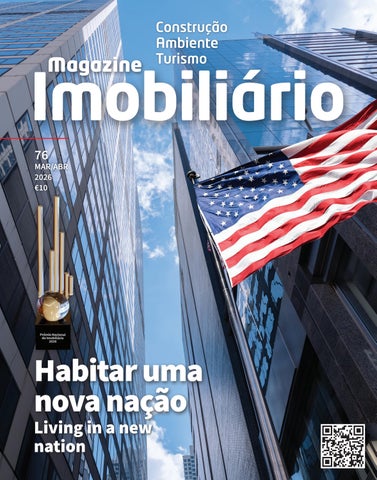
Create a flipbook