UE
precisa de um “reboot”
The EU needs a reboot


Carla Celestino Directora Director

precisa de um “reboot”
The EU needs a reboot
Carla Celestino Directora Director
Por estes dias ando a ler o filósofo alemão Peter Sloterdijk. Recordo que numa das suas obras defendeu que a “Europa está num estado de quase morte cerebral”. Com efeito, há muito que se previa, e se sentia, uma necessidade latente por uma forte mudança geopolítica e económica europeia. A ideia com que ficamos é que a Europa adormeceu à sombra de um chaparro e, num piscar de olhos, foi ultrapassada na hora das grandes decisões e dos grandes conflitos. Será que há um cansaço em relação ao projecto europeu? Sloterdijk considera também a burocracia das instituições europeias como algo “extraterrestre” para o cidadão comum. Esta é também uma realidade dentro dos Estados-membros. Basta olhar para Portugal, e em particular para os sectores da Construção e do Imobiliário.
A cada cinco anos vemos novos “Césares” emergir na União Europeia e a cada quatro no nosso país. A cada ano mudam também regulamentações, fiscalidades… o que leva os investidores a ficarem mais cautelosos como poderemos ver nesta edição. Felizmente, há também investidores persistentes, outros mais inovadores e até corajosos.
Estamos a viver um novo ciclo político e económico. Neste, como em todos os outros, há sempre dúvidas e incertezas. Por isso, recordo ao caro leitor as palavras do economista e investidor inglês Benjamin Graham: “O mercado é um pêndulo que sempre oscila entre o optimismo insustentável e o pessimismo injustificado.”
I’ve been reading the German philosopher Peter Sloterdijk these days. I remember that he argued in one of his works that “Europe is in a state of almost brain death.”
In effect, a latent need for a strong European geopolitical and economic change has been predicted and felt for some time. The idea that we have is that Europe has fallen asleep in the shade of a cork oak tree and in a blink of the eyes was overtaken at the hour of taking great decisions and great conflicts. Could there be some fatigue regarding the European project?
Sloterdijk also considers the bureaucracy of European institutions as something “extraterrestrial” for the common citizen. This is also a reality within the Member-States. You only need look at Portugal, and in particular the construction and real estate sectors. Every five years we see new ‘Cesars’ emerging in the European Union and every four years in our country. Every year too regulations and tax rules change...which leads investors to become more cautious as we will see in this issue. Fortunately, there are also persistent investors and others who are more innovative and even courageous. We are living in a new political and economic cycle. In this, like in all the others, there are always doubts and uncertainties. Which is, dear readers, why I recall the words of the English economist and investor Benjamin Graham: “The market is a pendulum that always swings between unsustainable optimism and unjustified pessimism.”
Tema
Entrevista
Big Interview Melhor Empreendimento do Ano
L’Urbain: Inovação powered by NOS Smart Home
L’Urbain: Innovation powered by NOS Smart
Sol e Lua Tourism Viajar com cautela num mundo em tensão Travel carefully in a tense world
do Prémio Nacional do Imobiliário 2026 The National Real Estate Awards Ceremony 2026
pressiona protecção no imobiliário Climate pressures real
Miguel Marques dos Santos
Sócio da VdA I Sócio Responsável da Área de Imobiliário & Urbanismo Partner VdA I Partner Responsible for the Real Estate & Urbanism Area
do Norte
Reino Unido / United Kingdom Roberto Varandas Crédito privado Private credit
Paparazzi Nunca mais chega 2028! Roll on 2028!
Ficha técnica Datasheet
Propriedade Property Palavras Aliadas
Sociedade Unipessoal, Lda. NIPC – 510 653 901
Administração Anabela Loureiro
Rua Paulo Reis Gil nº 39, 3º Esq. 2745-195 Queluz
Telm. / Mobile: (+351) 96 237 00 08 geral@palavrasaliadas.pt www.magazineimobiliario.com
Fundador da Magazine Imobiliário Founder of Magazine Imobiliário Joaquim Pereira de Almeida
Directora Director Carla Celestino
Sede de Redacção Editorial Office
Rua Paulo Reis Gil nº 39, 3º Esq. 2745-195 Queluz
Colaboradora Permanente
Permanent Contributor Elisabete Soares
Colaboradores Contributors Bruna Margalho
Fotografia Photography Anabela Loureiro
Tradução Translation Chris Graeme
Grafismo Graphics Luís Silva
Contabilidade Accounting Nasceconta
Periocidade Frequency Bimestral
Tiragem Number printed 3.000 exemplares
Impressão Printing Jorge Fernandes, Lda. Rua Qta. de Marcarenhas, 2820 Charneca da Caparica
Depósito Legal Legal Deposit 363718/13
SSN – 2183-0517
ERC – 126397
Estatuto editorial disponível em: Editorial policy available at: www.magazineimobiliario.com
Grupo REIS: Bellevue, Cascais


Imobiliário na Europa
Real Estate in Europe
Europe’s plan of attack
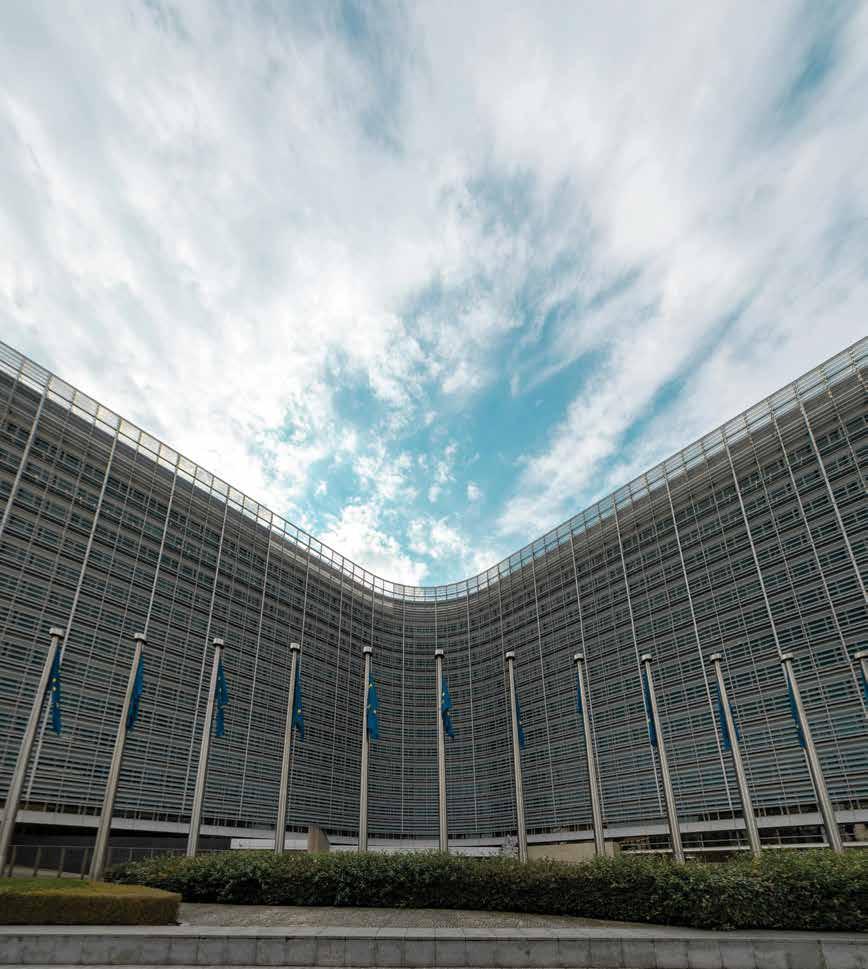
Apesar das variáveis internas e externas, os especialistas defendem que o mercado imobiliário europeu está a dar sinais de retoma em 2026. A “pedra no sapato” da União Europeia continua a ser a habitação. Nesta matéria recordamos as palavras do comissário europeu da Energia e Habitação, em Bruxelas: “Precisamos de agir agora!”
Despite external and internal variables, the specialists argue that the European real estate market is showing signs of a bounce back in 2026. The ‘fly in the ointment’ for the European Union is housing. On this matter we recall the words of the European Commissioner for Energy and Housing in Brussels: “We need to act now!”
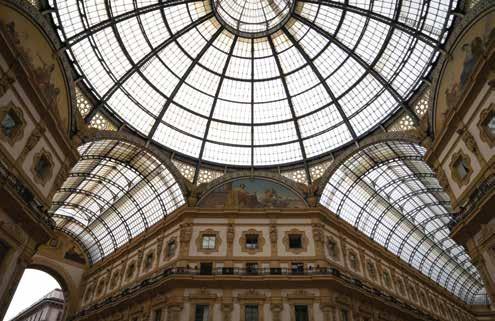
Os conflitos na Ucrânia e no Médio Oriente, as flutuações nos preços da energia, as tarifas impostas pelos EUA, o nervosismo de uma instabilidade latente, estão a fazer tremer a economia da Europa e a exigir a sua supremacia. Tal está também a impactar o sector imobiliário, sobretudo o mercado de capitais imobiliários.
A estas variáveis juntam-se outras: a disponibilidade de recursos tendo em conta o bloqueio do estreito de Ormuz, os custos de construção, a escassez de mão-de-obra, a subida das taxas de juro, inflação, burocracia, regulamentos e mais regulamentos, fiscalidade...
Não é, pois, de estranhar que os investidores estejam mais cautelosos, moderados, com maior consciência do risco e a seleccionar cuidadosamente quer os países, quer os sectores e produtos, onde vão investir.
De uma forma geral, tirando dois sectoreso sector residencial (luxo, classe média ou social) e hospitality -, os ditos activos tradicionais, como seja os escritórios, retalho e indústria & logística, estão no radar mas com menos força. Mau grado, há um claro apetite por sectores de nicho como as residências de estudantes e seniores, co-living, e, sobretudo, pelos data centers. Atrevemo-nos a juntar os estabelecimentos de ensino e saúde privados, as ciências da vida e defesa. Olhando em particular para a ascensão dos centros de dados há uma ligação directa com o aumento da procura por infra-estruturas energéticas e por unidades de armazenamento refrigerado. Dados recentes da Comissão
Europeia revelaram que a procura pela electrificação está, e vai continuar, a disparar, estimando que vão ser precisos 584 mil milhões de euros de investimentos nesta área até 2030. O que nos leva a questionar se o investimento, dado a natureza e as exigências deste tipo de activo, não irá colocar em cheque as metas climáticas traçadas pela União Europeia (UE) e também quem irá pagar esta factura energética: os investidores, os governos ou os contribuintes. É uma questão pertinente, sobretudo se olharmos para o preço a que a energia está actualmente.
Apesar de todos os contextos, e de o imobiliário dos países europeus desenvolver-se a diferentes velocidades, o sector na Europa continua a dar sinais de estabilidade, inovação e competitividade tão importantes na hora de atrair investimento global, mas tem de fazer mais e melhor.
Cidade a cidade
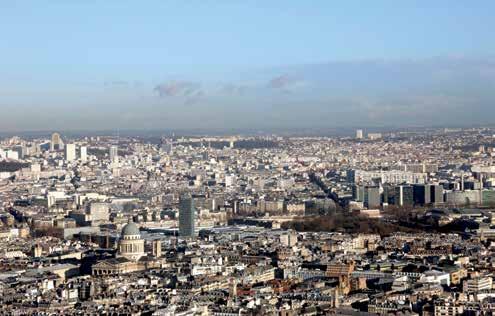
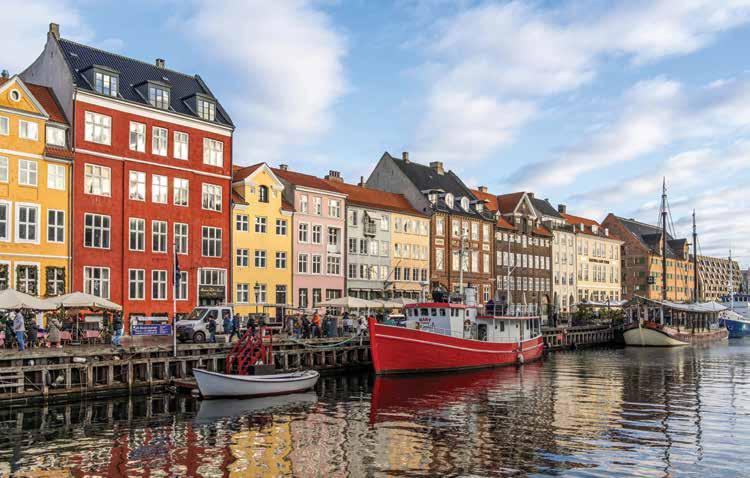
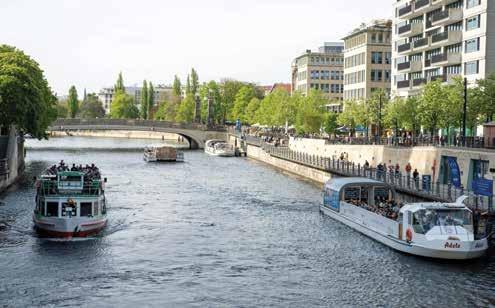
A edição de 2026 do “Emerging Trends in Real Estate”, da PwC e ULI, revela que Londres, Madrid, Paris e Berlim lideram as perspectivas de investimento, desenvolvimento e volumes de transacções imobiliárias. Segundo um gestor de investimentos global, inquirido e citado neste estudo, estas cidades “oferecem profundidade, transparência e liquidez, que são essenciais para os investidores institucionais.”
Em quase todas estas cidades existe a mesma tendência: a oferta imobiliária é limitada face a uma elevada procura. Talvez a excepção seja Copenhaga por ainda ter “muita terra”.
Mas o que impulsiona Londres a ocupar o lugar cimeiro é ser considerada pelos investidores como uma das cidades mais seguras para investir. Se o mercado londrino arrefeceu um pouco durante o Brexit, agora está mais pujante que nunca dizem os especialistas. Neste estudo um outro inquirido alemão revela uma outra tendência que também é transversal a toda a Europa, dando como exemplo a capital francesa, afirmou que “nem todos podem estar perto da Étoile ou do Trocadero”, pelo que olham para outras partes da cidade e, como diz, “talvez sejam um pouco menos privilegiadas, mas não deixam de ser Paris.” Apesar das conturbadas políticas internas e externas, “Paris será sempre Paris”, dizemos nós. E por falar na Alemanha, neste país os especialistas divergem de opinião. Uns consideram Berlim a única com capacidade para atrair investimento internacional, deixando para trás cidades como Munique, Frankfurt ou Hamburgo; mas outros defendem que estas cidades estão a apresentar um “desenvolvimento sólido”, estando os preços do imobiliário elevados nas mesmas. A questão é que poderá não haver margem para mais crescimento, só para mais valorização.
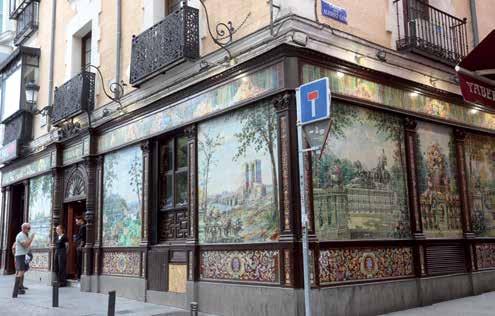
E Madrid surge neste estudo como “uma cidade emergente e porta de entrada para a Europa”, que está a saber atrair investidores europeus e globais, muitas vezes em detrimento de mercados mais tradicionais como a Alemanha, França e Reino Unido. Fazemos a ressalva para o mercado residencial, em particular, pelo curioso estudo do EI Economista que, recorrendo a dados estatísticos de Espanha,
avançou que os portugueses lideram o crescimento entre os estrangeiros que compram casas em Espanha à frente dos britânicos e dos marroquinos.
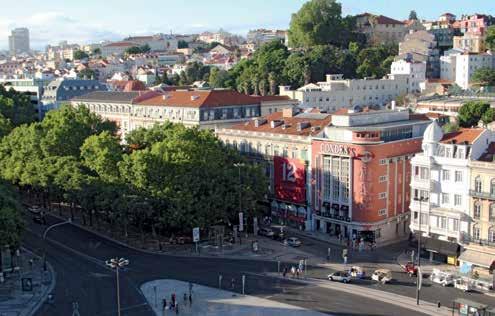
Curiosamente no estudo da PwC e ULI, há um consultor que diz que Lisboa também “está a tornar-se cada vez mais uma porta de entrada”. Teremos aqui uma luta ibérica pela captação de investimento? A sua afirmação justifica-se com factores como a “habitabilidade, o dinamismo e a qualidade de vida, a disponibilidade de activos e projectos de desenvolvimento, e a dimensão e liquidez do mercado” da capital portuguesa que desceu uma posição, ocupando agora o 11º lugar. Outras cidades há que se apresentam com “perspectivas mais promissoras” e a escalar o rancking como seja Amesterdão e Milão. Bucareste e Sófia, que entram pela primeira vez nesta tabela, revelam que os investidores estão a alargar os seus horizontes a outras capitais europeias. E há também cidades onde o investimento internacional é mais difícil de penetrar o mercado como é o caso de Praga.
No imobiliário há um sector que tem marcado a ordem do dia de toda a Europa: a habitação. Este continua a ser um activo seguro para quem investe nos segmentos de topo. A nova edição do Realty Premium Market desenvolvido pela Porta da Frente Christie’s International Real Estate e pela NOVA School of Business & Economics (SBE), sob a coordenação do professor e investigador Pedro Brinca, revelou que o mercado de gama alta registou um
Os investidores estão mais cautelosos, moderados, com maior consciência do risco e a seleccionar cuidadosamente quer os países, quer os sectores e produtos, onde vão investir.
Investors are more cautious, moderate, with a greater awareness of risk and carefully selecting the countries, sectors, and products in which to invest.”
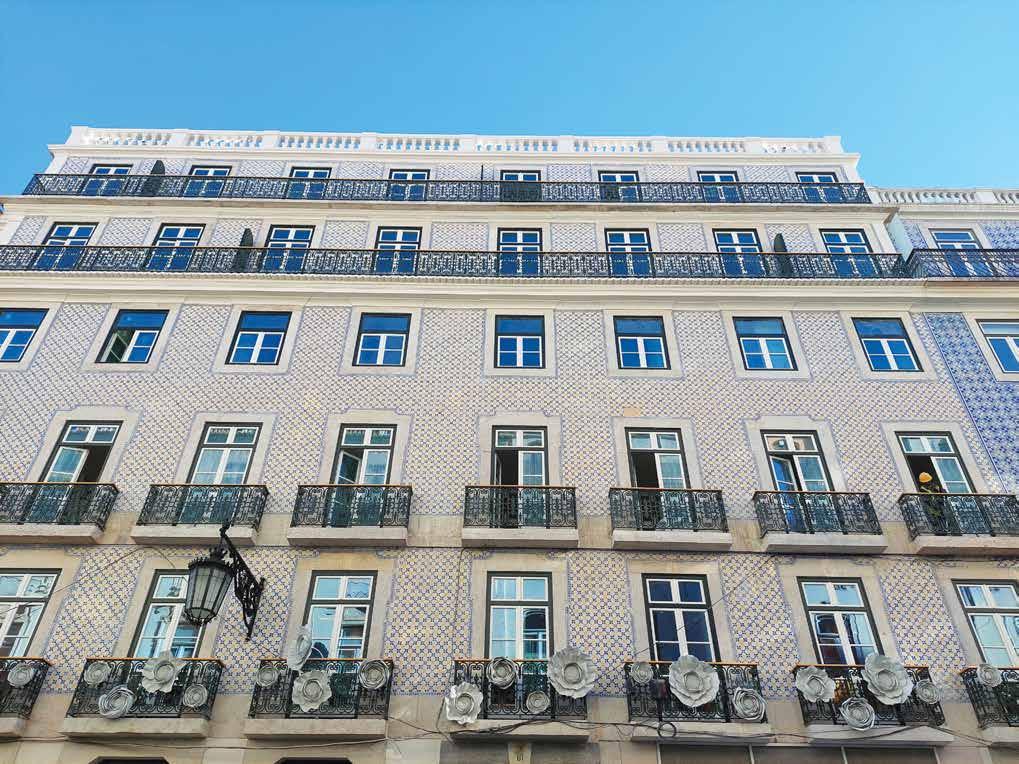
A GESTÃO INTEGRADA DE PROJETO
É O NÚCLEO DA ATIVIDADE DA ROCKBUILDING, REFLETINDO UMA
ABORDAGEM QUE COMBINA RIGOR TÉCNICO, VISÃO ESTRATÉGICA E ACOMPANHAMENTO CONTÍNUO AO
LONGO DE TODO O CICLO DE VIDA DE CADA PROJETO.
Num contexto exigente, onde múltiplas variáveis evoluem em simultâneo, a capacidade de estruturar o processo e garantir alinhamento ao longo do tempo torna-se essencial para manter o controlo e a consistência.
A nossa abordagem baseia-se numa coordenação estruturada e numa relação próxima com todos os envolvidos, permitindo adaptar cada realidade às suas especificidades e promover decisões informadas em todas as etapas.
É através desta visão integrada que asseguramos continuidade e coerência, mantendo sempre o foco na criação de valor e na confiança de quem nos procura.
volume de transacções de 41,2 mil milhões de euros e vendeu cerca de 170 mil imóveis. Estes são os valores mais elevados desde 2021. O momento serviu também para lançar um olhar sobre o designado sub-segmento Affluent, que concentra imóveis cujo preço por metro quadrado (€/m2) se situa entre os 10% e 5% mais caros do mercado, e que apresentou uma valorização de 10,4% face a 2024. Na apresentação deste estudo, João Cília, CEO da Porta da Frente, afirmou que, neste momento, está “muito difícil construir abaixo de 4.500 euros.” Esta realidade é preocupante, não tanto pelo perfil desta procura, mas por outros escalões sociais em que a falta de oferta já fez soar “campainhas”: uma crise habitacional pode dar origem a uma bola de neve difícil de travar, levando à sua passagem a uma crise social, económica, política.
A UE sabe disso, não foi à toa que nomeou pela primeira vez um comissário, Dan Jørgensen, para a Energia e Habitação demonstrando o claro compromisso com este assunto.
Seja em Lisboa, Bruxelas ou Varsóvia, os jovens saem cada vez mais tarde de casa (quando saem), porque encontrar uma casa para
viver condignamente e preços acessíveis está cada vez mais difícil. Seja comprar, seja arrendar, os valores sobem mais rápido e mais elevado que os salários auferidos.
Esta afirmação é corroborada pelo Eurostat cujos dados revelam que os Estados-membros continuam a sentir uma forte pressão de preços e entre os países com os maiores aumentos destaca-se claramente Portugal, onde se estima que os preços dos imóveis estejam sobrevalorizados em 35% acima do seu valor real.
Para se ter uma noção, entre o terceiro trimestre de 2025 e o início de 2026, o nosso país registou uma subida de 180%, enquanto na UE os preços das casas aumentaram 64,9%. Mas há países mais preocupantes como é o caso da Hungria, onde os preços das casas mais do que triplicaram atingindo +290%, destino que se tem apresentado como uma opção atractiva ao nível do programa autorização de residência para investidores. Salientam-se também a Lituânia com +168% e a Bulgária com +157%; sendo a excepção a Finlândia onde os preços das casas baixaram -3%.
Este é também um cenário constatado no
Londres, Madrid, Paris e Berlim lideram as perspectivas de investimento, desenvolvimento e volumes de transacções imobiliárias. London, Madrid, Paris, and Berlin lead the perspectives for investment, development, and volumes of real estate transactions.”



mercado de arrendamento da UE, cuja média das rendas aumentou 21,8%. Valor muito aquém de Portugal cuja subida cifrou-se na ordem dos 40% nos últimos 10 anos e muito baixo da variação observada na Hungria (+109%), na Lituânia (+88%), na Irlanda (76%) ou na Polónia (76%).
Tudo isto significa que a qualidade de vida dos agregados familiares está refém de prestações bancárias e rendas que levam uma importante fatia, provavelmente a maior ao lado da alimentação, do seu rendimento disponível em habitação. Um custo que tem sido superior ao crescimento dos salários. Esta é a triste realidade da esmagadora maio -
ria das pessoas que vive no nosso país: Portugal encontra-se entre os países da UE com o menor poder de compra e maior subida no preço da habitação. Como se costuma dizer: “Os portugueses são ricos em património e pobres em dinheiro”.
A Comissão Europeia estima que, para colmatar a diferença entre a oferta e a procura, precisa de aumentar em cerca de 650.000 novas habitações por ano aos níveis actuais de oferta habitacional na UE. Para o efeito, o Banco Europeu de Investimento (BEI) vai disponibilizar, em 2026, seis mil milhões de euros para construção e renovação de habitações em todos os Estados-membros. A população
Há um claro apetite por sectores de nicho como as residências de estudantes e seniores, co-living, mas, sobretudo, pelos data centers.
There is a clear appetite for niche sectors such as student and senior living residences, co-living and, above all, data centres”.
continua a aumentar e a necessitar de casa, pelo que as desigualdades habitacionais vão continuar e esta crise não tem um fim à vista. Resta esperar pelos frutos do plano da Comissão Europeia e do BEI, assim como do Plano de Habitação Acessível e das propostas do Parlamento Europeu.
De passagem por Lisboa, a eurodeputada Irene Tinagli, presidente da Comissão da Habitação do Parlamento Europeu, reconheceu o “esfoço” por parte das autoridades portuguesas para contornar esta crise, mas deixou o recado de que são necessárias “mais medidas e investimentos nos próximos anos”.
Conflicts in Ukraine and the Middle East, fluctuations in energy prices, tariffs imposed by the US, and the jitters from a latent instability, are making Europe’s economy tremble and are demanding that it exercise its supremacy. That is also impacting the real estate sector, particularly the real estate capital market. These variables are added to others: the availability of resources taking into account the blocks to the Strait of Hormuz, construction costs, the lack of labour, the increase in interest rates, inflation, red tape, regulations and more regulations, tax...
It’s no wonder then that investors are more cautious, moderate, with a greater awareness of risk and careful in selecting the countries, sectors, and products in which to invest.
In a general way, taking two sectors - the residential sector (luxury, middle class and social) and hospitality -, the so-called traditional as-

Há cozinhas que permitem ver mais além. Com a tecnologia InstaView™ da LG, dois toques iluminam o interior e mostram o que está a cozinhar, sem abrir a porta, sem perder temperatura e sem interromper a sua receita. Porque ver melhor é cozinhar melhor.

sets; be they offices, retail and industrial and logistics; are on the shopping list but with less intensity. Fortunately, there is a clear appetite for niche sectors such as student and senior living residences, co-living and, above all, data centres. We would even dare to mention educational establishments, private health, and life sciences and defence.
Looking in particular at the rise of data centres there is a direct link with the increase in demand for energy infrastructures and refrigerated storage units. Recent data from the European Commission reveals that demand for electrification is and will continue to skyrocket, it being estimated that 584 thousand million euros of investments in this area will be needed by 2030. Which leads us to question if the investment, given its nature and the demands of this type of asset, will not put in check the targets outlined by the European Union (EU), and also begs who will foot the energy bill: investors, governments, or taxpayers. It is a pertinent question, particularly if we look at the price that energy is costing right now.
Despite all the contexts, and the real estate that is being developed at different speeds in European countries, the sector in Europe continues to show signs of stability, innovation and competitiveness that are so important when the time comes to attract overseas investment but must do more and better.
The 2026 edition of ‘Emerging Trends in Real Estate’, by PwC and ULI, reveals that London,
Madrid, Paris, and Berlin lead the prospects for investment, development, and volumes of real estate transactions. According to an international investments manager, consulted and quoted in this study, these cities “offer depth, transparency and liquidity, which are essential for institutional investors.”
In almost all of these cities there is the same trend: the real estate supply is limited compared to the high demand. The exception, perhaps, is Copenhagen because it still has “a lot of land.” But what is driving London to occupy the pole position and is considered by investors as one of the most secure cities in which to invest. If the London market cooled somewhat during Brexit, now it is more bullish than ever say the specialists.
In this study another German canvassed reveals another trend that is also transversal across Europe, giving as an example the French capital, who stated that “not everyone can be close to the Étoile or Trocadero”, and that they should look at other parts of the city and as they say, “perhaps not so sought after, but still Paris all the same.” Despite the internal and overseas turbulence, “Paris will always be Paris,” we say.
And speaking of Germany, in this country the specialists have different opinions. Some consider Berlin as the only city with the capacity to attract investment, leaving cities like Munich, Frankfurt, or Hamburg behind; but others argue that these cities are presenting a “solid development,” with real estate prices being high all the same. The question is that there may not be the margin for more growth,
Os Estados-membros continuam a sentir uma forte pressão de preços e entre os países com os maiores aumentos destaca-se claramente Portugal. The Member-States continue to feel a strong pressure of prices and among the countries with the greatest increases, Portugal clearly stands out.”
only for more appreciation.
And Madrid appears in this study as an “emerging city at the gateway to Europe,” that knows how to attract European and global investors, often in detriment to more traditional markets like Germany, France, and the United Kingdom. I would like to make an exception for the residential market, in particular, due to the interesting finding of a study by El Economista which, using statistical data from Spain, suggested that the Portuguese are leading the growth among foreigners buying homes in Spain, ahead of the British and Moroccans. Strangely enough, in the PwC and ULI, there is a consultant that says that Lisbon “is becoming increasingly an entry gateway.” Will we have here an Iberian struggle to attract investment? Its affirmation is justified by factors such as “habitability, dynamism and the quality of life, the availability of assets and development projects, and the dimension and liquidity of the market” in the Portuguese capital that fell one position, now occupying 11th place.
There are other cities that show “more promising perspectives” and are climbing up the ranking such as Amsterdam and Milan. Bucharest, Sofia, which enter this league table for the first time, show that investors are broadening their horizons and other European capitals. And there are also cities where international investment is harder to penetrate the market, a case being Prague.
that has been dominating the agenda across Europe: housing.
This continues to be a secure asset for those who invest in the top segments. The latest edition of the Realty Premium Market, compiled by Porta da Frente Christie’s International Real Estate and NOVA School of Business & Economics (SBE), under the coordination of professor and researcher Pedro Brinca, revealed that the high-end market recorded a transaction volume of €41.2 billion and sold approximately 170 thousand properties.
The moment also served to take a look at the designated Affluent sub-segment, which concentrates properties whose price per square meter (€/m2) is between the 10% and 5% most expensive in the market, and which showed an appreciation of 10.4% compared to 2024. These are the highest values since 2021.
In the presentation of this study, João Cília, CEO of Porta da Frente, stated that at present it is “very difficult to build below 4,500 euros.” This reality is concerning, not so much from the profile of this demand, but from the other social brackets in which the lack of supply now sounded alarm bells”: a housing crisis could give rise to a snow ball that would be difficult to stop, leaving in its wake a social, economic and political crisis.
The EU knows this. It was not by chance that it appointed commissioner Dan Jørgensen for the first time to Energy and Housing, showing a clear commitment to this matter.
Whether in Lisbon, Brussels, or Warsaw, young people are leaving home later and later (if they

at affordable prices is becoming increasingly difficult. Whether buying or renting, prices rise faster and higher than the salaries earned. This statement is corroborated by Eurostat, whose data reveals that Member States continue to feel strong price pressure, and among the countries with the largest increases, Portugal clearly stands out, where it is estimated that property prices are overvalued by 35% above their real value.
Just to have an idea, between the third quar-
ter of 2025 and the start of 2026, Portugal posted a 180% increase while in the EU house prices increased 64.9%. But there are more worrying countries, such as Hungary, where house prices have more than tripled, reaching +290%, a destination that has presented itself as an attractive option in terms of residency permit programmes for investors. Lithuania also stands out with +168% and Bulgaria with +157%; the exception being Finland where house prices fell -3%.
This is also a scenario seen in the EU rental market whose average rents increased 21.8%. This figure is far below that of Portugal, where the increase was around 40% in the last 10 years, and very low compared to the variation observed in Hungary (+109%), Lithuania (+88%), Ireland (76%) or Poland (76%).
All of this means that the quality of life for households is held hostage by bank payments and rents that take a significant chunk, probably the largest alongside food, of their disposable income for housing. A cost that has been greater than the growth in salaries.
This is the sad reality of the overwhelming majority of people who live in Portugal: Portugal is among the EU countries with the lowest purchasing power and the highest increase in housing prices. As the saying goes: “The Portuguese are rich in heritage and poor in money.”
The European Commission estimates that, to close the gap between supply and demand, it needs to increase the number of new homes by approximately 650,000 per year at current housing supply levels in the EU. To this end, the European Investment Bank (EIB) will make available €6 billion in 2026 for the construction and renovation of homes in all Member States. We can only wait to see the results of the plan from the European Commission and the European Investment Bank, as well as the Affordable Housing Plan, and the proposals from the European Parliament.While passing through Lisbon, MEP Irene Tinagli, chair of the European Parliament’s Housing Committee, acknowledged the “effort” made by the Portuguese authorities to overcome this crisis, but warned that “more measures and investments are needed in the coming years.”
Vencedor do PNI2026 PNI2026 Winner
“O MACAM é um museu humanizado”
“MACAM is a museum with a human touch”
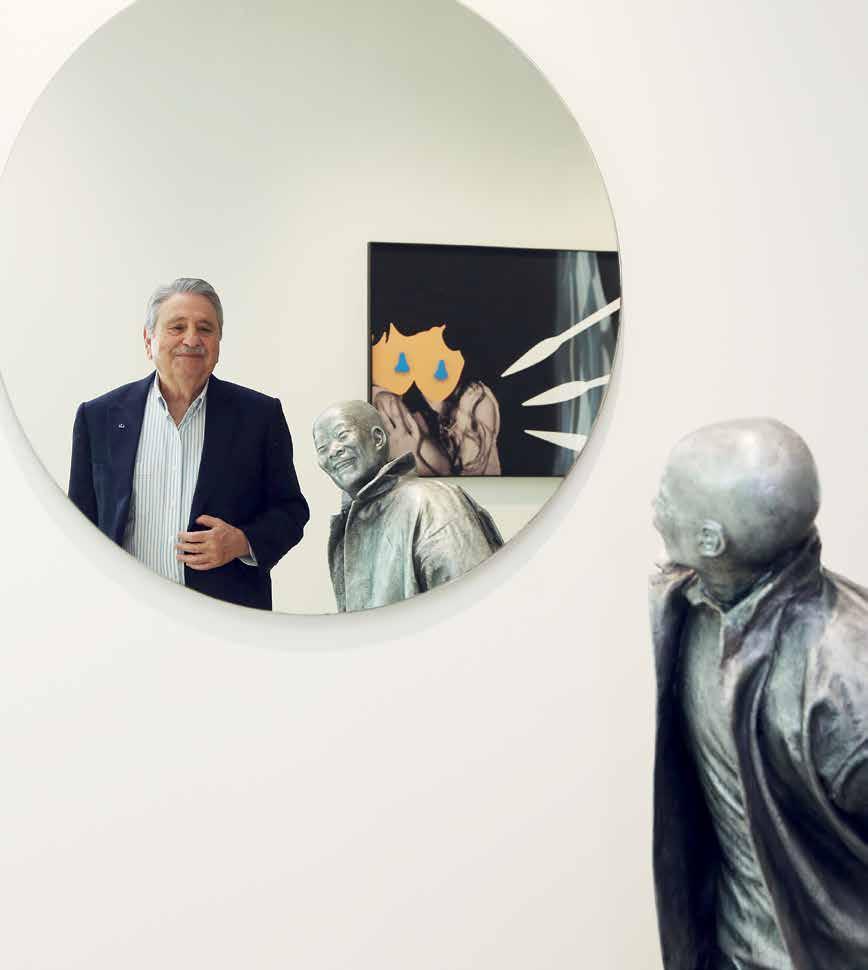
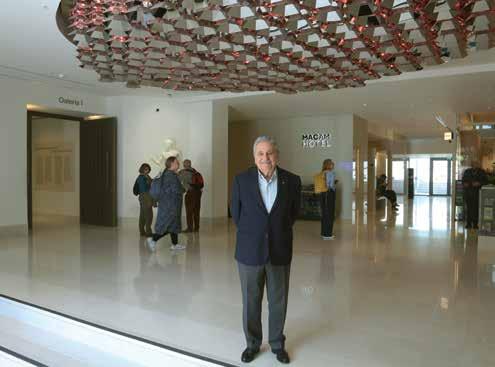
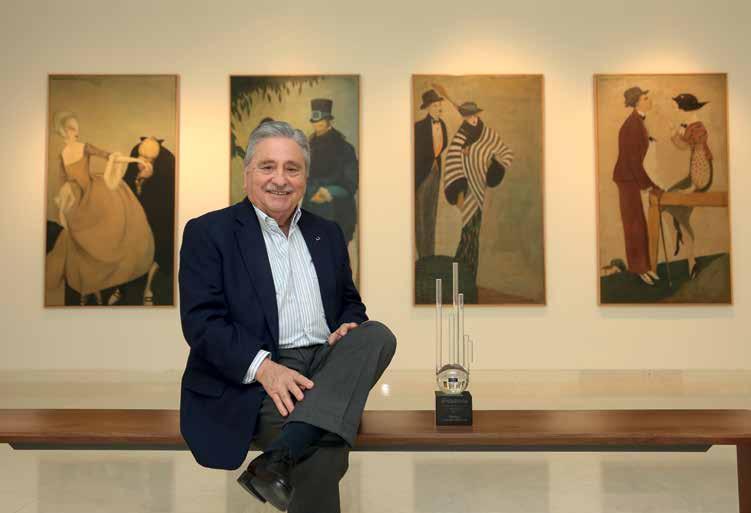
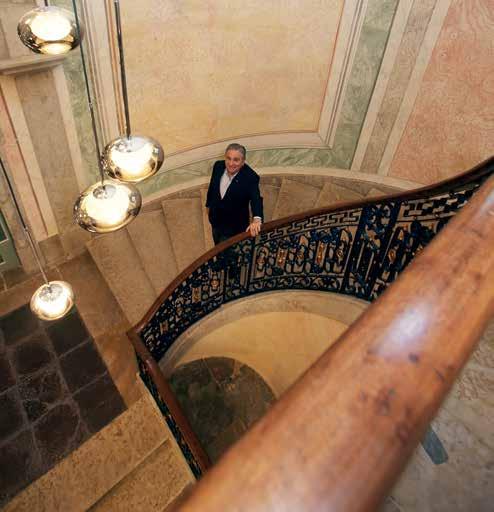
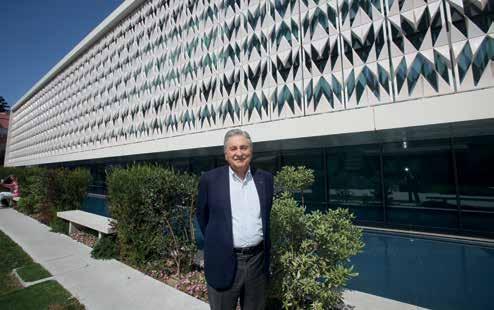
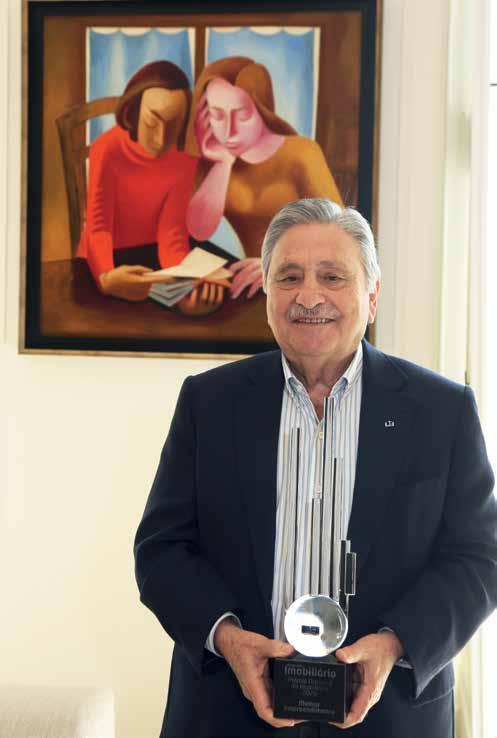
Falar com Armando Martins, promotor imobiliário e coleccionador de arte contemporânea, é fazer uma viagem ao passado, mas igualmente olhar para o presente e futuro. Já tinha recebido um “Óscar” em 1998, mas este ano recebeu dois pela extraordinária obra MACAM.
Chatting with real estate developer and contemporary art collector Armando Martins is to take a trip down memory lane, but also looks at the present and towards the future. He had already won an ‘Oscar’ in 1998, but this year he received two from his extraordinary work MACAM.
O Prémio Nacional do Imobiliário, para quem não sabe, foi iniciado pela sua mão. Como sente, 28 anos depois, por receber um “Óscar” pela obra notável do MACAM? O tempo passa tão depressa. Ainda me recordo dos tempos em que era proprietário da Revista Imobiliária e das revistas Epicur, Espaços, África, Quem é Quem, e outras, e de quando lançámos os prémios, eram outros tempos. Mas é bonito ver a continuidade da revista e dos prémios. Devo dizer que receber o prémio na categoria de Empreendimentos Colectivos tudo bem, mas o Melhor Empreendimento do Ano foi um pouco exagero. Claro que é sempre agradável receber prémios, como deve compreender não fico completamente imune a estas coisas. Agora, não sei se os mereço, ou não, mas isso fica ao critério de quem avaliou e eu fico muito agradecido e comovido.
O Atrium Saldanha, notável em termos de arquitectura e engenharia, foi o segundo edifício a ser considerado o “Melhor Empreendimento do Ano” de 1998. O que significa para si este edifício?
Acho que ainda hoje, depois destes anos todos, continua a ser um edifício de referência e actualizado em Lisboa.
Foi idealizado pelo arquitecto espanhol Ricardo Bofill, que já não está entre nós, e que foi uma pessoa com quem eu gostei muito de
trabalhar, e com o arquitecto residente João Paciência.
É um grande edifício privado com cerca de 74 mil metros quadrados de construção, abaixo e acima do solo, e onde se utilizou pela primeira vez, em Portugal, que eu saiba betão branco. Recordo que trabalhámos com a Secil e havia uma engenheira jovem na altura que sofreu muito, porque fazíamos um pilar e depois chegávamos à conclusão que o tínhamos de cortar.
Foi também uma obra de grande engenho, porque tinha pilares de grande dimensão, à volta de sete a oito metros de altura, com uma cofragem metálica que tinha que ser internamente banhada com óleo, creio que é um óleo que as senhoras usam para a cara, depois o betão tinha que ser vazado com um controle de temperatura e humidade, e o pilar depois de cheio era tamponado com areia húmida para que o cimento não arrefecesse rapidamente e criasse algumas manchas.
Utilizámos também nas fachadas uns andaimes de uma empresa belga que eram muito sofisticados e que eu nunca mais voltei a ver em Portugal, provavelmente porque eram tão caros, mas extremamente seguros.
Chegámos a ter à volta de 750 operários em obra por dia e nunca tivemos nenhum acidente - houve apenas um pequeno acidente e nem ao seguro o operário foi -, e alguém disse que quando acabasse a obra iria a Fátima.
Este edifício é um semi-cone invertido, a luz que entra pelo lanternim e passa para dentro dos escritórios, foi uma obra muito difícil e cheia de técnica, mas acho que no final resultou e ficou bem.
Podemos falar do “roubo” da torre Fontes Pereira de Melo?
Aquele terreno foi meu durante 23 anos e lutei muito por aquele projecto, pelo que quando penso no “roubo” daquele espaço sinto alguma tristeza.
A vida tem coisas tramadas, aquele terreno esteve nas minhas mãos sem ter nenhum financiamento em cima, durante cerca de 18 aos. E a dada altura, os amigos às vezes também servem para isto, para nos tramar, sem querer, um administrador do BES apareceu-me e disse-me que tinha o projecto parado e sem financiamento e que no dia que fizesse aquele prédio ia ter uma mais-valia brutal. Naquela época avaliaram o terreno em 30 milhões de euros e emprestaram-me 15 milhões
de euros e com esse dinheiro podia fazer outros negócios. E eu estupidamente aceitei. Penso que com o dinheiro investi nos terrenos onde hoje se encontra o IKEA de Loures. O problema foi que os bancos, na altura, inventaram uma espécie de seguro do financiamento nos empréstimos (swap) que se transformou numa enorme dificuldade, foi um logro, e todos os promotores caíram naquilo. Aquilo tornou-se numa espiral quando veio a crise do subprime. Nem eu, nem ninguém, tinha condições para continuar a pagar juros bancários de um projecto que nem estava aprovado.
Foi difícil atravessar a crise do subprime?
Claro que foi, foi difícil para toda a gente. Acho que a banca teve um comportamento muito desleal para com os promotores, porque é evidente que os promotores utilizavam a banca, mas a banca também vivia disso. A maior parte dos bancos cresceu com o boom imobiliário que o país na altura atra-
Acho que ainda hoje, depois destes anos todos, o Atrium Saldanha continua a ser um edifício de referência e actualizado em Lisboa. I think that even today, after all these years, Atrium Saldanha continues to be a flagship building and still looks modern.”
Na crise de subprime a banca teve um comportamento muito desleal para com os promotores, porque é evidente que os promotores utilizavam a banca, mas a banca também vivia disso.I think that the banking sector behaved very disloyal to the developers, because it is evident that the developers used the banks, but the banks also lived off this.”
vessou. Todos os promotores tinham terrenos para desenvolver edifícios e todos com financiamentos agarrados a bancos. E, portanto, na crise, a banca poderia ter ajudado, porque sabia perfeitamente quem eram os tipos que estavam na promoção que eram correctos e sérios e os que não eram. Em vez de ajudar, a banca tentou esmagá-los a todos. Daí que eu hoje não deva nada à banca. Paguei aos bancos todos, vendi 80% do Atrium Saldanha e até paguei penalidades por ter antecipado o pagamento de financiamentos.
Sei de alguns utilizadores de dinheiros da banca que foram passear ou viver para o Brasil e não pagaram nada aos bancos, são os chamados “chicos espertos”, mas eu posso dizer com todo o orgulho que não fiquei a dever um euro a nenhum banco, porque quero viver aqui e morrer aqui de pé.
Por falar em dinheiro, há quem distribua pelos filhos as colecções de arte, há quem
crie fundações ou entregue ao público. No seu caso criou um hotel de cinco estrelas para financiar o seu legado. É este o caminho que os privados deveriam seguir?
Deveria ser esse o caminho, mas nem todos têm essa vontade e a capacidade para o fazer. Há um mês e meio, dois meses, houve um coleccionador que entregou todas as suas obras ao Museu do Chiado que é pequeno e não consegue expor todas as obras. Se me tivesse perguntado teria aconselhado a distribuir por outros museus as suas 300 e tal obras. Compreendo-o, penso que pelo seu estado de saúde quis fazer essa entrega em vida.
Comecei a minha colecção há 52 anos e fi-la no silêncio, poucas pessoas sabiam ao que me dedicava. Por isso esta “The House of the Private Collections” (A Casa das Colecções Privadas), não é só da minha colecção privada, mas será de todos os que aqui quiserem expôr a sua colecção privada.
Mas sabe, coleccionar arte é um vício muito caro e um museu é um sarilho de custos, são os empregados, é a montagem e desmontagem, uma exposição nova significa um catálogo novo, e por aí fora. Por isso, desde que decidi abrir um museu sempre pensei que tinha que ter uma actividade que suportasse os custos da operação, foi quando surgiu a ideia do hotel.
O hotel tem 64 quartos e acredito que quando atingirmos a velocidade cruzeiro suportará os custos de toda a operação e ainda libertará algum capital para adquirir mais obras de arte.
Quando passa pelos corredores do museu e as pessoas lhe falam, o que lhe dizem?
Tanta coisa, sobretudo dão-me os parabéns por esta obra.
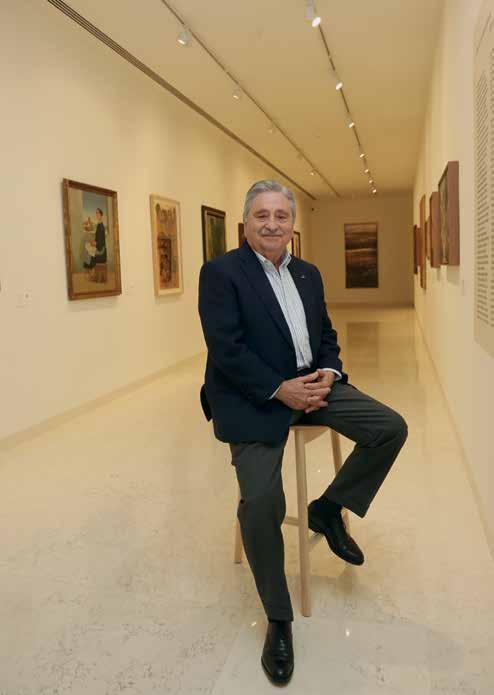
Há dias, no final da tarde, um casal alemão que estava aqui na esplanada veio cumprimentar-me, e congratulou-me pelo museu humanizado. E eu respondi que isso vindo de um alemão, tinha de ser melhor explicado. Ao que me disse: “Da parte da manhã visitámos as exposições permanentes no palácio, depois almoçámos no restaurante, de seguida fomos ver as exposições temporárias e agora estamos aqui a tomar um chá a olhar para o jardim, este espaço possui, sem dúvida, uma dimensão humanizada, porque normalmente entramos num museu, percorremos todo o interior do edifício, saímos e vamos embora, não há um jardim, não há um espaço de lazer.”
É algo bonito de se dizer: o MACAM é um museu humanizado.
Aos 77 anos ainda tem o bichinho da construção e do imobiliário?
Claro! Estou a construir um edifício em Setúbal com 86 apartamentos e depois vou fazer um pequeno edifício no Estoril. Além disso, tenho ainda o projecto do Palácio Correio-Mor, em Loures, no qual temos um PP (Plano de Pormenor) aprovado para a construção nova de 220 mil metros quadrados acima do solo e que pretendemos. dentro de um ano, ano e meio, dar início ao seu desenvolvimento.
Como dizia o meu amigo João Bernardino Gomes os “quilómetros já cá estão”, mas como estou bem fisicamente continuo interessado na construção e no imobiliário, até porque tenho de ganhar dinheiro para ir comprando mais obras de arte e deixar rendimentos para os filhos e netos.
The National Real Estate Award for those who don’t know, was founded by your own hand. How do you feel 28 years on, having received an ‘Oscar’ for your remarkable
MACAM project?
Time flies so quickly. I still remember the times when I was the owner of Revista Imobiliária and the magazines Epicur, Espaços (Spaces), Africa, Quem é Quem (Who’s Who) and others, and when we launched the awards.They were other times. But it is lovely to see the magazine and awards continue.
I should say that getting the award in the category of Collective Developments was nice, but the Best Development of the Year was a bit over the top. Of course it is always pleasant to win awards, as you must realise, I’m not completely insensitive to these things. Now, I don’t know if I deserve it or not, but this is up to those who judged the project and I’m very grateful and moved.
Atrium Saldanha, remarkable in architectural and engineering terms, was the second building to be considered the ‘Best Development of the Year’ of 1998. What does this project mean for you?
I think that even today, after all these years, it continues to be a flagship building and still looks modern.
It was designed by the Spanish architect Ricardo Bofill, who is no longer with us, and who was a person that I liked working with alot, and together with the resident architect João Paciência.
It’s a large private 74,000 square metres (m2) of construction above and below ground and in which, as far as I know, white concrete was used for the first time in Portugal. I recall that we worked with Secil and there was a young engineer who suffered a lot at the time because we did a pillar and arrived at the conclusion that we had to cut it.
It was also a great feat of engineering work because it had huge pillars standing at around seven to eight metres tall with a metallic outer casing which had to be completely bathed in oil inside, and I believe it was a women’s face oil. Then the concrete had to be poured in at a controlled temperature and humidity, and once filled, the pillar was sealed with damp sand to prevent the cement from cooling down quickly and causing stains.
On the façades we also used some scaffolding from a Belgian company that were very sophisticated and which I never saw again in Portugal, probably because they were so expensive but extremely safe.
We ended up by having around 750 workmen on site each day and we never had an accident - there was just one small accident and the
Aos 77 anos continua interessado na construção e no imobiliário.
At 77 years old, he is still interested in construction and real estate.”
workman didn’t even have to claim insurance -, and someone said that when the work was finished, he would go to Fatima. This building is an inverted semi-cone, the light comes in through the skylight and illuminates the offices. It was a very difficult and technical project but I think that in the end it worked out well.
May we mention the “theft” of the Fontes Pereira de Melo tower?
That parcel of land was mine for 23 years and I fought hard for that project, so that when I think about the ‘theft’ of that space, I feel a bit sad.
Life can really give you lemons, that land was on my hands without having any credit on it, for around 18 years. And at a certain point, friends sometimes also trick us, unintentionally. A director from BES (Banco Espírito Santo) showed up and told me that he had the project stalled and without funding and that the day he built that building he would have a huge capital gain.
At that time, the land was valued at 30 million euros and they lent me 15 million euros and with this money I could do other deals. And I stupidly accepted. I think that with the money I invested on the plots of land is where today the IKEA at Loures is.
The problem was that the banks, at the time, came up with a kind of financing insurance on loans (swaps) that turned into a huge difficulty, it was a scam and all the developers fell for it. That turned into a spiral when the sub-prime crisis came. Not I, not anyone had
the conditions to continue paying the bank loan interest for a project that wasn’t even approved.
Was it difficult going through the subprime crisis?
Of course it was, it was difficult for everyone. I think that the banking sector behaved very disloyal to the developers, because it is evident that the developers used the banks, but the banks also survived on this.
Most of the banks grew from the real estate boom that the country was going through at the time. All of the developers had land on which to develop buildings and all financed with bank loans. And so, during the crisis, that banks could have helped because they knew perfectly well which people in development were honest and serious and which weren’t. Instead of helping, the banks tried to crush them all. Since then I’ve owed nothing to the banks. I paid all the banks back, sold 80% of Atrium Saldanha and even paid the penalties for paying off the loans early.
I know some people who used money from banks to go on vacation or live in Brazil and didn’t pay anything back to the banks; they’re the so-called “smart Alecks,” but I can say with pride that I didn’t owe a single euro to any bank, because I want to live here and die here standing tall.
Speaking about money, there are those who distribute their art collections to their children, others who set up foundations or give it to the public. In your case you creat-
ed a five-star hotel to finance your legacy. Is this the path that the private developers should take?
It should be the path, but not everyone wants to and has the capacity to do so.
A month and a half ago to two months there was a collector who handed all of his works to the Chiado Museum which is small and can’t display all of the works. If I had been asked I
would have advised him to distribute the 300 or so works to other museums. I understand him, I think that with his state of health he wanted to donate them while he was still alive. I began my collection 52 years ago and did so in silence, few people knew what I was spending my time doing. So, this “The House of the Private Collections” is not only for my private collection, but will belong to all those who
wish to exhibit their private collection here. But you know, collecting art is a very expensive habit, and a museum is a headache in terms of costs: the employees, the setting up and taking down, a new exhibition means a new catalogue, and so on. Which is why ever since I decided to open a museum I always thought that I had to have an activity that would support the costs of the operation and that’s when the hotel idea came about.
The hotel has 64 rooms, and I believe that when we’re up and running, it will cover the costs of the entire operation and still have some capital freed up to acquire more works of art.
When you stroll through the corridors of the museum and people speak to you, what do they say?
So many things, particularly they congratulate me for this museum.
A few days ago, in the late afternoon, a German couple was here on the esplanade and came up to introduce themselves and congratulated me on my museum with a human touch. And I replied that, coming from a German, it needed to be better explained. And as to what they said to me: “In the morning we visited the permanent exhibitions in the palace, then we had lunch in the restaurant, afterwards we went to see the temporary exhibitions and now we are here having tea looking at the garden. This space undoubtedly has a human touch, because normally we enter a museum, walk through the entire interior of the building, leave and go away, there is no garden, there is no leisure space.”
It is a nice thing for people to say: MACAM is a museum with a human touch.
At the age of 77 do you still have a hankering for construction and real estate?
Of course! I am building a building in Setúbal with 86 apartments and then I’ll do a small building in Estoril. Furthermore, I also have the Correio-Mor Palace project in Loures, for which we have an approved Detailed Plan for the construction of 220,000 square meters above ground, and which we intend to begin developing within a year or a year and a half.
As my friend João Bernardino Gomes used to say, “I’ve already clocked up the mileage,” but since I’m in good physical shape, I’m still interested in construction and real estate, especially because I need to earn money to buy more works of art and leave money for my children and grandchildren.
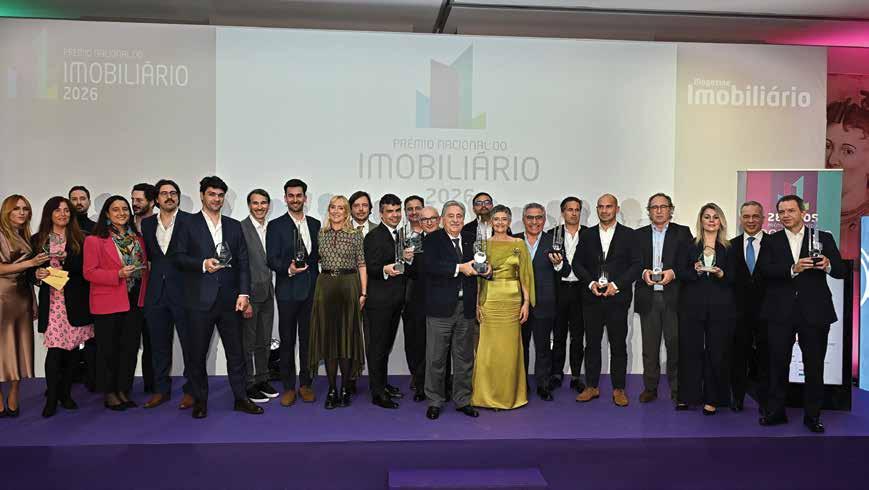
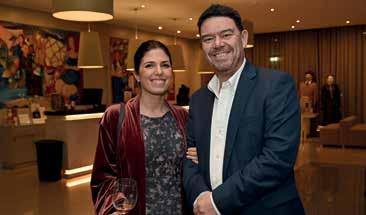
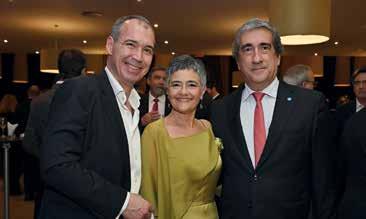
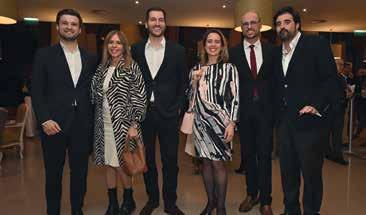
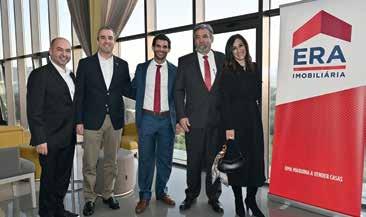
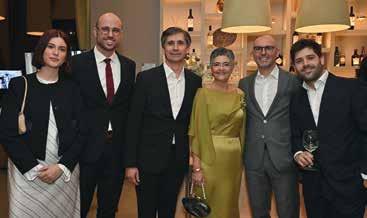
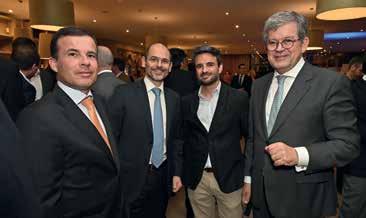
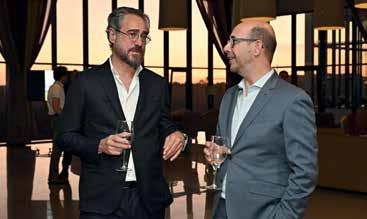
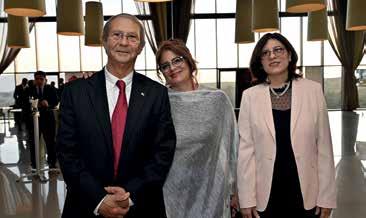
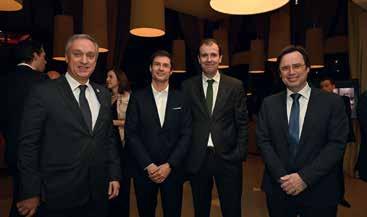
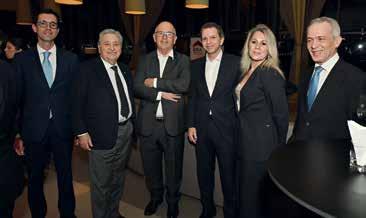
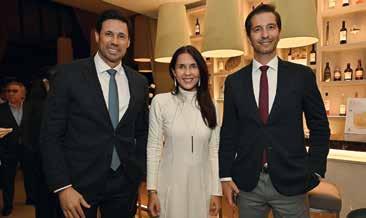
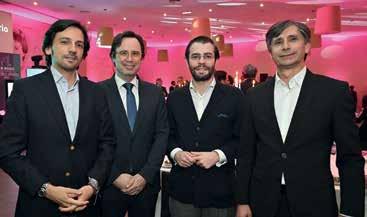
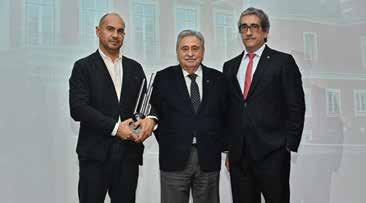
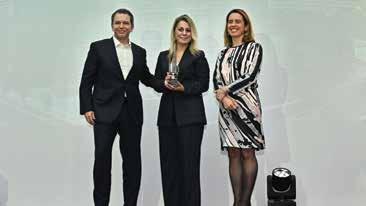
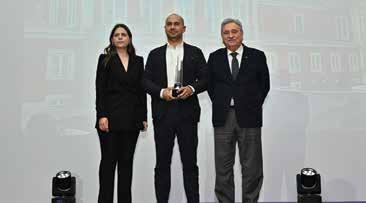
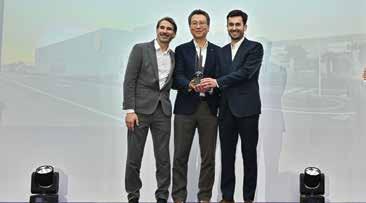
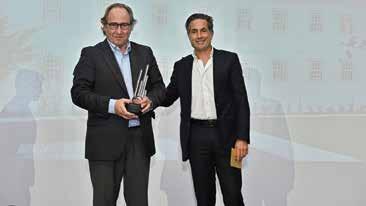
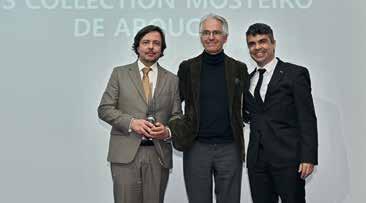
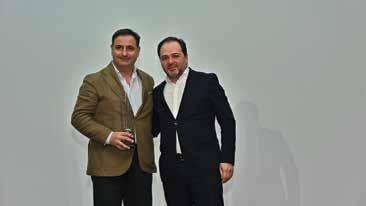
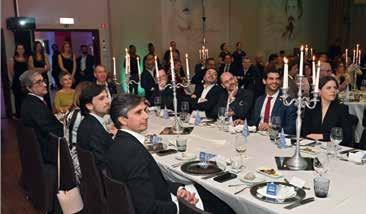
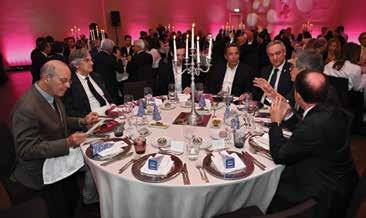
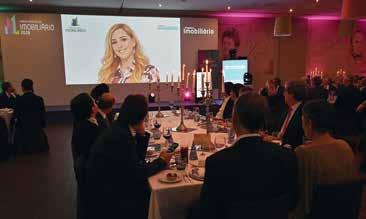
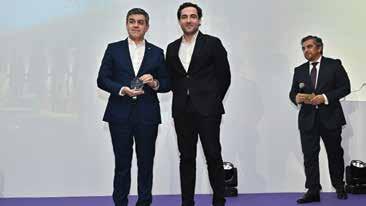
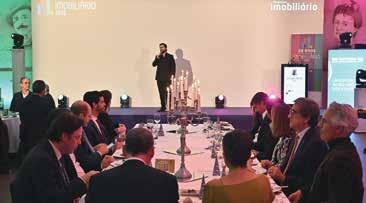
Decorreu no dia 26 de Março de 2026 a cerimónia de entrega dos troféus do Prémio Nacional do Imobiliário. Partilhamos alguns dos momentos marcantes do evento, recordando os grandes vencedores entre os melhores empreendimentos de 2026.
MACAM triumphs on Real Estate “Oscars” night
The National Real Estate Awards ceremony took place on March 26, 2026. We share some of the event’s highlights, recalling the big winners among the best developments of 2026. 28.ª edição 28th








Vencedor Prémio Reabilitação
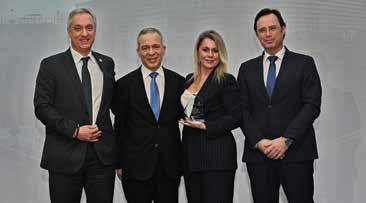
Vencedor Prémio de Excelência em Eficiência & Sustentabilidade

Vencedor Prémio Habitação Centro
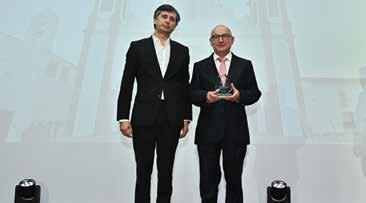
Vencedor Prémio Empreendimentos Até 750 m2
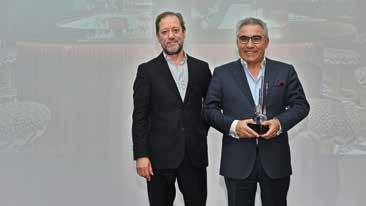
Vencedor Prémio Projecto de Interiores
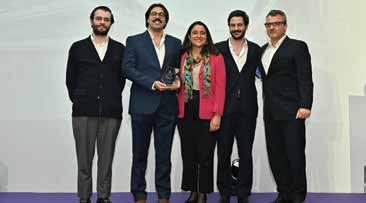
Vencedor Prémio Habitação Norte
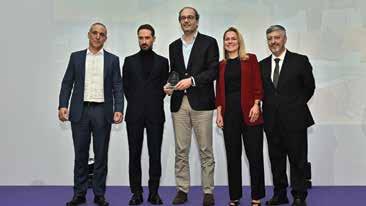
Vencedor Prémio Habitação Sul
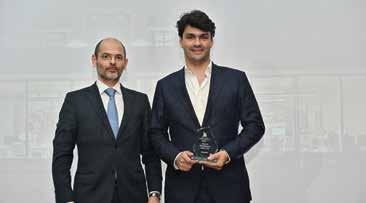
Vencedor Prémio Reabilitação Até 750 m2
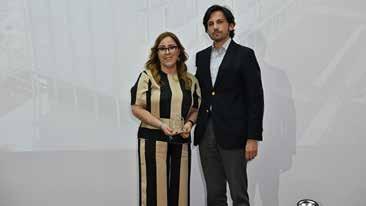


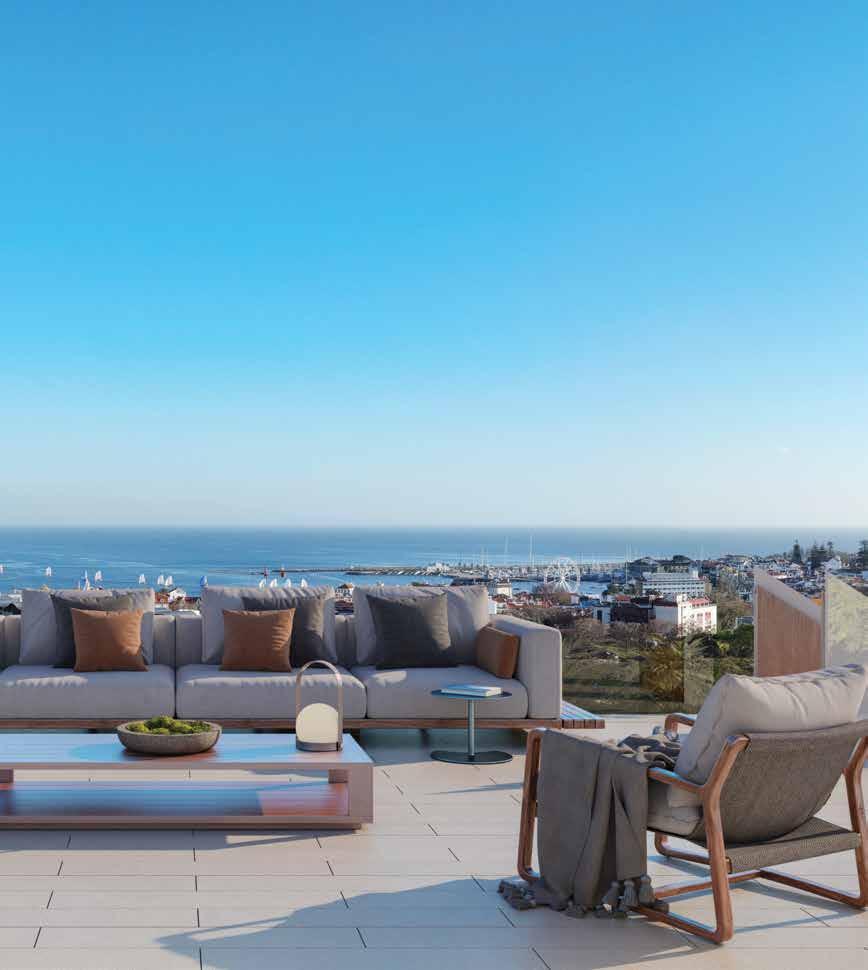
Bellevue Cascais
The new boutique luxury on the Atlantic coast
Cascais afirma-se como um dos endereços costeiros mais distintos de Portugal. O que escasseia é produto de construção nova que esteja verdadeiramente à altura desta localização. O Bellevue Cascais, promovido pelo Grupo REIS e projectado pela ARX Portugal, nasce precisamente para preencher essa lacuna. Cascais has long been one of Portugal’s most prestigious coastal addresses. What it has lacked is new-build luxury product that truly matches the quality of its setting.
Bellevue Cascais, developed by REIS Group and designed by ARX Portugal, is a direct response to that gap.

Implantado numa encosta por cima da vila de Cascais, a poucos minutos a pé do centro histórico, o Bellevue é um conjunto de 14 apartamentos, distribuídos em T2, T3 e T4, com área de construção total de 3.500 m². As unidades do piso térreo dispõem de piscinas privativas e vistas directas sobre o mar. As coberturas oferecem até 377 metros quadrados (m²) de área habitável, com piscinas no terraço e panorâmicas desimpedidas sobre a Baía de Cascais.
A linguagem arquitectónica é da autoria da ARX Portugal. Linhas depuradas e uma materialidade cuidada integram o edifício na encosta, sem que este se imponha sobre ela. O conjunto de comodidades inclui ginásio, sauna, piscinas comuns e privativas, e serviço de concierge disponível 24 horas por dia. A construção, a cargo da construtora Alves Ribeiro, avança com ritmo sólido nos dois blocos. “O Bellevue não é um projecto de volume”, afirma Nuno Santos, director de Portugal da REIS. “É uma colecção de carácter para compradores que sabem reconhecer qualidade real. O produto justifica, em pleno, o seu posicionamento.”
A conjugação entre a distinção arquitectónica, a localização reservada na encosta, as comodidades de nível superior e a proximidade ao centro de Cascais resulta num produto sem paralelo directo no mercado. O perfil do
comprador-alvo abrange famílias de elevado património que procuram uma residência principal ou secundária junto à costa, compradores do norte da Europa atraídos pelo prestígio consolidado de Cascais, e investidores com uma visão de longo prazo sobre produto escasso de segmento premium. Cascais mantém uma procura internacional sustentada pelo estilo de vida, pela segurança e por uma qualidade de vida que rivaliza com as moradas mais cobiçadas do sul da Europa. Num mercado em que a escassez real define o segmento de topo, o Bellevue Cascais representa uma oportunidade genuinamente rara.
Este projecto, com valor total de vendas deste a ascender 44 milhões de euros, integra o portefólio mais alargado do Grupo REIS, que soma mais de 160.000 m² em Portugal e na Suíça, com um valor de desenvolvimento bruto combinado superior a mil milhões de euros. É a expressão mais clara da convicção da empresa de que, no imobiliário de topo, a qualidade de execução é o único diferenciador verdadeiramente sustentável.
Located on a secluded hillside above Cascais, walking distance from the city center, Bellevue is a collection of 14 luxury residences comprising T2, T3, and T4 apartments across 3,500 sqm. Ground-floor units offer private
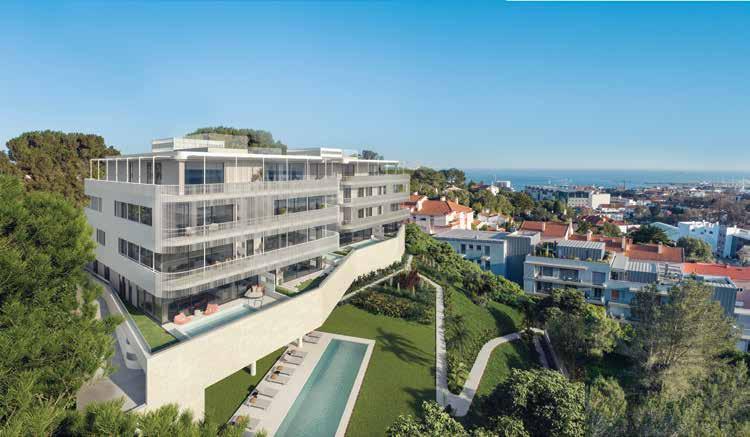
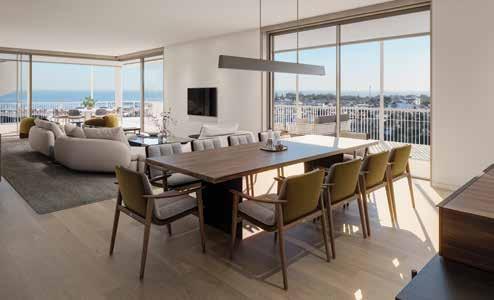
pools and direct sea views. Penthouse configurations provide up to 377 sqm of living space with rooftop pools and uninterrupted panoramas over the Bay of Cascais.
ARX Portugal’s architectural language defines the project. Clean lines and considered materiality sit within the hillside rather than imposing upon it. The amenities package in-
cludes a gym, sauna, both common and private pools, and 24-hour concierge service.
Construction under principal contractor Alves Ribeiro is progressing with strong momentum across both blocks.
“Bellevue is not a volume play,” says Nuno Santos, Head of Portugal at REIS. “It is a boutique collection for buyers who understand
what genuine luxury means. The product justifies every aspect of its positioning.”
The combination of architectural distinction, the secluded hillside setting, premium amenities, and proximity to Cascais town centre creates a product with no direct comparables in the market. The target buyer profile spans high-net-worth families seeking a primary or secondary coastal residence, Northern European buyers attracted to Cascais’s established prestige, and investors with a long-term view on genuinely scarce premium product. Cascais continues to attract international demand, driven by lifestyle, security, and a quality of life that compares favourably with the most sought-after addresses in Southern Europe. In a market where genuine product scarcity defines the premium segment, Bellevue Cascais represents a rare opportunity. The project carries a Gross Development Value of EUR 44 million and sits within the broader REIS Group portfolio, which spans more than 160,000 sqm across Portugal and Switzerland, with a combined GDV exceeding EUR 1 billion. It is the clearest expression of the company’s conviction that, in premium real estate, execution quality is the only sustainable differentiator.

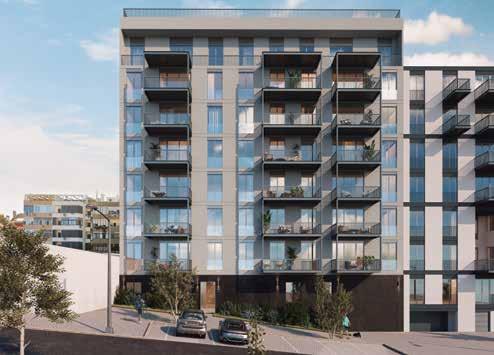
A inovação no sector imobiliário tem vindo a evoluir de uma abordagem focada em materiais e design para uma visão mais holística, onde a tecnologia desempenha um papel central na qualidade de vida. É nesse sentido que a solução NOS Smart Home se tem afirmado, ao permitir que os projectos residenciais ofereçam uma experiência de utilização mais eficiente, segura e confortável, respondendo às necessidades do morador contemporâneo.
O empreendimento L’Urbain promovido pela Solive, em Benfica, foi concebido com uma promessa clara: oferecer uma vida de cidade com qualidade e funcionalidade, especialmente pensada para jovens e famílias.
Situado numa zona que equilibra a energia urbana com a tranquilidade de um bairro familiar, o empreendimento distingue-se pelos seus espaços exteriores, incluindo parques infantil e canino, desenhados para enriquecer o quotidiano.
Neste contexto, a solução NOS Smart Home foi integrada como uma ferramenta fundamental para cumprir essa promessa de equilíbrio entre funcionalidade e conforto. Permite que a casa se ajuste ao ritmo de vida dos seus moradores, aprendendo com as suas rotinas e oferecendo sugestões de automação para simplificá-las.
A gestão inteligente da climatização, dos estores e da iluminação permite optimizar os
consumos energéticos de forma autónoma, gerando poupança sem esforço.
Ao mesmo tempo, a componente de segurança, sempre presente, garante tranquilidade essencial para quem procura um refúgio familiar na cidade. Tudo isto com um controlo centralizado no painel à entrada da casa ou na app, com interfaces intuitivas, priorizando o conforto dos futuros residentes.
Tecnologia e qualidade de vida: o futuro da experiência imobiliária
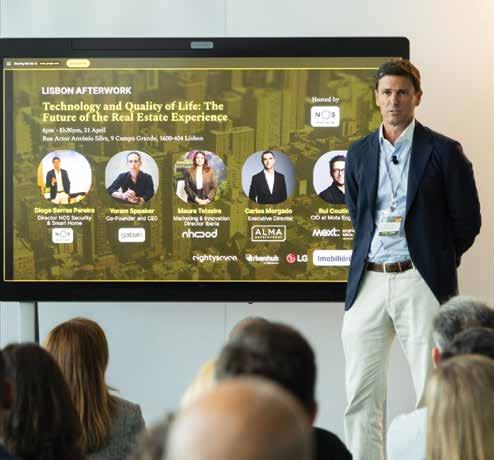
No passado dia 21 de Abril, a NOS reforçou o seu compromisso com a inovação no sector imobiliário ao associar-se à EightySeven, player especialista em PropTech e ConTech, para receber mais uma edição do Lisbon Afterwork.
Estes encontros reúnem os principais intervenientes do sector — desde fundadores e empresas a promotores, arquitectos e investidores. O objectivo é claro: fomentar o diálogo, discutir inovações e criar sinergias que acelerem a transformação digital de toda a cadeia de valor.
Este evento de networking, focado na intersecção entre tecnologia, imobiliário e construção sublinhou o papel da NOS não apenas como um player de tecnologia, mas como parceiro activo da promoção imobiliária, quer no fornecimento de fibra de última geração para os empreendimentos, quer no desenvolvimento do ecossistema tecnológico que promove mais conforto, conveniência e sustentabilidade no produto imobiliário que se apresenta ao mercado.
Esta edição reflectiu a visão partilhada da NOS com a EightySeven para o futuro do sec-
tor. A iniciativa consolida o posicionamento da marca como um catalisador de inovação, empenhado em contribuir activamente para um sector imobiliário mais conectado, eficiente e sustentável.
Innovation in the real estate sector has evolved from an approach focused on materials and design to a more holistic vision where technology performs a central role in quality of life. In this way NOS Smart Home solution has positioned itself in the market for enabling residential projects to offer a more efficient, safe, and comfortable experience of use while meeting the needs of the contemporary resident.
The L’Urbain: development developed by Solive in Benfica was designed with a clear promise: to offer a quality and workable city life, especially thought out with families and young people in mind. Located in an area that balances urban energy with the calmness of a family neighbourhood, the development stands out for its exterior spaces, including children’s and dog playgrounds
designed to enrich daily life.
In this respect, the NOS Smart Home solution was integrated as a fundamental tool to fulfil this promise of a balance between functionality and comfort. It enables the house to be adjusted to the pace of the life of its households, learning from their routines and offering automatic suggestions to make them simpler.
The smart management of air conditioning, the blinds and lighting enable energy consumption to be enhanced independently, generating effortless savings. At the same time, the ever-present security component ensures the essential tranquillity for those who seek a family refuge in the city. All this with a centralised control in the panel at the entrance of the house or on the app with intuitive interfaces, prioritising the comfort of the future residences.
On April 21, NOS strengthened its commitment through innovation in the real estate sector by being associated with EightySeven, a specialist player in PropTech and ConTech, to host another edition of Lisbon Afterwork.
These meetings bring together the main sector players - from founders and companies to developers, architects, and investors. The goal is clear: to foster dialogue, discuss innovations and create synergies that accelerate digital transformation across the entire value chain.
This networking event, focused on the intersection between technology, real estate, and construction, emphasise the role of NOS not just as a technology player, but as an active partner in real estate development, whether supplying the latest generation of fibre for developments, or developing a technology ecosystem that fosters more comfort, convenience and sustainability in the real estate product that appears on the market.
This edition reflects the vision shared by NOS and EightySeven for the future of the sector. This initiative consolidates the brand’s positioning as a catalyst for innovation, committed to actively contributing to a more connected, efficient, and sustainable real estate sector.
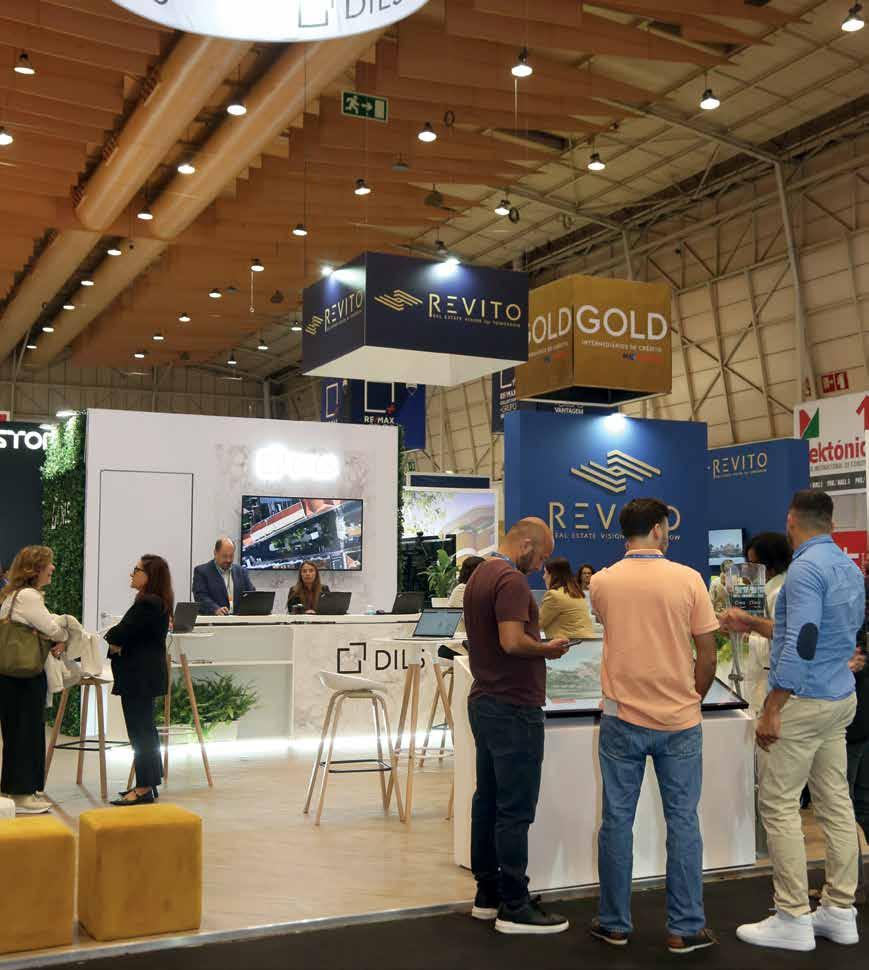
Corredores cheios, reuniões a acontecer em simultâneo e um fluxo constante de visitantes: assim se apresentou mais uma edição do Salão Imobiliário de Portugal (SIL), que voltou a ocupar a FIL, em Lisboa.
Full corridors, simultaneous meetings, and a constant flow of visitors: that’s how it appeared at yet another edition of the Portuguese Property Fair (Salão Imobiliário de Portugal (SIL) which returned to FIL (Lisbon International Fair) in Lisbon.
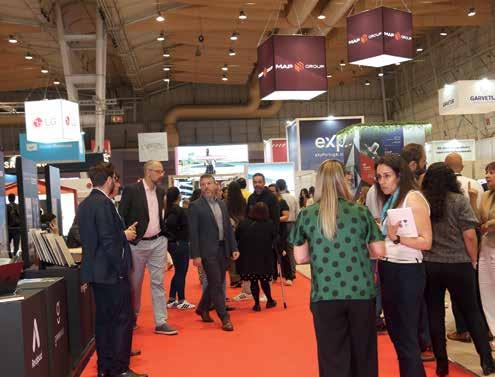
Ao longo de três dias, o SIL reuniu profissionais, investidores e um público cada vez mais atento, num ambiente que confirma o peso crescente do imobiliário no debate público.
Num espaço com cerca de 45 mil metros quadrados, partilhado com a Tektónica, o salão voltou a afirmar-se como o principal ponto de encontro do sector. Entre apresentações e contactos comerciais, manteve a sua função de plataforma de negócio, mas também de termómetro do mercado, onde se testam tendências e se mede o pulso à procura.
A afluência e a dinâmica sentidas ao longo do evento deixaram, aliás, uma ideia recorrente entre vários participantes: a de que o SIL poderá vir a crescer já nas próximas edições. Várias vozes do sector apontaram para a necessidade de reforçar a área expositiva em 2027, acompanhando o aumento da procura e da presença de empresas. Para lá da componente comercial, tornou-se evidente a centralidade da habitação nas conversas que atravessaram o evento. A procura por respostas, por parte de investidores, empresas e visitantes, reflectiu-se tanto nos stands como nas sessões paralelas.
Paralelamente, as conferências reflectiram a complexidade do momento. Temas como fiscalidade, financiamento, inteligência ar-
tificial, mobilidade eléctrica ou enquadramento jurídico evidenciaram a diversidade de desafios que atravessam o sector. Ainda assim, foi a habitação que dominou o debate, em particular a necessidade de aumentar a oferta e criar condições para soluções sustentáveis a médio e longo prazo. Entre essas soluções, o build to rent destacou-se como uma das ideias mais recorrentes. Apontado há vários anos como alternativa para reforçar o mercado de arrendamento, continua, contudo, a enfrentar obstáculos relacionados com custos, enquadramento fiscal e previsibilidade regulatória. A discussão em torno do IVA a 6%, da construção industrializada e da necessidade de maior escala na produção habitacional mostrou um sector consciente dos constrangimentos, mas também mais focado em respostas concretas. Também a relacção entre municípios e empresas pareceu ganhar maior centralidade. Mais do que caminhos paralelos, ficou a ideia de que a resposta à habitação terá de passar por uma articulação mais estreita entre sector público e privado, com território, planeamento, licenciamento e investimento numa lógica mais alinhada. Esse talvez tenha sido o principal traço desta edição: a coexistência entre inovação e realismo. Se por um lado continuam a surgir novas abordagens, tecnologias e modelos
de negócio, por outro há uma crescente noção de que o equilíbrio do mercado depende da capacidade de responder às necessidades da sociedade. A habitação deixou de ser apenas uma oportunidade de investimento para assumir, de forma cada vez mais clara, uma dimensão estrutural.
O SIL fechou com a imagem de um sector activo, cheio de projectos, contactos e vontade de fazer. Mas, num mercado pressionado por desafios económicos, fiscais e sociais, a mensagem que fica vai além da dinâmica gerada: o sucesso do imobiliário já não se mede apenas pela actividade que produz, mas pela capacidade de transformar investimento, inovação e construção em respostas habitacionais mais eficazes, equilibradas e ajustadas à realidade do país.
Over the three day the far took place, SIL brought together professionals, investors and an increasingly aware public in an environment that confirmed the increasing importance of real estate in public debate. In a space covering around 45,000 square metres (m2), shared with Tektónica, the
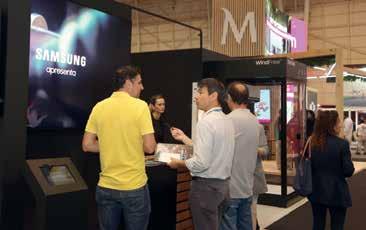
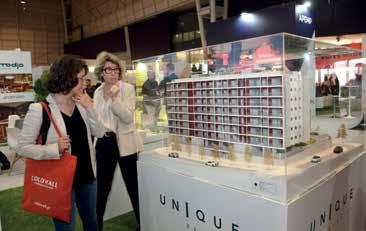
show was once again the main meeting point for the sector. Between the exchange of personal contacts, it retained its role as a platform for business but also a barometer for the market where trends are assessed and the pulse of demand is taken.
The affluence and energy felt throughout the event left, moreover, a recurrent idea among the various participants - that SIL could grow over the next editions. Various voices in the sector pointed to the need to beef up the exhibition area in 2027, to keep pace with the increase in demand, and the presence of companies.
Beyond the commercial aspect, the key importance of housing became evident in the conversations that ran throughout the event. The demand for solutions made by investors, companies, and visitors was as much reflected at the stands as at the parallel sessions.
At the same time, the conferences reflected the complexity of the times. Topics like tax, financing, artificial intelligence, electrical mobility, of the legal framework were evident, and showed the range of challenges
O sucesso do imobiliário já não se mede apenas pela actividade que produz, mas pela capacidade de transformar investimento, inovação e construção em respostas habitacionais mais eficazes.
The success of real estate is no longer just measured by the activity that produces, but by the capacity to turn investment, innovation, and construction into more effective housing solutions.”
apal-meia-pagina-magazine.pdf 1 27/04/2026 17:45:18
that the sector is facing. Nevertheless, housing dominated the debate, in particular the need to increase supply and create the conditions for sustainable solutions in the medium and long terms.
From among these solutions, build to rent stood out as one of the recurring ideas. For several years seen as an alternative to strengthen the rental market, it continues, however, to face obstacles related to costs, the tax framework, and regulatory predictability. The discussion around VAT at 6% on industrialised construction and the need for greater scale in housing production showed a sector aware of the constraints but also focused on concrete solutions.
Also, the relationship between municipalities and companies also seemed to gain greater ground. More than just parallel paths, the idea that emerged is that the solution to the housing problem will require closer collaboration between the public and private sectors, with territory, plan -
ning, licensing, and investment operating under a more aligned logic.
This perhaps had been the main take-away from this edition: the coexistence between innovation and realism. If on the one hand fresh approaches, technology, and business models continue to arise, then on the other there is a growing notion that balance in the market depends on the capacity to meet society’s needs. Housing has ceased to be merely an investment opportunity and is clearly increasingly taking on a structural dimension. SIL closed with the idea of an active sector, full of projects, contacts, and a desire to do. But in a market pressured by economic, fiscal, and social challenges, the lasting message goes beyond the energy generated: the success of the real estate sector is no longer measured solely by the activity it produces, but by its ability to transform investment, innovation, and construction into more effective, balanced housing solutions that are better suited to the country’s situation.


The cities that we deserve and have still not built

Manuel Maria Gonçalves CEO da APPII
56% das casas à venda em Lisboa custam mais de 500 mil euros. Apenas 4% estão abaixo dos 200 mil. A taxa de esforço para arrendar ultrapassa, em muitos casos, 40% do salário. E 35% dos jovens continuam a viver com os pais.
Continuamos a debater as causas como se fossem um mistério. Não são. A subida dos preços é uma consequência — não a causa. A causa é a incapacidade de produzir oferta a preços compatíveis com o rendimento médio. Nos últimos três anos, 59 mil fogos pré-certificados não avançaram por falta de viabilidade económica.
Escassez de solo urbanizável, exigências técnicas desajustadas sem benefício proporcional em termos de qualidade ou segurança — a construção de habitação acessível está sujeita aos mesmos requisitos aplicáveis a outros segmentos do mercado —, burocracia e uma carga fiscal que pode representar até 40% do preço final de uma casa. Nos grandes centros urbanos, é impossível produzir habitação a preços que as famílias que precisam possam pagar. E ninguém constrói casas para depois não as conseguir vender. Para se construírem casas, é preciso que haja investimento. E para que haja investimento, é necessário que haja viabilidade económica. Sem viabilidade económica, não há casas.
O licenciamento é talvez o exemplo mais gritante desta disfunção. Cada ano de atraso acrescenta 500 euros por metro quadrado ao custo final — o que significa que num apartamento de 75 metros quadrados (m²), dois anos de atraso tornam o apartamento 75 mil euros mais caro. E o problema não é
apenas a demora: é a imprevisibilidade. Não sabemos quanto tempo vai demorar. Não sabemos se as regras se mantêm até ao fim. Num setor onde a confiança é tudo, esta incerteza é letal.
A inteligência artificial de hoje já pode mudar o jogo — mas só se criarmos as condições para isso. Uma plataforma capaz de analisar um projecto urbanístico em minutos e indicar objectivamente o que está conforme e o que precisa de ser corrigido. Não é ficção científica. Está ao nosso alcance. O primeiro passo é a Plataforma Urbanística Única, que centralize e aplique regras de forma consistente nos 308 municípios do país. O segundo — e mais difícil — é simplificar a selva normativa que torna qualquer automatização impossível, e para isto é fundamental um Código da Construção que reúna todas as disposições aplicáveis. A IA não consegue operar num sistema que nem os humanos interpretam de forma coerente. Simplificar não é reduzir a exigência. É aumentar a eficácia.
As cidades que podemos construir são diferentes das que estamos a construir. São cidades mais densas e eficientes, com habitação acessível à classe média, com mercados de arrendamento profundos e funcionais, com licenciamento previsível, simples e digital. Cidades que retêm talento em vez de o expulsar.
Num país onde apenas 2% do parque habitacional é público, se não fossem os promotores e investidores privados, o défice de 300 mil casas seria ainda maior. Mesmo contra todos os obstáculos que enfrentamos neste desporto radical que é a promoção imobi -
liária, somos nós que construímos as casas dos portugueses. Queremos continuar a fazer parte da solução. O que pedimos é simples: criem as condições para que possamos construir as casas de que o país precisa, a preços que as famílias consigam pagar.
56% of houses for sale in Lisbon cost over 500,000 euros. Only 4% are below 200,000 euros. The monthly mortgage repayment rate very often exceeds 40% of salaries. And 35% of young people continue to live with their parents.
We continue to debate the causes as if they were a mystery. They’re not. The increase in house prices is a consequence - not a cause. The cause is the incapacity to produce supply at prices that are compatible with average incomes. Over the past three years, 59,000 pre-certified homes (meaning with planning permission) did not go ahead because it wasn’t economically viable to build them.
A lack of land for urban development, maladjusted technical demands and without a proportional benefit in terms of quality or safety - affordable housing construction that is subjected to the same requirements applicable to other market segments -, red tape and a tax burden that can represent up to 40% of the final price of a house. In the large urban centres, it is impossible to produce housing at prices that families that need them can pay. And no one builds houses that they are not going to be able to sell later. To build houses there has to be investment. And for there to be investment they have to be economically viable. Without economic viability there are no houses.
The licencing is perhaps the most glaring example of this dysfunction. Every year the delay adds 500 euros per square metres (m2) to the final cost - which means a 75 square metres (m2) apartment (m2) with a two-year delay makes that apartment 75,000 euros more expensive. And the problem is not just the delay: it is the unpredictability. We don’t know how long it will take. We don’t know if the rules will still be the same to the end. In a sector where trust is everything, this uncertainty is lethal.
Artificial intelligence today could now be a game changer - but only if we create the conditions for it. A platform capable of analysing an urban project in minutes and objec-
tively indicate what is compliant and what needs correcting isn’t science fiction. It’s within our reach. The first step is a Unique Urban Platform that centralises rules and applies them in a consistent way across the 308 municipalities in the country. The second - and most difficult - challenge is simplifying the regulatory jungle that makes any automation impossible, and for this, a Building Code that brings together all applicable provisions is essential. AI cannot operate in a system that not even humans can interpret in a coherent way. Simplifying and not reducing the requirements. And increasing effectiveness.
The cities that we could build are different to those that we’re building. They are denser and efficient, with affordable housing for the middle class, with meaningful and workable rental markets, predictable licensing that is simple and digital. Cities that retain talent instead of making it leave.
In a country where only 2% of the housing stock is public, if it weren’t for developers and private investors, the 300,000-home deficit would be even greater. Even against all the obstacles that we face in this radical sport that is real estate development, we’re the ones who build houses in Portugal. We want to continue to be part of the solution. What we’re asking for is simple: to create the conditions so that we can build houses that the country needs at prices that families can pay.

O arranque de 2026 trouxe novos desafios ao sector segurador em Portugal, sobretudo nas áreas da construção e do imobiliário. Mais do que o volume de negócio, o momento revela uma mudança no tipo de risco em análise. 2026 kicked off by bringing new challenges to the insurance sector in Portugal, particularly in the construction and real estate areas. More than the volume of business, current times reveal a change in the type of risk under analysis.
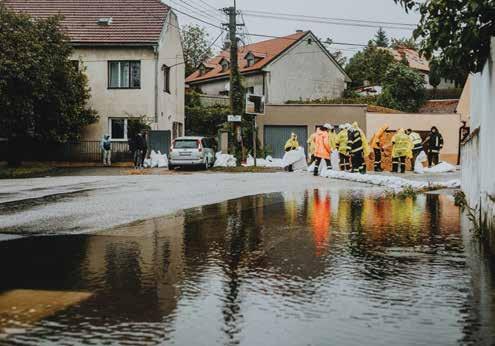
“Este início de ano é marcado pela crescente centralidade do risco climático”, sublinha Carla Nabais, gerente Lisboa da Victoria Seguros, apontando os danos por água e os fenómenos meteorológicos extremos como factores determinantes. A par disso, o aumento dos custos de construção está a obrigar a uma revisão dos capitais seguros, tornando a gestão do risco mais exigente.
Num contexto de maior frequência e severidade dos eventos climáticos, a forte dinâmica da construção e do imobiliário exige do mercado segurador não apenas capacidade de resposta, mas sobretudo maior rigor técnico, através de uma análise de risco mais criteriosa e de critérios de aceitação mais exigentes.
Apesar deste enquadramento, a mudança no comportamento dos clientes ainda não é evidente. A maior exposição a eventos extremos tem contribuído para uma maior consciencialização, mas essa preocupação nem sempre se traduz em decisões concretas de contratação ou revisão de coberturas.
No segmento dos particulares, o seguro multi-riscos habitação continua a liderar a procura, ainda que com maior atenção a coberturas específicas. Já no segmento empresarial, os seguros de construção e de responsabilidade civil mantêm-se estruturantes, acompanhando a crescente complexidade técnica dos projectos. De forma gradual, começa também a emergir o interesse por soluções mais abrangentes, como o seguro decenal de danos, ainda pouco generalizado, mas cada vez mais
associado à qualidade e confiança no produto imobiliário.
A influência dos episódios recentes de intempéries é visível ao nível do discurso, mas menos consistente na prática. “Nem sempre se observa uma tradução prática dessa preocupação nas decisões de contratação”, admite a responsável, sublinhando que, no caso dos promotores e investidores, a gestão do risco tende a ser mais estruturada e tecnicamente informada.
Para o resto do ano, o sector antecipa uma adaptação progressiva a um mercado em transformação. A inovação na construção, os novos modelos de utilização dos edifícios e a crescente incorporação de critérios de sustentabilidade e eficiência energética estão a alterar o perfil de risco dos activos. Neste contexto, o sector segurador enfrenta um duplo desafio: acompanhar a evolução do imobiliário e reforçar o rigor técnico. “Em 2026 antevê-se um sector segurador em adaptação”, resume Carla Nabais, num equilíbrio cada vez mais exigente entre preço, protecção e gestão activa do risco.
“This start of the year has been marked by the growing importance of climate risk,” stresses Carla Nabias, Lisbon manager of VICTORIA Seguros, pointing out damage from water and extreme weather phenomena as decisive factors. Alongside this, the increase in the costs of construction is forcing a revision in insurance capital, making risk management

more demanding.
In a context of more frequent and severe weather events, the strong dynamics of the construction and real estate sectors require that the insurance market is not only responsive, but also shows greater technical rigour, through more thorough risk analysis and more demanding acceptance criteria.
Despite this set of circumstances, client behaviour has evidently not changed. The greater exposure to extreme weather events has contributed towards greater awareness, but this awareness and concern does not always translate into concrete decisions to take out specific insurance or to revise coverage.
In the personal insurance segment, multi-risk
home insurance continues to lead demand, although with greater emphasis paid to spe cific coverages. In the companies’ segment, construction and civil liability insurance are vital, keeping pace with the growing technical complexity of projects. Also, the interest in more far-reaching coverage is also emerging gradually such as 10-year cover for damages, which is still not common, but is increasingly associated with quality and confidence in real estate product.
The influence of recent storm episodes is vis ible at a debate level, but less so in practice.
“This concern is not always reflected in prac tical contracting decisions,” admits the man ager, emphasising that in the case of develop
In 2026 the insurance sector is expected to adapt.”

ers and investors, risk management tends to be more structured and technically informed. For the rest of the year, the sector expects a progressive adaptation to a market in change. Innovation in construction, new models for building use, and the increasing incorporation of sustainability and energy efficiency criteria are changing the risk profile of assets. In this respect, the insurance sector faces a double challenge: keeping pace with evolving real estate and reinforcing technical rigour.
“By 2026, the insurance sector is expected to adapt,” summarises Carla Nabais, in an increasingly demanding balance between price, protection, and active risk management.


Miguel Marques dos Santos
Sócio da Vda I Partner at VdA
Sócio
responsável pela área de Imobiliário & Urbanismo Head of the Real Estate & Planning Practice area
Há uns dias perguntaram-me qual seria o maior problema do processo de licenciamento urbanístico. Ou, por outras palavras, qual seria a razão para que os processos de licenciamento fossem tão ineficientes e demorados.
A tendência geral, mas muito agravada no caso dos políticos, é a de culpar as normas. De achar que, com um diploma melhorado, mais simples e mais claro, todos os problemas de determinada realidade se resolvem. Ora, se isto é verdade em certas realidades – como é o caso, por exemplo, do regime do arrendamento, em que, sem uma lei melhorada, mais simples e mais clara, ou seja, sem voltarmos à lei de 2012 ou a algo parecido, nada se resolverá –, noutras, como é o caso do licenciamento urbanístico, não será tanto assim. Aqui, o maior problema não são as normas.
É evidente que ter normas melhores e mais claras e simplificar procedimentos é importante. E esse caminho tem sido feito, quer no Simplex, quer agora no pacote legislativo que aguarda promulgação pelo Presidente da República. E, em geral, tem ido na direcção certa.
Mas o problema de fundo é outro. O problema está na administração pública e na sua forma de operar.
A saúde pública é um caos, a escola pública é um caos, os tribunais são um caos, a protecção civil é um caos e por aí adiante. E porquê? Porque temos uma administração pública que vive com os métodos, os processos, os incentivos e os sistemas de avaliação de há trinta ou quarenta anos e que, portanto, está trinta ou quarenta anos atrasada face ao tempo em que vivemos. E nos temas do licenciamento é exactamente a mesma coisa. Temos um país a duas velocidades: um
sector privado – neste caso, o da promoção imobiliária – pujante, inovador, eficiente, comparando bem com o benchmark internacional; e temos uma administração pública atrasada, com processos e modelos de gestão totalmente ultrapassados e totalmente ineficientes.
Atenção que isto não é necessariamente culpa das pessoas que estão na administração pública. Veja-se o caso da saúde, em que os mesmos médicos são ineficientes no público e são eficientes no privado. Isto é um problema de organização, não necessariamente de pessoas.
O problema está, portanto, na sempre adiada reforma do Estado.
No urbanismo, tal como nos outros sectores, o problema está na ausência de processos modernos e eficientes, na ineficiência na alocação de recursos, na formação dos profissionais, na média etária dos funcionários, o problema são os documentos que ficam três meses numa secretária em vez de passarem para a secretária seguinte, são os conflitos de competências entre entidades publicas, é a total ausência de accountability no cumprimento dos prazos e no resultado final do processo. A experiência de qualquer pessoa que queira licenciar um projecto – seja um grande promotor, seja um particular – é uma experiência absolutamente kafkiana. Enquanto a nossa administração pública for assim, o licenciamento continuará a ser assim, por melhores normas que sejam aprovadas.
Claro que temos alguns oásis em que as coisas são diferentes. As câmaras do Porto, de Gaia ou de Loures, são exemplos que se destacam pela positiva. Mas a verdade é que o fazem apesar das dificuldades e lutando contra elas, por mérito próprio das pessoas
que as lideram e dos funcionários que se empenham. E é exactamente por isso que estes exemplos não nos devem tranquilizar – devem, pelo contrário, indignar-nos. Porque demonstram que, quando há vontade, organização e liderança, a máquina funciona. O que significa que, nos casos em que não funciona, a responsabilidade é de quem se recusa a reformá-la.
Se queremos um Estado e municípios eficientes – também nos licenciamentos –, não podemos continuar a assobiar para o lado e a achar que isso é possível sem uma reforma séria e estrutural da administração pública.
Não basta aprovar boas leis. Não basta simplificar procedimentos no papel. É preciso mudar a máquina que os executa: os processos, os métodos, os sistemas de avaliação, os incentivos, a responsabilização de quem decide e de quem não decide. Enquanto não o fizermos, continuaremos a legislar para um Estado que não existe e a esperar resultados de uma administração que não os consegue produzir.
A few days ago, I was asked what was the biggest problem in the urban licensing process? Or in other words, what is the reason for licensing processes being so inefficient and time consuming.
The general tendency, and this is much worse in the case of politicians, is to blame the regulations. To think that with a better, simpler, and clearer bill, that all the problems of a specific situation would be sorted out.
Now, if this is true in certain situations - as is the case, for example, with the rental law, whereby without an improved, simpler, and clearer law - in other words, without going back to the 2012 law or something simplernothing would be resolved -, in others, as is the case with urban planning, it wouldn’t be quite as straightforward. Here, the biggest problem is not the regulations.
It is evident that having better and clearer regulations, with simpler procedures, is important. And this road has been taken, whether with Simplex or the current legislative package which is awaiting ratification by the President of the Republic. And in general, it has gone in the right direction. But the root problem lies elsewhere. The problem lies in the public administration and in the way it operates.
Public health, education, the courts, and civil
protection are in chaos, and so it goes on. Why? Because we have a public administration that operates using methods, processes, incentives, and evaluation systems that are 30 or 40 years out of date for the times in which we’re living. And regarding licensing matters, the situation is the same. We have a country operating at two speeds: a private sector - in this case, real estate development that is dynamic, innovative, efficient, and compares well with the international benchmark; and we have a public administration that is out of date with processes and management models that are totally obsolete and inefficient.
Mind you, this is not necessarily the fault of people who work in public administration. This can be seen in health in which the same doctors are inefficient in the public sector and efficient in the private. This is a problem of organisation, not necessarily people. The problem lies in the reform of the State which is always put on the back burner. In urban planning, as in other sectors, the problem lies in not having modern and efficient processes, in the inefficiency of allocating resources, in training professionals, in the average age of the employees; the problem are the documents that stay in one department for three months instead of going to the next, they lie in the conflict of competencies between public entities and the total absence of accountability in meeting deadlines and the end result of the process. The experience of any person that wants to get a project licensed - whether a large developer or a pri-
vate individual - is an absolutely Kafkaesque experience.
While our public administration continues like this, licencing will continue to be the same, whatever regulations, no matter how good, are approved.
Of course, we have some oases in which things are different. Porto, Gaia, and Loures councils are examples that stand out positively. But the truth is that they do so despite difficulties and by struggling against them, thanks to the merit of the people who lead them and the efforts of the employees. And this is precisely why these examples should not reassure us, on the contrary they should make us furious. Because they show that when there are willingness, organisation, and leadership, the machinery works. Which means that in the cases in which it doesn’t work, the responsibility lies with those who refuse to reform it.
If we want an efficient State and municipalities - and the same with licences-, we cannot continue to kick the issue into the long grass and think this is possible without a serious structural reform of the public administration. Passing good laws is not sufficient. You can’t just simplify proceedings on paper. You need to change the machinery that executes them, the methods, the evaluation systems, the incentives, the responsibility of those who decide and those who don’t. While we don’t do it, we will continue to legislate for a State that doesn’t exist and expect results from an administration that cannot deliver.
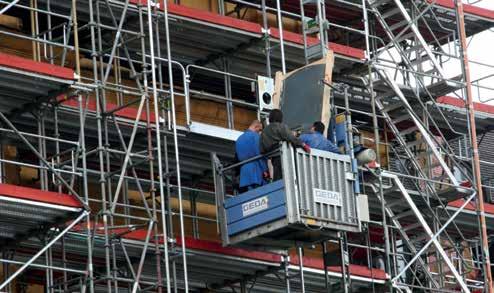
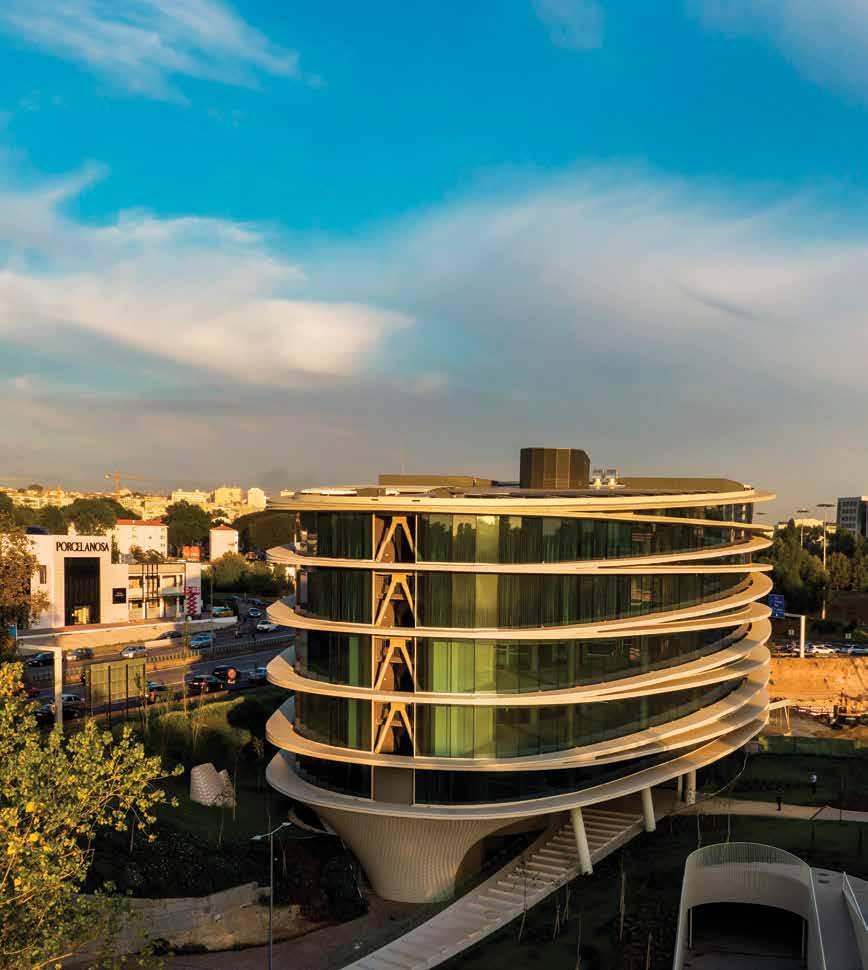
Porto
Overseas investment attraction at a high
Grupos internacionais presentes na cidade estão a aumentar a sua presença na região, o que demonstra a qualidade da Invicta na retenção dos investimentos. International groups in the city are increasing their presence in the region, which shows the quality of Porto in retaining investment.
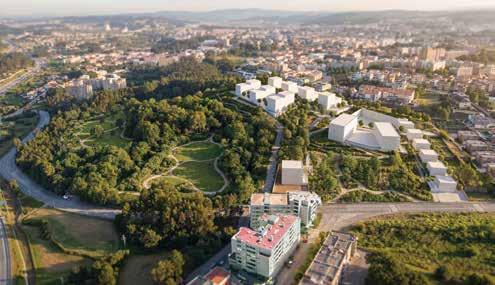
Num momento em que o mercado imobiliário internacional se encontra numa fase desafiante, devido aos diferentes conflitos que impactam o seu crescimento, o Porto e a sua região continuam a receber investimentos de diferentes geografias, com destaque para os países da Europa, mas também dos EUA, em sectores como os serviços, retalho e logística.
A cidade destaca-se nos países do sul da Europa na captação de Investimento Directo Estrangeiro (IDE), sobretudo por parte de empresas de inovação e tecnologia.
De acordo com os dados da InvestPorto – empresa ligada à autarquia do Porto –, as empresas estrangeiras investiram quase quatro mil milhões de euros nos últimos cinco anos, o que levou à criação de mais de 23.500 empregos. Este facto levou o Financial Times, pelo quinto ano consecutivo, a premiar a estratégia de captação de IDE na cidade, uma distinção entregue no dia 10 de Março, em Cannes, França, durante o MIPIM.
Ricardo Valente, managing director da Savills Porto, destaca um conjunto de investimentos que se encontram ainda em desenvolvimento, sobretudo de empresas “americanas e polacas, nas áreas logística e do retalho”, o que demonstra que o país, e em especial o Porto, continuam a ser atractivos para o investimento imobiliário estrangeiro.
No entanto, alerta para o facto de se verificar também o “crescimento da estrutura dos grupos presentes na região”, o que demonstra a qualidade da Invicta na retenção dos investimentos.
De referir que a distinção do FDI Strategy – publicação do grupo Financial Times – assentou na distinção de três empresas que têm vindo a
estabelecer operações significativas e a reforçar a atractividade da cidade junto de grandes investidores, incluídas no top 10 deste ranking: a Natixis (2.º lugar em projectos de média dimensão), Five9 (4.º lugar em projectos de pequena dimensão) e FinTrU (5.º lugar em projetos de pequena dimensão).
Contudo, continuam a chegar à cidade outros grupos, como é o caso da gigante alemã da logística Dachser, que arrendou o último espaço disponível no edifício Icon Douro. O segundo maior centro digital do grupo germânico a nível global tem uma previsão de criar, pelo menos, uma centena de postos de trabalho até ao final de 2026.
Presença no residencial
São bastante significativos os investimentos de grupos estrangeiros no segmento residencial, sendo visível o seu crescimento sobretudo nos últimos dois a três anos. Alguns casos são conhecidos, como o da Ginkgo Advisor, gestora de fundos franco-suíça especializada em reabilitação urbana sustentável, que está a investir na zona do Freixo-Campanhã; o da ALMA Development, fundada em 2022, com ligação à francesa Panhard International, que lançou o seu primeiro projecto no Porto e que se expandiu também para Lisboa; ou o da Thomas & Piron, um grupo líder no desenvolvimento de projectos imobiliários na Bélgica, com vários projectos no Grande Porto. Destaca-se também a presença de vários grupos israelitas, que estão a promover projectos de dimensões significativas, como é o caso da Taga Urbanic, que está a desenvolver projectos em Gaia e na Maia, e que tem previsto iniciar, no próximo ano, um conjunto alargado de no-
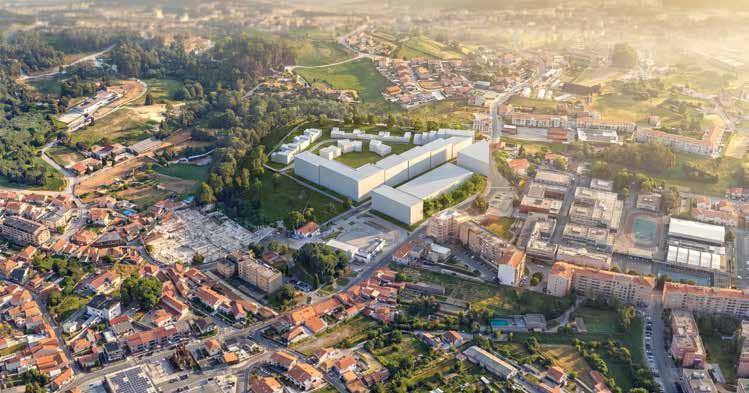
vos empreendimentos no Porto, Gaia e Vila do Conde, de várias centenas de casas. Contudo, há outros processos que estavam em desenvolvimento há vários anos e que só agora viram luz verde. É o caso de um empreendimento em fase de aprovação pela autarquia do Porto, localizado em Aldoar e próximo da Estrada da Circunvalação. Em termos de construção, está prevista a criação de cinco lotes, com um limite máximo de 342 habitações e edifícios que poderão variar entre quatro e 17 andares. Os promotores do projecto são as sociedades Kriteroportunity, S.A., e Sweet Hope - Investments, S.A., detidas por empresários israelitas e polacos.
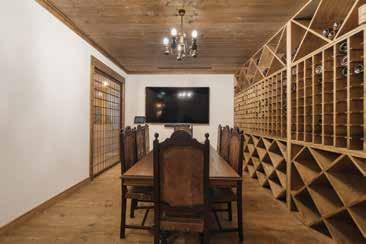
Já a Âncora Investments, liderada por Elad Shachar e Tamir Luria, tem, em fase avançada de planeamento e avaliação, o desenvolvimento de dois empreendimentos, que deverão somar mais de 80.000 metros quadrados (m²) de construção acima do solo e cerca de 650 habitações, dirigidas ao segmento residencial intermédio. Ficam localizados em Águas Santas, na Maia, e Canelas, em Gaia.
At a time when the international real estate market is facing challenges due to various conflicts impacting its growth, Porto and its region continue to receive investments from different countries, particularly European
A cidade destaca-se nos países do sul da Europa na captação de Investimento Directo Estrangeiro (IDE), sobretudo por parte de empresas de inovação e tecnologia.
The city stands out among countries in southern Europe in attracting Foreign Direct Investment (FDI), particularly from innovation and technology companies.”
ones, but also from the USA, in sectors such as services, retail, and logistics.
The city stands out among countries in southern Europe for attracting Foreign Direct Investment (FDI), particularly from innovation and technology companies.
According to data from InvestPorto - the company linked to the Porto city authority -, overseas companies have invested almost four thousand million euros over the past five years, which led to the creation of over 23,500 jobs. This fact led the Financial Times to acknowledge the city’s FDI investment attraction strategy for the fifth year running, a distinction awarded on March 10 in Cannes, France, during MIPIM.
Ricardo Valente, administrative director of Savills Porto, highlights a set of investments that are still under development, especially from “American and Polish companies in the logistics and retail sectors,” which demonstrates that the country, and especially Porto, remain attractive for foreign real estate investment.
However, he also points out the fact of the “structural growth of the groups present in the region” demonstrates Porto’s quality in retaining investment.
Worth mentioning is the distinction of FDI Strategy - a Financial Times group publication - based on the distinction of three companies which have established significant operations and have reinforced the city’s attractiveness for large investors, including in the top 10 of this ranking: Natixis (2nd place in
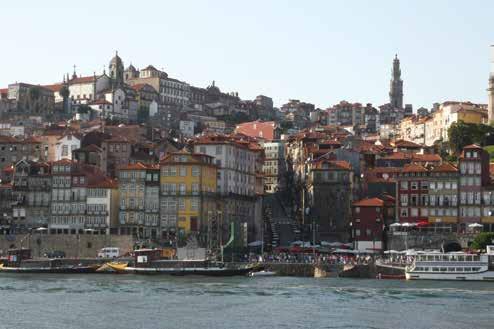
median-size projects), and FinTrU (5th place in small-size projects).
That said, other groups have continued to come to the city, as is the case with the German logistics giant Dachser, which has rented out the last available office space in the Icon Douro building. The second largest digital centre of the German group globally expects to create at least 100 jobs by the end of 2026.
The investments from overseas groups have been quite significant in the residential segments, growth being visible particularly over the last two to three years. Some examples are well-known, such as Ginkgo Advisor, a Franco-Swiss fund manager specialising in sustainable urban rehabilitation, which is investing in the Freixo-Campanhã area; ALMA Development, founded in 2022 and linked to the French company Panhard International, which launched its first project in Porto and has also expanded to Lisbon; or Thomas & Piron, a leading group in the development of real estate projects in Belgium, with several projects in Greater Porto.
Also noteworthy is the presence of several Israeli groups, which are promoting projects of significant size, such as Taga Urbanic, which is developing projects in Gaia and Maia, and which plans to start a large set of new developments in Porto, Gaia and Vila do Conde next year, comprising several hundred homes. However, there have been other projects planned for development for several years and are only know getting the green light regarding planning permission. Such is the case of a development going through the planning permission phase with the Porto authority and located in Aldoar and close to the Estrada da Circunvalação ring road. In terms of construction, the plan includes the creation of five lots, with a maximum limit of 342 houses and buildings that can vary between four and 17 stories. The project developers are the companies Kriteroportunity, S.A., and Sweet Hope - Investments, S.A., owned by Israeli and Polish businessmen. Meanwhile, Âncora Investments, led by Elad Shachar and Tamir Luria, has two developments in advanced planning and evaluation stages, which are expected to total more than 80,000 square meters (m²) of above-ground construction and approximately 650 housing units, targetting the intermediate residential segment. They are in Águas Santas, in Maia and Canelas in Gaia.

Destinos
Destinations
Travel carefully in a tense world
A instabilidade geopolítica e a pressão sobre a aviação estão a tornar as decisões de fazer turismo lá fora mais ponderadas. Os portugueses continuam a querer sair do país, mas com mais atenção ao risco, aos custos e à flexibilidade. Geopolitical instability and pressure on aviation is making people think twice on holiday-making decisions overseas. The Portuguese continue to want to travel abroad, but they are carefully weighing up the risk, the costs, and the flexibility.
O actual contexto internacional não travou a vontade de viajar dos portugueses, mas está a mudar a forma como o fazem. Segundo Pedro Costa Ferreira, presidente da Associação Portuguesa das Agências de Viagens e Turismo (APAVT), o viajante tornou-se “mais prudente na forma como escolhe, reserva e compra”, num cenário marcado por instabilidade geopolítica, alertas de segurança e volatilidade dos custos energéticos.
A percepção de segurança assume hoje um papel central. Sempre que surgem perturbações no espaço aéreo ou riscos operacionais acrescidos, o impacto na confiança é imediato. Destinos considerados mais sensíveis tendem a perder procura, enquanto regiões vistas como mais estáveis beneficiam de uma escolha mais racional, onde pesam factores como previsibilidade e fiabilidade operacional.
Apesar disso, o mercado mantém-se resiliente. A reacção dominante dos viajantes tem sido de prudência e não de pânico. Verificam-se cancelamentos e adiamentos pontuais, sobretudo em partidas próximas, mas também um aumento significativo dos pedidos de esclarecimento e reavaliação de itinerários. “O viajante não deixou de querer viajar, quer viajar com mais segurança e maior controlo sobre o risco”, sublinha Pedro Costa Ferreira.
O sector da aviação enfrenta, contudo, uma
pressão acrescida. O aumento dos custos e a possibilidade de constrangimentos no abastecimento de combustível colocam desafios à operação, podendo traduzir-se em preços mais elevados, rotas mais longas, ajustamentos de capacidade e maior irregularidade. Ainda assim, o responsável alerta para a necessidade de evitar leituras alarmistas, distinguindo cenários de risco de situações efectivas de ruptura.
Neste contexto, o papel das agências de viagens ganha relevância. A procura por aconselhamento, acompanhamento e soluções flexíveis tem aumentado, reflectindo a necessidade de maior segurança num ambiente mais exigente. “As agências não são um elemento acessório da cadeia, são, cada vez mais, um factor de estabilidade num contexto internacional instável”, afirma.
Até ao final de 2026, antecipa-se uma procura mais selectiva e informada. A vontade de viajar mantém-se, mas acompanhada por uma maior exigência na relação entre preço, segurança e flexibilidade, sinais de um turismo que se adapta a um mundo cada vez mais incerto.
The current international context has not put the brakes on the desire by the Portuguese to travel, but it’s changing the way they do so. According to Pedro Costa Ferreira, president of the Portuguese Association of Travel and
Tourism Agencies (APAVT), the traveller has become “more prudent when it comes to selecting, booking, and purchasing,” in a scenario marked by geopolitical instability, security alerts, and the volatility of energy costs. The perception of security today takes on a vital role. Whenever disturbances in air space or added operational risks occur, the impact on confidence are immediate. Destinations considered more sensitive are tending to lose demand, while regions seen as more stable benefit from a more rational choice, where factors such as predictability, and operational reliability weigh in.
Despite this, the market continues to be resilient. The dominant reaction of travellers has been one of prudence and not panic. There are occasional cancellations and postponements, especially for upcoming departures, but also a significant increase in requests for clarification and itinerary reassessments. “The traveller has not stopped wanting to travel but wants to travel in more security and have greater control over the risk,” stresses Pedro Costa Ferreira.
However, the aviation sector is facing added pressure. Rising costs and the possibility of fuel supply constraints pose operational challenges, potentially resulting in higher prices, longer routes, capacity adjustments, and greater irregularity. Even so, the APVAT president warns against drawing alarmist conclusions, making a distinction between scenarios of risk and situations of actual rupture. In this respect, the role of travel agencies gains relevance. The demand for advice, assistance and flexible solutions has increased, reflecting the need for greater security in a more demanding environment. “The agencies are not an added extra element in the chain; they are increasingly a factor of stability in an unstable international context,” he says.
A more selective and informed demand is expected by the end of 2026. The desire to travel remains but is accompanied by greater demands in relation between price, security, and flexibility, signs of a tourism that is adapting to a world that is increasingly more uncertain.
O
viajante não deixou de querer viajar, quer viajar com mais segurança e maior controlo sobre o risco. The traveller has not stopped wanting to travel, but wants to travel in more security and have greater control over the risk.”
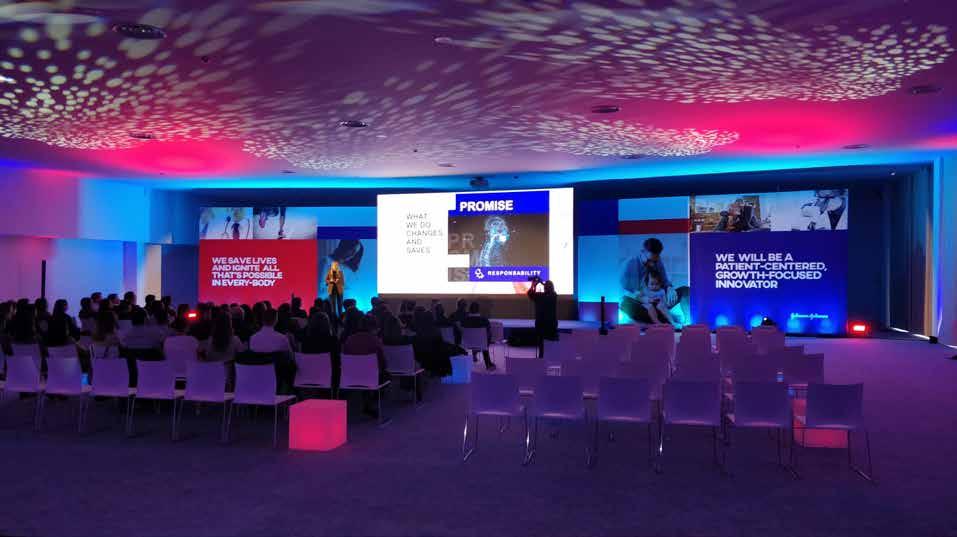

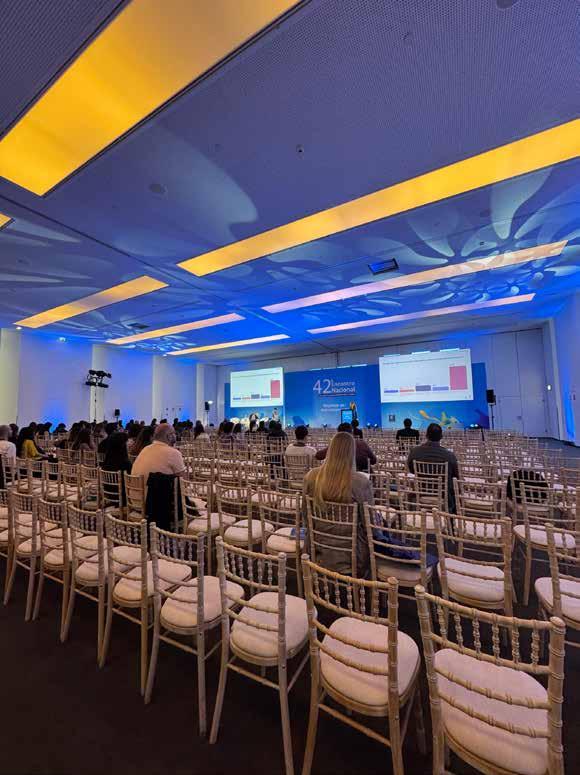
"Onde a tecnologia encontra a estratégia e a inovaçãoexperiências que elevam marcas"
A Tecnovisão é uma empresa especializada em soluções audiovisuais completas e personalizadas para eventos, com mais de três décadas de experiência no setor
Ao longo dos anos, consolidou uma reputação assente na inovação, rigor técnico e compromisso com a excelência. Com uma equipa técnica qualificada, transforma cada evento numa experiência marcante, combinando tecnologia de última geração com uma execução rigorosa, onde cada detalhe é pensado para assegurar uma comunicação fluida, envolvente e eficaz
www.tecnovisao.com
geral@tecnovisao.com
tecnovisao audiovisuais
tecnovisao-lda
21 910 7041
Som profissional | Projeção | Ledwall | Iluminação | Tradução simultânea | Streaming e transmissão híbrida | Gestão de Apresentações | ePosters
E muitos outros serviços de audiovisuais e complementares

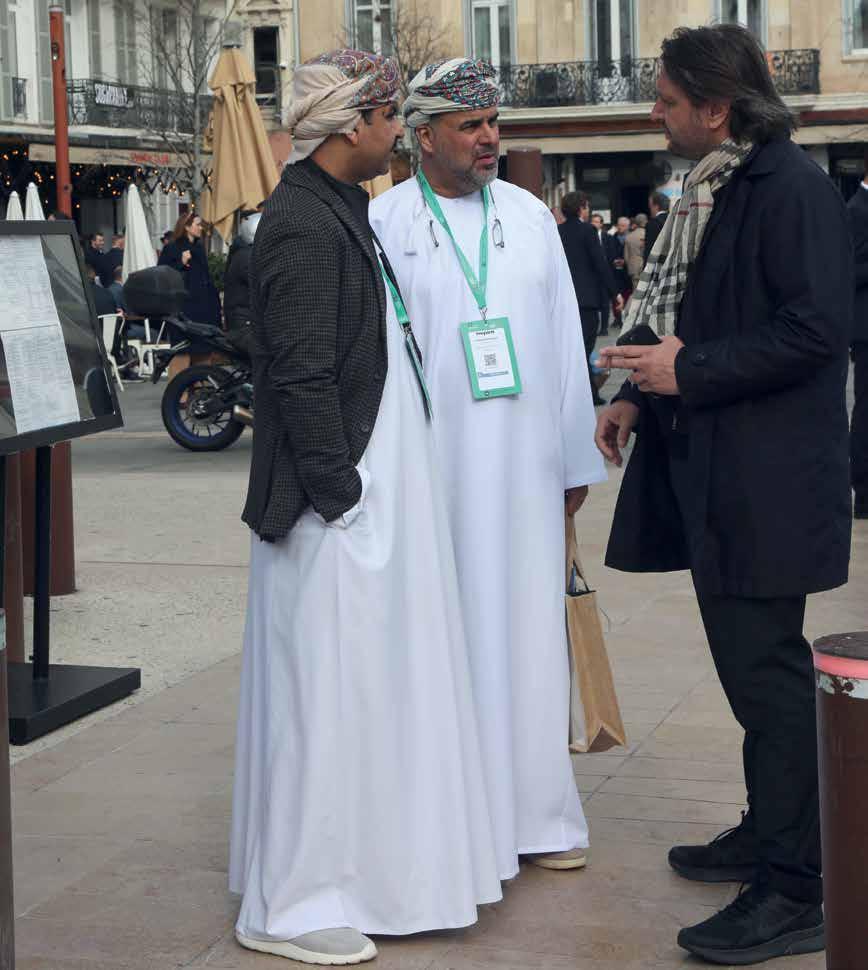
MIPIM 2026
“Negócios
“Big bucks business deals” are made outside the Palais
Portugal esteve bem representado num MIPIM que esteve mais cheio cá fora do que lá dentro. Atrevemonos a dizer que foi nas esplanadas, entre uma bière e um flute, que se fizeram bons negócios ao ar livre.
Portugal was well represented at MIPIM that was busier outside than it was within. We would go as far as to say that between the bière and the flute, good deals were made out in the open air.
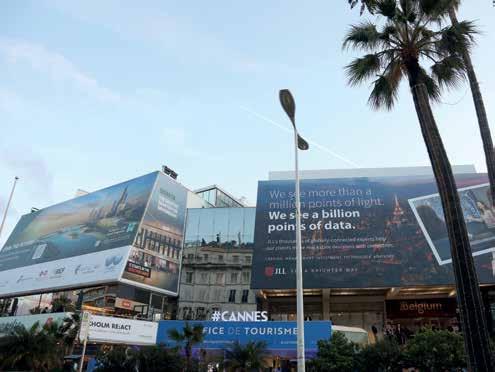
Quem visita habitualmente o MIPIM, que decorre no Palais des Festivals, em Cannes, França, sentiu, este ano, e de uma forma geral, um arrefecimento do ambiente: corredores a “meio gás” e longe das multidões de outras épocas; pavilhões iguais a anos anteriores; e poucas novidades. Ainda que a organização tenha revelado os vistosos números de 20 mil delegados que representaram 90 países.
Entre portas e percorrendo a passadeira vermelha, basicamente, houve quatro momentos a destacar.
O primeiro, como não podia deixar de ser, prende-se com a maior presença de sempre de empresas e entidades oficiais de Portugal. Às habituais participações de promotores e arquitectos, da Sonae, Região da Grande Lisboa, Greater Porto e Fundão, juntaram-se as comunidades intermunicipais do Médio Tejo, Oeste, Lezíria do Tejo e Coimbra, presente esteve também a Greenvolt e vários presidentes de câmara. Com destaque para o autarca Carlos Moedas agraciado no MIPIM. O nosso país esteve bem representado, com espaços dinâmicos, muitas apresentações de projectos. Questionamos apenas se terão retorno face ao elevado investimento que fizeram neste certame de luxo, esperemos que sim. A poucos passos dos stands portugueses estava o espaço expositivo mais interessante da feira: Albânia. Com uma comunicação
original e maquetas de edifícios extraordinários, conquistaram os visitantes e foi, talvez, o mais concorrido do MIPIM.
O Brasil esteve também em grande. Estavam à procura de investidores internacionais para o complexo turístico-residencial sustentável de grande escala em desenvolvimento em Maricá, Rio de Janeiro. Até ao momento este mega projecto já conta com empresários brasileiros, espanhóis, chineses e americanos. Thais Padua, responsável de Marketing Digital, avançou que o projecto vai contar com “três hotéis, entre os quais o primeiro Ritz-Carlton Reserve, e 436 Branded Residences”. Disse-nos ainda que têm “a expectativa de acolher 500 mil turistas por ano” e que este projecto será também uma Smart City com “8000 casas, escola, hospital, espaços comerciais, de desporto, cultura e business centres, além da Maraey Hospitality Business School by EHL.” Tudo isto inserido na 5ª maior reserva natural privada do Brasil. Não admira, pois, que tenham triunfado nos MIPIM Awards na Categoria “Melhor Novo Mega Empreendimento”.
O último ponto que vale a pena mencionar prende-se com a apresentação do Prémio Nobel da Economia de 2025. Philipe Aghion deu a devida importância ao sector imobiliário como chave fundamental para a transição para cidades mais centradas nas comunidades e na sustentabilidade. Ele, que foi reco -
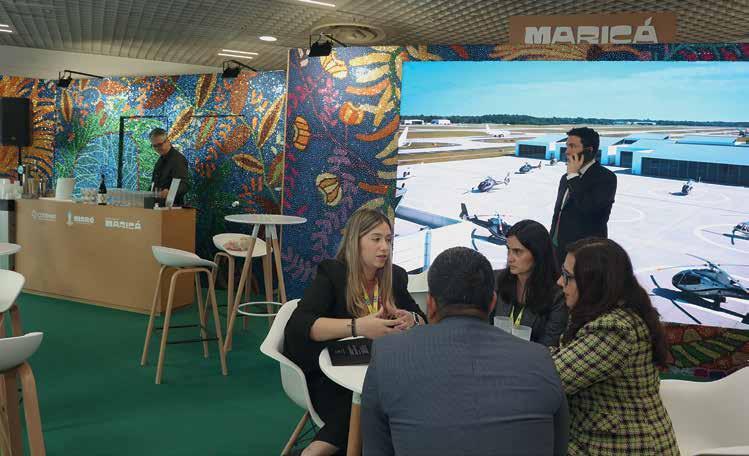
nhecido pela sua teoria da “Destruição Criativa”, defendeu que os edifícios ineficientes devem dar lugar a edifícios mais sustentáveis e os novos devem ser “net zero”.
Deixei para o fim o espaço mais dinâmico de todo o MIPIM: as ruas, praças, esplanadas e cafés ao redor do Palais des Festivals. Ao que parece, a plataforma do MIPIM funciona e todos os profissionais levam na bagagem uma agenda de reuniões de negócios pré-definida. Mau grado o metting point não foi nos expositores, nem nas salas de conferências, mas ao ar livre.
Falámos com um alemão que nos disse que, depois de a chuva ter passado, o melhor sítio para se encontrar investidores e investimento era na esplanada, com uma cerveja na mão. Como afirmou: “Poupamos milhares de investimento lá dentro, e ganhamos milhões cá fora.” Duas francesas corroboraram esta afirmação: “Participamos há vários anos ao MIPIM e este ano decidimos entrar apenas no segundo dia para ver quem estava no Palais, mas os encontros estamos a fazê-los aqui nesta bela praça a ver o mar, não há nada melhor!” Algo está, pois, a mudar nos negócios da Riviera francesa…
De 15 a 19 de Março de 2027 o MIPIM regressará a Cannes e a Magazine Imobiliário também.
Those who usually attend MIPIM that takes place at the Palais des Festivals in Cannes, France, this year generally felt a cooling environment: aisles less crowded than usual and far from the crowds seen in the past; pavillions much the same as in past years; and few novelties. Although the organisers revealed numbers of 20,000 delegates representing 90 countries.
Between the turnstiles and the red carpet there were basically four highlights that stood out.
The first, which was a given, had to do with the largest presence ever from Portuguese companies and official entities. The usual delegations made up of developers and architects, Sonae and the Greater Porto, Greater Lisbon and from Fundão joined the inter-municipalities of Mid-Tejo, East, Lezíria do Tejo and Coimbra. Greenvolt was also there as were several mayors. The spotlight was on the Mayor of Lisbon who graced MIPIM with his presence. Our country was well
represented, with exciting spaces, many presentations and developments. We would on question if there will be the return on the high level of investment that they made at this luxury fair. We hope so.
A few feet from the Portuguese stands was the most interesting stand at the fair: Albania. With an original communication concept and extraordinary building models, they won over the visitors, and it was perhaps the most popular stand at MIPIM.
Brazil was also there in force. They were looking for international investors for a large-scale sustainable tourist-residential complex being developed in Maricá, Rio de Janeiro. At the moment this mega project already has Brazilian, Spanish, Chinese and American investors.
Thais Padua, head of Digital Marketing, revealed that the project would include “three hotels of which among the first is the RitzCarlton Reserve and 436 Branded Residences”. She also tells us that they “expect to accommodate 500,000 tourists per year” and that this project will also be a Smart City with 8,000 homes, a school, hospital, shopping, culture and sport spaces and business
O nosso país esteve
bem representado, com espaços dinâmicos, muitas apresentações e projectos
Our country was well represented, with exciting spaces, many presentations and developments.”
centres, in addition to the Maraey Hospitality Business School by EHL”. All this within the 5th largest private natural reserve in Brazil. It is no wonder that it triumphed at the MIPIM Awards in the Category “Best New Mega Development.”
The last point that’s worth mentioning has to do with the presentation of the Nobel Prize for Economy 2025. Philipe Aghion gave due importance to the real estate sector as a fundamental key to the transition of cities more centred on communities and sustainability. He, who was recognised for his ‘Creative Destruction’ theory, argued that inefficient buildings should give way to more sustainable buildings and the new ones should be ‘net zero.’
I leave to last the most exciting space of all at MIPIM: the roads, squares, esplanades, and cafés around the Palais des Festivals. From what it seems, the MIPIM app and website work and all the professionals had an
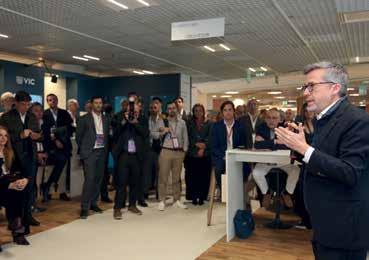
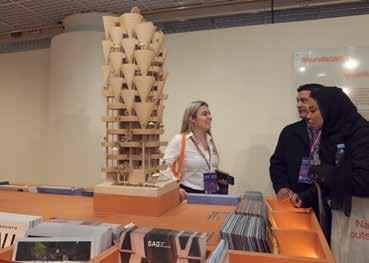
agenda of pre-defined business meetings in their luggage. Notwithstanding, the meeting point is not at the exhibition stands nor in the conference rooms, but outside in the open air.
We spoke with a German who told us that after the rain had passed, the best place to find investors and investment was on the esplanade with a beer in hand. As he affirms: “We have saved millions of investments within and earned millions outside.” Two French corroborated this statement: “For several years we have been at MIPIM and this year we decided to go on the second day only to see who was at the Palais, but the meetings we’ve set up are here on the lovely square looking at the sea, and there’s nothing better!” Something is indeed changing in business on the French Riviera.
MIPIM returns to Cannes from March 15-19, 2027, and Magazine Imobiliário will be there too.
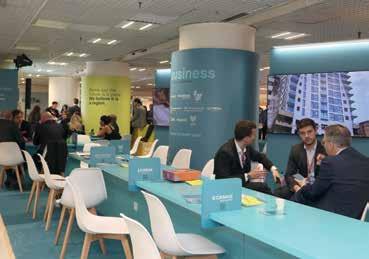
United Kingdom

Há cerca de dois anos, nestas páginas do Magazine Imobiliário, tive a oportunidade de expôr o conceito de um instrumento financeiro muito em voga: o crédito privado (private credit). Como então referi, trata-se de um modelo de investimento onde se providencia crédito a operadores e promotores através de um fundo alimentado por contribuições de capital de investidores. A novidade reside na flexibilidade dos termos pois, tratando-se de um fundo, não está sujeito às restrições do enquadramento regulatório dos bancos centrais. O contrato entre as partes é quase inteiramente livre e alguns fundos especializam-se em estratégias específicas, seja na promoção, ou por segmentação de sector.
O crédito privado cresceu de forma massiva, não só no imobiliário, mas em diversos sectores, concorrendo hoje com os investimentos tradicionais e com o private equity ao nível de activos sob gestão nas grandes gestoras, tal é a apetência dos investidores institucionais. Em Portugal, embora não seja tão preponderante como nos EUA ou no Reino Unido, alguns promotores e operadores têm aproveitado a oferta de crédito por parte destes fundos. Tendem a ser firmas de capital estrangeiro, com fluxos canalizados através do Luxemburgo, devido ao enquadramento regulatório e legal português.
O sector financeiro é visceralmente atacado sempre que ocorre uma crise. Na maioria das vezes, com fundamentada razão. Afinal de contas, os agentes do sector deveriam saber o que fazem, merecer a confiança de quem lhes entrega as poupanças e não depender dos contribuintes quando as coisas correm mal. Foi assim em 2008, quando os bancos libertavam
crédito a quem não o podia pagar. E foi assim em crises anteriores, com diferentes alavancas e contextos. Para mim, o fio condutor é sempre o mesmo: o sector financeiro pega numa ideia boa e válida, e leva-a ao exagero, para além do economicamente viável. Os incentivos individuais de curto prazo falam mais alto e, com o embalo dos mercados, as consequências acabam por surgir, roçando por vezes a catástrofe. Muitos comentadores prevêem que estamos perante um momento similar no crédito privado. Sempre que uma estratégia de investimento gera atenções e capitais excessivos, há quem a queira equiparar a bolhas históricas. O paralelo mais comum é precisamente 2008: onde há capital e crédito abundante, surgem os excessos e o retorno deixa de compensar o risco. Embora reconheça a existência de excessos, não concordo que estejamos perante uma catástrofe iminente. Passo a explicar:
1. Estrutura de Capital: O crédito privado é feito, sobretudo, através de fundos. Os investidores contribuem com capital e as perdas estão largamente limitadas a essas contribuições. Esta estrutura difere radicalmente da alavancagem que, até 2007, chegava a atingir rácios de 40 para um em alguns bancos. É verdade que muitos fundos de crédito privado alavancam os seus recursos na proporção de 30% a 50%, mas estes montantes são monitorizados pelos bancos credores e não constituem um risco sistémico. Este financiamento é uma ínfima percentagem do que foi o crédito à habitação no mundo ocidental durante o boom pré-2008.
2. Liquidez e Resgates: Grande parte destes fundos possui uma estrutura idêntica aos fundos de capital de risco (venture capital):
os investidores libertam capital à medida das necessidades de investimento. O fundo não proporciona liquidez imediata e o gestor não é obrigado a resgatar o investidor, excepto quando o crédito vence. Não há, portanto, uma “corrida ao banco” nem vendas forçadas de activos.
3. Diligência: Os gestores são, na sua maioria, cuidadosos, aplicando regras de diversificação e análises de crédito análogas às do sector bancário tradicional.
4. Activos Reais: No caso do imobiliário, o facto de o crédito ser sustentado por activos reais traz uma estabilidade acrescida à relação entre as partes.
Aqui entra, porém, o “senão” e a minha tese de que o sector financeiro tende a corromper as boas ideias. Na ânsia de angariar mais capital, muitos gestores alteraram as características dos fundos para atrair fundos de pensões individuais e investidores de retalho. Embora seja favorável à democratização do investimento, estes investidores têm de estar cientes de que o prémio de retorno advém de riscos como a menor liquidez e a maior concentração de crédito. O que tem acontecido, principalmente no mercado norte-americano, é a tentativa de “empacotar” estes créditos em veículos que oferecem alguma liquidez. Isto, aliado a uma concentração em sectores sujeitos à disrupção da Inteligência Artificial, gerou a tempestade perfeita para uma corrida à liquidez. Este fenómeno só não domina as notícias devido à decisão da administração Trump em abrir uma frente de guerra no Irão. O efeito tem sido uma queda abrupta, não só nas acções das gestoras cotadas, mas nos próprios fundos de crédito privado lançados em bolsa. Caso tivessem mantido a forma de fundo institucional, sem liquidez, provavelmente nem se falaria do caso. Assim, as gestoras enfrentam agora sérias dificuldades em levantar novos fundos e renovar o capital. Haveria mais nuances a explicar desta derrocada do crédito privado, mas terá que ficar para uma próxima oportunidade. Mas mais uma confirmação de que uma boa ideia pode ser levada ao excesso e onde quase todos perdem.
About two years ago, in the pages of Magazine Imobiliário, I had the opportunity to outline the concept of a financial instrument that has become highly fashionable: private credit. As I noted then, this is an investment model where credit is extended to operators and developers via a fund fuelled by capital contributions
from investors. The novelty lies in the flexibility of the terms; being a fund, it is not subject to the regulatory constraints imposed by the respective regulators. The contract between parties is almost entirely bespoke, and some funds specialise in specific strategies, whether developers or specific sectors. Private credit has grown massively, not only in real estate but across various sectors, now rivaling traditional investments and private equity in terms of Assets Under Management (AUM) within major firms, such is the appetite of institutional investors.
In Portugal, although not as prevalent as in the US or the UK, some developers and operators have been tapping into the liquidity offered by these funds. These tend to be foreign-capital firms, with flows channelled through Luxembourg due to the Portuguese regulatory and legal framework.
The financial sector is viscerally attacked whenever a crisis occurs. Most of the time, with good reason. After all, industry players ought to know what they are doing, deserve the trust of those who hand over their savings, and should not depend on taxpayers when things go south. This was the case in 2008, when banks were extending credit to those who could not afford it. It was also the case in previous crises, with different levers and contexts. To me, the common thread is always the same: the financial sector takes a good, valid idea and pushes it to an extreme, far beyond what is economically viable. Short-term individual incentives override caution and, with a bit of market momentum, the consequences eventually surface, sometimes bordering on catastrophe.
Many commentators posit that we are facing a similar moment in private credit. Whenever an investment strategy attracts excessive attention and capital, there is a tendency to equate it with historical bubbles. The most common parallel is precisely 2008: where there was abundant capital and credit, excesses emerge and the returns no longer compensate for the risk. While I recognise that excesses exist, I do not agree that we are facing an imminent catastrophe. Here are my reasons:
1. Capital Structure: Private credit is primarily offered through funds. Investors commit capital, and losses are largely ring-fenced to those contributions. This structure differs radically from the bank model where leverage, leading up to 2007, reached ratios of 40:1 at some institutions. Whilst it is true that many private
credit funds use back leverage of 30% to 50%, these amounts are highly monitored by creditor banks and do not constitute a systemic risk. This financing is a tiny fraction of what residential mortgage debt represented across the Western world during the pre-2008 boom.
2. Liquidity and Redemptions: Most of these funds have a structure identical to closedended private equity or venture capital funds: investors drawdown capital as investment needs arise. The fund provides no immediate liquidity, and the manager is under no obligation to redeem the investor until the underlying credit matures. Consequently, there is no “run on the fund” and no forced fire-sales of assets.
3. Due Diligence: Managers are, for the most part, diligent and cautious, applying diversification rules and credit analysis analogous to that of the traditional banking sector.
4. Real Assets: In the case of real estate debt, the fact that the credit is backed by “bricks and mortar” brings added stability to the relationship between the parties. However, herein lies the “catch” and my thesis that the financial sector tends to corrupt good ideas. In the rush to gather more AUM, many managers have adopted different fund structures to attract retail investors and individual pension pots. While I am a proponent of democratising investment, these investors must be fully aware that the yield premium stems from risks such as lower liquidity and higher concentration.
What has been happening, particularly in the US market, is an attempt to “repackage” these credits into vehicles offering some degree of liquidity. This, coupled with a concentration in sectors vulnerable to AI disruption, has created a “perfect storm” for a run on liquidity in these vehicles. This phenomenon does generate more headlines, only because the Trump administration’s decided to open a war front in Iran, which has dominated the news cycle. The result has been a sharp decline, not only in the share prices of listed asset managers but also in the listed private credit funds they launched. Had they maintained the institutional, illiquid fund structure, this would likely not even be a talking point. As it stands, managers are now struggling to raise new funds and renew their fund capital.
This is yet more confirmation that a good idea, when taken to excess, eventually leads to almost everyone loosing.
Anabela Loureiro
Na cerimónia da 28ª edição do Prémio Nacional do Imobiliário, a Magazine Imobiliário promoveu um momento de humor em modo Inteligência Artificial (IA) e em torno do líder norte-americano.
Um avatar simples, que originou muitos sorrisos e algum borborinho. Algo muito longe da imagem IA em que Donald Trump surge como um moderno Jesus Cristo de aura brilhante e que cura doentes, ou vítimas de guerras promovidas pelos EUA não percebemos bem… Se há coisa que me ensinaram foi que a vaidade, a soberba e os superegos são um dos pecados mortais.
Há também uma legião de seguidores e cibernautas, desinformada, que idolatra estas imagens e que as vê como verdades bíblicas. A estes digo-lhes as palavras proferidas por Jesus Cristo durante o Sermão da Montanha (Mateus 7:15): “Acautelai-vos dos falsos profetas”.
A outros, desabafo: “Nunca mais é 2028!”
At the awards ceremony of the 28th Portuguese Real Estate Awards, Magazine Imobiliário organised a brief moment of humour using Artificial intelligence (AI) at the US president’s expense.
A simple avatar that caused a lot of smiles and some confusion. Somewhat a far cry was the AI image in which Donald Trump appears as a modern Jesus Christ with a brilliant aura curing the sick, or the victims of wars prosecuted by the USA, we can’t quite tell... If there is one thing that I was taught was that vanity, arrogance and superegos are one of the mortal sins.
There is also a legion of followers and misinformed cybernauts who idolise these images and see them as biblical truths. To these I say these words made by Jesus Christ during the Sermon on the Mount (Matthew 7:15): “Beware of false prophets.”
To others, I say: “Roll on 2028!”





Especialista ao seu lado faz toda a diferença
VICTORIA - Seguros, S.A. (NIPC 506 333 027) e VICTORIA - Seguros de Vida, S.A. (NIPC 502 821 060) En�dades legalmente autorizadas para a exploração de seguros dos Ramos «Não Vida» e «Vida» em Portugal, registadas junto da Autoridade de Supervisão de Seguros e Fundos de Pensões de Portugal, sob os códigos 1160 e 1096, respe�vamente. Capital Social EUR 34.850.000 e EUR 8.500.000, respe�vamente. Av. da Liberdade, 200 - 1250 -147 Lisboa - Portugal Telf. 21 313 41 00 (Custo de uma chamada para a