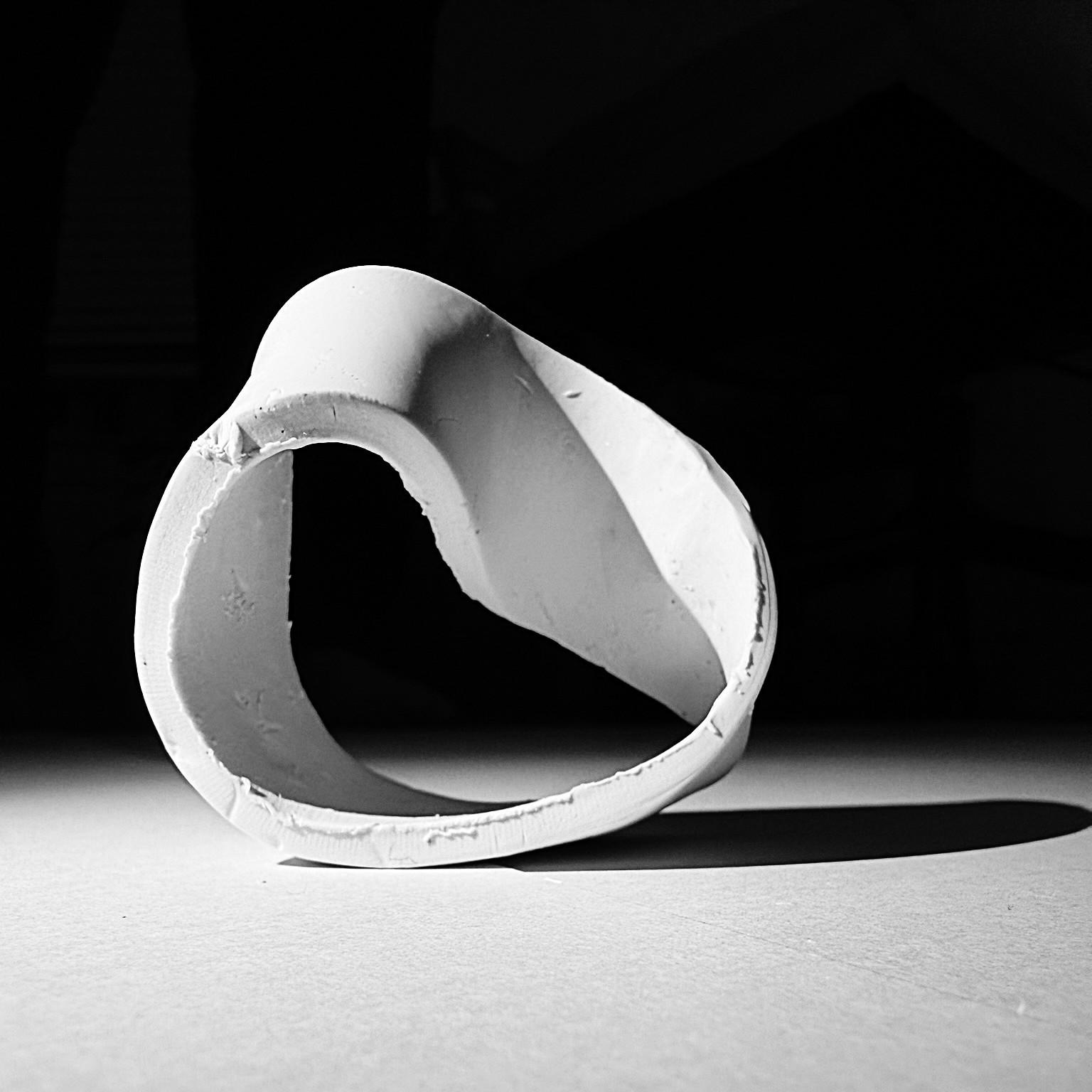
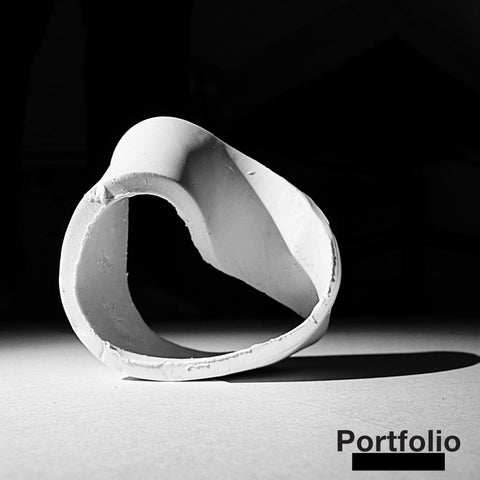
This project investigates how form is perceived differently from alternate viewpoints. Four distinct three-dimensional forms merge into the same shape when viewed from above, revealing how orientation can fundamentally alter spatial understanding. This approach draws from mathematical strategies that simplify complex forms through changes in perspective.
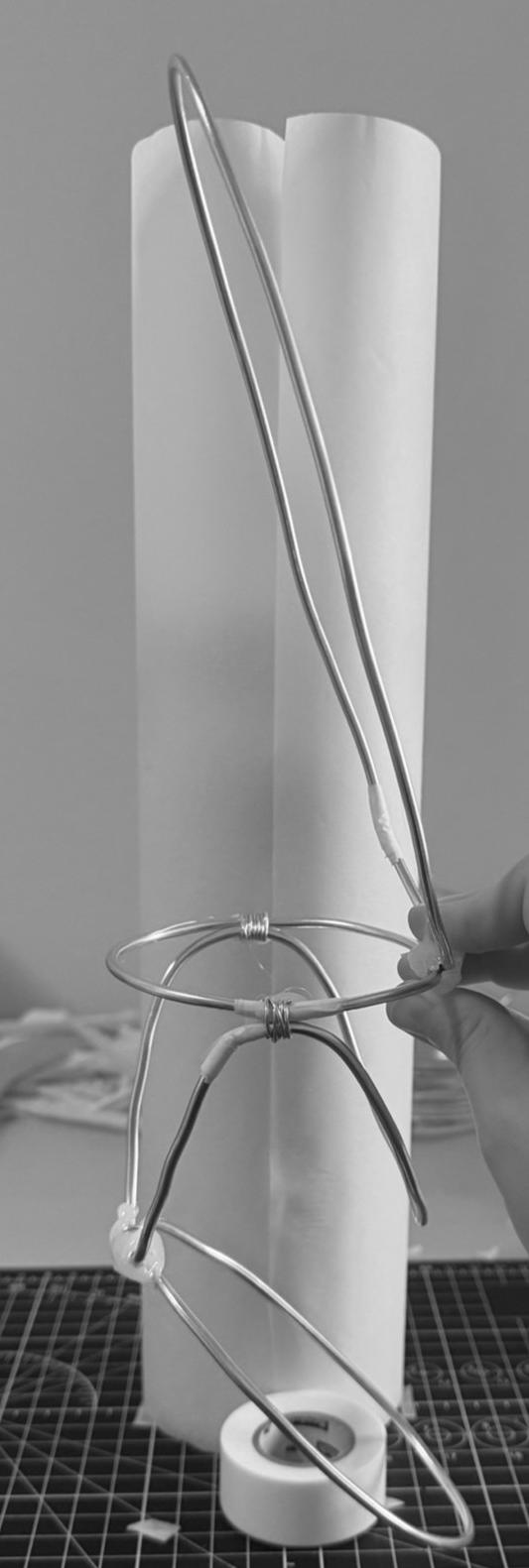
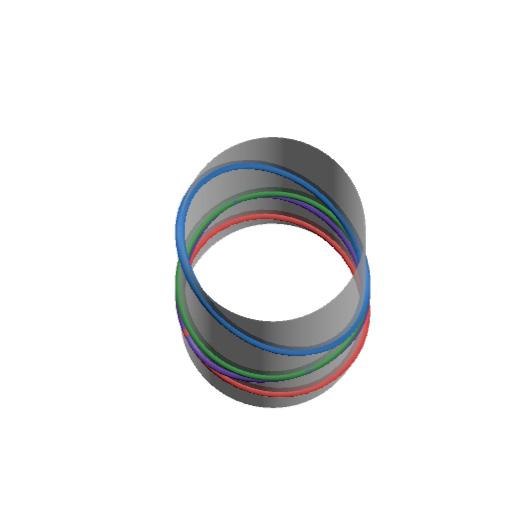
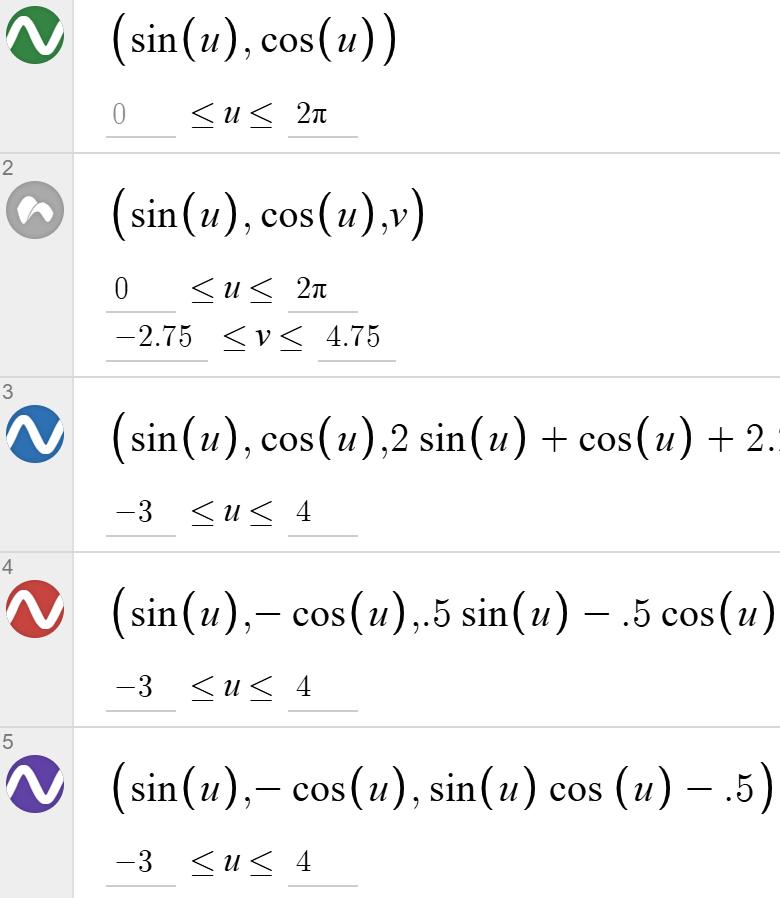
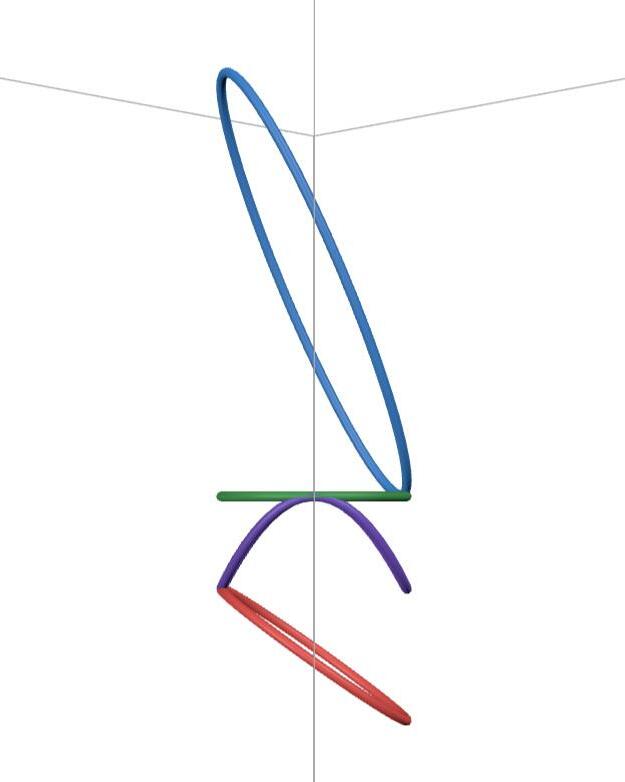
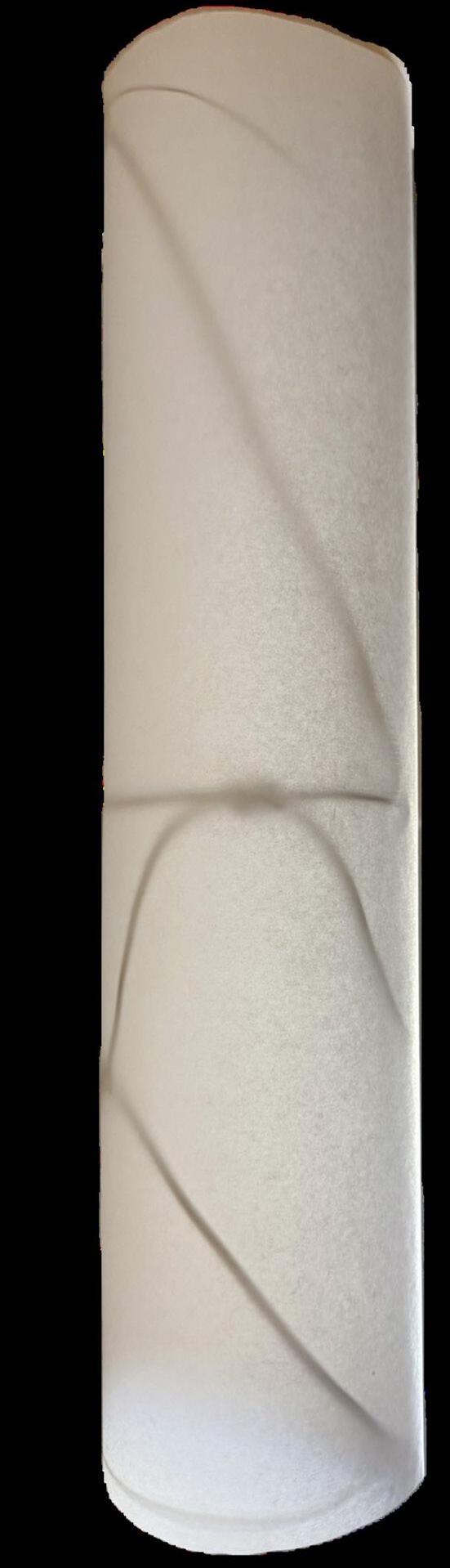
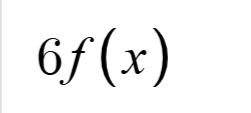
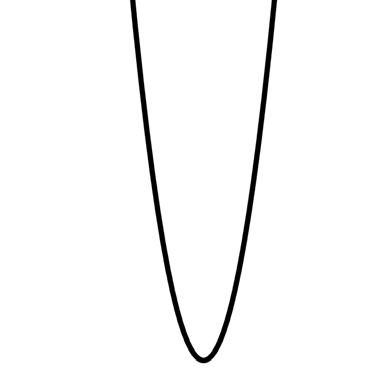
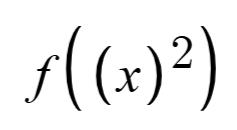
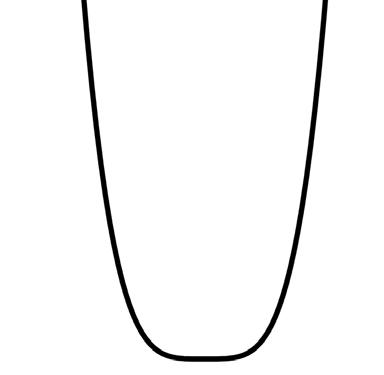
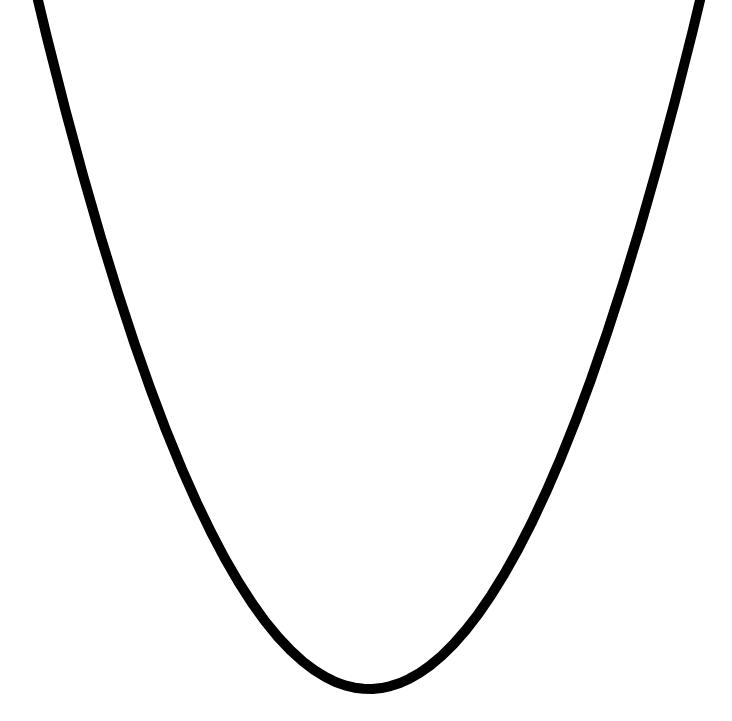
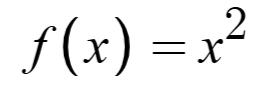

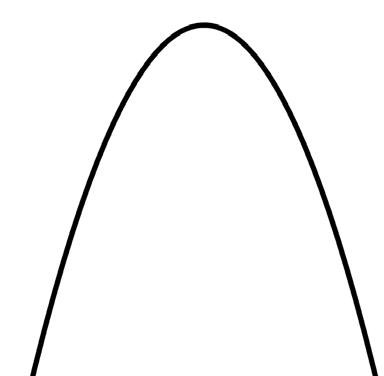
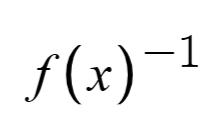
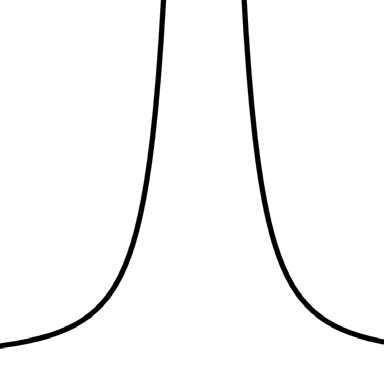
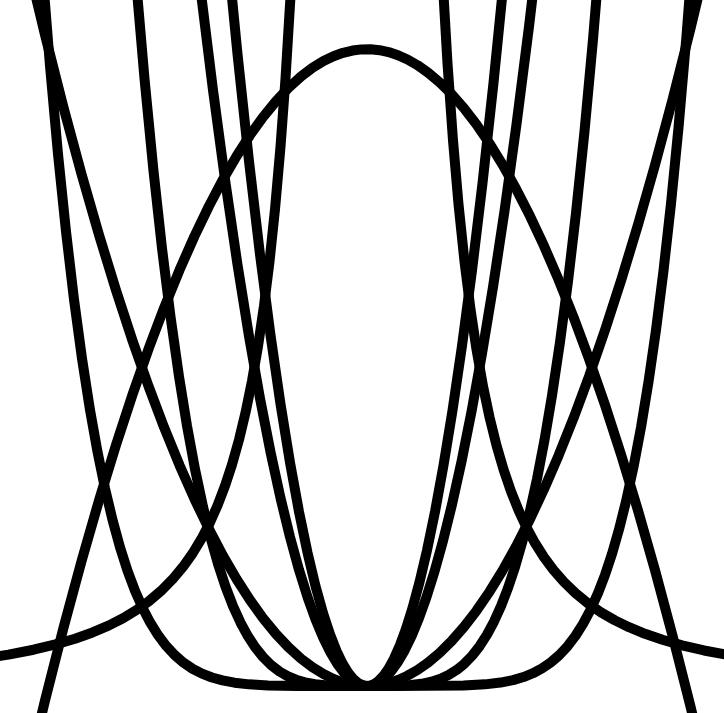


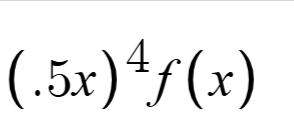

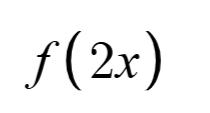
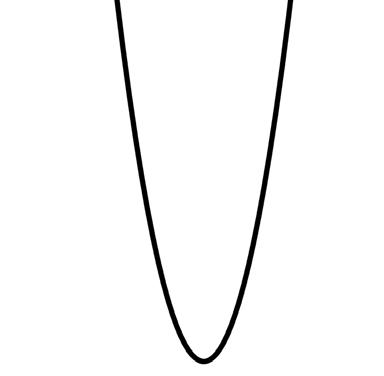
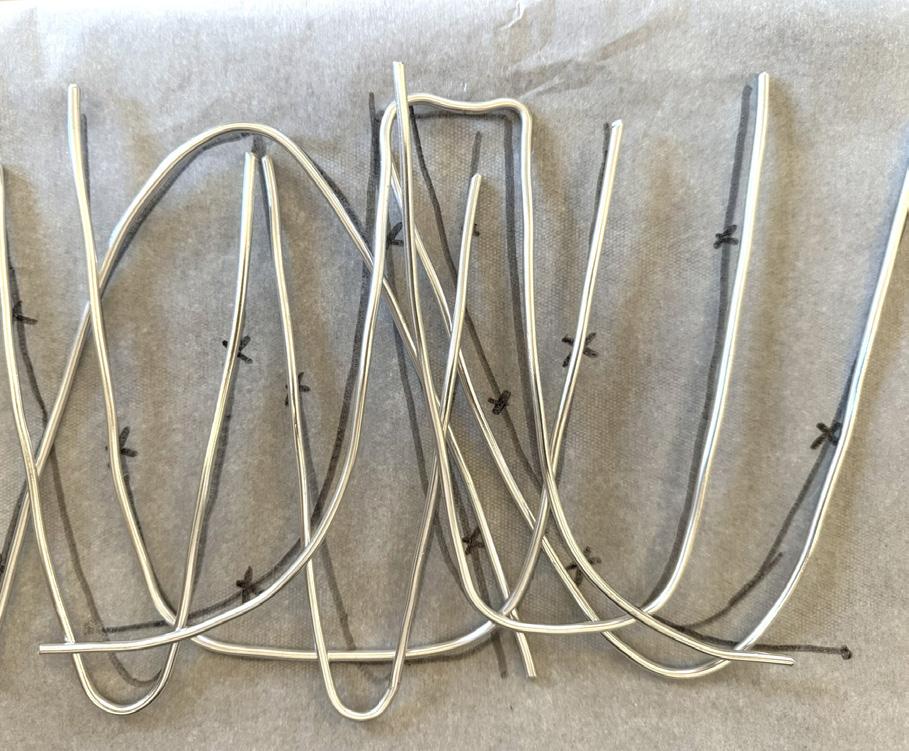
Simple transformations were applied to a two-dimensional curve and translated into three-dimensional form, revealing how perspective alone can produce multiple depictions from a single base geometry.
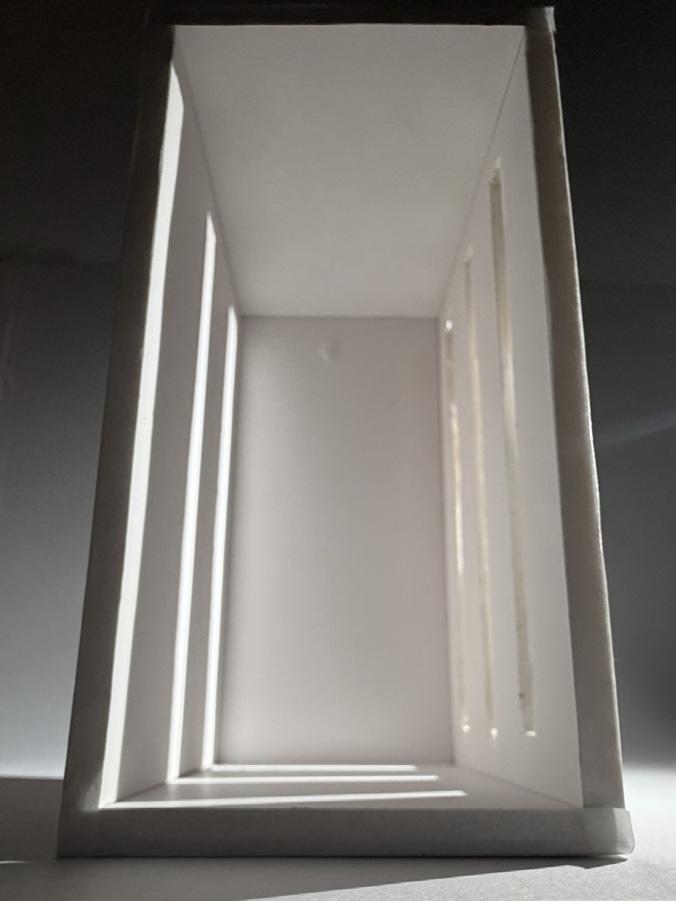
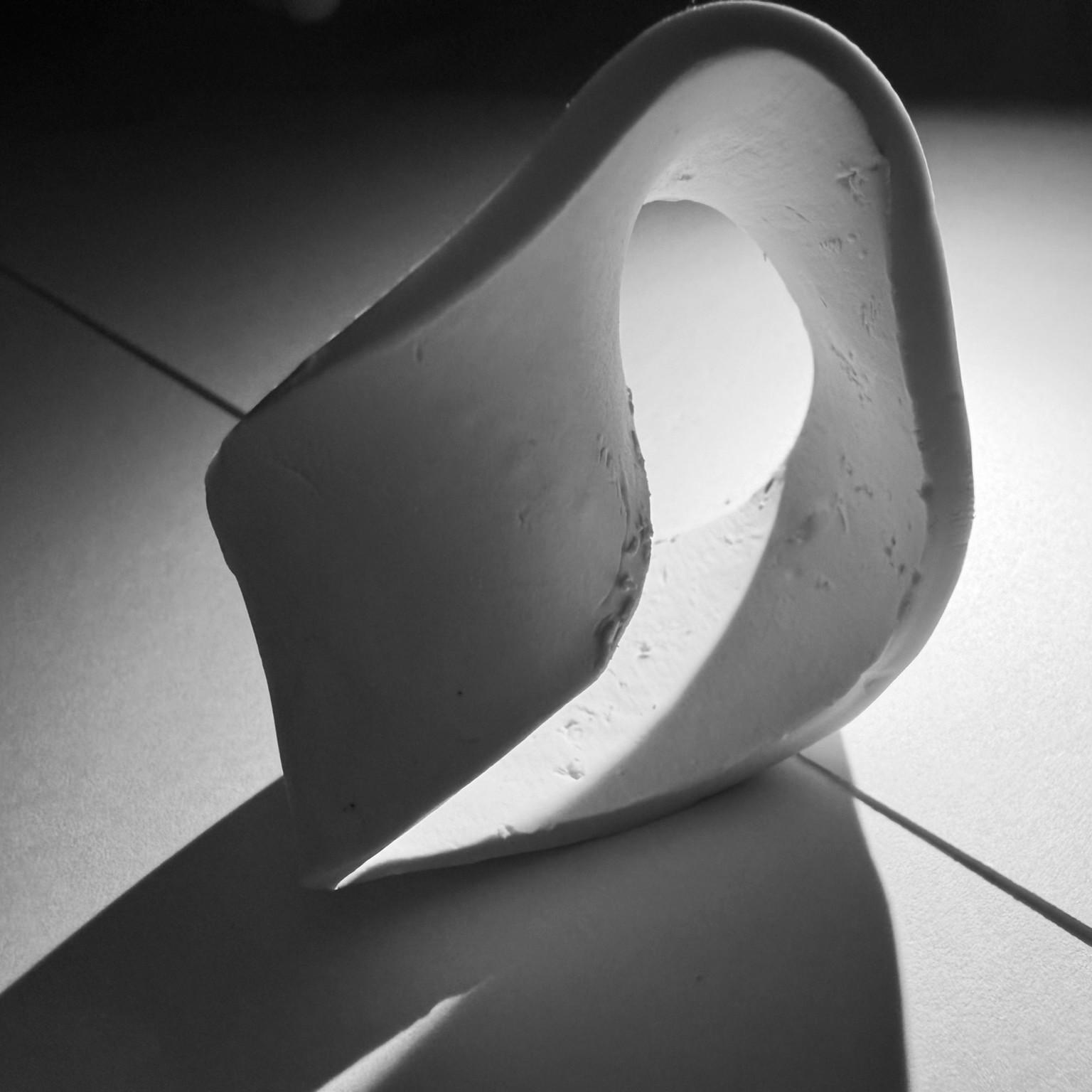
This project tests how light influences the mood and atmosphere of space. A simple rectangular prism, altered through shaped cutouts and variations in light intensity and direction, produces dramatically different spacial conditions.
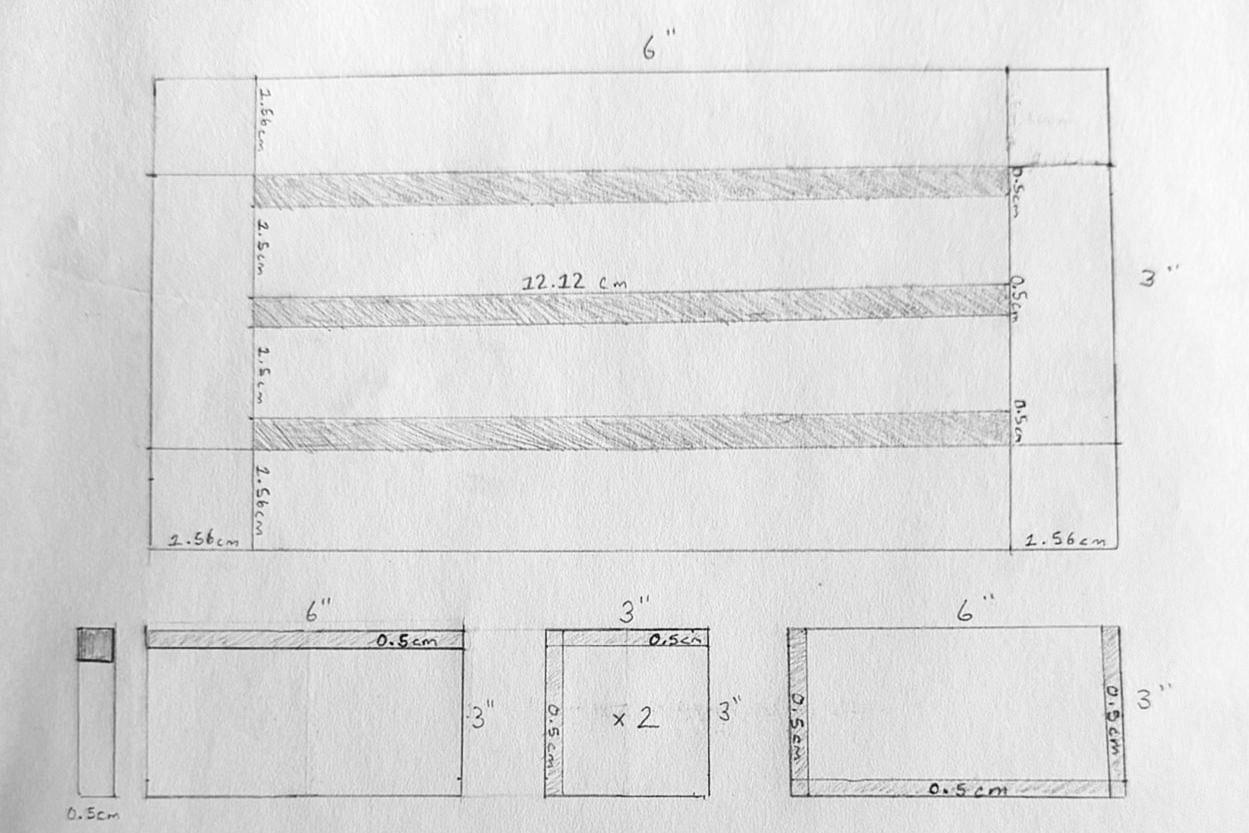
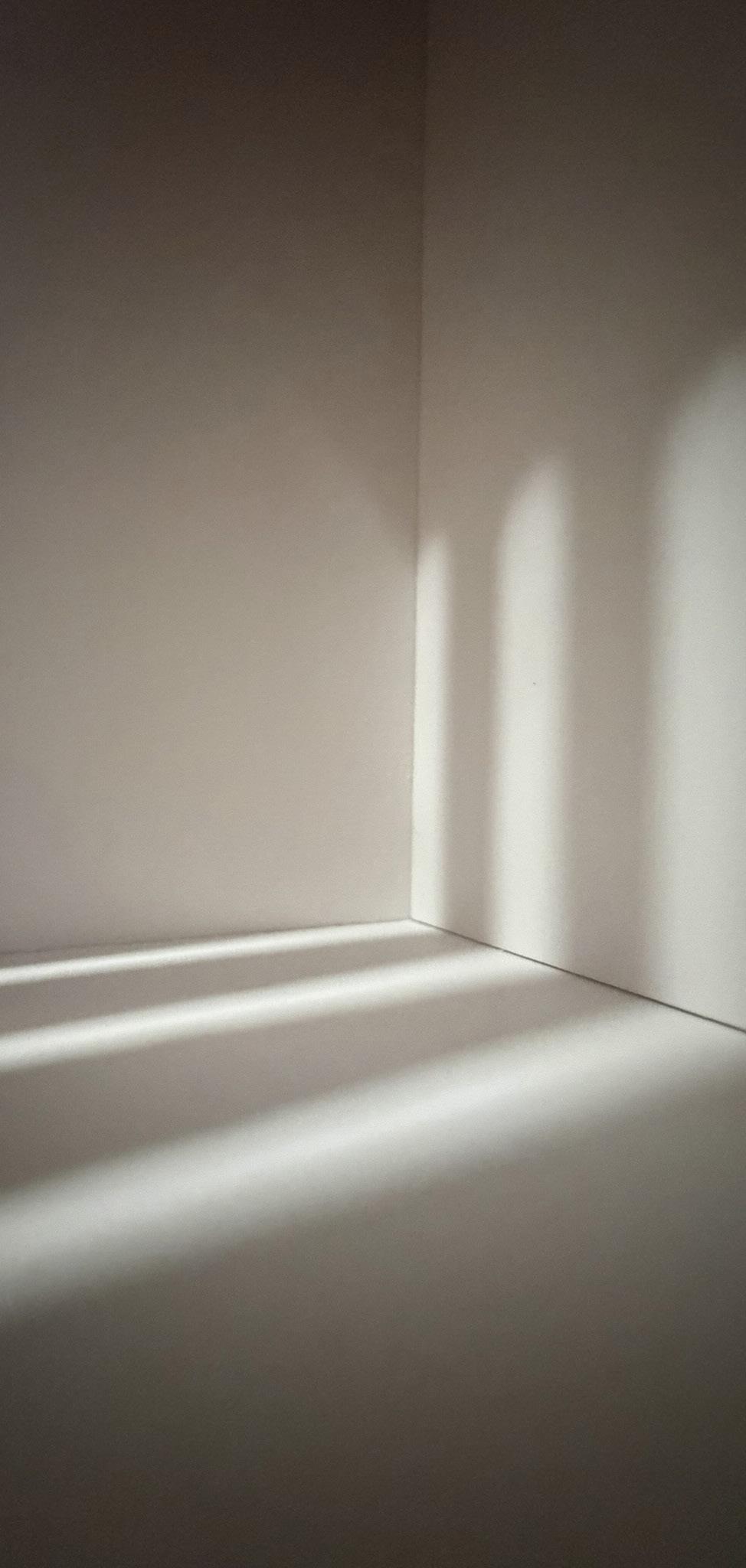
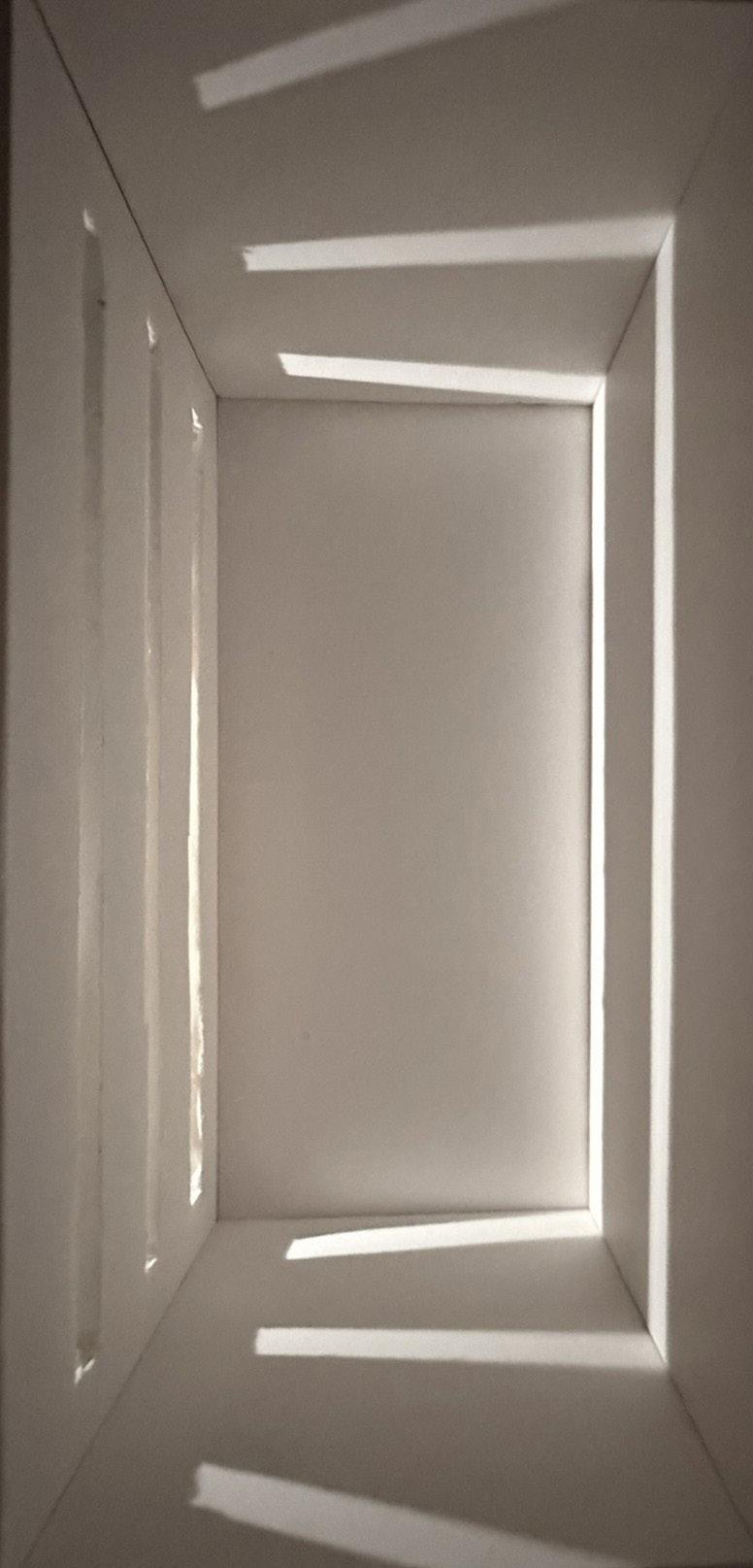
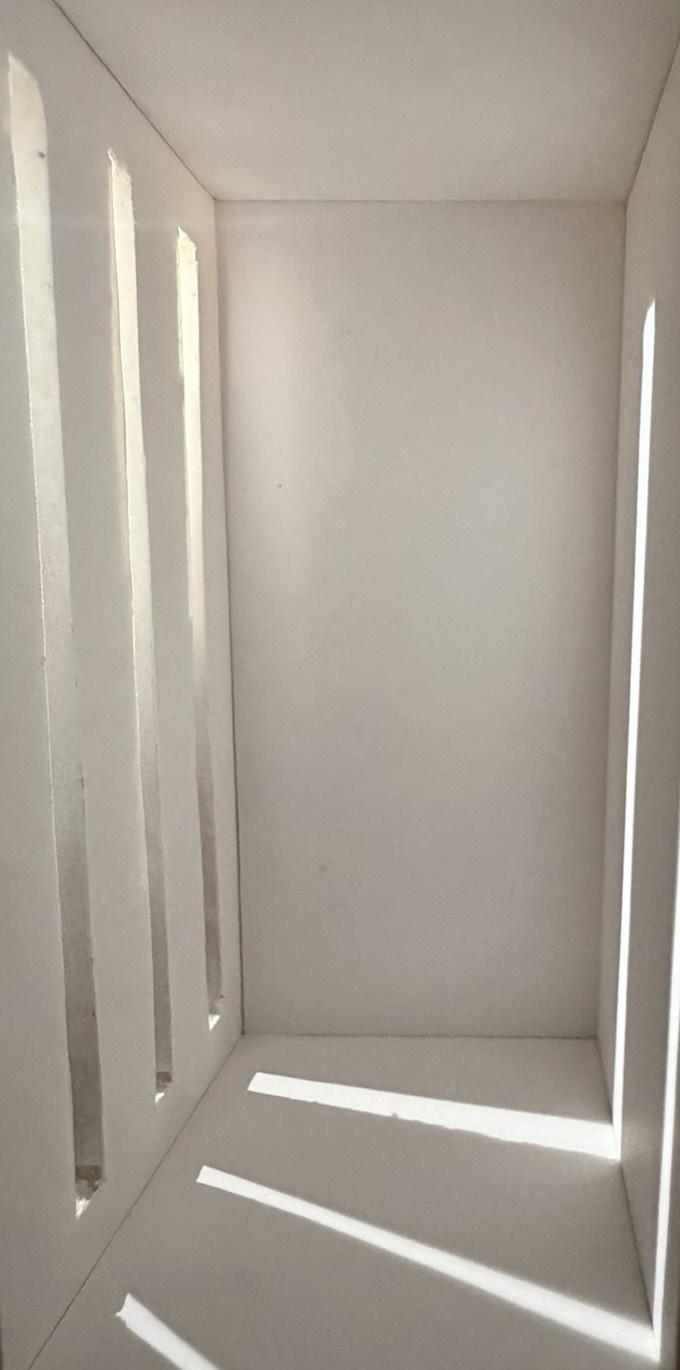
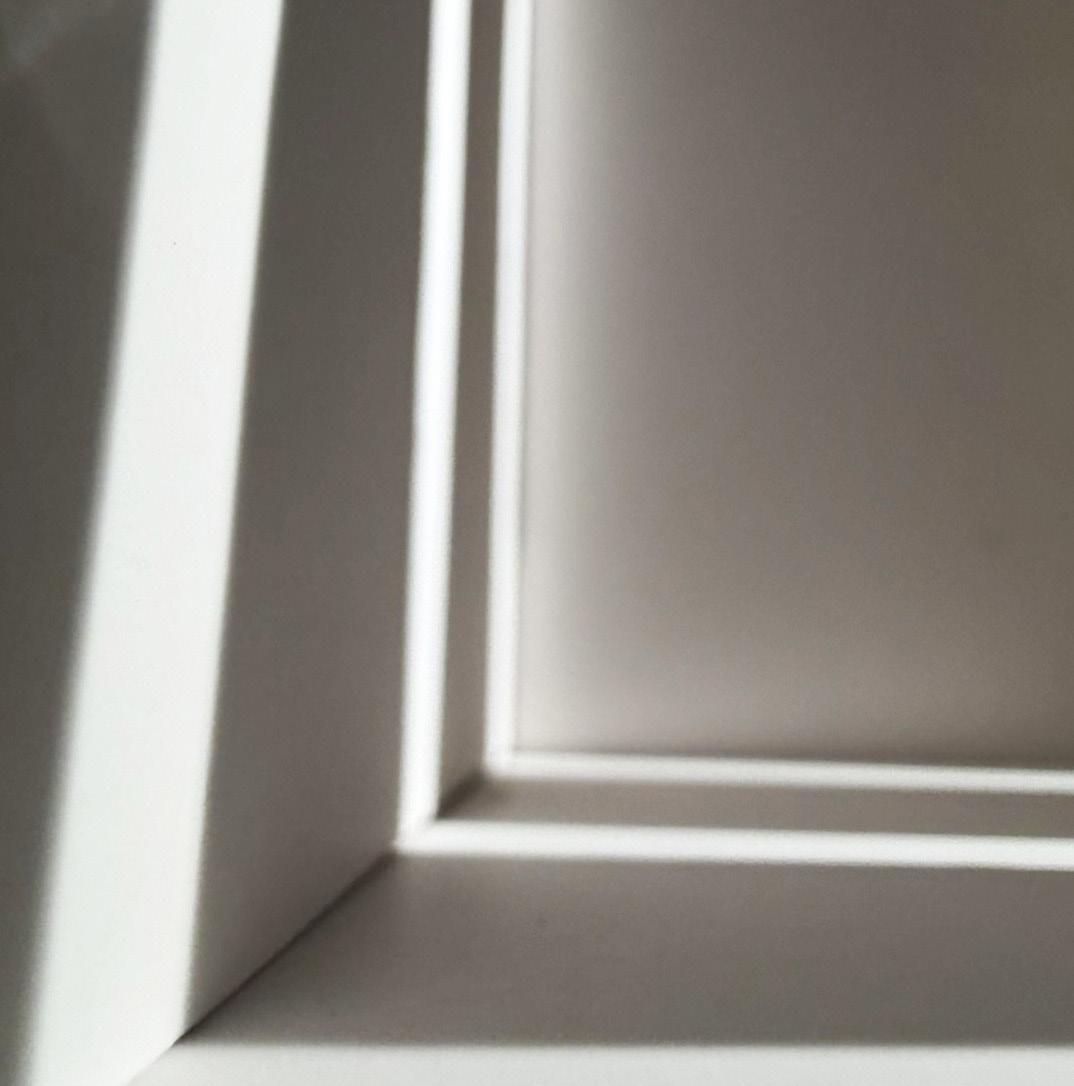
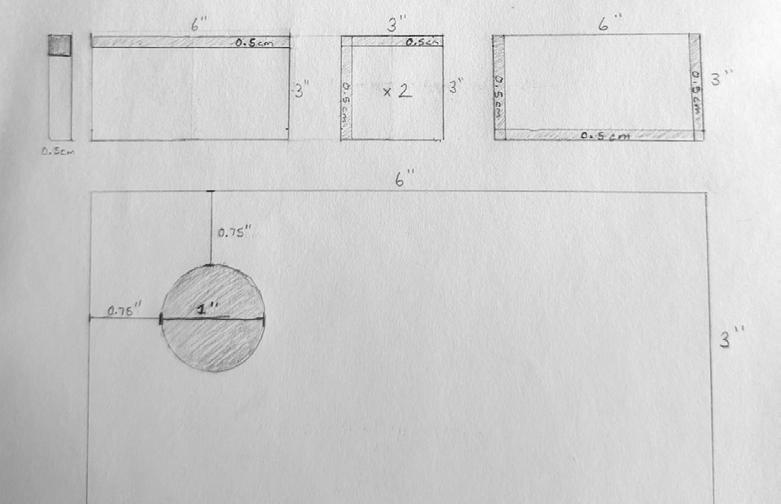
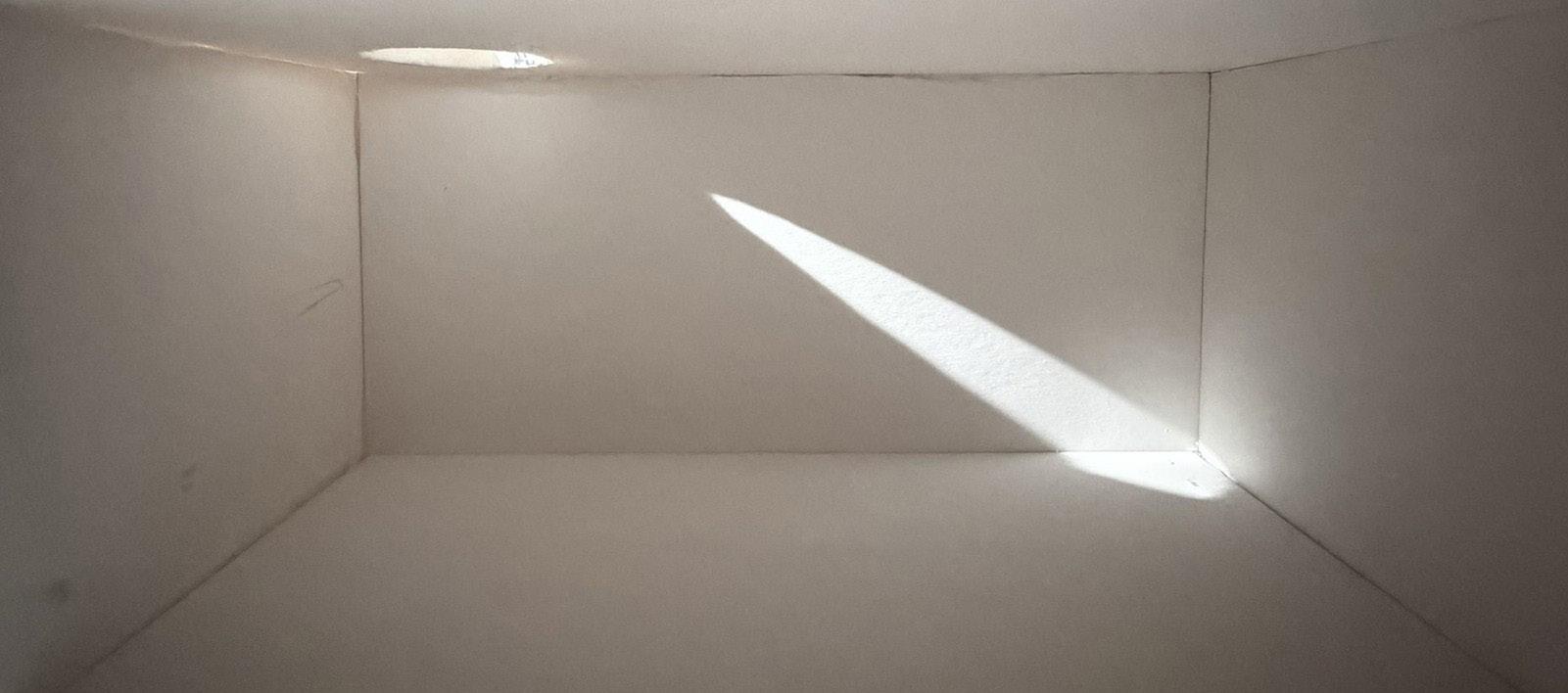
The path of light highlights different areas of an object while also defining patterns and shadows on the surface below. As light moves it traces form and produces shifting shadow patterns that redefine spatial relationships.
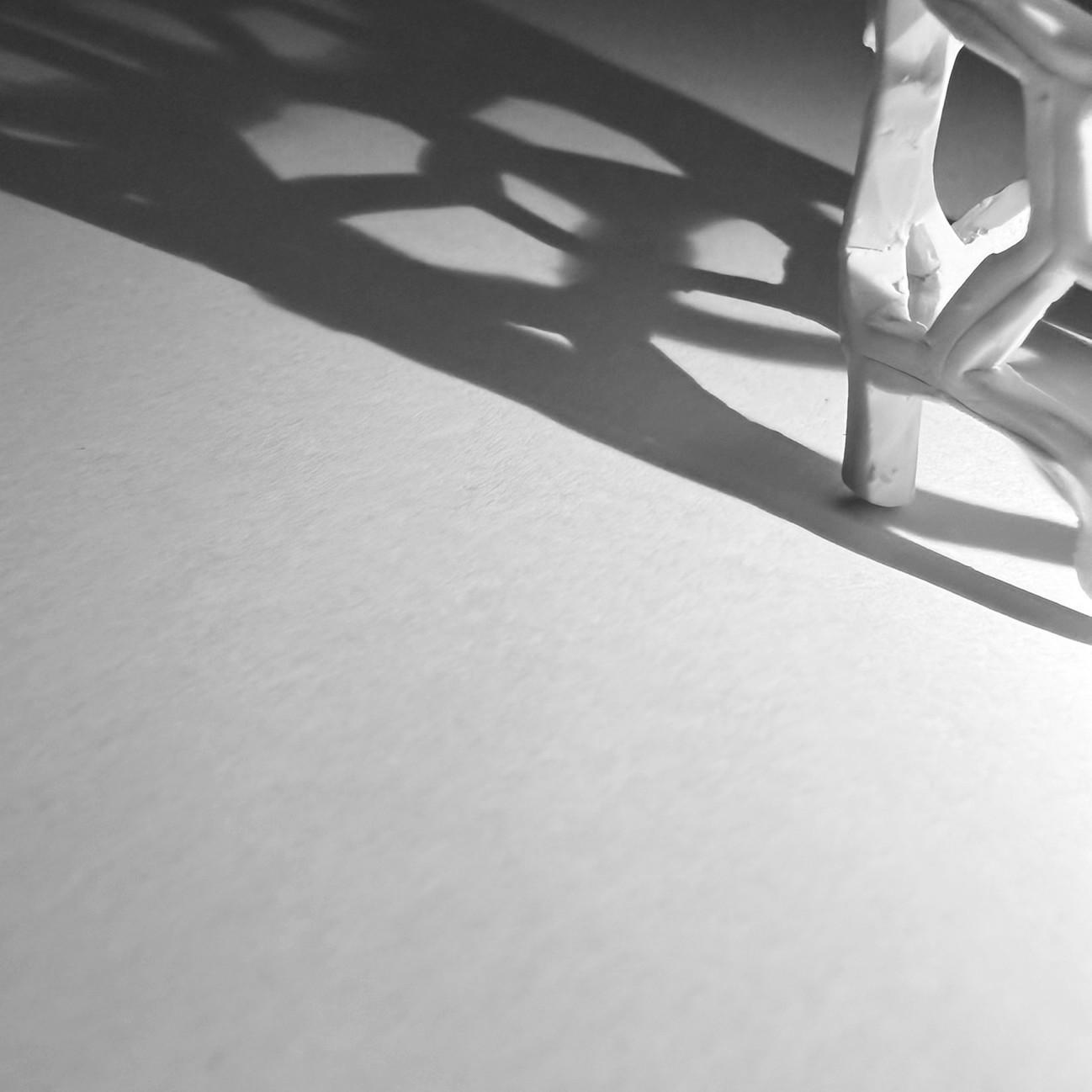
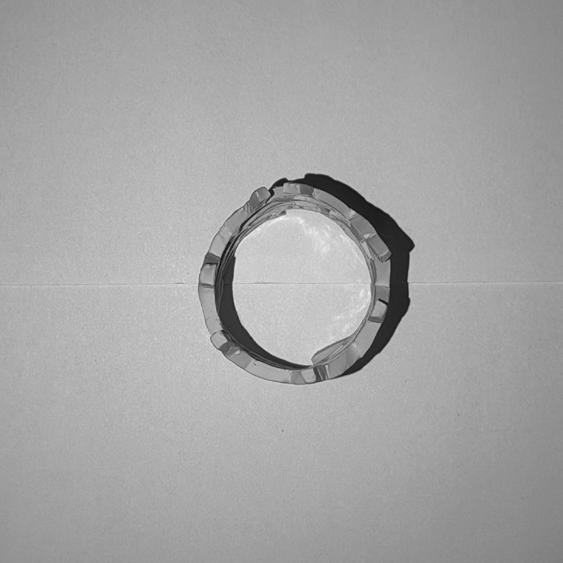
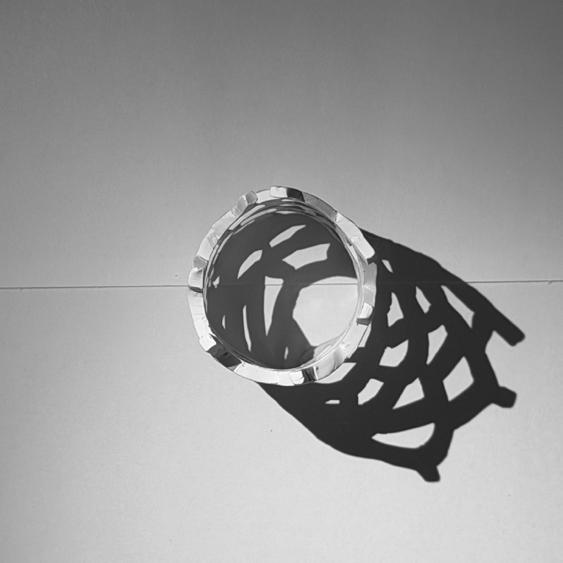

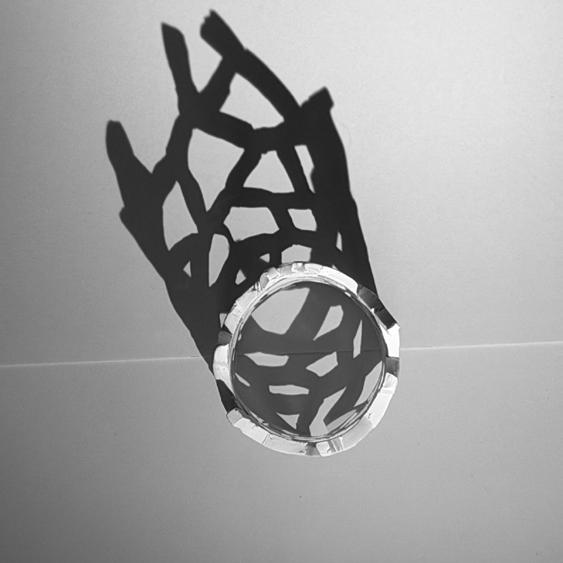
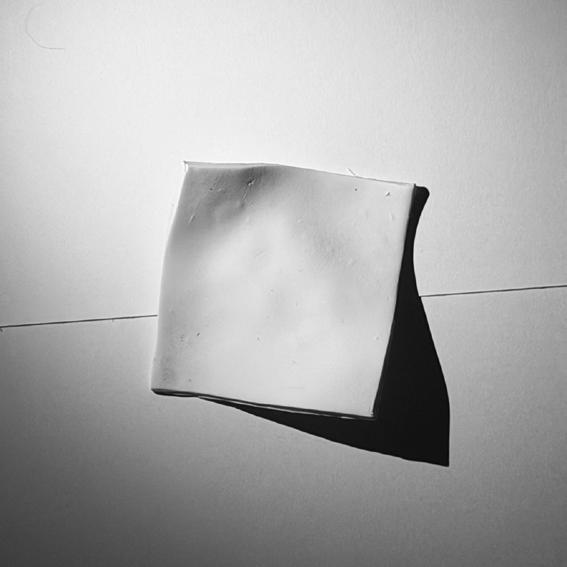
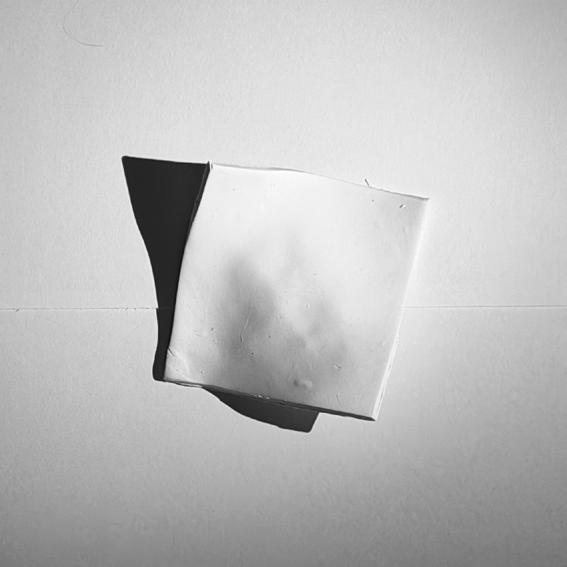
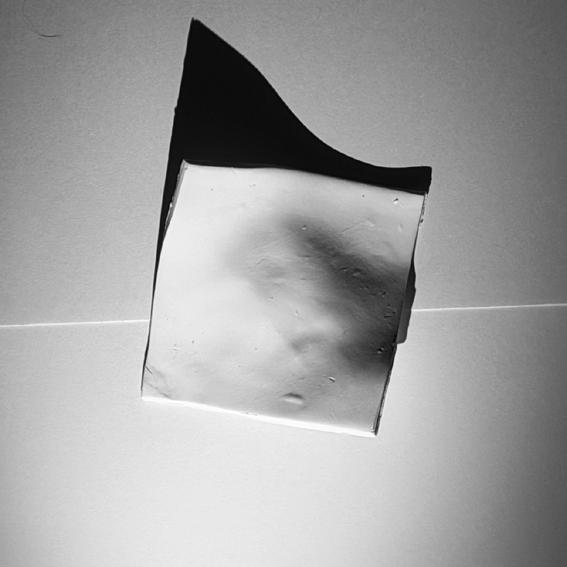
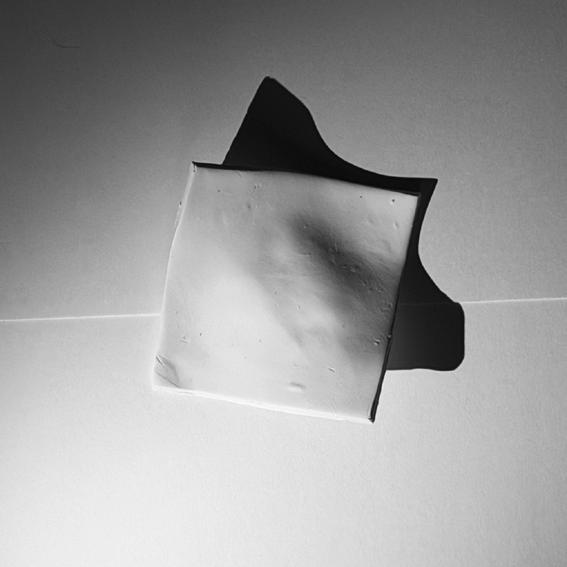
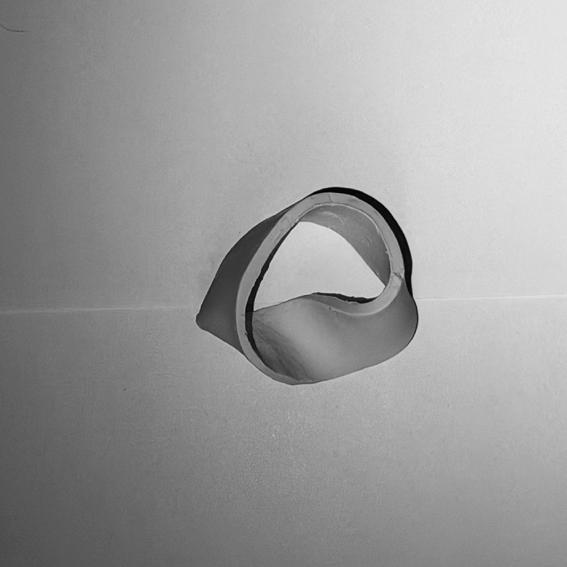
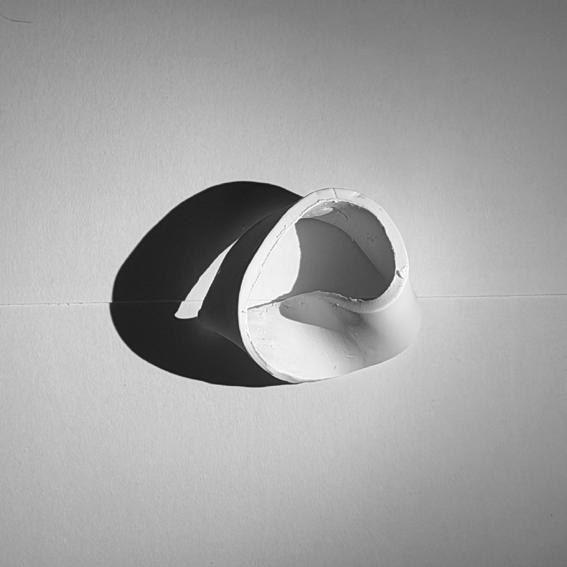
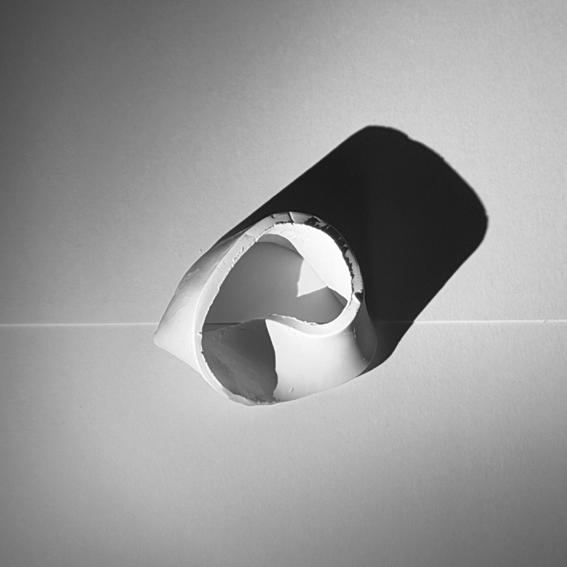
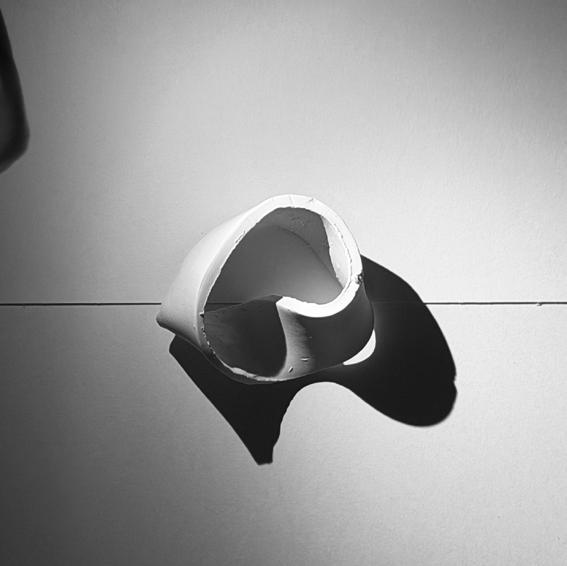

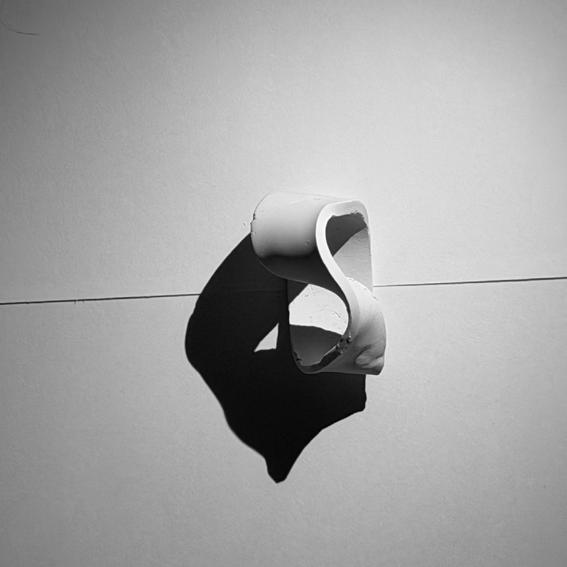
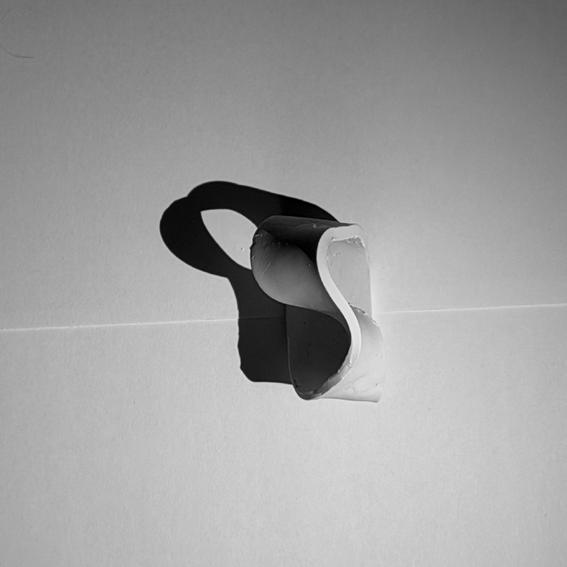
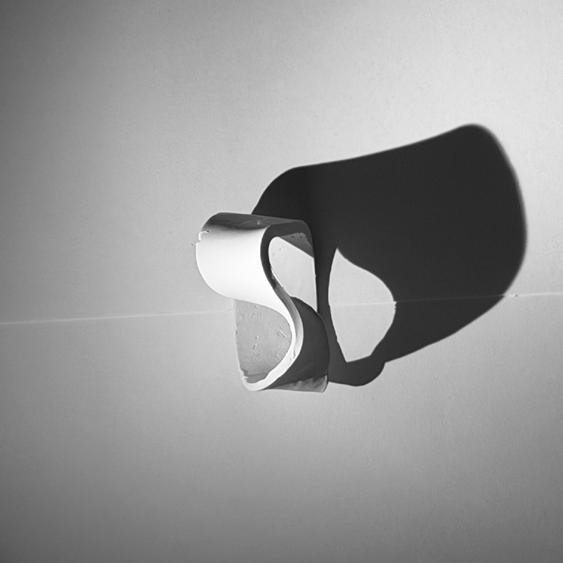
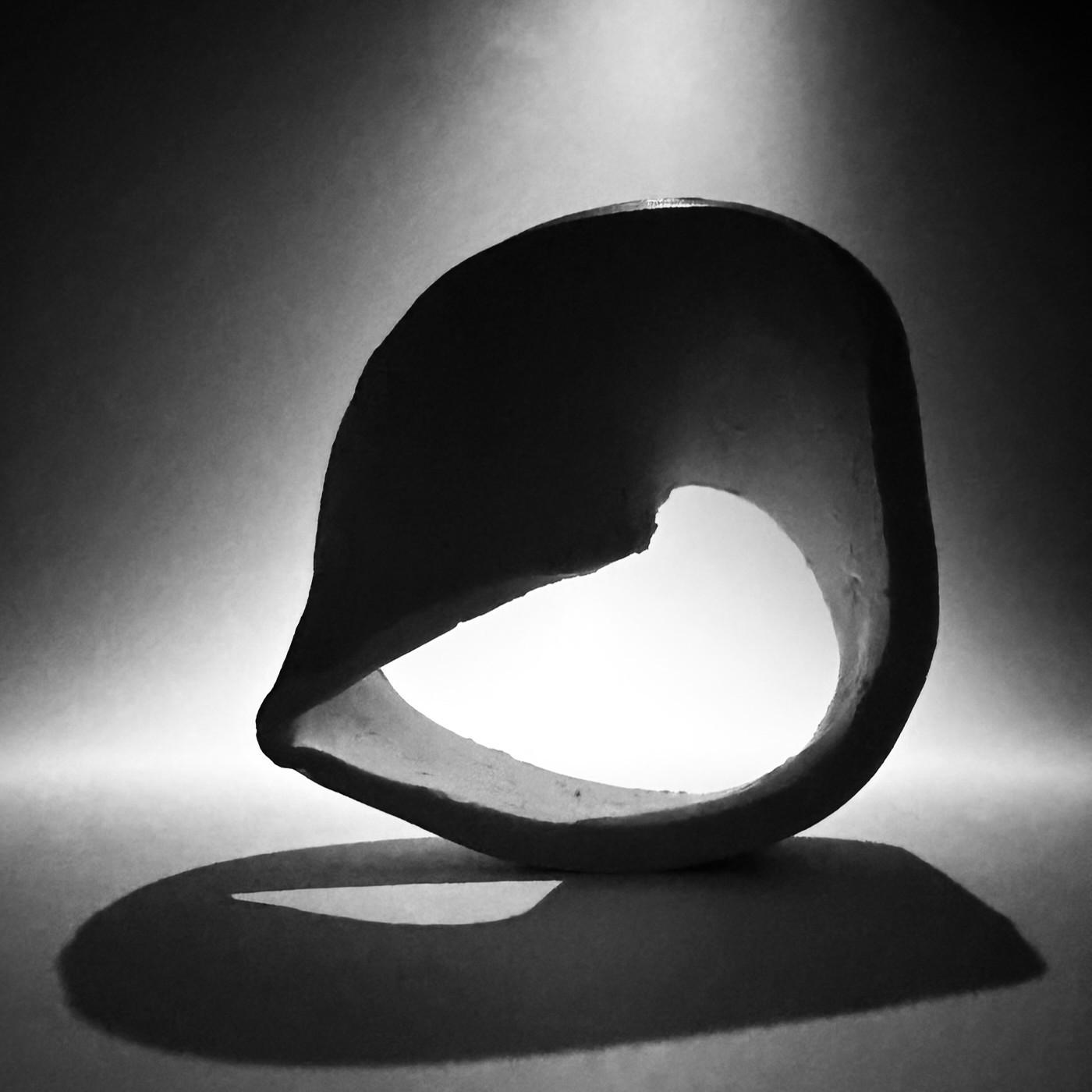
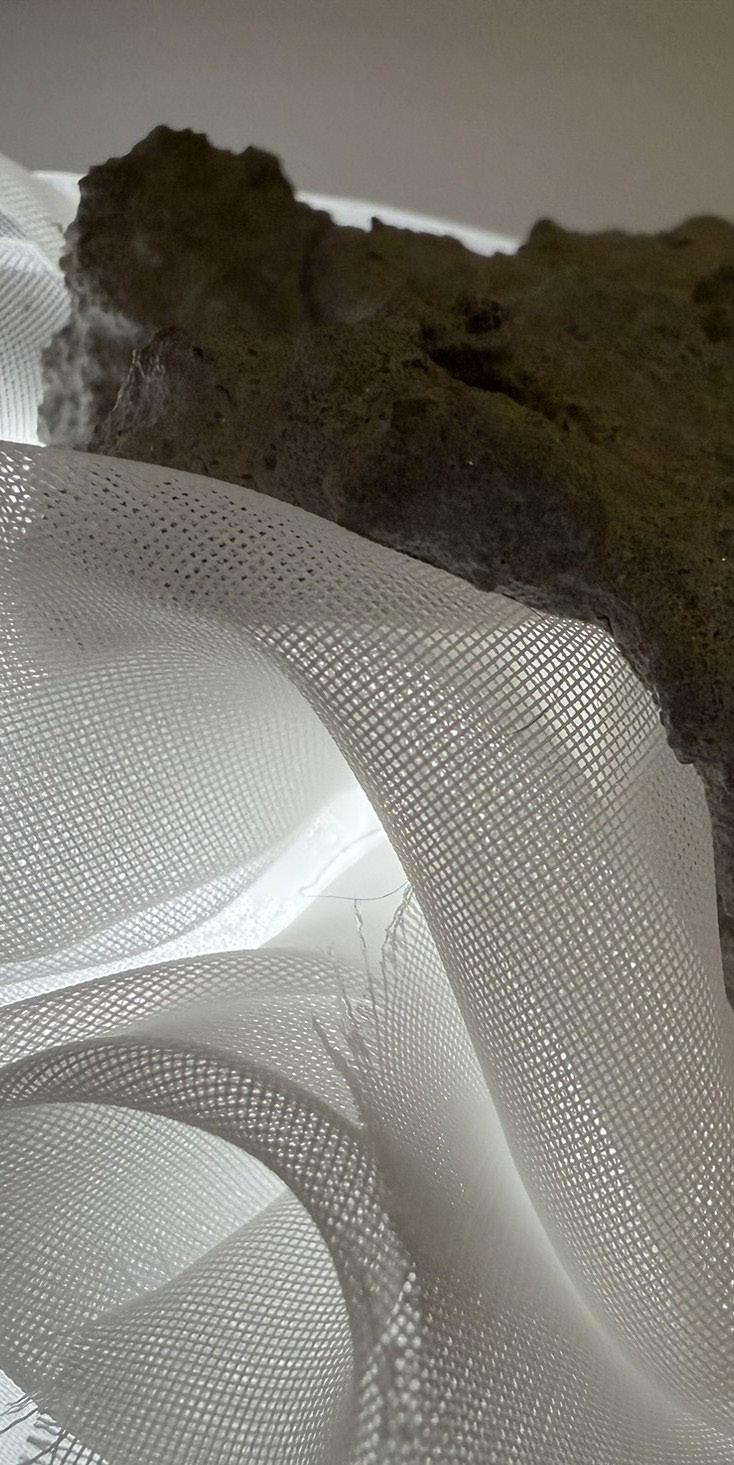
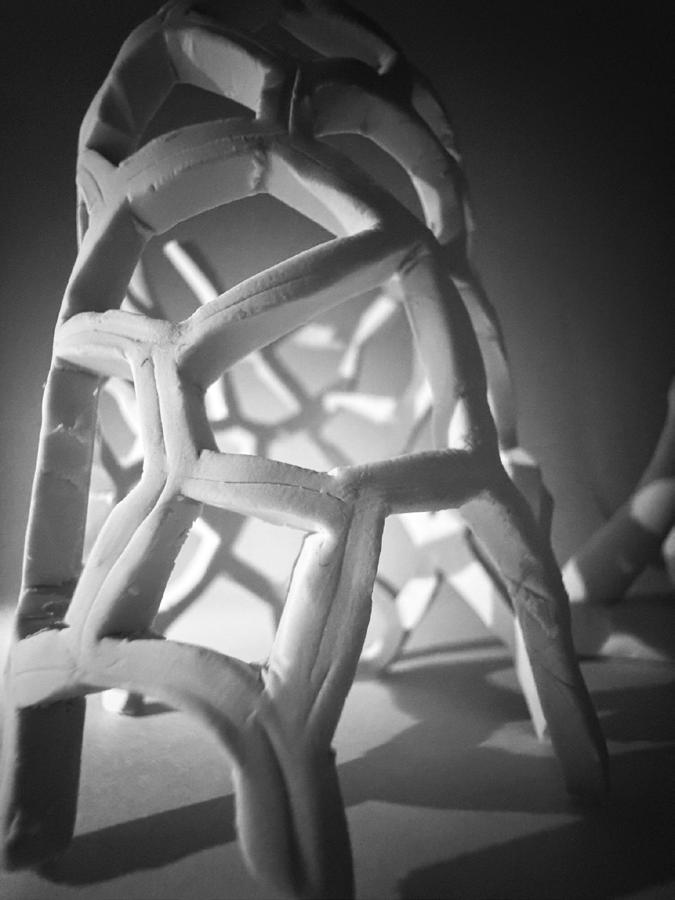
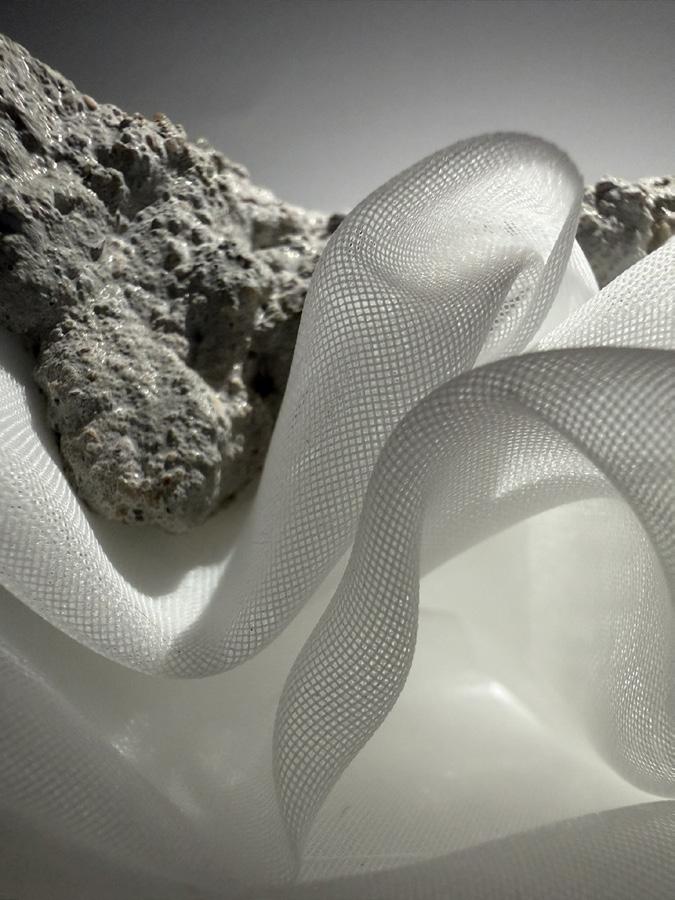
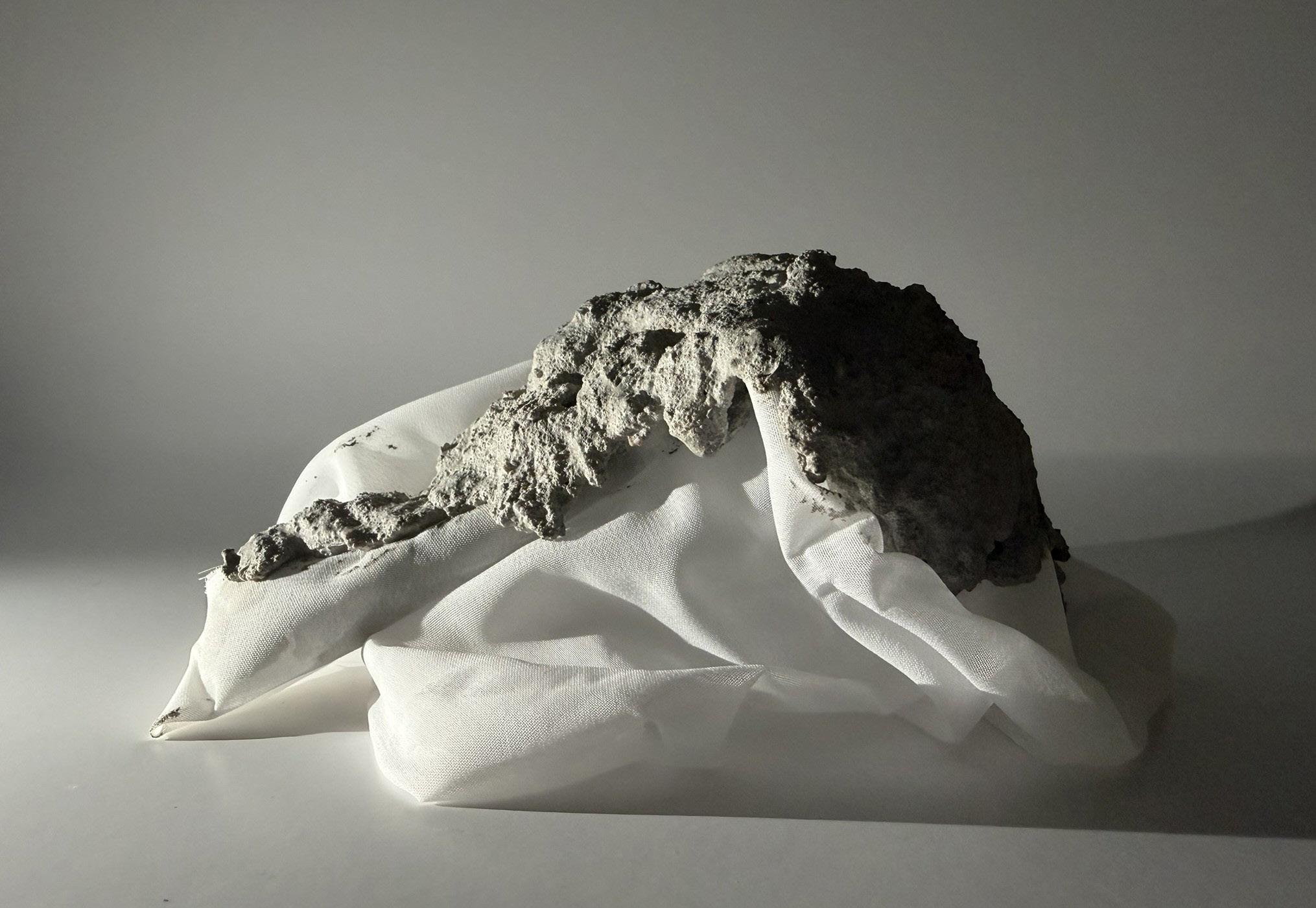
The exploration of if a lightweight thin material could take on the supporting role with a heavy, dense material such as concrete.
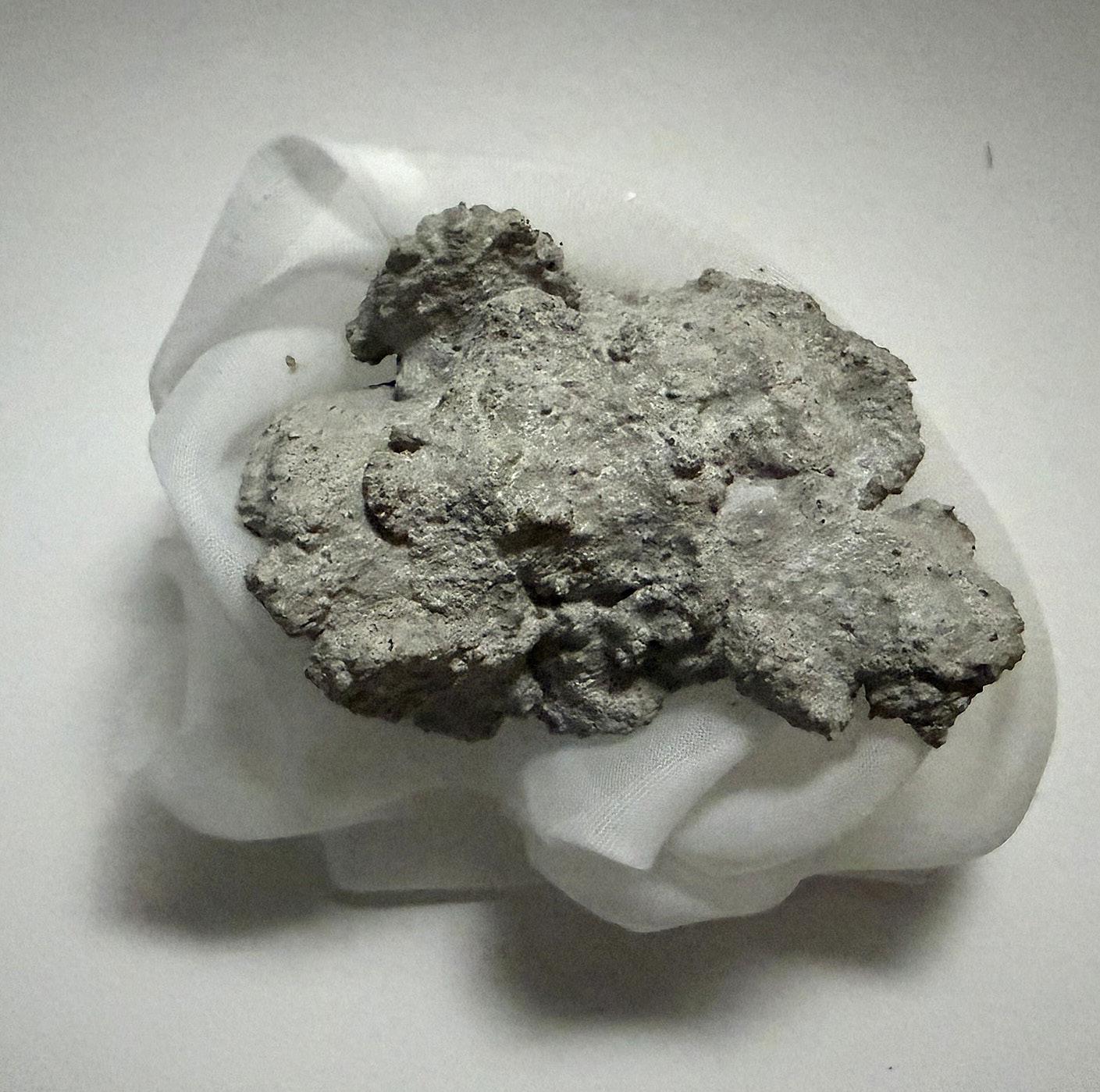
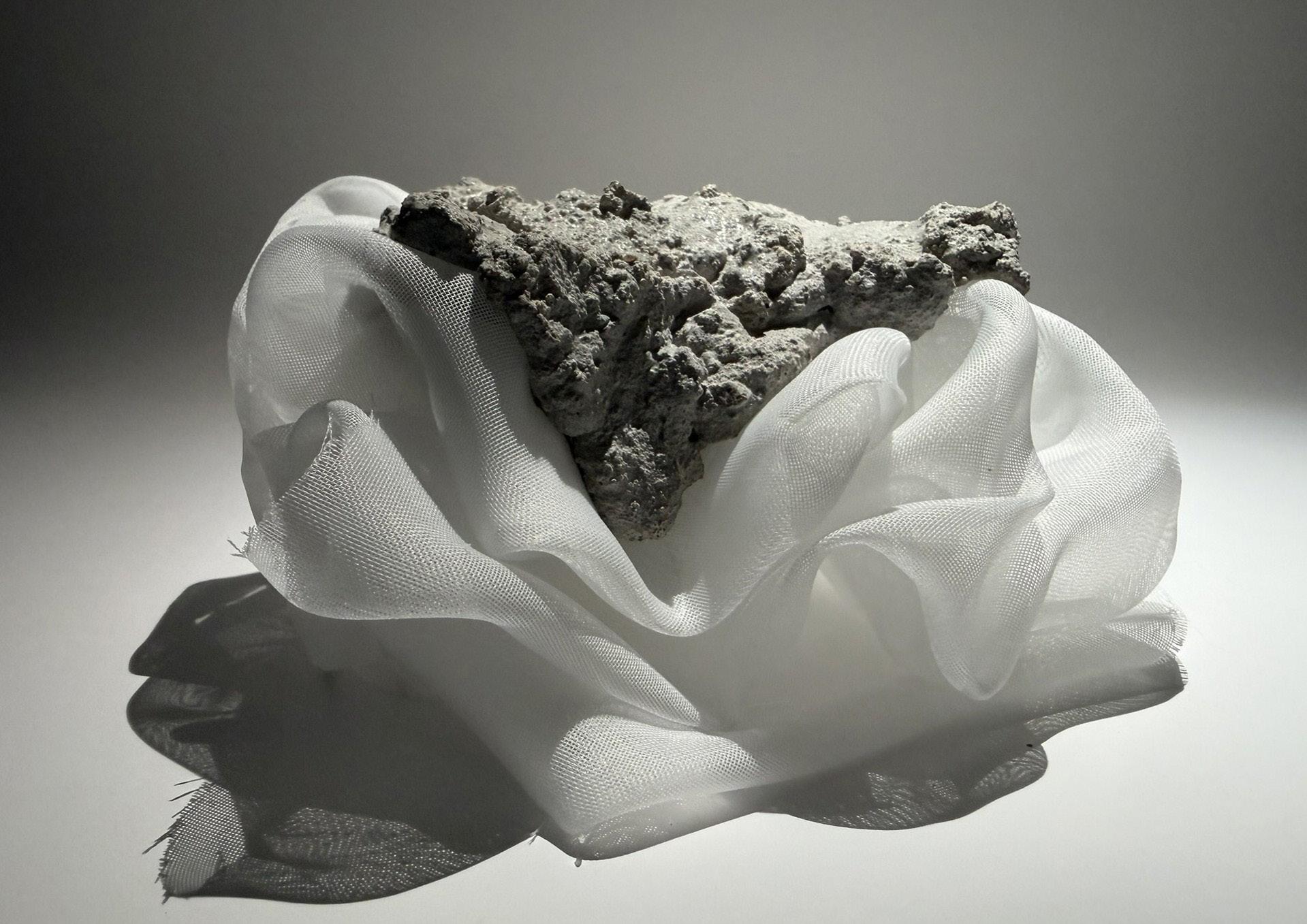
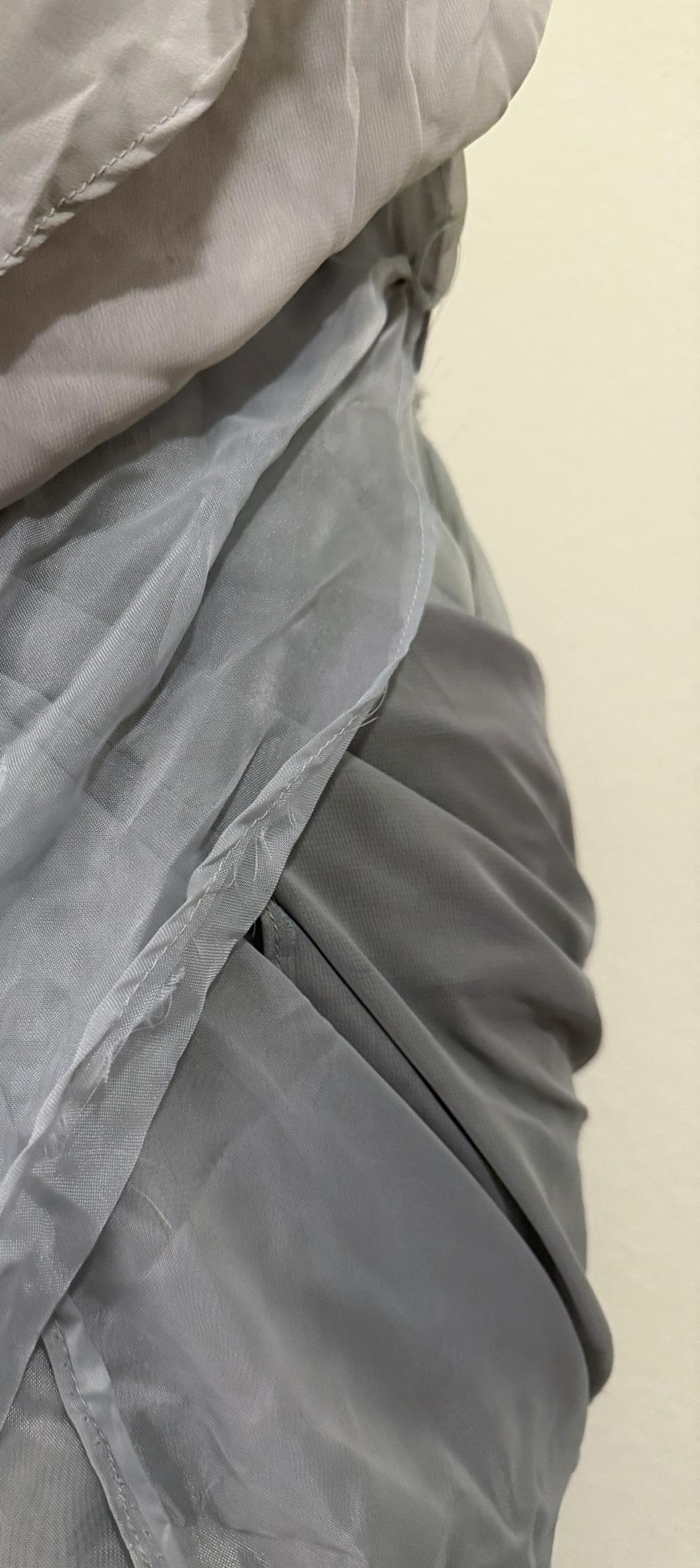
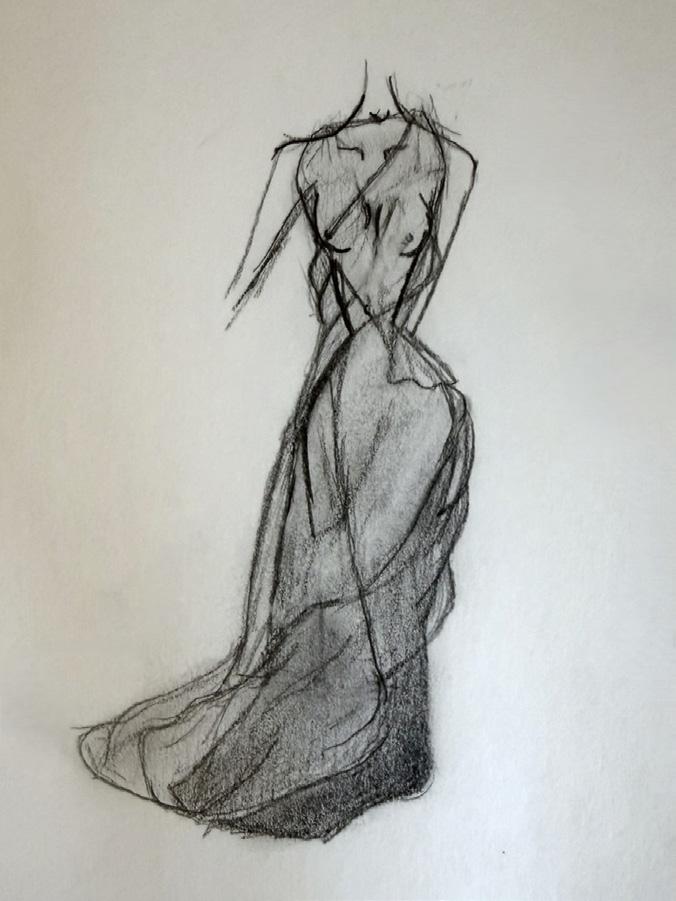
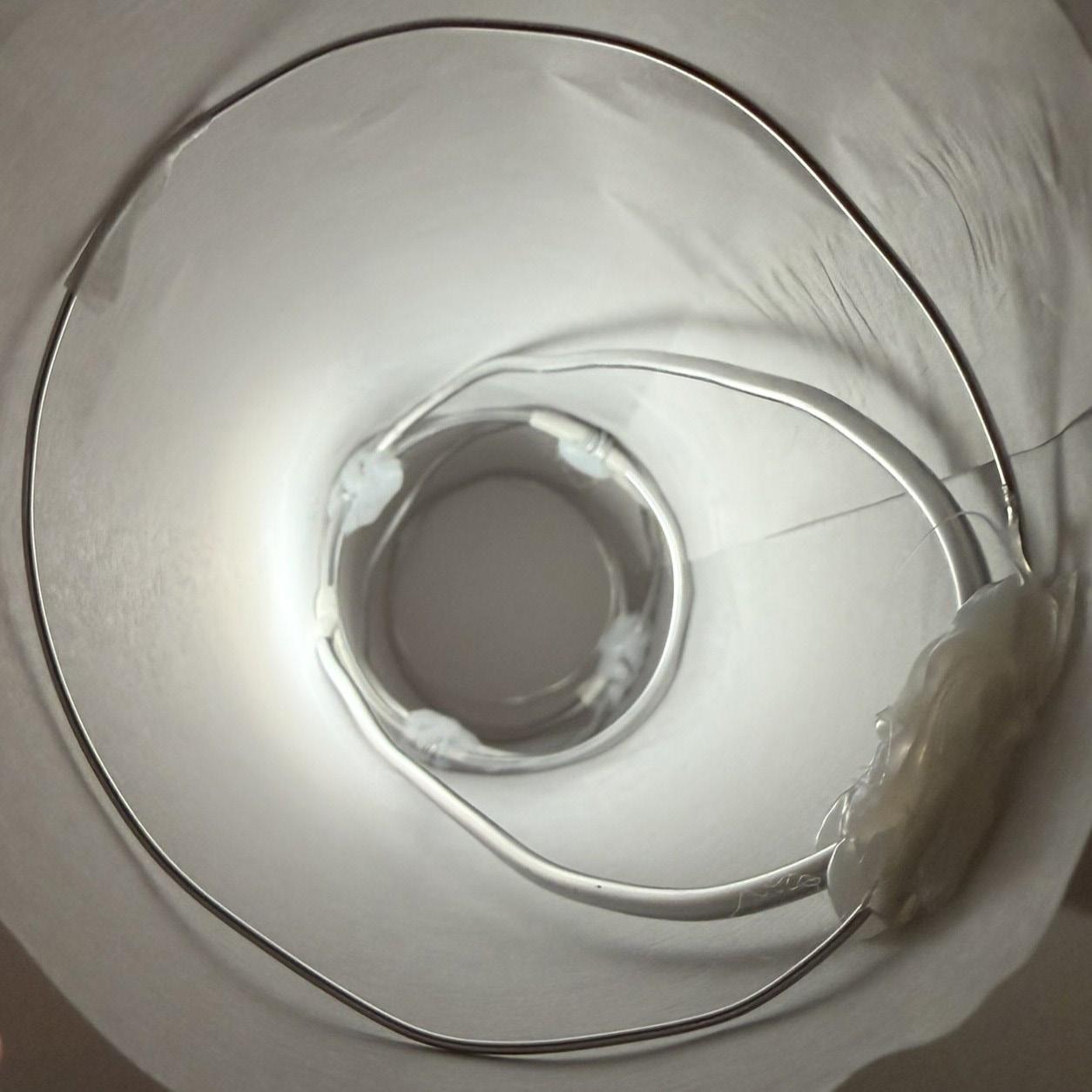
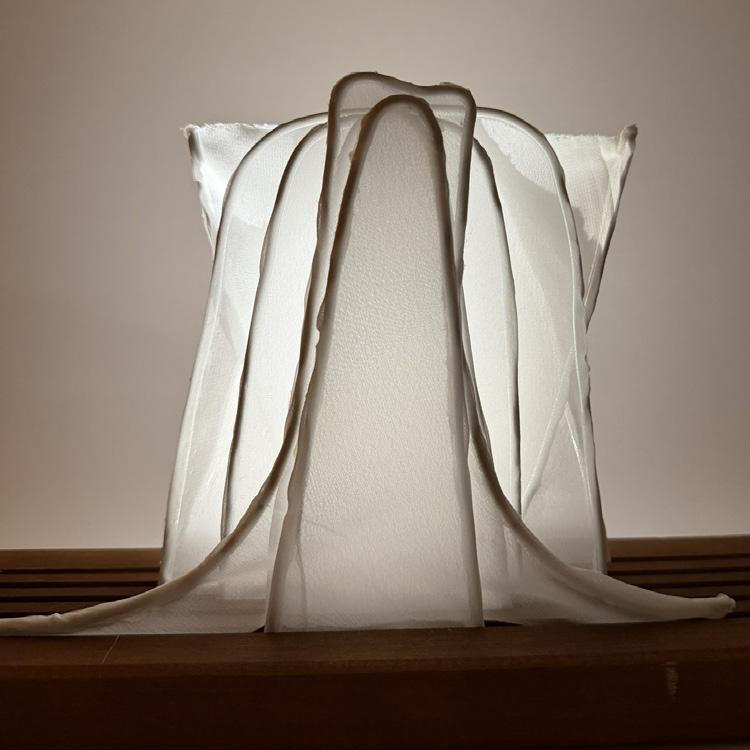
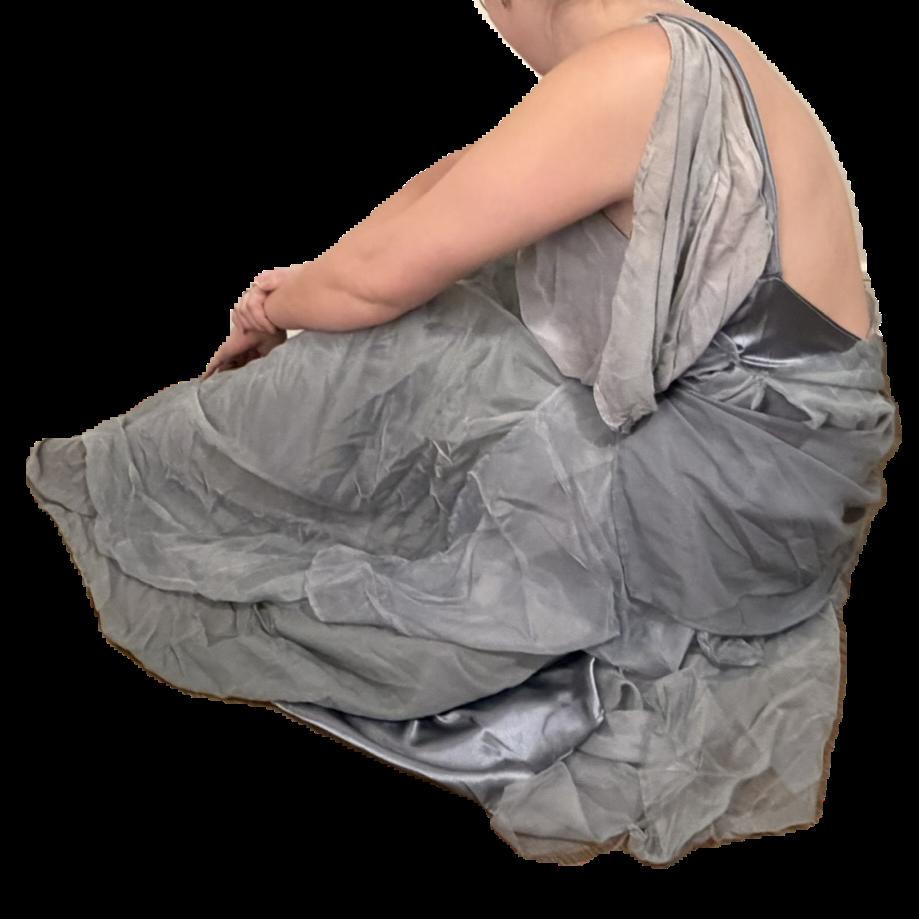
This project began as a material study focused on how fabric behaves under gravity and light. Through draping and layering, I explored how transparency can suggest space and depth, allowing a soft material to create a sense of enclosure without rigidity. The work considers how light passing through fabric constructs depth, enclosure, and softness without stiffness.
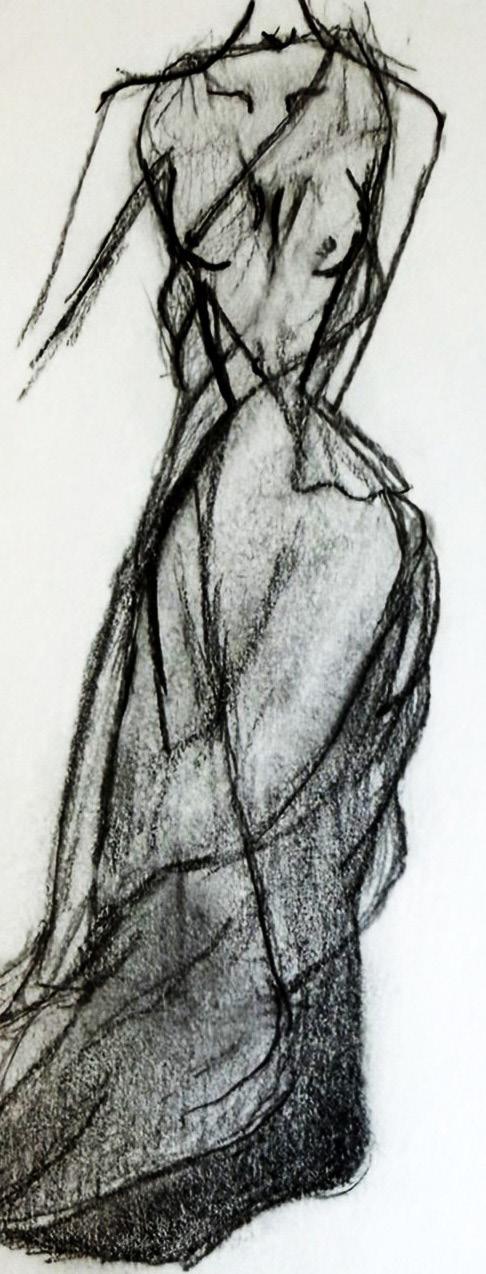
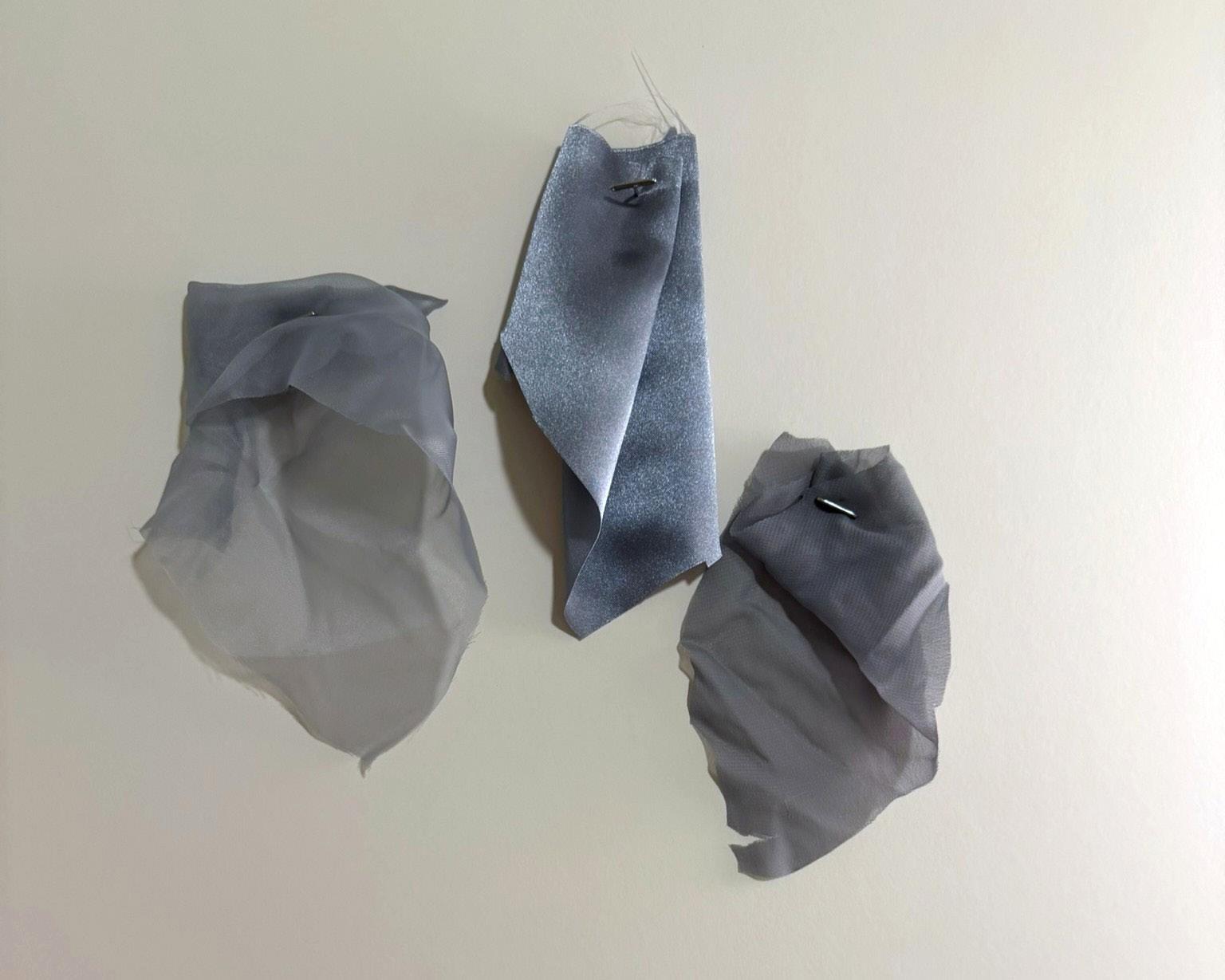


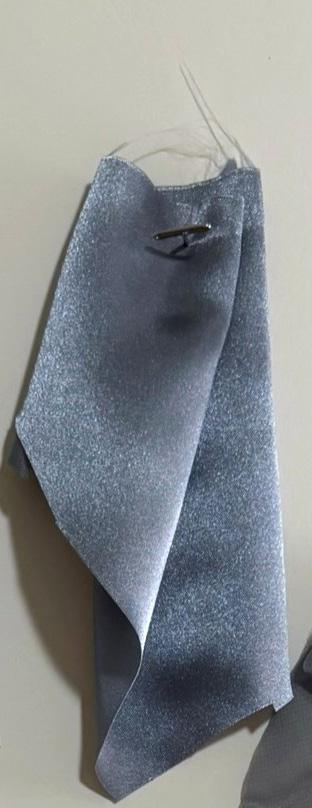
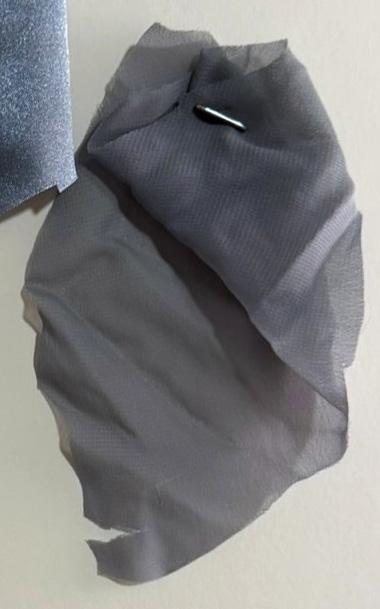

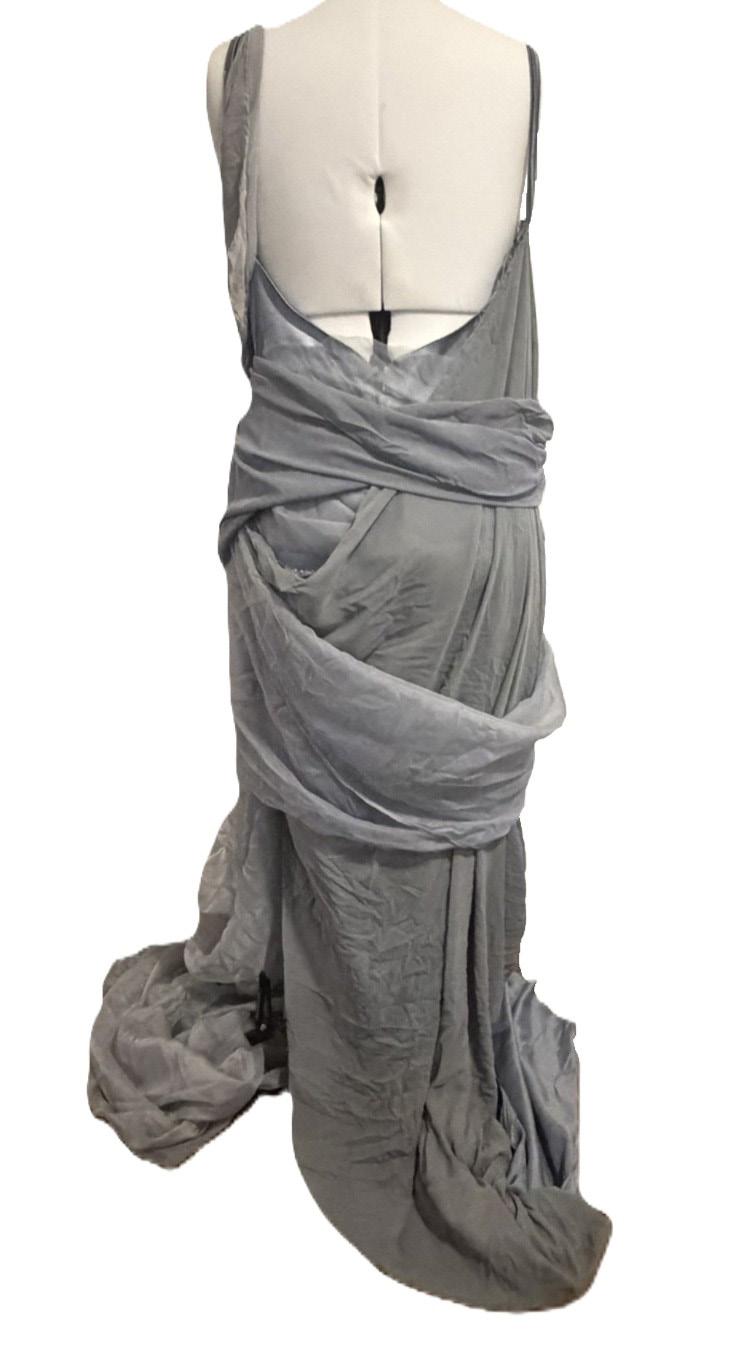
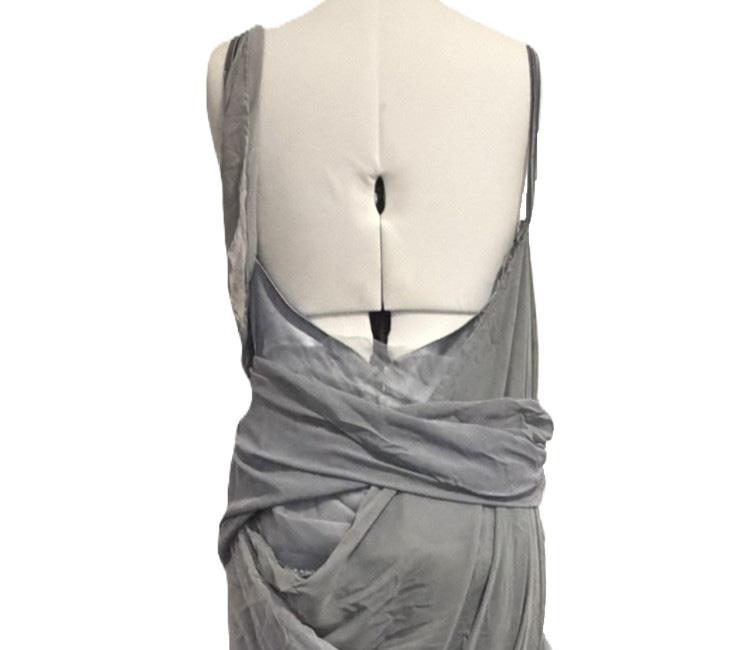
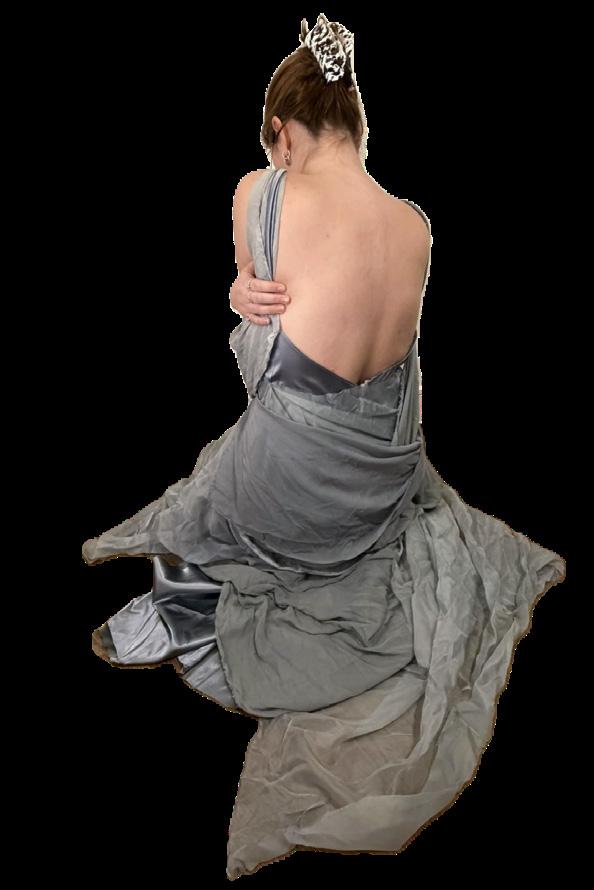
Gravity and movement cause the draped fabric to shift, changing transparency and shape.

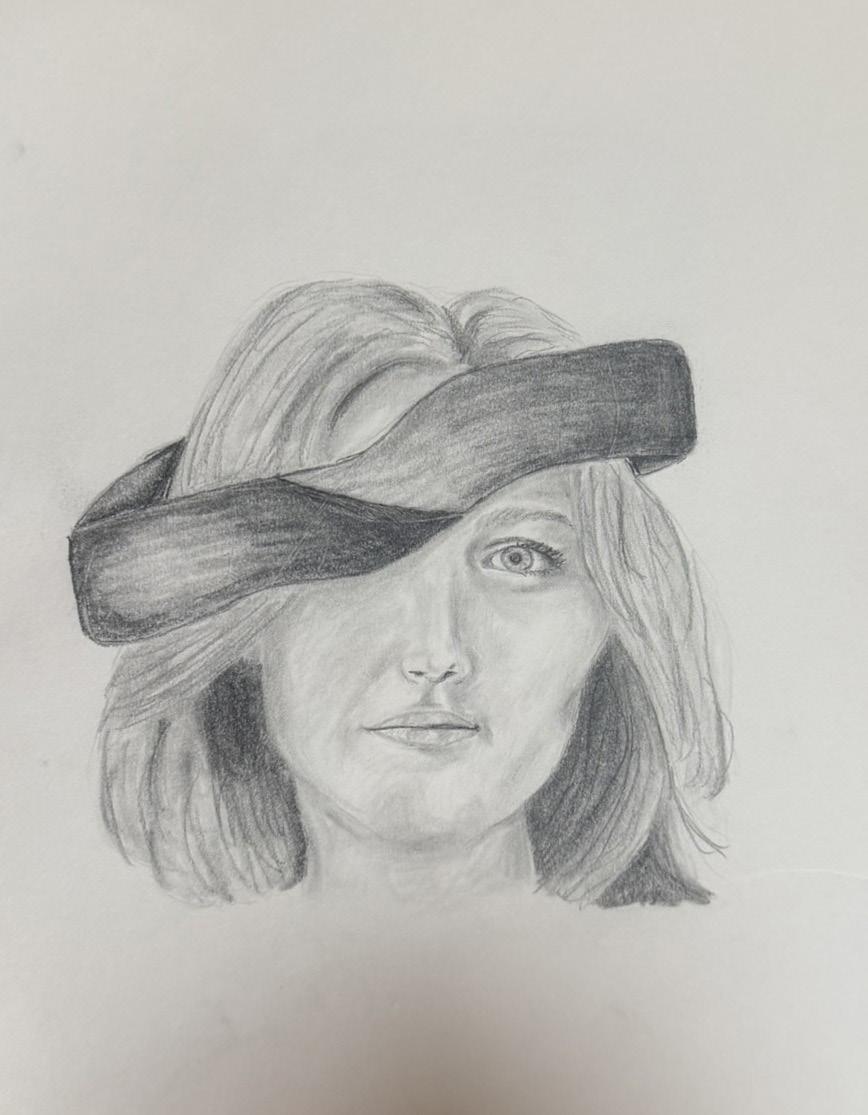
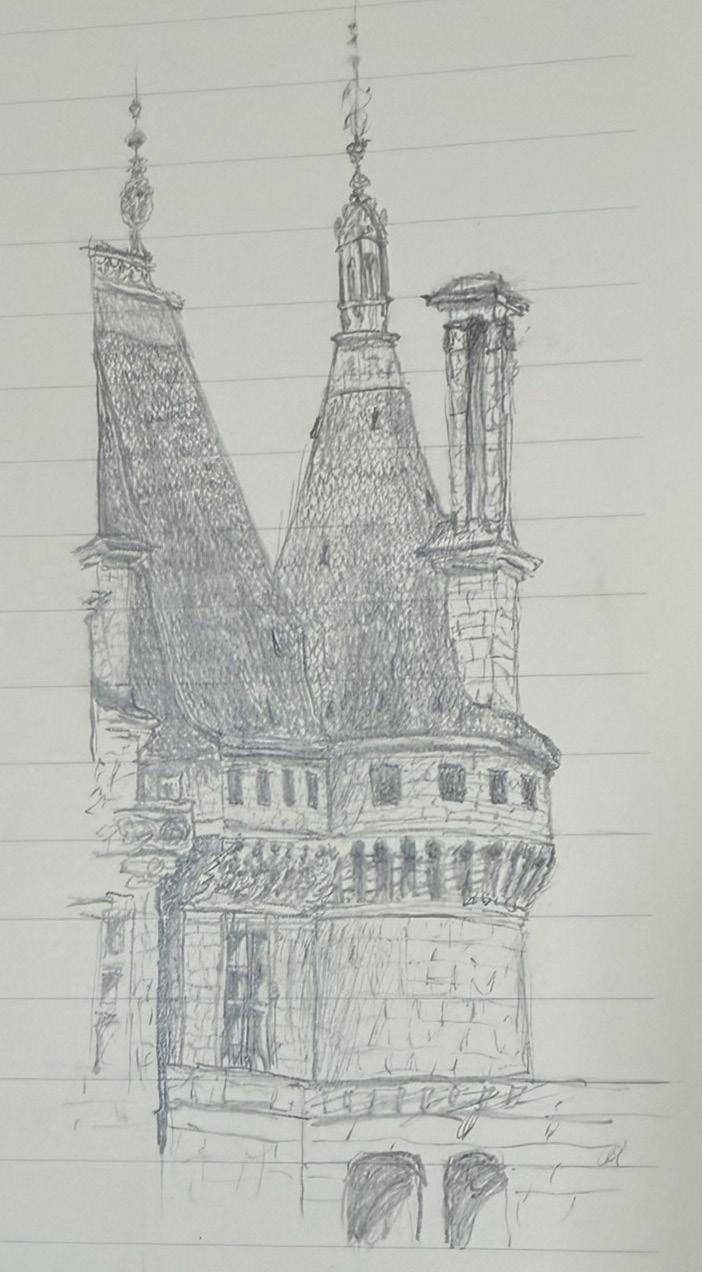
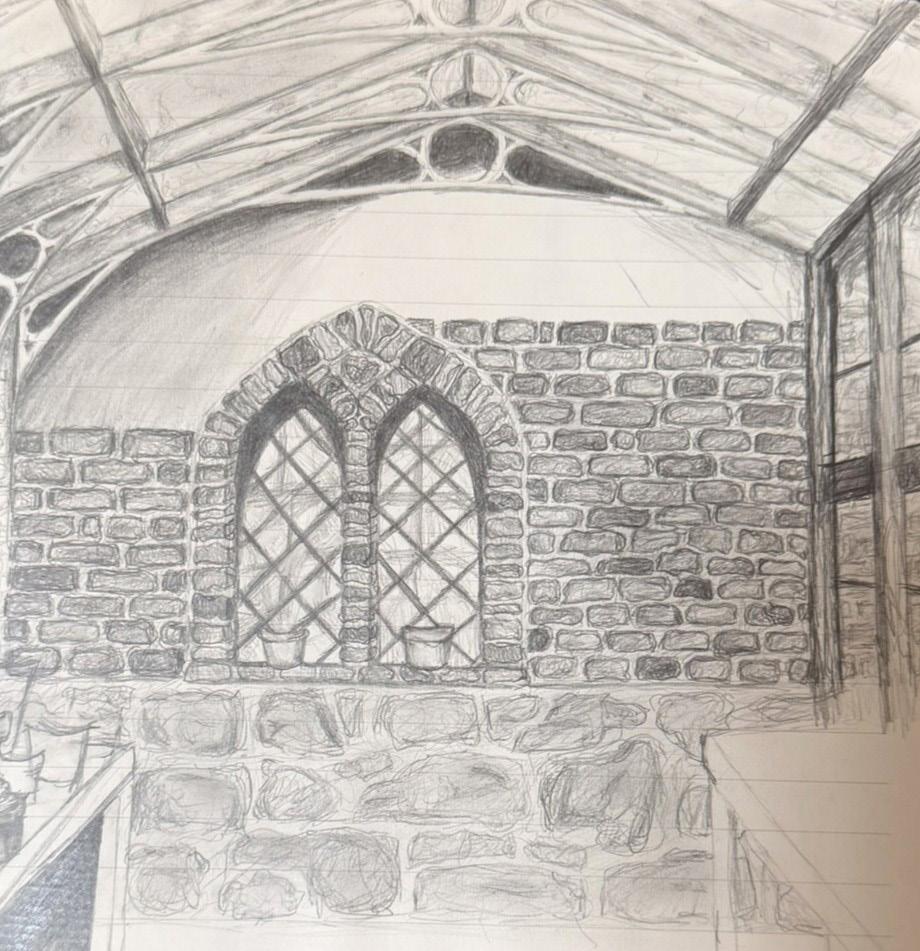

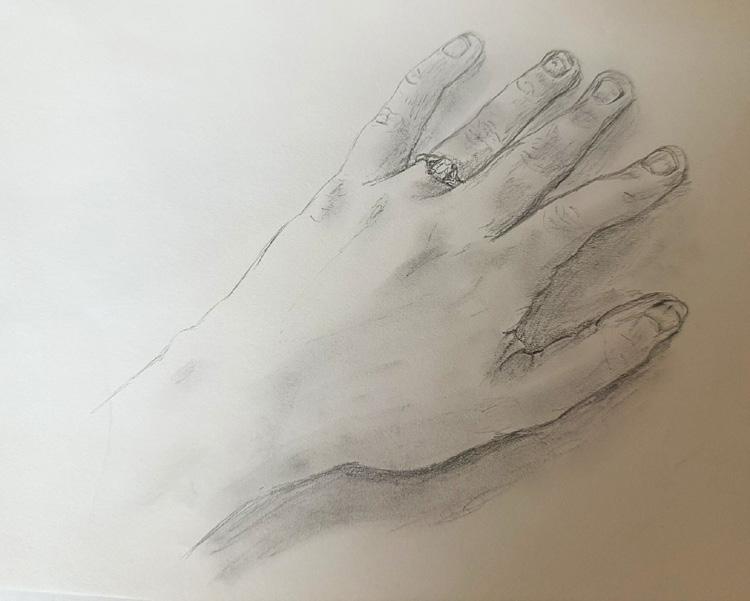
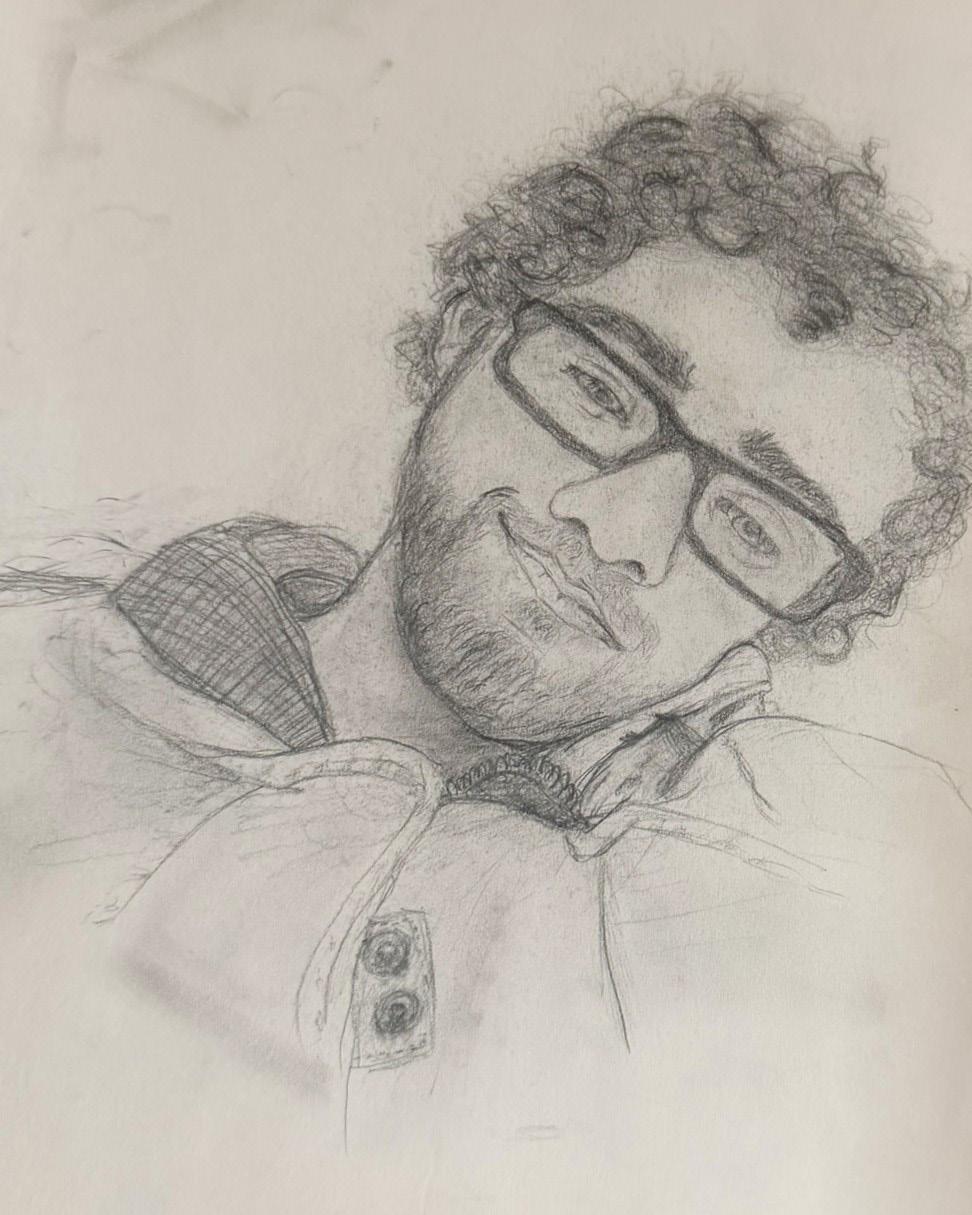
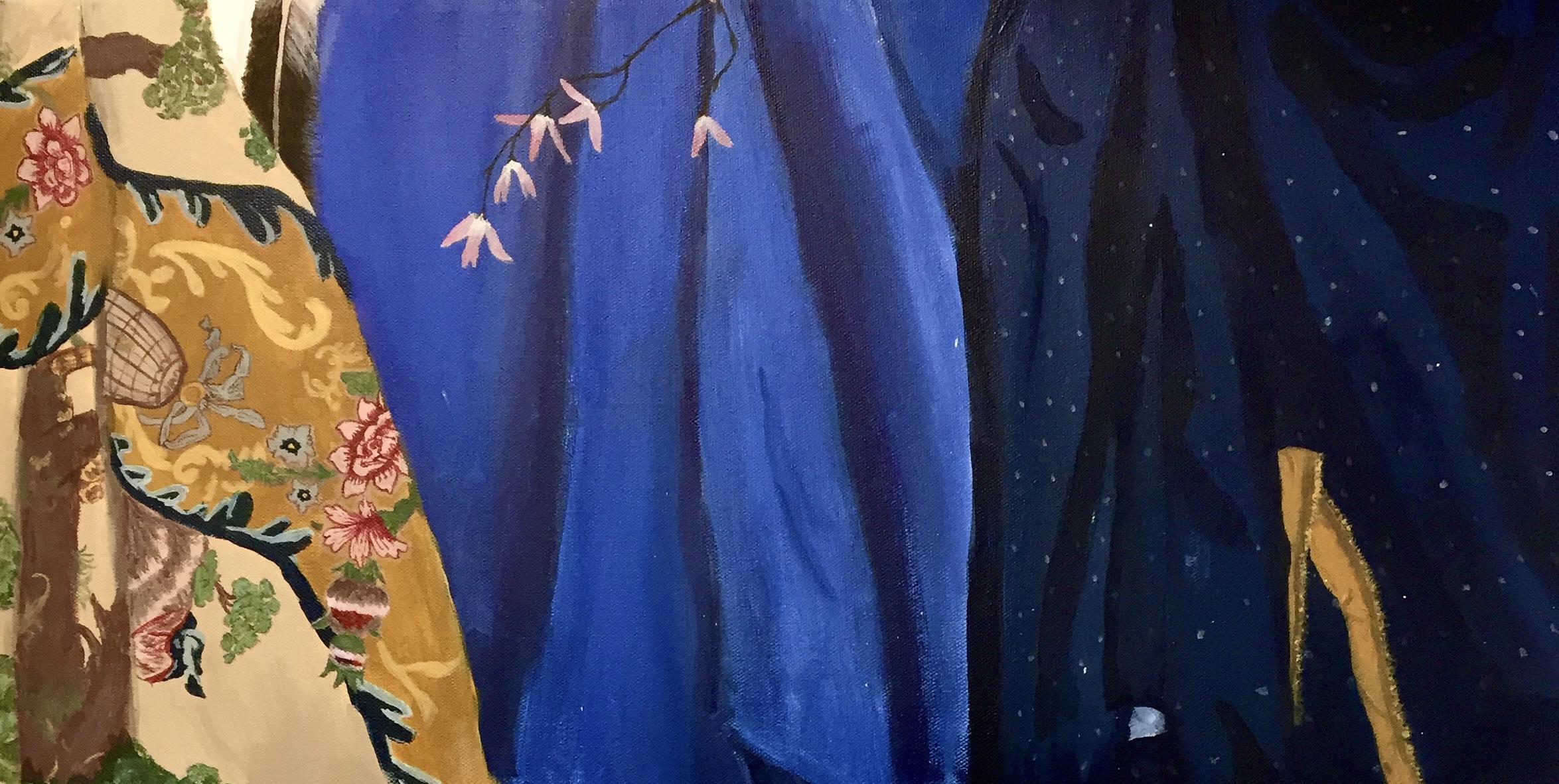
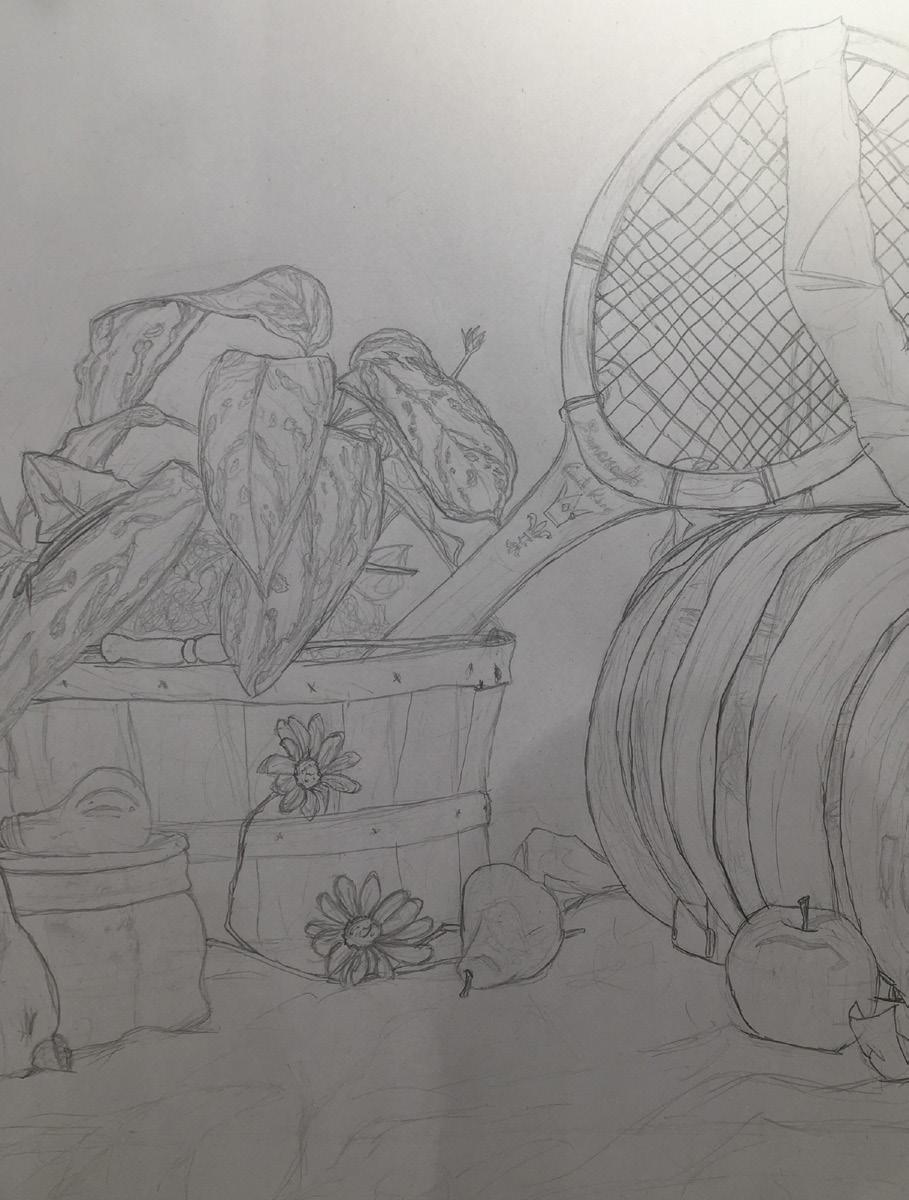
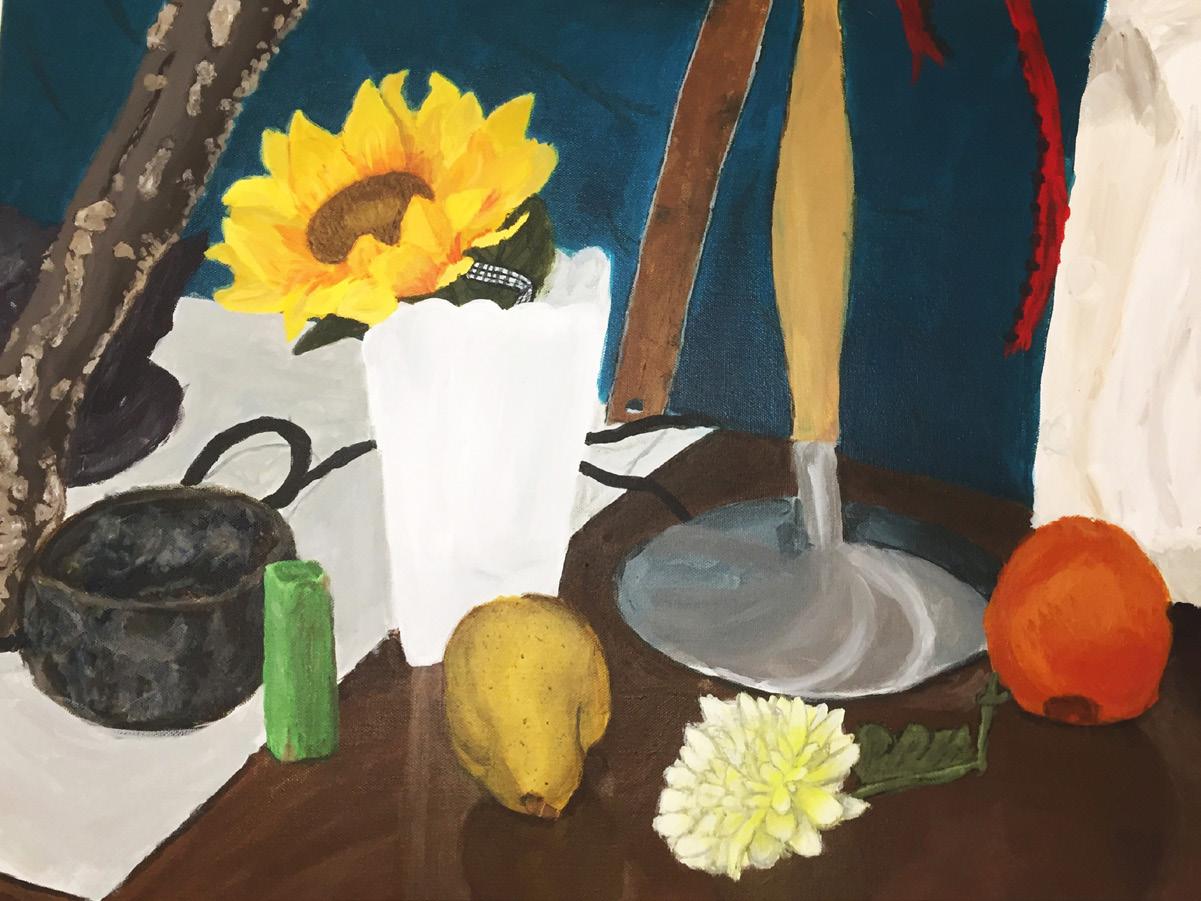
Still life studies from Intoduction to Painting (Fall 2019), exploring proportion, material behavior, and lighting through observation.