MISSION AVIATION FELLOWSHIP
WE FLY WHERE ROADS END TO REACH THE FORGOTTEN

WE FLY WHERE ROADS END TO REACH THE FORGOTTEN
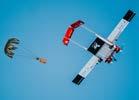
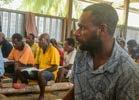
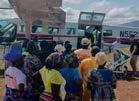
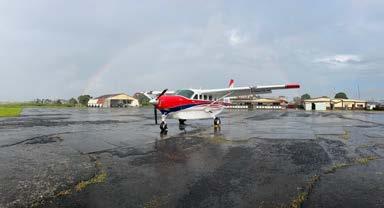
MAF (Mission Aviation Fellowship) is a Christian organisation reaching women, men, and children in over 25 countries. Operating more than 115 aircraft, MAF’s pilots overcome terrain that has become inaccessible due to derelict roads, natural disaster, or violent conflict. MAF aircraft fly into more than 1,000 destinations - transporting food and water, health professionals and medical supplies, and emergency workers and Christian missionaries where they are needed most. Each flight brings practical help, spiritual hope and physical healing to thousands of isolated people in remote communities for whom flying is a lifeline not a luxury.
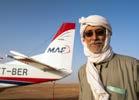
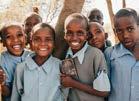
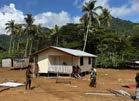

At MAF, we deal with numbers every day. Flight hours. Takeoffs and landings. Patients, cargo, destinations. They matter – numbers help us take responsibility for safety, planning, and resources. They show reach. But they never tell the whole story.
Because behind every number, there is a person.
Through our work, we are constantly given glimpses into lives that put those numbers into perspective. We hear stories from places where roads are missing, where healthcare is far away, and where an aircraft means the difference between life and death. In those places, statistics are no longer abstract. They take on a face.
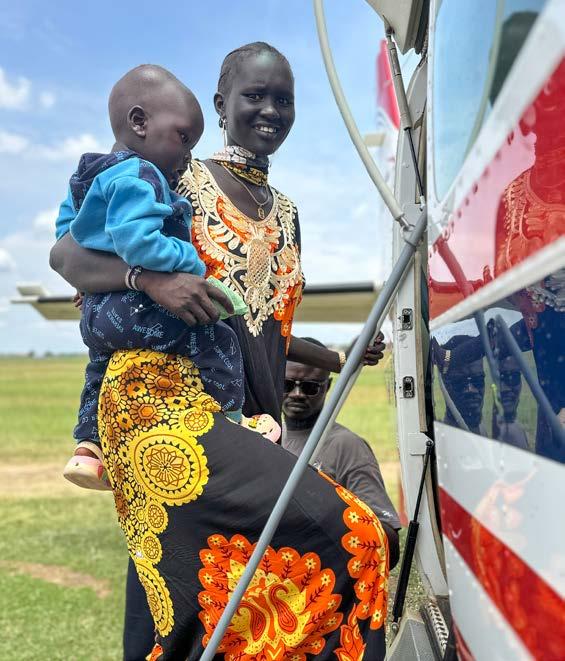
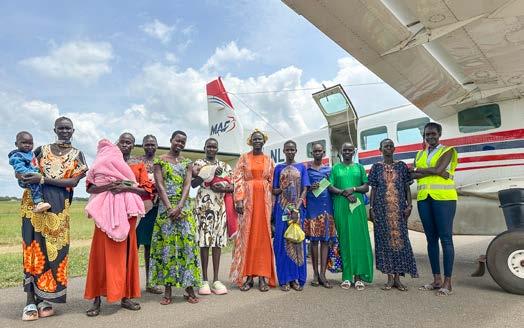
In this magazine, you can read about women who have been flown to Juba for fistula surgery. When these women like arrive at the hospital, their eyes are often downcast, almost withdrawn. When they return home, something has changed. The difference is not only physical – it is dignity restored.
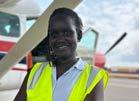
I also think of Akoot, our booking manager in the country, who meets these women again and again. In the heat, she helps load the aircraft and walks passengers all the way to departure. She witnesses the transformation with her own eyes – from quiet shame to smiles that cannot be mistaken. When she speaks about the pride she feels in her work, it becomes clear that MAF is not primarily about aircraft – it is about people carrying Hope forward.
In this magazine, you will also read about innovation, medical evacuations, and partnerships that make it possible to reach hundreds of patients where there are no roads. All of this is real. All of this matters.
But what I want you to take with you is this: Every flight lands in a life. A face. A story.
Thank you for standing behind both the numbers – and the people behind them. Your commitment to MAF is invaluable. It is life-saving.
God bless,

MAXINE HOLMAN CEO OF MAF IN SA

“I’M
22-year-old Daniel has big dreams of becoming a lawyer and helping his people in South Sudan, but 20 years ago, he nearly died in a terrible accident.
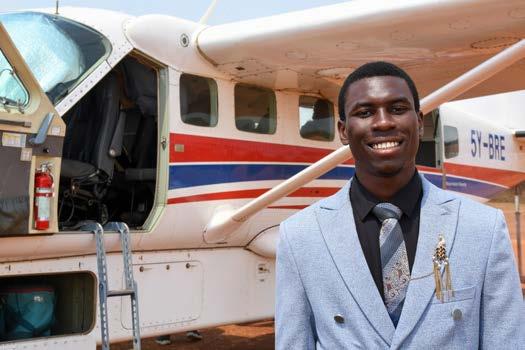
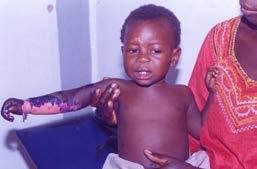
Today, there are hardly any scars from the scalding water and white-hot charcoal, when toddler Daniel fell into a fire and knocked over his mother’s cooking pot. But Sentina will never forget her son’s screams on 18 June 2005.
‘Daniel got burnt. In our village, we don’t have those modern kitchens. We cook on the floor with firewood,’ explains Sentina.
‘He had just started walking and fell into the cooking pot. Unfortunately, his right side got burnt from his hand to his shoulder. All his skin had gone - it was just white.’
Yambio State Hospital in Western Equatoria was two miles away from their home. When Daniel was admitted, they had run out of paracetamol due to the civil war, which had just ended. Sentina was desperate.
‘We spent five days at the hospital, but Daniel didn’t eat, breastfeed or sleep. His life was in danger. He was in between life and death,’ Sentina adds.
Daniel’s grandfather had no choice but to source python fat from a traditional healer – a local remedy to treat burns.
Meanwhile, nearly 4,000 miles away in the UK, Daniel’s father Rev Samuel Peni – now the Archbishop of Western Equatoria Province –was on an exchange programme giving talks about South Sudanese youth living in a war-torn country.
Far from home, Samuel learnt about his son’s plight by email the night before a speaking engagement in London.
‘At the time, there was no proper communication, and I didn’t hear about it for at least four days. A short email told me that they didn’t know whether Daniel would survive because he hadn’t breastfed for days,’ recalls Samuel.
‘The only thing I could do was to pray to God to do his miracle and heal him, then I went ahead with the panel discussion as planned.’
Unbeknown to Samuel, MAF supporter Rev Canon Peter Marshall from North Wales, was sitting in the audience. During the break, Peter went over to Samuel and asked him how his family was. This triggered a chain reaction, which ultimately saved Daniel’s life.
‘When he mentioned the word “family”, it touched my heart. I did not know where to begin. When I showed Peter the email, he took it upon himself to contact MAF,’ explains Samuel.
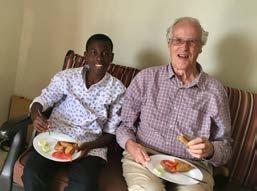
91-year-old Peter, who has been supporting Daniel’s education for the last 21 years, believes Daniel’s medevac was orchestrated by God.
‘We give God the glory and I feel privileged to have been a part of it. It’s just amazing!’ says Peter.
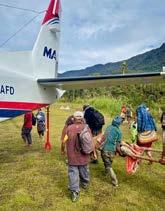
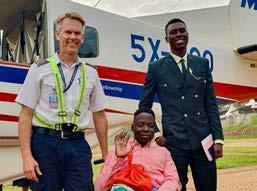
MAF pilot Simon Wunderli picked up Daniel and Sentina from Yambio and flew them to Uganda’s capital, Kampala, for proper treatment. Although everything had been pre-arranged, Simon remembers Daniel’s life was hanging in the balance.
‘Medevacs can go either way, especially in the places where we fly. Most of these places have little to no healthcare. In the West, we just call an ambulance. A baby surviving from burns like that is unusual, so having this success story is fantastic - it makes what we do at MAF worth it!’ exclaims Simon.
Sentina, obviously agrees.
‘I thank God so much that MAF was able to come to Yambio in South Sudan. If MAF was not there to rescue Daniel, he would not be here - he would have died. Because of MAF, I still have my boy today. He’s a big boy now!’
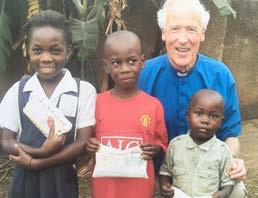
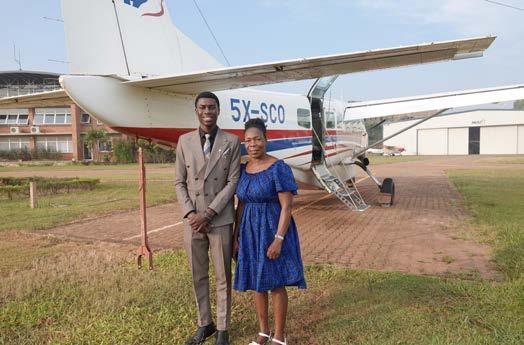
As for Daniel, his heart is set on helping others. ‘It is my dream to speak for people who are unable to defend themselves. I believe the same God who helped me 20 years ago, is the same God who will help me make Yambio and my entire country a better place.’
Mission Aviation Fellowship was born when wartime pilots saw an opportunity to use aviation for a better world. Now, the technology that led to drones becoming sophisticated weapons is allowing MAF to open up new frontiers.
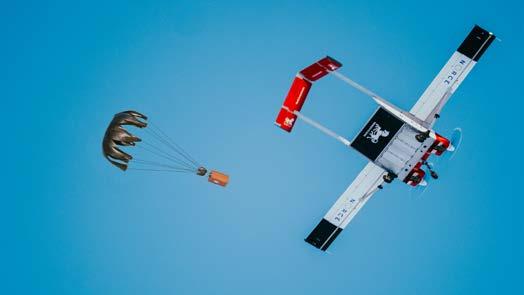
When an isolated clinic runs out of life-saving medicines, when a community lacks essential supplies or when vital machinery needs spare parts – MAF is able to deliver to some of the most remote airstrips in the world.
But what happens when there is no airstrip? How does help reach the communities where an aircraft cannot land?
That’s where the next generation of unmanned aviation systems (also known as drones) could allow MAF to bring help, hope and healing to areas previously out of reach.
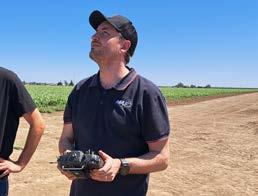
Dave Waterman has served with MAF since 2017, with his first seven years as an engineer based in Uganda and Liberia, so he knows what it means to bring hope through aviation.
Now, as MAF’s fleet innovation project manager,
his passion is to work with manufacturers developing drones with the potential to bring impact in the nations MAF serves.
“When I first joined MAF, and moved overseas, I went with the mindset that the aircraft makes it possible,” he said. “But I’ve learned the aircraft is just a tool. It’s the people that make it happen.
“The only thing that has stopped us serving some places is that we need an airstrip. Now, with drones, you don’t need an airstrip.
“So, the question is can we go further, can we do more? When we can go beyond the airstrip, we have the potential to break that isolation.”
Dave understands how uncertainty affects people in locations far from the airstrip.
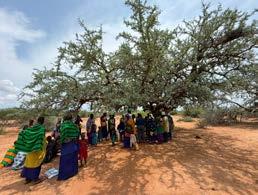
When supplies run critically low at a clinic, it forces life-and-death decisions to be made about who to help first.
But a drone could eliminate that nervous wait for help to arrive. The capability to gently drop supplies from the air at a doorstep could be a game-changer.
“So much is about dignity. In that place where there is a little health post, supplies dwindle, let’s not let them run out of supplies. Let’s give them everything they need, so they can use that item today because they know more supplies are coming,” Dave said.
Perceptions of drones can range from affordable remote-controlled toys to devastating weapons of war. As Dave conducts his research, the focus is on companies developing machines that suit humanitarian purposes and the tough environments where MAF operates.
This era has echoes of the legacy of MAF’s founders who were innovators determined to use wartime technology to reach the unreachable.
“In 6 to 12 months, we should have an idea of whether this is possible for us,” Dave said.
“At each stage, we’ll keep asking if we should proceed, and whether this does what we want it to do. If so, I would say in three years we might have a trial going.
“I would like to say by 2030, if the research proves that they are worth it, we could be operating our own drones – that’s a realistic path to dream towards.”
Dave is certain that, if MAF does start using drones, it would not replace pilots flying to remote airstrips. His research has also found
drones are not guaranteed to be a green alternative – they are just more environmentallyfriendly for certain loads.
“It’s about the right tool for the right job,” Dave said. “The Cessna Caravan (the most-used aircraft in MAF’s fleet) is a very efficient way of delivering people and cargo to multiple locations, especially when it’s at maximum payload.
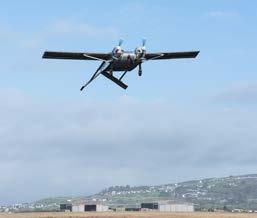
“For a delivery of cargo below 300kg it’s efficient to use a drone. If a water filter in a remote location breaks, we could put a new filter on a drone and it’ll be with you in an hour.
“Ultimately, I’ve started to care less what tool we use to get it there. The more important thing is that it gets there to bring the help, hope and healing needed.”
Fuel flights to PNG’s cut-off communities
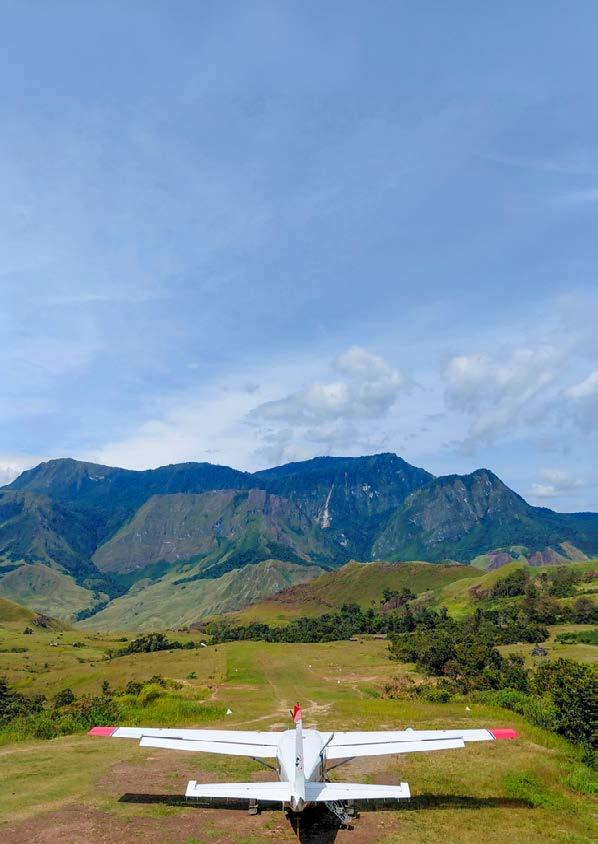
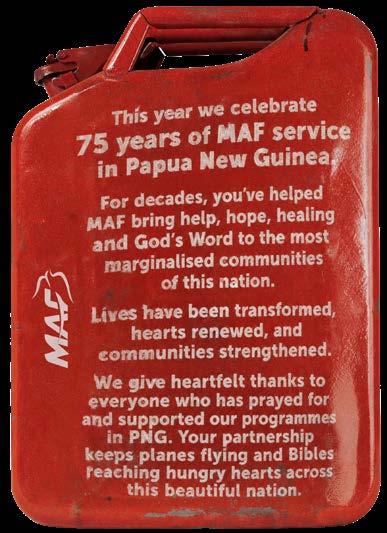
Hundreds of subsidised Bibles supplied by MAF Technologies are helping transform lives in the remotest regions of Papua New Guinea through the power of God’s Word.
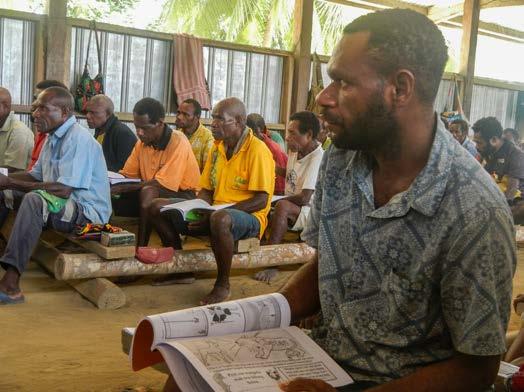
“I am a man who carried a gun and held up boats on the river.”
These were the words of a man attending a Scripture Application and Leadership Training (SALT) course who admitted he once carried a pistol and an AR-15 semi-automatic rifle, and had been involved in many crimes.
“Some people gave me a SALT book and shared a little bit of the teaching with me,” he said. “It wasn’t long before the Holy Spirit gripped my heart. I told my brother, ‘I am going to hike all
the way up to Dundrom to attend the next SALT course!’ Here I am. Satan has been holding me in bondage, but now the Holy Spirit has set me free!”
Pastor Fred Igami, course team leader, recalled: “The well-known criminal gave his life to Christ. During graduation, he stood up and shared how the SALT course transformed his life.”
The SALT programme is a ministry under SIL Papua New Guinea (Summer Institute of Linguistics), explained Luke Aubrey, a scripture
engagement worker serving with local churches and translators.
“When we bring these Bibles to a place, people are just rushing to buy them. They’re so hungry to get God’s Word.
“It’s been a huge blessing for us to partner with MAF, because, up until then, we would go to these remote places and they might have the Gospel of Luke in their mother tongue, or they might have just the New Testament – they might not have anything.
“But MAF have been providing us with subsidised Bibles, which has been huge.”
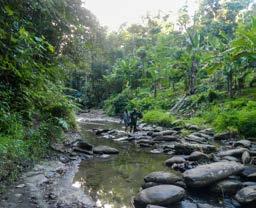
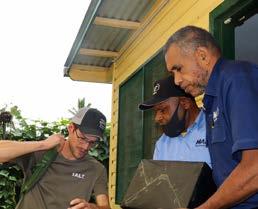
Luke spoke of how quickly the Bibles are snapped up. In one place the team taught, all 93 Bibles they carried were sold in only two days.
“Being able to buy a copy of God’s Word for five, six, or seven dollars is just game-changing,” Luke said.
In PNG’s context, MAF and other missions have found that selling Bibles at heavily subsidised prices has more impact, compared to giving them away. When something has a cost, it has value.
“It’s just a joy to see God changing and transforming lives through His Word.”
Motorcycle ambulances bring new hope to Liberian families.
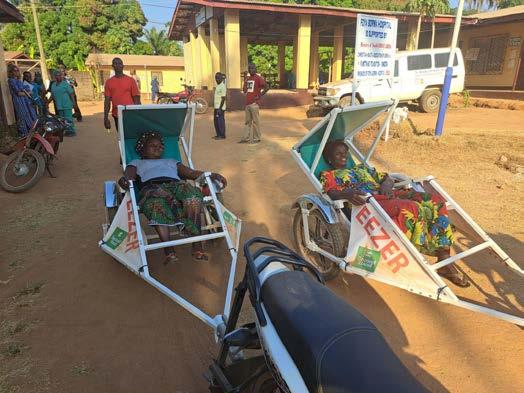
In the remote corners of Liberia, reaching a clinic or health centre has often been a matter of life and death. Pregnant women from the hard-to-reach places of Foya, Lofa County, faced dangerous journeys over rough roads, and everyday motorcycle transport carried serious risks.
Francis Forndia, Executive Director of FoyaBorma Hospital, described what could happen on the way to care: “ Before they could get to the clinic, the pregnant woman would have lost her foetus. The pregnant mother sitting on the bike would press the baby to its early grave.”
With the only large referral hospital from Foya being a one-day drive away, it causes lots of pregnant women or patients to lose their
lives. But the arrival of the first two motorcycle ambulances in the region is changing this reality.
“The motorcycle ambulance has been a real blessing,” said Francis. “Unlike ordinary motorbikes, these ambulances are equipped with a two-wheeled trailer, allowing patients to lie down safely during transport.”
MAF flew two motorcycle ambulances from the capital, Monrovia, to Foya. The ambulances were donated by a Swedish nonprofit organisation and supported by the Pentecostal Church in Sweden.
“By flying the motorcycle ambulances to help pregnant women access better treatment, MAF has made life change with a deep smile.” Said
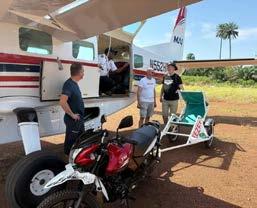
Francis: “We had serious challenge. We were losing a lot of babies due to bad roads. These motorcycle ambulances are going to help a lot of pregnant women.”
He also emphasises the wider impact: “Mothers and children are our future leaders. So, when you save them, you are helping Liberia’s future.”
Francis also spoke positively about the availability of MAF flights to airlift critically ill patients from rural areas for more advanced treatment, and to deliver medical supplies: “We look forward to doing patient transfers using MAF flights to enable patients access quick health care in the capital.”
“Thank you so much for your support to help meet the health needs in Liberia.”
“YOU
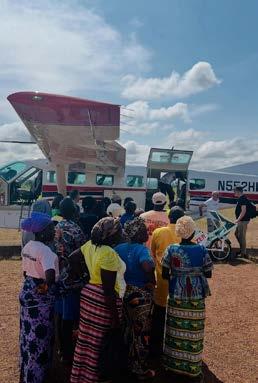
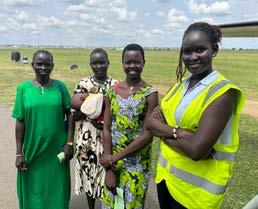
From her desk in the MAF bookings office, Akoot Dhieu has personally witnessed the massive change in fistula patients who fly in and out of Juba, South Sudan.
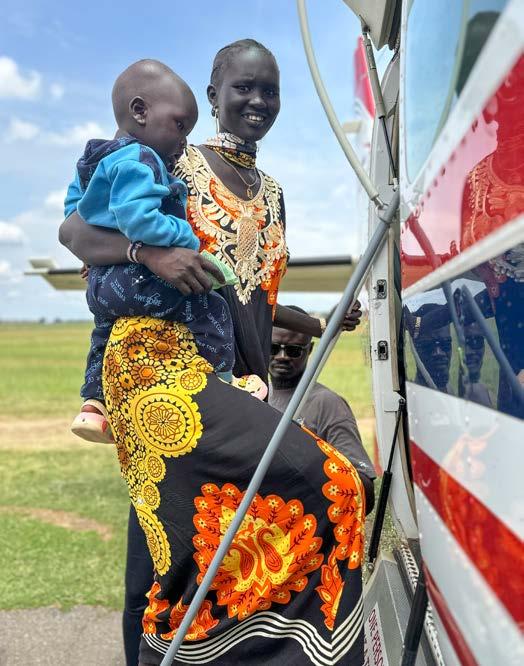
Obstetric Fistula | A severe childbirth injury that occurs after prolonged and complicated labour without skilled medical care. The injury often causes chronic leakage of urine or faeces. Around 500,000 women worldwide live with fistula, most of them in developing countries. In South Sudan, an estimated 60,000 women live with the condition.
When they first disembark from the MAF plane in Juba, most fistula patients are more than just tired from the journey – they are worn down by life.
“At that time, when the problem is not solved, they don’t want to interact with people. They already carry the stigma. If you ask a question, they will not be able to answer you because they are carrying a deep sense of shame,” Akoot says.
In a country where nearly 80% of people live in rural areas, Akoot understands the challenges women face when giving birth.
“A lot of things can go wrong when giving birth back home in the villages. If they don’t go to the hospital, things can become very difficult,” she says.
“Honestly, I came across fistula for the first time when hearing about the patients MAF is supporting. I am trained as a social worker, and I didn’t even know what these women are really going through,” Akoot says.
Akoot has seen the change with her own eyes: “After treatment, you can see how excited they are to meet you!”
“They are happy, with a big smile on their face. They don’t shy away anymore. You can see them glowing – in their faces and their skin. The difference is so big you can hardly tell these are the same people who arrived looking so tired.”
When the women are ready to travel home, the difference is like night and day. Relieved of the stigma and symptoms of a humiliating condition, the women are no longer patients, but passengers travelling home to restart their lives, radiating a newfound confidence and joy.
“The fistula flights are amazing,” Akoot says. “It’s really good work that MAF is supporting. It is something I’m very proud to be part of.”
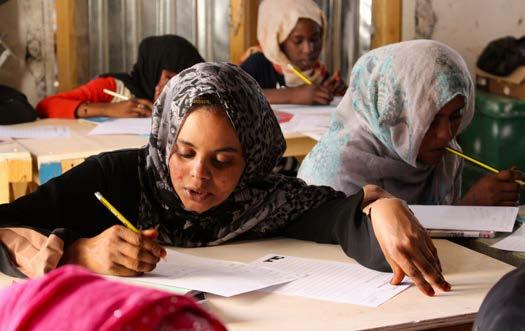
MAF has been serving Chad’s isolated communities since 1966. Fighting famine, delivering healthcare, and improving literacy. MAF continues to work with a range of partners - transforming lives for the better.
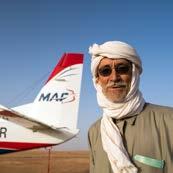
It was MAF’s co-founder Stuart King and pilot John Ducker who first surveyed the humanitarian needs of Chad using a Cessna 206 aircraft in 1965.
The following year, MAF set up base in Fort-Lamy (now N’Djamena) and launched its floatplane operation serving remote communities around Lake Chad in the west. Healthcare was transformed.
In 1968, MAF headed south to open another base in Koumra, adding a Cessna 206 to its fleet.
But following a period of Christian persecution under President François Tombalbaye and civil
war in the 1970s, MAF was forced to leave the country in 1979. Two years later, MAF returned and relocated to Bébalem in southern Chad.
MAF went on to save thousands of lives during Chad’s famine of 1985 by delivering 2,460 tonnes of food around Bébalem, preventing 55,000 people from dying of starvation.
In 1987, MAF averted another tragedy. When a locust and grasshopper infestation threatened to destroy crops in Bébalem, jeopardising food security in the region, MAF adapted one of its planes and acquired two more specialist aircraft to spray 320,000 acres of crops.
Millions of insects were destroyed. Countless lives were saved.
Meanwhile, far north - on the opposite side of the country in the heart of the Sahara Desertthe remote Teda people in Bardaï were facing other challenges.
Fellow Teda across the border in Libya were being suppressed and marginalised by Libya’s then leader Muammar Gaddafi. Speaking Teda in public was forbidden and a punishable offence. Until 1998, Teda was just an oral language, which had never been written down. But Linguist Mark Ortman began to change that after arriving in Chad with his family in 1993.
Mark’s mission was to empower the Teda and improve literacy – a gateway to both knowledge and development. And yet, due to propaganda and fear, Mark and his team were met with suspicion.
‘The Teda people did not want their language written. This was an incredibly isolated region, so they really had a siege mentality,’ explains Mark.
‘The Arab world was telling people that if you learn to read your own language using the Latin alphabet, you would become a Christian. This was an incredible impediment to getting the Teda to read and write their own language.
‘But once it was actually written and they saw it, they were kind of impressed.’
After developing the Teda alphabet in Chad, the first Teda reading materials were published in 1998. People started smuggling them over the border into Libya. But under Gaddafi, they were banned.
After Gaddafi fell in 2011, the Mosko Hanadii-ĩ Learning Centre opened in Bardaï that same year. Ever since, the Teda have been learning to read and write their own language without fear or trepidation.
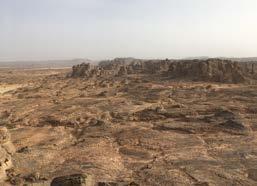
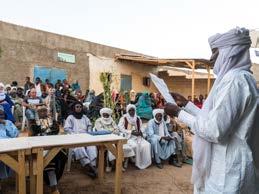
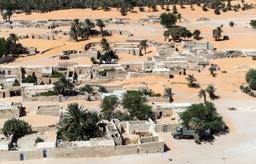
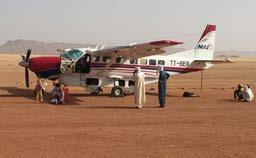
For over 30 years, MAF has been an integral part of the Teda’s and Mark’s story. Bardaï’ is surrounded by the Tibesti Mountains in the middle of the Sahara Desert. An overland journey would take Mark and his team five days to get there from the capital, N’Djamena.
Crossing the Sahara is dangerous - it risks breakdown, dehydration and robbery. But With MAF, it takes six hours, transforming Mark’s work.
‘Without MAF, it doesn’t run,’ concludes Mark.
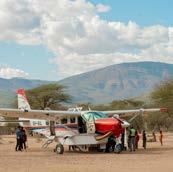
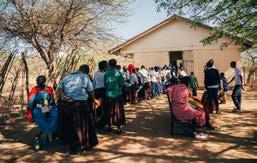
With its medical emergency flights – known as medevacs – MAF saves the lives of many individuals. These missions are often the only hope for patients in acute need. But the flight in this story powerfully demonstrates just how effective help from the air can be: one takeoff, one landing – and nearly a thousand people received medical care.
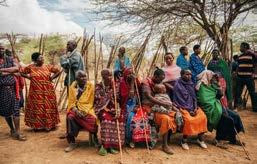
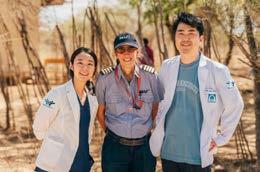
“The sheer number of people who turned up from across the region shows how great the need is in the community,” said Becki Dillingham. She was the MAF pilot who flew the medical team from the Pamoja Specialised Polyclinic to Malambo in just 35 minutes – a journey that would have taken eight hours by road.
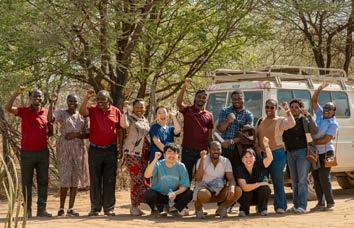
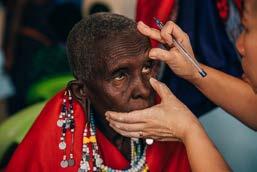
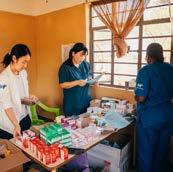
Over the two days of the mobile clinic, the nine-member team treated almost a thousand patients, the majority of whom were suffering from ophthalmologic conditions, while dental and other medical needs were also addressed.
Among the medical professionals was Dr Dahee Park, an ENT (Ear, Nose and Throat) specialist
from South Korea, and Director at Pamoja Specialised Polyclinic.
He noted that during the outreach in Malambo, the team were deeply moved by the reality of life in a remote community where access to basic medical care and resources is extremely limited.
“Many people live with untreated medical conditions for long periods of time, not because of neglect, but because medical services are simply not available or accessible.
Simple interventions such as basic health education, eye protection, and early treatment could greatly improve their quality of life.
“Our mission is not only to treat diseases but
also to bring comfort, hope, and dignity to every person God sends to us,” Dahee said. “Through this work, we aimed to respond to their needs and demonstrate care and compassion in practical ways,” the doctor said.
Dahee saw what was accomplished and praised their effective partnerships: partnering with MAF in enabling them to reach places that would be nearly impossible to otherwise access, and with Help for the Maasai in ensuring community organisation and connection.
Sara Frykowski, the Director of Help for the Maasai, talked about the importance of local partnerships. “Our aim is to give the community equal access to spiritual, social and economic wellbeing. Since Malambo is remote with a lack of infrastructure we are so thankful for the collaboration with MAF and with the Pamoja Specialised Polyclinic to help us reach that vision.”
Dahee said “Each group plays a vital role, like different parts of the body of Christ working together for His glory.”
In Papua New Guinea’s remote Enga province, MAF flights have helped transform a fragile bush hut into a life-saving health centre, showing how aviation can bring hope, healing and stability to cut-off communities.
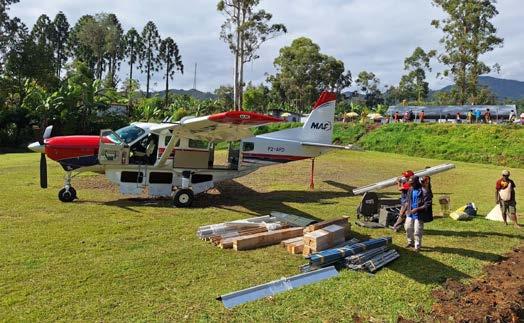
Tucked away in the remote lower highlands of Papua New Guinea’s Enga province, the people of the greater Yambaitok area live in a landscape shaped by rugged mountains, dense rainforest and, too often, tribal conflict. For thousands across this scattered region, access to healthcare comes down to a single place: Yambaitok Health Centre.
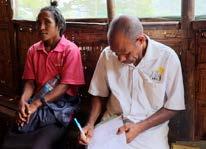
For almost nine years, dedicated community health worker Patrick Dickson has served patients here, working from a fragile, one-room hut made of bush materials. With walls of woven matting and shelves fashioned from small tree trunks, the building has struggled to cope with the needs of a growing catchment area.
“There are no other health facilities nearby” Patrick explains. “On a normal day I see around twenty patients. In a month, that can reach four hundred, many of them walking for hours just to get help.”
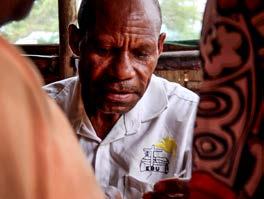
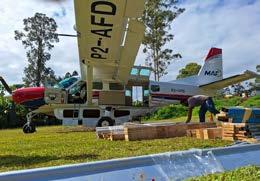
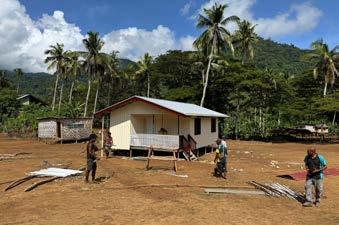
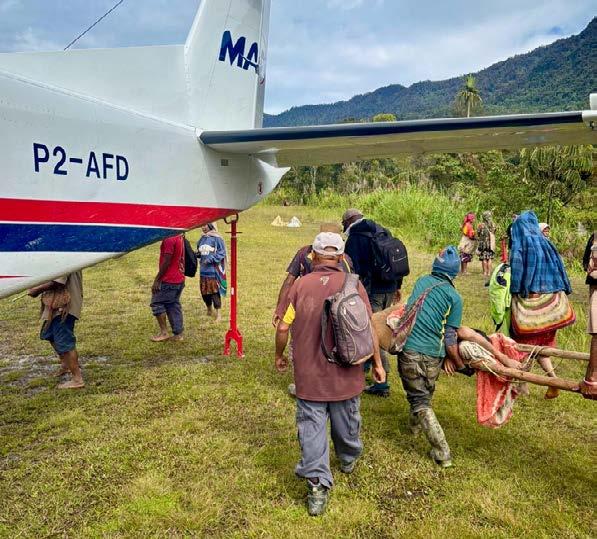
The transformation now under way is nothing short of remarkable and it would not be possible without MAF. Ten vital flights carried heavy building materials from Kompiam, overcoming terrain that makes road access virtually impossible. Those flights have changed everything.
The new health centre will include a labour ward, outpatient space and rooms to accommodate patients, replacing the tiny hut Patrick has worked from for nearly a decade. It will serve the people of Yambaitok and its neighbouring communities and save them the treacherous trek across rivers and mountains in search of care.
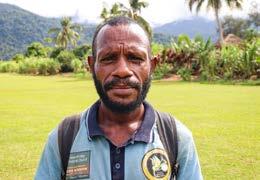
For some, like Sikit Samo from the village of Elem, the journey is extreme. He walked six hours to Yambaitok to collect medicine for his bedridden sister. “MAF is the only service that brings medicines and doctors to our communities” he says.
As the doors of the new clinic prepare to open, Patrick reflects on the change with gratitude. For the people of Enga’s highlands, MAF’s flights have done more than deliver materials, they have delivered hope, stability and the promise of better health for generations to come.
Mission Aviation Fellowship
Standard Bank Greenstone
Branch code: 016342
Swift code: SBZAZAJJ
Account No: 020044615
Be