


Made lifestyle magazine is designed and created with love by Createinn.
MARKETING BRANDING PHOTOGRAPHY DESIGN PRINT SIGNAGE WEB
Look for the Made TV logo next to stories in the magazine to indicate associated video content on our YouTube Channel - Made Lifestyle. Don't forget to subscribe!

elcome to our green issue. Spring has arrived, and across Nottinghamshire trees are budding and flowers are emerging, and even the smallest shoots remind us of nature’s resilience and rhythm. It’s a season that invites us to slow down, notice the renewal around us, and consider how we can work alongside nature as it flourishes — in our gardens, green spaces, rivers and woodlands.
In this issue, you’ll find stories that connect past and present, creativity and conservation. Mr Straw’s House offers a glimpse into a family life preserved in time, reflecting values and routines that quietly shaped a community. At Thoresby Courtyard, Suzanne Curtis’ new studio celebrates creativity through her whimsical textiles and jewellery, reminding us that art and nature often grow hand in hand.
Spring is also a time to listen and observe. Robert James explores the voices of the woodland, revealing why birdsong is the true soundtrack of the season and how we can help protect it. Along the River Trent, Erin McDaid of Nottinghamshire Wildlife Trust shares the ongoing work to restore habitats, allowing species such as salmon and otters to return and thrive once more.
Heritage and science meet at Green’s Windmill & Science Centre in Sneinton, where the legacy of mathematician George Green lives on in a working mill that connects history with our modern understanding of the natural world.
For those keen to explore outdoors, Sally Outram walks the Chesterfield Canal, a gentle spring journey where wildlife, heritage and careful stewardship coexist. Teresa Bovey celebrates the flavours of the season with fresh, light recipes, while innovations in sustainable transport, such as the all-electric Volvo EX60, highlight how greener choices are becoming part of everyday life.
Spring also brings a calendar full of events, from World Book Day on 5 March and Mother’s Day on 15 March to St Patrick’s Day on 17 March, Easter in early April and St George’s Day on 23 April. This season also invites reflection and celebration through International Women’s Day on 8 March, recognising the achievements and contributions of women in our communities, and Earth Day on 22 April, a timely reminder of the importance of caring for the environment we all share.
So as the days grow longer, take time to enjoy all that Nottinghamshire has to offer. Support local businesses, recycle where you can, and help care for the green spaces that make our region special. Every small choice helps keep Nottinghamshire thriving. With new growth all around us, there’s no better moment to celebrate and protect the places we love. Here’s to a spring full of colour, fresh beginnings, and the simple joy of being outdoors.

Made In Notts
www.madeinn.co.uk
MD & Executive Editor
Jon Rogers • jr@madeinn.co.uk
Design Manager
Paul Chance • pc@madeinn.co.uk
Content & Layout Manager
Michelle Rogers • mr@madeinn.co.uk
Advertisement & PR Team advertising@madeinn.co.uk
Editorial Assistance
Gemma-Louise King • glk@madeinn.co.uk
Editorial Enquiries
editorial@madeinn.co.uk
Advertisements advertising@madeinn.co.uk
General Enquiries hello@madeinn.co.uk Tel 01777 712609
Createinn Ltd.
Retford Enterprise Centre, Randall Way, Retford, Notts, DN22 7GR Tel 01777 712610 www.createinn.com
ISSN 2515-6551 Cover design by Jon Rogers
Made is designed and published by Createinn Ltd.
All rights reserved; reproduction of any part of this magazine is not allowed without the written permission of the publishers. Prices are correct at the time of going to press.
While every care is taken, Made and Createinn Ltd, the publishers, endeavour to ensure that all the information inside the magazine is correct, prices and details including dates are subject to change.


08 The Local Roundup. The latest news from across the region.
24 The House Where Time Stood Still. Mr Straw’s House captures a moment in time, preserving the lives, routines and memories of a family who quietly shaped their community.
30 Voices Of The Woodland. Why spring birdsong is the true soundtrack of the forest — and how we can help protect it. By Robert James, Sherwood Forest & Budby South Forest.
40 The Trent's Next Chapter.
Time to help nature reclaim our mighty Trent so that species such as salmon and otter can return for good. By Erin McDaid, Nottinghamshire Wildlife Trust.
44 Fragments, Faerytales & Escapism.
Nottinghamshire textile artist Suzanne Curtis is known for her quiet magic and delightfully whimsical textiles and jewellery. Made went to visit the new Fragments & Faerytales creative art studio.
50 Heritage & Genius.
Made visited Green’s Windmill and Science Centre to discover not only the dynamics of a working mill, but also its heritage and the story of genius surrounding its former owner.
64 Lose Yourself To Find Yourself! How small adventures and new experiences train your brain for adaptability, empathy, and joy. By Chris Collins, life coach.
74 Slowly Does It: Style That Lasts. Spring dressing with purpose — considered clothing that feels good, looks good and lasts.
58 Spring Wildlife Gardening. Simple tips to support pollinators, compost, and conserve water this spring in your garden.
67 Easter Eats!
Seasonal favourites and fresh spring recipes, from chocolate bakes to light lunches, by Teresa Bovey, food demonstrator and home economist.
60 Walking The Green Way. A gentle spring journey along the Chesterfield Canal, where heritage, wildlife and quiet care shape the landscape. By travel writer and photojournalist Sally Outram.
80 The All Electric Volvo EX60. Say hello to the Volvo EX60 – a new, all-electric mid-size SUV that changes the game in the largest electric market segment in terms of range, charging speed, performance and price.

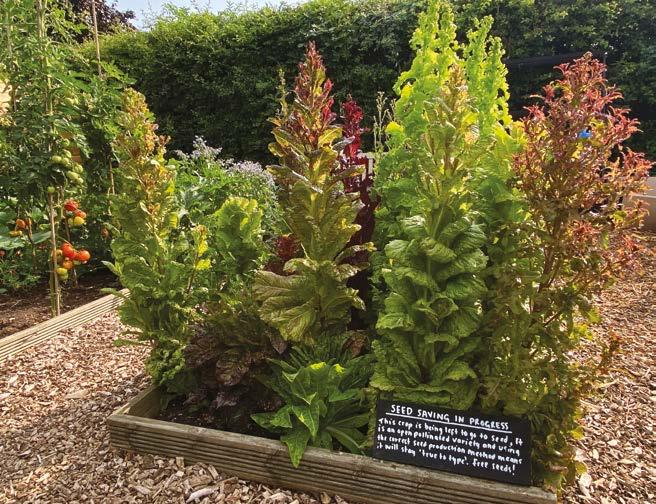
Notts Seed Network launches to support local seed saving across Nottinghamshire.
“We celebrate seeds, the people who grow them, and the places they are grown across our city and county.”
- Xanthea Turner, Coordinator for the network.
Notts Seed Network is a newly formed grassroots network bringing together growers, gardeners, educators, and land workers across Nottingham City and Nottinghamshire to support the growing, saving, and sharing of openpollinated seeds.
The network officially launched with its first public seed swap in February this year, held during the opening of the We Feed The UK exhibition at Primary, Nottingham. A small community seed library is installed at Primary for the duration of the exhibition and will be accessible until late March.
The project aims to strengthen local seed systems at a time when most seed used in the UK is imported and controlled by a small number of multinational corporations. By supporting open-pollinated, locally adapted seed grown in gardens, allotments, and
community spaces, the network works to protect crop diversity, biodiversity, and local food resilience.
“Seeds are the foundation of our food system,” says coordinator Xanthea Turner.
“Keeping them in community hands gives people real agency over what they grow, how they grow it, and how resilient our food system can be.”
Over the last century, global crop diversity has declined dramatically. Around 75% of genetic crop diversity has been lost since 1900, and today two-thirds of the world’s seed is owned by just four agrochemical corporations. Locally grown, open-pollinated seed plays a vital role in reversing this trend by adapting to place, climate, and community needs.
A key part of the network’s work is supporting seed gardens, spaces dedicated to growing plants specifically for seed. One local example is Cropwell Community Garden (Cropwell Butler, NG12), where open-pollinated veg-
etables, herbs, and flowers are grown agroecologically for seed sharing through the network. These gardens help preserve crop varieties while sharing practical seed-saving skills with communities.
In April, Notts Seed Network will launch a seed grow-along, inviting growers and gardeners across Nottinghamshire to sow, grow, and save seed together, with shared learning and support throughout the season.

The network is open to anyone interested in seed saving, from beginners to experienced growers. Community gardens, land-based projects, schools, and individuals are all invited to take part, whether by growing seed, hosting a seed library, becoming a seed garden, or participating in events.
For updates, upcoming events, and ways to get involved, people are encouraged to subscribe to the network’s newsletter or get in touch directly.
For more information visit: seednetworknotts.substack.com or email: seednetworknotts@gmail.com Instagram & Facebook: @seednetworknotts


Clumber Park Worksop, S80 3AZ
Photography Walk:
Spring Bulbs
25 Mar, 10.30am – 12.30pm
Expect gentle guidance, photography tips, great conversation and a stroll through the landscape of Clumber Park. Open to all abilities, no booking required, meet under the Clock Tower. Please bring your own phone or camera
Easter Fun
Easter Carnival Family Fun Trail
28 Mar – 12 Apr
Follow the trail to different carnival themed activities including circus skills, heritage games, and duck hoopla throughout the Pleasure Grounds. £3.50 includes trail sheet, activities, and egg prize.
Crack The Case: An Easter Whodunnit.
28 Mar – 12 Apr
Aimed at young adults and ‘double digit’ visitors. Follow the carnival inspired clues around the park to solve the mystery of the lost Hope Diamond. £3.50 inc. trail sheet, activities, and egg prize.
Vintage Steam Fair
28 Mar – 12 Apr
Lakins Steam Fair comes to Clumber Park. Visitors of all ages will love the dodgems, steam yachts, and traditional game stalls.
Ian DavenportExhibition & Residency at Clumber Park
3 – 11 Apr
Beautiful artwork by the renowned local artist, Ian Davenport. Showcasing some unique works on Clumber Park and other varied pieces from his catalogue.
Southwell, NG25 0PT
Easter Family Fun Trail
28 Mar – 6 Apr
Pop on your bunny ears, complete ten Easter themed activities around the property before claiming your prize. £3.50 including egg.
www.nationaltrust.org.uk
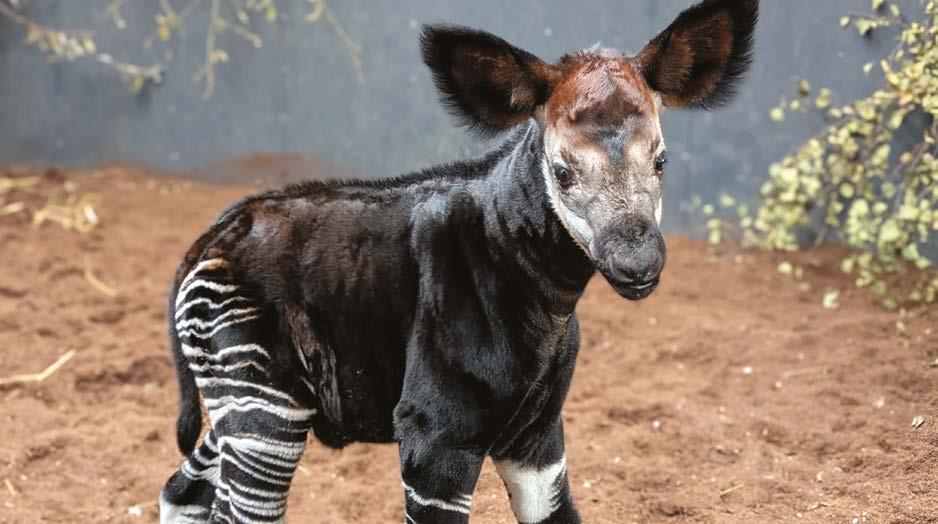
There’s a new bundle of joy at Yorkshire Wildlife Park! Mother Ruby gave birth to a gorgeous baby Okapi recently, adding another precious member to the park's family.
Ruby’s little one is yet to be named, but the excitement is already sky-high. Earlier in 2023, Ruby was sent to Chester Zoo to meet Stomp, a handsome male Okapi, as part of the European breeding programme. She returned to Yorkshire several months pregnant, and the result is this healthy, adorable calf.
Kyrie Birkett, Section Head of Hoofstock, shared the happy news: "We are absolutely thrilled to welcome a baby Okapi! Even at just a few days old, they already have their stunning, distinctive markings. Both Ruby and her calf are doing wonderfully."
This is Ruby’s second calf—her first, Mzimu, was
born in 2021 and has since joined the breeding programme at another zoo. Seeing Ruby so protective and attentive with her new arrival is a real joy for the team. During the first few weeks, the calf will hide in a nest, emerging only to feed and spend time with Ruby, making any public sightings a special treat.
Yorkshire Wildlife Park, spread across 175 acres in Auckley near Doncaster, is one of the rare places in the UK where visitors can get up close to these traditionally shy and reclusive creatures. Okapis, sometimes called forest giraffes, can grow to nearly five feet at the shoulder, reach up to eight feet in length, weigh around 350 kilograms, and live up to 30 years.
Currently classified as Endangered, Okapis are native to the northeastern rainforests of the Democratic Republic of Congo, where they face threats from poaching,
logging, and illegal mining. Seeing new calves like Ruby’s helps ensure their future and supports vital conservation efforts.
The park puts conservation at the heart of everything it does, offering visitors a unique walk-through experience with rare and breathtaking species, including Amur Tigers, Giraffes, Black Rhinos, and Polar Bears. For those wanting a full day out, the resort also boasts The Hex Wildlife Hotel and The Yorkshire Hive—a lively shopping, dining, and entertainment village.
Yorkshire Wildlife Park has every reason to celebrate: a healthy new arrival, a devoted mum, and yet another step in protecting one of the world’s most beautiful and elusive animals.
Find out more details about the park and the latest news by visiting: www. yorkshirewildlifepark.com
SATURDAY 16TH MAY from 10:00AM till 4:00PM
OLD MARKET SQUARE, WORKSOP, S80 1HS
FREE FAMILY FUN ROLL UP, ROLL UP ON
CLIMBING WALL TOP CIRCUS ACTS BMX STUNT SHOW
FOOD & DRINK STALLS FUNFAIR STREET ENTERTAINMENT AND MUCH, MUCH MORE

From now - 19 Apr
Families can take on an interactive trail across six amazing attractions in Nottinghamshire and Derbyshire.
Why take part?
• Explore great local days out.
• Learn fascinating stories.
• Keep the family entertained. Collect digital badges. You could win:
Gold Prize: A £1,000 Center Parcs gift card for an unforgettable family stay.
Silver Prizes: Tickets to Gloworm Festival and gift vouchers for family days out such as Go Ape, Sundown Adventureland, Gulliver’s Kingdom and more.
Bronze Prizes: Restaurant vouchers, treats from local cafes, book vouchers, and local gift cards.
Visit all six attractions to become an official Rebel Ranger and join the prize draw.
Get ready to explore forests, forts, ruins, and mysterious carvings as you join the Rebel Rangers on a mission to uncover the secrets of the past. From brave rule breakers to hidden heroes and outspoken challengers of their time – there’s a story waiting at every stop!
This year’s trail includes some incredible destinations:
• Rufford Abbey Country Park
• Thoresby Park
• Bolsover Castle
• Hardwick Hall
Creswell Crags and Welbeck Estate
• Clumber Park
Your mission:
• Travel to each of the trail’s secret locations.
• Complete challenges, uncover hidden stories, and take a photo at each stop.
• Collect your digital badges and fill up your Rebel Rangers passport.
For full details and to register visit: www.rebelrangers.com

An awe-inspiring Knife Angel sculpture, made from over 100,000 seized blades, will be travelling to Newark as part of the UK National Youth Anti-Violence Tour.
The sculpture, which was specifically created by the British Ironwork Centre, took over two years to create with support from police forces. They provided over 200,000 knives removed from the streets, more than double needed to make the sculpture, with excess knives being recycled.
Many of the blades used to create the wings are inscribed with the names of lost loved ones of the 80 or so families who have supported the project. They were often messages of loss and love to those who have tragically died from a knife attack or injury.
Not only does the angel highlight the negative effects of violent behaviour and act as a catalyst for turning the tide on violent acts, but it also acts as a beautiful memorial designed to celebrate those lives who have been lost through these violent and thoughtless actions.
Newark and Sherwood District Council, along with We
are Newark and You Can Do Sport, worked in partnership to bring this temporary installation to Newark, the first town in Nottinghamshire to have the display.
Councillor Paul Taylor, Portfolio Holder for Public Protection and Community Relations at Newark and Sherwood District Council, said: “The Knife Angel is awe-inspiring, and I hope many residents in Newark and the surrounding areas come to visit this magnificent piece of art.
“It’s a real privilege to have it in our town and not only is it inspirational, it carries an important message about the dangers of knife crime and a strong anti-violent message.”
Emma Holden, Project Manager of We Are Newark, said: “We are honoured and privileged to be part of the project team, working together to deliver an exciting and educational 30-day programme of events that will engage our community, spark important conversations, and create a lasting legacy for Newark."
Natalia Postlethwaite, Director of You Can Do Sport, said: “We have a fantastic Community in Newark, and it’s so heartwarming to have
received an overwhelmingly positive response to this, with so many people and organisations having now joined together, contributing their ideas, time and resources.
“You Can Do Sport, We Are Newark, Newark and Sherwood District Council and Newark Town Council, have formed a team to drive the project - and more and more people, and organisations are offering to play their part every day.
“We have some really exciting, and ambitious plans in the pipeline, with the Knife Angel at the epicentre, which in itself has involved a huge amount of effort and input from so many."
The Knife Angel will be in Newark town centre from 21 Apr - 20 May 26. While the sculpture is in the town, there will be a programme of educational awareness activities via schools and community events to raise awareness of the dangers of knife crime.
You can find out more here: www.britishironworkcentre. co.uk/the-knife-angel-official
For details and updates visit: www.newark-sherwooddc. gov.uk
Join us for a relaxed open day at Retford Enterprise to explore our co-working space, enjoy a motivating business talk, tour the building and connect with other local professionals. After the morning’s activities, attendees will also be welcome to book complimentary use of our co-working space for the rest of the day.
Start your day with breakfast cobs and coffee while you meet other local business owners and freelancers. Enjoy a motivational session on staying resilient in today’s business world, followed by guided tours of our offices, co-working areas and meeting rooms.
If you’d like to stay on afterwards, we’ll be offering complimentary co-working space bookings for attendees for the remainder of the day, giving you the chance to experience the environment first-hand.
Whether you’re considering co-working, private offices or simply want to expand your network, this open day is a great opportunity to see how Retford Enterprise – and our sister site, Middletons Yard in Worksop – could support you and your business.
Agenda
• Arrival from 8:30am: Breakfast cobs and tea/coffee.
• 9.30am: Guest motivational session – “How to stay resilient in today’s business world” with Luke Staton.
• Mid-morning: Coffee and pastries.
• Followed by: Guided building tours.
• Optional: Complimentary co -working space bookings available for attendees for the rest of the day.
Get in touch by calling 01777 712712 or emailing retfordenterpriseinfo@bassetlaw.gov.uk


Discover a modern, flexible workspace designed to support entrepreneurs, freelancers, and growing businesses. At Retford Enterprise Centre, you’ll find everything you need to work smarter, meet professionally, and scale with confidence.




Ollerton, NG22 9DF
Afternoon Tea With Vocal Soloist
15 Mar
Spoil Mum with a truly memorable afternoon. Enjoy a beautifully prepared Afternoon Tea served in the Talbot Suite at the Mill, accompanied by the enchanting voice of a live soloist, and a free glass of prosecco for Mum! £25pp — book now.
2-Course Sunday Lunch
15 Mar
Enjoy a delicious 2-course Sunday Lunch in the historic Abbey Kitchen restaurant. Relax, enjoy exceptional food, and let us do the hard work while you celebrate Mum. £16.95pp. Reserve your table.
Other Ways To Celebrate
Adventure Golf – Perfect for a family outing.
Courtyard Gift Shop – Presents, cards, and treats.
Coach House & Mill Tea Shop
– Enjoy a slice of cake, a cup of tea, or a light bite.
Visit the Abbey Ruins – Explore history together amidst stunning surroundings.
Walks & Woodland Trails –Wander the woodlands, stroll around the lake, or explore the formal gardens and sculpture trail. Orangery & Plants – Browse and buy beautiful plants to brighten Mum’s day.
For more details visit: ruffordabbey.co.uk
‘Confectioner Extraordinaire’ shares her secrets...
Best known for luxury wedding cakes and bespoke orders, Tina Baird (Celebrity Cakes) is now opening her private Mansfield studio for a new series of intimate masterclasses.
Tina shares her exclusive secrets—from custom flour blends to professional handling techniques—giving you the knowledge to tackle gluten-free baking at home.
The GF Afternoon Tea (Sponge & Scones)
Dates: Feb 24, Mar 3, Mar 11, Apr 1, Apr 8.
The Advanced Masterclass (Artisan Bakewell & Mirror Glaze)
Dates: Feb 23, Mar 17, Apr 14.
(1:1 Tuition also available).
Location: Mansfield, Notts.
To order cakes or book classes call: 07848 946456 or visit: www.celebritycakes.co.uk

Welbeck Farm Shop shortlisted for two national awards.
The Welbeck Farm Shop, which sits in the heart of a vibrant food community on the Welbeck Estate in Nottinghamshire, has been named a finalist for two top national awards. It features in the Large Farm Shop of the Year categories in both the Farm Retail Association and Farm Shop & Deli Retailer Awards. The winning Farm Shops will be announced in award ceremonies on 11 Mar and 13 Apr respectively. Additionally, the Estate’s Harley Café is also in the running for Café of the Year in the Farm Retail Association Awards.
Oliver Stubbins, Managing Director at Welbeck Farm Shop, commented: “We're honoured to be recognised yet again by the excellent judging panels of the Farm Retail Association and the Farm Shop & Deli Retailer Awards. These are two of the most respected awards in our field and this is testament to the hard work and dedication of the entire Farm Shop team and our wonderful suppliers, many of whom are based on the Welbeck Estate. We were thrilled to be crowned the winner of the 2024 Large Farm Shop of the Year at the Farm Shop & Deli Retailer Awards, so are keeping everything crossed for another triumph.”
The Farm Retail Association Awards, sponsored by Field-
fare, celebrate the cream of the crop in the industry, showcasing an incredible array of farm retailers from the length and breadth of the UK. Following a three-stage judging process, the winners will be crowed at a glittering awards ceremony on 11 Mar at Cedar Court Hotel in Harrogate.
The Farm Shop & Deli Retailer Awards, championed by Fieldfare and in partnership with The Grocer, are renowned in the sector for recognising independent retailers championing British produce, sustainable sourcing and exceptional customer experience - from longstanding family businesses to ambitious newcomers reshaping the sector. A diverse nationwide shortlist reflects local excellence. In total, 54 businesses have been shortlisted and the winners will be announced at the Farm Shop & Deli Show on 13 Apr.
Since opening in 2006, Welbeck Farm Shop has earned a reputation for being one of the region's best farm shops. Much of the Shop’s product range is sourced from, or prepared on, the Welbeck Estate – it stocks the Estate’s own meat and game. Other Made at Welbeck range items include ale from Welbeck Abbey Brewery and bread from Welbeck Bakehouse.
For more information, visit www.welbeckfarmshop.co.uk
For more info on the Farm Shop & Deli Retailer Awards, visit www.farmshopanddelishow.co.uk/awards
For more on the Farm Retail Awards, visit www.farmretail.co.uk/awards/

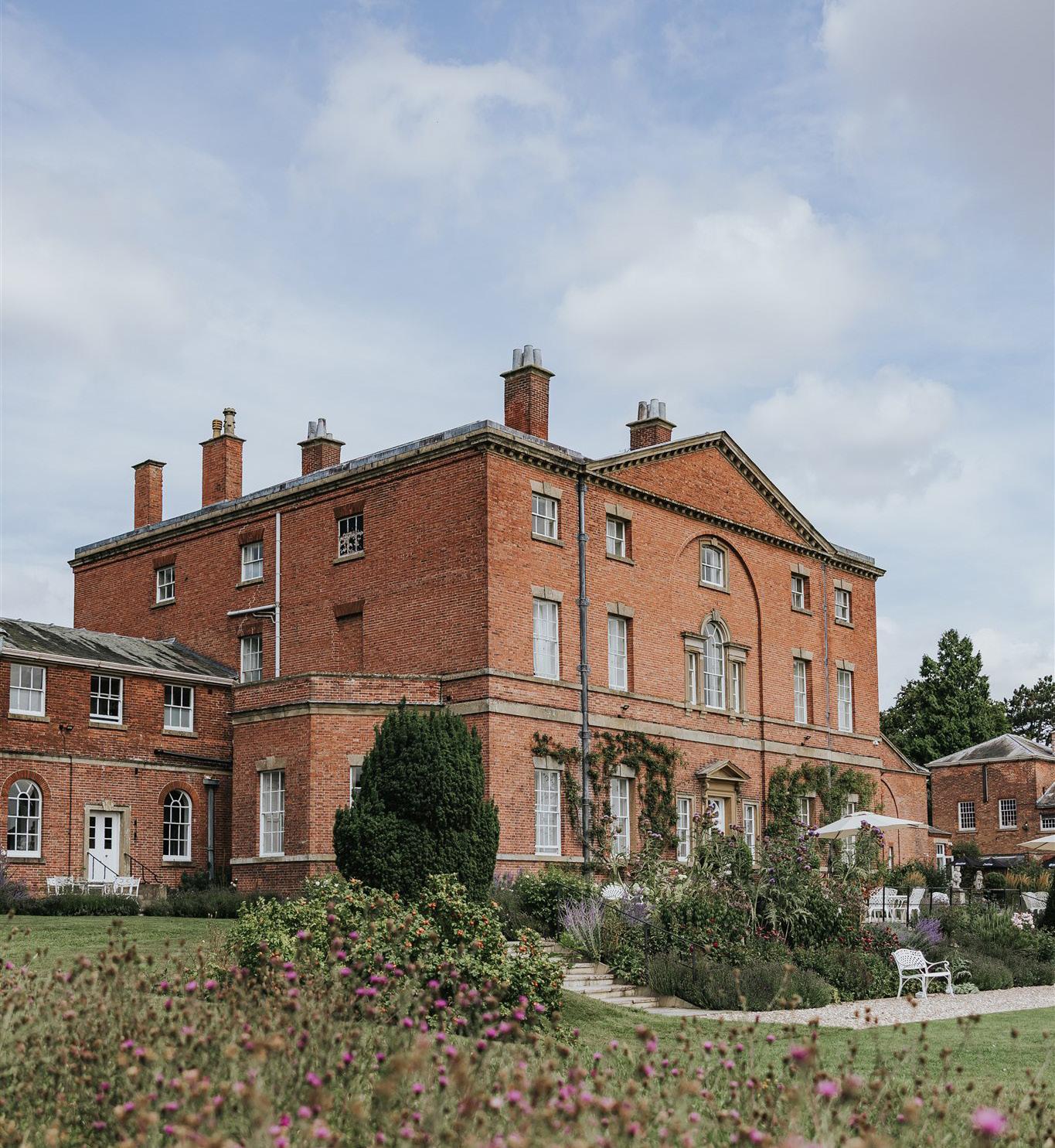










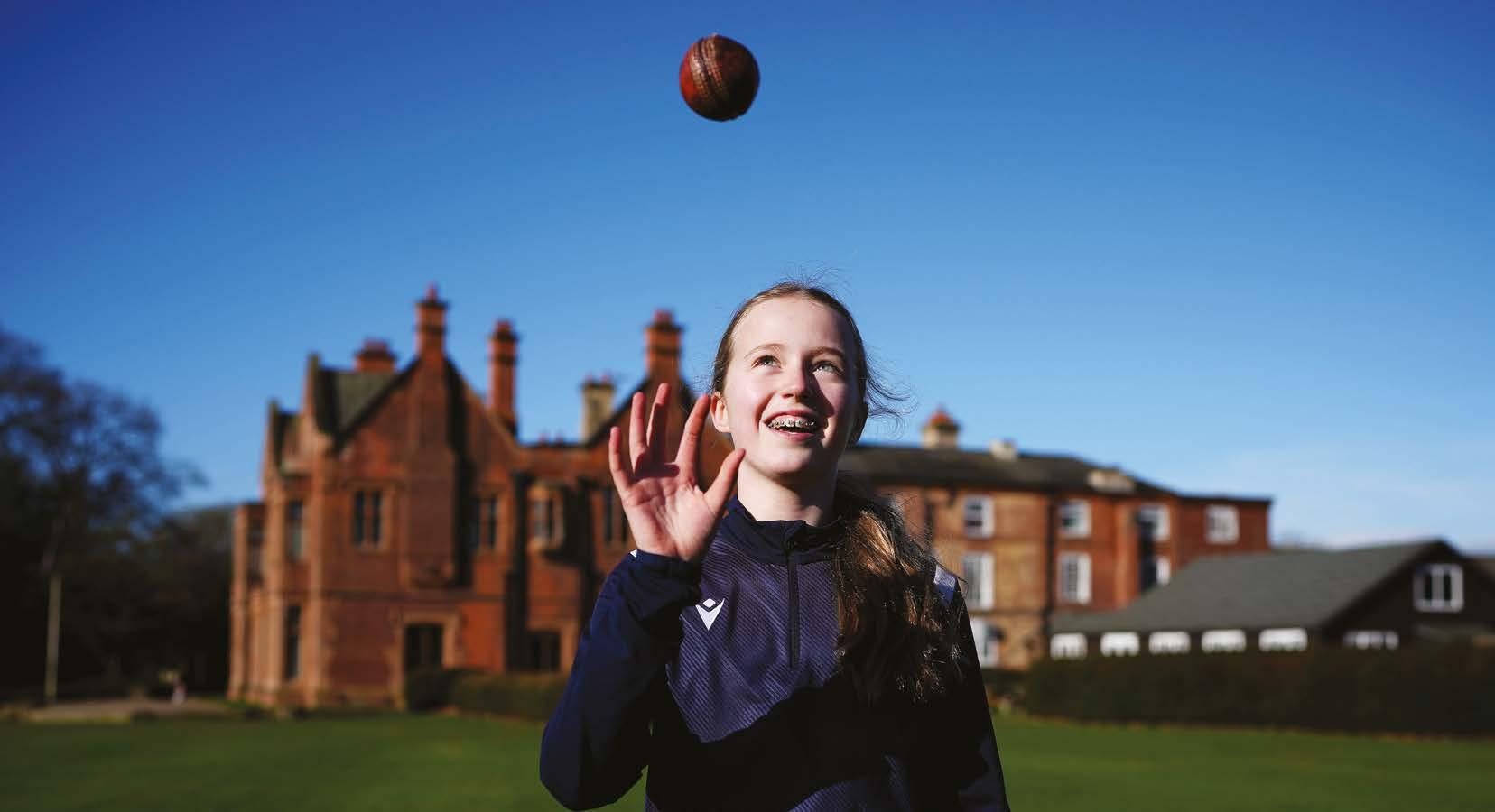
At Worksop College and Ranby House, equality in sport is part of everyday life, not something reserved for a single date in the calendar. International Women’s Day offers a moment to pause and reflect on a sporting ethos built around opportunity, choice and wellbeing for all pupils.
Worksop College has just celebrated an extraordinary milestone – 130 years since its foundation in 1895. As one of North Nottinghamshire’s most recognisable institutions, the College has long stood as a cornerstone of the local community, education, and regional enterprise.
The College’s story began on land generously gifted by the Duke of Newcastle’s Clumber Estate. Since then, the site has expanded into the impressive 400-acre estate it occupies today – a landscape rich in heritage and a long-standing contributor to local employment and economic life.
Founders’ Day 2025 offered a moment to pause, reflect,
and look ahead. Pupils, staff, alumni, and friends of the school came together for a celebration rooted in tradition and symbolism.
A highlight of the day was the planting of 50 cherry blossom trees along the historic College driveway. Selected for their beauty and symbolism of renewal, the trees will bloom each spring as a reminder of the generations of Worksopians who have walked these paths – and of the future still unfolding.
Younger pupils also played a meaningful role, carefully burying a time capsule filled with reflections and mementos from 2025. Their contribution leaves

a thoughtful legacy for future Worksopians, offering a snapshot of College life at this moment in time.
Reflecting on the occasion, Headmaster Mr Charles Bailey said: “For 130 years, Worksop College and Ranby House have stood as places of learning, friendship and opportunity. Today, we honour our past while shaping our future. The cherry blossom trees and time capsule are more than symbols – they are a commitment to the generations still to come.”
This anniversary year also marks the launch of the College’s refreshed values: Compassion, Integrity and Dedication. While newly expressed, these qualities have long shaped the ethos and character of the Worksop community – a continuation of a legacy founded on care, honesty, and perseverance.
Throughout its history, Worksop College has continually evolved to meet the needs of its community.
From the building of St Cuthbert’s Chapel in 1911, to the transformative Shirley era of the 1920s and 30s, the post-war acquisition of Ranby House, and the introduction of co-education in the 1970s, each chapter has strengthened its position as a key institution in North Nottinghamshire.
Yet while this anniversary honours the past, the College’s vision is firmly future-focused. As the new cherry blossoms take root, they serve as a fitting symbol of Worksop College’s next chapter: inspiring young minds, nurturing character, and preparing pupils to thrive in an ever-changing world.
For 130 years, Worksop College has been woven into the fabric of North Nottinghamshire life. Its Founders’ Day celebrations reaffirm that its influence –on education, community, and local successes – will continue for generations to come.



www.barrowhill.org


• Free guide with entry ticket

• Roundhouse turntable & signal box demonstrations
• Train rides (check website for train running days)
• Look around the Foreman’s Office & sit in the boss’s chair
• Interactive displays wagons

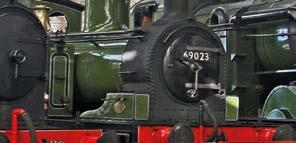
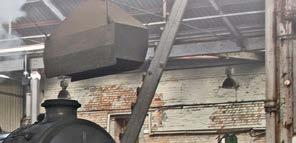
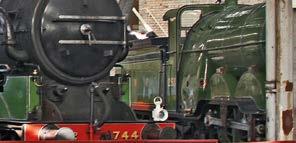
Immerse yourself in the atmosphere of the only surviving operational railway roundhouse in the UK. Discover the unique story of this 19th century building, now a popular museum.



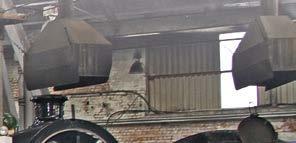
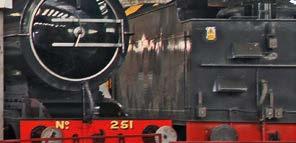
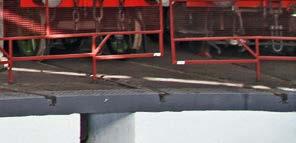
• Children’s activities, dress up & activity packs available during your visit
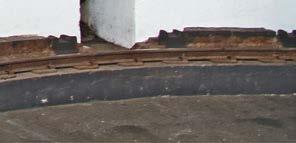
• Other interesting displays and artefacts, inc: the shed roster board, the towering shear legs, and the worn step, which tells its own story
far beyond the classroom.
Whether it’s experimenting in the lab, per forming on stage, exploring the woodlands or discovering new passions, every pupil is given the space and suppor t to try, grow and succeed.
10am - 4pm (last entry 3pm) Campbell Drive, Barrow Hill, Chester eld, S43 2PR
• Café – hot & cold food & drinks
• Shop – mementos and gifts
• Free parking
• Cyclists & walkers welcome OPEN
• Dog-friendly



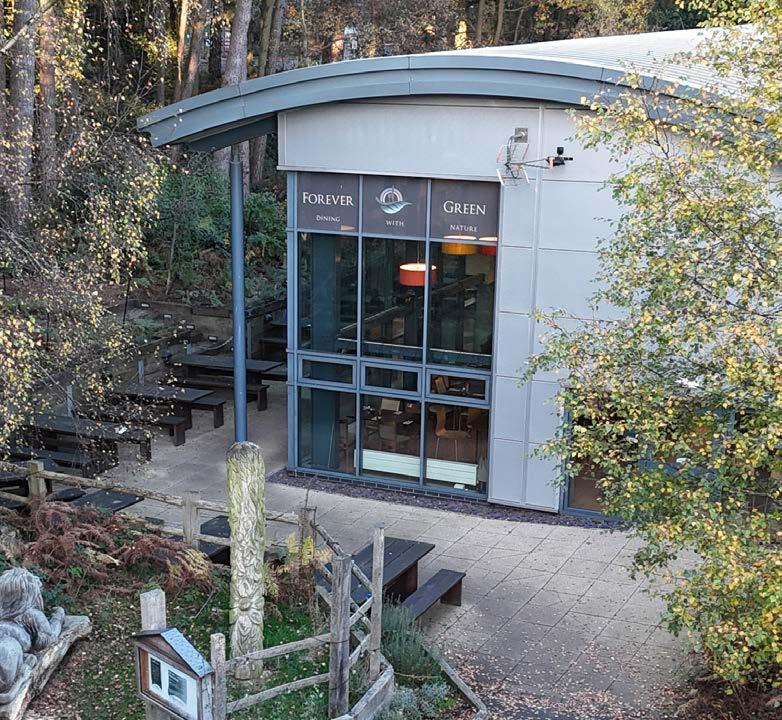
Forever Green is a vibrant restaurant and event venue nestled in 70 acres of woodland. Whether you’re after a relaxing coffee, a hearty breakfast, or a satisfying lunch, there’s something for every taste. Its cosy atmosphere makes it ideal for catching up with friends, family, or colleagues.
Beyond everyday dining, it is a beautiful choice for private and special events such as weddings, celebrations of life, christenings, or private parties. Whether you’re planning an intimate gathering or a larger celebration, the natural setting and personalised service will make your event truly memorable.
Visit to experience the charm and warmth of this treelined restaurant for yourself!
Monday to Friday 8am to 4pm Mother’s Day, 15th March, 11:30am to 2:30pm

Kings Clipstone, Nottingham, NG21 9JL
Walk Side By Side With Lincs & Notts Air Ambulance (LNAA)
22 Mar
You can take part in a 5k or 10k walk through the woodland with your loved ones and friends, including your fourlegged ones! A free t-shirt is included with your entry and children go free with an adult ticketholder.
It’s the second walk organised by LNAA, whose crews respond to emergencies across Nottinghamshire and Lincolnshire, day and night, every day of the year.
The charity receives no government funding, relying on donations for its life-saving missions. Walk for fun. Walk for family. Walk in memory. Walk to save lives. www.ambucopter.org.uk/ events/walk-side-by-side
Old Market Square, NG1 2DT
Ay-Up Market
27 - 29 Mar FREE event.
The Ay-Up Market is a great opportunity to support local businesses, and immerse yourself in the vibrant atmosphere of the city. More than 90 traders will take part, including street food from The Bagel Project, Bombay Delicatessen and Yello Yard, and drinks from Blue Monkey Brewery bar.
Activities for the whole family include workshops curated by The Bead Shop which are available to book during the threeday market, free face painting and family crafts (Sat & Sun only) and the fun, traditional hook-a-duck stall. There will be an exciting program of live music from the main stage with a line-up of Notts-based artists and performers representing global music and curated by Rastarella from Cultural Vibrations. Expect performances on Smithy Row too, including the well-loved Rock Choir, drumming workshops, and don't miss the Dog Ross show on Sun afternoon. There’ll also be a host of roaming entertainment, including Morris dancing on Sat & Sun.
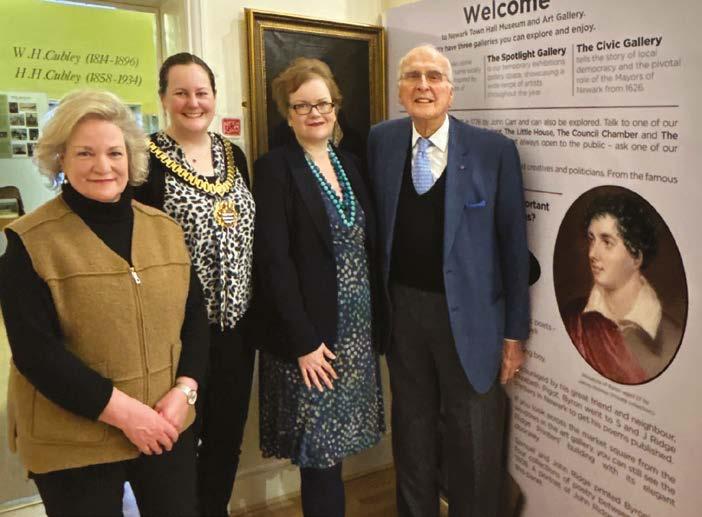
As part of Newark Town Hall’s 250th anniversary celebrations a new interpretation scheme is being installed at Newark Town Hall Museum and Art Gallery to celebrate Newark's famous connections.
A new exhibition panel about the poet Lord Byron forms part of the new interpretation scheme and an event to mark the panel’s official unveiling was attended by the Mayor of Newark Councillor Barbara Corrigan, the Deputy Leader and Portfolio Holder for Heritage, Culture and the Arts at Newark and Sherwood District Council Councillor Rowan Cozens, and Byron expert and author Geoffrey Bond OBE.
Sponsored by Southwell resident Geoffrey Bond, the Byron panel is the first step in implementing a new partnership between Newark Town Council and Newark and Sherwood District Council to shine a light on the importance of Newark’s heritage.
The new exhibition panel highlights the role that Newark played in making the poet Lord Byron famous – his first four collections of poetry were printed by S&J Ridge Printers on the Gutenberg printing press in Newark before Byron went on to become one of our greatest poets and one of the most famous men in Europe. Geoffrey Bond has sponsored the restoration of the original Gutenberg printing press which printed Byron’s early poems, and this is currently on display at the National Civil War Centre-Newark Museum. Geoffrey Bond said: “I’m delighted to sponsor this
new information panel about Lord Byron which shows the importance of Newark in Byron’s poetic journey. Although Byron is a national hero in Greece, we need to celebrate him here in Newark and Southwell where he started writing and publishing his early poetry.”
Local artist, Carlos Márquez Diaz, has created drawings of Newark marketplace to show where Byron’s poems were printed and where Byron stayed on numerous occasions between 1806 and 1808. It also shows where Gladstone addressed the crowds before he became Prime Minister. All of these important historic buildings can be seen from the Art Gallery window overlooking Newark marketplace.
Rebecca Fawcett, Senior Collections and Exhibitions Officer at Newark Town Hall Museum and Art Gallery said: 'We are delighted to have been working with experts - such as Geoffrey Bond - to highlight how famous
people like Lord Byron have interacted with Newark. Working with local talent like Carlos Márquez Diaz also helps to bring the stories of Newark marketplace alive and helps to explain Newark's role with celebrities from history - names you may know but not how they are connected with the town."
As part of its collaborative partnership with Newark and Sherwood District Council, Newark Town Hall Museum and Art Gallery has also announced plans to launch a collection of Family Trails with the National Civil War Museum-Newark Museum starting with a series of Lego minifigures of famous people associated with Newark. The minifigures include Lord Byron, Newark Town Hall architect John Carr, and the artist Robert Kiddey. Families and young people will be encouraged to find the Lego minifigures at both Newark Town Hall Museum and Art Gallery and the National Civil War CentreNewark Museum.
Why Your Donation Matters: Jerry’s Story.
Supporting the Lincs & Notts Air Ambulance when it matters most.
Jerry was driving from Lincoln to Louth to visit a friend when his life changed in seconds. He remembers only fragments of that day. Both he and police believe deer ran across the road, causing him to instinctively swerve. His car left the carriageway, hit a tree, rolled several times, crossed ditches and came to
As the Lincs and Notts Air Ambulance arrived overhead, the severity of the scene was immediately apparent.
Reaching Jerry quickly was essential. The crew delivered critical care at the scene before airlifting him to hospital, where he survived against the odds.
For information on how you can support the work of LNAA visit: www.ambucopter.org.uk



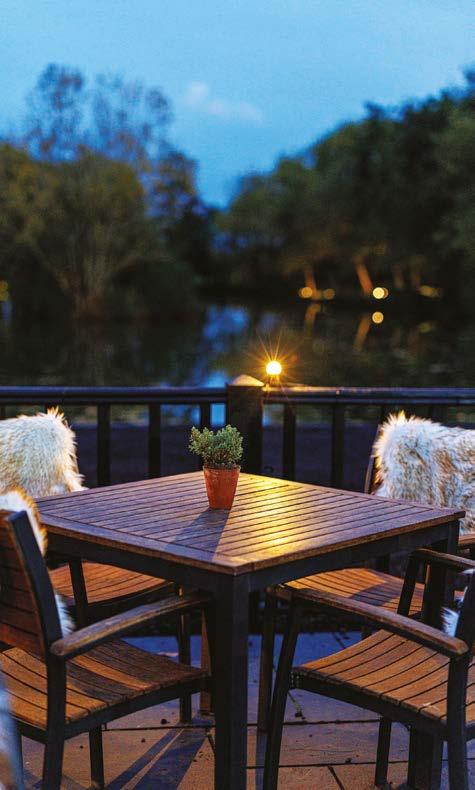
After more than a decade at the helm of The Old Theatre Deli, Sarah Elliott felt the time had come for change — not a departure from what she had built, but an evolution of it. Since 2010, the deli had become a much-loved destination, yet the idea of creating something new had quietly taken shape.
“After many wonderful years at The Old Theatre Deli, I felt ready to do something a little different,” she explains. “There was a clear gap for evening service, and I wanted to create a space where people could gather later in the day and truly unwind.”
When the opportunity to take on the lodge arose, the decision felt instinctive. “When I visited the location, I completely fell in love with it. It was exactly what I had been imagining — a natural outdoor setting where we could cook, host, and create something connected to the landscape. It fitted perfectly with my plans and aspirations for the next chapter.”
That connection to the land sits at the heart of everything Sarah does. The farm informs both the rhythm and the philosophy of The Old Lodge, from home-reared Dexter beef to seasonal vegetables, herbs and orchard fruit grown on site. For Sarah, this closeness to the source is not simply a talking point; it is the foundation of how the restaurant operates. “It shapes absolutely everything we do,” she says. “I live and breathe it.” The farm’s slowgrown Dexter beef features prominently on the menus, while milk from the farm is sent to Long Clawson Dairy to be made into award-winning cheese, later returning to The Old Lodge to take pride of place on the cheese trolley. “It’s served all day and perfect with a glass of wine,” she adds.
Working seasonally ensures that ingredients are always at their best. Anything not produced on the farm is sourced from local farmers who share the same values. “Working within the seasons allows us to showcase produce at its peak and ensures quality and flavour are never compromised,” Sarah explains.
The idea of farm to fork runs deeply through the ethos of The Old Lodge. For Sarah, understanding the journey food takes is essential — both for diners and for those producing it. “It’s incredibly important and not celebrated enough,” she says. “When people understand where their food comes from, it creates a deeper respect for it. Knowing the journey from field to fork changes how people value what’s on the plate. It builds trust, transparency and appreciation for honest, nourishing food.”
Supporting local producers is a natural extension of that philosophy. By working closely with nearby growers and suppliers, Sarah believes she is investing not only in quality but in community. “Seasonal, locally grown food is bursting with flavour and a joy to eat,” she says. “Eating with the seasons brings wonderful variety and inspires creativity. Most importantly, it reconnects people with their food — allowing them to understand where ingredients come from and appreciate the full journey from land to plate.”
Sustainability, too, is approached in practical, everyday terms rather than grand gestures. For Sarah and her team, it is about consistent, thoughtful decision-making. “It means working with traceable food that has low food miles, partnering with suppliers who share our values, being mindful about waste, improving energy efficiency and using recyclable packaging wherever possible,” she explains. “It’s about making good choices every single day.”
Visitors arriving at The Old Lodge are met with an atmosphere designed to encourage exactly that sense of care and calm. Whether stopping by for a coffee after a walk, enjoying lunch on the terrace, or gathering for a celebration, the experience is intentionally relaxed.
“Guests can expect a welcoming, natural space where they can slow down and enjoy good food and drink,” Sarah says. “It’s somewhere you can pause, breathe and
feel at ease — whether you’re staying for ten minutes or the whole afternoon.”
With evening bookings now open, that sense of ease extends into the later hours. As daylight softens across the water, the pace slows further. “Evenings here are warm, welcoming and unpretentious,” she explains. “Guests are invited to linger — over a glass of wine by the lake or a long, unhurried dinner as the light fades.”
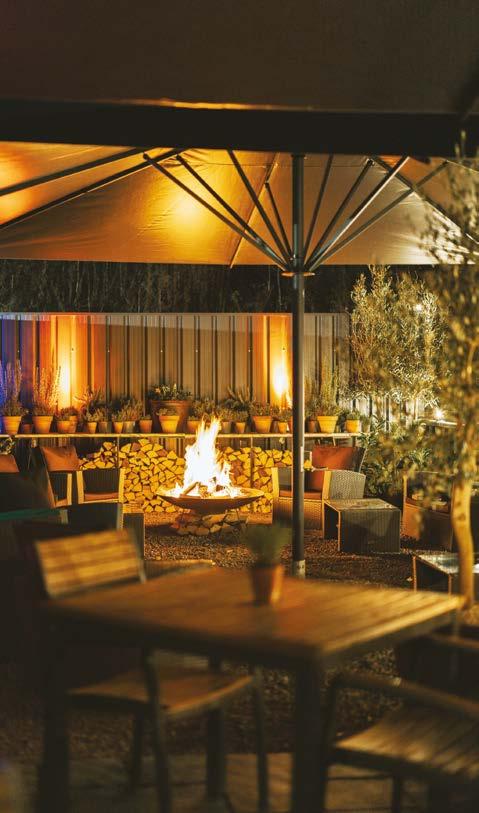
Throughout the summer months, the atmosphere shifts again with the introduction of the seasonal outdoor kitchen. Cooking over live fire brings a celebratory energy to the space, with dishes shaped by smoke, flame and immediacy. Set against the surrounding landscape, it offers an easy-going way to enjoy provenance-led food — simply cooked, deeply flavourful and best savoured outdoors.
Behind it all is a team united by shared values. “The Old Lodge is brought to life by people who genuinely care — about the land, the food and the guests who walk through the door,” Sarah says. “We share honesty, hard work, creativity and warmth. That’s what makes it all come together.”
Ultimately, Sarah hopes guests leave with something more lasting than a good meal. “I hope people leave feeling relaxed, looked after and reconnected — to the food they’ve eaten, the land it came from and the people they’ve shared it with.”
Set beside the water and surrounded by open countryside, The Old Lodge encourages visitors to slow their pace before they even reach the table. This beautifully restored former fishing and hunting lodge has been given new life, guided by a simple philosophy: good food begins with honest roots. Here, seasonality is not a trend but a way of working, with menus evolving naturally alongside the rhythms of the farm and landscape — allowing every dish to tell a genuine story of place.
Whether you’re stopping by for a coffee after a walk or settling in for a long, unhurried supper, The Old Lodge welcomes you to slow down and stay awhile. Tables can be reserved in advance, or simply drop in and see where the afternoon takes you.
The Old Lodge
Tel: 01636 922311 Email: hello@theoldlodge.co.uk Maythorne, Southwell, NG25 0RS www.theoldlodge.co.uk
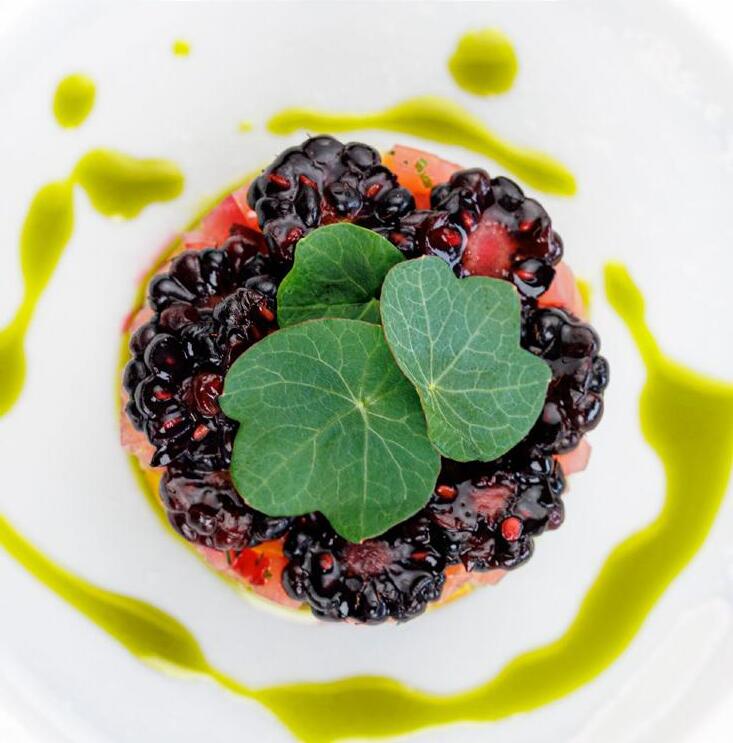
The Old Lodge, Maythorne, Southwell, NG25 0RS @theoldlodgemaythorne

Formerly a traditional fishing and hunting lodge, The Old Lodge has been lovingly restored, allowing the building to breathe again and reconnect with the landscape around it. Rooted in food history and a deep respect for nature, it’s a place to slow down and enjoy the simple things.
Join us for morning coffee on the terrace, a leisurely lunch, or an elegant dinner.

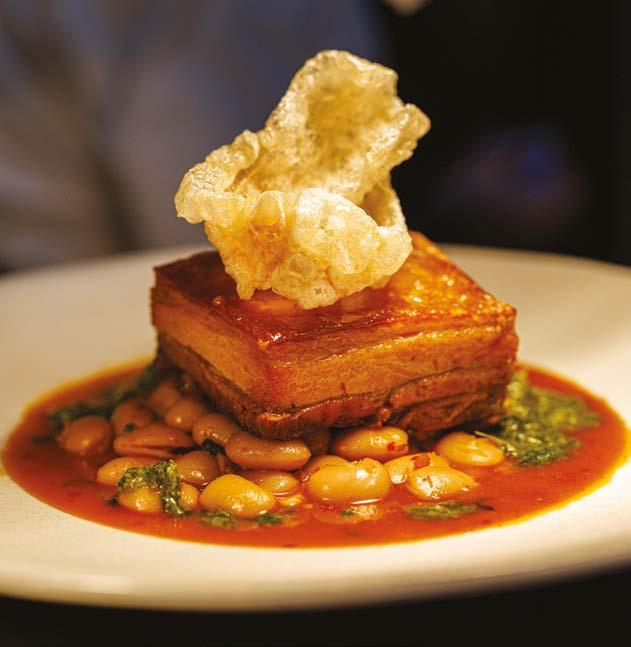
Tel: 01636 922311 Email: hello@theoldlodge.co.uk www.theoldlodge.co.uk

By Tithe Green Natural Burial.
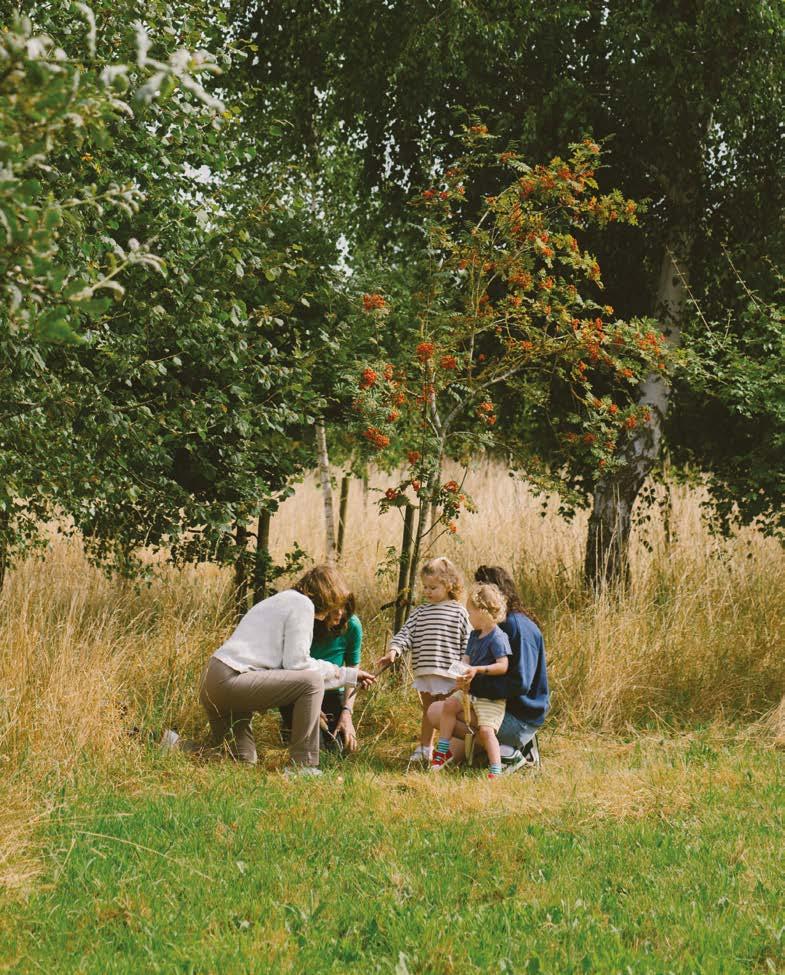
In a country shaped by fields, hedgerows and quiet woodlands, how we care for the land – even in death –has never mattered more.
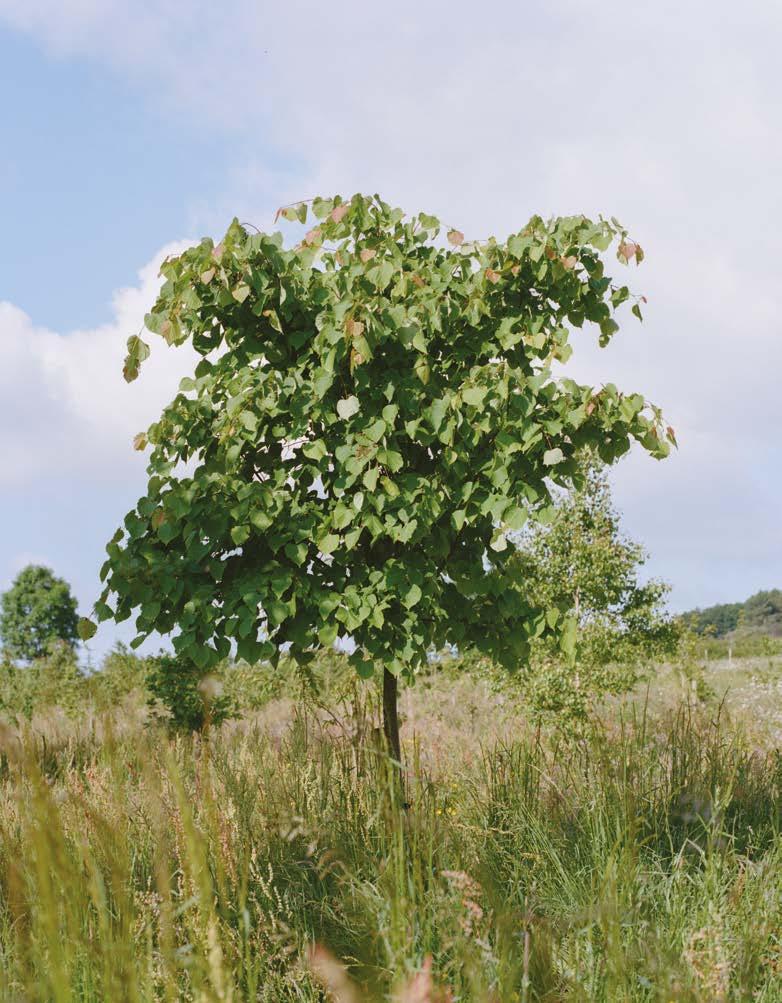
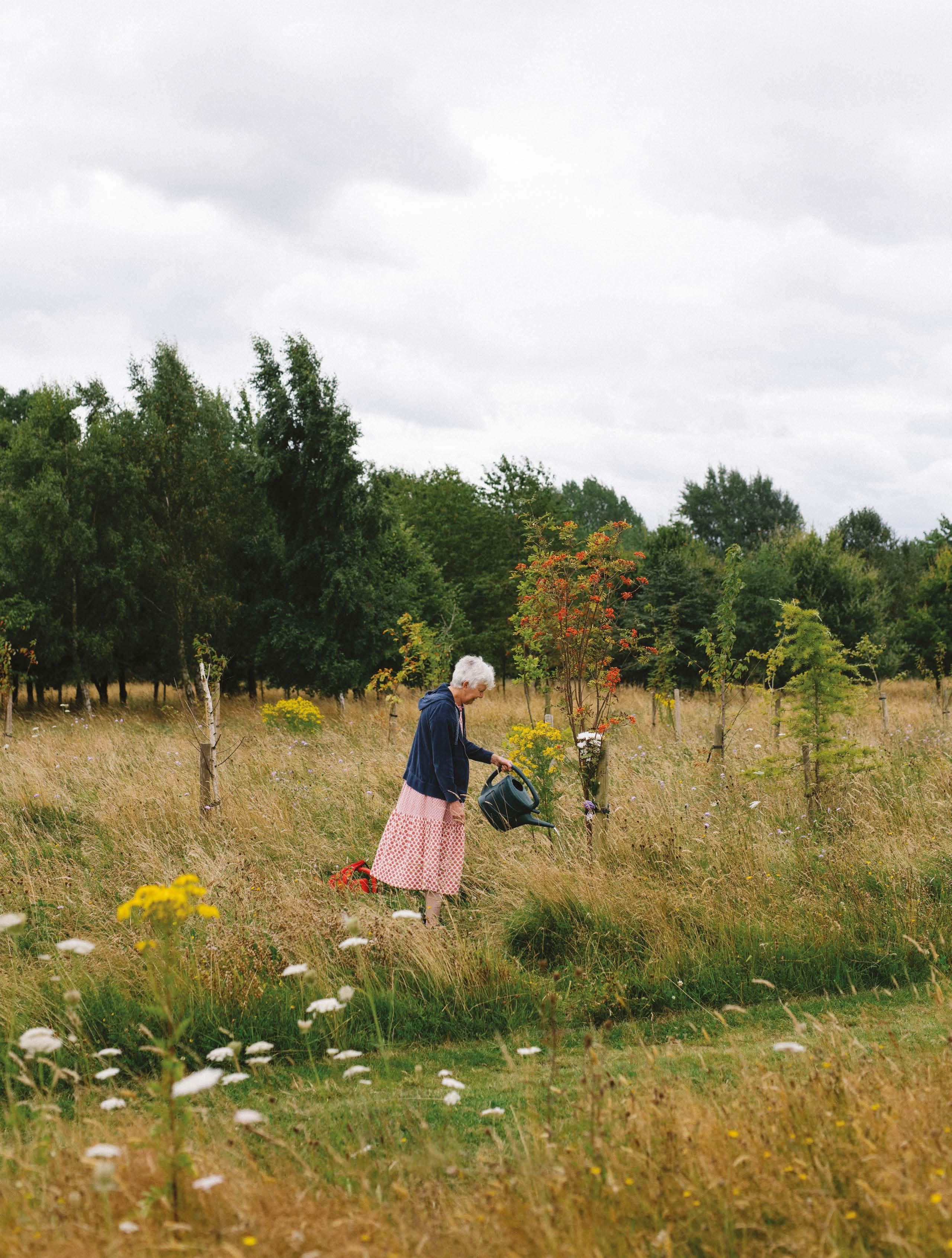
At Tithe Green Natural Burial, we see this care for the land take root in a very real way. Each year, we plant over 500 memorial trees, creating new woodlands across our sites in honour of lost loved ones.
Trees are the silent sentries of our wild spaces. Incredibly, a single mature oak can support over 2,300 species, providing food, shelter and stability for countless plants and animals.
And beyond biodiversity, trees play a vital role in addressing climate change – capturing carbon, filtering pollution, absorbing rainwater and reducing soil erosion. According to The Woodland Trust, a young woodland of mixed native species can lock away more than 400 tonnes of carbon in its roots and soil.
Here at Tithe Green, these natural rhythms guide everything we do. Our burial grounds aren’t cemeteries in the traditional sense – they are living landscapes, where every tree in our budding woodlands contributes to protecting the wildlife around it.
When you choose Tithe Green as a resting place, you can plant a memorial tree above a burial or ashes interment – a living tribute that supports wildlife, nurtures biodiversity and helps to protect the environment.
Our original site at Oxton has been cared for by our family for over 500 years, with each generation committed to preserving the land as a place of peace, beauty and ecological value. Today, we steward multiple natural burial sites with wildflower meadows and growing woodlands across the Midlands, each shaped by the same principles.
Trees are among our greatest allies – in life, in climate resilience and, increasingly, in how we choose to be remembered. Choosing a memorial tree is a chance to weave memory into the ecosystem – to honour life by enhancing it.
Call us today on 01623 677100 or email info@tithegreen.com to find out more.
Tithe Green. Visitors welcome, anytime, every day. For further details call: 01623 677100 Email: info@tithegreen.com www.tithegreen.com @tithegreen tithegreen

Mr Straw’s House captures a moment in time, preserving the lives, routines and memories of a family who quietly shaped their community.
Most National Trust properties inspire thoughts of historic mansions, wealth and grandeur. However, tucked away in a Worksop cul-de-sac, at 7 Blyth Grove, you’ll find Mr Straw’s House; the National Trust’s first small domestic property, acquired in 1990.
To understand how this apparently normal red-brick Edwardian house became one of the Trust’s quirkiest properties, you need to go back more than 100 years.
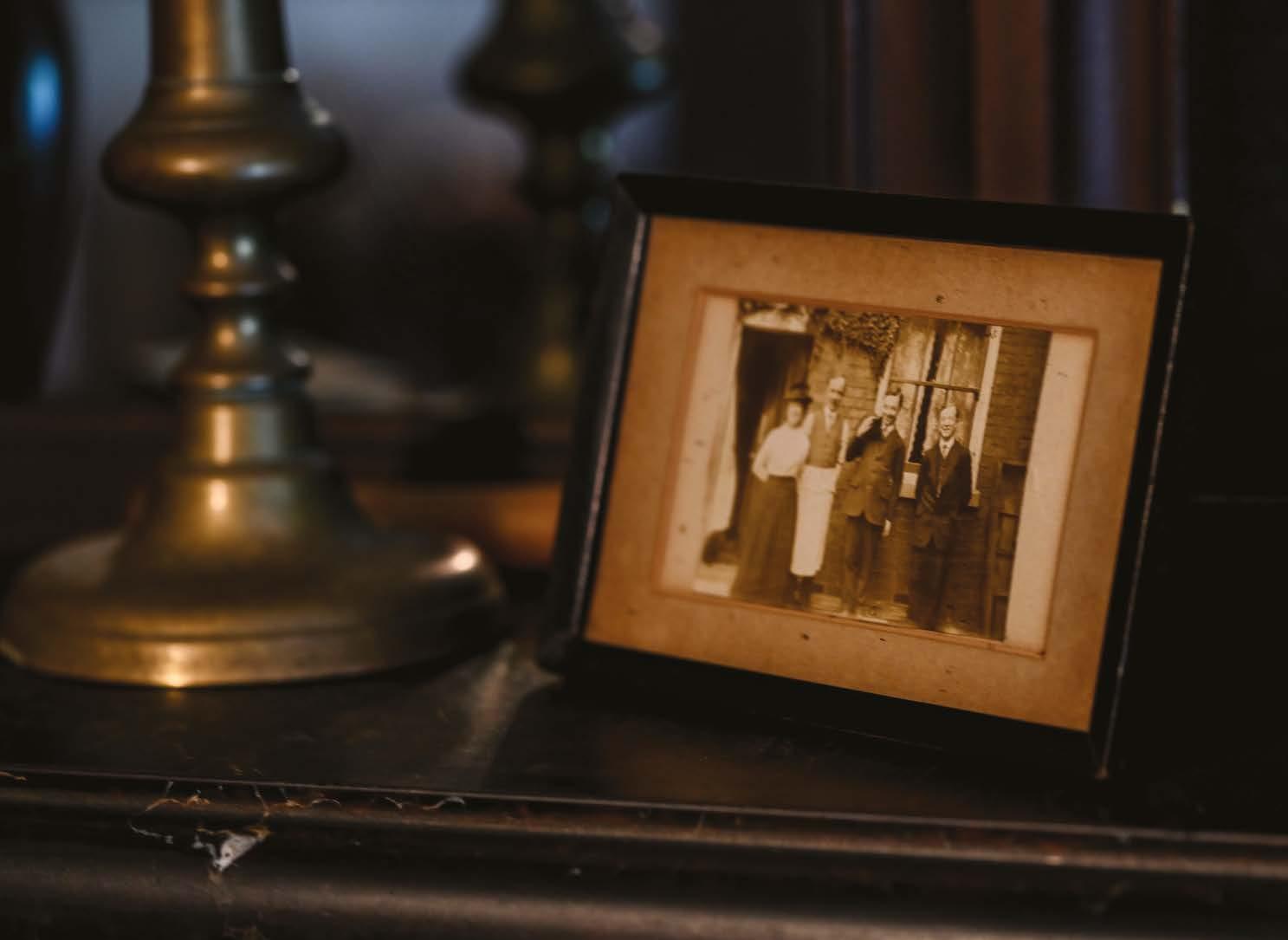
The head of the family, William Straw, moved to Worksop in 1886 to work for his brother, Benjamin, at his grocers. Three years later, William bought his brother out and ran the business alone.
In 1896, aged 32, William married Florence, the daughter of David Wall Winks, a butcher and local councillor whose shop stood opposite William’s on the Market Place. The couple had three sons: William Jr in 1898, Walter in 1899 and David who died in infancy in 1903.
William’s business continued to thrive, and in 1923 the family moved from a flat above the shop to the semi-detached house in Blyth Grove. This was being developed as a residential area for professionals on the outskirts of the town. To avoid being
Florence chose wallpaper, curtains and an Egyptian-inspired carpet, fashionable for the time, alongside ornaments, elegant glassware and new French doors that completed the family home.
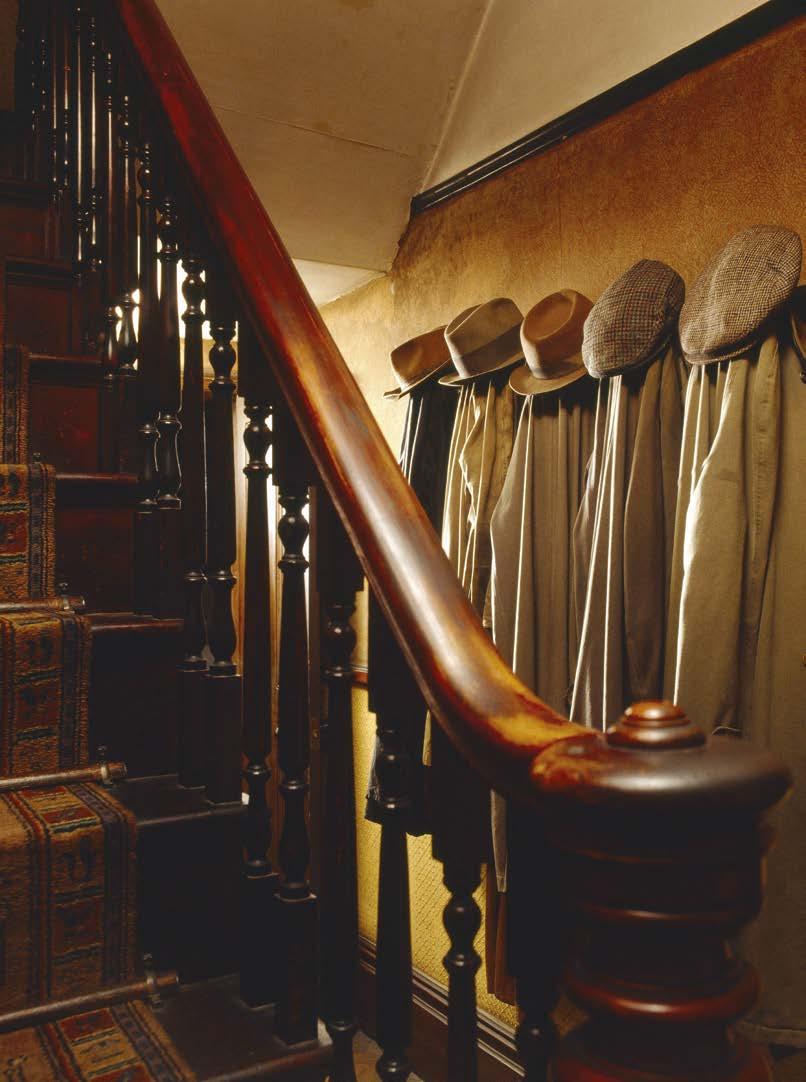
William Straw Sr died suddenly in 1932 and from that day little changed at number 7. In a show of mourning and respect the family kept William’s personal belongings in place including his coats and hats. The 1932 calendar in the front room was never removed, and William’s pipes and tobacco are still seen hanging by the fireplace in the dining room.
Life for the younger Straws changed forever when their mother died in 1939. William returned to the family home from London and he and Walter settled into a way of life that was not to change for the next 40 years.
Both brothers were pillars of the local community and every Sunday put on their blue suits and black bowler hats to sit in the same pew in nearby St John’s Church.
This was followed by their Sunday routine of a walk up Market Street after lunch to check on the shop and their other properties in the town. Walter had joined the family’s grocer’s business in his twenties and ran it until 1962, when the shop closed on 3 March after 76 years of trading.
The brothers were keen gardeners and outside the garden and orchard remained lovingly tended. Walter specialised in cacti which he grew in his greenhouse, and the orchard contained various fruit trees once used by the family to make preserves and other recipes.
Florence’s recipe collection contains several dishes to make use of the produce including apple pudding, apple jelly and apple chutney.
Both brothers were also interested in local history, with William being actively involved in the Thoroton Society, a Nottinghamshire historical and archaeological group.
The brothers had many pastimes and interests, walking being one of them. In 1949, the House of Commons introduced a National Parks and Access to the Countryside Act, part of which was to give responsibility to each local council ‘to show upon all maps all footpaths, bridle paths and roads used as public paths therein’.
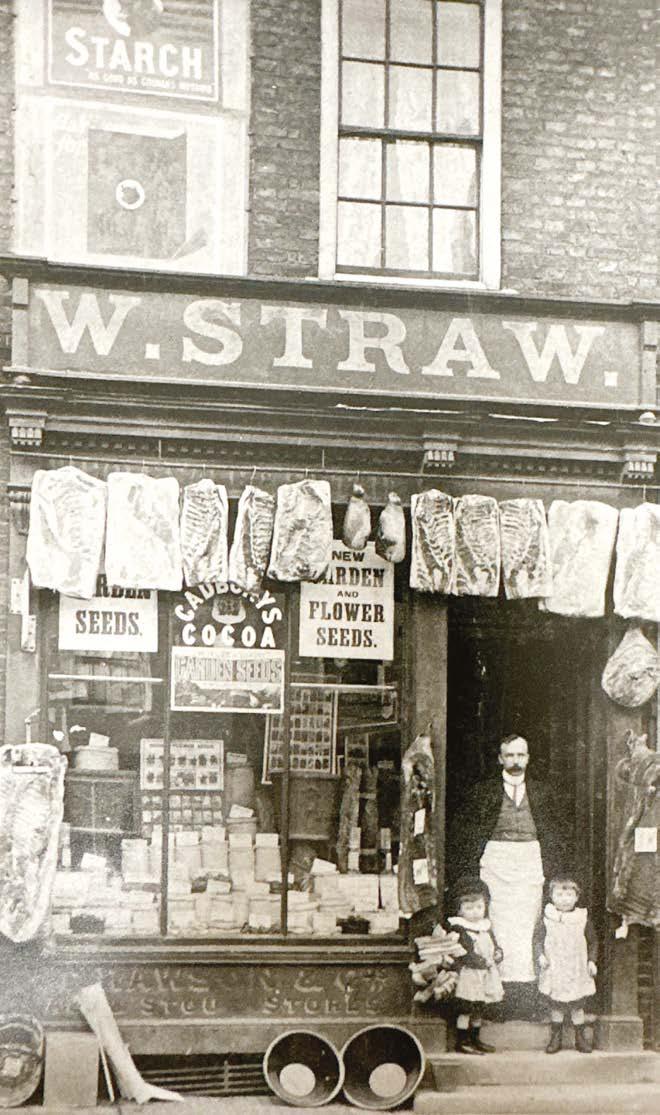
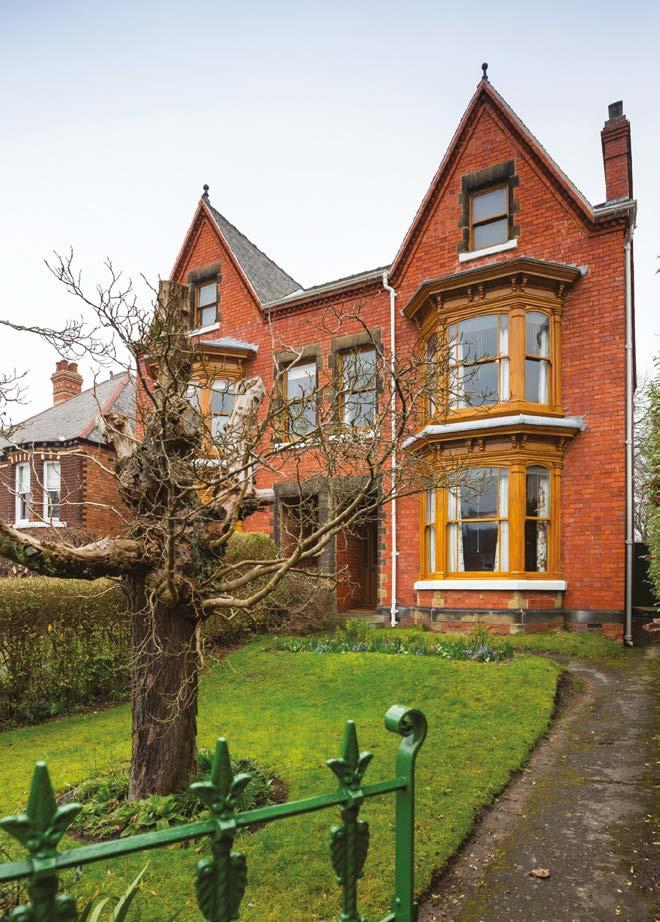
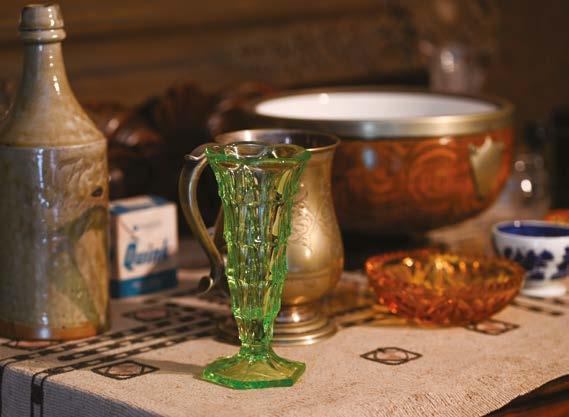
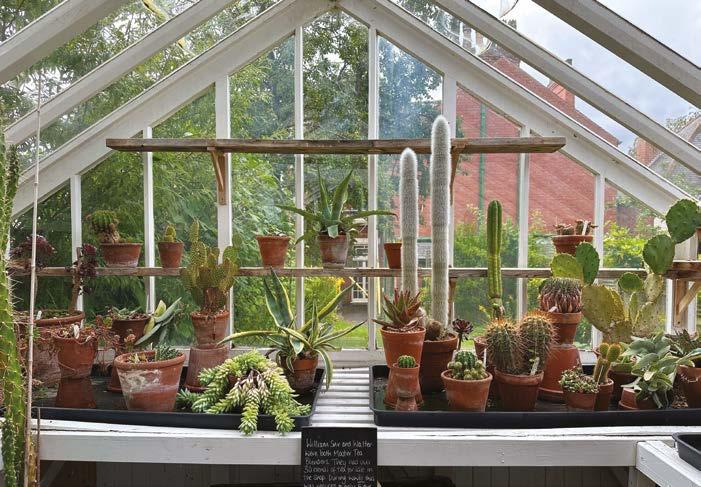
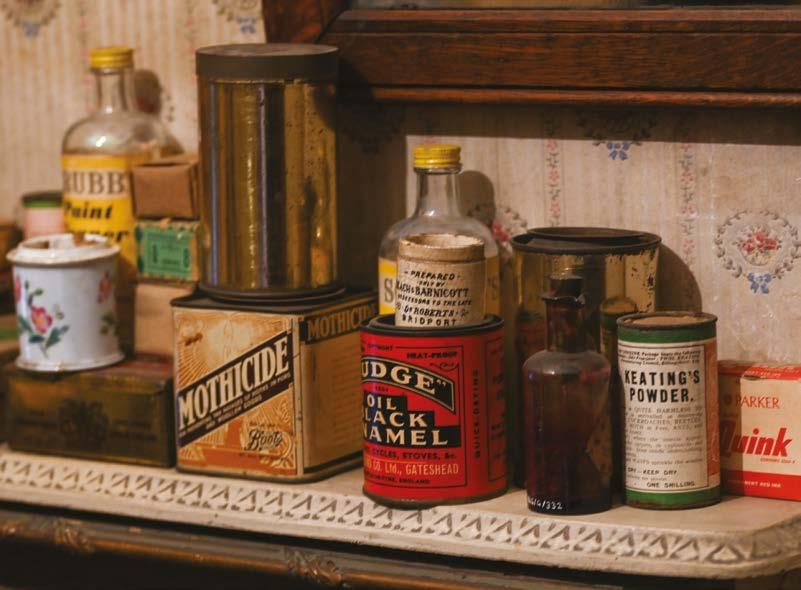
Images from the top: A selection of family and cleaning items, courtesy Tammy Herd. Cacti in the greenhouse (Little Greene wallpaper inspiration), courtesy Johanna Mather. Mr Straws Greenhouse wallpaper, courtesy Little Greene.
The Borough of Worksop formed a Public Rights of Way Committee holding their inaugural meeting on 19 February 1951, where it was decided that a team of volunteers would need to carry out the works. On 6 March 1951, William Jr received a letter from the committee, alongside a ‘green memorandum on the subject’, and a ‘typed schedule of information’. The brothers were now part of the town’s new volunteer team.

William and Walter threw little away and chose to live without many modern comforts taken for granted today. Walter died in 1976, leaving William Jr alone for the final 14 years of his life.
When William died in 1990, he left the contents of the house to the National Trust who then purchased the building to display the house as it had been left by the brothers.
Mr Straw's House provides an important social document, capturing everyday life in the Midlands in the mid-20th century.
Mr Straw’s House has become the focus of a new episode of the National Trust’s Back When History Podcast. Titled, The House Where Time Stood Still, listeners are guided through the house and given a real insight into why this ordinary looking home is anything but ordinary. Available on all major podcast platforms now.
The cactus-filled greenhouse at Mr Straw’s House has inspired a brand-new National Trust wallpaper. Launched in January, Mr Straw’s Greenhouse is part of Little Greene’s new In the Garden collection. The design celebrates Walter Straw’s love of succulents and cacti, inspired by the modest greenhouse still standing at the end of the garden today. A contribution from the sale of every roll of wallpaper supports the National Trust’s work caring for historic places like Mr Straw’s House.
The house is open on Thursdays and Fridays, with Saturday openings during September and October. Bookings can be made four weeks in advance by calling 0344 249 1895 or through the website at www.nationaltrust.org.uk/mrstrawshouse






Bread And Roses - Welbeck’s Untold Stories.
On now until 4 May
The Harley Foundation, The Welbeck Estate, Worksop.
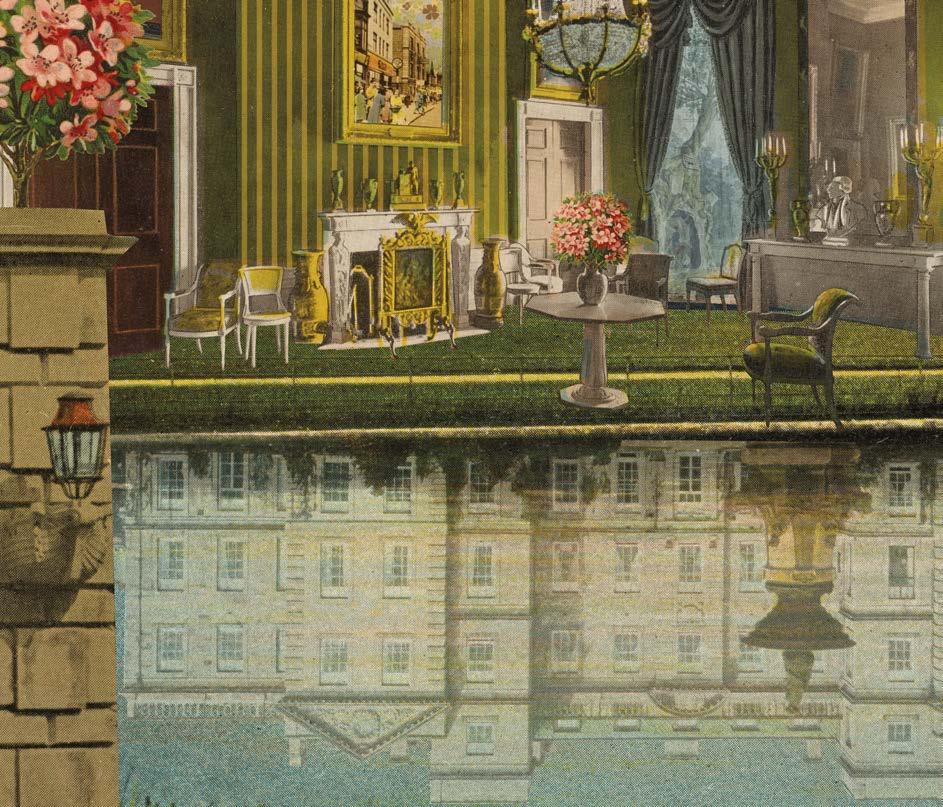
A new exhibition by American artist Jennifer Vanderpool, Bread and Roses - Welbeck’s Untold Stories explores the history of coal mining in the area and its impact on local communities following the closure of the mines.
Welbeck is a historic ducal estate in Nottinghamshire with close ties to the region’s industrial heritage.
Vanderpool’s exhibition brings together archival photographs, objects, and video interviews with former miners, members of the mining community, Welbeck residents, and staff. These materials are drawn together into immersive floor-to-ceiling collages. These collages combine imagery of Welbeck Abbey, historic artworks from the Portland Collection, and photographs showing the coal mining industry and the social and cultural life it supported.
For the first time, Vanderpool has also incorporated physical artefacts into her compositions. Objects such as helmets, lamps and boots, on loan from local mining museums such as Bilsthorpe Heritage Museum, Nottinghamshire Mining Museum and
Pleasley Pit Trust, show the human scale of mining.
The exhibition forms part of Vanderpool’s ongoing Untold Stories project, which examines communities shaped by industry and how they are impacted when that industry disappears. The project began in her hometown of Youngstown, Ohio, once a major steelmaking centre, and has expanded internationally.
In 2021 Vanderpool was awarded a Fulbright Artist Fellowship to explore the connections between the Midwest USA and the North of England. Untold Stories continues at Wentworth Woodhouse, Rotherham, with an exhibition exploring the effects of the loss of steelmaking from now to 28 Jun 26.
To accompany the exhibition, there will be a programme of associated gallery talks, a family-friendly opening event, and a chance for young people to get creative with the artist in our Harley Young Artist (ages 11-16) and Discover Art! (ages 7-11) sessions. For more information and booking please visit harleyfoundation.org.uk/whats-on/
The Globe.
Opens 20 Mar
This exhibition offers visitors the chance to learn the stories behind the Portland Collection for the first time. Bringing together previously untold stories and new research, this exhibition explores how the Cavendish family saw and used the natural world, both at home and across the world.
Highlights include:
• Madonna del Silenzio, Michelangelo Buonarroti, 1538 – 1540.
• A View of Antwerp, Unknown Artists. Never publicly shown before, this painting has undergone recent conservation, and will be shown alongside new research by Dr Lauren Batt.
• A shoehorn engraved with the Cavendish arms, 1594.
• Portrait of Margaret Cavendish, Duchess of Newcastle (1623-1673), Sir Peter Lely, 1665.
• A stacked cabinet of curiosities including Roman cameos, a jewel-encrusted dagger once believed to belong to Henry VIII, books, natural history specimens, and paintings.
Our 2026 contemporary programme is equally diverse, featuring exhibitions on coal mining, sculptural ceramics inspired by mythology, and an open exhibition celebrating local artists and craftspeople.
Submissions open 1 May 26
Exhibition runs 19 Sep 26 – 3 Jan 27
The Harley Open invites artists – whether professional or amateur – to submit works for our biennial open exhibition.
For the first time in 2026, the Harley Foundation will be accepting applications of 3D, sculptural, and free-standing works and is particularly encouraging submissions from heritage crafts practitioners, be that basket making, leather work, glass blowing etc.
For entry details visit: www.harleyfoundation.org.uk


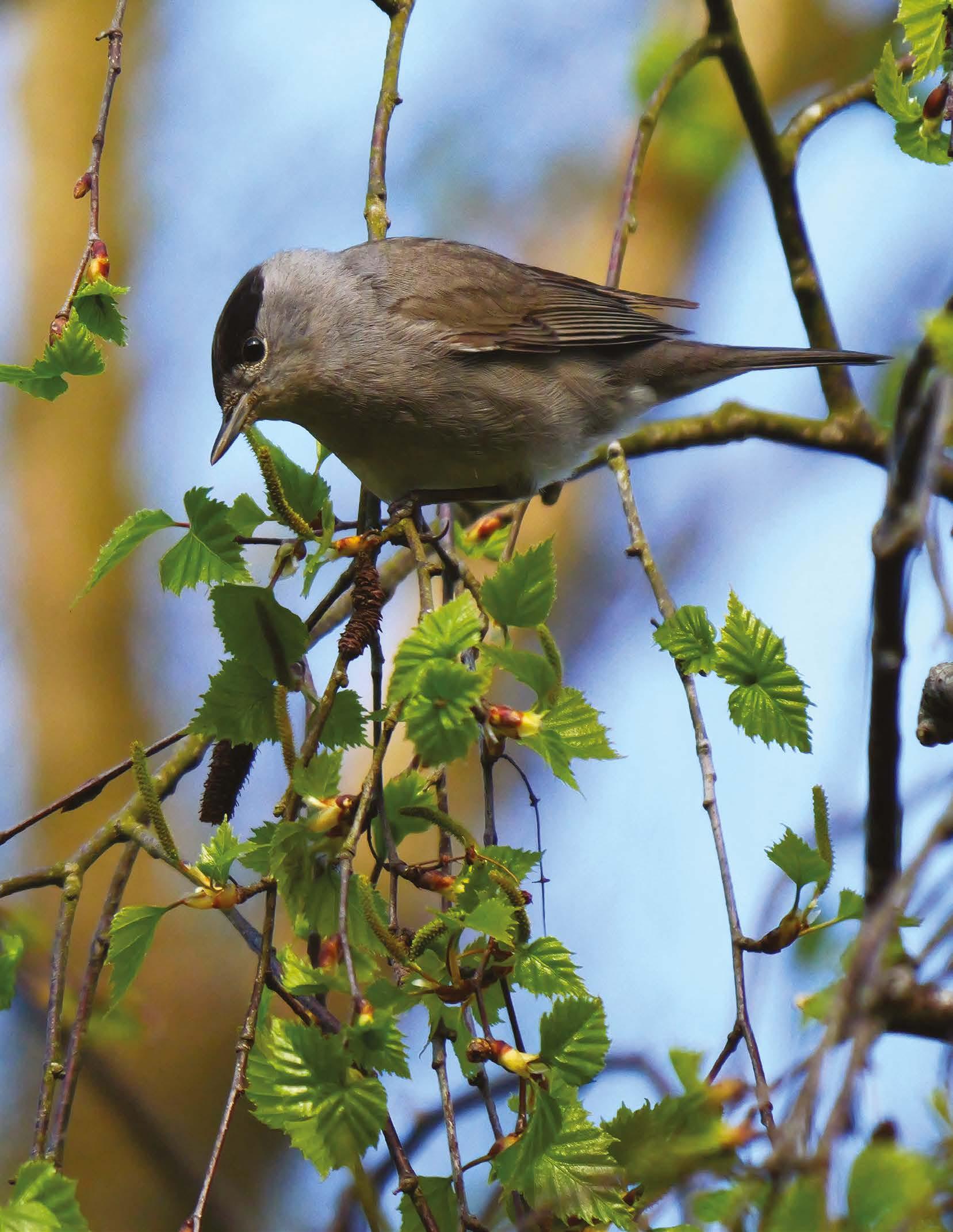
Why spring birdsong is the true soundtrack of the forest — and how we can help protect it. By Robert James, Sherwood Forest & Budby South Forest.
As springtime rolls around in Sherwood Forest, it’s the time to enjoy the freshness of the leaves and the emergence of plants and wildlife among the ancient oak trees. It’s been a very wet winter, as we know, with rain on virtually every day in January and well into February, and only rare glimpses of the sun.
In spite of the deluge, birdsong has been filling the air of the woodland as the days go by and the daylight hours lengthen.
The glorious Song Thrush, repeating its phrases in threes or fours, and fluty-sounding Blackbird have been in full voice, accompanied by the unmistakable drumming of the Great Spotted Woodpecker, while Robins are busy and loudly proclaiming their territory.
The urgency of the Wren’s explosive song can pack in 100 notes in barely five seconds, as it flits in and out of the undergrowth, and if you can hear something a little like the word ‘teacher’ in the air, well that’s just one of 40 songs and sounds uttered by the Great Tit.
The shrill ‘tseep tseep’ you can pick out is the Blue Tit, keeping in close contact with its brightly-coloured brethren, while the Chiffchaff proudly proclaims its own name once back in Blighty in early spring.
The ‘Northern Nightingale’ is the nickname given to the Blackcap, whose playful rising and falling tune is another to be heard growing to a crescendo among the brambles of the woodland floor.
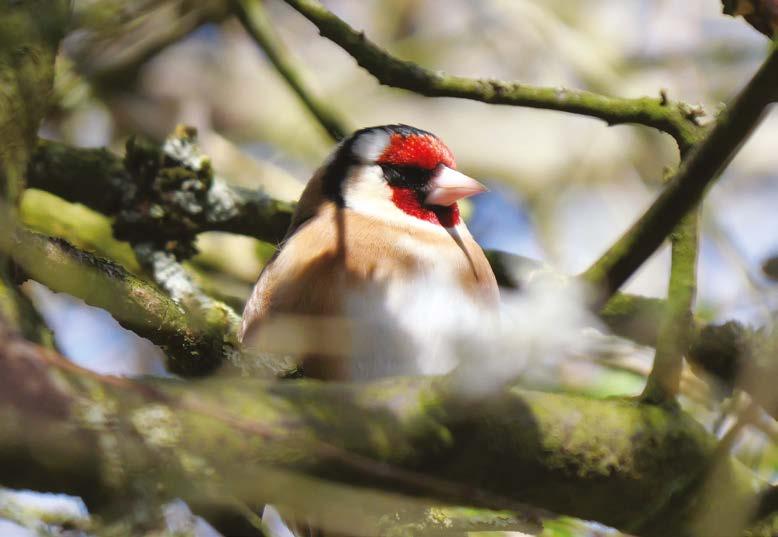
The rapid staccato of the Chaffinch finishes with a harsh, edgy flourish. The wonderfully vibrant Goldfinch, with its distinctive red face, has a twinkly melody which scoots along, often singing together with others in flocks or ‘charms’, while the Greenfinch shows its range with a clear, held note which some claim sounds as if the birds are calling the word ‘cheese’.
The UK’s smallest bird, the Goldcrest, with its dazzling yellow mohawk, is here too, often found among Sherwood’s Yew trees, where a sound not unlike a high-pitched squeaky bike wheel is the giveaway.
The laughter of the Green woodpecker has earned it the alternative moniker of the ‘yaffle’, and it can have a certain eerie quality in some of the more remote parts of the wood. But not all birds are showy singers…until they need to be.
The little Dunnock often reserves its performance for breeding season from March to May. But when that time of year comes around, it doesn’t hold back and lets forth a quick, high-pitched tune to broadcast its search for a mate.

Out on the heath, the calling Woodlark almost sounds like it is posing a question to us, probably to be mindful not to disturb its nest, which is made on the ground on the heathland of Budby South Forest.
Ground-nesting birds, like the Woodlark and the exotic churring Nightjar, need special protection during the breeding season. Birds and their eggs are often well-camouflaged as protection from predators, so not easy to see. It does not mean they are not there though.
There are simple actions we can take when walking in the forest on the heath to help. Between 1 Mar and 31 Aug it is a legal requirement to keep dogs on leads within enclosures on the heathland at Budby. While the heath is an area of open access land, it is best to stick to bridleways and clearlyestablished paths too.
It helps to ensure a successful breeding season and many more springs when we can enjoy the natural orchestra of woodland and heath.
Want to hear bird song so you can identify some of them when you next take a spring walk in the woodland? The RSPB has recordings of dozens of species on its website www.rspb.org.uk


It’s the 40th Robin Hood Festival at Sherwood Forest this summer!
The festivities begin with the Films in the Forest weekend of outdoor cinema from Fri 24 – Sun 26 Jul with a selection of movies which includes Wicked, How To Train Your Dragon, Labyrinth, Pirates of the Caribbean – The Curse of the Black Pearl, Disney’s Robin Hood and the blockbuster film of the legend, Robin Hood – Prince of Thieves. Early bird tickets are now on sale at visitsherwood.co.uk/events/
Then from 1 – 2 Aug, the Knights of Nottingham Medieval Jousting Display Team headline in the arena, while the Fantasy in the Greenwood Weekend on 8 – 9 Aug includes an international collaboration which brings together the legends of Sherwood and Camelot!
Finally, the Sherwood Outlaws will present their fabulous – and humorous – takes on the deeds of Robin, the Outlaws and their eternal feud with the Sheriff of Nottingham on the Grand Finale 29 – 31 Aug.
Arts Project. Join In!
To mark the milestone year, the RSPB is also inviting local residents and groups to get involved in an arts project called the Bunting of Sherwood.
Design a flag inspired by the nature of Sherwood or the legend of Robin Hood for it to be added to the Festival trail this summer.
Full details and a downloadable bunting pack can be found at visitsherwood.co.uk/home/robin-hood-festival-2026/
You can also get all the latest Festival information on Facebook @robinhoodfestival
Get in touch. We always like hearing from supporters or visitors to Sherwood Forest. You can email your thoughts to sherwoodforest@rspb.org.uk visitsherwood.co.uk www.rspb.org.uk

The History Beneath
Our Feet
11 Mar, 7.30pm St Saviour’s Church, Welham Road, Retford
Speaker: Stephen Flinders
The Society is pleased to welcome Stephen Flinders to explain how a small group of local historians uncovered a hitherto unknown archaeological site following a mention by a local property owner that he had found something in his garden which 'looked as if it came from a church'. What they uncovered still remains their town's first and so far only major archaeological site.
Scandal & Adultery: Marital Disasters Of The Sherwood Forest Nobility
8 Apr, 7.30pm Grove Street Methodist Chapel, Retford
Speaker: Adrian Gray
Local historian Adrian Gray and he will delight us with scandalous tales of the goings on in our local gentry in times gone by. Do come and be entertained and informed!
The Society is also delighted to give advance notice that the speaker for the Open Lecture on 24 June is the renowned historian Lesley Smith and her subject will be Anne Boleyn. Lesley is skilled at drawing her audience into the life experiences of the character she portrays and whilst informative, she is also very entertaining.
Everyone is welcome, non-members admission £3 per session.
For information on where to purchase tickets please email: retfordhistoricalsociety@gmail. com
Although we endeavour to ensure that all of the events listed within this issue are correct it is always advisable to check before the event in case of booking requirements, cancellations, alterations or planning changes. www.madeinn.co.uk
21 Mar – 9 May
Bonington Gallery, Nottingham Trent University, Dryden Street. NG1 4GG
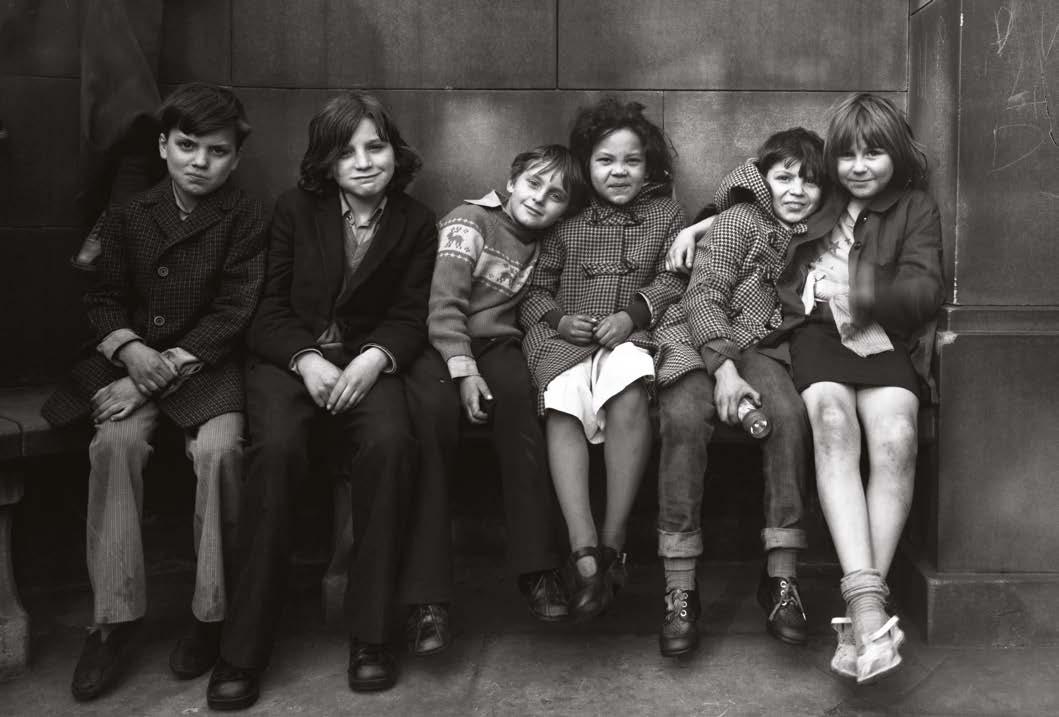
Bonington Gallery presents A Semester in Nottingham, 1976, an exhibition of photographs by American photographer and videographer John Dean.
In the Spring of 1976, Dean was a 20 year old visiting student from the Maryland Institute College of Art, taking part in an exchange programme with Trent Polytechnic (now Nottingham Trent University). During his short visit, he created a powerful body of work that captures Nottingham during a year of profound social and economic change.
Armed with a camera and quiet curiosity, Dean immersed himself in the rhythms of Nottingham life. Over the course of a single semester, he wandered
the city’s streets and parks — Hyson Green, Market Square, the Arboretum — capturing striking black-andwhite portraits of residents going about their daily lives. The resulting images are both documentary and deeply personal, offering an intimate glimpse into the lives of Nottingham residents during this transformative era.
The exhibition marks a significant homecoming to the institution where Dean studied fifty years ago. Now, half a century on, these photographs will be exhibited, many for the first time, in the city where they were made.
First developed in Trent’s own darkrooms (still situated next door to Bonington Gallery, in the School of Art &
Design), these photographs have remained largely unseen for decades. Now, they return to the place of their origin, standing as a testament to the power of observational storytelling, told through the eyes of a visitor to the city.
John Dean has since built a distinguished career as a producer and videographer, creating historical and educational media for museums and non-profit organisations across the United States. Yet photography remains his first and most enduring creative language — a medium through which he continues to explore the intersections of memory, environment, and human experience.
For further information visit: boningtongallery.co.uk
John Dean 'England's Future'. Copyright John Dean.



Under 5s Workshops
Little Creatives
Newark – 3 Mar
Mansfield – 6 Mar
Retford – 7 Mar
Southwell – 12 Mar
Worksop – 14 Mar
Sessions at 10am and 11.15am
FREE. Help your little one to unleash their creative imagination and develop new skills with the help of our professional artists. Come and share in the active, playful, and sometimes messy fun! The Little Creatives workshop programme is continually evolving, and you can expect a different experience with each artist in the team.
Songs & Scones
Retford – 6 Mar and 10 Apr, 2pm
£3. Who doesn’t love a cup of tea, a lovely scone and some social musicmaking? Live Music Now’s Songs & Scones programme brings people together to regularly engage with live music and connect with others in their local community over a cup of tea, a scone and uplifting live performances from professional musicians. The events are particularly suitable for older people – including those living with dementia and their carers.
Connect & Create
Retford – 4 Mar and 17 Apr, 2pm
£3. It’s never too late to try something new and share ideas in a friendly, supportive group.
Our skilled Connect & Create artists will guide you to experiment with various artistic styles and techniques, as you work alongside others to make your mark and express yourself. These hands-on workshops are particularly suitable for older people and their supporters who would enjoy engaging with a variety of materials, and would benefit from experiencing creativity through all of their senses, in a relaxed group for all abilities.
Dementia Friendly Film
Going In Style (12)
Mansfield – 11 Mar, 1.30pm
£1. Desperate to pay their bills and support their loved ones, lifelong pals Willy Davis, Albert Gardner, and Joe Harding risk it all by robbing the bank that absconded with the pension money that they earned from working there for years.
These relaxed screenings are particularly suitable for people living with dementia and memory challenges, their family and friends but anyone is welcome. Please feel free to talk, sing and move during the screening.
Heritage Talk
Two Queens And A Countess
Mansfield - 17 Mar, 2pm
£3. Join historian David Templeman
for an in-depth talk on the interaction between the three most colourful and charismatic women in Elizabethan History: Elizabeth I, Mary, Queen of Scots and Bess of Hardwick. David’s talk will offer a new perspective on these women and a unique insight into a predominantly man’s world, entered and conquered by these three powerful icons.
Marcus Alton: Brian
Clough The Lost Tapes
Mansfield – 24 Mar, 2pm
£3. Join award-winning former radio and print journalist and now bestselling author Marcus Alton as he talks about legendary football manager Brian Clough.
Marcus met Brian several times and his interviews produced classic quotes. Marcus has written five books about 'Old Big Ead'. He will be talking about his latest book Brian Clough The Lost Tapes, which lifts the lid on a treasure trove of Cloughie stories.
Mind & Movement
Retford – 27 Mar, 2pm
FREE. Join Your Health Notts for their brand-new music and movement sessions at the library!
We’ll move to music – nothing too fast or fancy, just a friendly mix of light exercise to help with balance, strength and mobility. Afterwards, there’s time to relax with a cuppa, biscuits and a good chat.
Family Theatre The Herd Presents: Counting Sheeps
Mansfield – 31 Mar, 11am /1.30pm Worksop – 1 Apr, 11am/1.30pm
£4 members | £7 non-members. A sleepy, sheepy show for babies and toddlers (and very tired grown-ups).
Snuggle up and join two sheep on a journey through the joys and frustrations of everything bedtime. A touching, musical adventure filled with sensory play for ages 0 – 3.
Relaxed Family Film Screening Inside Out (U)
Mansfield – 1 Apr, 1.30pm
£1. After young Riley is uprooted from her Midwest life and moved to San Francisco, her emotions - Joy, Fear, Anger, Disgust and Sadness - conflict on how best to navigate a new city, house, and school. These relaxed screenings are suitable for all. Everyone is welcome. Please feel free to talk, sing and move during the screening.
Relaxed Film Screening
IF (U)
Newark – 9 Apr, 1.30pm
£1. IF is about a girl who discovers that she can see everyone’s imaginary friends — and what she does
with that superpower — as she embarks on a magical adventure to reconnect forgotten IFs with their kids. These relaxed screenings are suitable for all. Everyone is welcome. Please feel free to talk, sing and move during the screening.
Newark – starts 15 Apr, 10.45am
Southwell – starts 15 Apr, 1.45pm
Retford – starts 16 Apr, 10.15am
Mansfield – starts 17 Apr, 10.45am £30 for 10 weeks of sessions. Adventures in Music uses rhythm, music and movement to develop your child's language skills, spark their imagination and build their confidence in exploring and making music. Sessions run weekly for 10 weeks. Suitable for children aged 2 – 5. Children must be supervised.
Newark – starts 15 Apr, 9.30am
Southwell – starts 15 Apr, 12.30pm
Mansfield – starts 17 Apr, 9.30am FREE – 10 weeks of sessions. The Lullaby Bank is a chance for mums and babies to relax and bond in a calm space. Sing and listen to melodies from around the world to soothe and uplift.
We will sing a variety of lullabies from around the globe in English and other languages, learn some baby-massage and basic signing, as well as some play time rhymes and songs. The class is a breast-feeding safe space, and a chance to connect with other new mums in what can often be a very isolating and exhausting time. For babies aged 0 – 9 months and expectant mums in their third trimester.
Worksop – 14 Apr, 7.30pm £13. Warm vocals backed by the rich sounds of a guitar-led trio. Pat McCarthy has played with some of the UK’s top musicians including Alan Barnes, Tina May, Gilad Atzmon, George Melly and Digby Fairweather. Singing since the age of five Shannon grew up listening to the likes of Etta James, Ella Fitzgerald and Peggy Lee. Although she developed her style listening to these iconic singers, she is very much her own vocalist. Also featured is multi-instrumentalist, Thom Whitworth on trumpet (and guitar) and Warren Jolly on bass.
Heritage Talk
Recent Archaeological Discoveries In Nottinghamshire
Worksop – 15 Apr, 2pm
£3.50. Join us for a fascinating talk on recent archaeological revelations from across Nottinghamshire. Emily Gillott, planning archaeologist with Nottinghamshire County Council, will present stories of recent discoveries on subjects ranging from cremation and burials to Roman villas and pottery, ritual landscapes in Skegby, charcoal burning in Sherwood Forest, and more!
Heritage Talk From Bedpan To Pen
Mansfield – 21 Apr, 2pm
£3.50. Joy Wood will be talking about the history of Harlow Wood orthopaedic hospital near Mansfield, and her time there during her nurse training from 1977 – 1979. Joy, who is an award-winning author, will also be discussing her novel based at Harlow Wood - Dead Pretty - which imagines a murderer lurking along the pristine hospital corridors and around the cosy nurses’ home.
Exhibition
Open Studios Notts: Bringing Artists Into View
Worksop – 25 Apr – 7 Jun
FREE. Don’t miss this exciting opportunity to discover and meet Nottinghamshire artists! The Open Studios Notts exhibition highlights the work and workplaces of artists and craftspeople taking part in this year’s event. On display is a mixed exhibition of photographs and artwork that reveals a fascinating insight into the working worlds of artists and craftspeople, alongside information about where to visit all the Open Studios in Nottinghamshire.
Heritage Talk
Almshouses: Past, Present And Local
Retford – 30 Apr, 7pm
£3.50. Most people will be aware of almshouses – the north of Nottinghamshire has some excellent examples, such as Sloswicke’s and Trinity at Retford. But what do we really know about them? Why were they set up, and how do they differ from other forms of housing? In this talk, historian Robert Mee will examine the origin of almshouses in the Byzantine era, their development during the Medieval period and their continuation into modern times.
All Events:
Booking in advance is advised for all events. To book and find out further details of all the events listed here and more, visit: www.inspireculture.org.uk Call 01623 677 200 Or pop in to your local library.
We’re celebrating 20 years of excellence – and you could win £20,000 in our Anniversary competition! To enter, simply spend £500 or more with us between now and the end of August 2026.
For over 20 years, Cloudy2Clear, a trusted family-run business, has been the UK’s leading domestic glass replacement specialists, serving as your One-Stop Shop for all your glazing requirements – and now we’re marking this milestone with an exciting competition where one lucky customer will win £20,000! We take pride in generating our own leads, crafting tailored quotes, and manufacturing our own glass using only the highestquality materials to ensure exceptional results. Unlike competitors, we never use subcontractors—our team consists entirely of skilled, in-house professionals, guaranteeing consistent quality and reliability. Every glass unit we fit comes with a 25-year guarantee, complemented by comprehensive aftersales care, providing you with lasting peace of mind.
Why opt for costly full window frame replacements that lead to unnecessary redecoration expenses? By replacing
only the failed glass unit, we save you money and minimise disruption –perfect for qualifying for our £20,000 prize draw while upgrading your home. Join over 344,000 satisfied customers who trust our ethical, affordable service. Failed double glazing can compromise your home’s protection and energy efficiency, so check your windows today to avoid future costs.
Since 2005, Cloudy2Clear has been committed to saving customers money while supporting local communities. Manager Paul Icke explains, “Our focus is on replacing just the glass, not the entire window, which reduces costs and upheaval. As a One-Stop Shop, we manage everything—from lead generation to crafting premium glass with a 25-year guarantee and dedicated after-sales support—making us the smart, cost-effective choice in any economy.”
For a free quote (and your chance to enter the competition), call 0800 61 21 118 or visit www. cloudy2clear.co.uk today!
(Prize draw 28/8/2026 - T’s&C’s apply. Visit www.cloudy2clear.co.uk for more information)






7 Mar - 25 Apr
Cath Ray Gallery & Studios. 58b Bridgegate, Retford. DN22 7UZ
Deborah La Banca’s timeless photographs evoke a quiet calm and capture those fleeting moments that touch our hearts but are all too easily overlooked in our busy lives. Daylight falls on a faded interior; a highly polished wooden chair reflects a beam of sunlight. A birthday balloon floats ceiling-high, abandoned in a large, empty room long after the celebrations have ended. A small flower opens, just for us. They are full of humanity and yet quietly empty.
Deborah describes herself as a self-taught photographer who is passionate about all aspects of photography, and as someone who is always searching for beauty and detail in every life and experience. ‘I love the moments of finding, seeing, and the feelings that go into composing an image, and the stillness and presence this brings with it.’
She has a keen appetite for knowledge and studies the philosophy, practice, and history of photography. She confesses that she is a hopeless romantic, an avid reader, a lover of films, and someone who holds a deep appreciation of the arts, as well as an interest in fashion, textiles, and all things floral. She considers herself a student of life, always seeking to develop her knowledge and experience in this wonderful genre of art.
Deborah’s photographs speak for themselves and suggest a narrative, but leave us free to interpret them as we wish. They are a reminder of the beauty to be found all around us, often encountered at the most unexpected times. A testament to contemporary life and a record of all the things we try to remember and so often forget.
Alongside the exhibition there is a programme of art classes, courses and one-off workshops.
This season includes: Shaun Clark
8 Mar, 11am-3pm ‘John Barleycorn’ ceramic garden disc. £50.
Forest Fables Décor 15 Mar. 1-3pm Alternative Mother’s Day wreath. £30.
Nathalie Birch 16 Mar. 7-9pm Clay flowers. £20.
Bev Ramsbotham 12 Apr. 1-4pm Woven patchwork with antique cloth and linen. £50.
For bookings and further information call: 0780 3204424 or email: raybooks@msn.com
The Gallery is open Mon – Sat, 10am – 5pm (closes 2pm Tues). Call: 0780 3204424 Email: raybooks@msn.com
Cath Ray Gallery & Studios cathraygalleryandstudios


Bassetlaw Museum, Retford, DN22 6LD
18 Apr, 2pm – 3pm
The Story of Cinema in Worksop
– a presentation by Derek Taylor Derek Taylor, the last projectionist at The Regal Cinema and Theatre before its closure in 2005, reflects on his years behind the projector and backstage. Derek not only made up and shown the films, but also worked with a whole variety of acts from school and amateur productions to world famous stars.
In this engaging and nostalgic talk, he explores Worksop’s picture houses from their 19thcentury beginnings through the Regal’s long history to the modern revival with the Savoy. This event coincides with The Age of Cine exhibition. Booking required. Please book your place on Eventbrite or contact the museum on 01777 713749, or bassetlaw. museum@bassetlaw.gov.uk
Suggested donation to the Friends of Bassetlaw Museum £3 (cash only).

On Now until Sept 26
Cameras, Projectors and the Magic of Film. This exhibition showcases a selection of cine equipment designed for the home-movie market. Highlights include a range of cine cameras, among them the iconic 1920s Baby Pathé, as well as projectors and accessories. The display also features programmes from local cinemas and the original ticket machine from the Regal, Worksop. Together, these objects evoke memories of cinema-going and home filmmaking, offering a nostalgic look back at earlier technologies and the remarkable contrast with today’s digital world of film.
From Mar 2026
Film Noir style Fashion. This display draws on the museum’s rich costume collection to evoke the unmistakable mood of 1940s - 1950s Film Noir. Tailored suits, sharp silhouettes, and quietly dramatic accessories hint at a world of shadowy streets, smoky bars, and enigmatic figures, complemented by the era’s distinctive eveningwear.
On now until 2 May
An exhibition by the Worksop Society of Artists.
Discover an eclectic collection of artworks spanning a wide spectrum of media and genre. Founded in 1944, the Worksop Society of Artists has encouraged creativity in the community for over eighty years, offering a warm and welcoming space for artists of all abilities.
Members meet every Monday at Worksop Cricket Club, which provides an ideal place to work. Visitors can drop in anytime between 10am and 3pm.
Alongside open studio time, the Society offers artist demonstrations, hands on workshops, and group outings, all optional. New members are warmly invited to visit and experience how creativity in a supportive atmosphere can enhance personal wellbeing.
For further details about any of the events and visitor information visit: bassetlawmuseum.org.uk

Collingham, NG23 7DX
Open Studios – The Free Collingham Art Trail
2 – 4 May (Sat – Mon) 10am – 4pm
An Art Trail map will be available from Gascoignes Post Office, Nicholsons Butchers, The Library, Beyond Coffee or visit: theshedatcollingham.org for details.
Mini-works exhibition and childrens treasure hunt.
The Cat Asylum, The Shed, Gusto House, Beyond Coffee, The Royal Oak, Methodist Wesley Rooms and the Youth And Community Centre will also be open to view more art.
For further details visit: theshedatcollingham.org or email: info@theshedatcollingham.org
Thoresby Park, Newark, NG22 9EP
The Eventing Spring Carnival
3 – 5 Apr
This year the event is running over Easter weekend, so bring the family for a day of fun and entertainment.
The weekend is lining up to be packed full of entertainment for all the family! There is something for everyone including your four legged friends!
The Lycetts Grantham Cup will be running across the weekend, with some of the Country’s top Horse & Rider Combinations fighting it out to win this prestigious title. Former Winners of the Grantham Cup been Badminton Winners and Olympic Medalists. This year, the Lycetts Grantham Cup will be culminating on 4 Apr.
Tickets are now on sale – buy now to get the best price at: thoresby-horse.co.uk






The latest cinema releases and live screenings of major exhibitions, famous operas and the best theatre at the Savoy Cinema.
6 Mar – Mothers Pride
About a failing pub, a divided community, and a grieving family whose lives are changed by brewing real ale and entering the Great British Beer Awards.
6 Mar – Hoppers
When scientists discover a way to transform human consciousness into robotic animals, Mabel uses the new technology to uncover mysteries of the animal world that are beyond anything she could have ever imagined.
13 Mar – Reminders Of Him
After a perfect outing with her boyfriend, Kenna makes an unbearable mistake that sends her to prison for seven years. Hoping to rebuild her life after her release, she tries to reunite with her daughter, but her custodial grandparents refuse to let Kenna see her. She soon finds unexpected compassion from a local bar owner as their secret romance gives Kenna hope for a second chance.
20 Mar – Project Hail Mary
Science teacher Ryland Grace wakes up on a spaceship with no recollection of who he is or how he got there. As his memory slowly returns, he soon discovers he must solve the riddle behind a mysterious substance that's causing the sun to die out.
3 Apr – The Super Mario Galaxy Movie
Mario, Luigi and Princess Peach embark on an adventure across the galaxy.
3 Apr – The Drama
A happily engaged couple get put to the test when an unexpected revelation sends their wedding week off the rails.
10 Apr – Ready Or Not 2: Here I Come
After surviving an all-out attack from the Le Domas family, Grace discovers she's reached the next level of the nightmarish game, and this time with her estranged sister, Faith, by her side.
10 Apr – You, Me & Tuscany
Anna, having abandoned her chef dreams, lies about being engaged to Matteo to avoid trouble when his mother, Gabriella (Isabella Ferrari), discovers her squatting.
24 Apr – Michael
The story of pop superstar Michael Jackson - from his extraordinary early days in the Jackson 5 to the visionary artist whose creative ambition fuels a relentless pursuit to become the biggest entertainer in the world.



It's show time! Grab your popcorn, ice cream and treats, and enjoy all the fun of the theatre here in Nottinghamshire. Here's a few of our favourites.
Johns’ Boys Welsh
Male Choir
The Majestic Theatre, Retford 21 Mar
Johns’ Boys Welsh Male Choir return in 2026 with their 10 Year Anniversary Tour, following a year of sold-out concerts across the UK and a triumphant tour of Canada. This special anniversary tour is both a celebration and a reflection — looking back on a decade of unforgettable performances, music that has touched hearts, and moments that have made history. www.majesticretford.org
Sunday Piano Series: Anna Tsybuleva
Royal Concert Hall, Nottingham 22 Mar
Described as one of the finest pianists of her generation, the 2015 Leeds Piano Competition winner Anna Tsybuleva returns with a dream-like recital of melodic exploration. Our Sunday Piano Series performances are informal and introduced from the stage, and you can chat with the pianists in the bar after the concert and still have time to get back home for Sunday Lunch! www.trch.co.uk
Anybody For Murder
By Brain Clemens/ Dennis Spooner
Retford Little Theatre, Retford 23 – 28 Mar
Max is planning to murder his wife Janet, collect her life insurance, and enjoy life with his girlfriend when Mary and George arrive on their Greek island with news: Mary and Janet are beneficiaries of a huge fortune. Plans and plots hatch, and soon everyone is bent on murder. All that stands in their way is the presence of a neighbour who knows a thing or two about murder, crime writer Edgar Chambers. This thrilling comedy is by the writer of the television series, “The Avengers”. www.rlt.org.uk
Evening Talk:
The Norton Disney Dodecahedron
Newark Palace Theatre, Newark
27 Mar
Dive into the dazzling love life of England’s first openly gay monarch in this flamboyant and fascinating historical tale with Gareth Russell! www.palacenewark.com
Live & Local:
An Evening With Hannah Brine Bonnington Theatre, Arnold Leisure Centre, Nottingham 16 Apr
Inspired by the Great American Songbook, with a voice and song writing style likened to Carole King, Norah Jones and Rumer, Hannah Brine writes and performs lush ballads and lively jazz anthems, telling tales of growth and change, of life and loss, all destined to be modern classics. www.boningtontheatre.co.uk
Uncle Vanya By Anton Chekhov, Adapted By Andrew Bacon
Robin Hood Theatre, Averham, Newark 21 – 25 Apr
In rural Russia, Vanya manages the estate of his late sister's husband, Professor Serebryakov, alongside his niece, Sonya. The professor, now retired, returns to the estate with his young, beautiful wife, Yelena, disrupting the quiet lives of Vanya, Sonya, and the local doctor, Astrov. Tensions reach boiling point and explode in combination of comedy and tragedy that only Chekov is capable of. www.rhtc.co.uk
Easter in ArtExhibition On Screen
The Palace Theatre, Mansfield
24 Apr
Uncover the greatest story ever painted at the Mansfield Palace Theatre Lounge. This special event invites artists, creatives, and culture enthusiasts to connect, relax, and explore art.
www.mansfieldpalace.co.uk/ palacetheatre
Hansard By Simon Woods
Lace Market Theatre, Halifax Square, Nottingham
27 Apr – 2 May
Robin Hesketh, Tory MP and junior minister, returns to his country house looking forward to a restful weekend, only to find a fox digging up his lawn and his wife digging up the past.
www.lacemarkettheatre.co.uk
Small Island
Nottingham Playhouse, Nottingham
28 Apr – 16 May
Journey from the sundrenched shores of Jamaica to the cold, grey streets of 1940s London in Small Island, a powerful and intimate portrayal of Andrea Levy’s multi award-winning novel, adapted for the stage by Helen Edmundson.
www.nottinghamplayhouse.co.uk

Although we endeavour to ensure that all of the events listed within this issue are correct it is always advisable to check before the event in case of booking requirements, cancellations, alterations or planning changes. www.madeinn.co.uk
Arts Society
Civic Centre, Carlton-in-Lindrick, S81 9AP
The Fabulous World Of London's Lost Department Stores
26 Mar, 10.30am - 3pm
Speaker: Ms Tessa Boase London’s department stores were far more than shops. By the late 19th century, they were destinations. Where else would you find a ‘reading room for husbands’ (Selfridges)? A crèche with giant toadstools (D.H Evans). A service to clean and repair your entire winter wardrobe (Bradley’s)?
This wonderfully nostalgic and captivating day will take you on a sensory, highly immersive journey backwards in time.
Art In Cornwall
1 Apr, 11am
Speaker: Mrs Alison Bevan
The legendary quality of light, dramatic landscape and sparkling turquoise seas have drawn artists to West Cornwall for over 200 years. This talk explores the 'Newlyn School' artists, from their first flowering to the later Lamorna colony, together with their contemporaries in nearby St Ives. Featured artists include 'Newlyners' Stanhope and Elizabeth Forbes, Walter Langley and Frank Bramley; the later generation, including Laura Knight, Harold Harvey, Dod Procter and ‘Lamorna’ Birch, and St Ives-based contemporaries Helene Schjerfbeck, Marianne Stokes and Julius Olsson.
For further planned lectures and details visit: www.theartssociety.org/Dukeries
The Society meet at the Civic Centre, Long Lane, Carlton-inLindrick, S81 9AP. Tea/Coffee is available before the Lecture which starts at 10.50am, finishing around 12 noon. Free car parking. Members pay an annual subscription and visitors are welcome paying at the door. For details on lectures, study/special interest days, theatre trips or the Society in general, contact Chairman, Caroline on 01909 531614. Full details on: www.theartssociety.org/Dukeries

Time to help nature reclaim our mighty Trent so that species such as salmon and otter can return for good.
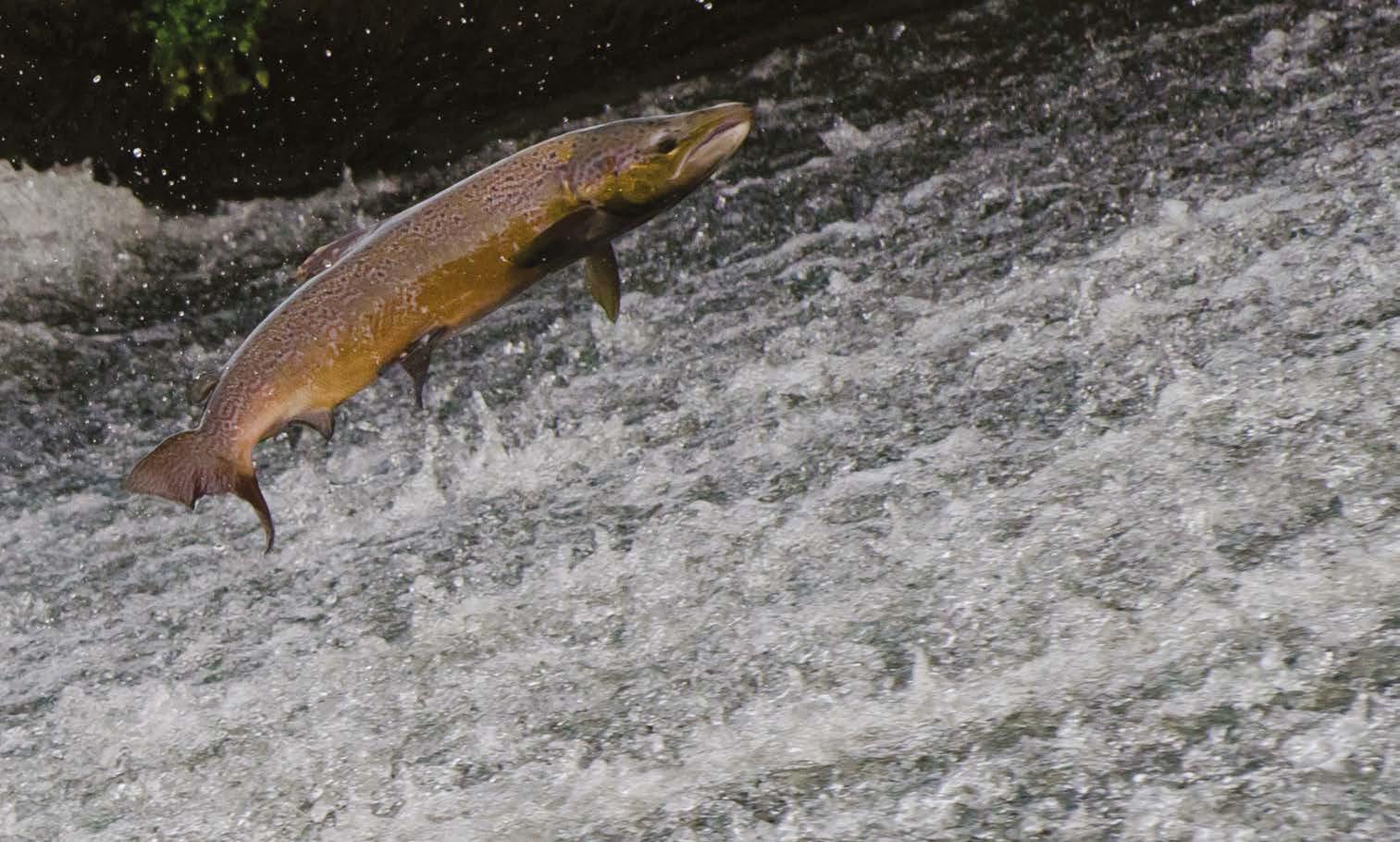
BBy Erin
McDaid,
Nottinghamshire Wildlife Trust.
eing Notts born and bred, I’ve had a lifelong fascination with the River Trent. I’ve enjoyed childhood fishing sessions on Trent Embankment steps, taken a scenic boat trip from Farndon, and nervously navigated its confluence with the River Derwent in an old, underpowered, cabin cruiser. More recently, I’ve canoed from the Trent up the lower reaches of its tributary, the Dove, and taken summer dips at Farndon. I’ve also enjoyed countless walks along the river at places such as Gunthorpe, Fiskerton, and Newark.
I’ve long marvelled at the Trent’s stately power as it meanders through the county and avidly read about its influence on our heritage and culture — whether its role as the ancient boundary between the North and South of England (I’m delighted to live on the side of Trent Bridge that qualifies me as a northerner!), discovering that the legendary tide King Canute was trying to turn back was the Aegir — the Trent’s tidal bore — or that The Meadows area of Nottingham is so called because it was once covered in swathes of bright purple-blue crocuses brought to England eight centuries ago by Cluniac monks.
In the 17th century, Izaak Walton, possibly the most revered angling writer of all time, described the River Trent as “one of the finest rivers in the world and the most abounding with excellent salmon and all sorts of delicate fish.” Yet in the centuries that followed, the Trent suffered more than most due to its central role in the Industrial Revolution. It became a vital source of water, power, and transport — and a de facto sewer for the growing towns and cities along its banks with vast quantities of sewage and polluted water from factories flowing into it.
The number of salmon caught in the Trent plummeted from around 3,000 per year in the 1880s to just six fish by 1960 — a devastating decline driven in part by unprecedented pollution levels. Even its tributaries, including the Erewash, were competing for the unenviable title of England’s most polluted river. The 1960s also brought rising demand for cooling water for what became the largest concentration of coal-fired power stations in Europe. The murky soup that replaced the Trent’s once pristine waters was not only polluted but increasingly warm.

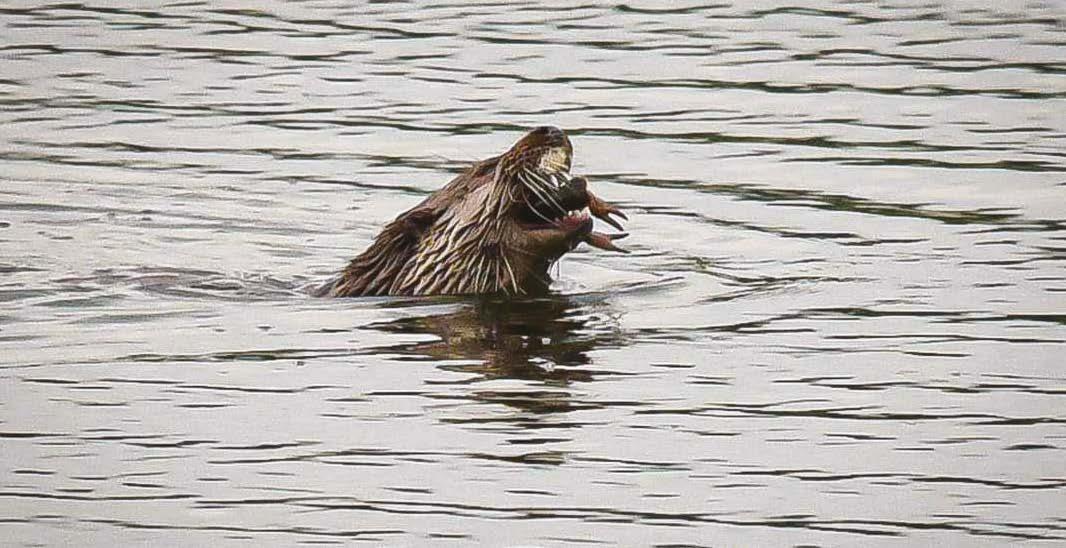

-
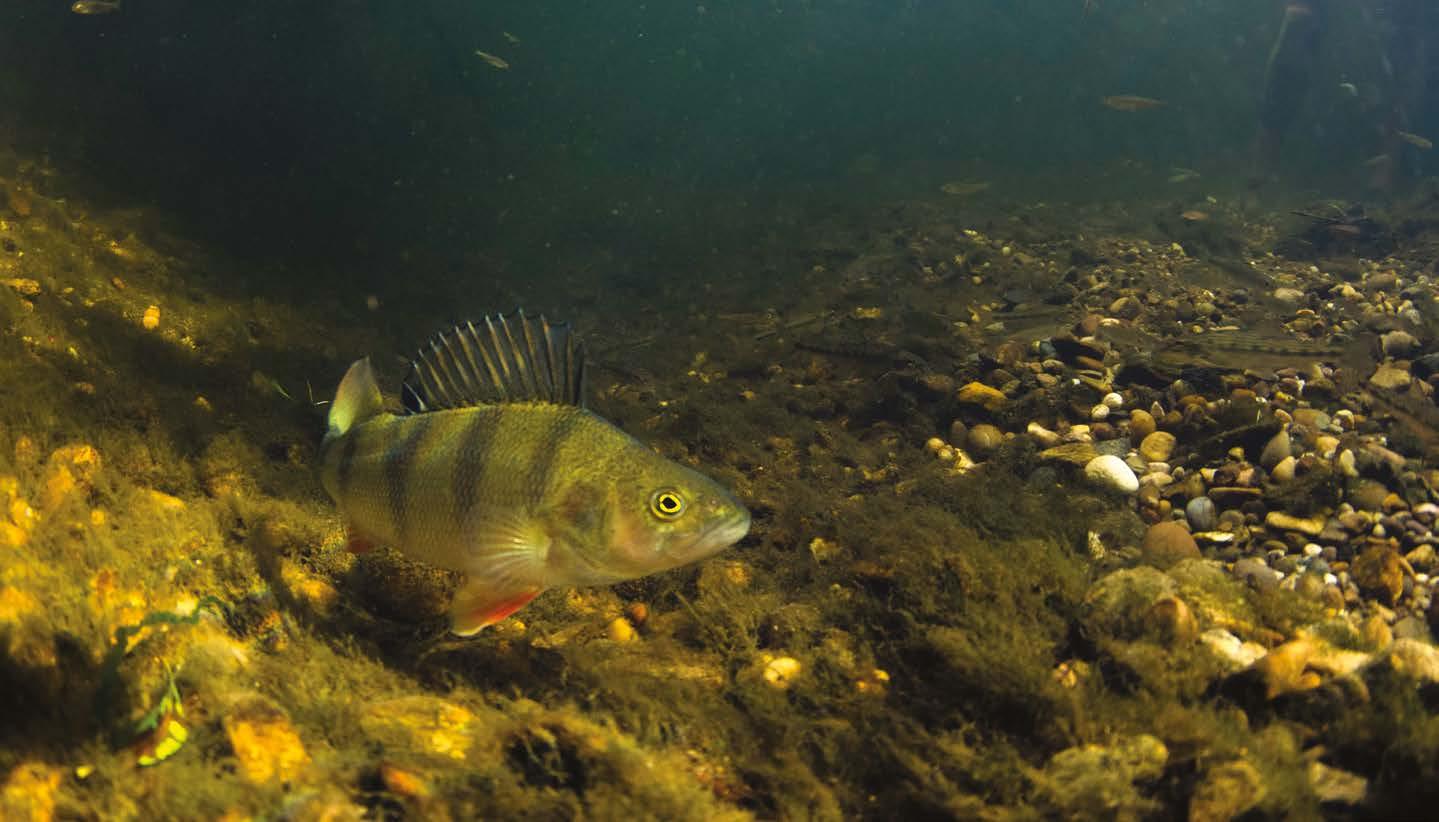
Eventually, society recognised that our waterways could no longer be abused or ignored, and efforts to clean them up began in earnest in the second half of the 20th century. As water quality gradually improved, nature also reclaimed many redundant sand and gravel quarries in the Trent Valley — with support from groups such as us, the RSPB, and local volunteers. Sites like Attenborough Nature Reserve are now long established, and later this year we will celebrate the 60th anniversary of its opening by none other than Sir David Attenborough. Partners including the Environment Agency and Trent Rivers Trust have also made great strides in restoring salmon populations in the Trent and its tributaries through reintroductions and major infrastructure such as the huge new fish pass at Colwick, to help more fish reach their spawning grounds.
More recently, we've been working with a range of partners including Derbyshire Wildlife Trust, Canal & River Trust and local farmers to create new wildlife wetland habitats along the Trent to benefit species including otter, salmon, bittern and lapwing, through our Species Thriving in a Wilder Trent project, thanks to funding from the Species Survival Fund, which is managed by the National Lottery Heritage Fund on behalf of Defra, and match funding by Severn Trent Water.
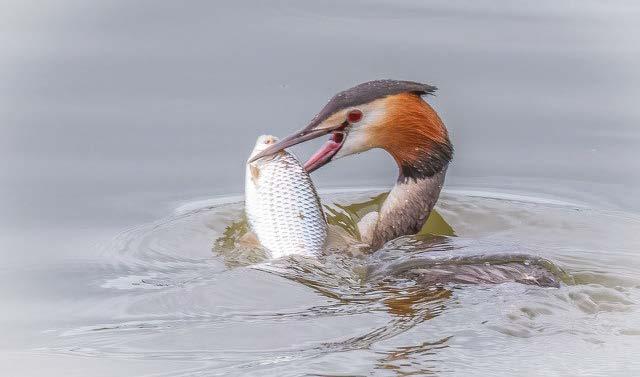
Despite these glimmers of positivity, society has largely continued to take rivers for granted. That’s why Nottinghamshire Wildlife Trust is delighted to be part of the new Rivers 2040 initiative, working alongside The Wildlife Trusts, Trent Rivers Trust and RSA Insurance, an Intact company. The project will map the Trent and study the economic, environmental and social benefits of restoring nature along its course, enabling partners to develop a transformational vision for the river’s future — the first time such a plan has been produced for a whole river system on this scale. We hope this will become a blueprint for river restoration across England.
After centuries of abuse, and at a time when our relationship with the Trent is characterised by flooding, pollution, drought and limited access to nature, we are determined to seize the opportunity presented by the closure of power stations and gravel pits, changes in farming and a post-industrial future for the communities living along the river.
For further details about Rivers 2040, visit: nottinghamshirewildlife.org/news.



Otter sightings at a popular nature reserve highlight misunderstandings about the role of predators in nature.
In my lifetime, otters became extinct on the Trent — only to return thanks to a concerted collaboration between water companies, Wildlife Trusts and the Environment Agency to clean up the river and its wider catchments, and to create quiet havens along its banks.
Over the past eighteen months, otter sightings at our Attenborough Nature Reserve, south of Nottingham, have become more frequent. We recently shared a couple of video clips captured by local naturalists, and the footage generated huge interest. While most people were excited and positive, others reacted negatively — even angrily. Some ‘anti’ voices may have previous experience of otters taking fish from commercial fisheries, but many concerns were rooted in misunderstandings about the predator–prey relationship.
There were genuine worries that otters would harm other wildlife populations. However, while otters eat fish and occasionally birds, eggs, frogs and crustaceans, their presence is a sign of a healthy environment — not a threat. Back in the 1970s, when otters disappeared from many areas, large sections of the Trent were so polluted that no life could survive. With a diet made up of around 80% fish, the river had become unviable for otters. As water quality slowly recovered and fish populations returned, otters were able to return too.

Absence may make the heart grow fonder, but long absences in nature often lead to misunderstanding. When cormorants became common on inland waters, similar concerns were raised — yet predator numbers naturally regulate in line with prey availability.
Otters have large territories, typically covering 20–30km of riverbank, and males won’t share their feeding grounds. When fish are scarce, otters will take alternative prey, but this usually poses no threat to populations. Like cormorants, otters can cause issues at commercial fisheries, but there are measures owners can take to reduce impacts. Challenges on artificially stocked waters shouldn’t stand in the way of the continued recovery of a native species.
The return of otters is a clear sign that our river ecosystems are improving — though there is still a long way to go. A cleaner, more natural River Trent, better connected to its floodplain, will support otters and many other species. As natural food becomes more abundant, potential conflicts with commercial fisheries should diminish.
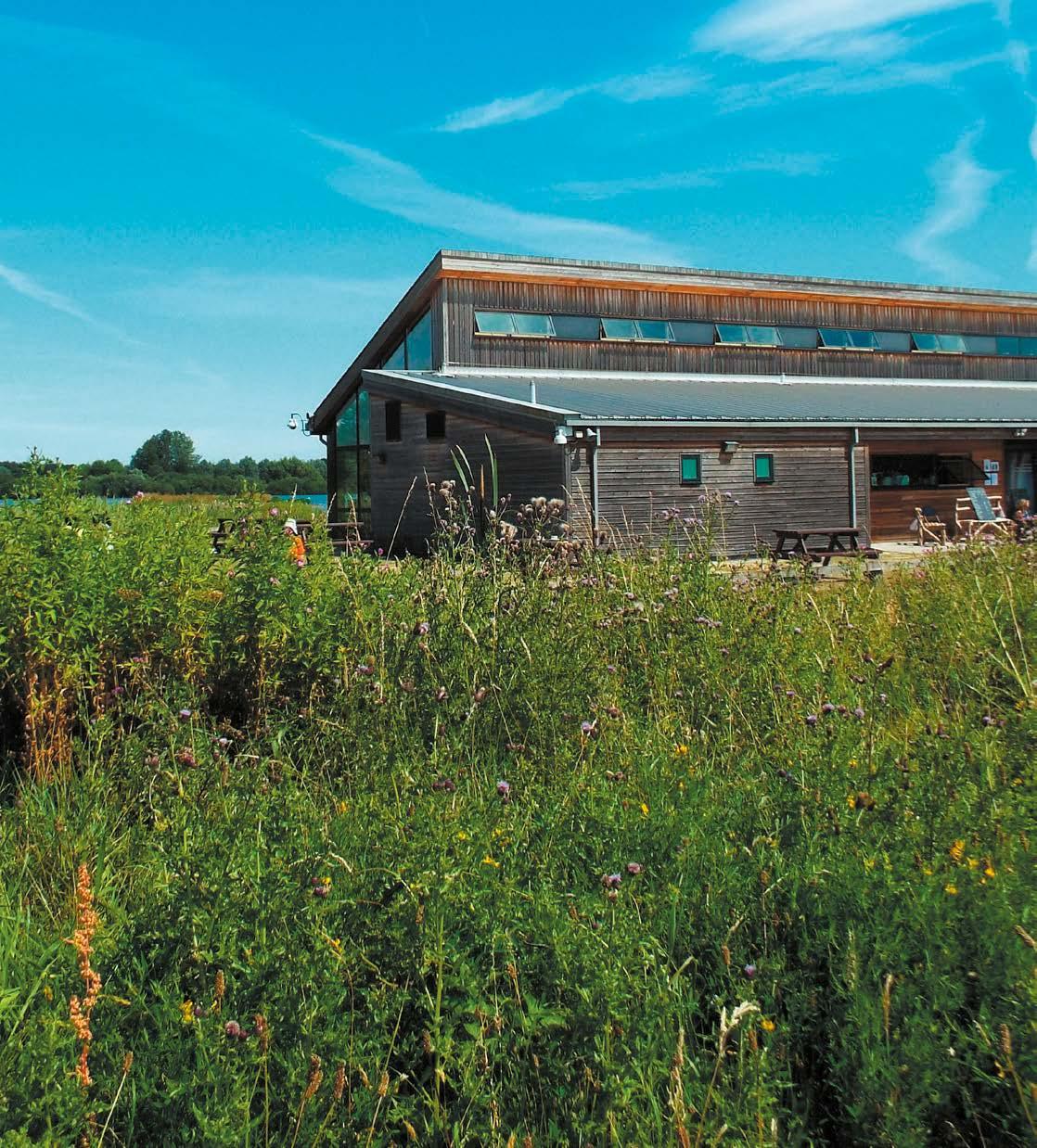






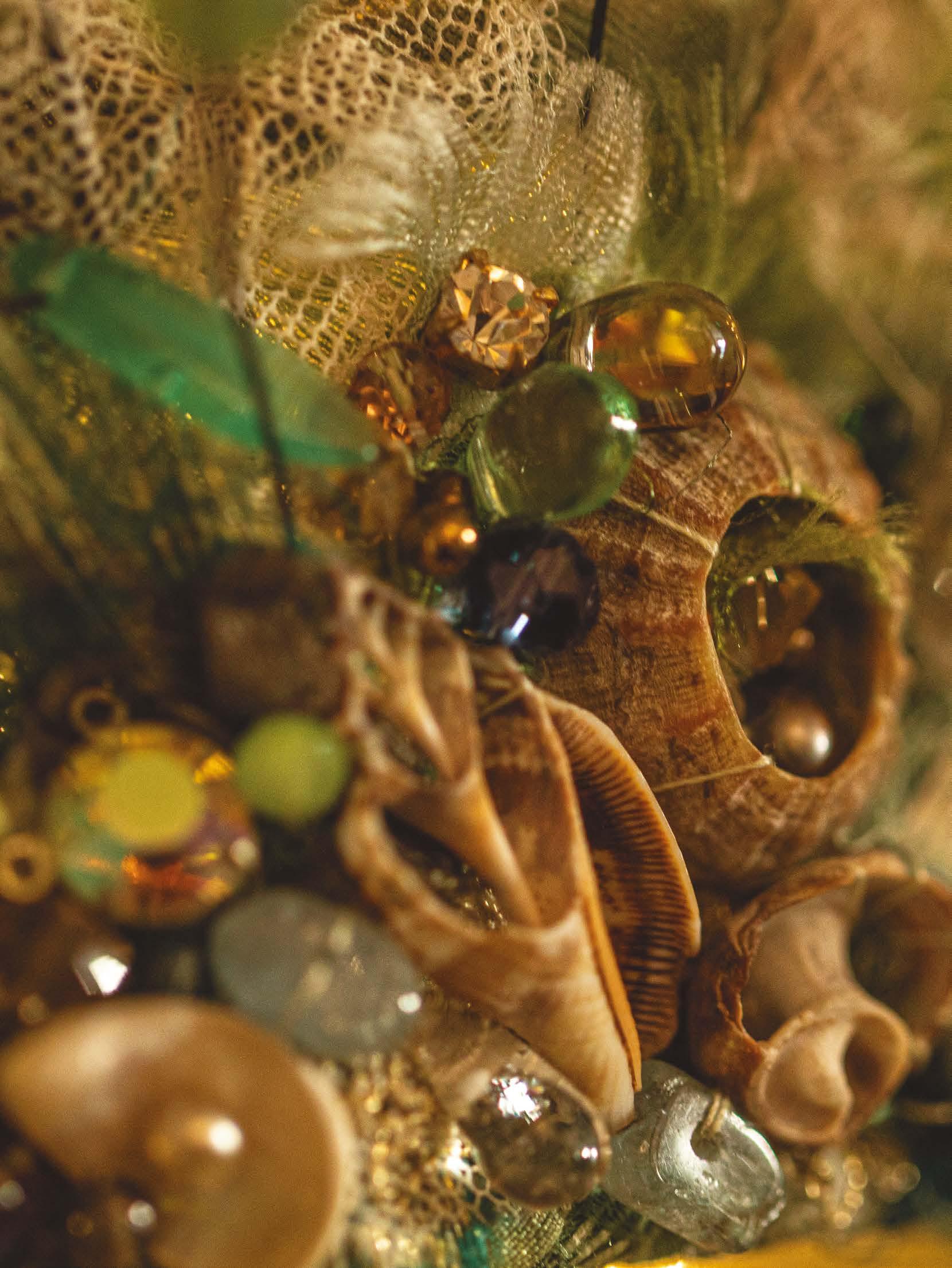
Nottinghamshire textile artist Suzanne Curtis is known for her quiet magic and delightfully whimsical textiles and jewellery. Her recent move to a newer, larger studio space at Thoresby Courtyard is the next chapter in her fairytale. Made went to visit the new Fragments & Faerytales creative art studio…

“Old materials have a story, they've lived a life before they reach me and I find that fascinating.”
There are some creative spaces that feel less like studios and more like thresholds, where something softer, older, and quietly magical begins to stir. When we step through the doorway of Fragments and Faerytales, we feel it instantly. The mellow hush, the moonlit imagery, the shelves lined with antique linens, tiny patisserie tins and intricately designed stitched pieces… it is a sanctuary woven from stories, textures, and the kind of gentle enchantment that modern life so often forgets.
Suzanne, who lives in Kirkby-in-Ashfield and grew up in Calverton, has spent the last fourteen years building a practice rooted in sustainability, folklore, and the restorative power of art making. Her work, a dreamy blend of textiles, mixed media and jewellery, is lovingly crafted almost entirely from vintage, antique, and found materials. Each piece feels as though it has wandered out of a fairytale: soft pastels, layered textures, coastal whispers, and a toadstool or two.
“I’ve always been drawn to things with a past,” Suzanne tells us, her hands resting on a stack of faded French linen. “Old materials have a story. They’ve lived a life before they reach me and I find that fascinating. I also spend my life trying to repurpose and recycle as much as I can, so in a way I am marrying sustainability with my love of social history.”
We discover that Suzanne’s journey into full-time artistry wasn’t a straight line. For years she worked at the Land Registry, quietly nurturing her creative hobbies alongside: jewellery making, repairing clothes, stitching small treasures for friends. The turning point came unexpectedly, when redundancy forced her to rethink her path. “I’d been running a little jewellery business on the side,” she says. “But when I made my own bridal tiara and people kept saying how beautiful it was, something clicked. I thought… maybe this is the moment. Maybe I can really do this.”
What began as a leap of faith has grown into a flourishing creative career. Her work is now sold online, in her studio, and through her highly popular workshops that regularly book up with people seeking a few hours of calm, creativity, and escape.
Suzanne’s materials are characters. She is proudly antiplastic, avoiding man-made fibres wherever possible. Instead, she sources antique French sheets, hemp linens, vintage lace, and second-hand embellishments that carry the soft patina of age. “Those old French sheets are my favourite,” she says with a smile. “They’re strong, they’re beautiful, and they’ve got these little marks of time, a faint fade, a tiny age spot. They make wonderful needlebooks and bases for my pieces. They already have a soul.”
Her studio shelves are dotted with old patisserie tins she has collected from French fairs. Once used to bake delicate pastries, they now cradle her handmade pincushions or serve as vessels for workshop projects. “I love imagining the baker who used them,” she says. “It’s like each tin brings its own little whisper of history.” Even her earliest toadstools, now one of her signature motifs, were born from a found object. We learn that Suzanne discovered a vintage velvet curtain in a friend’s allotment shed and transformed it into her first set of toadstools. “I just love the feel of velvet,” she laughs. “It’s so tactile, so luxurious. And that curtain… well, it was just waiting to become something magical.”
Toadstools appear repeatedly in Suzanne’s work: soft, layered, slightly mysterious forms that seem plucked from the forest floor of a Grimm tale. “Toadstools are magical but also a bit sinister,” she says. “You can look, but you shouldn’t touch. They’re fascinating. They’ve always been a source of delight for me.”
It’s clear to us that Suzanne’s love of folklore runs deep. As a child she devoured Grimm’s fairytales, believing even then that they held lessons tucked between the shadows. Today, she listens to folklore podcasts, medieval music, and ethereal soundscapes while she works, letting the atmosphere seep into her stitching. “It helps me get into that otherworldly headspace,” she explains. “I can lose hours when I’m making. It’s like stepping into a different realm.”
While folklore undoubtedly shapes the mood of her work, it is nature that provides its heartbeat. Suzanne is an earthy soul, happiest wandering through woods, tending her allotment, or beachcombing along the Devon and Cornwall coastline. Her coastal pieces - soft blues, pale sands, tiny, stitched shells - are inspired by years of family holidays. “I love the wildness of the moors and the romance of the coast,” she says. “The solitude, the space, the feeling of no neighbours for miles. It’s incredibly freeing. I collect pebbles, driftwood, and shells to incorporate into my art, and sometimes I think the natural textures almost shape the pieces. Nature is absolutely my focus. It grounds me.”
Similarly, she tells us, her other passion of spending time on the allotment is also a great source of inspiration. “Working with the earth, being at one with nature…”, she explains, “…it is hugely cathartic and I try to incorporate herbs or flowers from there also into the designs.”
The restorative nature of her work is not lost on us as we browse the pieces, and we are drawn into a deep state of calm and mindful imagination. It’s this delightful escapism and the way that each piece awakens our imagination that is part of Suzanne’s inherent magic.
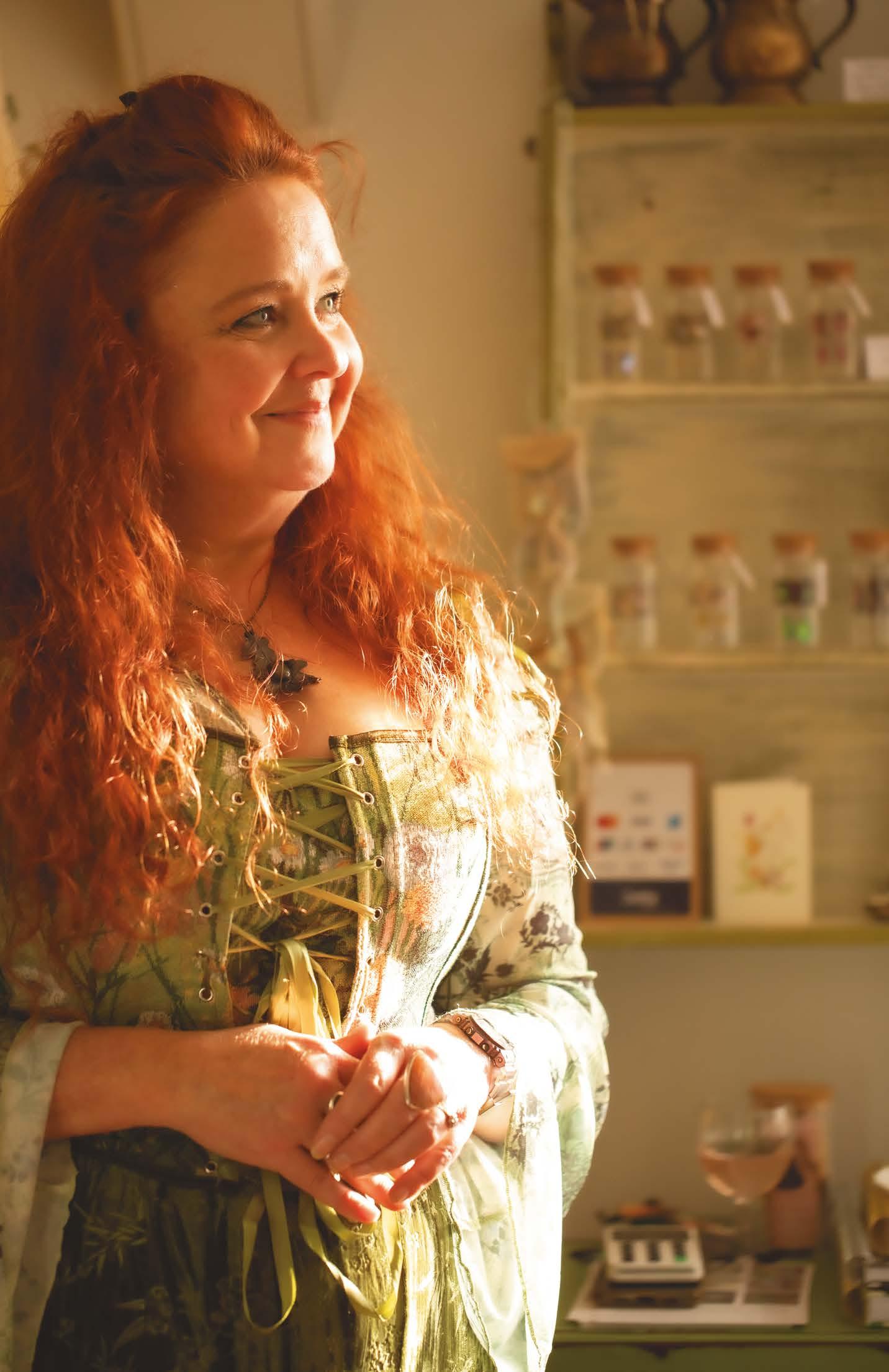
Suzanne’s new Thoresby Courtyard studio is the physical embodiment of this ethos: gentle, magical, and deeply welcoming. Designed as a space for self-care and creative therapy, it is filled with moon imagery; a symbol she finds powerful and energising.
Workshops are held monthly, with groups kept intentionally small (between two and seven people) to preserve the intimate, mindful atmosphere. Halfday sessions run for four hours, full days for six and a half, and always include refreshments and homemade cake. “People step into the workshop and they’re in a different space,” she says with a smile. “It’s escapism. It’s relaxation. It’s creative mindfulness.” Participants work with repurposed materials — old tins, birdcages, vintage fabrics – carefully chosen by Suzanne for the activity.
We were curious to see how each item is planned out –both her own collections and ideas for the workshops. “I do sketch out the workshop designs in advance and have a plan of how we can create something delightful together”, she explains, “but I rarely sketch my own pieces. I prefer to work more intuitively and see where the material takes me. It’s a journey. Immensely rewarding.”
We can see that Suzanne’s style is perhaps unorthodox. “My approach isn’t how everyone does it,” she admits. “I go rogue sometimes. I’ll sew the whole piece together first, then decorate it afterwards, which is the opposite of how you are told to make things in, say sewing kits. I follow what feels right and that’s how I demonstrate in workshops. The main thing is that people enjoy handling the materials and escaping into the making.”
The innate creativity runs in Suzanne’s blood. She tells us that her mother was a seamstress who made her own clothes and taught Suzanne to sew on an old Singer machine. Those early lessons: the hum of the old Singer sewing machine, the thrill of making something from nothing, shaped her future more than she realised at the time. “I always wanted to make things,” she says. “I did art and textiles at O-level, but I never had formal training beyond that. I’ve just learned by doing, experimenting, and following what I love.”
That instinctive, heartfelt approach is so clear. Her work is richly layered, soft on the eyes, and full of texture — the kind of art you want to touch, hold, and explore, and just like a fairytale you want to delve in deep and discover more…
Suzanne’s collections include key keeps, toadstools, needle cases, brooches, pouches, pin cushions, and jewellery. Many pieces incorporate seashells, pearls, recycled beads, or tiny botanical elements.
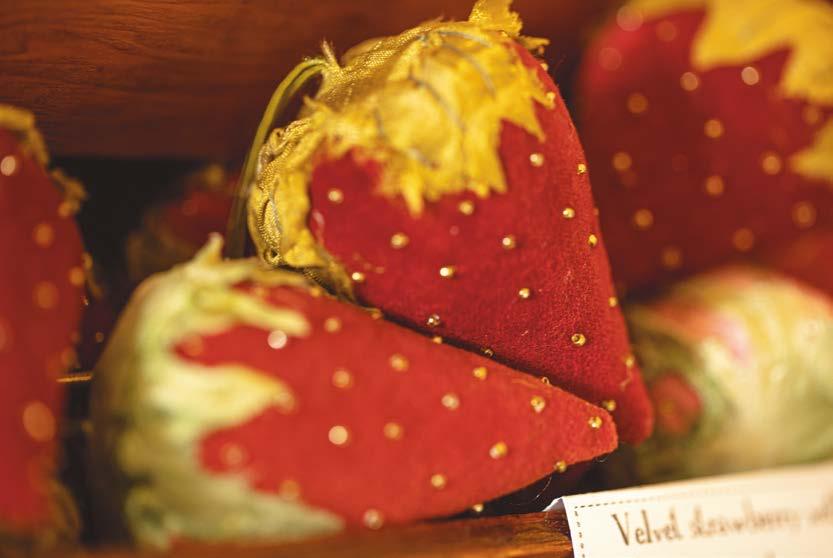
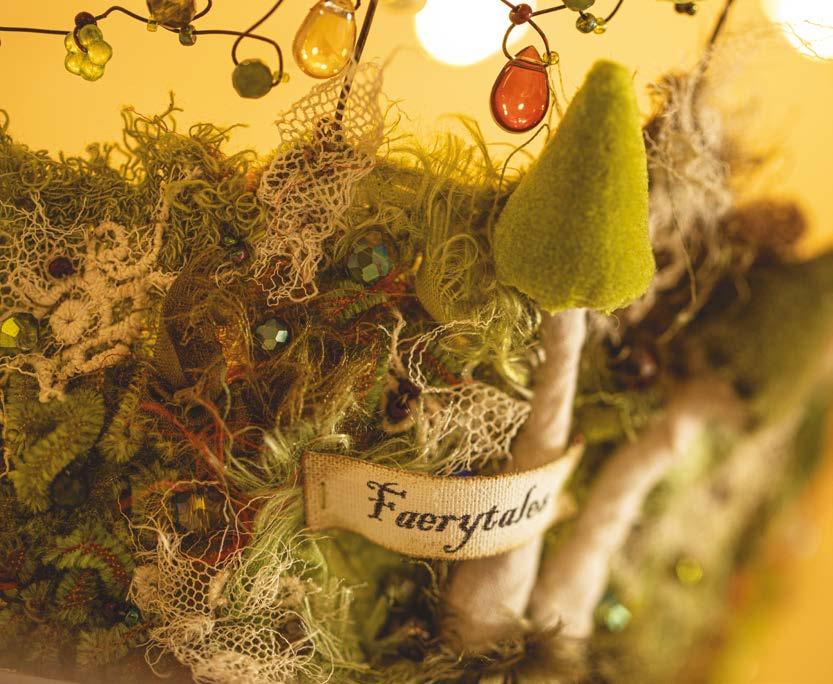

Some include sequins, but only when repurposed from other items. “I regularly raid thrift stores!” Suzanne laughs. “Sustainability is key for me. I will always love our planet and cherish and respect nature. There is no need to buy new if you can repurpose something old.” Suzanne’s eco-stance is echoed in her packaging, with her choosing to use only paper or card, often recycled, and limited to what is necessary.
As we chat more with Suzanne and enjoy the studio, we can see that, in a world that often feels overwhelming, Suzanne’s work offers a quiet refuge — a reminder that beauty can be found in the worn, the weathered, the once-forgotten. Her art invites us to slow down, breathe deeply, and reconnect with the stories woven into the materials around us. Her pieces are charmingly whimsical without being frivolous, magical without being childish. They feel like heirlooms from a world just slightly out of reach and deep in our imagination.
As our conversation draws to a close, Suzanne reflects on what keeps her creating after all these years. “I think people need a bit of enchantment,” she says. “Life can be hectic and challenging. If my work gives someone a moment of escapism, a little spark of joy… that means everything. And for myself, it allows me the scope to immerse into the other world, one full of magic and wonder, a true privilege.”
It certainly feels that this is the essence of the Fragments and Faerytales creative art studio: a gateway into a gentler world - one stitched together from stories, nature, and the quiet magic of things once loved. We heartily recommend a visit and it is open most Saturdays (check Suzanne's social media or her website) and whenever other events are taking place at Thoresby Courtyard.
Go discover the magic!
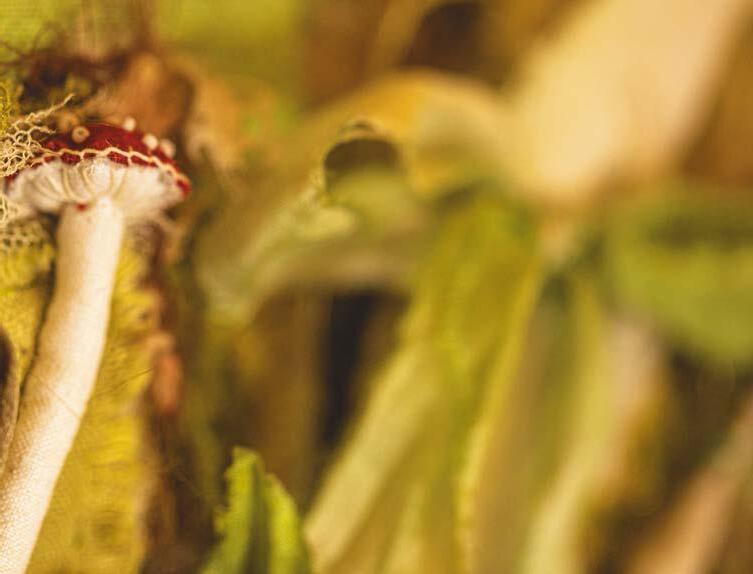
For further workshop dates and details, visit: www.suzannecurtisart.co.uk
Couples or groups can also arrange bespoke sessions or private parties on other dates. Call: 07552 626214
Email: enquiries@suzannecurtisart.co.uk
Suzanne’s beautiful ethereal items can be purchased through her website: www.suzannecurtisart.co.uk or in person at the studio. Gift vouchers are also available.
The Fragments & Faerytales creative art studio. Thoresby Courtyard at Thoresby Park, NG22 9EP.
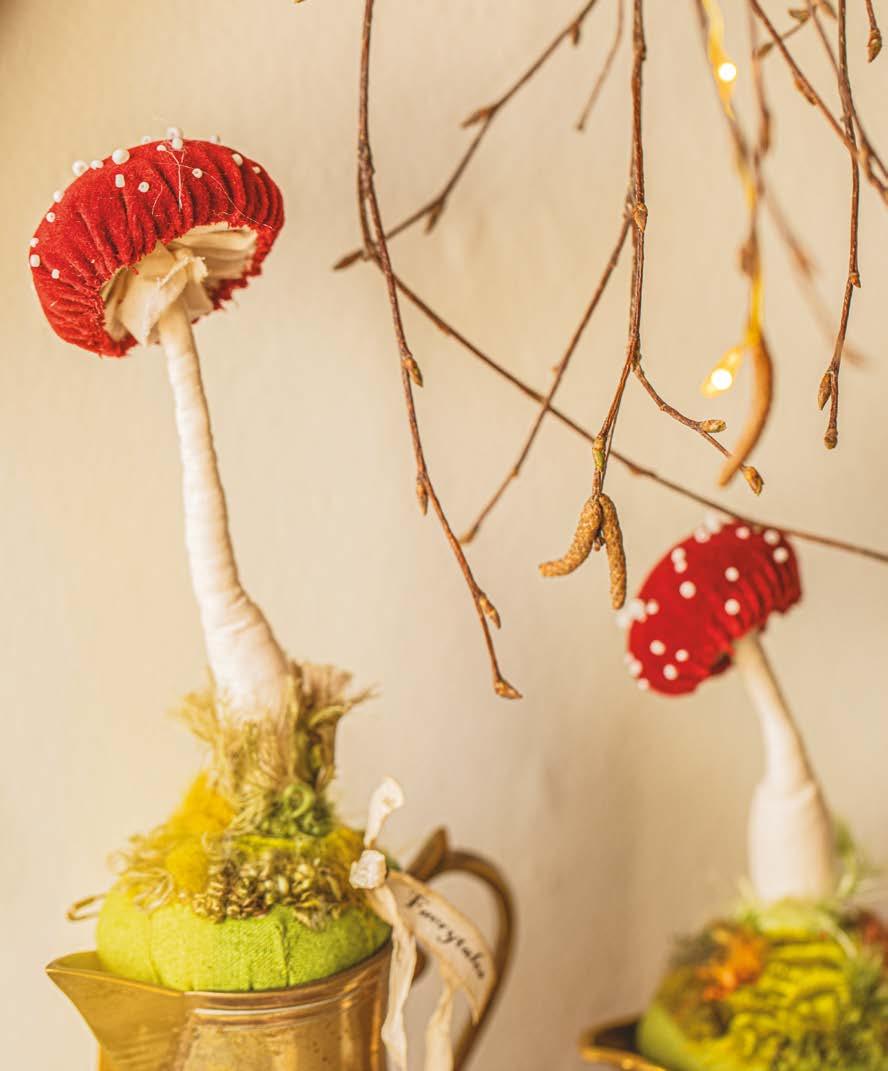
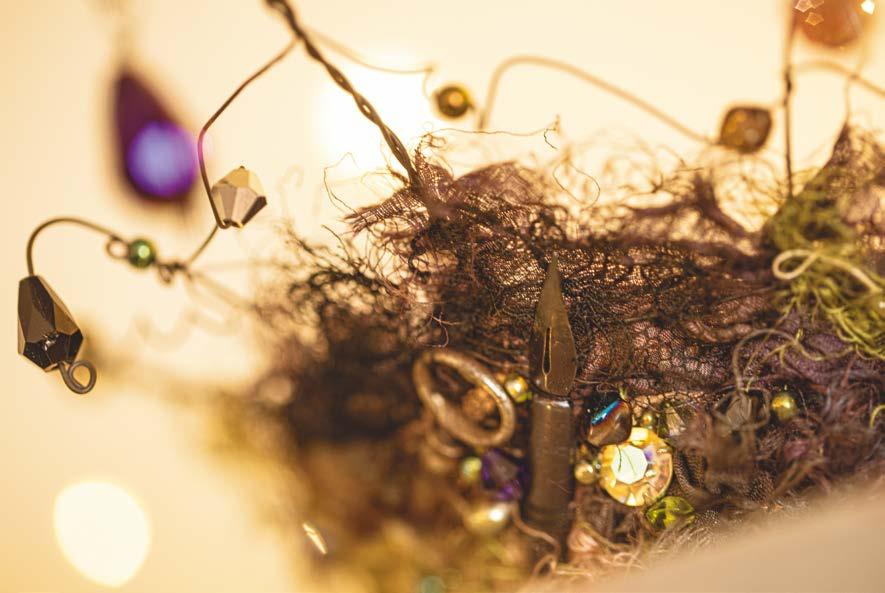
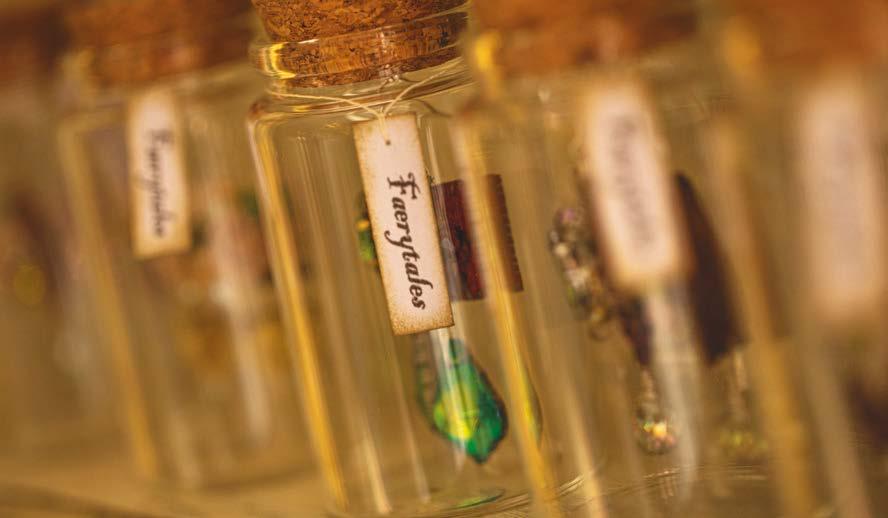
Make an impression, create an experience, build connections
Robust, secure, fast and backedup, cloud-based hosting. Your Next Web Project, Built Right
Improved user experience
An integrated drag-and-drop page builder for simplified administrator management.
Trusted and powerful software options, WordPress and WooCommerce, or Joomla!, enhanced through appropriate plugins and extensions.
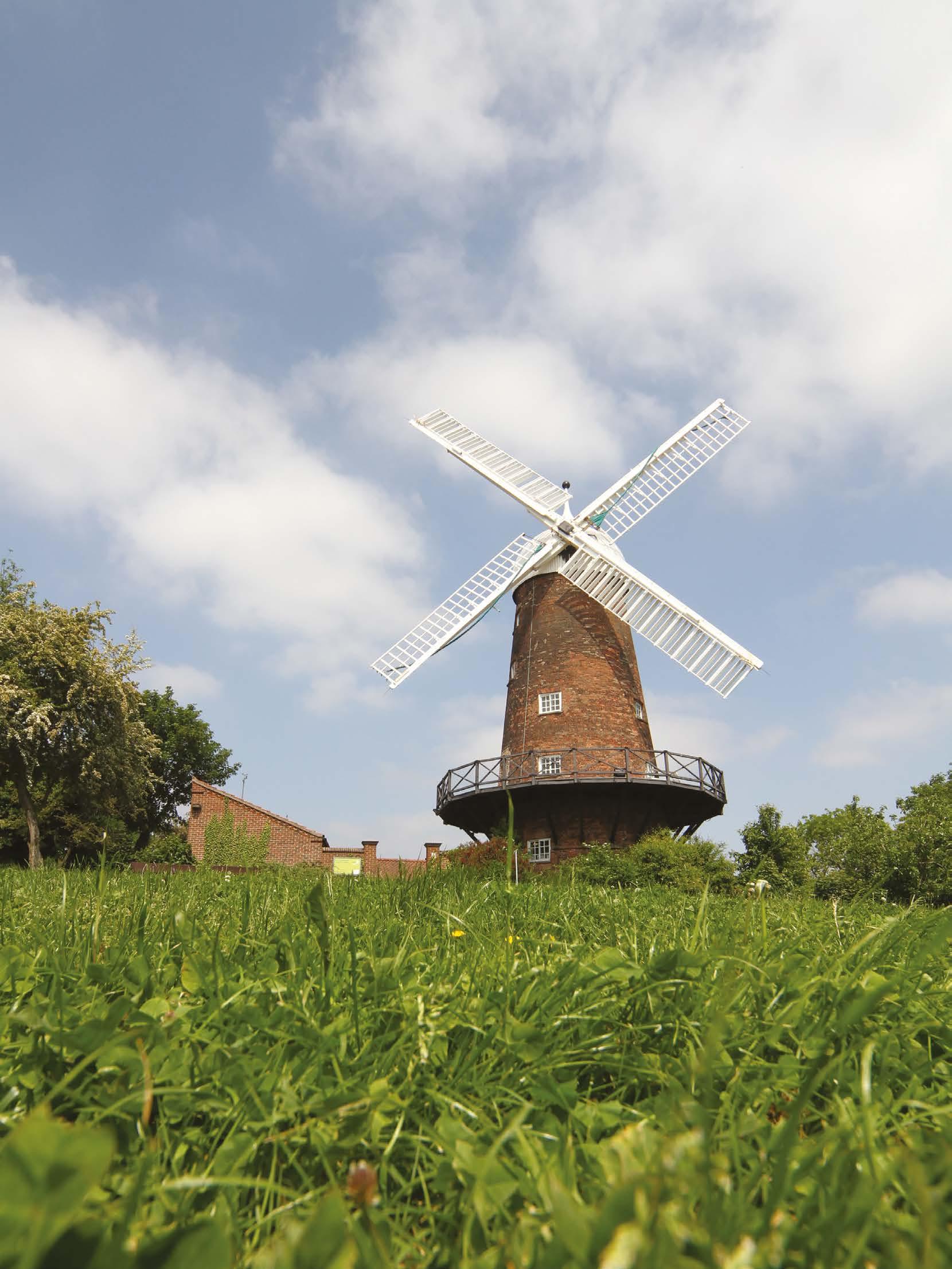
Green’s Windmill and Science Centre is a charming visitor destination in the heart of Sneinton, Nottingham, once the property of scientist and mathematician George Green, who changed modern physics. Now open to the public to discover not only the dynamics of a working mill, but also its heritage and the story of genius surrounding its former owner. Made went to sift the flour…
We were welcomed by Jamie Duff, Heritage Development Officer. What was clear when we arrived is that this is a place that successfully marries science and innovation in an engaging and approachable way whilst also giving us a glance into the historic craft of a traditional working windmill. The Science Centre offers a unique journey through the life and discoveries of George Green, whilst the beautiful Grade II listed windmill stands proudly by its side waiting for you to explore inside. They are flanked by a beautiful community garden and nestled in between the two buildings are several workshops that welcome families and school groups for several year-round activities, including of course bread making. If you are lucky enough to visit on a day when the ovens are on, as we were, then the beautiful, homely smell of freshly baked bread wafts around teasingly.
“It’s certainly a drawing point!” laughs Jamie, as he watches our surprise. “It’s wonderful to not only have a working windmill where you can see the flour being made, but then to be able to bake it here on site, it’s a privilege, and people love it.”
becomes particularly poignant to us once we walk around the Science Centre.
Like George Green, whose work we will share with you later, the windmill has also left an extraordinary legacy.
“Built by his father in 1807”, Jamie explains, “it became the largest and most powerful windmill in the area. Green inherited the mill and family home in 1829 but after three years, seeking further fulfilment academically, he sets off for Cambridge, leaving family and workers in charge of the dayto-day running. After he passed away in 1841, aged just 47, his son John continued to build the family legacy, working there for another 25 years.”
“It’s wonderful to not only have a working windmill where you can see the flour being made, but then to be able to bake it here on site, it’s a privilege, and people love it.”
Parking our sudden hunger for a sandwich (!), we must first look at George Green.
Jamie smiles… “Okay, so George was born in 1793, the son of a miller and he grew up learning the family trade, working in the windmill. What makes his story particularly remarkable, is that despite his humble beginnings and very little formal education, George went on to produce ten remarkable papers on applying mathematics to magnetism, electricity and wave theory, introducing ideas (now called Green’s functions) that later became essential tools in physics. Sadly, during his lifetime almost no one noticed the significance of his work”. We learn that when he died in 1841, George’s obituary, thought-provokingly, made the suggestion that “had his life been prolonged, he might have stood eminently high as a mathematician.” This
However, we soon learn that, as it entered the 1860s, and with the advent of the new steampowered factories (making it harder for traditional mills to survive), the windmill entered a period of sad decline. The sails were removed and the mill had to be abandoned. When you look at it now in its glory you cannot help feeling a wave of sadness.
Until the 1930s the mill lost its original purpose and was adapted several times to accommodate a pigeon loft and later a furniture and shoe polish factory, and during this time, parts of the building deteriorated drastically, even collapsing in parts. This was exacerbated by a fire in 1947 which devastated the building, destroying the machinery and melting the copper cap, leaving only the brick tower standing.
But in 1974 its luck turned and in the face of demolition a group of staff at the University of Nottingham launched a campaign to save it, establishing the George Green Memorial Fund with a successful plan for restoration agreed. By 1985 after extensive works, the mill reopened to visitors and, excitingly, flour was ground there once again for the first time in over 125 years.
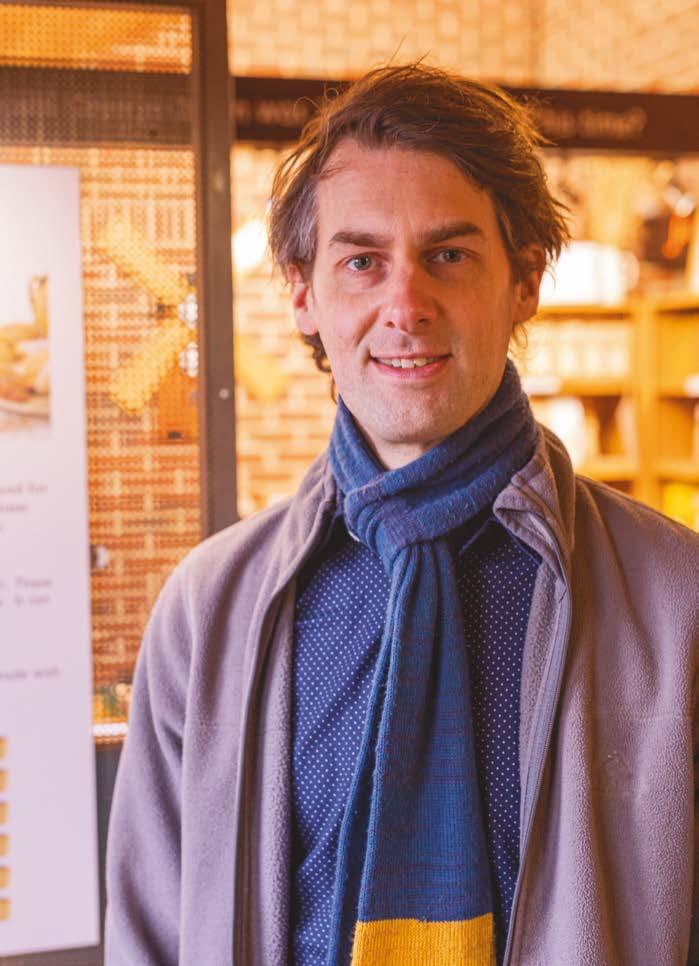
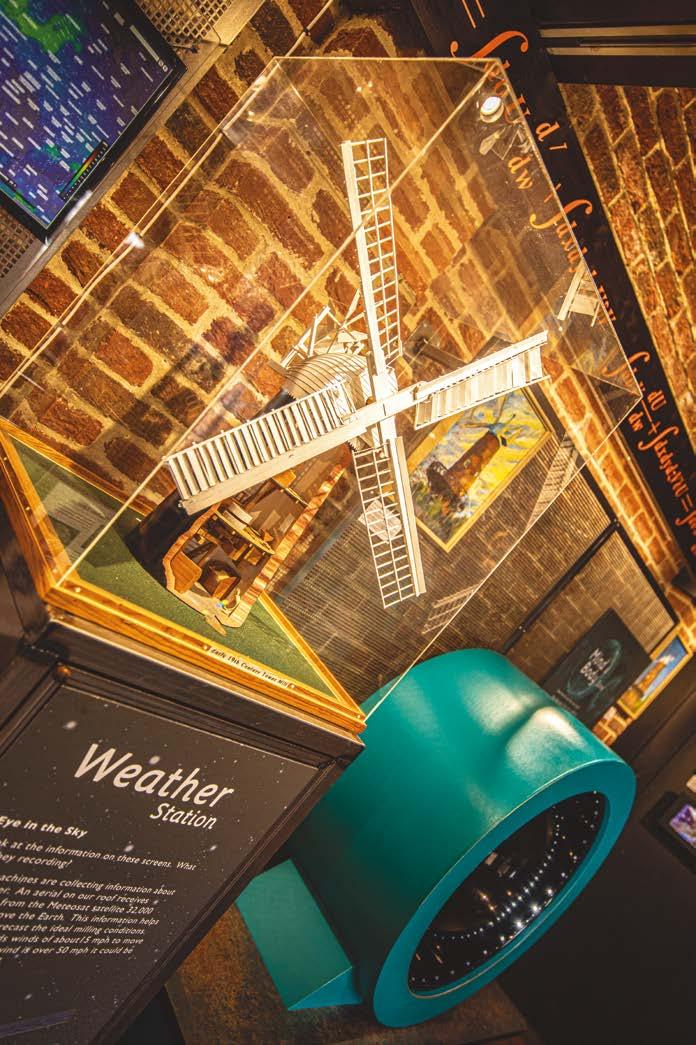
Now run by the charity, Green’s Windmill Trust and a dedicated team supported by volunteers, it has since gone from strength to strength, opening its doors to visitors all year round, and giving them a glimpse of the authentic craft of flour making. Visitors are treated to a first-hand experience witnessing traditional methods, understanding the power of the weather and the dedication of man can create such a simple but essential item in all our store cupboards.
We’re so lucky to have George Green’s windmill here in our city”, says Jamie, clearly with enormous pride. “It’s a fantastic place, incredibly special, and we are all committed to safeguarding its future and welcoming people here all year round.”
For visitors today, it’s exciting to see inside and learn about the machinery in situ and the process of making the flour, right from the moment the corn is harvested. This is supported by several excellent short discovery videos you can select in the learning zone of the Science Centre, where there is a seating area. You can also climb to the top of the windmill to admire the wonder of its design and functionality. For families, it’s a great chance to learn more of our industrial heritage and there’s something rather soothing and welcoming (homely even) when you step inside. It helps, too, that the windmill is run by people who genuinely love what they do and love the building and the craft. There’s a real sense of community when you arrive, echoed also in the windmill’s community garden, which is tended to lovingly by a group of volunteers and produces a wonderful array of plants, vegetables and herbs.
You can’t help thinking, that in the heart of Nottingham, this truly is a hidden gem of a place, an oasis of calm. And let’s not forget the tantalising smell of the bread from the workshop windows, which is still following us! The flour is on sale, incidentally in varying types, including spelt and wholegrain, in the shop area by the main reception, alongside books on George Green. We certainly recommend picking up a bag of two.
For science and innovation fans, or families wanting to do something different and experience some interactive learning, the Science Centre next door is another great find. It’s also, just like the windmill, surprisingly free to enter, making it an affordable morning or afternoon out with the kids, popular also with schools and groups. Refreshments are available on site, and with it being a ground floor venue only, there is good accessibility throughout.
Once inside, and we didn’t really know what to expect, there were plenty of info boards and engaging visuals, plus a children’s games corner, illustrating the work of George Green and how it applies to modern-day technology and scientific innovations. We really enjoyed trying out some of the experiments and games ourselves, which were fun, and it was a surprise to learn the breadth of Green’s contributions to science and physics.
Like us, we expect many of you will be unaware of his work, and what we discovered at the Science Centre was quite fascinating. We learned that just weeks before George Green died, a student at Cambridge (the young William Thomson), stumbled upon reference to Green’s obscure essay, and resolved to find a copy. What he found was groundbreaking and taking it to Paris, Thomson, along with leading scientists, were astonished to find that Green had already solved problems they were only just beginning to understand! Thomson promptly arranged for the essay to be republished, with his work soon spreading across Europe in the scientific fields, and by 1862 the term “Green’s Function” appeared in print for the very first time. It wasn’t long before Green’s ideas were influencing Thomson (later Lord Kelvin), Stokes and Maxwell, the celebrated architects of modern mathematical physics. Even more fascinatingly, as time passed, the interest in and indeed the relevance of Green’s work continued to grow.
In fact, in the 20th century, Julian Schwinger, one of the founders of quantum electrodynamics, relied heavily on Green’s methods. Schwinger turned down an invitation to work on the atomic bomb during World War II and focused his efforts instead on developing microwave radar, his calculations containing more than 200 references to George Green! Over the next few years, Schwinger also published a series of papers showing how Green’s mathematical methods could be used to build the new theory of quantum electrodynamics (QED) — a theory later confirmed with extraordinary precision in experiments. “It’s extraordinary really”, smiles Jamie, “because his work culminated in a Nobel Prize in 1965! Without Green’s influence would he have been so successful?”
We learn also as Jamie continues, that Green’s work also influenced the pioneering work on Magnetic Resonance Imaging (MRI) by Sir Peter Mansfield, Robert Turner, and Roger Bowley, with Mansfield later receiving a Nobel Prize in Physiology or Medicine. Fast forward to today, and Green’s functions are part of the standard curriculum in mathematics, physics, and engineering, which is curious really, given that even Green himself remains relatively unknown outside specialist circles.
For those of you wishing to visit the windmill it is currently undergoing some essential repairs and renovations, which means that, when it opens, it will look wonderfully revived, however you will need to wait to November 2026 for the grand re-opening. In the meantime, the Science Centre, community garden, shop, and workshops are open as per usual times, and you can watch the windmill tour video inside the Science Centre.
“I have been publishing updates on the repair work progress weekly on Facebook and Instagram, because we have had so many people interested”, Jamie tells us. “It’s great so many people cherish the windmill, as do we, and want to see it lovingly restored. Essentially, through Nottingham City Council (who own the building) we have been lucky to secure a grant of £685,000 so we are able to mend the cap
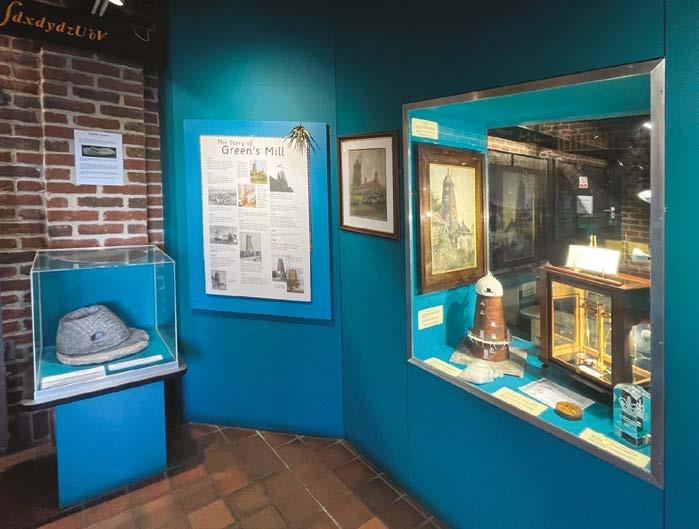
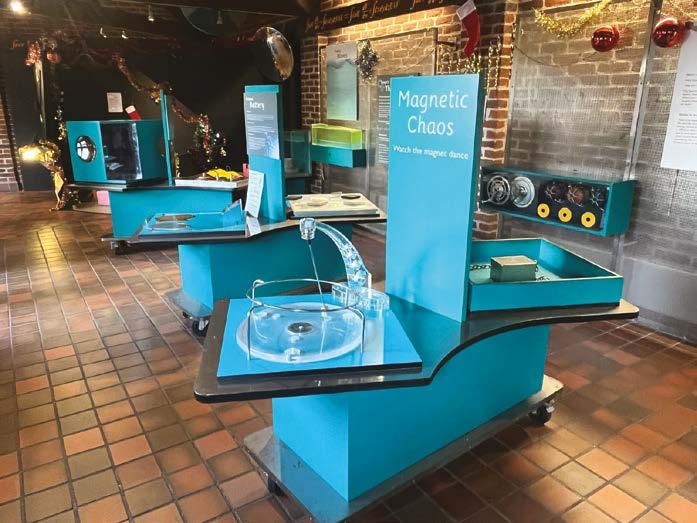
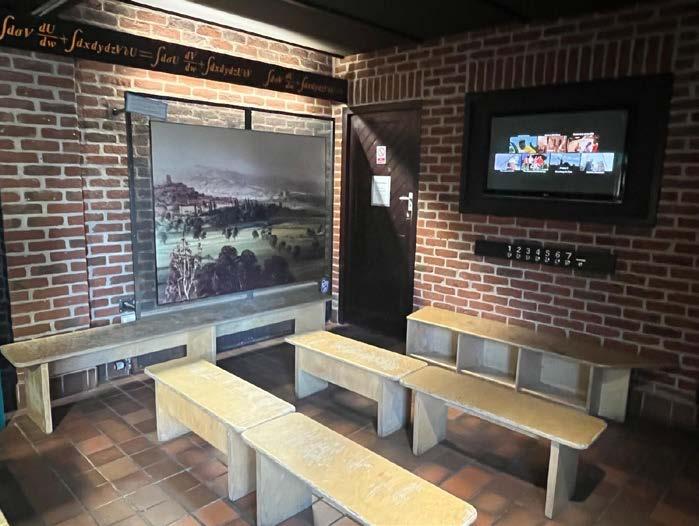
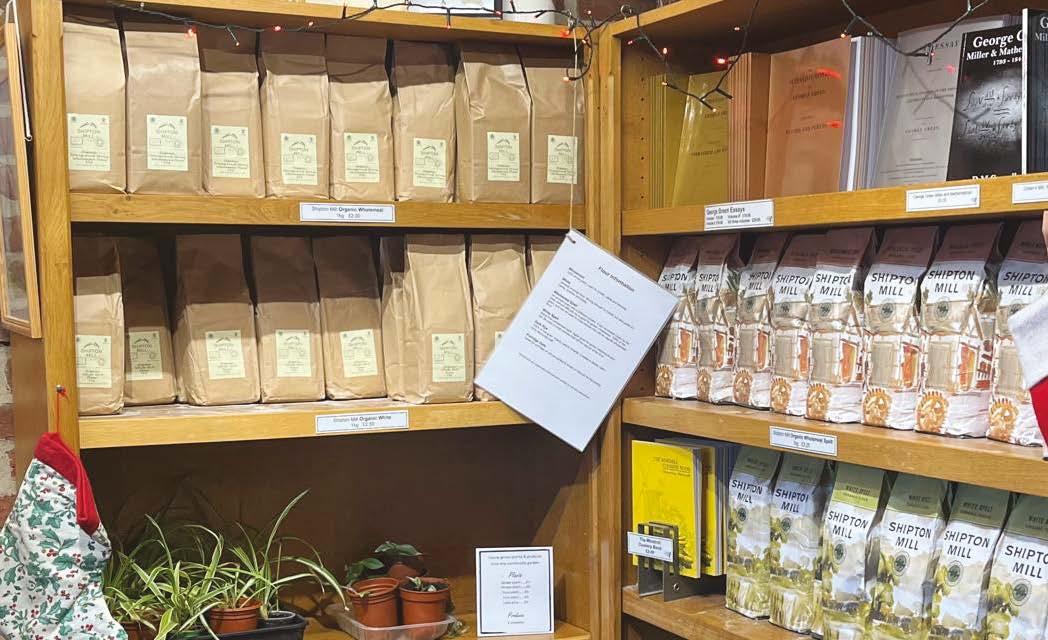
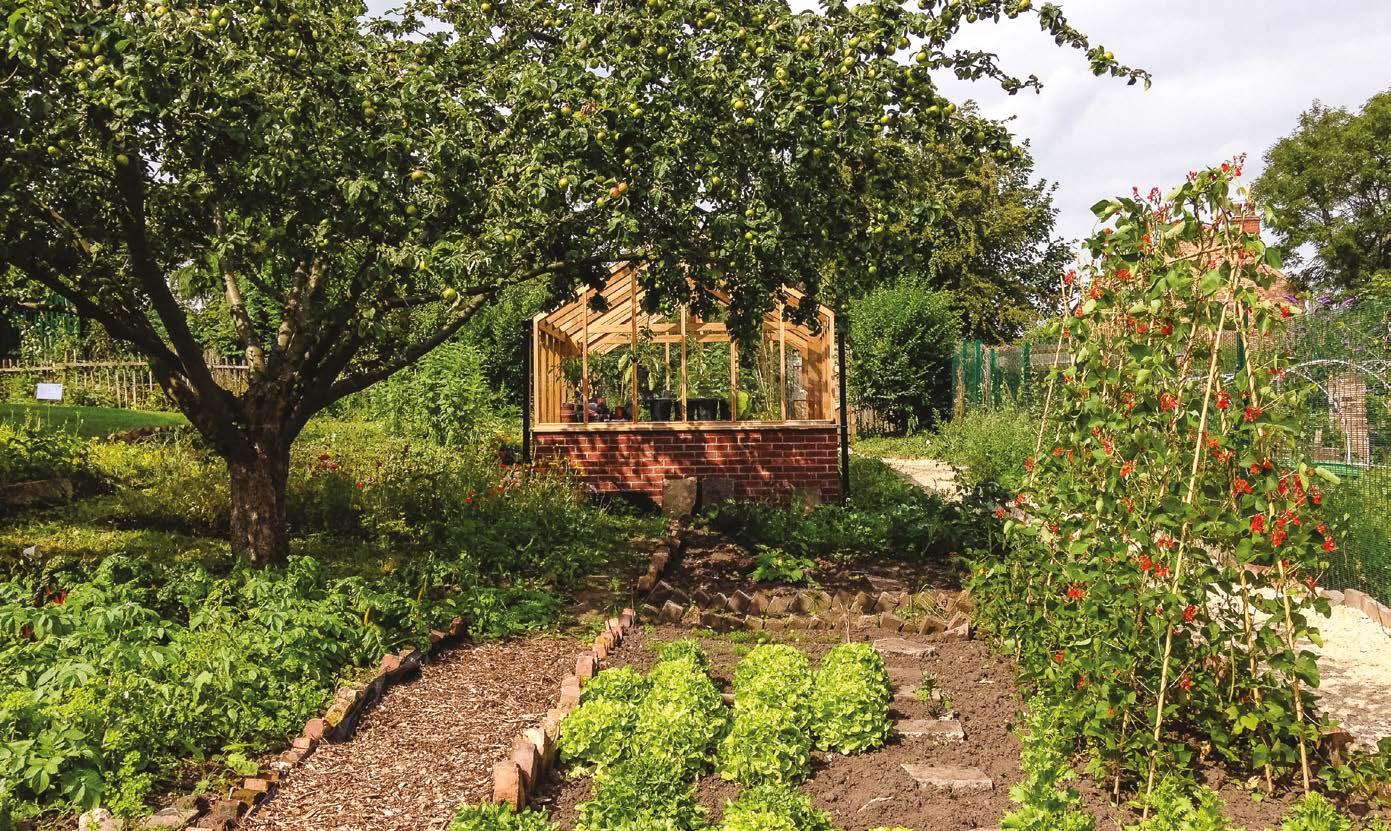
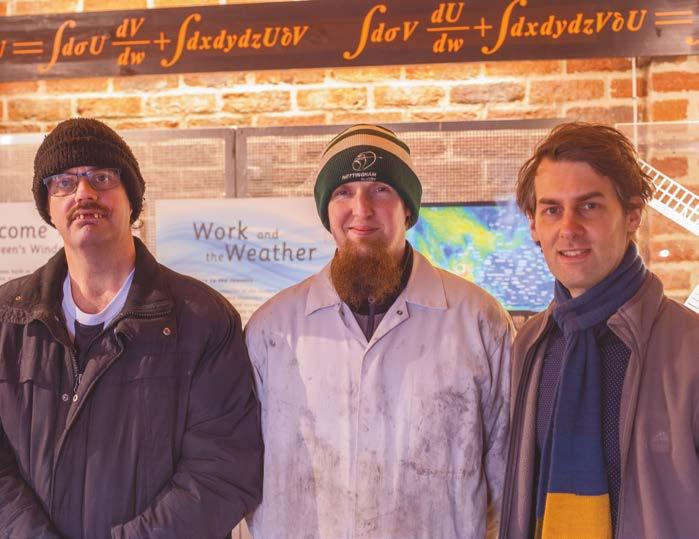
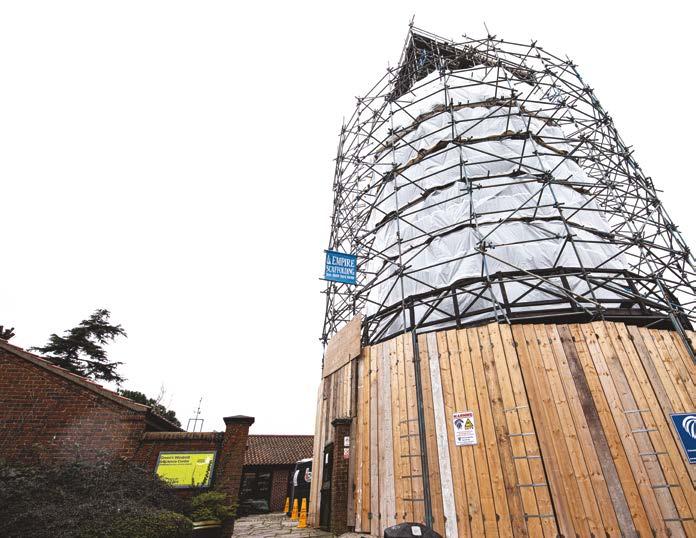
(which had deteriorated due to wear and tear), repoint the tower, refurbish the sail, repoint the exterior of the tower and repaint the interior of the tower – we believe these will make a huge difference to its preservation and operation.”
Anyone who visits and wishes to keep returning — and it’s not hard to see why, given the charm of the windmill and its determination to survive — can become a member. At just £30 a year, or £300 for a lifetime, members receive a welcome pack and gift, invites to exclusive lectures and events, invites to out-of-hours tours of the windmill, exclusive children’s baking days, quarterly newsletters, and even a chance to be involved in policies and development.
“We’re committed to keeping Green’s legacy alive and helping to preserve the UK’s milling heritage for the benefit and enjoyment of future generations”, explains Jamie, “and the more people who wish to become part of our journey for us this is great news, so we welcome new members and supporters all year round.”
If you’d like to learn more about Green’s Windmill and the Science Centre, and plan your visit, then go to the website: www.greenswindmill.org.uk where you will also find news on events and activities taking place. In particular, the next highly popular event (and you will need to book in advance by telephone for this) is the Easter Egg Hunt. Jamie tells us that those who complete the Egg Hunt, receive a goody bag!
A charming oasis of heritage and innovation in the heart of Nottingham – be sure to visit.
Greens Windmill Windmill Lane, Sneinton, Nottingham NG2 4QB. For further details call: 0115 9156878
Email: greens.mill@nottinghamcity.gov.uk www.greensmill.org.uk
@greens_windmill greenswindmill
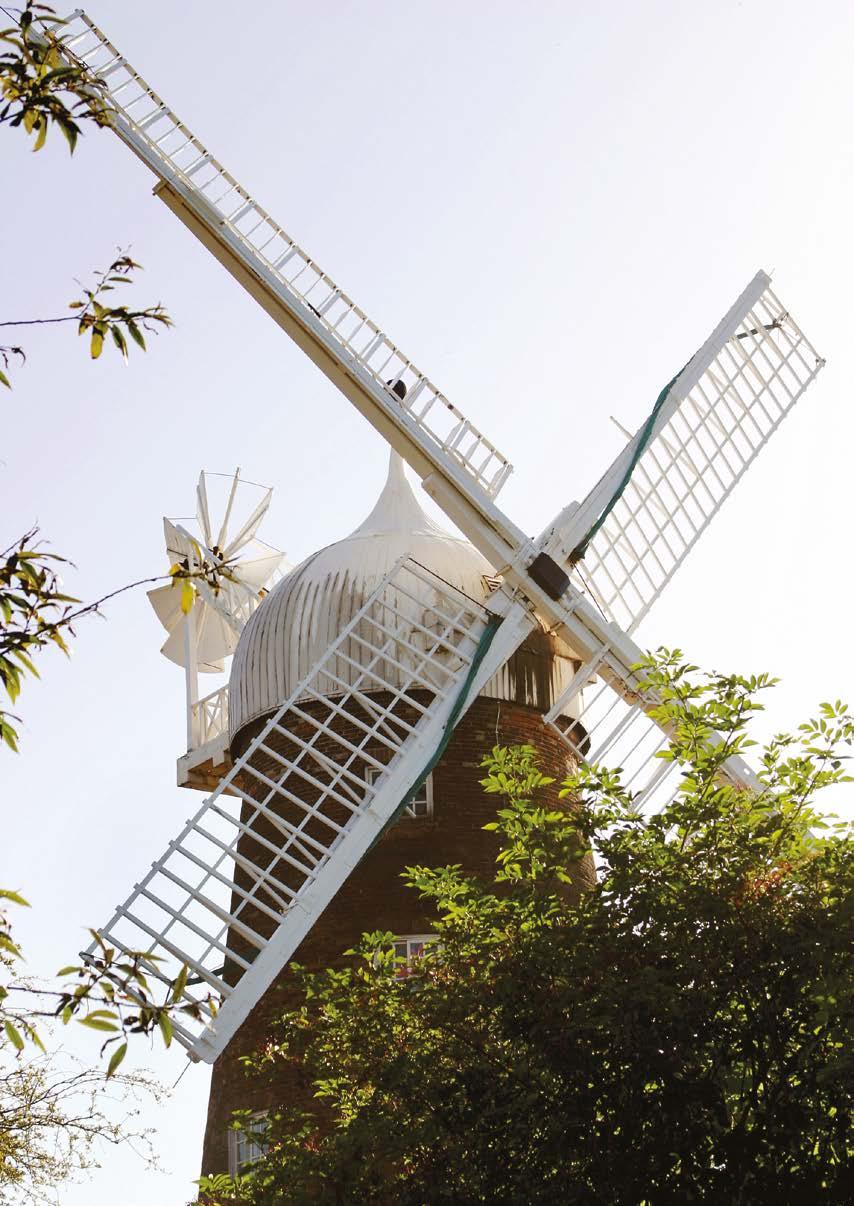
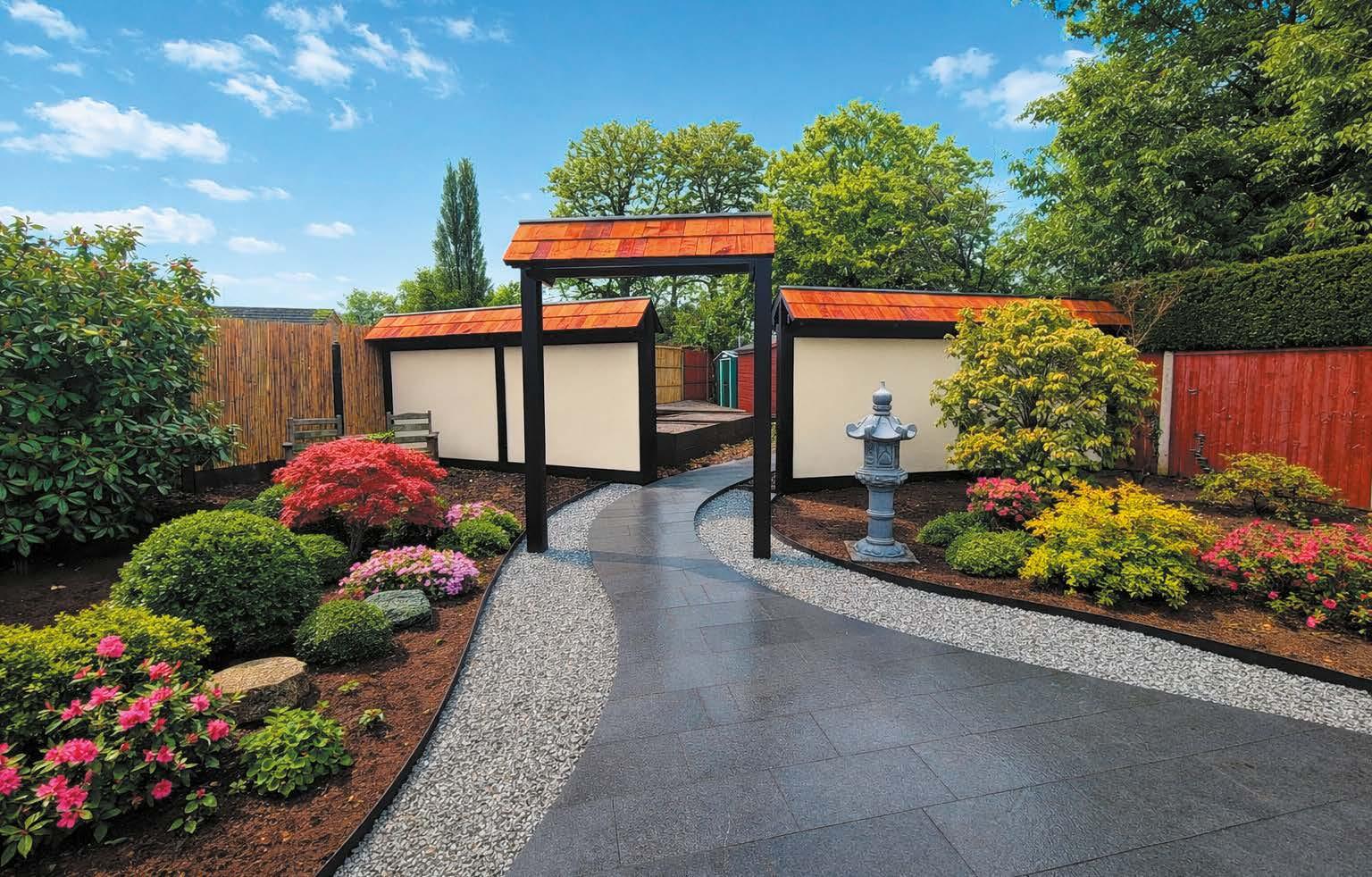
DRIVEWAYS • PAVING • PATIOS WALLS • FENCING • TRELLIS
LAWNS • TURFING • SEEDING
ARTIFICIAL GRASS INSTALLATION
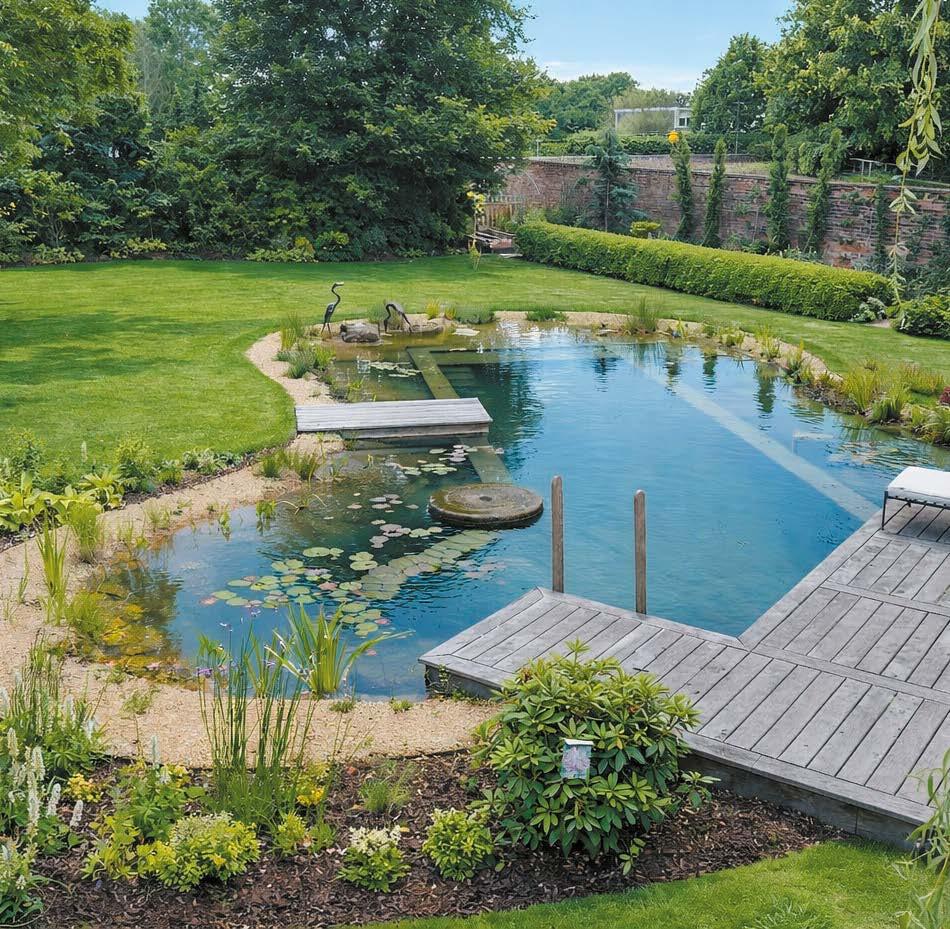
PLANTING • GARDEN MAINTENANCE
SUMMER HOUSES • PERGOLAS • DECKING
NATURAL POOLS • PONDS & WATER FEATURES
DOMESTIC & COMMERCIAL AWARD WINNING TEAM
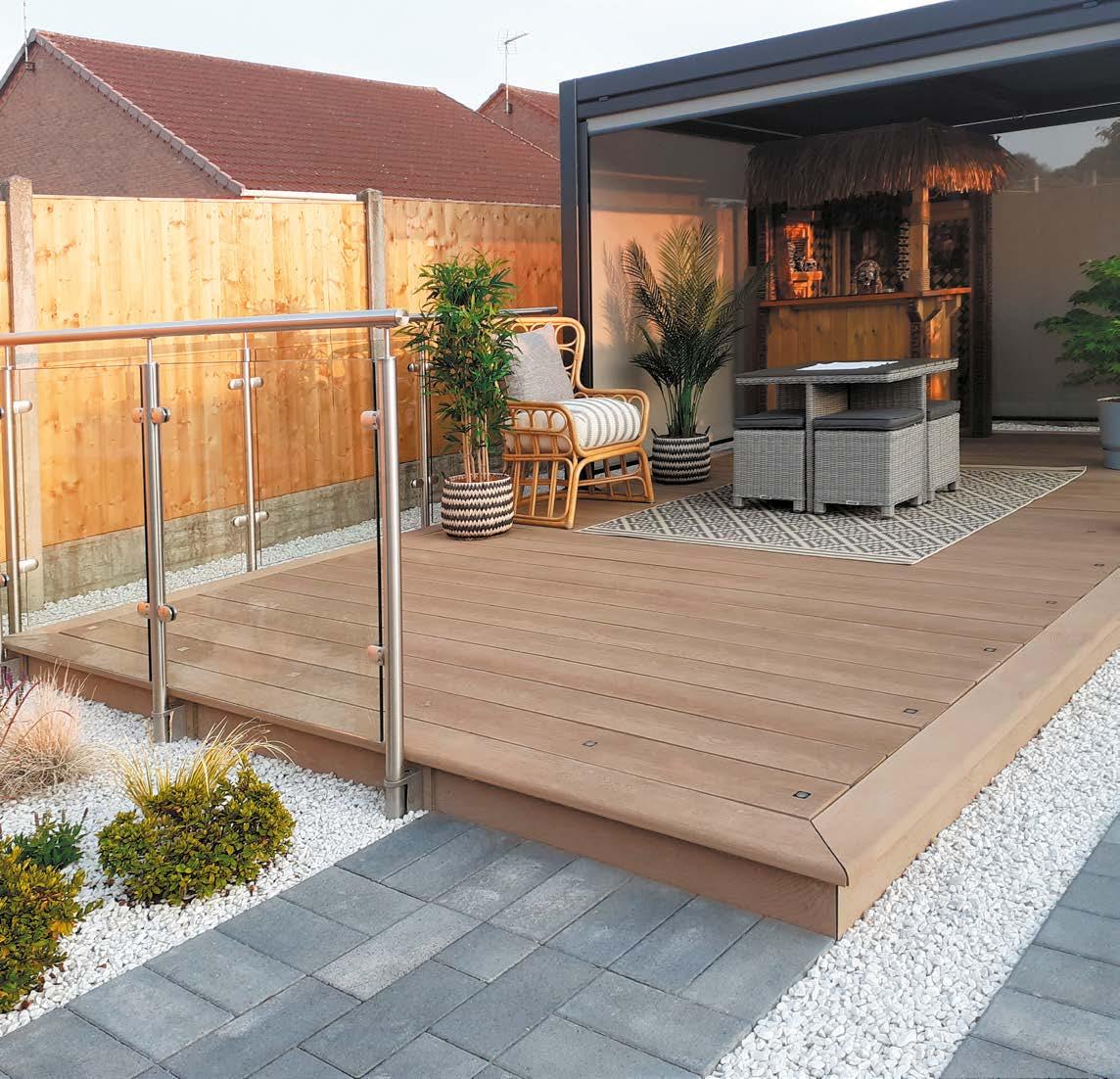


“I'm thrilled to be working with James and Jayne at Fairfax & Porter. They have given me (and everyone that comes through the door) a warm welcome. I look forward to meeting new clients, exploring the area, and helping to develop the business further.”
Awell-designed kitchen or bathroom has the power to transform not just a home, but the way people live within it. For designer Heather, creating spaces that balance beauty with practicality has always been central to her work. She believes good design should make everyday life easier, more enjoyable, and more connected. We spoke to Heather about her journey into design, the details that matter most, and the satisfaction of bringing clients’ visions to life.
A natural path into design
Heather’s love of interiors began early. “I have always loved home design,” she explains. “From being young, I was constantly rearranging my bedroom and décor, buying home magazines, and more recently renovating our own home.”
Her interest grew into a career as she discovered the emotional impact of well-designed spaces. “I enjoy seeing the pleasure it gives people — the way a room can change a person’s mood,” she says. “I knew kitchen design was where I wanted to be.” After honing her skills and completing her qualifications, the transition into professional design felt natural. “The rest, as they say, is history.”
A style shaped by the client
Rather than following a single aesthetic, Heather’s approach centres on adaptability. “I don’t particularly have a specific design style,” she explains. “My goal is to create spaces that are both beautiful and functional.” Each project evolves according to how the space will be used, ensuring the design supports daily life. “A kitchen should work for you, make life easier and more enjoyable, and serve as the sociable heart of the home.”
The joy of collaboration
Working closely with clients is one of the aspects Heather enjoys most. “I love meeting new people and hearing their vision and specific requirements,” she says. “I take great pleasure in helping clients see the full potential of their kitchen space and bringing those visions to life, both on screen and in
Heather White joins Fairfax & Porter as their Kitchen Design Manager, bringing a thoughtful approach to planning and design.
reality.” Seeing a finished space enjoyed by its owners is one of the most rewarding parts of her work.
Planning with purpose
Heather advises homeowners to think beyond looks and focus on function. “Consider how you’d like your kitchen to work — whether that’s cooking, entertaining, or family time,” she says. While large open-plan kitchens are popular, she adds, “the cost of furnishing these spaces should always be considered from the outset.”
Details that make a difference
Even small touches can define a project. “Handles and work surfaces can make or break a kitchen,” Heather notes. “They’re often decided last, but they’re incredibly important to the overall look and finish.” Ultimately, she believes that a welldesigned kitchen should make life easier and bring the family together.
Dream spaces and sustainability
If there were no limits, Heather’s ideal home would be a country cottage with exposed beams. “My bathroom would feature a freestanding roll-top bath with a large walk-in shower — somewhere luxurious to unwind,” she says. Her dream kitchen would include “painted oak units, a walk-in pantry, a Belfaststyle sink, a large island, and a Quartz or Dekton work surface. It would be warm, inviting, and the heart of the home.”
For environmentally conscious design, Heather recommends reuse wherever possible. “Recycle, re-use or re-purpose existing kitchen furniture,” she advises. “It can be sold, repurposed, or used for storage — giving it a whole new life.”
The value of professional guidance
Investing in professional expertise, she explains, ensures a space achieves its full potential. “A designer coordinates every stage of the project, removing pressure from the client and delivering a beautifully finished space to enjoy for years to come.”
Fairfax & Porter. Bathrooms, Kitchens & Bedrooms of Distinction Retford showroom: Unit 4, Bulcote Business Park, Randall Park Way, Retford. DN22 8WQ Call: 01777 704981 Email: info@fairfaxandporter.co.uk fairfaxandporter.co.uk






Beautifully Designed, Fully Fitted Bespoke Bathrooms, Kitchens & Bedrooms. Luxury Tiles & Exquisite Flooring. Premium Design & Supply-Only Service Available.
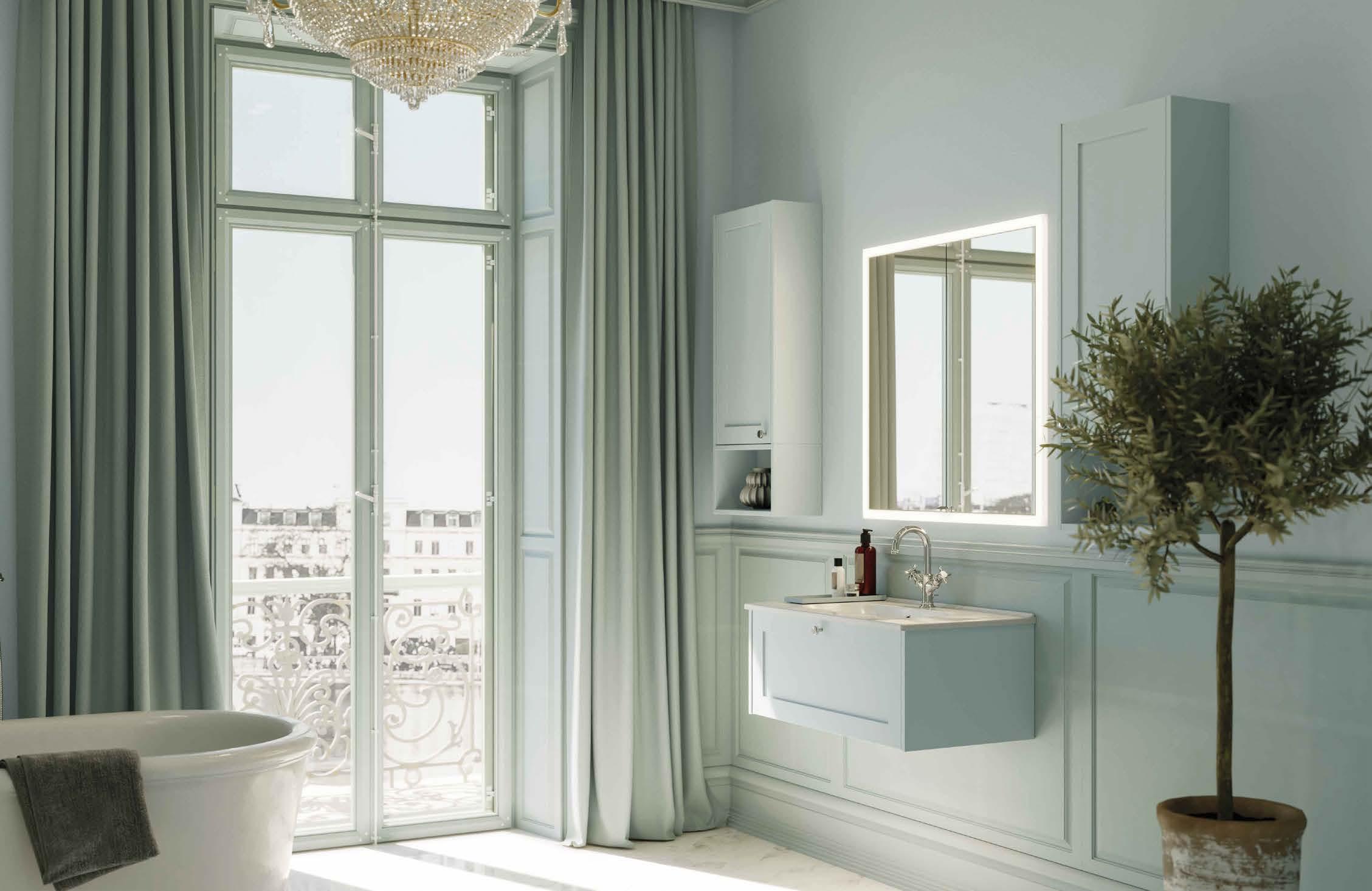



Bathrooms, Kitchens & Bedrooms Of Distinction FABULOUS QUALITY, BESPOKE DESIGN
Fabulous quality, bespoke design. Consultation and installation service available (by appointment).

Simple tips to support pollinators, compost, and conserve water this spring in your garden:
Give early flowers a go Primroses, and lungwort are little bee magnets. Plant them now.
Hold off on mowing
Let your lawn grow a bit — those daisies and clover are doing important work.
Start a mini compost pile
Toss in veg scraps and garden clippings to get things warming up.
Catch the rain
Pop a water butt out and let spring showers do the work for you.
Sow seeds for pollinators
Calendula, cornflowers, and other hardy annuals are easy to plant straight into the soil.
Give insects a hideout
Leave a few stems and leaf piles — many bugs are still waking up.
Mulch like a pro
A layer of compost or rotted manure keeps soil happy and moist.
Skip the sprays
Early insects are mostly helpful — let nature take care of pests.
Water for the little ones
A shallow dish with stones makes a safe drink stop for bees and butterflies.
Think ahead
Plant with summer and autumn blooms in mind so pollinators always have snacks.
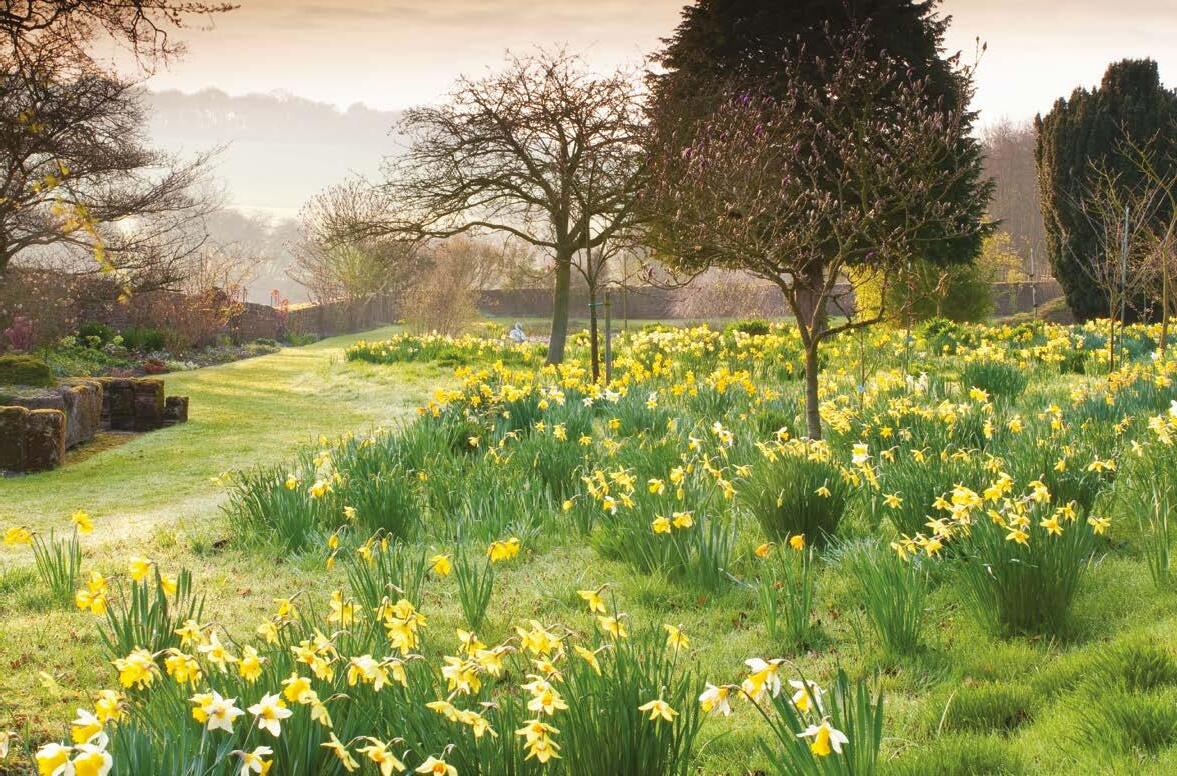
With the days getting lighter, Spring feels nearer, there is much to look forward to in the next two months. Why not get inspiration for your outdoor spaces by visiting the wonderful gardens on offer in April this year and support the National Garden Scheme. Your visit will help raise funds for this vitally important charity which supports nursing and charing beneficiaries. For a full list of our beneficiaries, please visit ngs.org.uk/beneficiaries
4 Apr
Oasis Community Gardens
2a Longfellow Drive, Worksop, S81 0DE 10am – 3pm
The OASIS Gardens is a community project which has seen an abandoned recreation field of long grass turned into an award-winning garden. Managed by volunteers, the gardens comprise over 30 areas – raised beds, Bird Aviaries, Topiary tales, Liquorice garden project, Orchard, Rainbow Rockery, Wildlife Wonderland, Polytunnels, Flowers for life circle, cactus Kingdom, Gazebo, Rainbow eggs chicken coups, Flower beds, Spring bulbs, Iris bed, Herb bed, Hanging baskets, Planters, Café area, Gala/ sports area, Wildflower area, Willow Whale and more. The Centre and Gardens are open 365 days a year and regular ‘OASIS Four Seasons Celebration events. Pre-booking available. Tea, coffee & cake in Oasis Garden Cafe. Adult: £4. Children free. www.oasiscommunitycentre.org
- 19 Apr
Capability Barn Gonalston Lane, Hoveringham, NG14 7JH 11am – 4.30pm
Was Garden of the Year in Garden News 2025. Imaginatively planted large country garden with something new each year. April brings displays of daffodils, hyacinths and tulips along with erythroniums, brunneras and primulas. Wisteria, magnolia, rhododendrons and apple blossom greet May/June. Established trees, shrubs and shady paths. There is also a large orchard and fruit and vegetable areas. In the spring the bulbs really come into their own with displays of tulips and erythroniums while hostas, delphiniums, rhododendrons and many other shrubs and perennials follow. Recently a wild flower meadow was started and this now has displays of fritillarias and daffodils in the spring. There will be a plant stall. Last year of opening for NGS. Pre-booking available. Home-made teas. Adult: £5. Children free. www.capabilitybarn.com
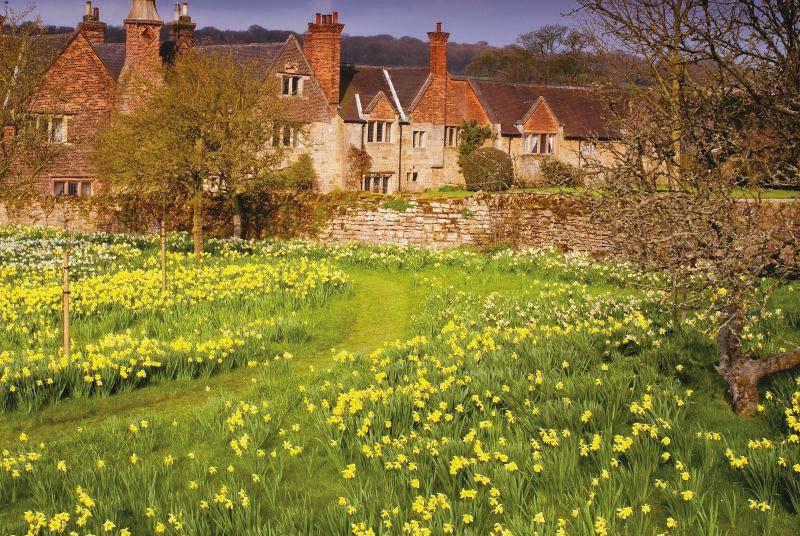

Here are the Nottinghamshire gardens you can visit: For the latest information and Open Gardens, please visit: www.ngs.org.uk
Felley Priory Underwood, NG16 5FJ 10am – 4pm Garden for all seasons with yew hedges and topiary, snowdrops, hellebores, herbaceous borders and rose garden. There are pergolas, a white garden, small arboretum and borders filled with unusual trees, shrubs, plants and bulbs. The grass edged pond is planted with primulas, bamboo, iris, roses and Eucomis. Bluebell woodland walk (depending on the weather). An annual feature of the garden is the carpet of Daffodils in the orchard, some of which are extremely rare and which were recently the subject of a feature in The English Garden Magazine. Tulips have recently been added. Other plants at this time of year include a wonderful collection of Magnolias, Snake’s Head Fritillary, Hellebores and finally a stunning collection of both herbaceous Peonies and Tree Peonies, some of which are very old. A stunning woodland carpet of Bluebells can also be found in the spring. Light refreshments. Adult: £5. Children free. www.felleypriory.co.uk
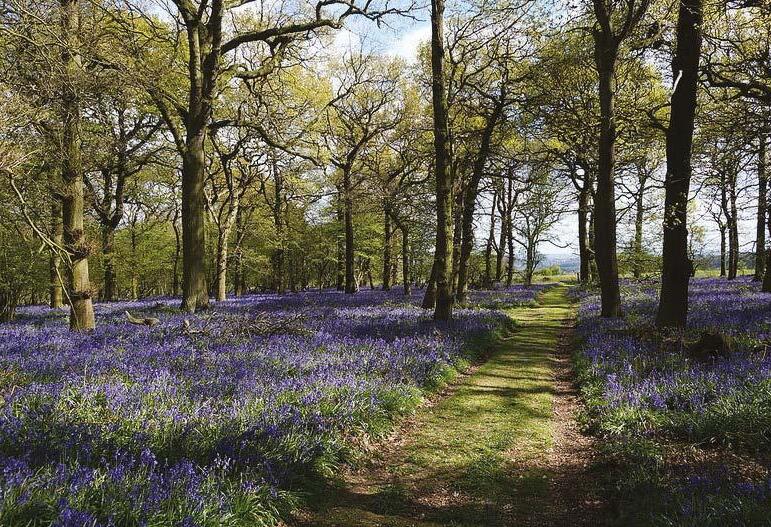




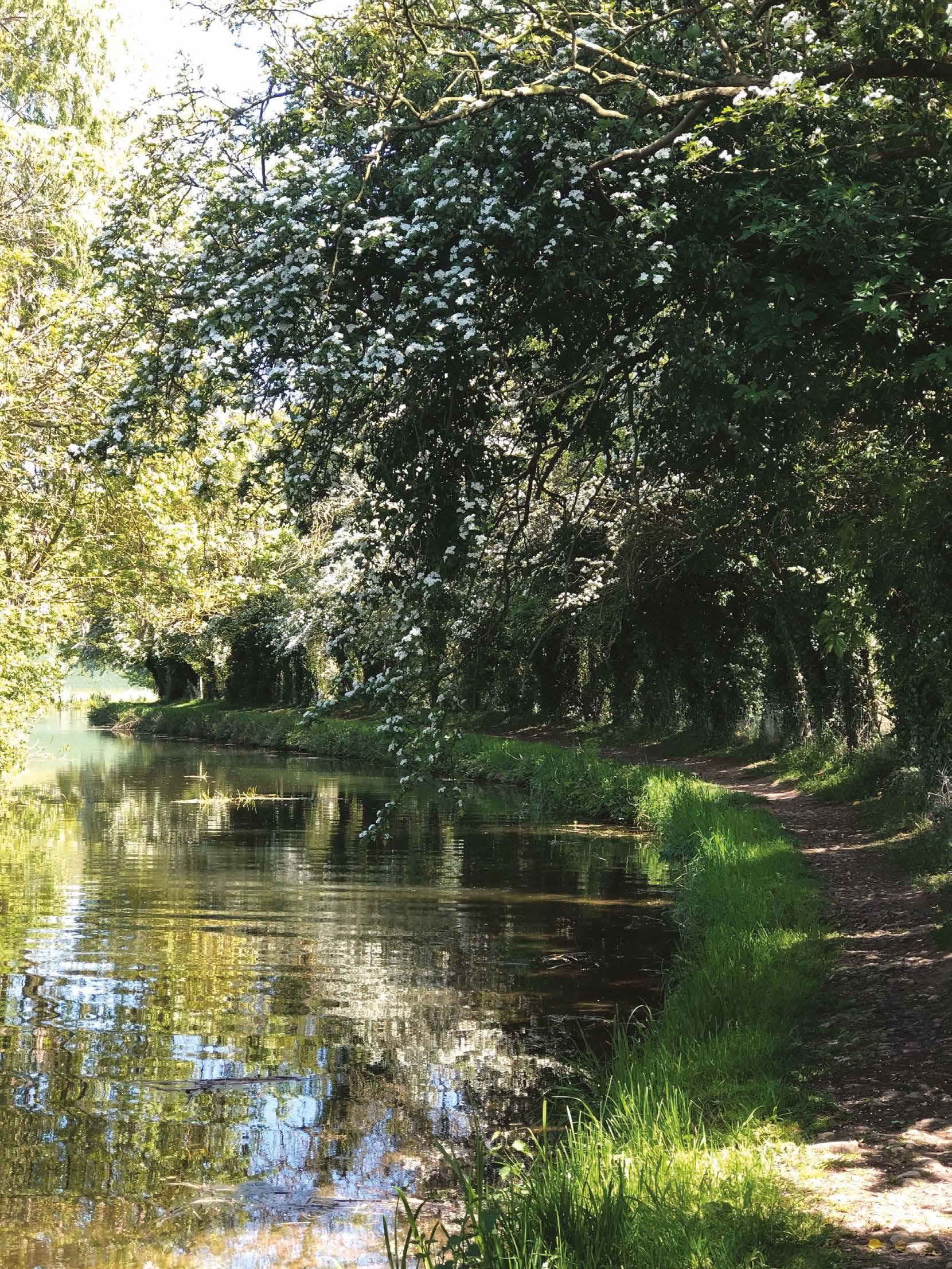
A gentle spring journey along the Chesterfield Canal, where heritage, wildlife and quiet care shape the landscape. By travel writer and photojournalist Sally Outram.
There is something quietly hopeful about setting out along the Chesterfield Canal at Drakeholes, where the landscape feels both familiar and ever-renewing. This lovely Spring walk invites you to slow down, breathe deeply, and notice the small, sustainable miracles around you. With “green” as the theme of this edition, it is hard to imagine a route that embodies it more naturally, not just in colour, but in ethos, spirit, and the way the land is cared for.
You begin at Drakeholes Tunnel, a remarkable piece of 18th-century engineering that still serves its purpose more than two centuries on. There is an eco-story right there: heritage infrastructure maintained, not replaced, and still offering a low-impact way to move through the countryside. The tunnel mouth, cool and echoing, frames the canal like a gateway into a slower world. The towpath is a ribbon of compacted earth and grass, a simple, sustainable route that needs only occasional trimming and the steady tread of walkers to stay open.
As you follow the canal eastwards, the water becomes a living corridor of biodiversity. Damselflies skim the surface, their metallic bodies catching the light; moorhens fuss along the margins; and if you are lucky, a kingfisher will flash past in a streak of electric blue. These species thrive only where water quality is good and habitat management is gentle, a testament to the ongoing conservation work along the Chesterfield Canal. Sustainability is not always loud or dramatic; often, it is the quiet, consistent care that allows nature to flourish.
And then there are the otters; elusive, almost mythical presences along this stretch of water. You are unlikely to see one in daylight but knowing they are there adds a layer of quiet magic to the walk. I have sat for hours watching the water with my camera at the ready, hopeful for a glimpse. Their return is one of the canal’s greatest ecological success stories: a sign of clean water, healthy fish stocks, and a landscape that supports life at every level. Sometimes you will notice the signs they leave behind: a ripple that lingers a little too long, or the musky scent of spraint (otter droppings) beneath a bridge. Even without a sighting, their presence is felt, a reminder that when we care for a place, nature has a way of coming home.
The hedgerows that flank the towpath are another green triumph. Many are traditionally managed, thick with hawthorn, hazel, elder, and blackthorn. They function as wildlife highways, connecting habitats and supporting everything from nesting birds to pollinating insects. In an age when hedgerows have been lost in so many places, this stretch feels like a celebration of what happens when they are valued and preserved. Their tangled, thriving edges are a living example of regenerative land stewardship.
As the canal draws you towards Wiseton, the landscape shifts into something softer and more curated. Then, almost unexpectedly, you arrive at one of the walk’s loveliest features:
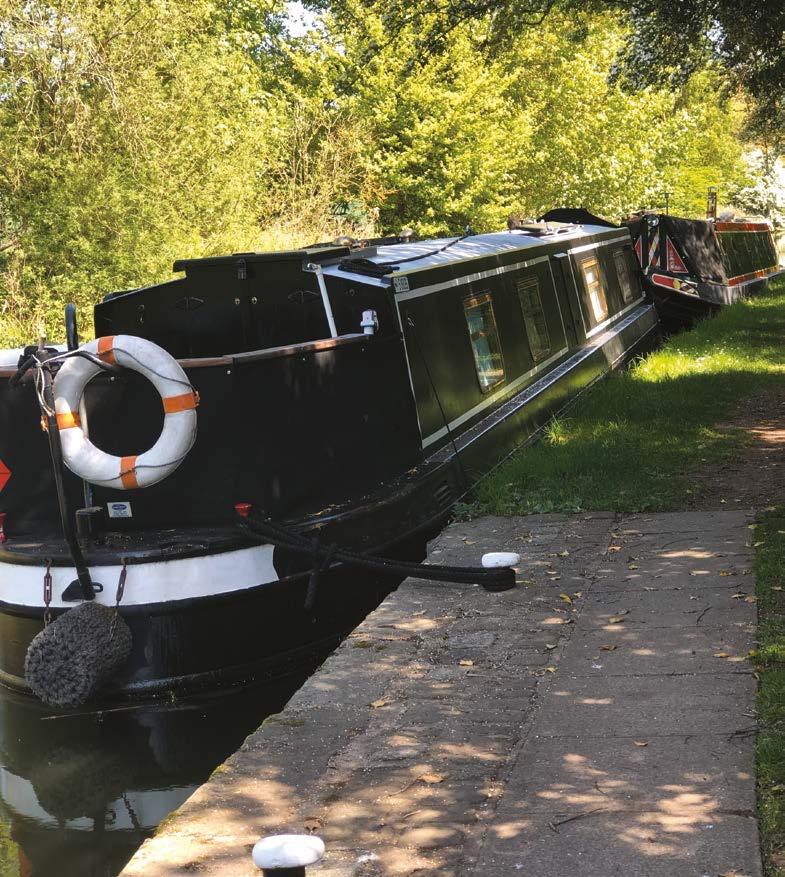
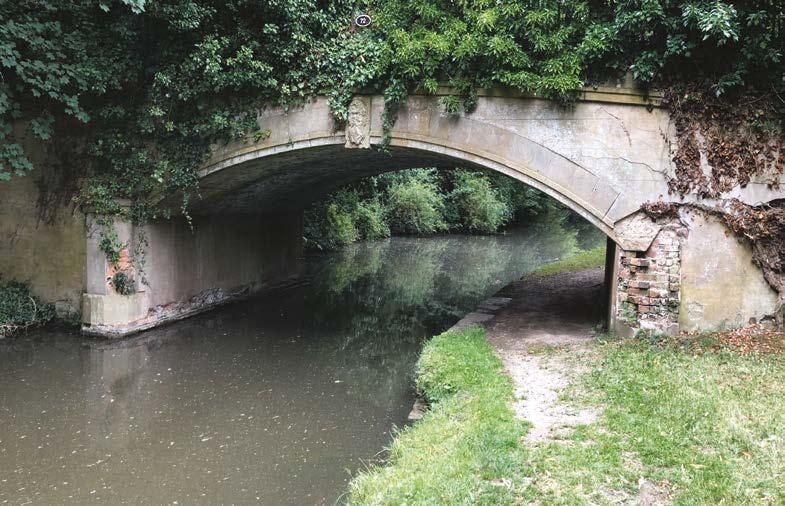

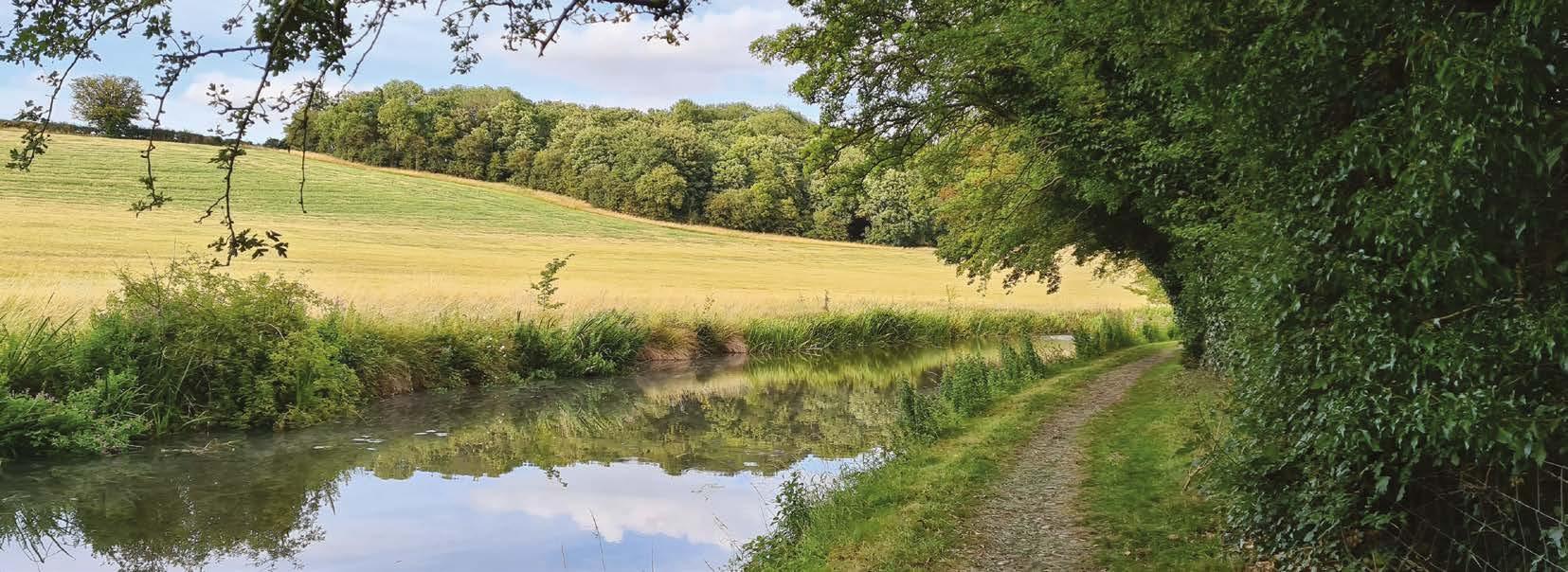
the elegant stone bridge that arches gracefully over the water. Known as Old Man Bridge, with its carving of a bearded man, it is the kind of structure that seems to belong in a painting, perfectly proportioned and quietly dignified. More than simply picturesque, it is a symbol of sustainable design. It was built from local stone as the main access to Wiseton Hall, and it is still standing strong after generations of use. It shows how thoughtful craftsmanship can endure without constant intervention or replacement. Narrowboats glide beneath its arch, walkers cross above, and the whole scene feels like a gentle meeting point between past and present, a moment where heritage and environmental harmony coexist effortlessly.
Past the bridge, the countryside opens yet again into the soft parkland of Wiseton, where sweeping pastures and mature trees hint at the estate’s former grandeur. The hall may be gone; it was demolished in 1960, but the land remains a mosaic of sustainable practices. Grazing livestock keep the grasslands healthy, while the great oaks and limes stand as natural carbon stores, quietly locking away decades of atmospheric carbon. It is easy to romanticise these trees, and perhaps we should, but they are also powerful allies in the fight against climate change. Their presence gives the walk a sense of continuity, a reminder that long-term thinking is one of the greenest acts.
Beyond the parkland, the canal begins to curve more sharply towards Clayworth, and the landscape subtly shifts again. The towpath here feels more intimate, edged with reeds and overhung by willows that dip their branches into the water. It is a quieter stretch, the kind of place where the world seems to exhale. Even the air feels different, carrying the earthy scent of damp soil and slow-moving water. This is where the canal’s wildlife corridor is at its strongest, a place where nature is allowed to lead.
Climbing the steps at Clayworth Greys Bridge brings a gentle change in rhythm. The canal slips out of sight, replaced by the quietness of village life. Clayworth is one of those places where sustainability is not a slogan; it is simply how things have always been done. Stone cottages, tended gardens, and mature trees line the route, each one a quiet testament to longevity and care. The footpath guides you through the heart of the village, past homes that have stood for generations, their thick walls and small windows reminders of a time when buildings were designed to work with the climate, not against it.
St Peter’s Church appears almost modest at first, its simple exterior giving little hint of the extraordinary treasure inside. Stepping through the door feels like entering another world. The Traquair Murals, vibrant and astonishingly detailed, wrap the interior in colour and story. Painted in the early 20th century by Scottish artist Phoebe Anna Traquair, they are a celebration of craft, creativity, and devotion. In their own way, they echo the themes of this walk: the power of human hands to create something lasting, meaningful, and deeply connected to place. The murals have been lovingly preserved, a reminder that sustainability also means safeguarding culture and heritage for future generations.
Leaving the church, the walk continues along Town Street, past the village pubs that have long served as social anchors. As you drift out of the village, the landscape opens once more, and the iron bridge ahead marks your return to the water. The boat club sits quietly to the left, its moorings a reminder that the canal is still a working, living waterway. Boats here move slowly; it is a form of travel that leaves barely a trace.
Dropping back down to the towpath restores the routes, calm, steady flow. The canal resumes its gentle meander, carrying you beneath Clayworth Otters Bridge and into a stretch of countryside that feels wonderfully unchanged. This is where the walk’s themes come full circle: heritage, ecology, and the simple joy of moving through a landscape shaped with care.
This circular walk is more than a route on a map; it is a quiet reminder of what can flourish when landscapes are tended with respect. From the engineering ingenuity of Drakeholes Tunnel to the living waterways, the resilient hedgerows, the returning otters, and the cultural treasures tucked inside Clayworth’s church, every step reveals a different shade of “green.” It is a walk that invites you not just to observe, but to appreciate; to recognise how heritage, nature, and community can coexist in a way that feels both timeless and hopeful. As you return to the tunnel’s cool stone arch, you carry with you the sense that caring for places like this is not just possible, it is already happening, one thoughtful footstep at a time.
Hope you enjoy!
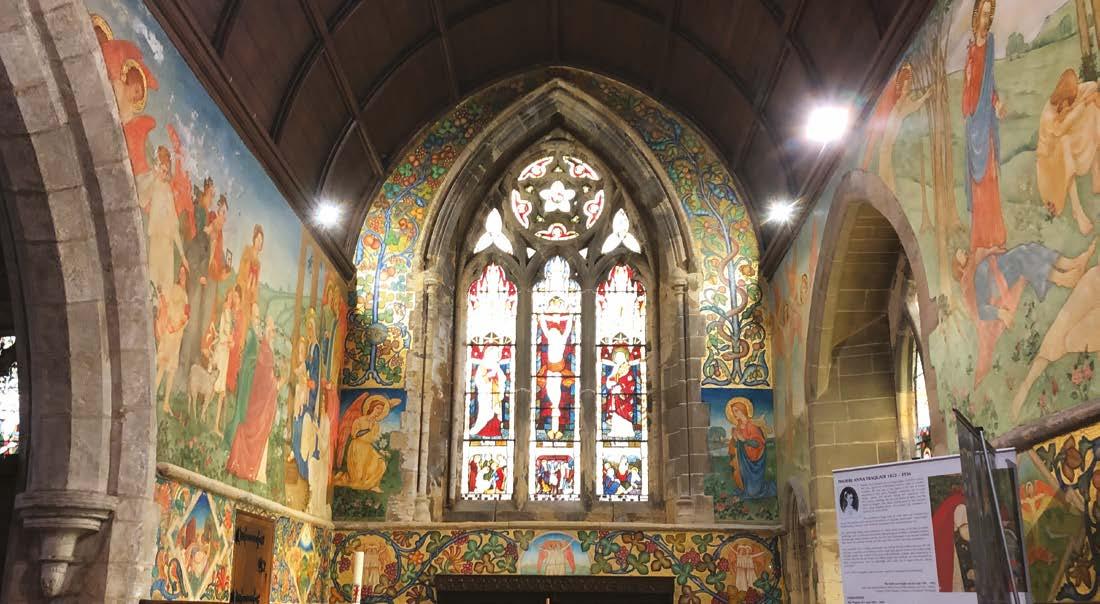
Distance: 4 Miles / 6.43km.
Severity: Easy/Moderate.
Gradient: Mostly flat throughout.
Approx time: 2-2.5 hours (allow extra if you visit the Traquair Murals).
Terrain: Canal towpath, surfaced road, and pavement
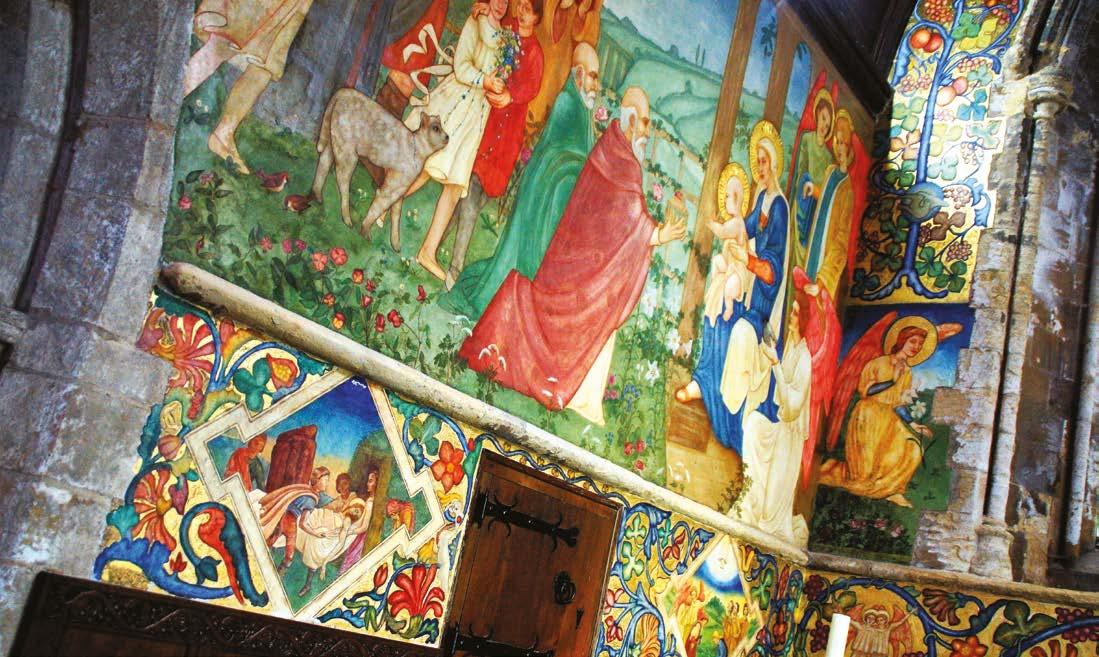
Stiles/Gates: No.
Maps: OS Explorer 280 (Sherwood Forest & Worksop), OS Explorer 281 (Retford & Worksop).
Start Point: Layby at Drakeholes Tunnel DN10 5DF.
Dog friendly: Yes, leads advised through village.
Refreshments: There are two pubs in the village of Clayworth (The Blacksmiths and the Brewers Arms). Further afield but a short drive there is The Boat Inn at Hayton and The Blue Bell Inn at Gringley on the Hill.
All imagery courtesy of Sally Outram.
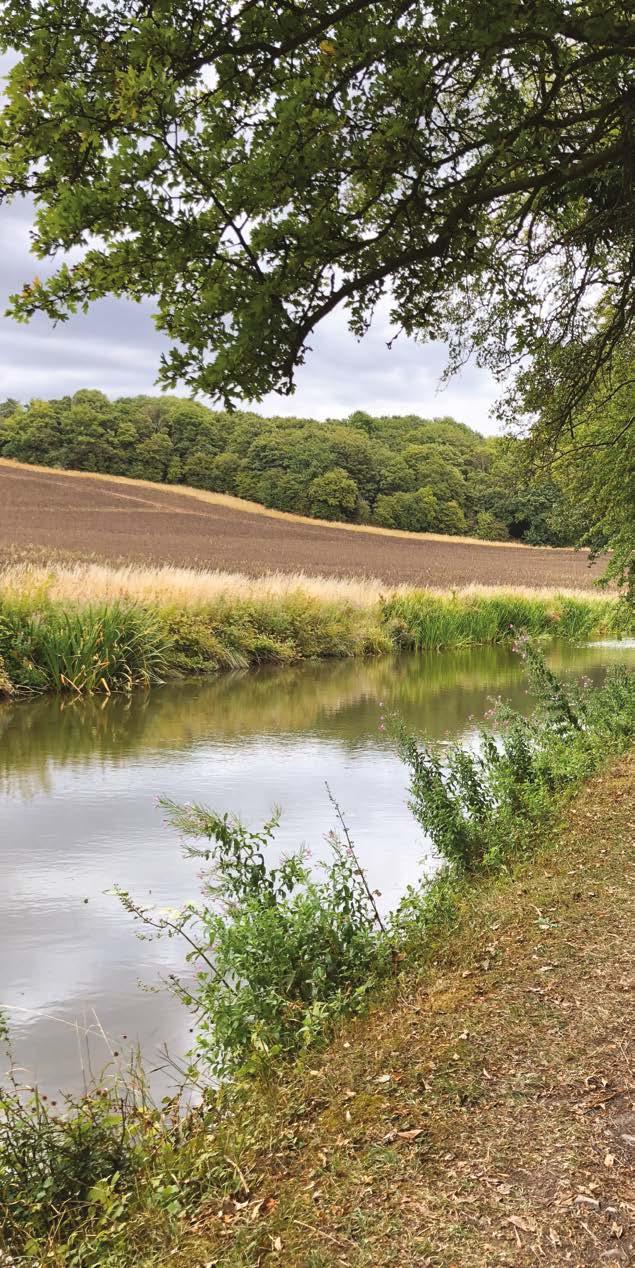
1. Start: Drakeholes Tunnel Lay-by Park in the lay-by beside the Drakeholes Tunnel on the Chesterfield Canal. Walk onto the canal towpath and, facing the tunnel entrance, turn right. Follow the towpath as it winds through peaceful countryside.
2. Towpath to Wiseton. Continue ahead until you reach the elegant ornamental footbridge at Wiseton. Pass under the bridge and stay on the towpath. Soon after, go under Bridge 71 – Wiseton Middle Bridge, skirting the rear of the tiny hamlet. Keep following the canal, passing beneath Bridge 70 – Wiseton Top Bridge.
3. Approaching Clayworth. Stay on the towpath until you arrive at Bridge 69 – Clayworth Greys Bridge. Look to
your right for a set of steps leading up to the road. Climb the steps and emerge onto Wiseton Road. Traffic is usually light but take care as you cross over the bridge.
4. Entering Clayworth Village. You are now in Clayworth. Join the footpath on your left and follow it through the village. Keep an eye out for St Peter’s Church on your left — a perfect moment to pause and admire the world-famous Traquair Murals inside.
5. Through the Village and Out to the Canal. After visiting the church, continue along Town Street, passing both village pubs. As you leave the village, reach a road junction and bear right. Continue to the iron bridge (Bridge 67), with the boat club visible on your left. Cross the bridge,
then turn right and walk down the lane towards the canal. Rejoin the towpath and turn left.
6. Return Along the Canal. Follow the towpath as it curves through open countryside. Pass under Bridge 68 – Clayworth Otters Bridge. Continue on to Bridge 69 – Clayworth Greys Bridge, where you first left the canal to enter the village. Go under the bridge and simply retrace your outward route along the towpath.
7. Finish: Back to Drakeholes. Stay on the towpath all the way back to Drakeholes Tunnel and the lay-by where you began. If you have time to spare, take a look at the tunnel, and if you have brought a picnic, it is the perfect spot to enjoy it and watch the world go by.
Chris Collins


How small adventures and new experiences train your brain for adaptability, empathy, and joy. By Chris Collins, life coach.
t's the time of year that thoughts start to turn to holiday planning for many of us.
Travel has long been sold as escape or indulgence, but from a neuroscience perspective, it’s something far more interesting: a targeted workout for the brain.
When you travel to a new place, your brain enters a state of heightened plasticity—the ability to form new neural connections. Novelty is the trigger. Unfamiliar streets, sounds, languages, foods, and social cues activate the hippocampus, the region responsible for learning and memory. This isn’t passive sightseeing; it’s active neural remodelling. Your brain is forced to update its internal maps, question assumptions, and make sense of uncertainty. That effort is precisely what keeps it young.
In everyday life, efficiency is king. We drive the same routes, speak to the same people, scroll the same feeds. The brain, ever the energy saver, shifts into autopilot. Over time, this reduces cognitive flexibility— the mental agility required for creativity, problemsolving, and emotional resilience. Travel disrupts that loop. When nothing is familiar, the brain can’t rely on shortcuts. It pays attention again.
Dopamine plays a starring role here. Novel experiences stimulate dopamine release, which heightens motivation and curiosity while strengthening memory formation. This is why trips feel vivid long after they end—and why moments of awe on the road often reset priorities back home. You’re not really “finding yourself”; your neurochemistry is reminding you what engagement feels like.
There’s also a quiet emotional benefit. Navigating new environments increases what psychologists call “self-efficacy”—the belief that you can handle challenges. Each small win (finding your way, communicating across barriers, adapting to discomfort) reinforces neural circuits associated with confidence and stress tolerance. Over time,
Chris Collins - ICF ACC.
For further details call: 07973 179982
Email: chris_collins22@hotmail.com
You can also find booking details through instagram: @chriscollinscoach Chris Collins Life Coach
this rewires how you respond to uncertainty, not just abroad, but in your career and relationships.
Even social brains benefit. Exposure to different cultures activates the medial prefrontal cortex, linked to empathy and perspective-taking. The brain becomes better at holding multiple viewpoints at once. In an age of rigid thinking, travel literally softens mental edges.
How to travel for maximum brain benefit
You don’t need to summit mountains or disappear for months. From an environmental perspective, the neuroscience payoff comes from how you travel, not how far.
• Choose novelty over luxury. A new neighbourhood challenges the brain more than a familiar five-star resort. Prioritise difference.
• Break routines intentionally. Walk instead of ride. Eat where you can’t read the menu. Let the brain work a little.
• Engage, don’t document. Constantly photographing reduces hippocampal engagement. Look first, capture later.
• Learn something local. A few phrases of a new language or a regional skill amplifies neural plasticity.
• Sit with discomfort. Mild stress—getting lost, navigating ambiguity—strengthens adaptive circuits. Safety matters; comfort is optional.
The most overlooked benefit of travel is not relaxation, but recalibration. When you return, the world hasn’t changed—but your brain has. You think more flexibly. You tolerate ambiguity better. You remember what curiosity feels like.
From a coaching perspective, travel isn’t a break from growth. It’s a catalyst for it. Your brain is designed to be changed by the world. Sometimes the most strategic thing you can do for your mind—and your life—is to let a new place rearrange it.
For regular updates, prices and information regarding personal and group sessions, sign-up to Chris's mailing list by emailing: chris_collins22@hotmail.com



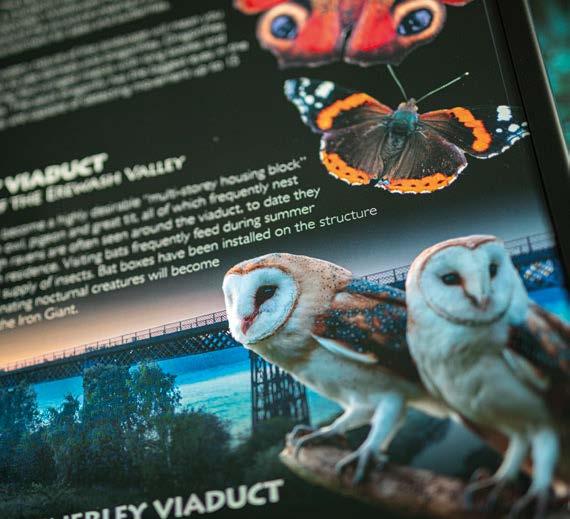


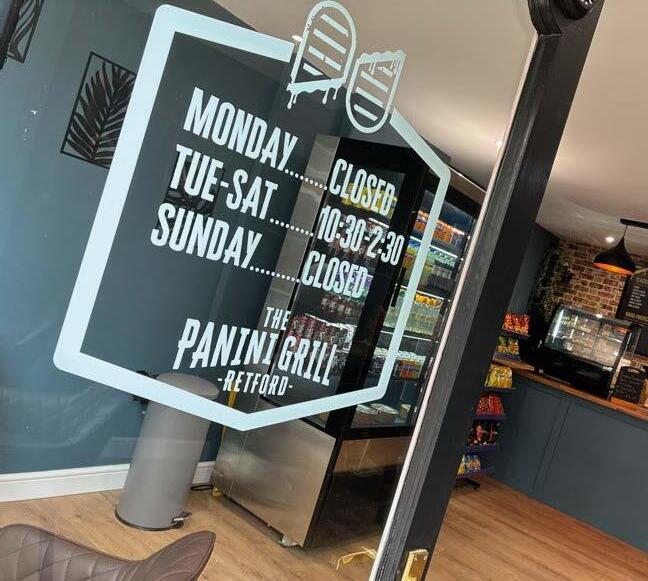





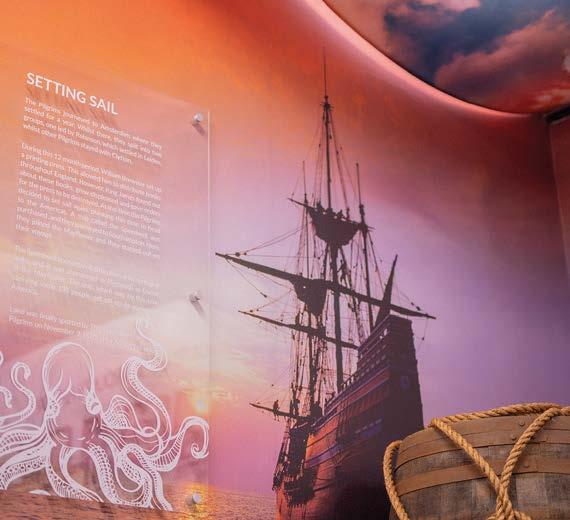

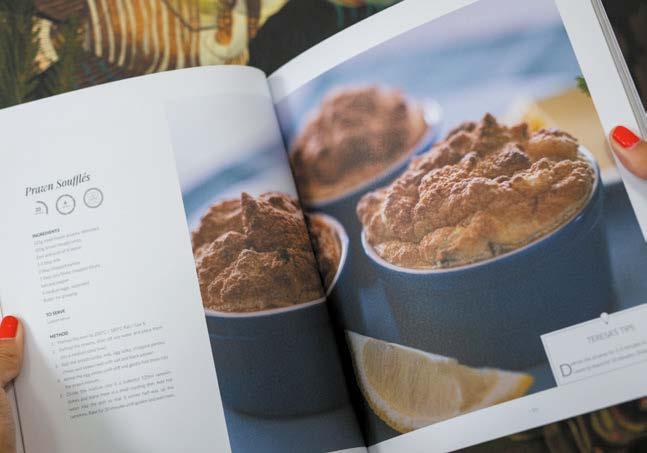
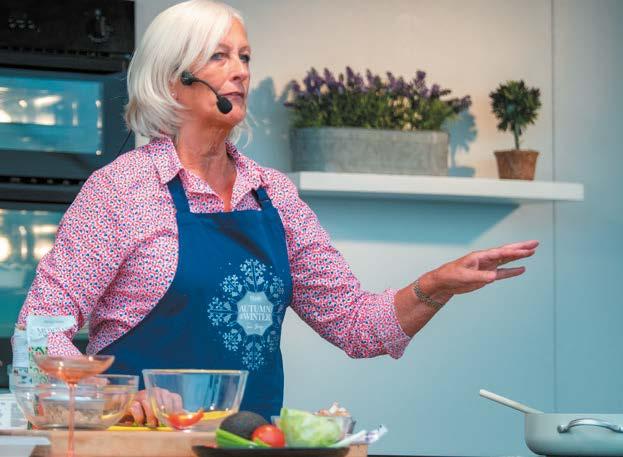
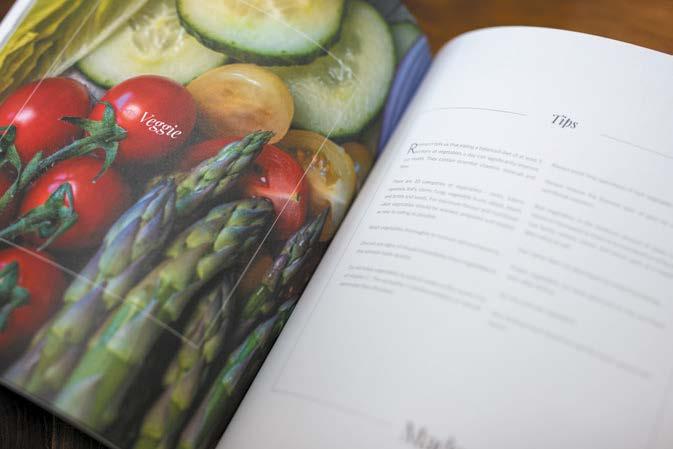


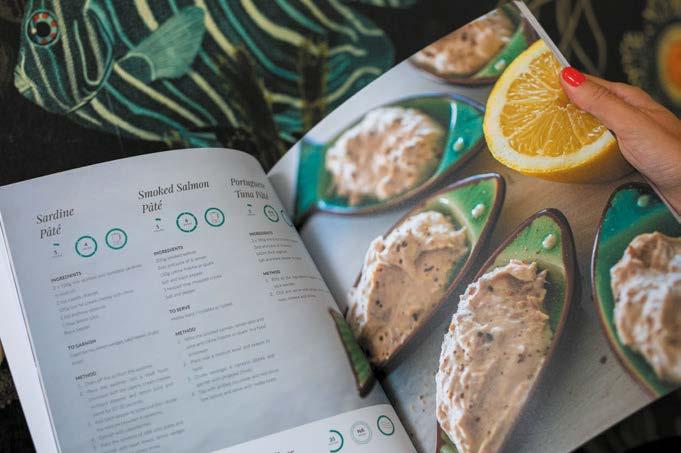
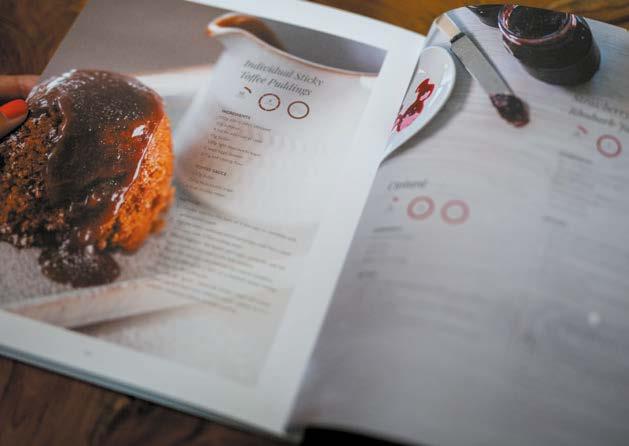
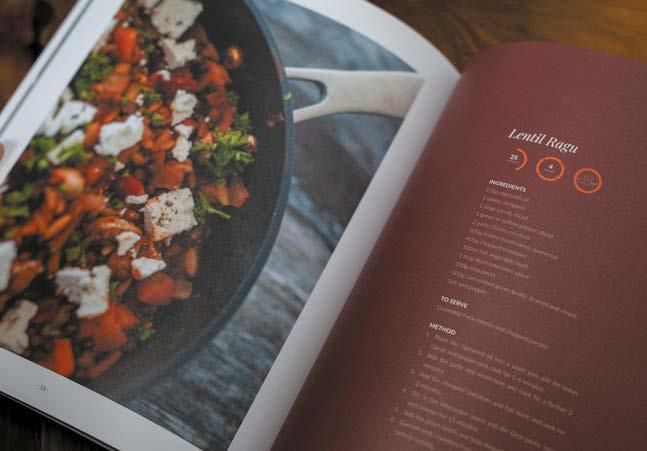
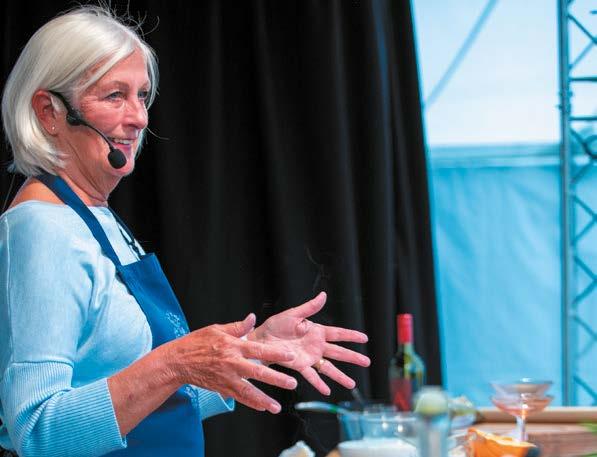
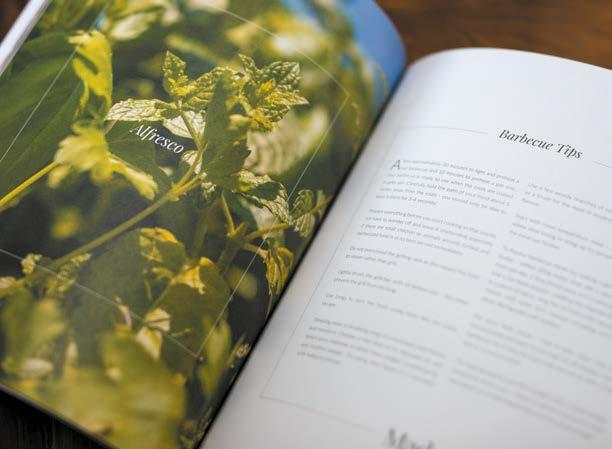

Seasonal favourites and fresh spring recipes, from chocolate bakes to light lunches, by Teresa Bovey, food demonstrator and home economist.

Ingredients
200g giant couscous
200g assorted baby tomatoes, halved
200g Smoked Mackerel or Trout
Handful of Rocket leaves
Tomato Dressing
1 tbsp tomato paste
3 tbsp extra virgin olive oil
1 tbsp red wine vinegar
¼ tsp garlic powder
1 tbsp honey
1 tbsp hot water
Method
1. Cook couscous as directed on the packet and rinse in cold water.
2. Arrange couscous in a salad serving bowl or on a plate.
3. Top with tomato halves, Mackerel or Trout pieces and a scattering of rocket leaves.
4. Mix together the tomato dressing ingredients with a small whisk or fork in a small bowl and place alongside the salad or drizzle over the top of the salad before serving.
5. Serve with boiled or steamed rice. Serves 3-4


Cottage cheese has recently made a comeback, driven by social media and current food trends. Adding it to your diet is an easy way to increase your protein intake.
This simple food processor recipe makes one 20cm quiche, which can be enjoyed either hot or cold and served with a salad. If you prefer a crustless quiche, simply omit the pastry and reduce the cooking time by 5–6 minutes.
Ingredients
Half of a 320g pkt ready rolled shortcrust pastry or 160g home-made pastry
60g cheddar cheese
150g cottage cheese
3 large eggs
2 tbsp milk
½ tsp dried parsley
½ tsp onion salt
Black pepper
50g baby spinach leaves
100g Smoked salmon, chopped
Method
1. Place a baking sheet in the oven while pre-heating oven to Fan 170ºC/ Gas 5.
2. Roll the pastry out very thinly to line a 20cm flan tin.
3. Place the cheddar cheese into a food processor and blitz until grated.
4. Add cottage cheese, eggs, milk, parsley and seasonings.
5. Place the spinach leaves into a sieve and pour over a little boiling water until they wilt. Press with a spoon to remove any excess water.
6. Pour the egg mixture into the pastry lined tin and the carefully place onto the preheated baking sheet. This ensures you get a crisp base without having to part bake the pastry.
7. Scatter the wilted spinach leaves and smoked salmon on top.
8. Bake for 30-35 minutes.
9. Serve with a green salad or green vegetables. Makes a 20cm quiche
Cooks Tip - Use halved cherry tomatoes if preferred or try adding 6 chopped sundried tomatoes as an alternative to the salmon.
Ingredients
150g butter
150g caster sugar
3 large eggs
130g self-raising flour
1 tsp baking powder
20g cocoa powder
100mls milk
125g roasted chopped hazelnuts, very finely chopped
Topping
Hazelnut chocolate spread
1 tbsp chopped hazelnuts
a few chopped Ferrero Rocher mini chocolate eggs
Method
1. Preheat the oven to 170ºC Fan/Gas 5.
2. Cream together the butter and caster sugar until light and fluffy.
3. Beat in one egg at a time.
4. Fold in the dry ingredients and the milk and finally the hazelnuts.
5. Transfer the mixture into a greased ring mould 20-22cm in diameter.
6. Bake for 25-30 minutes.
7. Cool on a wire tray and then spread the top with 3-4 tbsp chocolate spread and sprinkle with chopped hazelnuts and chopped Ferrero chocolate eggs.
Serves 8.
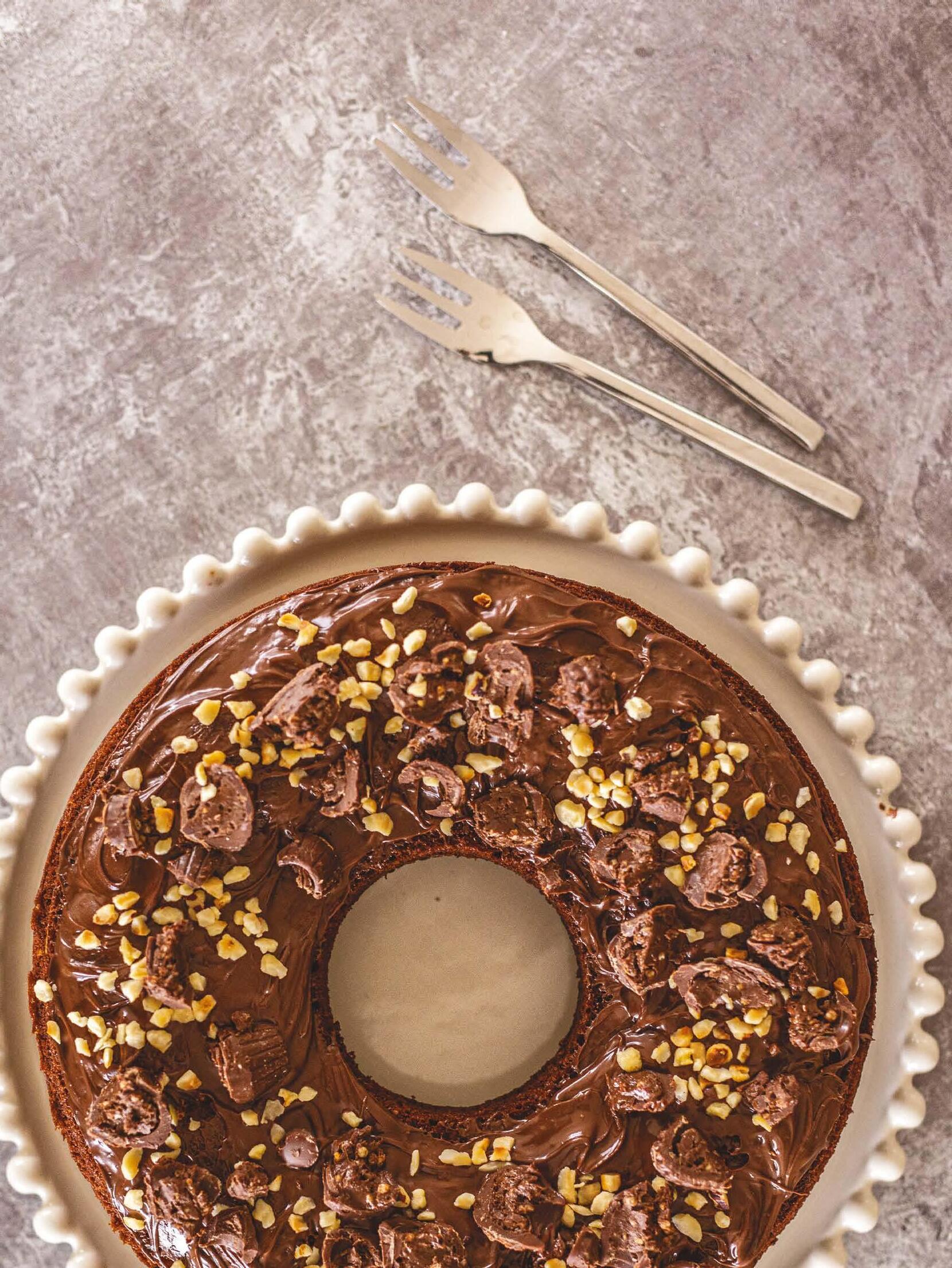
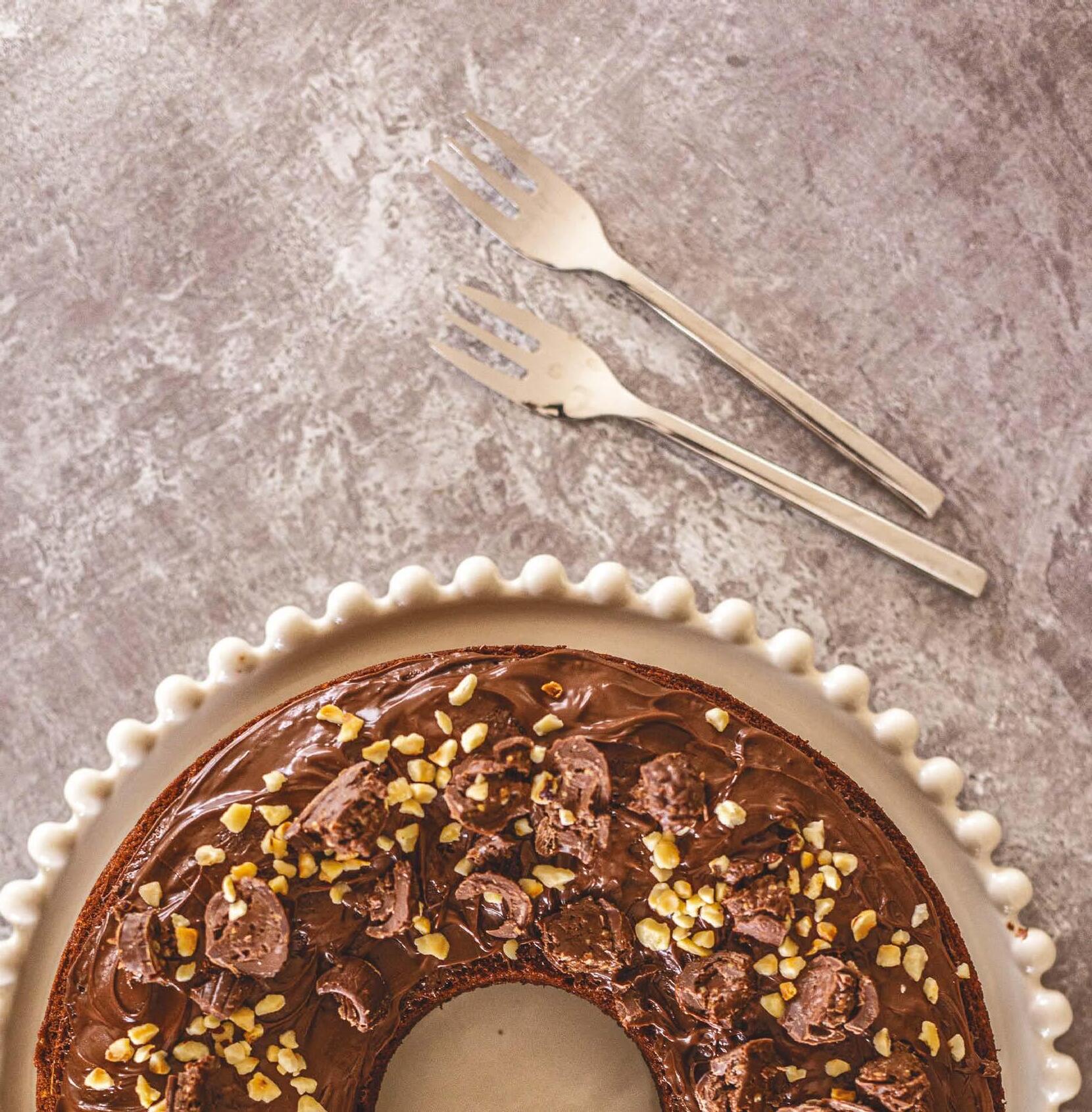
Supermarkets are currently full of hot cross buns in a wide range of flavours. New varieties such as tiramisu, strawberries and cream, caramel and chocolate, and banoffee sit alongside older favourites like apple and cinnamon, as well as the classic extrafruity versions.
They are delicious toasted and buttered, but they can also be turned into wonderfully comforting hot cross puddings. Follow the basic recipe, and try adding extra fruit depending on which flavour you choose to use. Banoffee with fudge pieces is my personal favourite — I like to add a few chopped walnuts and a sliced banana to the mixture as well.
Ingredients
For each hot cross bun used add:
Butter for spreading
1 egg
150mls milk
5-10g demerara or caster sugar
Pinch of nutmeg
Method
1. Halve the hot cross bun and spread with a little butter. Place the halves into an oven proof dish.
2. Whisk together the egg, milk, sugar and nutmeg. Pour over the hot cross bun and leave to stand for 15-20 minutes before cooking. Cook in a preheated oven at 150ºC Fan/Gas 4.
3. Timing will be between 25-45 minutes depending on the size of the pudding.
Add extra dried fruit or grated apple or sliced banana to the mixture, don’t be afraid to experiment. Supermarket hot cross buns are sweet, so I tend to add very little sugar to the milk mix. Use ½ cream and half milk for an extra decadent result.


This quick and easy children’s treat for Easter uses small hollow chocolate eggs, vanilla or plain yoghurt and a small tin of apricots.
Ingredients
Small hollow chocolate eggs
Vanilla or plain yoghurt
Small tin of apricots
To make
Either cut the top from the chocolate egg and place it into an egg cup or carefully slice it horizontally into two halves. Almost fill the egg with yoghurt and place an apricot half on top. You may have to trim the apricot around the edges if it's a little too big.

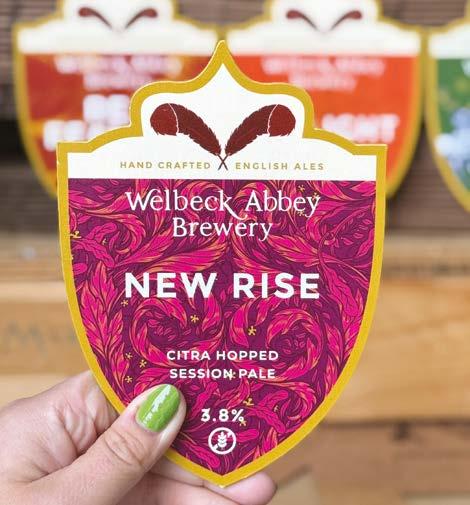
We’ve been quietly working on something, and its finally time to share it: our Core and Limited-Edition range of cask beers are now gluten free but without any compromise on flavour.
No fanfare. No gimmicks. Nothing has been altered, but an enzyme added during fermentation to dissipate protein and prevent haze, also breaks down gluten which some people cannot digest. Our cask beers are regularly tested to comply with the law on gluten free and contain 20 ppm or less gluten.
The result? A delicious, clear beer which tastes as great as always, but happens to be gluten-free.
Claire Monk said ‘We are a small team who believe in brewing with purpose. Gluten Free beer is an important facet of people drinking beer in pubs today and we are glad to be able to offer this to our customers.’
Gluten Free beer is currently available in cask only.

This GF symbol will appear on pump clips. www.welbeckabbeybrewery.co.uk


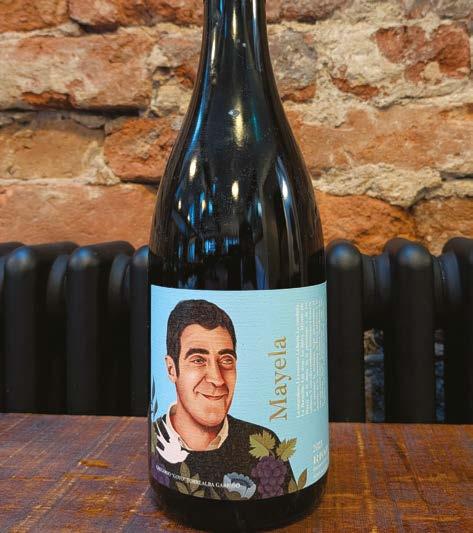
This issue’s wine recommendations come from Dan Coles, owner and head chef of Piccalilli, one of Nottingham’s most exciting independent dining spots.
From producer Olivier Ravier in Beaujolais. Best served slightly below cellar temperature. 100% Gamay. Big flavours of red fruits, cherry and fennel. This is a favourite of mine – I like a refreshing drink, and this goes down easily. It's refreshing, light and low in tannin. Pairs well with lighter meats, pork, or BBQ chicken.

We had this for one of our Sunday night wine events. It's a classic Rioja – easy drinking, fresh and minerally.
Produced by Bideona vineyard, they focus more on the vines than the aging process. Some of the vines date back to the 1930s and 1940s, producing lower yields but more concentrated juice. Very good and friendly, a good pizza wine or, of course, some tapas.
This has been on our wine list since opening, and for good reason.

This Lebanese wine from the Bekaa Valley comes from vines 1,000m above sea level, giving hot days and cooler nights. It's well balanced with a blend of grapes: Clairette gives Granny Smith notes, and Sauvignon Blanc brings crisp citrus. It almost has an ever-sosubtle salty finish. Serve ice-cold on a hot day in the garden and pair with charcuterie, hummus and flatbreads.
Not often you see a sparkling red over here, but it's a popular one in the restaurant, which we've served from day one – and for good reason. A semi-sparkling dry red from Medici Ermete. Fresh and rich on the palate, with aromas of red fruits and viola, and notes of raspberry.

We had this in for our January Blues wine night. It's an affordable sparkling white from San Marzano, crisp and refreshing, with elderflower on the nose and apple on the palate. Predominantly Chardonnay, it's zesty and well balanced. I absolutely loved this one, and it'll be making its way onto our wine list in the future. A great aperitif – get it in to start off a dinner party.
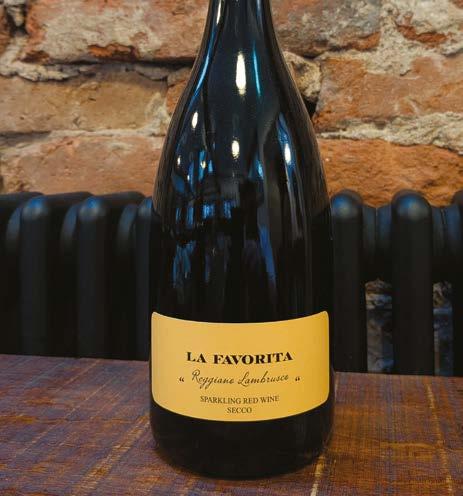

It's a family business; they planted their orchard of 540 heritage apple trees in 2016, producing their first cider in 2019. I'm a big fan of the 2024 dry; we also stock their medium and zeropercent cider.
If you can get your hands on a bottle of the traditional-method 2021 vintage, it's a great alternative to sparkling wine. Made using the same process as Champagne, it's a fantastic way to support a local producer in the Midlands. We use the medium cider to braise pork belly, so a glass alongside is an obvious choice. We
Look out for upcoming events at Piccalilli — from seasonal tastings to special dinners — and get in touch to reserve your spot or find out more.
Piccalilli. 1A Cannon Court, Nottingham, NG1 6JE. Email: info@piccalillinottingham.co.uk Call: 0115 6486498 www.piccalillinottingham.co.uk piccalilli_nottingham
Sun 5th April
Easter Wine Night
Join us, 6.30pm-8.30pm 5 wines & 5 snacks. £35pp. Email to book.


Busby & Fox
We believe in slow fashion. Doing things the right way. Creating a timeless wardrobe that never goes out of style, that’s made to last and will be loved by you year after year.
Our collections aren’t cemented to seasons or jumping on passing trends – each piece is designed for timeless style, and to work effortlessly with everything else. The look of the collection may gently shift and evolve over time, but it’s created with versatility and blendability at its core, to always work with what already lives in your wardrobe.
We prioritise natural and naturally derived fibres, chosen for their quality and comfort, and we make the majority of our clothing in Europe, meaning closer proximity to our stores.
Our HQ, on the historic Dartington Estate, is powered predominantly by biomass and a five-acre solar array. We keep low-impact goals front of mind in everything we do, working with innovative partners to help reduce our carbon footprint. Online orders arrive in recyclable packaging, and our stores and offices are furnished with vintage pieces, crafted to last and loved for years to come.
All that said, we absolutely recognise that as a fashion business, we’re still on a journey. There’s more to learn, and we’re committed to improving as we grow.
Busby & Fox.
Find out more and see the full range: www.busbyandfox.com




For every Super Scarf sold, Scamp & Dude donates another to a woman starting chemotherapy as a soft touch of comfort, from you to her. 60,000 women a year begin their journey. We want each and every one to feel seen and supported when they need it the most.
SCAMP&DUDE

Say hello to the Volvo EX60 – a new, all-electric mid-size SUV that changes the game in the largest electric market segment in terms of range, charging speed, performance and price.
The five-seater, family-friendly EX60 ends range anxiety, delivers a groundbreaking user experience and represents the next frontier in safety. It is also Volvo Cars’ first entry in the largest electric segment globally, allowing it to substantially increase its addressable market and electric market share.
"The new, all-electric EX60 changes the game in terms of range, charging and price and represents a new beginning for Volvo Cars and our customers," says Håkan Samuelsson, CEO of Volvo Cars. "With this car, we remove all remaining obstacles for going electric. This fantastic new car is also a testament of what we are capable of at Volvo Cars, with an all-new product architecture introducing new key technologies – mega casting, cell-to-body and core computing."
The EX60 can go up to a best-in-class 503 miles on a single charge in an all-wheel drive configuration. This doesn’t just make it go further than any electric car that Volvo Cars has ever created. It also beats its recently revealed competitors, setting a new standard for its segment.
That same no-compromises approach is reflected in how fast it charges. A quick coffee stop is enough to recharge and hit the road again. The EX60 can add up to 211 miles of range in just ten minutes when using a 400kW fast charger.
In other words, the EX60 turns range anxiety into range comfort and demonstrates that going electric is no longer a compromise. Design, engineering, hardware and software all work together to create a car that optimises driving range and matches many petrol cars.
When ordering, the new customer experience has been designed for simplicity, transparency and precision. The offer gives customers transparency on price, clarity on what content they get in the car, and a precise estimated delivery time. Customers can also pick a pre-configured car available for instant delivery, always with the option for a fully customised car that takes slightly longer to deliver.
The EX60 is available with three different powertrain variants. The P12 AWD Electric variant offers the class-leading range of up to 503 miles, while the P10 AWD Electric clocks in at a range of up to 410 miles. A rear-wheel powered P6 Electric variant delivers up to 385 miles of range. All in all, the EX60 is available in seven attractive variants, covering all needs and lifestyles.
The EX60 is built on SPA3, Volvo Cars’ new electric vehicle architecture, and powered by HuginCore, the Volvo Cars core system. It sets new standards in scalability, modularity, manufacturing efficiencies and cost. Cell-to-body technology, next-generation in-house developed e-motors, a new battery cell design and mega casting all help to boost energy efficiency and driving range, while reducing weight.
This also helps the EX60 to achieve the lowest carbon footprint for a fully electric Volvo car, matching that of the smaller EX30 and making the EX60 a better choice for the environment.
In terms of design, the EX60 takes the company’s Scandinavian design principles further into an all-electric era. It combines a stylish, confident and efficient exterior with natural, high-end materials inside that give customers a calm, refined and versatile space with smart storage.
A low front, a sloping roofline and tapered body sides all boost overall aerodynamic efficiency. As a result, the EX60 slides through the air and has a very competitive drag coefficient of 0.26, contributing to the class-leading range. Inside, the EX60 is a star in versatility and practicality. The long wheelbase and flat floor create much more legroom in the rear, as well as a large luggage compartment and various smart storage spaces for personal items.
For those who love music, the EX60 is an excellent choice with a premium 28-speaker Bowers & Wilkins audio system. For the first time in a Volvo car, this system also includes headrest speakers in all four main seats. The EX60 will be the first Volvo with Apple Music pre-installed with Dolby Atmos, delivering an immersive Spatial Audio experience.
As Volvo Cars’ most intelligent car yet, the EX60 is packed with state-of-the-art technology designed to improve life behind the wheel. The EX60 is powered by the latest iteration of HuginCore, the Volvo Cars core system that empowers the car to think, process and act. It embodies the company’s approach to technology development, combining in-house development and collaboration with tech leaders such as Google, NVIDIA and Qualcomm Technologies Inc.
The EX60 is the first Volvo car to launch with Gemini, the new AI assistant from Google. Gemini is deeply integrated with your car and lets you have natural and personalised conversations without having to remember specific commands. The introduction of Gemini reflects the longstanding relationship between Volvo Cars and Google, and Volvo Cars’ status as a lead development partner and one of the reference hardware platforms for AndroidTM Automotive OS.
The EX60 also contains the most responsive user experience in any Volvo car to date. In this seamless and no-lag infotainment system, screens respond quickly, maps load instantly, voice assistants understand passengers better, and everything feels smooth, while the UX provides quicker access to key functions.
One of the safest cars on the market
This being a Volvo, it is one of the safest cars on the market and represents the purest form of the Volvo Cars Safety Standard, going above and beyond regulations and rating requirements. Enabled by HuginCore, the EX60 reaches new levels of safety, as it constantly assesses the world around the car through its wide array of sensors. The result is a car with a clear and precise understanding of its surroundings.
Volvo Cars’ multi-adaptive safety belt, a world-first and award-winning safety innovation, will offer smarter and more personalised protection in the front row. At the core of the EX60’s safety structure is the safety cage, strengthened with boron steel. Inside, state-of-the-art restraints work together to help provide optimal protection.
Finally, the EX60 is designed to improve over time. It will benefit from regular over-the-air updates, meaning that a car that is great from day one will get better as time goes on. The EX60 is now available for order in European markets, with the US to follow in late spring. Production starts this spring at Volvo Cars’ car factory in Sweden. Customer deliveries of the P6 and P10 variants will start this summer, with the P12 following soon after that.
For further details and to see the latest Volvo models available visit, www.volvocars.com





Pattern:
Anaglypta Princess Street
Deeply embossed texture
Finished print, no need to break out the paint brush