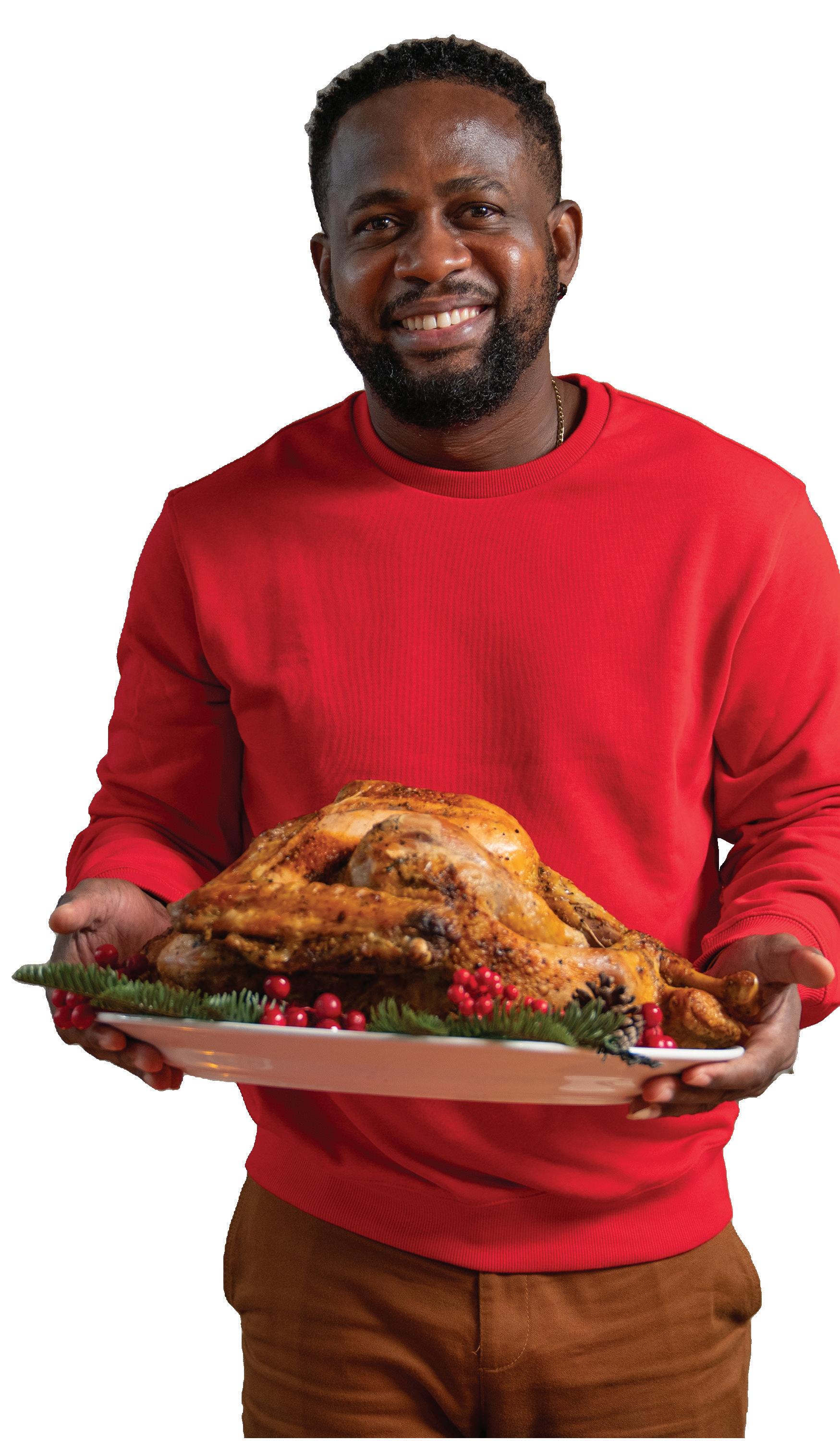
Mindful meals, nostalgic bites, and the cultural ties that turn food into memory, meaning, and connection
Savoring the Moment
How mindful eating transforms the everyday into something meaningful
From Apps to Appetites
How technology, from AI to TikTok, is changing how we shop and eat
Why We Crave the Familiar
The science of comfort food—and what your favourite baked good says about you
Contents
5 8 11
16
Savoring the Moment: Mindfulness, Food, and the Flavours of Home
What is Mindful Eating?
Cooking as a Mindful Practice
Connecting Through Local and Cultural Food
A Mindful Invitation
Why We Crave the Familiar: The Psychology of Baked Goods
The Science of Comfort Food Why Smell and Texture Matter More Than You Think
The Quiet Power of Food Rituals
In a World of Choices and Constant Change, Familiarity Wins
From Apps to Appetites
Technology Shaping Our Grocery Habits
The Digital Storefront New Technologies Powering Value-Driven Eating
5 Scientific Reasons People Scan Their Food
Come for the Food, Stay for the Story
The Kitchen as a Cultural Bridge
The Psychology of Meaningful Conversation in the Kitchen Kitchen Parties, Potlucks, and Participation
Kitchens Without Borders
19 22
Food as Identity, Memory, and Belonging Farewell from Wetaskiwin
Recipes Are Memory: Food, Family, and the Digital Archive of Emotion
What Is a Recipe, Really?
The Digital Cookbook: Curating Love and Lineage Online
Recipes as Emotional Infrastructure
Blogging the Intangible: Capturing Heart Through Code
25 29
From Prairie to Plate: The Heart and Mind of a Saskatchewan Farm
Mornings Start Early—and With Purpose
A Life in Rhythm with the Land The Cycle of Life
The Harvest Keepers
Cartology: What Your Grocery List Says About You
The Grocery List Archetypes: Which One Are You?
The Psychology of the List From Tuesday Top-Ups to Cultural Feasts
The Ritual of the Cart
Savoring the Moment
Mindfulness, Food, and the Flavours of Home
Sara Zeldenrust Registered Psychologist Edmonton, AB
In today’s fast-paced world, food often becomes just another task on the to-do list— something we grab between meetings or scroll past on our phones. But what if mealtime could be something more? A moment to slow down, connect, and savour not just the flavours, but the experience itself. This is the heart of mindful eating—and it’s something we can all rediscover in our kitchens, around our tables, and within our local food communities.
What is Mindful Eating?
Mindful eating is the practice of bringing your full attention to the experience of eating. It means tuning in to the smell, taste, and texture of your food, noticing your body’s signals of hunger and fullness, and setting aside distractions like screens or multitasking.
Rather than rushing through meals, mindfulness invites us to slow down and really notice each bite. Research shows that this kind of intentional eating can help improve digestion, reduce overeating, and increase satisfaction. But more than that, it helps us reconnect to the simple pleasure of nourishment.
Mindfulness doesn’t mean perfection—it means presence. It’s not about what you eat, but how you eat.
Cooking as a Mindful Practice
Mindfulness can begin long before we take our first bite. Cooking itself can become a form of meditation—a way to ground ourselves through rhythm and routine. There’s something deeply calming about chopping vegetables, stirring a pot of soup, or kneading bread dough with your hands. These small, repetitive tasks invite us into the present moment, offering a sense of ease and flow.
In a world full of noise and pressure, the kitchen can be a place to come home to yourself.
Even everyday meals can become mindful rituals: choosing a recipe that feels comforting, preparing ingredients with care, and tasting as you go. These moments of intention can transform cooking from a chore into a creative and calming act of self-care.
Connecting Through Local and Cultural Food
Mindfulness also deepens when we consider where our food comes from—and the cultural stories it carries. Eating locally and seasonally helps us tune into the rhythms of the land, support nearby farmers, and savour what’s fresh right now.
Here in Alberta, that might mean enjoying a late summer peach from a farmers’ market, roasted root vegetables in the fall, or bison stew passed down through Indigenous traditions. Every meal tells a story—not just of nourishment, but of place, history, and connection.
For many of us, family recipes and cultural dishes offer a powerful opportunity to reconnect—with our roots, with loved ones, and with the values we carry forward. Cooking a traditional meal can become a way to honour where we come from, even as we create new memories.
A Mindful Invitation
Mindfulness doesn’t require special equipment or hours of meditation. It can begin with your next bite. Take a moment to breathe. Notice your food. Where did it come from? How does it smell? What memories or sensations does it bring up? As you eat, see if you can slow down just a little. Notice how your body feels. Let the meal be not just fuel—but nourishment in every sense of the word.
In this way, food becomes more than sustenance. It becomes a practice. A pleasure. A path back to yourself—and to the land and people around you. n
Why We Crave the Familiar
The Psychology of
Baked Goods
There’s a reason why walking past a bakery can stop you in your tracks. It’s not just hunger—it’s memory, emotion, and our brain’s wiring. The smell of rising dough, the texture of a soft roll, the sweetness of a brownie—they all speak to something deeper.
The Science of Comfort Food
In uncertain times, we’re wired to seek out what feels safe and predictable. Psychologists call it nostalgic eating—and it’s why baked goods like muffins, cookies, and loaves often top the comfort food list. They remind us of being cared for.
Sunrise Bakery, a Canadian bakery with over 60 years of experience, has quietly built its legacy on this truth. You’ve likely tasted their products without even realizing it—at your local café, a neighborhood diner, or the franchise you swing by after work.
“We’re not just chasing trends,” says Sunrise’s innovation team. “We focus on the things people come back to—again and again.”
Why Smell and Texture Matter More Than You Think
Our sense of smell is deeply connected to memory and emotion. The aroma of warm bread or cinnamon can trigger a sense of happiness before you’ve even taken a bite.
Texture matters too. Research shows we judge a food’s quality not just by flavor, but by how it feels—chewy brownies, crispy edges, soft middles. These tactile moments leave an imprint.
Sunrise’s approach is to get the feel just right— the kind of details you don’t always notice consciously, but you’d miss if they were gone.
The Quiet Power of Food Rituals
Most of us don’t overthink our daily food choices—and that’s the point.
Food rituals are grounded in trust. We reach for what’s familiar, what fits the moment, what quietly satisfies.
That’s where Sunrise often lives—not in the spotlight, but in the calm, familiar moments that give the day its shape. In the quiet of a morning
Sunrise Bakery
Commercial Bakery Edmonton, AB SB
ritual. In the pause between conversations. In that small act of reaching for something you trust, something that steadies you.
The muffin that anchors your morning. The roll that completes your meal. The treat that turns a break into a restful and comforting sigh. Not unnecessarily flashy, but rather intentional. Not loud, but lasting.
These are the kinds of moments Sunrise was made for.
In a World of Choices and Constant Change, Familiarity Wins
Food decisions aren’t just rational—they’re emotional. In a world flooded with options, people come back to what feels real, warm, and satisfying.
Eric Haak, of Sunrise Bakery, puts it this way:
“Our values have remained the same since 1963: reliability, quality, and putting people first.
A key part of that is making familiar products people enjoy during life’s milestones—birthday cakes, Saturday treats, ice cream on a warm day. Our products show up in some of the most meaningful moments in people’s lives, and that matters to us.”
So next time you pick up that butter tart or cookie from your go-to café, pause for a moment—you might be tasting more than a treat. You might be feeling memory, comfort, and the quiet reassurance of something familiar. n
Feeding the Chef Within
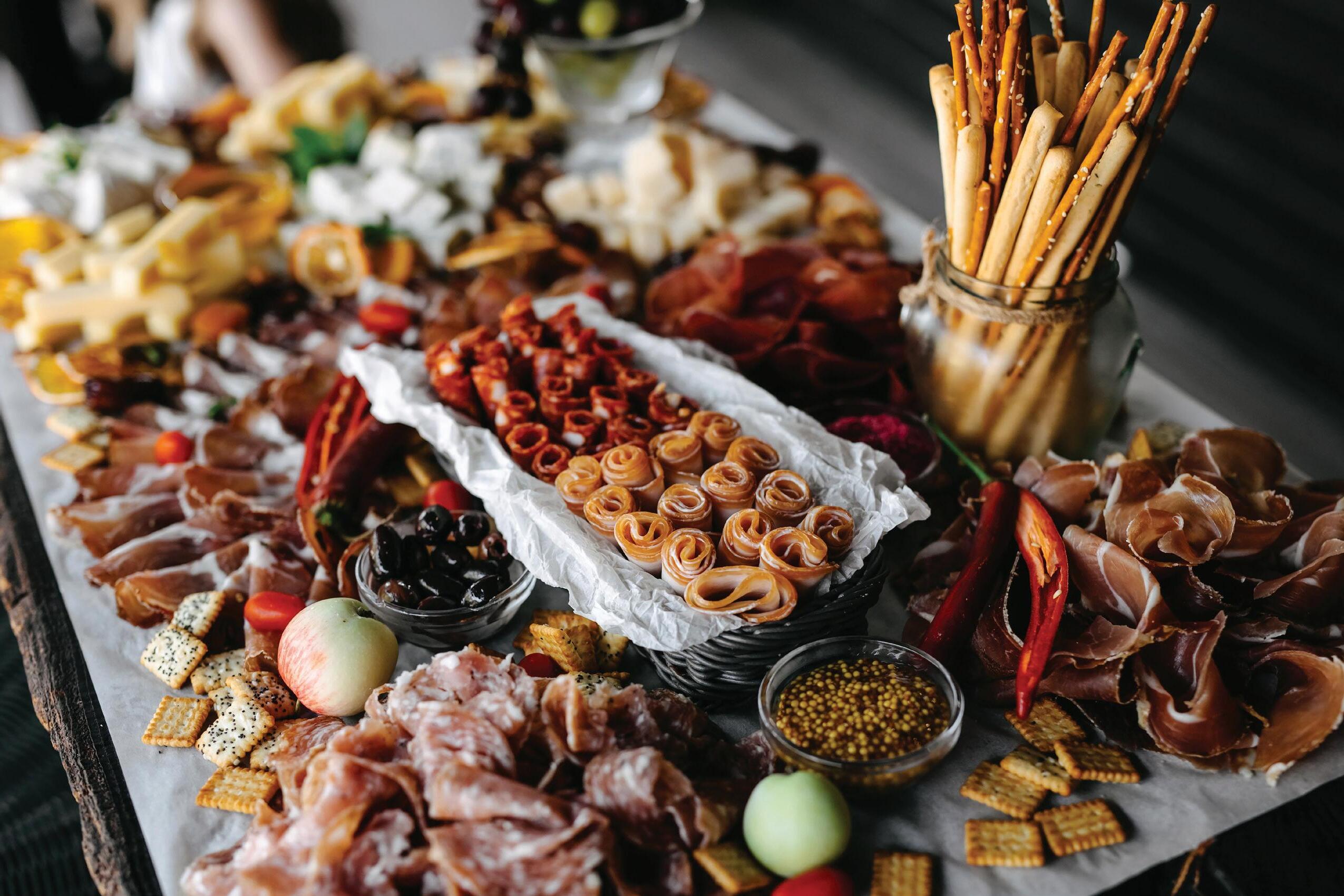
Bring your holiday charcuterie board to the next level with Capital Fine Meats.
Capital Fine Meats is a 4th generation, family-owned and operated meat processor located in Edmonton, Alberta. Our goal is to produce the highest quality products at affordable prices that all Canadians can enjoy. Look for us at your favourite grocer!
From Apps to Appetites Technology Shaping
Our Grocery
Habits
Sasha Ivanov, Setareh Manesh
Maple Scan Digital App Calgary, AB
When you step into a grocery store there’s an intriguing behind-the-scenes world working to enhance your shopping experience. Each aisle, shelf placement, and even the colours and lighting around you are thoughtfully arranged to capture your attention and help you discover new products. Have you ever noticed how certain cereal boxes seem to draw your gaze? Retailers strategically place products at eye level, use
vibrant colour schemes, and employ engaging promotional signage and appealing discount tags, guided by studies of human behaviour. Meanwhile, essential items like milk and bread are intentionally placed deeper within the store, thoughtfully guiding shoppers through aisles filled with other appealing products. While these techniques have long guided our footsteps at the grocery store, the online world is quietly reshaping the way we engage with food.
The Digital Storefront
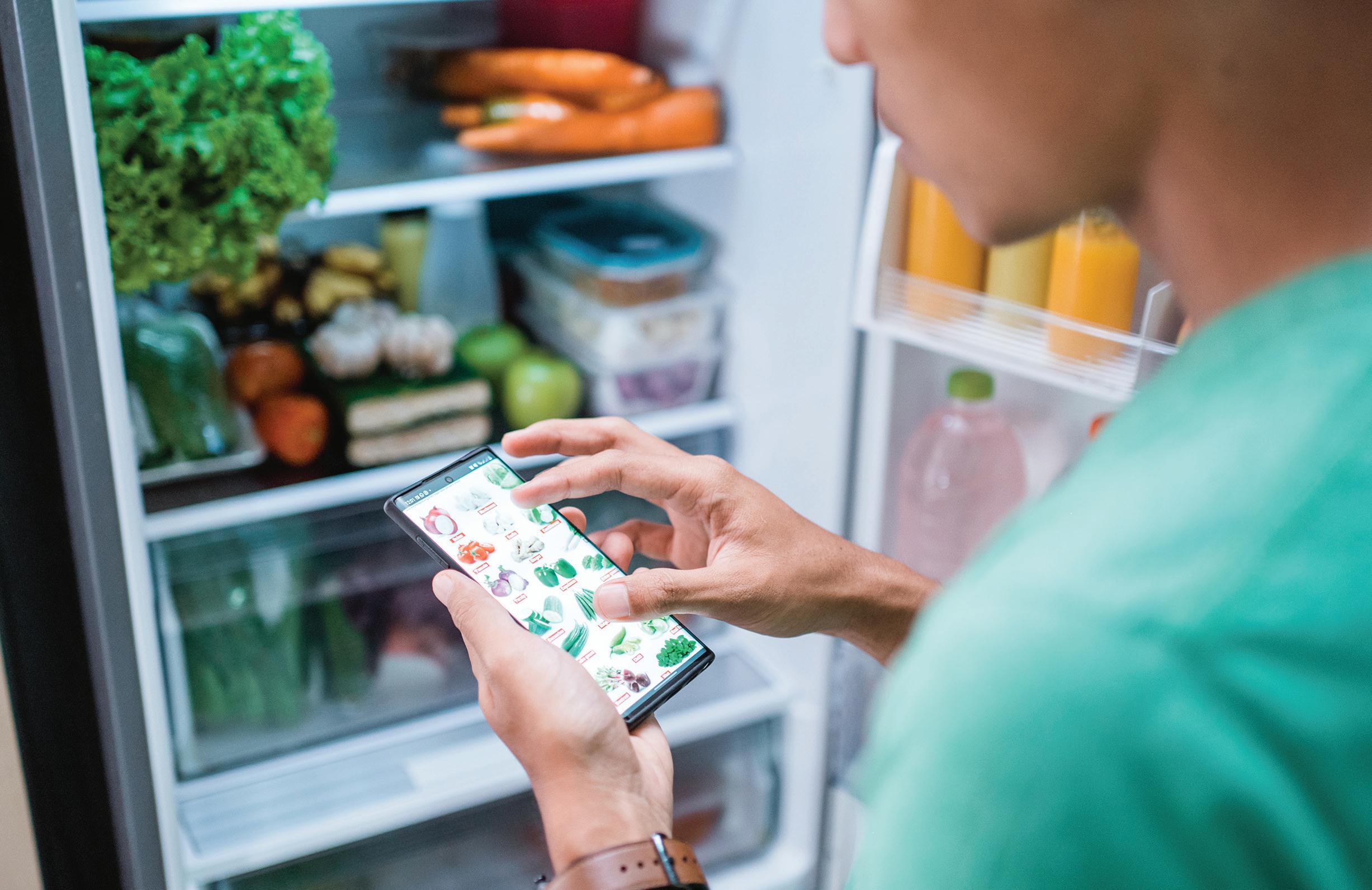
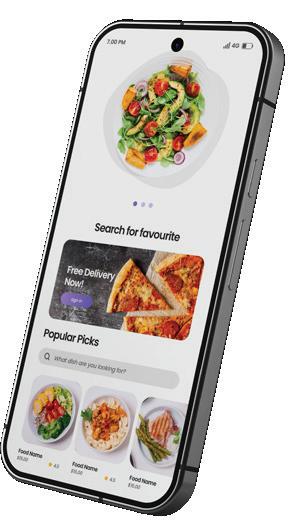
Online shopping apps, food delivery services, and social media platforms now play a major role in our food choices. Just like physical shelves, the placement of pixels can steer the things we eat using behavioural design patterns informed by behavioural research principles that inform the user experience of apps.
Craving the Crowd
TikTok food trends can make obscure snacks go viral overnight, turning niche products into nationwide cravings in mere days. This is social proof in action. When millions of people are seen enjoying something, it signals to your brain that it’s worth trying, evoking curiosity and imitation. With food delivery apps, “Top Rated” food items play on social validation as well. What we eat is no longer just about nutrition, it’s about joining a cultural moment.
FOMO Foods
When an app highlights that only “3 items are left” or flashes a countdown timer for a limited-time offer, it’s triggering a well-documented psychological response called loss aversion. Our natural tendency to avoid missing out on something evokes a strong emotional response, higher than the reward of a gain. In digital spaces, urgency becomes a powerful lever that nudges us toward quicker decisions and can even encourage us to try products outside our usual preferences.
Feedback Loops
Digital food platforms are designed to learn from your behaviour. Every time you order a meal, rate a dish, or save a favourite, you’re feeding into a feedback loop that influences what you’ll see next. Order a butter chicken once, and you might see more Indian cuisine next week. Mark something as a favourite, and it moves to the top of your feed. These loops are designed to reduce decision fatigue, speeding up choices and subtly guiding you toward repeat behaviours.
New Technologies Powering ValueDriven Eating
Despite all these nudges, shoppers today are increasingly interested in value-aligned choices. With recent tariff announcements, Canadians came together to support products with strong local sourcing and employment practices. This “Buy Canadian” movement emphasizes consumer agency, empowering people to consciously choose products that align with their personal and community values.
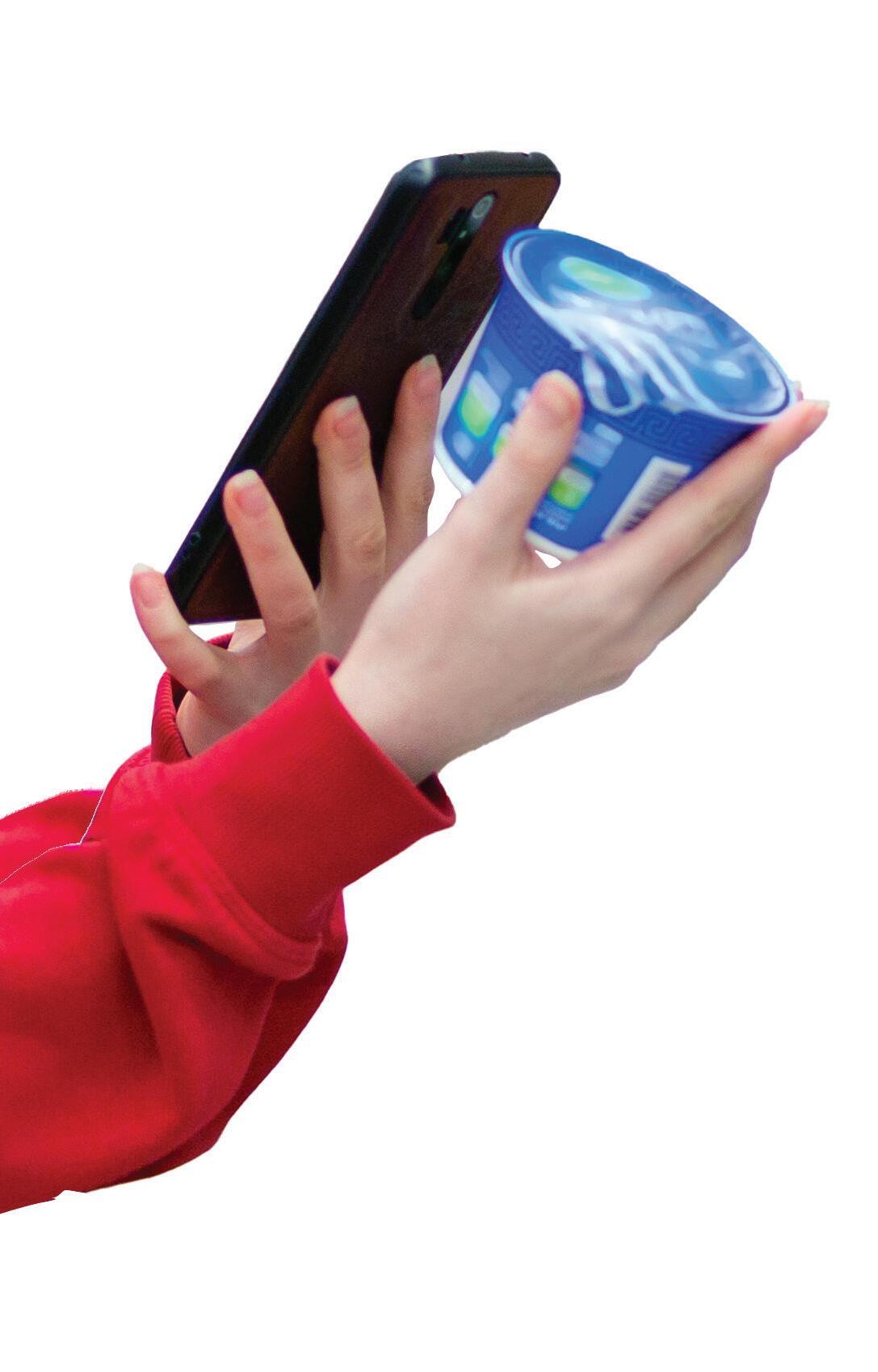
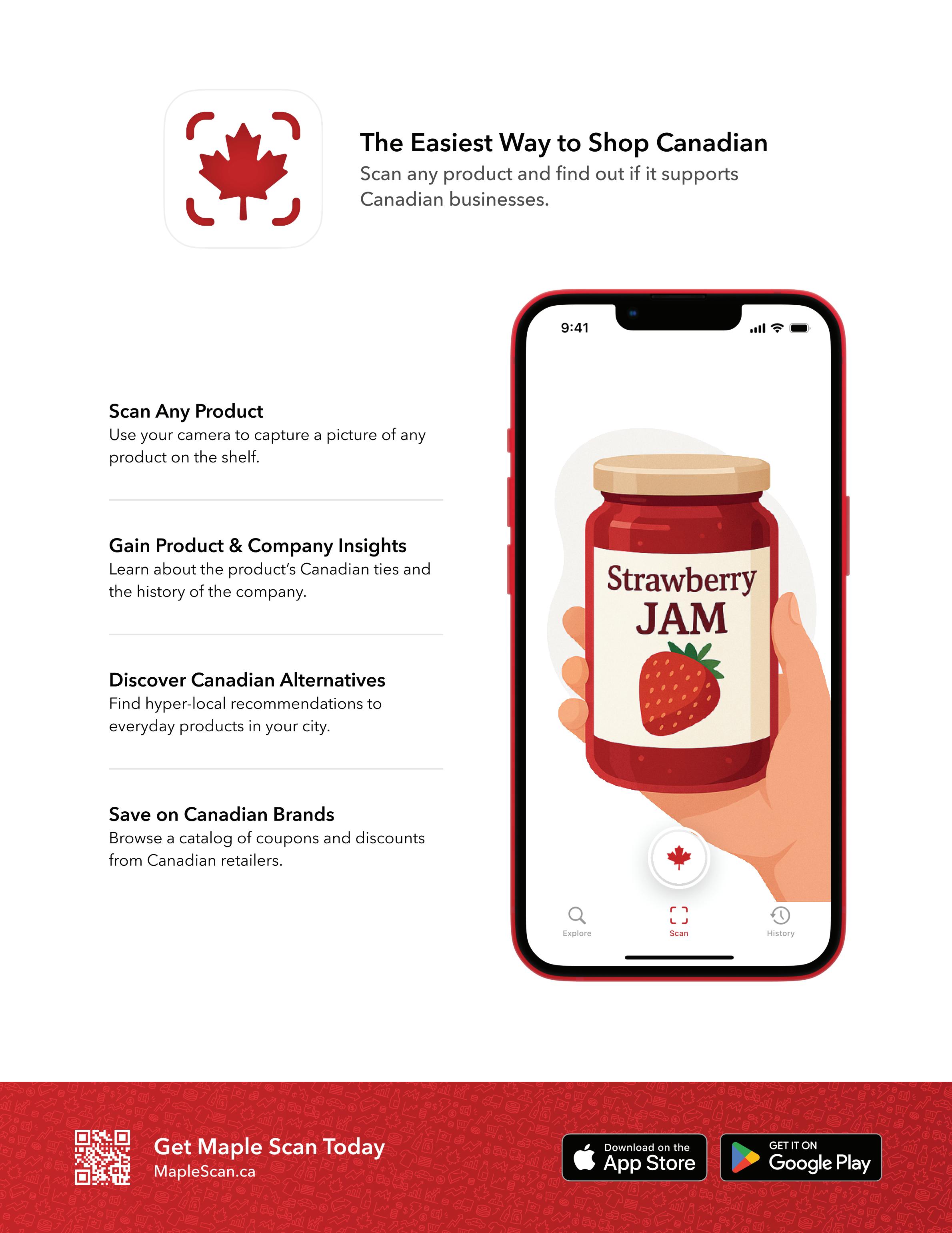
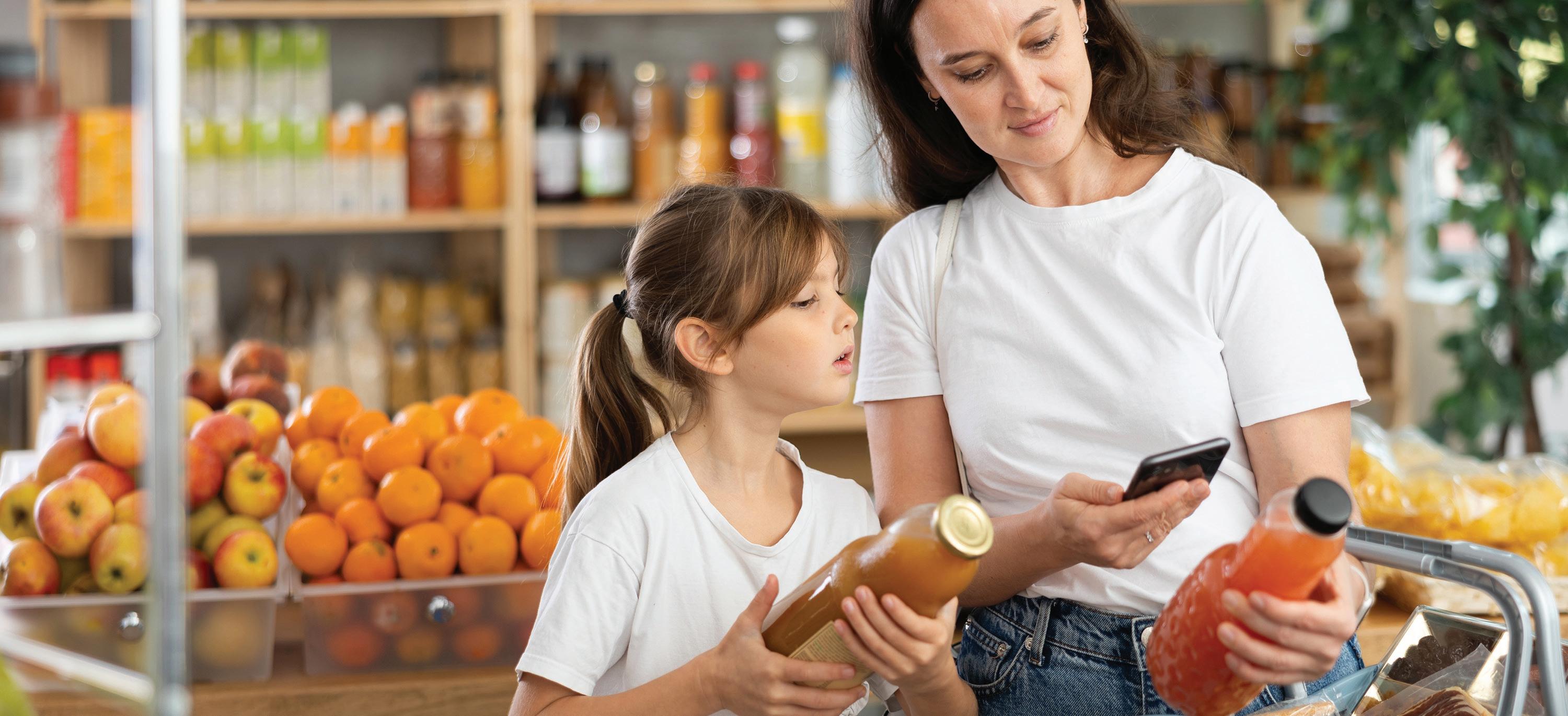
Apps like Maple Scan have emerged as valuable tools in helping consumers navigate these choices. Maple Scan uses AI technologies to simplify identifying Canadian-made products by analyzing product labels through smartphone photos. Similarly, Yuka empowers users by providing instant nutritional ratings and ingredient analyses, helping shoppers quickly understand the health impacts of their food choices. Both apps address the modern need for informed decision-making by empowering shoppers with information to support businesses aligned with personal values.
Artificial intelligence and user-centric technology are transforming our relationship with food, making it easier to align our purchases with personal values and informed preferences. As these tools continue to develop, they promise not only to streamline our decision-making processes but also to enrich our food experiences in more meaningful and intentional ways. Looking forward, we can feel optimistic about a future where technology supports consumer empowerment, positively impacting our communities, health, economies, and the environment.
success the pack
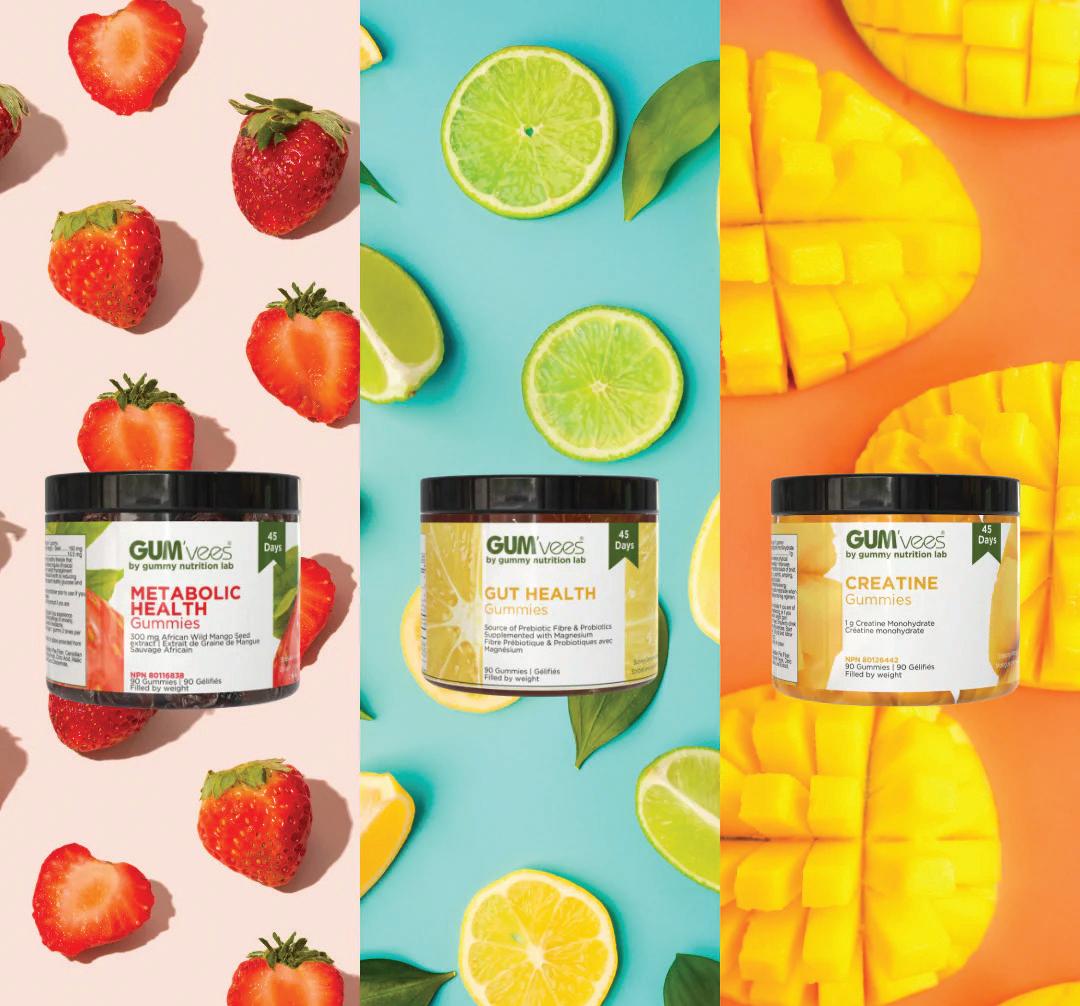
Transform your health with GUM’vees Success Pack
Feel your best and simplify wellness with delicious gummies. These Canadian-made gummies turn health goals into a daily treat. Say goodbye to boring pills and hello to flavour-packed health! Feel good, look great, stay consistent. Visit our website today to see how you can improve your wellness routine.
5 Scientific Reasons People Scan Their Food
Food apps do more than share info, they tap into our psychology. From trust and control to identity and habit, these tools make smarter choices feel easier, faster, and more meaningful.
Trust & Transparency
People increasingly distrust traditional product labels. Impartial digital resources offer clear, unbiased information, and when we perceive a source as credible, we’re more likely to trust and act upon its guidance.
Control & Confidence
Apps simplify the decisionmaking process, making informed choices easier to act upon. This simplification boosts our confidence and sense of control, reinforcing our commitment to align our eating habits with our personal values.
Identity & Values
We gravitate toward food choices that reflect our identity and core values. Apps allow us to express and share our personal values, such as health, ethics, nationalism, or sustainability, within broader online communities to strengthen our
n Source Credibility Theory n Theory of Planned Behaviour n Self-Identity Theory
Smarter, Simpler Choices
Apps cut through complex and overloaded labels by presenting clear visuals, simplified scores, and intuitive interfaces. This easeof-use reduces cognitive load, making users more likely to adopt and repeatedly utilize these tools in their daily lives.
n Cognitive Load Theory, Technology Acceptance Model
Habit Formation
Consistent use of food scanning apps fosters automatic behaviors through repetition. Leveraging visual cues, gamification elements, and reward systems, these apps embed healthier decision-making patterns seamlessly into everyday routines.
n Habit Loop – Charles Duhigg
These digital storefronts don’t just change how we shop— they tap into deeper psychological drives that shape what we crave. n
Come for the Food, Stay for the Story
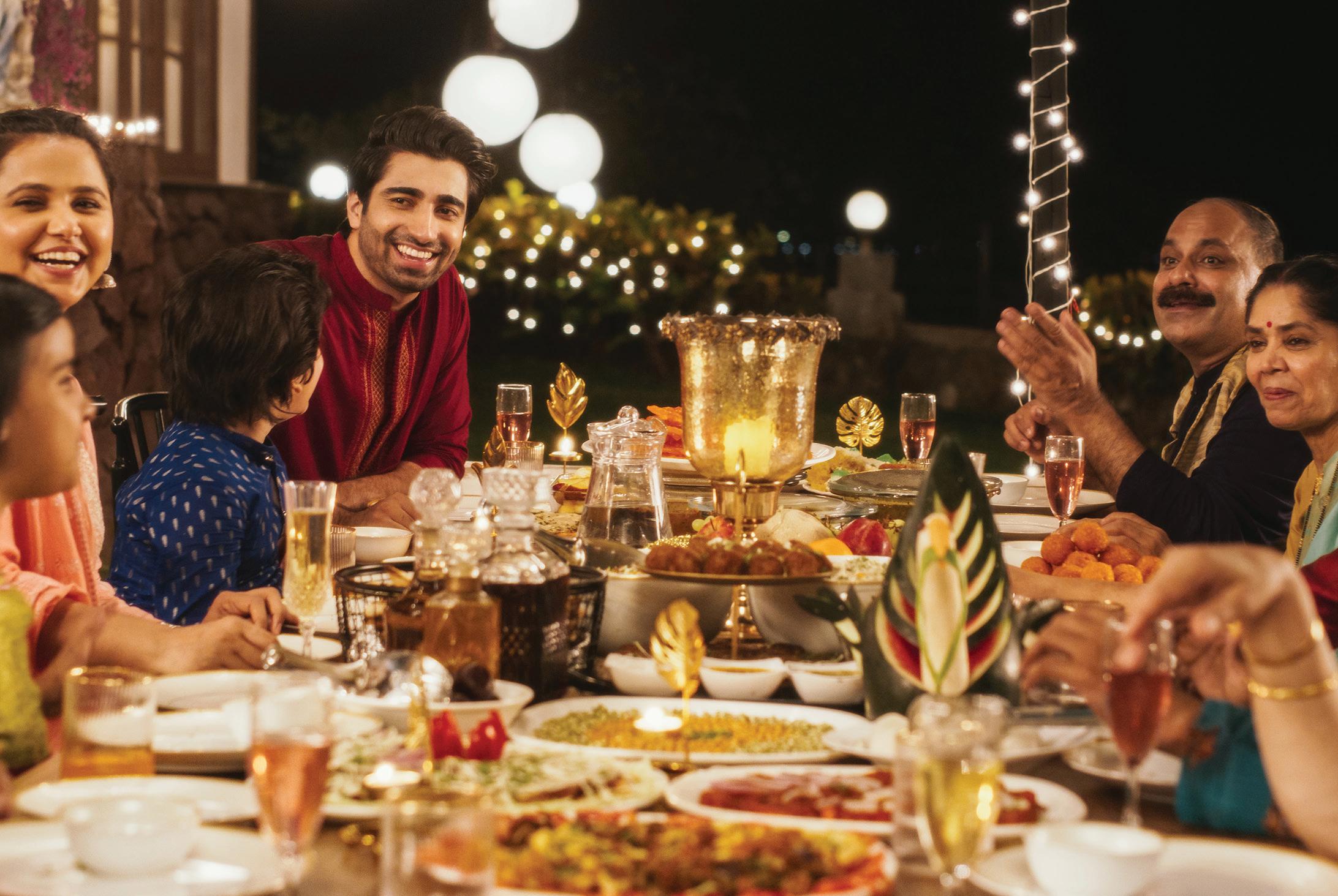
Across Canada, kitchens do more than feed us—they connect us. In a country shaped by immigration, Indigeneity, and cultural pluralism, the kitchen becomes more than a physical space. It becomes a site of cultural exchange, identity expression, and psychological safety.
Whether in family homes, community halls, or small apartment kitchens, food remains one of the most accessible, human ways we learn about one another. The act of preparing, sharing, and discussing food is often the starting point for building trust, empathy, and belonging.
The Kitchen as a Cultural Bridge
Food plays a central role in how people from different backgrounds come to understand one another. In Canada’s multicultural context, sharing a meal is often the first act of connection across lines of ethnicity, religion, language, and generation. Cultural exchange through food:
• Makes abstract differences tangible and relatable
• Invites curiosity in non-threatening ways
• Fosters mutual respect by honouring heritage and tradition
Made In Canada Eats Editorial Team Edmonton, AB
This exchange is often informal: someone brings a homemade dish to a potluck; a neighbour shares a childhood recipe; a colleague offers to show how their grandmother makes a staple meal. These moments are deeply human—and deeply impactful. Social research consistently shows that foodrelated rituals strengthen bonds across social groups and increase openness to cultural difference.
The Psychology of Meaningful Conversation in the Kitchen
Kitchens also encourage a unique kind of conversation. They’re informal, familiar, and physically intimate spaces that allow for connection without pressure. When people talk while cooking or sharing food, they’re often engaging in what psychologists call “parallel talk”—conversation that happens side-by-side, rather than face-to-face.
This kind of interaction lowers social anxiety and increases emotional safety, especially in settings that cross generational or cultural lines. It’s why so many people recall their most honest or healing conversations happening not in formal settings, but while cooking, cleaning, or sharing a quiet meal.
Kitchen Parties, Potlucks, and Participation
In many Canadian communities, kitchen parties and potlucks are a social norm—sometimes spontaneous, always meaningful. These gatherings embody the values of shared contribution and collective experience, reflecting a cultural ideal where no one shows up empty-handed and everyone has something to offer.
The psychological benefits of these gatherings include:
• Shared ownership of space and memory
• Informal social bonding, which increases resilience and connection
• Ritualized participation, which strengthens group identity and inclusion
In multicultural settings, potlucks in particular become tools of cultural diplomacy—offering a way to showcase food traditions while learning about others in a format that’s both familiar and openended.
Kitchens Without Borders
Canadian kitchens are not uniform—but they are united by one thing: their capacity to bring people together. In a time when connection can feel fractured, the kitchen remains a place of shared experience, open dialogue, and human understanding.
As Canada continues to evolve, the kitchen remains a space where difference isn’t erased—it’s celebrated. Where sharing a meal is more than polite—it’s profound. And where every dish tells a story that deserves to be heard. n
5 HUMMUS FLAVORS AVAILABLE
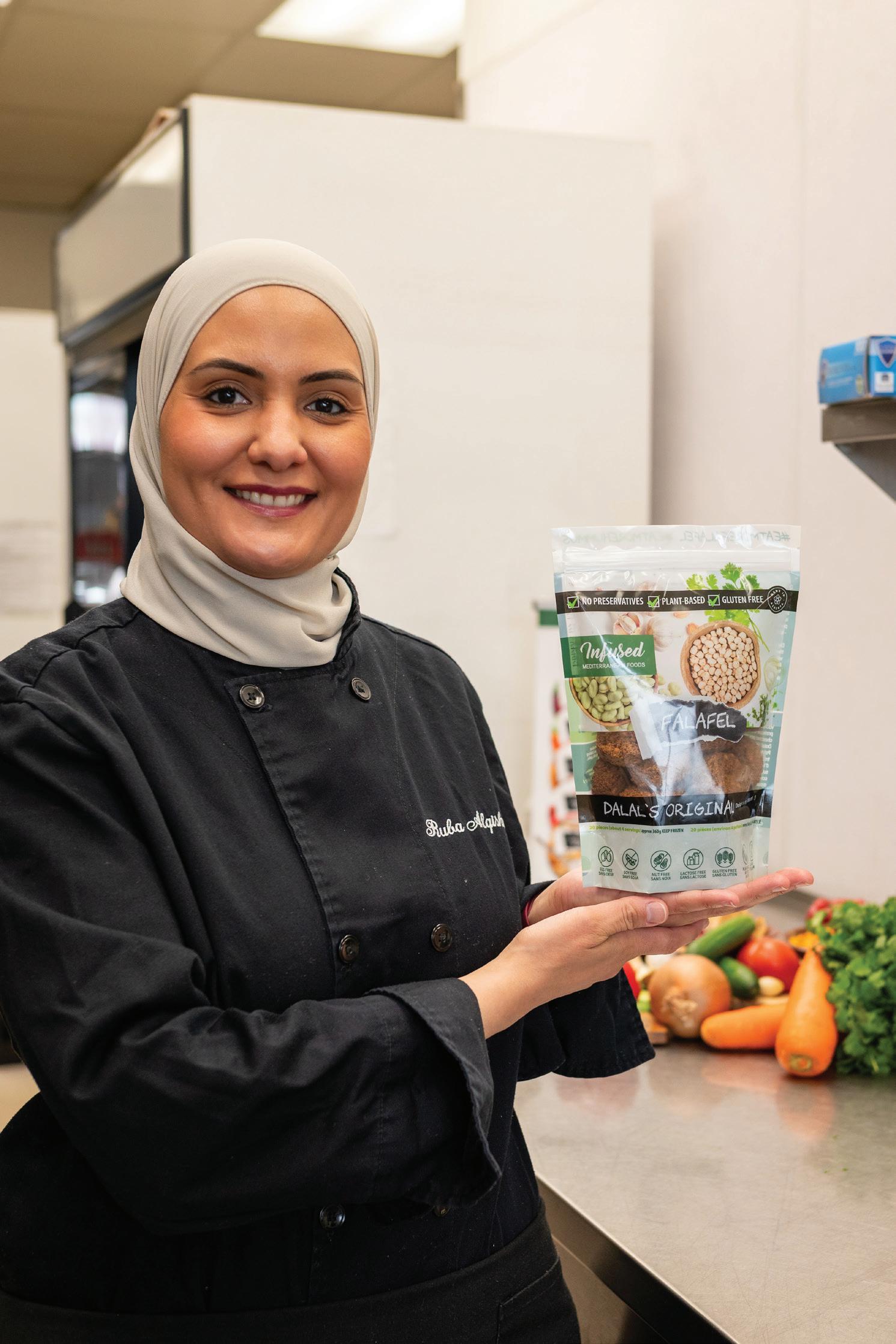
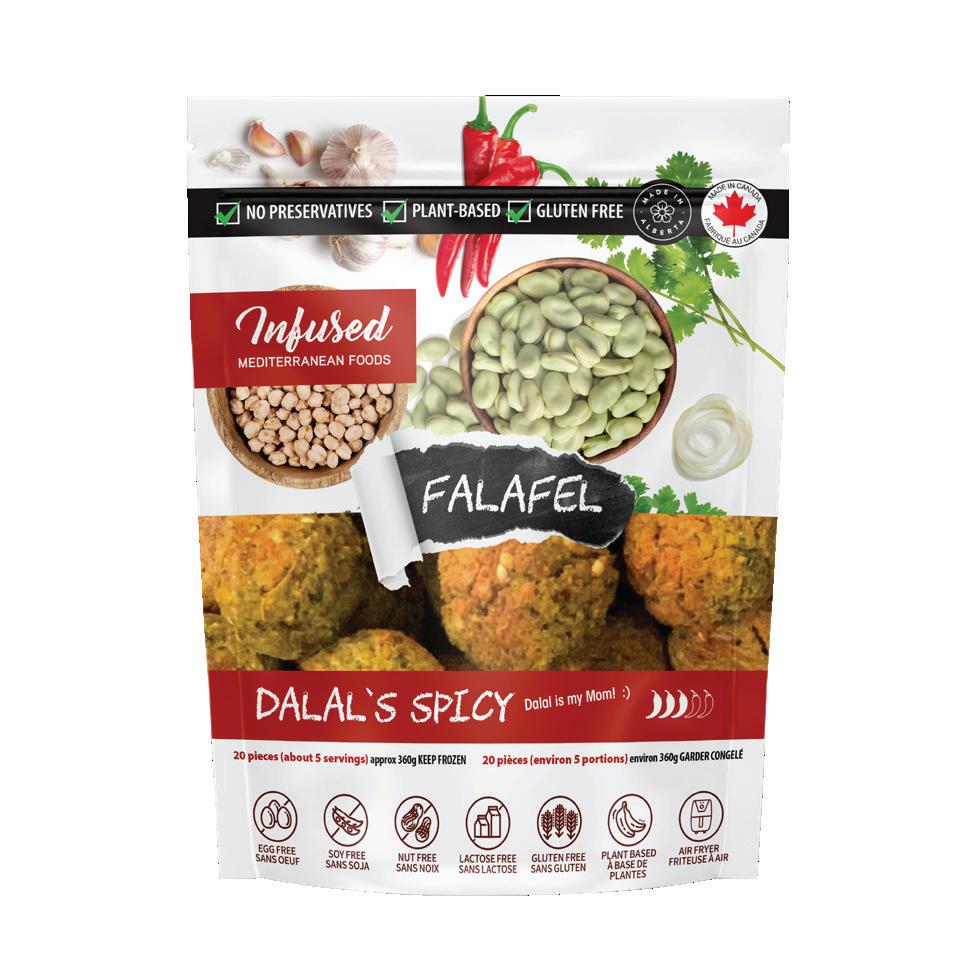
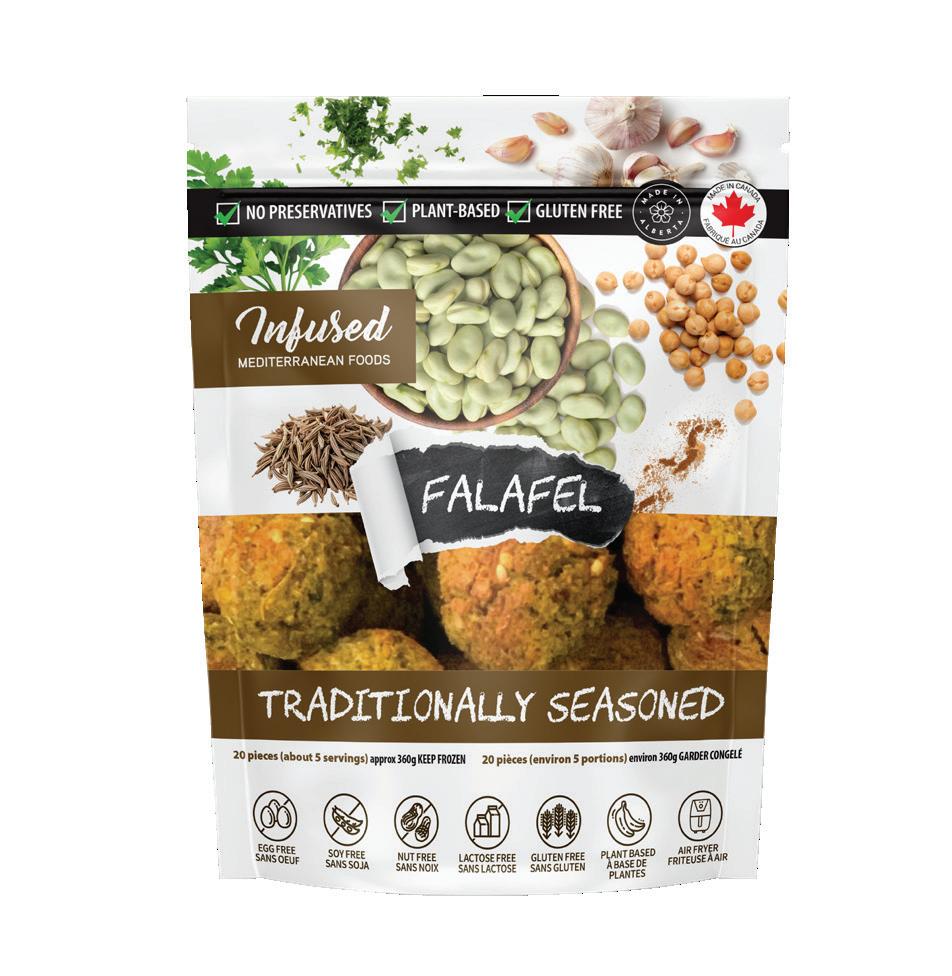
New this fall is Dalal’s Traditional Seasoned Falafel features fragrant cumin and herb for a nostalgic, comfort-first flavour and Dalal’s Spicy Falafel - a bold, balanced kick from red chilies and warm spices. Crafted with premium, gluten-free, preservative-free, plant-based ingredients and no added sugar. Just pure goodness, made with love.
Find Dalal’s Falafel at local retailers across Alberta, or explore our full range of falafel and hummus at infusedmediterraneanfoods.ca
Food as Identity Memory & Belonging
Food is one of the most powerful conduits for identity formation. For many Canadians, recipes passed down through generations carry the weight of family history, migration stories, and survival. Sharing these foods is not only an act of hospitality—it’s an act of trust and visibility.
The kitchen becomes a place where:
• Cultural memory is preserved and adapted
• Identities are expressed and validated
• Emotional bonds are formed through shared sensory experience
For newcomers and second-generation Canadians, preparing food from one’s culture can be a way of reclaiming space and countering feelings of alienation. For Indigenous communities, food sovereignty and cultural food practices are tied to healing, autonomy, and intergenerational knowledge.
Farewell from Wetaskiwin
My family arrived in Canada as Salvadoran political refugees in January 1985. We were placed—through a refugee program—in a small town we had never heard of called Wetaskiwin. My little brother, the only Canadian-born member of our family, was born there.
We were blessed and surprised to be welcomed into a community that was generous, thoughtful, and warm. Neighbours organized a baby shower for my mom, helped take us to and from school and church, brought us food baskets, and were incredibly attentive.
About a year later, my dad found work in Edmonton. The community threw us a farewell feast and even helped with our relocation. They sent us off with homemade meals to ease the stress of the move. I grew up eating a dish we called Despedida de Wetaskiwin—Farewell from Wetaskiwin. It became
one of my favorite meals. Every time we had it, we’d talk about our time in that town. As an adult, I asked my mom more about it, and she laughed as she told me it was actually a quiche—one she had adapted with Latin flavors and ingredients.
To this day, we still call it Despedida de Wetaskiwin, since it isn’t quite quiche—or like anything else I’ve eaten. For us, this dish is a tender reminder of friendship, change, our first year in Canada, and how food fusions can quietly help you settle in and begin to feel at home. n
Zoila was raised in Edmonton from the age of three and is a proud alumna of the University of Alberta. She was a long-time volunteer with both the City of Edmonton and the University of Alberta. Most of her family still lives in Edmonton. She now resides in Vancouver, where she works with one of Canada’s largest settlement non-profit organizations.
Zoila Garcia
Employment Counsellor Vancouver, BC
Ingredients
1 cup dried hibiscus flowers (flor de jamaica)
1½ to 2 cups fresh pineapple, chopped (you can include clean peel or core)
1 small cinnamon stick (optional but traditional)
8 cups water (divided — 4 hot, 4 cold)
Juice of 2–3 limes (adjust to taste)
½ to ¾ cup sugar (or to taste)
A page from the Made In Canada Eats recipe book
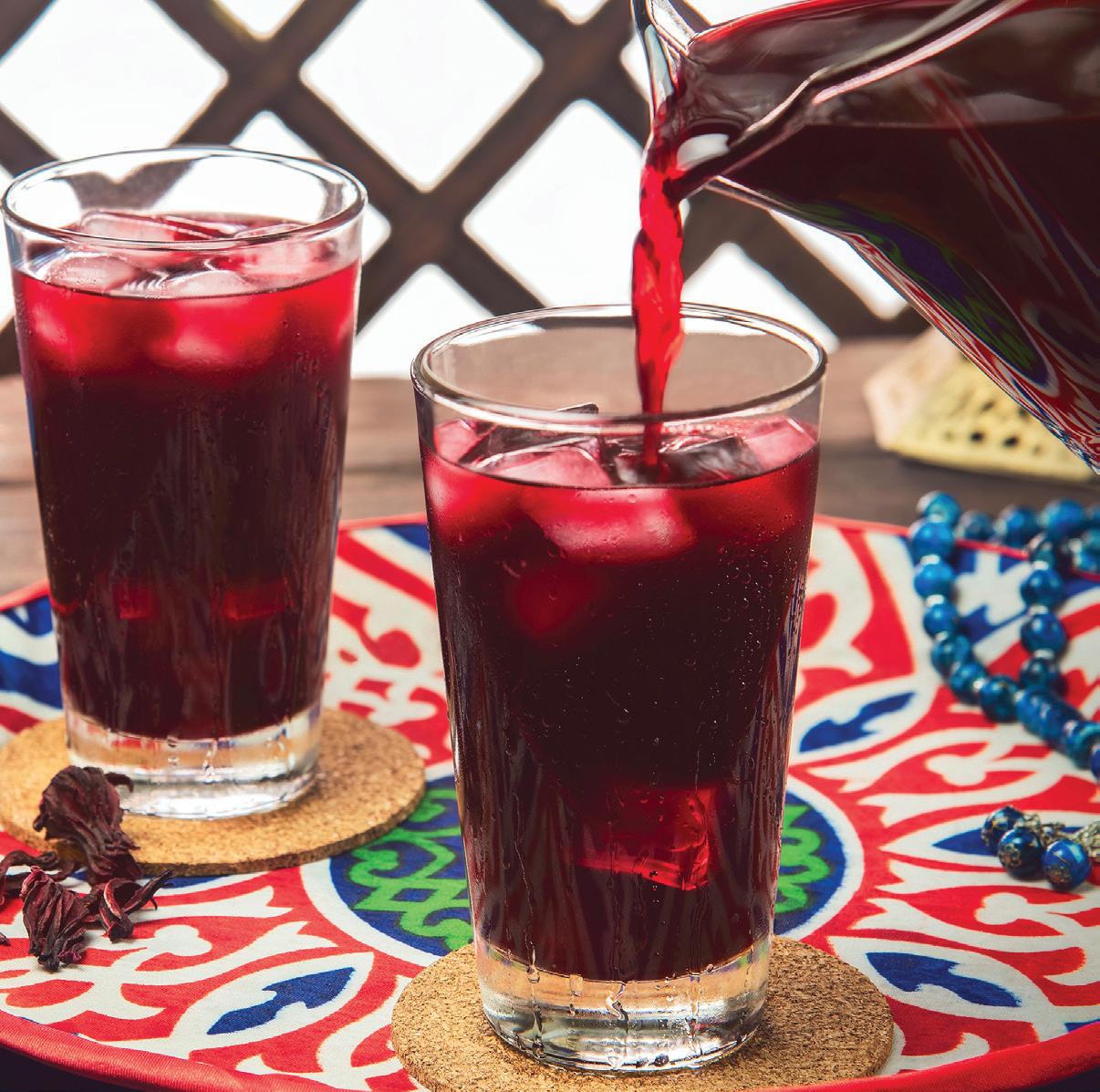
Fresco de Jamaica con Piña y Limón
(Hibiscus-Pineapple Lime Cooler)
1. Prep the Ingredients
Rinse the hibiscus flowers with cold water to remove any dust. Wash and chop the pineapple. If using peel or core, scrub well. Optional: Roll your limes gently to release more juice.
2. Boil the Concentrate
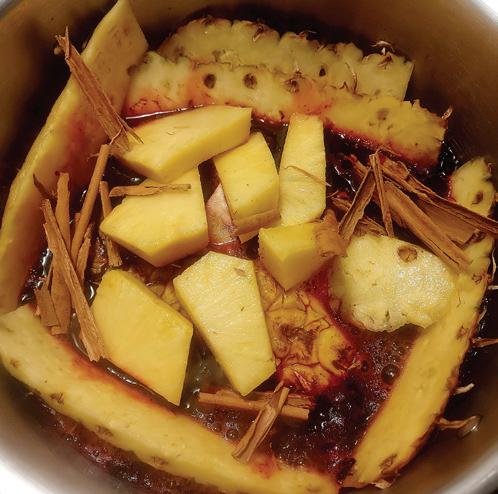
In a pot, add: 4 cups water hibiscus flowers chopped pineapple (flesh and/or peel) cinnamon stick (optional)
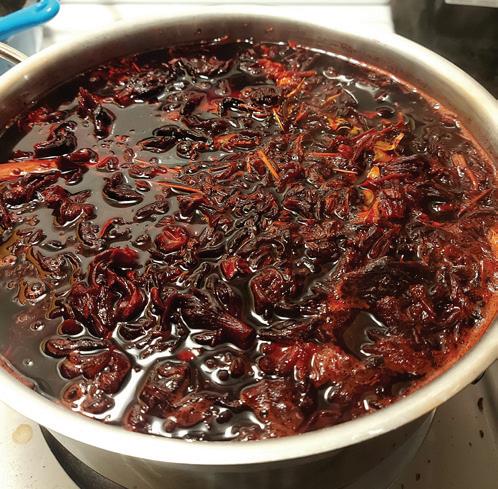
Bring to a boil, then simmer for 15–20 minutes. The water should turn a deep red and smell fruity and floral.
3. Steep & Strain
Turn off the heat and let steep for 10–15 more minutes. Then, strain through a fine sieve into a large pitcher. (If you want more body, you can blend the boiled pineapple chunks with some of the liquid.)
4. Sweeten & Add Lime
Stir in the juice of 2–3 limes. Add ½ to ¾ cup of sugar, adjusting to your preferred sweetness. Pour in the remaining 4 cups of cold water and mix well.
5. Chill & Serve
Refrigerate or serve over ice. Garnish with lime slices or pineapple chunks for a festive touch.
If using pineapple peel/core, don’t keep them for more than a day in the fridge after boiling.
For a sparkling version, mix the strained concentrate with soda water instead of still water.
You can also freeze it into ice cubes or Popsicles for a refreshing treat in hot weather.
More time for this ...
This holiday season, help yourself and your family take more time for each other. We’re proud to offer convenience without compromising taste on our easy to bake dinner buns. Available now.
Recipes Are Memory
Food, Family, & the Digital
Archive of Emotion
In every kitchen, there’s more than just what’s cooking. Recipes are more than instructions—they’re edible memory. They carry smells that transport us to our grandmother’s house, textures that remind us of childhood rituals, and tastes that bring back the laughter of loved ones long gone. In today’s tech-forward world, where blogs and cloud storage replace index cards and stained notebooks, families are finding new ways to protect these sacred threads of heritage and history.
What Is a Recipe, Really?
A recipe is more than a guide for preparing food.
At its core, it’s a form of cultural communication—a story encoded in ingredients and methods, passed down from one hand to another. Historically, recipes were oral traditions. Grandmothers taught daughters through repetition and proximity. Precision wasn’t written—it was felt. “A pinch” was known by memory. “Until it smells right” was a valid direction. Later, recipes were scrawled on napkins, tucked in cookbooks, or jotted in the margins of calendars. Each bore the imprint of its time: a war-time substitution, a handwritten note in the margins, or a sauce stain that marked a favorite dish. These artifacts weren’t just practical—they were intimate.
Made In Canada Eats Editorial Team Edmonton, AB
The Digital Cookbook: Curating Love and Lineage Online
Now, in an age where families may be separated geographically, but just a text or link away, recipe blogs, shared drives, and apps are becoming the new family recipe box. A mother-son blog, for example, is more than a tech-savvy pastime—it’s a living, breathing family tree.
Digital preservation offers several advantages:
• Permanence: Backed-up files won’t yellow or fade.
• Access: Recipes can be shared across generations and continents.
• Interactivity: Photos, videos, audio clips—even family voice memos— bring dishes to life.
In this way, technology becomes a vehicle not just for storage, but for storytelling.
The Neuroscience of Taste and Memory
Why does food evoke such powerful emotions? Because flavor lives in our limbic brain—the same region that governs emotion and memory. Smell and taste are processed alongside emotional recall, making a family stew not just delicious but nostalgic. The caramelizing of onions, the snap of a fresh pepper, the tang of lemon on your tongue—these sensations transport us. They encode memory in the body.
This is why grief often stirs in the kitchen. Why love sometimes looks like an overstuffed freezer. Why one bite can bring tears—and why we return to family
dishes when we need comfort.
Recipes as Emotional Infrastructure
Within a family system, recipes serve quiet but potent psychological functions. They create ritual, provide stability, and symbolize roles. When a parent teaches a child to cook a family dish, they are doing more than sharing techniques—they’re transferring identity, care, and place in the family constellation. In programming terms, you could say a family recipe is a kind of “emotional algorithm.” It’s logic wrapped in love—an if-this-then-that set of instructions that connects people across time and experience.
Blogging the Intangible: Capturing Heart Through Code
Blogging family recipes is how we keep kitchens alive—not just as memories, but as traditions that continue to nourish. The smells, the textures, the quiet wisdom of certain steps—they aren’t relics. They’re legacy in motion, handed down with care, and made new again each time we cook and share.
A blog that mixes narrative, code, and cuisine becomes a digital hearth. The keyboard becomes a rolling pin. A looped JavaScript slideshow of dishes becomes a family album. And each new visitor becomes an honorary guest at the table.
Digital, Yes. But Always Human.
In the intersection between tradition and technology, one truth remains: food is how we love. Whether you’re passing down a sourdough starter or uploading your abuela’s pozole recipe to the cloud, you are performing an act of preservation—and devotion. n
From Prairie to Plate
The Heart and Mind of a Saskatchewan Farm
When you bite into a slice of toast, pour syrup on your pancakes, or stir lentils into your stew, you might not think about where that food came from. But behind every bite is a story—and in Canada, that story often starts under the wide-open skies of Saskatchewan.
Let’s take a journey—not just across the miles, but into the sights, sounds, and soul of a prairie farm.
Mornings Start Early—and With Purpose
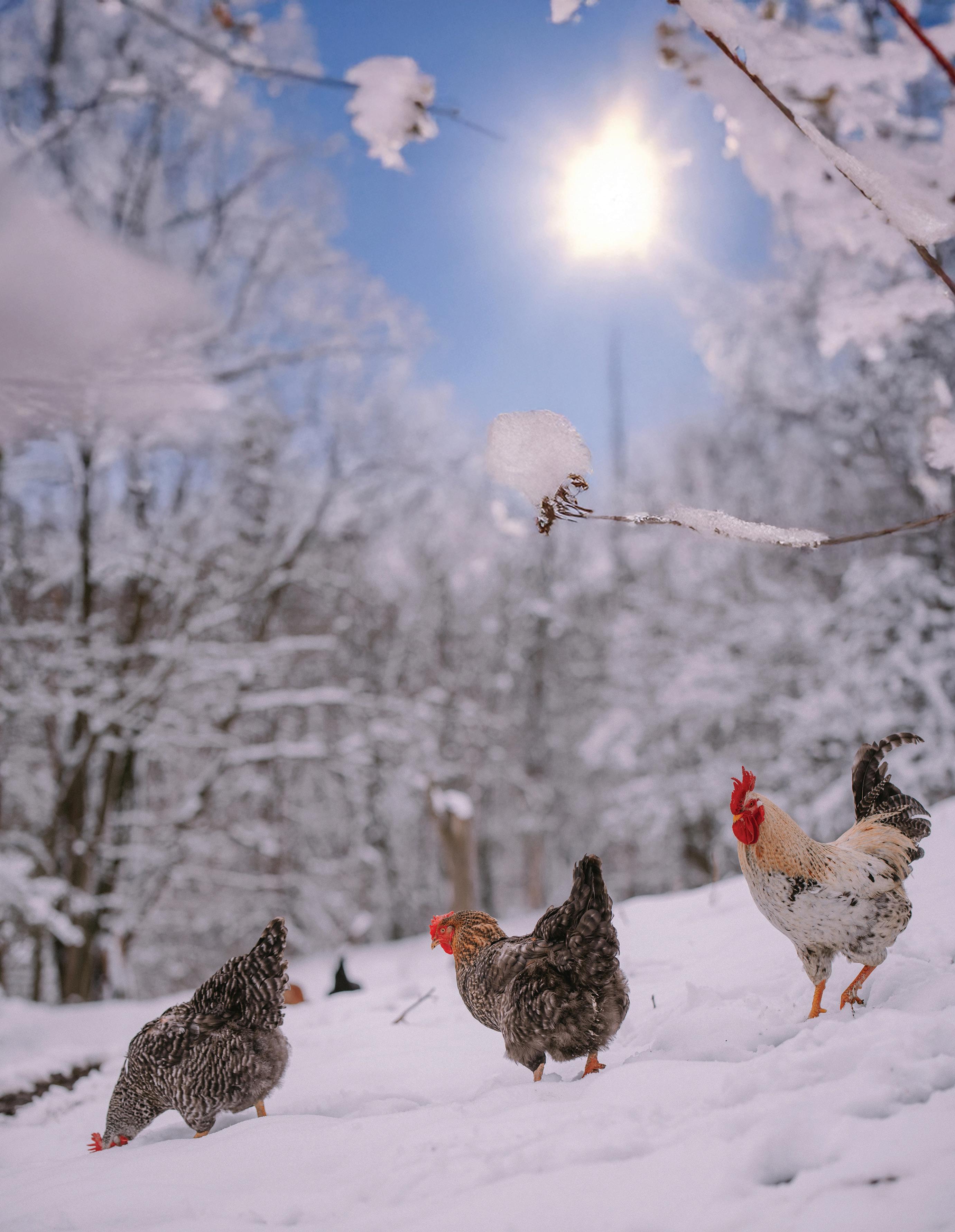
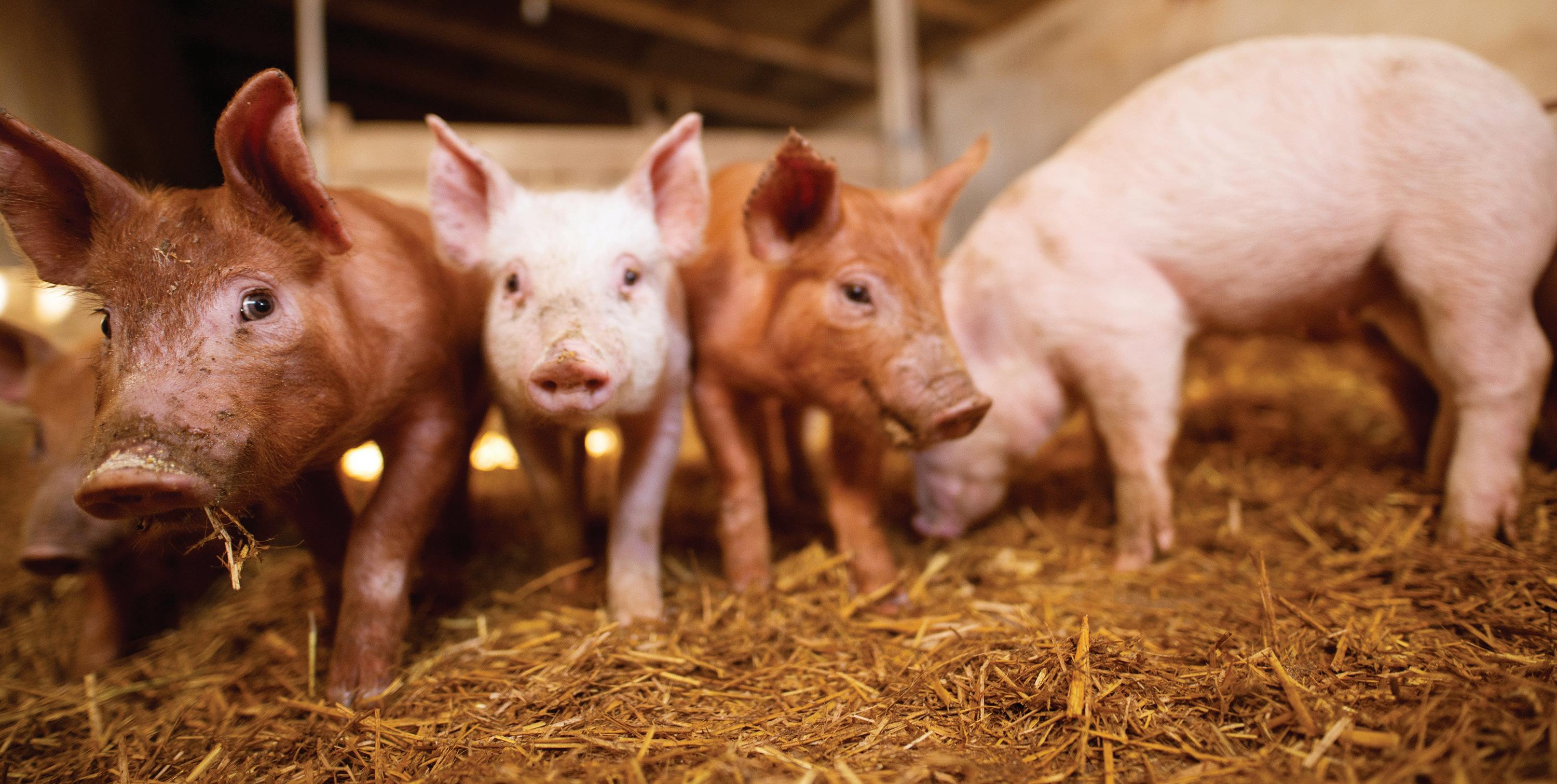
Out here, the day begins before the sun stretches across the horizon. The air smells of damp earth, fresh hay, and crisp morning coolness. You can hear the gentle lowing of cows, the snorting of pigs, and maybe a rooster crowing in the distance (yes, really).
Boots crunch across gravel as farmers check on their animals—tossing grain into troughs, refilling water tanks, and offering a gentle pat to a calf that’s still a bit wobbly on its legs. Chickens cluck and flap in the coop, eager for feed. Horses stamp and snort,
ears flicking toward the barn doors. This is more than chores—it’s care, routine, and a kind of peace that only comes when you’re working with nature.
A Life in Rhythm with the Land
Farming follows nature’s clock. Spring is muddy and hopeful, with the smell of turned soil and diesel engines humming as tractors prep the fields. Seeding days mean long hours, fast meals, and fingers crossed for just the right mix of sun and rain.
Summer buzzes with life: bees in the clover, frogs in the sloughs, grain swaying in the warm wind. The sun hangs heavy in the sky, and so do the responsibilities. On mixed farms, calves and piglets are growing fast. Fencing gets mended, machinery gets tuned, and weather is watched like a hawk.
Come fall, harvest is a race. Combines roar across golden fields while the air fills with the smell of grain dust and dry stalks. The farmyard glows orange at sunset, with trucks lined up, dogs barking, and hands sticky from eating just one more apple straight off the tree.
“And yet, the farmers keep going. Not because it’s easy— but because it matters. “
The Cycle of Life
If you’ve ever looked into a cow’s eyes, you know there’s a softness there—curiosity, calm, and maybe even recognition. These animals aren’t just inventory. They’re part of the daily rhythm, the heartbeat of the farm.
Farmers know their animals like neighbours. They remember the first calf they pulled free on a cold spring morning, the lamb that needed bottlefeeding during a blizzard, or the piglet that followed them around like a puppy. They laugh at the hen who insists on nesting in a flowerpot or the goat who somehow always escapes the pen—no matter how many times it’s fixed.
There’s joy when healthy twins are born, frustration when a fence breaks (again), and heartbreak when an animal doesn’t make it. But through it all, there’s pride—a quiet, grounded pride—in raising animals with dignity and care.
Because on a good farm, animal welfare isn’t a buzzword. It’s a way of life. These creatures are raised with respect, fed well, sheltered from the cold, and given room to move and grow. And when the time comes for them to become part of our food system, it’s done with intention and honour. That’s what good stewardship looks like. And it’s
what makes the difference between just food and food with a story.
The Harvest Keepers
Behind every meal grown on the prairies is a farmer making a thousand decisions—big and small. What to plant this season? Will the weather hold? Is the grain dry enough to store? Should we invest in a new combine, or fix the old one one more time? Do we have enough hay for winter?
But the decisions aren’t just practical. They’re deeply personal. Farming takes a toll—physically, emotionally, mentally. There are sleepless nights after a hailstorm, tight months when prices drop, and silent prayers whispered in dusty trucks.
And yet, the farmers keep going. Not because it’s easy—but because it matters. They do it for their kids, for their communities, for the land that holds their family history. They do it because growing food is one of the oldest, truest ways to serve others.
So the next time you prepare a meal with Canadiangrown ingredients, remember: there’s more than protein, fibre, and vitamins on your plate.
There’s also perseverance, care, and hope—served fresh from the farm. n
Cartology What Your Grocery List Says About You
Everyone eats, but not everyone shops the same way. Some of us roll through the store with military precision, list in hand and route mapped out. Others float from aisle to aisle on vibes alone, entranced by samples and smells. And no matter your style, your grocery list—digital, mental, or scribbled on a receipt—is a map of your week, your values, and your inner life.
Welcome to Cartology: the unofficial science of how we shop and why we make the lists we do.
The Grocery List Archetypes: Which One Are You?
Your grocery list says more than you think. Find out your Cartology type!
b) Something seasonal, something spicy, something new.
c) Three kinds of milk, two snack requests, and a backup dinner plan.
d) Bread, maybe eggs... Wait, did I forget coffee again?
a) Pull up your carefully planned list, organized by aisle.
b) Head to the store and see what inspires you.
c) Double-check your family’s favorites and dietary needs.
d) Grab your keys and wing it—whatever happens, happens.
a) Strategic and essential. I even revise mid-shop.
b) Loose. More of a suggestion than a rule.
c) Collaborative. Everyone contributes.
d) Fleeting. I write them and forget them on the counter.
a) Everything on your premapped list.
a) It throws off the whole week.
b) No big deal— I improvise.
c) I worry someone will be disappointed.
d) I only notice the next morning.
feel most satisfied after a grocery trip when…
a) Everything is crossed off and fits the plan.
b) You discovered something totally unexpected and fun.
The results are in!
Let’s take a tour through the most common list-making identities.
Mostly A’s The Strategist
You’ve got a system— and it works. Your list is built around meals, store layout, or maybe even a budget tracker. You optimize for efficiency and hate doubling back for missed items.
• Superpower: You never forget anything.
• Weak spot: If the store rearranges its aisles, it feels like betrayal.
Mostly B’s The Forager
Your list is loose (if it exists at all). You like to see what’s in season, what’s on special, or what catches your eye. Grocery shopping is a creative process.
• Superpower: Spontaneous genius meals.
• Weak spot: You went in for eggs and came out with five dips and a pomegranate.
Mostly C’s The Caretaker
You shop for others— literally and emotionally. Your list is a collage of preferences, allergies, and comfort foods. You remember who likes what and when.
• Superpower: You’re the reason everyone eats well.
• Weak spot: You forget about yourself sometimes.
Mostly D’s The Ghost Shopper
You shop the way you live: in the moment. Maybe you always buy the same basics. Maybe you just trust the universe (and your memory). Either way, lists are optional.
• Superpower: Fast, flexible, no-frills.
• Weak spot: What do you mean there’s no coffee?
The Psychology of the List
Grocery lists seem simple, but they’re doing deep work in the background. Making a list helps us offload mental clutter—what psychologists call cognitive offloading. We feel calmer, more in control, and less likely to pace the dairy aisle muttering “what was it again?”
But it’s not just functional. A list is often:
• A statement of intention (“I’m cooking this week!”)
• A mirror of identity (plant-based? nostalgic snacks? global pantry staples?)
• A little bit aspirational (hello, untouched quinoa)
Some lists are highly structured. Others are a chaotic stream of thought: bananas, dog food, that sauce from that TikTok video. Either way, the act of writing a list—even if you forget it on the counter—has already started reshaping your shopping psychology.
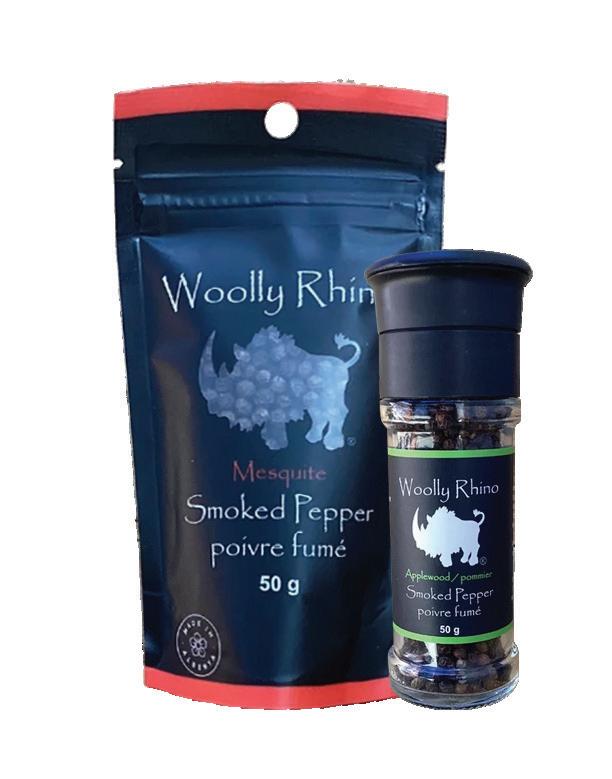
Open flame cold smoked Peppercorns, using a variety of premium hand selected hardwoods offering distinct flavour and aroma. The result… robust smoked pepper that effortlessly adds a smoke-kissed experience to every dish. All Natural, Single Ingredient. No additives or artificial flavour. Taking your special cuts to the next eshalon of a dining experience.
From Tuesday TopUps to Cultural Feasts
The Everyday Shop
It’s your midweek swing through the store. You know what you’re out of, maybe what you should eat, and you’re operating somewhere between autopilot and ambition. There’s comfort in the routine. You’ve got your staples. Maybe a treat. You leave knowing the fridge will make sense again.
The Holiday Shop
Now things get interesting. Holidays transform our grocery lists into cultural roadmaps.
• Diwali? Your list is full of cardamom, ghee, flour for sweets, and savory snacks for guests.
• Lunar New Year? Whole fish, dumpling wrappers, and symbolic ingredients crowd your cart.
• Thanksgiving? There’s turkey, cranberries, and a quiet panic about who’s bringing what.
• Ramadan or Eid? Dates, saffron, rosewater, and celebratory ingredients join the staples.
• Christmas? Hanukkah? Solstice? It’s all about the foods that feel like home.
Holiday shopping blends emotion, tradition, and pressure. The list becomes sacred: part recipe index, part memory lane, part to-do list from ten different relatives. You’re not just shopping. You’re curating a moment.
The Ritual of the Cart
Whatever your list looks like—and however you shop it—there’s something deeply human about the ritual. We prepare. We choose. We feed. Whether your cart holds scratch-made ingredients or convenience foods, it’s loaded with more than groceries. It’s filled with:
• Preferences
• Routines
• Cravings
• Culture
• Care
Some weeks your list is practical. Other weeks, it’s a love letter to your future self. Either way, Cartology reminds us that a grocery trip is never just a grocery trip. It’s a small, meaningful piece of life, written one item at a time.n
Candian Producers & Innovators of
FRESH NEVER FROZEN
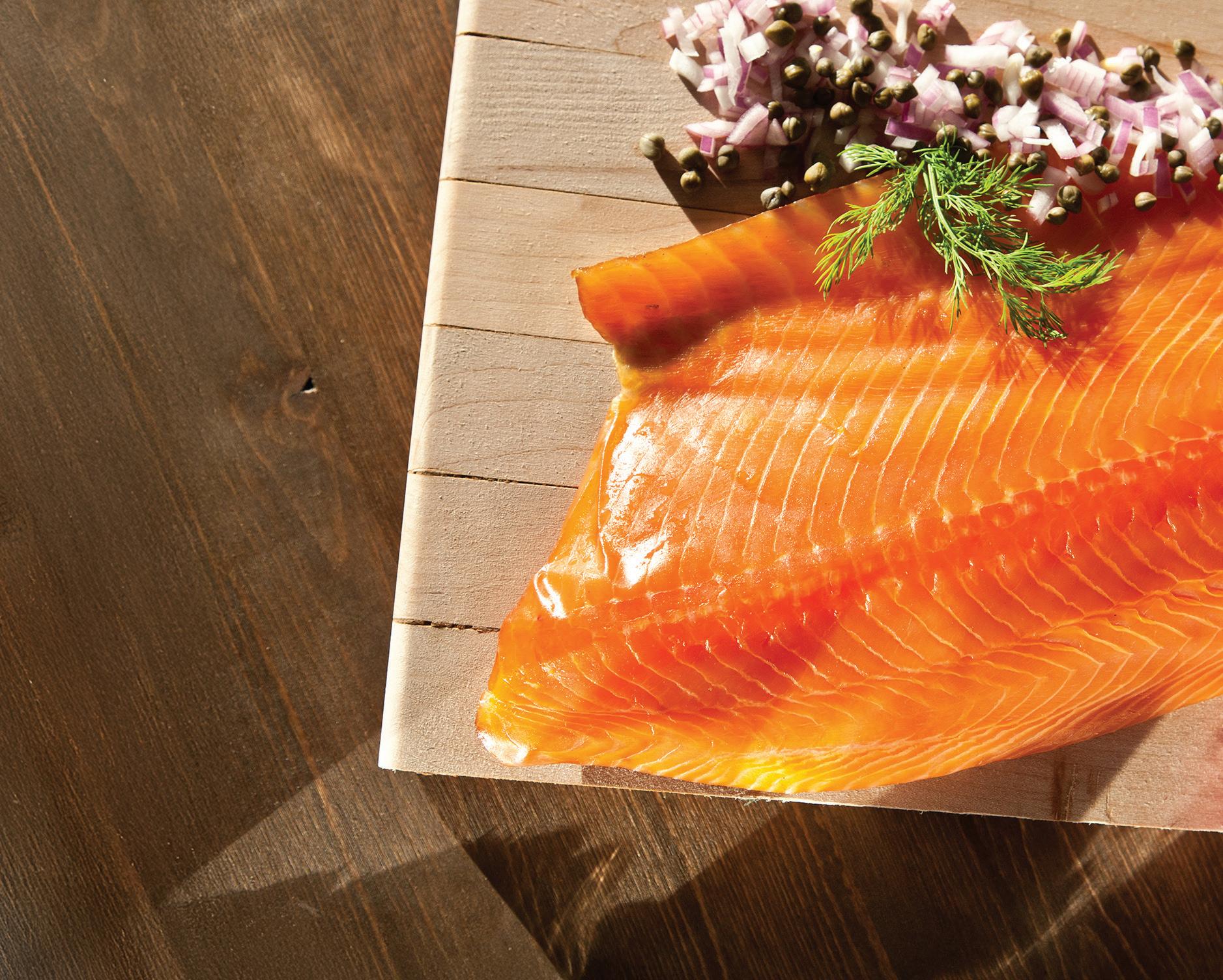
Atlantic Cold Smoked Salmon (Lox) & other fine Salmon products
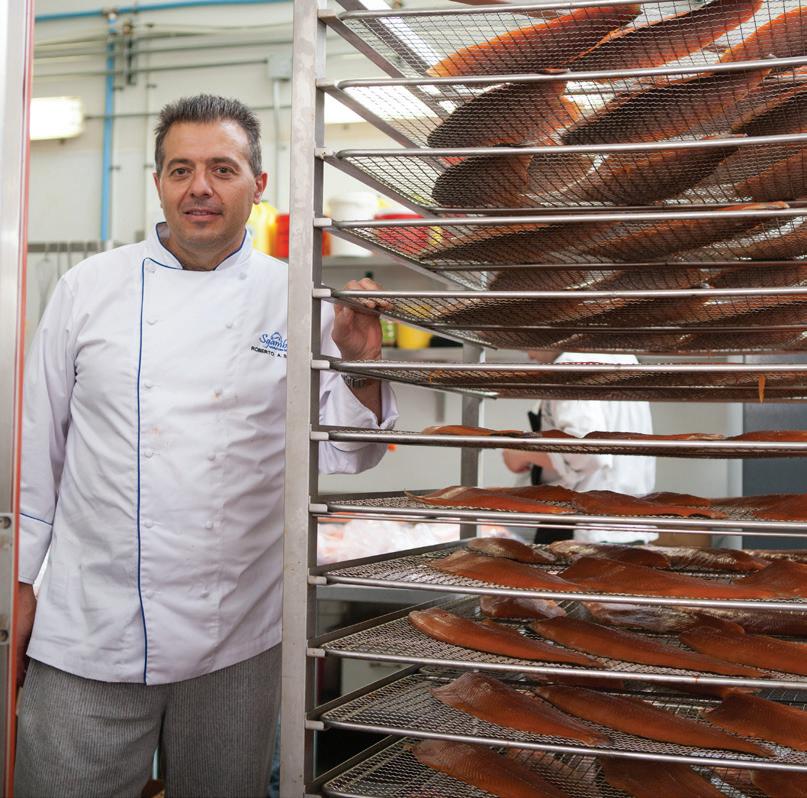
Specializing in fine gourmet salmon product, our unique product line includes Atlantic Cold Smoked Salmon (lox), Gravlax , Salmon Sausage, Salmon burgers, Salmon Pate, Salmon Jerky and our very own delicious three mustard dill sauce.
Proudly made in our state-of-the-art facility in Edmonton, Alberta and shipped to fine retailers, restaurants and hotels across the province of Alberta.
PROUD MEMBER OF
Hey Kids!
Welcome to Maple Grove Canada
Coming up next you will get a chance to be creative and draw. But first, let’s meet our furry forest friends and colour them in!
The clever coyote
The friendly polar bear
The curious bluejay
The twin beavers
Billy & Bobby
Winter Fun
Colouring Page
It was a bright morning in Maple Grove Canada, and SAPPY had a sweet idea:
“A day of winter fun! Let’s invite
she chirped in French.
Cam, the clever coyote, arrived last with wildflower syrup and a mystery word: “Do you know how to say ‘fork’ in French?”
he asked with a wink.
Bobby and Billy, the twin beavers, showed up with homemade butter and big maple grins.
“Don’t worry— we’ve got beurre!” said Billy proudly.
It’s how we talk, how we learn, and how we care. framboises and bleuets!”
The table was full, but something was missing... Plates!
“Oh no!”
said SAPPY. Everyone looked around, until Jay flapped her wings with an idea.
“I brought une assiette just in case!” They all laughed, shared, and learned new words— because in Maple Grove, food isn’t just fuel.