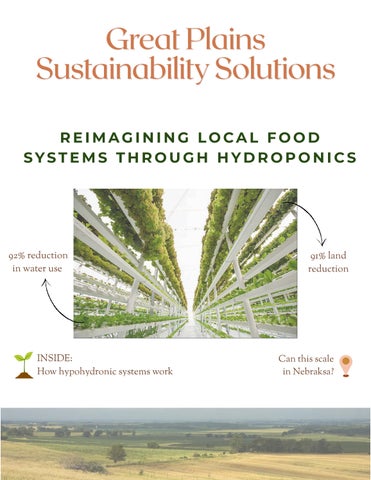

REIMAGINING LOCAL FOOD SYSTEMS THROUGH HYDROPONICS
92% reduction in water use
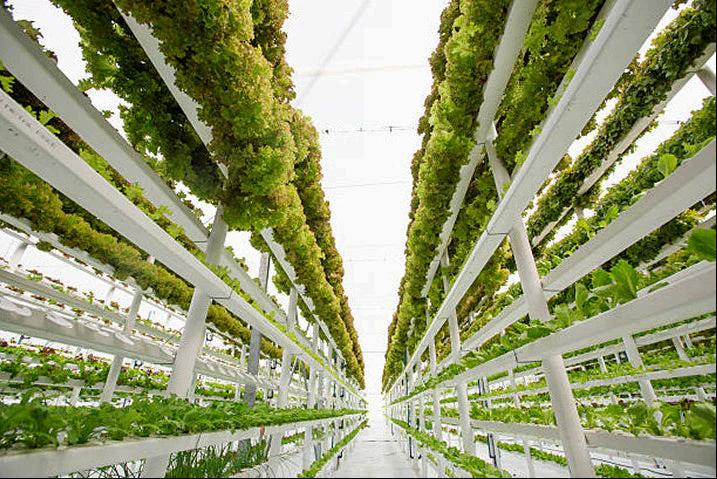

91% land reduction
INSIDE: How hypohydronic systems work Can this scale in Nebraksa?


WhyLocalFoodSystemsNeedaRethink
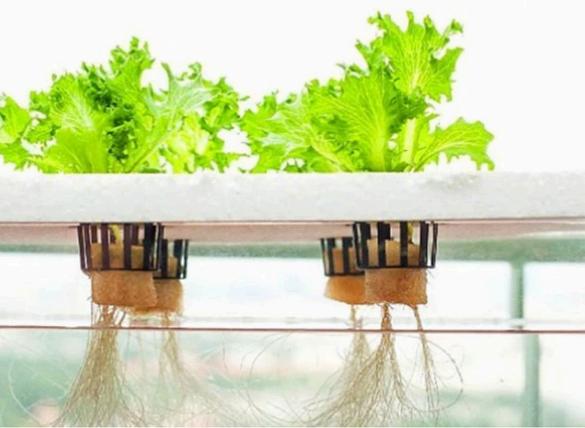
In Lincoln, Nebraska, hydroponics is emerging as a sustainable solution to modern food challenges. The Nutrient Film Technique (NFT) grows plants without soil by circulating nutrient-rich water directly to plant roots.

LOCAL INNOVATION. STRONGER COMMUNITY.
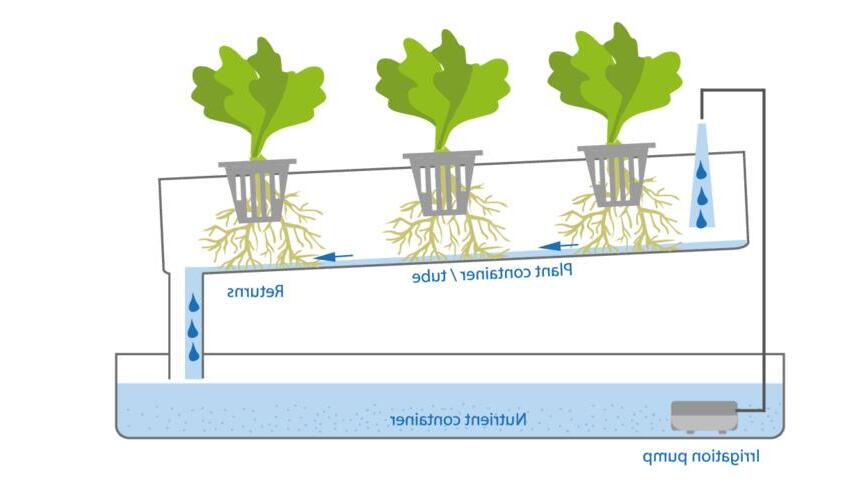
A thin film of nutrient-rich water continuously flows along shallow channels, bathing the roots of plants The water is then recirculated, reducing waste and maximizing growth.
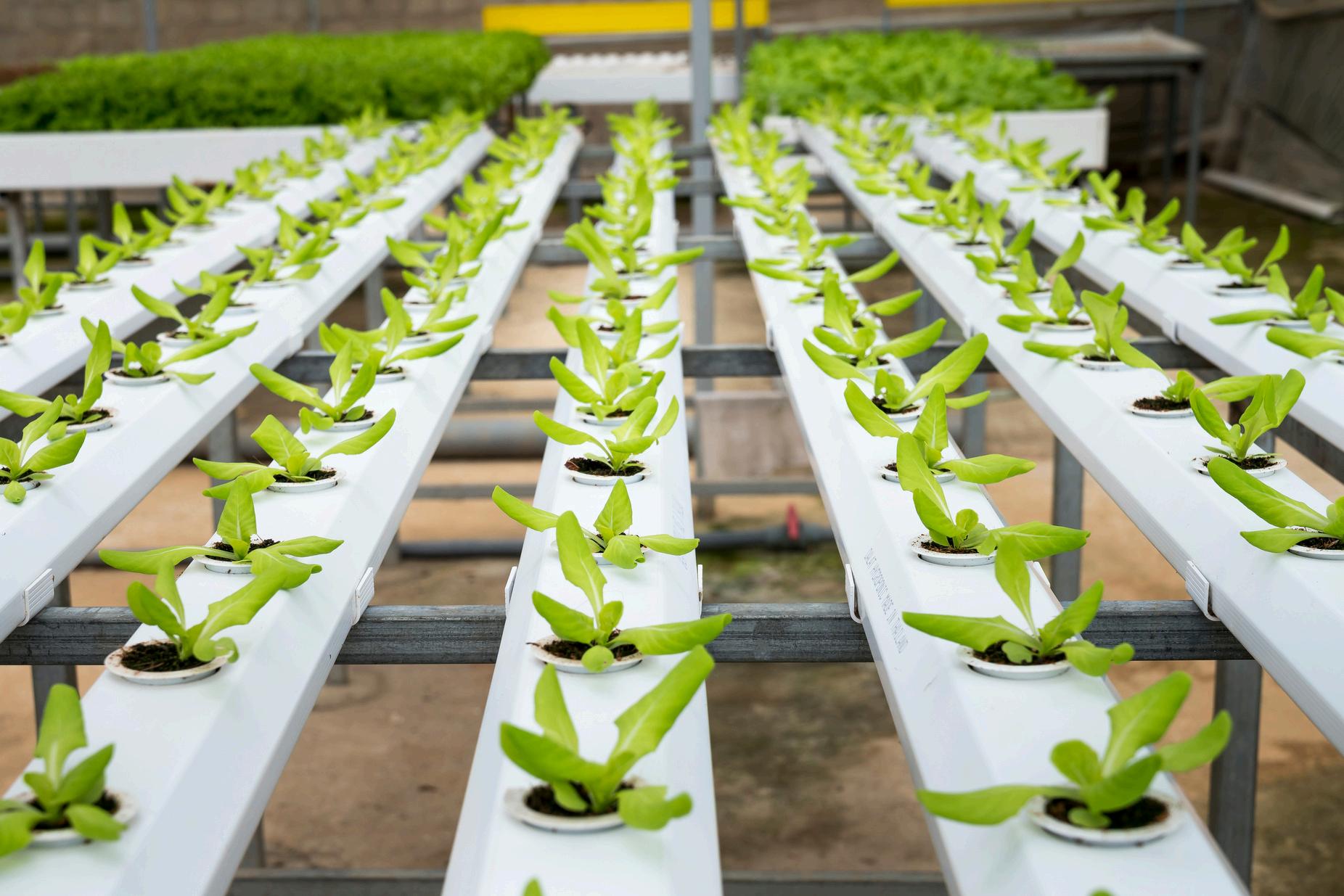
Nebraska is home to several innovative indoor farms using hydroponic technology including:
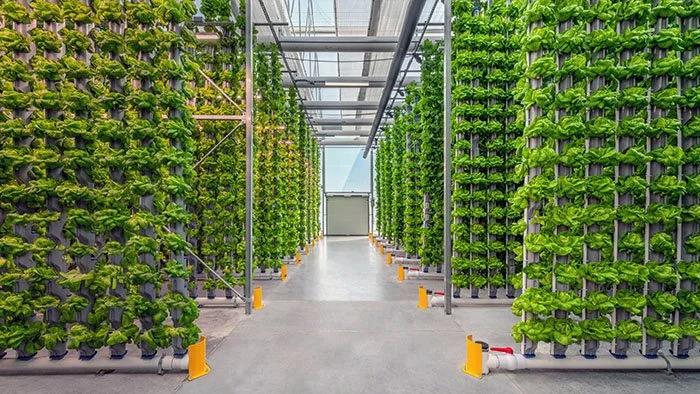
Avert Vertical Cultivations - Lincoln, NE (vertical hydroponics)
Paradigm Gardens - Omaha, NE (hydroponic system supplier)
LivFarms - Exeter, NE (vertical hydroponics)
These farms are growing fresh greens and herbs year-round, right here in the Midwest.
Can grow more produce with less land, year-round, and with limited resources
L O C A L M A R K E T S
Access to fresher, local produce that supports the community.
C O N S U M E R S
Enjoy organic produce with confidence knowing it is locally sourced.
C I T Y O F L I N C O L N
Stronger local food systems, job creation, and reduced environmental impact.

Hydroponics isn’t just about growing food. It is about growing a better future for Lincoln.

Most produce travels hundreds (or thousands) of miles to reach our plates Growing locally means fresh food and fewer emissions
Nutrient film systems recirculate water within a closed loop, using up to 90% less water than traditional soil farming.
Local indoor farms are less impacted by potential extreme weather, transportation delays, and global chain disruptions, providing stability.
Nutrient
EnvironmentalBenefits
GROWINGSMARTER,NOTHARDER
How vertical hydroponics transforms environmental impact in Nebraska’s food system
Less water used vs conventional farming 95%
Water Savings
Fewer pesticides needed in closed systems 99%
Max transport distance to Lincoln retailers ~15mi
Conventional lettuce farming in Nebraska requires about 40 gallons of water per head when counting soil saturation, evaporation loss, and runoff. Our closed-loop hydroponic system recycles up to 95% of nutrient solution, resulting in 1-2 gallons per head. At 500 heads per week, we save over 1 million gallons of water annually.
Water consumption per head of lettuce (gallons used)
Conventional soil
Field hydroponic
Vertical closed-loop
Pesticide Use
Source: USDA NRCS, Hoagland & Arnon hydroponic studies, FAO Water Reports
Transportation Emissions
Lincoln’s lettuce shouldn’t be shipped from the West Coast

Enclosed greenhouse environments eliminate the factors of pests and fungal outbreaks that are present in open soil, wildlife contact, and weather variability. This makes our system much less reliant on chemical intervention, only needing one treatment per growing season. This protects both consumer health and local waterways.
The average head of lettuce travels 1,800-2,100 miles from the Central Valley of California to Lincoln’s stores, generating roughly 0.26 lbs of CO₂ per head in refrigerated goods. A Lincoln-based facility, like ours, cuts that distance to 15 miles, which reduces transport emission by over 98%.
CA → Lincoln via refrigerated semitruck. Avg of 0.26 lbs CO₂ per head Lincoln facility → Local Grocers Est
TONS
At 500 heads/week and 52 weeks/year Equivalent to removing a car for 8+ months
EconomicConsiderations
Startup Investment
WHAT IT COSTS TO GROW 500 LETTUCE HEADS PER WEEK
Greenhouse Structure
~$60,000
1,500 sq ft footprint. Vertical stacking reduces used ground area.
LED Grow Lighting
~$20,000
Full-spectrum LEDs for year-round growing conditions.
Revenue Potential
Hydroponic System
~$30,000
NFT channels, vertical towers, pumps, reservoirs, and plumbing.
Controls and Nutrients
~$10,000
pH/EC monitors, climate control, timers, and first-year nutrient supply.
PROJECTIONS AT STEADY-STATE PRODUCTION
With a wholesale price of $3–$5 per head, the operation remains competitive in the local premium market. At a production level of 500 heads per week, this equates to approximately $78,000 in annual revenue at the $3 price point. With an estimated payback period of 2–4 years, the system achieves profitability within a reasonable timeframe, creating a strong foundation for future scaling.
Transportation Savings
Traditional Chain
$0.50/HEAD
Refrigerated freight from the East Coast with a distributor markup and ~12% spoilage cost.
Local Delivery
$0.05/HEAD
Delivery in under 15 minutes. No cold-chain infrastructure or additional fees.
Local Job Creation
Locally grown, locally staffed

Shelf Life
+5-10 DAYS
On shelf within 48 hours of harvest vs 714 days for shipped products.