THE LINK PHOTOS FROM ABROAD
TABLE
ARCHITEC -
TURAL PORTFOLIO
FAY JONES
SCHOOL OF ARCHITEC -
TURE & DESIGN 2026
Hi! I am Macy! I grew up in a small town in East Texas. Growing up in a place like this, everyone knows you from an early age. You develop a close sense of community beause of your proximity. I always appreciated that. Everyone was a neighbor: always eager to lend a helping hand, let you borrow something, rally support in bad times, and give however they could.
Despite this charm of a small town, I always knew I wanted to move away when I got older. I have always been enamored by cities. I could not wait to grow up and get to one. I suppose this sparked my interest in Architecture. I entered school not having much clue about what I wanted to do with my future. Through the years I struggled finding a passion for design and, frankly, much talent for it. It didn’t click for me until fall of 2025, when I took a class called “City Design Meets City Government”. We heard from several different city workers from several different cities on how better space can be planned and designed for people. I also had the opportunity to work in a design build housing studio, where concepts and ideas of helping people became a physical reality.
Over this last year of school, my passion has felt more clear than ever. I have developed interests in city planning and development, dedication to public space, housing, and systemic change that contributes to better places for people.
At the end of the day, no matter what type of architecture or scale you work with, it all comes down to being a good neighbor. Architecture school has come full circle for me in that way. The way I was taught to take care of people growing up still applies today, and now I have been equipped to do that in my career.
ARCHITEC
FAY JONES
SCHOOL OF ARCHITECTURE & DESIGN
HOUSING PROJECTS
UNTITLED: AN AFFORDABLE HOUSING PROJECT, FALL 2025 in collaboration with the Urban Design Build Studio
STEALTH DENSITY: TRANSITIONAL HOUSING PROJECT, FALL 2023 in collaboration with Abbey Panneck
UNTITLED
Part of the Urban Design Build Studio- Fall 2025 01:
ARCHITECTURAL PORTFOLIO
FAY JONES SCHOOL OF ARCHITECTURE & DESIGN
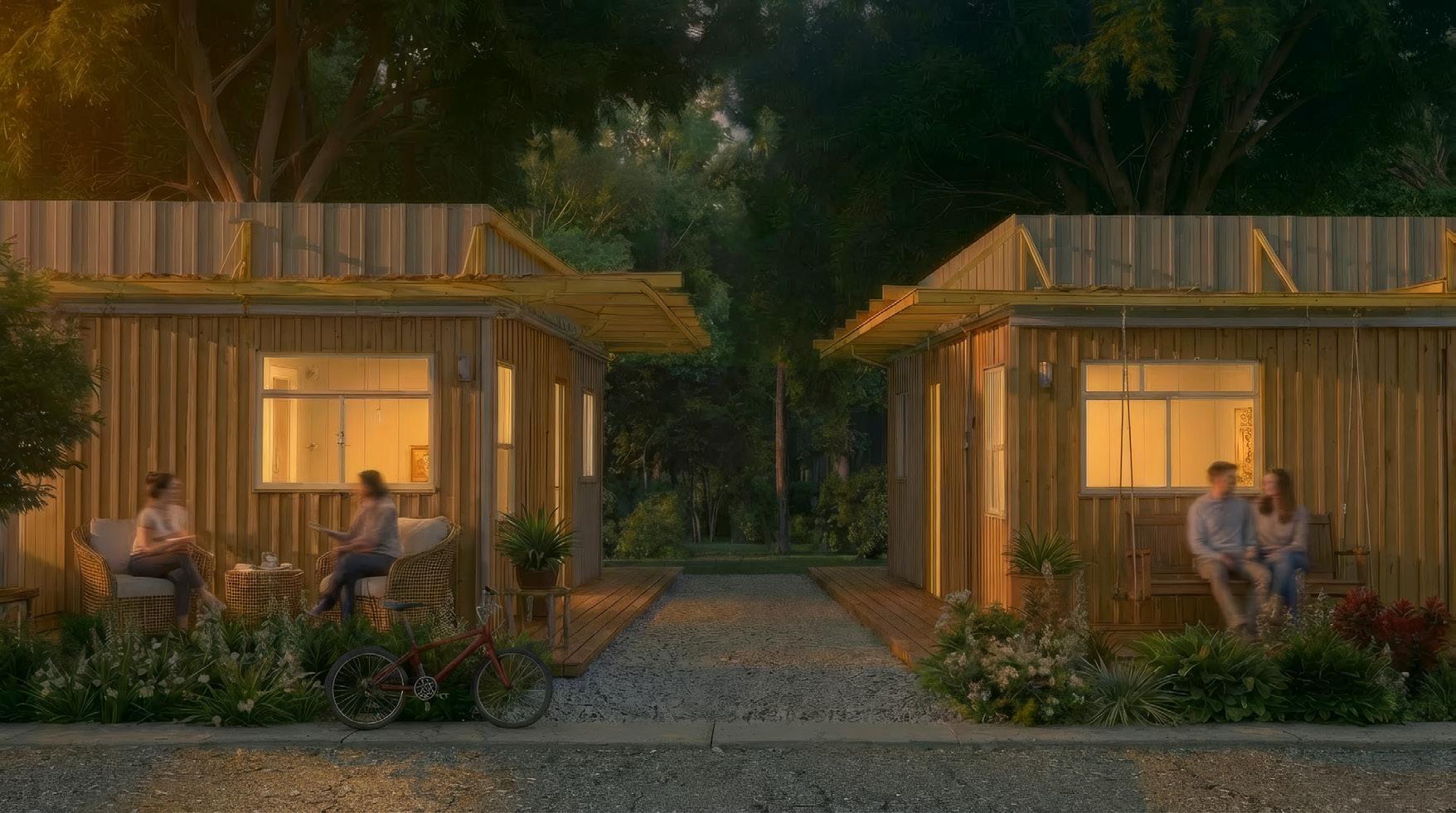
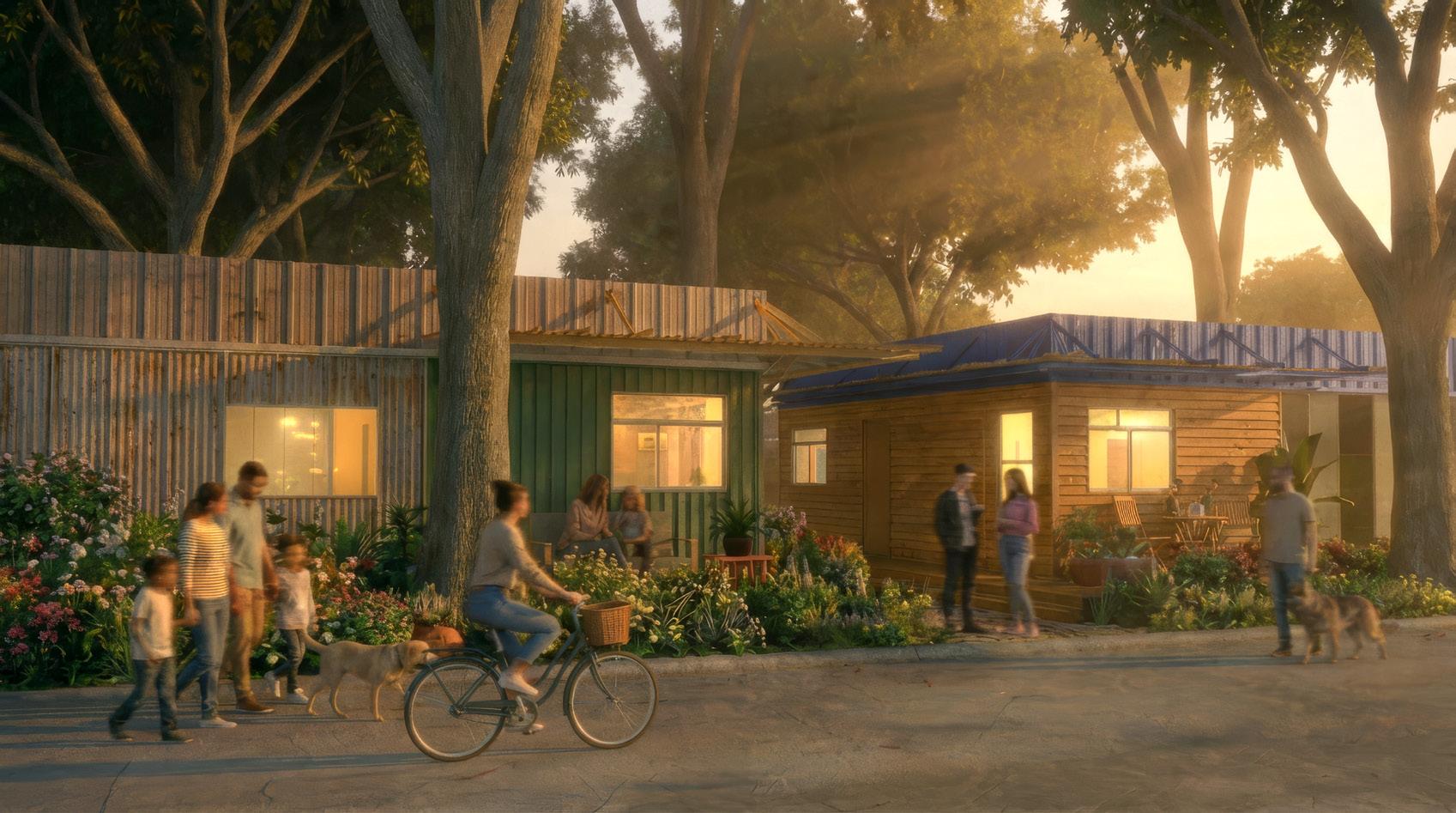
The ‘UNTITLED’ v02 Home Prototype was developed utilizing a Design to Income (DtI) Strategy for an essential workforce earning $16.00-$18.00 per hour as a mechanism to promote ownership opportunity and wealth building potential for first time home buyers. We inherited v01 from the previous UDBS semester. The previous semester developed a floor plan and form for the home. Over the course of the project, we worked to develop an efficient space that could support aspirational objectives of residents. We explored how the home could change over time, perhaps even expand, to better accomodate its residents.
We started the project seperated into groups that each took a part of the home to further design. The group I was a part of worked to develop the bathroom and vanity space. Over time, our group struggled to sythesize the work each group was producing. We were also constructing the deck for the home at the same, so we were not as efficent at times as we had hoped to be. This is when our group decided to split into two: a design team and construction team.
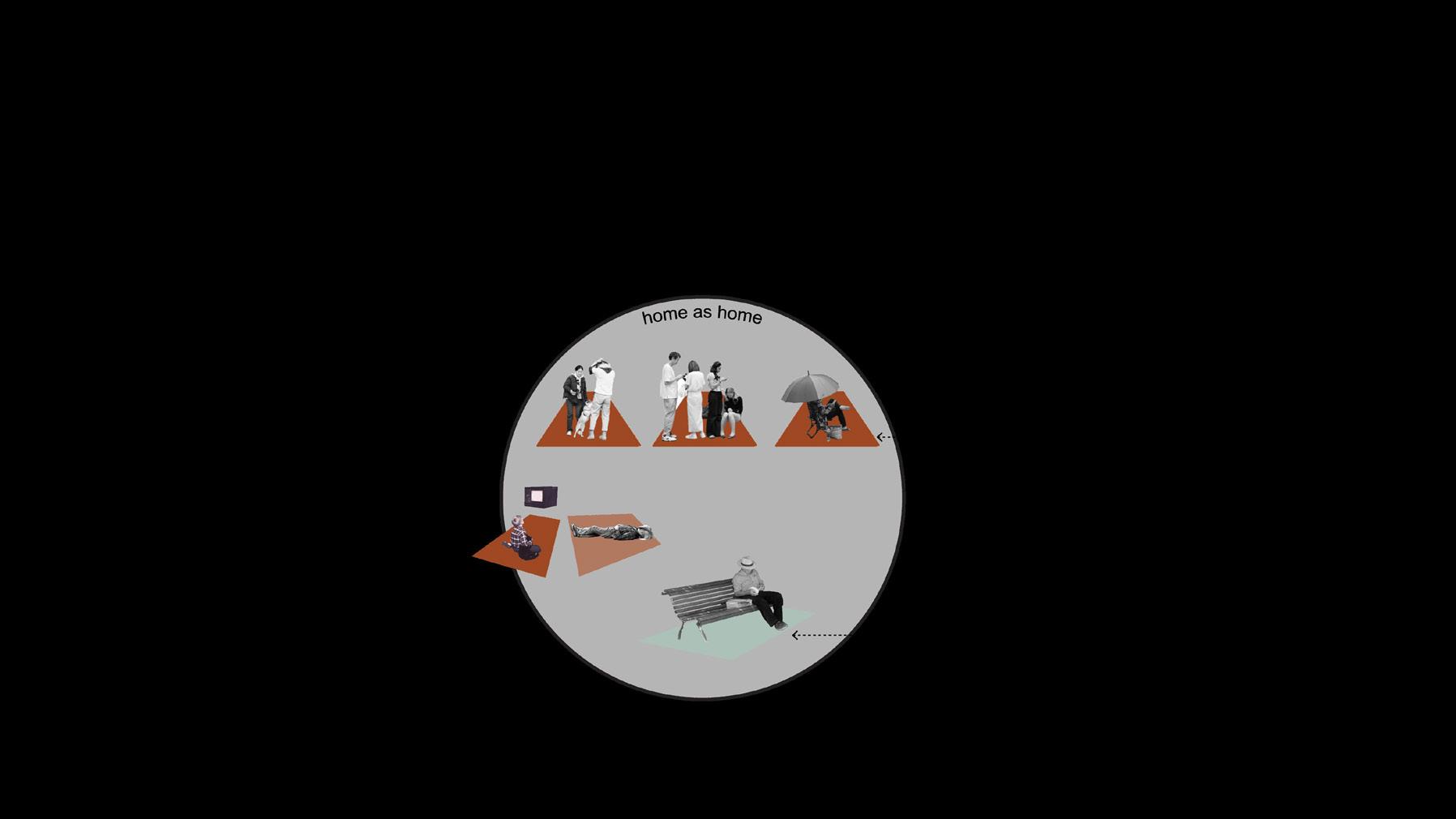
Home as Home:
how
a thoughtfully crafted
(time,
within
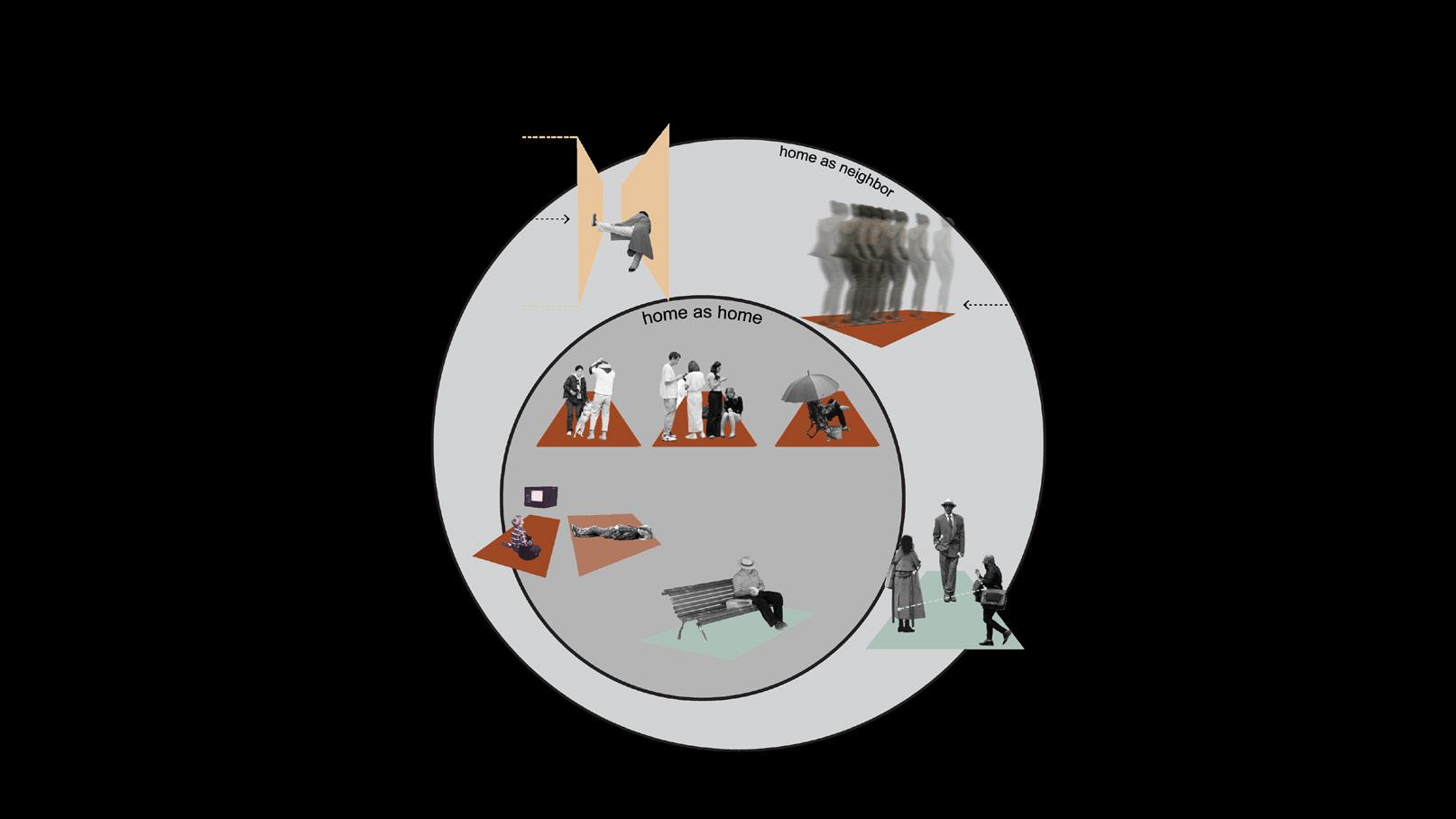
Home as Neighbor: how do neighbors interact? how can we cultivate a sense of community but also privacy and individuality?
01: UNTITLED MACY WATSON STUDENT
ARCHITECTURAL PORTFOLIO
FAY JONES
SCHOOL OF ARCHITECTURE & DESIGN
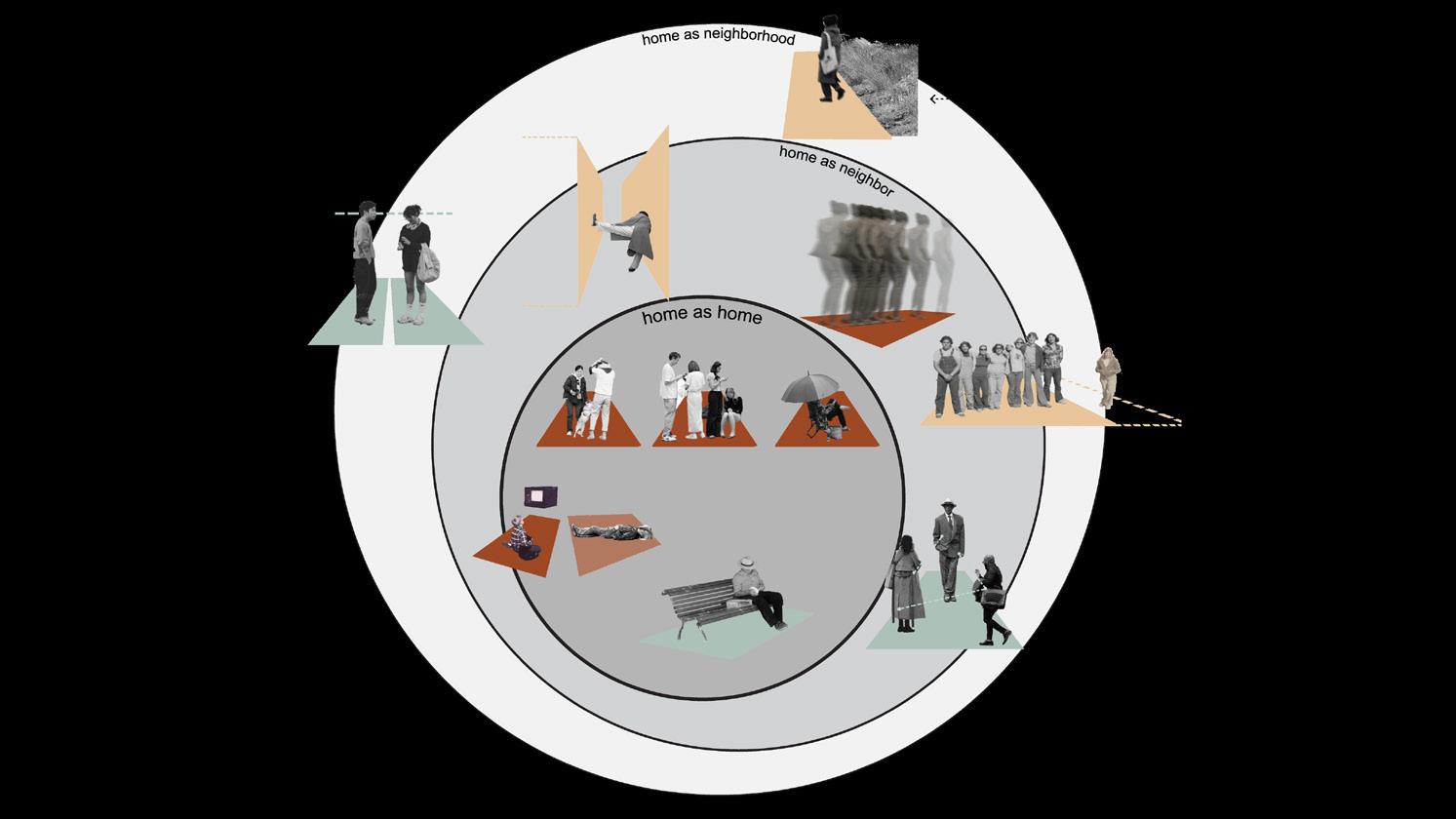
Home as Neighborhood: how do these homes connect and fit into the urban fabric of Fayetteville? how does the site give opportunities for residents to feel a part of the greater community?
Sydney, one of my colleagues, and I spent significant time discussing the project at the urban scale. We asked how these homes could not only fit within their immediate neighborhood, but also contribute to Fayetteville as a whole. The site is located in an advantageous position, offering walkable access to several key city amenities. The University, downtown, Wilson Park, and the Greenway are all within close proximity. Providing affordable housing in a location that connects residents to these places through walking and alternative transportation methods is essential to the long-term success of a project like this.
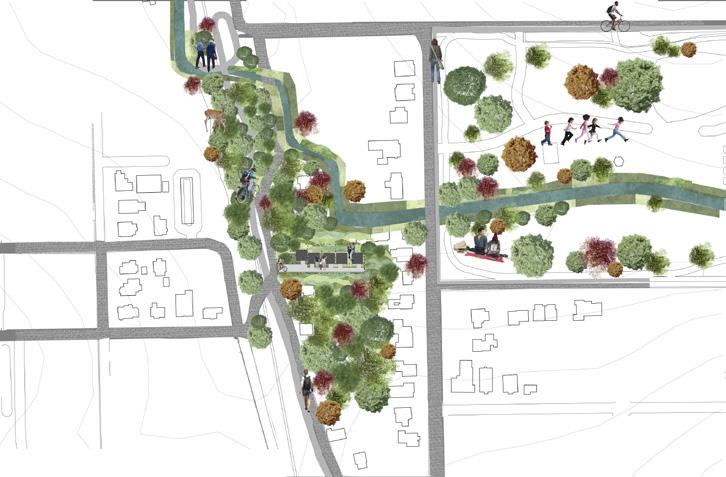
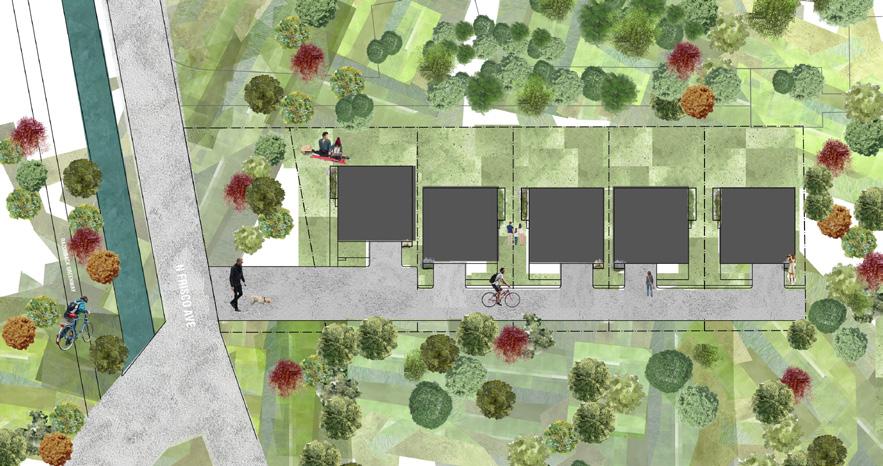
OF UNTITLED
As I stated at the beginning, the entire group started the project working on both the design and build of the home. To create more efficiency within our group, we decided it would be best to split into two teams: a construction team responsible solely for framing and producing construction documents, and a design team that broke into smaller units to continue developing the home. This shift immediately improved our efficiency, and the work began to move forward with more clarity. The interior and exterior designs also started to feel much more cohesive as a result of this new structure. Everyone had different interests within the project, and the split allowed each person to pursue those interests more closely.
The construction group wanted the ability to test the building process and better understand how prescriptive framing is used to create a space.
We originally planned to work alongside the design group, but quickly realized we would be waiting a while since they were constantly iterating on the design. We decided to move forward with framing that would support the most current version we had been given. We knew it would not be consistent with the home presented at the end of the semester, but it still gave us an opportunity to construct the physical space, which in turn helped us better understand the scale and experiential qualities of the home.
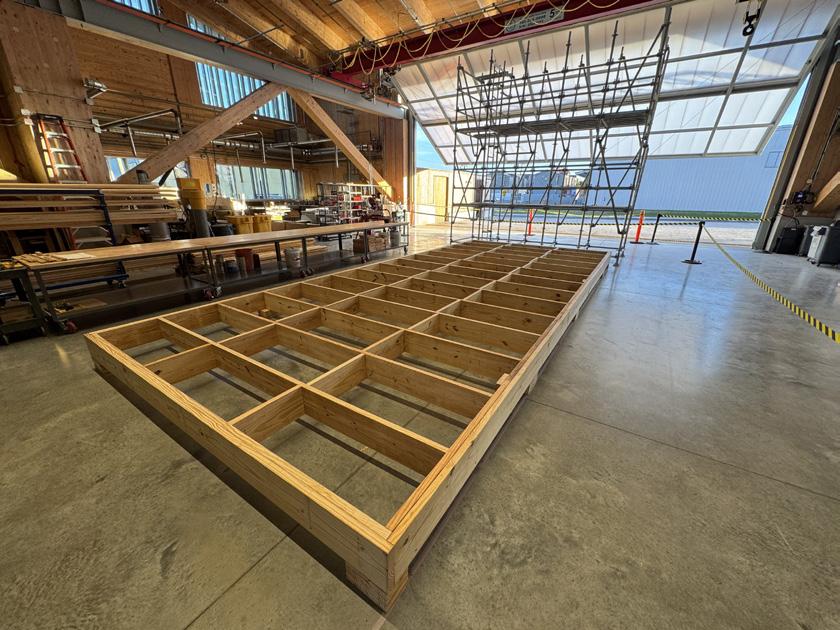
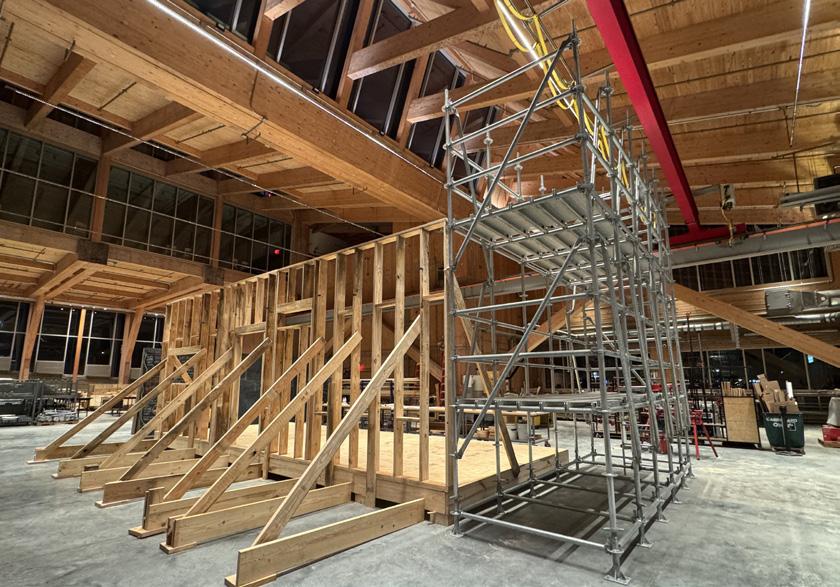
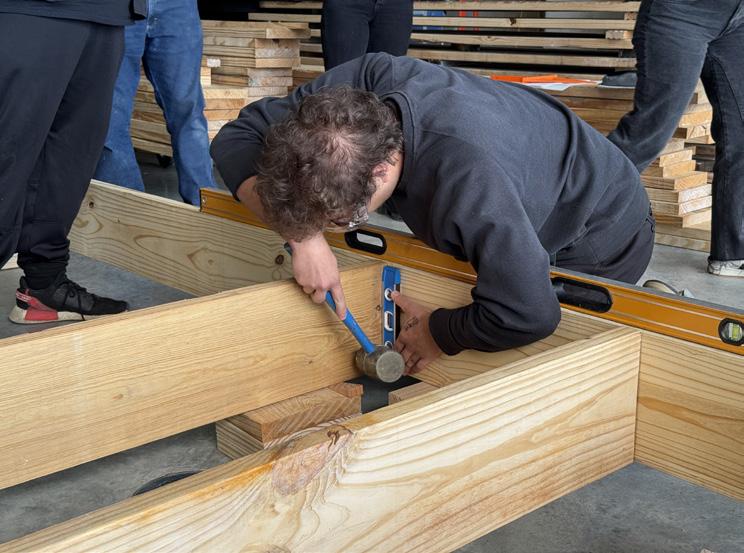
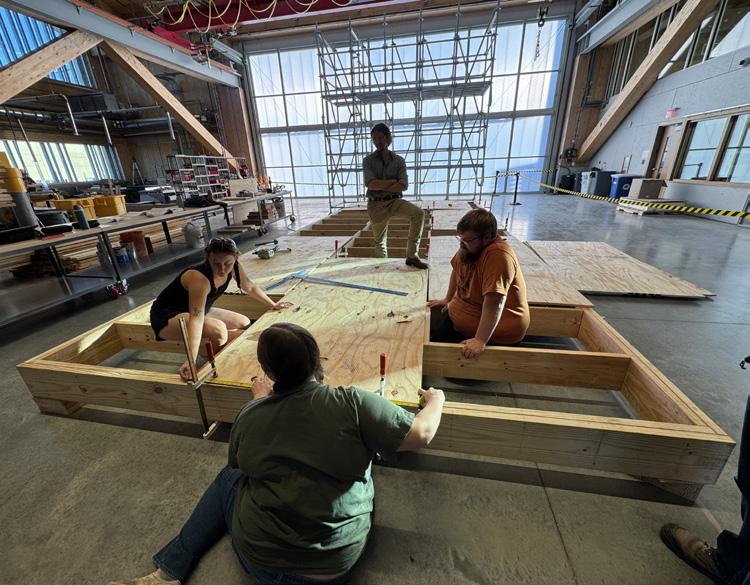
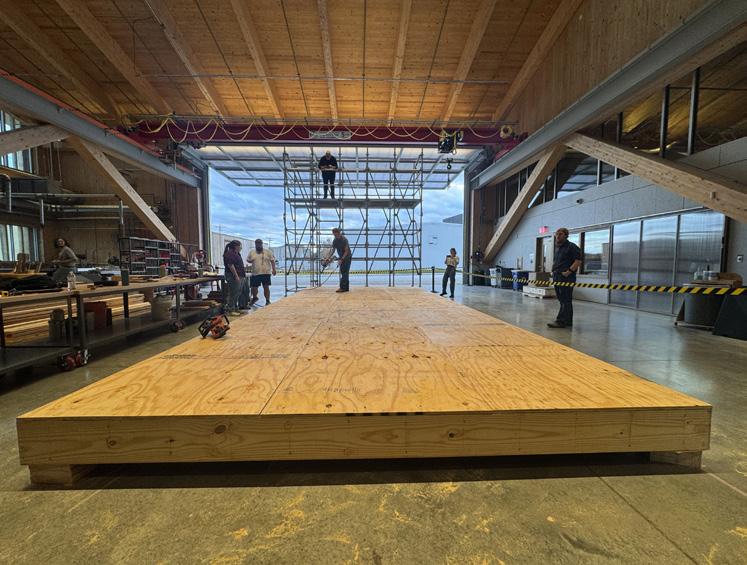
We began by framing and sheathing out the deck. This deck would then be checked by an inspector and eventually transported to the site to have a home built on it. It was so exciting to know we had made a physical contribution to these homes. After the deck was complete, we started to work on the exterior wall framing.
01: UNTITLED MACY WATSON STUDENT ARCHITECTURAL PORTFOLIO
FAY JONES
SCHOOL OF ARCHITECTURE & DESIGN
2026

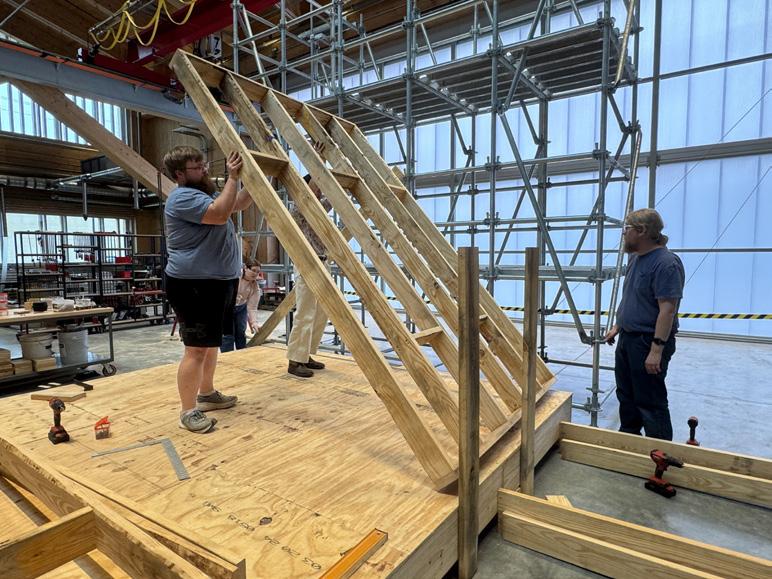
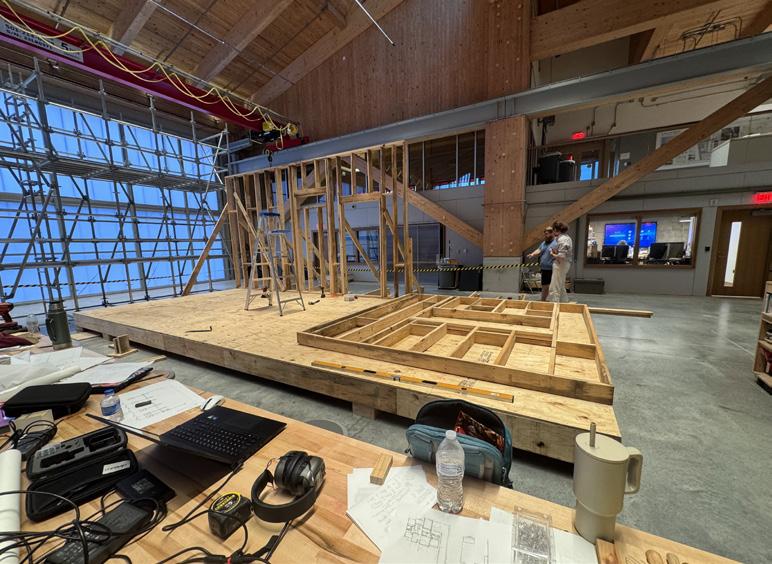
I chose to be a part of the construction group because, prior to this studio, I had not spent much time building anything. The woodshop had always been an intimidating place for me. I knew this studio would provide me with opportunities to learn about construction, tools, and materials without feeling pressure. I was allowed to make mistakes and try things without knowing if they would be successful.
I wanted to develop confidence in myself when it came to building and gain a better understanding of how different structures are put together. I came out of this semester with an eagerness to make.
I saw how this mindset could translate to other projects, even smaller ones, and it made me excited to explore more possibilities through physical work.
STEALTH DENSITY
02: STEALTH DENSITY MACY WATSON STUDENT
ARCHITECTURAL PORTFOLIO
FAY JONES SCHOOL OF ARCHITECTURE & DESIGN
Stealth Density
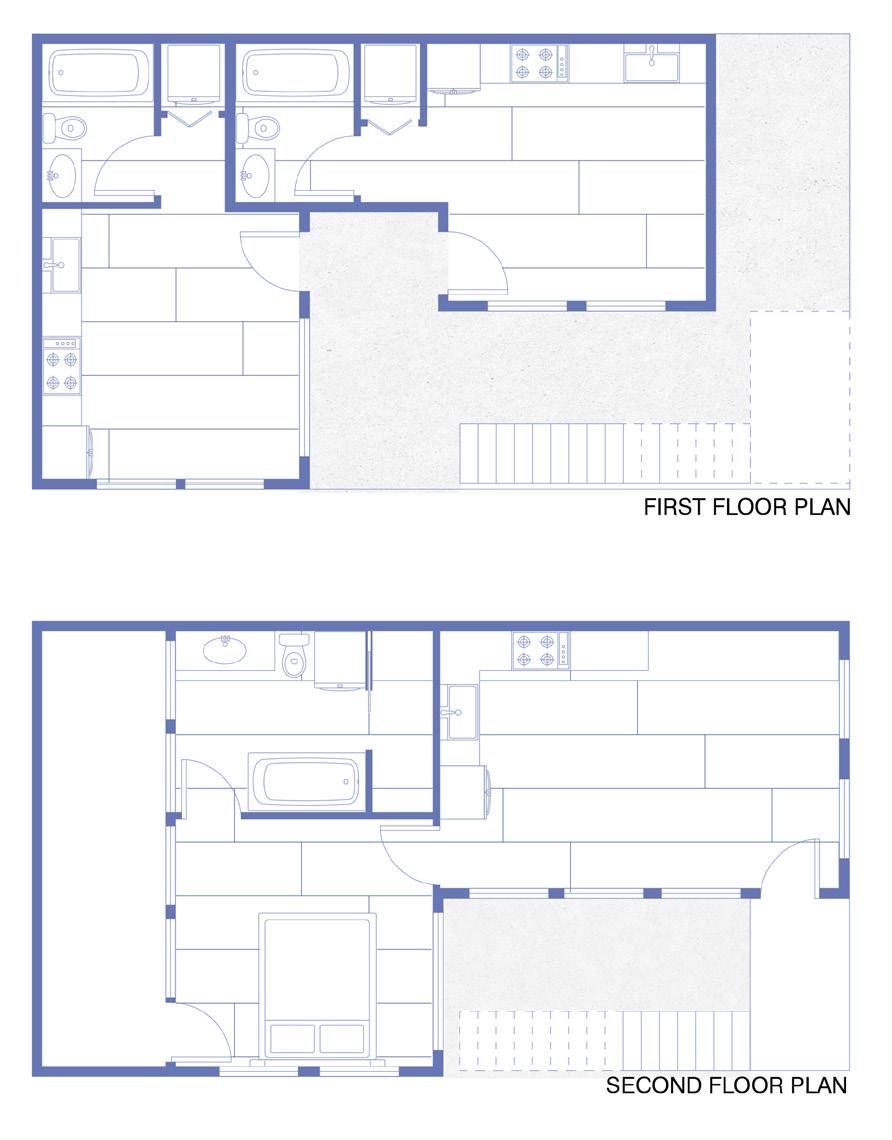
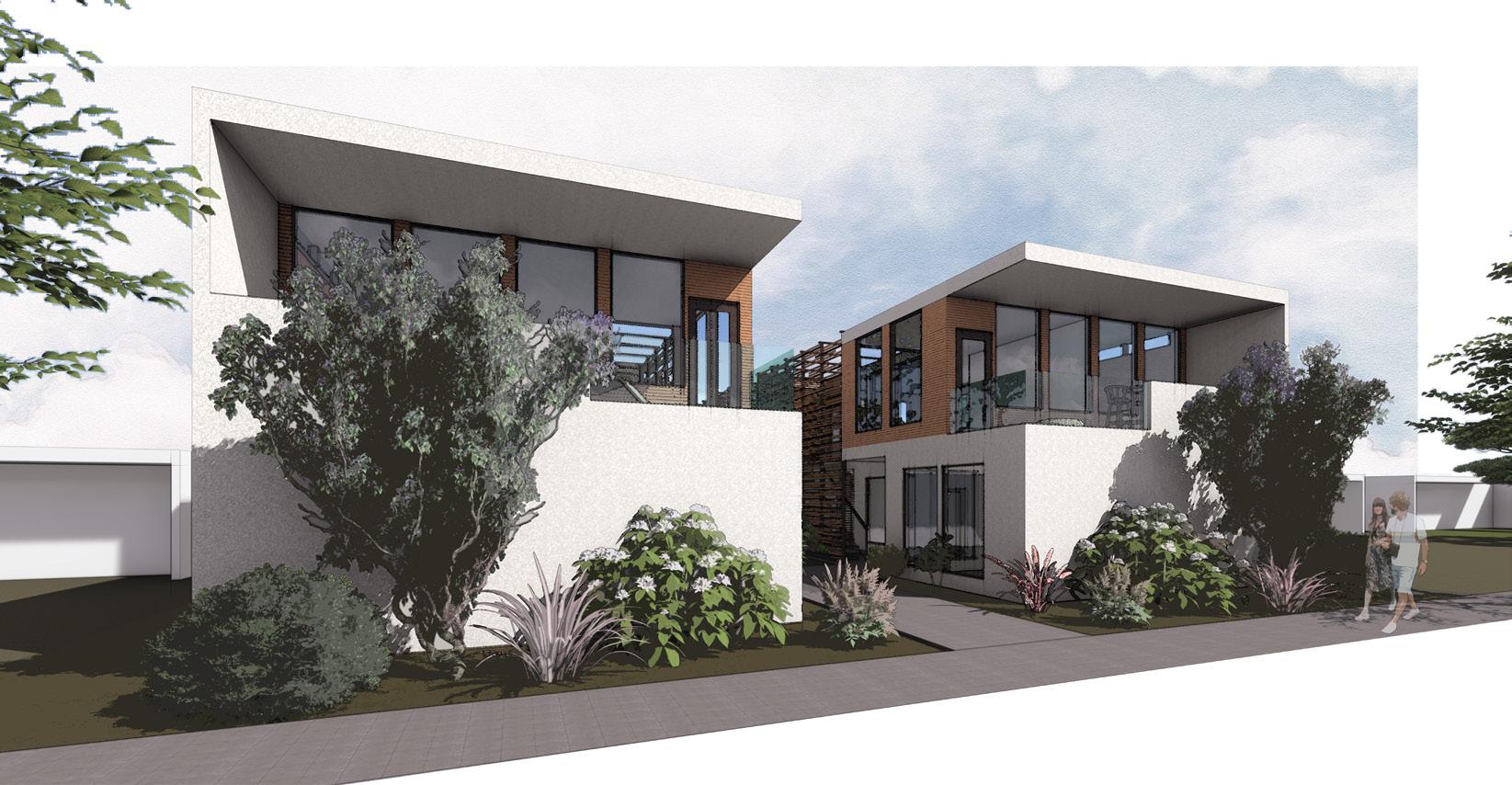
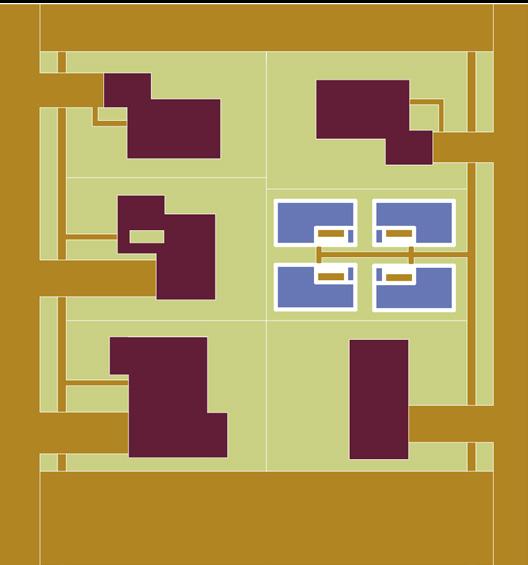
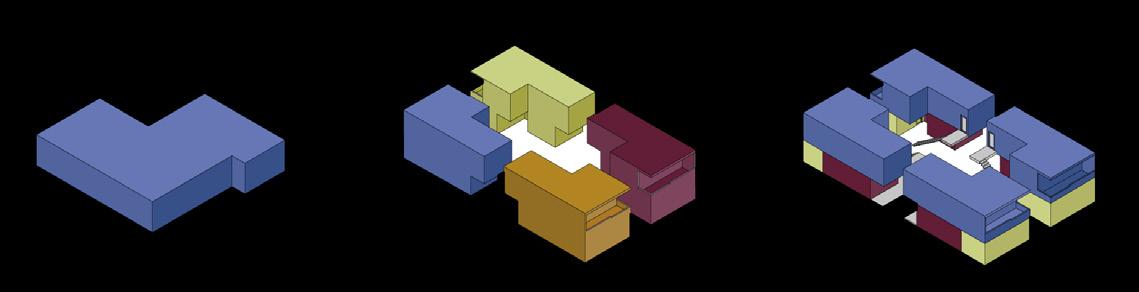
is a transitional housing project for young adults aging out of the foster care system, a group often left with limited resources and support. The design replicates one housing prototype four times to form a shared central courtyard. Each building includes two ground-floor studio apartments for mentees and a one-bedroom unit above for a live-in mentor who provides guidance with life skills, employment, and education. By pairing private living spaces with a shared courtyard and consistent layout, the project balances individuality with a strong, built-in support community
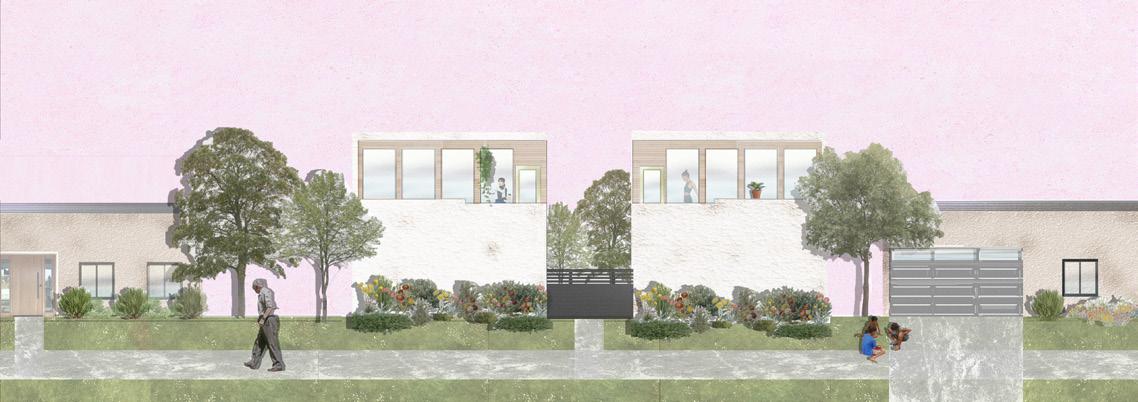
The project is called Stealth Density because, from the street, it reads as two individual two-story homes with balconies—similar to Horatio Court, which we used as a precedent. However, as you move further into the site, the full density of the project is revealed, and the courtyard community becomes apparent. Envisioned as transitional housing, the project allows residents to stay until they achieve greater stability—whether that means securing employment, beginning college, or even moving upstairs to serve as a mentor to the next group. In California, programs such as the THP (Transitional Housing Program) provide support for this demographic and could help facilitate housing models like this.
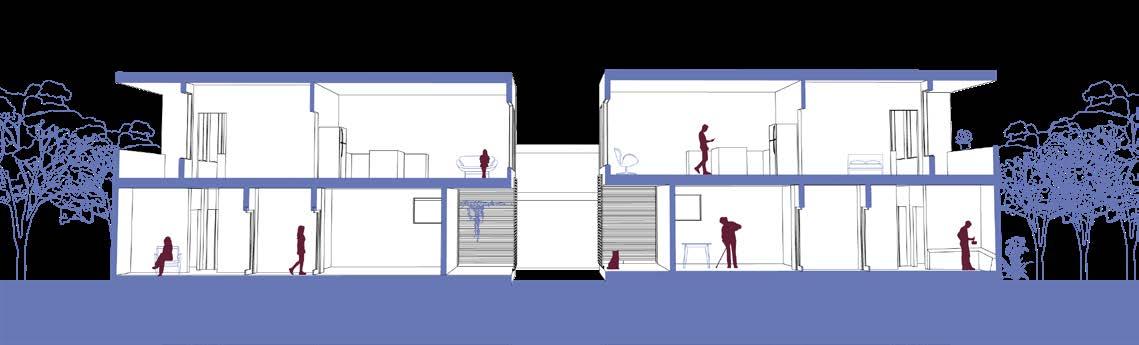
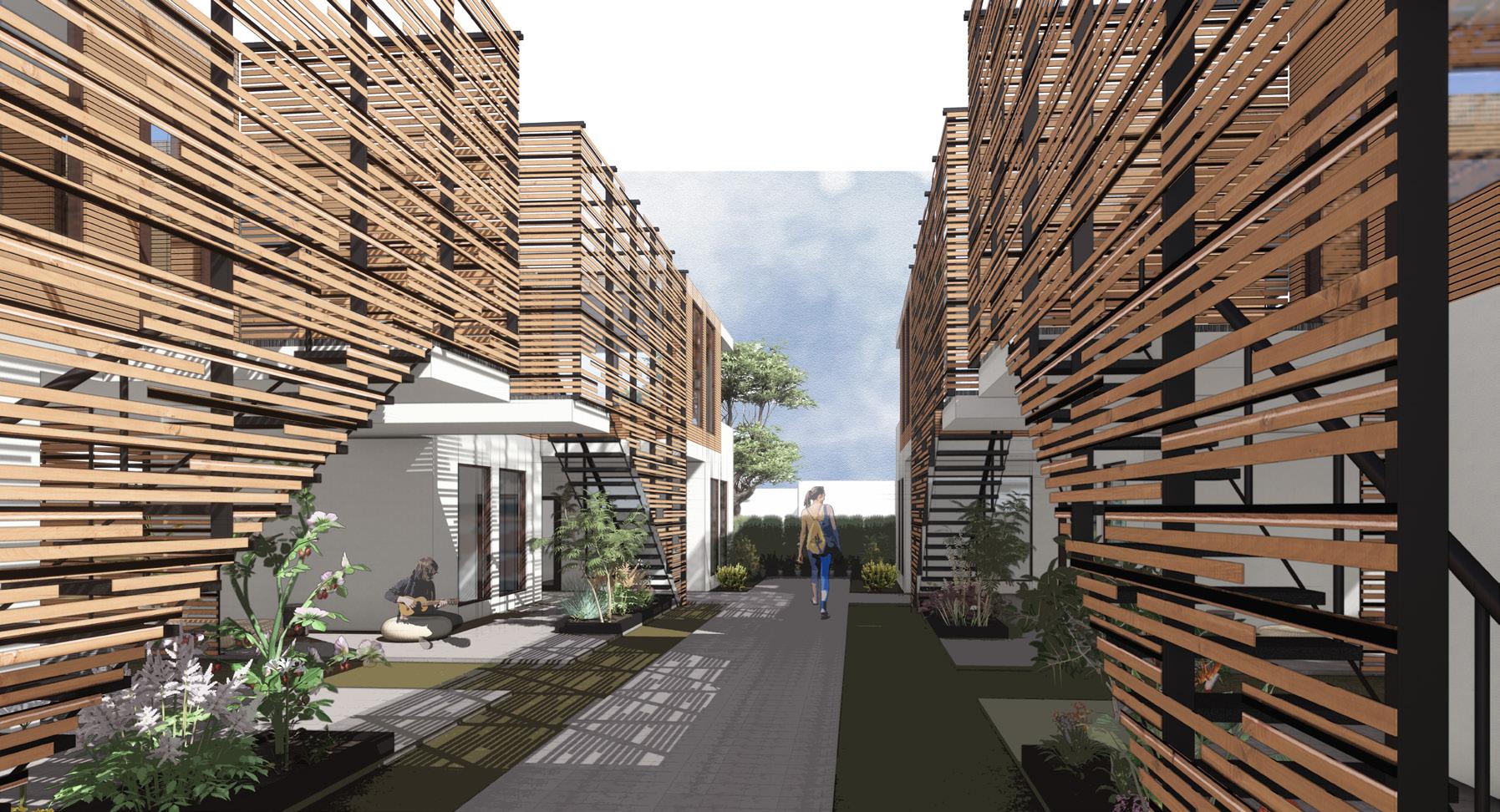
a front door.
TURE & DESIGN
URBAN DESIGN
P R O J
E C T S
TWISTING BY THE POOL: A TACTICAL URBANISM PROJECT, FALL 2025 in collaboration with the Urban Design Build Studio
ZIPPING TUFELLO: PUBLIC INFRASTUCTURE PROJECT IN THE TUFELLO NEIGHBORHOOD OF ROME, ITALY, SPRING 2025 in collaboration with Caleb Rothell, Samantha Hurd, & Haley Czeschin
THE LINK: a community space in Little Rock, AR, FALL 2024
TWISTING by the POOL
TWISTING BY THE POOL
ARCHITECTUR-
FAY JONES SCHOOL OF ARCHITECTURE & DESIGN
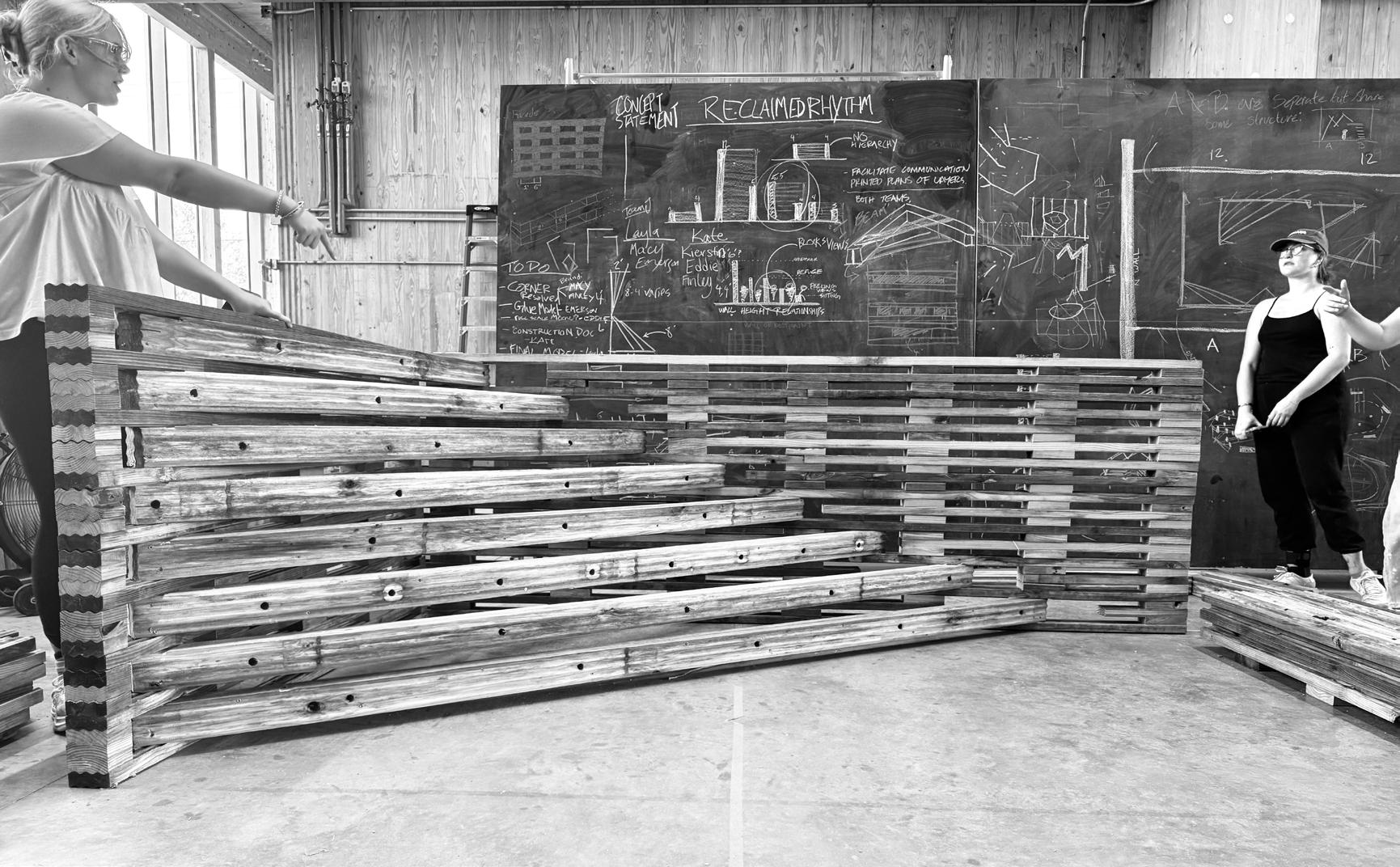
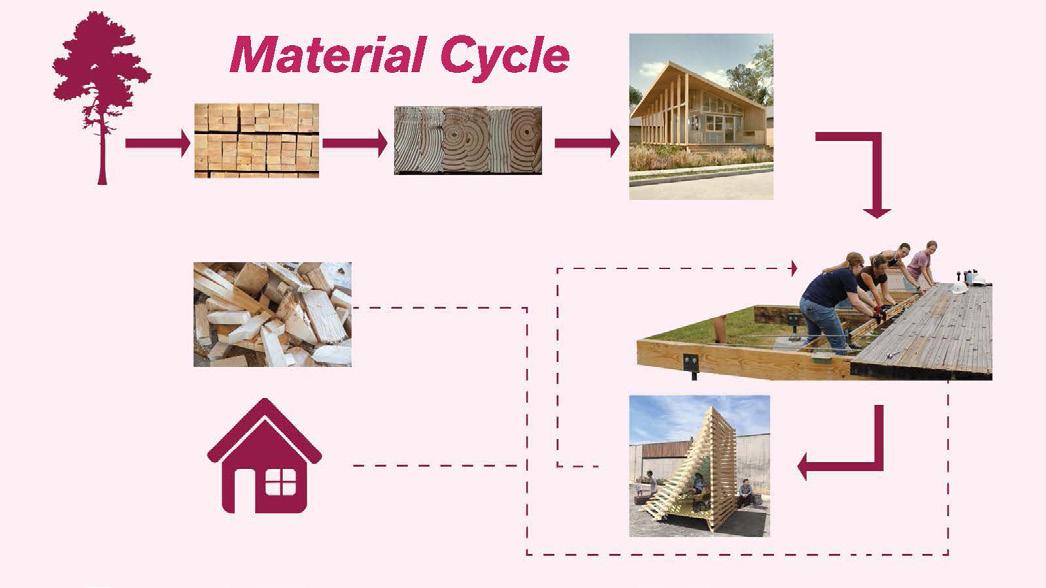
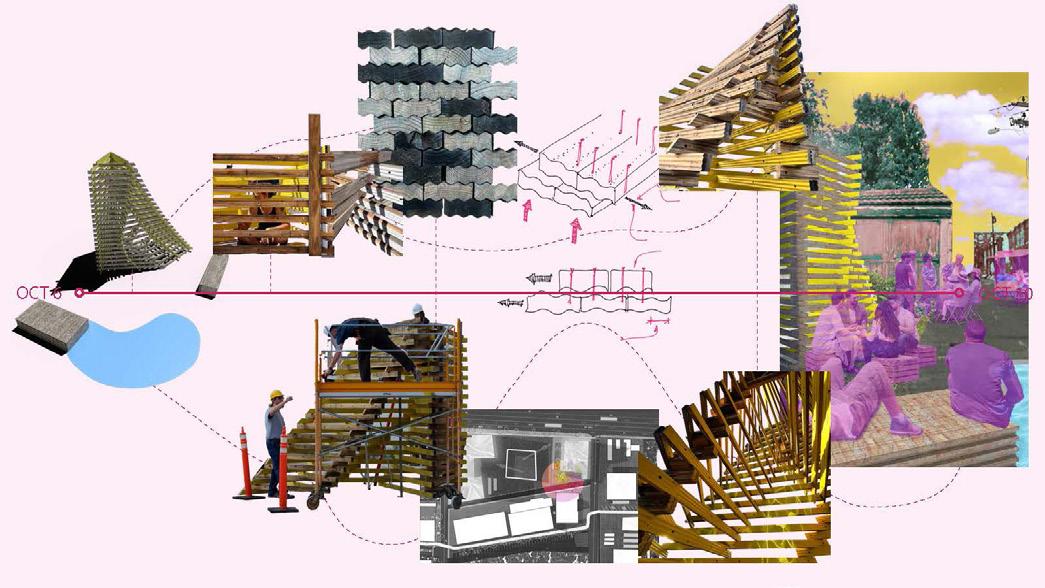
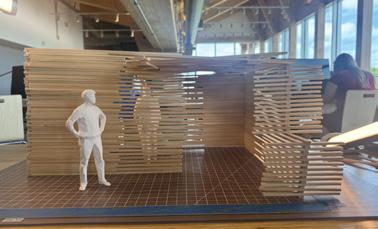
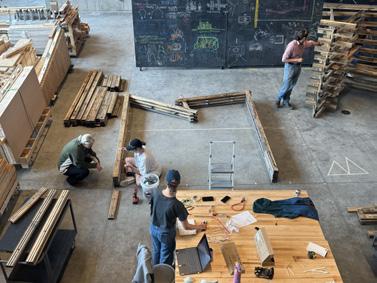
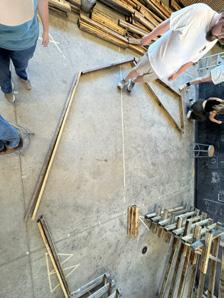
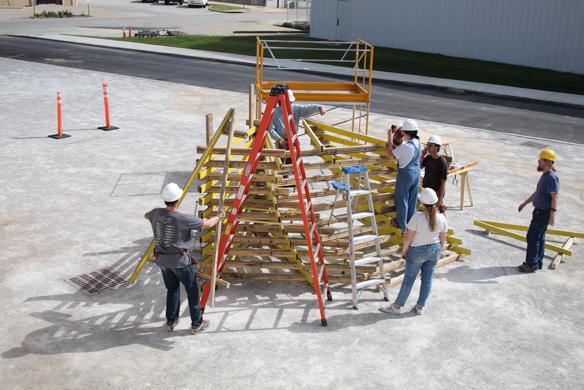
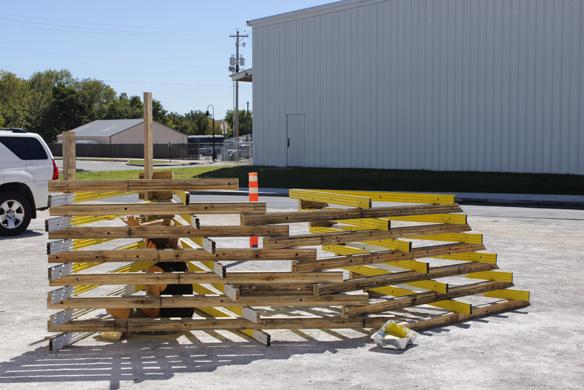
compromised of: deconstruction of previous semester’s work- the UNTITLED Housing Prototype using WLT design of pavillion using sticks to model split into two teams and a design was chosen for each team to move forward with testing of materials, iteration of design, learning how to construct, productive collaboration with 15 students final construction of the pavillion and benches exploring its place in an urban context 03: TWISTING BY THE POOL MACY WATSON STUDENT
ITERATION of “TEAM A” PAVILLION DESIGN
Stick figure models of pavillion proposition by my partener & I
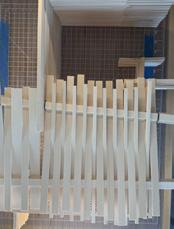
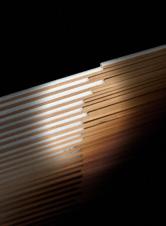
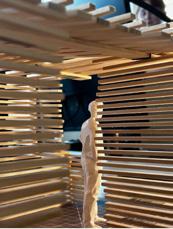
Proposal chosen to move forward with, made by other students
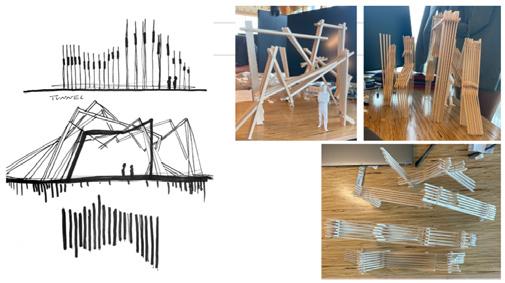
Trying to test their design horizontally for more stability + integration with other pavillion
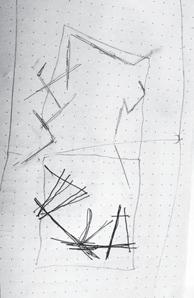
PIVOT: Began to explore qualities of Kierstin and I’s proposal
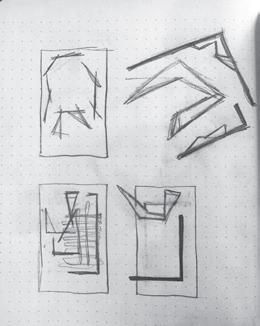
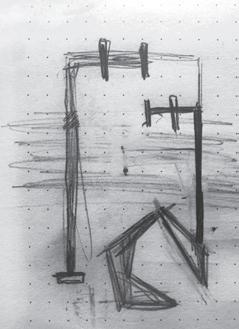
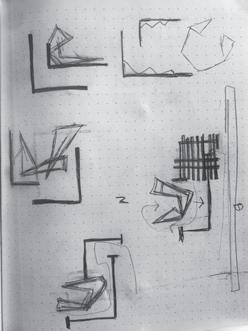
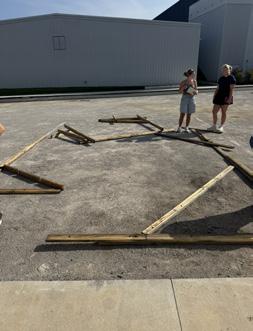
Added diagonal fan pieces for added structure. Developed pattern for wall
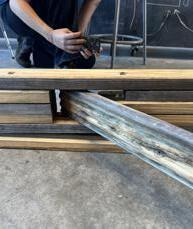
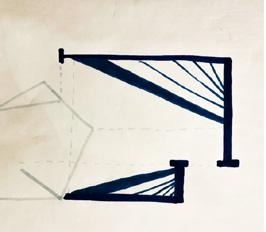
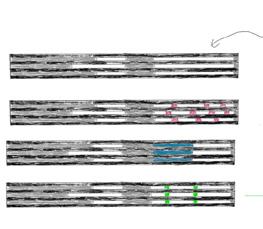
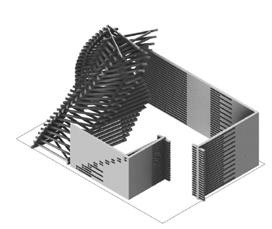
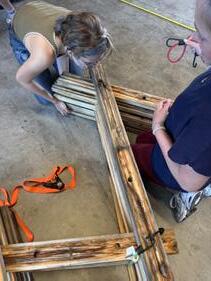
Construction of East Wall. Took around a week. Not efficient enough to complete in time
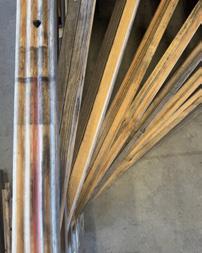
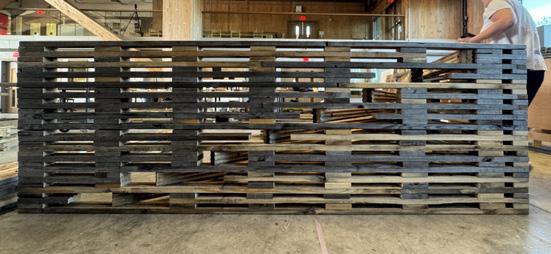
PIVOT: Exploring our design in a more modular & replicable way
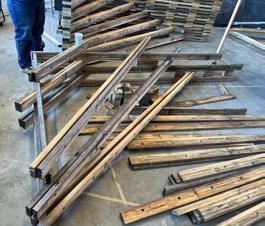
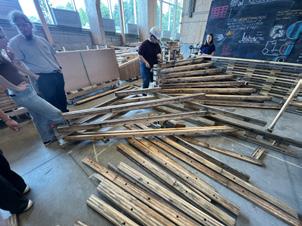
Developed a system that created small parts that could be assembled quickly
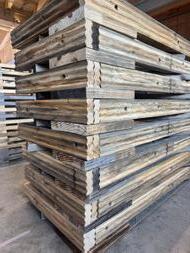
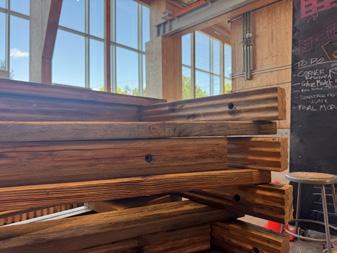
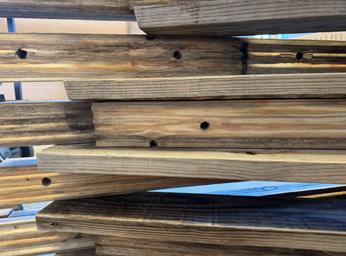
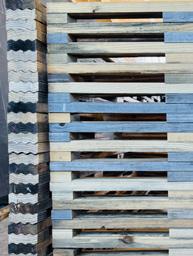
PIVOT: Not enough time to complete each wall at desired height, decided to explore WLT qualities through stacking them to create benches.
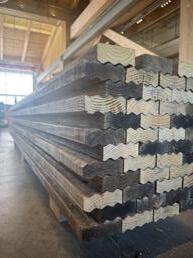
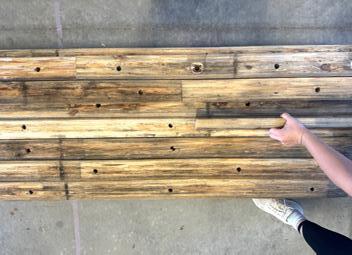
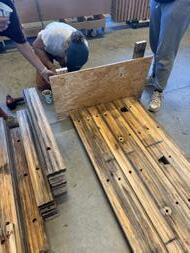
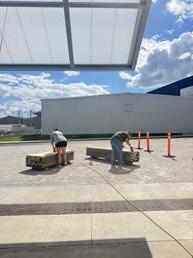
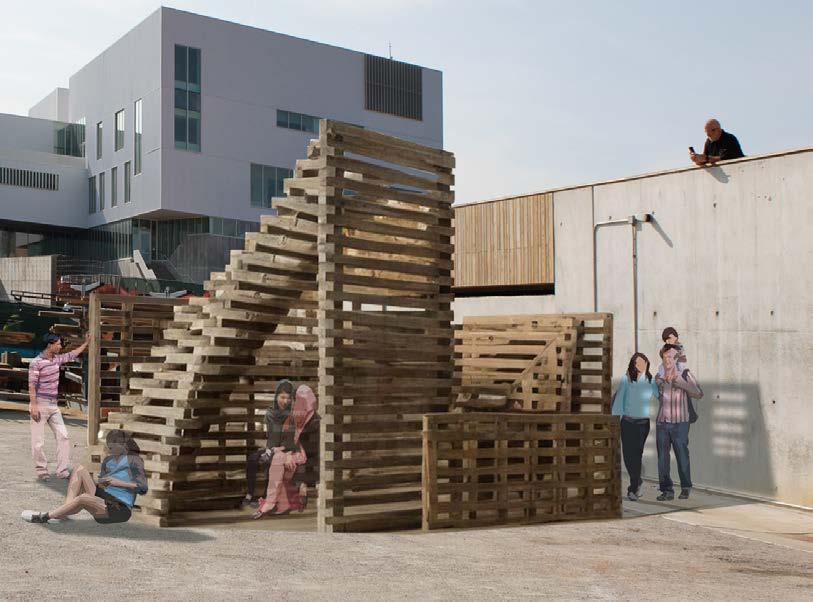
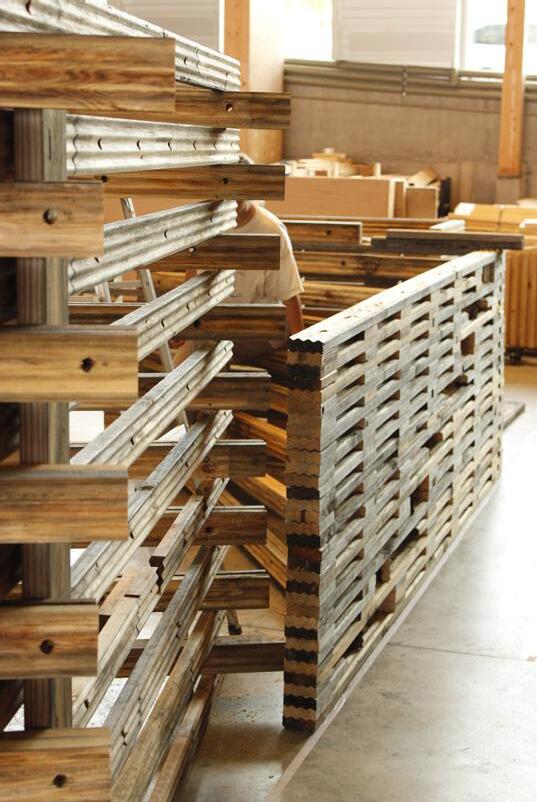
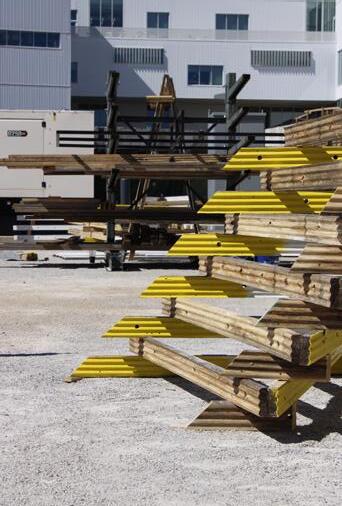
Each group designed separately, but we had to remain aware of the other pavilion throughout the process. While each structure functioned independently, their relationship needed to strengthen both projects rather than compete.
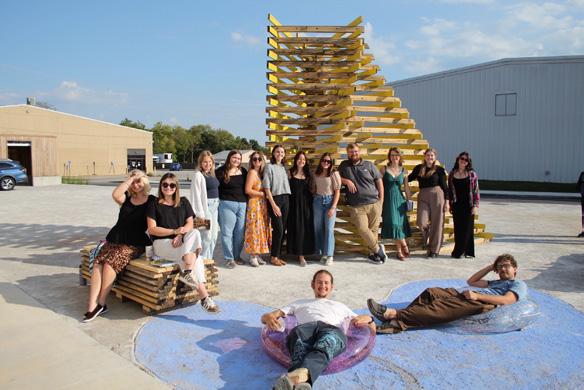
Team B’s pavilion acts as a beacon—visible from a distance and drawing people in. Its materiality and organization create a strong sense of movement; however, as you approach, it reveals itself as a place of rest. Visitors can enter, pause, and sit. The surrounding walls are not immediately apparent from afar, only becoming clear at closer range. Though simple in its design and tectonics, the pavilion encourages circulation and exploration once inside.
MACY
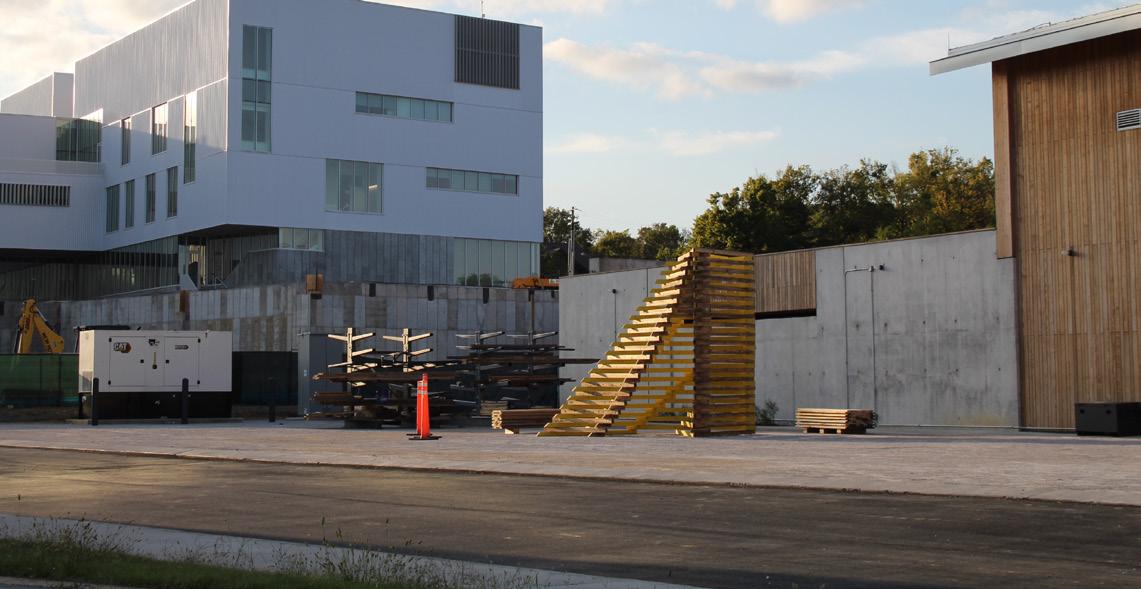
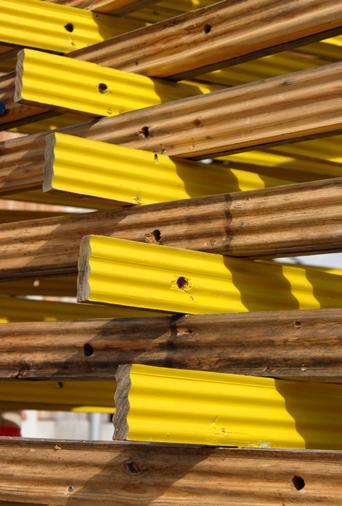
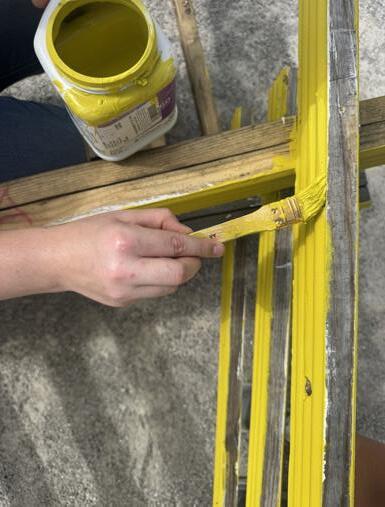
After the completion of our benches, we worked with Team B to paint the WLT pieces before constructing their pavillion. We spent a few days painting and sanding to preapre them for assembly.
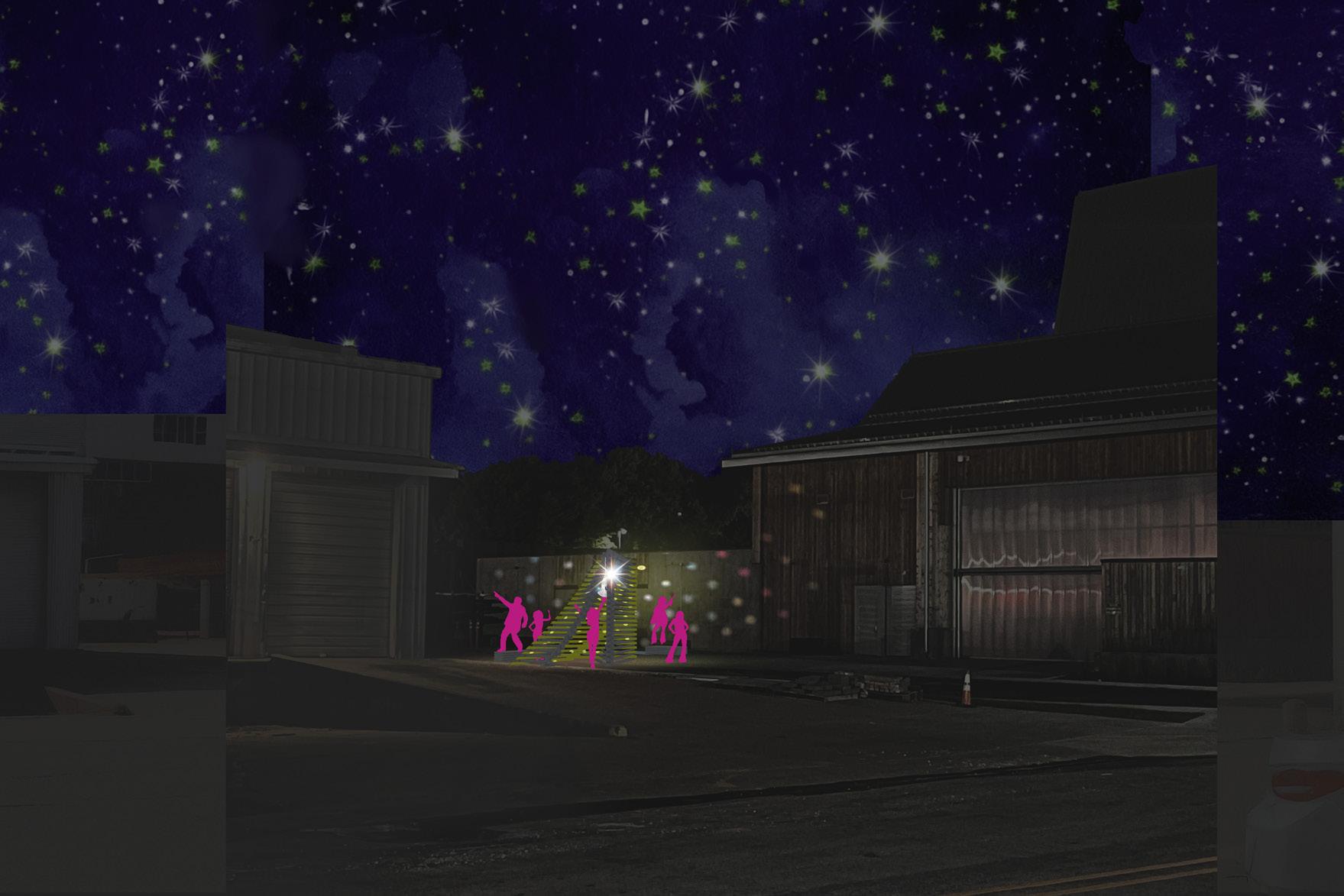
What could the pavilion be?
Where could it go? How could it be used?
MACY
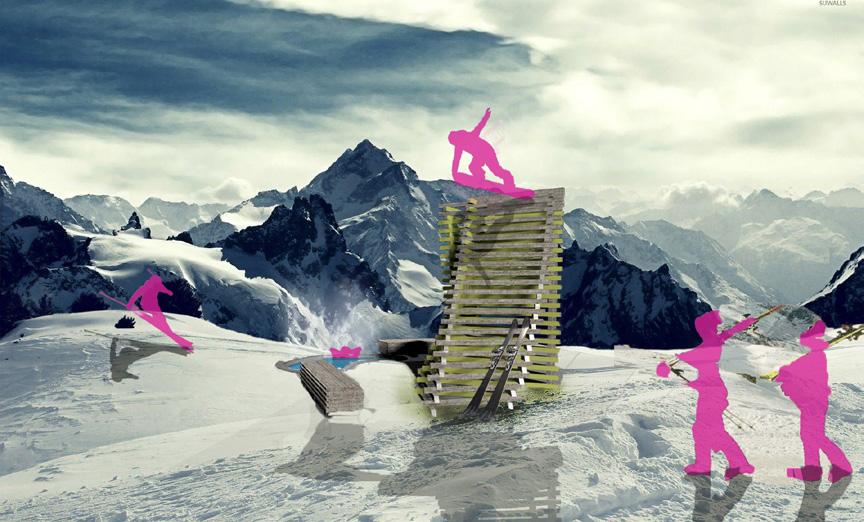

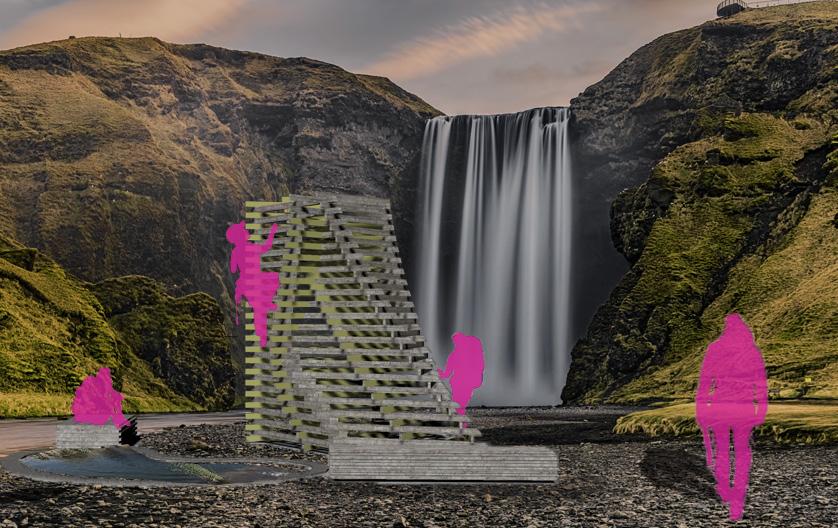
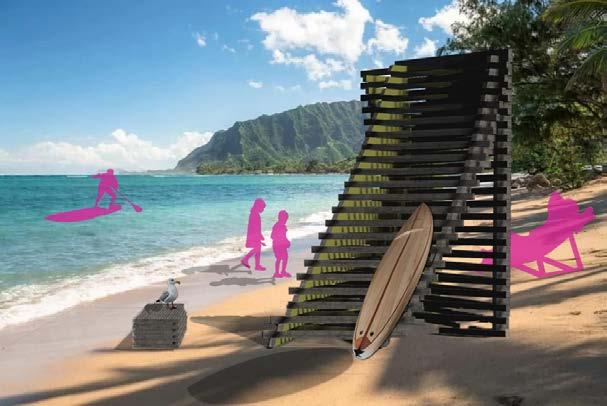
Investigating the pavillion as
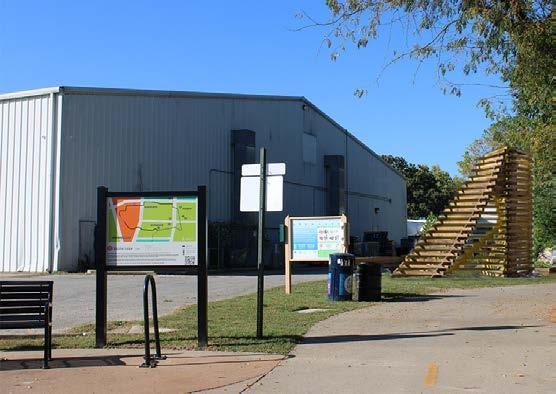
Option 1: put on city owned land to be used as shade and rest for both those who use the food pantry (building to the left) or Greenway users.
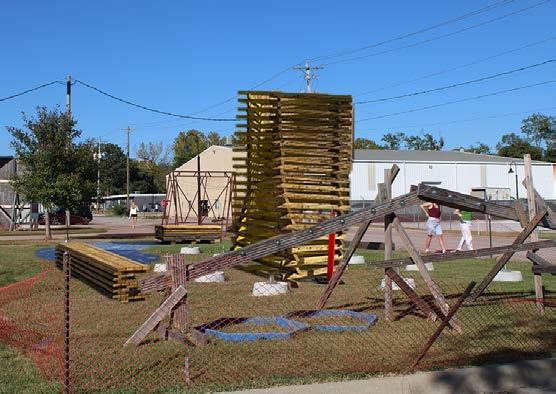
Option 3: put where the previous UNTITLED prototype was built, serving as a rest place for Greenway users & students walking to the Art Building or ATC.
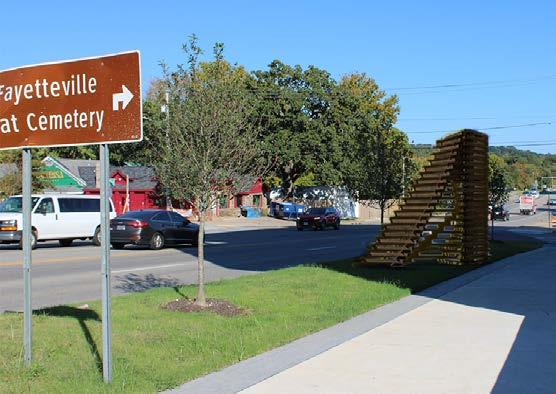
Option 2: used as a bus stop for Razorback Transit on MLK. Slows traffic and could make this road more pedestrian friendly.
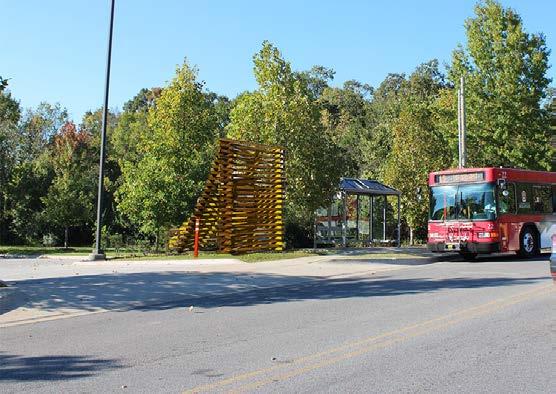
Option 4: add to existing bus stop to provide additional seating and shade.
ZIPPING TUFELLO
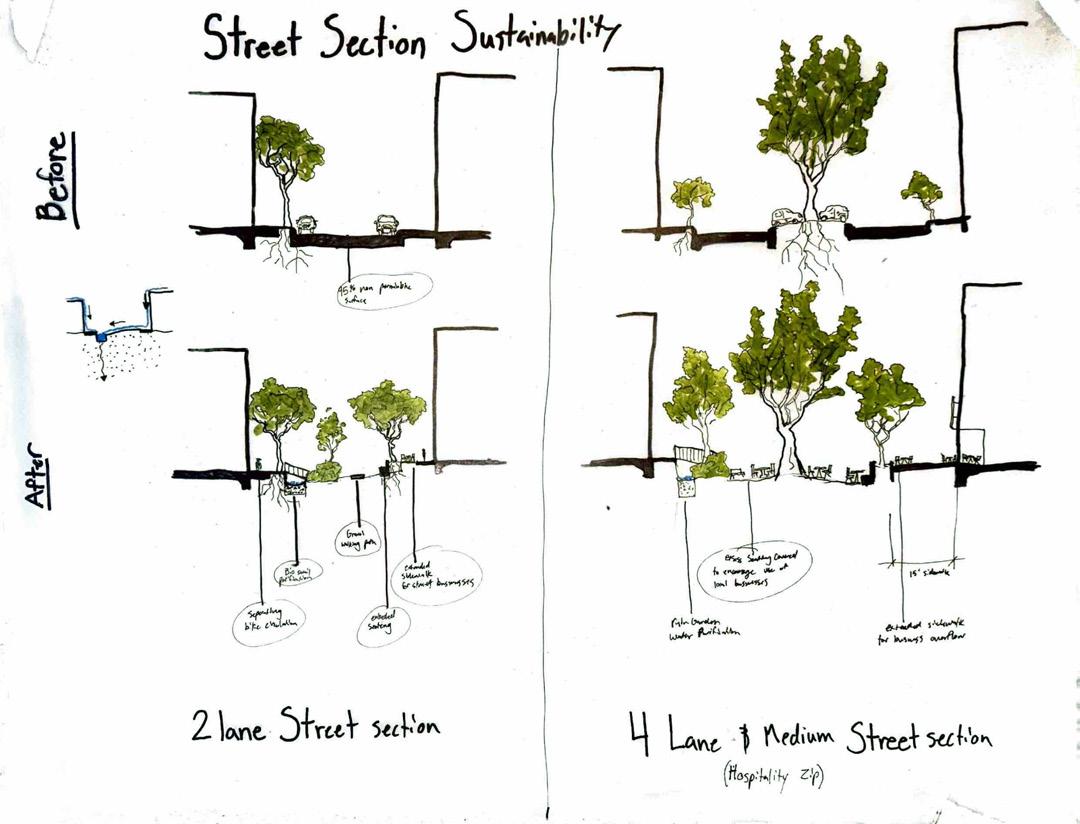
Tufello is a nieghborhood located in the northern part of Rome. We began our project by walking the neighborhood, studying its existing urban fabric. We noticed that throughout Tufello there are many spaces protected from public use by gates and fences. Commercial establishments, schools, churches, and even residential areas remain inaccessible to passersby, reinforcing a divide between these spaces and the community at large. This atmosphere of exclusion reiterates the pressing need for inclusive, high-quality public spaces that are open and welcoming to everyone. Addressing this issue requires more than simply getting rid of these physical barriers; it calls for the creation of safe, accessible, and thoughtfully designed areas made for the community. These spaces should invite people in, offering opportunities for connection, recreation, and shared experiences that enhance the overall vitality of Tufello.
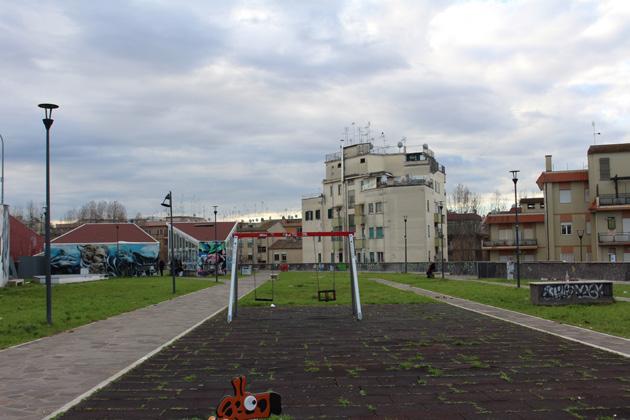
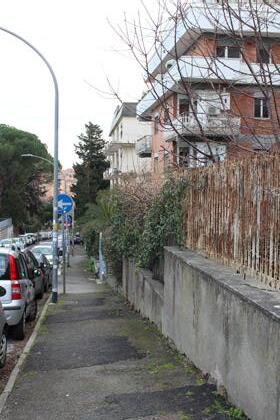
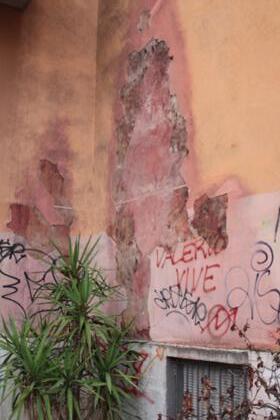
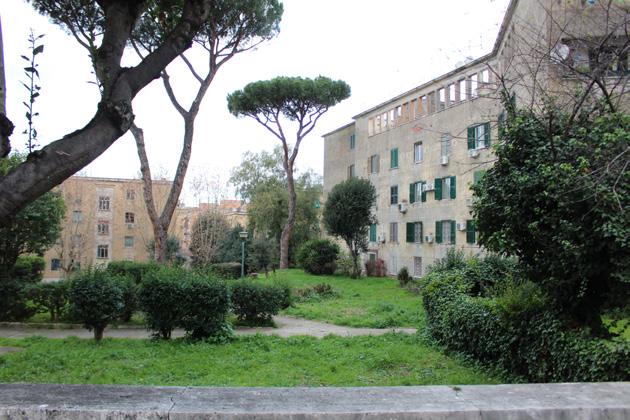
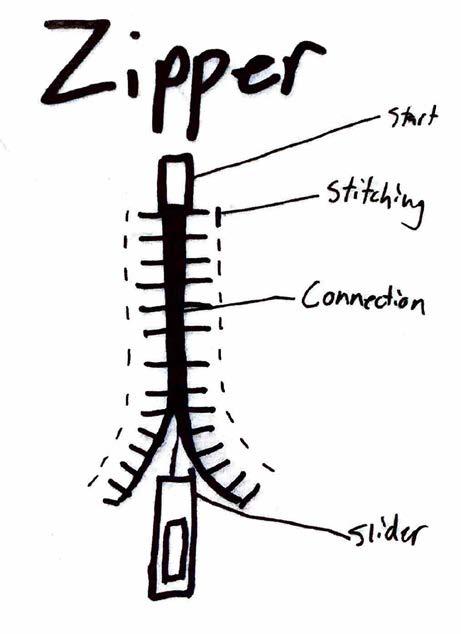
Analyzing streetscapes + developing concept

ARCHITECTUR-
PORTFOLIO FAY JONES SCHOOL OF ARCHITECTURE & DESIGN
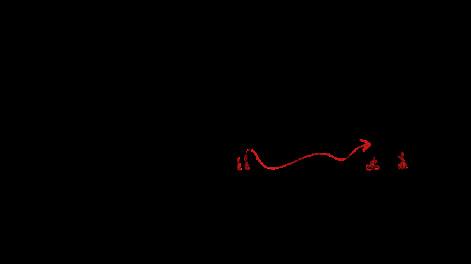
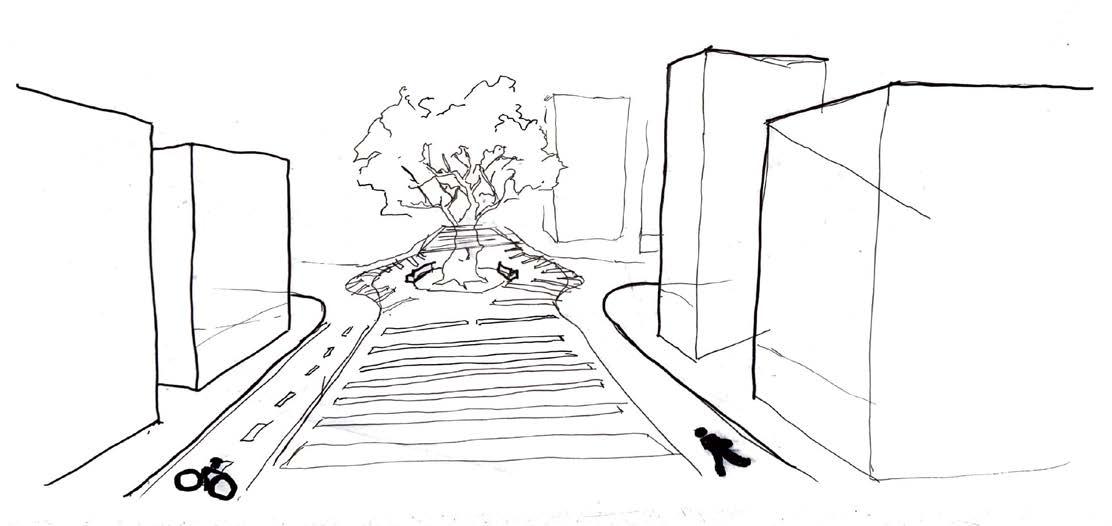
Connecting public spaces + establishing car free zone
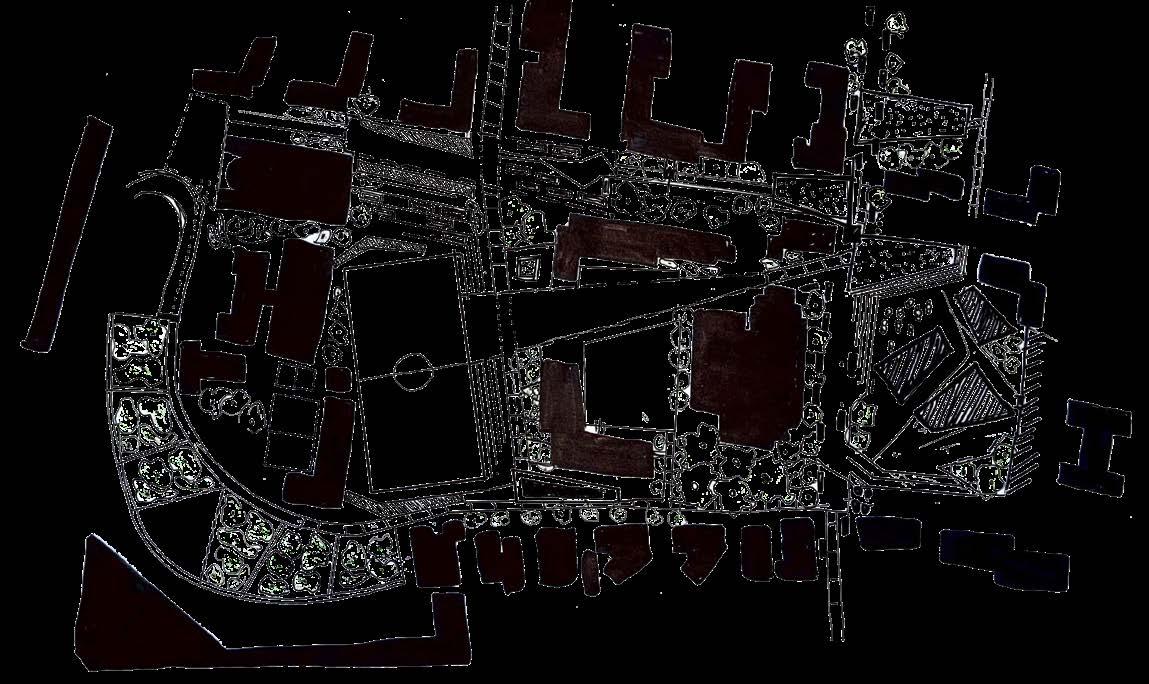
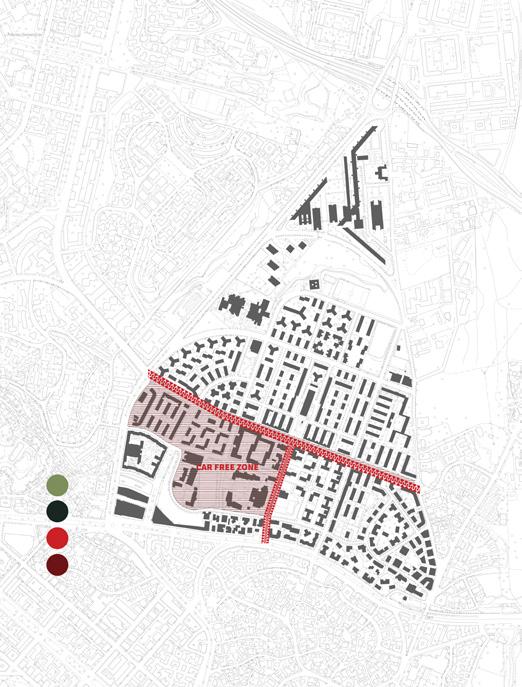

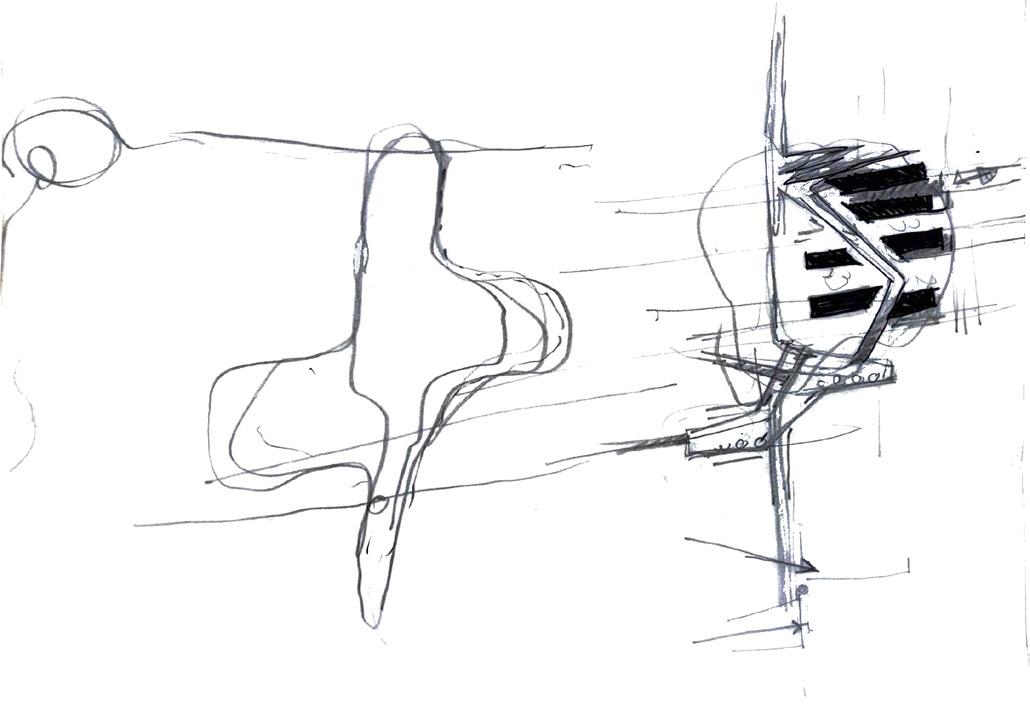
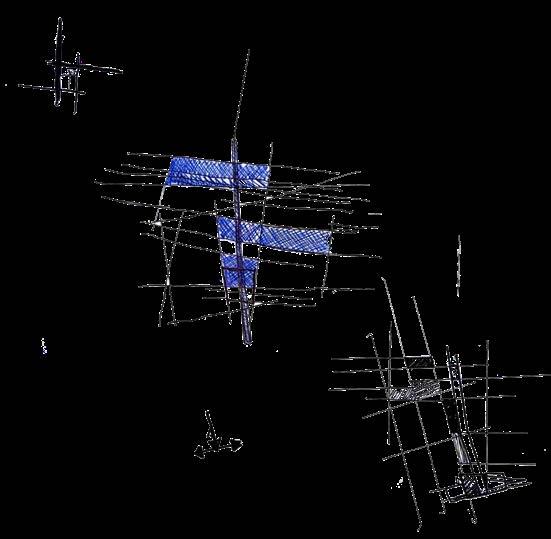
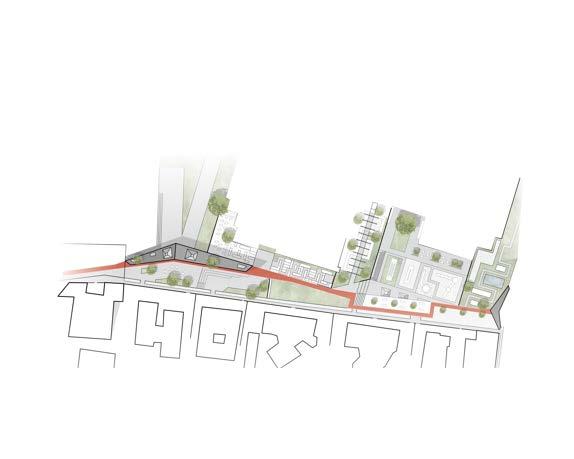
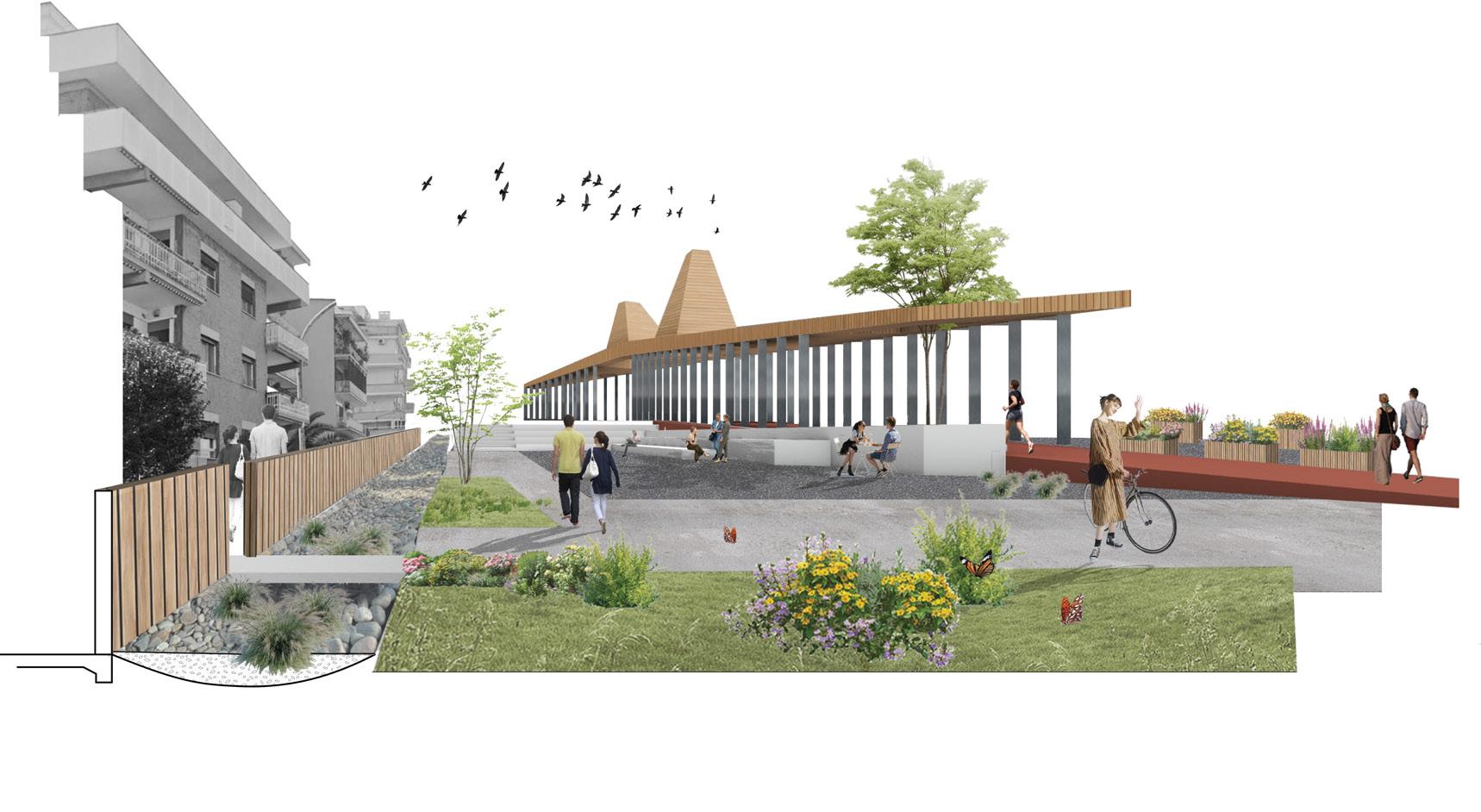
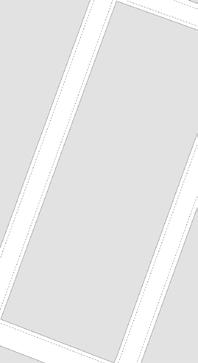
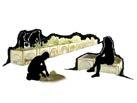
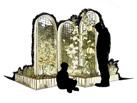
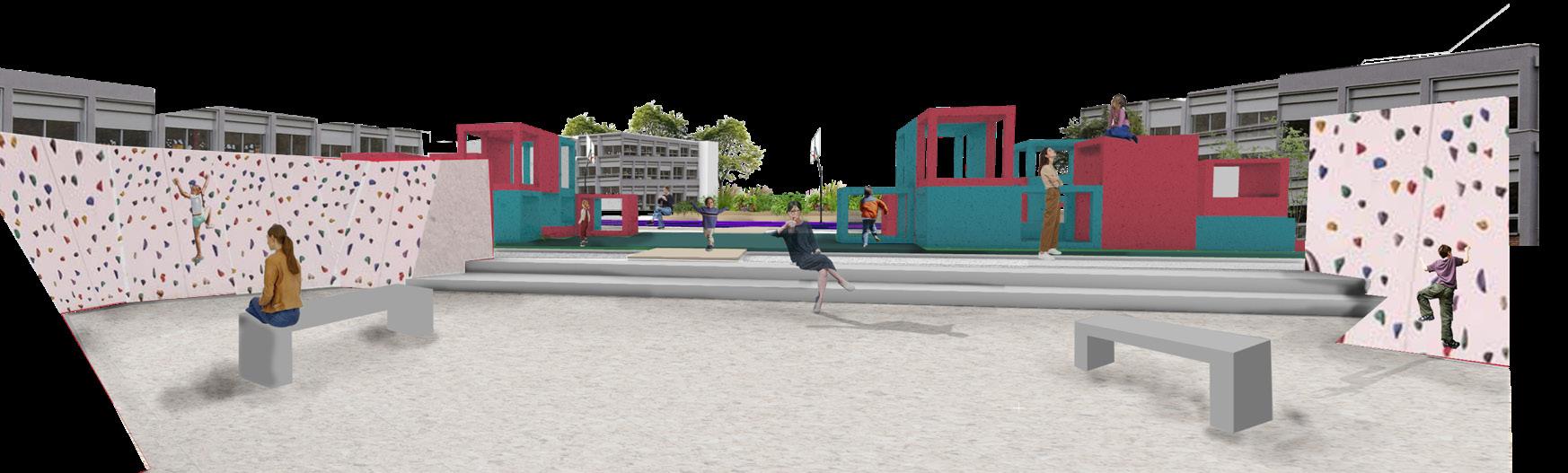
We focused on the area at the south western end of the neighborhood. It was close to the train station that connected the area to the rest of the city. It also had ample spaces that could be utilized. We each focused on a section: community gardens, farmer’s market, park, and an open air pavillion with shaded seating.
FAY JONES
SCHOOL OF ARCHITECTURE & DESIGN
04: ZIPPING TUFELLO MACY WATSON STUDENT
This was the first urban design project I had done in school. I did not know much about city planning and care of public spaces before hand. Looking back, I have learned so much about urban design practices that I wish I could have implemented at the time. However, I appreciate the knowledge I gained about the project going into it ignorant. Walking around the neighborhood and studying how people interacted with their enviornment was very informative. I only wish I had spoken better Italian so that I could engage with the residents there. I would have loved to know more about the spaces they loved in their neighborhood and where they felt things could be improved on. The neighborhood, as well as most places in Rome, have experienced a lot. This was quite evident in the built enviornment. It felt like a place opposed to newness and growth. And that is understandable. I wonder now if these amenities that we added could have actually improved this place, or perhaps only brought up growth that changed the fabric and culture too much. I did discover through designing the park though, that I thoroughly enjoy creating spaces that are not just buildings. It was challenging. I had to use the design thinking skills I had been developing and apply these in a new way.








FAY JONES
SCHOOL OF ARCHITECTURE & DESIGN
THE LINK
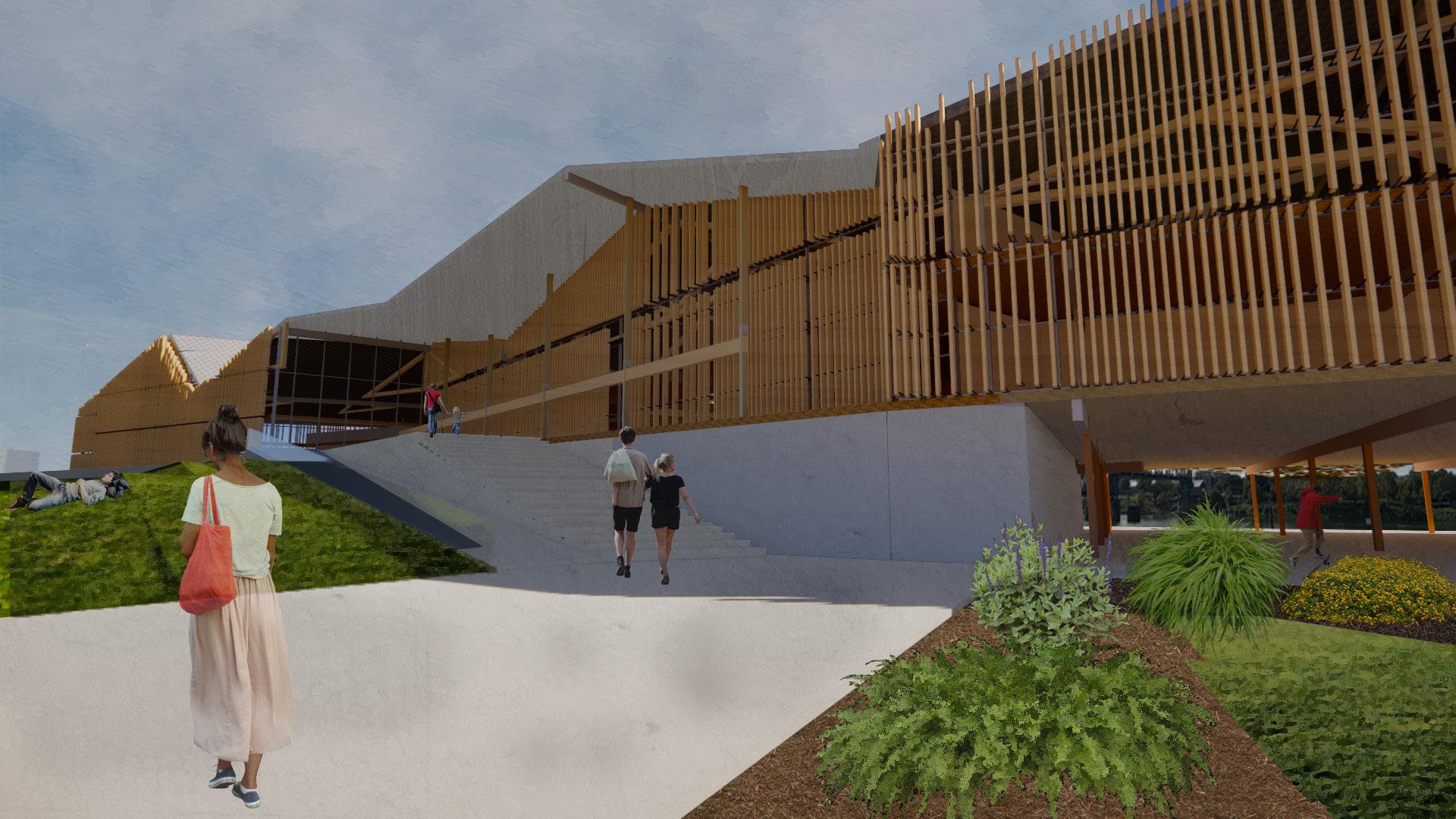
05: THE LINK MACY WATSON STUDENT ARCHITECTURAL PORTFOLIO
FAY JONES
SCHOOL OF ARCHITECTURE & DESIGN
THE LINK
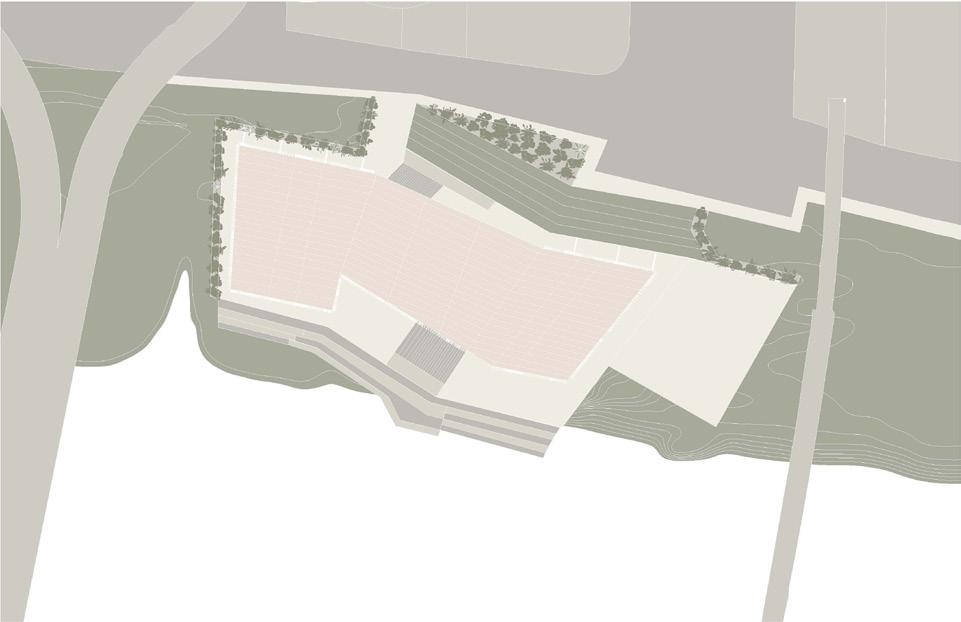
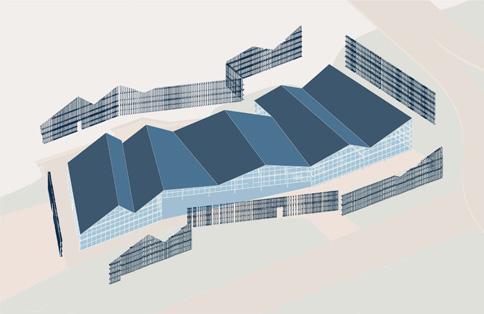
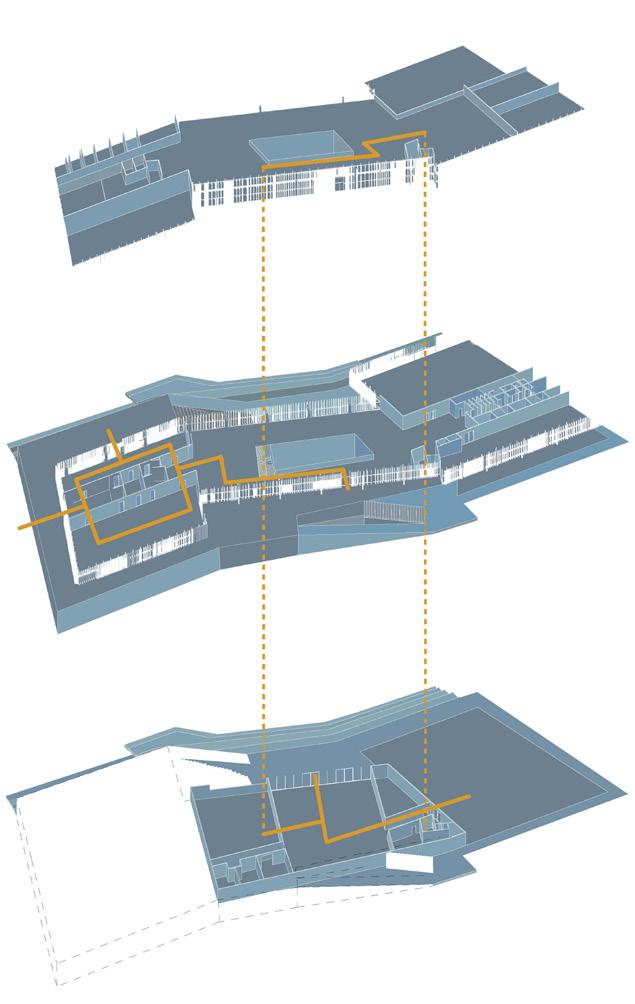
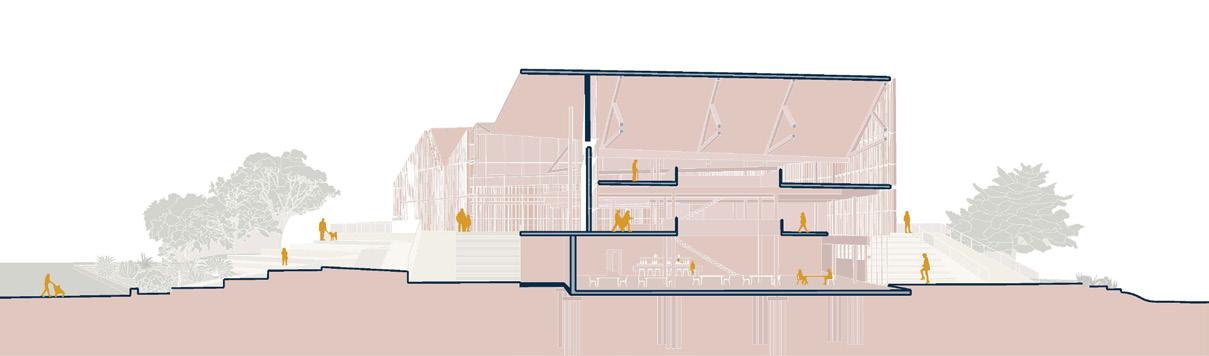
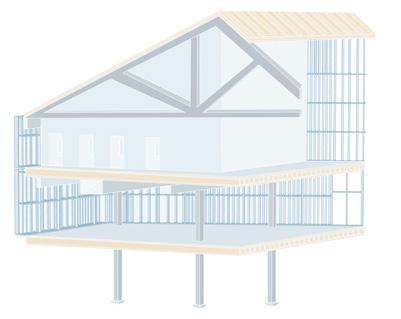
is a community center in Little Rock, AR. Located on the Arkansas River where the Arkansas Inland Maritime Museum is currently located. The louvers mask the building, making it appear as one cohesive space. However, once inside it becomes apparent of the three seperate parts: one side for adult activities, the other side for children, and the center a gathering space for the community. The project provides several ammenities like a day care, basketball courts, classrooms, and a food pantry.
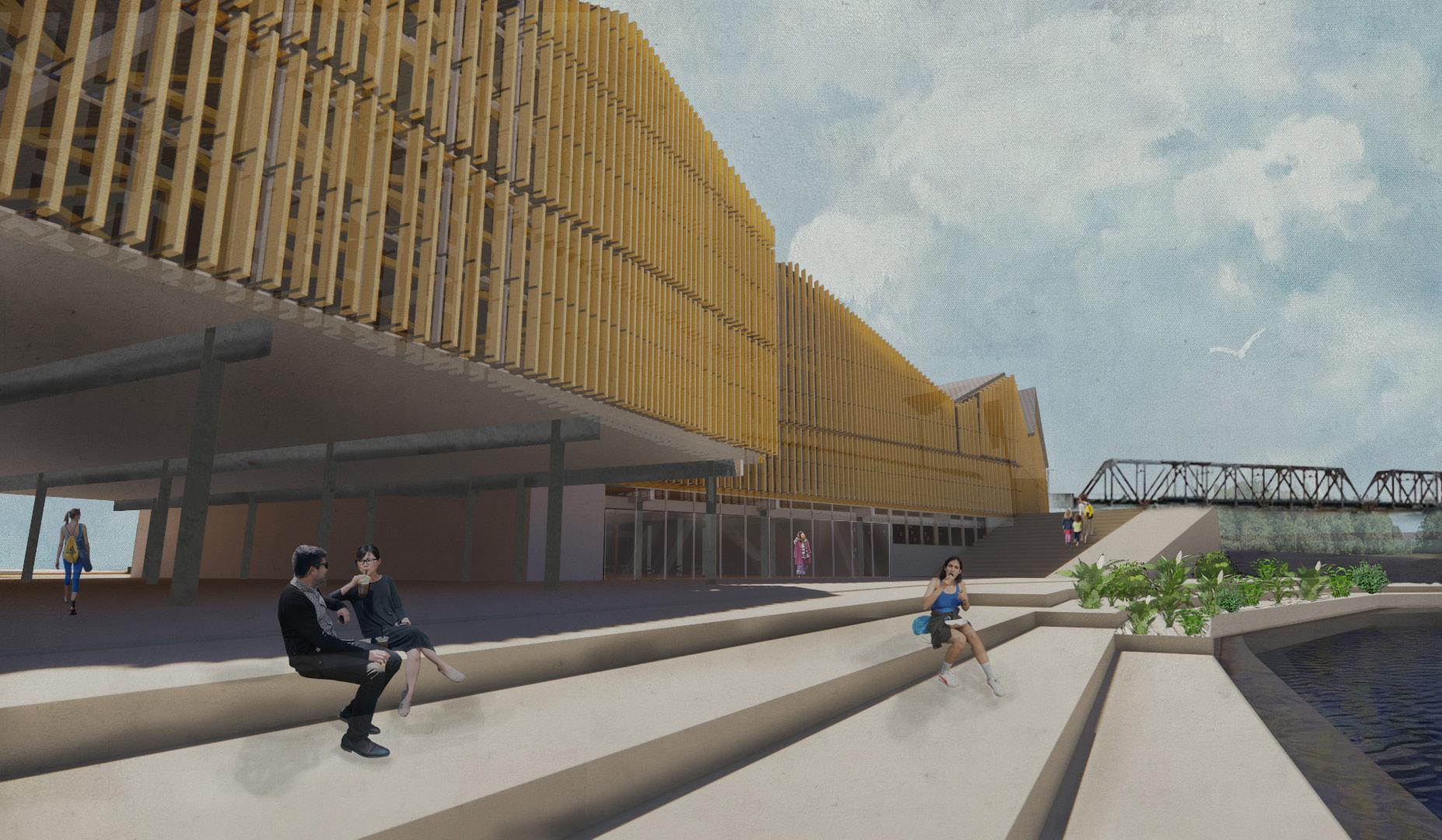
05: THE LINK MACY WATSON
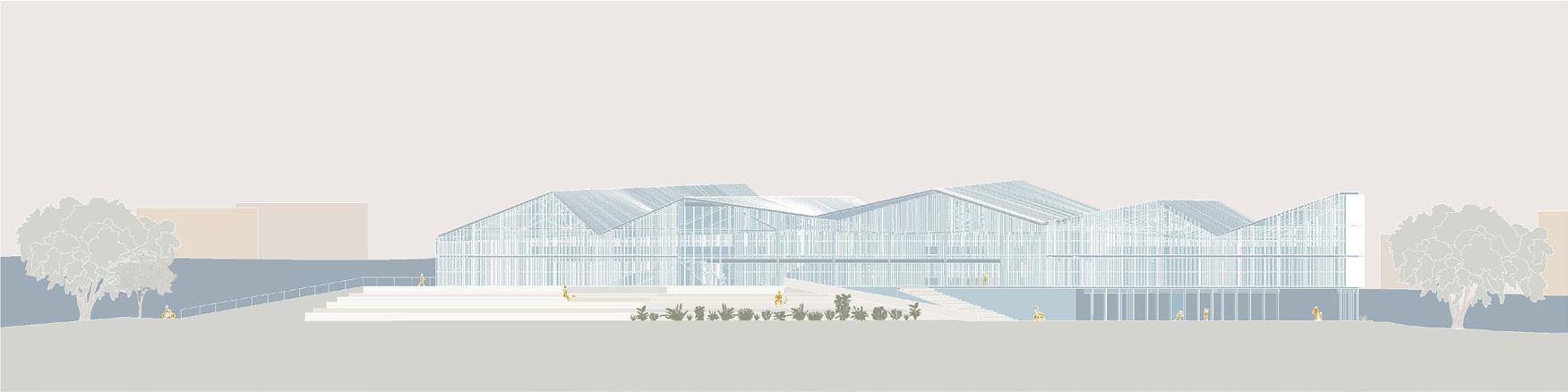
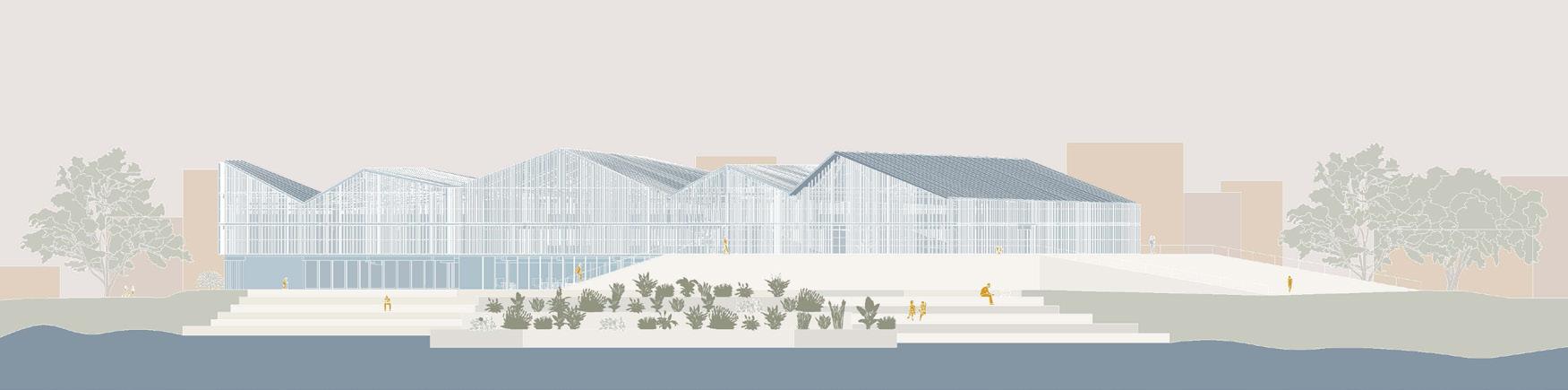
05: THE LINK MACY WATSON STUDENT ARCHITECTURAL PORTFOLIO
FAY JONES
SCHOOL OF ARCHITECTURE & DESIGN
Front of the building- south facing elevation
Back of the building- north facing elevation
FAY JONES
SCHOOL OF ARCHITECTURE & DESIGN
Circulation Diagram
Landscaping + Roof Plan
PERSONAL PROJECTS
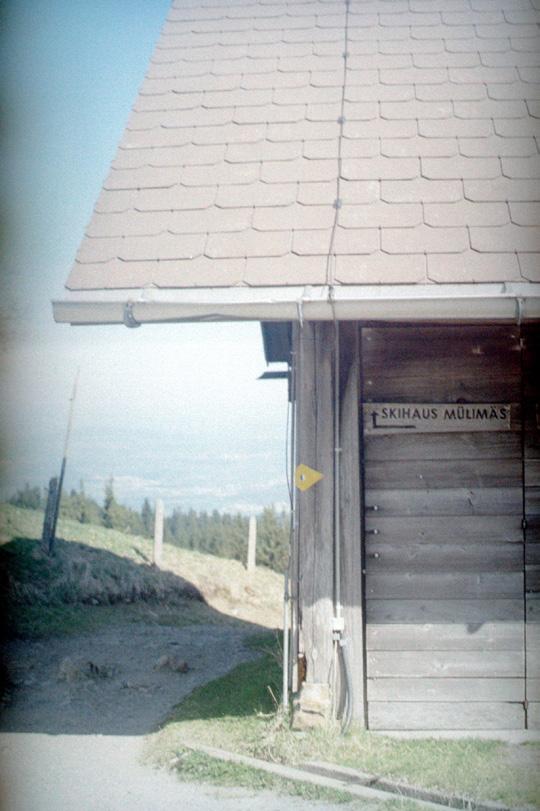
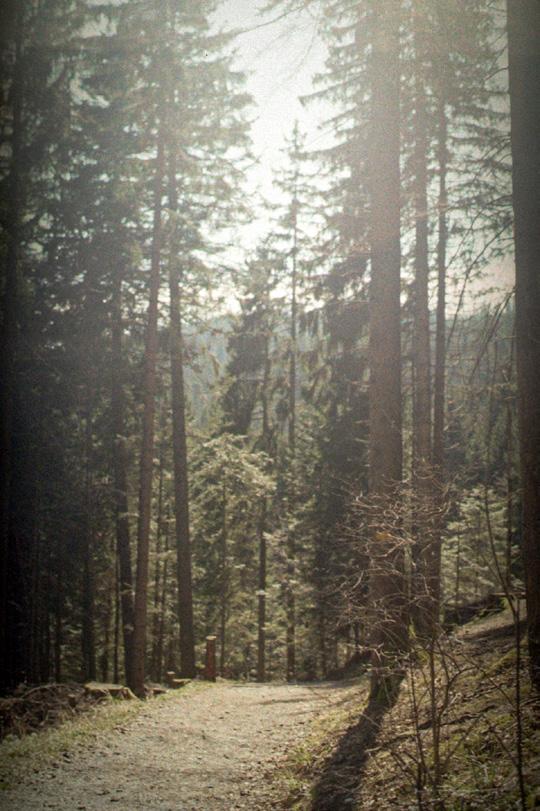
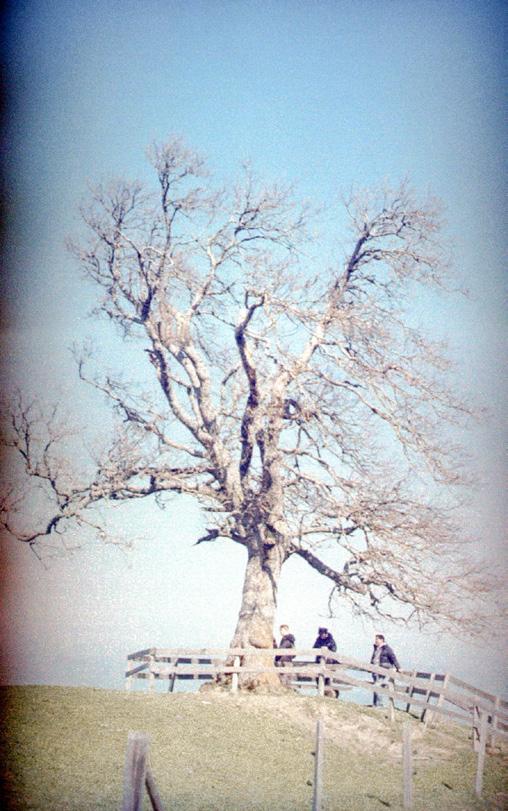
PHOTOS FROM ABROAD: Shot on Pentax Spotmatic & 35 mm film, Spring 2025
STUDENT
ARCHITECTURAL PORTFOLIO
FAY JONES SCHOOL OF ARCHITECTURE & DESIGN
Photos taken in Lucerne, Switzerland
06: PHOTOS FROM ABROAD MACY WATSON
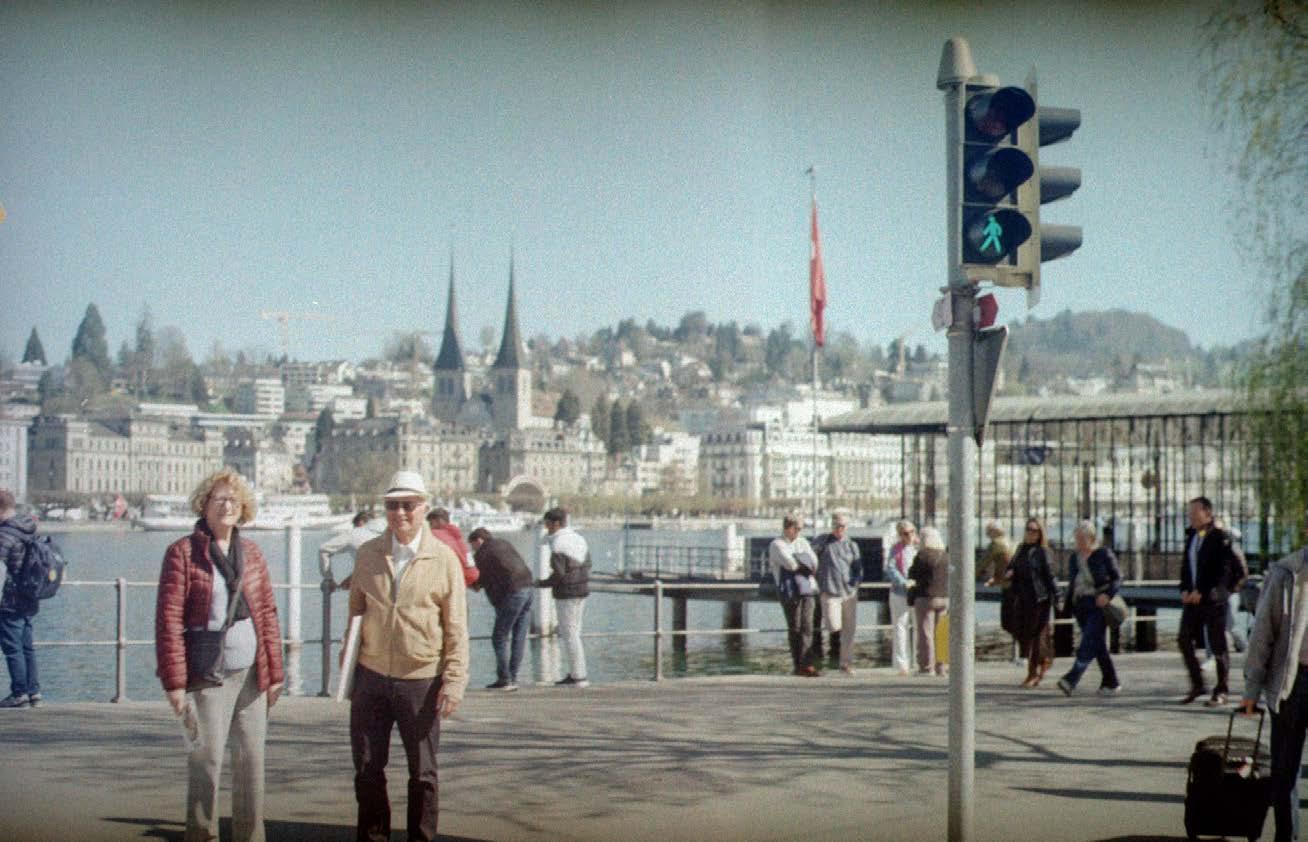
Zurich, Switzerland
SCHOOL
06: PHOTOS FROM ABROAD MACY WATSON
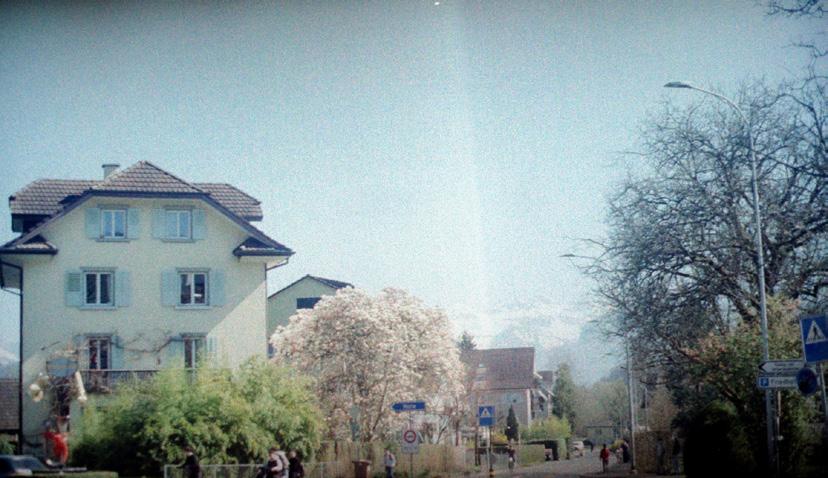

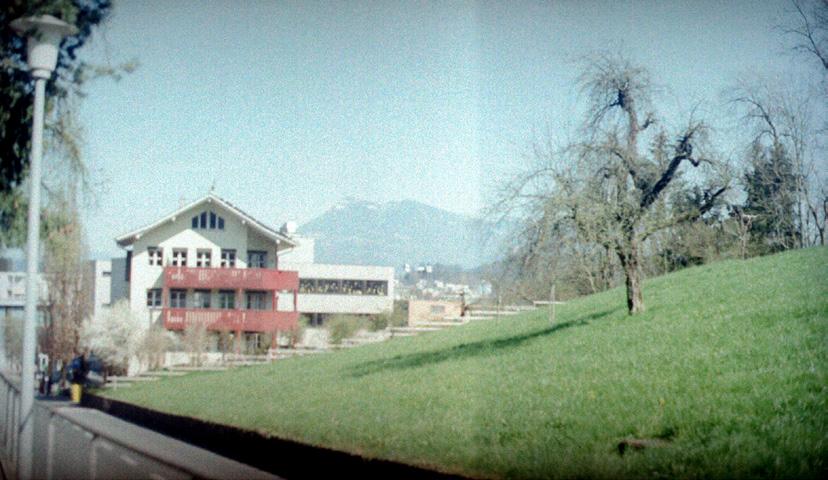
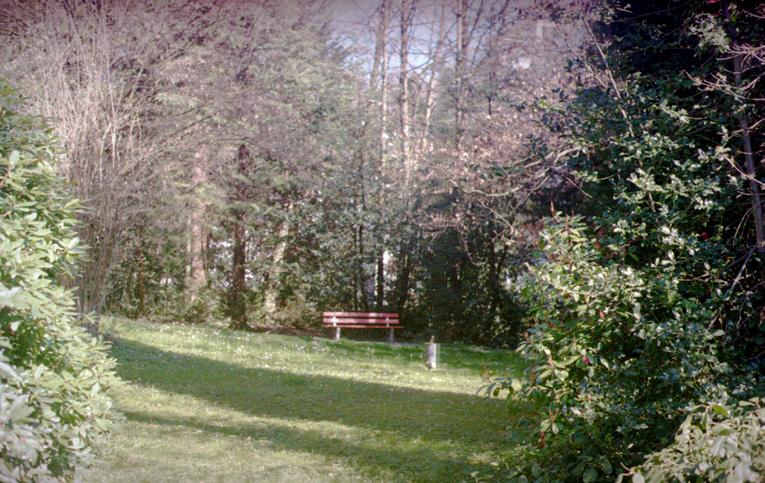
Lucerne, Switzerland
PHOTOS
ABROAD
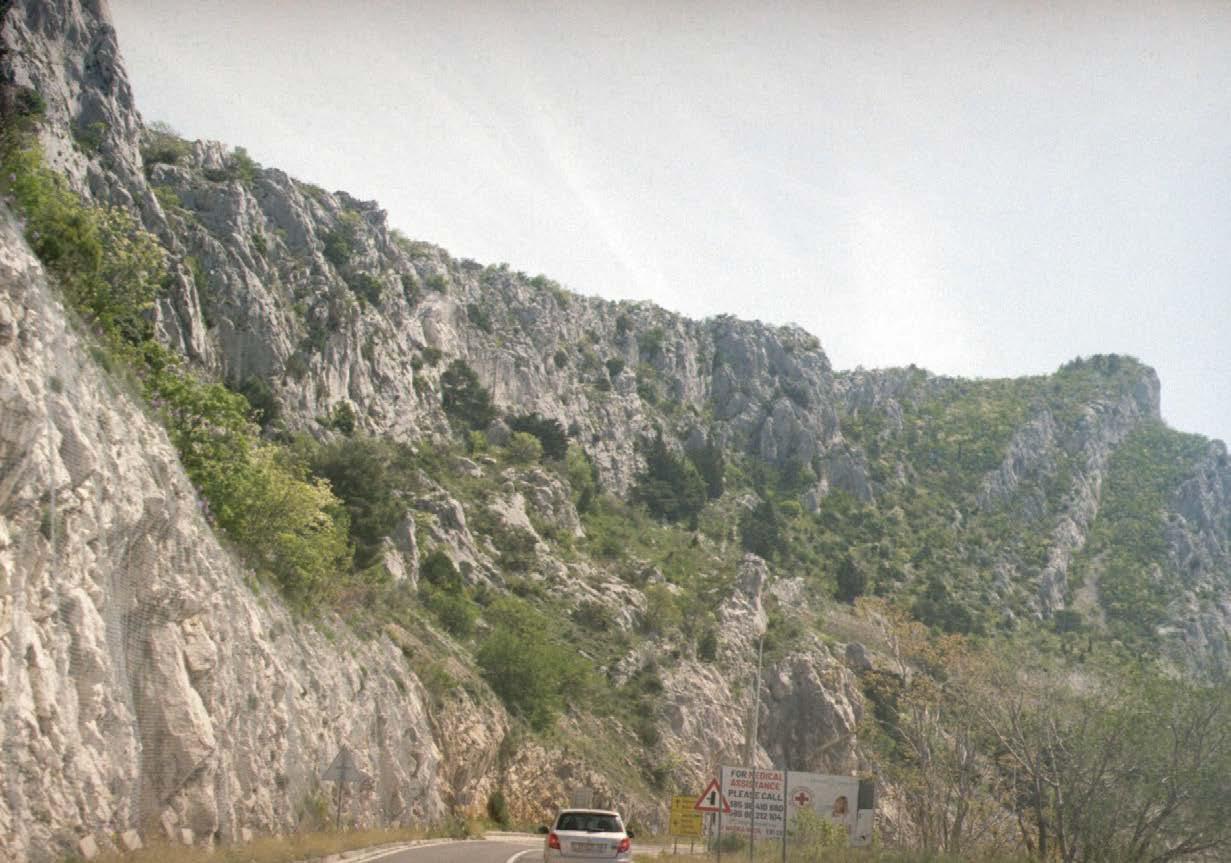
06: PHOTOS FROM ABROAD MACY WATSON STUDENT
FAY JONES SCHOOL OF ARCHITECTURE & DESIGN
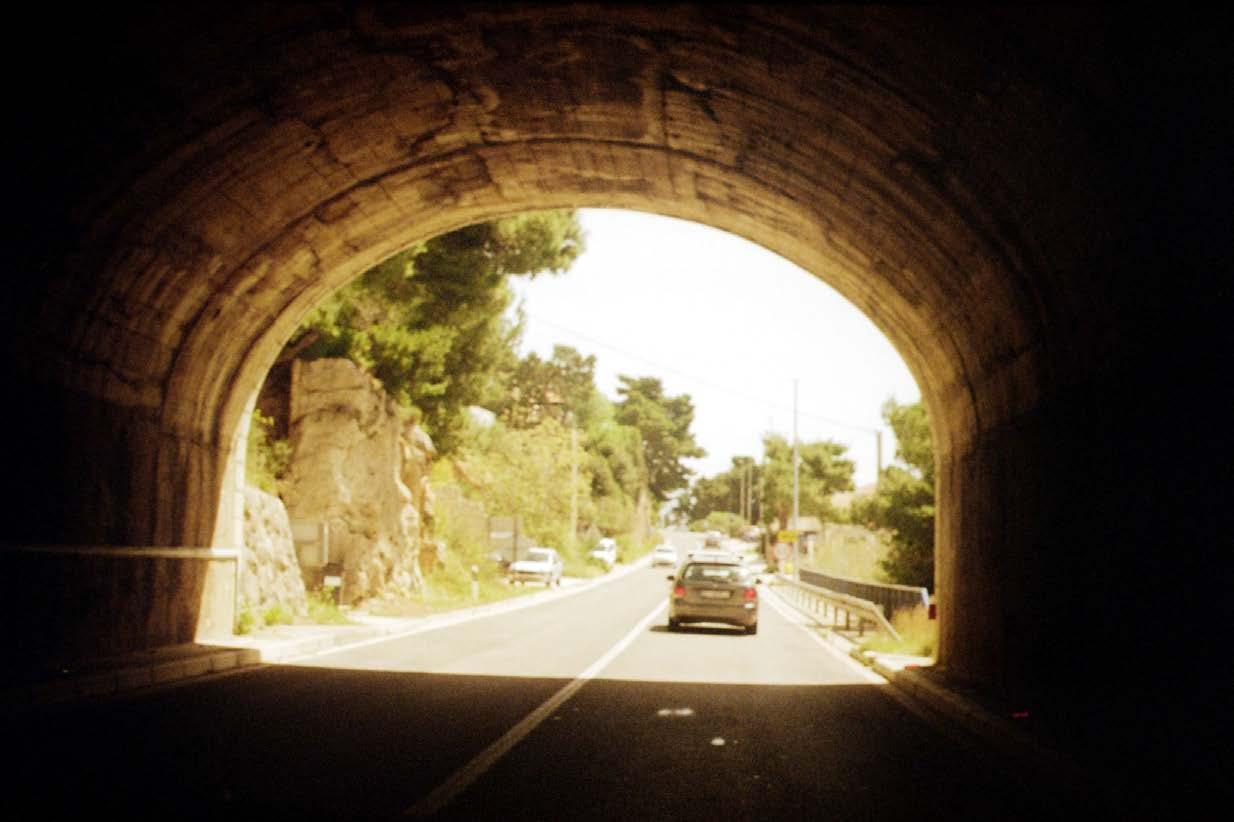
06: PHOTOS FROM ABROAD MACY WATSON
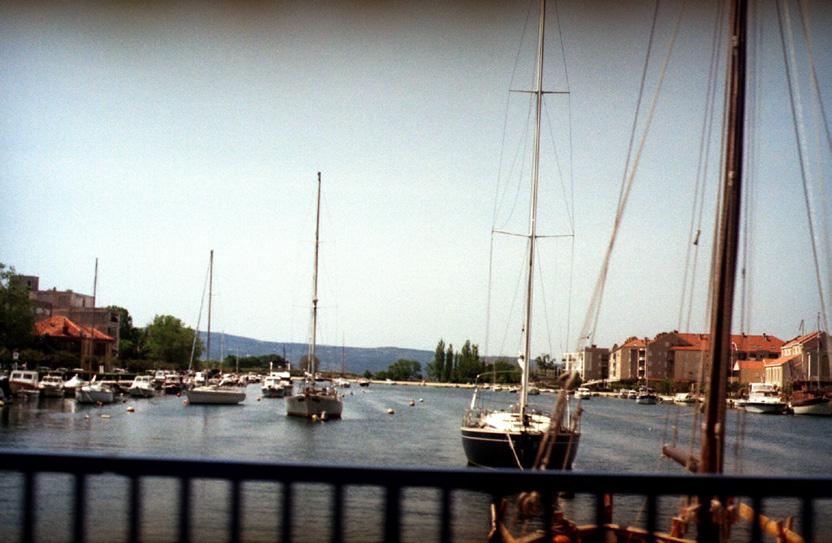
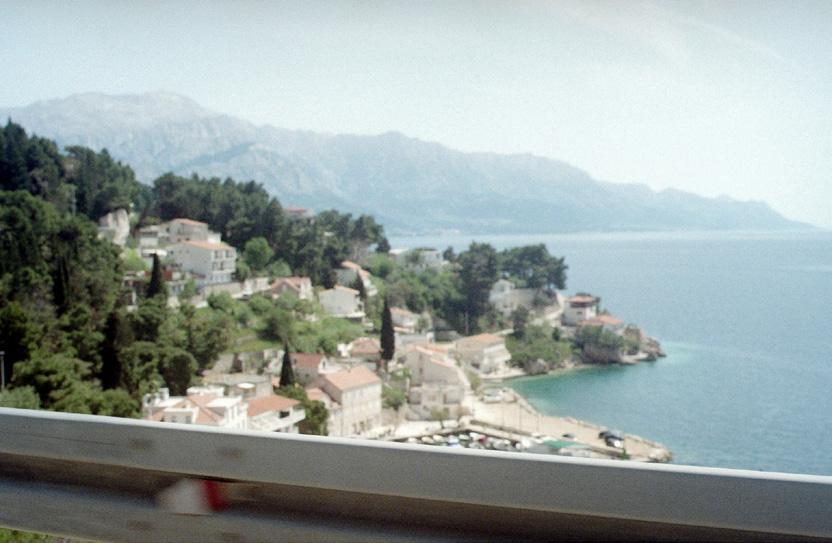
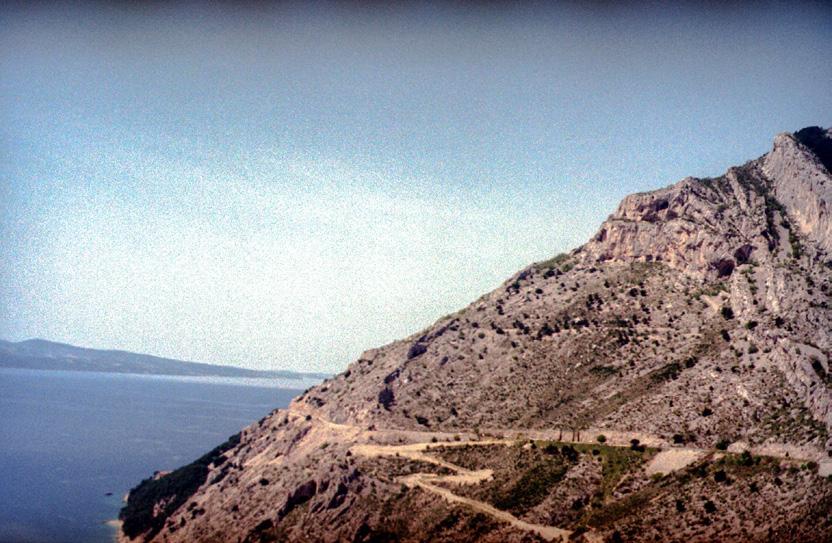
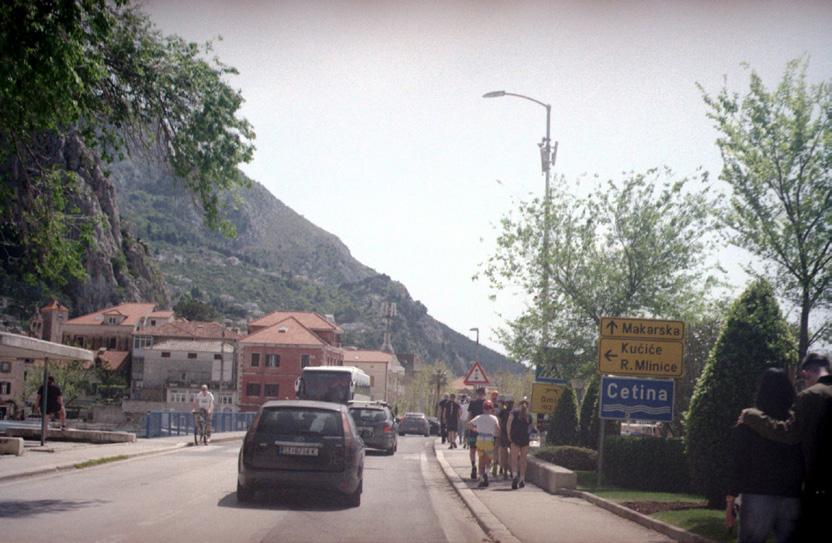
Trogir, Croatia 06: PHOTOS FROM ABROAD MACY WATSON STUDENT