MACOMB COUNTY MEDICAL SOCIETY-January/February/March 2026
January/February/March 2026 | Vol. 34 | No. 1
Toll Free 877-264-6592 | E-Mail HLeach@macombcms.org , macombcms@gmail.com Web www.macombcms.org
January/February/March 2026 | Vol. 34 | No. 1
Editor
Narendra D. Gohel, MD
Managing Editor
Heidi L. Leach
Graphic Designer
Lori Krygier
2026 MCMS OFFICERS & DELEGATES
President Lawrence F. Handler, MD
President-Elect
Carolann Kinner, DO
Treasurer & Secretary
Daniel M. Ryan, MD
Delegates & Alternates
Terrence P. Brennan, MD
Narendra D. Gohel, MD
Lawrence F. Handler, MD
Jareer S. Hmoud, MD
Khaled M. Ismail, MD
Carolann Kinner, DO
Cheryl D. Lerchin, MD
Akash R. Sheth, MD
MSMS Region 2 Director
Daniel M. Ryan, MD
Executive Director
Heidi L. Leach
Macomb Medicus Journal is published quarterly by the Macomb County Medical Society. Winter: Jan/Feb/Mar, Spring: Apr/May/Jun, Summer: Jul/ Aug/Sep, Fall: Oct/Nov/Dec. Subscription to the Macomb Medicus is included in the society’s annual membership dues.
Statements and opinions expressed in articles published in the Macomb Medicus are those of the authors and not necessarily those of the Macomb County Medical Society. Advertisements do not represent approval or recommendation of the Macomb County Medical Society.
Address changes and all communications relative to articles and advertising in the Macomb Medicus should be addressed to: Editor, Macomb County Medical Society, P.O. Box 551, Lexington, Michigan 48450-0551 or email HLeach@macombcms.org
All material for publication, including advertisements, must reach the Society office no later than the 10th (business) day of the month preceding the date of issue, e.g. December 10 for the Winter issue. Thank you. No portion of the Macomb Medicus may be used for publication elsewhere without permission from the publisher.
AA Message from the MCMS President
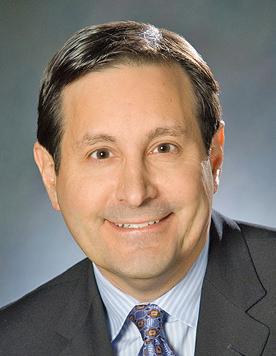
By: Lawrence F. Handler, MD MCMS President
s we usher in the New Year, this moment presents a wonderful opportunity for reflection and gratitude before we look ahead to the promising year of 2026. It is a time to appreciate the contributions of those who have shaped our county medical society into what it is today. We all miss Dr. Adrian Christie, who passed away early in 2025. His tireless dedication and unwavering support for our Macomb County and State Medical Society have greatly enriched our society and the medical community at large. We also extend our heartfelt appreciation to Dr. Dan Ryan for his exemplary leadership, not just within our county but also at the State Society level. My deepest appreciation for our 2025 President Dr. Narendra Gohel and my fellow Board members Drs. Terrence Brennan, Jareer Hmoud, Khaled Ismail, Carolann Kinner, Cheryl Lerchin and Akash Sheth and our Executive Director Heidi Leach.
Looking back, I am reminded of what our society was when I first joined and where we are today. Our mission has always been clear: to advocate for organized medicine and the betterment of public health. However, as times change, so too must our approaches. In the past, our society placed a strong emphasis on scheduling formal social activities to foster connections among physicians. While these gatherings were valuable, and a great way to get to know your colleagues, it has become clear that our membership does not prefer this type of engagement. I want to prioritize with the Board other options that allow for personal face-to-face interactions while adapting to our members' evolving preferences.
On the other hand, the advocacy needs of our membership and representation to ensure a fulfilling career in medicine are now
more critical than in my earlier years in this society. While advocacy has always been important, the issues have become more complex, and the potential impact on an individual physician's day to day work life and career has become more threatening.
For instance, we are now witnessing the rising influence of artificial intelligence (AI) on our personal and professional lives—much like the profound shift brought about by the widespread use of the internet 25 years ago. It does not take much imagination to visualize the aspects of AI that we may embrace and those we may resist. The professional impacts will likely be profound. The rules shaping the engagement of AI with physicians will be front and center, and our influence will be directly proportional to the percentage of physicians who support this engagement.
As we navigate these complexities together, our society’s role in advocacy will be crucial. We must actively engage our membership to ensure that our voices are heard on important issues such as AI integration, legislative changes, and the evolving landscape of healthcare. Together, we can champion our profession and ensure a bright future for both physicians and patients alike.
I appreciate the opportunity the membership has granted me as your President for 2026. Wishing everyone a prosperous and fulfilling New Year! Let’s embrace the opportunities that lie ahead as we continue our essential work in organized medicine and public health advocacy. F
SUPPORTING HEALTHY PREGNANCIES AND BABIES
The Macomb County Health Department leads the Baby Resource Network of Macomb (BRNM), a team of local partners working to keep babies safe and healthy. Together, they provide education and resources to help prevent infant deaths and support healthy pregnancies. For 2025, BRNM focused on two goals: safe sleep for babies and healthy, full-term births. With support from local grants, the group expanded its safe sleep campaign and gave Safe Sleep Survival Kits to families in home visiting programs.
BRNM also created new materials about preeclampsia, a type of high blood pressure during pregnancy. Families in the Health Department’s home visiting programs received Cuff Kits from the Preeclampsia Foundation to help track blood pressure.
The Baby Resource Network of Macomb helps families create safe, healthy environments for their babies, giving every child the best possible start in life.
If you would like to partner and support the efforts of BRNM, we want to hear from you!
BRNM Coalition Co-Chairs:
Tammy Baase - tammy.basse@macombgov.org, and Kathryn Naujokas - kathryn.naujokas@macombgov.org
Learn more about the Baby Resource Network by clicking here
PARTNER SPOTLIGHT: ALZHEIMER'S ASSOCIATION
The Alzheimer’s Association Michigan Chapter serves the entire state of Michigan, including Macomb County, providing vital programs and resources for individuals and families affected by Alzheimer’s and other dementia. The Alzheimer's Association leads the way to end Alzheimer's and all other dementia — by accelerating global research, driving risk reduction and early detection, and maximizing quality care and support. Their vision is a world without Alzheimer's and other dementia.
Locally the Michigan Chapter offers:
• Support groups
• In-person and virtual educational programs for those in early stages of dementia and their caregivers
• Care consultation and financial support for caregivers
• Social engagement programs
• Targeted outreach to underserved communities
• Resources for professionals, including on-site educational programs for the workplace
Their 24/7 helpline offers free, confidential assistance in more than 200 languages. The Michigan Chapter plays a crucial role in raising awareness and building community support through initiatives such as the Walk to End Alzheimer's and Do What You Love to End ALZ, helping ensure no one faces dementia alone. More information on the Alzheimer’s Association’s Michigan Chapter can be found here
UNDERSTANDING OUR COMMUNITY THROUGH DATA
The Macomb County Health Department collects, analyzes, and shares a wide range of statistics to better understand and improve the health and wellbeing of Macomb County residents. Providing available health data supports transparency, informs policy and programming, and empowers individuals and organizations to make data-driven decisions. We offer access to a variety of data sources, including:
• Annual reports
• Surveillance data for chronic and communicable diseases
• Trends in births, deaths, car accidents or other unintentional injuries
• Community Health Assessment reports
• Additional community-specific health reports
One especially valuable tool is our Community health profiles, which provide health indicators for individual cities and townships across Macomb County. These profiles are based on responses from the Macomb County Community Survey and help us identify the unique demographics of each community.
Visit our website to view available reports and learn more. F
Macomb County Health Department Reportable Diseases Summary
Diseases Reported in Macomb County Residents*
Cumulative total for previous years, year-to-date total for December 2025 b
**Shiga-toxin producing Escherichia coli per MDHHS; combo of E. coli & Shiga Toxin 1 or 2.
^ Previously reported as "AIDS"
b 2025 total is tentative at this time.
M D H H S N E W S
MDHHS ISSUES STATEMENT ABOUT FEDERAL CHANGES TO CHILDHOOD VACCINE SCHEDULE
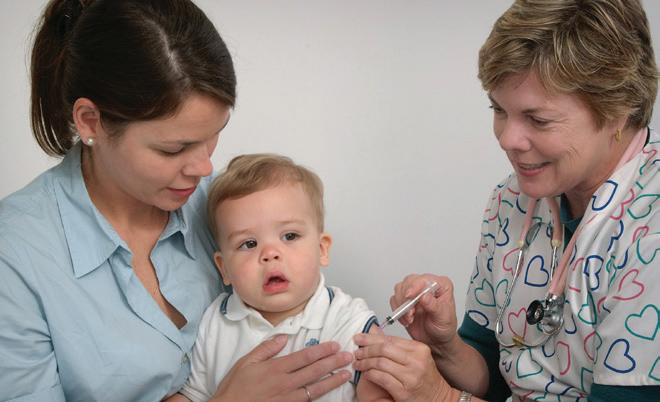
Following updates to the U.S. childhood immunization schedule made on Jan. 6 by Deputy Secretary of Health and Human Services Jim O’Neill, in his role as acting director of the Centers for Disease Control and Prevention, the Michigan Department of Health and Human Services issued the following statement:
“For decades, vaccines have played a critical role in the prevention and control of infectious diseases and significant reductions in childhood illnesses and fatalities.
On Dec. 18, Michigan’s Chief Medical Executive Dr. Natasha Bagdasarian issued a Standing Recommendation advising health care providers and families to follow the child and adolescent immunization schedule produced by the American Academy of Pediatrics (AAP) or the American Academy of Family Physicians (AAFP). We continue to stand by that recommendation.”
The underlying scientific evidence remains unchanged and continues to support the full AAP and AAFP vaccination schedules for children. Families should still be able to access the full range of childhood immunizations as recommended by the AAP and AAFP to protect their children from serious diseases.
All vaccines, including those moved to shared clinical decision-making, remain covered with no out-of-pocket cost by Affordable Care Act-regulated private insurance plans and federal coverage programs such as Medicaid and the Vaccines for Children program, as HHS affirmed in its announcement.
Bagdasarian noted that the changes announced Jan. 6 may create confusion for families and clinicians regarding school vaccine requirements, clinical workflows and the supply and use of combination vaccines.
“MDHHS will continue to provide clear guidance, backed by science to help protect Michigan families,” Bagdasarian said.
MDHHS ADOPTS UPDATED VACCINE RECOMMENDATIONS FOR MICHIGAN
The Michigan Department of Health and Human Services (MDHHS) has adopted the immunization schedules published by the American Academy of Pediatrics (AAP), the American
Academy of Family Physicians (AAFP) and the American College of Obstetricians and Gynecologists (ACOG) as the standards of care for immunization practices in Michigan.
When determining which vaccines are recommended by age group and/or risk factors, MDHHS supports the use of the following guidance:
• The AAP immunization schedule or the AAFP immunization schedule when vaccinating children and adolescents, from birth through 18 years of age.
• The AAFP immunization schedule when vaccinating adults ages 19 and older.
• The ACOG immunization schedule when vaccinating pregnant individuals.
• The Infectious Disease Society of America's immunization guidance when vaccinating immunocompromised adults and children.
In October, the Michigan Advisory Committee on Immunizations (MACI)* approved a resolution endorsing Michigan’s adoption of these immunization schedules.
Also in October, MDHHS announced updated vaccine recommendations specifically for COVID-19, flu and RSV. MACI and many other key Michigan medical organizations expressed strong support for the MDHHS 2025-26 COVID-19 vaccine recommendations.
To learn more, visit Immunization Recommendations for Michigan, MACI and Michigan.gov/COVIDFluRSV. Locate Vaccines for Children (VFC) program providers in the VFC provider directory
*MACI is an independent, Michigan-specific advisory body on immunizations. Their members provide guidance to the MDHHS Division of Immunization to reduce the incidence of vaccine-preventable diseases, promote efficient uses of program resources and support the use of vaccines in Michigan that are recommended following an evidence-based framework. MACI has advised Michigan’s state health department leaders on all immunization-related issues since 1992.
Vaccine safety
MDHHS continually reviews evidence and the scientific literature to stay aware of issues related to vaccine safety and effectiveness.
The overwhelming body of evidence clearly shows there is no causal link between vaccines and autism. The recent update to Centers for Disease Control and Prevention websites suggesting that vaccines may cause autism does not appear to be based on new evidence.
MDHHS agrees with leading experts, including the AAP and the AAFP in their assessment of the evidence.
continued on page 7
In a statement, AAP president Susan J. Kressly said, “Since 1998, independent researchers across seven countries have conducted more than 40 high-quality studies involving over 5.6 million people. The conclusion is clear and unambiguous: There’s no link between vaccines and autism.”
The AAFP has also issued a statement: “Vaccines do not cause autism. Decades of rigorous research have failed to provide credible scientific evidence linking vaccines to autism. Vaccines are among the most effective tools we have to keep people, especially infants and children, healthy and out of hospitals. Continued claims about a vaccine-autism link risk public health by causing people to delay or defer vaccination out of fear.”
MICHIGAN AWARDED MORE THAN $173 MILLION IN FEDERAL FUNDING TO STRENGTHEN RURAL HEALTH
The Michigan Department of Health and Human Services (MDHHS) was awarded $173,128,201 for FY 2026 by the Centers for Medicare & Medicaid Services under the Rural Health Transformation Program.
“This investment will support access to health care for rural communities across Michigan as we deal with funding shortfalls caused by federal Medicaid cuts,” said Gov. Gretchen Whitmer. “This $173 million grant will help us connect more Michiganders to the care they need and provide essential wraparound supports. In Michigan, we have successfully worked together to protect quality, affordable health care, and we will continue finding ways to secure more federal funds, expand coverage and lower costs.”
The Rural Health Transformation Program is a $50 billion national commitment to improve the health and well-being of rural communities across the country. With this funding, states will implement comprehensive strategies to improve care delivery, support providers and advance new approaches to coordinating health care services across rural communities. Funding will be allocated over five years, with $10 billion available each year from 2026 through 2030.
Before submitting its application, MDHHS hosted an online survey and two listening sessions to gather input on how the funding could help increase and improve sustainability for rural providers.
Based on this feedback, MDHHS requested funding to:
• Support the development and strengthening of regional partnerships among rural hospitals, clinics and community organizations to improve care coordination, align service delivery, expand access points and promote financially sustainable care models.
• Recruit and retain rural health professionals, behavioral health providers and community health workers. Funds will also promote prevention and chronic disease management training and integrated behavioral health care access.
• Implement technology tools and advance rural interoperability, including establishing a rural technology catalyst fund to support expanding data exchange and increasing adoption of telehealth, remote patient monitoring and technology-driven care coordination tools.
• Establish digital referral networks that connect residents to local care, prevention and wellness resources needed to live healthy lives.
For more information about Michigan’s plan for the funding, visit the MDHHS Rural Health Transformation Program website. Additional information about the federal Rural Health Transformation Program is available at Rural Health Transformation Program | CMS. F
Don’t Let Your Membership Lapse –Pay Your Dues by Feb. 28
Macomb County Offers the Lowest Dues Rates in Southeast Michigan!
Why Membership Matters
Whether you’re a solo practitioner, member of a group practice, or employed by a health care system, the Macomb County Medical Society is focused exclusively on advocating for our local physician members, across a wide-range of specialties. We recognize there is strength in numbers and we provide a unified voice for physicians.
There are three easy ways to renew:
1. Online at www.msms.org/renew
2. Call your MSMS Account Specialist, Christina Spitzley, at 517-336-5762
3. Print the invoice from your account record and fax it to 517-336-5716
Together we are stronger and we need your support!
APeer Review Committee Structures in Hospitals
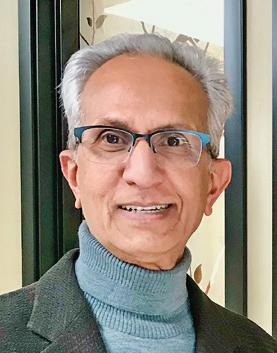
By: Narendra Devisinh Gohel, MD Editor, Macomb Medicus
lbert Einstein famously remarked, “Everything should be made as simple as possible, but no simpler.” This principle is particularly relevant to healthcare quality improvement, where systems must balance rigor with practicality.
Quality care is commonly defined by three core dimensions: safety, effectiveness, and patient-centeredness. Safety focuses on preventing harm to patients during healthcare delivery. Effectiveness ensures that care is evidence-based and aligned with current scientific knowledge. Patient-centeredness emphasizes respect for patients’ values, preferences, and involvement in clinical decision-making. Despite these well-established principles, poor-quality care remains an underrecognized global epidemic (Kumah, Augustine). The United States is no exception. In response, the Centers for Medicare & Medicaid Services (CMS) requires hospitals to maintain peer review processes as a condition of participation in Medicare and Medicaid programs.
Barriers to Quality Improvement
Several systemic barriers hinder the effective implementation of quality care, including underreporting, lack of transparency, limited accountability, and fear of blame. When accountability is absent, a culture of complacency may emerge—defined as satisfaction with the status quo and reluctance to pursue improvement. Such a culture diminishes urgency for patient safety initiatives and undermines organizational learning.
Establishing an Effective Peer Review Committee
The development of a peer review committee should begin with a clearly defined purpose and measurable goals. This is followed by the selection of an appropriate committee structure and membership. Performance metrics, case identification triggers, and standardized review processes must then be established. Finally, the committee must ensure that recommendations are implemented and outcomes are tracked, thereby “closing the loop.”
For peer review to be successful, the process must be educational, non-punitive, and confidential, with a primary focus on quality improvement. Critical success factors include a blamefree culture, timely case reviews, data transparency, leadership support, and consistent follow-through.
Models of Peer Review Committees
Several peer review structures are commonly used in hospitals:
Department Chair Model
This model is simple and efficient, as a single individual can often make timely decisions. However, it is highly vulnerable to individual bias and specialty-specific perspectives, limiting objectivity.
Department-Based Peer Review Committee
Derived from academic and teaching hospital traditions, this model integrates peer review with morbidity and mortality conferences. While familiar and widely accepted, it continues to suffer from specialty bias, variability in effectiveness, and reduced efficiency due to multiple departmental layers.
Single Central Multispecialty Peer Review Committee
It is important to distinguish multispecialty from multidisciplinary committees. Multispecialty committees consist of physicians from various specialties, whereas multidisciplinary committees include members from different professional disciplines such as physicians, nursing, physical therapy, and pharmacy.
Multispecialty peer review committees have gained popularity over the past two decades for several reasons:
1. Improved efficiency through consolidation of committees.
2. Reduced variation in peer review quality across departments.
3. Enhanced collaboration for increasingly complex patient care.
Department-based committees often result in delays as cases are transferred among specialties. A centralized multispecialty model reduces fragmentation and improves resolution.
Single-Specialty Committees
Single-specialty committees offer deeper clinical expertise, easier consensus, and stronger accountability due to shared knowledge and specialty alignment. However, they are limited by specialty bias, narrower scope, and reduced opportunities for cross-disciplinary learning.
continued on page 9
Multispecialty Quality Improvement Committees
These committees provide broader perspectives, reduce bias, enhance care coordination, and support holistic evaluation of patient care. Their main limitations include less detailed specialty-specific analysis and potential communication challenges between specialties.
Oversight Function
Oversight may be performed by the Medical Executive Committee (MEC) or a designated medical staff quality committee. Except in the case of a single centralized multispecialty committee—which inherently performs its own oversight—formal oversight is essential to ensure reliability, consistency, and accountability. This structure reflects the principle that responsibility must be matched with authority.
External Peer Review
Historically, peer review has been perceived as punitive, contributing to stress and resistance among clinicians. External peer review can be valuable when:
• Internal expertise is lacking,
• Cases are highly complex,
• Political or interpersonal sensitivities exist, or
• Objective neutrality is required.
Although external review can also be used routinely, cost considerations often limit its application.
Transparency
and Board Involvement
Transparency is fundamental to sustained quality improvement. Hospital boards of directors must be informed not only of adverse events but also of successful outcomes. This balanced reporting supports organizational learning, accountability, and strategic alignment with quality goals.
Conclusion
An effective peer review system is essential to advancing patient safety and healthcare quality. By selecting appropriate committee structures, fostering a non-punitive culture, ensuring strong oversight, and maintaining transparency at all organizational levels, hospitals can transform peer review from a regulatory obligation into a powerful driver of continuous improvement. F
References:
1. Institute of Medicine. Crossing the Quality Chasm: A New Health System for the 21st Century. National Academies Press; 2001.
2. Kumah A, et al. Poor-quality care as a global health challenge. Health Policy Plan. 2019;34(6):453-459.
3. Centers for Medicare & Medicaid Services. Conditions of Participation for Hospitals. CMS; 2023.
4. Leape LL, et al. Transforming healthcare: a safety imperative. Qual Saf Health Care. 2009;18(6):424-428.
5. Pierluissi E, et al. Medical peer review: theory and practice. J Patient Saf. 2013;9(4):202-209.
6. Morbidity and Mortality Conference Revisited. Acad Med. 2002;77(10):1001-1006.
7. Joint Commission. Peer Review in Medical Staff Governance. 2022.
Take Charge of Your Mental Health
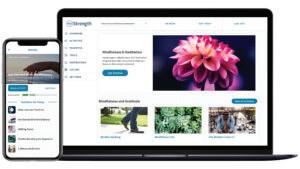
Achieving and maintaining mental wellness is the foundation for keeping the entire body healthy. To support that effort, Macomb County Community Mental Health is proud to offer a great on-line, personalized program, My Strength.
“The health club for your mind,” MyStrength provides programs and support for many types of emotional and physical challenges, including:
• Reducing stress • Mindfulness & meditation
• Improving sleep
• Managing depression
• Managing anxiety
• Balancing intense emotions
• Pregnancy & early parenting
• Managing chronic pain
MyStrength offers daily tips for the mind, body and spirit, and:
• Is Safe, Secure, and Confidential—Your privacy is our top priority, and MyStrength maintains the highest level of security available to create a completely confidential and safe environment.
• Has Proven Resources—based on the latest research and professional advice from best-selling authors.
• Is Packed with Tools — MyStrength offers many resources to improve mental health, with the latest research and professional advice.
It’s easy to get started; Go to mystrength.com and enter access code MCCMHComm and begin your journey to stronger overhall health!
MyStrength has helped many people across the country from the comfort and privacy of their homes.
There is no cost to join, and it is simple to get started. Go to www.mystrength.com. Select “Sign Up” and enter the access code: MCCMHComm. Complete the Wellness Assessment (it takes about ten minutes) and be on your way with personalized tools and supports.
Go Mobile! Using the access code, get the myStrength app for IOS and Android devices at www.mystrength.com/mobile
The MCMS would like to wish the following members a very Happy Birthday!
We would like to thank the Macomb County Medical Society members who participated in this year’s Holiday Sharing Card Project.
Your generous donations enabled us to raise $2,330 for the Macomb Food Program which feeds hungry families throughout Macomb County and $2,160 for Turning Point which assists victims/survivors of domestic violence, exual assault, and human trafficking.
Bryan Mazey, DO
Glenn Minster, MD
Dariouche Mohammadi, MD
Donald Muir, MD
Prameela Patel, MD
Nina Rehman, DO
Jennifer Rivard, MD
Daniel Ryan, MD
Joyanta Saha, MD
Geoffrey Seidel, MD
Saadia Siddiqui, MD
Lacey Walke, MD
Mary Watts, MD
Zenon Zarewych, MD
March
Anthony Affatato, DO
Eugene Agnone, MD
Majid Al-Zagoum, MD
Valda Byrd, MD
Steven Cusick, MD
Steven Ferrucci, MD
Rene Franco Elizondo, MD
Anna Fraymovich, MD
Mohammad Ghaffarloo, MD
Thomas Gignac, MD
Vamshidhar Guduguntla, MD
Marko Gudziak, MD
Bal Gupta, MD
Katherine Hartman, MD
Violette Henein, MD
Eddie Idrees, MD
Kathleen Joyce, MD
Shabbir Khambati, MD
Arsenia Koh-Guevarra, MD
Marcus Koss, MD
Peter Kowynia, MD
Sang Lee, MD
Ruben Legaspi, MD
Alicia Lumley, MD
George Maristela, MD
Lokesh Nagori, MD
Nayna Nagrecha, MD
Abdullah Rathur, DO
Michael Raad, DO
Ariston Sandoval, MD
Scott Sircus, MD
Akemi Takekoshi, MD
CME Requirements for Licensure
Every three years physicians are required to complete the following continuing education for license renewal.
150 hr. Continuing Medical Education
75 hr. of which must be Category 1 CME credits for MDs
60 hr. of which must be Category 1 CME credits for DOs
One time – training for Identifying Human Trafficking Victims
One time – training for Opioids & Controlled Substances
Awareness for Prescribers
One time – the Medication Access and Training Expansion (MATE) Act, requires DEA registered prescribers to have 8 hrs. training in opioid use disorders
Ryan Holub-Ward, DO
Pediatrics – Board Certified
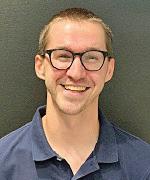
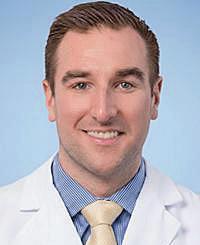
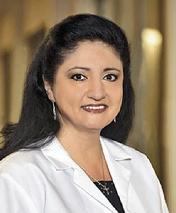
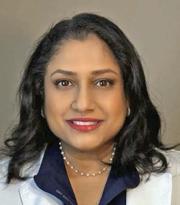
Medical School: Edward Via College of Osteopathic Medicine (SC), 2022. Post Graduate Education: Detroit Wayne County Health Authority, completed in 2025. Hospital Affiliations: Corewell Beaumont Grosse Pointe, Henry Ford St. John. Currently practicing at Northpointe Pediatrics, 30061 Schoenherr Rd., Ste. A, Warren, MI 48088, ph. 586-558-2111, fx. 586-558-3665, www.northpointepediatrics.com.
Kenneth M. Ierardi, DO
Orthopedic Surgery – Board Eligible Medical School: University of New England College of Osteopathic Medicine (ME), 2019. Post Graduate Education: Henry Ford Macomb Hospital, completed in 2024; Ohio State University Wexner Medical Center, completed in 2025. Hospital Affiliations: Corewell Beaumont Grosse Pointe, Henry Ford Macomb, Henry Ford St. John. Currently practicing at St. Clair Orthopaedics & Sports Medicine, 23829 Little Mack Ave., Ste. 100, St. Clair Shores, MI 48080, ph. 586-7731300, fx. 586-773-1600, www.stclairortho.com
Lillian F. Marzouq, MD
Family Medicine – Board Certified Medical School: Wayne State University School of Medicine, 1994. Post Graduate Education: Oakwood Hospital & Medical Center, completed in 1997. Hospital Affiliations: Henry Ford River District, Henry Ford St. John. Currently practicing at Bay Area Family Physicians, 34301 23 Mile Rd., Ste. 100, New Baltimore, MI 48047, ph. 586-7251770, www.bayareafp.com
Amitha Parvataneni, MD
Family Medicine – Board Certified Medical School: Kasturba Medical College (India), 2002. Post Graduate Education: McLaren Regional Medical Center, completed in 2010. Hospital Affiliations: Henry Ford Warren & Madison Heights. Currently practicing at ASM.D. Aesthetics, 3281 Rochester Rd., Troy, MI 48083, ph. 313-949-0418, www.asmdaesthetics.com
Inas A. Ruhban, MD
Pediatrics – Board Certified Medical School: University of Damascus Faculty of Human Medicine (Syria), 2017. Post Graduate Education: Ascension St. John Hospital, completed in 2024. Hospital Affiliations: Corewell Beaumont Troy. Currently practicing at Mali & Mali Pediatrics, 44344 Dequindre Rd., Ste. 510, Sterling Heights, MI 48314, ph. 586-323-6300, fx. 586-323-6331, www.malipeds.com.
Nathanael R. Sanchez, MD
Family Medicine – Board Certified Medical School: Wayne State University School of Medicine, 2019. Post Graduate Education: Beaumont Health Wayne Hospital, completed in 2022. Hospital Affiliations: Corewell Beaumont Troy, Henry Ford Rochester. Currently practicing at Silver Pine Medical Group, 57850 Van Dyke Ave., Ste. 100, Washington, MI 48094, ph. 586-726-4823, fx. 586-726-8365, www.silverpinedocs.com
Heidi K. Stoute, MD
Cardiovascular Disease – Board Certified, Internal Medicine –Board Certified Medical School: St. George University School of Medicine (Grenada), 2019. Post Graduate Education: Henry Ford St. John Hospital, completed in 2025. Hospital Affiliations: Corewell Beaumont Grosse Pointe, Henry Ford Macomb, Henry Ford St. John, Henry Ford Warren. Currently practicing at Cardiovascular Institute of Michigan, 18303 E. 10 Mile Rd., Ste. 100, Roseville, MI 48066, ph. 586-776-8877, fx. 586-776-3092, www.cvi-mi.com. F
Dr. Milton Simmons: Giving the Gift of Life
The following article was published in Magen David Adom’s The Pulse magazine.
“I don’t know who you are; I’ll never know who you are but I was there for you in your time of need.” This beautiful sentiment shared by Dr. Milton Simmons of Southfield encapsulates why he supports Magen David Atom. He has sponsored eight vehicles over the years, including six ambulances, an emergency rapid response vehicle, and a Medicycle. Saving lives is Dr. Simmons’ bread and butter; he practiced medicine for 44 years and spent another 28 years passing on his wealth of knowledge as a professor at Wayne State University. “I went into medicine to help people,” he shared. “I fell in love with medicine, and I fell in love with helping Israel.”
His generous support makes a remarkable impact on Magen David Adom’s ability to save more lives, but more than that, it gives Dr. Simmons a tangible way to honor the lives of those most precious to him. The first ambulance he sponsored was donated in memory of his beloved daughter Bonnie Simmons, who practiced medicine alongside him for 21 years. Later, he gave an ambulance in memory of his wife Edith, and most recently, he and his partner, Estelle Kleiman, sponsored an ambulance in memory of her son Michael.
“It’s more than metal to me, it’s connection,” explained Dr. Simmons about the ambulances he has sponsored. He proudly boasts of his 13 “grandchildren,” that is, babies who have been born with the help of the medics in “his” ambulances. Dr. Simmons hopes to sponsor another ambulance in the coming year: “I can’t think of a better present that you could give to Israel than something to help them live and survive!” F
Editor’s Note: This is a follow-up to the article “A Remembrance for Loved Ones that Keeps on Giving Physically & Spiritually” published in the Macomb Medicus Journal, Summer 2022 issue
Henry Ford Macomb Hospital
MOSAIC CLINICALLY INTEGRATED NETWORK HEADS INTO YEAR TWO OF ADVANCING HIGH-VALUE CARE ACROSS THE STATE
Henry Ford Health, a long-time leader in population health management and value-based care, is recognizing a successful first year – and preparing for an impactful second year – with its Mosaic Clinically Integrated Network (CIN). The creation of Mosaic CIN has resulted in expanded collaboration among physicians, hospitals and care teams as they deliver high-value care across Michigan, improving the health and wellness of the patients and communities we serve.
Addressing a Critical Gap Mosaic CIN was created to meet a growing demand for a structure that brings physicians together to deliver high-quality, affordable care in a more coordinated way. By integrating data, resources and governance, the network reduces fragmentation and administrative burden while enhancing collaboration across care settings.
For patients, this means staying healthier through better management of chronic diseases, fewer unnecessary hospitalizations and improved preventive care. For providers, it means access to clinical data, peer collaboration and shared tools to support decision-making.
“Mosaic CIN’s patient-focused, physician-led approach is reshaping care delivery in Michigan,” said Dr. Jerome Finkel, Chair of the Mosaic CIN Board and Senior Vice President & Chief Primary Health Officer at Henry Ford Health. “By aligning independent physicians, medical groups and hospitals, we’ve built a model that centers around patients, improves quality, lowers costs and empowers providers to practice at the top of their profession.”
Local Roots, National Reach
Mosaic CIN is a network of independent, employed and academic clinicians who collaborate to provide high-quality, affordable care. The CIN allows the providers to share information, resources and best practices to improve patient experiences and health outcomes. By using a common set of goals, they make it easier for patients, providers, hospitals, and insurance companies to work together effectively.
In its first year, Mosaic CIN has already become one of the largest and most advanced networks in the country. Its impact includes:
• Uniting 4,500 clinicians across Henry Ford Medical Group, Henry Ford Allegiance Medical Group, MSU Health Care and independent practices of all sizes.
• Providing integrated, holistic care for more than 600,000 patients.
• Spanning 13 counties across the state of Michigan.
“By bringing together physicians, hospitals and care teams under one integrated network, Mosaic CIN is redefining how care is delivered,” said Mosaic CIN President Dr. Courtland Keteyian. “Patients experience more coordinated care that improves outcomes and lowers costs, while providers gain the insights, resources and collaboration needed to deliver the best possible care.”
ACTIVATE YOUR POLITICAL VOICE
The Michigan Doctors’ Political Action Committee (MDPAC) is the political arm of the Michigan State Medical Society. MDPAC supports pro-medicine candidates running for the State legislature, Michigan Supreme Court and other statewide positions. Join today!
While Mosaic CIN’s work is rooted in Michigan, its influence is national. In October, the network hosted its 2025 Annual Strategic Summit, featuring keynote speaker Dr. Bobby Mukkamala, President of the American Medical Association. The event and keynote speaker underscores Mosaic CIN’s role as a national thought leader in this arena.
“We are proud of what Mosaic CIN has accomplished in its first year, and inspired by what we can do in the next,” said Dr. Adnan Munkarah, President of Clinical Enterprise and Chief Physician Executive, Henry Ford Health. “Our providers are improving care locally and shaping the national conversation on the future of high-value care.”
Visit MosaicCIN.org for more information. F
The Physicians Foundation Survey Finds Erosion of Physician Autonomy Is Harming Patient Care, Driving Physician Stress and Accelerating Workforce Losses
Survey shows critical need to preserve physician leadership in care decisions for Americans’ health
The Physicians Foundation announced findings from its 2025 Survey on Physician Autonomy and Impact on Patient Care, revealing a stark new reality: when physicians lose control over how they practice medicine—known as the loss of physician autonomy—patients pay the price. The survey of more than 1,000 U.S. physicians shows that physicians overwhelmingly view the loss of autonomy as a major threat to the workforce and a key driver of worsening access to care.
The U.S. health care system is being reshaped by rapid healthcare consolidation—mergers, acquisitions and private equity funding—that too often sideline physicians from critical decisions and compromise timely, affordable, high - quality patient care. While consolidation is reported to offer benefits such as increased efficiency and scale, improved care coordination, and expanded services, survey findings show that this consolidation is also negatively impacting physicians who feel a loss of autonomy and control over their own jobs and ultimately patient care.
Key findings underscore the impact on patients and the physician workforce:
• Physicians identify third-party practice acquisition (83%) and rapid consolidation (74%) as major contributors to autonomy loss, and more than seven in ten (75%) support stronger state oversight to safeguard physician leadership in care decisions.
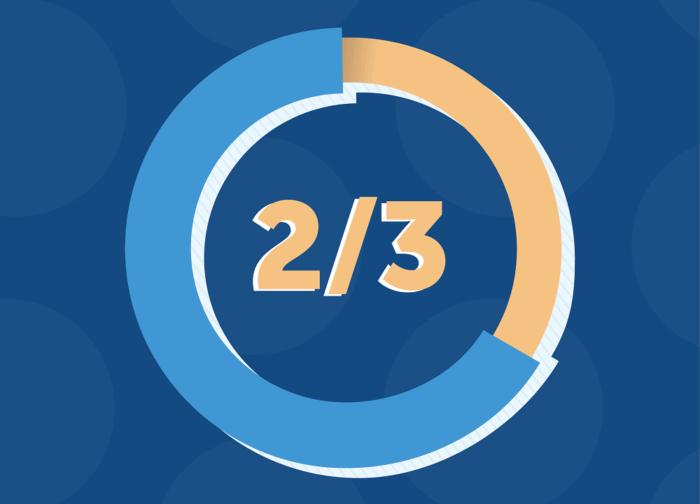
• Nearly two-thirds (64%) of physicians say limits on autonomy negatively affect the quality and timeliness of patient care, and more than half (57%) report declines in patient satisfaction.
• About three-quarters (73%) report autonomy limits are increasing their stress, with more than four in ten (45%) indicating these pressures are pushing them toward career changes or earlier retirement.
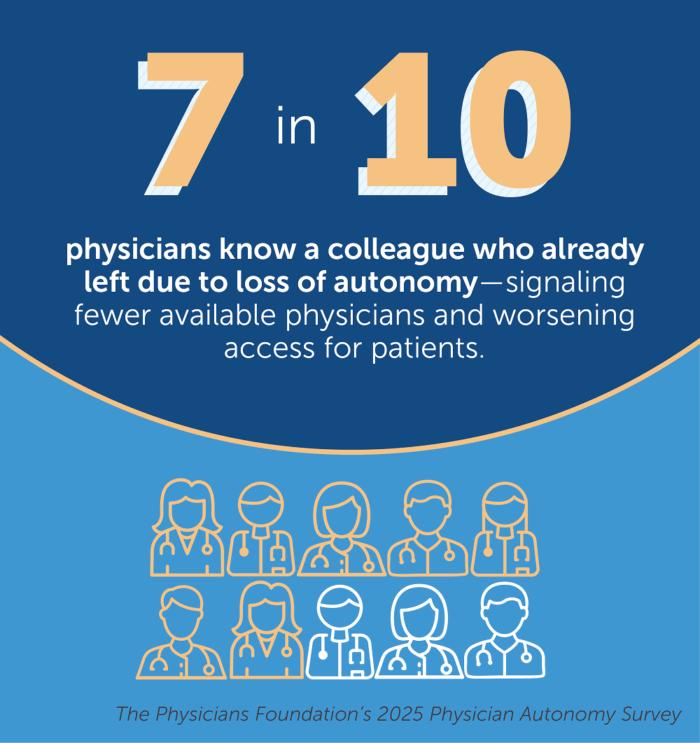
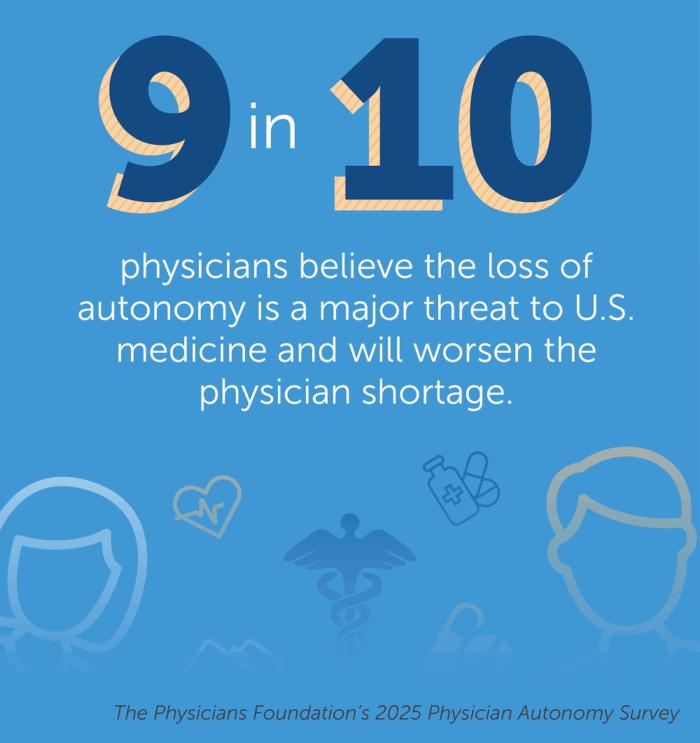
• Nine in ten (91%) physicians say the loss of autonomy is a major threat to U.S. medicine and will worsen the physician shortage; seven in ten (71%) know colleagues who have already left the profession due to loss of autonomy.
“Patients are paying the price when physicians lose the ability to make timely, independent decisions in partnership with those they serve,” said Gary Price, MD, president of The Physicians Foundation. “Longer waits, shorter visits and more fragmented care are becoming the norm, not the exception. Our findings make clear that restoring physician autonomy is not about professional preference—it’s about protecting access, safety and outcomes for patients.”
According to the survey, autonomy erosion is closely tied to operational realities that patients feel every day: delayed treatments, reduced time with physicians, and care that is less tailored to individual needs. Physicians also report significant
continued on page 15
continued from
personal stress under current conditions, raising concerns about continuity of care and worsening staff shortages if more physicians reduce hours, change careers or retire early. Preserving physician leadership in care decisions—through transparency, oversight, and safeguards that protect autonomy—is essential to maintain personalized, patient- centered care and prevent further erosion of access and satisfaction.
“The message from physicians is unequivocal: interference in clinical decision-making is degrading care quality and driving clinicians out of practice,” said Bob Seligson, CEO, The Physicians Foundation. “This is why protecting physician autonomy must be a priority. Every layer of interference significantly impacts the doctor-patient relationship. If we want a healthcare system that’s effective, efficient and centered on patients, we must preserve physicians’ ability to lead care decisions without third-party control.”
The Physicians Foundation is advancing research to help protect the patient-physician relationship, preserve physician autonomy and improve overall physician wellbeing. Read the full survey results and methodology here. F
About The Physicians Foundation
The Physicians Foundation is a public charity seeking to advance the work of practicing physicians and improve patient access to high-quality, costefficient care. As the U.S. health care system continues to evolve, The Physicians Foundation is steadfast in strengthening the physician-patient relationship, supporting medical practices’ sustainability and helping physicians navigate the changing health care system. The Physicians Foundation pursues its mission through research, education and innovative grant making that improves physician wellbeing, strengthens physician leadership, addresses drivers of health and lifts physician perspectives. For more information, visit www.physiciansfoundation.org
February 11 ~ Leveraging Stress to Enhance Performance: Reframing Stress & Behavior
MSMS Grand Rounds, Live Webinar, 12 pm – 12:45 pm, .75 AMA/PRA Category 1 CME Credit. Cost: FREE for Active members & Residents; $25 for non-members & Emeritus/ Retired/Life members.
February 11 ~ Cybersecurity for Remote Workers
MSMS Practice Management Series, Live Webinar, 1 pm – 2 pm, 1 AMA/PRA Category 1 CME Credit. Cost: FREE for Active members & Residents; $25 for non-members & Emeritus/Retired/Life members.
March 4 ~ Pediatric Long COVID
MSMS Grand Rounds, Live Webinar, 12 pm – 12:45 pm, .75
AMA/PRA Category 1 CME Credit. Cost: FREE for Active members & Residents; $25 for non-members & Emeritus/ Retired/Life members.
March 4 ~ Navigating Michigan Medical Licensure and CME
MSMS Practice Management Series, Live Webinar, 1 pm – 2 pm, 1 AMA/PRA Category 1 CME Credit. Cost: FREE for Active members & Residents; $25 for non-members & Emeritus/Retired/Life members.
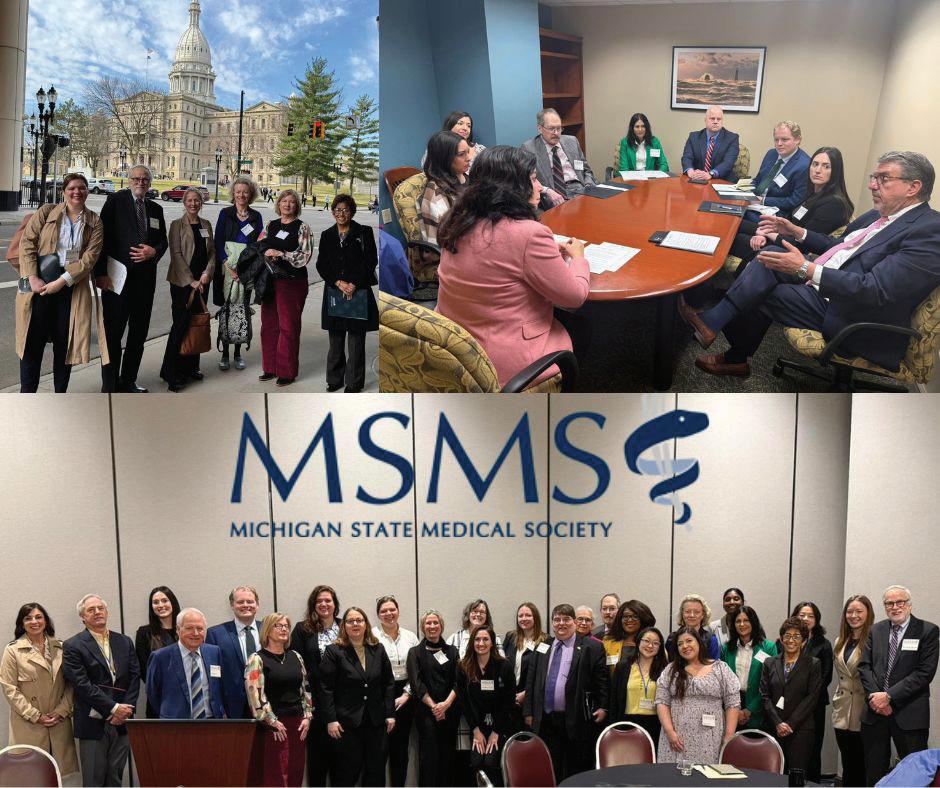
March 11 ~ MSMS Advocacy Day
FREE in-person event, 9 am – 3 pm, The Double Tree by Hilton in Lansing. Join us in “Strengthening the Voice of Michigan Physicians” by engage directly with lawmakers to help shape policies that affect our practices and the communities we serve. This event is open to all physicians.
April 8 ~ What You Must Know About Women's HormonesThe Science
MSMS Grand Rounds, Live Webinar, 12 pm – 12:45 pm, .75
AMA/PRA Category 1 CME Credit. Cost: FREE for Active members & Residents; $25 for non-members & Emeritus/Retired/Life members.
May 15 ~ Michigan License Renewal Essentials
MSMS In-Person Meeting, 8:30 am – 4:45 pm, Holiday & Suites in Troy. Earn the mandated Michigan Board of Medicine CMEall in one day! Conference fulfills: 3-hrs Pain Management, 1-hr. Controlled Substances, 3-hrs DEA MATE Act, 1-hr Medical Ethics, 3-hrs Implicit Bias. 7 AMA/PRA Category 1 CME Credits. Cost: FREE for Active, Active Emeritus, & Resident members; $270 Retired/Emeritus/Life members; $350 for non-members.
June 10 ~ Helping Hands - A Simulation Solution to Teaching the Hand Examination to Trainees
MSMS Grand Rounds, Live Webinar, 12 pm – 12:45 pm, .75
AMA/PRA Category 1 CME Credit. Cost: FREE for Active members & Residents; $25 for non-members & Emeritus/Retired/Life members.
By: Daniel M. Ryan, MD, MSMS Region 2 Director
HB 5313 INTRODUCED TO MODERNIZE MICHIGAN’S LICENSING SYSTEM
Lansing, MSMS will host Advocacy Day at the Capitol—an opportunity for physicians to engage directly with lawmakers at a pivotal moment for health care policy in Michigan. With the House nearing action on HB 4399 (allowing for nurse practitioners to practice medicine with no physician involvement) and the Legislature operating in an election year, physician voices are urgently needed in Lansing.
House Bill 5313, introduced by Representative Matthew Bierlein (R-District 97), reflects a strong partnership between the MSMS and legislative leadership to modernize Michigan’s health licensing system. The bill is the product of several months of joint work aimed at addressing long-standing regulatory challenges and improving Michigan’s ability to attract and retain physicians.
Throughout this collaborative process, MSMS highlighted how Michigan’s continuing medical education (CME) requirements make us an outlier nationally, while the current disciplinary structure can impose career-altering consequences for minor administrative violations, often resulting in long-term public records and mandatory reporting to the National Practitioner Data Bank. Recognizing the impact of these issues on the health care workforce, Representative Bierlein worked closely with MSMS to build a fairer, more balanced approach.
The resulting legislation includes three major reforms:
• CME Reduction: Reduces required CME from 150 to 75 hours every three years, aligning Michigan with national norms and easing unnecessary administrative burden.
• Mandated Topic Review: Requires a five-year review of mandated CME topics and establishes clear criteria before any new topic can be added, ensuring requirements remain relevant and evidence-based.
• Set-Aside Provision: Creates a pathway for certain minor administrative sanctions to be set aside after seven years of compliance and a clean record, removing these actions from public access and the Data Bank.
By combining these reforms, HB 5313 strengthens fairness, modernizes outdated provisions, and supports physicians without compromising patient safety. As MSMS President Amit Ghose, MD, noted, “this collaborative effort ensures Michigan is ‘no longer an outlier—but a leader’ in efficient, accountable health regulation.”
MSMS ADVOCACY DAY – WEDNESDAY, MARCH 11
Your Voice Matters in a Critical Legislative Year
On March 11, from 9 am – 3 pm at the Double Tree by Hilton in
The day will begin with a comprehensive morning briefing, providing participants with an overview of the current legislative landscape, priority bills, and key advocacy messages. Following the briefing, physicians will participate in scheduled meetings with legislators, offering firsthand insight into how proposed policies affect patient access, physician practice, and care delivery across Michigan.
Advocacy Day is designed to be accessible and impactful for both seasoned advocates and those new to the process. MSMS will provide issue background, talking points, and logistical support to ensure meetings are productive and meaningful. Register now and make a difference.
Why This Moment Matters
Michigan’s legislative environment is moving quickly. Split government, shifting committee dynamics, and an election-year calendar have created a narrow window to influence policy outcomes. Lawmakers are making decisions under significant political and time pressures. When physicians are absent from these conversations, policies risk being shaped without a clear understanding of real-world clinical impact.
Register online. If you have questions, contact Kate Dorsey at kdorsey@msms.org or 313-525-0646
MSMS 2025: A YEAR IN REVIEW
As 2025 ended, the Michigan State Medical Society (MSMS) marked a year of growth, engagement, and advocacy on behalf of physicians across the state. From expanding membership and educational opportunities to strengthening advocacy efforts and operational support, here’s a look at some of the highlights.
Government Relations Snapshot
In 2025, MSMS amplified the voice of physicians at the Capitol and beyond. This past year the Advocacy team:
• Monitored 345 bills
• Provided testimony 26 times and sent 4,927 advocacy emails
continued on page 17
• We had a total of 28 physicians participate in Advocacy Day
• Held 78 legislative meetings
The MSMS Government Relations Department advocates daily on behalf of physicians and their patients. By engaging lawmakers and staff, the team ensures health policy reflects clinical expertise and patient-centered care. Through meaningful opportunities for physician involvement, MSMS works to create a policy environment that allows physicians to focus on what matters most—caring for patients. Take action now.
Health Care Delivery Snapshot
In 2025, MSMS advanced physician interests through advocacy, collaboration, and direct support on payer, legal, and regulatory issues.
• MSMS submitted 12 letters, individually or jointly, to federal and state legislators and regulators on issues including Medicare payment, Medicaid funding, telehealth, physician-owned hospitals, downcoding policies, out-of-network care, substance use disorder home health, ACA premium tax credits, immunizations, and medical student loans.
• MSMS held over 20 meetings with insurers throughout the year, including BCBSM/BCN, HAP, Meridian, Molina, Priority Health, Medicaid, and Medicare.
• MSMS represented physicians on numerous committees and at key meetings, including the Medicaid Advisory Committee, Community Information Exchange Advisory Committee, MiHIMSS, Michigan Chronic Disease Registry Advisory Board, Immunization BASIC, Michigan Welcome Back Centers Implementation Meeting, Solutions Summit, and BCBSM PGIP quarterly meetings.
• MSMS engaged in collaborative partnerships with organizations such as CPAN, the Coalition of State Medical Associations, Protect MI Care Coalition, Michigan Alliance for Legal Reform, Keep MI Kids Tobacco Free Alliance, and the Michigan Healthcare Stakeholders Opioid Stewardship Consortium.
• MSMS created two new legal alerts What Physicians Need to Know About Immigration Enforcement at Medical Offices and Facilities and Creditors’ Rights for Medical Practices Following Chapter 11 Bankruptcy Filing—and updated the MSMS HIPAA Guide.
The Health Care Delivery team is committed to supporting physicians through payer advocacy, practice support, and legal and regulatory resources. MSMS actively pursues physician rights in every forum and provides access to a wide range of
legal tools to help members address challenges that threaten their practices and patient care.
Your membership makes this work possible. Because of your support, physicians have a strong, unified voice in advocacy, access to high-quality education, and the resources needed to navigate today’s health care challenges.
UPDATED MSMS HIPAA GUIDE AVAILABLE
In order to comply with Privacy Rule requirements addressing substance use disorder treatment records covered under 42 CFR Part 2, medical practices and other Covered Entities must update their HIPAA Notice of Privacy Practices (NPP) by February 16, 2026. This update is necessary to address limitations on the use and disclosure of substance use disorder treatment records covered under Part 2. In order to assist members, MSMS has updated its HIPAA Guide (link will require MSMS sign-in) and sample NPP to reflect current requirements.
For more information, contact Stacey Hettiger, MSMS Senior Director of Advocacy and Payor Relations at shettiger@ msms.org . F
MEDICAL RECORDS OF RETIRED PHYSICIANS
Patients looking for their medical records from retired physicians frequently contact the MCMS. If you are retired or will be retiring shortly, please contact the MCMS at 877-264-6592 or email HLeach@macombcms.org and let us know how patients can retrieve their records. If the records have been destroyed, please inform us of that also so we can note our database accordingly. Thank you!
PHYSICIANS’ PROGRESS TOWARD ENDING THE NATION’S DRUG OVERDOSE EPIDEMIC
The American Medical Association 2025 Substance Use and Treatment report shows that while opioid-related overdose deaths declined last year, the epidemic remains widespread and increasingly complex, driven by polysubstance use and an unpredictable illicit drug supply. Overdose deaths declined from more than 110,000 in 2023 to about 75,000 in 2024, which is promising, but there is a tremendous amount of work that needs to be done to sustain and accelerate this progress. The report emphasizes the life-saving role of naloxone and calls on policymakers and others to remove treatment barriers for substance use disorder and pain care.
Data can be submitted and updated until March 31, 2026, at 8:00 p.m. ET. Follow the steps outlined below to submit 2025 MIPS data.
• Go to the QPP sign in page.
• Sign in using your QPP access credentials.
• Submit your data for the 2025 performance year or review the data reported on your behalf by a third party. (You can’t correct errors with your data after the submission period, so it is important to make sure the data submitted on your behalf is accurate.)
The AMA emphasizes that continued progress will require coordinated action among physicians, policymakers, insurers and communities to remove barriers to care, respond rapidly to emerging threats, and save lives.
Download the 2025 substance use and treatment report.
TELEHEALTH FLEXIBILITIES FOR PRESCRIBING CONTROLLED SUBSTANCES EXTENDED
The U.S. Drug Enforcement Administration (DEA) has extended the COVID-era prescribing flexibilities for controlled substances through Dec. 31, 2026. This is the fourth extension and allows physicians to continue to prescribe controlled substances to patients who have not had an in-person evaluation and have had telehealth visits only.
Although the DEA has issued multiple notices of proposed rulemaking to establish permanent regulations for prescribing controlled substances when there has not been an in-person encounter and to create a special telemedicine registration for this purpose, to date it has not finalized these rules. The notice is available for review.
2025 CMS MIPS DATA SUBMISSION WINDOW OPEN
The Centers for Medicare & Medicaid Services (CMS) has opened data submission for the 2025 performance year of the Merit-Based Incentive Payment System (MIPS) program.
CMS ANNOUNCES NEW DRUG PRICING MODELS
At the end of December 2025, CMS announced three new payment models aimed at reducing drug prices for Medicare and Medicaid beneficiaries.
BALANCE Model
The Better Approaches to Lifestyle and Nutrition for Comprehensive Health (BALANCE) model is a voluntary model promoting broader access to Glucagon-Like Peptide-1 agonists (GLP-1) for treatment of obesity for Medicare and Medicaid beneficiaries. The voluntary model would see CMS negotiate drug prices and coverage terms directly with GLP-1 manufacturers for state Medicaid and Medicare Part D plans. State Medicaid plans participating in the model can join beginning May 2026, while the model will begin for Part D plans in January 2027. The model will run through December 2031.
In addition to lower prices and coverage for GLP-1 medications, beneficiaries will have access to lifestyle support programs offered by manufacturers at no additional cost to beneficiaries. These programs will provide beneficiaries with education on maintaining weight loss and making positive health choices.
As a bridge until the model begins, CMS will run a demonstration project beginning in July 2026 that will allow beneficiaries that meet certain access criteria with access to GLP-1 medications for treatment of obesity with a $50 per month co-pay. AMA policy has long supported broader access to GLP-1 medications for the treatment of obesity. The AMA also supported earlier efforts by the Trump administration to negotiate down the prices of treatments.
GUARD and GLOBE Models
Alongside the BALANCE model expanding access and lowering costs for GLP-1 medications, CMS announced two proposed mandatory models that would assess rebates for certain drugs if the prices of those drugs exceed the prices paid by other economically comparable countries. The Guarding U.S. Medicare Against Rising Drug Costs (GUARD) model would apply to certain drugs within Part D, while the Global Benchmark for Efficient Drug Pricing (GLOBE) model would apply to drugs
administered in clinical settings and paid under Part B. CMS expects both models to help reduce out-of-pocket costs for beneficiaries.
CMS is accepting comments on the proposed GUARD and GLOBE models, with comments due by Feb. 23, 2026.
AMA REPORT: HEALTH INSURANCE GIANTS TIGHTEN GRIP ON U.S. MARKETS
The American Medical Association (AMA) released new data showing which health insurers hold the largest share of the commercial and Medicare Advantage markets—spots where limited competition leaves millions of Americans with too few choices and rising costs.
The newest edition of Competition in Health Insurance: A Comprehensive Study of U.S. Markets analyzes 2024 data across 384 metropolitan areas, all 50 states, and the District of Columbia. The report identifies the two largest insurers in each market and measures how concentrated those markets have become using federal merger guidelines issued in December 2023. Markets that cross thresholds set by the guidelines are considered “highly concentrated”—meaning consumers may not be getting the benefit of real competition.
“In the vast majority of metropolitan areas across the country, health insurers hold outsized market share—leaving patients with fewer choices and higher costs,” said AMA CEO and Executive Vice President John J. Whyte, MD, MPH. “When one or two companies call the shots, premiums rise, options shrink, and patients suffer. Strengthening competition—not consolidation—is the path to lower costs and improved access.”
Highlights from the AMA’s latest study of competition in health insurance markets show:
Commercial markets
• Nationally, the 10 largest health insurers by market share were: 1. UnitedHealth Group (16%), 2. Elevance Health (12%), 3. CVS (Aetna) (12%), 4. Cigna (9%), 5. Health Care Service Corp. (8%), 6. Kaiser Permanente (6%), 7. Centene (3%), 8. Blue Cross Blue Shield of Florida (2%), 9. Blue Cross Blue Shield of Michigan (2%), 10. Highmark (2%). Collectively, however, Blue Cross Blue Shield insurers would lead the list with a combined commercial market share of 43%.
• A lack of competition has spread in the last decade as more local markets have become highly concentrated. Under federal guidelines, 97% (372) of metro area markets were highly concentrated in 2024 — up from 95% in 2014.
• In 91% (350) of metro areas, at least one insurer held a commercial market share of 30% or greater, and in 47% (179) of metro areas, one health insurer held a market share of at least 50%.
• Blue Cross Blue Shield insurers had the largest market shares in 84% (321) of metro areas, giving them the widest reach. Among individual insurers, Elevance Health had the largest footprint as the largest insurer in 21% (82) of metro areas.
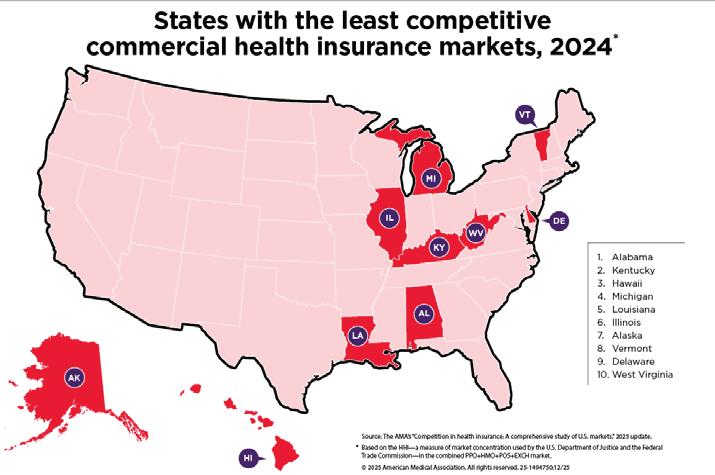
• The 10 states with the least competitive commercial health insurance markets were: 1. Alabama, 2. Kentucky, 3. Hawaii, 4. Michigan, 5. Louisiana, 6. Illinois, 7. Alaska, 8. Vermont, 9. Delaware, and 10. West Virginia.
Medicare Advantage markets
• Nationally, the 10 largest health insurers by market share were: 1. UnitedHealth Group (30%), 2. Humana (19%), 3. CVS (Aetna) (12%), 4. Kaiser Permanente (6%), 5. Elevance Health (5%), 6. Centene (4%), 7. Cigna (2%), 8. Blue Cross Blue Shield of Michigan (2%), 9. Highmark (1%), 10. SCAN (1%).
• Competition slightly improved in the last seven years as fewer local markets were highly concentrated, though the vast majority of markets remain highly concentrated. Under federal guidelines, 97% (372) of metro area markets were highly concentrated in 2024 - down from 99% in 2017.
• In 90% (345) of metro areas, at least one insurer held a market share of 30% or greater and in 24% (92) of metro areas, one insurer's share was at least 50%.
• UnitedHealth Group had the largest market share in 44% (169) of metro areas, giving them the widest reach, followed by Humana, which had the largest market share in 23% (87) of metro areas.
• The 10 states with the least competitive Medicare Advantage markets were: 1. Wyoming, 2. District of Columbia, 3. Rhode Island, 4. Montana, 5. Nebraska, 6. Utah, 7. West Virginia, 8. Mississippi, 9. Oklahoma, 10. Louisiana.
The prospect of future consolidation in the health insurance industry must be viewed in the context of the low levels of competition in most health insurance markets. For more than 20 years, the AMA analysis has been a helpful resource to researchers, policymakers, and regulators as they work to identify markets where mergers and acquisitions involving health insurers may cause competitive harm to consumers and providers of care.
Competition in Health Insurance: A Comprehensive Study of U.S. Markets is a vital element of AMA’s continued antitrust advocacy to protect patients and physicians from anticompetitive harm and help regulators and lawmakers better scrutinize anticompetitive insurer behavior. Health insurance market concentration will continue to be a vital issue of public policy for the AMA and the nation’s patients and physicians. Additional content from the updated study is available for download from the AMA’s Competition in Health Care Research website. F
Physicians Must Tell Their Own Story— For Patients’ Sake
By: John J. Whyte, MD, AMA CEO and Executive Vice President
The new “AMA State Advocacy Impact Report” underscores the importance of physicians with a unified voice on the issues affecting patients and the profession
In a time when trust in institutions is eroding and health care decisions are increasingly shaped by sound bites rather than science, it’s never been more important for physicians to tell their own story.
Physician advocacy is not about politics; it’s about patients. It is about making sure policies reflect clinical realities, support high-quality care, and strengthen the patient-physician relationship that is bedrock in medicine. It is about physicians stepping forward as trusted leaders to explain what is at stake when health care policy goes right, or wrong.
Across the country, physician leaders are doing just that. They are engaging lawmakers, educating the public, and working together to advance solutions that improve access to care, reduce administrative burdens, protect patient safety and strengthen the medical workforce. These efforts rarely make headlines, but their impact is profound.
As the AMA, physician leaders and health care advocates from around the country gathered for the AMA’s annual State Advocacy Summit, we released the first “AMA State Advocacy Impact Report ”. This new report captures the power of collaboration to advance policies that support physicians and protect patients at the state level.
From promoting physician-led, team-based care and physician well-being to pushing back against unfair payer practices, this report shows what’s possible when our profession speaks with a unified voice on the issues that most profoundly impact medicine today.
What stands out most is not any single policy win; it is the collective effort behind them. The AMA, state medical associations, specialty societies and physician advocates working in concert, sharing expertise, aligning priorities, and supporting one another. This is collaboration at its best, and it reflects the strength of a profession that understands we are more effective together than apart.
That unity matters now more than ever. With partisan gridlock in Washington, D.C., making federal action increasingly difficult, state legislatures have become the front lines of health care policy. Decisions made in statehouses today will shape how care is delivered for years to come. If physicians are not at the table, those decisions will move forward without our clinical insight.
Advocacy is our responsibility
Physicians are consistently among the most trusted voices in society. That trust is earned through experience, integrity, and a commitment to putting patients first. We cannot afford to leave that credibility unused. Advocacy is not separate from our professional responsibility; it is an extension of it.
The “AMA State Advocacy Impact Report” is a reminder of what can happen when physicians embrace that role and when organizations across medicine work together to amplify it. It is a blueprint for how we can continue to advance policies that strengthen patient care and the profession itself.
The challenges facing health care are significant, but so is our opportunity. By standing together, speaking clearly, and leading with our values, physicians can shape a future that works better for patients and those who care for them. And it starts by telling our own story. F
AI and Psychosis: What to Know, What to Do
By: Kara Gavin
As concern grows about online chatbots and mental health, an expert cautions about potential risk to alreadyvulnerable people, especially teens and young adults
Psychiatrist Stephan Taylor, MD, has treated patients with psychosis for decades.
He’s done research on why people suffer delusions, paranoia, hallucinations and detachment from reality, which can drive them to suicide or dangerous behavior.
But even he is surprised by the rapid rise in reports of people spiraling into psychosis-like symptoms or dying by suicide after using sophisticated artificial intelligence chatbots.
The ability to “talk” with an AI tool that reinforces and rewards what a person is thinking, doesn’t question their assumptions or conclusions, and has no human sense of morals, ethics, balance or humanity, can clearly create hazardous situations, he says.
And the better AI chatbots get at simulating real conversations and human language use, the more powerful they will get.
Taylor is especially worried about the potential effects on someone who is already prone to developing psychosis because of their age and underlying mental health or social situation.
He points to new data released by OpenAI, which runs the ChatGPT chatbot.
They report that a small percentage of users and messages each week may show signs of mental health emergencies related to psychosis or mania.
The company says new versions of its chatbot are designed to reduce these possibilities, which Taylor welcomes.
But as chair of the Department of Psychiatry at Michigan Medicine, the University of Michigan’s academic medical center, he worries that this is not enough.
Data from RAND show that as many as 13% of Americans between the ages of 12 and 21 are using generative AI for mental health advice, and that the percentage is even higher, 22%, among those ages 18 to 21, the peak years for onset of psychosis.
Chatbot as psychosis trigger?
Taylor knows from professional experience that psychosis can often start after a triggering event, in a person who has an underlying vulnerability.
For instance, a young person tries a strong drug for the first time, or experiences a harsh personal change like a romantic breakup or a sudden loss of a loved one, a pet or a job.
That trigger, combined with genetic traits and early-adulthood brain development processes, can be enough to lower the threshold for someone to start believing, seeing, hearing or thinking things that aren’t real.
Interacting with an AI agent that reinforces negative thoughts could be a new kind of trigger.
While he hasn’t yet treated a patient whose psychosis trigger involved an AI chatbot, he has heard of cases like this. And he has started asking his own patients, who have already been diagnosed and referred for psychosis care, about their chatbot use.
“Chatbots have been around for a long time, but have become much more effective and easy to access in the last few years,” he said.
“And while we’ve heard a lot about the potential opportunity for specially designed chatbots to be used as an addition to regular sessions with a human therapist, there is a real potential for general chatbots to be used by people who are lonely or isolated, and to reinforce negative or harmful thoughts in someone who is having them already. A person who is already not in a good place could get in a worse place.”
Taylor says one of the most troubling aspects of AI chatbots is that they are essentially sycophants. In other words, they’re programmed to be “people pleasers” by agreeing with and encouraging a person, even if they’re expressing untrue, unkind or even dangerous ideas.
In psychiatry, there’s a term for this kind of relationship between two people: folie à deux, a French phrase for two people who share the same delusions or bizarre beliefs.
continued on page 22
Stephan Taylor, MD
In such situations, the problem starts with a person who develops delusions but then convinces a person close to them –such as a romantic partner – to believe them too.
Often, such situations only end when the second person can be removed from the influence and presence of the first. But when only one party to the delusions is human, and the other is an artificial intelligence agent, that’s even trickier, says Taylor.
If the person using AI chatbots isn’t telling anyone else that they’re doing so, and isn’t discussing their paranoid ideas or hallucinations with another human, they could get deeper into trouble than they would have if they were just experiencing issues on their own without AI.
“I’m especially concerned about lonely young people who are isolated and thinking that their only friend is this chatbot, when they don’t have a good understanding of how it’s behaving or why its programming might lead it to react in certain ways,” said Taylor.
Practical tips when using chatbots
If someone chooses to use chatbots or other AI tools to explore their mental health, Taylor says it’s important to also talk with a trusted human about what they’re feeling.
Even if they don’t have a therapist, a friend, parent or other relative, teacher, coach or faith leader can be a good place to start.
In a mental health crisis, the person in crisis or a person concerned about them can call or text 988 from any phone to reach the National Suicide and Crisis Lifeline.
For people who may be concerned about another person’s behavior, and sensing that they may not be experiencing the same reality as others, Taylor says it’s critical to help them get professional help.
Signs to be concerned about include pulling away from social interactions and falling behind on obligations like school, work or home chores.
Research has shown that the sooner someone gets into specialized psychosis care after their symptoms begin, the better their chances will be of responding to treatment and doing well over the long term.
He and his colleagues run the Program for Risk Evaluation and Prevention Early Psychosis Clinic, called PREP for short.
It’s one of a network of programs for people in the early stages of psychosis nationwide.
For health professionals and those training in health fields, the U-M psychosis team has developed a free online course on psychosis available on demand any time.
Taylor says it’s especially important to avoid chatbot use for people who have a clear history of suicidal thinking or attempts, or who are already isolating themselves from others by being immersed in online environments and avoiding real world interactions.
Chatrooms and social media groups filled with other humans may offer some tempering effects as people push back on far-fetched claims.
But AI chatbots are programmed not to do this, he notes.
“People get obsessed with conspiracies all the time, and diving into a world of secret knowledge gives them a sense of special privilege or boosts their self-esteem,” he said.
“But when you put on top of that an AI agent that is trained to sycophancy, it could really spell trouble.” F
This article was originally published on Michigan Medicine’s website.
MICHIGAN SENATE
Sen. Stephanie Chang (D)
Senate District 3
SenSChang@senate.michigan.gov (517) 373-7346
Sen. Kevin Hertel (D)
Senate District 12
SenKHertel@senate.michigan.gov (517) 373-7315
Sen. Ruth Johnson (R) Senate District 24
SenRJohnson@senate.michigan.gov (517) 373-1636
Sen. Veronica Klinefelt (D) Senate District 11
SenVKlinefelt@senate.michigan.gov (517) 373-7670
Sen. Daniel Lauwers (R) Senate District 25
SenDLauwers@senate.michigan.gov (517) 373-7708
Sen. Michael Webber (R) Senate District 9
SenMWebber@senate.michigan.gov (517) 373-0994
Sen. Paul Wojno (D) Senate District 10
SenPWojno@senate.michigan.gov (517) 373-8360
COMMITTEES
House – Appropriations
Kimberly Edwards (D), District 12
Thomas Kuhn (R), District 57
Donavan McKinney (D), District 14
House – Appropriations Subcommittee
LARA, Insurance & Financial Services
Donavan McKinney (D), District 14 –
Vice Chair
2026 Macomb County Legislator Contact Guide
MICHIGAN HOUSE
Rep. Joseph Aragona (R) House District 60
JosephAragona@house.mi.gov (517) 373-1785
Rep. Jay DeBoyer (R) House District 63
JayDeBoyer@house.mi.gov (517) 373-1787
Rep. Kimberly Edwards (D) House District 12
KimberlyEdwards@house.mi.gov (517) 373-0852
House – Appropriations Subcommittee
Public Health
Tom Kuhn (R), District 57 - Vice Chair
House – Appropriations Subcommittee
Medcaid & Behavioral Health
Tom Kuhn (R), District 57
House – Families & Veterans
Doug Wozniak (R), District 59
Mai Xiong, (D), District 13
Rep. Jaime Greene (R) House District 65 JaimeGreene@house.mi.gov (517) 373-1775
Rep. Thomas Kuhn (R) House District 57 TomKuhn@house.mi.gov (517) 373-1706
Rep. Mike McFall (D) House District 14 MikeMcFall@house.mi.gov (517) 373-0140
House – Health Policy
Alicia St. Germaine (R), District 62
House – Insurance
Joseph Aragona (R), District 60
Senate – Appropriations
Kevin Hertel (D), District 12
Veronica Klinefelt (D), District 11
Rep. Donavan McKinney (D)
House District 11
DonavanMcKinney@house.mi.gov (517) 373-0849
Rep. Denise Mentzer (D) House District 61
DeniseMentzer@house.mi.gov (517) 373-1774
Rep. Ron Robinson (R) House District 58
RonRobinson@house.mi.gov (517) 373-1794
Rep. Josh Schriver (R) House District 66
JoshSchriver@house.mi.gov (517) 373-0839
Rep. Alicia St. Germaine (R) House District 62
AliciaStGermaine@house.mi.gov (517) 373-0555
Rep. Douglas Wozniak (R) House District 59
DouglasWozniak@house.mi.gov (517) 373-0832
Rep. Mai Xiong (D) House District 13
MaiXiong@house.mi.gov (517) 373-0845
Senate – Health Policy
Kevin Hertel (D), District 12
Veronica Klinefelt (D), District 11
Michael Webber (R), District 9
Paul Wojno (D), District 10
Senate – Regulatory Affairs
Kevin Hertel (D), District 12
Dan Lauwers (R), District 25
Michael Webber (R), District 9
Paul Wojno (D), District 10
Macomb Medicus Journal of the Macomb County Medical Society
The Macomb Medicus is the official quarterly journal of the Macomb County Medical Society. It is a full-color glossy magazine published both electronically and in hard copy format. It is a valued news source for our 600 plus physician members of all specialties and their staff throughout Macomb County. In addition to members the Macomb Medicus is sent to hospital executives, Michigan State Medical Society staff, other county medical society staff, and healthcare related businesses/organizations in Macomb County.
The Macomb Medicus is read by an impressive cross section of the healthcare community and is electronically available on our website at www.macombcms.org
FREE Hotlink to Your Website & Free Advertising Design! For advertising rates and information, please contact:
Heidi Leach, Executive Director & Managing Editor Macomb County Medical Society, PO Box 551, 810-712-2546 HLeach@macombcms.org | www.macombcms.org
Where Physicians and Patients Come First
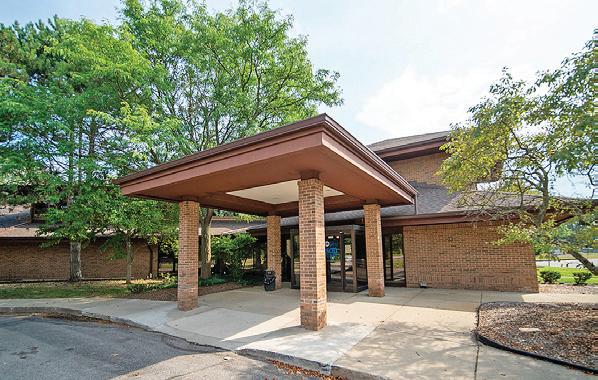
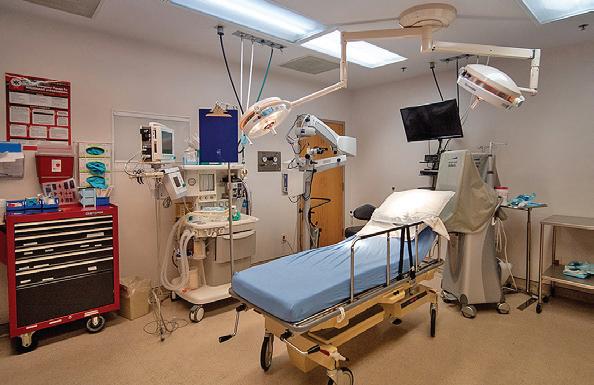
The Surgery Center of Michigan (SCM) is a fully accredited ambulatory surgery center offering physicians a modern, efficient, and patient-focused environment.
• Two State-of-the-Art ORs + Procedure Suite
• Carl Zeiss Microscopes & Bausch & Lomb Stellaris Systems
• Femto Laser & ORA Systems
• Vaser & Renuvion for Advanced Body Sculpting
• Lumenis CO2 Laser for Skin Rejunevation
• Staffed CRNAs
• AAAHC Accreditation
• Favorable Block Time Availability
• Streamlined Scheduling & Lower Overhead than Hospitals
• Convenient Sterling Heights Location
Join a growing group of physicians who are not only optimizing their surgical practice but also building long-term value.
• Attractive entry for ophthalmologists, plastic & cosmetic surgeons, and other specialists
• Flexible ownership structures designed for physician success
• A chance to invest in your future and your patients’ experience