

ANALYSIS
Dan Gwarzo’s Polemic on Intellectual Property. Intellectual Property is Theft.
Kajumba Kaahwa’s Understanding Intellectual Property Rights in the Context of Food Systems. 04 09 05 07
Foretaste of Intellectnomics by Glen Filson
Bamidele Adekunle’s Understanding Intellectnomics. The nexus between entrepreneurship and intellectual property.

Camille You-Ten’s Inadvertent Infringement: Ignorance is not an Excuse.
Kajumba Kaahwa’s Wealth vs. Health: Intellectual Property Rights and Access to HIV/AIDS Treatment in Uganda.
Bamidele Adekunle’s Platform Economy: Understanding Elusive Rights.

"My laptop
is
my cutlass " - Bamidele Adekunle
The vagueness of the term Intellectual Property (IP) both turn, facilitates debilitating extraction
undermines a coherent discussion in the public interest and, in
Through a brief perusal of what Marx praised as Pierre Joseph Proudhon's "epoch-making work" What is Property? an Inquiry into the Principle of Right and Government * (WP) published in 1840, I would like to address, in part, the vagueness of the term IP through an examination of Proudhon's use of the term property as distinct from the term possession, to foster some tentative understanding as to why the term IP should be rejected
For Proudhon, property, the entitlement to capital and land, is "theft" Property serves to shut out the bereft many and to augment the power of the bequeathed few and thereby destabilize society. "Property, in its turn, violates equality by the rights of exclusion and increase, and freedom by despotism " (WP Chapter V Part Second 2 - Characteristics of Communism and of Property) As it intrudes on other's rights, territory and so on, property heaps up ill-will which instigates a cycle of social decline As a form of enslavement of the bereft many by the bequeathed few, property captures the imprimatur of the state to oppress
For Proudhon, possession, the entitlement to one ' s home, tools and plot, is "liberty". Possession stems from use-ownership of instruments and personal territory which enables each individual or small collaboration to earn or produce their possession


As possession liberates, one ' s "instruments of labour" should be championed as a source of independence. Proudhon upholds the smallscale property ownership of the artisan and rejects concentrations of property and wealth Exploitation by such concentrations is resisted through possession which allow for the possibility of spontaneous creative opposition
Possession is one with the subject, the creator There is an intimacy with possession, unlike the alienation with property One is emotionally invested in possession, with which one develops a refined skill and spatial relationship, as an extension of the creative self. Possession, the appendage that augments, through which one exercises agency, enables one to finesse the keys on one ' s cyber-prosthesis - a laptop
The term property in IP is a euphemism for monopoly, a corporate newspeak to frame the discussion, or rather, pre-empt the discussion IP is no more "intellectual" than AI is "intelligent" While the latter is non-stop hallucination, the former is an amorphous terrain from which possession (e.g. the 'creatives' of creators) is mined, scrapped and extracted to train AI models without the consent of the creators. What is intellectual about smash and grab?
* What is Property? An Inquiry into the Principle of Right and Government, by Pierre Joseph Proudhon Translated from the French by Benjamin R Tucker New York: Humboldt Publishing Company, 1890
DAN ‘GWARZO’ MAITLAND
Dan is a retired teacher, community leader, and a progressive
Dan Maitland draws on Marx’s critique of Proudhon’s property questioning the name and legitimacy of ‘Intellectual Property’ and the ‘Rights’ associated with them For instance, AI utilizes training data from worldwide sources without attribution or creator consent, facilitating extraction of creators’ work for corporate profit
versus possession distinction to provide historical grounding for
Bamidele Adekunle’s discussion of what he calls ‘intellectnomics’ points out that ideas often arise in the public commons but protecting them can be a challenge. ‘Intellectnomics’ helps analyze such noncorporeal goods as trademarks and patents The entrepreneurial efforts which originate from the public commons, should be privately compensated in non-exploitative form while being protected ethically on behalf of the public’s welfare but usually they are not This is so, because there are difficulties attached with global enforcement of context-specific IP rights A clear, operational path to its proposed solutions is missing The difficulties associated with trying to design a context-specific IP right that is also globally enforceable are serious. For example, funding relatively free education is a worthwhile goal, but it has only been achieved to relatively high quality in very few countries
In Kajumba’s Understanding Intellectual Property Rights in the Context of Food Systems, she observes that “To be able to compete in the common market, farmers are faced with the dilemma of choosing between the local and the aggressively promoted high yielding modified varieties.” She notes that farmers freely save, share, and improve seeds over generations with a proprietary model where improved seeds are patented by corporations and must be repurchased annually This shift pushes out resilient local varieties that supply 80% of Africa's food While Africa is a net consumer by buying patented seeds and drugs, it is a net contributor of unprotected traditional seed variety and practice knowledge It is made worse by a lack of local IP knowledge and weak laws Global frameworks like TRIPS (Trade Related Aspects of IP Rights) tend to institutionalize this unfairness, helping to maximize corporate profits while minimizing local people’s food sovereignty. Stronger national IP systems would help along with more South-South partnerships in research and development capacity and trade relations
The next article by Camille You-Ten identifies the all-toocommon problem of sharing professors’ lecture notes and slides without their permission This is unethical although at times students may be confused by the copyright law requirements not realizing that their ‘sharing’ is an infringement of the law. Websites like Course Hero are facilitating this infringement illegally and should be stopped. It would help a lot if first year undergraduate students were given compulsory modules early in their courses about the copyright requirements
though some students may think sharing is a collaborative norm Students should also be taught what is ethically right Clearer institutional policies are often needed as well as a critical examination of the platforms that profit from this gray market
The history of Uganda’s experience with the HIV/AIDS epidemic by Kajumba Kaahwa examines the tension between Intellectual Property Rights (IPR) and access to essential medicines that for years were beyond the financial ability of patients to access while being a source of excess profits for some drug companies While IPRs incentivize innovation, they can create severe ethical conflicts when they restrict access to life-saving treatments for the poor in need She describes the horrendous human toll that HIV/AIDS took on Ugandans when the antiretroviral (ARV) drugs were excessively expensive in the 1990s. The issue was memorialized

in a musician’s poignant song. Finally in the 2000s a turning point was reached when local production of generic versions of these ARV appeared made them more accessible to poor people The challenge remains to balance IPR protection with mechanisms to ensure equitable access to medicines Though definitely a hope inspiring result, Kajumba’s friend who tested HIV negative should not necessarily be seen as meaning that a full cure was achieved At least it was suppressed to the point where a negative antibody test occurred which is hopeful.
Bamidele Adekunle's article provides an insider’s view of the challenges associated with the digital platform economy synthesizing some enabling technological trends and the insecure instability of income associated with You-tube and Tik Tok content creations
These platforms have democratized the creation and distribution of a huge part of our information space at the cost of elusive and irregular compensation for those creators This raises the question of what rights these people ought to be entitled to.
Adekunle examines the rise of the platform economy (e g , YouTube, TikTok) and the intellectual property challenges it creates for content creators While smartphone technology has democratized creation and distribution, it has made rights and fair compensation elusive and complex On the one hand, these platforms bypass gatekeepers and empower people but on the other hand, the environment they create is chaotic in part because copyright is difficult to enforce and monetization of content is unstable. Revenue sharing is declining, forcing many creators into the arms of advertisers Nor can we have total confidence in what many creators are saying If these platforms were managed better so that royalties were paid for all contributors and greater transparency helped avoid asymmetric information, it would help There is also the danger that the funding model prioritizes quantity over quality as the algorithmdriven attention economy crowds out intellectually stimulating content Whether our capitalist system will enable less exploitative content creation of an entirely ethical form remains to be seen so the proposals may be more aspirational than actionable. Still, the author’s extensive personal experience, support for a platform cooperative and recommendations for reducing the gig economy precarity of predominant platform models provides us with a broad assessment of the digital platform landscape and recommendations for improvement that are valuable
The dialogue provided by Bamidele Adekunle uses a teacherstudent framework which introduces Yoruba terms like Olùkọ for
teacher and Akẹkọọ for student to present two concise positions on digital intellectual property (IP) ethics The teacher uses an open inquiry approach and invites questions that go beyond the merely myopic. For instance, in one of the two examples provided, the student asks whether the composer or sampler deserve credit for a song made popular by the cover artist The teacher advocates a shared model of acknowledgement for compensation While debate is limited, given the lack of space, the cooperative approach is appealing IP is framed as a matter for everyday ethics This is an excellent teaching method whose strength lies in posing two relevant IP dilemmas in an accessible format that emphasizes fairness
The final text presents Bamidele Adekunle’s highly favourable analysis of Umm Kulthum’s masterpiece Alf Leila We Leila (A Thousand and One Nights) It explains the lyrics and music while connecting the song to its cultural roots It functions primarily as a lyrical and musical exegesis, connecting the song to the broader culture It deals with eternal love, fleeting joy and cherished memory while employing complex instrumentation that uses an accordion, saxophone, traditional Arab percussion, and strings The song contrasts Egypt’s centrality with the developing Gulf states of 1969 Adekunle’s presentation is a well-crafted appreciation of the song ’ s power and cultural resonance. Though unstated, the song illustrates intellectual property dilemmas that are revealed within the song
Filson is an emeritus professor, and author, and the Editor-in-Chief of IRG Scroll

The nexus between entrepreneurship and intellectual property
On the issue of Intellectnomics:
Several people have asked me for the meaning of Intellectnomicsa term I coined in 2020. This idea led to the formation of the Intellectnomics Research Group (IRG) in 2021. Intellectnomics is the economic analysis of non-corporeal goods and the associated entrepreneurial activities! Non-corporeal goods are intangible, nonphysical, intellectual, knowledge based, and usually difficult to exclude other people from accessing Examples are patents (technology, seed improvement or discovery, vaccines, and drugs), copyrights (books, music, and creative works), trademarks, and geographical indications (based on origin (location) with specific attributes and identification) Intellectual properties are different from corporeal goods like land and property, that are excludable and rivals in nature
The development of new ideas is mostly based on inspirations that are ever present in the public domain but hidden in the nooks and crannies of the commons These opportunities and their developments are usually seen and exploited by entrepreneurs. They usually turn an idea wandering in the commons into an original piece of work, a reflection of their ingenuity. This ingenuity needs to be protected if it doesn’t interfere with public welfare. In other words, intellectual property should be protected and compensated but not exploitative
The Logic:
Imagine that ideas flow around in a market where there is no equilibrium because of entrepreneurial creative destruction (Schumpeter) This prevailing situation leads to equilibrating tendencies because players in the market try to out do one another (Kirzner) This rivalry leads to disturbances and asymmetric information in the market If there's asymmetric information, the solution to obtaining desirable accessibility to information that is beneficial or at least Pareto efficient is to develop an appropriate definition and appreciation of property rights for non-corporeal goods. This should be context specific and ethical in terms of processes and procedures. Furthermore, since knowledge is tacit, people can absorb knowledge without realizing it. If they advance the knowledge, is there a possibility of infringement of intellectual property rights? Even though the idea seems to be common knowledge before it was strengthened by the entrepreneur, it may now be new Moreover, if an entrepreneur improves an idea and makes it popular, there should be a way a player who adds value to the idea is compensated
For example, suppose individuals A and B are musicians If A produced some music in 1980 with little or no traction, suppose that the same music was sampled and improved by B in 2020 and it becomes a best seller and global song As alluded to by Takeyama, copying may extend and improve the usefulness of a piece of music The only issue is that dissemination and usefulness should not be achieved at the expense of appropriate attribution of credit and compensation In the Juju and Fuji genre of music, drummers, guitarists, acoustic players, and other instrumentalists all contribute original ideas to the recording of an album but are not necessarily given credit not even to mention royalties. Our position is that all entrepreneurs, contributors of original ideas to the album, should be compensated for their contribution as defined by an enforceable contract. This is the reason why songwriters have rights in certain occasions even more than the record company and the performer Examples of royalties that accrue to a songwriter are performance, mechanical, sampling, and synchronization royalties
Explanation:
The future is knowledge based and we need to understand the nexus between entrepreneurship and intellectual property It’s not surprising that some people believe that entrepreneurship cannot be taught in a formal setting This is not necessarily true because a part of entrepreneurship, selfefficacy, can be advanced through formal training The discovery and alertness to opportunities may arise from the environment, culture, religious affinity, and past experiences The implication of these interactions is that people absorb knowledge without knowing In other words, mistakes can be made and corrected.
To remain relevant, universities need to introduce courses that are futuristic with an emphasis on transferable skills. If education is too expensive it can create a disincentive for acquiring formal education How many people will take the risk to attend our universities and become indebted, possibly forever? In other words, people look at the rate of return when they plan to invest in education Education should be relatively free if we want people to build skills that will enhance their creativity so that they can think outside the box Otherwise, people will not want to study courses like philosophy, classics and music which are also important to wealth creation
Exploration:
The Amen break, a drum break from the 1969 track – Amen, Brothers – by the Winstons is widely sampled music In terms of covers, the most covered song is Yesterday, released in 1965 by the Beatles with more than 3000 covers In the scenarios above the Beatles benefited from the covers made from their song in terms of visibility and royalties while the Winstons didn’t; in fact, the drummer (Gregory Coleman) died in penury. A major

challenge of intellectual property rights (IPR) is that a residual will always be left in the commons It is difficult to exclude other people from benefiting from the IPR The cases of the Winstons and the Beatles indicate how difficult it is to benefit from intellectual property even when compensation is truly deserved. On another note, we have cases of IPR, especially patents, where it is used to exploit consumers. Examples of problematic use of patents include Turing Pharmaceutical’s increase of the price of Daraprim by 5000%, the exorbitant cost of anti-retroviral drugs in Uganda that was reduced (from $US16,000 to $US 100 per year) with the establishment of Cipla, a generic manufacturer, in Kampala, the price of Salvodi which is around $US 1000 in the US but $4 in India, and the initial lack of COVID-19 vaccines in developing countries during the COVID-19 pandemic
The development of vaccines and high budget medications usually involves government funding in terms of direct expenditure on research and development, and capacity building Furthermore, socalled original ideas usually stem from ideas already floating around in the commons or the public domain Entrepreneurs, often because of their inquisitive nature, will be the first set of people to get inspired by their experiences and environment and then use it to further the human endeavor.
For example, ‘Yesterday’ was an inspiration from different sources Even Sir Paul McCartney thought he had heard the song before it was released Sir McCartney was wondering how he wrote ‘Yesterday’ because as alluded to in the introduction to this essay, inspiration came from the commons/public domain such as his experiences growing up, and songs such as Fred Astaire’s Cheek to Cheek (1935) and Nat King Cole’s 1956 version of ‘When I Fall in Love’ written by Victor Young and Edward Heyman in 1952 McCartney absorbed ideas from different sources without the ability to pinpoint the source of knowledge So, it seems no one owns exclusive rights to intangible assets but instead it belongs to the collective
owns IPR? What is the appropriate way to distribute compensation? ybe IPR belongs to all and is owned by none!
a glimpse into the problems Intellectnomics intend to solve … thanks to my co-investigator, emeritus professor Glen Filson.
nle, B (2011) ‘Determinants of micro-enterprise performance in a ’ International Small Business Journal 29(4), 360–373
nle, B (2022) ‘Economics of intellectual property rights preneurship and Intellectnomics’ series (Virtual and Global): ctnomics Research Group (IRG) and ECVOntario, University of h, 15 January 2022
Adekunle, B (2024) International Trade (GMS 723) and Management of International Enterprise (GMS 724) lecture notes, Winter 2024 Toronto Metropolitan University (TMU): Toronto
Adekunle, B., Kajumba, C. and Bello, A. S. (2024). ‘Hidden asymmetries: Enhancing trade through traceability, crypto-labelling and ethical property rights’ in Africa’s Trade Facilitation Preparedness and Ethical Property Rights Pretoria University Law Press (PULP): Pretoria https://wwwpulp up ac za/edocman/edited collections/ATF/Chapter% 202 pdf
Adeyanju, B (2024) AgbaletuTV https://wwwyoutube com/@deleadeyanju
Cwik, B (2016) Property rights in non-rival goods The Journal of Political Philosophy, 24(4), 470–486
Kirzner, I (1997) Entrepreneurial discovery and the competitive market process: An Austrian approach Journal of Economic Literature, 35(1), 60–85
McCartney, P. and Muldoon, P. (2024). McCartney: A life in Lyrics: Pushkin. https://www.pushkin.fm/podcasts/mccartney-a-life-inlyrics/yesterday.
Schumpeter, J (1934) The theory of economic development Cambridge, MA: Harvard University Press
Takeyama, L N (1994) ‘The welfare implications of unauthorized reproduction of intellectual property in the presence of network externalities’ Journal of Industrial Economics 42:155-166
Adekunle is an author, researcher, professor, and the lead and founder of the Intellectnomics Research Group (IRG) and IRG Scroll
a rich cultural heritage of seed collection depending on desirable
raditionally, African farmers have innovatively maintained and shared traits (Kuyek, 2002) cognizant of the value of a large seed collection Using their traditional knowledge, farmers were able to obtain from every harvest the best seed for the next season When one visited family or friends, it was a common occurrence for the farmer to return with unique yet desirable seeds The collection and saving of desirable varieties helped promote seeds with desirable traits (food diversity and healthy foods) The rich traditions and knowledge were freely passed down over generations (Kuyek, 2002). Embracing free trade and the competition that comes with free trade, these traditions are gradually vanishing as farmers scramble for a common market. To be able to compete in the common market, farmers are faced with the dilemma of choosing between the local and the aggressively promoted high yielding modified varieties This has pushed local varieties to the peripheral in favor of the vastly promoted improved varieties considered high yielding and more resistant to pests and diseases Overlooking the fact that local varieties provide 80% of the local food in Africa (AFSA, 2019) and are better adapted to the local conditions Improved seeds on the other hand require high maintenance and are expensive as they must be purchased every season
While African knowledge and technology is freely handed down through generations, “improved’ varieties are grounded in intellectual property rights (IPRs) only reproducible by the inventors These patented varieties abound within global markets, displacing local varieties. Free trade has therefore created a common market established on uneven ground as African farmers compete with established multinational farmers whose patented technologies dominate the market. To survive the competition that comes with free trade, farmers are obliged to shift from local varieties to the “improved” high yielding seeds This has not only resulted in the gradual decline in use of local varieties, a threat to food security and sovereignty, but has challenged the survival and existence of small-scale farmers whose knowledge and technology has remained at the periphery of the public domain

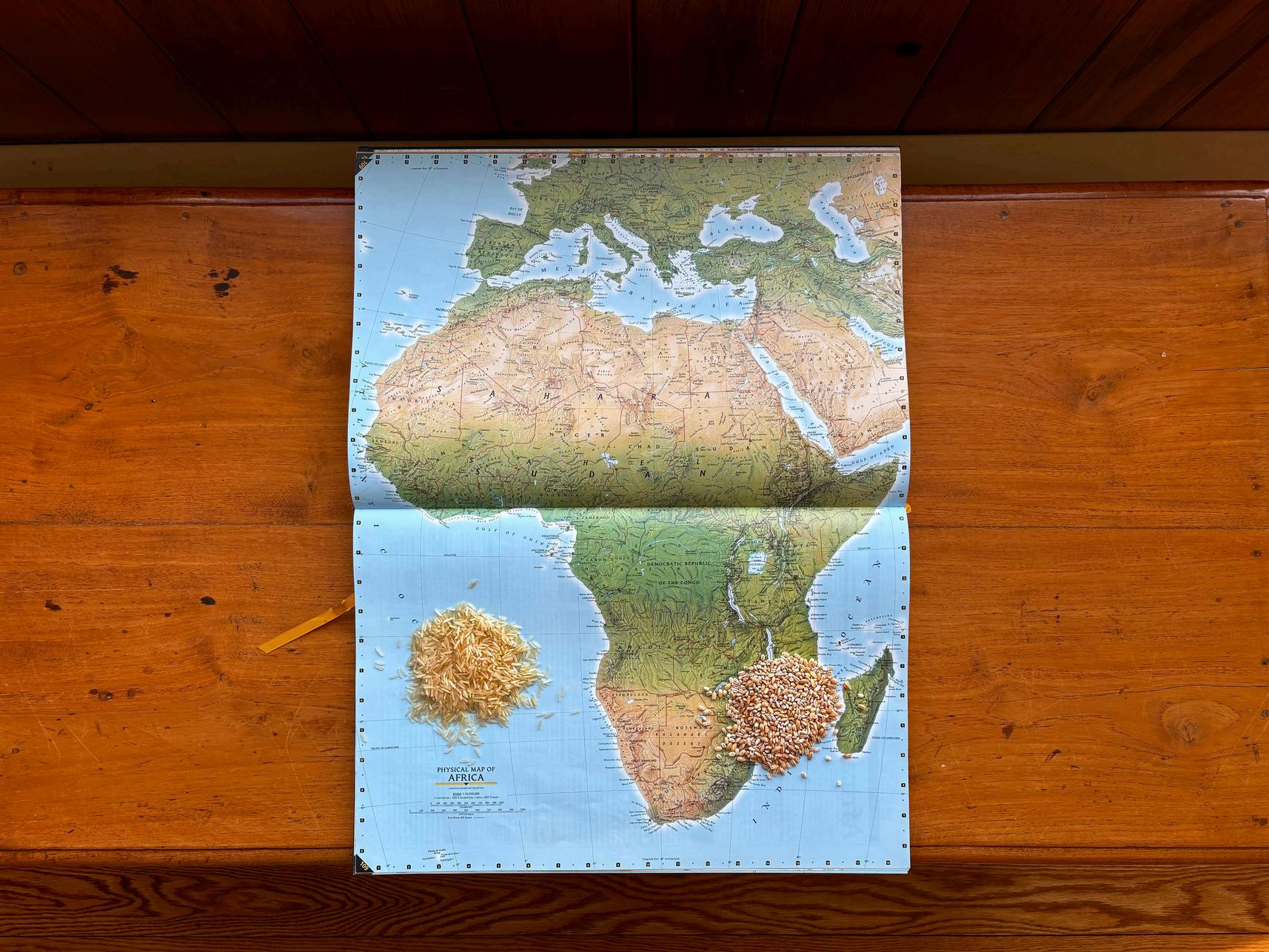
In traditional Africa, although particular people were custodians of specific indigenous knowledge, knowledge in general and agricultural knowledge in particular was solely communal This tradition was later reinforced by publicly funded research whose results remained open to the public As farmers, my parents have always meticulously observed their harvests, selecting the next seed based on the best harvests, information and seed they unreservedly shared This practice maintained the seed stock for generations, and my memories as a child helping with shelling beans are those of multiple varieties of seeds It was very thrilling seeing all these different colors (varieties) as we shelled the beans Today, shelling beans produces a single-colored bean variety, a result of mono-culture breeding closely linked to IPRs.
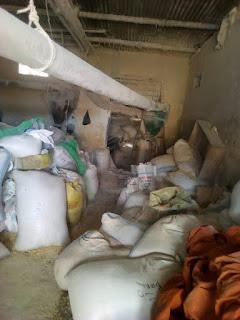
IPR knowledge and understanding in Africa remains low on average with technology development marred by pirating and illegal duplication, creating a disincentive for the inventors The lack of proper understanding of IPR leaves many countries without a proper promotion, implementation and monitoring structure For Africa to promote the local varieties and preserve their stock there is a need to understand and exploit the value of IPR for their benefit Most countries in Africa do not have well defined rules and regulations on IPR (Kameri- Mbote, 2005), with some still depending on regulations set during colonial times or a copy and paste from donor countries that do not reflect the needs of the local community The laxity in the system is associated with a shortage of scholars in IPR; with a country like Uganda with a handful of IPR legal experts (Van Woensel, 2021 personal communication) This has translated into high levels of pirating and illegal use of copyrights The end game has been a loss of motivation as traditional knowledge is maintained as public property and local communities turned into consumers of patents while proprietors enjoy the ridiculous profits associated with IPRs.
Although IPRs may be an incentive for disclosure as inventors are financially rewarded for their inventions (Van Woensel, 2021 personal
communication), to some extent introduction of IPRs established an element of knowledge “hoarding” and commercialization where one owns a right and only realizes it for commercial purposes In agriculture, the lucrative IPRs have increased enthusiasm in research and innovation by the private sector causing knowledge confinement and inaccessibility by those with less purchasing power (Drahos, 2016) while capitalists amass wealth IPRs have therefore facilitated a market concentration dominated by multinational co-operations causing an anti-competitive behavior (ActionAid, 2002) where only a few players are able to compete. This is well elaborated in public research done by CGIAR Centers like International Institute of Tropical Agriculture (IITA) where technologies are developed and freely shared and researchers recognized for the exemplary work This has enabled publicly funded research, with minimal IPR restrictions, to continue flourishing as a public product accorded equal accessibility for all In collaboration with CGIAR centers, National programs have developed new varieties resistant to deadly diseases and pests such as cassava mosaic virus that had threatened the existence of cassava (Manyong et al , 2000), FHIA bananas resistant to fusarium wilt (Ploetz, 2015) among many others On the contrary, private sectors like Bayer Monsanto, although they may depend on public funds to facilitate part of the research, have developed new seed varieties under extended IPRs only commercially accessible by the wealthy
Short-term restrictive IPRs promote creativity and innovation and promote the wellbeing of the community as they allow room for generics which are cheaper and at times are improved versions. For example, in Uganda, the development of a generic HIV/AIDS drug by Cipla Quality Chemical Industries (CQCI) was able to bring down the cost of medication from $16,000 to $100 per annum and saved the lives of millions who still depend on the generic drug (Charon and Soustras, 2020) Prolonged and exaggerated restrictions, especially in sectors pertinent to human survival like agriculture and health are a concern particularly for technologies heavily supported by public funds There has been a shift in the duration and scope of IPRs from the initially shorter, geographically limited scope to a globalized system (Shah, 2013) This has been linked to the high profit margins associated with IPRs To further consolidate their profits, IPRs were globalized through an introduction in the World Trade Organization (WTO) Globalization of IPRs has been effected by the World Trade Organization (WTO) under the Trade-Related Aspects of Intellectual Property Rights (TRIPS) (Drahos, 2016). Introduction of TRIPS meant price hikes due to IPR’s related royalty payments on innovations. These unconscionable restrictions have left IPRs a subject of discussion with a thin line between the interests of proprietary holders and users of the technology (Drahos, 2016) TRIPS (Trade-related aspects of intellectual property rights) was instituted as a tool to ensure participating WTO countries abide by the rules to curtail losses incurred through plagiarism, pirating and illegal copying However, the pervasive patenting of innovations through TRIPS was initiated with selfish intentions leading to a slow diffusion and utilization of new inventions in the less developed economies Thus, the regulations of TRIPS have tended to destroy the actual essence of creativity and innovation, raising the question of the ethics of IPRs
Although IPRs are meant to be an incentive for disclosure, extended patents may cause a market failure due to the exclusion factor (Selgelid, 2008) This is elaborated in the prevalence of HIV/AIDS Millions of lives were lost in low-income countries due to ridiculously high prices for anti-retroviral drugs limiting drug accessibility The impact of medication accessibility still lingers-on 30 years after the onset of HIV/AIDS Bread winners were wiped out, households left under the care of teenage kids and the mother to child transmission resulted in millions of deaths and suffering of children Children born with
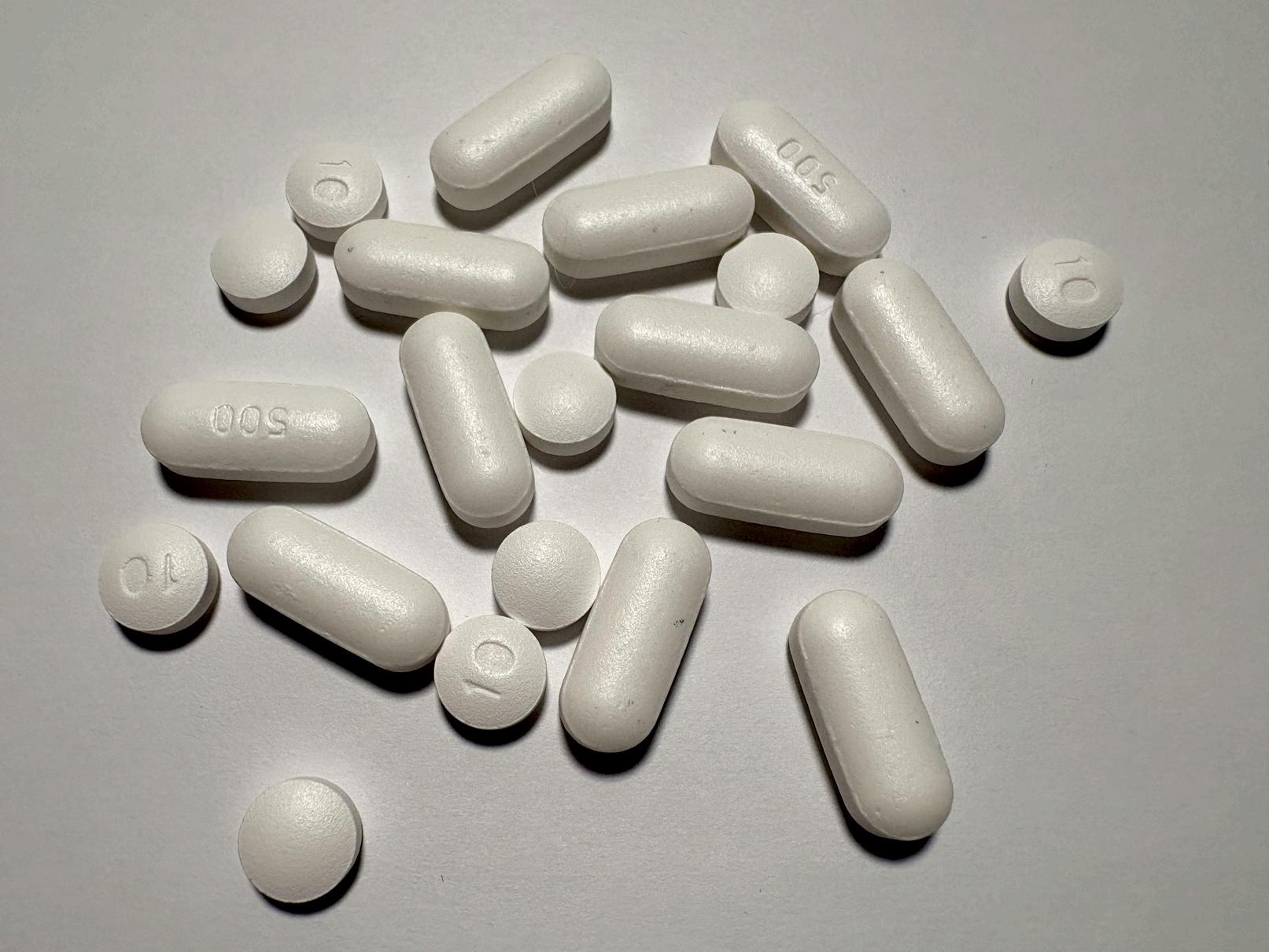
HIV/AIDS continue facing the consequences of an avoidable problem. Motivated by the records of patenting, giant companies continue maximizing profits in the COVID 19 vaccine rolls out Human life is more than a gamble among profit making giants Countries should be able to have a civil conversation and agree to regulations that protect humanity
TRIPS recognizes the challenges of struggling economies through the provision of flexibility under a national emergency However, the standard definition of national emergency has remained a contentious issue, with some countries threatened with sanctions if compulsory licensing is applied
When is it an accepted national emergency? Is COVID 19 considered a state of emergency for some countries?
Meanwhile, the fear of the unequal COVID 19 vaccine roll-out is real in the developing economies as expressed by Adekunle (2021), in his piece based on the Socratic Method -Iatrogenic:
The Dilemma of Ingenuity Knowing more pandemics are likely, what options do we have?
For sure IPRs should be utilized to promote technological innovation while promoting the transmission and diffusion of innovation for the mutual benefit of everyone It is necessary to revisit the regulations of TRIPS with clearly defined rules and regulations governing the implementation of IPR and application of compulsory licensing.
To reiterate, developing economies especially in Africa, lag in their knowledge and ability to analyze, construe and implement IPRs As a result, African farmers have perpetually remained consumers rather than beneficiaries of IPRs as their government officials are unable to favorably negotiate for their people Countries need to take initiative in developing capacity in understanding and managing IPRs for a meaningful negotiation and leverage the regulations to their advantage For Africa to develop and have an equitable benefit from IPRs, there should be a strengthening of the South – South regional partnership in innovation (Shah et al , 2013) Countries should work together to strengthen their understanding of IPR and use the regional networking to lower costs and enhance their R&D through shared infrastructure, expertise and knowledge
Reference
Aakash Kaushik Shah, Jonathan Warsh, and Aaron S. Kesselheim (2013). The Ethics of Intellectual Property Rights in an Era of Globalization.
ActionAid, 2002 From Rhetoric to Rights: Towards gender – Just Trade from rhetoric to rights towards genderjust trade actionaid policy briefing pdf
Adekunle, B , 2021 Iatrogenic: The dilemma of Ingenuity
AFSA, 2019 African farmers’ seed rights threatened: An AFSA briefing Paper Alliance for FoodSovereignty in Africa African Farmers’ Seed Rights Threatened : an AFSA briefing paper – AFSA (afsafrica org)
Drahos P, 2016 The Real News Network (2016, October 22) TRIPS: Linking Intellectual Property to Trade - Peter Drahos 1/7 [Video] YouTube https://wwwyoutube com/watch?v=BCJ2cDgoZ Q
Kameri- Mbote. P., 2005. Intellectual Property Rights in Africa: An Assessment of the Status of Laws, Research and Policy analysis on Intellectual Property Rights in Kenya. IELRC working paper. Intellectual Property Protection in Africa (ielrc org)
Manyong, VM , Dixon, A G O, Makinde, K O, Bokanga, M and Whyte J (2000) The contribution of IITA-improved cassava to food security in sub-Saharan Africa: an impact study Nigeria IITA and Modern Design & Associates Ltd
Ploetz R C , 2015 Fusarium Wilt of banana Phytopathology APS Publications 105: 1512- 1521 Fusarium Wilt of Banana | Phytopathology® (apsnet org)
Selgelid, M J ‘A Full-Pull Program for the Provision of Pharmaceuticals: Practical Issues’ Public Health Ethics 1 2 (2008): 134–45.
Shah, K. A., Warsh, J and Kesselheim., A. S., 2013. The Ethics of Intellectual Property Rights in an Era of Globalization Journal of Law, Medicine and Ethics 41 (4):841-851 (2013)
Van Woensel, 2021 Personal communication Examiner at European Patent Office
KAJUMBA KAAHWA
Kajumba is a senior fellow of the Intellectnomics Research Group (IRG) and an independent consultant
Copyright infringement appears to be a concept that students
struggle to grasp Much of it stems from a misunderstanding of what exactly copyright infringement entails. At its core, copyright is the protection of one ’ s original literary, dramatic, musical and artistic work, per the Copyright Act, RSC 1985 c C-42. While copyright does not apply to educational, research, and study purposes, it does apply between professor and student At the beginning of every school year, students are informed by either the school or their professors that sharing the professor’s work– lecture slides and class notes– on any website for public access constitutes copyright infringement It is always made clear that this is the work of the professor and the school, and it should not be used outside of these purposes Yet, this does not seem to deter students from sharing them with society at large, on websites such as Course Hero
The question becomes, how do we deter this from continuing further? This has become a problem on such a grand scale that I believe the one of the only ways to truly prevent this from happening would be to directly target the websites that provide this platform for sharing professors’ works. There also needs to be better education on what copyright infringement is. In my undergraduate studies, I was not taught what copyright infringement was, beyond the basics covered in a plagiarism module. However,
Iwithin the first 6 w attending law scho taught exactly wha was and what infri looks like I believ simpler module o that provides all th information could to students across in the first year of undergraduate stu approach would m risk of students fe they would be taug and the repercussi responsibility to re and schools’ intelle copyright infringem students this conc apply what they le
Camille is a 100-level law student at University of Ottawa
ntellectual property rights (IPR) are designed to give creators
exclusive control over their innovations, enabling them to recover investments and benefit financially from their work While this
protection is credited with driving innovation and economic development, it also raises difficult ethical questions particularly when profit intersects with access to life-saving medicines The HIV/AIDS crisis in Uganda offers a powerful case study of this tension
In the early 1990s, Uganda was one of the countries hardest hit by the epidemic. A diagnosis of HIV was widely viewed as a death sentence. Patients endured prolonged illness and repeated infections, and families were pushed into poverty as treatment costs mounted and caregivers lost work hours Entire communities suffered In districts such as Rakai, homes were abandoned, local economies weakened, and the disease struck hardest among those in their most productive years The number of orphans rose sharply, with many teenagers were forced to raise their younger siblings HIV/AIDS quickly became a deep national catastrophe Nearly every family was touched, either through illness or the loss of a loved one Few households remained untouched by the epidemic’s reach And access to medication reminded me of a painful illusion
Yet during this period, effective antiretroviral drugs existed abroad Under strict patent protection, however, these medicines were extremely costly and largely inaccessible in Uganda. Essential drugs such as Zidovudine (AZT), Didanosine (ddI), Stavudine (d4T), and Lamivudine (3TC) were available only to a wealthy minority who could afford treatment or travel overseas. For the majority, care focused on treating opportunistic infections and relying on prevention campaigns, including the well-known ABC strategy (Abstinence, Be faithful, Condom use), and later, partner testing
In Uganda, HIV/AIDS was not just a public-health crisis but a personal tragedy A positive diagnosis opened the door to stigma and isolation while leaving the person to endure a long wait for what many considered the inevitable The epidemic reshaped communities, eroding traditions of collective mourning Once, a single death brought village life to a halt; but as burials became frequent, people adapted, tending their fields before visiting the bereaved
As an AIDS counsellor, I saw the human toll behind the numbers Rising positive results wore heavily on staff as it appeared like you were the person handing over the death sentence. In one case, a couple received discordant results: the HIV-negative partner fled in relief, leaving the newly diagnosed partner shattered and alone, a stark

reminder of the isolation the disease often brought and the stigmatization that followed.
One young man’s positive diagnosis still haunts me. He was the sole surviving child of seven, all lost to AIDS He cared for his aging parents and several orphaned relatives They had just buried an uncle, whose widow lay in hospital fighting for her life, and now he, too, was joining the growing queue of those living with HIV/AIDS Stories like his were heartbreakingly common By the late 1990s, many grandparents were raising entire families of orphaned grandchildren
When a renowned musician was diagnosed with AIDS, he fought AIDS and its stigma the only way he knew how, through his music In his song, “Alone and frightened,” he summaries the situation of the 1990s as he sang “today it’s me, tomorrow it’s someone else ” In Uganda, that line captured a stark reality We lived each day knowing the next loss could be ours
The 2000s marked a turning point. Through partnerships between the Ugandan government and international donors, the cost of antiretroviral drugs dropped significantly. Generic versions became more widely accessible, and some were eventually produced locally at a fraction of the original price
Support from the President’s Emergency Plan for AIDS Relief (PEPFAR) and the Global Fund accelerated this shift Uganda began rolling out combination therapies such as the Triomune pill (Stavudine, Lamivudine, Nevirapine) and, later, safer and more tolerable regimens These included Atripla generics which was a


Acombination of Tenofovir (TDF), Lamivudine (3TC), and Efavirenz (EFV) as well as the TLD, a widely adopted combination of Tenofovir (TDF), Lamivudine (3TC), and Dolutegravir (DTG) These advancestransformed the lives of people living with HIV/AIDS in Uganda, enabling many to lead long, healthy, and productive lives
In 2017, I received a pleasant call from an old friend I had helped enroll for her first antiretroviral treatment back in 2002 When she began the medication, she was in the late stages of AIDS, her sight already damaged by infection Yet through perseverance and strict adherence to treatment, she survived
Fifteen years later, she called to thank me, and to share that she had tested HIV-negative three times It didn’t mean she was entirely out of danger, but something once unimaginable had happened She could finally look toward a hopeful life, made possible by accessible, affordable generic drugs. Uganda’s experience underscores a broader global debate: how should societies balance the protection of intellectual property with the urgent need for equitable access to essential medicines? As IPR continues to reward innovation, the enduring challenge is ensuring that life-saving treatments reach those who need them most
KAJUMBA KAAHWA
witnessed how technology and the internet transformed graduate
studies and human interactions It was not unusual for access to the internet to be by dial up through your landline The evolution of the internet led to laptops with wireless technology in 2004 and people started upgrading their personal computers by adding a wireless card The availability of wireless technology was limited those days – the first place with wireless technology on my campus was the university library.
During this period, accessibility to internet was restricted in both developed and developing countries In the developed countries, you needed a laptop or desktop to use the internet while broadband and wireless were only available in specific cities in developing countries In other words, internet café was the most reliable source of internet in developing countries while in developed countries it was limited to people with white collar jobs who were computer literate These challenges changed with the advancement of internet and the development of smartphones
Blackberry – Research in Motion (1999) was the initiator, iPhone (2007, ubiquitous in 2010) by Apple transformed the market, Galaxy (2009) by Samsung and Huawei (2009) promoted competition Furthermore, Chinese smartphones such as TECNO, Infinix, OPPO, VIVO, and Xiaomi have made access to smartphones and the use of internet on handheld devices relatively easy In fact, TECNO was specifically developed by Transsion, a Shenzhen based company for the African and other developing countries market where people need access to the internet with a relatively cheap phone.
The development of the smartphone market made the use of the internet convenient globally Without the evolution of the smartphone market, the platform economy will not exist and a class of entrepreneurs and self-employed referred to as content creators The iPhone was the first device to set the direction for this new economy A book written by Geoge Gilder gave Steve Jobs the inspiration on how he developed the iPhone In his book “Life After Television: The Coming Transformation of Media and American Life’ published in 1990, when internet was still at its infancy, he predicted that we would use handheld devices for

audio-visual as the internet improves. He revisited this assertion in his 2018 book ‘Life After Google: The Fall of Big Data and the Rise of Blockchain Technology’ where he claimed Steve Jobs read his 1990 book, shared it with his team and that lead to the development of iPhone. The iPhone and other smartphones have enhanced the growth of the digital economy though it makes copyright elusive
One of the popular platforms is YouTube It started in 2005 and has grown significantly since then People started uploading content and movies between 2008 and 2010 I remember that a one-hour movie or documentary would be split to a six-part episode of 10 minutes each The platform has grown significantly to the extent that people now upload several hours and even stream live from remote villages in Africa The new era has created new opportunities and challenges associated with intellectual property It becomes very problematic when the reuse of content online is not well-defined and people can claim right if they are the first to upload Some content creators also document from the same source e.g family, political or social events, interviews, and reality series and then post it on their different channels. Is this originality or repetition?
The platform generation keeps growing Content creators and streamers now stream concurrently on different platforms such as YouTube, Instagram, Tik Tok, Twitch, among others In the case of YouTube, monetization can be through YouTube Partner Program (YPP) where owners get a part of the pie based on viewers’ engagement with the contents and advertisement The benefits from the sharing of YouTube pie are declining so most successful platform users now get compensation through collaboration as brand ambassadors, online trading (merchandise and services), advertisement placement, and crowdfunding from subscribers There are also super
stickers and super chats, a payment by subscribers and viewers during a livestream or premier to support a channel owner.
Control, monetization and access to information have led to the development of individual channels Musicians, actors, skit makers, marketers, political commentators and even religious leaders all have their YouTube channels instead of going through gatekeepers I have witnessed a pastor in Nigeria with over 225,000 viewers in his frequent livestreams, political commentators like Candance Owens have more than 20,000 watching her livestream, and Hallelujah challenge by Nathaniel Bassey had more than a million live viewers in October last year (2025) Skit, movies, and documentary makers also have millions of views after premiering their videos on YouTube The main challenge with this growth is that owners of YouTube channels and other platforms may misinform people and develop content though not intellectually stimulating but still gain traction on the internet. Content going viral does not mean it’s appropriate, true or has the potential to contribute to mental, social and economic wellbeing of the consumers.
In conclusion, managing YouTube channels should be well defined by all the stakeholders Compensation should be fair and ethical People participating in the development of a content with commercial benefit should all be compensated – this may be as a lump sum before the content is published or lifetime as royalty Profit sharing will make prosperity associated with the platform economy have a positive externality Investment in production should be defined by an agreed upon structure with equal information available to all participants – no asymmetric information The growth of the platform economy notwithstanding the future of content creators and entrepreneurs is dicey Based on my personal experience, it has been very difficult for me to follow a content creator or Youtuber for more than a year. In other words, players in the platform economy may lose viewership and their share of income from YouTube will continue to decline until it reaches zero as more players enter the market. Content creators and stakeholders in the platform economy should remember that tomorrow is pregnant!
Olùkọ: Welcome to the first class of this lifelong education
Akẹkọọ: Ese Sir (Thanks Sir)
Olùkọ: A little bit of housekeeping! In this class, you are expected to ask questions not necessarily related to the topic of the day I don’t intend to train myopic students
Akẹkọọ: Absolutely! I have a question based on a big fight happening in my neighbourhood Who deserves credit for a popular music? Is it the original composer of the song or the ‘copycat’ who sampled or did a cover of the song that became popular.
Olùkọ: They both deserve credit. The originator should be acknowledged as the source and should be compensated for commercial use of the music On the other hand, the artist who sampled/covered the song should also be appreciated for not allowing the piece of work to go into oblivion.
Akẹkọọ: Your explanation makes sense The next question has been on my mind since I started my undergraduate education. I always meet students who post their professors’ course materials on different websites on the internet Is this appropriate?
Olùkọ: Please educate your friends The professors spent hours developing their lecture notes The class notes and original materials shared with the students in the classroom are for the students registered in the class and not for publication on different platforms on the internet They are inadvertently infringing the copyright of their professors.
Akẹkọọ: Thanks for the clarification I will be better prepared next class.
Olùkọ: Ìpàdé wa bí oyin (Our next meeting will be pleasant)
Akẹkọọ: Àmín (Amen)
* Olùkọ is teacher and Akẹkọọ is a student in the Yoruba language.
BAMIDELE ADEKUNLE

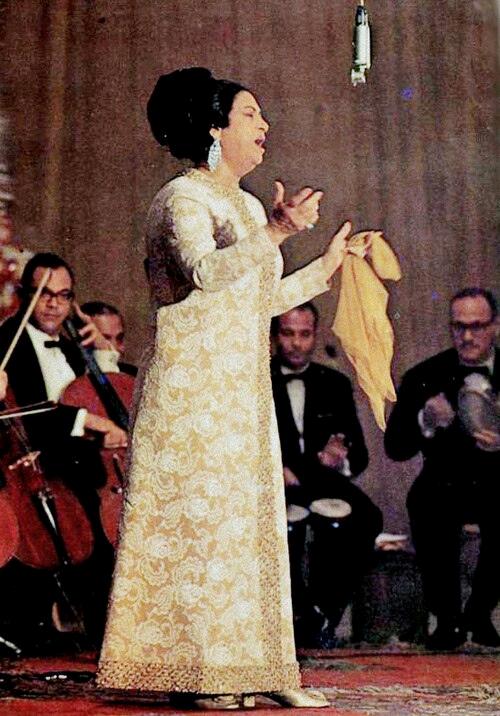
Alf Leila We Leila is translated as One thousand and experience of a night with a beloved is equivalent to 1001 so the sun should delay its appearance. A direct reference to a middle eastern folk lore It’s a 1969 song performed by Umm Kulthum, written by Morsi Jamil Aziz, and composed by Baligh Hamdi This piece of work is a love song with underlying nuances. The scoring was excellently done in such a way that any orchestra can cover and improvise the song
one nights (1001) where the protagonist thinks the
The protagonist alludes to the fact that a beloved is their sunshine, a place of solace from the challenges of this world. It alludes to the challenges in life, and nothing lasts forever except memories So, enjoy it while it lasts A magnificent song, each rendition as a live performance is a different experience entirely

This song, more than 41 minutes, starts with excellent instrumentation The use of the accordion and saxophone together shows ingenuity. The most heavenly for me was the blend of percussion such as tambourine and sistrum with keman (violin) and qanun (a string instrument) Other instruments that enhanced the instrumentation were kaval (flute), darbuka (goblet drum), ney (end blown flute), mizmar (a wind instrument), and the oud No word was spoken until after 8:10 minutes This is when Umm Kulthum entered by reciting Ya Habibi 3x (Oh! my love, oh! my love, oh! my love)
Kullena, kullena, fel-hobi sawa (all of us, all of us, experience love equally)
To indicate the desirability of the night, the songs continued:
Wi-n’oul lesh-shums: ta’ali, ta’ali, ba’di sana (And we’d say to the sun: come out, come out, come out, but not only after a year from now.
Mosh abli sana (And not before a year has passed)
Dih leilet holbe helwa Bi Alfi Leila we Leila (for this beautiful night of love, worth a thousand and one nights more)
According to the protagonist it is difficult to explain, iizay, life before meeting the beloved “I didn't remember yesterday, didn't have tomorrow to wait for, and not even lived a today, my love”
There were places in the song where it was believed that sunrise should be delayed An indication that their peaceful hang out will not last forever but the memories can. The sections with the fast rhythm were the best for me though I appreciate the closing of the introduction with a blend of accordion and saxophone Furthermore, the prayer at the end of the entire piece of work was extraordinary
This song was released at a time when most of the countries in the middle east were not as cosmopolitan and developed as Egypt Abu Dhabi and Dubai were transitioning because of oil money So, the song became popular in the middle east and other Arabic speaking countries partly because it was based on a middle east folklore This folklore is also popular in East Africa, Kiswahili speaking, orally transmitted from one generation to another before it eventually became a book (kitabu) entitled ‘alfu Lela u Lela’ in Swahili. Different live performances of the song exist because Umm responds to the audience by emphasizing a stanza or repeating the chorus This is an attribute of taarab music, a genre of music popular along the coast of Tanzania and Kenya
Special thanks to Abdel Samie Felfel and my Arabic speaking former students - Amira Soliman and Ethar Hamad

Lithium-ion batteries are typically found in smartphones and similar electronics and electric vehicles (EV) These batteries contain metals such as, lithium (Li), nickel (Ni), manganese (Mn), and cobalt (Co) The growth in production of lithium-ion batteries increased by 10 folds from 2005-2015, and are now used all over the world
Soon batteries will replace oil giants due to electrification of transportation vehicles and fossil-fuel powered technologies Charging stations will be needed once batteries are abundant and they will be found everywhere. Flo and Sun Country are currently Canada’s two major EV charging station companies.


Many fossil-fuel powered cars are using lead acid batteries. These types of cars use internal combustion engines (ICE), which release green house gases and therefore are bad for the environment As electric vehicles become ubiquitous, the gap between lithium-ion and lead acid batteries is closing
There are many challenges that come with lithium-ion batteries Sodium-ion batteries can be developed to resolve the challenges associated with lithium-ion batteries
Sodium-Ion
Easier to obtain and therefore more likely to be produced globally
Salt is a crucial material.
Salt can be found at seawater level and is abundant This makes it easier to find materials to make these batteries
They use iron and manganese as the electrodes.
Cheaper to produce
Weigh more than lithium-ion batteries
Research and development is lagging.
Cobalt isn’t sustainable because of human rights violations. Miners work in dangerous conditions and there are reports of child and forced labour. There is a negative impact on the environment as well.
Lithium-ion batteries are expensive to make.
Some lithium-ion batteries have been shown to catch fire if they are damaged or not used correctly.
China is the primary country producing these batteries
Graphite is a major component used. China has a restriction on exportation of graphite to ensure they have more control over EV production
Cobalt and nickel are used as the electrodes.
More expensive to produce
Very light in weight which can be very beneficial for production of EV.
Research is on-going furturistic
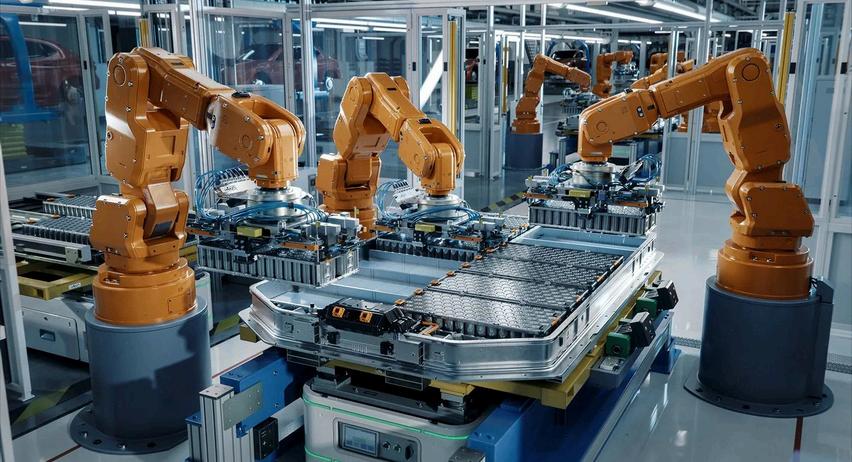
Lithium-ion batteries are soon going to take over the battery industry, and lessen the use of gas and oil. As lithium-ion batteris develop there is a possibility of electric planes in the future.
Electric vehicles have existed for a long time, but they have become popular in the last 15 years. Panasonic and CATL are the two major EV battery manufacturers in the world The first EV, the Nissan Leaf was launched in 2010 by Nissan Motor Co., Ltd. Nissan worked with Mitsubishi and Renault to create the Nissan Leaf, which became one of Canada’s best-selling EVs Electric car companies like BYD, Tesla, Xiaomi, and XPeng will transform mobility as they continue to develop newer and better models China makes electrical vehicles that are more durable and much cheaper compared to other countries. It is hoped that EVs will be adopted globally, but the challenge is that there is not enough infrastructure for charging stations, especially in North America

Waymo/Autonomous Vehicles (AV):
Autonomous Vehicles (AV) are self driving cars and are typically electric vehicles

Waymo is the leading company for self driving cars and was first launched oenix, Arizona in 2017. There are other companies producing AVs but mo is the leading company because it had a head start, and has had the most ss Waymo first launched its “Early Rider Program” in 2017, then launched Waymo one ” in 2018, where only select groups were able to use the self ng services In 2020 Waymo began fully driverless public service in some of Phoenix Waymo is now moderately available in San Francisco, Los lous, Austin, and Atlanta. Waymo and Uber have recently come together to e a mutually beneficial partnership Uber’s self driving technology was not ssful but Uber has many riders and a successful app. Waymo has the ct AV technology that is working very well. Uber and Waymo partnering nsure that both companies are successful

Limitations to AVs:
Not everyone is on board with AVs taking over, because they are still scared of the idea There have been some reports of accidents involving Waymo but none were their fault, but this still scares people. Individuals are worried about the loss of jobs if there are driverless cars.
Waymo has yet to figure out a way for these cars to drive in the snow, which limits what cities can use their cars Finally Waymo only has select rides that are able to drive on the freeway, which limits where you can go in these rides
AVs will not only transform mobility but also transform agri-food value chain both within a country and across borders AVs will be used in multiple ways throughout the chain Farmers, processors, and vendors can use Waymo to carpool to the farms and processing plants. Delivering goods will be cheaper and easier, family friends can import and export their goods using the same vehicles.
On a larger scale, transport trucks will become AVs, which will be used for transporting goods to further distances like across borders This is beneficial because there is a negative impact on health for long distance driving It will also be easier to pass through borders because the paper work will be sent out prior to the trucks leaving the facility.
Mobile abattoirs (slaughter house) will be transformed into AVs, this will advance the slaughter process, by making it more halal friendly. Already mobile abattoirs are used to make slaughtering more humane and less stressful for animals. Transforming them into AVs will make this easier as the vehicles can get to different farms at anytime AVs will make their way to other countries such as, India, Nigeria, Philippines, and Egypt The successful implementation of AVs in these countries indicates that we are in the future.