Horror
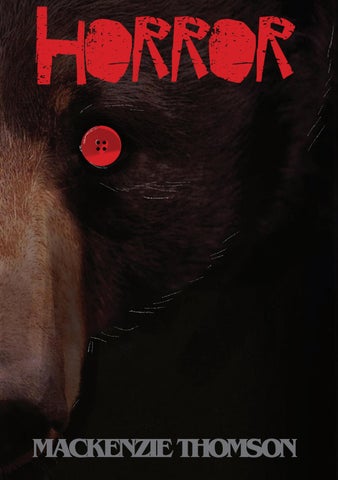
This booklet is an analysis on the Horror genre in books and focuses on the design aspects in book covers. The goal of this booklet is to decode the way Horror book covers are structured and why. First through examining the history, common themes, and popular authors/novels within the genre to understand what might be trying to be portrayed to the audience on the covers and the themes that would be shown. Then choosing a collection of 10 horror books to visually analyze to decode the common aspects of the horror genre book covers. Through this analysis I hope to understand the cover style to make my own horror covers that could be passed off as real ones.
I choose the Horror genre for a couple of reasons. One because Stephen King’s ‘It’ is one of my favourite novels. Secondly because I wanted to get more into the horror genre than I already am. Well I enjoy the horror genre a lot. I haven't read that many of the novels and figured it would be a good opportunity to find horror books for me to read and learn more about the history of horror. Thirdly and probably most important/relevant to the project. I would like to one day make a graphic novel of Stephen King’s ‘It’ and to do that it will be important to know the themes in the novels and how things are designed in the horror genre.
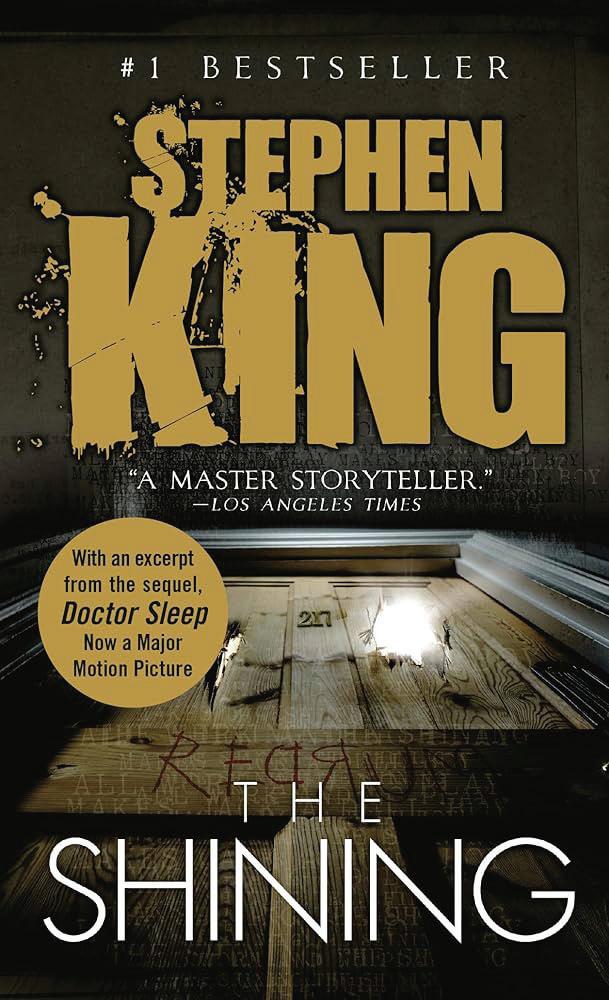
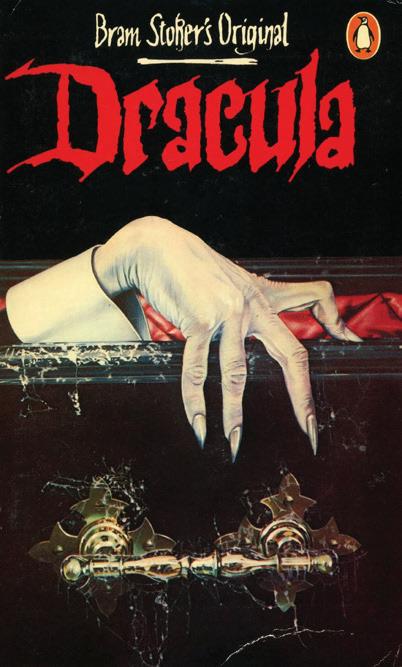
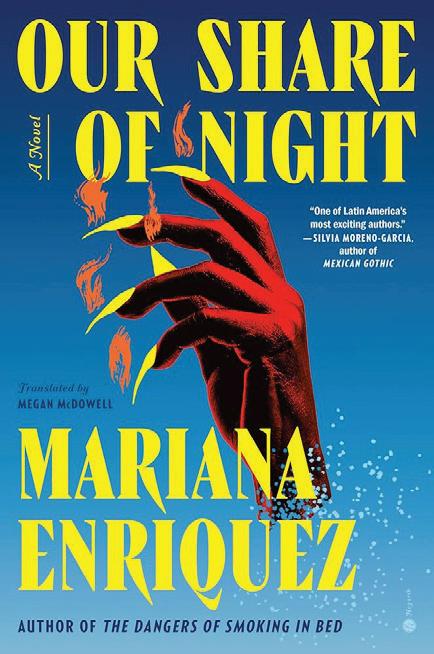
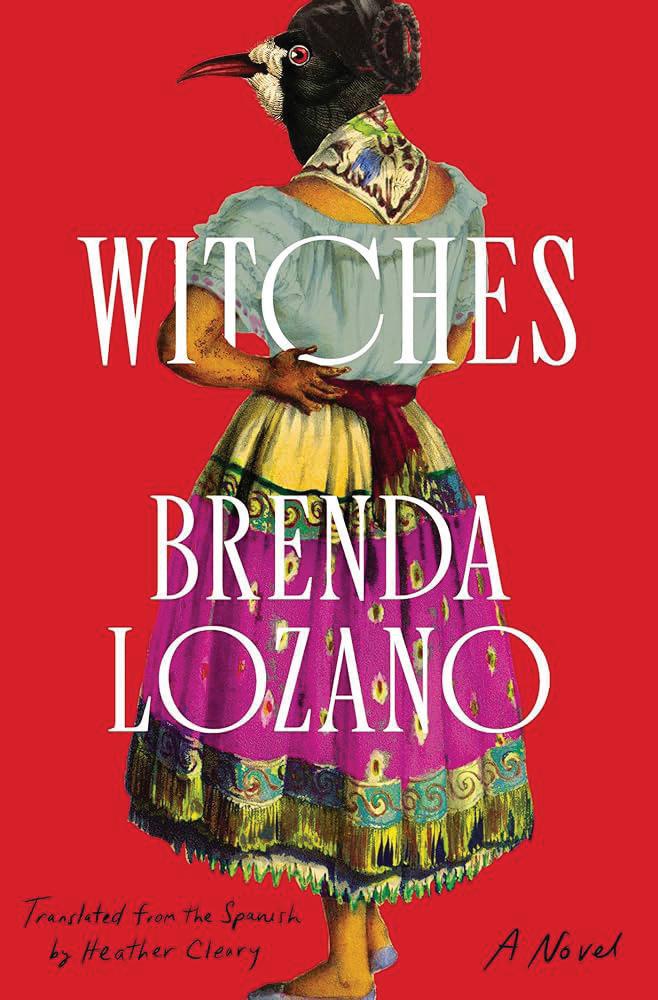
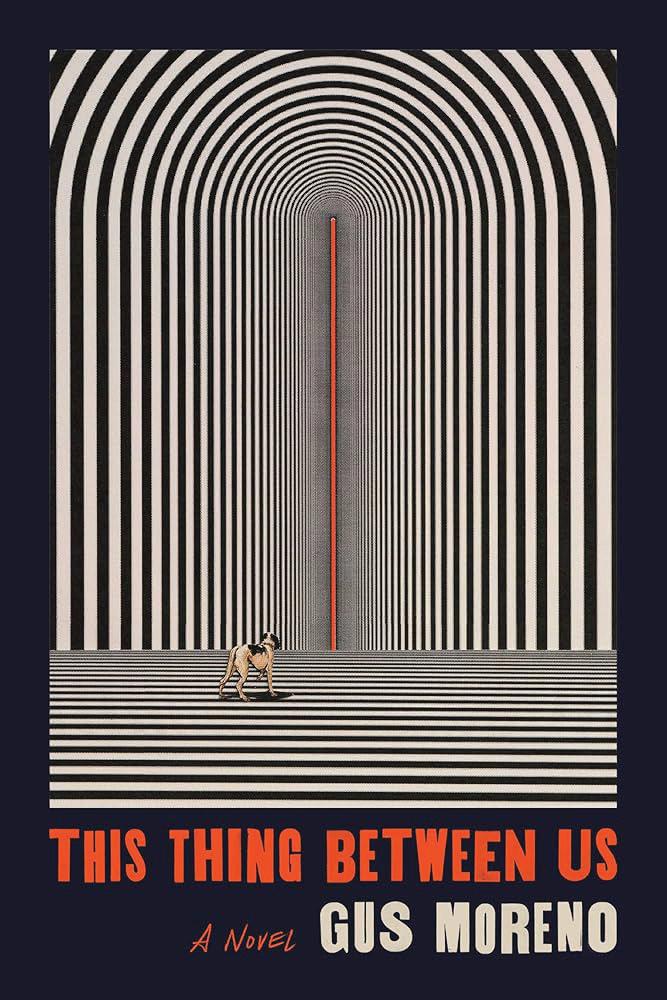
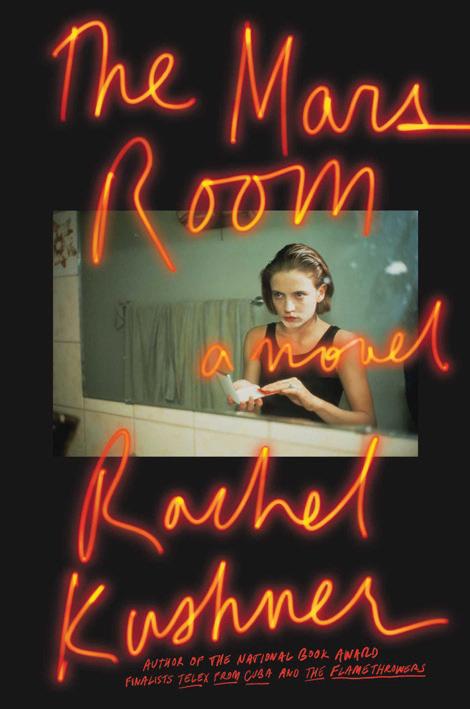
The horror genre can be considered one of the oldest genres linking back to ancient folktales, myths, and legends. These talks would revolve around supernatural creatures such as ghosts, witches, and monsters, and featured elements of surprise and dread. Authors like Edgar Allen Poe in the 18th and 19th centuries brought about horror as a distinct genre. The 20th century brought about a surge in the popularity of horror and in the current century horror has only continued to expand and rise in popularity.
Horror often deals with themes of isolation and alienation, loss and grief, insanity, death and morality, and the unknown. The novels often explore themes of death, violence, the supernatural, and psychological terror as well. Horror has many motifs such as monsters and old homes and the genre can be split into sub genres that focus more on different themes and motifs then other sub genres. Monster horror focuses on monstrous creatures and often involves elements of science fiction whereas Psychological horror focuses on the human mind and deals with paranoia and insanity. There are about 10 sub-genres of horror: Gothic, Psychological, Supernatural, Slasher, Survival, Splatter, Monster, Environmental, Body, and Apocalyptic. Well the genres all have some sort of overlap. The genres can help you find the kind of horror that interests and frightens you the most.
Many works and authors have shaped horror as a genre. One of the oldest works in the horror genre was a Mesopotamian epic poem that features supernatural creatures and events like a maneating monster. Dante Alighieri could be considered a Horror artist author that shaped the genre. His book The Divine Comedy
explores the nine circles of hell and supernatural entities. His book starts to form gothic themes of death and the macabre as well as eerie settings. Real Gothic Authors like Edgar Allan Poe and Mary Shelly are the base of the horror genre. They explored themes of societal norms and created the monster trope in horror. Both authors were and still are highly influential to the horror genre. Another highly influential name in Horror is Stephen King, a household name. Stephen King is probably the most famous horror writer. Many of his novels are adapted into horror movies, if you've seen a horror movie there is a good chance that it was inspired by one of his novels.
The cover of a horror book is meant to invoke a sense of foreboding and show to the viewer that it is a Horror novel. The covers have recurring themes and characteristics. They share similar color palettes, text fonts, and motifs.
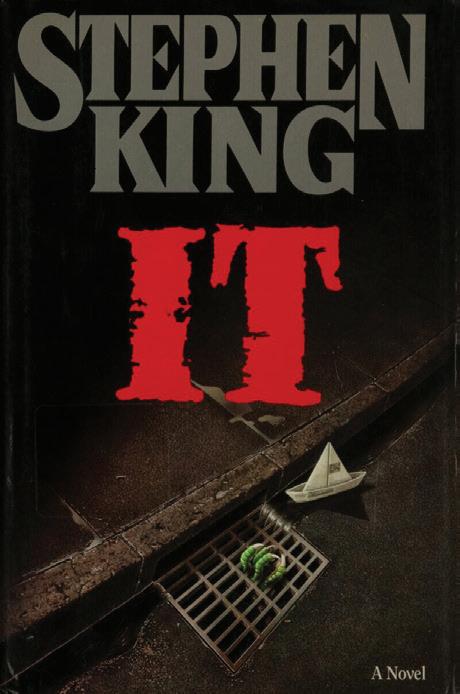
Horror book covers use very saturated colors. Most often colors used are black, white, and red. Blue and Yellow are the next most used often as accent colors but also as the main color. Well there are sometimes other colors used; they are most often kept to a minimum or just not used at all. You can see in the cover for It that there is a touch of green but mainly shades of black and white are used with a much larger touch of red. Similarly for the cover of Witches there are multiple colors used in the illustrated part of the cover however most of the cover is taken up by red making it the strongest color. The color palette on Horror covers are usually
quite limited. They usually only have 1-2 additional colors that are not black and white. More often than not black takes up a lot of the cover to make the book appear dark and eerie.
The text on the covers are often quite BIG and CONDENSED. It’s usually BOLD as well. The text is more often than not a fairly basic font and a blocky one. The text should look large and imposing. The text comes in both serif and san serif but is more frequently sans serif. The text face you are seeing now has the same look as the most common text faces however the text can also come in more organic looking ways. When not blocky like this they are often a textured font and/or very sharp . Or something like the Dracula cover that has a sort of drip effect coming from the text. The main text is very often done in white or in the same color as the accent color. Though the text itself can also serve as the accent color. The most important thing for the text title is to be loud and noticeable. The text should be big and bold and condensed so that it can take up even more space. The text color should make the text stand out even more especially when it's put on such a dark background you will want bright colors like white or a bright red for the title font color.
Horror covers have a few very common motifs on the cover though the illustration on horror covers range a lot. The most common motifs on the covers of horror books are hands and houses. Close up of hands are quite common on the covers, often a human hand but sometimes a monster claw instead. Most often the hands are shown with long sharp nails. A hand without seeing what is attached to it creates the fear of the unknown that is such a common theme. Hands are a good way of creating a sense of unease especially when they are drawn in the sharp and contorted way that is common in Horror covers. Hands can be seen on the covers of Dracula, Our Share of Night, It, and Witches.
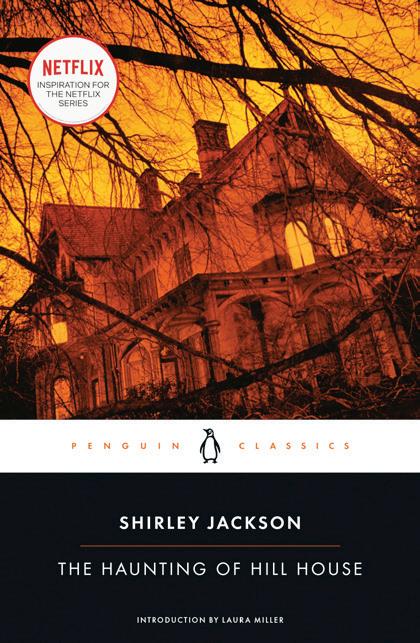
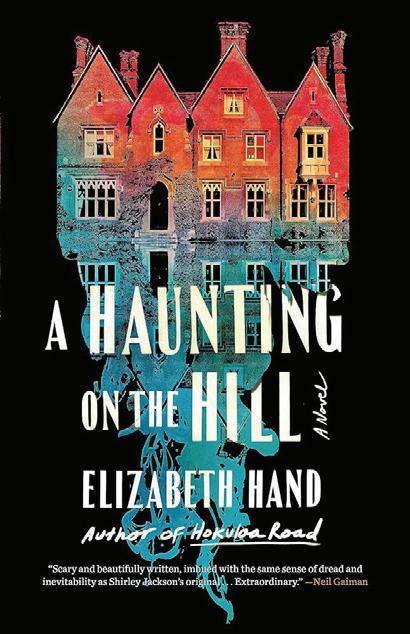
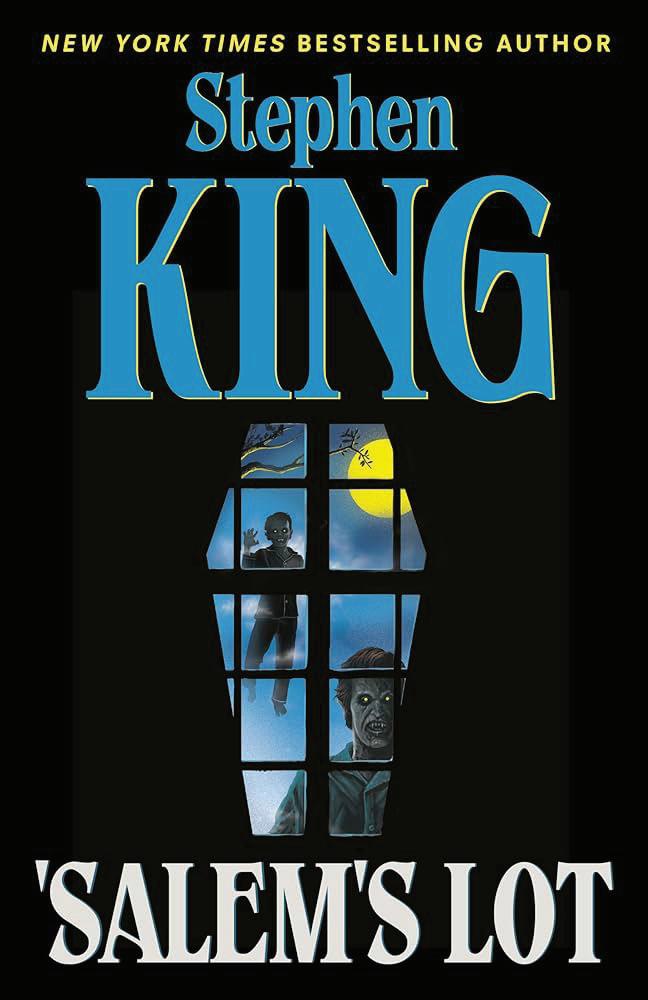
Houses themselves are a common theme in horror novels, many horror settings take place in houses that are empty, abandoned, or haunted. Houses can create a very forbidding atmosphere and are very easily related to horror which makes them a good thing to put on a horror cover. Houses can be seen in full on the covers of The Haunting Of Hill House and A Haunting on the Hill. Parts of house such as doors and windows can be seen on the covers of The Shinning and ‘Salems Lot. Well these are the most common images on Horror covers however the images on horror covers can range a lot. The main goal of the images on Horror covers is to create that sense of foreboding and tell the audience that it is a horror novel. This can be done by using common horror motifs but also using a lot of empty space and making dark scenes.
Many horror covers also have the words A Novel put somewhere in the cover. The words are most often put in the bottom right corner of the cover or next to the title of the book. It can also be put next to the author's name. The phrase is also often put in a different type font then the rest of the cover. It’s often put in a more organic type font then the rest of the font on the cover of the book.
The main goal of horror covers is to make a sense of foreboding in the viewer and clearly portray that it is a horror cover. This is done through the formatting of the text, the colors, and images. Following these rules will make a cover that looks like it fits in the genre.
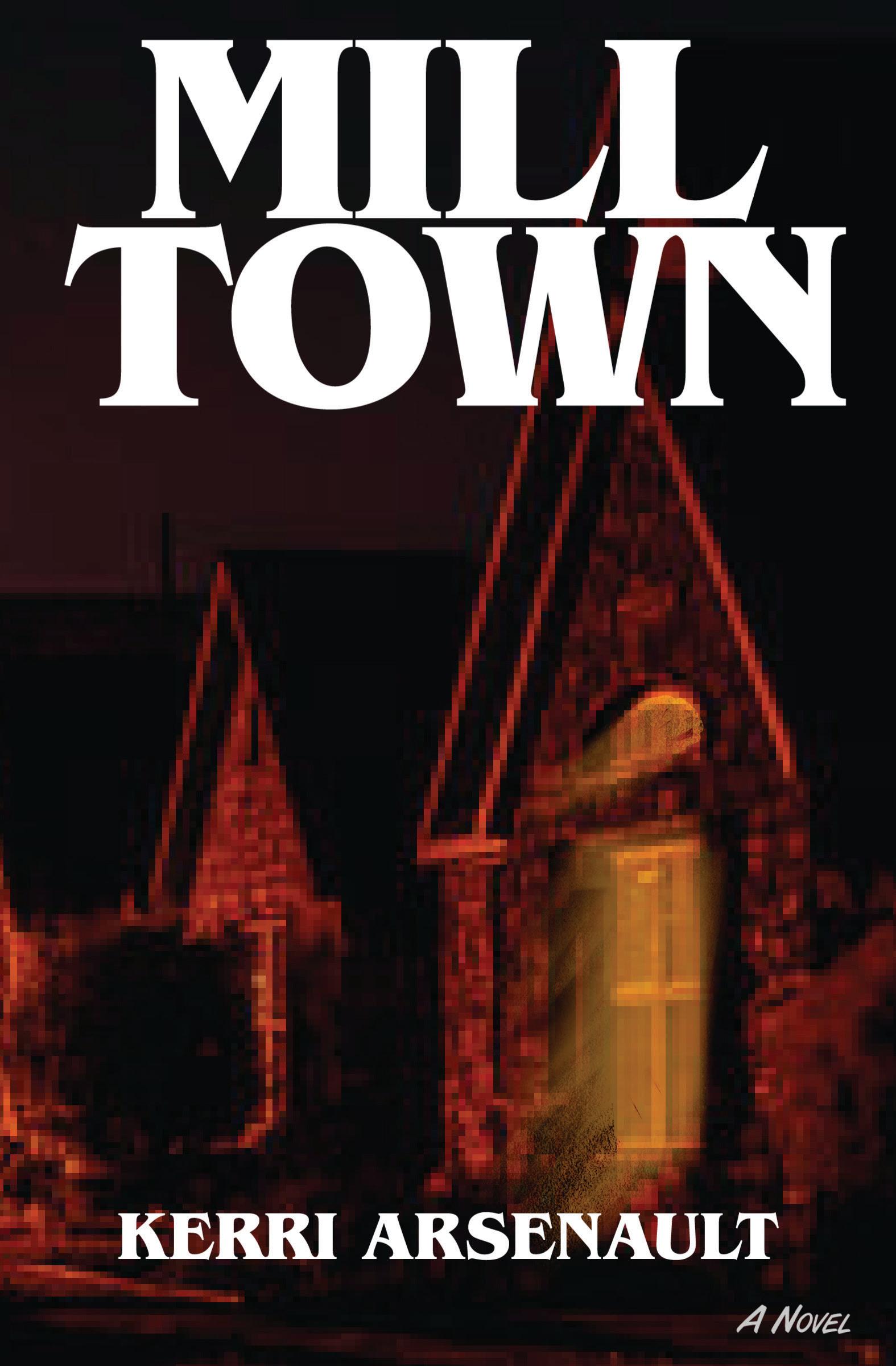
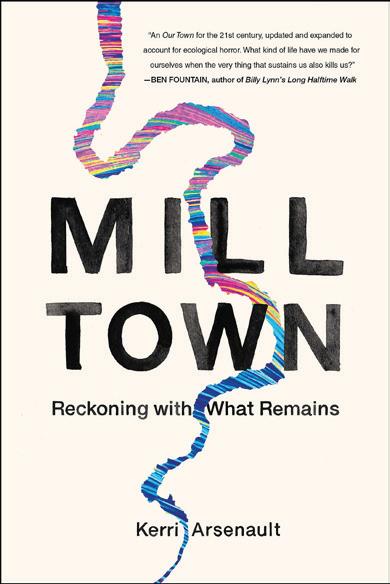
I turned Kerri Arsenault’s Milltown: Reckoning with What Remains,originally a biography, into my first Horror cover. For my first cover I used one of the more common motifs on Horror covers: the house. I started by finding a photo of a house and editing it into a composition that I like. I then edited the photo so that it is red and black to fit into the color theme of the genre. I added the title into the top fairly large with the author's name in the bottom portion in the font Benguiat Pro ITC. On my first draft I made the mistake of making the type red as well as not saturated enough. As well as not making everything large enough. For my final draft I enlarged the photo and the text as well as condensing the text. Condensing the text and making it very large is essential to a horror cover and making that simple change really helps to make the cover feel like it is horror, it is something that is so vital to the horror genre. I also made the text white so that it stands out against the red and black background. Both of these changes make it seem more like the horror genre but these are also important to the advertising of the book, you want to be able to see the text from far away and the large and bright text helps with that. I also added in yellow coming from the window. There is often a glow effect somewhere on horror covers and yellow so I wanted to add in both of those things. The house and color palette staples in the horror genre that helps to make this cover look like horror. The text size, color, and font drive home the horror genre. I added the words A Novel into the bottom right corner as is often seen on horror covers but in the font Filmotype Lucky. I changed the font for just that bit as it's a recurring thing that is seen on horror covers.
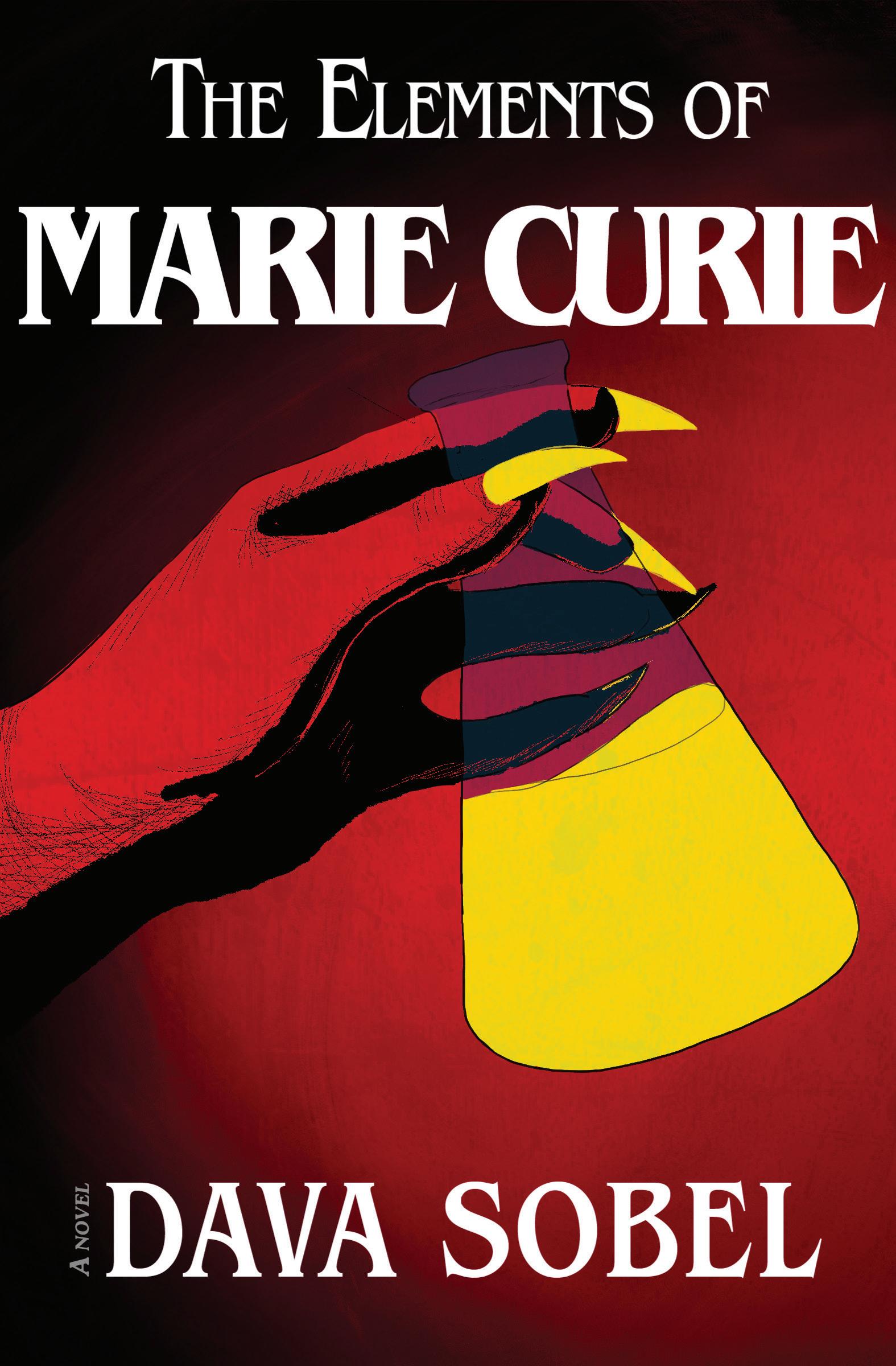
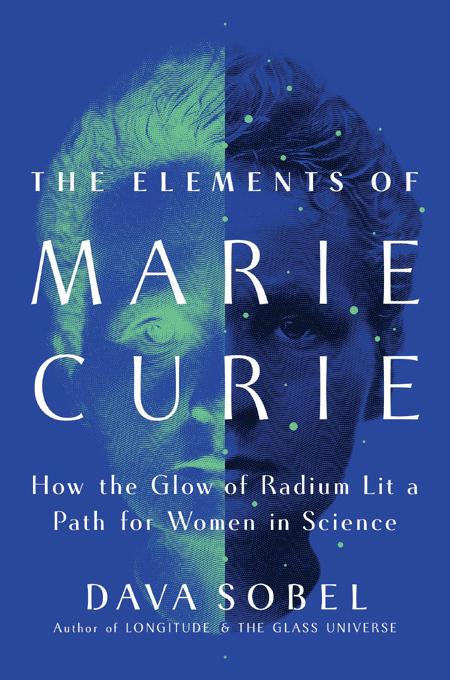
For my second cover I choose a science book, The Elements of Marie Curie, to turn into a horror cover. A lot of horror covers have illustrated aspects and close up of hands so for this cover I wanted to incorporate both of those aspects. A hand without the rest of the body seen can create that fear of the unknown. To incorporate the science aspects and further that fear of the unknown I add a beaker for the hand to hold. I hand drew the hand because there are many illustrated covers in the horror genre, more often than not the elements are all illustrated rather than photographic. I drew the hand in a similar way that is seen on covers with long sharp nails that create a monsterous feeling. I added a glow effect into the background for this one to make it seem like the mysterious liquid is glowing and invoke the feeling of danger from it. I stuck with a red, yellow, black, and white color palette for this cover as well. The font I used was again Benguiat Pro ITC. I kept the font white for this cover as well and made sure to condense the font again and make it as large as possible. I added the phases A Novel next to the Authors name on this version in the font Roca. The hands motif and colors on this one help to bring the horror feeling on this cover.
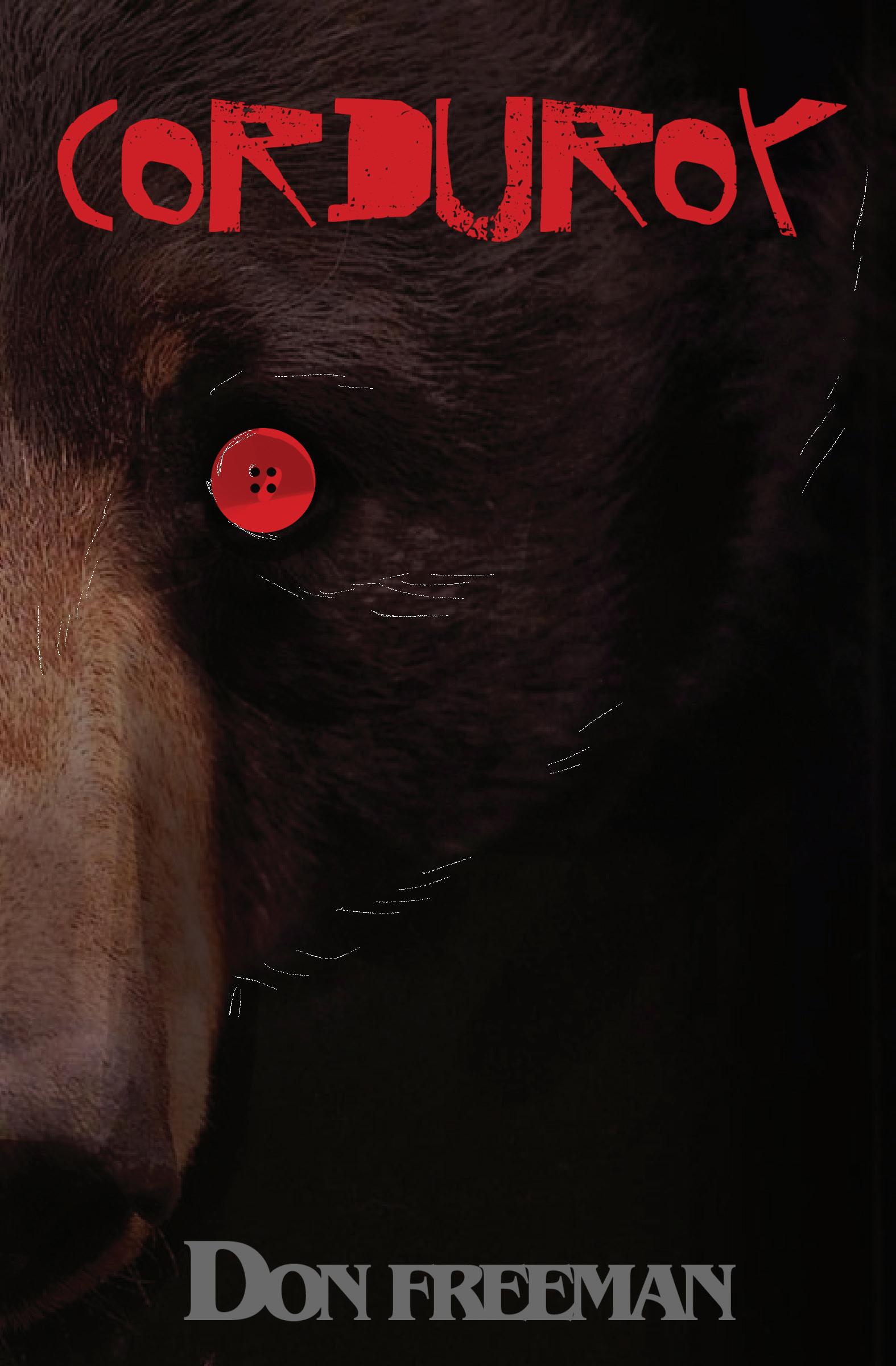
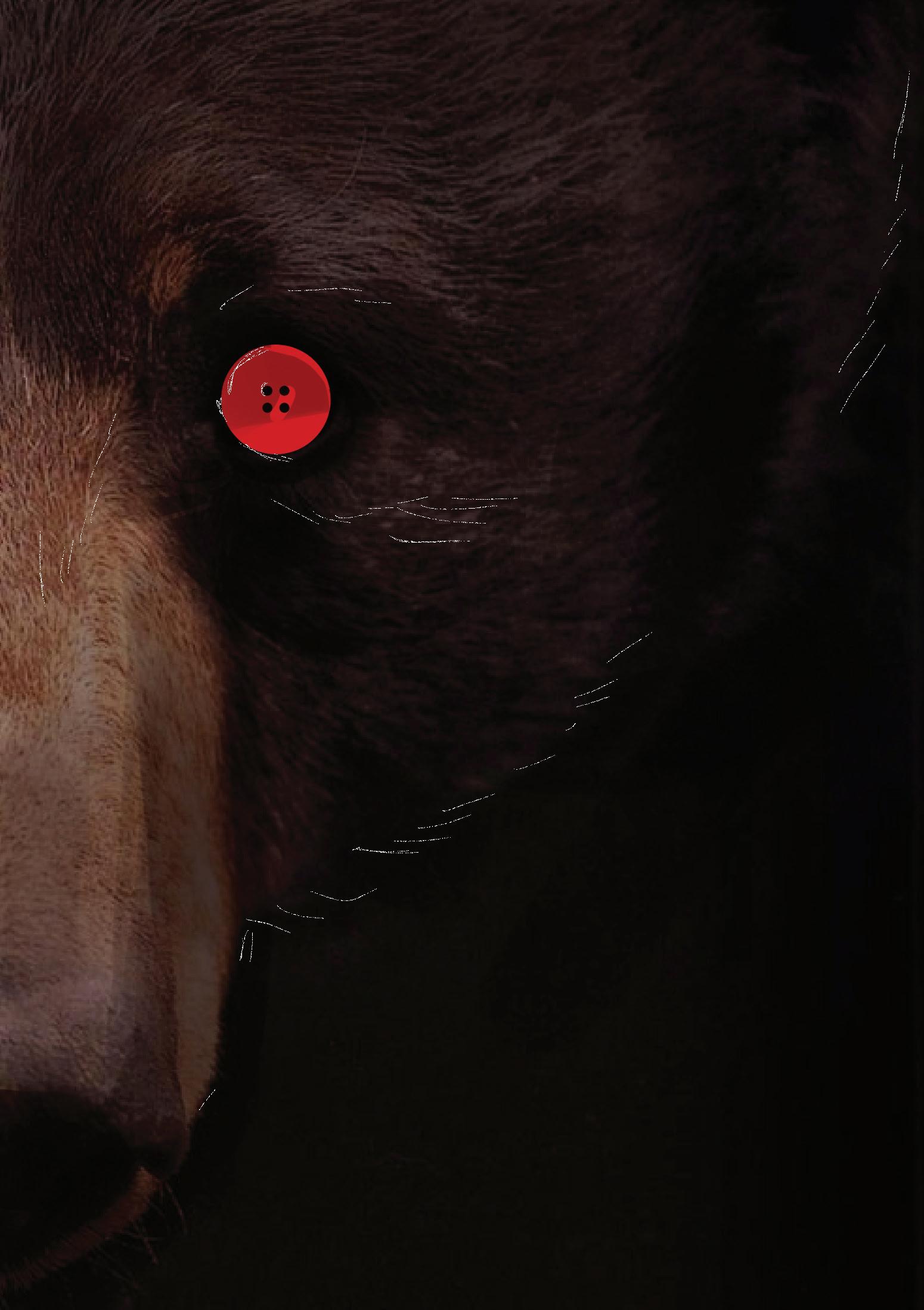
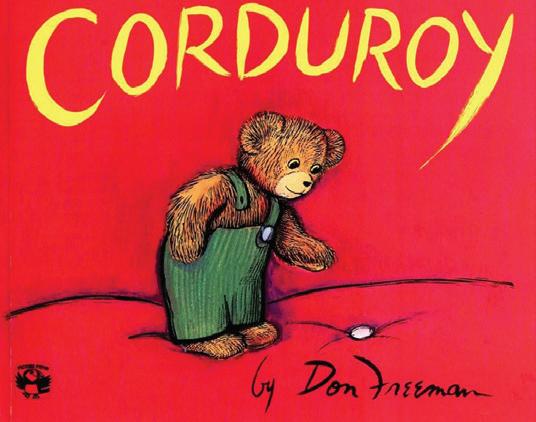
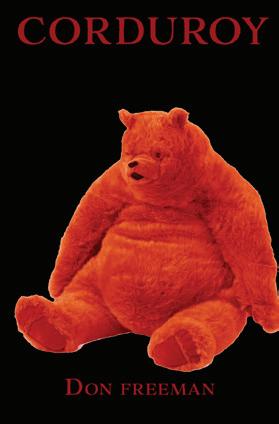
For this one I wanted to try to make a children’s book into a horror book because I feel like it has the strongest contrast between the two genres. I chose the childhood classic book Corduroy into a horror book. On my first draft of the cover I tried to use a teddy bear on the cover similarly to the original book however it did not seem scary enough or translate to the same format as other horror book covers. I decided to change it to a real bear that helps bring a more horror vibe. I darkened the photo of the bear and used a brush tool to add more shadow and depth into the bear face. I added a bottom to the bear's eye which I think made it seem much more like a horror concept and also added elements of the original story onto the cover. I kept the color to red, black, whites, and grey as well as the browns on the bear. For this cover I put the book title in red and in the font HVD Rowdy. Of course I still kept the text condensed and large. I kept the author's name in the font Benguiat Pro ITC, however this time I made the text color for the author more grey. This color arrangement is more similar to the cover of IT. I believe that this cover is the strongest, it incorporates the different horror cover elements well. It has its own imagery that invokes horror well without relying too heavily on classic horror motifs. Despite not having the most common motifs it does seem to give the strongest horror vibes from the cover.
https://capitalizemytitle.com/famous-horror-authors/ https://www.forbes.com/sites/entertainment/article/besthorror-books/ https://www.thebookcoach.co/post/a-closer-look-at-the-horror-genre
https://jorgesette.com/2018/08/12/the-six-pillars-of-horror/
https://app.milanote.com/1T9c3118VxiU1v?p=m152dna1ct6