PLANT PLANET
22-24 June 2027

22-24 June 2027
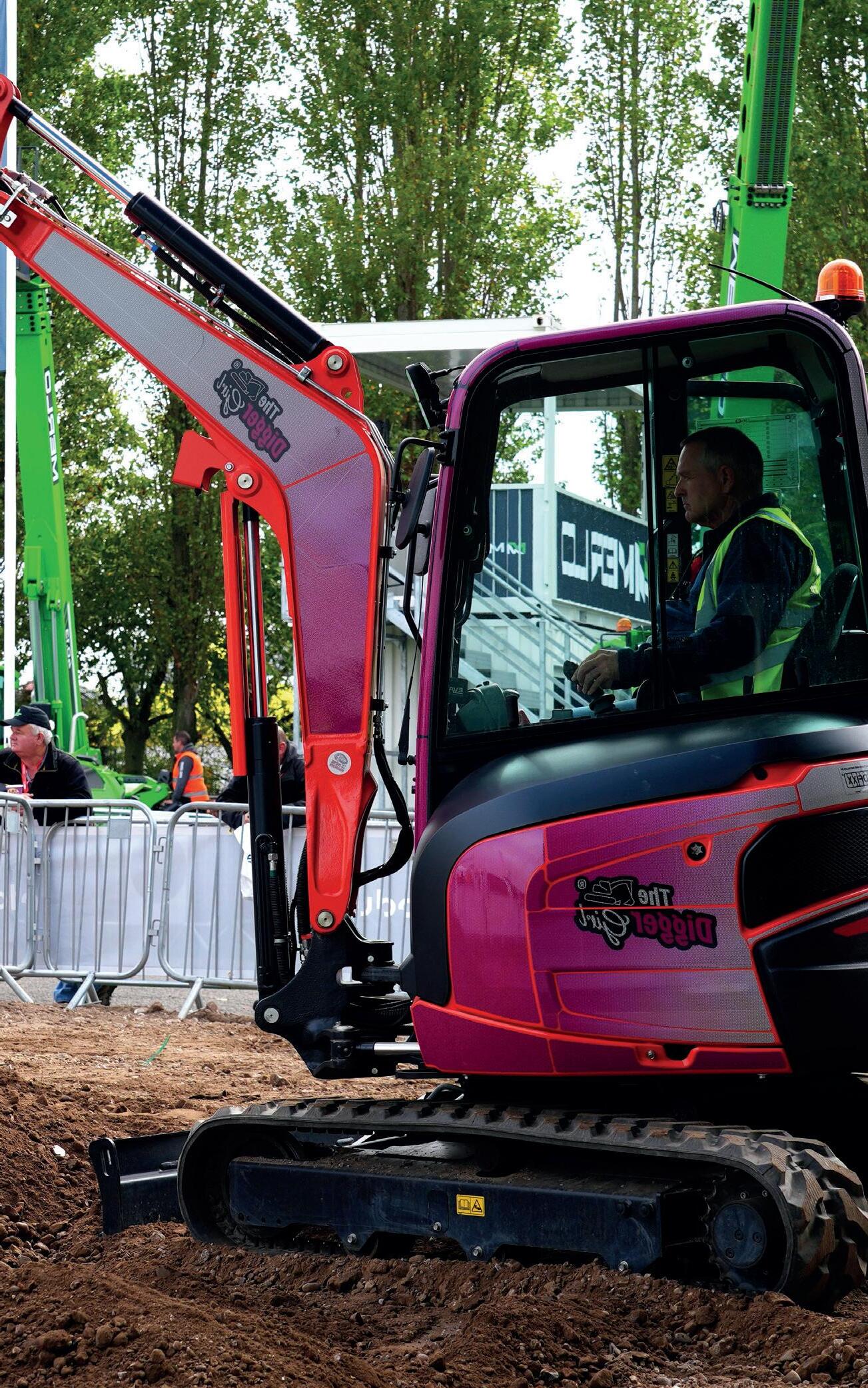
Be part of the UK’s leading working construction equipment showcase in 2027.
Get ready for the next PlantWorx, taking place at NEC Birmingham in June 2027, where 12,000+ construction leaders will discover the latest innovations in machinery, equipment, and emerging technologies, live and in action.
300+
Exhibitors
12,000+
Visitors
CPD
Accredited Seminar Programme
3 Days of Live Demos
Technology has always shaped the construction and plant sectors and certainly will continue to far into the future. But the pace of change we are witnessing today feels markedly different.
Across the UK, digitalisation, automation and artificial intelligence are moving from industry buzzwords to practical tools that are helping businesses improve productivity, enhance safety and address ongoing skills shortages. Recent developments in AI-powered fleet management, machine control systems, predictive maintenance, robotics and digital twins are transforming how projects are planned, delivered and maintained, while the growth of alternative fuels and electrified equipment continues to support the industry’s sustainability ambitions.
It comes as no surprise then, that technology is the perfect theme for this special issue of Plant Planet Magazine as we head to Hillhead 2026!
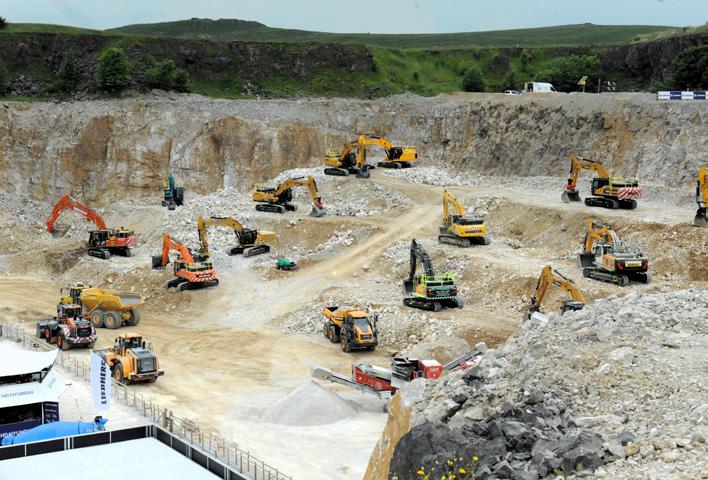
As the UK’s largest quarrying, construction and recycling exhibition, Hillhead has long been a showcase for the latest innovations in plant and equipment, and this year’s event is the biggest in its history, bringing together more than 600 exhibitors and thousands of industry professionals.
Walking around the showground this June, visitors can see first-hand how technology is redefining the industry’s future. From advanced telematics and asset management platforms to automation and control systems, drones, electrified machinery, energysaving technologies and next-generation operator-assistance features, the innovations on display will demonstrate how manufacturers and suppliers are responding to the demands of a rapidly evolving marketplace.
Yet perhaps the most significant shift is not the technology itself, but the industry’s growing willingness to embrace it. Whether through smarter equipment, data-driven decision making or AI-enhanced operations, businesses are increasingly recognising that innovation is no longer a competitive advantage reserved for early adopters, it is becoming an essential part of everyday operations.
We, for one, simply can’t wait to see what the future holds.
Happy Reading!
Rebecca Phillips Managing Editor

PLANT PLANET is published by Machine Power Media Ltd.
St Johns House, St Johns Street, Chichester, West Sussex, PO19 1UU 07779 405885
Machine Power Media Ltd. © 2026 all rights reserved.
Reproduction in whole or part is prohibited except with permission in writing from the company.
Note to contributors: articles submitted to the Editor for consideration must be the original work of the author.
Where photographs are included that are not the property of the company or contributor, permission to reproduce them must have been received from the owner of the copyright. Any views or opinions expressed within this magazine are not necessarily those of the company. Registered in England No: 16081082
All advertisements are accepted subject to Machine Power Media’s standard of insertion. For a copy of Advertising Terms & Conditions, please write to: Darren Shelton, Machine Power Media Ltd. Unit 5, Basepoint, Enterprise Centre, Terminus Road, Chichester, PO19 8FY



DARREN SHELTON MANAGING DIRECTOR

CHRIS HART SENIOR SALES CONSULTANT

PHIL EVERY GROUP SALES DIRECTOR

MARTINA TONELLI MARKETING SPECIALIST

REBECCA PHILLIPS MANAGING EDITOR

STEVE WILSON DESIGN MANAGER
ALEX COX JOURNALIST & CONTENT CREATOR
RACHEL BURT SAFETY SHEILD
CAITLIN BRENNAN RB GLOBAL
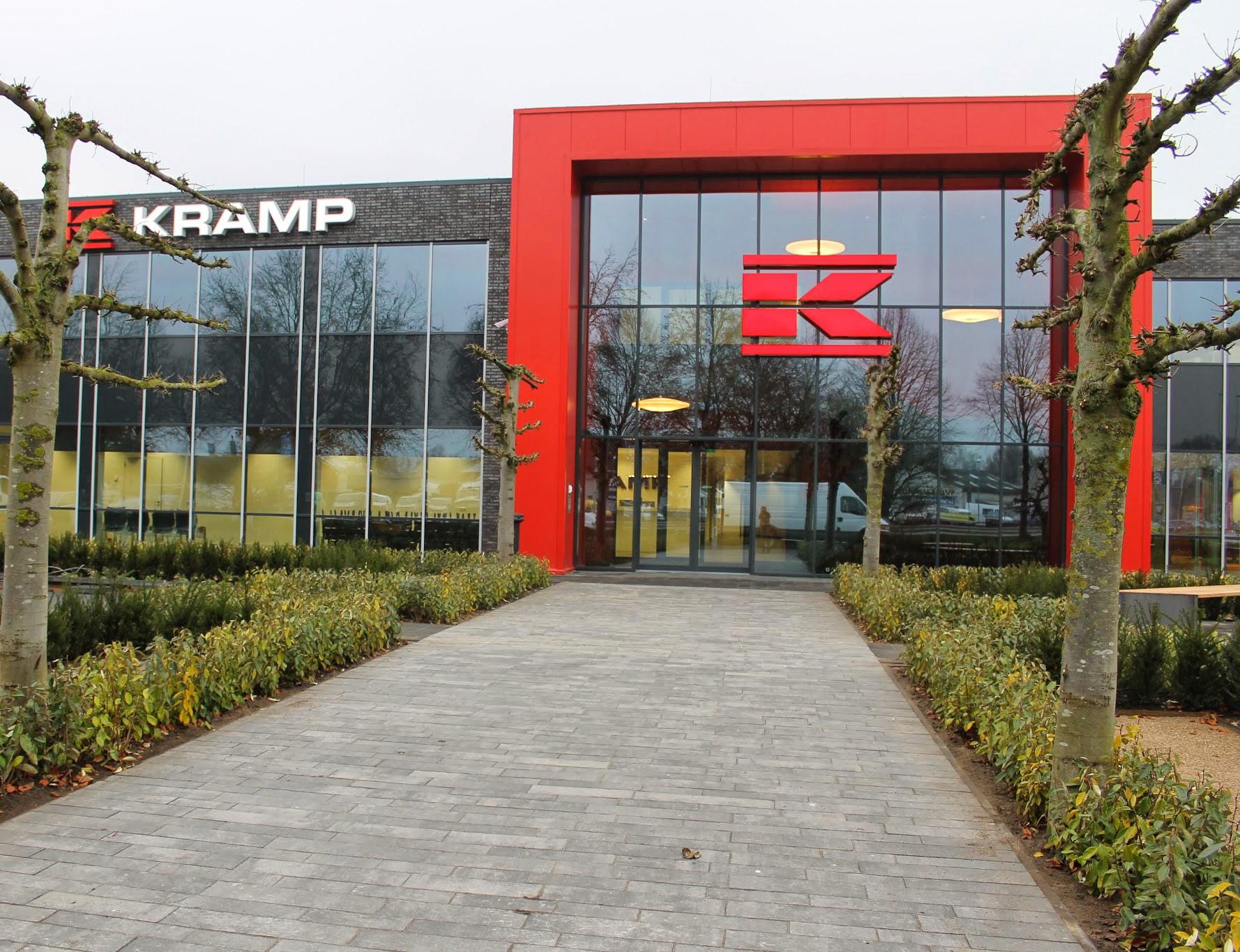
LEXI GILDERS KRAMP
LISA COLLINS CPA
HANNAH PASCOE SUNBELT RENTALS
JAMES OLDHAM ASKA ATTACHMENTS Submit your articles: editor@machinepowermedia.co.uk contributors
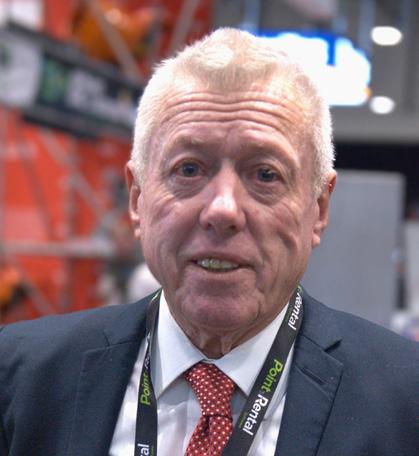


BRIAN JONES CONSTRUCTION PLANT-HIRE ASSOCIATION (CPA)
Brian Jones is President of the CPA, the largest trade association for the plant-hire sector in the UK with circa 1,900 members. He has worked in plant-hire for over 50 years. Brian was elected to the CPA Council over 30 years ago and has been CPA President since 2017.
RACHEL LAMBERT @KINGSTON PR
Rachel Lambert is a PR consultant and the founder of Kingston PR, a business she started over 30 years ago. A former magazine editor, she is also a freelance writer covering a range of sectors.
LANA EDWARDS
Working with plant machinery since she was 8 years old, Lana Edwards is one of the most well known and respected inluencers in the construction industry. She is the Number One Woman in Construction for Wales as well as a Top 100 Women in Construction for the UK.

In rural Ayrshire, RWHB Ltd has grown from modest beginnings into a highly capable steel fabrication and building business - one built on practical experience, family leadership, and a clear focus on doing the job properly.
The story starts in 1986, when founder Robert Brown bought his first Caterpillar digger. After a decade of travelling for construction work, he made a conscious decision to stay local, taking on small groundworks and welding jobs for local farms.
“I wanted to work hard, but be home at night,” he recalls.
Demand soon grew beyond groundworks, with farmers needing structures as much as repairs. That shift toward steel fabrication laid the foundations for what RWHB would become.
A defining moment came during Ayrshire’s open cast mining redevelopment, when the company was asked to erect a large steel shed capable of housing heavy dump trucks. It was their first experience working with a fully engineered building kit and it proved a turning point.
“That job showed us what was possible,” says Brown. “After that, the building side really took off.”
Over time, RWHB came full circle. What began with buying kits evolved into complete in house fabrication. Today, the company manufactures and supplies
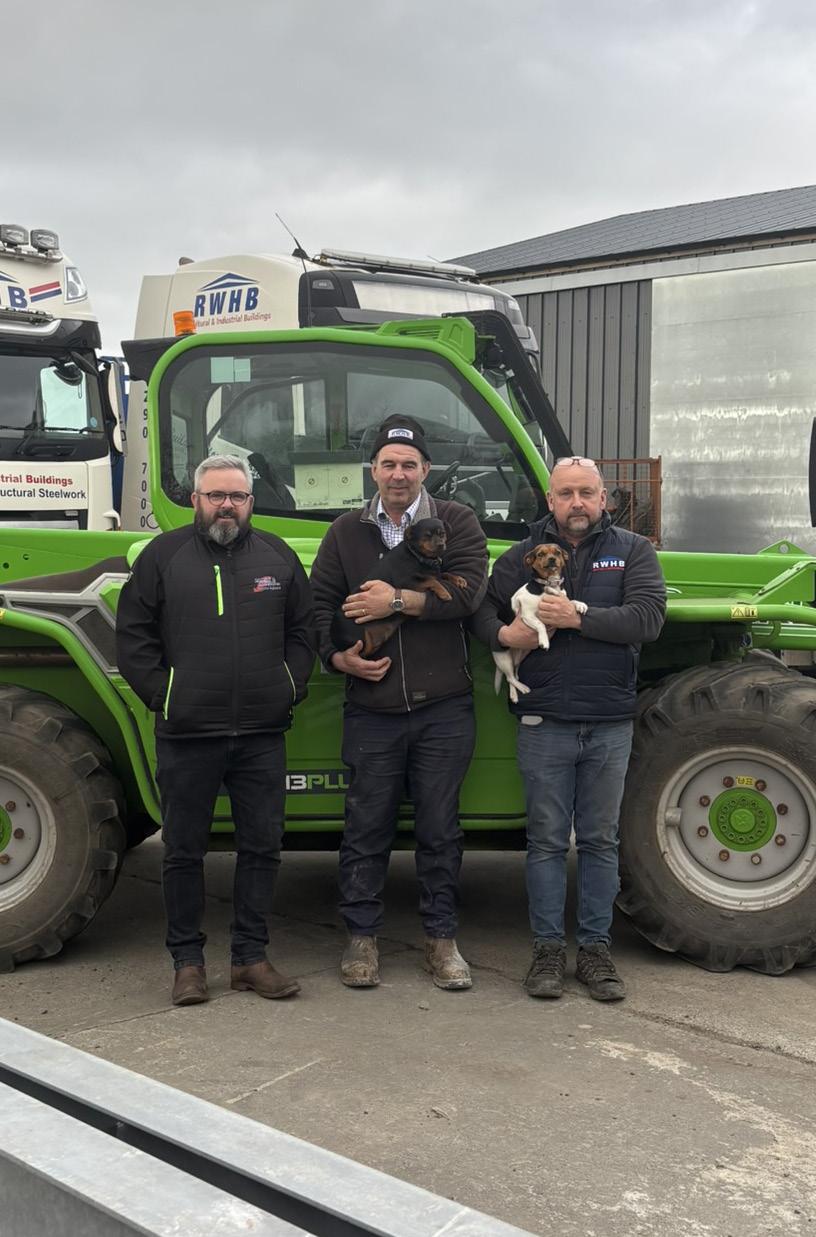
bespoke steel buildings nationwide, producing around two structures a week. Each project is cut, fabricated and prepared on site before being delivered as a complete erection kit, allowing the company to maintain both quality control and efficiency.
Now employing around 35 people, including fabricators, designers, project managers and steel erectors, the business remains firmly family led. Robert and his brother Gavin, both shareholders and directors, continue to guide its direction.
“We’ve both had a say in where the business has gone from early on,” says Gavin. “That’s important to us.”
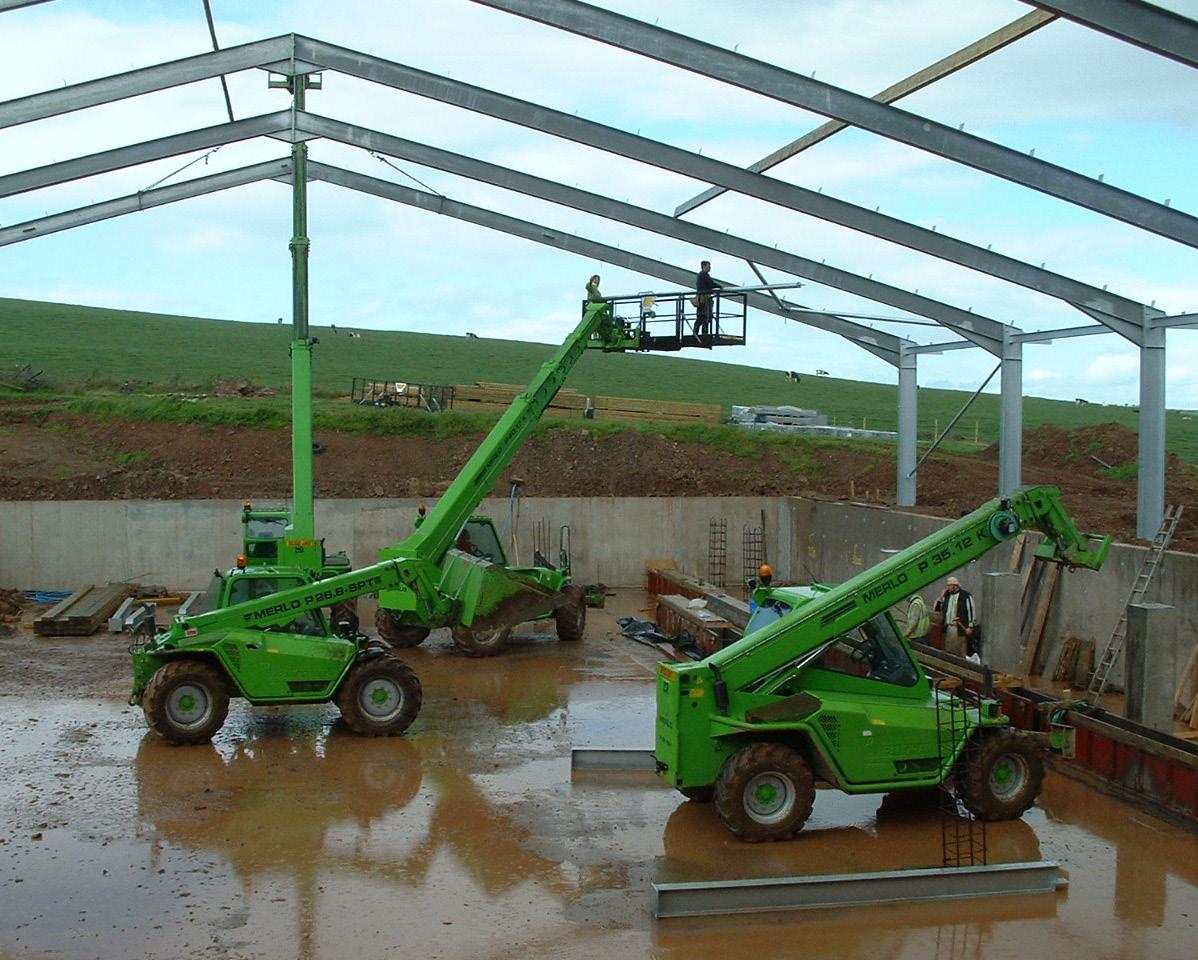
Key to RWHB’s productivity has been its long standing use of Merlo telehandlers. Over more than two decades, the company has operated 21 machines, with stabilised PLUS models forming the backbone of current operations. Their boom side shift, precise control and excellent visibility are critical when positioning heavy steel.
“When you’re lifting steel, a few millimetres matter,” says Brown. “The control you get with a Merlo makes all the difference.”
Design features such as compact in line stabilisers allow the machines to operate safely without extending beyond their footprint, an important advantage when working in tight farmyards or restricted sites
Supporting this investment has been local Merlo dealer Ramsay & Jackson, whose presence in Ayrshire has played a key role in keeping RWHB’s machines working reliably. With decades of experience and strong local knowledge, the dealership provides dependable back up and practical support when it’s needed most.
“When you’re relying on machines every day, you need people you can call,” says Brown. “Ramsay & Jackson have always been there for us.”
The addition of the ROTO 50.26PLUS has further extended their capabilities, enabling high reach work and complex lifts from a single set up position, reducing downtime and unnecessary machine movement.
That capability has been evident in RWHB’s long running work at Dumfries House, where their machines have supported restoration and development for over 15 years.
From one digger in 1986 to a modern steel fabrication operation, RWHB’s journey is a story of steady evolution, built on skill, reliability and staying true to its roots.
To learn more about Merlo, please visit: www.merlo.com/gbr/en/
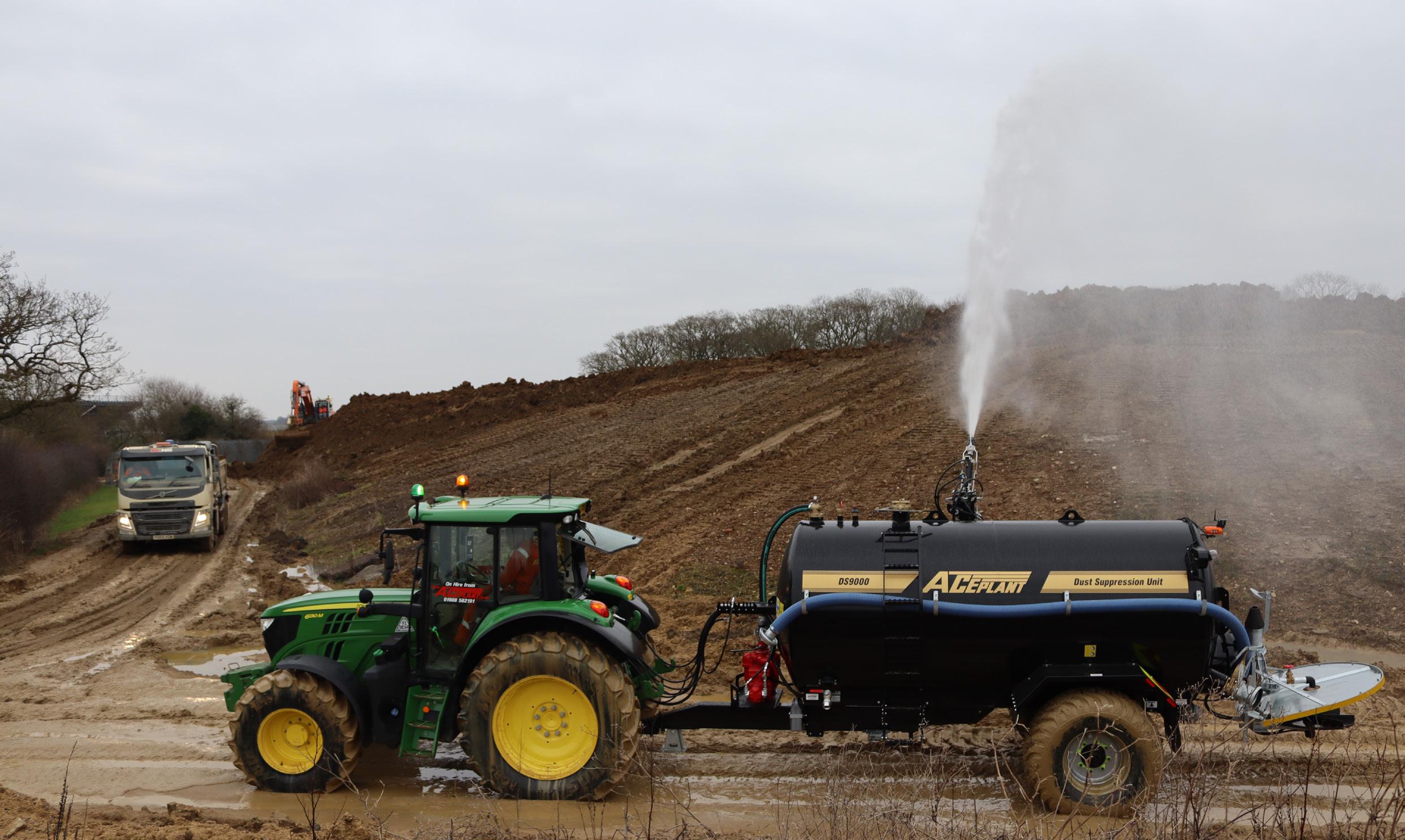
Dust suppression is no longer simply a “nice to have” on construction, demolition and quarrying sites. It is now a critical part of responsible site management, helping protect workers, nearby residents, machinery operators and the wider environment from airborne dust particles. These sectors are facing significantly increased scrutiny surrounding exposure to respirable crystalline silica (RCS), following growing concerns over rising cases of silicosis and occupational lung disease.
Environmental management, site cleanliness and operator safety have increased significantly and dust control is now an operational necessity, particularly on urban developments, infrastructure schemes and quarrying operations close to residential areas and public highways.
For ACE Plant, dust suppression has become a specialist engineering sector, with the company building a strong reputation for practical, innovative solutions designed for demanding UK site conditions.
Drawing on decades of plant hire experience, ACE Plant has developed a comprehensive range of mobile dust suppression systems available for both short and long-term hire. The company’s focus is simple: deliver equipment that is effective, durable, easy to operate and adaptable to modern site demands.
The range begins with compact 2250-litre dust suppression units designed for smaller sites where manoeuvrability and simplicity are
essential. Equipped with petrol-driven water pumps and rear splash plates, these towable units provide effective dust suppression coverage across working areas up to five metres wide. Featuring lifting eyes and simple top-fill systems, they offer contractors a practical entrylevel dust control solution.
For larger projects requiring greater capacity and longer operating times, ACE Plant offers 7200-litre and 9000-litre tractor-operated systems. Widely used on quarrying, demolition and infrastructure projects, these units are designed to deliver continuous dust management across large operational areas.
The 9000-litre units deliver highvolume dust suppression capability for demanding environments, with hydraulic brakes, road lighting, hydraulic vacuum pumps and rear splash plate systems ensuring reliable performance across challenging site conditions.
What differentiates ACE Plant is its commitment to engineering innovation and water efficiency. One example is the hydraulically operated Rain Gun system, capable of projecting water up to 70 metres. Ideal for stockpiles, quarry faces and demolition zones, the system allows operators to adjust water coverage directly from the tractor cab, improving both safety and efficiency.
ACE Plant continues to invest heavily in sustainable dust suppression technology. Its hydraulically driven carbon fibre Spinning Disc system atomises water into an ultra-fine mist, capturing airborne dust particles far more effectively than conventional splash plate systems.
The efficiency improvements are substantial, while traditional splash plate systems may empty a 9000-litre tank in just nine minutes, the spinning disc system can extend water usage to up to 90 minutes. This significantly reduces water consumption, minimises downtime for refilling and provides contractors with a more sustainable and cost-effective solution for long operating shifts.
To support contractors in maintaining clean access roads and preventing mud transfer onto public highways, ACE Plant has also developed specialist Road Wash systems, helping improve site safety and maintain compliance with strict environmental standards.
The company has further expanded its range with adaptable systems such as the 1800-litre Quickspray unit, mounted directly onto telehandlers or loading shovels, delivering targeted dust suppression on haul roads, stockpiles and difficult-to-access areas.
For demolition, recycling and quarrying operations, ACE Plant also offers the DT400 Dust Fighter system. Fully self-contained with its own power and water supply, the unit provides dust suppression coverage of up to 20 metres and can be adjusted to suit specific site conditions.
The new figures reveal that over the same period, more than 10,000 employers were supported – of which over 9,000 are small and micro enterprises.
The Construction Industry Training Board (CITB) has today released its 2025-26 financial year (FY) grants figures. CITB has provided a total of £120 million for all grants, including £68 million in apprenticeship grants, helping to support the industry to develop a skilled, competent and inclusive workforce.
In the FY 2025-26, 30,837 apprentices were supported. The apprenticeship grants provided have also supported 10,410 construction employers in the past year – of which 9,258 are small and micro businesses.
CITB’s Travel to Train grant, for construction employers in England, Scotland and Wales, exists to support apprentices who need to travel for blockrelease training. The money received covers travel as well as accommodation
costs. This year, it has supported 3,794 learners and 1,217 employers who have received a total of £8.2 million in Travel to Train grant support.
In addition, CITB also offers qualification grants, which support registered construction employers with the cost of training their workforce beyond just apprentices. CITB data from April 2025 to March 2026 reveals that 22,690 learners, as well as 3,088 employers received £21.7 million of qualification grant support. Out of the 3,088 employers supported in the past FY, 2,185 were small and micro businesses.
CITB’s Construction Workforce Outlook (CWO) finds that construction output is expected to grow by an average of 2.1% per year from now until 2029. The CWO also finds that an average of 47,000 extra construction workers are required each year to meet demand and CITB’s grants remain vital in building a sustainable and resilient construction workforce.
Deb Madden, Executive
Director,
Customer
Engagement
and Operations, said: “We’re committed to ensuring the construction industry remains at the forefront of skills development, and we’re so pleased to have been able to support so many employers to take on new people and help train their employees.
“Supporting employers to recruit and retain apprentices is critical to building the skilled workforce the industry needs. Without sustained recruitment and training, labour shortages risk project delays and increased costs, and we’re pleased to be playing a part in providing the support employers and learners need to help build the workforce of tomorrow, today.”

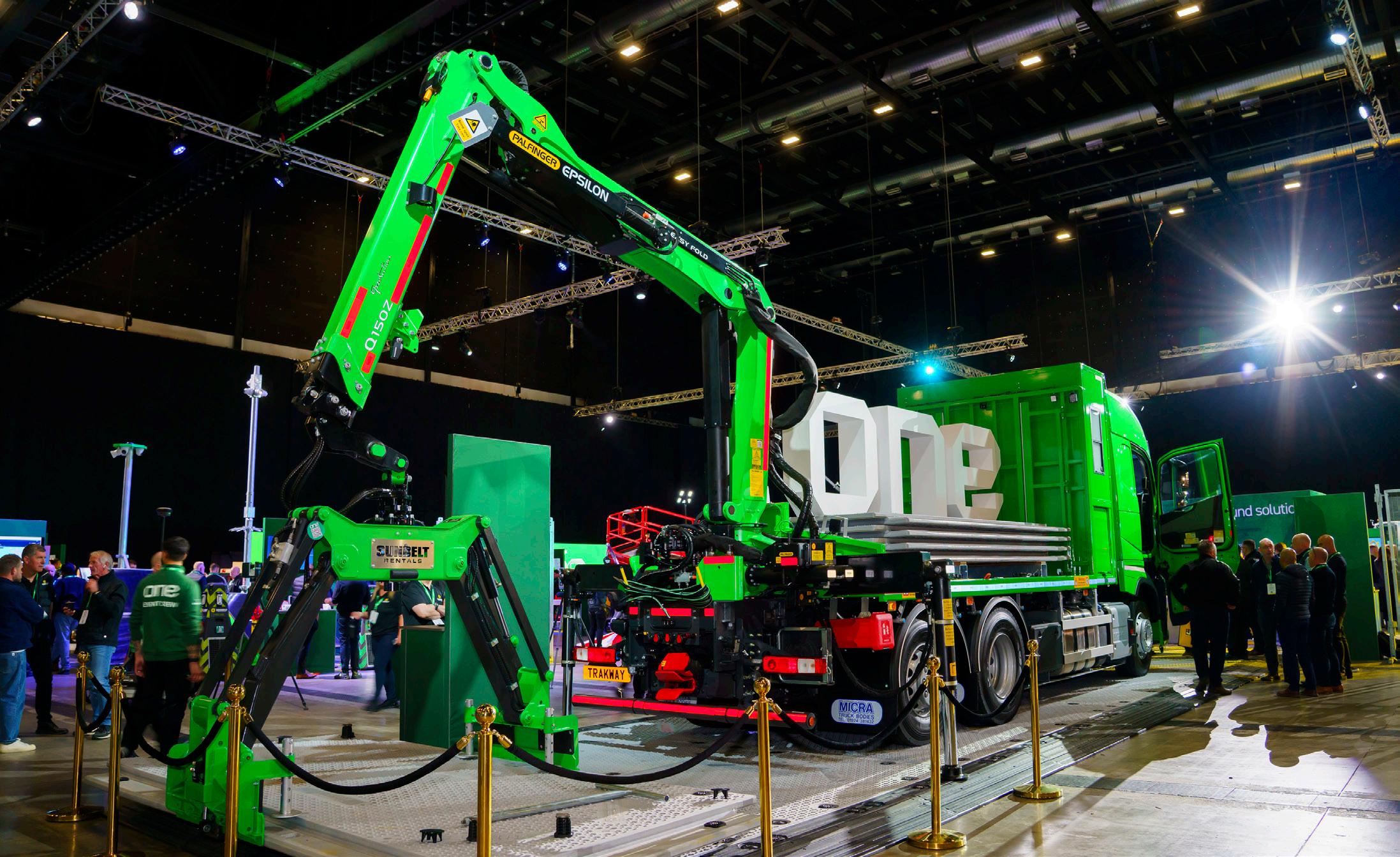
Thousands of leading-edge products
Countless VR, AI and data technologies
Scalable sustainable solutions
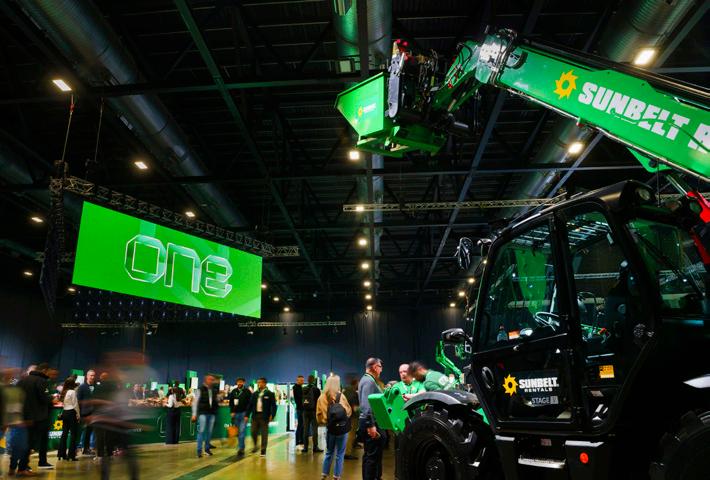
ONE rental partner
Leave the how to us.
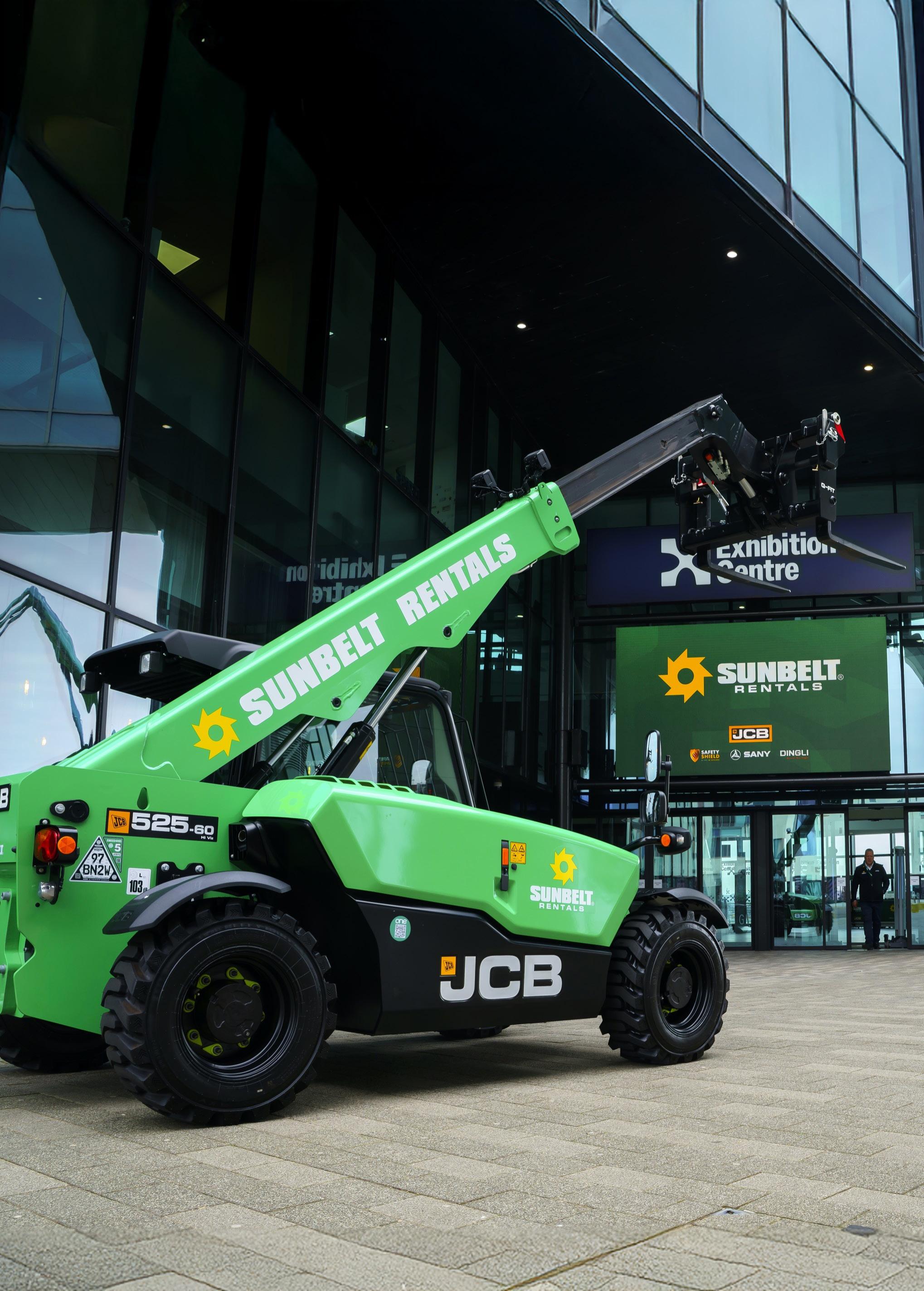

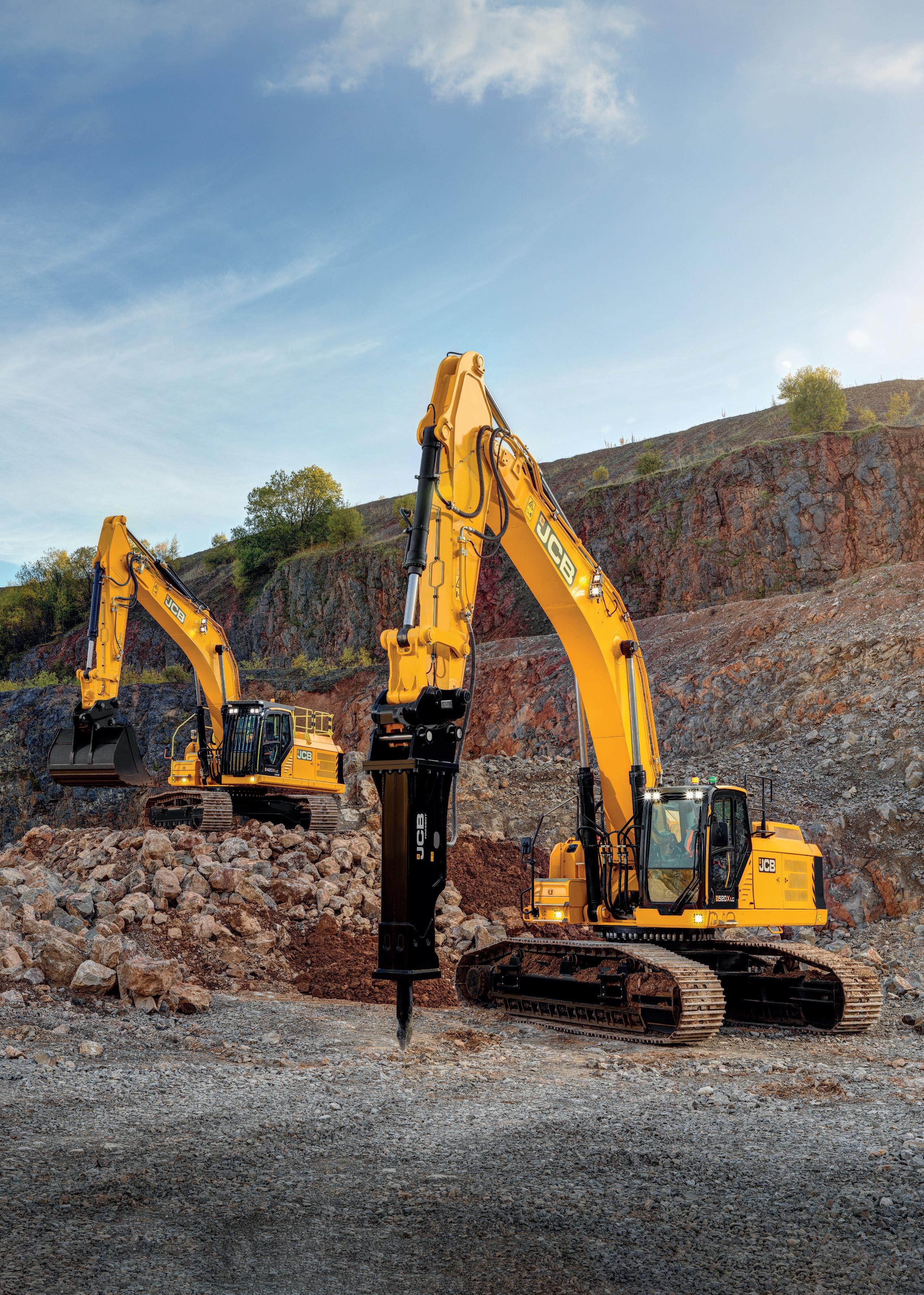
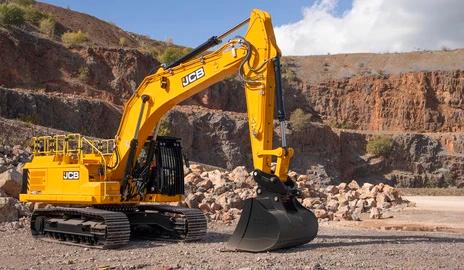
JCB will unveil a host of new machines and technology developments at Hillhead 2026signalling continued investment in the quarrying, aggregates and recycling sectors.
Taking centre stage on the stand will be the brand new 520X crawler excavator, JCB’s largest and most powerful X Series machine to date. The 50-tonne class excavator has been developed for heavyduty applications and marks a major expansion of the company’s Heavyline range.
Key features of the 520X include:
• Cummins X12 diesel engine delivering 298kW (400hp)
• JCB CommandPlus cab with intuitive JCB UX user interface
• Range of arm and boom configurations available to suit the customer
• Variable gauge undercarriage option offered
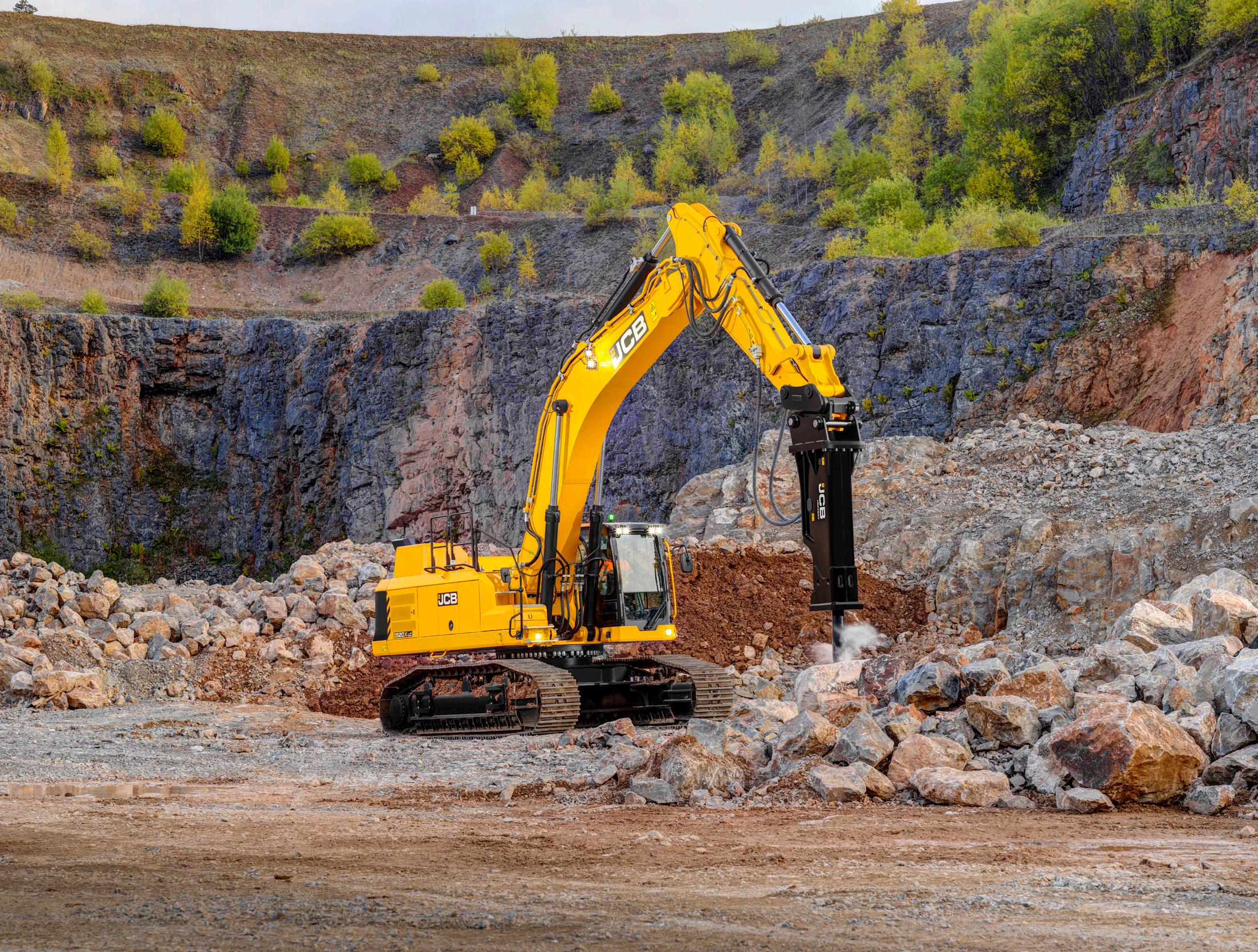
It will be joined by its 40-tonne class stablemate, the new 420X crawler excavator.
Building on the success of the JCB 370X, it has been designed to handle the most arduous applications, from mass excavation and aggregate extraction to demolition and crusher loading.
Key features include:
• Six-cylinder diesel engine delivering 240kW (321hp) and 1,526Nm of torque
• JCB CommandPlus cab with new JCB UX user interface
• Heavy-duty undercarriage, slew motor and dig-end structure for ultimate durability
• Hydraulic performance designed for maximum productivity and increased lifting capability
• Standard Earthmoving Pro Pack and optional Heavy Duty Pro Pack specifications
JCB will also showcase its expanding compaction equipment portfolio with the new VM138D single drum soil compactor, while the 9T Dual Drive site dumper will demonstrate the company’s latest advances in site dumper productivity, visibility and site safety. Using similar
technology to JCB’s successful Dual Drive backhoe loader, the system allows the operator to rotate the seat and controls, to always be facing in the desired direction of travel.
The line-up of brand new machines is completed with a preview of JCB’s new 715 articulated dump truck. The compact two-axle ADT delivers a 12,750kg payload and has been engineered to offer high productivity and fast cycle times in off-road hauling applications.
Alongside the static display and live demonstrations, the JCB Aftersales team will be on the stand showcasing the latest developments to the JCB LiveLink system and the company’s new Parts Online e-commerce platform, which provides anytime access to more than 50,000 genuine parts and attachments.
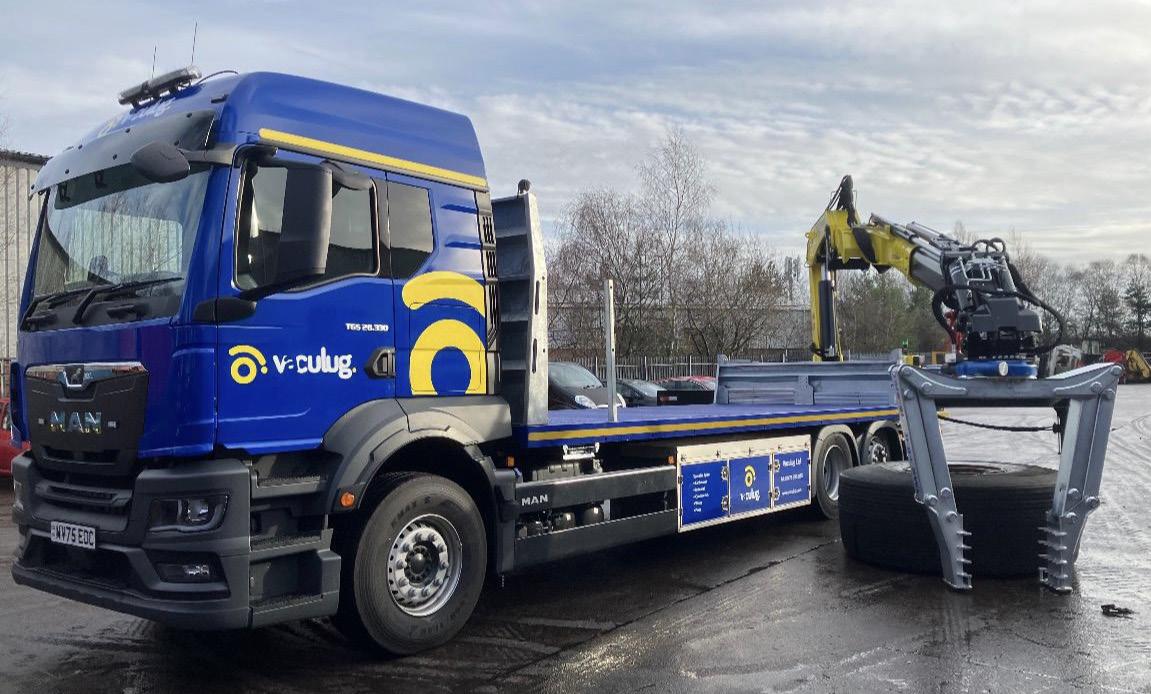
With new brands, new locations and a King’s Award to its name, the UK’s leading retreading specialist is redefining what fleet operators can expect from an OTR partner.
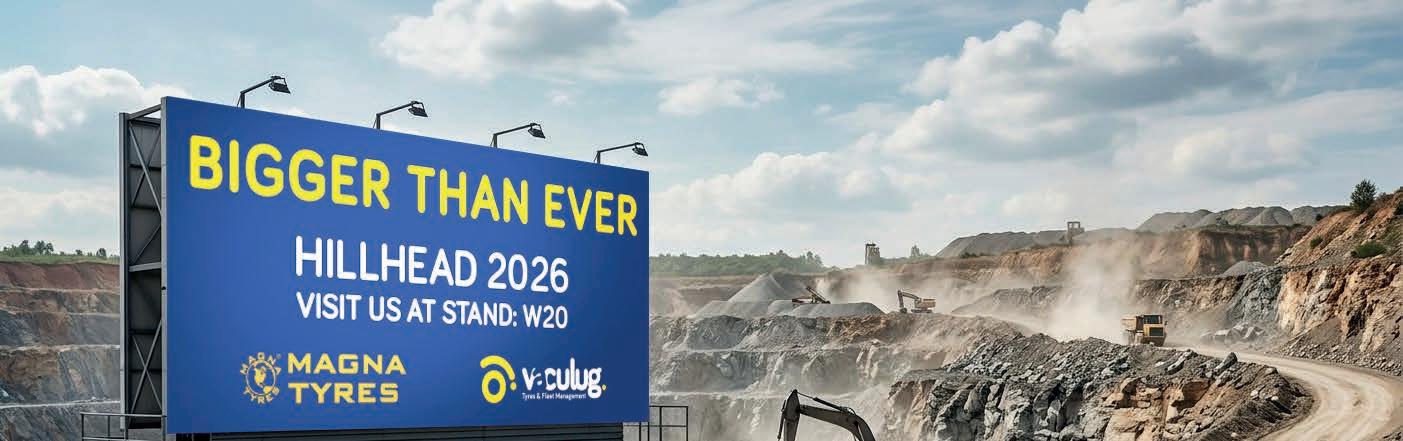
Vaculug Limited has long been known for their retreading expertise, but 2026 marks a decisive new chapter for the Grantham based specialist. The company has significantly broadened its off-theroad (OTR) tyre offering, adding a wider range of brands and products to meet growing demand across the construction, quarry and industrial sectors. Among those additions is Triangle, introduced at the start of this year — a strong, proven performer in the global OTR market. This sits alongside their collaboration with Magna, further strengthening a portfolio built to suit every application and budget.
“This investment isn’t just in assets — it’s an investment in the customer relationship, cutting response times and reducing costly downtime.”
The expanded product range is matched by real investment on the ground. Their national OTR fitting service is now powered by a brand-new truck, a dedicated provider network and strategically located distribution hubs across the UK. By holding stock at multiple sites, the business can now offer same day or next-day delivery to a far broader customer base — a capability that was previously difficult to
guarantee at this scale. For operators whose productivity depends on keeping machines running, that promise of speed is no small thing.
This follows extensive investment in their management systems, offering bespoke reporting designed uniquely for each customer, with open book transparency and expert guidance to reduce operating CPH.
The company also offers exchange wheel assemblies compatible with leading heavy equipment brands including Caterpillar, JCB, Volvo and Hyundai — enabling rapid turnarounds ensuring maximum up-time for our customers.
In addition to Vaculug’s OTR investment, they have also received the King’s Award for Enterprise in the Sustainability category, one of the most prestigious honours available to UK businesses. The recognition reflects years of consistent advocacy and action around the circular economy — most notably the company’s long-standing push for the UK public sector to adopt retreaded tyres as standard. With retreads delivering substantial cost savings over new alternatives, Vaculug’s argument is as much financial as environmental: in a period of squeezed public budgets, choosing retreads is simply the best solution.
Vaculug is not merely expanding — it is positioning itself as the definitive OTR partner for UK industry: broader in reach,
faster in response, and as committed as ever to keeping tyres in service. Vaculug will be exhibiting at this year’s Hillhead show on the 23rd – 25th of June.
To learn more about Vaculug, please visit: www.vaculug.com
Recognition by the SaMoTer Innovation Award committee highlights leadership in specialised application engineering
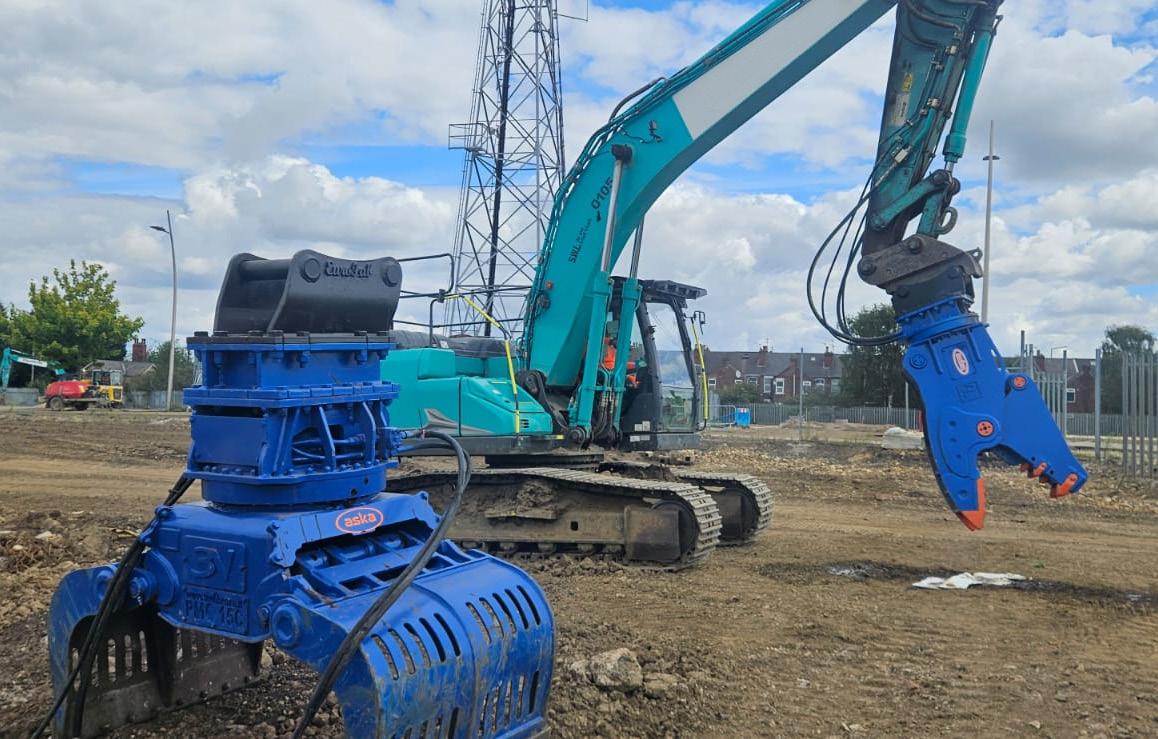
Verona, Italy, May 6, 2026 –KOBELCO Construction Machinery Europe BV (KCME) has been honoured with a Technical Mention in the Hydraulic Excavators category by the SaMoTer Innovation Award committee. The recognition is awarded “the production and serial standardisation of excavators dedicated to highly sectorial applications.” *
This distinction underscores KOBELCO’s commitment to redefining the boundaries of excavator design by delivering purpose-built machinery tailored to niche, high-demand sectors. Rather than adapting general-purpose equipment, KOBELCO has advanced a philosophy centred on engineering beyond the standard, developing machines that address the precise operational requirements of industries such as demolition, material handling, forestry and dismantling.
“At KOBELCO, innovation means anticipating the evolving needs of specialised industries and delivering solutions that are ready for real-world deployment at scale,” said Takemichi Hirakawa, Managing Director at KCME.
“This recognition validates our approach of combining deep application expertise with serial production capabilities, ensuring that highly customised solutions are also reliable, efficient, and widely accessible.”
The awarded SK165SRLC reflects a strategic focus on:
* Application-specific engineering designed from the ground up rather than retrofitted adaptations
* Serial standardisation, enabling consistent quality and performance across specialised machine variants
* Operational efficiency and safety, tailored to demanding and often complex working environments
* Sustainability and reduced environmental impact, aligned with modern regulatory and societal expectations and working space restrictions
All of these innovations are conceived, engineered, and manufactured in Japan, reflecting KOBELCO’s longstanding commitment to precision, quality, and technological excellence. This vertically integrated approach ensures full control
over design and production processes, enabling the company to maintain the highest standards while continuously advancing its specialised equipment portfolio.
By industrialising specialisation, KOBELCO is positioning itself as a thought leader in next-generation construction equipment, bridging the gap between customisation and scalability. This approach empowers contractors and operators to achieve higher productivity, enhanced safety, and optimised lifecycle costs in applications where standard machines fall short.
The SaMoTer Innovation Award is widely recognised as a benchmark for technological excellence in the construction equipment industry, celebrating innovations that drive performance, sustainability, and sector advancement.
To learn more about KOBELCO, please visit: www.kobelco-europe.com


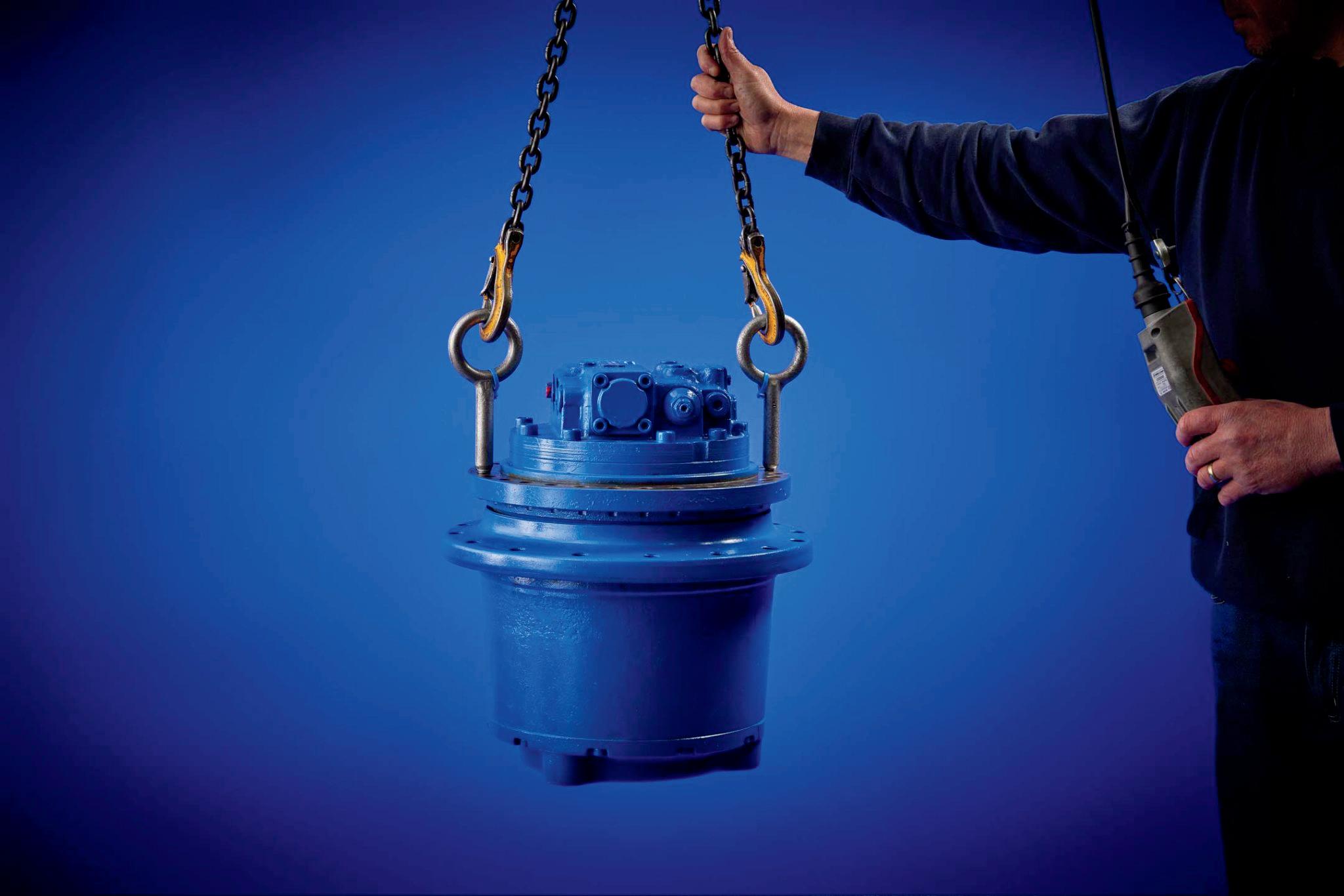
Final Drives | Swing Drives | Hydraulic Pumps | Slew Rings | Diagnostics & Repair
Plus, don’t miss out...
Our brand-new, industry-leading hydraulic testing facility ‘The Rig’ makes its debut at Hillhead 2026.
Load testing up to 132 kW
Coverage for motors from 18cc to 340cc
Simulation of real-world operating conditions
Fully automated, single-operator testing
Advanced data acquisition and performance reporting
plantparts eu/aboutus/the-rig-testing-facility
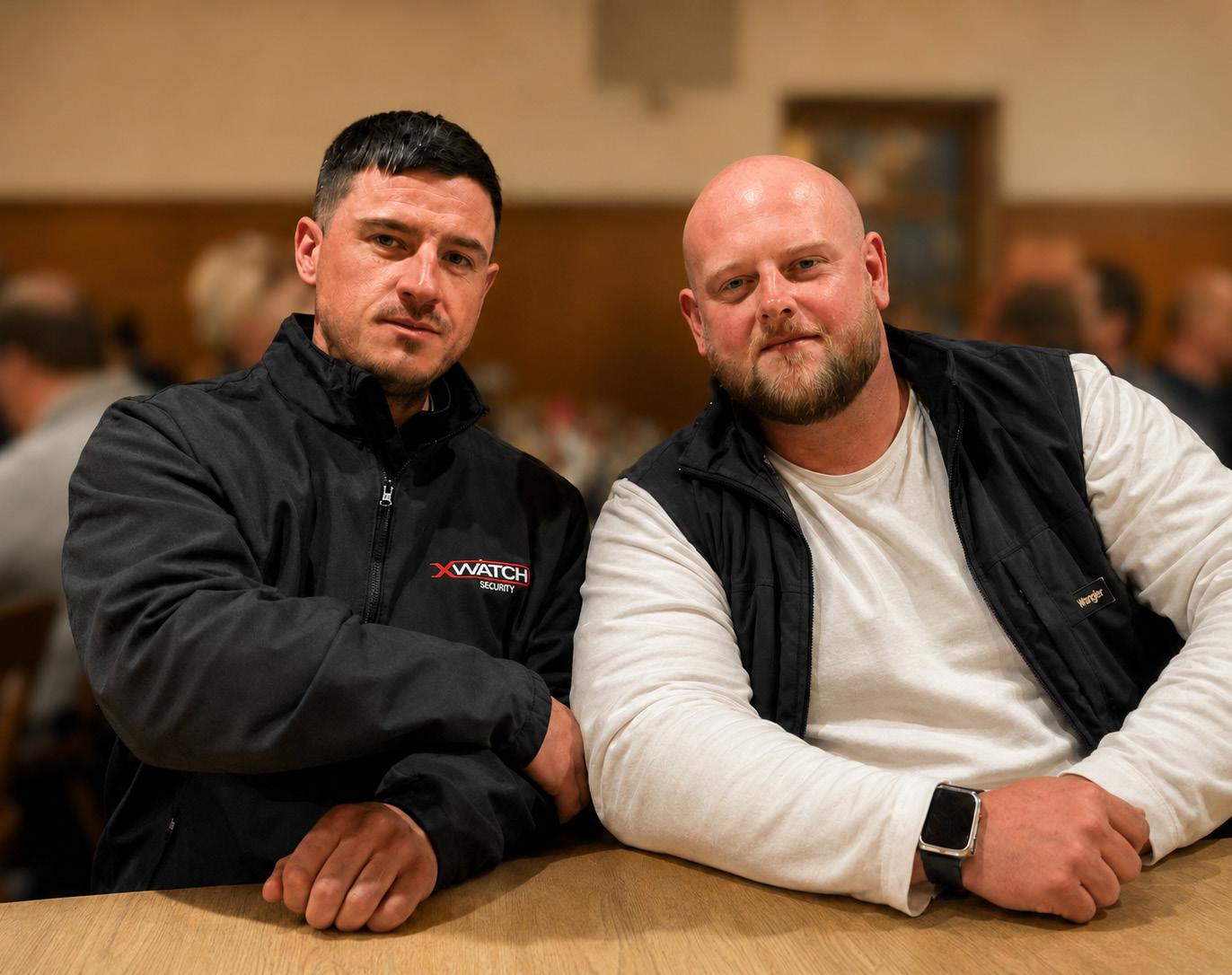
Xwatch Safety Solutions has promoted two of its experienced installation engineers as the business strengthens its training capability in the UK and across its growing global network.
Adam Guilfoyle has been appointed Senior Product Support Trainer, while Billy Hughes has been promoted to Product Support Trainer. Both will now focus on delivering technical training to Xwatch engineers, as well as supporting customers and partner companies with training for their own engineering teams.
The appointments come as Xwatch continues its development as part of Hexagon, following the completion of the acquisition of the business. Hexagon announced the acquisition of Xwatch in April 2024, describing the company as a provider of machine control hardware and software technologies designed to improve safety protocols on construction sites.
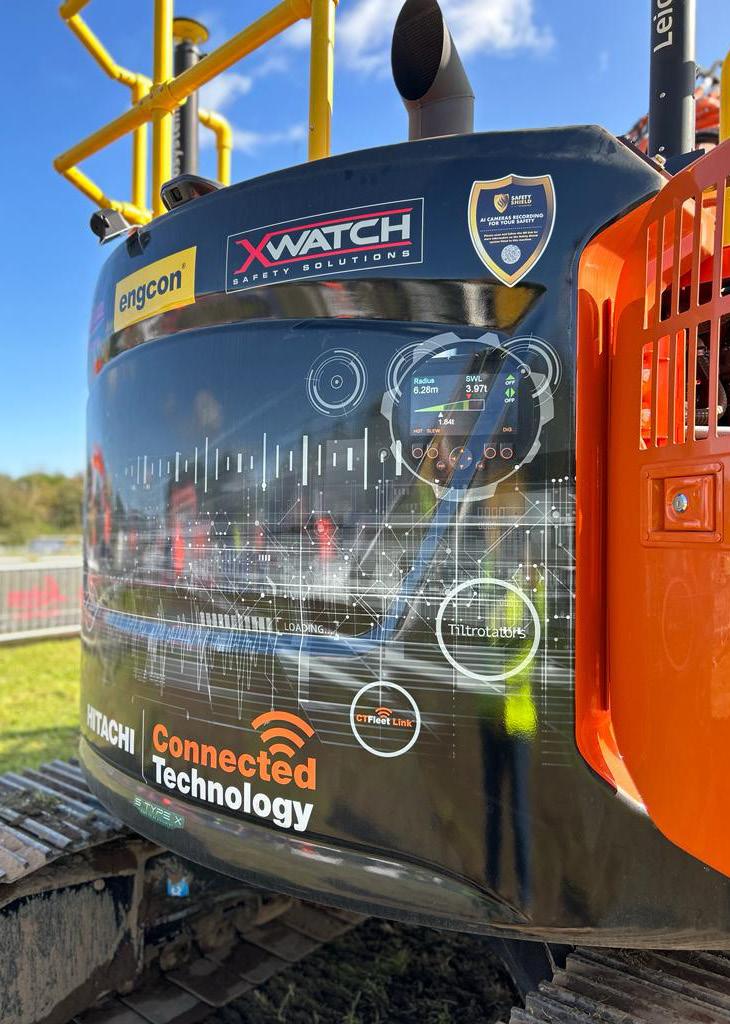
Xwatch has built its reputation in the construction equipment sector through safety systems designed to support operators and reduce risk around machines. Its technologies include height control, slew control, and rated capacity indication for heavy machinery, enabling operators to set working limits and improve safety around excavators and other plant.
The business operates within Hexagon’s broader safety and construction technology portfolio, alongside companies such as Leica Geosystems and IDS GeoRadar. Xwatch brings specialist experience in advanced safety excavator control, with its systems used across a growing range of machines and markets worldwide.
Against that backdrop, the new training roles for Adam and Billy mark an important step in supporting Xwatch’s next phase of growth.
Both Adam and Billy started their Xwatch careers as installation engineers. Adam joined the company in May, and Billy followed in July 2023. Since then, both have built strong reputations for their practical knowledge, hands-on approach and understanding of what engineers need when working on machines in real-world site conditions.
Their new roles will see them dedicated to training company engineers, helping to ensure that installation standards, product knowledge and technical confidence remain consistent as Xwatch systems are fitted to more machines in more markets around the world.
Jemma Dycer Hopkins, Operations Manager at Xwatch Safety Solutions, said: “Billy and Adam have both earned these promotions through their technical knowledge, work ethic and the way they support the wider engineering team. Both joined Xwatch as installation engineers,
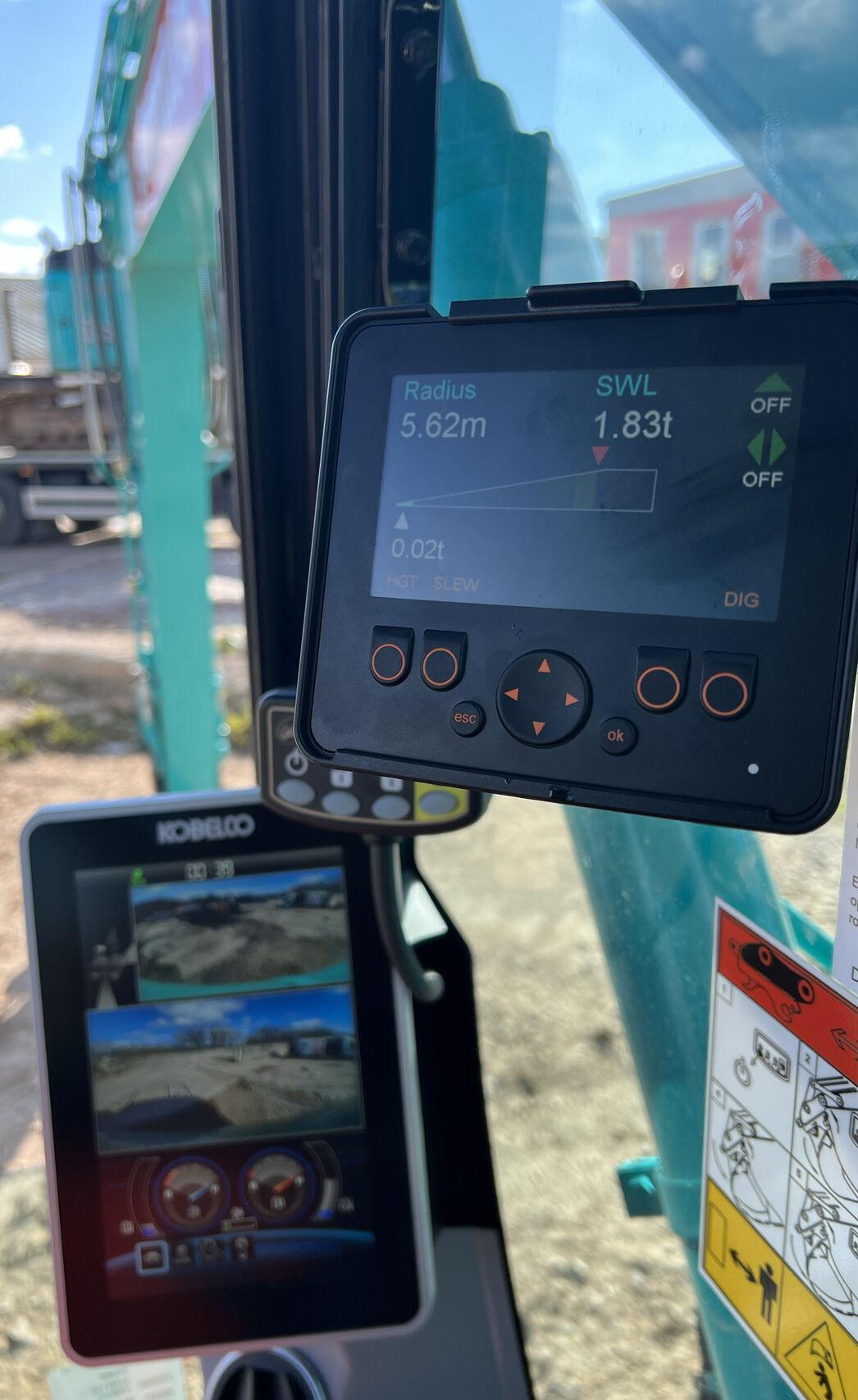
so they understand the job from the ground up.
“As the person responsible for deploying our engineers, I see firsthand how important good training is. It gives engineers confidence, helps maintain high standards, and ensures customers receive the level of support they expect from Xwatch.
“These new roles give Billy and Adam the opportunity to pass on their experience in a more structured way, whether they are training Xwatch engineers here in the UK or supporting customer and partner engineering teams around the world. It is a brilliant step forward for them both, and it strengthens the support we can offer as Xwatch continues to grow.”
Adam Guilfoyle, Senior Product Support Trainer at Xwatch Safety Solutions, said: “This is a brilliant opportunity. Having started as an installation engineer, I know how important it is to have the right training and support when you are out on site. Xwatch is growing quickly, and I’m looking forward to helping engineers build their knowledge, confidence and understanding of the systems.”
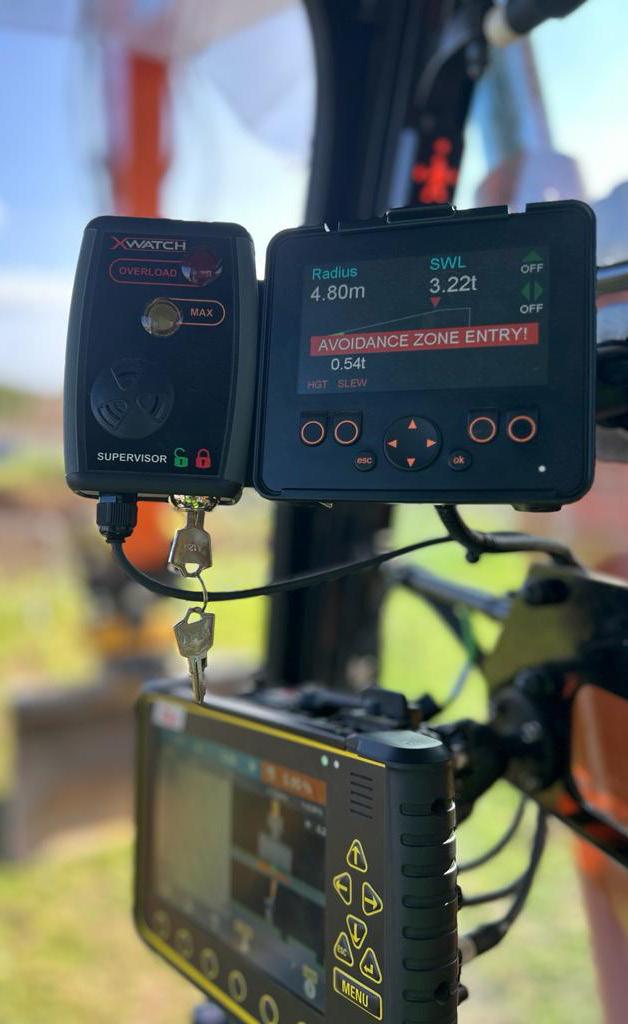
Billy Hughes, Product Support Trainer at Xwatch Safety Solutions, added: “I’m really pleased to take on this new role. I’ve always enjoyed working with engineers and helping people understand the systems properly. It is a great opportunity to share what we have learned in the field and support engineers both in the UK and overseas.”
The appointments reflect Xwatch’s continued investment in people, product support and training as demand for its machine safety systems continues to grow. With Adam and Billy now focused on dedicated training roles, the company is strengthening the technical support available to its engineers, customers and partners worldwide.
For Xwatch, the promotions also underline the importance of developing people from within the business. By moving experienced installation engineers into dedicated training roles, the company is putting practical site knowledge at the centre of its training programme, helping engineers learn from people who have worked directly on the machines, systems and customer sites themselves.
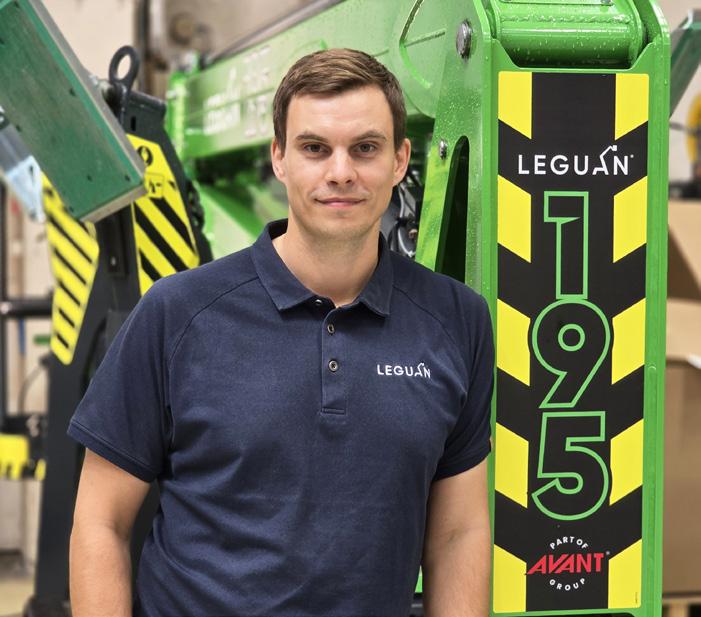
Leguan Lifts, a Finnish manufacturer of market-defining spider lifts, announces the new era of spider lifts, with the upcoming global launch of the electrified All-terrain series. The official worldwide launch took place at the Apex exhibition on the 2 June 2026.
The spider lift industry is rapidly evolving as contractors, arborists, rental companies and facility maintenance professionals demand emission free, silent and full performance spider lifts without compromises. Leguan Lifts is answering this growing demand by offering its AllTerrain series lifts (170, 195, 225 and 265) with in-house-produced Avant Power OptiTemp battery
Choosing zero emission is no longer a compromise. Leguan’s All-Terrain series paired with the OptiTemp battery offers unmatched operation time and dieselequivalent performance. Operators can work a full day on a single charge.
Unlike generic battery solutions, the unique liquid-immersion technology keeps the battery pack operating at an optimal temperature at all times, delivering exceptional safety and consistent performance in all conditions. The battery pack is designed and manufactured in Finland by Avant Power to match Leguan’s exact requirements. The complete electric infrastructure is engineered as an integrated system to ensure efficient and reliable operation.
The OptiTemp-powered Leguan is not an additional model to the existing lineup; it is a power train option to the current fleet where customers now have the option to choose whether they want to have the diesel powertrain or an electric powertrain. The actual spider lift and its user interface remain the same. Both powertrains offer all the premium features and harmonious fleet design Leguan is known for.
“We did not want to cut corners with the electrification. The market is switching rapidly towards silent and emissionfree machinery, and therefore this electrification project has been one of the most important project in our company’s history,” explains Leguan’s VP of Sales & Marketing, Jori Mylläri.
“Many hybrid options on the market combine a combustion engine with a small battery pack, offering only limited battery capacity and compromising performance when compared with traditional diesel-powered spider lifts. Leguan Lifts OptiTemp-powered lifts, by contrast, are fully electric. The electrified All-Terrain Series delivers a full day of operation on a single charge and, in many applications, supports multi-day projects without recharging. All while maintaining diesel-equivalent boom and transition speeds. The result is quiet, emission-free performance even on larger worksites,” continues Jori Mylläri.
Leguan OptiTemp powered All-terrain series
• Lower operating costs, maximum uptime
• Easy-to-master, harmonious fleet
• Charge anywhere as standard
• Full performance with zero emissions
• Built-in IoT connectivity
Global Launch AT Apex exhibition 2026
The global launch of the electrified Leguan All-Terrain series took place on 2nd June 2026, during the international lifting exhibition in Maastrich, the Netherlands.
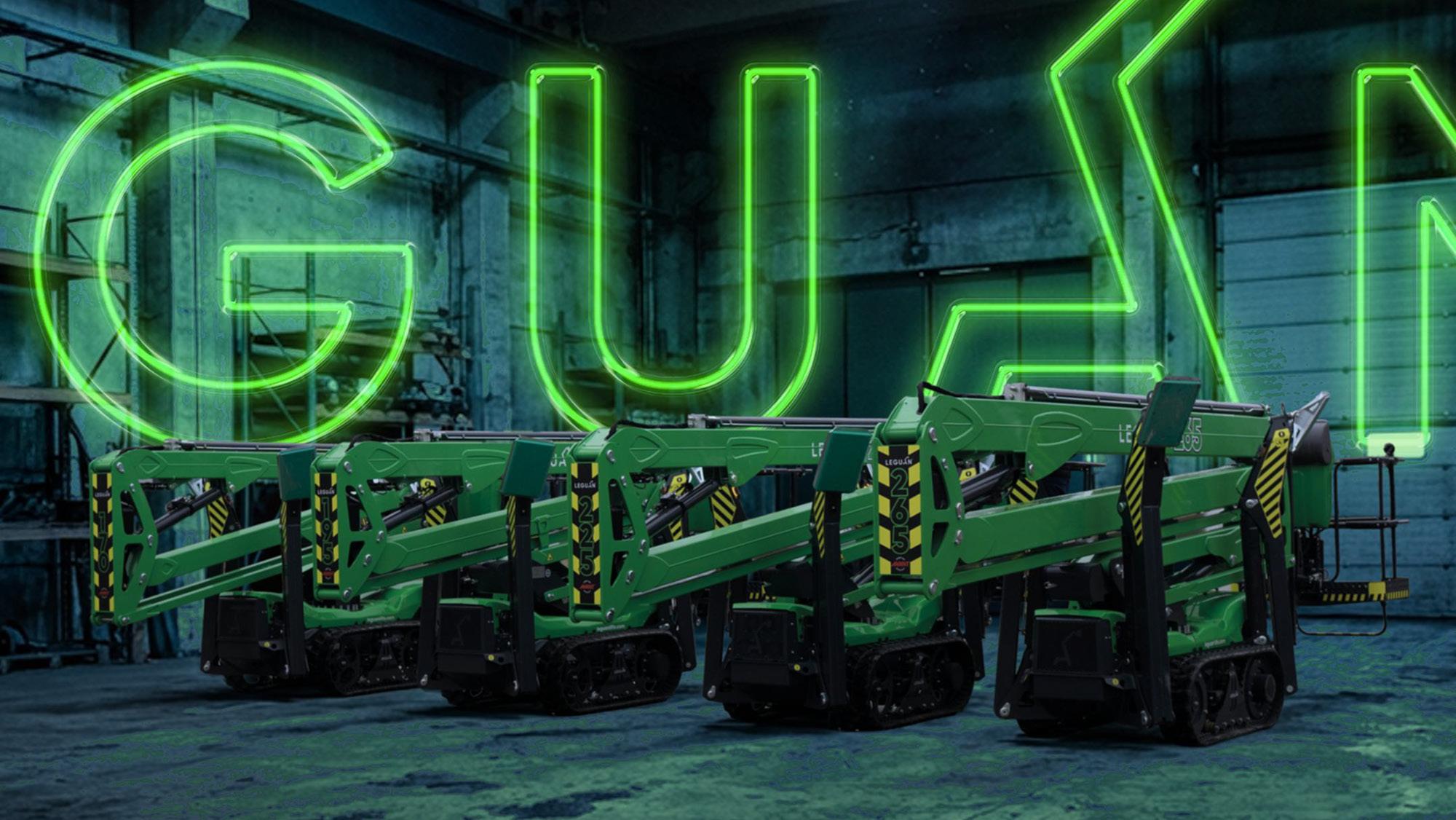
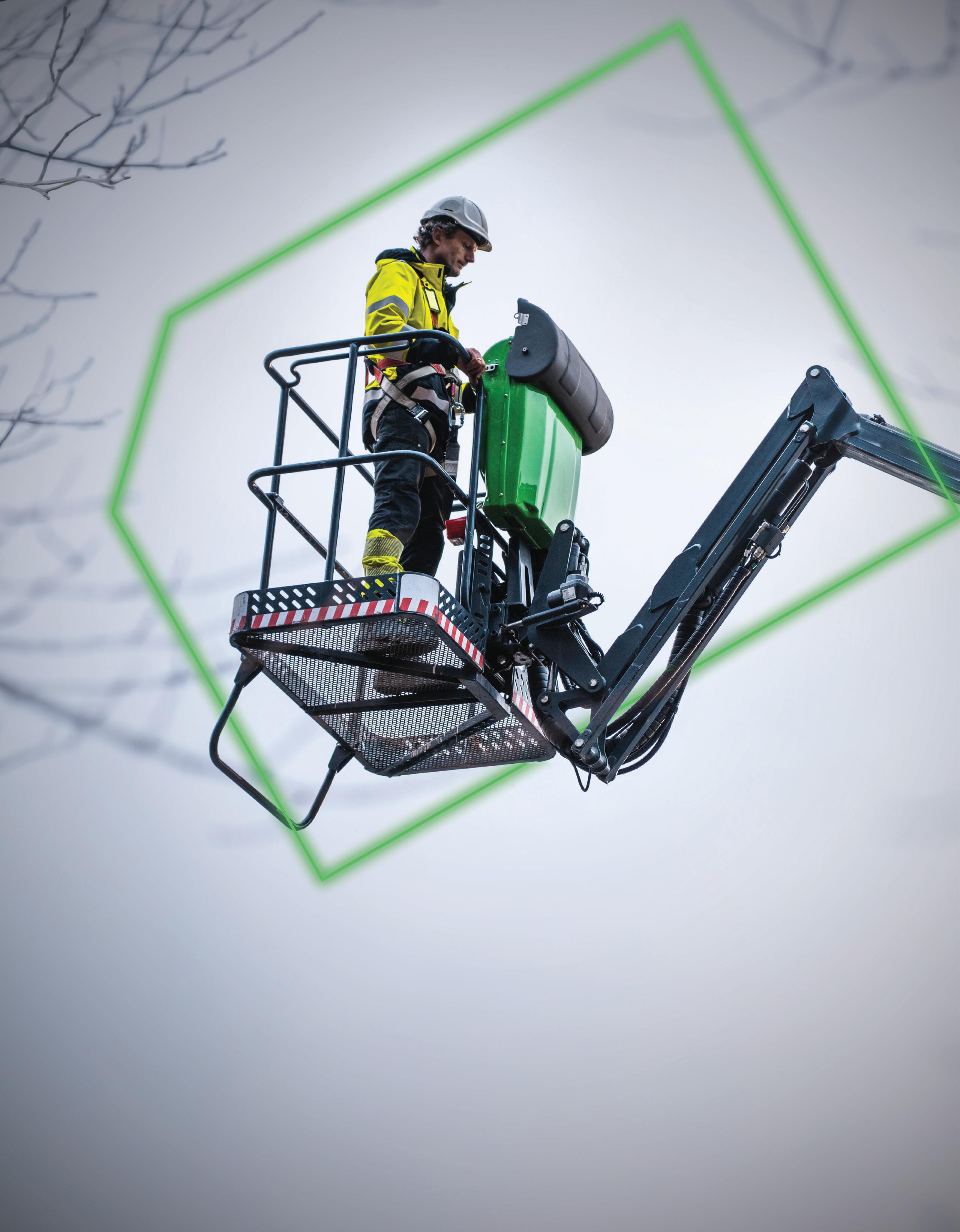
Our NEW electrified all-terrain spider lifts use OptiTemp technology to help you work at height without leaving a carbon footprint – however soft the terrain.
Discover our NEW electric spider lifts at
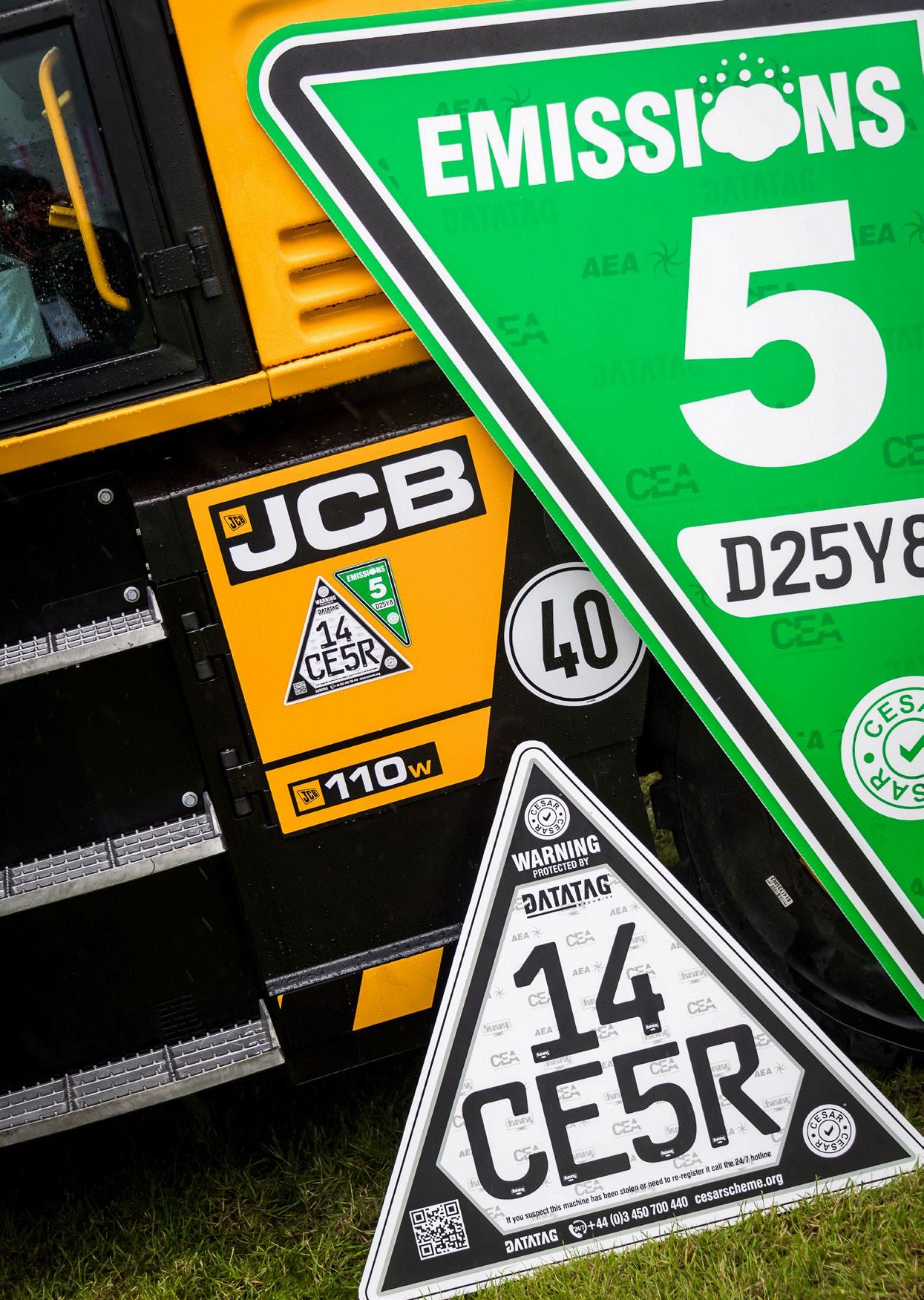
CESAR has carried official status since its launch, and with good reason. Created by the CEA (Construction Equipment Association) and delivered by Datatag ID, the scheme gives construction and agricultural machinery a recognised identity backed by proven marking technology and a national registration system. Its official status reflects the way CESAR is owned by the industry, recognised by the police and used across the construction and agricultural machinery sectors.
The Construction & Agricultural Equipment Security and Registration Scheme, better known as CESAR, was introduced by the CEA (Construction Equipment Association) in 2007 to give plant and machinery a consistent and trusted identity. The scheme is owned by the CEA, with Datatag ID appointed as the delivery partner, providing the technology behind the marking, registration and identification process.
More than 700,000 items of plant and machinery are now registered with CESAR. That number is important because scale gives the scheme its strength. A CESAR-marked machine forms part of a national registration system recognised by manufacturers, owners, hire companies, contractors, insurers and police forces.
At its heart, CESAR is about proving identity. Every registered machine is given a unique identity linked to a secure database. That identity is then supported by a combination of visible and hidden marking technologies, designed to deter theft and help police identify machinery if it is stolen or recovered.
The visible CESAR triangular plate is the part most people recognise. It acts as an immediate warning that the machine is registered and traceable. For owners and hire companies, it gives a clear indication that the equipment is protected. For police and recovery teams, it provides a quick route to check the machine’s

details. For criminals, it is a sign that the machine is harder to move on.
Behind that visible mark sits Datatag’s multi-layer technology. This includes RFID transponders, microscopic Datadots, forensic marking and tamper-evident labels. These identifiers are placed in different areas of the machine, including places that are not obvious or easy to remove. If a plate is removed, a serial number is altered, or a machine is stripped for parts, there are still ways to identify it and link it back to its registered keeper.
It combines a secure registration record with several layers of identification, some visible and some covert. The result is a practical system that supports deterrence, recovery and ownership checks.
The official status matters because CESAR is industry-owned. It is backed by the CEA as the recognised trade association for the construction equipment sector, rather than operating as a standalone commercial marking product outside that framework.
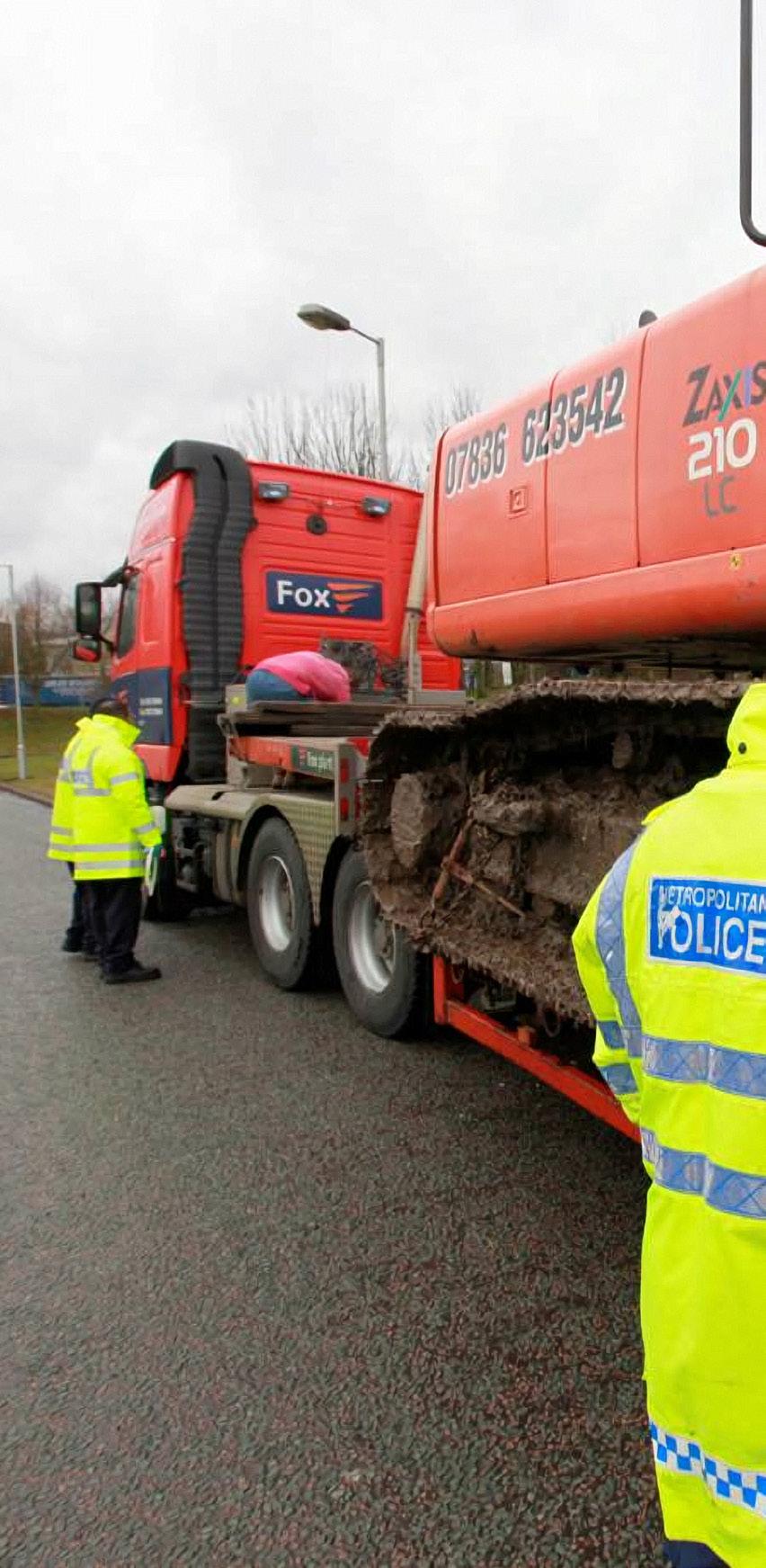
Datatag’s role is to deliver the technology and support that make the scheme work in practice, but the scheme itself sits within an industry-led structure.
For police officers, that distinction is useful. CESAR gives them a recognised route to confirm the identity of a machine. For insurers, it provides reassurance that equipment has a traceable record. For contractors and hire companies, it supports fleet management and helps protect highvalue assets that are often moving between depots, sites and customers.
The scheme has also developed beyond theft deterrence. CESAR ECV, or Emissions Compliance Verification, was introduced to help owners, contractors, and site teams identify a machine’s emissions category. It uses a colourcoded, tamper-evident label linked to the machine’s CESAR identity, giving a quick visual check backed by secure data.
That is increasingly important as emissions compliance becomes part of day-to-day site management. Emissioncontrolled zones, public-sector contracts, major infrastructure projects, and individual site rules all place greater focus on the machines used and the standards they
meet. ECV gives site teams a simple way to check the emissions status of a machine without relying only on paperwork, assumptions or the age of the equipment.
Together, CESAR and ECV show how the scheme has grown. Security remains the foundation, but the same trusted identity system now supports emissions verification as well.
“CESAR’s strength lies in the fact that it is an industry-owned scheme with a very clear purpose,” said Viki Bell, CEO of the CEA. “It gives plant and machinery a trusted identity, backed by proven technology and a recognised registration system. That matters for owners, manufacturers, hire companies, insurers and police officers because it creates a common reference point. CESAR is not just about marking a machine; it is about making that machine harder to steal, easier to identify and simpler to verify throughout its working life.”
For machinery owners, the case is clear. CESAR gives equipment a recognised identity, helps deter theft, supports recovery and provides a practical route for emissions compliance through ECV.
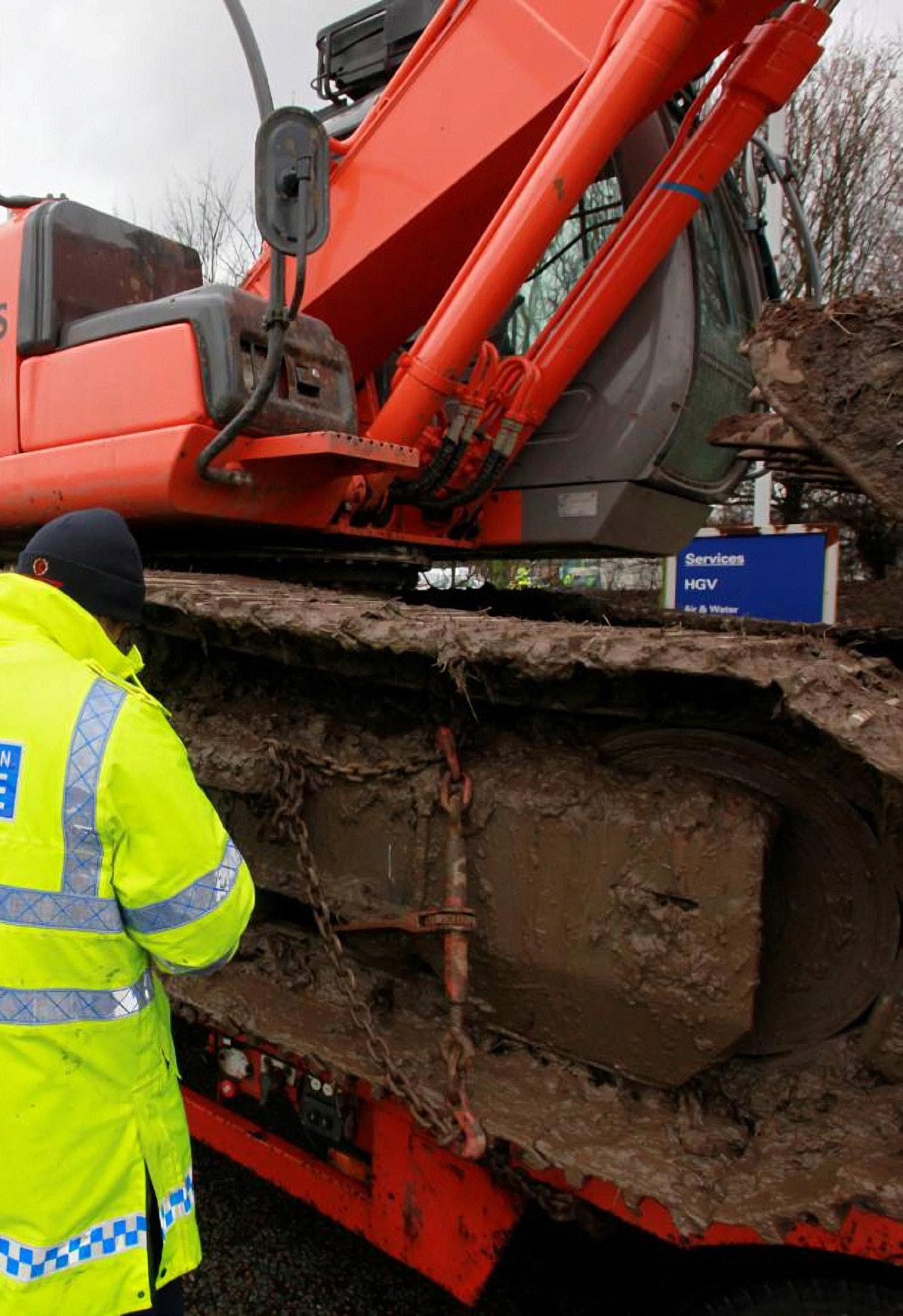
In a sector where machines are valuable, mobile and often exposed, official recognition still counts. CESAR has that recognition because it is industry-owned, widely adopted, and backed by technology that helps prove what a machine is, who it belongs to, and, increasingly, which emissions standard it meets.
To learn more about CESAR, please visit: www.cesarscheme.org
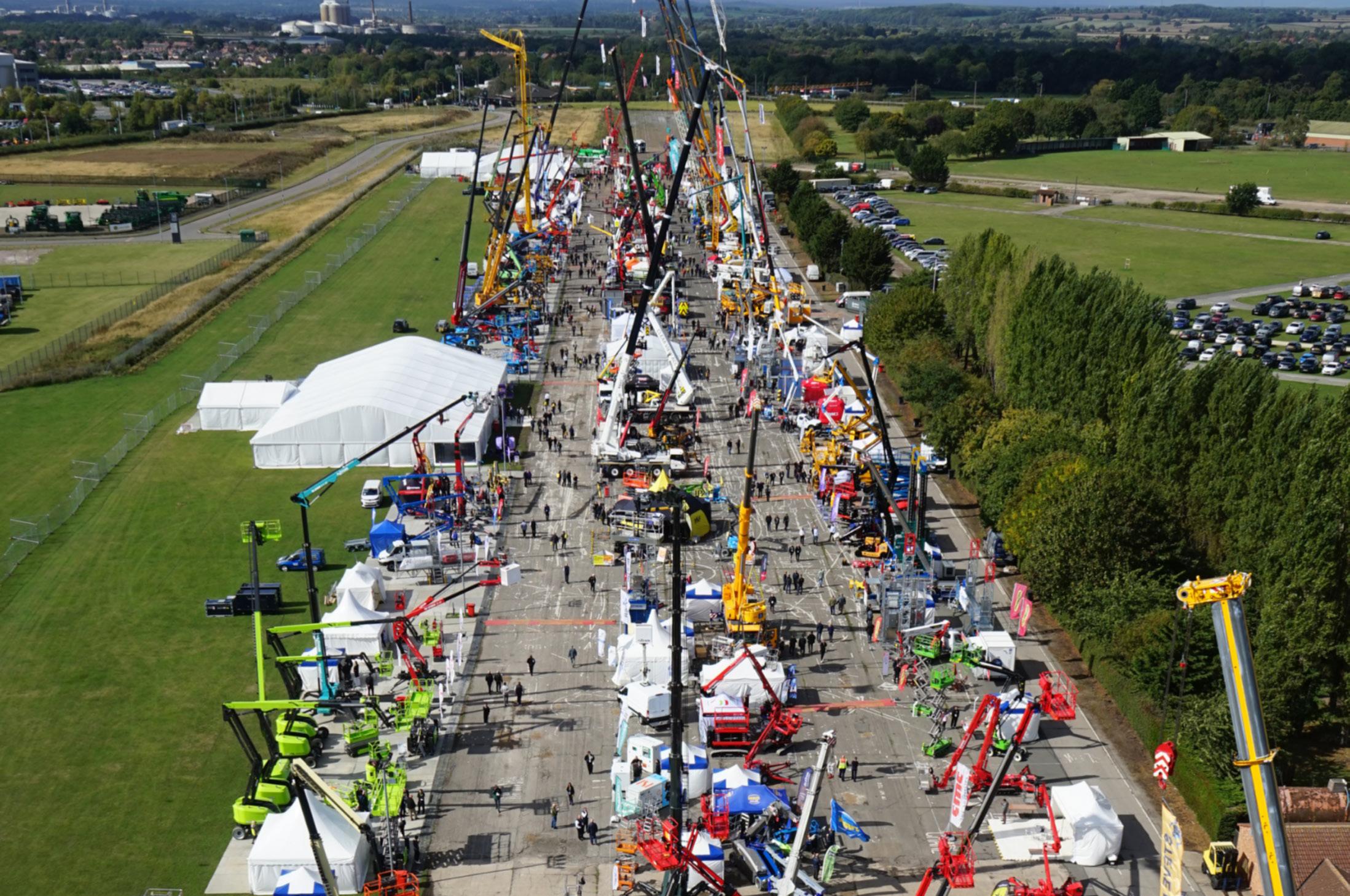
The countdown is on for Vertikal Days 2026 so mark your calendars for 9th and 10th September for what will be Europe’s largest lifting and access event this year.
The event returns to Newark Showground in Nottinghamshire in just three months for two days of professional networking, product launches and technology introductions from the world’s key manufacturers, dealers, and service providers.
Now in its 19th year, the event will once again host industry professionals with its all-inclusive format that includes parking, entry, all day café at the Marketplace marquee and a quality hot lunch served at the Catering Pavilion. If time is an issue, you can take advantage of a quick mid-day bite at the new Pit-Stop in the centre of the showground.
Visitors to the show will have the chance to view, test and try a wide array of new products, ideas and solutions from the industry’s leading manufacturers and suppliers of cranes, aerial work platforms and telehandlers. But equally, if not more important, are the dozens of specialist suppliers developing new
technology and solutions that span everything from software and electronics to safety equipment and innovative ancillary products.
Many of the exhibitors will be demonstrating their latest equipment on their stands, giving visitors the opportunity to witness and even try out the latest products and developments.
At the heart of the showground lies the Marketplace Pavilion and café. This is where you will find the companies showcasing new technology, electronics, components, parts, rigging gear, safety equipment, and services such as insurance and recruitment, training suppliers, financial solution providers and inspection companies. A true treasure trove of industry essentials.
The Marketplace café provides complimentary tea, coffee, and snacks throughout the day from 10am. It’s also the perfect spot to meet with colleagues or simply take a well-deserved break.
To learn more about Vertikal days, please visit: www.vertikaldays.net
Don’t miss the 50-page guide carried in the September issue of Cranes & Access magazine which highlights the brands at the event and where to find them on the showground, with details on what new products to look out for and a full A-Z listing.
Look out for details of meetings taking place during the show. The CPA will be holding a meeting on Thursday 10th September. Times and venue will be shared on the website in the coming weeks.

Visit us on stand A20
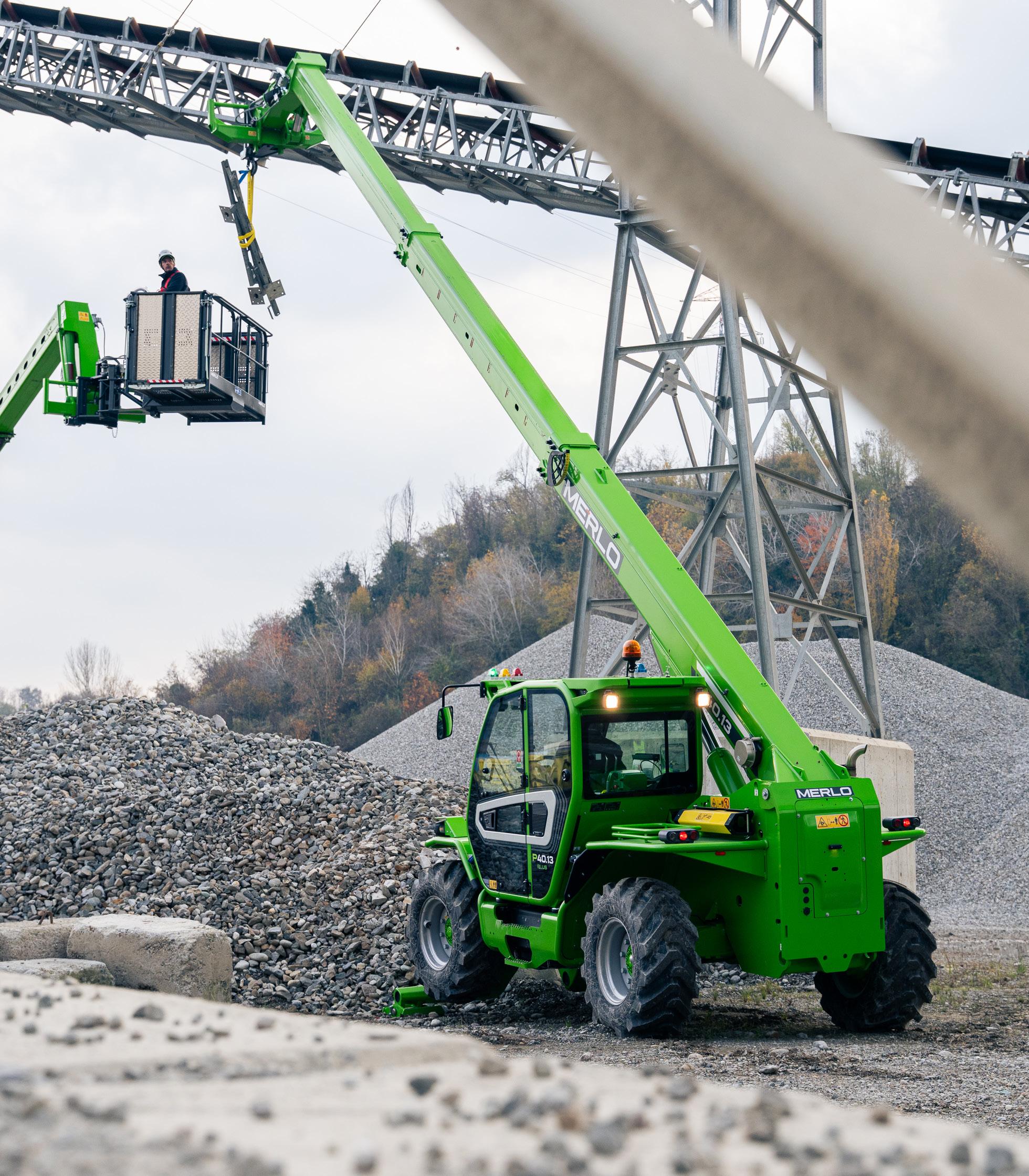
Part of the stabilised range, Merlo’s P40.13 PLUS delivers 4-ton lifting capacity and 12.5m lift height, with advanced stabilisers, boom side shift, and chassis levelling for precision handling. Merlo’s ASCS is standard on the stabilised range and includes a live digital load chart, automatic attachment recognition, a large 10.1” colour display, integrated weighing system, and operator profile settings, making it ideal for high-reach lifting tasks in the industrial, infrastructure and construction sectors - ensuring maximum safety! See Merlo at Hillhead on stand A20.




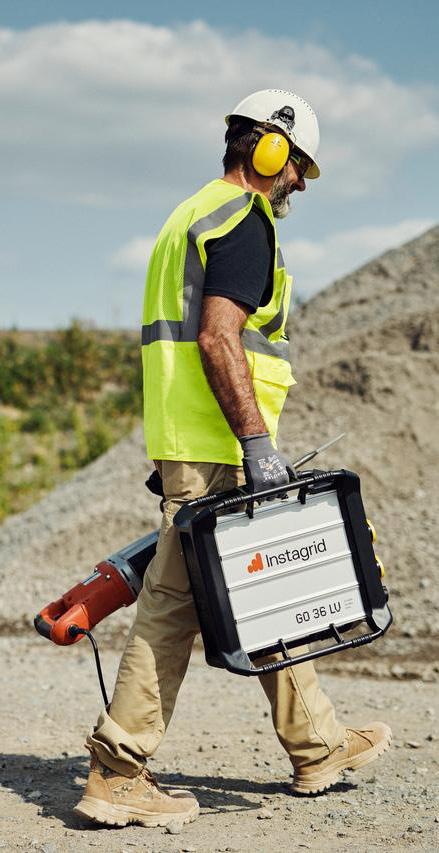
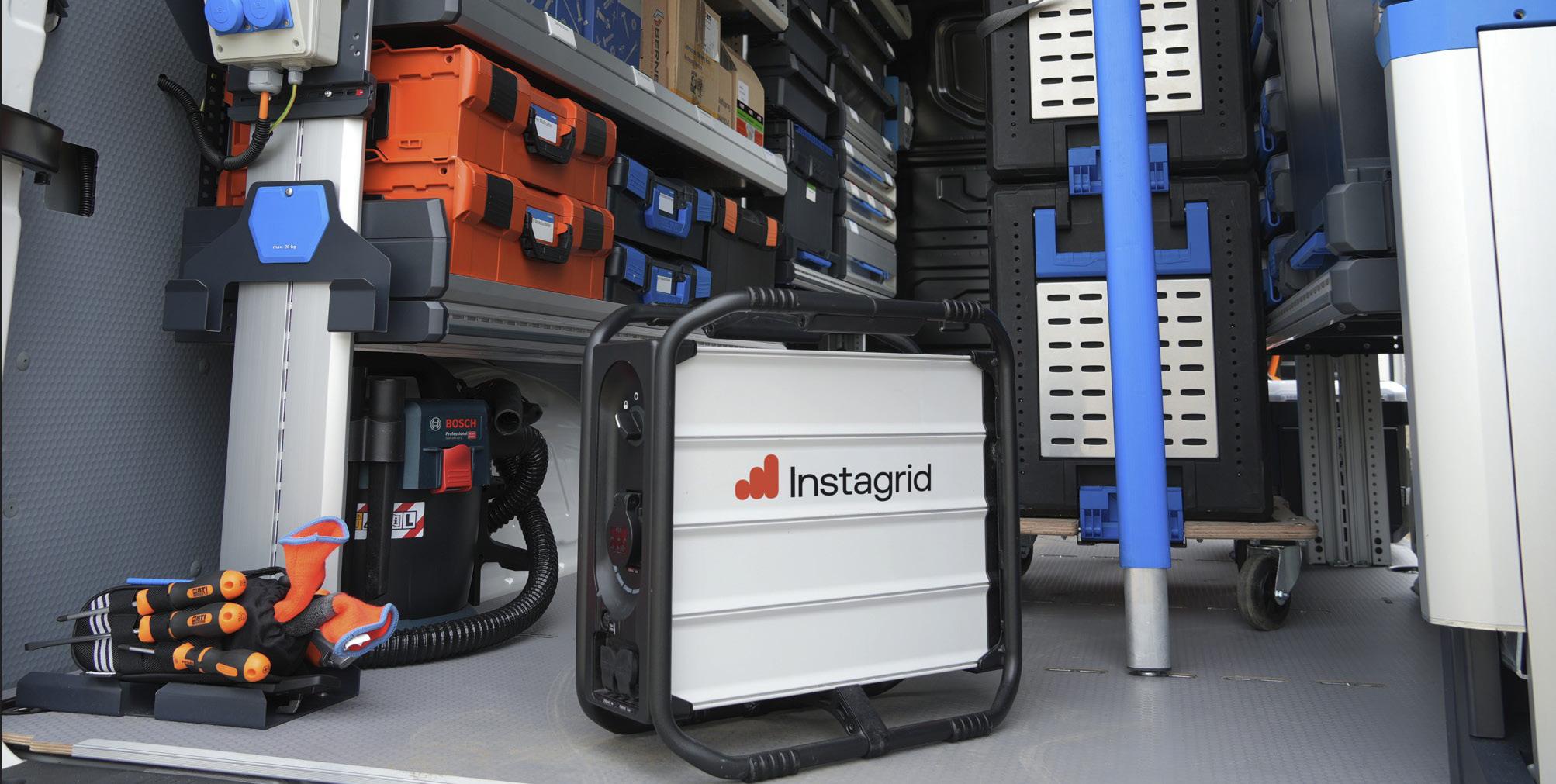
Portable power remains a challenge across many industries. With the iconic Hillhead show approaching, Instagrid UK is highlighting how its portable battery systems are transforming the way teams approach and power on-site servicing and maintenance needs, particularly in the for quarrying and mining sector.
Quarries, mines, and material handling sites are notoriously spread across vast, remote locations where access to reliable power is limited. This has long constrained the ability of engineers to carry out efficient, on-the-spot maintenance and isolated work.
However, major plant companies are now recognising the advantages Instagrid’s portable power units bring to their service and maintenance teams. With some of the Uks leading plant service and maintenance companies investing in Instagrid units for the field based teams - with impressive feedback.
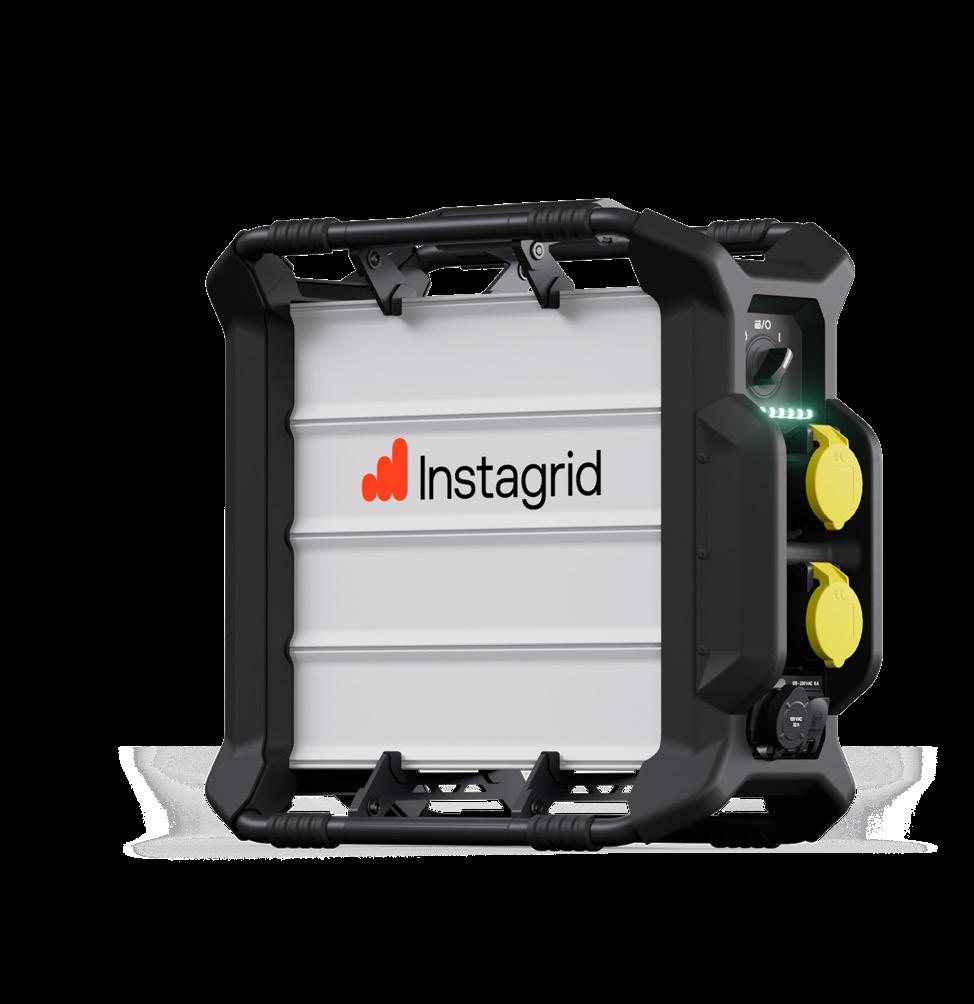
Weighing less than half of a traditional 5 kVA generator and removing the need to transport fuel, spill kits, or long cable runs, Instagrid are delivering dependable, on-demand power for heavy-duty tools and diagnostic equipment. This enables engineers to complete servicing tasks directly at the point of need, whether on a haul road, at the quarry face, or in remote processing areas.
For operators of heavy plant and machinery - minimising downtime is essential and Instagrid’s portable power units allow field engineers to respond
rapidly to breakdowns, eliminating delays associated with sourcing power, laying cable or relying on heavy, conventional generators.
Compared to fuel-powered alternatives, battery-powered stations also provide a cleaner, quieter solution. Emission-free and virtually silent, they help reduce environmental impact and noise levels, key considerations as sustainability and compliance standards continue to tighten across quarrying operations.
Any owner or operator of large plant is only too familiar with the high costs of machine down-time, and power shouldn’t be a barrier to carrying out essential servicing and maintenance, as well as breakdown responses.
Delivering power directly to the asset also removes the need for trailing cables across active worksites, improving both safety and efficiency. In busy quarry environments - where vehicle movements and uneven terrain pose constant risksthis is a significant advantage.
Instagrid’s 110v and 230v units can be charged in-vehicle, ensuring engineers have continuous access to power throughout the working day.
By investing in portable, low-emission power solutions, plant and machinery servicing teams are delivering highperformance servicing in even the most remote and demanding environments - keeping critical operations running without interruption.
To learn more about upgrading your portable power systems, contact the Instagrid team today.
To learn more about Instagrid, please visit: www.instagrid.co
As environmental standards tighten and operators look for smarter ways to manage site emissions, Air Spectrum Environmental will return to Hillhead 2026 to showcase the latest developments in dust suppression and air quality control technology.
Taking place at Hillhead Quarry, Buxton, from 23–25 June 2026, the exhibition provides the ideal live environment to demonstrate advanced misting and atomisation systems in real working conditions.
With more than 30 years of experience in air quality engineering, Air Spectrum Environmental continues to develop systems designed to improve dust capture efficiency while reducing water consumption and operational downtime. Solutions are built around precision droplet generation and targeted spray control, helping operators tackle airborne particulates directly at source.
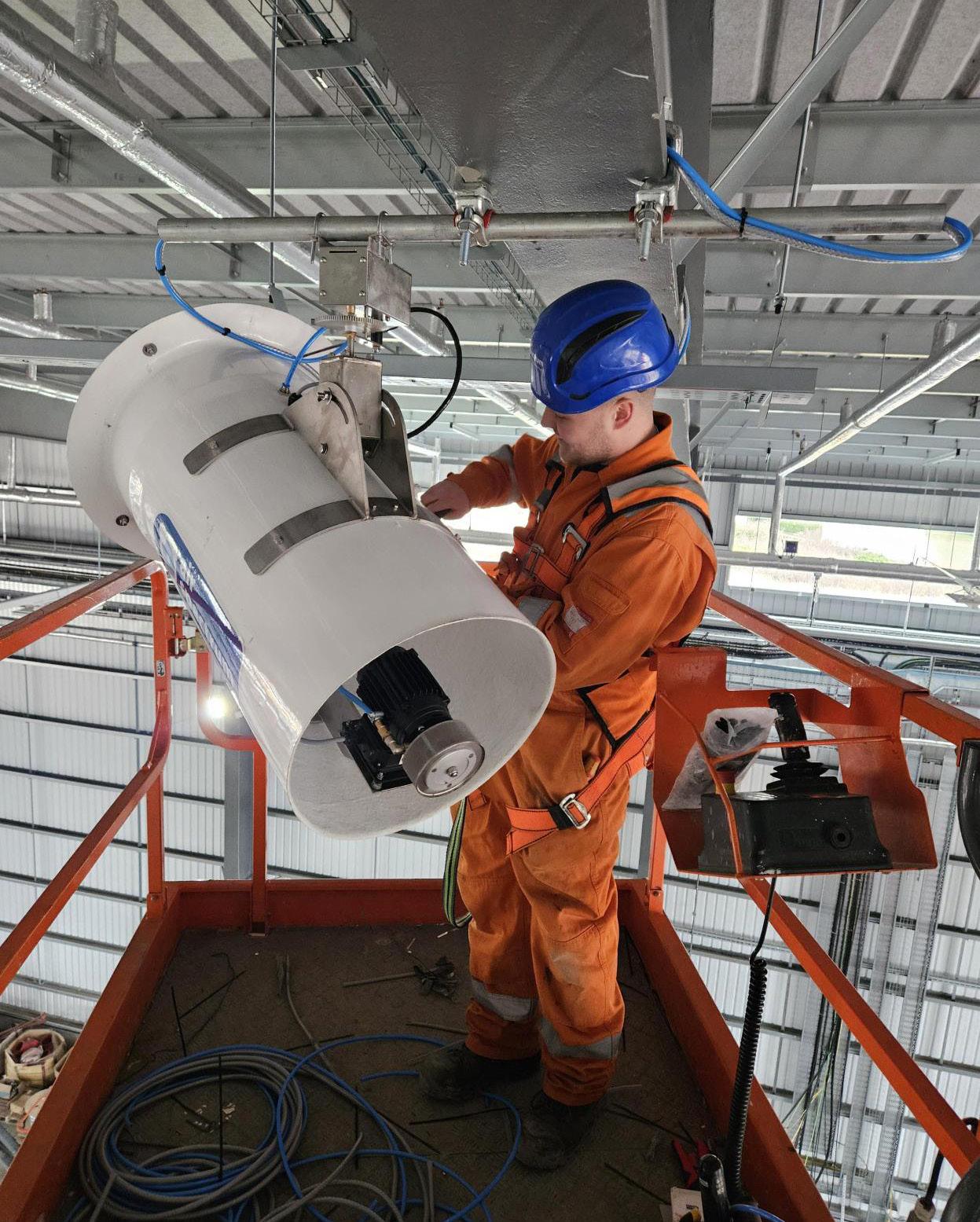
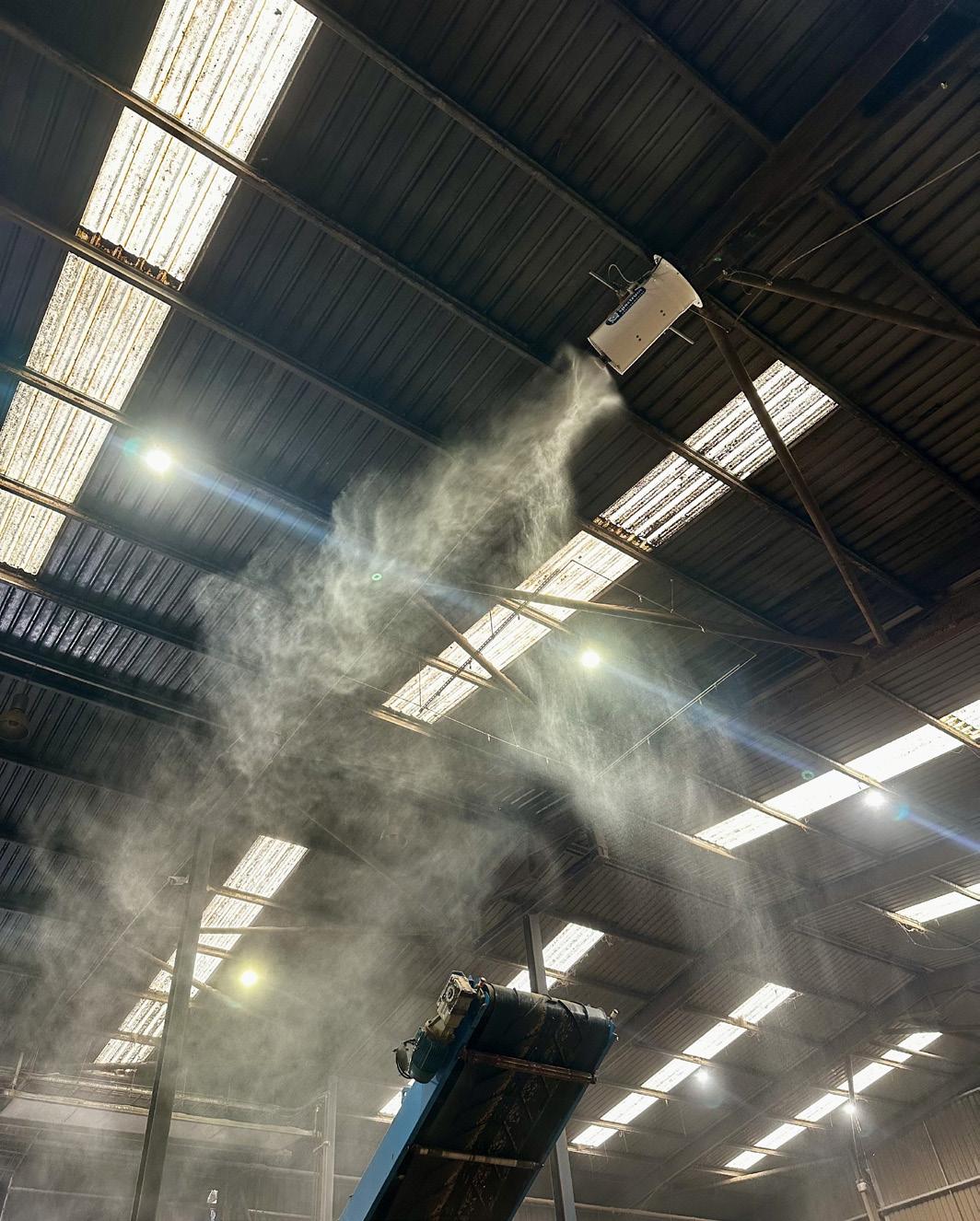
At the centre of the company’s range is its Dust Cannon and Rotary Atomiser technology, combining high-pressure pumping systems with aerodynamic fan design to project ultra-fine water droplets across large operational areas. By matching droplet size to airborne dust particles, the systems deliver effective suppression while using significantly less water than other methods.
Air Spectrum Environmental will also showcase its Jetstream and Pacific nozzle line systems, developed for targeted dust suppression across conveyors, crushers, transfer points and bulk material handling processes. Designed for integration into fixed plant infrastructure, the systems provide continuous dust control with minimal operator input.
Bespoke customisation remains a key part of the company’s approach, with systems designed around the individual requirements of each site. Integrated smart controls can be tailored to specific operating conditions, allowing equipment to respond automatically to changing environmental factors.
A major focus at Hillhead 2026 will be the company’s integrated and automated system capabilities. Custombuilt installations can incorporate intelligent monitoring features, automated pump and filtration systems, weatherresponsive controls that automatically adjust operation depending on site conditions. This not only improves suppression performance but also helps reduce unnecessary water and energy use.
The company’s systems can also be integrated directly into wider plant and process controls, enabling dust suppression equipment to operate
seamlessly alongside crushing, screening and recycling operations. As automation becomes increasingly important across the sector, integrated dust management is playing a growing role in improving both environmental performance and operational efficiency.
Alongside its hardware solutions, Air Spectrum Environmental also provides consultancy, monitoring and laboratory analysis services to help operators assess particulate behaviour and optimise suppression performance for individual applications.
Live demonstrations throughout the show will give visitors the opportunity to see the latest atomisation and misting technologies operating in a real quarry environment.
Visitors can meet the Air Spectrum Environmental team on Stand C1, at the top of the ‘hill’, to discuss site-specific dust control requirements and explore the latest developments in intelligent suppression technology.
To learn more about Air Spectrum, please visit: www.airspectrum.com
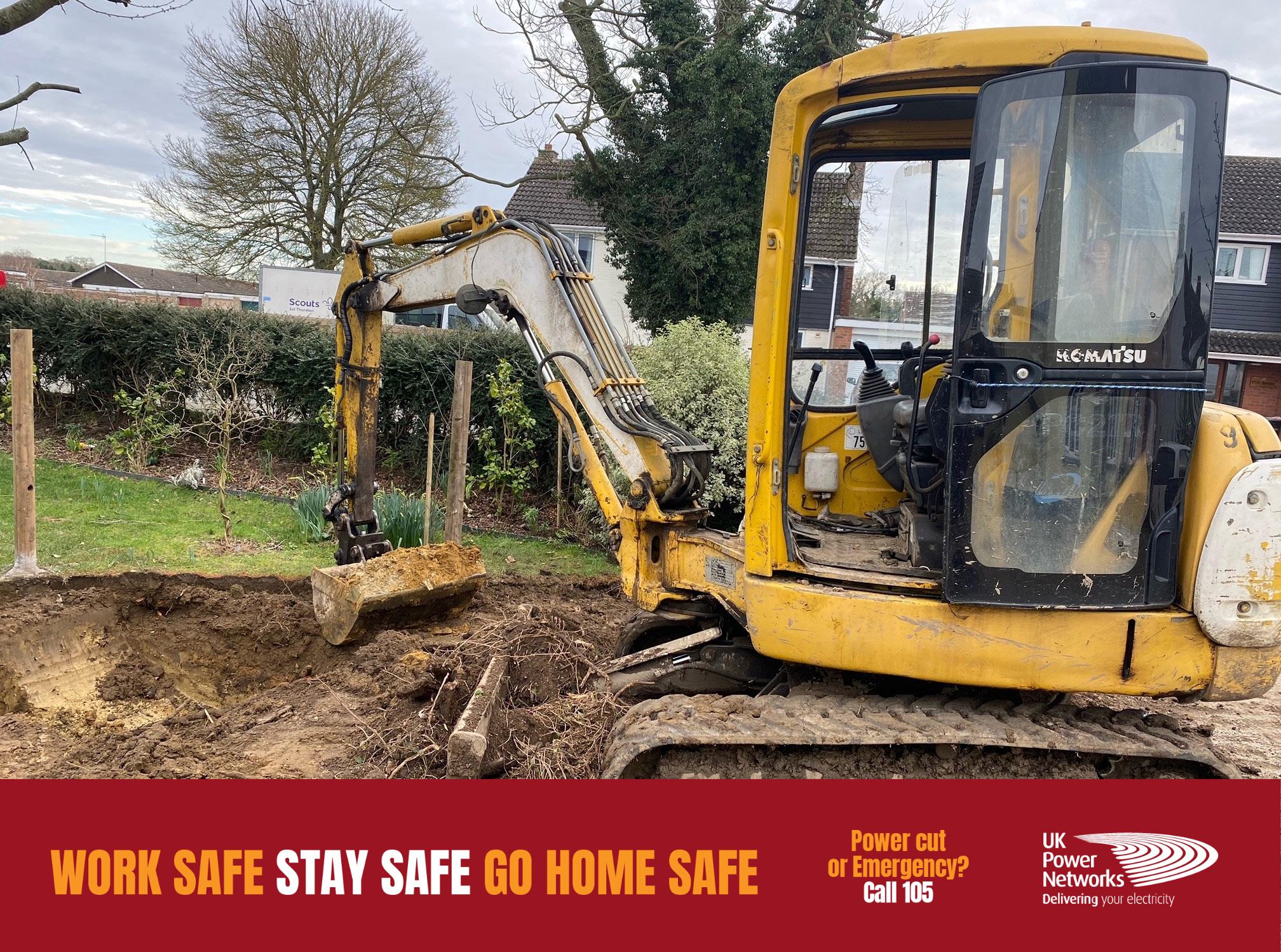
Safety is top priority for UK Power Networks’ operations, as the company manages cables and substations that supply electricity to 8.5 million homes and businesses throughout London, the South East, and East of England. Every interaction with overhead power lines or underground cables or substation equipment presents serious risks, including the potential for severe injury or even fatality. Therefore the company is reminding professional workers across all industries, that operational tasksfrom excavation and operating heavy machinery to routine deliveries - must begin with a comprehensive safety risk assessment, ensuring that all power cables are clearly identified and marked.

Prioritising safety means taking time to check both overhead and underground services, using detailed plans and on-site observations. Preparation is key: always request disconnections well in advance of demolition work and arrange temporary supplies to keep your site powered and, most importantly, safe.
Fostering a safety-first culture means empowering your team with practical knowledge and constant reminders. UK Power Networks provides free safety stickers and materials, which can be placed on plant equipment or offered to anyone hiring machinery, reinforcing safety awareness and making it a shared responsibility. These resources are freely available to help protect everyone on site. Follow these essential safety steps every workday:
• Plan Safely. Allow adequate time before each job to identify the locations of both overhead and underground cables. Request plans from the network provider or www.lsbud.co.uk and ensure everyone understands them. Share this critical information with drivers and contractors so nobody is exposed to unexpected hazards.
• Request a disconnection. Before demolishing a building or when planning to build a new property to allow those on site to work safely. If you are working on a project and the electricity supply has been disconnected or if you need it to be disconnected but still require power on site, you will need to apply to UK Power Networks for a new temporary builder’s supply.
If an emergency isolation or disconnection is required, UK Power Networks will seek recovery for all costs for the emergency work. Costs for emergency works are typically higher than planned work so it pays to plan in advance.
• Inform Delivery Operators. Make sure all delivery personnel are aware of the location of power lines before any deliveries. Depending on the job and cable type, consider temporary covers (shrouding) or inform your local distribution network operator as appropriate.
• Assume Power Lines Are Live. Treat all overhead lines as live, even if they appear damaged, to prevent dangerous assumptions.
• Use Safe Digging Techniques. Adopt methods outlined in HSG47 before using mechanical excavators or tools. Avoid forks and picks; instead, use spades and shovels with insulated handles. Identify and locate cables near electrical services like streetlights, CCTV cameras, or meter boxes.
• Respect Machinery Limits. Know the reach and height limitations of all equipment and ensure barriers and prominent warning signs are always in place to maintain safe clearances. In case of emergency, immediate action saves lives: stop work and call 105 without delay.
















































































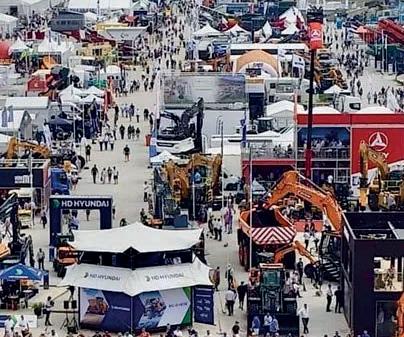















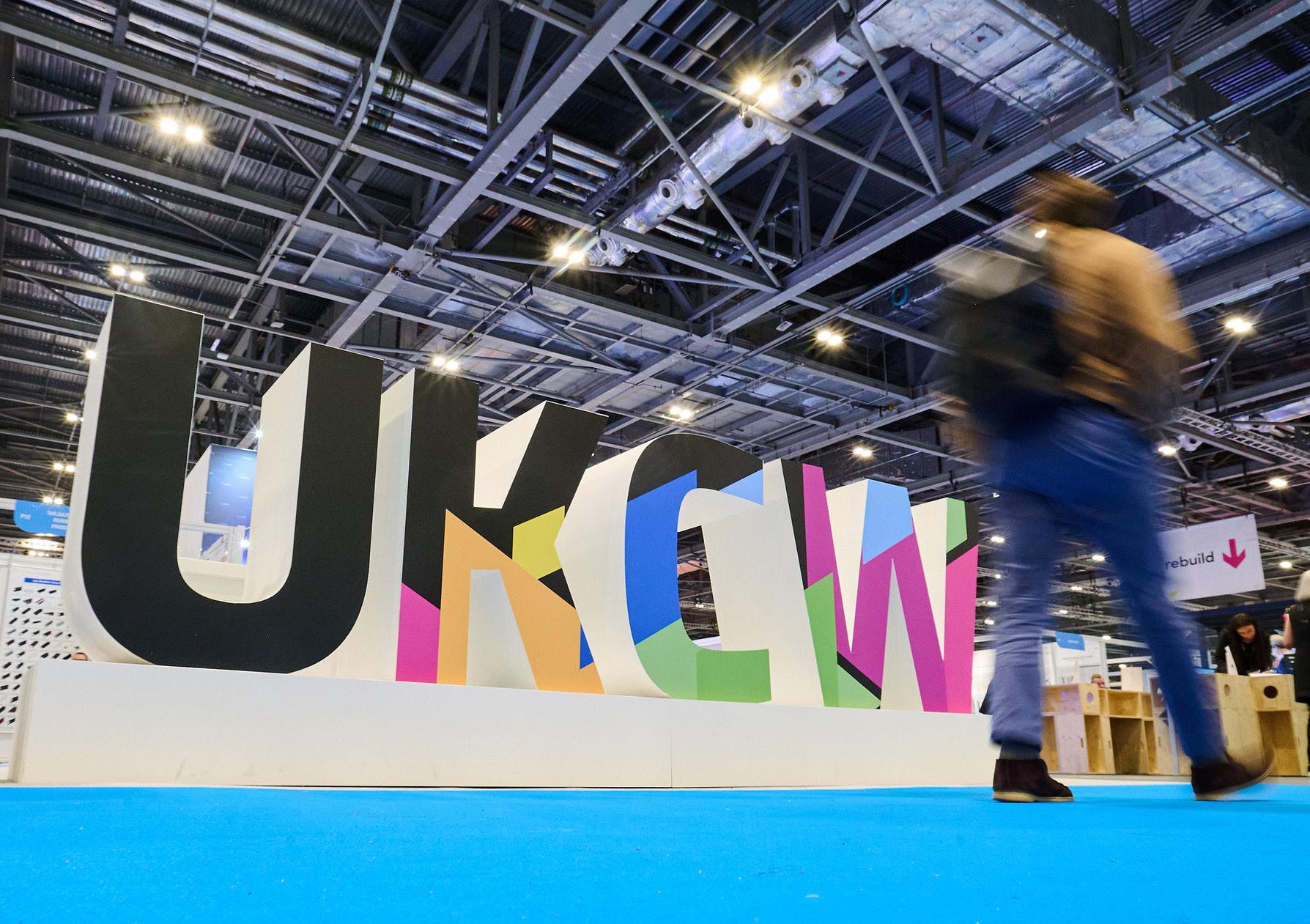
Thousands of visitors descended on Excel London last month as three major industry events came together to create what has been hailed as the UK’s first built environment super event.
UK Construction Week (UKCW) London joined forces with Futurebuild and the Stone & Surfaces Show, bringing together professionals from across the construction, sustainability, materials, architecture and surface design sectors for three days of networking, innovation and industry insight.
Sponsored by Sage, Wyre, HotelPlanner, Zurich Resilience Solutions, Build Warranty, SolarEdge and HRT Spedition, UKCW London featured more than 300 leading brands and over 25 trade bodies and associations, including the Federation of Master Builders (FMB), CIBSE and the National Association of Air Duct-Cleaners UK.
The co-location of the three events proved a major draw for visitors, providing access to a wider range of exhibitors, CPD-accredited content, live demonstrations and networking opportunities all under one roof. By bringing together different areas of the built environment, attendees were able to explore new ideas, discover emerging technologies and connect with professionals from across the wider industry.
A packed conference programme featured some of the sector’s most
influential voices. Visitors heard from key industry leaders and policymakers, including Rt Hon Sir James Cleverly MP, Shadow Secretary of State for Housing, Communities & Local Government; Tom Copley, Deputy Mayor of London for Housing and Residential Development; Mark Reynolds, Group Executive Chairman of Mace Group; Renee Preston, CEO of Gallaway Construction; and architect and TV presenter George Clarke.
One of the standout attractions at UKCW London was the debut of the Live Demonstration Zone. Designed to provide practical, hands-on learning experiences, the feature attracted large audiences throughout the event. Demonstrations ranged from Hilti’s dustfree drilling technology using its Nuron platform to heavy-duty cordless tools capable of moving large concrete blocks, showcasing innovation and real-world construction capabilities in action.
Celebrating excellence across the industry, the Role Models Awards returned for their ninth year. The awards recognise outstanding talent, leadership and commitment within the construction sector. This year also introduced three new categories – Rising Star, Pioneer and Icon – reflecting the breadth of achievement across the industry. The winners will be announced at UK Construction Week Birmingham later this year.
Meanwhile, the Stone & Surfaces Show, the UK’s only dedicated trade exhibition with a section devoted entirely to natural stone, offered visitors
a unique cultural perspective through its Surfaces Cinema. The programme featured architectural photography and documentary films exploring the environmental, social and cultural stories behind natural stone. Highlights included the UK premiere of Milestone, a featurelength documentary by acclaimed Portuguese director Frederico Miranda.
Sam Patel, Divisional Director of UK Construction Week London, said: “Bringing UKCW London, Futurebuild and the Stone & Surfaces Show together under one roof created an unrivalled opportunity for the industry to connect across the entire built environment. The response from visitors and exhibitors exceeded our expectations and demonstrates a real appetite for a more joined-up event experience that encourages collaboration, innovation and new business opportunities.”
Exhibitors were equally positive about the event, praising both the quality of visitors and the business opportunities generated. Many reported strong footfall, valuable conversations, new sales and a high return on investment, with several already confirming their participation for future editions.
Following the success of this year’s event, attention now turns to UK Construction Week Birmingham, which returns to the NEC from 29 September to 1 October 2026.
To find out more and register, visit www.ukconstructionweek.com

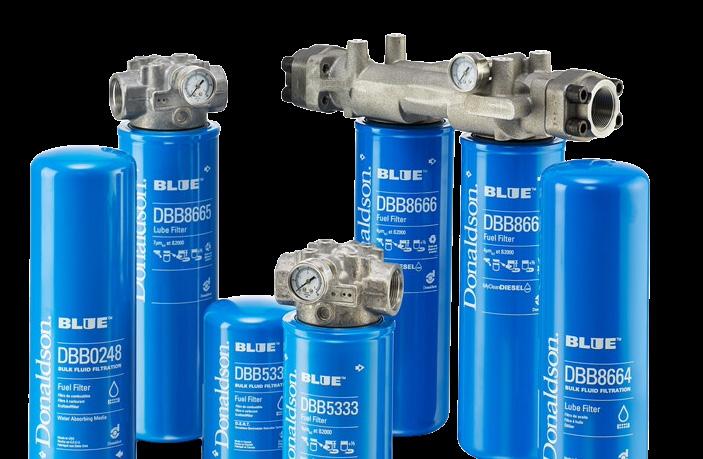
Many equipment owners focus on filtering fuel once it reaches the machine. However, contamination often starts much earlier — during fuel storage, transfer, and handling.
Bulk fuel filtration is designed to clean and protect diesel fuel before it enters your equipment, helping reduce contamination-related wear, injector damage, downtime, and maintenance costs. Modern diesel engines operate with extremely high-pressure fuel systems, making clean fuel more important than ever. Even small amounts of dirt or water can impact performance and component life.
At Donaldson, bulk fuel filtration solutions are engineered to help keep fuel clean and ready for use throughout the entire storage and dispensing process.
Donaldson’s approach focuses on three key stages: Clean. Protect. Polish.™
First, fuel is filtered during delivery into the storage tank using single-pass bulk filtration systems that remove dirt, water, and harmful contaminants before they circulate through the infrastructure.
Next, storage tanks must be protected from contamination during everyday operation. Donaldson T.R.A.P.™
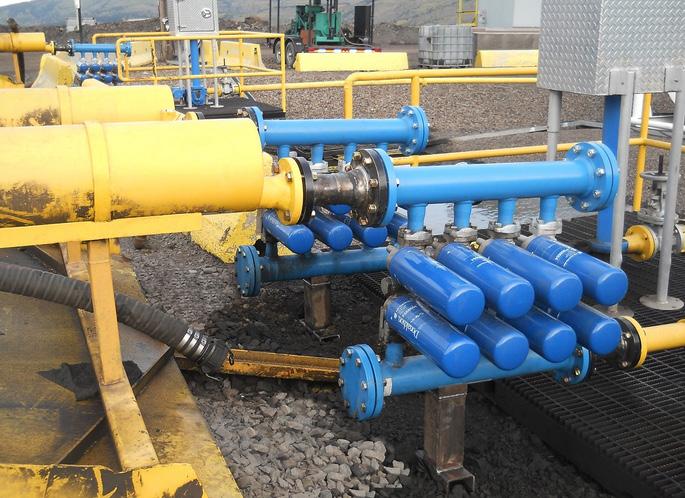
breathers help reduce the risk of airborne dirt, moisture, and debris entering storage tanks during filling and dispensing cycles. By helping keep fuel clean and dry while in storage, they support fuel quality, reduce contamination risks, and help protect sensitive modern fuel systems.
Finally, point-of-use filtration “polishes” the fuel before dispensing into equipment, helping achieve cleaner fuel and better equipment protection. Clean fuel doesn’t happen by accident — it requires the right filtration strategy from storage tank to machine.
In short, asset finance is an alternative form of funding used by businesses to obtain the equipment they need to grow or access muchneeded cash. Asset finance makes the otherwise unaffordable affordable because it gives businesses access to the equipment they need without incurring the cash flow disadvantage of an outright purchase.
Agreements can be customised to the business’s needs, with flexibility on both the term and repayment schedule.
Asset finance products:
• Hire Purchase (HP) allows you to buy the equipment on credit. The finance company purchases the asset on your behalf and owns the asset until the final instalment is paid, at which point you are given the option to buy it.
• Finance lease: The full value of the equipment is repaid to the finance company, plus interest, over the lease period. At the end of the term, you can choose to:
• continue to use the asset by entering a secondary rental period
• sell the asset and keep a portion of the income from the sale
• return it
• Operating lease: Similar to a Finance Lease, an Operating Lease allows you to rent the asset from the asset funder while you need it. The key difference between the two is that an Operating Lease is only for part of the asset’s useful life. This means you pay a reduced rental because the cost is based on the difference between the asset’s original purchase price and its residual value at the end of the agreement.
• Refinance: Refinancing or capital release, as it’s also known, is a proven way to make your assets work for you and release cash back into the business. It works by the finance company purchasing the asset and financing it back to you, with repayments calculated in line with
the income the asset is expected to generate; at the end of the refinance term, you own the asset. This offers several benefits to a business that just needs a cash injection, whether it’s for investment in additional businesscritical assets or to use in other areas of the business, including unexpected bills and invoices, salaries, VAT payments, diversification - the uses are almost endless. Funders can also look to take over a finance agreement with another provider and extend the term, ultimately reducing monthly payments and easing the pressure on cash flow.





Industry calls for Stability, Skills and Sincerity, and as always, the CPA delivers.
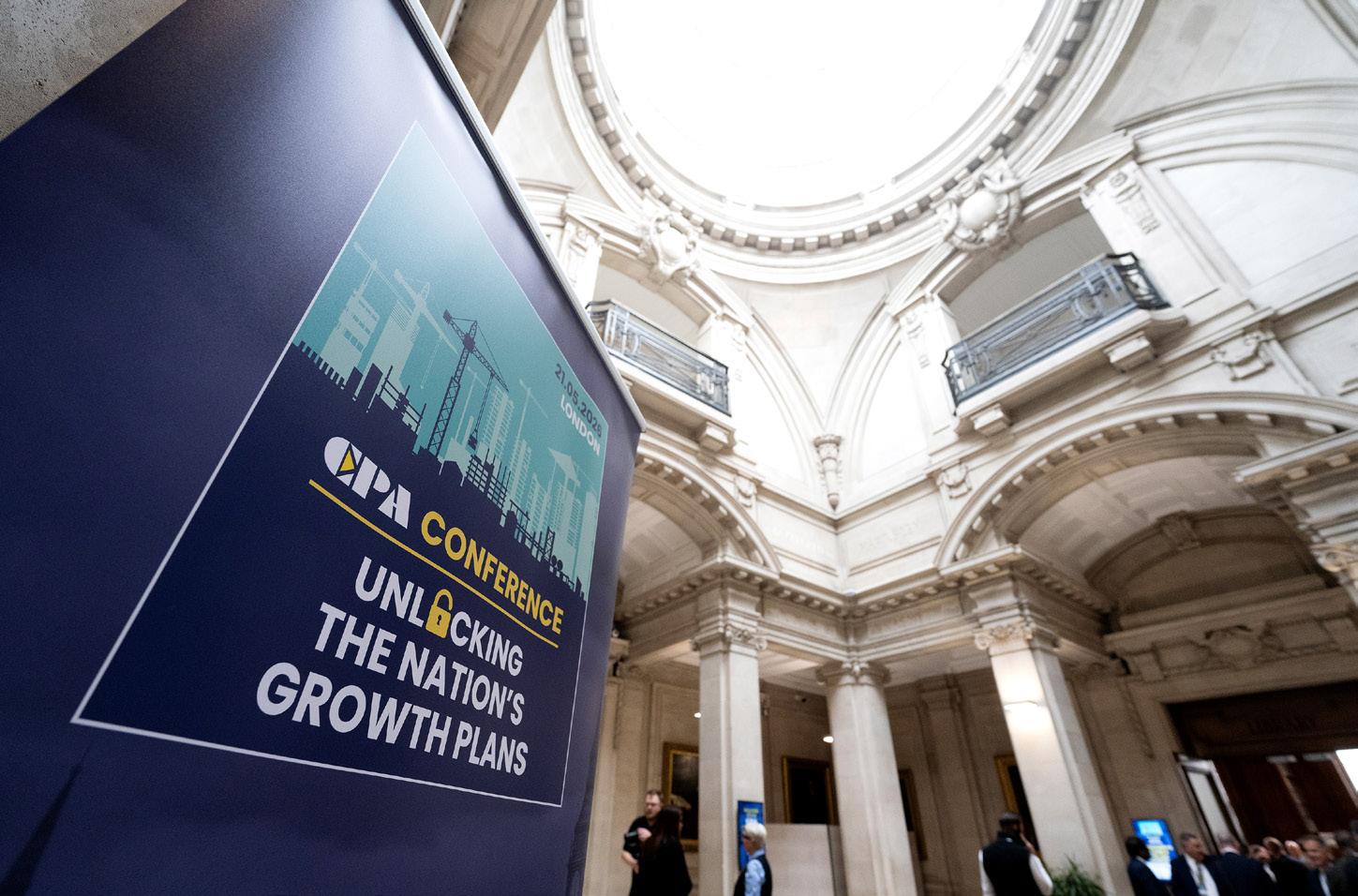
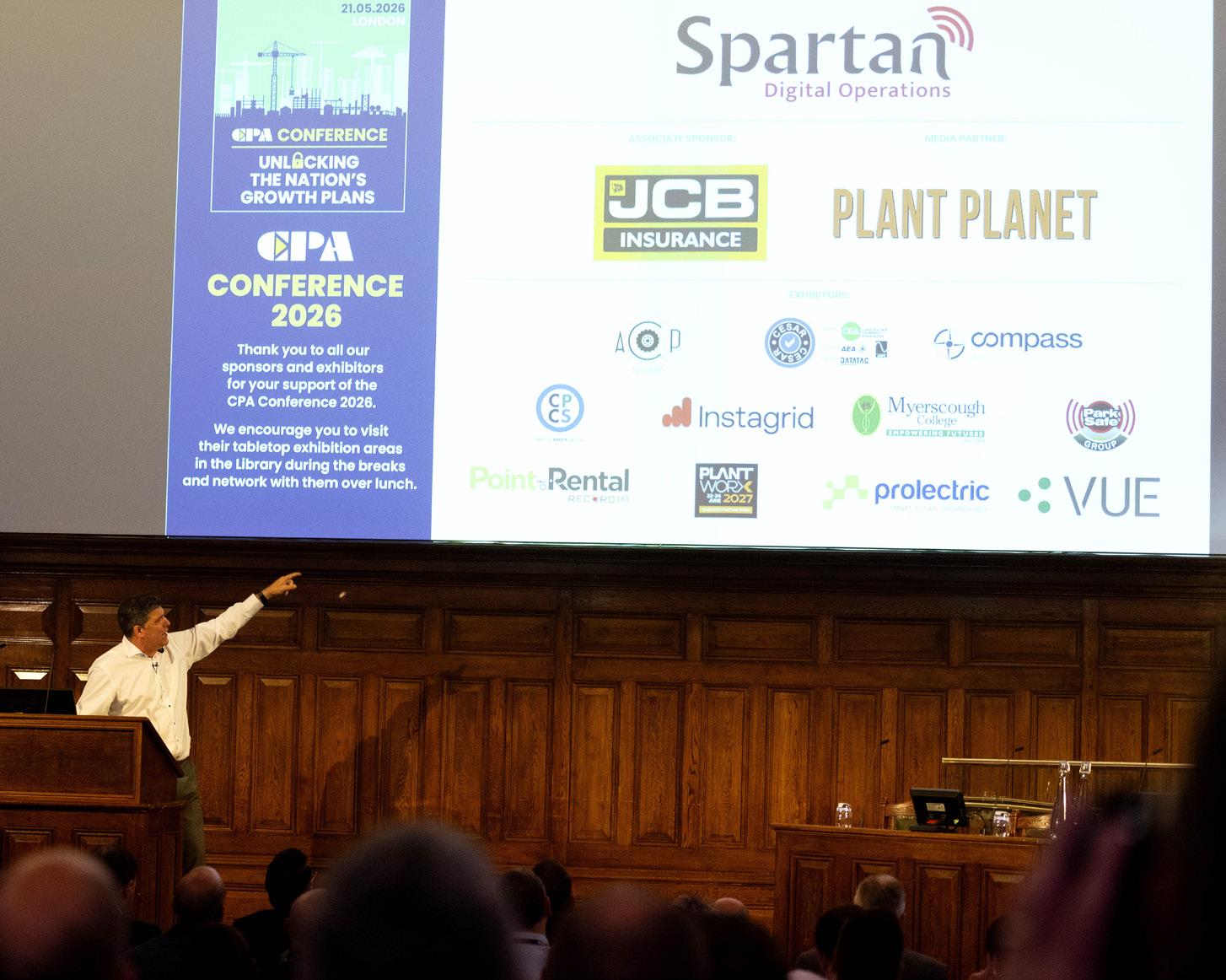
One of the highlights of Plant Planet’s calendar year is always the annual CPA Conference, and this year was no exception.
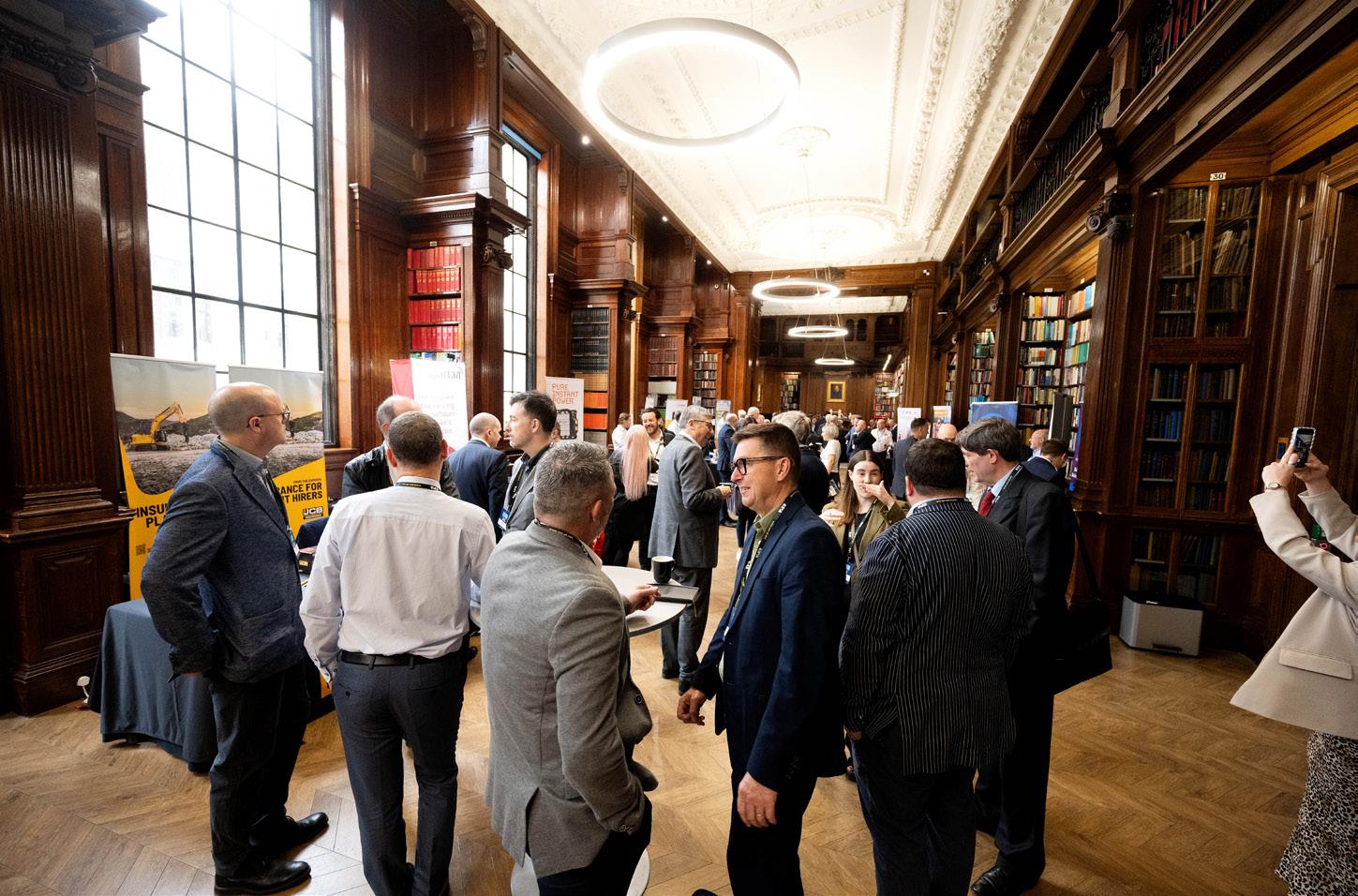
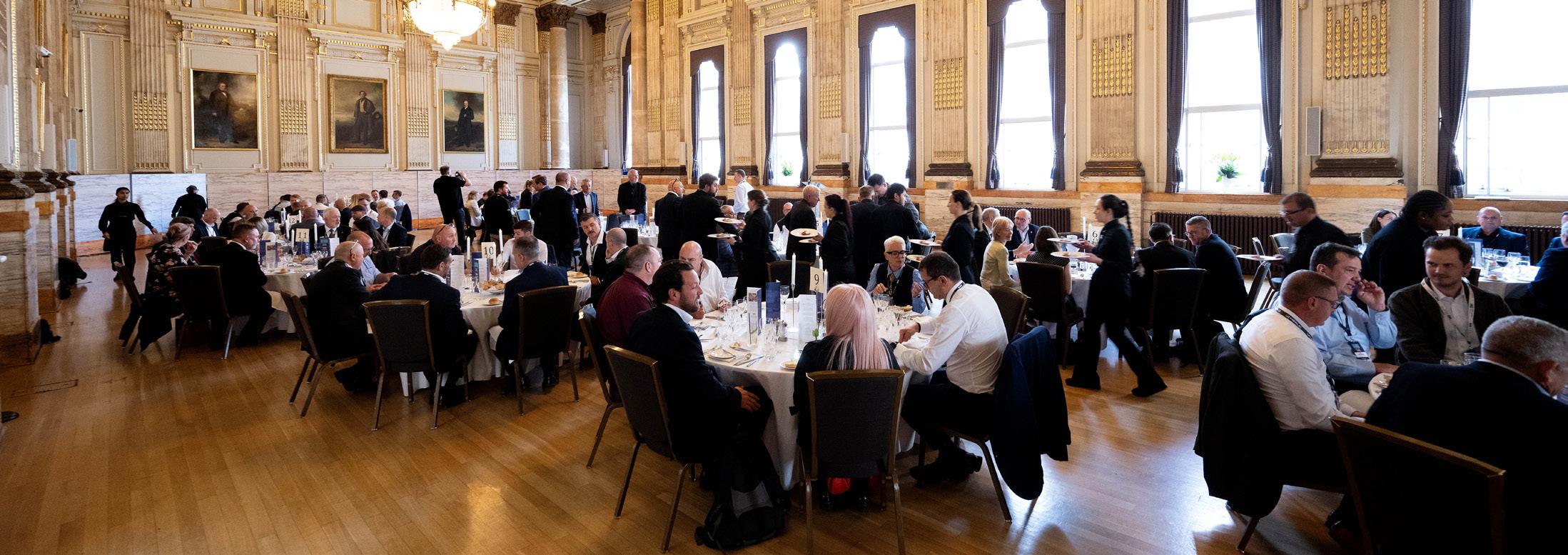
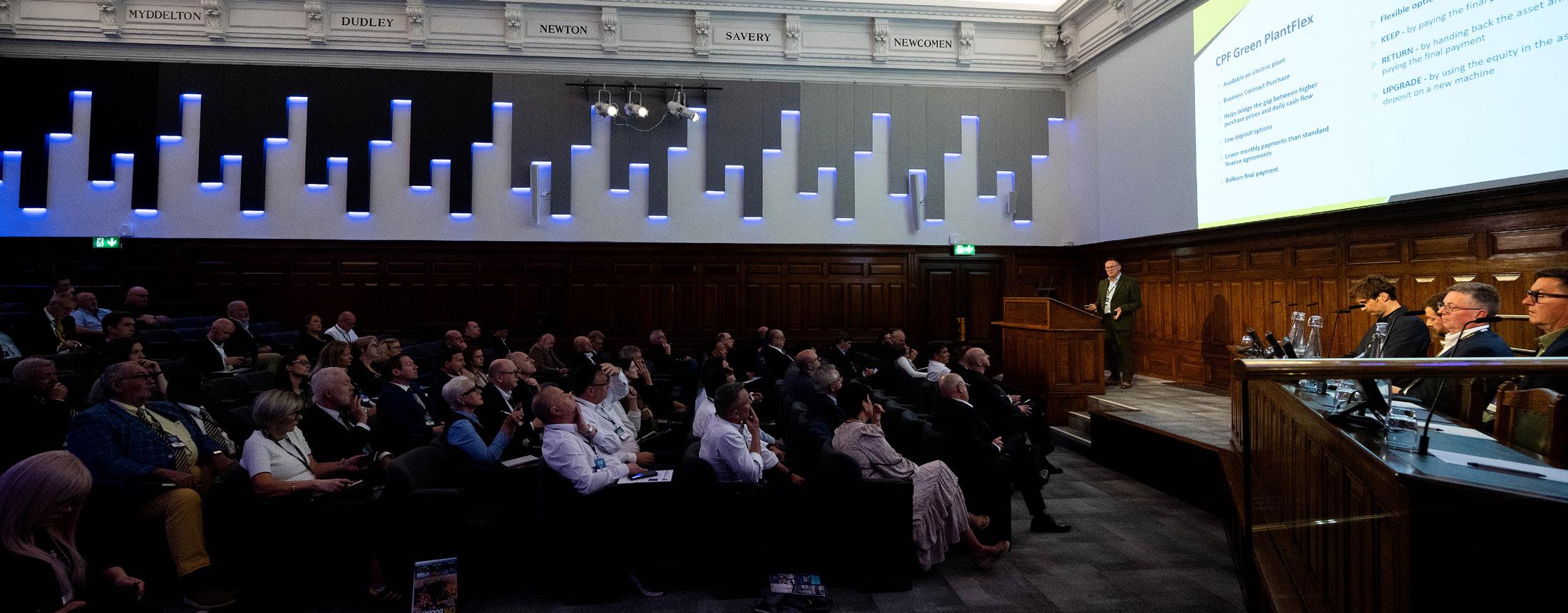
Mixing things up a bit, we were treated to a CPA first with the conference now held at the prestigious One Great George Street in Westminster, which is home to the Institution of Civil Engineers (ICE). A perfect setting, then, for this new edition of the conference, where the CPA put one foot firmly forward into the future in every way possible.
Each iteration has always sparked its own unique discussion; the passion of the speakers and audience alike always clear and stirring. The variety this year was even more refreshing, with the CPA really tapping into the needs of the planthire sector.
Three key needs were readily established and repeated: Stability, Skills and Sincerity, across all areas, with particular attention paid to the need for long-term government certainty, better collaboration across the supply chain, and a more realistic approach to achieving the UK’s infrastructure and net zero ambitions.
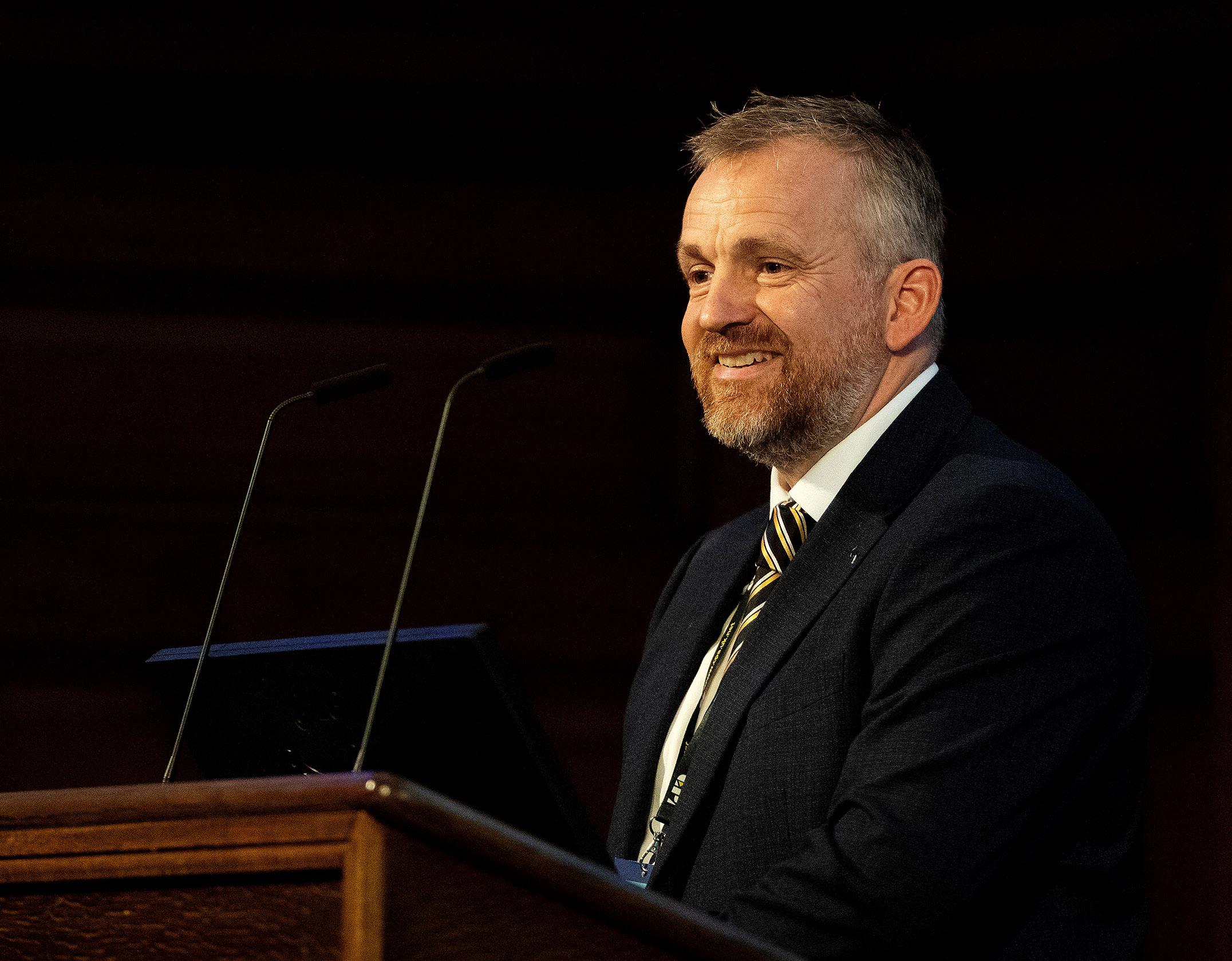
Hosted by the incomparable Peter Haddock, the conference kicked off with a lively introduction and insight into the day ahead. CPA’s Chief Executive Officer, Steve Mulholland then welcomed us all with a stirring speech about the importance of government involvement in the industry and highlighting the inherent need for continued collaboration.
The keynote political address was given by Richard Fuller CBE, Member of Parliament for North Bedfordshire and Shadow Chief Secretary to the Treasury, who supported the common theme that the construction industry and government need to work together to further the wheel of commerce.


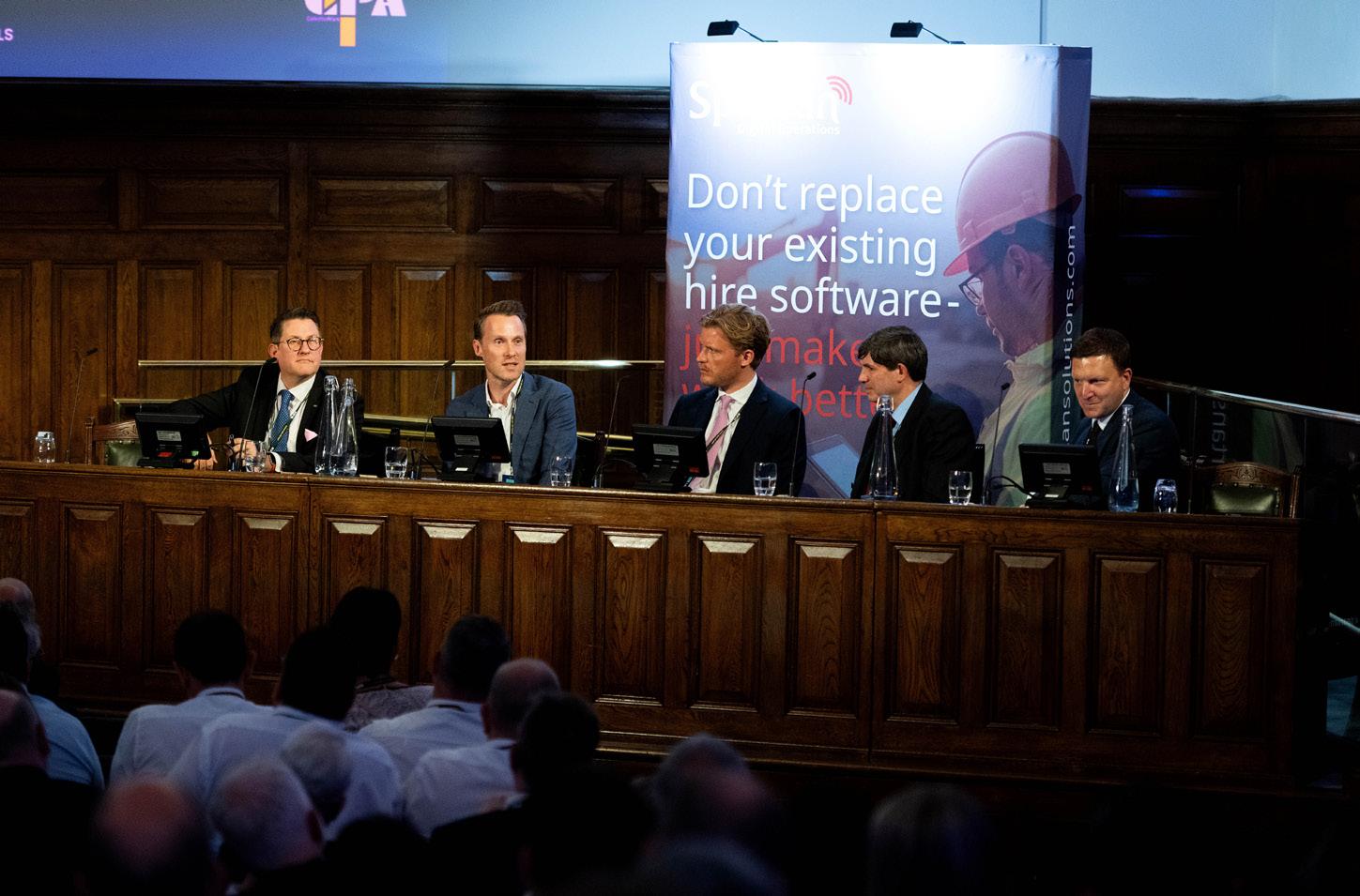
Lead: Graham Robinson, Global Infrastructure and Construction Lead at Oxford Economics
Panel: CPA Policy Director Chris Cassley, Charlesbye’s Cameron Brown, Peter Gibbs of Ainscough Crane Hire, Chris Matthew of Plantforce and Mark Hoad of Sunbelt Rentals
Opening the panel discussions, speakers in the ‘Half Built Britain’ session warned that while the UK continues to announce ambitious infrastructure programmes, delivery remains constrained by fragmented regulation, labour shortages and inconsistent policy direction.
Global Infrastructure and Construction Lead at Oxford Economics Graham Robinson, highlighted the sheer scale of investment required to modernise Britain’s infrastructure and energy systems, warning that electrification itself presents enormous cost and logistical challenges.
He argued that the UK’s planning and regulatory systems are still too slow and fragmented to support the scale of delivery required, noting that major projects often become trapped in years of approvals and consultation.
Chris Cassley, CPA’s Policy Director, expanded on this frustration by pointing to the lack of political continuity in construction and infrastructure policy. Frequent ministerial changes, he argued, have created inertia across government.
“If we’re looking at construction as a driver of economic growth, ministers need time to understand the brief and deliver long-term policy.”
Cassley called for the creation of a dedicated Infrastructure Secretary with cabinet-level authority to coordinate planning, construction, energy and industrial policy.
Tax reform and planning reform also dominated discussion. Speakers argued that businesses need greater certainty and incentives to invest in major equipment fleets, new technologies and industrialised construction methods. At the same time, planning departments require more expertise and resources if nationally significant infrastructure projects are to move faster.
Labour shortages were another major concern. Speakers warned that hundreds of thousands of additional workers will be needed over the next decade to deliver housing, transport and energy projects.
Mark Hoad, Sales and Marketing Director for Sunbelt Rentals, reinforced the pressure this uncertainty is placing on businesses making major investment decisions.
“We’re trying to grow sustainable businesses over many years, but the discussions we’re now having are becoming much more short-term.”
He explained that uncertainty around project pipelines and delayed starts are making it increasingly difficult for businesses to decide where to invest capital, particularly in emerging sustainable technologies.
The panel Q&A shifted the discussion towards innovation, hydrogen, AI and productivity.
Several speakers admitted that while there is enthusiasm around new technologies, many businesses still struggle to justify investment because the commercial models remain unclear.
One recurring theme was that the industry often talks about productivity improvement without fundamentally changing procurement or commercial behaviour.
A particularly striking comment from the session was:
“We have created an industry that is almost incentivised to be as inefficient as possible.”
Speakers highlighted that customers continue to focus heavily on day rates rather than long-term operational value, making it difficult to commercialise investments in cleaner or smarter equipment.
At the same time, AI and telematics are beginning to gain traction. Businesses reported growing demand for operational data, monitoring and efficiency analysis, although speakers noted there is still no consistent industry-wide standard for data sharing or implementation.
The consensus was that technological change is coming, but infrastructure, procurement models and client expectations all need to evolve together if innovation is to scale successfully.


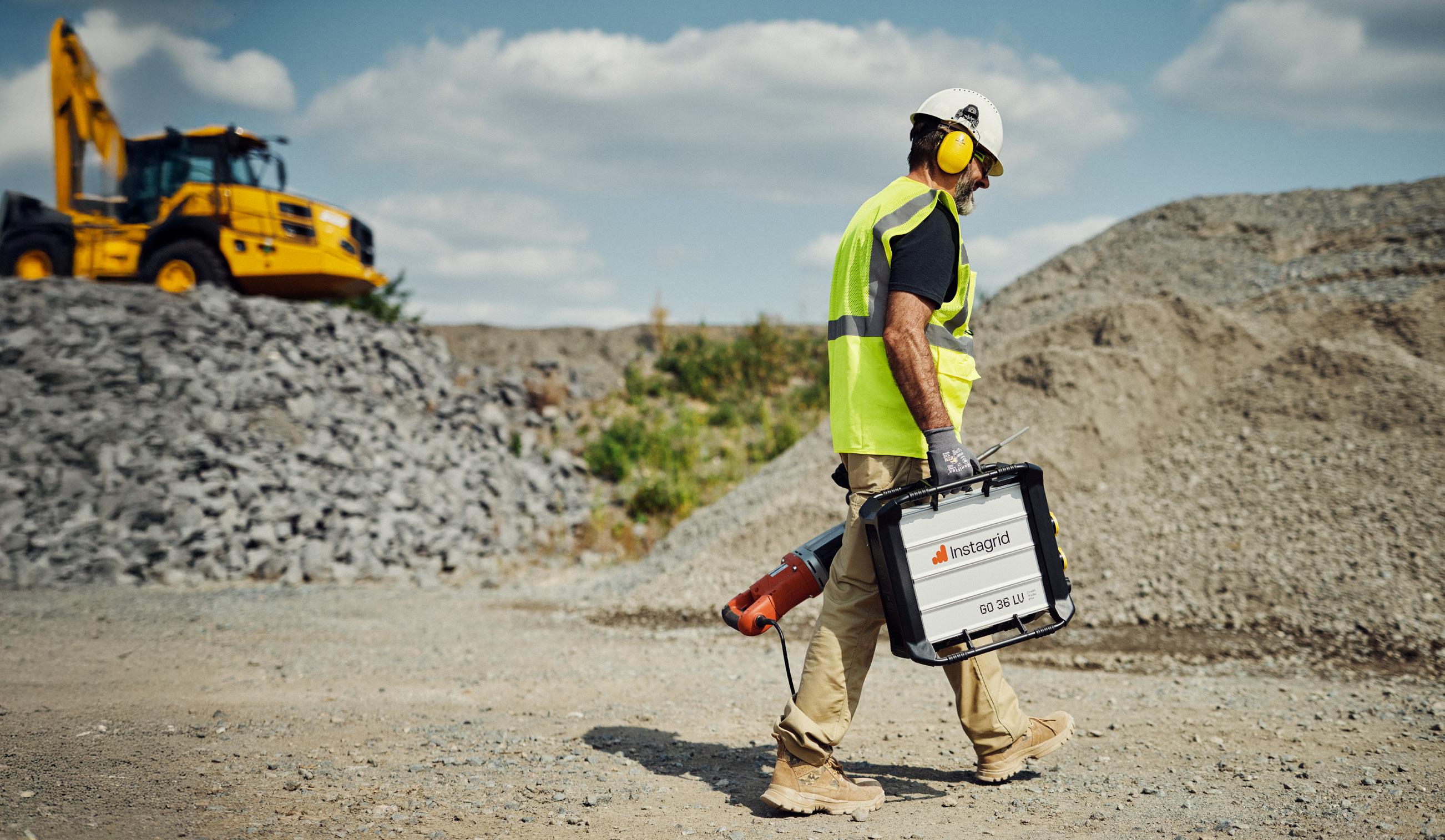
Instagrid is redefining portable power with a sustainable energy solution built to handle even the most demanding equipment –anytime, anywhere.
Trusted across the industry, users say “Instagrid is a game-changer. It’s versatile, reliable, and provides power exactly where its needed - without fuel, noise, or trailing leads. Quick charging, long-lasting, and perfect for complex projects.” Chris Howard, Site Manager at F Parkinson.
Want to break free from noisy generators? Then visit our website to find your local distributor, rental partner, or get in touch with our local team.
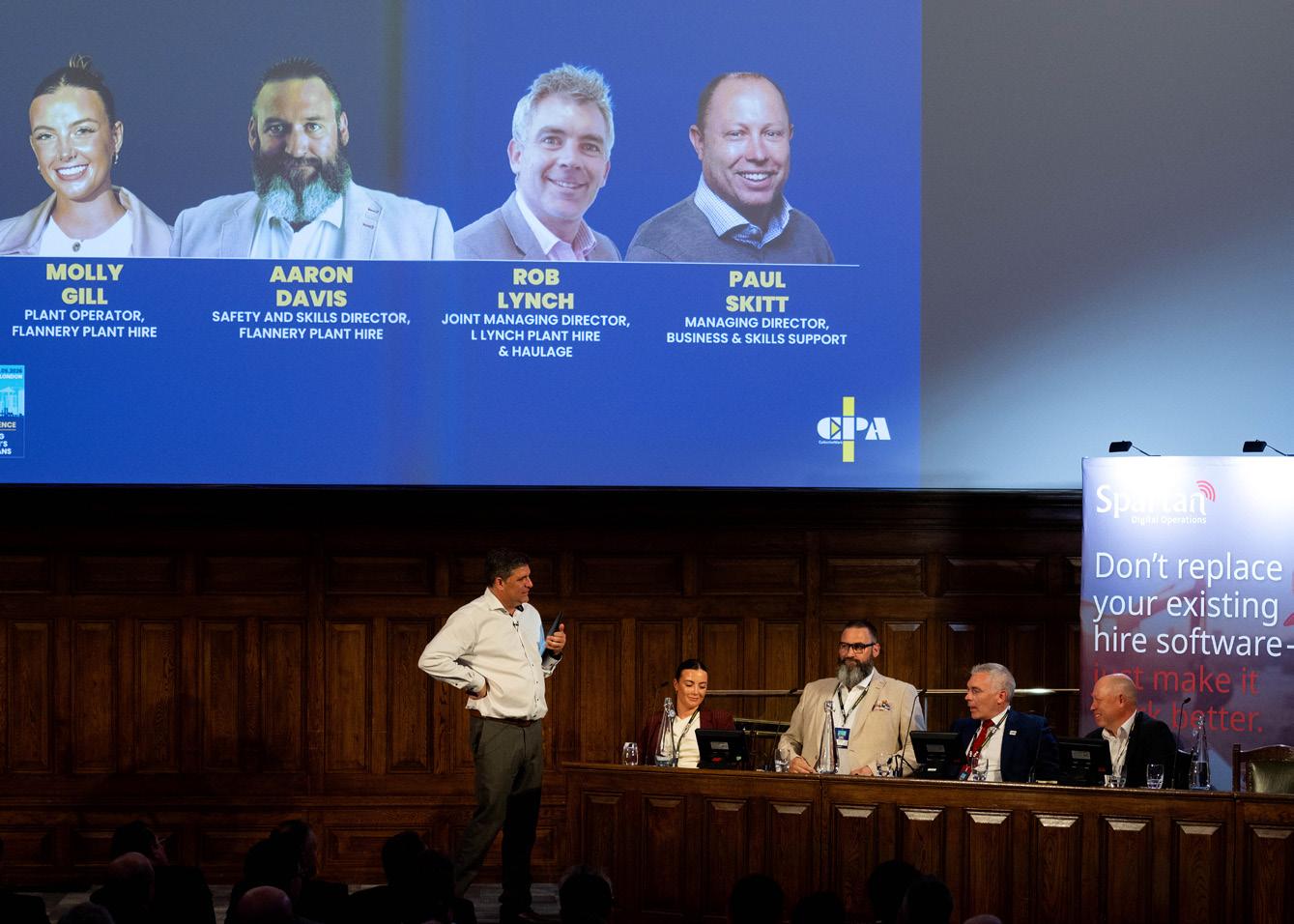
Panel: Plant Operator Molly Gill of Flannery Plant Hire, Aaron Davis, Safety and Skills Director at Flannery Plant Hire, Rob Lynch of L Lynch Plant Hire & Haulage and Paul Skitt of Business & Skills Support
The conference’s second session, ‘Building Skills for the Workforce’, provided one of the most optimistic discussions of the day.
A standout contribution came from plant operator Molly Gill, who shared her journey into construction through a government-funded plant operator bootcamp.
Initially sceptical that training could genuinely be government funded, she described how the programme opened the door to a career she had never previously considered.
“There is no failure in trying, just failure in not trying at all.”
Her story resonated strongly with delegates. After completing the 10-day programme, she quickly secured work, progressed through additional training and later won the ‘Young Plant Operator of the Year’ award at the CPA’s Stars of the Future in 2025.
Molly’s enthusiasm for the industry became one of the defining moments of the conference.
“It is one of the very few jobs where you get to leave a mark on the future.”
Her comments reinforced a wider message from the panel: construction must stop presenting itself as an industry in crisis and instead promote the opportunities available.
The remaining panel highlighted the success of flexible bootcamp schemes and local partnerships. Representatives from major employers explained that thousands of successful training outcomes have already been delivered through collaborative programmes linked to infrastructure projects.
Speakers argued that construction and plant careers remain poorly understood by schools, colleges and career changers. Many young people still associate the industry solely with traditional trades, rather than modern infrastructure, technology and plant operations.
A key discussion point focused on flexibility in skills funding. Employers warned that government support can become too restrictive when tied to rigid criteria or administrative requirements.
Instead, speakers argued for more employerled flexibility to identify suitable candidates and tailor training to project needs.
Molly closed the session with a powerful appeal to industry leaders:
“We need to be more patient, train people up properly and support them once they’re in the industry.”



Speaker: Lee Cain, founder of strategic advisory firm Charlesbye and former Downing Street Director of Communications
Steering away from construction operations, session three focused instead on communication strategy.
Former political communications adviser, Lee Cain, delivered an address centred on how organisations can communicate more effectively in an increasingly noisy and fragmented media environment.
Drawing on experience from national political campaigns, Cain argued that most organisations fail because they try to communicate too many priorities at once.
His framework for successful campaigns rested on three principles: “Prioritisation, simplification and repetition.”
According to Cain, organisations frequently overcomplicate their messaging by relying on technical language and internal jargon that wider audiences simply do not understand.
He stressed that effective communication depends on understanding audience perceptions first through research, focus groups and testing before attempting to shape narratives.
One of the strongest themes from the session was message discipline. Cain explained that internal teams often become tired of repeating key messages long before the public has fully absorbed them.
“If everything is a priority, nothing is a priority.”
The presentation resonated strongly with delegates facing increasing pressure to explain infrastructure, sustainability and skills challenges to government, customers and the wider public.
Importantly, Cain also urged the sector to use more human stories and case studies to reshape perceptions of construction careers and modern plant operations.
“If everything is a priority, nothing is a priority.”
Lead: Luis Bassett, CPA’s Decarbonisation and Sustainability Manager
Panel: Chris Sleight from Off-Highway Research, ESG PRO’s Joe Gallagher, Steve Moody of Construction Plant Finance and Charles Bénard of Hiboo
In the final session, they tackled perhaps the most difficult subject of the conference: decarbonisation.
Speakers acknowledged the growing pressure on the construction equipment sector to reduce emissions while also warning that current expectations often fail to reflect operational and commercial reality.
The session opened with a stark overview of climate change risks and the increasing need for resilient infrastructure.
However, much of the debate focused on how difficult plant decarbonisation remains in practice.
One speaker summarised the challenge bluntly:
“Long hire is not a straightforward sector to decarbonise.”
They all agreed that the industry faces significant obstacles including high equipment costs, charging infrastructure limitations, uncertain residual values and a lack of government financial support, and delegates were reminded that batteryelectric construction equipment still represents only a tiny proportion of UK equipment sales.
Market analyst, Chris Sleight, presented data showing that electric equipment currently accounts for around 0.4% of UK construction equipment sales, potentially rising to just 1% by the end of the decade under current trends.
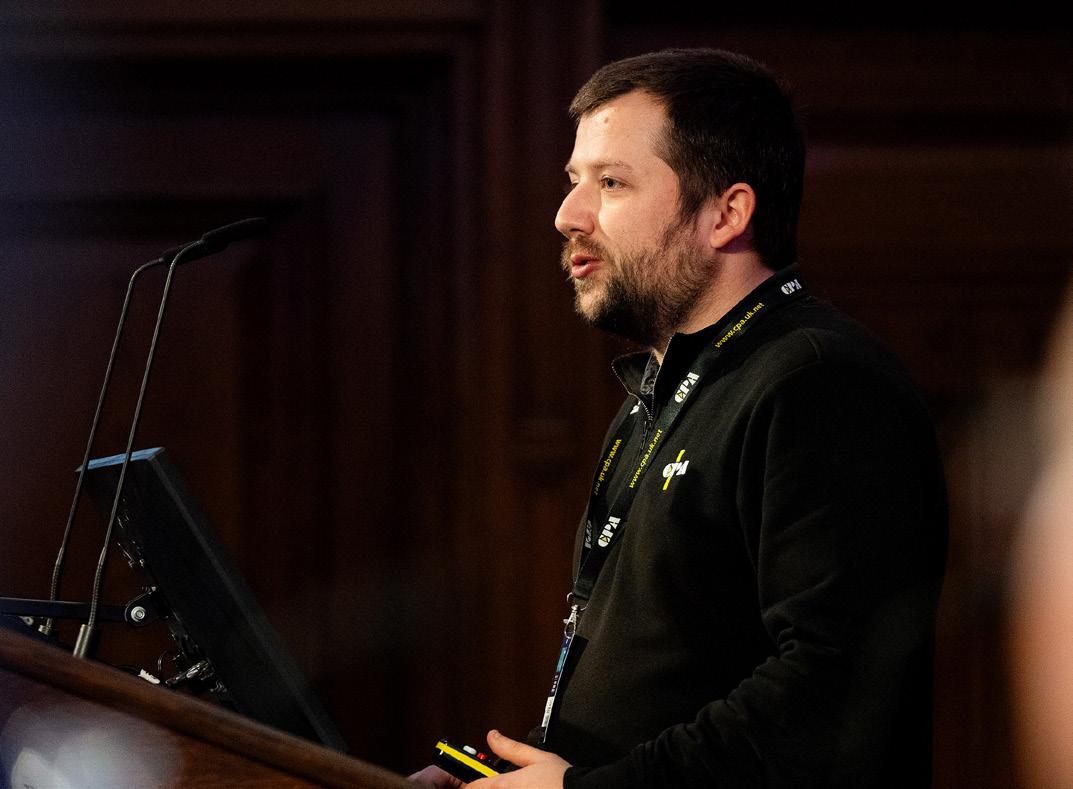
He warned that achieving national targets would require an unprecedented acceleration in adoption.
“Every single piece of equipment bought from now on would have to be non-fossil fuel powered.”
International comparisons also highlighted the importance of subsidies. Countries such as China, Norway and the Netherlands have achieved stronger uptake through significant government financial support and clear policy frameworks. Air quality, rather than carbon reduction alone, is also proving a stronger driver of adoption in some markets.
The session concluded with a clear message from the Construction Plant-hire Association leadership: the industry is willing to engage with the transition, but government policy must become more practical, collaborative and commercially realistic.
The closing words came from Jerome Mayhew, Member of Parliament for Broadland and Fakenham and Shadow Minister of State for Transport, who urged that consistency was key. Despite the current political unrest and calls for elections, he maintained that political upheaval would be far worse than ‘staying the course’.
Catching up with Steve Mullholland after the conference, he said: “It’s for each of you to decide, but I believe today was a big success.”
We here at Plant Planet can’t help but agree, with the change up to the format and the new location being a breath of fresh air and the perfect setting for such vital industry discussion.

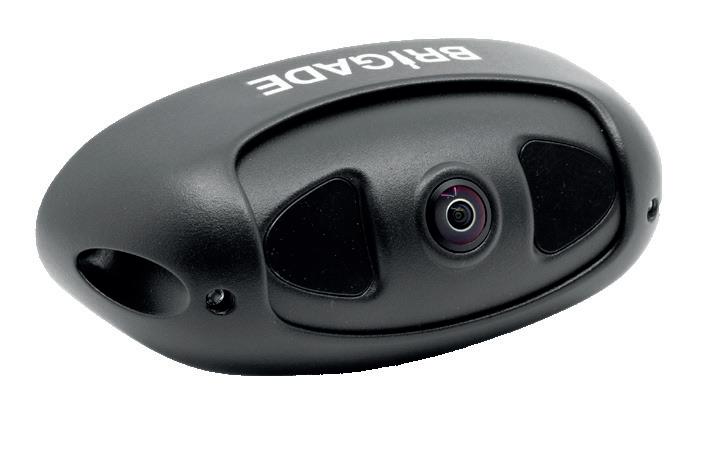
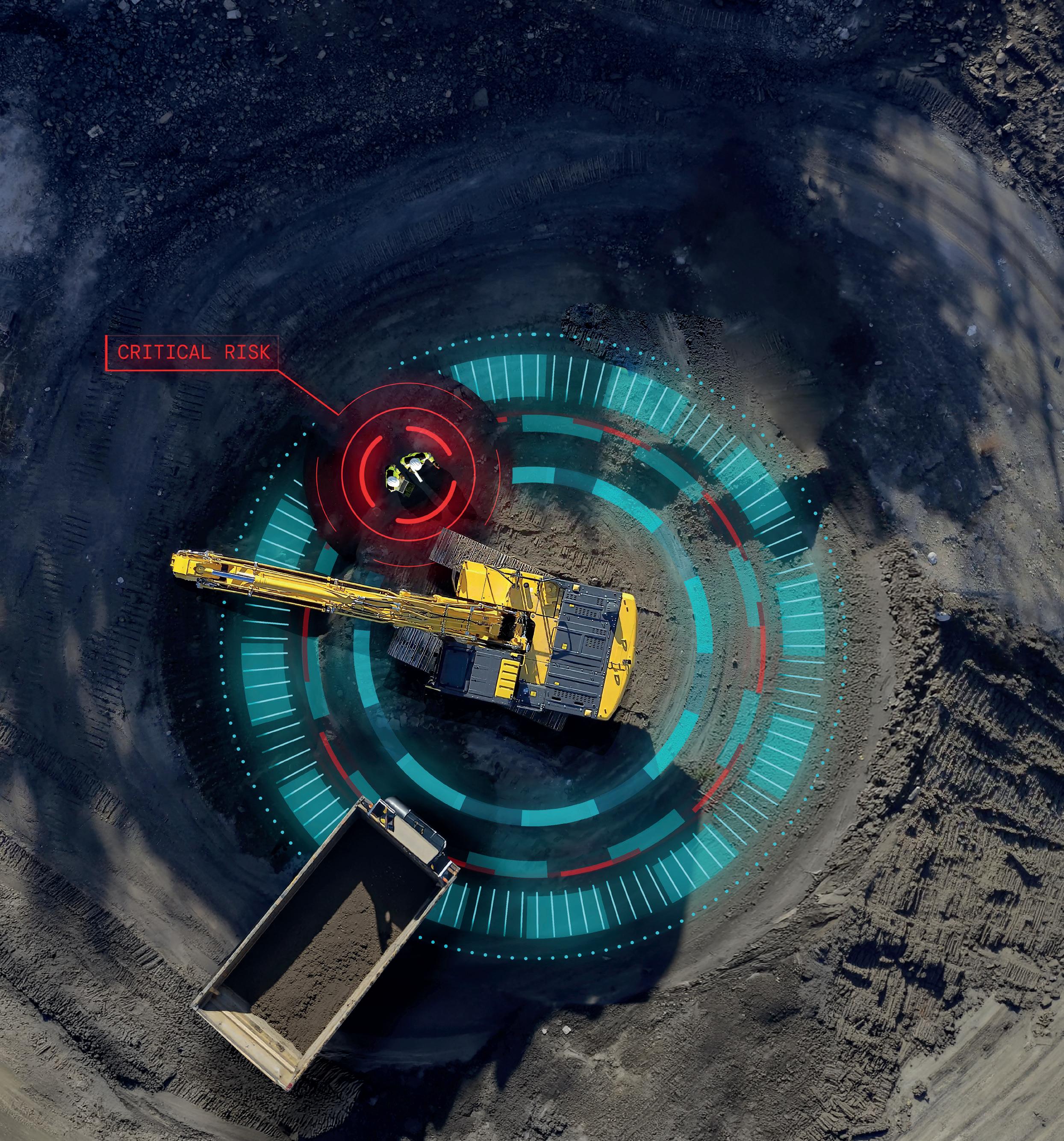
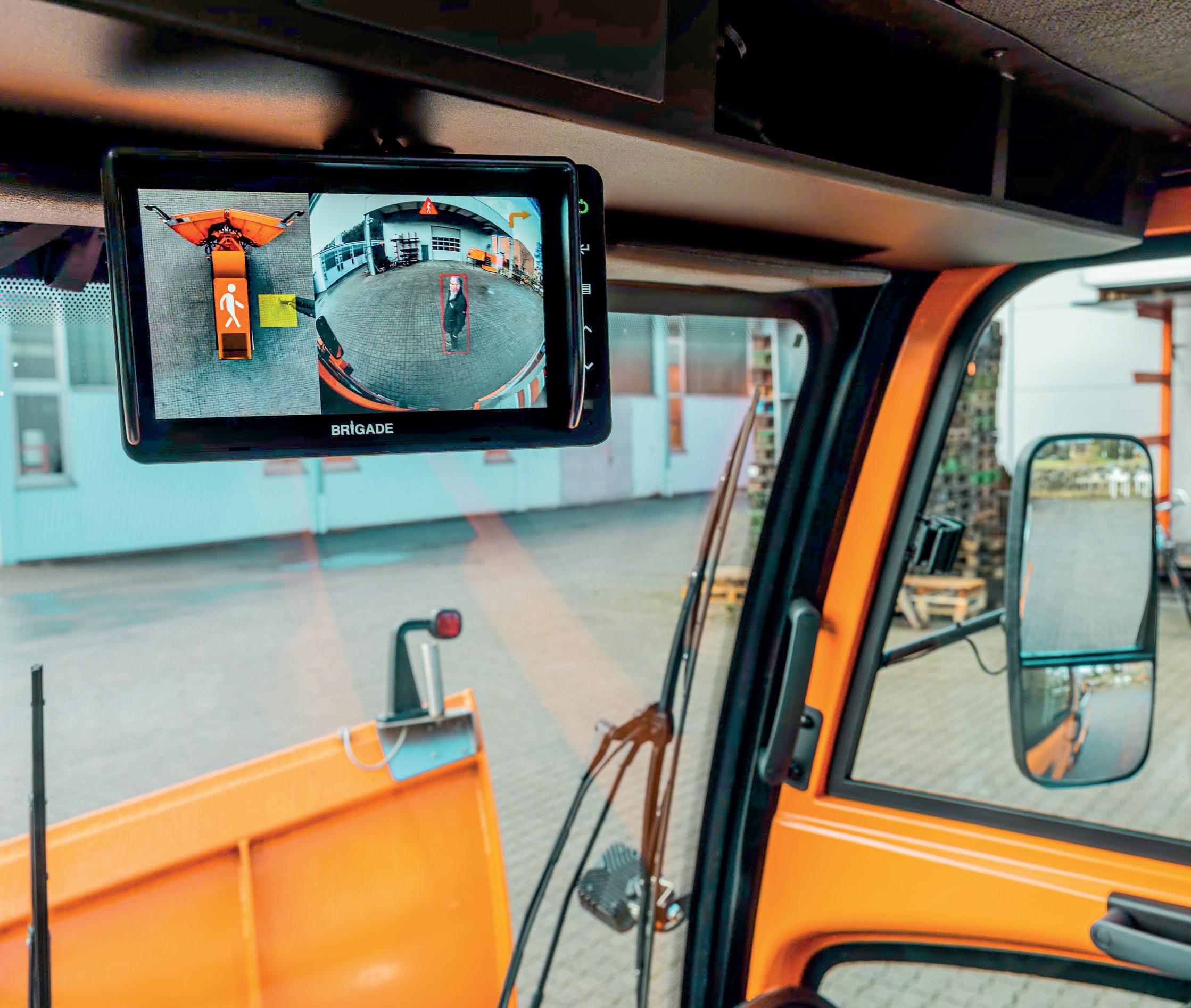
- Backeye®360 AI Intelligent detection is a 360-degree highdefinition four-camera system enhanced by state of the art AI technology.
- Comprehensive view of surrounding area in a single image.
- Audible and visual alerts when a worker is detected using AI.
- Automatic calibration saves time on set-up and installation.
- High resolution delivers a clear and sharp image displayed on the monitor.
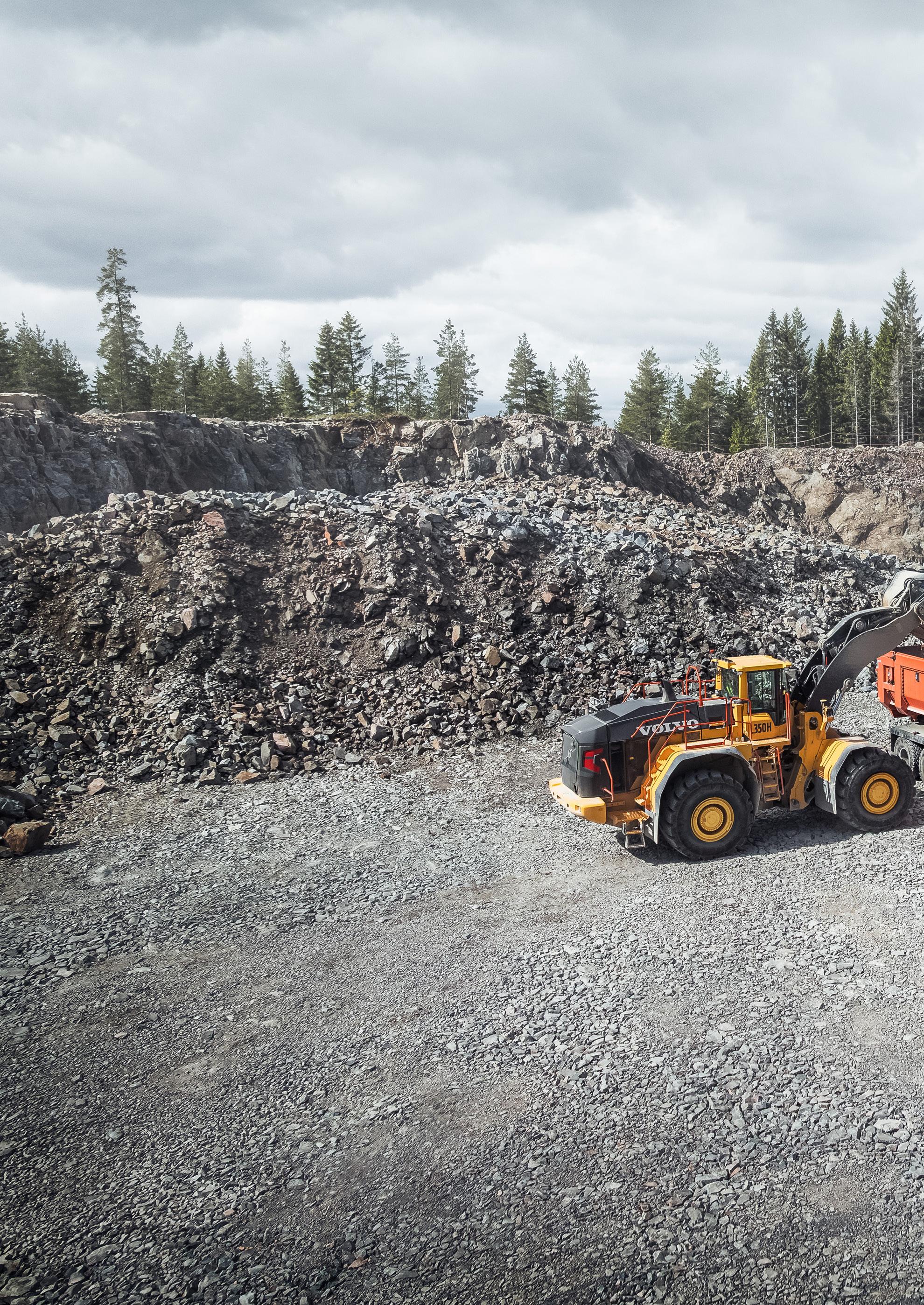
For many years, the construction industry has viewed automation in equal measures with a mixture of optimism and suspicion.
While OEMs present visions of driverless machines working autonomously on unmanned sites, operational staff can be forgiven for viewing any developments made towards this outcome with a healthy sense of scepticism.
Currently, a select few sites around the world are already operating autonomous haulers within tightly controlled environments. However, sceptical operational staff can breathe a sigh of relief, as these projects remain far removed from the fully autonomous, operatorless work sites often presented in OEM marketing material, and still rely heavily on skilled human staff to load, monitor and maintain the haulers working in this capacity.
Nevertheless, automation does have an extremely important part to play in supporting today’s modern construction industry, albeit in eliminating administrative burden instead of operators’ jobs.
Automation works best when a task is controlled, predictable and repetitive. While repetitive tasks certainly do exist within the construction industry, one of the biggest challenges for automation is the inherently manual and unpredictable nature of building sites.
Unlike manufacturing facilities where machines operate within tightly controlled and highly repetitive conditions, quarry, construction and demolition sites change constantly. Working areas and ground conditions vary, weather impacts productivity, access routes evolve, schedules shift and multiple contractors often work simultaneously within confined areas.
However, while the physical complexity of construction makes complete machine autonomy difficult, many of the administrative operational systems surrounding construction industry activity remain surprisingly manual, despite being far more suitable for automation than the machines themselves.
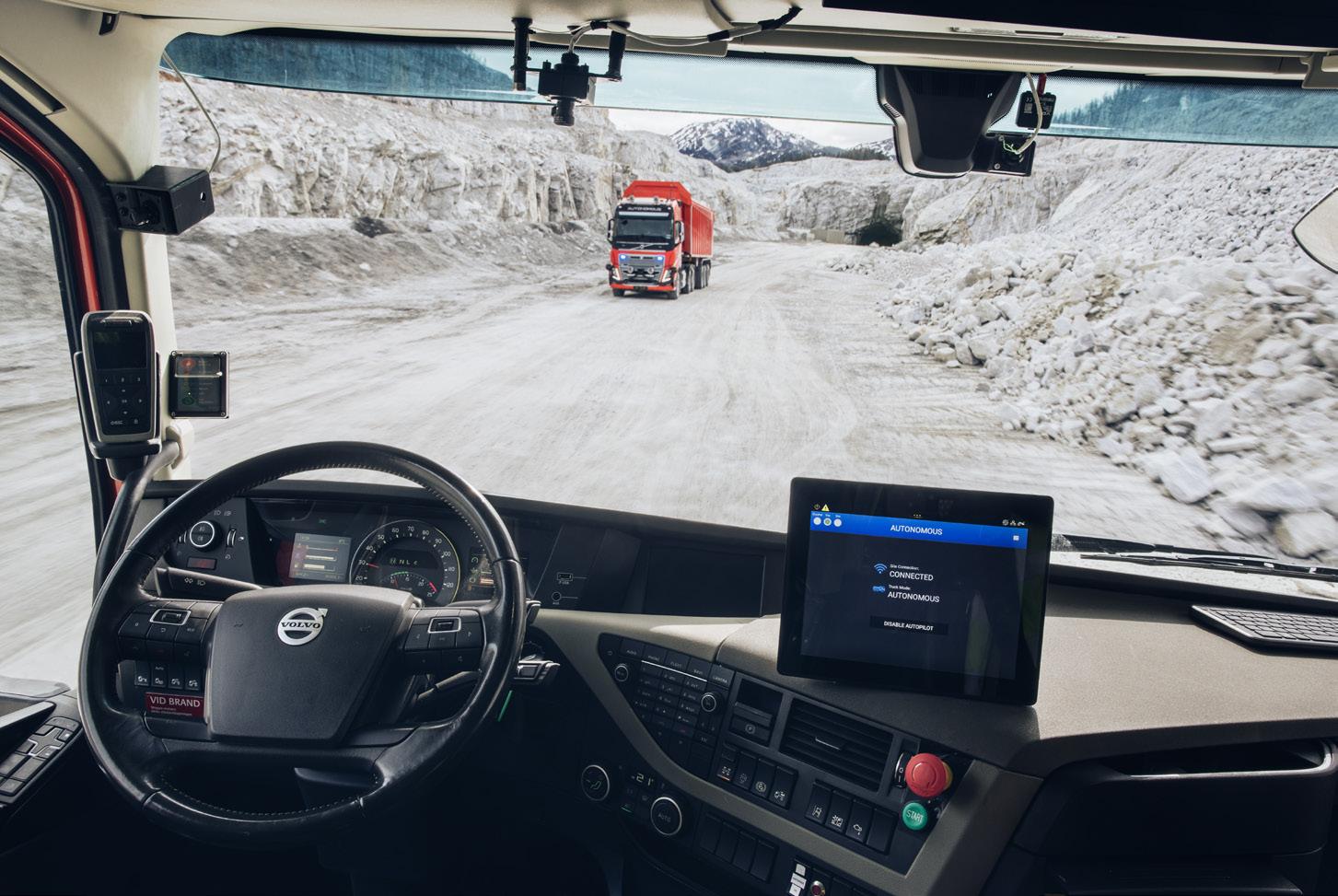
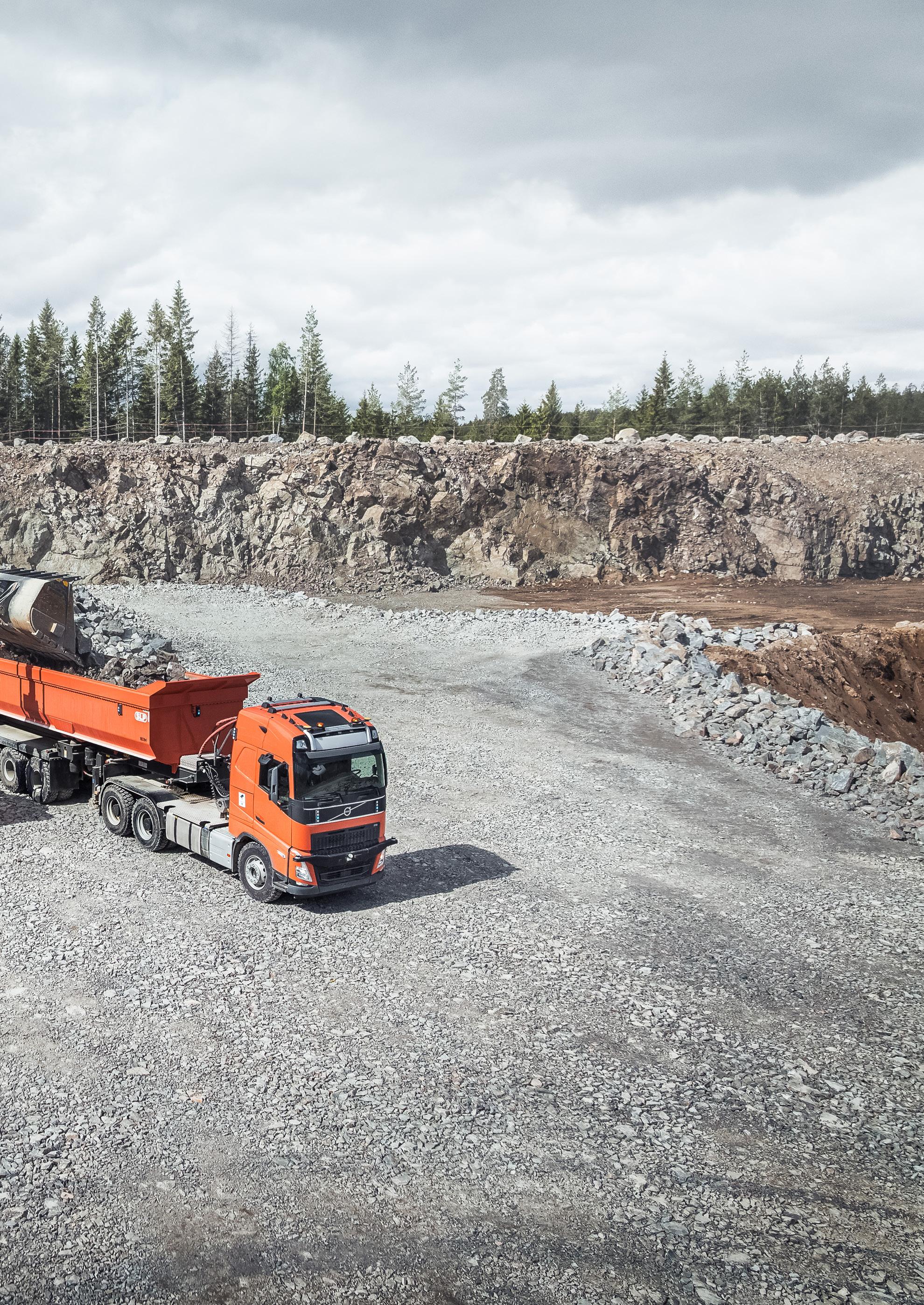
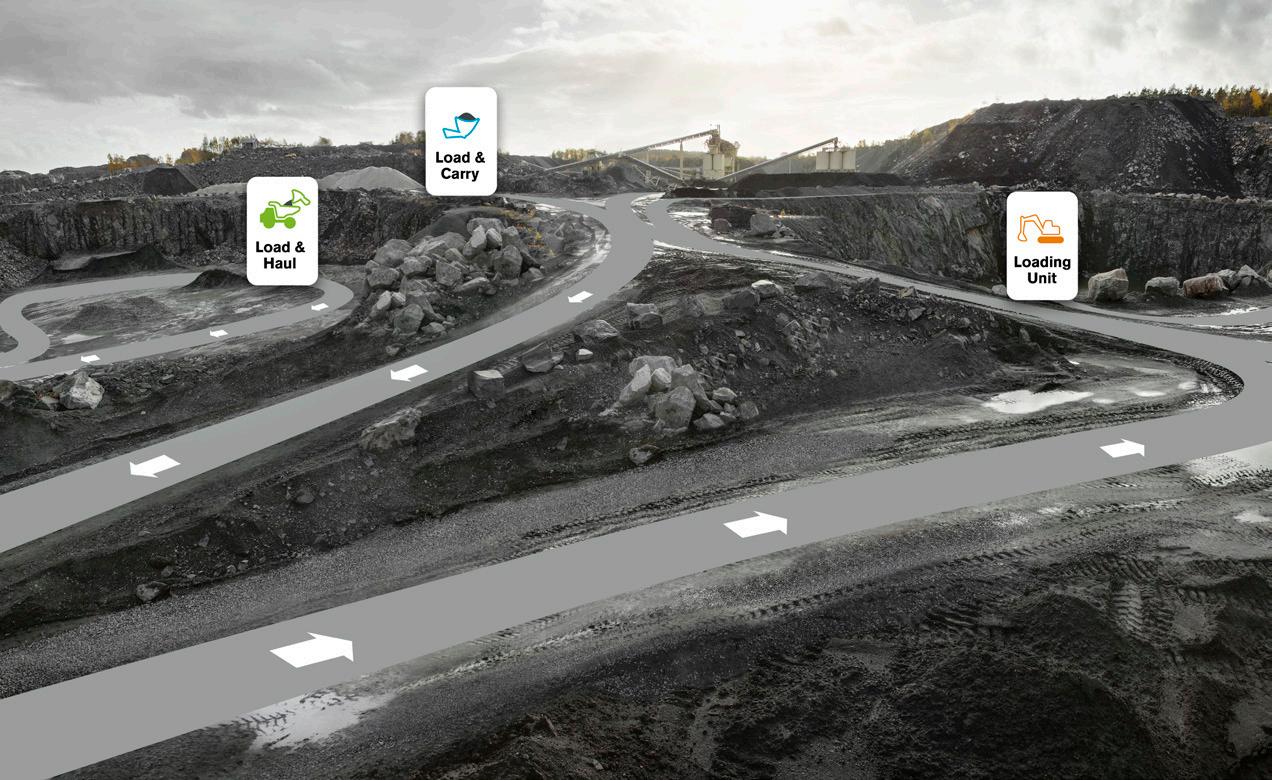
When it comes to day-to-day running of a modern business within the construction industry, many of the administrative systems still rely heavily on manual administration and reactive decision-making, and are often vulnerable to fragmented communication between departments, sites and suppliers.
Operational cost forecasting, fleet allocation, preventative maintenance scheduling, staffing coordination, transport logistics and machine utilisation reporting are still frequently managed through disconnected software platforms, spreadsheets, phone calls and manual data entry.
In many cases, critical actions can only be triggered once a flagged problem has been reviewed, and human error means the risk is always present that issues get overlooked.
A machine may miss a service interval, especially if a booked visit from an engineer is cancelled and rescheduling is overlooked. An issue may also only be flagged before a costly breakdown when fleet monitoring data has been reviewed and, more importantly, been correctly interpreted.
Excessive idle times, fuel consumption or underutilised machines may also remain unnoticed until utilisation reports are reviewed long after inefficiencies have already impacted project costs.
Additional equipment may also only be allocated to a project once productivity has noticeably begun to fall behind schedule. Similarly, staff shortages may only become apparent once progress reports are reviewed and deadlines are highlighted as being at risk.
While modern construction equipment itself has become increasingly sophisticated, many of the operational systems surrounding and supporting them remain remarkably unsophisticated.
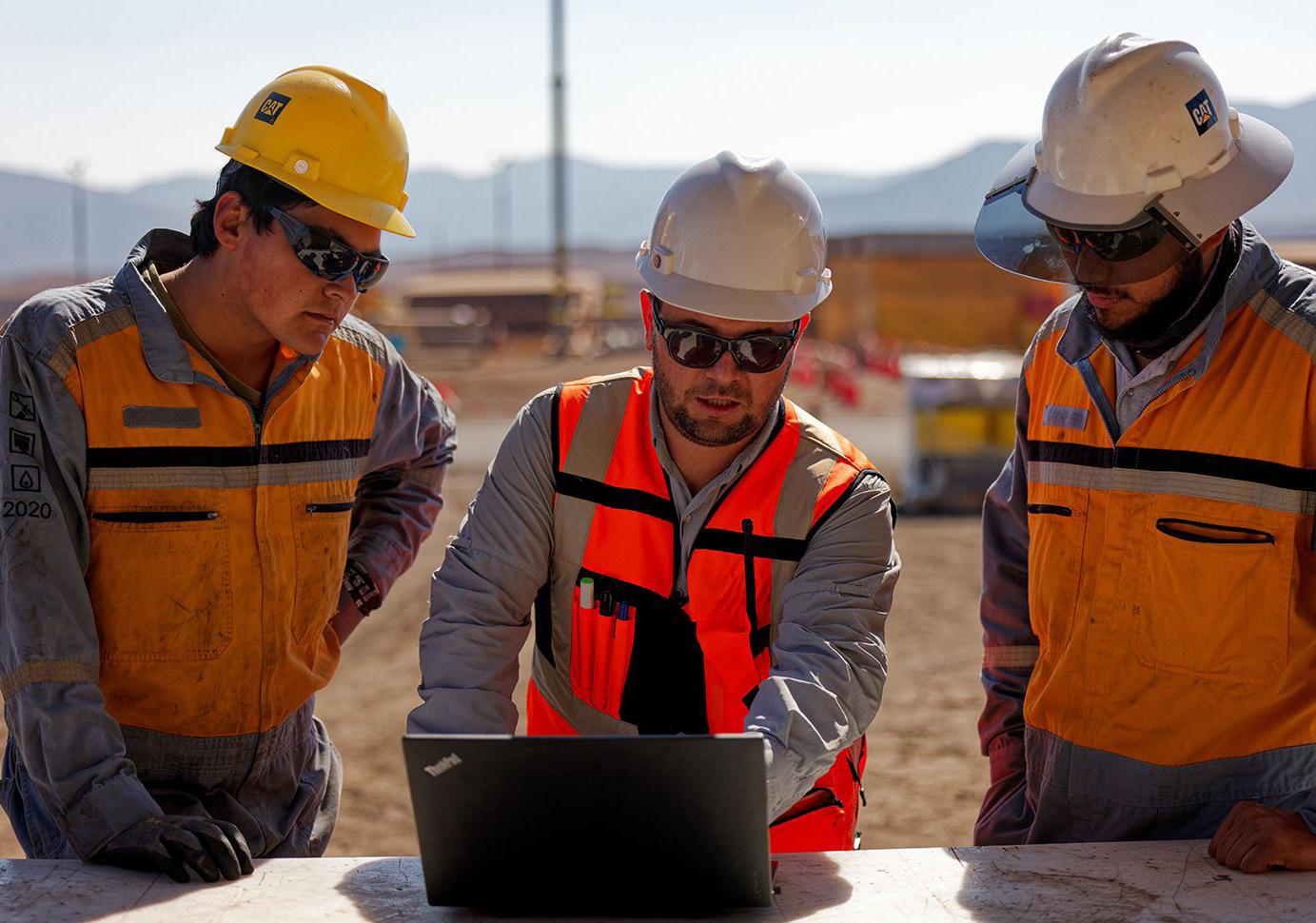
While the concept of operational workflows is nothing new, the construction industry still relies heavily on human intervention to connect many of the systems responsible for running modern projects and fleets.
Increasingly, however, modern fleet management platforms, telematics systems, AI-assisted analytics tools and project scheduling software are becoming capable of operating as part of a connected operational ecosystem, rather than functioning as isolated sources of information.
The greatest opportunity for automation within the construction industry may therefore not lie in removing operators from machines, but in creating operational systems capable of communicating, analysing and responding automatically in real time.
Rather than simply generating reports for staff to review manually, integrated systems can automatically trigger workflows, schedule actions and coordinate operational responses with minimal human intervention.
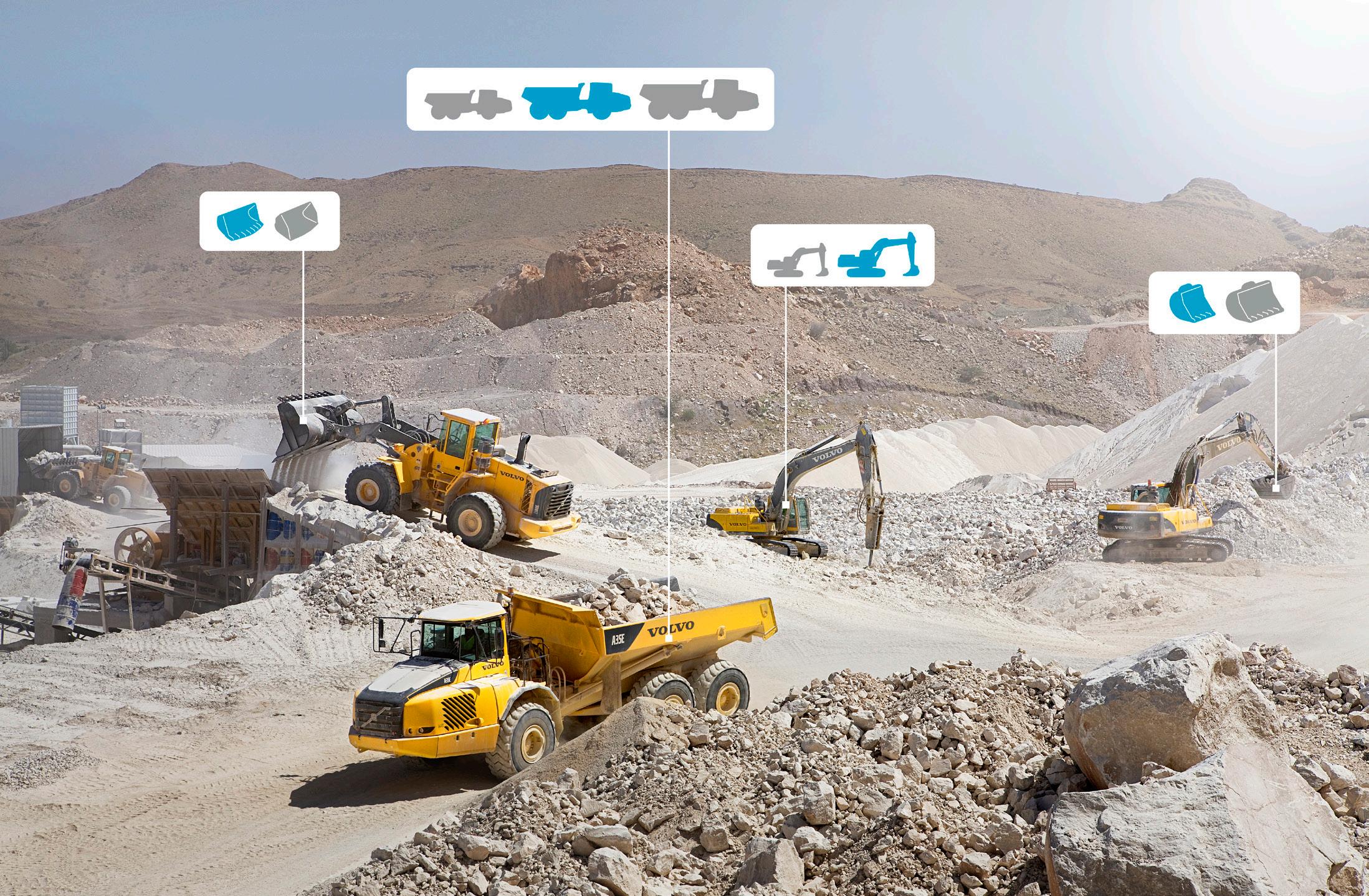
A telematics platform detecting abnormal machine behaviour could automatically initiate a maintenance workflow, notify engineering teams, verify parts availability and adjust fleet allocation schedules before productivity is impacted. Likewise, machine utilisation data could dynamically influence transport logistics, fuel planning or equipment redeployment decisions across multiple projects simultaneously.
In this model, operational staff are no longer required to act as intermediaries between disconnected systems. Instead, human involvement becomes more focused on oversight, approval and higher-level strategic decision-making.
Other industries have already demonstrated the effectiveness of this approach at scale.
Modern aviation maintenance systems continuously monitor aircraft performance in real time, automatically coordinating inspections, servicing schedules and engineering workflows long before faults become operationally critical. Likewise, highly integrated logistics and manufacturing operations now rely heavily on connected software ecosystems capable of dynamically adjusting staffing, equipment allocation and supply chain operations in response to live operational data.
As construction businesses continue generating larger volumes of operational information through connected equipment and digital reporting systems, the industry is increasingly moving towards a similar model of integrated operational management.
For major contractors operating across multiple projects and extensive fleets, the implications could be transformative. Even relatively small improvements in fleet utilisation, preventative maintenance planning, labour allocation or fuel efficiency can generate substantial commercial gains when multiplied across an entire business.
In this sense, the future of construction automation may be defined less by operatorless machinery, and more by intelligent operational systems working continuously in the background to optimise the complex networks the modern construction industry depends on.
For much of the past decade, construction automation has largely been imagined through the lens of physical autonomy, but construction has never been just a mechanical process.
At its core, running a construction industry business is an extraordinarily complex set of exercises in coordination. Companies capable of balancing machinery, labour, logistics, maintenance, safety, scheduling, environmental requirements, regulatory obligations and commercial pressures are more likely to succeed.
With such an intimidating list of pressures to balance and coordinate, it is likely to come as no surprise that some of the most transformative applications of automation are emerging not through the removal of operators, but through the gradual reduction of friction surrounding the countless decisions modern construction businesses are required to make every day.
In many ways, the future construction site may still look surprisingly familiar. Operators will remain in cabs for the foreseeable future, and operational staff will still coordinate labour, subcontractors and programme delivery.
What may change more fundamentally is the speed at which operational systems identify problems, communicate information and coordinate responses in the background.
As integrated software ecosystems become increasingly capable of analysing live operational data and triggering automated workflows in real time, construction businesses may begin evolving far beyond reactive organisations into continuously self-optimising ones.
For an industry made particularly vulnerable by the impact of delays, inefficiencies and fragmented communication, the implications could extend far beyond productivity alone.
The companies that adapt most successfully to emerging automation technology may not necessarily be those operating the most current machinery, but those capable of building the most intelligent operational infrastructure around it.

Across Europe, Kramp has spent 75 years building one of the continent’s most sophisticated spare parts and distribution networks for farm machinery. But within the construction industry, the Dutch company remains comparatively under the radar.
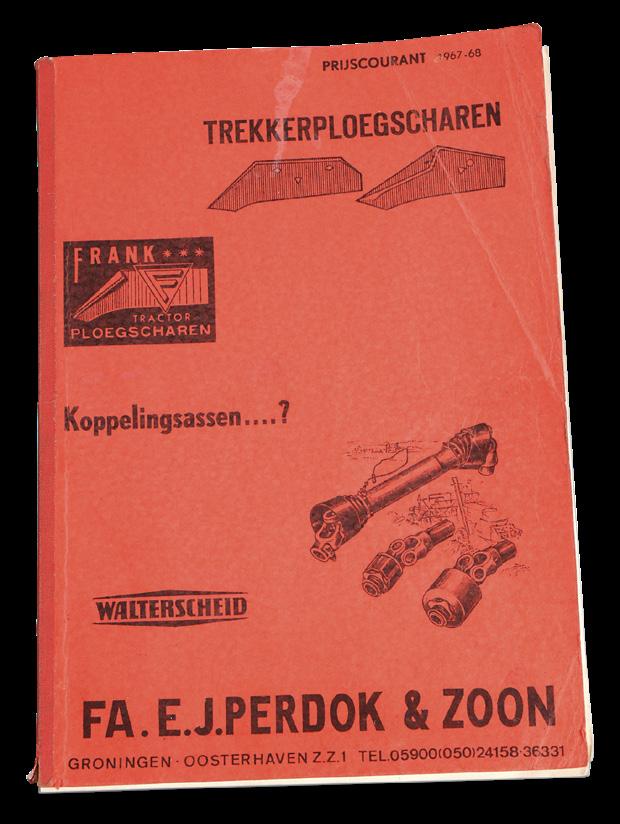
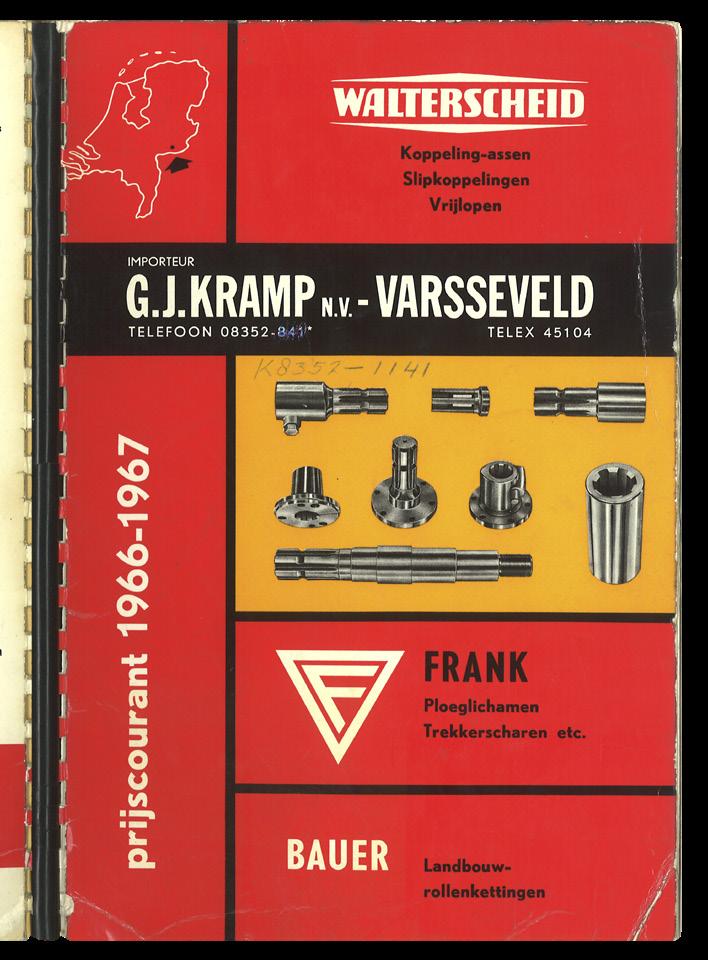
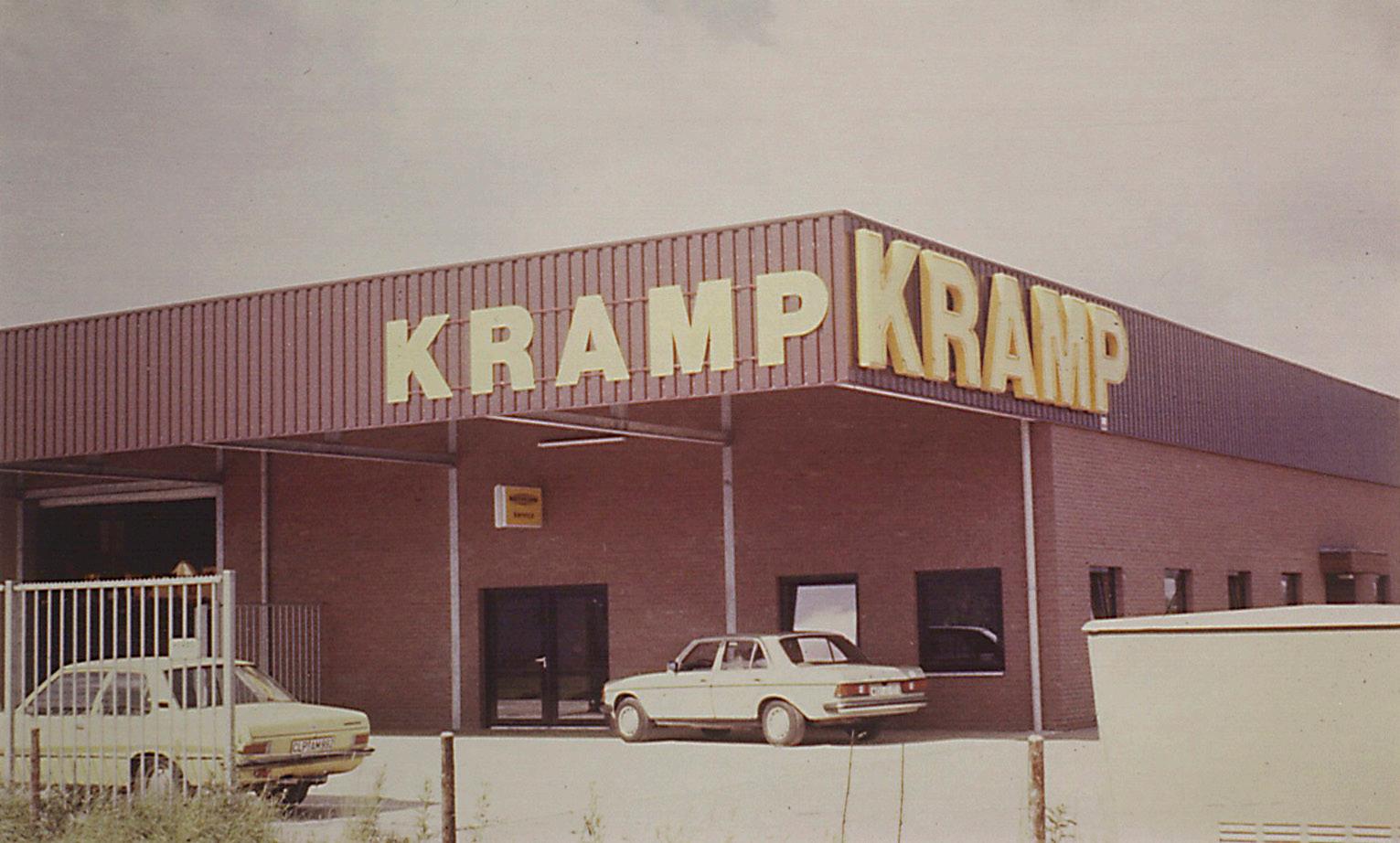
For a business that now turns over more than €1.2 billion annually and operates in 24 countries, its relatively low profile in construction is striking.
Kramp has quietly become the biggest European player in the agricultural machinery aftermarket. While the company’s roots are firmly planted in agriculture, Kramp has steadily expanded its footprint across construction, groundcare and forestry.
Kramp was founded in 1951 by Dutch entrepreneur Johan Kramp in the town of Varsseveld in the eastern Netherlands. At just 34 years old, he purchased a stock of spare mower parts and began travelling from farm to farm, selling them directly to customers.
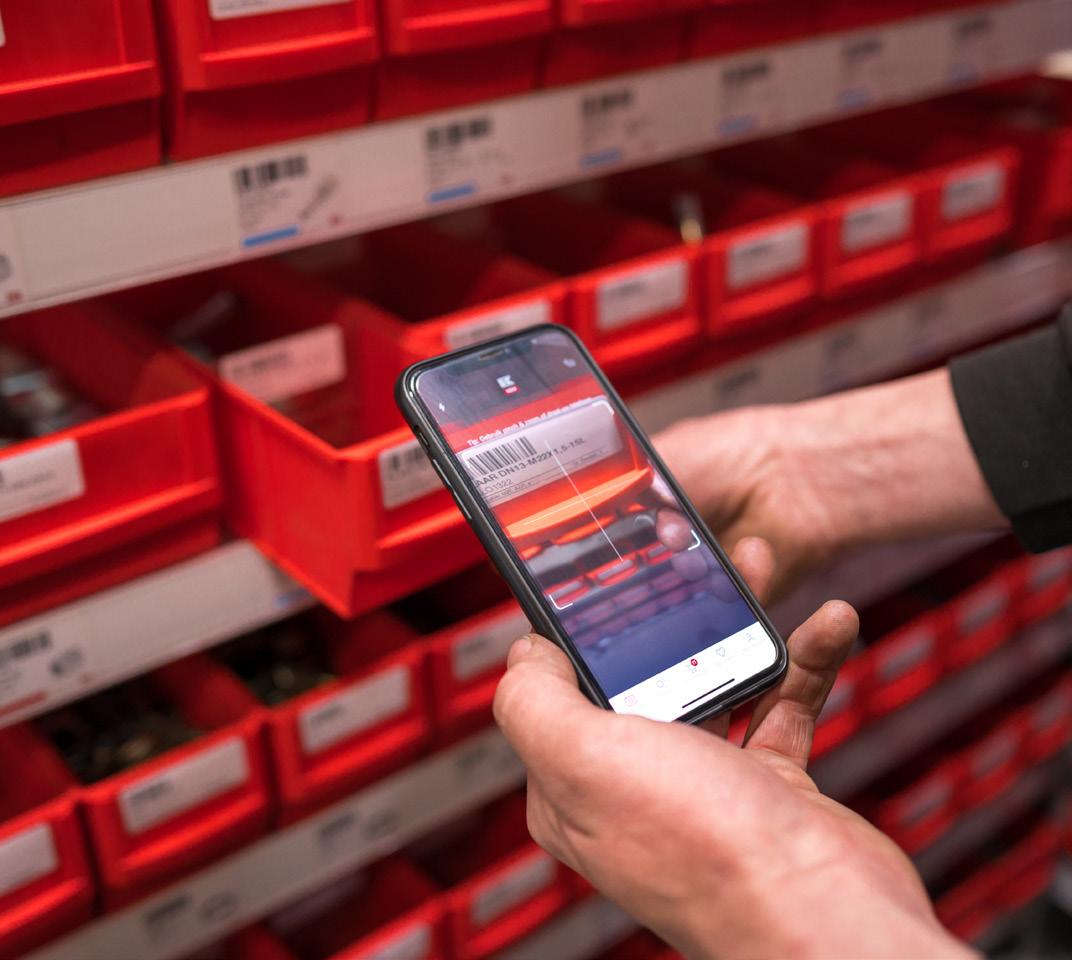
At a time when mechanised farming was in its infancy, farmers often faced lengthy delays in sourcing replacement parts, and downtime during busy periods could prove disastrous. Kramp understood that speed and availability mattered as much as the product itself.
In the early years, Johan Kramp performed nearly every role in the company himself: buyer, salesperson, warehouse worker and administrator. Yet the business quickly gained traction thanks to Johan’s philosophy: ordering spare parts should be easy. That principle remains embedded in the company today through its enduring slogan: “It’s that easy.”
A key milestone came in 1969 when the company began cooperating with Perdok, another family-owned Dutch business, strengthening its market position and product offering. Today, Kramp is run by the Perdok family, with Eddie Perdok as its CEO, and his three sons, Philip, Benjamin, and Jeroen, involved in the UK, Spanish, and Dutch organisations, respectively.
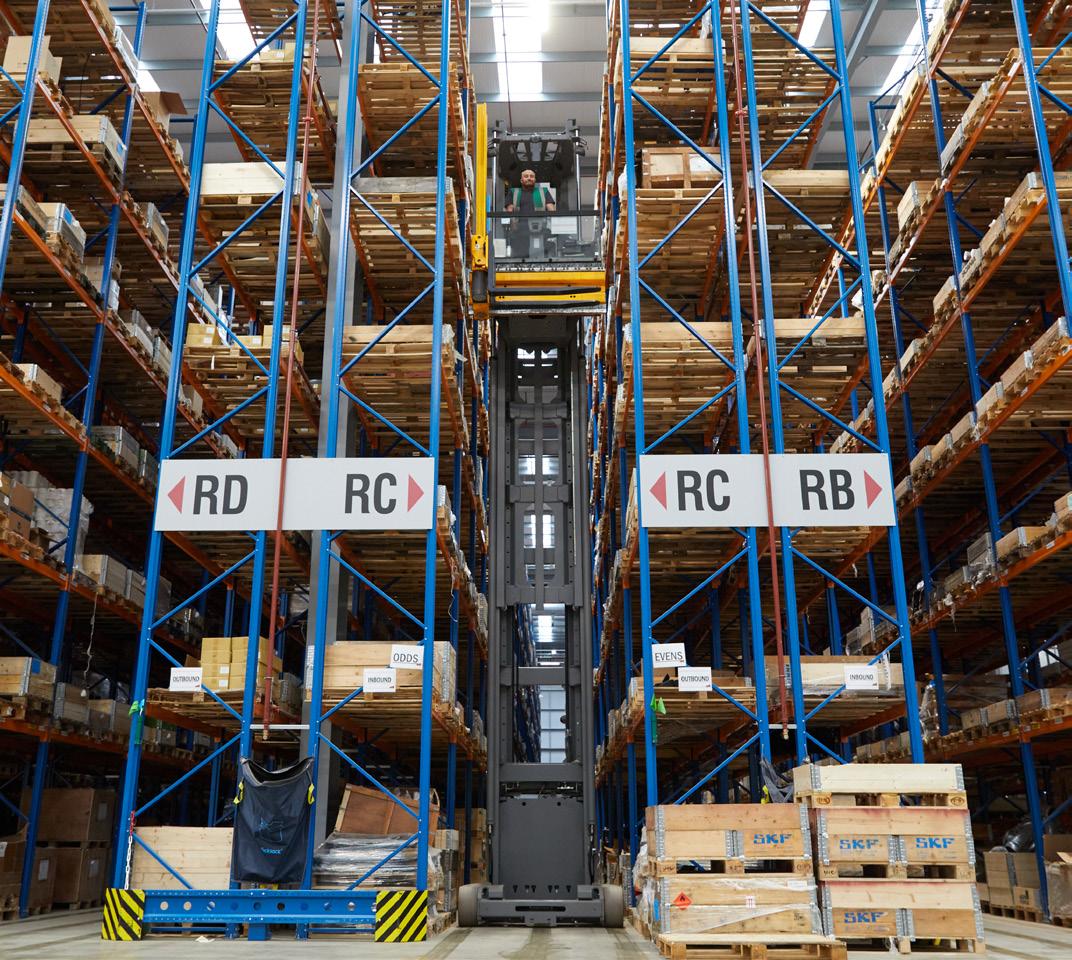
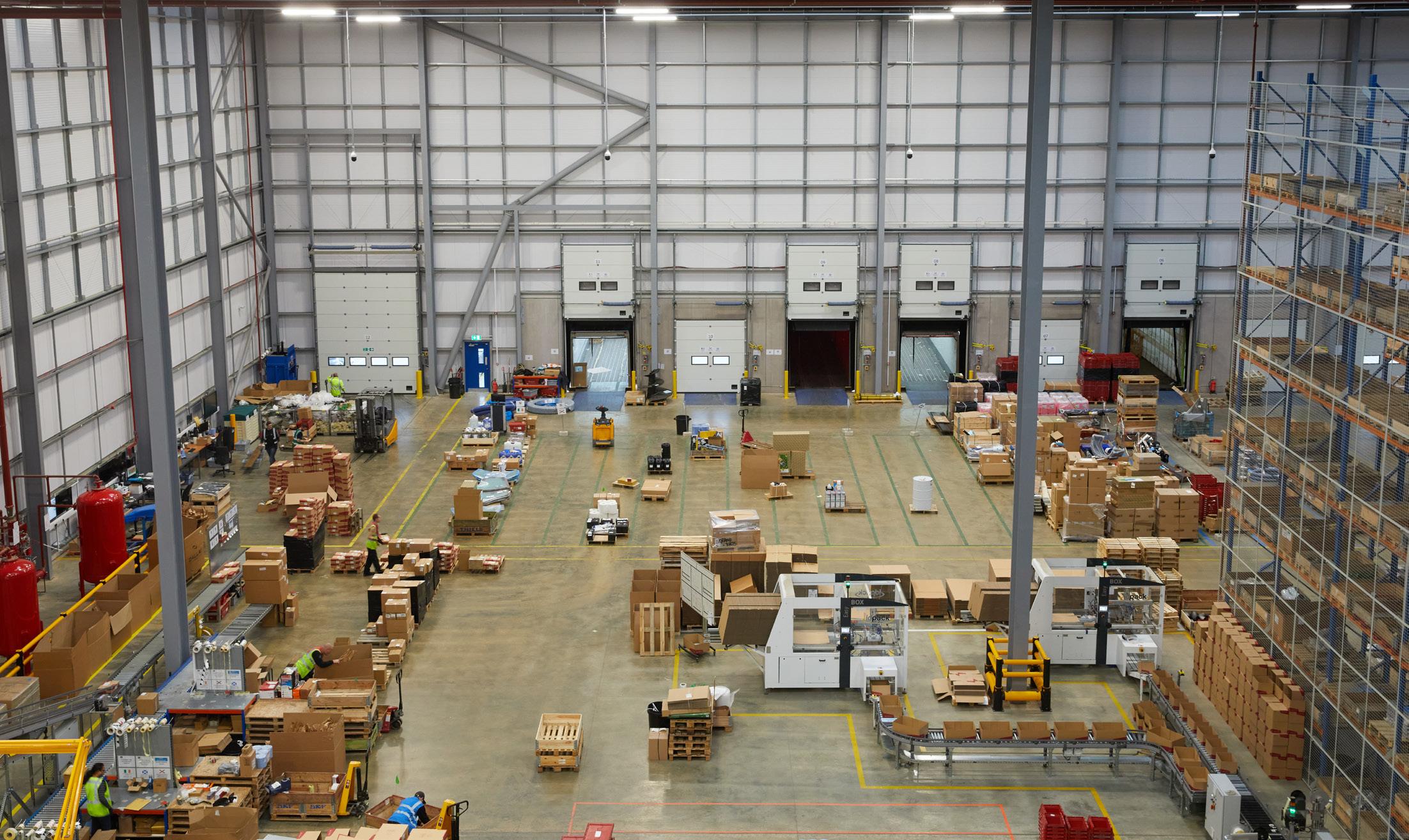
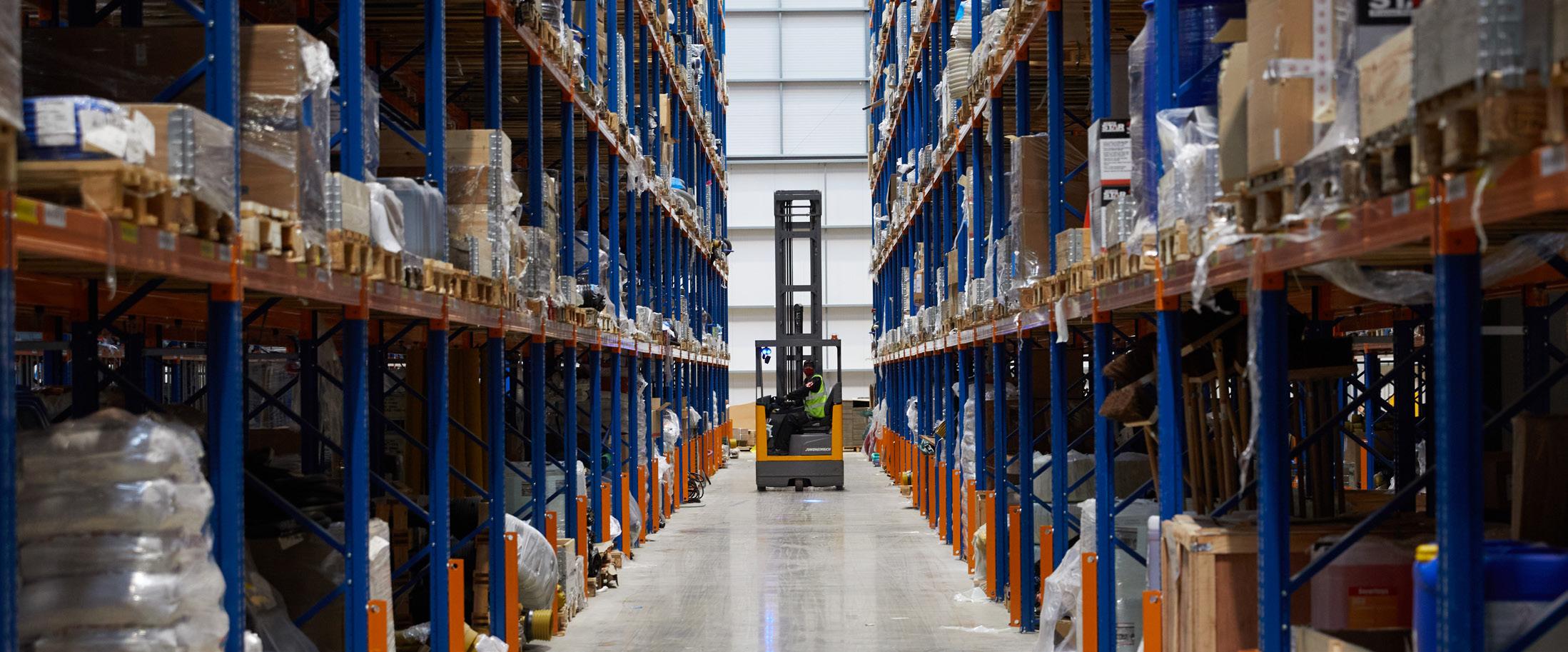
By 1977, Kramp had crossed borders for the first time, opening a branch in Germany before later establishing operations in Belgium, France and the United Kingdom. This international growth phase fundamentally shaped the company’s future. Rather than remaining a Dutch regional supplier, Kramp developed into a pan-European distribution network.
Perhaps the single biggest turning point in Kramp’s history came in 1991 with the launch of its overnight delivery service. While this may seem routine in the era of next-day e-commerce, it was revolutionary within agricultural parts distribution at the time. With fewer people working the land, the stakes grew higher. Farms and machinery workshops increasingly depended on rapid repairs, particularly during critical seasonal windows. A broken hydraulic fitting or failed bearing could halt operations entirely.
Kramp recognised that logistics would become just as important as inventory. The company invested heavily in warehousing infrastructure, regional distribution centres and supply chain efficiency. Today, Kramp operates extensive distribution facilities across Europe, with 10 warehouses across the continent. Its logistics capabilities remain one of Kramp’s defining features.
In 2001, the company launched its first webshop, which was the first parts e-commerce platform in agriculture, a sector that was still heavily catalogue driven. Since then, digital ordering has transformed how dealers and workshops source parts, with over 80% of UK orders now coming through the webshop.
Kramp’s early embrace of e-commerce gave it a significant competitive advantage, which it has maintained through continuous improvement. The company increasingly positions itself not merely as a supplier, but as a technology-enabled distribution partner.
Over the following years, digitalisation accelerated. The launch of the Kramp Hub in 2017, followed by the development of the Kramp App in 2019, further streamlined customer access to product data, ordering and inventory management.
Today, the company stocks more than 500,000 products across agriculture, forestry, grass care and construction sectors. It also has access to another 2 million items in its suppliers’ inventories. Next day delivery is a fundamental tenet of its service provision, as its ability to be a one-stop shop for aftermarket parts and workshop consumables.
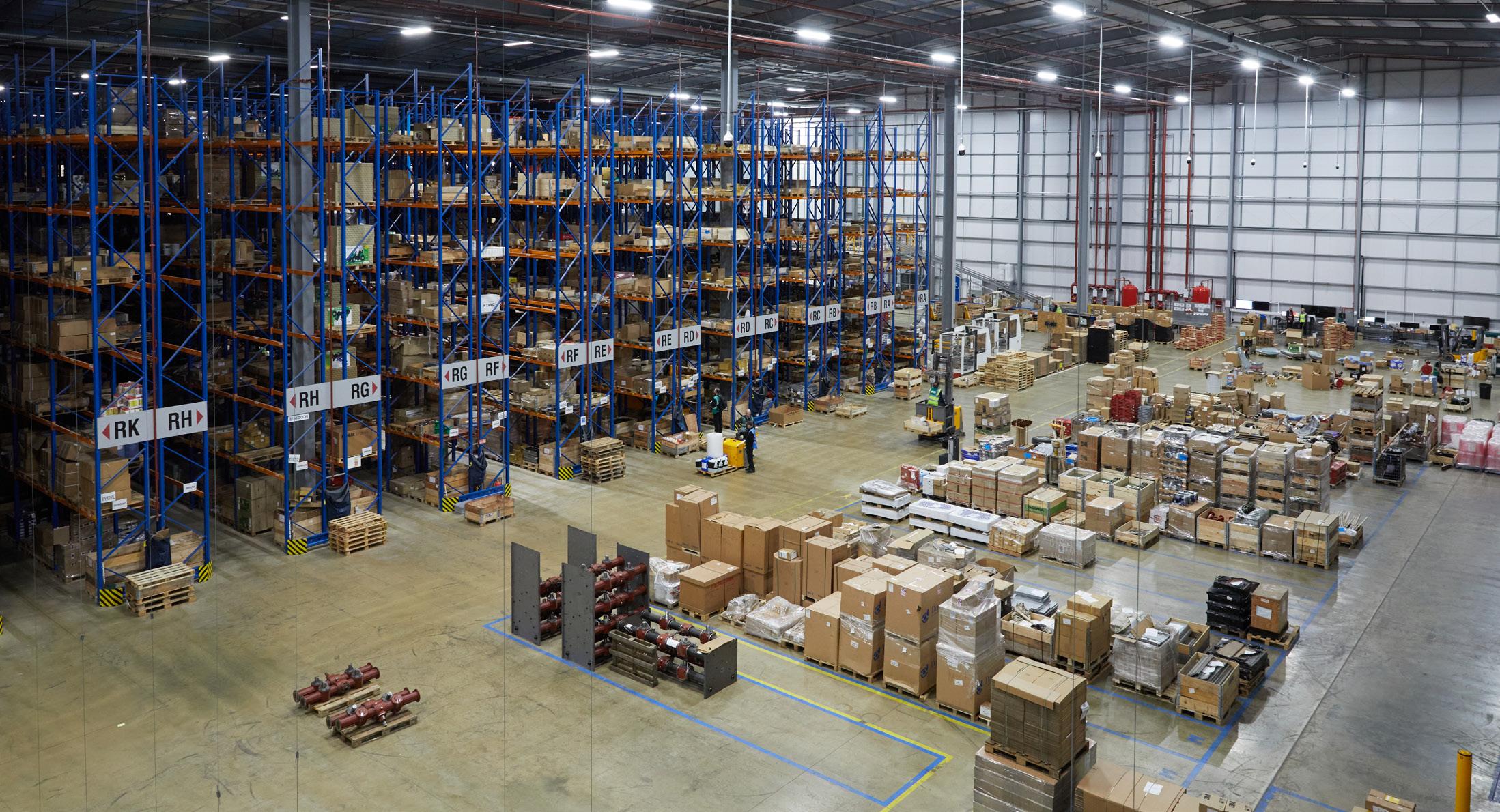


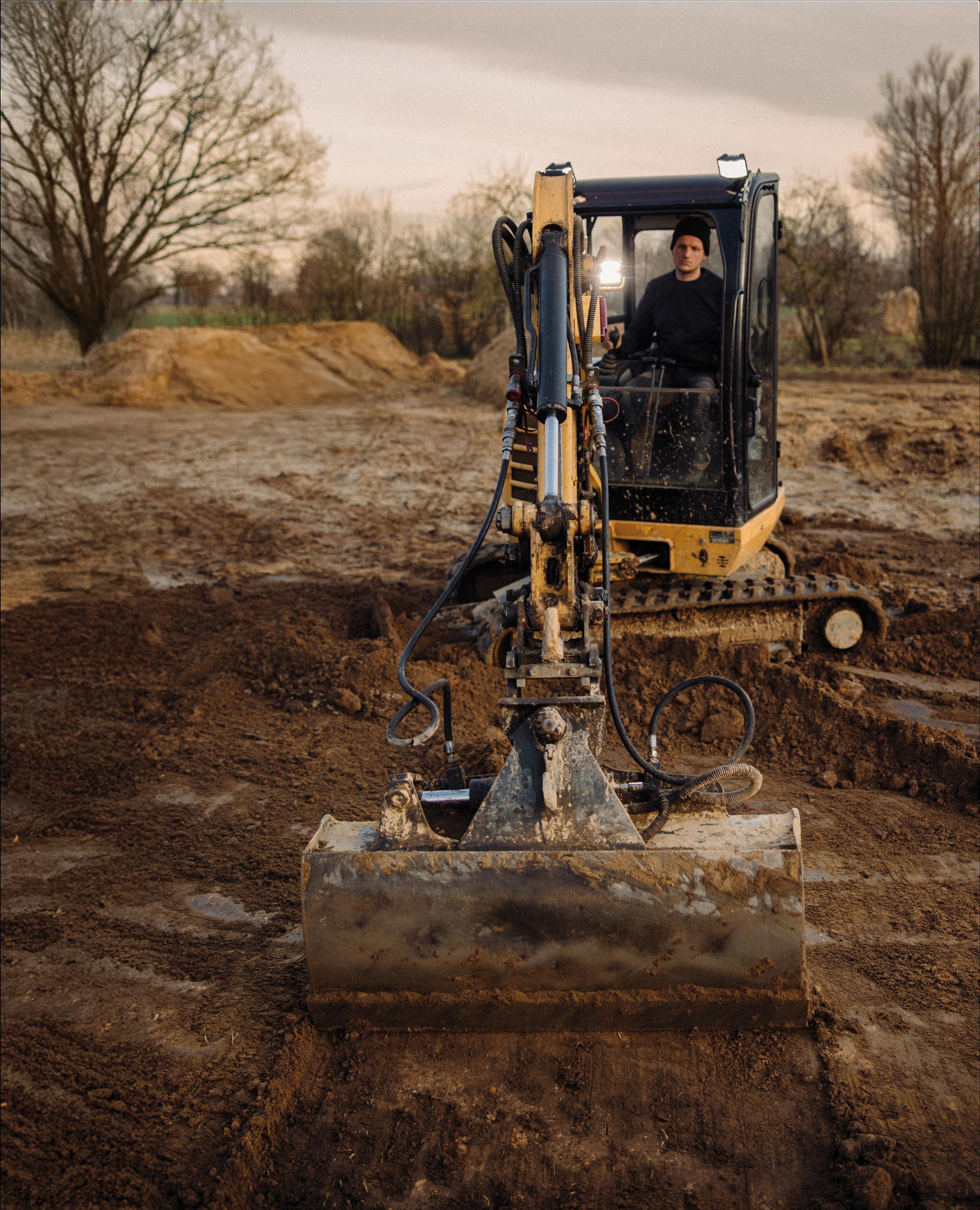



“In the next five years, construction will be part of our core business,” says Rutger Bruijnen, Chief Operating Officer of Kramp. “Within construction, we are predominantly focused on telehandlers and small earth moving machines of less than 10 tonnes for the short to medium term.”
To achieve this aim, Kramp has four strategic pillars, notes Rutger. The first of these is joint partnerships with original equipment manufacturers to create joint value.
“Secondly is the Kramp eShop. We were one of the first businesses to have an eShop, and since then we have always worked to make it as accessible as possible for our customers
“Thirdly is the assortment. We continue to optimise and expand the breadth and depth of our offering to better meet the needs of our diverse agricultural, forestry, landscaping, and construction customers. We will use innovative solutions and partner with suppliers to extend the offering whilst maintaining a great customer experience in terms of delivery time.”
Rutger explains that expanding Kramp’s branded label range to provide a good-quality product at a decent price point is the final strategic goal. This underpins its good, better best strategy for its assortment.
“We consider the best option to be the original equipment manufacturer. Then we have a-brands, or original equipment suppliers, as an offering, which is the better category. The private label Kramp and Vapormatic ranges are the private label alternative, which is categorised as good,” he says.
This means that for any given part, there is a range of prices depending on the customer’s preference or affordability. The private label range focuses on offering quality products at competitive prices, providing good value for money.
For construction, the focus has been on expanding the range to ensure Kramp is as much of a one-stop shop for a plant hire or construction firm as it is for a farmer or agricultural engineer; essentially, everything required to run a professional workshop.
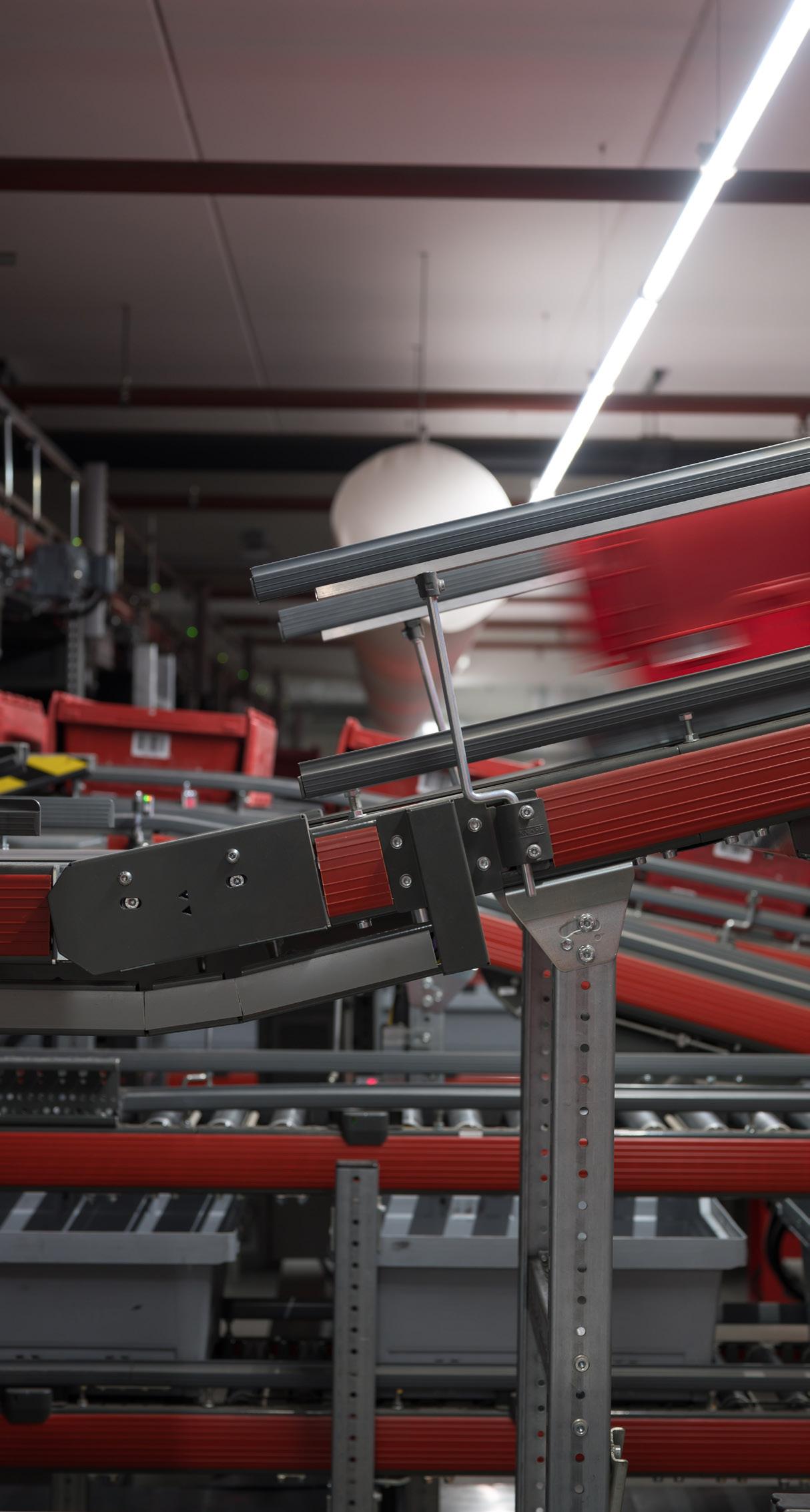
And it’s something Rutger believes Kramp is close to becoming for the sector.
“Many smaller machines used in construction, you will also find on farms, so these are already covered in our day-to-day range. Think of telehandlers and small earth-moving machines. We also offer many generic parts, such as hydraulic hoses and couplings, that will fit larger machines.
“Workshop equipment and consumables are very relevant to construction,” he adds.
Original parts for specialist construction manufacturers are the focus of Kramp’s efforts. Starting with earthmoving, then elevation platforms, and finally larger machines, they are on a mission to sign up construction OEMs as suppliers. Rutger admits this is a multi-year effort, but with Kramp already turning over €100m in construction annually, he is happy with their progress in the sector.
If you’re heading to Hillhead this year, you’ll already know it is the place to discover the latest innovations shaping the quarrying, construction, and recycling industries. But with so much to see, it pays to plan your visit, and one stand you won’t want to miss is Kramp at stand C4. With access to over 500,000 stocked items, next day delivery and a host of technical experts to back it up, Kramp is making the industry stand up and take notice.
Here are three reasons why Kramp’s stand at Hillhead is a must visit:
1. Discover Kramp
Kramp is the leading parts supplier in agriculture, but it has set its sights on construction in the last two years. Overall, the firm’s aim is to be a onestop shop for construction companies’ after-market parts and consumables, such as PPE.
Ask about the construction range, what’s stocked, and what’s not.
2. Put your feet up, take it easy
With a custom-made events shipping container to put your feet up in and five of the Kramp team on hand to speak to about how you can simplify your supply chains, save money and get better service.
3. Sign up for an account on the Kramp stand at Hillhead to receive £300 to spend on kramp.com
That’s right. You can sign up for a Kramp account in a couple of minutes and receive £300 to spend once your account is set up. It’s the perfect opportunity to see for yourself what the fuss is all about.
If that’s not enough, by showing this article to the Kramp team when you sign up, you will receive an additional £200 to spend, making a whopping £500 in total!
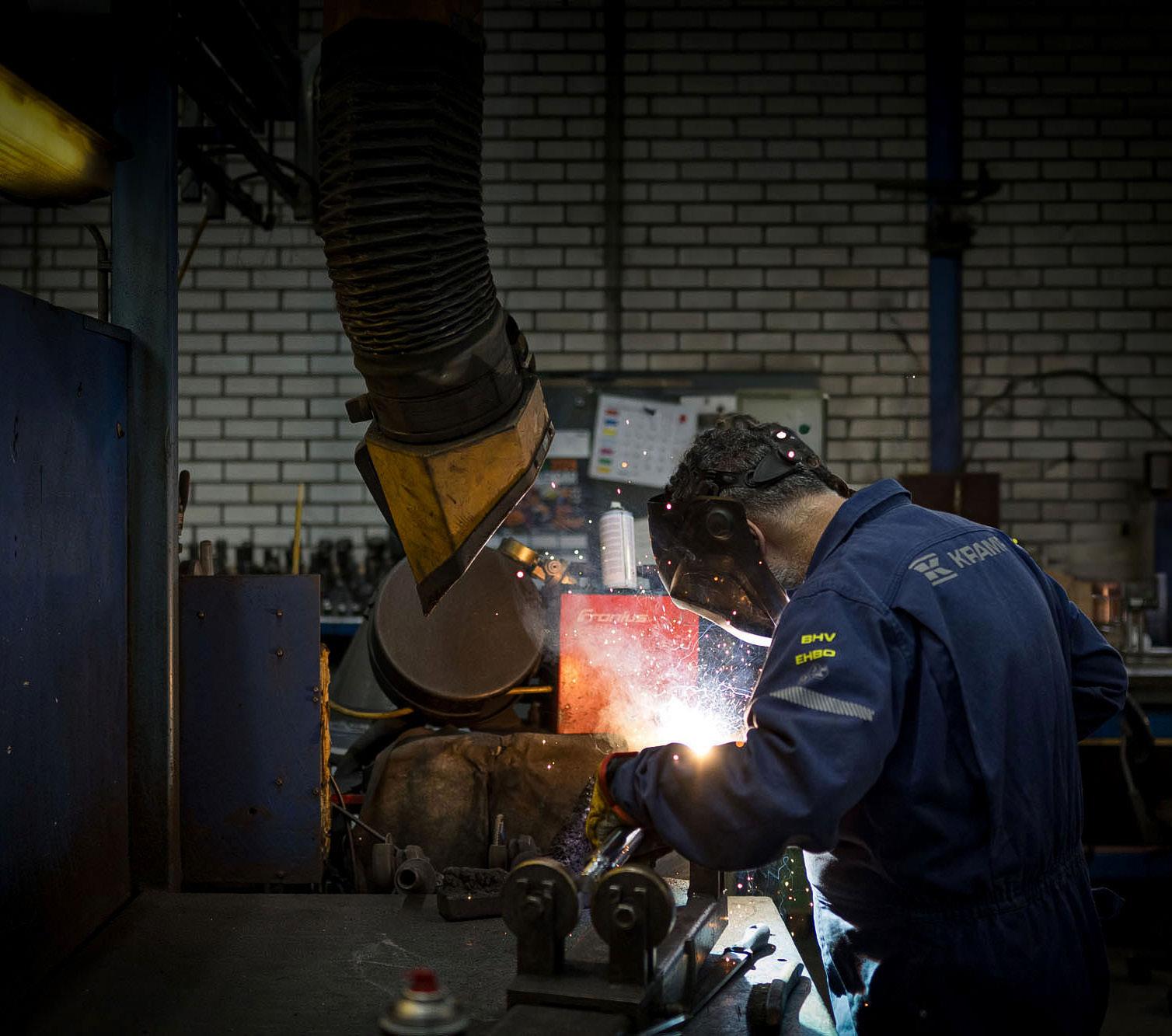
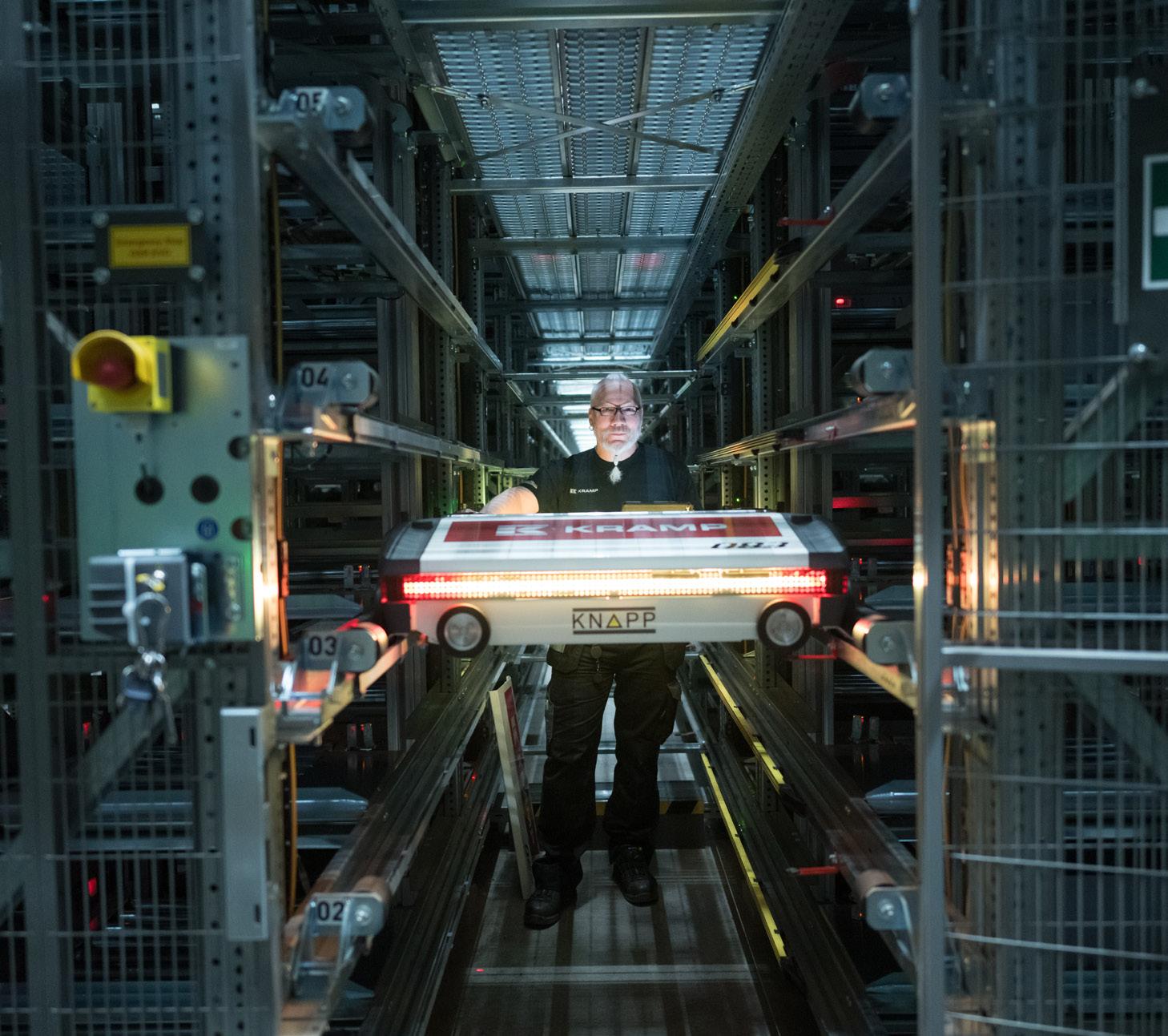
Any construction professional can sign up for a direct account with Kramp. Simply scan the QR code, fill out the online form, and the Kramp team will come back to you within three business days.
Note – the free £300 spending money for setting up an account is an exclusive promotion for customers who set up an account on the Kramp stand at Hillhead.

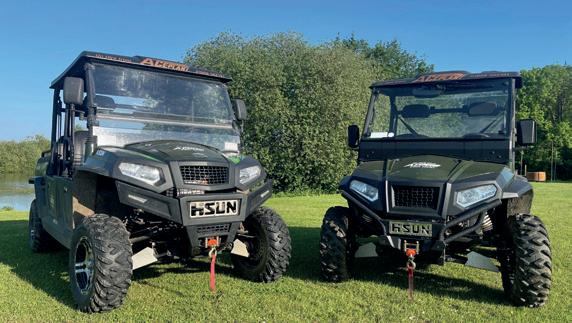
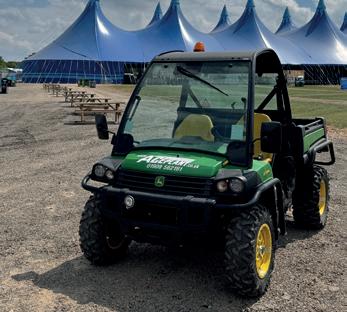
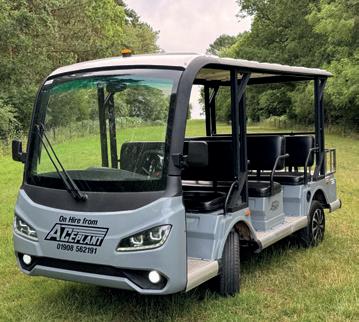

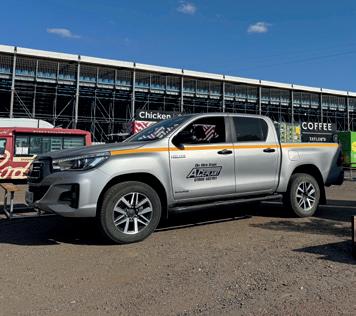
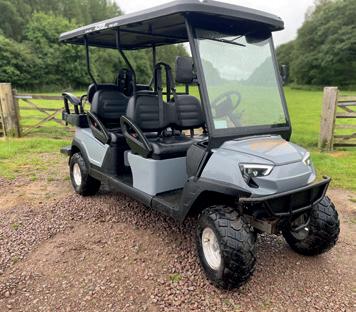
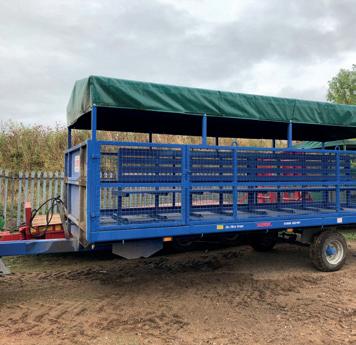
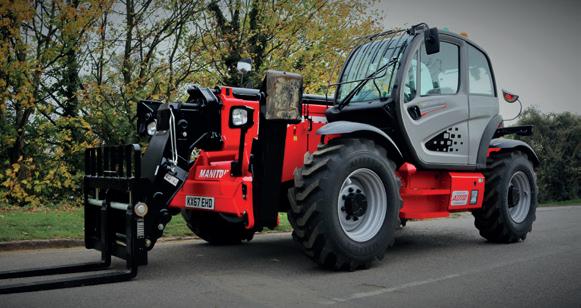
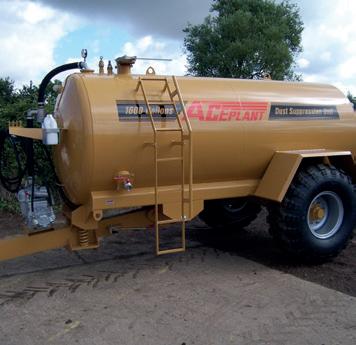
Our Range Includes: Telehandlers, Double Cab Pickups, UTV’s & Golf Buggies, Tractors, People Carrying Trailers, Bulk Fuel Bowsers, Water Bowsers, Tower Lights, Excavators & more...
offering new products, ACE are ready to support your business with it’s equipment requirements whether that be spot hire, contract term hire or purchase.
Our friendly and experienced team are available to support your needs, so contact them today!



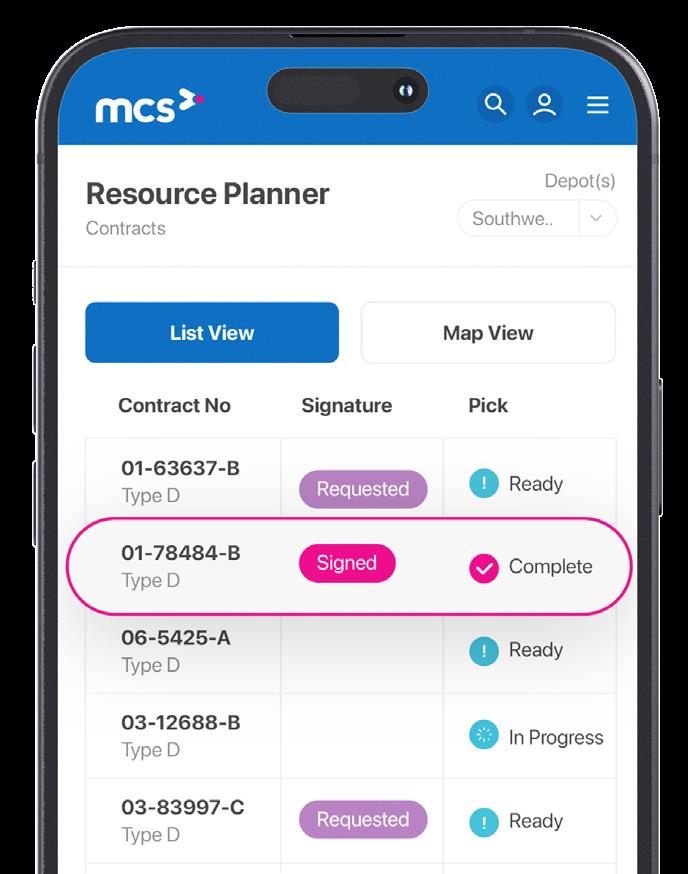
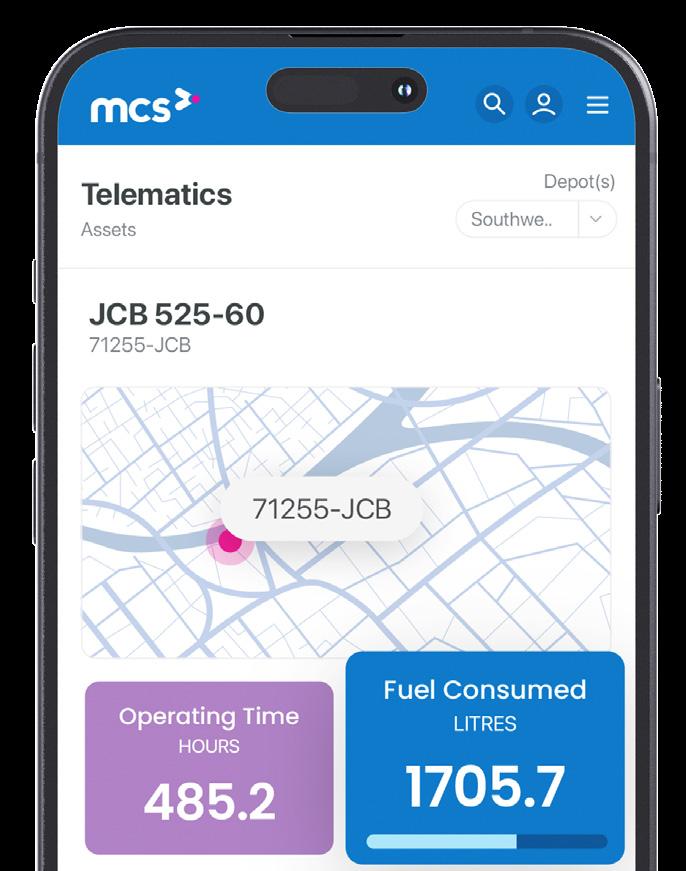
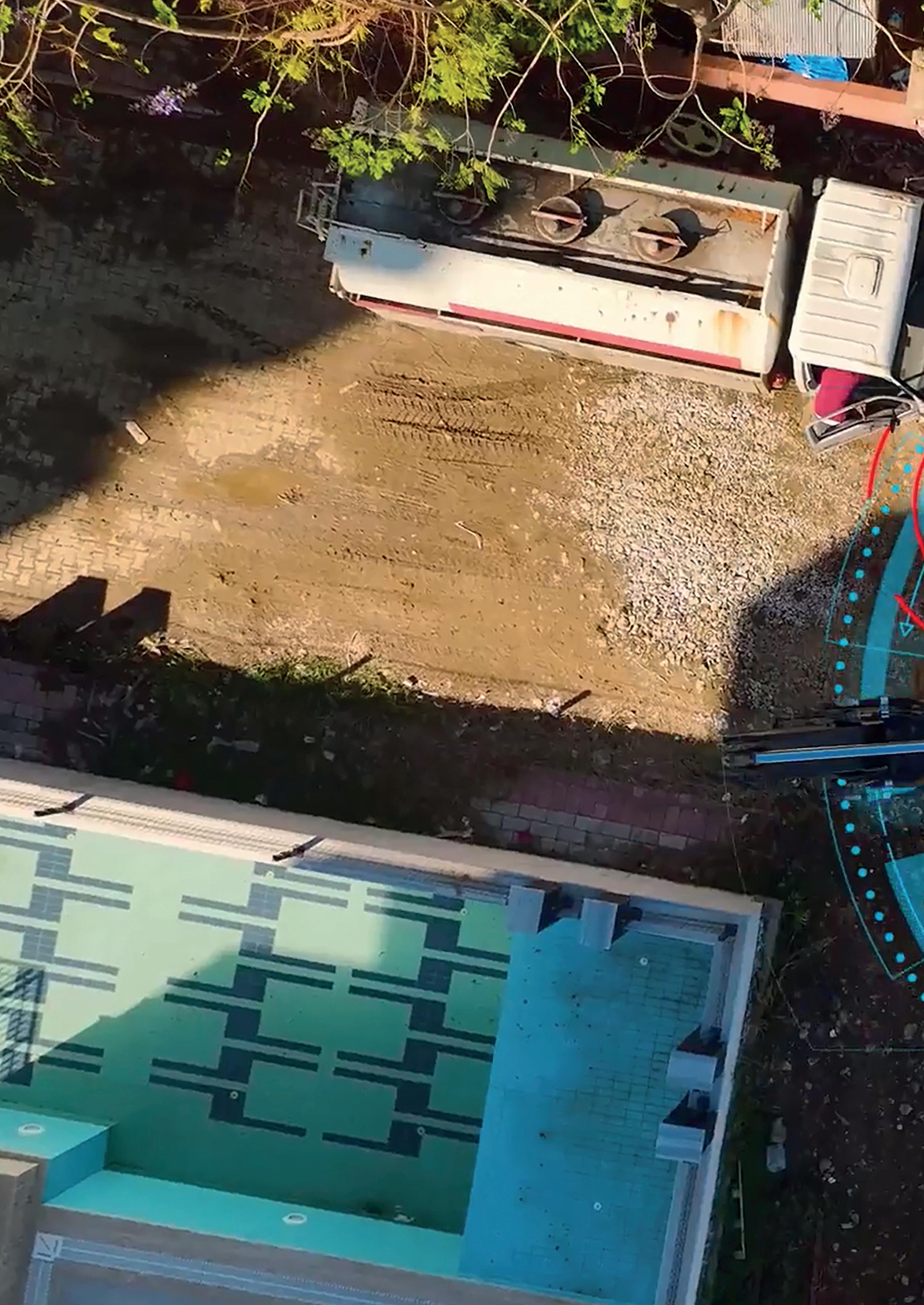
With its culture of continuous improvement embedded in everything that it does, Safety Shield Global continues to be an innovative pioneer in the drive to protect workforces around the world who operate alongside heavy plant machinery.
Having led the way in developing the first-ever Human Form Recognition (HFR) software, the goal now is to harness the very latest in artificial intelligence technology and deliver safety solutions that can drive them ever-closer to their goal of eradicating worksite injuries or deaths.
Every advancement in science opens up a new door of possibility for the Safety Shield engineers, who are eager to expand and improve a series of products which are already installed on more than 20,000 machines around the world, saving lives on a daily basis.
As AI continues to steer industry toward a future where proactive safety becomes embedded and instinctive in all machinery - preventing accidents before they happen rather than simply responding after the fact - the Safety Shield team remains committed to being right at the forefront of that transformation.
The latest solution to be born out of its extensive research and development process is Nexus, a tool so advanced that it promises to evolve the old HFR technology into a nextgeneration system that will prove a game-changer in the collation, interpretation and actioning of worksite incident data - so often provided in formats and in such volumes that clients simply don’t know what to do with it all.
HFR was launched 18 years ago after Safety Shield CEO and founder, Jonathan Guest, had spent more than a decade working alongside government officials, research institutes, transport authorities and construction companies to come up with a solution to prevent incidents of People-Plant Interface (PPI).
Following the death of a close friend who was crushed by an excavator, Jonathan dedicated his career to the goal of eradicating worksite collision deaths. The software has delivered an 88% reduction in collision incidents on sites where it has been utilised, but as technology improves and science continues to create new possibilities, he and his team are determined to see that figure hit 100%.
Nexus is the next step in its development… and it is a giant one.
Safety Shield’s award-winning HFR software acts as a third eye for the plant operator by sending visual and audible alerts to the control cab when a human form stands within the outer zone or the more serious inner zone.
Not only is it designed as a warning system, but the AI model also produces a huge amount of data and insight, which is logged in the Safety Shield Portal. With a reliability and accuracy measure of detecting human form at 99.6% with 0.05% false detections, confirmed through seven ISO certifications and awarded by several independent testing bodies, it was the very first HFR system on the market and continues to be the best and most reliable to this day.
However, the introduction of Nexus will take the process a stage further, with state-of-the-art Edge AI computing, operating on NVIDIA hardware, building on what the HFR provides and introducing contextual, scenario-based intelligence for the user.
Built specifically for high-risk environments, including construction, infrastructure and heavy industry, Nexus is an intelligence platform which transforms how industrial safety data is interpreted, prioritised and acted upon in real time - addressing one of the sector’s biggest emerging challenges: data overload.
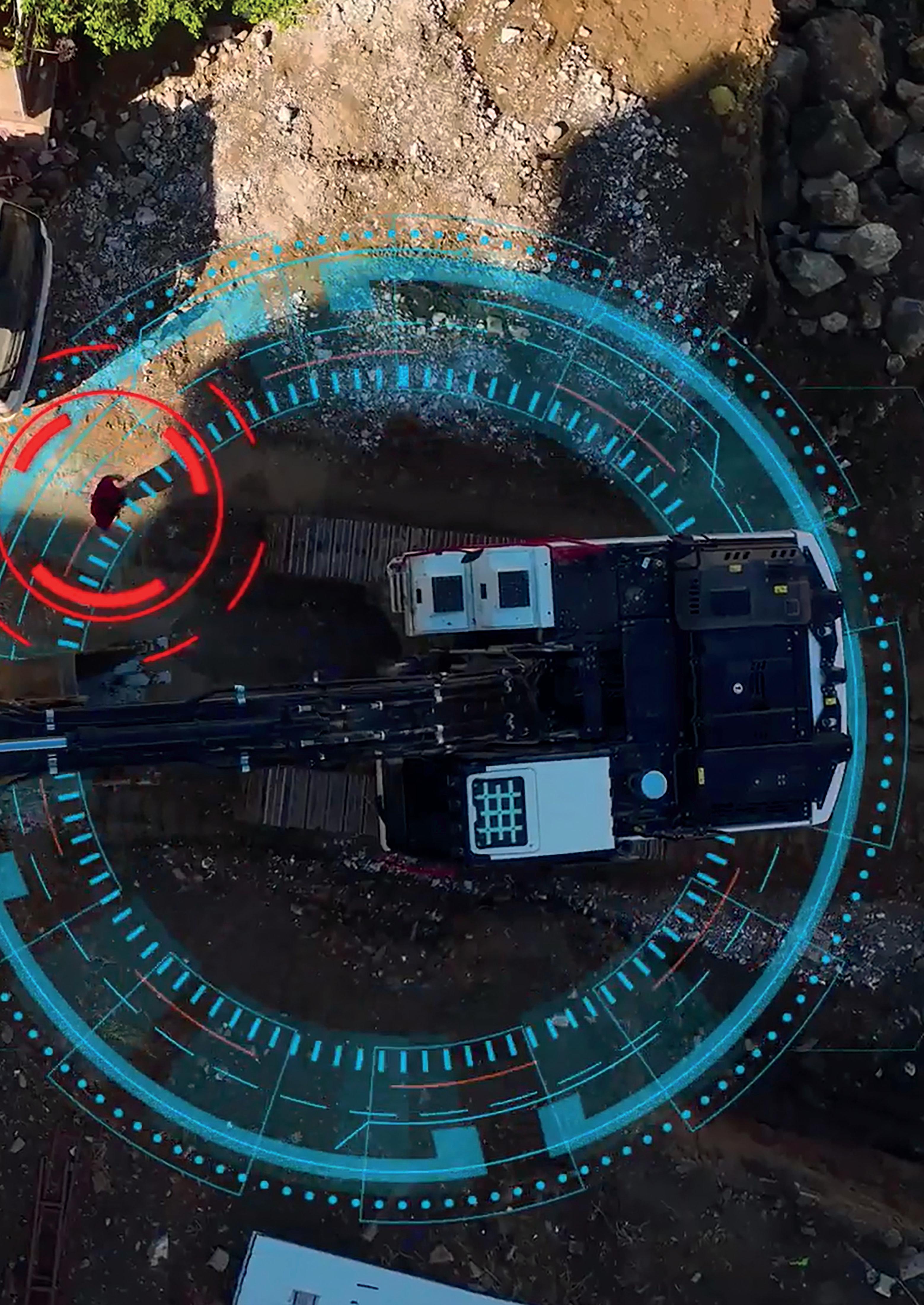

With modern projects generating thousands of daily safety signals, alerts and incursions, only a small percentage require immediate intervention. Nexus acts as the intelligence layer within the Safety Shield ecosystem, filtering the live operational data so frontline teams can focus only on the incidents that matter most.
Rather than simply identifying when an event occurs, Nexus analyses what happened, where it happened, and the level of operational risk involved. By combining human detection, object recognition and scenario-based risk scoring, the system automatically classifies incidents into low, medium, high or critical risk categories, ensuring that only genuinely serious near misses are escalated.
Thanks to the recently launched S.T.R.E.A.M app, those critical alerts can now be sent directly to the teams on the ground, enabling swift action to be taken and for any specific patterns or learnings to be determined by the site managers.
Live Nexus trials are currently being held on a major UK infrastructure project, with initial trial data showing a 95% reduction in safety data noise, enabling site teams to focus exclusively on critical risks requiring immediate intervention.
All high-priority incidents are escalated instantly to frontline teams through S.T.R.E.A.M, enabling rapid responses where time is most crucial and allowing managers to carry out at-risk behavioural interventions on site. The S.T.R.E.A.M app is a tool with has proven to reduce at-risk behaviours by 88%.
Jonathan believes the technology will prove to be a major leap forward in not just the construction industry but also any sector where workers come into contact with heavy machinery and plant.
“Nexus is the next generation of Human Form Recognition. It transforms how safety data is analysed and ensures the people who need to know about immediate danger are informed instantly,” he said. “Initial testing shows Nexus can reduce the number of incidents requiring workforce action by up to 95%, ensuring only the most critical events are escalated while everything else is retained safely for future analysis.
“We work closely with plant operators and site managers who say they need help in digesting all the data that comes out of the HFR process. They don’t have the time to sift through all the alerts and check for patterns or dangers, so Nexus now does it for them.
“Only the highest-priority incidents are escalated in real time to frontline teams via Safety Shield’s award-winning S.T.R.E.A.M app, enabling immediate, in-context responses and meaningful at-risk conversations - driving real behavioural change where it matters most on the ground.
“My mission has never changed - to stop plant hitting people. Any death or lifechanging injury is one too many. These incidents are always avoidable, and Nexus is a major step towards making that a reality.”
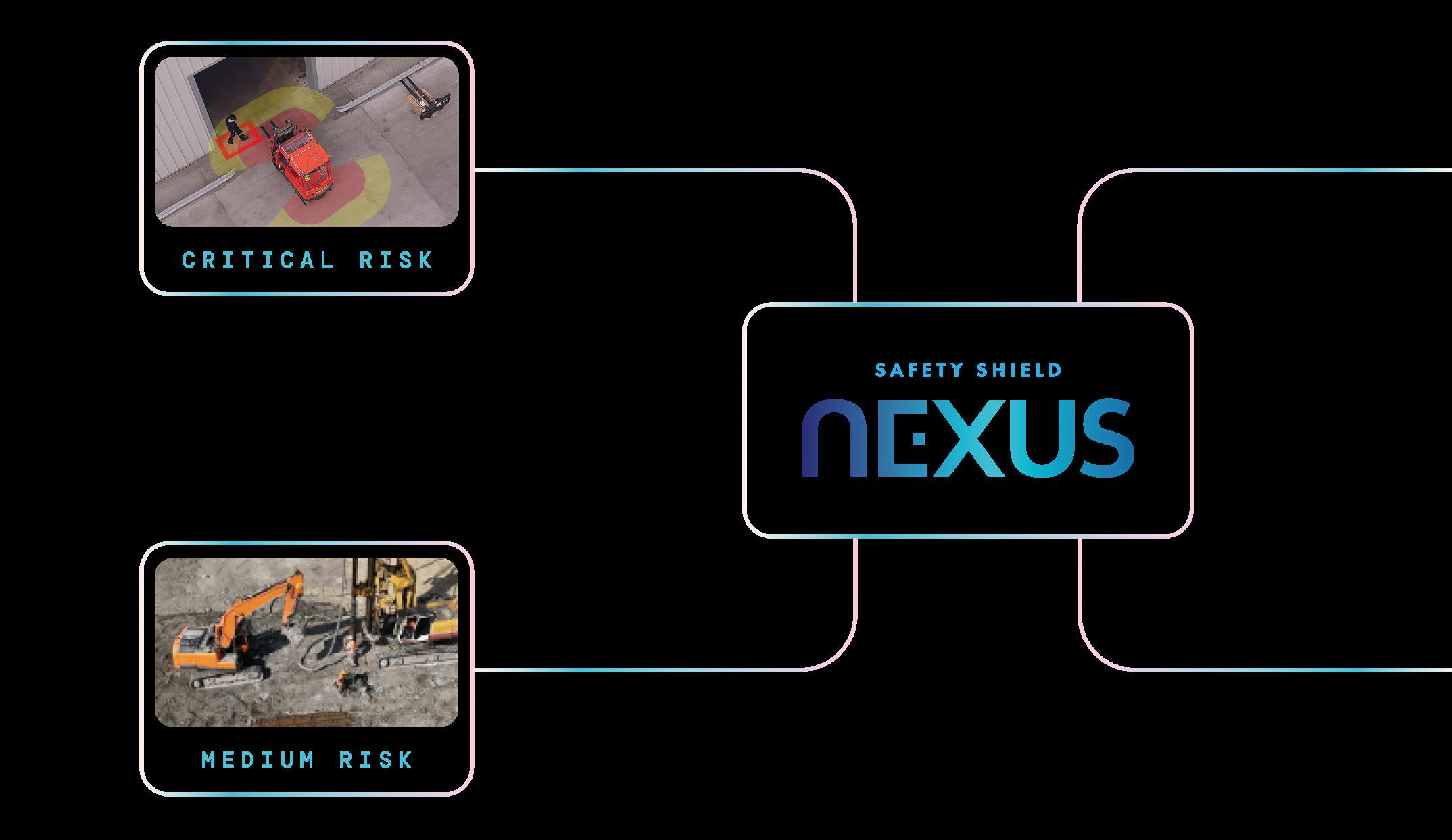
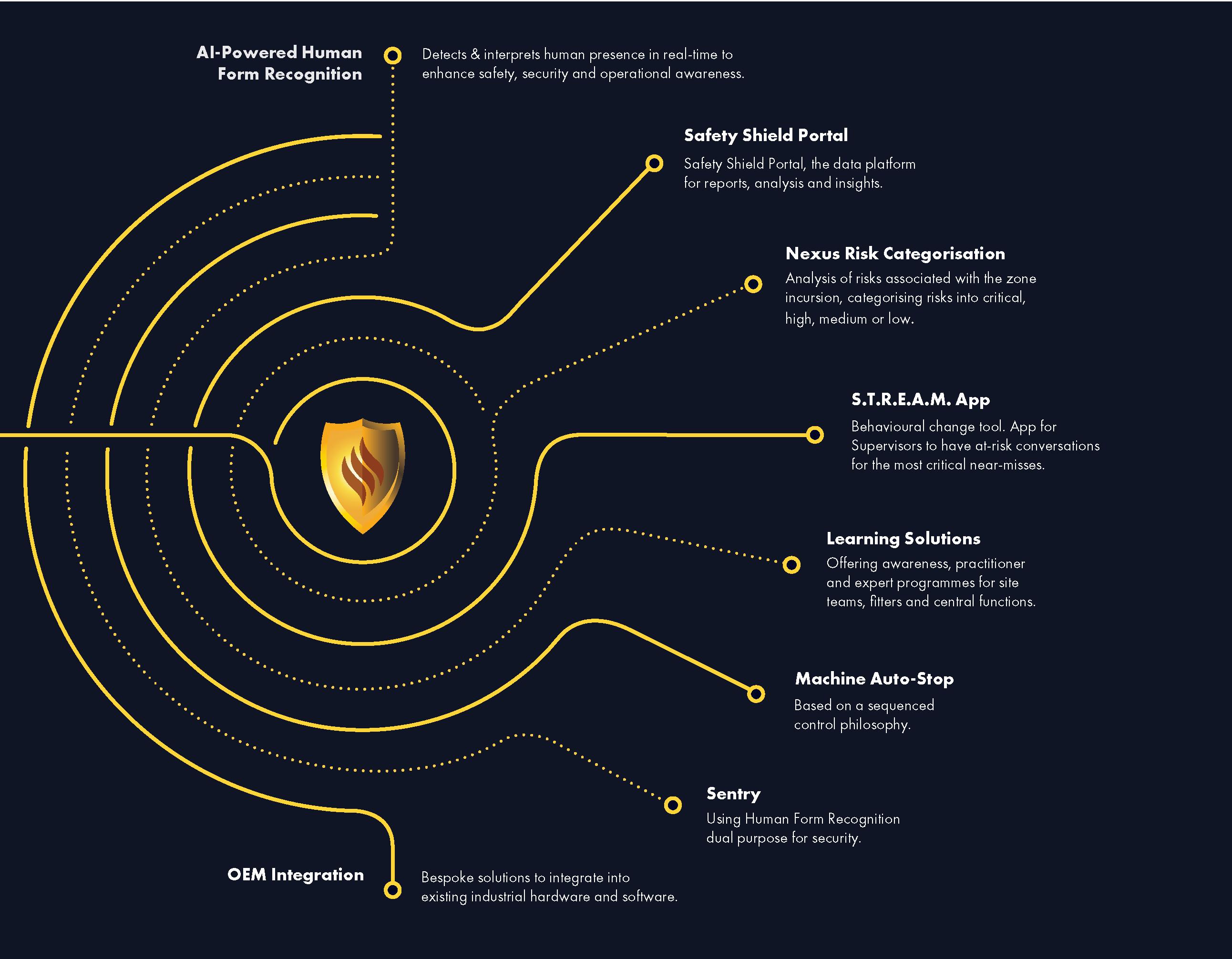
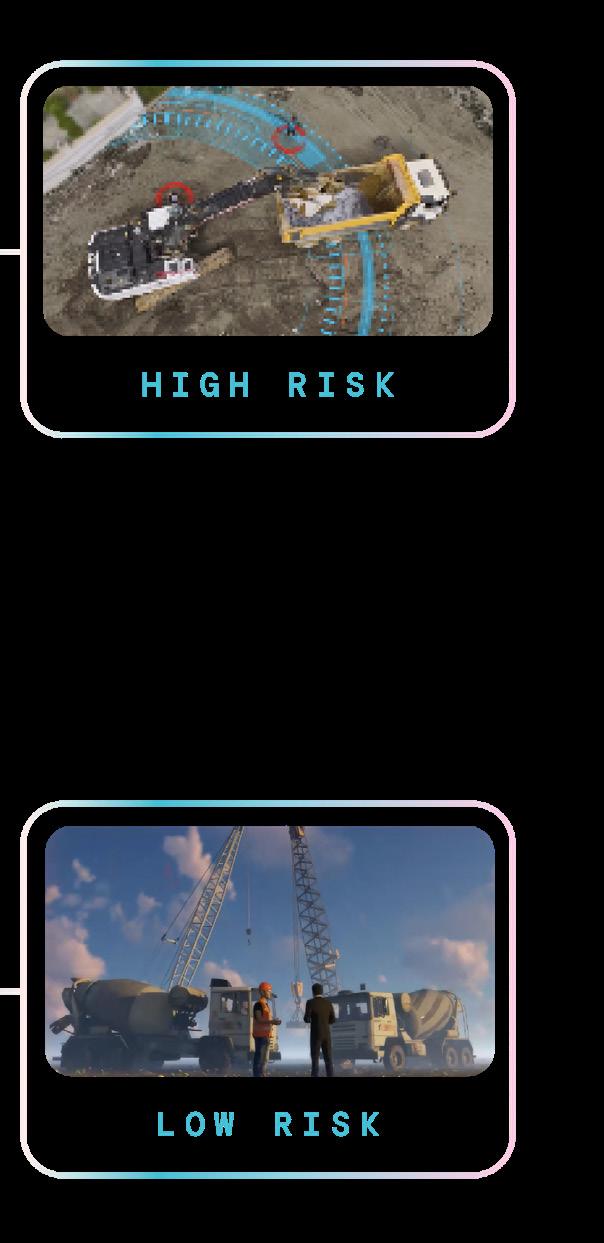


Human Form Recognition transformed industrial
by detecting people around moving machinery in real time. Now, Safety Shield is introducing the next






Designed to be domain-specific, Nexus operates and trains exclusively on a client’s own operational data - their site, their environment, their reality. No external data sources. No public internet models. Every insight is grounded in the real-world conditions of the live site.
Lee Summers, Technical Director at Safety Shield, goes on to explain how the development of AI will enable Nexus to provide a future-proof solution for clients looking to make the most of the scores of data that is delivered to them on a daily basis.
“This is a next-generation intelligence platform that fundamentally changes how industrial safety data is interpreted, prioritised and acted upon,” he says. “A highly intelligent layer, it uses Edge AI to convert overwhelming amounts of data into clear, prioritised, actionable insight in real time.
“Nexus provides a future-proof platform capable of converging all operational intelligence in real time - including safety metrics, carbon footprint, environmental impact and telematics. One platform. One source of truth. Instant insight. Immediate action.
“The possibilities are endless. We just need to work with the clients to understand their data needs. And with Nexus being domain-specific by design, it operates only on the client’s data and does not bring in information from the internet, which many AI add-ons do. This means the client’s data is secure and means we can train our AI specifically on that data.
“We will be able to interrogate the data. Learn more about their risks, and we will also have a question function, providing them with the opportunity to ask Nexus such things as determining what their top risks are.”
He adds that the Edge AI processors have made Nexus the most advanced product on the market.
“The development of low-power, high-performance edge AI processors has allowed us to move intelligence from the cloud to the device,” he says. “Our units can now process data locally, ensuring faster detection, lower latency, and greater data privacy.
“This edge-based capability also means our systems continue to operate even when network connectivity is disrupted - an essential feature in remote or high-risk work environments.
“Staying ahead in a fast-moving field like AI and computer vision requires a proactive and deliberate approach to innovation. At Safety Shield, we’ve built a culture of continuous improvement, with dedicated R&D time set aside specifically to evaluate emerging technologies, benchmark performance gains, and test compatibility with our systems.”
Because of this technology, Nexus can be utilised by using a plug-and-play system where Safety Shield’s technology can work with the host OEM equipment, giving the machinery an instant upgrade and ensuring that future features can be installed seamlessly.
This fully integrated ‘plug-and-play’ product update makes it easier, quicker and more cost-effective for clients to install
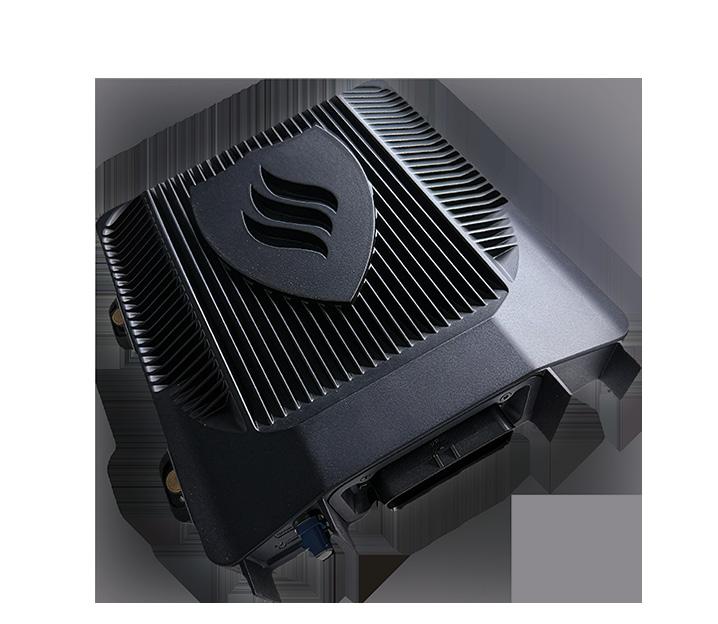
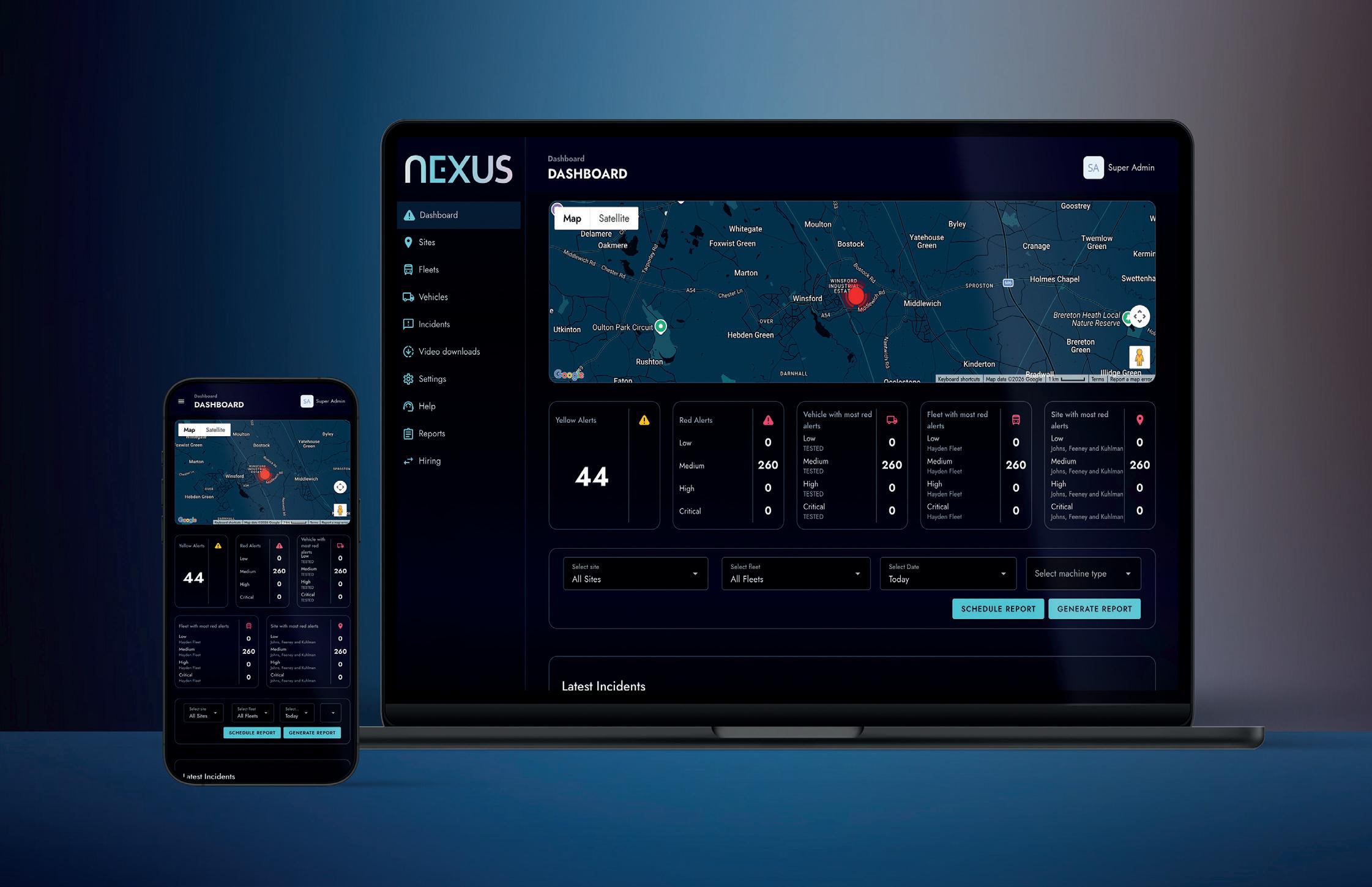
All machines purchased with factory-fitted integral cameras can now be adapted in a fraction of the time, patching into the vehicle’s existing cameras and working seamlessly with any OEM, cutting installation times by half and reducing the amount of downtime where the machine is out of service.
There will also be the option of having a newly designed screen mounted in the cabs, which will enable the control of all devices, while an ‘on-hire/off-hire’ capability will also be included, so plant hire businesses can fit it to their fleet but only turn it on when a client wishes.
With the steady advancement of HFR technology, Safety Shield Global’s engineers have been able to upgrade their product, with two major developments coming in the next 12 months.
The Safety Shield machine-integrated Auto-Stop intervention system is designed to operate in conjunction with the Safety Shield HFR system and is centred around the Safety Shield controller, which functions as the machine-side interface responsible for executing controlled intervention actions in response to safety commands.
Enabling proportional slowdowns, the system applies a sequenced control philosophy that includes a crawl-speed limitation and full auto-stop with motion lockout across Track, Slew, Boom, and Arm functions.
Integration with the Safety Shield HFR system is achieved via ISO 21815-aligned communication, ensuring reliable and deterministic interaction between detection and control layers.
The platform has undergone independent verification against ISO 21815 communication requirements, as well as MOSHaligned logging and self-diagnostic protocols, confirming a high level of compliance and system maturity.
It incorporates a proportional hydraulic intervention system for track propulsion, supported by electrical control of upper structure functions. This combined approach ensures stable, predictable machine behaviour during intervention events while maintaining fail-safe operation under all credible fault conditions.
In addition to machine control, the system provides comprehensive onboard logging and diagnostic capability. All intervention events, machine states, and system conditions are recorded and made available for analysis.
The architecture is machine-agnostic and modular, allowing adaptation to different OEM platforms and supporting scalability across broader fleets, providing a robust foundation for safe machine operation, measurable safety performance, and future scalability.
Still in development, but due to be launched in 2026, is the Sentry system, an evolution of the HFR technology, which the company hopes will go a long way to solving the industry-wide problem of fuel and machine theft or vandalism.
By adding a battery component to the regular HFR package, it can swiftly be repurposed into a security system primed for use the moment that the machine has been shut down for the day, or for the weekend.
The same 99.6% accuracy detection remains active, alerting when only humans encroach, so that when an incursion happens, a notification can be sent via an app, and an alarm and lighting system can deter potential thieves or vandals.
While it was originally designed for the construction industry, the HFR software has been developed to work on any type of plant, for industries such as rail, waste and recycling, agriculture, forestry, warehousing and logistics.

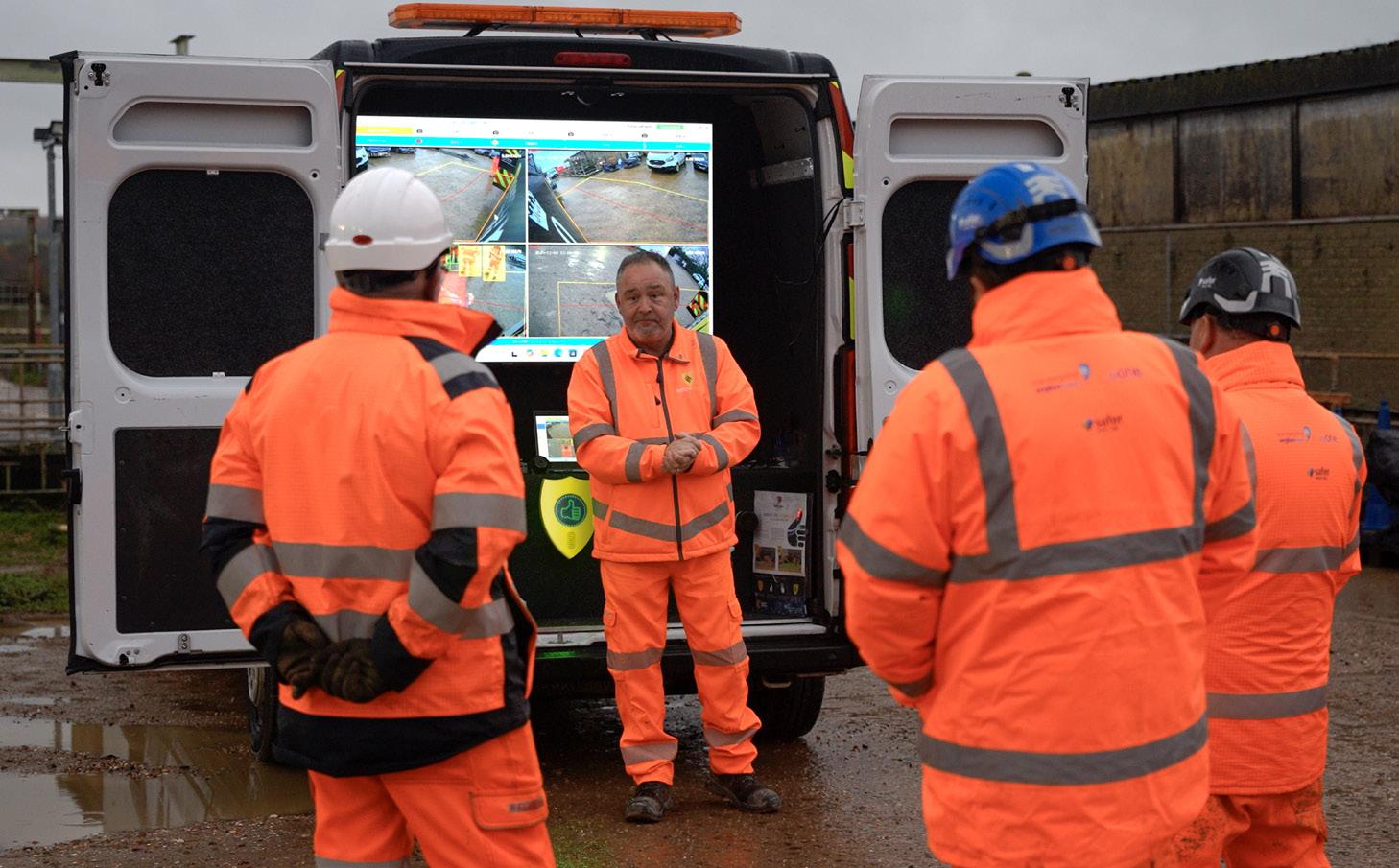
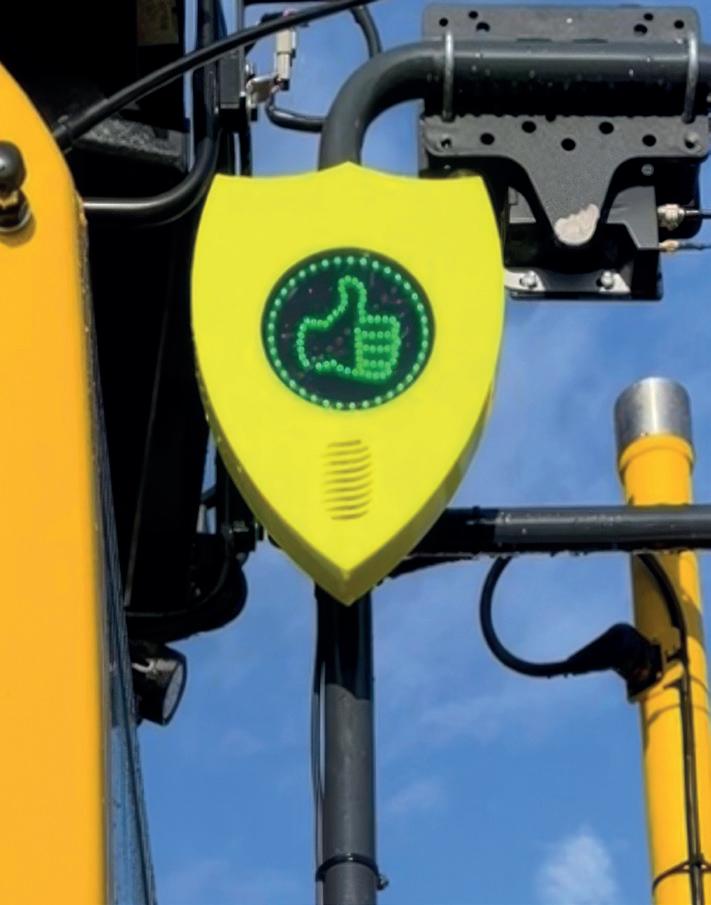
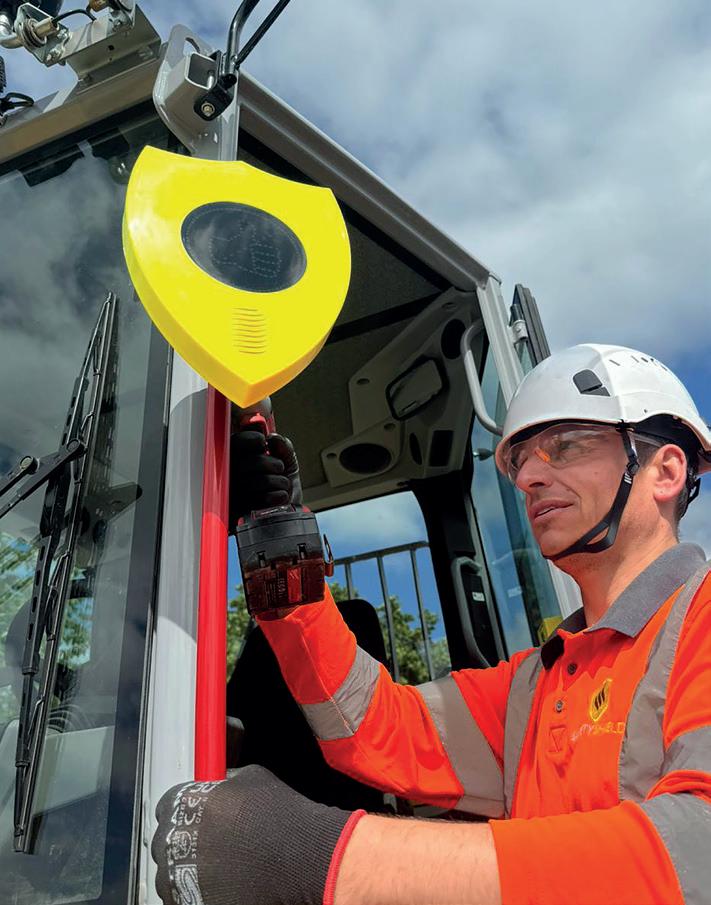
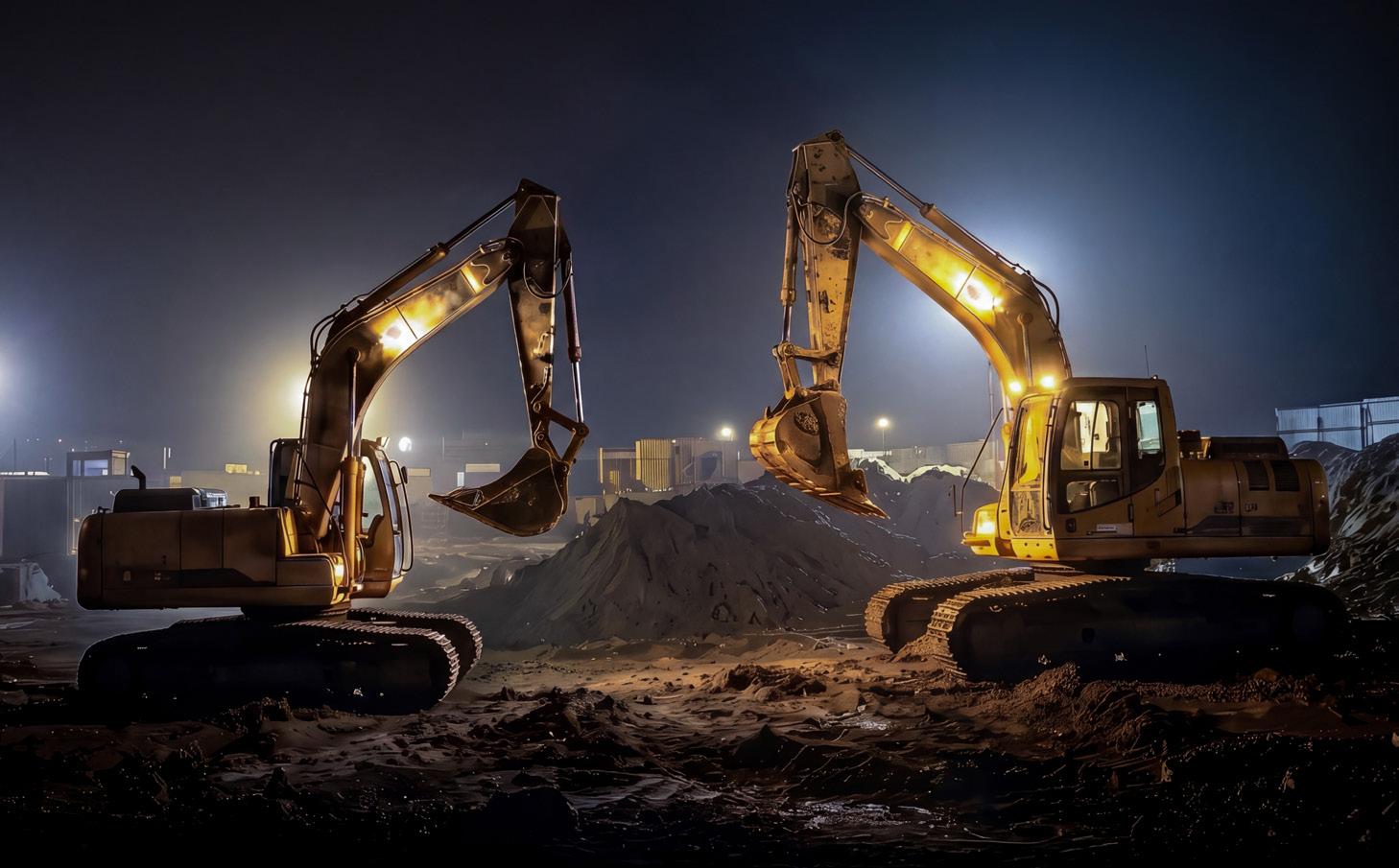
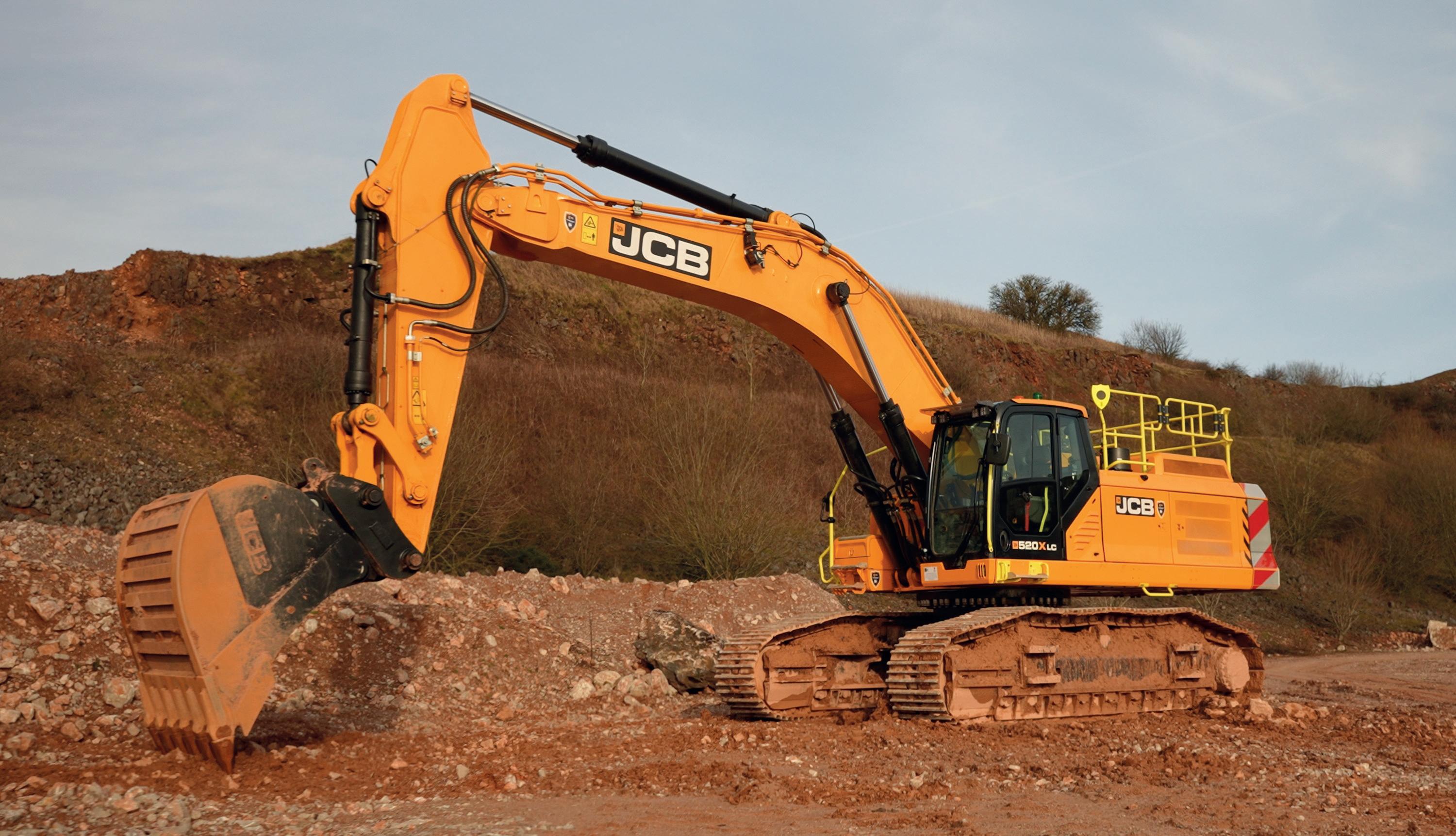

And it is not only in the deployment of technology where Safety Shield is leading the way; the business is also driving the discussion when it comes to pushing for behavioural change on the ground, with a structured, tiered training pathway of learning solutions designed to support the safe adoption and long-term operational success of its equipment.
Set up with three key stages, Safety Shield offers sessions either for the client’s workforce or individually to specific trainers within the business so that they can themselves become certified to deliver the series of endorsed courses.
The ‘Awareness’ stage focuses on demonstrations and toolbox talks, which play a vital role in strengthening the understanding of HFR and its impact on safety, while also providing NOCN-endorsed HFR proximity training.
Stage two focuses on the ‘Practitioner’ and enables engineering teams to become Safety Shield-certified installers, giving clients control over deployment, while stage 3 offers structured training and enablement programmes designed to help health & safety leaders, digital teams and site managers unlock the full value of their data.
The introduction of Nexus and the Safety Shield infrastructure allows the Safety Shield team to be flexible and meet clients’ needs, which are often bespoke. Jonathan is keen to ensure this state-of-the-art safety solution is spread as far and as wide as it is needed.

“We know there is still work to be done, and our teams of engineers have been busy developing systems which will go a long way to making our sites even safer,” he says. “The innovation won’t stop with Nexus. If science doesn’t sleep, then neither will we.
“AI is now deeply integrated into everyday technology, and these major leaps in machine learning, computer vision, and edge processing have made it possible to deploy intelligent systems in real-time, real-world environments - without relying on cloud infrastructure or large-scale computing power.
“As a result, AI is very much a responsive, adaptive, and increasingly accurate tool and has made a huge difference to safety solutions across a wide range of sectors and industries. At Safety Shield, these advancements have directly influenced the evolution of our Human Form Recognition product.
“Our units can now process data locally, ensuring faster detection, lower latency, and greater data privacy.
“Staying ahead in a fast-moving field like AI requires a proactive and deliberate approach to innovation. This has evolved into Nexus, which will now act as the base upon which all of our products will operate… saving lives and reducing the risk of serious injury on worksites around the world, every day.”
For more information on Safety Shield Global please visit www.safetyshieldglobal.com


EMOTIONAL WELLBEING
MENTAL HEALTH RELATIONSHIPS
LONELINESS
TRAUMA SUPPORT
BULLYING
LOSS & BEREAVEMENT
SUICIDAL THOUGHTS

PHYSICAL WELLBEING
ILLNESS
INJURIES
ADDICTIONS
SLEEP
DIET & NUTRITION
EXERCISE
HORMONE SUPPORT
FINANCIAL WELLBEING
FINANCIAL SUPPORT BENEFIT ENTITLEMENT BUDGETING DEBT MANAGEMENT
TAX & CIS
LEGAL ADVICE
TRAINING & CSCS FEES

The simplest truth in fleet management: You lose money on downed or idle equipment.
This fundamental loss quickly escalates into the ‘domino effect’ of administrative complexity—lost work, unforeseen labour costs, excess paperwork, and upstream/downstream supply chain disruptions that erode profitability. Whether it’s a halted crane on a job site or a complex parts ordering process, the core issue always boils down to time. To gain a longer asset lifecycle and ensure consistent, quality service, tightening your equipment lifecycle management process is the only way to achieve a better, more efficient business.

Greater equipment uptime pushes you to greater revenue, earnings, and profitability. SmartEquip, a parts procurement and productivity platform, drives up your earnings by maximising the efficiency of your existing fleet—not requiring another big capital spend. SmartEquip is the industry standard, facilitating more than $2 billion in annual parts transactions across its global network of more than 800 OEM brands and 130+ fleets, including the top five equipment hire companies in the world. Nothing has as strong an impact on your bottom line as finding and multiple ways to reduce equipment downtime.
Equipment hire businesses track usage via Time and Financial Utilisation, but neither captures the full value of improving uptime. Time Utilisation measures rental revenue time, while Financial Utilisation tracks revenue relative to investment value (the “financial yield” of assets). Even when accounting for total annual costs (purchasing, servicing, maintaining), the full value of uptime is missed.
Let’s turn our attention to the cost of parts as an example. Most equipment owners generally prefer to keep annual parts costs at around 3% of the Original Equipment Cost (OEC). Labour costs are also typically around 3%—doubling the “true” cost of parts to 6%. But even this combined 6% cost is less expensive than downtime. Avoiding equipment downtime via streamlined service and parts ordering will improve equipment availability and drive earnings. With SmartEquip, you enhance revenue where it matters most and keep incremental costs low.
To transition these incremental gains into sustained, long-term success, equipment owners must look beyond mere transactions and adopt a strategic approach that manages the entire economic life of the asset.
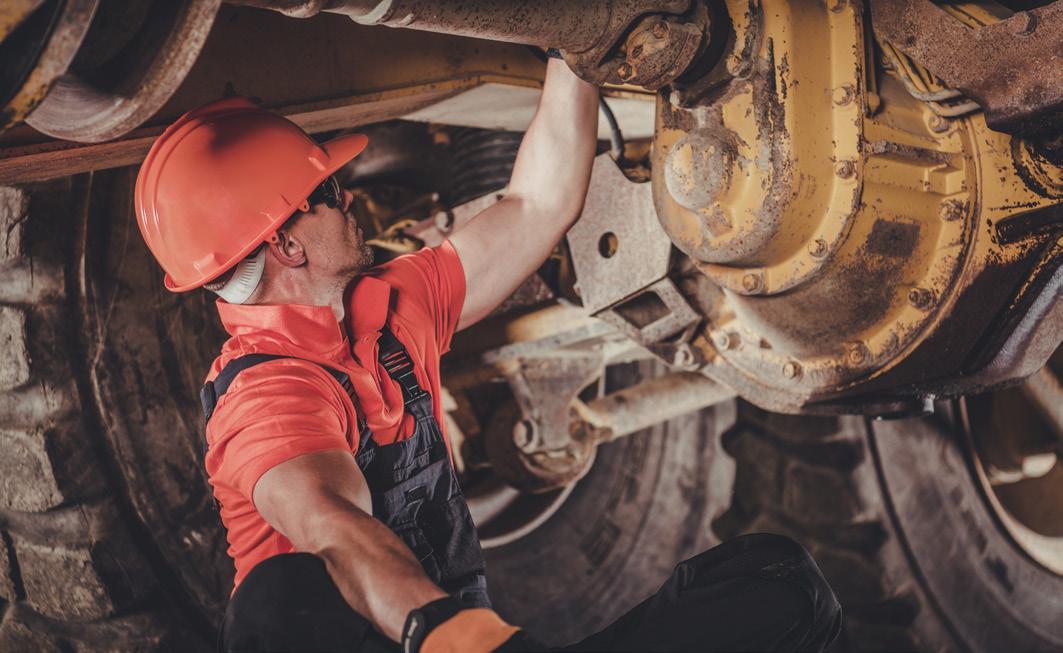

The equipment lifecycle spans from an asset’s first acquisition to its eventual disposition, covering utilisation, maintenance, downtime, and relocation/redeployment.
Efficiently managing that lifecycle helps owners get the most out of their machines to maximise their return on investment (ROI).
“For me the lifecycle economics are very simple,” said Alexander Schuessler, Founder and President of SmartEquip.
“There’s a cost when I first purchase a piece of equipment… and then while I have it, I have to do two things: I have to feed it service… and to do all that I have to buy parts.”
The intersection of these costs—from acquisition to resale, parts and service, and depreciation—is where SmartEquip provides a seamless brand-enhancement for fleet owners, manufacturers, and distributors of complex assets. SmartEquip helps increase equipment uptime and transaction accuracy, while drastically reducing labour and equipment ownership costs.
To translate the gains in uptime and reduced labour costs into a fully optimised asset lifecycle, fleet owners must leverage their core digital infrastructure. With the right ecosystem, hire companies can reach ultimate productivity.
With SmartEquip, hire companies are able to keep technicians productive & equipment available by making business workflow more efficient.
Reducing workshop friction means:
login to order parts for multiple brands of equipment percent fewer admin steps with updated PO automation minutes saved per transaction for more time spent on repair jobs 1 50 45
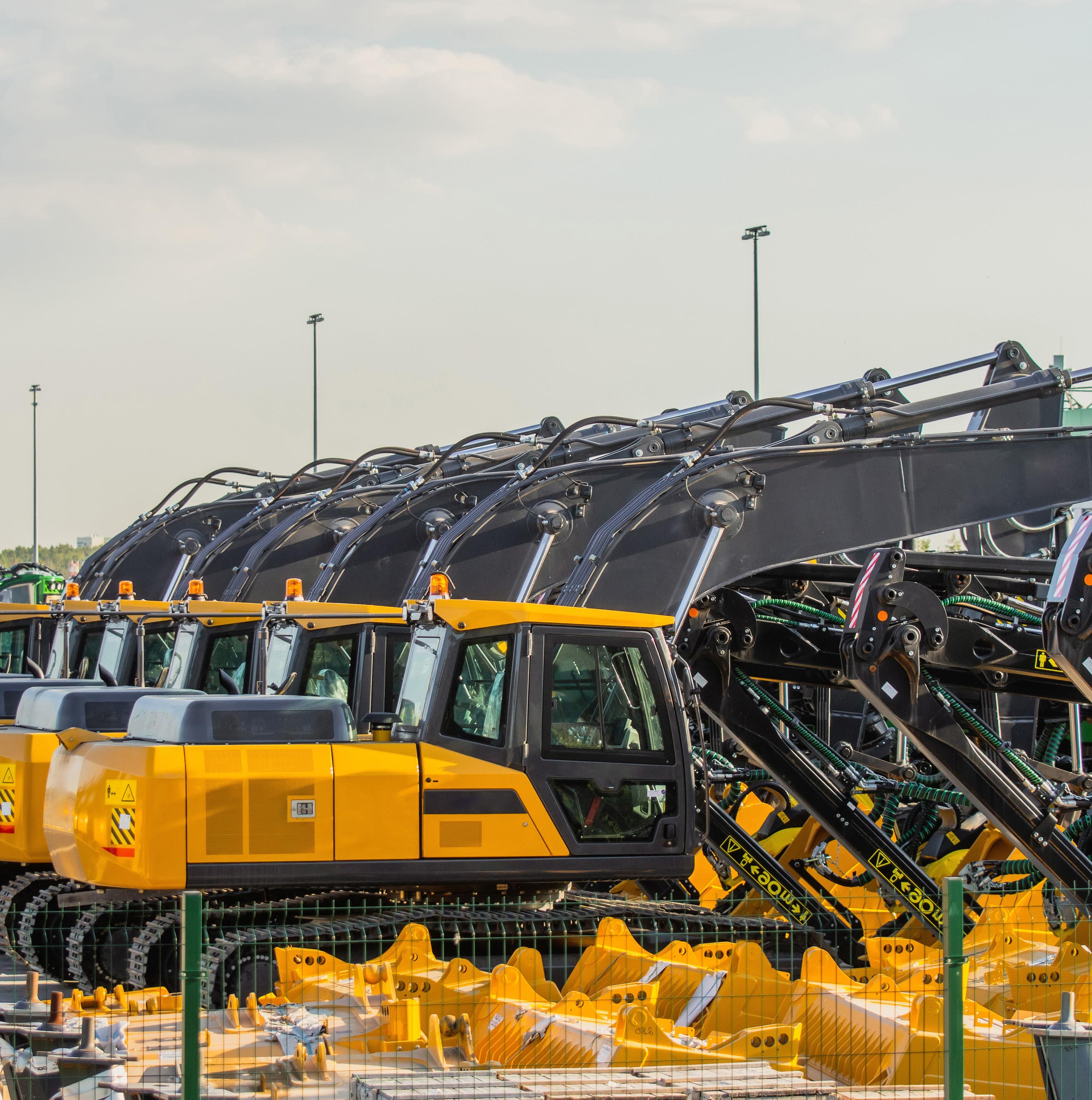
SmartEquip brings it all together, helping teams work more efficiently from start to finish.
Book time with expert Martin Bestwick, VP of Sales Europe
Mobile: +44 7747 219 747
Email: mbestwick@smartequip.com smartequip.com/procurement
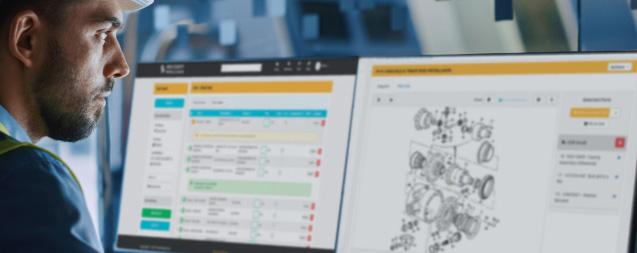

Rental and construction fleets centralise their complex daily operations in an Enterprise Resource Planning (ERP) system that houses critical data. SmartEquip integrates seamlessly with this system, turning it into an automated profit engine. This integration drives immediate gains by improving the existing data flow and eliminating duplicate administrative efforts.
Implementing an ERP system into your business and integrating SmartEquip into that system will bring practical and incremental enhancements to your operations, driving efficiency forward over time:
“For every hour in service time cost savings, equipment availability goes up an hour, as well,” Schuessler said. “This revenue impact on profitability is often greater than the cost savings upon which the original business case was built – therefore resulting in a more-than doubling of financial impact.”
● Manage inventory: SmartEquip shows if parts are already in your inventory, even at another shop.
● Reduce data entry: Placing an order sends data (part numbers, pricing, etc.) to the ERP, preventing duplicate administrative efforts.
● Automate master records: When a part is ordered for the first time, SmartEquip creates the master record, issues purchase orders, and preps the order.
● Access parts manuals: Asset information is mapped to the manufacturer parts catalogue, allowing users to enter an asset number for quick access to the parts manual.
● Cut “wrench time”: Getting the parts you need fast keeps labour costs down and equipment generating revenue.
Integrating SmartEquip into your ERP system provides centralised management of practically all day-to-day aspects of your equipment business. Stop worrying about multiple logins or separate systems. Cut down paperwork, redundancies, and unnecessary errors. Harmonising your operational and administrative processes with SmartEquip will result in real savings in both time and resources.

The Equipment Owner Network can increase three primary business efficiencies: parts, service, and the back office. For over 25 years, SmartEquip has been building a global network of suppliers. Why do owners join?
● Reduce ordering and administrative costs: With SmartEquip Procurement, technicians and fleet managers can identify and order the right parts without flipping through manuals—all in one place. Just imagine greatly reducing paperwork, troubleshooting, and record-keeping.
● Your brand – your terms: Centralised procurement guarantees your team members will be ordering approved parts at pricing levels commensurate with any supplier agreement you have. Greater compliance and current pricing? That’s a win-win.
● Improved uptime: Quickly identifying the right part gets the order in and your equipment up and running in less time. Over $2 billion in parts are ordered over the Network every year.
● Protection from parts supersession: SmartEquip saves you hassle by keeping supplier support and product information up to date, protecting you from changing parts numbers.
● Access to over 800 brands: Most fleets are not made up of a single manufacturer. The SmartEquip Manufacturer and Supplier Network’s global reach is continually expanding across the globe. Where else can you order parts from five manufacturers on a single platform? Nowhere.
SmartEquip didn’t just join the modern equipment industry— it created the modern lexicon and KPIs around equipment lifecycle management. Founded in 2000 by Alexander Schuessler, the company was the first designed to help businesses save time through streamlined access to parts and procurement in a digital world.
“It’s very natural for everybody to say time is unbelievably expensive,” Schuessler explained on the Rental Journal Podcast. “If my service person spends twice as much time on something, that’s really, really costly. If my machine is down, it’s really costly. I tell people we were very early coming up with the SmartEquip concept back in 2000. The mindset wasn’t quite there yet. Nowadays, everybody is talking about uptime and preventing downtime and predictive maintenance so [equipment] never breaks down. All these things today are very much natural, but they weren’t when we started, even though they were very much our key performance indicators.”

Alexander Schuessler, Founder & President of SmartEquip

To understand the genesis of SmartEquip, you need to understand the challenges facing the global equipment industry back in the 1990s, particularly the emergence of rentals as the primary transaction. After assisting Caterpillar, Inc. in building a world-class rental operation in South America, Schuessler quickly grasped that efficient parts and product support for rental companies was virtually non-existent. SmartEquip has come a long way since those halcyon days of the new millennium. Acquired by Ritchie Bros. in 2021, SmartEquip now exists within the RB Global, Inc. portfolio of brands.
With Schuessler’s recent appointment as president, the company is sharpening focus on scaling the SmartEquip Network, deepening industry engagement, and unlocking new market opportunities. “This is an exciting period for SmartEquip,” Schuessler said. “Our technology is proven and demand for our integrated lifecycle solutions is growing rapidly in all markets. We are focused on expanding our global footprint, advancing our AI capabilities, and extending our platform into adjacent sectors where maintenance and asset productivity are mission critical.”
Stop losing money from downed assets. Maximise Uptime. Drive Revenue.
See SmartEquip in action:
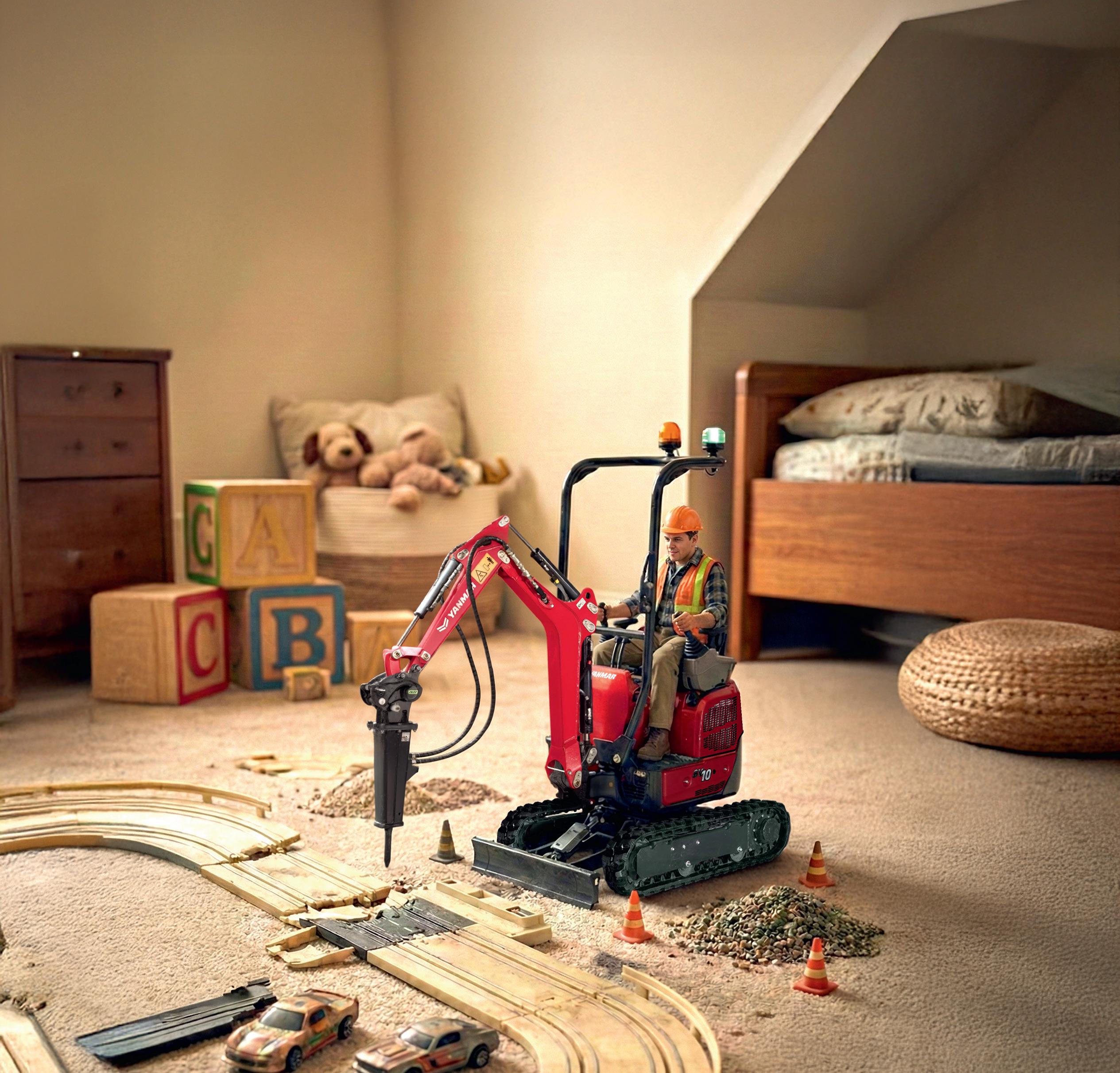
The ultimate versatility, ready to take on all your challenges. Thanks to its variable undercarriage and wide range of attachments, the SV10 guarantees perfect stability and unmatched agility. Easy to transport and quick to master, it is designed to reduce downtime and optimize your operating costs.
by rebecca phillips

My travels for this magazine have certainly taken me to many an exhibition. You’d think that by now, I’d have seen it all. I certainly thought I had. And then I went to the ONE: THE SUNBELT EXPERIENCE.
One of the most ambitious demonstrations for the UK construction, the ACC Liverpool played host to this incredible display on May 7th of this year. It was a thriving hub for contractors, OEMs, infrastructure specialists, plant professionals and technology providers for a one-day event focused squarely on the future of integrated construction support. With JCB as title sponsor and Safety Shield and SANY amongst the principal event sponsors, it was clearly targeted at the major players in the construction sector.
While the event featured the expected exhibition stands, live demonstrations and networking opportunities, the underlying message was considerably bigger than a conventional hire showcase. Across the exhibition hall and seminar theatres, the recurring theme was that major rental businesses are rapidly evolving from equipment suppliers into fully-integrated project partners.
From hydrogen-powered machinery and connected plant telemetry to AI-assisted safety systems and autonomous equipment, ONE presented a picture of a construction rental market increasingly driven by data, sustainability and multi-service coordination rather than simple fleet volume alone.
For the UK construction and plant sectors, the event offered a revealing snapshot of the technologies, operational models and commercial pressures likely to shape the next phase of infrastructure delivery.
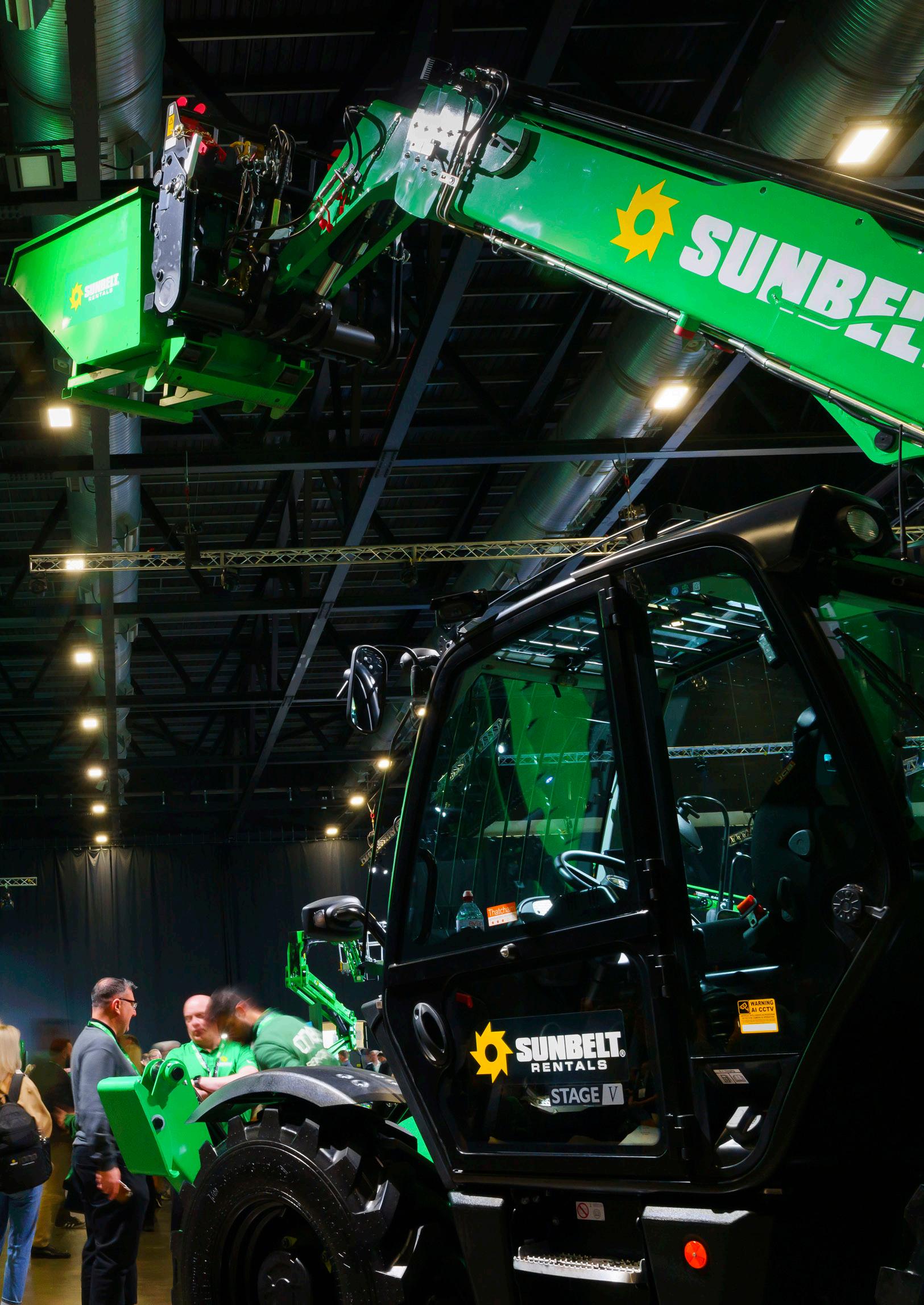
The scale of the event itself was remarkable. The number of attendees was vastly impressive, with 500 customers alongside approximately 600 of its own employees. Every inch of the space was perfectly utilised, with the exhibition floor combining heavy equipment manufacturers, specialist technology suppliers, temporary power providers, safety systems companies and digital service platforms under a single coordinated theme. Rather than segmenting products into traditional categories, the event attempted and succeeding in showing how multiple services now converge around large infrastructure and construction projects. That distinction matters.
Historically, rental firms have largely competed on fleet size, regional coverage, availability and pricing. However, the message emerging from Liverpool was that the market is increasingly shifting toward integrated delivery models where contractors expect one provider to coordinate everything from access equipment and temporary power to telemetry, environmental monitoring, site safety and welfare infrastructure.
Phil Parker, CEO of Sunbelt Rentals UK & Ireland, repeatedly emphasised the concepts of “joined-up outcomes”, “one connected experience” and “solutions delivered at scale” throughout the event coverage.
In practical terms, this reflects a broader industry transition already visible across major UK infrastructure projects. Tier one contractors are under growing pressure to simplify supply chains, improve accountability and reduce operational inefficiencies. That increasingly favours suppliers capable of bundling multiple services into one coordinated package.
The significance of ONE, therefore, was not simply the technology on display, but the way the event framed the rental company itself as an operational partner embedded inside the construction delivery process.
The most dominant theme throughout the event was connected equipment and the growing role of operational data in construction hire. A prevalent theme if there ever was one, it hit right at the heart of industry needs.
Official event material highlighted telemetry, equipment intelligence, AI, VR, sustainability and digital tools as core pillars of the exhibition programme. While telemetry has existed in the plant sector for years, the discussion at ONE suggested the technology is now moving beyond simple machine tracking into far more advanced operational management.
For major contractors, connected plant increasingly supports:
• Utilisation monitoring
• Anti-idle strategies
• Predictive maintenance
• Remote diagnostics
• Fuel management
• Emissions tracking
• Operator behaviour analysis
• Geofencing and theft prevention
• Live compliance reporting
The construction sector’s gradual shift toward digitally managed sites means rental equipment is no longer judged purely on mechanical performance. Contractors increasingly want fleets that integrate into wider site-management ecosystems and provide real-time operational intelligence. This trend was reflected in the broad mix of technology providers present at the Liverpool event. LinkedIn coverage from attendees referenced companies including Trackunit, Samsara and EQSS (Equipment Safety Systems) among the exhibitors and technology partners attending the event.
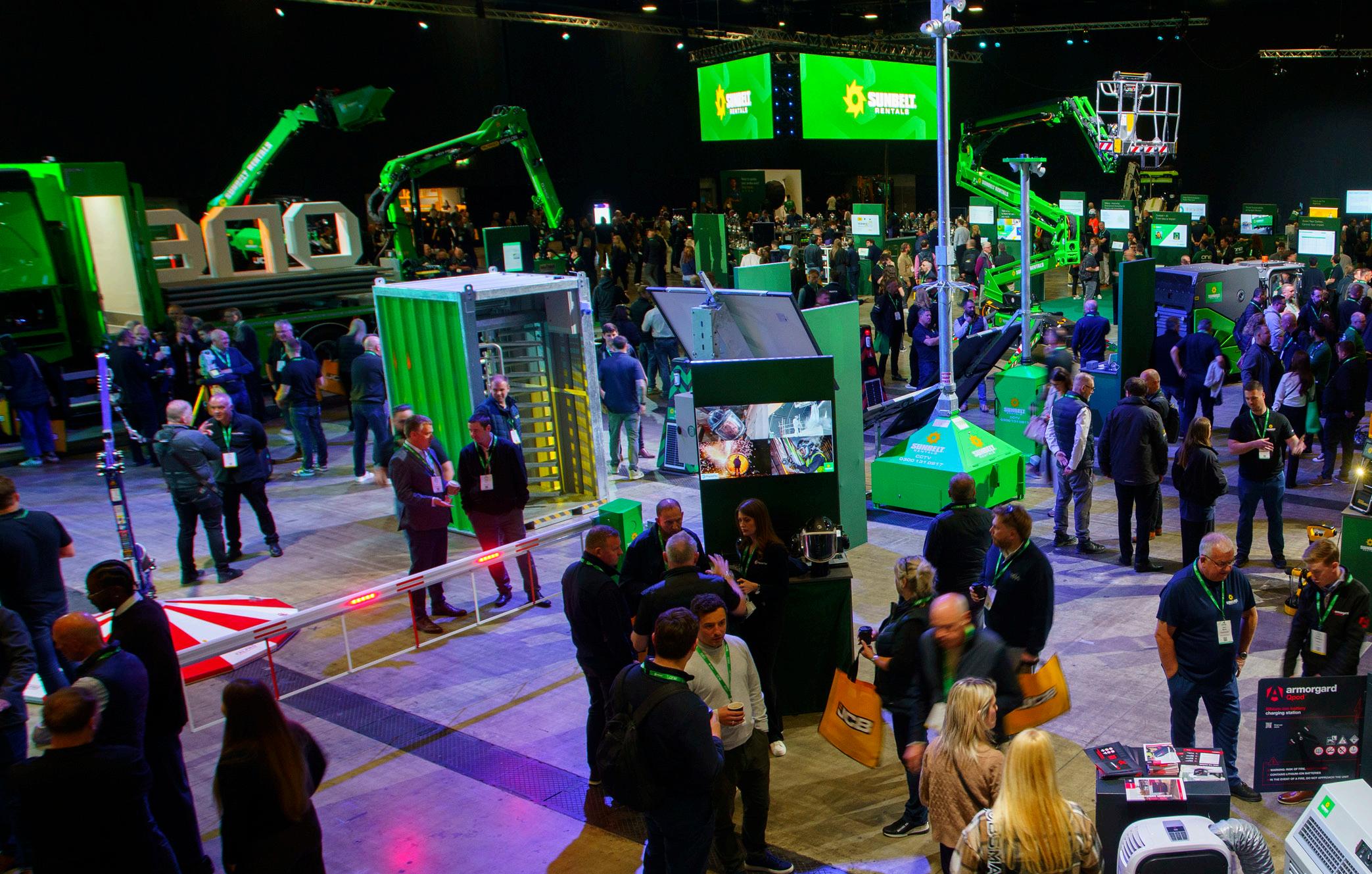
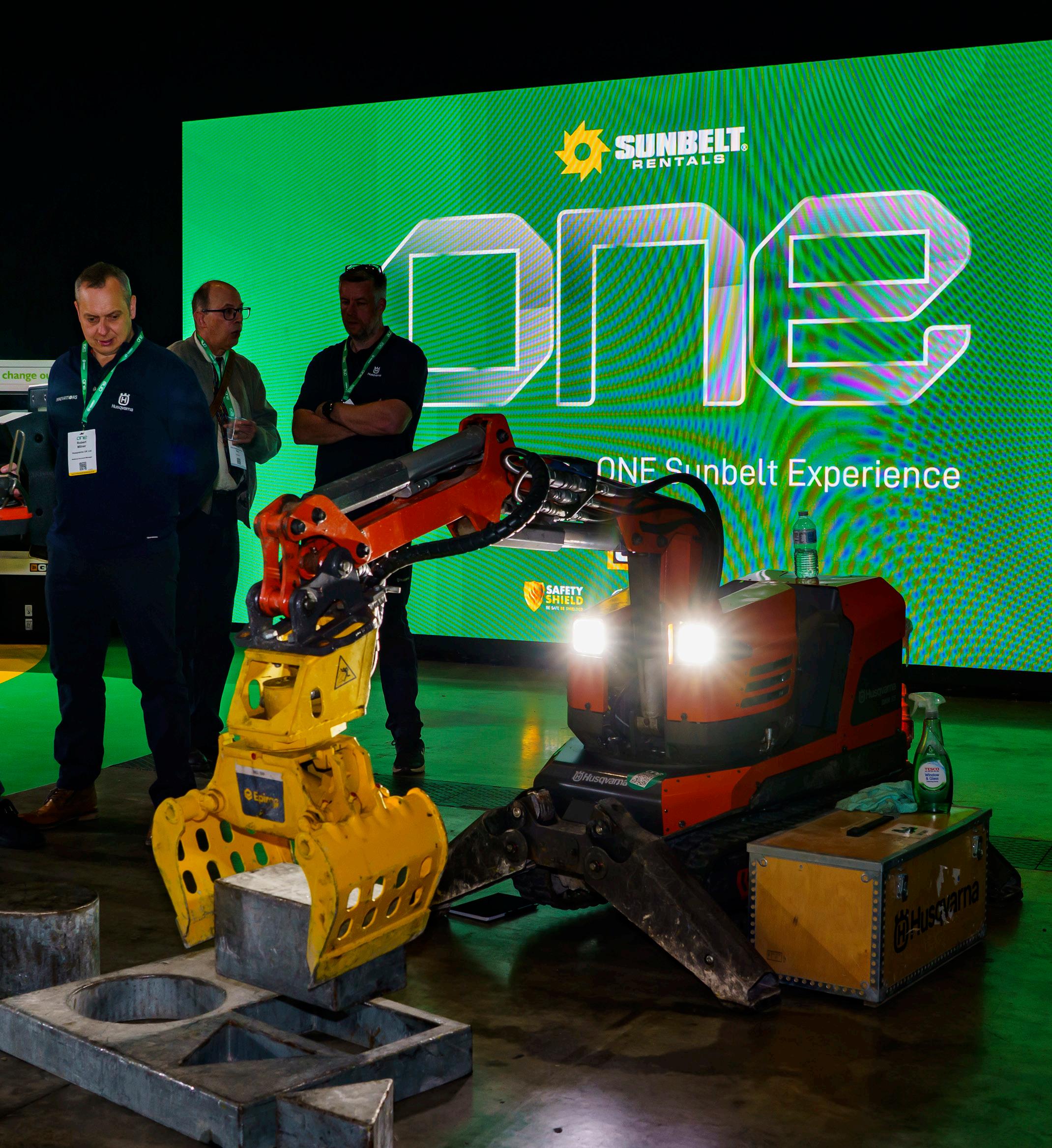
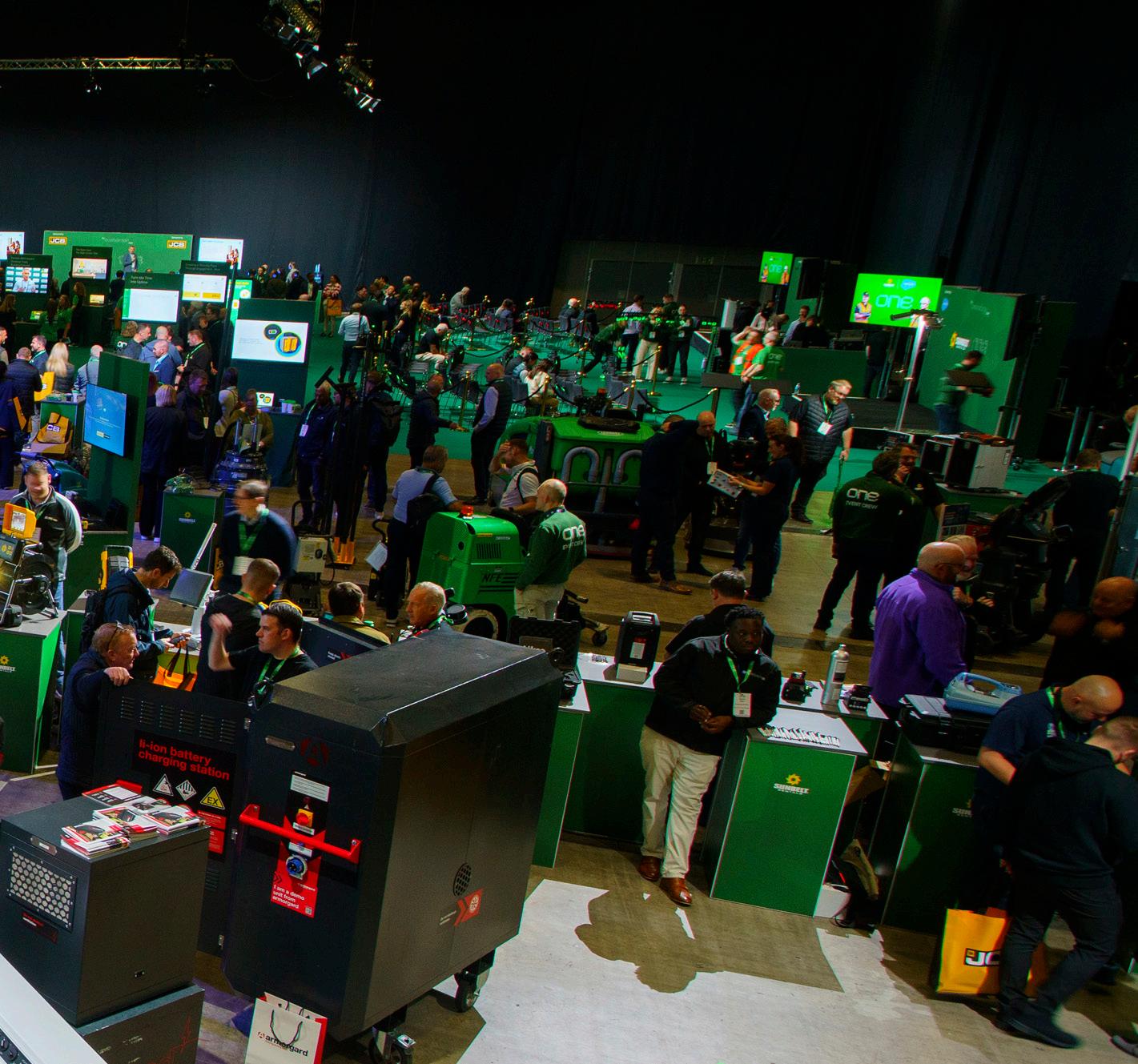
For plant managers, the implications are significant. Rental equipment is increasingly becoming part of a wider digital workflow rather than a standalone physical asset. Contractors now expect visibility across utilisation, emissions, safety and maintenance metrics as standard.
The question facing many rental businesses is no longer simply whether a machine is available, but whether the equipment can communicate effectively with the wider project environment.
In the centre of the exhibition hall, was a huge green cube.
Mysterious, right?
What it was, was one of the best demonstrations on the power of connected plant: Sunbelt Rentals own BIM platform. The simulator gave a 360˚ view of the platform, where I was able to virtually step onto a construction site and see the incredible realistic detail that BIM provides.
The system offers detailed digital models for a broad range of hire equipment, including powered access, welfare cabins, generators, lighting towers, fencing systems, telehandlers and temporary access solutions. These objects are compatible with common BIM workflows and can be integrated into platforms such as Autodesk Revit, allowing project teams to simulate how temporary equipment will interact with permanent structures and live construction environments.
I was lucky enough to catch up with Jaz Dhillon, BIM Content Manager, who took me through the intricacies of the modelling system.
“From a construction perspective, the value lies in early-stage coordination and risk reduction. By incorporating hired equipment into the digital model before mobilisation, contractors can assess access constraints, crane positioning, welfare layouts, logistics routes and temporary power requirements in advance. This helps reduce clashes on site, improve sequencing and minimise downtime caused by late-stage changes.”
Sunbelt Rentals has positioned Building Information Modelling (BIM) as a practical construction planning tool rather than simply a design-stage process. Through its BIM platform and downloadable BIM object library, they enable contractors, consultants and project teams to digitally integrate temporary works, site equipment and welfare infrastructure into the wider construction model before work begins.
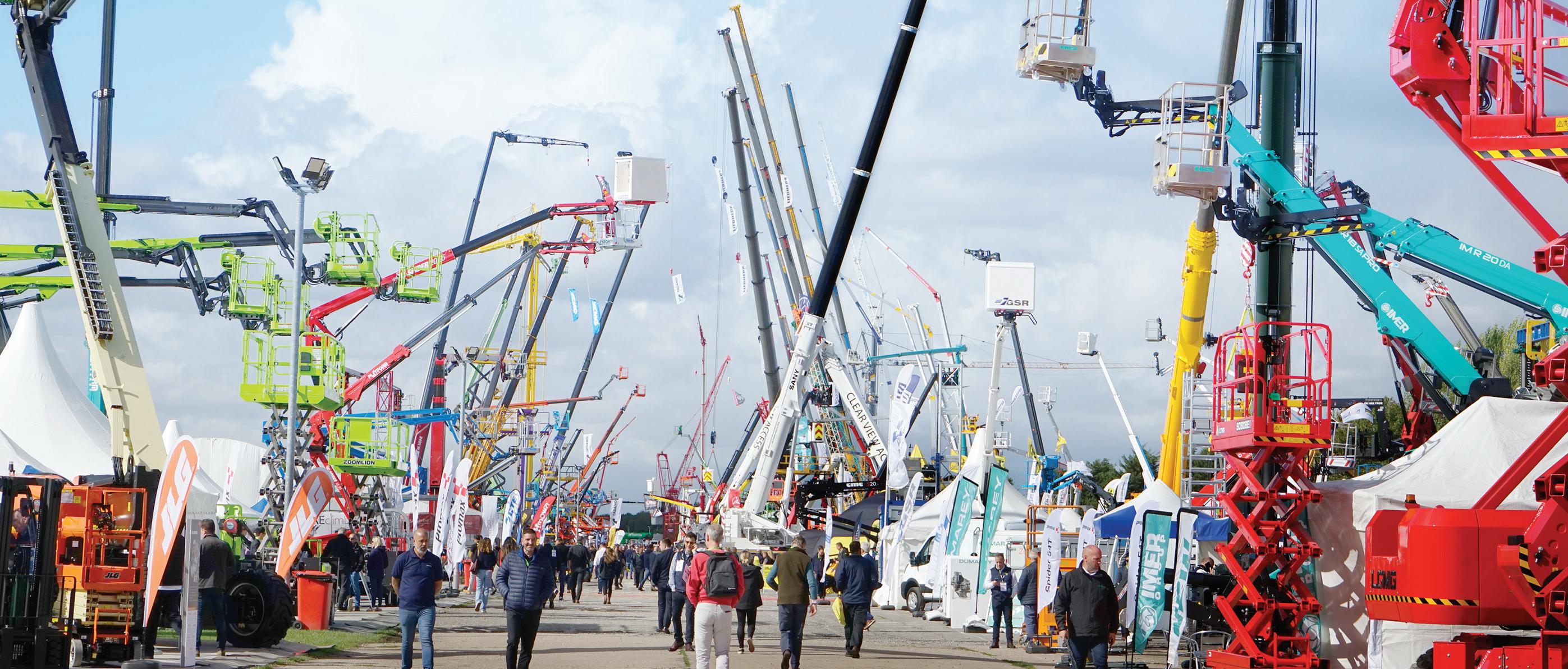
■ Free entry and parking, complimentary lunch, coffee and refreshments https://vertikaldays.net/event-info/visitor-registration


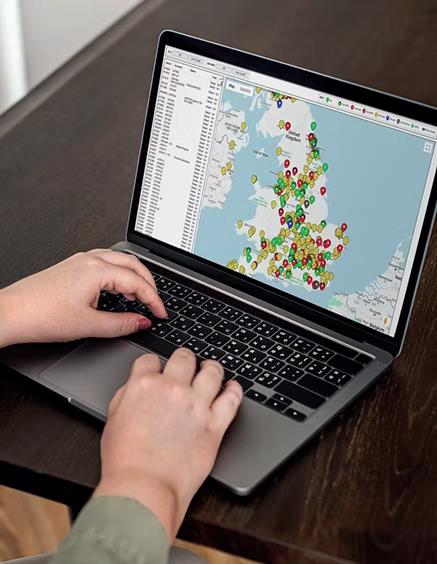
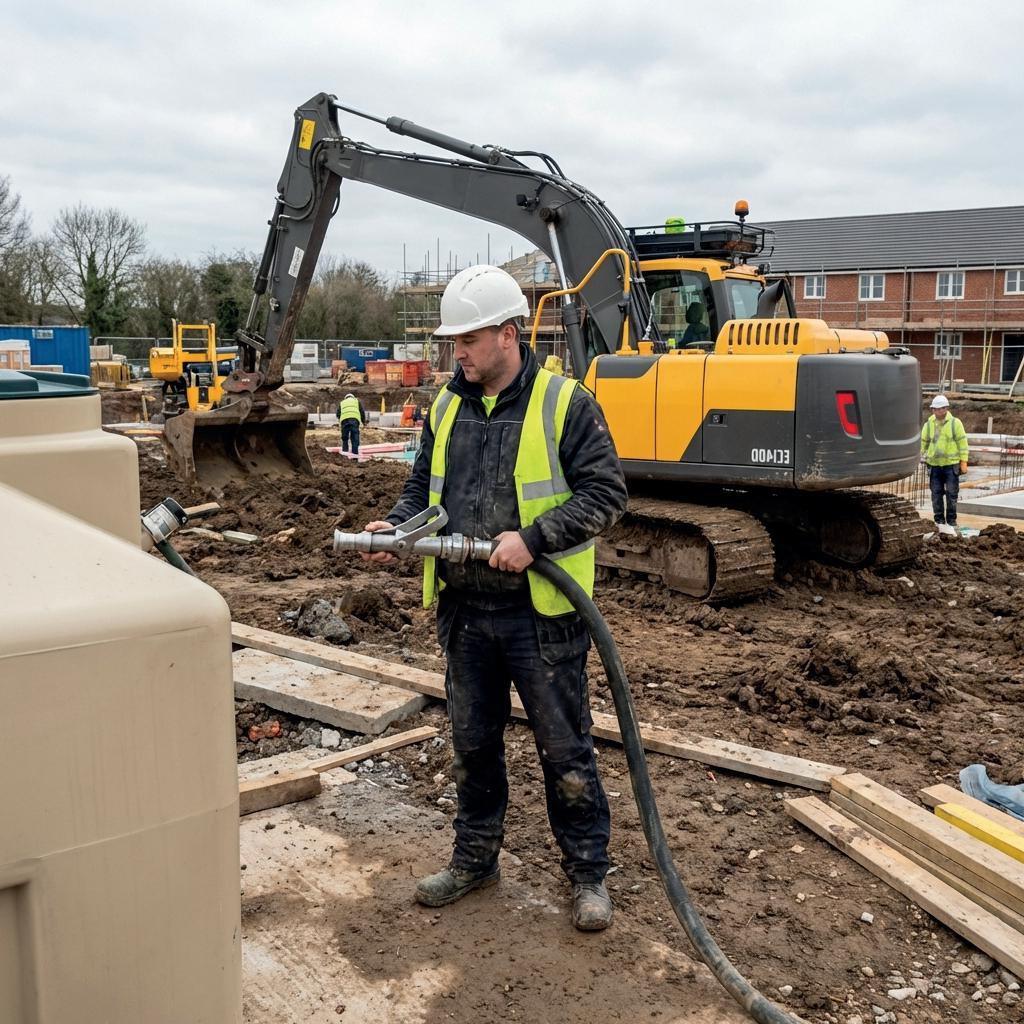

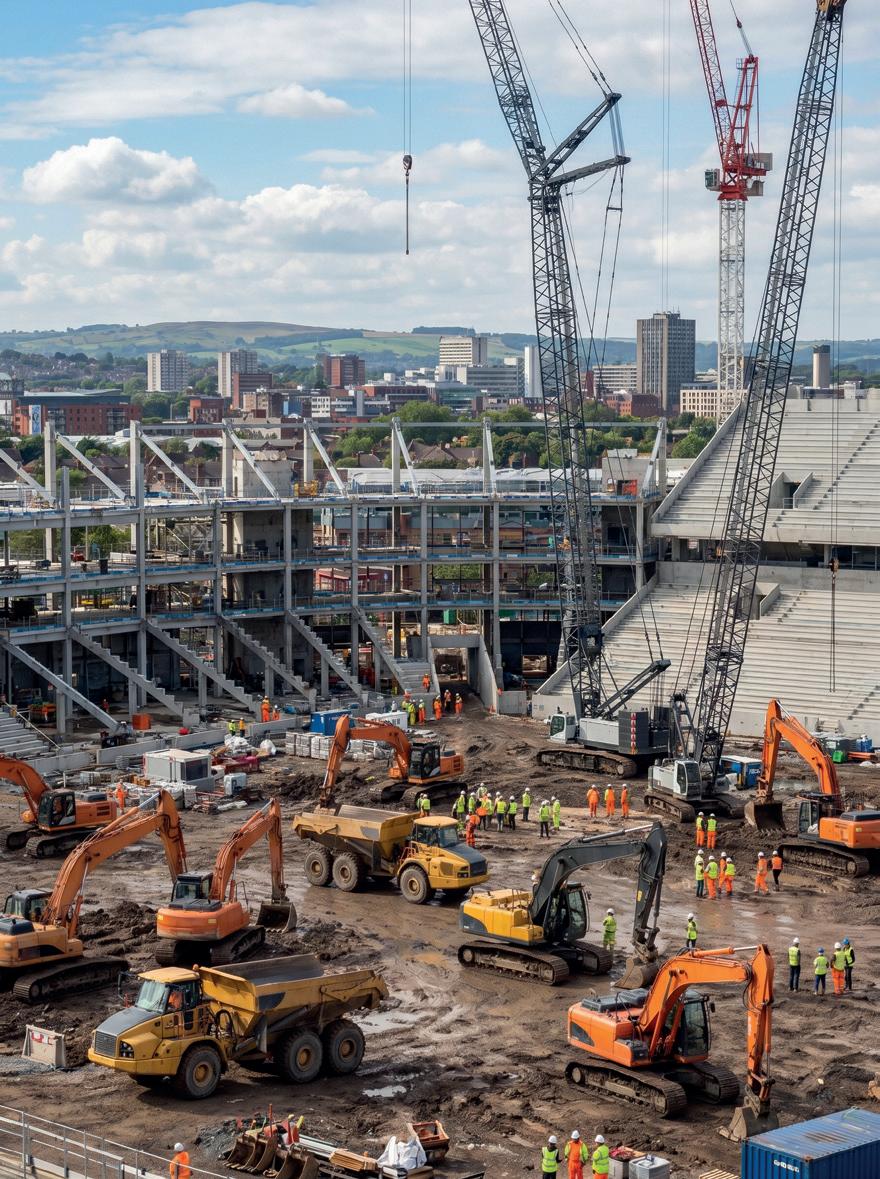
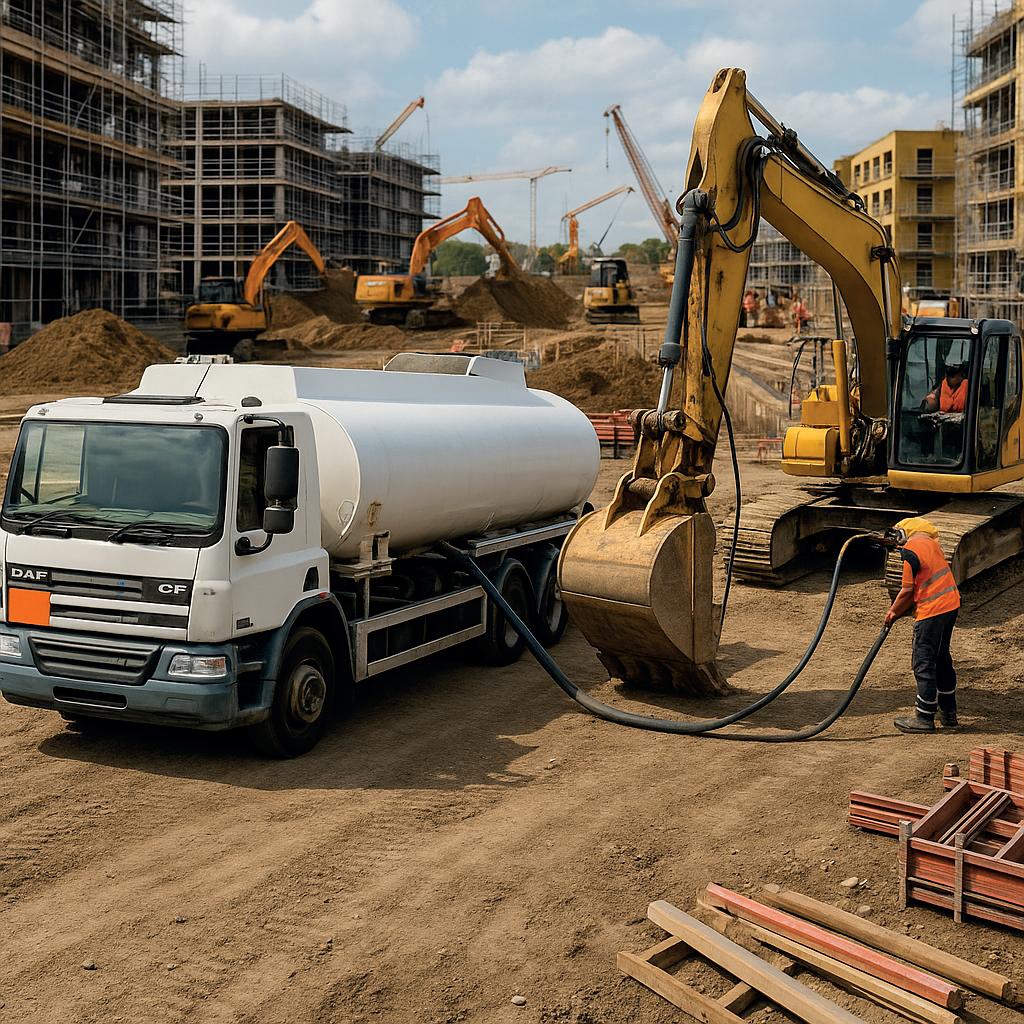
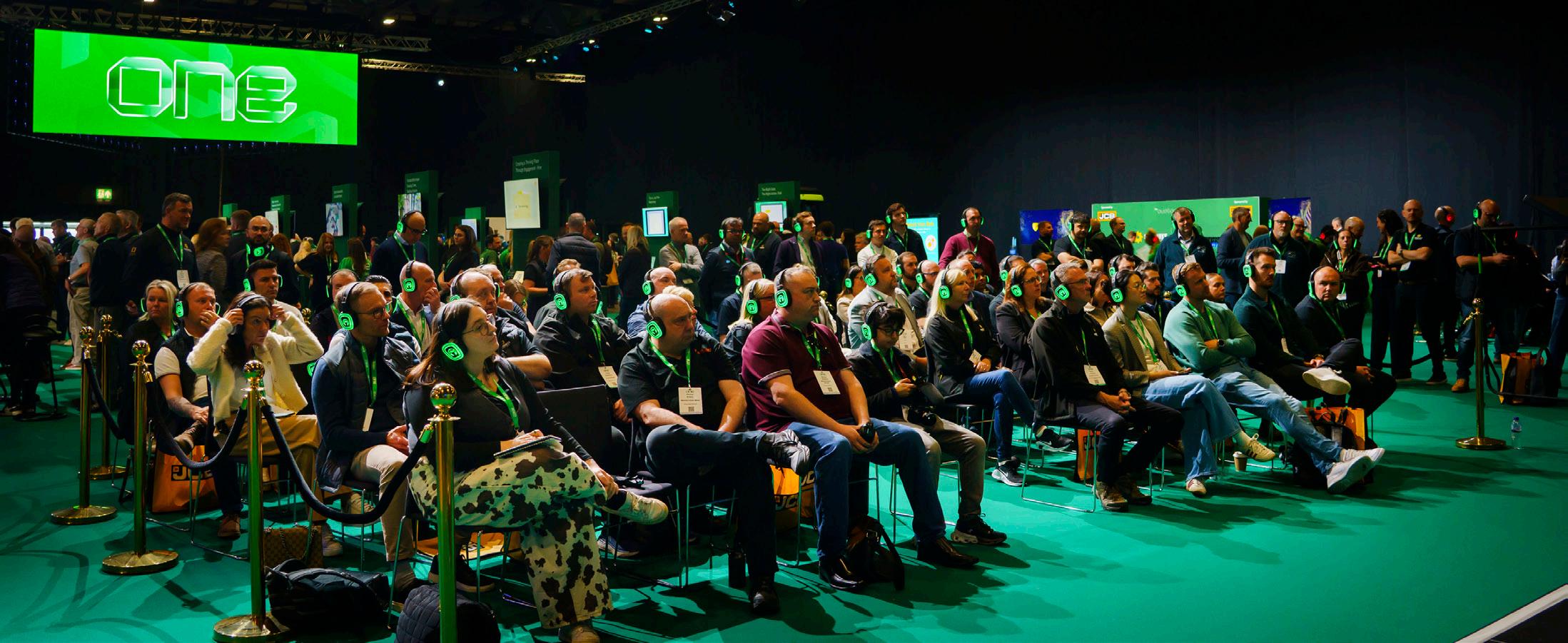
Jaz also showed me how BIM can be utilised as a route to improved safety and operational efficiency.
“BIM supports better workforce planning, productivity gains and more collaborative supply-chain management, while also enabling the use of emerging technologies such as AI, augmented reality and automated machine control.”
Another significant advantage for contractors is sustainability planning. Because temporary power systems, lighting and accommodation units can be modelled digitally before installation, project teams are able to assess energy usage, emissions impact and equipment optimisation at preconstruction stage. This aligns with increasing demand for lower-carbon construction delivery and more accountable project reporting.
The BIM library itself is continuously updated with new equipment models, including hybrid power systems, battery generators and sustainable site welfare solutions. This reflects the wider industry shift towards digitally managed projects and connected construction sites.
In practical terms, Sunbelt Rentals’ BIM capability is becoming increasingly relevant on complex infrastructure, rail, utilities and major commercial developments where temporary works and specialist rental equipment now form a critical part of project coordination. By bringing temporary assets into the same digital ecosystem as permanent construction elements, the company is helping contractors move closer to fully-integrated project delivery.
Among the most visible construction-focused technologies showcased at the event was hydrogen-powered equipment. In fact, title sponsor JCB used the Liverpool event to reinforce its major investment into hydrogen combustion technology, with several reports highlighting the presence of hydrogen-powered solutions on display.
The prominence of hydrogen at ONE reflects a wider industry debate around the future of decarbonisation in heavy construction equipment.
Battery-electric machinery has gained traction in smaller equipment categories, particularly mini excavators, dumpers and indoor access platforms. However, the operational demands of larger construction plant, including long operating hours, high hydraulic loads and remote-site deployment, continue to present challenges for full electrification.
Hydrogen combustion is increasingly being positioned as a practical alternative for heavier-duty applications because it retains many of the operational characteristics familiar to diesel users.
Just days after the event, JCB formally launched its commercial hydrogen-powered 3CX backhoe loader, marking a major milestone in off-highway hydrogen development. Industry reporting confirmed that the machine delivers dieselequivalent power while using hydrogen combustion engines developed over a five-year programme backed by more than £100 million of investment.
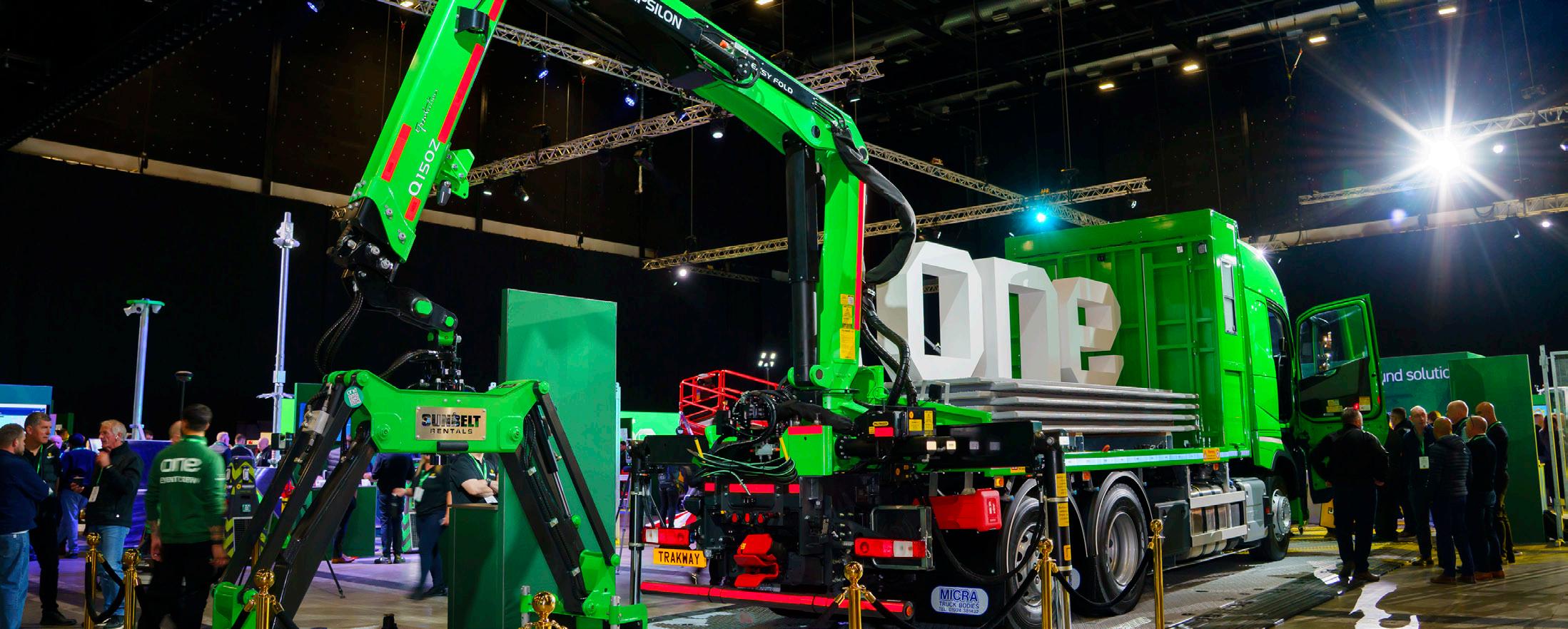
Importantly for the hire sector, hydrogen technology aligns naturally with rental deployment models. Contractors may be reluctant to commit directly to emerging fuel technologies through outright purchase, but rental fleets provide a lowerrisk route for trial adoption.
This places large rental firms in a potentially influential position as accelerators of low-carbon construction technology.
The sustainability discussion in Liverpool extended beyond machinery itself and into temporary power solutions — an area becoming increasingly important across infrastructure and urban construction projects.
Shortly before the event, Sunbelt Rentals announced a partnership with hydrogen specialist GeoPura to distribute Hydrogen Power Units (HPUs) through its national hire network. The agreement signals a wider move away from diesel generators toward hybrid, battery and hydrogensupported temporary power systems.
GeoPura’s HPUs function as self-charging battery systems powered by hydrogen fuel cells, producing electricity with water and heat as the only direct outputs. According to the partnership announcement, the systems are already being used across major construction projects and live infrastructure environments.
This area of the market is becoming increasingly important as contractors face pressure to reduce:
• Scope 1 emissions
• Urban air pollution
• Site noise
• Fuel consumption
• Carbon reporting exposure
Temporary power remains one of the largest contributors to emissions on many construction sites, particularly on infrastructure and rail projects operating away from fixed grid connections.
Sunbelt Rentals’ broader sustainability strategy, branded “Our Planet”, increasingly focuses on combining:
• Battery storage
• Hybrid generators
• Solar integration
• Hydrogen systems
• Remote monitoring technology
• Zero carbon solutions
The combination of alternative fuels with telemetry and remote performance monitoring is likely to become a defining feature of the next generation of temporary site power.
Alongside incredible technology as this, is the Sunbelt Rentals Carbon Calculator, which they displayed with pride at the ONE Experience. This innovative emissions reporting platform is designed to support customers in reducing their jobsite emissions and achieve their sustainability goals, as it provides valuable insights into the GHG emissions produced on their jobsites from rented assets. By leveraging their telematics data, augmented with the ERA’s industrystandard emissions guidelines, this solution caters to diverse customer needs, ranging from simple data feeds to advanced visualisations. It’s tailored to the individual client, making it completely invaluable when it comes to a net zero
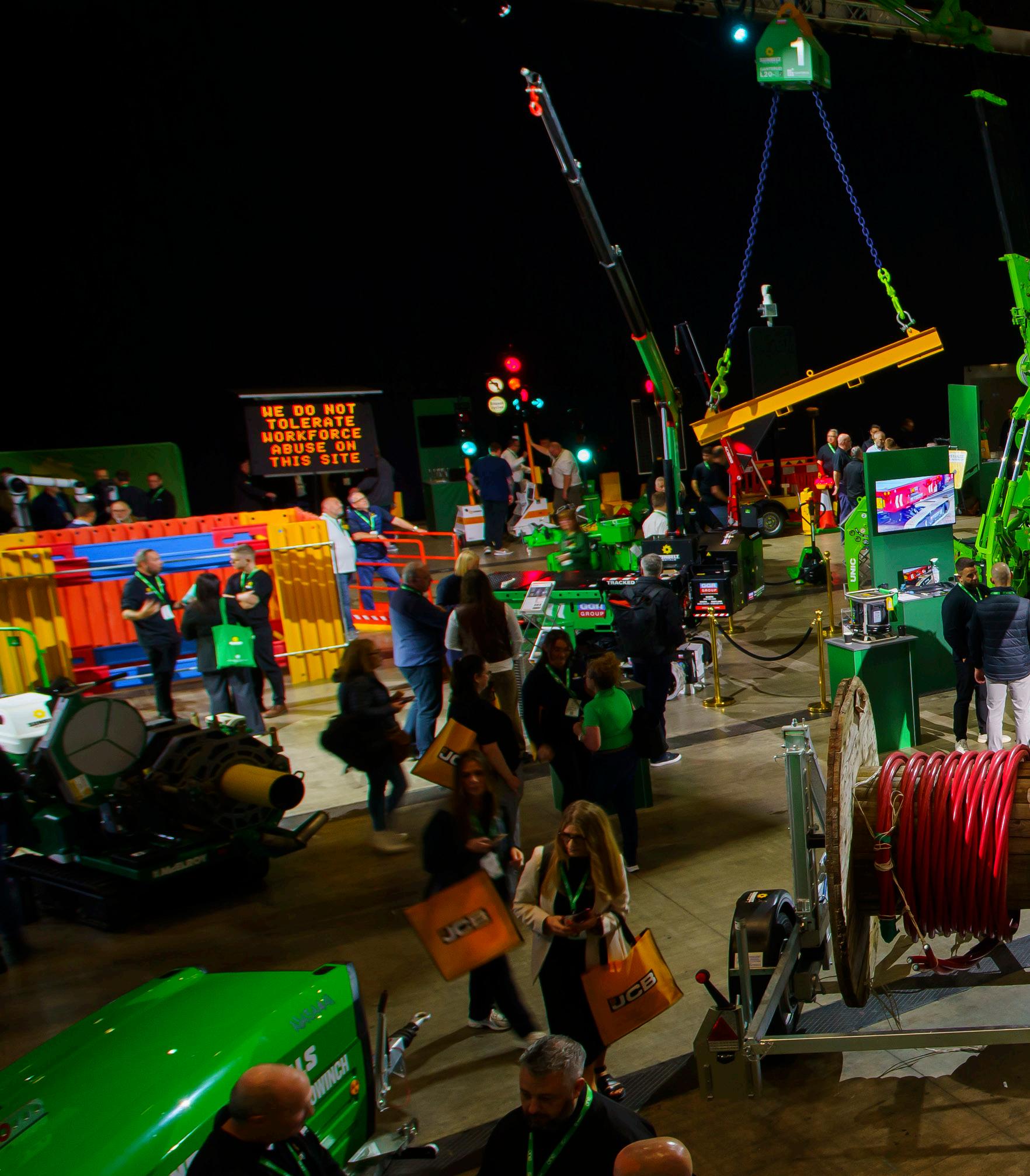
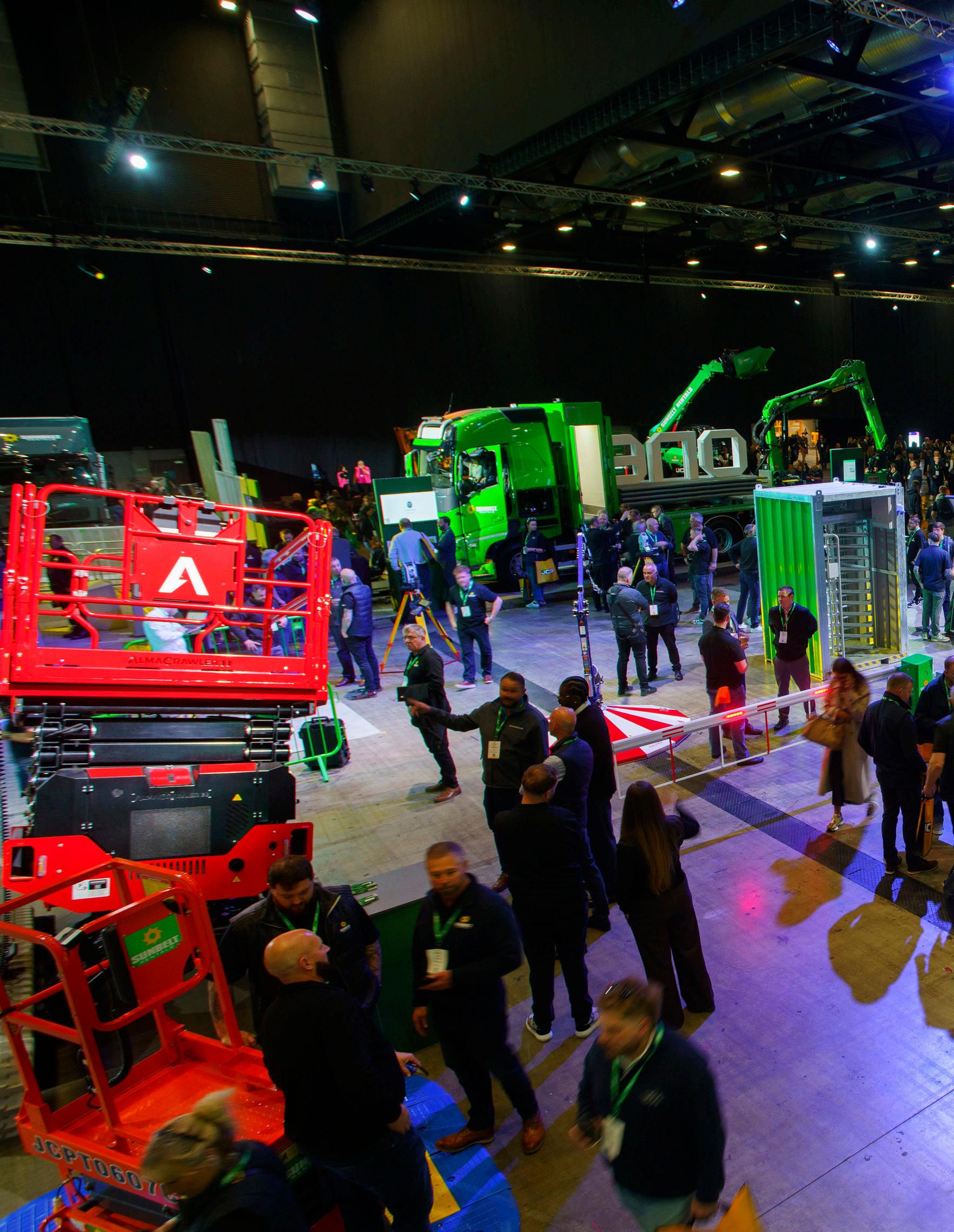
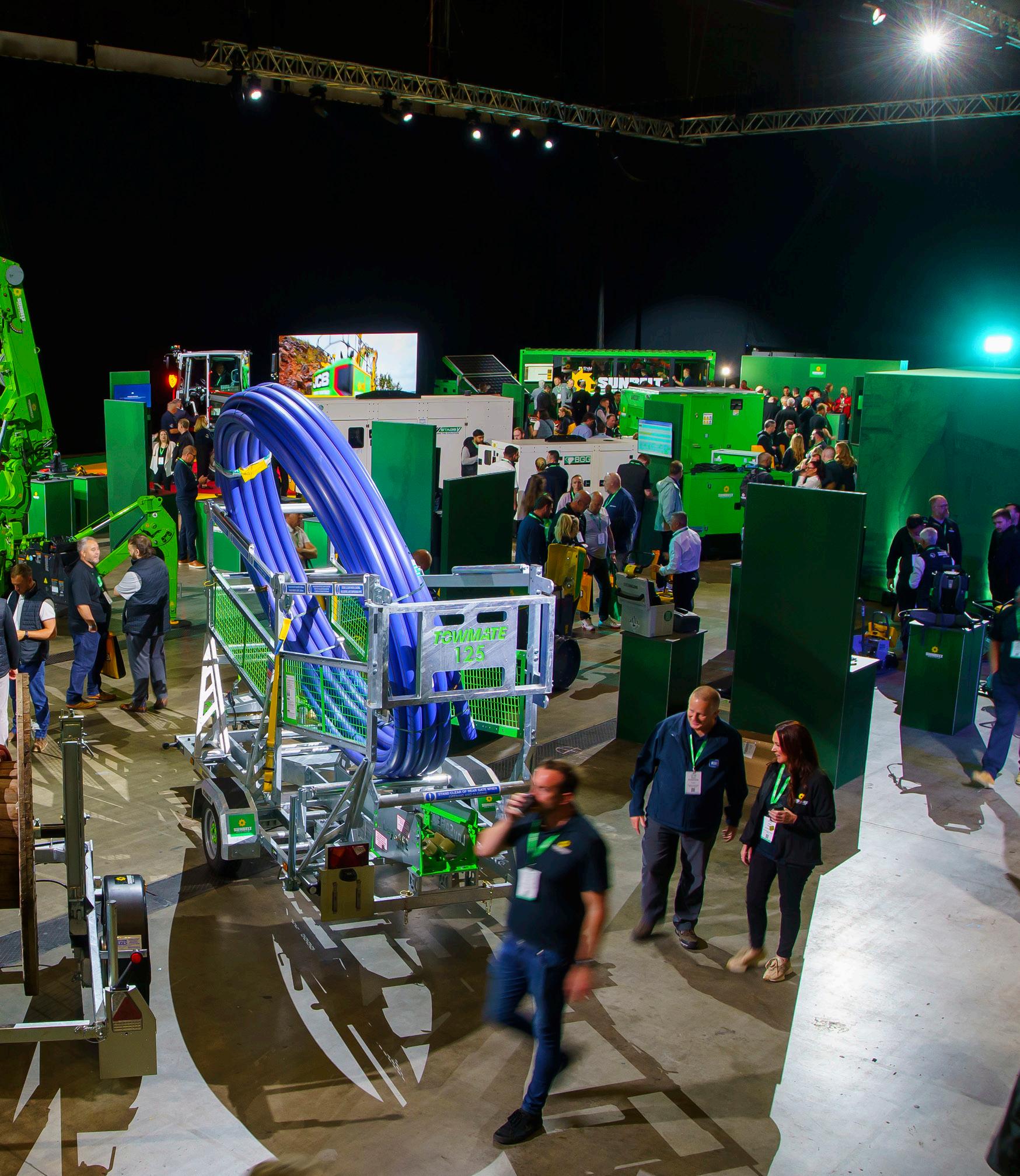
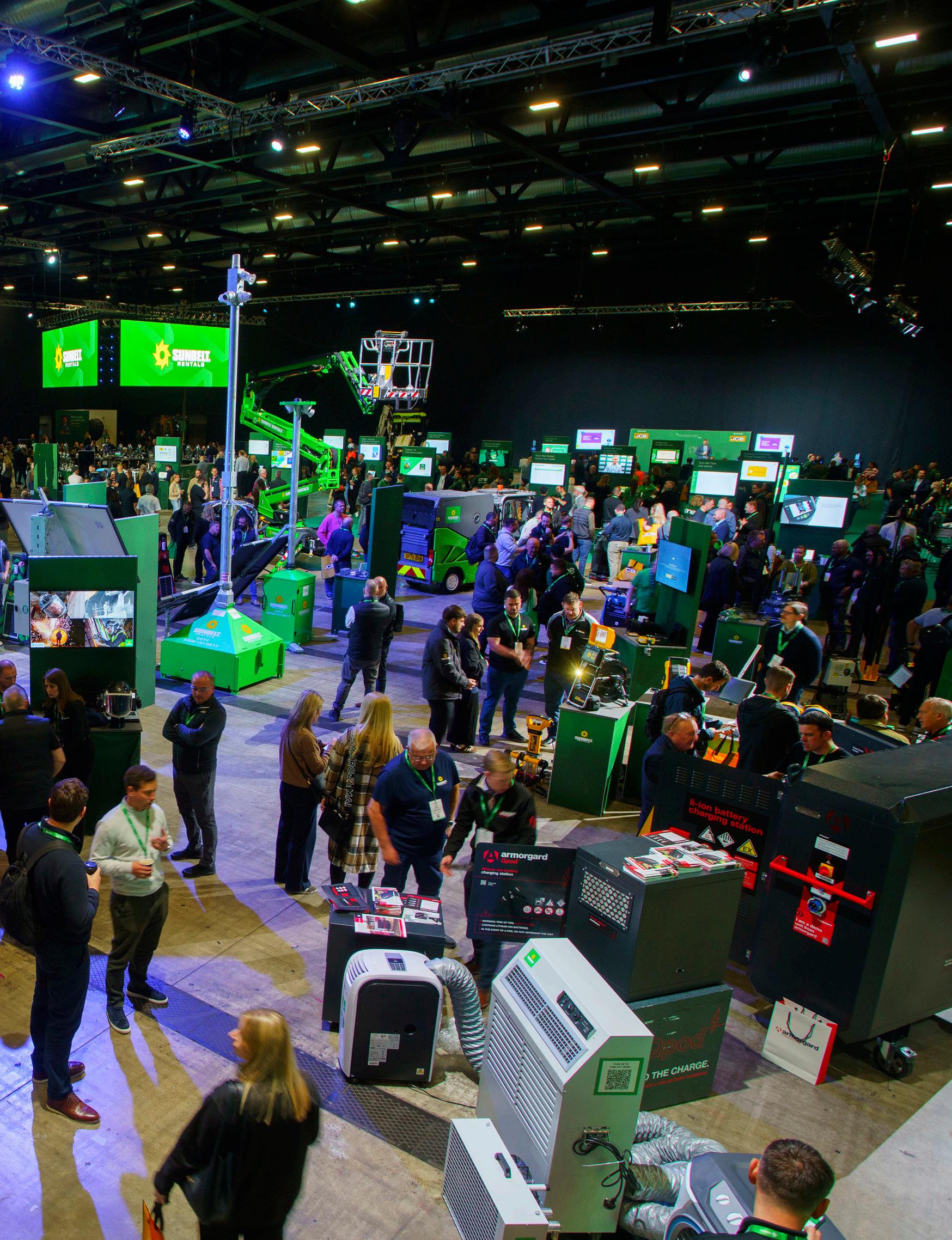
target. The value of this product comes from enabling more informed, real-time conversations with customers, allowing Sunbelt to recommend the right equipment for the job based on their specific energy profile, including identifying low- and zero-emission alternatives.
A must have for the eco-warriors out there!
Another major area of focus at ONE was construction safety technology and the increasing integration of AI-driven risk management systems. One of the standout demonstrations highlighted by International Rental News involved advanced human-form detection systems from Safety Shield Global. The company demonstrated technology capable of identifying people around machines with extremely high accuracy rates while minimising false detections. More importantly, the systems are evolving beyond simple proximity alerts into wider operational intelligence platforms. Several developments referenced during the event included:
• Anti-theft and vandalism protection
• Simplified operator alert systems
• Integrated telematics analysis
• AI-assisted risk categorisation
• Combined site data platforms
One emerging system, known as Nexus, is being piloted by Sunbelt Rentals to combine telematics and safety data into a single risk-monitoring platform. This points toward a wider industry trend where safety technology is increasingly becoming predictive rather than reactive.
Instead of simply recording incidents after they occur, connected systems are being designed to identify unsafe patterns before accidents happen. For contractors working on complex infrastructure sites, that could eventually reshape how compliance, insurance and operational reporting are managed.
Autonomous and semi-autonomous equipment also featured heavily throughout the Liverpool programme.
Although fully-autonomous heavy construction machinery remains relatively limited in the UK market, the technologies demonstrated at ONE showed how automation is steadily entering adjacent areas first.
Examples included:
• Robotic cleaning systems
• Automated maintenance equipment
• Autonomous site-support machines
• AI-driven operational platforms
International Rental News reported that Sunbelt Rentals floor preparation and maintenance division demonstrated autonomous cleaning robots from manufacturers including Tennant, Lionsbot and Pudu Robotics.
While such systems may appear distant from traditional plant hire, they demonstrate how automation is gradually becoming commercially viable in repetitive site operations. Construction remains heavily labour-dependent, but skills shortages, rising labour costs and productivity pressures are driving increasing interest in autonomous support systems.
The rental sector may ultimately play a major role in introducing such technologies to contractors through trial deployment models and short-term operational testing.
A recurring phrase throughout the event was Sunbelt Rentals “4.0 strategy”, described by the company as part of its fiveyear growth strategy focused on prioritising, elevating, and enhancing everything that they do through the lens of their people and their customers, including providing an integrated service delivery and technology adoption.
Although the terminology is specific to Sunbelt Rentals, the underlying themes reflect broader market pressures affecting the entire UK rental industry. These include:
• Contractor consolidation
• Tighter infrastructure delivery schedules
• ESG requirements
• Digital reporting demands
• Labour shortages
• Pressure on asset utilisation
• Rising expectations around accountability Collectively, those pressures are pushing rental firms toward more sophisticated operational models.

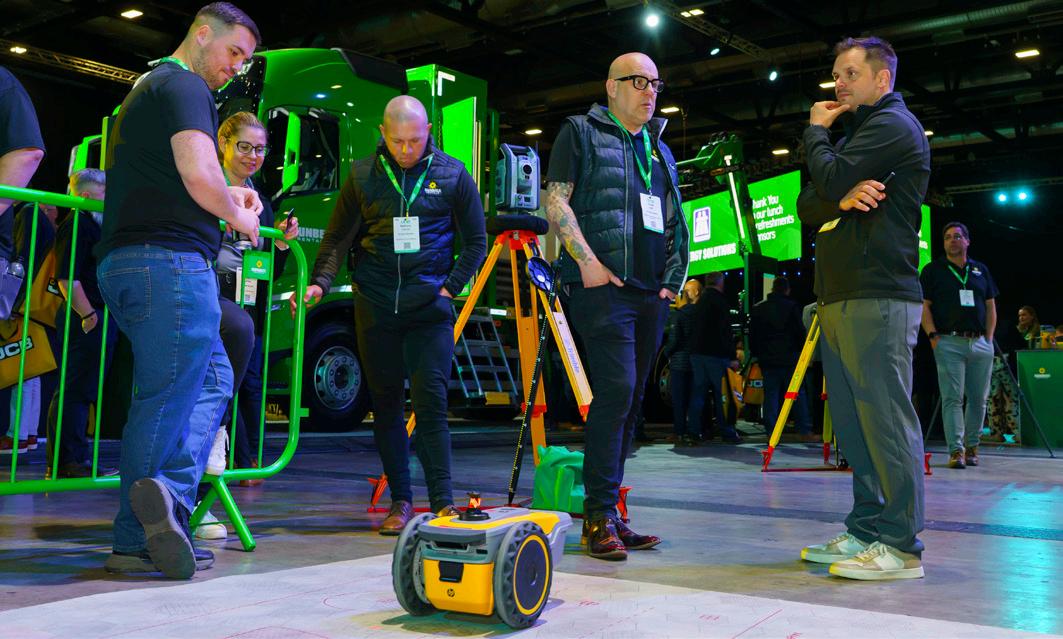
For all the emphasis on hydrogen, AI and autonomous technology, perhaps the most important takeaway from ONE was the broader shift in mindset visible across the sector. Sunbelt Rentals always have, and always will be, at the forefront of any innovation, and the event demonstrated that the UK hire industry as a whole is catching-up. It increasingly sees itself not simply as a supplier of machines, but as a technology-enabled service partner capable of supporting complex project delivery from multiple angles simultaneously. Rental businesses that can combine fleet scale with digital capability and coordinated service delivery may ultimately become central players in infrastructure delivery rather than peripheral suppliers. The Liverpool event offered a clear indication that the future of construction hire is unlikely to be defined solely by bigger fleets or lower rates. Instead, it will increasingly revolve around data integration, sustainability, operational intelligence and the ability to deliver complete site ecosystems under one coordinated platform.
For an industry historically built around iron and availability, that represents a substantial transformation. And if ONE was any indication, the race to define that future is already well underway, and as always, Sunbelt Rentals is speeding ahead.
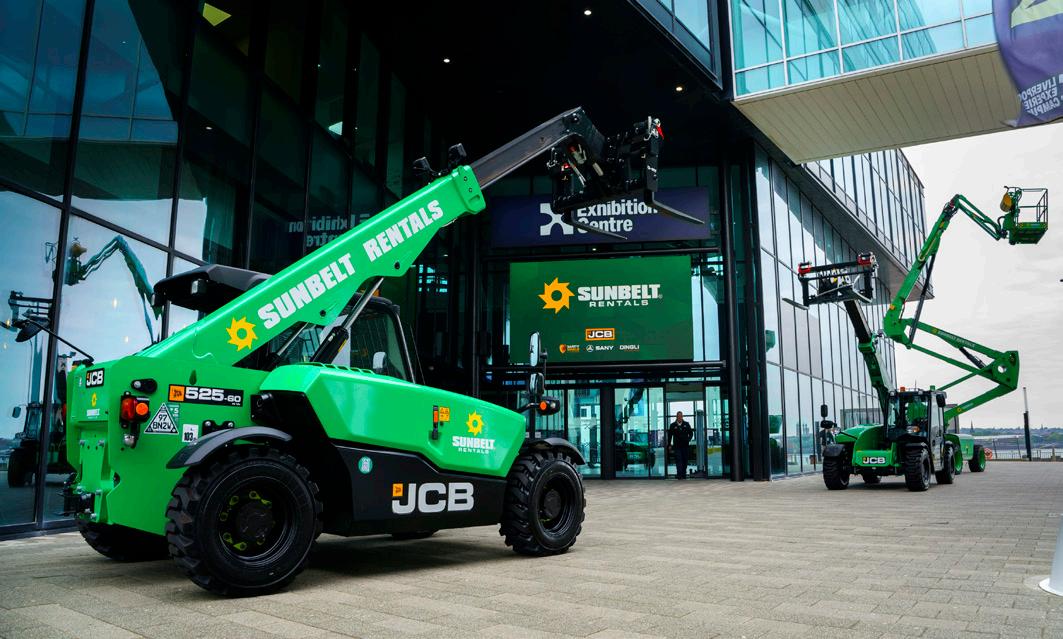
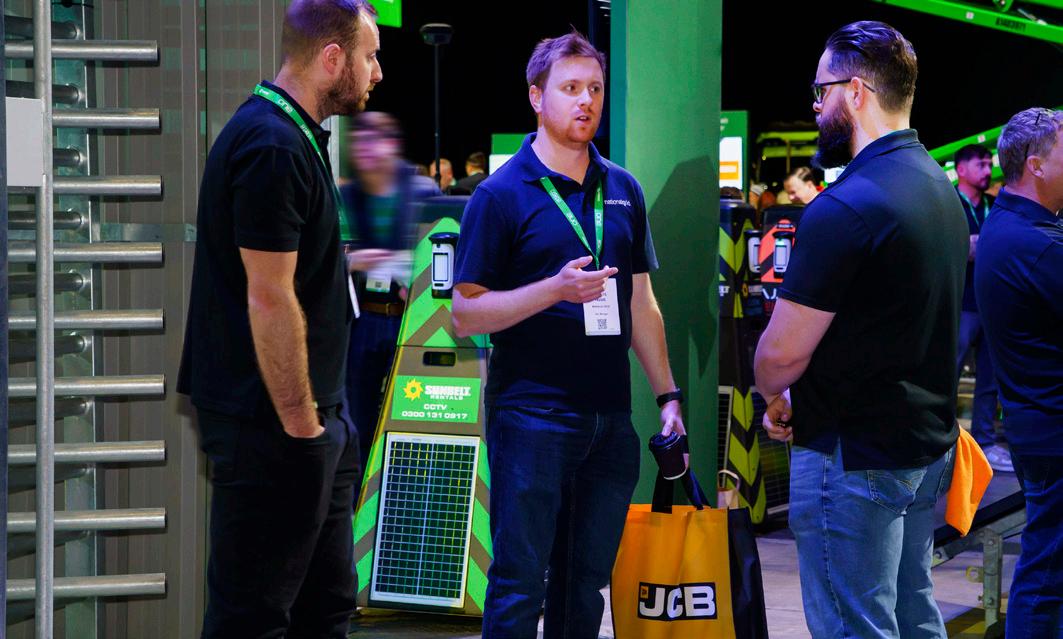




With dedicated divisions for attachments, machine control and pile cropping, Aska gives contractors access to one of the industry’s most comprehensive ranges of specialist equipment, technical support and nationwide hire capability. Tough site work demands more than standard equipment. The wrong kit is exposed quickly: productivity drops, downtime grows and the job becomes harder than it needs to be.
That is where specialist hire makes the difference. Aska Attachments has built its reputation around supplying excavator attachments selected for real site conditions, not just catalogue availability. The company supports contractors across the UK with specialist attachment hire, practical advice, delivery support and experienced engineers who understand how equipment needs to perform once it arrives on site.
Today, Aska operates across three dedicated divisions: Aska Attachments, Aska Machine Control, and Aska Pile Croppers. Together, they give contractors access to one of the largest ranges of specialist equipment hire and support in the industry, combining nationwide coverage with the technical knowledge needed to help sites work faster, safer and with greater confidence.
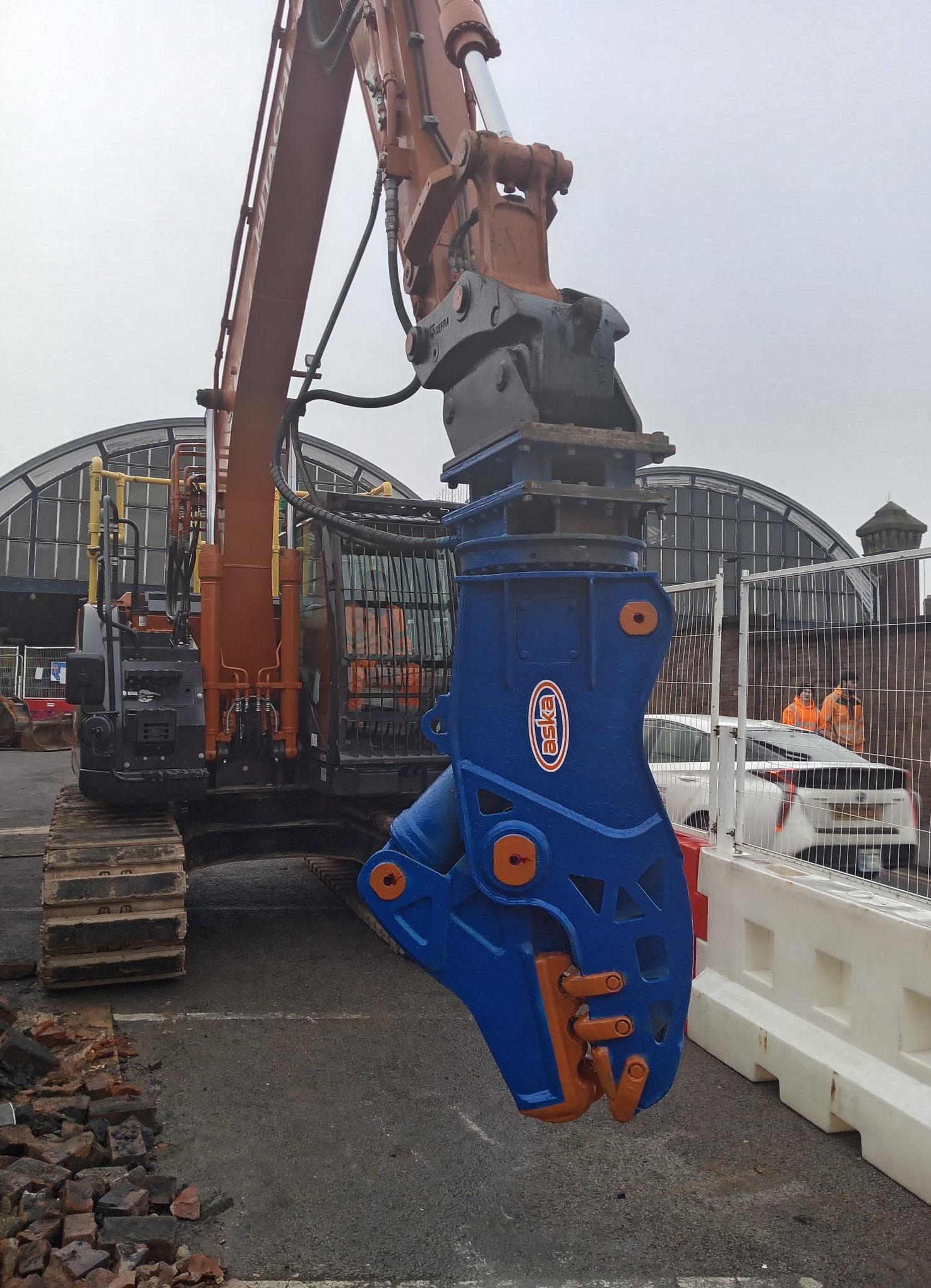
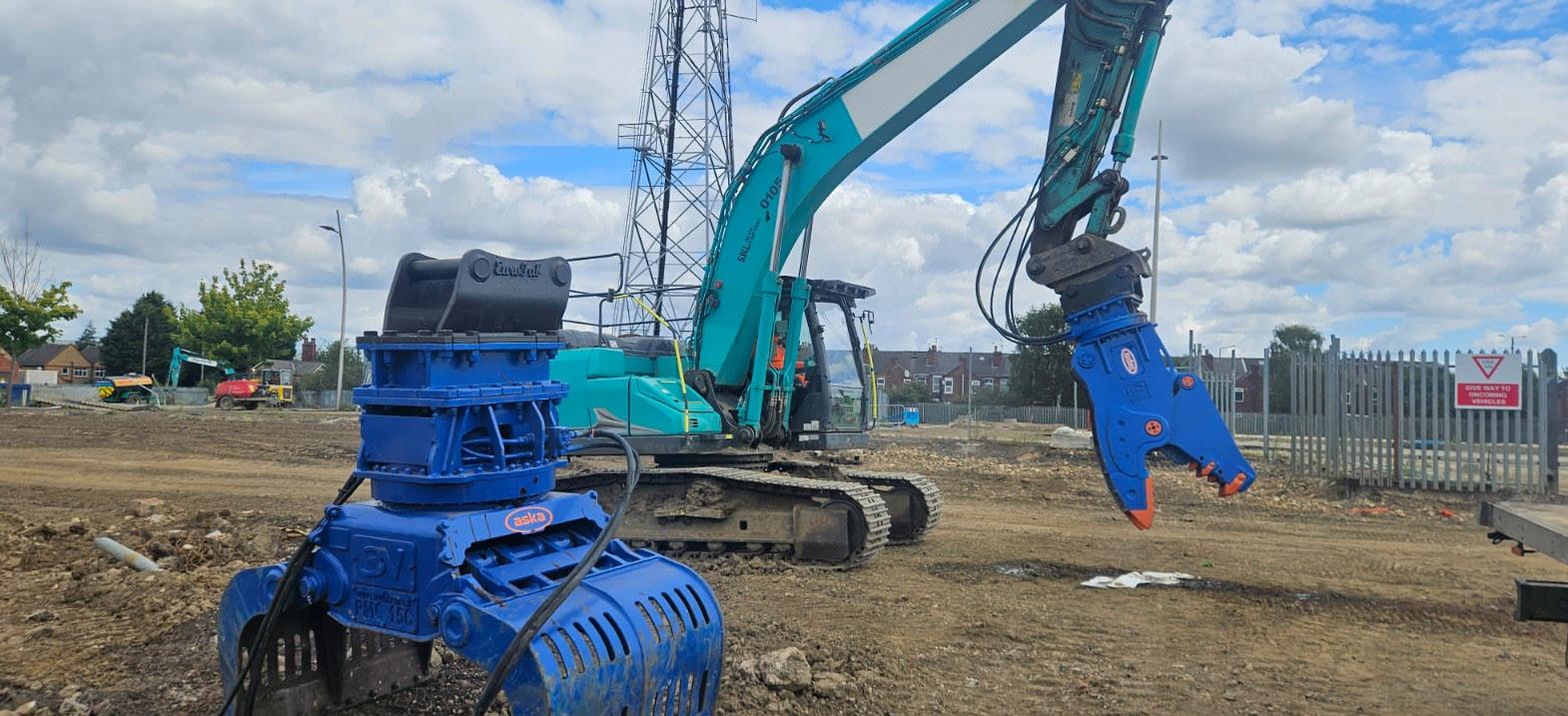
No two jobs are the same. One site may need steel processing and concrete reduction. Another may need low-vibration trenching close to services. Another may be dealing with restricted access, awkward ground conditions, or material that needs screening and reusing rather than sending away.
Aska’s general attachment fleet is built around these practical site challenges. Instead of approaching hire as a simple transaction, Aska works with contractors to understand the task, the host machine, the working environment and the expected outcome. That approach helps ensure the attachment supplied is suitable for the job, compatible with the carrier and ready to deliver the productivity contractors need.
The strength of Aska’s offer lies in the combination of specialist equipment, practical hire support and technical understanding. Whether the job involves ground engineering, demolition, land clearance, cutting, crushing, screening or recycling, the right attachment can transform how the work is carried out.
Aska’s fleet covers a wide range of excavator attachments for demanding site applications. This selection highlights just some of the specialist equipment available, showing how Aska supports contractors across ground engineering, demolition, land clearance, cutting, processing and recycling.
For groundworks, infrastructure, retaining works and temporary works, sheet piling hammers are a vital attachment for contractors who need efficient pile installation. Used with suitable excavators, they help drive sheet piles into the ground for applications such as earth retention, flood defence, cofferdams, basements, marine works and construction support.
The advantage of hiring specialist piling equipment is flexibility. Contractors can access the right hammer for the job without long-term ownership costs, while receiving support around machine suitability and setup. On projects where programme pressure is high and ground conditions can vary, the correct piling attachment can be critical.
The Aska Dipperfox is one of the fleet’s most distinctive attachments, designed for fast and powerful stump removal. Its performance makes it a valuable tool for land clearance, forestry, development sites, estate works and infrastructure projects where stumps need removing efficiently before the next phase of work can begin.
The Dipperfox has also gained wider public attention after being featured on Clarkson’s Farm, Season 4, Episode 7. Its real value, however, is found in the field. Traditional stump removal can be slow, messy and labour-intensive. The Dipperfox allows operators to remove stumps mechanically and efficiently, reducing time on site and helping projects progress without unnecessary hold-ups.
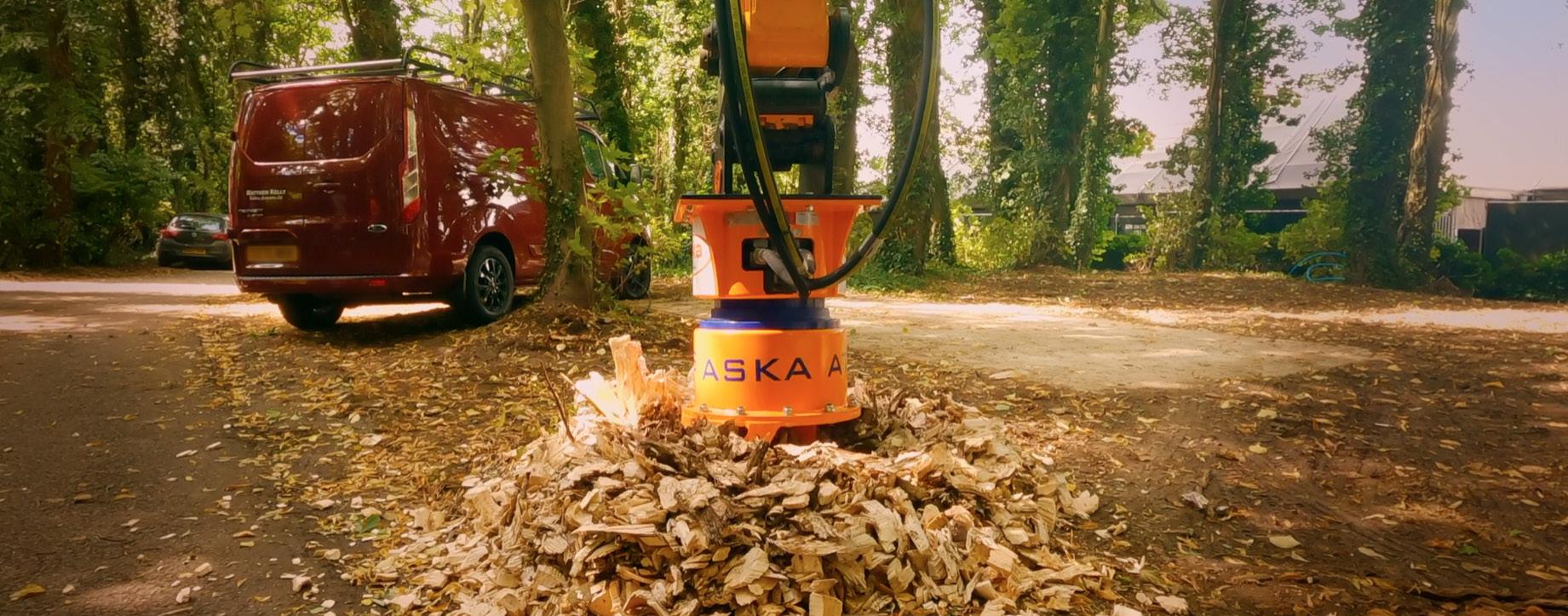
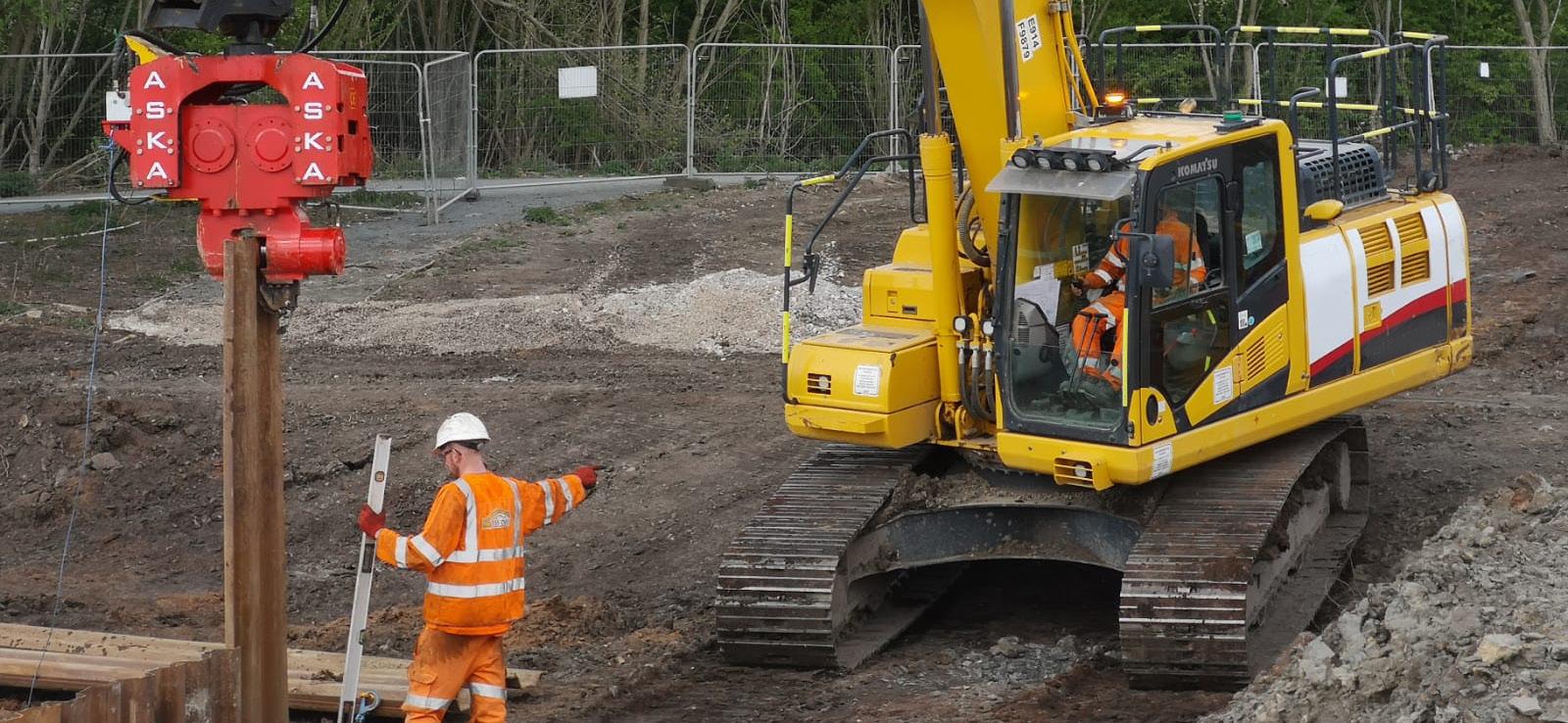
Rockwheels are a strong example of where the correct attachment can completely change the method of work. Used for trenching, concrete reduction, profiling, excavation and cutting through hard or compacted material, Rockwheels offer a controlled alternative to traditional breaking methods.
Their continuous cutting action can help reduce vibration, improve precision and create a cleaner finish. This makes them particularly valuable on urban, utility, infrastructure and demolition projects where surrounding structures, services or sensitive environments need to be considered.
For contractors working around utilities, reinforced concrete, rock or restricted spaces, a Rockwheel can provide a cleaner and more controlled approach. It is not just about getting through the material; it is about reducing disruption and moving efficiently to the next stage.
Pulverisers are essential for demolition and concrete processing applications. Static pulverisers are commonly used for secondary demolition, reducing concrete after the primary structure has been taken down. Rotational pulverisers add extra flexibility, allowing operators to position the jaw more precisely and work more efficiently in demanding applications.
For contractors, the benefit is control. Pulverisers allow concrete to be broken down, separated and prepared for onward processing, helping improve material handling on site. They also support recyclingled workflows by helping separate concrete from reinforcement, reducing waste and allowing material to be managed more effectively.
On demolition sites where productivity, safety and material control matter, the right pulveriser can make a significant difference to how quickly and cleanly work progresses.
Metal shears bring serious cutting power to demolition, scrap processing and recycling work. Designed to cut through steel and metal structures, they are used across industrial demolition, site clearance, processing yards and structural dismantling projects.
For contractors dealing with steel beams, frames, tanks, pipework or scrap material, hiring a suitable metal shear can help speed up work and reduce reliance on more labour-intensive cutting methods. The attachment gives operators the ability to process metal directly with the excavator, improving site efficiency and helping material move quickly from structure to stockpile, skip or onward processing.
Screening buckets add another important capability to Aska’s fleet: material separation and reuse. On construction, demolition, landscaping, groundworks and recycling projects, the ability to screen material on site can help reduce waste, lower haulage requirements and make better use of existing resources.
Rather than removing mixed material from site unnecessarily, contractors can use screening buckets to separate soil, stone, aggregates and other materials into more usable fractions. This supports more efficient site management and can help reduce the cost and environmental impact of transporting material away.
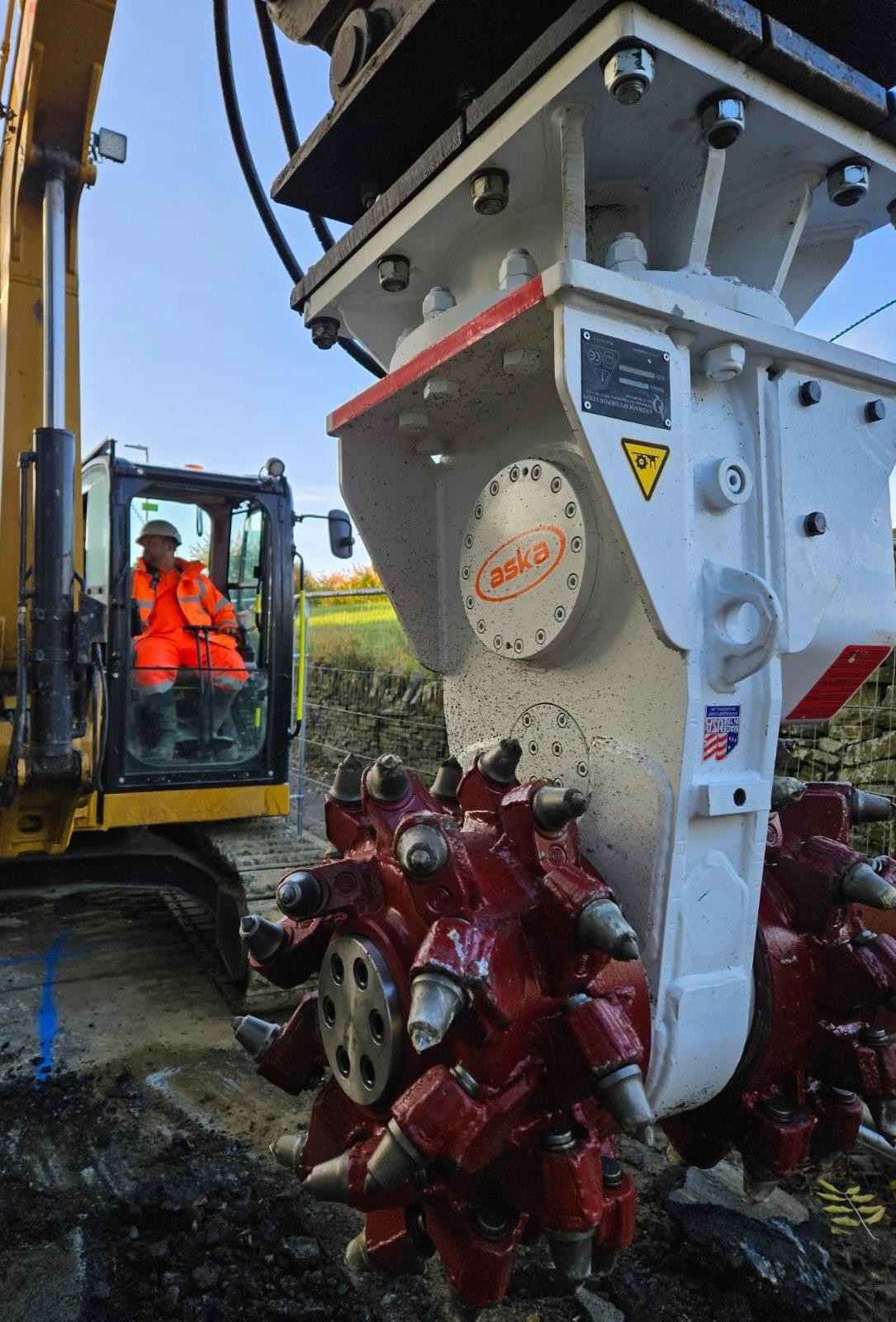
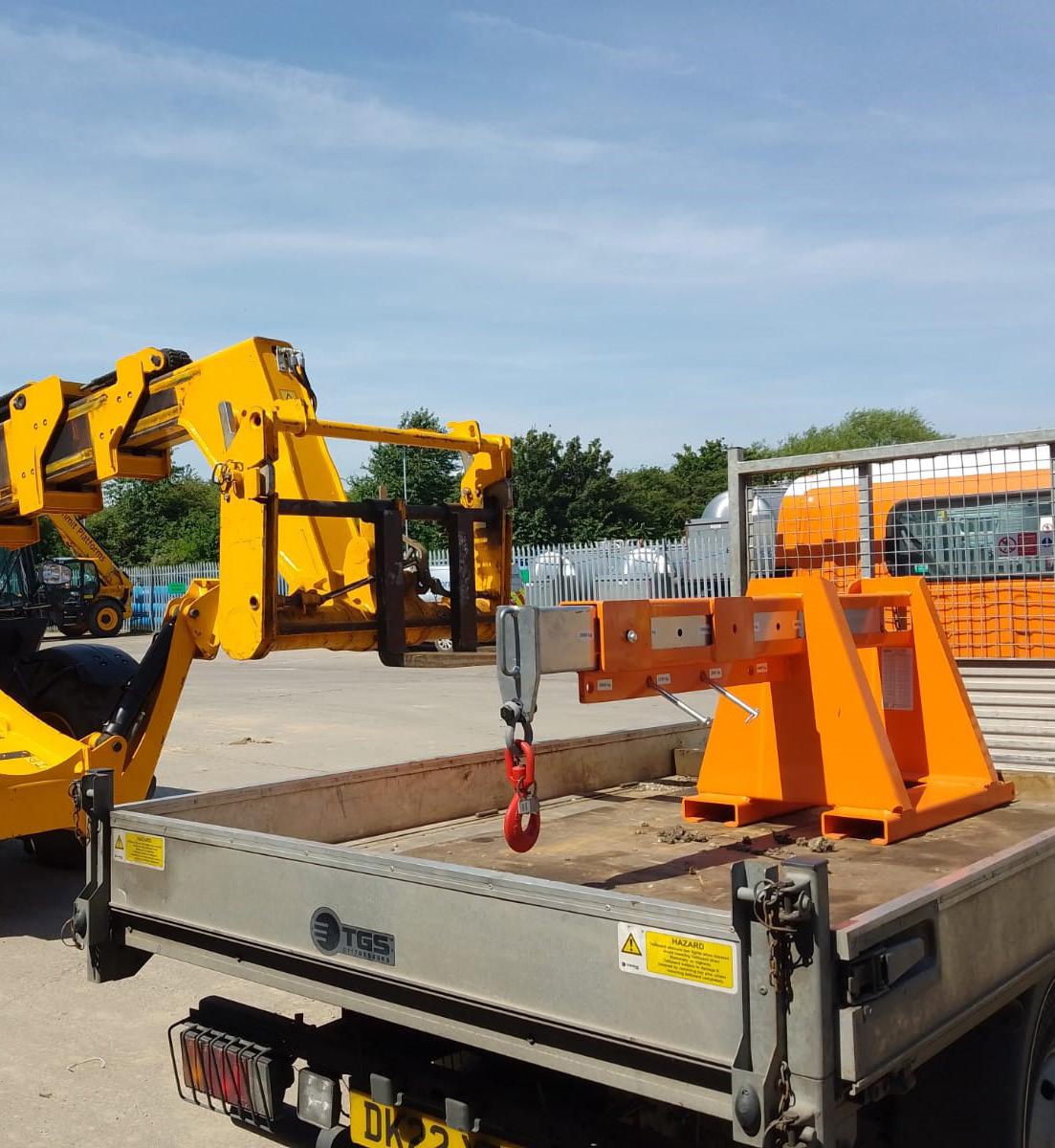
ATTACHMENTS
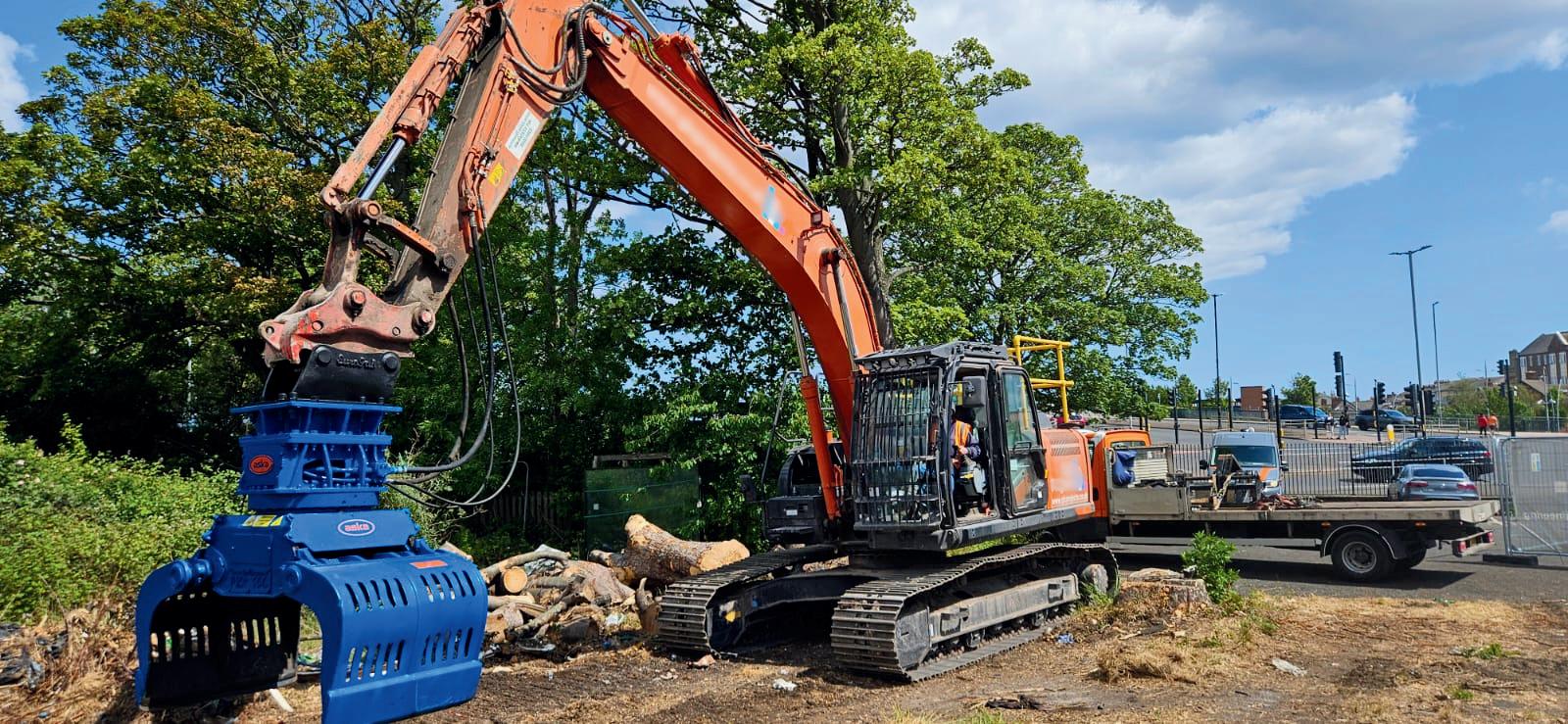

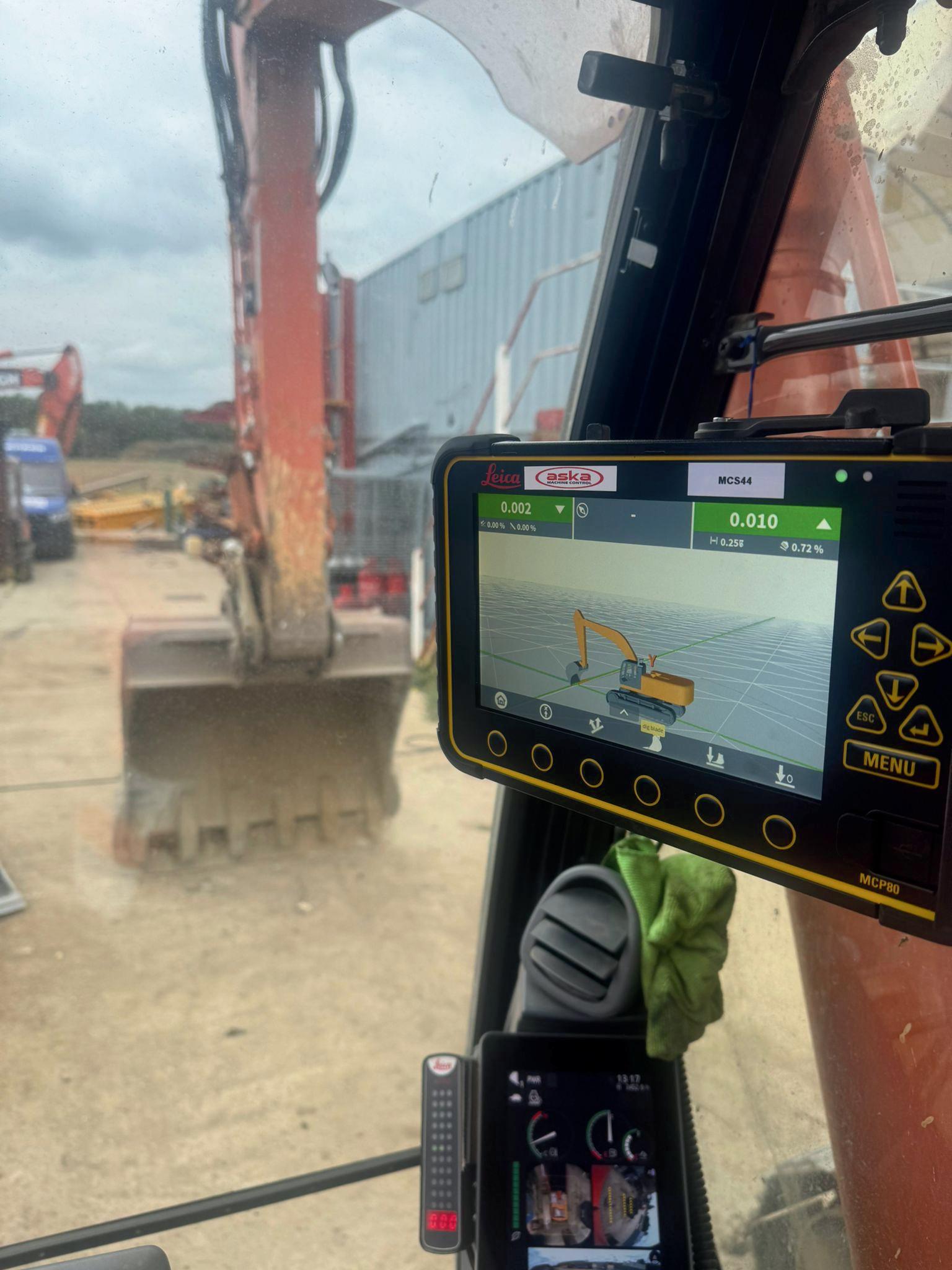
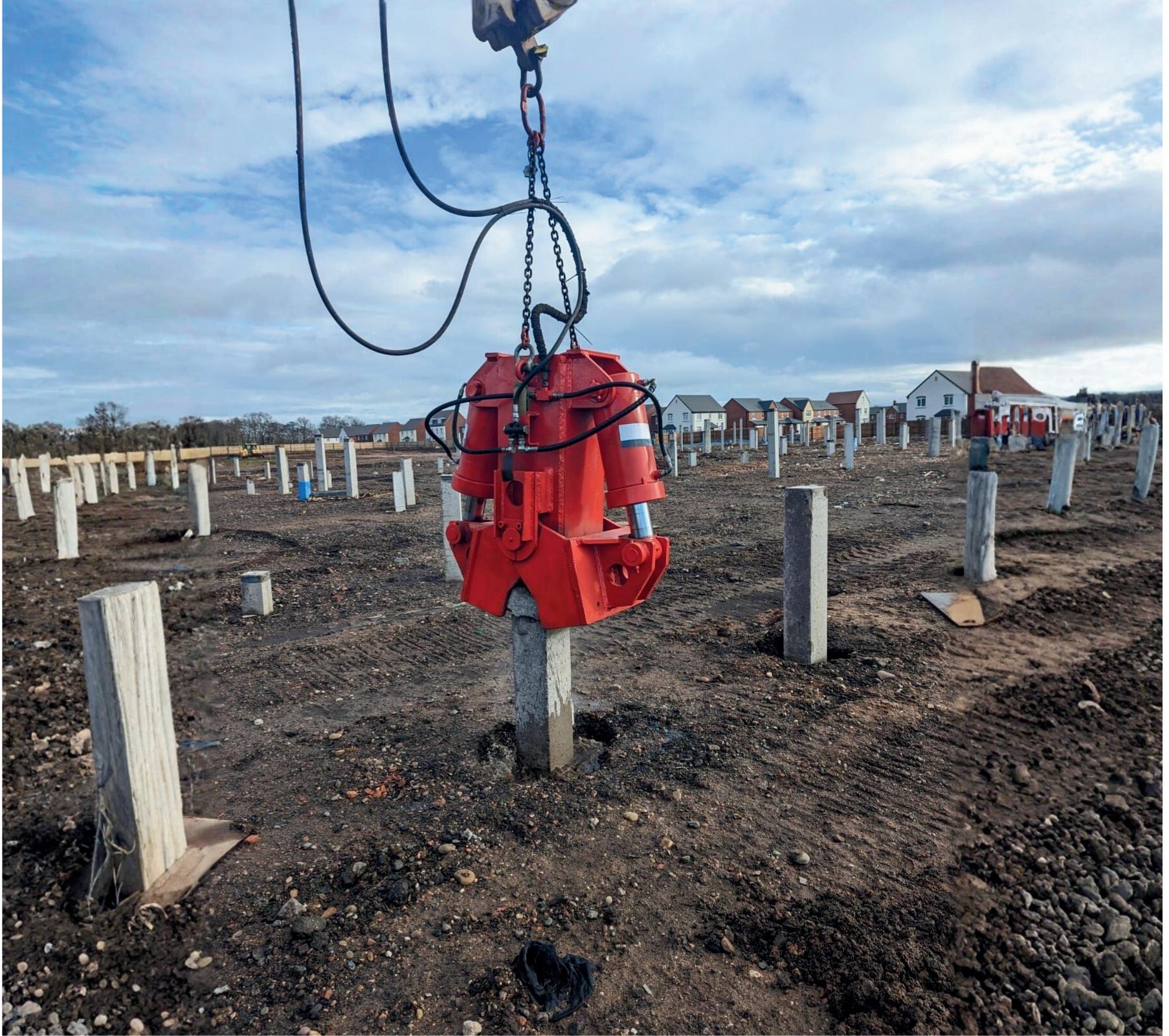
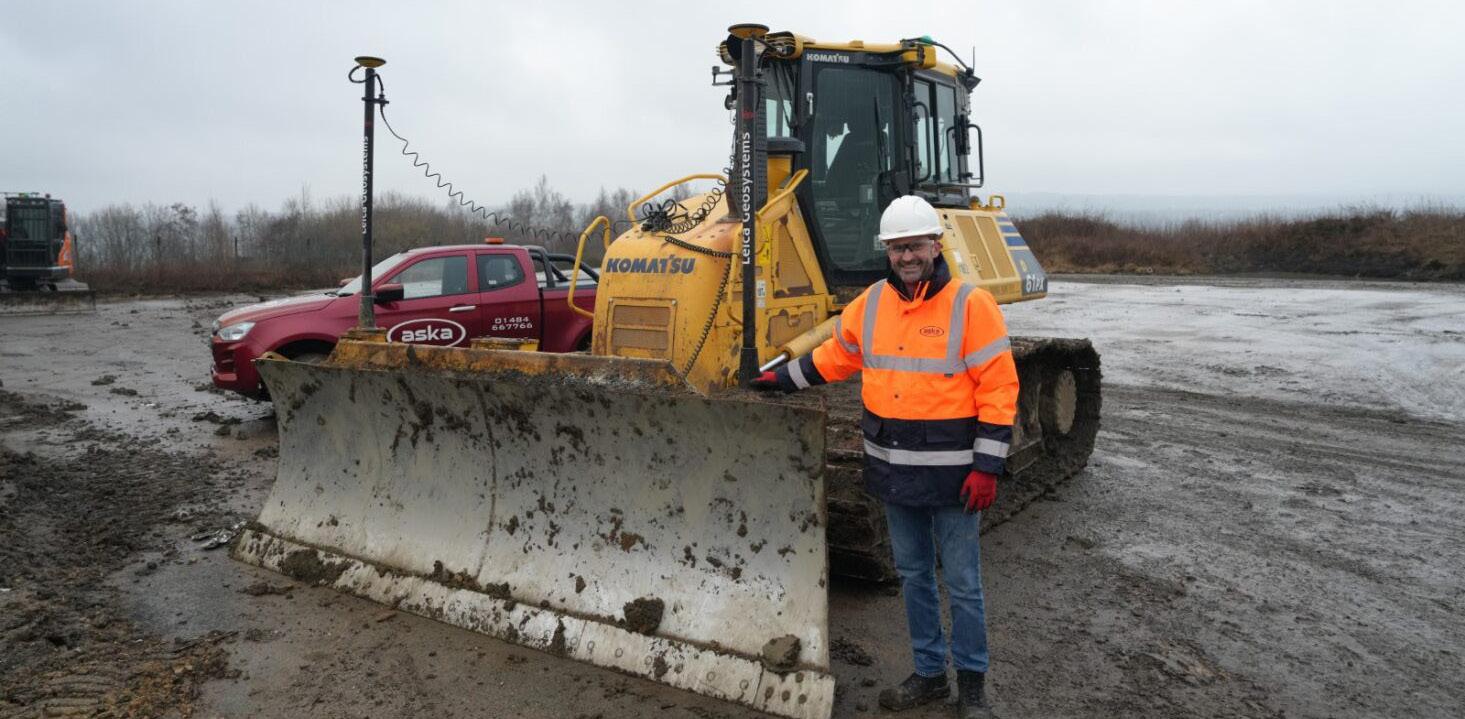
As construction sites continue to demand greater accuracy, machine control is becoming an increasingly practical tool for contractors. It is no longer just a technology conversation. It is a productivity conversation.
Aska Machine Control has been developed as a standalone division within Aska, supporting contractors with 2D and 3D machine control solutions across leading systems including Leica, Topcon and Trimble. The division reflects the changing way excavation, earthmoving and site preparation are being delivered across the UK.
The purpose of machine control is straightforward: help operators work to design with greater accuracy and confidence. By providing clear guidance from the cab, machine control can support more efficient digging, grading and earthmoving. It can help reduce overdigging, undercutting, unnecessary rework and repeated manual checks.
For contractors, those improvements can have a direct impact on time, material movement and overall site efficiency.
Aska Machine Control gives customers access to specialist support around system choice, setup and application. Whether a contractor is working with Leica, Topcon or Trimble technology, the aim is to help them get the right system working effectively on the right machine.
The benefits are especially clear on projects where accuracy is essential. Earthworks, groundworks, drainage, infrastructure, road formation and large-scale site preparation can all benefit from improved control and visibility. Operators can work more consistently, and projects can reduce the risk of costly correction work.
Machine control also fits naturally alongside Aska’s wider attachment hire offer. Specialist attachments give machines the physical capability to tackle demanding work. Machine control adds the accuracy and guidance needed to complete that work more efficiently.
Together, they support a more modern approach to site productivity: less guesswork, fewer delays and better control from the cab.
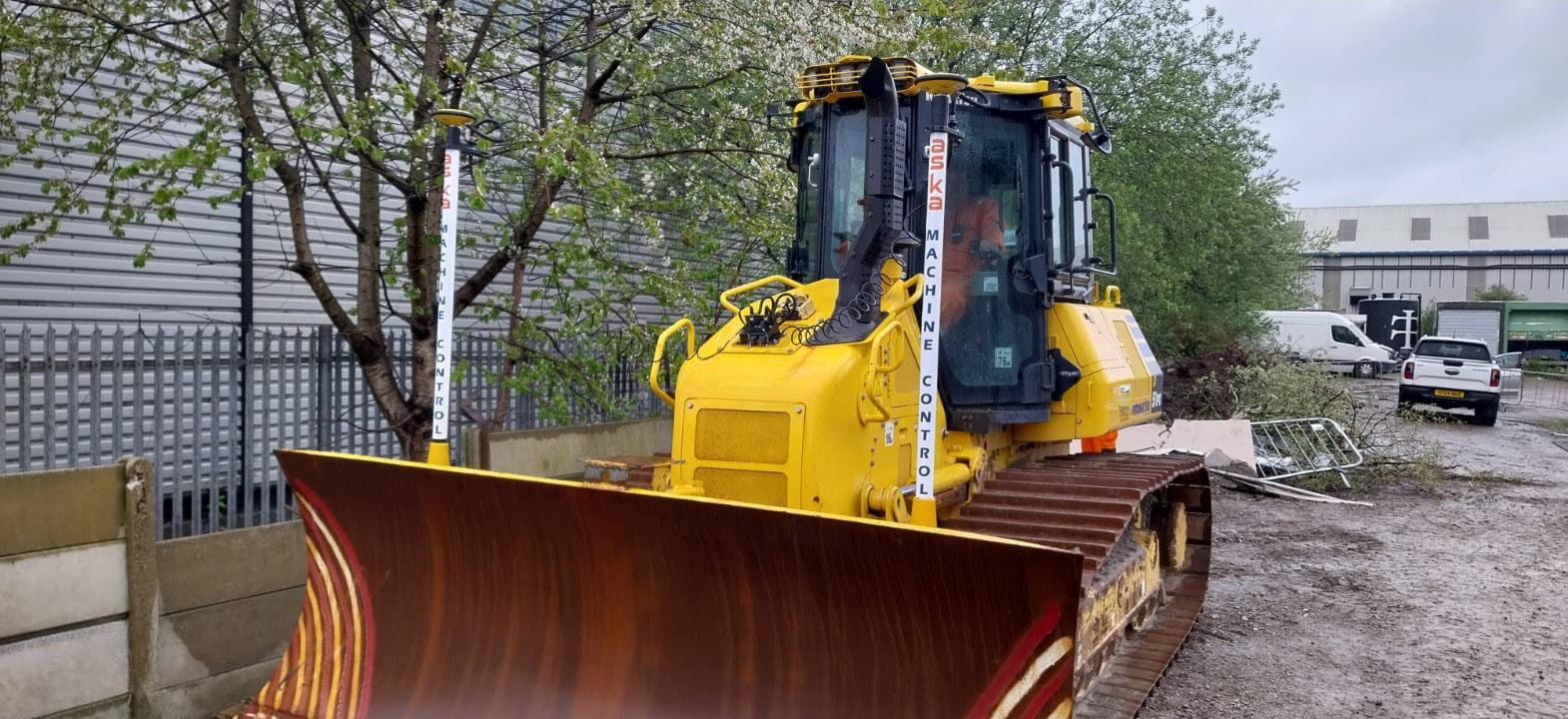
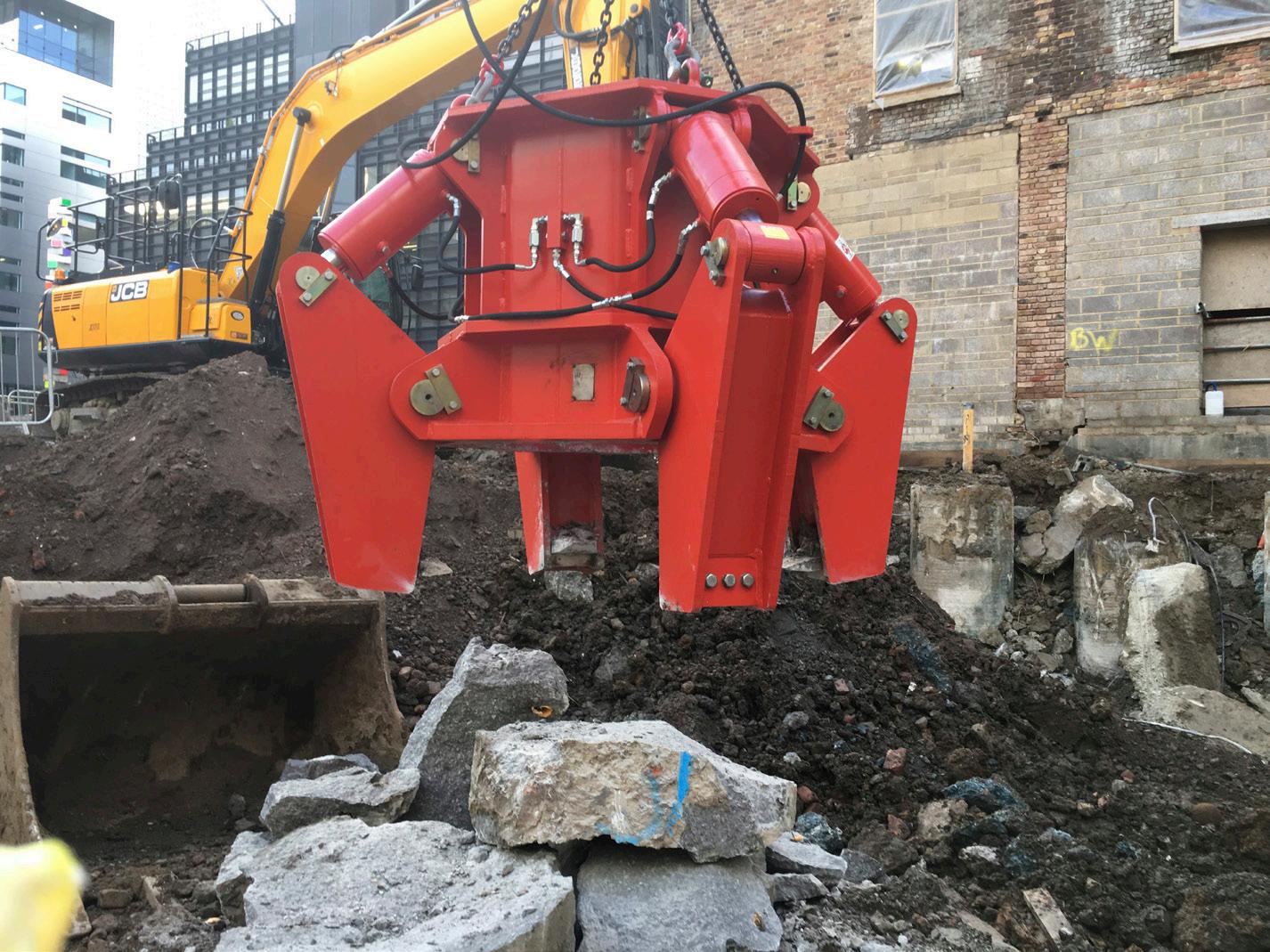
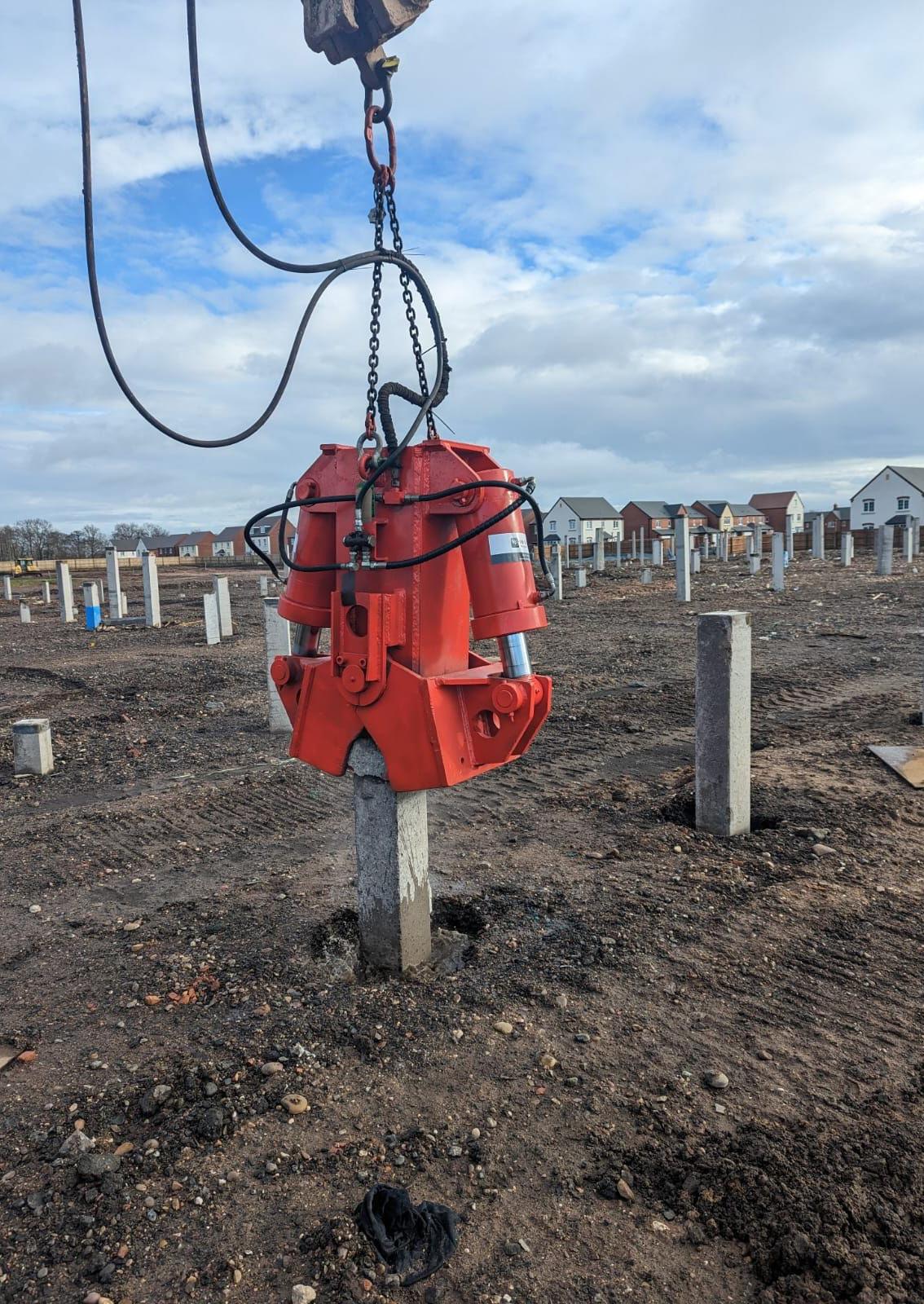
Pile cropping is a critical stage in all construction and infrastructure projects. It requires the right equipment, the right setup and a controlled method of reducing piles to the required level while maintaining safety and consistency on site. Following the addition of Mr Cropper’s fleet, Aska Croppers has strengthened its dedicated pile cropping division; becoming the largest supplier of pile croppers in UK and Ireland. The Mr Cropper name is already well recognised in the sector and under Aska it becomes part of a wider national hire operation with engineering support, delivery capability and a service-first approach.
The result is a dedicated pile cropper division that gives contractors access to an extensive range of piling equipment, correct selection and support from people who understand the piling industry.
Aska Croppers full range includes croppers for every type of pile types and site requirements. This gives contractors access to specialist solutions for different pile sizes, formations and working environments. The 4 Jaw Cropper, for example, is used for cast in-situ, contiguous and secant concrete piles, leaving rebar intact. CFA Croppers provide a fast and controlled method for reducing circular cast in-situ piles. Heavy Duty Croppers support larger pile applications, while CHD Croppers are designed for corkscrew-style piles. Trench Croppers, Power Croppers, Multi-Bar and Single Bar Croppers each bring specific advantages depending on the pile type and project conditions.
One particularly important addition is the Uni Cropper, designed for contiguous and secant pile walls where working space is limited. On sites where piles are closely installed and conventional cropping equipment cannot easily be deployed, the Uni Cropper offers a compact and controlled option for restricted-access applications. For contractors, the value of pile cropper hire is not simply the machine itself. It is confidence. The correct cropper, properly specified and supported, can help reduce manual labour, improve safety and deliver a cleaner, more consistent result.
Aska’s pile cropper service is built around that principle. Equipment is delivered, fitted and tested on site, with experienced engineer support available to help ensure the cropper is ready to perform. That service-led approach helps contractors keep cropping work moving and reduces the risk of delays caused by unsuitable equipment or poor setup.
Pile cropping may be a specialist area, but on the projects that need it, it is essential. Aska is a dedicated identity for that expertise.
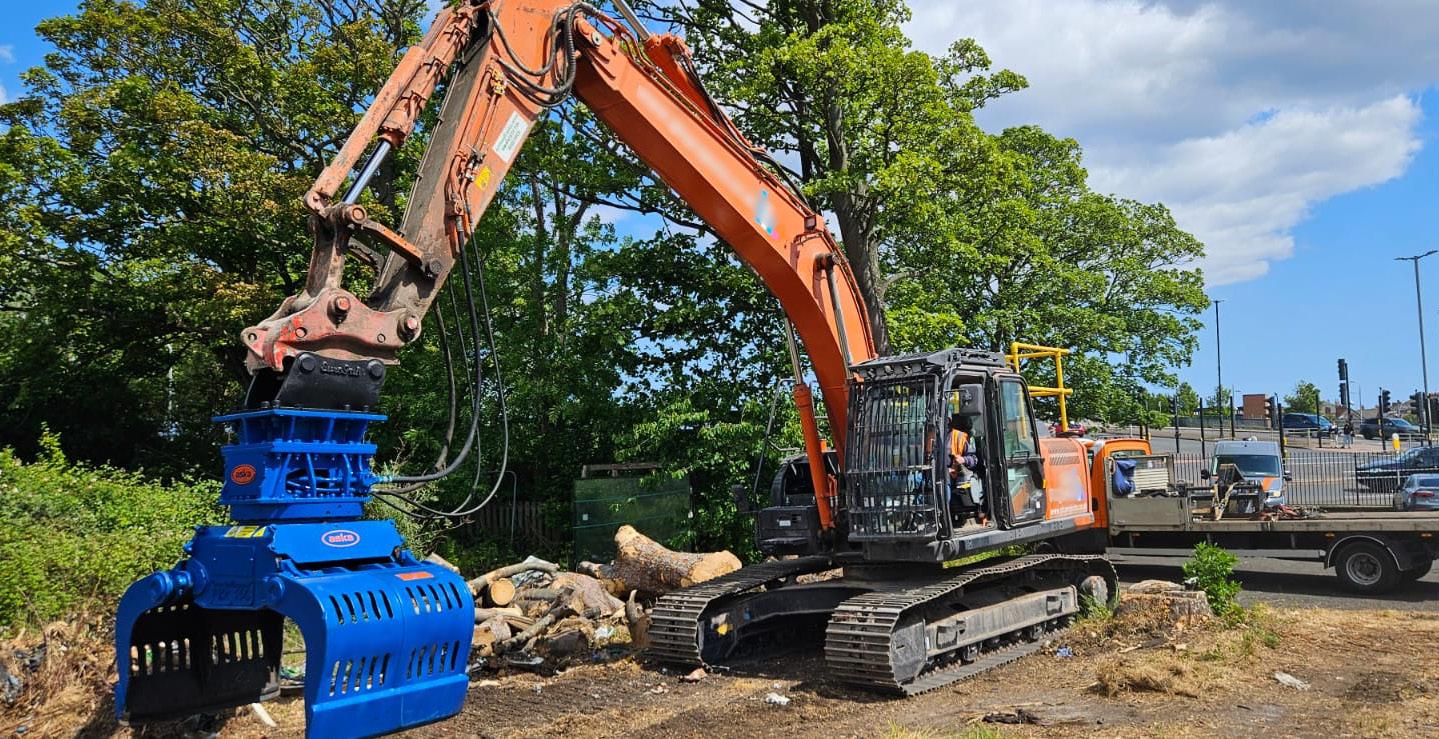
The common thread across Aska’s divisions is support. Attachments, machine control and pile croppers may serve different site needs, but the objective is the same: help contractors keep work moving with the right equipment and the right guidance. For general attachments, that means giving customers access to specialist kit for demanding applications, from sheet piling and stump removal to demolition, cutting, shearing and screening.
For machine control, it means supporting contractors with 2D and 3D solutions across Leica, Topcon and Trimble systems, helping bring greater accuracy and efficiency to excavation and earthmoving. For pile croppers, it means providing a dedicated specialist division through Aska Croppers, with equipment selected for the pile type, delivered to site, fitted, tested and supported by experienced engineers.
all three areas, Aska’s approach is built around reducing downtime and improving confidence on site. The company understands that contractors do not just need equipment. They need equipment that turns up ready, fits the machine, suits the application and gets to work. Whether the project needs a Rockwheel for controlled cutting, a Dipperfox for fast stump removal, a metal shear for demolition work, a machine control setup for accurate excavation, or a Cropper solution for pile reduction, Aska can help line up the right kit before it slows the job down.
For specialist attachment hire, machine control and pile cropper support, call Aska and get the right equipment on site.
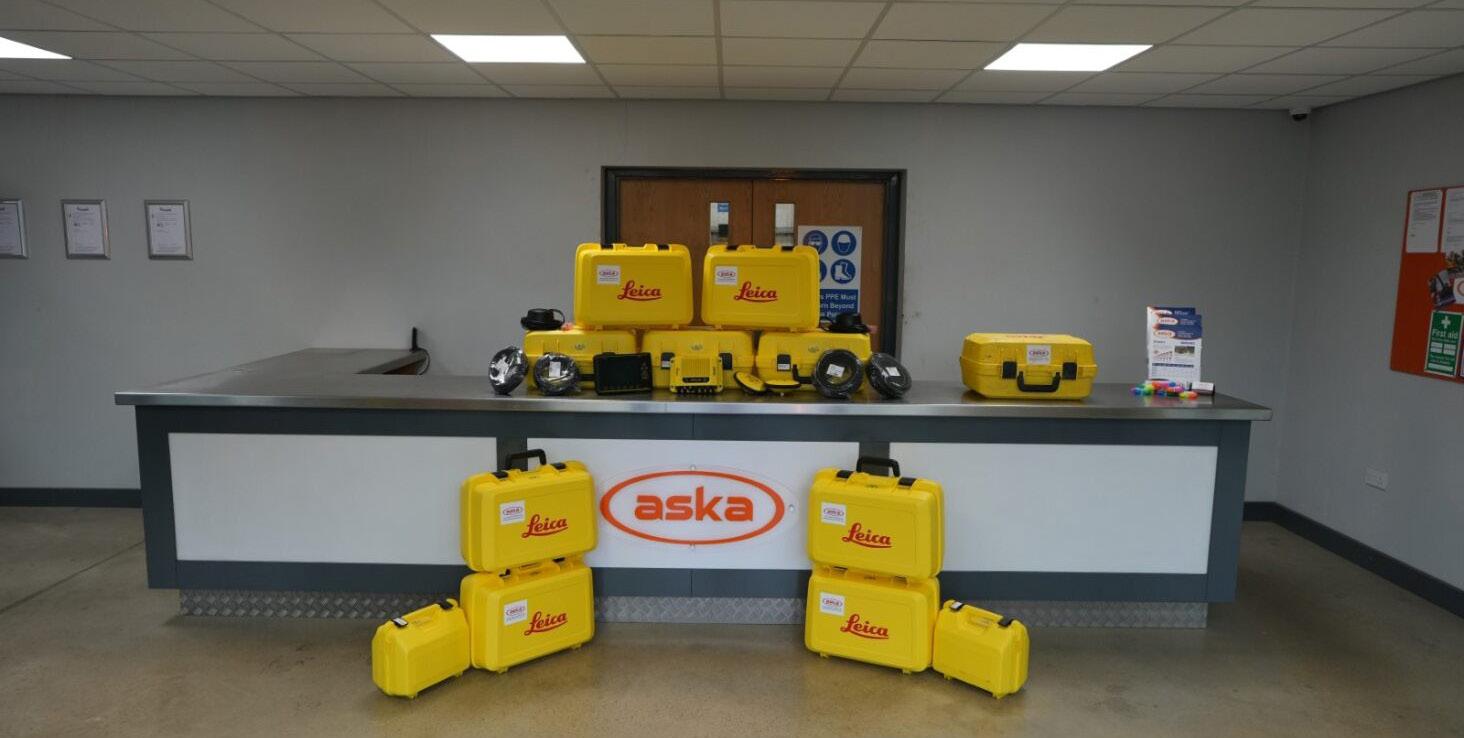

Before becoming Britain’s busiest airport, the Middlesex hamlet of Heath Row was little more than a scattering of cottages, orchards and farmland.
This quiet rural existence remained largely unchanged since Neolithic times until 1944, when the Air Ministry requisitioned around 3,000 acres of land to construct a vast new military airfield adjacent to the existing Great West Aerodrome.
Although the Second World War ended before construction was fully completed, the hamlet of Heath Row had already disappeared beneath the development. Around 800 people from the surrounding villages of Harmondsworth, Sipson and Harlington were displaced, with the scheme rapidly becoming one of the largest civil engineering operations undertaken in wartime Britain.
Even by modern standards, the engineering challenge of constructing Heathrow Airport was immense. While most RAF bomber stations occupied sites of around 1,000 acres, Heathrow was planned at almost three times that scale.
Driven by Under-Secretary of State for Air Harold Balfour and the Air Ministry, Heathrow was officially intended as a strategic RAF transport and bomber hub for operations against Japan. However, senior officials later acknowledged that the project was also heavily influenced by the Government identifying a need for a major post-war civil airport, with facilities such as Croydon Airport increasingly viewed as inadequate for the next generation of long-range aircraft.
Wartime powers allowed planners to bypass land acquisition and approval processes that would likely have taken many years in peacetime to resolve, enabling construction to
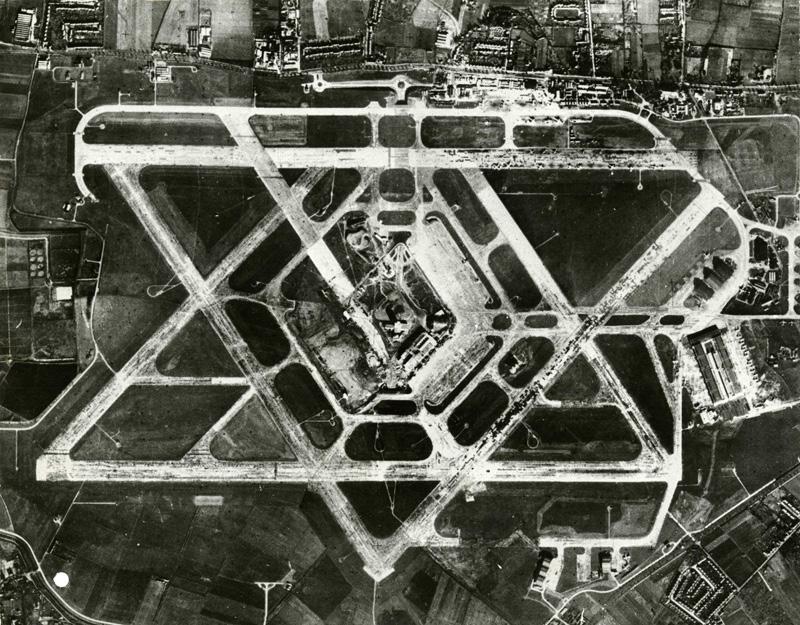



progress rapidly despite shortages of labour, fuel and materials.
Entire farms, roads and waterways were cleared or diverted as teams of Royal Engineers and civilian contractors transformed millions of cubic metres of soft agricultural and heath land into densely compacted runway infrastructure.
Large fleets of mechanised construction plant were used at a scale rarely seen in Britain at the time. Cable-operated excavators from manufacturers such as Ruston-Bucyrus worked alongside Bedford O-Series Tippers and Caterpillar crawler tractors with scraper units to move huge volumes of earth, while Aveling-Barford rollers compacted the expanding airfield. Much of the excavated material was reused through cut-and-fill earthworks to raise low-lying ground and form embankments around the expanding airfield.
By January 1946, Heathrow had opened for civil operations, just two years after construction began.
Unlike most infrastructure schemes, Heathrow has never truly been completed. Successive decades brought new terminals, tunnels, cargo facilities and rail links, turning Heathrow into one of Europe’s largest continuously active construction environments.
The largest programme since the airport’s original construction was the building of Terminal 5, which opened in 2008. The wider scheme involved around nine million cubic
metres of excavation, 13km of tunnelling and major upgrades to surrounding road and rail infrastructure. Sections of the River Colne and Duke of Northumberland’s River were diverted, while new connections to the M25 motorway, London Underground and Heathrow Express networks were integrated into the existing transport networks.
At the project’s peak, around 8,000 workers operated onsite daily. More than 140,000 tonnes of structural steel and roughly one million cubic metres of concrete were used during construction, with the main terminal building becoming one of the largest free-standing structures in Britain.
However, Terminal 5’s greatest influence on the construction industry came not from its scale, but from how the project was managed.
Historically, major British infrastructure schemes relied on highly adversarial contracting models in which clients, contractors and consultants attempted to transfer financial and legal risk onto one another, often resulting in delays, disputes and escalating costs.
The British Airport Authority (BAA) recognised the disastrous direct impact that prolonged disruption to Heathrow’s operations would have on the British economy, so devised the “T5 Agreement” to mitigate this.
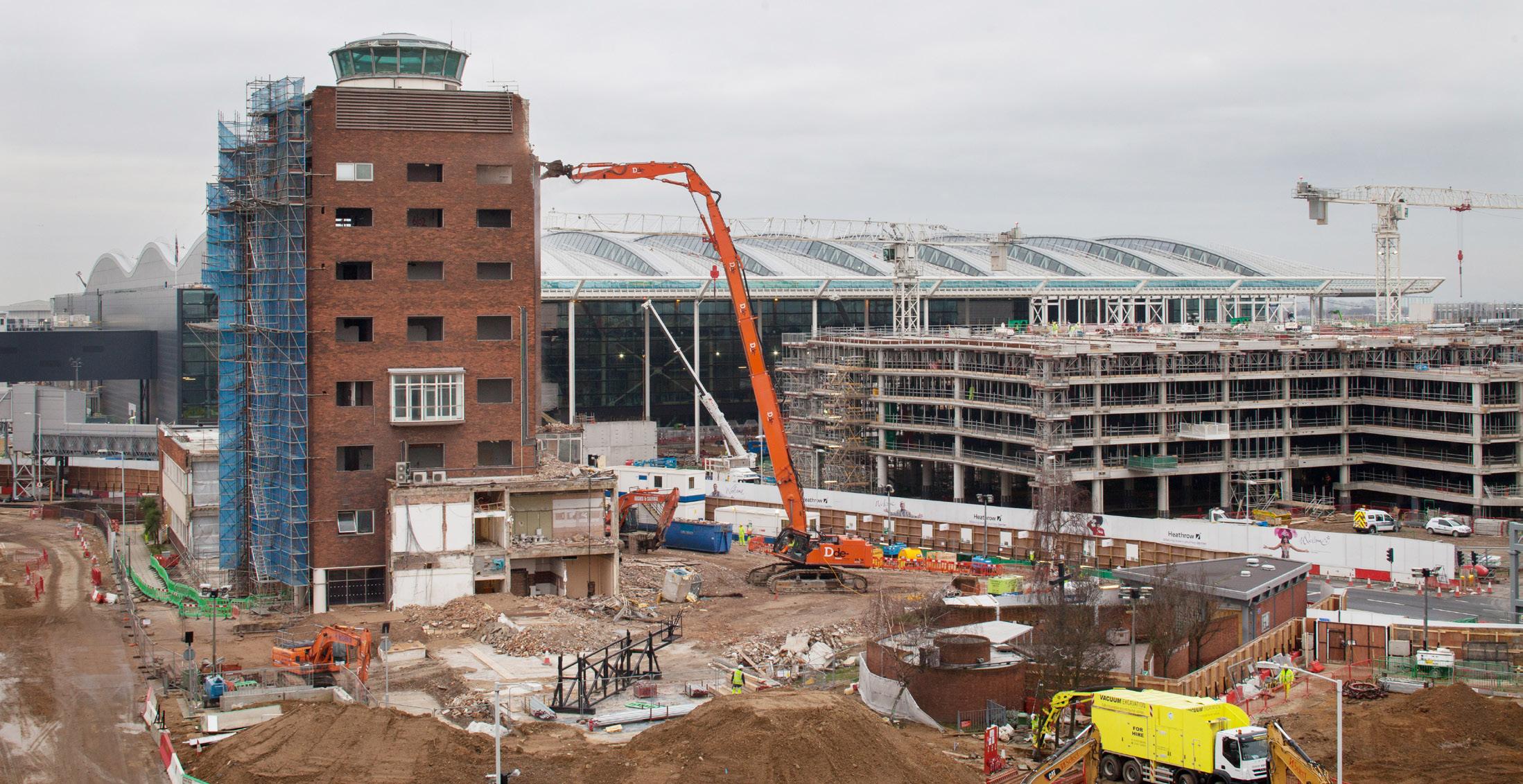
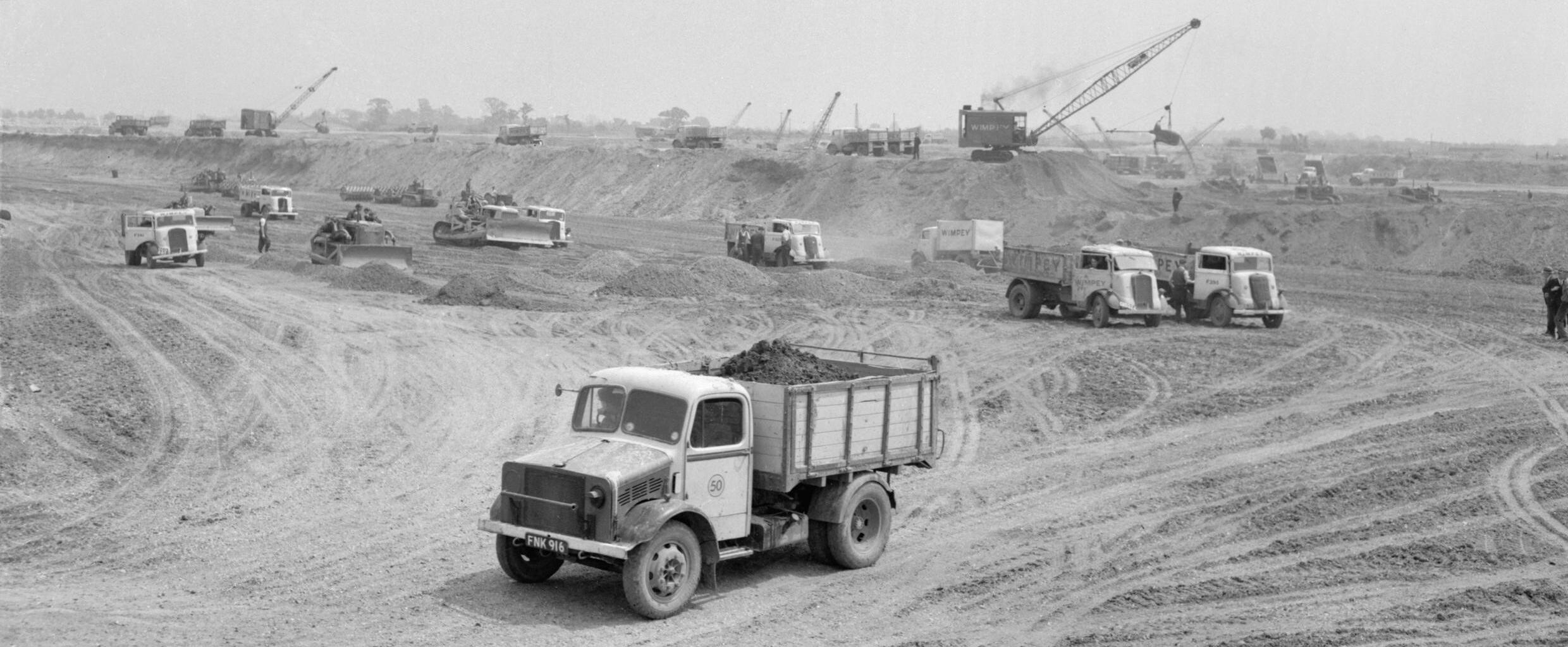
The model enforced a shared risk principle, meaning all parties involved worked within a single collaborative framework with shared accountability. Integrated project teams were also central to the project’s management, which helped to foster open collaboration between all parties involved.
Consequently, the T5 Agreement succeeded in keeping delays and disruption to a minimum, and kept cost control well within tolerance.
The approach would go on to heavily influence collaborative thinking around later UK megaprojects, particularly those involving live operational environments, major logistics coordination and multiple interdependent contractors.
Despite operating for over 80 years, the story of Heathrow’s development is far from over. Heathrow has declared that it is running near practical capacity since early 2000, and currently handles 80 million passengers and 1.6 million tonnes of freight annually.
Proposals for expanding Heathrow have had government support since 2009, but in late 2025 the government officially announced backing for a £49 billion plan to finally make this proposed plan into a reality.
The current plan will see a third 3,500-metre runway added to Heathrow, the expansion of Terminal 2, the closure of Terminal 3, and the construction of a new terminal called T5X, as well as three new satellite terminals.
However, it will also see junctions 14-15 widened and diverted 150 metres through a new road tunnel, which will run under the new third runway, and bring disruption to sections of the A4 corridor.
It is estimated that the new expansion will increase Heathrow’s capacity to 150 million passengers and boost freight capacity by 50% annually, which is expected to translate to approximately 0.4% of GDP growth.
From its inception as an opportunity to secure future peaceful prosperity from a wartime government, Heathrow has served as one of Britain’s primary gateways to the world, and longest running megaproject for over 80 years. With the proposed vast new expansion drawing ever closer to breaking ground, it seems set to continue this fine tradition long into the future.


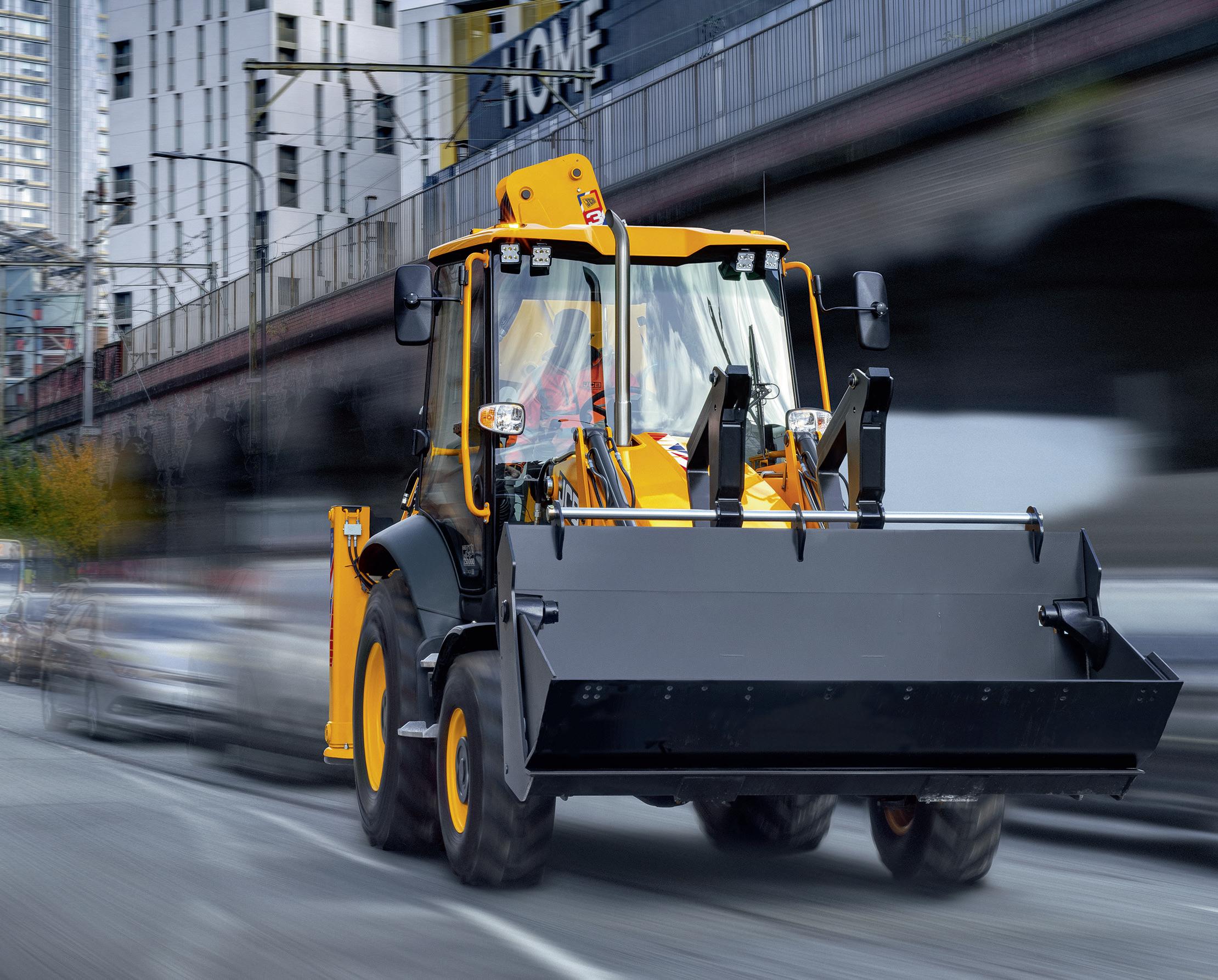

There are trade shows, and then there is Hillhead. Few events in the European construction calendar carry quite the same weight as the Derbyshire quarry showcase, and this summer’s edition already is set to be one of the biggest in the exhibition’s incredible 44-year history.
Returning to Buxton from 23-25 June 2026, the biennial event remains the UK’s largest live-working exhibition for quarrying, construction and recycling equipment. Organisers are promising more exhibitors, expanded infrastructure and a stronger emphasis on innovation, safety and sustainability as the sector continues its transition towards lower-emission and smarter connected equipment.
Growth is certainly key across all areas. Hillhead 2024 attracted 19,560 audited visitors and 599 exhibitors across the three-day event, underlining the exhibition’s position as a must-attend fixture for plant hirers, contractors, quarry operators, OEMs and equipment specialists alike. And with organisers forecasting an even bigger turnout this year, they have pulled out all the stops to ensure everything is accounted for.
In fact, organisers say demand for exhibition space has been so strong that new site developments and an extension to the registration pavilion have been introduced to improve visitor flow and exhibitor capacity, while the famous live demonstration areas are being refreshed to enhance viewing opportunities and machine interaction.
And let’s face it, that live element remains Hillhead’s unique selling point. Unlike many indoor exhibitions, the Derbyshire setting allows manufacturers to demonstrate machines in real quarry conditions, from digging and loading to crushing, screening and hauling exactly as they would on site. In a market where uptime and productivity matter more than glossy brochures, seeing equipment in its natural habitat remains invaluable for buyers and fleet managers.
One noticeable shift for 2026 is the broader technology mix. While large iron will always dominate Hillhead, the exhibitor list points towards increased emphasis on telematics, machine safety systems, digital fleet management, electrification and automation.
This mirrors wider industry trends. Contractors are under growing pressure to improve operational efficiency while meeting tightening environmental targets and safety expectations. As a result, Hillhead is increasingly becoming as much a technology showcase as a machinery exhibition.
Rental giant, Sunbelt Rentals, is meanwhile expected to use Hillhead 2026 to underline the growing role of specialist hire and fleet support services within modern construction operations. Although specific exhibits have not yet been formally announced, the company is likely to highlight a combination of powered access, temporary power, site accommodation and lower-carbon equipment solutions aimed at major infrastructure and quarrying customers.
The rental sector’s increasing focus on connected technology and fleet efficiency is also expected to be high on the agenda. Digital fleet monitoring, utilisation tracking and energy management solutions are becoming a bigger part of large-scale project delivery, and Hillhead provides an ideal platform for demonstrating how rental partners can support contractors beyond simply supplying equipment.
Safety systems are expected to feature heavily throughout the showground, with collision avoidance, camera systems, site segregation and workforce protection all prominent themes. Meanwhile, alternative fuels and electrification will continue to gather momentum, particularly around compact and urban-focused machinery.
Safety specialist, Brigade Electronics, will be exhibiting from Stand RF2, bringing its latest vehicle and mobile plant safety systems to the showground. Brigade remains one of the best-known names in the sector and Hillhead visitors can expect to see a broad portfolio of camera systems, obstacle detection technology and reversing alarms designed to reduce collision risks on busy sites. Of particular interest will be the company’s advanced 77GHz radar technology and AI-enhanced 360-degree camera systems, both aimed at improving visibility around heavy equipment operating in complex environments. With the industry maintaining a sharp focus on workplace safety and compliance, Brigade’s solutions are increasingly relevant across quarrying, recycling and construction fleets. The company will also be highlighting its nationwide
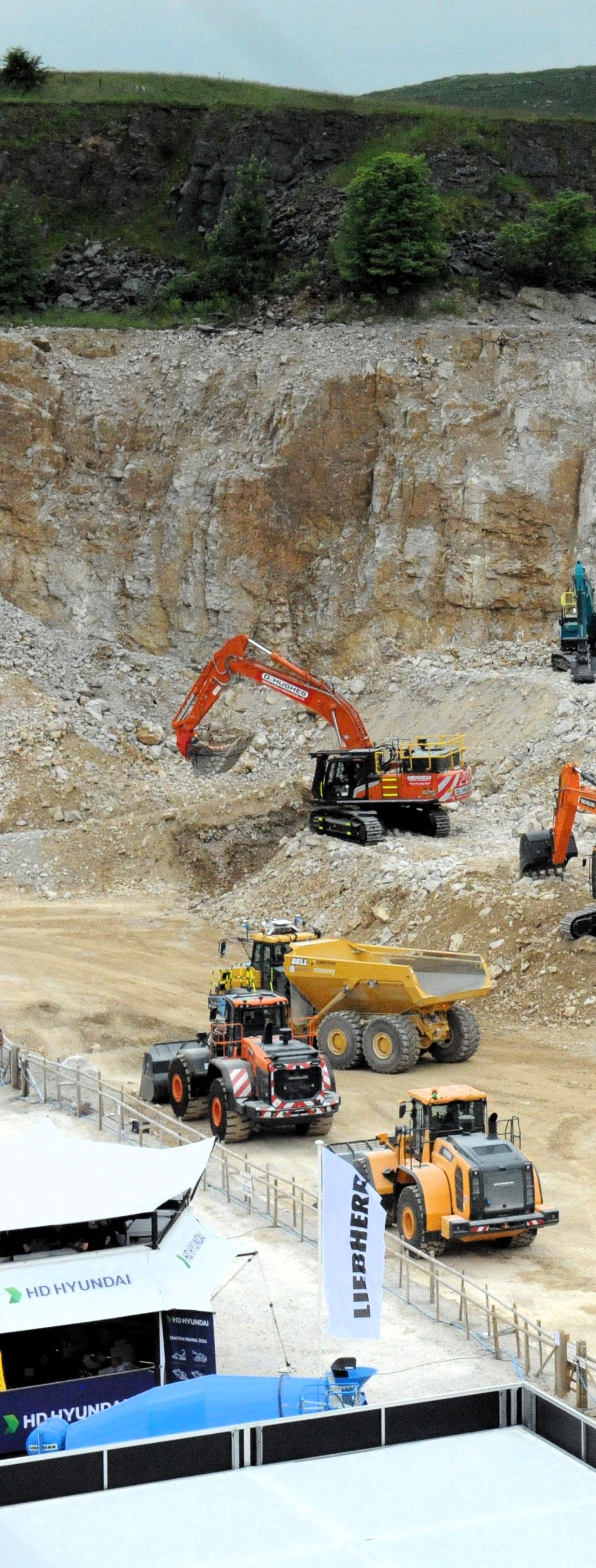
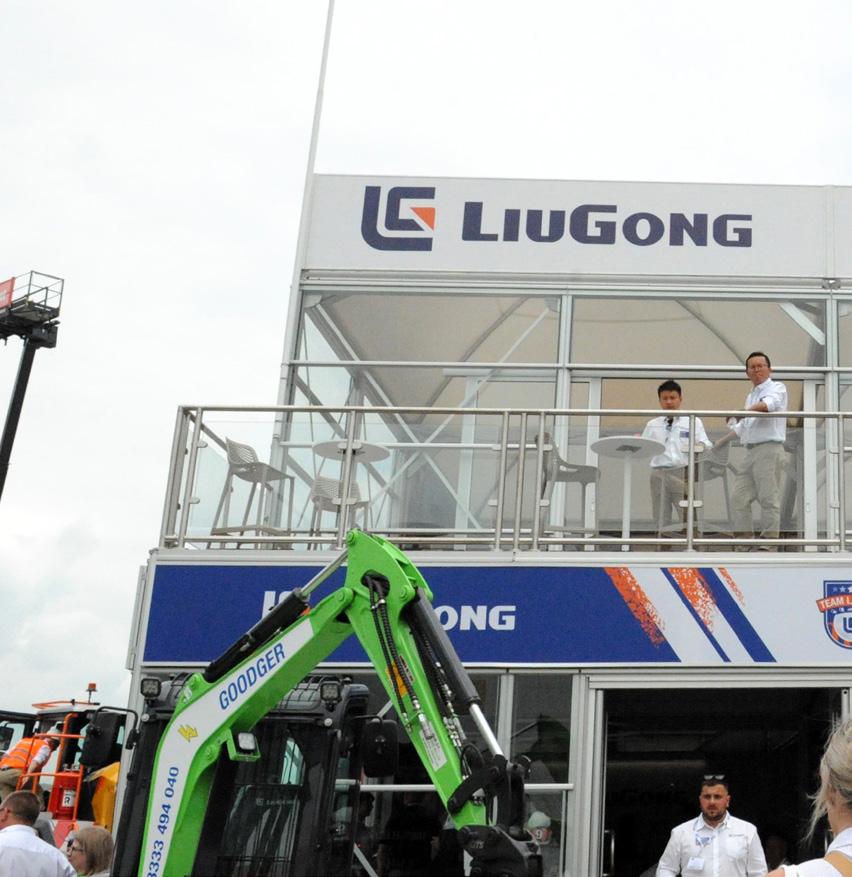
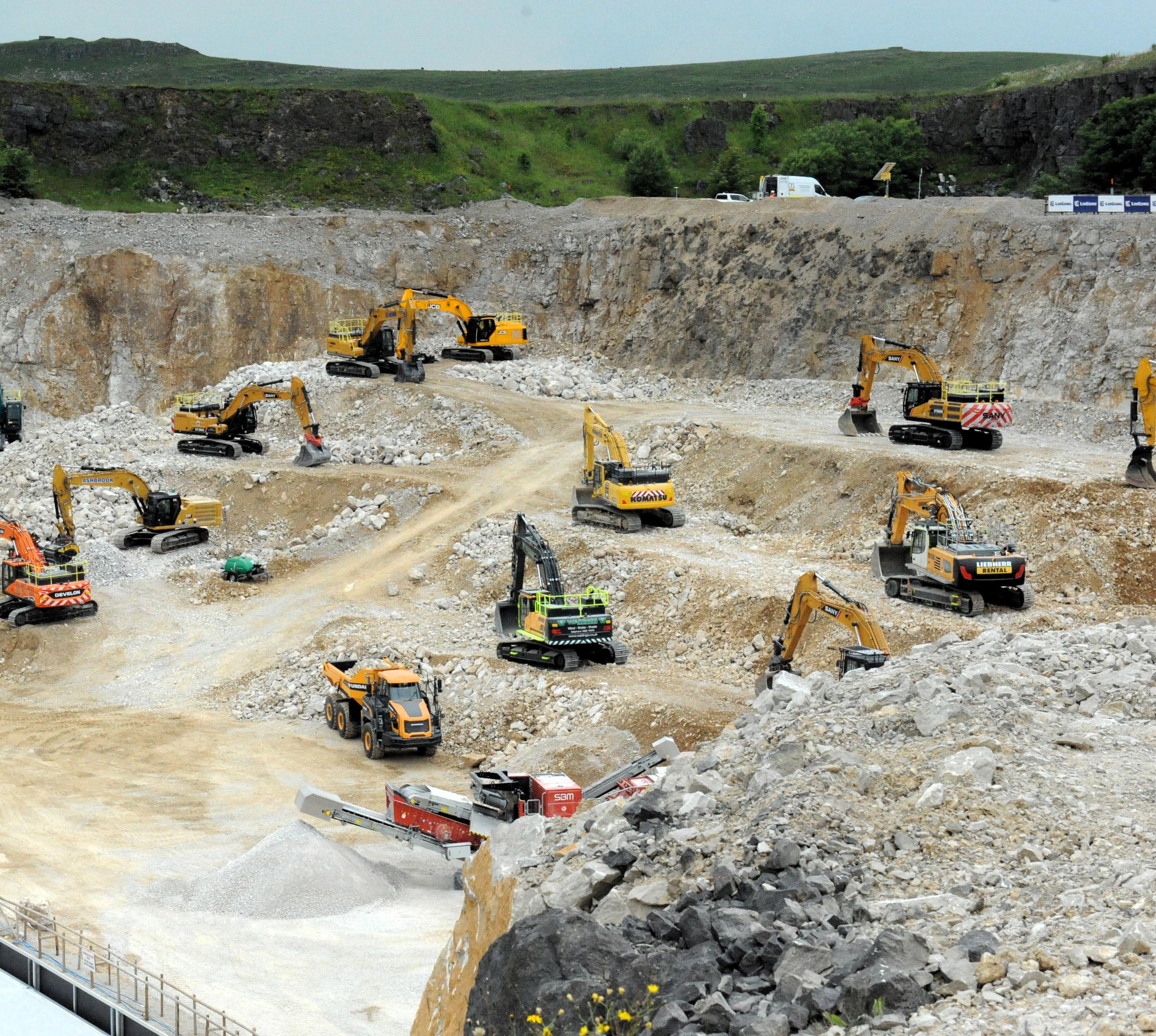
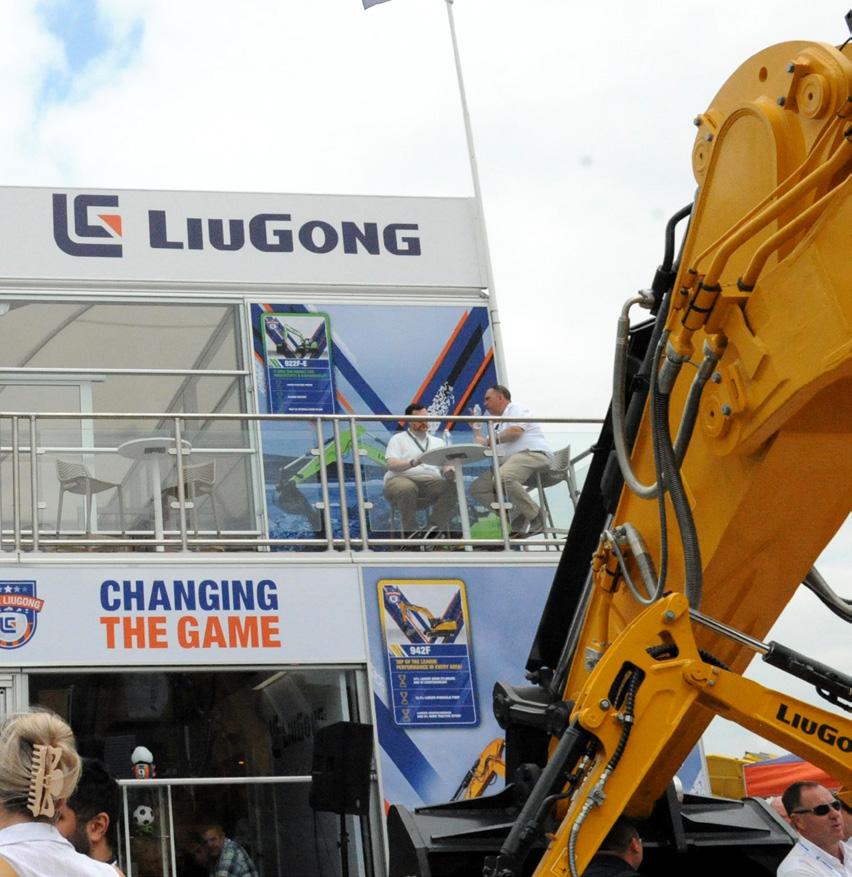
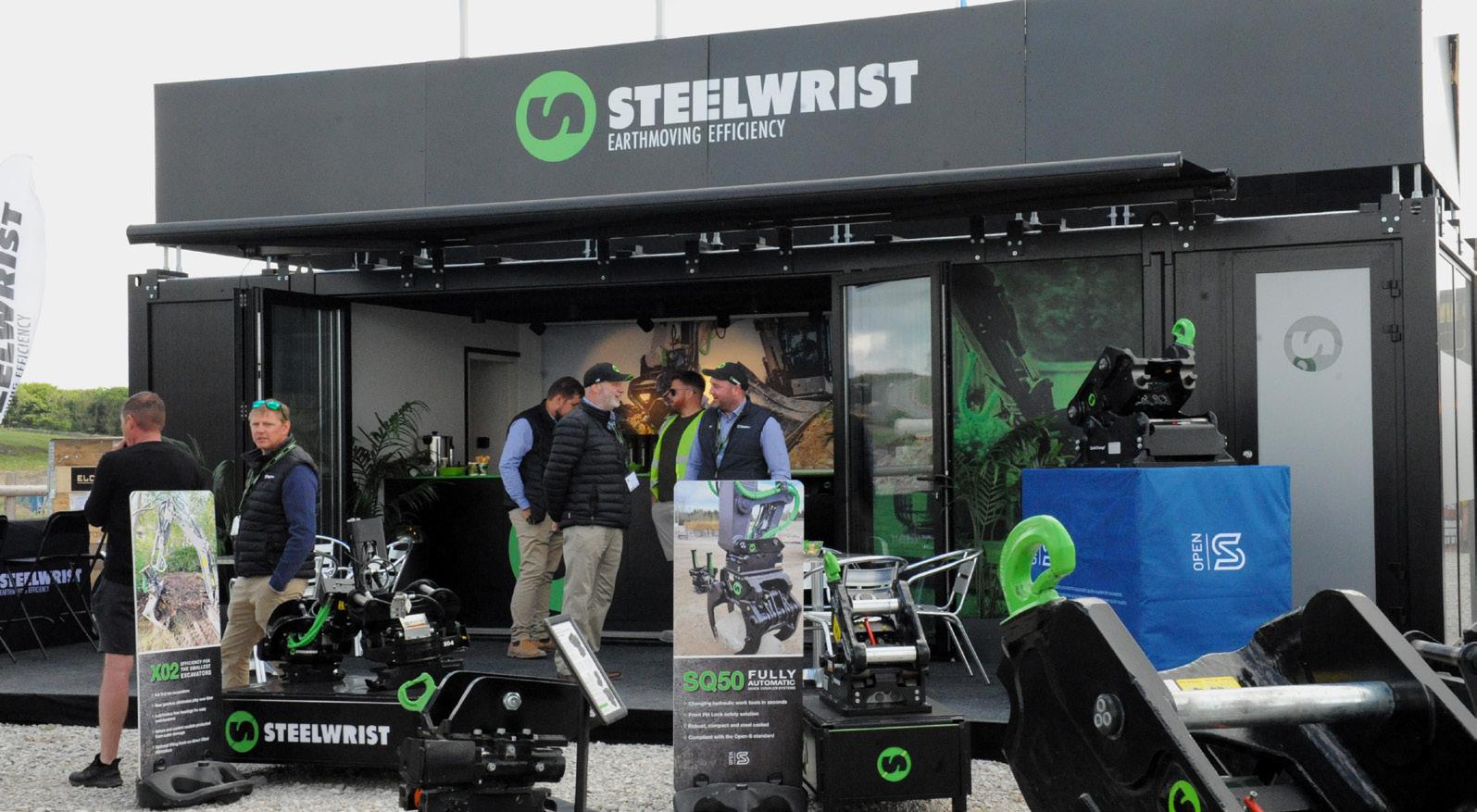
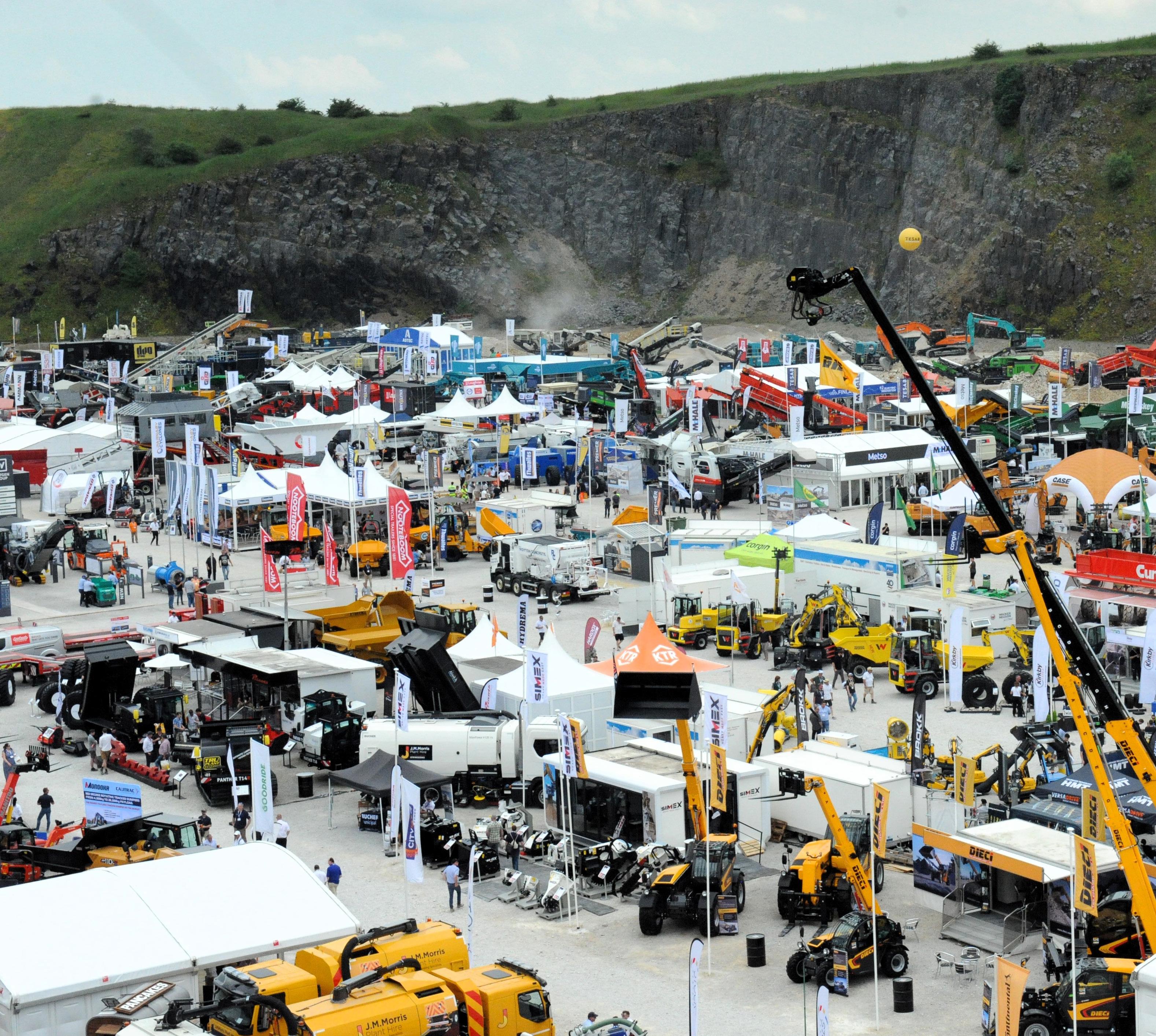
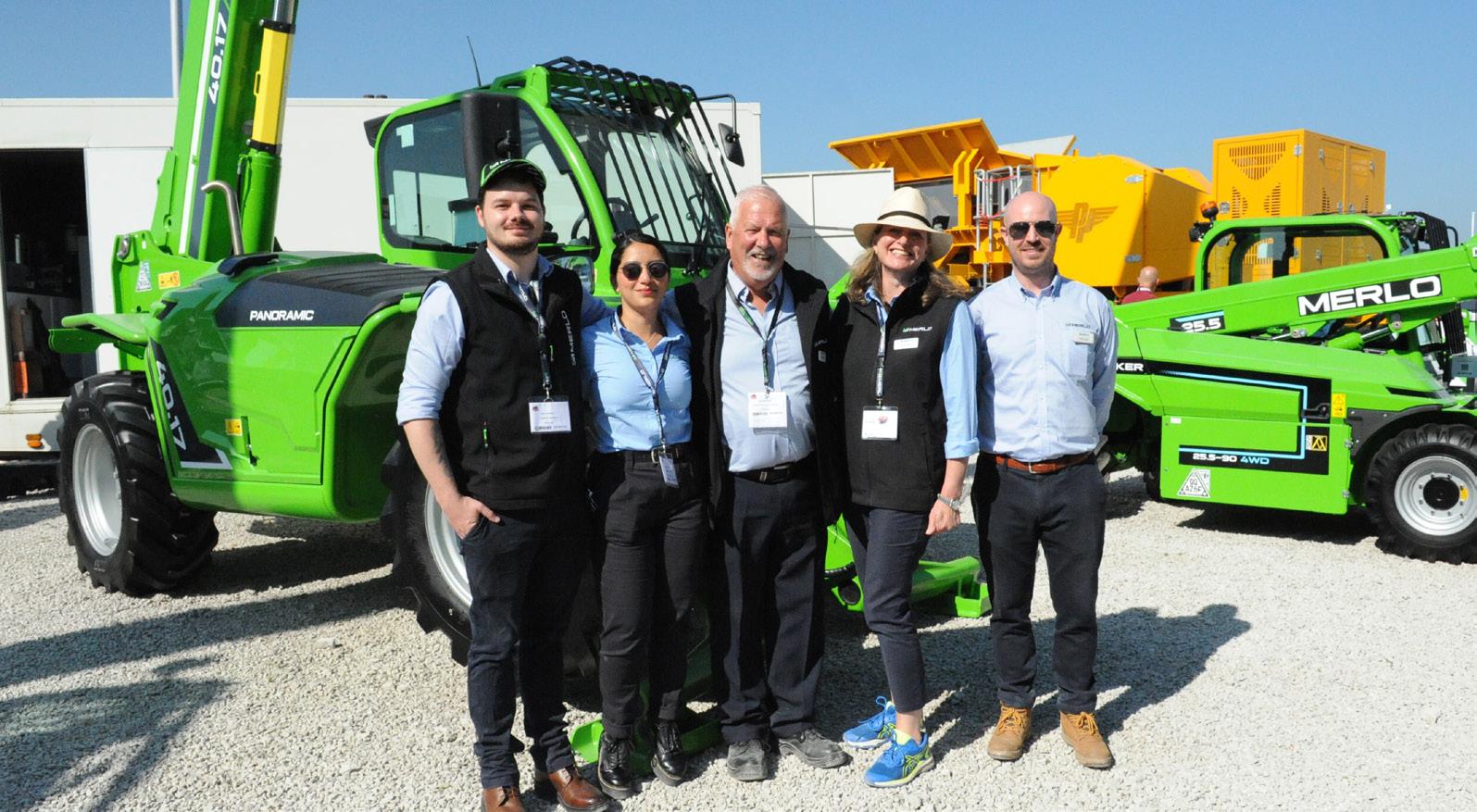
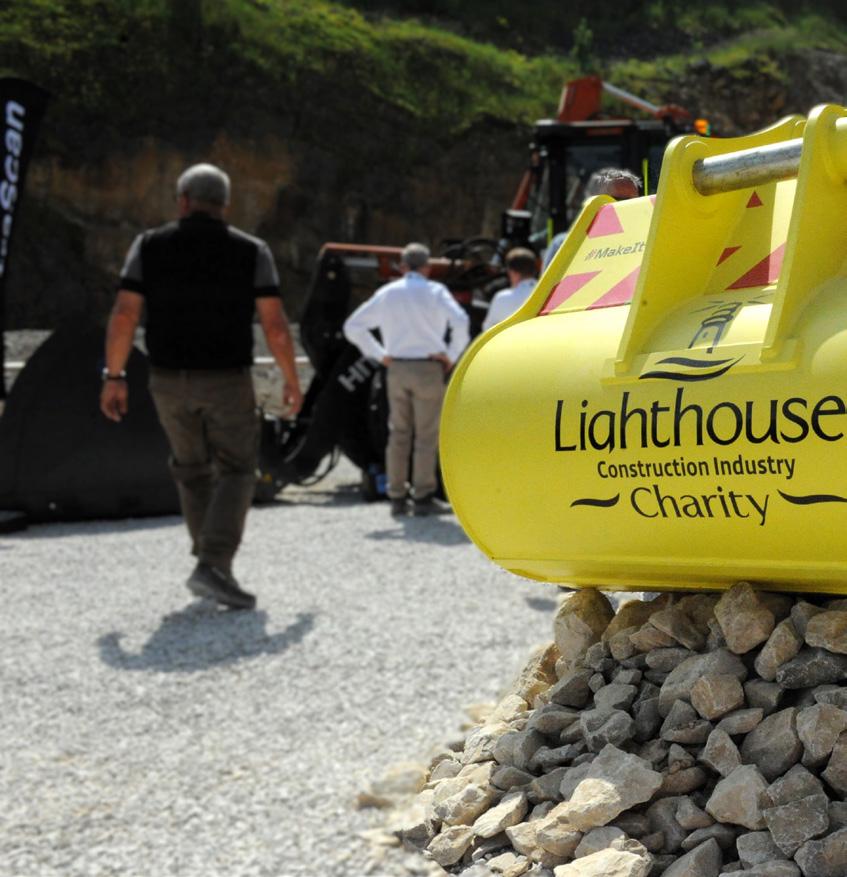
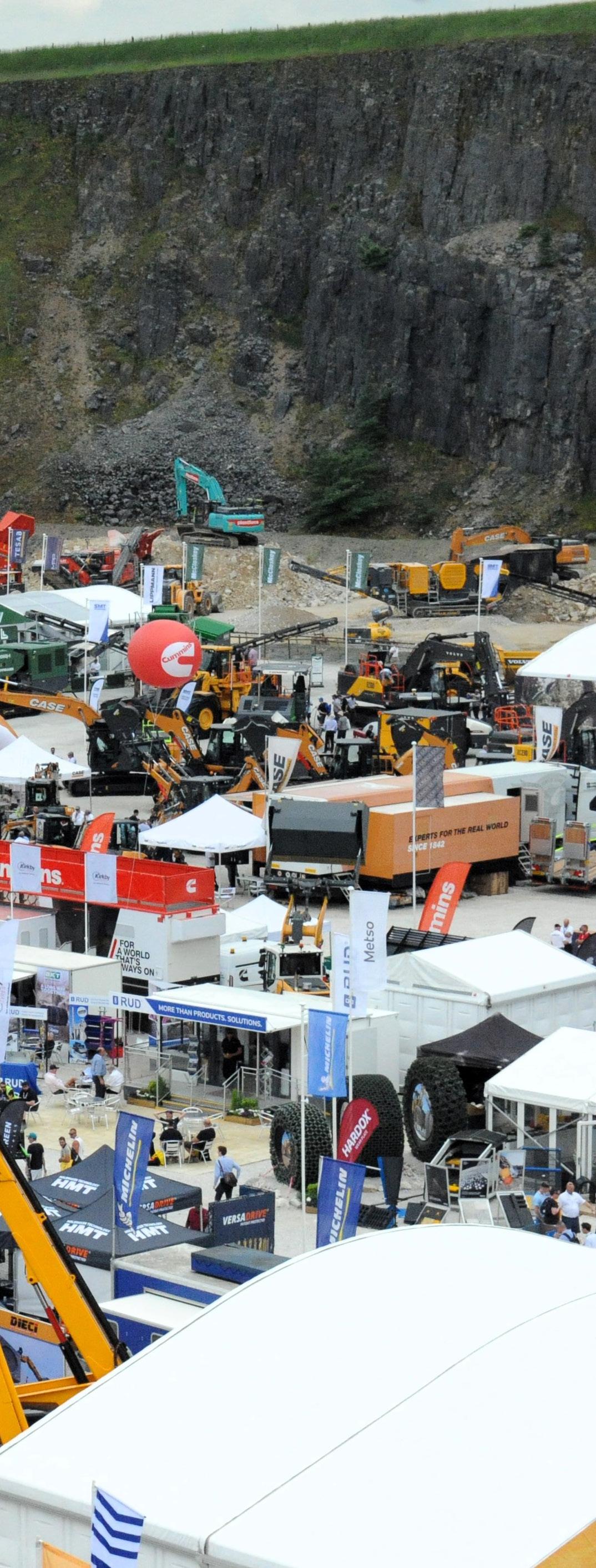
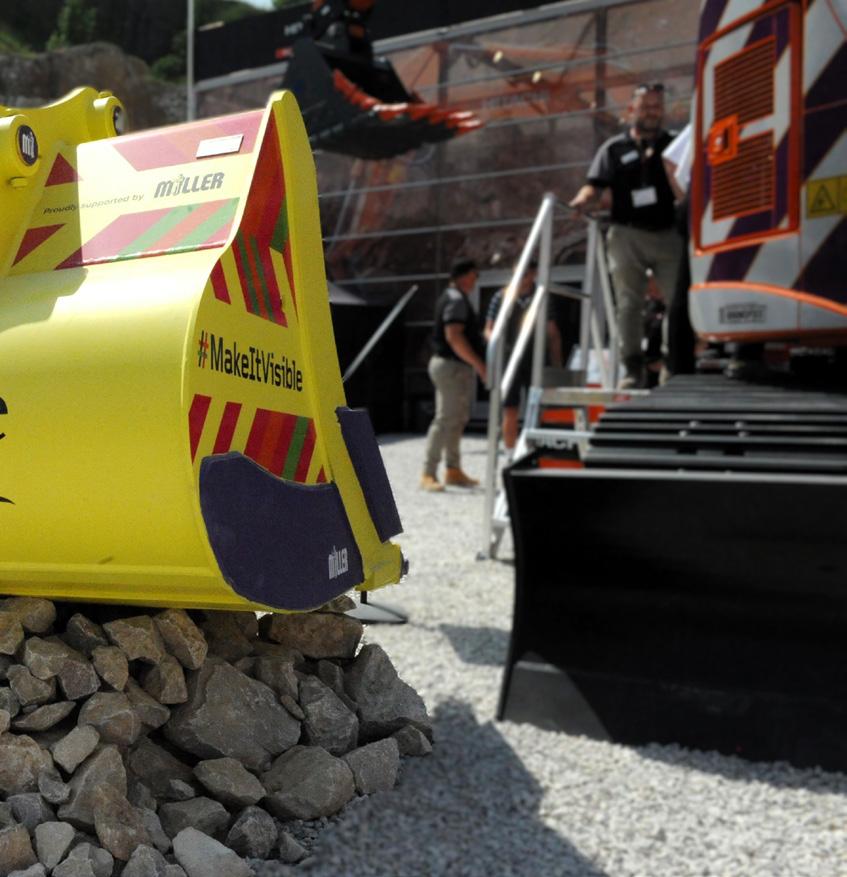
installation and support capabilities, reinforcing its position as a full-service safety technology provider rather than simply an equipment manufacturer.
Companies specialising in site safety and collision avoidance are expected to benefit from increased demand as contractors look to reduce incidents involving plant and personnel. Exhibitors such as Spillard Safety Systems on stand B20 will showcase machine vision and operator awareness technologies aimed at improving visibility and reducing blind-spot risks on busy sites.
Although full details are still emerging, companies such as Safety Shield are also expected to focus heavily on pedestrian detection, AI-assisted camera systems and proximity warning technologies as demand continues to rise across both construction and quarrying operations.
Fleet connectivity and digital machine management will also receive increased attention in 2026. Businesses such as SmartEquip are expected to underline the growing importance of integrated digital service platforms, helping contractors manage maintenance, parts supply and machine uptime more efficiently.
As ever, the major manufacturers will be central to the action, and few stands are likely to attract more attention than JCB on stands A35 and D6.
JCB has confirmed that it will use Hillhead 2026 to demonstrate its continued commitment to the quarrying, aggregates and recycling industries, with equipment displayed both on the static stand and within the live demonstration areas. The OEM is expected to showcase crawler excavators, wheeled loading shovels, Loadall telescopic handlers, compaction equipment and backhoe loaders designed specifically for demanding heavy-duty applications.
The Staffordshire manufacturer has also developed a reputation for unveiling headline-grabbing technology at Hillhead. In 2024, the company drew significant attention with its hydrogen combustion engine programme and the launch of its largest-ever X Series excavator. Expect sustainability and alternative power solutions to remain high on the agenda in 2026 as the company continues to position itself at the forefront of future powertrain development.
Among the companies drawing attention ahead of the show is Merlo, which has already confirmed that its Hillhead line-up will focus on a mix of compact telehandlers, heavy-duty handlers and rotating machines designed for demanding construction and quarrying applications. According to pre-show information released by the company, the emphasis will be on productivity, operator comfort and safety, with machines aimed at helping contractors handle heavier loads while maintaining manoeuvrability on tighter sites.
Compact equipment is expected to play a particularly important role on the Merlo stand this year, reflecting the wider market trend towards versatile machines capable of working across construction, recycling and materials handling applications. Visitors can also expect a strong technology message, with Merlo likely to showcase developments in operator assistance systems, visibility and machine control. Hillhead’s live working environment should provide an ideal setting for demonstrating the capabilities of rotating telehandlers and high-capacity machines under realistic conditions.
Finnish manufacturer, Avant Tecno, is also expected to attract plenty of attention as demand for compact articulated loaders continues to grow across the UK plant sector. While the company has yet to release detailed information on its Hillhead plans, Avant’s recent focus on battery-electric loaders, low-noise operation and multipurpose attachment compatibility suggests those themes are likely to feature heavily at the show. The manufacturer has built a strong following among contractors seeking machines that can move between landscaping, construction support and materials handling duties without requiring larger transport or specialist operators.
Industry observers will also be watching closely for updates to Avant’s electric loader range, as compact zero-emission equipment becomes increasingly relevant on urban and indoor projects. With Hillhead attracting visitors from across quarrying, aggregates, civils and infrastructure, the event offers Avant an opportunity to demonstrate how smaller articulated machines can complement larger fleet equipment while improving site flexibility and reducing fuel consumption.
Another exhibitor expected to generate strong interest is Kramp on stand C4. Known primarily within agriculture and aftermarket support, Kramp has expanded aggressively into the construction sector in recent years. At Hillhead 2026 the company will highlight its rapidly growing construction parts portfolio, digital ordering tools and logistics capabilities. With more than 500,000 products available across Europe, the business is increasingly positioning itself as a one-stop support partner for fleet owners seeking to reduce downtime and simplify procurement.




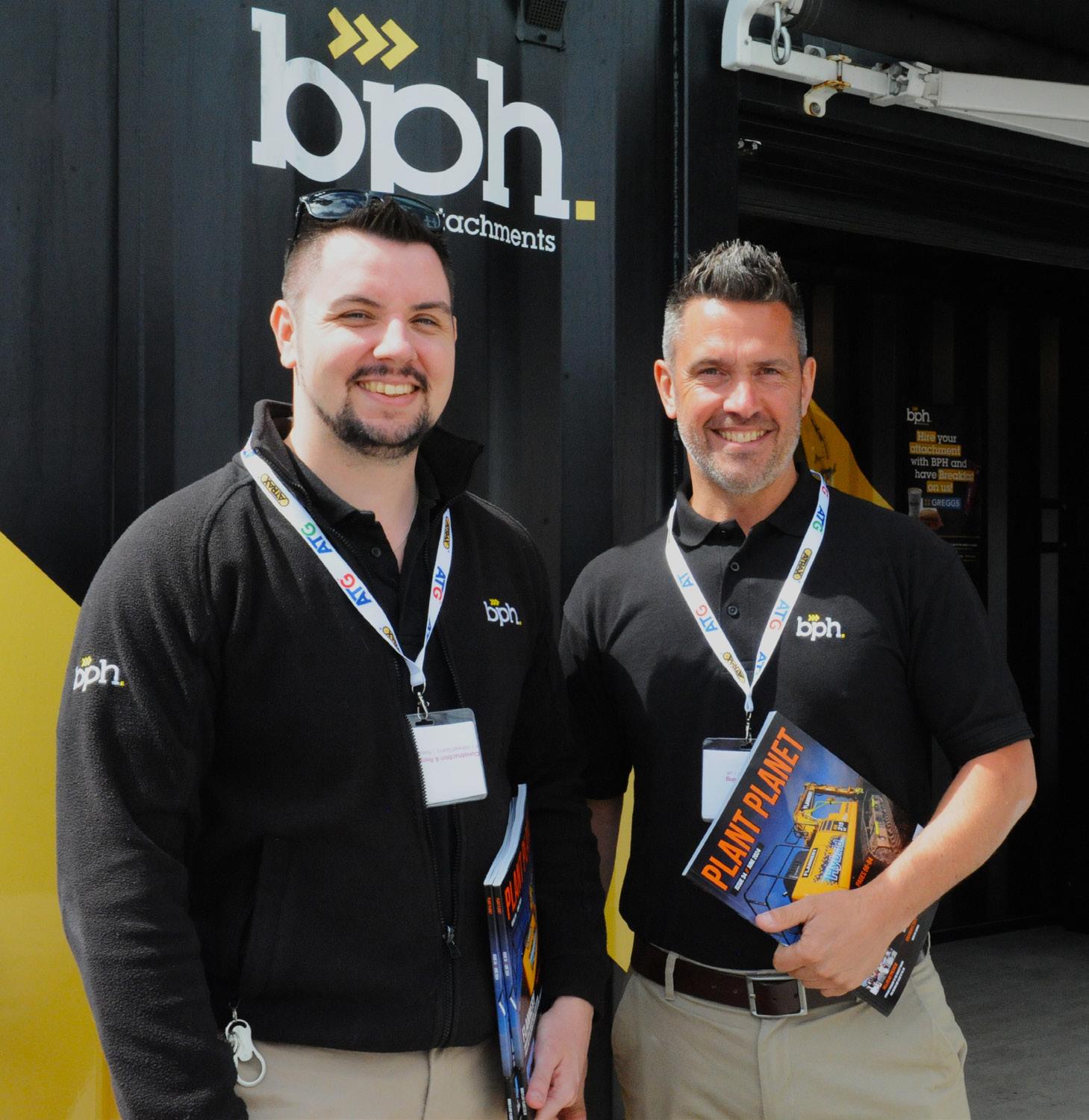
Plant hire and used equipment specialist, ACE Plant Ltd, will also be exhibiting from stand H14. ACE Plant is expected to showcase a range of used and refurbished machinery aimed at contractors seeking value in a still-costconscious market. With strong demand continuing for quality used equipment, particularly among SMEs and regional contractors, the secondary machinery sector is likely to enjoy a healthy presence throughout the showground. Returning to Hillhead with a substantial outdoor presence, Hyundai Construction Equipment Europe will be exhibiting from stand Z5. The manufacturer is expected to highlight its latest range of excavators, wheel loaders and articulated dump trucks, underlining the company’s continued push into smarter and more fuel-efficient equipment solutions. Hyundai has built significant momentum in the UK quarrying and earthmoving sectors in recent years, and Hillhead provides the ideal live environment to demonstrate machine performance under real working conditions. Visitors can expect a strong focus on operator comfort, machine telematics and reduced-emission powertrains, alongside the robust reliability the brand has become known for in demanding quarry and recycling applications.
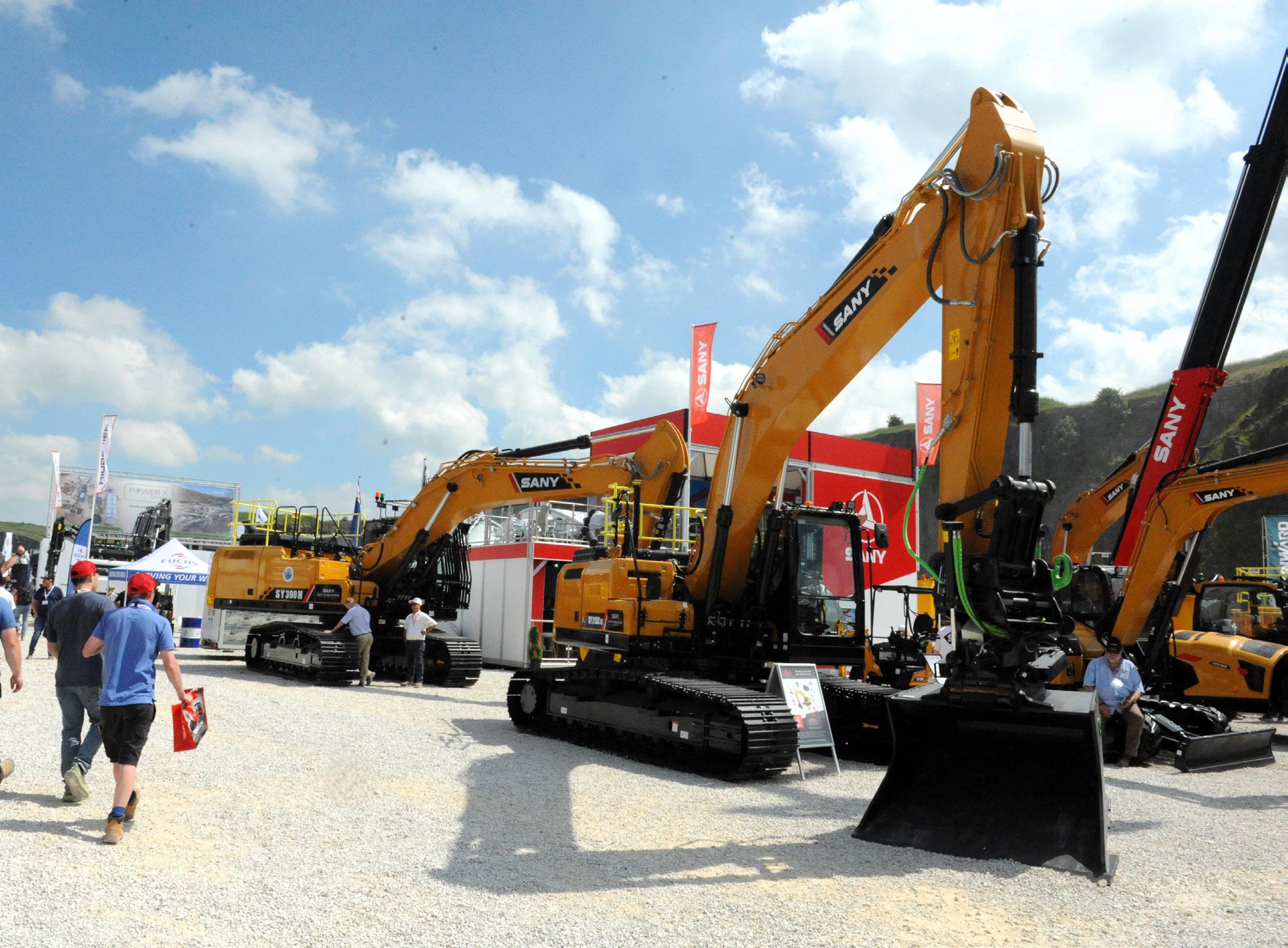
Organisers are also continuing to broaden the event’s appeal beyond quarrying. Recycling, demolition, infrastructure and heavy construction now occupy a far larger share of the exhibition than they did a decade ago, creating a more rounded showcase for the modern plant sector. And one of those ways is to look beyond the machine and at the support that surrounds it.
Companies such as ASKA Attachments are anticipated to showcase attachment solutions aimed at improving machine versatility and productivity across demolition, earthmoving and recycling applications.
Air Spectrum Environmental, exhibiting on stand C1, will once again put air quality management firmly in the spotlight. With tightening environmental regulations continuing to influence quarrying, demolition and bulk material handling operations, the Worcestershirebased company is expected to attract considerable attention with its dust suppression and odour control technologies. Air Spectrum’s display will include its well-known Dust Cannon range together with rotary atomiser systems designed to tackle airborne particulates in some of the industry’s harshest operating environments. The company has also been promoting greener and more energy-efficient solutions, including rechargeable batterypowered systems, reflecting the wider industry drive towards sustainability and cleaner site operations. Celebrating more than three decades in the air quality sector, Air Spectrum is likely to see strong footfall from contractors looking to improve environmental compliance without compromising productivity.
Filtration giant Donaldson will be welcoming visitors to stand RC25. Although details of the company’s Hillhead line-up remain under wraps at the time of writing, visitors can expect a strong emphasis on filtration solutions for heavy-duty off-highway equipment. Donaldson’s products are widely used throughout the quarrying and construction sectors to improve engine performance, reduce downtime and extend component life in dustheavy operating conditions. With machine uptime remaining critical for fleet owners and contractors alike, filtration technology continues to play an increasingly important role in preventative maintenance strategies. Donaldson’s presence at Hillhead is therefore expected to attract OEMs, fleet managers and service engineers keen to explore ways of improving reliability while controlling operating costs.
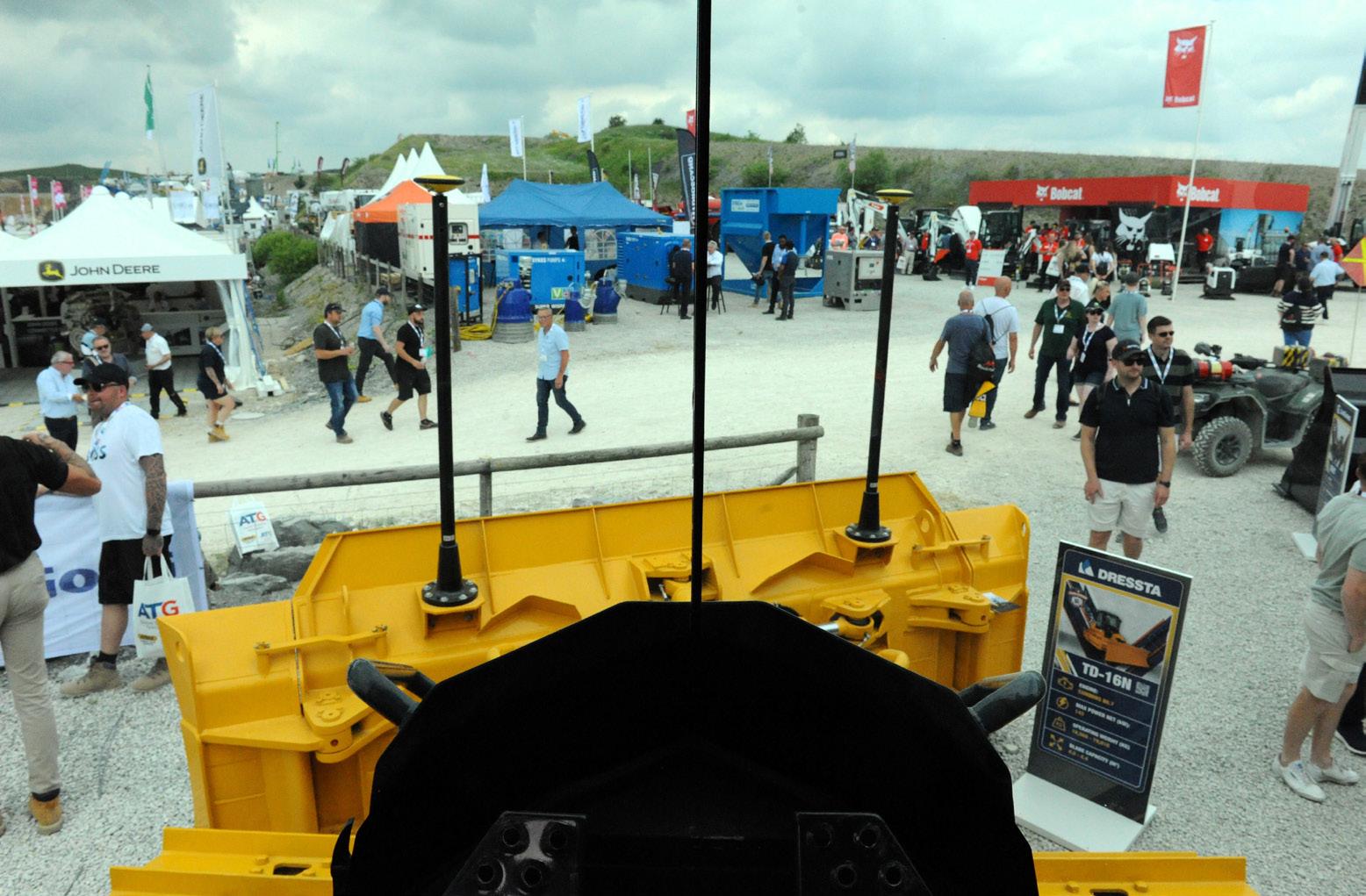
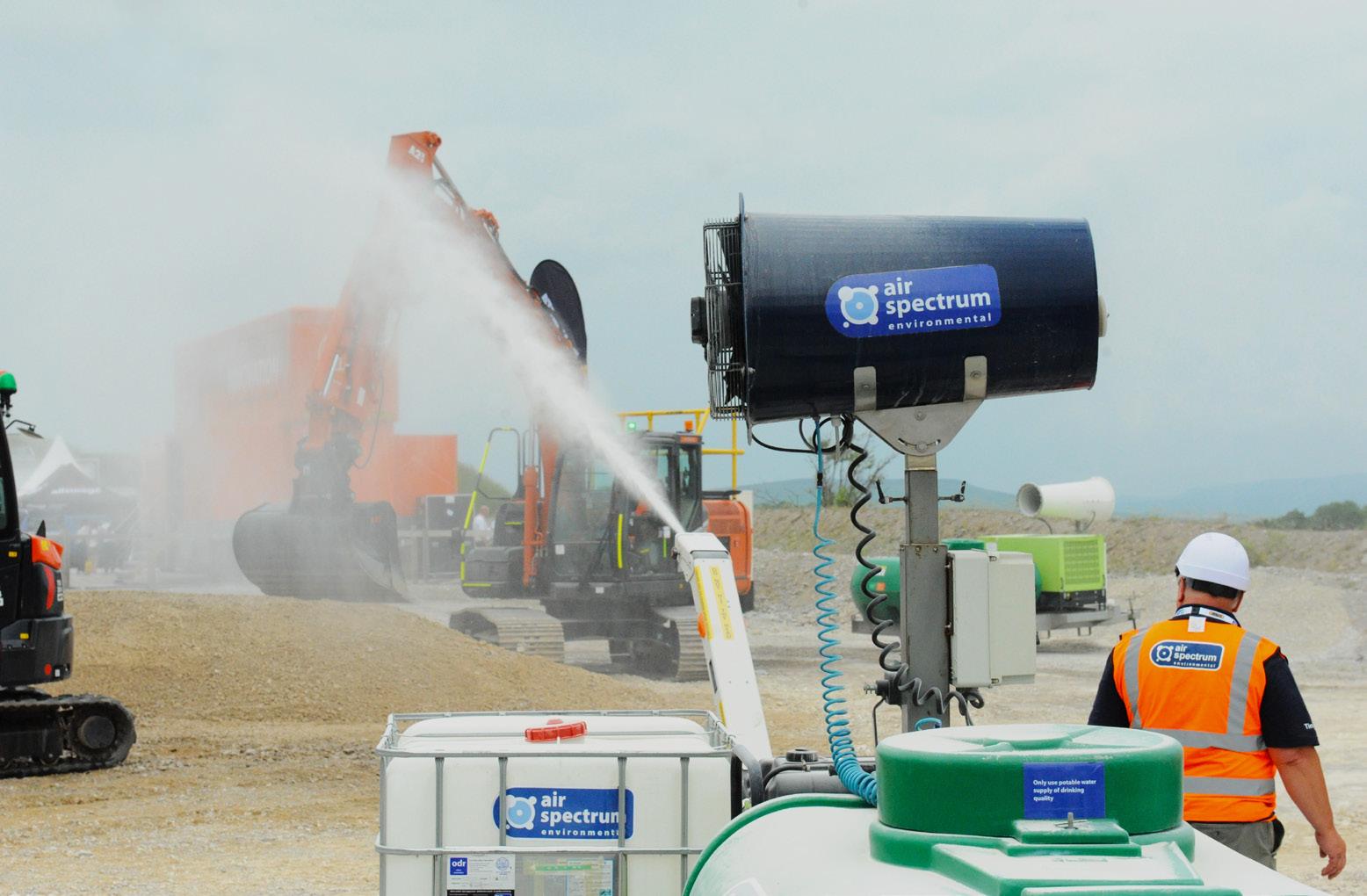
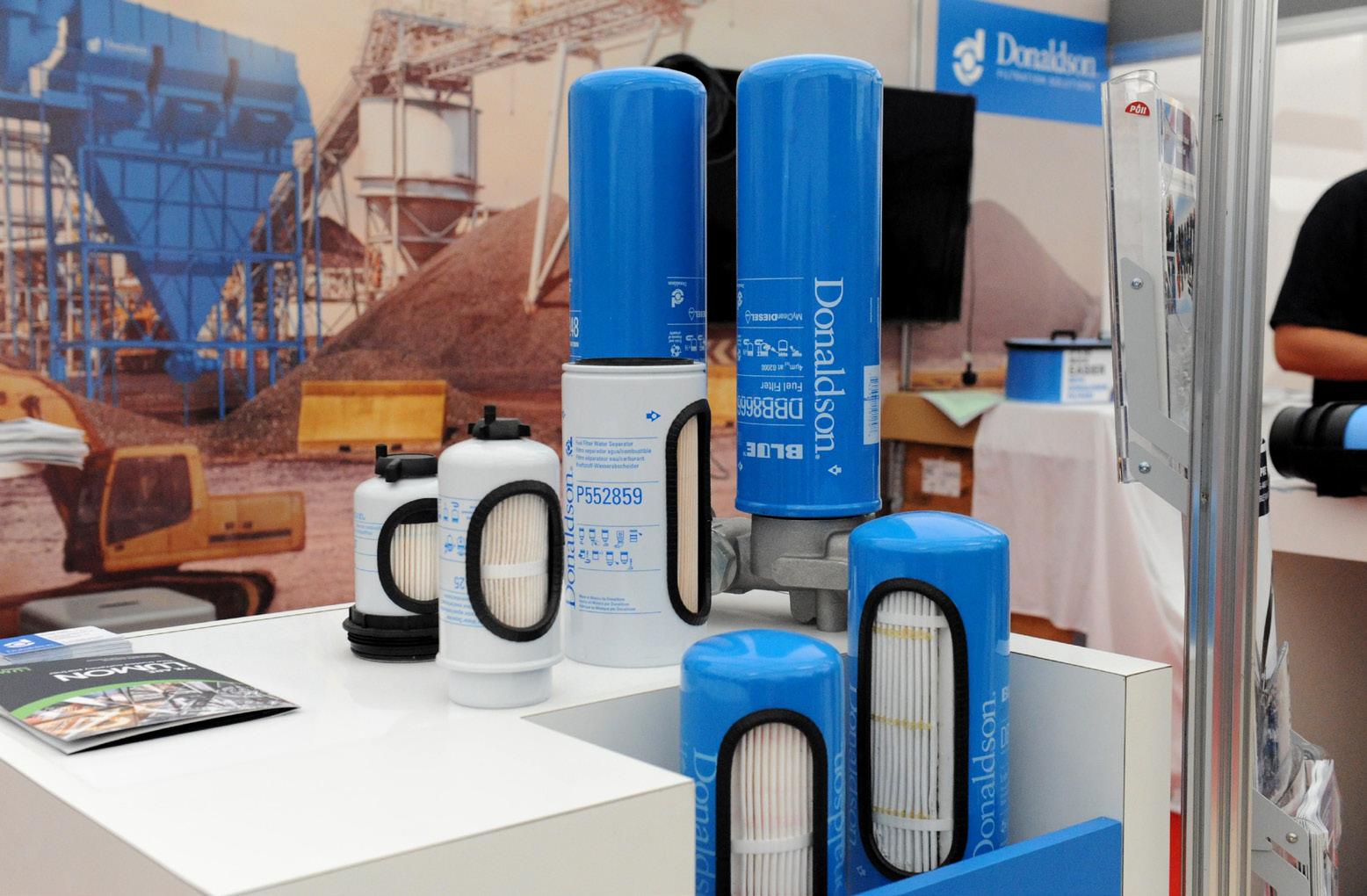
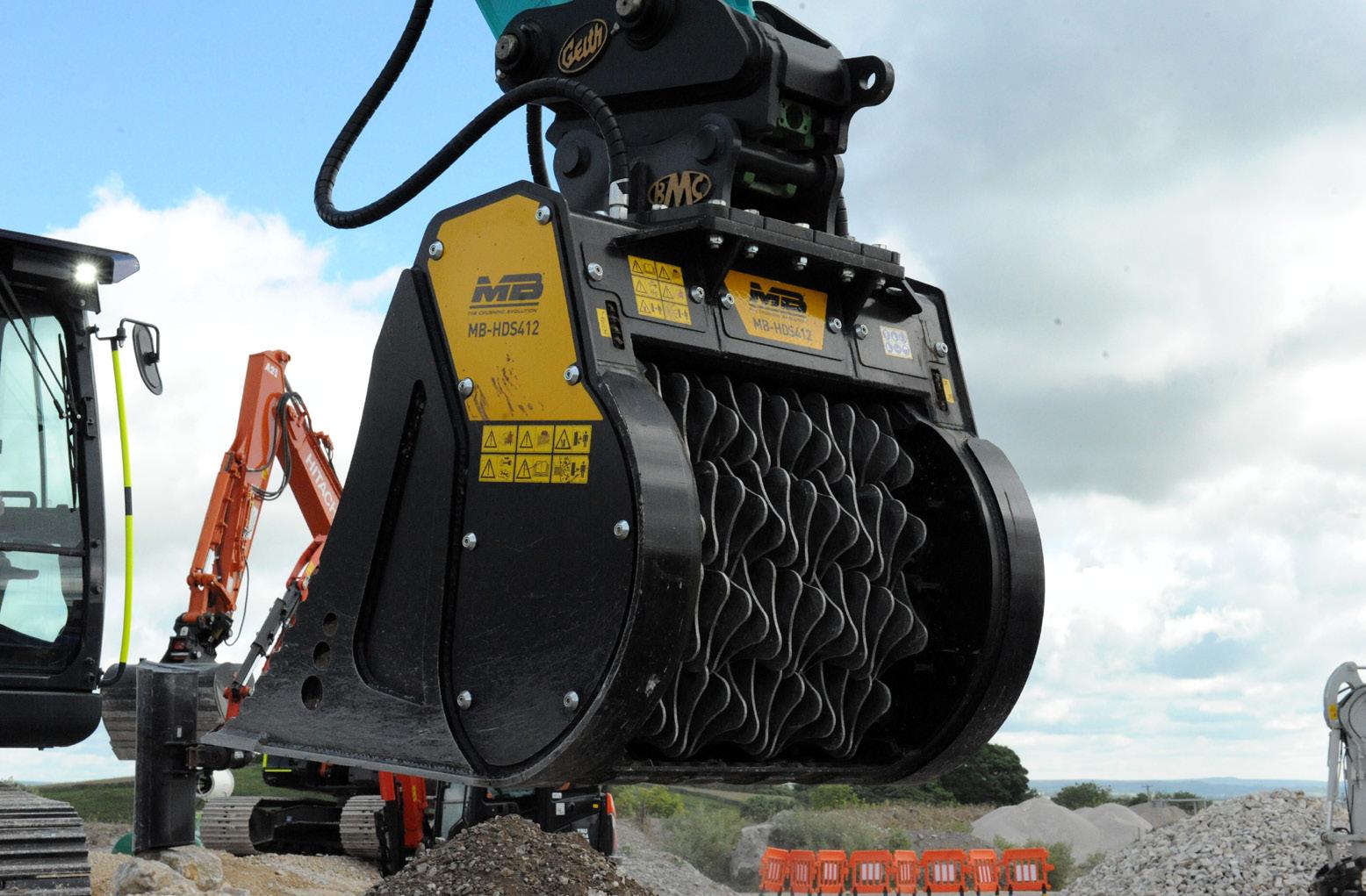
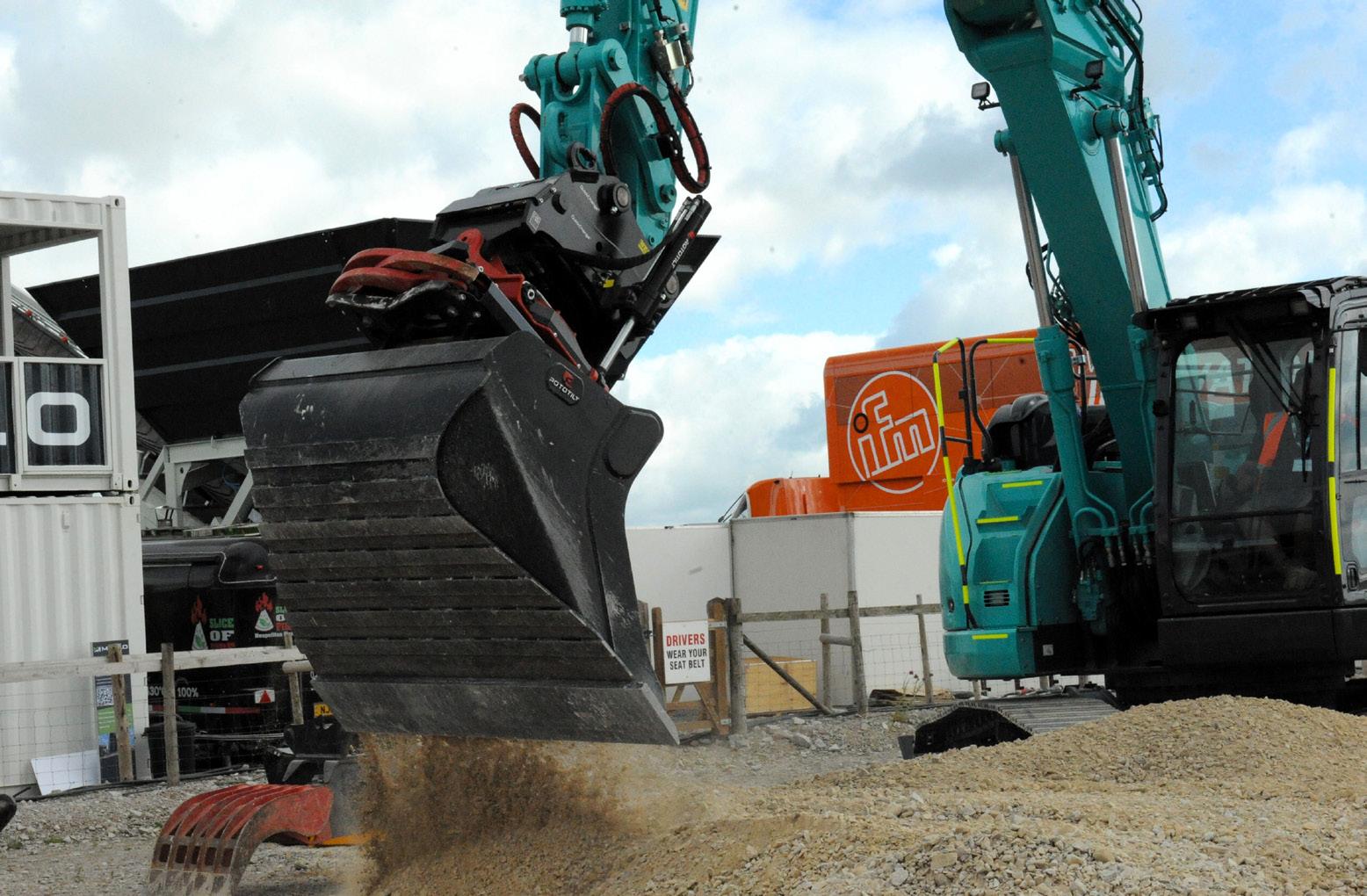
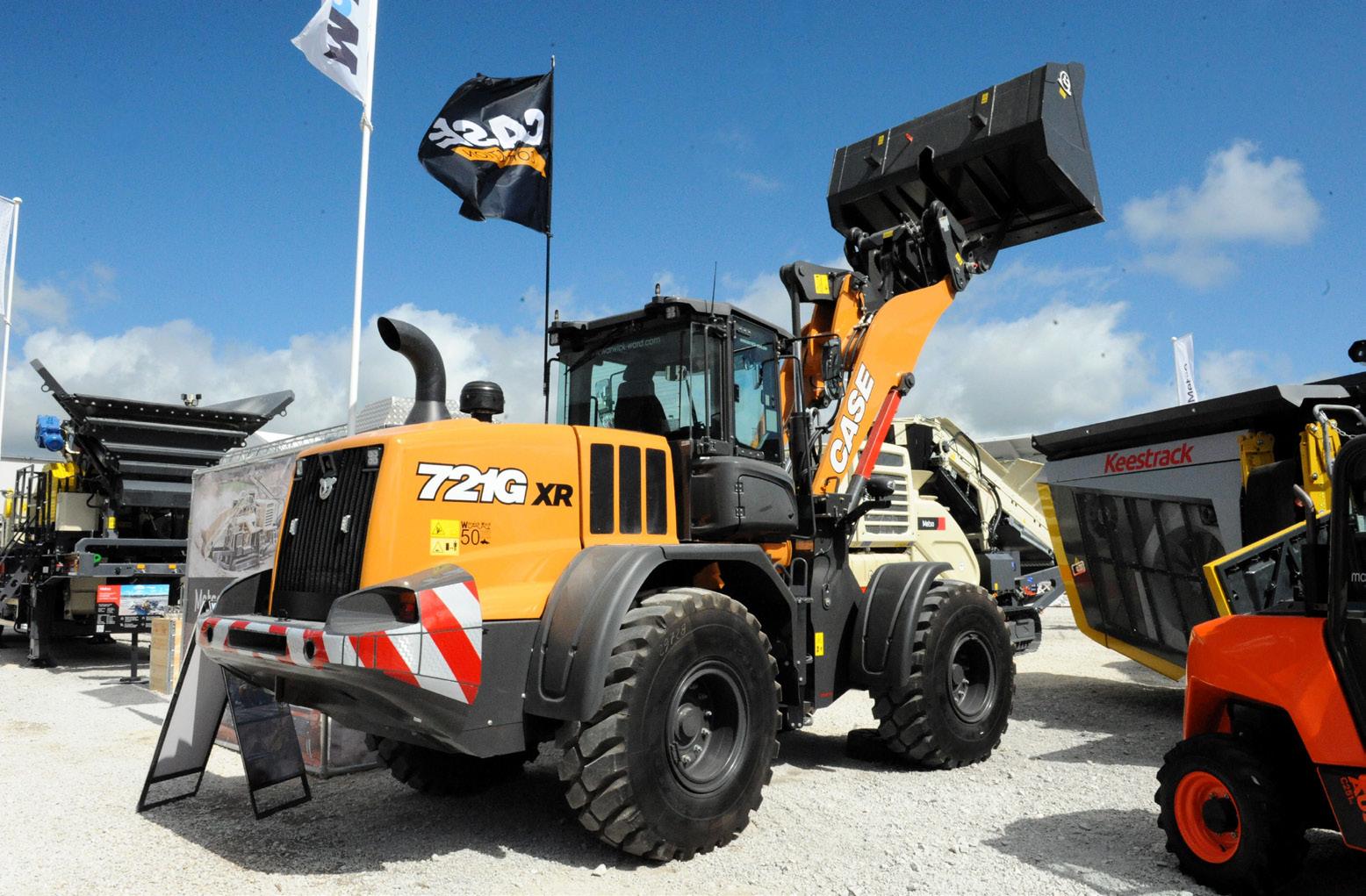
Meanwhile, thermal management specialist Eberspächer is expected to generate interest from operators focused on machine comfort and energy efficiency. While full details of the company’s Hillhead participation and stand allocation had not been confirmed at the time of publication, Eberspächer’s climate-control and heating technologies are already widely established across commercial vehicle and off-highway applications. The company’s systems are increasingly relevant as operators seek improved cab comfort, reduced idling times and better fuel efficiency across mixed fleets. In sectors where machinery regularly operates in challenging weather conditions, efficient heating and thermal management solutions are becoming less of a luxury and more of an operational necessity.
Plant Parts Ltd, exhibiting from stand PD1, is preparing to use Hillhead 2026 as the launch platform for what it describes as a world-first hydraulic motor test facility known simply as “The Rig”. The Suffolk-based company, one of the UK’s largest independent stockists of construction machinery parts, has invested around £1 million into the project, making it the biggest single investment in the company’s history. Designed specifically for swing-drive and final-drive hydraulic motors, the facility will enable fully automated testing under simulated real-world operating conditions. Plant Parts says the system will deliver advanced performance reporting while significantly enhancing repair and remanufacturing capabilities. Alongside The Rig, visitors will also be able to discuss the company’s extensive range of drives, pumps, slew rings and repair services supporting more than 150 machinery brands worldwide.
Hydraulic attachment specialist OKB Attachments Ltd will be exhibiting from stand Q10, showcasing a range of robust tools designed for construction, demolition, waste handling and rail applications. Known for manufacturing heavy-duty hydraulic breakers and attachments suitable for machines from 0.8 tonnes up to 70 tonnes, OKB continues to build a reputation for durable products tailored to the realities of plant hire and high-intensity site use. The company’s Hillhead display is expected to focus on reliability, ease of maintenance and attachment performance across a wide range of applications. With contractors increasingly looking for equipment capable of handling multiple site roles while minimising downtime, versatile attachment technology is likely to remain a key talking point throughout the show.
Trade bodies are also set to maintain a strong presence at the exhibition. The Construction Plant-hire Association (CPA) will exhibit from stand RD11, where it plans to provide guidance on technical standards, training, apprenticeships, emissions strategy and regulatory developments affecting the plant-hire sector. With the industry continuing to wrestle with skills shortages and increasing compliance requirements, the CPA’s presence is likely to attract significant traffic from plant hirers and contractors looking for practical guidance on future legislation and workforce development.
Similarly, the Construction Equipment Association is expected to use the show to promote UK manufacturing capability and support export opportunities for British equipment suppliers.
Meanwhile, PlantWorx, now closely aligned with wider UK construction equipment initiatives and run by Nineteen Group, is also expected to maintain a visible presence at Hillhead as organisers continue strengthening links between the country’s major industry events.
What continues to make Hillhead stand apart is its finessed balance between spectacle and practicality. Yes, there will be giant excavators working quarry faces and crowds gathering around live demos, but the event’s real value lies in the conversations happening around uptime, fuel efficiency, safety compliance, servicing and return on investment.
The balancing act is set to perfection. For manufacturers, it remains one of the few opportunities to place equipment directly in front of decisionmakers operating in real-world heavy applications. For visitors, it offers a rare chance to compare machines side-byside in a working environment rather than under exhibition hall spotlights.
With more than 600 exhibitors expected, expanded facilities, stronger technology integration and all the major OEMs already committed, Hillhead 2026 looks well positioned to build on the momentum of the record-breaking 2024 event.
And if current industry sentiment is anything to go by, June’s gathering in Buxton could prove to be not only the largest Hillhead yet, but also the clearest indication of where the UK plant sector is heading next.
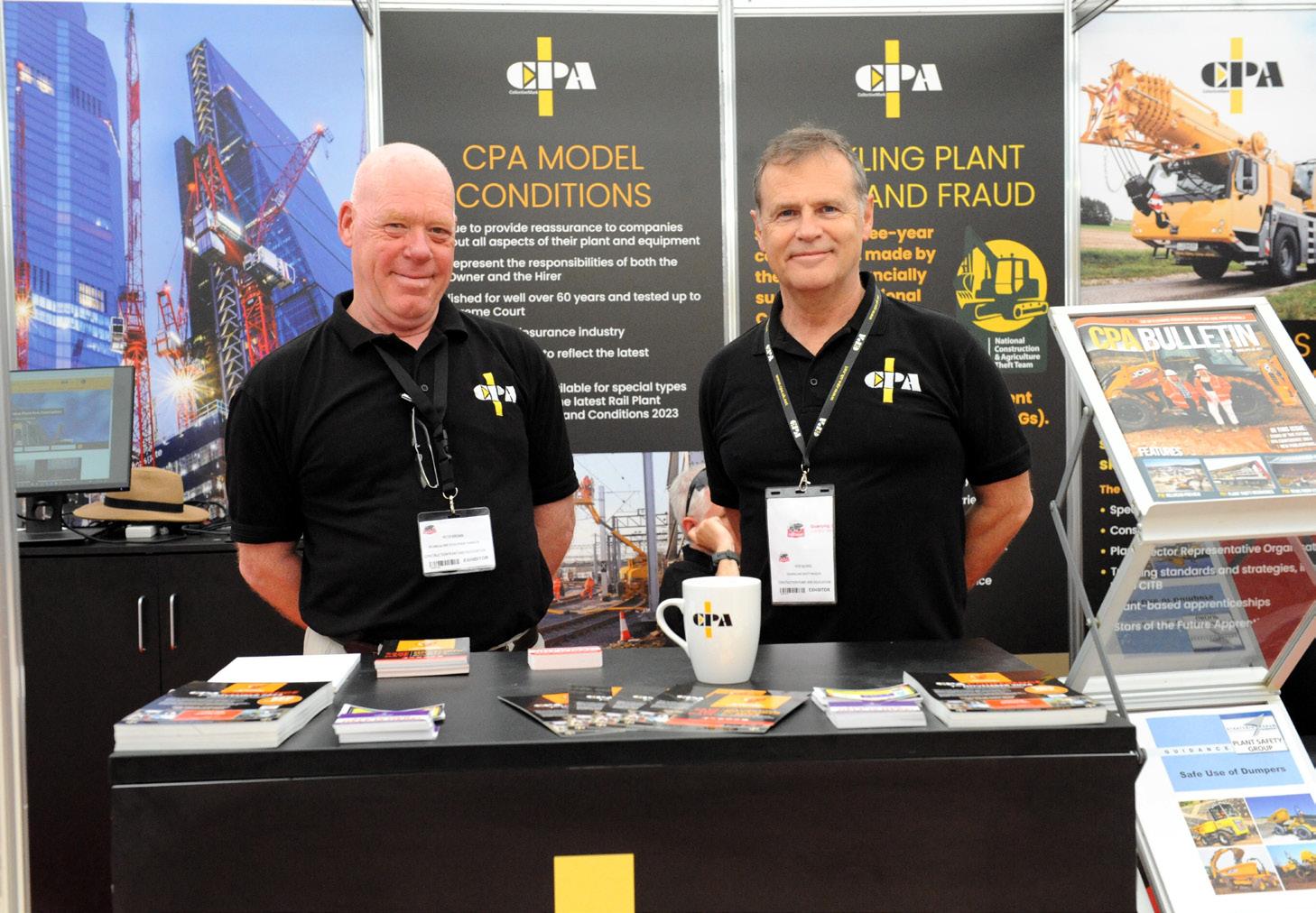
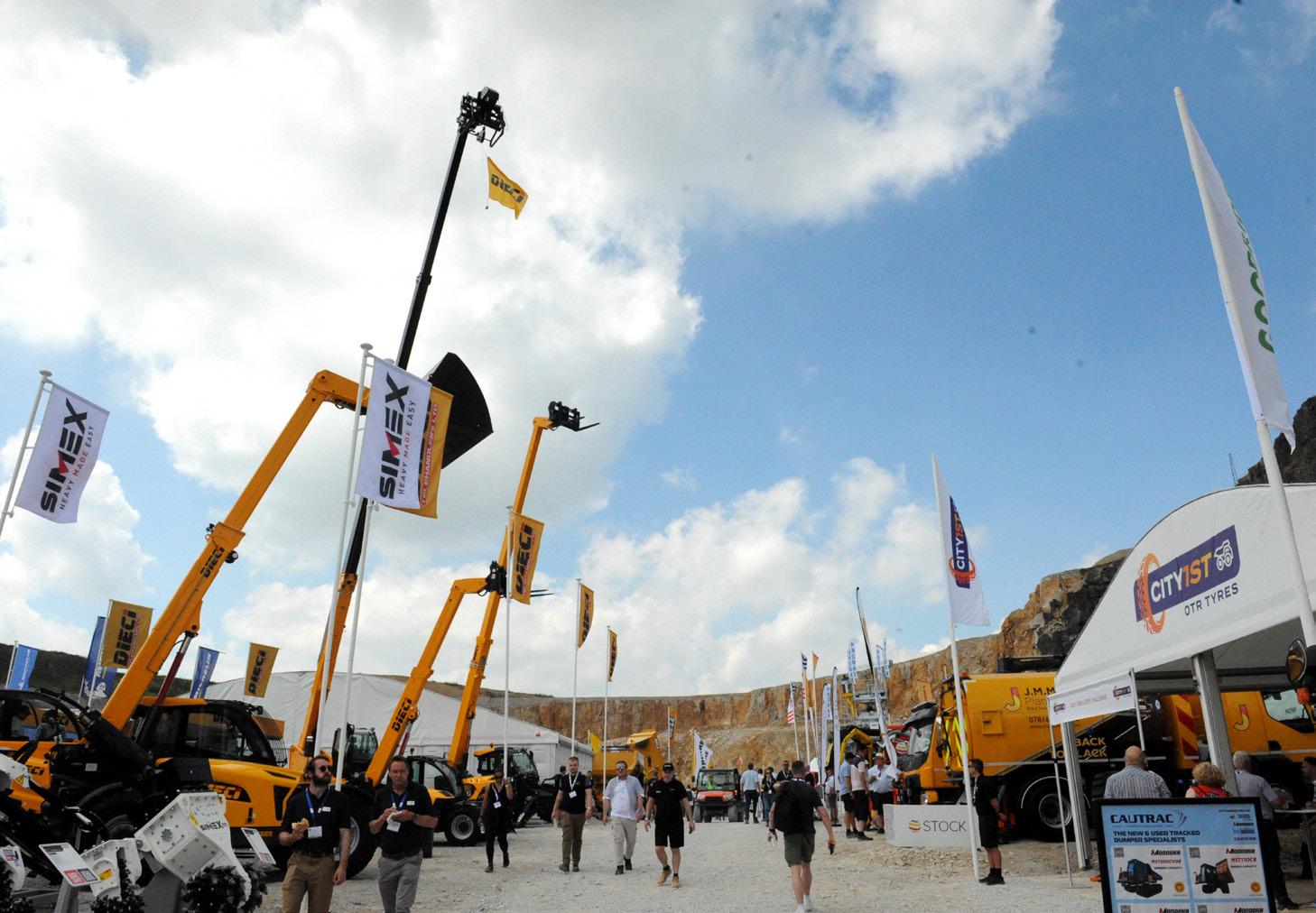
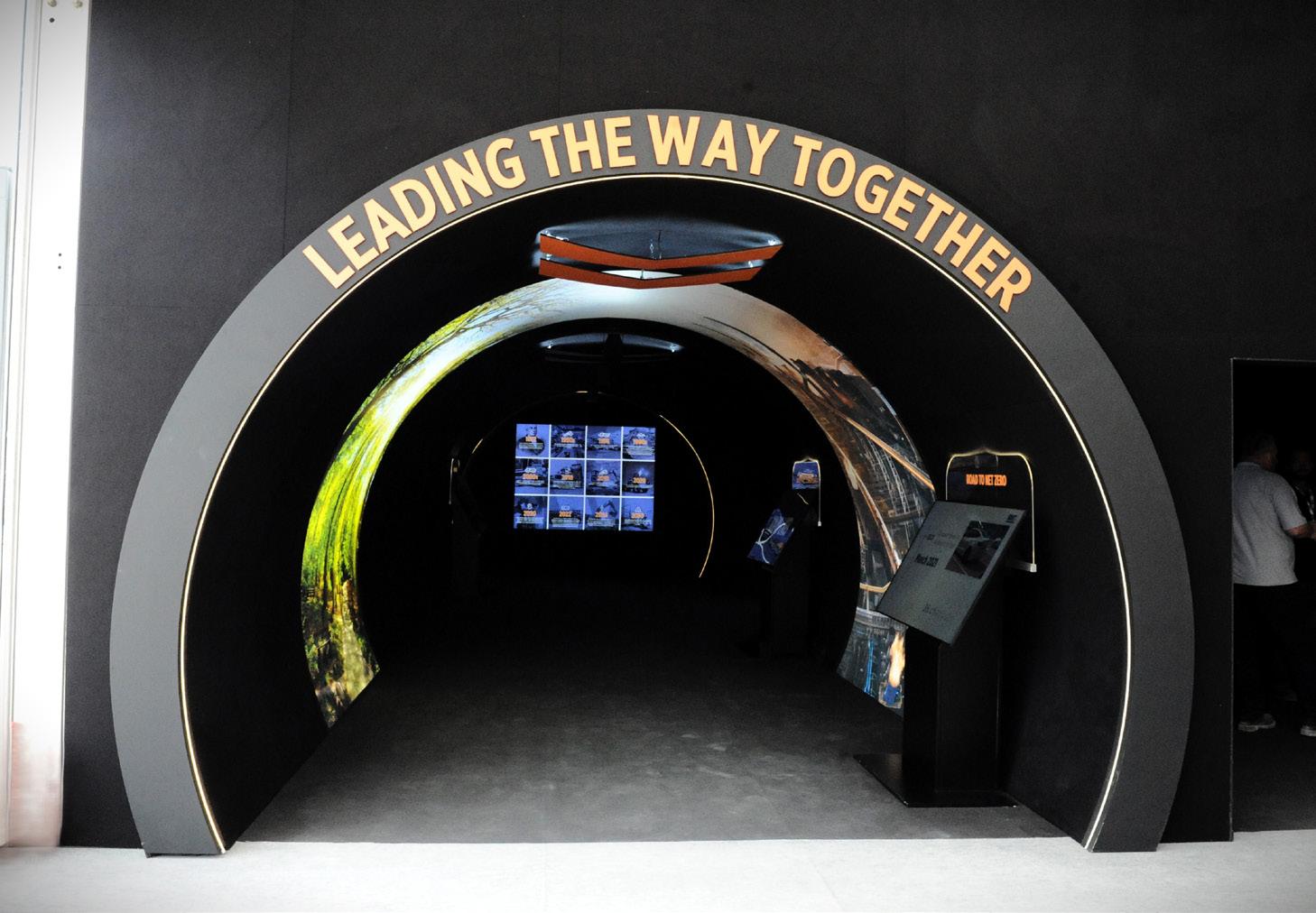
to
• Networking Lunch
• Half-Day Conference - ‘RealRisks,Real Consequences:ProtectingIPAFMembersintheField’
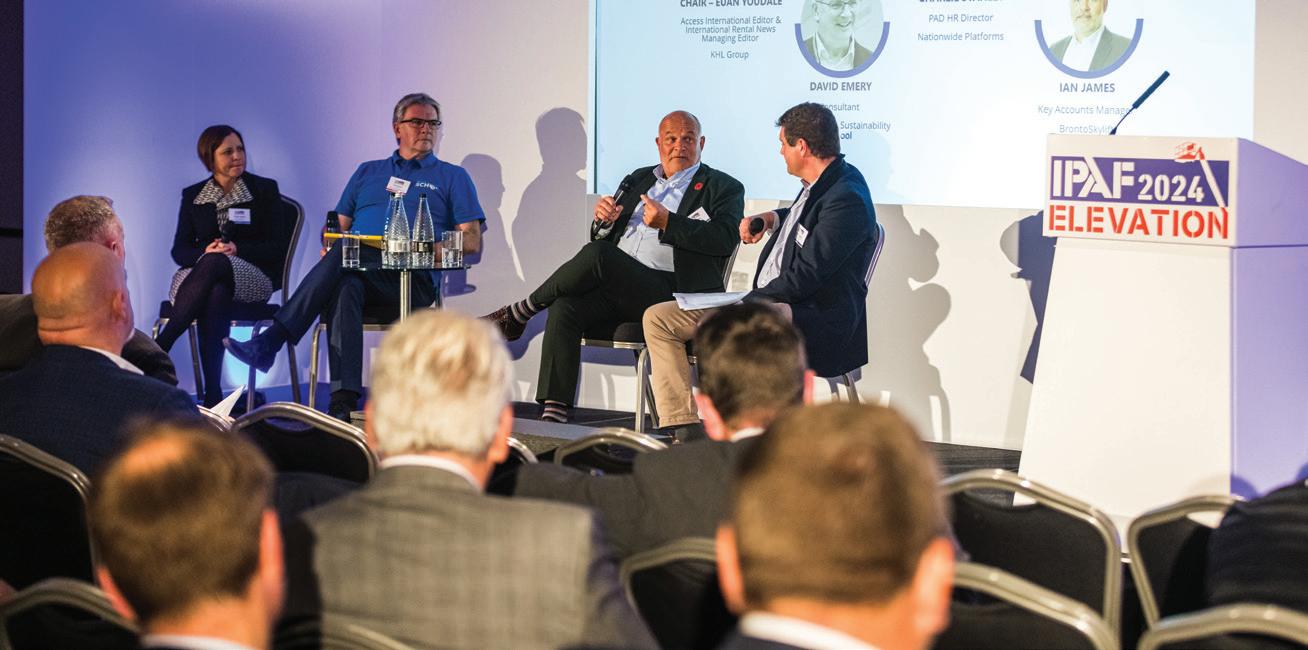
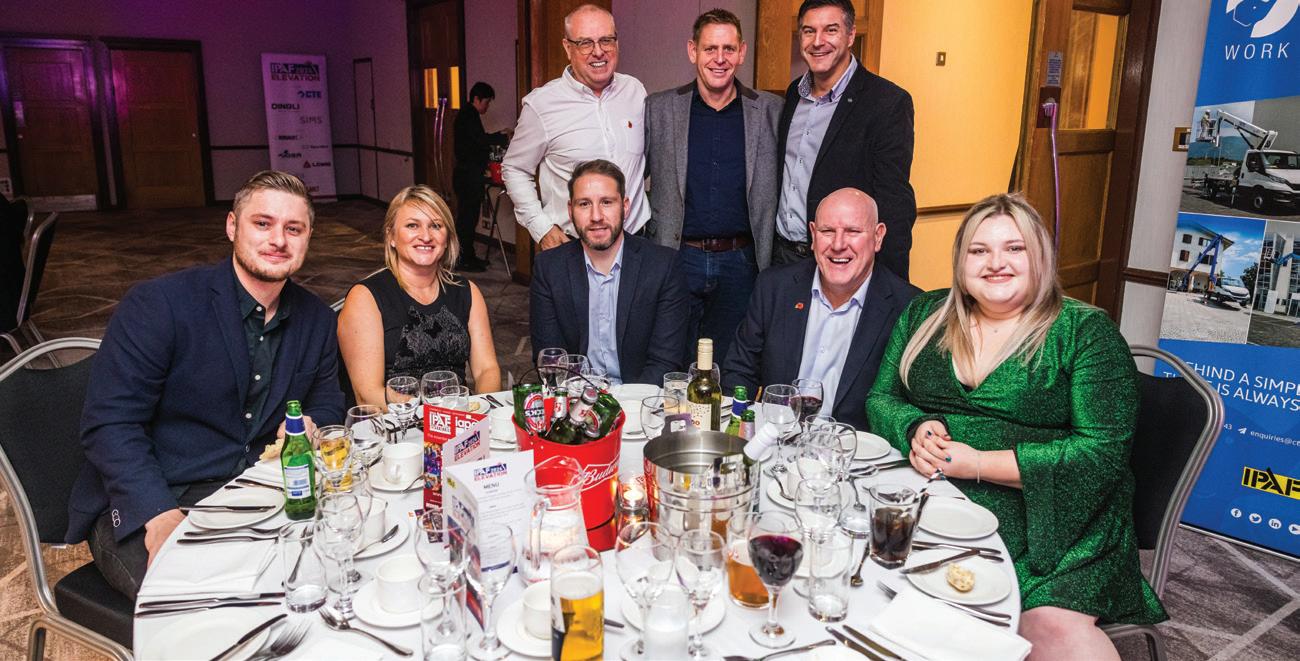
• Drinks Reception
• BBQ Dinner, Neil Ruddock & watch the FIFA World Cup match!
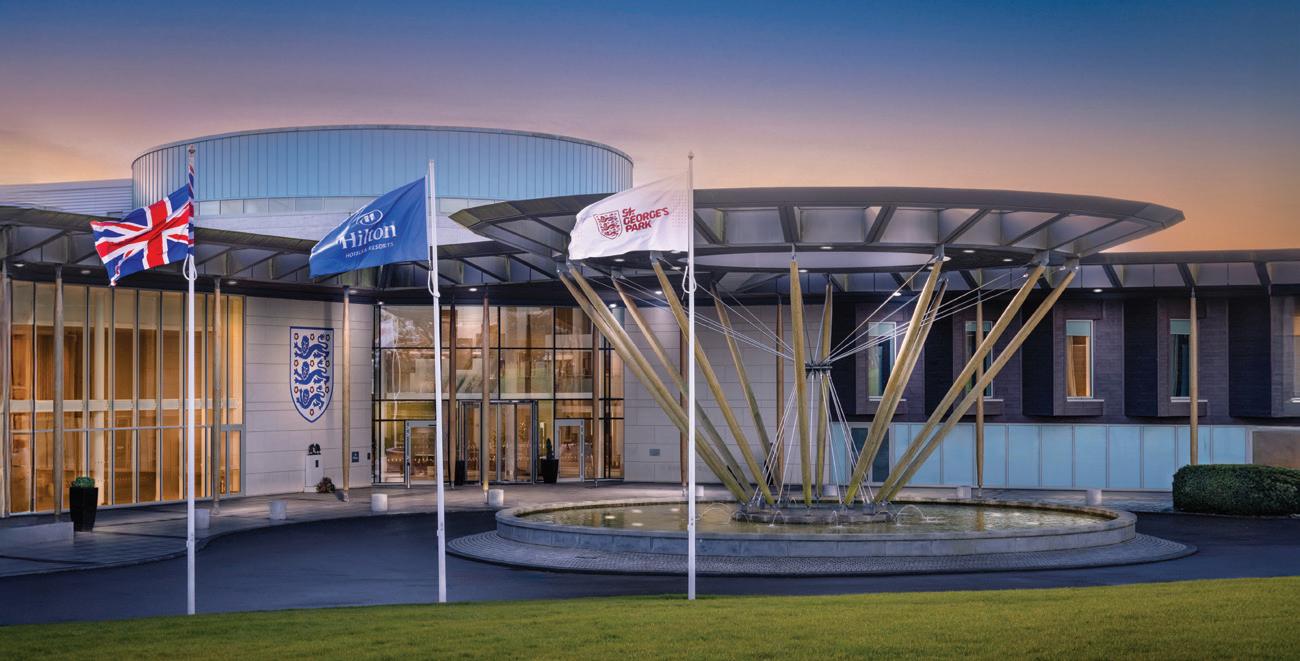


Speaker: Neil ‘Razor’ Ruddock



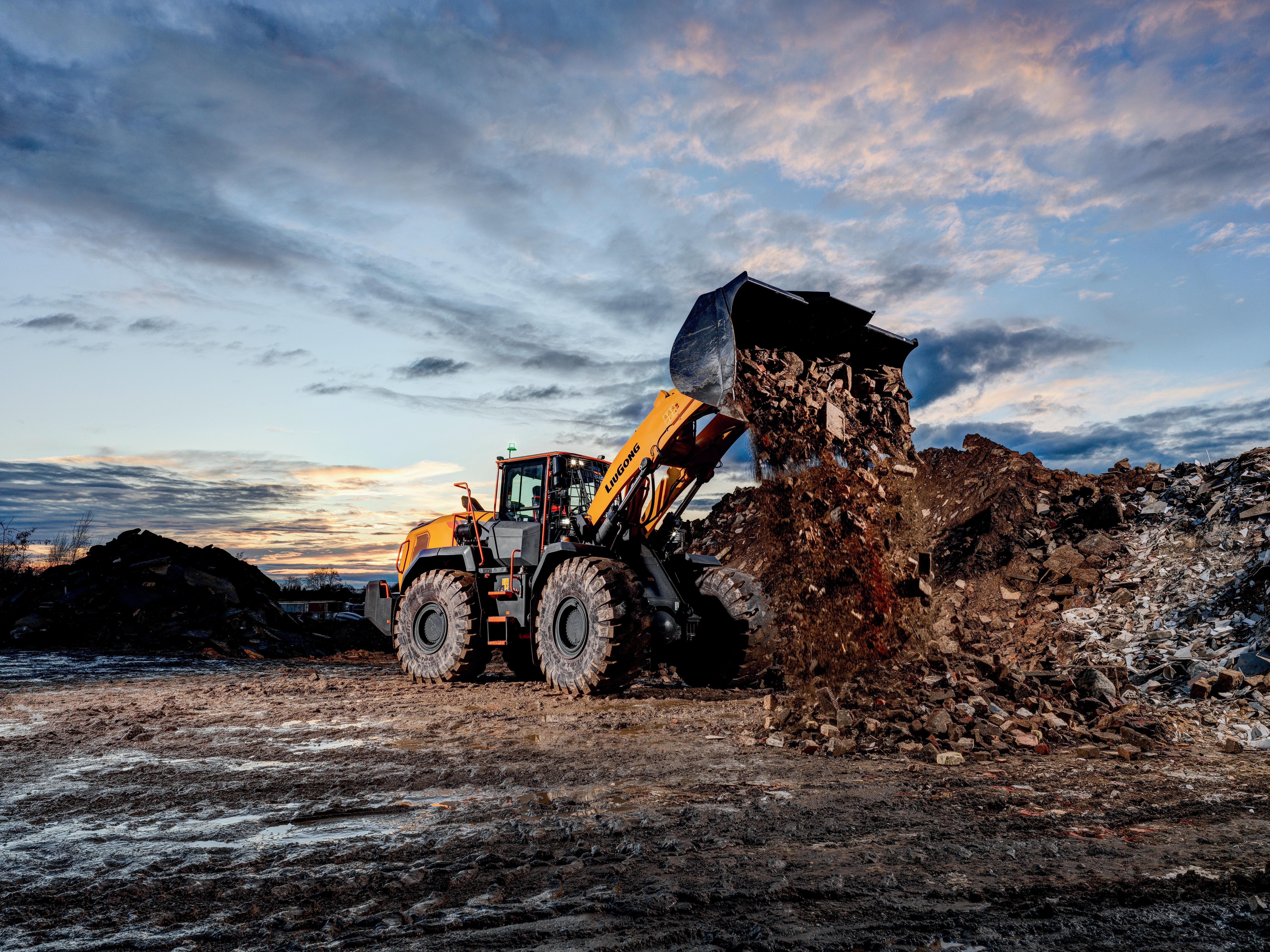

an
Built on a heritage of innovation, dura ility, and practical engineering, iuGong wheel loaders have recorded 60 years of continuously setting the standard for productivity across quarrying, aggregates, recycling, construction, and industrial operations worldwide


CONTACT A DEALER