PLANT PLANET

•
•
•
•
The year 2026 marks an important anniversary for the construction industry. It’s been 40 years since the first tiltrotator was launched – an innovation that has fundamentally transformed the industry. Rototilt is celebrating this milestone with a number of activities throughout the year.
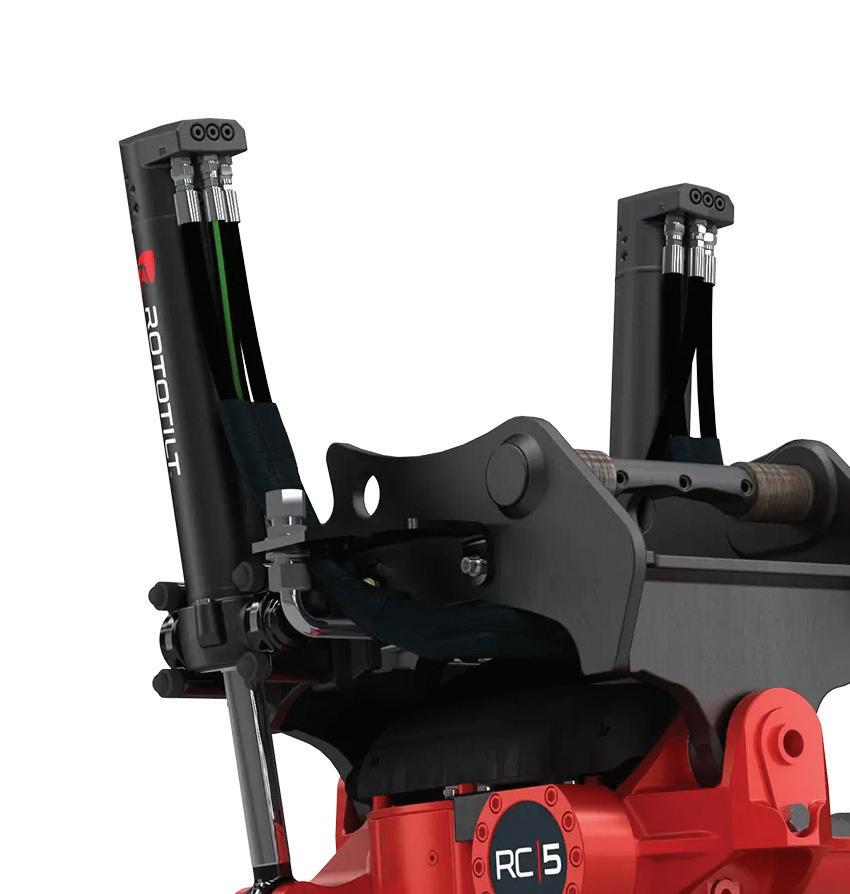
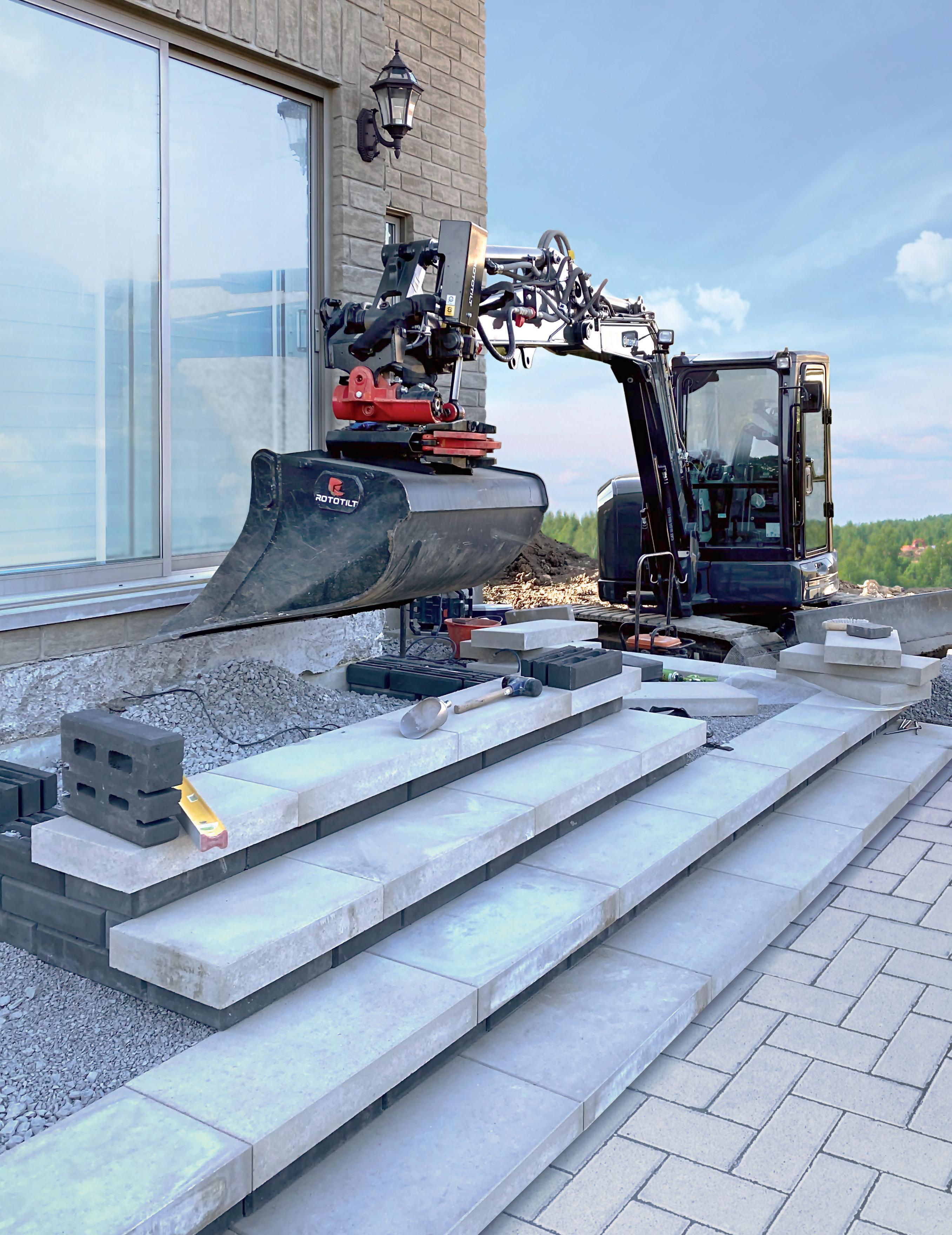
Rototilt was launched in 1986 as the world’s first tiltrotator and has since developed from a trailblazing idea in northern Sweden into an indispensable tool for excavator operators worldwide. Having solved challenges related to mechanical stress in its early years, today’s tiltrotator enjoys improved operating characteristics, an oil-filled rotor housing, and smart solutions for working with hydraulic tools.
Anniversary year 2026 will be more than just a retrospective, but a year where history meets the future. Rototilt is celebrating its 40 years of development with events around the world, and embarking on the next stage of its journey.
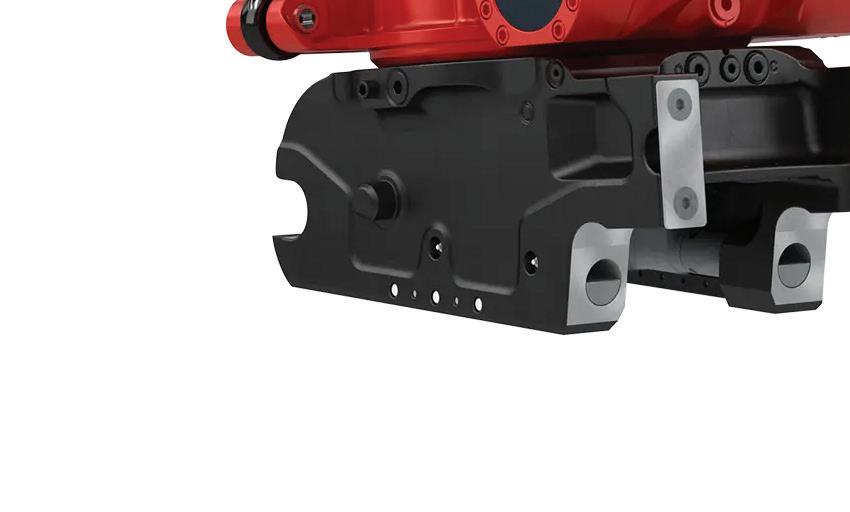
“We’re very proud to be celebrating this milestone. The tiltrotator story is filled with bold decisions and technical breakthroughs, all made in close collaboration with our users around the world. But above all, it’s people – employees, customers, and partners alike – that have made this journey possible. This is our opportunity to say thank you and continue looking forward," says Anders Jonsson, CEO of Rototilt Group AB. 40 years is just the start
From 1986 to the present day, Rototilt has played a key role in the development of the industry. With today’s broad product portfolio of tiltrotators, machine couplers, and work tools, our motivation remains the same now as it was back then – making excavators more efficient, safer, and versatile.
“The curiosity and spirit of innovation that have characterized Rototilt since its inception feels just as strong today. We continue to drive technological developments in excavators, today with a sharp focus on deeper integration with the machine’s various control systems in an industry that’s working with ever-smarter machines and electrification," concludes Anders.

Rototilt will be celebrating throughout the year. During this celebration year we will be attending the following exhibitions so please come and talk to us and see what makes Rototilt different.
Scot Plant (Edinburgh)
Friday 24th to Saturday 26th April
ICE Expo (Dublin)
Friday 22nd to Saturday 23rd May
Hillhead (Buxton Derbyshire)
Tuesday 23rd to Thursday 25th June
APF (Ragley Estate Warwickshire)
Thursday 24th to Saturday 26th September
Also, our distributors will also be exhibiting in their local areas so keep an eye out on our social media channels.
Environmental impact and construction seemingly don’t go hand in hand.
I’d go so far as to say that, once upon a time, being green was nothing more than a tick box exercise in this industry. A rocky start to say the least. Yet as with all good things, what may have started out as nothing more than placation is seemingly steam rolling towards something more concrete.
The UK construction industry has a productivity problem. More pressingly, it has a perception problem. For all its innovation and ambition, it remains one of the country’s most resource-intensive and environmentally impactful sectors. And as scrutiny intensifies, so too does the expectation that it must change decisively, not incrementally.
Consider the scale of the challenge. The built environment accounts for roughly a quarter of the UK’s total greenhouse gas emissions, while construction, demolition and excavation generate over 60% of the nation’s total waste. These are not marginal figures; they are structural realities. And they place the industry squarely in the spotlight of the UK’s net zero ambitions. Yet the narrative is not one of stagnation, it is one of uneven progress. The UK has made significant strides, cutting overall emissions by more than 40% since 1990. Meanwhile, circular economy practices (material reuse, offsite manufacturing, and retrofit-first strategies) are gaining ground across both public and private sector projects. The language of ‘whole-life carbon’ is no longer confined to policy papers. It is entering boardrooms, tenders, and site briefings. Still, a difficult truth remains; much of construction continues to operate within a fundamentally linear model: extract, build, discard. Recycling alone will not solve this, nor will isolated flagship projects. What is required is a systemic shift in how value is defined: away from lowest upfront cost, and toward long-term environmental and economic performance. This is where the circular economy stops being a concept and becomes a commercial imperative. Designing for disassembly, prioritising reclaimed materials, and leveraging digital tools to track and optimise resource use are no longer “nice to have”—they are rapidly becoming conditions of doing business.
The sector stands at a crossroads. One path leads to incremental compliance, reputational risk, and mounting regulatory pressure. The other leads to genuine transformation—where waste is engineered out, carbon is designed down, and sustainability is embedded as standard.
As the projects featured in this issue demonstrate, the tools, technologies and expertise already exist. The question is not whether the industry can afford to change—but whether it can afford not to.
The construction industry must (quite literally) start to build a better world.
Happy Reading!
Rebecca Phillips Managing Editor
PLANT PLANET is published by Machine Power Media Ltd.
St Johns House, St Johns Street, Chichester, West Sussex, PO19 1UU 07779 405885
Machine Power Media Ltd. © 2026 all rights reserved.
Reproduction in whole or part is prohibited except with permission in writing from the company.
Note to contributors: articles submitted to the Editor for consideration must be the original work of the author.
Where photographs are included that are not the property of the company or contributor, permission to reproduce them must have been received from the owner of the copyright. Any views or opinions expressed within this magazine are not necessarily those of the company. Registered in England No: 16081082
All advertisements are accepted subject to Machine Power Media’s standard of insertion. For a copy of Advertising Terms & Conditions, please write to: Darren Shelton, Machine Power Media Ltd. Unit 5, Basepoint, Enterprise Centre, Terminus Road, Chichester, PO19 8FY


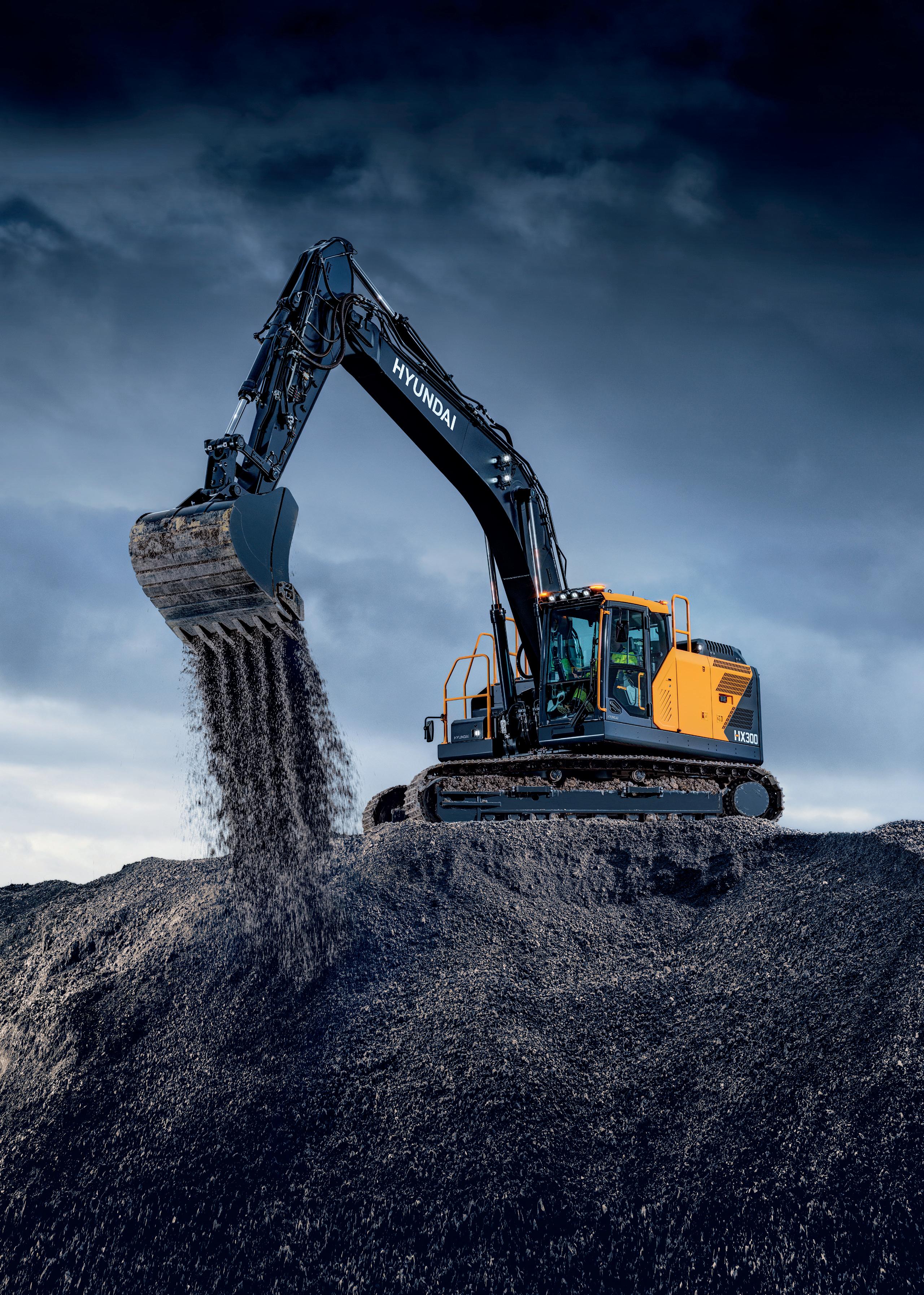
The new HX300 is the latest addition to Hyundai’s Next Generation excavator range. Alongside the HX360 and HX400, it delivers next level efficiency, comfort, safety and serviceability. The awardwinning DX08 diesel engine delivers up to 10% improved fuel efficiency, while an intelligent electro-hydraulic system provides up to 25% improved productivity. Longer service intervals include 1,000-hour oil changes and safety is enhanced with the SAVM 360° camera system and E-Stop emergency braking.
Go to the Next Level. Contact your Hyundai dealer. www.hyundai-ce.eu
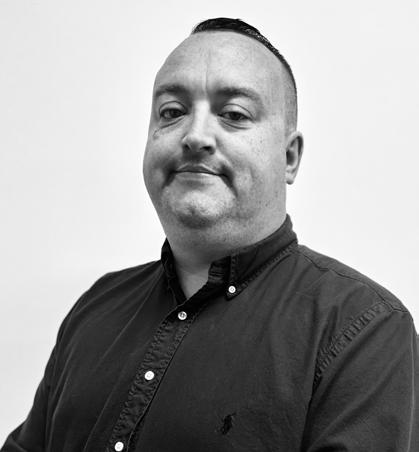
DARREN SHELTON MANAGING DIRECTOR

CHRIS HART SENIOR SALES CONSULTANT
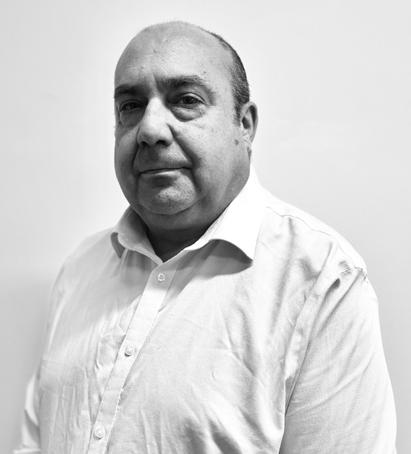
PHIL EVERY GROUP SALES DIRECTOR

MARTINA TONELLI MARKETING SPECIALIST

REBECCA PHILLIPS MANAGING EDITOR

STEVE WILSON DESIGN MANAGER
ALEX COX JOURNALIST & CONTENT CREATOR
JOHN SPENCER
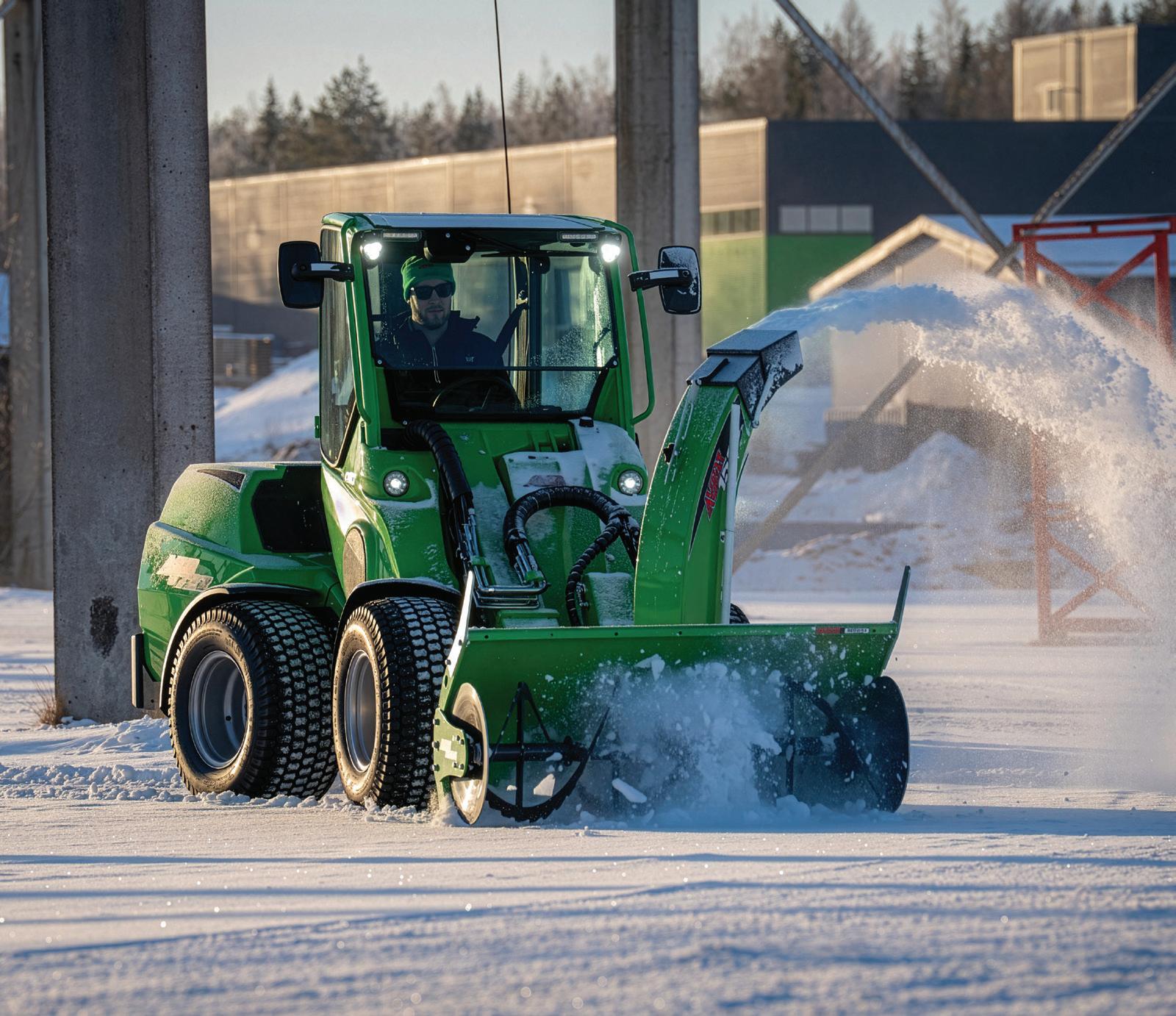
AVANT TECNO
LOUISE CARNEY CEA
LISA COLLINS CPA
HANNAH PASCOE SUNBELT RENTALS
GEORGE WHEELER
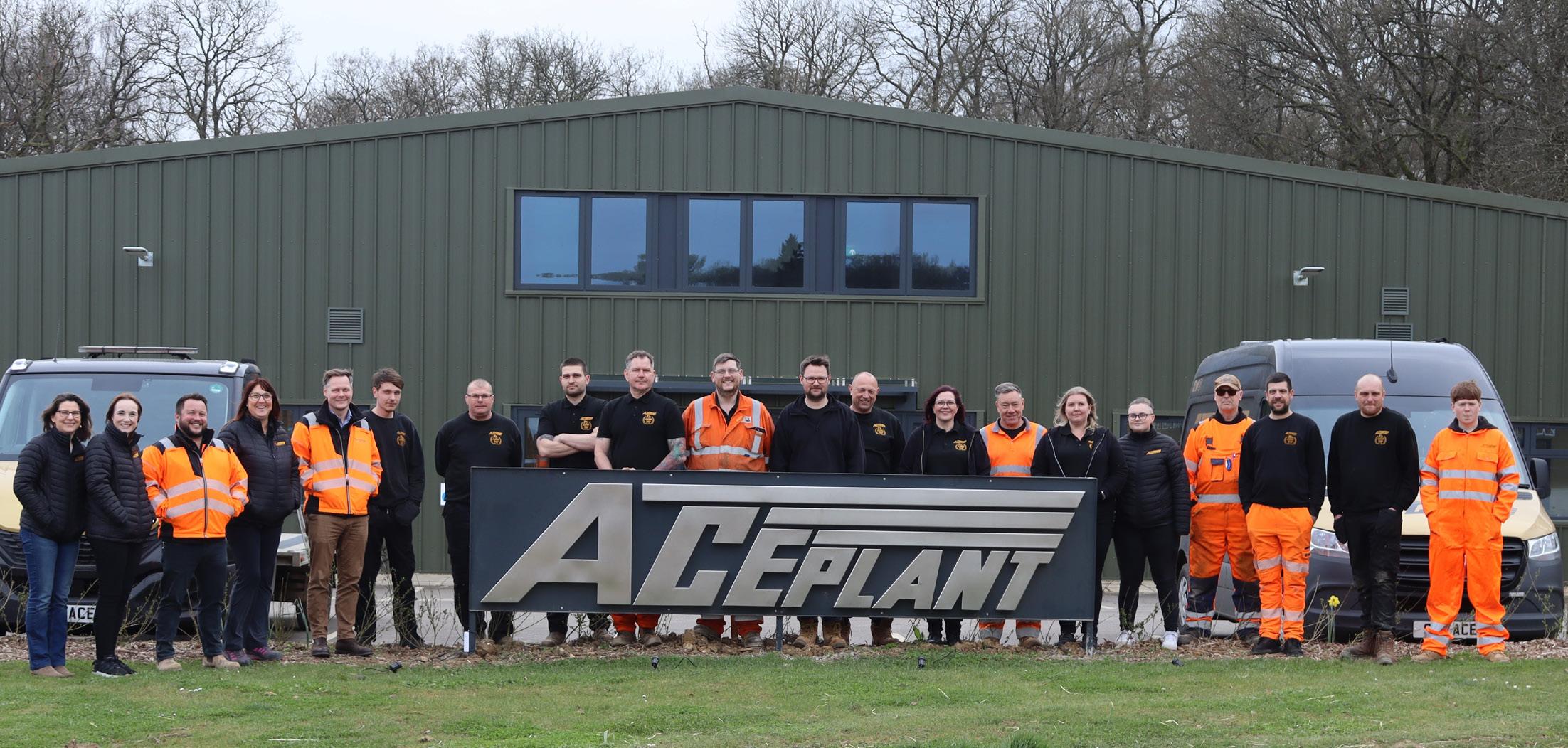
ACE PLANT
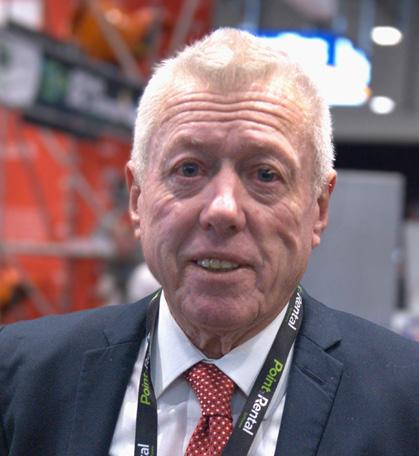

BRIAN JONES CONSTRUCTION PLANT-HIRE ASSOCIATION (CPA)
Brian Jones is President of the CPA, the largest trade association for the plant-hire sector in the UK with circa 1,900 members. He has worked in plant-hire for over 50 years. Brian was elected to the CPA Council over 30 years ago and has been CPA President since 2017.
RACHEL LAMBERT @KINGSTON PR
Rachel Lambert is a PR consultant and the founder of Kingston PR, a business she started over 30 years ago. A former magazine editor, she is also a freelance writer covering a range of sectors.
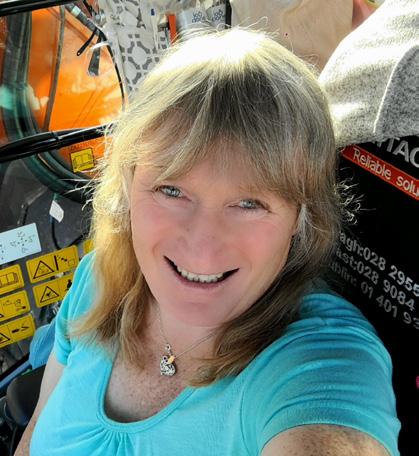
LANA EDWARDS
Working with plant machinery since she was 8 years old, Lana Edwards is one of the most well known and respected inluencers in the construction industry. She is the Number One Woman in Construction for Wales as well as a Top 100 Women in Construction for the UK.

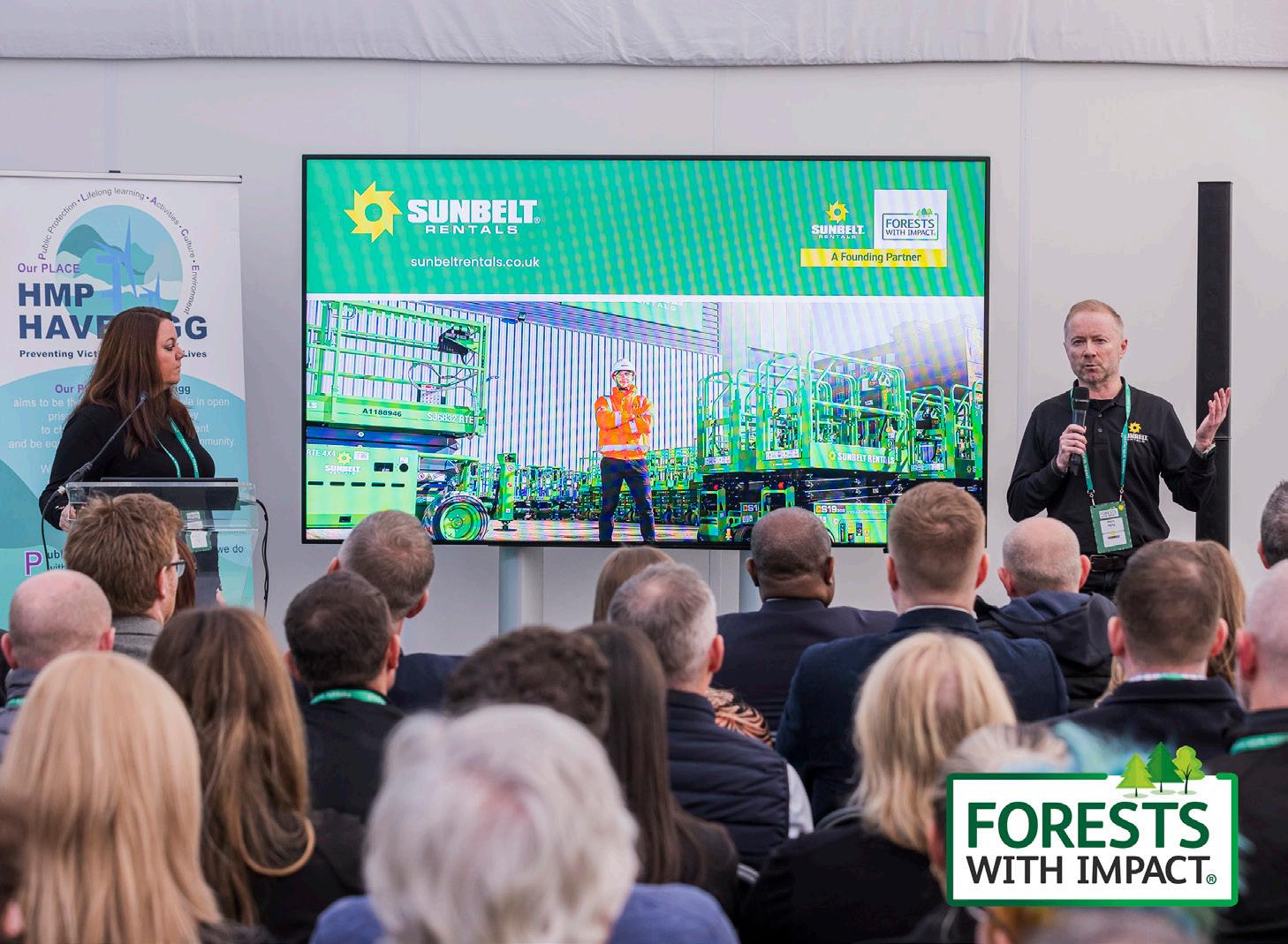
SUNBELT RENTALS: THE CONSCIOUS COMPANY MANAGING EDITOR REBECCA PHILLIPS SITS DOWN WITH DEAN DAINTY AND HANNAH PASCOE OF SUNBELT RENTALS TO LOOK AT WHAT MAKES THEM A TRULY CONSCIOUS COMPANY.
EMBRACING INNOVATION HOW SUSTAINABILITY UNLOCKS SIGNIFICANT OPERATIONAL SAVINGS.
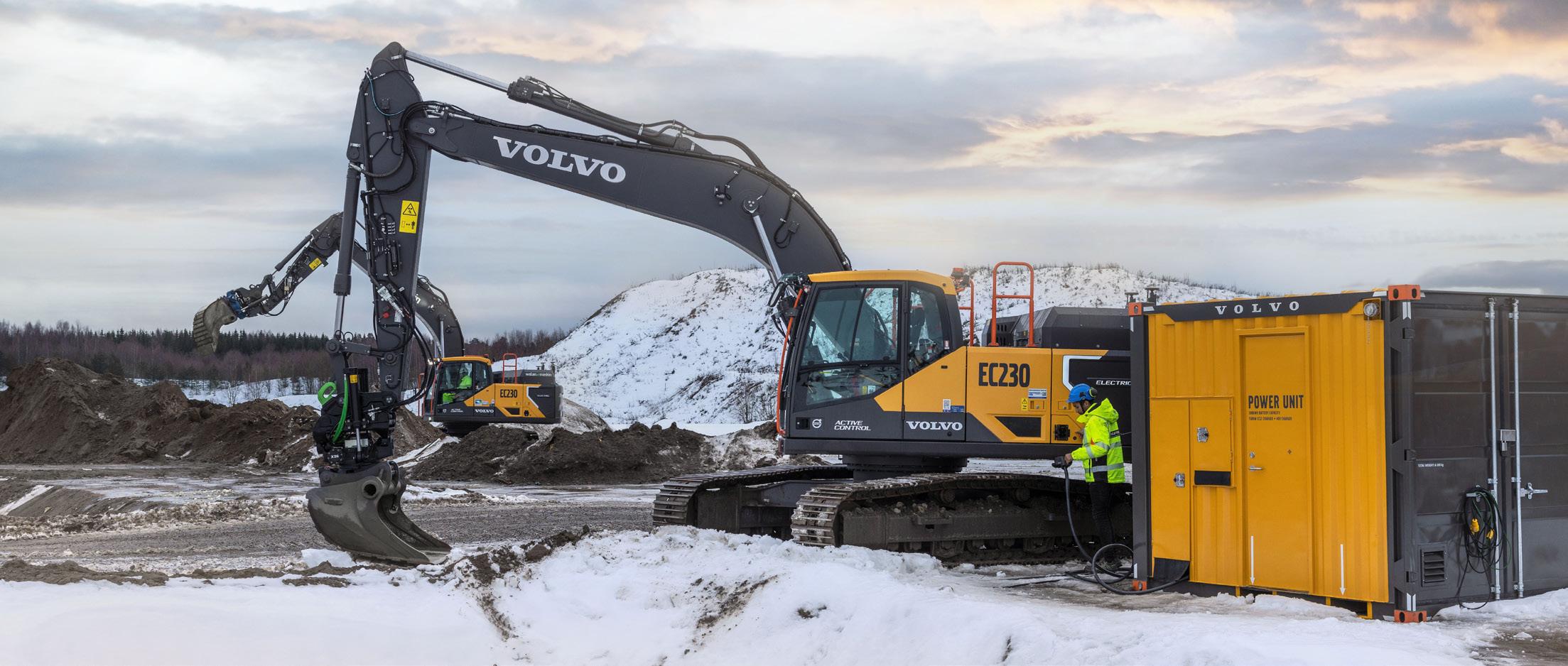
As the UK lifting, construction and plant hire sectors move into 2026, demand is increasingly centered on three priorities: greater machine utilization across multiple applications, a more practical route to lower-emission operation, and stronger aftermarket support to maximize uptime. Against this backdrop, Magni TH is strengthening its position in the British market with a strategy built around highperformance rotating telehandlers, application-led innovation and enhanced product support.
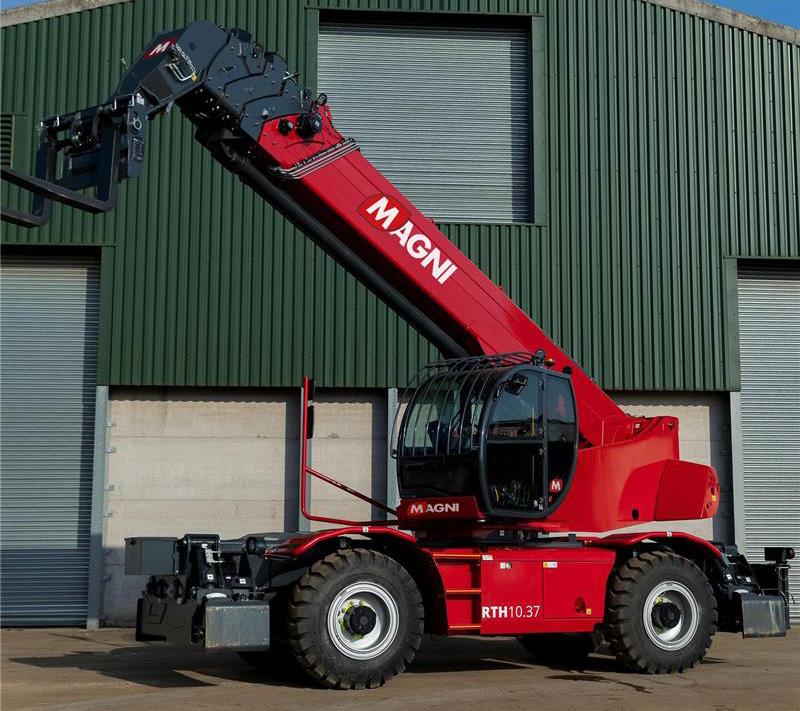
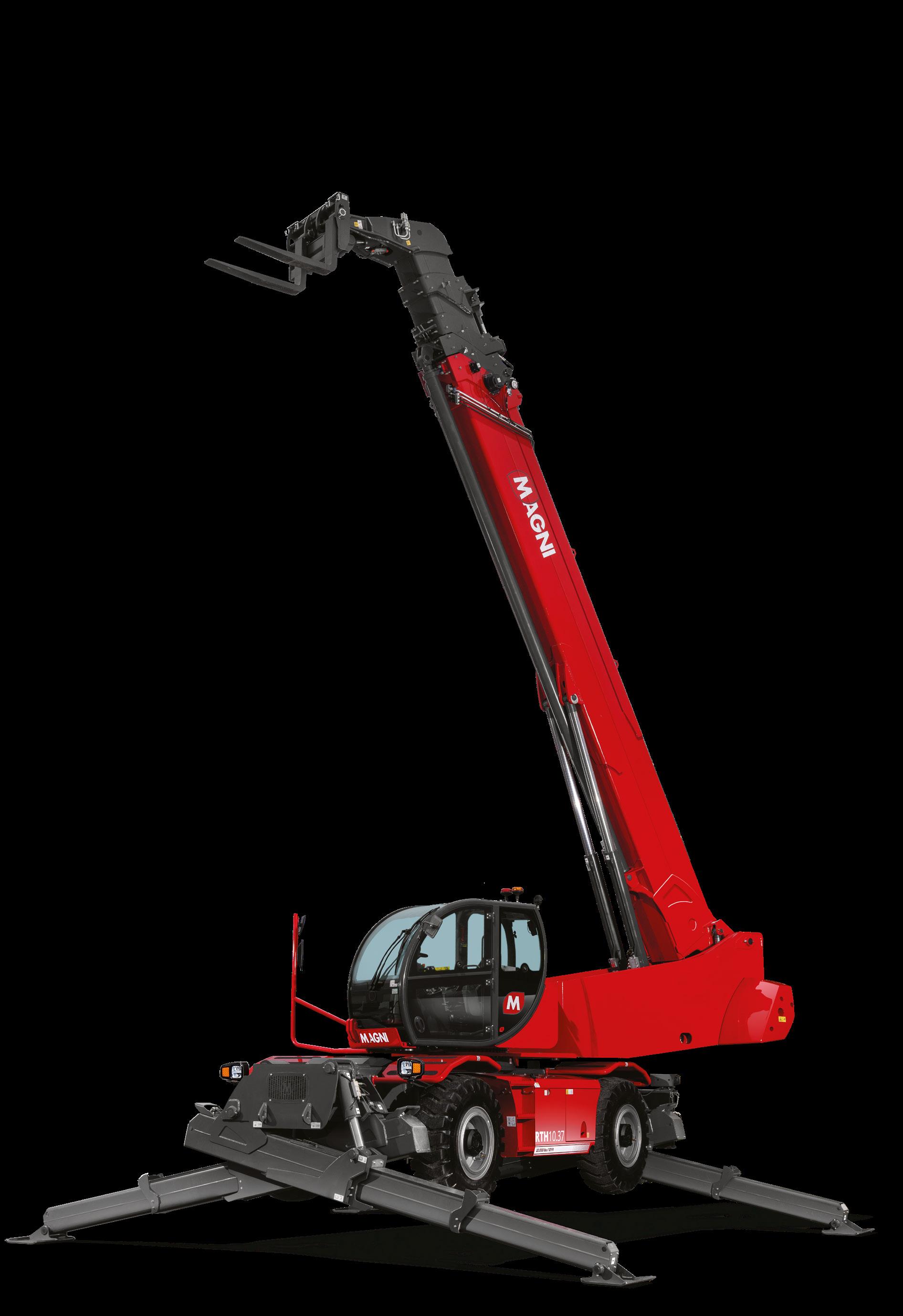
Among the most significant innovations is Full Power Mode, available on 6- and 8-tonne RTH models. This operating mode deactivates boom extension and retraction once the working position has been reached, increasing load capacity and improving operating stability. In practical terms, extension is blocked while lifting and rotation remain enabled, in the same way as on a telescopic boom crane. When used with Magni winches or winch booms, Full Power Mode allows the machine to deliver load chart performance comparable to that of an
off-road crane at a given radius, while retaining all the advantages of a rotating telehandler and its interchangeable attachments. For the UK market, this is a strong proposition for contractors and rental fleets looking to reduce fleet complexity and improve return on employed capital.
Alongside these innovations, the RTH 10.37 represents another key product in the RTH range. Designed to combine exceptional lifting capacity with the versatility typical of Magni rotating telehandlers, it brings together the performance usually associated with a rough terrain crane and the flexibility and multifunctionality of a roto telehandler.
For UK users operating across structural steel, modular installation, precast, infrastructure and general construction, that combination is particularly relevant: one machine can cover lifting, positioning and accessrelated duties on the same site, with the operational flexibility that has become increasingly valuable in the hire market.
A second major focus is Twin Power, Magni’s cost-effective answer to electrification. While fully electric or hybrid machines can still represent a significant barrier to investment, Twin Power offers a more commercially viable solution. Once the machine is stabilised, it can operate in full electric mode via a 400V power socket, making it especially suitable for low-noise, low-emission work in citycenter projects, enclosed spaces and other sensitive applications. For many UK fleet owners and end users, it offers a realistic transition technology rather than a high-cost all-electric commitment.
Magni TH’s 2026 strategy is also focused on the fundamentals of customer support: expanding after sales and service coverage and increasing parts stock to improve response times, service readiness and fleet uptime.
At the same time, the company will broaden its sector reach with the introduction of the THA range, an eight-model agricultural telehandler line developed around productivity, safety and operator comfort, including the new THA 3,5.7, THA 3,5.9 and THA 5.8 L.
With these priorities, Magni TH is aligning its 2026 UK strategy with what the market values most: utilisation, versatility, lower operating impact and dependable support.
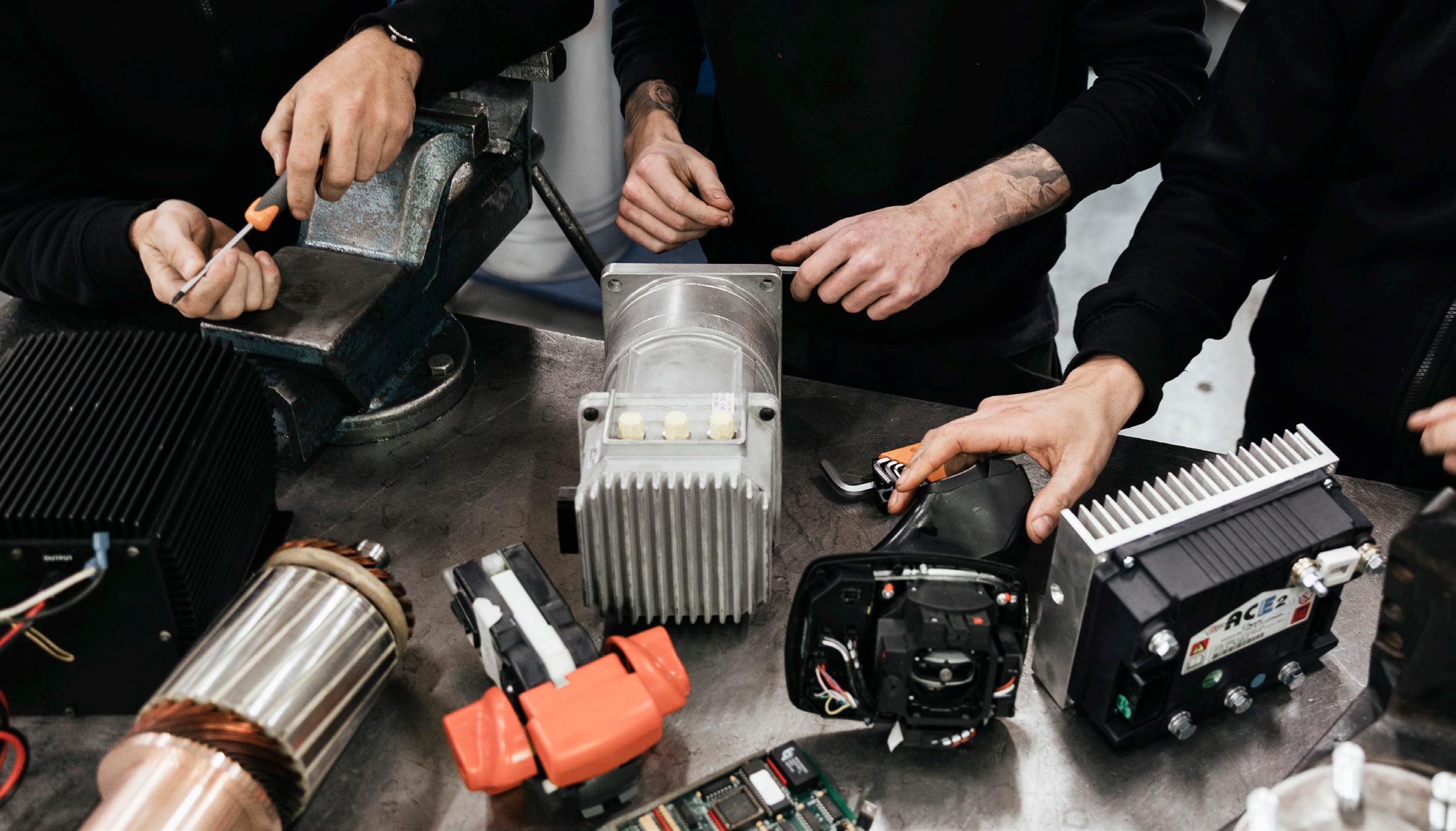
In today’s demanding industrial landscape, the search for the perfect balance between costefficiency, operational reliability, and environmental responsibility is a priority for everyone—from fleet managers and equipment owners to the parts resellers who support them. TVH’s REMAN range offers a compelling solution that bridges the gap between the high cost of new components and the uncertainty of used parts.
Built to perform, Rebuilt to last
The core philosophy behind REMAN is that a part shouldn’t have to be brand new to deliver “as-new” performance. Every REMAN component undergoes a rigorous remanufacturing process led by a team of specialised technicians. This isn’t a simple repair job; it is a comprehensive restoration to OEM quality standards. By the time a part leaves the facility, it has been verified on in-house test benches that simulate reallife working conditions, ensuring it can withstand the rigours of any operation.
Uncompromising quality at a lower price
The REMAN line provides a significant competitive advantage by offering the reliable performance of a new part at a lower price. To provide total peace of mind, TVH backs these parts with the same warranty as new parts, proving our confidence in the craftsmanship and durability of every unit.
A greener path forward
Choosing REMAN is not just a financial decision; it’s a sustainable one. By opting for remanufactured parts, you contribute to a circular economy, reducing industrial waste and the energy consumption required to manufacture new components from scratch.
For those looking to optimise their maintenance budget without sacrificing the quality their machinery deserves, REMAN is the ultimate choice—rebuilt to perform and guaranteed to last.
To learn more about our extensive range of remanufactured parts, visit: www.tvh.com
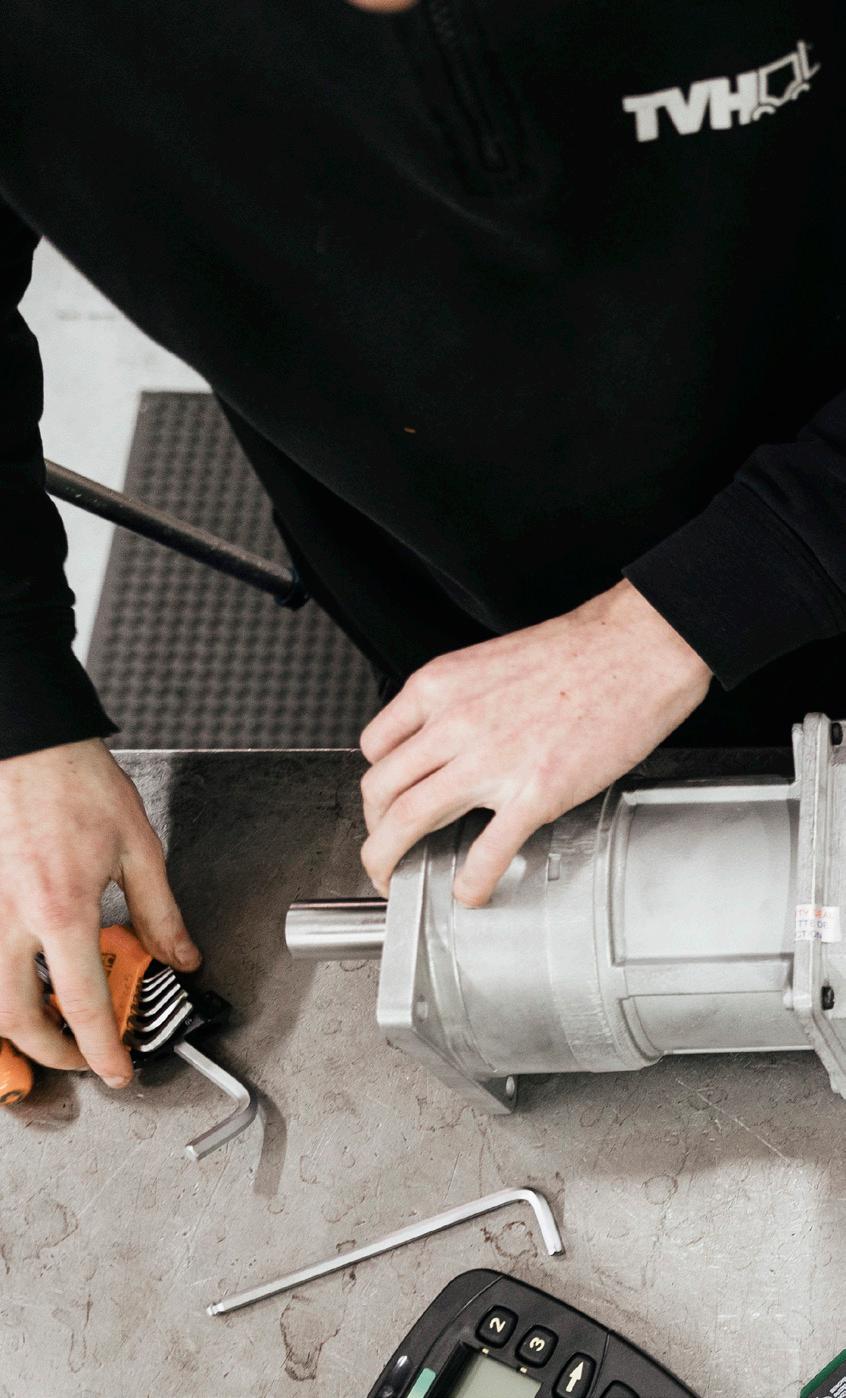
Environmental, Social and Governance (ESG) targets are becoming a defining part of modern construction procurement. Major contractors are increasingly required to demonstrate how their projects reduce environmental impact, protect worker welfare and operate responsibly. One of the most practical ways to achieve these goals is through the plant and equipment used on site.
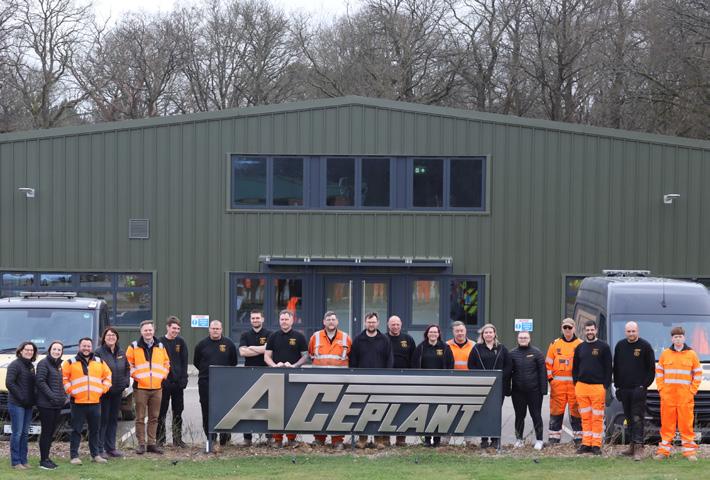
Plant hire specialist ACE Plant is working closely with contractors to help them meet ESG objectives through smarter equipment choices and operational practices.
Electric over Diesel - The shift towards lower emissions is accelerating across the construction industry, particularly on projects in urban environments and lowemission zones. ACE Plant is expanding the availability of electric-powered equipment across its fleet, enabling contractors to reduce reliance on diesel machines.
Electric plant eliminates on-site exhaust emissions and significantly reduces noise levels, making it suitable for projects operating in sensitive locations such as city centres, hospitals or residential areas. For contractors reporting on sustainability targets, replacing diesel equipment with electric alternatives provides a measurable way to reduce the carbon footprint of construction activities.
Extending Equipment Life -
Sustainability is not only about energy use; it is also about how equipment is managed throughout its lifecycle. ACE Plant takes a long-term approach to fleet management by refurbishing and upgrading existing machinery where possible.
By maintaining and extending the operational life of equipment, the company reduces unnecessary manufacturing demand and lowers the embodied carbon associated with new machinery. This circular approach supports contractors seeking to demonstrate responsible procurement and resource efficiency as part of their ESG reporting.
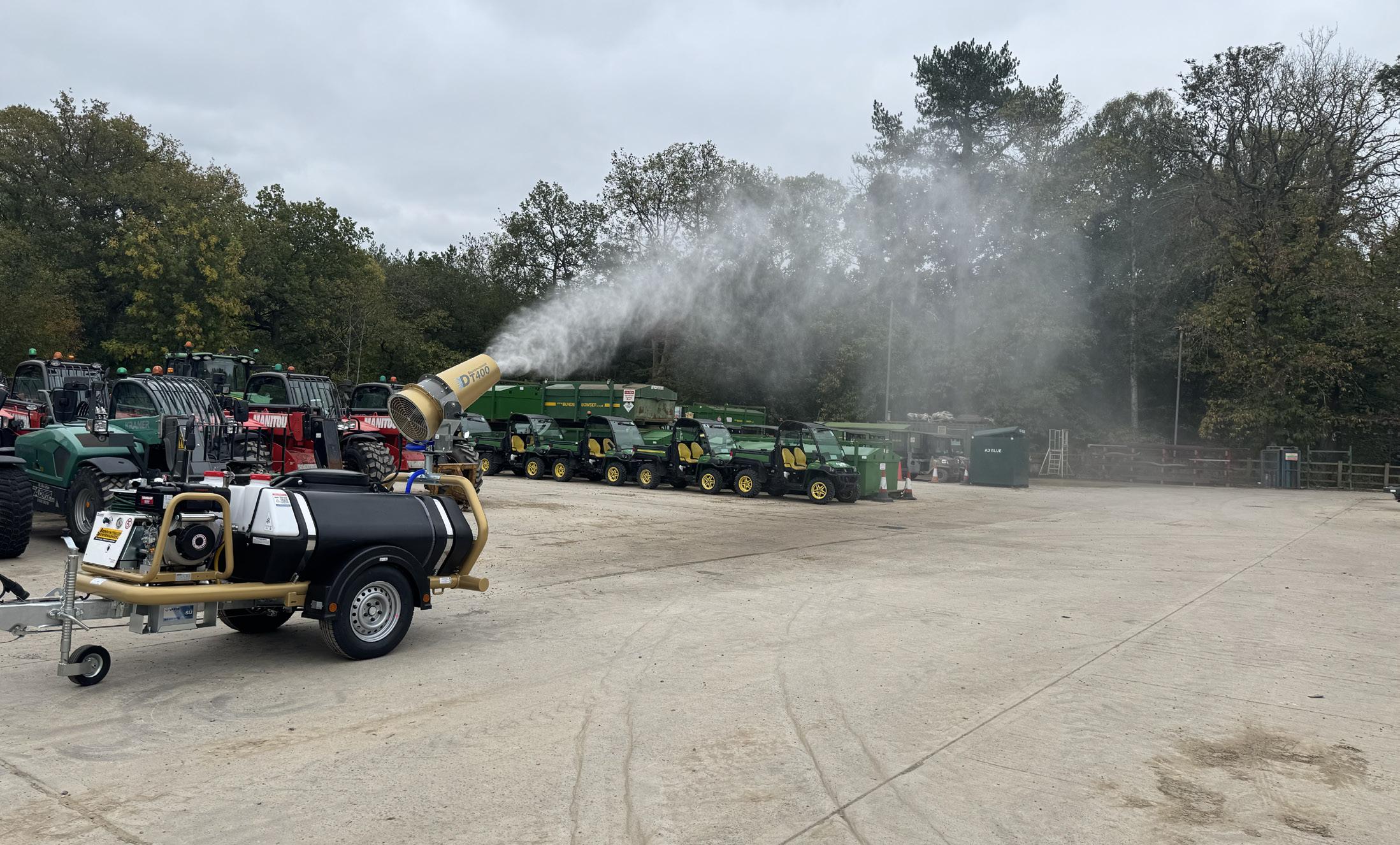
Managing Dust on Site - Is a critical environmental and health issue in construction. Airborne particulates from demolition, cutting, or earthmoving can affect workers and nearby communities. Exposure to Respirable Crystalline Silica (RCS) dust, generated when cutting, drilling, or grinding materials like concrete, brick, and stone, can cause silicosis, a serious, often fatal, and irreversible lung disease, and one of the greatest risks to construction workers after asbestos.
ACE Plant offers a range of dust suppression solutions designed to mitigate these risks. From water-based
suppression systems to specialised equipment that reduces airborne dust during site operations, these measures help contractors comply with environmental regulations while maintaining safe working conditions.
Protecting Operators from WholeBody Vibration - Worker welfare forms a central pillar of the “Social” component of ESG. Whole-body vibration (WBV), caused by prolonged operation of certain types of machinery, is a recognised occupational health risk in construction.
ACE Plant is actively addressing this issue through equipment selection, improved technology and safer towing systems designed to reduce operator strain. By helping contractors minimise exposure to vibration risks, the company supports both regulatory compliance and long-term workforce wellbeing.
Supporting Responsible Construction
- As ESG requirements continue to shape the construction sector, plant hire companies have an increasingly important role to play. Through electric equipment options, sustainable fleet management, dust suppression solutions and a focus on operator health, ACE Plant is helping contractors deliver projects that are not only productive, but also environmentally responsible and socially sustainable.

Reduce your emissions by up to 90% with the UK’s largest solar lighting range
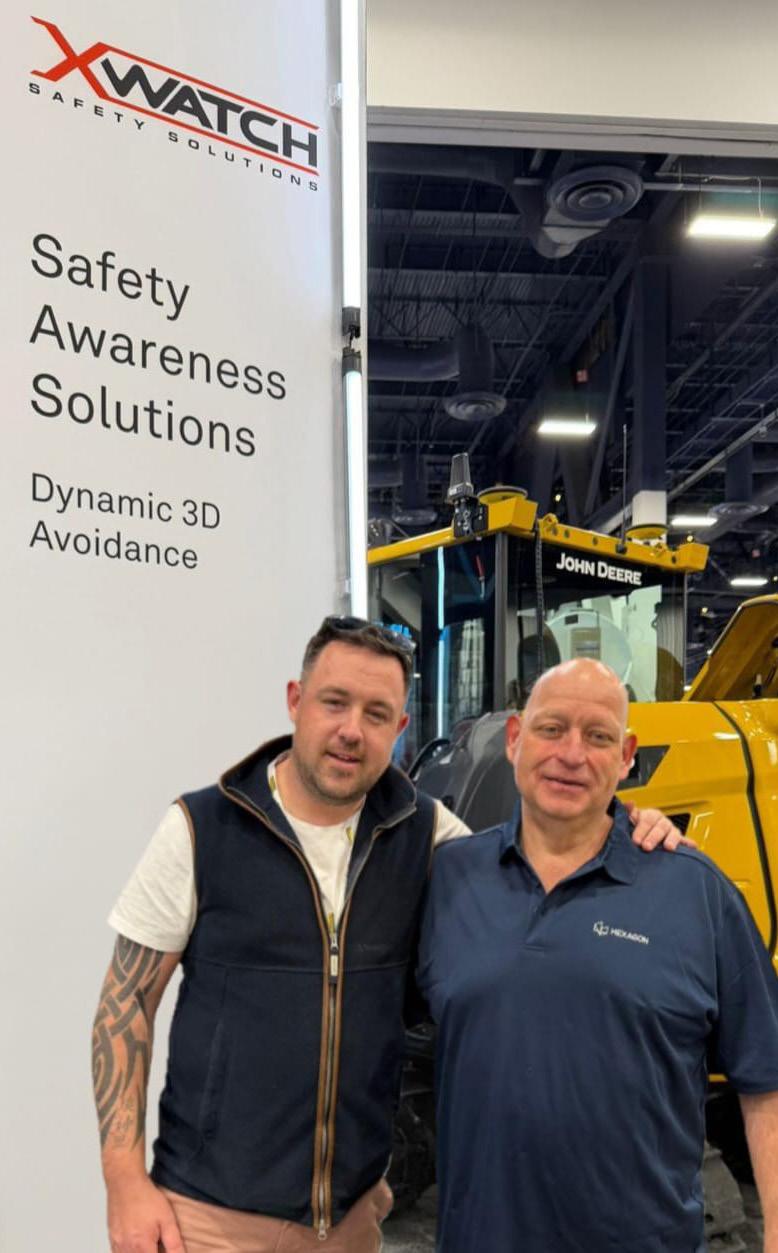
We’re pleased to announce that Machinetech is now an authorised Xwatch dealer in the UK. The agreement was sealed on the Xwatch booth at CONEXPO-CON/AGG in Las Vegas on 6 March, where Ash Mills, Managing Director and Co-Founder of Machinetech Ltd, and Dan Leaney, Global Managing Director of Xwatch Safety Solutions from 1 April 2026, confirmed the partnership.
Machinetech has built a strong reputation for supplying advanced geospatial and construction technology to the UK market. The company works with some of the biggest names in the sector to bring proven systems to contractors who want reliable, practical technology on site. That makes them a natural partner for Xwatch.
Machinetech is already a dealer for Topcon Positioning Systems and RodRadar, and the addition of
Xwatch strengthens the safety side of that technology mix. Together these technologies help contractors see more, measure more and operate more safely on site.
For Xwatch, the partnership is another step in making our safety systems more accessible across the UK through experienced technology specialists who understand how these solutions work together in the real world.
For Machinetech customers, it means direct access to Xwatch’s range of safety systems including height, slew and rated capacity monitoring, backed by a team that understands construction technology and how it is used on site.
Dan Leaney, Global Managing Director at Xwatch Safety Solutions, said: “Machinetech has built a very strong reputation in the construction technology sector and we’re pleased to be working with Ash and the team. They understand how modern site technology works together, and adding Xwatch to their portfolio means more contractors will have access to proven safety systems that help protect operators, machines and people working around them.”
Ash Mills, Managing Director and Co-Founder of Machinetech Ltd, added: “Xwatch is a natural fit for us. We focus on supplying technology that helps contractors work smarter and more safely, and Xwatch’s safety systems are widely recognised across the industry. Bringing Xwatch into the Machinetech portfolio alongside Topcon and RodRadar gives our customers access to a powerful combination of positioning, detection and safety technology.”
More to follow from this partnership.
Photo L-R: Ash Mills, Managing Director and Co-Founder of Machinetech and Dan Leaney, Global Managing Director at Xwatch Safety Solutions part of Hexagon
In today’s demanding plant and machinery sectors, reliability is everything. Downtime is not just inconvenient—it’s costly. That’s why Plant Parts Ltd continues to invest in both stock availability and technical capability, ensuring customers across multiple industries have rapid access to critical components and expert support when it matters most.
At the core of the business is a comprehensive product offering, including Final Drives, Swing Drives, Hydraulic Pumps, Slew Rings and complete Diagnostics & Repair services. With a vast range supporting over 150 brands of tracked and wheeled machinery, Plant Parts has positioned itself as a dependable partner for sectors such as construction, earthworks, quarrying, demolition, civil engineering, waste recycling, forestry, concrete and more.
With a large inventory of final drives, swing drives, hydraulic pumps, recoil spring assemblies and slew rings readily available, customers can source essential components without delay. Combined with intuitive parts finder tools, locating the right spare has never been more efficient. The message is simple: Parts in stock. Downtime out.
However, Plant Parts is more than a parts supplier. Since opening its onsite workshop facilities in 2008, the company has developed a strong reputation for high-quality repair and refurbishment services. This capability is reinforced by key industry partnerships and accreditations.
As an FDC Approved Dealer, and through close working relationships with other industry giants including ZF Aftermarket and PMP Industries, Plant Parts delivers trusted solutions backed by globally recognised engineering expertise.
Notably, the Plant Parts Workshop is also the only Bonfiglioli-approved workshop outside of Italy—an endorsement that underscores its technical authority and service quality.
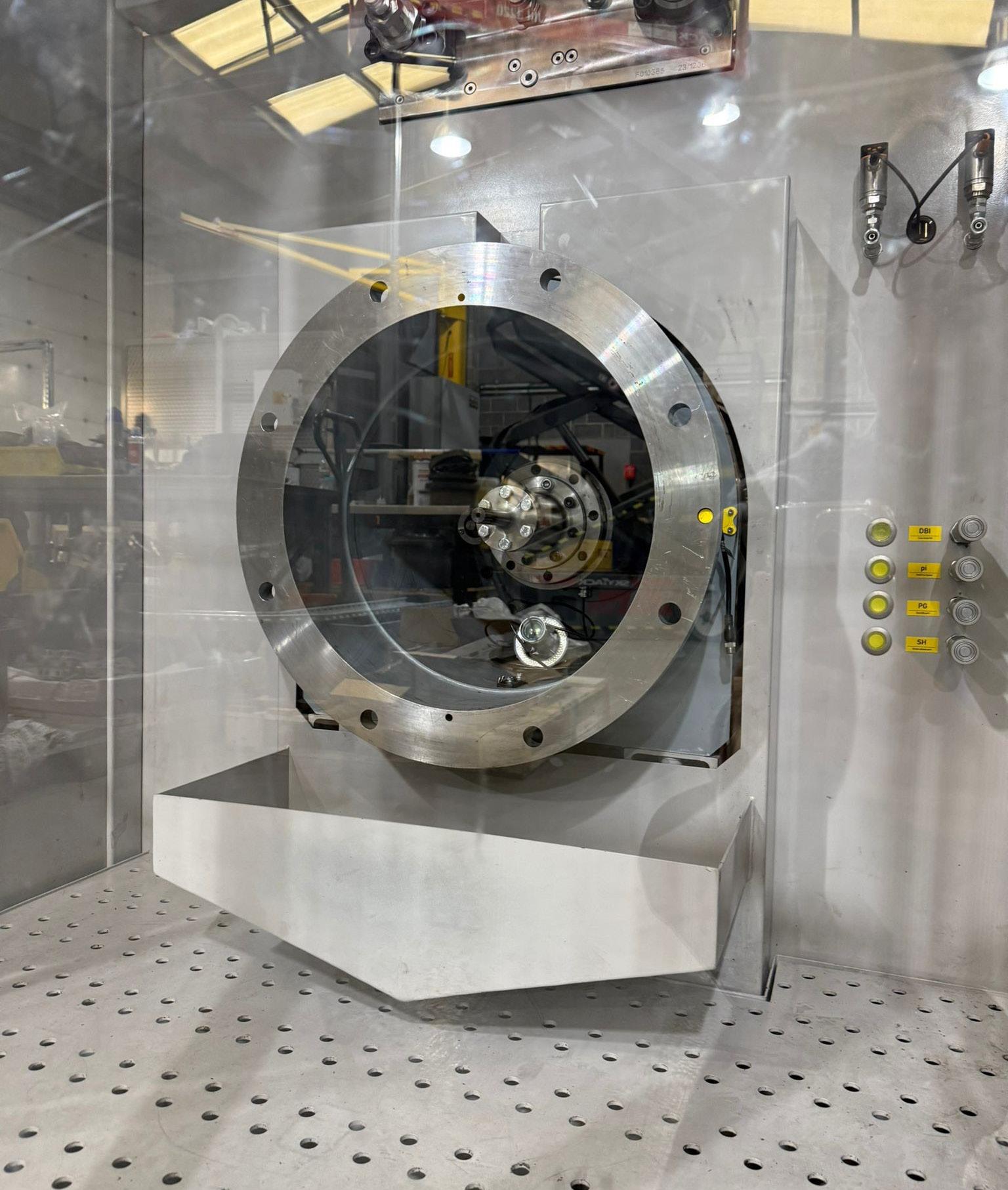
Looking ahead, Plant Parts is set to redefine hydraulic testing standards with the launch of its brand-new facility: “The Rig” which they plan to showcase at this year’s Hillhead Expo. This one-of-a-kind development represents the largest single investment in the company’s 30+ year history, with approximately £1 million committed to its design and build. The Rig highlights a clear commitment to innovation, precision engineering and customer-focused service.
So, what makes The Rig unique?
Designed for Swing Drive and Final Drive hydraulic motors, The Rig offers:
• Load testing up to 132 kW
• Coverage for motors from 18cc to 340cc
• Simulation of real-world operating conditions
• Fully automated, single-operator testing
• Advanced data acquisition and performance reporting
At the heart of the facility is a state-ofthe-art electronic dynamometer, enabling precise energy usage measurement and validation against OEM specifications. Unlike conventional hydraulic test rigs, it features a fully electronic, fixed structure with regenerative capabilities, making it fully bespoke for motors rather than adapted from pump systems.
The introduction of The Rig signals a new era for Plant Parts and its customers.
It is not just an investment in equipment, but in capability, accuracy and trust.
As the company continues to expand its offering—from extensive parts supply to advanced diagnostics and testing—it remains focused on one goal: keeping machinery moving and businesses running.
Contact the team today to:
• Learn more about The Rig
• Seek a quote for a part or repair
• Explore our Parts Finder
• Find out what options we have available for you (either part or repair).
Sustainability on site starts with understanding how power is actually used. For years, temporary power has followed a familiar model with a generator being selected to cover the highest demand spike, sent to site and expected to support everything that follows. It is a practical way to manage risk, but on a live or major project it can also mean engines running below their optimum load, unnecessary fuel use and avoidable emissions.
That is why the next phase of construction sites will be shaped by energy intelligence. It starts with understanding
where demand peaks, where it drops and where carbon is being created through inefficient system design. Once that picture is clear, the opportunity becomes clear and power can then be optimised in a way that supports performance, resilience and reduces carbon emissions.
For the hire industry, this is where role now sits. We are no longer limited to supplying equipment on a dry hire basis. It now includes designing temporary energy systems around the project lifecycle, working closely with customers to manage operational risk and responding to the reality of how a site performs day to day.
We see this most clearly in the priorities our customers are balancing. They are looking to reduce emissions, enhance project efficiency and create working environments that are suitable for site teams and surrounding communities. Each of these priorities leads to the same question: how is power being generated, stored and controlled on site?
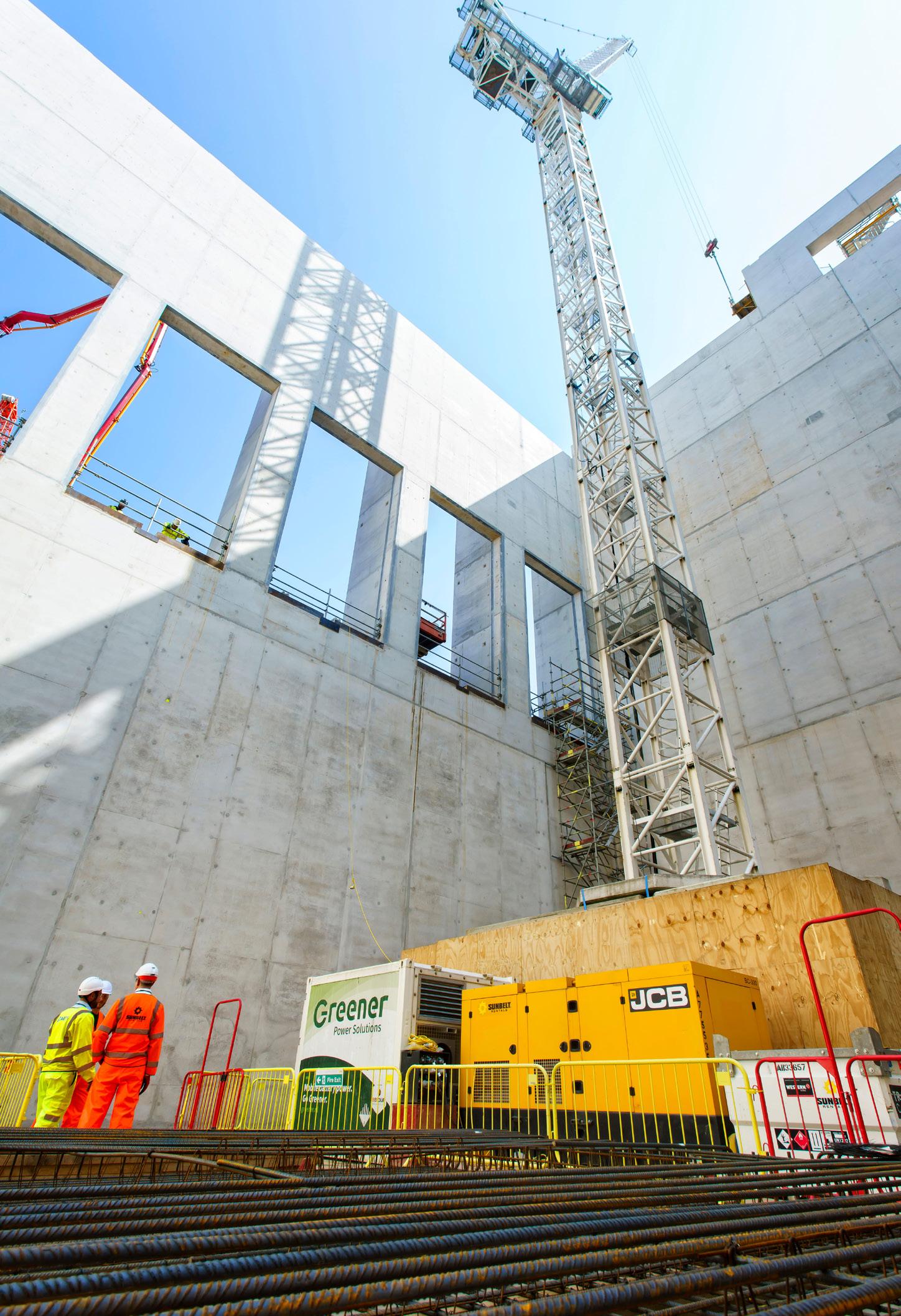
Tower cranes bring that question into focus as their demand profile is short and intense. They require brief bursts of high-power during lifts, followed by long periods of very low demand. A generatoronly setup can meet that requirement, but it often does so inefficiently, driving fuel burn, site noise and NOx emissions.
On a recent project with Careys, delivered alongside Greener Power Solutions, we used a power set up to match the crane’s actual load profile, and installed a 318kVA / 422kWh Battery Energy Storage System, paired with a 300kVA generator to create a hybrid system. The battery responded instantly to the crane’s peak demand through its inverters. The generator operated only when the battery dropped to around 35 per cent, recharged it quickly and then switched off again.
This approach gave the site up to 800 amps of dependable, responsive power for crane operations without a generator running throughout the working day.
This solution saved 5,052 generator running hours, reduced fuel use by 126,961 litres, cut CO2 by 409 tonnes and lowered NOx by 1,903kg. It also reduced noise and eased the maintenance burden associated with underloading.
For us, that is where the real shift taking place. Sustainable hire is no longer just about supplying equipment, but about shaping smarter energy strategies from the outset.
The Careys project shows what happens when temporary power is designed around the realities of a site, delivering measurable carbon savings alongside operational efficiency. As the industry moves forward, customers will increasingly value suppliers who can bring together insight, innovation and practical solutions in a way that supports both performance and sustainability.

We combine technological innovation with craftsmanship to produce lifting solutions that rewrite the industry standards.
Our telescopic handlers are designed to overcome any challenge, thanks to unrivalled performance, best-in-class visibility and groundbreaking technological innovations.
Their compact size makes TH models ideal for operation in tight spaces, with unbeatable agility in all operations.
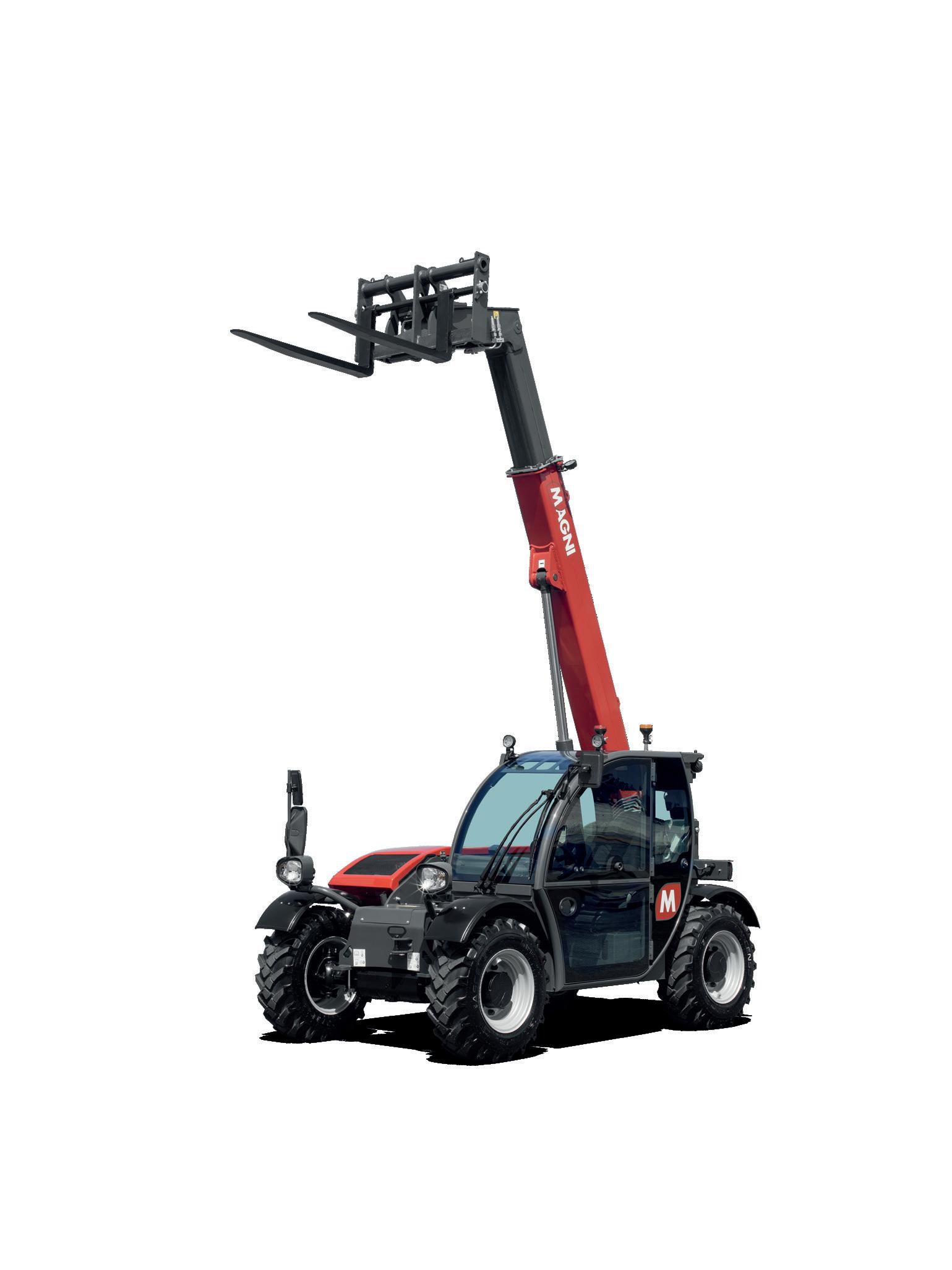
We aim to enable you to work easily in a safe, comfortable environment, so you can be sure of performing at your best every day.
Established in 1950, Vaculug stands as Europe’s largest independent retreader producing high quality OTR and Truck retread tyres for fleets across the UK and Europe, whilst offering effective and practical fleet management solutions for customers
Vaculug’s OTR division goes beyond being a tyre supplier: they are a partner in fleet efficiency, safety and sustainability. With its comprehensive fleet management services, major tyre repairs, innovative solutions like TyrFil and advanced telematics, Vaculug delivers extensive value to off-road industries. By stocking trusted brands like Magna and Triangle, they provide top-tier products that are designed to endure the harshest conditions. In an industry where downtime is costly, you can trust Vaculug to keep your fleet moving.
Vaculug believes that industrial progress should not come at the expense of the environment. As a leader in sustainability, they are proud to provide an Advanced TyrFil Technology - a superior solution that bridges the gap between operational performance and environmental responsibility. In the highpressure environments, TyrFil exceeds simple puncture protection, and is critical in achieving long-term sustainability.
The traditional lifecycle of a foam-filled tyre previously ended in landfill, placing a bulky, non-biodegradable burden on the planet. Vaculug has since disrupted this trajectory…
The TyrFil process involves the meticulous extraction of the worn-out foam core, which is then granulated into a fine, high-quality crumb. Through a precise chemical blending process, the recycled crumb is then combined in a
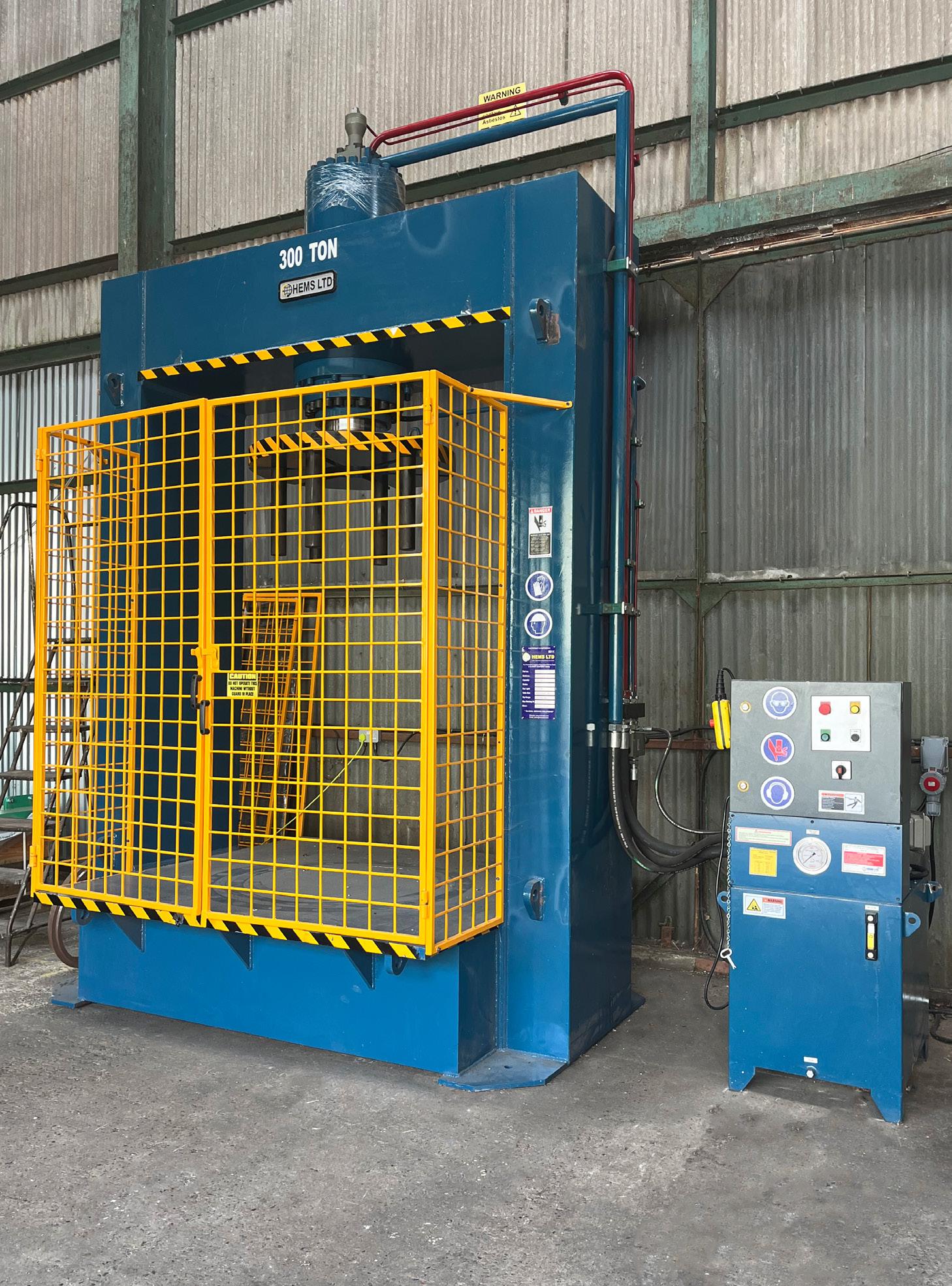
50/50 ratio with virgin TyrFil. The result is a high-performance filling that mirrors the physical properties of entirely new material. This closed-loop model ensures that value is added at every stage of the product’s life. By turning yesterday’s waste into tomorrow’s high-performance filling, they can offer customers a way to meet stringent ESG targets without compromising on uptime.
• Resource Conservation: Every kilogram of recycled crumb used is a kilogram of virgin polymer saved.
• Operational Efficiency: TyrFil eliminates the downtime associated with flat tyres, ensuring that heavy machinery remains productive in the most punishing terrains.
• Sustainability as Standard: This system keeps materials in use for as long as possible, representing the core principles of a sustainable industrial future.
Vaculug is committed to providing solutions that are as durable as they are conscious. By choosing a recycled TyrFil solution with Vaculug, customers are investing in a system where performance is permanent, and waste is a thing of the past.
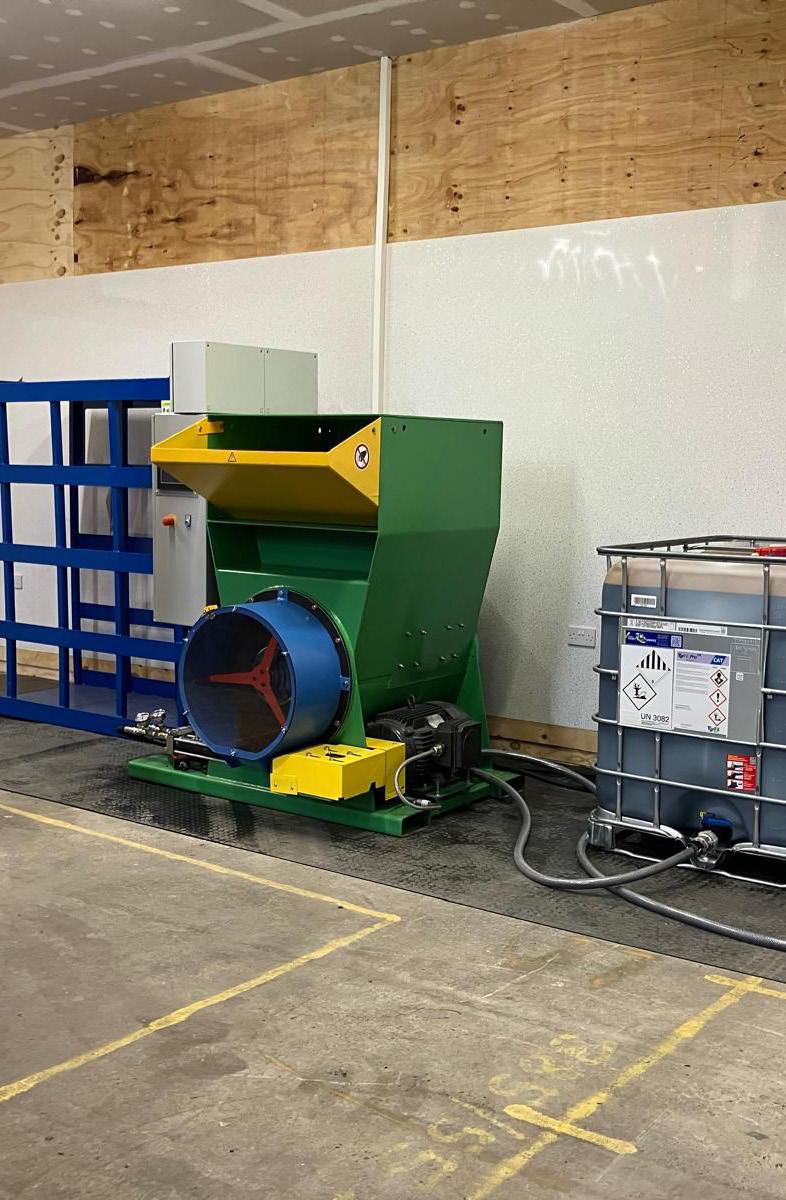

On a windswept construction site at dawn, before the cranes swing into motion and before the first tools spark to life, there is an invisible system already at work. It hums quietly beneath the surface—powering cabins, lighting pathways, charging equipment, and keeping the entire operation alive. This is the world of temporary power distribution, and at its centre stands IDE Systems.
For over 30 years, IDE Systems has built its reputation on delivering reliable, intelligent power solutions to industries where downtime is not an option. From construction and live events to film sets and global infrastructure projects, their systems ensure that wherever work happens, power follows.
Temporary power distribution is, by nature, a complex challenge. Sites are constantly changing, installations are short-term, and demand can fluctuate dramatically. IDE’s approach has been to simplify that complexity through engineering precision and adaptability. Their distribution boards—designed and manufactured in the UK—are built to endure harsh environments while delivering consistent, safe power across a network of users.
Traditionally, power on temporary sites has been overspecified and inefficient, often leading to wasted energy and unnecessary costs. IDE recognised this early and began developing smarter solutions. Their innovations, such as Erica, energy management system, allow users to monitor, control, and optimise power usage in real time—reducing costs and environmental impact simultaneously.
This shift reflects a broader philosophy within the company: that temporary power should no longer be temporary in its thinking. By combining bespoke engineering with digital intelligence, IDE has positioned itself as more than a supplier— it is a partner in planning, efficiency, and sustainability. Whether advising on asset optimisation, integrating generators, or designing custom-built solutions, the company works alongside clients to deliver solutions tailored to each project’s unique demands.
As industries push toward a lower-carbon future, the importance of efficient power distribution continues to grow. IDE Systems is helping lead that transition—quietly, reliably, and often unseen. Like the current that flows through its cables, its impact is constant: powering progress, one temporary connection at a time.
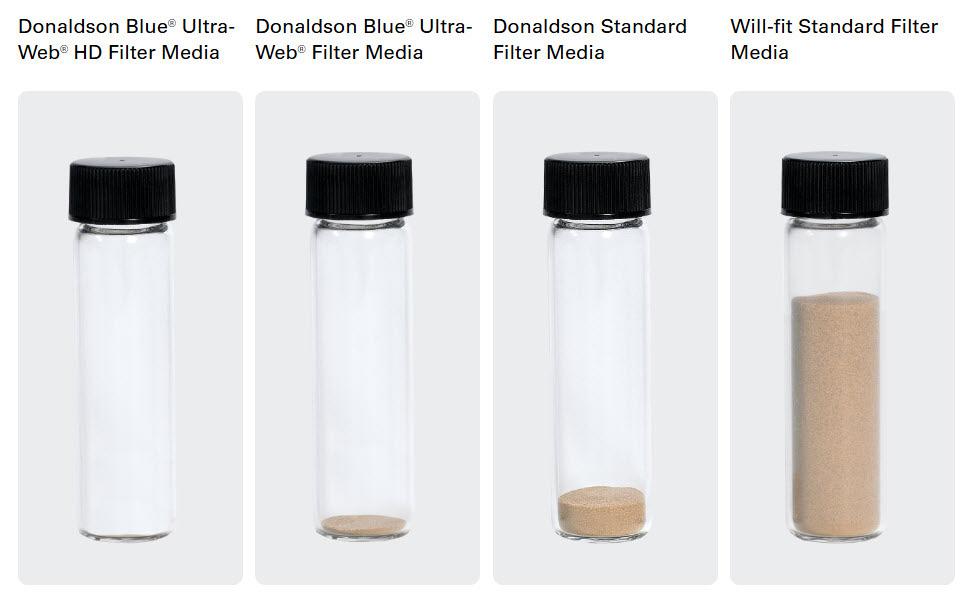
Air filter efficiency plays a critical role in protecting engines and maintaining performance in demanding environments. While many users ask about “micron ratings,” this measurement is not relevant for air filters. Instead, air filter performance is evaluated using standardized testing methods, such as ISO 5011, which measure how effectively a filter captures dust particles over its lifetime.
During testing, air containing a controlled amount of dust is passed through the filter until it reaches its maximum restriction level. The amount of dust captured versus what passes through determines the filter’s efficiency. High-quality air filters can achieve efficiencies greater than 99.9%, significantly reducing the number of harmful particles reaching the engine.
Even small differences in efficiency can have a major impact. For example, a slight increase in filtration performance can drastically reduce the amount of dust entering the engine, helping to prevent wear, extend component life, and maintain consistent performance in harsh conditions.
Interestingly, air filters often become more efficient over time. As dust accumulates on the surface, it forms a “dust cake” that enhances filtration capability. This means that replacing a filter too early can actually reduce its effectiveness and increase maintenance costs.
The key to maximizing performance is not visual inspection, but monitoring restriction levels and replacing the filter at the right time.
Ultimately, understanding air filter efficiency helps operators make smarter maintenance decisions—protecting equipment, reducing downtime, and optimizing total cost of ownership.
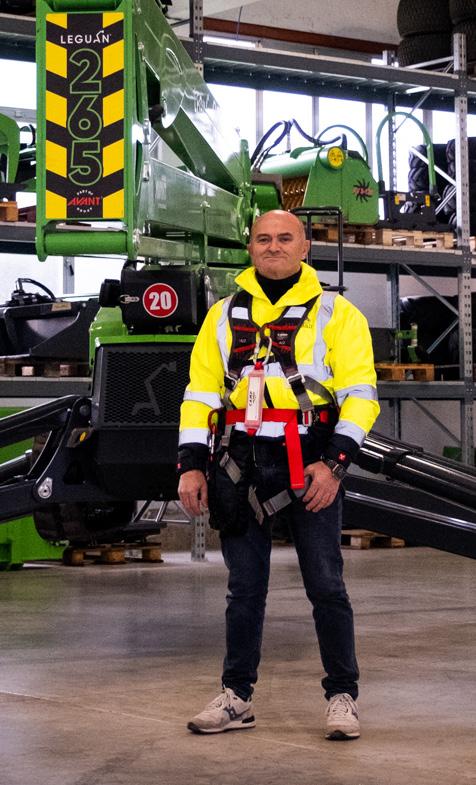
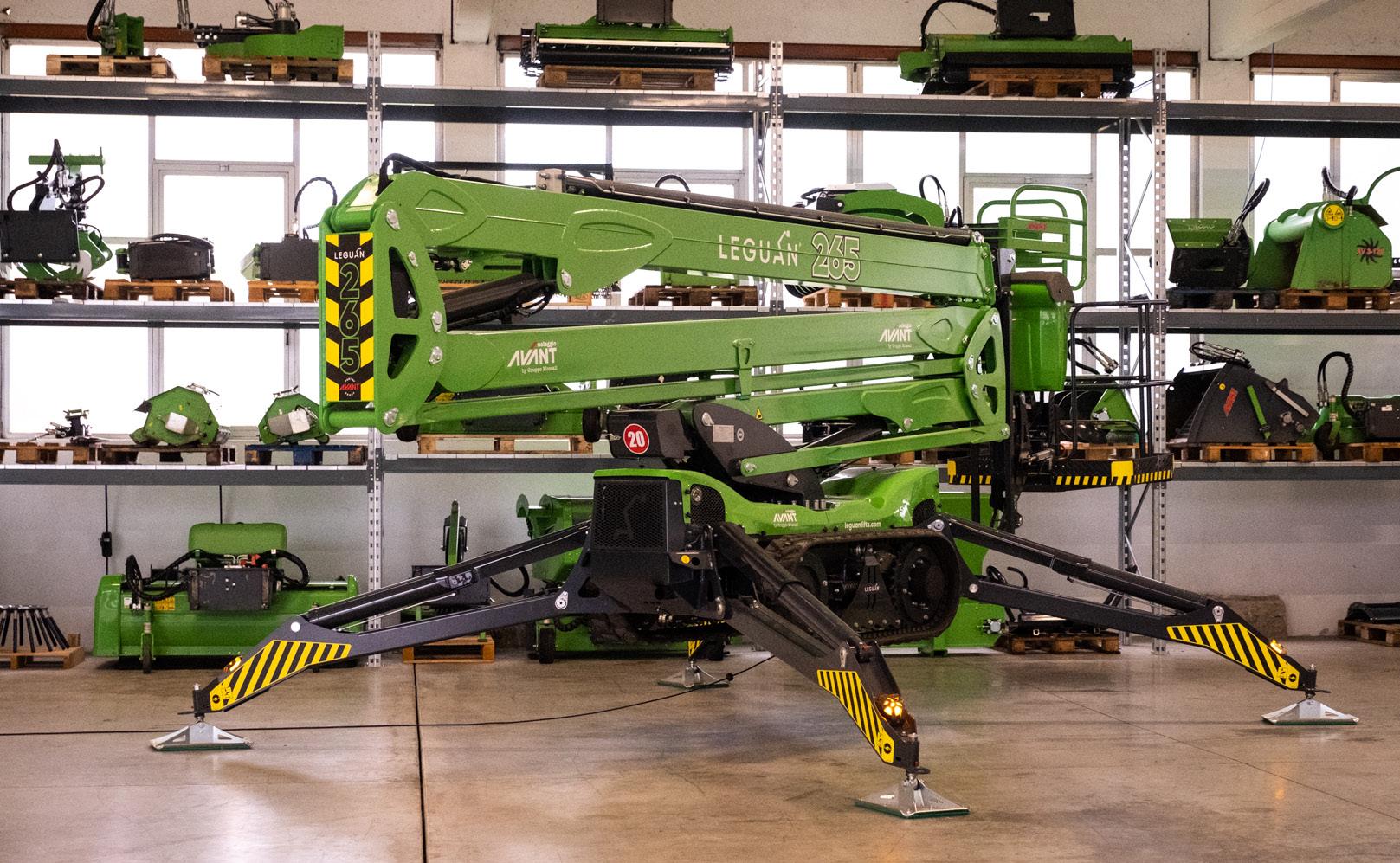
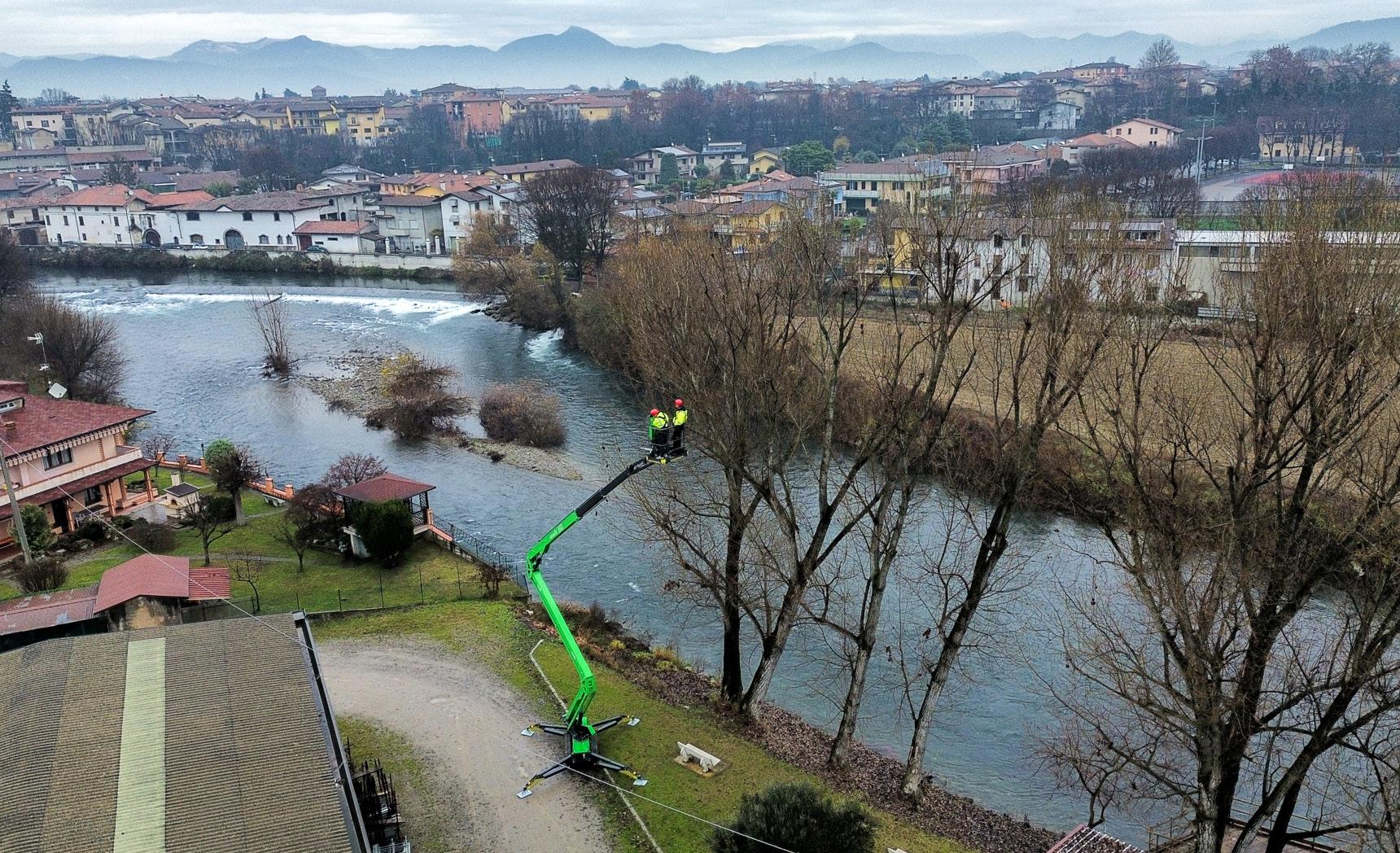
Operating in demanding environments requires equipment that is reliable, intuitive, and consistently high performing. For Italian Mossali Group, choosing the right lifting platforms has been about delivering real results: on-site performance, ease of use for customers, and dependable support behind the scenes. Their experience with Leguan spider lifts has not only shaped their fleet but also transformed the way they serve customers every day.
Leguan lifts stand out for their high performance, saving up to 50% of the time compared to competitors. Best suited for tough conditions, they handle slopes and uneven ground with ease.
“Off-road, Leguan is best in business. With their high-profile track system, they can handle slopes that other machines can’t, says Germano Mossali, the owner of Mossali Group.
Reliability is crucial for rental business, and the machines’ versatility and dependability have earned strong customer loyalty and industry recognition.
“We found a machine which works, doesn’t give us problems and the customers return it with a smile on their face,” Mossali highlights.
to Use Leguan lifts are designed with simplicity and user-friendliness in mind, making them ideal for rental companies with external users. Whether it’s the 135 or 265 model, the core operation is the same, allowing customers to quickly adapt.
“Once you know how to use one machine, you can use all the others,” Mossali explains.
Customers appreciate how intuitive and easy to operate the Leguan lifts are, even for first-time users.
“You can step off one machine onto another, and it doesn’t feel like you’ve changed machines,” Mossali adds.
The exceptional level of support provided by Leguan is one of the standout features for Mossali Group. Another key factor has been the hands-on training provided by Leguan. Technicians travelled from Finland to offer in-depth training, enabling them to handle most service issues locally.
“Leguan technicians came directly from Finland to provide us with training,” Mossali says.
This high level of service has made a significant impact on Mossali Group.
“From a service and support perspective, they are, in our opinion, the best,” Mossali states.
The reliability of Leguan lifts has contributed to a perfect customer return rate.
“One hundred percent of the customers who try the machine for the first time come back to rent it again,” Mossali adds.
Ultimately, it’s the combination of safety, reliability, and strong support that drives Mossali Group’s ongoing investment in Leguan lifts.
“These lifts give us reliability and safety,” Mossali summarises.

https://cpa.uk.net/events/2026-cpa-conference/
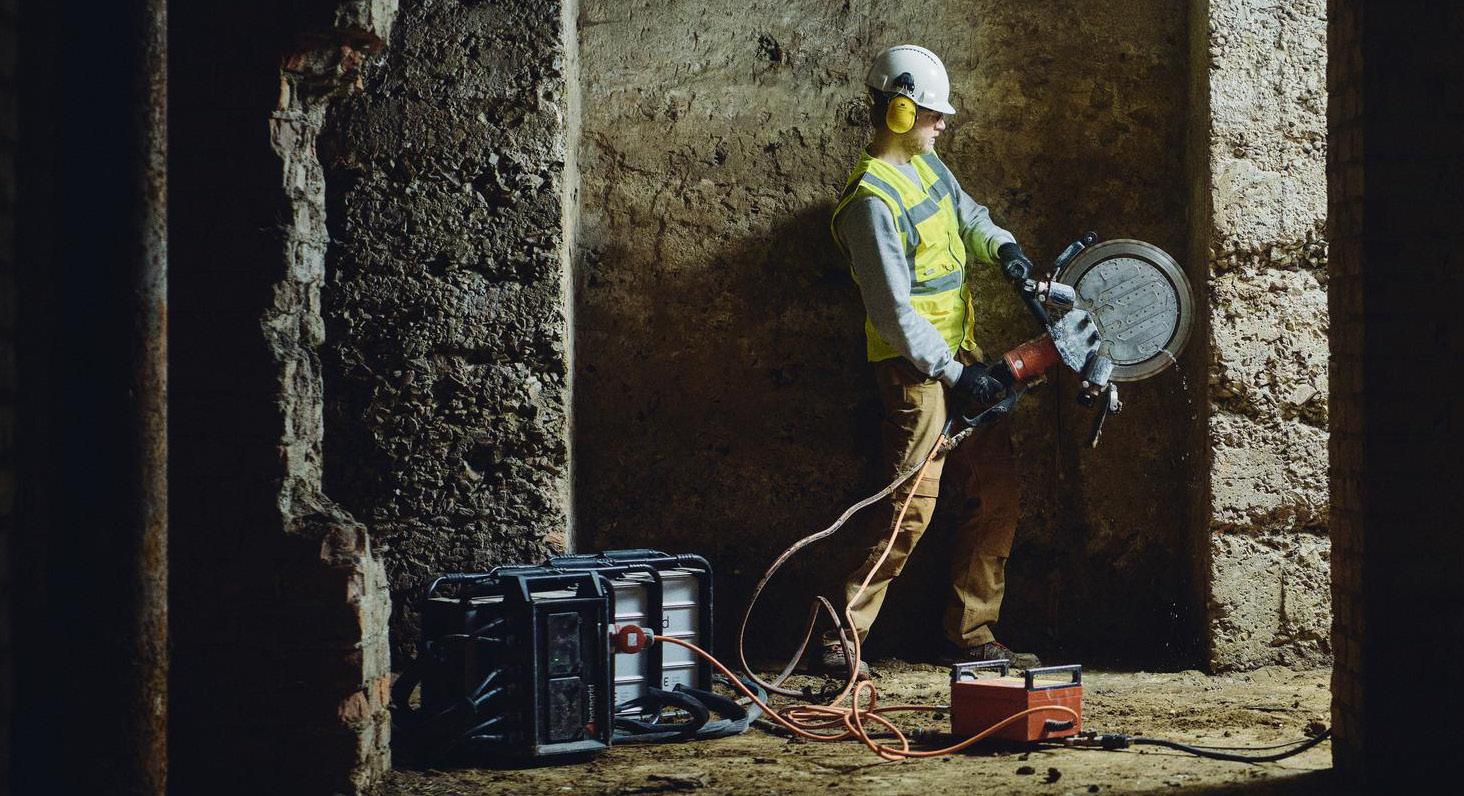
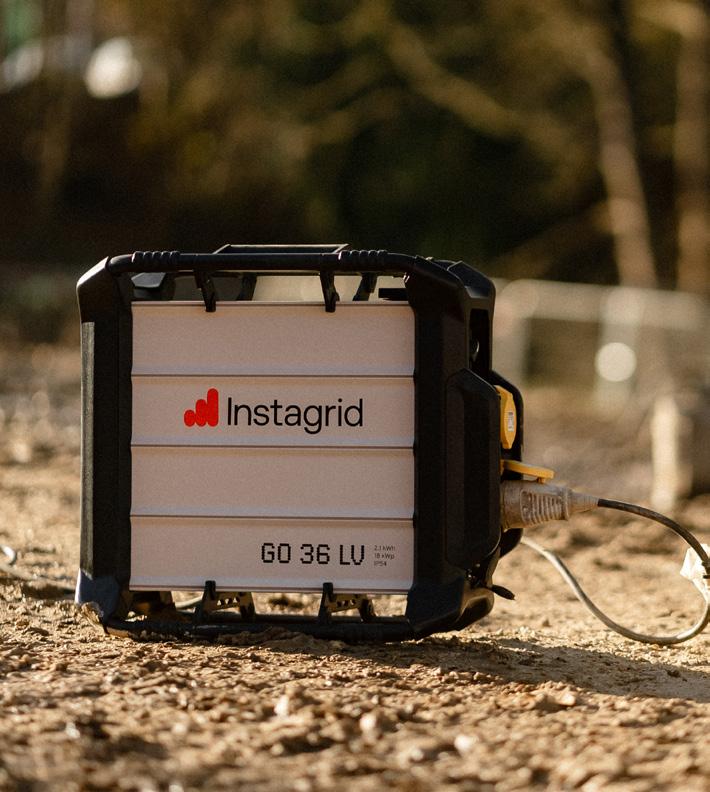
Professionals across construction, events, public services, and mobile servicing are rapidly shifting away from fossil fuel generators in search of cleaner, quieter, and more efficient power solutions. At the centre of this transition stands Instagrid - bringing together German engineering excellence, leading sustainability standards, and high performance technology that is redefining how portable power is delivered.
In a market where reliability and resilience matter more than ever, Instagrid’s products demonstrate how modern engineering can accelerate the global move away from combustionbased power sources without compromise.
German engineering that sets a new benchmark for portable power
Even as global supply chains and geopolitical dynamics evolve, Instagrid’s commitment to simplicity, durability, and performance has solidified its reputation as the premium choice for professionals seeking to replace traditional generators. Instagrid products combine:
• Exceptional build quality, rooted in precision German engineering
• Reliable, high-output performance for demanding tools and applications
• User-focused design, ensuring portability, ease of use, and long service life
This approach is helping industries confidently transition away from fossil-fuel generators - delivering not just environmental benefits, but clear operational advantages such as reduced noise, lower maintenance, improved air quality and a safer work environment
as long cable runs and wet fuel are no longer needed.
A rapidly expanding portable power ecosystem
Instagrid’s technology platform continues to evolve around its flagship solutions - Instagrid ONE (230 V) and Instagrid GO (110 V) - both delivering high-performance, emission free portable power tailored for professional workloads.
Building on this foundation, Instagrid has introduced LINK and more recently LINK MAX into their product eco system allowing users to extend power capacity, equipment runtime and increase resilience, as well as access portable 3-phase power with one simple addition, LINK MAX – creating a completely modular portable power system.
This expanding ecosystem is unlocking new applications far beyond traditional professional use. Instagrid solutions are increasingly supporting:
• Emergency response operations
• High powered work in remote or hard to reach locations (welding, diamond core drilling & wastewater pumping)
• Operations in environmentally sensitive areas and/or near water
In these fields, reliable, silent, and rapidly deployable energy isn’t a luxury - it’s essential.
As Instagrid grows its product portfolio, it continues to push the limits of what portable battery systems can achieve, making them lighter, more powerful, and more adaptable than ever before.
Leading with transparency, impact, and responsible growth
Instagrid’s leadership in clean power is matched by its commitment to
responsible business practices. In 2024, the company achieved B Corp certification, reaffirming its dedication to high standards in environmental and social responsibility, accountability, and transparency.
Aligning its climate strategy with the Science Based Targets initiative (SBTi), the company’s Impact Report demonstrates:
• Substantial CO₂e reductions versus fossil-fuel generators
• A significant reduction in total lifetime costs when compared with fuel powered generators
• A careful supply chain and product life cycle process (total life cycle emissions are 94% less than that of a comparable sized generator).
These benefits highlight how responsible growth and technical innovation can work hand in hand.
Defining the future of clean, portable energy
Through strong ESG collaboration, lifecycle-focused product design, and transparent reporting, Instagrid ensures every partnership contributes to verifiable, meaningful carbon reduction. Together with its thousands of users, Instagrid is not only decarbonising worksites, it’s helping define the future of clean, portable energy.
To learn more about Instagrid, please visit: www.instagrid.co/gb FOR
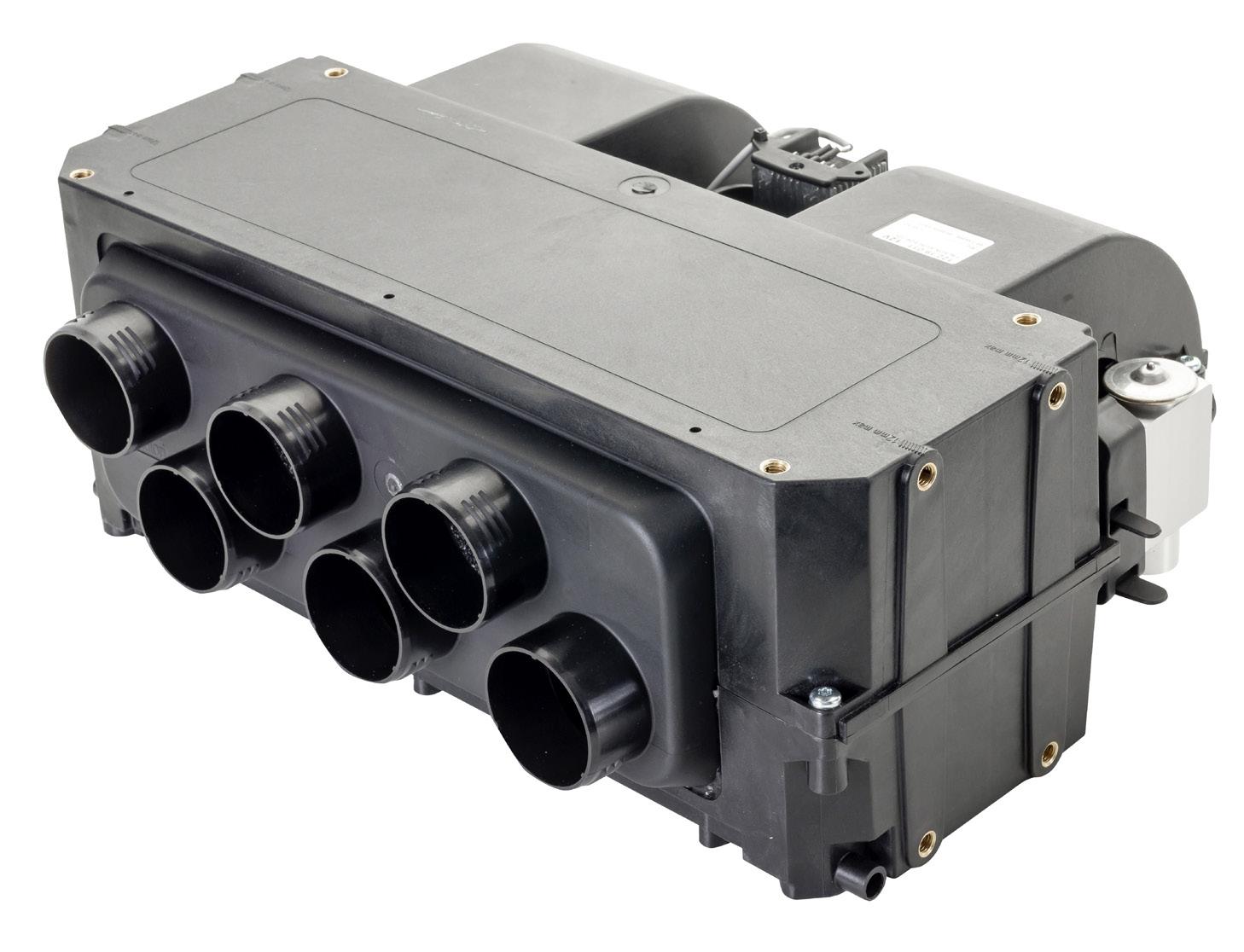
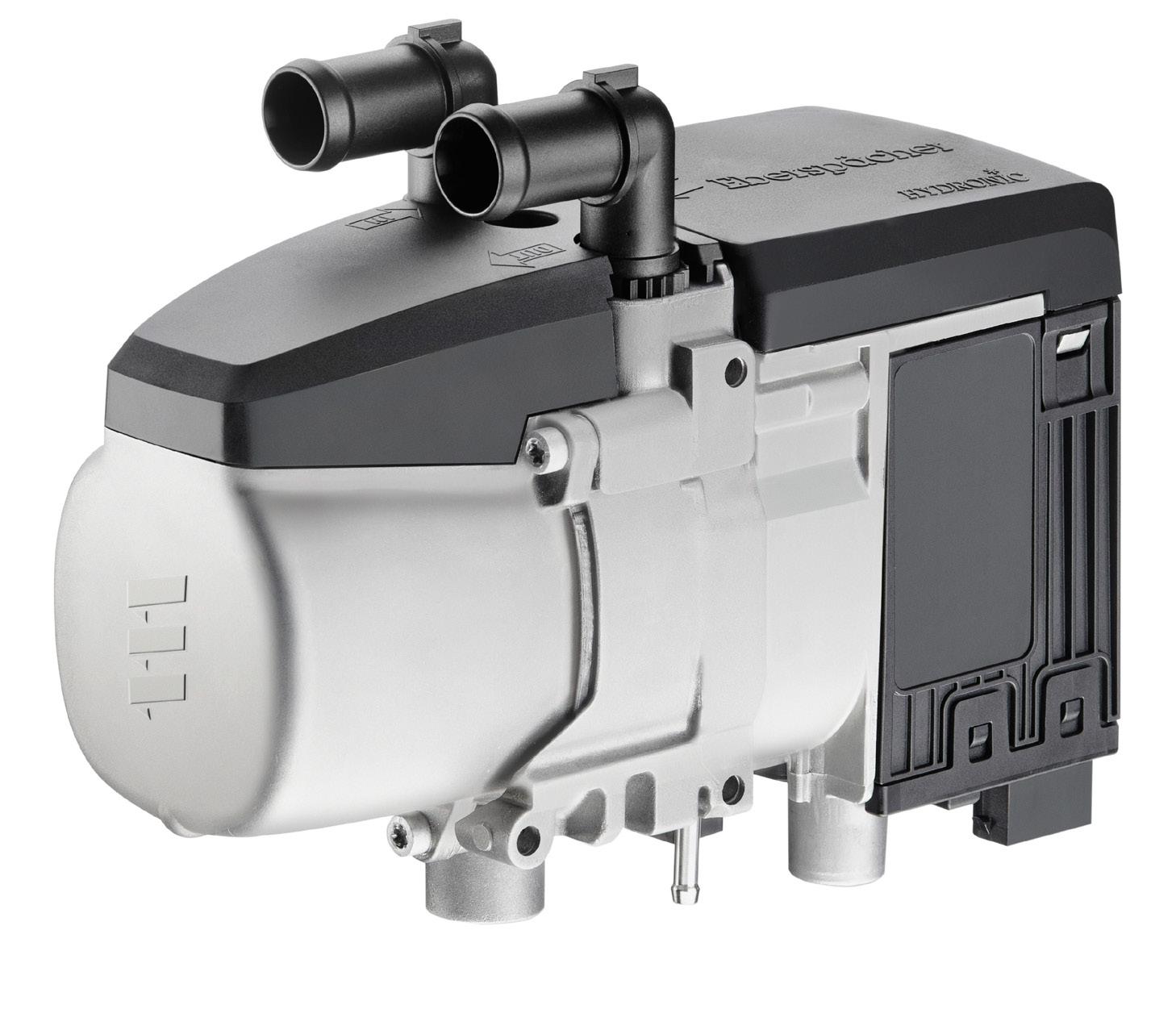
Eberspächer UK Ltd. – Heating and cooling systems from Eberspächer guarantee comfort and safety in construction machinery, at all temperatures. The thermal management expert will be presenting its comprehensive portfolio for electric, hybrid and conventional drives at Hillhead, Hillhead Quarry, Buxton, 23rd to 25th June Stand S13.
With over 160 years of experience, Eberspächer develops systems that efficiently heat and cool the vehicle interior.
Specialists in thermal management systems, Eberspächer have developed a proven solution: compact dieselpowered heaters that provide fast, efficient cabin warmth without needing to run the machine’s engine.
By fitting an Eberspächer heater into plant machinery, operators can stay warm while switching off large-displacement engines that would otherwise burn through fuel at idle. The heater uses only a minimal amount of diesel, dramatically reducing idle time, fuel waste, and overall machine wear.
The benefits for plant owners and operators are clear:
● Fuel savings: Reduce diesel use during idle periods by up to 80%.
● Reduced engine hours: Prolong the life of machinery and lower servicing costs.
● Sustainability impact: Contribute directly to Scope 1 emissions reductions for owners, and Scope 3 reductions for plant hire companies.
● ESG alignment: Support sustainability reporting and help meet emissions targets under tightening environmental regulations.
All Eberspäecher HVAC units have the same design and dimensions in the version for electric, hybrid or conventional vehicles. The best-selling Falkon, for example, measures 297 x 432 x 167 mm as an EHVAC, EHHVAC, HVAC or heat pump. EHVAC systems are an uncomplicated solution for air conditioning the cabin with an electric heater and compressor. As a hybrid version, the Falkon EHHVAC uses the waste heat from the energy storage system and drive for heating and provides support with its electric PTC heater if required. Customers can therefore easily use them in all existing and future vehicle designs.

With blind spots around large plant machinery remaining one of the biggest challenges on construction sites, major contractors are continuing to tighten requirements for the vehicles and machines allowed to access their sites. In recent years, that has accelerated the adoption of technologies designed to improve operator awareness, reduce blind spots and provide reliable warning systems for danger zones.
One of the most significant developments has been the growing demand for Human Form Recognition (HFR) camera systems — a technology approach that combines multi-camera visibility with intelligent detection and clear driver alerts.
360° Visibility, Enhanced with AI Human Form Recognition
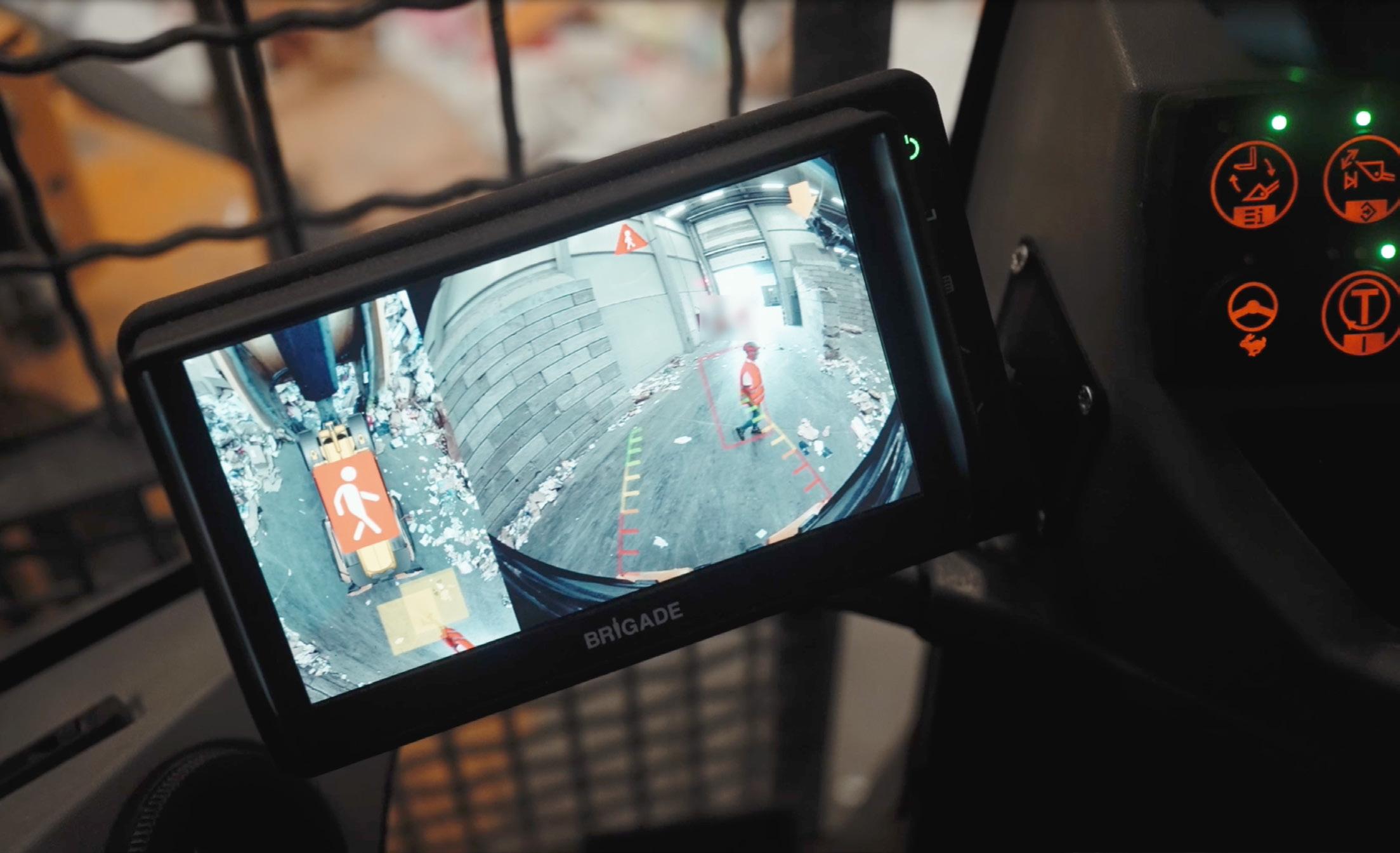
Brigade’s Backeye®360 AI is built around a proven principle: operators can’t react to what they can’t see. The system uses four ultra-wide-angle cameras to generate a single, continuous 360-degree bird’s-eye view, giving drivers and operators a clear understanding of what is happening around the vehicle in real-time. This is particularly important for large commercial vehicles and
mobile plant, where blind spots can be substantial and the working environment can change rapidly.
Backeye®360 AI also uses artificial intelligence to detect and recognise human forms. When a person is identified within the monitored area, the system provides audible and visual alerts, helping the operator respond quickly and reduce the likelihood of a collision.
As contractor standards continue to evolve, the emphasis is increasingly on solutions that deliver measurable improvements in risk reduction, while also being straightforward to adopt and operate.
Brigade’s Backeye®360 AI provides a solution that supports both site compliance and safety performance; combining 360-degree visibility, AI-based Human Form Recognition, and clear warning systems that help operators and site workers make safer decisions.
For fleets and plant operators working across high-risk projects, the message is clear: safer sites are built not only on what people can see, but on what systems can reliably detect, communicate and prevent.
Ensure Consistent On-site Signalling with Brigade’s Thumbs Up Display
Clear communication between operators and pedestrians is essential on busy sites. Brigade’s Thumbs Up Display provides a highly visible external red/ green light system to indicate when it is safe for authorised personnel to approach a vehicle or machine.
The display is controlled from the cab via a dedicated button and is linked to the machine’s deadman lever status, helping ensure the signal reflects the vehicle’s true operating condition. For added safety, the system will automatically revert to red if the machine begins to move or the deadman lever is engaged.
To support consistent on-site signalling, the Thumbs Up Display is designed to integrate with HFR alert systems, helping ensure that both the operator and nearby workers receive clear and aligned safety messages at all times.
To learn more about Brigade Electronics, please visit: www.brigade-electronics.com

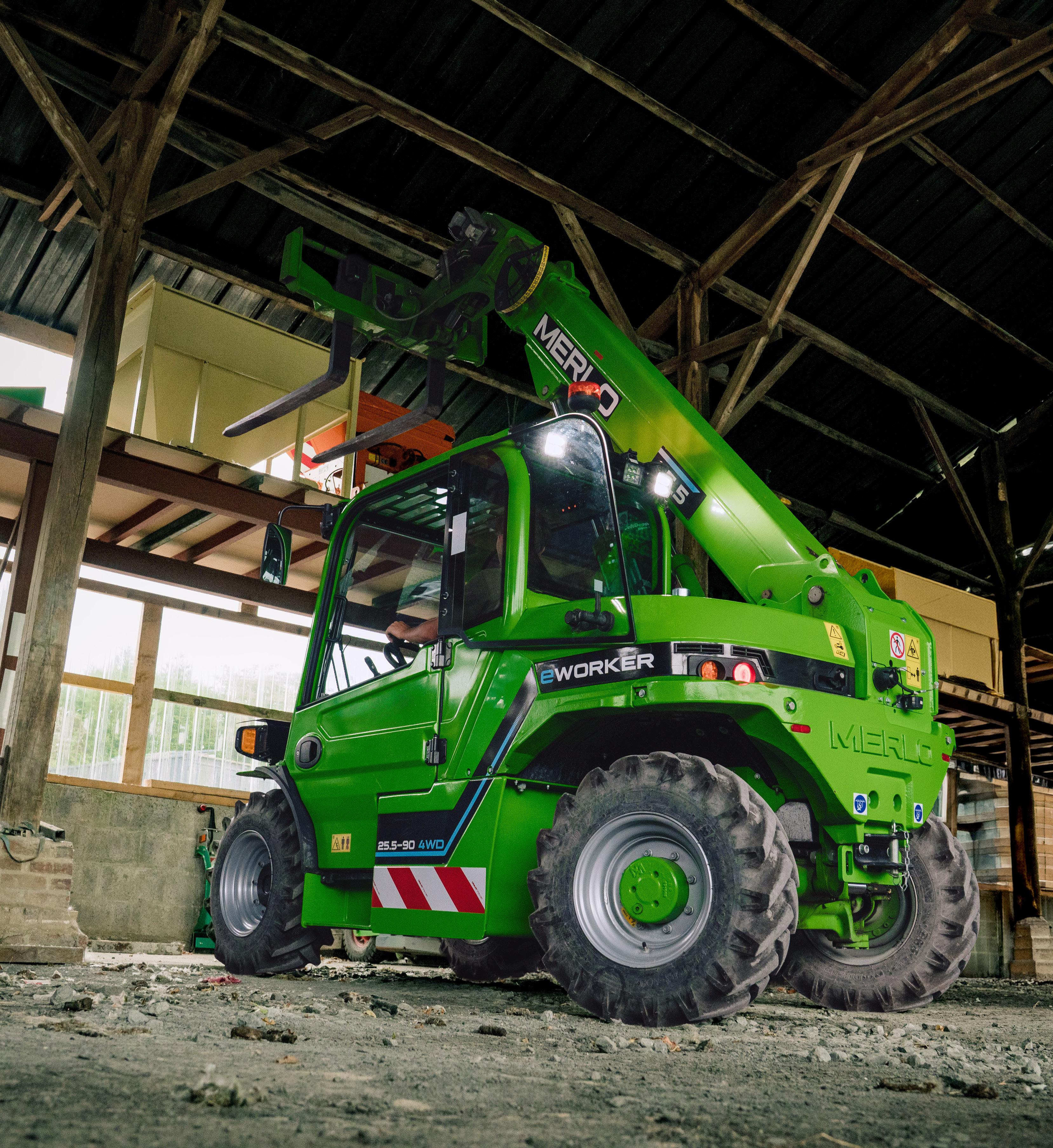
The award winning Merlo e-WORKER marks a new era in material handling – zero-emission, ultra-quiet and purpose built for the evolving demands of construction. Designed from the ground up, this revolutionary machine combines full-shift electric runtime with exceptional manoeuvrability and a compact footprint making it ideal for low-emission zones, enclosed environments, and future focused construction sites.


2.5 4.8 8Hrs


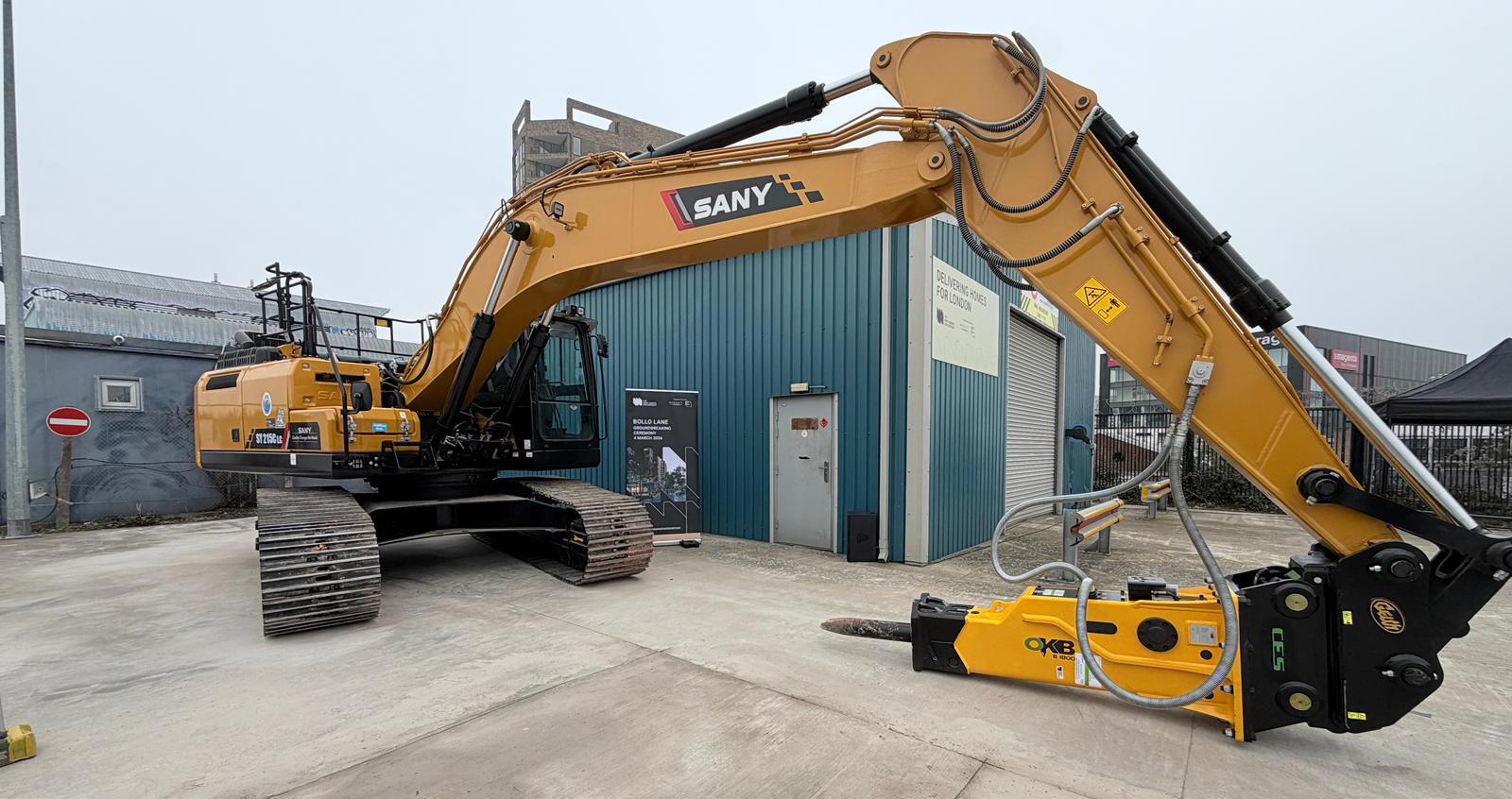
In an industry where reliability is everything, equipment performance can be the difference between staying on schedule and costly delays. For contractors across the UK, the demand for durable, dependable excavator attachments has never been greater. It’s exactly this need that continues to drive OKB Attachments’ product development and investment. Built around a clear understanding of real-world site challenges, OKB Attachments has established itself as a trusted name among construction firms that prioritise strength, consistency and long-term value. From busy urban construction projects to demanding quarry environments, the company’s range is designed to perform where it matters most: on site, under pressure, and without compromise.
DESIGNED TO OUTPERFORM
At the heart of OKB’s approach is a simple principle: attachments that are built to withstand the end user’s behaviour. Every product is engineered with durability in mind, ensuring it can outperform the day-to-day realities of UK construction. Whether dealing with abrasive materials, unpredictable ground conditions or harsh operator behaviour, customers need equipment they can rely on without hesitation.
ENGINEERED TO REDUCE DOWNTIME
This focus on reliability translates directly into reduced downtime for operators. In a sector where time is money, minimising disruption is critical. OKB Attachments supports this by delivering products that maintain performance over time, helping customers keep projects moving and avoid unnecessary maintenance interruptions. The result is not only increased productivity, but also greater confidence on site.
BUILT FOR EFFICIENCY
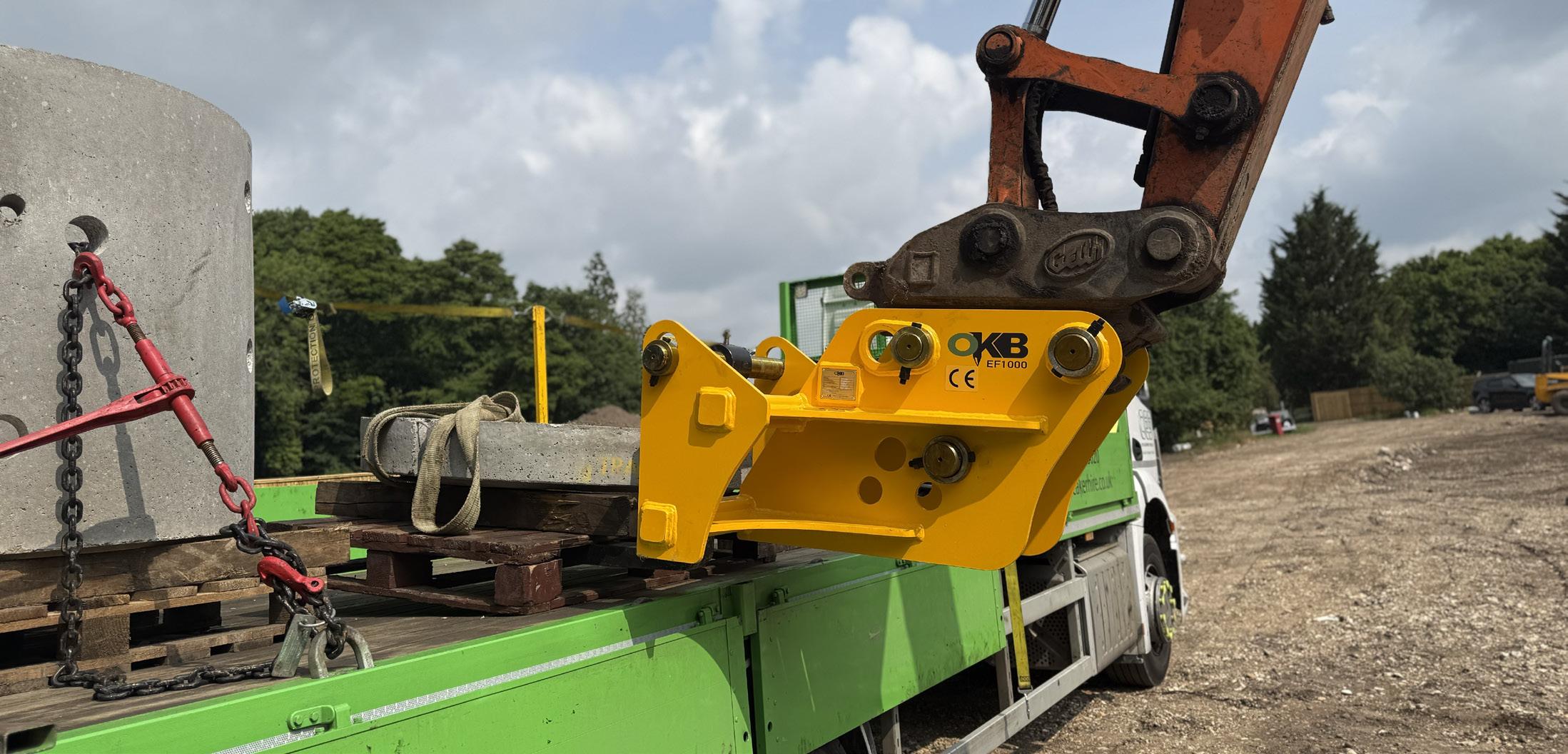
Versatility is another key factor behind OKB’s growing reputation. The company’s range is designed to suit a wide variety of applications, allowing operators to switch between tasks with ease thanks to the base plates being
To learn more about OKB Attachments, please visit: www.okbattachments.co.uk
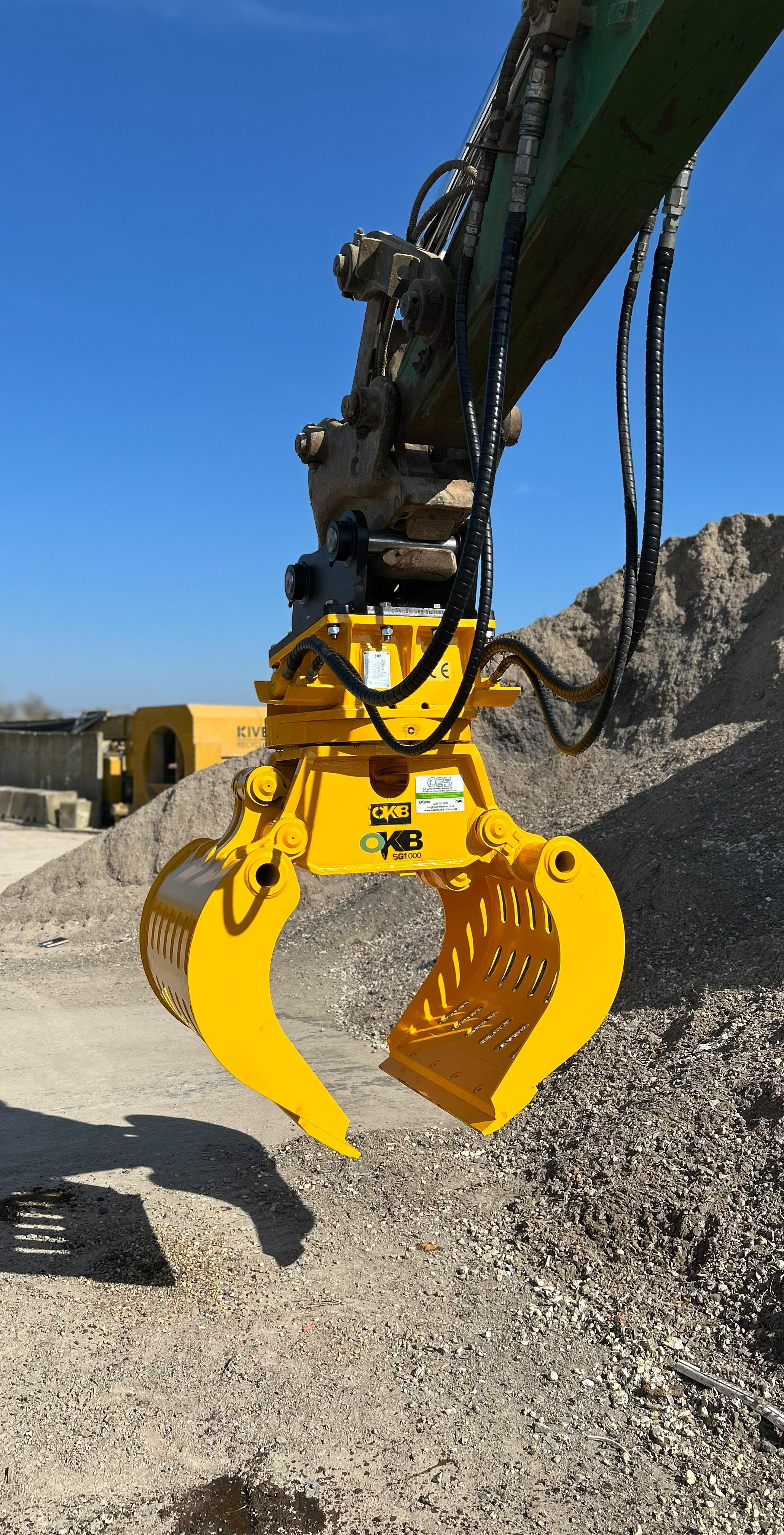
interchangeable for attachments within the same weight range. This type of flexibility is particularly valuable in the UK market, where projects often demand adaptability across different phases of work. OKB provides attachments that can handle multiple roles, thus enabling contractors to get more from their machinery without the need for constant equipment changes.
As construction projects continue to evolve, efficiency has become a defining priority. Rising costs, tighter timelines and increased expectations mean that every piece of equipment must deliver measurable value. OKB Attachments responds to this challenge by focusing on practical, results-driven design, ensuring its products contribute directly
to smoother, more efficient operations on site. Users benefit from smarter hose placement, ensuring they’re benefitting from greater protection when compared to alternative attachment providers. This reduces the risk of damage during constant use and in turn minimises downtime.
Looking ahead, OKB Attachments remains committed to refining its offering in line with customer needs. By listening to feedback from operators and staying closely connected to industry developments, the company continues to adapt and improve its range. This ongoing evolution ensures that OKB products remain relevant, effective and aligned with the demands of modern construction.
OKB Attachments will be exhibiting at Hillhead 2026, where visitors will have the opportunity to see a selection of its attachment range up close. The stand will showcase the build quality and design features that define the OKB brand, offering a hands-on look at solutions built for demanding site conditions.
Attendees are invited to explore the range and speak with the team to learn more about how OKB Attachments can support their projects.
The latest data from Ritchie Bros. shows rising demand, recovering volumes and stronger pricing across key equipment categories. As Europe moves into the early months of spring - traditionally a time when construction, agriculture and logistics activity begin to accelerate - businesses across the continent are reassessing their equipment strategies.
For contractors, fleet owners and equipment managers, the start of the season often represents a crucial moment to secure the machinery needed to support projects and growth for the year ahead.
Europe’s used equipment market closed 2025 with a noticeable shift in buyer behaviour, as businesses increasingly prioritised value, availability and operational efficiency when acquiring machinery. Insights from data across Ritchie Bros. transaction channels, including auctions, Mascus and Marketplace-E, show that supply dynamics, pricing adjustments and cautious capital investment shaped purchasing decisions across several equipment categories in the final quarter of the year. Rather than following traditional fleet replacement cycles, many buyers responded to changing market conditions by seeking equipment capable of delivering immediate productivity at the right price point.
Construction equipment shows changing purchasing strategies
Construction machinery remained one of the most active segments of the secondary equipment market, although purchasing behaviour varied significantly by category.
Backhoe loaders recorded one of the strongest increases in transaction activity, with auction sales rising nearly 60% yearon-year, even as median prices declined by 12% to around €18,000. Interestingly, the machines sold were typically newer and with fewer operating hours, suggesting improved fleet availability entering the secondary market. At the same time, Mascus data indicates strong buyer interest, with enquiries for backhoe loaders increasing by 34% year-on-year while listing volumes remained broadly stable.
Mobile excavators presented a different picture. Auction sales increased 24%, yet median prices fell to around €27,000, while the typical machine profile became older and more heavily used.
This suggests that many companies were prioritising affordability and proven performance rather than investing in newer units. Mascus activity reflected similar underlying demand, with buyer enquiries increasing slightly year-onyear despite a modest decline in listing volumes.
Skid steer loaders showed signs of a more cautious market. Auction sales declined 10% year-on-year, with median prices dropping 13%. Data from Mascus also pointed to an 8% decrease in demand, reflecting weaker activity in a segment typically tied to smaller construction and rental projects.
demand in agriculture and material handling
Diesel forklifts saw the most notable pricing movement upward, with median auction prices rising by nearly 70% to close to €7,000, even as auction volumes declined. The increase reflects a shift toward larger or higher-capacity machines entering the market rather than a broadbased appreciation across all diesel forklifts. Demand indicators from Mascus also point to strong buyer interest, with enquiries increasing by more than 50% year-on-year despite a slight decline in lisftng volumes.
In agriculture, tractor auction sales declined 18% year-on-year, but median prices increased 14% to nearly €40,000. This suggests that buyers were willing to pay more for the right machine when availability matched operational needs.
On Mascus, tractor listings also dropped 9%, yet demand remained largely stable.
Tractor tansactions remained largely regional, with the majority of machines
purchased locally or within Europe. Logistics, servicing infrastructure and regulatory compatibility continue to play an important role in shaping equipment procurement decisions.
Market insight becoming a competitive advantage
“Across Europe, we’re seeing buyers become far more strategic in how they approach equipment investment,” says Ghislaine Duijmelings, General Manager at Ritchie Bros. International. “Businesses are analysing pricing trends, equipment availability, and demand patterns more carefully before making purchasing decisions. With the support of Ritchie Bros.’ global auctions, online marketplaces, and market data, customers can interpret these trends, buy and sell equipment at the right time, and position their businesses for the months ahead.”
With spring marking the start of a new cycle of activity across many industries, equipment buyers and sellers are paying closer attention to market signals that can help them make smarter investment decisions. Through its global auction platforms, online marketplaces and datadriven insights, Ritchie Bros. supports customers in identifying opportunities in the market - helping them buy and sell equipment at the right time and position their businesses for the months ahead.



KRAMP, YOUR PARTNER IN SPARE PARTS AND ACCESSORIES
5000+ CONSTRUCTION PARTS AVAILABLE.
The Construction Plant-hire Association (CPA) has announced an impressive speaker line-up for its milestone 10th annual Conference, taking place on Thursday 21st May 2026 at One Great George Street, Westminster, London.
This year’s event introduces a fresh format, new central London venue and a bold theme: ‘Unlocking the Nation’s Growth Plans’. Hosted by industry content creator Peter Haddock, the one-day Conference will bring together leading voices from across construction, plant-hire and policy to address key issues including infrastructure delivery, skills, communications and decarbonisation.
Spartan Solutions is the Headline Sponsor for the event, with JCB Insurance Services as Associate Sponsor. Exhibitors will also include ACOP Group, Compass Business Finance, Instagrid, NOCN Group, Point of Rental/Record360, Prolectric Services, CESAR Scheme powered by DATATAG, VUE Group and more. Plant Planet joins as the official Media Partner.
Conference delegate tickets are now available at £199 + VAT, providing full access to the CPA Conference 2026, a three-course sit down networking lunch, and the exhibition.
The Conference programme features four high-impact sessions:
• Half-Built Britain: Unlocking the Nation’s Infrastructure Growth Plans - Led by Oxford Economics, this session will explore the findings of the CPA’s latest report, highlighting the opportunities and challenges facing the UK’s construction and infrastructure sector. Oxford Economics will be joined by several senior industry figures, namely CPA Policy Director Chris Cassley, Charlesbye’s Cameron Brown, Patrick Flannery of Flannery Plant Hire, Peter Gibbs of Ainscough Crane Hire, Chris Matthew of Plantforce and Mark Hoad of Sunbelt Rentals.

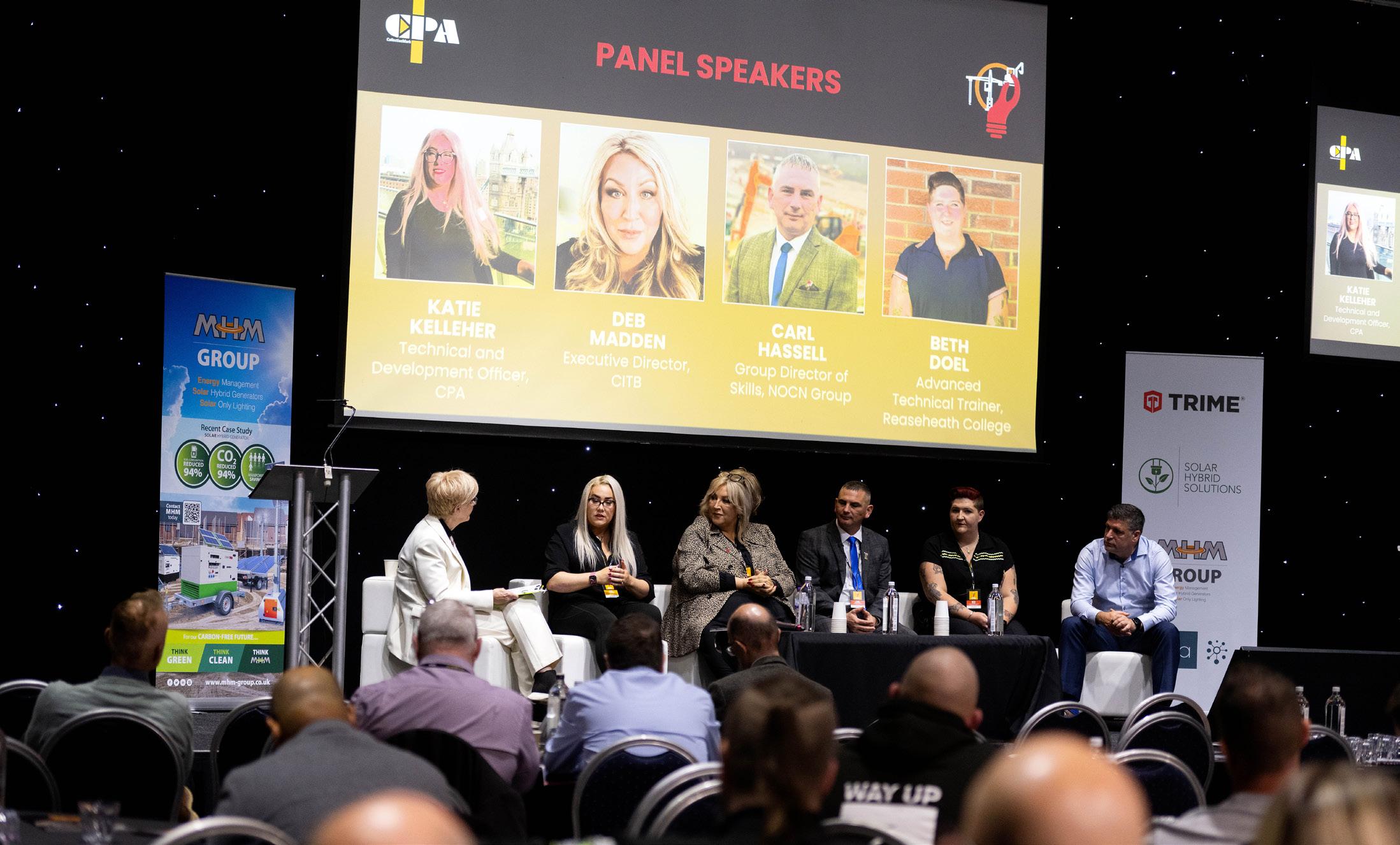
• Building Skills for the WorkforceAward-winning Plant Operator Molly Gill of Flannery Plant Hire will share her inspiring career journey. After leaving her role as a Nursery Assistant, Molly joined the Operator Skills Hub with no prior construction experience and rapidly progressed through training to become the Young Plant Operative of the Year at the CPA Stars of the Future Awards 2025. She will be joined by Aaron Davis, Safety and Skills Director at Flannery Plant Hire, Rob Lynch of L Lynch Plant Hire & Haulage and Paul Skitt of Business Skills & Support to discuss skills development and workforce pathways in the plant-hire sector.
• Effective Communications in a Crowded Space - Lee Cain, founder of strategic advisory firm Charlesbye and former Downing Street Director of Communications under Prime Minister
Boris Johnson, will reveal how to cut through today’s crowded media landscape. Drawing on his experience at the heart of government, Lee will share strategies for maximising impact and driving clear, influential messaging in a noisy industry.
• Decarbonisation and Preparing for the Future - Luis Bassett, CPA’s Decarbonisation and Sustainability Manager, will lead a forward-looking session on the plant-hire sector’s transition to low-carbon operations. The discussion will cover equipment adoption, financing, telematics, carbon reporting and ESG compliance, with practical insights for navigating one of the industry’s fastest-moving challenges. Luis will be joined by Chris Sleight from Off-Highway Research, ESG PRO’s Joe Gallagher, Steve Moody of Construction Plant Finance and Charles Bénard of Hiboo.
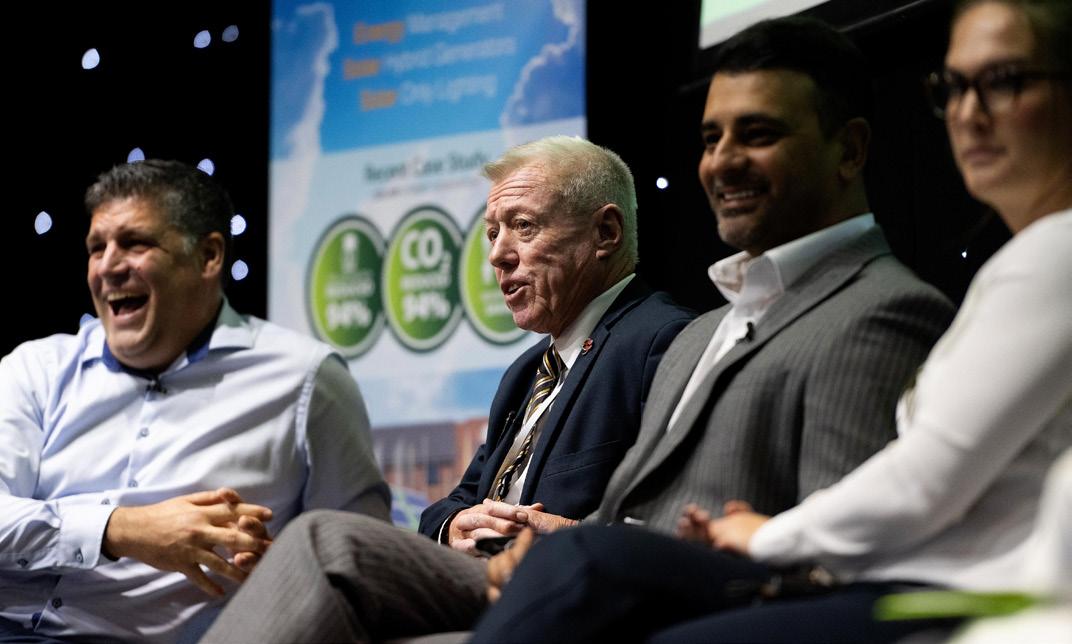
As the first CPA Conference to be held in London, the prestigious One Great George Street venue - home to the Institution of Civil Engineers (ICE) – provides a fitting backdrop for this landmark event.
Speaking ahead of the CPA Conference 2026, CPA CEO Steve Mulholland said: “The combination of a new venue, updated format and a strong speaker line-up positions this as a key date in the industry calendar, and delegate tickets are already selling quickly. The Conference comes at a critical time for the sector, with our latest Oxford Economics report providing a strong platform for discussion on how industry and government can work together to unlock growth. We’re looking forward to welcoming everyone to One Great George Street.”
A limited number of exhibition spaces remain for the 2026 CPA Conference, offering companies a prime opportunity to connect with senior figures from the UK plant-hire and construction sectors.

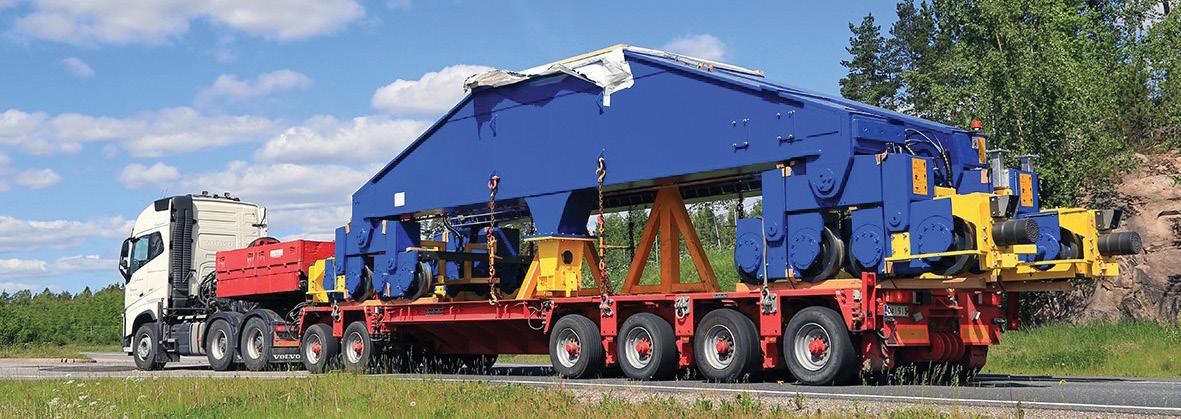
West Midlands Police’s approach to abnormal load movements has broken away from how national rules are applied elsewhere in the UK, driving up costs and risking delays to HS2 and other major transport and infrastructure projects, the Construction Plant-hire Association (CPA) has warned.
The CPA represents more than 2,000 plant-hire and heavy haulage firms supplying the cranes, piling rigs, rail maintenance vehicles and specialist machinery underpinning major construction, transport and infrastructure schemes across the country.
Under national rules, companies moving abnormal loads are required to notify the police in advance - not seek permission. The system is designed to allow police to manage safety and traffic disruption, not to approve or block compliant movements. For more than two decades, most abnormal loads have been safely self-escorted by trained operators, with police escorts used only where there is a clear and exceptional risk.
The CPA says the national approach was reaffirmed in updated guidance from the National Police Chiefs’ Council (NPCC), developed with police forces and industry to ensure consistency and proportionality in the handling of abnormal loads.
While this framework operates as intended across most of the UK, the CPA says West Midlands Police’s approach makes it a national outlier. Members report notifications being treated as if they require approval, with additional technical information being demanded
despite no change in national policy. Operators have been forced to use police escorts where, under normal circumstances and in other areas, selfescorting would be perfectly acceptable.
Freedom of Information disclosures show how over a five-year period, West Midlands Police increased its income from abnormal load escorting from around £15,000 to approximately £1.1 million - a shift industry figures argue risks skewing decision-making and undermining the original intent of the regime.
Evidence gathered through a CPA survey of its 2,000-strong membership points to rising costs, project disruption and growing uncertainty across the supply chain, with more than two-thirds of affected firms reporting serious project delays linked to the force’s approach.
Steve Mulholland, Chief Executive of the Construction Plant-hire Association, said: “This isn’t about safety - it’s about misinterpretation and incentives that are putting HS2 and major infrastructure projects at risk.
“NPCC guidance was designed to bring national consistency to how abnormal loads are handled, and industry engaged with it in good faith. But if individual forces choose not to follow it, the system stops working.
“When notifications are treated as approvals and operators are pushed towards unnecessary police escorts, it drives up costs, delays projects and drains confidence from infrastructure delivery.
“You simply cannot deliver HS2 or major rail and construction projects if the machinery needed to build them is held
up by regional policy drift.
“We need an urgent return to a single, nationally consistent interpretation of the rules, so compliant movements are treated the same way in every part of the country.”
Implications are particularly acute for HS2 and other nationally significant schemes. The West Midlands is a critical transit corridor for abnormal loads supporting rail, energy and infrastructure projects, meaning local disruption quickly translates into national delays and higher costs.
Concerns over the force’s approach have also been raised repeatedly in Parliament. In the House of Lords, Earl Attlee has criticised the tactics employed by West Midlands Police, saying they resemble those he would “expect to see used by a corrupt police force in a slowly developing country.”
He told peers he had personally witnessed officers harassing the drivers and crew of what he described as “one of the most professional heavy haulage companies in the land.”
CPA members say the issue is escalating. Firms operating in the West Midlands have reported sudden changes to the information demanded in abnormal load notifications, with movements rejected despite complying with national rules.
The CPA warns that ongoing policy divergence risks undermining confidence and investment across the construction and transport supply chain, putting HS2 and other major infrastructure projects at risk, and is calling on the Department for Transport to restore a nationally consistent approach.






















The plant hire sector is not short of innovation. What it often lacks is sustained, focused exposureparticularly when new products challenge the accepted way of doing things. Daniel Ezzatvar has built his career on bridging that gap.
Before launching Badger Marketing, a specialist agency for construction, engineering and manufacturing, Ezzatvar was directly involved in bringing new plant equipment into the UK market - well before green initiatives and sustainability became central industry drivers.
In the years leading up to the 2007–2008 financial crisis, he played a key role in introducing solar, battery and fuel cell-powered welfare units through Elston welfare units.
“These products were not developed purely in response to regulation. While the direction of travel around sustainability was already visible, the primary driver was operator practicality - reducing reliance on constant generator use, improving on-site conditions and creating more efficient, self-contained welfare solutions.
“It was something that the welfare unit market got hold of, and we were leading the way alongside Groundhog and AJC EasyCabin at the time,” says Ezzatvar.
At the time, the industry conversation was beginning to shift towards “how green.” However, following the downturn, that focus quickly reverted to “how cheap,” slowing wider adoption despite the underlying benefits and forwardthinking design.
Ezzatvar later spent close to a decade with GGR Group, operating at the forefront of the lifting equipment market. During this time, he was involved in the continuous introduction of new equipment into the UK - working across a wide range of lifting solutions and helping bring products from concept into realworld use.
One of the most notable examples was the introduction of electric telehandlers.
At a time when the prevailing viewlargely influenced by major OEMs - was that electric was only viable for smaller equipment, Ezzatvar identified an opportunity to challenge that position.
Drawing on earlier exposure to lithiumion technology through the introduction of BYD forklift trucks into the UK market, he recognised a direct crossover in application.
The result was the introduction of the Faresin electric telehandler, including the first 6-metre fully electric unit sold to Flannery Plant Hire, followed by a
17-metre version - demonstrating that electric plant could operate beyond the limits the market had assumed.
The approach was not driven by budget. It was driven by positioning, timing and persistence.
The industry press played a central role. When the first machine was sold, coverage was secured immediately through our media partners, with imagery and press releases distributed the same day. This real-time activation created immediate visibility and credibility.
Momentum was then sustained through targeted exposure and industry engagement, generating interest from Tier 1 contractors and drawing attention across the sector. In one instance, a picture of the machine appearing at a competitor’s R&D facility was circulated to the press, reinforcing both credibility and competitive relevance.
The result was disproportionate attention for a product that, commercially, sat outside the core business focus.
But as with many innovations, momentum is difficult to maintain.
Despite early traction, the electric telehandler category did not sustain the same level of industry energy, particularly as competing technologies - such as hydrogen - were more heavily backed
and promoted by larger manufacturers. Internally, focus returned to core revenuegenerating activity, and the opportunity to continue pushing the concept at pace reduced.
The issue was not viability. The issue was continuity.
This pattern is not uncommon. Across the plant sector, strong ideas and capable products often fail to reach their potential - not because they lack merit, but because they lack sustained exposure and focused market pressure.
It is this gap that led to the creation of Badger Marketing.
The agency is built specifically for construction, engineering and manufacturing businesses that already have something viable - but have not yet achieved the level of attention required to make it land commercially.
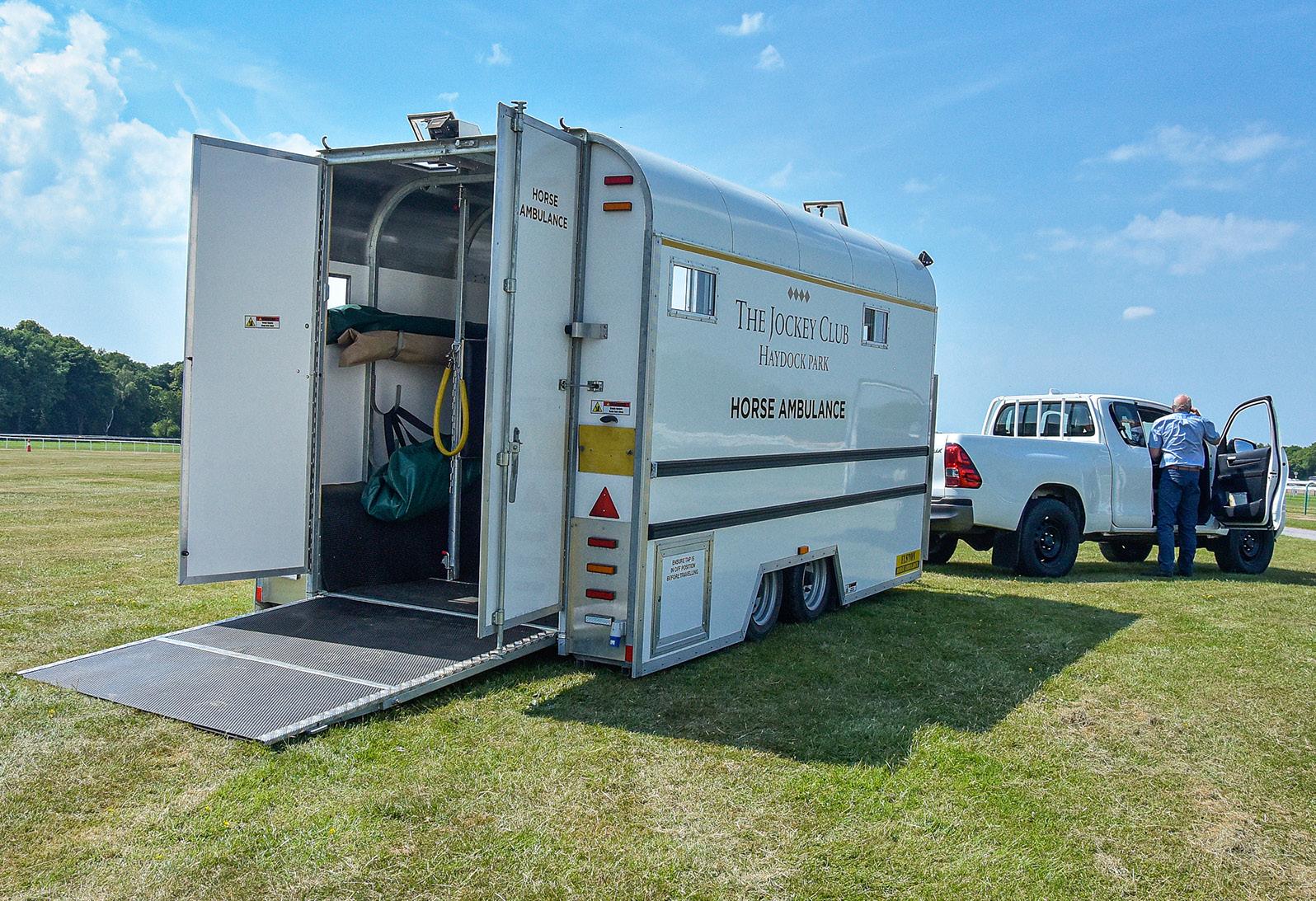
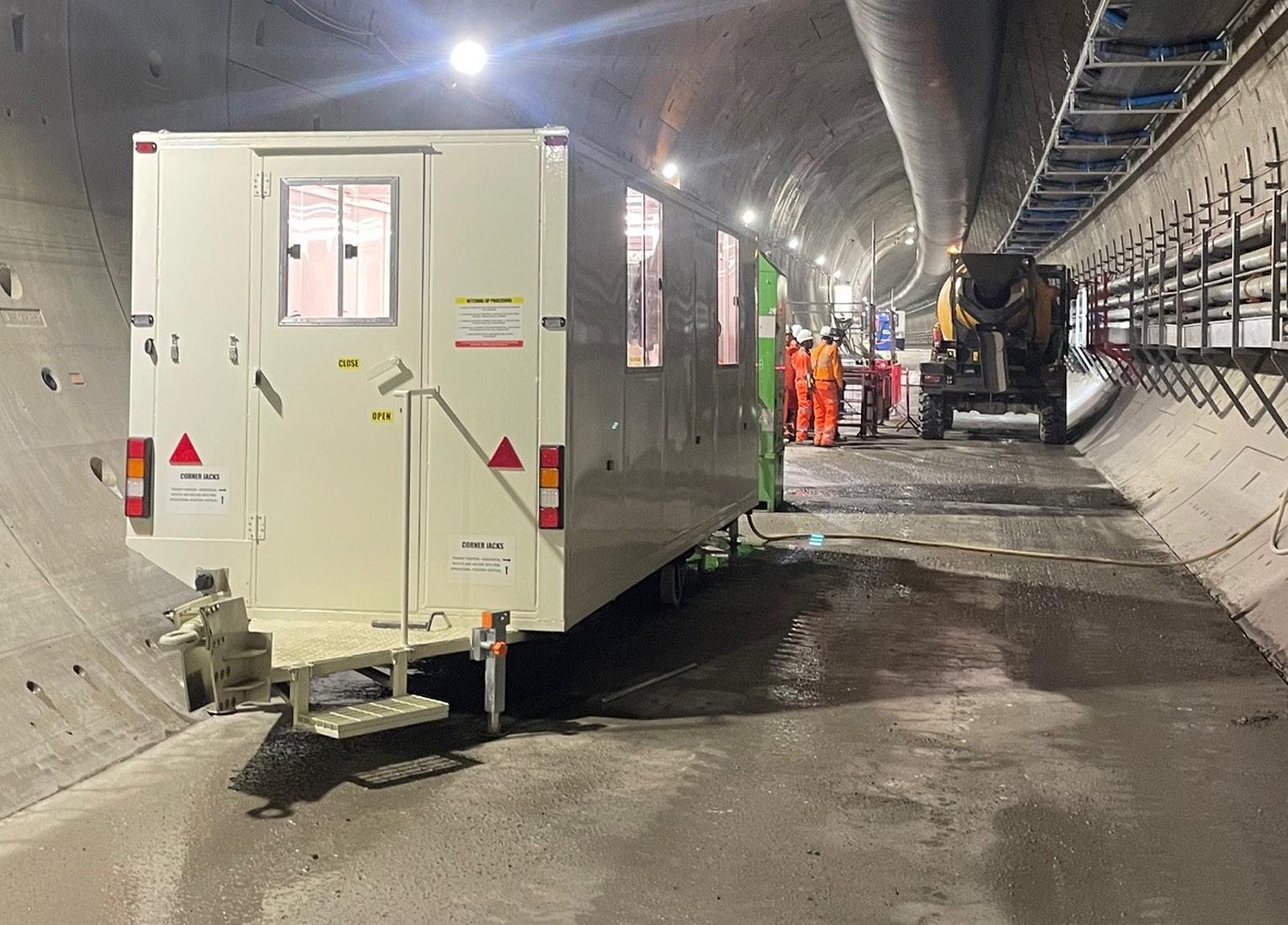
Ezzatvar remains active within the sector, supporting global access manufacturer JLG with exhibition activity, working with Hybrid Plant Services, and continuing long-standing involvement with Elston Products on specialist builds, including tunnel cabins for major infrastructure applications.
These projects continue to draw on earlier innovations, including groundlowering air suspension systems first introduced in welfare units and now
adapted into specialist applications such as the horse ambulance developed for The Jockey Club.
For Ezzatvar, the move into marketing is not a departure from industry - it is a continuation of the same process.
Badger Marketing exists to get serious products the attention they deserveworking with businesses that know they have something, but have not yet had the exposure to make it stand out.
In a sector defined by performance and practicality, visibility remains a decisive factor. Most businesses believe they understand marketing. The reality is different. When a viable product is matched with the right level of intent, energy and resource, it can gain traction quickly - but only if it is seen.
Badger Marketing is built to match that intent - energy for energy - and ensure that products which would otherwise remain unseen are given the exposure needed to compete in a crowded and evolving market.

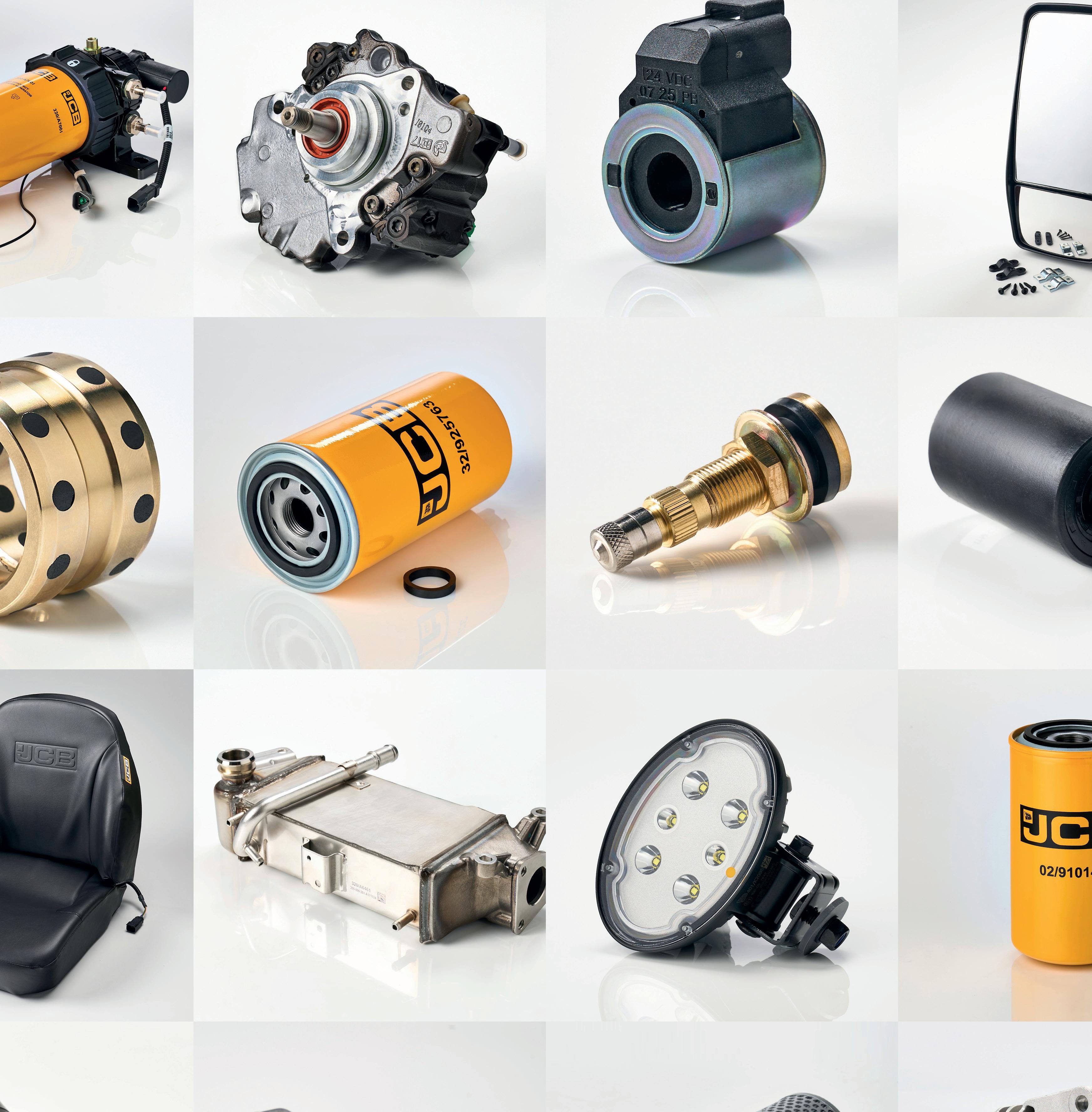
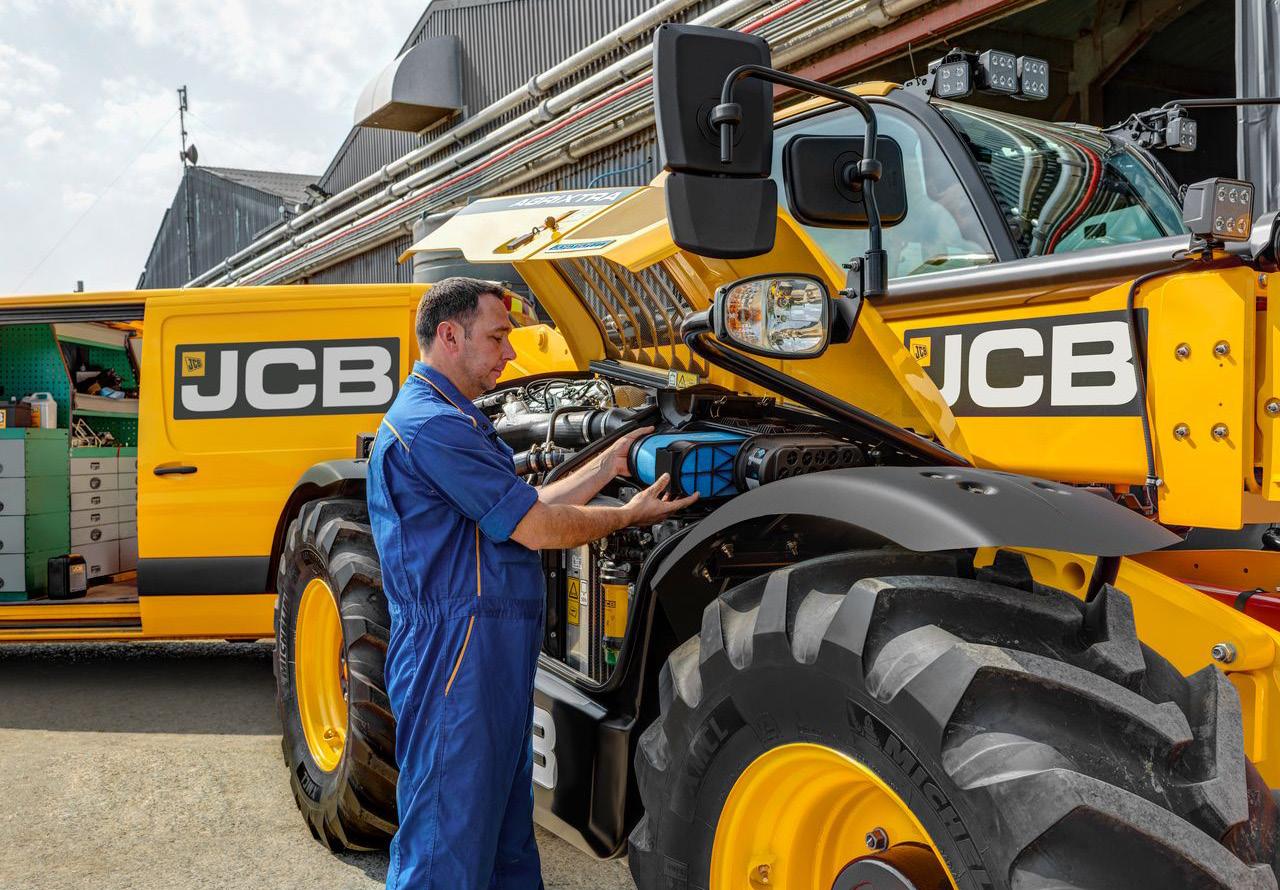
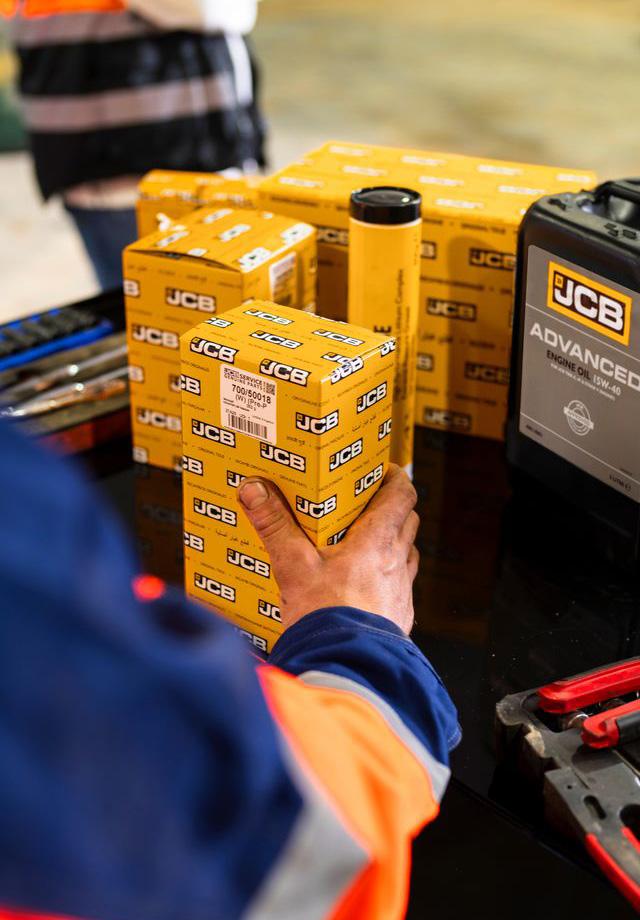
JCB has launched a new website to help customers order genuine parts quickly and conveniently - keeping machines working optimally and minimising costly downtime.
The new JCB Parts Online platform is now live at https://parts.jcb.com/ uk, providing customers across the construction, agriculture, demolition, waste and recycling, industrial and rental sectors with anytime access to genuine JCB components backed by the company’s trusted global dealer network.
The genuine advantage
From construction sites and farms to waste transfer stations and demolition projects, machine uptime is critical to productivity. When a part needs replacing, availability and compatibility are essential to keep operations moving.
JCB Parts and Attachments General Manager - Product and Marketing, Tania Tams, said: “We know how crucial uptime is for our customers. JCB Parts Online has been created to make sourcing genuine parts more convenient. The platform offers components from across the full JCB equipment range, accessed exactly when and where customers need them. Ordered direct they are supplied and supported by the local dealers that our customers know they can depend on.
“Choosing JCB is an investment in cutting-edge, innovative technology. Our machines are designed as complete systems and genuine parts ensure every element works together exactly as manufacturer intended. While non-genuine alternatives may appear attractive, they do not meet the same
standards of fit, durability or testing. This can affect performance, reduce reliability, increase wear and potentially compromise warranty protection and long-term machine value.”
JCB Parts Online has been designed around convenience and efficiency –placing orders out of hours, securing parts quickly and having them delivered wherever customers need. From launch, more than 1,200 of the most frequently demanded part numbers are available to UK customers, with this range set to grow rapidly throughout 2026.
Customers can search using serial numbers or specific part numbers to confirm the correct component for their machine. Parts identification is simple and customers can order anytime, from any device.
Orders are fulfilled by JCB’s existing dealer network, ensuring expert support remains central to the process. Fast, accurate picking and dispatch ensures parts move quickly from order to delivery.
Click and collect can be arranged from a local dealer depot or parts can be delivered direct to the customer’s door. There are same and next day collection options or standard and next day delivery.
Any customer looking to purchase genuine JCB parts can register for an account and order instantly. It is simple to find a local dealer for advice, pay securely online (by card or via a dealer credit account) and track orders once placed. Customers can also speak to real people through JCB’s dedicated UK call centre for advice and support.
Peak efficiency
To maintain optimum performance JCB machines need genuine parts. Having direct access through a single platform brings welcome simplicity. JCB Parts Online covers the key categories that keep machines operating at peak efficiency, including:
• Powertrain parts
• Electrical and lighting systems
• Chassis and undercarriage components
• Ground engaging tools
• Cab and body parts
• Lubricants and service fluids
• Filters
Access from anywhere
The launch of JCB Parts Online reflects the evolving needs of modern businesses, allowing customers to work the way they wish. Genuine JCB parts can now be ordered at a time that suits the customer, from any device, while still benefiting from fulfilment through a trusted local dealer and maintaining access to technical support.
By combining digital convenience, trusted expertise and genuine quality, JCB is playing its part to keep customers working productively throughout the year.
Allow
Work
Know
Overhead
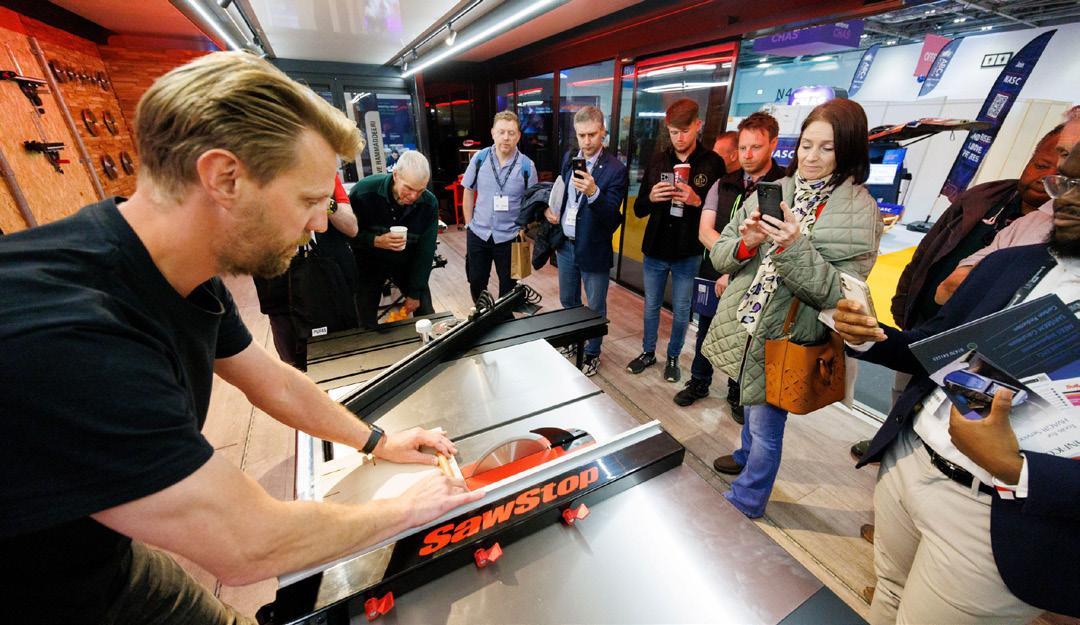
From the latest product launches and live demonstrations to technical workshops and CPDaccredited talks, UK Construction Week (UKCW) returns to Excel London from 12-14 May with this year’s event set to be the biggest yet.
Earlier this year, UKCW announced it was joining forces with Futurebuild to create the UK’s Built Environment super event, where every stage of a project gets decided.
The largest and most comprehensive construction event in the UK calendar, UKCW will run alongside both Futurebuild and The Stone & Surfaces Show to bring together 25,000 industry professionals, 600+ exhibitors and 700+ speakers across six dedicated stages - all under one roof.
A major highlight of the show is the Equipment, Tools & Hire hub - a dedicated destination for those who keep projects moving, from plant hire specialists and site managers to contractors. It puts a spotlight on the latest cutting-edge machinery, tools and on-site solutions driving efficiency, enhancing safety and streamlining workflows across all stages of construction.
Exploring everything from highperformance power tools and access
equipment to lifting solutions, portable power and smart site safety systems, the hub gives visitors a comprehensive look at the products transforming modern site operations.
New for 2026, the Live Demo Stage will bring innovation to life through live, practical demonstrations from top brands, including industry leader Hilti. It allows visitors to experience solutions up close, ask questions and understand how innovations can be applied on site and across the whole supply chain.
Visitors can also explore the ConTech & AI Hub to discover how cutting-edge technology, automation, and AI are transforming construction workflows, from smart machinery and digital equipment management to innovative site planning and productivity solutions.
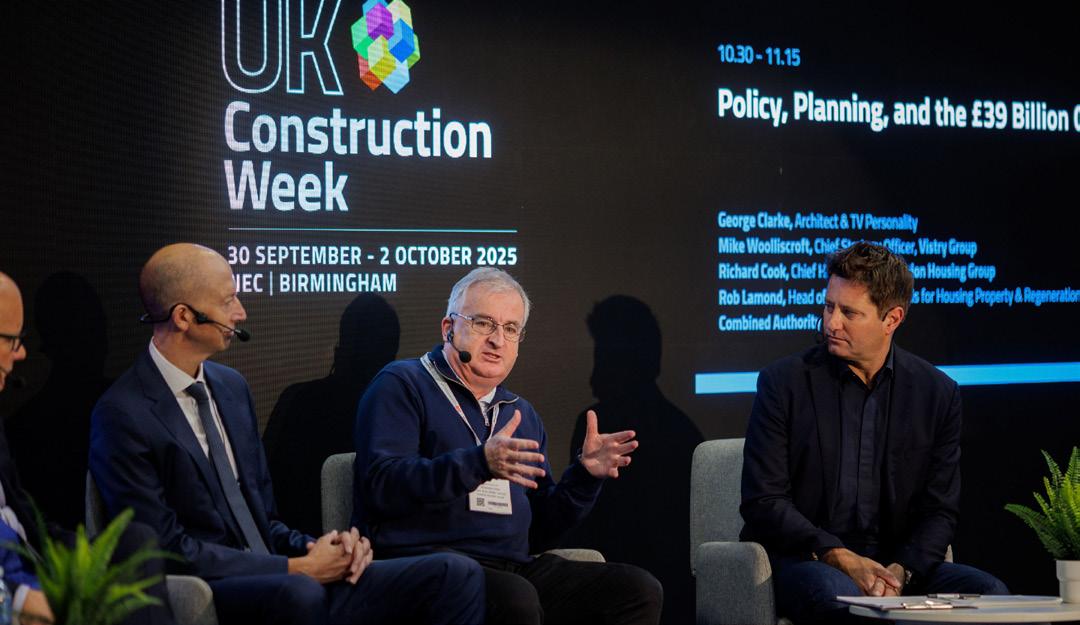
Opened by architect and Channel 4 presenter George Clarke, UKCW London attracts exhibitors from across the globe with big names such as WOLFF Onsite and Hird set to showcase their latest products.
UKCW will once again feature a packed programme of CPD-accredited panels and seminars tackling the sector’s most pressing issues, featuring an unbeatable line-up of high profile industry figures and thought leaders.
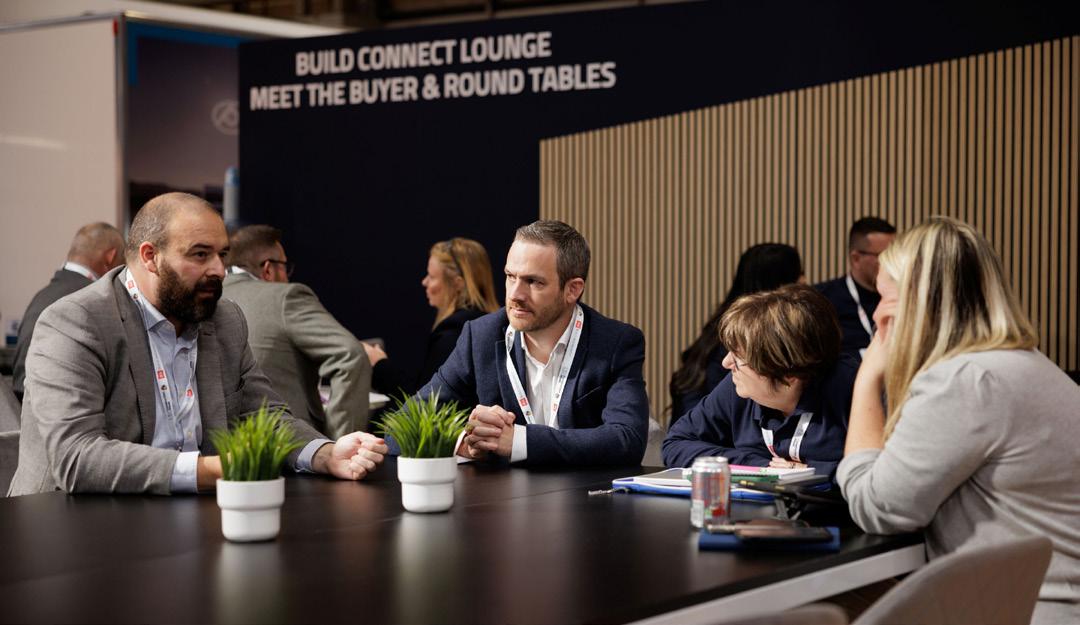
Sam Patel, Divisional Director, Construction, said: “UK Construction Week is all about connecting the people, products and innovations that drive the construction industry forward. From the latest equipment and live demonstrations to CPD-accredited workshops, UKCW gives industry professionals a unique opportunity to see what’s shaping modern construction.
“Now joined with Futurebuild, the event has become the ultimate platform for collaboration, knowledge-sharing and discovering practical solutions that make a real difference on site. This year’s show promises to be our biggest and best yet!”
Sponsored by Sage, Wyre, HotelPlanner, Zurich Resilience Solutions and Build Warranty, UKCW London will feature over 300 leading brands; over 25 trade bodies and associations, including the National Federation of Demolition Contractors.
Plant Planet has joined UKCW as an official partner and will be on Stand H31 to connect with professionals shaping the future of construction plant and equipment.
Following the London show in May 2026, UKCW Birmingham will return to the NEC from 29 September to 1 October 2026.

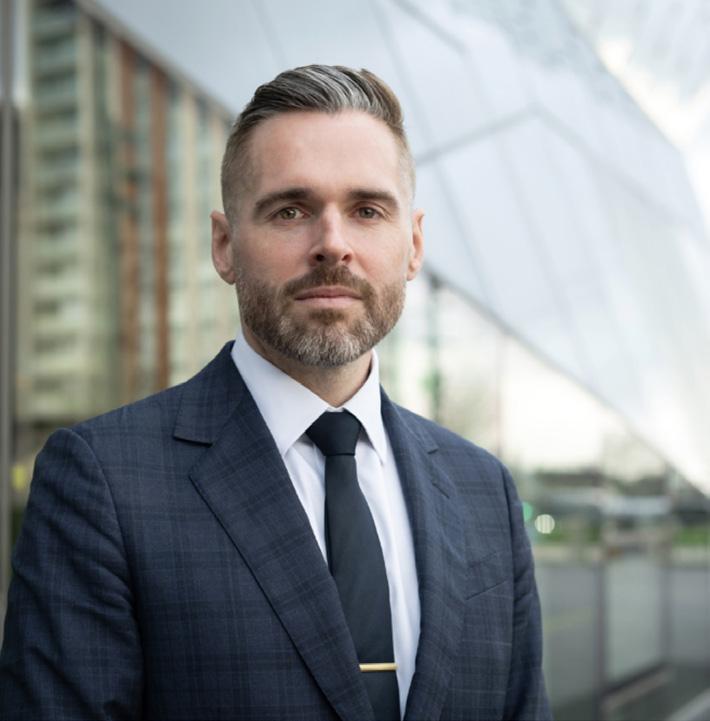
Tom Copley, Deputy Mayor of London for Housing and Residential Development, has been announced as one of the first headline speakers for UK Construction Week London at Excel (12-14 May).
Earlier this year, UKCW announced it had joined forces with Futurebuild to create the UK’s Built Environment super event, where every stage of a project gets decided. As the largest and most comprehensive construction event in the UK calendar, the show will bring together 25,000 industry professionals, 600+ exhibitors and 700+ speakers across six dedicated stages - all under one roof.
Across three days, visitors can explore a packed programme of CPD-accredited panels and seminars tackling the sector’s most pressing issues, featuring an unbeatable line-up of high profile industry figures and thought leaders. The event will also feature a keynote speech from architect and Channel 4 presenter George Clarke.
Notable speakers at UKCW London will include:
Headline speakers:
• George Clarke – Architect and TV presenter
• Tom Copley – Deputy Mayor of London for Housing and Residential Development
Industry leadership:
• Mark Reynolds – Group Executive Chairman, Mace Group
• Keith Waller – Director, Industrialised Construction, High Value Manufacturing Catapult
• Renee Preston – CEO, Gallaway Construction
• Huda As’ad – Managing Director Capital Projects & Infrastructure UKI, Accenture
• Ron Lang – Regional Director, AtkinsRealis
Sustainability and innovation:
• Professor Sean Smith – Chair of Future Construction, School of Engineering, University of Edinburgh
• Danielle Haskings – Head of Sustainability and Social Value, MCS
• Julia Baker – Technical Director, Nature Services, Mott MacDonald
• Neil Beamsley – Head of Nature & Biodiversity, Bellway Homes

Sam Patel, Divisional Director, UK Construction Week London, commented: “Year after year, we continue to attract some of the biggest names in the industry. Securing such influential voices reflects our commitment to bringing together the people who are actively shaping the future of policy, design and delivery, and this year’s show is set to be the largest and most impactful UKCW yet.”
Opened by architect and Channel 4 presenter George Clarke, UKCW London attracts exhibitors from across the globe with big names such as Hilti Group, Cedral UK by Etex, Polypipe, FM Approvals, Hird and WOLFF Onsite set to showcase their latest products.
Face-to-face networking will continue to be at the core of the multi awardwinning show.
Delegates can use the dedicated show app to plan ahead to book meetings in advance, as well as seminars, industry roundtables, live workshops, and exclusive ‘meet the buyer’ sessions in the Build Connect Networking Lounge.
Sponsored by Sage, Wyre, Hotel Planner, Zurich Resilience Solutions and Build Warranty, UKCW London will feature over 300 leading brands; over 25 trade bodies and associations, including the Federation of Master Builders, CIBSE, and the National Association Of Air DuctCleaners UK.


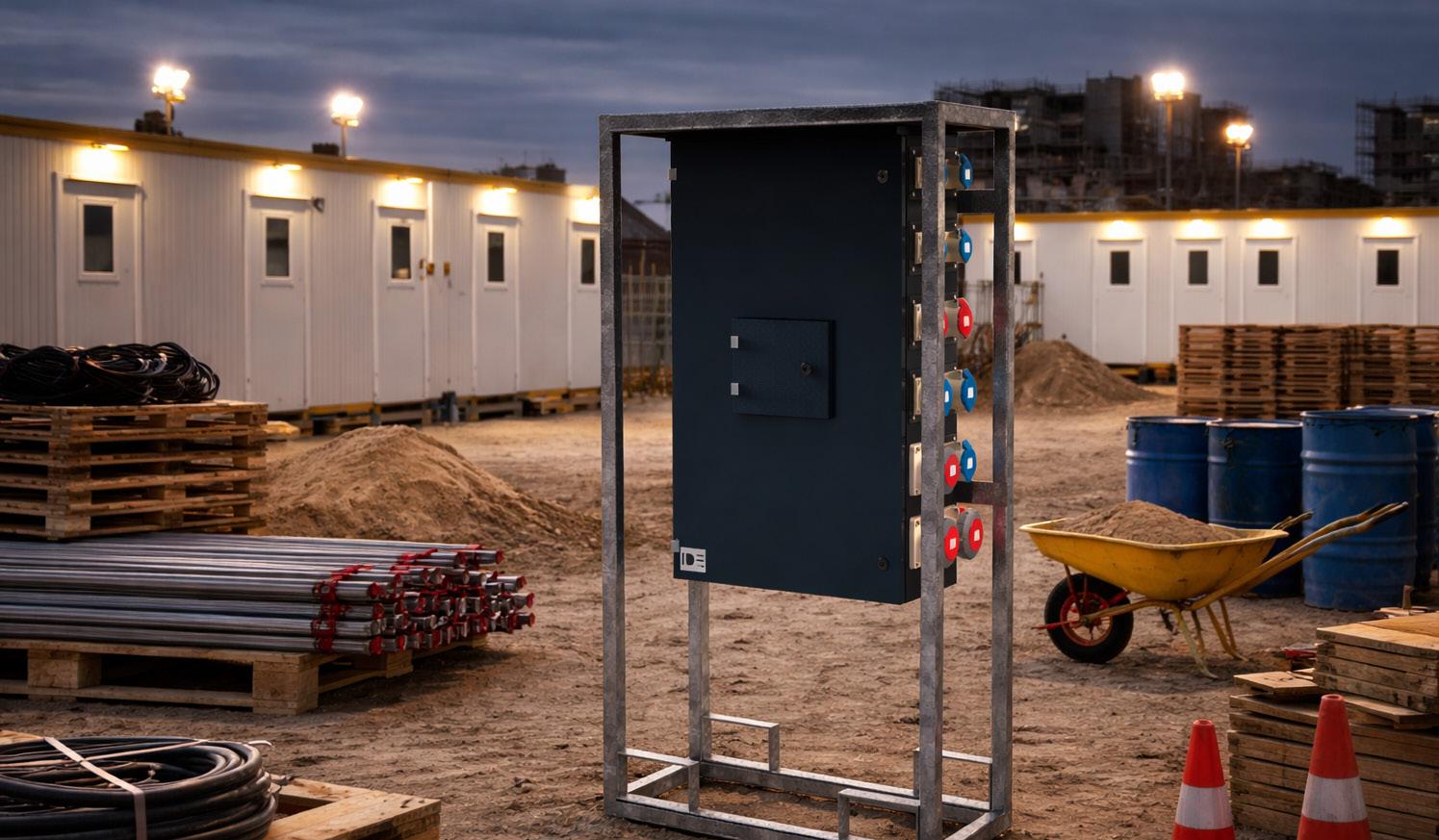

Essex-based temporary power provider Templant has been acquired by Camfaud Group, part of Concrete Pumping Holdings, Inc., headquartered in Thornton, Colorado.
The acquisition marks a major step in Templant’s growth, supporting further investment in rental fleet, transport and service capability, alongside the development of a multi-depot network across the UK. The business aims to become the first choice for critical temporary power nationwide.
Led by Chris Allen, MD, and Zoe Allen, FD, Templant is a temporary power specialist operating 24/7, 365 days a year. The company supports both planned and emergency power requirements across a wide range of industries, with a fleet of more than 250 generators from 20 kVA to 1250 kVA, supported by distribution equipment, cable, fuel tanks, battery energy storage systems and load banks. Backed by more than 35 in-house staff and a fleet of service and delivery vehicles, Templant provides complete installation, logistics and support.
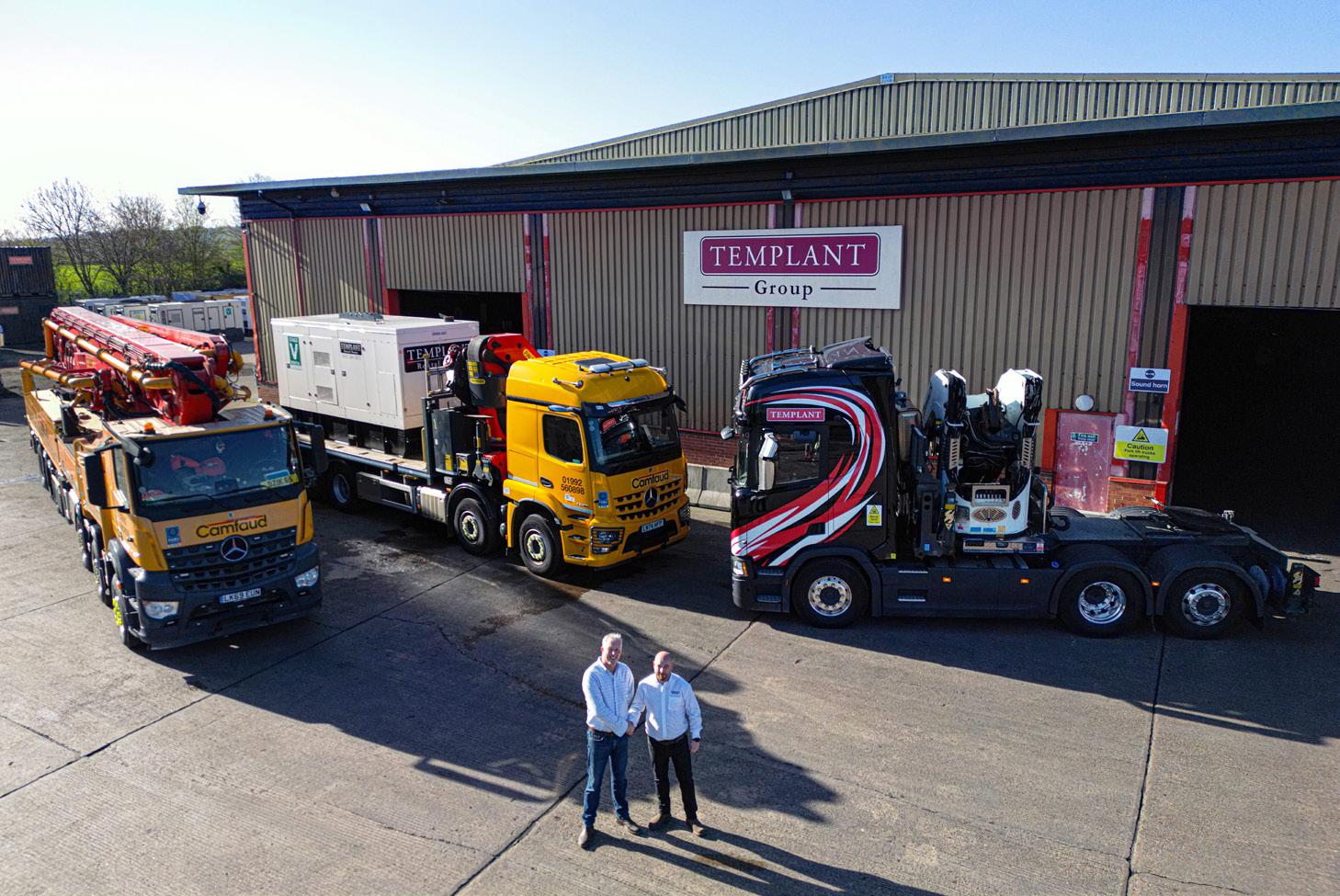
While the business enters this next phase of growth, Templant’s core focus remains unchanged. Customers will continue to receive the same year-round 24/7 service, from the same experienced team and high-quality equipment.

With rising demand for sustainable power, Templant will continue to expand its Stage V generator and battery storage fleet, strengthening its ability to support larger and more complex projects requiring lower-emission, fuel-efficient power solutions.
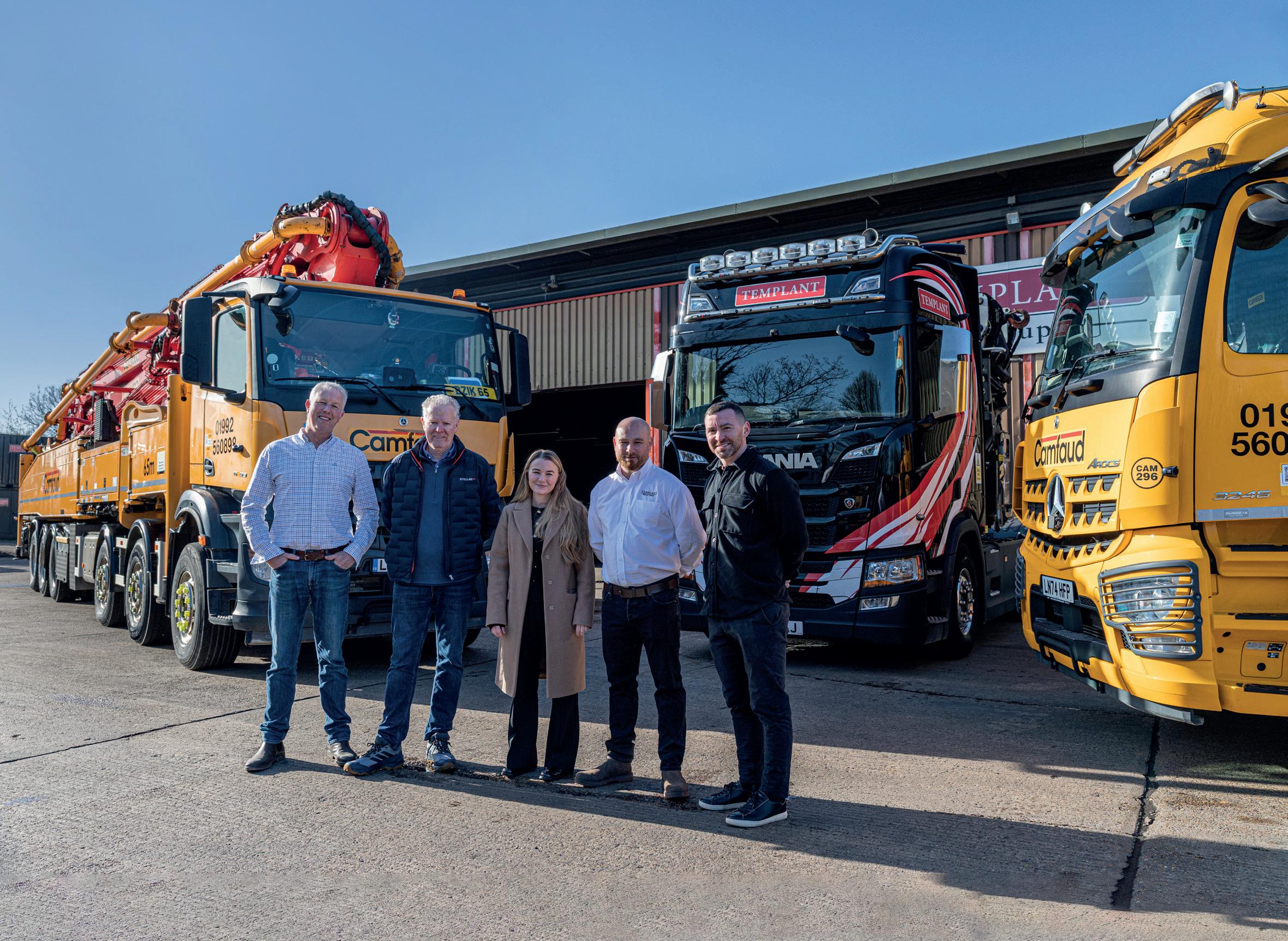


Power
Operating 24/7 , 365 Days A Year
SRC Group is extending its support to it’s charity partner, the Lighthouse Charity and has introduced a newly branded tipper featuring the charity’s logo and helpline number. helping raise awareness of the vital support the charity provides to construction workers and their families.
The vehicle will be based at the company’s Barking site and will operate across London and the wider region, carrying the charity’s message directly into the communities and construction sites the industry serves every day.
Within the construction industry, long hours, demanding working environments and time away from home can place significant pressure on workers and their families. The Lighthouse Charity play a vital role in ensuring those working across the sector have access to confidential support when they need it most.
SRC Group is proud to support the Lighthouse Charity and play a small part in helping raise awareness of the support available to people across the industry.
Oliver Rees, Managing Director at SRC Group, said: “The Lighthouse
Charity does incredibly important work supporting people across our industry and their families. Construction can be a tough environment and it’s vital that people know there is somewhere to turn if they need support.
“Having the charity’s message travelling around on one of our vehicles felt like a simple but effective way of helping raise awareness across the areas we operate in.”
Sarah Bolton, CEO of the Lighthouse Charity added, “We are absolutely delighted with this amazing gesture from SRC Group. What better way to extend the message of support to our construction community, than by sharing our charity information proudly on a specially branded tipper. It’s incredibly eye catching and I have no doubt that this will be the talk of every site that it visits. Thank you to everyone at SRC for making this possible.”.
By carrying the Lighthouse Charity message out on the road each day, SRC Group hopes the vehicle will help keep the charity visible within the industry and encourage more people to learn about the support available.
If you or anyone you know is struggling, reach out for 24/7 free and confidential support now;
24/7 helplines; 0345 605 1956 (UK) 1800 939 122 (ROI)
Live chat www.lighthousecharity.org
Text HARDHAT to 85258 (UK) or 50808 (ROI)
Find out more at www.lighthousecharity.org

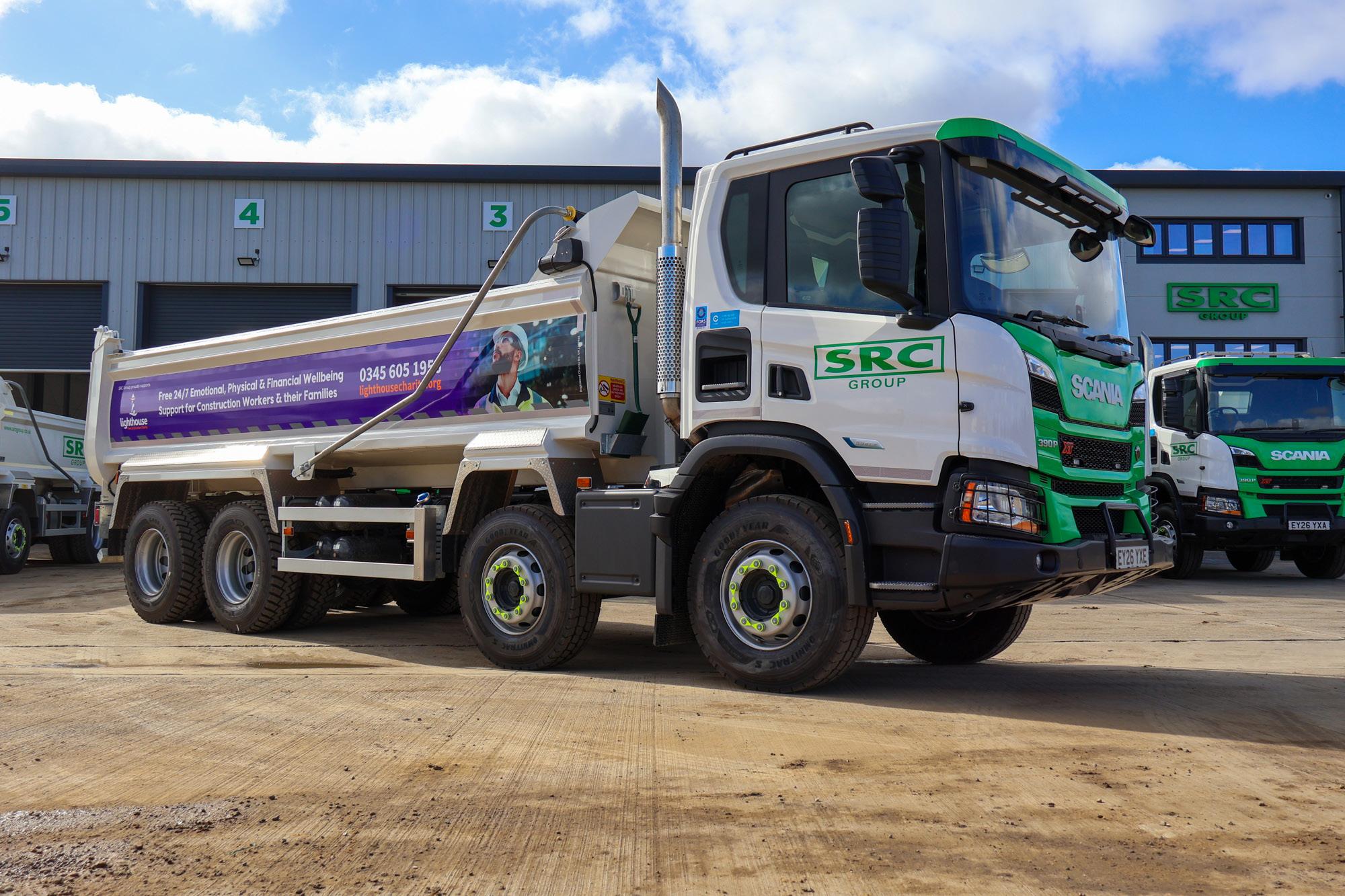

When viewed today, Britain’s motorway network feels like a permanent fixture of the landscape. Yet when the M1 opened in November 1959, it represented a profound shift in how people and goods travelled, and in the scale of earthmoving projects that could be undertaken in a single coordinated effort.
Prior to the motorway era, long-distance travel in Britain was dominated by steam locomotives operating across one of the densest rail networks in the world. However, the immense strain of World War II had taken a heavy toll. The railways, only recently nationalised in 1948, contended with ageing locomotives, worn track and infrastructure dating back to the Victorian railway boom, all of which struggled to keep pace with the demands of the rebounding British economy.
At the same time, Britain’s roads were becoming steadily busier with affordable cars capable of travelling comfortably and reliably over long distances. Models such as the Morris Minor, Ford Anglia and Austin A30 put personal mobility within reach of ordinary families, while Bedford, Leyland and Commer lorries were proving increasingly capable of providing flexible door-to-door freight services that railways were often unable to match.
Road travellers, however, still had to navigate a patchwork network largely made up of historic coaching routes and local roads.
The government’s first attempt to organise a coherent national road system came with the Great Britain road numbering scheme in 1922. Major routes received A-road classifications while smaller distributor routes became B-roads.
The Trunk Roads Act 1936 also saw responsibility for roughly 4,500 miles of key routes transferred to the Ministry of Transport. However, despite these reforms, the roads themselves remained largely unchanged.
Major trunk roads, such as the A1, A5 and A6, offered the only practical means of travelling long distances by road across Britain. But these routes passed directly through towns, villages and busy high streets, meaning journeys were slow, unpredictable and frequently congested. As road haulage and private car ownership expanded rapidly during the 1950s, it became increasingly clear that the existing network had reached its limits.
The idea of purpose-built high-speed roads had circulated among British planners since the 1920s, partly inspired by developments such as Germany’s Autobahn network.
In 1957, these ideas were finally tested with construction of the Preston Bypass. At just 8¼ miles long, it served as a testbed for motorway design, construction methods and public acceptance.
At the project’s peak, 50 crawler tractors, 24 excavators, 12 dump trucks and approximately 100 lorries were involved in the road’s construction, as well as 750 men and 24 engineers.
With much fanfare and public approval, the road was opened on 5 December 1958 by Prime Minister Harold MacMillan, who also became the first person to travel on a British motorway as a passenger in an Austin Sheerline limousine.
With valuable lessons learned from the Preston Bypass, work began on the M1 motorway on 24 March 1958.
The first section of the M1 spanned 55 miles from Watford, Hertfordshire, to Crick, Northamptonshire, and was constructed alongside the M10, M45 feeder routes, as well as the Watford Gap services. This section was built as two projects by John Laing and Tarmac Construction, who constructed the northern and southern parts, respectively, with both projects meeting in Luton.
Construction relied heavily on the cut and fill principle, and required 11.5 million cubic yards of soil and aggregate to be excavated, hauled and compacted to form the motorway’s sub-grade and embankments.
Extensive drainage infrastructure to protect the formation layer was also constructed, including 32 culverts and pipe crossings installed beneath the carriageways.
132 bridges and overpasses were also constructed using 300,000 cubic yards of concrete, with, at its peak, over 5000 workers working on the motorway in total.
The entire southern section opened on 2 November 1959, and was built with two grade-separated three-lane carriageways, a soft shoulder and had no speed limit. Following rapid increases in traffic and accidents, an experimental 70mph speed limit was introduced in 1965, which became permanent in 1967 after a notable decrease in incidents.
From 1965, the 35 mile continuation of the project commenced, which saw construction pass by Leicester, Loughborough, Nottingham, Sheffield and end as part of the ring road around Leeds in 1968.
While the concept of a motorway was far from new by the time the M1 was completed, it represented more to 1960s Britain than an impressive feat of earthmoving and engineering.
The motorway reshaped how Britain moved, worked and socialised. Dramatically reduced travel times made long-distance journeys routine for businesses, commuters and the public alike. Freight operators could move goods faster and more reliably than rail, allowing manufacturers to distribute products nationwide with unprecedented efficiency.
At the same time, improved connectivity helped unify Britain’s emerging youth culture. Bands, fans and new social trends could move rapidly between cities, turning onceregional scenes into the shared national movements that came to define the vibrant cultural energy of the 1960s.
Illustrating this new mobility, Watford Gap Services became an unlikely cultural landmark. Positioned roughly halfway between London and the Midlands on the M1 and open 24 hours a day, bands including The Beatles, The Rolling Stones and Pink Floyd frequently stopped there while touring, turning the Blue Boar restaurant into an informal meeting point for Britain’s emerging music scene. Jimi Hendrix was even said to have mistaken the services for a nightclub after hearing so much about it from other musicians.
Today, the M1 and Britain’s broader motorway network are such functional enablers of everyday life, that it’s often easy to overlook the scale of the work that went into them, and how different life would be without them.
Ultimately, the M1 represents far more than a functional piece of infrastructure. It became a catalyst that helped make the freedoms and independence of modern British life possible.

More than 55 members joined the CEA Members’ Forum in Leicester on 25 March for a day of market updates, workforce insight, technical discussion and a look ahead to PlantWorx 2027.
The CEA Members’ Forum on 25 March got underway the evening before, with members gathering in Leicester for an informal dinner at San Carlo. With excellent Italian food, good company and plenty of conversation, it made for a lively and enjoyable start and set the tone well for the forum the following day.
Viki Bell, CEO of the CEA, opened the forum by welcoming guests from across the country. With representatives from more than 55 member companies in attendance, the event drew an excellent turnout. She began by introducing the CEA’s new Commercial Manager, Sharon Mughal, and took a moment to share some personal team news, congratulating colleagues David Biggins, Marketing & SEO, and Beth Abbott, Head of Marketing, on the arrival of their new babies. Viki also thanked the Trelleborg Group for hosting the forum and TotalEnergies for sponsoring lunch. Following her welcome, Viki updated delegates on the sale of the PlantWorx Construction Exhibition to the Nineteen Group and gave a broader round-up of CEA activity. She highlighted that it had been a record year for the Association, with membership reaching its highest level to date, alongside the introduction of a wide range of new member benefits.
She also outlined the new HR partnership with Robinson Grace HR, noting that it would be particularly valuable for smaller companies without in-house HR support.
Next to speak was Chris Sleight, Managing Director of OffHighway Research and a CEA board member, who shared his report from ConExpo. He described it as a positive and upbeat show with a genuinely optimistic atmosphere. AI was the main talking point throughout the event, while electrification had a far lower profile than some may have expected. Chris noted that the US market still had a more traditional ‘traditional fuels’ feeling, although there was greater emphasis on electric machines among Chinese OEMs. While there were fewer product launches than usual, several business deals were announced, and he felt it was an excellent event with a strong sense of confidence.
Simon O’Connor, Managing Director of Elite Consultancy Network, and Chris Rowlands, Group COO, gave delegates an overview of the Elite salary survey. Their presentation painted a picture of a market that remains very busy in the UK, with overseas activity also beginning to pick up. Overall, the message was that there are strong opportunities across the sector and that the market remains buoyant.
One of the most interesting themes to emerge was the continued shift away from salary alone as the primary driver of staff attraction and retention. Benefits, culture and the wider employment package are becoming increasingly important, with pension provision and sick pay among the most valued. While salaries continue to rise, with some operational roles commanding strikingly high pay, there was a clear sense that people also want flexibility and, above all, to feel valued. For members, the survey offers useful insight into how expectations are changing across the workforce and why retention is becoming a more complex issue.
Building on that theme, Viki Bell provided a workforce update, including the CEA’s partnership with PG Global. She explained that the Association is careful and selective about the organisations it works with, and highlighted the importance of practical support in areas such as mental health and wellbeing. She noted that tools and support services of this kind can be especially valuable for smaller businesses, where internal resources may be limited.
Simon also made the point that, as an industry, construction equipment does not always speak loudly enough about the opportunities it offers. He said the sector needs to do more to improve its marketing message and better promote itself to future talent. In that context, he credited Primary Engineer and similar initiatives for helping introduce children and young people to the industry at an early stage, arguing that more organisations should get involved.
Jeff Baker from Enginuity was next to speak and delivered an engaging presentation focused on the skills gap and the wider competence challenges facing the sector. He explained that Enginuity, a charity working across engineering skills, is committed to helping employers tackle these issues in practical ways and noted that the organisation has an all-female board.
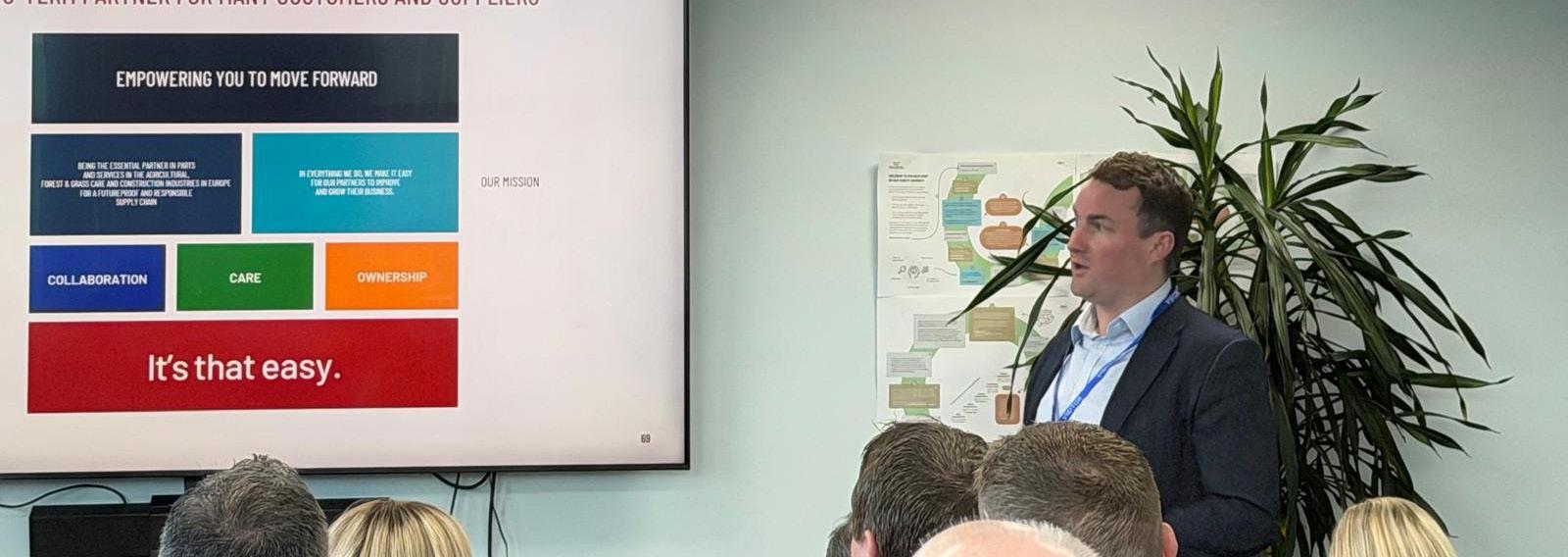
Jeff also touched on the findings of Enginuity’s SME Snapshot Survey, which was due to be released the following day, 26 March. While he could not go into full detail ahead of publication, he gave a clear sense of the pressures facing employers. SMEs are continuing to struggle to recruit the right people, and many believe the UK labour market is becoming increasingly unattractive. He also pointed to the ongoing mismatch between the number of apprenticeship opportunities and the wider understanding of where engineering and technical careers can lead, arguing that the maths simply does not add up.
A key part of his message was that outdated perceptions still hold the sector back. Too many young people continue to see engineering and plant-related industries as dirty or unattractive, while schools do not always steer pupils towards the full range of available opportunities. Jeff made the case for much closer engagement with education, better support for schools, and more willingness to release and back young people entering apprenticeships.
He stressed that Enginuity is there to help. From apprenticeships and mentoring to practical advice for SMEs, the organisation offers support free of charge and wants more companies to take advantage of it. Delegates were encouraged to read the full survey now it has been published, as it provides a fuller picture of the recruitment and skills challenge.
Jeff also highlighted Enginuity’s broader work in mentoring and leadership development for companies, including programmes designed to support future skills, leadership, and business growth. He finished by talking about a new book, Girls Can Engineer, which he hopes to place in every primary school. Members interested in getting copies were encouraged to contact Enginuity directly.
The forum also gave members the chance to hear brief introductions from newer CEA members. Adam Giles, Business Development Manager at Ibcos Computers, outlined the company’s dealership software offer and its focus on helping businesses manage areas such as stock, service, sales and accounts more efficiently. Leo Copping, Field Sales Manager, and Chris Cashman, Business Development Manager, then introduced Kramp, highlighting the company’s role as a major parts and service partner across the agricultural and construction sectors, with a strong focus on availability, delivery and customer support.
Although Dale Camsell, the CEA’s Senior Technical Consultant, was unable to attend in person as he was in Brussels for meetings, he provided a video update covering a wide range of technical
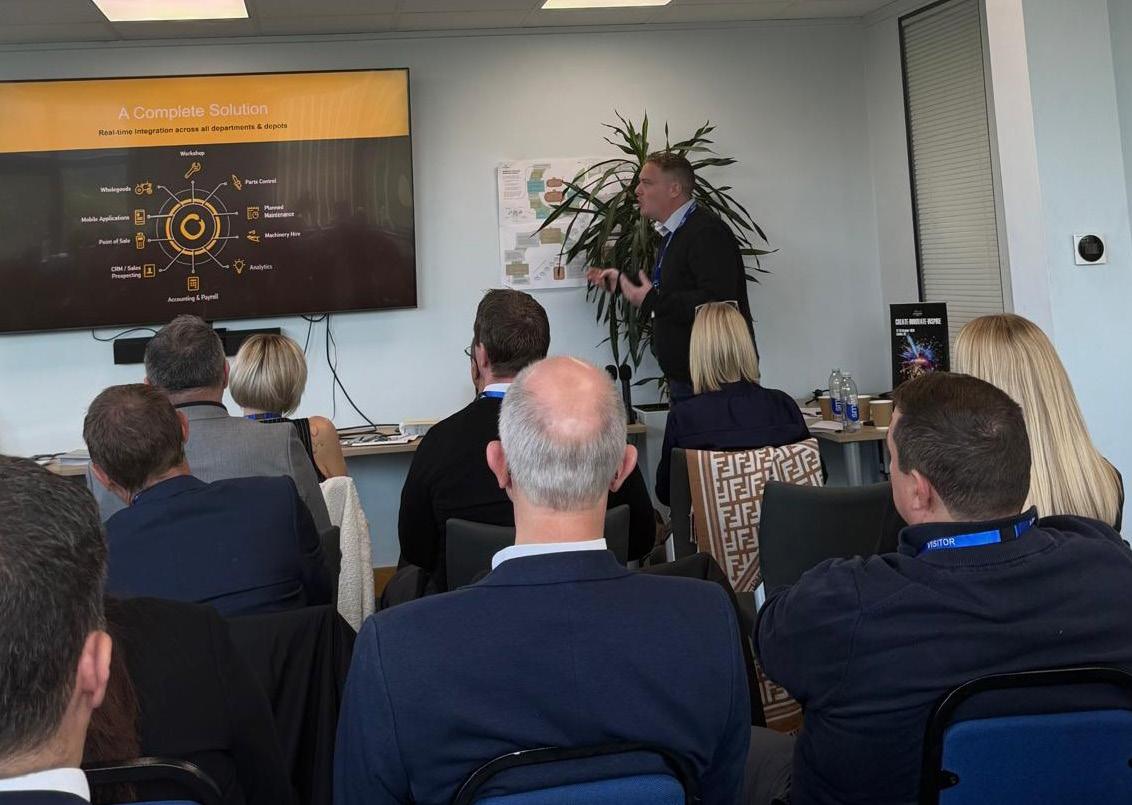
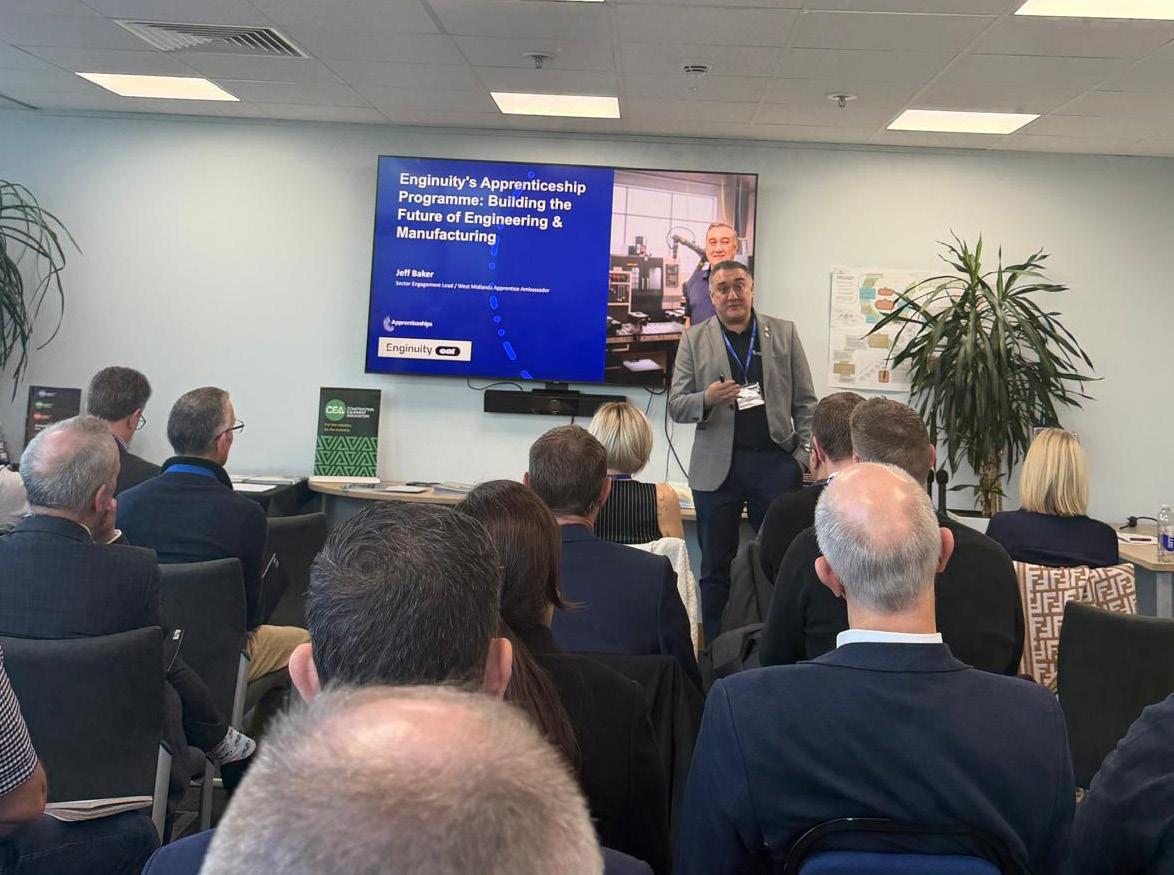
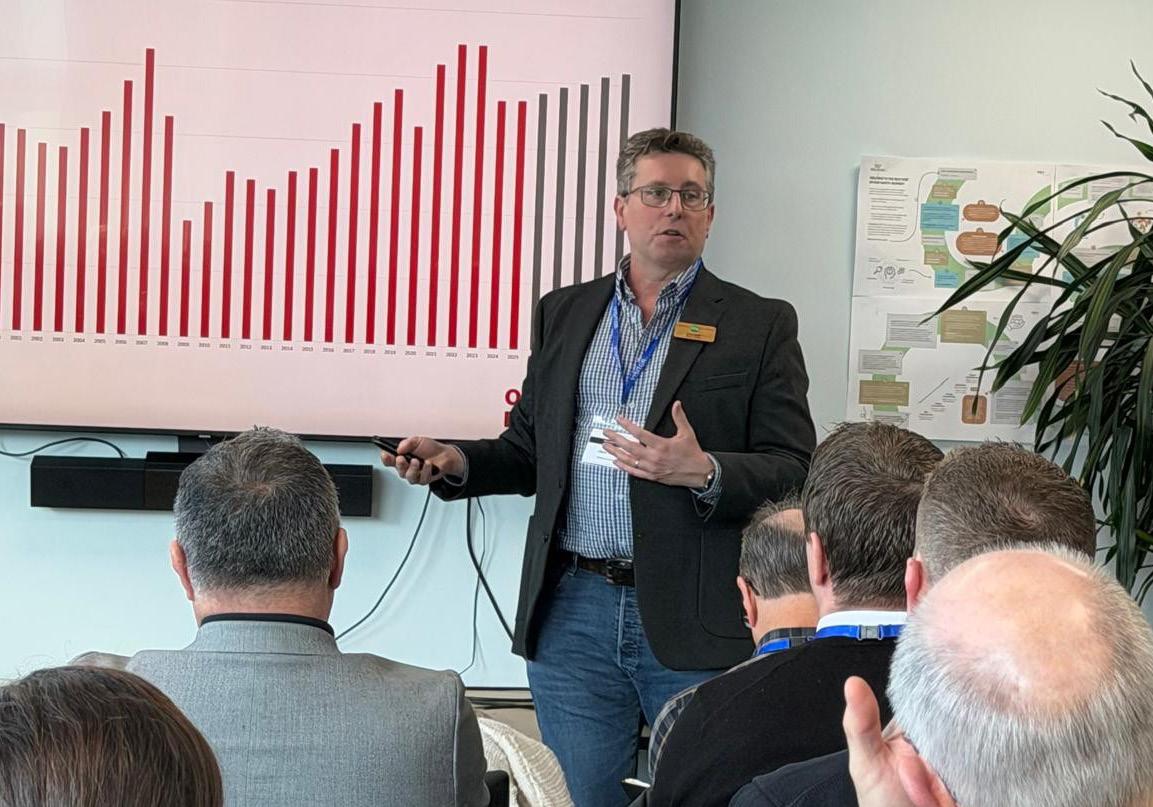
and regulatory developments. His presentation underlined just how much is currently moving across standards, compliance and wider European activity, with members encouraged to keep a close eye on the detail. Given the breadth of material covered, it is difficult to do it full justice in a short report, so only a brief mention is included here; members are advised to refer to the full slide deck for the complete update.
Adrian Williams, Head of Engineering EMEA, then gave a brief introduction to Trelleborg, outlining the company’s wider work in engineered polymer solutions and its role in supporting OEMs with antivibration technologies for construction equipment and other demanding applications. His presentation highlighted the importance of durability, operator comfort and component protection, particularly as machine design continues to change.
After that, delegates enjoyed an outstanding lunch before many took the opportunity to join a factory tour, which was extremely well received. Thanks again go to Trelleborg for hosting the forum and arranging such an enjoyable and informative visit.
Paul Lyons then delivered the CEA’s UK market update, giving members a detailed picture of current trading conditions. His presentation showed that while construction output has continued to grow overall, the outlook has softened, with weaker economic growth, political uncertainty and international pressures all weighing on confidence and investment. He noted that equipment sales remain stable at modest levels, with telehandlers and crawler excavators performing relatively well, while sales of electric machinery remain subdued. A key reason for that, he said, is the slow pace of take-up in the UK, driven in part by weak infrastructure and a lack of incentives seen in some other markets. Members are encouraged to refer to the full slide deck at the end of this report for the complete market update.
Chris Sleight then returned to the stage to give delegates a global market update, including the news that Off-Highway Research has now extended its coverage to Mexico, taking its analysis to around 80% of global equipment sales demand. His presentation painted a mixed picture. Across many regions, markets are still feeling the effects of inflation, high interest rates, labour shortages and wider geopolitical uncertainty, all of which continue to weigh on confidence and housebuilding activity. Europe remains under pressure, with housebuilding at a 10-year low, while North America is broadly flat and watching closely to see whether growth in the second half of
the decade will be modest or stronger. Chris also pointed to India as a strong long-term growth story, despite a short-term dip linked to new emissions rules, and to China as a market still dealing with the impact of its property downturn, although electric equipment continues to perform strongly there. As with several of the day’s presentations, the full details are best explored in the slide deck.
Closing the day, Nick Davison, Event Director at Nineteen Group, gave delegates an overview of PlantWorx 2027 and its new home at the NEC Birmingham. He spoke positively about the move, highlighting the venue’s central location, strong transport links, proximity to the airport and proven infrastructure for major events. Nick explained that the new format will combine indoor and outdoor space, while keeping live demonstrations and working equipment at the heart of the show. He also confirmed that dates have already been secured for the next three shows (2027, 29 and 31) and that PlantWorx
will run alongside the InstallerSHOW in those years, creating new opportunities to broaden its reach. While the event will have a fresh feel, with ambitions for a more energetic and festival-style atmosphere, he was clear that CEA members will continue to benefit, including through discounted rates. He encouraged exhibitors and members to get in touch to discuss the opportunities available and left delegates with a strong sense of confidence about the future of PlantWorx.
Bringing the day to a close, Viki Bell thanked everyone who had joined the forum in Leicester, as well as Trelleborg for hosting and TotalEnergies for sponsoring lunch. It was a fitting end to a day that reflected the strength of the CEA membership, the value of bringing members together, and the importance of sharing insight on the issues shaping the sector.
Delegates were also reminded that the next Members’ Forum will be hosted by ABB on 7 and 8 July 2026 at Fairham Business Park, Nottingham.
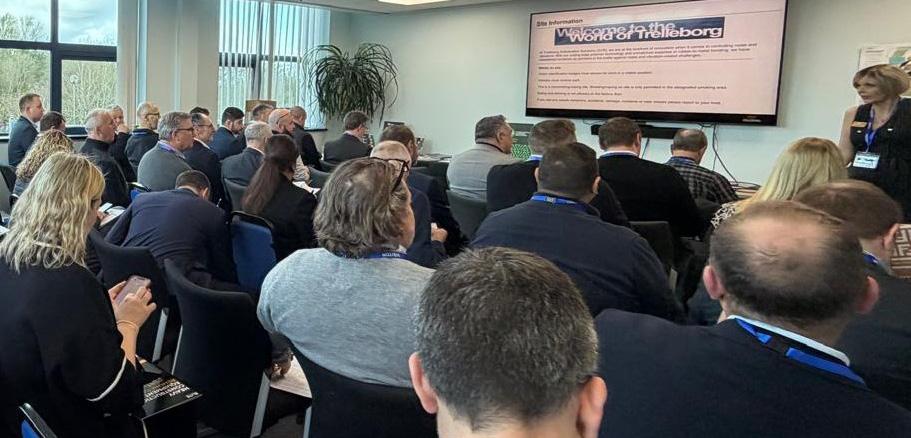
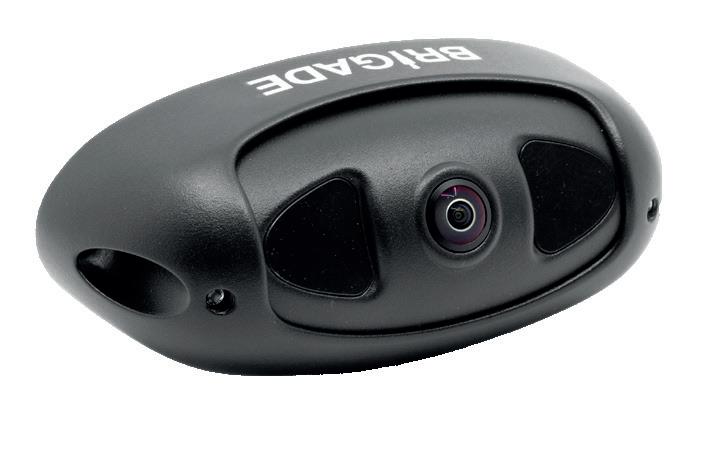
- Backeye®360 AI Intelligent detection is a 360-degree highdefinition four-camera system enhanced by state of the art AI technology.
- Comprehensive view of surrounding area in a single image.
- Audible and visual alerts when a worker is detected using AI.
- Automatic calibration saves time on set-up and installation.
- High resolution delivers a clear and sharp image displayed on the monitor.
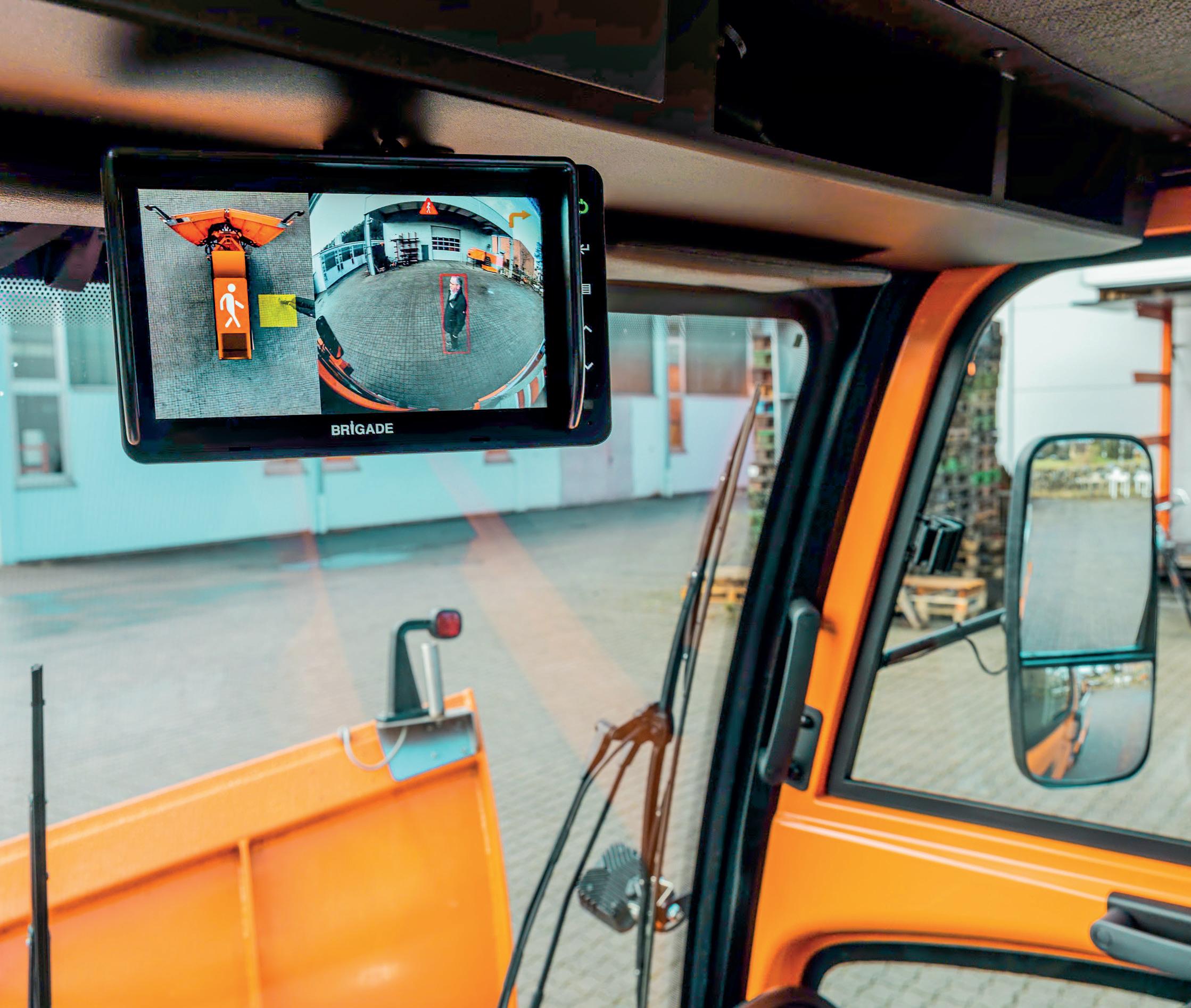
With rapidly rising fuels costs, sustainability has not only become a key responsibility for UK businesses but an economic necessity. The heavy-duty demands on plant machinery have perhaps made the sector more resistant than most to the rise of electrification and renewable or sustainable energy.
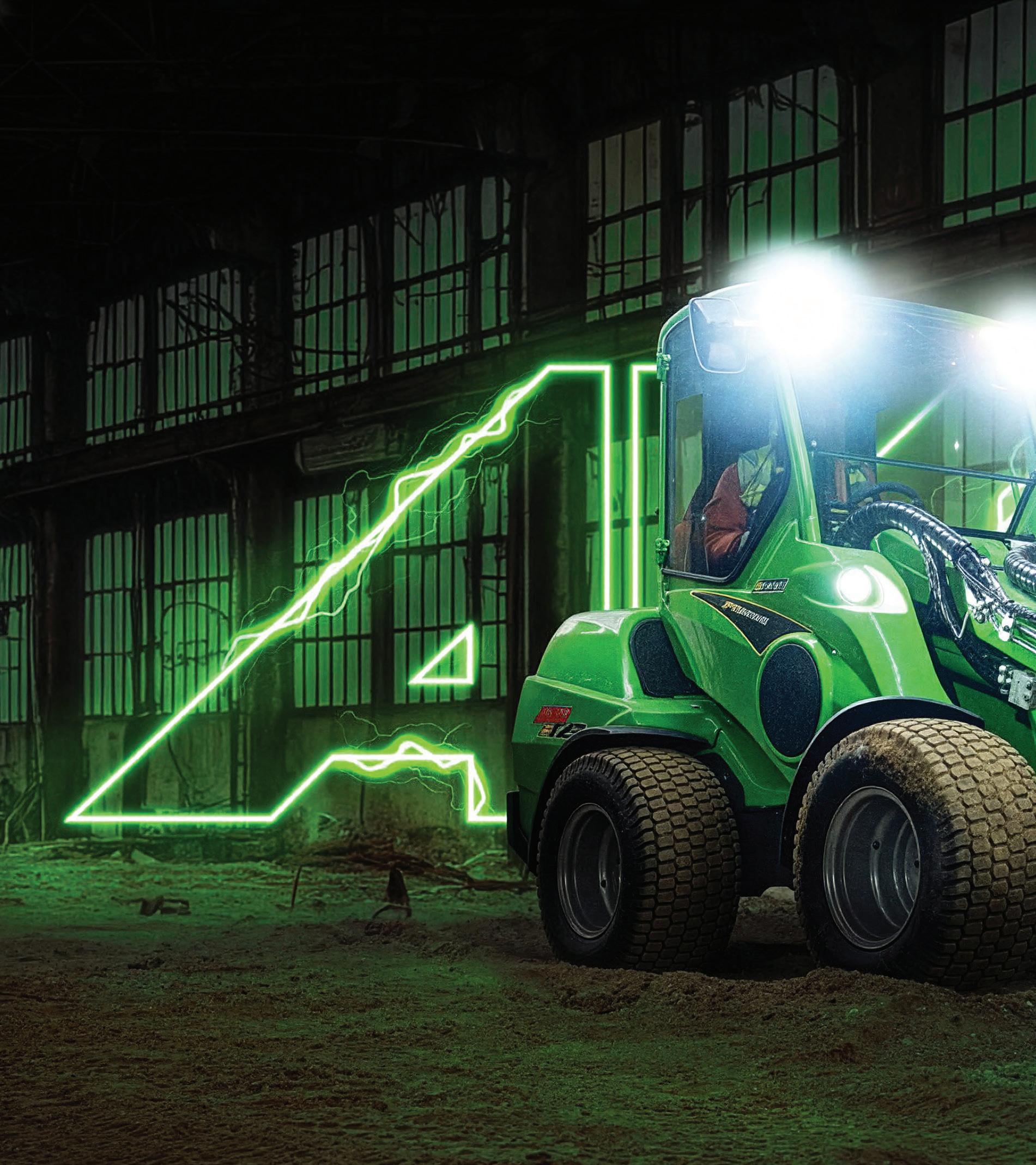
However, manufacturers like Finland’s Avant Tecno have been investing huge amounts of time, money and expertise in delivering sustainable solutions which not only reduce energy use but increase operational benefits.
With their all-electric e500-series already making waves - with performance to match its diesel counterparts but without the noise or emissions - Avant’s newest EV loader looks set to deliver even bigger benefits for UK operators.
Blending the latest sustainable technology with the ruggedness and versatility the brand has become synonymous with, Avant’s new e700-series EV compact loader raises performance to a new level.
The e700 sits alongside Avant’s conventionally-powered 700-series - their second largest model of multifunctional loaders, aimed at professionals who need a compact but capable package.
However, as the ‘e’ suggests, the e700-series is entirely electric; powered by an onboard lithium-ion battery.
The name Avant Tecno will be familiar to many as a leading innovator in compact loaders. In fact, the brand leads the field in the UK for small-to-medium loaders.
Known for their quality and durability, their range of compact loaders have become a common sight across the UK, in areas including agriculture, forestry, landscaping, groundskeeping, equestrianism, plant hire and more.
However, it is Avant’s list of attachments which perhaps makes their multifunctional loaders so popular.
With over 200 attachments and counting, Avant compact loaders can help with almost any task to push, pull, lift, carry, cut, spread, dig or dump! They feature a cleverly designed and unique multi-connector system which makes changing attachments a quick, simple and safe operation.
As you might expect from a European brand (and Nordic engineering in particular) environmentally-conscious design has always been a part of Avant’s DNA, introducing their first EV loader in 2016.
Now, their ongoing investment in sustainable technology has led to the introduction of the larger e700-series.
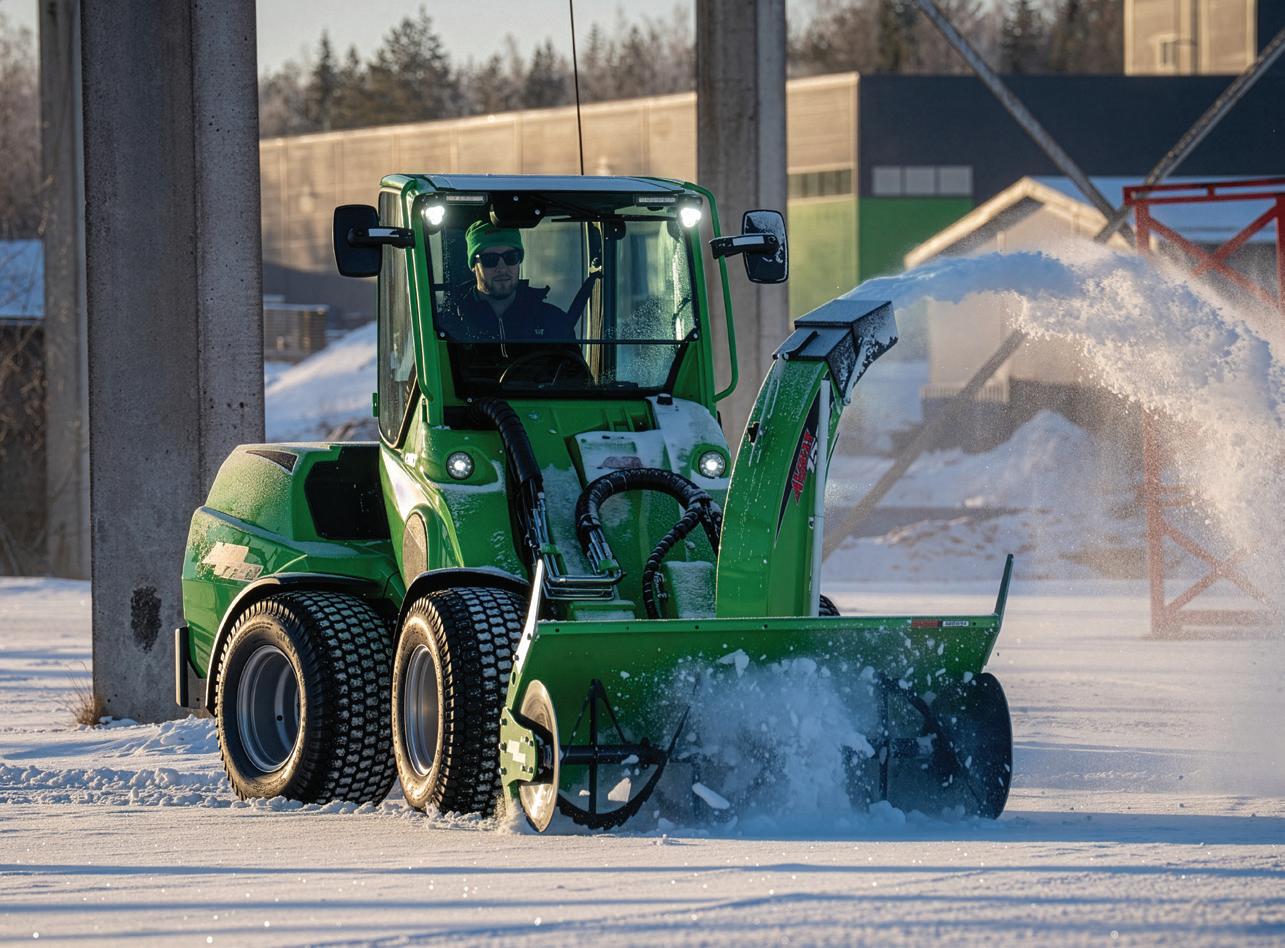
Avant multifunctional loaders are all designed and built at their dedicated factory and headquarters in Ylöjärvi, Finland.
Known for its no-nonsense people and harsh winters, Avant loaders are equally renowned for their practicality and ability to perform whatever the weather and conditions.
In 1991, Avant’s founder, Risto Käkelä, an expert in agricultural machinery, designed a skid-steer Avant loader to help distribute silage.
Four years later, Avant introduced their first articulated loader and began the mission to deliver a ‘Swiss army knife’ capable of completing as many tasks as possible in farming, forestry, groundskeeping and more.
Today, the Avant range features seven series of compact multifunctional loaders with over 200 attachments – and has become a true ‘Swiss army knife’ for operators in many sectors.
Avant has become a globally trusted brand with customers in over 70 countries.
Avant established their first nationwide distributor in the UK in 1994.
Since then, over 6,000 compact multifunctional loaders have been supplied to businesses large and small across Britain and Ireland.
Today, Avant have a network of over 20 dealers, providing farmers, groundskeepers, landscapers, equestrians and many more with the world’s most versatile multifunctional loaders.
Speculation over the reasons for the Finnish brand’s success in Britain varies, but Avant say that a number of key qualities are often quoted by their UK users.
• Unrivalled flexibility – with over 200 attachments suitable for an almost endless list of tasks
• Superb build-quality – with many Avants still in daily use after 30+ years
• Class-leading efficiency – with sustainable manufacturing, low emissions and high fuel economy
• Lower costs – with long service intervals, class-defining dependability and high residual value
The result is that Avant receives industry-leading levels of brand loyalty from their British users, with many on their third, fourth or fifth model.
Avant has particularly cemented its place in the UK plant hire sector, with its 200 attachments making their compact loaders an all-in-one solution for rental fleets.
Easy to use, convenient to transport and cost-efficient to operate, Avant loaders have proven themselves a year-round and high-demand rental performer for hire firms. This is usually attributed to their compact size, enormous practicality for a huge range of task and ease of use, even by inexperienced operators.
Another plus for rental companies is that Avant loaders come with one of the most comprehensive warranties on the market. Servicing costs are low and the high-quality build and long service life make them sound investments that provide a quicker return than competing loaders.
Safety also makes Avant loaders a popular hire choice. They feature a certified open ROPS/FOPS cab and are famed for delivering class-leading stability due to a low centre of gravity and rigid articulation joint (rather than many competitors’ rack and pinion or tracked/skid steering). To further ensure safety, the telescopic boom keeps loads close to the machine and extends only when needed.
With EV machinery and tools already proving increasingly popular across the rental industry, Avant’s latest and largest EV loader adds to rental capabilities with a vehicle that is clean, quiet and very user friendly.





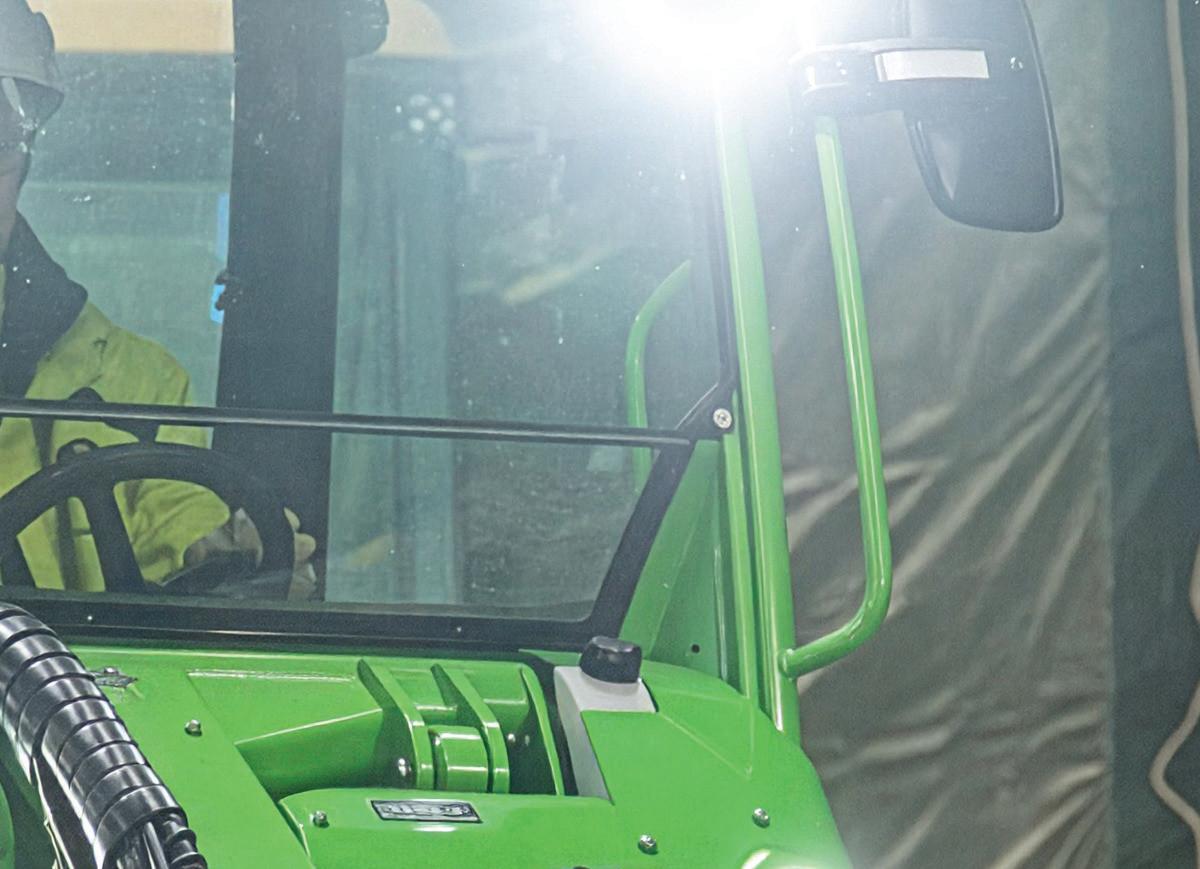
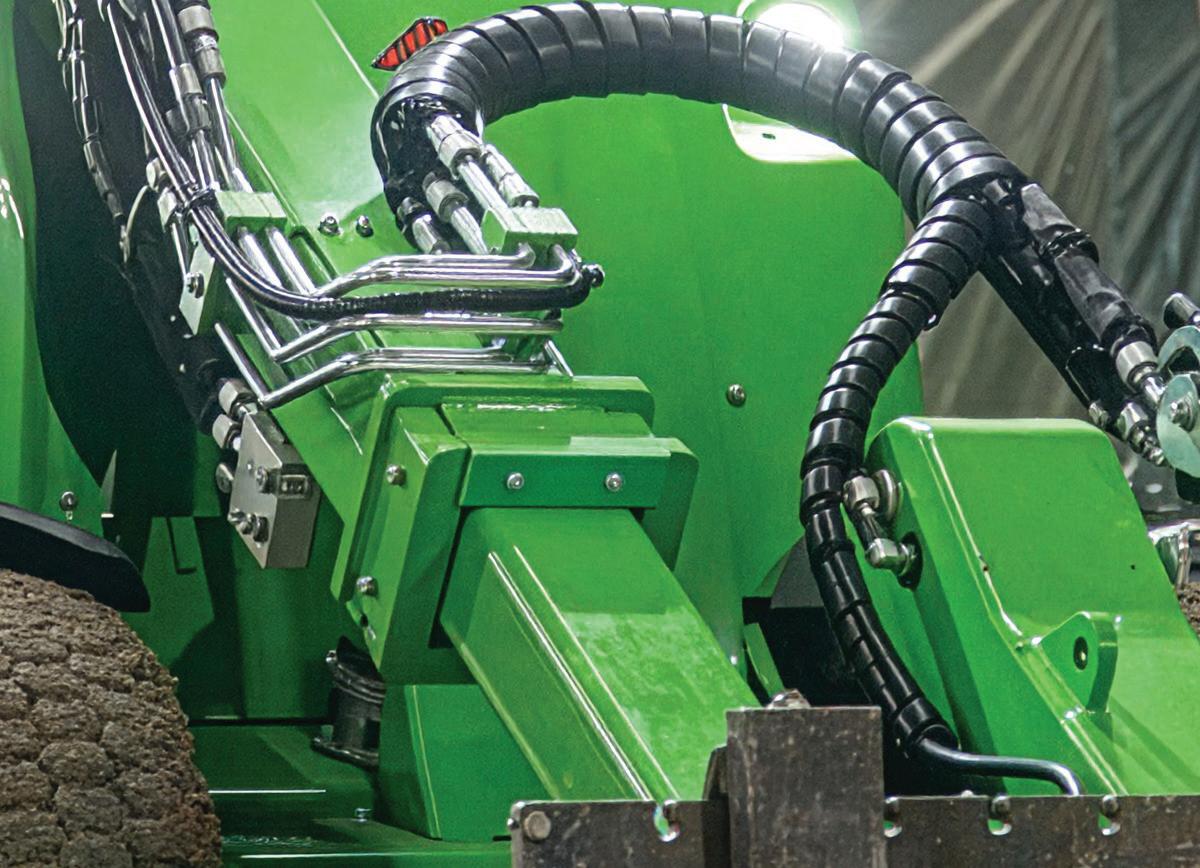


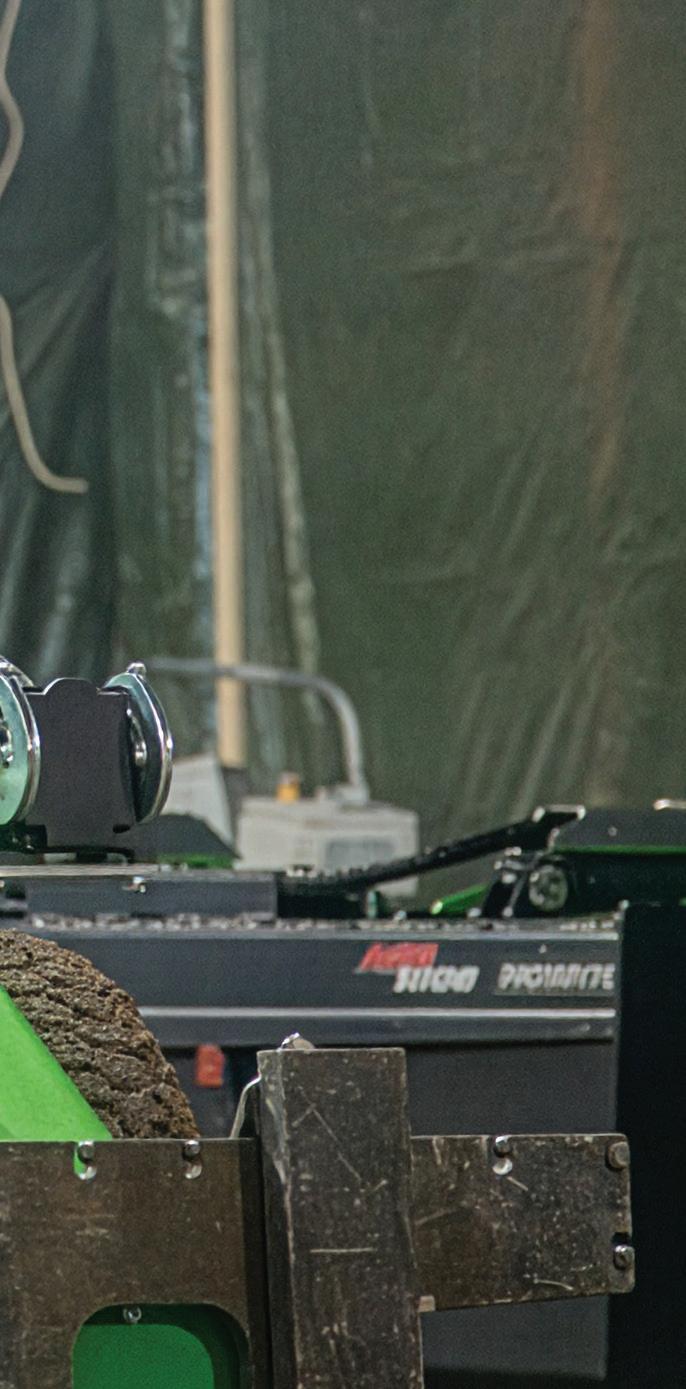

Our NEW e700-series EV loader matches its diesel counterpart without the noise or emissions.
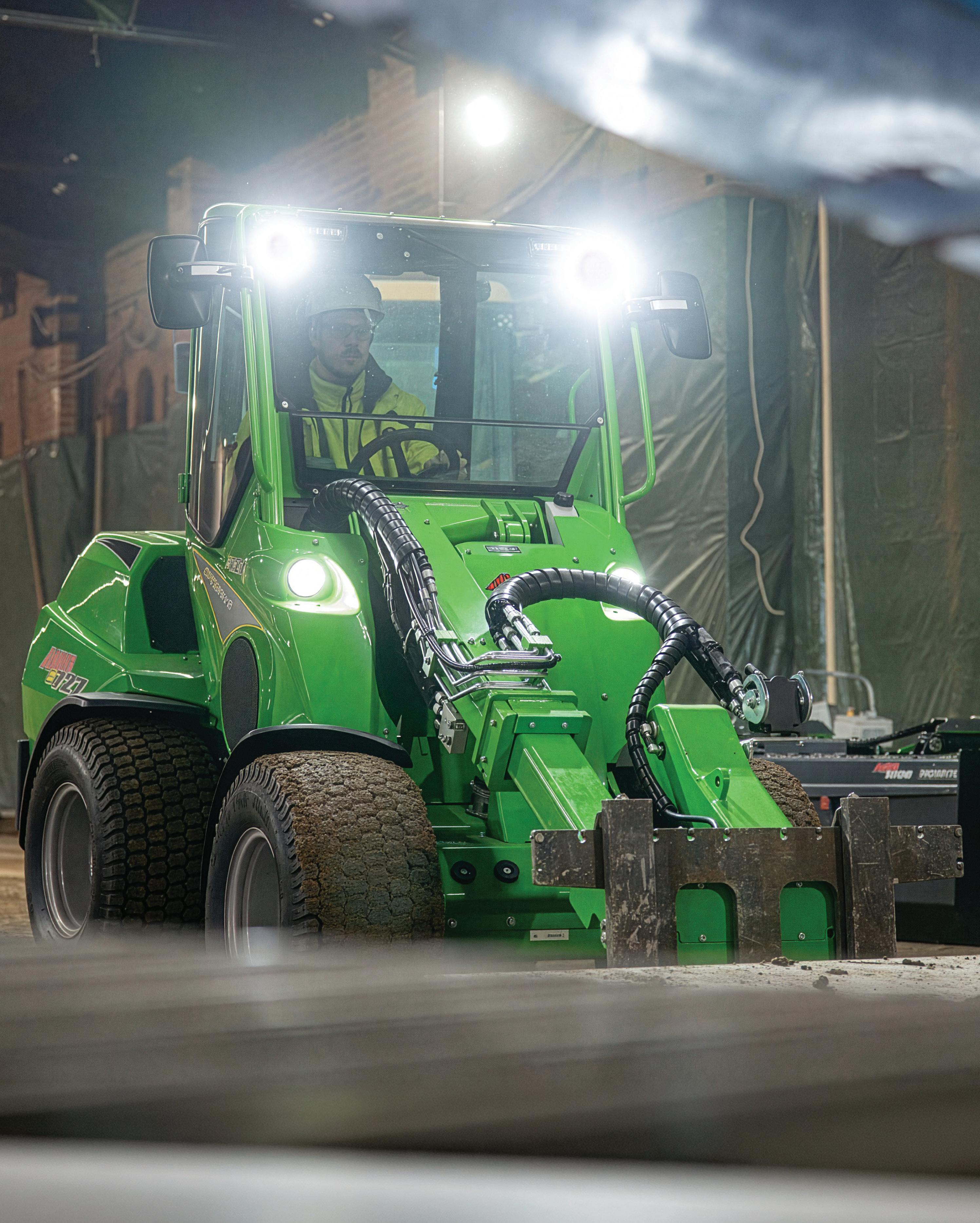
Powerful and sustainable, the e700-series provides up to 5.5 hours of continuous work on a single charge and can lift 1,400kg to a height of 3.1m.
Discover the NEW e700-series at Avant.co.uk

The new e700-series EV compact loader builds on the success and capabilities of the smaller e500-series (which is now in its third-generation).
The e700-series remains a small and compact loader. However, its comparatively larger size enables it to complete more demanding jobs; whilst remaining light, nimble and easy to use. Being fully electric, it is silent and emission-free.
The e700 is again powered by an Avant Power OptiTemp® battery which allows it to work all day on a single charge. Like every Avant loader, the cutting-edge lithium-ion battery is also manufactured by Avant in Ylöjärvi, Finland.
The e700-series is available in two models.
The e727 features a 27kwh battery capable of five and a half hours continuous use. Charging time can be as little as just one hour and ten minutes with an optional 32A fast charger. An onboard charger is also included.
The e747 features a 47kwh battery, delivering 74% more capacity. An increase in battery voltage improves power and efficiency over the e727, whilst retaining the safety benefits of a low-voltage system
But does this long battery life and sustainable electric power detract from the e700’s performance? Not a bit.
The e700-series is designed to be a medium- to heavy-duty compact loader and matches the performance of its dieselpowered stablemates. Both models are able to raise up to 1400kg to a height of 3.1 metres – the same as the equivalent ICE powered variant.
As users have come to expect from Avant, the e700-series also features a clever and intuitive design.
With four-wheel drive, two-speed drive motors and a new Autoshift system designed to optimise energy efficiency, it carries heavy loads and covers distances quickly at up to 26 km/h - making it a top choice for construction, property maintenance and tree care.
In common with other Avant loaders, it features their signature multi-connector system which enables easy connection and removal of attachments – and Avant’s intuitive joystick control, famed for its simplicity, safety and precision.
Cost is always a consideration and Avant believe their latest EV vehicles help significantly reduce life-time costs compared to diesel-powered loaders.
The e700-series saves on energy costs, especially if utilising renewable or off-peak electricity. Servicing costs are reduced due to fewer moving parts and lower maintenance needs. Furthermore, the Avant e700-series may also be eligible for green grants in some territories.
For UK operators looking to futureproof their equipment, reduce energy use and increase their sustainability, the new e700-series delivers unmatched value, innovation and versatility – all in a powerful and capable package.
The new e700-series electric loader benefits from the huge versatility provided by Avant’s unmatched range of attachments.
Attachments are available to help with tasks including: earth moving, lawn care and mowing, hedge and tree cutting, digging and excavating, lifting and transporting, livestock feeding and care, mucking out and cleaning and much more.
As result, existing Avant loaders are used across the UK in areas including: agriculture, horticulture, tree surgery, landscaping, forestry, equestrianism, grounds care, outdoor attractions, stately homes and more.
With over 200 attachments tailored to almost any task, Avant loaders have become a strong choice for versatility. Their unique multi-connector system makes fitting and removing attachments a one-person job.
And now, the new e700-series makes it even easier to complete a myriad of tasks whilst also boosting sustainability.
Sustainability is major priority for Avant, just as it is for many of their customers.
From their new, purpose-built, energyefficient UK headquarters in Suffolk, Avant are helping customers make more sustainable choices with innovations like the new e700-series.
Avant’s manufacturing facilities in Finland also achieve some of the highest levels of sustainability through renewable energy, sustainable manufacturing and minimising waste. They can even recycle lithium batteries at the end of their long service life.
Alongside their electrified range, Avant’s conventional internal combustion engine technology continues to deliver low-emissions and class-leading efficiency.
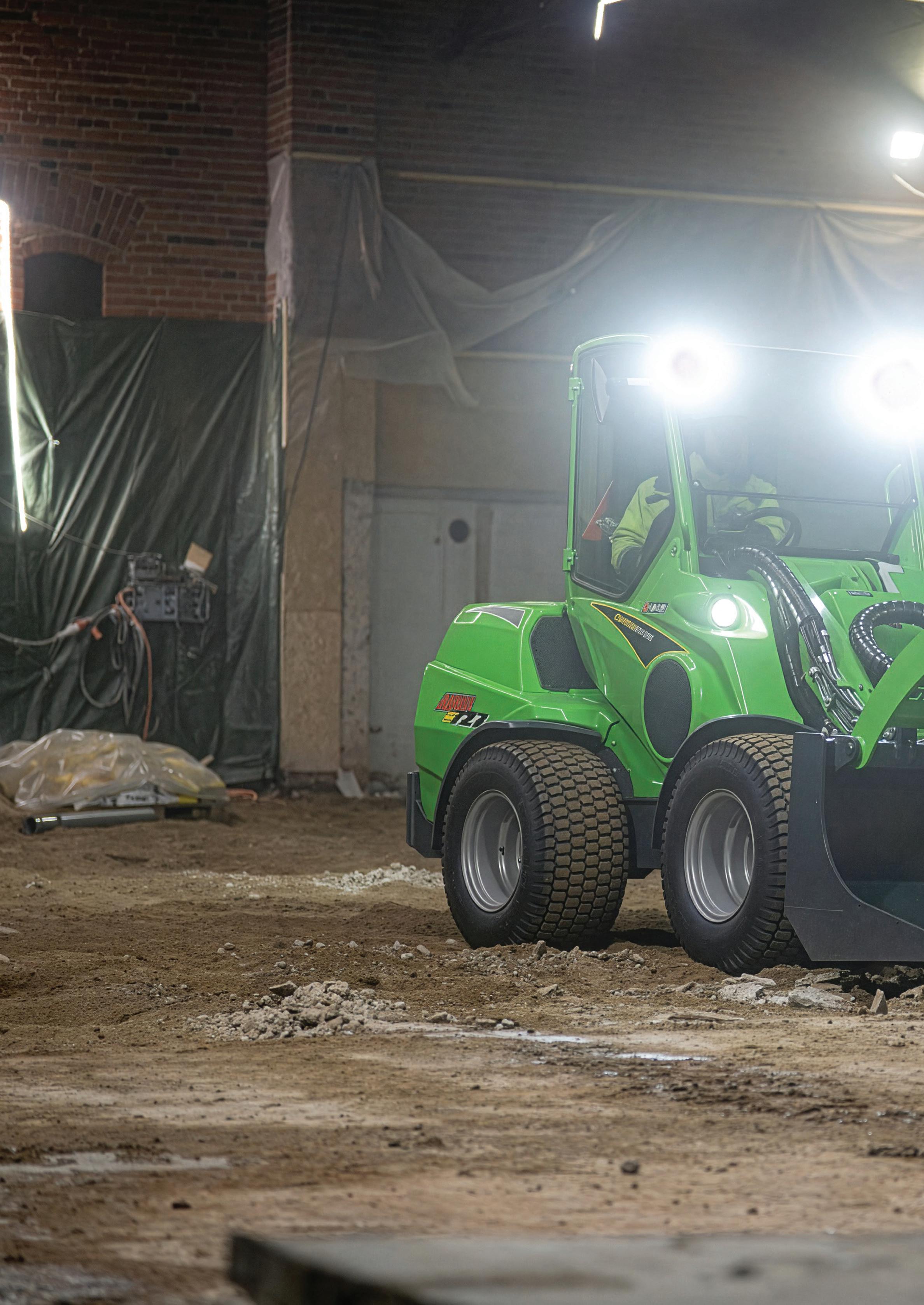
With over 200 attachments tailored to almost any task, Avant loaders have become a strong choice for versatility.
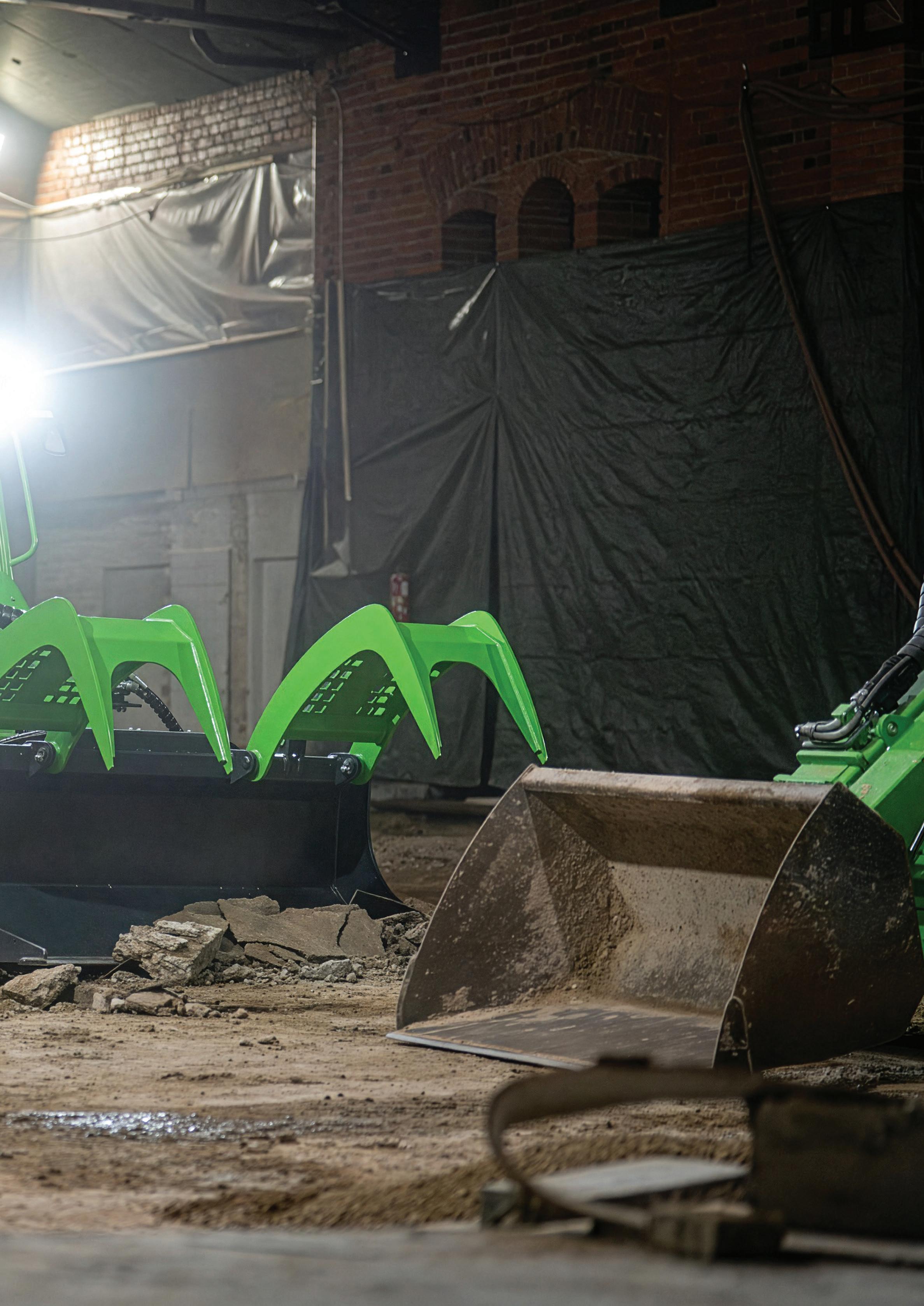
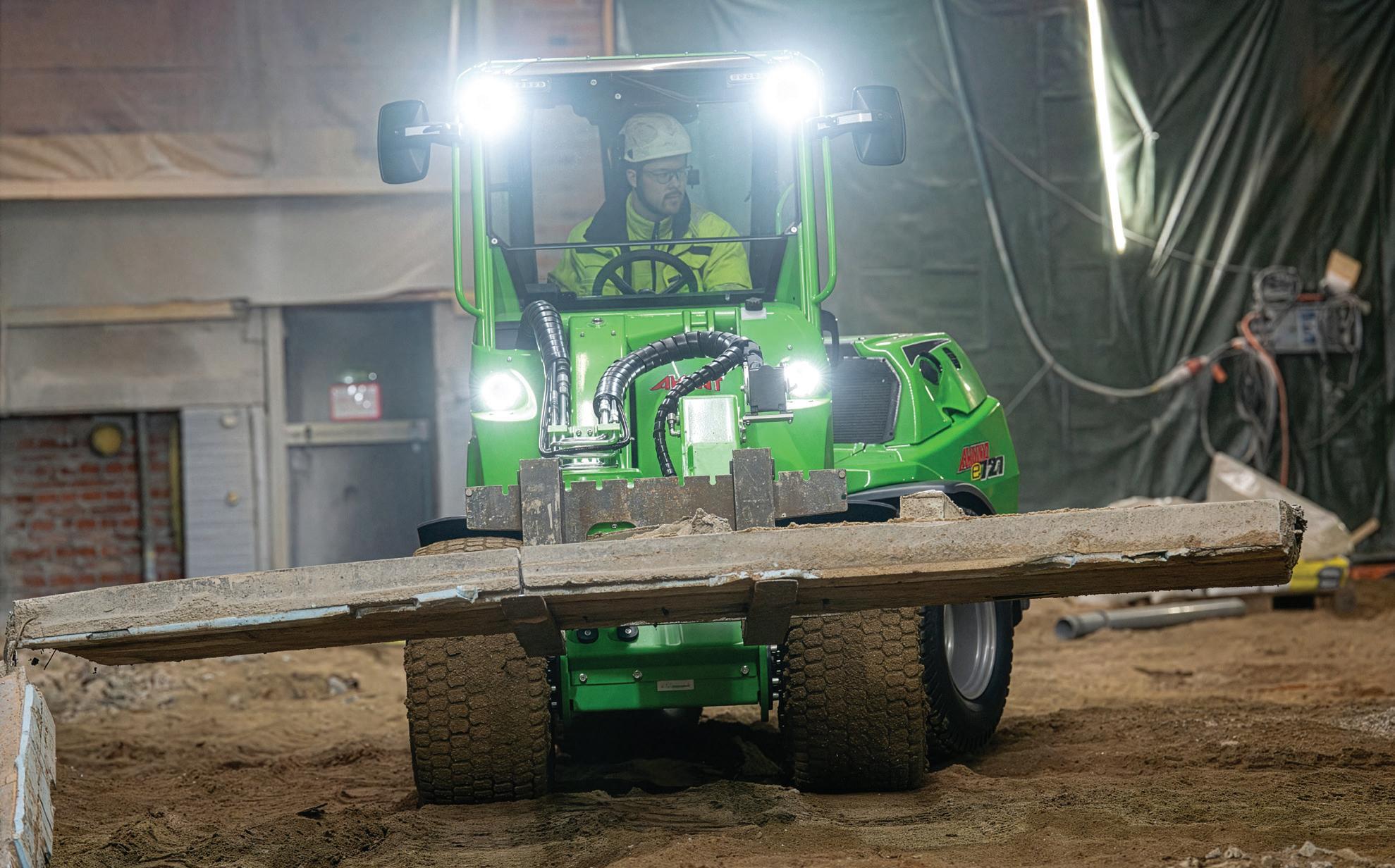
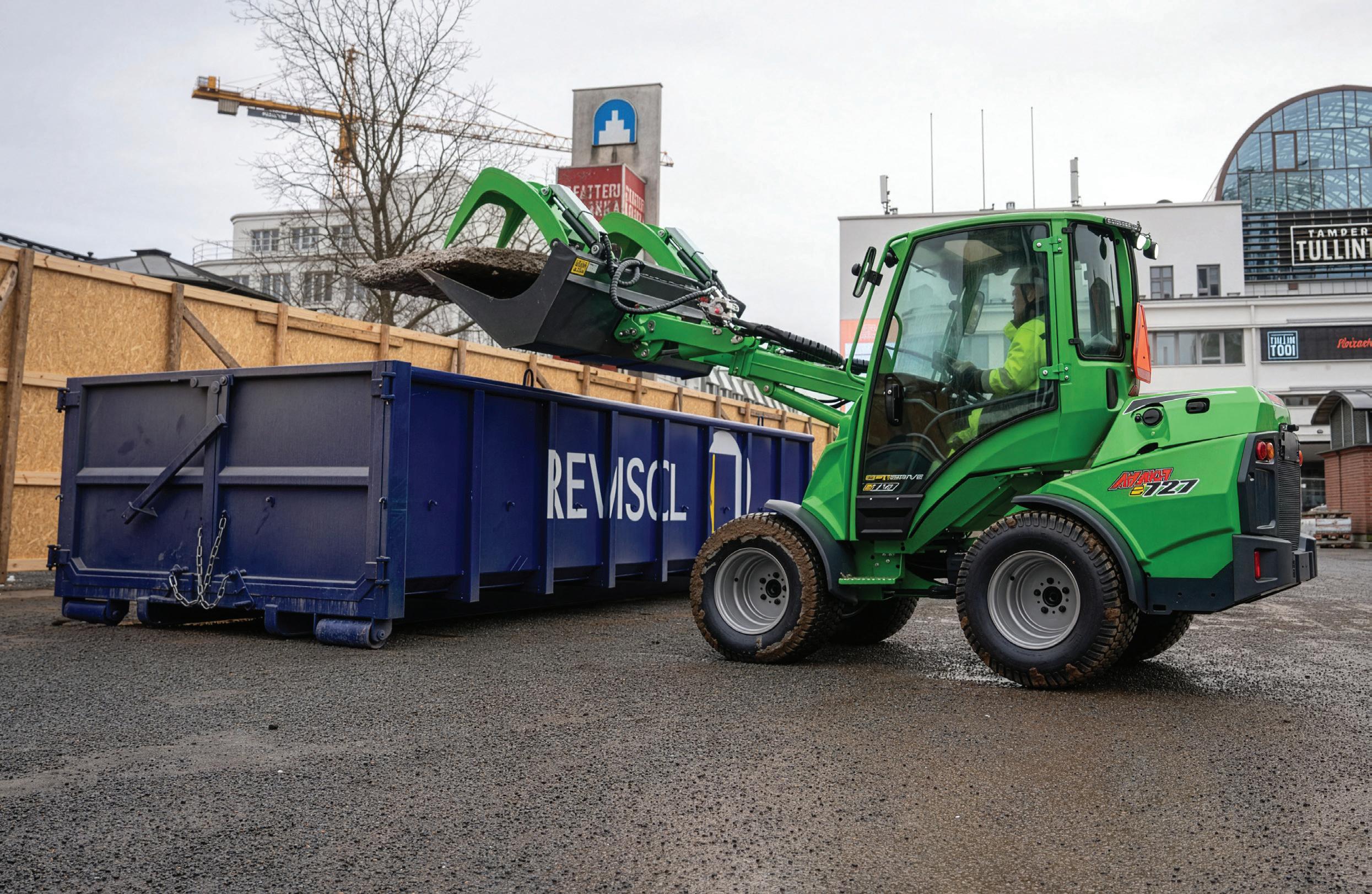
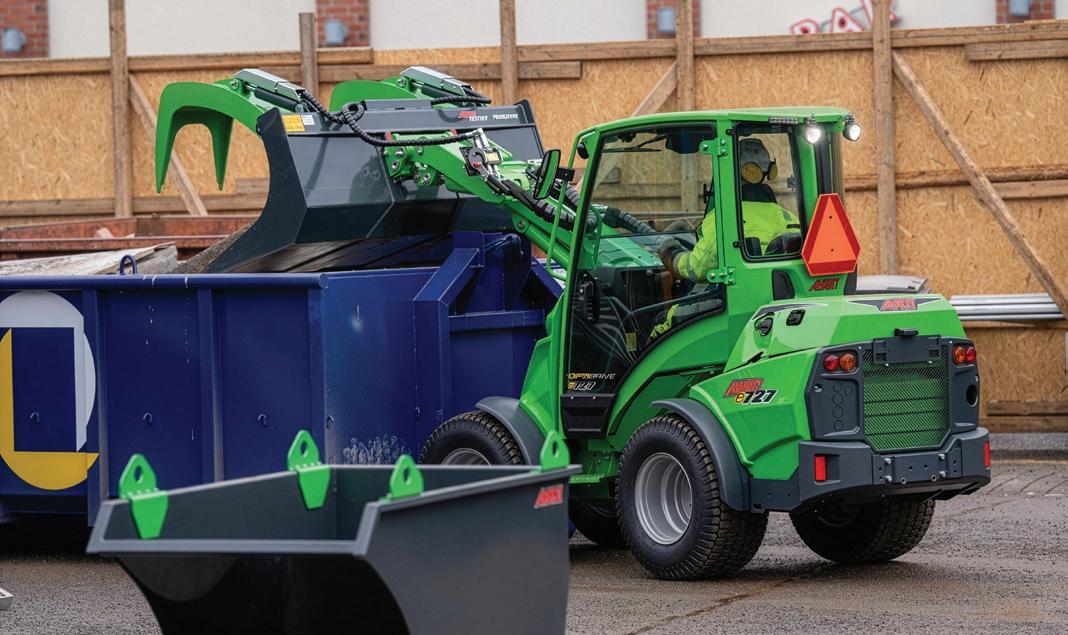
And the technology used within the e700-series is also helping fuel another sustainable first.
The OptiTemp® lithium-ion battery technology used within the latest EV compact loaders is also powering a new range of renewable energy storage solutions.
The new OptiTemp® Cube 100 is a unique product which provides a powerful alternative to traditional generators.
The Cube 100 is a portable, durable and compact power unit designed to power electric equipment and machinery, including charging. Almost silent compared to traditional generators and with zero-emissions, it is particularly suitable for indoor or urban environments.
The Cube 100 boasts premium safety features and can be combined with other Cubes to generate scalable power. It provides 100kwh of mobile energy, output as either 230v (single phase) or 380-480V (three-phase) and is compliant with UN and EU regulations. Each unit can be carefully positioned with a conventional loader and forks.
Together, the e700-series loader and OptiCube demonstrate how electric machinery and smart energy storage can work seamlessly to reduce emissions and costs - whilst boosting productivity.
Part of the Avant family, Leguan are the world’s first all-terrain spider lifts – providing access to heights, whatever the surface.
Owned by Avant, all Leguan products are also designed and manufactured in Finland, sharing the parent company’s classleading approach to quality and flexibility.
Large wheels and all-terrain tracks enable Leguan lifts to be positioned wherever they are needed, on almost any surface, however uneven. Leguan’s design provides extremely stable operation and the intuitive controls make it easy to move between the ground and wherever the user is working.
The Leguan range features the 130, 175, 195, 225, 265 capable of operating up to 13m, 17.5m, 19.5m, 22.5m and 26.5m, respectively.
Their superior build quality, class-leading safety features and ease-of-use have made them popular with rental companies and owner/operators alike.
Not only green in colour, the new Avant e700-series electric multifunctional loader looks set to be the go-to choice for users looking for sustainability without compromising performance.
The e700-series matches the performance of its dieselpowered peers without costing the planet to be truly ‘green’.
For farmers, landscapers and other outdoor professions, electrified machinery provides many advantages and, coupled with over 200 attachments, the e700-series will deliver thousands of hours of hard work for many demanding tasks.

EMOTIONAL WELLBEING
MENTAL HEALTH
RELATIONSHIPS
LONELINESS
TRAUMA SUPPORT
BULLYING
LOSS & BEREAVEMENT
SUICIDAL THOUGHTS

PHYSICAL WELLBEING
ILLNESS
INJURIES
ADDICTIONS
SLEEP
DIET & NUTRITION
EXERCISE
HORMONE SUPPORT
FINANCIAL WELLBEING
FINANCIAL SUPPORT
BENEFIT ENTITLEMENT BUDGETING DEBT MANAGEMENT
TAX & CIS
LEGAL ADVICE
TRAINING & CSCS FEES

The Executive Hire Show returned to the Coventry Building Society Arena on 11 and 12 February 2026 and, by every measure, delivered another highly successful event for the hire industry.
While the final audited figures will be confirmed in the coming weeks, the early results already point to a strong year for the show. A total of 2,116 budgetresponsible hire industry professionals attended across the two days, with 153 exhibitors on the show floor, including 30 companies exhibiting for the first time. Audience targets were exceeded compared to the 2025 and 2024 events, underscoring the show’s continued draw for the sector.
Visitor numbers were up year-on-year, but just as importantly, the quality of the audience stood out. The halls were busy with decision-makers who came with a clear purpose: to see the latest innovations, place orders, and make the most of the many show-only deals on the latest tools, machinery, and solutions. Exhibitors reported strong, focused conversations throughout both days, with many pointing to tangible business being done on the stands.
Innovation was a clear theme across the show, with a wide range of new products, technologies, and solutions on display, including developments that support more efficient operations and decarbonisation. The Innovation Trail once again proved popular, helping visitors quickly identify new products and solutions across the show floor. Peter and Lucas Haddock interviewed the ten selected companies, with all of the ‘Top Ten’ videos available to view on the Executive Hire Show website.
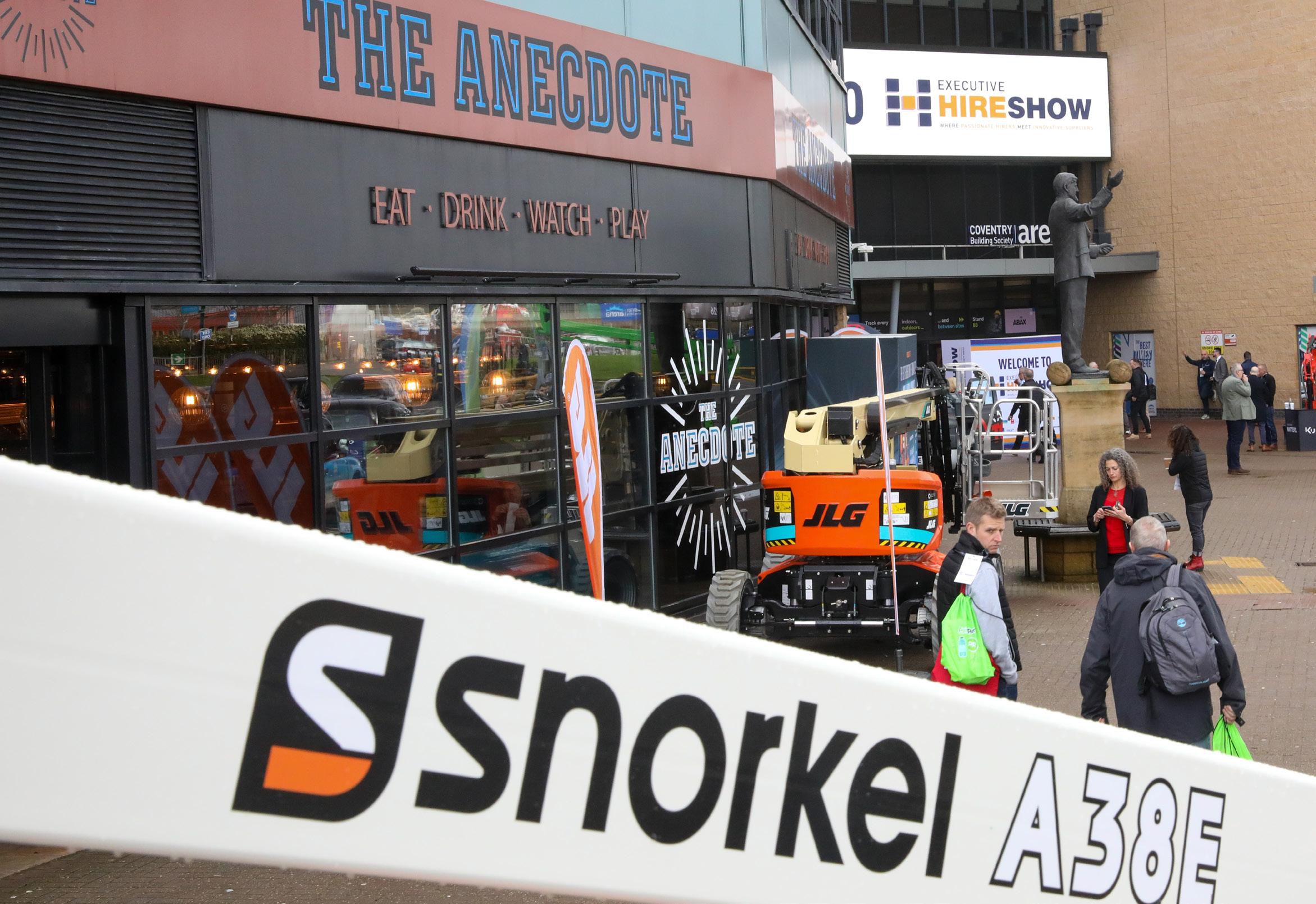
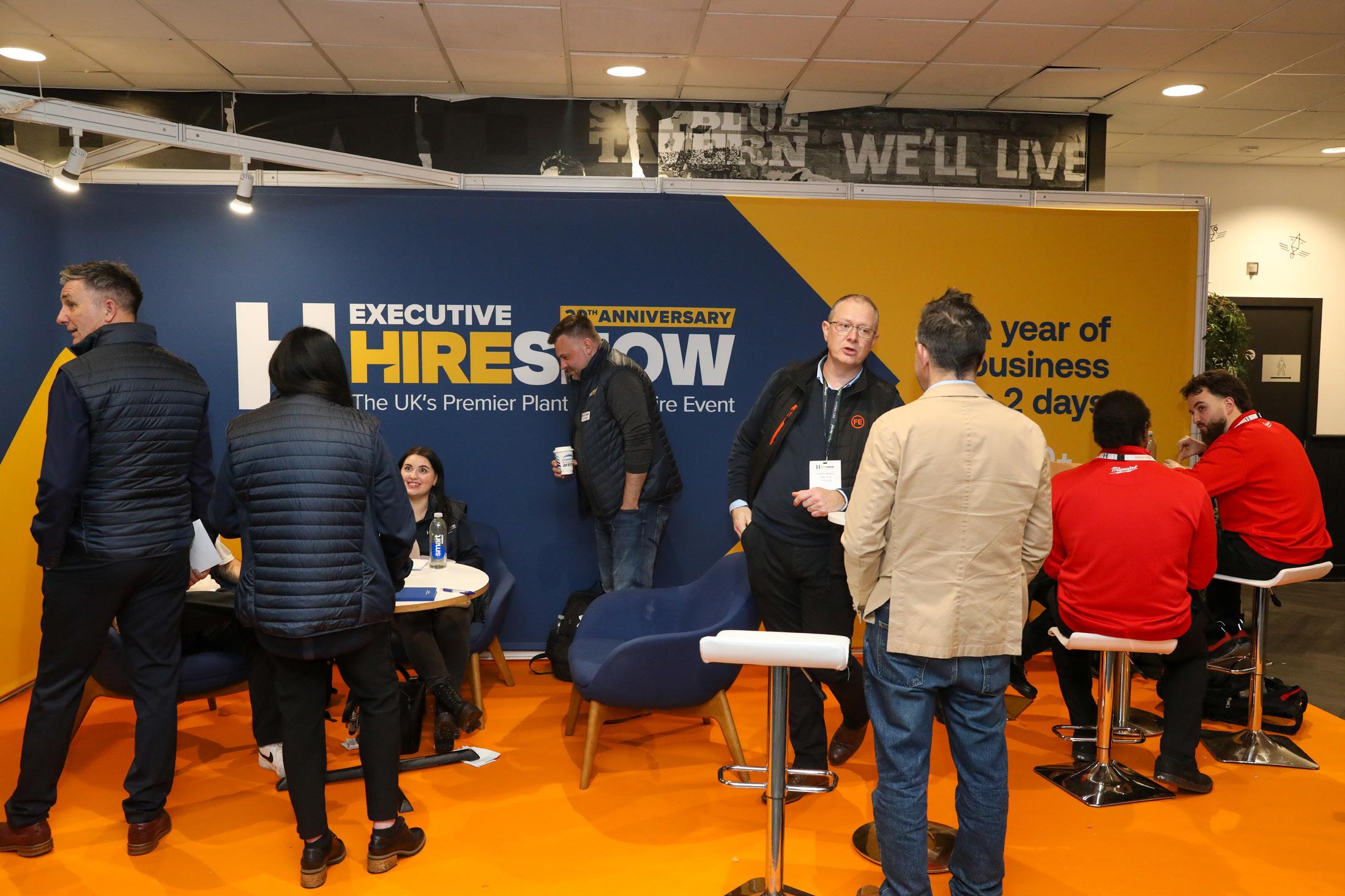
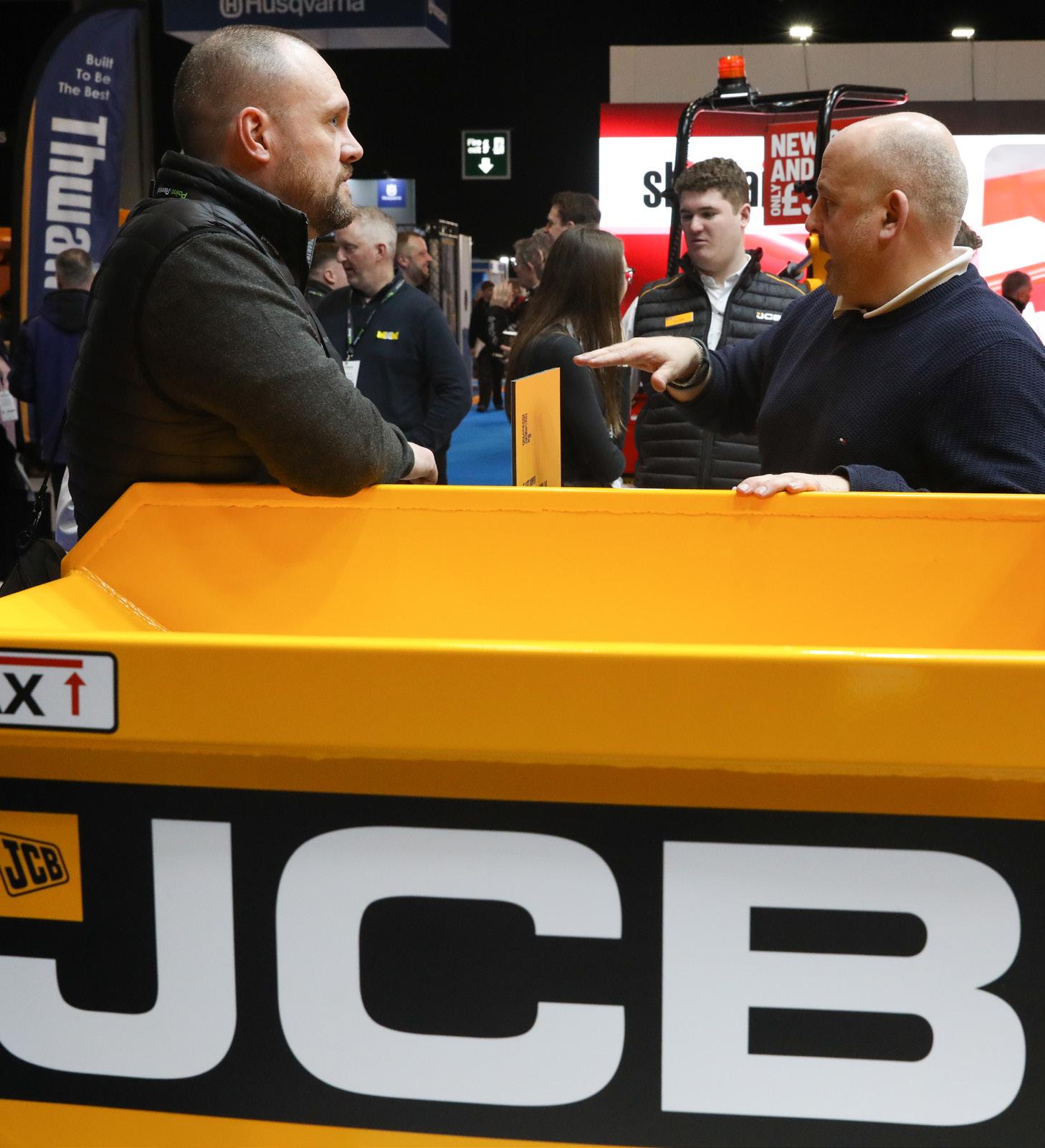
At the heart of the Executive Hire Show is the strength of relationships across the industry, and few illustrated that better than Daniel Koranteng from Premier Plant Hire Africa, based in Accra, Ghana. Daniel travelled to the UK specifically to attend the show and to meet with SANY UK & Ireland, the major plant supplier to Premier Plant & Tool Hire Limited in London. As he develops a mini-excavator hire market in Ghana, Daniel has found his relationship with SANY and Paul Kuebler particularly valuable in building both his knowledge and his business in Africa.
The show also attracted a number of well-known industry voices and content creators, underlining its role as a key meeting point for both buyers and the people shaping conversations across the sector. Among those attending were Nick Drew Digger Man Blog, Ollie Gunns and Ben Wade, better known as Ben the Operator.
Ollie Gunns, content creator and owner of Gunns Contractors, said: “Trade shows are great for lots of reasons. They get you off-site for a day, give you the chance to catch up with people across the industry, and let you get hands-on with the latest equipment before committing to buy. I always come away with something to think about, a new idea for the business, or a conversation that could lead to future opportunities. It was well worth the visit to the Executive Hire Show this year.”
From a commercial point of view, the show floor reflected a strong appetite to do business. Will Redmann, Distribution Manager North at Thwaites, said: “It was great to welcome John Harding, National Sales Manager at KHD Brokk Hire, to the Thwaites stand. KHD are among the first UK hirers to take delivery of two 2-tonne Hi-Swivel all-electric dumpers, in a deal with BTE Plant Sales.”
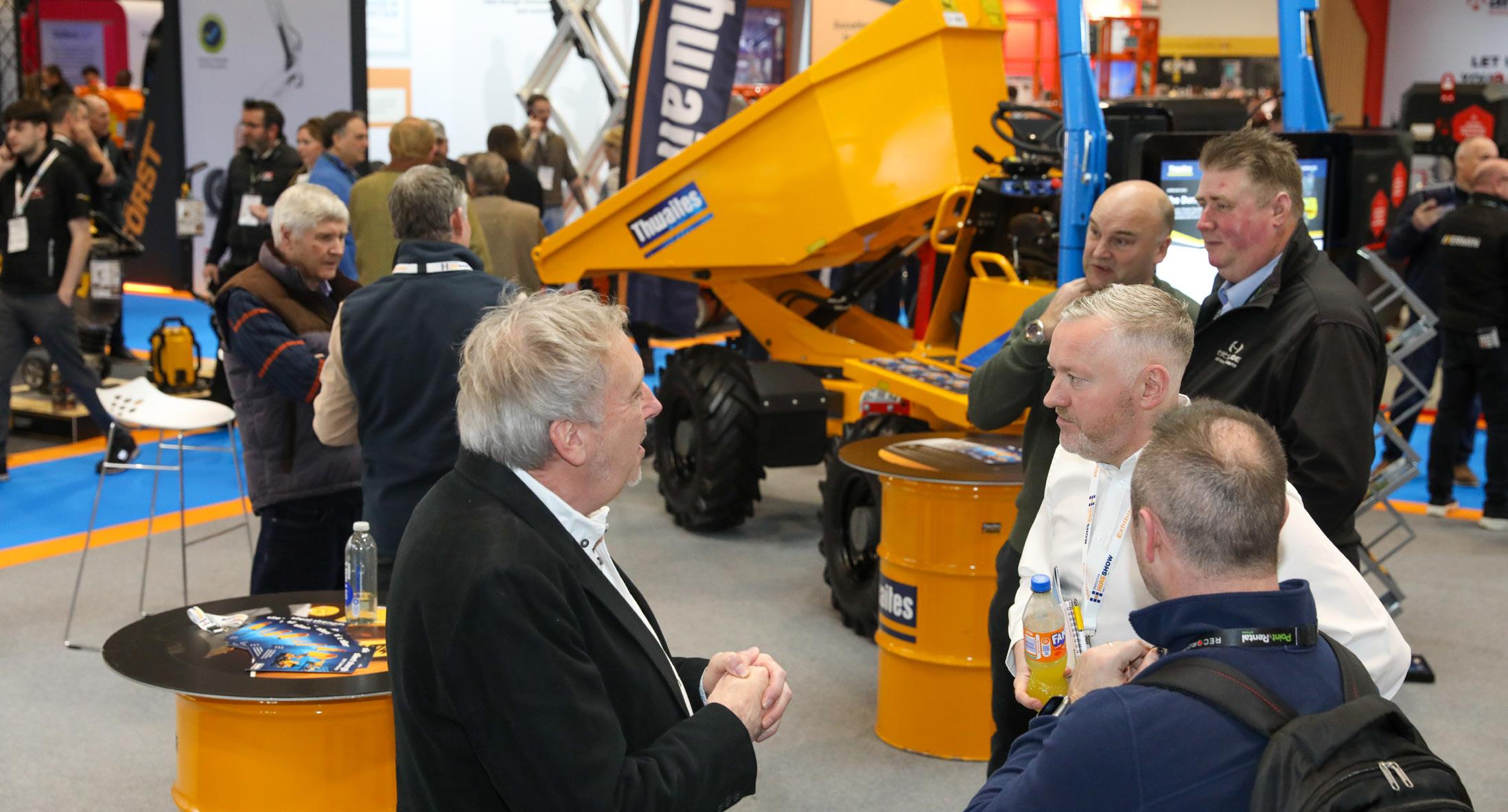
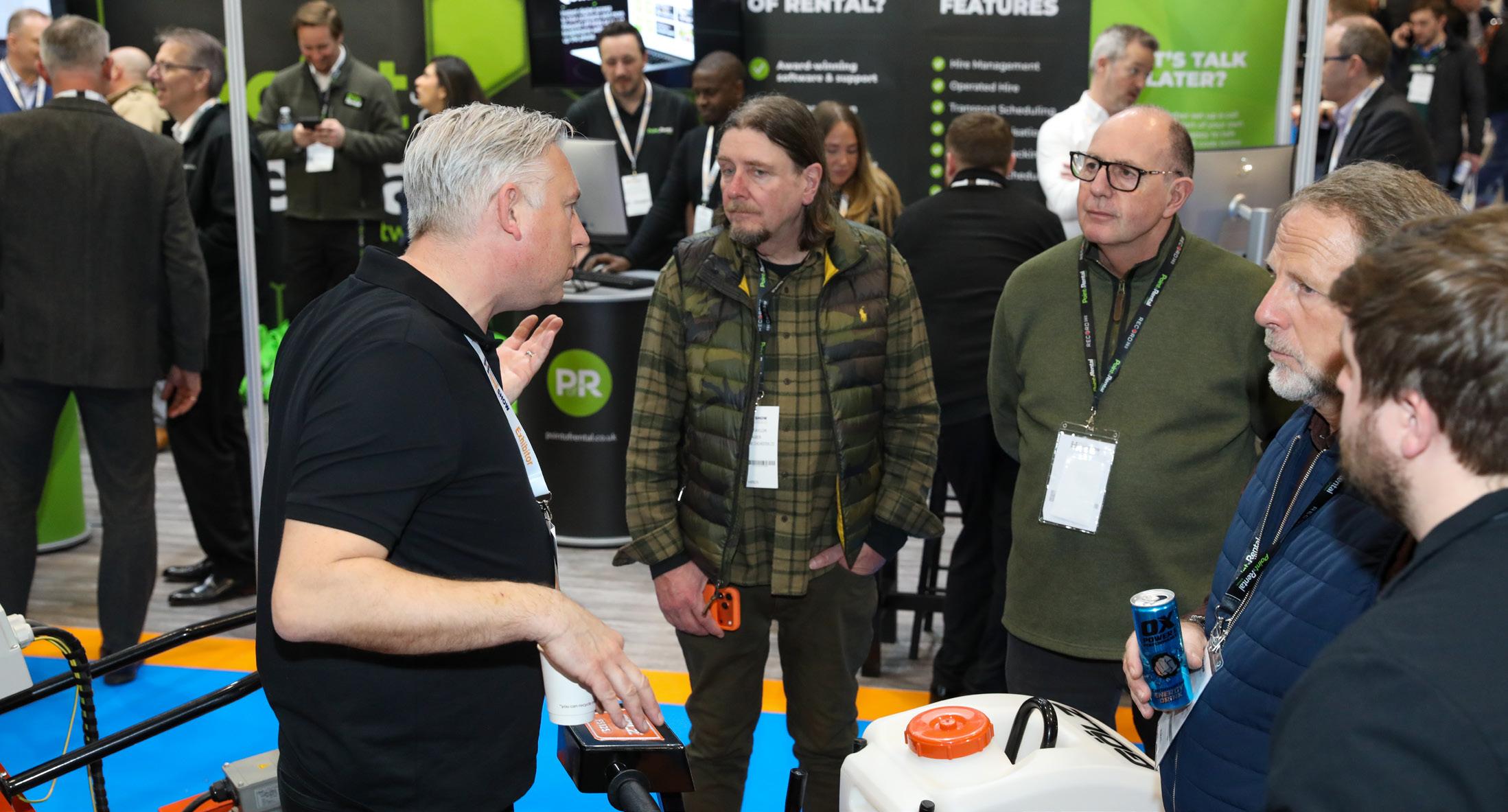

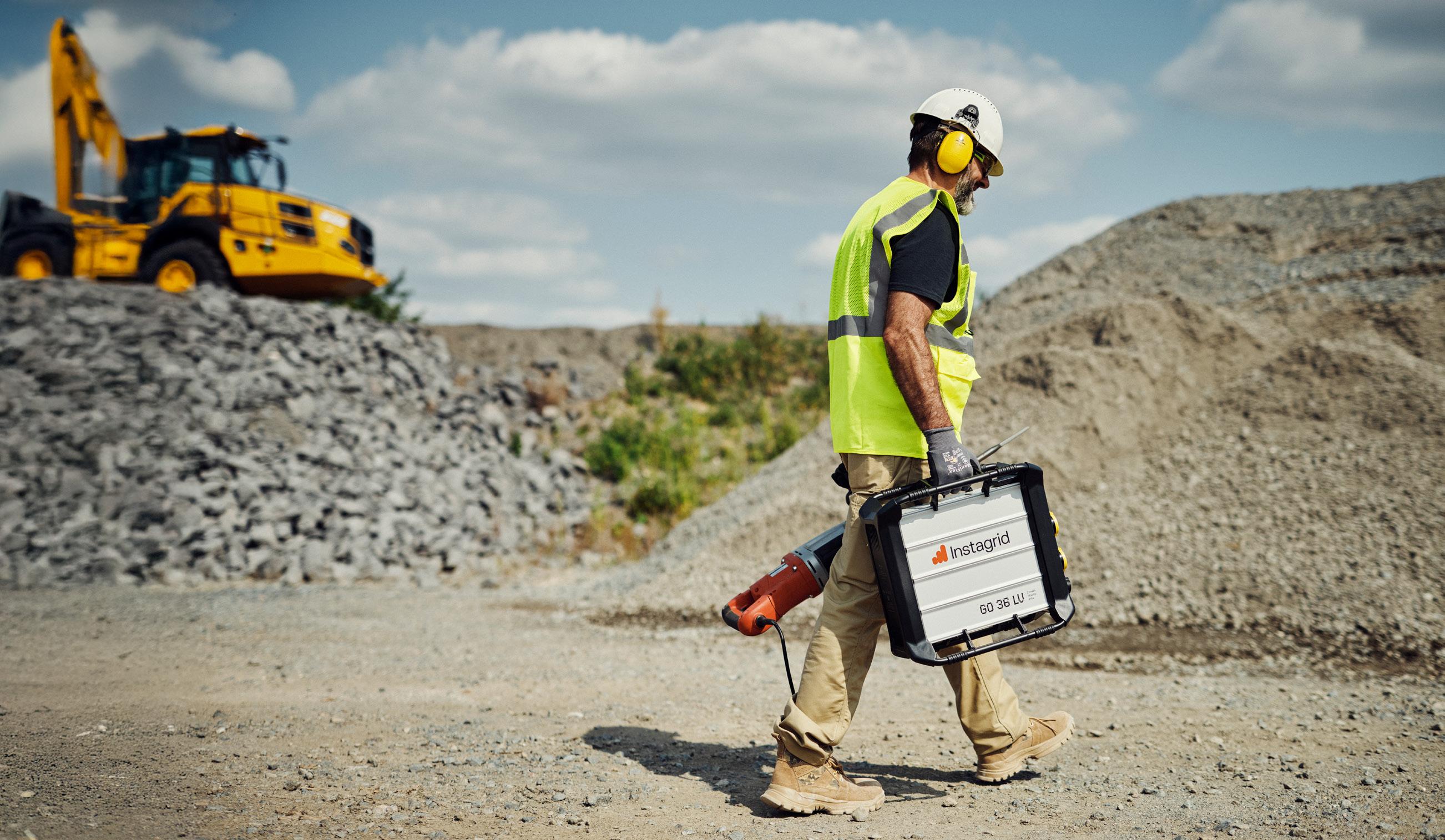
Instagrid is redefining portable power with a sustainable energy solution built to handle even the most demanding equipment –anytime, anywhere.
Trusted across the industry, users say “Instagrid is a game-changer. It’s versatile, reliable, and provides power exactly where its needed - without fuel, noise, or trailing leads. Quick charging, long-lasting, and perfect for complex projects.” Chris Howard, Site Manager at F Parkinson.
Want to break free from noisy generators? Then visit our website to find your local distributor, rental partner, or get in touch with our local team.
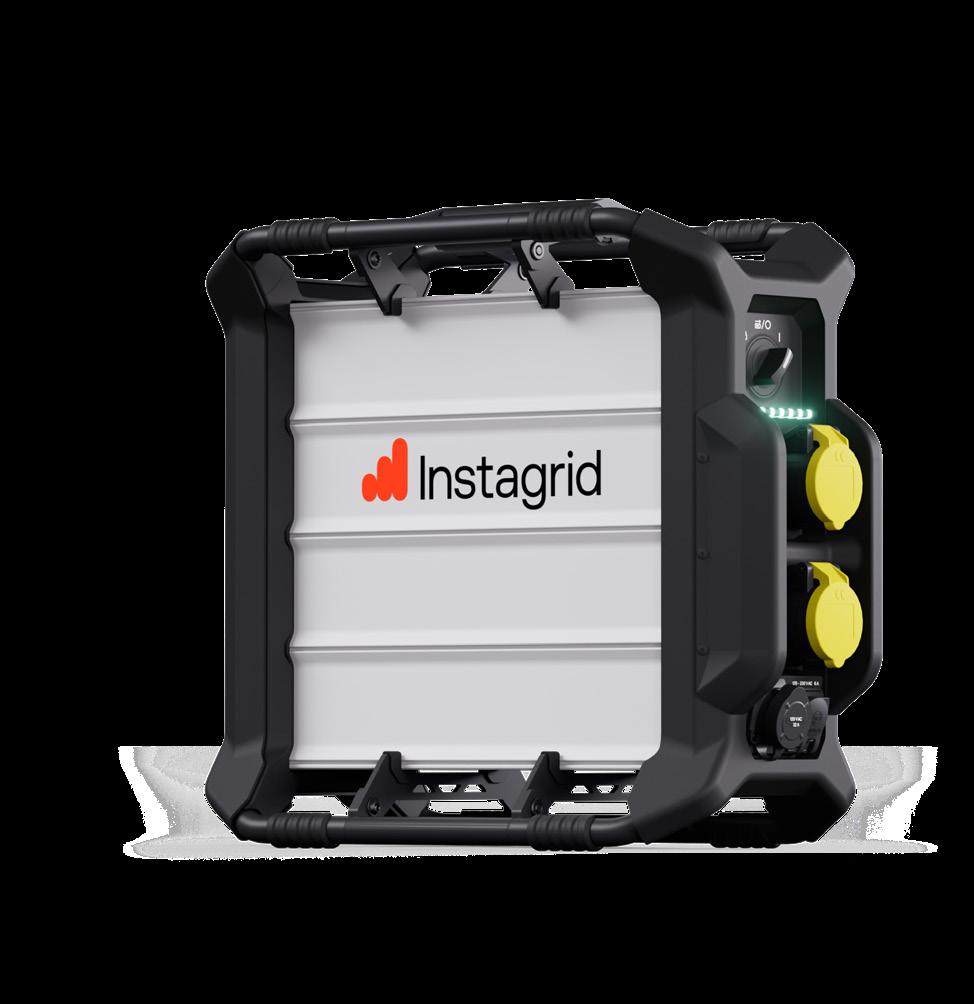
John Harding, National Sales Manager at KHD Brokk Hire, added: “It was a real pleasure meeting the team at Thwaites at the Executive Hire Show. We’re delighted to be the first company in the UK to take delivery of the Electric Hi-Tip Swivel Dumper and we’re looking forward to working together. We’re already planning to take another electric dumper in the near future.”
That momentum was echoed elsewhere on the show floor, including a major order by Stuart Energy Limited for 20 FG Wilson Pro Range Stage V diesel generators (20–60kVA) to strengthen its rental fleet. The agreement was signed by the Stuart siblings – Mark Stuart, Lee Stuart and Jane StuartPuttnam – continuing a long-standing relationship with FG Wilson that now spans 40 years.
Mark Stuart said: “Signing this deal at the Executive Hire Show makes it even more special for us. FG Wilson has been a trusted supply partner for 40 years, and that relationship really matters. These generators will go straight into our rental fleet to
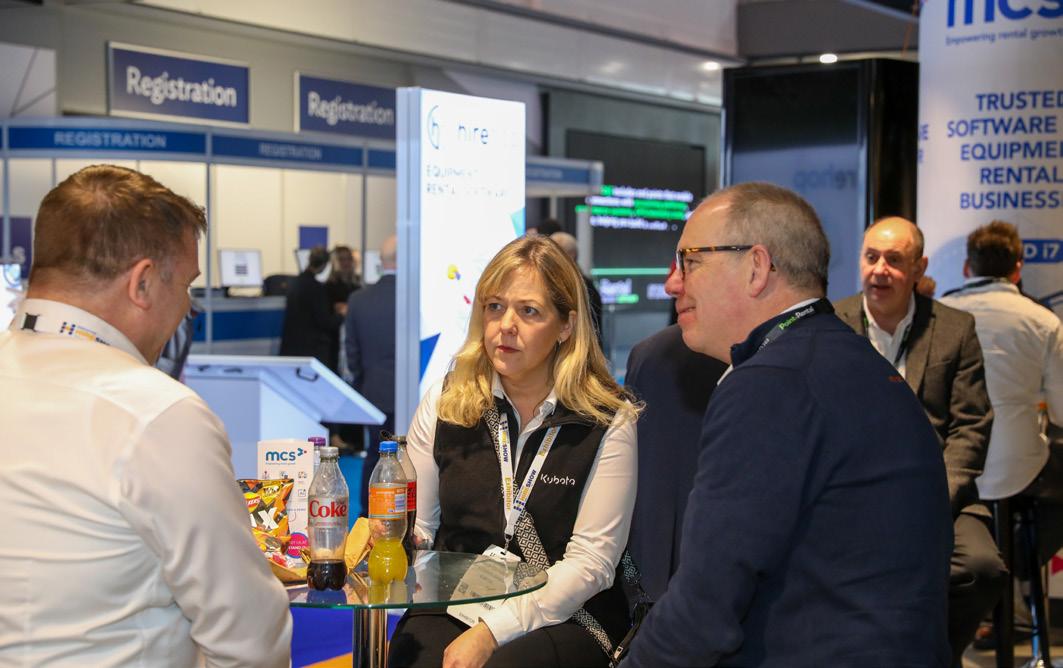
support our customers with reliable, modern kit. The Executive Hire Show is where the industry comes together and where proper business gets done — and this deal is a great example of that.”
Andy Munford, Managing Director at Shindaiwa, said: “This was certainly one of the best Executive Hire Shows yet. It’s always a real highlight in our calendar and this year delivered on every front. We had a great couple of days in Coventry and would like to thank everyone who took the time to visit the stand and place orders. We’re already looking forward to next year.”
Julie Houston Smyth, Managing Director at LOLEX Ltd, said: “We had a great two days at the Executive Hire Show with our supplier, Navigator Lifts. The stand was busy throughout, with strong interest from customers. The Ranger low level access mast and the Navigator 6.0 both attracted a lot of attention, with the Navigator 6.0 standing out as the only fully manual, power-free push-around scissor platform on the market.”
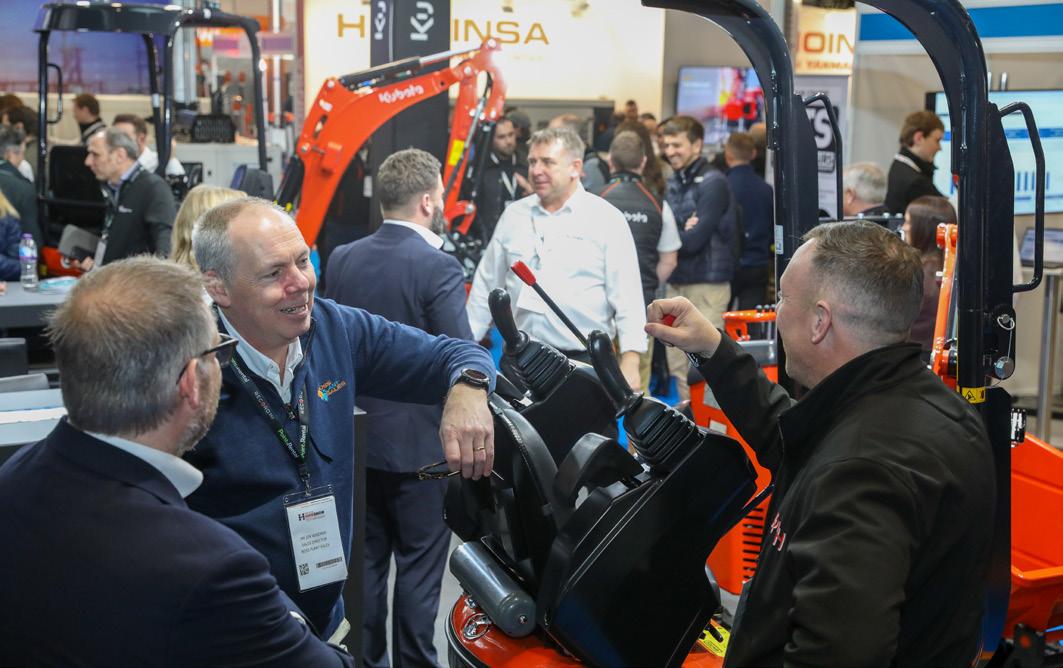
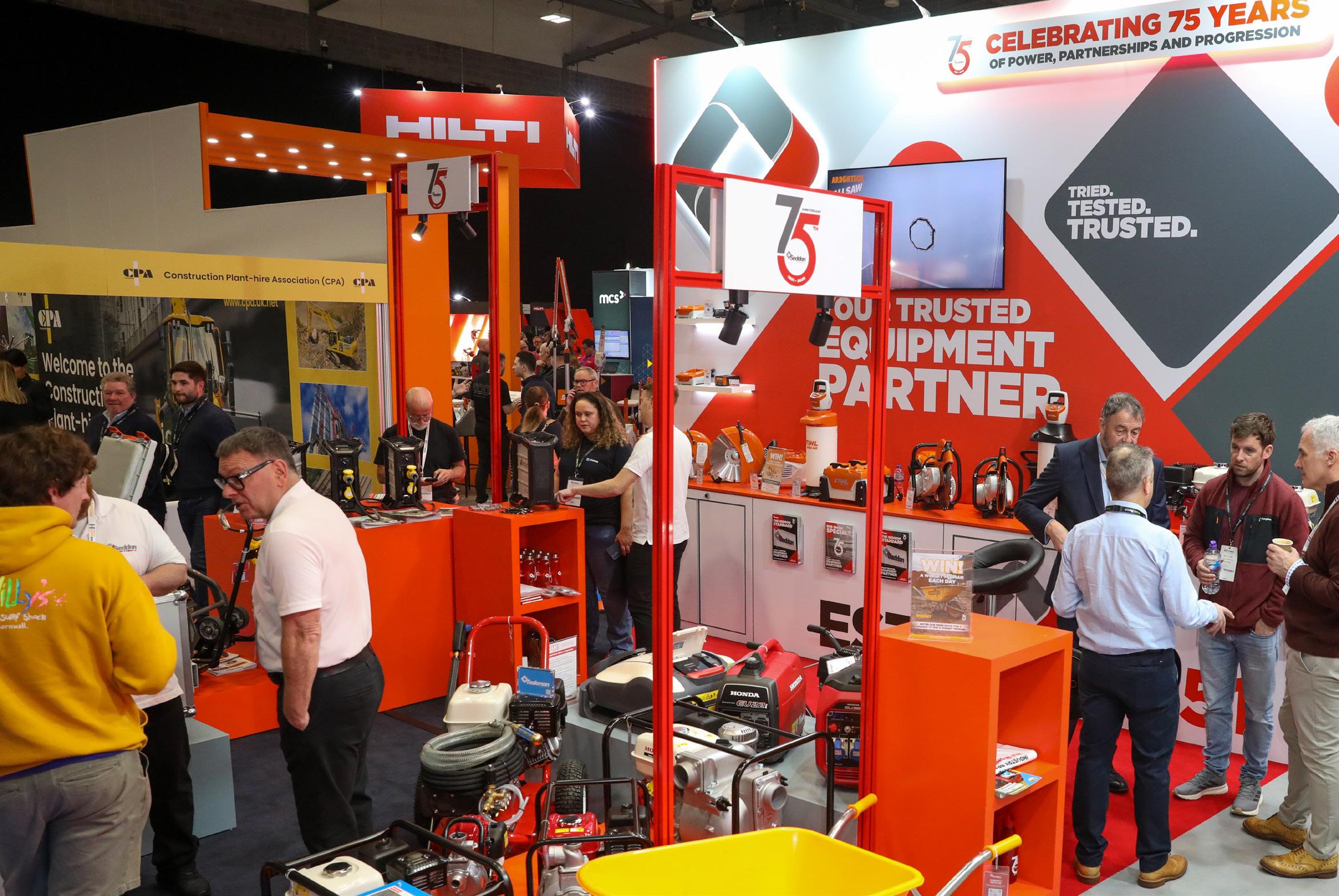
Klint Mills, National Sales Manager at Fuelco UK & Ireland, part of the Eredyne Group, said: “The Executive Hire Show was a great success for us at Fuelco and a really worthwhile event for the team.”
Peter Beach, Director of Marketing at Groundhog, said: “I’d like to thank everyone at the Executive Hire Show for organising another successful event. It was brilliant to catch up with hire professionals from across the sector, and we really appreciated the number of visitors who took the time to come and talk to us about Groundhog.”
Steve Smith, Area Sales Manager at Skyjack UK, said: “After a busy few days at the Executive Hire Show, the Skyjack Europe team would like to thank everyone who visited the stand. We really value the relationships we have with our customers and friends, and we appreciate their continued support.”
Damian McCabe, CEO of DyMac Global, said: “Thank you to everyone who took the time to visit us at the Executive Hire Show 2026, and a big thank you to the EHS team for putting on
a great show.”
From a visitor’s perspective, the business value of the show was just as clear. Will Gough, Managing Director at Dudleybased Will Hire Ltd, said: “It was a really good trip to the Executive Hire Show. It was great to catch up with suppliers and fellow hire companies, and we’ve got fleet purchases inbound as a result.”
Anthony Rees, Managing Director at Rees Plant Services, added: “What an excellent day at the Executive Hire Show. There were lots of new products and new ideas on show, and we also came away having done an excellent deal with Gunn JCB.”
Brian Jones, Chairman of the Construction Plant-hire Association (CPA), said: “We had a great show at the Executive Hire Show at the Coventry Building Society Arena. It was excellent to catch up with so many CPA members and contacts, and to make some new connections. Thanks to the organisers for putting on such a strong event.”
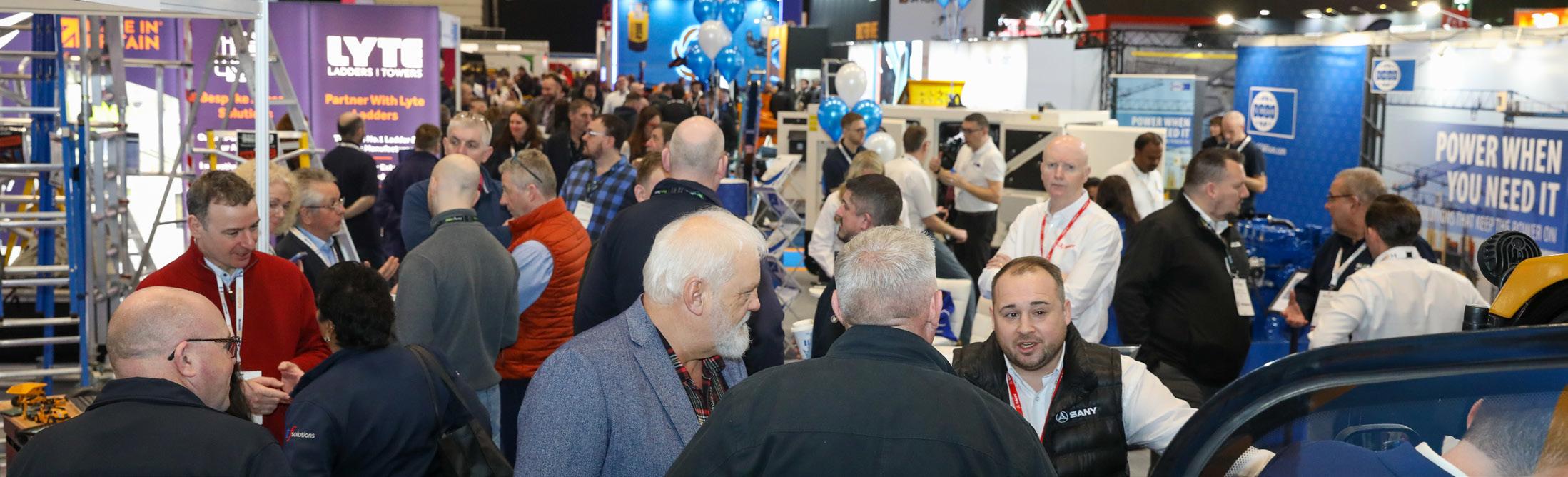
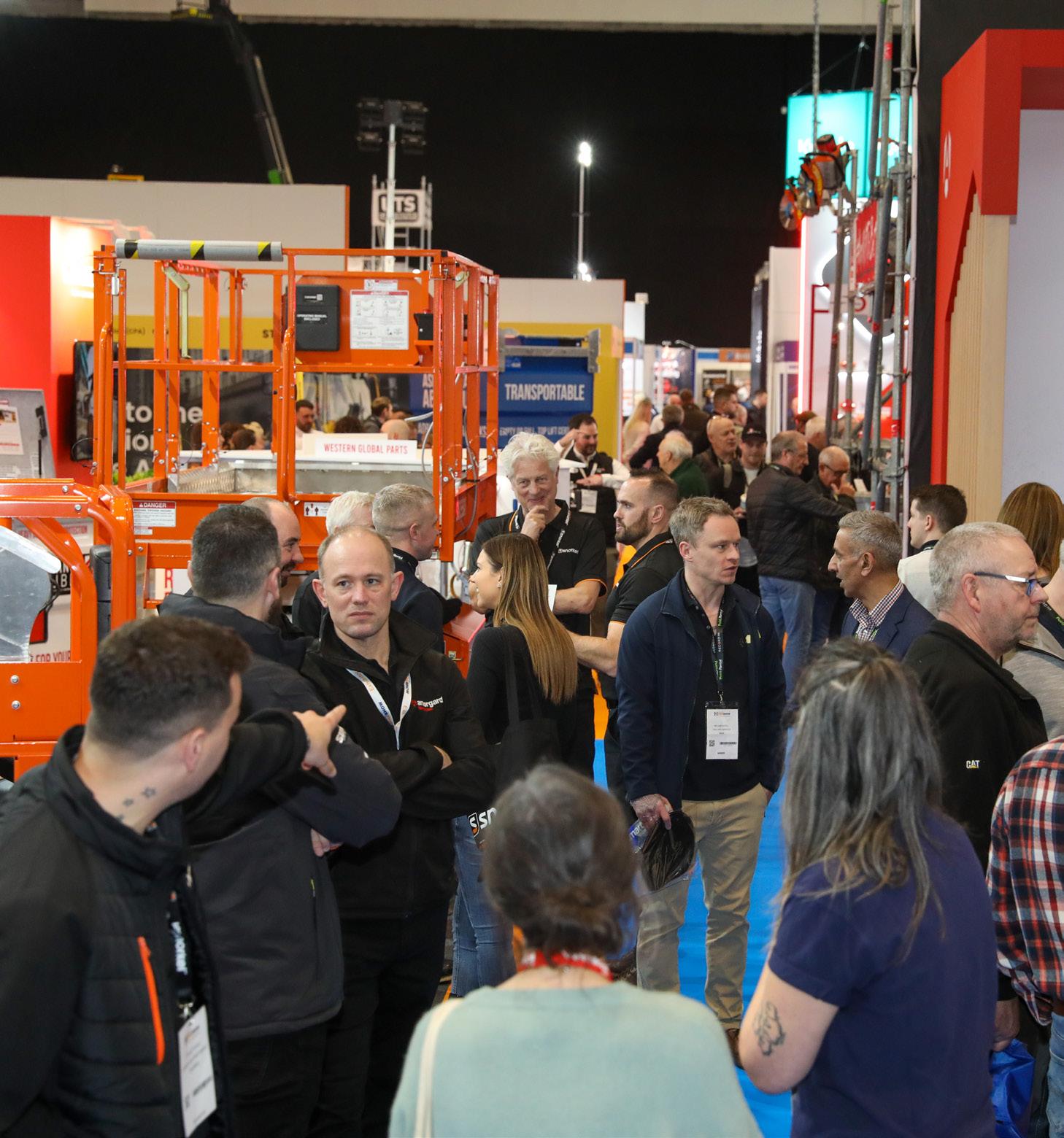
Roger Verallo, Managing Director at Euro Towers Ltd and past Chairman of PASMA, said: “What a fantastic two days. It was a really great show and brilliantly organised. Our team would like to thank everyone who stopped by our stand – the support and interest we received made the whole event a major success. Well done to everyone involved.”
Jade Allen, Sales Manager at International Platforms, said: “The Executive Hire Show 2026 proved to be a highly productive and insightful event for our team. As the first major date in the industry calendar, it really does set the tone for the year ahead, and it gave us a great opportunity to meet face-toface with suppliers, manufacturers, customers and colleagues all under one roof.”
The first day of the show also saw the return of the Passionate Hirer Awards, held on Tuesday 11 February and attended by around 200 exhibitors and senior figures from across the hire sector. Hosted by England rugby star David ‘Flats’ Flatman, the ceremony took place in front of a packed room. Alide Hire and Hire Services Southern took top honours
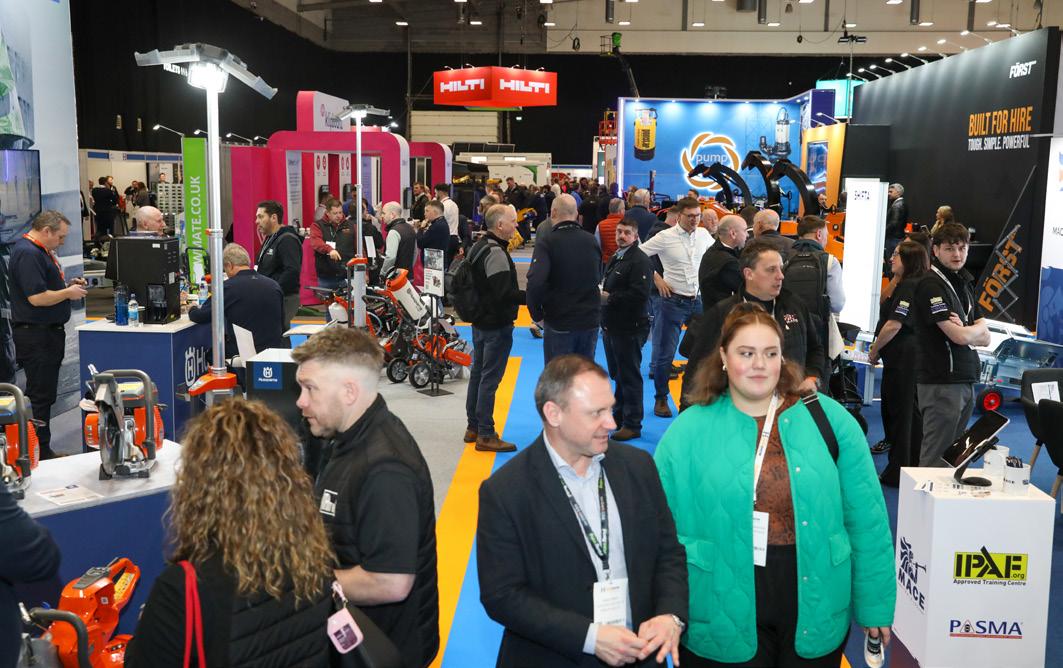
on the night, while Josh Llewellyn, Chairman of the Gaia Group and MHM Group, received both a Special Recognition award and the ‘Industry Legend’ award.
Reflecting on the event, Chris Moore, Publishing and Event Director, said: “What stood out this year was not just the volume of business being done, but the breadth of new products and ideas being brought to market. Across the Show, we saw genuine innovation, from new equipment and technologies through to solutions supporting decarbonisation and more efficient operations. Just as importantly, the continued loyalty of both exhibitors and visiting hire companies shows the Executive Hire Show remains a trusted meeting place for the industry. The conversations and partnerships that start here extend well beyond the two days of the event, and that is what gives the show its real value.”
Looking ahead, the Executive Hire Show will return to the Coventry Building Society Arena on 10 and 11 February 2027, marking the show’s 20th anniversary at the home of hire.
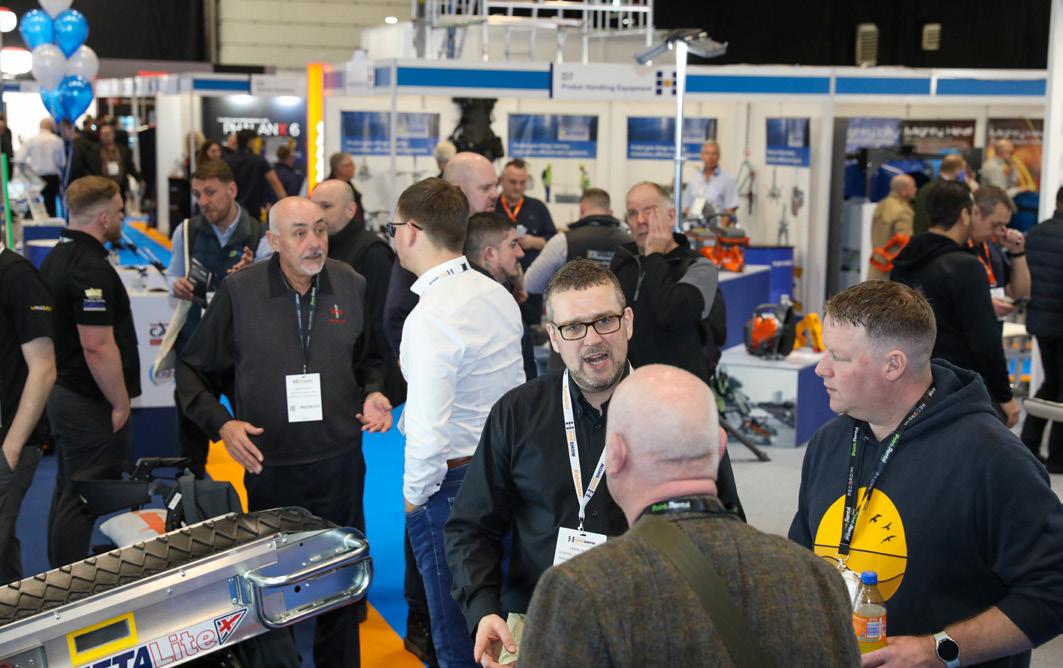
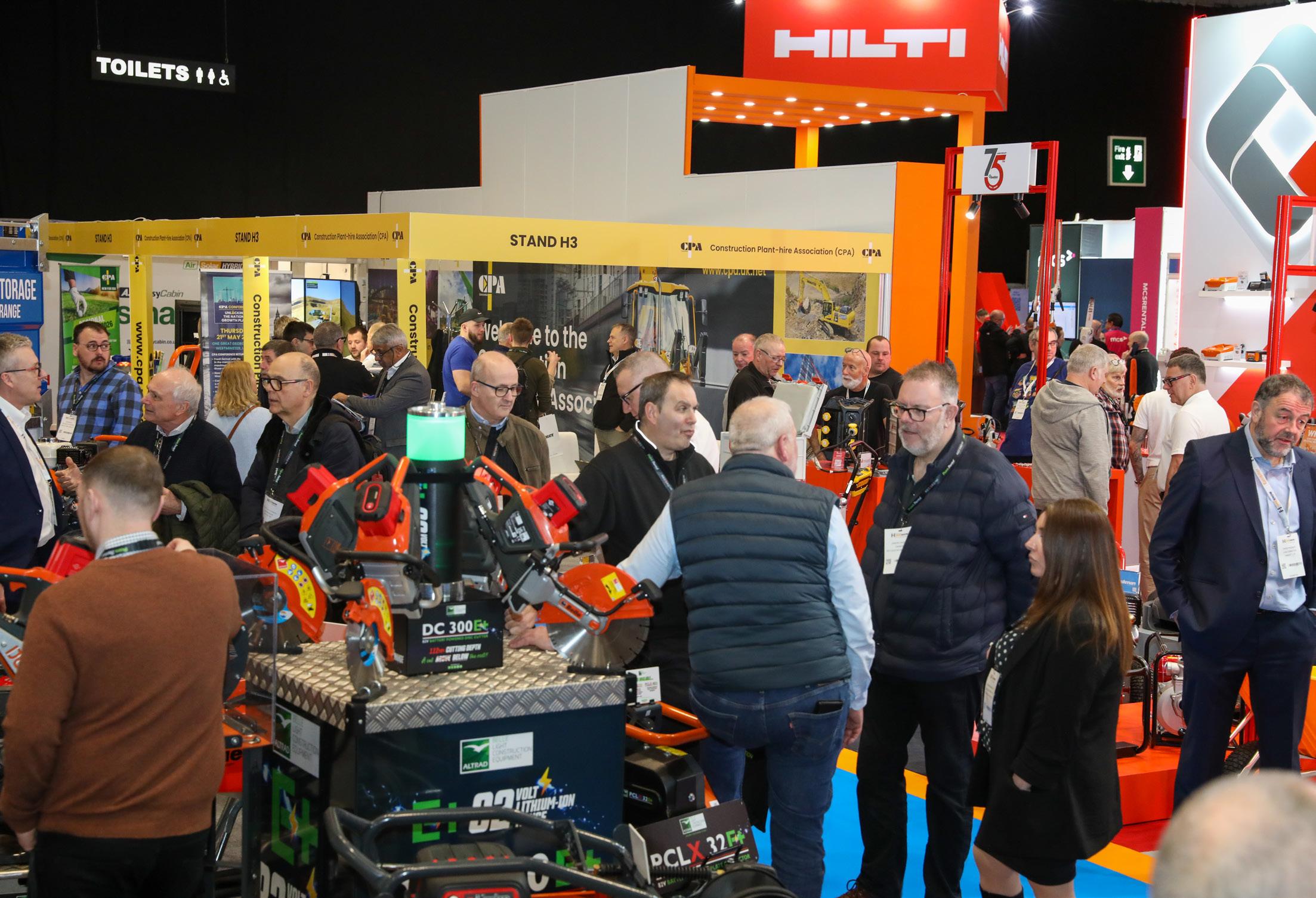
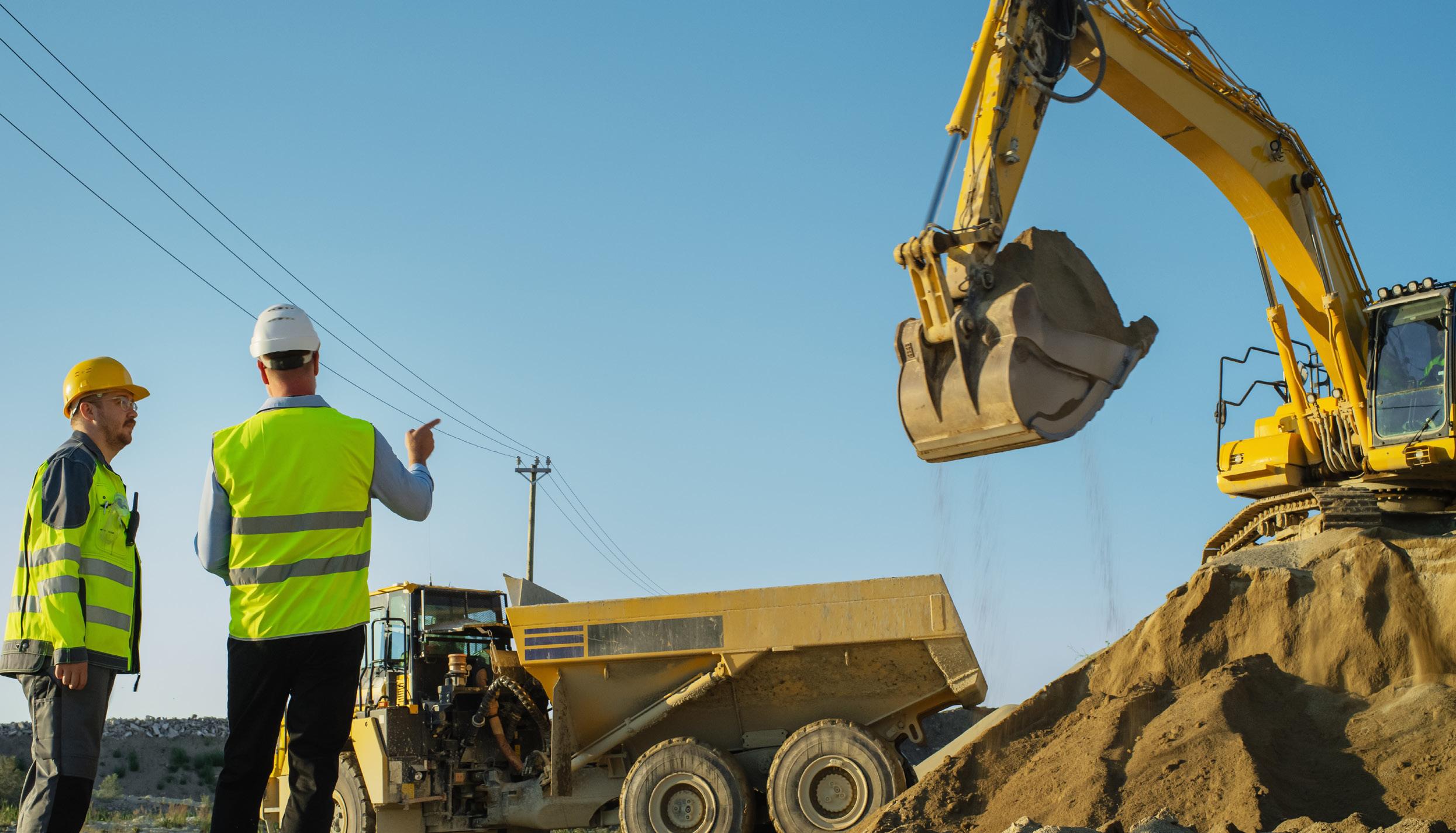
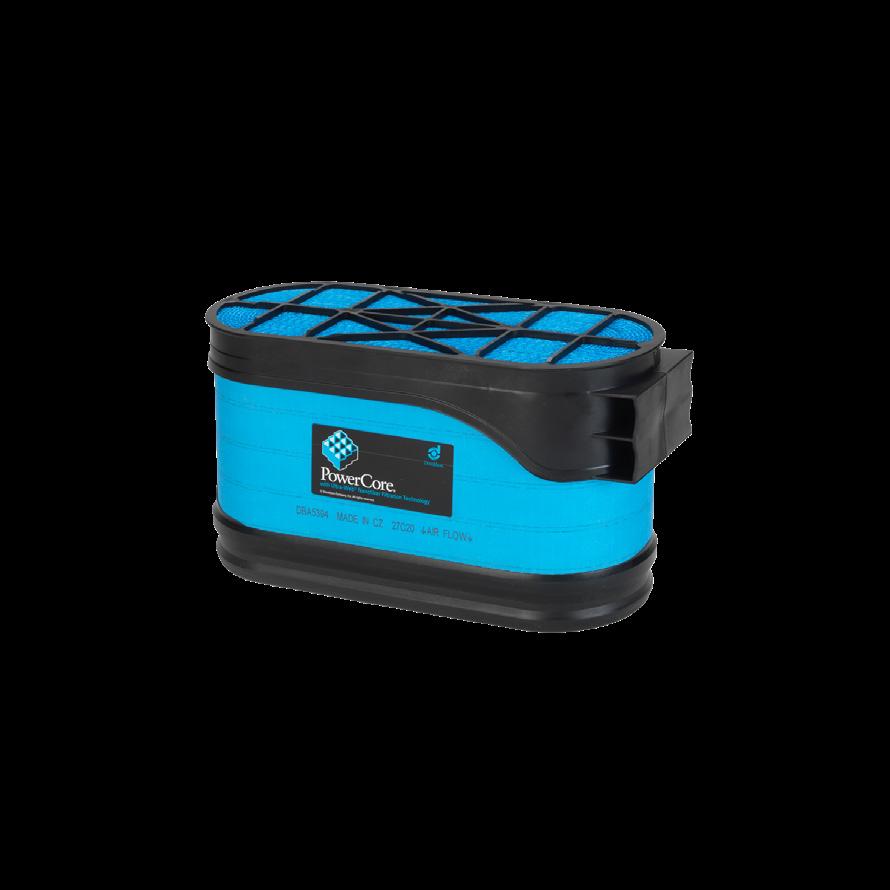
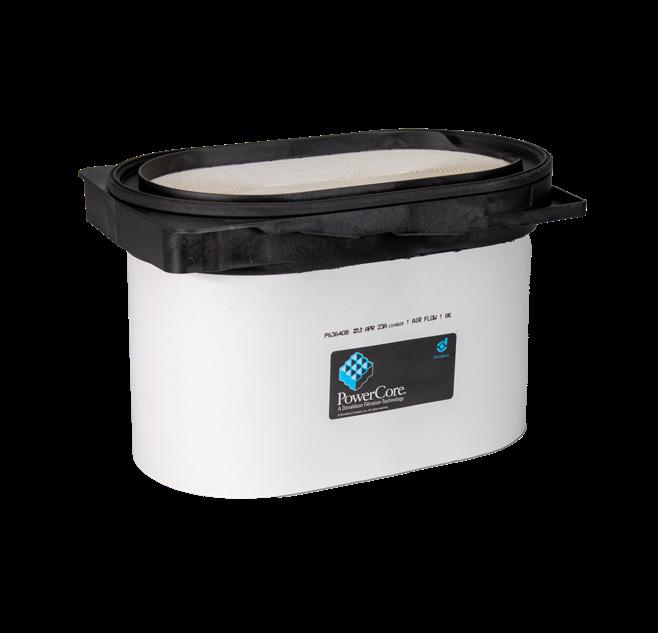
Enhances


REMAN offers the reliable performance of a new part, backed by the same warranty and rigorously tested to meet OEM quality, at a lower price.
REMAN is rebuilt to last:
• Remanufactured to OEM quality by a team of specialised technicians.
• Verified on in-house test benches that simulate real-life working conditions.
• Backed by the same warranty as new parts.


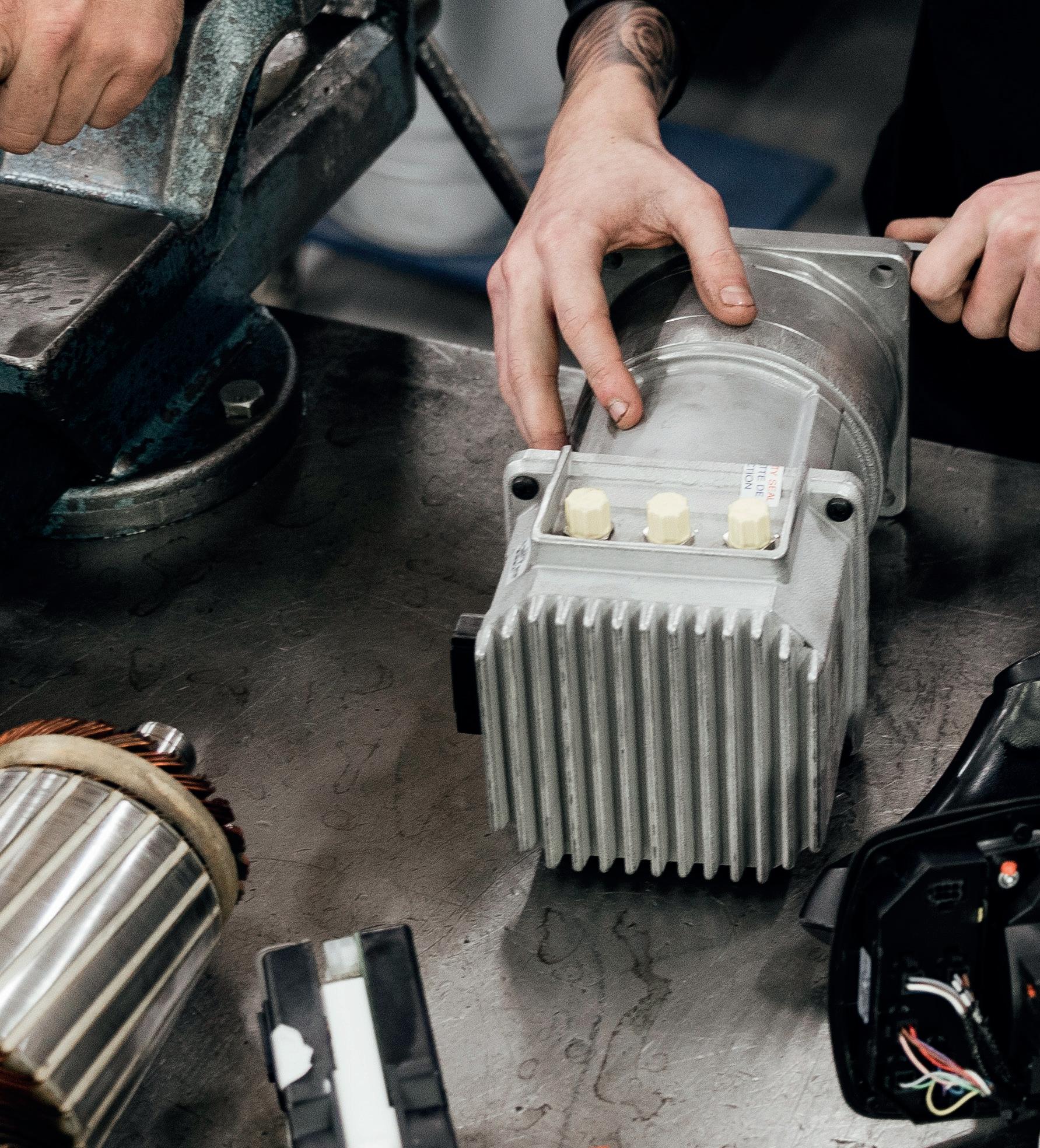
SCAN TO DISCOVER OUR REMANUFACTURED PARTS.
Managing Editor Rebecca Phillips sits down with
George Wheeler of Ace Plant to discuss why their specialist service makes them such a strong player in the UK hire market.
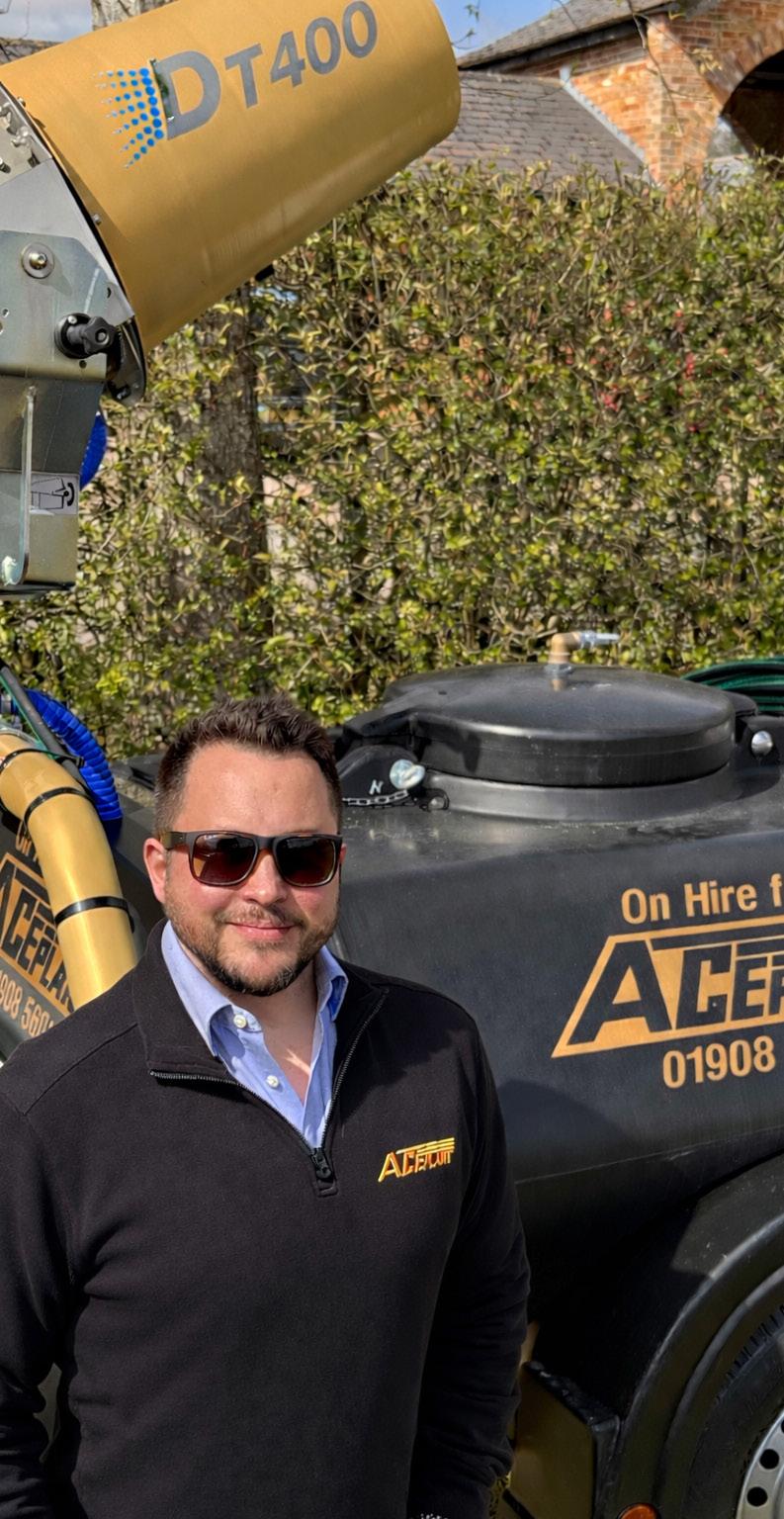
It’s happened to all of us, hasn’t it? A problem pops up that has no easy fix. And the longer you leave it, the bigger the problem gets. It’s a nightmare! Unless, of course, you know who to go to for a fix. Ace Plant is one such company.
Home of the Bundie Bowser, Ace Plant was established in 1973. They have well over 50 years of experience when it comes to plant hire and sales, but don’t let that fool you into thinking that is all they do. According to George Wheeler, Director of Ace Plant, their biggest strength is their bespoke solutions and thinking outside of the proverbial box. I was lucky enough to sit down with both George and Neil Hedley, Operations Manager, to look at what makes Ace Plant the business they are today.
R: So, how long have you been at Ace Plant?
G: I came into the business in 2016 when the former founders decided they wanted to retire, and my family purchased the business, but Ace Plant has been around for a long time. Under the radar a little, perhaps, as we’re known for dust suppression solutions, bulk fuel storage solutions, and agricultural equipment.
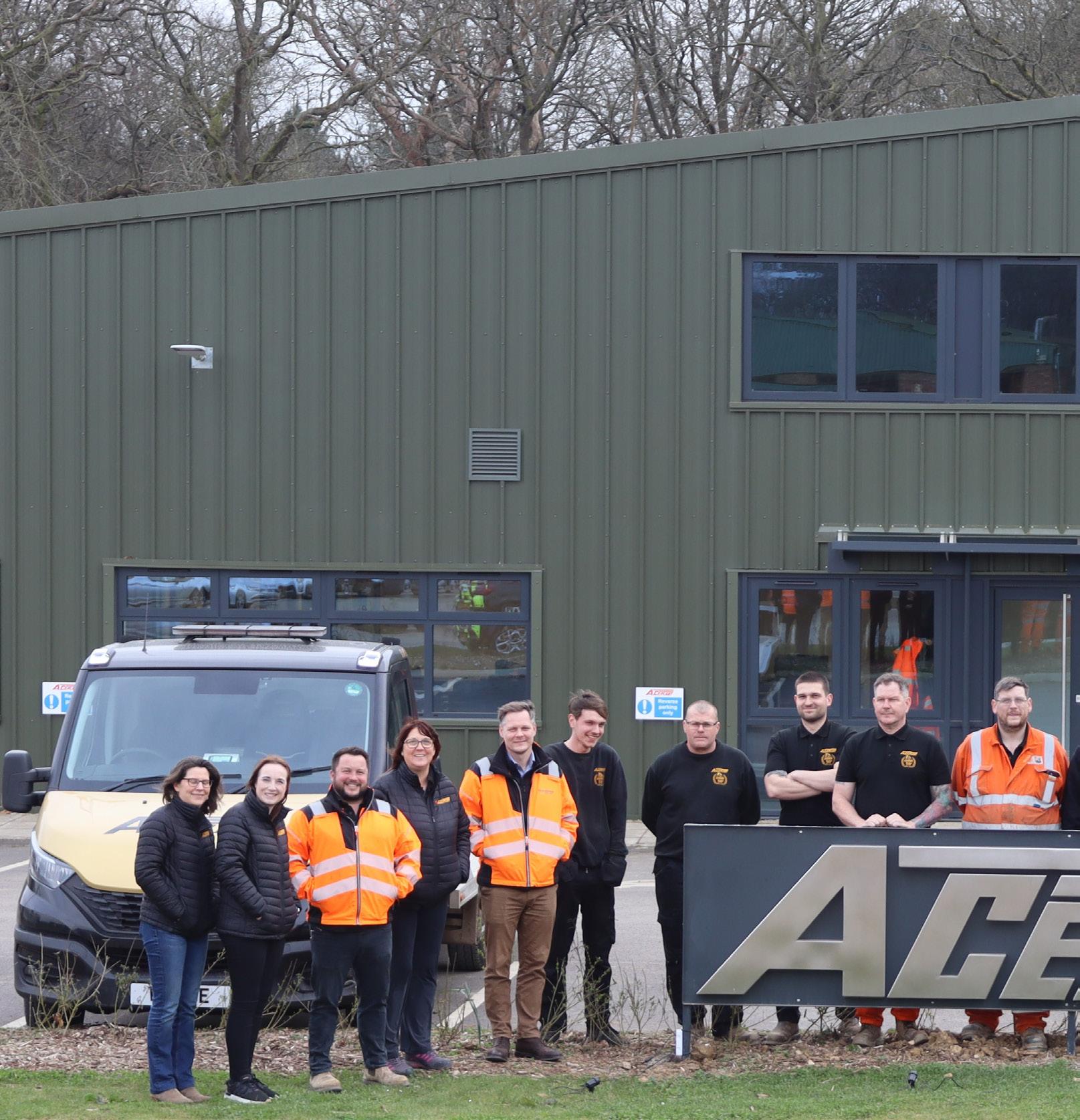
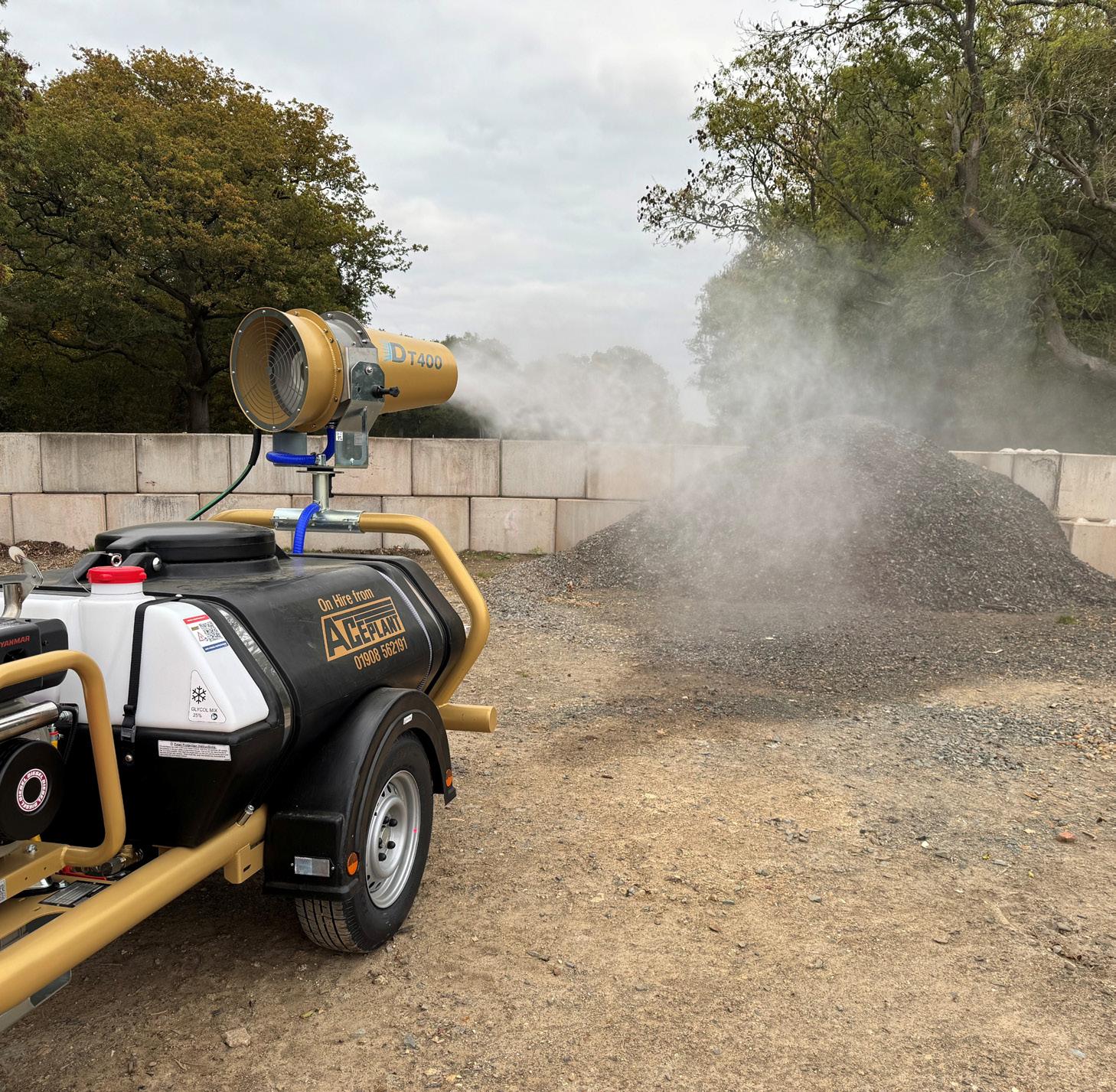
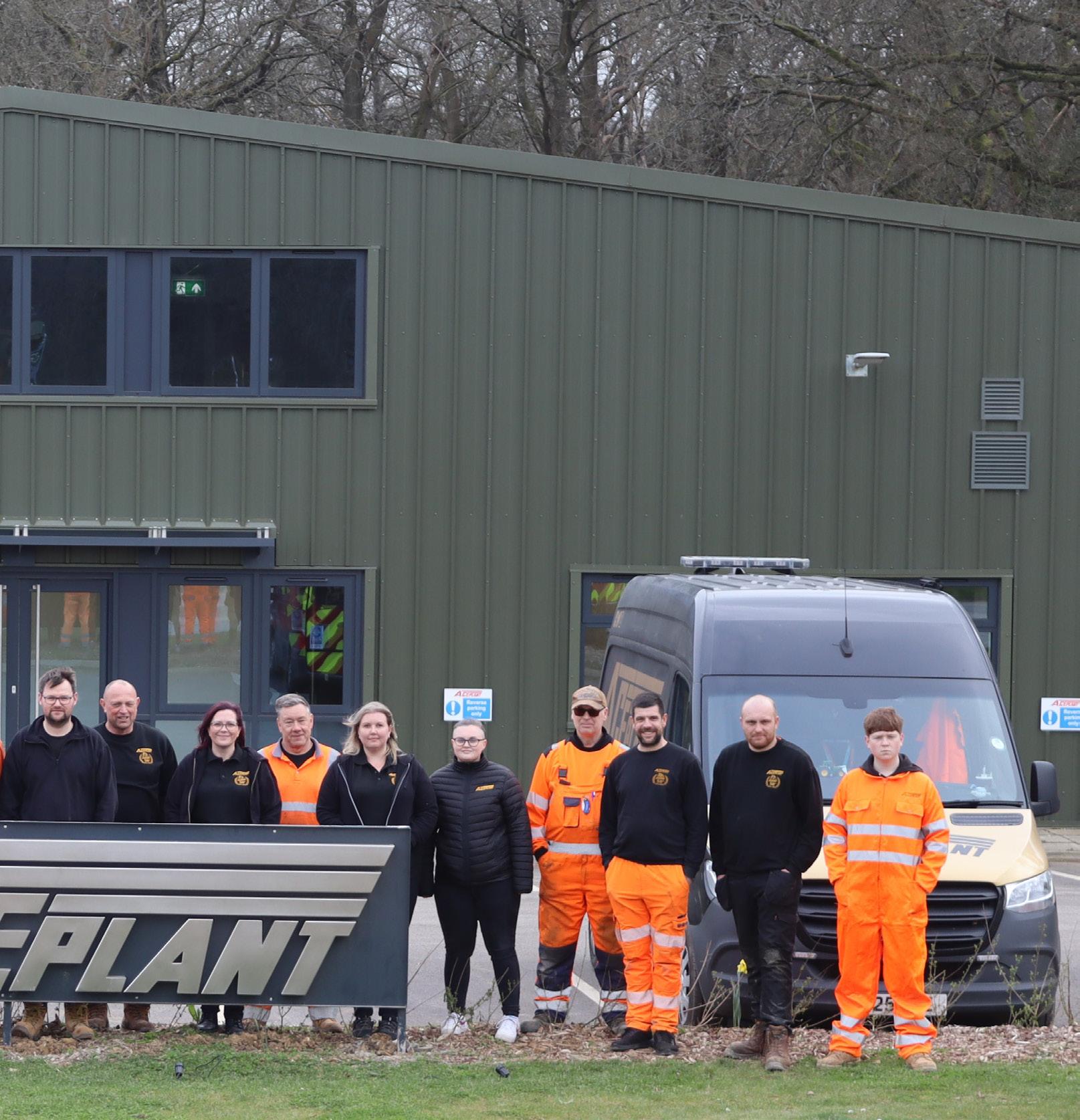
R: But there’s more to you guys than that?
G: It’s more how we use what we have. A lot of people will see a tractor and go, ‘well, that belongs in a farmer’s field’. We see a tractor as a much more versatile tool than that. Whether it’s in the construction sector, quarrying, waste, events, airports, rail systems, there are so many places it can be used. I think given our engineering background, coming up with those sorts of solutions is what we do best. And now, we’ve branched out from just the very bare bones, basic equipment to specialist solutions for a lot of different applications.
R: So, you’re actually able to tailor things to what people are making?
G: Yes! As an example, a national rail contractor came to us a long time ago and said, ‘we’ve got these trains that we fill with ballast, and when we take them off down the railway, we wind up with a dust issue everywhere the train goes because of the wind blowing over the ballast carts.’ Short of building a structure with pump systems that they drove the train under, they had no way of sort of spraying the top section of ballast to seal it off for the transport. So, we designed a masted system that hangs off the front of a tractor, that they can drive down the length of a parked train, spraying a binder agent in the top. It’s about looking at a base piece of equipment and then thinking outside the box to achieve what we need.
R: It’s a great example of innovation in an industry that doesn’t always embrace change quickly.
G: That’s true. Construction and related sectors can be quite conservative. There’s often a mindset of “this is how we’ve always done it, so why change it?” That approach can limit progress. What we try to do is challenge that thinking, not aggressively, but constructively. We’re not saying everything needs to change, but we are asking whether there might be a better way.
R: Let’s talk about sustainability as it’s our big focus for this issue. How are you approaching your net zero goals?
G: It’s definitely a key area, but it’s important to be realistic about it. There’s a lot of ambition around full electrification, but in the sectors, we operate in, it’s not always achievable yet. Infrastructure is one of the biggest barriers, many sites simply don’t have the capacity to support widespread electric charging. There’s also the question of performance.
In some applications, electric equipment just isn’t capable of delivering the same output or runtime as diesel. So rather than trying to force a one-size-fits-all solution, we focus on making sustainable options more accessible and practical. At the moment, around 63% of our driven fleet is aligned with sustainability goals. That includes equipment that can run on HVO fuel, as well as fully electric and hybrid options.
R: That’s a significant proportion.
G: It is, but it’s only part of the journey. One of the biggest challenges we encounter is expectation. Clients often want electric equipment to perform exactly like diesel—same power, same runtime, same coverage. The reality is that the technology isn’t always there yet. So instead of trying to match diesel performance directly, we look at how the overall task can be approached differently. Sometimes the solution isn’t about replacing a machine, it’s about changing the way the job is done.
For example, if a client wants to switch to electric lighting on a site, they might expect a one-to-one replacement for diesel lighting towers. But if the electric option doesn’t deliver the same output, you have to look at alternatives. That could mean using more units, repositioning equipment, or adjusting working patterns. Of course, that comes with cost implications, and not every client is in a position to absorb those. Budgets are still a major factor in decision making. So, our role is to find a balance and to offer solutions that are more sustainable, but still practical and financially viable.
R: That’s quite a nuanced approach compared to simply offering a “green” alternative.
G: It has to be. There’s no point offering a solution that looks good on paper but doesn’t work in reality. That’s why we spend so much time engaging with clients before supplying anything. We want to understand their site, their processes, and their objectives. We’ll ask questions like: What are you trying to achieve? Why are you doing it this way? Is there flexibility in how the task is carried out? Often, small adjustments can unlock much more effective solutions.
R: That’s a lot of responsibility to take on!
G: It is, but it’s also one of our strengths. We’re not a huge organisation, and that gives us a level of agility that larger companies sometimes struggle with. We can make decisions quickly, allocate resources where they’re needed, and work closely with clients on a more personal level. We’re also very clear about where we sit in the market. We’re not the cheapest option, and we don’t try to be.
R: And you’re quite open about that.
G: Absolutely. There’s no value in pretending otherwise. What we offer is a higher level of service, expertise, and innovation. That comes at a cost, but it also delivers better results. We always say it’s about the right price for the right outcome. Sometimes that means spending more upfront, but achieving a solution that works properly, lasts longer, and delivers better value over time.
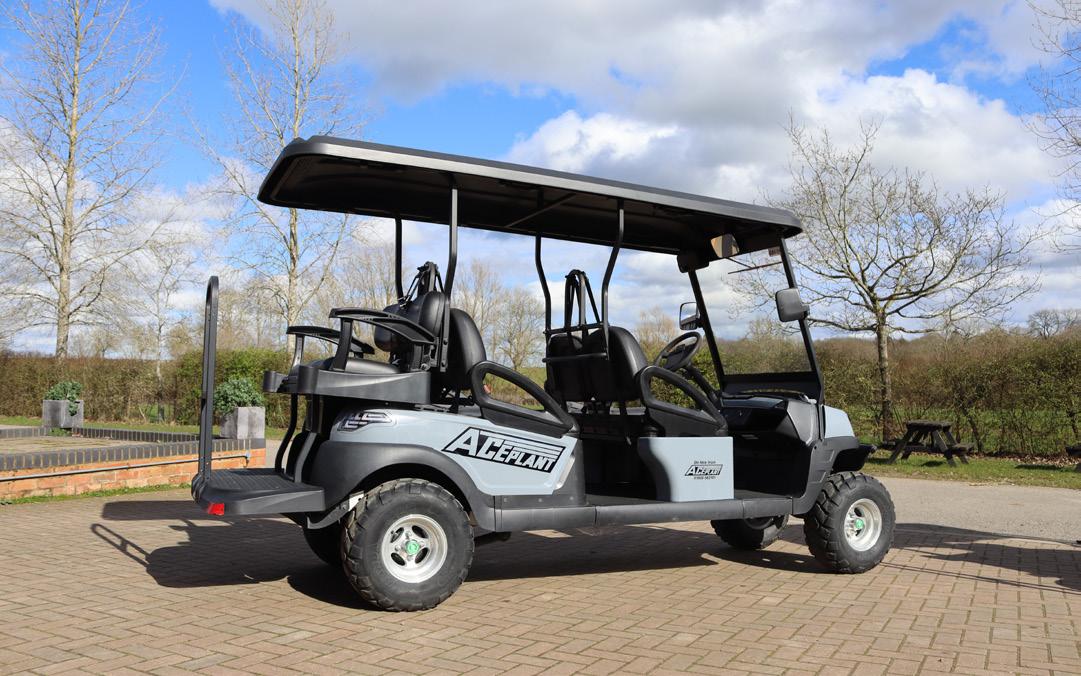
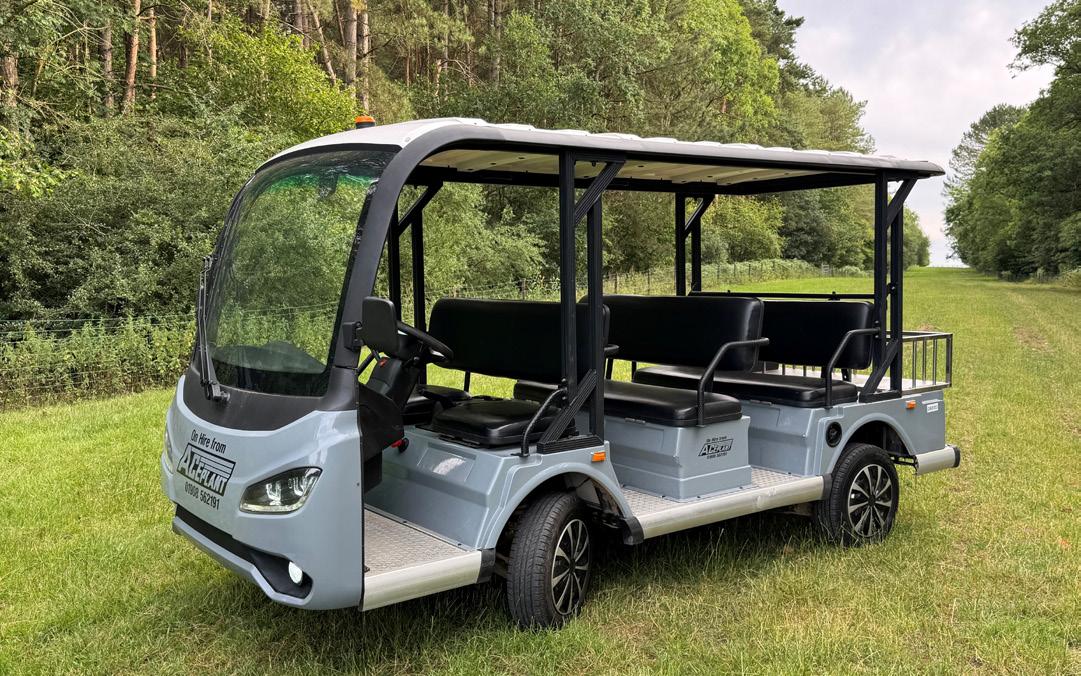
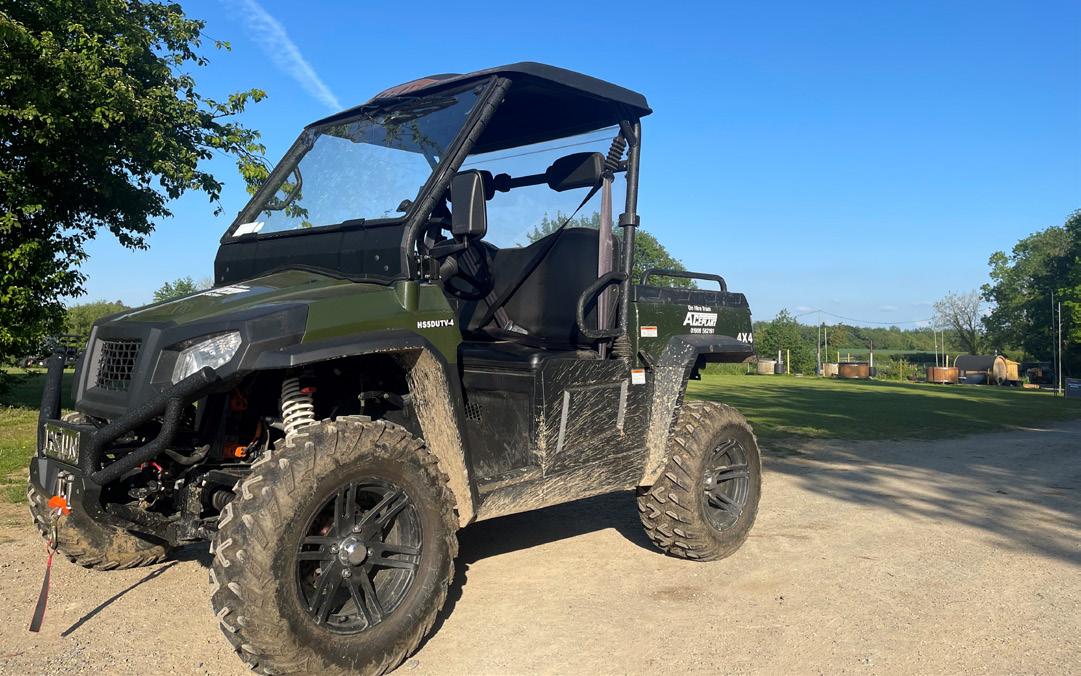
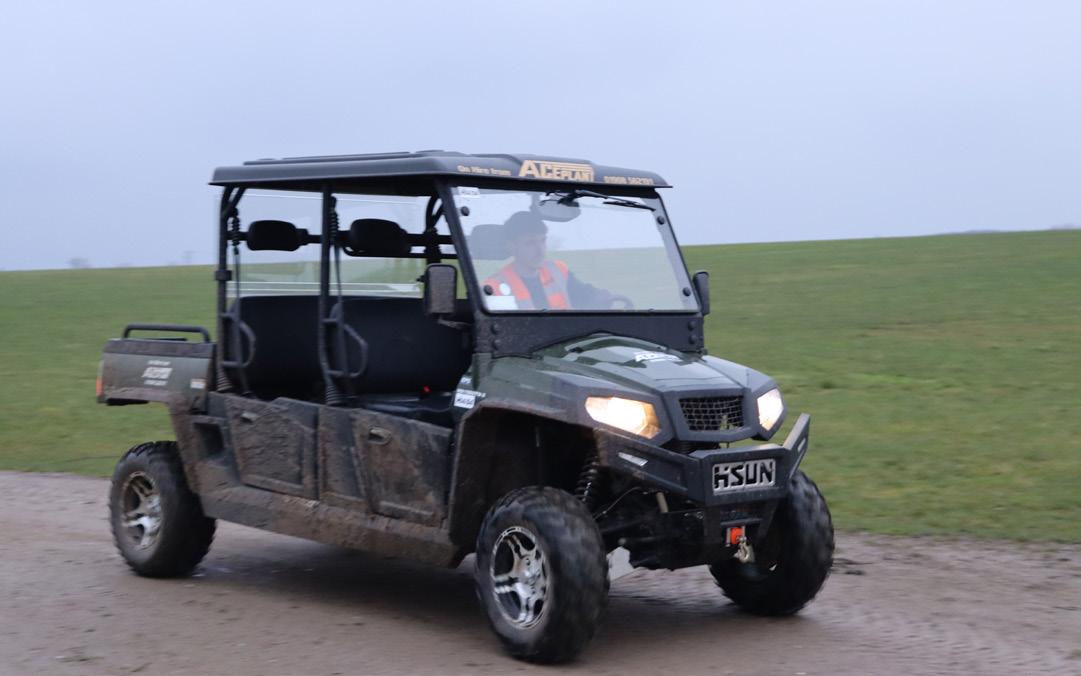
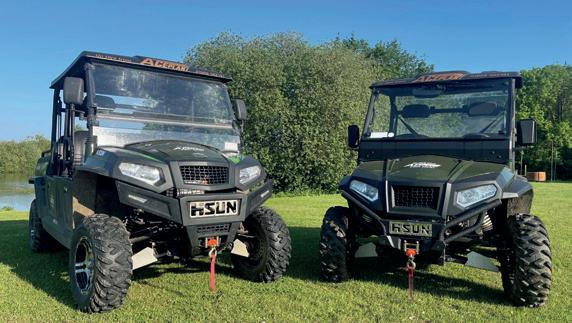
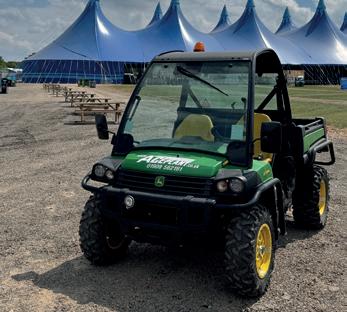
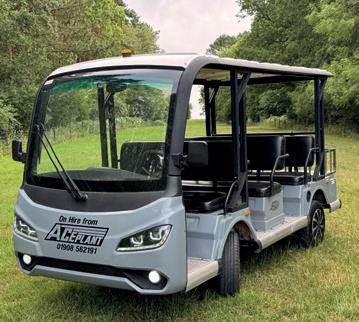
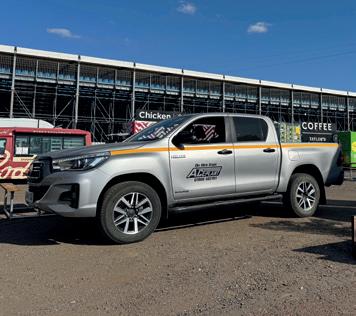
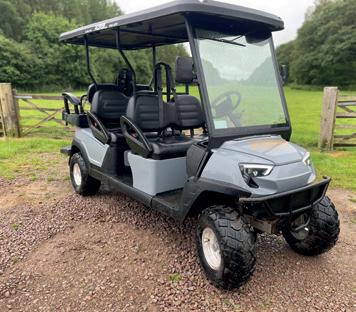
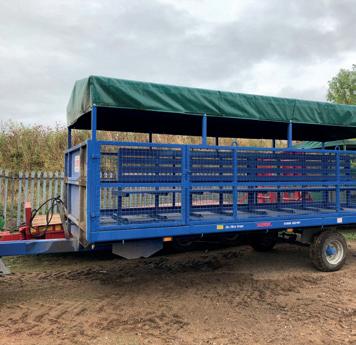
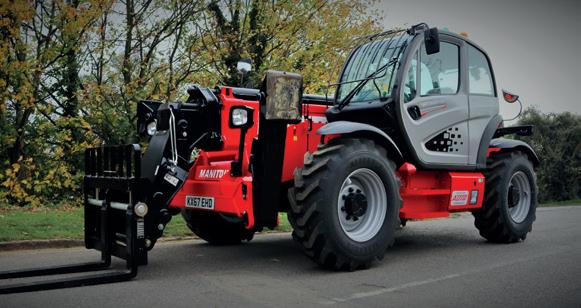
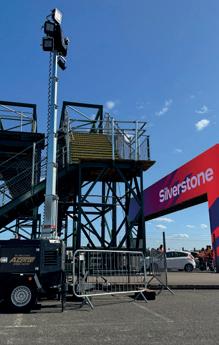
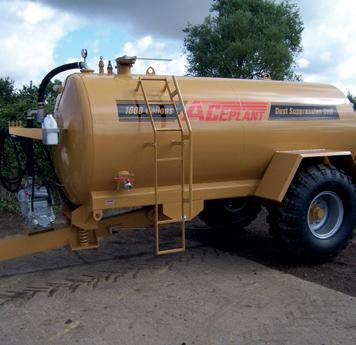
Our Range Includes: Telehandlers, Double Cab Pickups, UTV’s & Golf Buggies, Tractors, People Carrying Trailers, Bulk Fuel Bowsers, Water Bowsers, Tower Lights, Excavators & more...
ACE have been industry leaders in bulk fuel storage, loader tractors and dust suppression supplying the construction and quarrying sectors for over 50 years. Delivering reliable service, quality equipment and tailored solutions to a wide variety of customers within the industry. Continuing to evolve and
offering new products, ACE are ready to support your business with it’s equipment requirements whether that be spot hire, contract term hire or purchase.
Our friendly and experienced team are available to support your needs, so contact them today!
TALK TO US ABOUT OUR NEW PRODUCTS AND SUSTAINABLE ALTERNATIVES, DESIGNED TO INCREASE EFFICIENCY AND PUSH TOWARDS A GREENER FUTURE IN THE HIRE INDUSTRY...




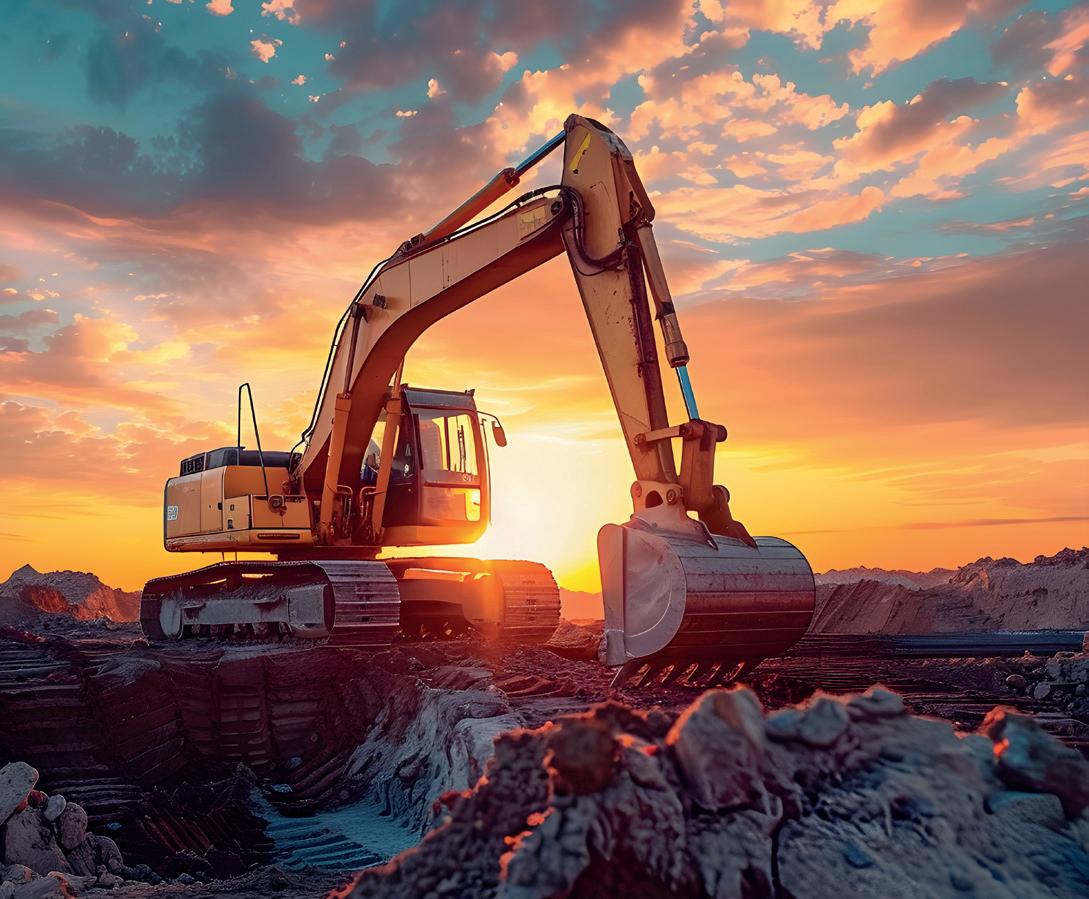






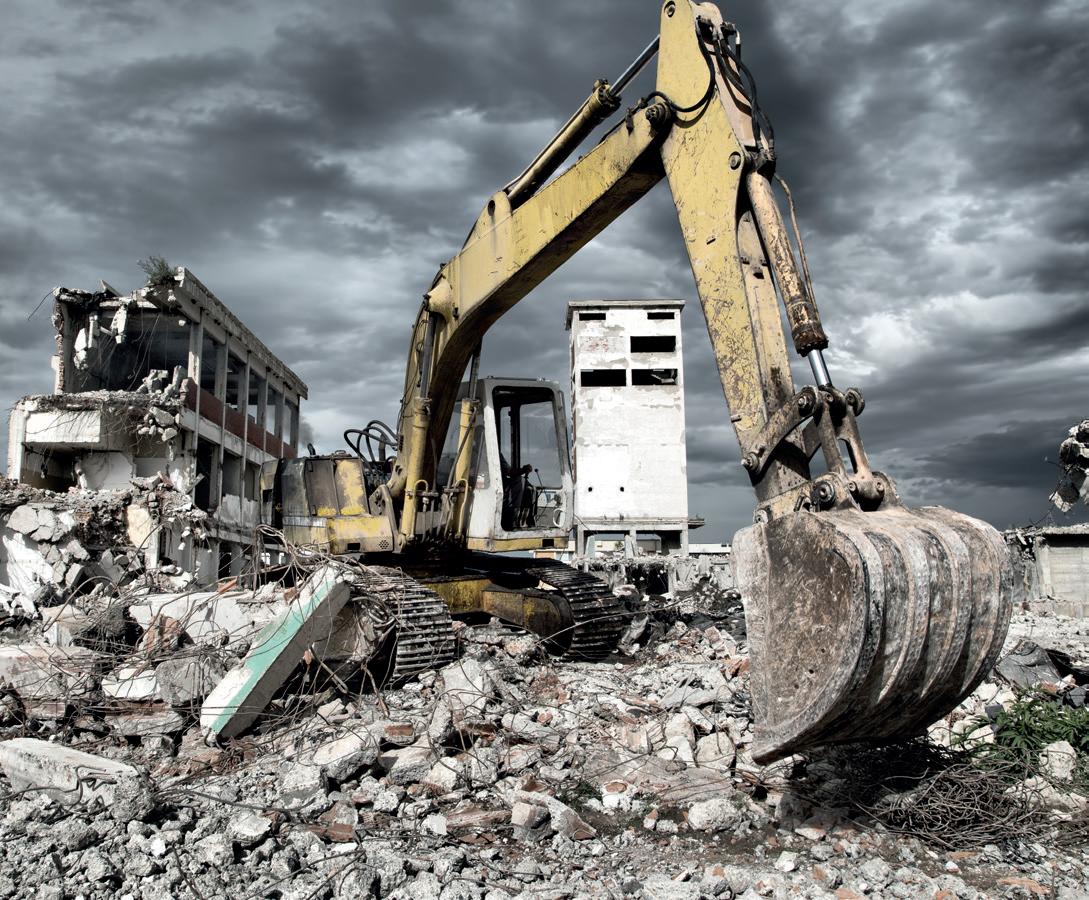
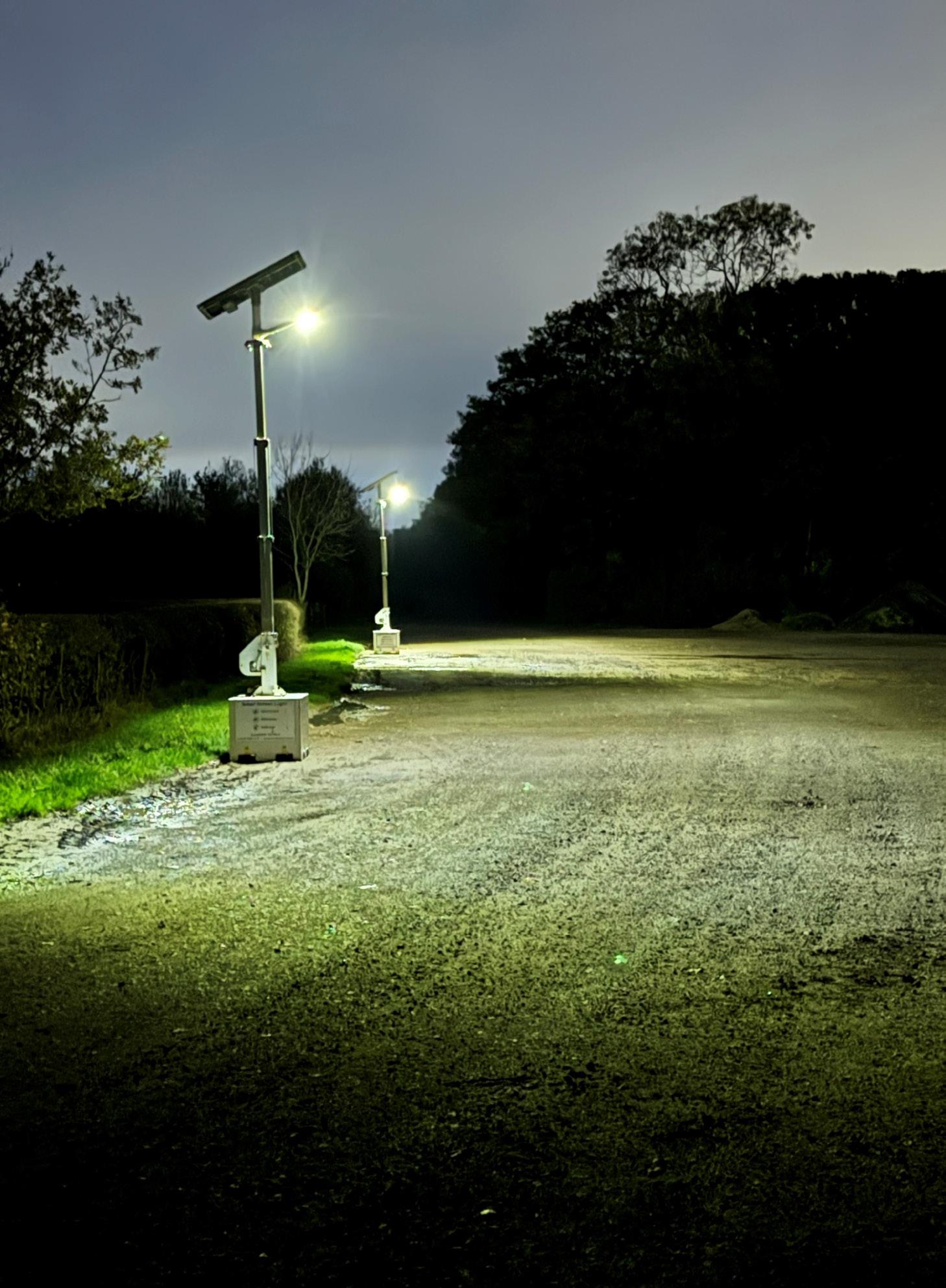
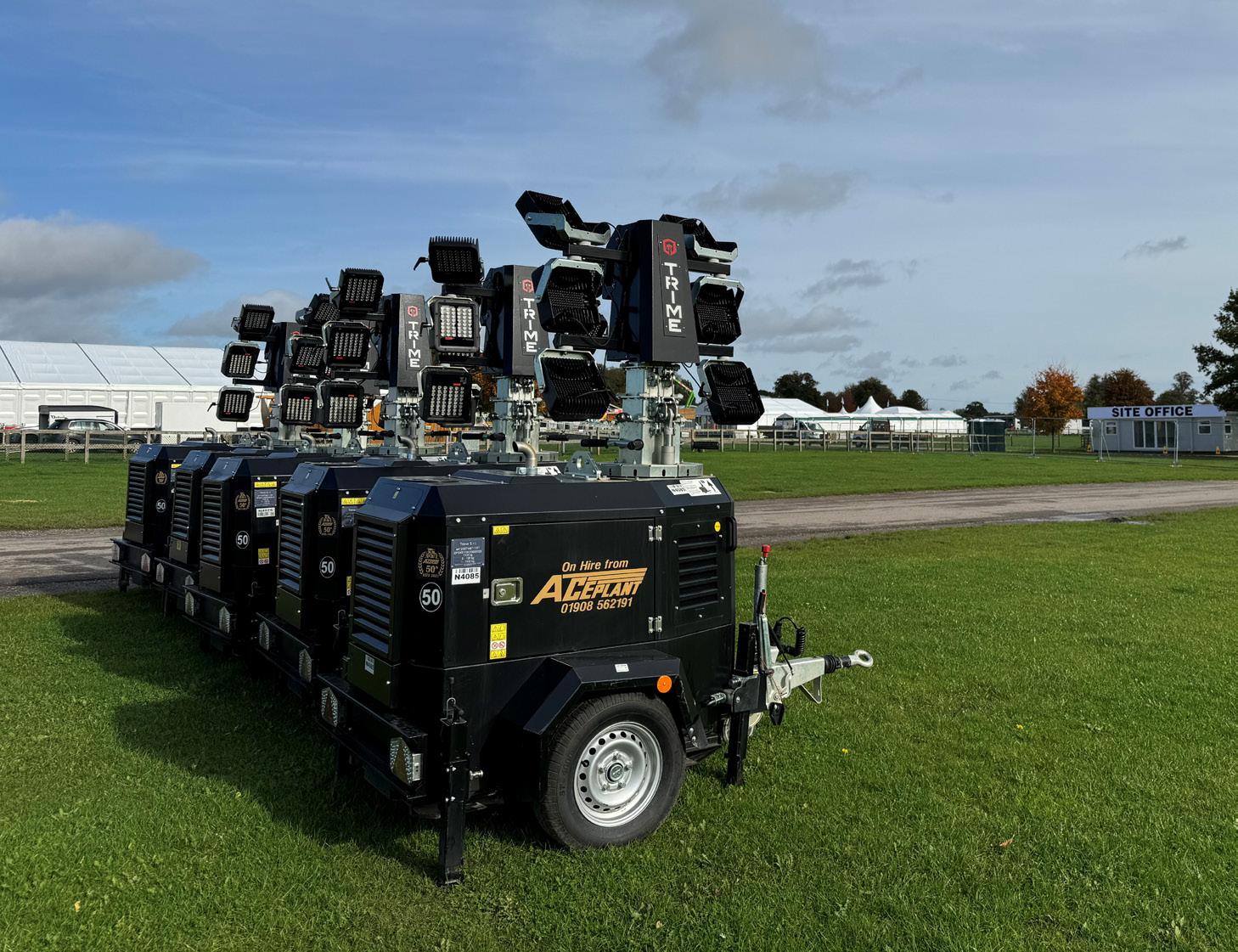
R: What’s your biggest challenge do you think?
G: One of the biggest shifts we’re seeing is in how people think about electric equipment, which is definitely something we want to encourage. With diesel, the approach is straightforward, you run it until it’s nearly empty, refuel, and carry on. With electric, that approach doesn’t work. If you run a battery down to zero, you’re looking at several hours of downtime while it recharges. So instead, you have to manage energy differently. It becomes about opportunity charging: topping up the battery whenever there’s a chance, rather than letting it drain completely.
R: That requires a completely different mindset to what everyone has previously thought, then.
G: It does, but advances in battery technology are making it easier. Lithium batteries, for example, can handle short charging cycles without degrading. That means you can plug a machine in for 15 or 20 minutes and gain a meaningful amount of charge. In practical terms, that allows operators to integrate charging into their normal routines. A good example is in the events sector. You might have a security buggy that’s operating throughout the day. Instead of running it continuously until the battery is depleted, the operator returns to base periodically, whether to report in, take a break, or deal with an issue. During that time, the vehicle can be plugged in and topped up. Over the course of the day, those short charging periods add up, allowing the vehicle to operate for much longer without ever needing a full recharge cycle. Charging infrastructure has also improved. You don’t necessarily need high-capacity systems—many machines can now be charged using standard site power supplies. That removes one of the key barriers to adoption.
R: It sounds like a significant part of your role is educating clients as much as supplying equipment.
G: That’s exactly right. We’re helping clients understand not just what equipment is available, but how to use it effectively. There’s a lot of focus on ESG at the moment. Every tender includes questions about sustainability, environmental impact, and governance. But in many cases, companies are simply trying to tick a box. What we’re trying to do is move beyond that, to provide solutions that genuinely work in realworld conditions.
There’s no value in adopting new technology if it doesn’t deliver practical benefits. Take, for example, our fuel bowsers, which have been manufactured in-house for decades, are built with longevity in mind. We design them to be fully refurbish-able. A customer can use a bowser for 20 years, bring it back to us, and we’ll strip it down, rebuild it, and return it to service. That significantly extends the lifespan of the product and reduces waste.
R: It’s a strong example of circular thinking.
G: Exactly. It’s not just about reducing emissions, it’s about reducing unnecessary consumption. There are cheaper products on the market, but they don’t last as long. If you take a long-term view, investing in quality makes far more sense.
R: There’s a strong sense of responsibility behind everything you do.
G: We take that seriously. It would be easy to prioritise sales over suitability, but that’s not how we operate. If a piece of equipment isn’t right for a client’s needs, we won’t push it. Our reputation is built on delivering solutions that work. That’s why we test everything thoroughly before bringing it to market. If it doesn’t perform in real-world conditions, we don’t offer it.
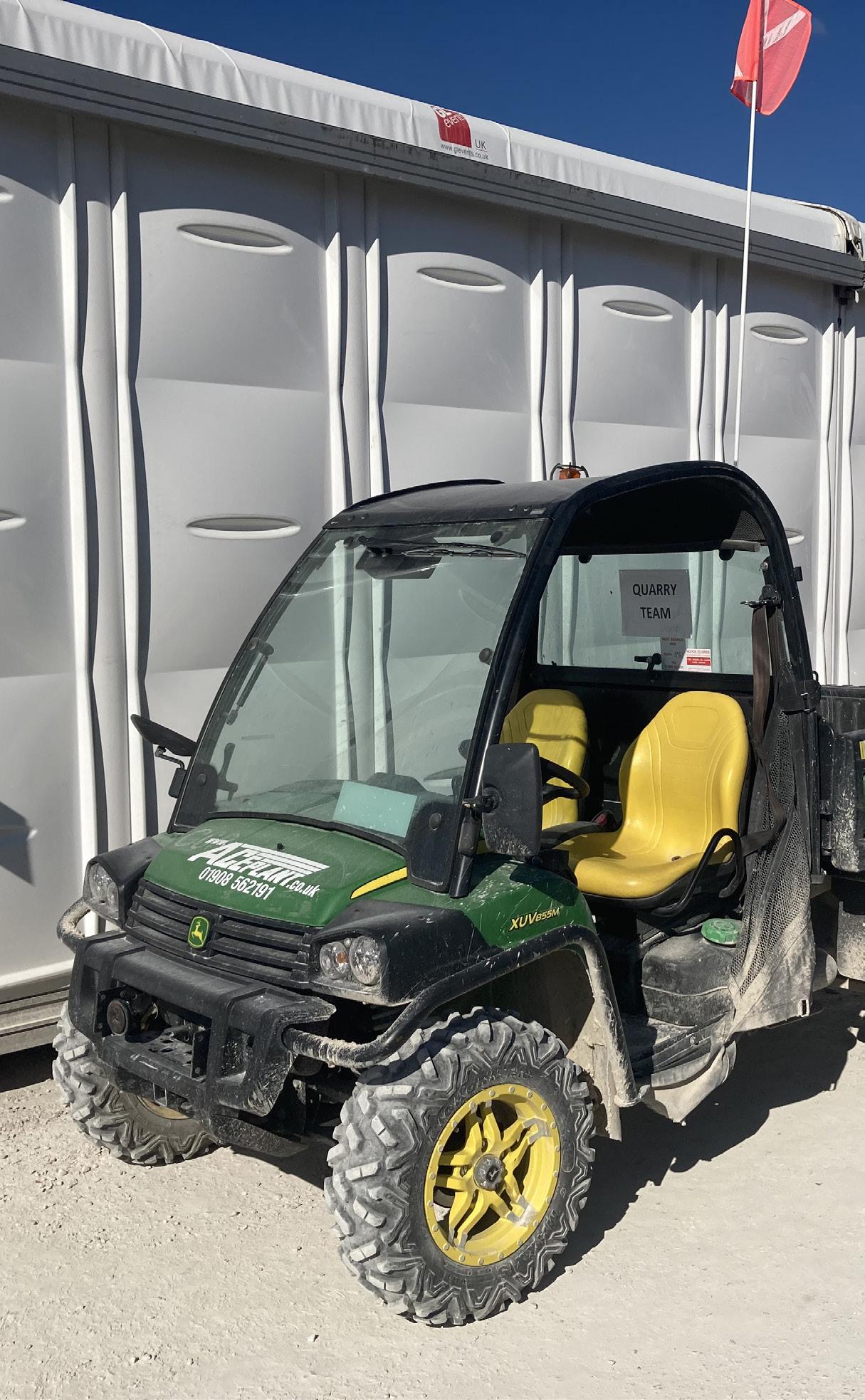
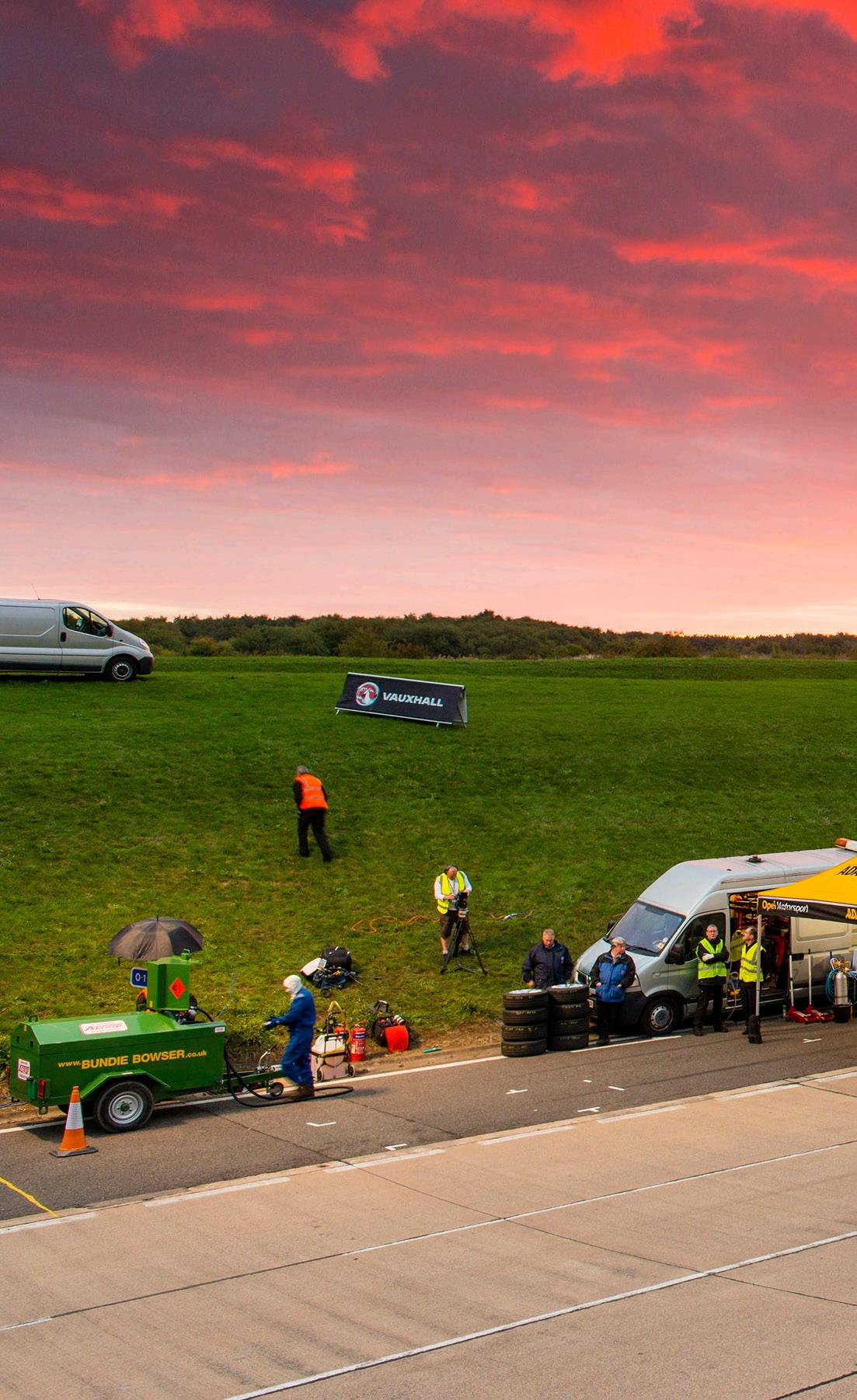
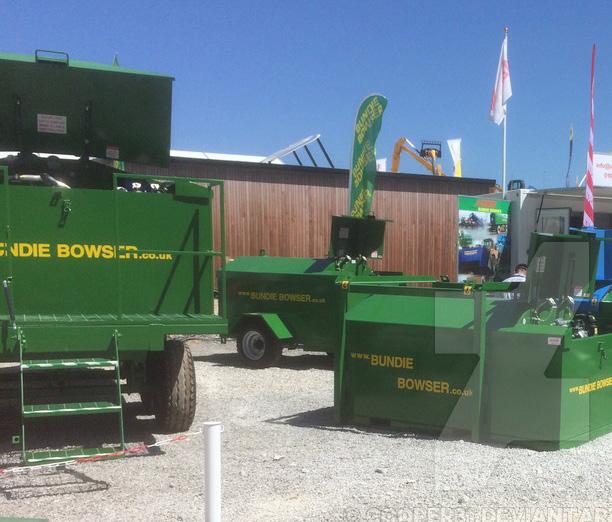
R: On that note, I’d really like to talk about whole-body vibration. One of Ace Plant’s most significant developments focuses on whole-body vibration (WBV), an issue that has long been recognised but often overlooked, and it’s clearly an area you’re passionate about. Why does it matter so much?
G: Because it directly affects operator health and safety, and it’s not getting the attention it deserves. I definitely think Neil can elaborate on our ethos here.
N: I certainly can! There are regulations in place requiring companies to monitor and manage vibration exposure, but in practice, it’s often treated as a compliance exercise rather than a genuine concern. We wanted to approach it differently, by finding a practical way to reduce the problem at source. We started by looking at towing systems, because they’re a major contributor to vibration. Traditional hook-and-eye couplings allow a lot of movement between the tractor and the trailer. Over time, that creates wear, instability, and increased vibration for the operator.
We explored an alternative, a ball-and-spoon coupling system, similar in concept to a heavy-duty tow hitch. We then carried out independent testing to measure its impact. And perhaps more importantly, it extended the amount of time an operator could remain within safe exposure limits by nearly two hours. When you consider the length of a typical working day, that’s a substantial difference.
Whole-body vibration occurs when operators sit or stand on vibrating machinery such as excavators, dumpers, rollers, telehandlers, and dozers for extended periods of time. This exposure has been linked to back pain, spinal damage, fatigue, reduced concentration, and long-term musculoskeletal disorders.
Under the Control of Vibration at Work Regulations 2005, employers must assess and control vibration risks wherever exposure occurs. For whole-body vibration, measured over an eight-hour working day, the Exposure Action Value is 0.5 m/s² and the Exposure Limit Value is 1.15 m/s². Once the action value is reached, employers must introduce controls, and the legal limit must never be exceeded.
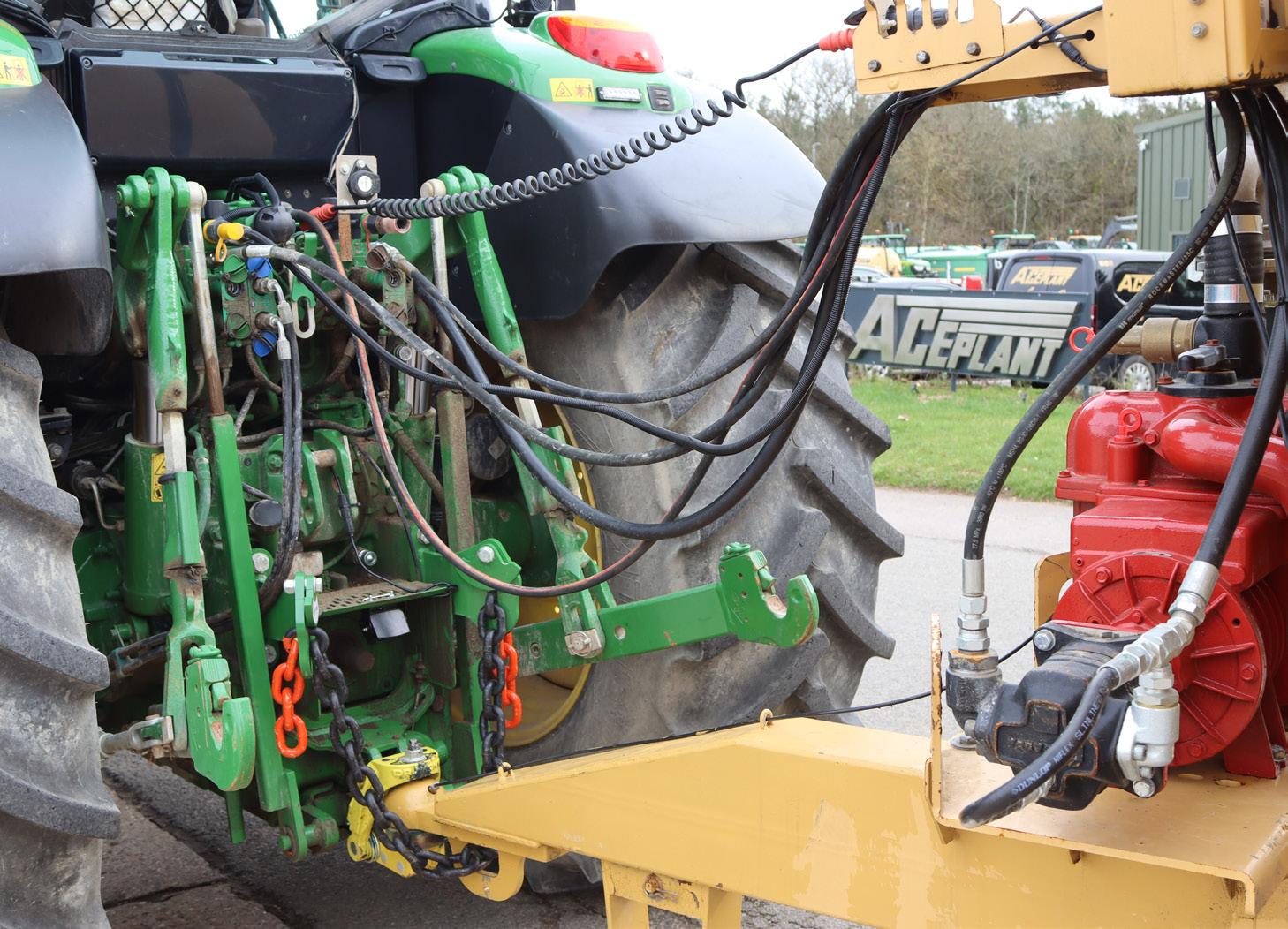
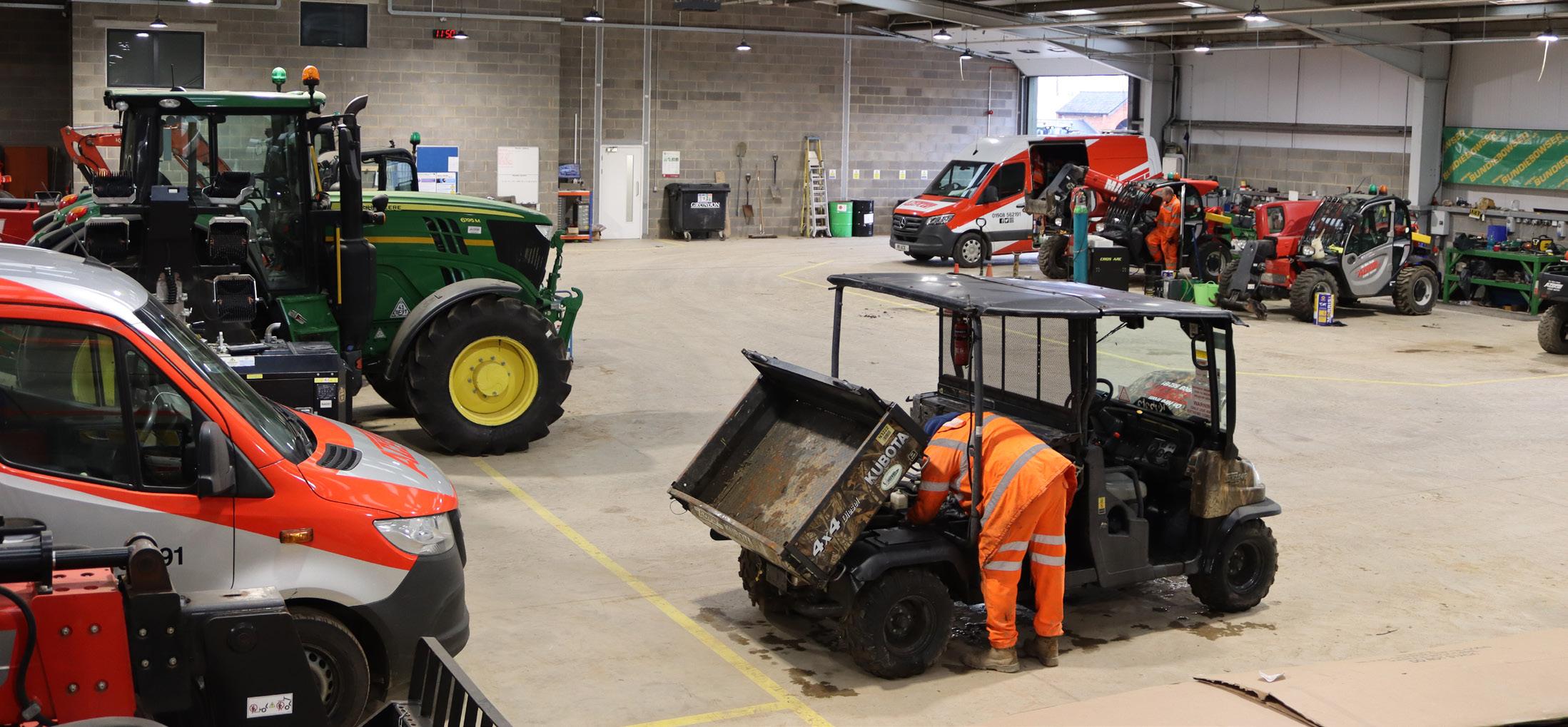
R: A huge difference!
N: Whole-body vibration is linked to fatigue, and fatigue increases the risk of accidents, both on site and beyond. There are also potential long-term health implications. The regulations have been in place for years, but awareness is still relatively low. Many operators and even companies don’t fully understand their responsibilities. We’re not trying to alarm people, we’re trying to raise awareness and provide practical solutions.
R: And it doesn’t rely on behaviour change, which companies can’t mitigate for.
N: Exactly. A lot of safety measures rely on operators remembering to do something—monitoring exposure, responding to alerts, adjusting behaviour. That adds complexity and can contribute to information overload. What we’ve developed is a solution that works in the background. It reduces vibration without requiring any additional input from the operator.
G: That’s the kind of innovation we’re interested in—something that improves outcomes without adding burden. We ground our approach in practicality, but it’s also forward-looking. By combining engineering expertise with a willingness to challenge established practices, the company continues to carve out a distinct position in the market.
R: It feels like everything you do comes back to a simple principle—solve the problem properly.
G: That’s exactly it. We’re not interested in quick fixes or superficial solutions. We want to understand the problem, look at it from different angles, and deliver something that genuinely works. If we can do that consistently, then we’re adding real value—not just to our clients, but to the industry as a whole.
At its core, Ace Plant is more than a plant hire company. It’s a business built on problem-solving, driven by innovation, and grounded in a commitment to doing things the right way.



Rebecca Phillips sits down with Dean Dainty and Hannah Pascoe of Sunbelt Rentals to look
at what makes them a truly conscious company.
What a great thing to write about, hey? It’s an entirely evocative phrase that conjures the best images of an ecowarrior doing battle with the worst of the world. It’s also the theme of this entire magazine; a chance to shine a light on the ecological good that construction is now putting back into the world.
Permit me, if I may, to put a different spin on it.
Sunbelt Rentals green machinery is everywhere. That is a simple fact. From heavy plant to battery packs to road signs, this famous green logo is truly around every corner. Remember a while back that it was proposed that everything in the world led back to Kevin Bacon. Well, they’re wrong. I’m absolutely convinced it leads to Sunbelt Rentals. But this powerhouse of the hire world is far more than a simple hire company. They are absolutely, a conscious company; a company that goes above and beyond to change the world for the better in sectors far beyond the world of hire. So, in this issue, where we champion pioneers of the sustainability ilk, I would like to delve deeper into a different green initiative.
I want to look at The Sunbelt Rentals Initiative.
For a while now I have had my eye on the rehabilitation work that Sunbelt Rentals have been carrying out at Sudbury Prison. Using their ‘Our Planet’ sustainability strategy as a guide, the Trakway team at Sunbelt Rentals have set up a workshop identical to their own in Sudbury Prison, where between 15-35 inmates work at any given time to refurbish Trakway, fencing and barrier equipment. What started as a simple recruitment drive has blossomed into a new lease of life for these men and an open discussion about a part of life many people fear to talk about.
I was lucky enough to sit down with Dean Dainty of Trakway and Hannah Pascoe, Sunbelt Rentals Head of External Communications to dive into the incredible work they are doing at Sudbury…
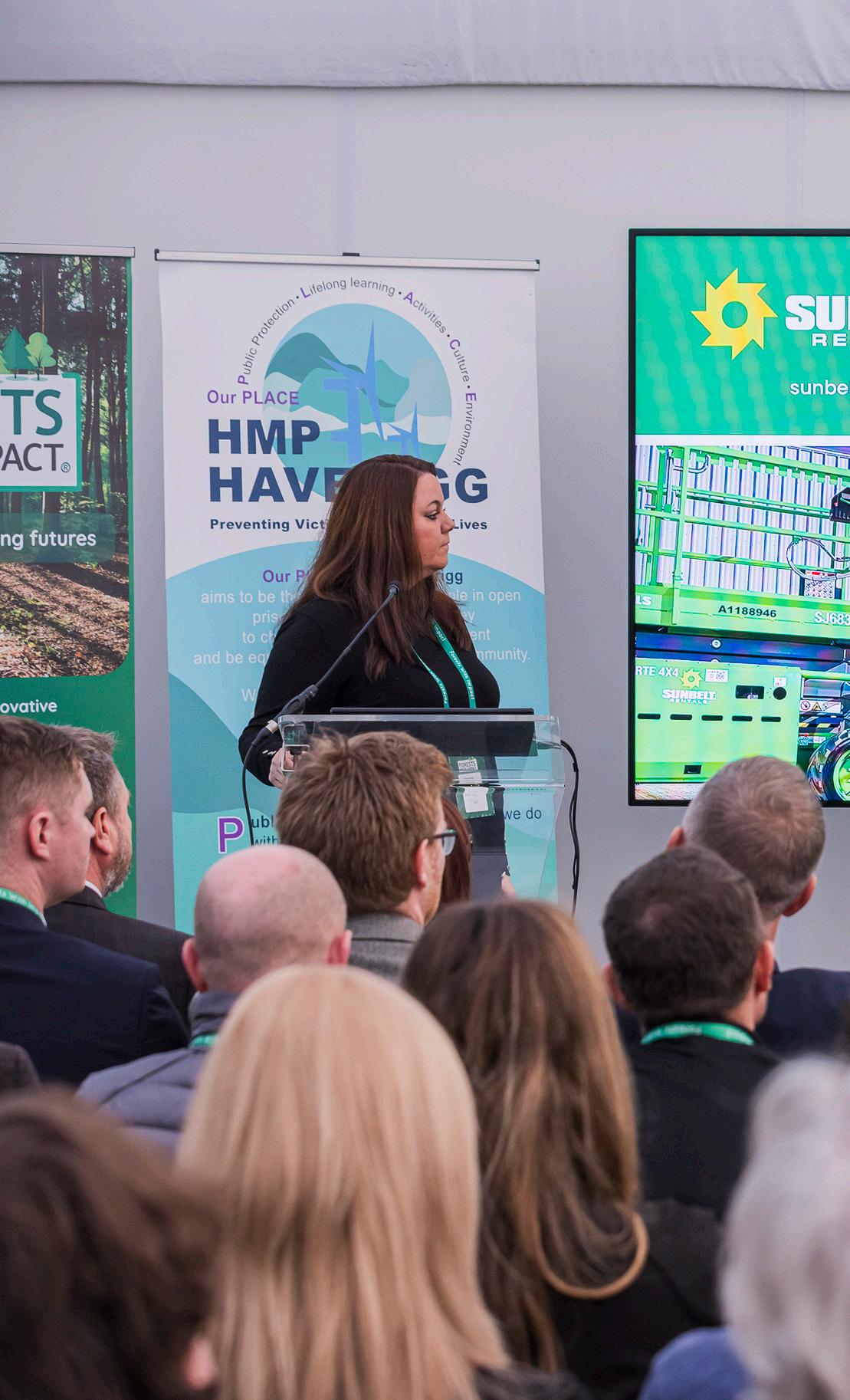
They are absolutely, a conscious company; a company that goes above and beyond to change the world for the better in sectors far beyond the world of hire.
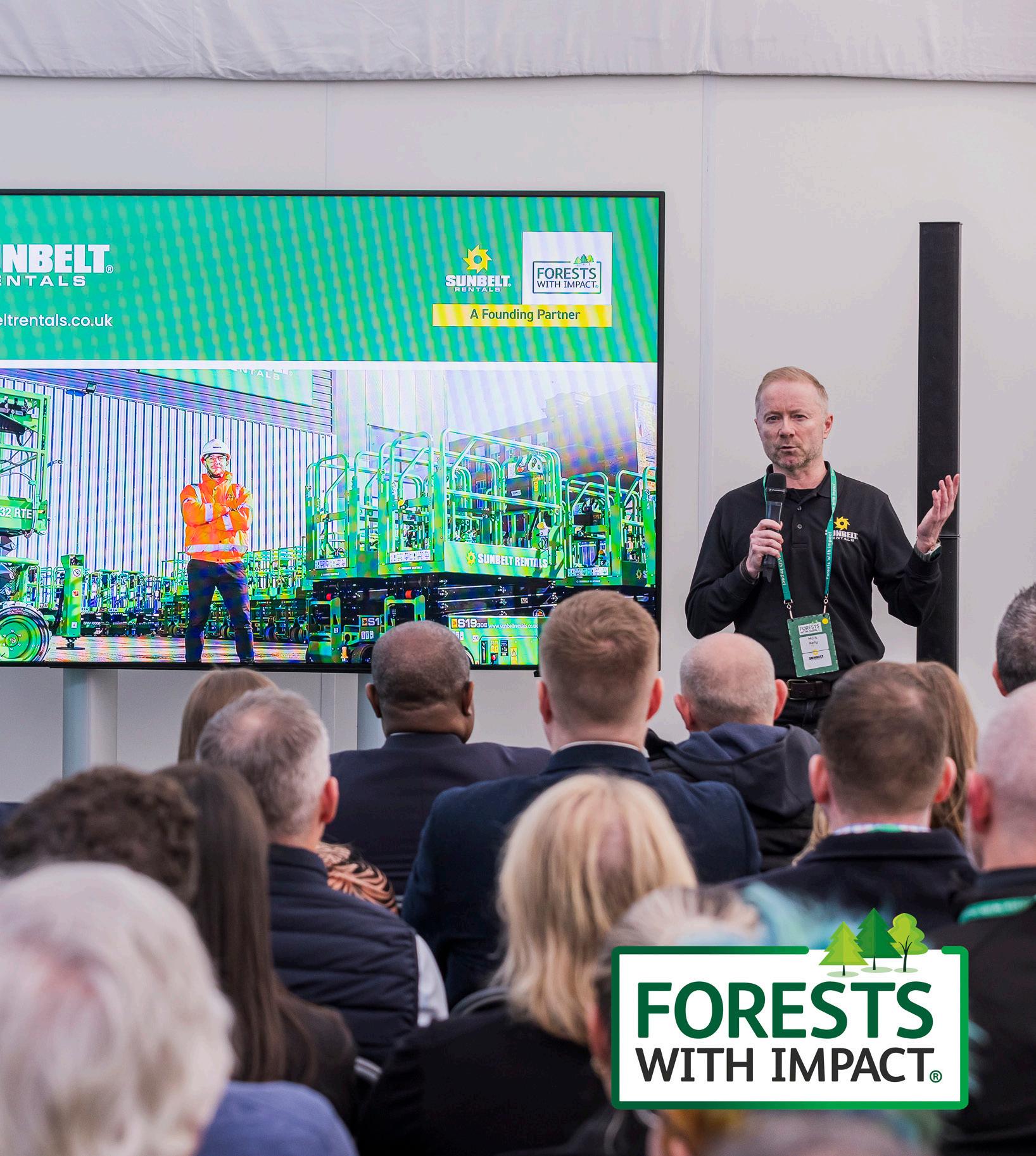
R: What was it that inspired this particular initiative?
D: Initially, we were looking at recruitment. We were coming out the back of COVID, and there was a massive shortage of drivers and operatives. We were asked to think outside the box. So, I contacted probation service in South Yorkshire, and a colleague of mine who works there, put me in touch with the Derbyshire one, who in turn put me in touch with the New Futures Network.
R: What’s the New Futures Network?
D: They work alongside the prison service to help introduce businesses into prisons, and also on the other side help prisoners to get jobs on release.
R: Amazing! So, what is your process with the people in the programme?
D: We’ve created a three-stage path. Stage One is an apprenticeship, where the guys work on our kit in the workshop and hone their in-house skills. Stage Two is called ROTL, or ‘Release on Temporary License’. That’s where people would come into the workplace and actually work on the same jobs as our teams do. And then Stage Three is permanent employment off the back of that. So far, we’re still very much in Stage One, but we are hoping to begin transitions into ROTL very soon.
R: Oh, that’s amazing!
D: We’ve actually interviewed someone this week for a job on the road crew, and I’ll be in Sudbury next week interviewing somebody else for a full-time role in our workshop for when they leave prison in the next few weeks.
R: That must be so rewarding for them and you!
D: It really is. Seeing everyone at Sudbury really does have a marvellous effect. I think it’s seeing the positive influence the programme has on them all. Our workshop there is identical to the one at our depot here. It’s painted out the same way, it’s got the same signage, they wear our PPE, and they do what we call a visual method statement, which is how we operate in our own workshops. They actually use our kit! We’re responsible for the kit, the tools, even the forklift truck. With our agreement with the prison, part of the contribution of what we pay goes towards the instructors in there too, so they have in-house training for all sorts of skills, including welding and the forklift.
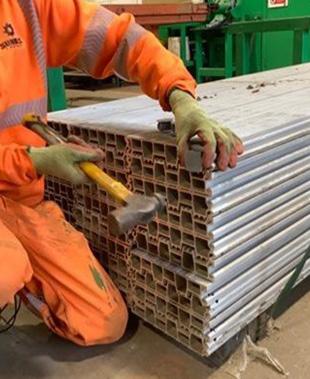
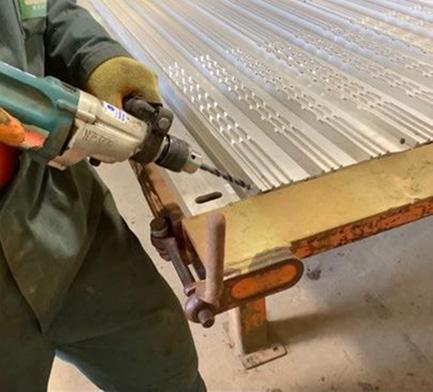
R: Do you know much about the background of people involved in the scheme?
D: There is a varying number of convictions that people have been in for. What we are doing is giving them purposeful work. They’ve got 625 people that need to keep occupied every day! The guys work a six-hour day, because they break for lunch and other downtime activities, and in amongst that they have educational classes as well. We insisted on that particular bit when we set the workshop. They must be given an opportunity to do their educational classes in Maths and English.
R: It seems like you’re doing an all-round rehabilitation there.
D: Absolutely. It’s not simply just that they’re working for us in the workshop. It’s actually looking at them as individuals and as people.
At the moment, we’re working with a specialist social enterprise called Offploy. They are managed and staffed by people with previous convictions, and they are supporting us with our policies, risk frameworks, legal compliance and training.
I think people are just glad for a second chance. The ratio of people in this country with a criminal offence is 1:4. And yes that can be something like a speeding fine, but it shows how easy it is to make a mistake. It’s about taking away the stigma, and we’re in a brilliant position where we can actually help influence people’s lives moving forward in a positive way.
R: Do you have any pushback from people that work in your teams now about potentially working with offenders in the future?
D: We’ve discussed this with all of our depot team prior to starting this project. We wanted to get their views on it and be transparent from the beginning to make sure that our team were on board.
R: How long has this project been running?
D: The workshop itself has been running since September of 2022, and we’ve never had any negative feedback from the prison service themselves. They are really, really delighted that they had this purposeful work as well as the opportunity for people to learn and move on. On top of that, we provide
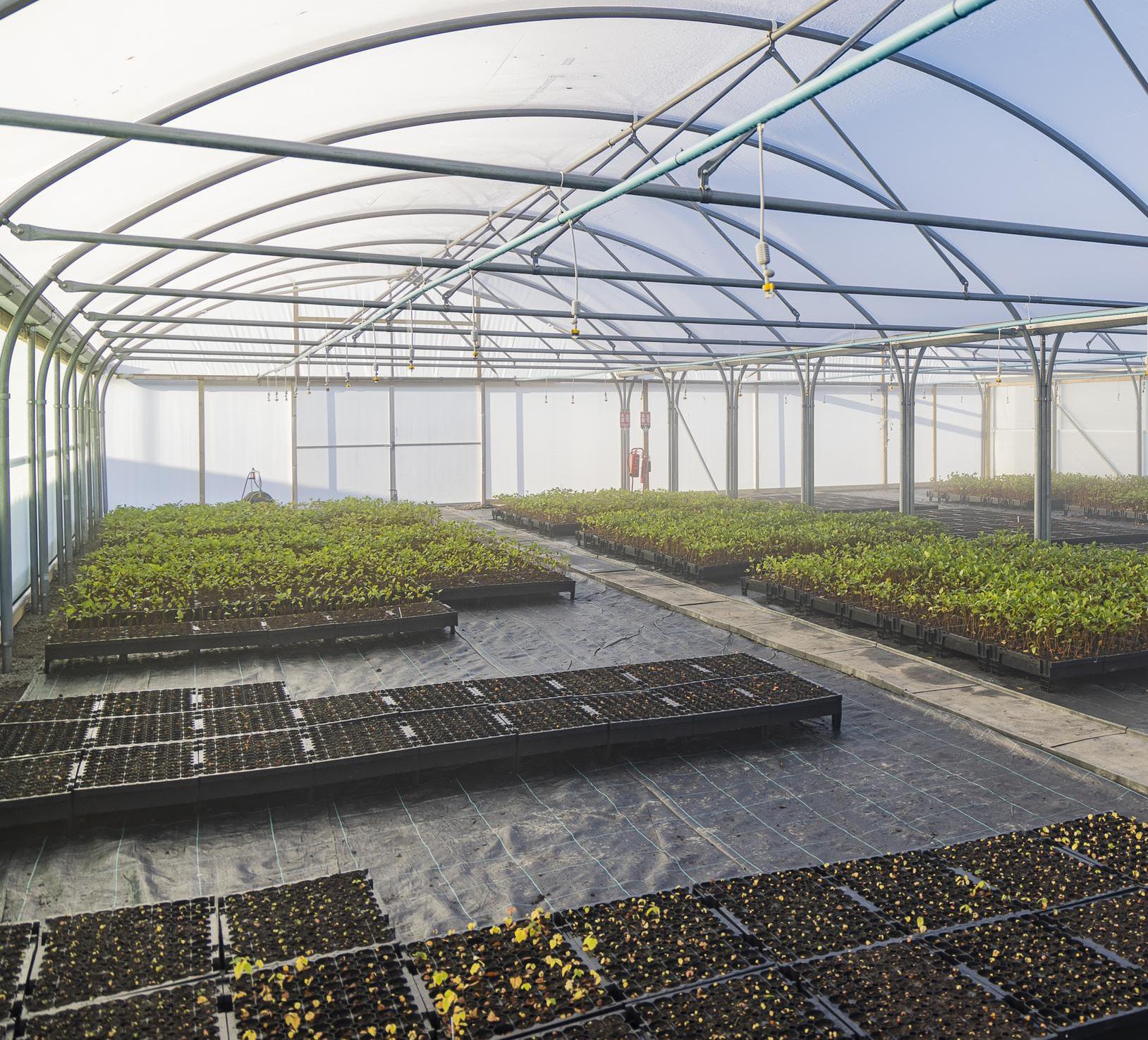
job opportunities country wide as we are a national business. Although the workshop is quite specific to Trakway at the moment, there’s lots of opportunities in there for people to go into Sunbelt Rentals and work within the business.
R: And they’re coming out with in-house licences. That’s bound to look fantastic on a CV.
D: They also do some in-house traffic management training. I think from here it’s going to move very quickly. It’s a multifaceted venture now that the rest of the business is getting on board. I’ve seen it blow a lot of people away, especially as they had a chance to speak to the individuals that are in there. It makes us all realise that these are people, not a statistic. These are people who are an untapped resource in this country and something that can help build industry country wide.
R: You’re quite right. I’m sure it might even prevent people from offending in the first place if this sort of thing is taught across schools or is publicised enough.
D: Absolutely!
R: Do you have a particular success story that springs to mind that you could share?
D: Not one singular one. It’s the entire experience. Every time I visit, I come away and it feels like a lottery win. When you go into the workshop, the people have all got a million questions and they’re so excited for their prospects beyond prison. A lot of people in there have got young families and they want to make sure they don’t end up on this path again. But I’m hoping next month that those interviews we did will lead to employment so we will have a couple of individual stories to really shout about.
R: Are you looking to expand the programme? Are you looking to do this in more prisons?
D: Absolutely. Of course, this isn’t the only way we’re working with people with convictions. Sunbelt Rentals’ Social Sustainability team also work with Forests With Impact.
Hannah can certainly tell you about that!
H: I absolutely can! We are a founding national partner of the multiple award-winning Forests With Impact social enterprise. We support their work to grow UK-grown trees that help create and restore forests across the UK, while providing life-changing opportunities for prisoners and prison leavers. To date, the programme has grown over 500,000 UK-native trees across its prison nurseries. It’s an innovative, industry-led social enterprise that establishes commercial tree nurseries on prison land, giving prisoners the chance to gain skills, qualifications and paid work in a sector with real employment opportunities. The programme began at HMP Haverigg and is now operating at HMP Fosse Way, with a third and fourth prison coming online later this year, showing how quickly this model is scaling across the UK.
R: It’s such incredible work. Truly!
H: I also got to go to Sudbury, and it’s like Dean says, it changes you when you get to go and meet the people in the workshop. It’s just so emotional. You get to hear people’s stories and think it’s just one wrong mistake, and that it really could be anyone of us. The work that Dean and his team have been doing is just brilliant.
D: Yes, it all goes back to stigma. It’s about perception. When we first took the senior managers down to visit the workshop, they all said it was just like being in one of our workshops anywhere else. And that’s what we want! We want them to be comfortable and proud of their achievements. We certainly are. They’re doing an incredible job.
Rik Willis, Training and Advocacy Manager at Offploy had this to say about working with Sunbelt Rentals: “With purposeful work being one of the biggest factors in reducing the likelihood of reoffending, it is inspiring to see Sunbelt Rentals doing so much to open up opportunities to people with convictions. From their workshop in HMP Sudbury to their commitment to get their internal policies and processes right, Sunbelt Rentals has shown a commitment to inclusive recruitment that many employers could learn from. At Offploy we are proud to work with and advise Sunbelt Rentals.”
Sunbelt Rentals has supported Forests With Impact from the very beginning as a founding national partner. In 2023, they donated £26,000 to match fund the Forestry Commission’s contribution to establish the first commercial tree nursery at HMP Haverigg, alongside providing equipment, technical expertise and many hours of expert volunteering to support programme design, setup and operations. Specialist leadership support has also been seconded from Sunbelt Rentals to help lead and develop the organisation. In 2025, Sunbelt Rentals donated a further £40,000 to fund a Tree Nursery Development Manager apprentice role for an FWI alumnus and former Lead Grower at HMP Haverigg, alongside seed trays to increase growing capacity. They also committed £14,000 from their Apprenticeship Levy to fully fund the training element of the role.
R: By the sounds of it, it is just one of your depots, isn’t it? You’ve created this huge extended team throughout the whole of the business and they’re part of it. That environment that you’ve created is so fundamental because I think it would give them the confidence to feel completely integrated. You’ve absolutely taken the stigma out of it and its awesome.
D: I love seeing the personal ownership from their side as well. The work that they’re doing at the moment will be at Glastonbury, and it’ll be at the Isle of White Festival. So they get to watch these things on the TV and think, ‘I built that’.
R: Don’t suppose they built anything for Download, did they?
D: Well, that’s our first, that’s our first big job of the summer actually! At the moment, it’s Cheltenham Races. We’ve put 16,000 panels in for parking. We helped put together a floating stage that’s at the Latitude Festival, and that’s where we’ve actually built a stage that goes over a river.
R: That’s complex stuff, not just simple… I mean, I say simple like I can build anything other than IKEA furniture, but you know what I mean? They’re working on some astounding projects and that must not only help their CVs but their skill base must be incredible.
D: By definition, our industry is an engineered solution. We don’t just supply the kit, we actually do all the laying, the building, et cetera. It’s a very technical world they’re now a part of. And anybody coming into it has got a chance of developing.
We have a defined career path for anybody joining Trakway. If they start as a driver’s mate, the can follow that and become a class two driver, then a class one driver, potentially a lead driver. And then there’s roles beyond that. Most of our directors have worked their way up the ladder and found themselves in those positions.
R: So, they’re really got momentum there. That means a lot to people that haven’t had such a rough start in life but giving that to someone that has thought that this was never going to happen for them, is so astounding. It’s so admirable.
D: I think we all find it very worthwhile. For me, it’s a twoway street. I’ve learned a lot about myself from talking to the people in there over the last three and a half years, and you can envisage yourself being in their position and how they feel. We’ve heard some wonderful stories over the years and some heartbreaking ones, and you don’t come away feeling untouched. It’s all quite unbelievable, to be honest with you, but so worth it.
R: Well, it’s like Hannah says, it takes one mistake. One mistake to get there. No one’s infallible. It might just be that none of our mistakes have happened to lead us there. D: 100%.
R: Thank goodness then, that there’s light at the end of the tunnel in the work you all are doing.
D: It’s an honour.



• 25 years’ experience with Volvo Dump-Trucks
• Selected-used or refurbished parts
• All models catered for
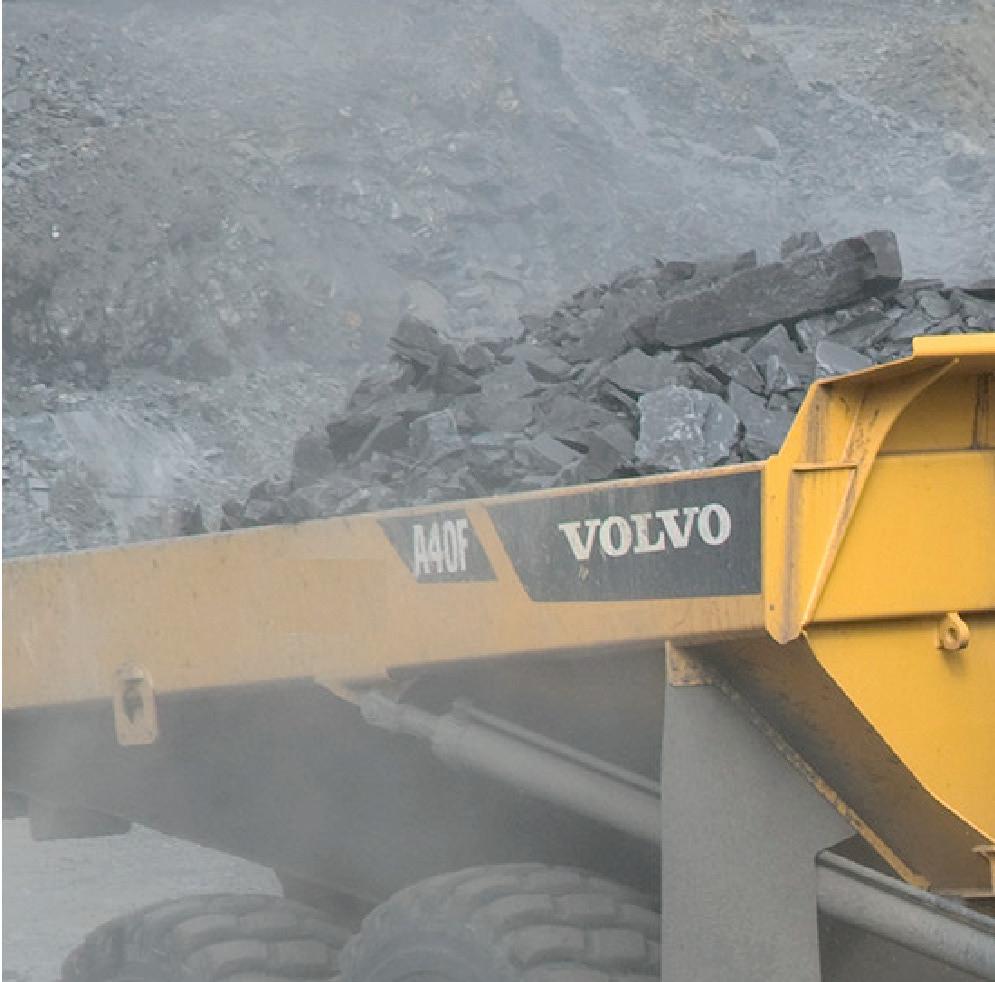
• Big savings • Engine and transmission rebuilds • Maintenance and repairs • Export enquiries welcome • Your choice of Swedish quality SLP or genuine OEM
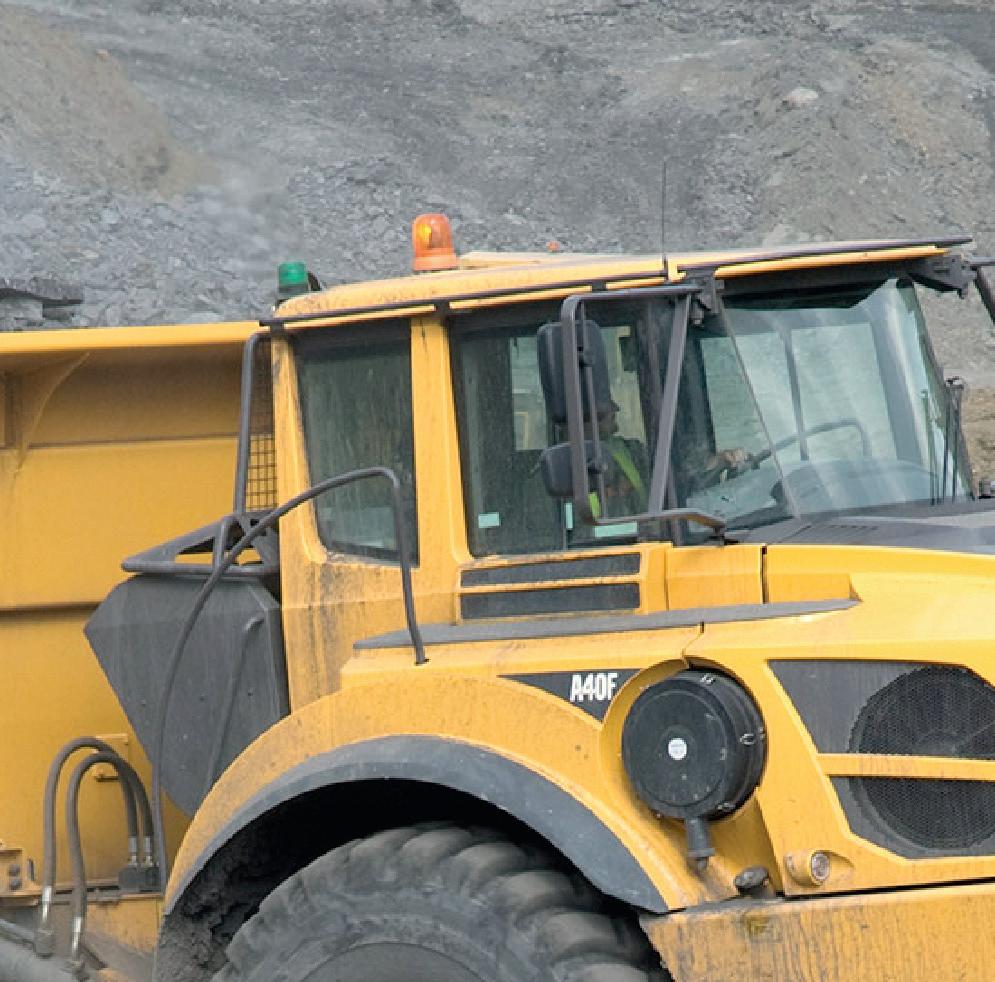

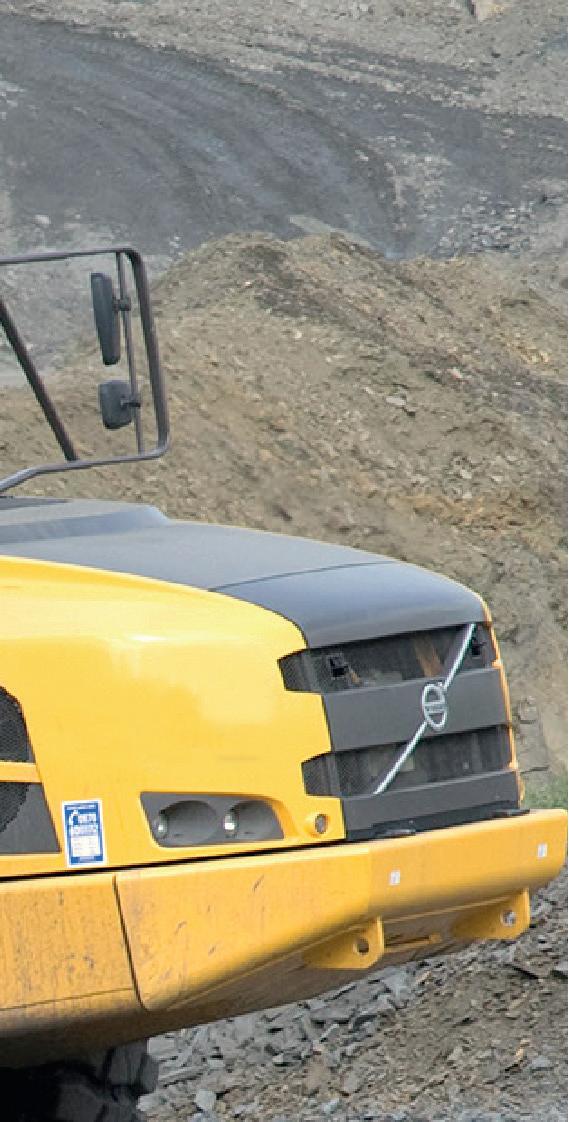


For many years, three distinct challenges have placed the construction industry under tremendous pressure. The tempestuous geopolitical landscape has pushed supply chains to their limits, while skills shortages and governmental demands to comply with increasingly-stringent environmental standards have exacted a devastating toll on operational costs.
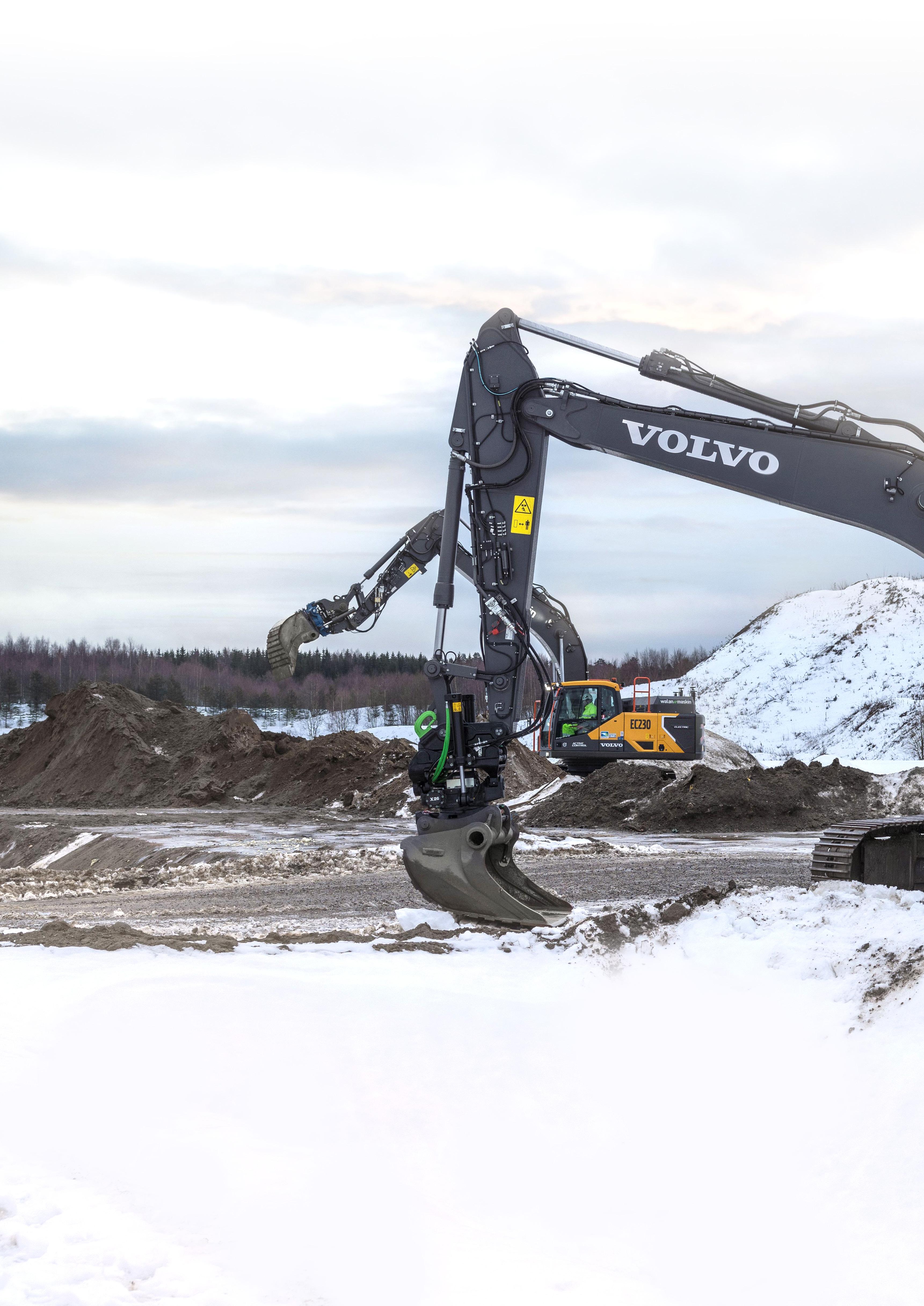
However, much in the spirit of every cloud containing a silver lining if you look hard enough, embracing these challenges as a source of inspiration for innovation provides companies with solutions to unlock significant operational savings.
While the challenge of reducing costs often falls to operational managers, a company’s greatest opportunities to harness savings are available long before the first machine is delivered to site.
Similarly to how all major construction projects must commence with groundwork, the fundamental first step for a company looking to make serious operational cost savings is to establish effective active monitoring, telematics and utilisation systems that cover the entire fleet, and provide actionable
metrics to key decision makers.
Effectively monitored fleets allow for predictive and preventative fleet maintenance, which by itself can greatly increase machine uptime, reduce repair costs and extend machine lifecycles.
Moreover, accurate asset utilisation data provides companies with the ability to plan projects far more effectively, and ensures that the right machines are matched to the right projects. Machine bottlenecks, as well as under or overutilisation, can be a considerable source of waste through excess wear, fuel burn and idle times.
With fleet utilisation, maintenance and total cost of ownership fully captured, projects can be planned, scheduled and run more strategically. Consequently, not only can a company’s environmental performance dramatically increase, but considerable operational cost savings can be achieved.
The leadership team will now be freed up to explore ways to further compound efficiency and sustainability improvements.
In the short-term, this may be examining the real-life impact of changing fleet fuelling from diesel to Hydrotreated Vegetable Oil, or HVO.
While it is well known that HVO is more expensive per litre than traditional diesel, what is often overlooked is that costper-litre forms only one part of the equation. It is true that HVO is slightly less energy dense than diesel, but consumption is near-identical in real-word settings while cutting CO2 lifecycle emissions by up to 90%.
Burning HVO also produces fewer particulates and less soot than diesel, meaning DPF (Diesel Particulate Filter), EGR (Exhaust Gas Recirculation) and injector maintenance requirements are reduced, which helps offset the diesel vs HVO price differential.
HVO is also a drop-in solution for most modern diesel engines, meaning existing fuel handling equipment can be retained following a thorough system flushing.
In the long-term, the leadership team will also now be able to explore the real-world impact of replacing the existing fleet with hybrid or electric machines. Hybrid machines represent the least disruptive change to overall operations, and can yield considerable
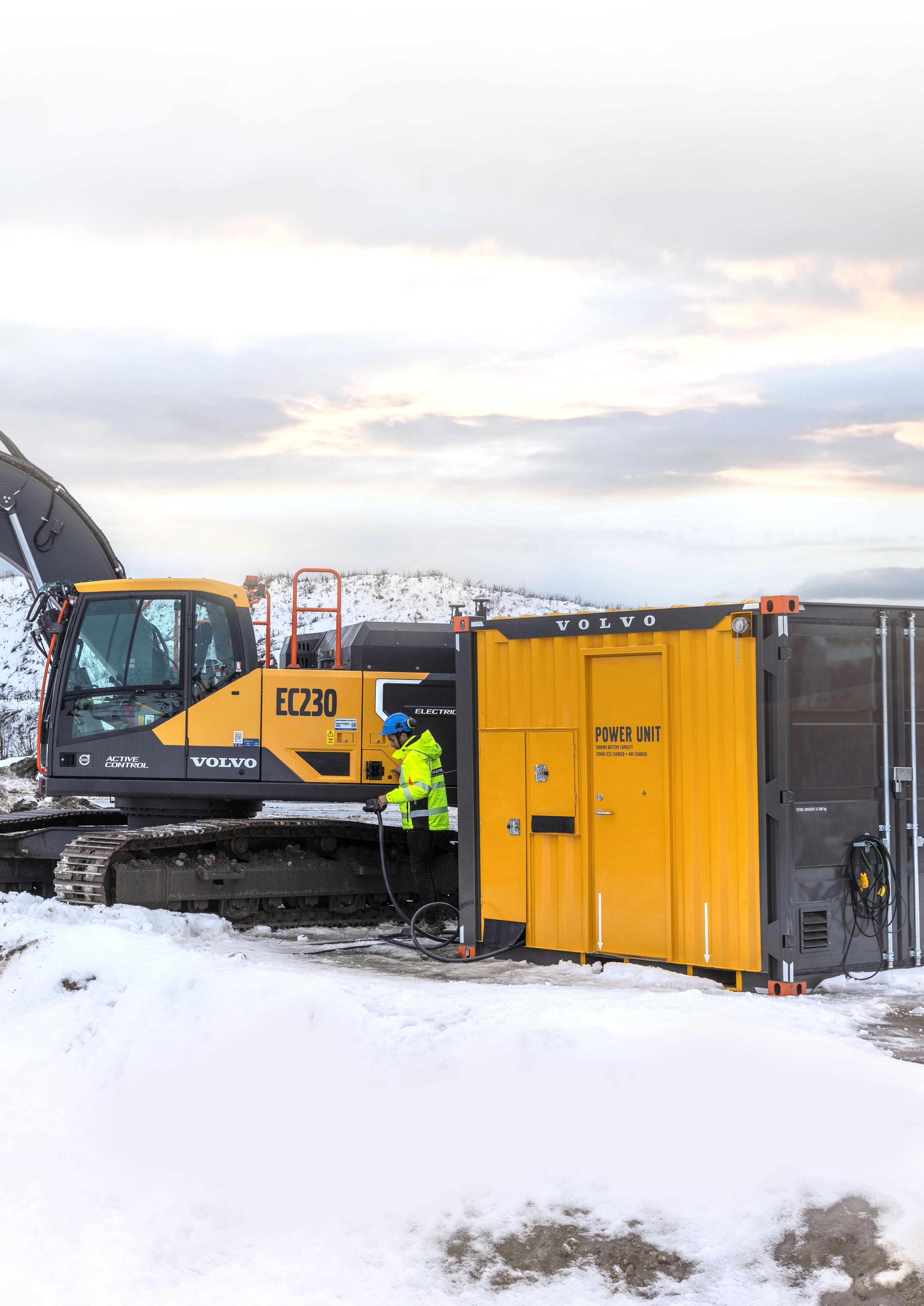
efficiency improvements and savings, especially when paired with HVO fuel.
Most hybrid machines employ some form of energy capture device to recycle power (e.g. from a machine’s downward movements or braking) back into the hydraulics system, meaning power is available without input from the engine. Hybrid trucks use the more familiar technology of electric motors paired with internal combustion engines that have existed in the passenger car market for at least the past decade. In both forms, reducing engine input requirements greatly reduces fuel burn and wear, which in turn greatly lowers emissions.
In the long-term, replacing a fleet with fully electric machines represents the greatest reduction in operating costs and Scope 1 emissions, but also represents the greatest capital expenditure and disruption to operations.
Electric machines produce no tailpipe emissions. They also generally have lower maintenance requirements than diesel machines, with no filters to replace and fewer parts to service.
The primary consideration for electric machines is ensuring sufficient charging solutions are adopted, and that they are deployed on suitable projects with sufficient existing infrastructure.
While we have seen how powerful accurate insight data can be, it is the responsibility of field managers to drive the actions that generate the favourable data used to justify the leadership team’s strategic decisions. In
the long-term, replacing a fleet with fully electric machines represents the greatest reduction in operating costs and Scope 1 emissions, but also represents the greatest capital expenditure and disruption to operations.
With the backing of comprehensive insight data, operational managers are empowered to ensure their sites are optimised for peak efficiency and productivity.
Traditionally, this is carried out through site surveying, which sees professional surveyors employ a range of tools to take high precision measurements of a site, and then compile a report to suggest what improvements can be made.
While the insights of experienced surveyors can be highly valuable, the survey is only capable of capturing a snapshot of the site on the specific day it was carried out, not real-time running conditions.
A more powerful method used to optimise a site is to conduct drone surveying. By using a drone equipped with highresolution cameras and LiDAR (Light Detection and Ranging) sensors, an accurate 3D terrain model and orthomosaic map of the surveyed site can be created, and volumetric measurements can be taken.
This means that not only can the drone take precise stockpile measurements, but it can also incorporate real-time machine telematics data to generate a live 3D site map, and provide data-based suggestions to improve site layout, optimise machine pairings and traffic flow, and even what impact the current condition of haul roads is having on machines.
Purchasing managers must first break the habit of assessing their fleet through the lens of the individual price and capabilities of each machine, and start assessing how well they fit into an overall company ecosystem.
While mixed fleets are a fact of life, the more mixed a fleet is, the more complex and costly its maintenance, parts stock and staff training requirements are. Additionally, if a new machine cannot be incorporated into the existing insight data systems, it cannot be effectively optimised.
Utilisation upgrades for the existing fleet should also form a key consideration. Tiltrotators, quick couplers and machine control systems can greatly improve the number of jobs a machine can carry out, as well as its ability to operate independently.
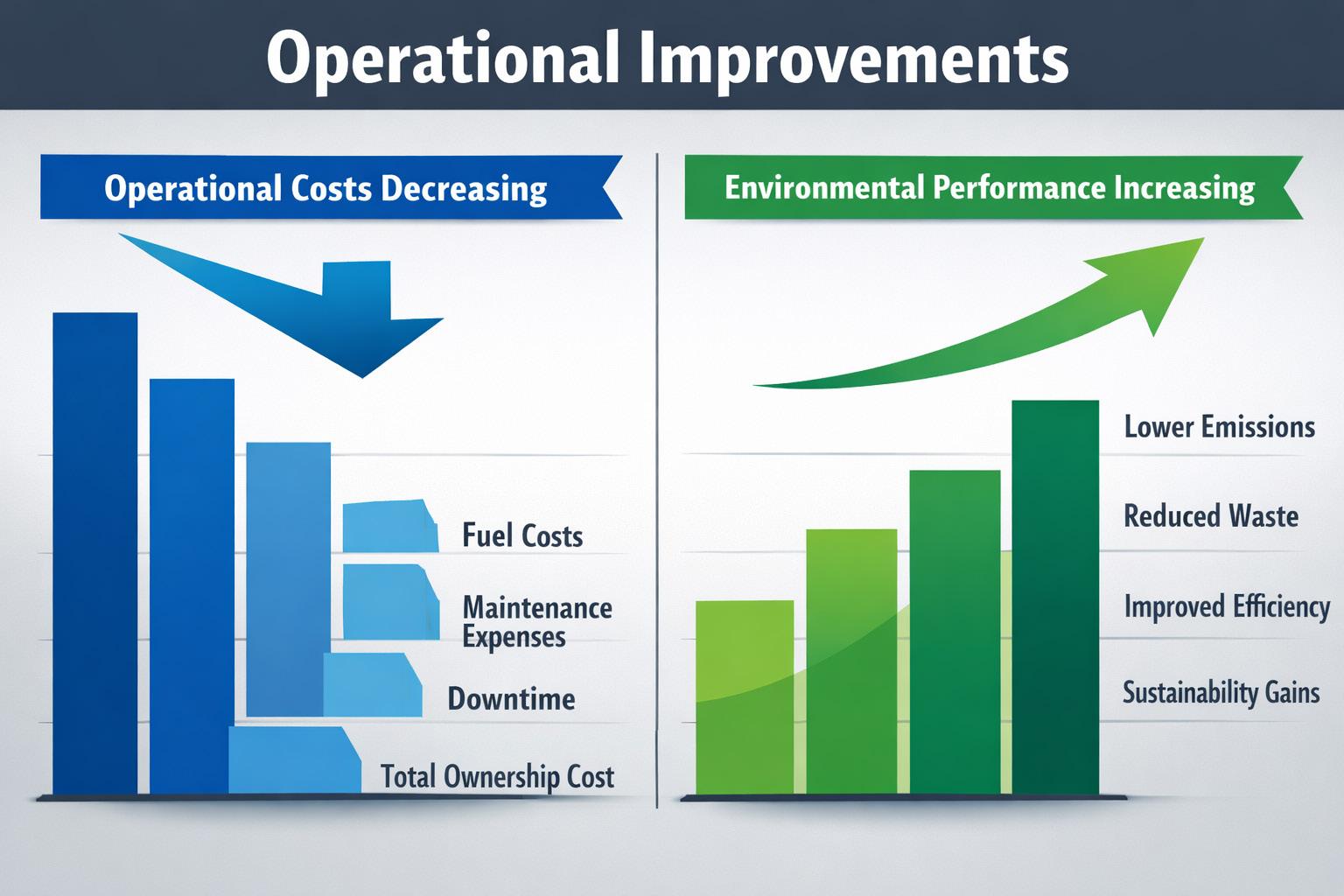

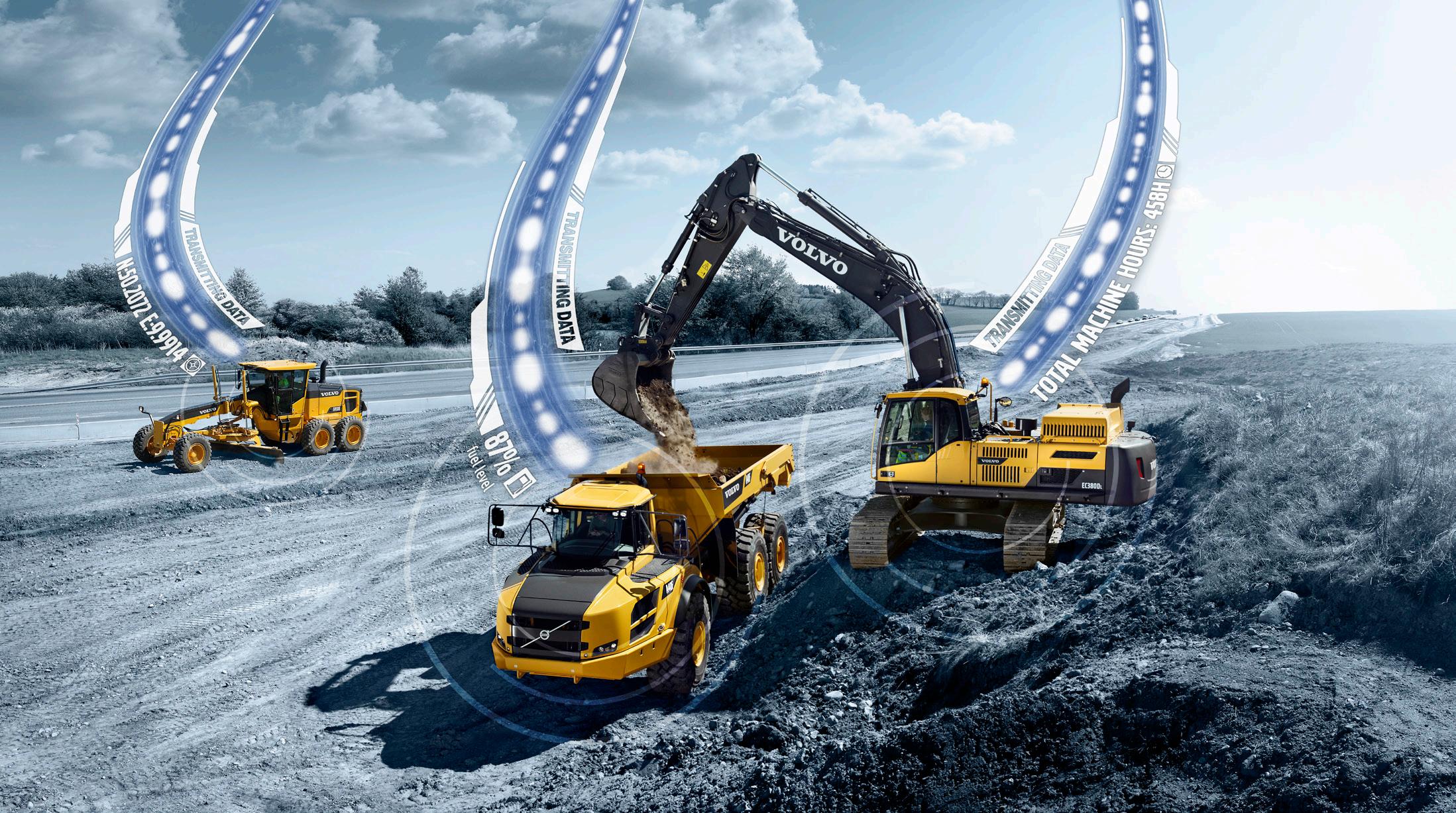
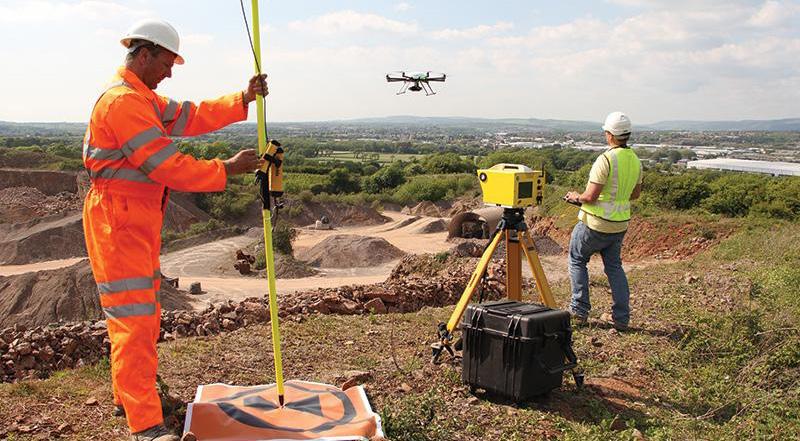
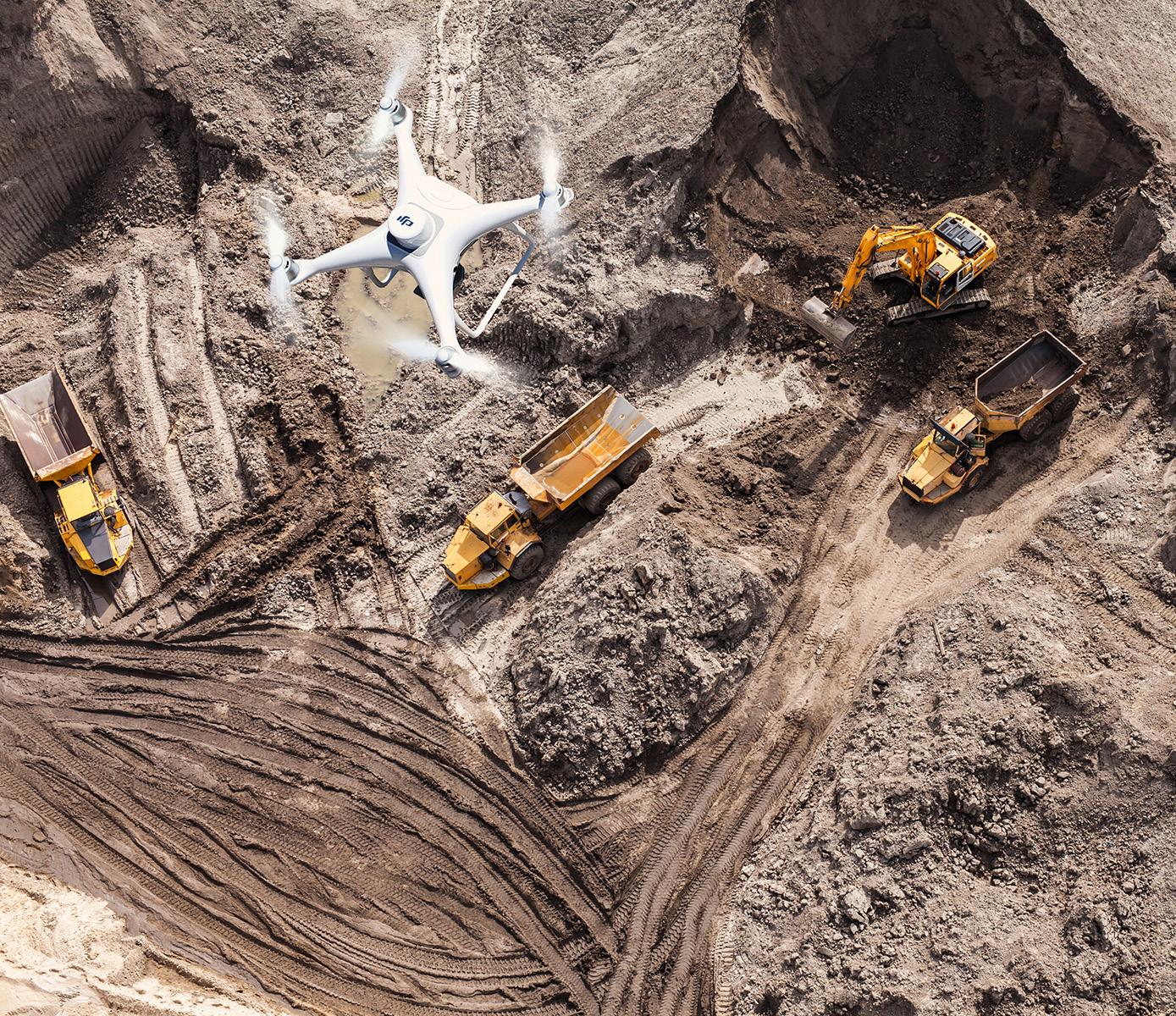
Even with robust insight data, correctly configured machines and rigorously designed site layouts, the final layer of efficiency lies with the operators themselves.
While operational managers are responsible for overall site efficiency, operators directly influence how efficiently their machines perform, with idle times and aggressive throttle inputs constituting two of the biggest blockers for efficiency.
Smooth and controlled operation makes a measurable difference. Maintaining consistent engine loads, utilising correct engine settings and reporting site changes immediately can noticeably reduce fuel consumption, minimise wear and maximise productivity.
Operators trained how to maximise the efficiency of their machines quickly outperform operators who haven’t received such training. Establishing clear communication channels for operators to provide input also helps push plans to improve efficiency and productivity into achievable action.
With all of these considerations carefully and purposefully put in place, going green may ultimately prove to be one of the most effective strategies available for building more efficient and competitive plant operations.
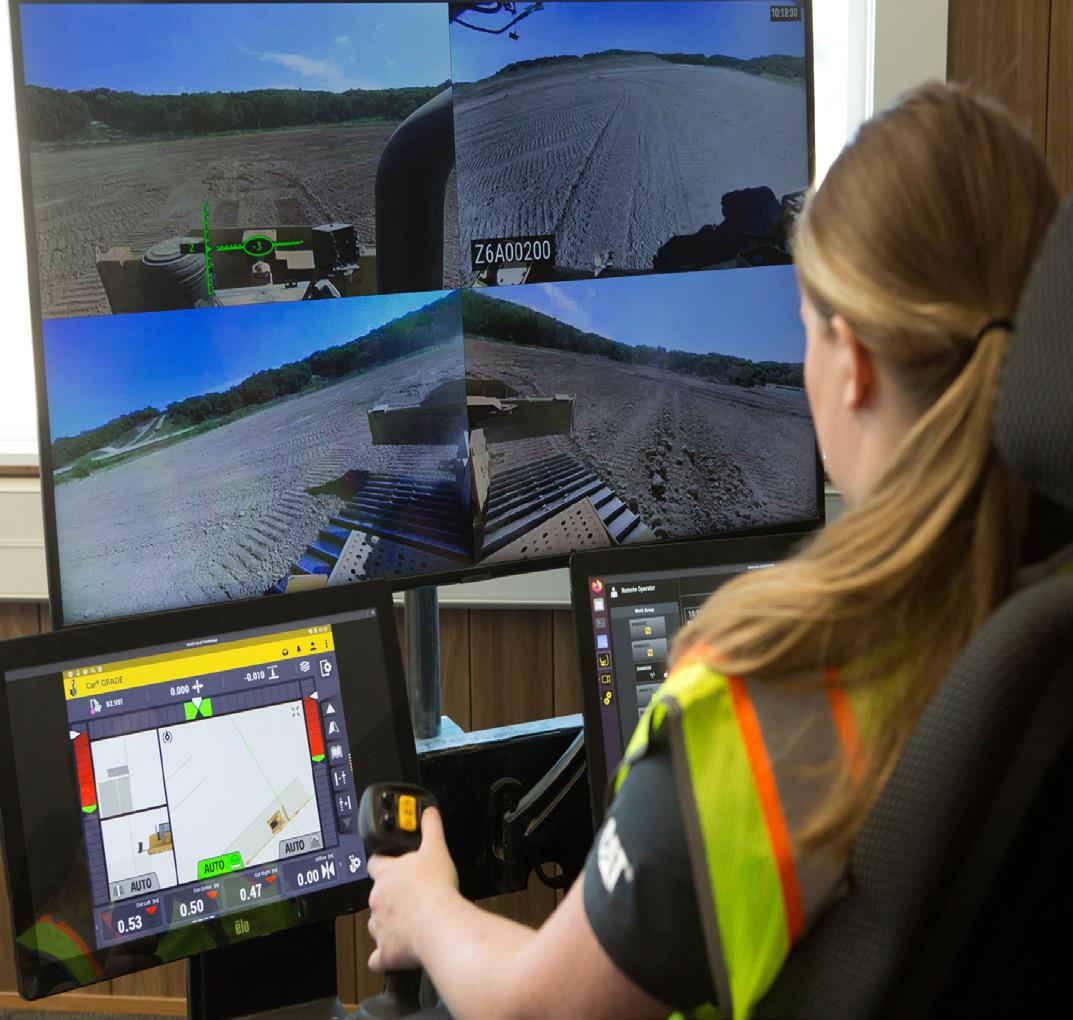
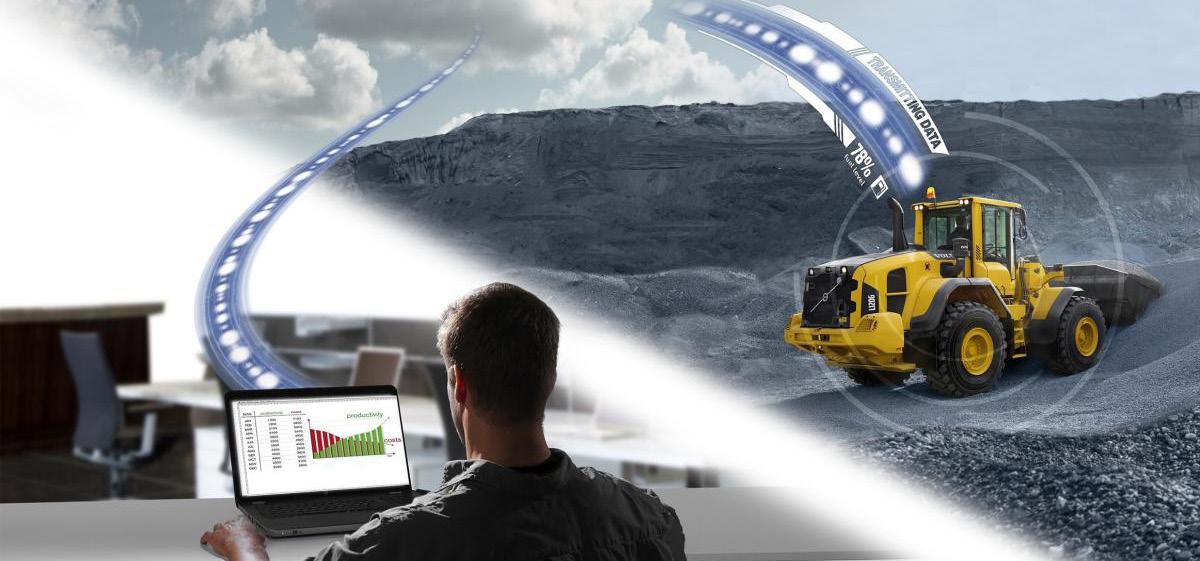
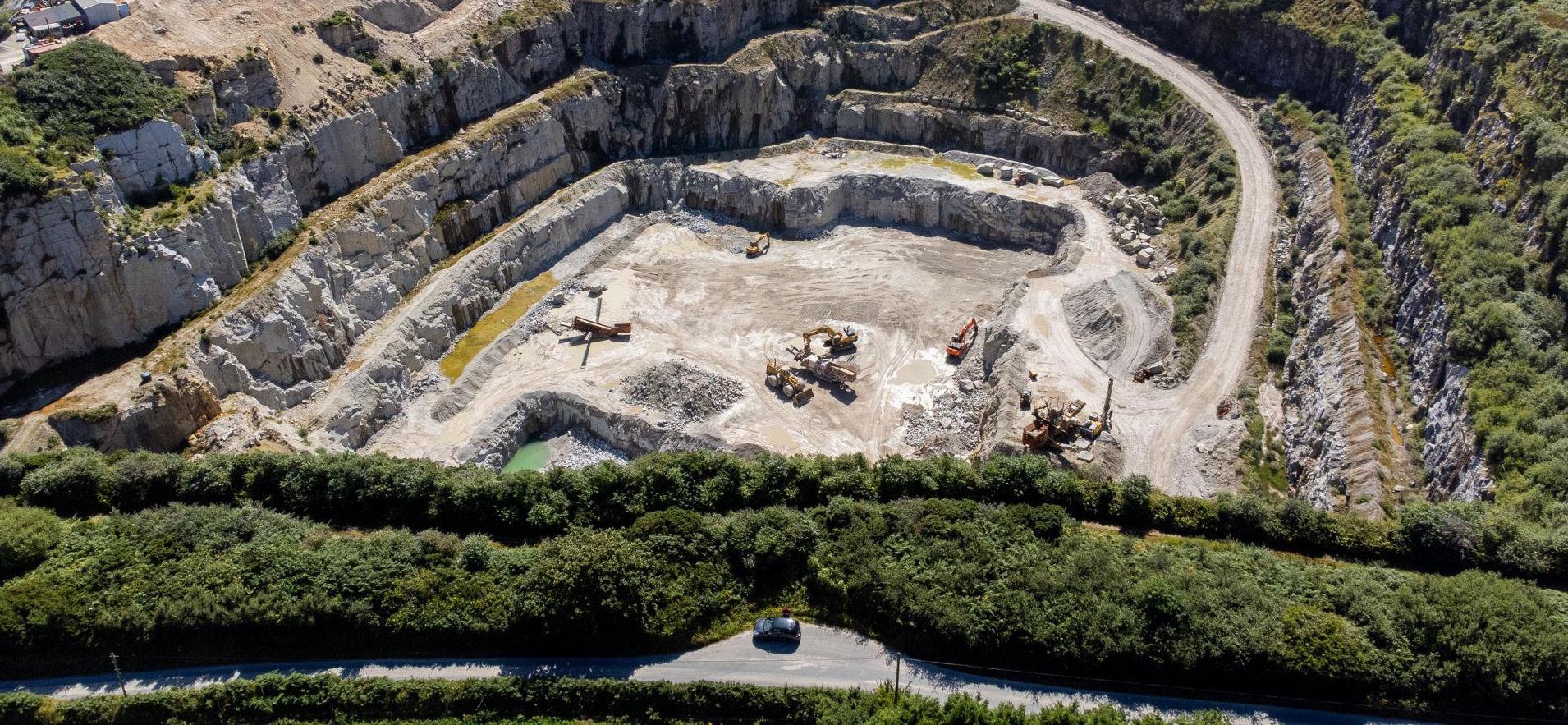

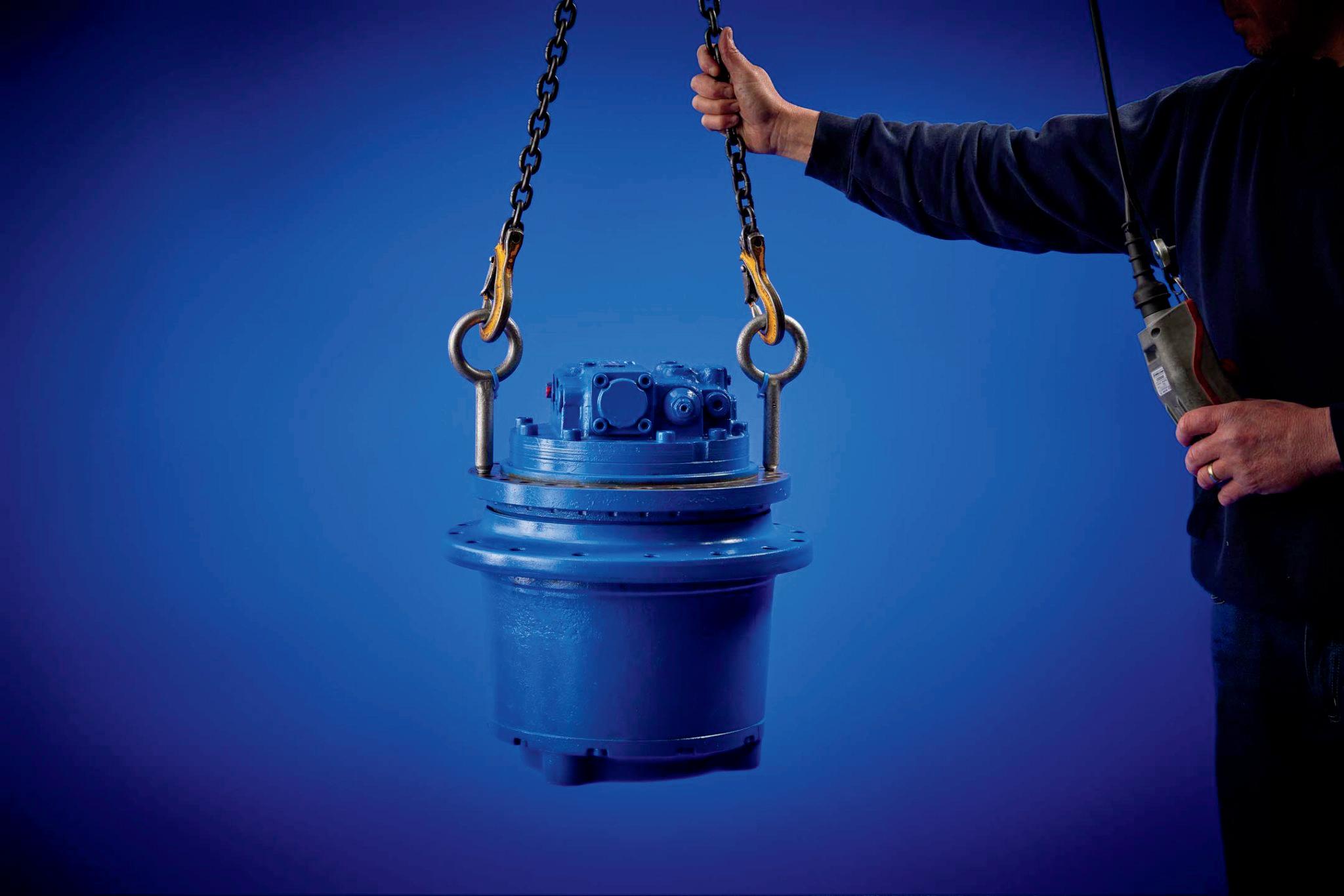
Final Drives | Swing Drives | Hydraulic Pumps | Slew Rings | Diagnostics & Repair
Plus, don’t miss out...
Our brand-new, industry-leading hydraulic testing facility ‘The Rig’ makes its debut at Hillhead 2026.
Load testing up to 132 kW
Coverage for motors from 18cc to 340cc
Simulation of real-world operating conditions
Fully automated, single-operator testing
Advanced data acquisition and performance reporting
plantparts eu/aboutus/the-rig-testing-facility